
Halal Travel Guide: Istanbul — Mosques, Turkish Food and Ottoman Streets (Part 2 of 3)
Reposted from the web
Summary: Istanbul — Mosques, Turkish Food and Ottoman Streets is presented here as a firsthand travel account in clear English, beginning with this scene: I spent half a month traveling in Turkey from September to October 2018. While visiting historical sites in Istanbul, I tried some local food and would like to share it with you here. The account keeps its focus on Istanbul Travel, Turkish Food, Ottoman Heritage while preserving the names, places, food, and historical details from the Chinese source. This is part 2 of 3.
Part 2 of 3
This place serves naan and a salad of onions, peppers, and tomatoes (pilahong) right away, which feels very Inner Asian. By the end of the meal, the Uzbek guy in the red shirt in the middle of the picture helped me peel all the eggplant skins and rolled them up with roasted tomatoes, which was very touching.
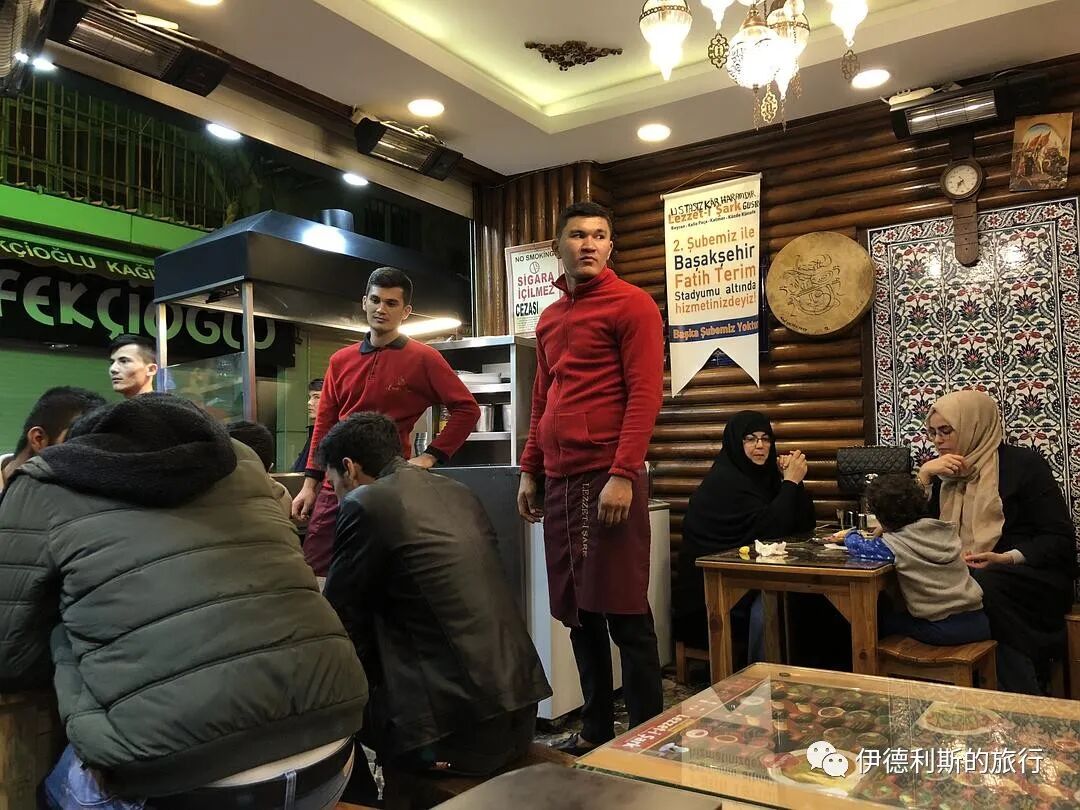
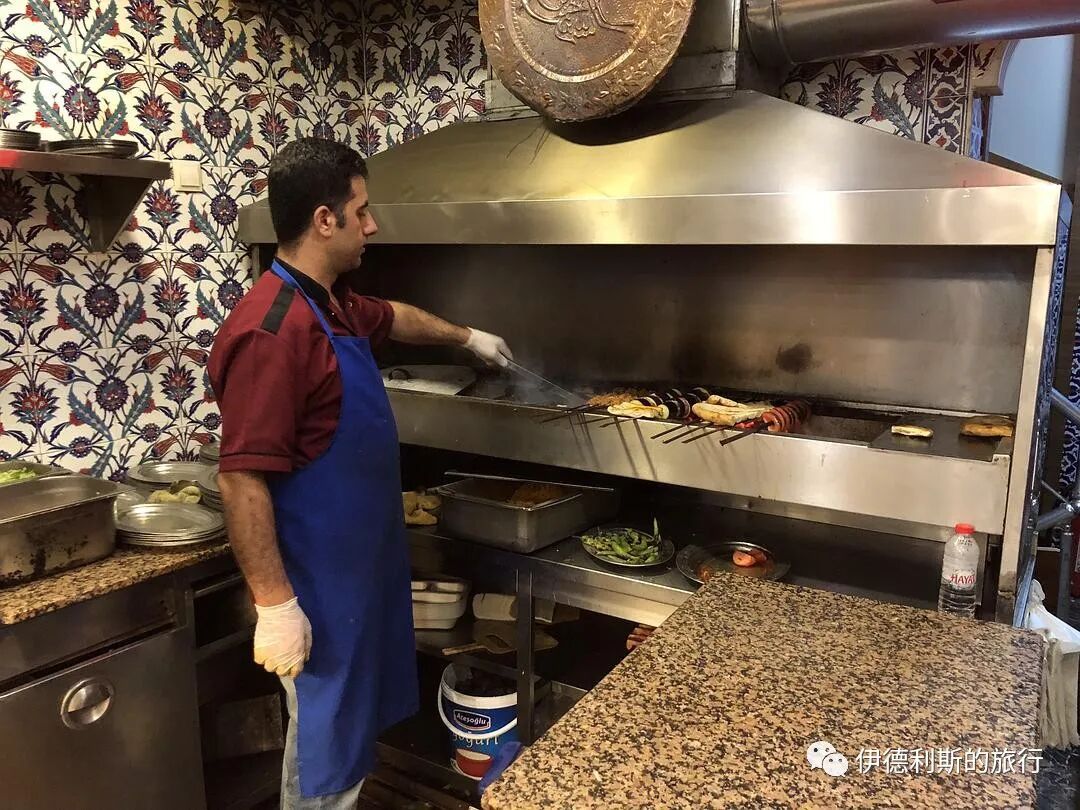
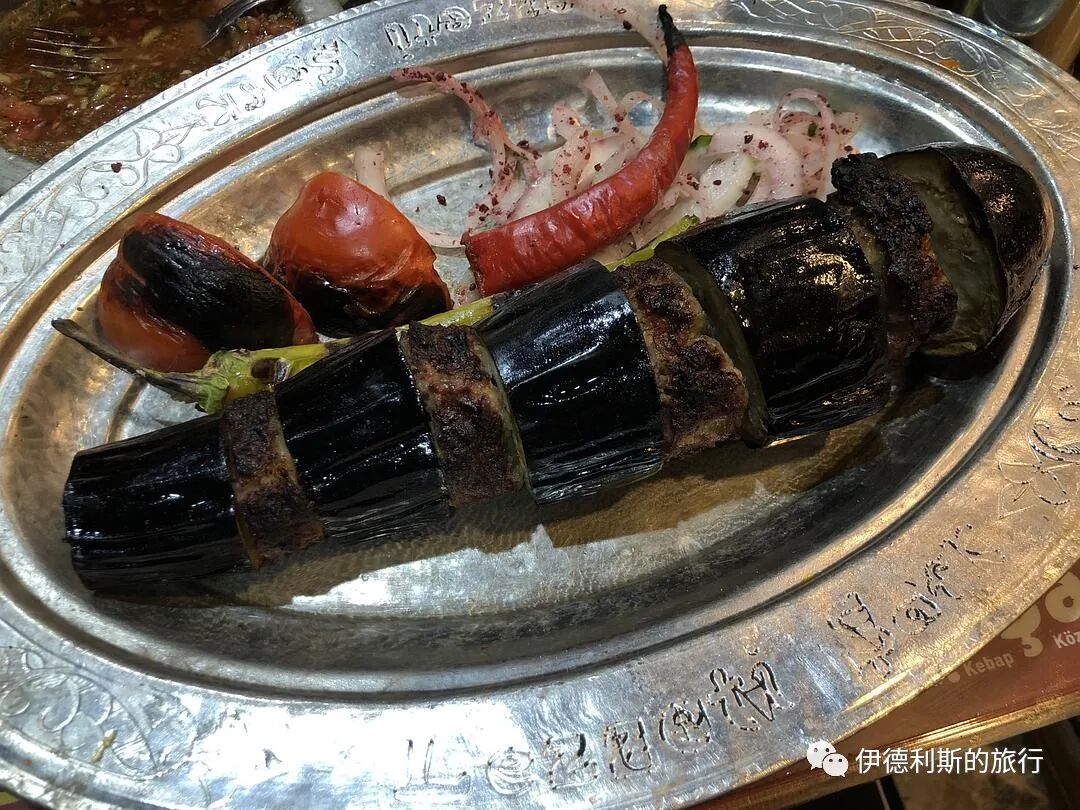
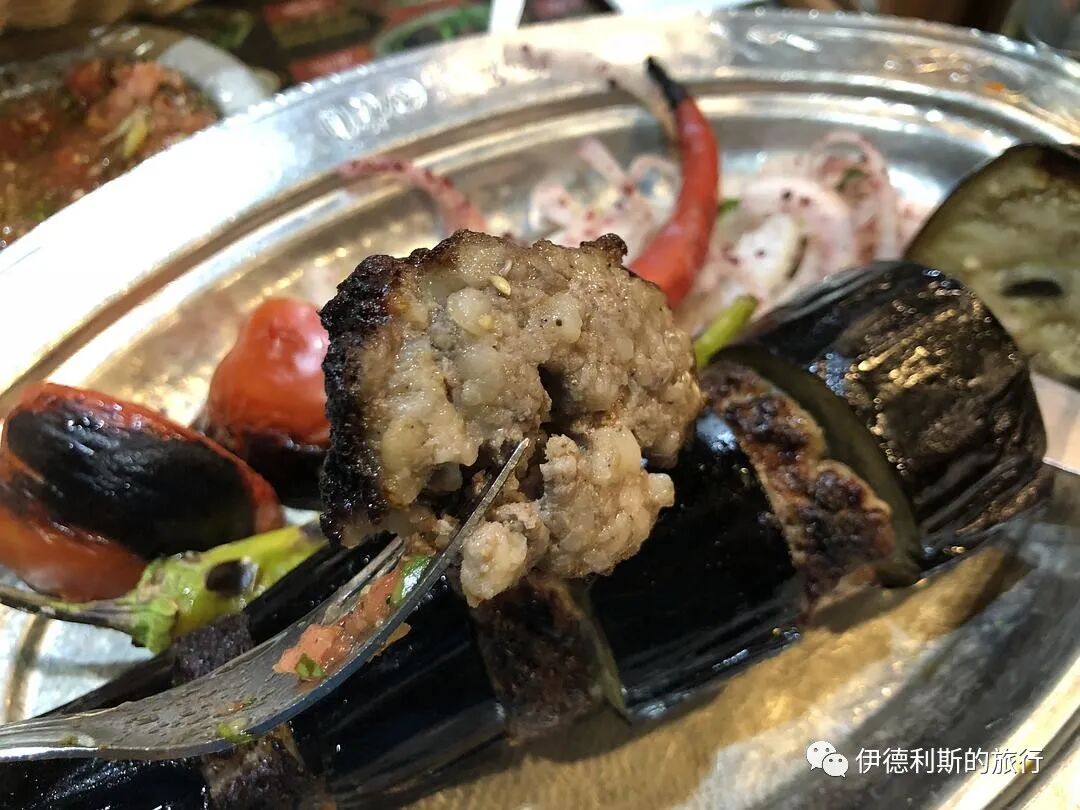
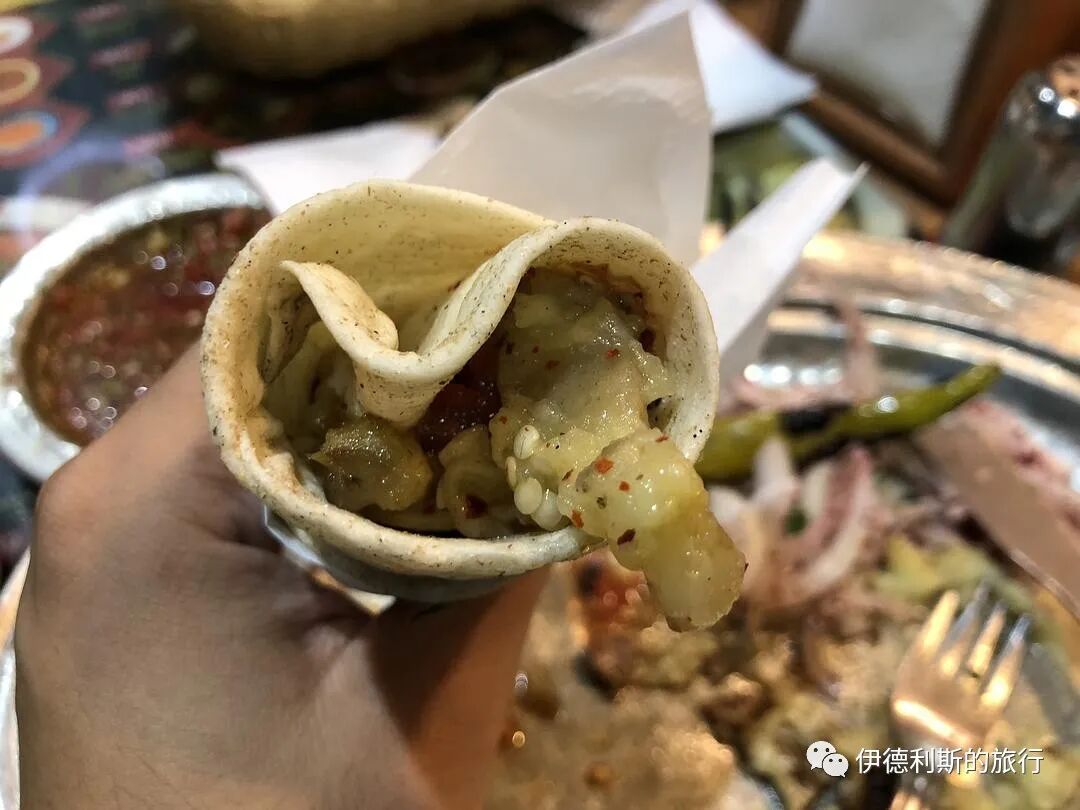
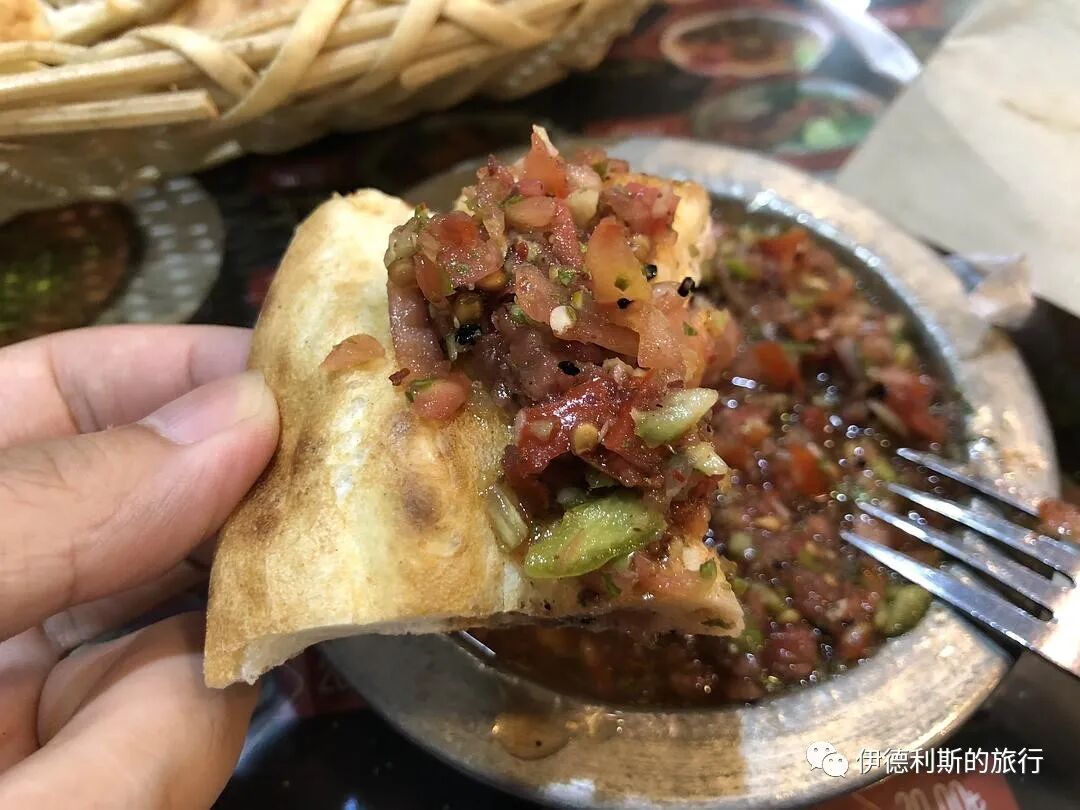
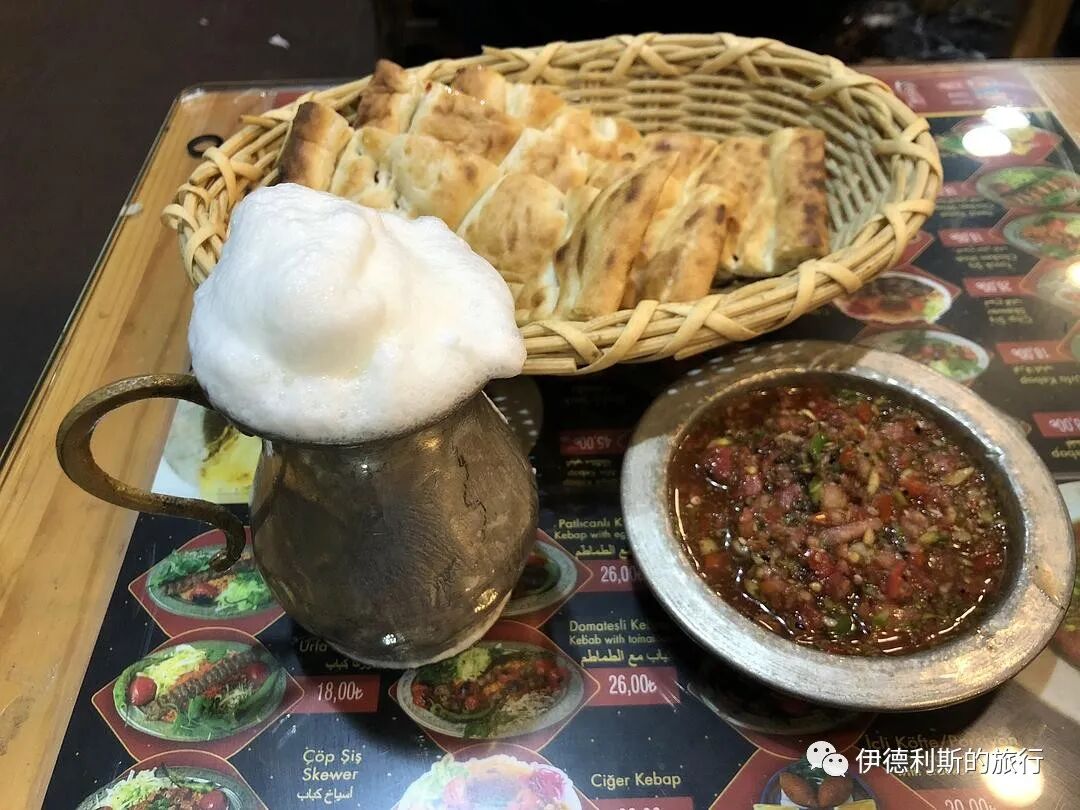
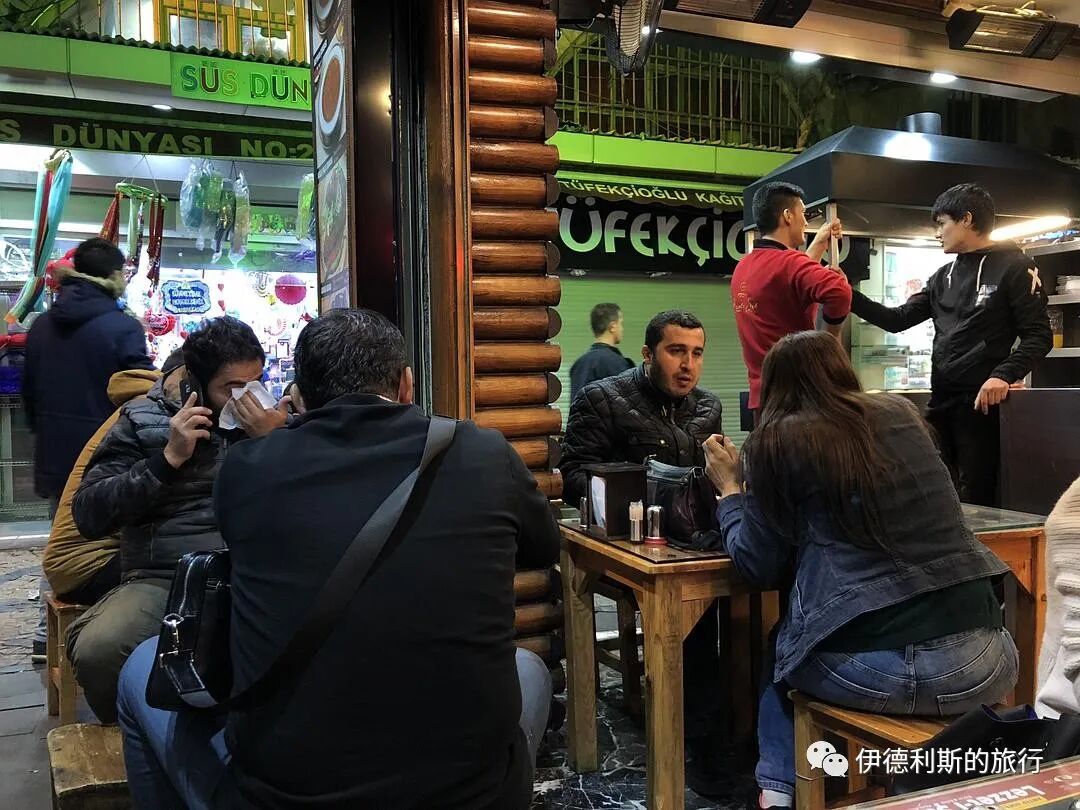
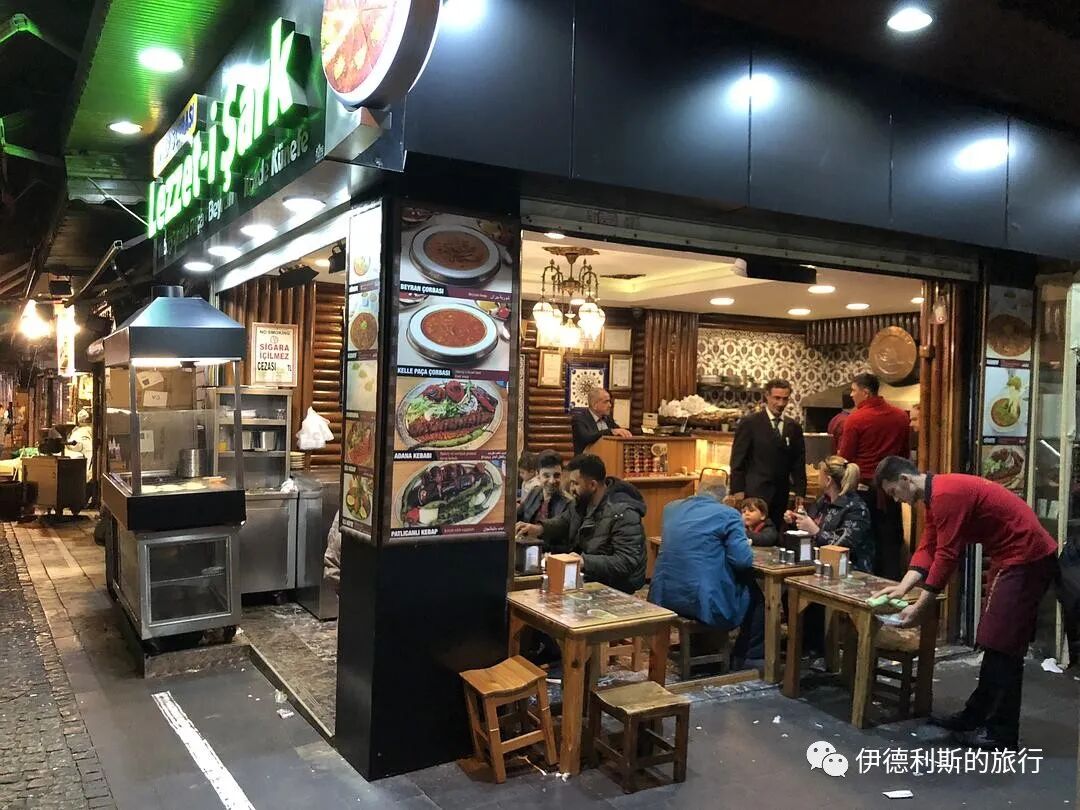
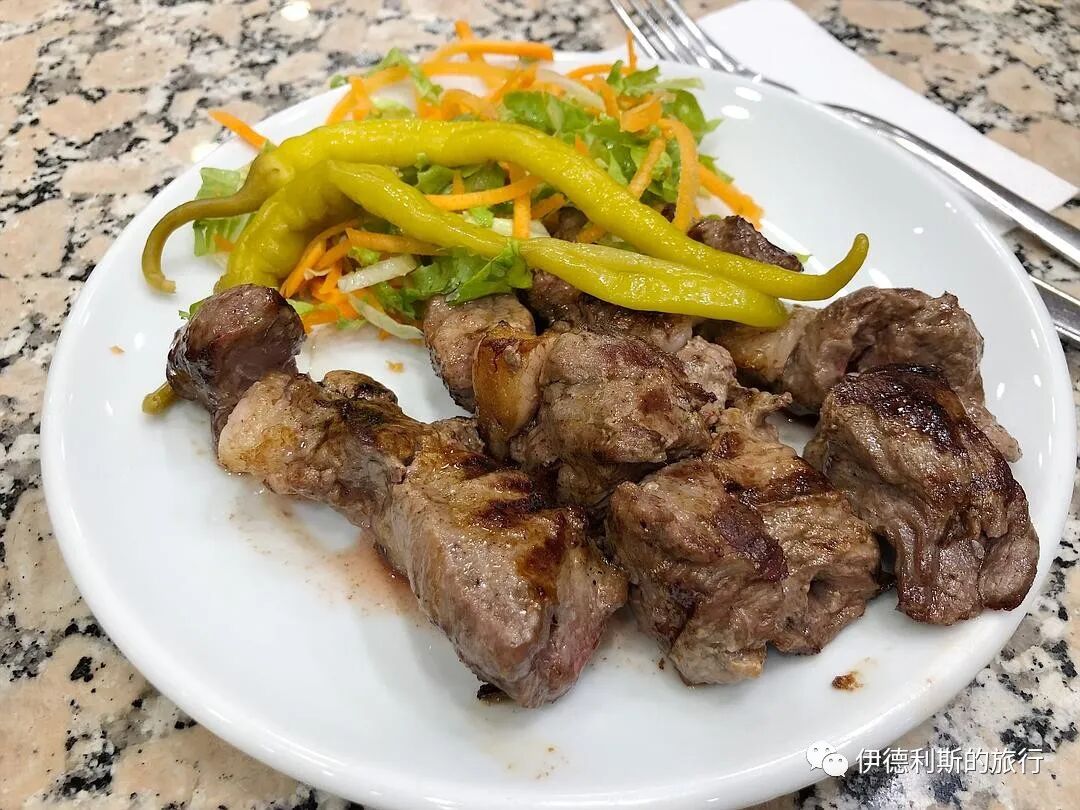
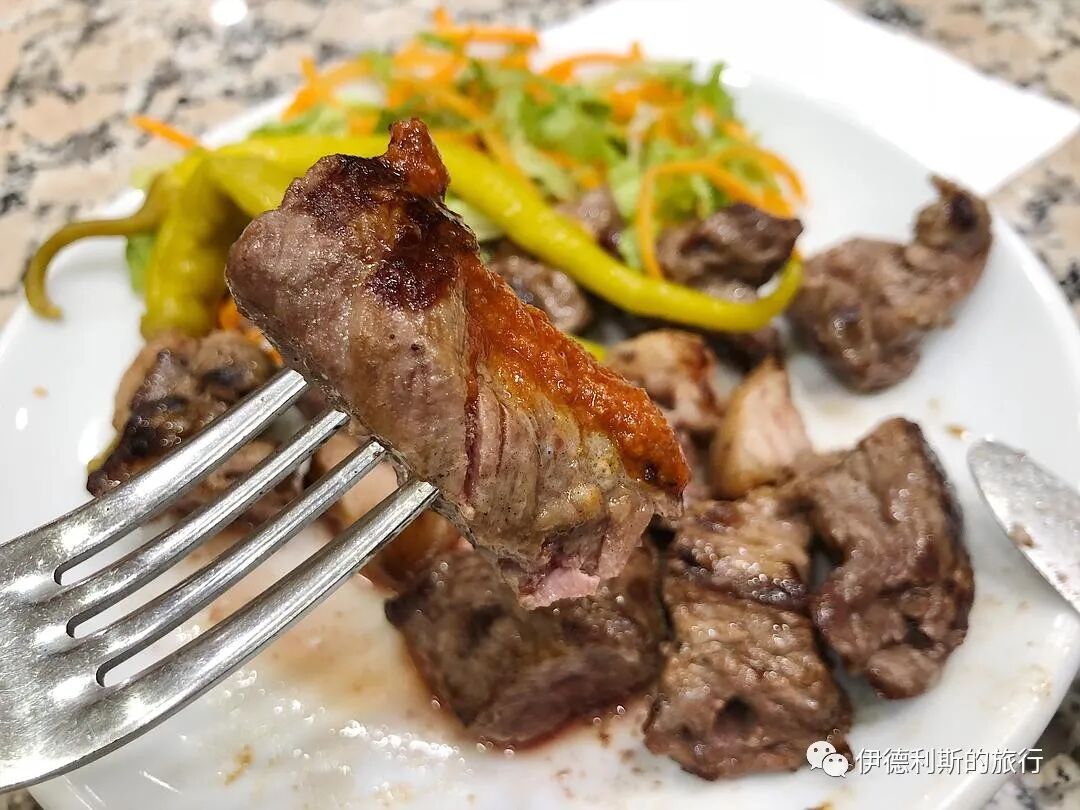
Roasted lamb eaten next to the Hagia Sophia, which was very fresh and tender.
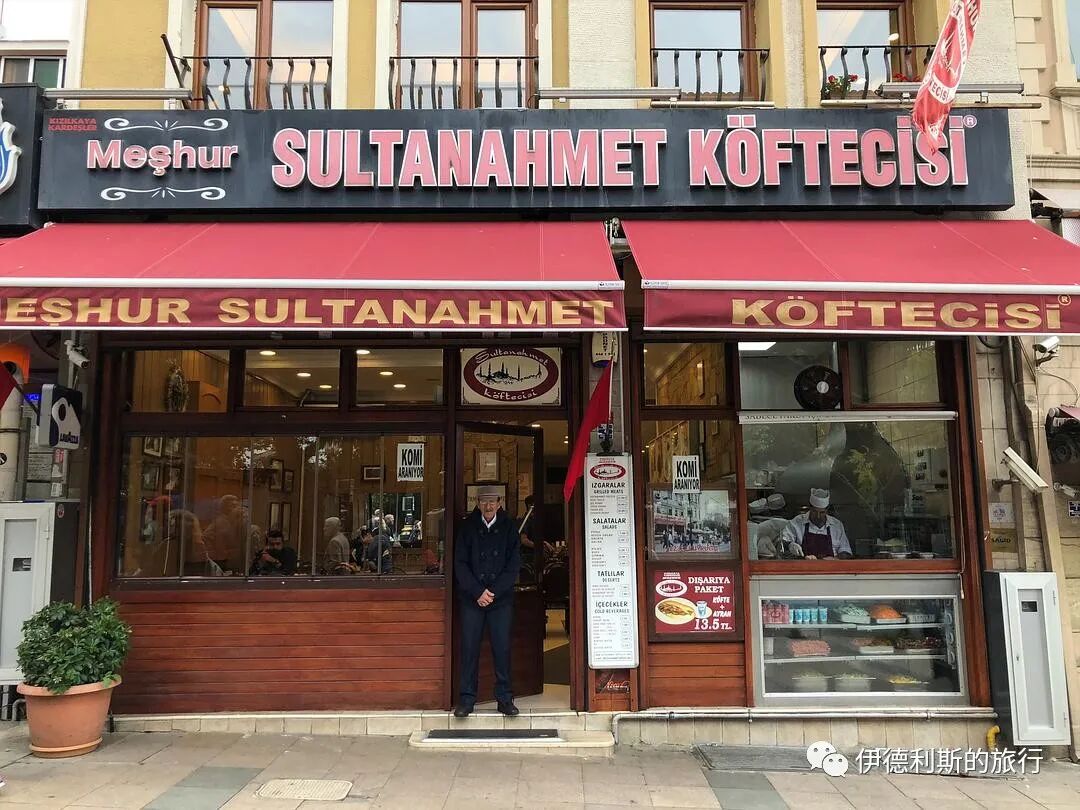
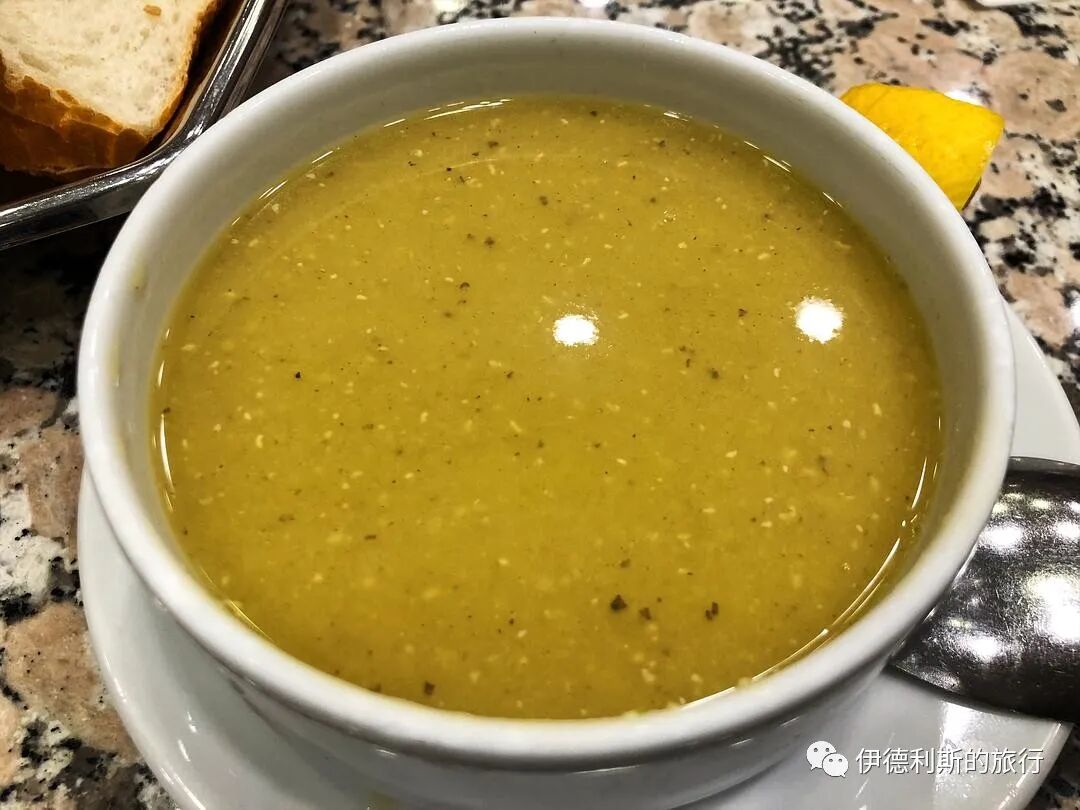
This soup is called chorba.
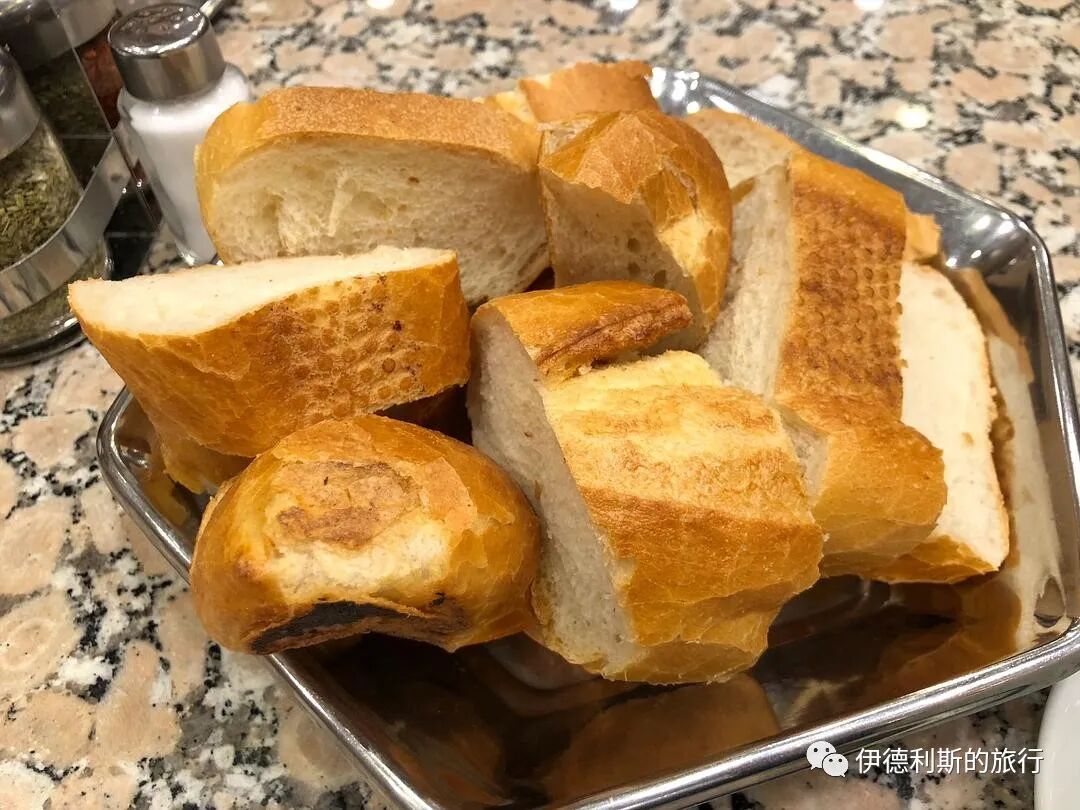
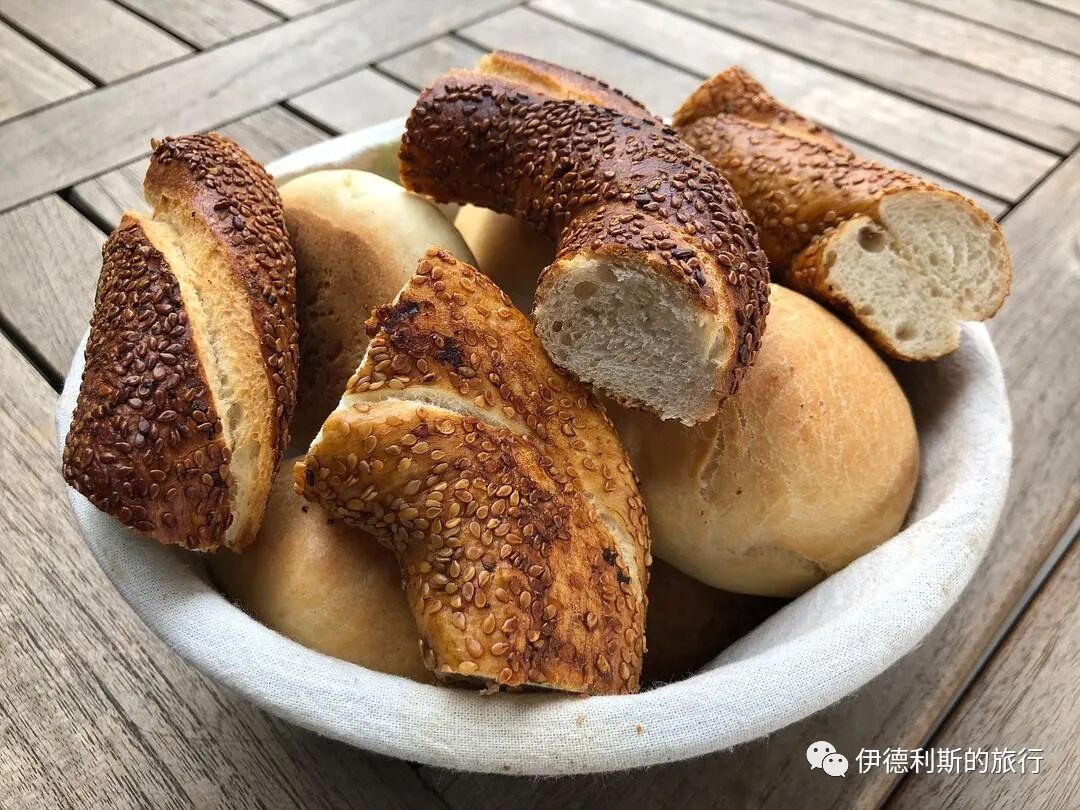
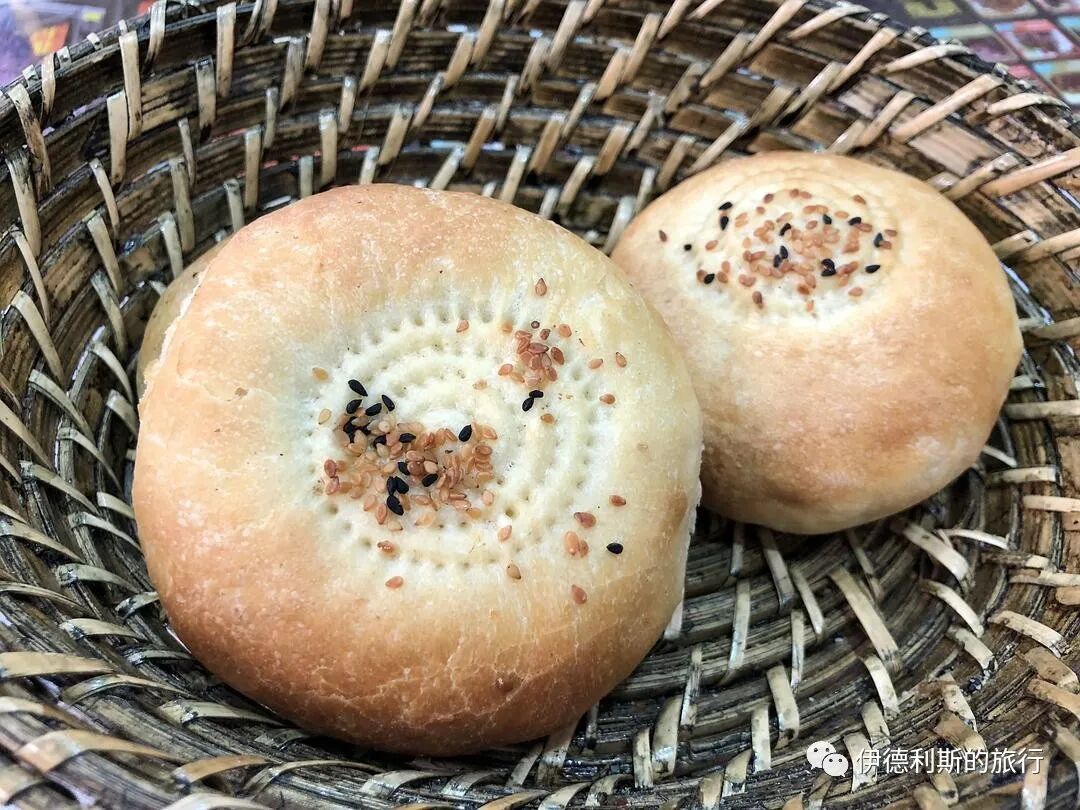
Bread in Turkish restaurants is free to eat.
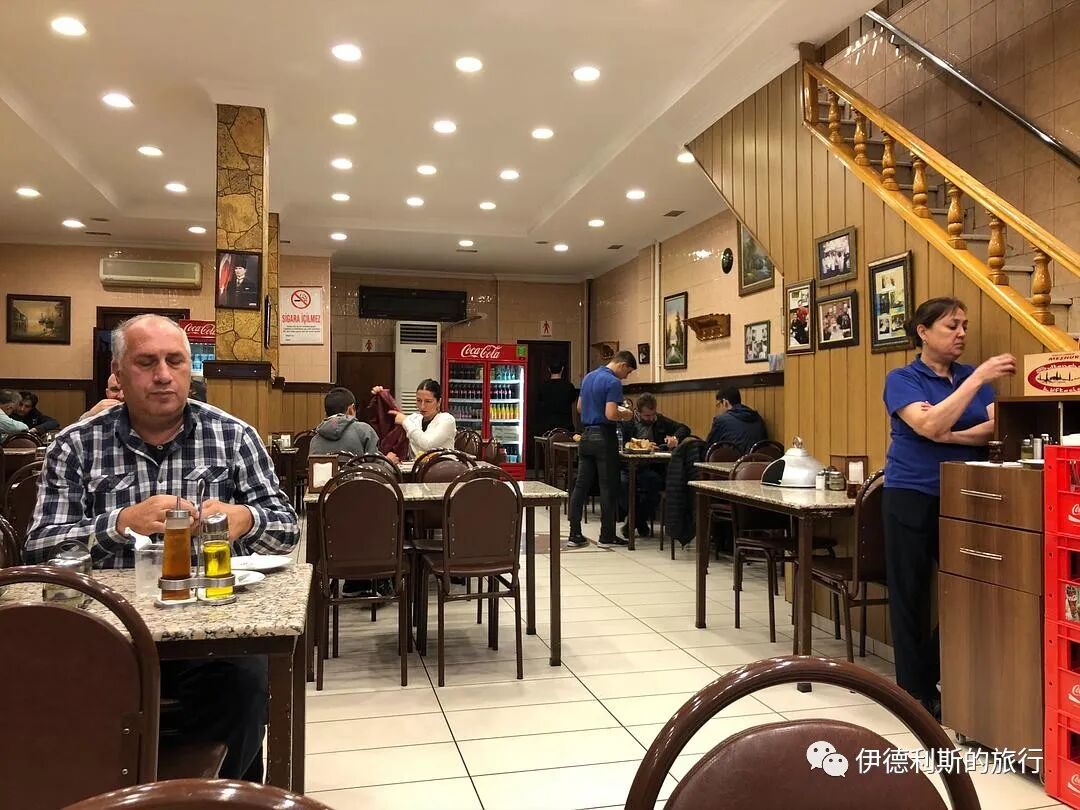
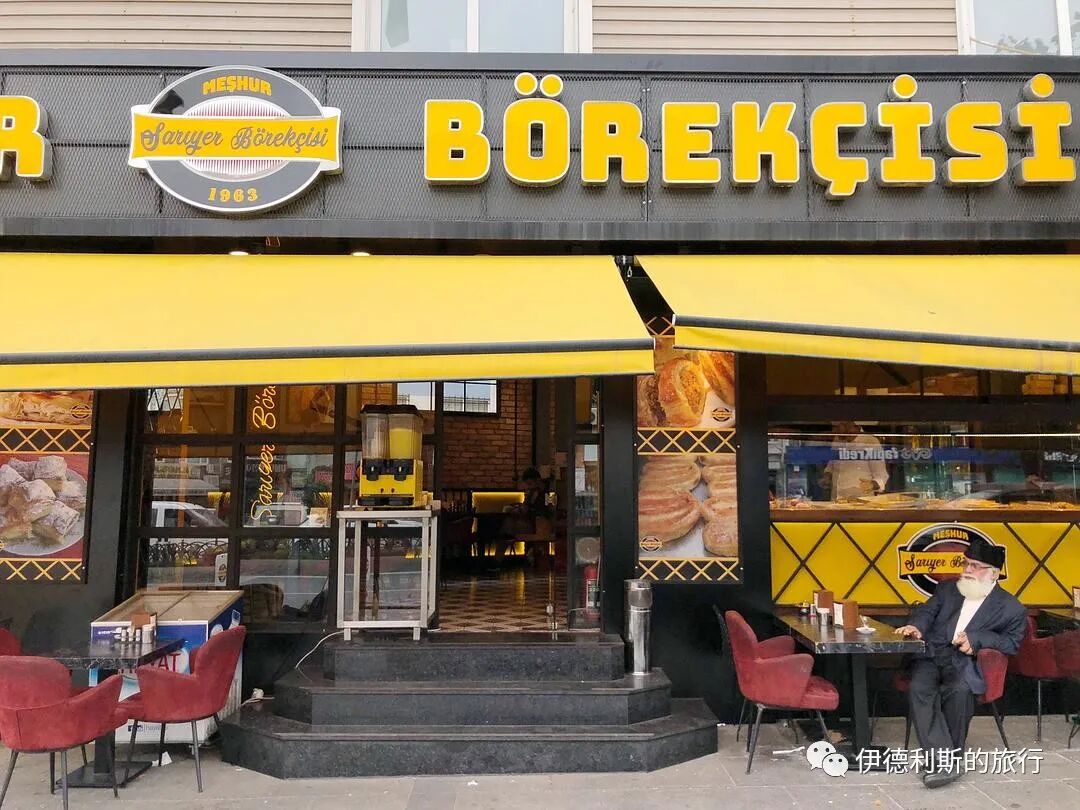
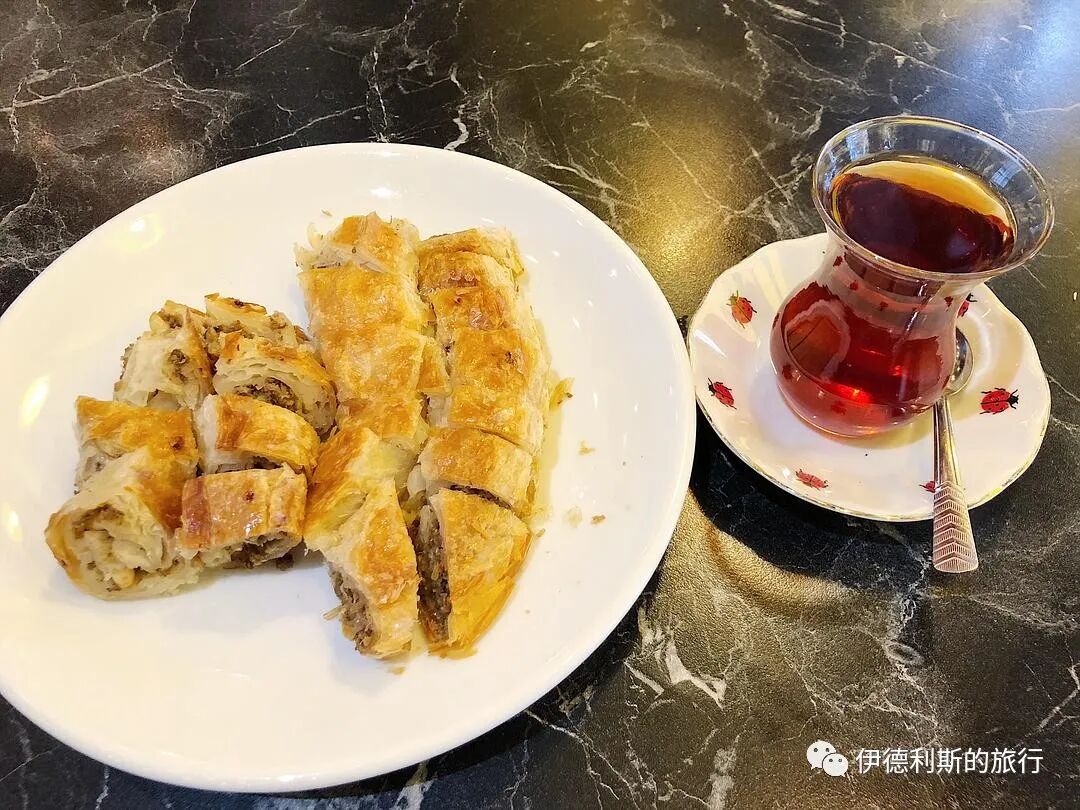
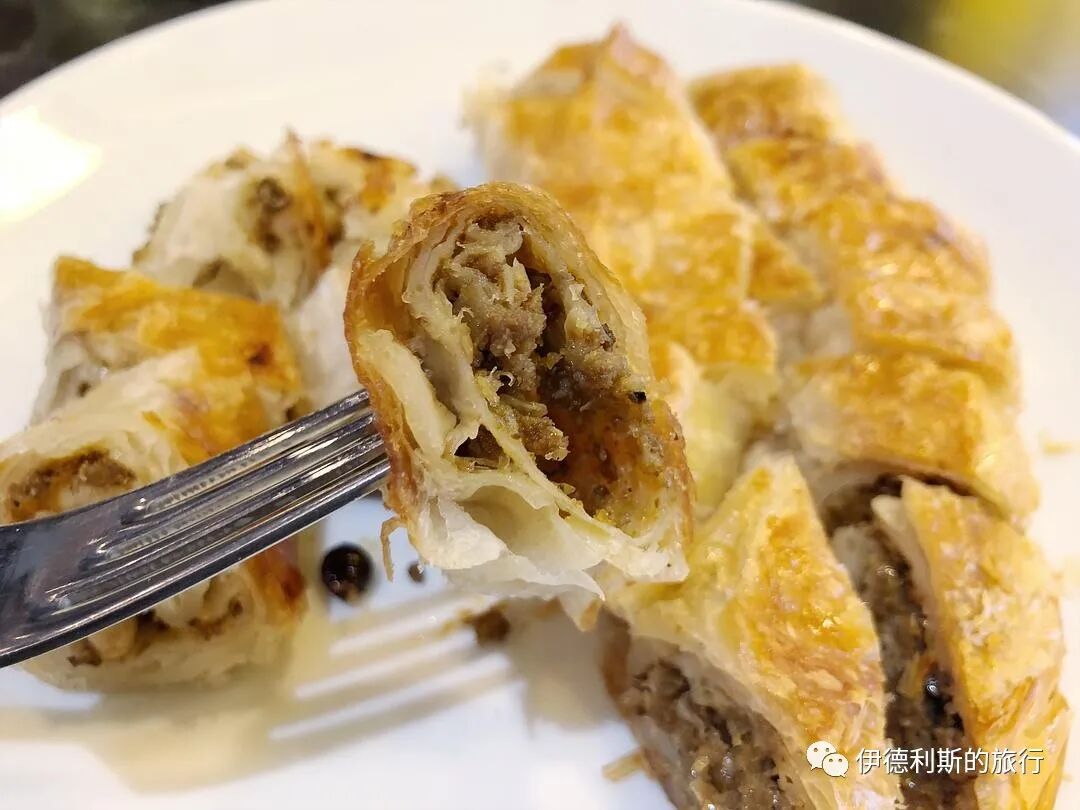
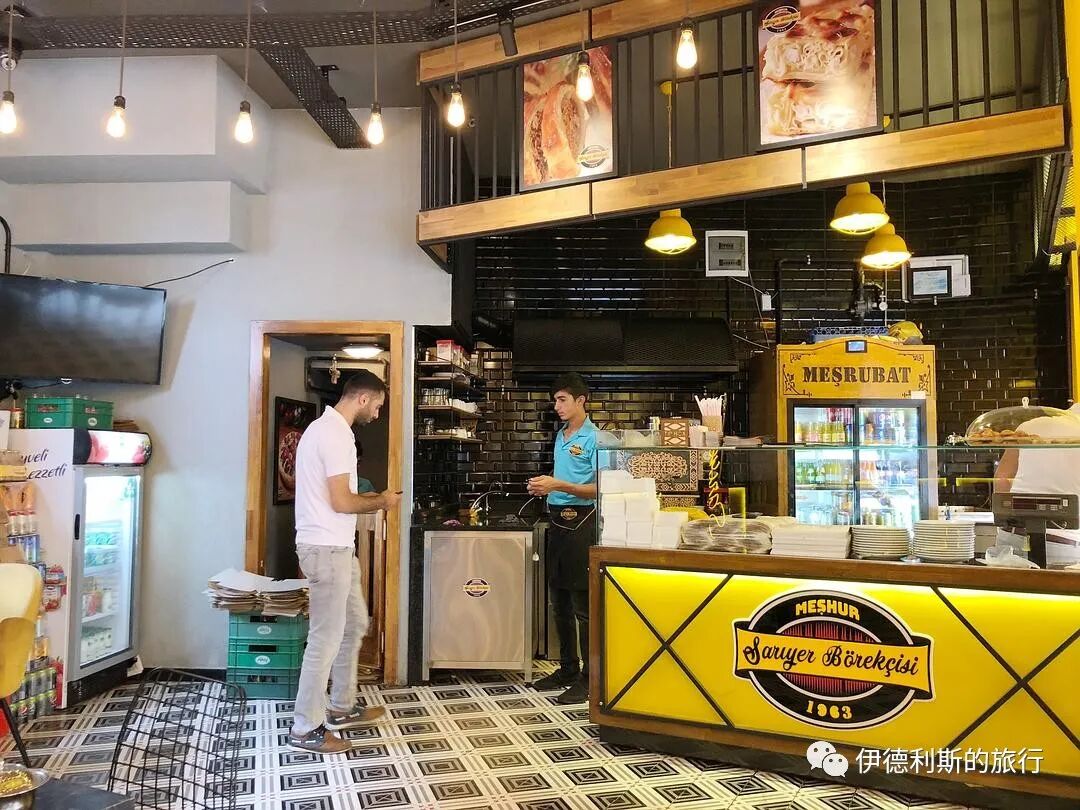
Eat a flaky pastry (börek) at a flaky pastry shop. The word börek comes from Turkish and can refer to any food made with thin dough sheets (yufka). Börek originated in Anatolia and became popular in the Balkans and North Africa during the Ottoman Empire. It was especially popular in Ottoman Jewish communities, where it was known as one of the three major Ottoman Jewish pastries alongside boyos de pan and bulemas.
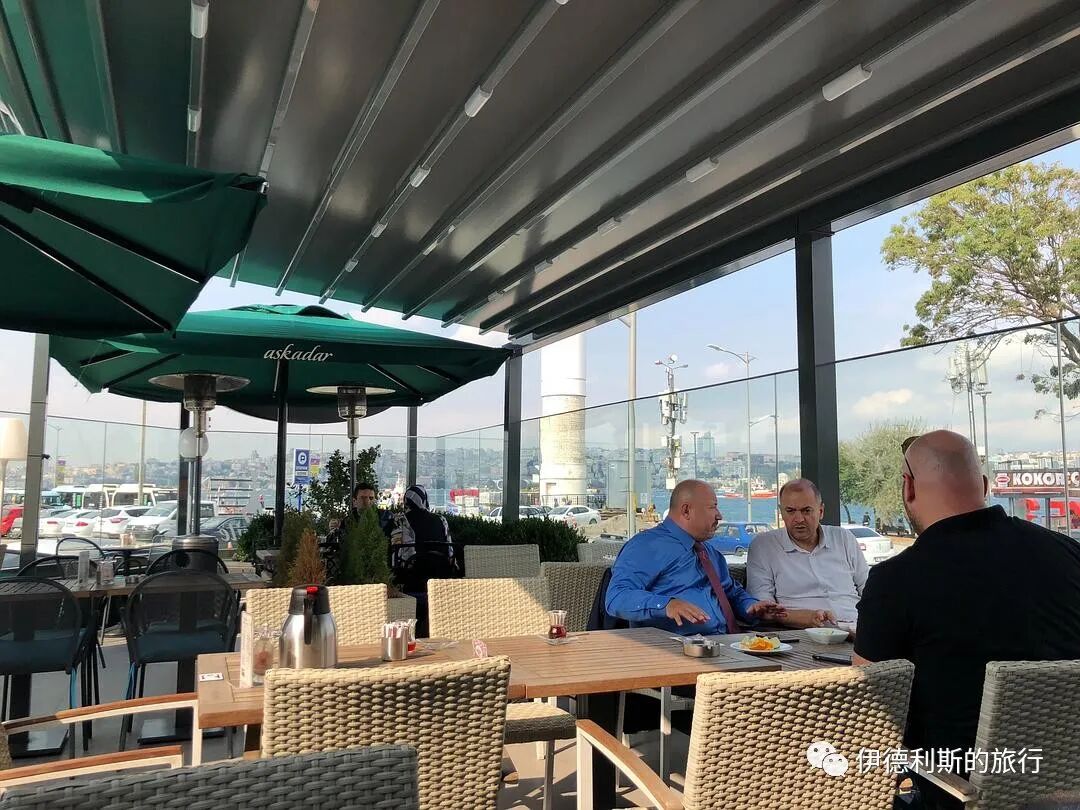
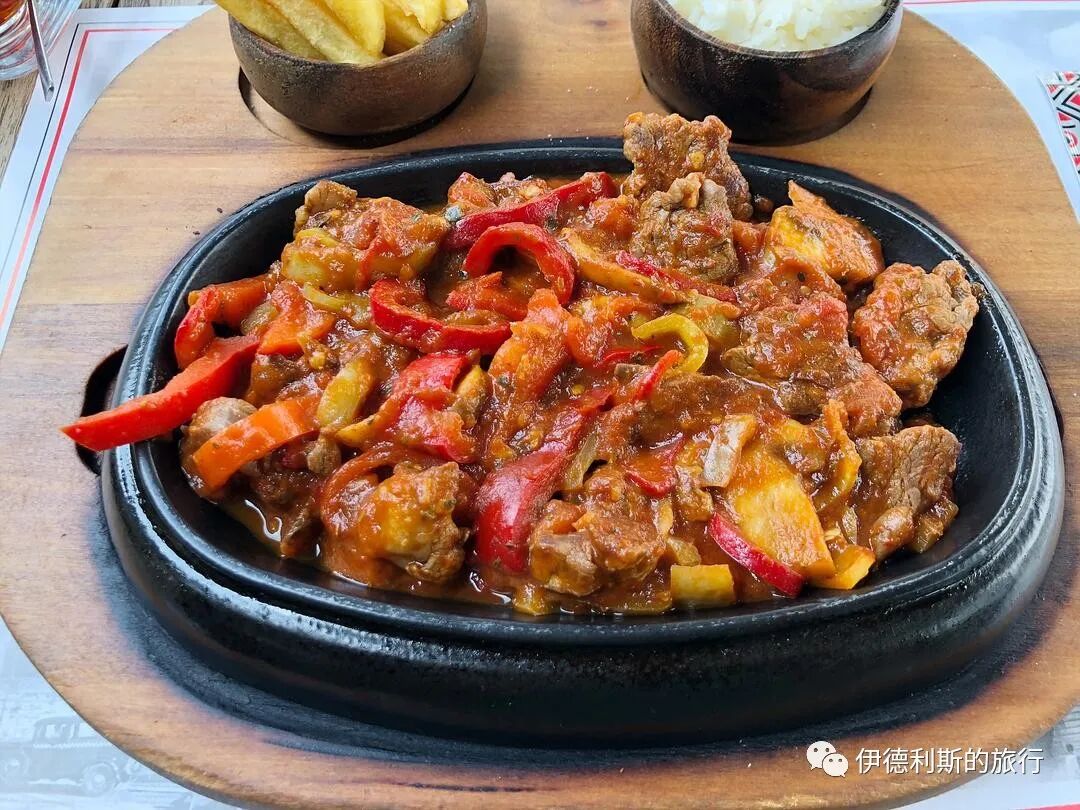
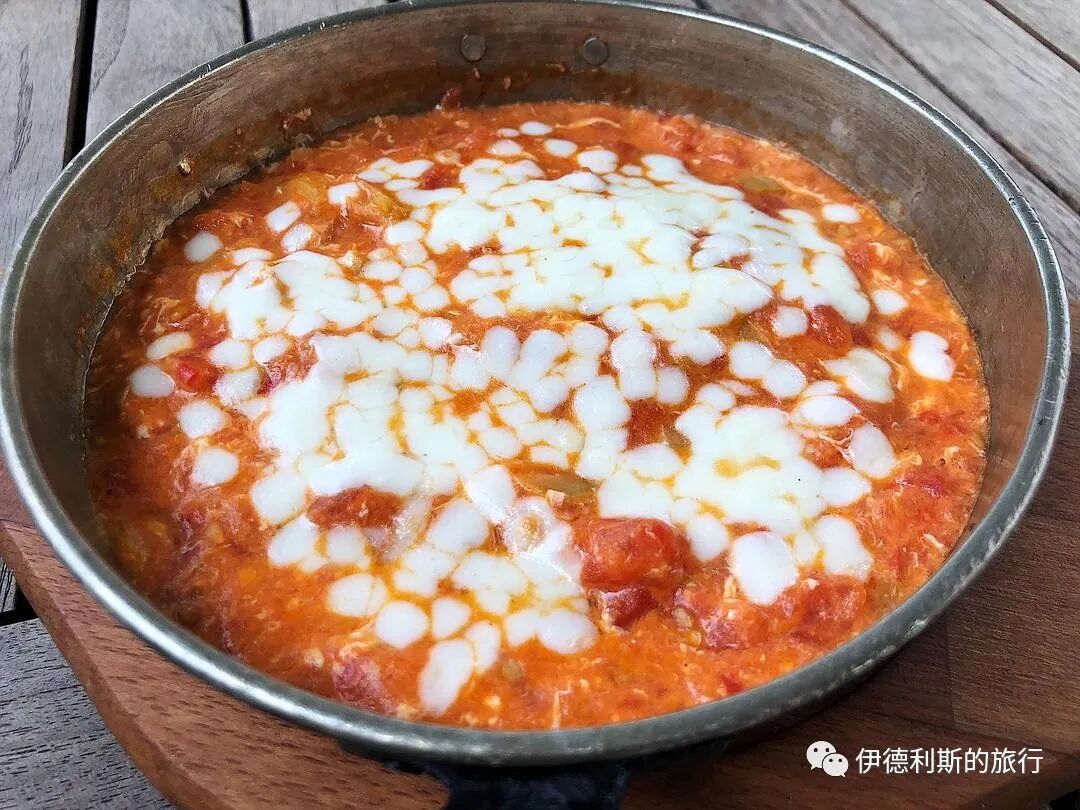
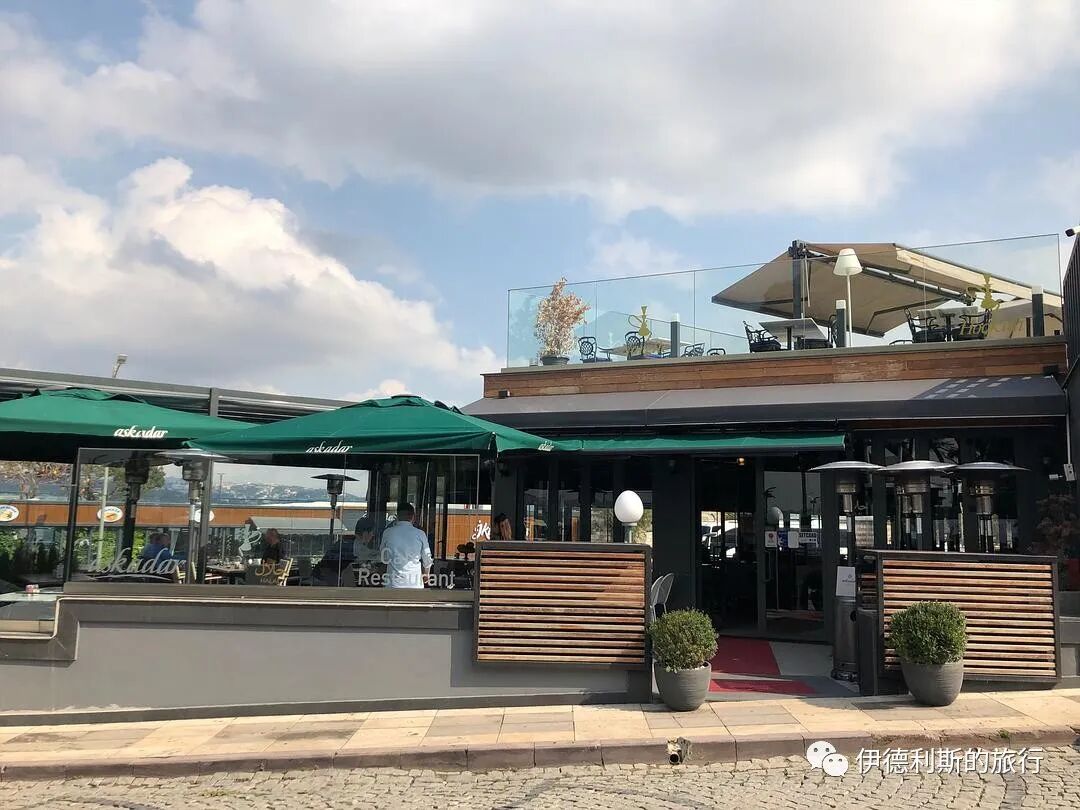
Eat iron-plate tomato grilled meat and scrambled eggs with vegetables (menemen) by the pier in the Asian district. Menemen is a Turkish food made of eggs, tomatoes, green peppers, and various spices, usually eaten for breakfast.
Foreign restaurants
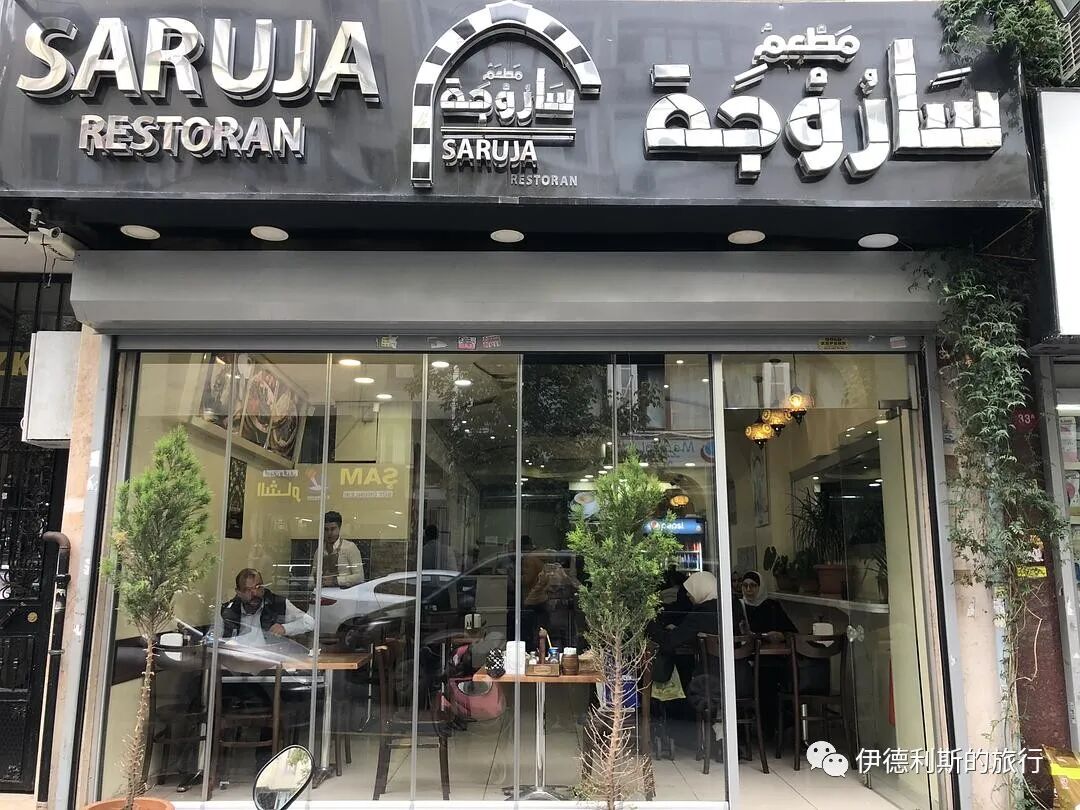
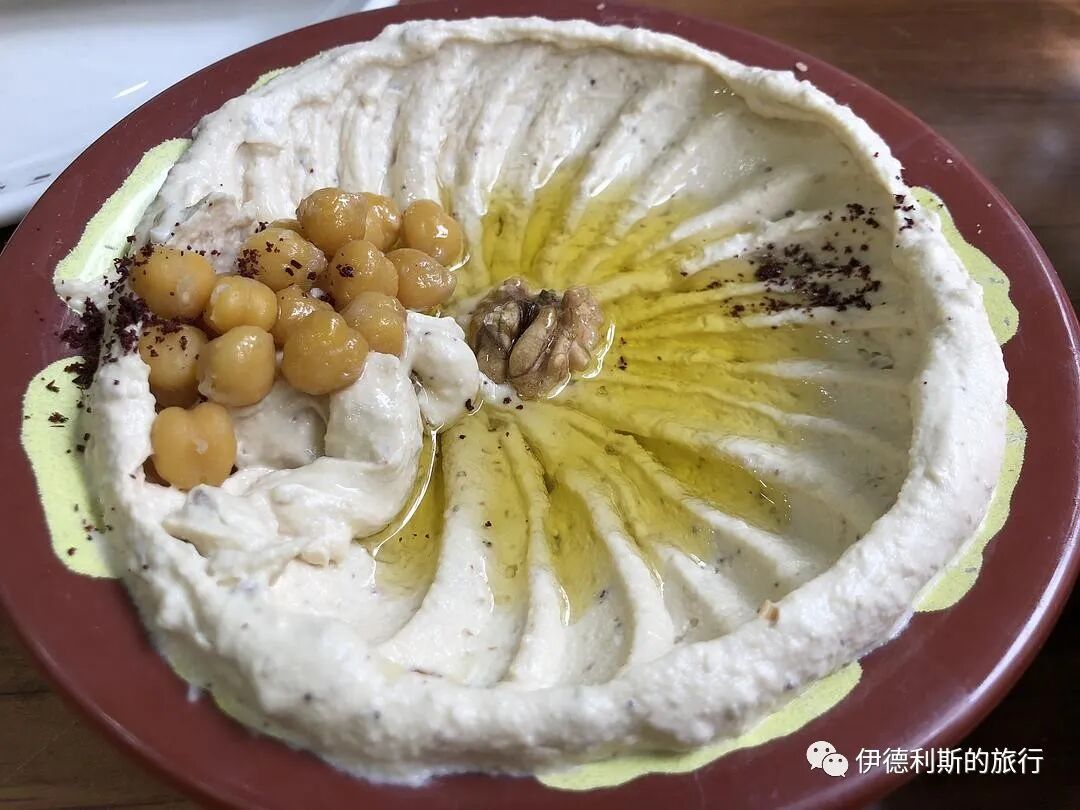
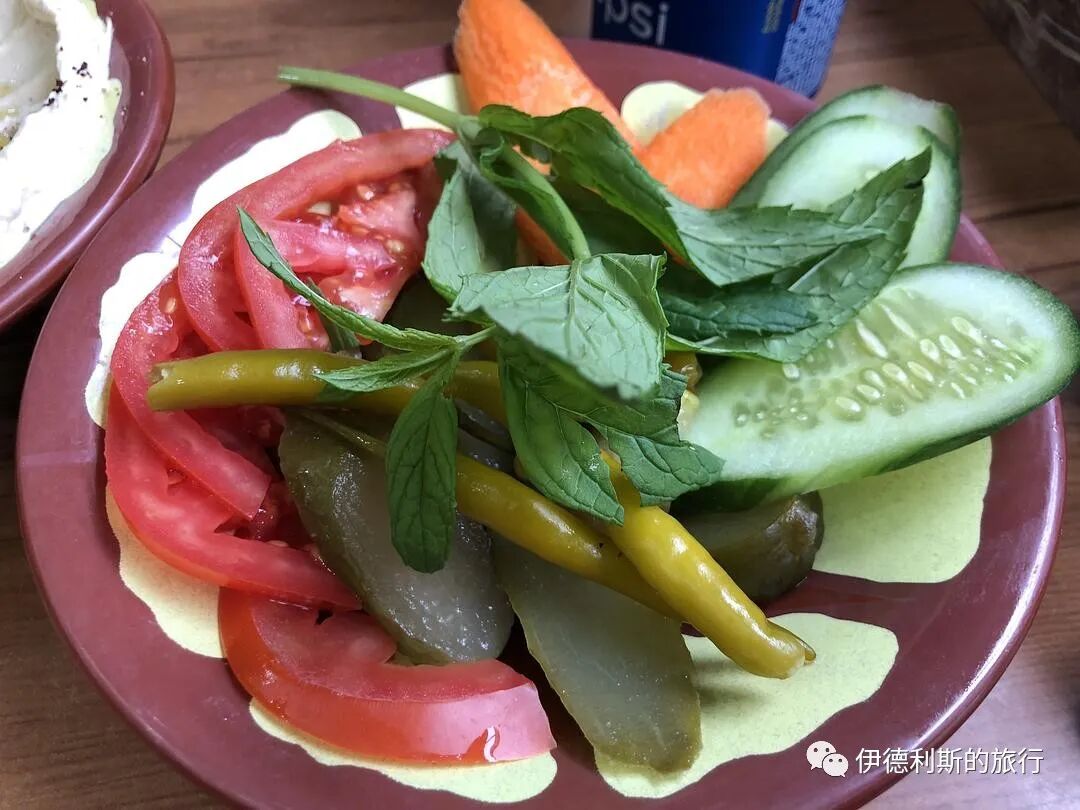
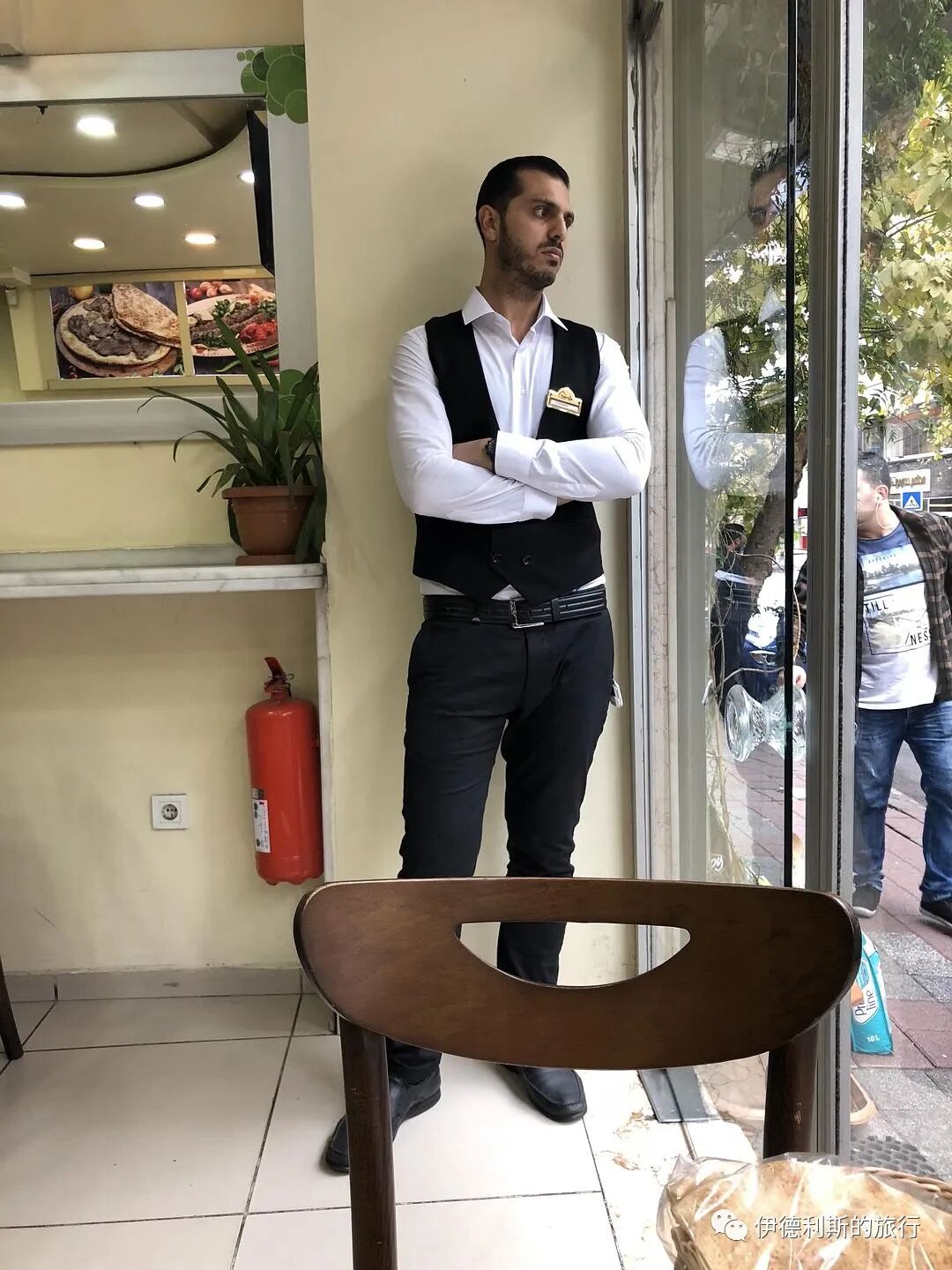
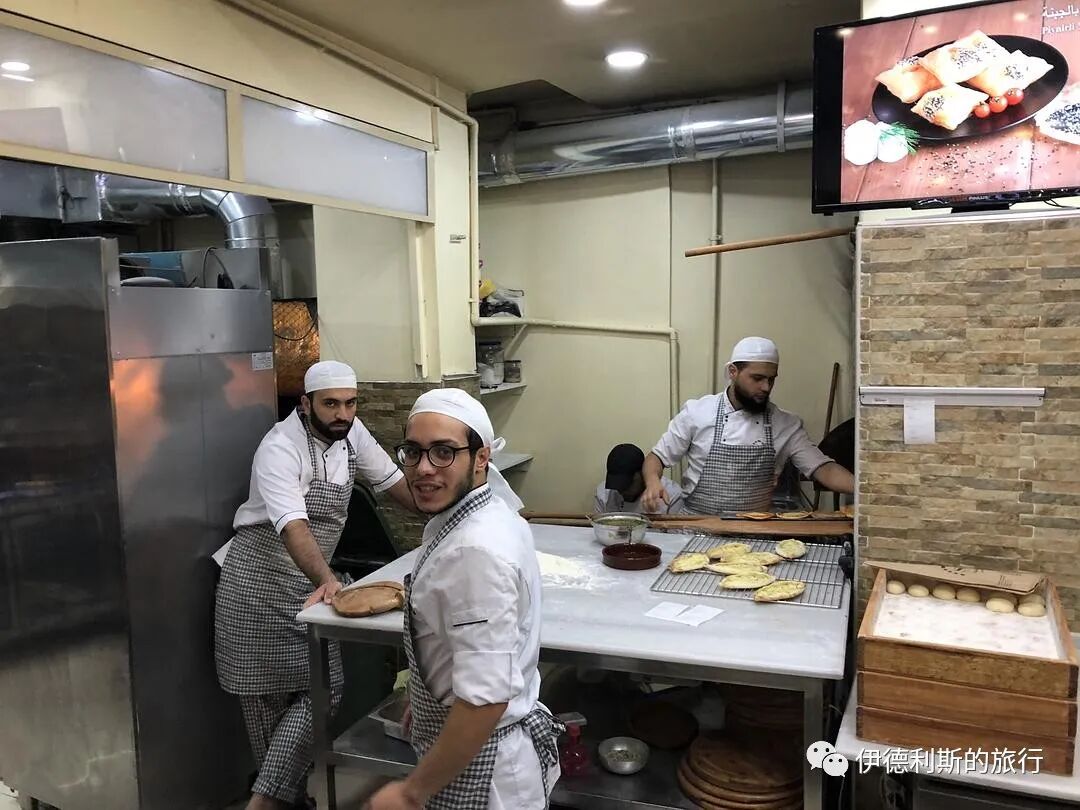
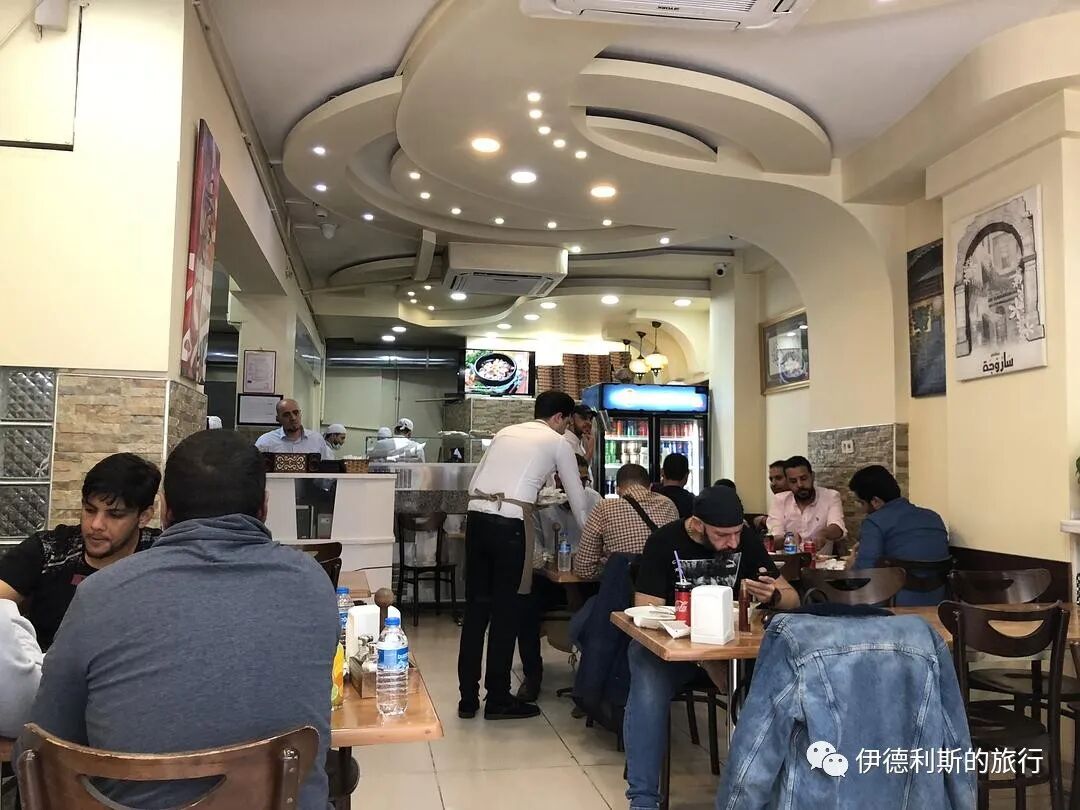
While visiting historical sites in Istanbul, I passed through a neighborhood of Syrian people in the Fatih district. I went into a Syrian restaurant called Saruja and ordered three dishes. When I looked them up later, I found they were all Levantine cuisine.
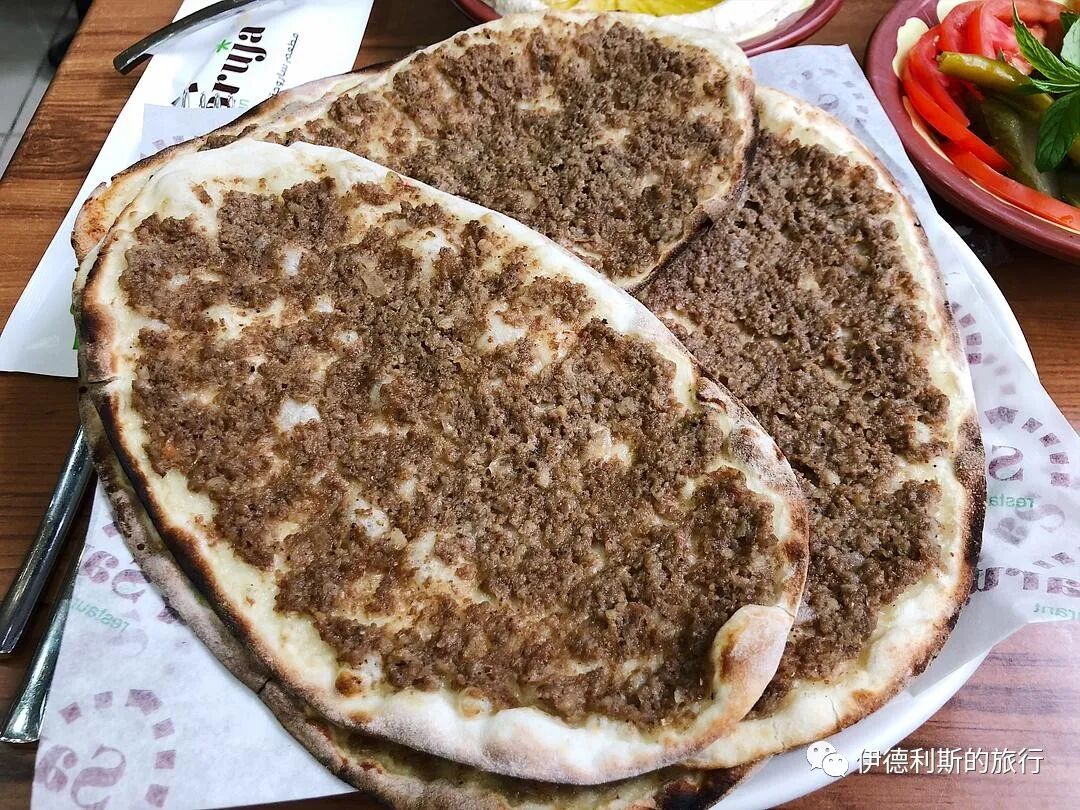
The Levant refers to the eastern Mediterranean coastal region, including modern-day Jordan, Lebanon, Israel, Palestine, Syria, and parts of Turkey near Syria. During the Ottoman era, many Levantine foods spread to Turkey and Armenia and became local delicacies. The first dish was a minced meat flatbread (lahmacun). I chose a pomegranate-flavored one, and it tasted quite unique. The Turkish word lahmacun comes from the Arabic "laḥm'ajīn," which translates to "meat with dough." During the Ottoman era, this meat flatbread spread to Turkey and Armenia. In different places, it is called "Arab pizza," "Lebanese pizza," "Syrian pizza," "Armenian pizza," and "Turkish pizza."
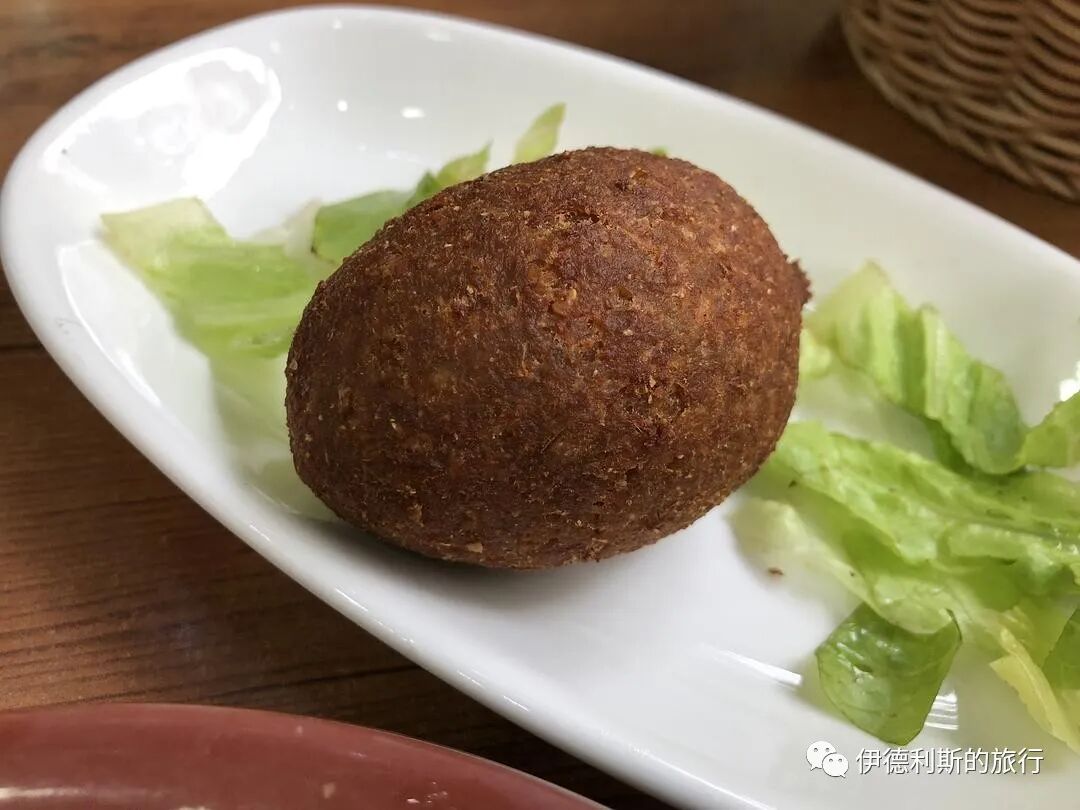
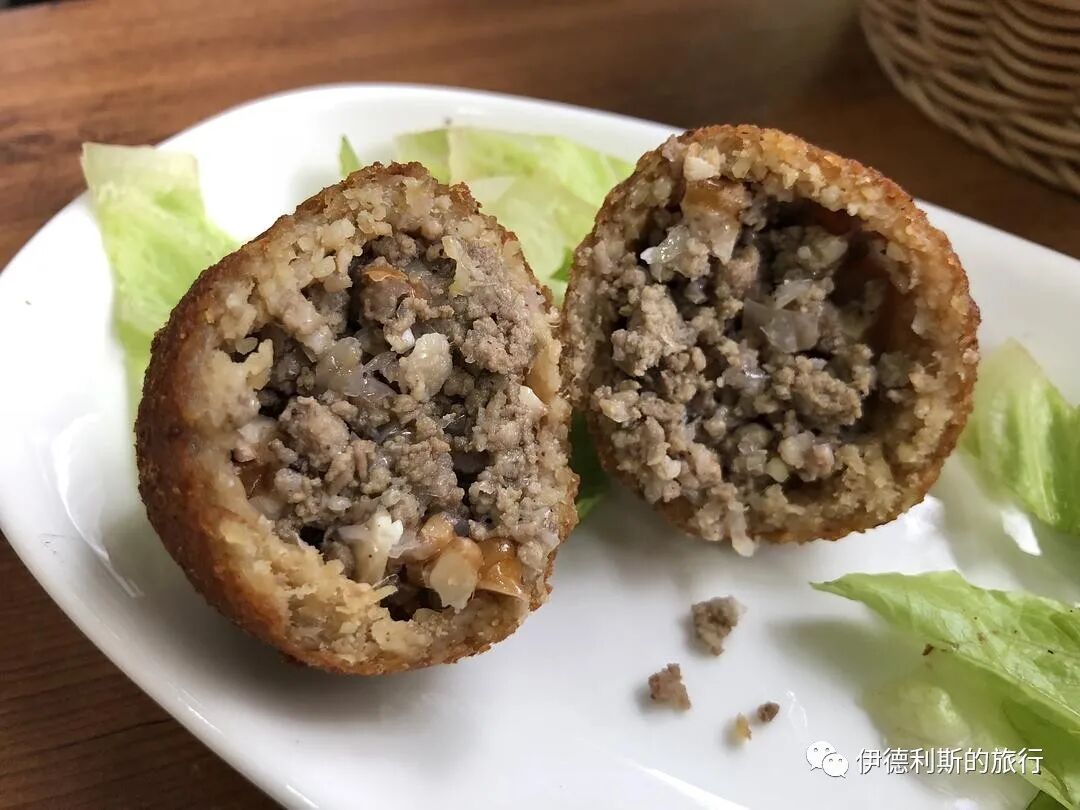
The second dish is called kibbeh, known in Turkish as "içli köfte." Kibbeh is the North Levantine dialect version of the classical Arabic word "kubbah," which translates to "ball." Kibbeh is made of cracked wheat wrapped around a filling of minced meat, chopped onions, and Middle Eastern spices like cinnamon, nutmeg, cloves, and allspice. Kibbeh is most famous in Aleppo, northern Syria, where there are 17 different flavors. Besides the original, they add yogurt, lemon juice, pomegranate molasses, or cherry sauce.
Besides spreading to Turkey and Armenia during the Ottoman era, kibbeh also spread to Latin America with Levantine immigrants in the late 19th and early 20th centuries.
The third dish is chickpea puree (hummus). Hummus means "chickpea" in Arabic and is short for "ḥummuṣ bi ṭaḥīna" (chickpeas with sesame paste). Hummus is made by mixing chickpeas with sesame paste (tahini), olive oil, lemon juice, and garlic. It is very popular in the Middle East and the Mediterranean.
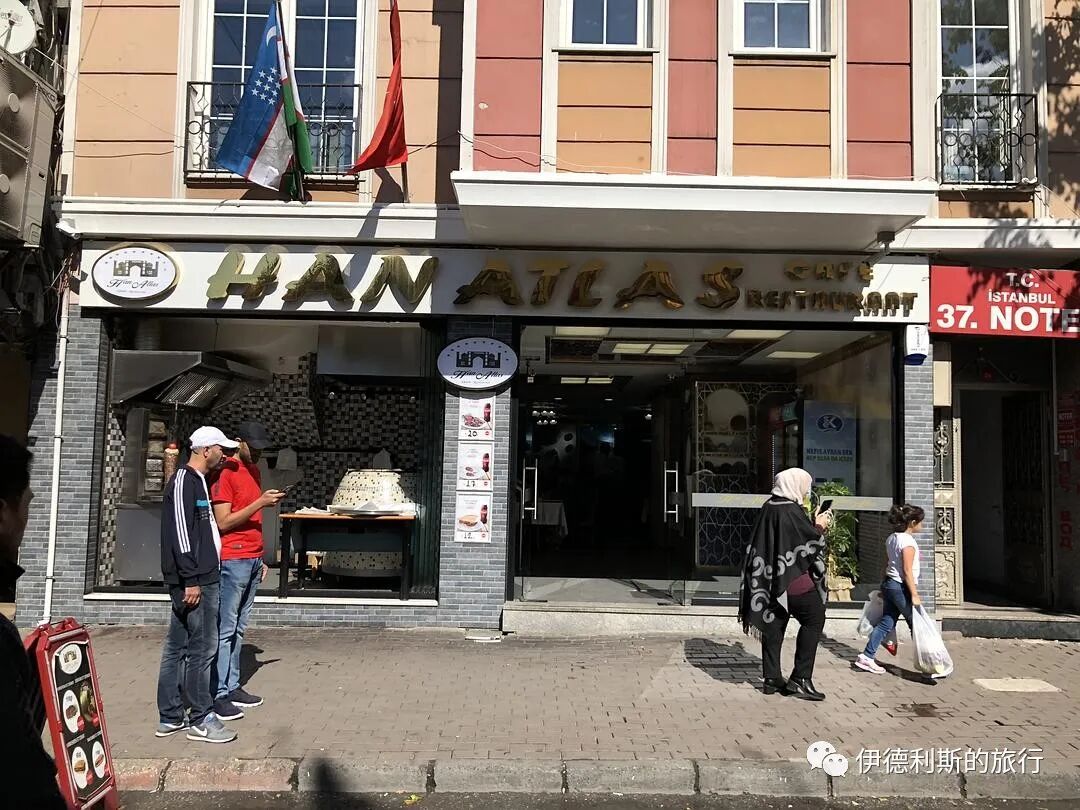
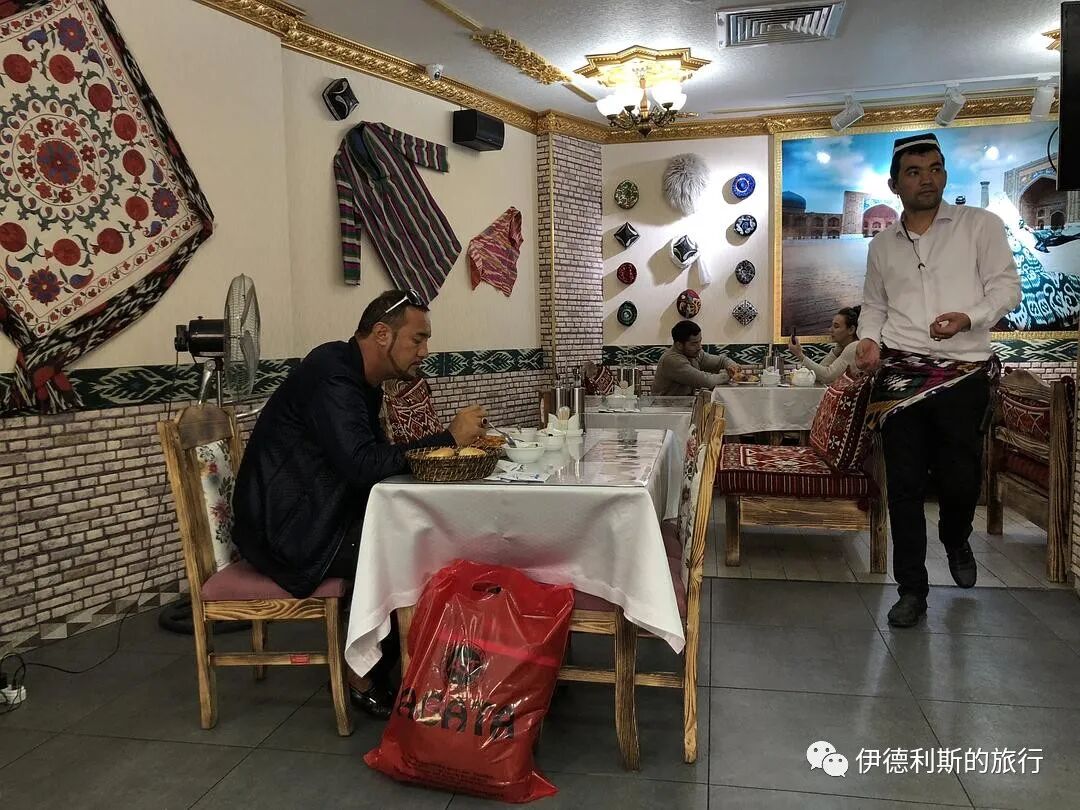
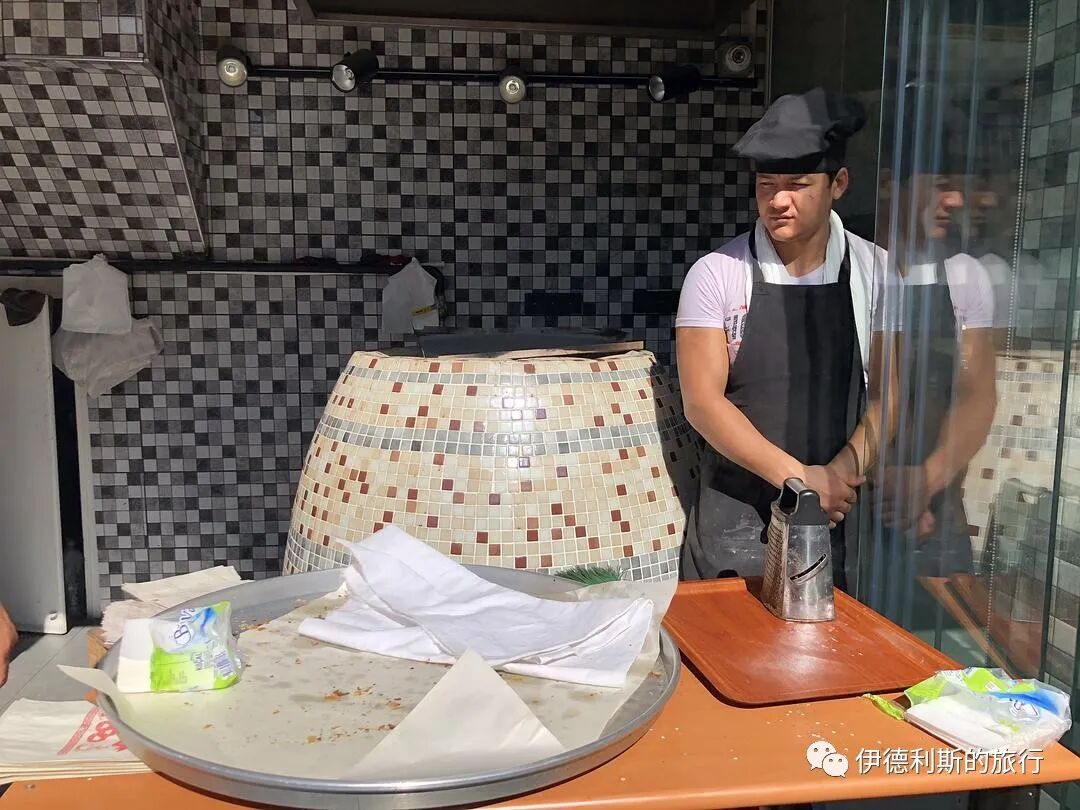
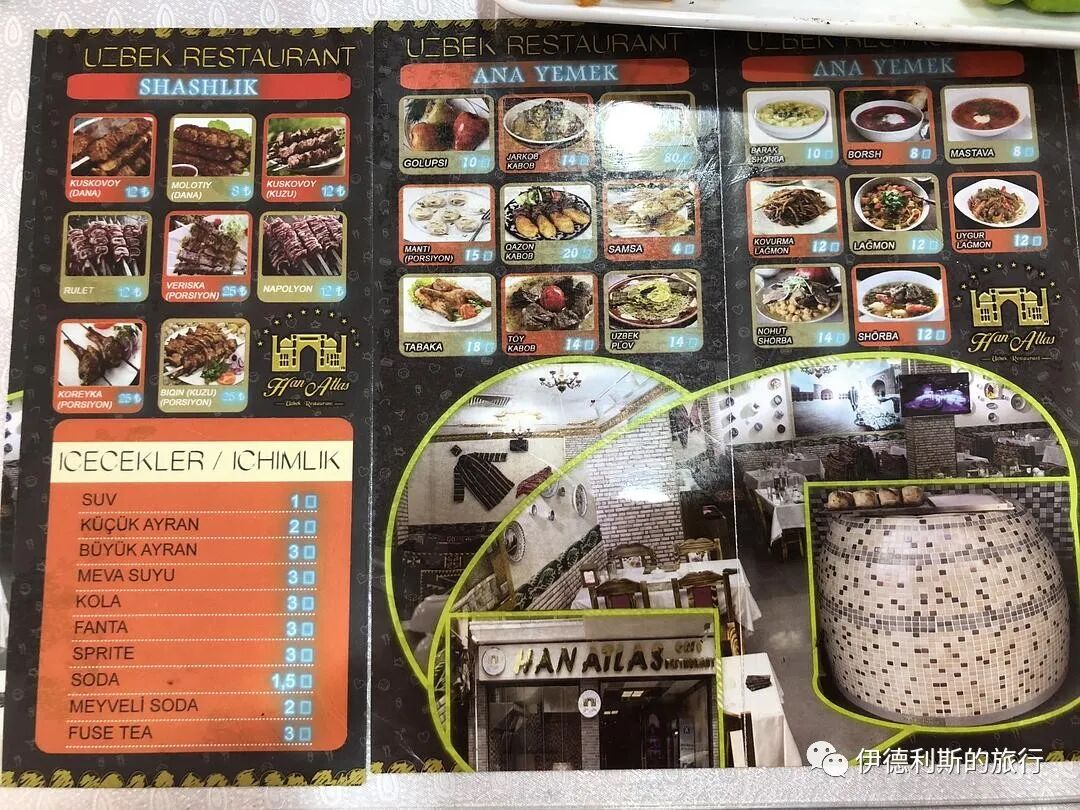
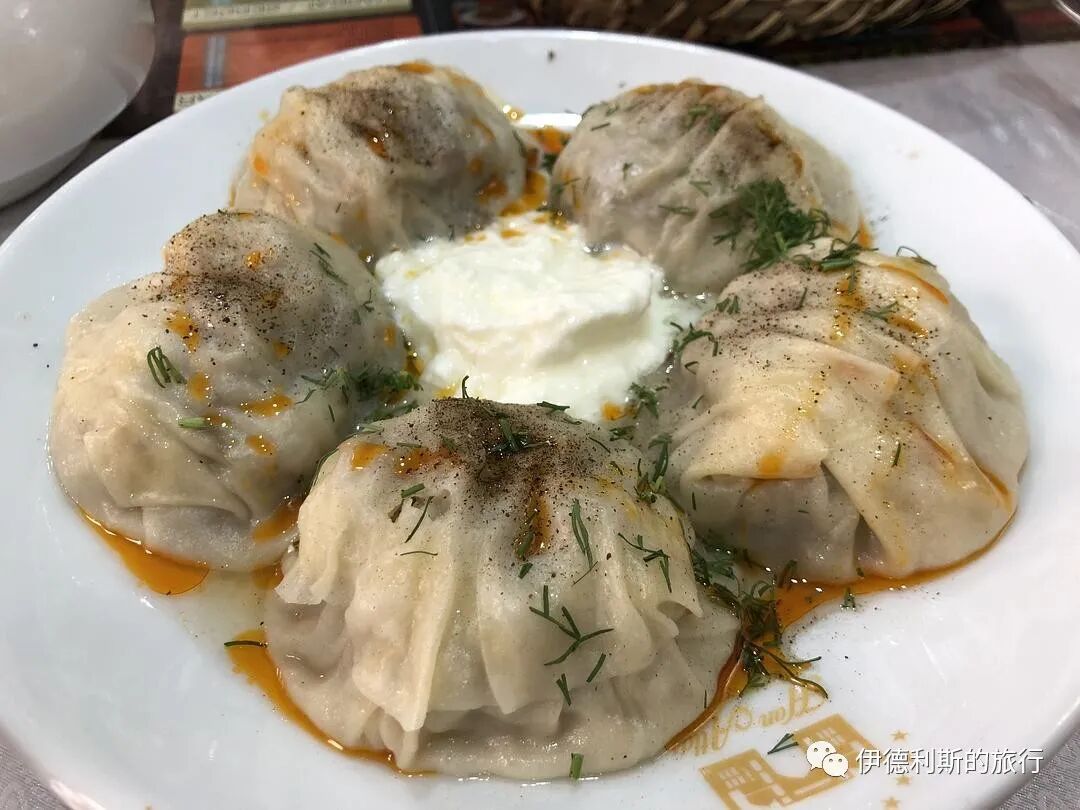
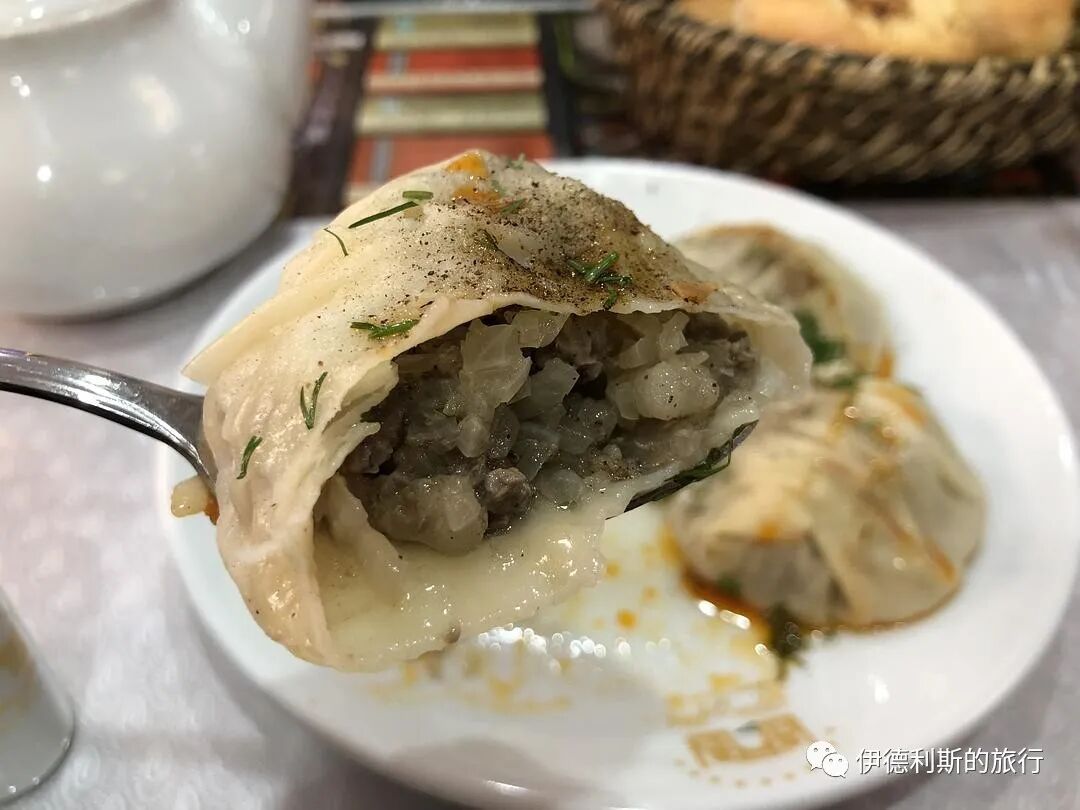
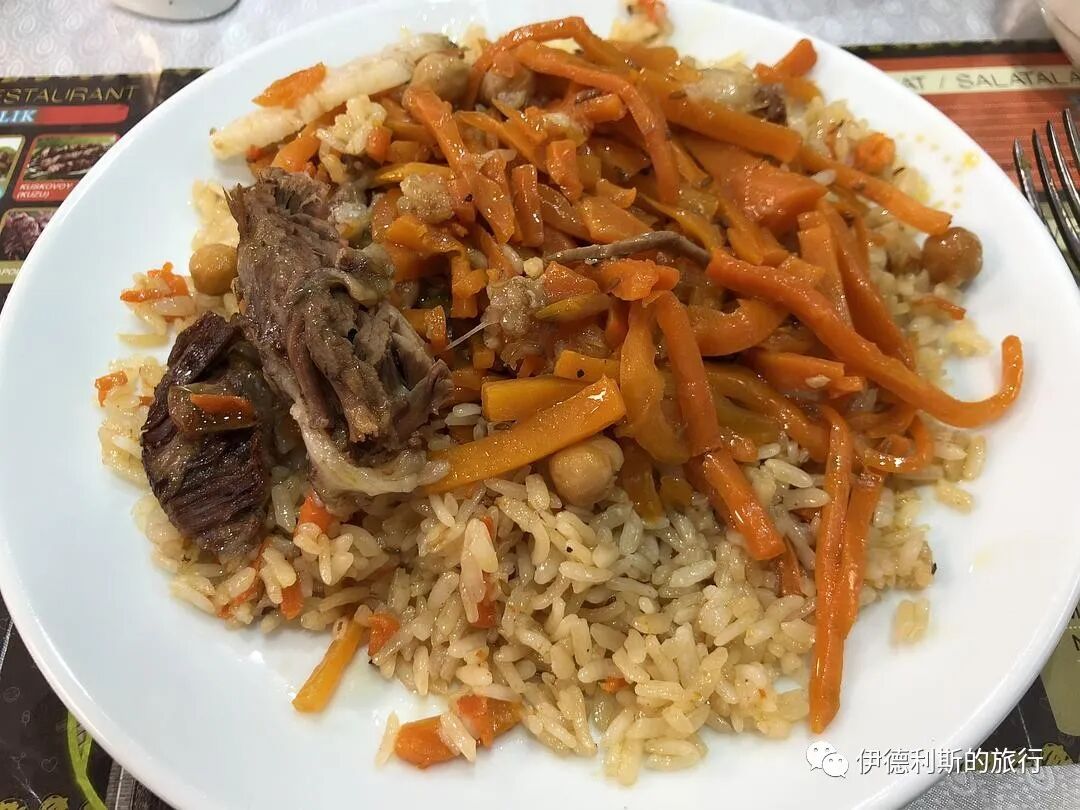
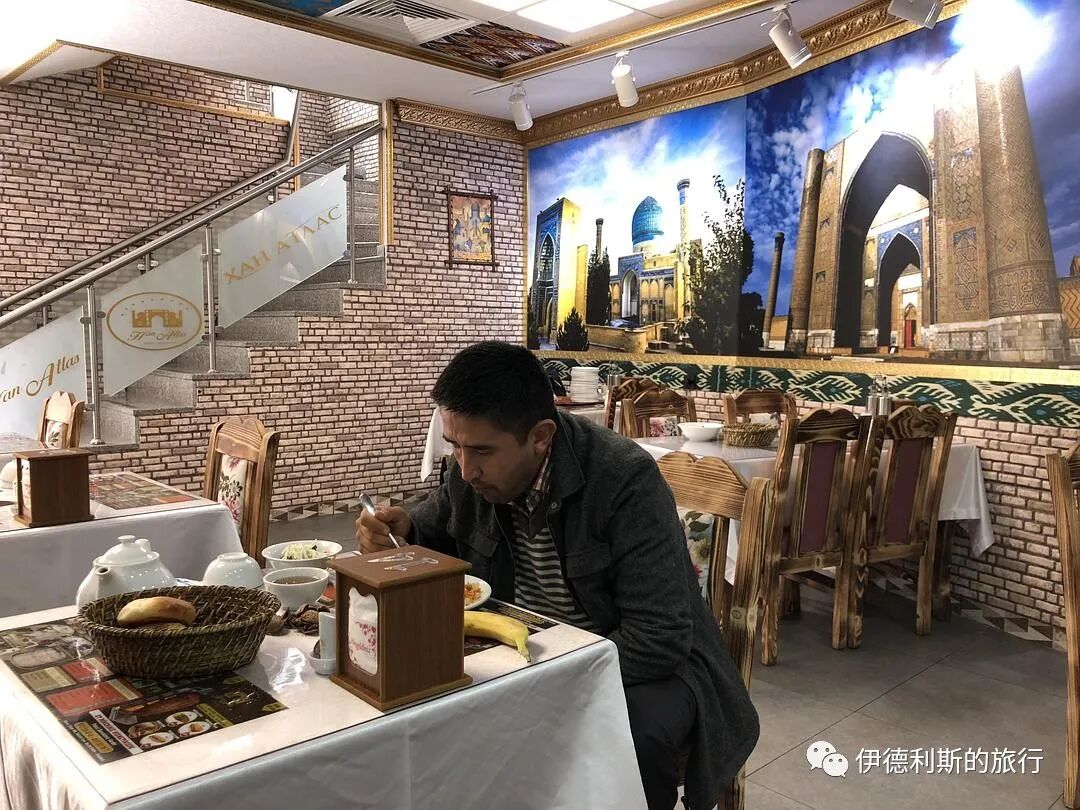
I ate pilaf (plov) and thin-skinned steamed buns (manti) at an Uzbek restaurant not far south of the Grand Bazaar. I have to praise these buns—the skin was incredibly thin! You cannot find them this thin in Beijing. A man sitting next to me spoke Chinese; he used to do business in Yiwu and Shanghai.
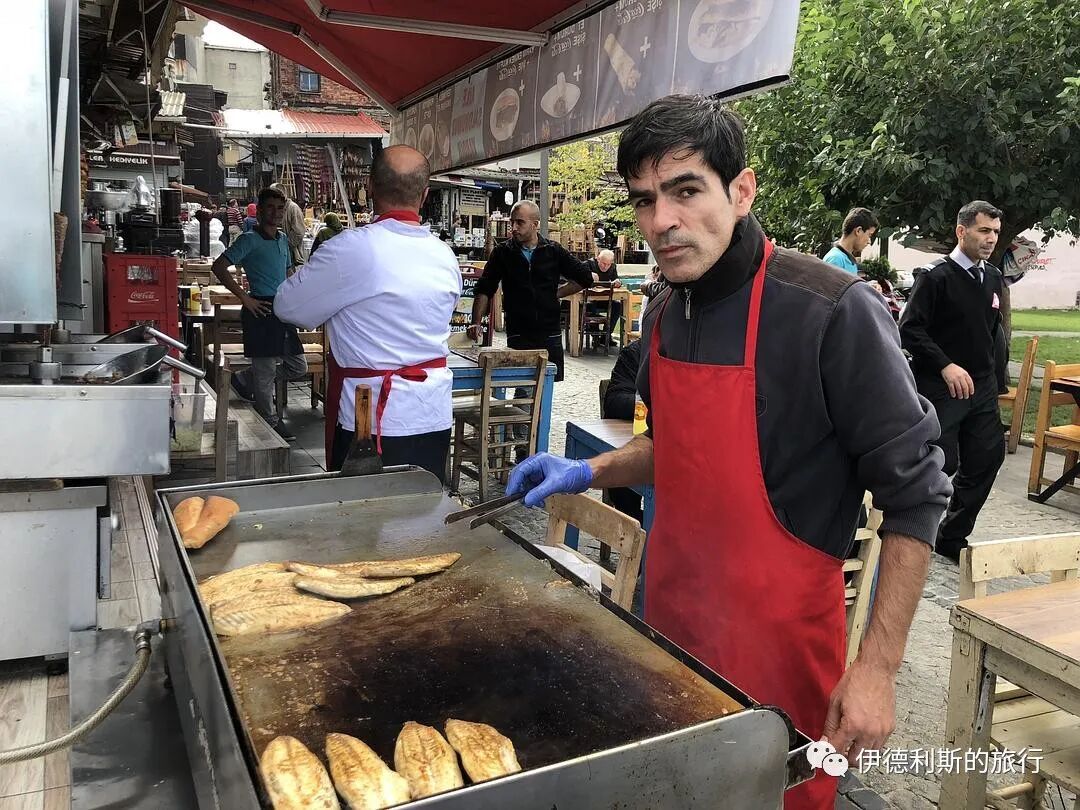
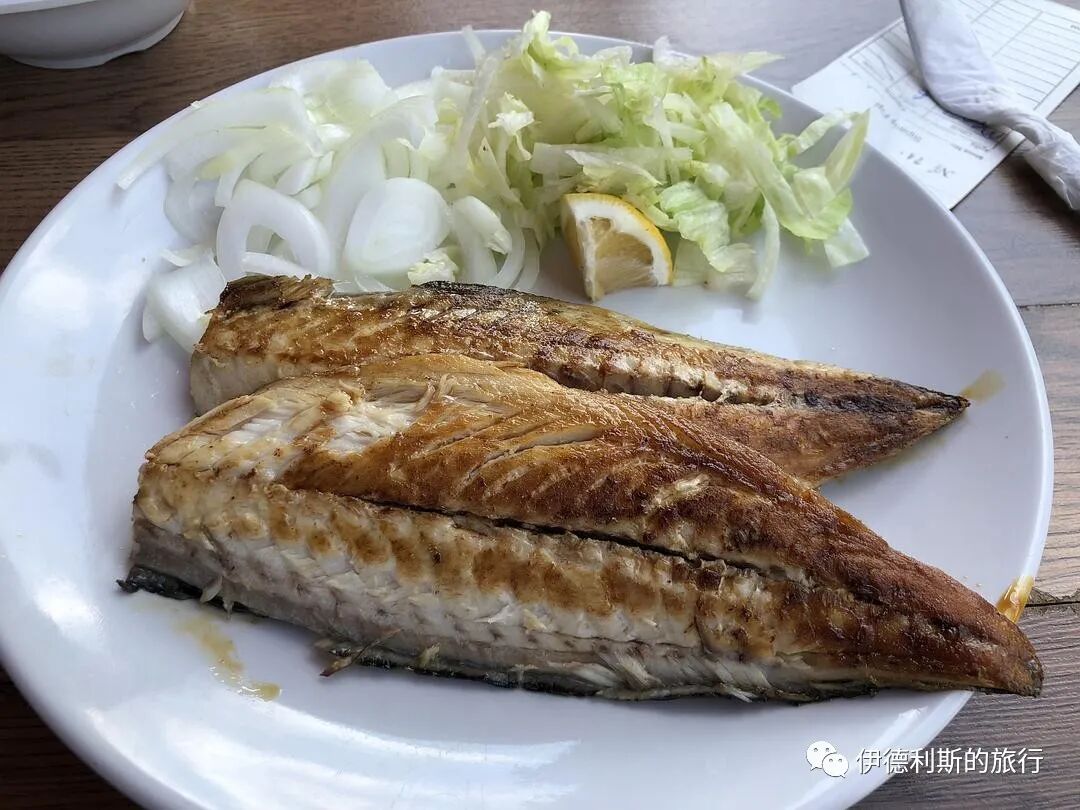
Grilled fish by the Golden Horn.
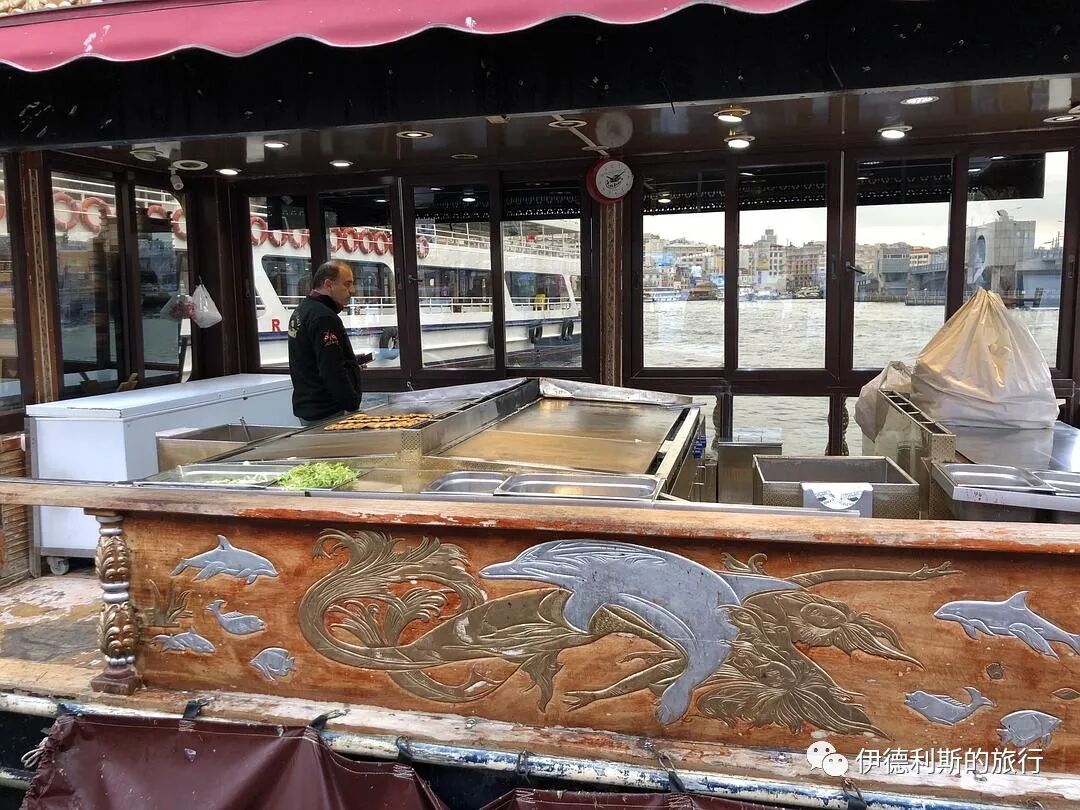
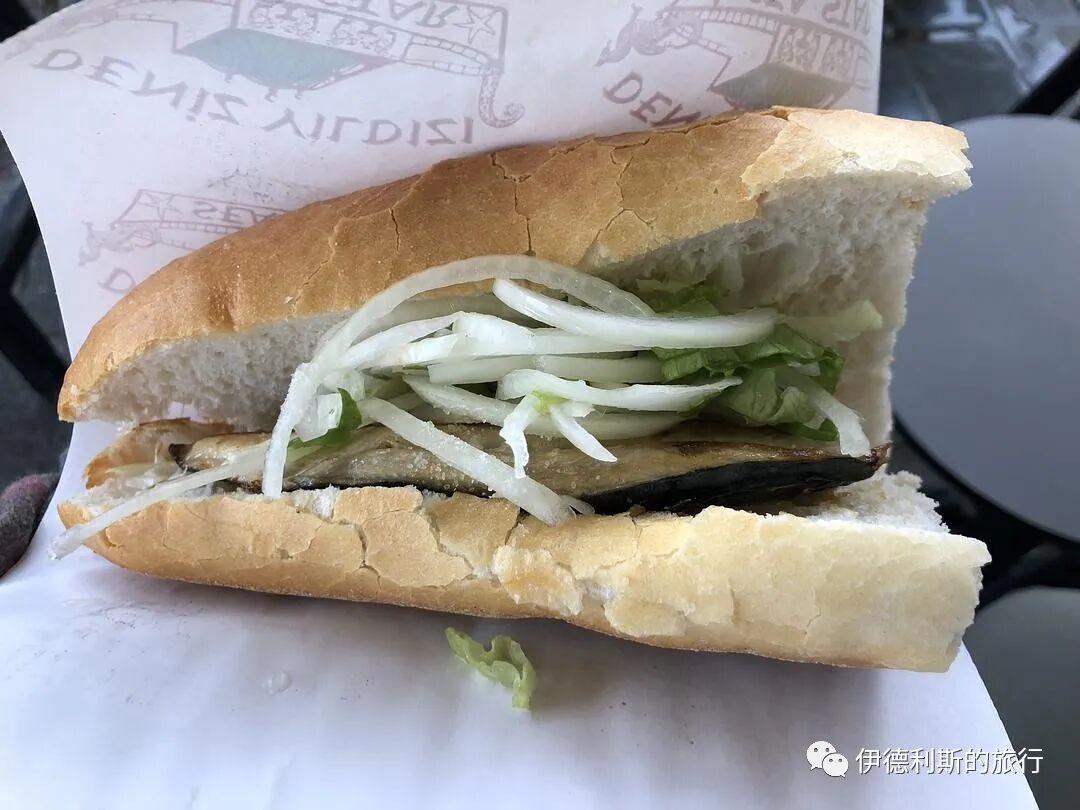
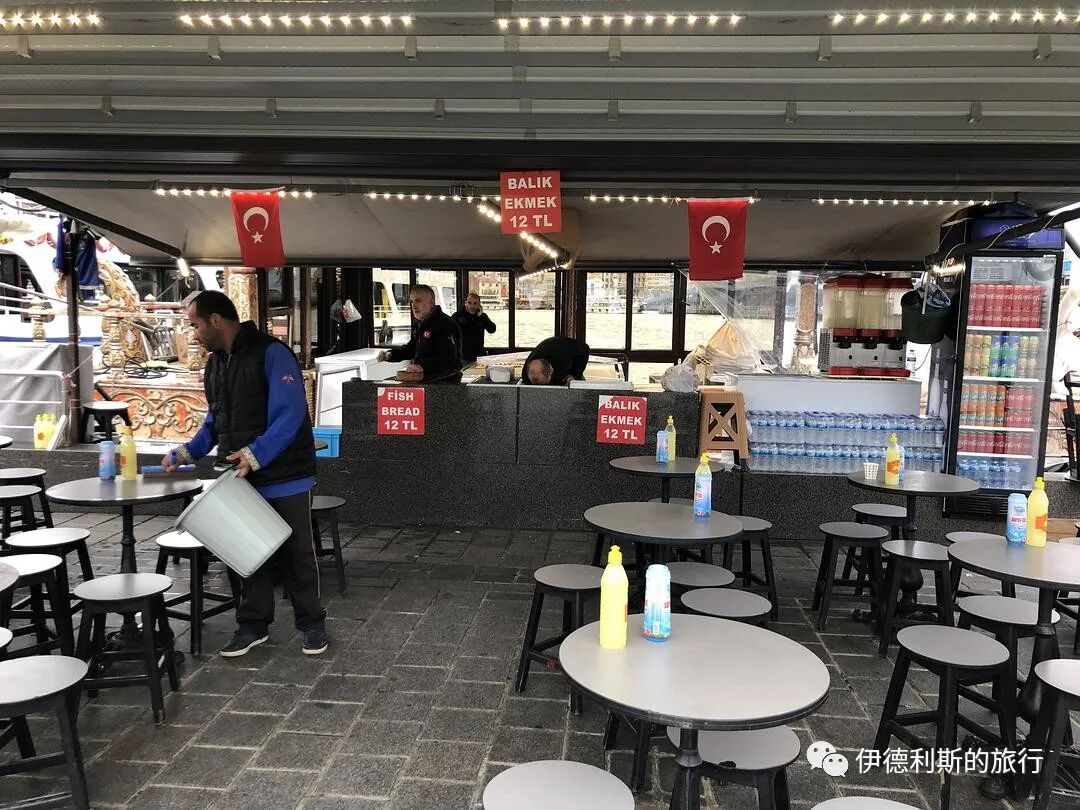
There are many places to eat grilled fish along the Golden Horn, and you can have it in a sandwich or just eat it on its own.
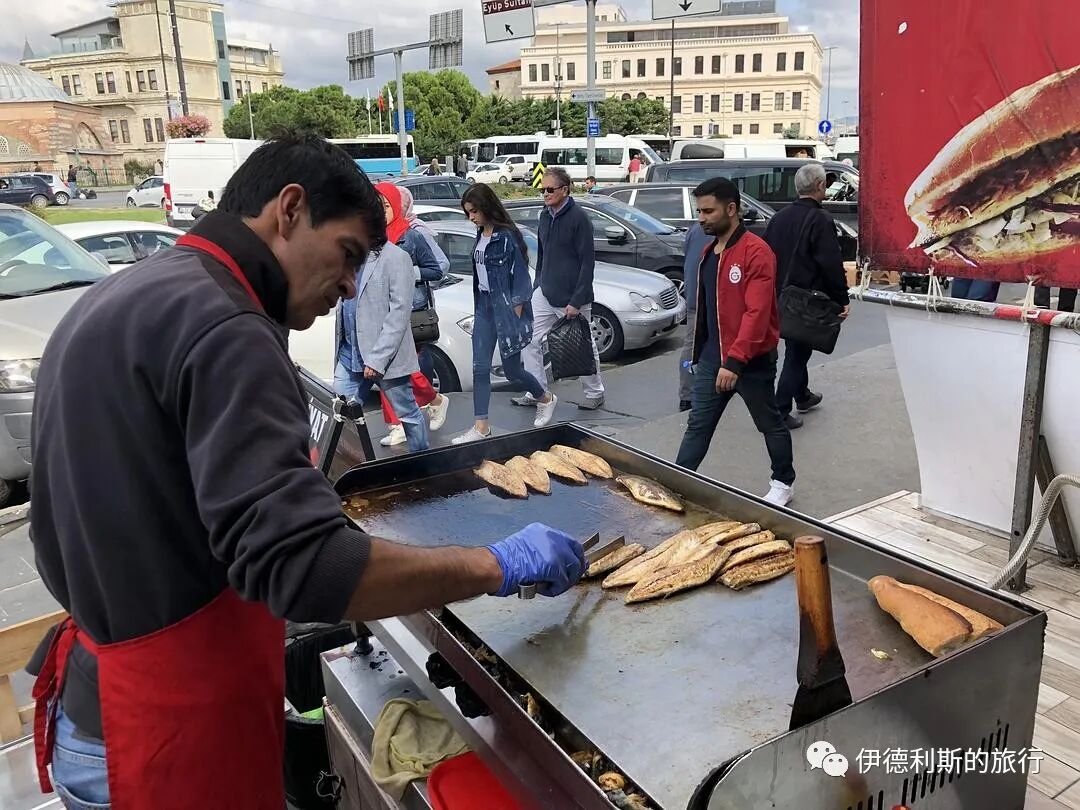
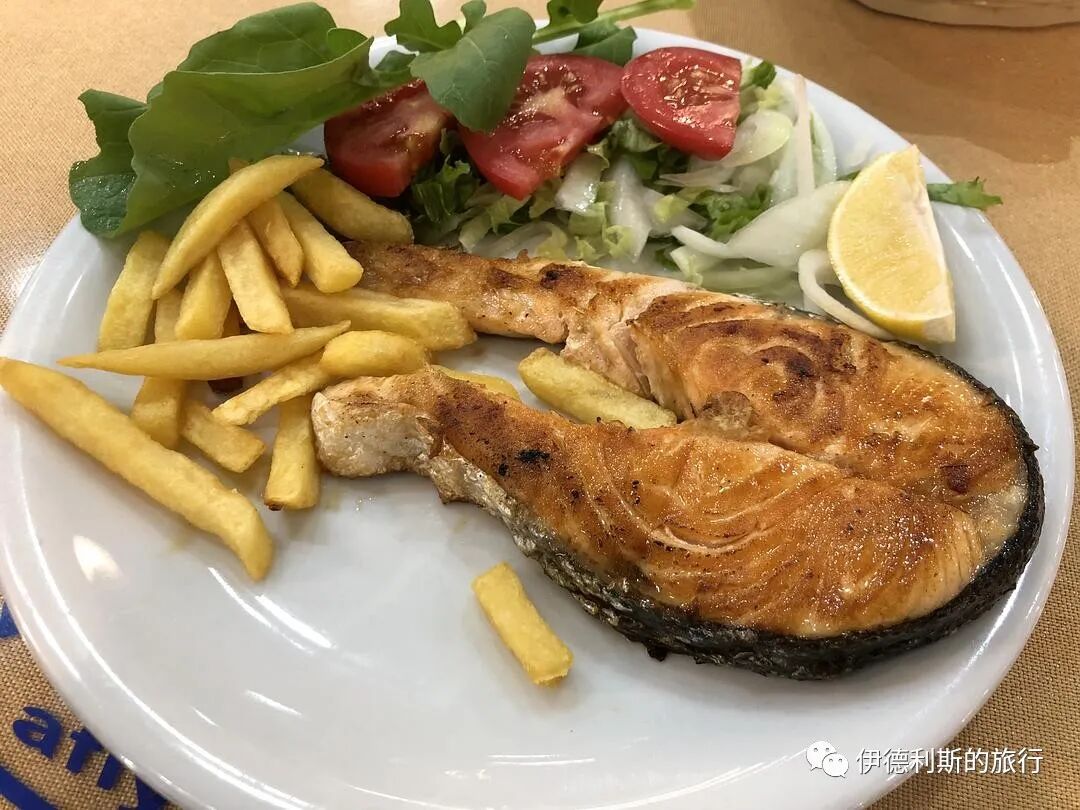
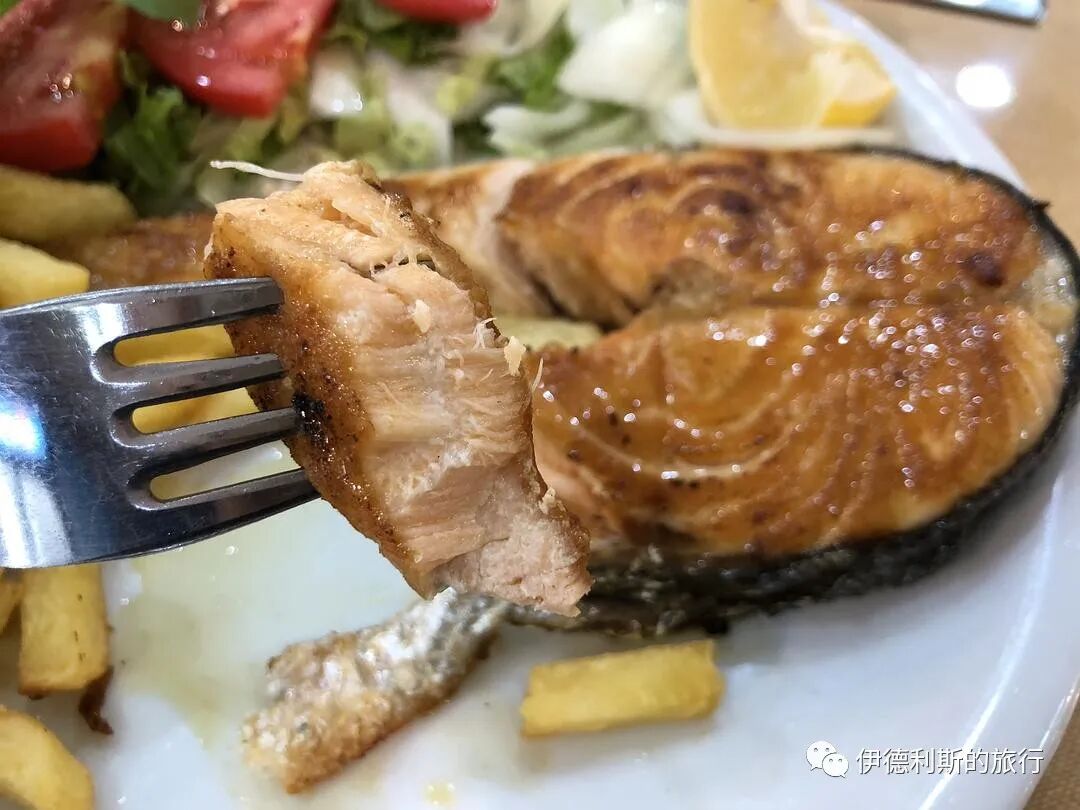
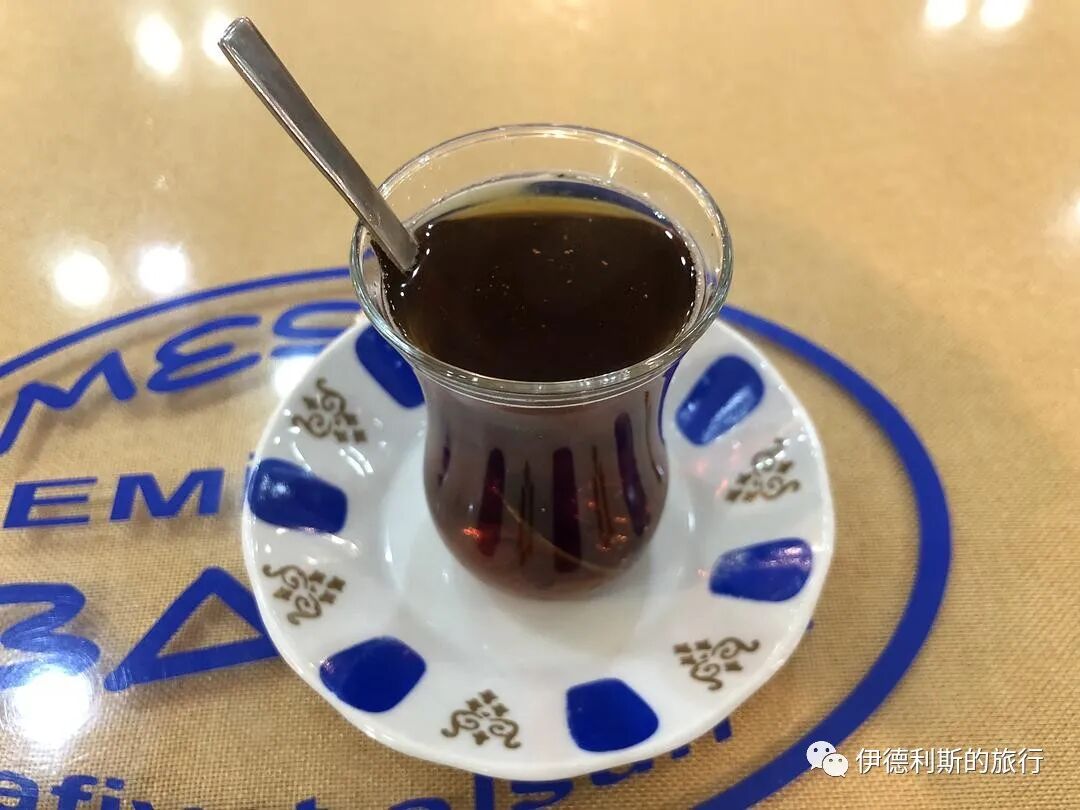
This restaurant is on the Galata Bridge. I ordered grilled salmon, and they gave me free tea after the meal.
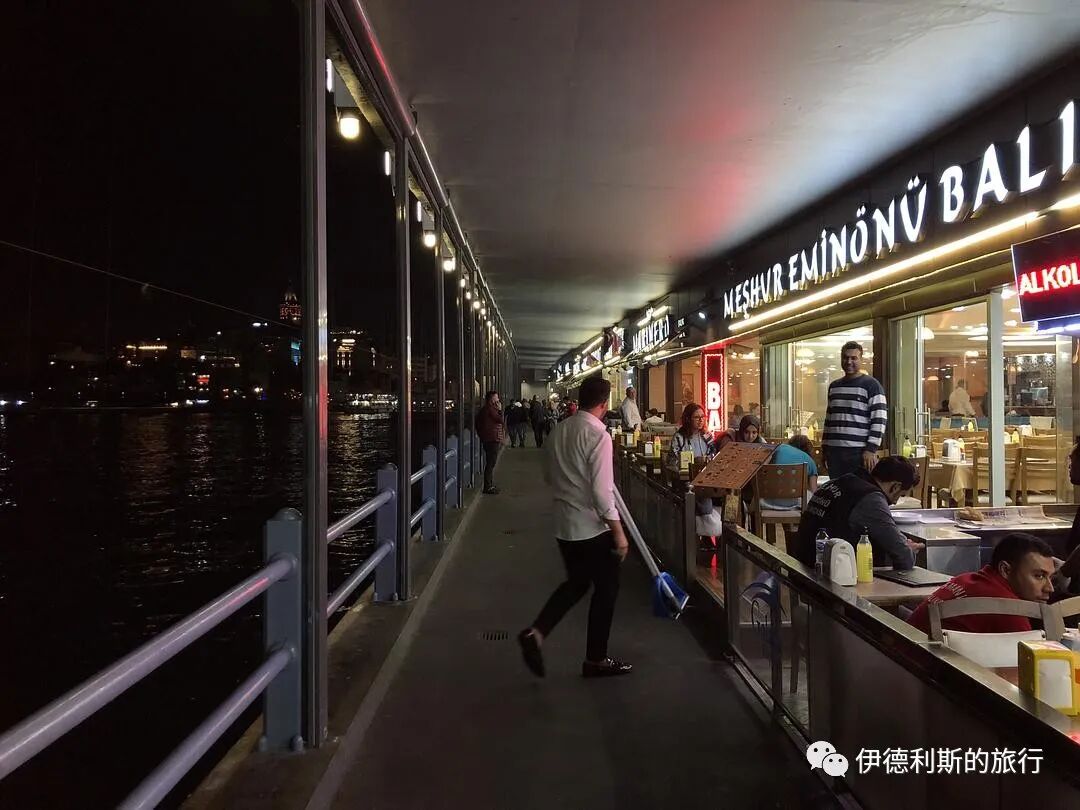
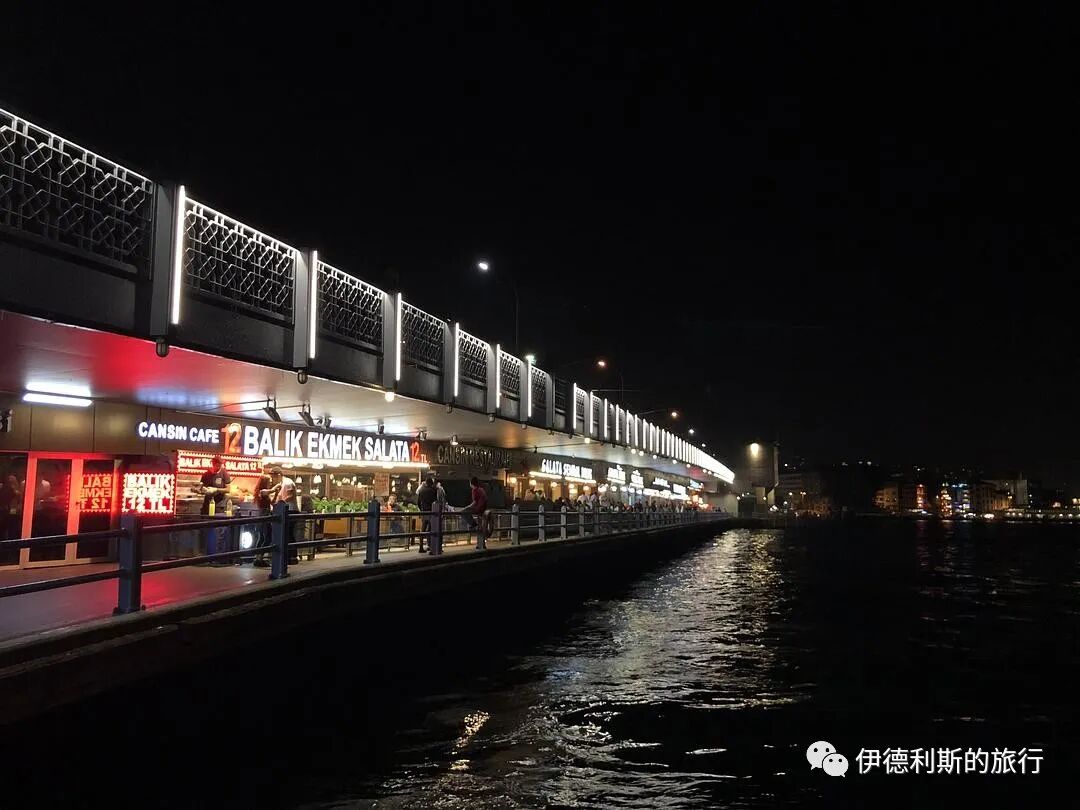
There are many street stalls selling grilled fish sandwiches next to the Eminonu pier on the Golden Horn.
Rice.
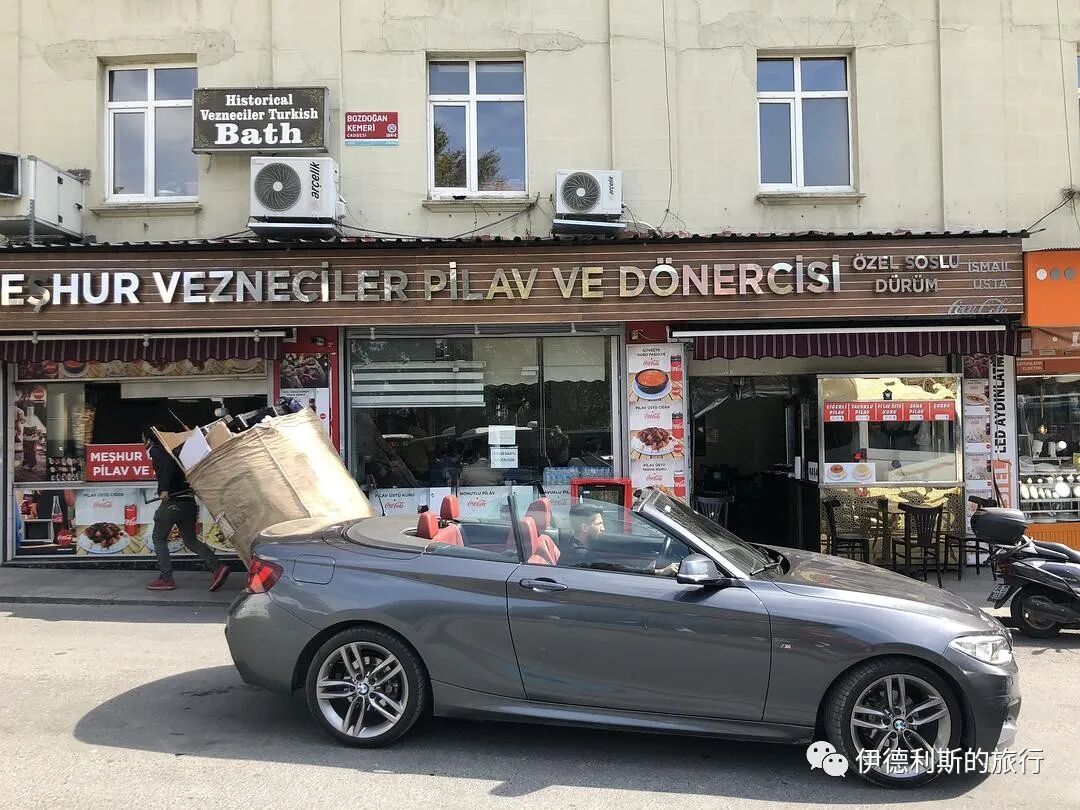
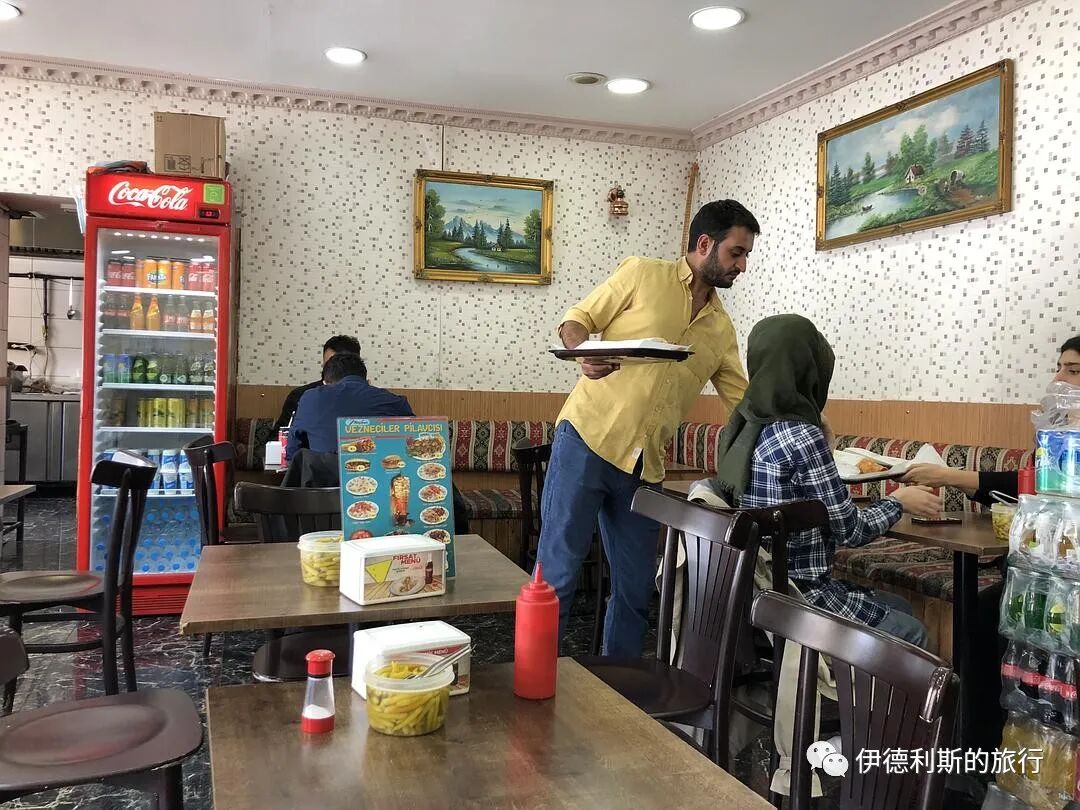
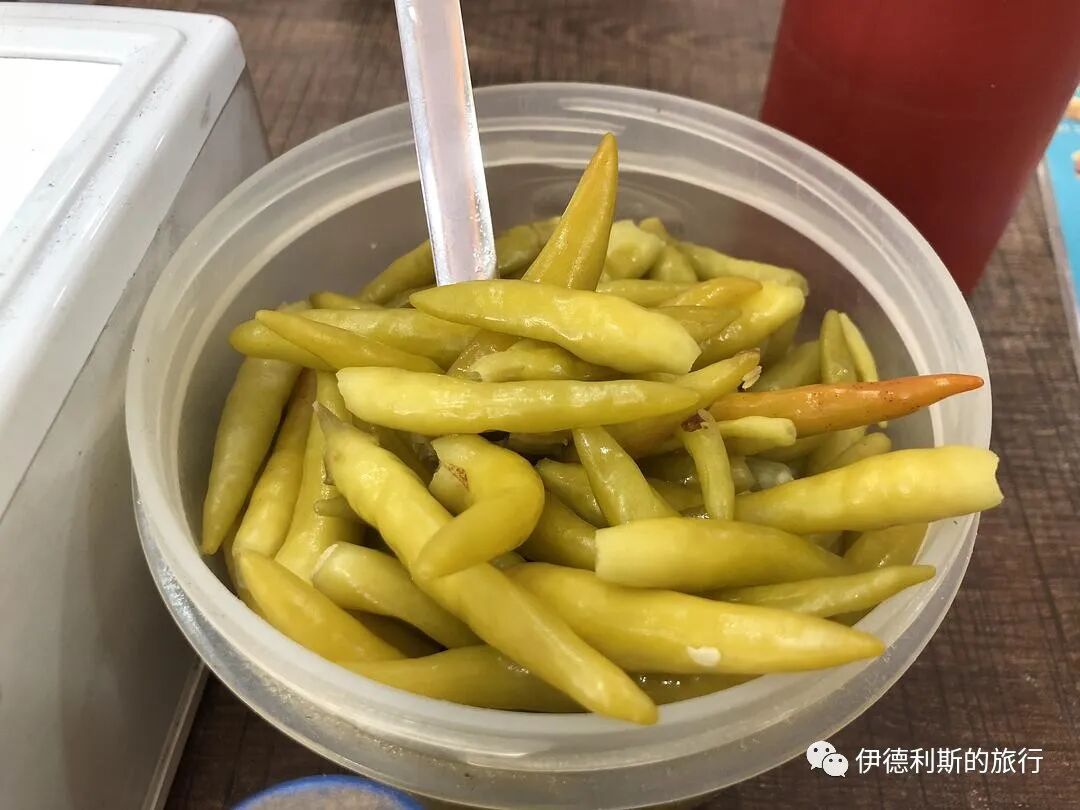
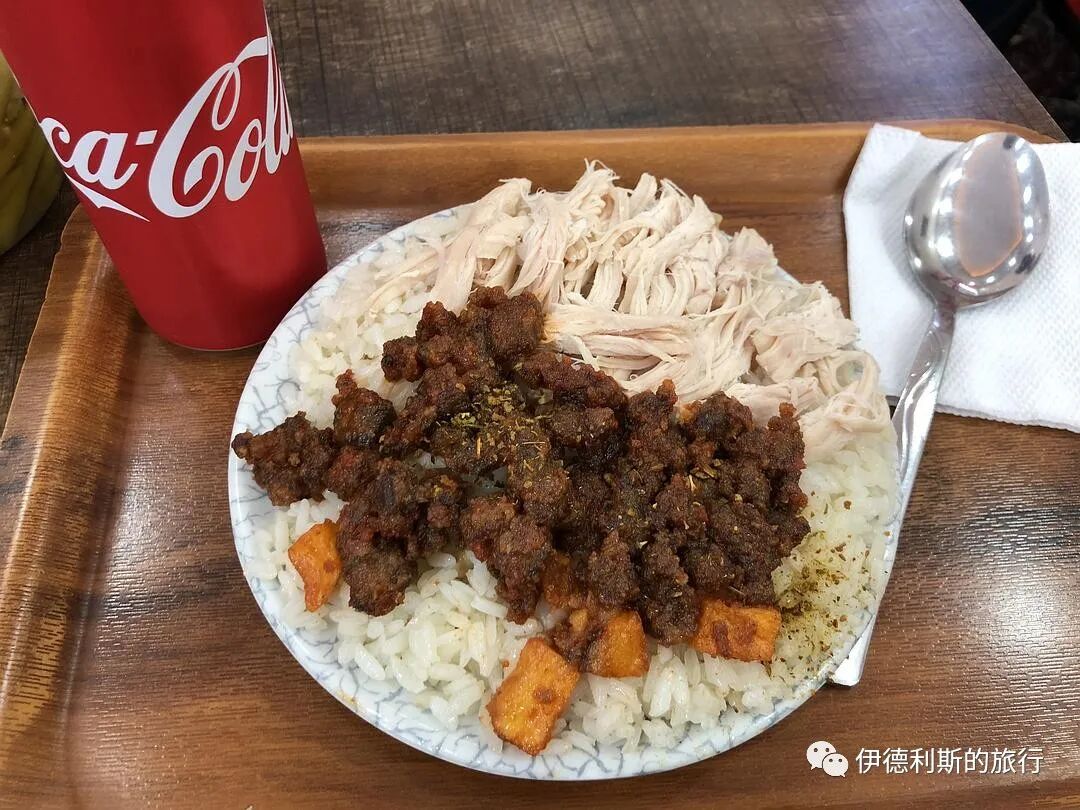
Turkish rice shops are called Pilavcisi. While pilav refers to pilaf in Central and South Asia, in Turkey, they just call plain white rice pilav.
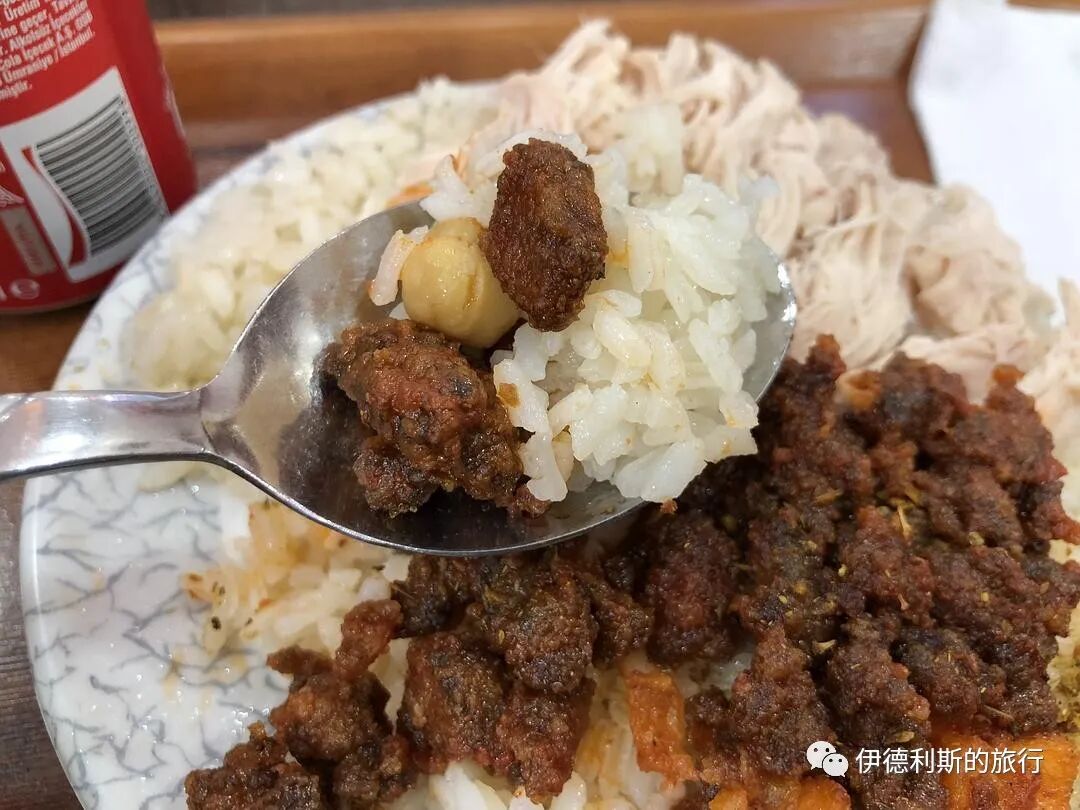
I ate rice mixed with chicken and liver (Pilav ustu Tavuk-Ciger) at this shop.
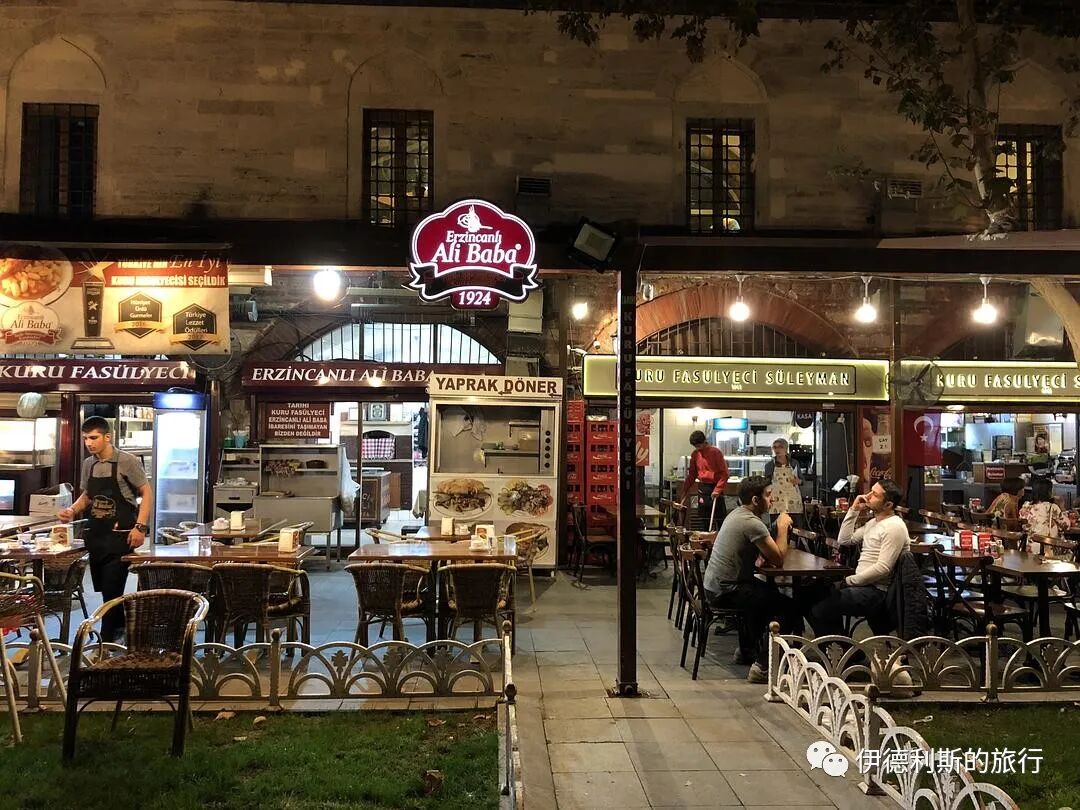
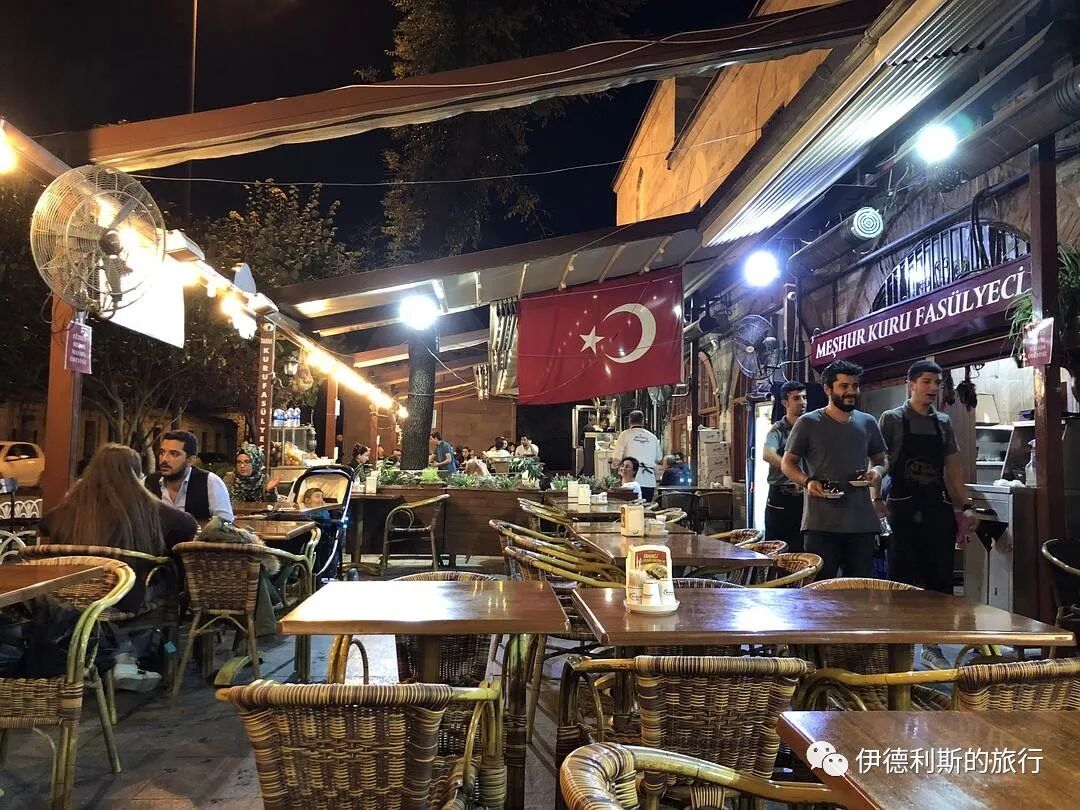
A street-facing section of one of the madrasas at the famous Suleymaniye Mosque is rented out to a restaurant called Ali Baba. This restaurant is known for its bean rice, or Kuru fasulye ve Pilav. Kuru fasulye is known as Turkey's national dish, made with white beans, olive oil, onions, and tomato paste.
Summary: Istanbul — Mosques, Turkish Food and Ottoman Streets is presented here as a firsthand travel account in clear English, beginning with this scene: I spent half a month traveling in Turkey from September to October 2018. While visiting historical sites in Istanbul, I tried some local food and would like to share it with you here. The account keeps its focus on Istanbul Travel, Turkish Food, Ottoman Heritage while preserving the names, places, food, and historical details from the Chinese source. This is part 2 of 3.
Part 2 of 3
This place serves naan and a salad of onions, peppers, and tomatoes (pilahong) right away, which feels very Inner Asian. By the end of the meal, the Uzbek guy in the red shirt in the middle of the picture helped me peel all the eggplant skins and rolled them up with roasted tomatoes, which was very touching.
Roasted lamb eaten next to the Hagia Sophia, which was very fresh and tender.
This soup is called chorba.
Bread in Turkish restaurants is free to eat.
Eat a flaky pastry (börek) at a flaky pastry shop. The word börek comes from Turkish and can refer to any food made with thin dough sheets (yufka). Börek originated in Anatolia and became popular in the Balkans and North Africa during the Ottoman Empire. It was especially popular in Ottoman Jewish communities, where it was known as one of the three major Ottoman Jewish pastries alongside boyos de pan and bulemas.
Eat iron-plate tomato grilled meat and scrambled eggs with vegetables (menemen) by the pier in the Asian district. Menemen is a Turkish food made of eggs, tomatoes, green peppers, and various spices, usually eaten for breakfast.
Foreign restaurants
While visiting historical sites in Istanbul, I passed through a neighborhood of Syrian people in the Fatih district. I went into a Syrian restaurant called Saruja and ordered three dishes. When I looked them up later, I found they were all Levantine cuisine.
The Levant refers to the eastern Mediterranean coastal region, including modern-day Jordan, Lebanon, Israel, Palestine, Syria, and parts of Turkey near Syria. During the Ottoman era, many Levantine foods spread to Turkey and Armenia and became local delicacies. The first dish was a minced meat flatbread (lahmacun). I chose a pomegranate-flavored one, and it tasted quite unique. The Turkish word lahmacun comes from the Arabic "laḥm'ajīn," which translates to "meat with dough." During the Ottoman era, this meat flatbread spread to Turkey and Armenia. In different places, it is called "Arab pizza," "Lebanese pizza," "Syrian pizza," "Armenian pizza," and "Turkish pizza."
The second dish is called kibbeh, known in Turkish as "içli köfte." Kibbeh is the North Levantine dialect version of the classical Arabic word "kubbah," which translates to "ball." Kibbeh is made of cracked wheat wrapped around a filling of minced meat, chopped onions, and Middle Eastern spices like cinnamon, nutmeg, cloves, and allspice. Kibbeh is most famous in Aleppo, northern Syria, where there are 17 different flavors. Besides the original, they add yogurt, lemon juice, pomegranate molasses, or cherry sauce.
Besides spreading to Turkey and Armenia during the Ottoman era, kibbeh also spread to Latin America with Levantine immigrants in the late 19th and early 20th centuries.
The third dish is chickpea puree (hummus). Hummus means "chickpea" in Arabic and is short for "ḥummuṣ bi ṭaḥīna" (chickpeas with sesame paste). Hummus is made by mixing chickpeas with sesame paste (tahini), olive oil, lemon juice, and garlic. It is very popular in the Middle East and the Mediterranean.
I ate pilaf (plov) and thin-skinned steamed buns (manti) at an Uzbek restaurant not far south of the Grand Bazaar. I have to praise these buns—the skin was incredibly thin! You cannot find them this thin in Beijing. A man sitting next to me spoke Chinese; he used to do business in Yiwu and Shanghai.
Grilled fish by the Golden Horn.
There are many places to eat grilled fish along the Golden Horn, and you can have it in a sandwich or just eat it on its own.
This restaurant is on the Galata Bridge. I ordered grilled salmon, and they gave me free tea after the meal.
There are many street stalls selling grilled fish sandwiches next to the Eminonu pier on the Golden Horn.
Rice.
Turkish rice shops are called Pilavcisi. While pilav refers to pilaf in Central and South Asia, in Turkey, they just call plain white rice pilav.
I ate rice mixed with chicken and liver (Pilav ustu Tavuk-Ciger) at this shop.
A street-facing section of one of the madrasas at the famous Suleymaniye Mosque is rented out to a restaurant called Ali Baba. This restaurant is known for its bean rice, or Kuru fasulye ve Pilav. Kuru fasulye is known as Turkey's national dish, made with white beans, olive oil, onions, and tomato paste.
