

Ottoman Heritage
Halal Travel Guide: Sarajevo - Ottoman Mosques, Streets and Bosniak History (Part 1)
Articles • ali2007fr posted the article • 0 comments • 190 views • 2026-05-19 06:55
Gazi Husrev Bey complex
Gazi Husrev Bey was the Ottoman governor (Sanjak-bey) of Bosnia from 1521 to 1541. During his rule, the Ottoman Empire continued to expand into Croatia and Hungary. He also funded many important buildings in Sarajevo and dedicated his wealth to supporting religious and educational institutions for the long term. The foundation (Wakof) established by Gazi Husrev Bey manages the mosque, public kitchen, hostel, Sufi lodge, madrasa, library, clock tower, mausoleum, inn, hospital, fountain, primary school, and many shops in the center of the Old Bazaar in Sarajevo, making it the most important building complex in the old city.
Mosque
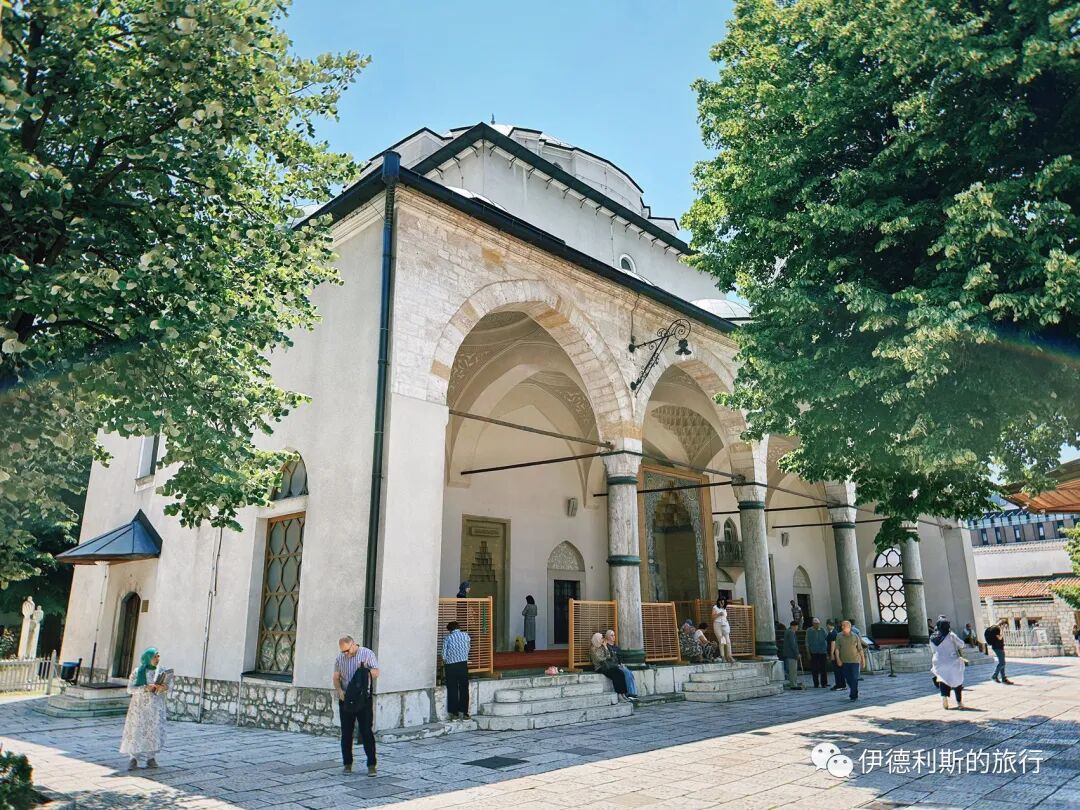
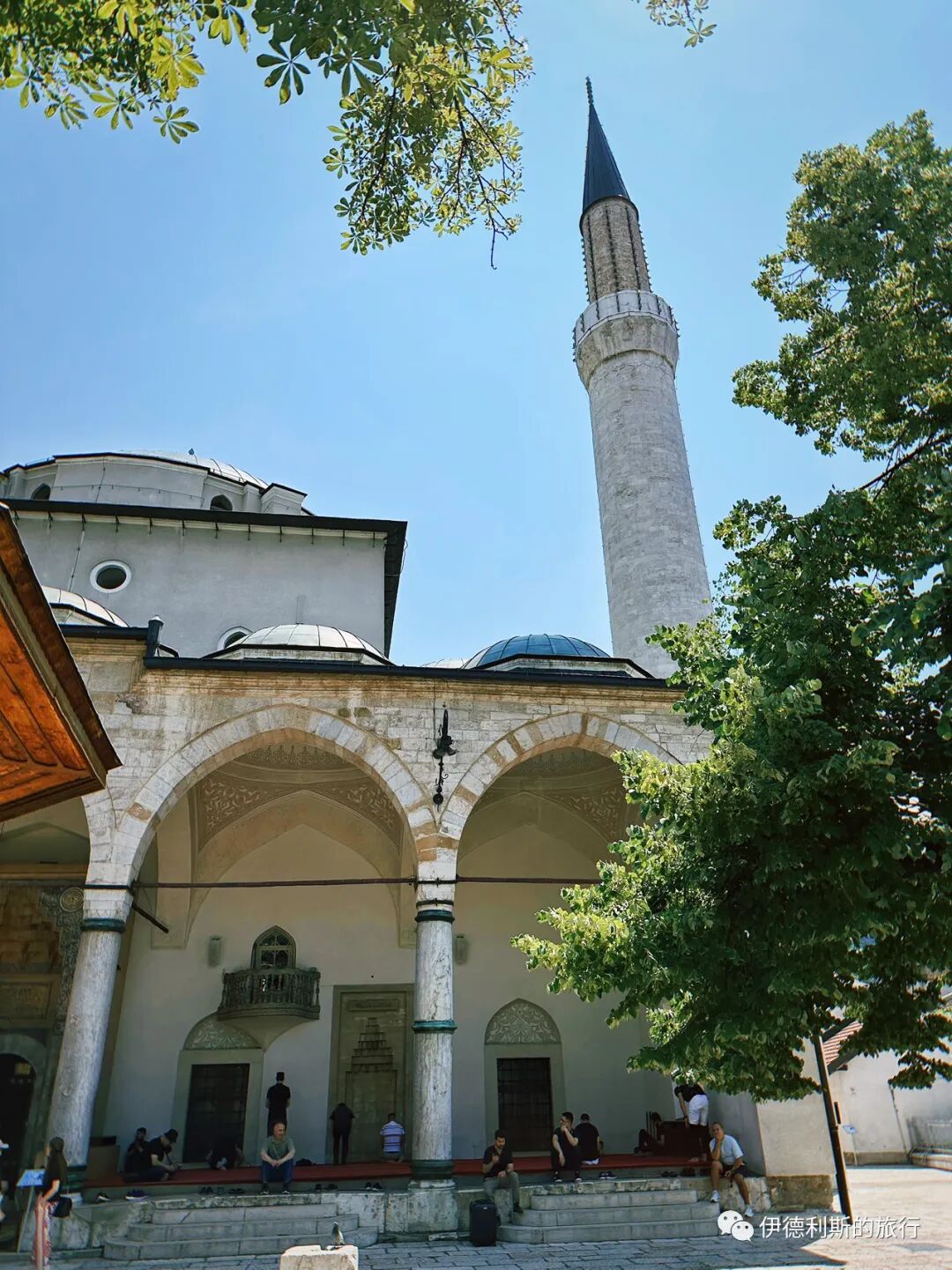
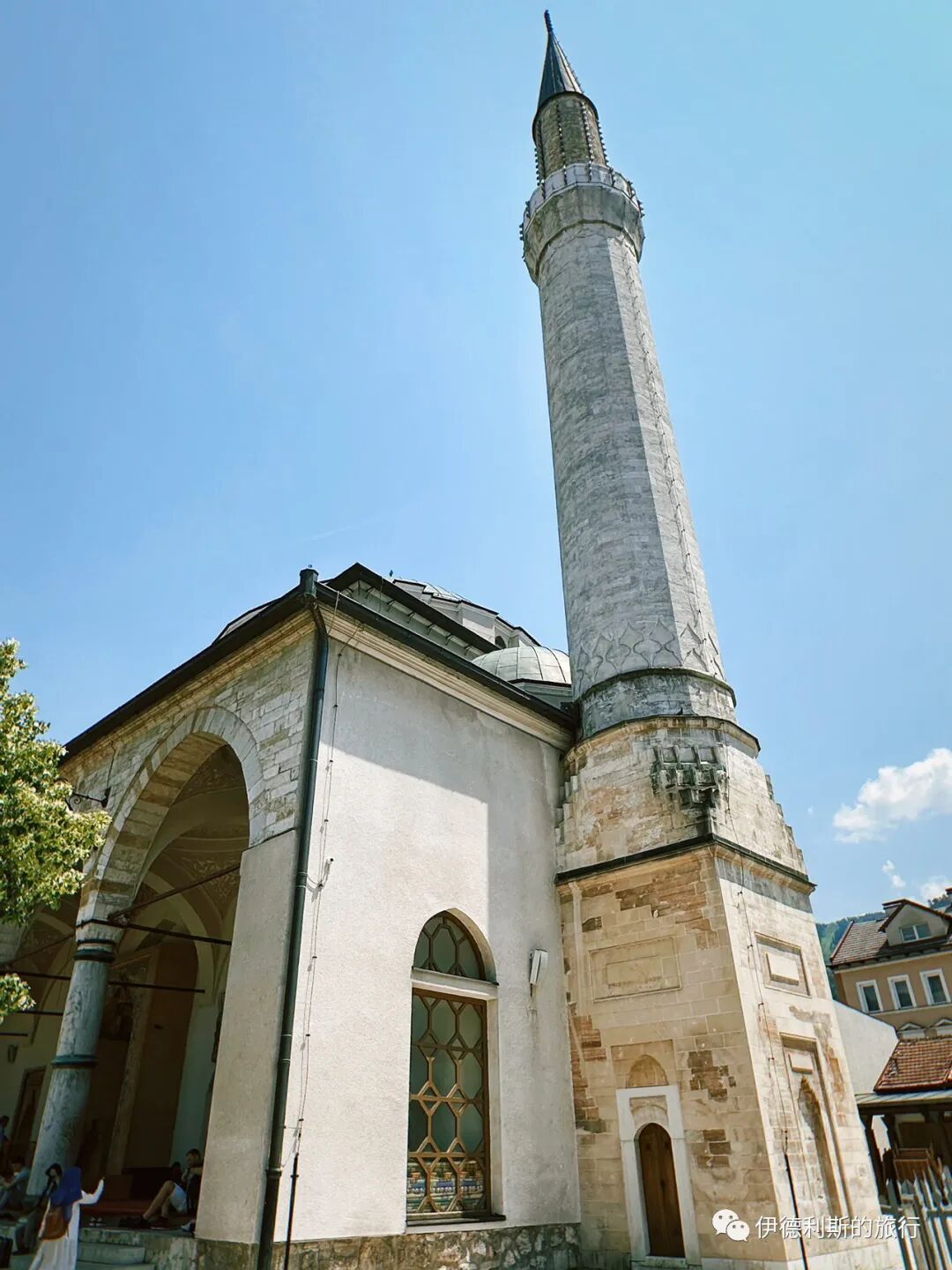
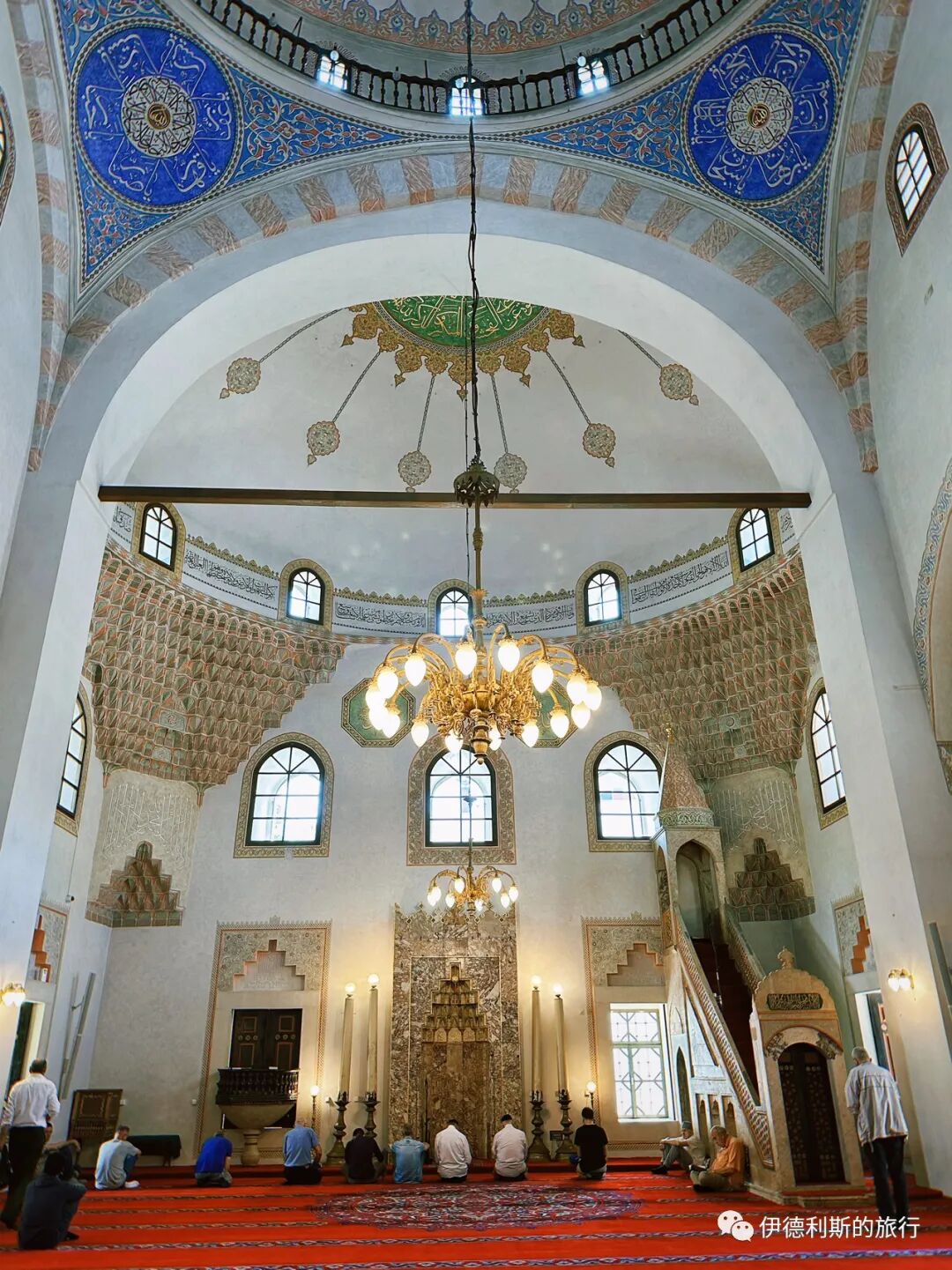
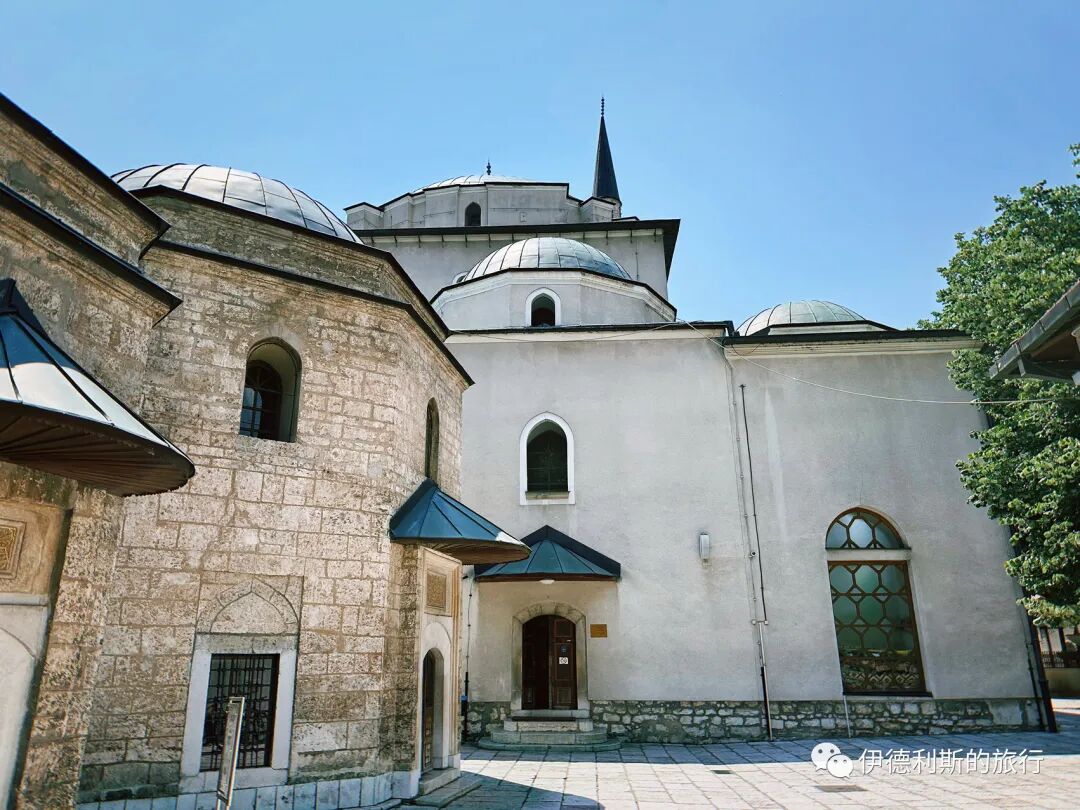
When the adhan sounded, we rushed to the Gazi Husrev Bey Mosque, the most important Friday mosque in Bosnia and Herzegovina. It is the core landmark of the Old Bazaar in Sarajevo and has been the city's central mosque since it was built in 1530. Important scenes from the movie 'Walter Defends Sarajevo,' well-known to Chinese audiences, were filmed here. It was also the first mosque in the world to have electricity and electric lights in 1898.
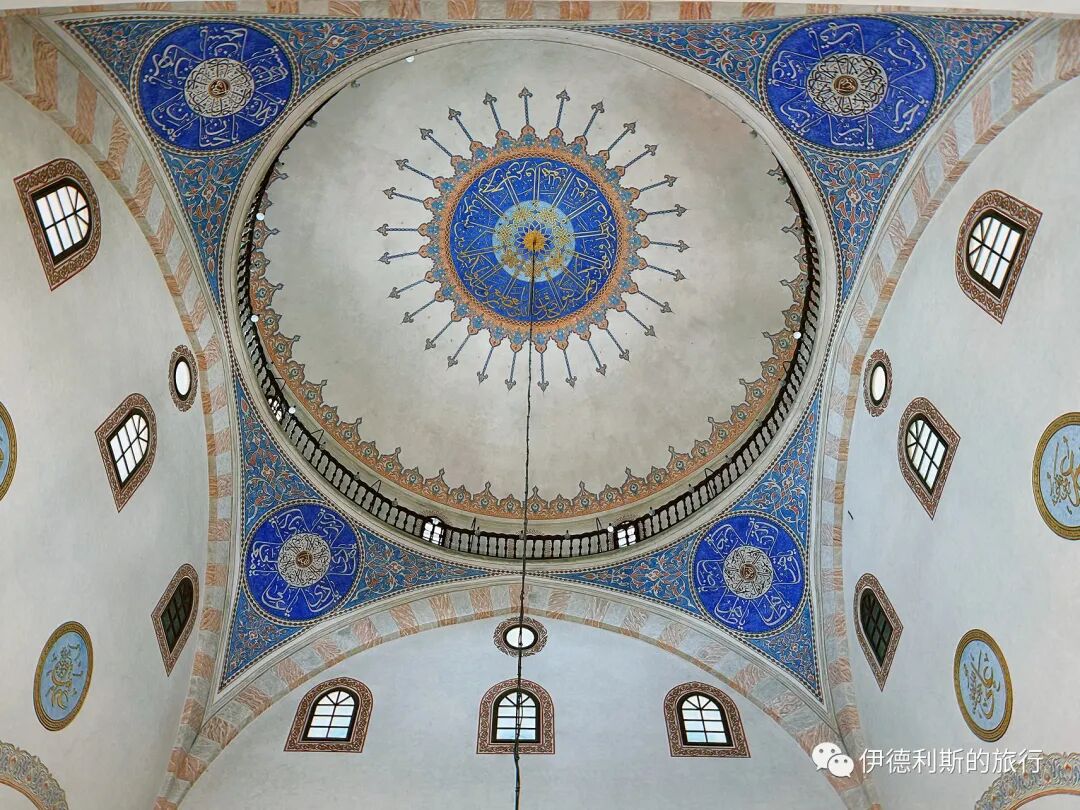
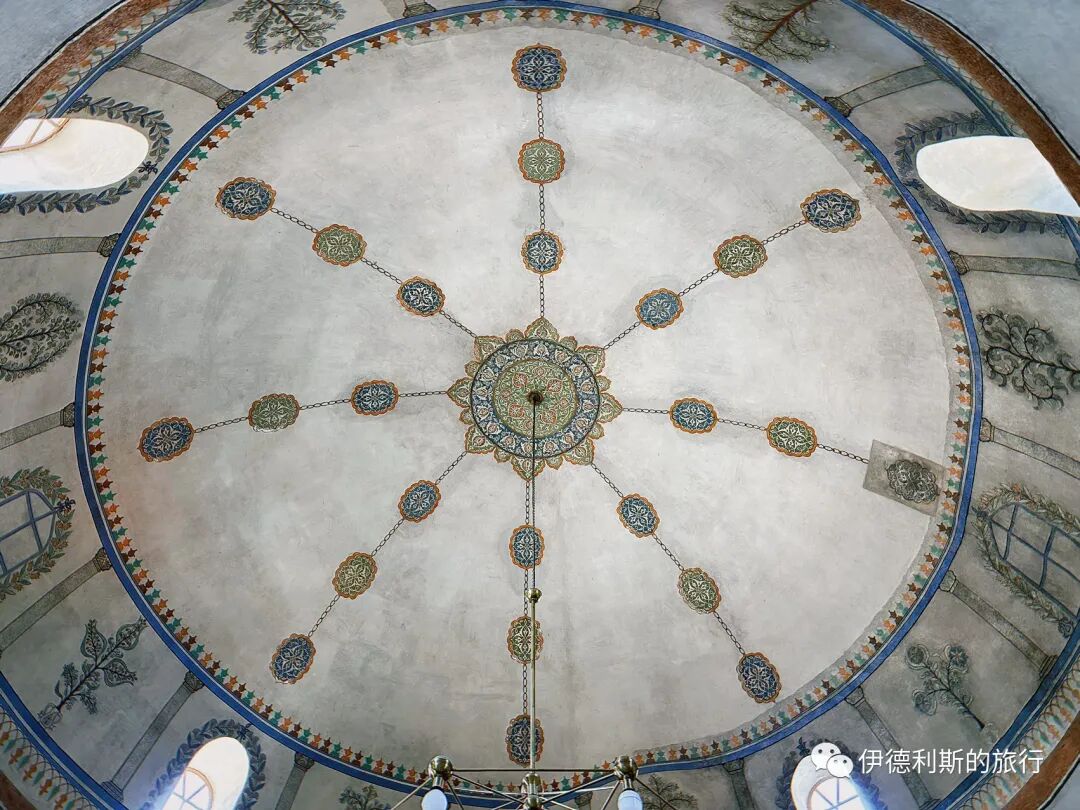
The Gazi Husrev Bey Mosque was designed and built by the Ottoman court architect Adzem Esir Ali, who came from Tabriz, Persia. He built many structures in Istanbul during the early 16th century and was one of the founders of the early Istanbul architectural school. The main hall is 13 meters long and 13 meters wide, with a central dome 26 meters high, achieving a perfect one-to-two ratio. The front porch consists of five small domes supported by four marble columns.
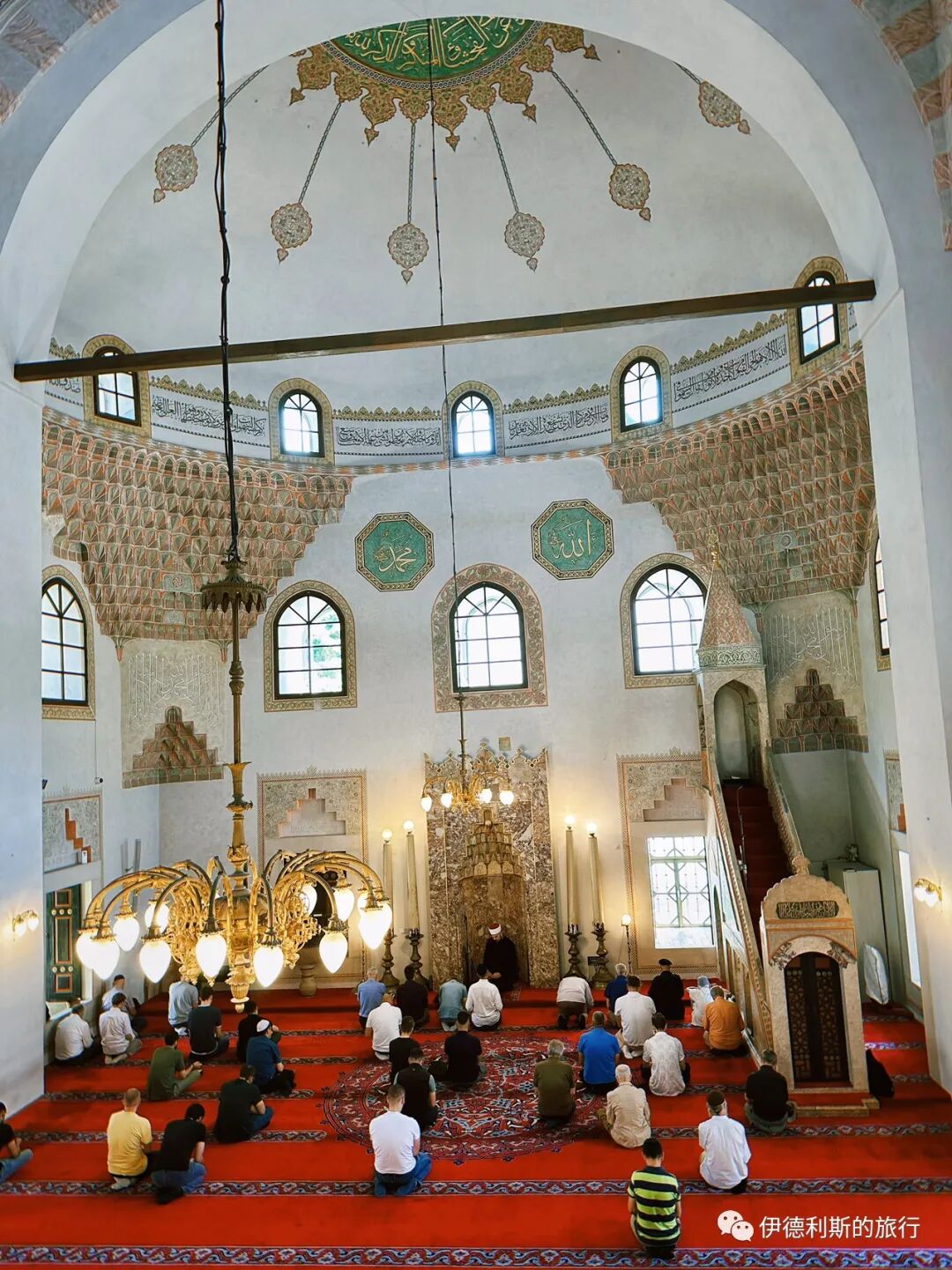
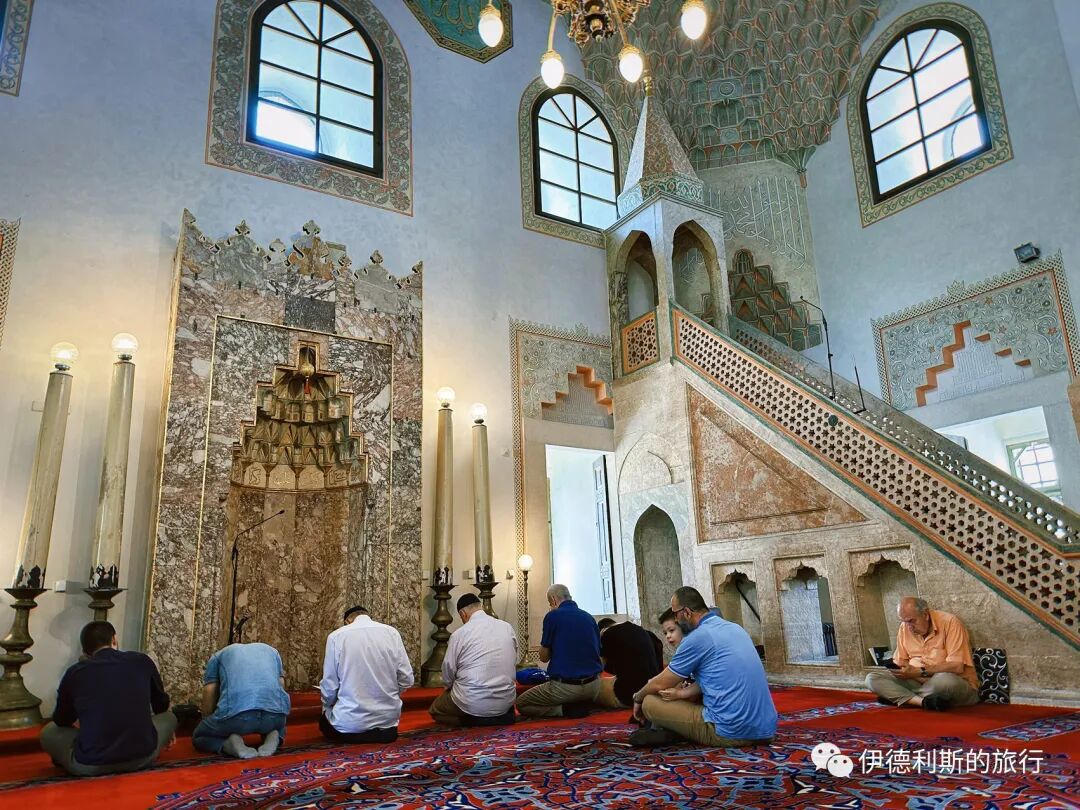
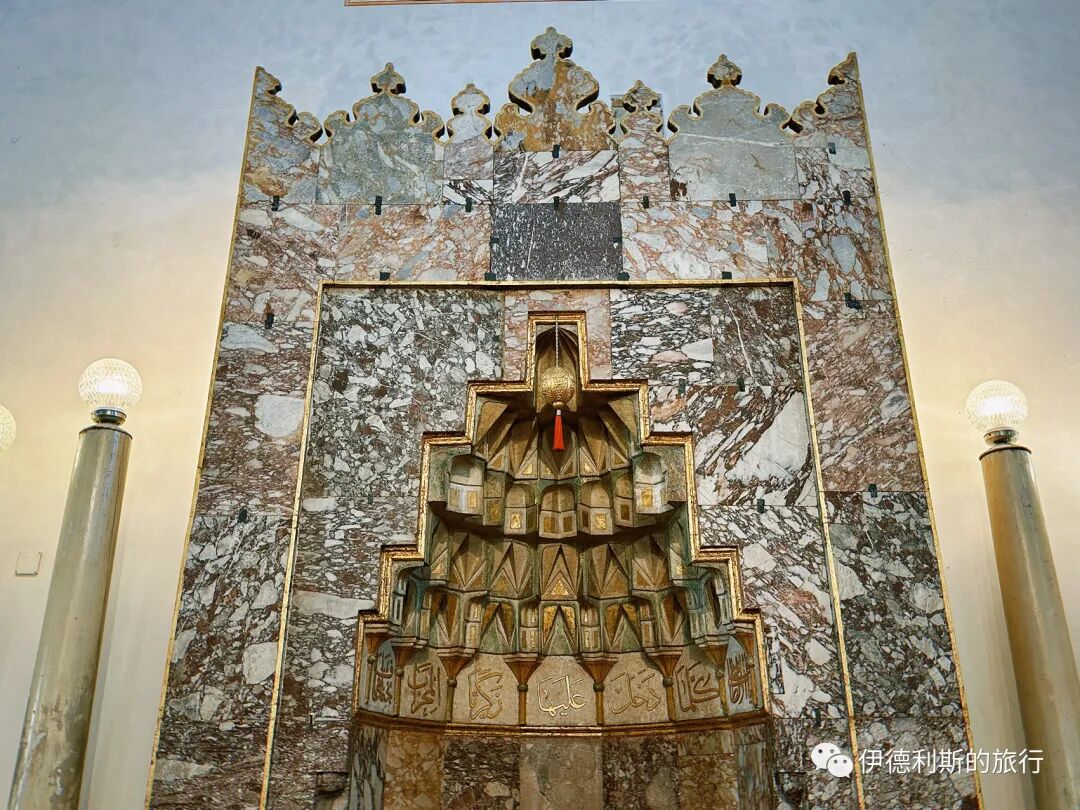
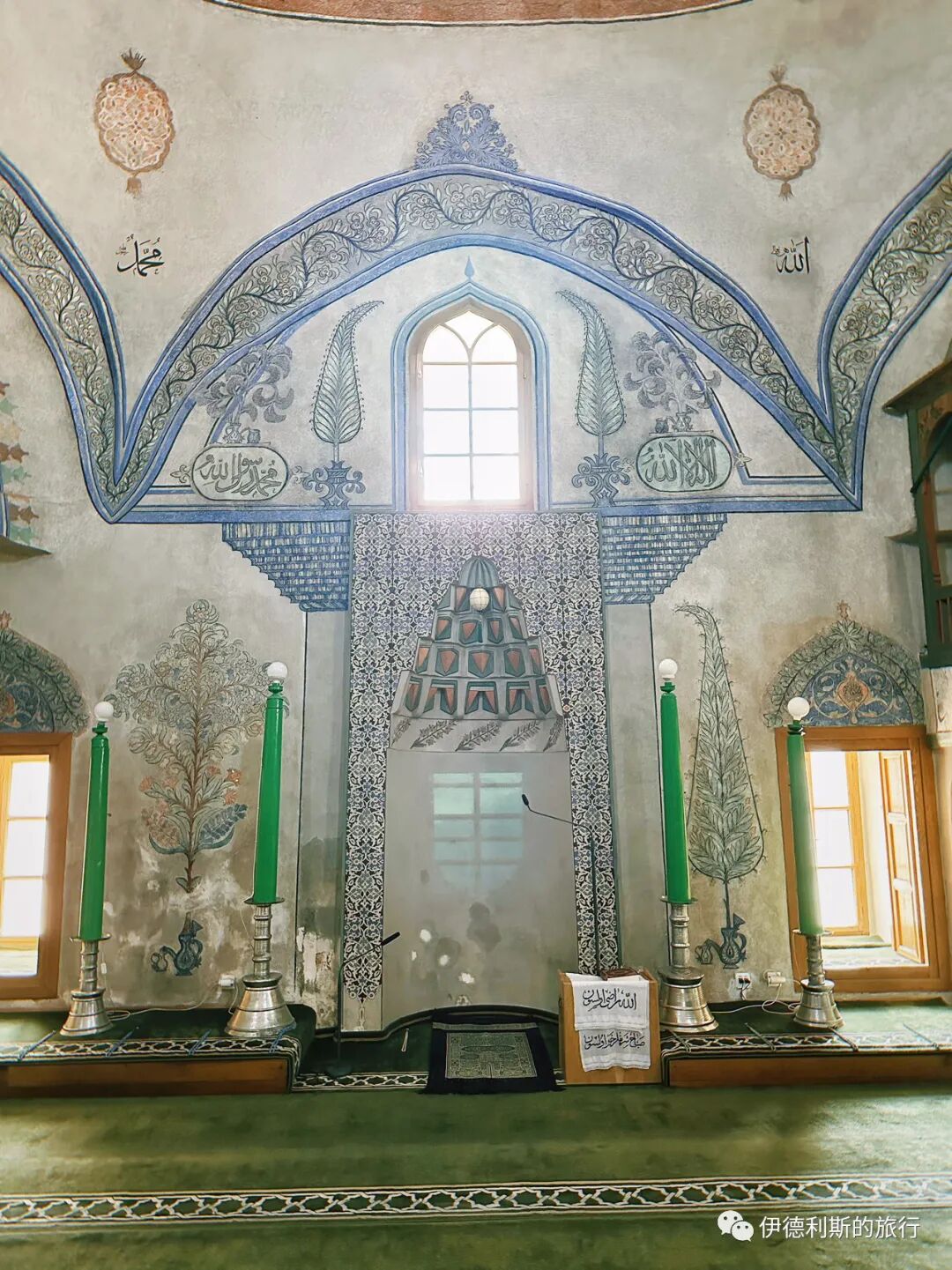
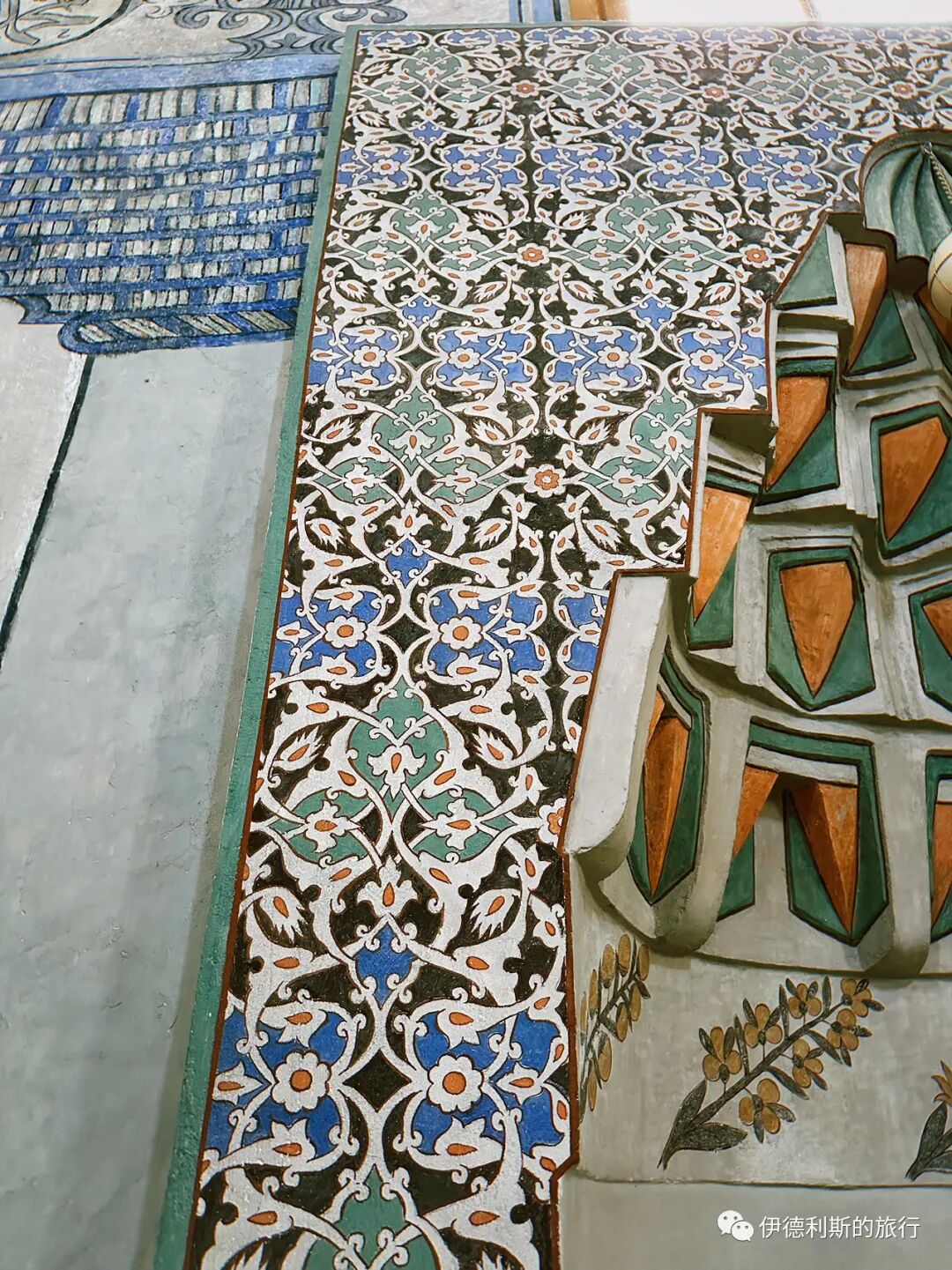
The interior paintings of the mosque were damaged by fire and later repainted in 1886 by the Austro-Hungarian Empire in a Moorish Revival style. During the Siege of Sarajevo from 1992 to 1995, the Gazi Husrev Bey Mosque was hit by over 100 mortar shells, causing major damage, and was repaired after the ceasefire in 1996. During the restoration, the late 19th-century Austro-Hungarian paintings were removed, and new interior decorations were painted by Bosnian calligrapher Hazim Numanagić between 2001 and 2002.
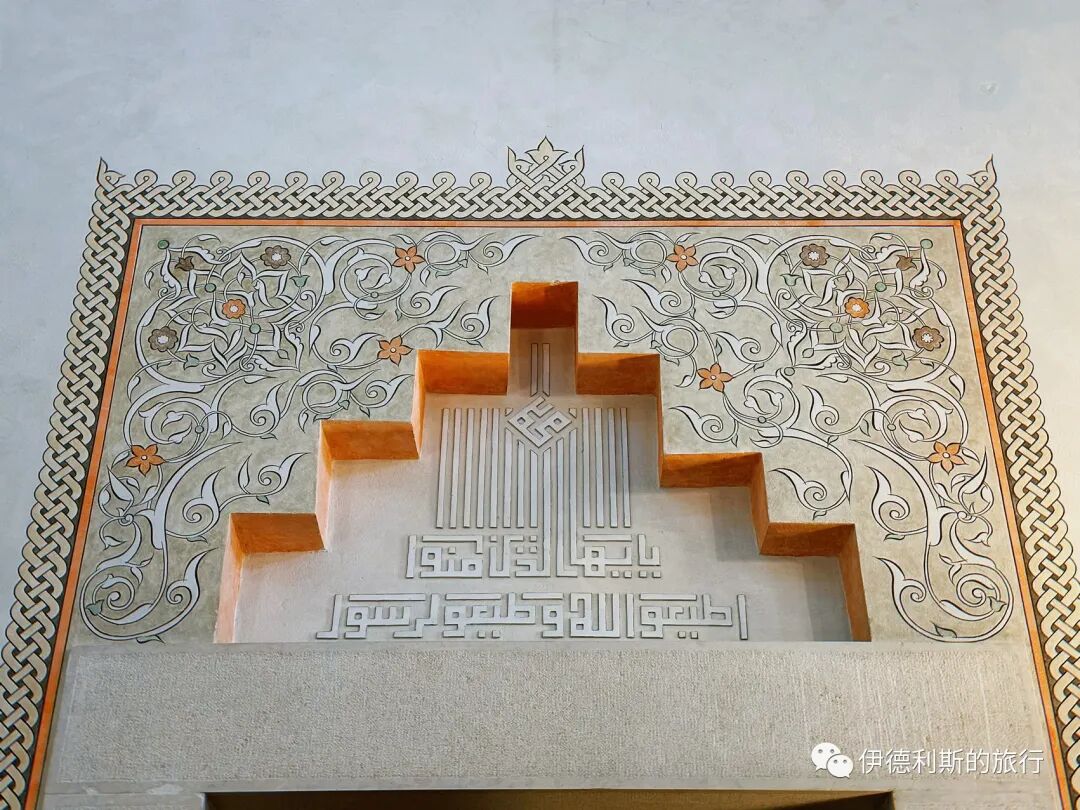
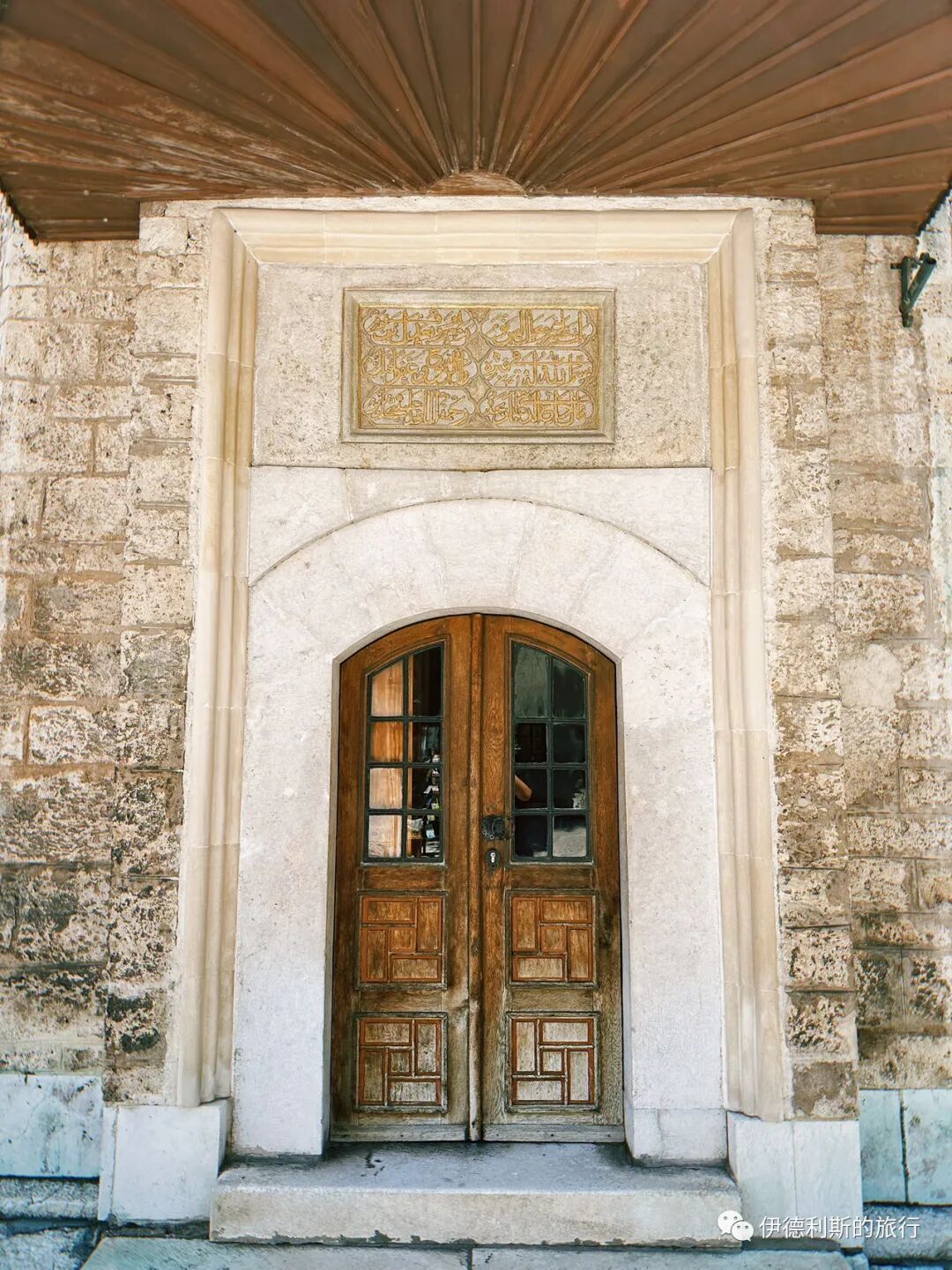
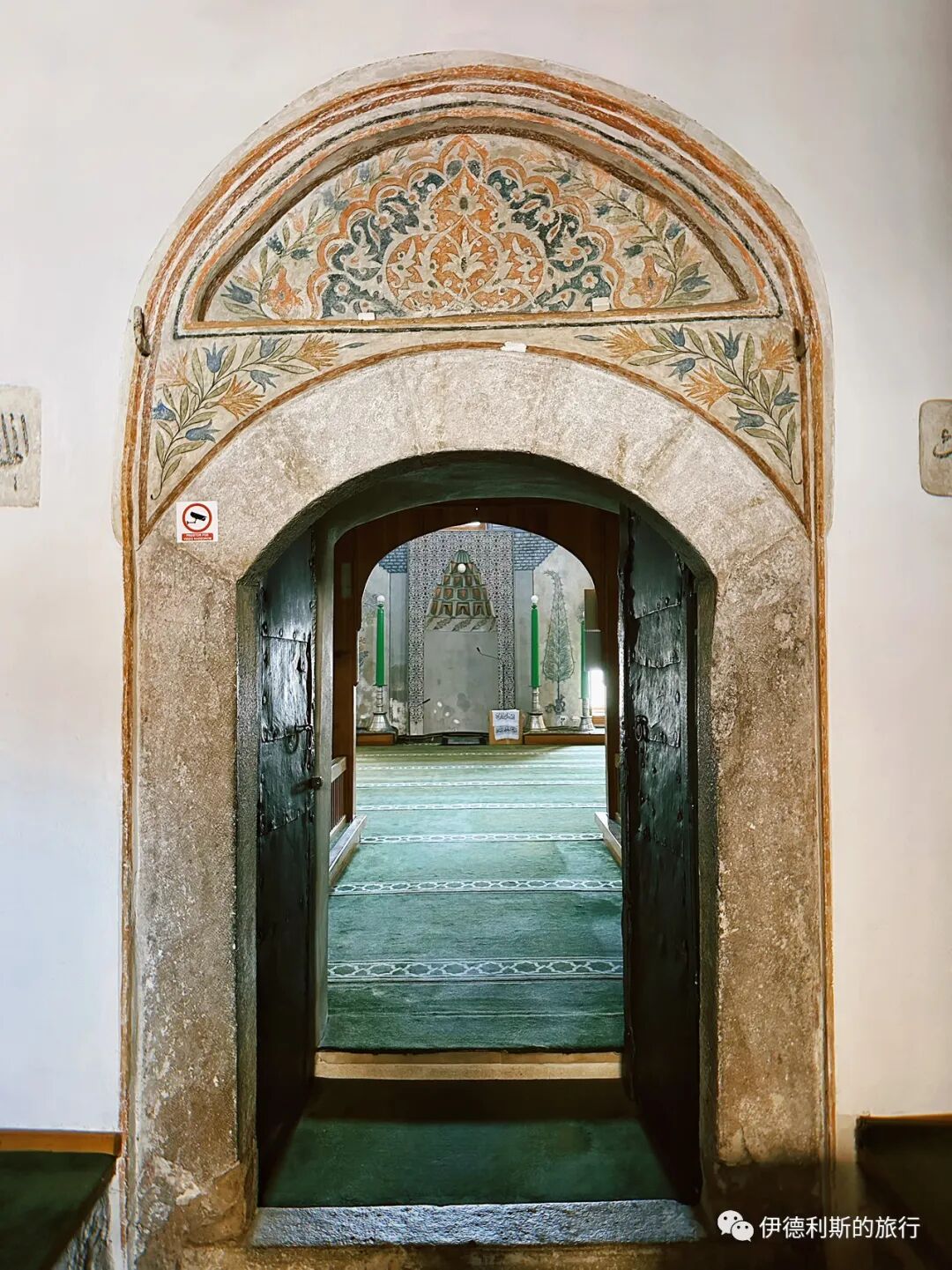
The mosque's main gate is beautifully decorated with intricate marble and gilded carvings. The Arabic calligraphy on the door adds up to the number 938, which is the year the mosque was built according to the Islamic calendar (1530/31 AD).
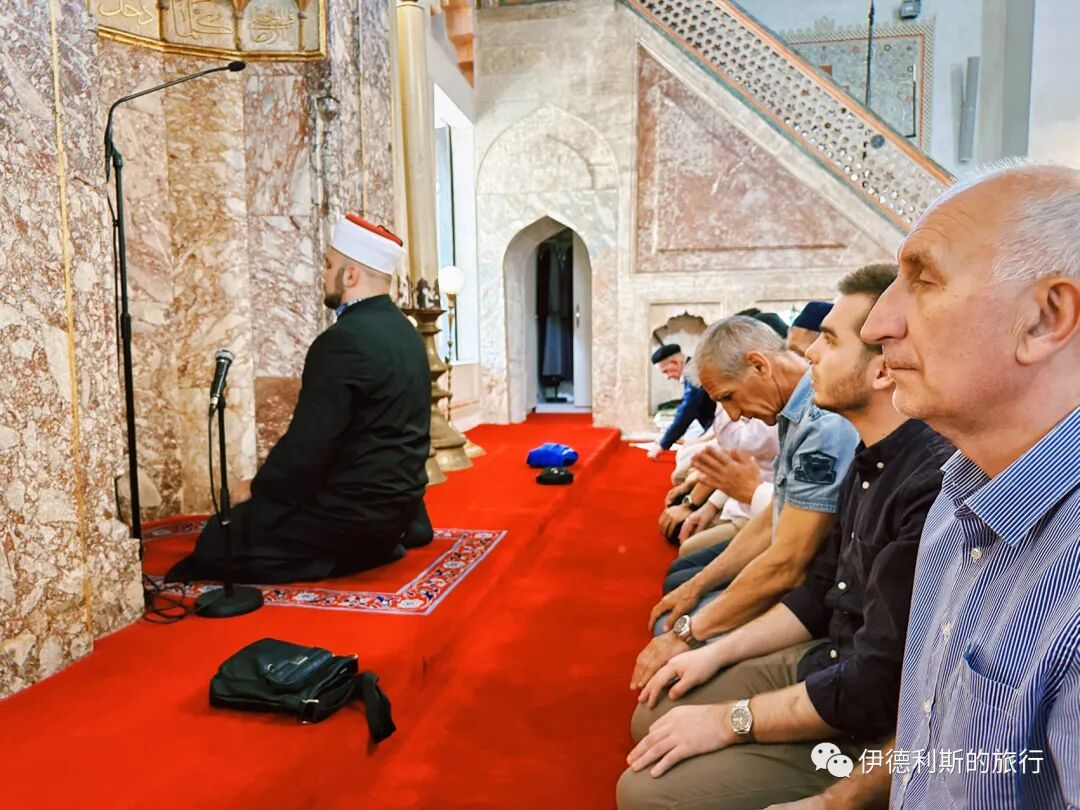
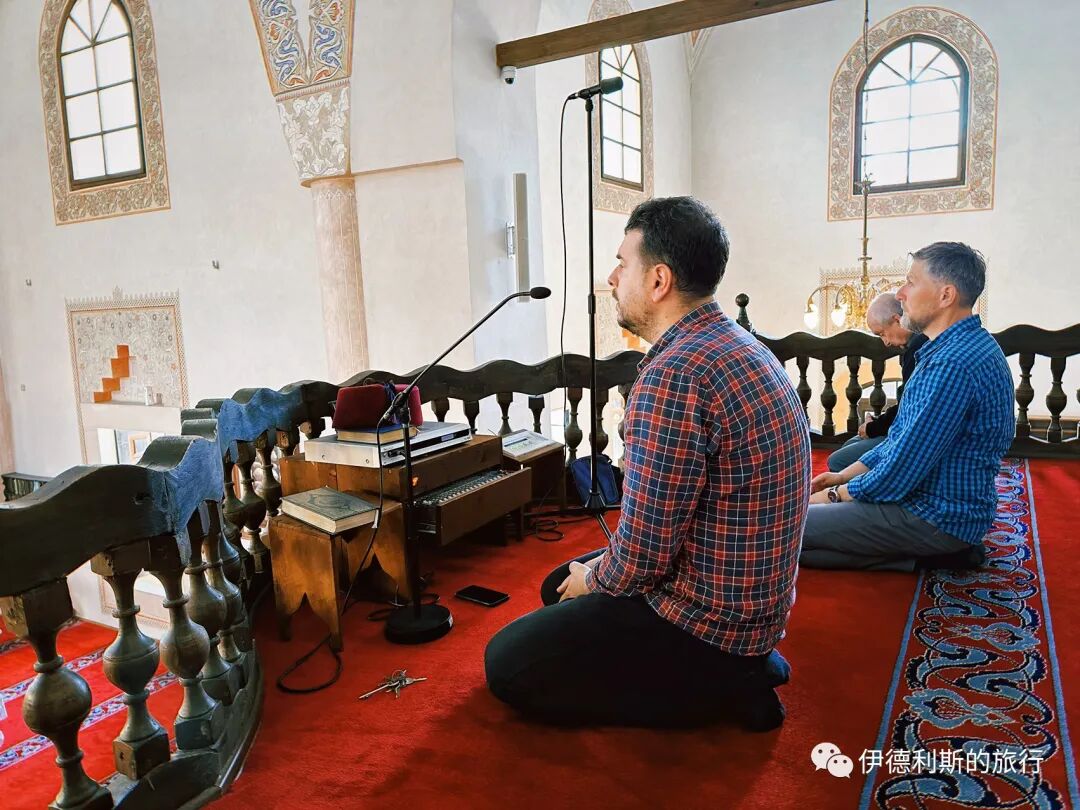
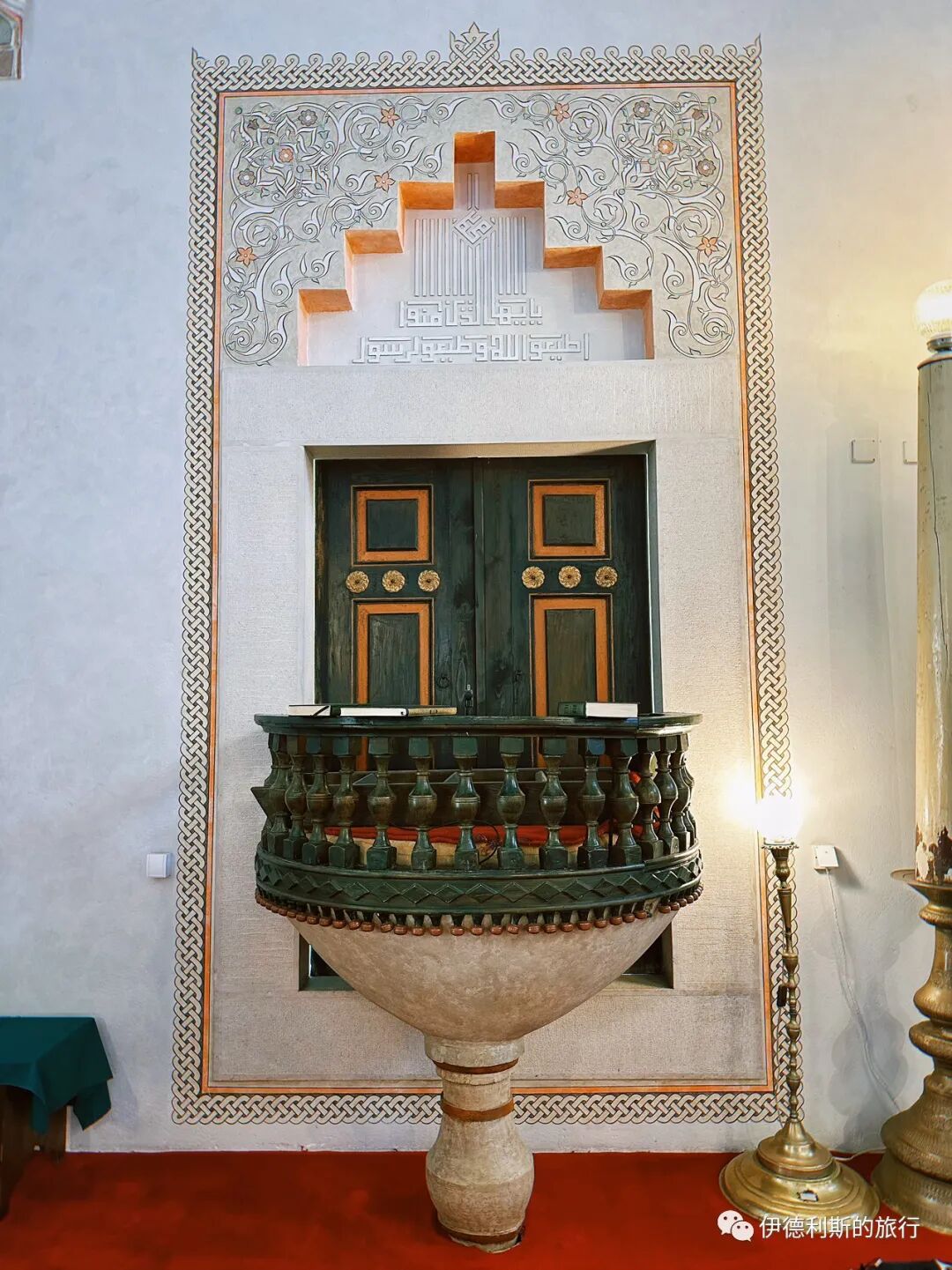
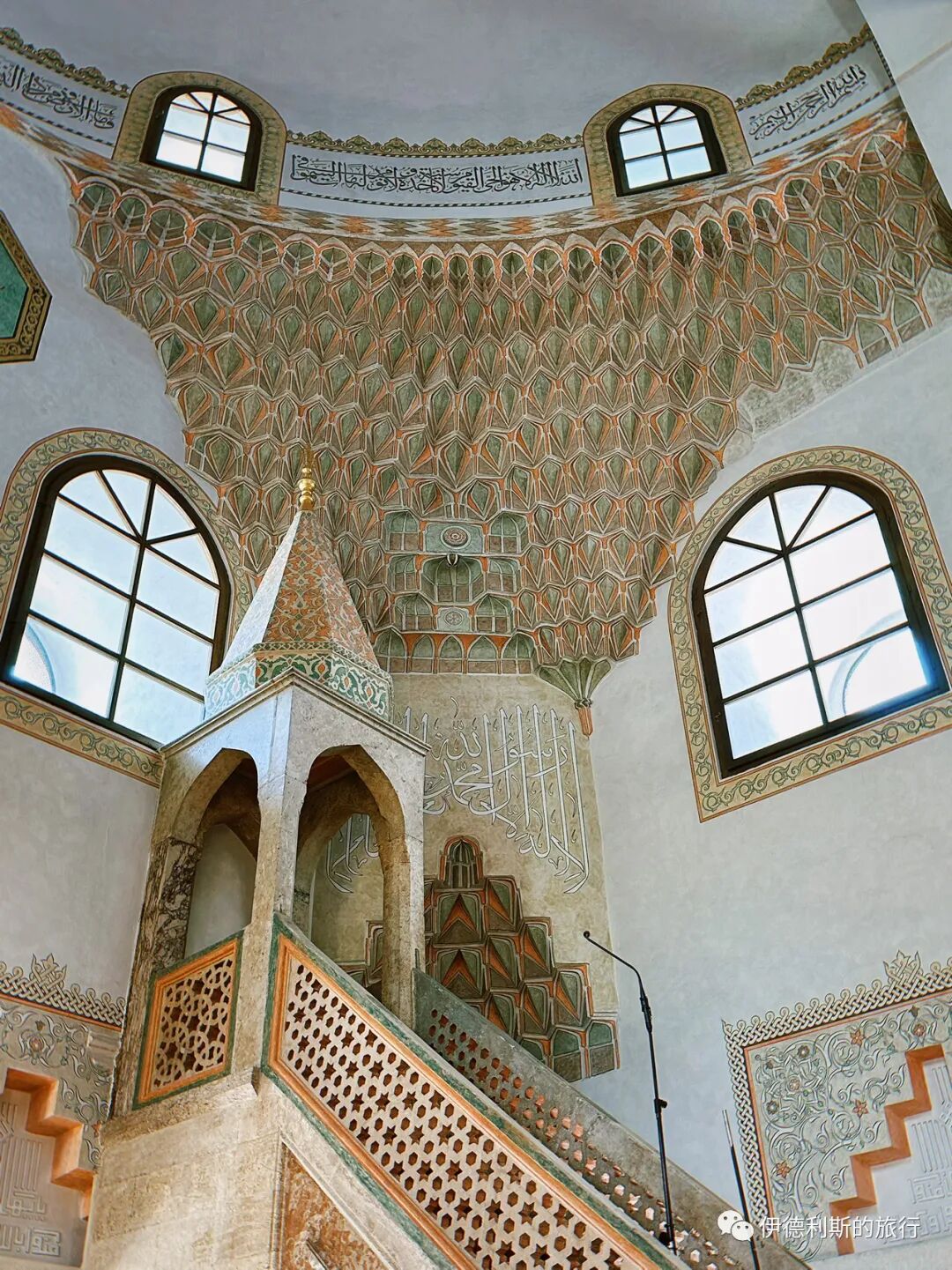
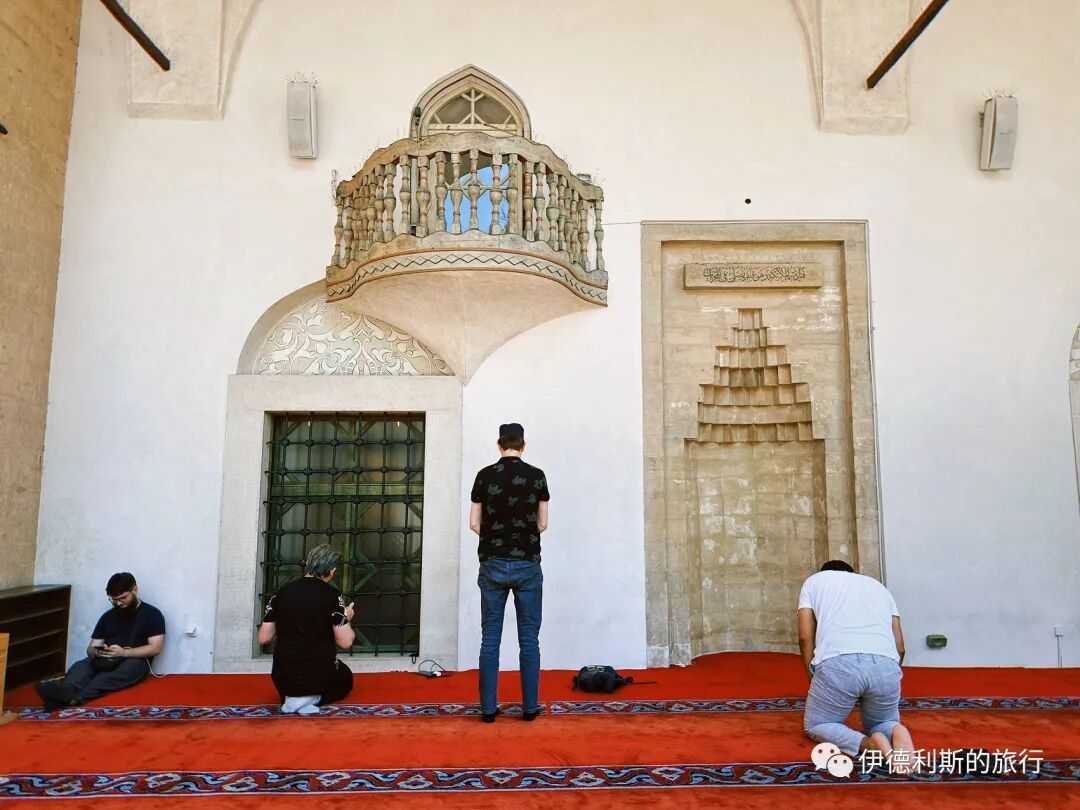
The muezzin calls the adhan and responds to the imam from a platform called Müezzin Mahfili in Turkish or Dikka in Arabic, where people also recite the Quran during nights in Ramadan. Usually, only large mosques have a Dikka platform built across from the minbar pulpit. Before sound systems existed, not everyone could hear the imam leading the namaz, so the muezzin needed to stand on the platform to make sure everyone could hear.
The area inside the railing below the Dikka platform was once a place for high-ranking officials and royalty to pray, known as the Hünkâr Mahfili. In royal mosques, the Hünkâr Mahfili is usually an elevated platform, while in smaller ones, it is a railed area on the ground floor. Today, everyone can pray here, but the railing has been kept.
Fountain
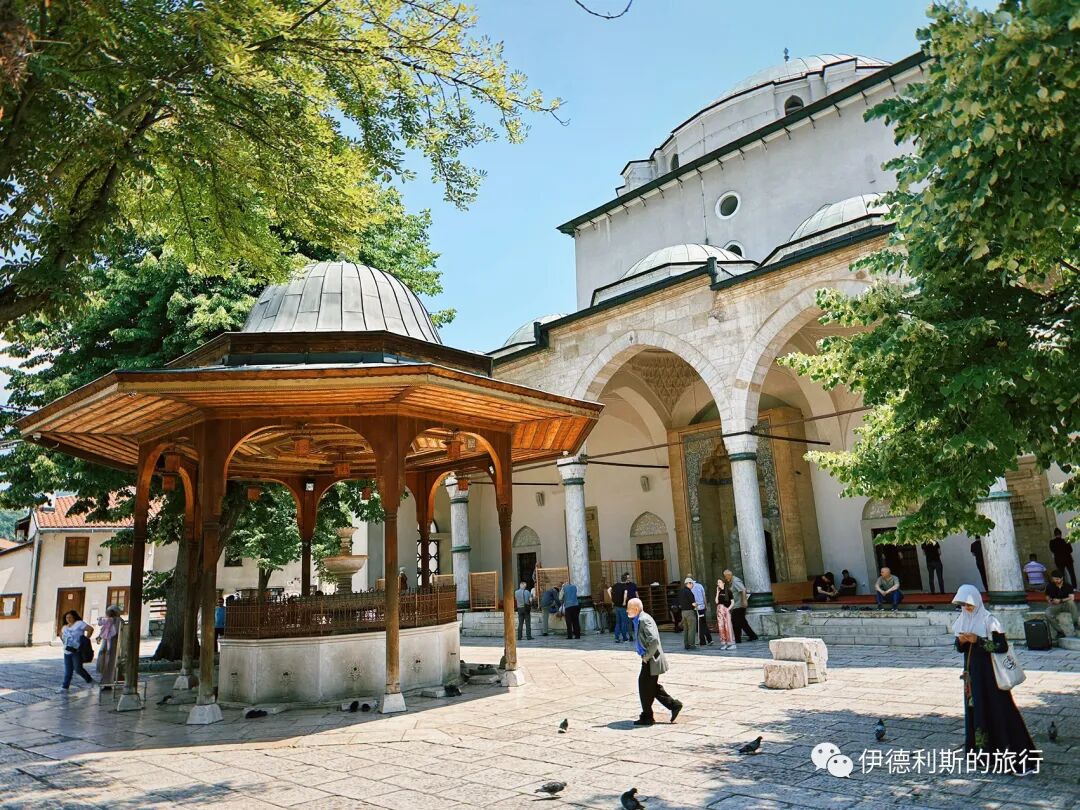
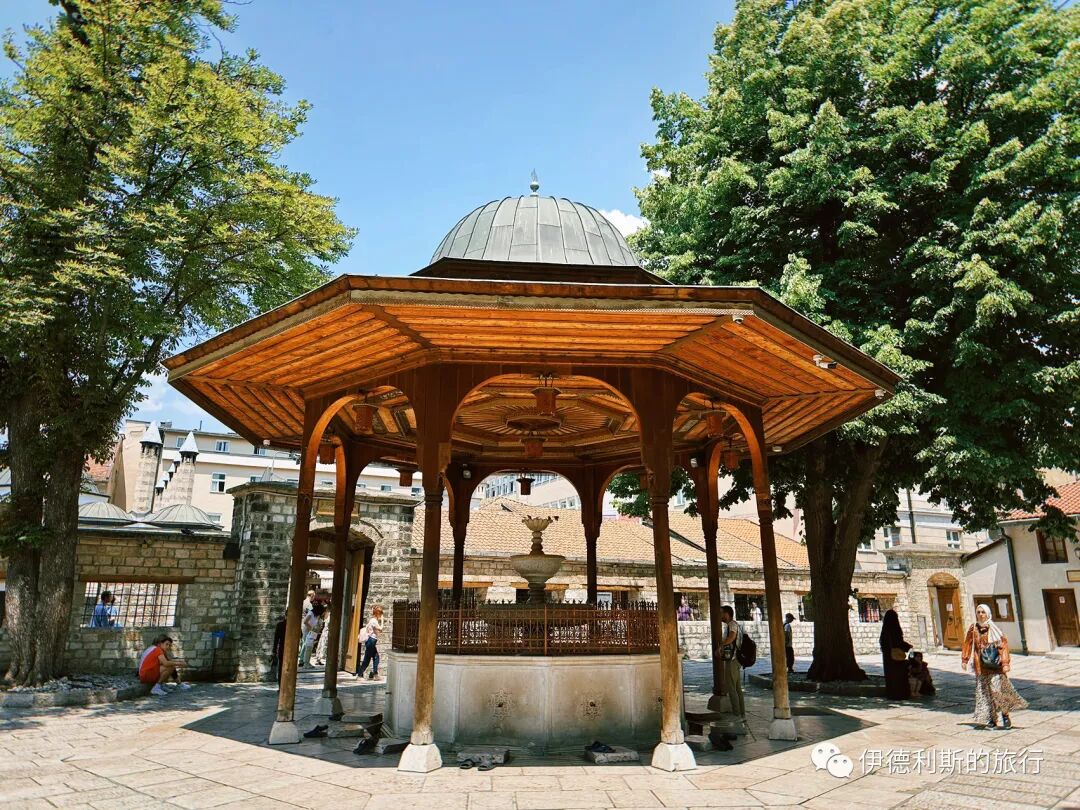
In front of the main hall of the Gazi Husrev Bey Mosque is the Shadirvan fountain. This type of fountain used for drinking and performing wudu originated in Persia and later became a typical architectural element of the Ottoman Empire, usually placed in the center of courtyards in mosques, caravanserais, dervish lodges, and madrasas.
This Shadirvan fountain was first built in 1530, with water coming from the Crnilo spring 7 kilometers away through clay pipes connected to the city of Sarajevo. It was rebuilt in 1893, modeled after the fountain at the Great Mosque of Bursa in Turkey, and connected to a modern water supply system. The fountain was severely damaged during the war from 1992 to 1995 and was rebuilt to its original appearance in 1997. You can still see three water basins from the original fountain in the mosque courtyard today.
There is a drinking fountain for passersby along the wall in the northwest corner of the courtyard, a common sight in Ottoman cities.
Muwaqqithana
In the northwest corner of the mosque sits a small building from 1859 called the Muwaqqithana, where an astronomer known as a Muwaqqit used calculations to set the times for namaz and fasting. Early mosques mostly relied on a muezzin to watch shadow lengths and twilight to set prayer times. By the late 13th century, during the Mamluk dynasty in Egypt, specialized astronomers called Muwaqqit began to appear, and this practice gradually spread everywhere.
Mausoleum
Gazi Husrev Bey was born in 1480 to a Bosnian noble father and a mother who was the daughter of the Ottoman Sultan Bayezid II. He lost both parents when he was very young and grew up in the Ottoman court. He later earned many military honors and was appointed governor of Bosnia in 1521, becoming one of Sultan Suleiman the Magnificent's most trusted men.
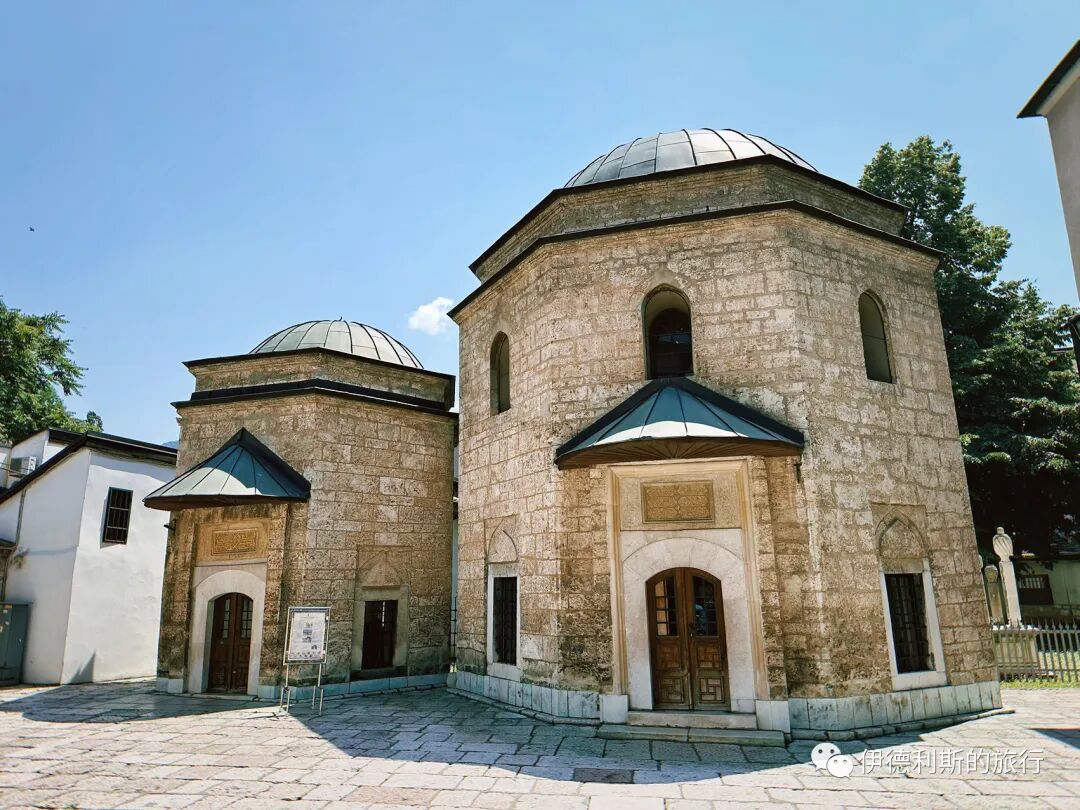
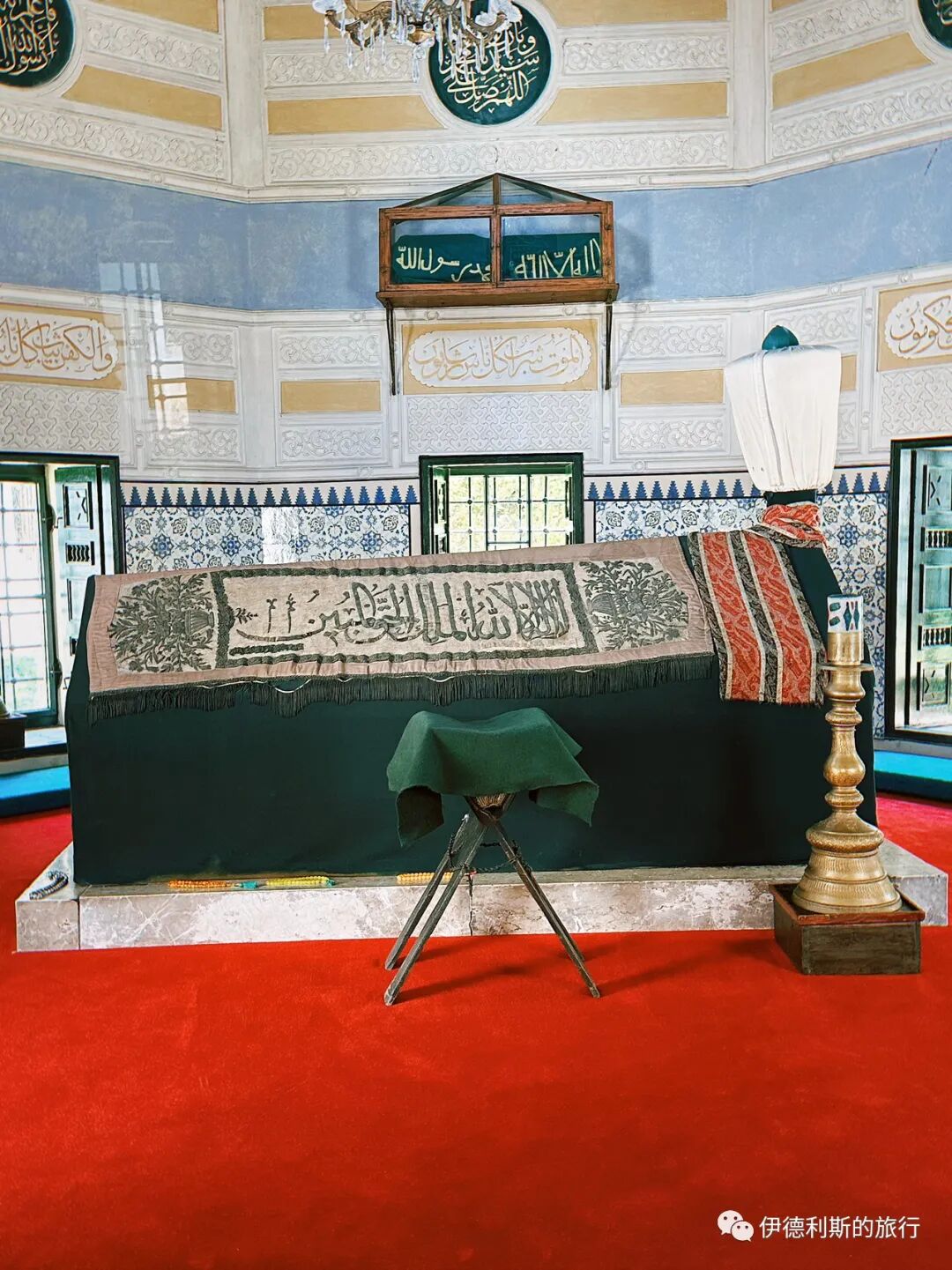
In 1541, a noble uprising broke out in Montenegro. Gazi Husrev Bey fought several battles to maintain order in the region and was eventually killed in a small village. His body was returned to Sarajevo and buried next to the Gazi Husrev Bey Mosque. The mausoleum of Gazi Husrev Bey is a typical 16th-century octagonal Ottoman tomb, which underwent repairs in 1895 and 2002.
Next to the tomb of Gazi Husrev Bey is a smaller octagonal mausoleum where his deputy, the Ottoman general Murat-beg Tardić, is buried. Murat-beg was Croatian. He became an Ottoman prisoner of war when he was young, later served under Gazi Husrev Bey, and became his close partner due to his outstanding military achievements. Murat-beg led several conquests against Croatia. In 1537, he completely crushed the military defenses of the Kingdom of Croatia, playing a major role in the westward expansion of the Ottoman Empire. Murat-beg died in 1545 and was buried next to the tomb of Gazi Husrev Bey.
Kursumlija Madrasa
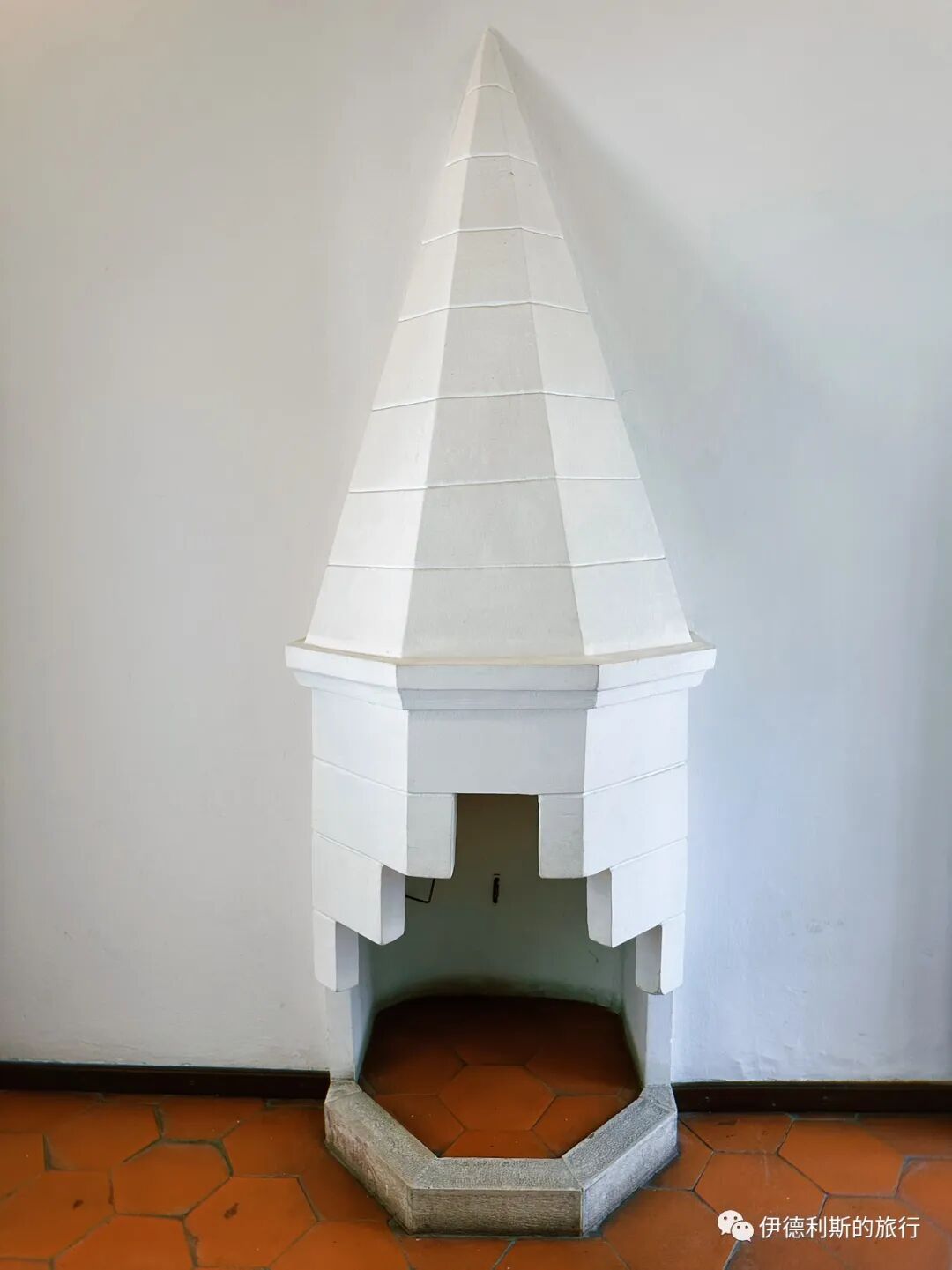
On the north side of the Gazi Husrev Bey Mosque is the Kursumlija Madrasa, built by Gazi Husrev Bey in 1537 and dedicated to his mother, the Ottoman princess Selçuka. The madrasa consists of a courtyard with 12 classrooms, each featuring a fireplace and a dome, with a fountain for wudu in the center of the courtyard. After 2013, this site became the Gazi Husrev-beg Museum, which showcases his life, the foundation complex he established, and his contributions to the urban development of Sarajevo.
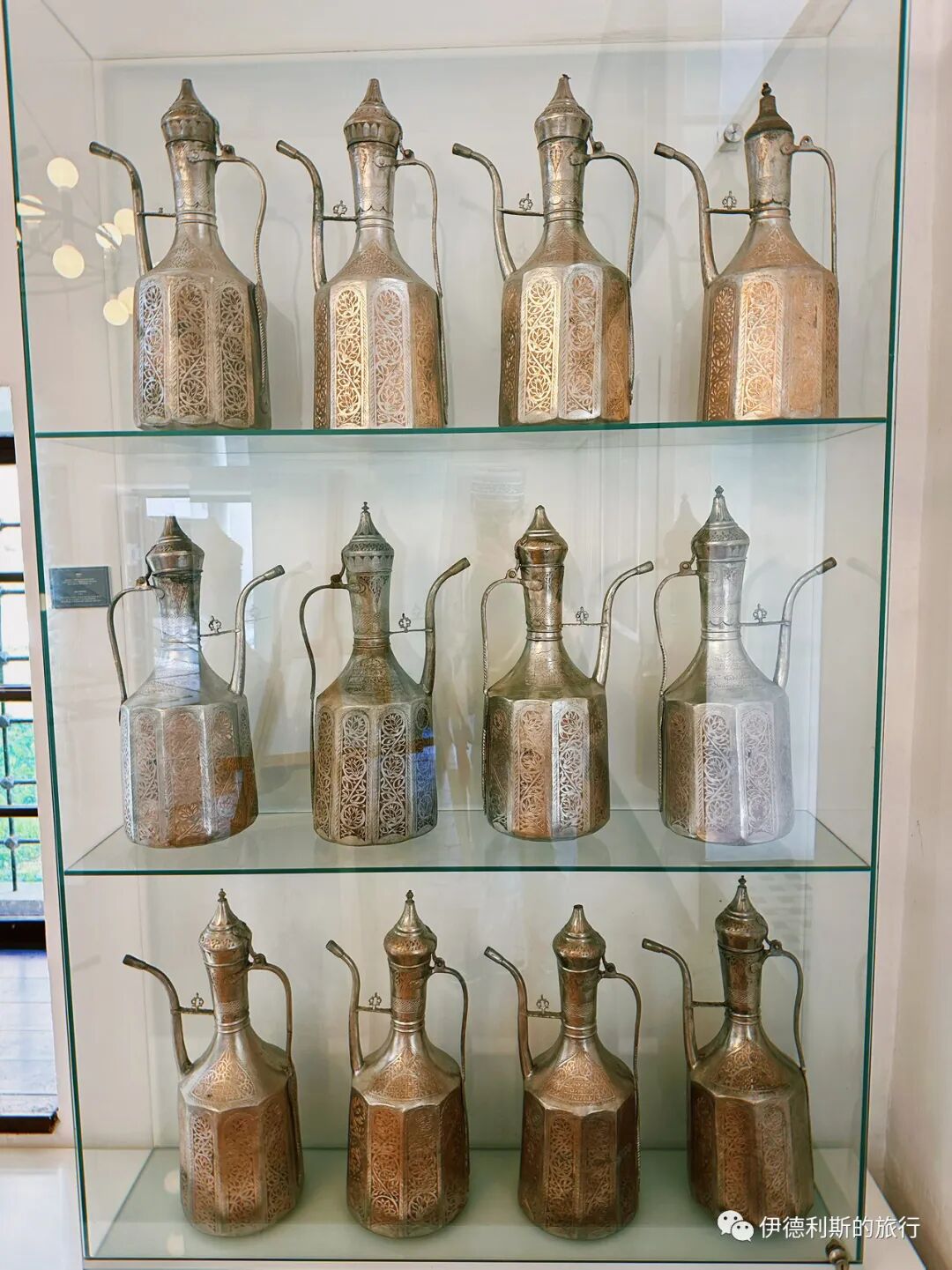
A 19th-century water jug used specifically to hold the mixed drink sharbat for Mawlid celebrations.
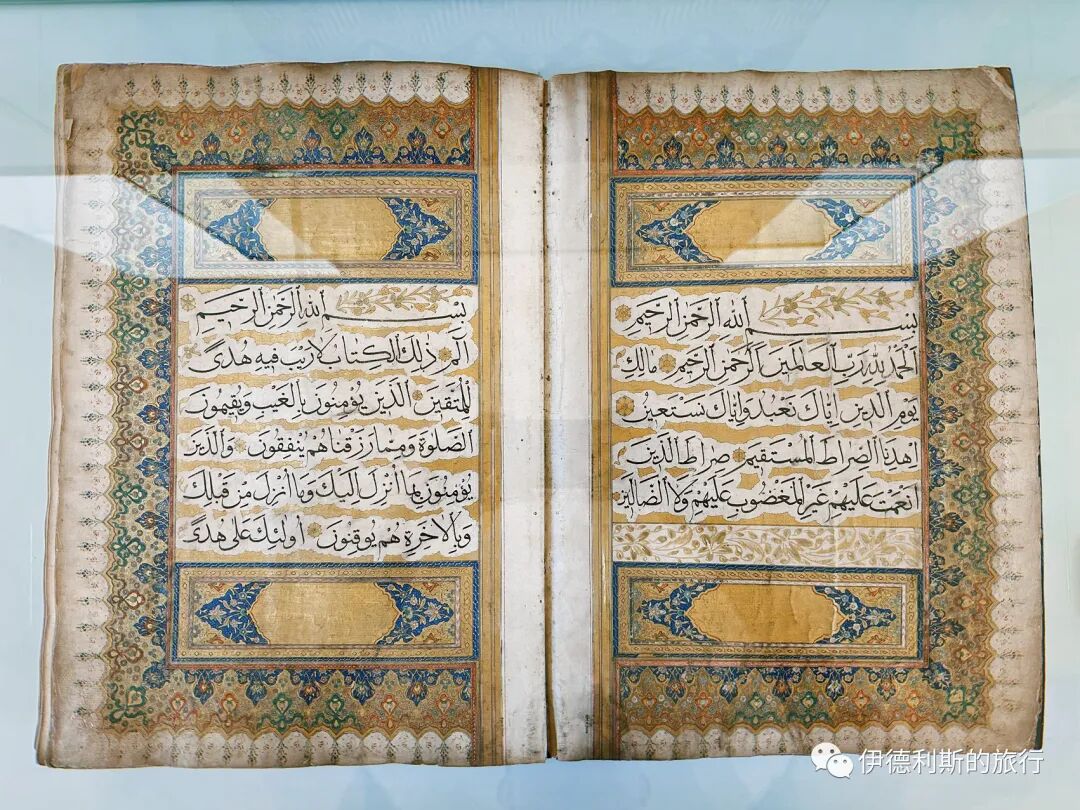
An ancient Quran copied in 1784 by Muhamed Filibevi from Plovdiv, Bulgaria.
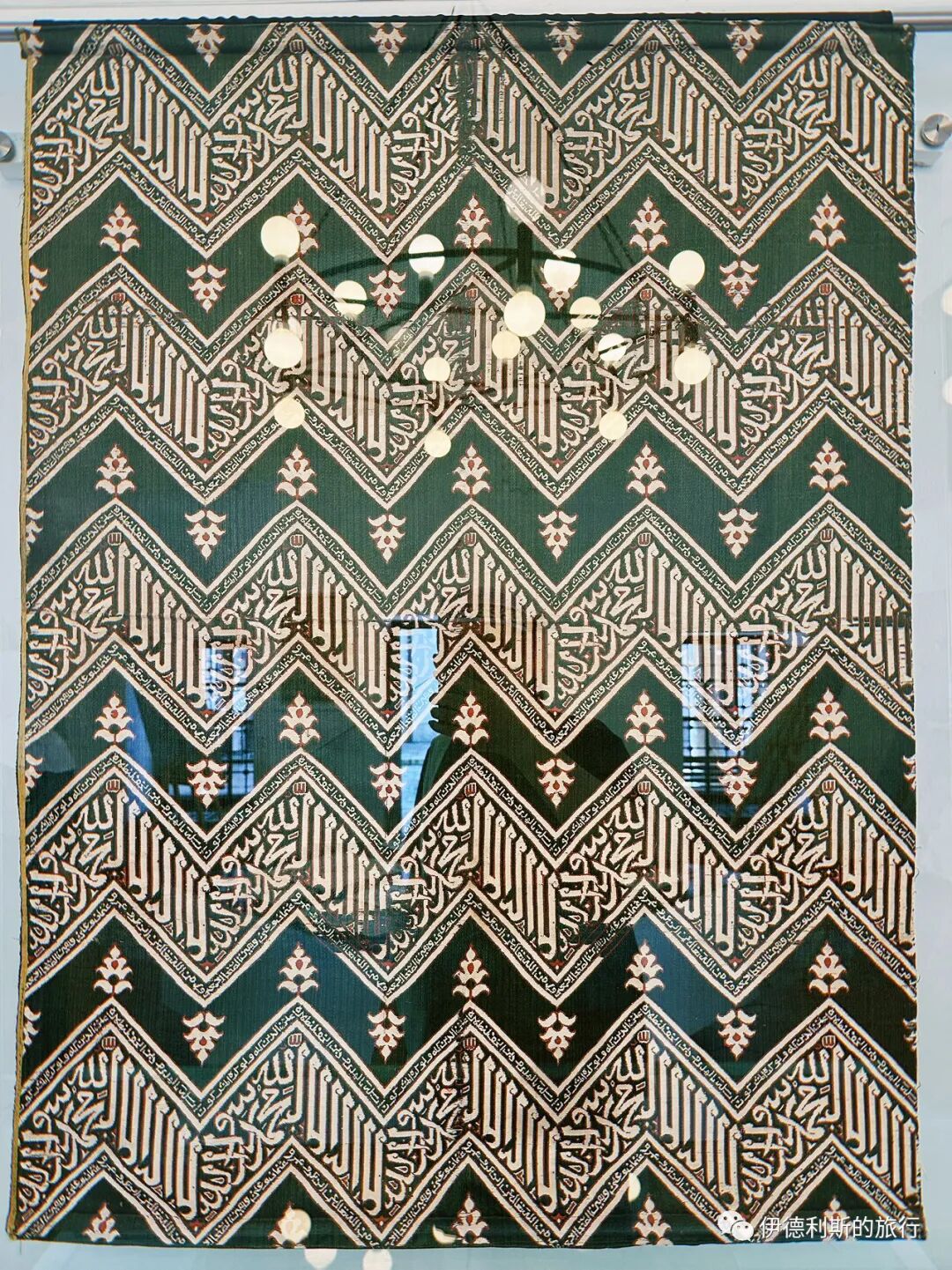
A burial shroud for the 16th-century tomb of the Prophet, gifted to Bosnia and Herzegovina by Ottoman Sultan Abdulaziz in 1867.
To the right of the madrasa is the Sufi lodge (khanqah), which is now a gallery, though it was closed when we visited.
Library
On the northwest side of the Gazi Husrev Bey Mosque is the Gazi Husrev Bey Library, founded in 1537 using the remaining funds from the construction of the madrasa. The library was originally part of the madrasa and did not have its own separate room until 1863. The library was forced to close after the Siege of Sarajevo began in 1992 and did not reopen until 2014. The new library was built with an 8.8 million dollar donation from Qatar. It houses over 100,000 manuscripts and books in Arabic, Turkish, Persian, Bosnian, and other languages, covering fields like Islam, literature, philosophy, history, medicine, and astronomy.
As the library with the richest collection of Islamic books in Bosnia and Herzegovina, the Gazi Husrev Bey Library has faced many trials over its nearly 500 years of operation, but the 1992-1995 Bosnian War was undoubtedly the most difficult. The aggressors made destroying the historical and cultural heritage of Bosnia and Herzegovina a key goal, especially targeting historical buildings that housed written records. Staff at the Gazi Husrev Bey Library risked their lives to successfully move tens of thousands of precious Islamic books to safety, making a huge contribution to saving Bosnian history and culture.
To preserve the books in the Gazi Husrev Bey Library, staff moved the book storage areas many times. In 1992, the library decided to move 21 packages containing the most precious manuscripts to the vault of the Privredna Bank. To avoid Serbian snipers on the streets, they packed the books in banana boxes, but they were then robbed by hungry civilians. Fortunately, the civilians let them go after discovering the boxes contained books instead of bananas. After many hardships, these books were finally saved until the end of the war.
The 63rd handwritten scripture by Hafiz Ibrahim Sehovic, completed in 1807. Hafiz Sehovic copied at least 66 Qurans in his lifetime, and the Gazi Husrev-beg Library holds four of them.
A handwritten scripture completed by Ahmad b. Muhammad al-Muhägir ad-Dagistani al-Makki in 1849.
A Quran selection (Juz') gifted by Ferhad-pasha Sokolovic in 1587 to a mosque in the city of Banja Luka in northwestern Bosnia and Herzegovina.
A Quran selection (Juz') gifted by Mehmed-pasha Sokolovic in 1570 to a mosque in his birthplace in eastern Bosnia.
A handwritten scripture created by Abdullah b. Muhammad al-Hafiz as-Sirazi in 1572-73.
The Rose Garden (Gulistān) is a prose work written by the great Persian poet Saadi in 1258. This manuscript was annotated by the great 16th-century Bosnian classical literature critic Ahmed Sudi Bosnjak and copied by Ahmad b. al-hagg Husayn al-Mostari in 1765. Ahmed Sudi was born in eastern Bosnia and later lived in Istanbul for a long time. He was an expert in Persian literature and wrote a series of commentaries on Persian literary classics in Ottoman Turkish. These had a huge influence in the Ottoman Empire and were widely used by later Persian scholars and Western orientalists.
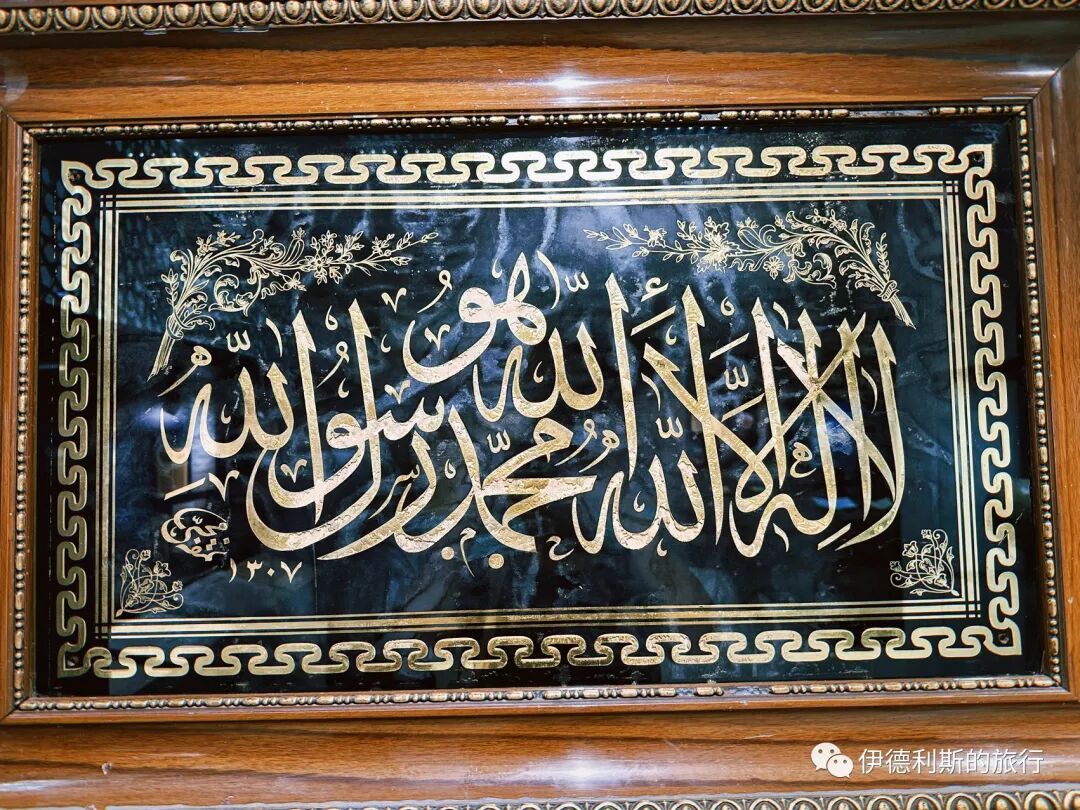
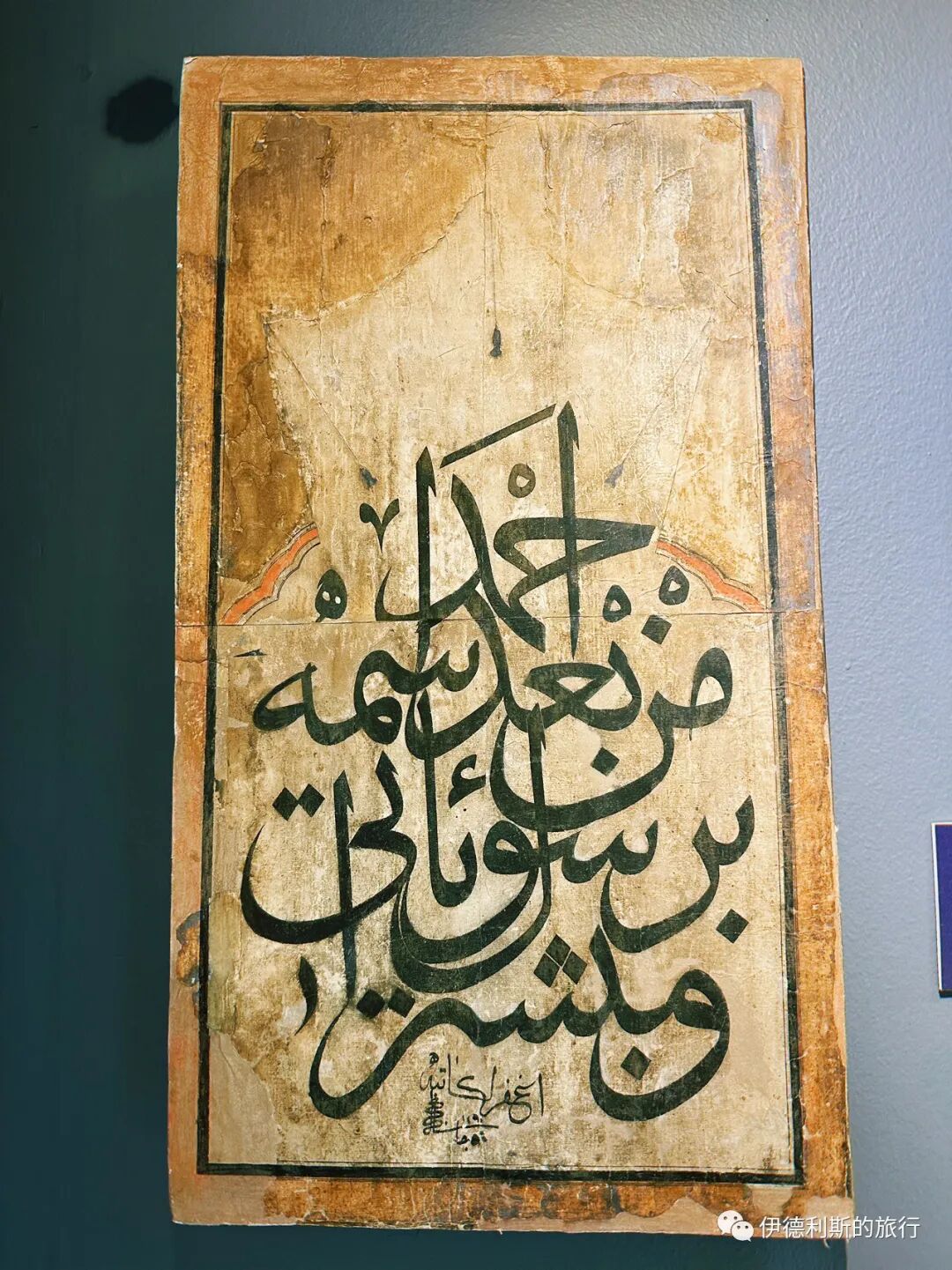
19th-century Arabic calligraphy art from Bosnia and Herzegovina, with the second and third pieces collected from an old traditional wooden mosque in Bužim, northwestern Bosnia and Herzegovina.
A chandelier used in a mosque in the early 20th century.
Artifacts collected in the Gazi Husrev Bey Library.
Candlesticks formerly used in mosques and Sufi lodges (tekke) in Bosnia and Herzegovina.
A stone tablet from 1613 above the gate of the Haji Osman Mosque in the southeastern Bosnian city of Foča; this mosque was demolished in 1964.
This textbook on Hanafi jurisprudence was written in the 16th century and used for a long time in Ottoman madrasas. This specific copy dates back to the 17th century.
This Arabic-Turkish dictionary was compiled in the 16th century and contains 40,000 words. It was very popular in Bosnian madrasas, and this copy was made in 1631.
A work on Islamic law copied in Foča in the second half of the 16th century.
A manuscript of the Quran from 1474.
A cannon used in the 19th century during Ramadan to signal the start and end of the daily fast.
A Turkish-language stone inscription carved in Naskh script during the 1763-4 renovation of the Hasan Pehlivan mosque in Sarajevo.
A Turkish-language stone inscription carved in Naskh script during the 1780-1 renovation of the Haji-Omer fountain in front of the Emperor's Mosque in Sarajevo.
A Turkish-language stone inscription carved in Naskh script during the 1553-4 renovation of the Mustafa Pasha mosque in the southeastern Bosnian city of Foča. This mosque was demolished in 1947.
An Arabic tombstone from the grave of Turhan Emin bey, who served as the Ottoman governor (sanjak-bey) of Herzegovina. His grave is in Ustikolina in southeastern Bosnia and Herzegovina, the site of what was once the oldest mosque in the country. The turban carving at the top of the tombstone is a classic feature of Ottoman-era grave markers.
A Turkish-language commemorative stone inscription from 1857-8 on the Fadil Pasha madrasa, located on the east side of the Emperor's Mosque in Sarajevo. The author, Fadil Pasha, was a calligrapher himself.
A Turkish-language stone inscription carved on the gate during the 1766-7 renovation of the Havadza Kemaludin mosque in Sarajevo. It was written by the famous Sarajevo poet and calligrapher Sheikh Muhammad Effendi. This mosque was built in 1515 and was demolished by order of the Kingdom of Yugoslavia in 1940.
The top piece is a Turkish-language stone inscription from 1885-6, carved during the renovation of the Gazi Iskender Pasha fountain in Sarajevo using Taliq Persian hanging script. The bottom piece is a Turkish-language stone inscription from 1780-1, carved during the renovation of a fountain in the courtyard of a Sufi lodge (tekke) in the Skenderija area of Sarajevo. It also uses Taliq Persian hanging script and was written by the local mufti, Sakir.
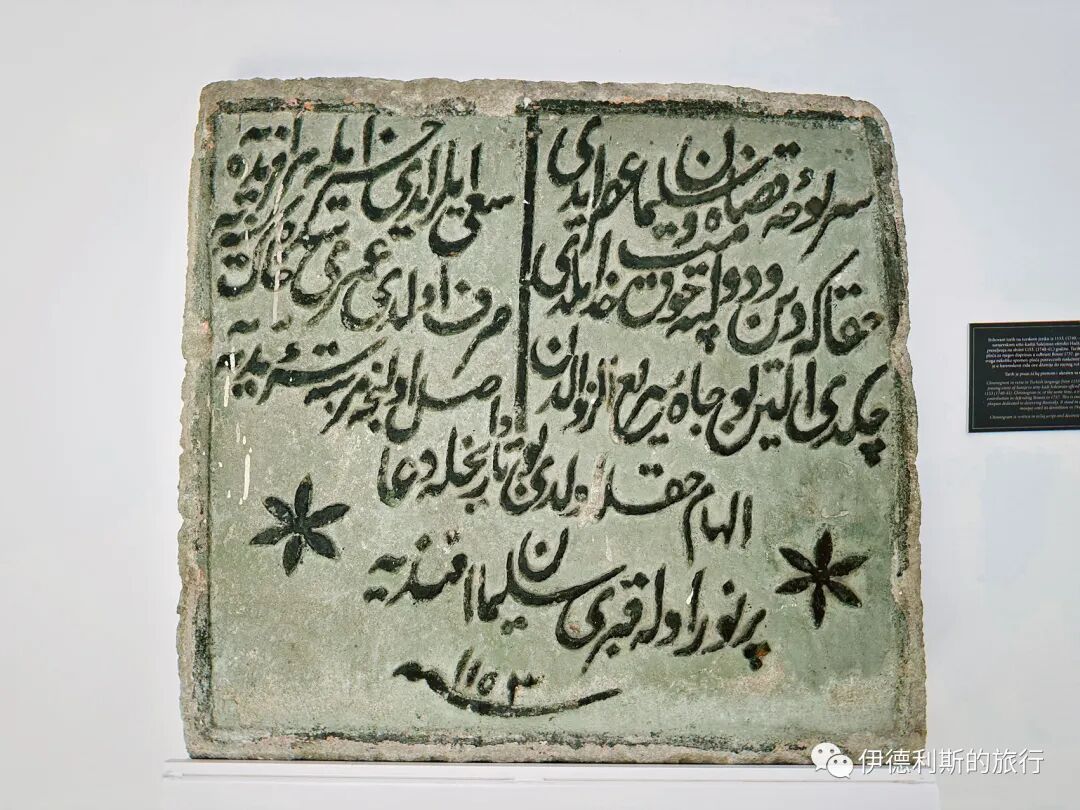
This stone monument, carved in 1740-1 to mark the passing of Sulejman-effendi Hadzimusic, records his contributions to the defense of Bosnia in 1737. It is an important historical record regarding the formation of the Bosniak nation. This stone was embedded in the wall of the mosque until the Kingdom of Yugoslavia demolished the mosque in 1940.
Bathhouse
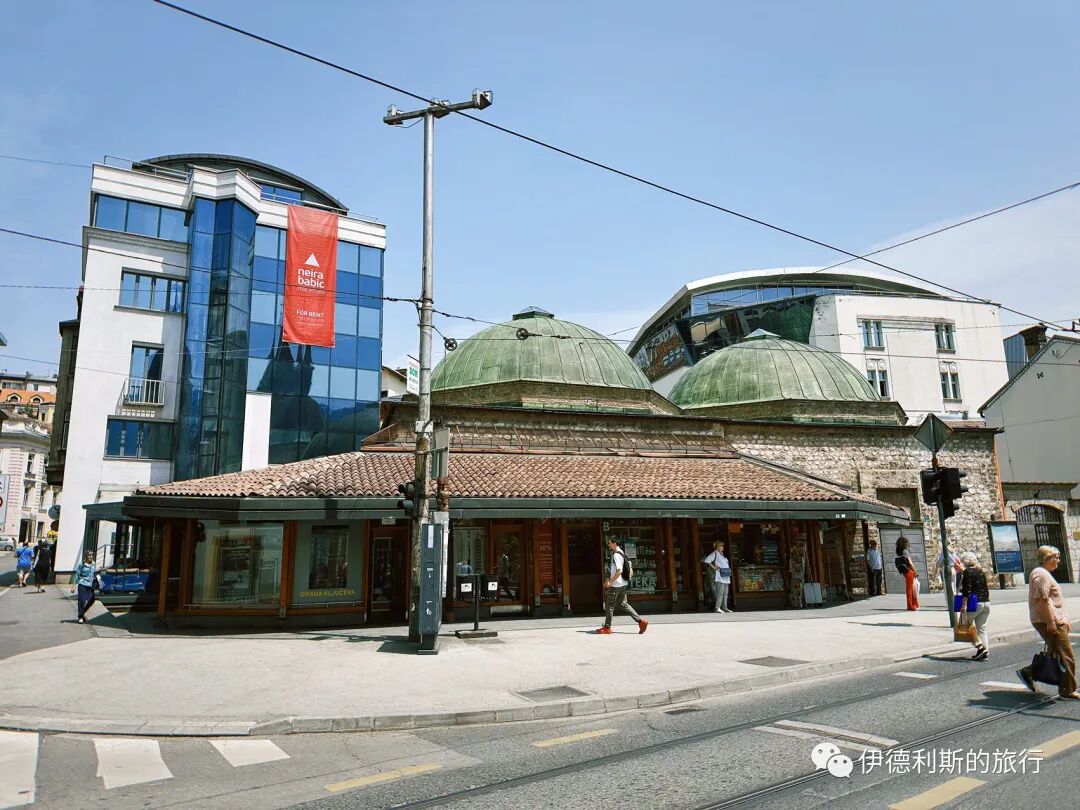
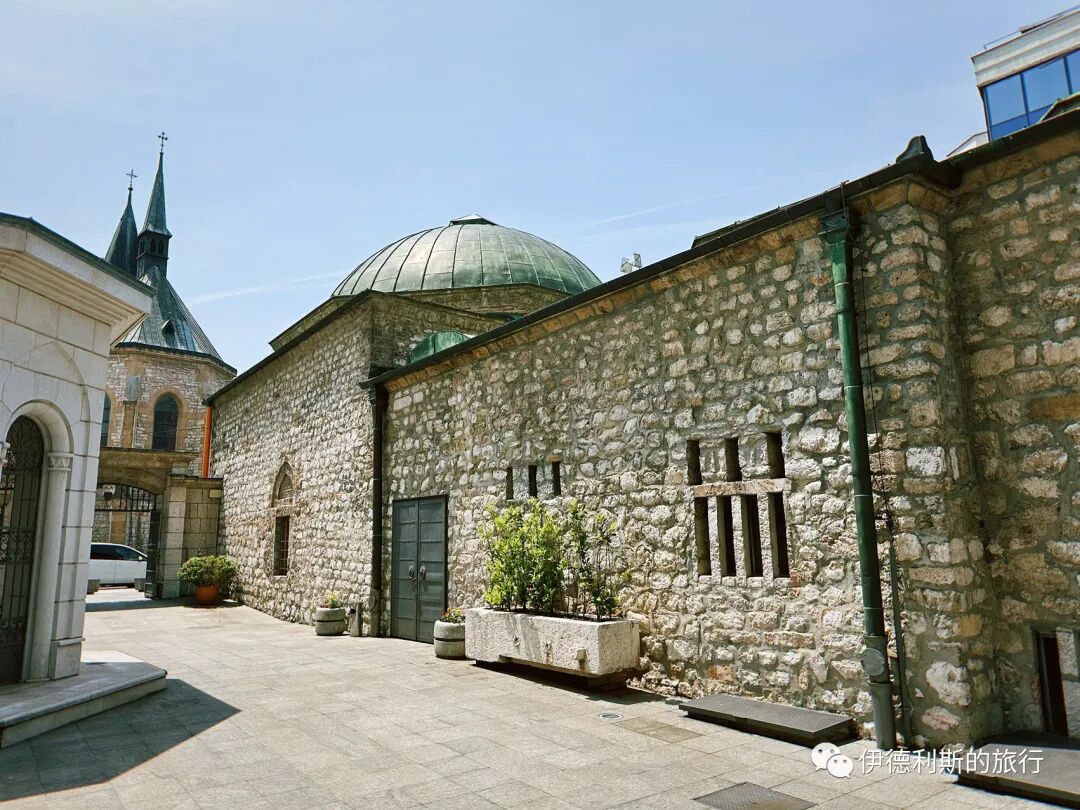
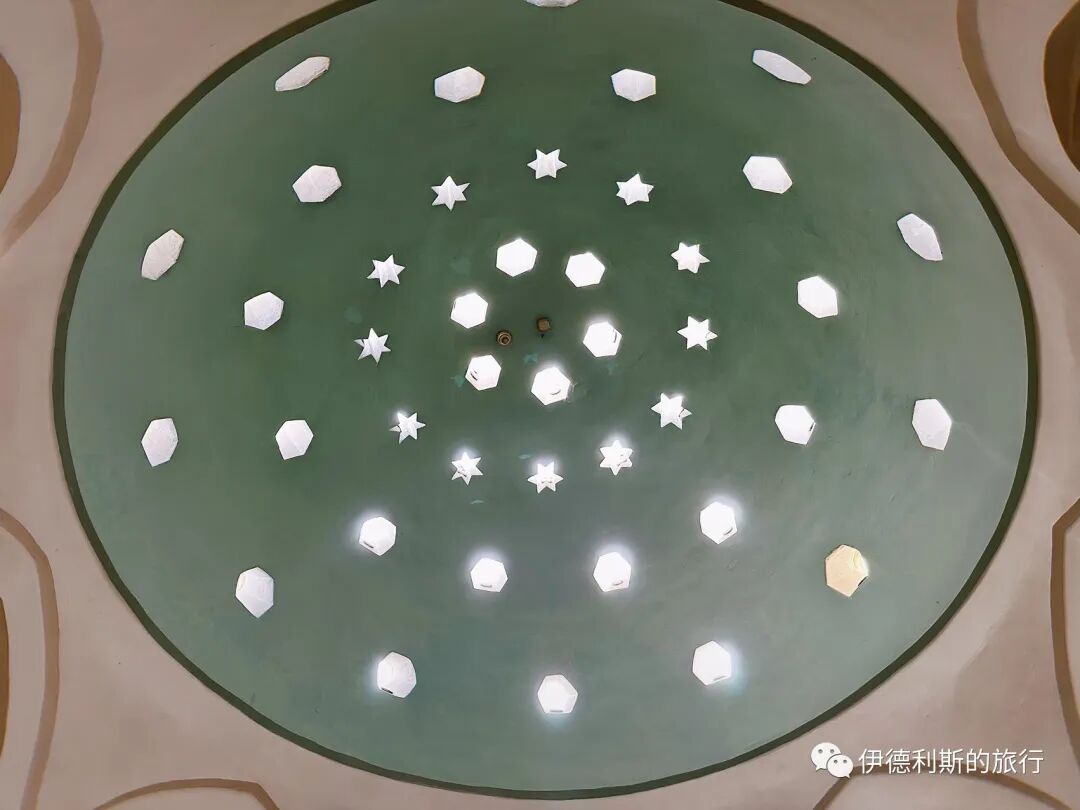
The bathhouse (hamam) of Gazi Husrev Bey was built in 1537 and is located 300 meters northwest of the mosque. The southern part of the bathhouse has two symmetrical domed buildings, which served as the main halls for the men's and women's bathing areas. You can enter individual small rooms, each with its own dome, through the corridor and cloakroom on the north side. The bathhouse suffered fires twice, once during the Habsburg invasion in 1697 and again during the Austro-Hungarian invasion in 1879. It was rebuilt after these events, and what you see today is mostly how it looked after the 1891 renovation.
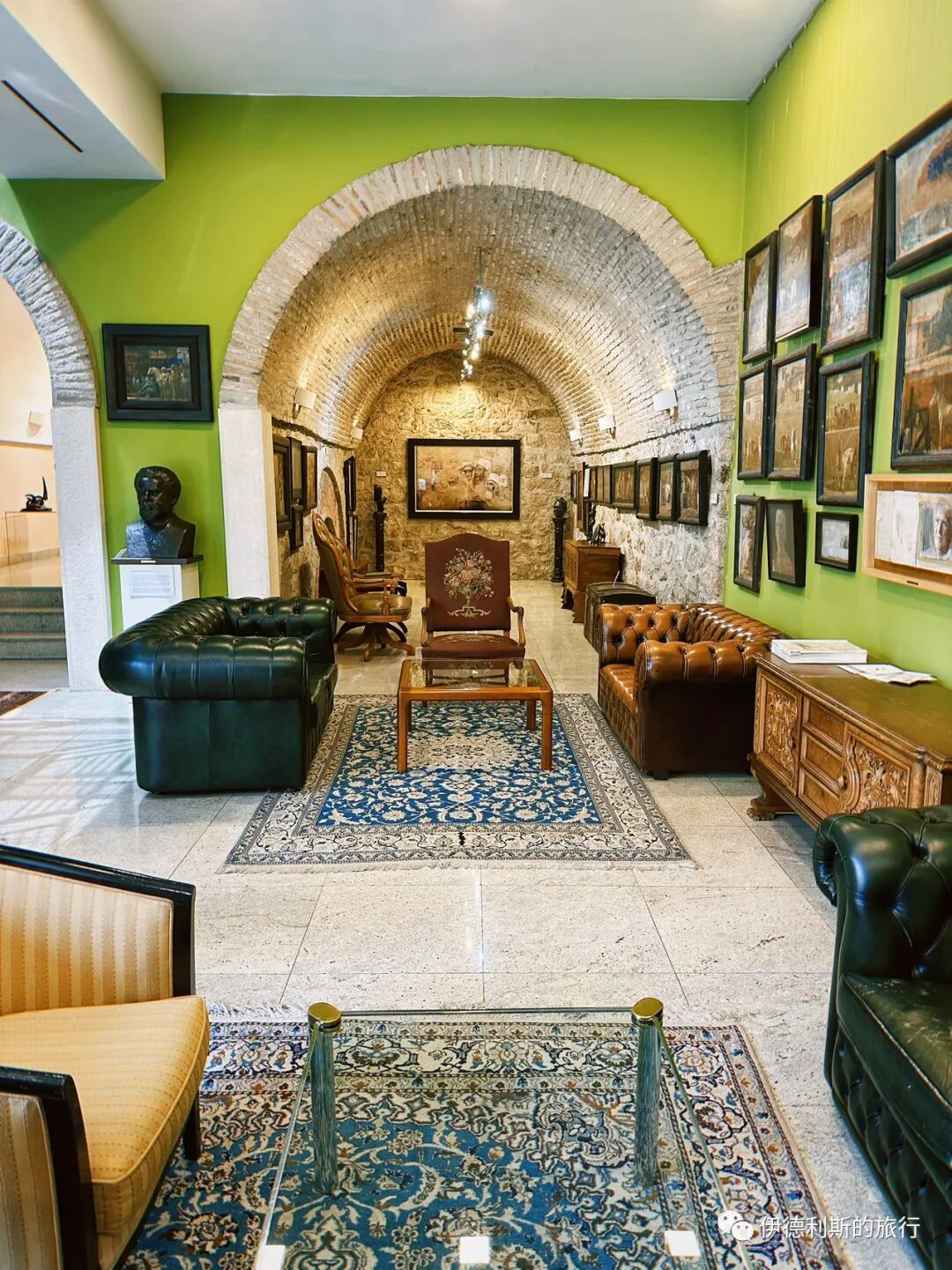
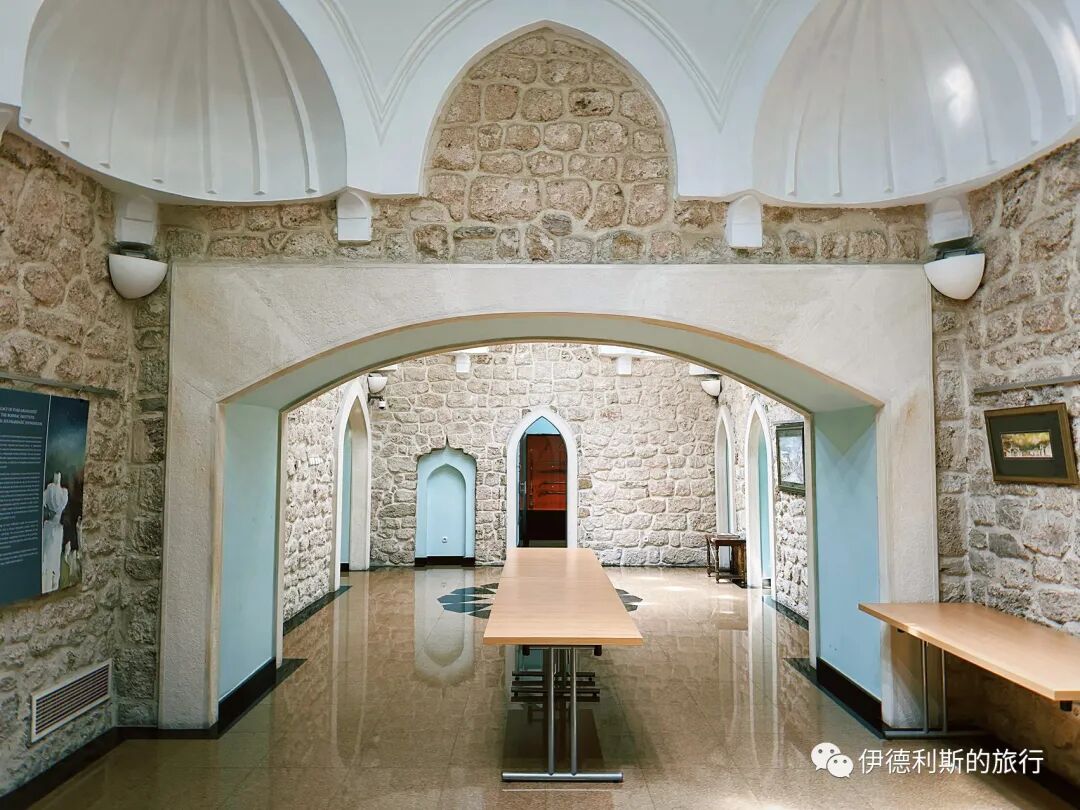
After being renovated in 2000, it became part of the Bosniak Institute. It frequently hosts cultural events like book launches, concerts, literary nights, and exhibitions.
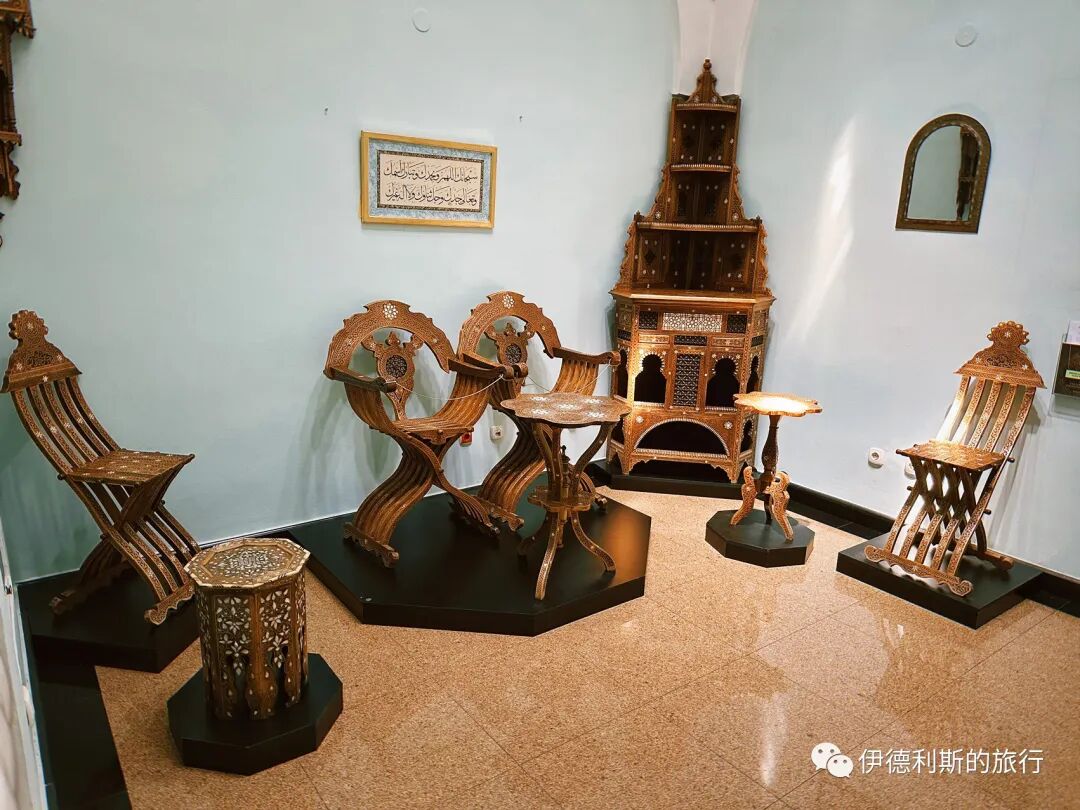
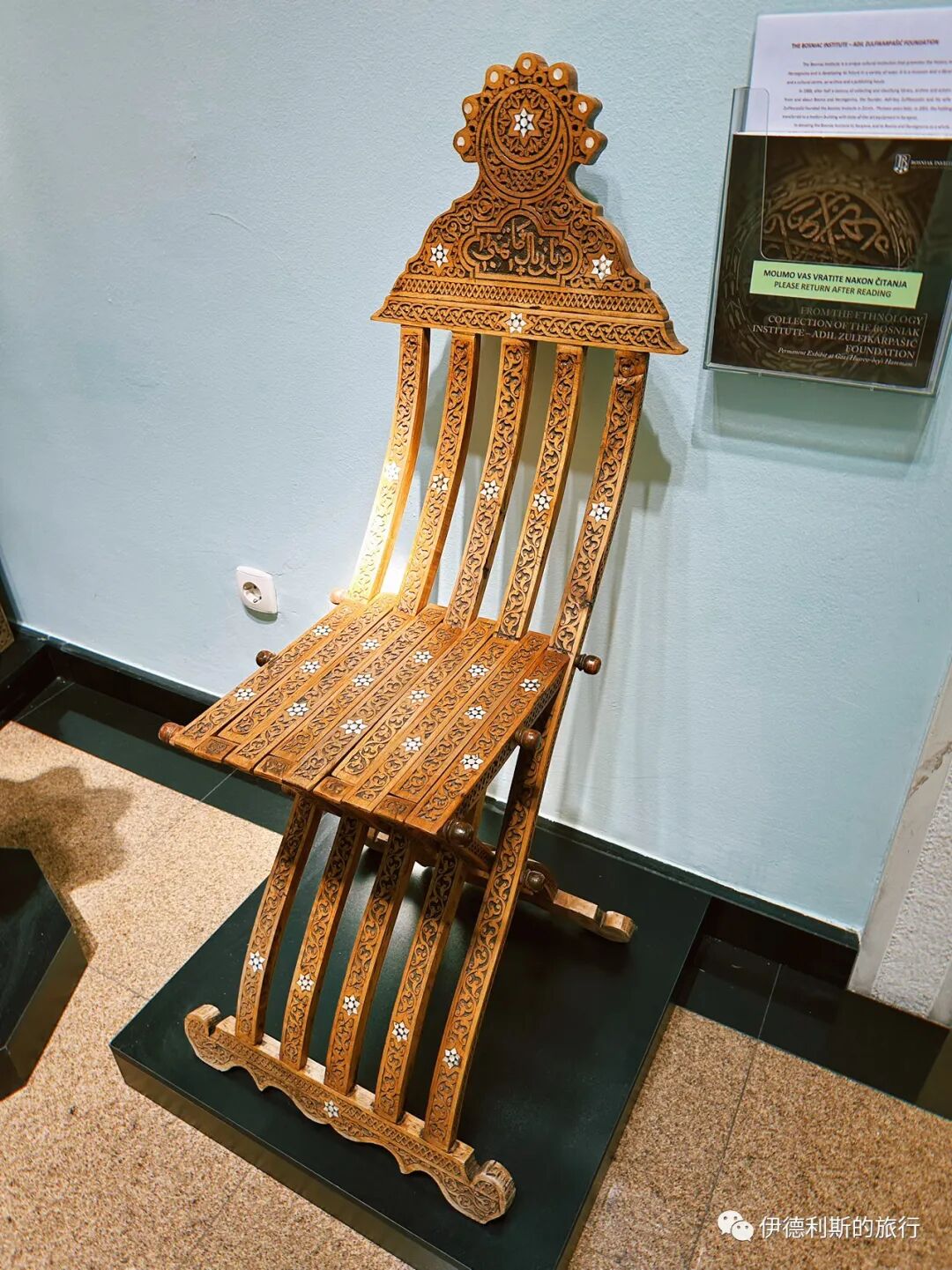
The collection of the Adil Zulfikarpasic Foundation at the Bosniak Institute features exquisite wooden furniture crafted by Bosnian artisans between the 19th and early 20th centuries.
The art exhibition at the Bosniak Institute focuses on scenes of Sarajevo and Bosnia painted by 20th-century Bosnian artists.
A painting of a Bosnian street by Đoko Mazalić from 1920. He graduated from the Royal Hungarian Academy of Fine Arts in 1914 and helped establish the National Gallery of Bosnia and Herzegovina. He was skilled at depicting Bosnian life and achieved great success in the Sarajevo cultural scene during the 1930s and 1940s.
A painting of Bosnian life by Rizah Štetić from 1952. He graduated from the Royal Academy of Arts and Crafts in Zagreb, Croatia, in 1932. He became the principal of the Sarajevo State School of Crafts in 1946 and later served as a painting professor at the National Academy of Fine Arts.
A painting of the Sarajevo Grand Bazaar by Kulenović Hakija. He graduated from the Belgrade Academy of Arts in 1928 and held an art exhibition in Sarajevo in 1932.
The Sarajevo bazaar painted by Rizah Štetić in 1956.
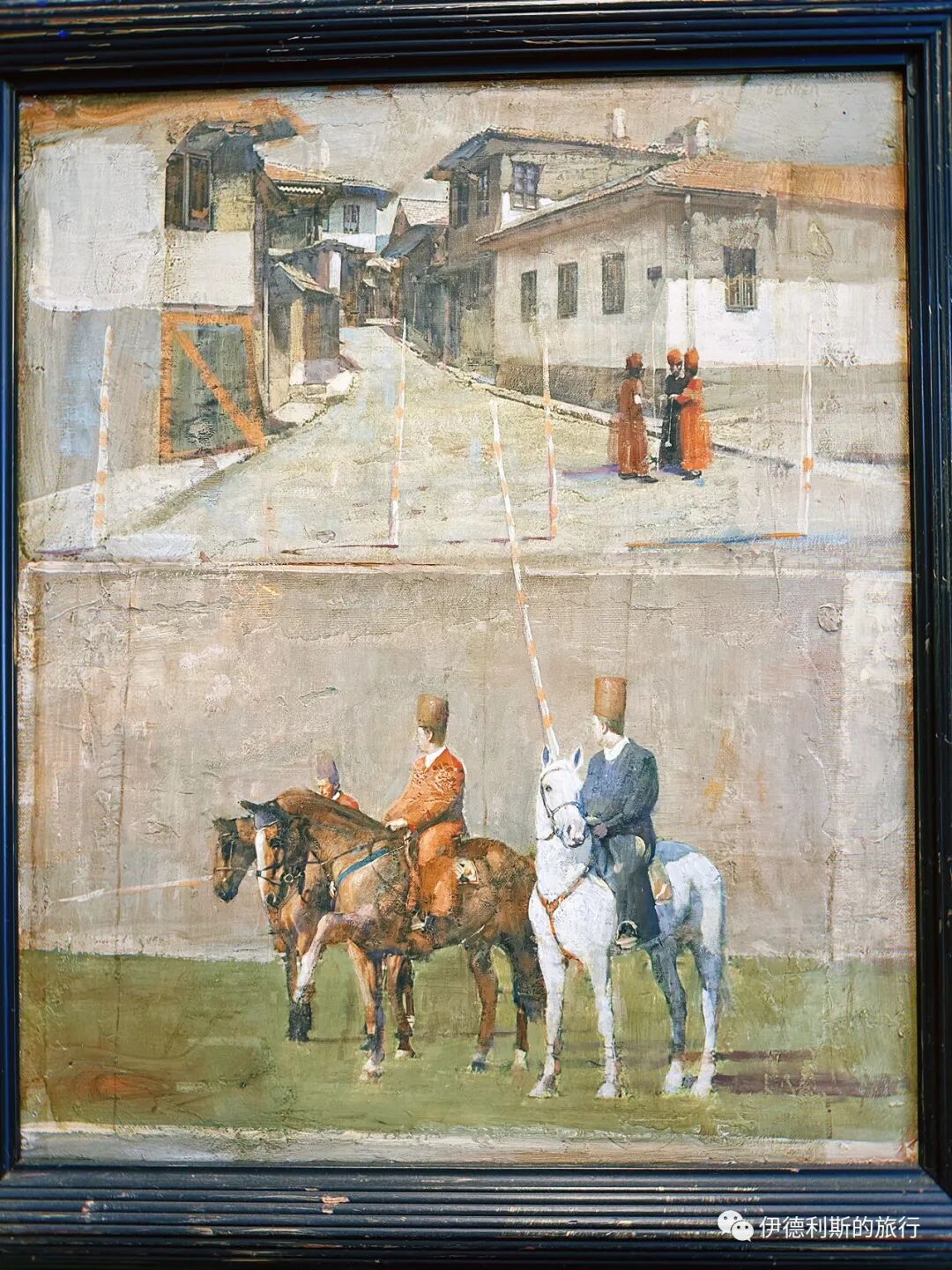
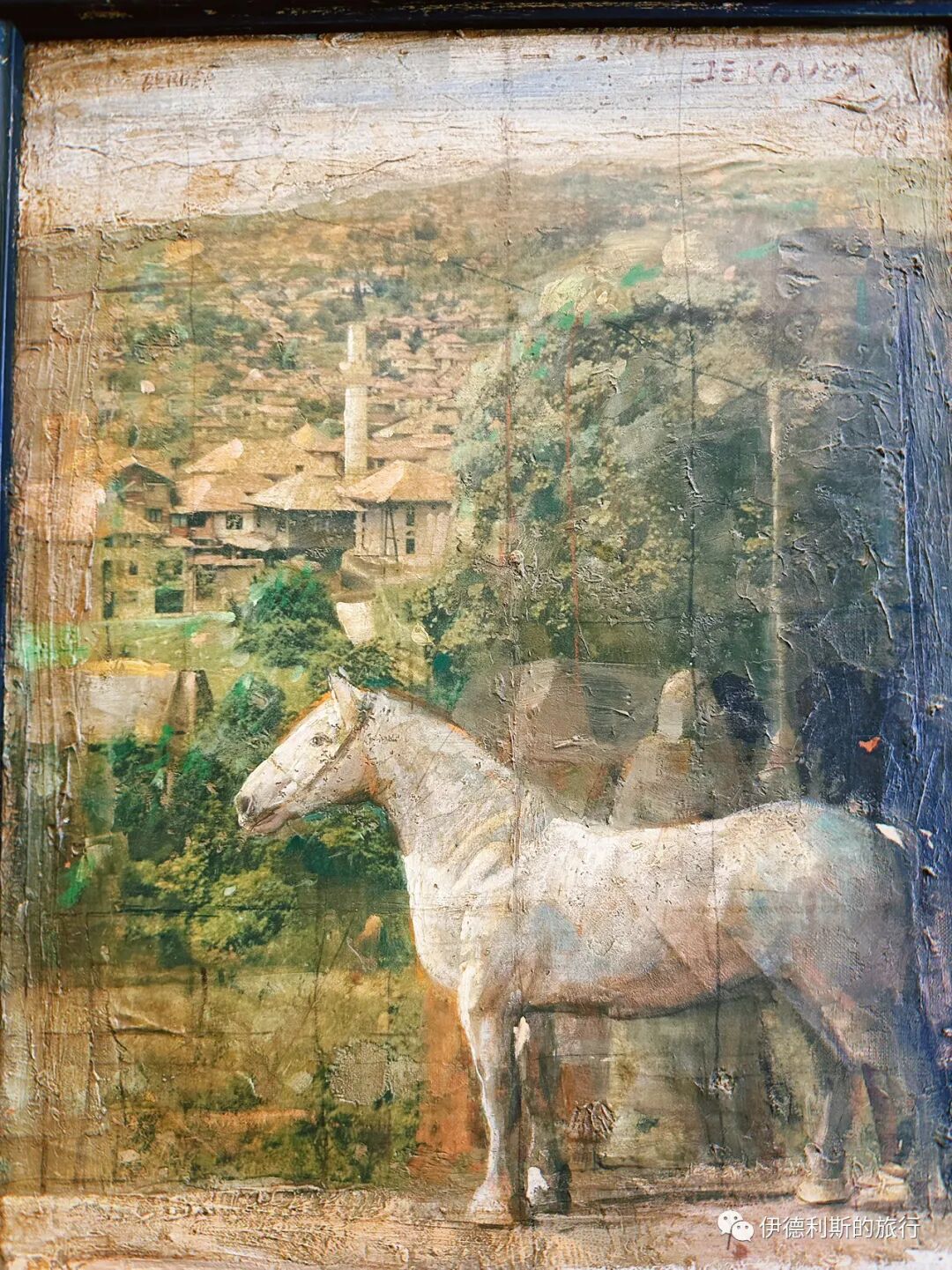
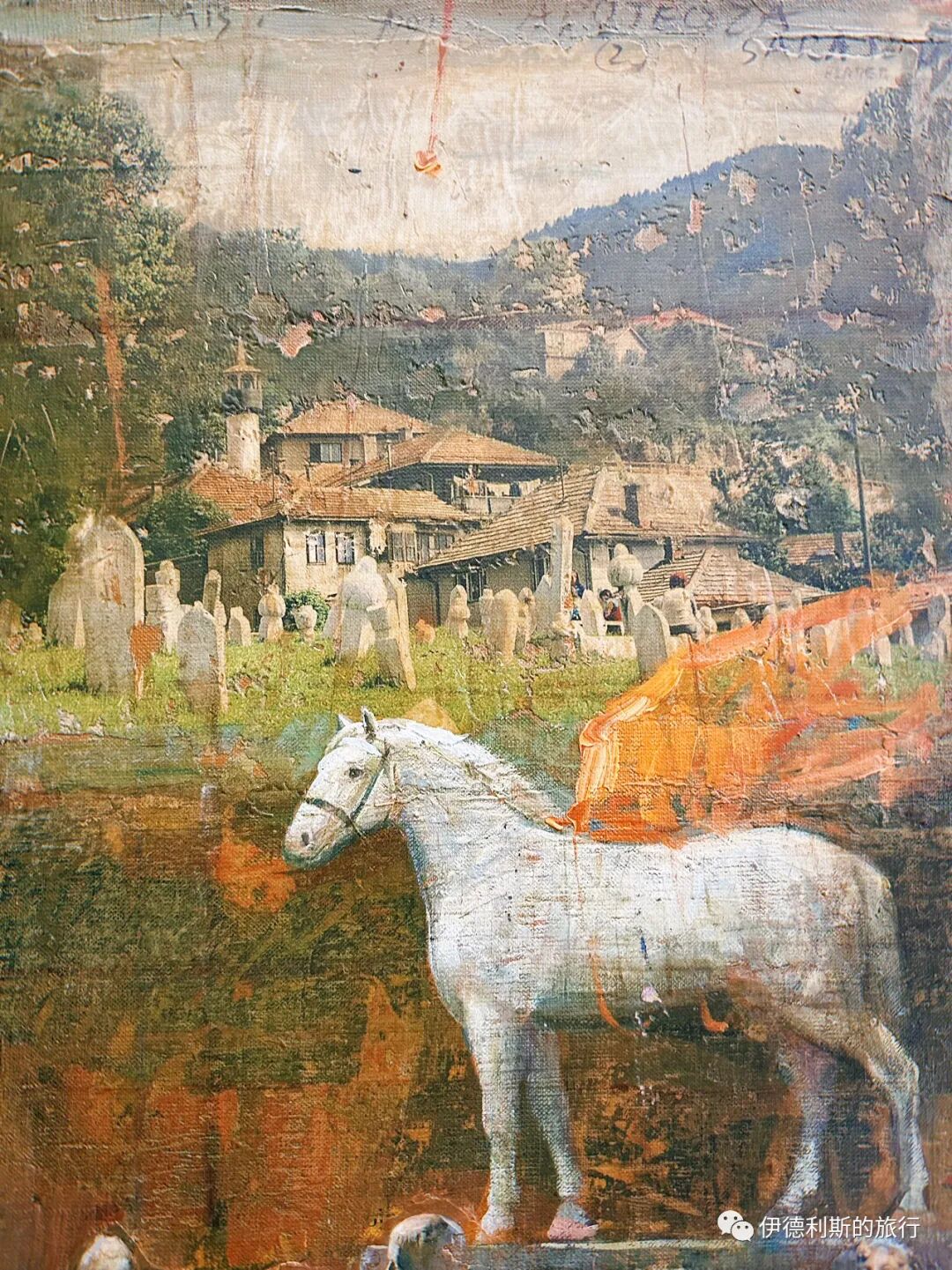
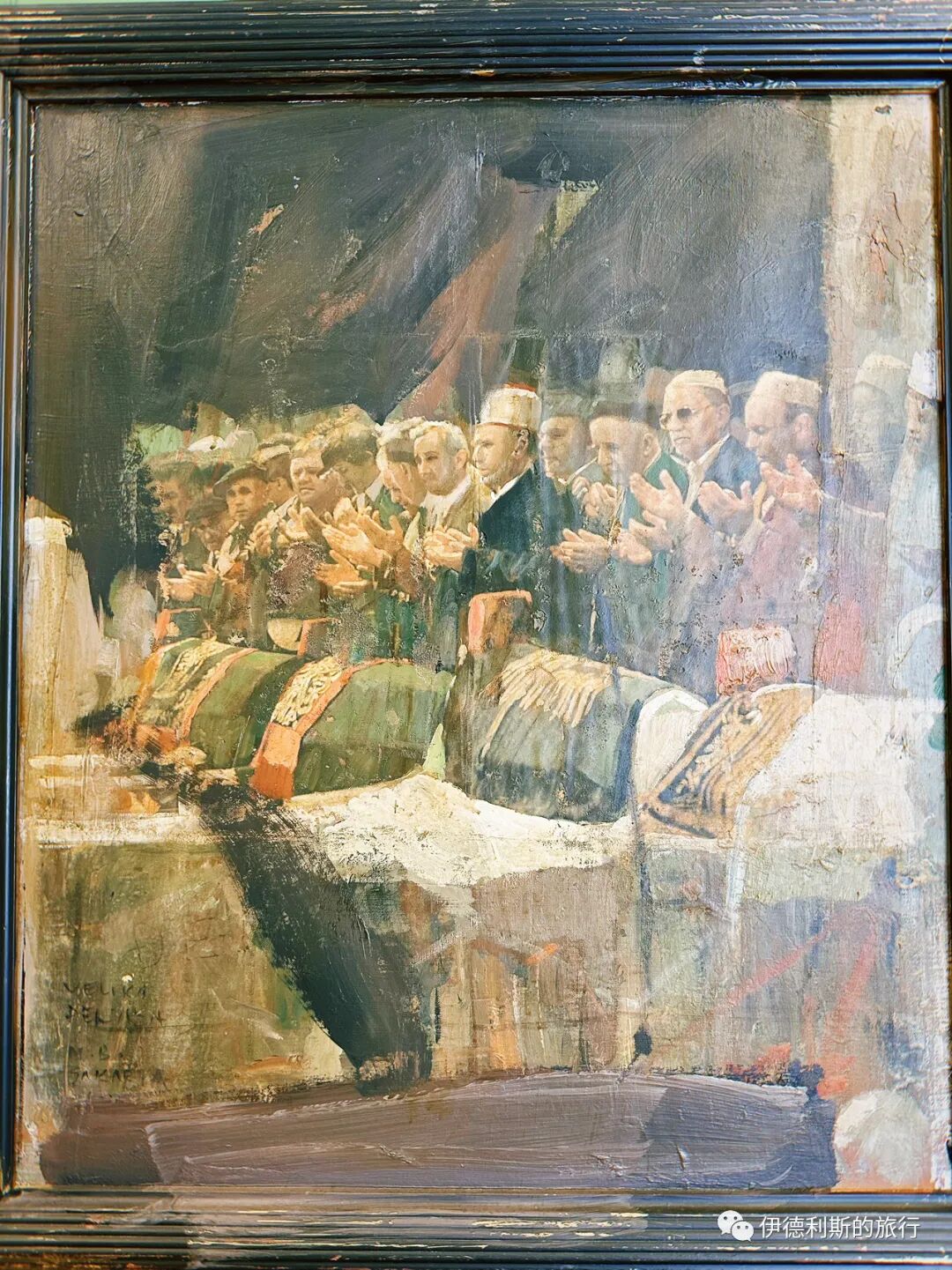
A work by the famous Bosnian artist Mersad Berber, who drew inspiration from the mysterious world of Bosnia, the layers of the Ottoman Empire, and the tragic fate of its people.
Morića Han caravanserai
Located on the northeast side of the Gazi Husrev Bey mosque is the Morića Han caravanserai, first built in 1551. It was rebuilt into its current form after a fire in 1697 and is the only remaining Ottoman caravanserai in Sarajevo. Morića Han could hold 300 guests and 70 horses. In 1878, Sarajevo citizens gathered here to form a people's committee to protest the Austro-Hungarian occupation of Bosnia and Herzegovina. Today, it is still managed by the Ghazi Husrev-beg Foundation and houses a restaurant and a Persian carpet shop.
Bezistan covered market
On the west side of the Gazi Husrev Bey mosque is the Bezistan covered market, built in 1555. It is one of the best-preserved Ottoman covered markets in Bosnia and Herzegovina. The floor of the Bezistan market is slightly lower than the surrounding streets, which keeps the interior cooler during the summer. It was originally a general goods market and still serves as a space for shops today.
Tašli Han caravanserai ruins
To the west of the Bezistan covered market are the ruins of the Tašli Han caravanserai, built between 1540 and 1543. The courtyard of the inn had a fountain and a small prayer room, and many merchants opened shops there. A fire in 1879 caused severe damage, and it completely collapsed by 1912. The site was rebuilt as a hotel in 1998, and archaeological excavations rediscovered the foundation and parts of the walls of the original inn.
Clock tower
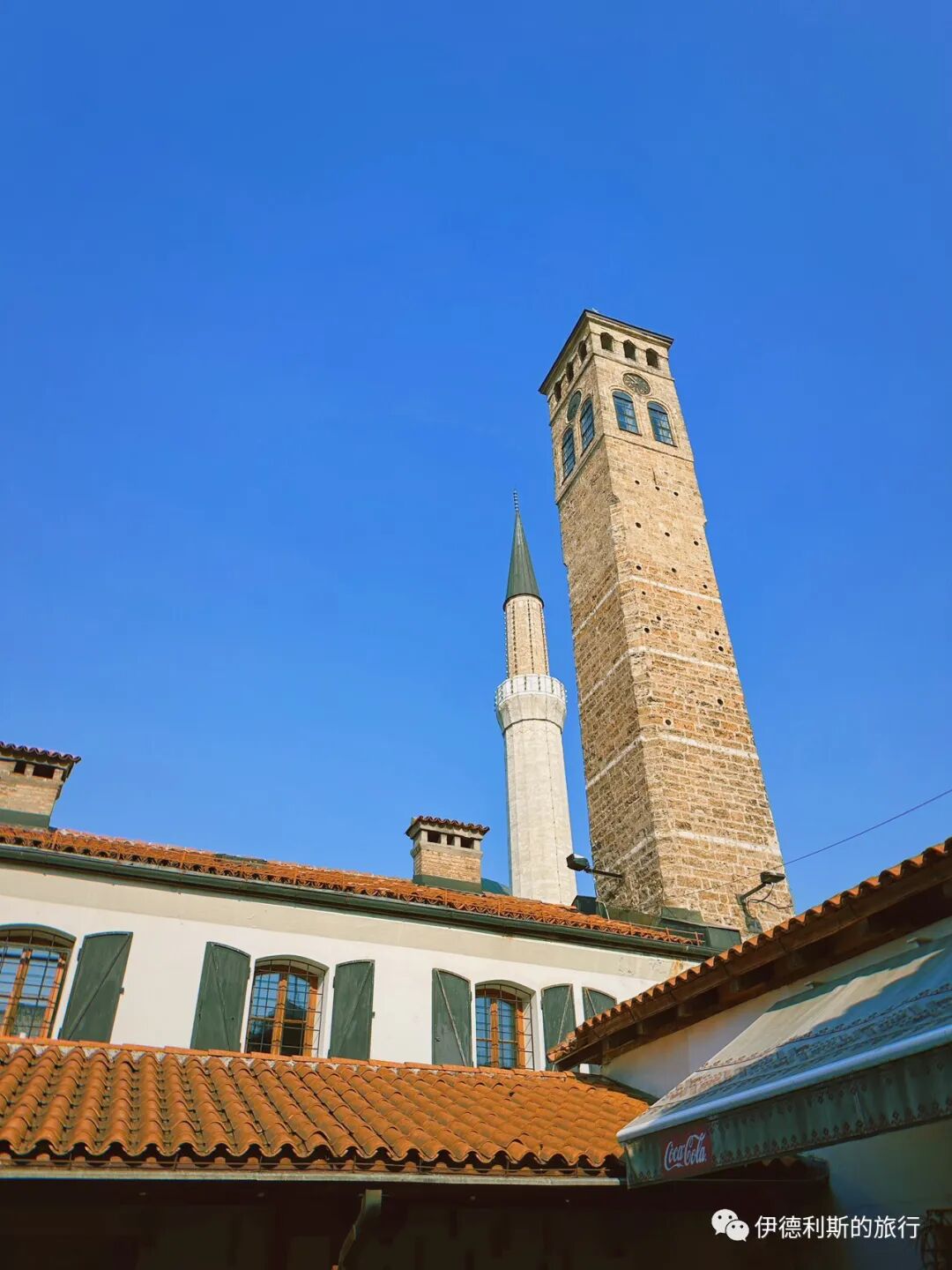
West of the Gazi Husrev Bey Mosque stands a clock tower built in the 16th century, though the current structure was rebuilt in the 18th century. This 30-meter-tall clock tower is the highest of the 21 clock towers built by the Ottoman Empire in Bosnia and Herzegovina. It follows the lunar calendar, setting 12 o'clock at sunset each day. A mosque official called a Muvekit, who tracks the lunar calendar and the five daily namaz prayers, is responsible for adjusting the clock. The current clock mechanism was made in 1875 by the London-based company Gillett & Johnston. The top of the tower was modified during installation to make sure the clock face was clearly visible.
Public Kitchen
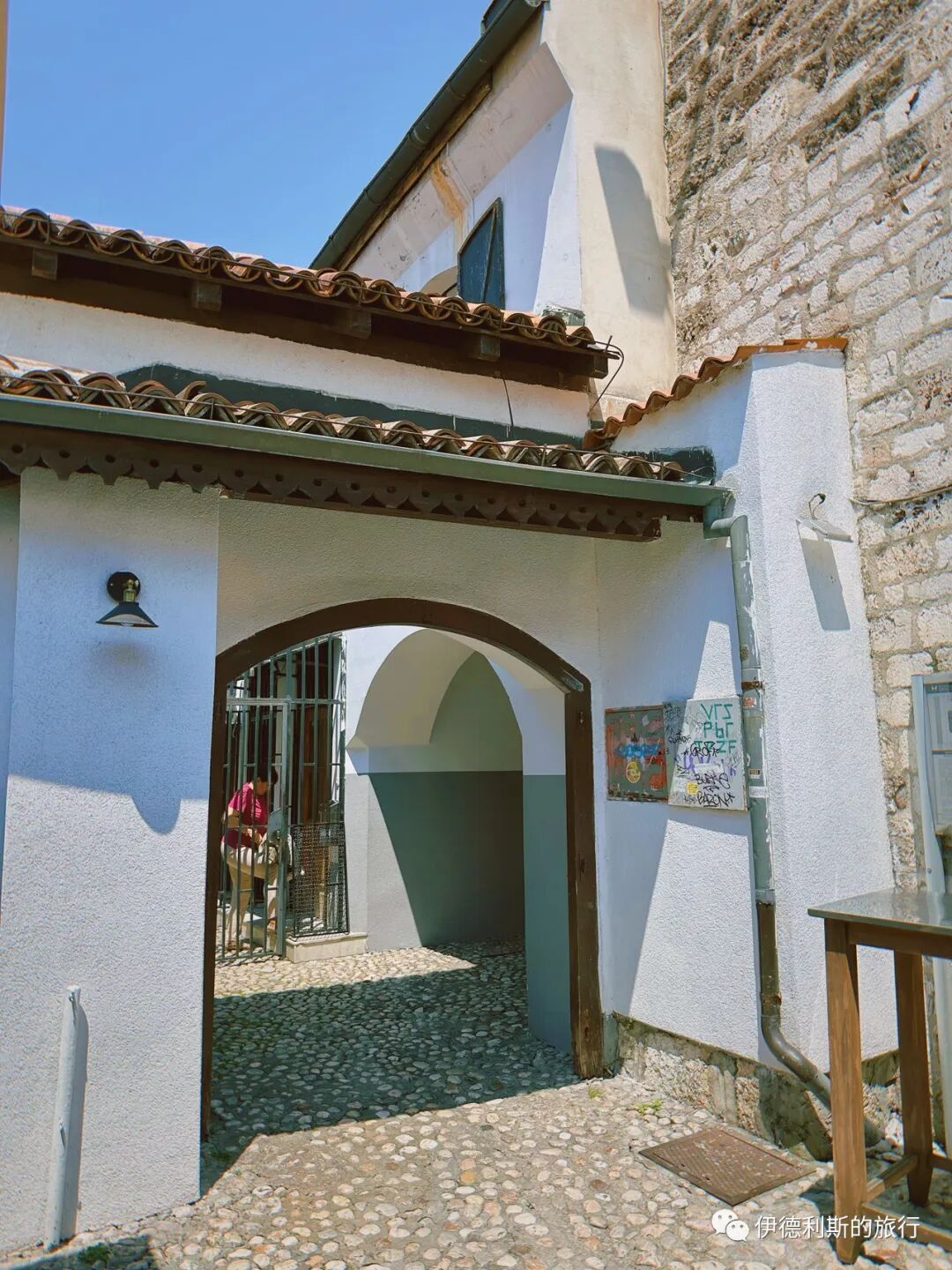
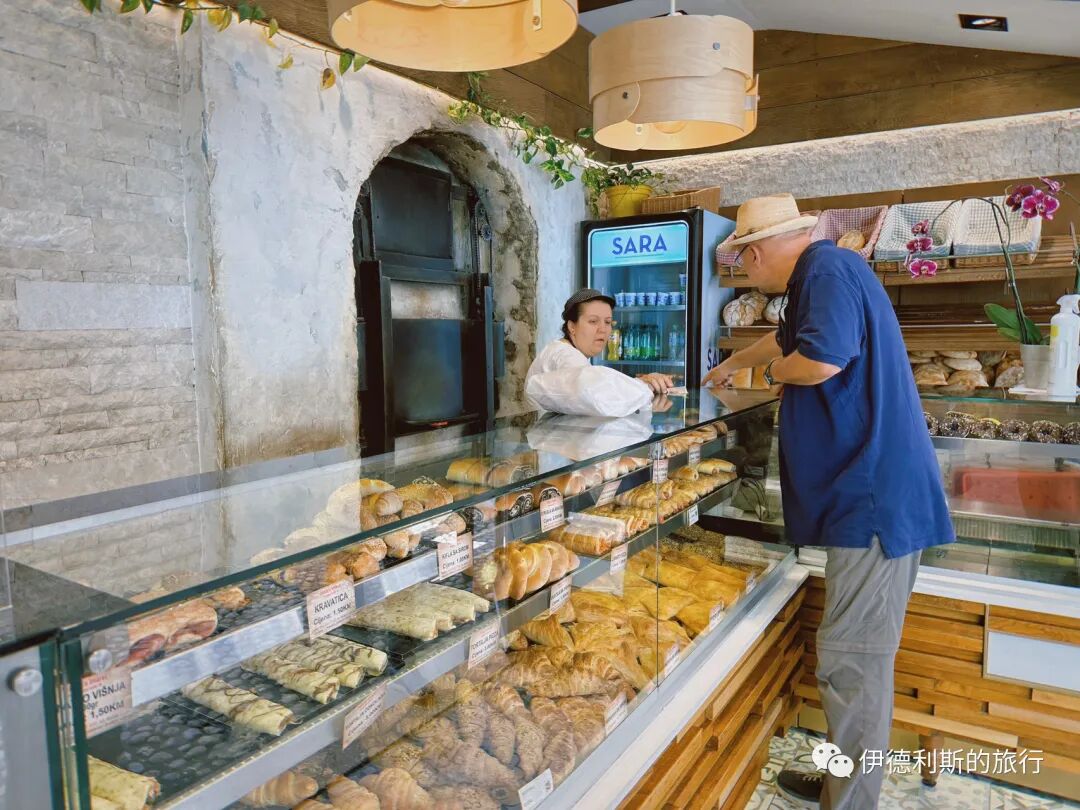
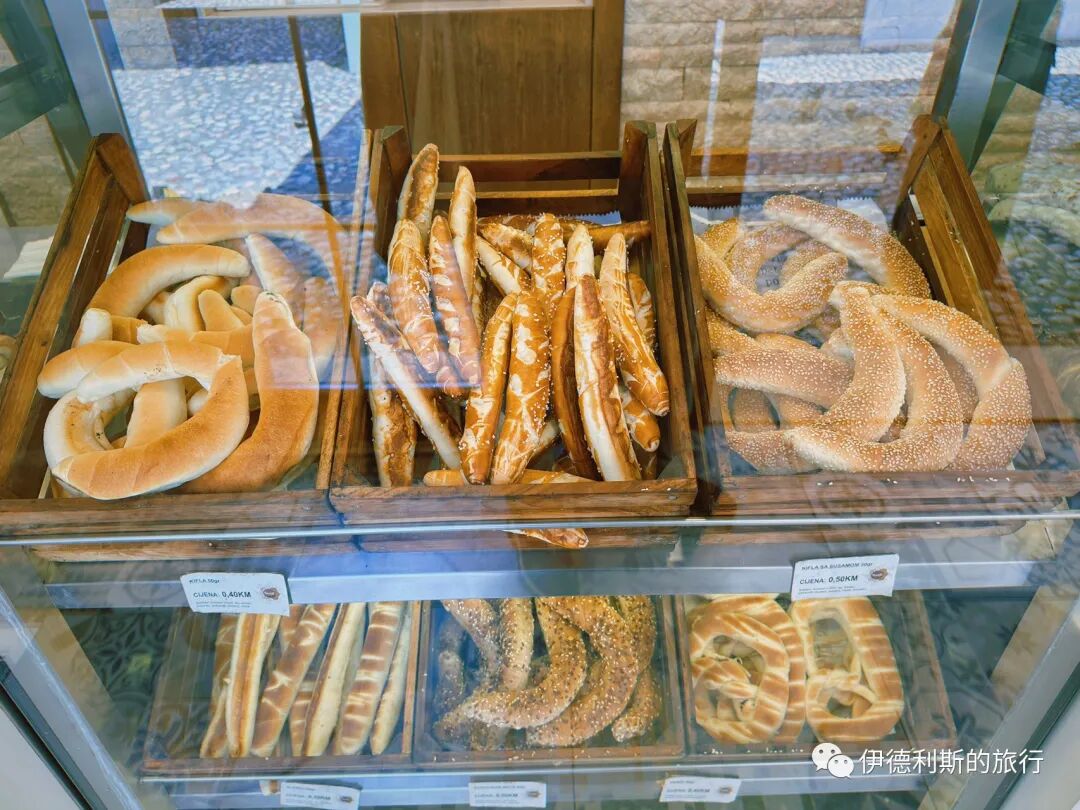
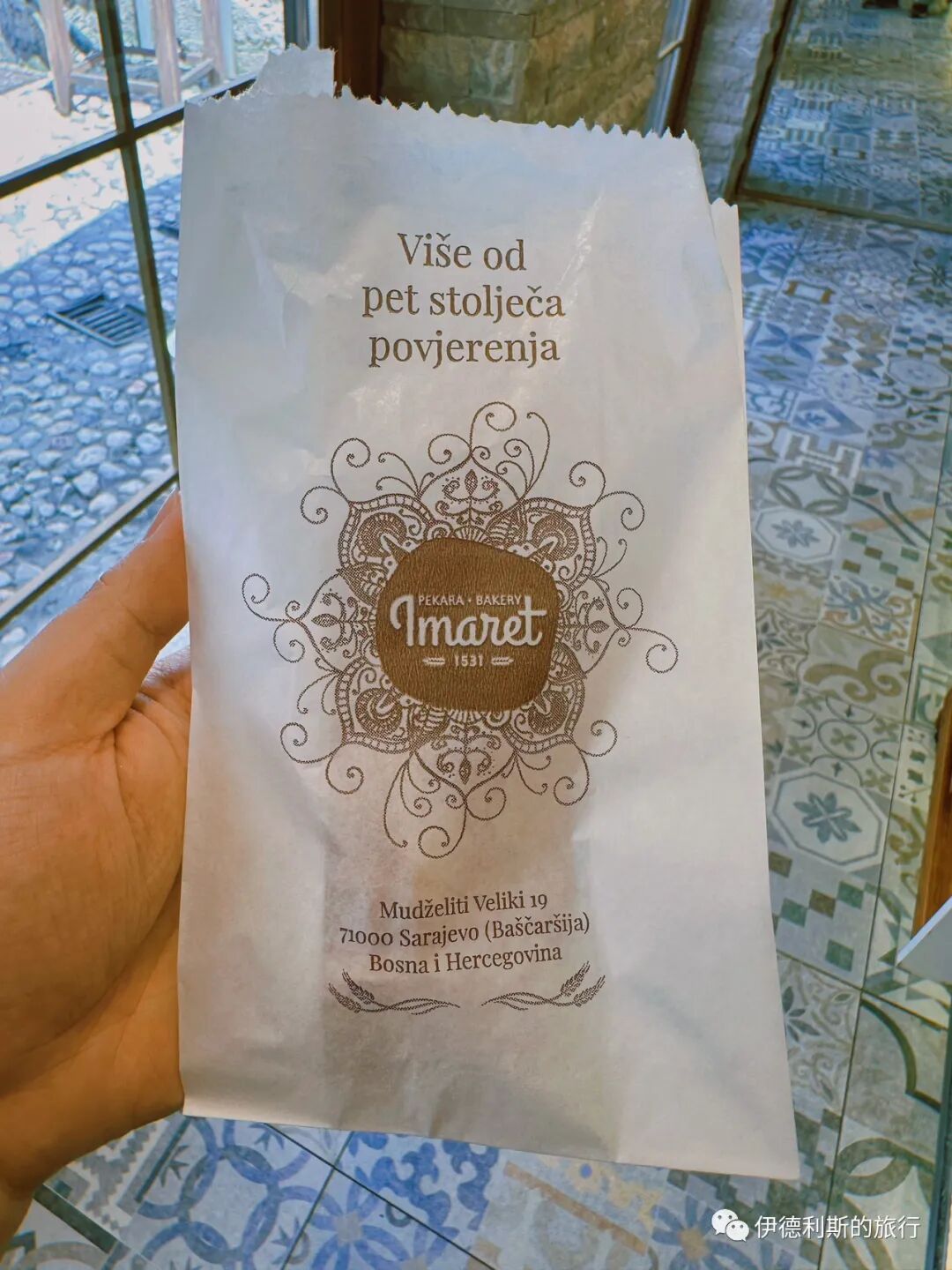
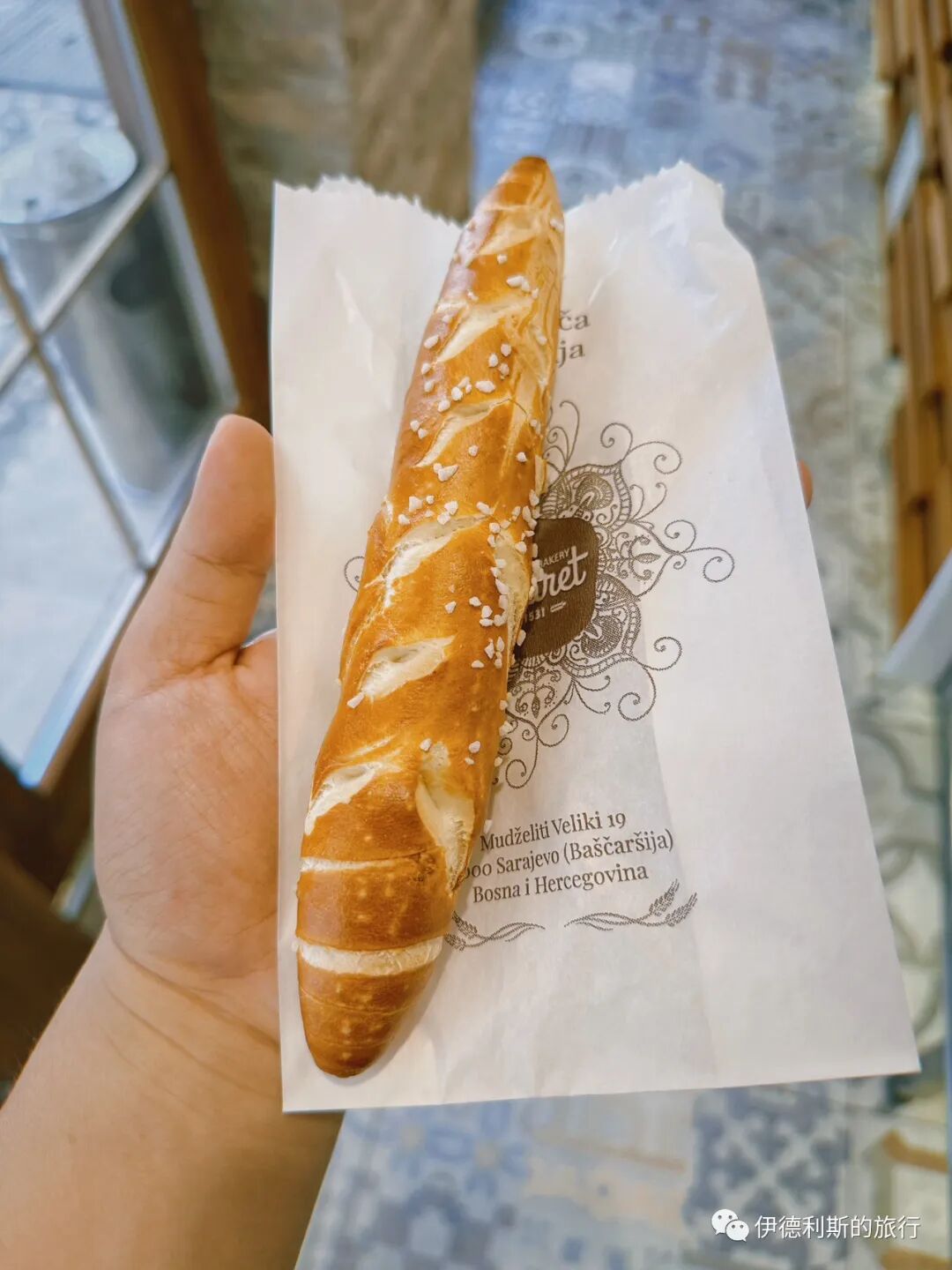
Beneath the clock tower is a public kitchen (imaret) established in 1531. It was originally run by a foundation (waqf) to distribute free food to the poor. Today, it is a very famous bakery, and the fresh bread baked on-site is very popular with the locals. Their signature item is the Kifla bread, which costs 2 yuan each. It comes in various flavors and has a rich wheat aroma. Kifla is a small bread popular in Central Europe and the Balkans with a history spanning hundreds of years. The French croissant actually evolved from the Kifla.
Muslihudin Čekrekčija Mosque
The Muslihudin Čekrekčija Mosque is located in the commercial center of Sarajevo's old town and was built by Hajji Mustafa in 1526. The mosque keeps its original 1526 endowment deed (vakufnama), which is the oldest contract document in the city of Sarajevo.
The mosque survived many major fires in Sarajevo and also survived the 1697 looting of the city by the Holy League after they defeated the Ottoman Empire. Traditional arabesque patterns are still preserved inside today. view all
Gazi Husrev Bey complex
Gazi Husrev Bey was the Ottoman governor (Sanjak-bey) of Bosnia from 1521 to 1541. During his rule, the Ottoman Empire continued to expand into Croatia and Hungary. He also funded many important buildings in Sarajevo and dedicated his wealth to supporting religious and educational institutions for the long term. The foundation (Wakof) established by Gazi Husrev Bey manages the mosque, public kitchen, hostel, Sufi lodge, madrasa, library, clock tower, mausoleum, inn, hospital, fountain, primary school, and many shops in the center of the Old Bazaar in Sarajevo, making it the most important building complex in the old city.
Mosque
When the adhan sounded, we rushed to the Gazi Husrev Bey Mosque, the most important Friday mosque in Bosnia and Herzegovina. It is the core landmark of the Old Bazaar in Sarajevo and has been the city's central mosque since it was built in 1530. Important scenes from the movie 'Walter Defends Sarajevo,' well-known to Chinese audiences, were filmed here. It was also the first mosque in the world to have electricity and electric lights in 1898.
The Gazi Husrev Bey Mosque was designed and built by the Ottoman court architect Adzem Esir Ali, who came from Tabriz, Persia. He built many structures in Istanbul during the early 16th century and was one of the founders of the early Istanbul architectural school. The main hall is 13 meters long and 13 meters wide, with a central dome 26 meters high, achieving a perfect one-to-two ratio. The front porch consists of five small domes supported by four marble columns.
The interior paintings of the mosque were damaged by fire and later repainted in 1886 by the Austro-Hungarian Empire in a Moorish Revival style. During the Siege of Sarajevo from 1992 to 1995, the Gazi Husrev Bey Mosque was hit by over 100 mortar shells, causing major damage, and was repaired after the ceasefire in 1996. During the restoration, the late 19th-century Austro-Hungarian paintings were removed, and new interior decorations were painted by Bosnian calligrapher Hazim Numanagić between 2001 and 2002.
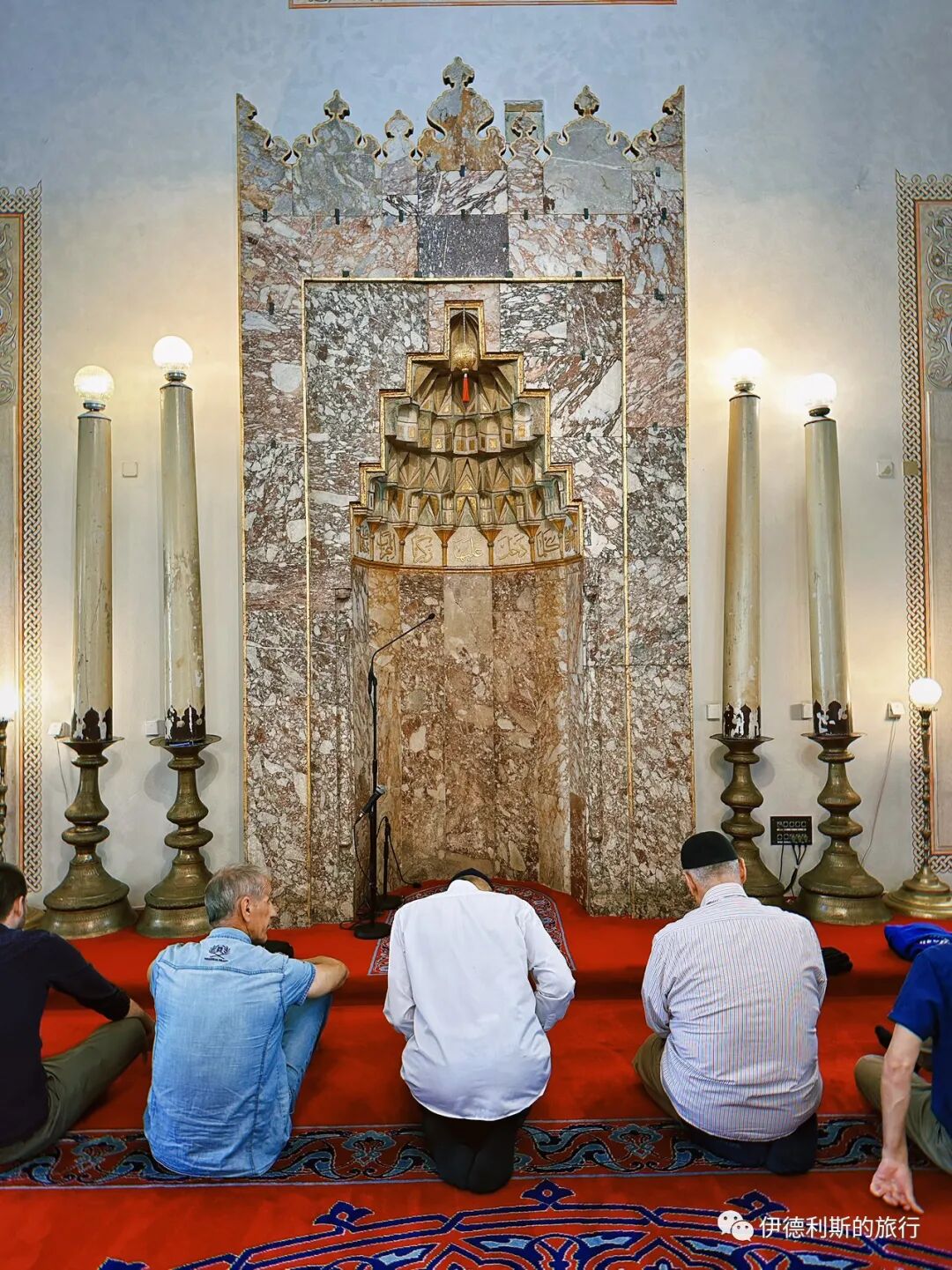
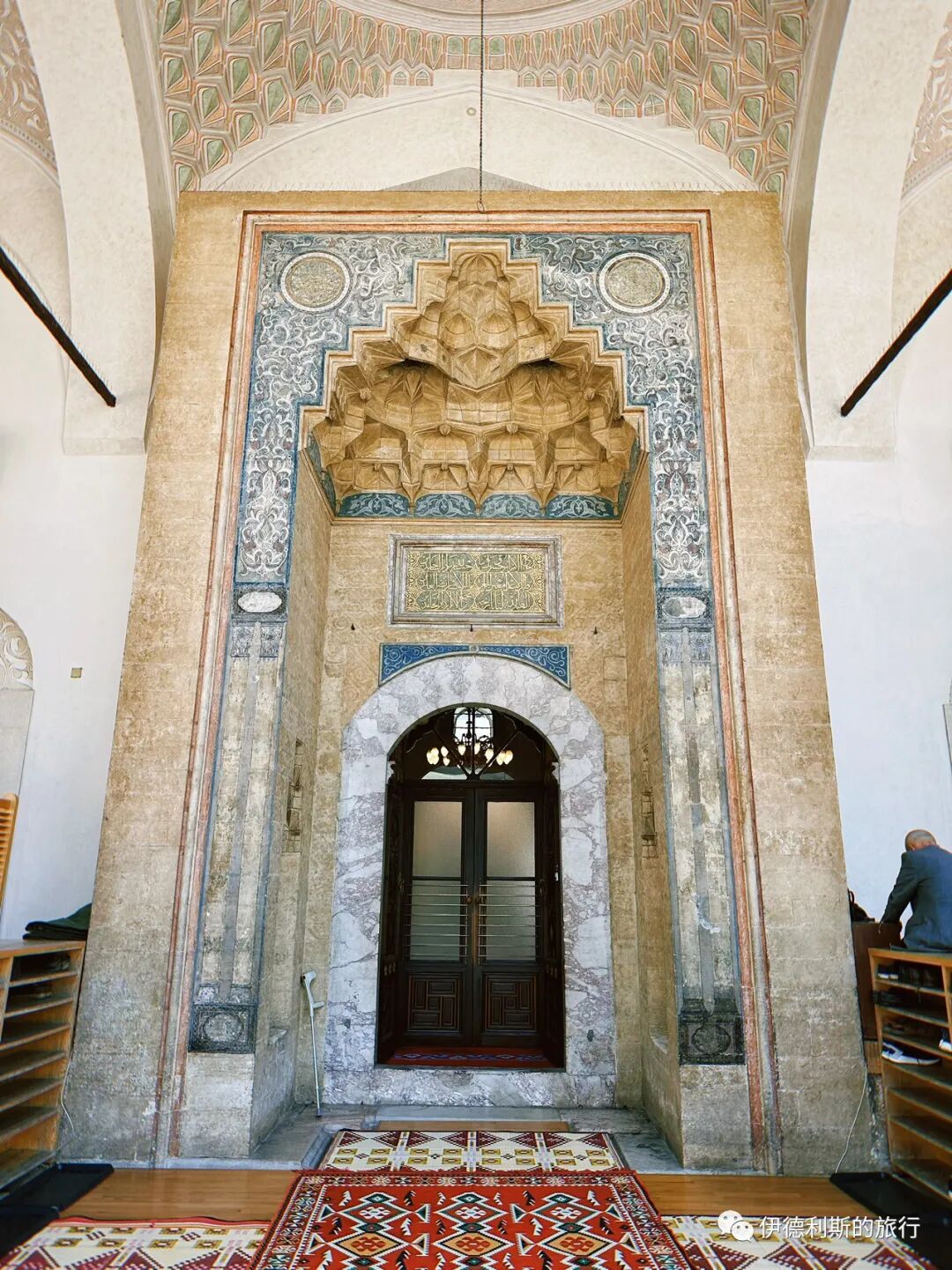
The mosque's main gate is beautifully decorated with intricate marble and gilded carvings. The Arabic calligraphy on the door adds up to the number 938, which is the year the mosque was built according to the Islamic calendar (1530/31 AD).
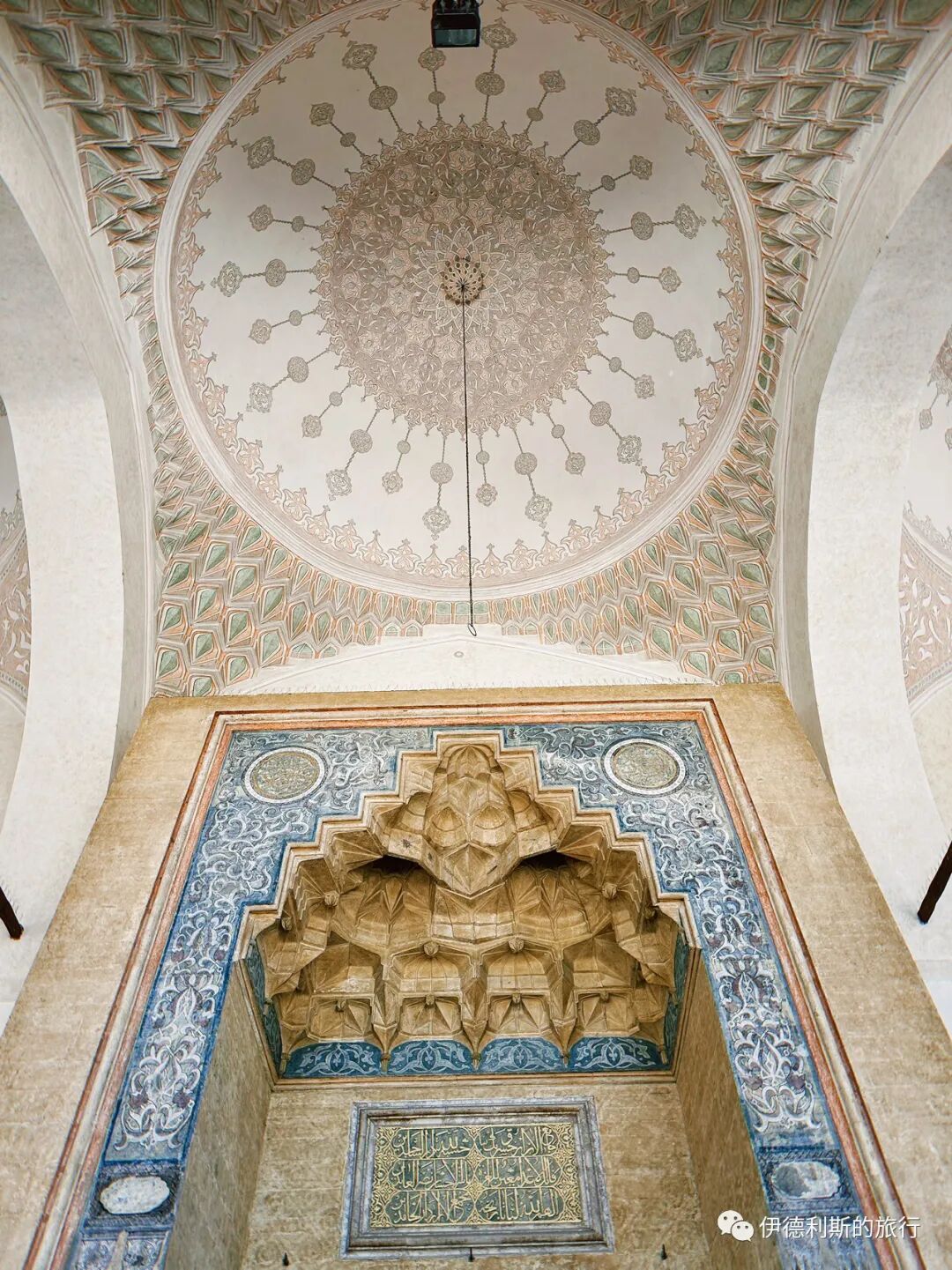
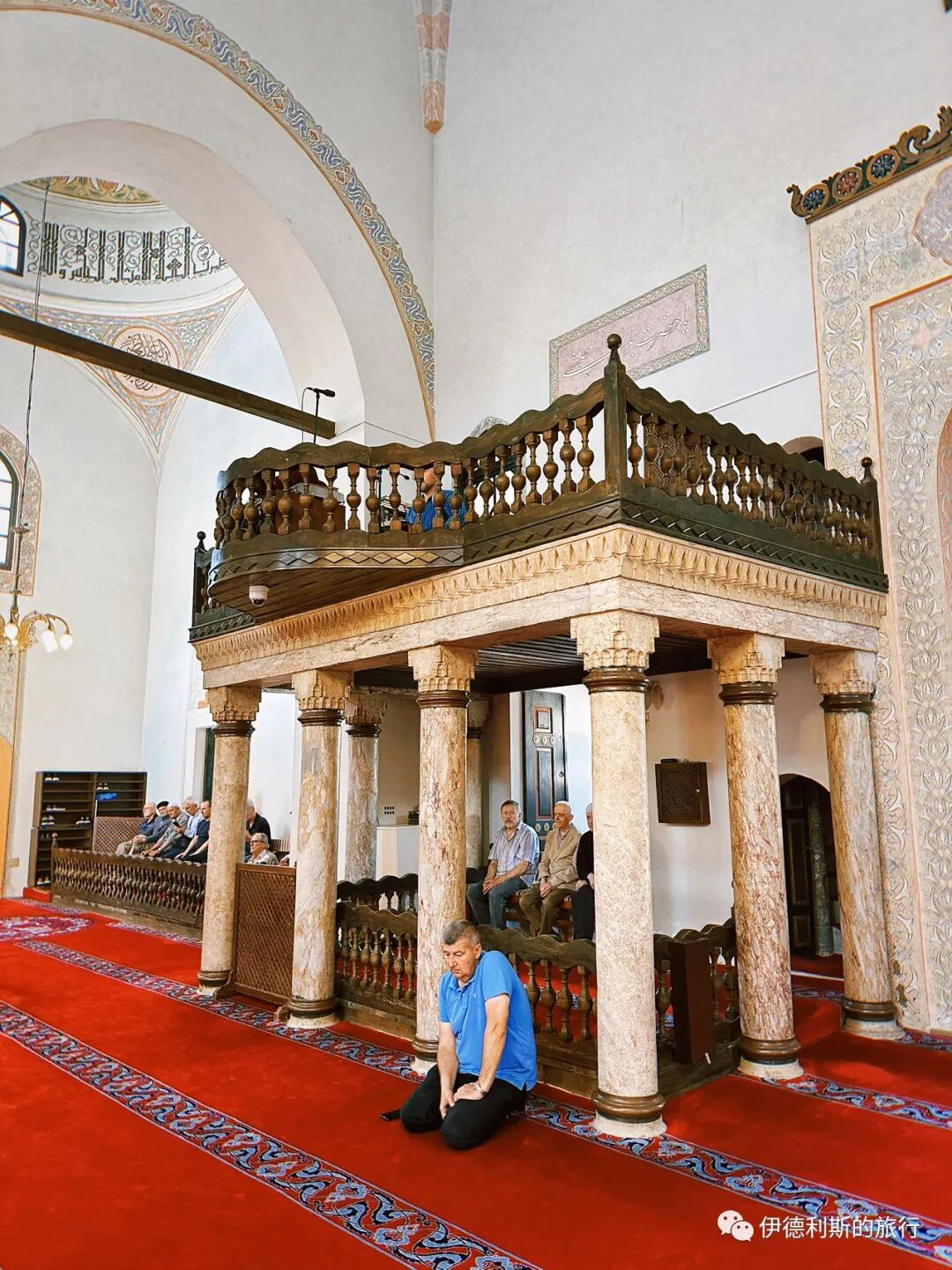
The muezzin calls the adhan and responds to the imam from a platform called Müezzin Mahfili in Turkish or Dikka in Arabic, where people also recite the Quran during nights in Ramadan. Usually, only large mosques have a Dikka platform built across from the minbar pulpit. Before sound systems existed, not everyone could hear the imam leading the namaz, so the muezzin needed to stand on the platform to make sure everyone could hear.
The area inside the railing below the Dikka platform was once a place for high-ranking officials and royalty to pray, known as the Hünkâr Mahfili. In royal mosques, the Hünkâr Mahfili is usually an elevated platform, while in smaller ones, it is a railed area on the ground floor. Today, everyone can pray here, but the railing has been kept.
Fountain
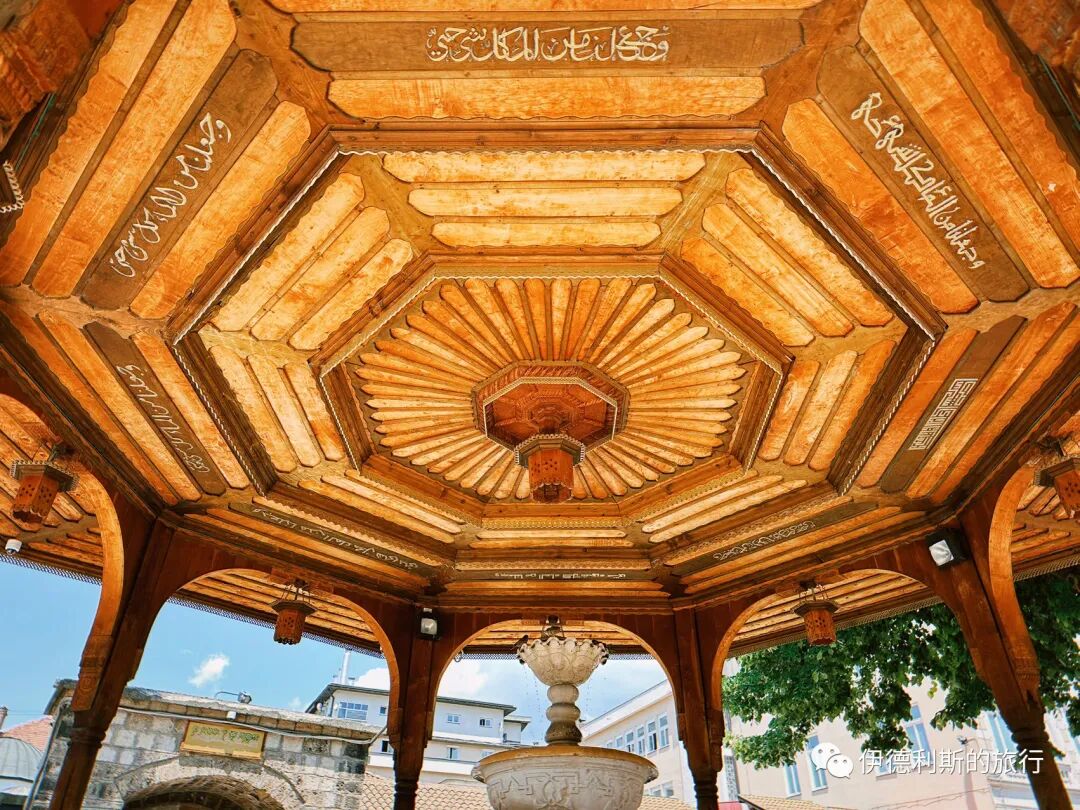
In front of the main hall of the Gazi Husrev Bey Mosque is the Shadirvan fountain. This type of fountain used for drinking and performing wudu originated in Persia and later became a typical architectural element of the Ottoman Empire, usually placed in the center of courtyards in mosques, caravanserais, dervish lodges, and madrasas.
This Shadirvan fountain was first built in 1530, with water coming from the Crnilo spring 7 kilometers away through clay pipes connected to the city of Sarajevo. It was rebuilt in 1893, modeled after the fountain at the Great Mosque of Bursa in Turkey, and connected to a modern water supply system. The fountain was severely damaged during the war from 1992 to 1995 and was rebuilt to its original appearance in 1997. You can still see three water basins from the original fountain in the mosque courtyard today.
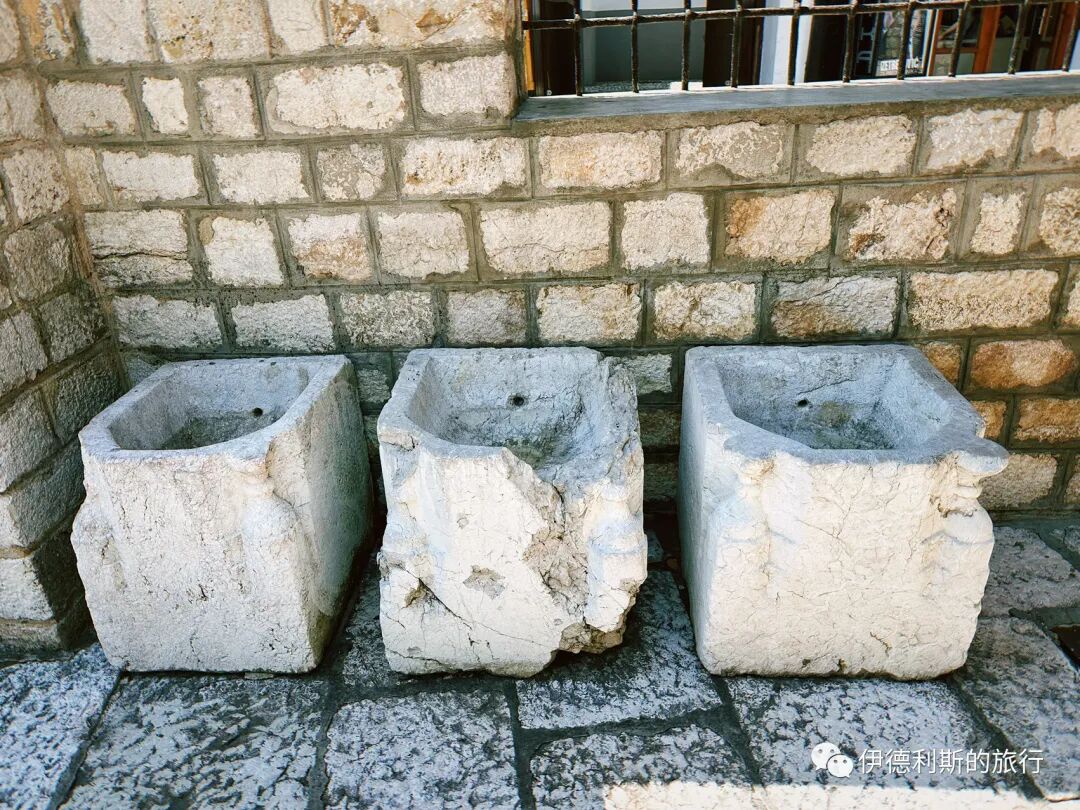
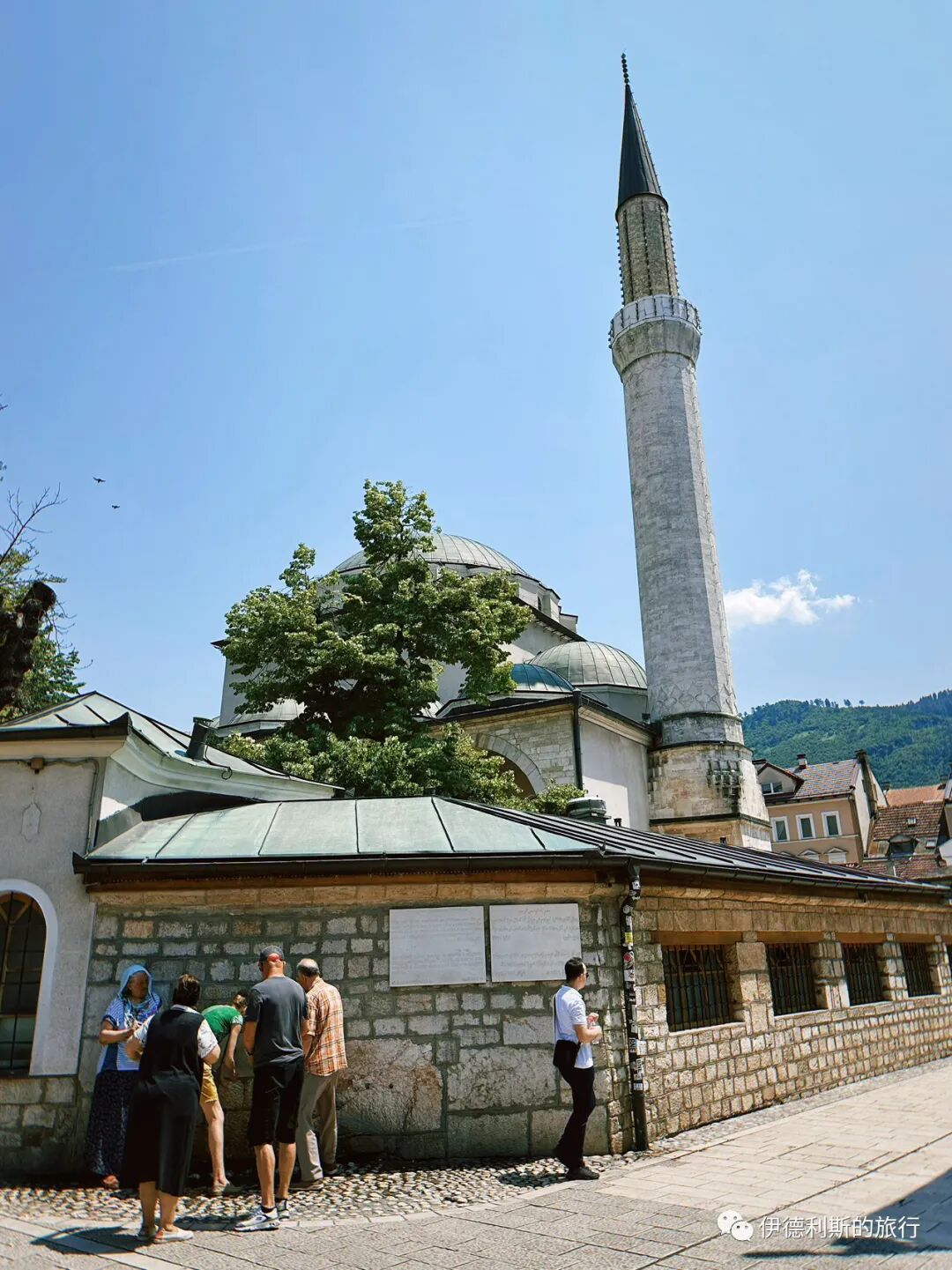
There is a drinking fountain for passersby along the wall in the northwest corner of the courtyard, a common sight in Ottoman cities.
Muwaqqithana
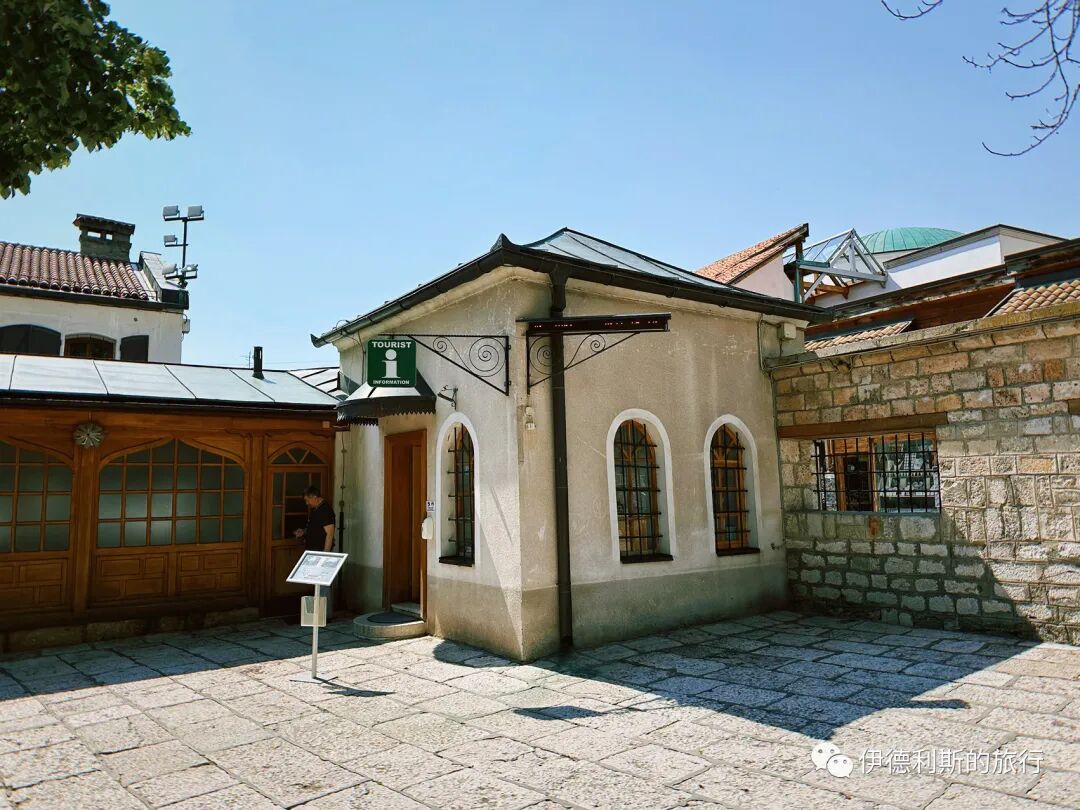
In the northwest corner of the mosque sits a small building from 1859 called the Muwaqqithana, where an astronomer known as a Muwaqqit used calculations to set the times for namaz and fasting. Early mosques mostly relied on a muezzin to watch shadow lengths and twilight to set prayer times. By the late 13th century, during the Mamluk dynasty in Egypt, specialized astronomers called Muwaqqit began to appear, and this practice gradually spread everywhere.
Mausoleum
Gazi Husrev Bey was born in 1480 to a Bosnian noble father and a mother who was the daughter of the Ottoman Sultan Bayezid II. He lost both parents when he was very young and grew up in the Ottoman court. He later earned many military honors and was appointed governor of Bosnia in 1521, becoming one of Sultan Suleiman the Magnificent's most trusted men.
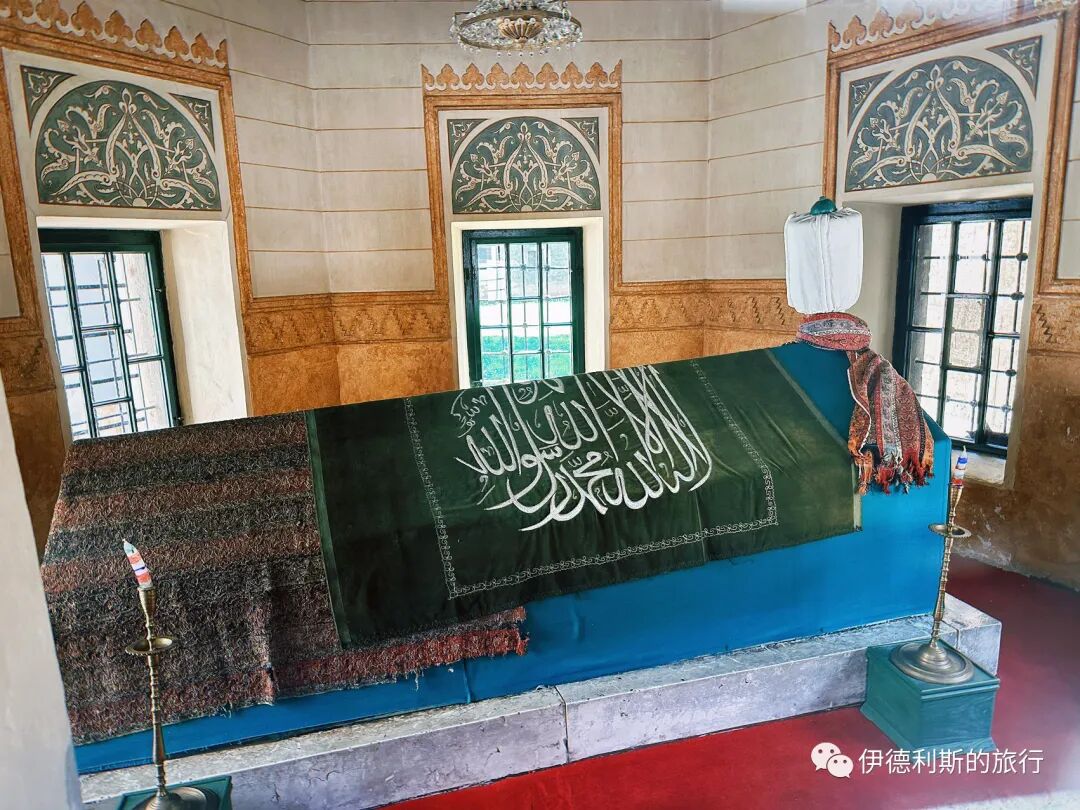
In 1541, a noble uprising broke out in Montenegro. Gazi Husrev Bey fought several battles to maintain order in the region and was eventually killed in a small village. His body was returned to Sarajevo and buried next to the Gazi Husrev Bey Mosque. The mausoleum of Gazi Husrev Bey is a typical 16th-century octagonal Ottoman tomb, which underwent repairs in 1895 and 2002.
Next to the tomb of Gazi Husrev Bey is a smaller octagonal mausoleum where his deputy, the Ottoman general Murat-beg Tardić, is buried. Murat-beg was Croatian. He became an Ottoman prisoner of war when he was young, later served under Gazi Husrev Bey, and became his close partner due to his outstanding military achievements. Murat-beg led several conquests against Croatia. In 1537, he completely crushed the military defenses of the Kingdom of Croatia, playing a major role in the westward expansion of the Ottoman Empire. Murat-beg died in 1545 and was buried next to the tomb of Gazi Husrev Bey.
Kursumlija Madrasa
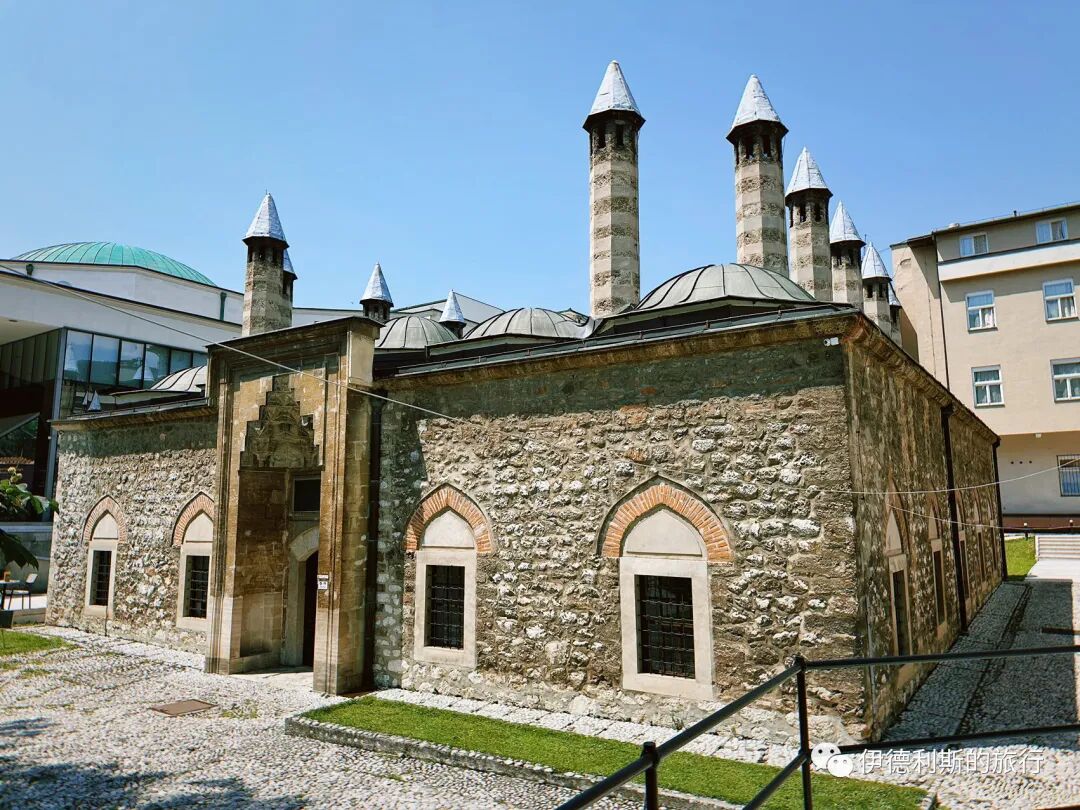
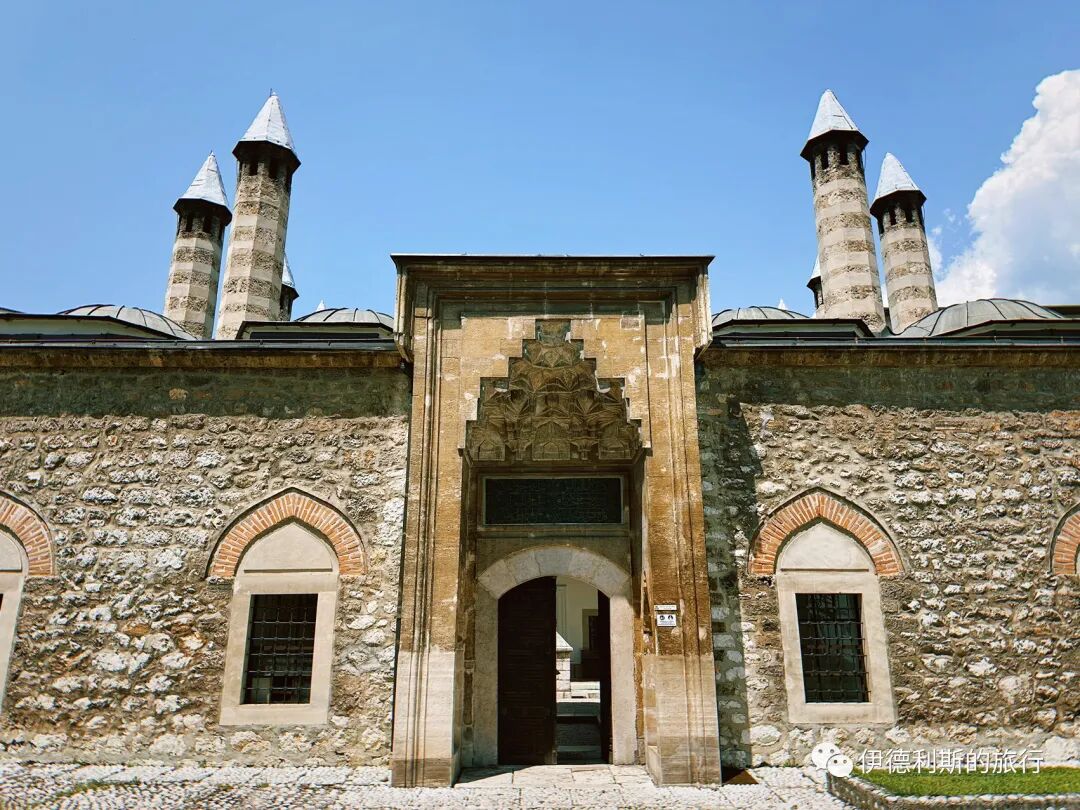
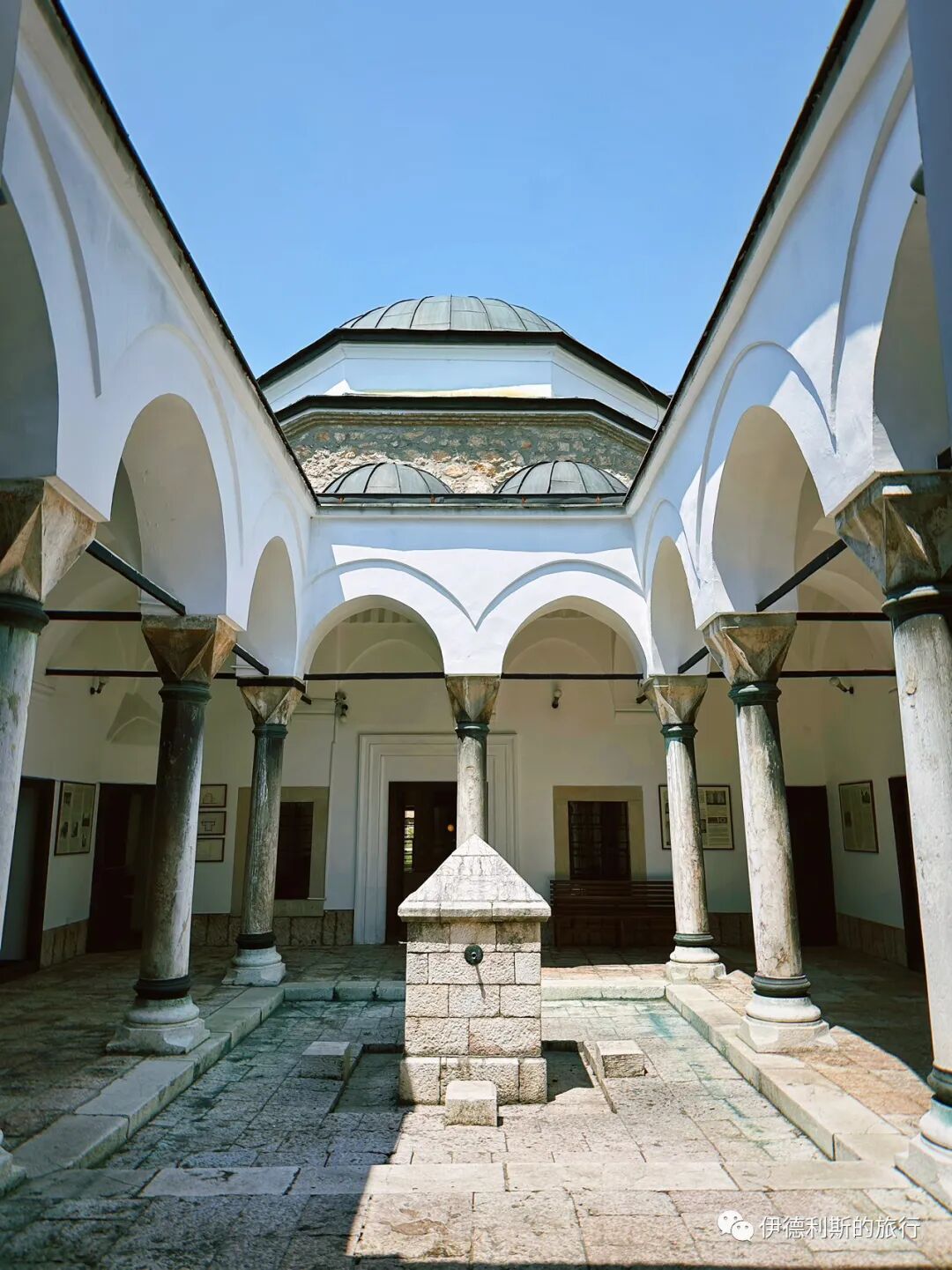
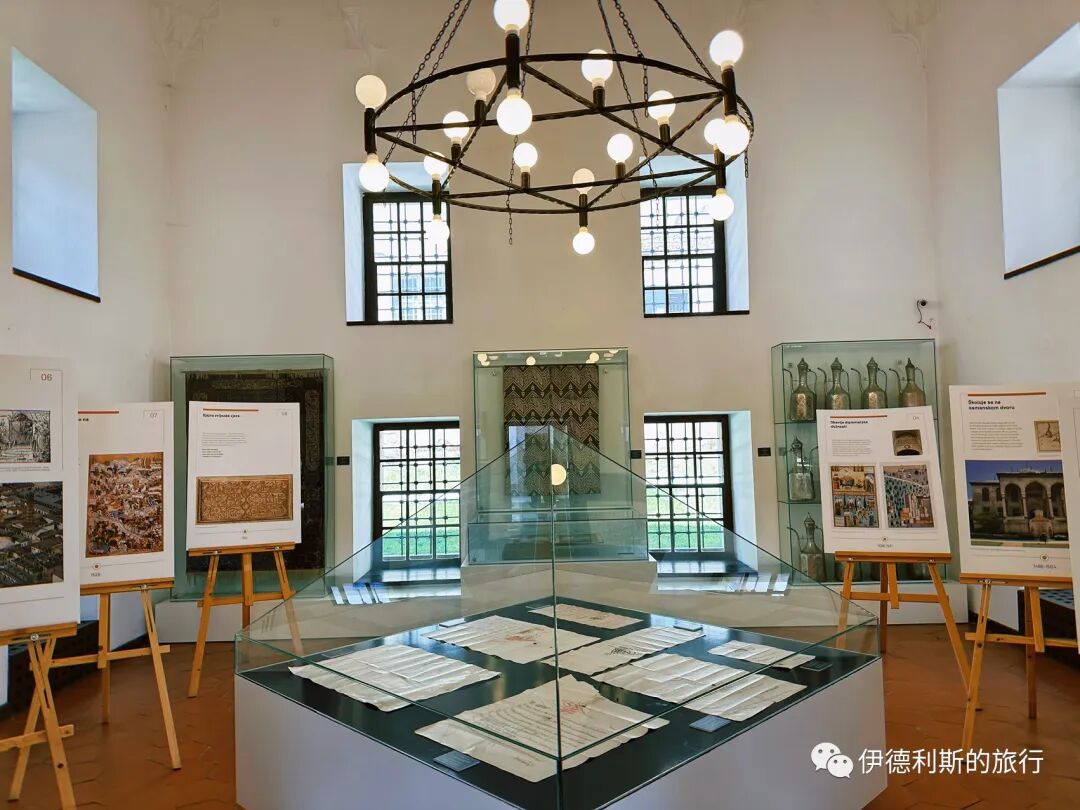
On the north side of the Gazi Husrev Bey Mosque is the Kursumlija Madrasa, built by Gazi Husrev Bey in 1537 and dedicated to his mother, the Ottoman princess Selçuka. The madrasa consists of a courtyard with 12 classrooms, each featuring a fireplace and a dome, with a fountain for wudu in the center of the courtyard. After 2013, this site became the Gazi Husrev-beg Museum, which showcases his life, the foundation complex he established, and his contributions to the urban development of Sarajevo.
A 19th-century water jug used specifically to hold the mixed drink sharbat for Mawlid celebrations.
An ancient Quran copied in 1784 by Muhamed Filibevi from Plovdiv, Bulgaria.
A burial shroud for the 16th-century tomb of the Prophet, gifted to Bosnia and Herzegovina by Ottoman Sultan Abdulaziz in 1867.
To the right of the madrasa is the Sufi lodge (khanqah), which is now a gallery, though it was closed when we visited.
Library
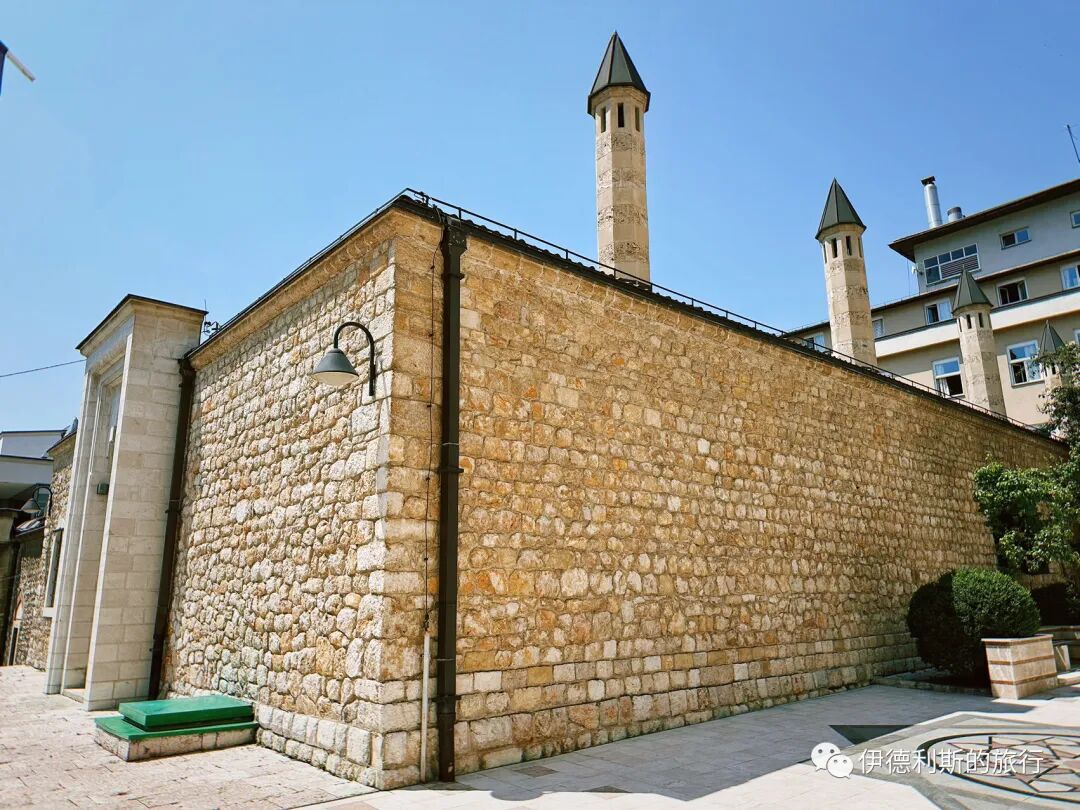
On the northwest side of the Gazi Husrev Bey Mosque is the Gazi Husrev Bey Library, founded in 1537 using the remaining funds from the construction of the madrasa. The library was originally part of the madrasa and did not have its own separate room until 1863. The library was forced to close after the Siege of Sarajevo began in 1992 and did not reopen until 2014. The new library was built with an 8.8 million dollar donation from Qatar. It houses over 100,000 manuscripts and books in Arabic, Turkish, Persian, Bosnian, and other languages, covering fields like Islam, literature, philosophy, history, medicine, and astronomy.
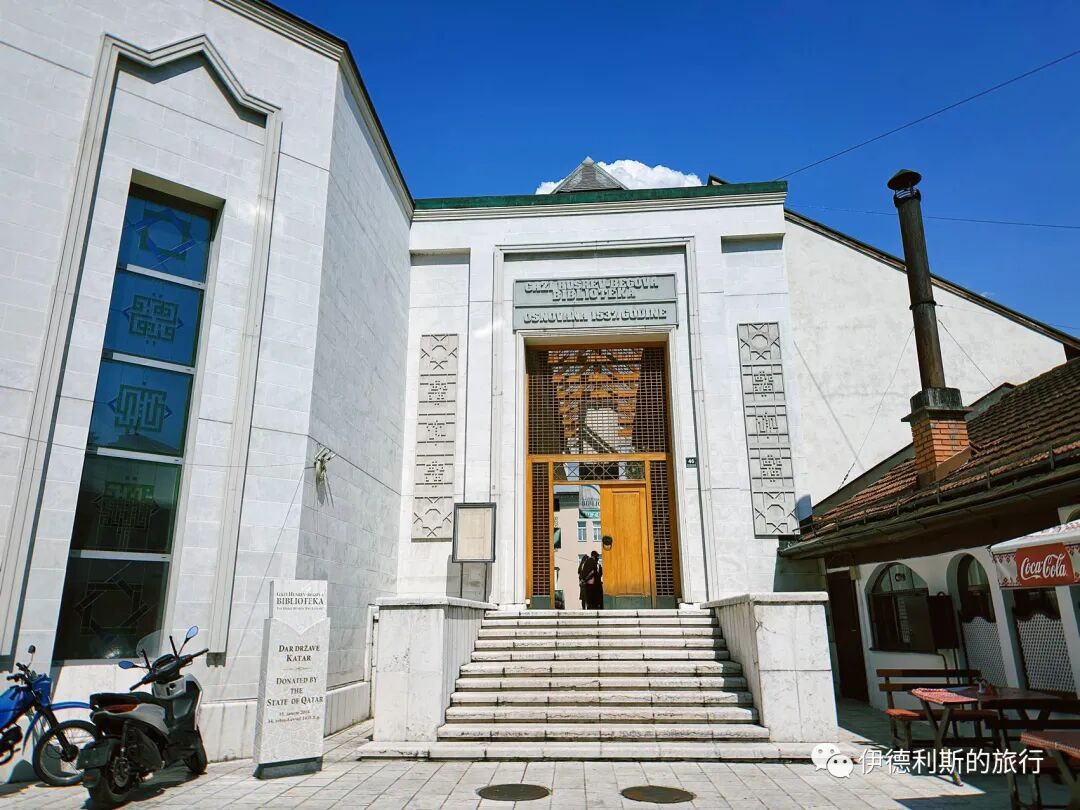
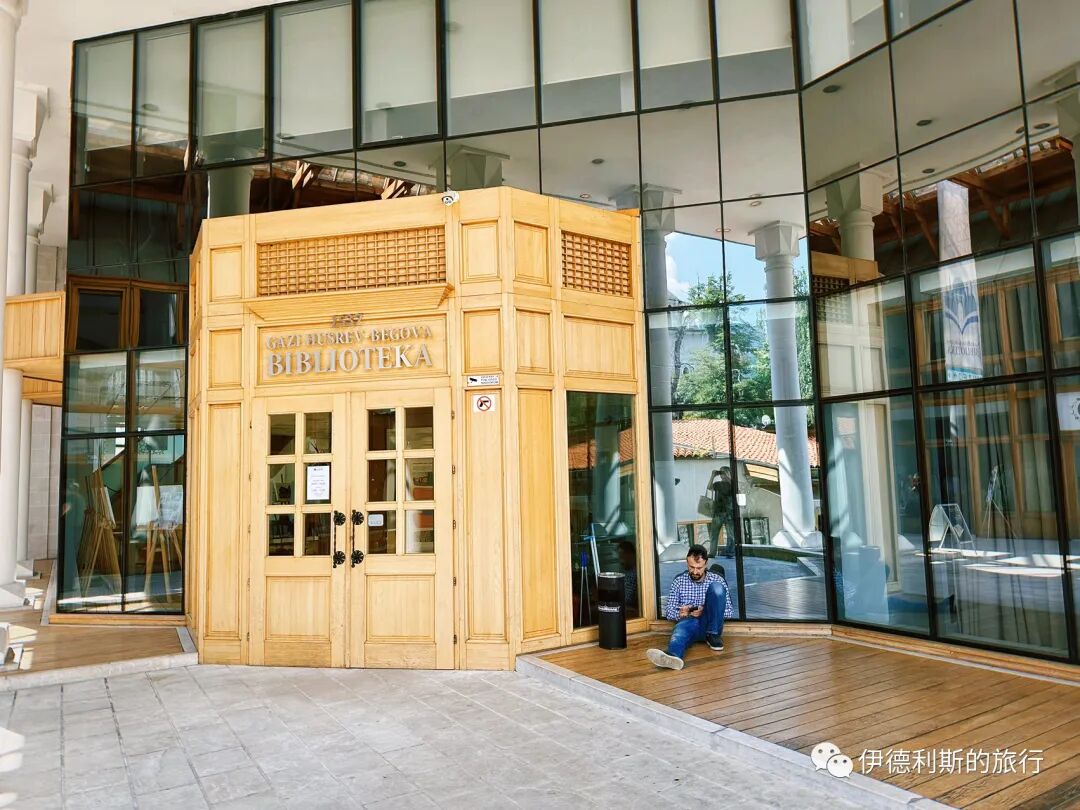
As the library with the richest collection of Islamic books in Bosnia and Herzegovina, the Gazi Husrev Bey Library has faced many trials over its nearly 500 years of operation, but the 1992-1995 Bosnian War was undoubtedly the most difficult. The aggressors made destroying the historical and cultural heritage of Bosnia and Herzegovina a key goal, especially targeting historical buildings that housed written records. Staff at the Gazi Husrev Bey Library risked their lives to successfully move tens of thousands of precious Islamic books to safety, making a huge contribution to saving Bosnian history and culture.
To preserve the books in the Gazi Husrev Bey Library, staff moved the book storage areas many times. In 1992, the library decided to move 21 packages containing the most precious manuscripts to the vault of the Privredna Bank. To avoid Serbian snipers on the streets, they packed the books in banana boxes, but they were then robbed by hungry civilians. Fortunately, the civilians let them go after discovering the boxes contained books instead of bananas. After many hardships, these books were finally saved until the end of the war.
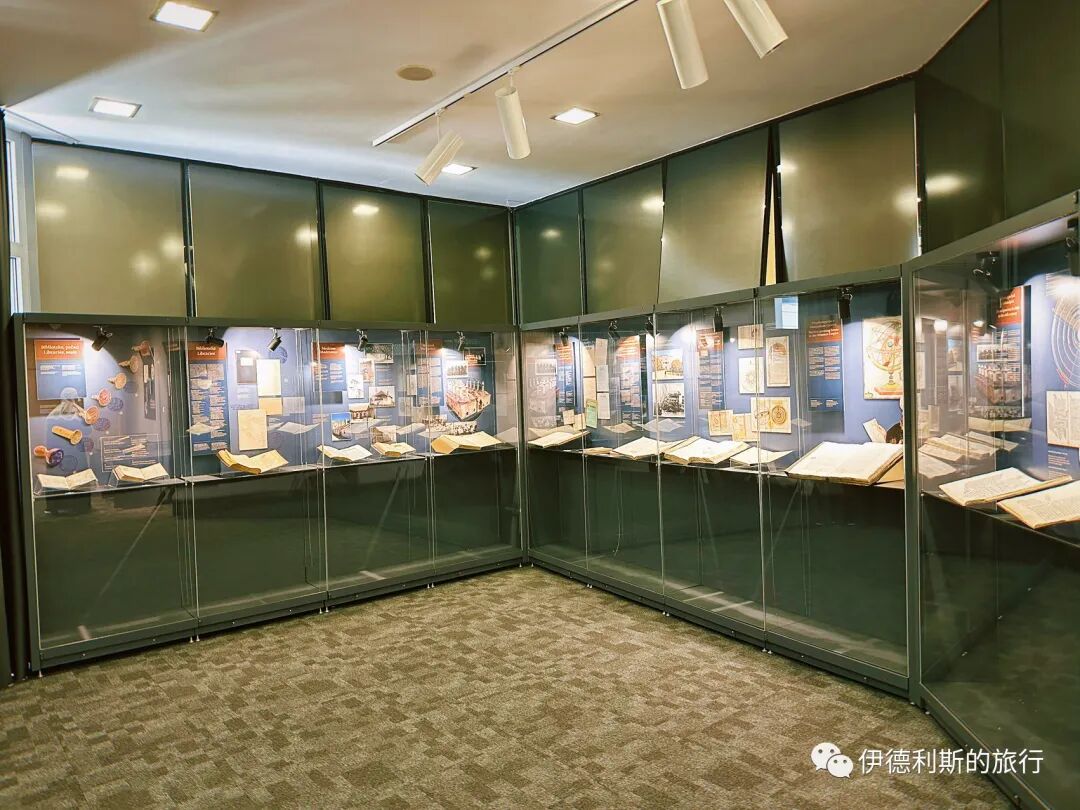
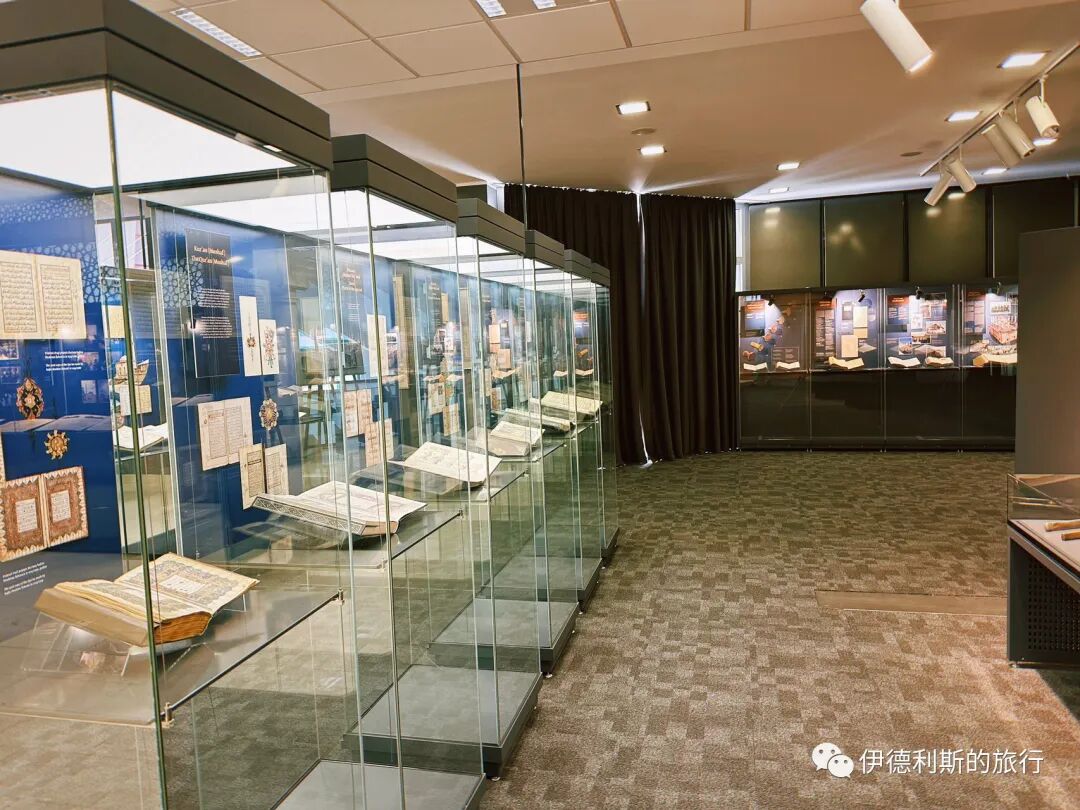
The 63rd handwritten scripture by Hafiz Ibrahim Sehovic, completed in 1807. Hafiz Sehovic copied at least 66 Qurans in his lifetime, and the Gazi Husrev-beg Library holds four of them.
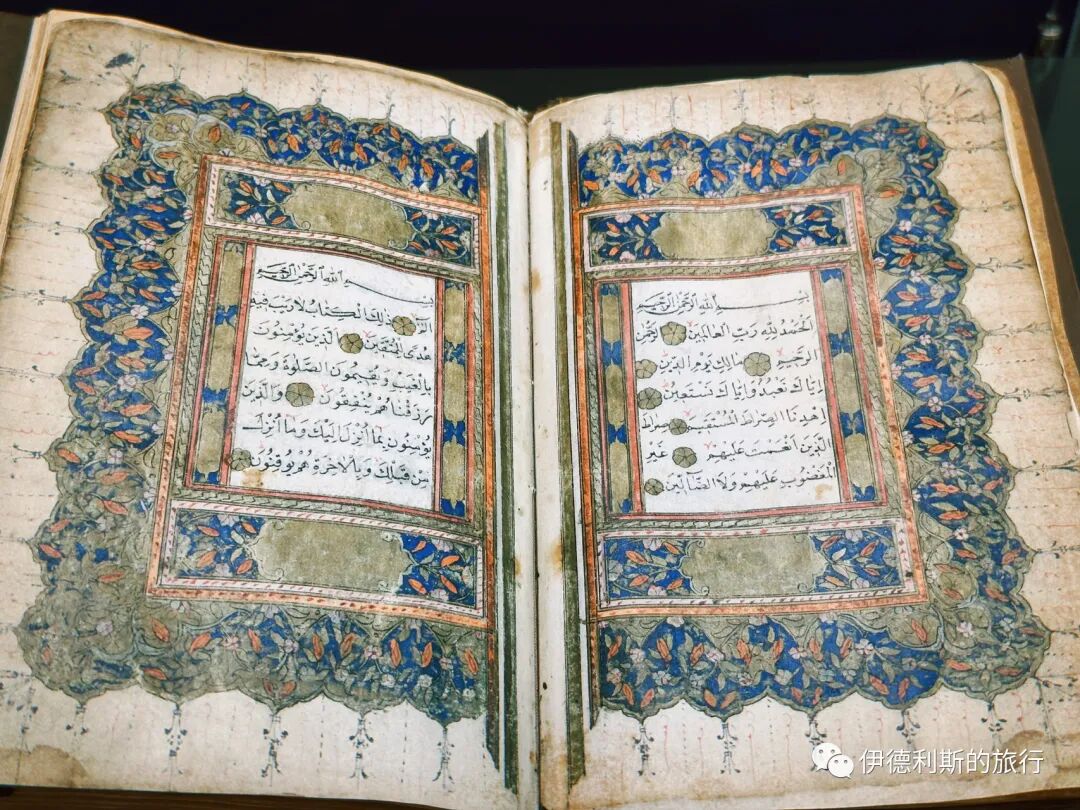
A handwritten scripture completed by Ahmad b. Muhammad al-Muhägir ad-Dagistani al-Makki in 1849.
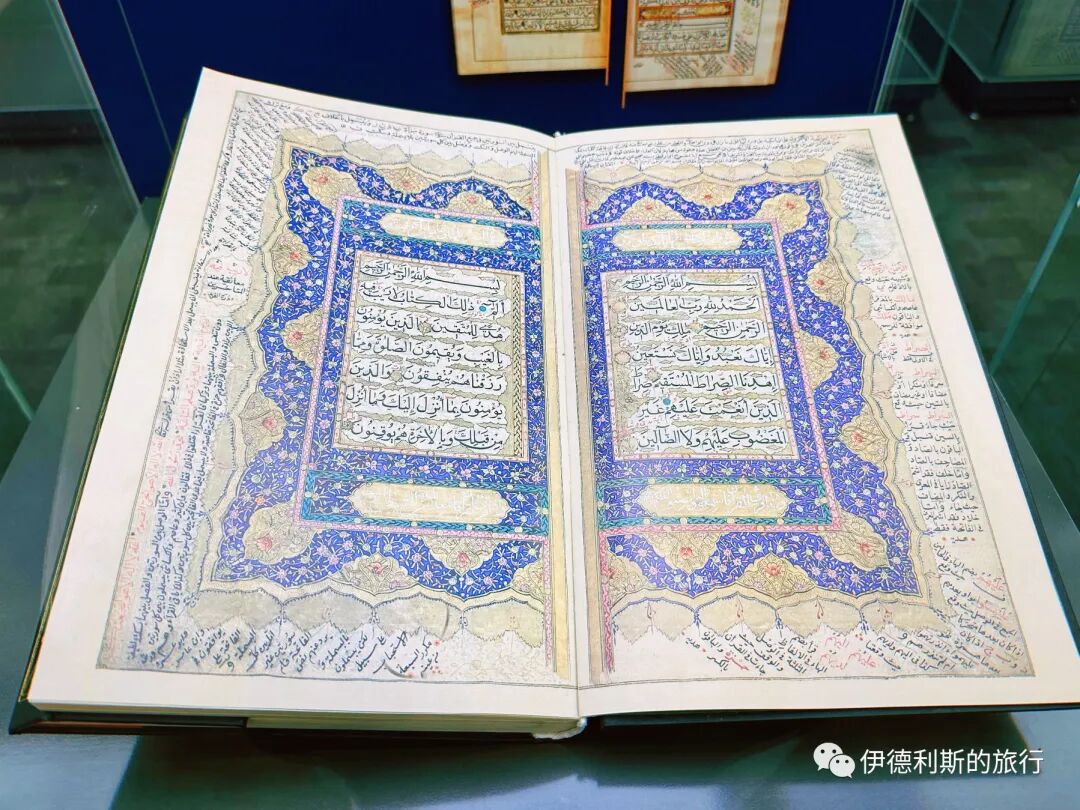
A Quran selection (Juz') gifted by Ferhad-pasha Sokolovic in 1587 to a mosque in the city of Banja Luka in northwestern Bosnia and Herzegovina.
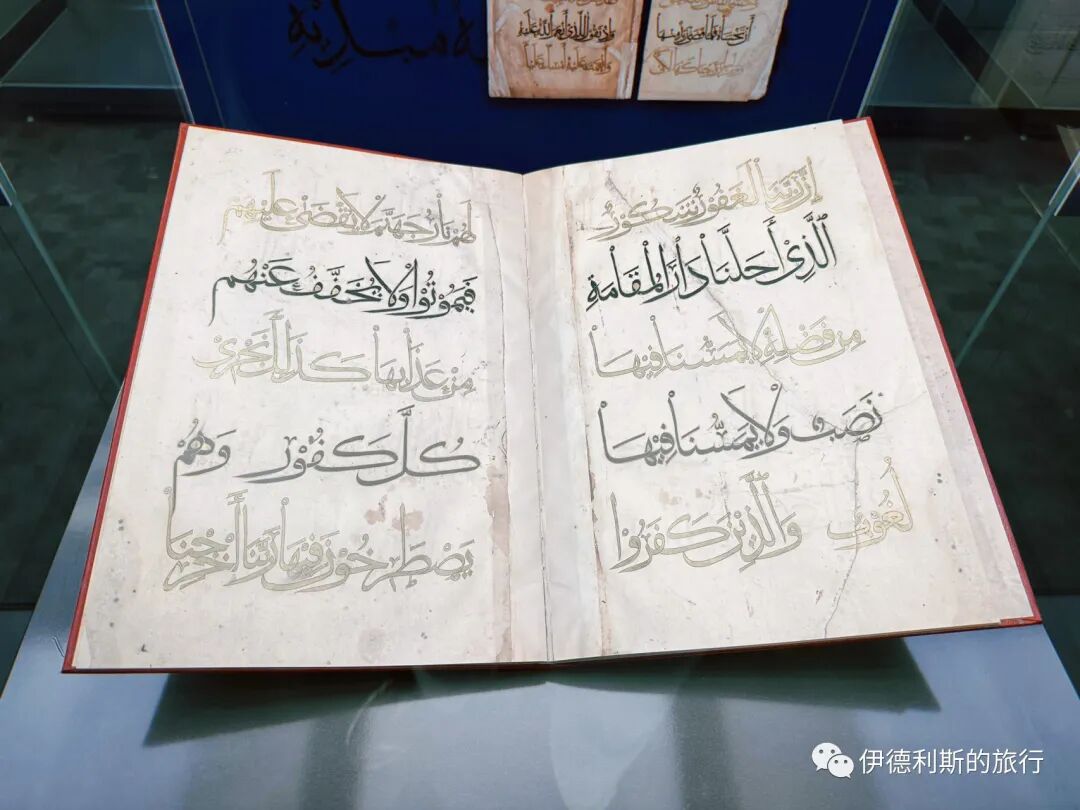
A Quran selection (Juz') gifted by Mehmed-pasha Sokolovic in 1570 to a mosque in his birthplace in eastern Bosnia.
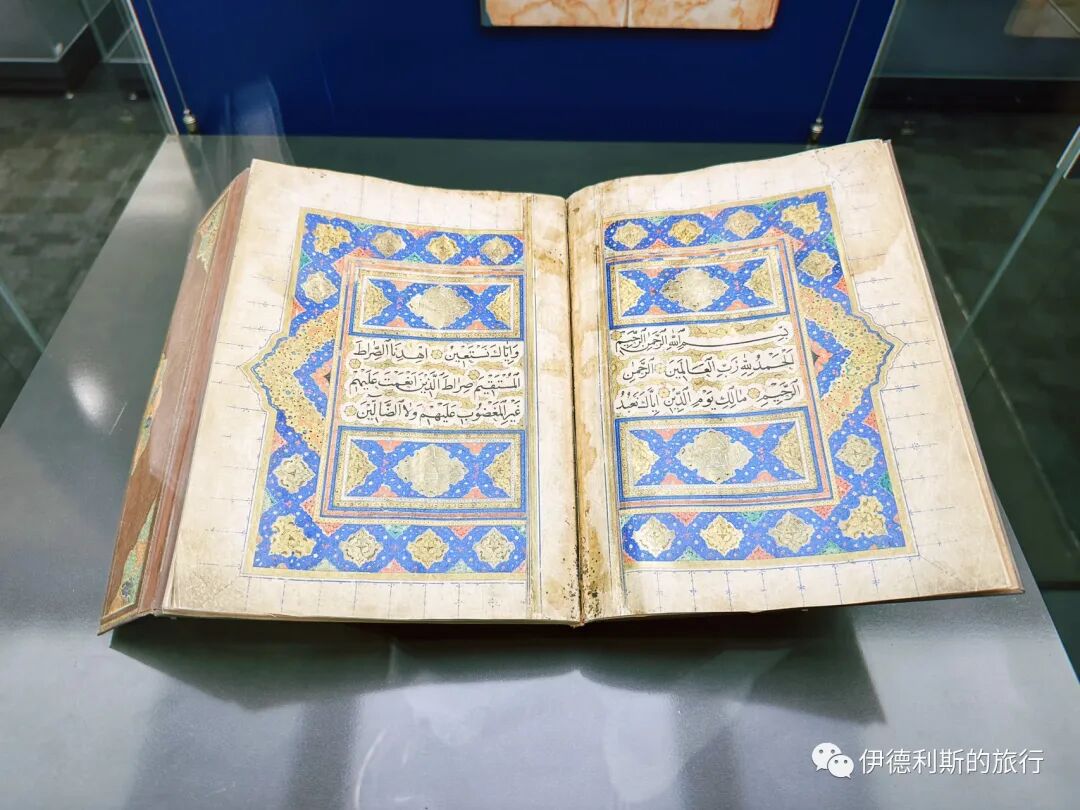
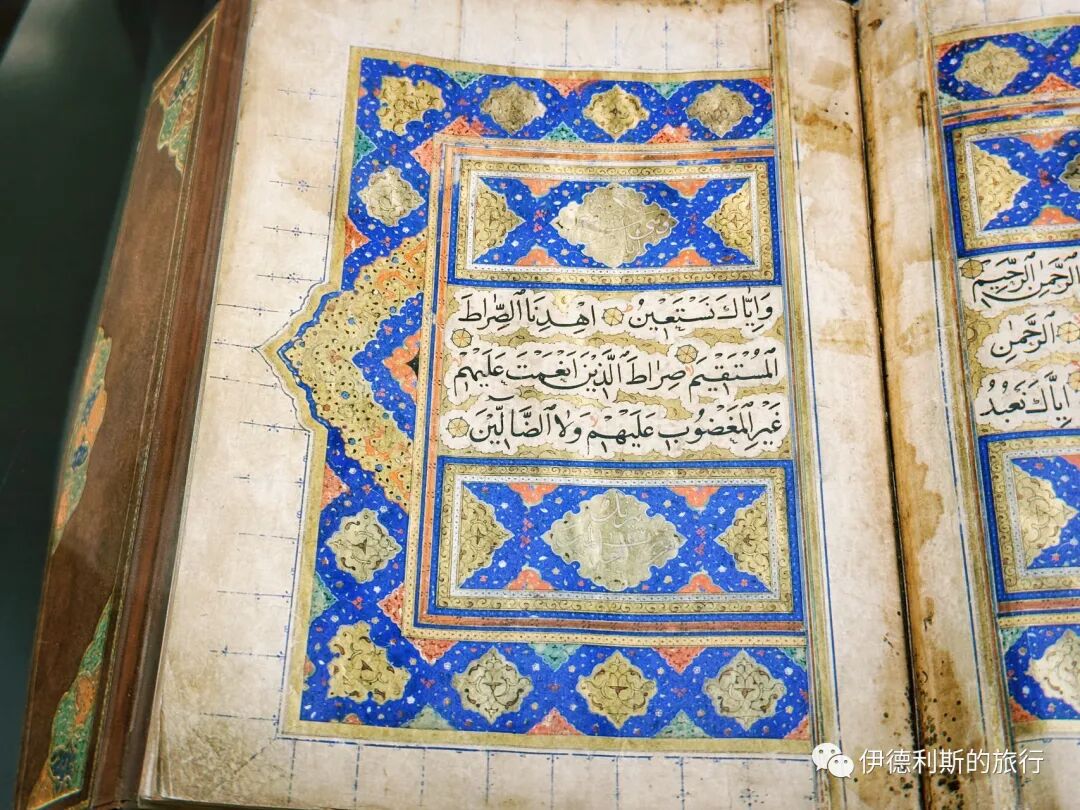
A handwritten scripture created by Abdullah b. Muhammad al-Hafiz as-Sirazi in 1572-73.
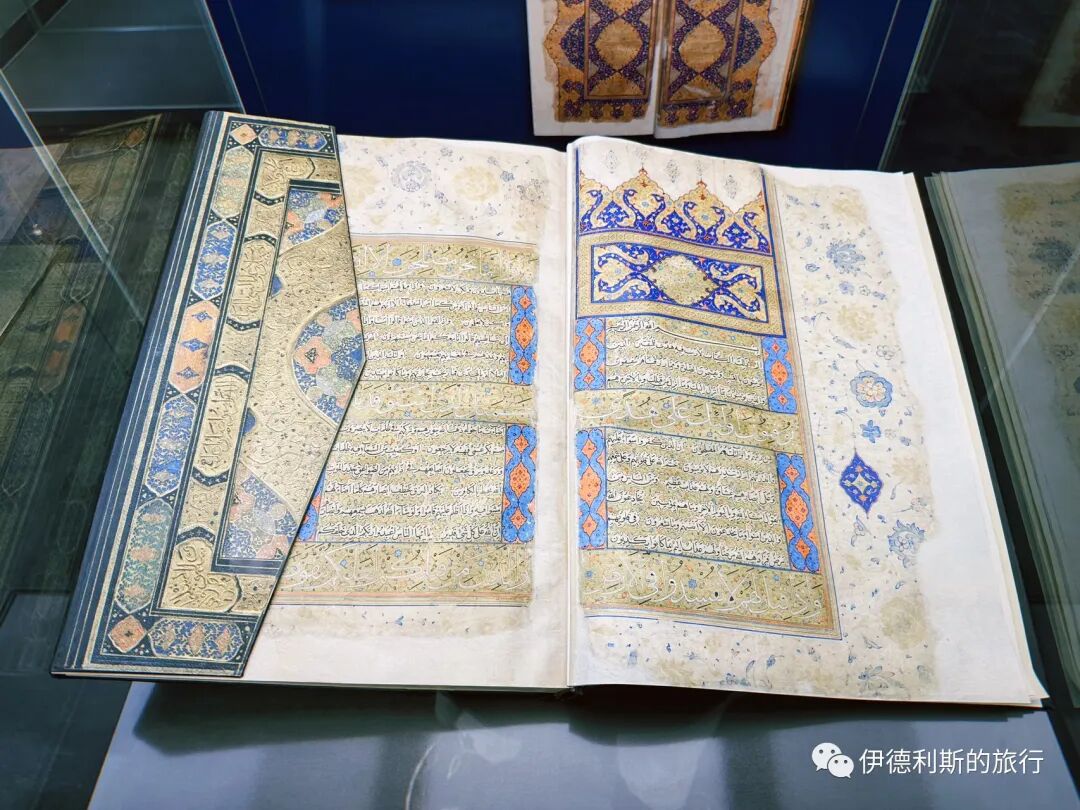
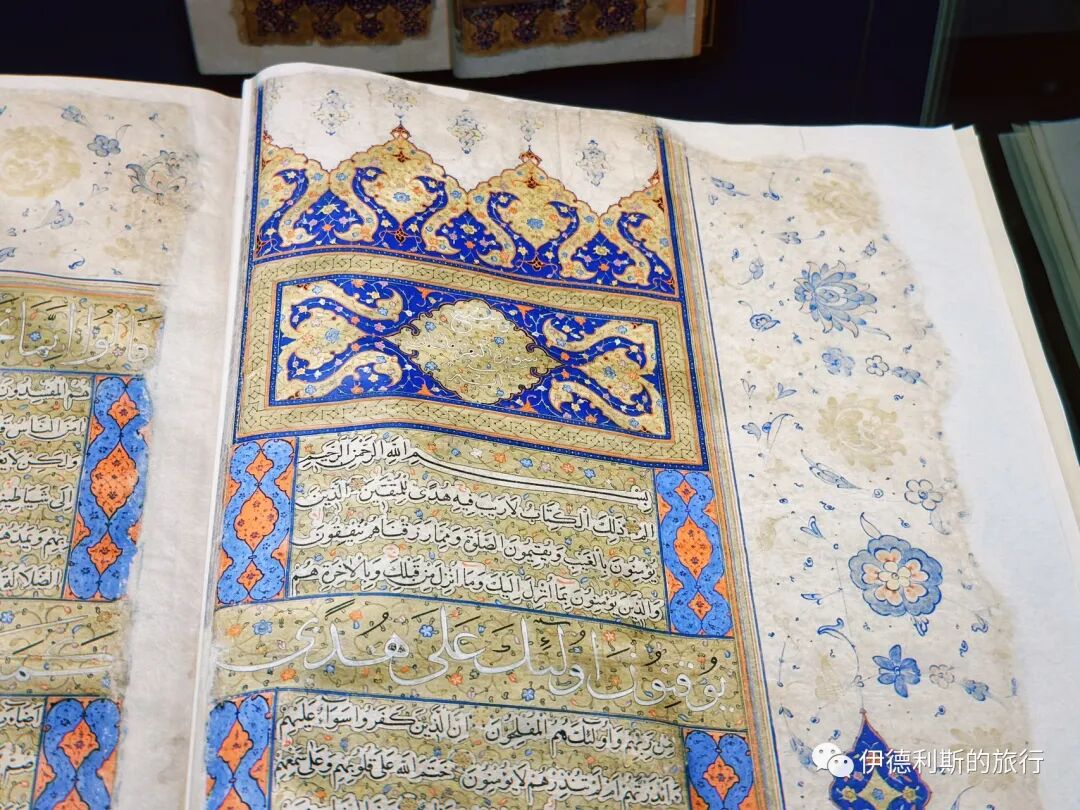
The Rose Garden (Gulistān) is a prose work written by the great Persian poet Saadi in 1258. This manuscript was annotated by the great 16th-century Bosnian classical literature critic Ahmed Sudi Bosnjak and copied by Ahmad b. al-hagg Husayn al-Mostari in 1765. Ahmed Sudi was born in eastern Bosnia and later lived in Istanbul for a long time. He was an expert in Persian literature and wrote a series of commentaries on Persian literary classics in Ottoman Turkish. These had a huge influence in the Ottoman Empire and were widely used by later Persian scholars and Western orientalists.
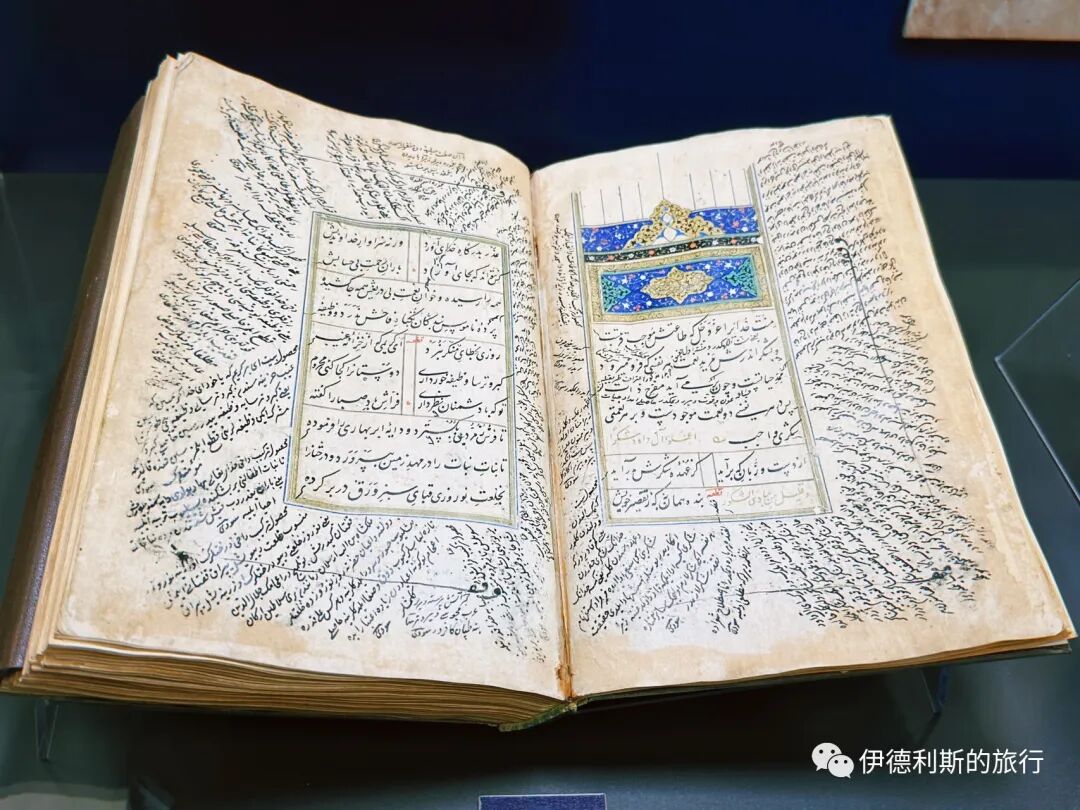
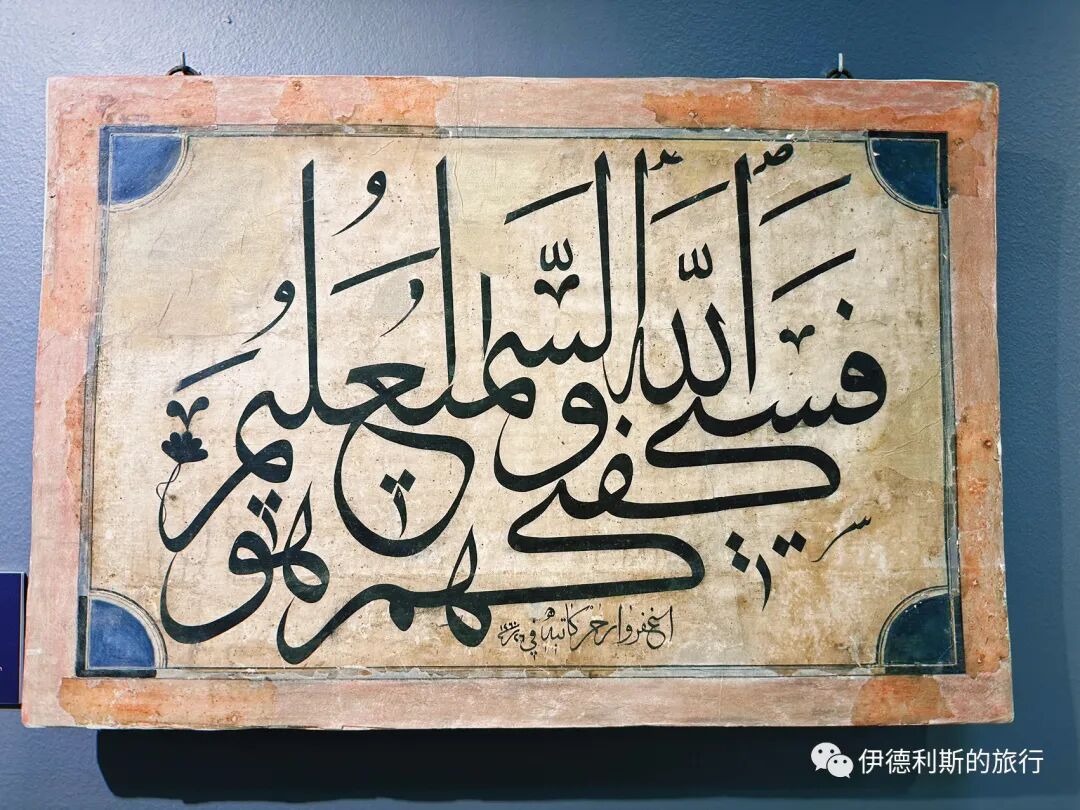
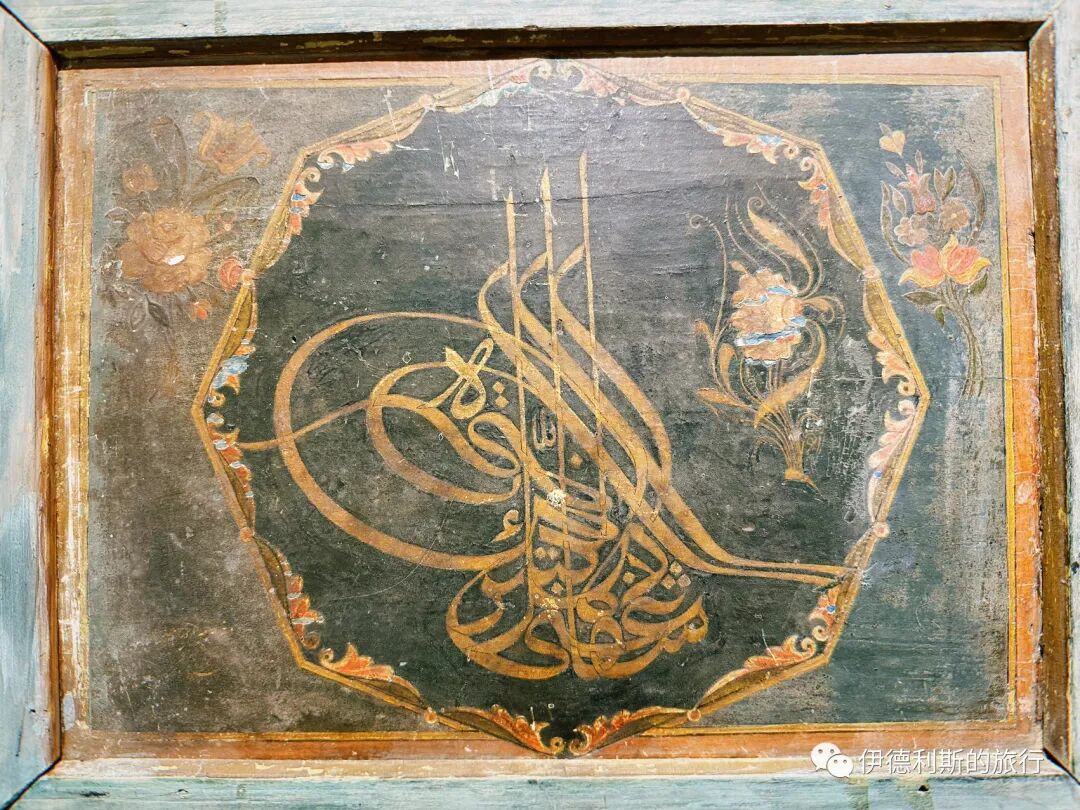
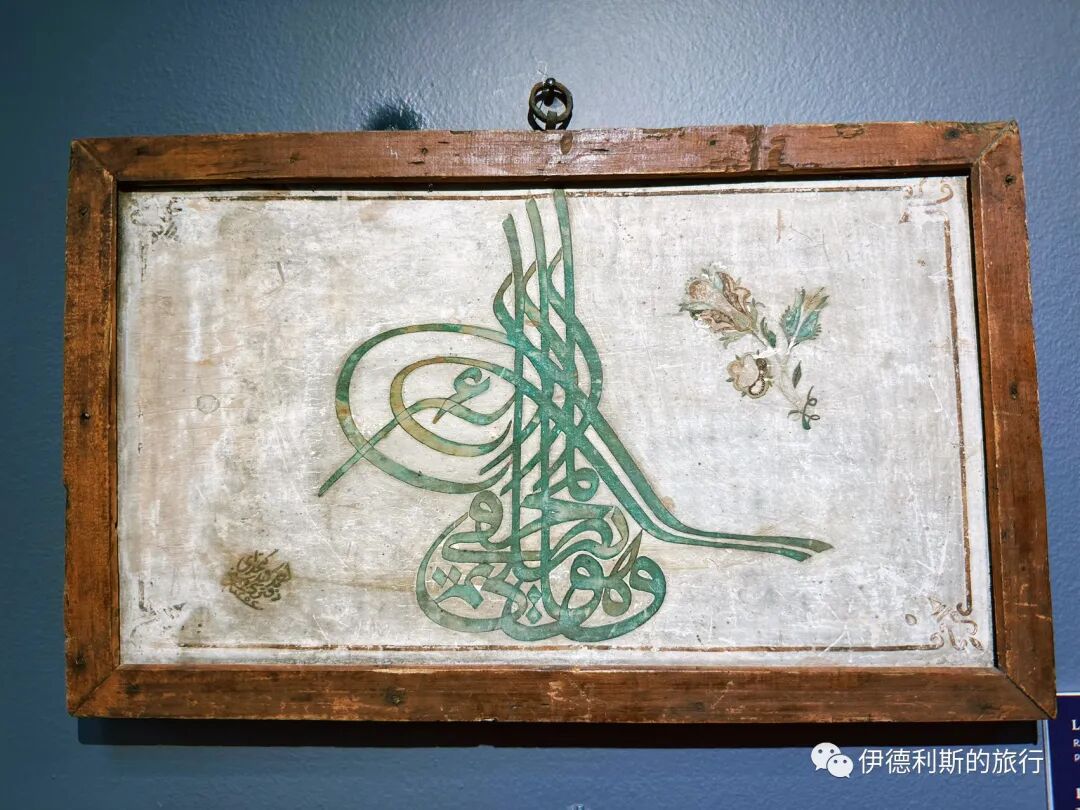
19th-century Arabic calligraphy art from Bosnia and Herzegovina, with the second and third pieces collected from an old traditional wooden mosque in Bužim, northwestern Bosnia and Herzegovina.
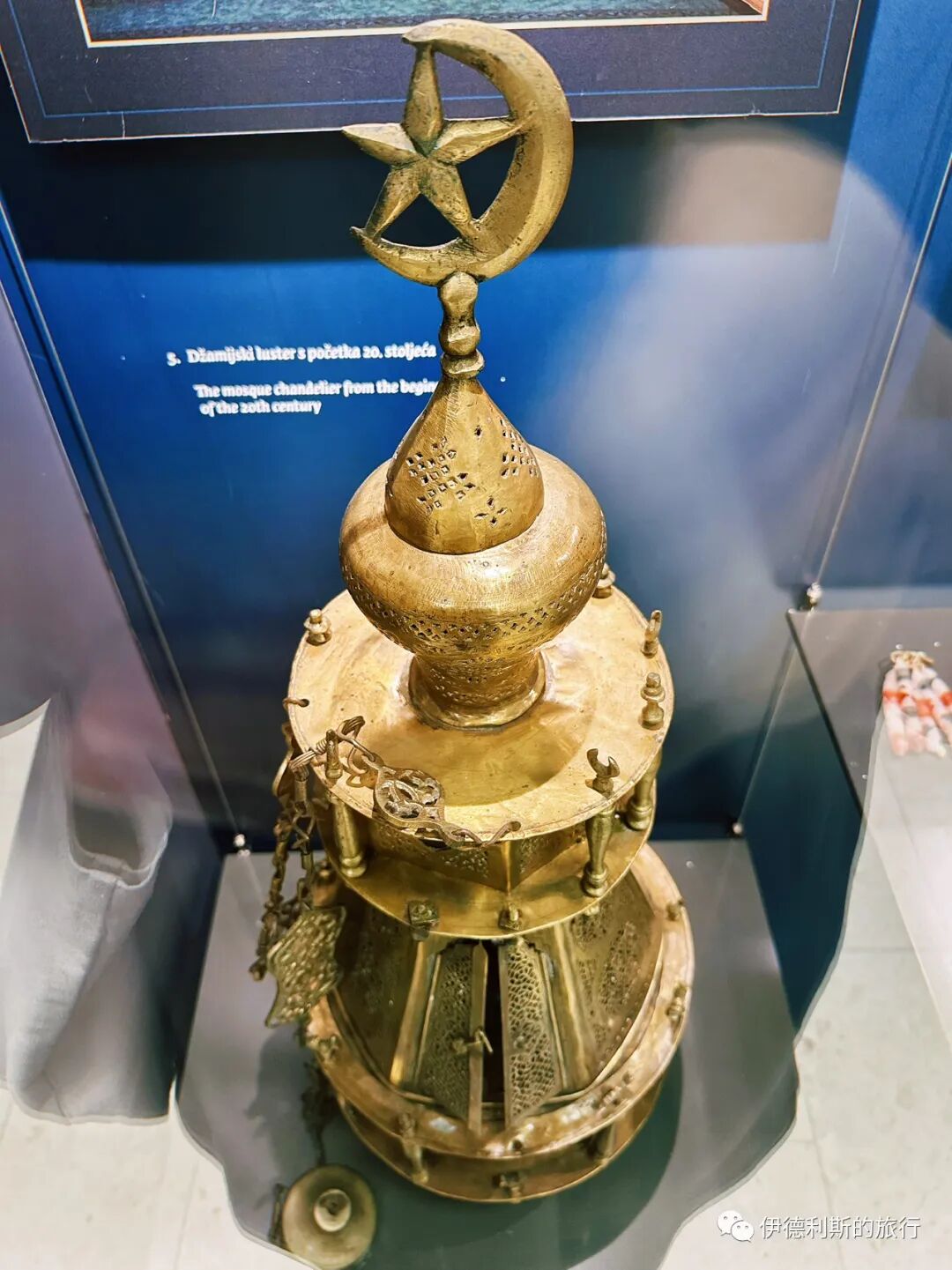
A chandelier used in a mosque in the early 20th century.
Artifacts collected in the Gazi Husrev Bey Library.
Candlesticks formerly used in mosques and Sufi lodges (tekke) in Bosnia and Herzegovina.
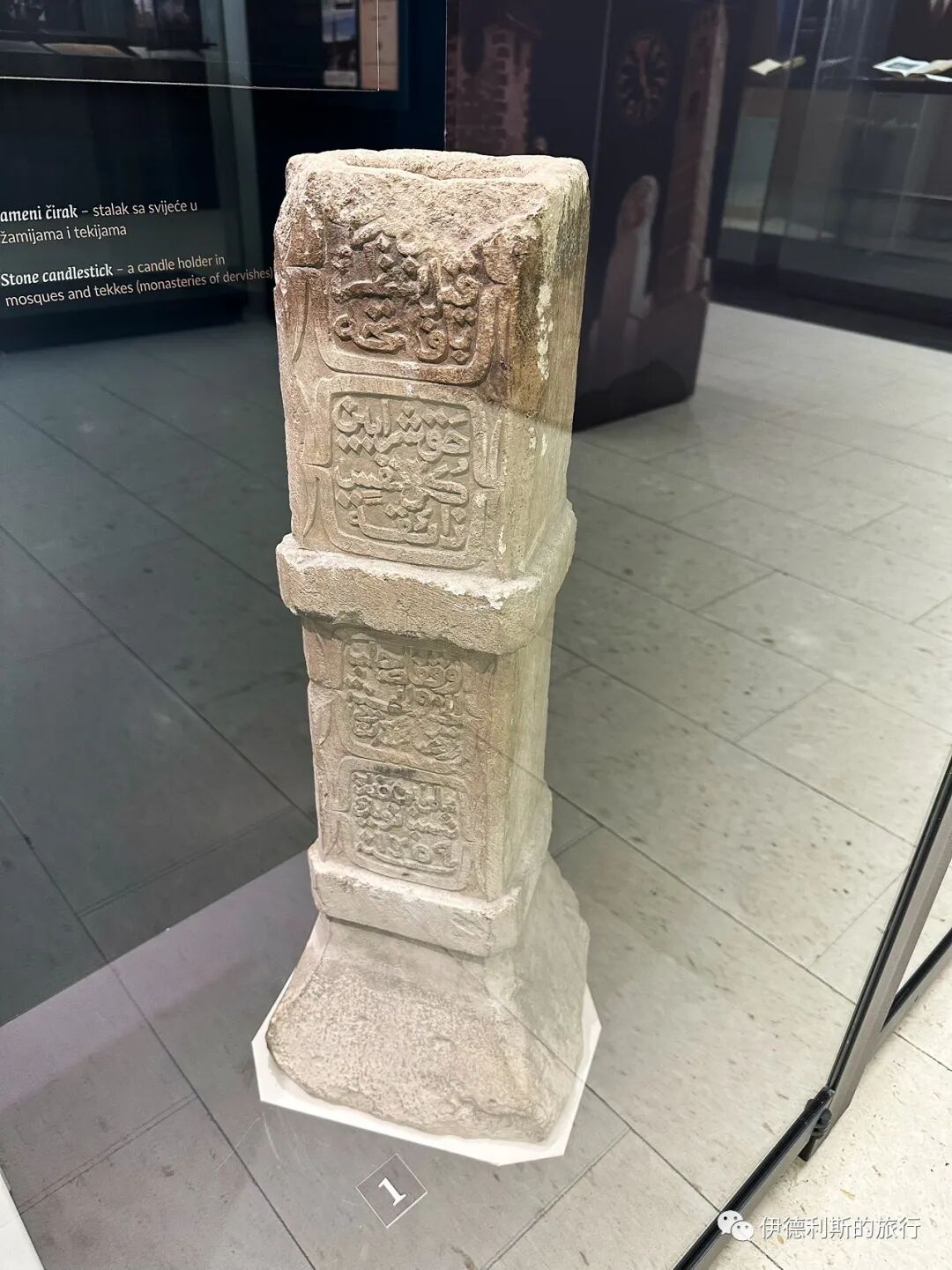
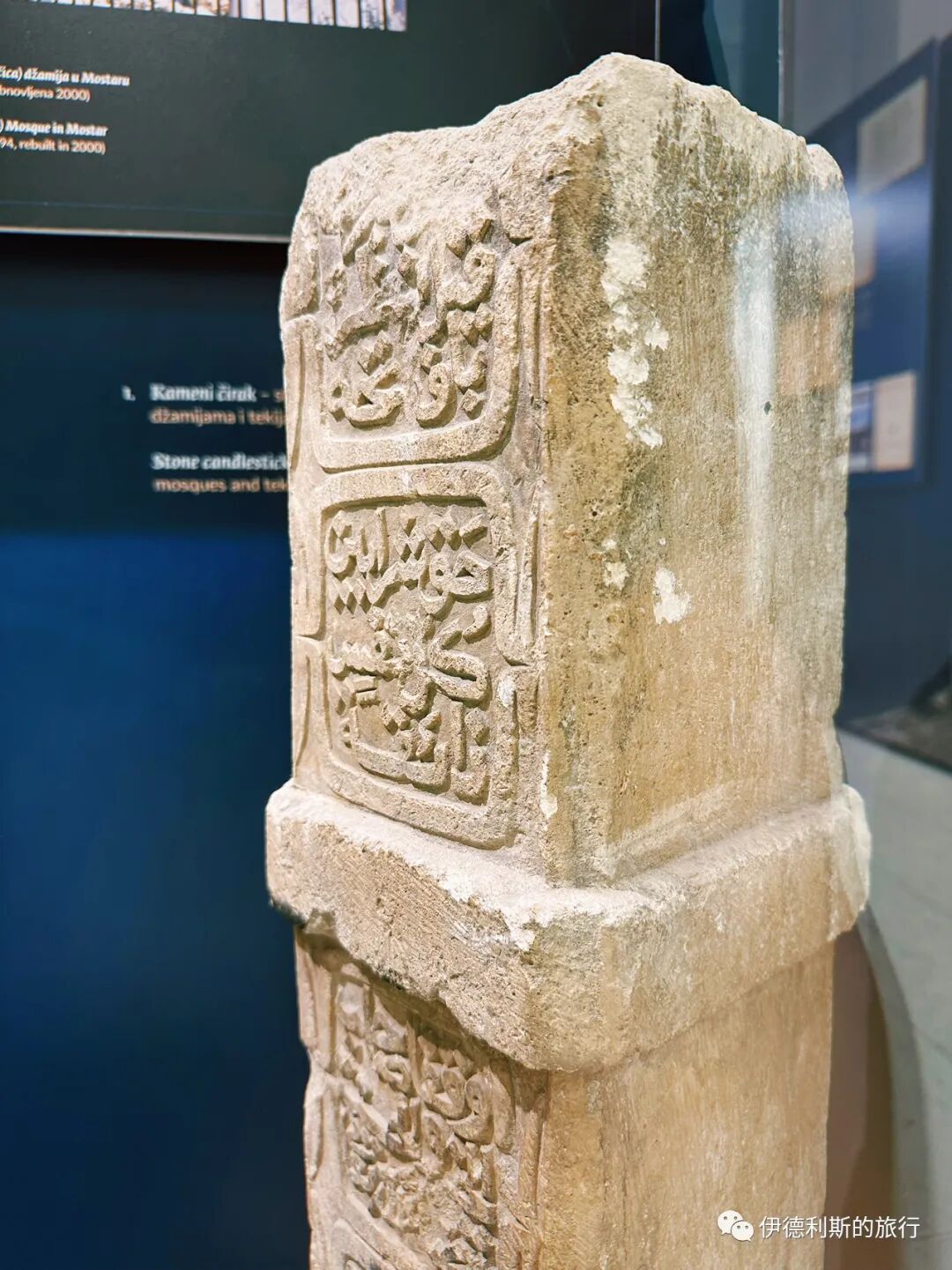
A stone tablet from 1613 above the gate of the Haji Osman Mosque in the southeastern Bosnian city of Foča; this mosque was demolished in 1964.
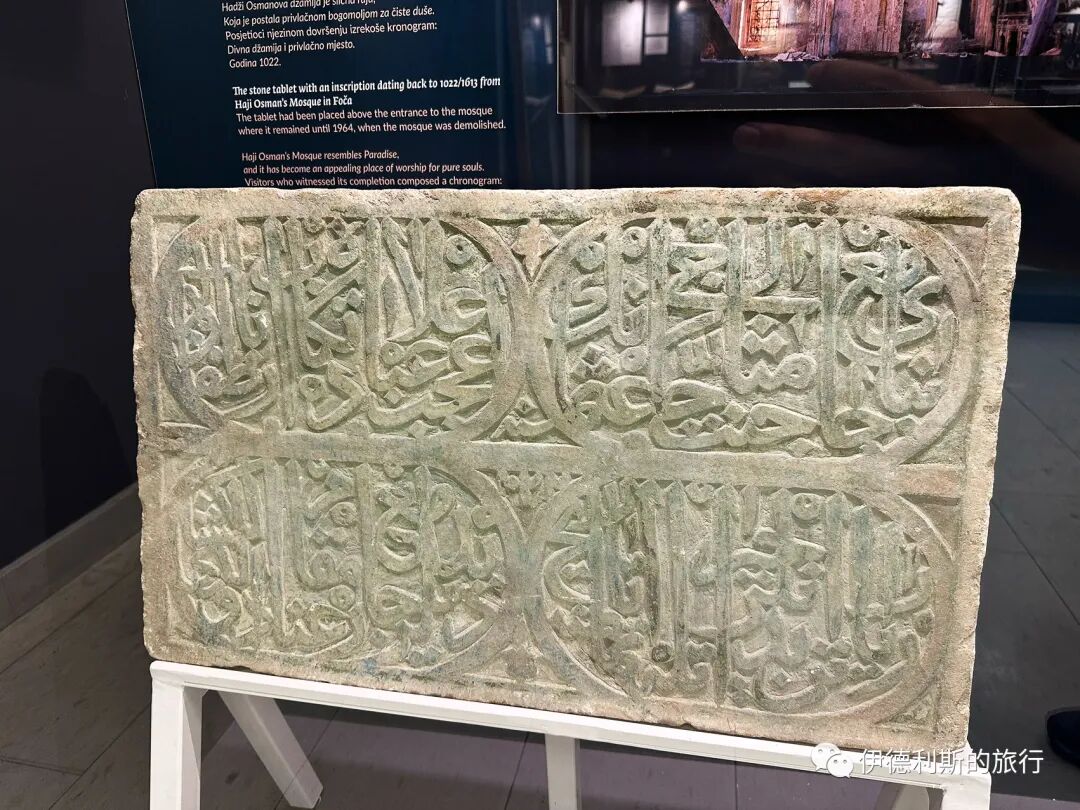
This textbook on Hanafi jurisprudence was written in the 16th century and used for a long time in Ottoman madrasas. This specific copy dates back to the 17th century.
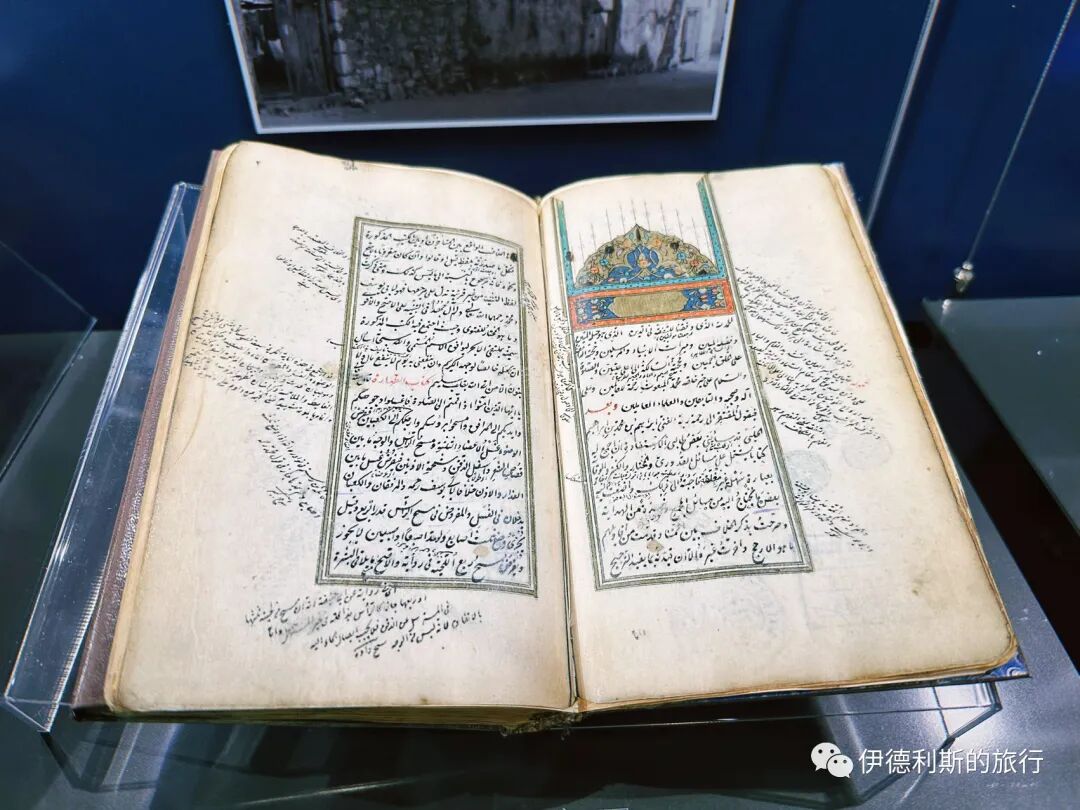
This Arabic-Turkish dictionary was compiled in the 16th century and contains 40,000 words. It was very popular in Bosnian madrasas, and this copy was made in 1631.
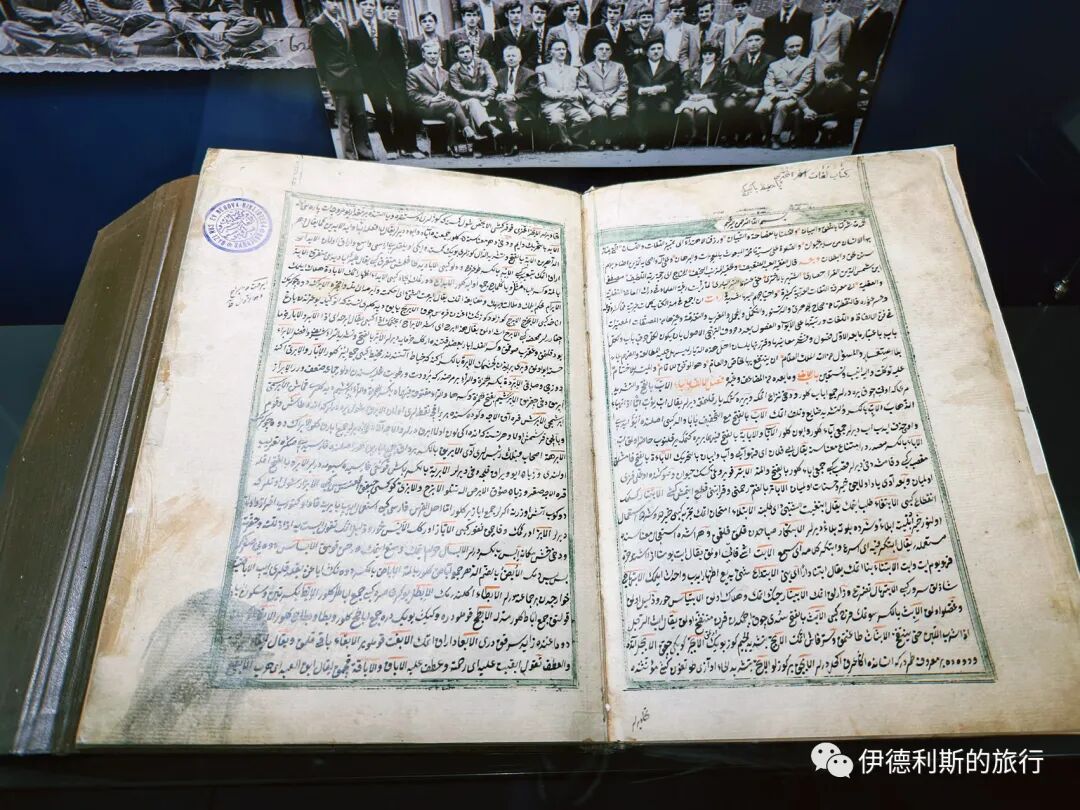
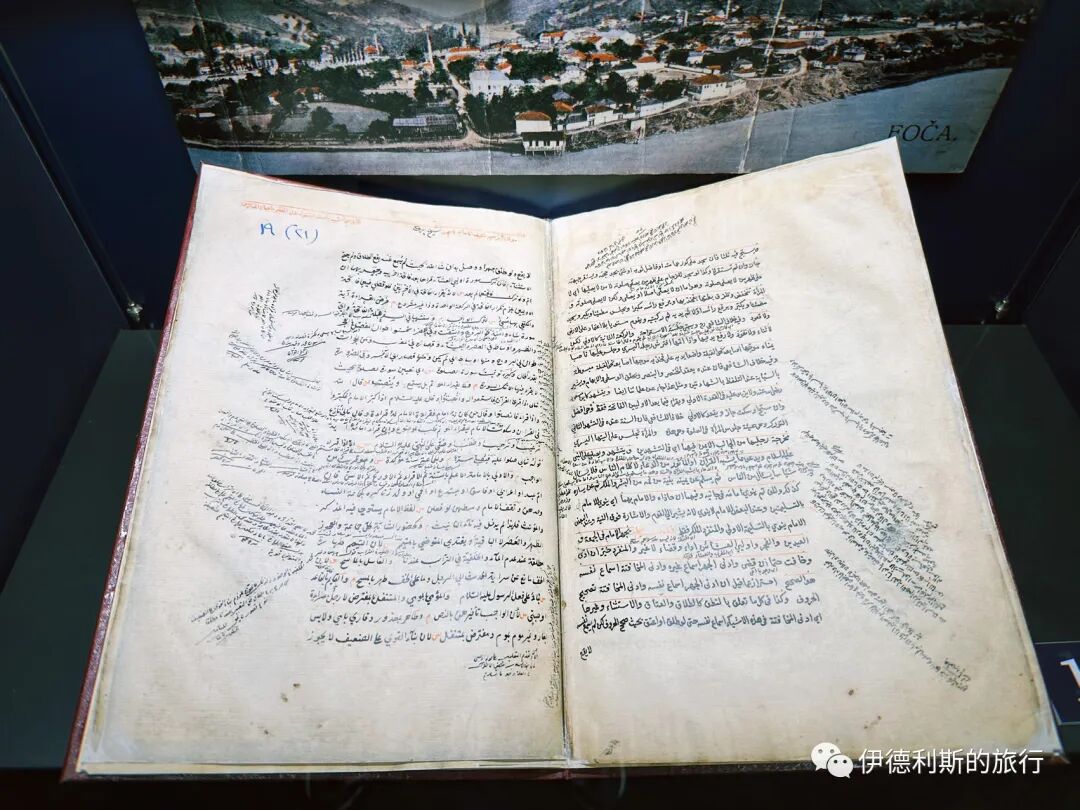
A work on Islamic law copied in Foča in the second half of the 16th century.
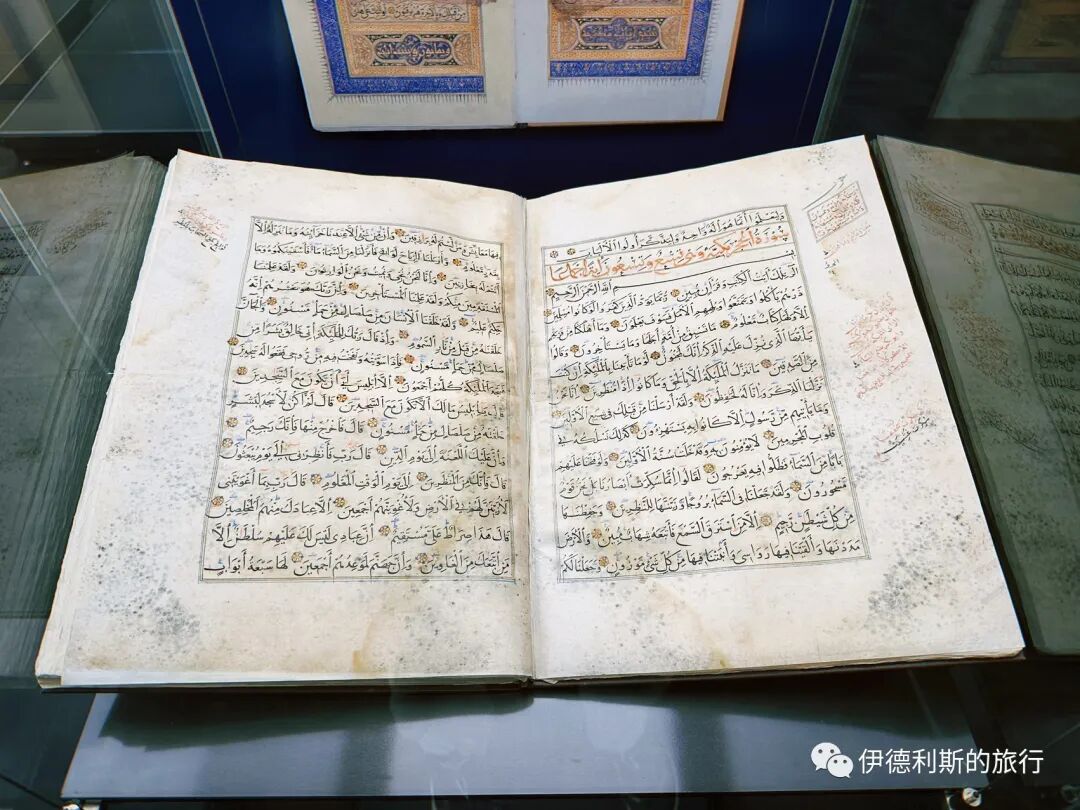
A manuscript of the Quran from 1474.
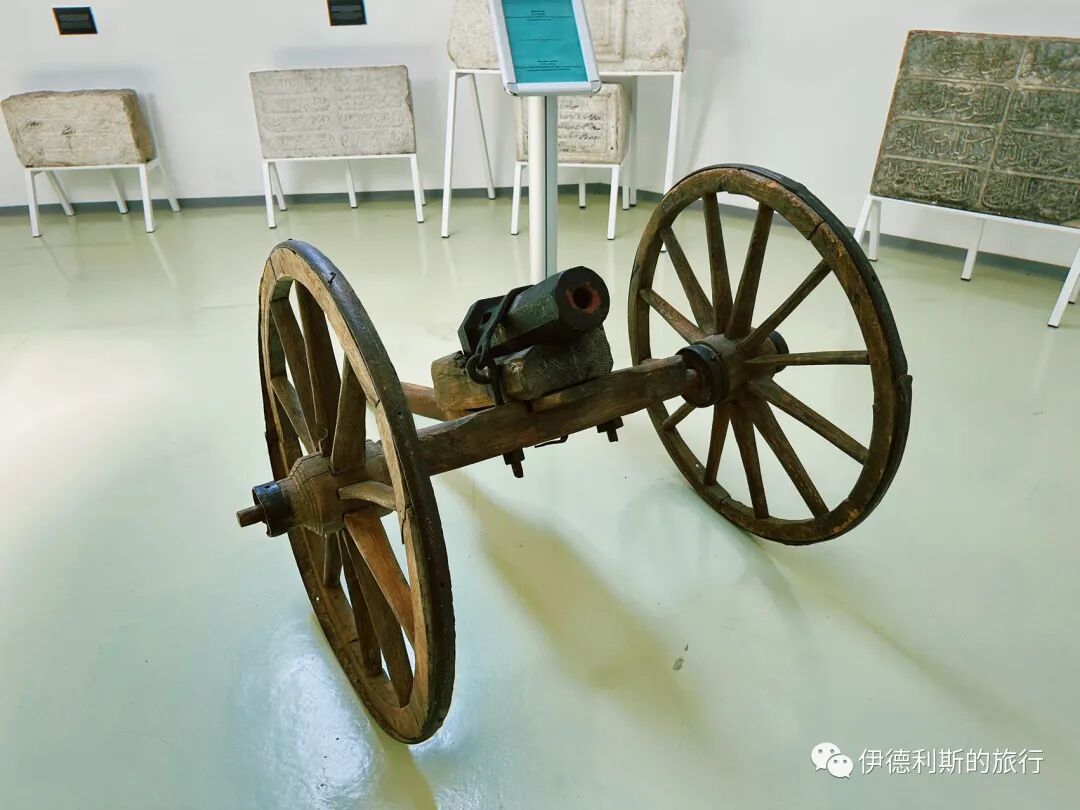
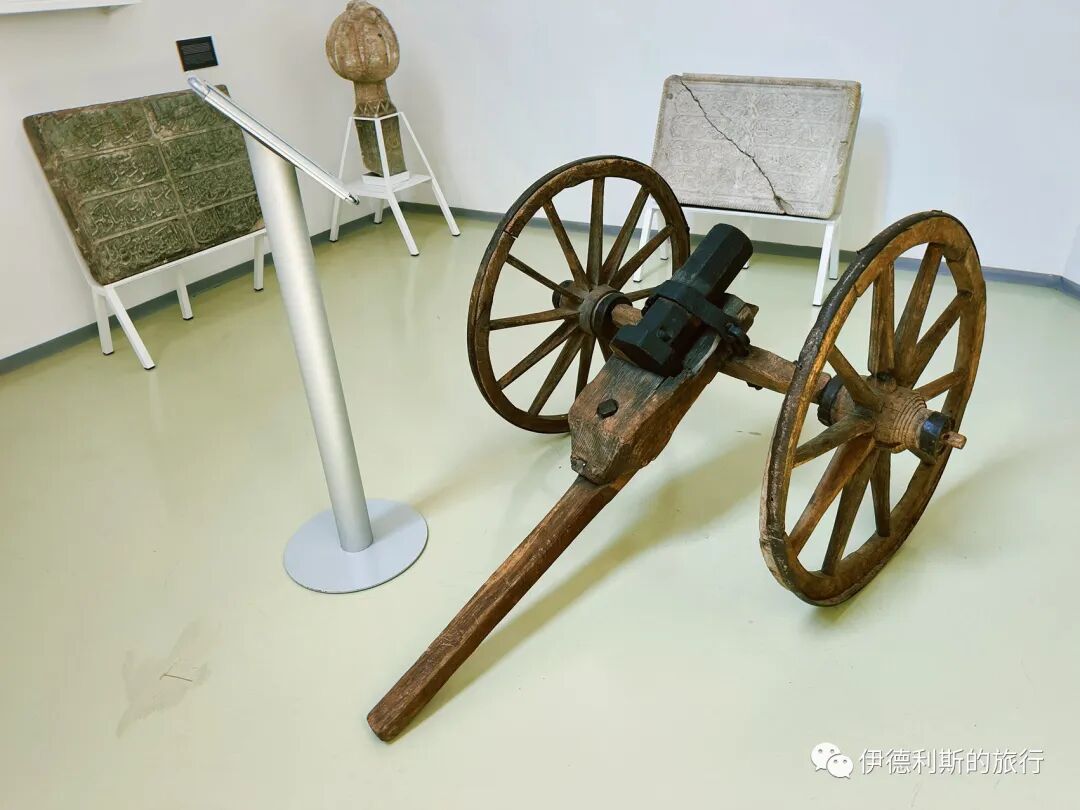
A cannon used in the 19th century during Ramadan to signal the start and end of the daily fast.
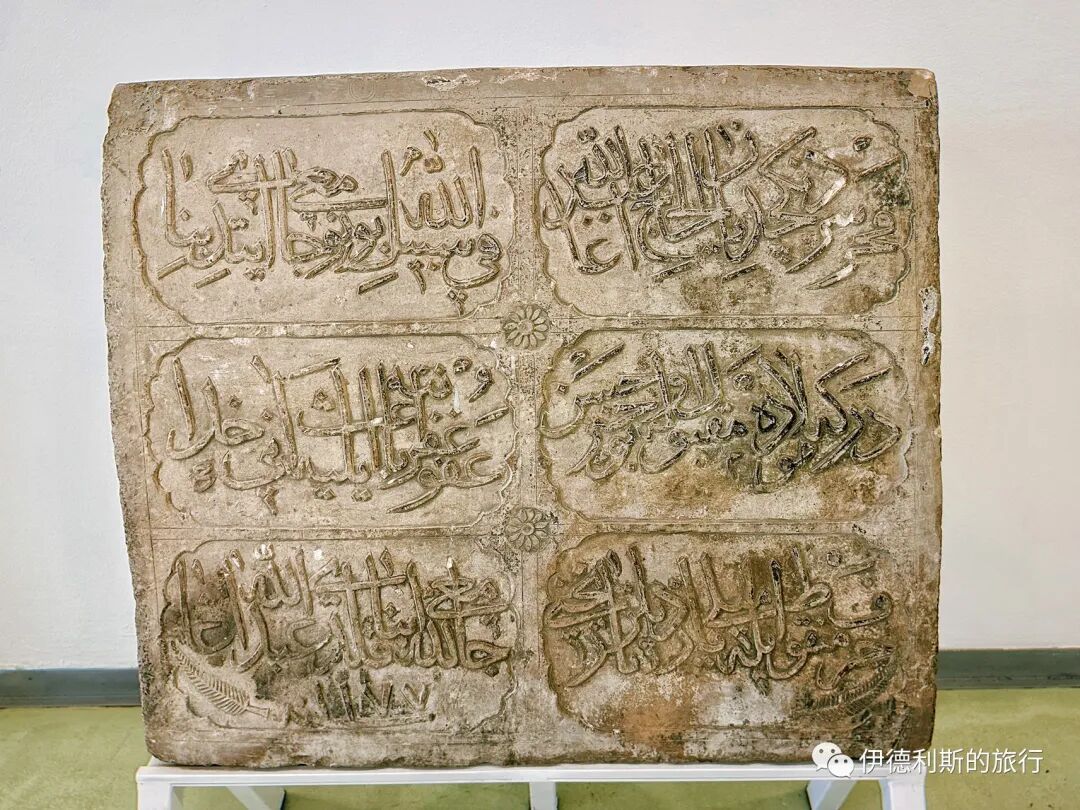
A Turkish-language stone inscription carved in Naskh script during the 1763-4 renovation of the Hasan Pehlivan mosque in Sarajevo.
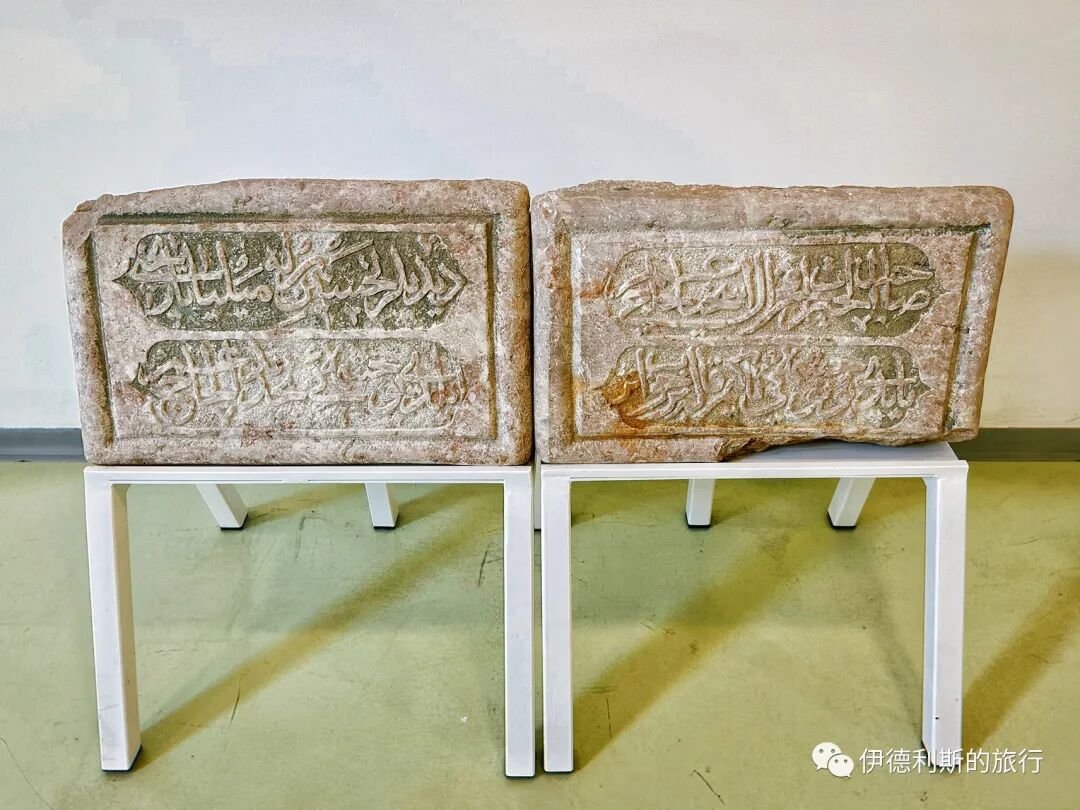
A Turkish-language stone inscription carved in Naskh script during the 1780-1 renovation of the Haji-Omer fountain in front of the Emperor's Mosque in Sarajevo.
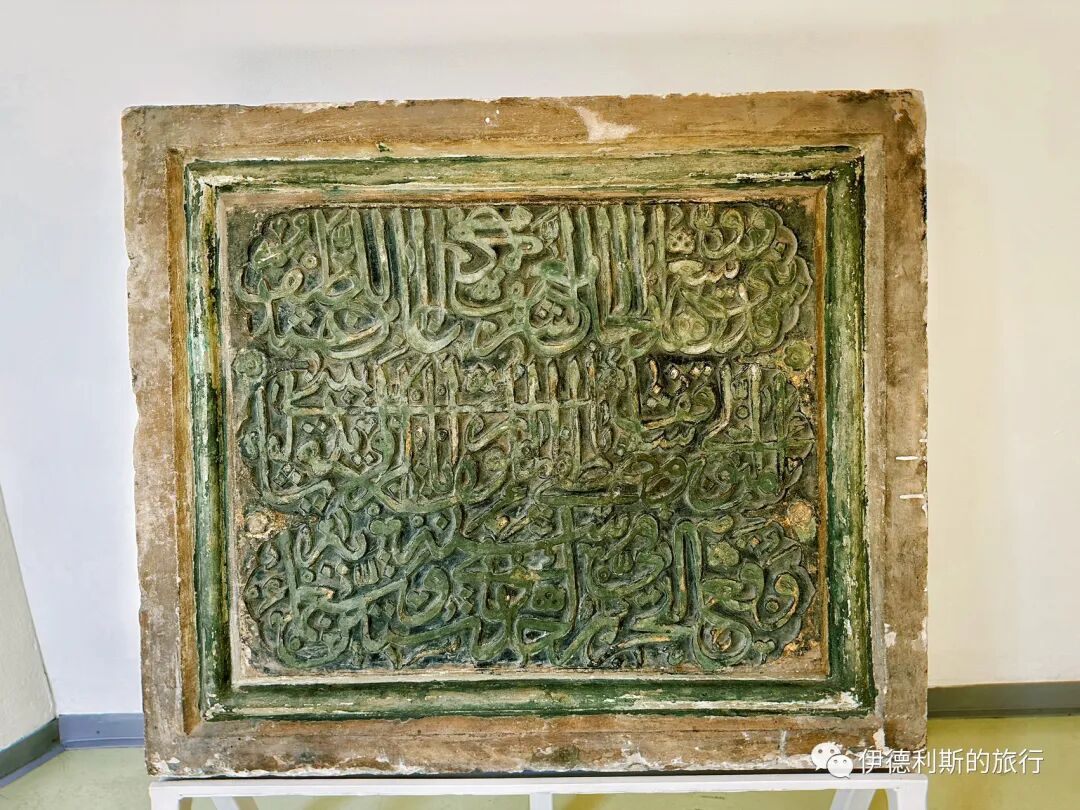
A Turkish-language stone inscription carved in Naskh script during the 1553-4 renovation of the Mustafa Pasha mosque in the southeastern Bosnian city of Foča. This mosque was demolished in 1947.
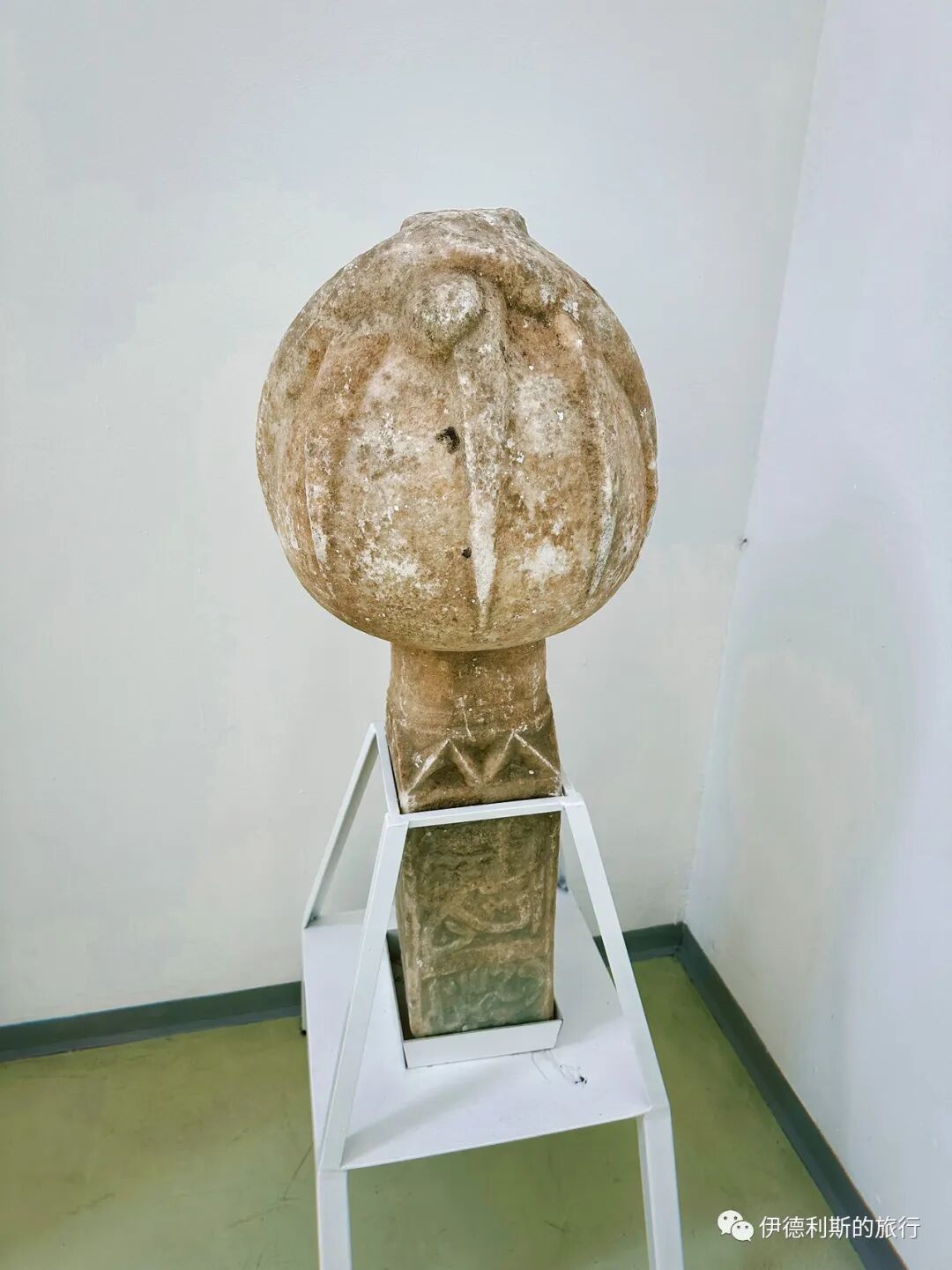
An Arabic tombstone from the grave of Turhan Emin bey, who served as the Ottoman governor (sanjak-bey) of Herzegovina. His grave is in Ustikolina in southeastern Bosnia and Herzegovina, the site of what was once the oldest mosque in the country. The turban carving at the top of the tombstone is a classic feature of Ottoman-era grave markers.
A Turkish-language commemorative stone inscription from 1857-8 on the Fadil Pasha madrasa, located on the east side of the Emperor's Mosque in Sarajevo. The author, Fadil Pasha, was a calligrapher himself.
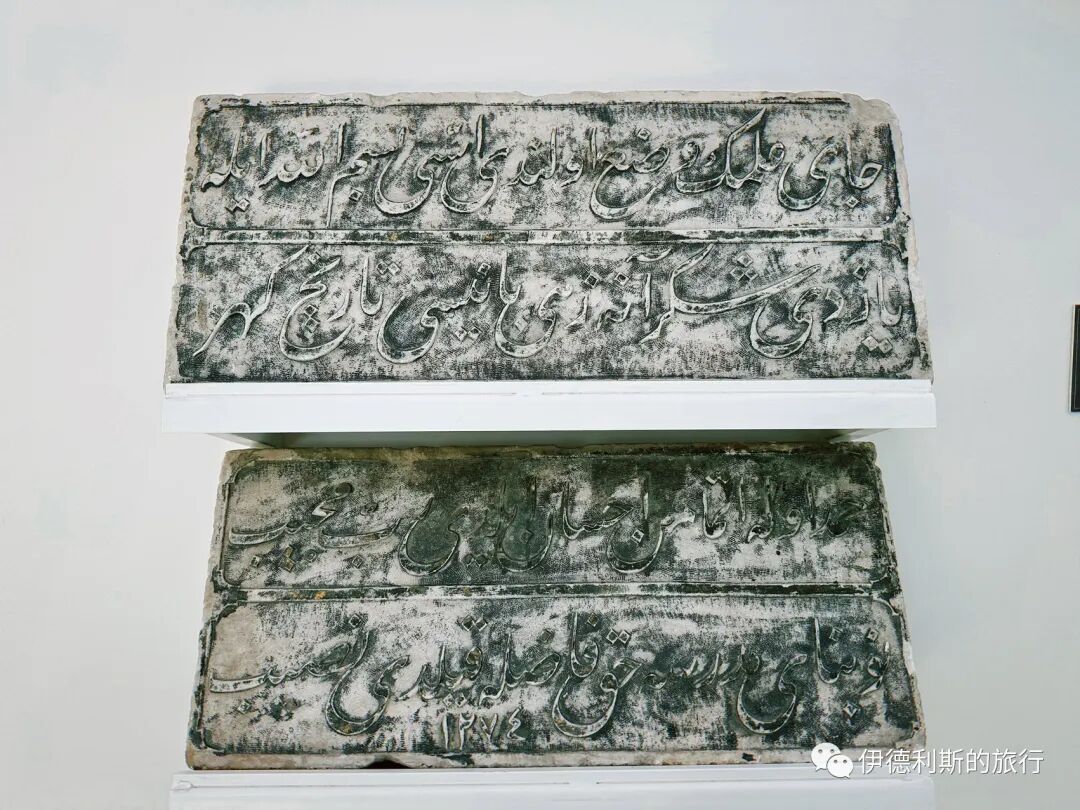
A Turkish-language stone inscription carved on the gate during the 1766-7 renovation of the Havadza Kemaludin mosque in Sarajevo. It was written by the famous Sarajevo poet and calligrapher Sheikh Muhammad Effendi. This mosque was built in 1515 and was demolished by order of the Kingdom of Yugoslavia in 1940.
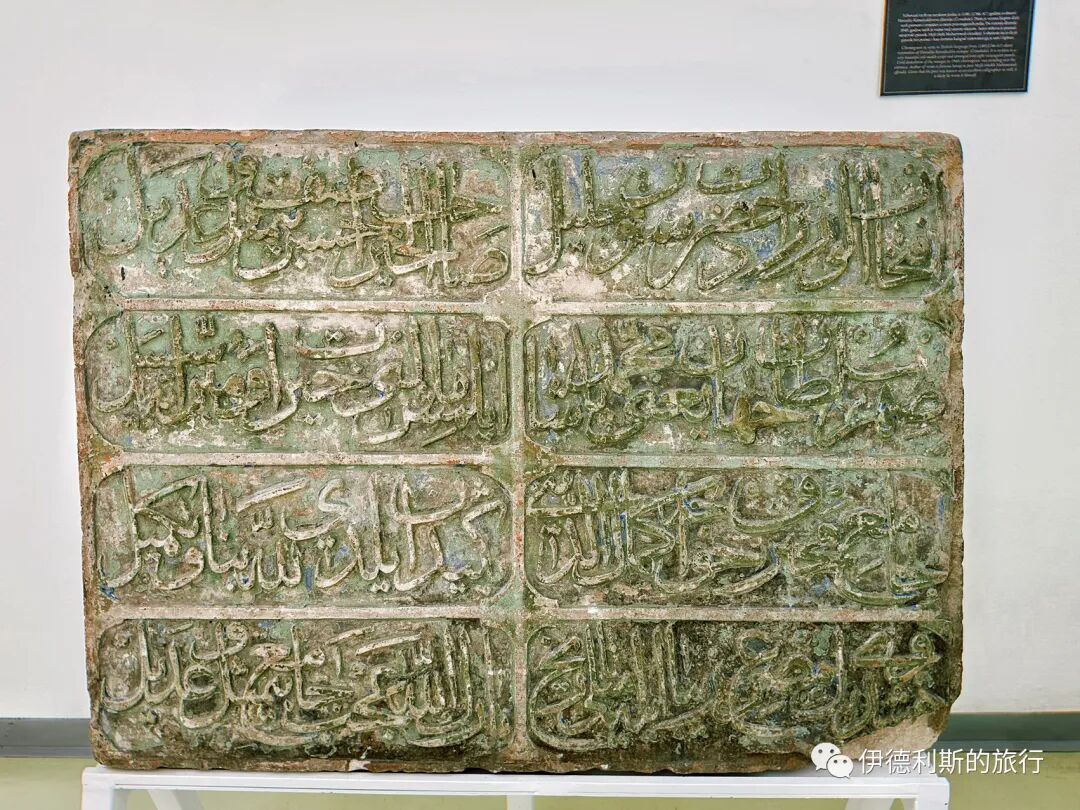
The top piece is a Turkish-language stone inscription from 1885-6, carved during the renovation of the Gazi Iskender Pasha fountain in Sarajevo using Taliq Persian hanging script. The bottom piece is a Turkish-language stone inscription from 1780-1, carved during the renovation of a fountain in the courtyard of a Sufi lodge (tekke) in the Skenderija area of Sarajevo. It also uses Taliq Persian hanging script and was written by the local mufti, Sakir.
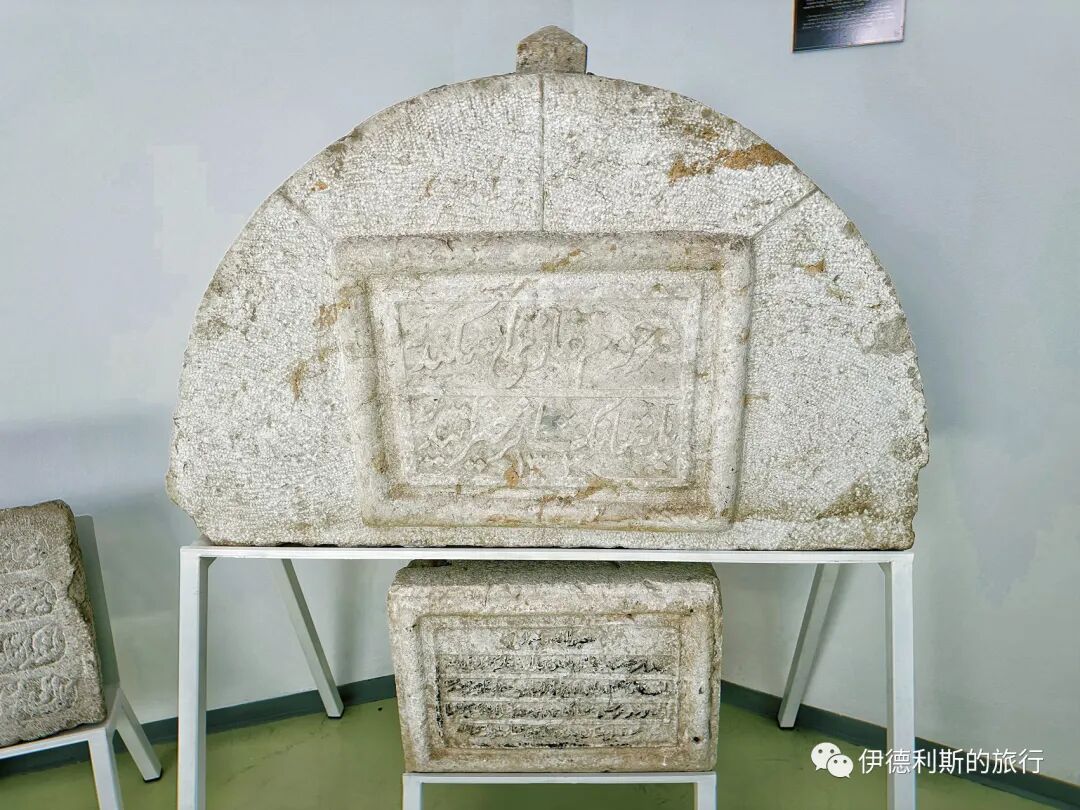
This stone monument, carved in 1740-1 to mark the passing of Sulejman-effendi Hadzimusic, records his contributions to the defense of Bosnia in 1737. It is an important historical record regarding the formation of the Bosniak nation. This stone was embedded in the wall of the mosque until the Kingdom of Yugoslavia demolished the mosque in 1940.
Bathhouse
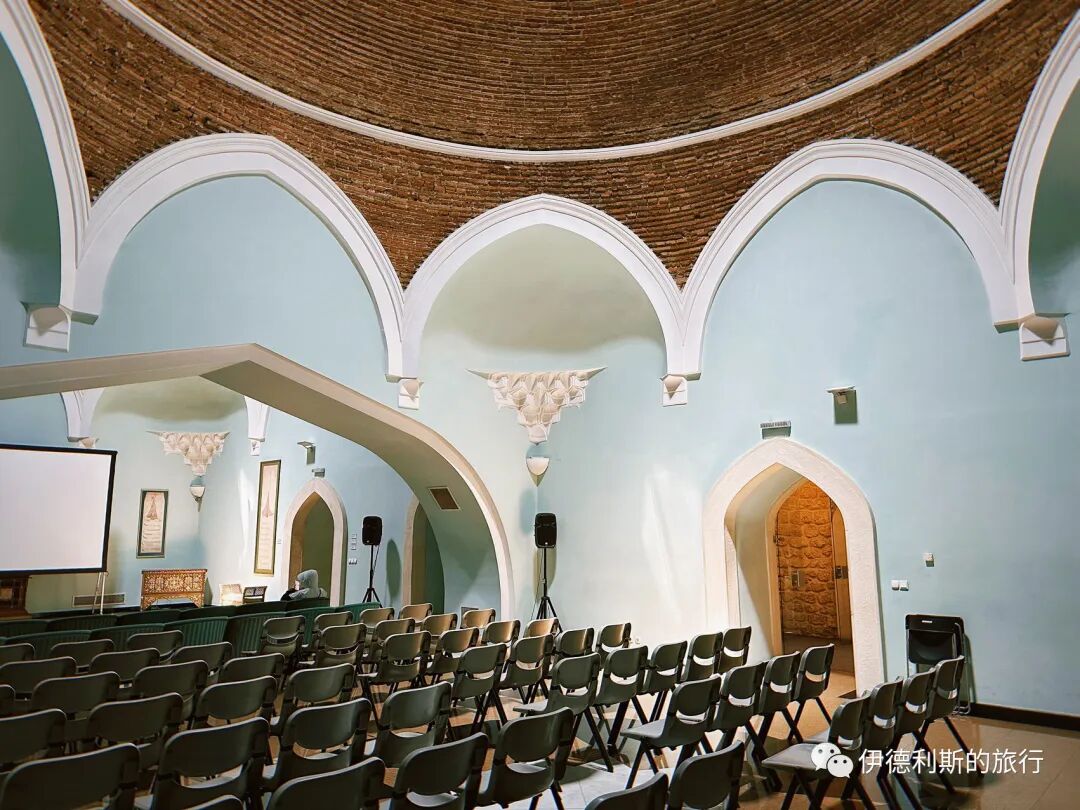
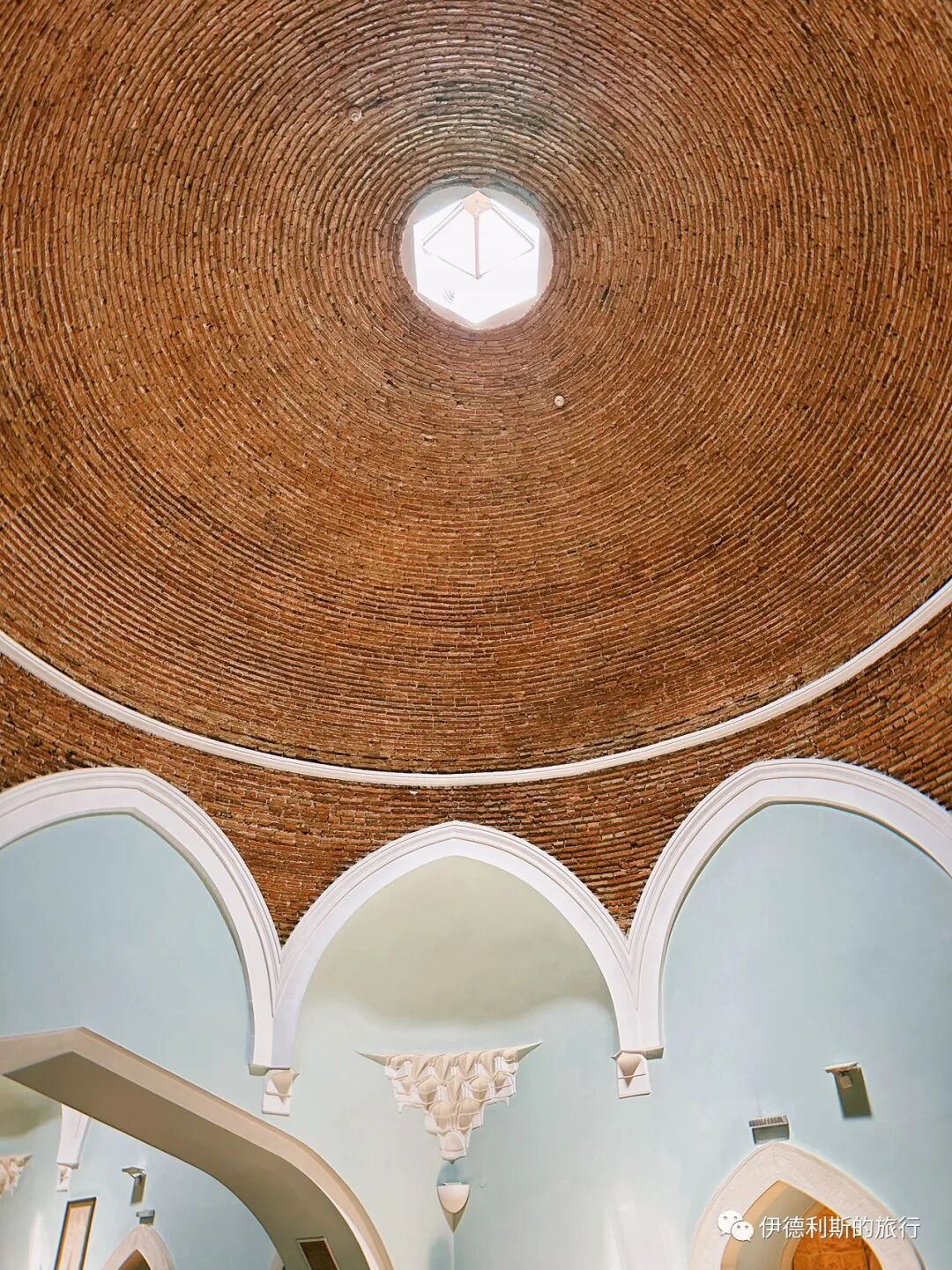
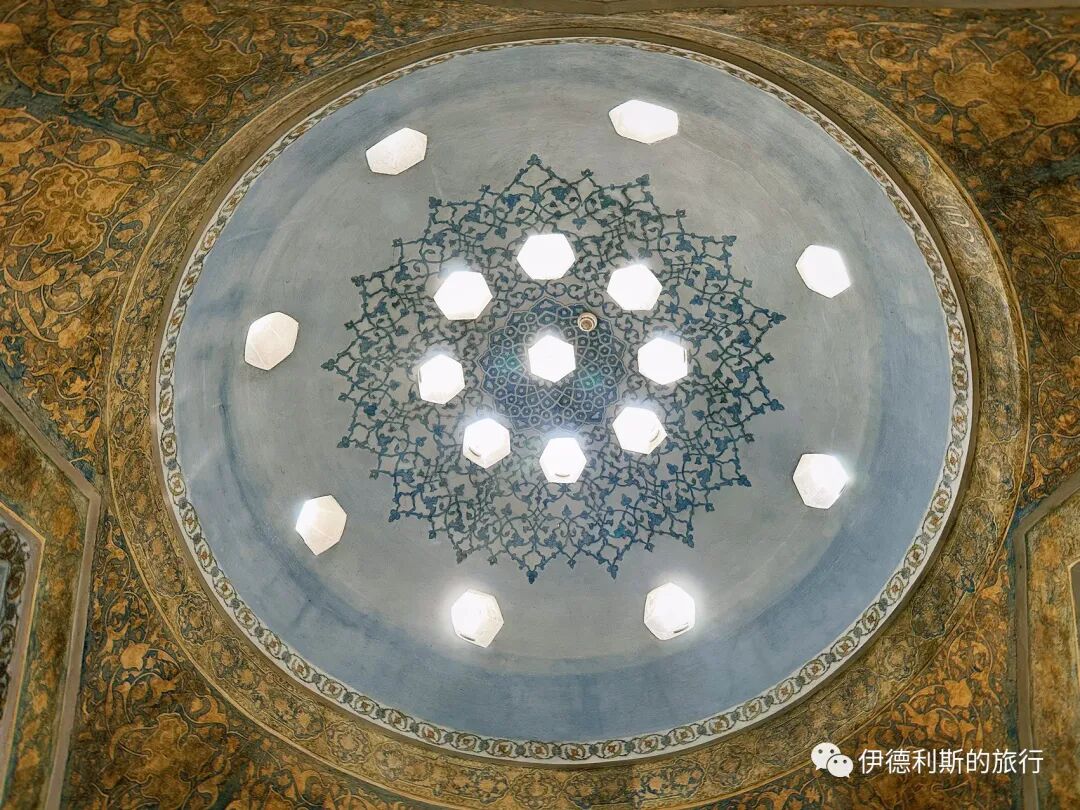
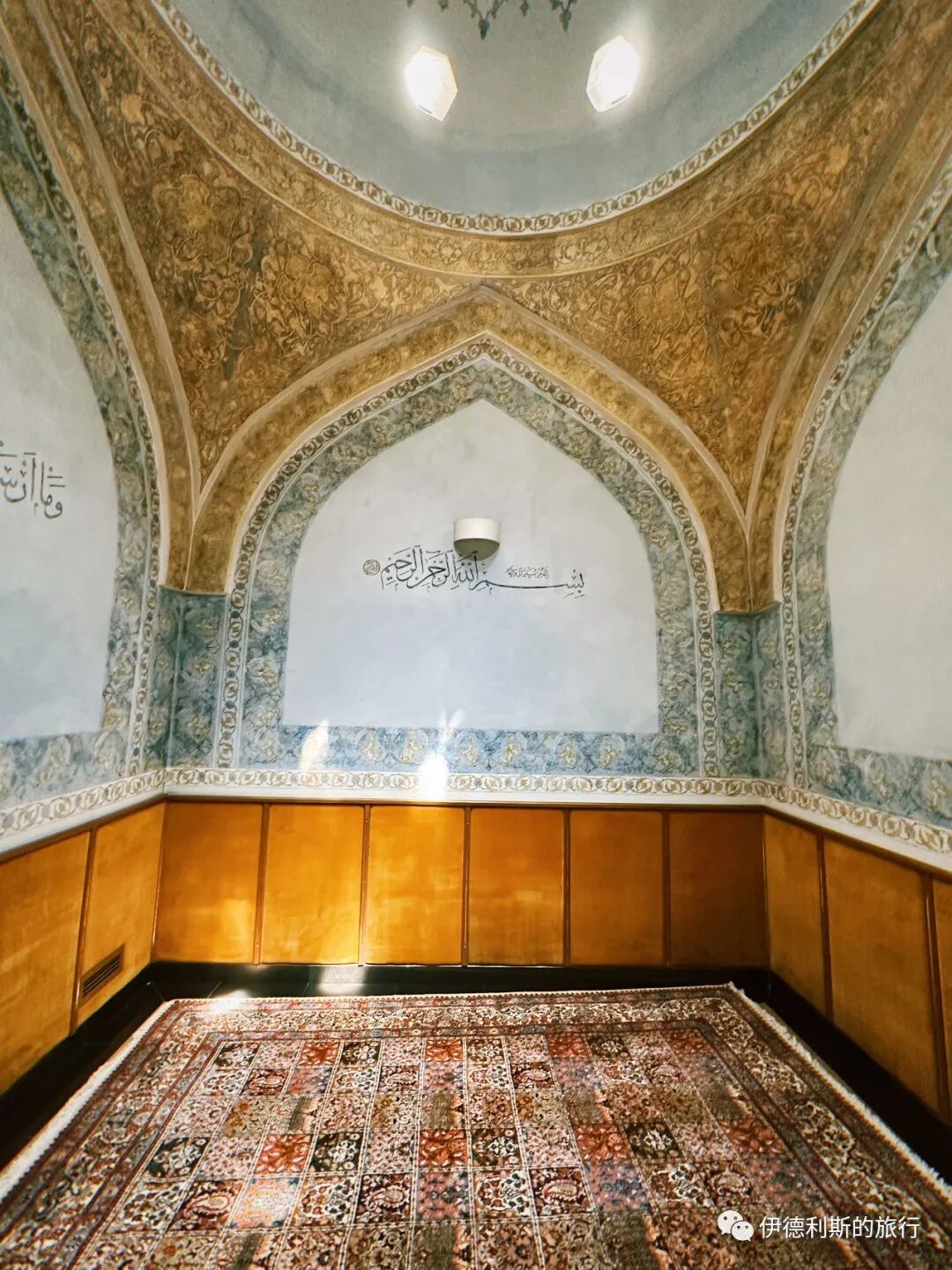
The bathhouse (hamam) of Gazi Husrev Bey was built in 1537 and is located 300 meters northwest of the mosque. The southern part of the bathhouse has two symmetrical domed buildings, which served as the main halls for the men's and women's bathing areas. You can enter individual small rooms, each with its own dome, through the corridor and cloakroom on the north side. The bathhouse suffered fires twice, once during the Habsburg invasion in 1697 and again during the Austro-Hungarian invasion in 1879. It was rebuilt after these events, and what you see today is mostly how it looked after the 1891 renovation.
After being renovated in 2000, it became part of the Bosniak Institute. It frequently hosts cultural events like book launches, concerts, literary nights, and exhibitions.
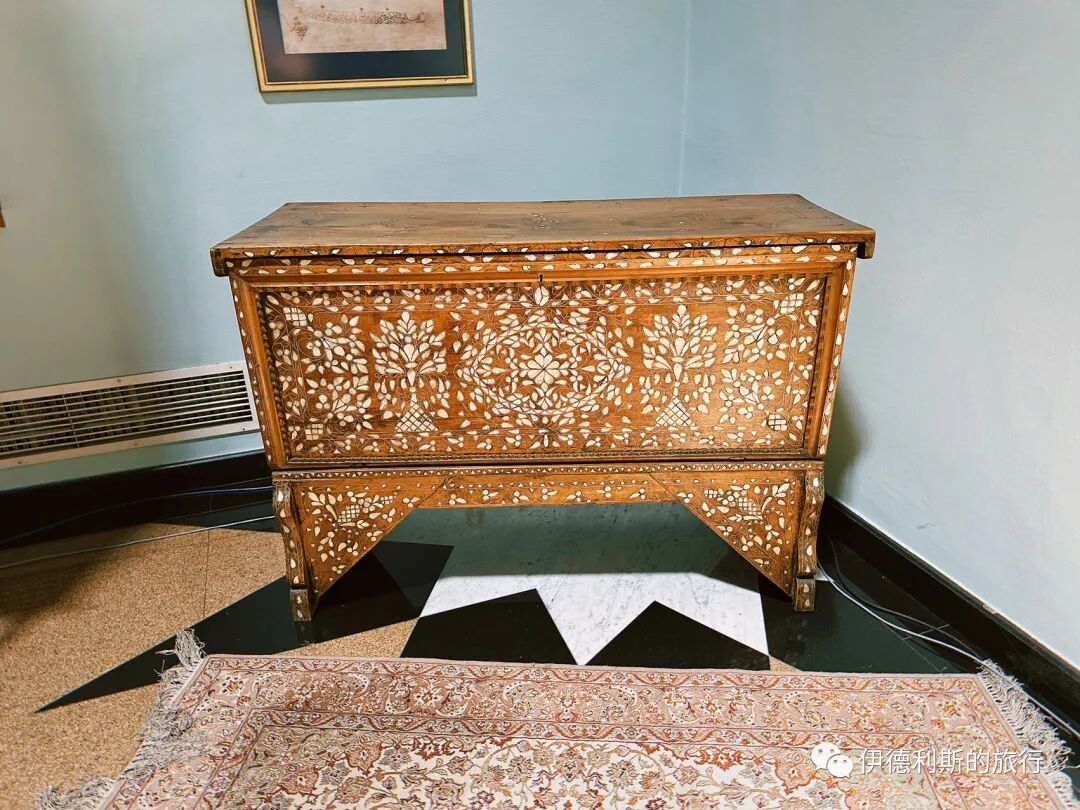
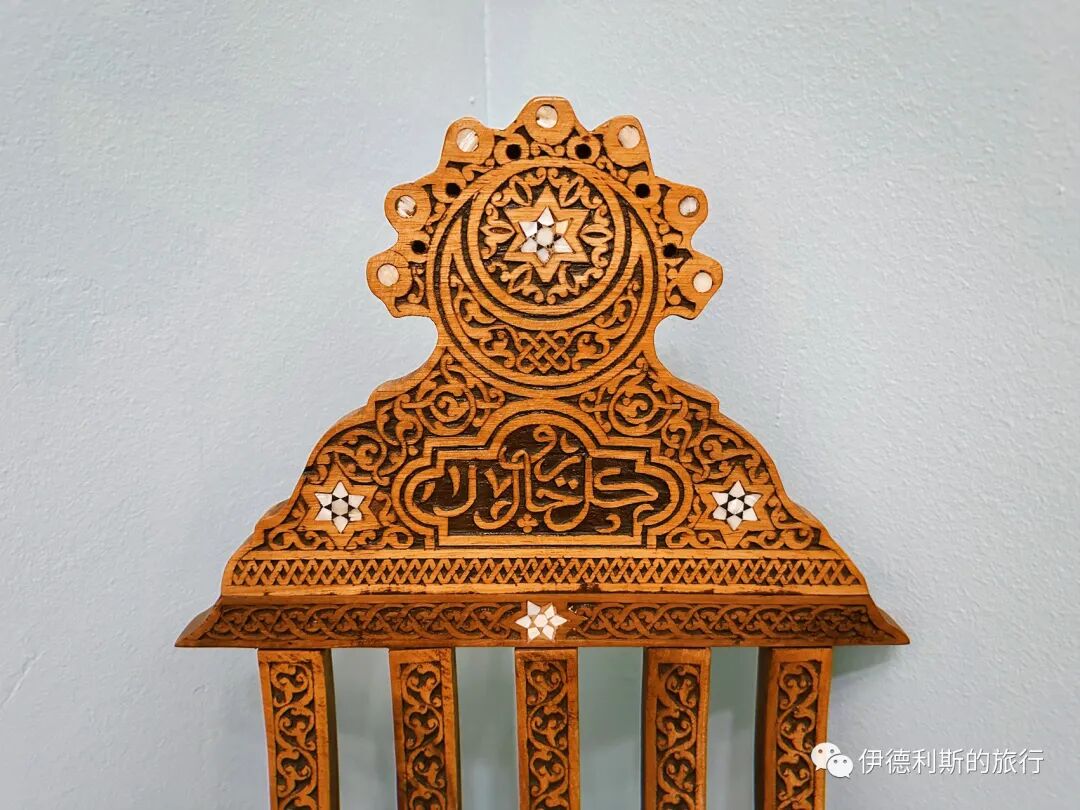
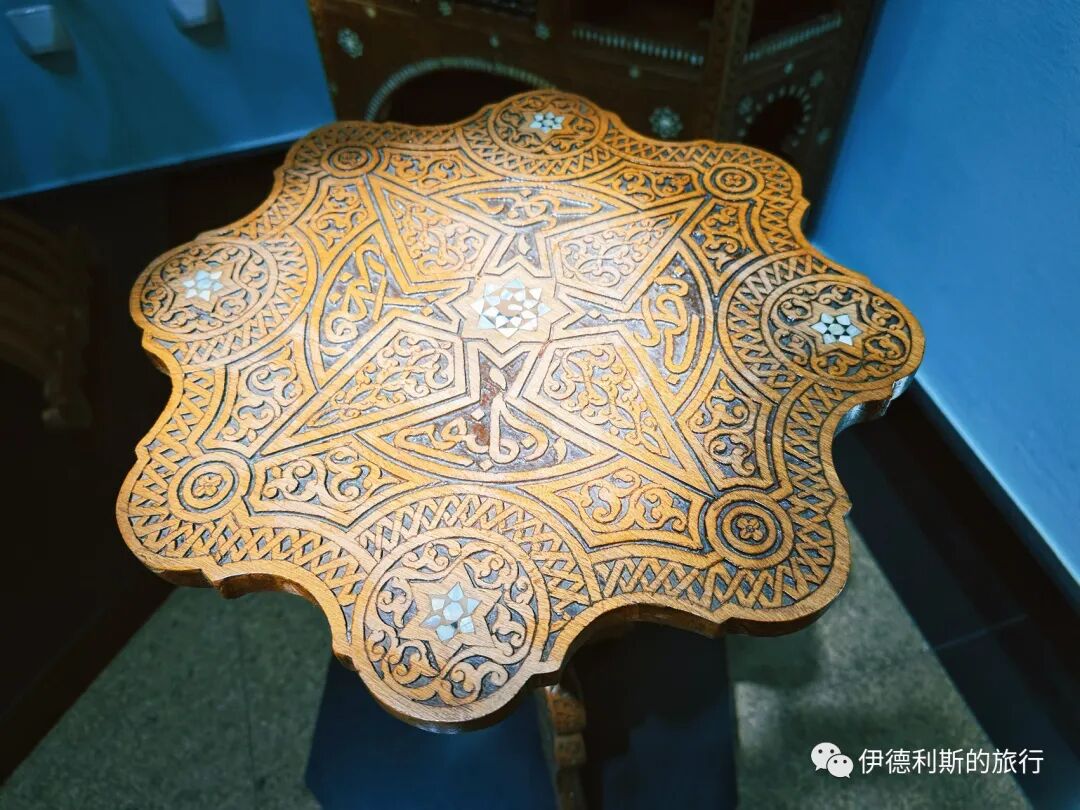
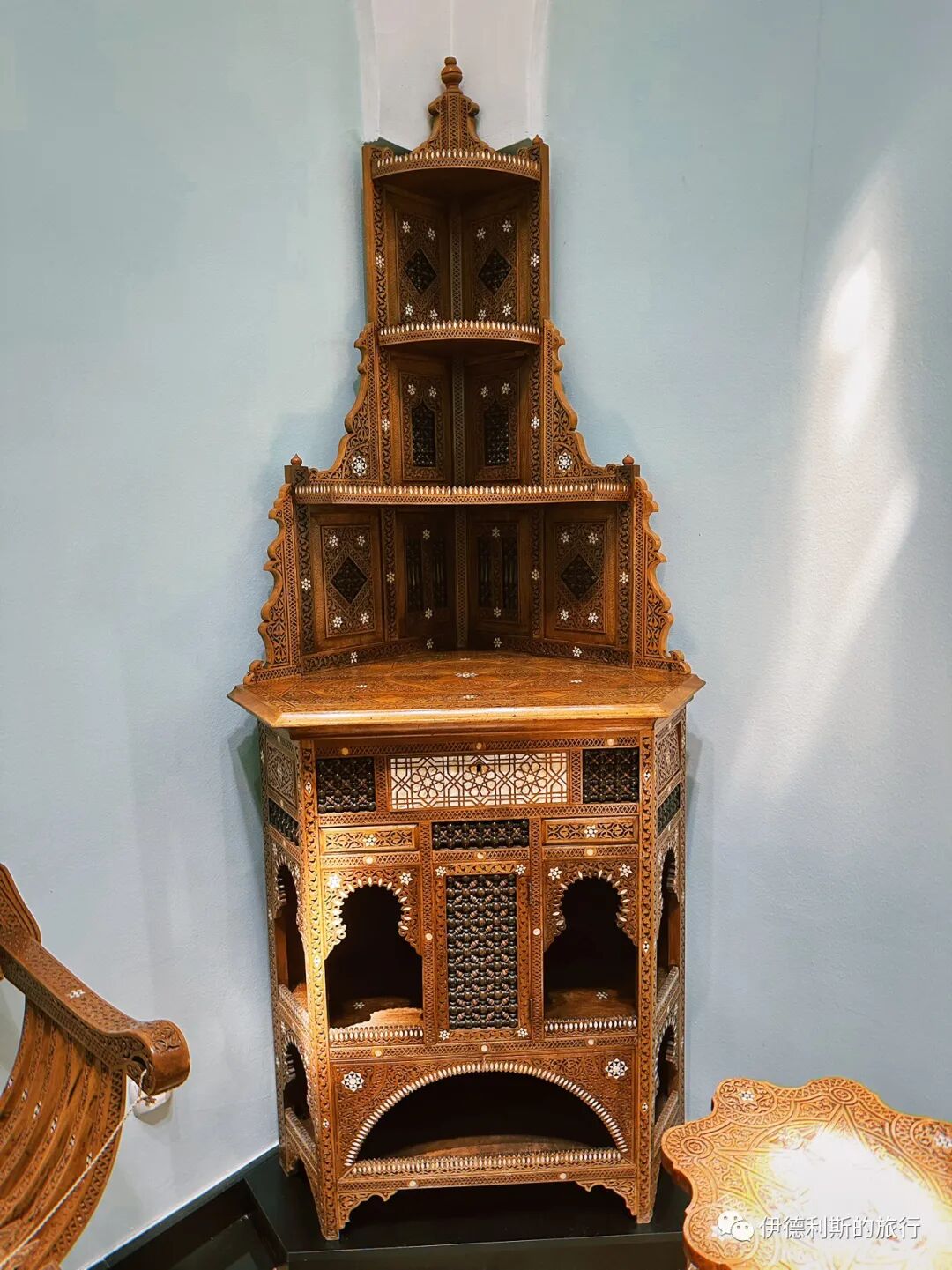
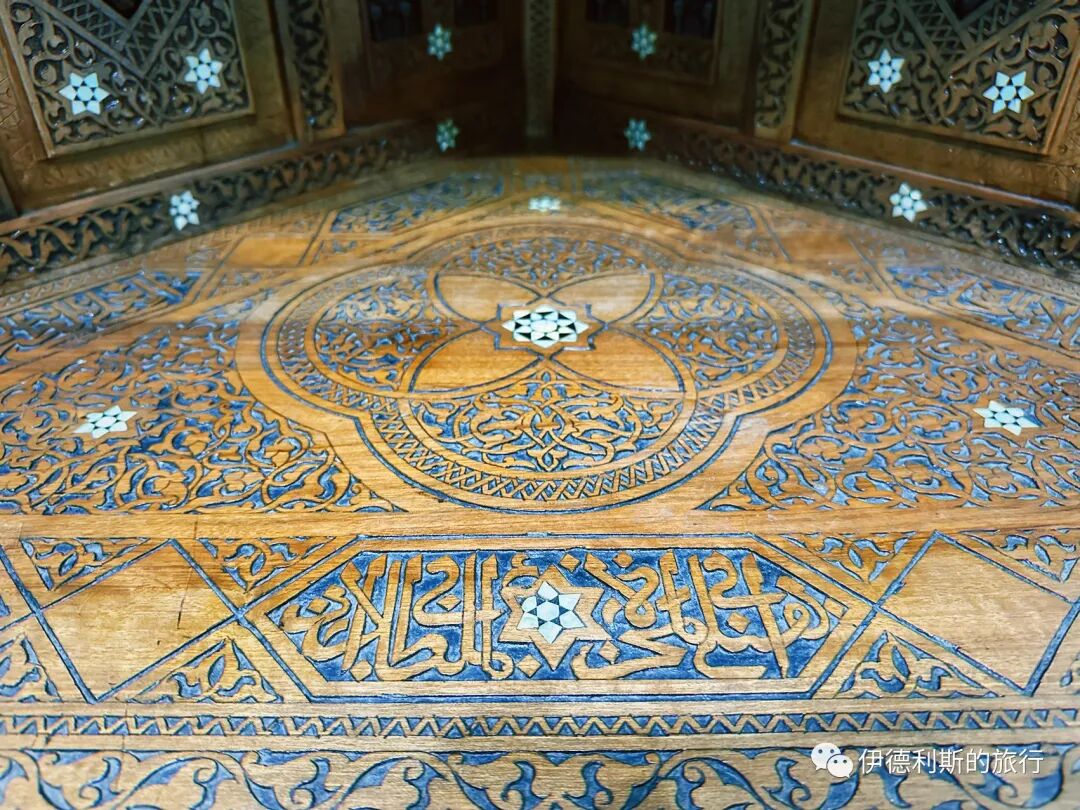
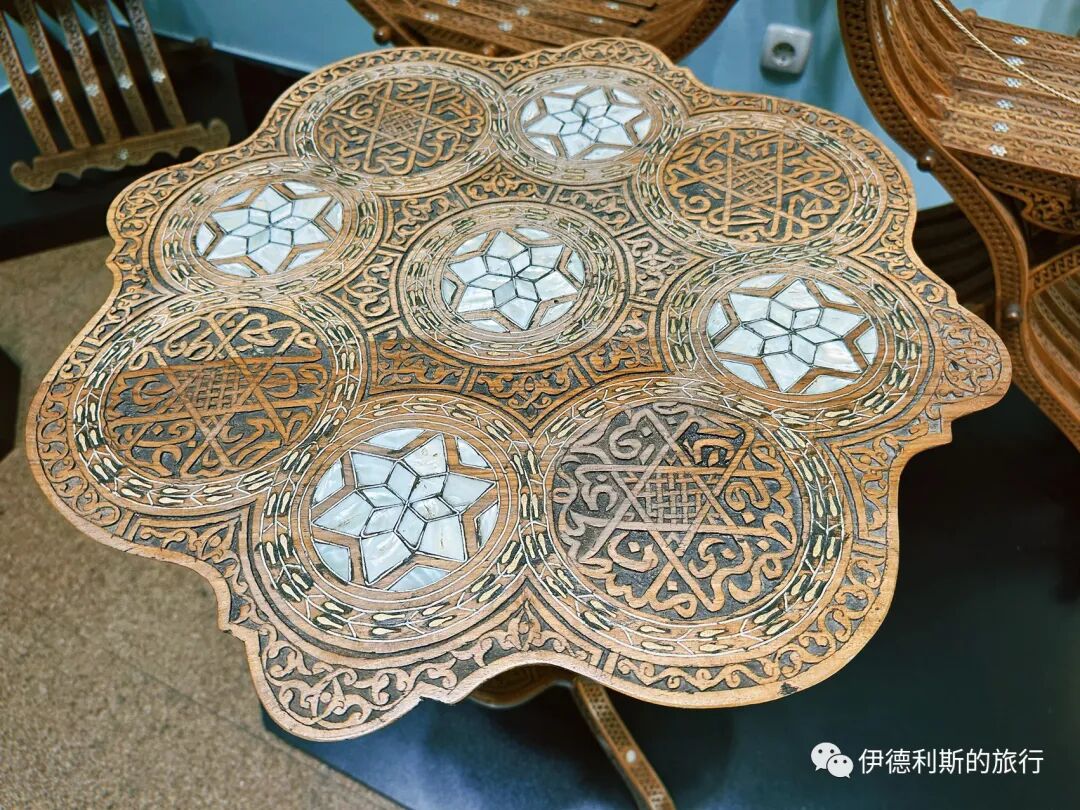
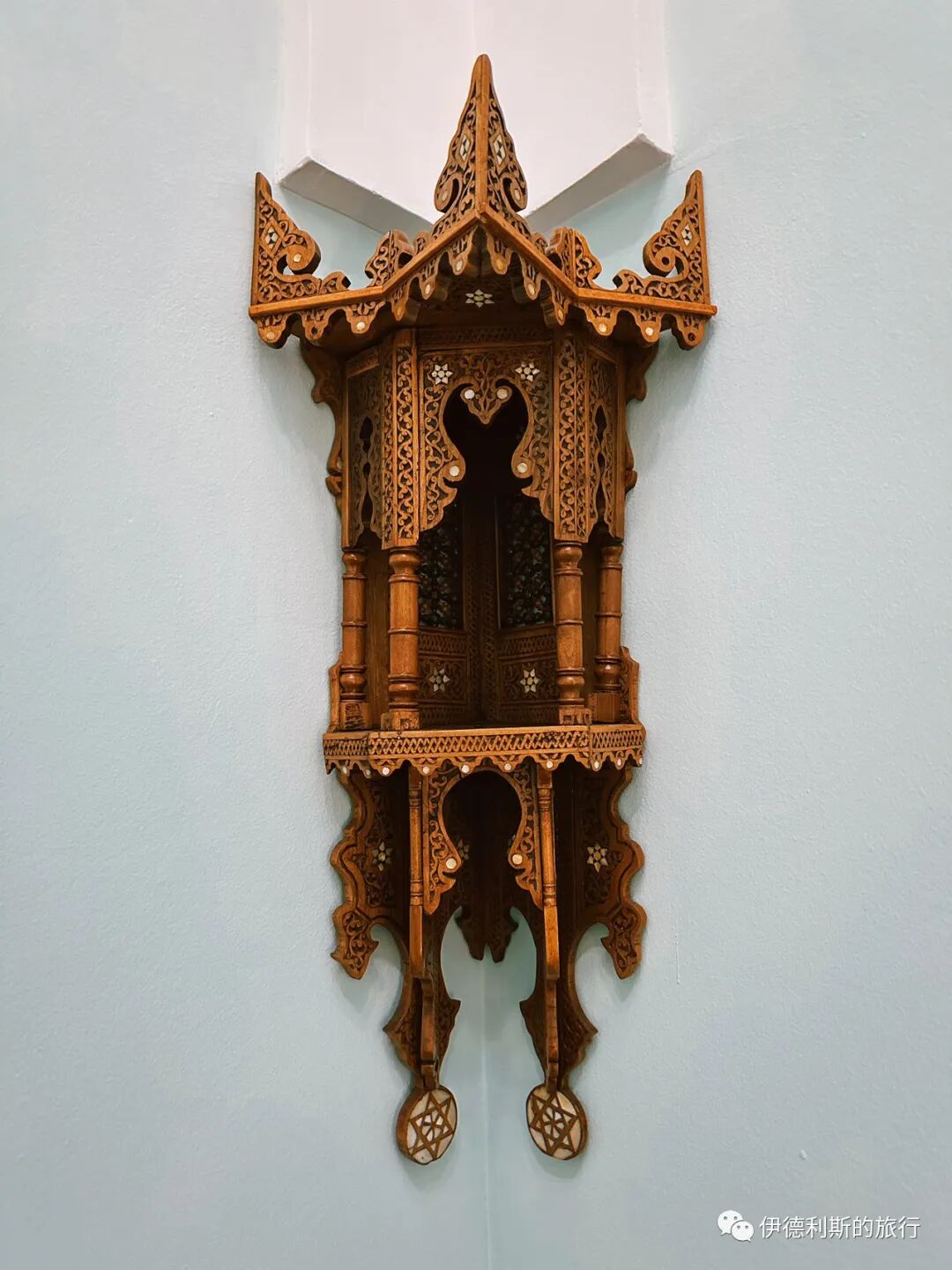
The collection of the Adil Zulfikarpasic Foundation at the Bosniak Institute features exquisite wooden furniture crafted by Bosnian artisans between the 19th and early 20th centuries.
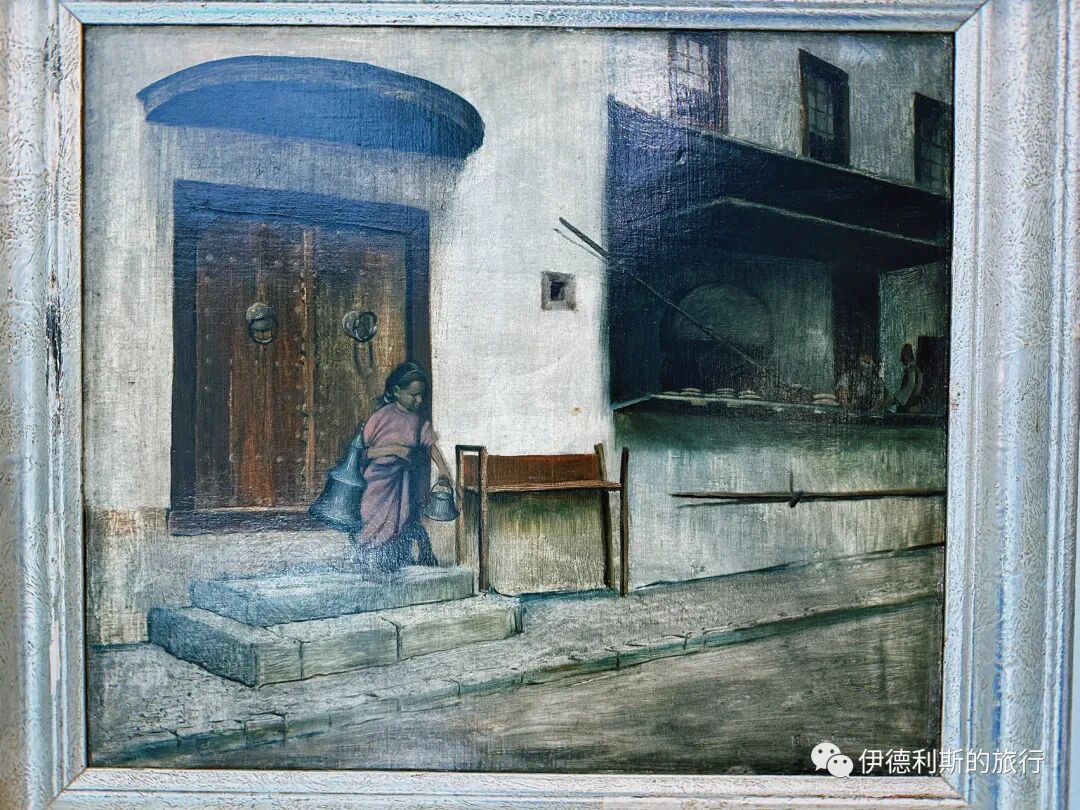
The art exhibition at the Bosniak Institute focuses on scenes of Sarajevo and Bosnia painted by 20th-century Bosnian artists.
A painting of a Bosnian street by Đoko Mazalić from 1920. He graduated from the Royal Hungarian Academy of Fine Arts in 1914 and helped establish the National Gallery of Bosnia and Herzegovina. He was skilled at depicting Bosnian life and achieved great success in the Sarajevo cultural scene during the 1930s and 1940s.
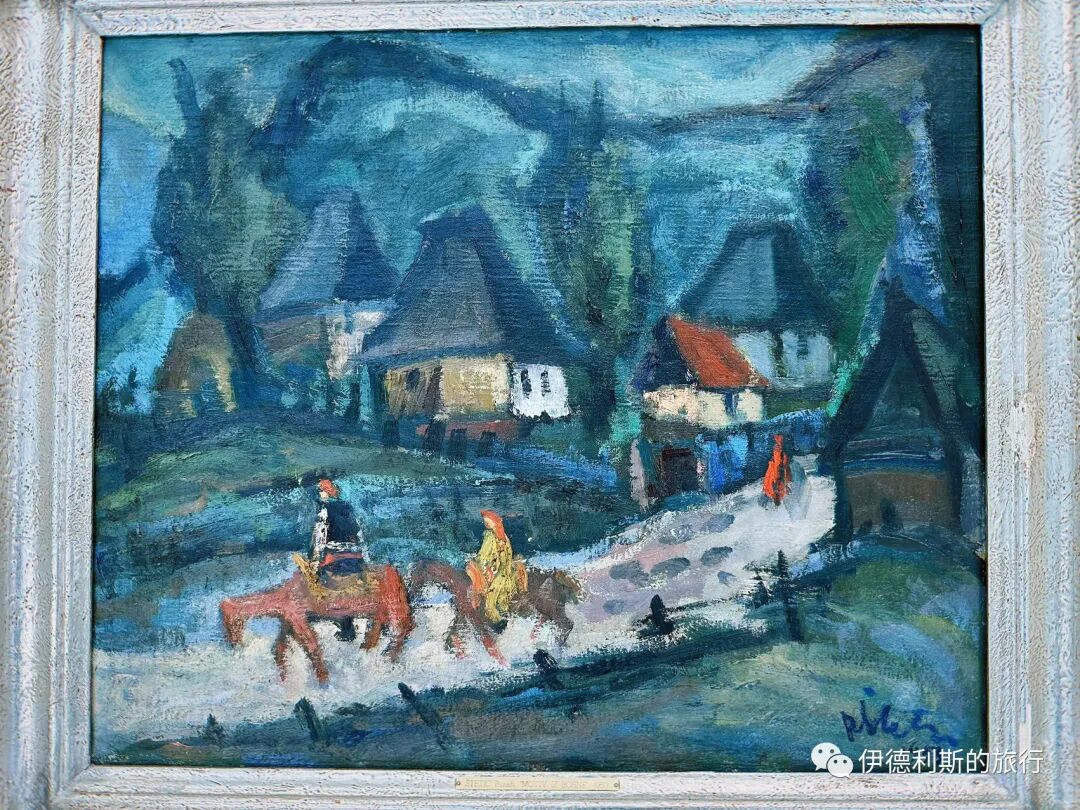
A painting of Bosnian life by Rizah Štetić from 1952. He graduated from the Royal Academy of Arts and Crafts in Zagreb, Croatia, in 1932. He became the principal of the Sarajevo State School of Crafts in 1946 and later served as a painting professor at the National Academy of Fine Arts.
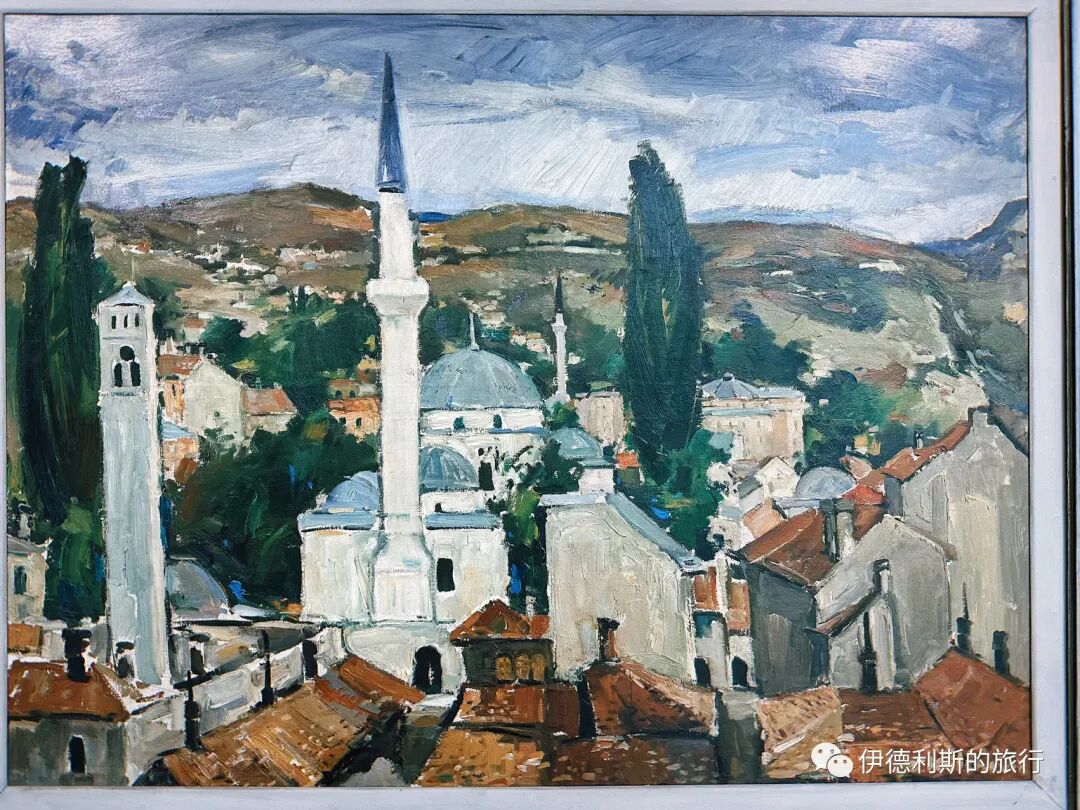
A painting of the Sarajevo Grand Bazaar by Kulenović Hakija. He graduated from the Belgrade Academy of Arts in 1928 and held an art exhibition in Sarajevo in 1932.
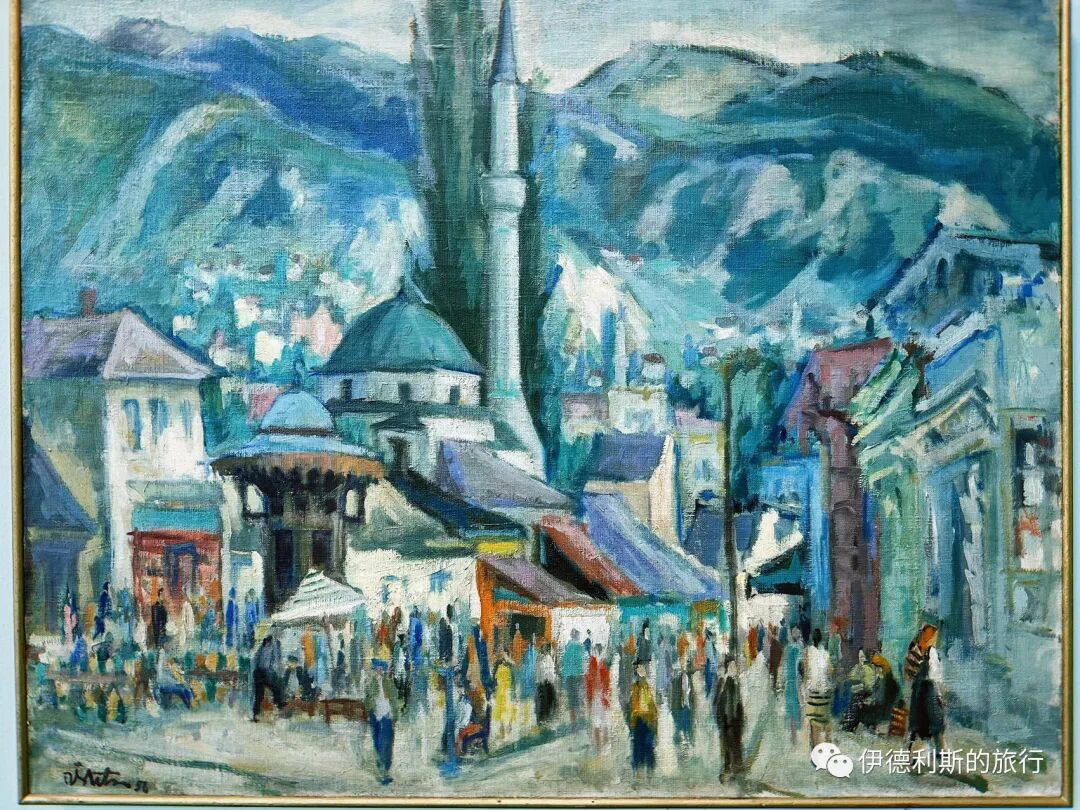
The Sarajevo bazaar painted by Rizah Štetić in 1956.
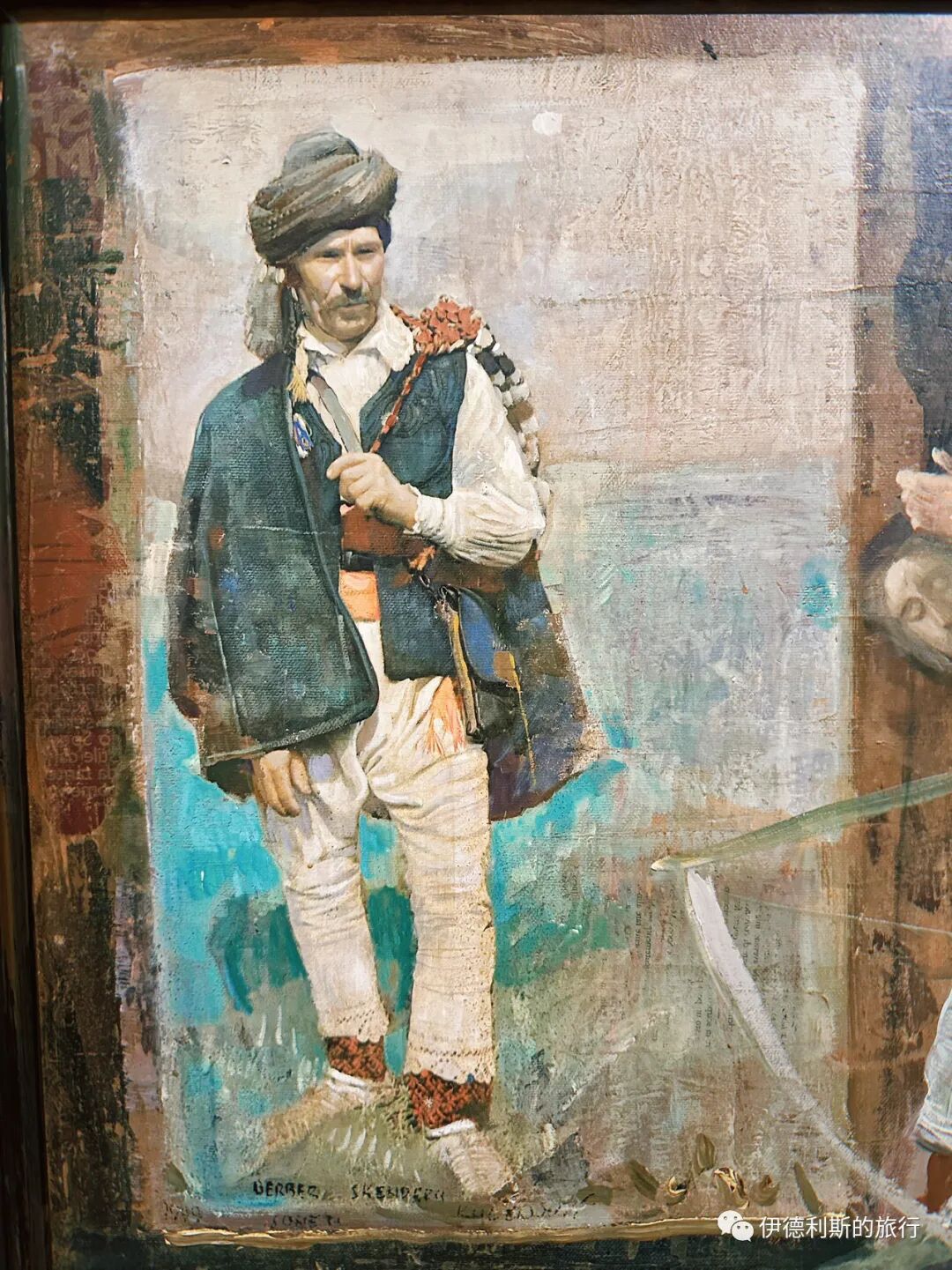
A work by the famous Bosnian artist Mersad Berber, who drew inspiration from the mysterious world of Bosnia, the layers of the Ottoman Empire, and the tragic fate of its people.
Morića Han caravanserai
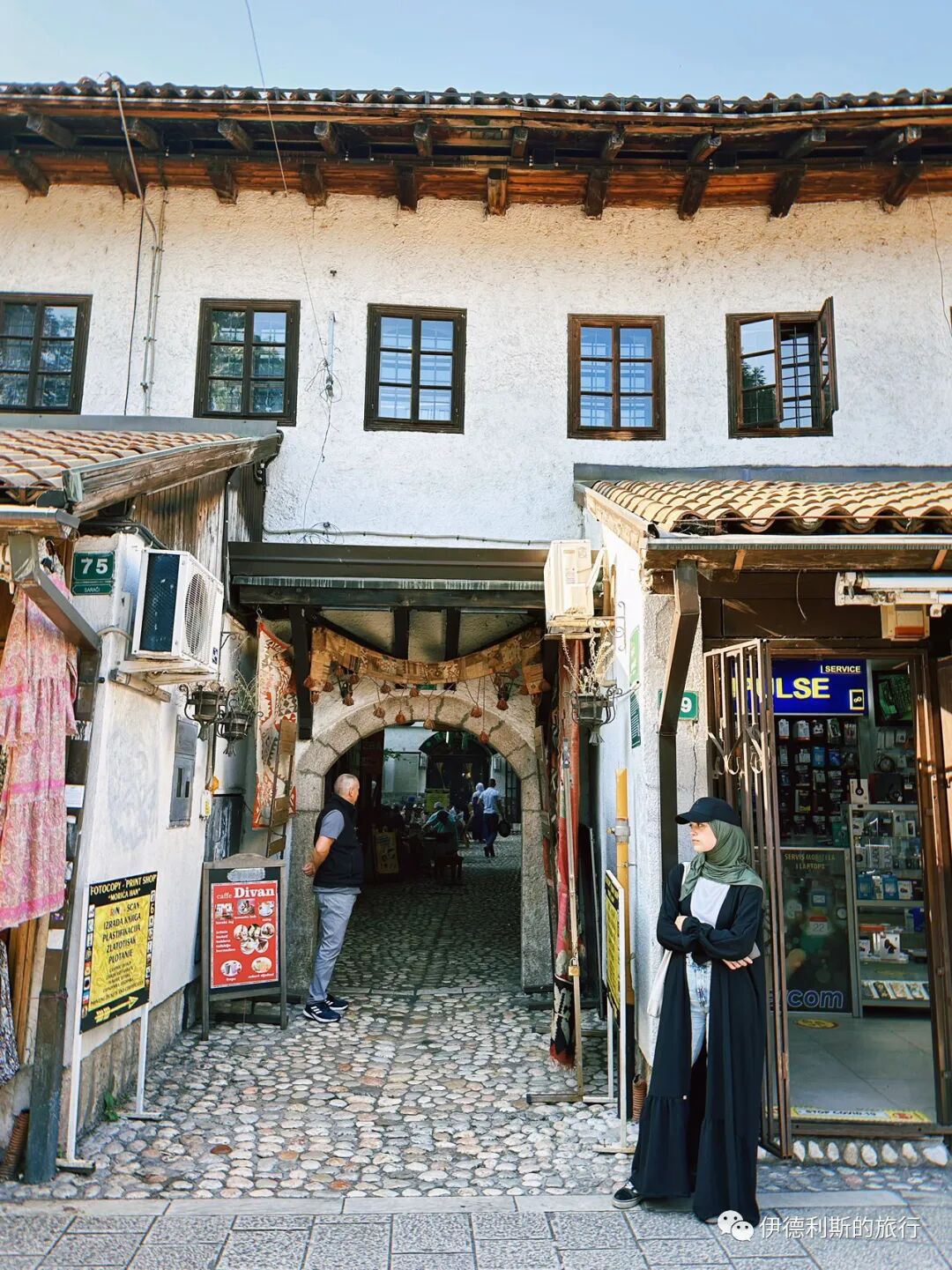
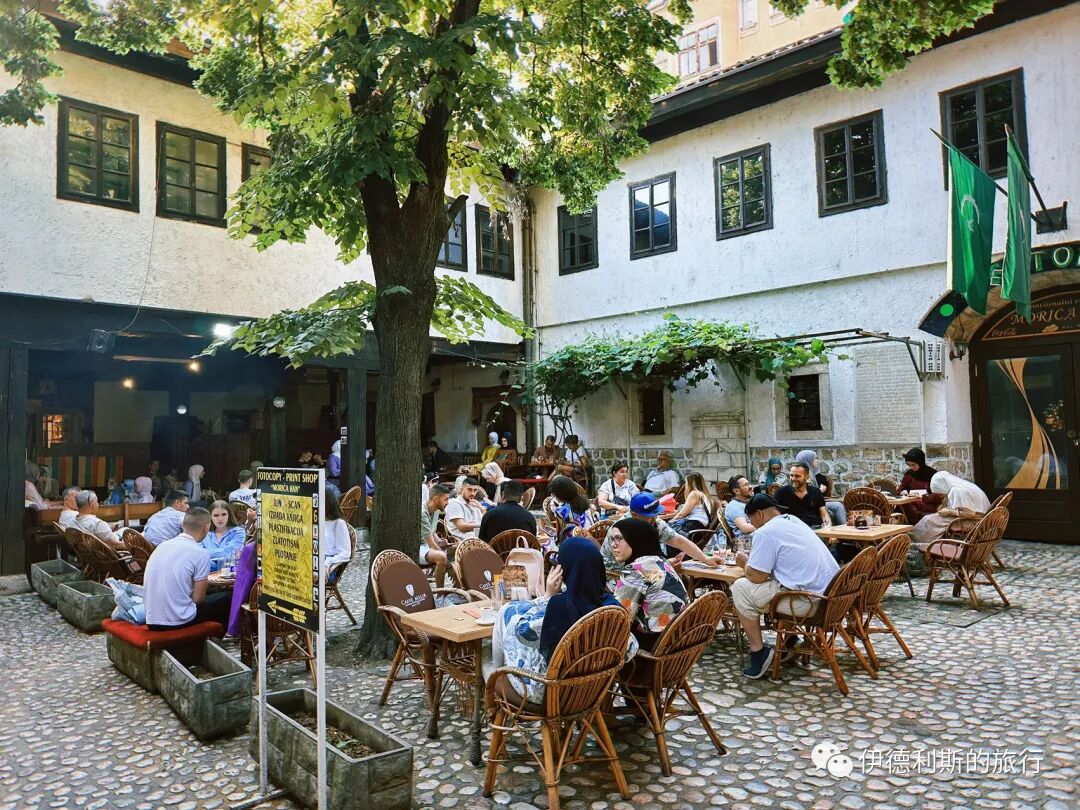
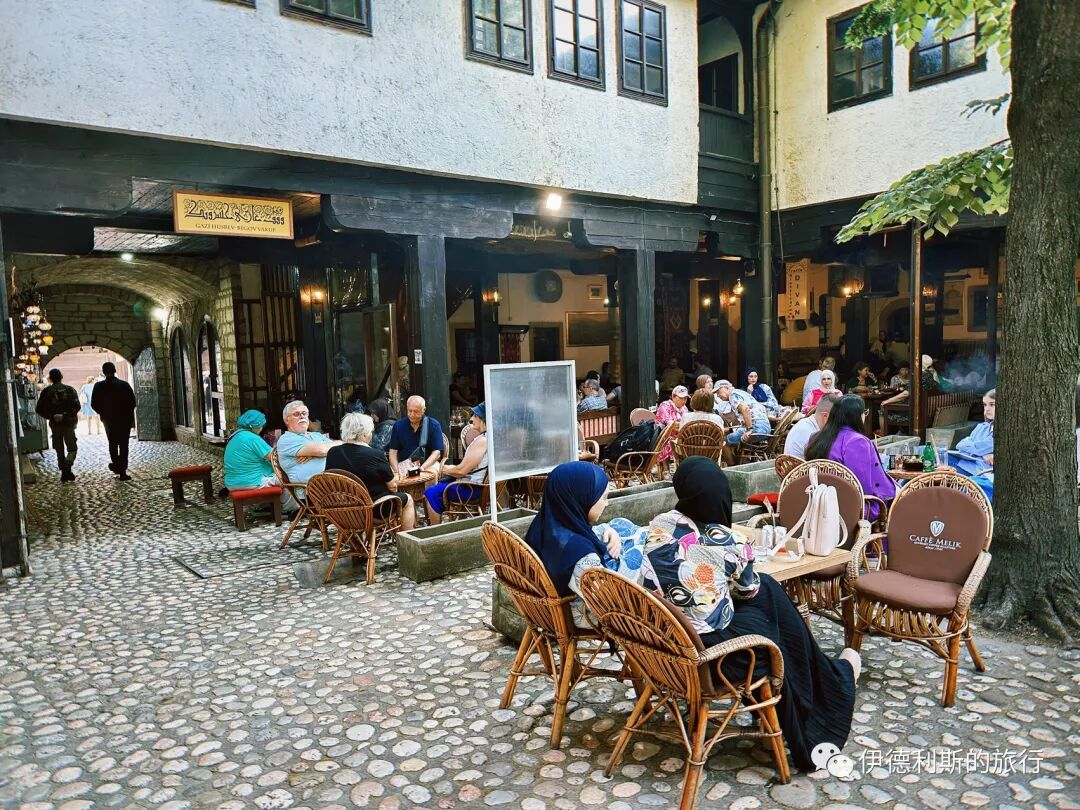
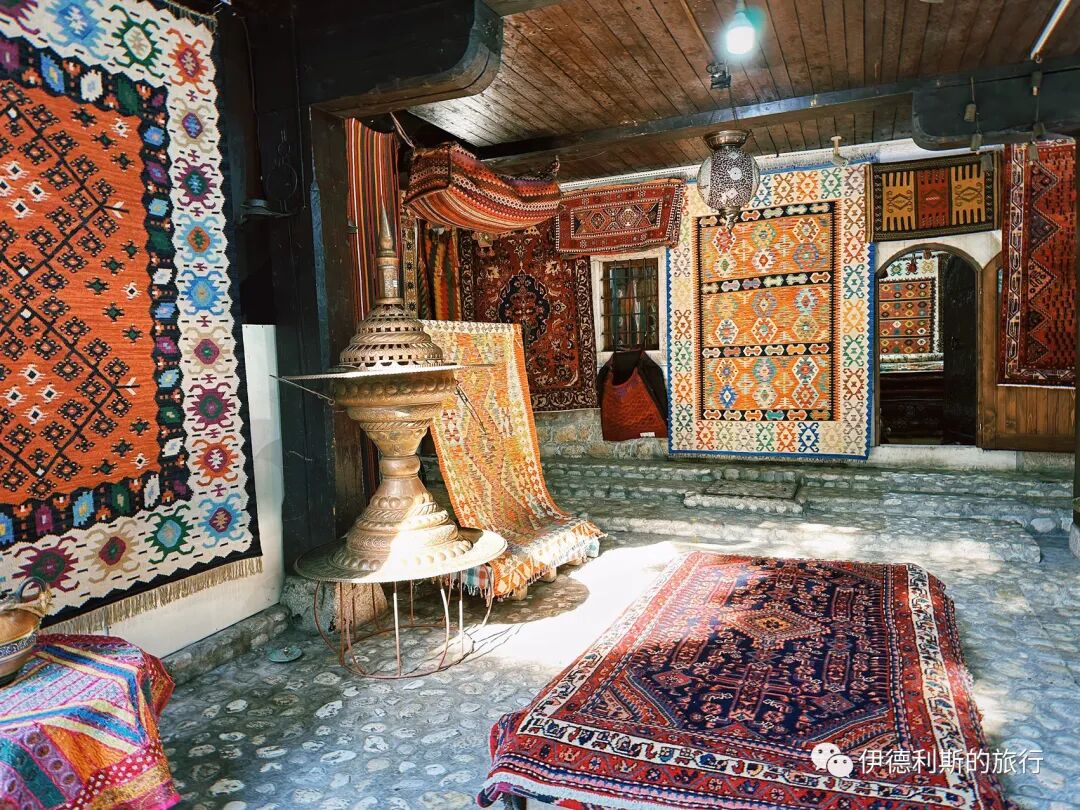
Located on the northeast side of the Gazi Husrev Bey mosque is the Morića Han caravanserai, first built in 1551. It was rebuilt into its current form after a fire in 1697 and is the only remaining Ottoman caravanserai in Sarajevo. Morića Han could hold 300 guests and 70 horses. In 1878, Sarajevo citizens gathered here to form a people's committee to protest the Austro-Hungarian occupation of Bosnia and Herzegovina. Today, it is still managed by the Ghazi Husrev-beg Foundation and houses a restaurant and a Persian carpet shop.
Bezistan covered market
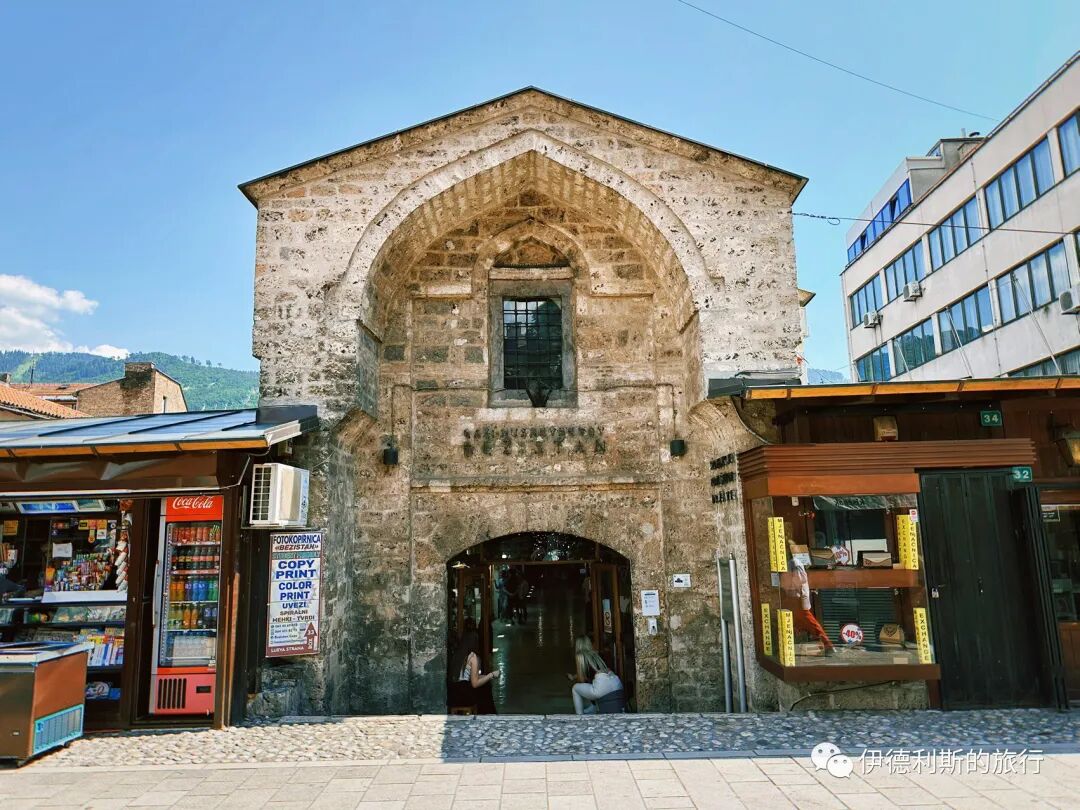
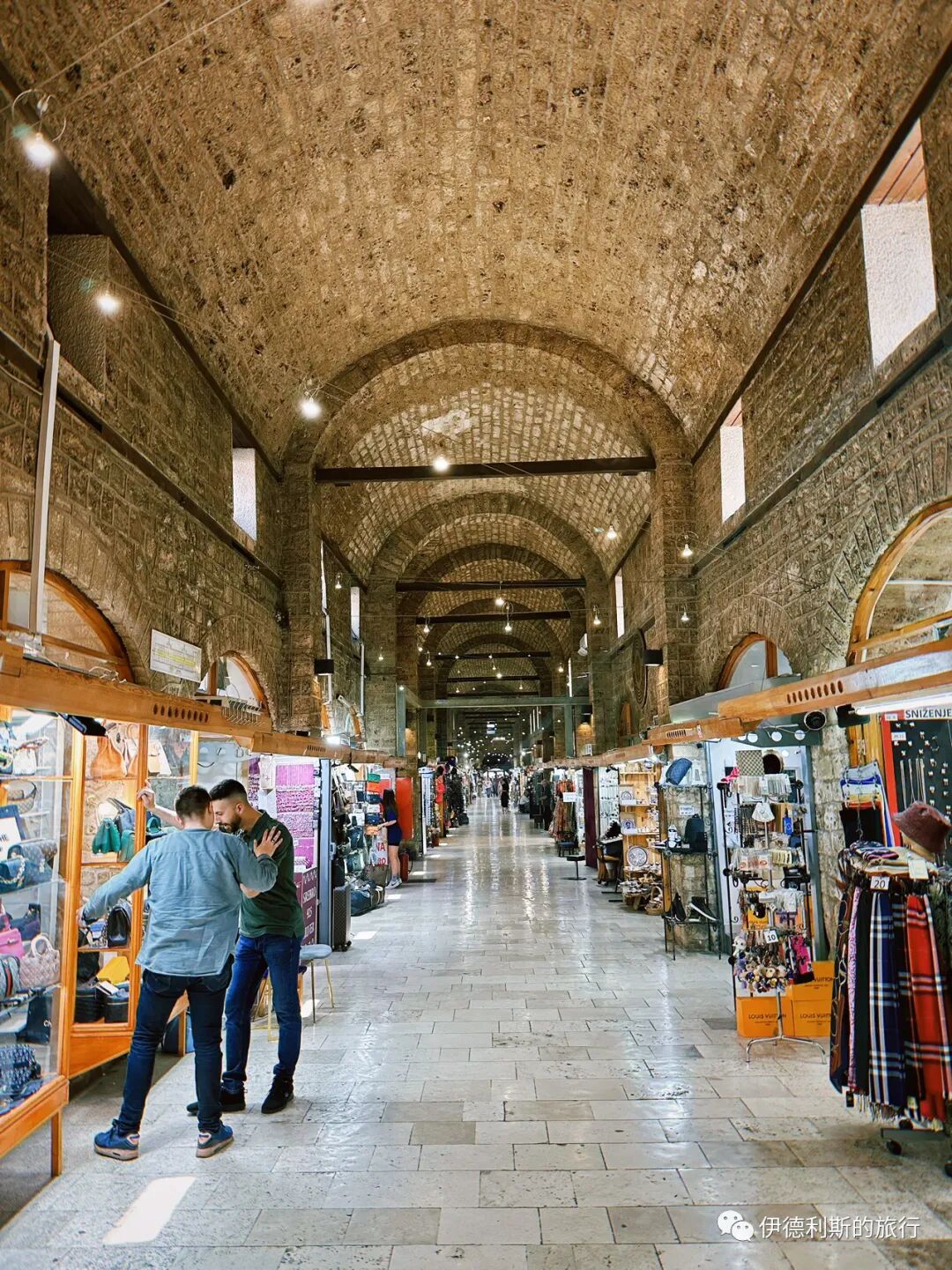
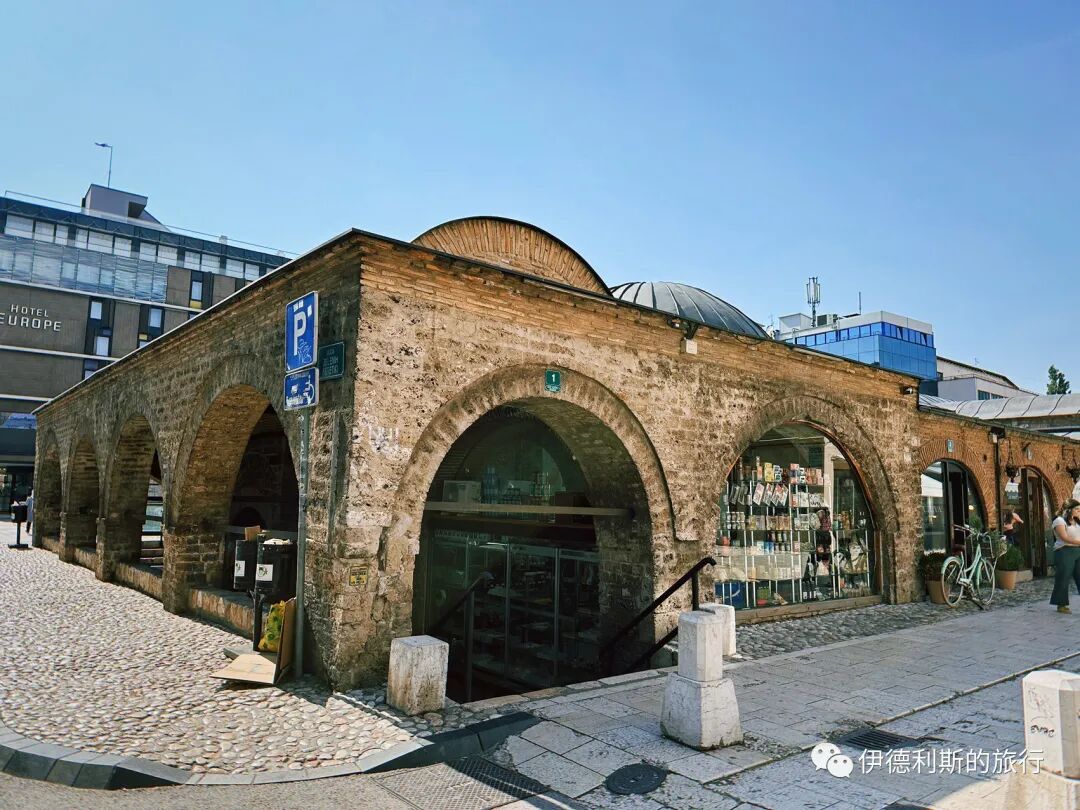
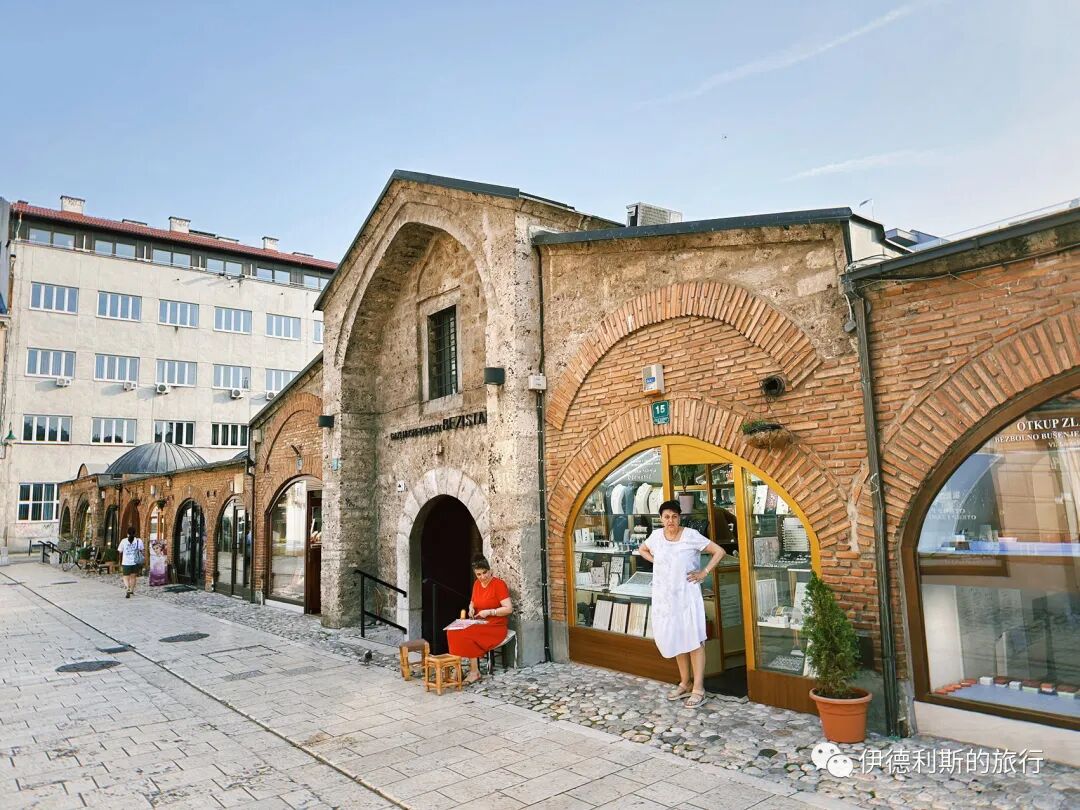
On the west side of the Gazi Husrev Bey mosque is the Bezistan covered market, built in 1555. It is one of the best-preserved Ottoman covered markets in Bosnia and Herzegovina. The floor of the Bezistan market is slightly lower than the surrounding streets, which keeps the interior cooler during the summer. It was originally a general goods market and still serves as a space for shops today.
Tašli Han caravanserai ruins
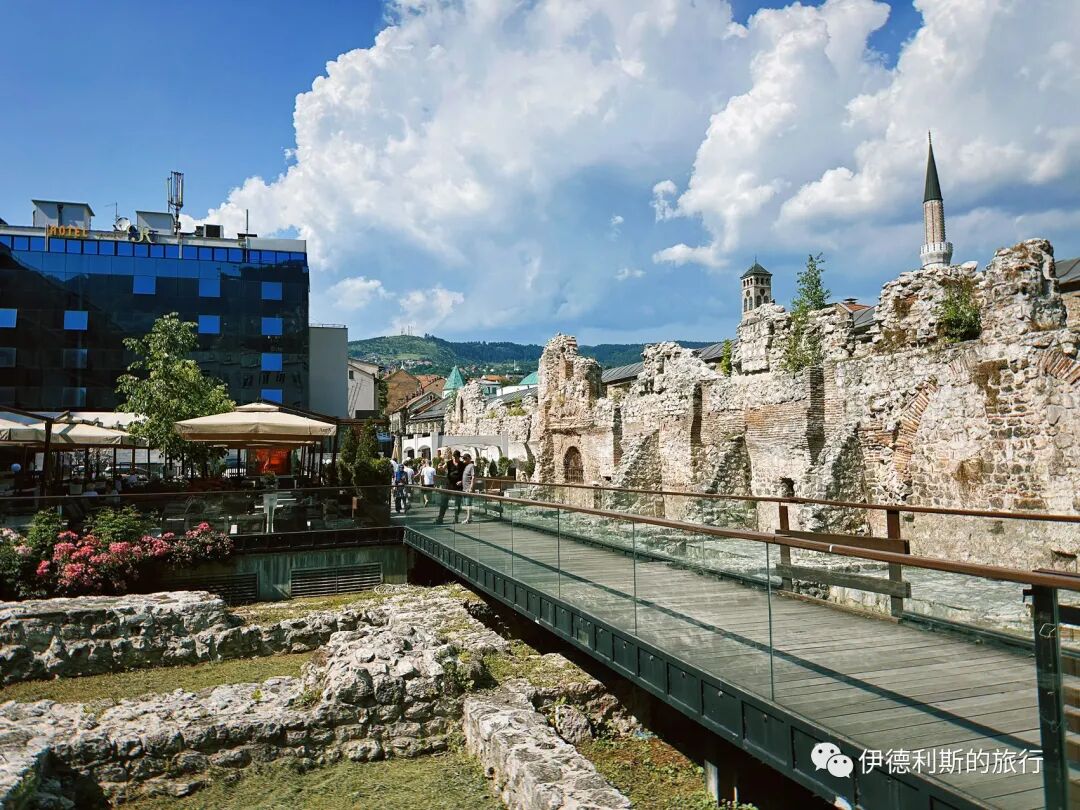
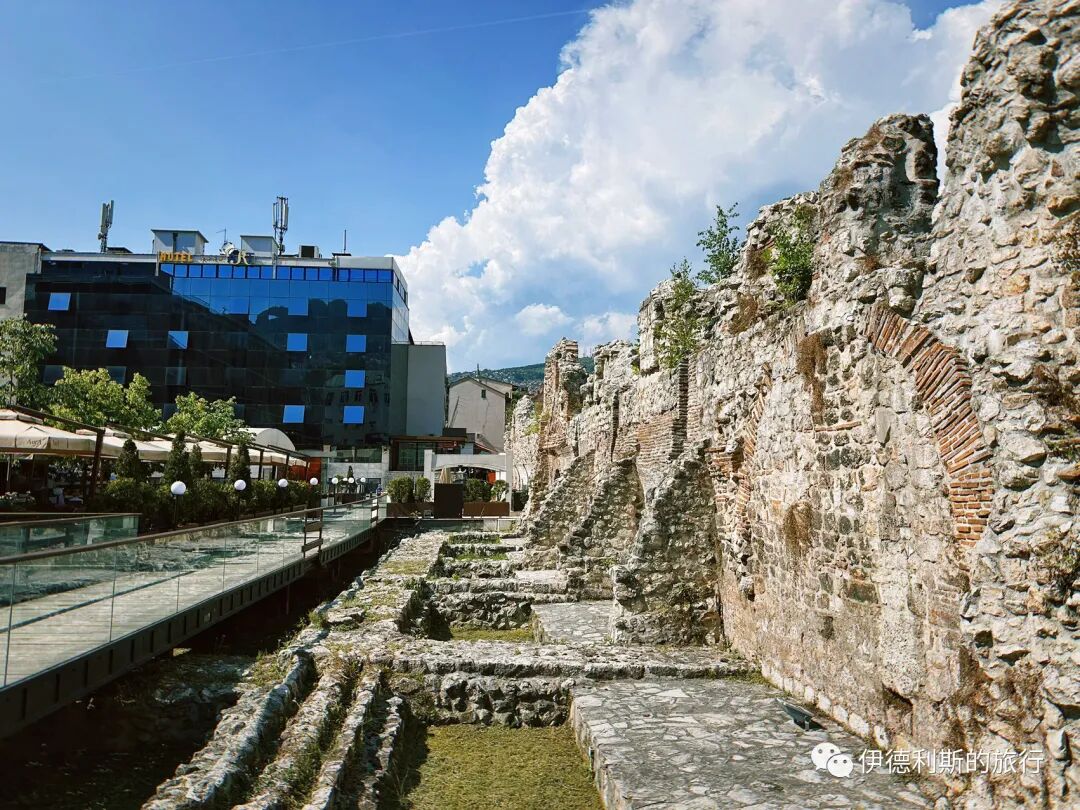
To the west of the Bezistan covered market are the ruins of the Tašli Han caravanserai, built between 1540 and 1543. The courtyard of the inn had a fountain and a small prayer room, and many merchants opened shops there. A fire in 1879 caused severe damage, and it completely collapsed by 1912. The site was rebuilt as a hotel in 1998, and archaeological excavations rediscovered the foundation and parts of the walls of the original inn.
Clock tower
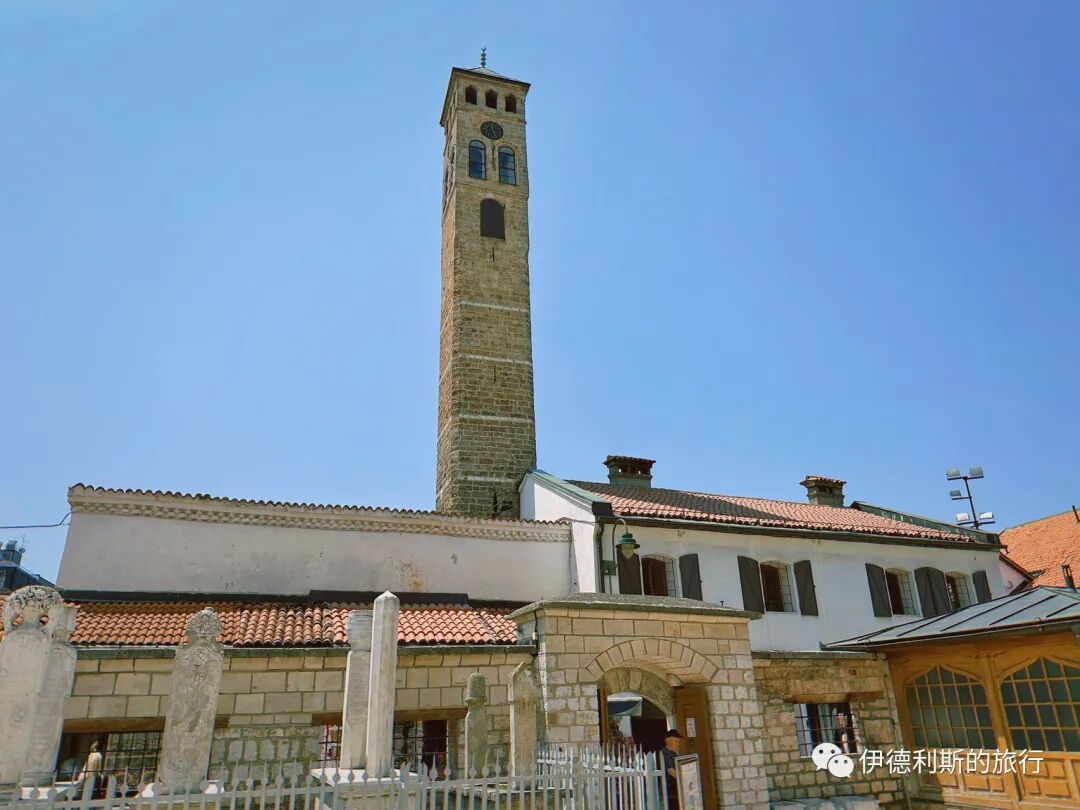
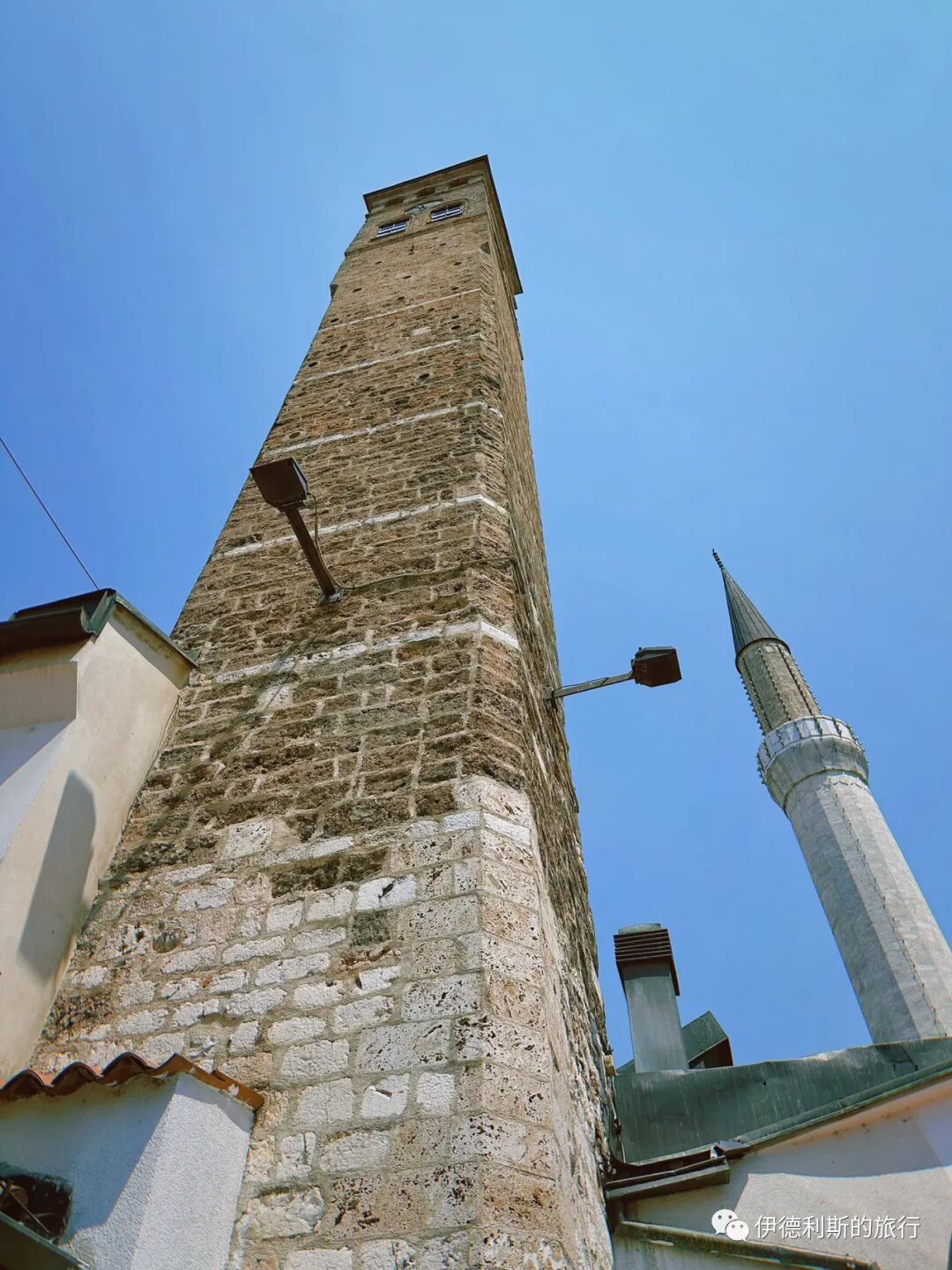
West of the Gazi Husrev Bey Mosque stands a clock tower built in the 16th century, though the current structure was rebuilt in the 18th century. This 30-meter-tall clock tower is the highest of the 21 clock towers built by the Ottoman Empire in Bosnia and Herzegovina. It follows the lunar calendar, setting 12 o'clock at sunset each day. A mosque official called a Muvekit, who tracks the lunar calendar and the five daily namaz prayers, is responsible for adjusting the clock. The current clock mechanism was made in 1875 by the London-based company Gillett & Johnston. The top of the tower was modified during installation to make sure the clock face was clearly visible.
Public Kitchen
Beneath the clock tower is a public kitchen (imaret) established in 1531. It was originally run by a foundation (waqf) to distribute free food to the poor. Today, it is a very famous bakery, and the fresh bread baked on-site is very popular with the locals. Their signature item is the Kifla bread, which costs 2 yuan each. It comes in various flavors and has a rich wheat aroma. Kifla is a small bread popular in Central Europe and the Balkans with a history spanning hundreds of years. The French croissant actually evolved from the Kifla.
Muslihudin Čekrekčija Mosque
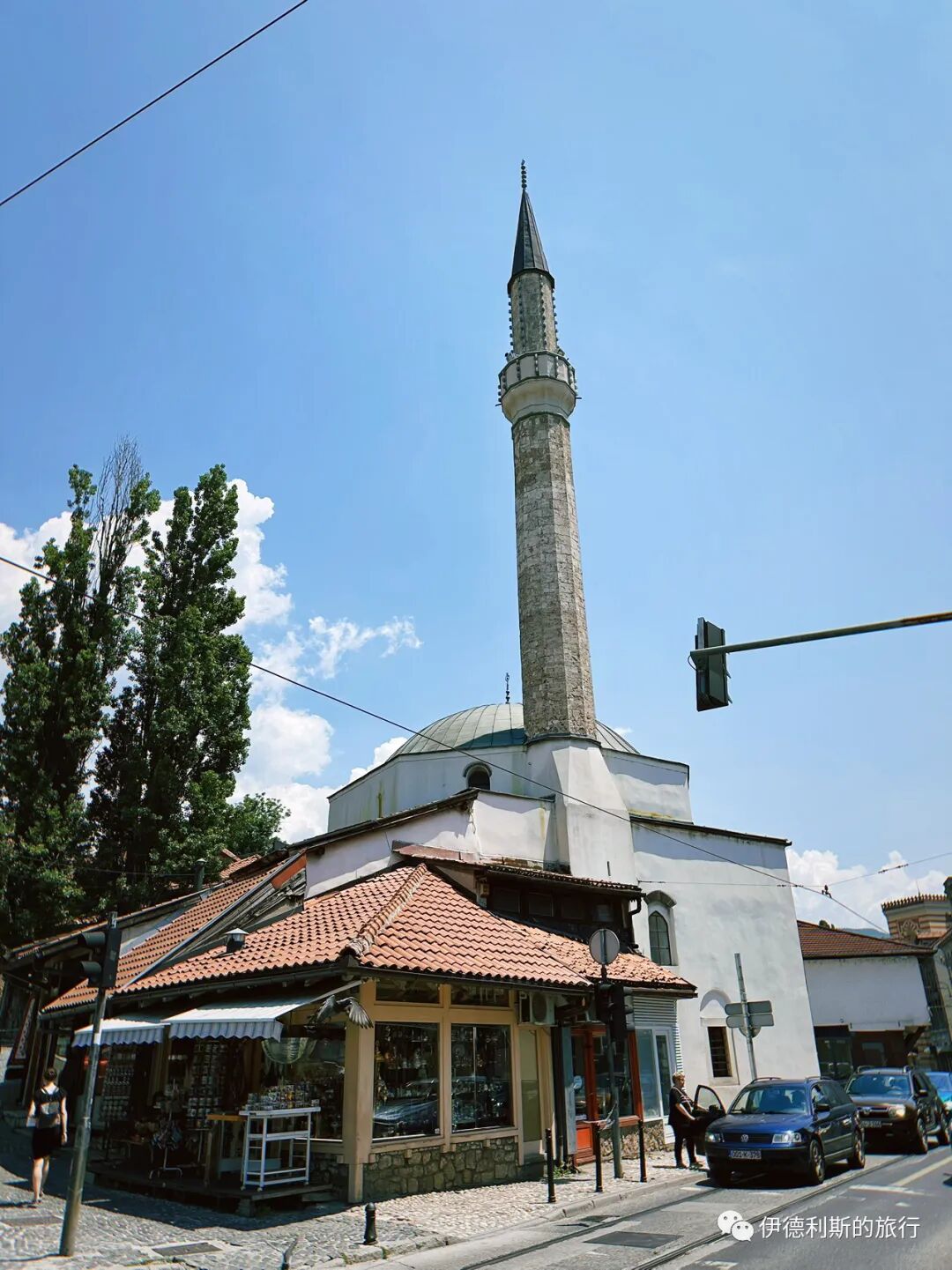
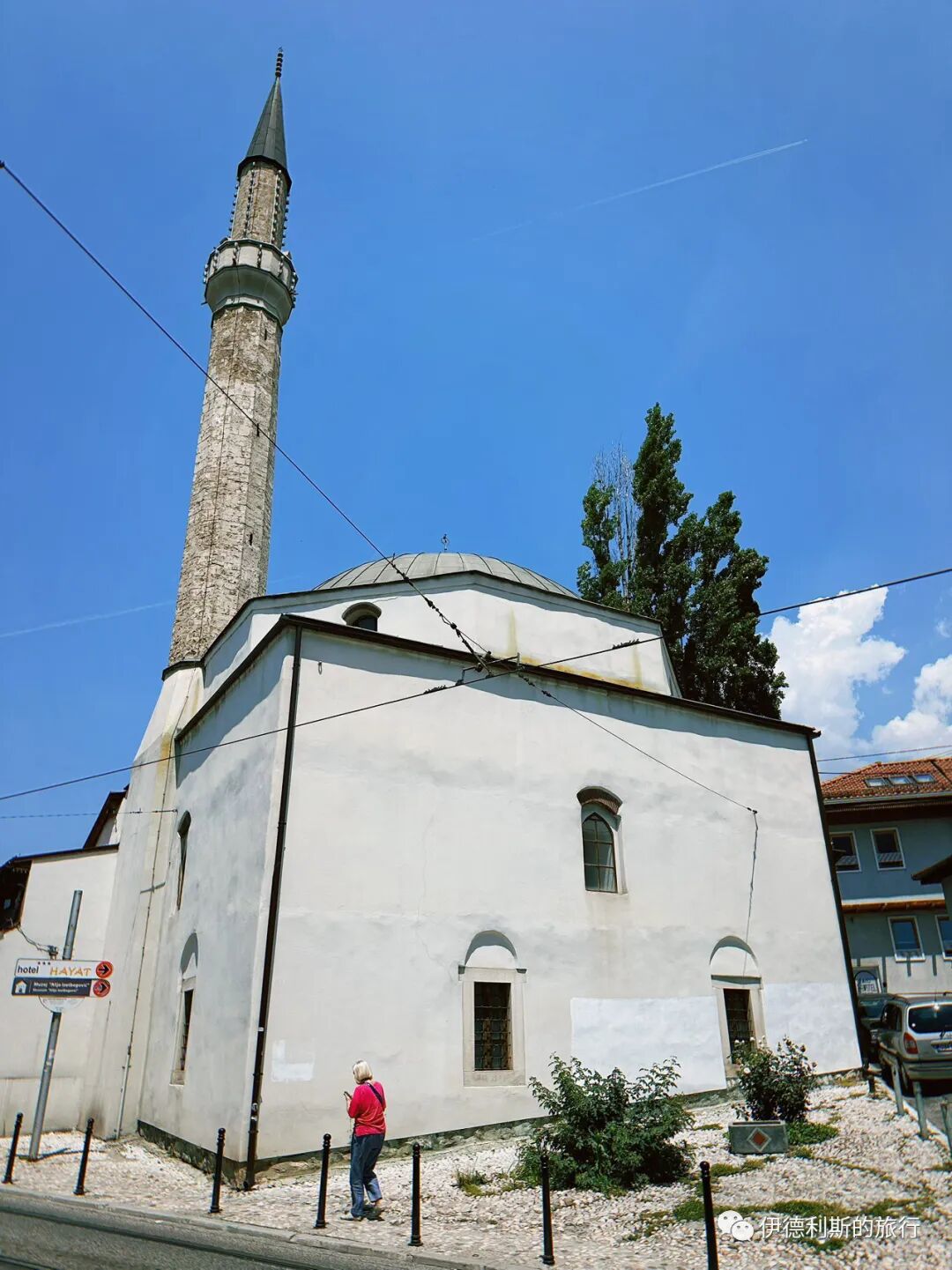
The Muslihudin Čekrekčija Mosque is located in the commercial center of Sarajevo's old town and was built by Hajji Mustafa in 1526. The mosque keeps its original 1526 endowment deed (vakufnama), which is the oldest contract document in the city of Sarajevo.
The mosque survived many major fires in Sarajevo and also survived the 1697 looting of the city by the Holy League after they defeated the Ottoman Empire. Traditional arabesque patterns are still preserved inside today.
Halal Travel Guide: Sarajevo - Ottoman Europe, Mosques and Bosniak History (Part 2)
Articles • ali2007fr posted the article • 0 comments • 143 views • 2026-05-19 06:55
Bascarsija Mosque
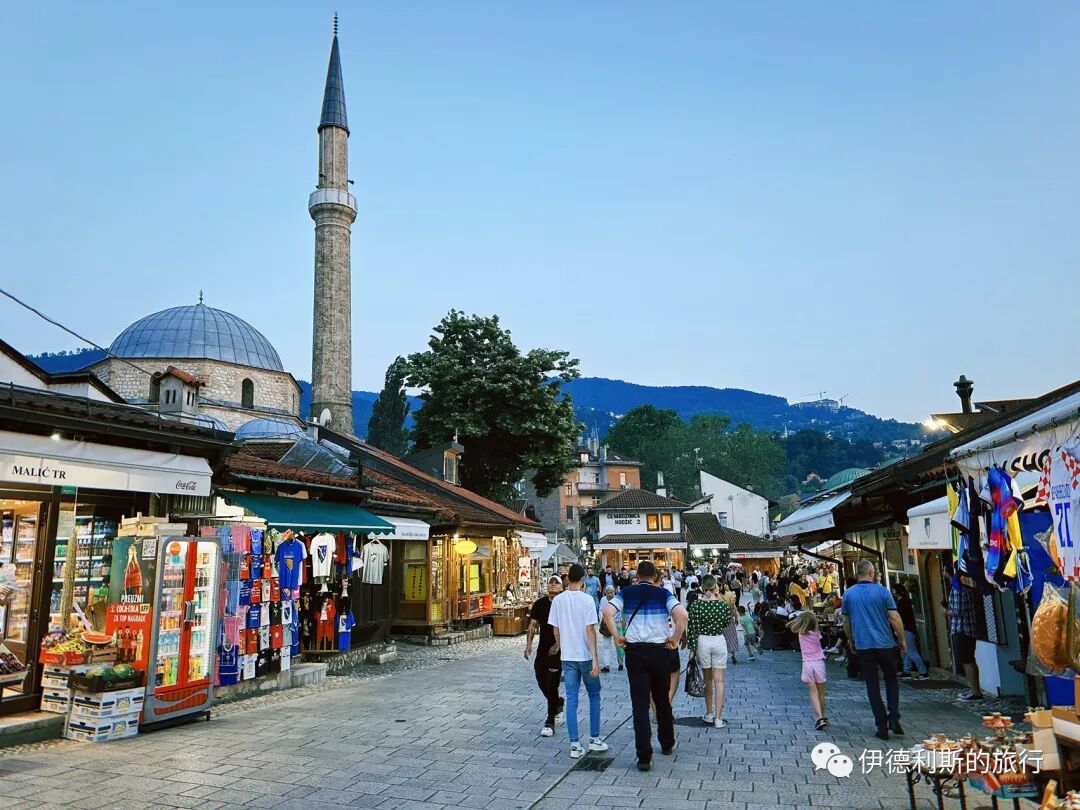
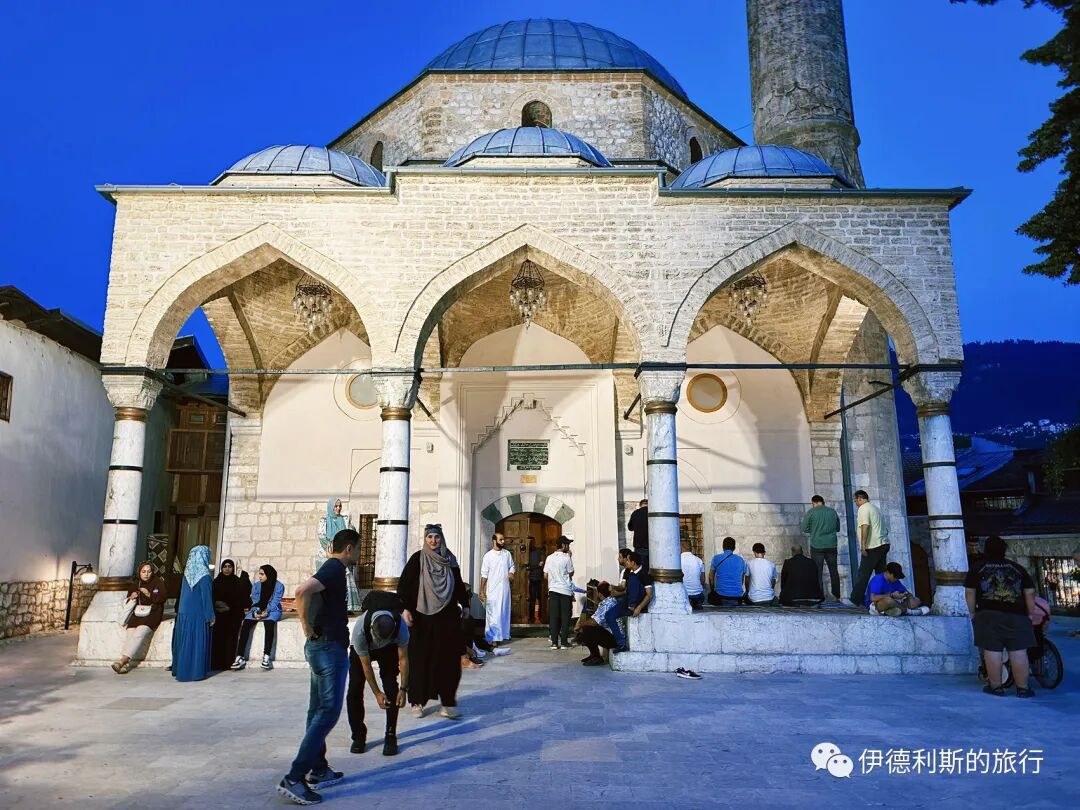
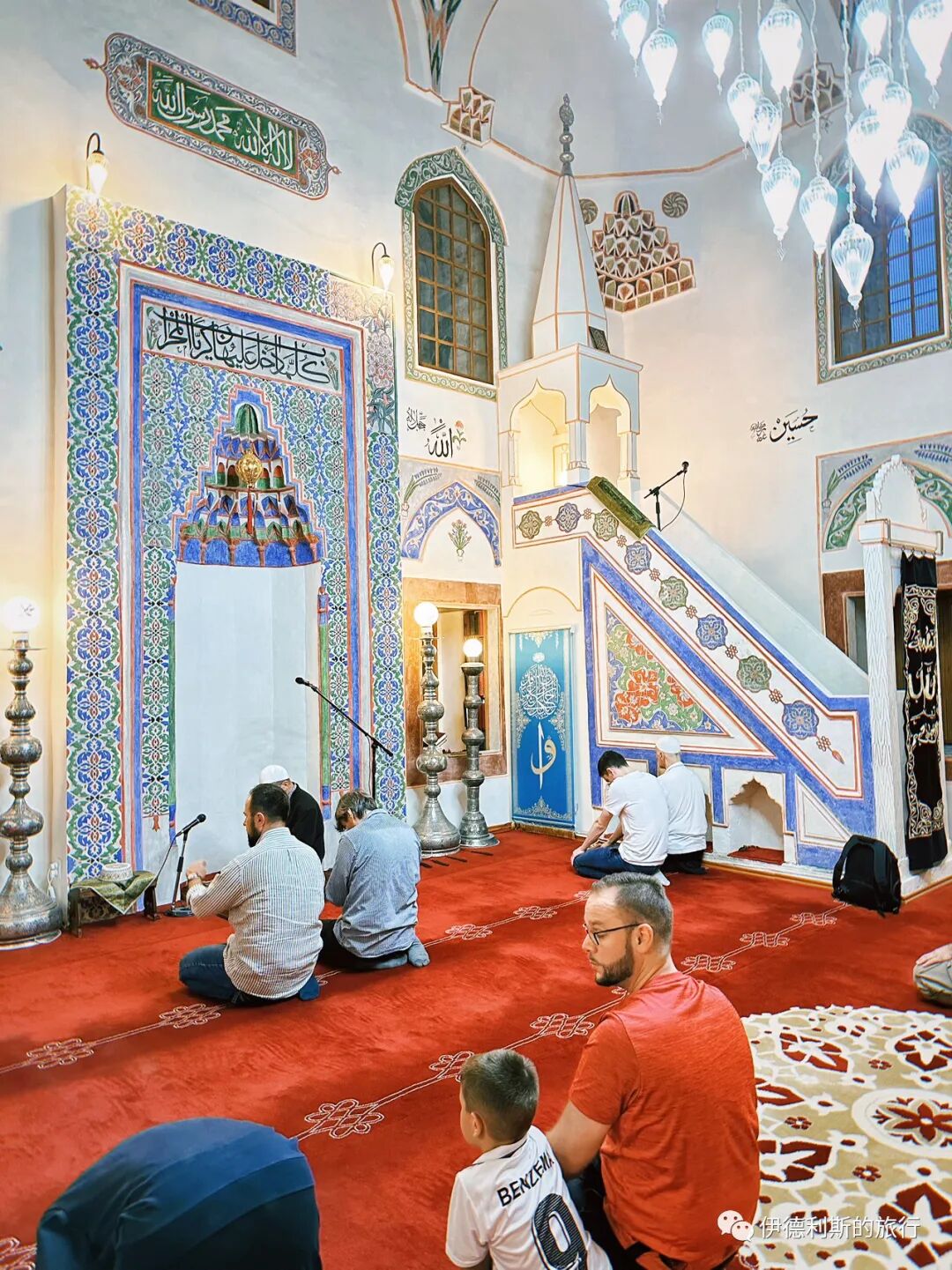
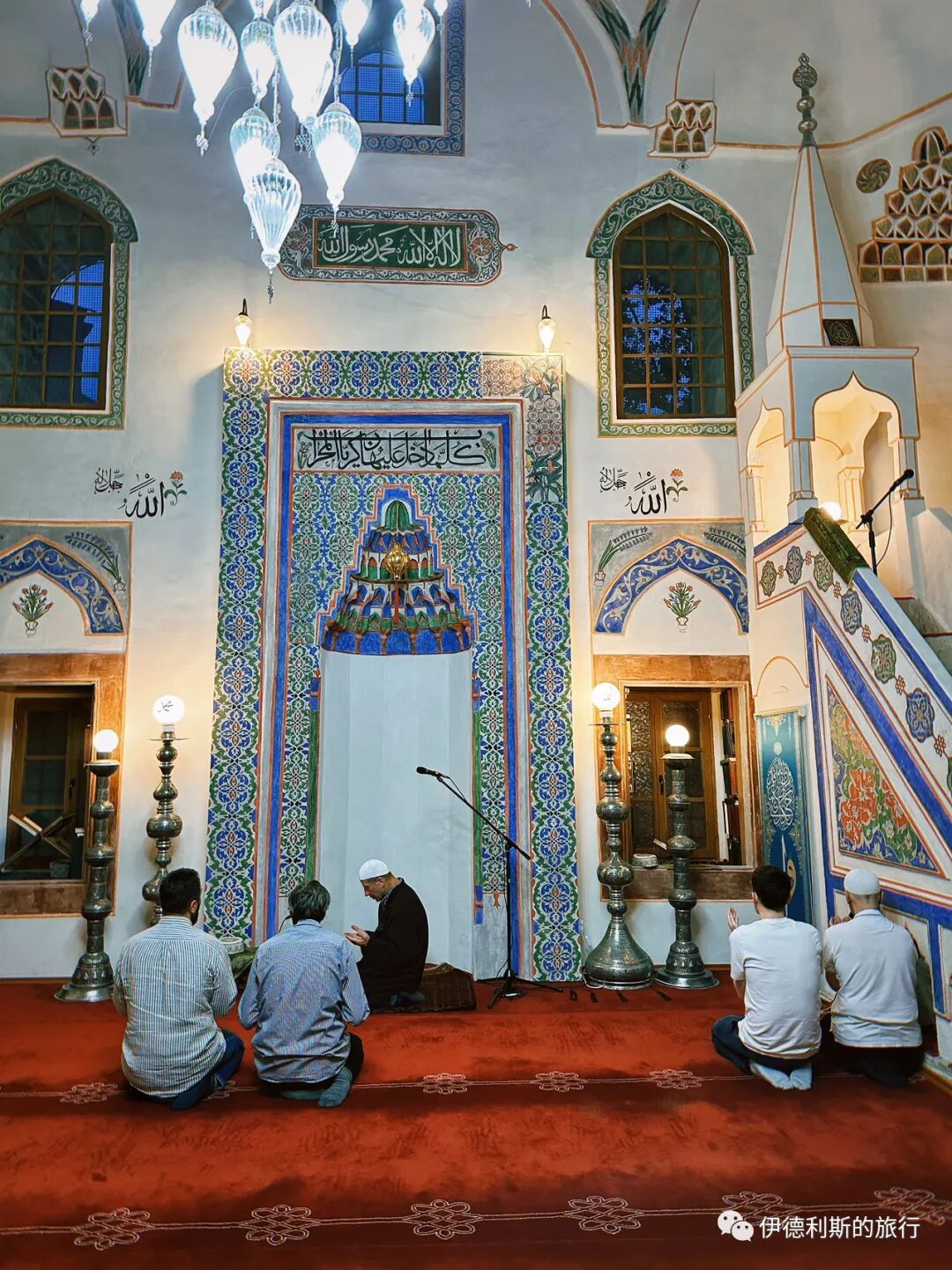
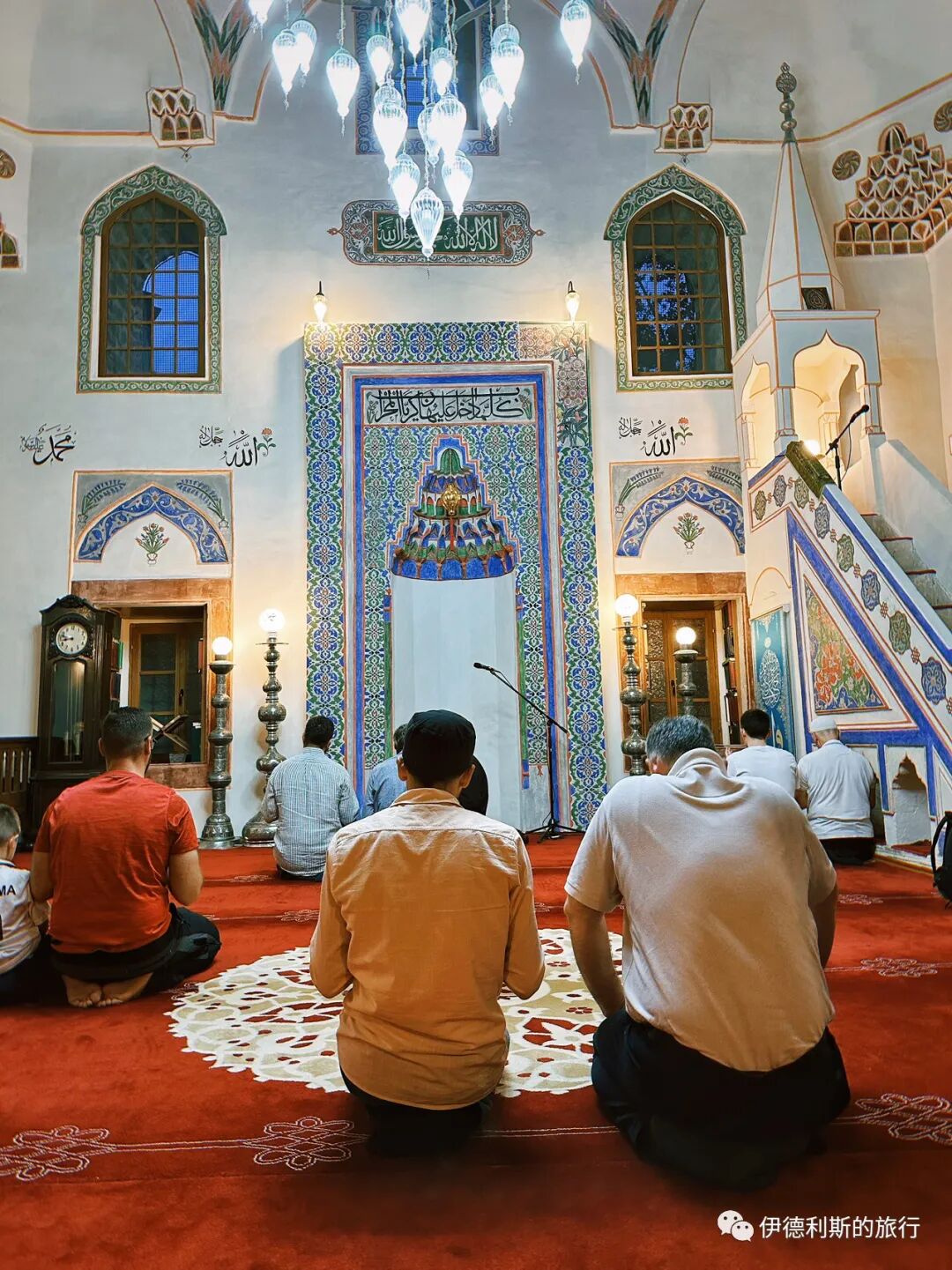
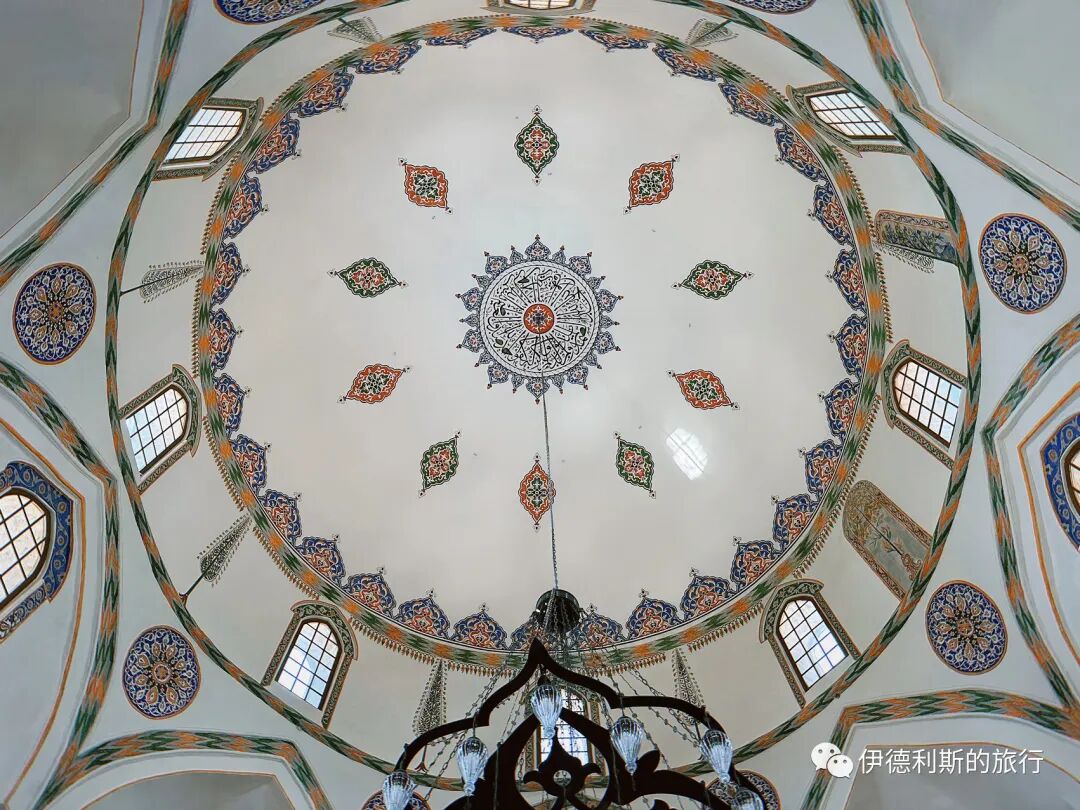
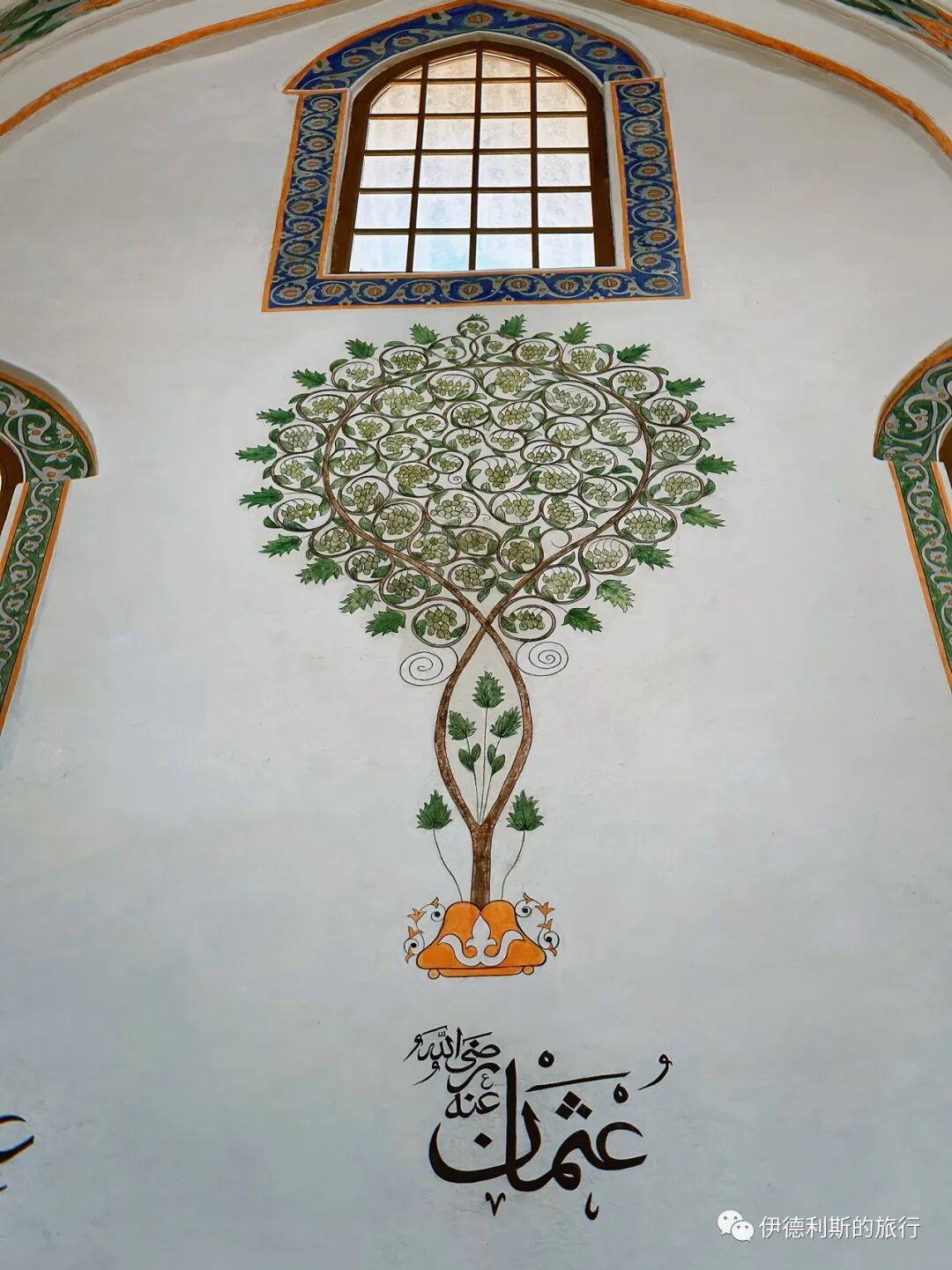
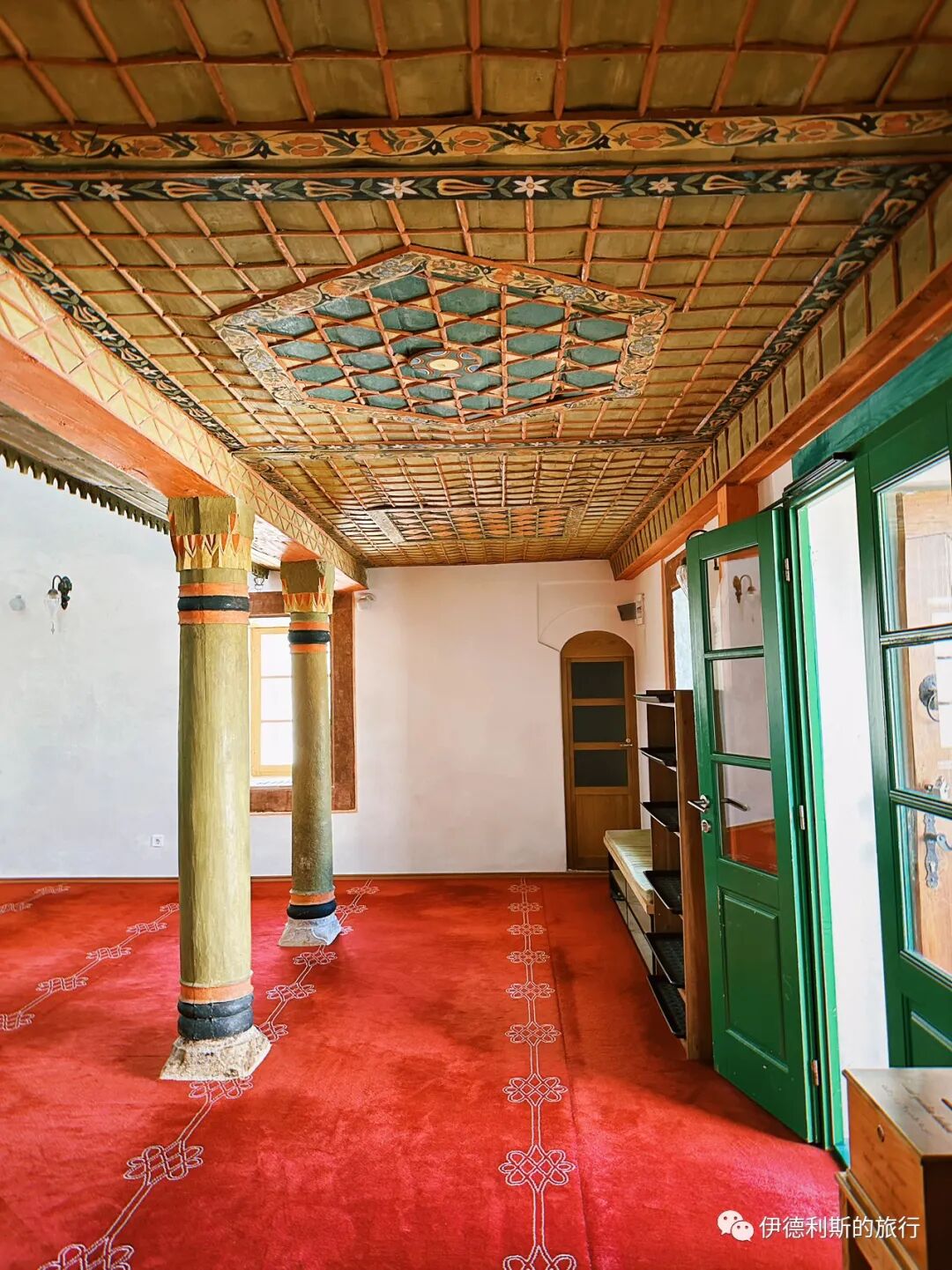
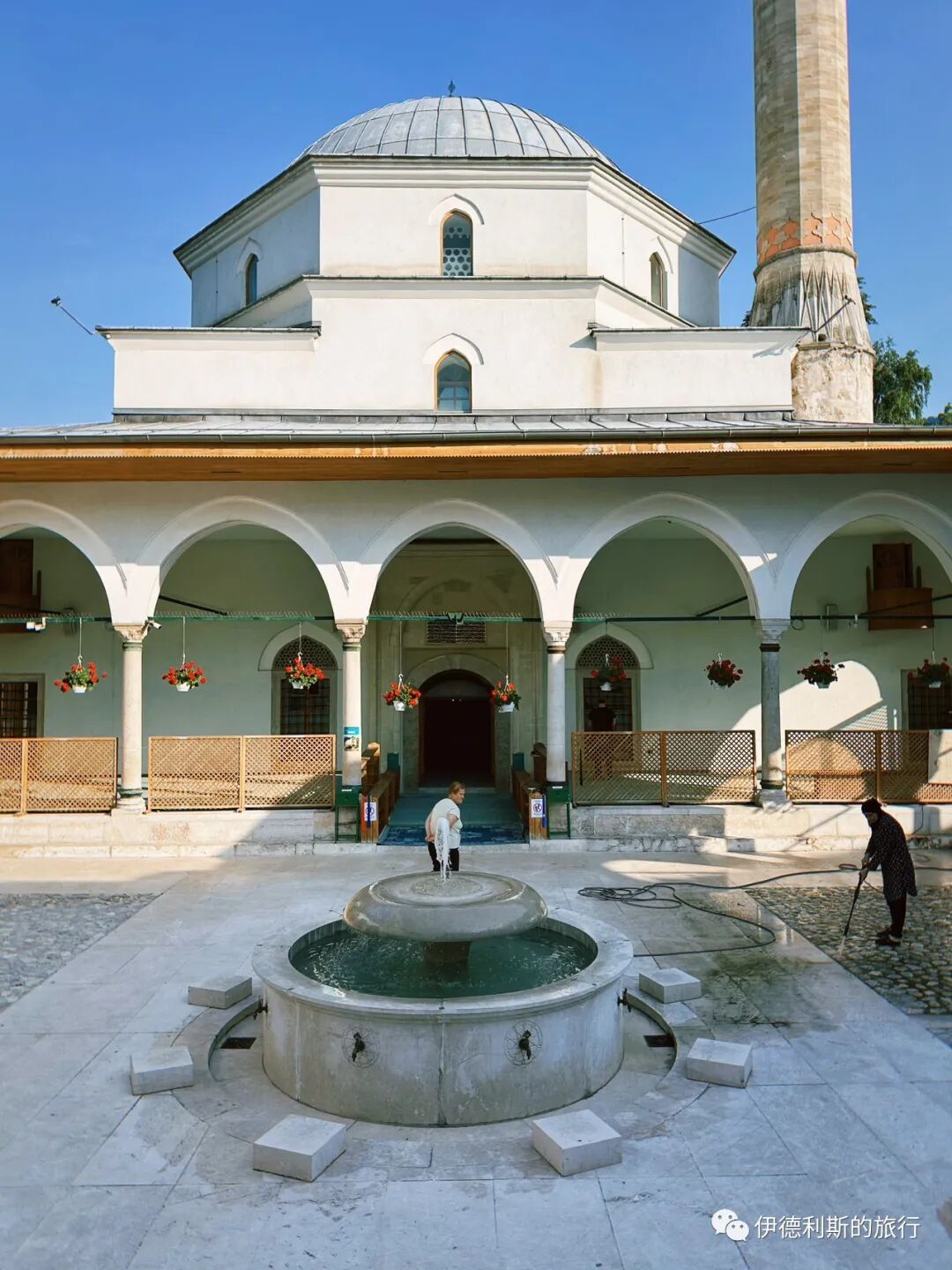
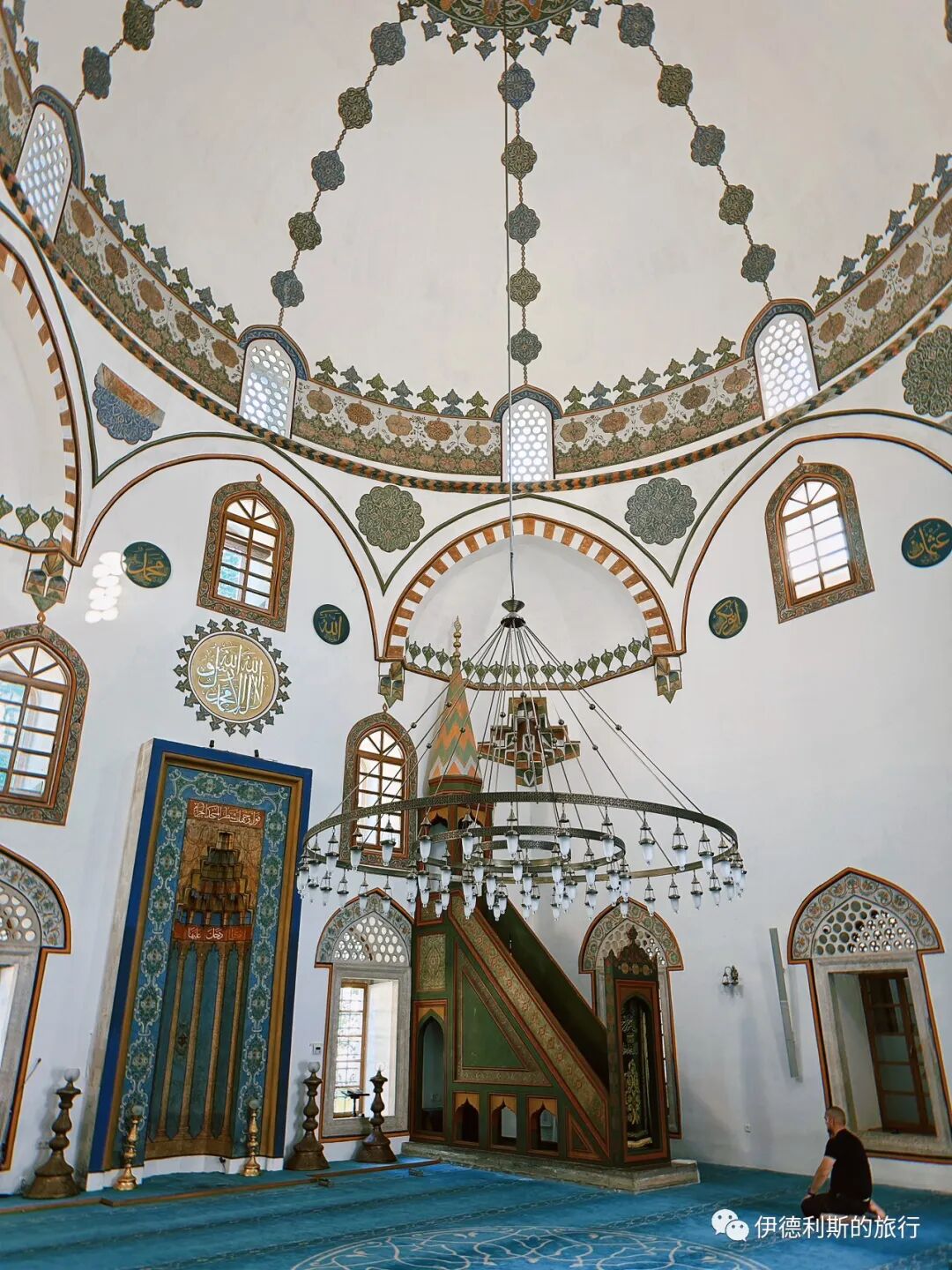
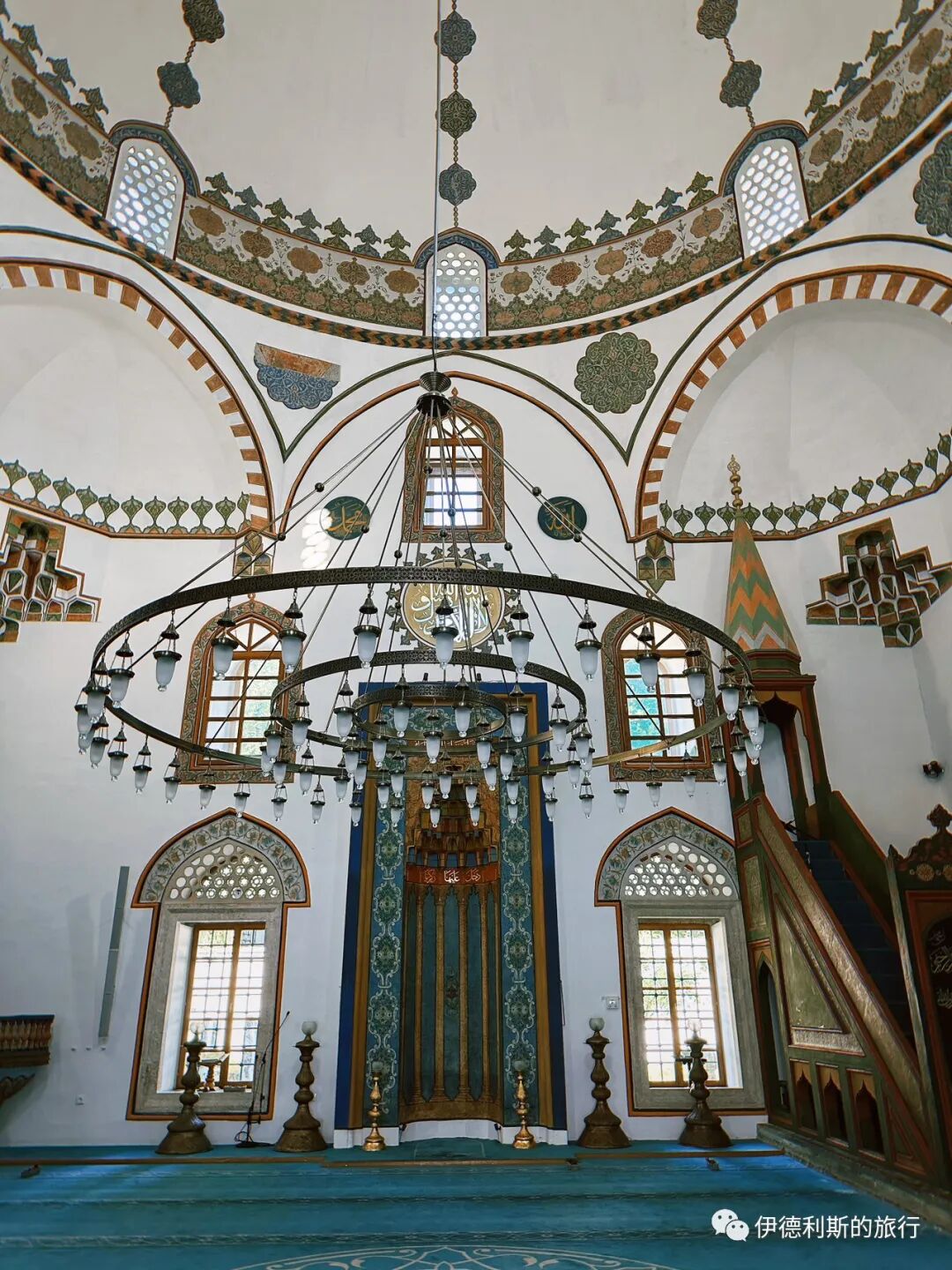
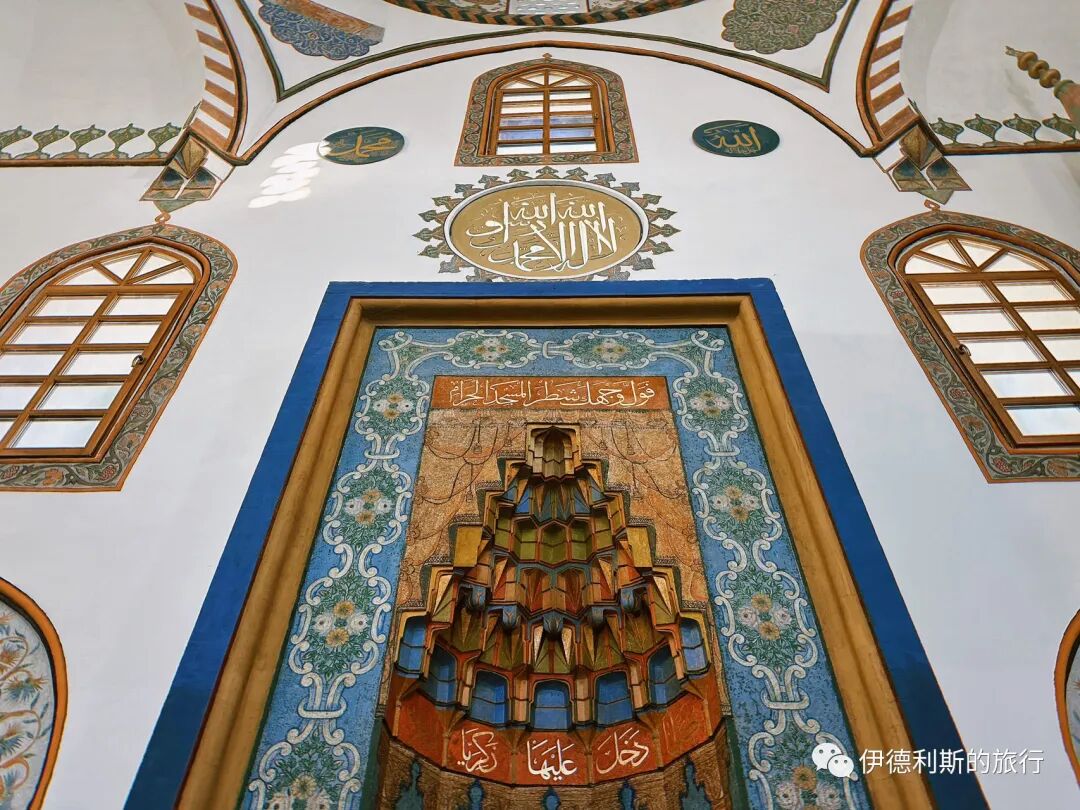
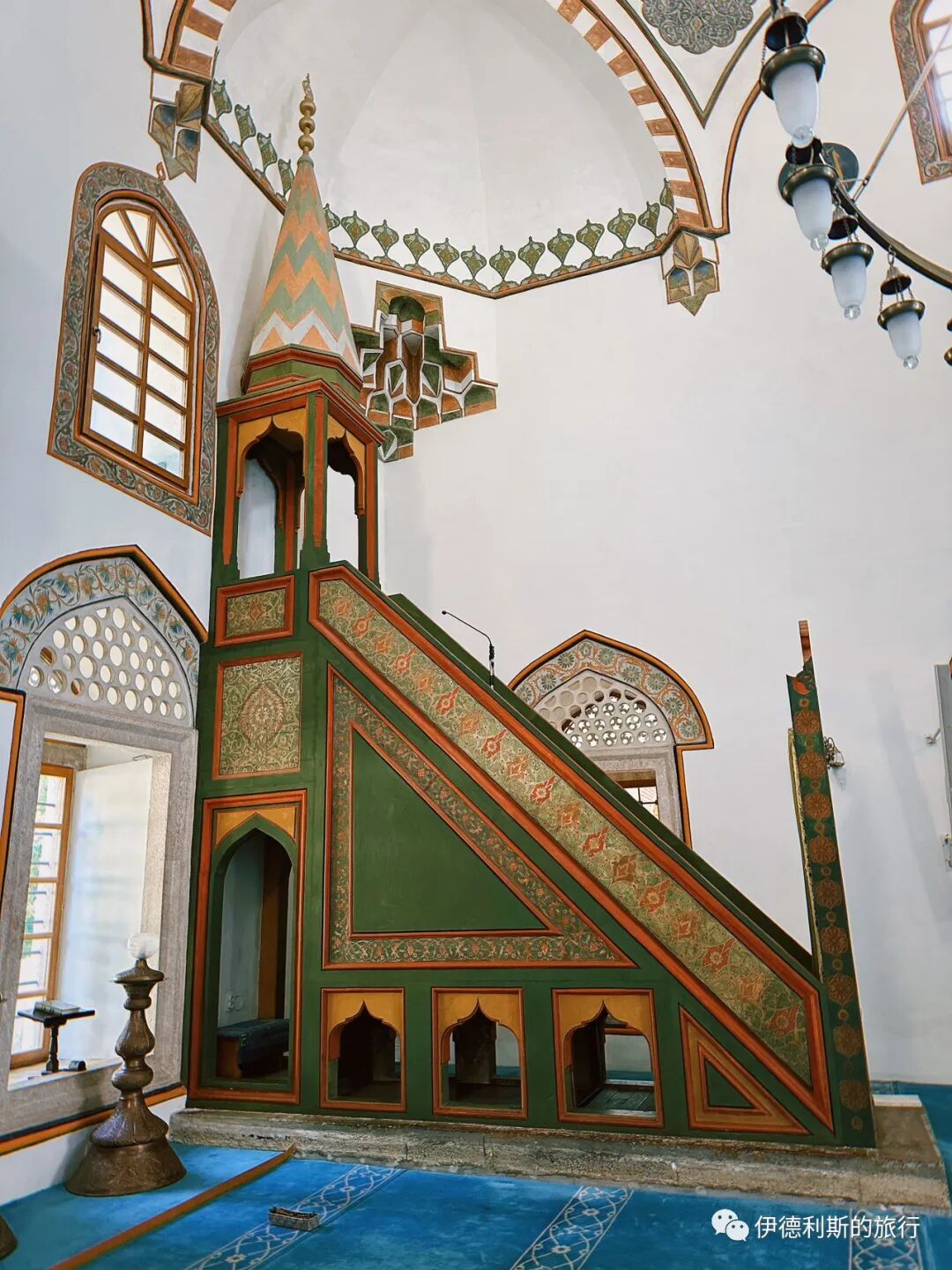
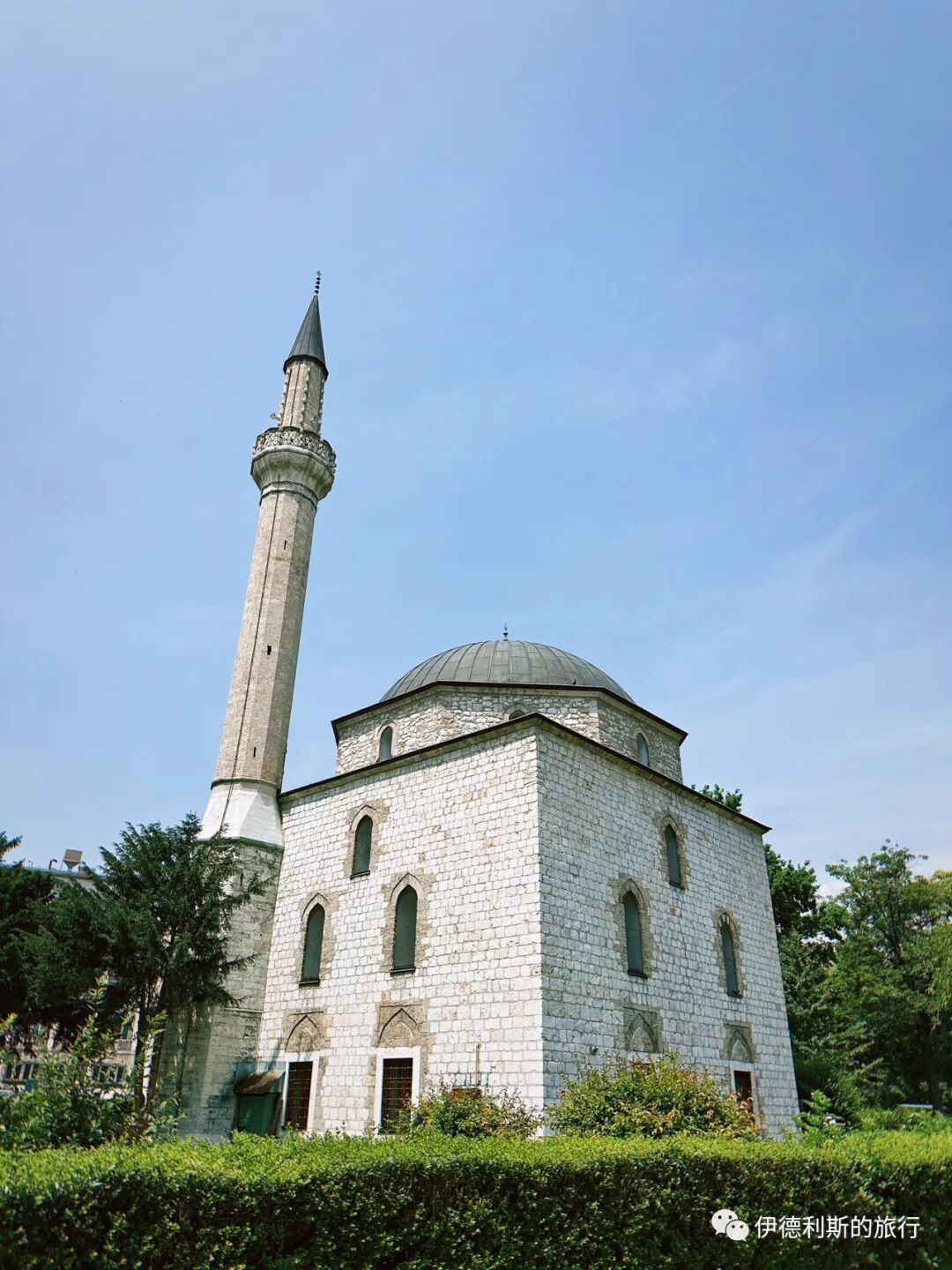
In the evening, I performed namaz at the Bascarsija Mosque (Baščaršijska džamija). The Bascarsija Mosque sits in the heart of the old bazaar in Sarajevo. Havadža Durak built it in the early 16th century, and the earliest manuscript mentioning the mosque dates back to 1528. The mosque originally had a wooden dome, but it was rebuilt with a stone dome after a fire in 1697. There is a porch with three small stone domes in front of the main hall. This was changed to a wooden roof in 1945, but it was restored to its original look in 1966. The mosque suffered heavy damage during the Siege of Sarajevo from 1992 to 1995, but it was later renovated.
Emperor's Mosque
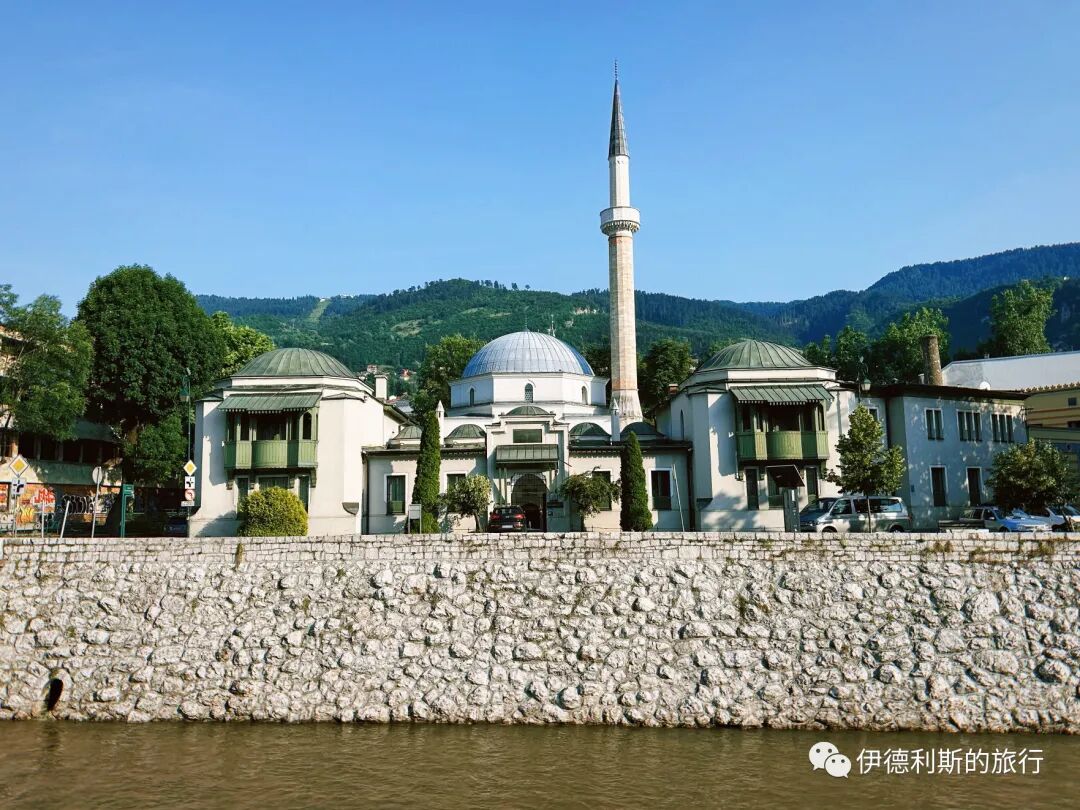
The Emperor's Mosque was first built in 1457. It was the first mosque constructed after the Ottoman Empire conquered Bosnia. Isaković-Hranušić oversaw the building, which was dedicated to the Ottoman Sultan Mehmed the Conqueror. The original mosque was a wooden structure. It was rebuilt in 1565 into the current classical Ottoman style and dedicated to the Ottoman Sultan Suleiman the Magnificent. Side rooms were added in 1800, and they were connected to the main hall in 1848.
The Emperor's Mosque was severely damaged twice, once during World War II and again during the Bosnian War, but it was repaired both times.
Magribija Mosque
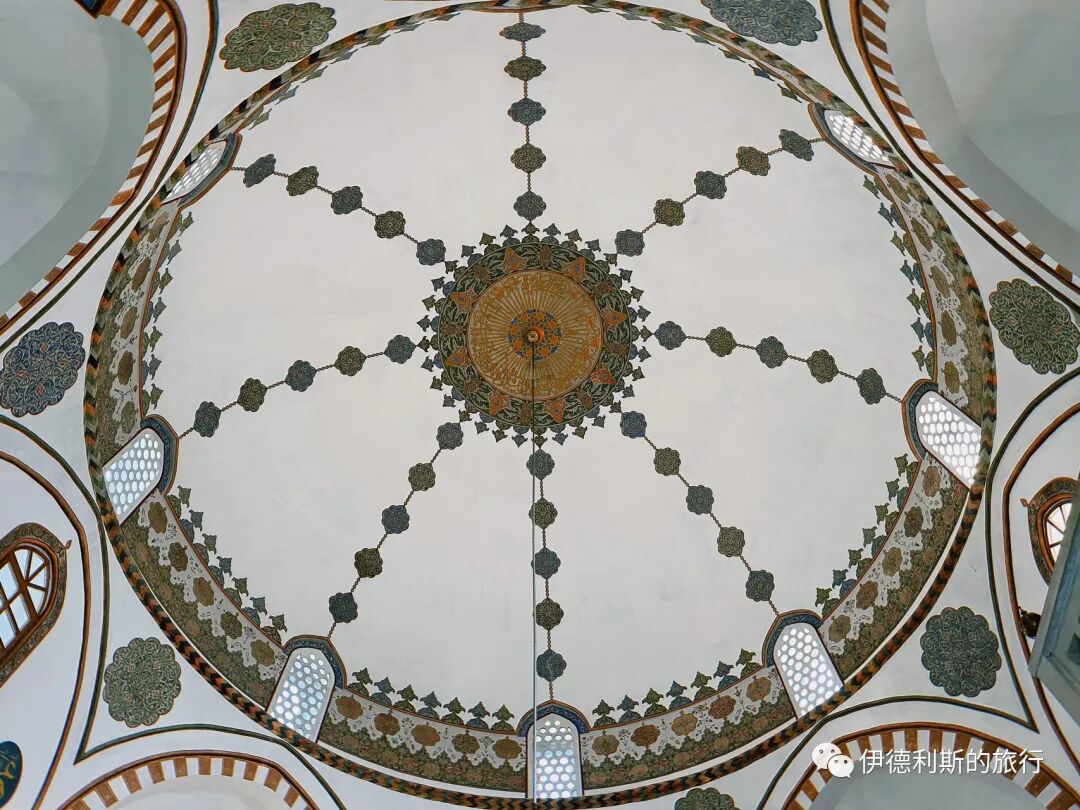
Sheikh Magribija built the Magribija Mosque in the 15th century. Tradition says that Sheikh Magribija arrived in Sarajevo with Isa-beg, the Ottoman governor who founded the city. The original mosque building was destroyed by fire. The current structure was rebuilt in 1766 and keeps its 18th-century appearance and painted decorations. The mosque was badly damaged during the Bosnian War in 1992, leaving only the base of the minaret. It was rebuilt in 2000, and the roof and porch were repaired again in 2004.
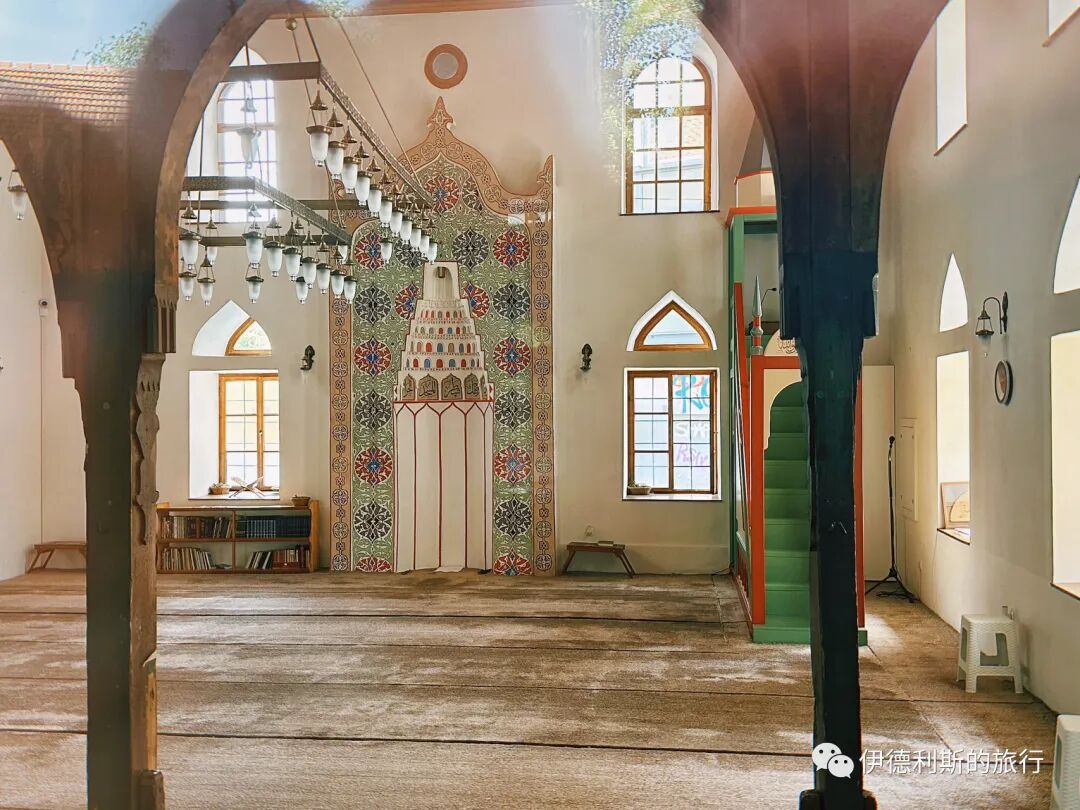
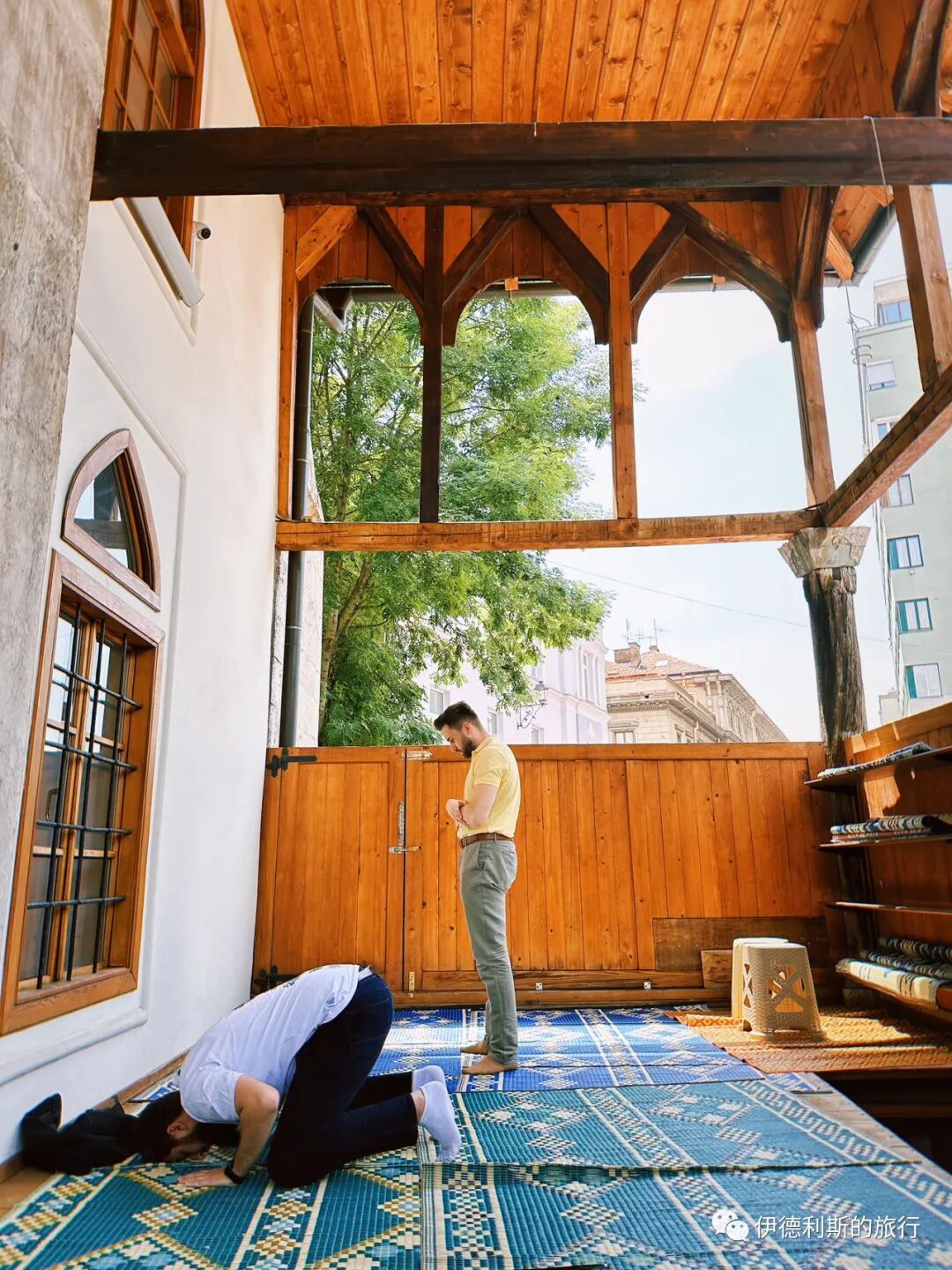
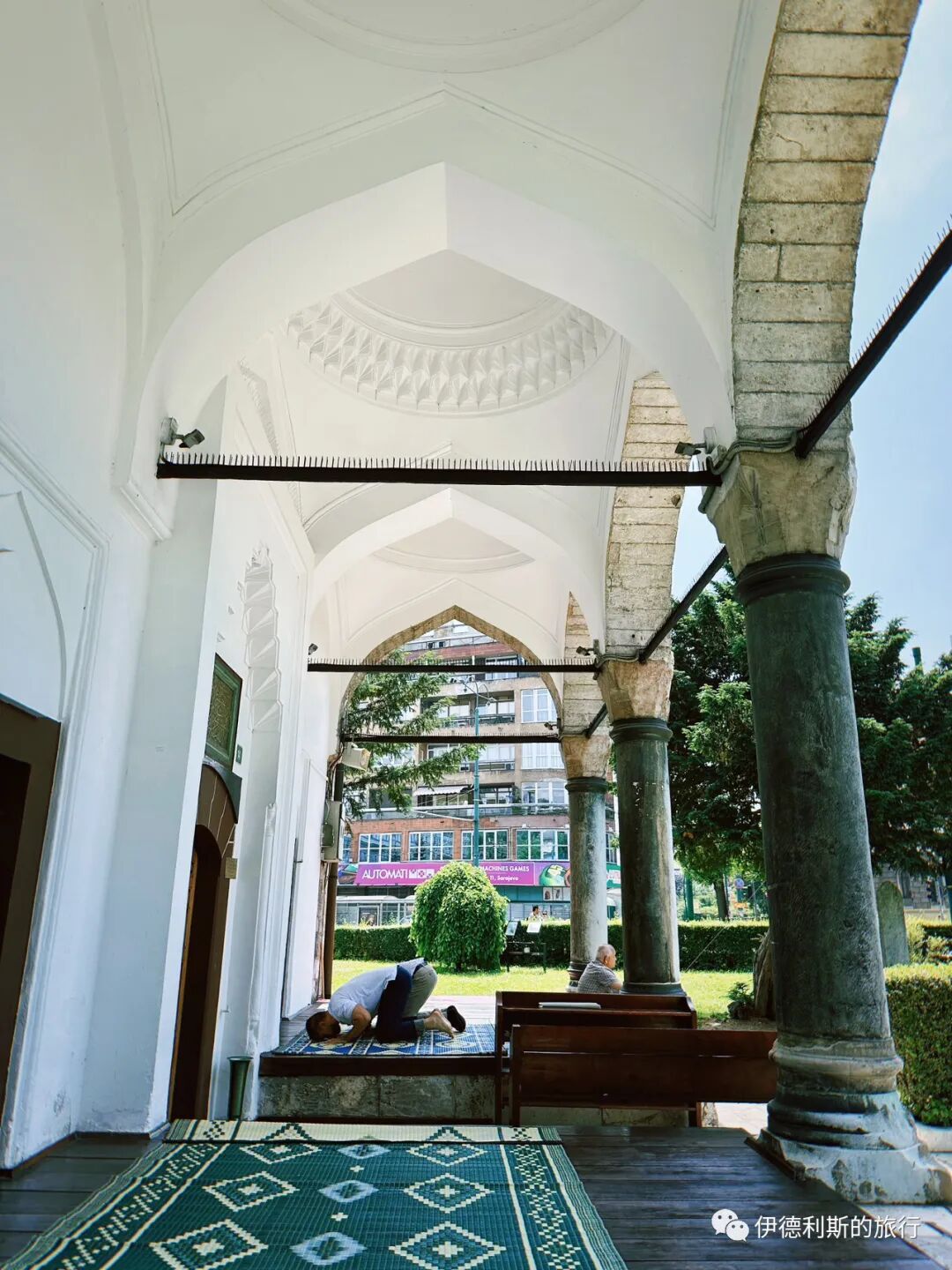
Most mosques in Sarajevo keep their main halls locked outside of prayer times (namaz), so everyone prays on the platforms on either side of the doors. Because of this, I could not enter the main hall.
Ali Pasha Mosque
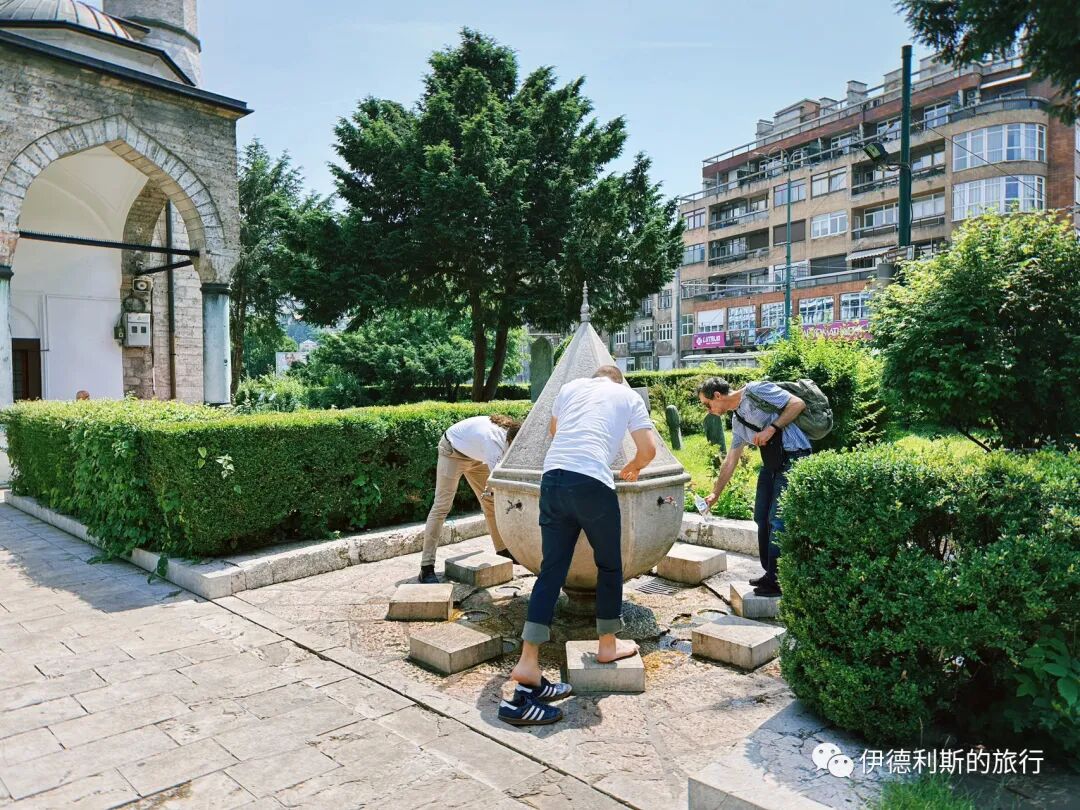
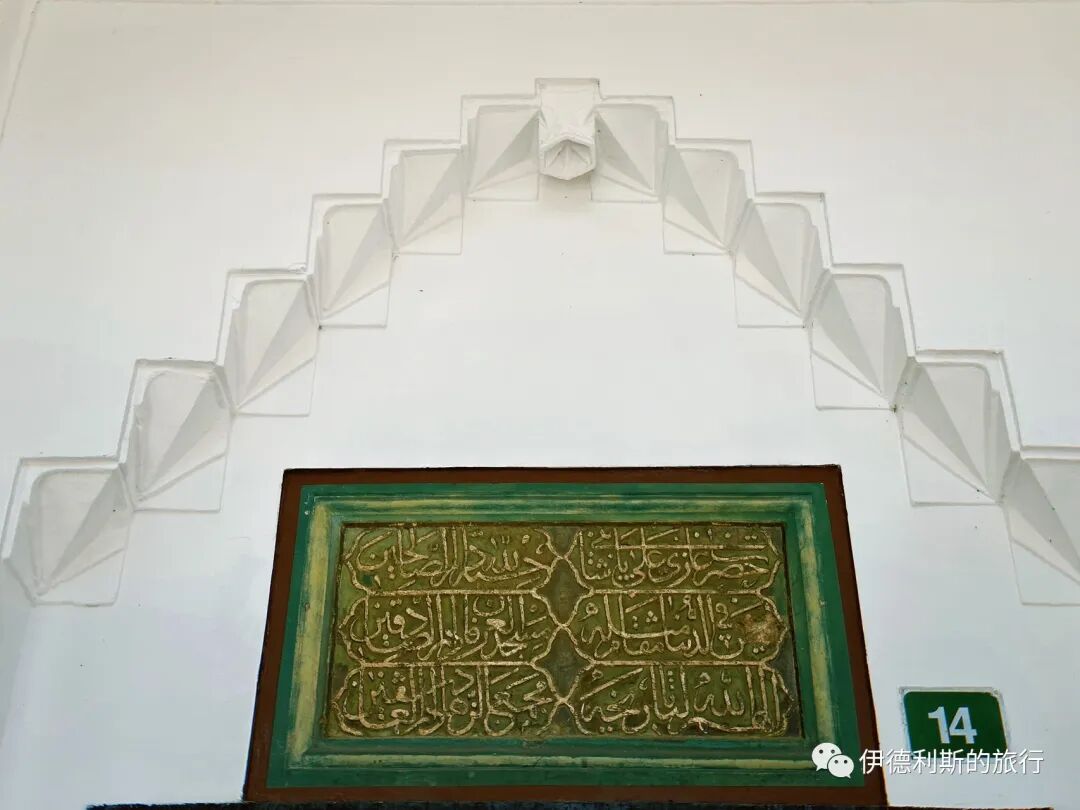
Ali Pasha Mosque was built in 1560-1561 by the Bosnian governor Ali Pasha, who was a local from Sarajevo. This is a single-domed mosque in the classical Ottoman style with beautiful architectural proportions. There used to be a large cemetery around the main hall, but it was turned into a park after tram tracks and roads were laid. A small ablution fountain was moved there in 1874. The mosque was severely damaged by shelling during the 1992-1995 Bosnian War and was renovated in 2004.
You can still see tombstones of victims from the 1993 Bosnian War next to the mosque today.
Ferhadija Mosque
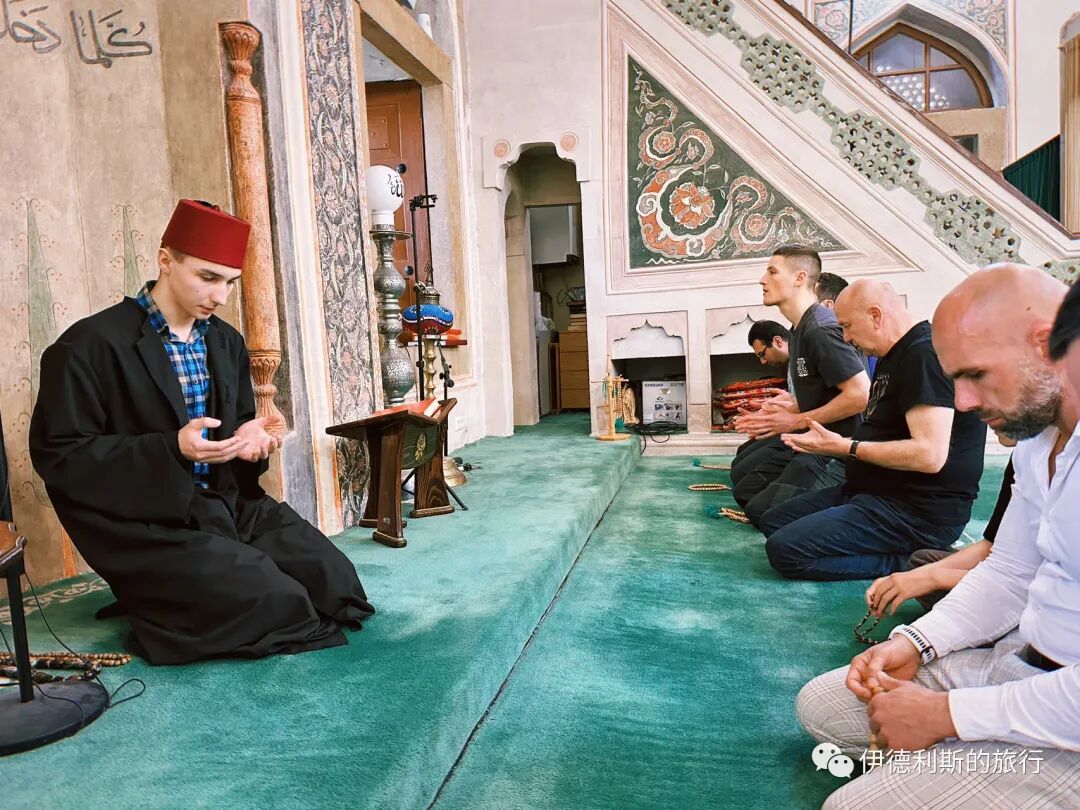
I prayed the afternoon prayer (asr) at Ferhadija Mosque in the old town of Sarajevo. The imam was very young and wore an Ottoman fez hat.
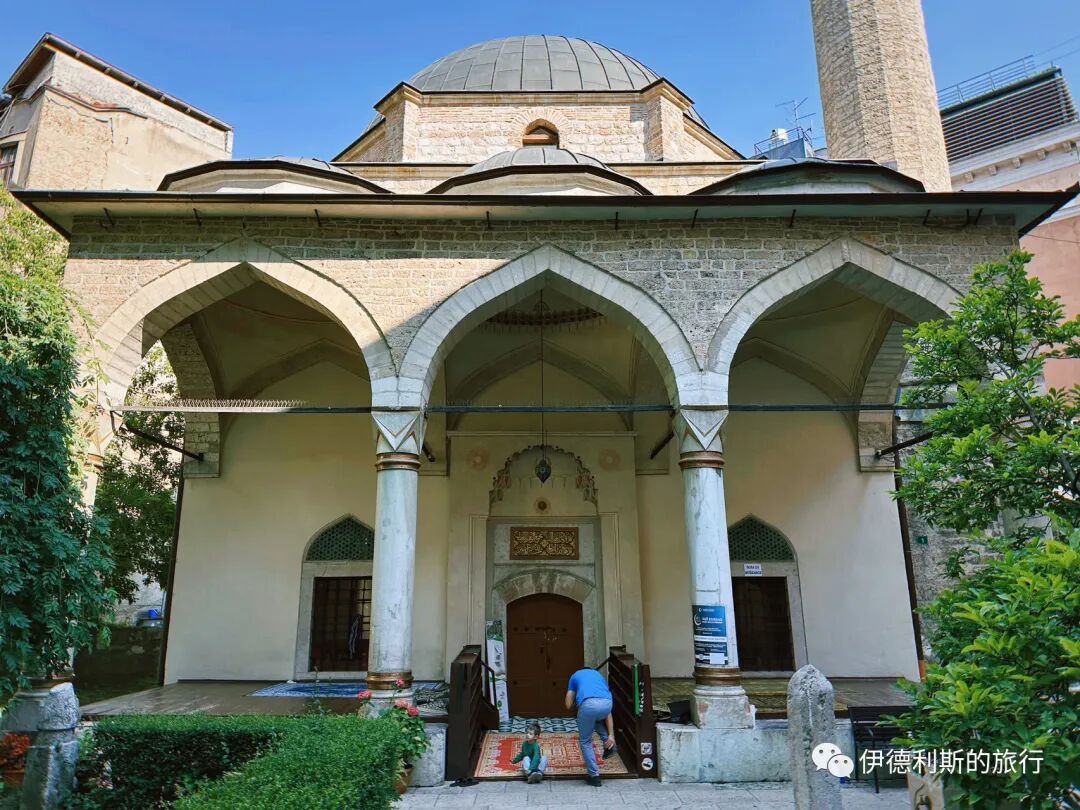
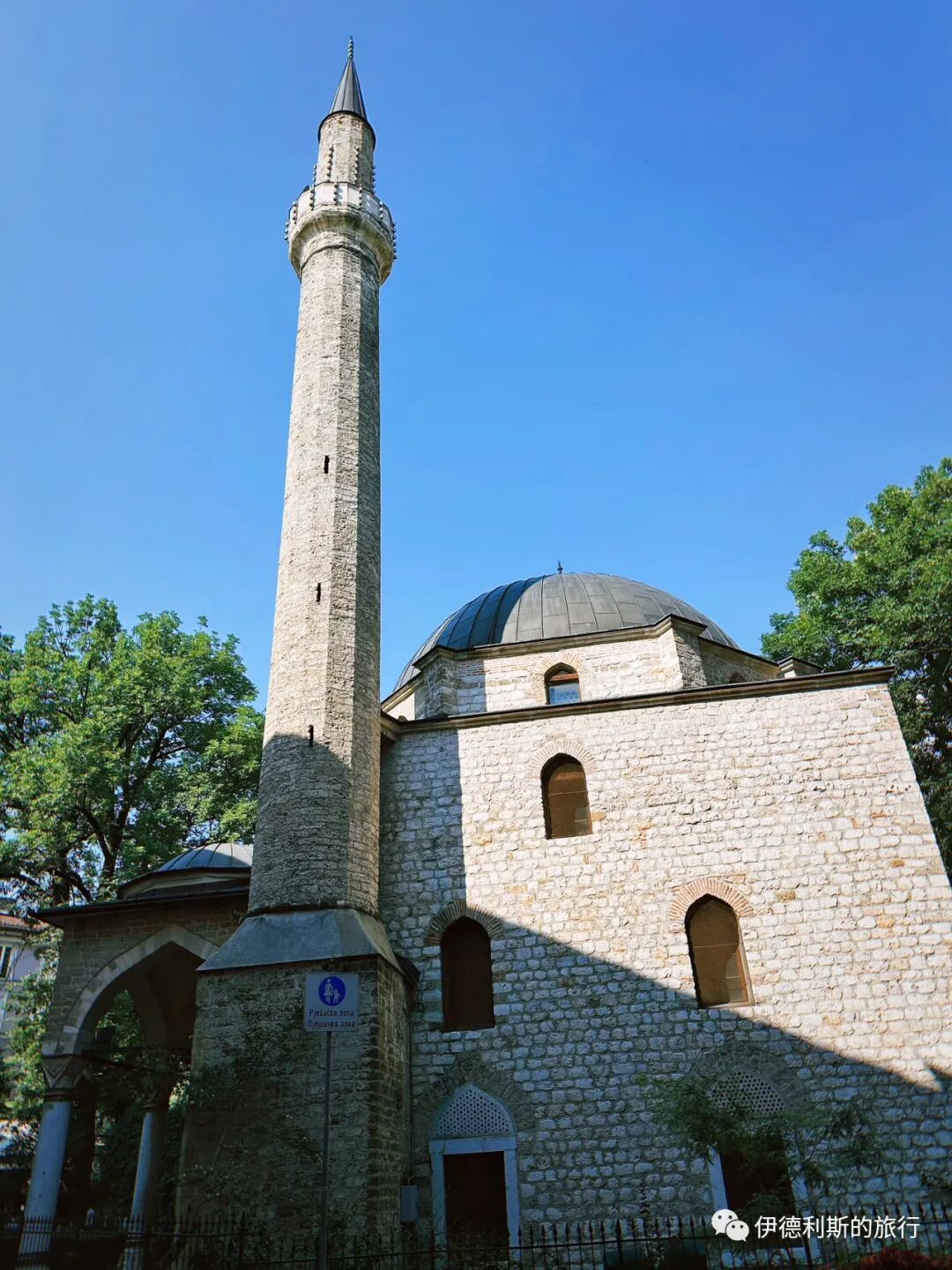
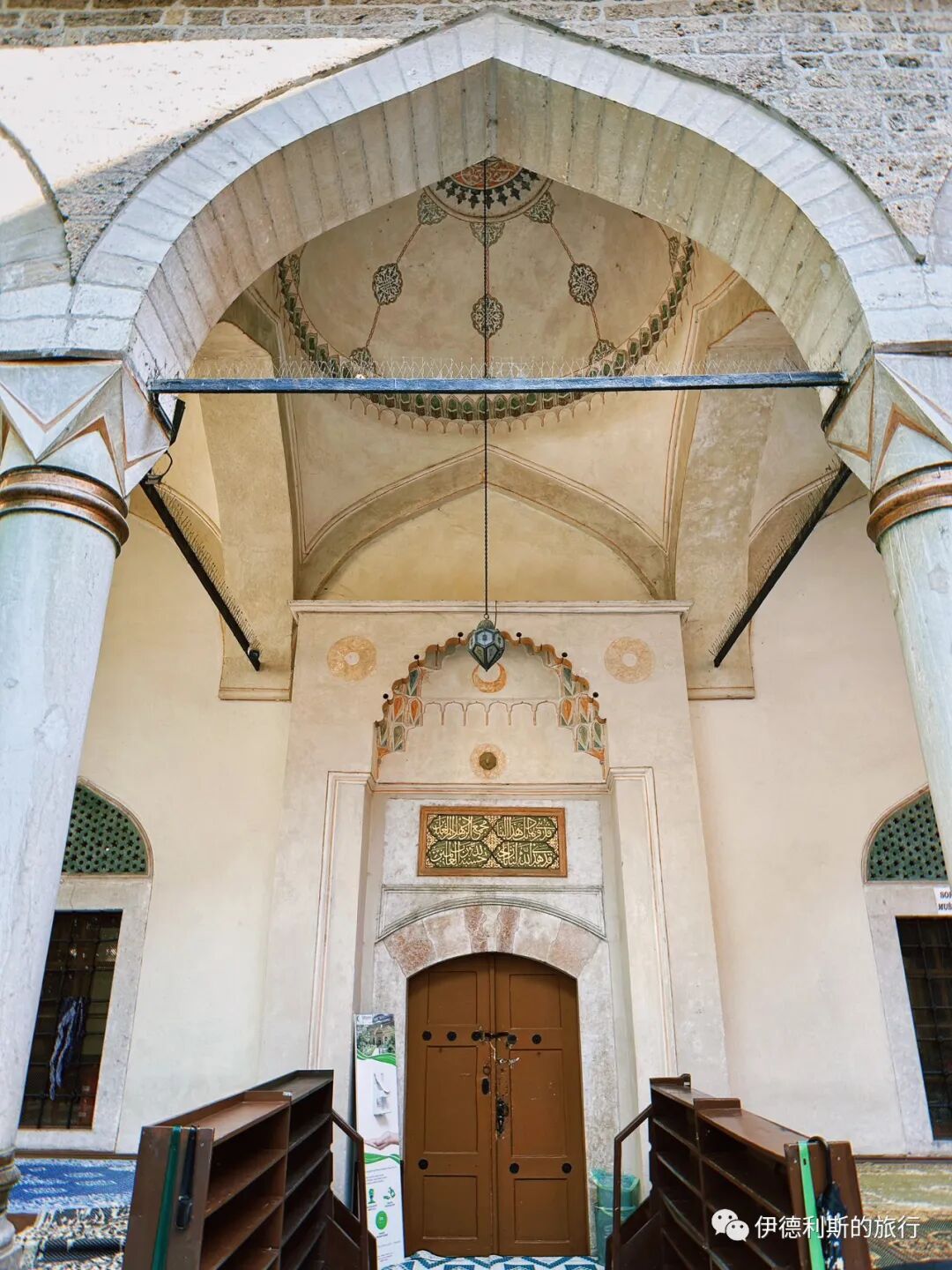
Ferhadija Mosque was built by Ferhad-beg Vuković-Desisalić in 1561-1562. The neighborhood that formed around it is also called Ferhadija. The mosque originally had a school (mekteb), a public kitchen (imaret), a water station, and a fountain, but they were all destroyed in fires in 1879 and 1897. It is a typical classical Ottoman building with a central dome over a rectangular main hall and three small domes on the front porch.
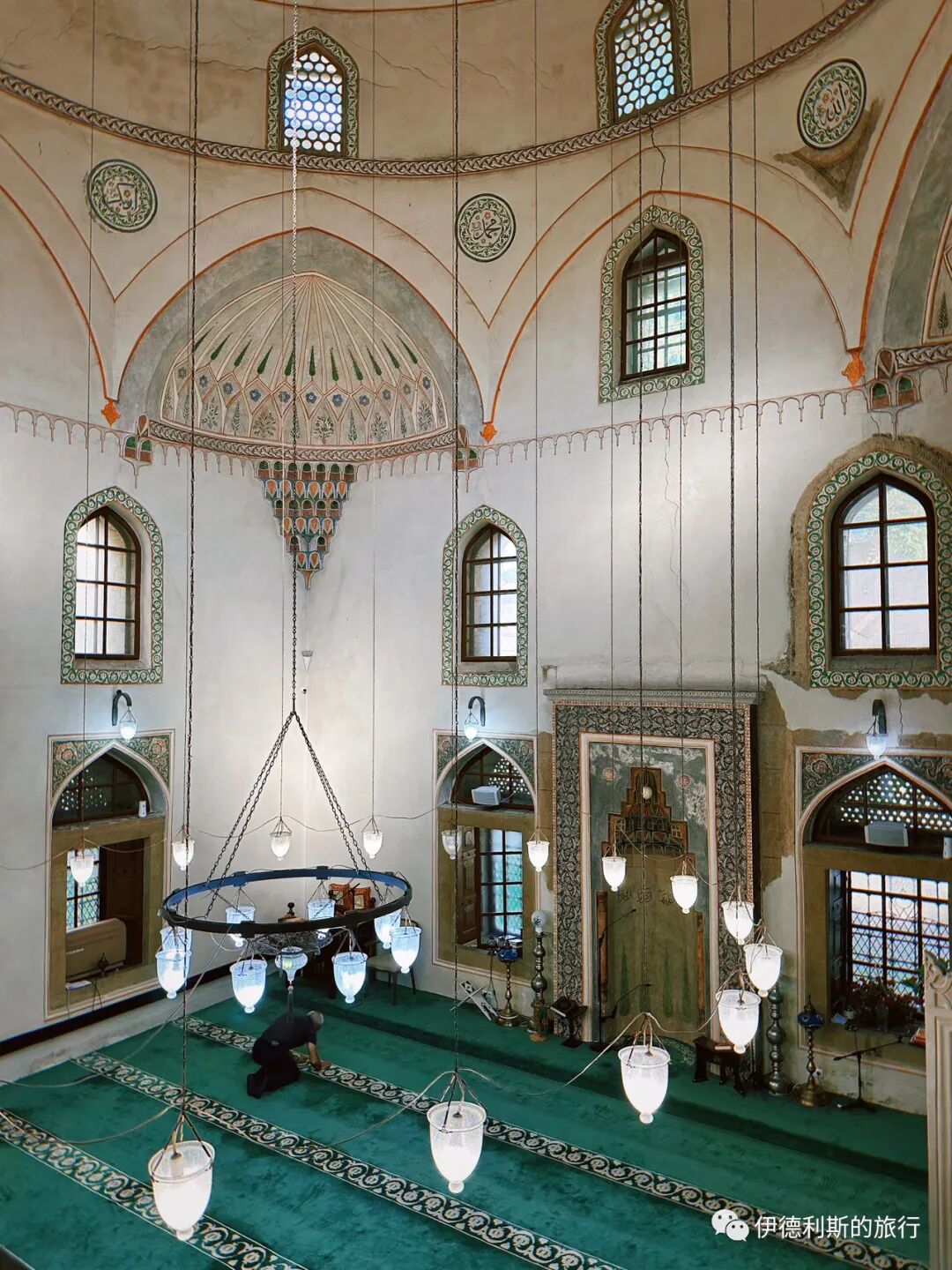
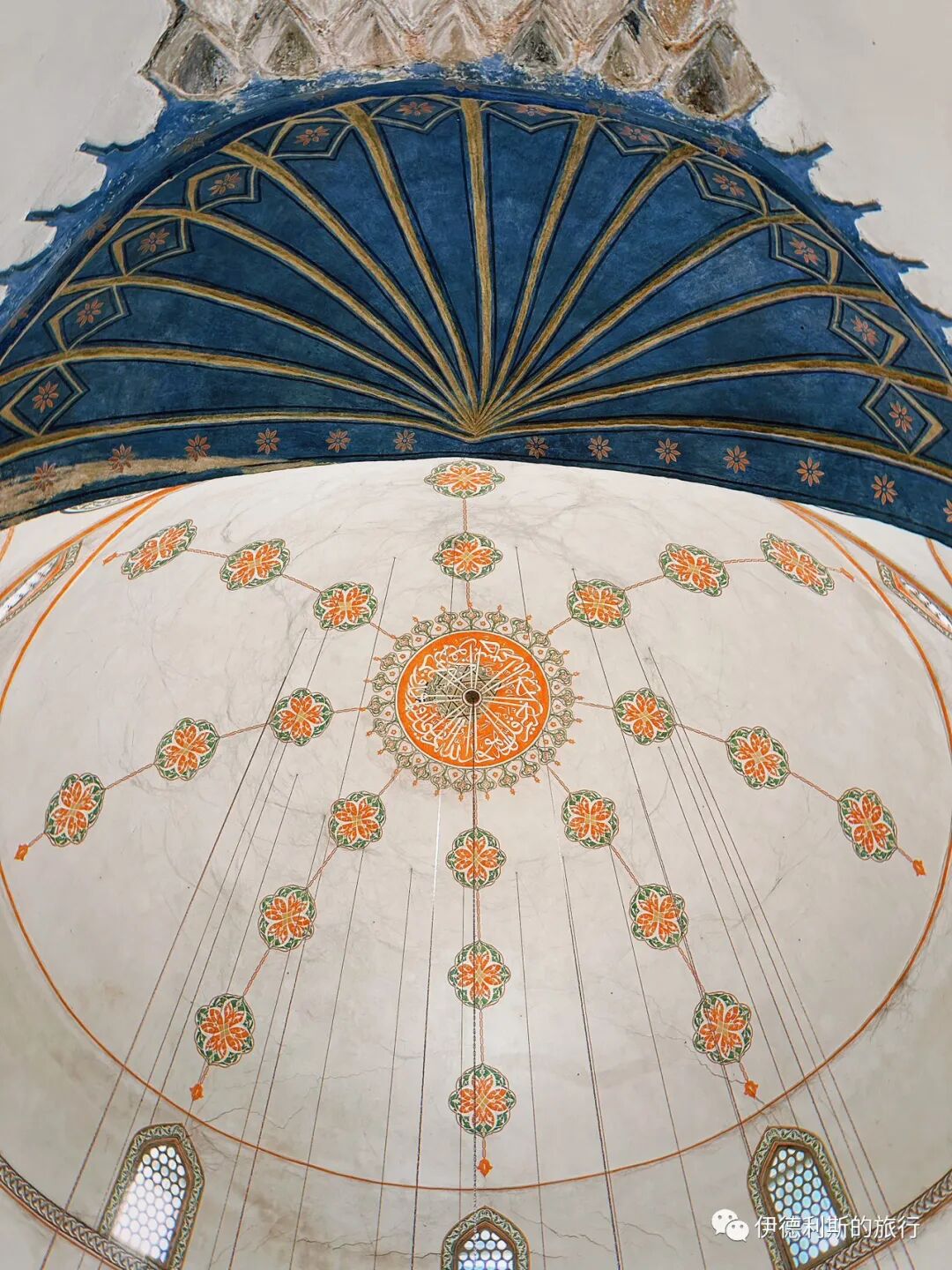
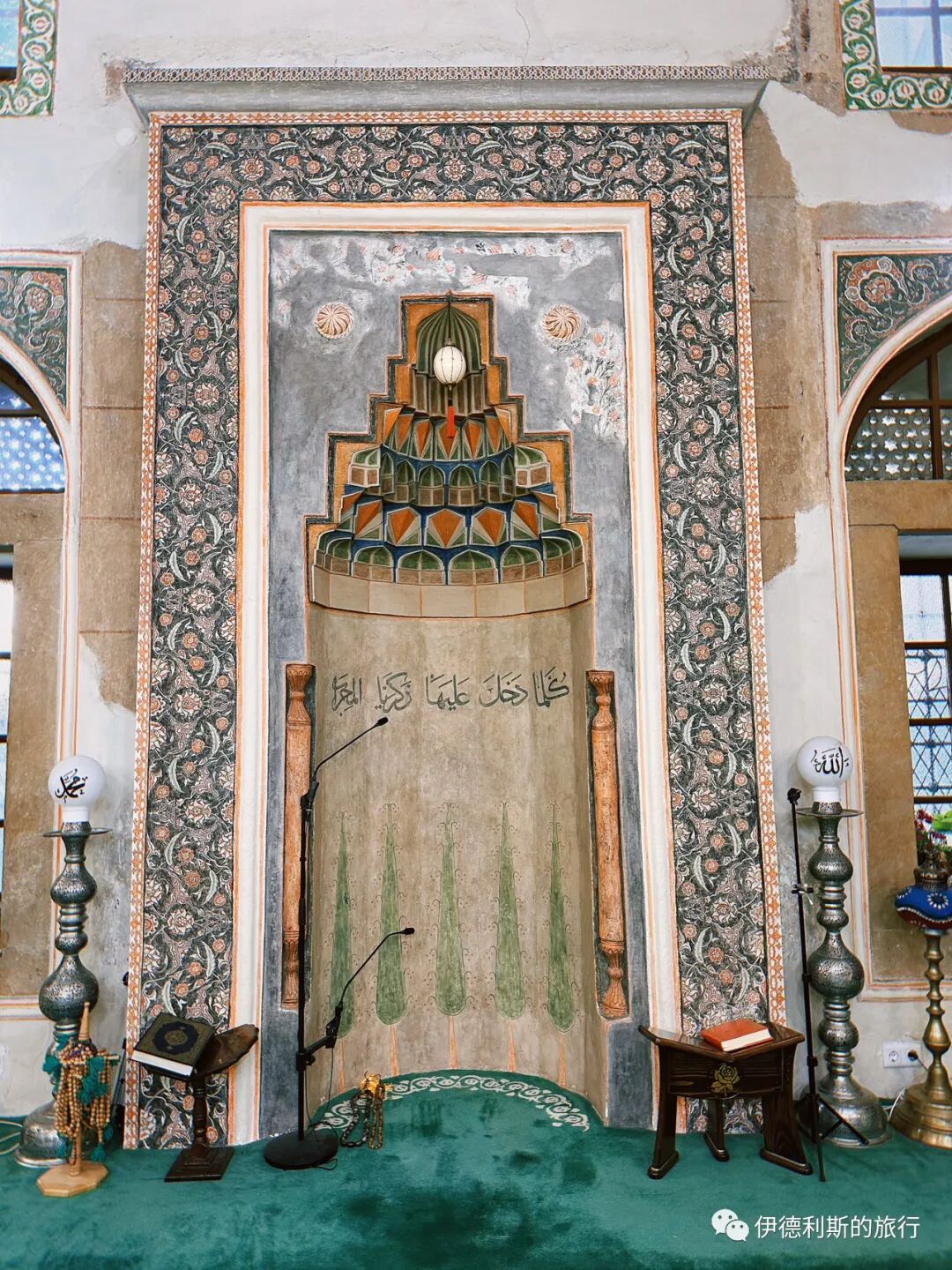
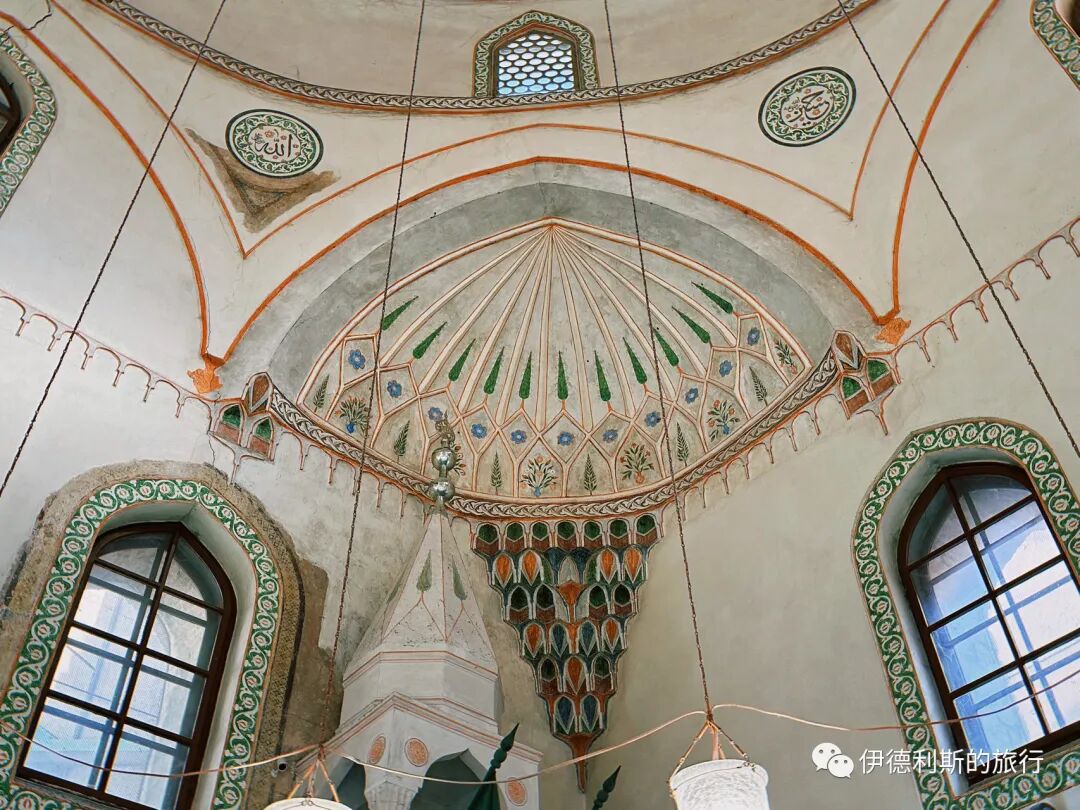
Research on the interior paintings of the mosque in 1964-1965 revealed five layers of paint from different periods. The first layer is the oldest and most valuable, dating back to the original construction in the 16th century. It was found on the dome, pendentives, squinches, and mihrab, and is known as the Rumi decorative style. The second layer features floral decorations in the center of the mihrab and parts of the dome in an 18th-century style, while the third and fourth layers date from the late 19th to the early 20th century.
Bakrbaba Mosque archaeological site
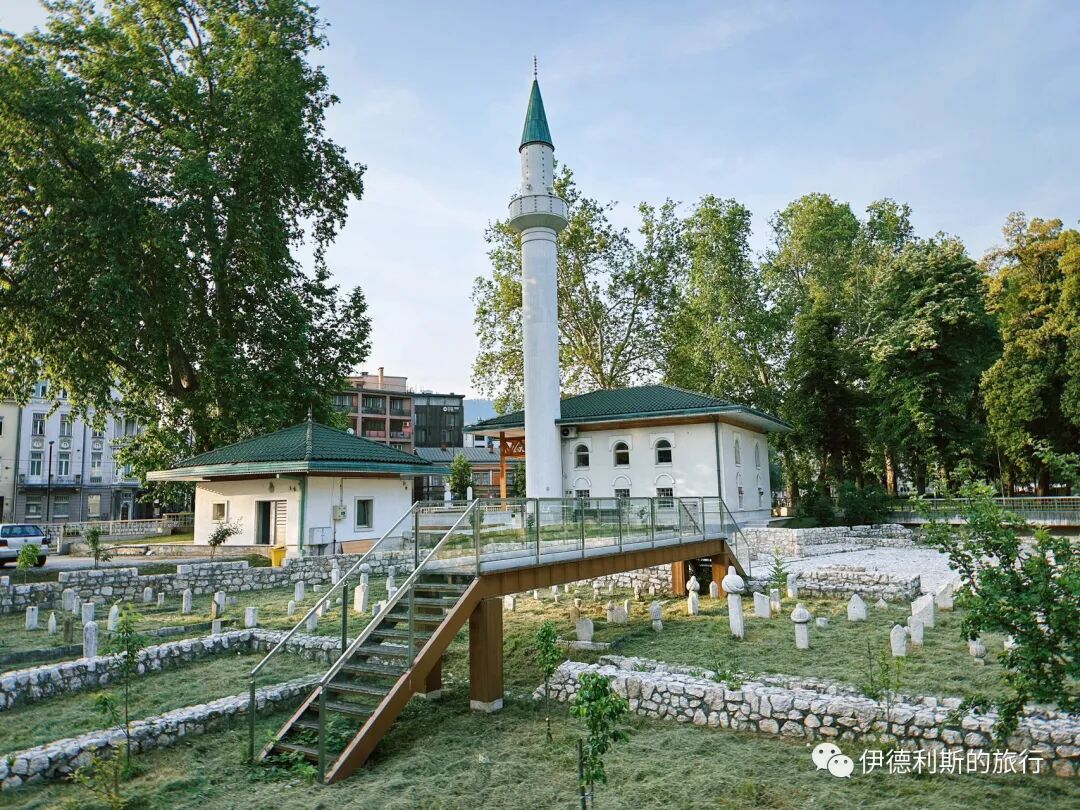
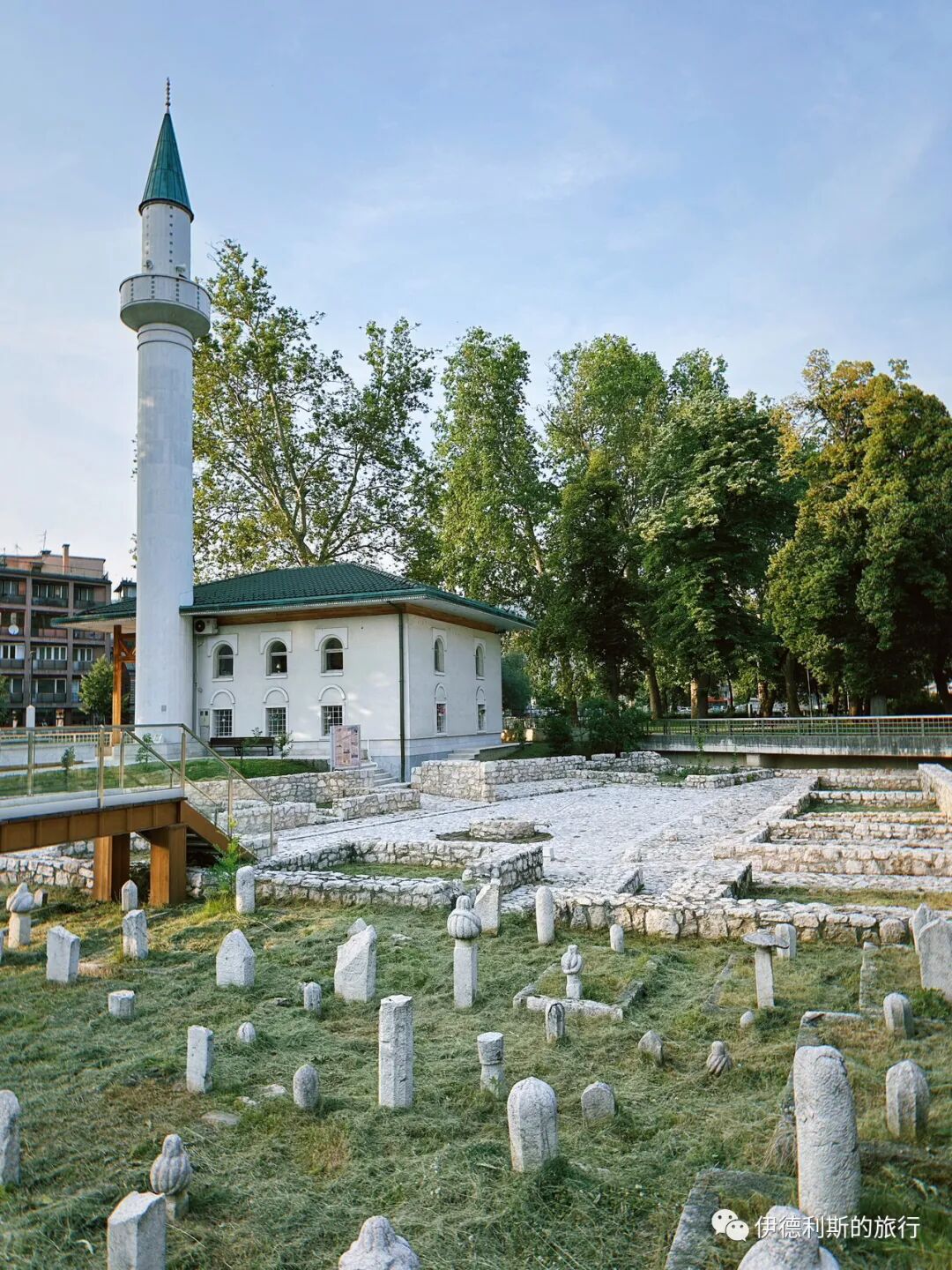
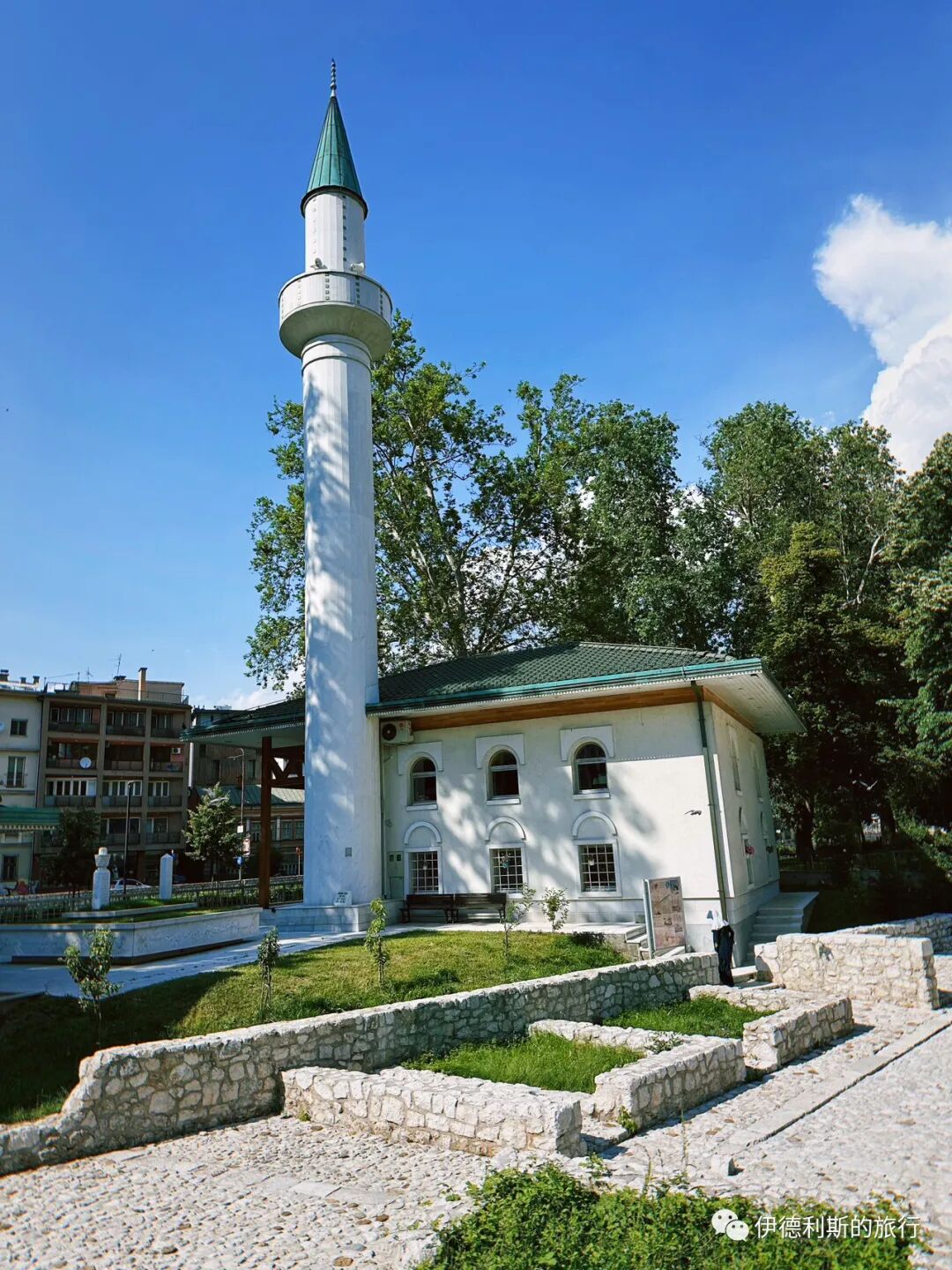
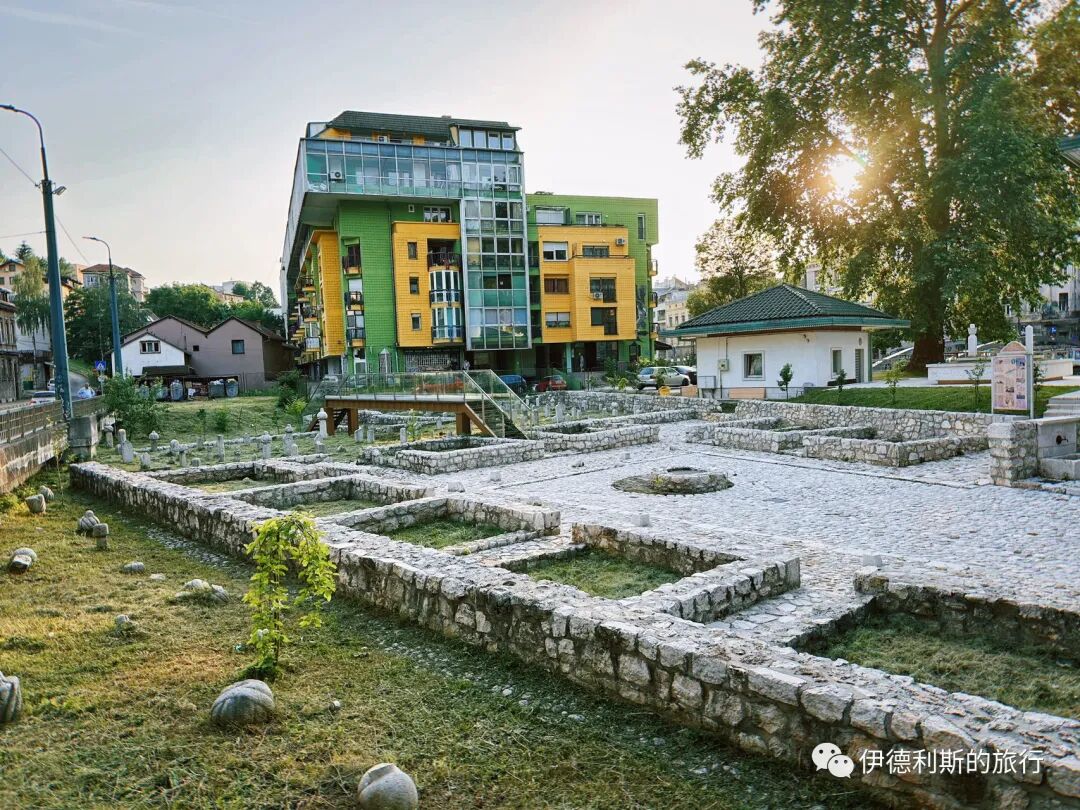
Archaeological site of the Bakrbaba Mosque, including the religious school (mekteb), primary school, and private quarters (harem).
The Bakrbaba Mosque was built in 1544 by the famous Sarajevo merchant Hajji-Alija Bakrbaba and featured a 30-meter-tall minaret at the time. In 1697, the Ottoman Empire was defeated by the Holy League of Europe, and Sarajevo was looted and burned. The Bakrbaba Mosque was destroyed in the fire but was rebuilt in the early 18th century.
A primary school and private quarters were originally built on the west side of the mosque. In 1741/2, Hajji Ismail Misrija added a religious school and a cemetery on the east side of the courtyard. Shortly after, Abdulah Efendi Kantamirija built a library across the street, making this an important educational and cultural center in Sarajevo.
After the Austro-Hungarian Empire took control of Sarajevo in 1878, the mosque was first turned into a military warehouse and was finally demolished in 1895. The primary school next to the mosque was also destroyed in 1895, the library was destroyed in 1897, and the religious school remained until the beginning of World War II.
Since 2000, at the request of Islamic scholar Hajji Hafez Halid Efendi Hadžimulić, Sarajevo began archaeological research on the Bakrbaba Mosque complex. In 2009, the reconstruction of the Bakrbaba Mosque was funded by Husein Durman, a businessman from Bursa, Turkey, and it officially opened in 2011.
Brusa Bezistan covered market.
The Brusa Bezistan covered market is located in the Grand Bazaar of Sarajevo's Old Town. It was ordered to be built in 1551 by Grand Vizier Rüstem Pasha during the reign of Suleiman the Magnificent of the Ottoman Empire and was named after Bursa, the old capital of the Ottoman Empire. This market has six domes. It originally sold silk, household goods, and small furniture. Today, it is the Sarajevo Museum, which displays precious artifacts from the Ottoman period.
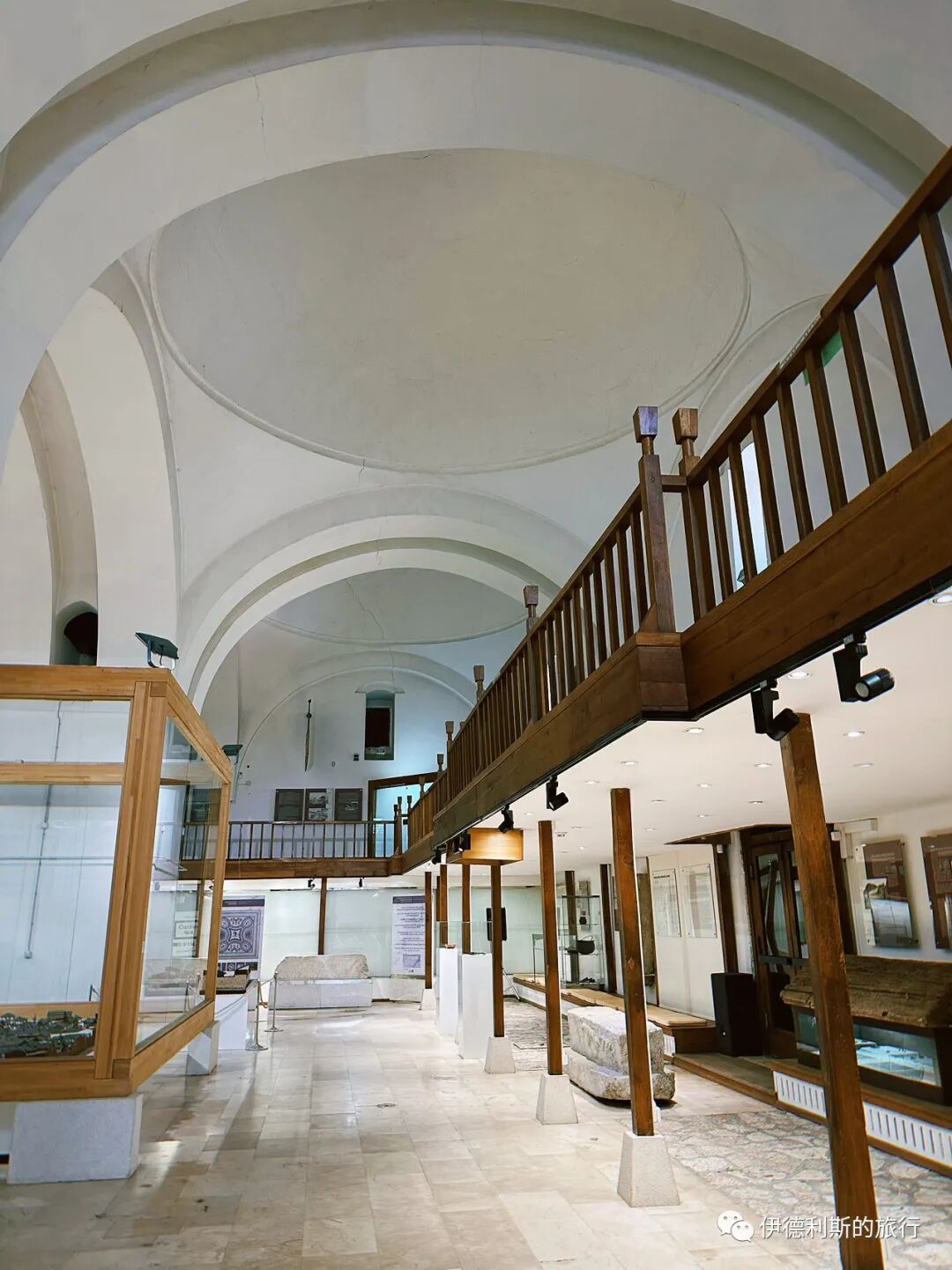
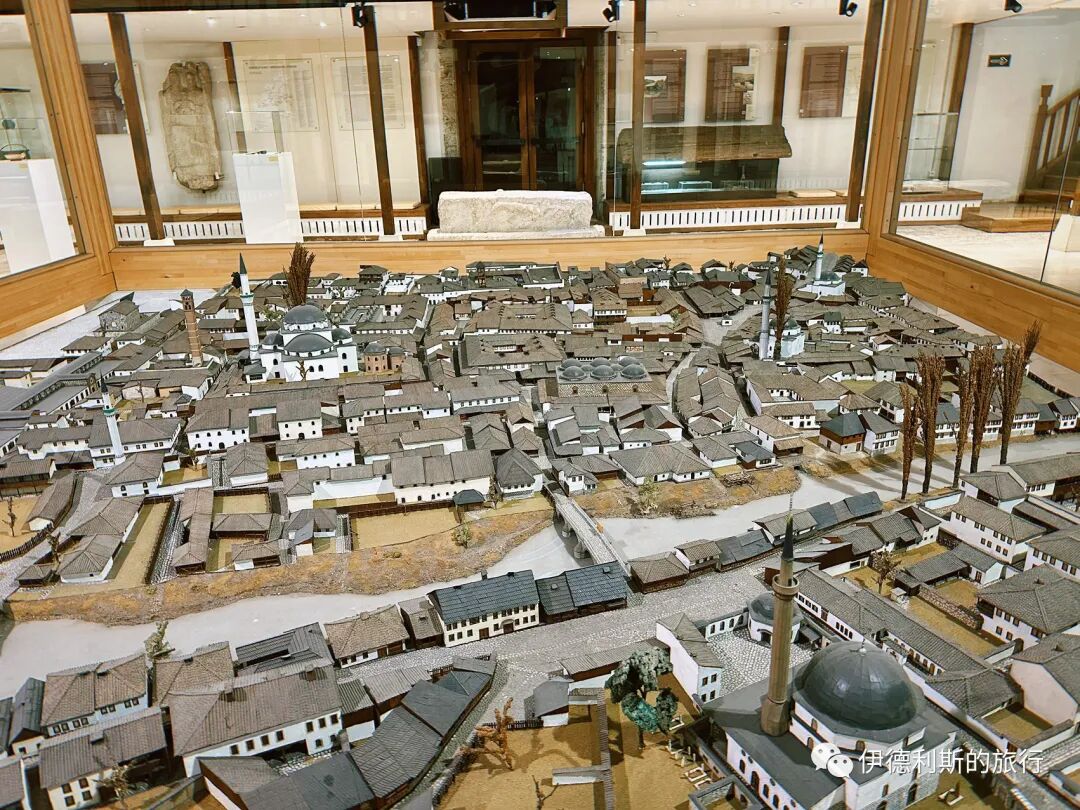
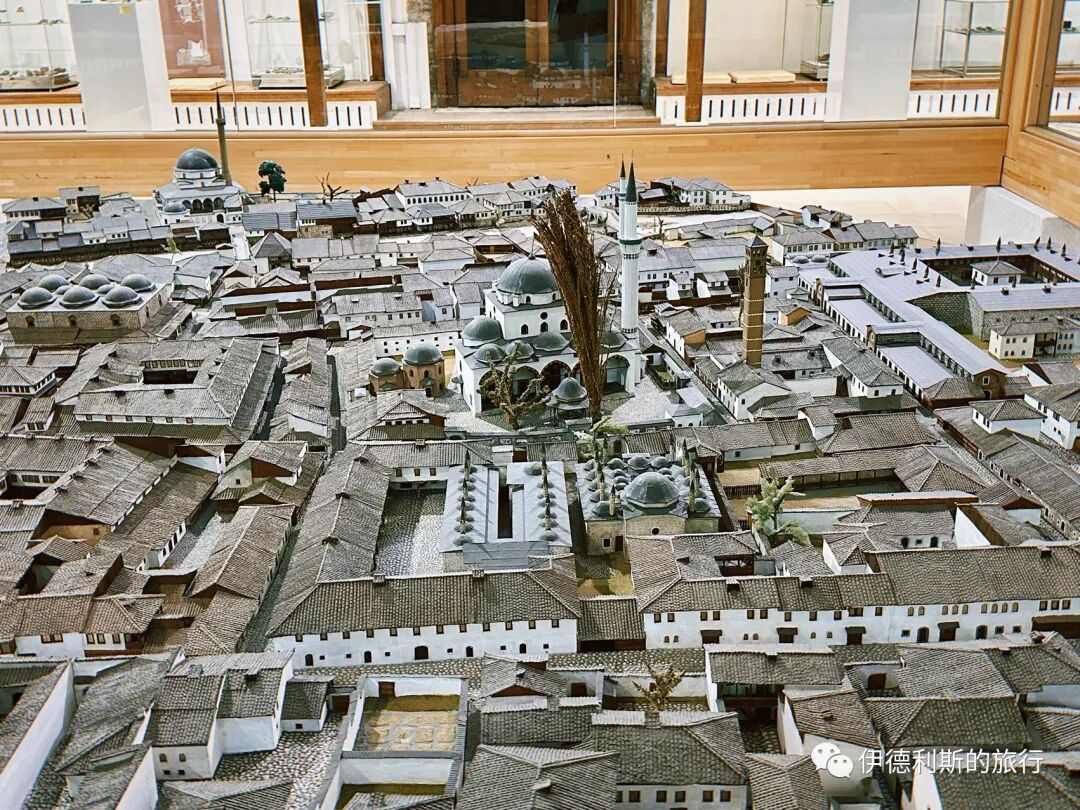
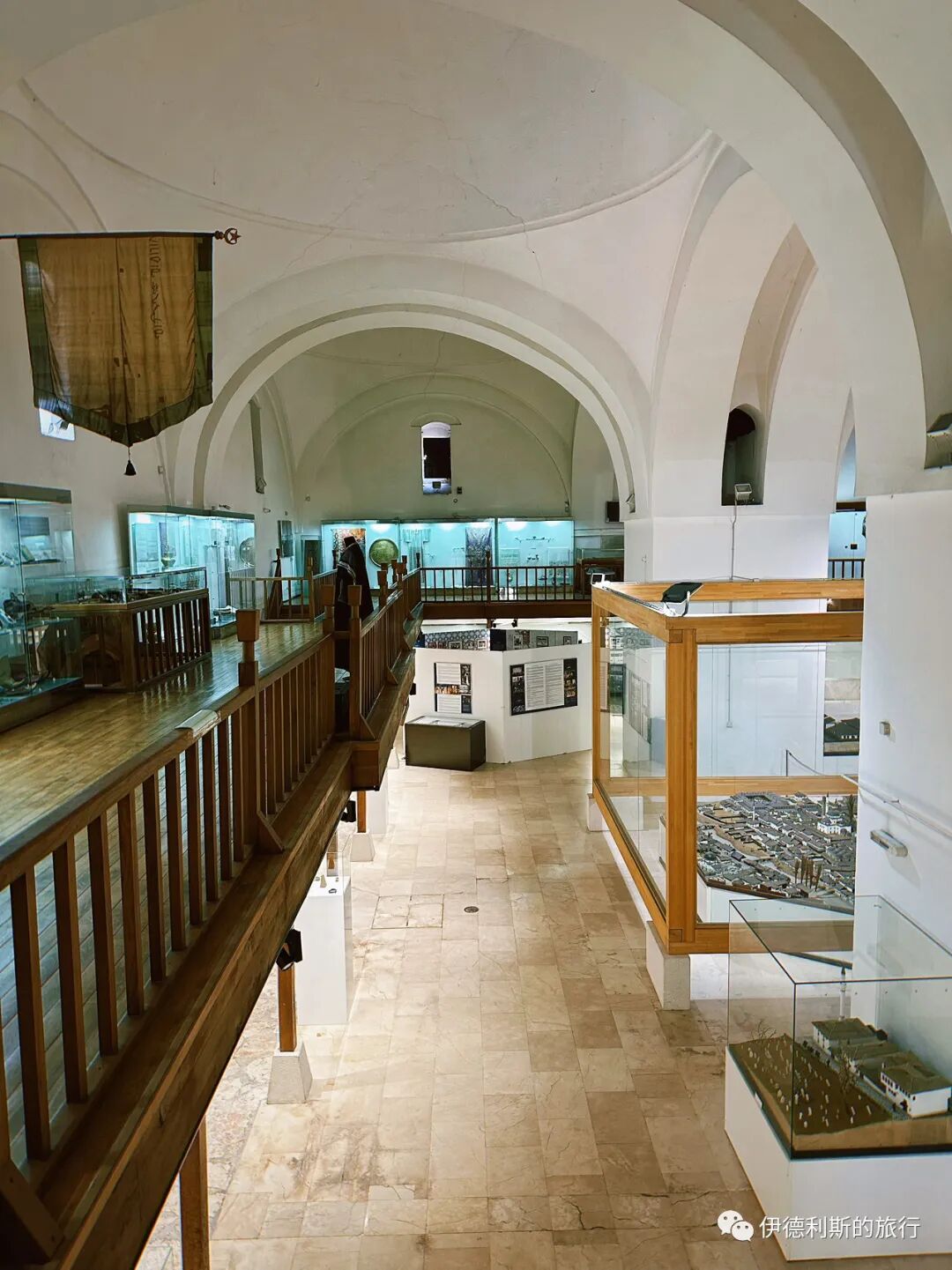
The most eye-catching item in the museum is a large sand table that meticulously restores the appearance of Sarajevo's Old Town during the Ottoman period. You can see an Ottoman architectural complex consisting of mosques, clock towers, religious schools, dervish lodges (tekke), caravanserais, markets, tombs, and fountains.
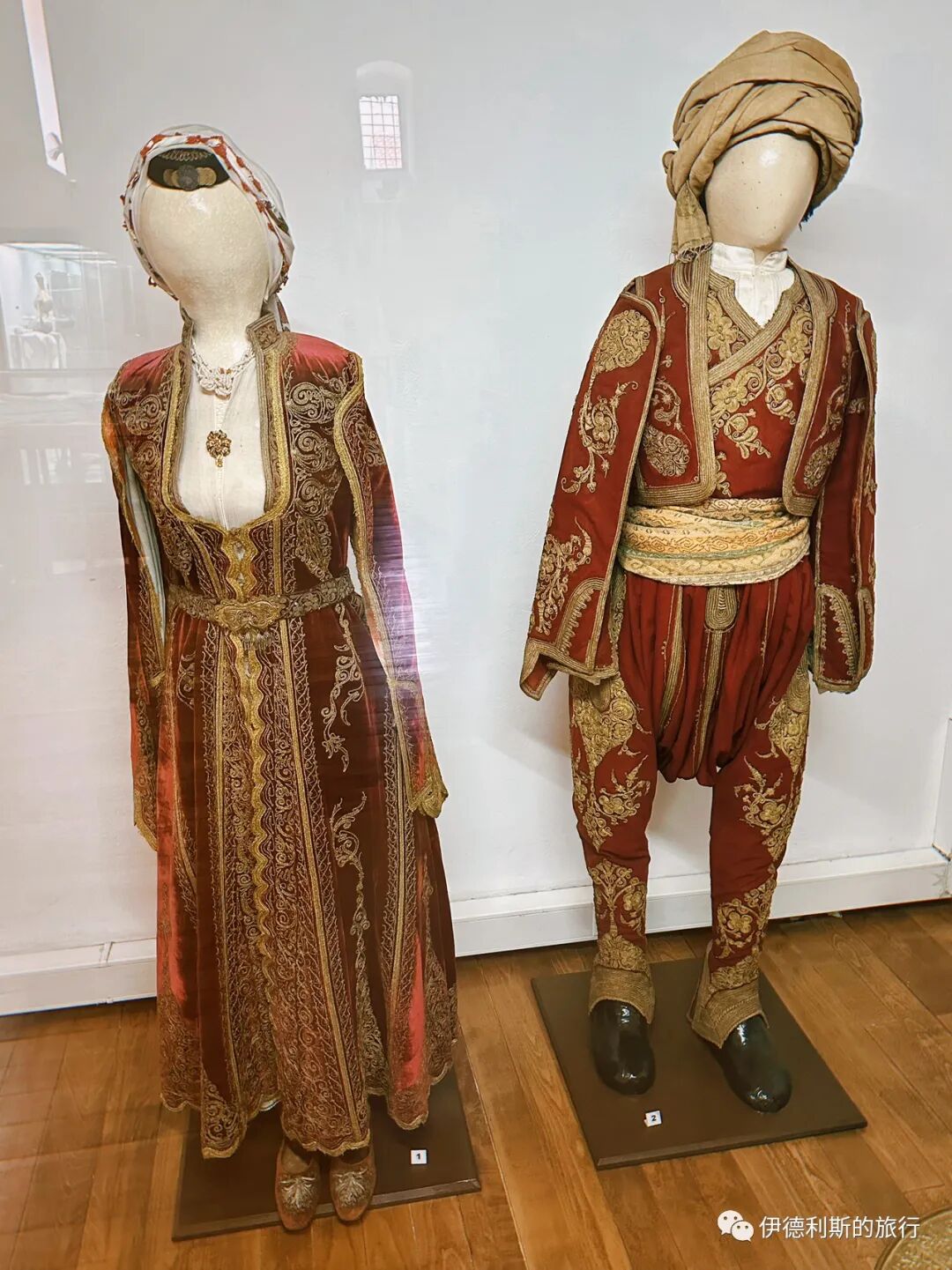
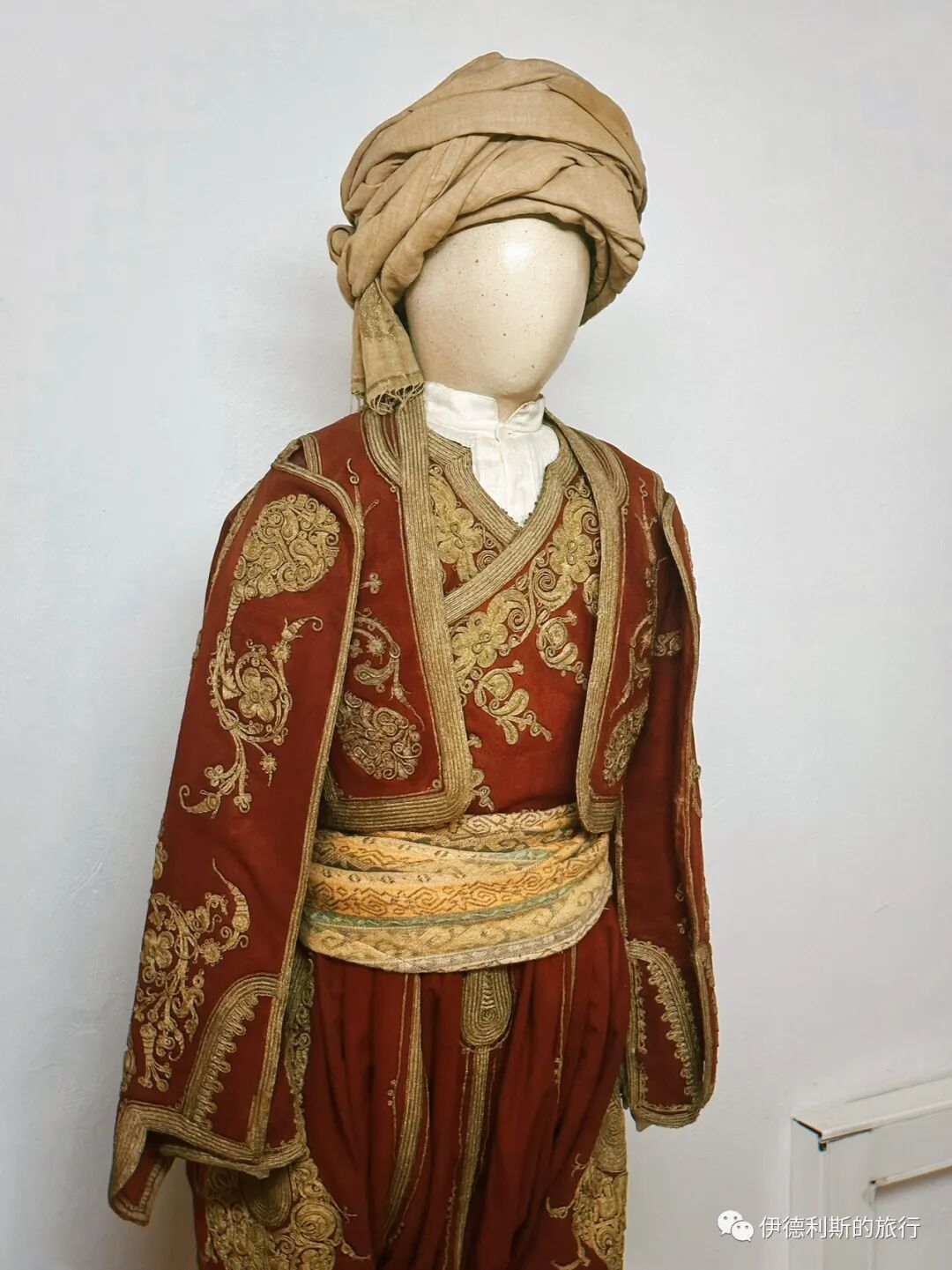
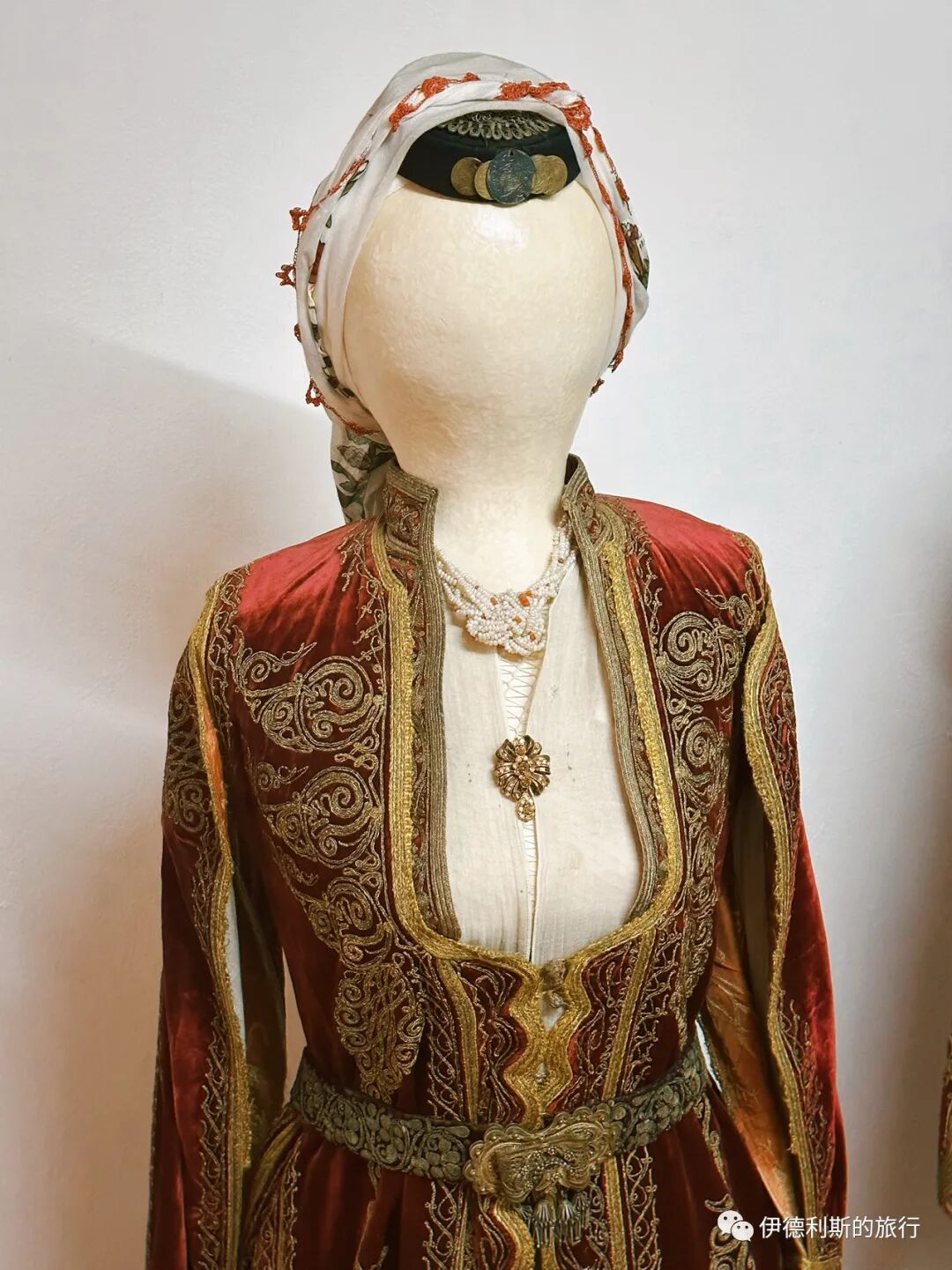
The 19th-century noble clothing of Sarajevo Muslims collected in the museum is also very exquisite.
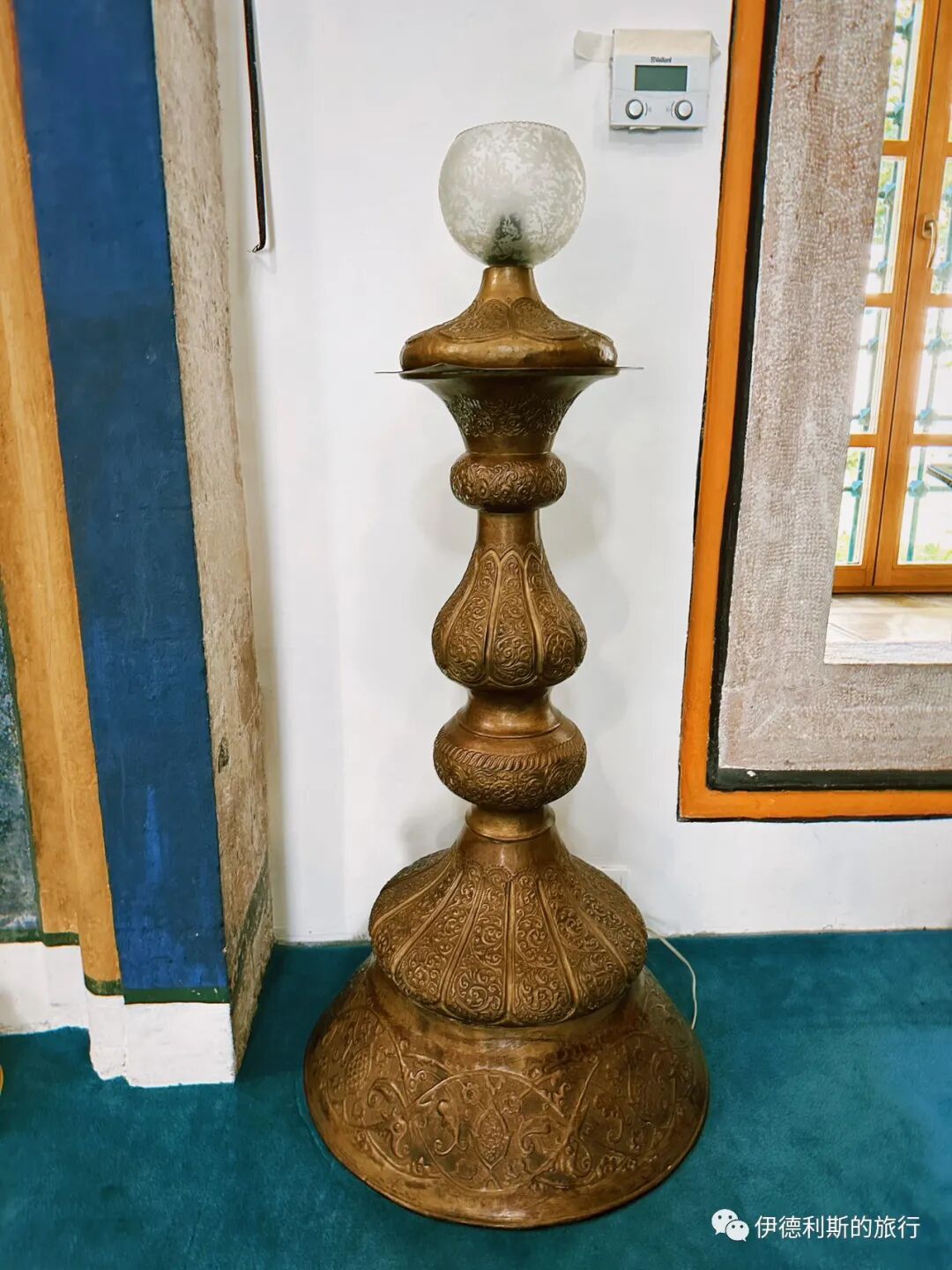
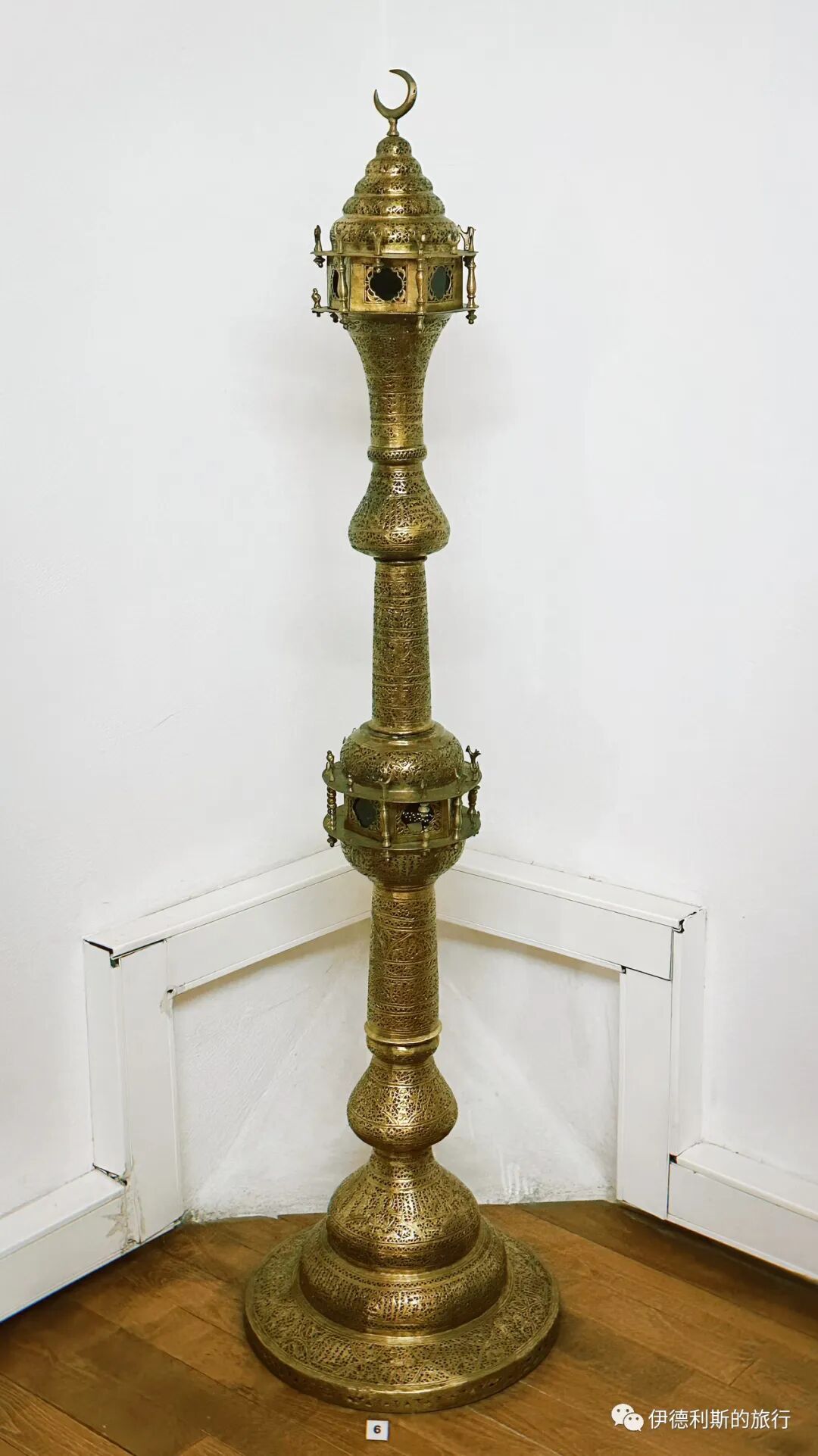
Lamp posts used in Sarajevo mosques during the 19th century.
Copper pots used by vendors selling boza (a fermented grain drink) or lemonade in the bazaar.
Food containers used in the past to bring lunch to shops.
On the left is a short knife engraved with the year 1872, and on the right is a long knife inlaid with gemstones. This type of knife requires the cooperation of a goldsmith (kujundzija) and a bladesmith (bicakcija) to complete.
Silk embroidery calligraphy from the 19th century.
A court verdict issued in 1869.
Old coffee pots and coffee cups.
Yellow Fortress (Žuta Tabija)
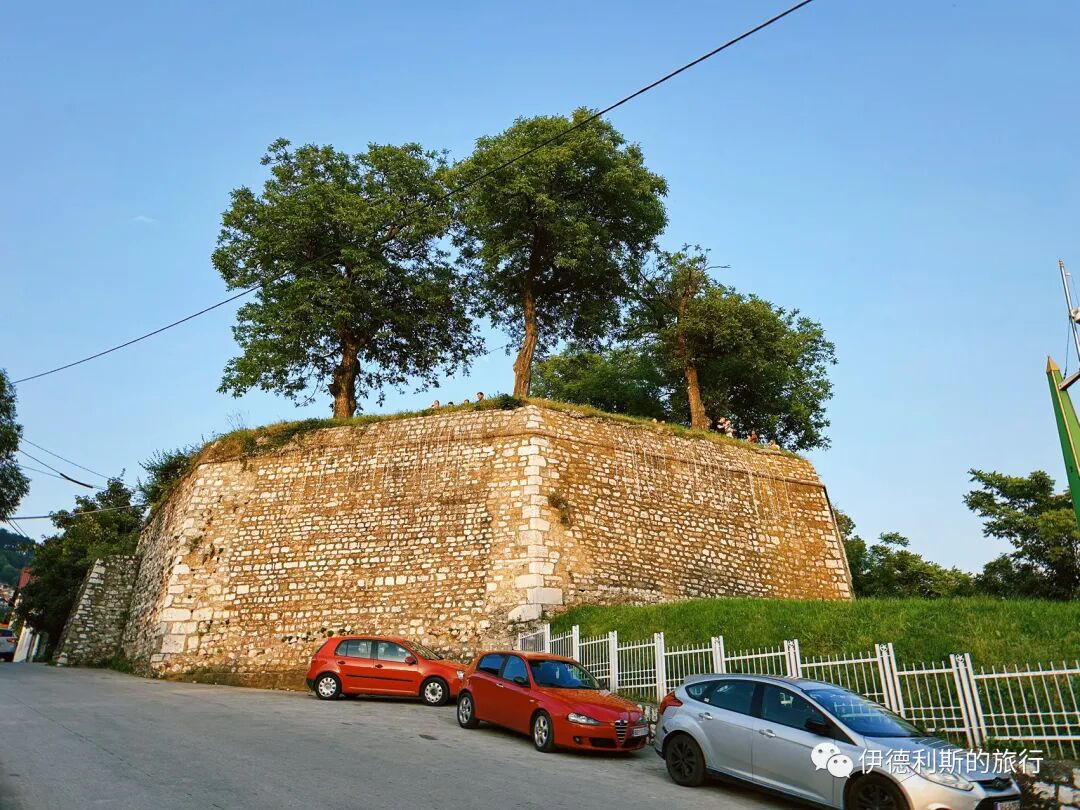
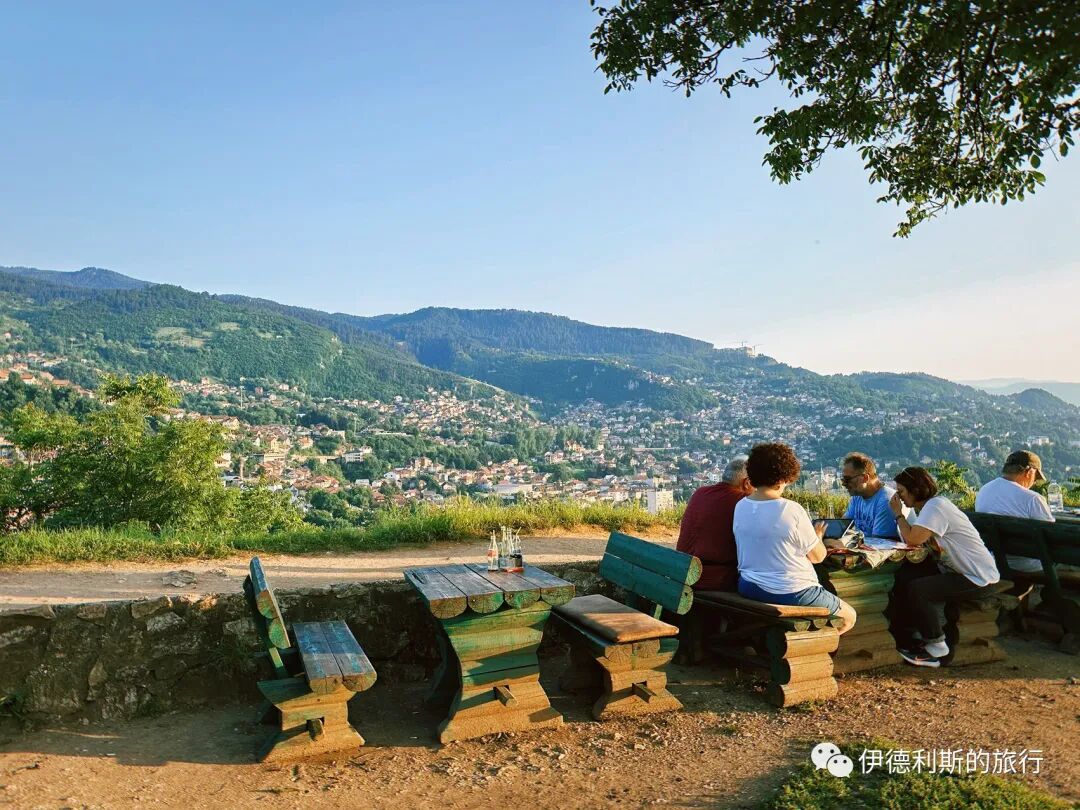
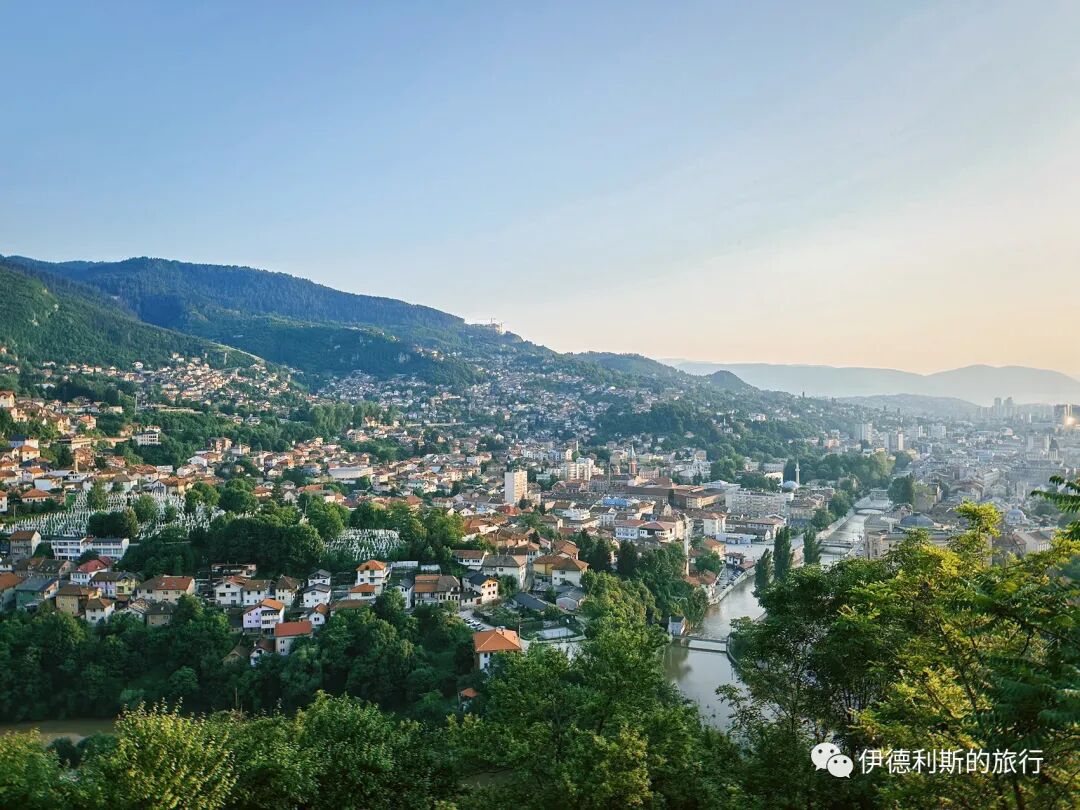
Climb up to the Yellow Fortress (Žuta Tabija) on the eastern outskirts of Sarajevo in the evening to get a panoramic view of the old town. Built between 1727 and 1739, the Yellow Fortress was a battery in the Sarajevo city walls and served as a key stronghold for the Ottoman Empire to defend Sarajevo against the Austro-Hungarian invasion in 1878.
Sarajevo did not have city walls for most of its history until Prince Eugene of the Habsburg Empire launched a devastating attack on the city in 1697, looting it and burning many buildings. The Ottoman Empire officially began building the city walls in 1727. Today, the Sarajevo city walls are located on the east side of the old town, with many gates and fortresses still preserved, the most famous of which are the Yellow Fortress and the White Fortress.
Mevlevi Sufi Lodge (tekke)
Below the Yellow Fortress sits a Mevlevi Sufi lodge (tekke), which was the first Sufi lodge in Sarajevo. The lodge was first built in 1462, destroyed during Prince Eugene's invasion of Sarajevo in 1697, and rebuilt in 1781. After the Austro-Hungarian Empire occupied Bosnia and Herzegovina in 1878, they strictly prohibited the maintenance of the lodge. It was eventually demolished in 1957 during the Tito era of Yugoslavia, and the building we see today was rebuilt in 2013 with donations from Turkey.
Where East meets West
An interesting spot in Sarajevo's old town features a dividing line that separates two historic districts. To the east is the bazaar area built during the Ottoman period, and to the west is Ferhadija Street built during the Austro-Hungarian period. The city's appearance changes completely just by crossing the street. The bazaar area feels like Istanbul, and Ferhadija Street feels like Vienna. Standing on this line, you feel like you are at the crossroads of Eastern and Western cultures, and Islamic and Christian traditions. This is the unique charm of Sarajevo. view all
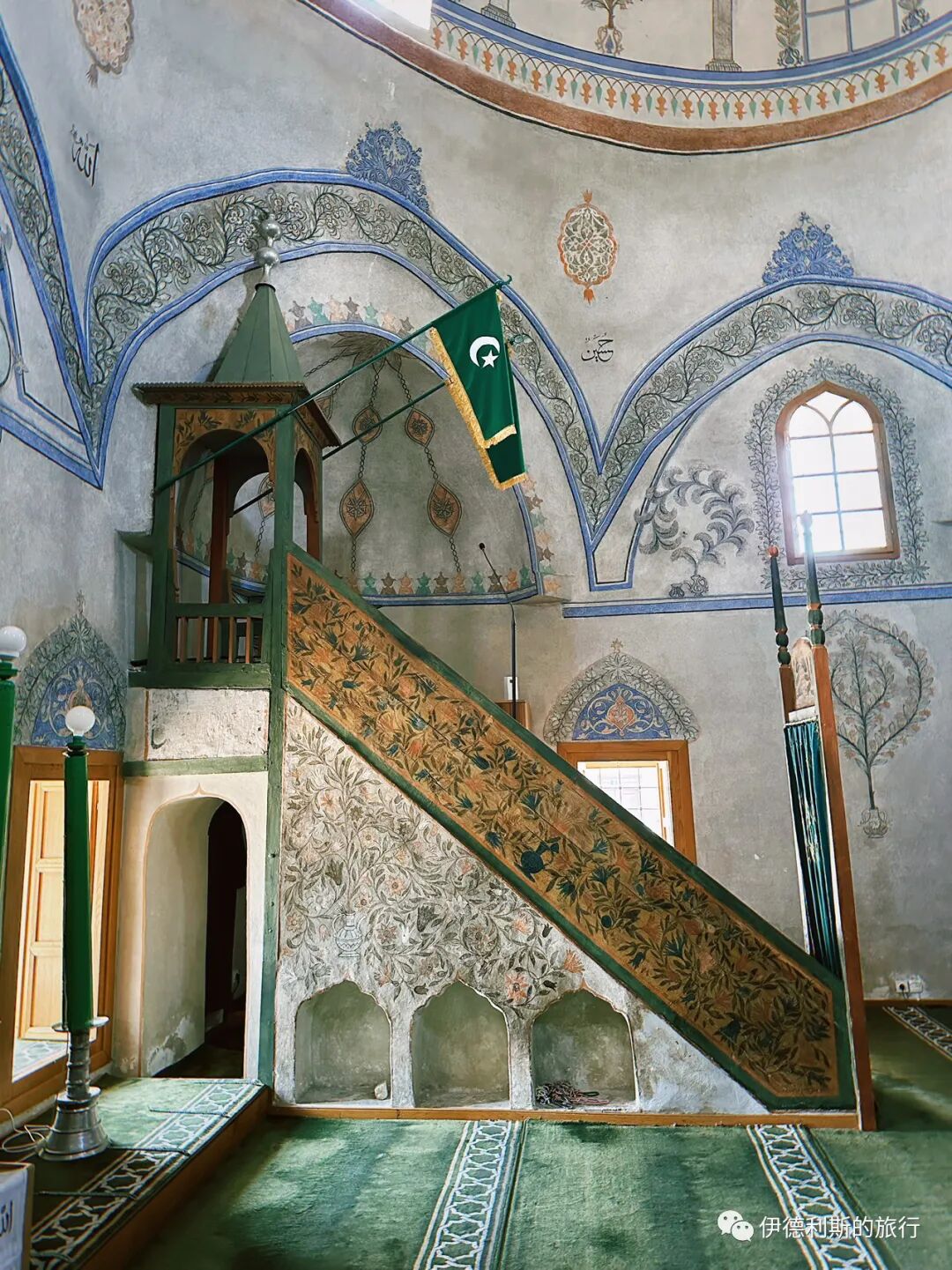
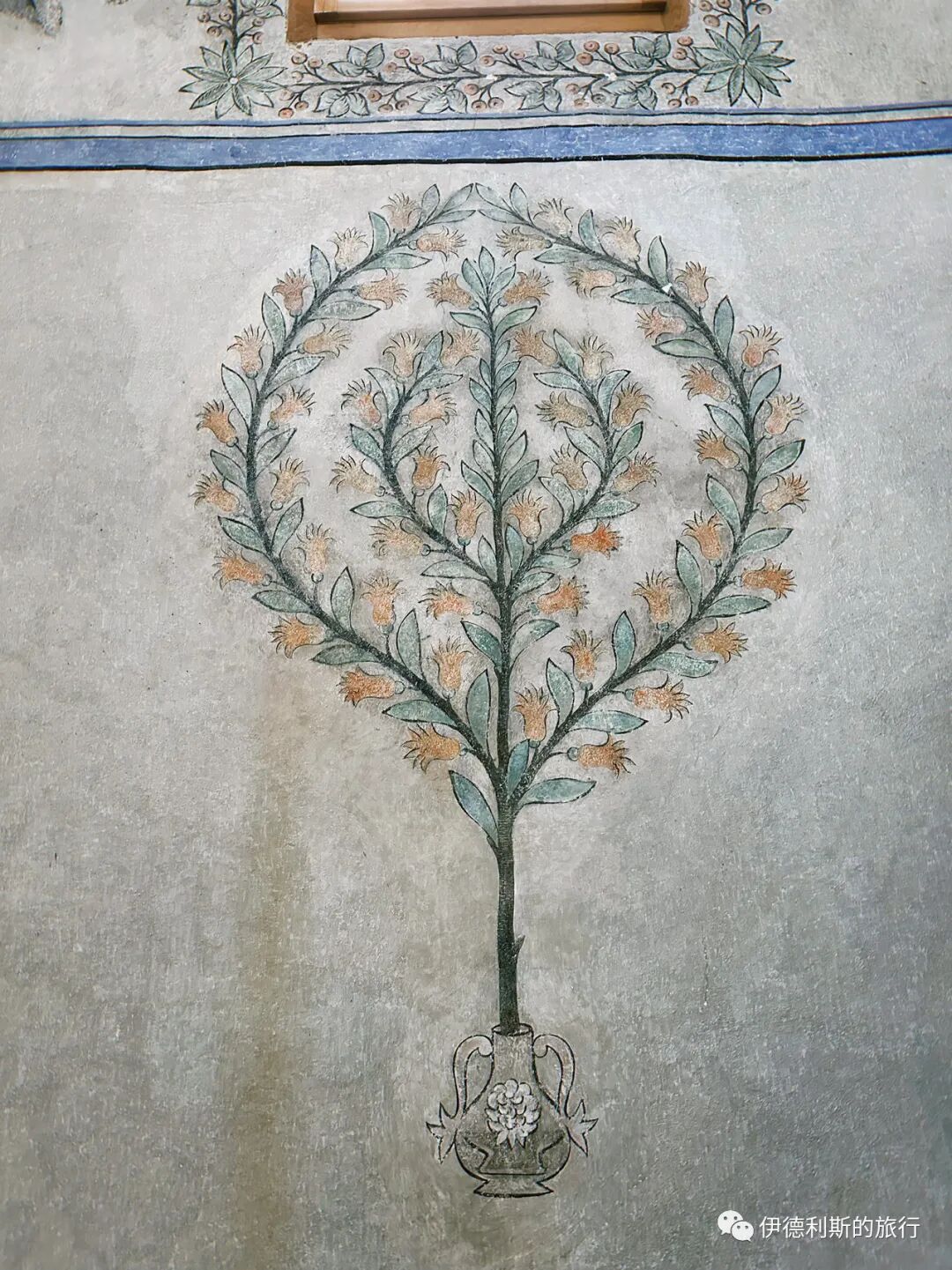
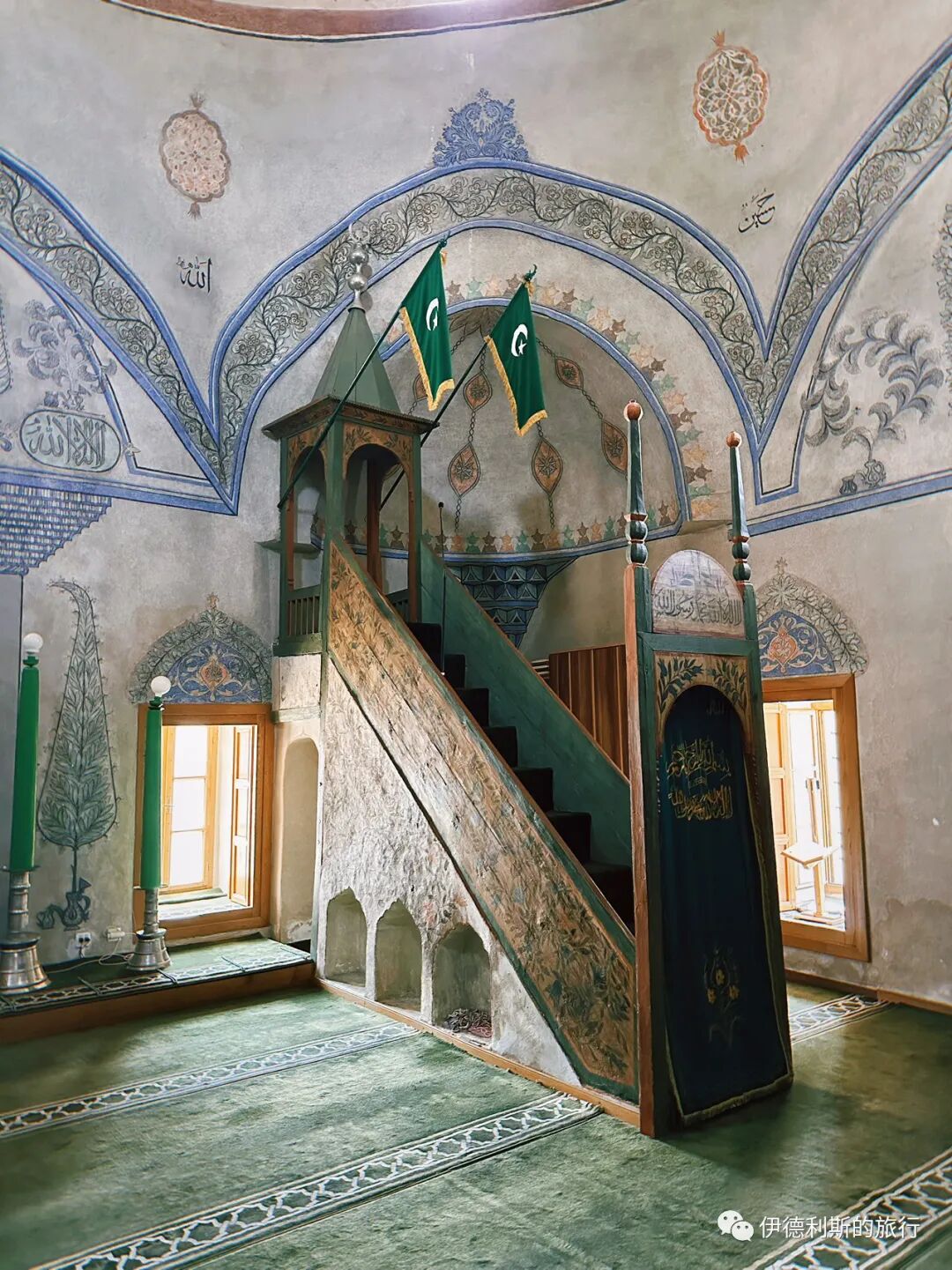
Bascarsija Mosque
In the evening, I performed namaz at the Bascarsija Mosque (Baščaršijska džamija). The Bascarsija Mosque sits in the heart of the old bazaar in Sarajevo. Havadža Durak built it in the early 16th century, and the earliest manuscript mentioning the mosque dates back to 1528. The mosque originally had a wooden dome, but it was rebuilt with a stone dome after a fire in 1697. There is a porch with three small stone domes in front of the main hall. This was changed to a wooden roof in 1945, but it was restored to its original look in 1966. The mosque suffered heavy damage during the Siege of Sarajevo from 1992 to 1995, but it was later renovated.
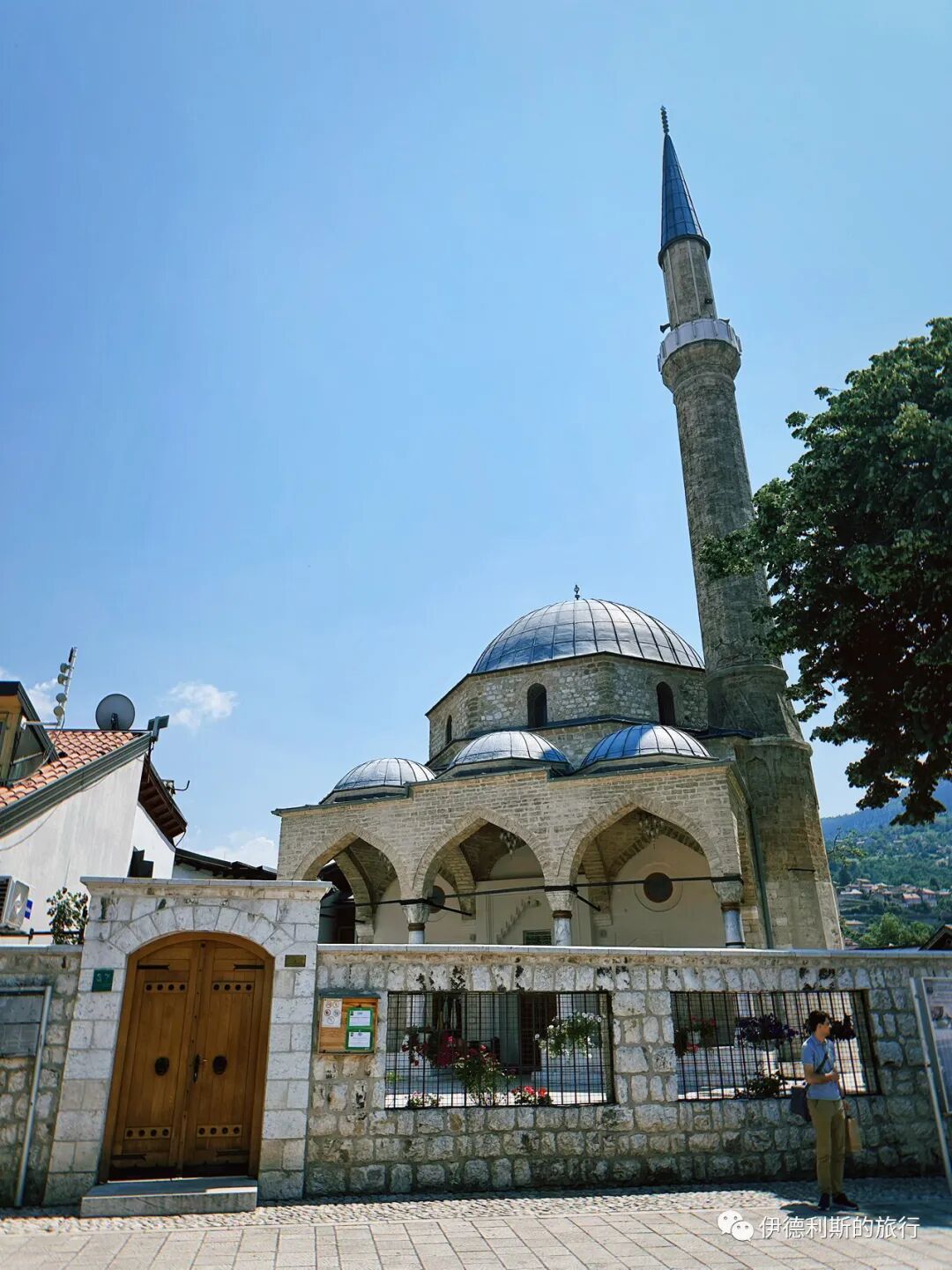
Emperor's Mosque
The Emperor's Mosque was first built in 1457. It was the first mosque constructed after the Ottoman Empire conquered Bosnia. Isaković-Hranušić oversaw the building, which was dedicated to the Ottoman Sultan Mehmed the Conqueror. The original mosque was a wooden structure. It was rebuilt in 1565 into the current classical Ottoman style and dedicated to the Ottoman Sultan Suleiman the Magnificent. Side rooms were added in 1800, and they were connected to the main hall in 1848.
The Emperor's Mosque was severely damaged twice, once during World War II and again during the Bosnian War, but it was repaired both times.
Magribija Mosque
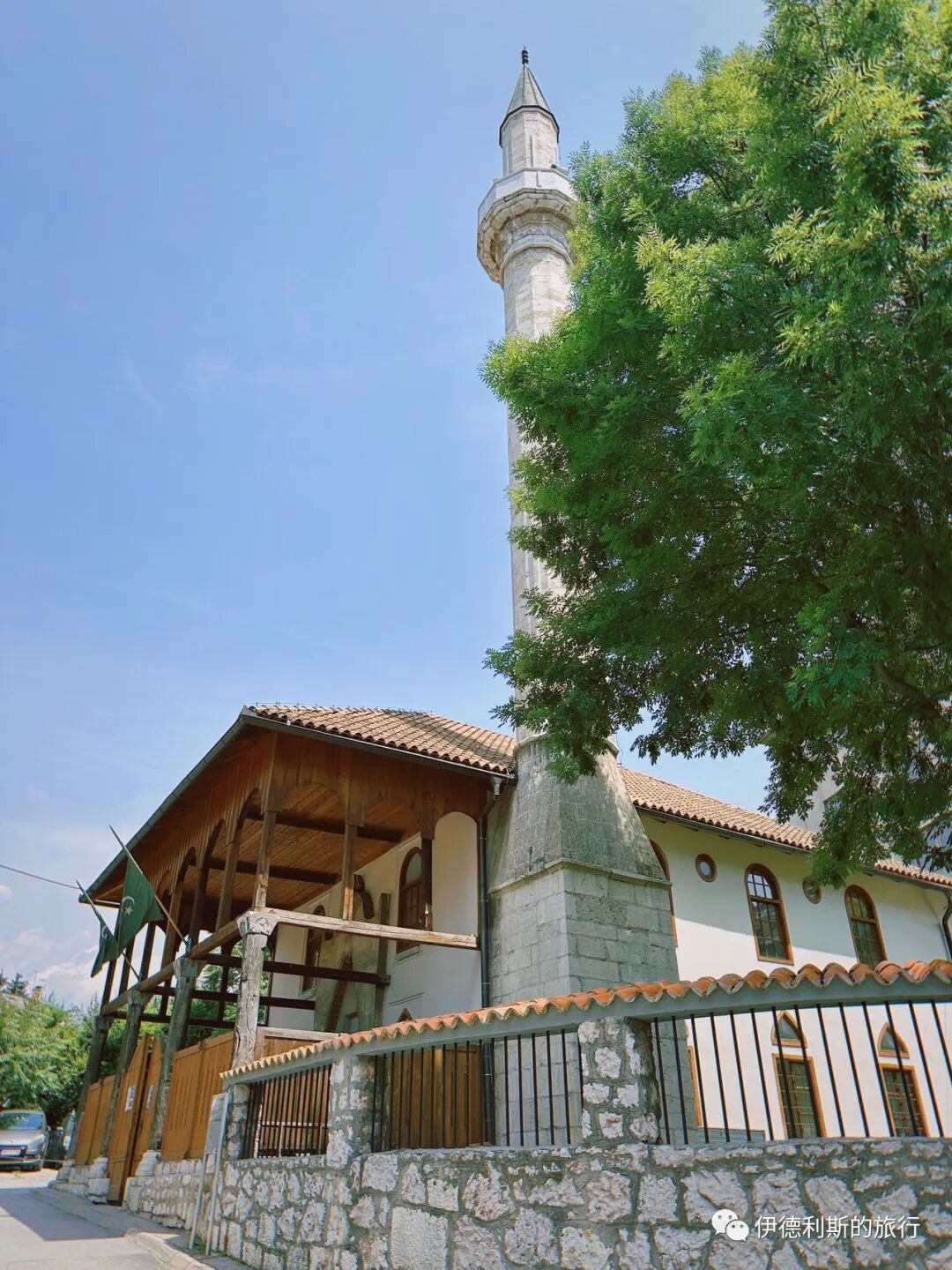
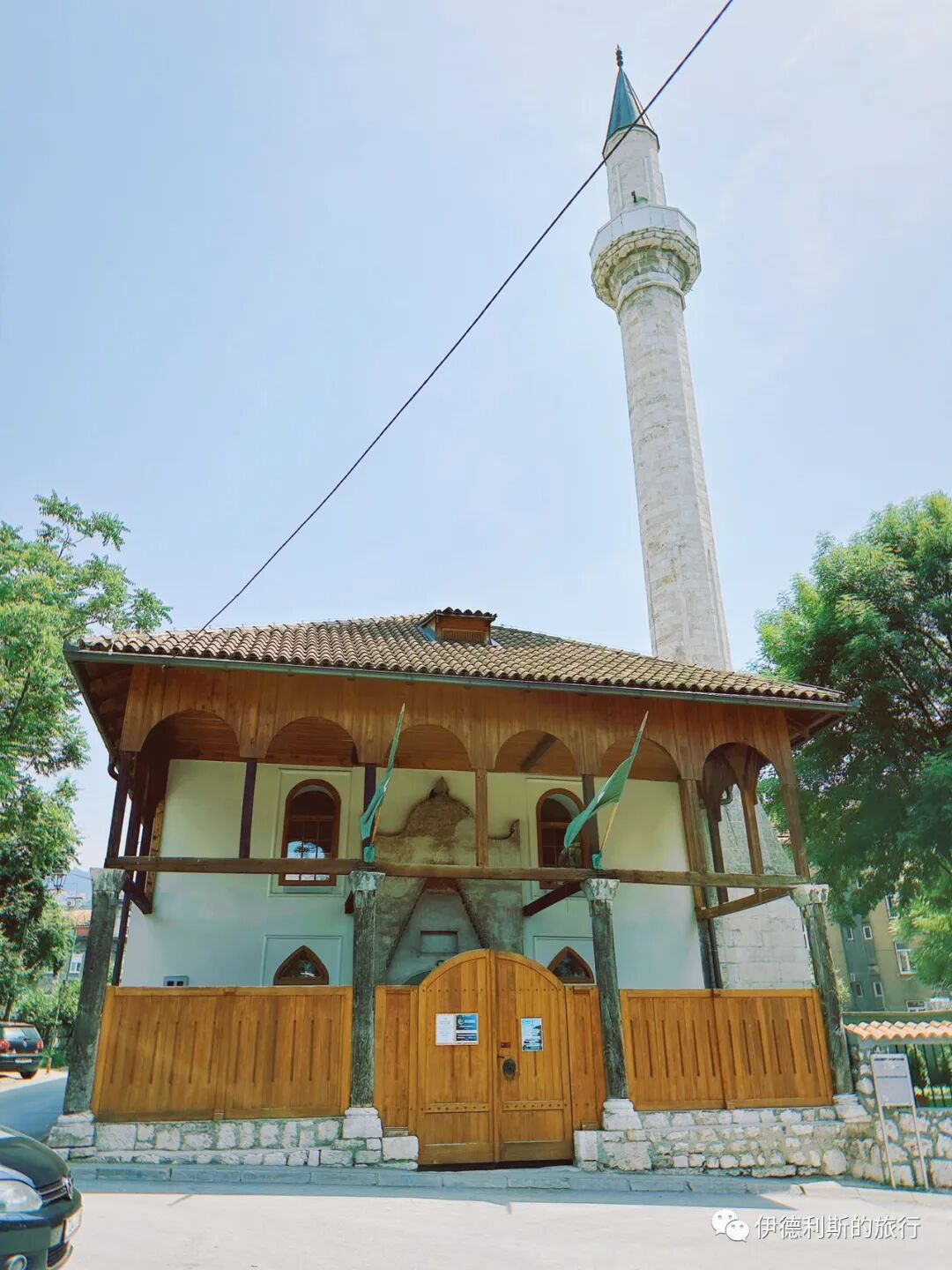
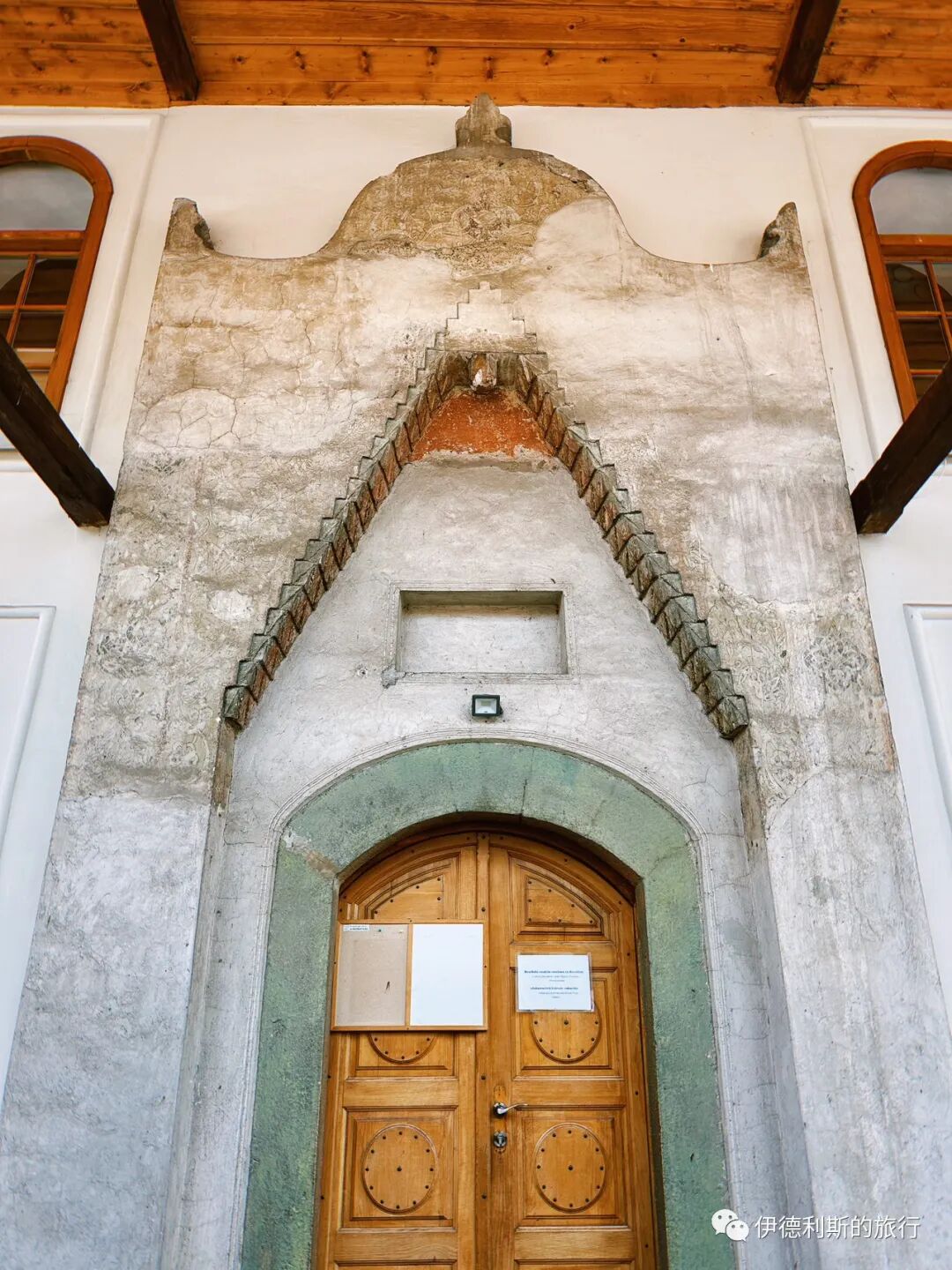
Sheikh Magribija built the Magribija Mosque in the 15th century. Tradition says that Sheikh Magribija arrived in Sarajevo with Isa-beg, the Ottoman governor who founded the city. The original mosque building was destroyed by fire. The current structure was rebuilt in 1766 and keeps its 18th-century appearance and painted decorations. The mosque was badly damaged during the Bosnian War in 1992, leaving only the base of the minaret. It was rebuilt in 2000, and the roof and porch were repaired again in 2004.
Most mosques in Sarajevo keep their main halls locked outside of prayer times (namaz), so everyone prays on the platforms on either side of the doors. Because of this, I could not enter the main hall.
Ali Pasha Mosque
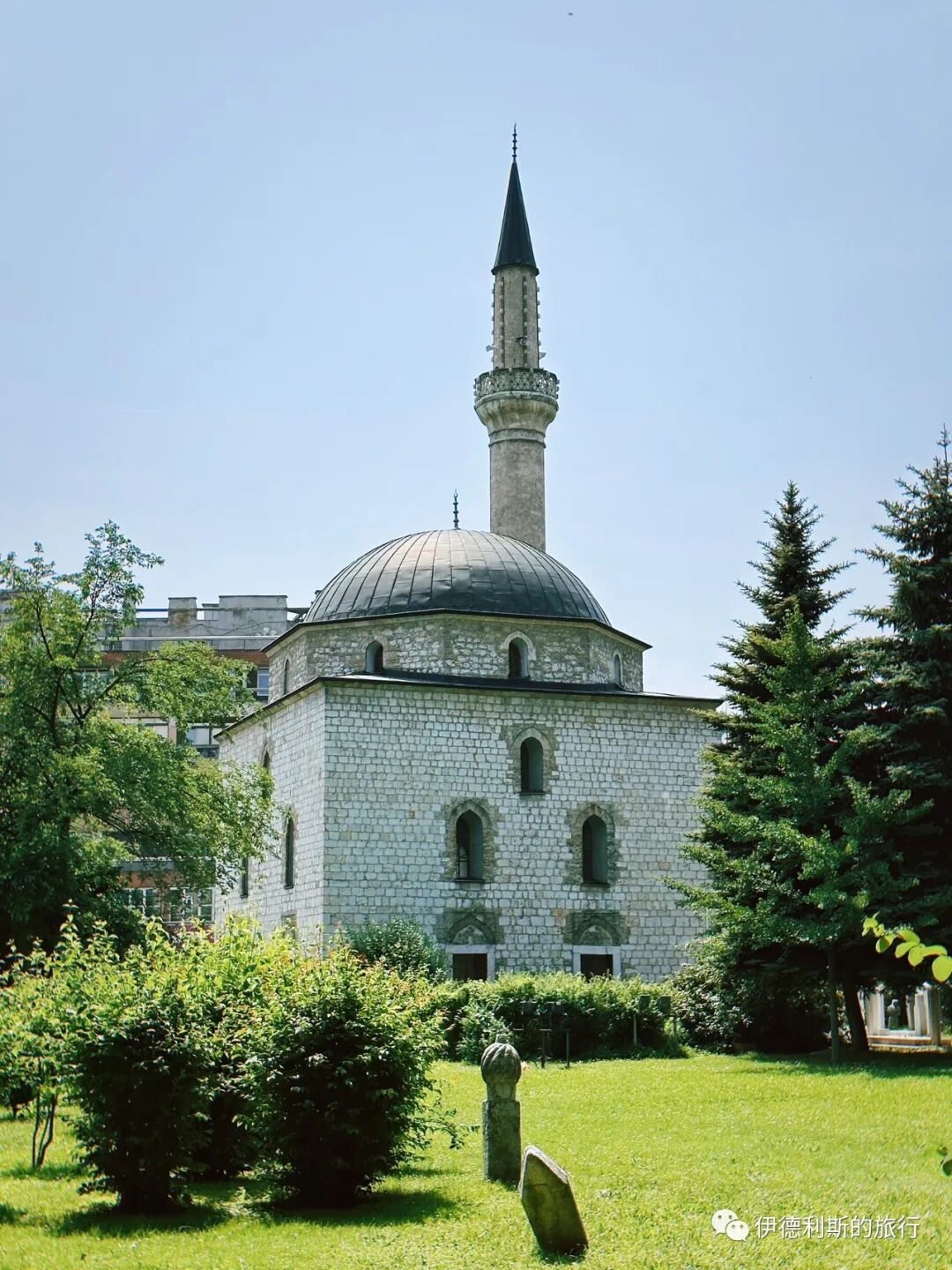
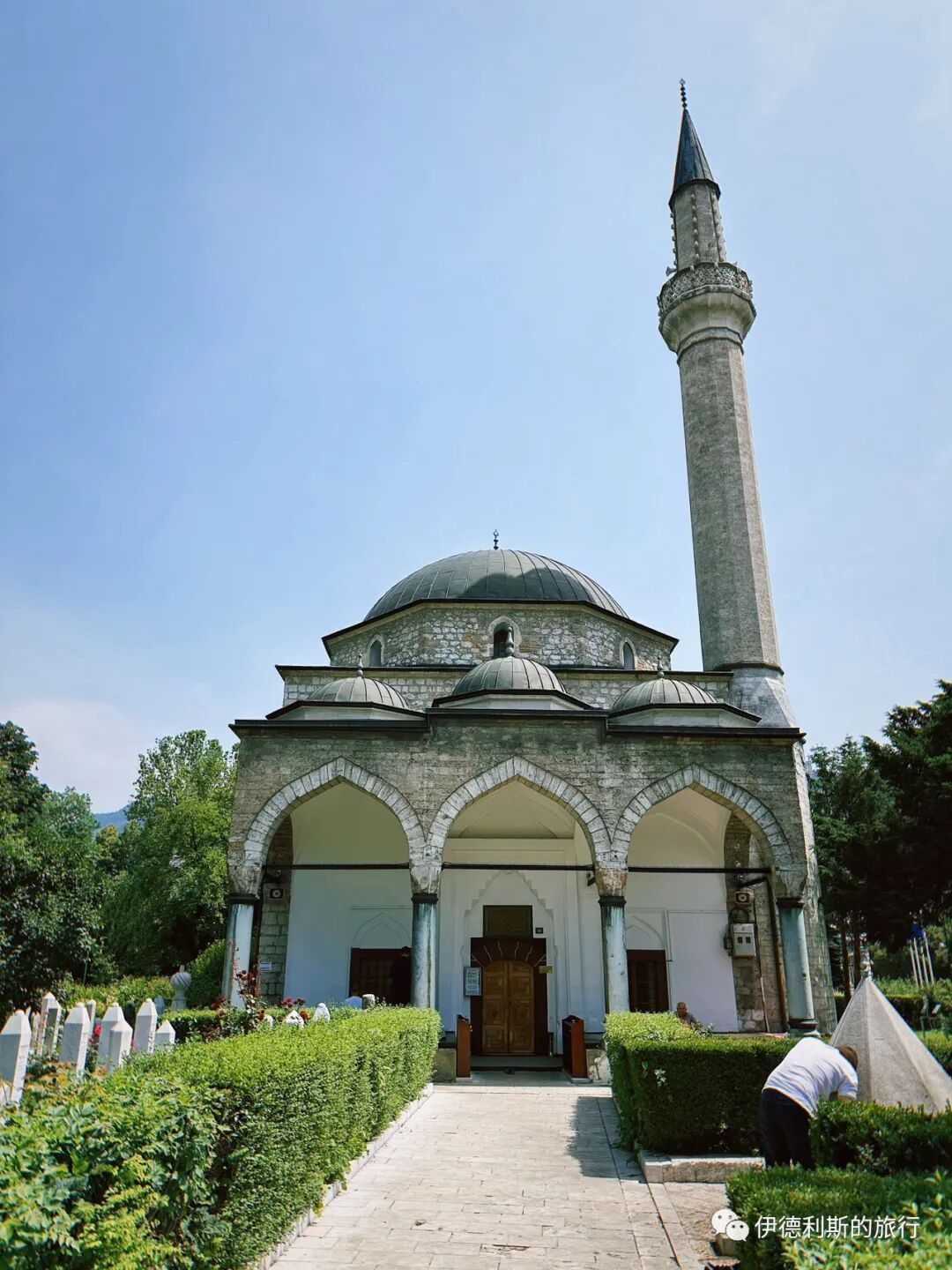
Ali Pasha Mosque was built in 1560-1561 by the Bosnian governor Ali Pasha, who was a local from Sarajevo. This is a single-domed mosque in the classical Ottoman style with beautiful architectural proportions. There used to be a large cemetery around the main hall, but it was turned into a park after tram tracks and roads were laid. A small ablution fountain was moved there in 1874. The mosque was severely damaged by shelling during the 1992-1995 Bosnian War and was renovated in 2004.
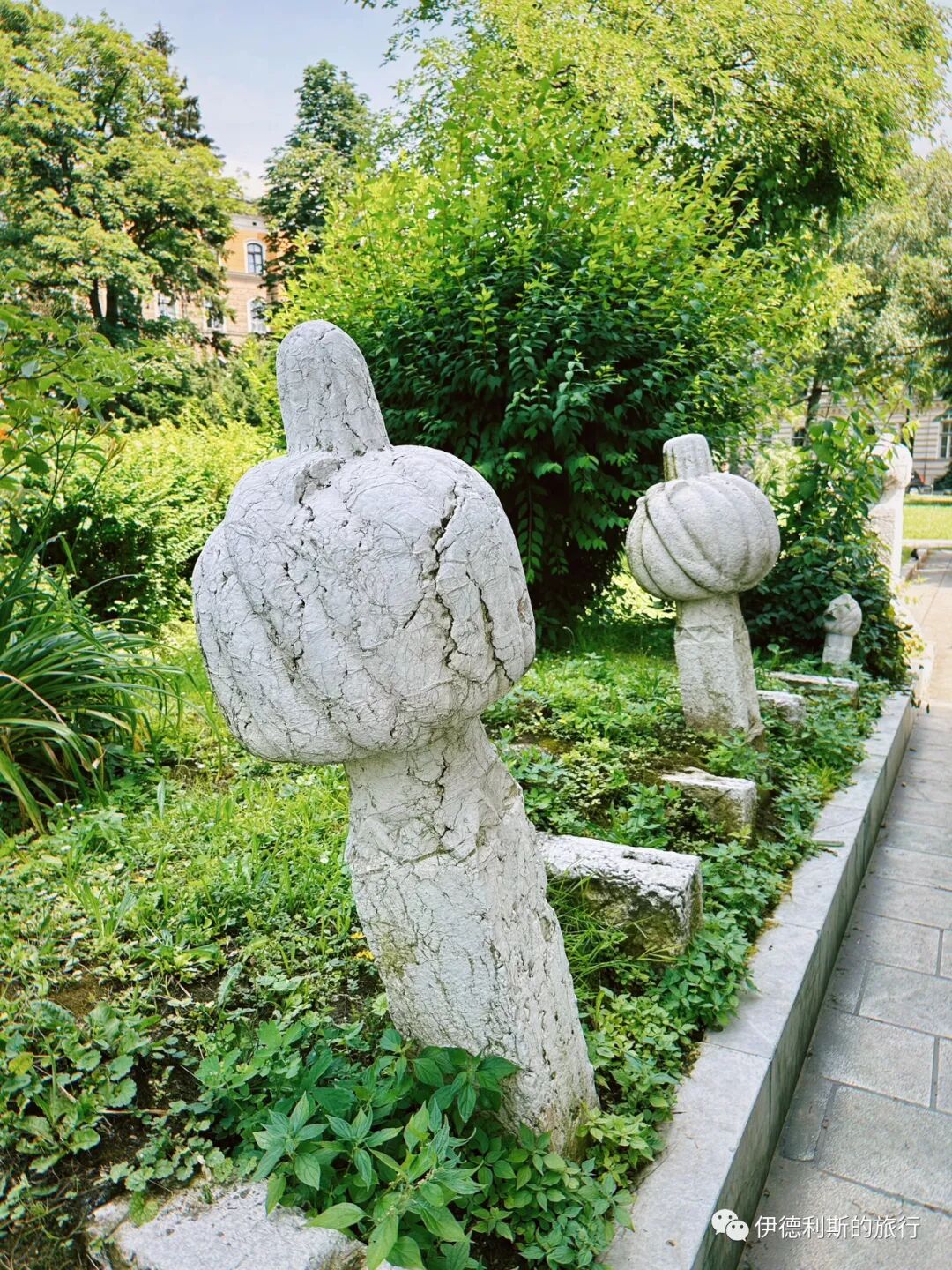
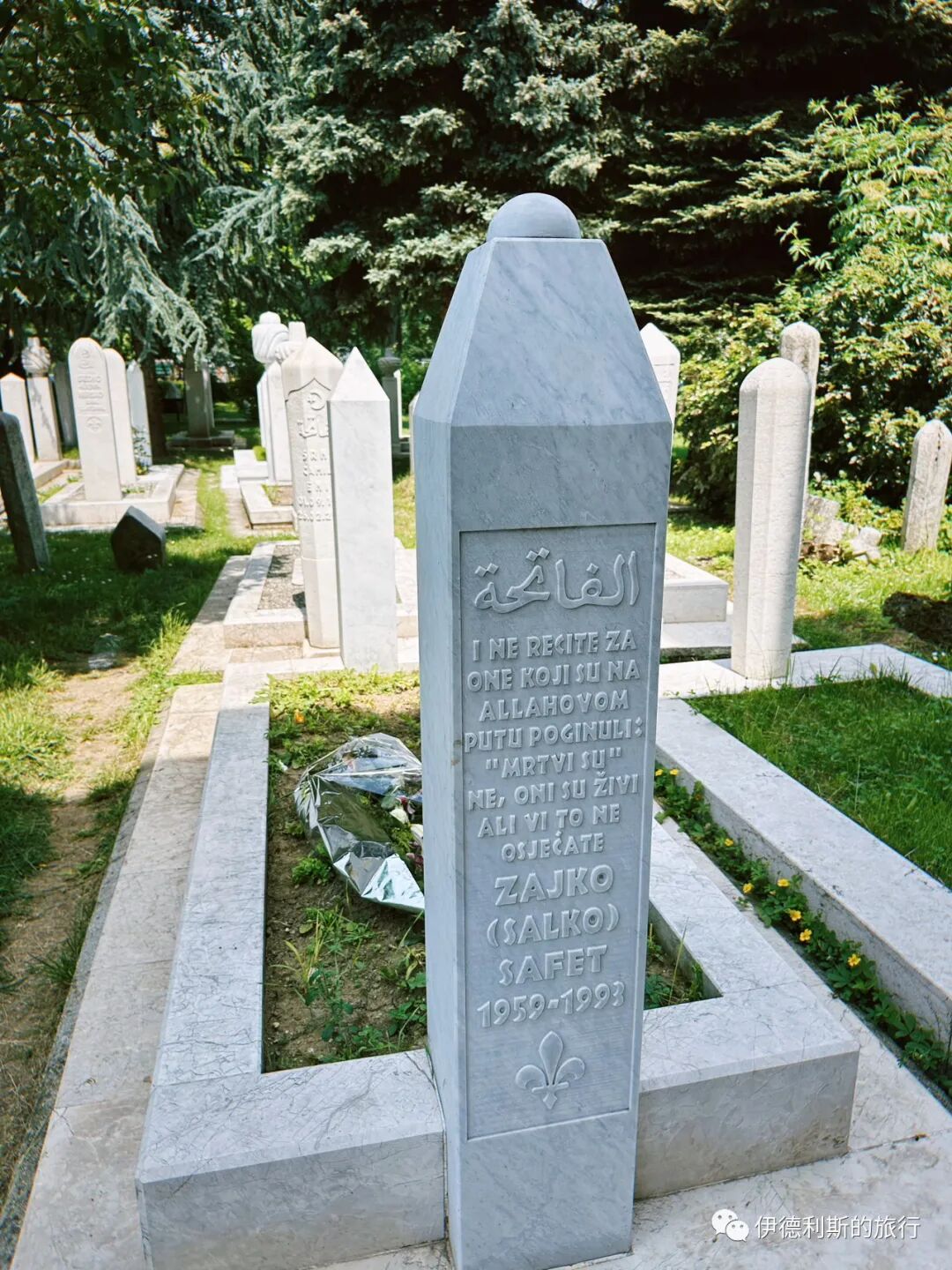
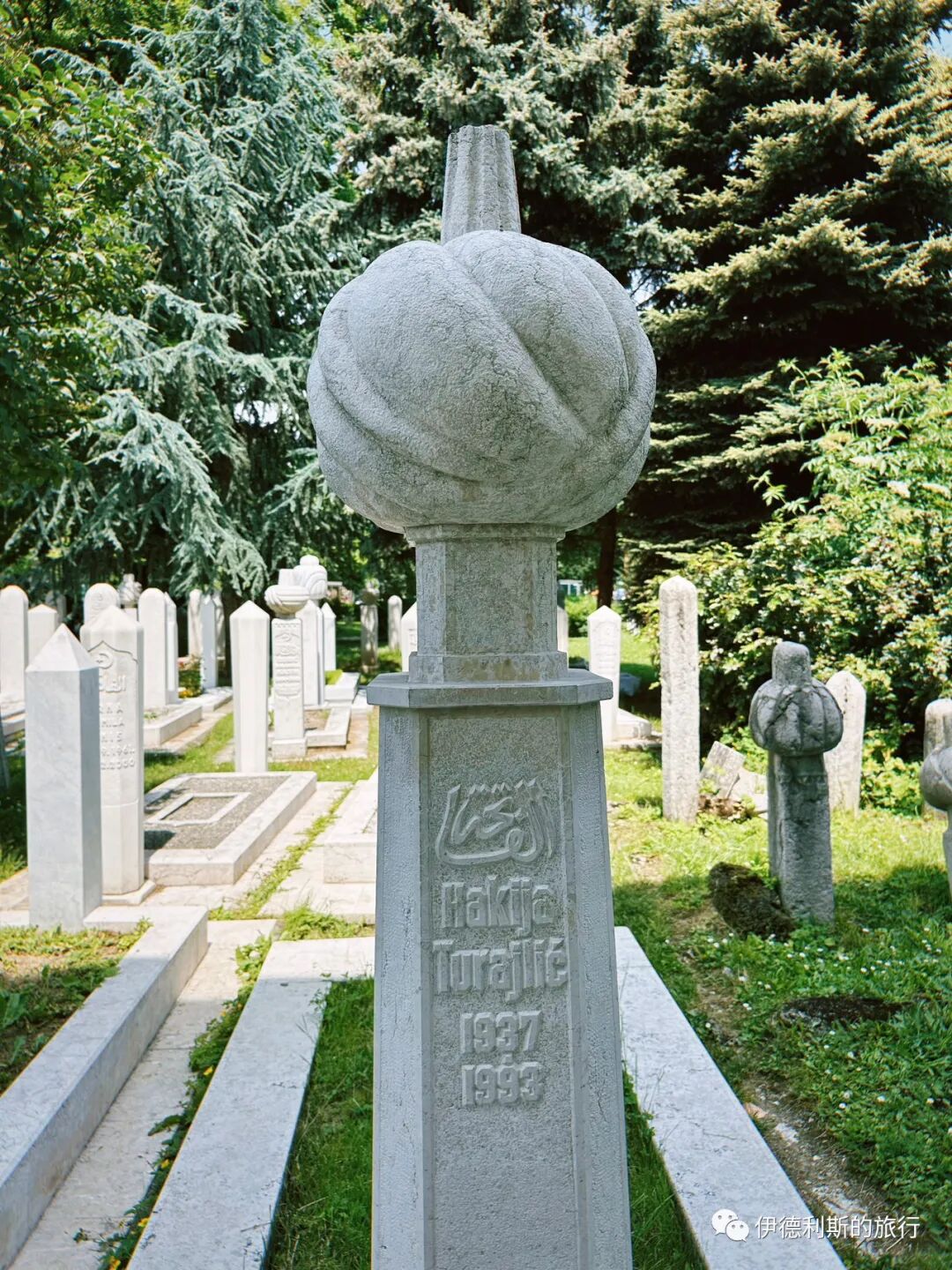
You can still see tombstones of victims from the 1993 Bosnian War next to the mosque today.
Ferhadija Mosque
I prayed the afternoon prayer (asr) at Ferhadija Mosque in the old town of Sarajevo. The imam was very young and wore an Ottoman fez hat.
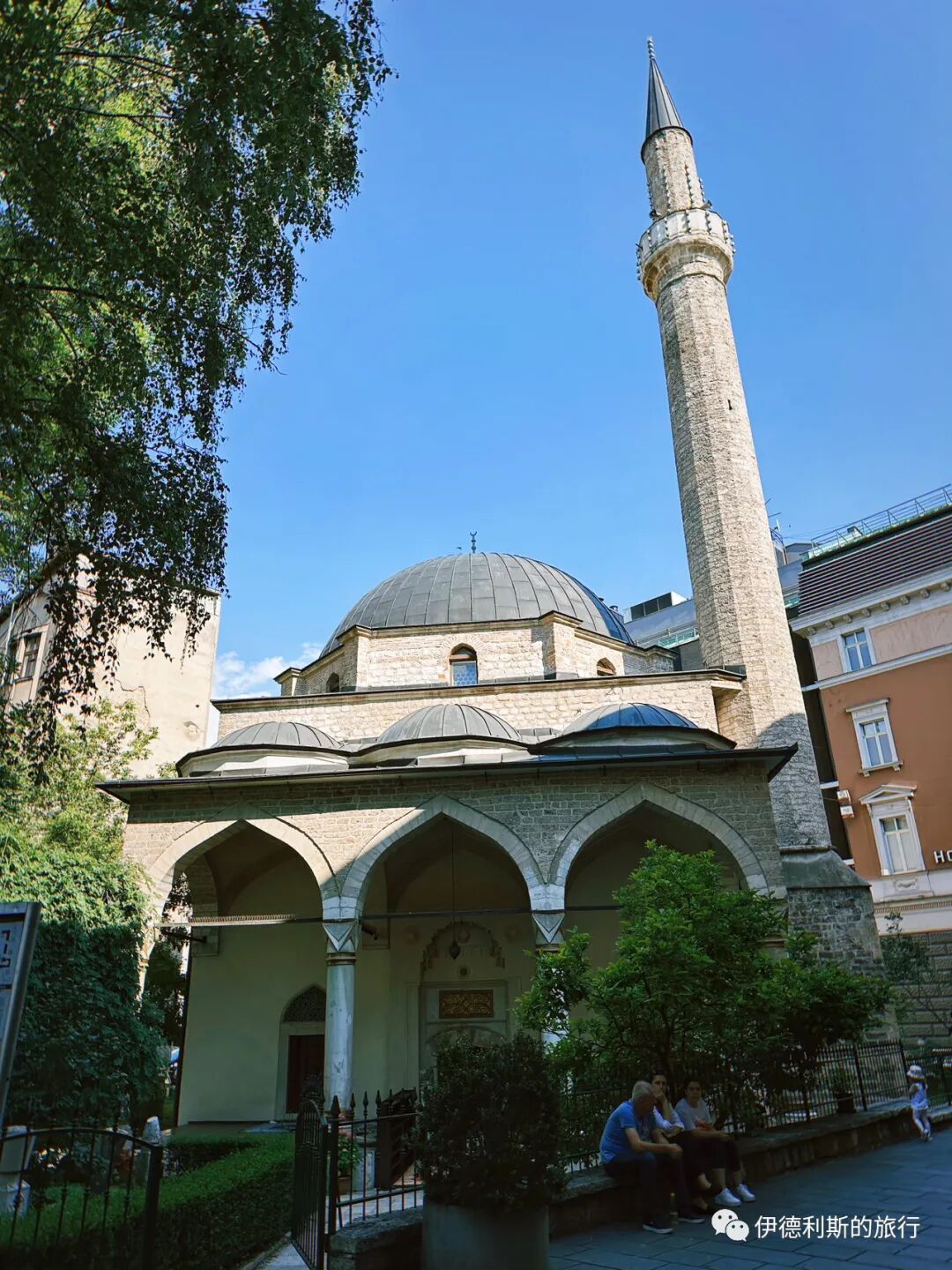
Ferhadija Mosque was built by Ferhad-beg Vuković-Desisalić in 1561-1562. The neighborhood that formed around it is also called Ferhadija. The mosque originally had a school (mekteb), a public kitchen (imaret), a water station, and a fountain, but they were all destroyed in fires in 1879 and 1897. It is a typical classical Ottoman building with a central dome over a rectangular main hall and three small domes on the front porch.
Research on the interior paintings of the mosque in 1964-1965 revealed five layers of paint from different periods. The first layer is the oldest and most valuable, dating back to the original construction in the 16th century. It was found on the dome, pendentives, squinches, and mihrab, and is known as the Rumi decorative style. The second layer features floral decorations in the center of the mihrab and parts of the dome in an 18th-century style, while the third and fourth layers date from the late 19th to the early 20th century.
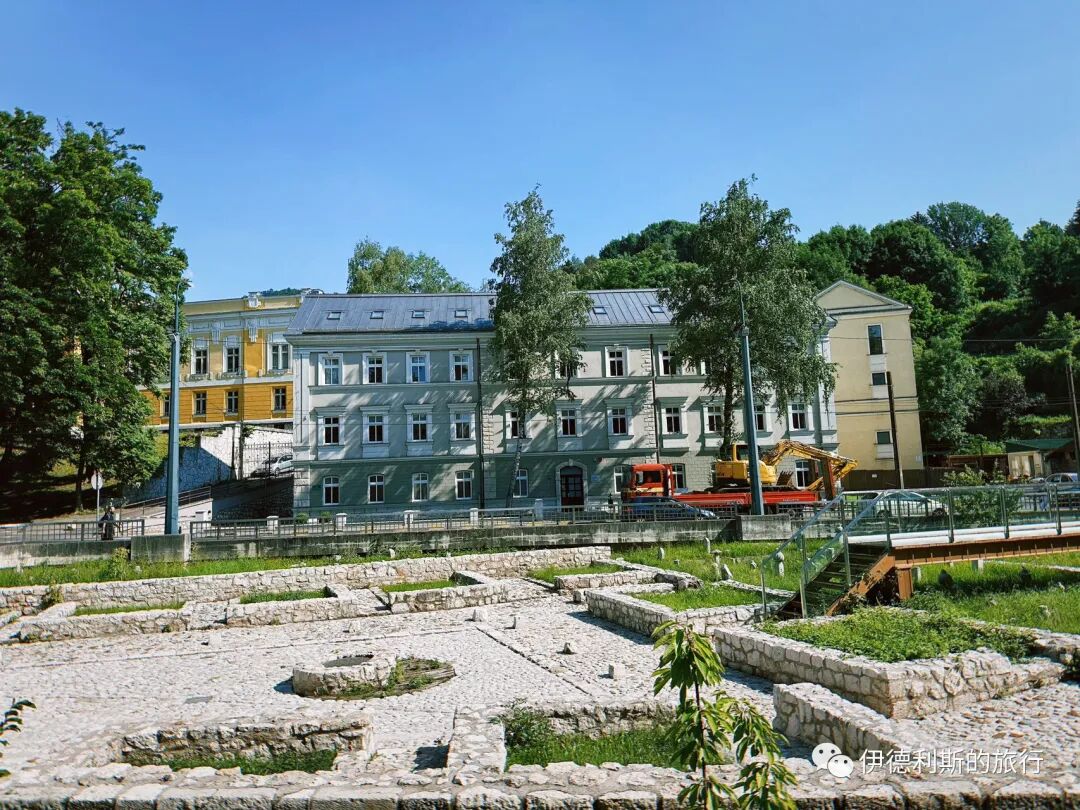
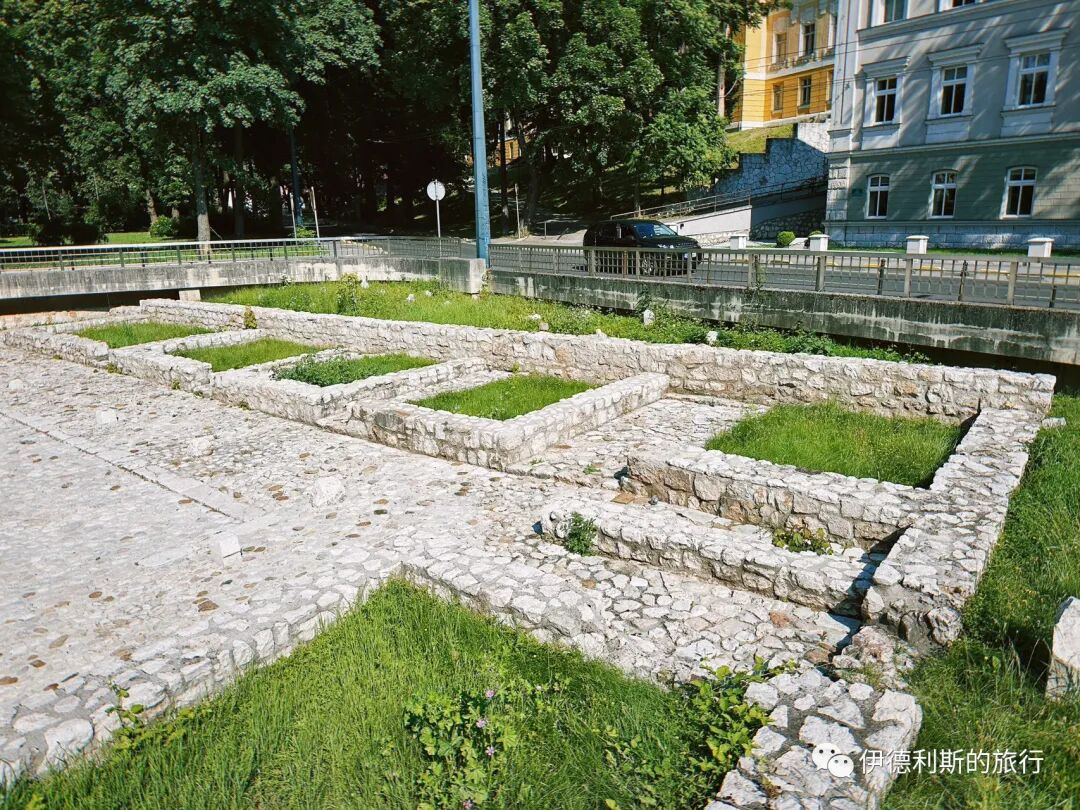
Bakrbaba Mosque archaeological site
Archaeological site of the Bakrbaba Mosque, including the religious school (mekteb), primary school, and private quarters (harem).
The Bakrbaba Mosque was built in 1544 by the famous Sarajevo merchant Hajji-Alija Bakrbaba and featured a 30-meter-tall minaret at the time. In 1697, the Ottoman Empire was defeated by the Holy League of Europe, and Sarajevo was looted and burned. The Bakrbaba Mosque was destroyed in the fire but was rebuilt in the early 18th century.
A primary school and private quarters were originally built on the west side of the mosque. In 1741/2, Hajji Ismail Misrija added a religious school and a cemetery on the east side of the courtyard. Shortly after, Abdulah Efendi Kantamirija built a library across the street, making this an important educational and cultural center in Sarajevo.
After the Austro-Hungarian Empire took control of Sarajevo in 1878, the mosque was first turned into a military warehouse and was finally demolished in 1895. The primary school next to the mosque was also destroyed in 1895, the library was destroyed in 1897, and the religious school remained until the beginning of World War II.
Since 2000, at the request of Islamic scholar Hajji Hafez Halid Efendi Hadžimulić, Sarajevo began archaeological research on the Bakrbaba Mosque complex. In 2009, the reconstruction of the Bakrbaba Mosque was funded by Husein Durman, a businessman from Bursa, Turkey, and it officially opened in 2011.
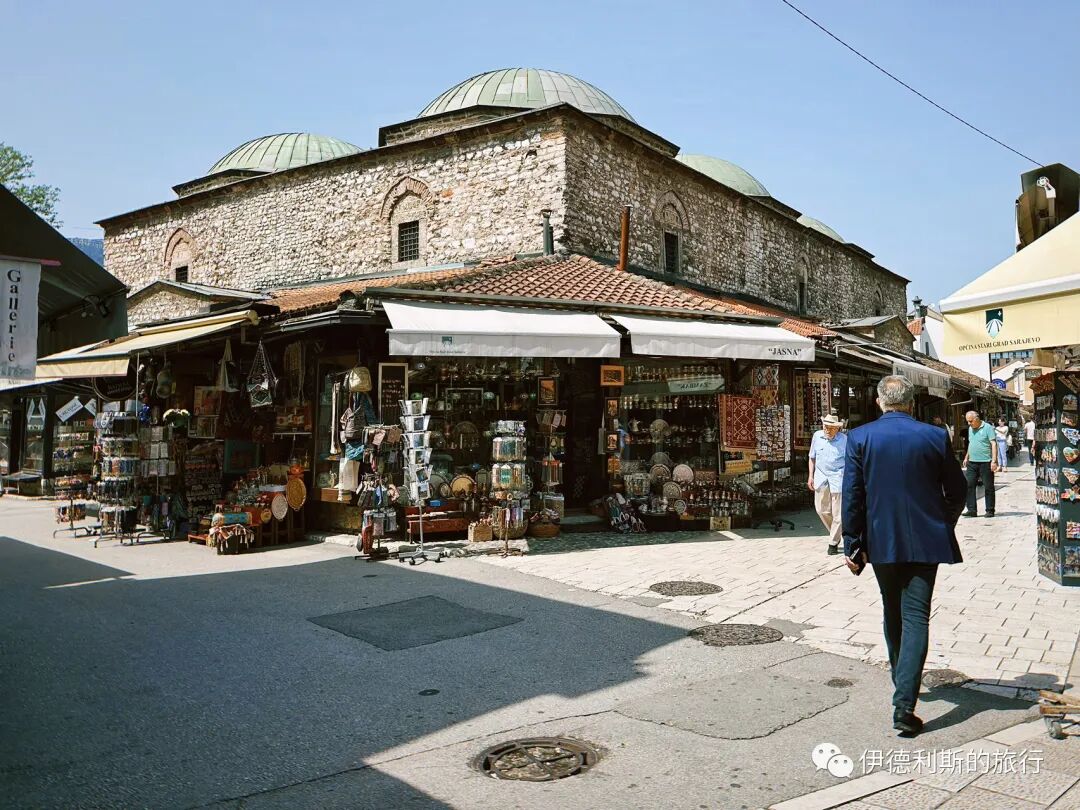
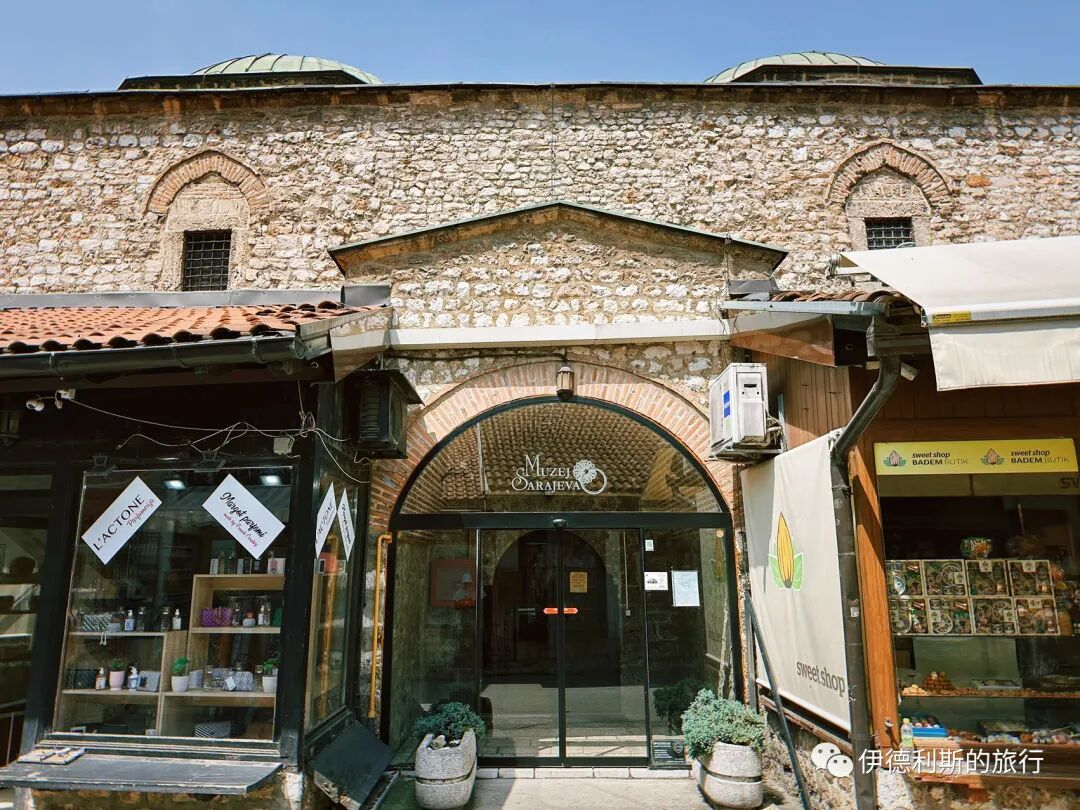
Brusa Bezistan covered market.
The Brusa Bezistan covered market is located in the Grand Bazaar of Sarajevo's Old Town. It was ordered to be built in 1551 by Grand Vizier Rüstem Pasha during the reign of Suleiman the Magnificent of the Ottoman Empire and was named after Bursa, the old capital of the Ottoman Empire. This market has six domes. It originally sold silk, household goods, and small furniture. Today, it is the Sarajevo Museum, which displays precious artifacts from the Ottoman period.
The most eye-catching item in the museum is a large sand table that meticulously restores the appearance of Sarajevo's Old Town during the Ottoman period. You can see an Ottoman architectural complex consisting of mosques, clock towers, religious schools, dervish lodges (tekke), caravanserais, markets, tombs, and fountains.
The 19th-century noble clothing of Sarajevo Muslims collected in the museum is also very exquisite.
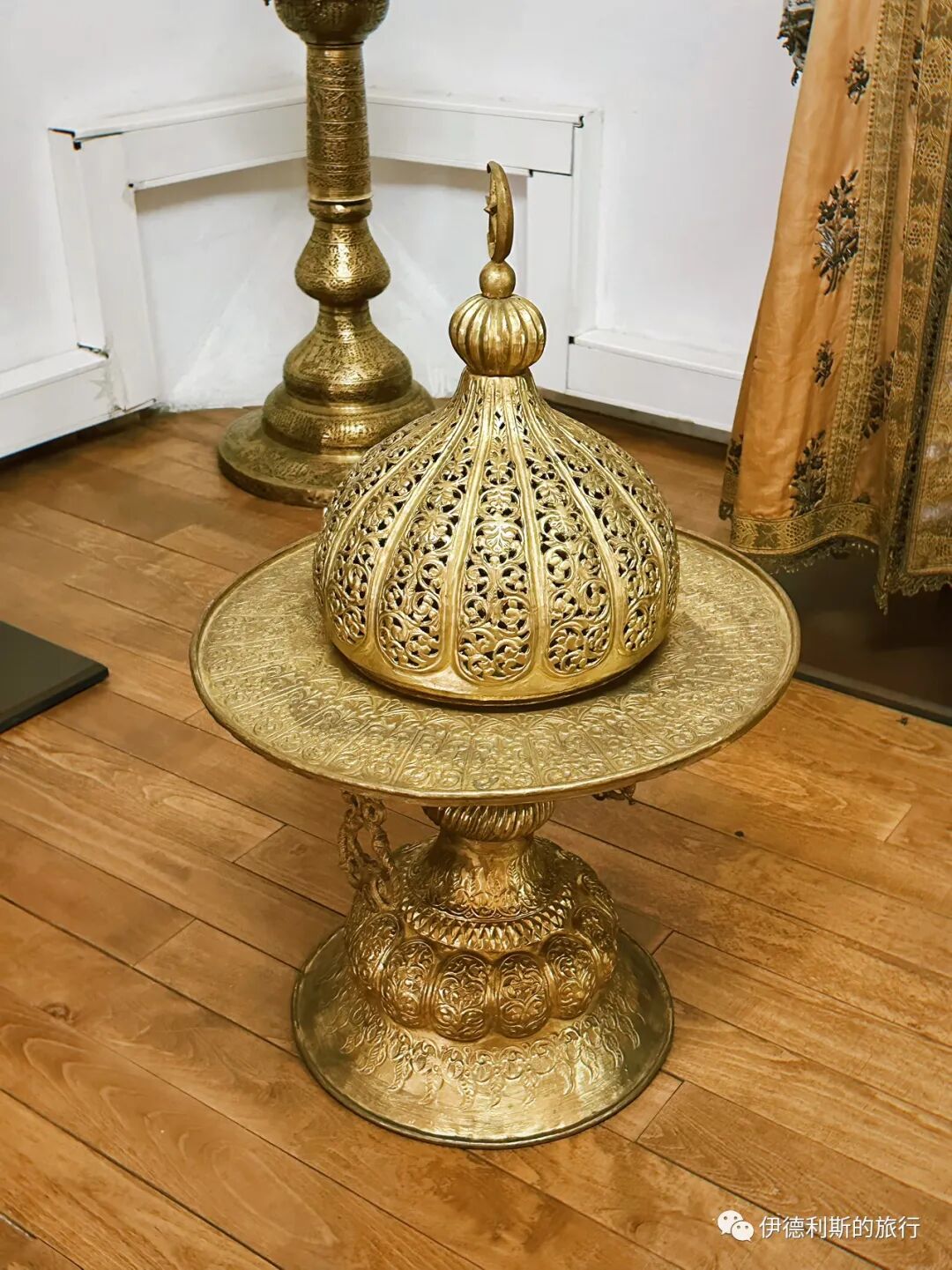
Lamp posts used in Sarajevo mosques during the 19th century.
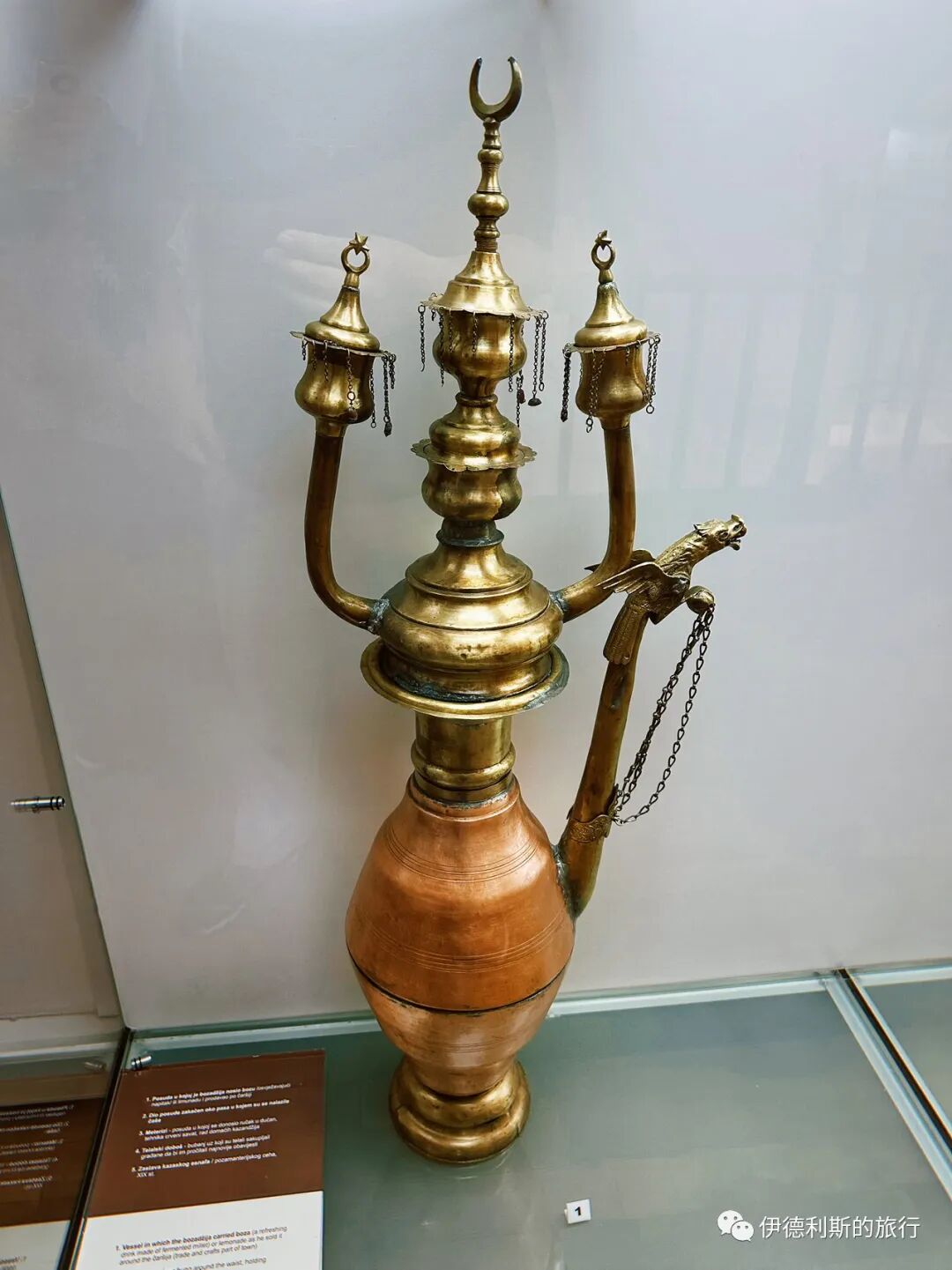
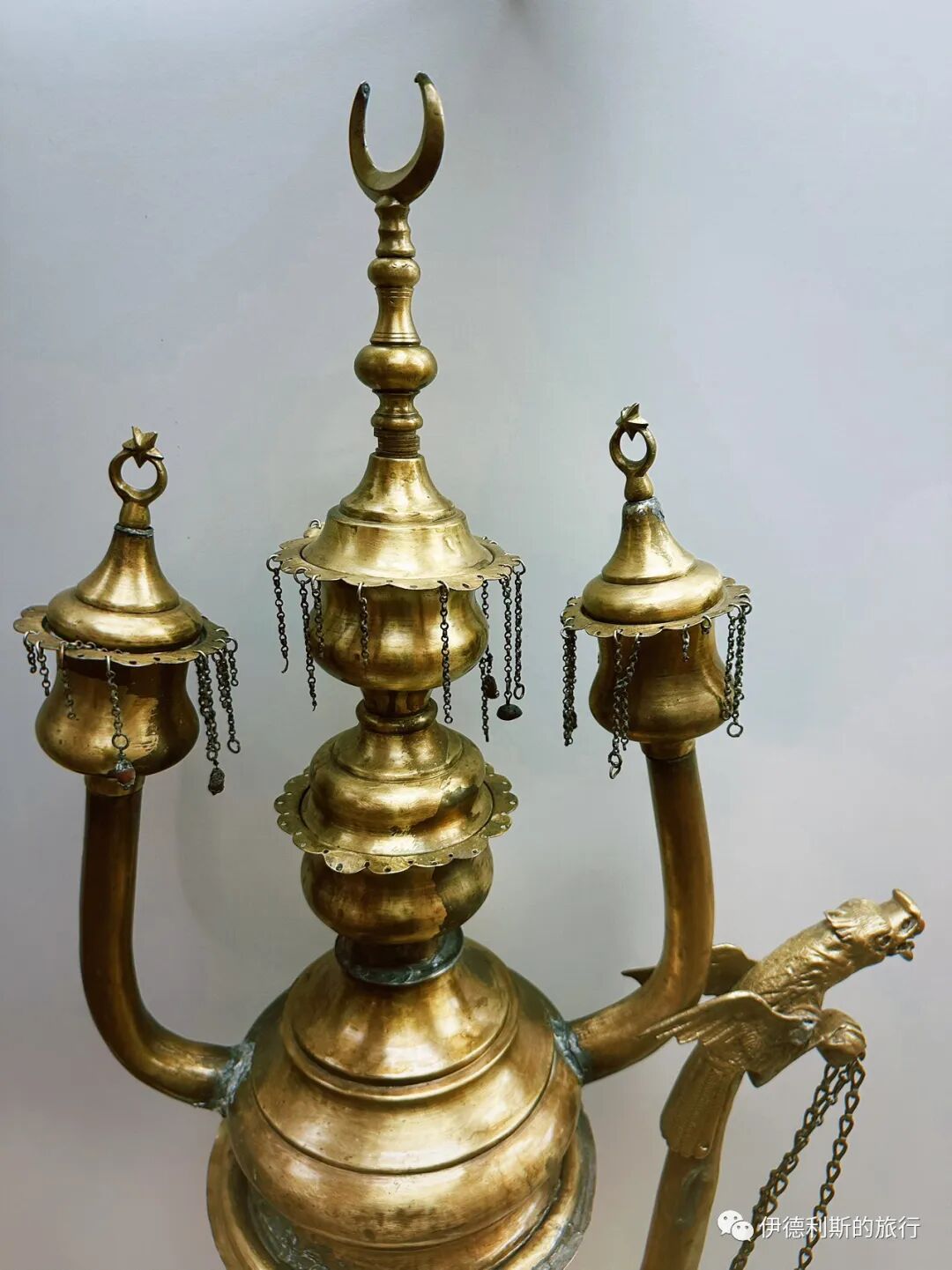
Copper pots used by vendors selling boza (a fermented grain drink) or lemonade in the bazaar.
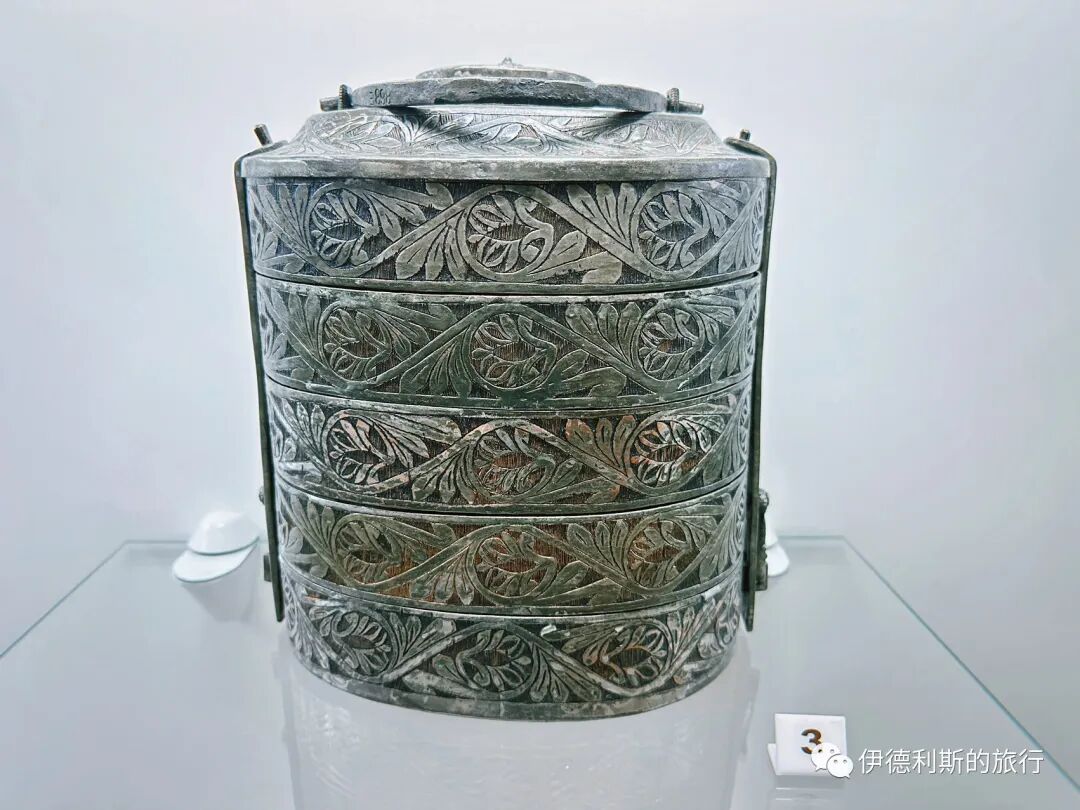
Food containers used in the past to bring lunch to shops.
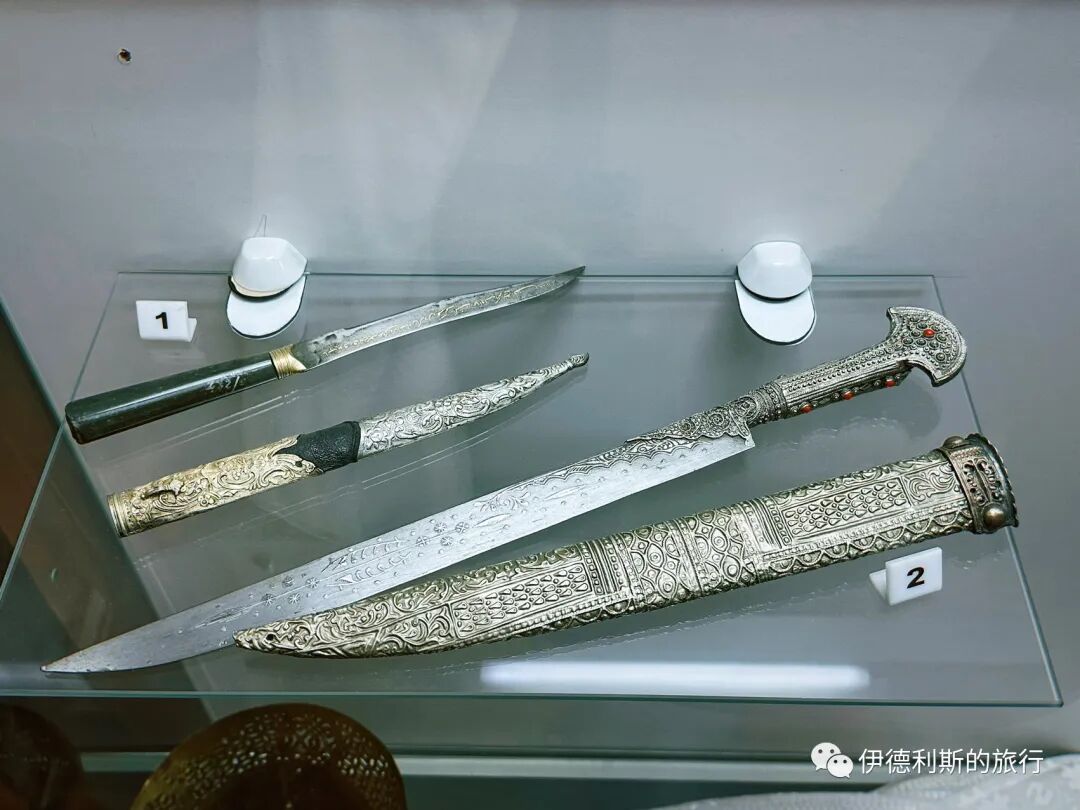
On the left is a short knife engraved with the year 1872, and on the right is a long knife inlaid with gemstones. This type of knife requires the cooperation of a goldsmith (kujundzija) and a bladesmith (bicakcija) to complete.
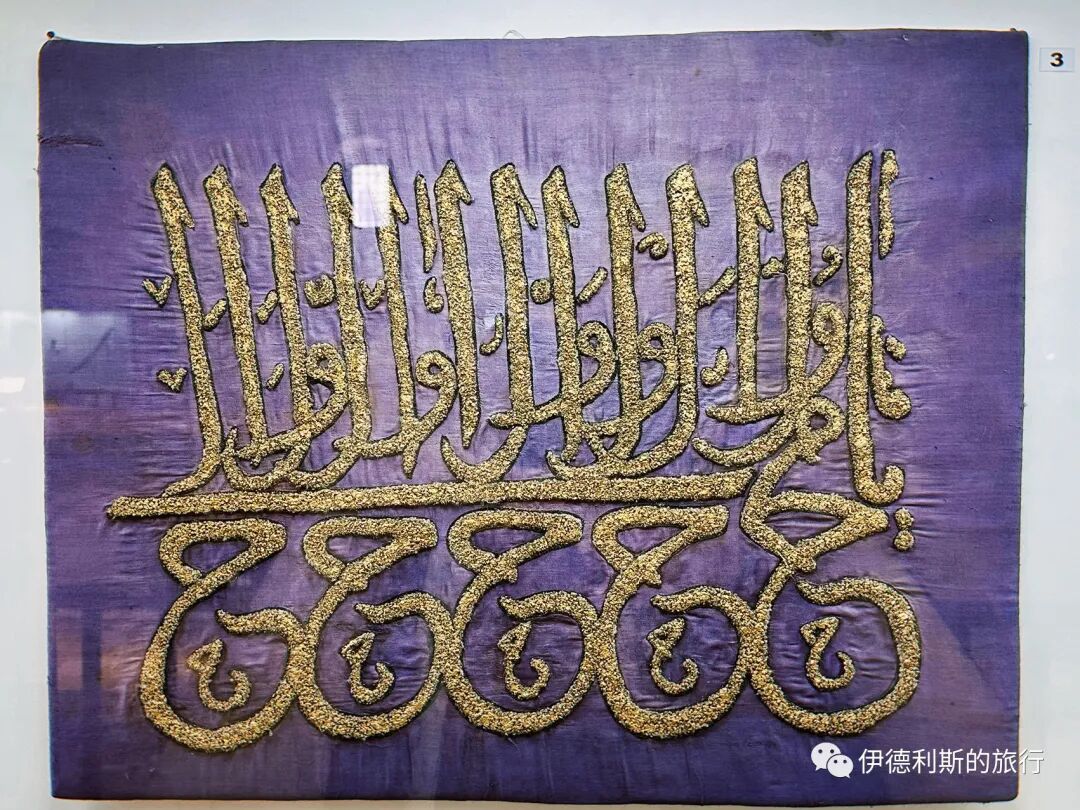
Silk embroidery calligraphy from the 19th century.
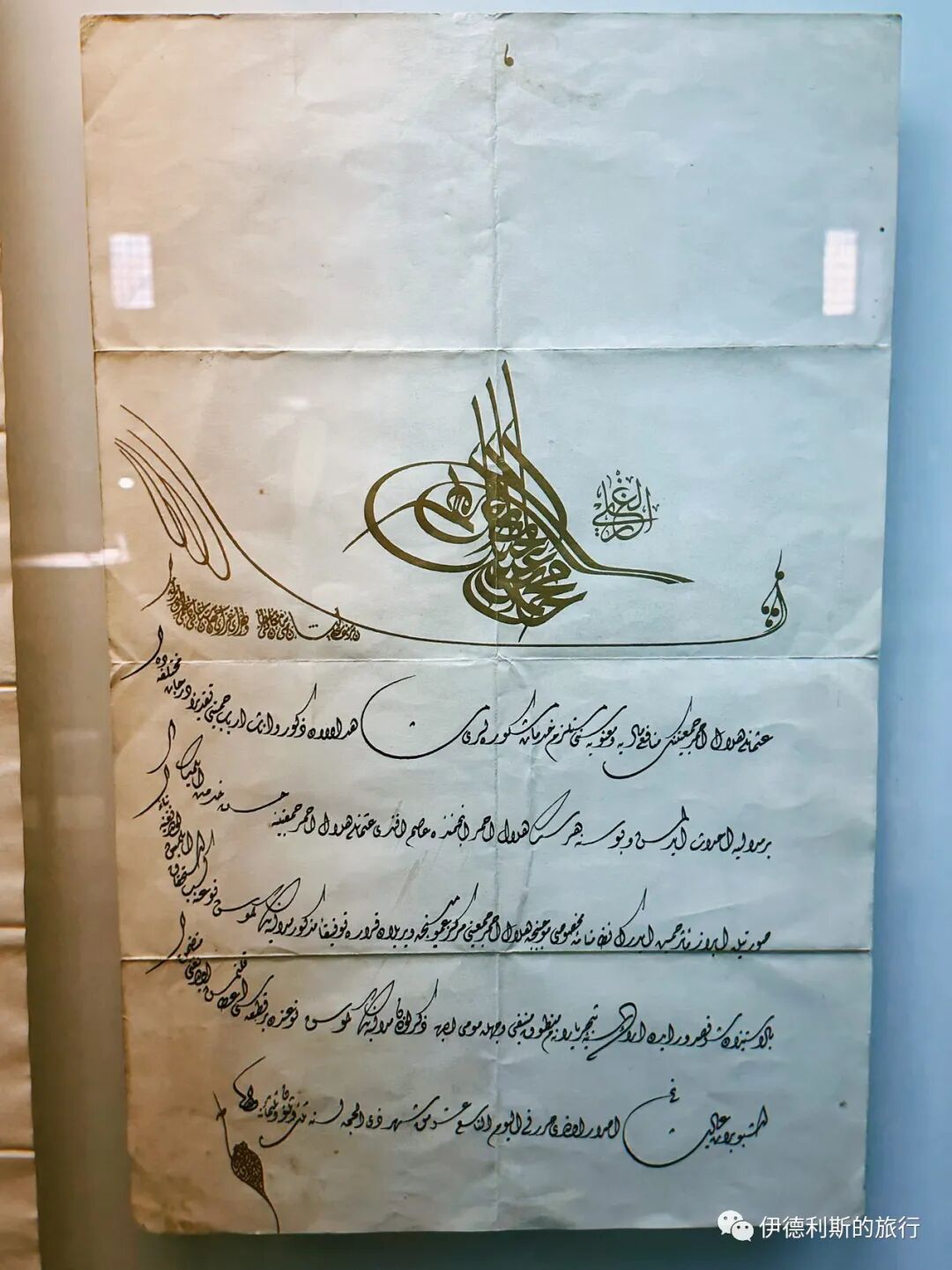
A court verdict issued in 1869.
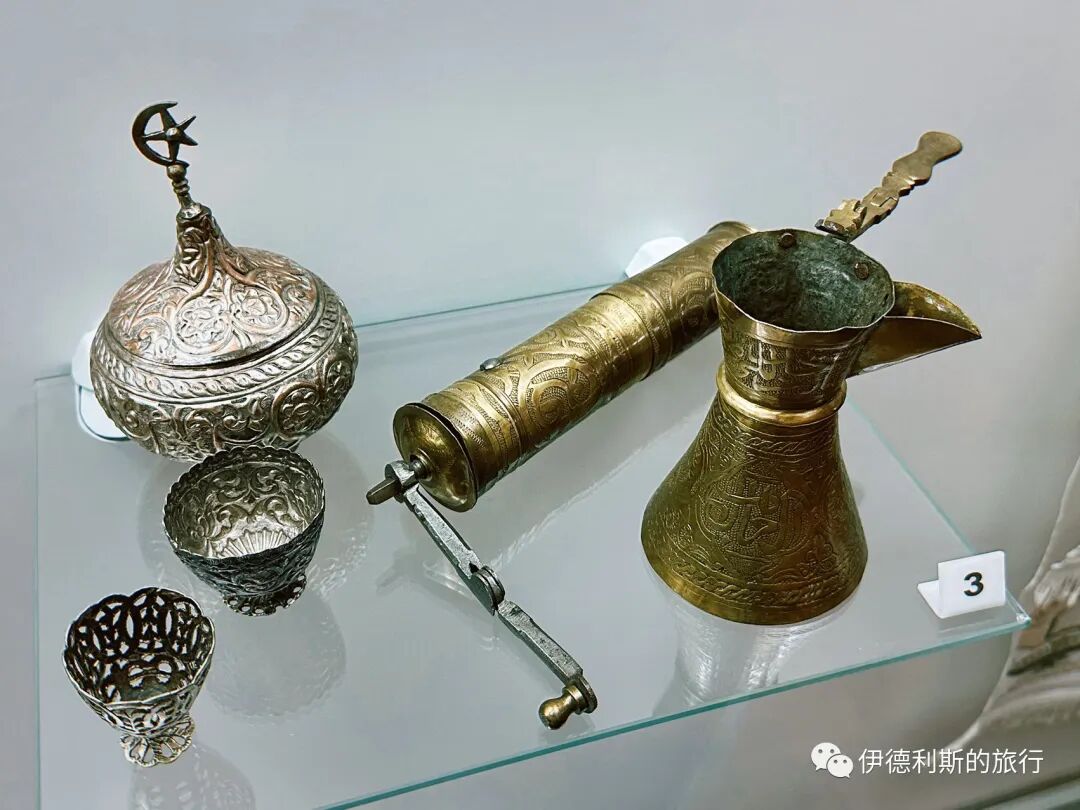
Old coffee pots and coffee cups.
Yellow Fortress (Žuta Tabija)
Climb up to the Yellow Fortress (Žuta Tabija) on the eastern outskirts of Sarajevo in the evening to get a panoramic view of the old town. Built between 1727 and 1739, the Yellow Fortress was a battery in the Sarajevo city walls and served as a key stronghold for the Ottoman Empire to defend Sarajevo against the Austro-Hungarian invasion in 1878.
Sarajevo did not have city walls for most of its history until Prince Eugene of the Habsburg Empire launched a devastating attack on the city in 1697, looting it and burning many buildings. The Ottoman Empire officially began building the city walls in 1727. Today, the Sarajevo city walls are located on the east side of the old town, with many gates and fortresses still preserved, the most famous of which are the Yellow Fortress and the White Fortress.
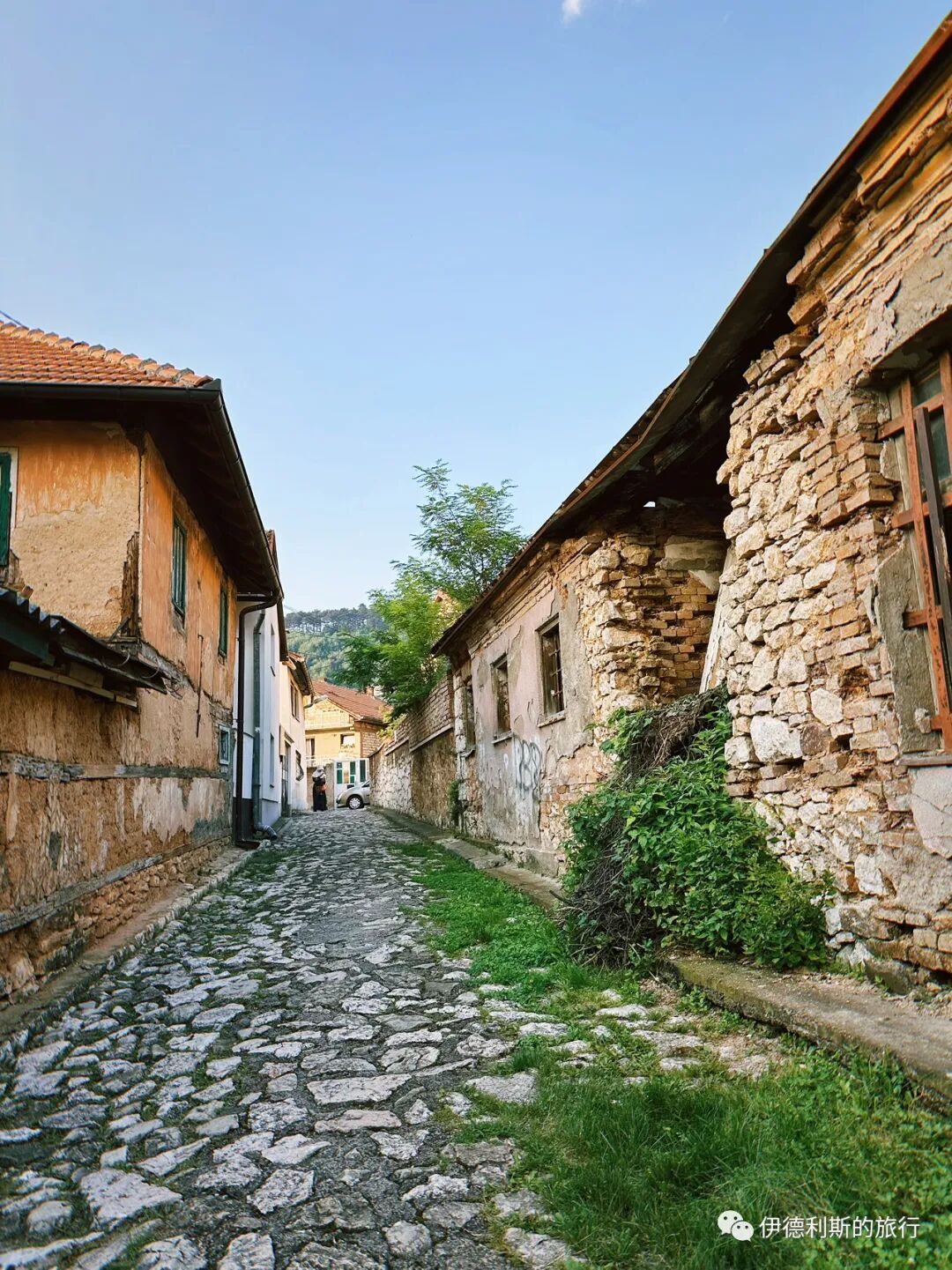
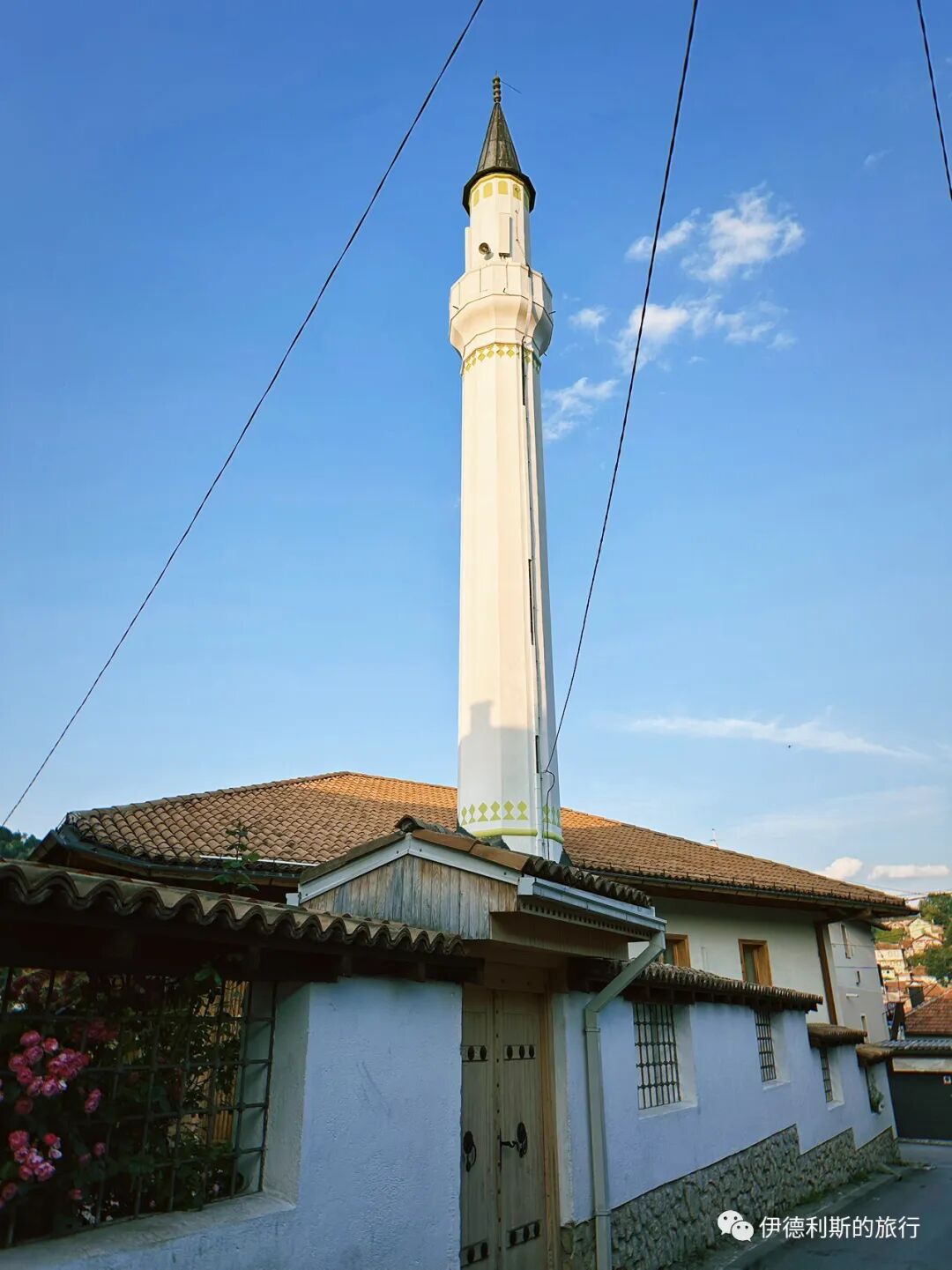
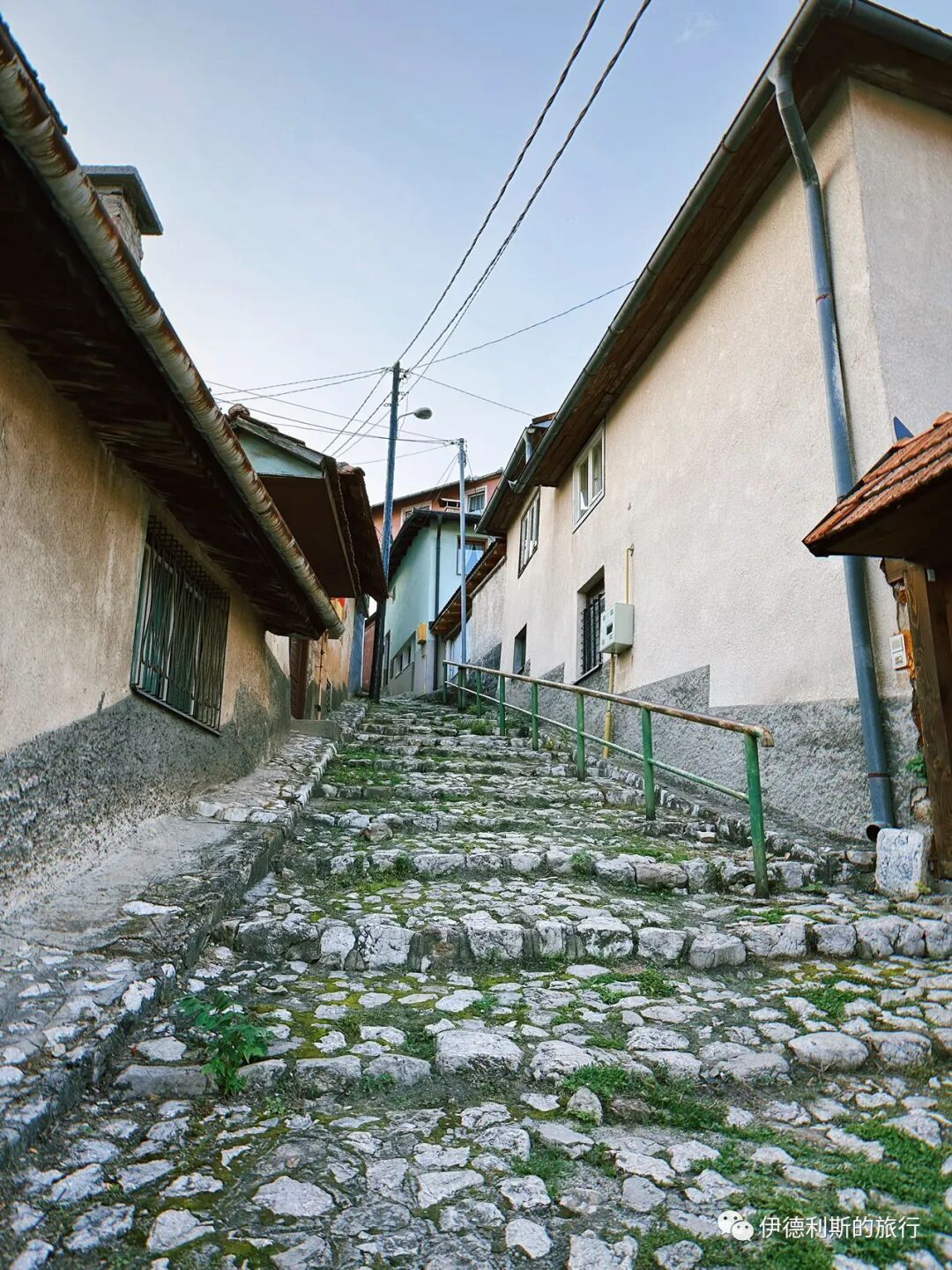
Mevlevi Sufi Lodge (tekke)
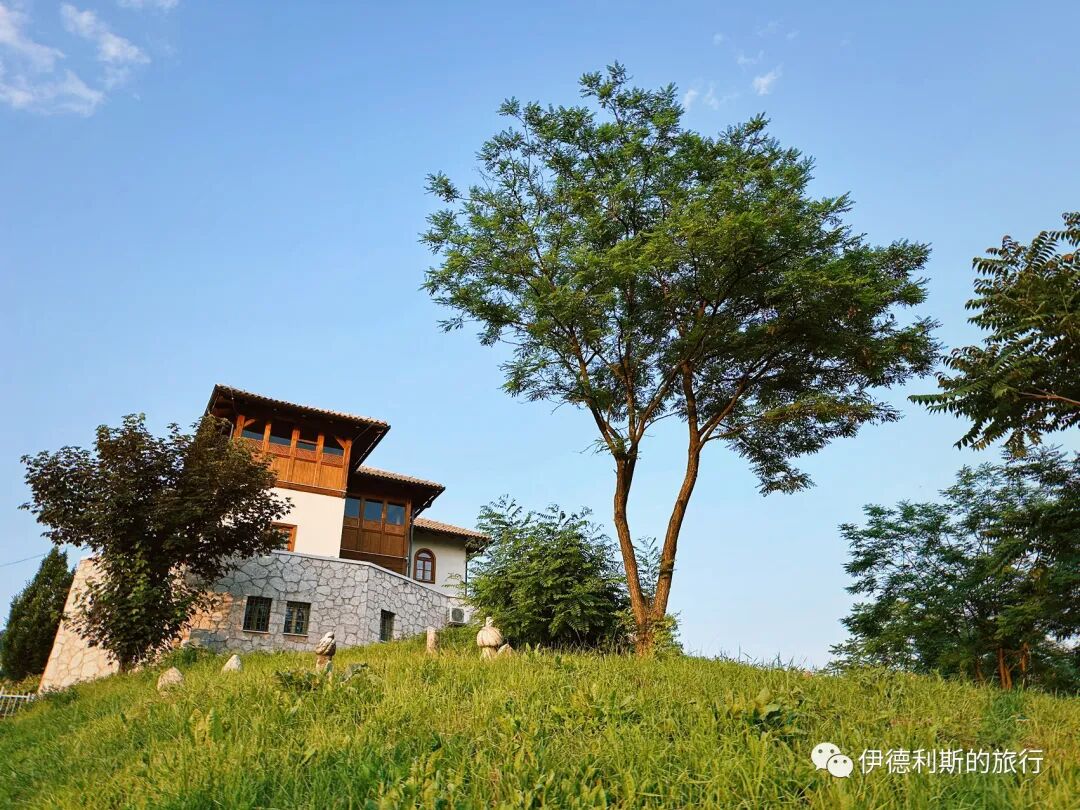
Below the Yellow Fortress sits a Mevlevi Sufi lodge (tekke), which was the first Sufi lodge in Sarajevo. The lodge was first built in 1462, destroyed during Prince Eugene's invasion of Sarajevo in 1697, and rebuilt in 1781. After the Austro-Hungarian Empire occupied Bosnia and Herzegovina in 1878, they strictly prohibited the maintenance of the lodge. It was eventually demolished in 1957 during the Tito era of Yugoslavia, and the building we see today was rebuilt in 2013 with donations from Turkey.
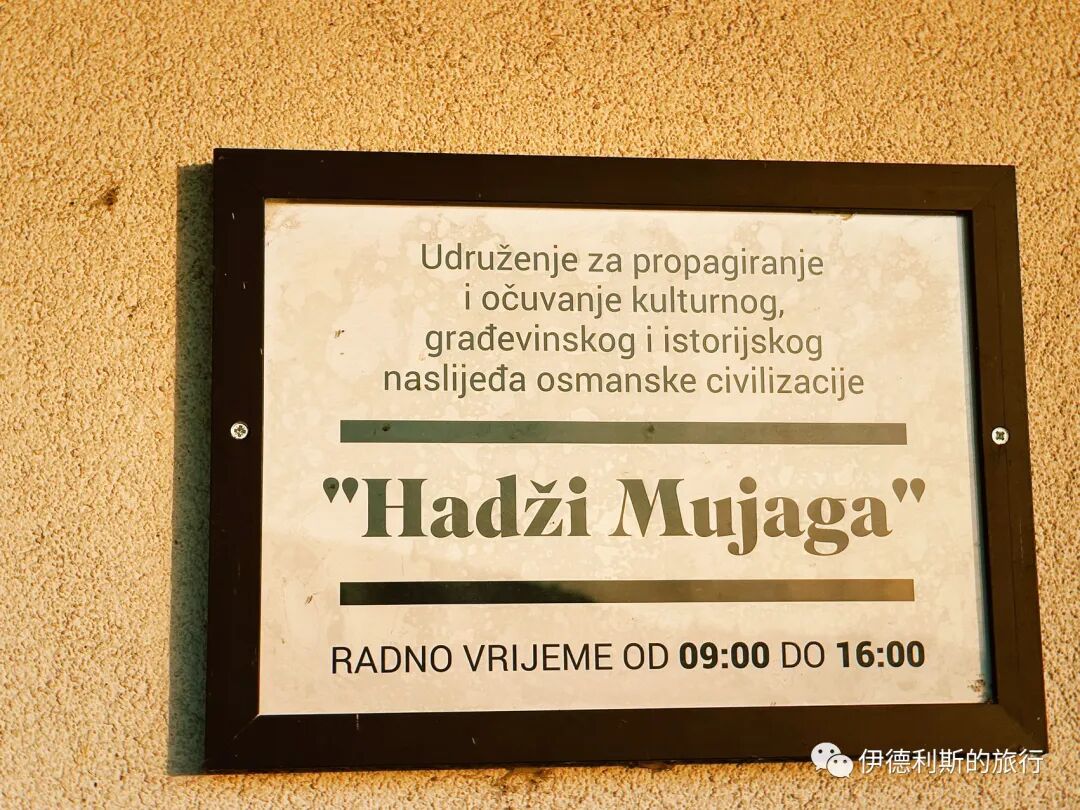
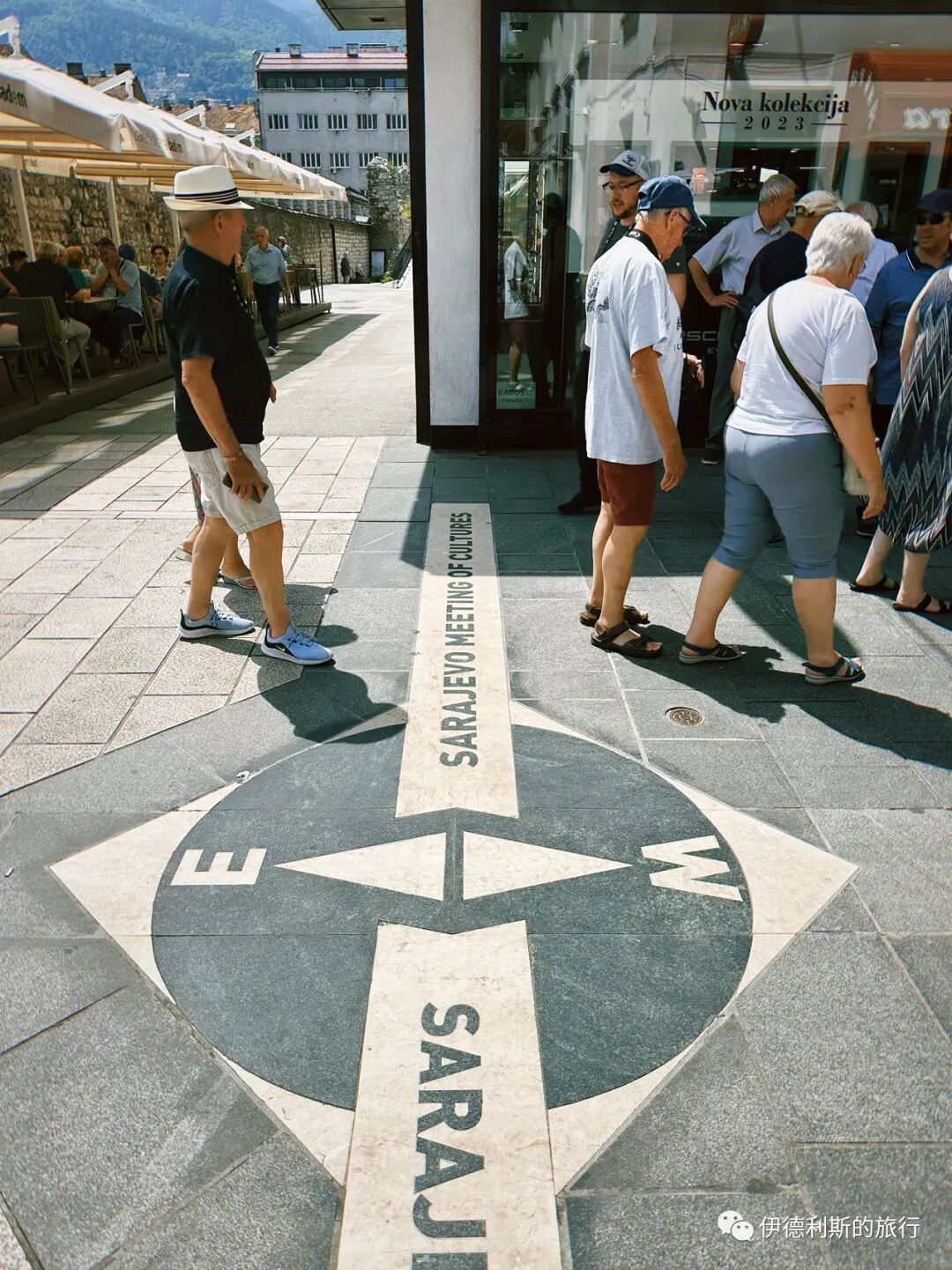
Where East meets West
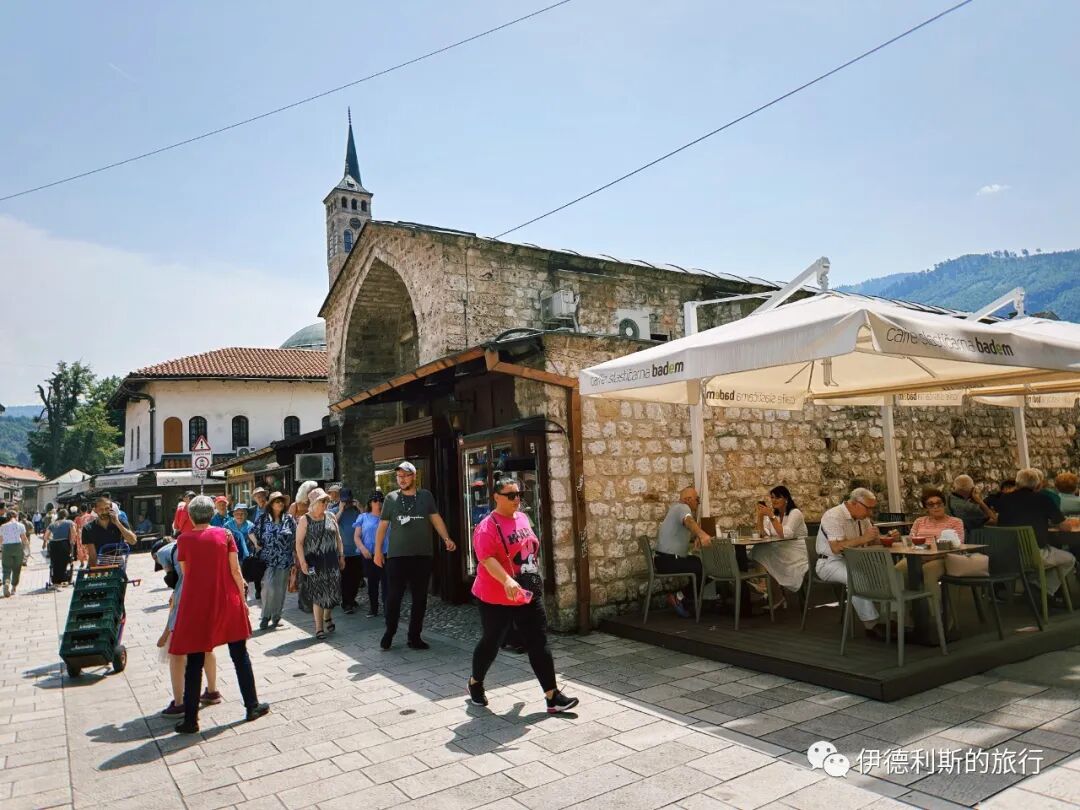
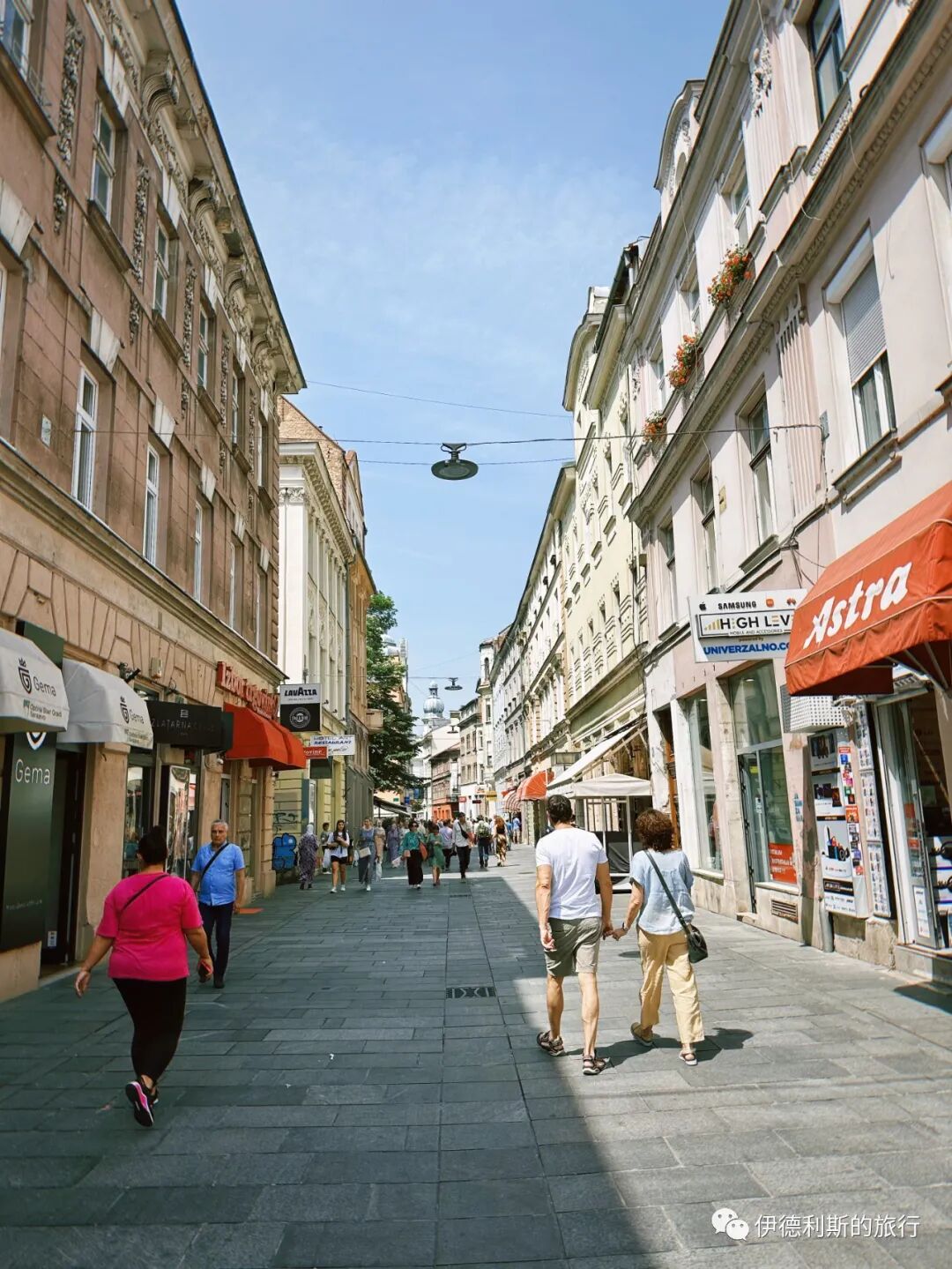
An interesting spot in Sarajevo's old town features a dividing line that separates two historic districts. To the east is the bazaar area built during the Ottoman period, and to the west is Ferhadija Street built during the Austro-Hungarian period. The city's appearance changes completely just by crossing the street. The bazaar area feels like Istanbul, and Ferhadija Street feels like Vienna. Standing on this line, you feel like you are at the crossroads of Eastern and Western cultures, and Islamic and Christian traditions. This is the unique charm of Sarajevo.
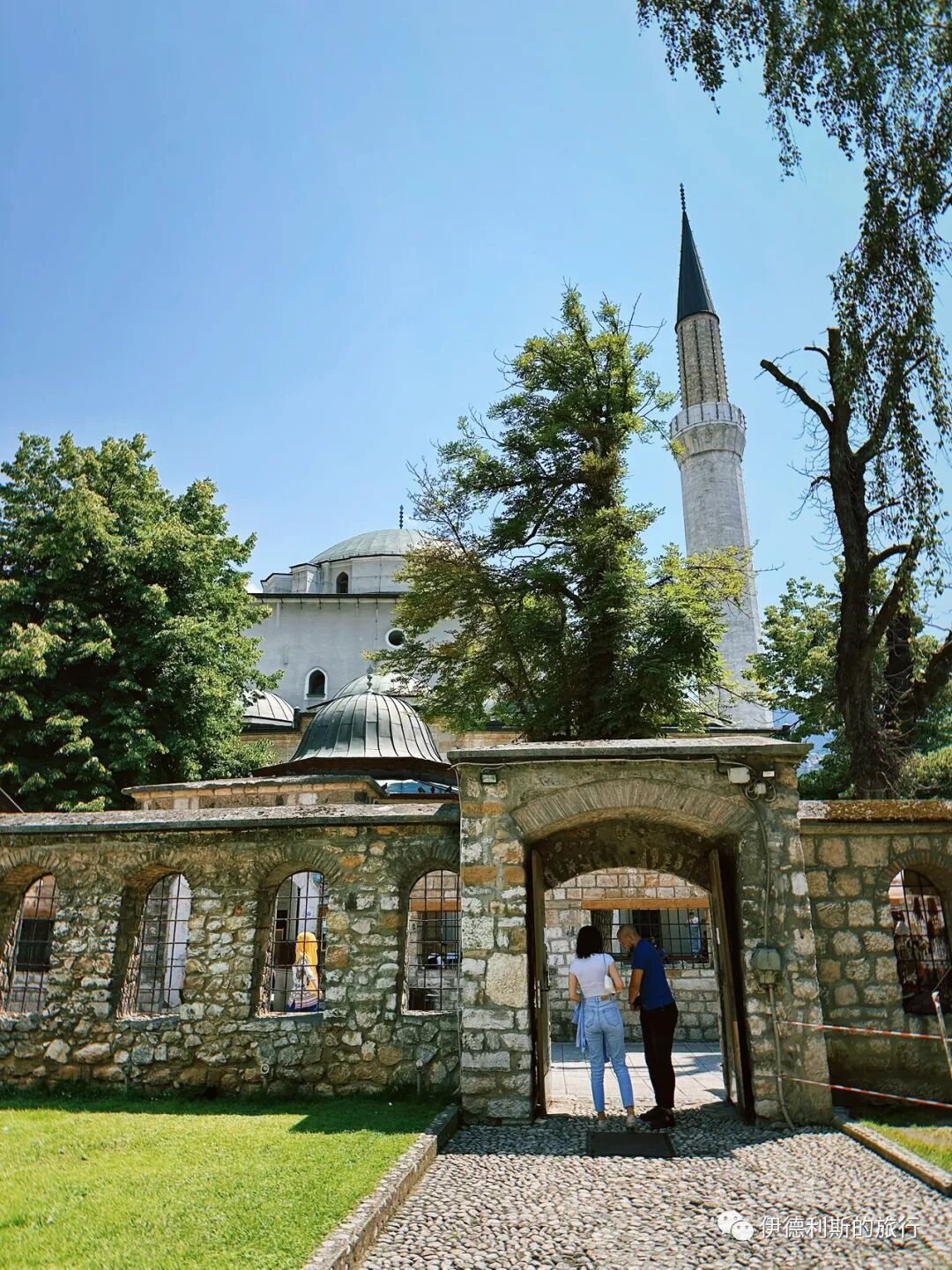
Halal Travel Guide: Sarajevo - Bosniak Life Under Ottoman Rule
Articles • ali2007fr posted the article • 0 comments • 119 views • 2026-05-19 06:55
The most interesting gallery at the National Museum of Bosnia and Herzegovina recreates the life of Bosniaks during the 19th-century Ottoman rule.
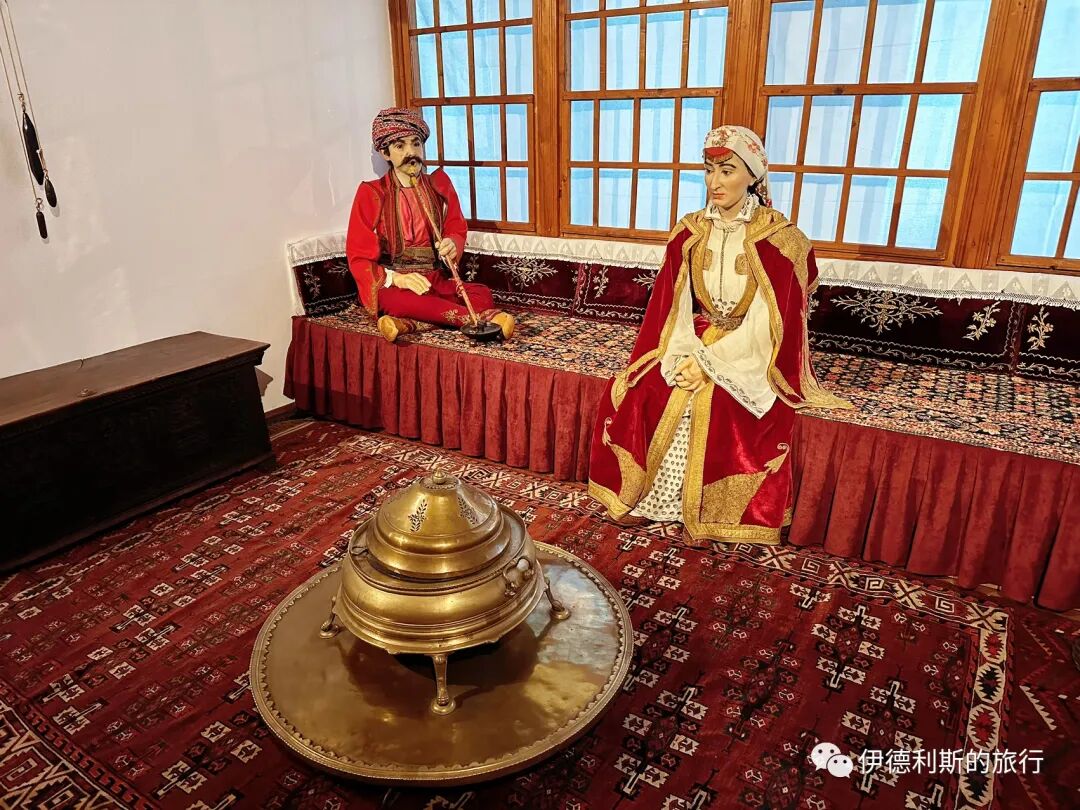
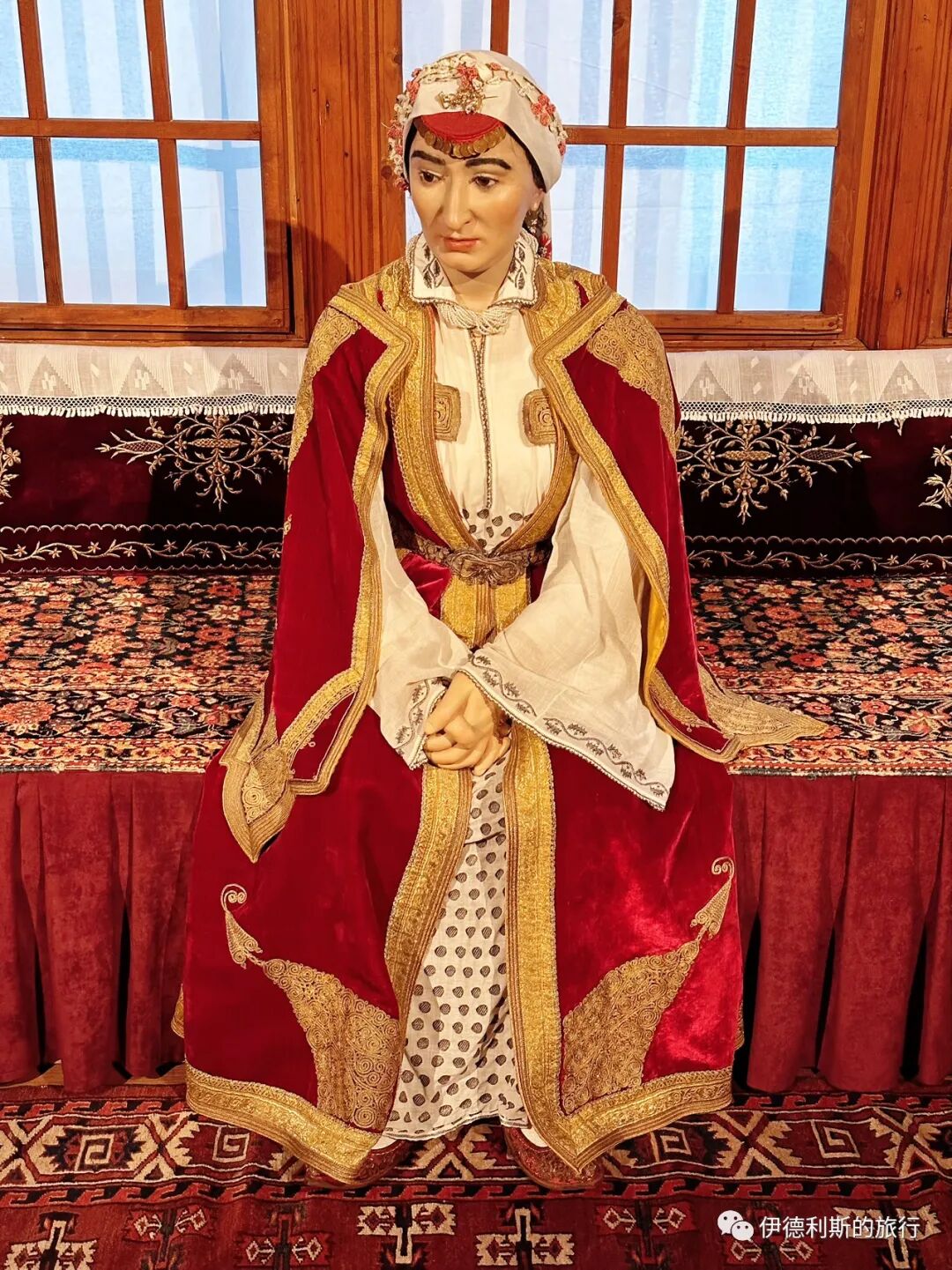
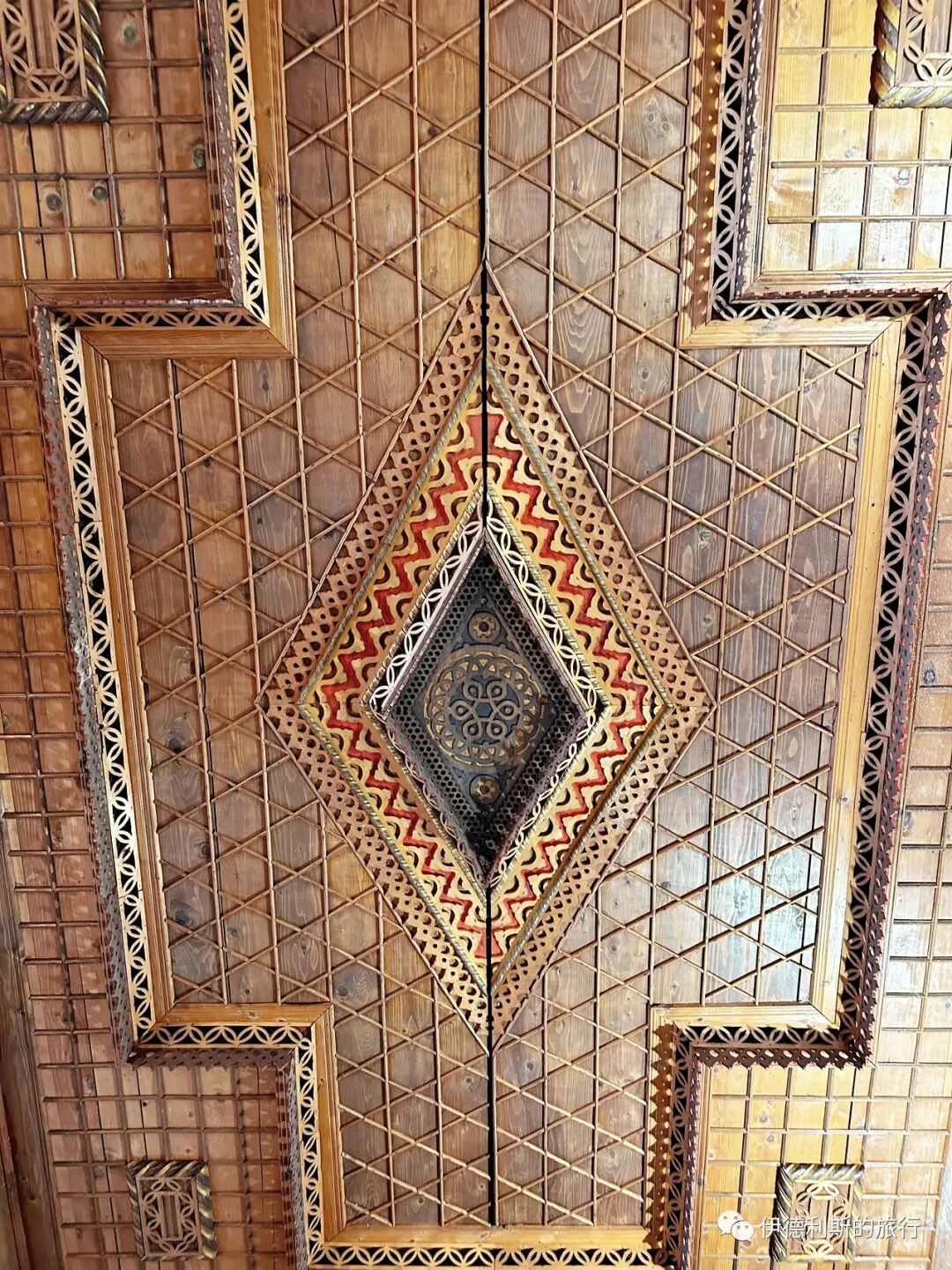
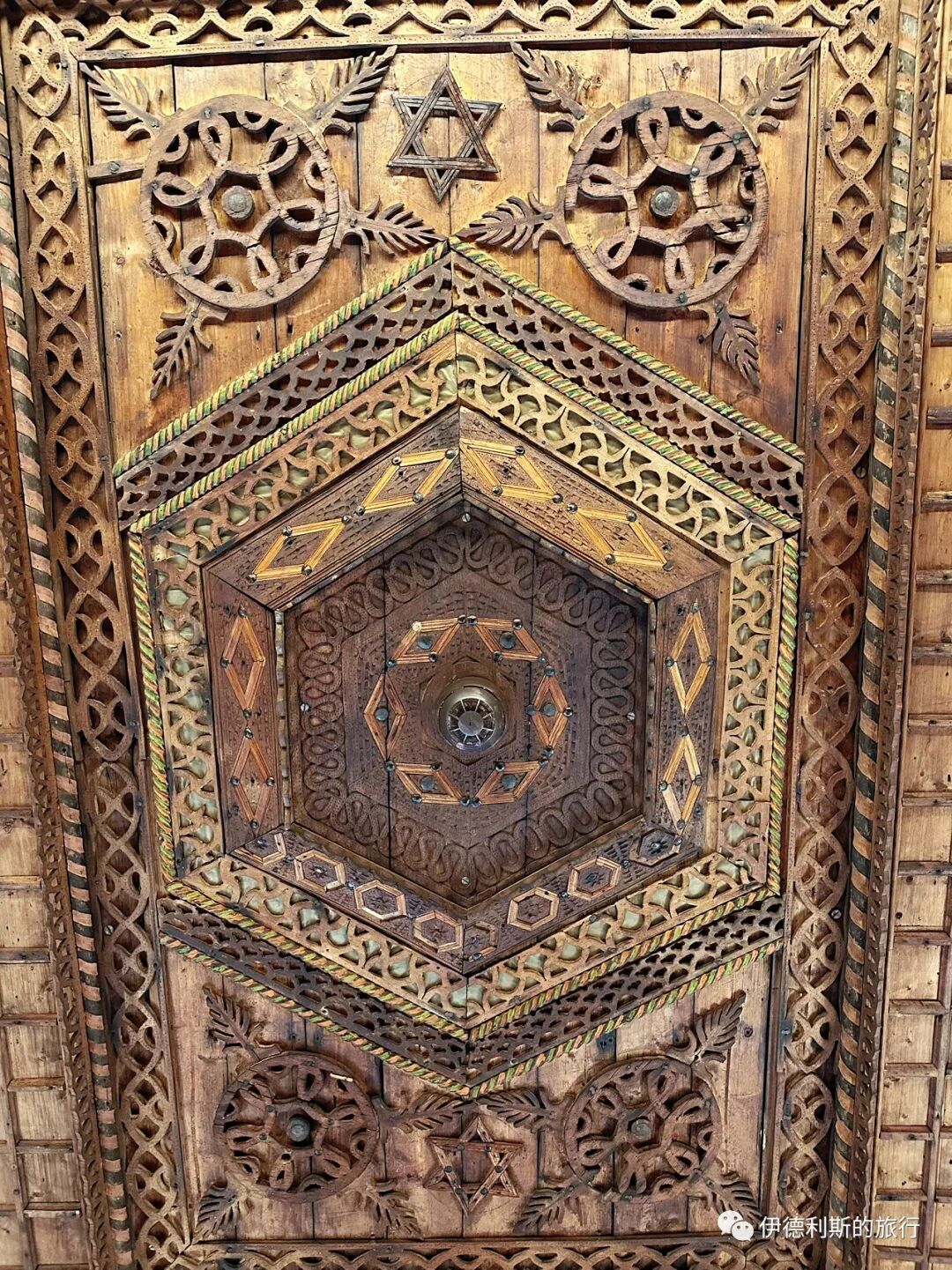
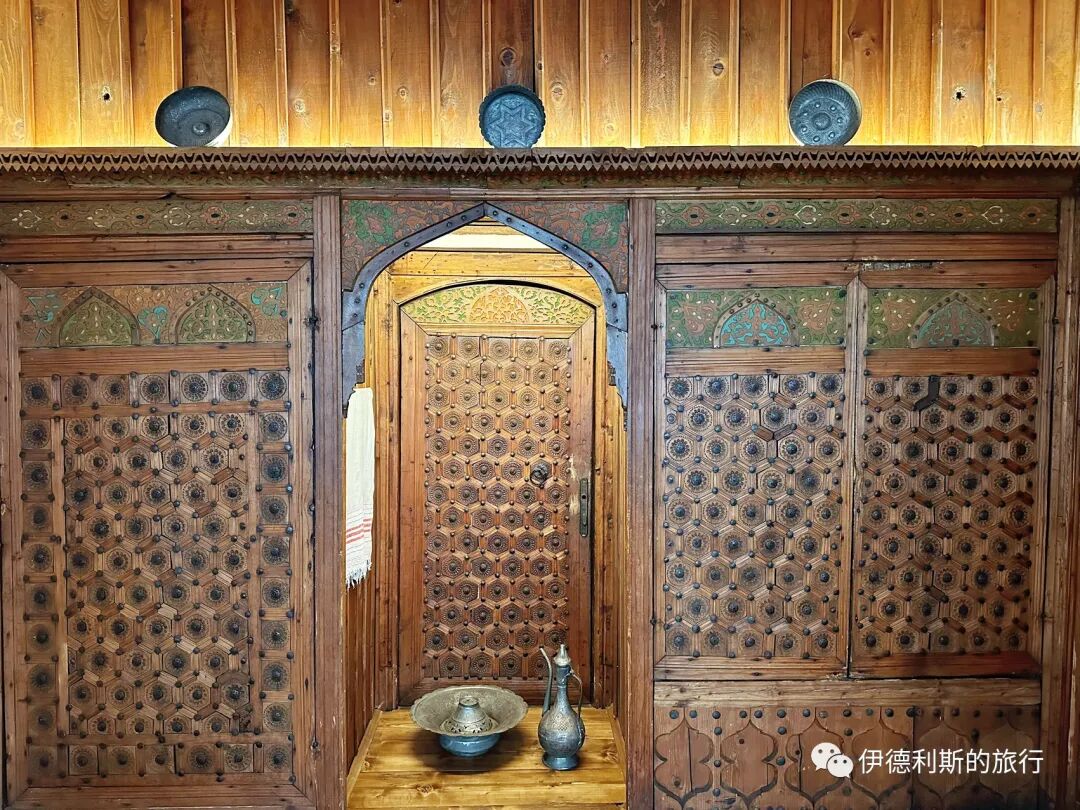
The first scene shows a Bey and his wife, who belonged to the wealthiest social class in Ottoman-ruled Bosnia. Bey is a Turkic title for a chieftain. During the middle and late Ottoman period, military officers and officials one rank below a Pasha were also called Bey. The Bey's wife in the exhibit wears an expensive dress embroidered with gold thread, and the exquisite ceiling comes from the famous Sabura family of coppersmiths in Sarajevo.
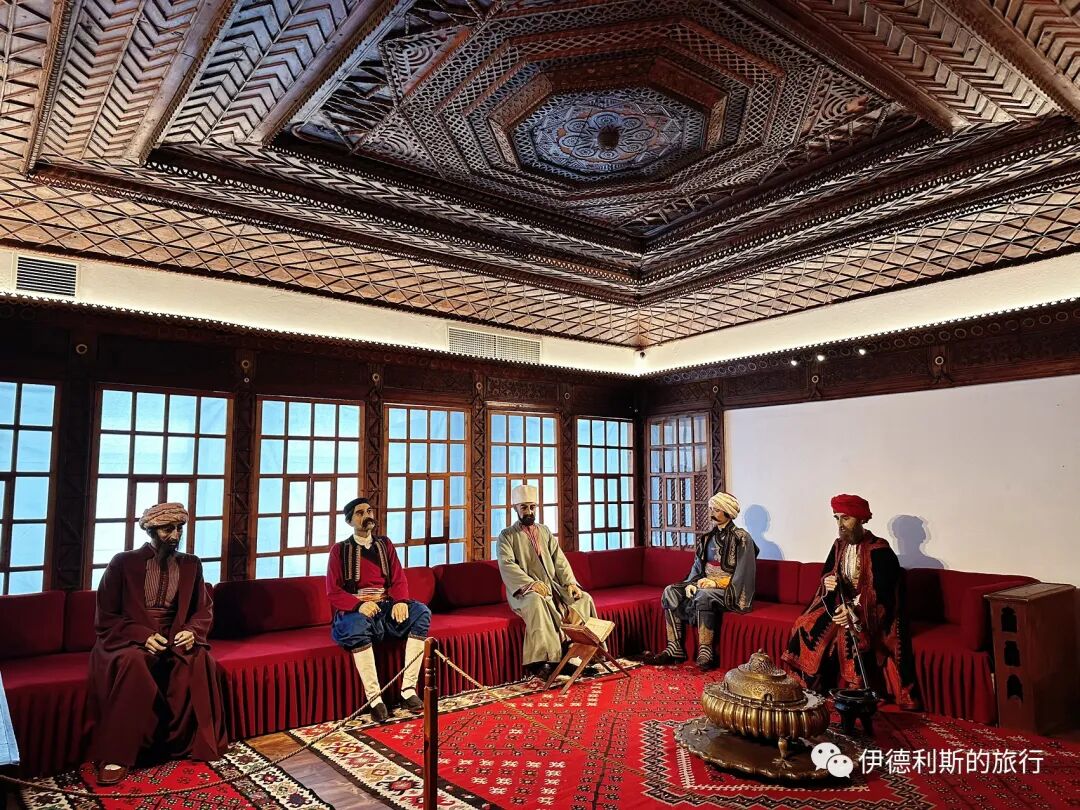
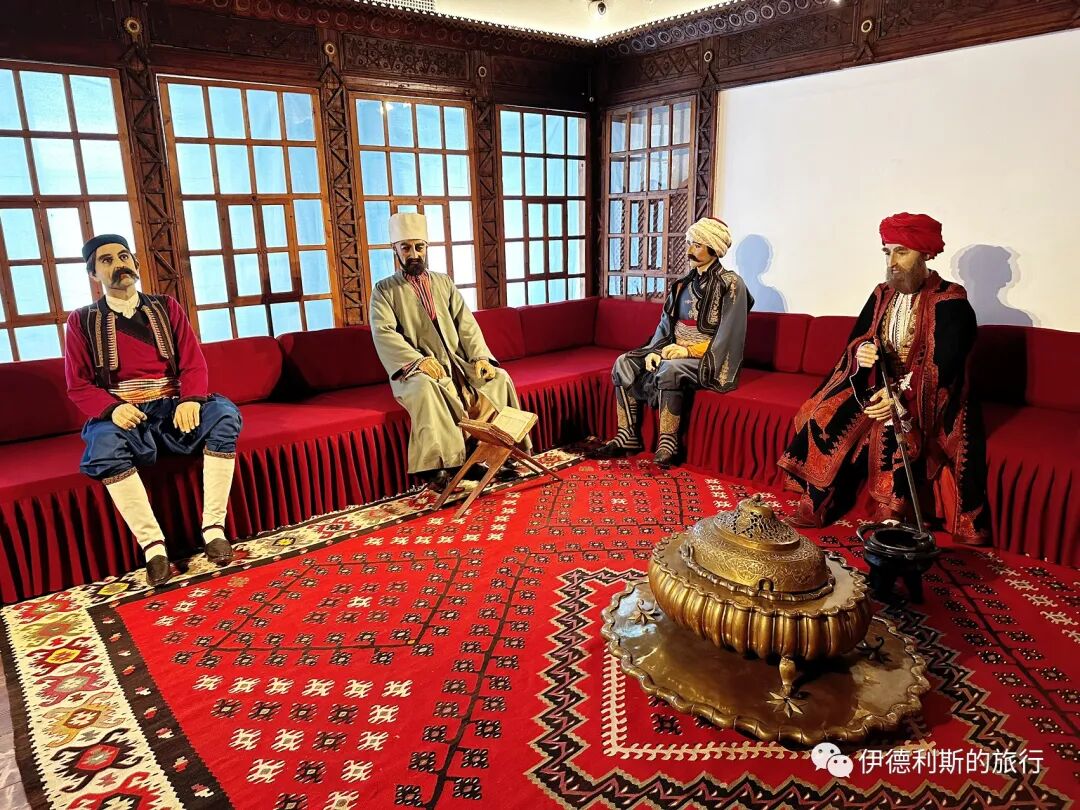
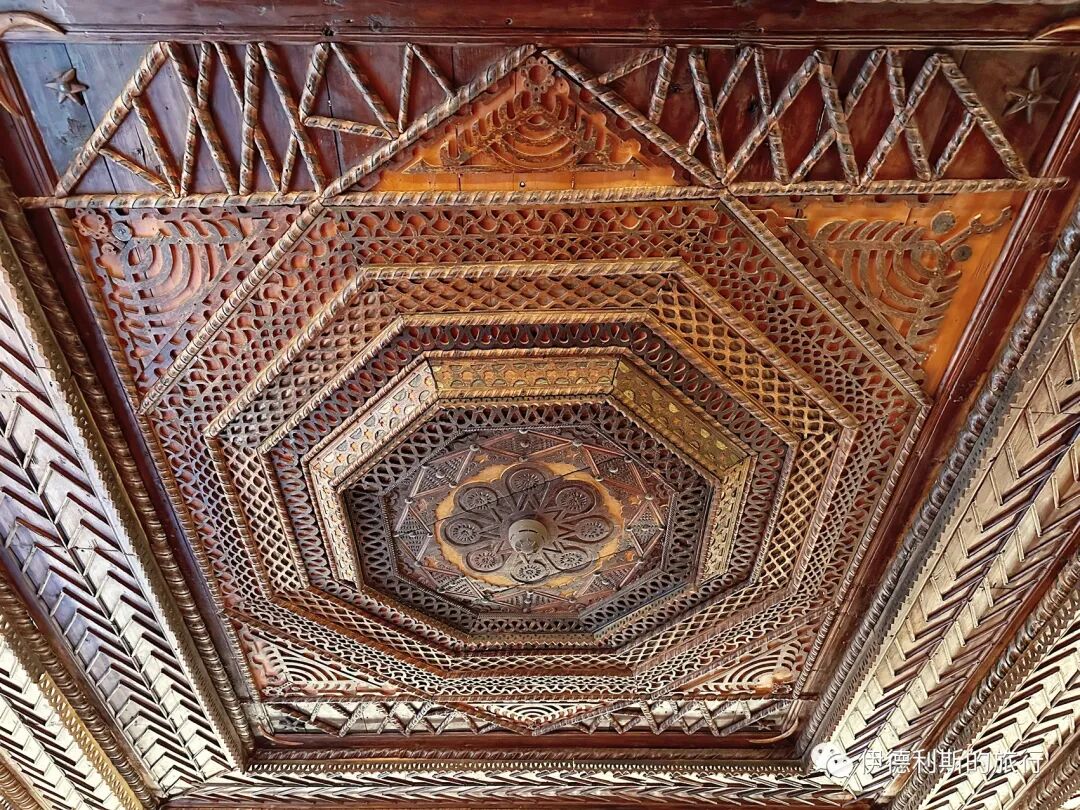
The second scene shows a court meeting in Ottoman-ruled Bosnia. In the center sits a judge (Kadi) with books of Islamic law placed in front of him. Among the four jury members beside him, one is an Orthodox village head from Herzegovina, one is a Sephardic Jewish rabbi representing the interests of Jewish merchants, and the other two are a Muslim Bey and a Janissary Agha representing the interests of the artisans' guild. The ornately decorated ceiling in the room comes from the Hadzirustembegovic family in Srebrenica, eastern Bosnia, dating back to the 19th century.
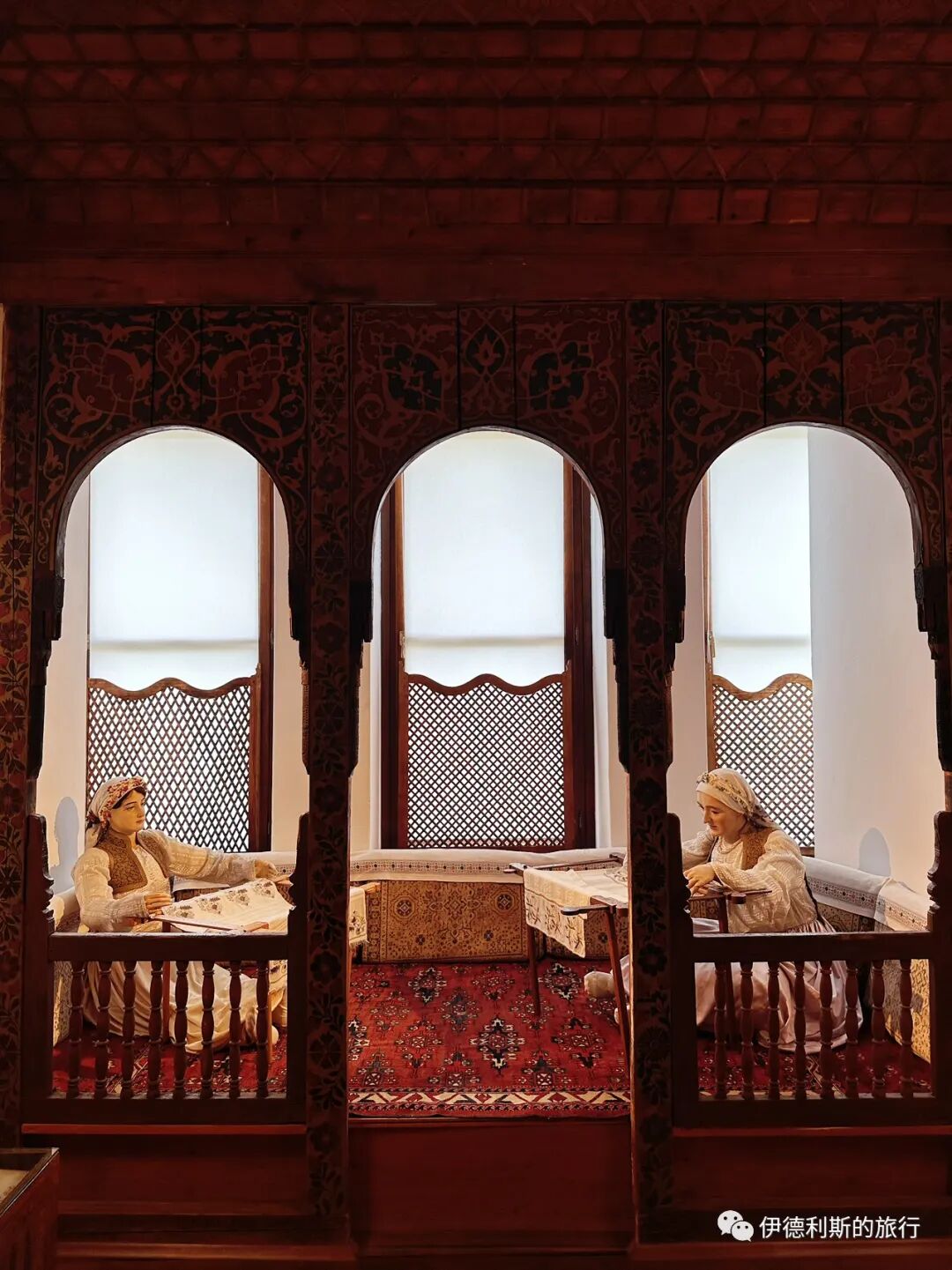
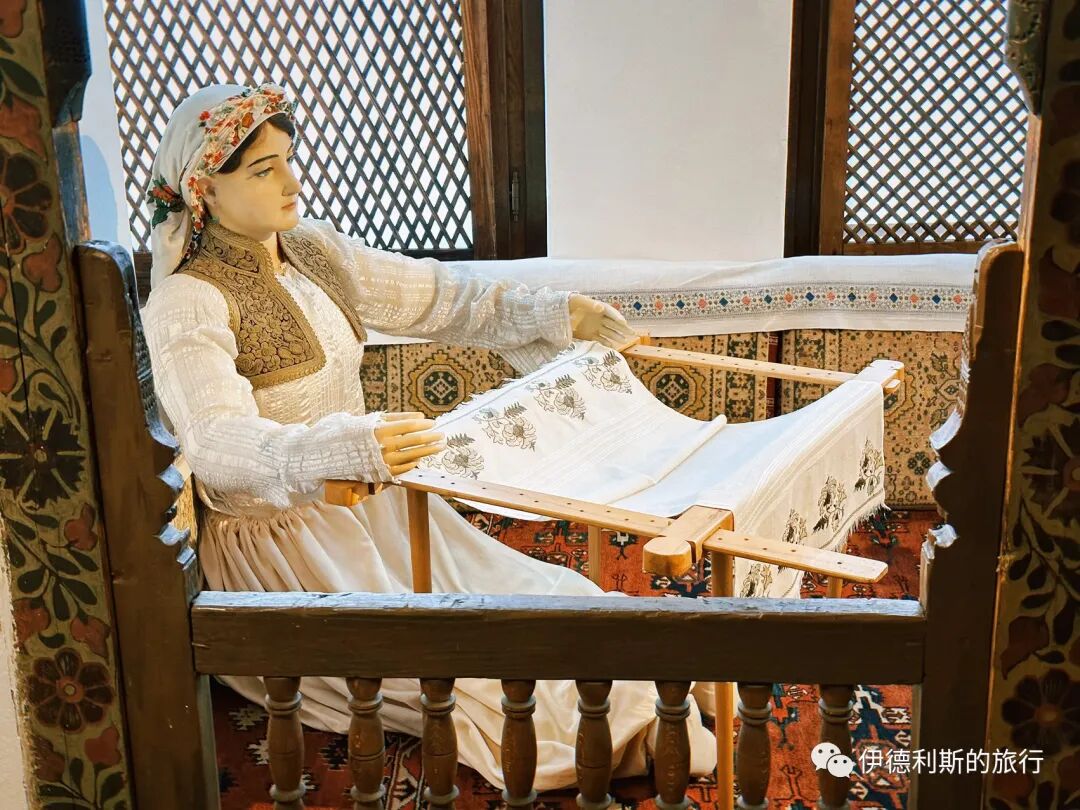
The third scene shows two ladies embroidering on a bay window terrace, with wood carvings from the famous Sabura coppersmith family of Sarajevo. This type of bay window is called a Kameriya in Bosnia. Ladies could look out at the scenery through the window grilles, and they often made their wedding dowries here. These wedding clothes were kept in a special wooden chest decorated with beautiful flower and bird patterns.
The fourth scene shows a middle-class merchant family eating. They sit around a low round table (sinija) with a copper tray (demirlija) for serving food, and the fine wood carvings on the ceiling and cabinets also come from the Sabura family.
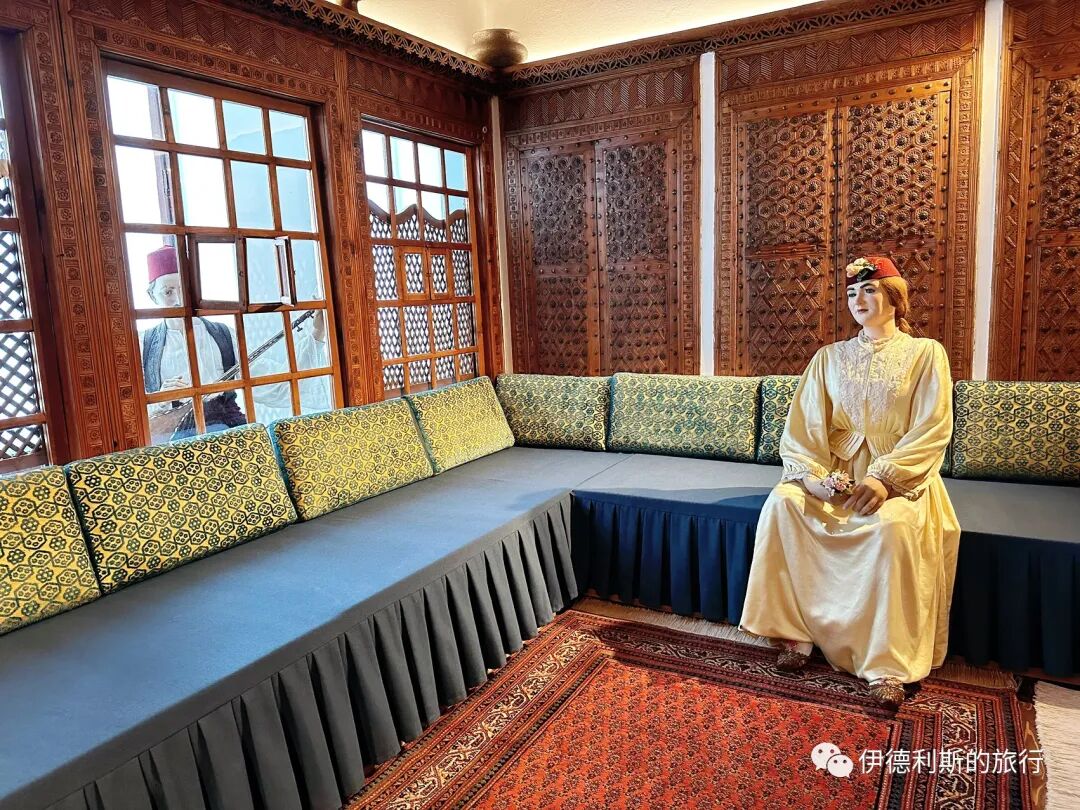
The fifth scene shows a young man courting a girl outside her window. This was a common way for young Bosniaks to communicate in the 19th century with their parents' knowledge. The wood carvings in the room come from the residence of Derviš-bey Kršlak in Jajce, central Bosnia.
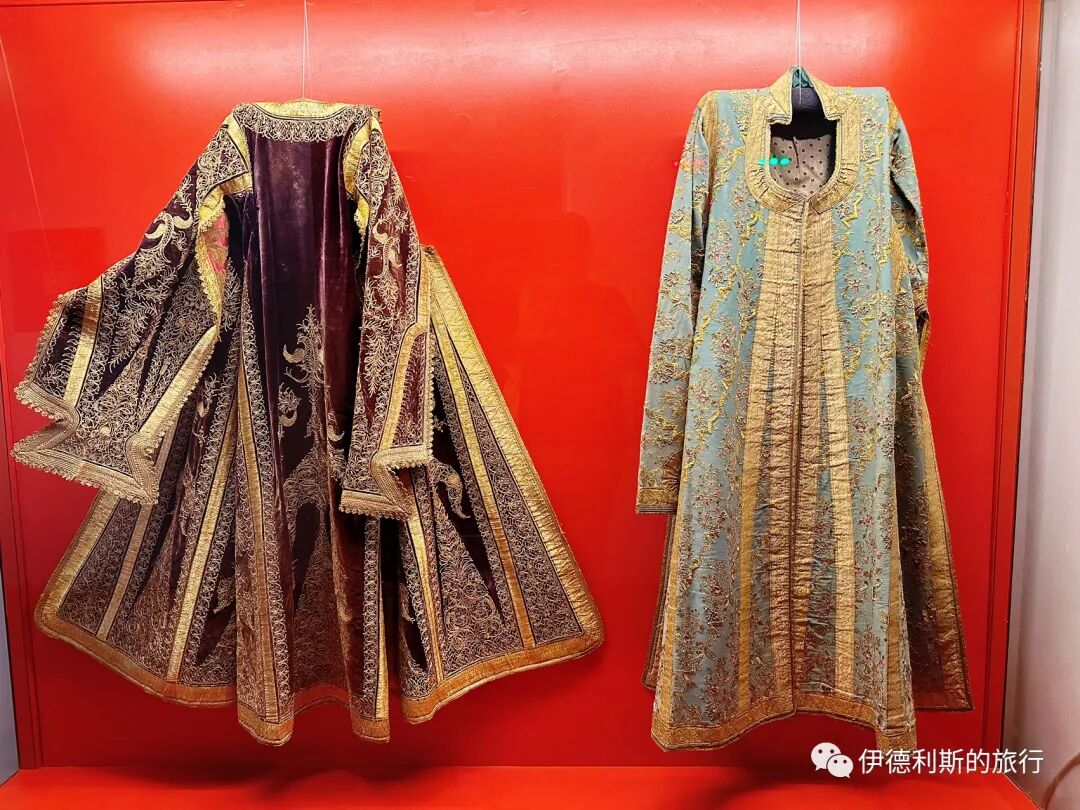
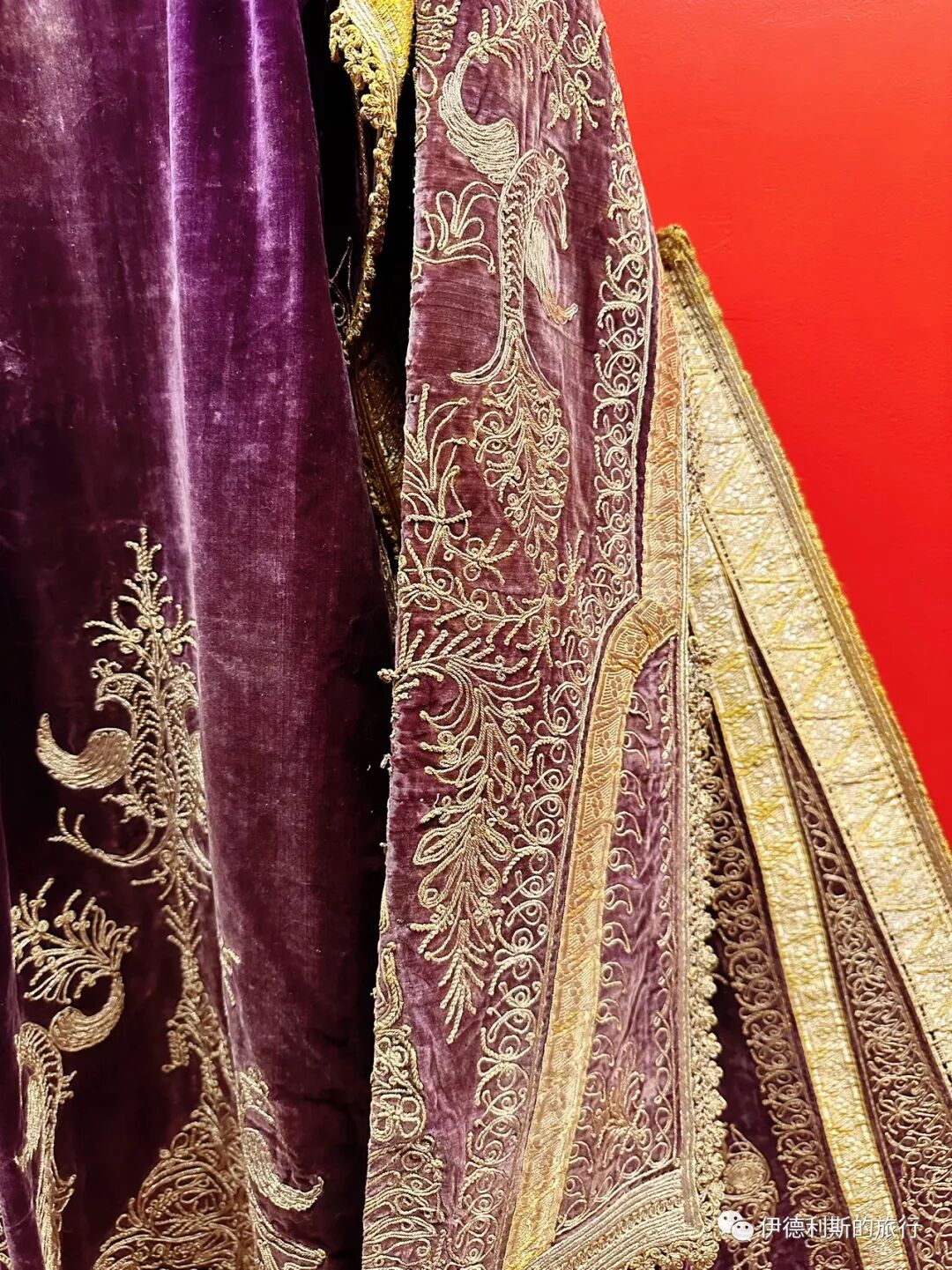
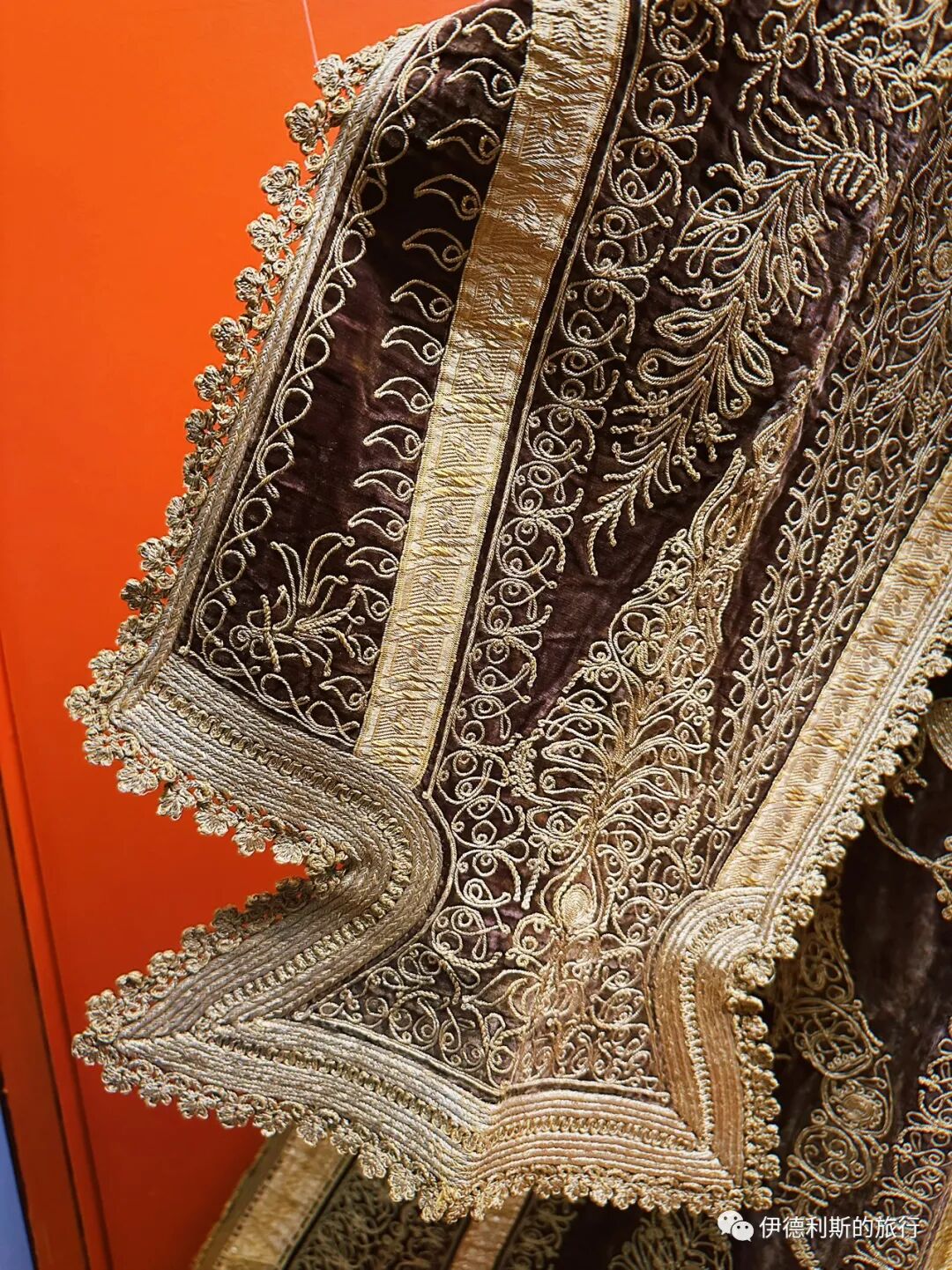
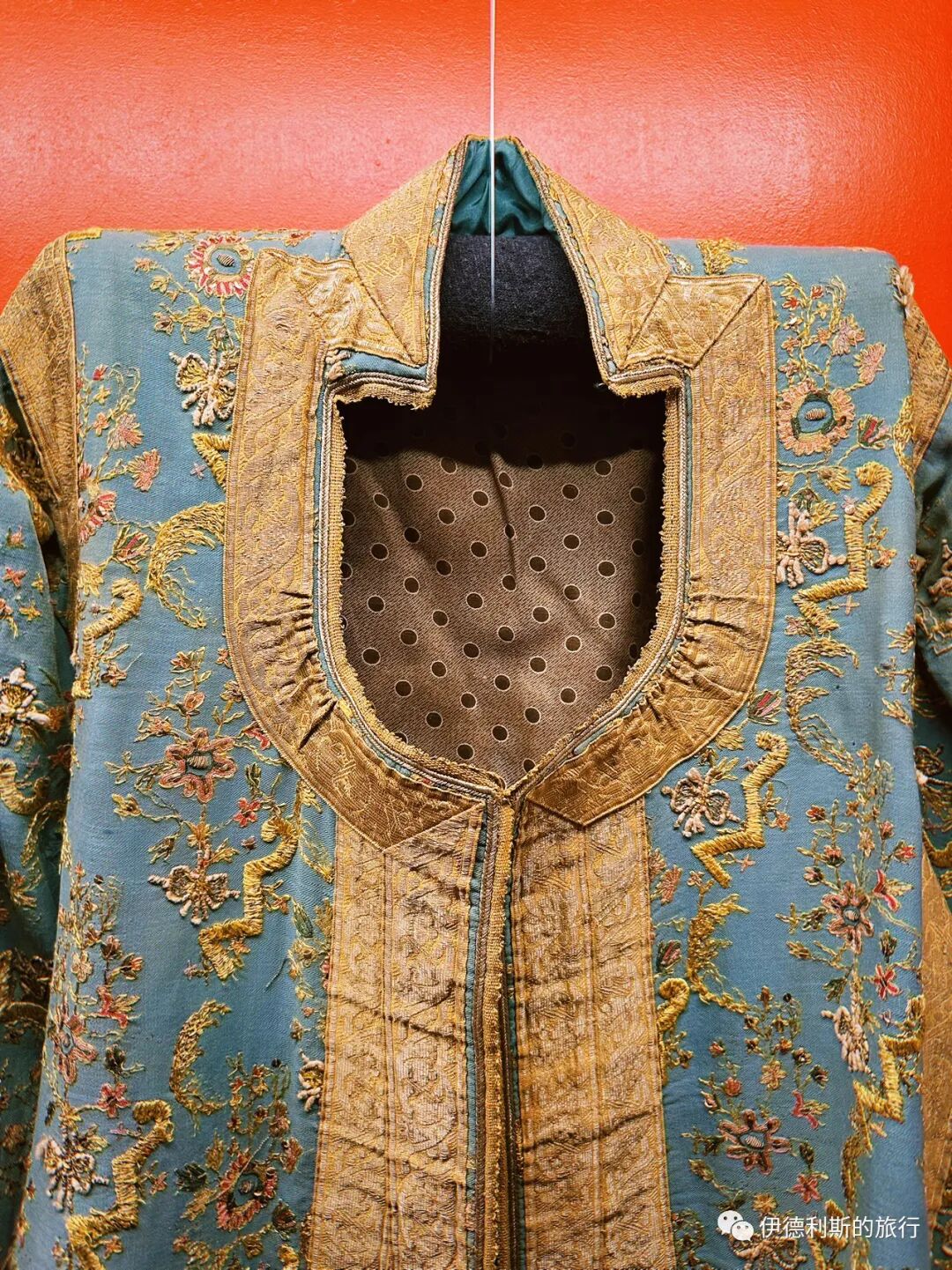
Finally, here are two more exquisite 19th-century Bosniak garments with gold thread embroidery. view all
The most interesting gallery at the National Museum of Bosnia and Herzegovina recreates the life of Bosniaks during the 19th-century Ottoman rule.
The first scene shows a Bey and his wife, who belonged to the wealthiest social class in Ottoman-ruled Bosnia. Bey is a Turkic title for a chieftain. During the middle and late Ottoman period, military officers and officials one rank below a Pasha were also called Bey. The Bey's wife in the exhibit wears an expensive dress embroidered with gold thread, and the exquisite ceiling comes from the famous Sabura family of coppersmiths in Sarajevo.
The second scene shows a court meeting in Ottoman-ruled Bosnia. In the center sits a judge (Kadi) with books of Islamic law placed in front of him. Among the four jury members beside him, one is an Orthodox village head from Herzegovina, one is a Sephardic Jewish rabbi representing the interests of Jewish merchants, and the other two are a Muslim Bey and a Janissary Agha representing the interests of the artisans' guild. The ornately decorated ceiling in the room comes from the Hadzirustembegovic family in Srebrenica, eastern Bosnia, dating back to the 19th century.
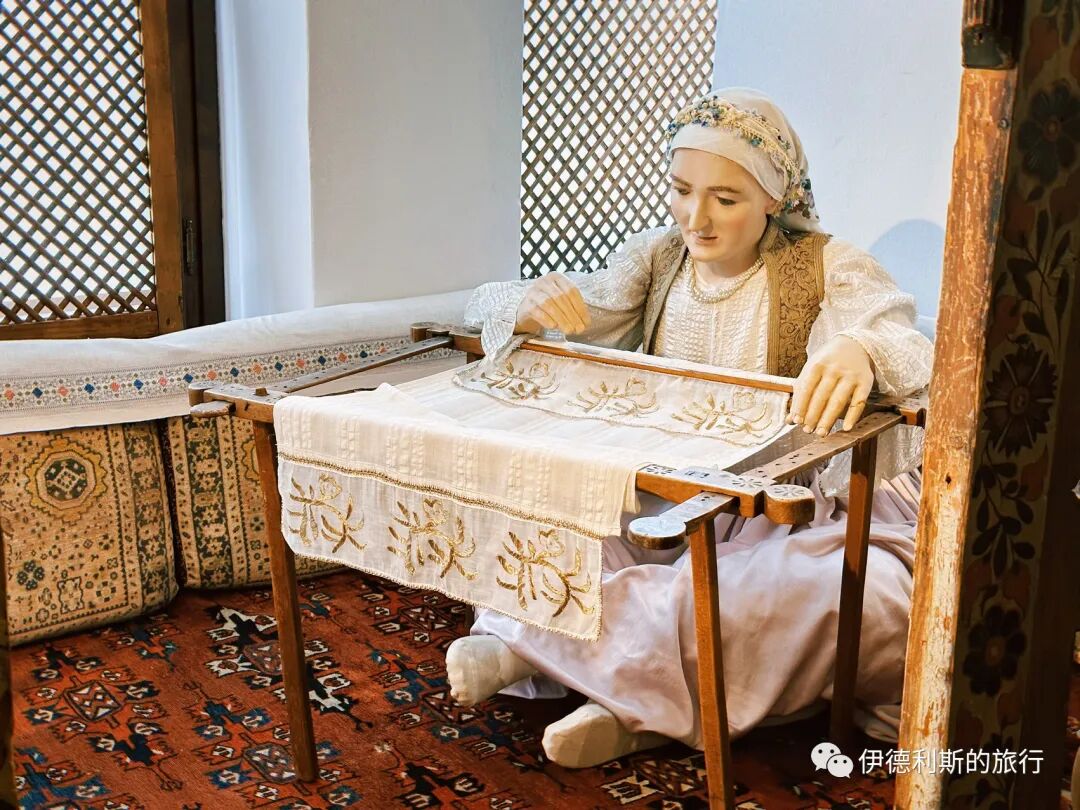
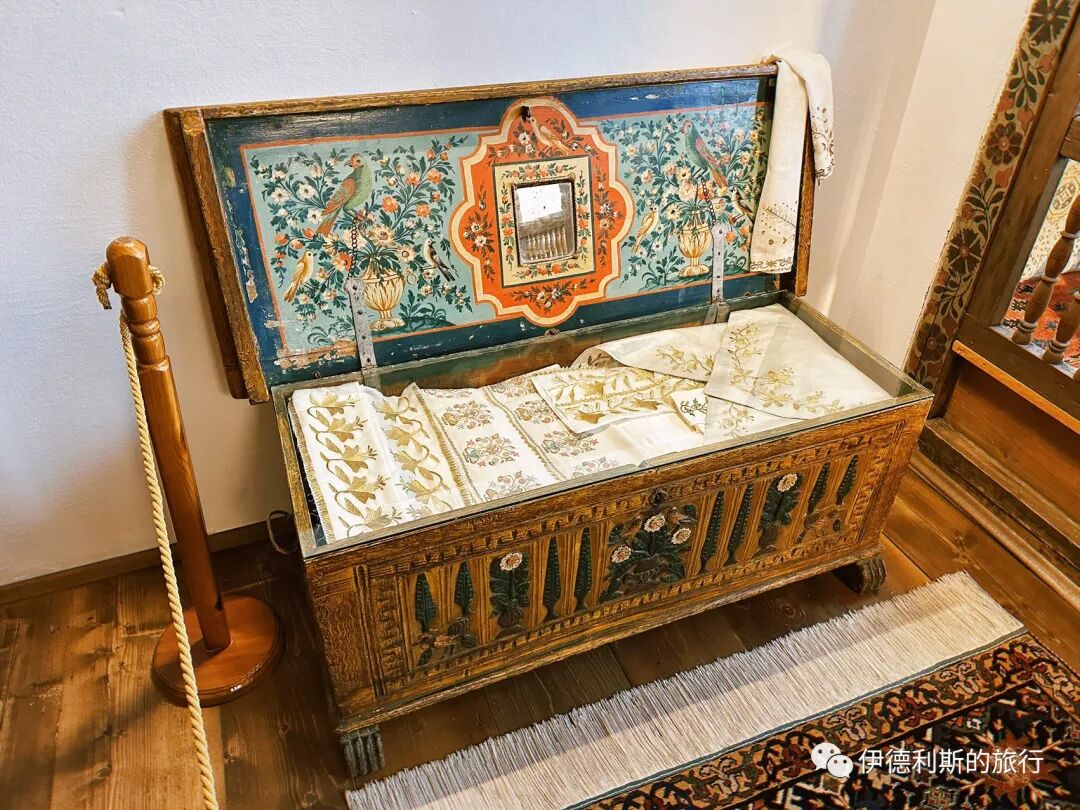
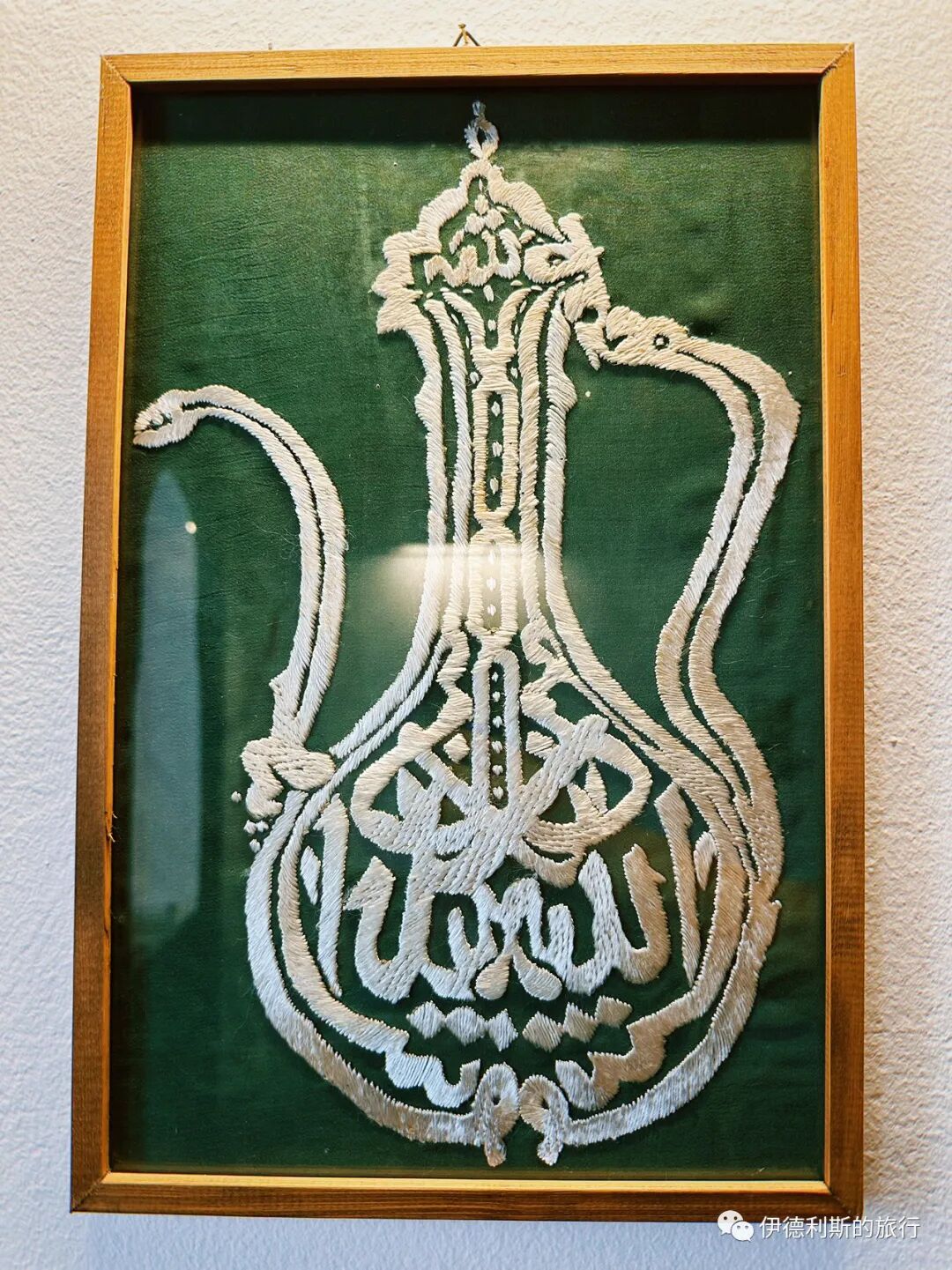
The third scene shows two ladies embroidering on a bay window terrace, with wood carvings from the famous Sabura coppersmith family of Sarajevo. This type of bay window is called a Kameriya in Bosnia. Ladies could look out at the scenery through the window grilles, and they often made their wedding dowries here. These wedding clothes were kept in a special wooden chest decorated with beautiful flower and bird patterns.
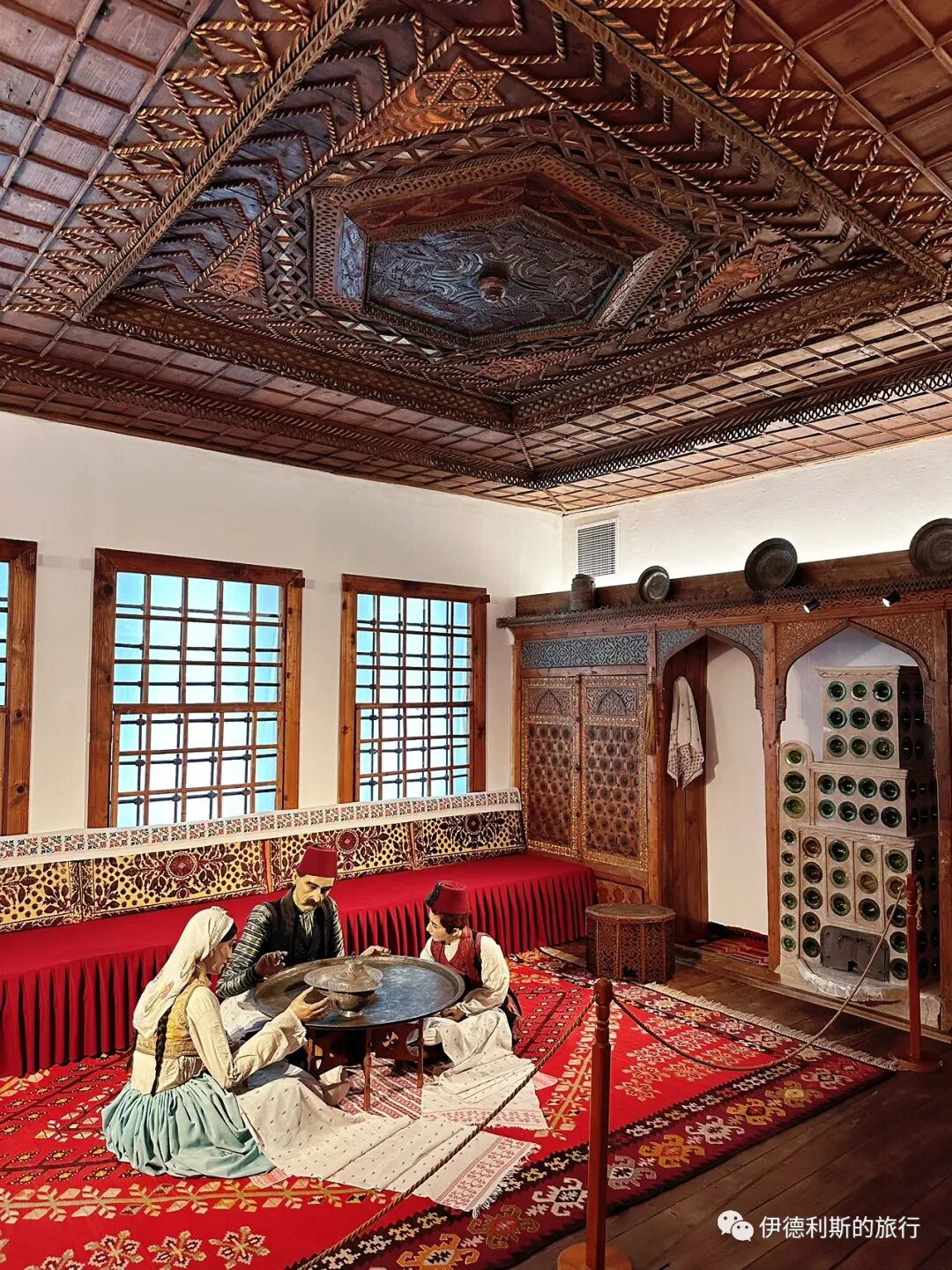
The fourth scene shows a middle-class merchant family eating. They sit around a low round table (sinija) with a copper tray (demirlija) for serving food, and the fine wood carvings on the ceiling and cabinets also come from the Sabura family.
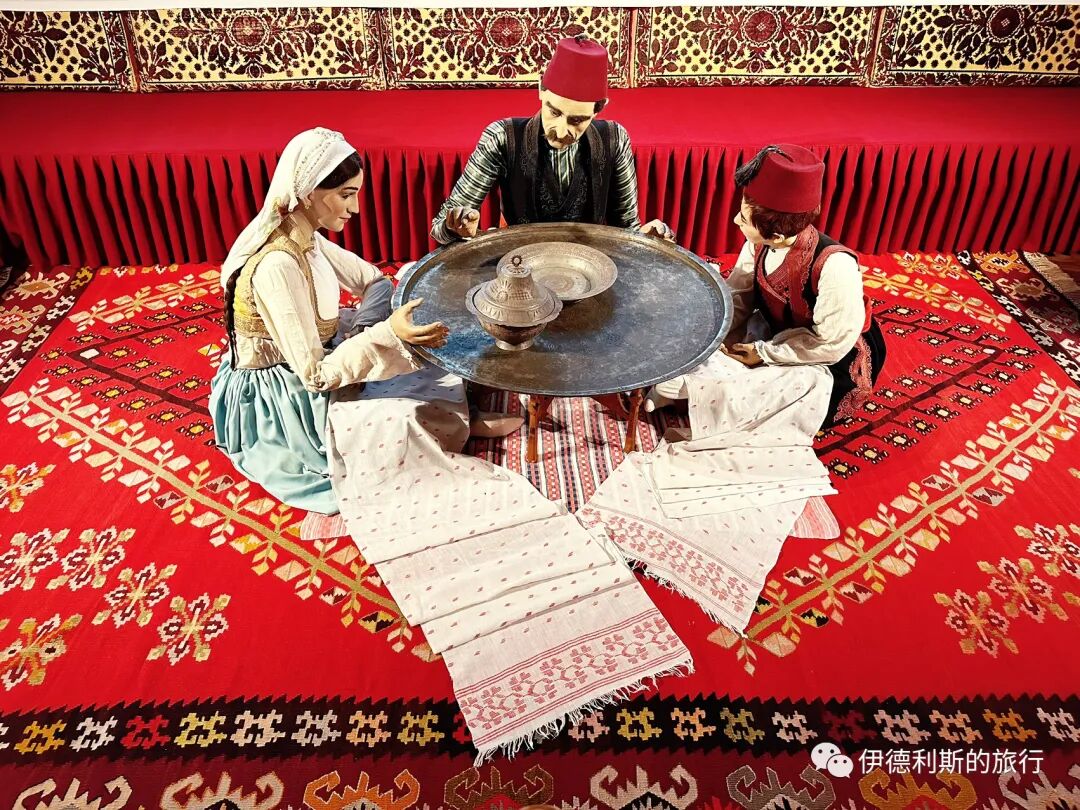
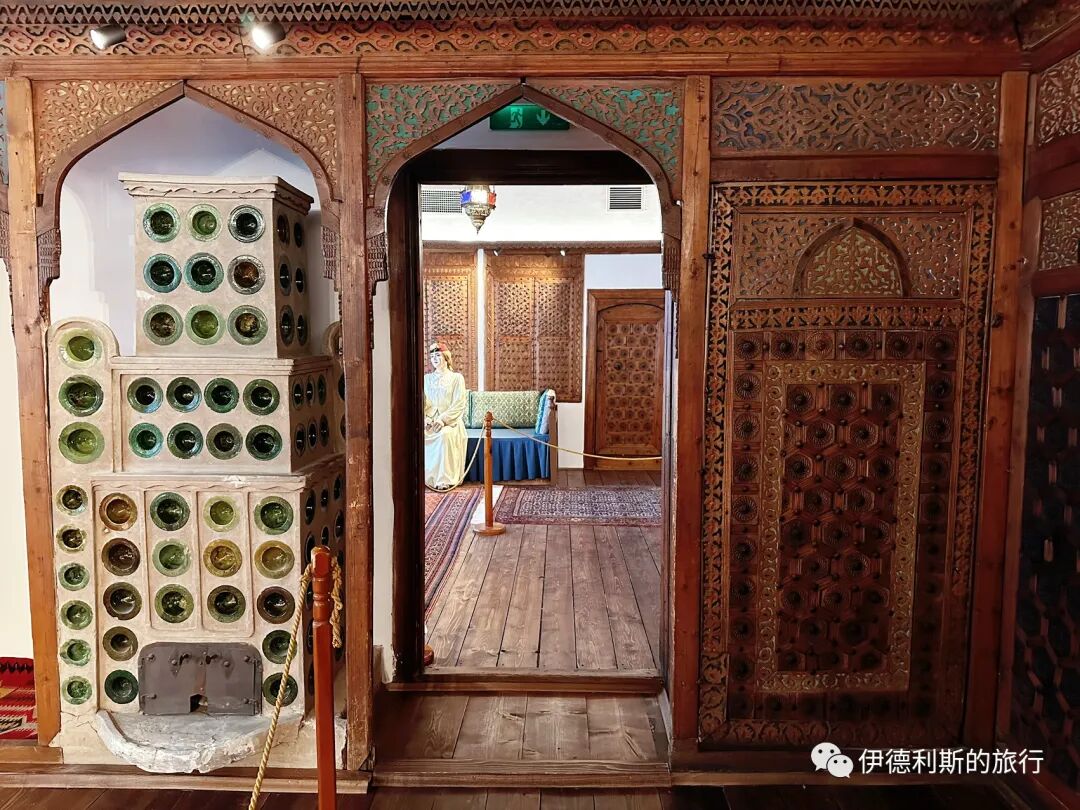
The fifth scene shows a young man courting a girl outside her window. This was a common way for young Bosniaks to communicate in the 19th century with their parents' knowledge. The wood carvings in the room come from the residence of Derviš-bey Kršlak in Jajce, central Bosnia.
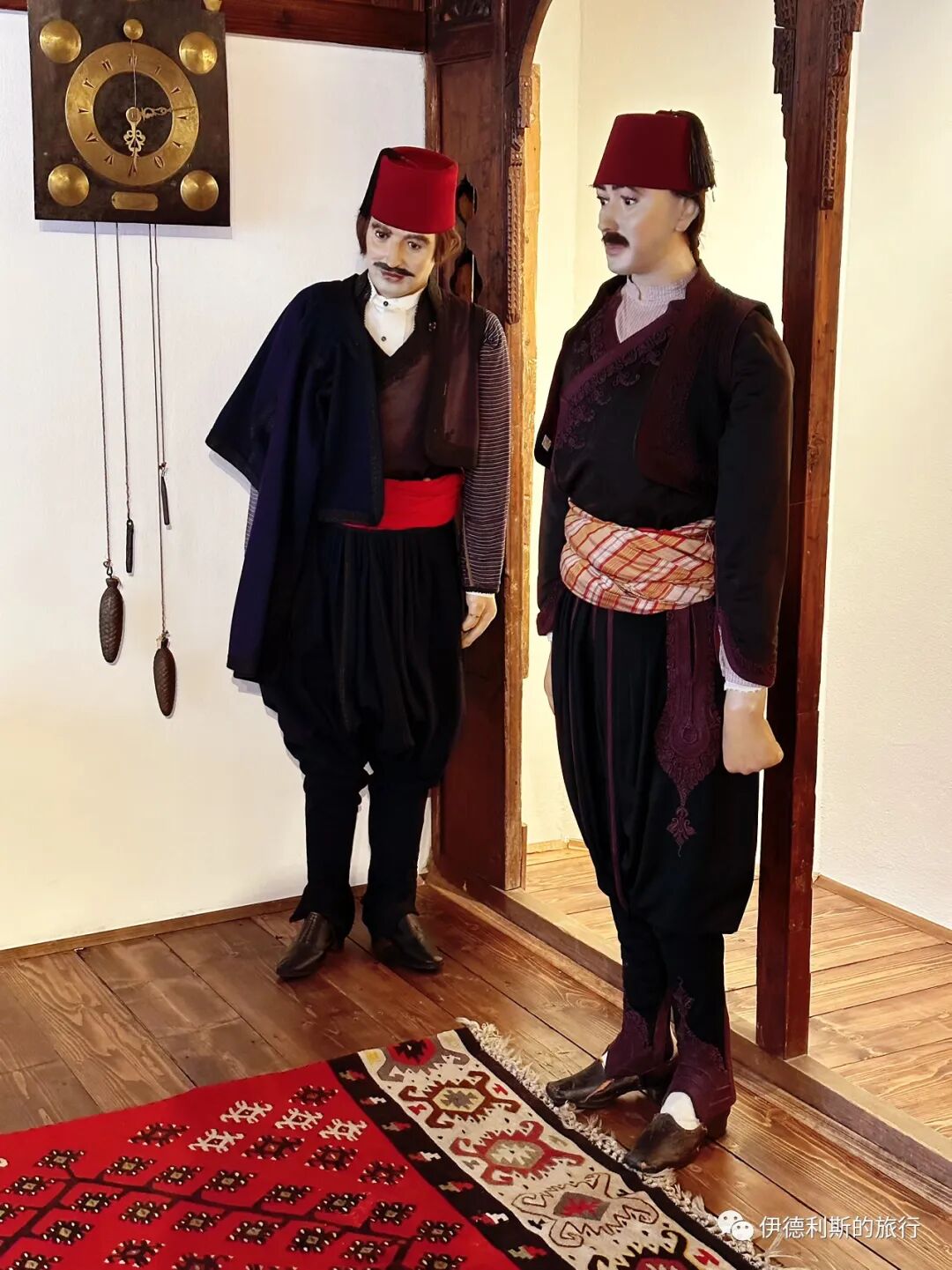
Finally, here are two more exquisite 19th-century Bosniak garments with gold thread embroidery.
Halal Travel Guide: Istanbul - 19th-Century Ottoman Palaces and Heritage
Articles • ali2007fr posted the article • 0 comments • 178 views • 2026-05-19 06:54
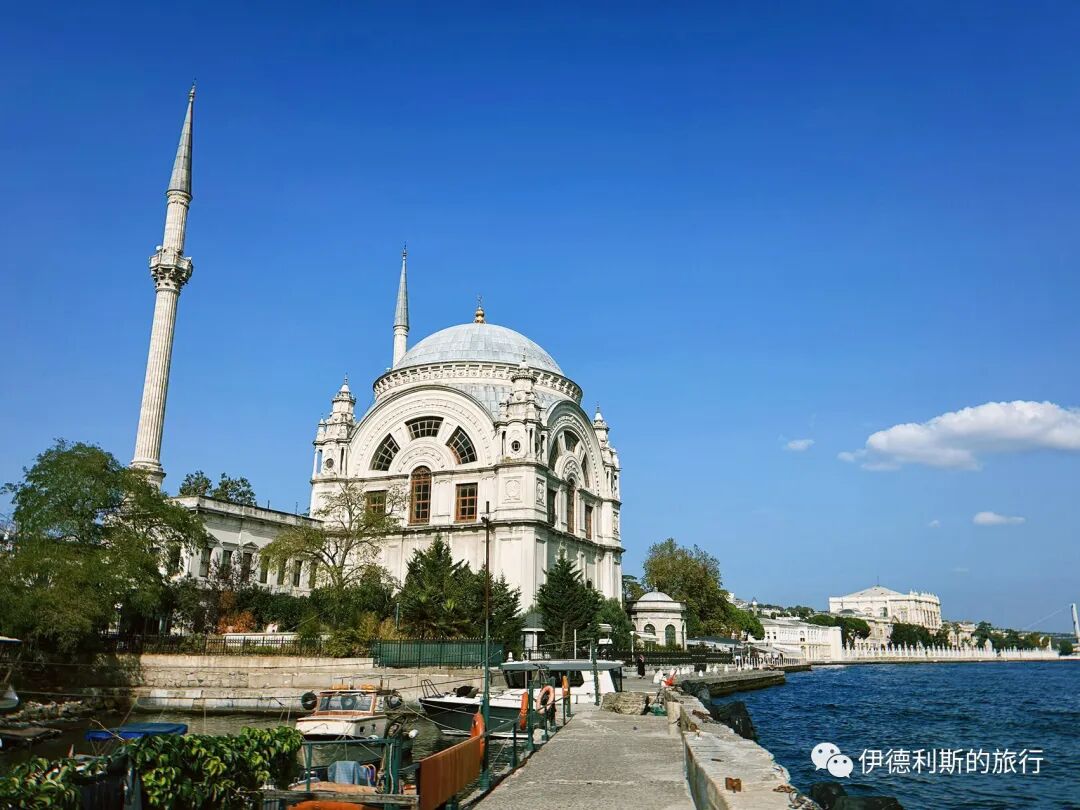
Walk down from Taksim Square to the Bosphorus shore, then head 500 meters upstream along the coast to find the Dolmabahçe Mosque (Dolmabahçe Camii). It was built between 1853 and 1855 by Ottoman Sultan Abdulmejid I (reigned 1839-61) and his mother, Bezmiâlem Sultan. After it was finished, the Dolmabahçe Mosque became the royal mosque for the Ottoman Sultans. Every Friday, the Sultan would come here to attend Jumu'ah prayers.
The Dolmabahçe Mosque was designed by Garabet Amira Balyan, a member of the Ottoman Armenian Balyan family of architects. He built many structures in Istanbul, the most famous being the nearby Dolmabahçe Palace. The Dolmabahçe Mosque blends Rococo and Empire styles. It is a prime example of the eclectic architecture that emerged in the mid-19th century after Ottoman modernization reforms brought European influences.
The original dome of the Dolmabahçe Mosque sits directly on rectangular walls. To support the weight, a tower was built at each of the four corners, which is completely different from the methods used in classical Ottoman architecture. The walls feature huge arches and windows that let plenty of light into the interior. The two minarets mimic ancient Greek Corinthian columns, both showing the influence of the Empire style. The Empire style is a type of Neoclassical style created by Napoleon to imitate ancient Greek and Roman civilizations. The Empire style strictly follows the architectural proportions, color schemes, and decorations of the ancient Roman era. It favors straight lines and geometric designs, using structural proportions to show the beauty of the building.
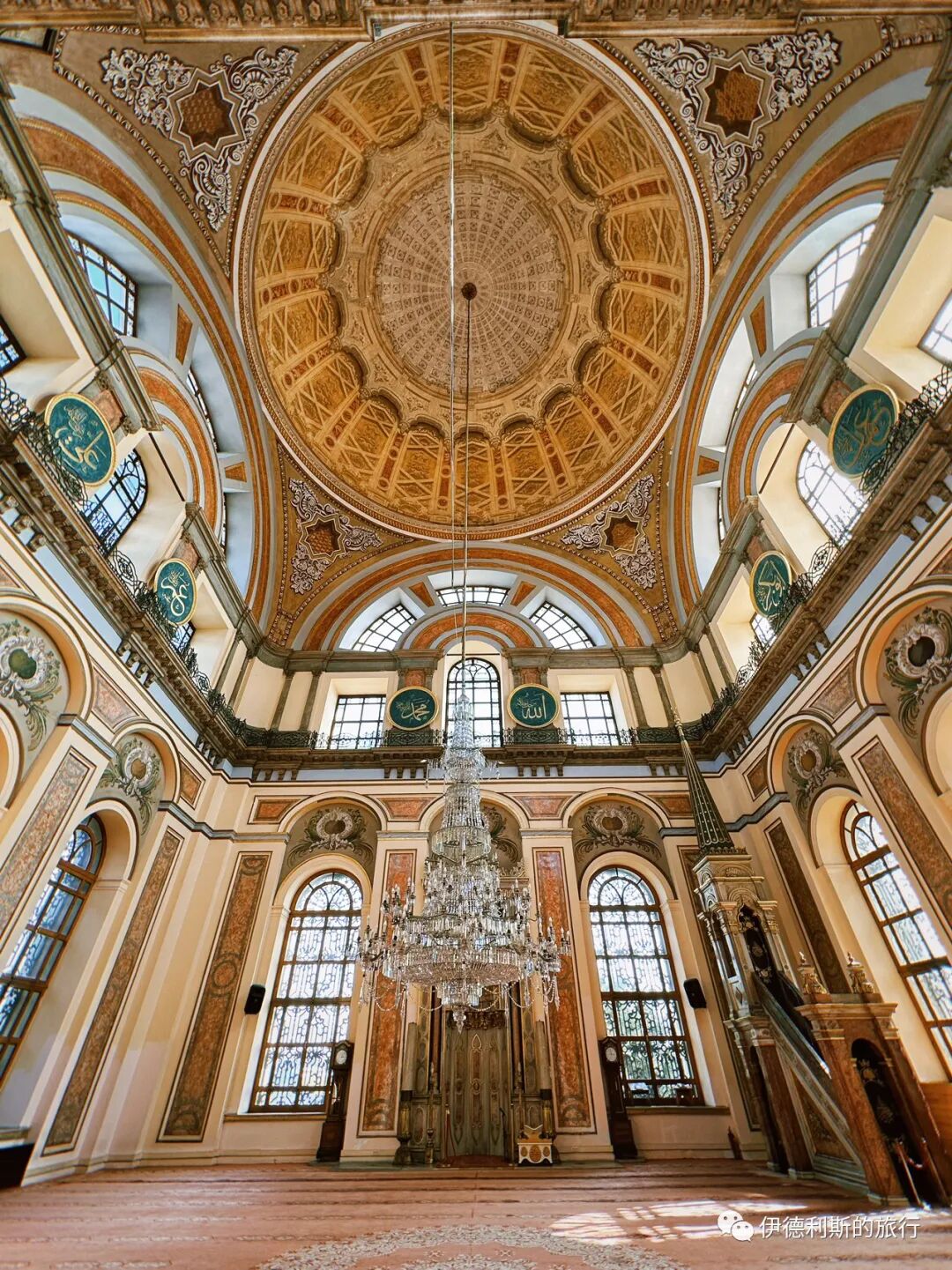
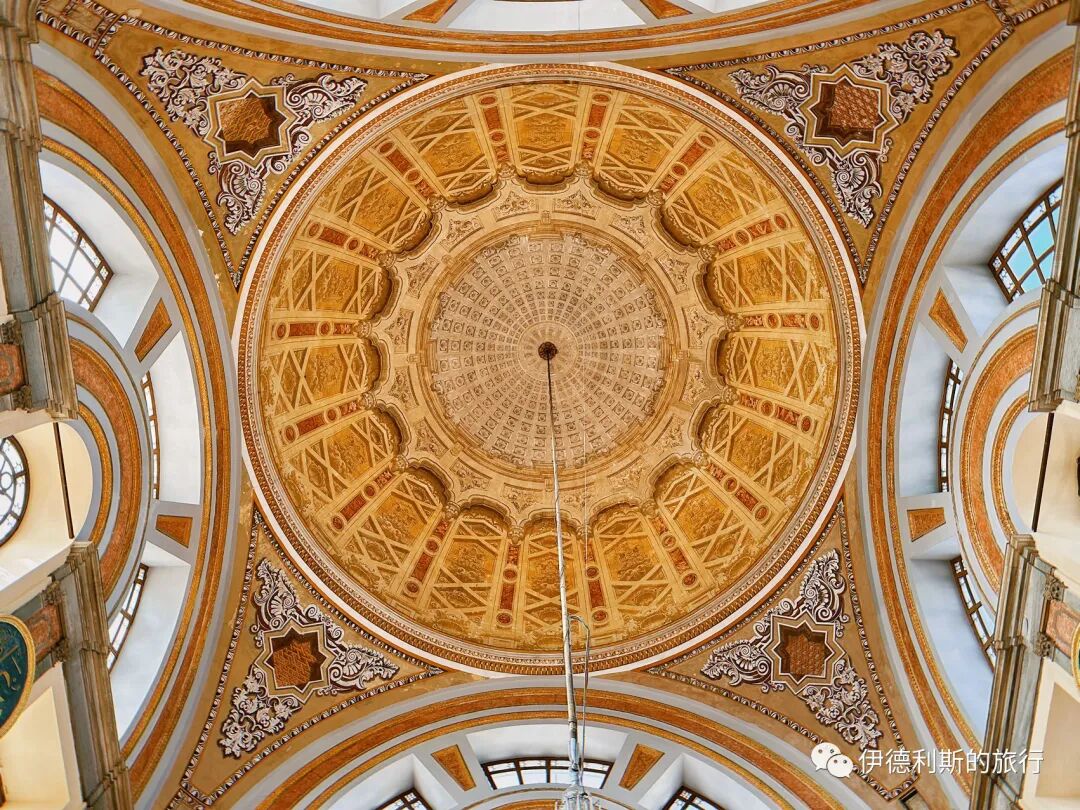
The decorative details of the Dolmabahçe Mosque are mainly influenced by the Rococo style of the late Baroque period. The use of gold and oil paintings creates a highly dramatic effect, while the overall color tone remains very soft.
Keep walking from the Dolmabahçe Mosque to reach the Dolmabahçe Clock Tower (Dolmabahçe Saat Kulesi), built between 1890 and 1895 by Ottoman Sultan Abdul Hamid II (reigned 1876-1909). The architect was Sarkis Balyan, a member of the Ottoman Armenian Balyan family and the second son of the mosque's architect, Garabet Balyan.
The clock tower was built in the Ottoman Baroque Revival style. Baroque Revival, also called Neo-Baroque, was born in late 19th-century France and became popular across Europe and America by the end of the century. The clock on the tower was made by French master clockmaker Jean-Paul Garnier and installed by the Ottoman court clockmaker Johann Mayer. However, the original mechanical clock was replaced by the current electronic clock in 1979.
Continue walking forward to reach the Dolmabahçe Palace (Dolmabahçe Sarayı). Since its completion in 1856, this place served as the royal palace for six Ottoman Sultans. It was also the summer presidential residence and the final home of Turkey's first president, Kemal. Dolmabahçe Palace has quite a lot of tourists, and the ticket price for foreigners is not cheap, but it is truly worth a visit. Although it does not look that grand from the outside, the interior is truly magnificent, and the visual impact of the main hall is no less than that of the Hagia Sophia. The interior route is designed so you see all the rooms in one path, and the whole process takes a long time, requiring as much physical energy as walking through the Forbidden City in Beijing. It is a pity that photography is not allowed inside, so I will just post photos of the outside.
Dolmabahçe Palace was built by Ottoman Sultan Abdulmejid I (reigned 1839-61) between 1843 and 1856. The architects were Garabet Balyan, his son Nigoğayos Balyan, and Evanis Kalfa from the Ottoman Armenian Balyan architectural family. The building is in an eclectic style, incorporating Baroque, Rococo, Neoclassical, and traditional Ottoman architectural elements, reflecting the growing European influence during the Ottoman modernization reforms in the mid-19th century.
Unlike the exquisite Iznik tiles of the old Topkapi Palace, the new palace uses a large amount of gold and crystal for decoration. The ceiling gilding alone used 14 tons of gold, and the main hall hangs the world's largest Bohemian crystal chandelier, sold to the Sultan by Queen Victoria of the United Kingdom, as well as the world's largest Hereke carpet.
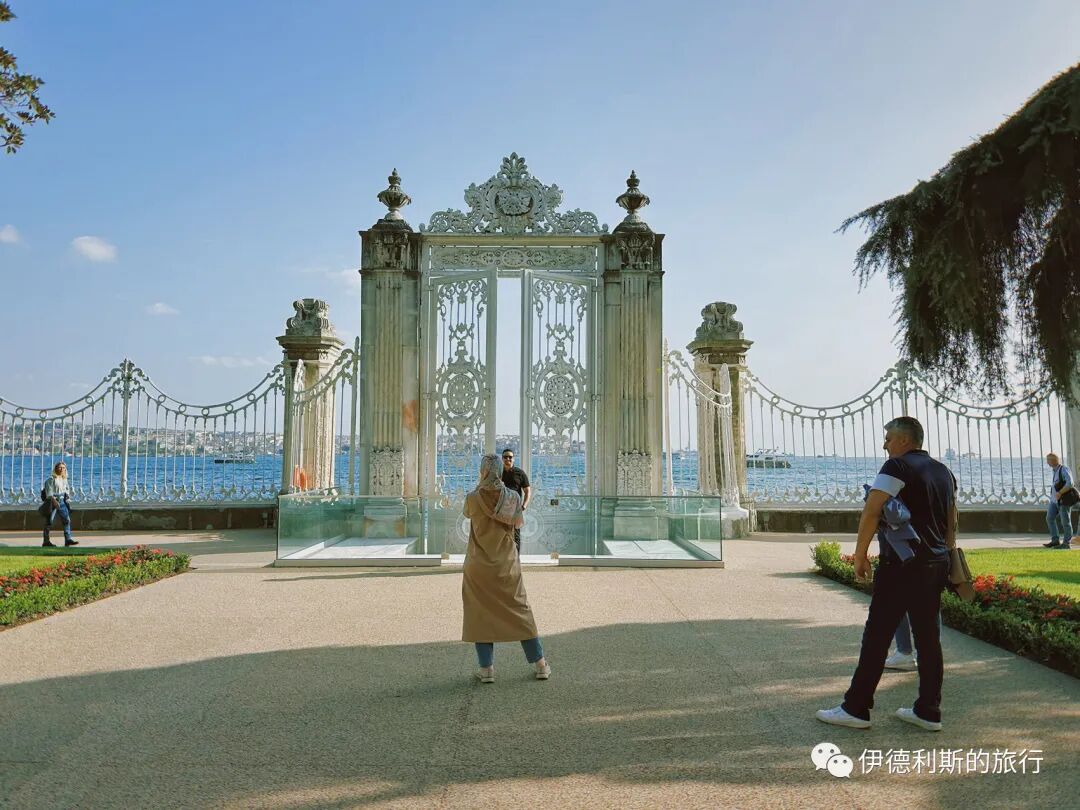
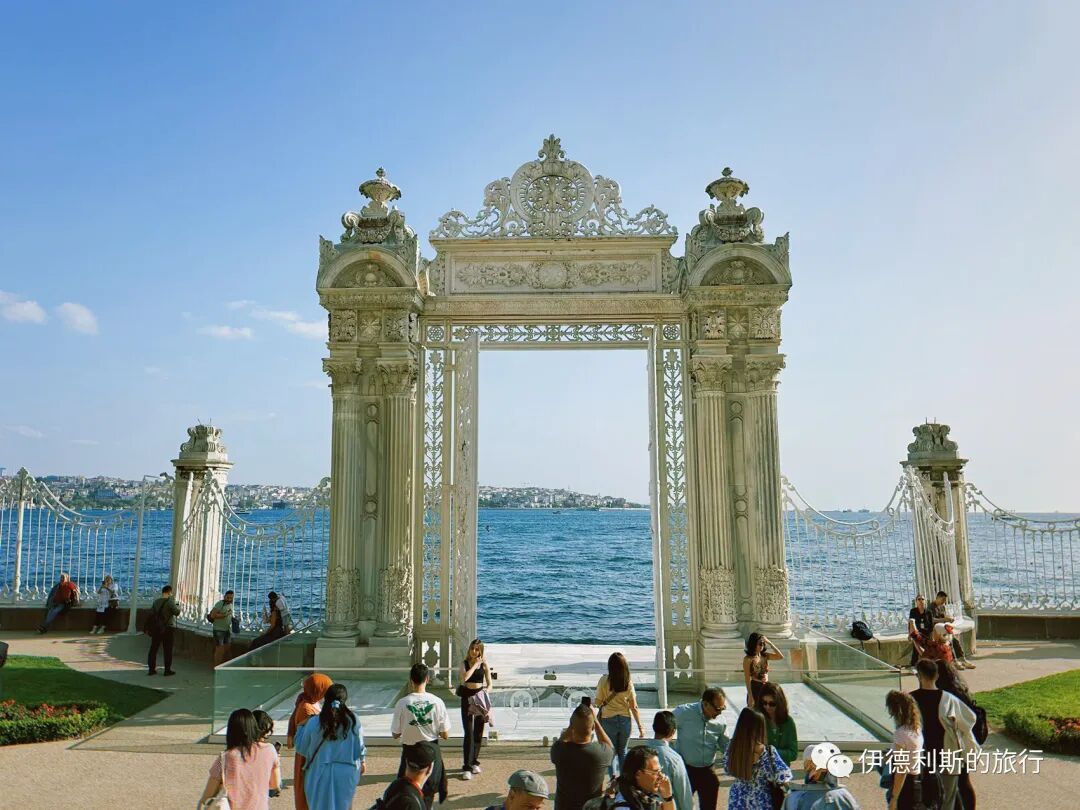
Looking at the Bosphorus Strait from Dolmabahçe Palace. This place was originally an anchorage for the Ottoman fleet, became a royal garden for the Ottoman Sultans in the early 18th century, and eventually formed the Beşiktaş waterfront palace complex.
I was already very tired after leaving Dolmabahçe Palace, so I took the funicular subway back to Taksim Square to eat at the famous old Ottoman restaurant Hacı Abdullah Lokantası. This restaurant was founded by Hacı Abdullah Efendi in 1888, and the business license was personally issued by Ottoman Sultan Abdul Hamid II. It is the first officially registered restaurant in Turkey, and many high-ranking officials and politicians have visited it.
In 1943, because none of Hacı Abdullah's descendants wanted to run the restaurant, a long-time employee, Hacı Salih Efendi, took over and continued to operate it. After Hacı Salih passed away in 1982, a regular customer named Ferit İntiba took over the restaurant. Because Ferit İntiba wanted to sell alcohol in the restaurant, head chef Abdullah Korun led his team to leave. Later, the restaurant was poorly managed, Ferit İntiba was forced to leave, and head chef Abdullah Korun led his team back to continue making traditional Ottoman and Turkish cuisine.
For over a hundred years, Hacı Abdullah Lokantası has insisted on making Ottoman palace dishes and Anatolian home-style dishes. Depending on the season, they can offer up to 6,000 types of dishes, including stews, grilled meats, salads, desserts, various candied fruits, and soups. Their stews are slow-cooked in copper pots and taste very fragrant.
We ordered spinach yogurt (Yoğurtlu Ispanak), beef stew (Tas kebabı), roasted chicken (Tavuk Firin), meat broth (Çorba), white pilaf (Şehriyeli Pilav), and
black pilaf (İç Pilav). Everything tasted wonderful. It was easily the best meal we had in Turkey. The seasoning was perfect—not too salty or greasy—and the flavors really soaked into the food. We heard the chefs here have 25 to 30 years of experience. You can really tell the food is made by masters.
In Turkish eateries (Lokantası), you often see two types of pilaf. The black pilaf is made with black currants, while the white pilaf uses a rice-shaped pasta called orzo (Arpa şehriye), which is made by shaping coarse flour into grains that look like rice. I think both types of pilaf go great with stewed meat.
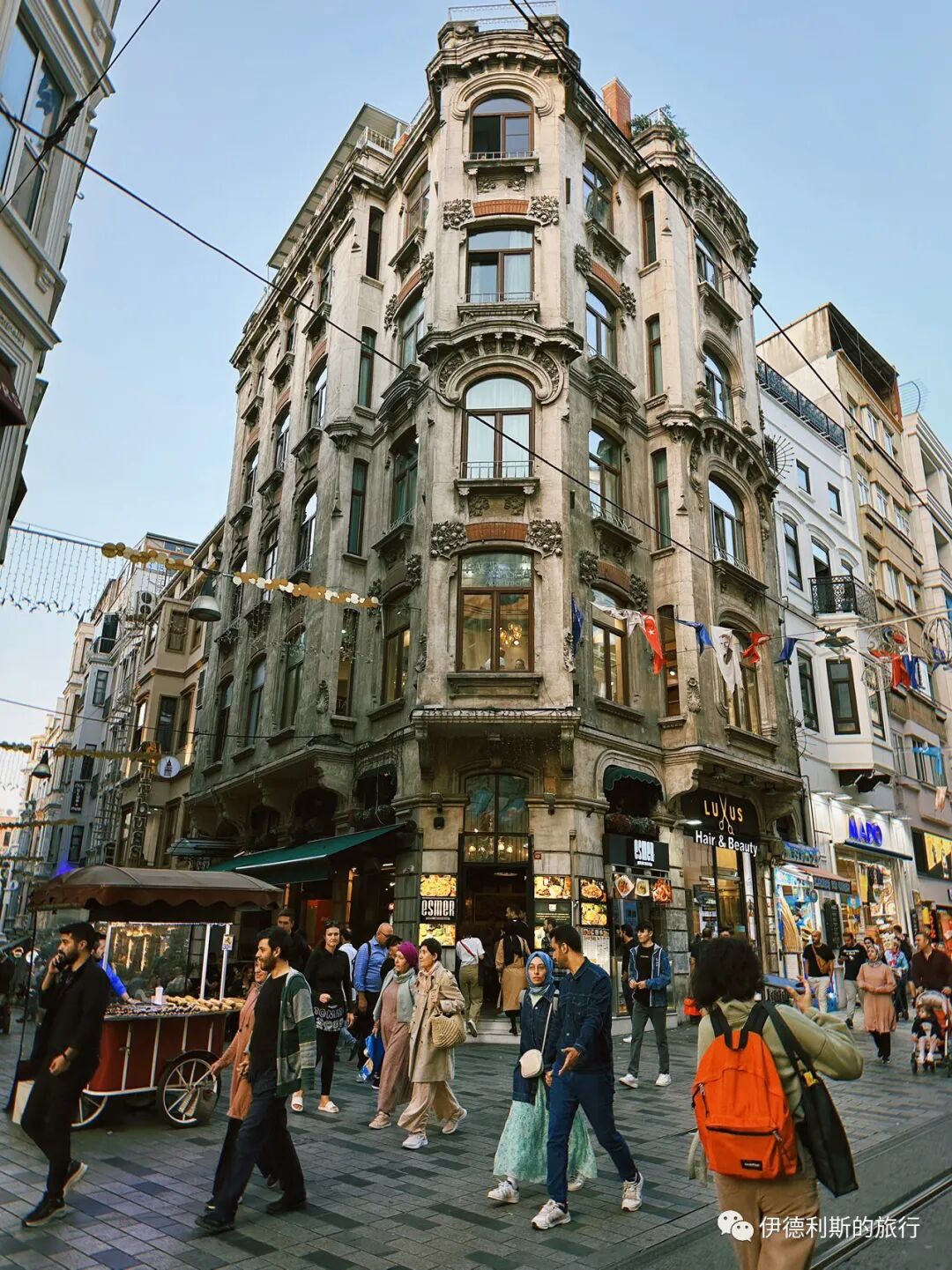
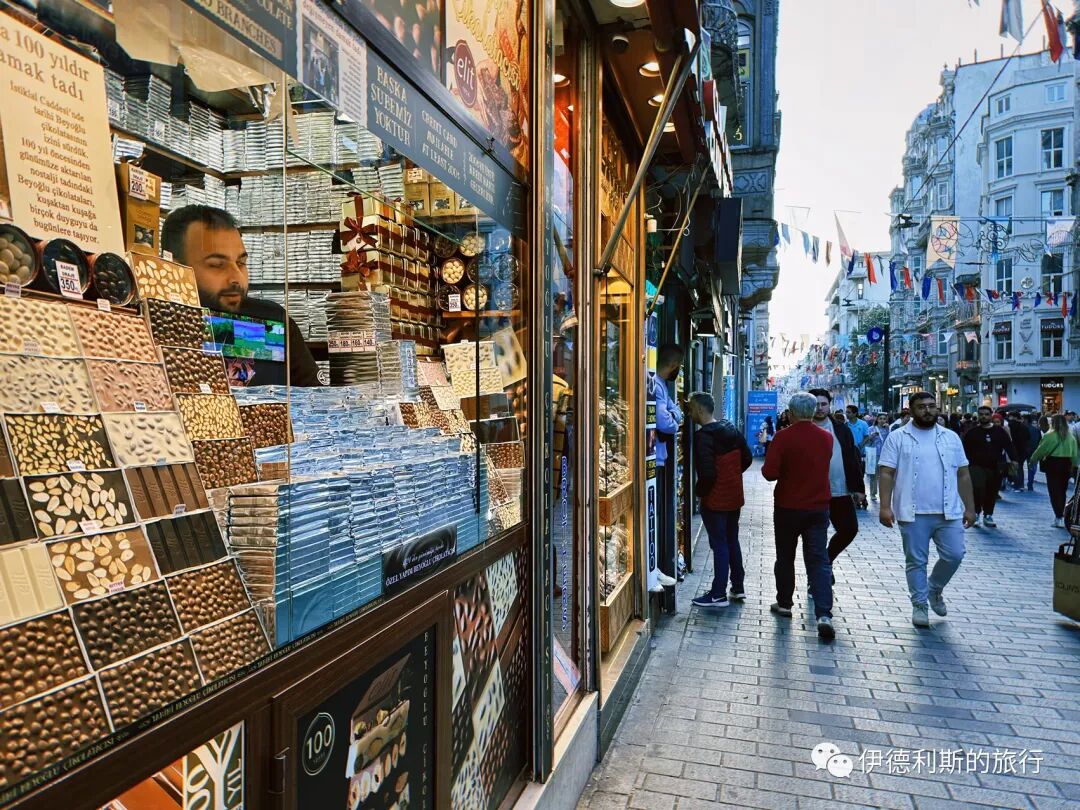
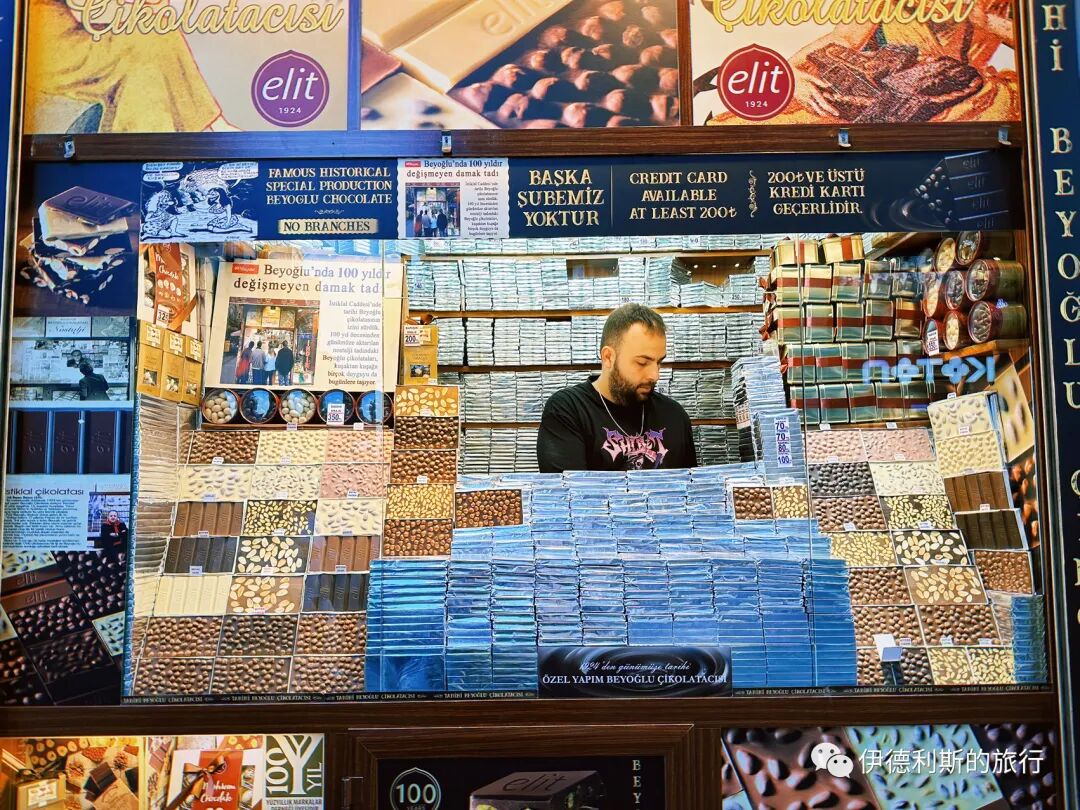
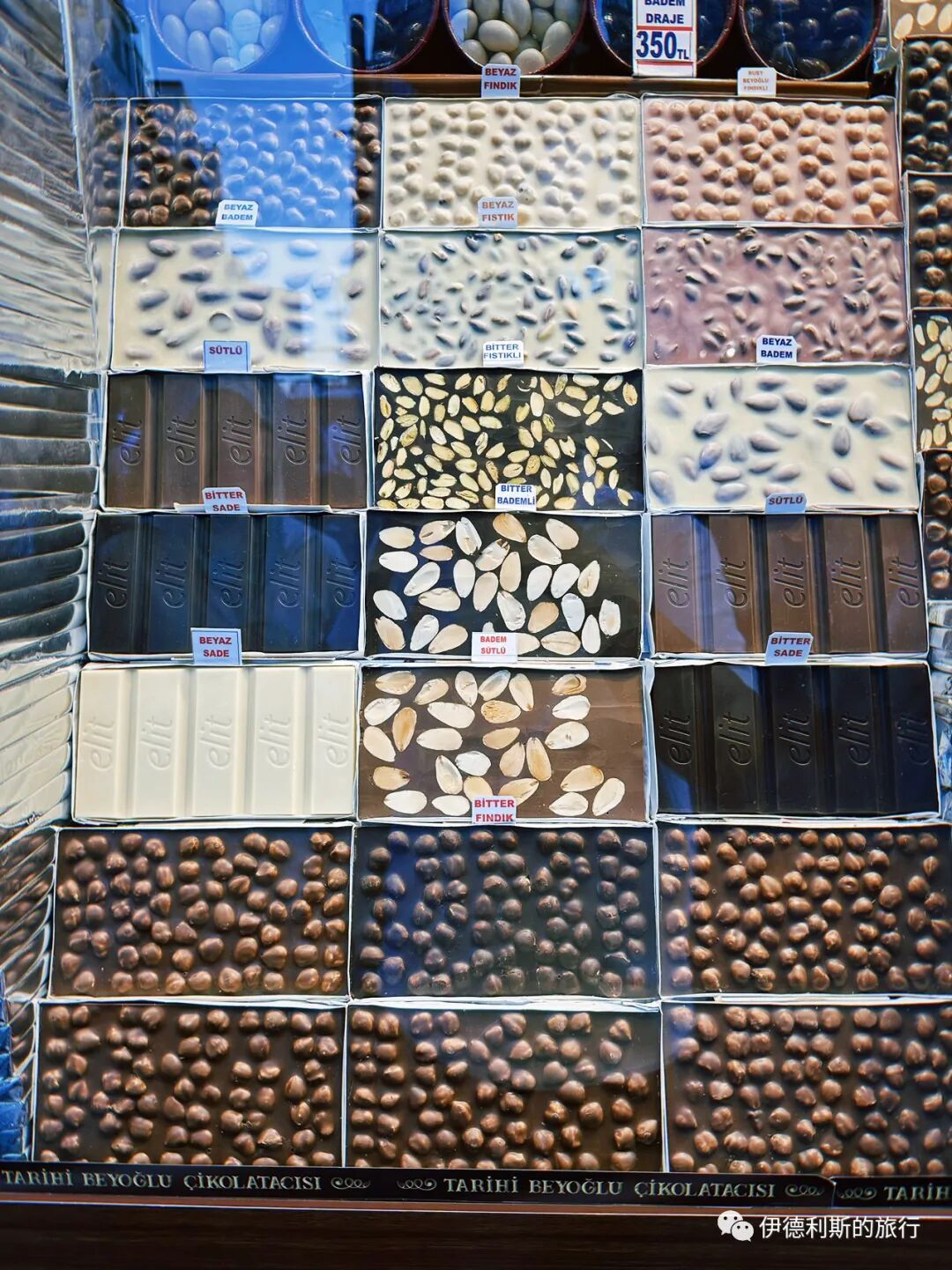
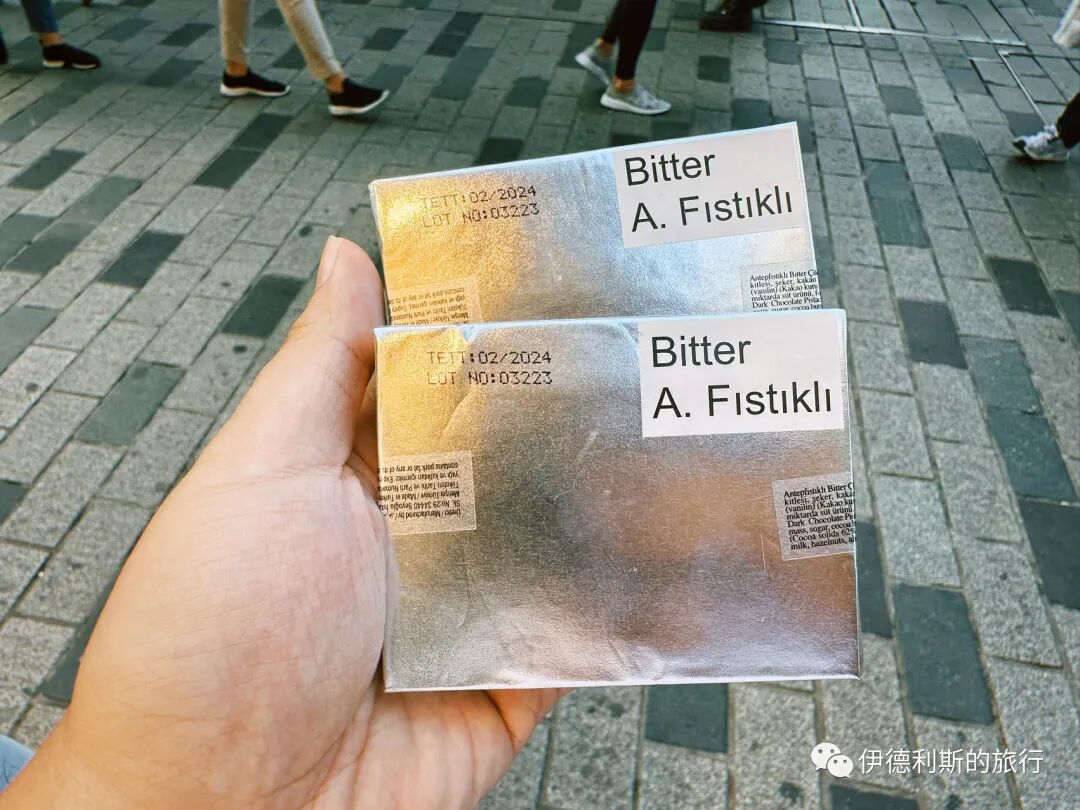
Finally, I want to recommend a century-old chocolate brand we bought on Istiklal Avenue called Elit, which is as old as the Republic of Turkey. On September 1, 1923, Todori Efendi, who ran a chocolate factory near the Beyoğlu Fish Market in Istanbul, registered the brand Ménage with the Turkish Ministry of Commerce. This was over a month before the Republic of Turkey was officially declared on October 29, 1923, making it the first chocolate trademark in Turkey. In 1924, Todori Efendi went on to register the Elite chocolate brand. By the 1930s, Elite had become a famous Turkish chocolate brand, known for its advertising cards featuring beauty queens and Hollywood stars. To make it easier to spell, the brand was re-registered as Elit in the late 1930s, which is its current name. view all
Walk down from Taksim Square to the Bosphorus shore, then head 500 meters upstream along the coast to find the Dolmabahçe Mosque (Dolmabahçe Camii). It was built between 1853 and 1855 by Ottoman Sultan Abdulmejid I (reigned 1839-61) and his mother, Bezmiâlem Sultan. After it was finished, the Dolmabahçe Mosque became the royal mosque for the Ottoman Sultans. Every Friday, the Sultan would come here to attend Jumu'ah prayers.
The Dolmabahçe Mosque was designed by Garabet Amira Balyan, a member of the Ottoman Armenian Balyan family of architects. He built many structures in Istanbul, the most famous being the nearby Dolmabahçe Palace. The Dolmabahçe Mosque blends Rococo and Empire styles. It is a prime example of the eclectic architecture that emerged in the mid-19th century after Ottoman modernization reforms brought European influences.
The original dome of the Dolmabahçe Mosque sits directly on rectangular walls. To support the weight, a tower was built at each of the four corners, which is completely different from the methods used in classical Ottoman architecture. The walls feature huge arches and windows that let plenty of light into the interior. The two minarets mimic ancient Greek Corinthian columns, both showing the influence of the Empire style. The Empire style is a type of Neoclassical style created by Napoleon to imitate ancient Greek and Roman civilizations. The Empire style strictly follows the architectural proportions, color schemes, and decorations of the ancient Roman era. It favors straight lines and geometric designs, using structural proportions to show the beauty of the building.
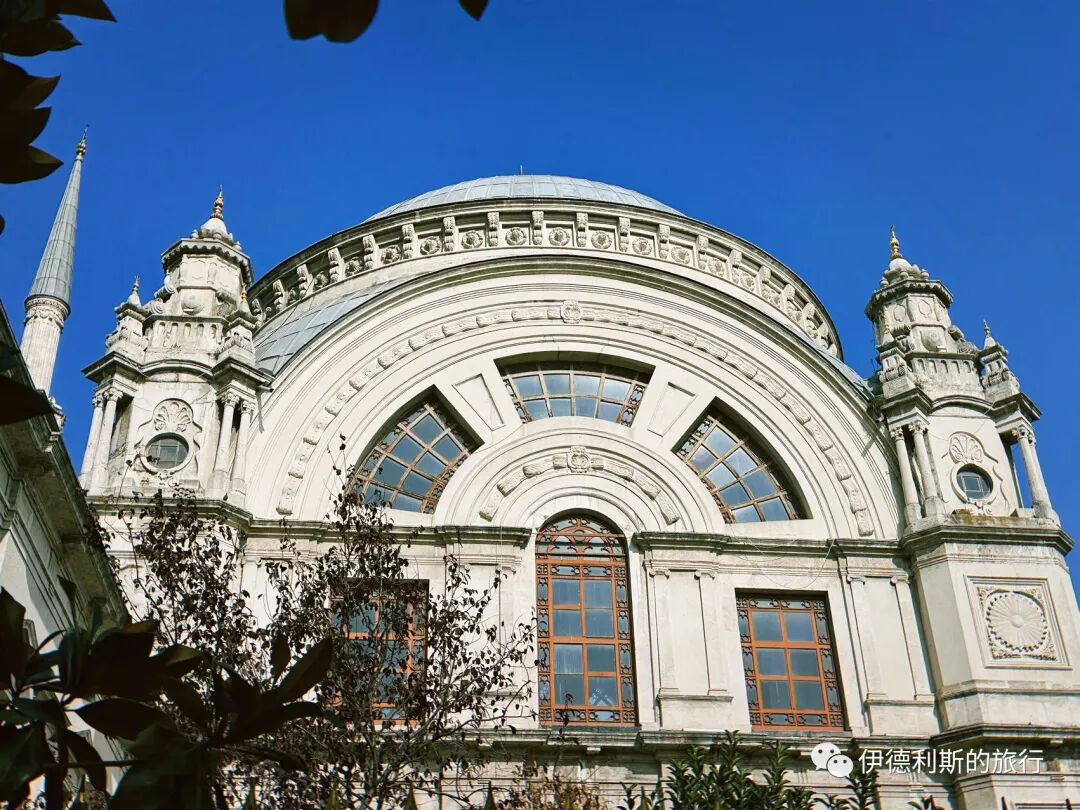
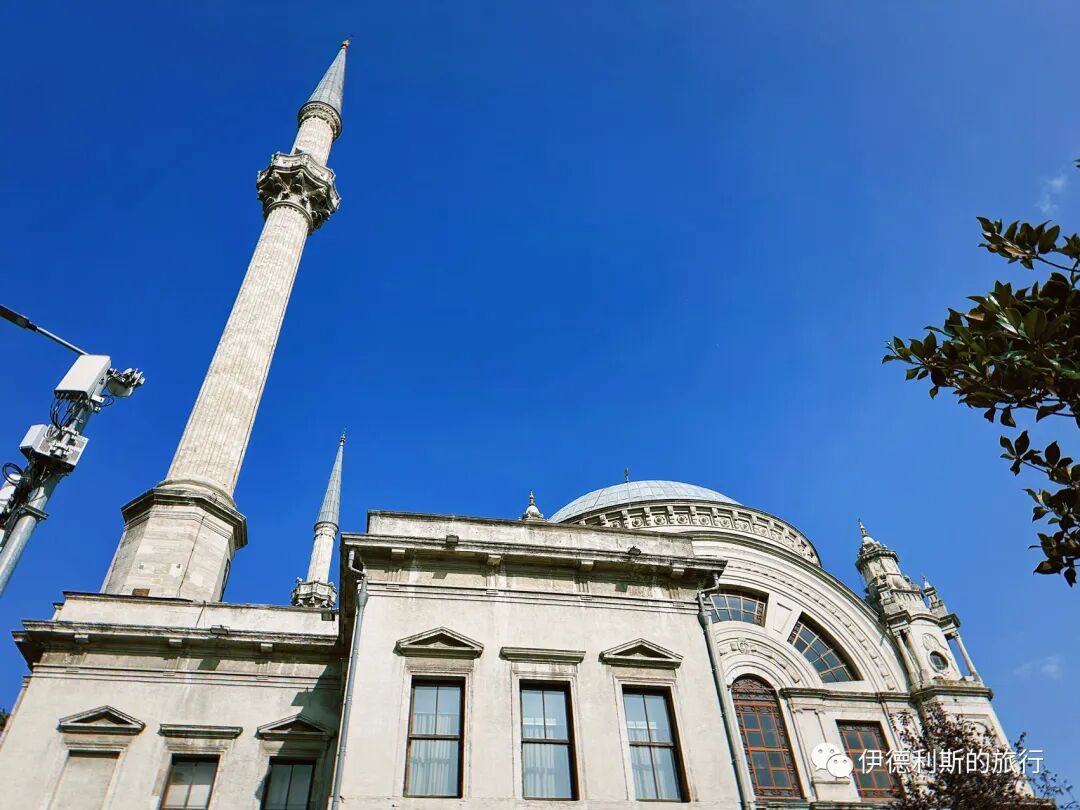
The decorative details of the Dolmabahçe Mosque are mainly influenced by the Rococo style of the late Baroque period. The use of gold and oil paintings creates a highly dramatic effect, while the overall color tone remains very soft.
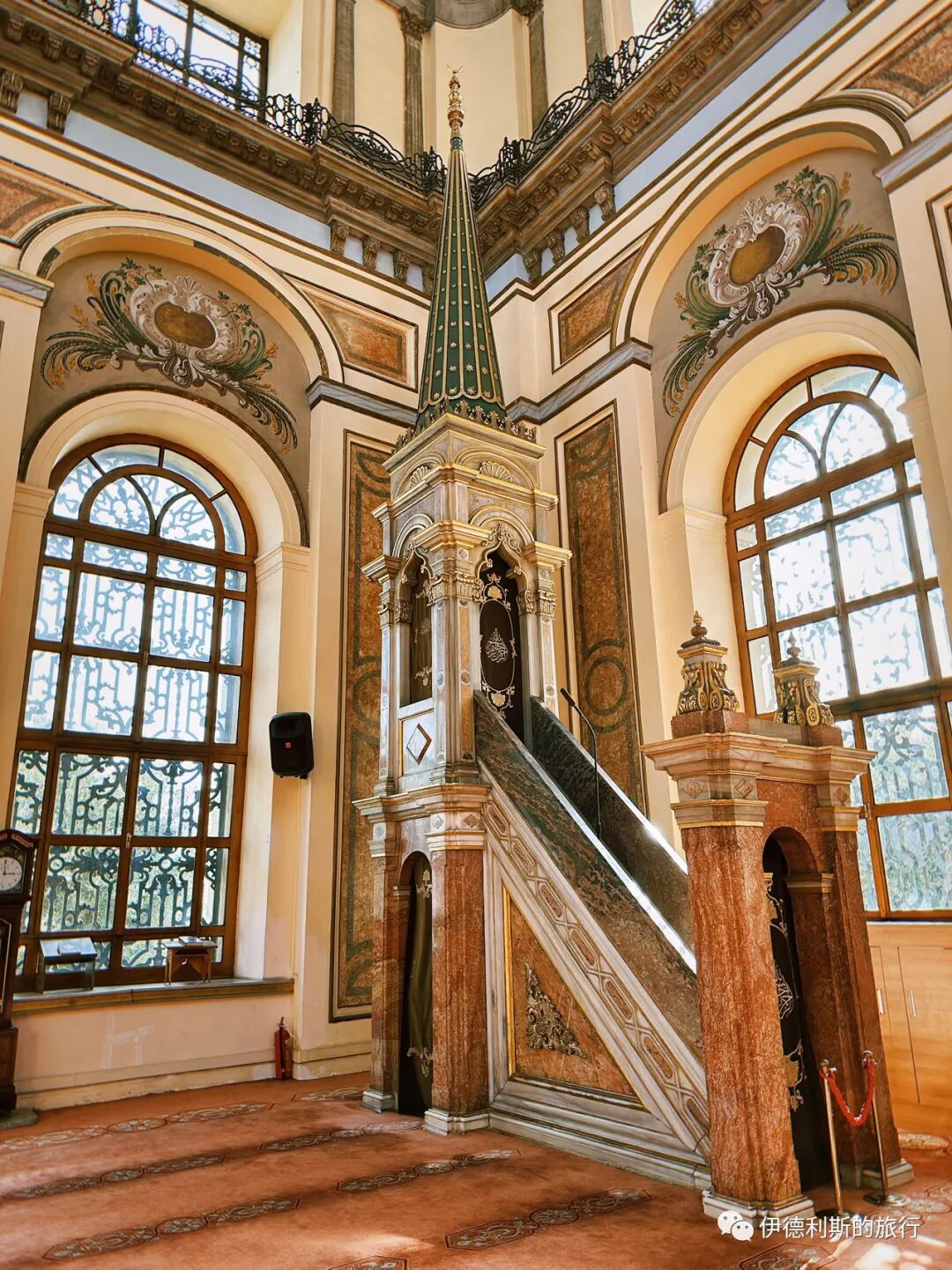
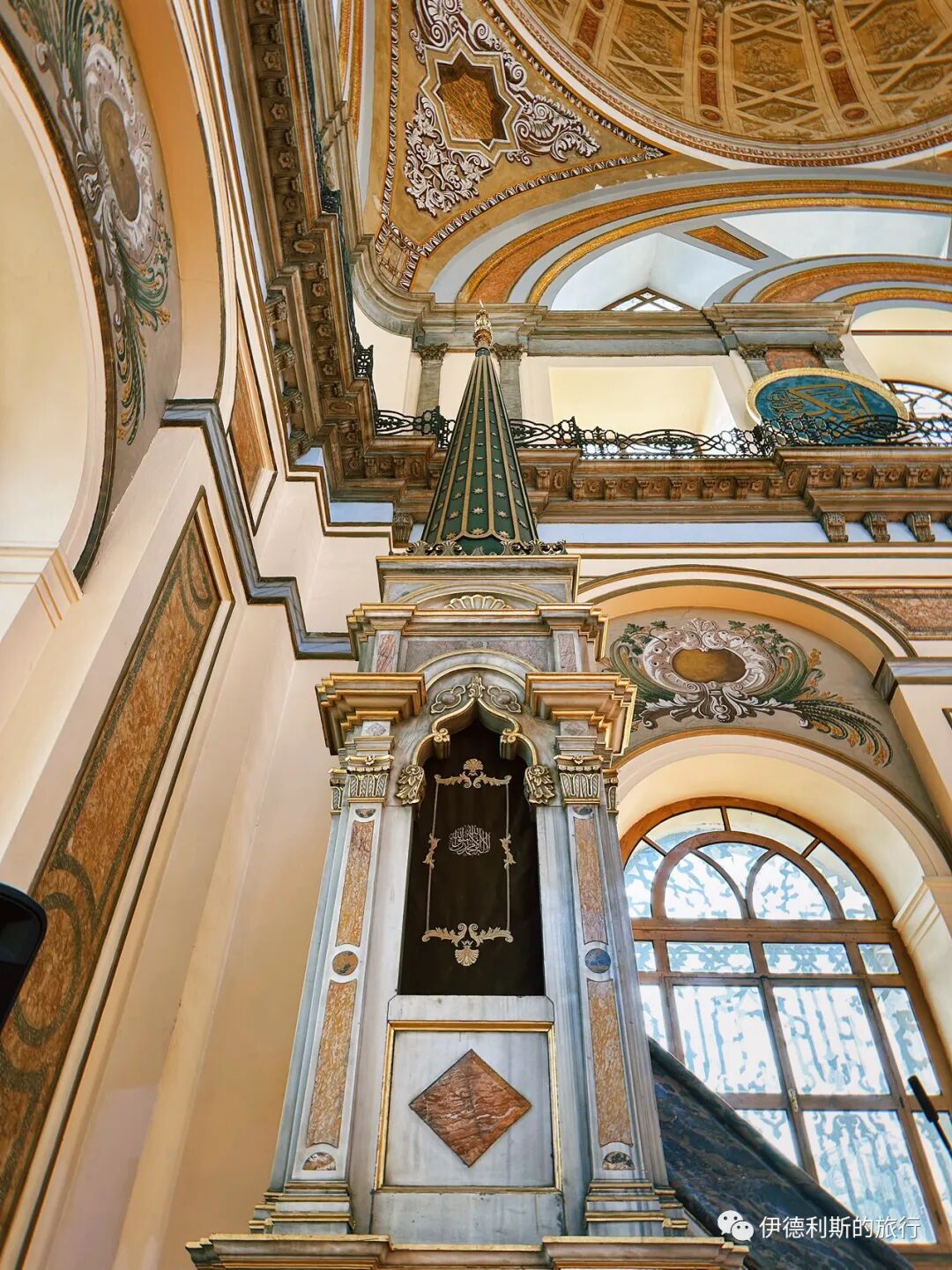
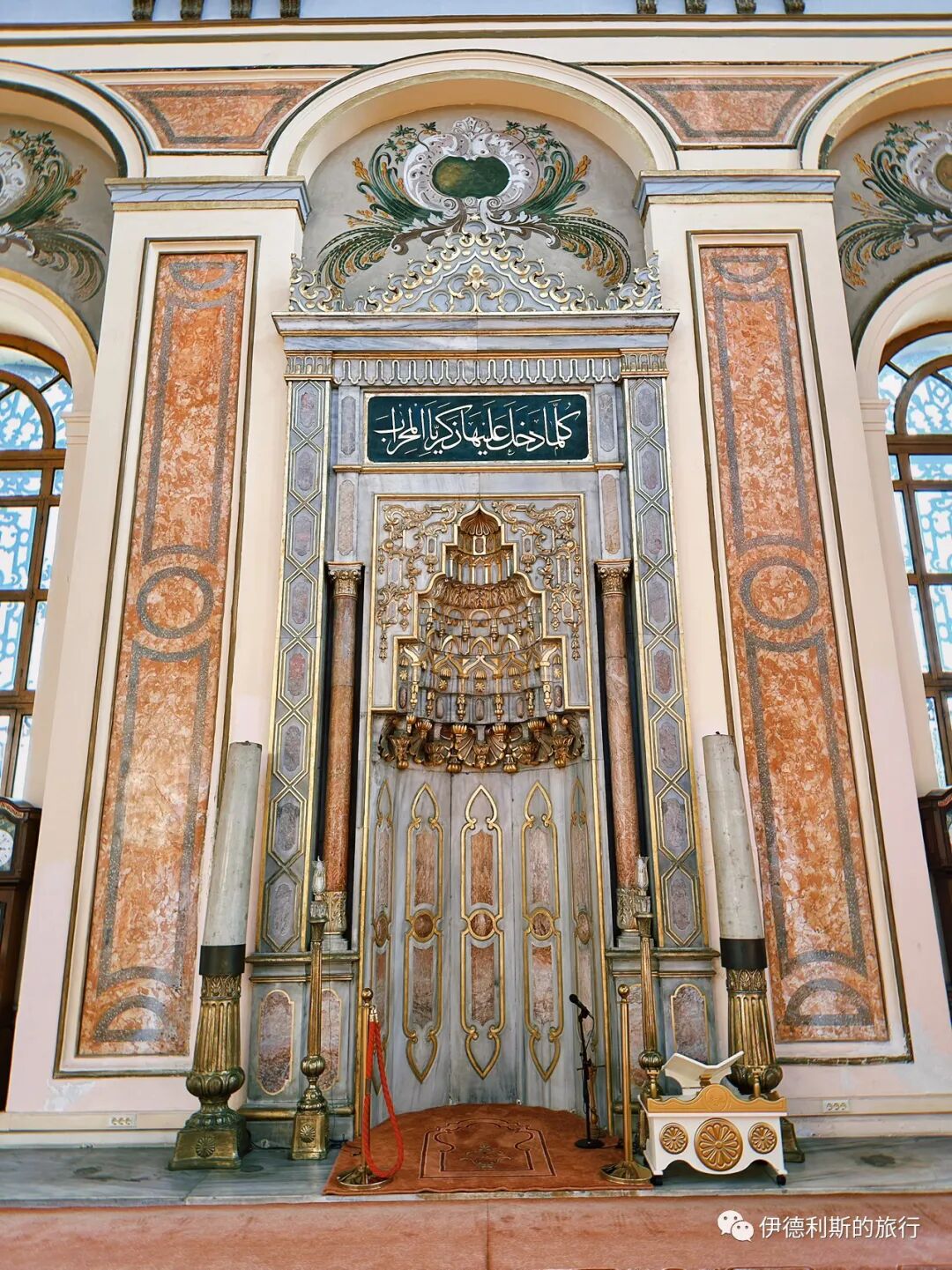
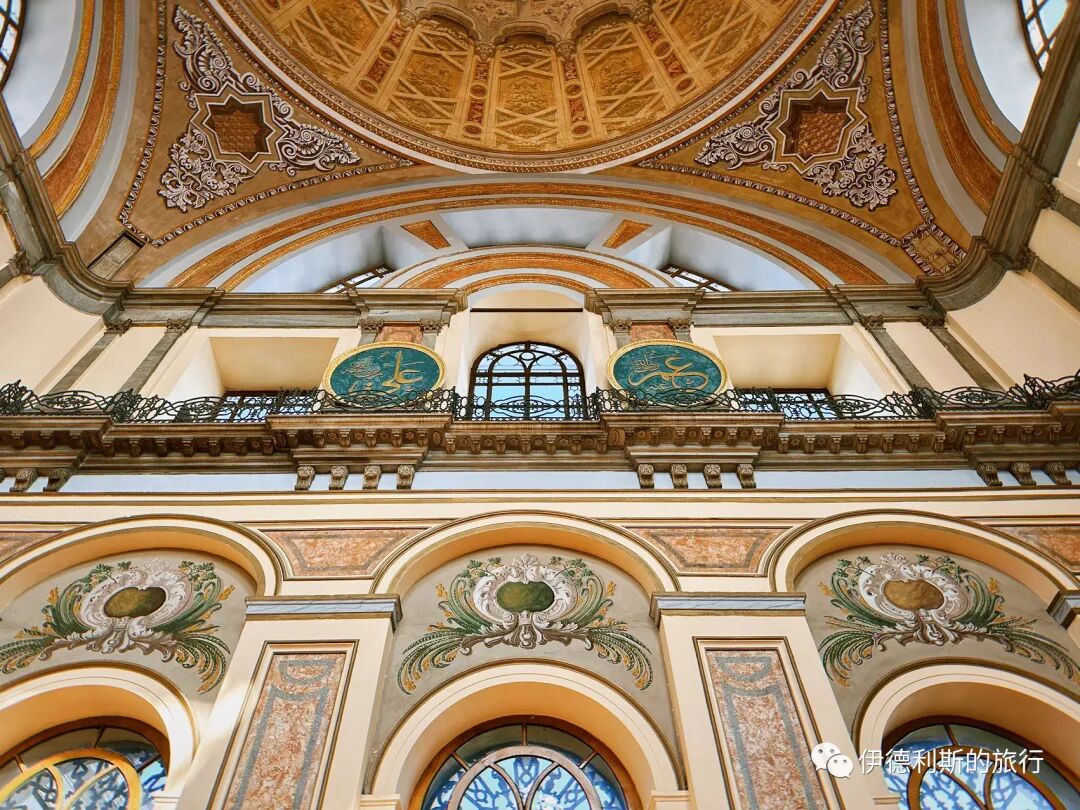
Keep walking from the Dolmabahçe Mosque to reach the Dolmabahçe Clock Tower (Dolmabahçe Saat Kulesi), built between 1890 and 1895 by Ottoman Sultan Abdul Hamid II (reigned 1876-1909). The architect was Sarkis Balyan, a member of the Ottoman Armenian Balyan family and the second son of the mosque's architect, Garabet Balyan.
The clock tower was built in the Ottoman Baroque Revival style. Baroque Revival, also called Neo-Baroque, was born in late 19th-century France and became popular across Europe and America by the end of the century. The clock on the tower was made by French master clockmaker Jean-Paul Garnier and installed by the Ottoman court clockmaker Johann Mayer. However, the original mechanical clock was replaced by the current electronic clock in 1979.
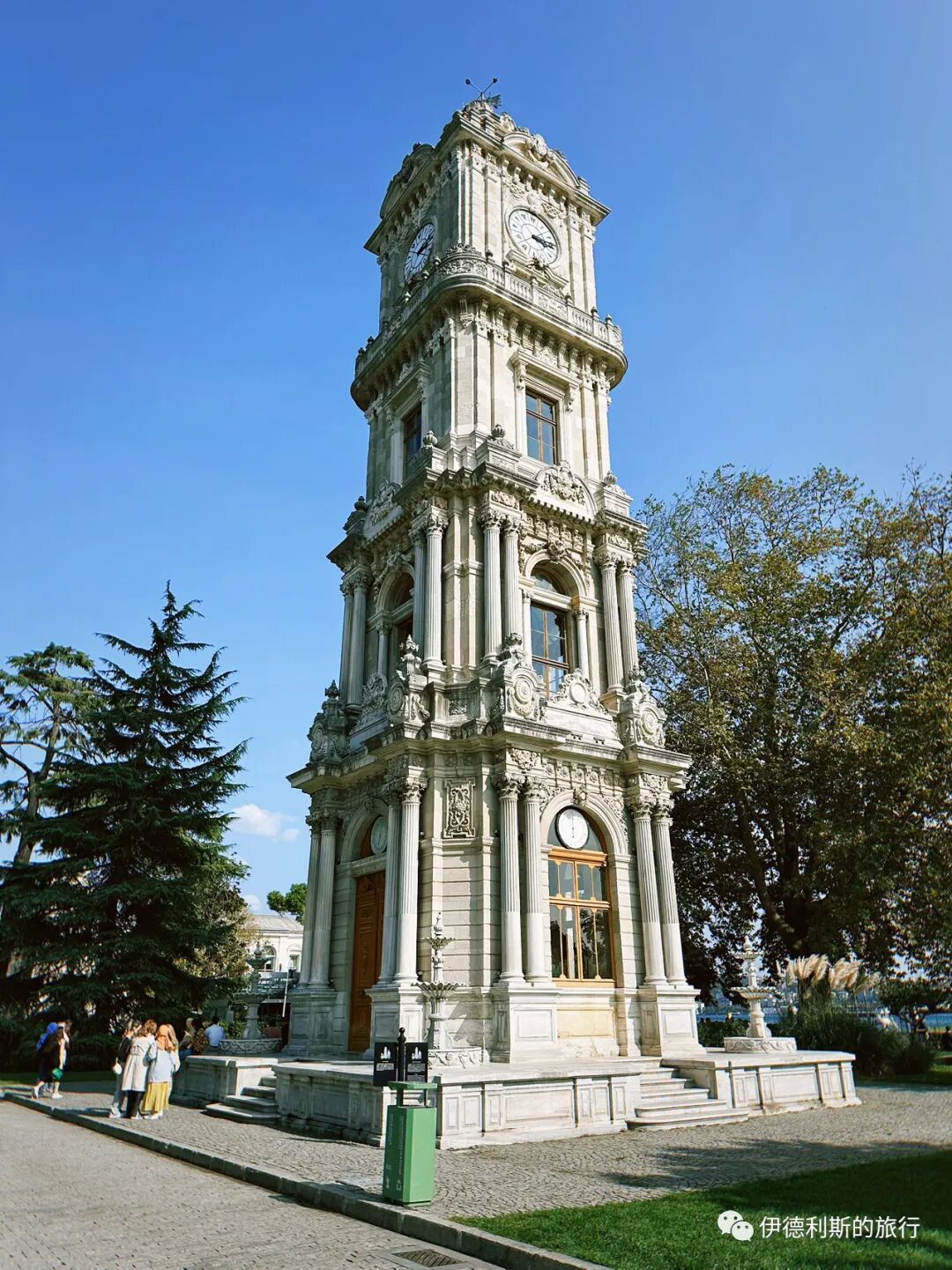
Continue walking forward to reach the Dolmabahçe Palace (Dolmabahçe Sarayı). Since its completion in 1856, this place served as the royal palace for six Ottoman Sultans. It was also the summer presidential residence and the final home of Turkey's first president, Kemal. Dolmabahçe Palace has quite a lot of tourists, and the ticket price for foreigners is not cheap, but it is truly worth a visit. Although it does not look that grand from the outside, the interior is truly magnificent, and the visual impact of the main hall is no less than that of the Hagia Sophia. The interior route is designed so you see all the rooms in one path, and the whole process takes a long time, requiring as much physical energy as walking through the Forbidden City in Beijing. It is a pity that photography is not allowed inside, so I will just post photos of the outside.
Dolmabahçe Palace was built by Ottoman Sultan Abdulmejid I (reigned 1839-61) between 1843 and 1856. The architects were Garabet Balyan, his son Nigoğayos Balyan, and Evanis Kalfa from the Ottoman Armenian Balyan architectural family. The building is in an eclectic style, incorporating Baroque, Rococo, Neoclassical, and traditional Ottoman architectural elements, reflecting the growing European influence during the Ottoman modernization reforms in the mid-19th century.
Unlike the exquisite Iznik tiles of the old Topkapi Palace, the new palace uses a large amount of gold and crystal for decoration. The ceiling gilding alone used 14 tons of gold, and the main hall hangs the world's largest Bohemian crystal chandelier, sold to the Sultan by Queen Victoria of the United Kingdom, as well as the world's largest Hereke carpet.
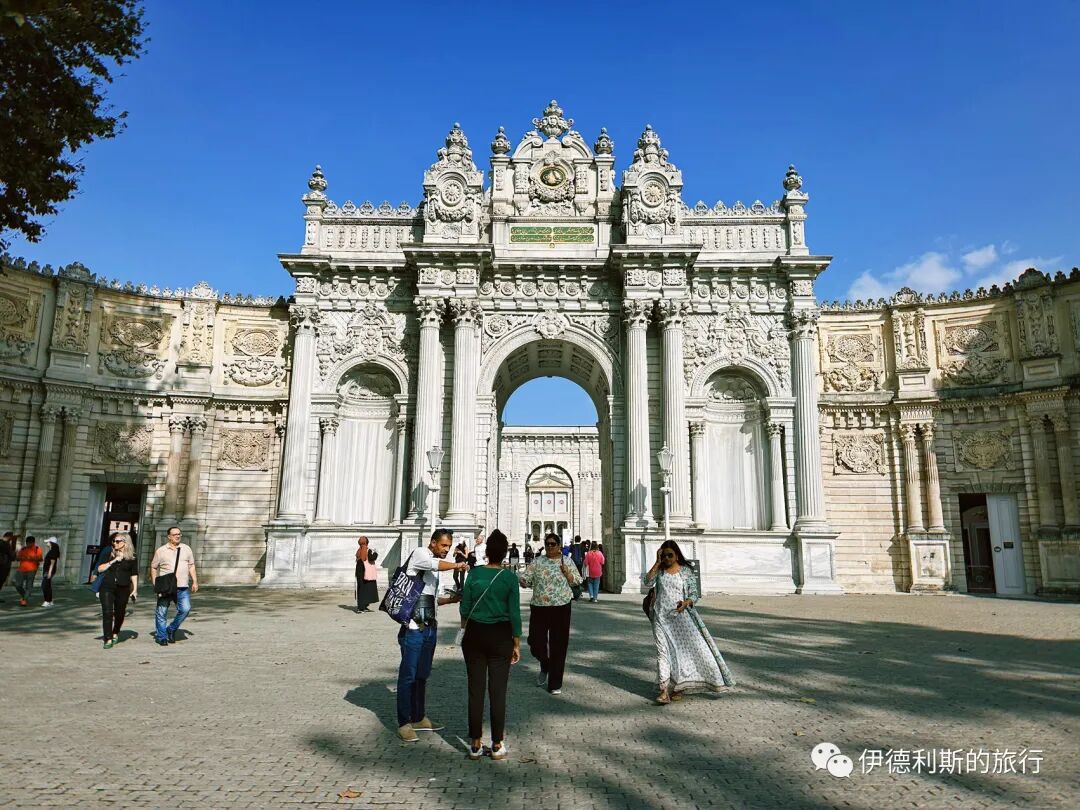
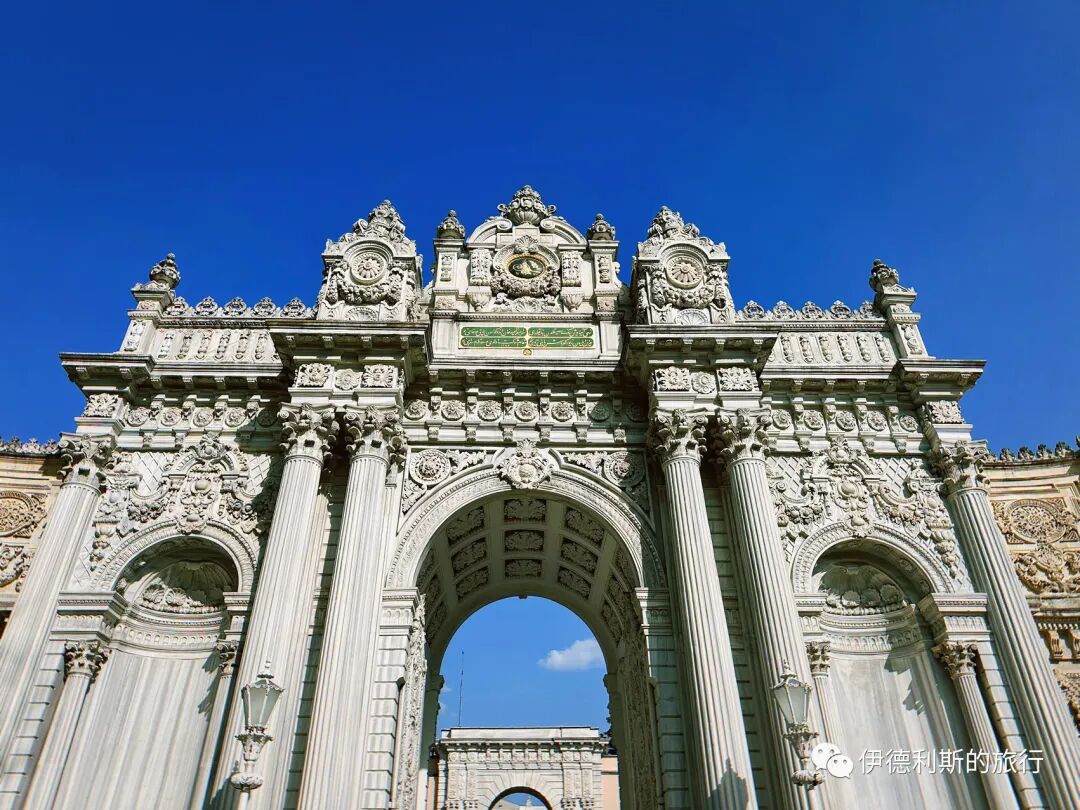
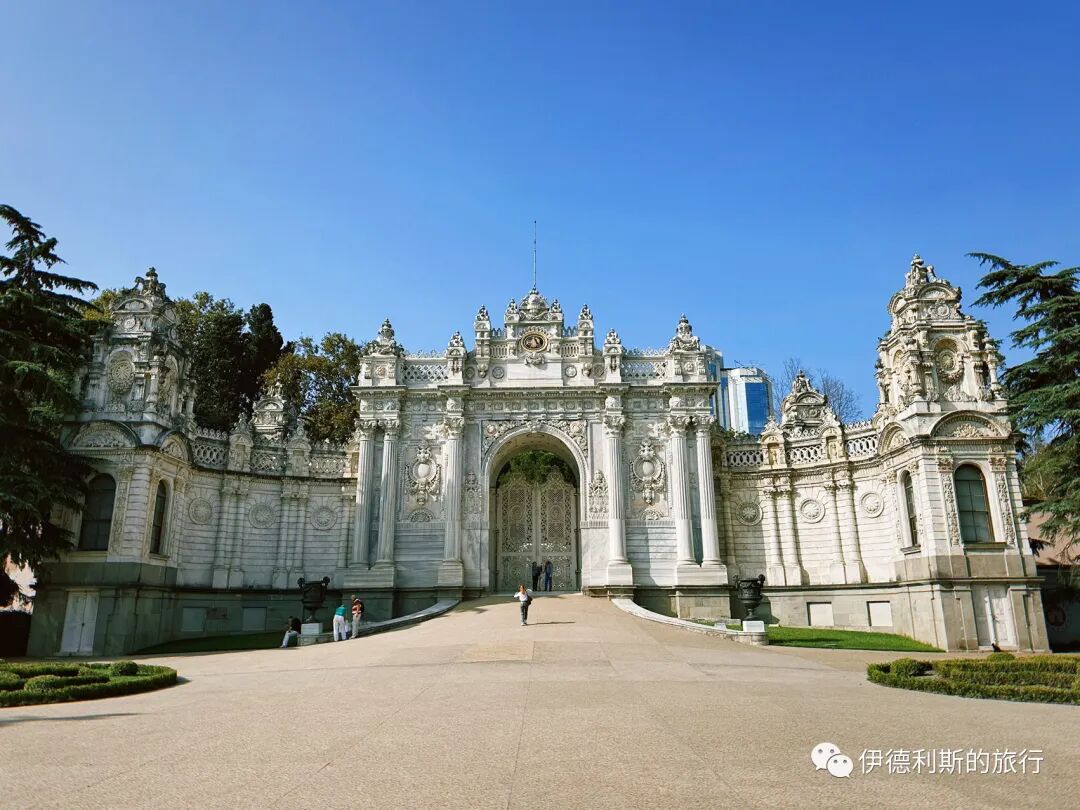
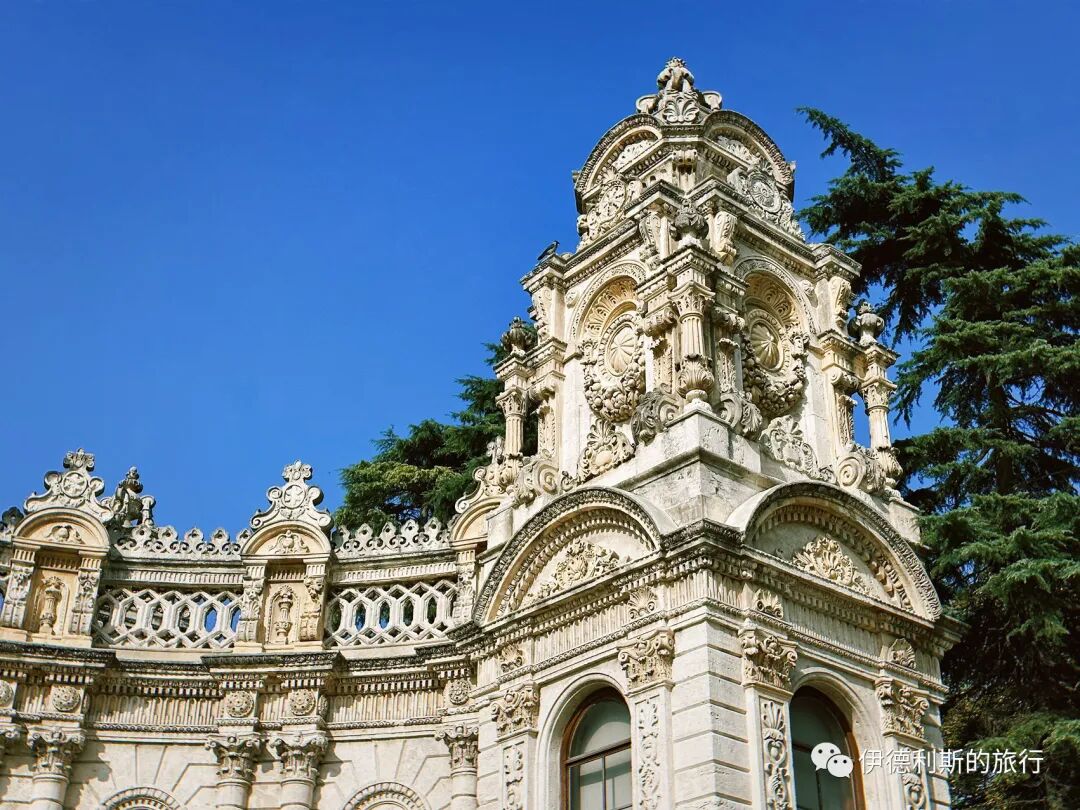
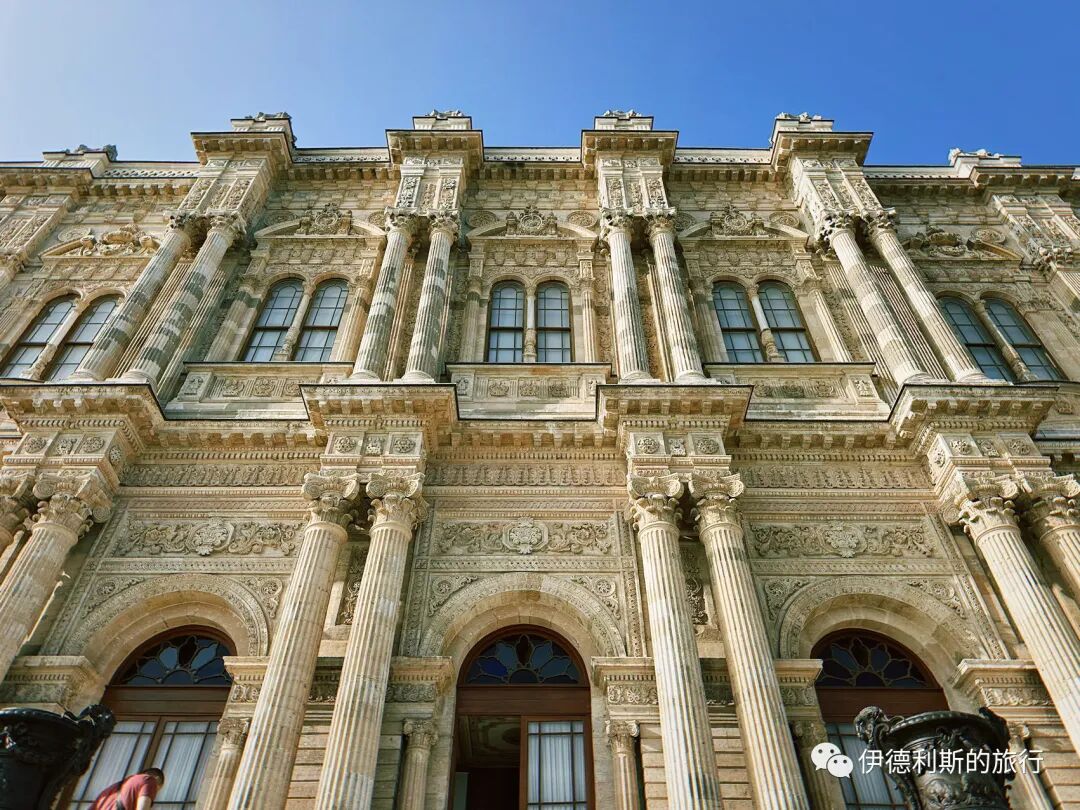
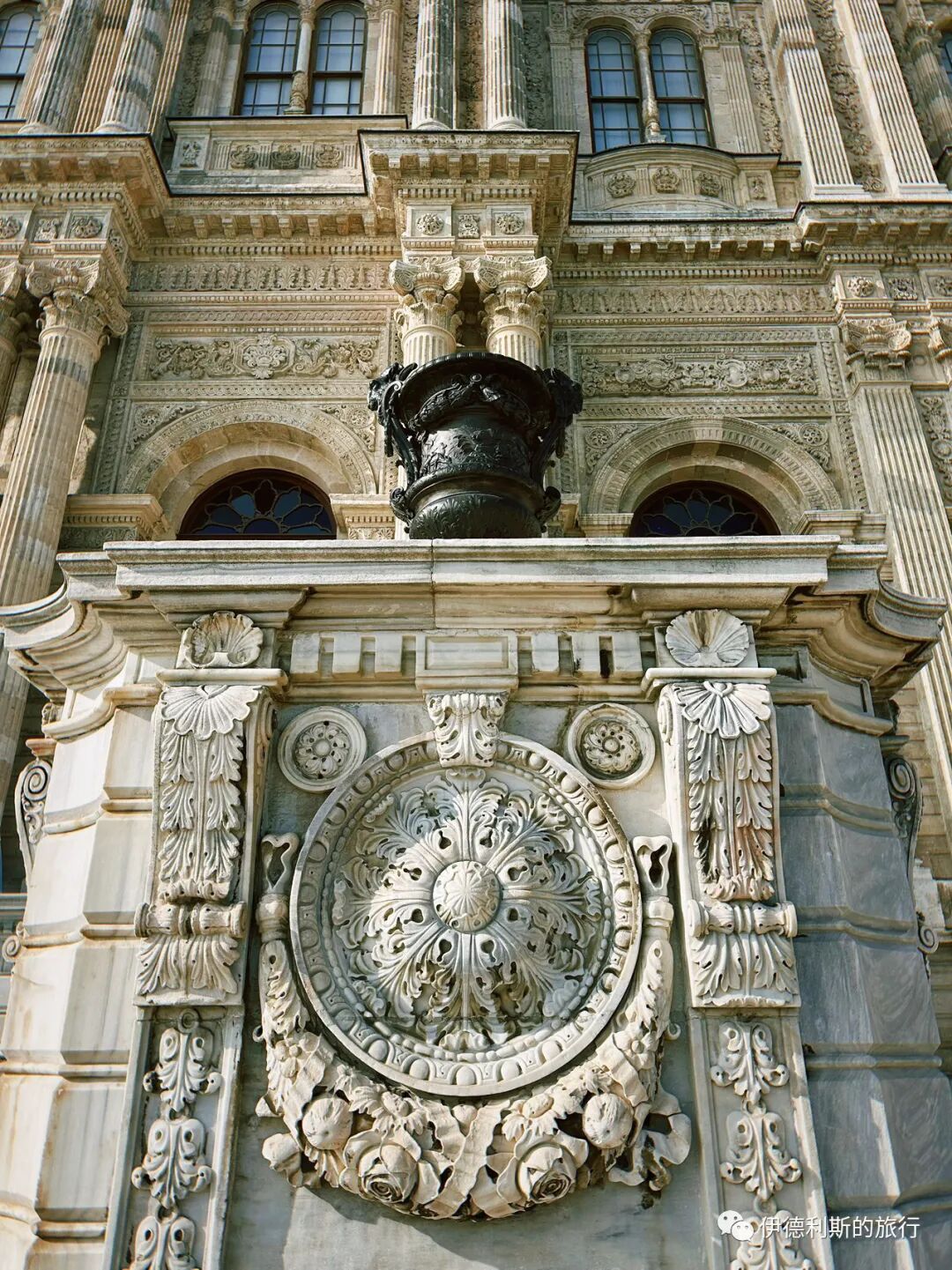
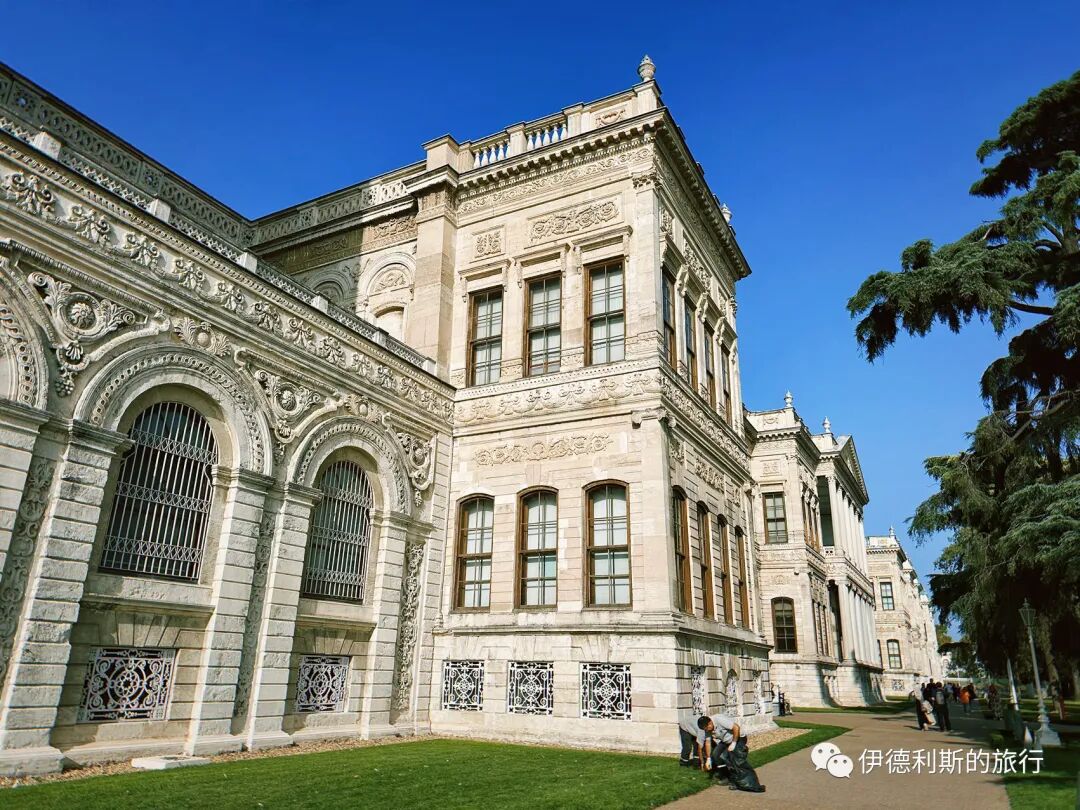
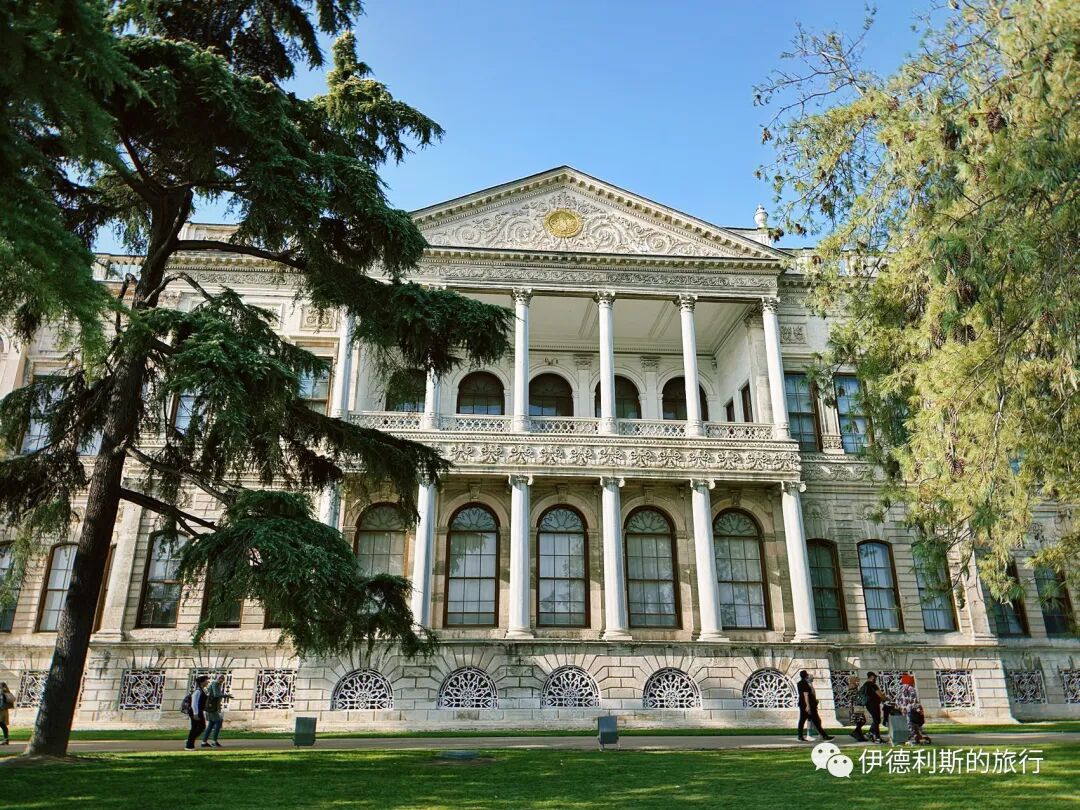
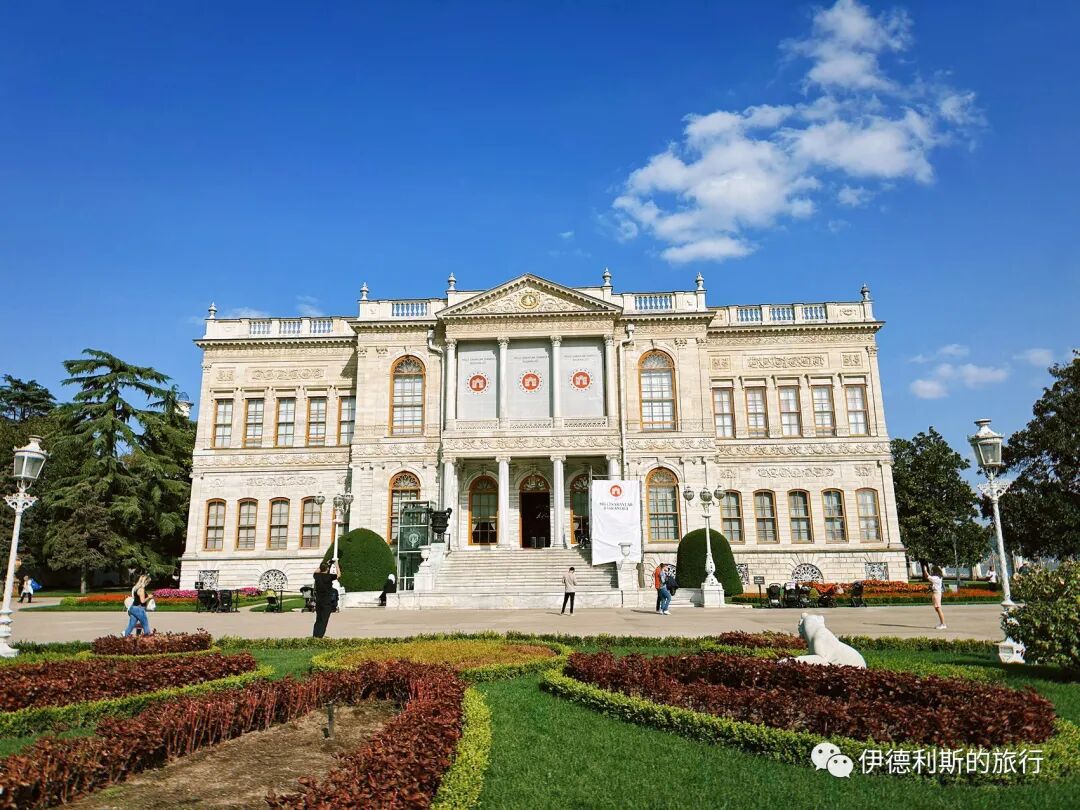
Looking at the Bosphorus Strait from Dolmabahçe Palace. This place was originally an anchorage for the Ottoman fleet, became a royal garden for the Ottoman Sultans in the early 18th century, and eventually formed the Beşiktaş waterfront palace complex.
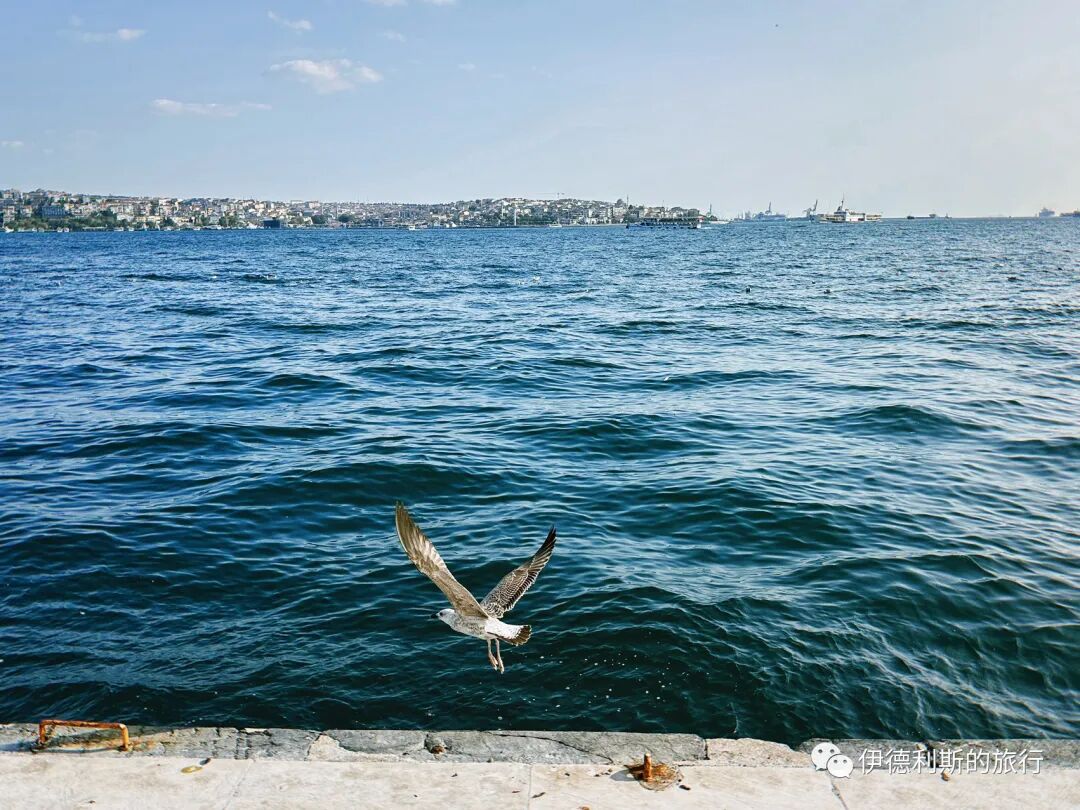
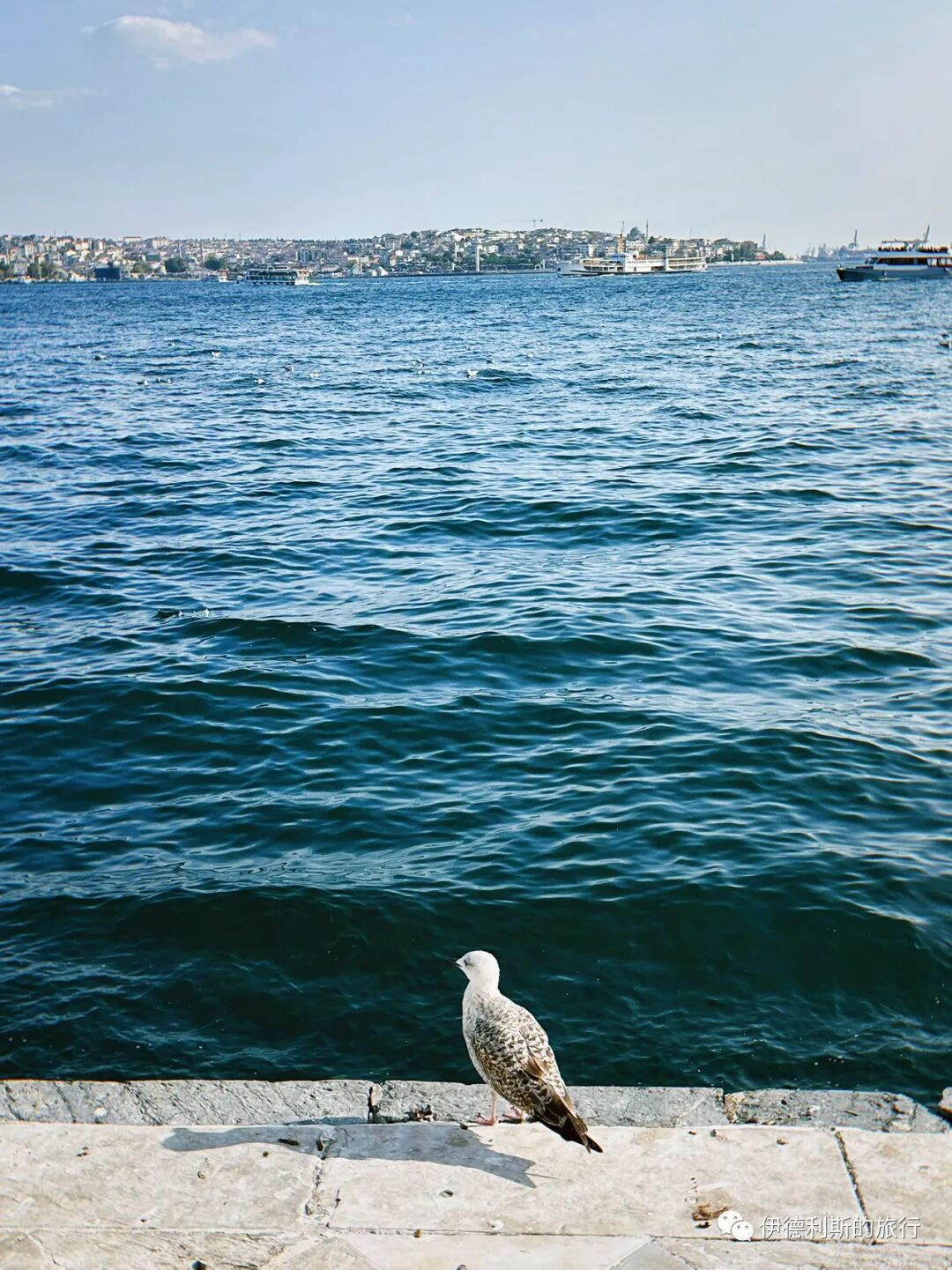
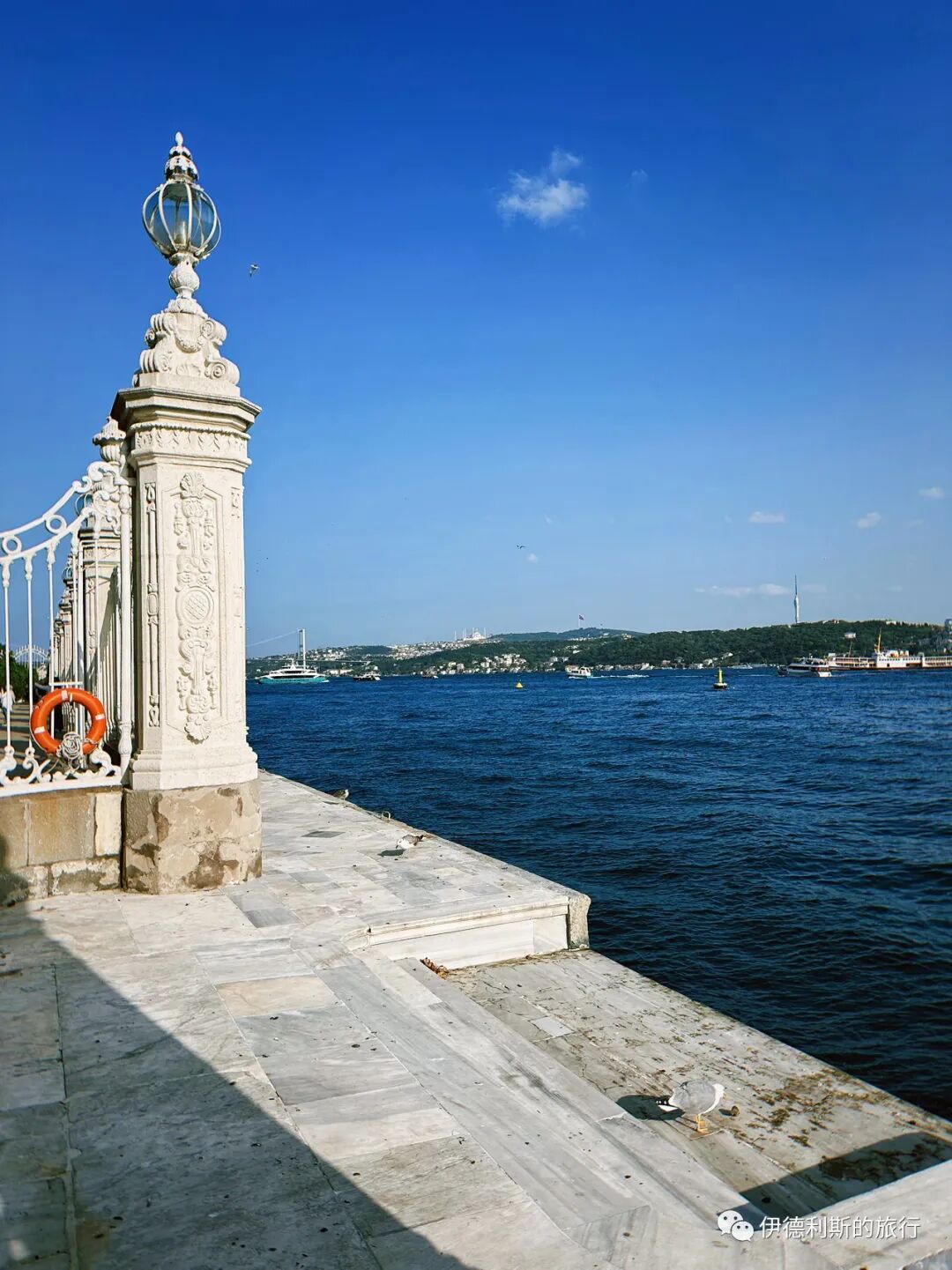
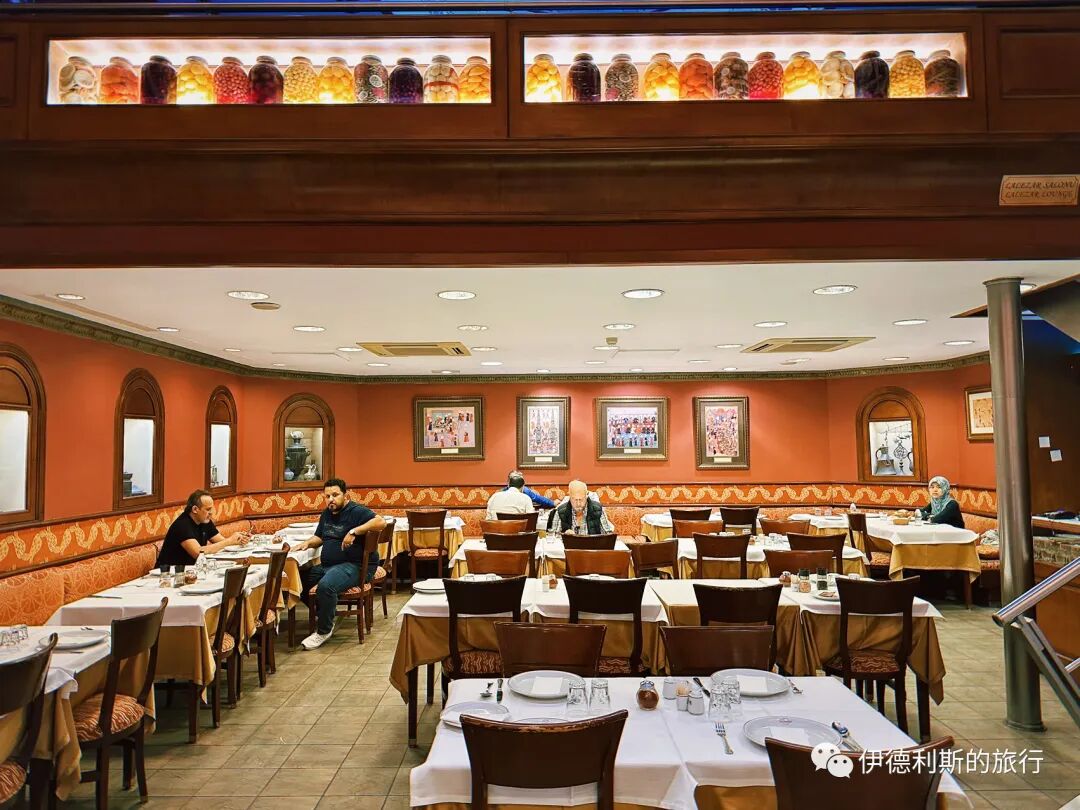
I was already very tired after leaving Dolmabahçe Palace, so I took the funicular subway back to Taksim Square to eat at the famous old Ottoman restaurant Hacı Abdullah Lokantası. This restaurant was founded by Hacı Abdullah Efendi in 1888, and the business license was personally issued by Ottoman Sultan Abdul Hamid II. It is the first officially registered restaurant in Turkey, and many high-ranking officials and politicians have visited it.
In 1943, because none of Hacı Abdullah's descendants wanted to run the restaurant, a long-time employee, Hacı Salih Efendi, took over and continued to operate it. After Hacı Salih passed away in 1982, a regular customer named Ferit İntiba took over the restaurant. Because Ferit İntiba wanted to sell alcohol in the restaurant, head chef Abdullah Korun led his team to leave. Later, the restaurant was poorly managed, Ferit İntiba was forced to leave, and head chef Abdullah Korun led his team back to continue making traditional Ottoman and Turkish cuisine.
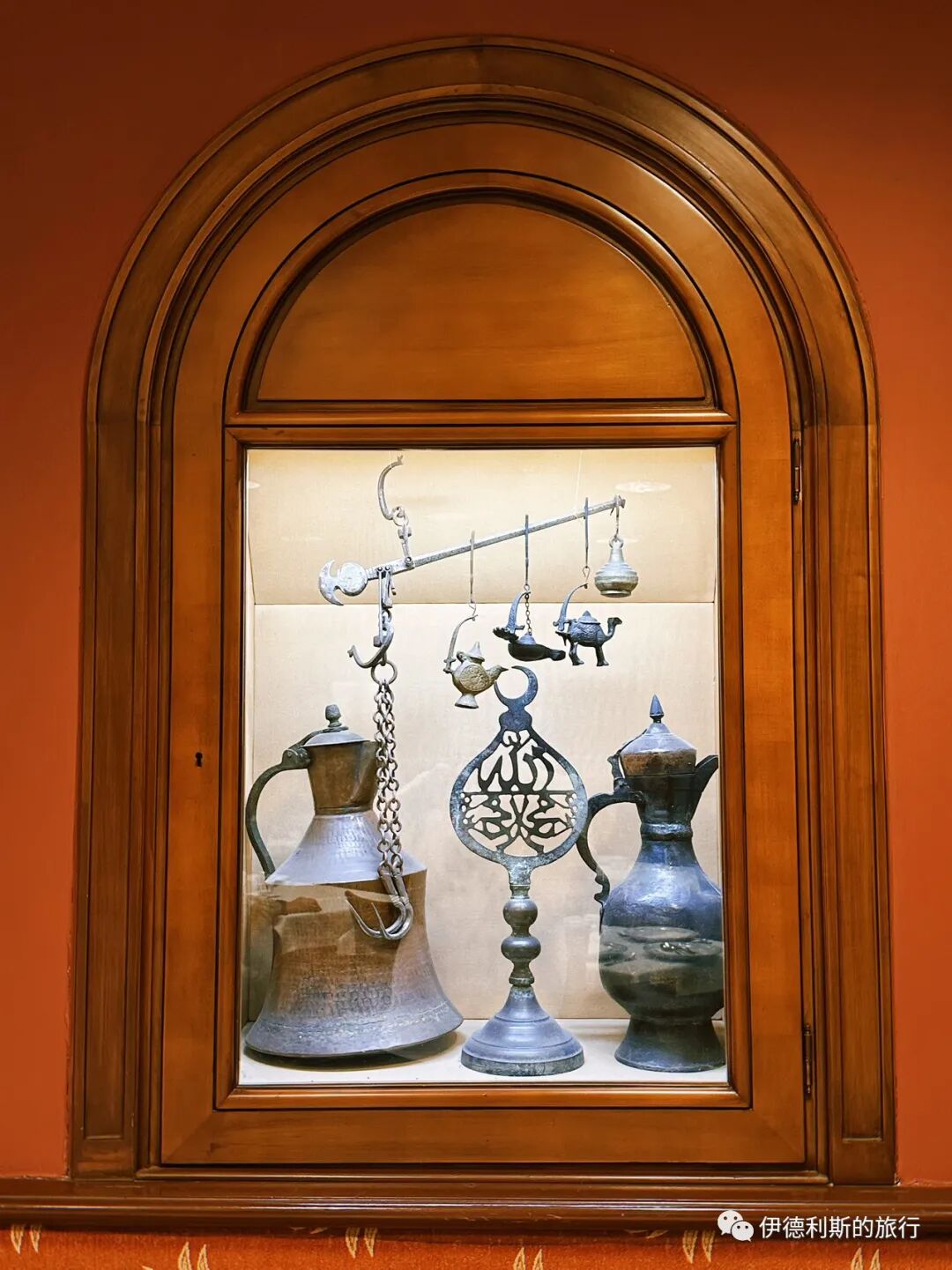
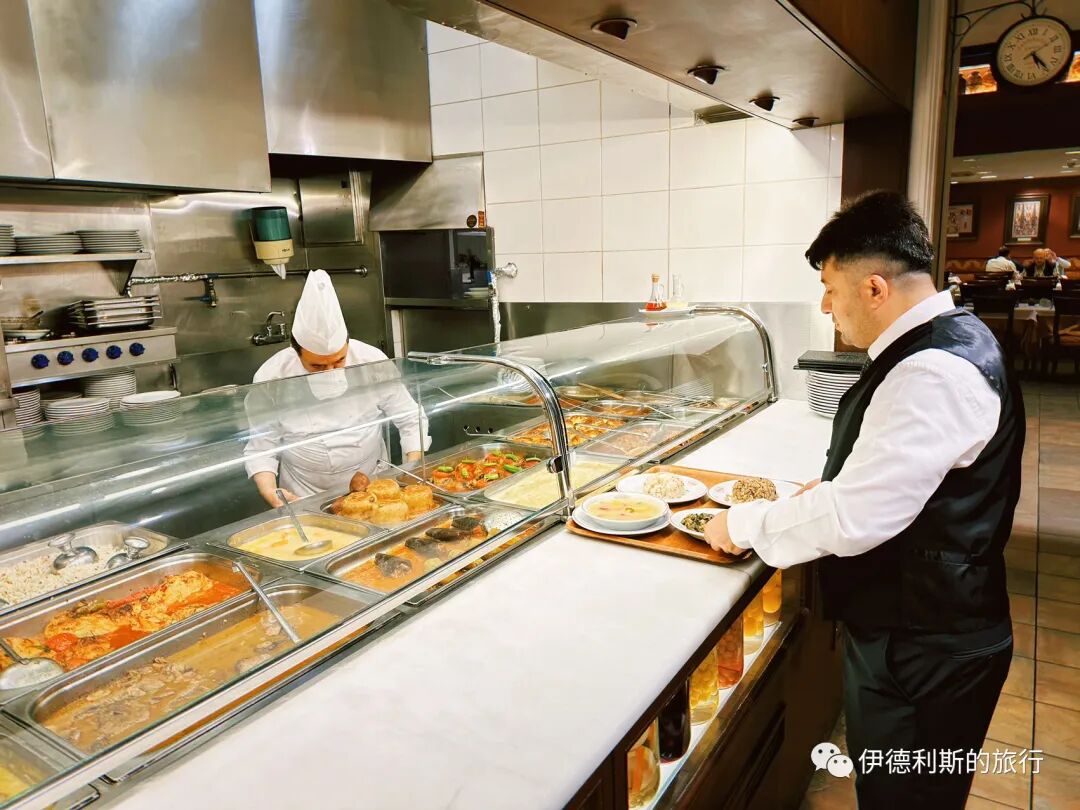
For over a hundred years, Hacı Abdullah Lokantası has insisted on making Ottoman palace dishes and Anatolian home-style dishes. Depending on the season, they can offer up to 6,000 types of dishes, including stews, grilled meats, salads, desserts, various candied fruits, and soups. Their stews are slow-cooked in copper pots and taste very fragrant.
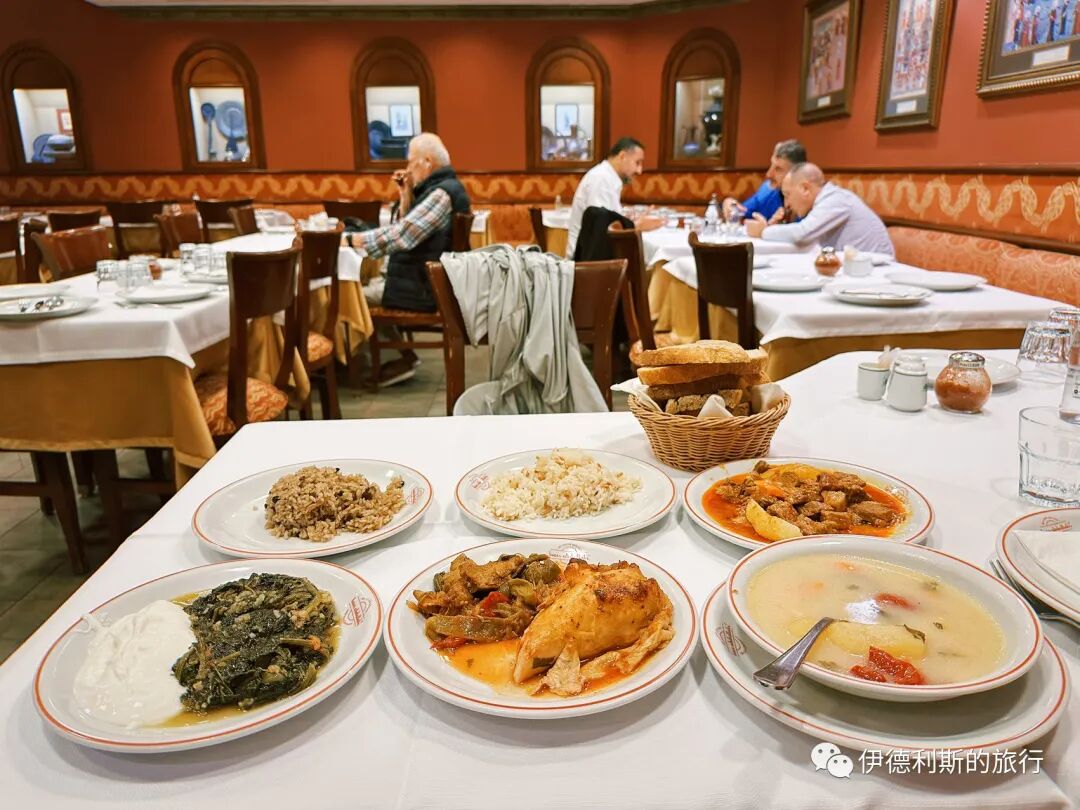
We ordered spinach yogurt (Yoğurtlu Ispanak), beef stew (Tas kebabı), roasted chicken (Tavuk Firin), meat broth (Çorba), white pilaf (Şehriyeli Pilav), and
black pilaf (İç Pilav). Everything tasted wonderful. It was easily the best meal we had in Turkey. The seasoning was perfect—not too salty or greasy—and the flavors really soaked into the food. We heard the chefs here have 25 to 30 years of experience. You can really tell the food is made by masters.
In Turkish eateries (Lokantası), you often see two types of pilaf. The black pilaf is made with black currants, while the white pilaf uses a rice-shaped pasta called orzo (Arpa şehriye), which is made by shaping coarse flour into grains that look like rice. I think both types of pilaf go great with stewed meat.
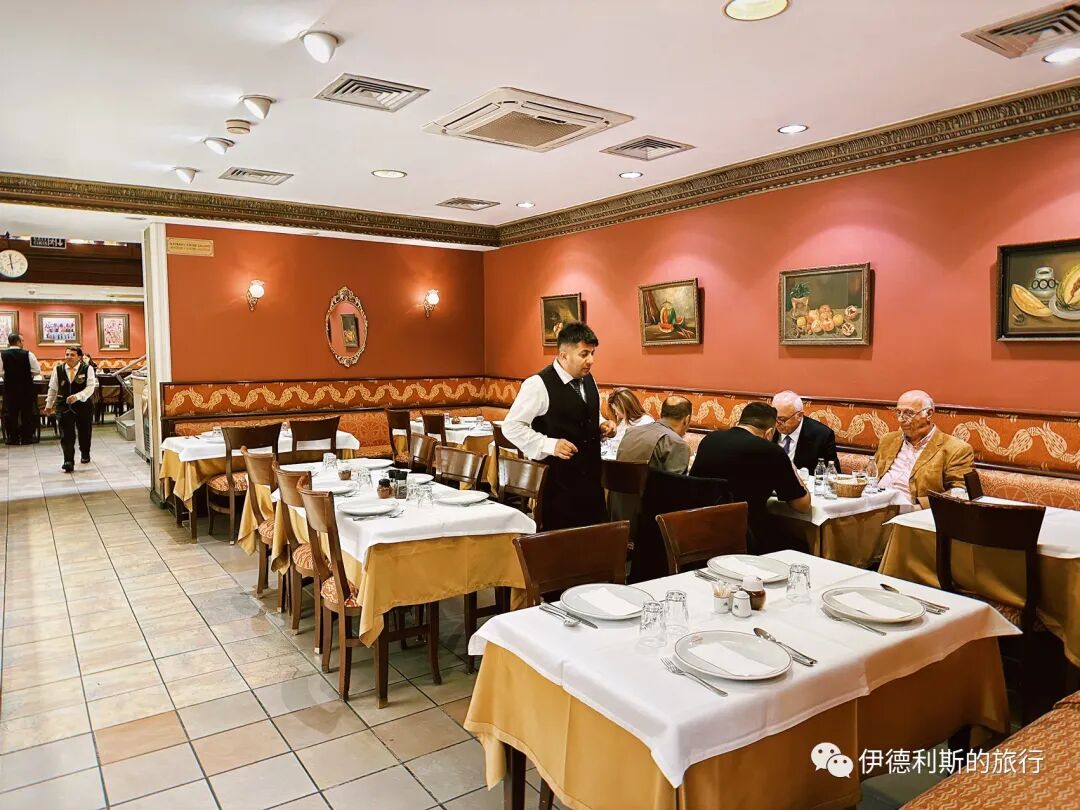
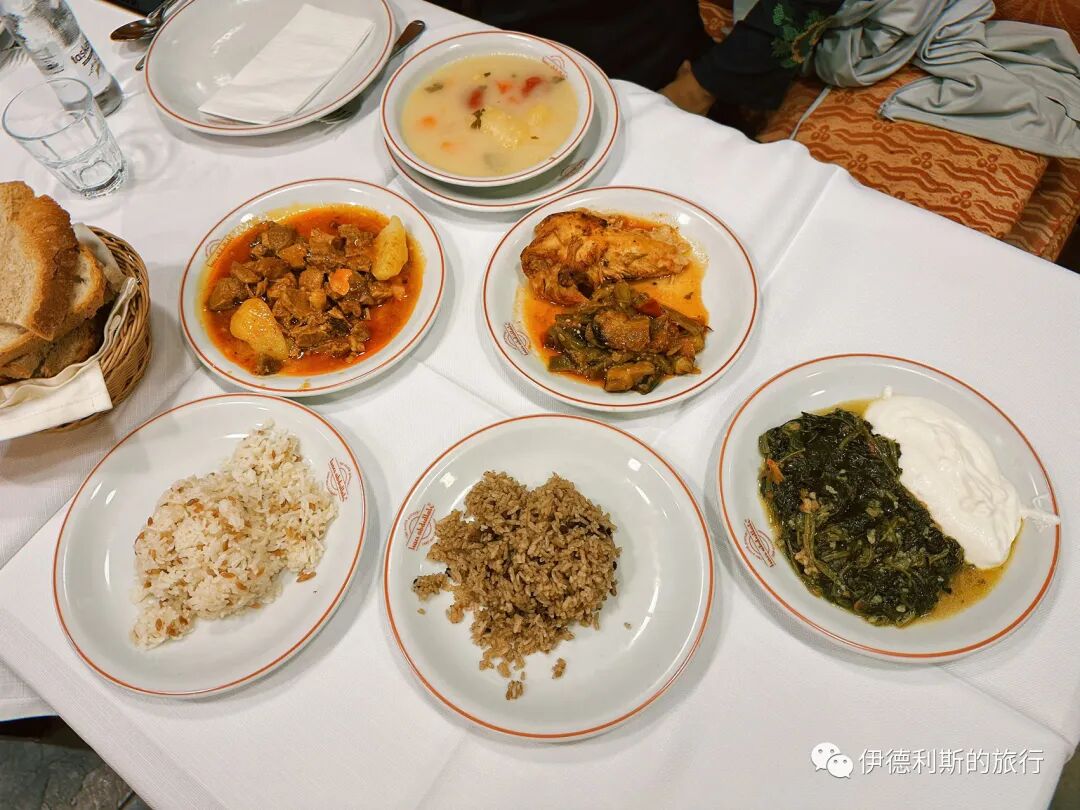
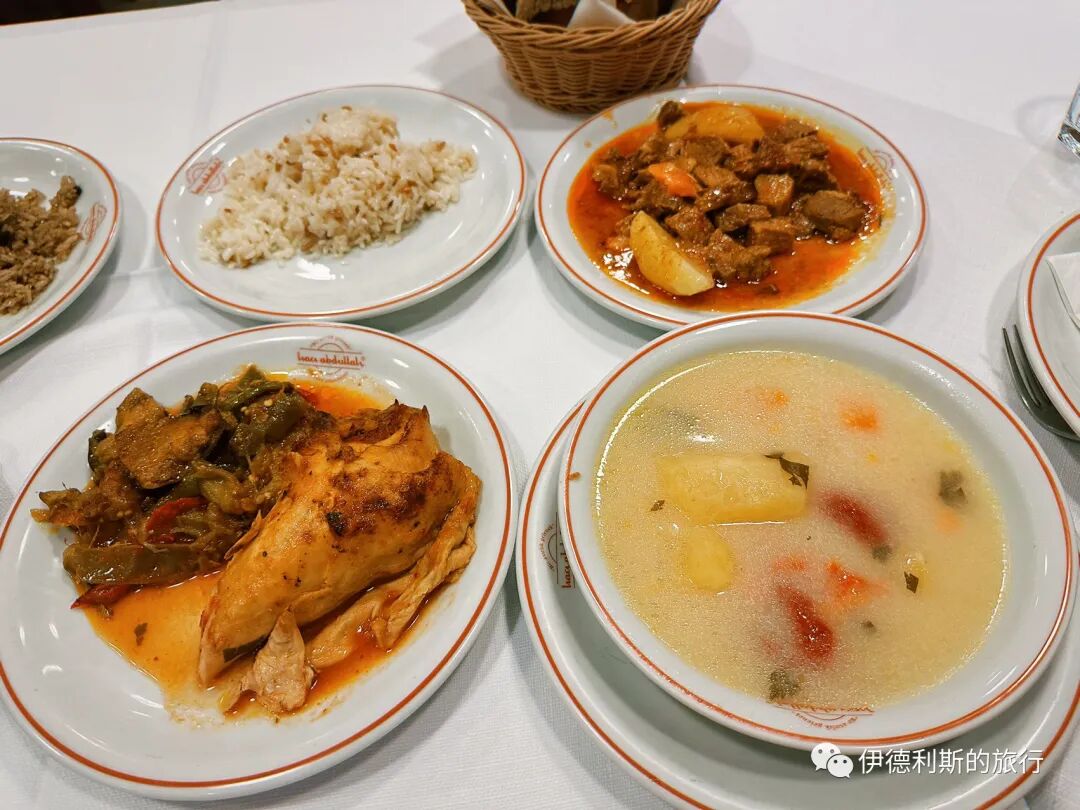
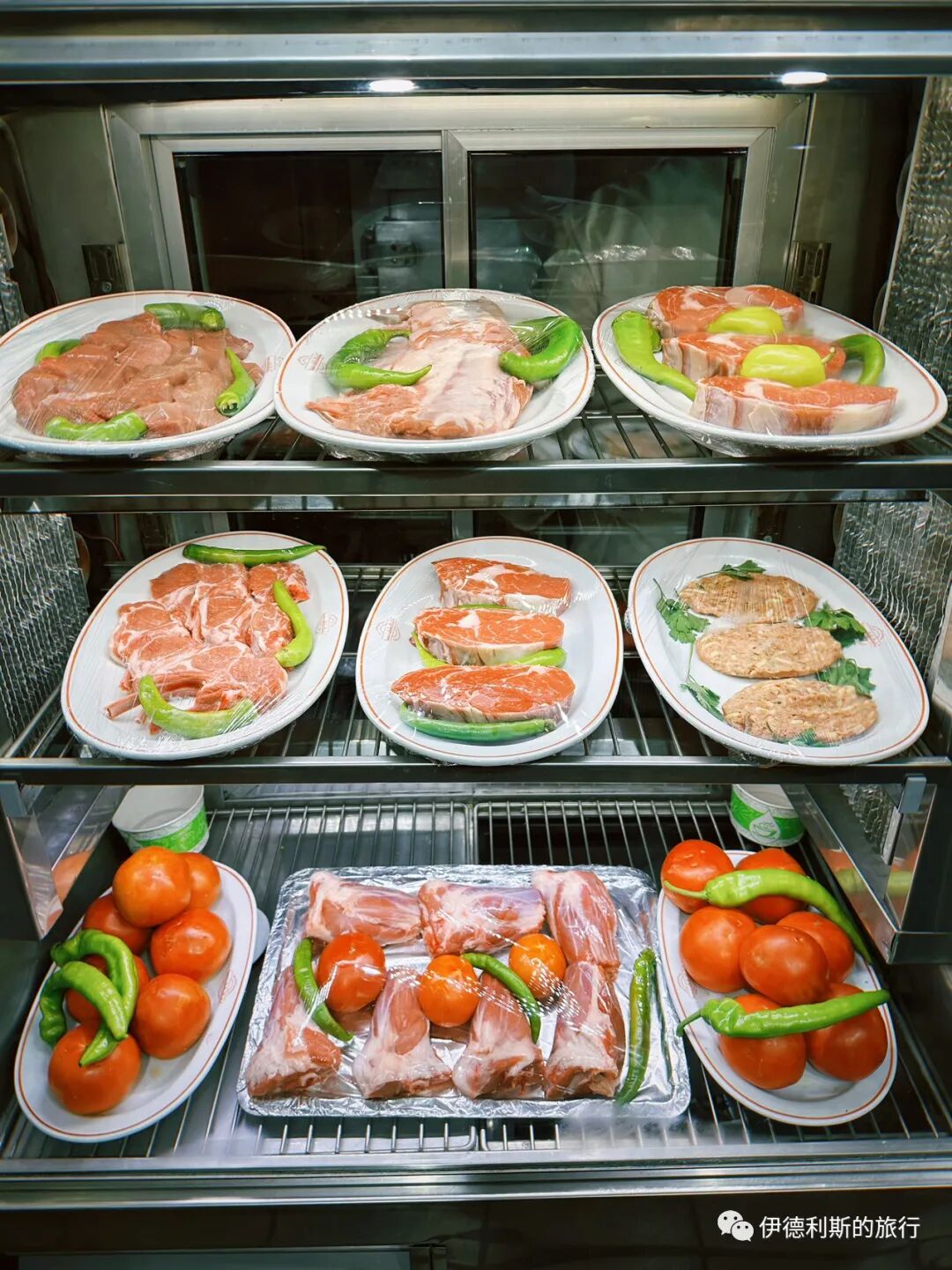
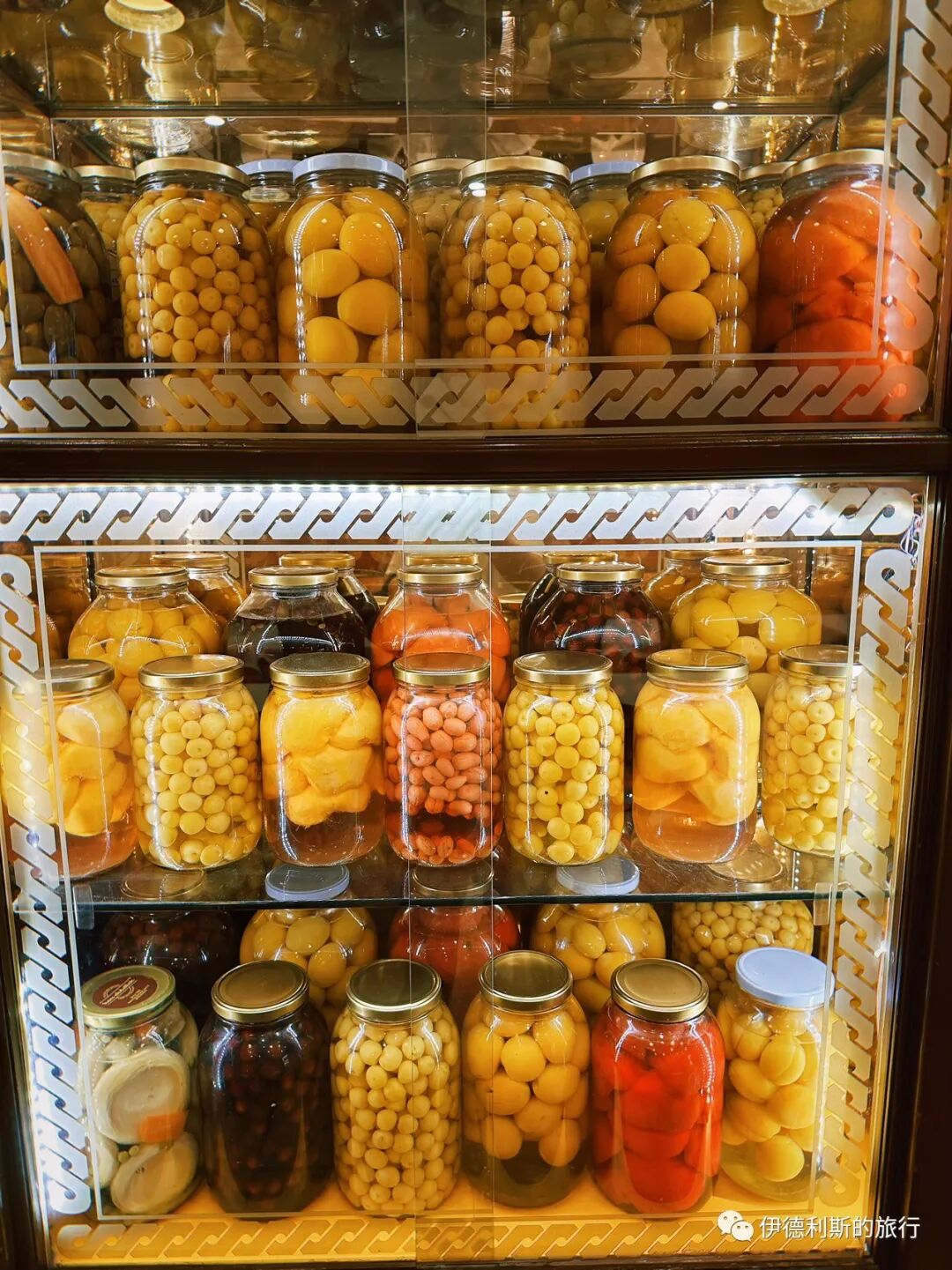
Finally, I want to recommend a century-old chocolate brand we bought on Istiklal Avenue called Elit, which is as old as the Republic of Turkey. On September 1, 1923, Todori Efendi, who ran a chocolate factory near the Beyoğlu Fish Market in Istanbul, registered the brand Ménage with the Turkish Ministry of Commerce. This was over a month before the Republic of Turkey was officially declared on October 29, 1923, making it the first chocolate trademark in Turkey. In 1924, Todori Efendi went on to register the Elite chocolate brand. By the 1930s, Elite had become a famous Turkish chocolate brand, known for its advertising cards featuring beauty queens and Hollywood stars. To make it easier to spell, the brand was re-registered as Elit in the late 1930s, which is its current name.
Halal Travel Guide: Istanbul — Mosques, Ottoman Heritage and Muslim Travel (Part 1)
Articles • ali2007fr posted the article • 0 comments • 143 views • 2026-05-19 03:44
Summary: Istanbul is shaped by Ottoman mosques, layered Muslim history, and everyday street life across both sides of the city. This first part begins the return visit through the citys religious sites, streets, food, and historical details while keeping the original photos.
In 2018, I visited Istanbul for the first time. I toured nearly 100 historical buildings, including dozens of works by the great Ottoman architect Mimar Sinan, and gained a great deal. In the summer of 2023, I visited Istanbul for the second time. My itinerary was quite relaxed, mainly to see some places I didn't have time to visit last time.
Lunch in Kadıköy.
The plane landed at the Asian side airport in Istanbul. We took the subway for about 50 minutes to reach the terminal station, Kadıköy, where we chose to stay for this trip. Kadıköy has a very long history. In 667 BC, the Greeks established the first settlement on the Bosphorus here, a few years earlier than Byzantium on the opposite shore. In 1353, it came under the rule of the Ottoman dynasty, a full 100 years before the Ottoman conquest of Constantinople in 1453. Under Ottoman rule, this was a transportation hub for crossing the Bosphorus, so it gradually developed into a bustling town.
Today, it is a leisure spot where young people gather. There are several commercial pedestrian streets filled with cafes, restaurants, shops, craft stores, and bookstores. Although it lacks a vibrant nightlife and dense tourist attractions, life here is more comfortable and laid-back.
After dropping off our luggage, we first went to eat at the street-side Destan Halk Lokantası. A Turkish eatery (lokantası) is similar to a cafeteria back home. Various stews, salads, and desserts are prepared and displayed together, so you just point at what you want to eat, which is very convenient for tourists.
We ordered the Turkish specialty blackcurrant rice pilaf (iç pilav). This pilaf is made with olive oil, onions, crushed mint, cinnamon powder, and various other ingredients. You can also eat the traditional Ottoman Noah's pudding (ashure) here. It commemorates the day the Ark of Prophet Nuh (Noah) landed, when the Prophet and his followers gathered seeds of various foods to make the first meal after the Great Flood receded.
We had honey yogurt at the famous honey shop Etabal Arı Ürünleri in Kadıköy, then took a boat to the Eminönü pier in the old city on the European side. You can just swipe your transit card, which is very convenient.
Snacks near the Spice Bazaar.
Right across from the Eminönü pier is the Spice Bazaar (Mısır Çarşısı), which is the second-largest Ottoman market in the old city after the Grand Bazaar. The Egyptian Market was built in 1660 and got its name because the construction funds came from the revenue of the Ottoman province of Egypt. I took Zaynab next to the Egyptian Market to experience Istanbul's most classic street food, including sandwiches from a sesame ring bread (simit) cart, roasted chestnuts, and mixed fruit juice. Zaynab especially liked these authentic roasted chestnuts.
Rüstem Paşa Mosque: 1561-63
Not far to the west of the Egyptian Market is the Rüstem Paşa Mosque (Rüstem Paşa Camii), known as the most beautiful mosque by Mimar Sinan. When I visited last time, it was undergoing a three-year restoration that finished in 2021, so I was finally able to visit it this time.
The Rüstem Paşa Mosque was built between 1561 and 1563 by the great Ottoman architect Mimar Sinan for the Ottoman Grand Vizier Rüstem Paşa. This was the last building commissioned by Rüstem Paşa, and it was only completed after his death.
The mosque is built on a high platform with arched shops on the lower level. The ablution area is next to the platform, and you must climb a narrow staircase to reach the courtyard on top, making the building stand out clearly on the skyline of Istanbul's old city.
Most of Sinan's works are known for their rigorous architectural structure, but the Rüstem Paşa Mosque is famous for its exquisite interior Iznik tiles. About 2,300 Iznik tiles with 80 different floral and geometric patterns cover the outer walls of the main hall's porch, the interior walls, the prayer niche (mihrab), and the pulpit (minbar). It is said there are 41 types of tulip patterns alone. In the more than twenty years that followed, Sinan never again used such a large number of Iznik tiles to decorate a mosque.
People say these tiles were ordered by Rüstem Paşa himself to support Kara Memi, the chief painter of the Ottoman court at the time. Kara Memi created a new naturalistic style, and his floral works were widely used on crafts like tiles and carpets, leaving a profound influence on Ottoman art.
Elhac Timurtaş Mosque: 1460s
Not far west of the Rüstem Paşa Mosque, on a street corner, stands the Elhac Timurtaş Mosque. This small, unassuming mosque is actually one of the oldest in Istanbul. It was built in the 1460s by Timurtaş Ağa, who was a merchant there, and the architect was Mahsenci Hacı Ahmet Ağa. The Elhac Timurtaş Mosque has been rebuilt many times throughout history, so it is hard to see its original form today. The mosque was occupied between 1938 and 1964, restored in 1965 at the suggestion of local merchants, and renovated again in 1990 to its current appearance.
Siyavuş Pasha Madrasa (Museum of the Holy Relics and Prayer Beads): 1591.
Continue walking west, cross the road, and you will find the Siyavuş Pasha Madrasa, which is now open as the Museum of the Holy Relics and Prayer Beads (Hilye-i Şerif ve Tesbih Müzesi). The madrasa was built in 1591 by Siyavuş Pasha, the Grand Vizier to the Ottoman Sultan Murad III, and was likely overseen by Davut Aga, the chief Ottoman architect who succeeded Mimar Sinan. The madrasa has a very precise design and uses high-quality materials. It consists of 15 dormitory rooms and one large classroom, arranged in an irregular geometric pattern along the hillside.
The Holy Relics (Hilye-i Şerif) are written descriptions of the appearance of the Prophet Muhammad and his followers, which became a mature form of Ottoman calligraphy after the 17th century. People write the Holy Relics in beautiful Naskh Arabic calligraphy, frame them, and hang them in their homes, where everyone who passes by offers a blessing.
The term tasbih originally refers to the phrase Subhan Allah, meaning 'Glory be to Allah'. According to the Hadith, the Prophet Muhammad taught his daughter Fatima a way to perform dhikr: saying tasbih 33 times, 'All praise is due to Allah' 33 times, and 'Allah is the Greatest' 33 or 34 times. This method of remembrance is known as Fatima's Tasbih. After the 16th century, the Ottoman dynasty began making counting beads for tasbih out of materials like pearl, amber, hardwood, and bone, and tasbih beads developed into a distinct craft. During the 17th and 18th centuries, the Anatolian region, centered in Istanbul, had the most advanced tasbih bead craftsmanship in the Islamic world, and many Muslims traveling to Istanbul would come here to buy them.
The following beads are made from ivory, amber, ivory nut, and Brazilian palm nut, respectively.
Süleymaniye Mosque.
Continue west to the Süleymaniye Mosque to show Zaynab the great architectural works of Mimar Sinan and visit the tombs of Suleiman the Magnificent and Hurrem Sultan. Unfortunately, the two tombs were closed on Monday, but you can still see the beautiful Iznik tiles on the outside.
In 1566, Suleiman the Magnificent passed away at the age of 71 while on his way from Istanbul to lead a military campaign in Hungary. His heart, liver, and some other organs were buried on the spot in Hungary, while his body (mayyit) was transported back to Istanbul for burial. Besides Suleiman the Magnificent himself, his tomb also holds two other sultans, Suleiman II (reigned 1687-91) and Ahmed II (reigned 1691-95), while the tomb of Hurrem Sultan was built in 1558, the year she passed away.
Revisiting the Suleymaniye Mosque after five years, I am still stunned by this architectural masterpiece by Mimar Sinan. When I was thinking of a name for my son, the Suleymaniye Mosque came to mind first, so I blurted out that I wanted to name him Suleiman. When Suleiman gets a little older, I must bring him to see this place.
Bayezid II Mosque: 1501-06.
From the Suleymaniye Mosque, head south through Istanbul University to reach the Bayezid II Mosque next to the Grand Bazaar in Istanbul. This place underwent an eight-year renovation starting in 2012 and only reopened in 2020, so I could not enter when I came in 2018.
The Bayezid II Mosque was built between 1501 and 1506 by the eighth Ottoman Sultan, Bayezid II (reigned 1481-1512), and it is the second imperial mosque built after the Ottoman conquest of Istanbul. Because the Fatih Mosque built by Mehmed the Conqueror was destroyed by earthquakes many times, the Bayezid II Mosque is the oldest surviving imperial mosque in Istanbul.
It is speculated that the most likely architect of the Bayezid II Mosque was Yakubşah ibn Islamşah. People only know that Yakubşah once built a caravanserai in Bursa, and little else is known about him, but the polishing technique of the mosque shows that early Ottoman architecture was influenced by contemporary Western architecture. It is also certain that the great Ottoman architect Mimar Sinan carried out repairs here between 1573 and 1574.
The main hall of the Bayezid II Mosque is square, with the main dome supported by two semi-domes and two arches; the interior was built in imitation of the Hagia Sophia, but it is relatively smaller.
The mihrab (prayer niche) and minbar (pulpit) of the Bayezid II Mosque. To the right of the mihrab is a Hünkâr Mahfili, a platform for the sultan, the royal family, and nobles to pray, and the marble columns on it date back to the Byzantine period.
In the backyard of the Bayezid II Mosque is the tomb of Sultan Bayezid II himself. Bayezid II served as a bey in Amasya during his early years and took part in wars against the Aq Qoyunlu dynasty. After Mehmed the Conqueror passed away in 1481, Bayezid II fought a war of succession against his brother, Cem Sultan, and eventually defeated him to win the throne.
Bayezid II earned the title of 'the Just' because he successfully kept the domestic situation stable. He fought against Europe many times, defeating a powerful Polish army of 80,000 in 1497 and taking control of the entire Peloponnese peninsula in southern Greece in 1501.
In 1492, Spain announced the expulsion of all Jews and Muslims from its territory. Bayezid II sent the Ottoman navy to Spain to transport these refugees to Ottoman lands and issued a decree across the country welcoming them and allowing them to become Ottoman citizens. He mocked the Spanish rulers, saying, 'He has made his own country poor and made my country rich!' As expected, the Jews and Muslims from Andalusia brought new ideas, technologies, and crafts to the Ottoman Empire, contributing greatly to its prosperity in the 16th century. The first printing press in Istanbul was established by Sephardic Jews in 1493.
Jewel Market (Bedesten): 1461
From the Bayezid II Mosque, head east into the maze-like and complex Grand Bazaar of Istanbul. The Grand Bazaar of Istanbul is known as the largest and oldest covered market in the world, with 61 streets and over 4,000 shops. The Grand Bazaar has been damaged by many fires and earthquakes throughout history, and construction work continued for nearly three hundred years. The earliest part of the building was started in 1461, shortly after the Ottoman conquest of Istanbul. It was originally called the Jewel Market (Cevâhir Bedestan) and belonged to the foundation (Waqf) of the Hagia Sophia Mosque.
In the 1470s (some say the 16th century), a second covered market was built next to the Jewel Market. It mainly sold textiles and was named the Sandalwood Market (Sandal Bedesten) after a sandalwood-colored silk fabric from Bursa. At first, the Jewel Market and the Sandalwood Market were two separate covered markets. However, as merchants kept opening shops around them, the two markets merged into one large area. By 1696, vaults were built over all the shops, finally forming the Grand Bazaar of Istanbul as it is today.
Mahmut Paşa Mosque: 1464
I performed namaz at the Mahmut Paşa Mosque (Mahmut Paşa Camii) outside the east gate of the Grand Bazaar in Istanbul. This mosque only finished its restoration and reopened in 2021, so I could not enter it when I visited in 2018.
Mahmut Pasha Mosque was built in 1464 by Mahmut Pasha, the Grand Vizier to Sultan Mehmed the Conqueror, and it is one of the oldest mosques in Istanbul. The Mahmut Pasha Mosque foundation (Waqf) owns many buildings, including 27 houses, 100 shops, and various warehouses and stables. This suggests that Mehmed the Conqueror likely tasked Mahmut Pasha with developing the area that is now east and north of the Grand Bazaar.
Mahmut Pasha Mosque still uses the architectural style from the Ottoman period in the old capital of Bursa, featuring two main domes and many smaller domes. After conquering Istanbul, the Ottoman dynasty was influenced by the central dome of the Hagia Sophia. They soon moved away from the Bursa style of small domes and began building mosques with a large central dome instead. view all
Summary: Istanbul is shaped by Ottoman mosques, layered Muslim history, and everyday street life across both sides of the city. This first part begins the return visit through the citys religious sites, streets, food, and historical details while keeping the original photos.
In 2018, I visited Istanbul for the first time. I toured nearly 100 historical buildings, including dozens of works by the great Ottoman architect Mimar Sinan, and gained a great deal. In the summer of 2023, I visited Istanbul for the second time. My itinerary was quite relaxed, mainly to see some places I didn't have time to visit last time.
Lunch in Kadıköy.
The plane landed at the Asian side airport in Istanbul. We took the subway for about 50 minutes to reach the terminal station, Kadıköy, where we chose to stay for this trip. Kadıköy has a very long history. In 667 BC, the Greeks established the first settlement on the Bosphorus here, a few years earlier than Byzantium on the opposite shore. In 1353, it came under the rule of the Ottoman dynasty, a full 100 years before the Ottoman conquest of Constantinople in 1453. Under Ottoman rule, this was a transportation hub for crossing the Bosphorus, so it gradually developed into a bustling town.
Today, it is a leisure spot where young people gather. There are several commercial pedestrian streets filled with cafes, restaurants, shops, craft stores, and bookstores. Although it lacks a vibrant nightlife and dense tourist attractions, life here is more comfortable and laid-back.
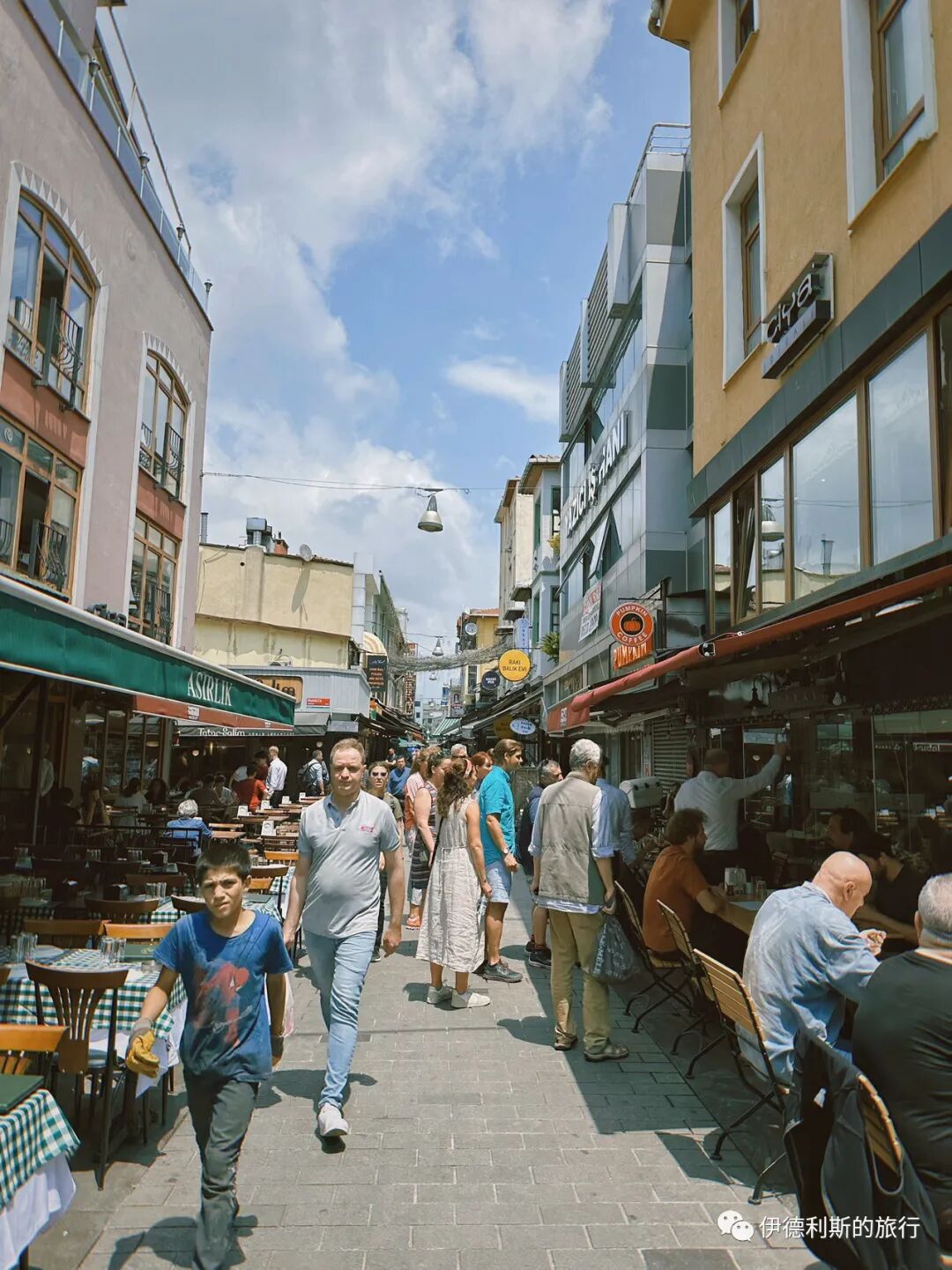
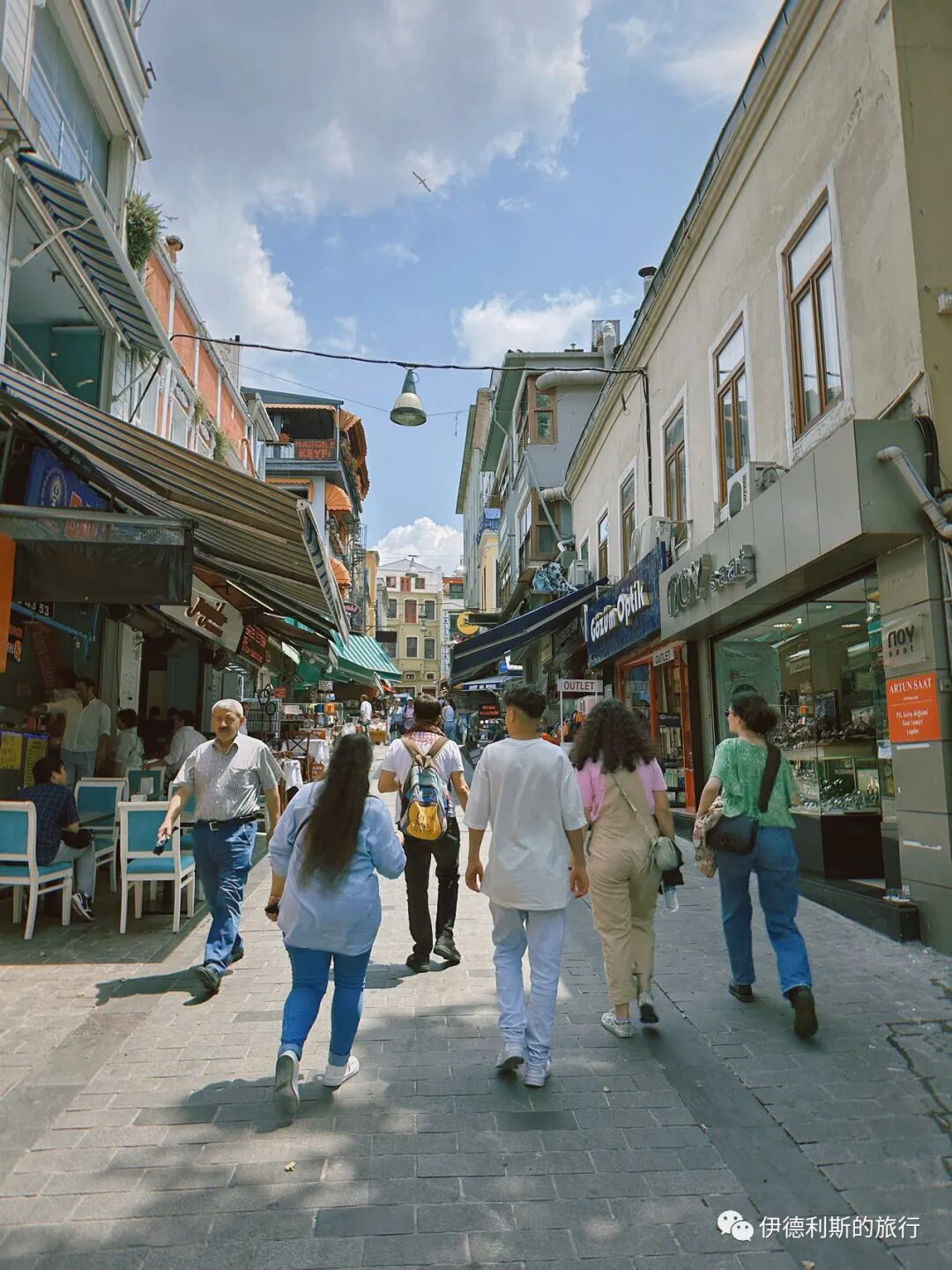
After dropping off our luggage, we first went to eat at the street-side Destan Halk Lokantası. A Turkish eatery (lokantası) is similar to a cafeteria back home. Various stews, salads, and desserts are prepared and displayed together, so you just point at what you want to eat, which is very convenient for tourists.
We ordered the Turkish specialty blackcurrant rice pilaf (iç pilav). This pilaf is made with olive oil, onions, crushed mint, cinnamon powder, and various other ingredients. You can also eat the traditional Ottoman Noah's pudding (ashure) here. It commemorates the day the Ark of Prophet Nuh (Noah) landed, when the Prophet and his followers gathered seeds of various foods to make the first meal after the Great Flood receded.
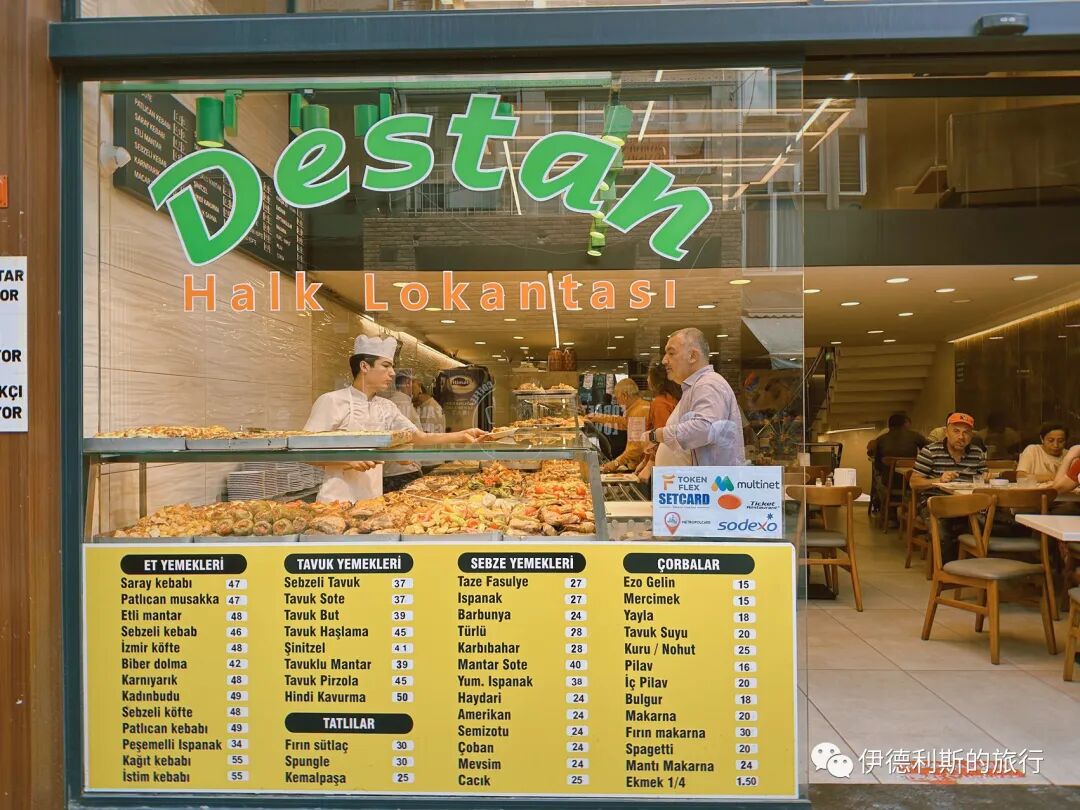
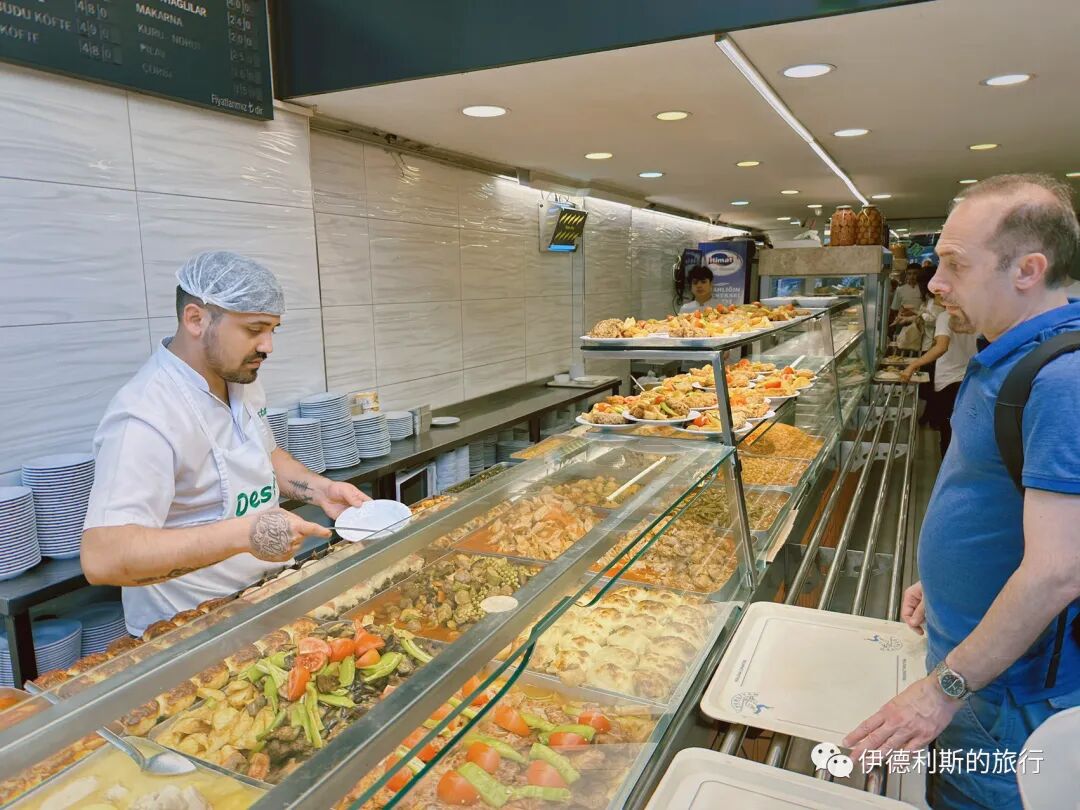
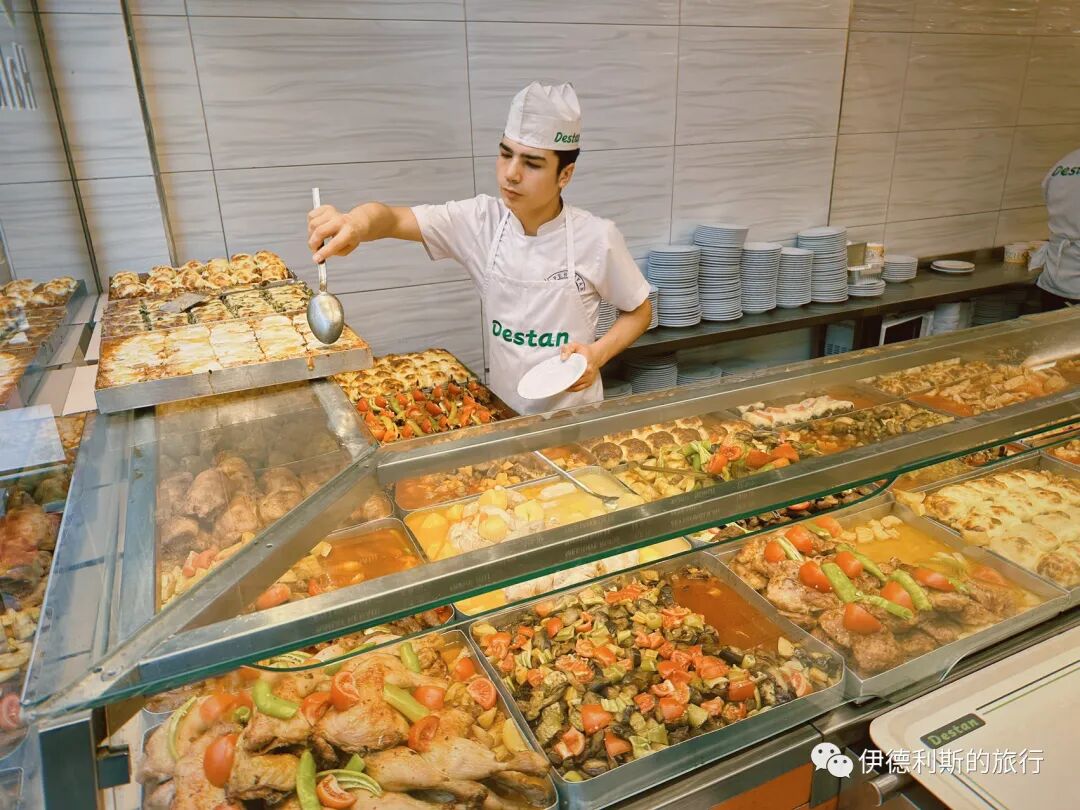
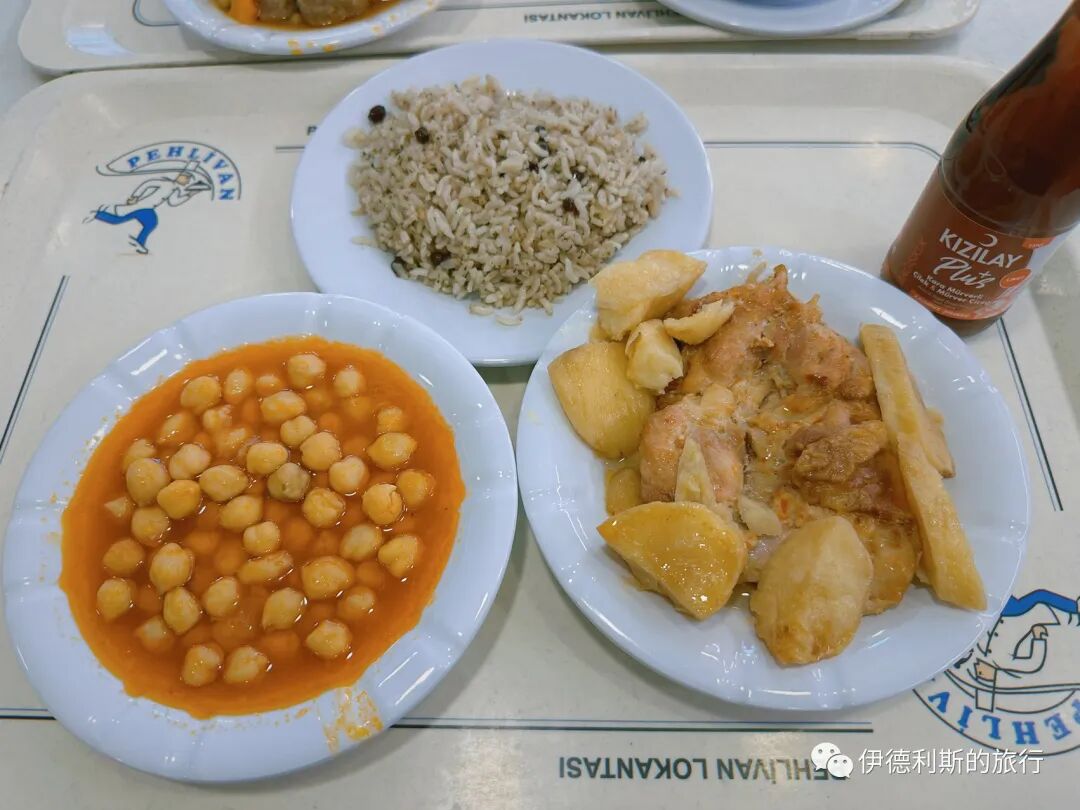
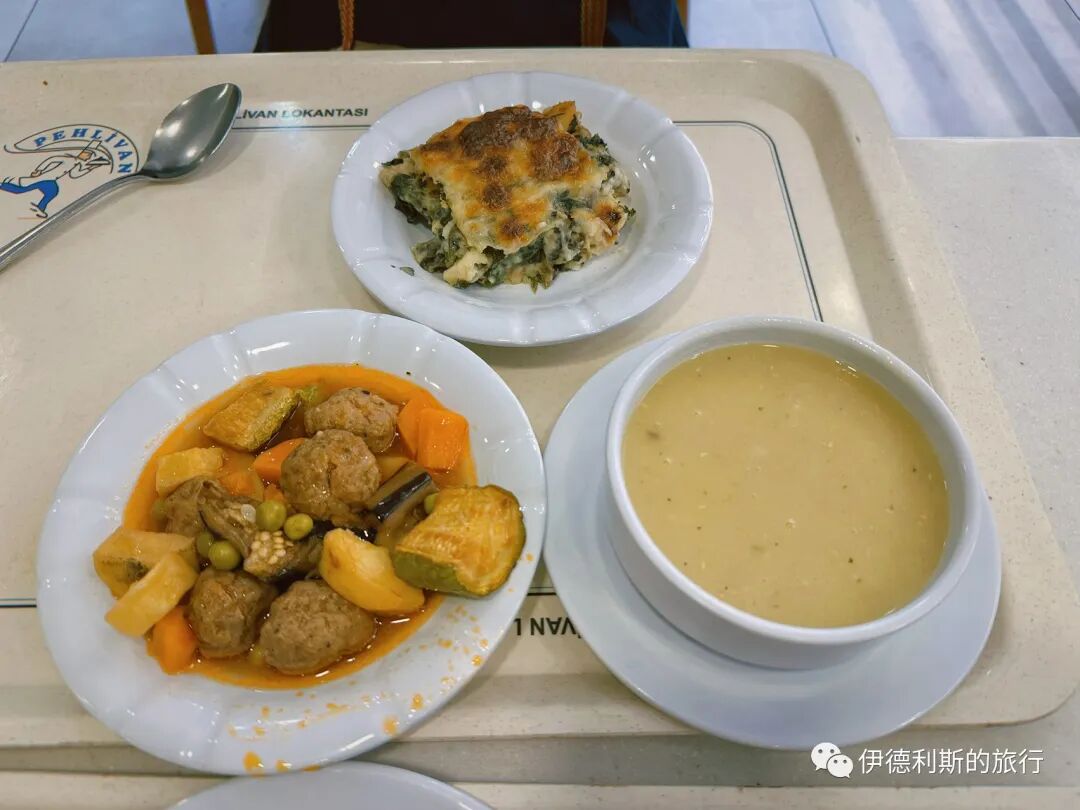
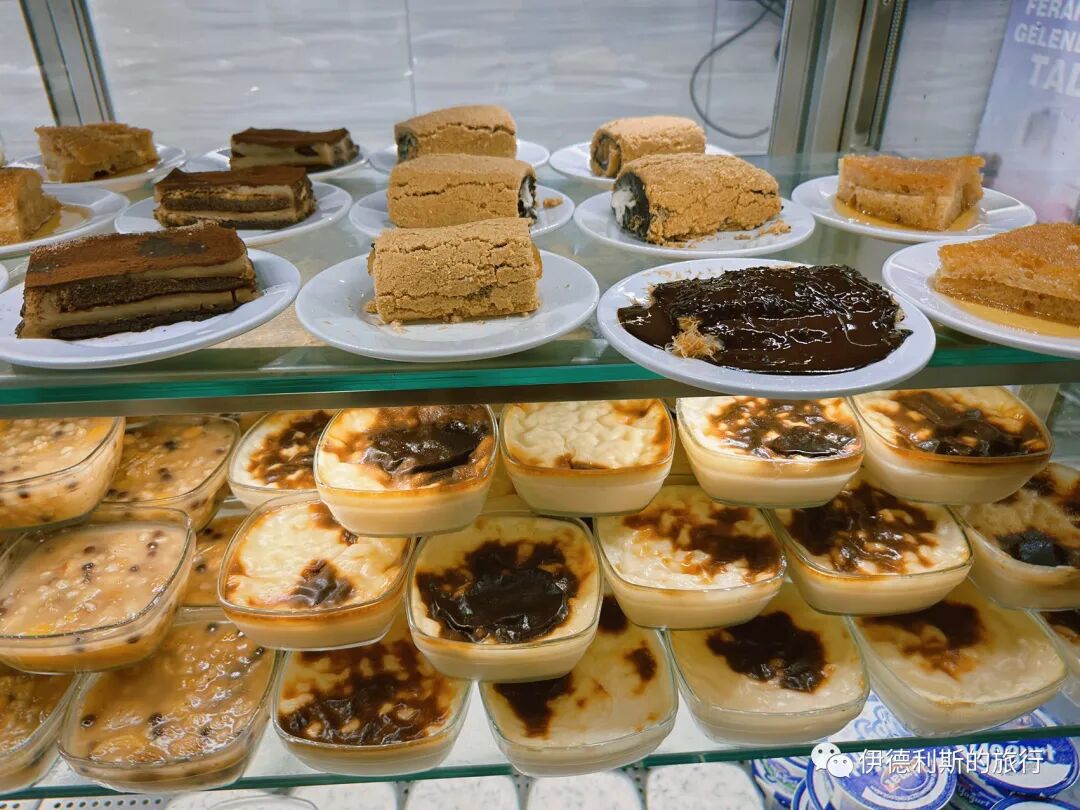
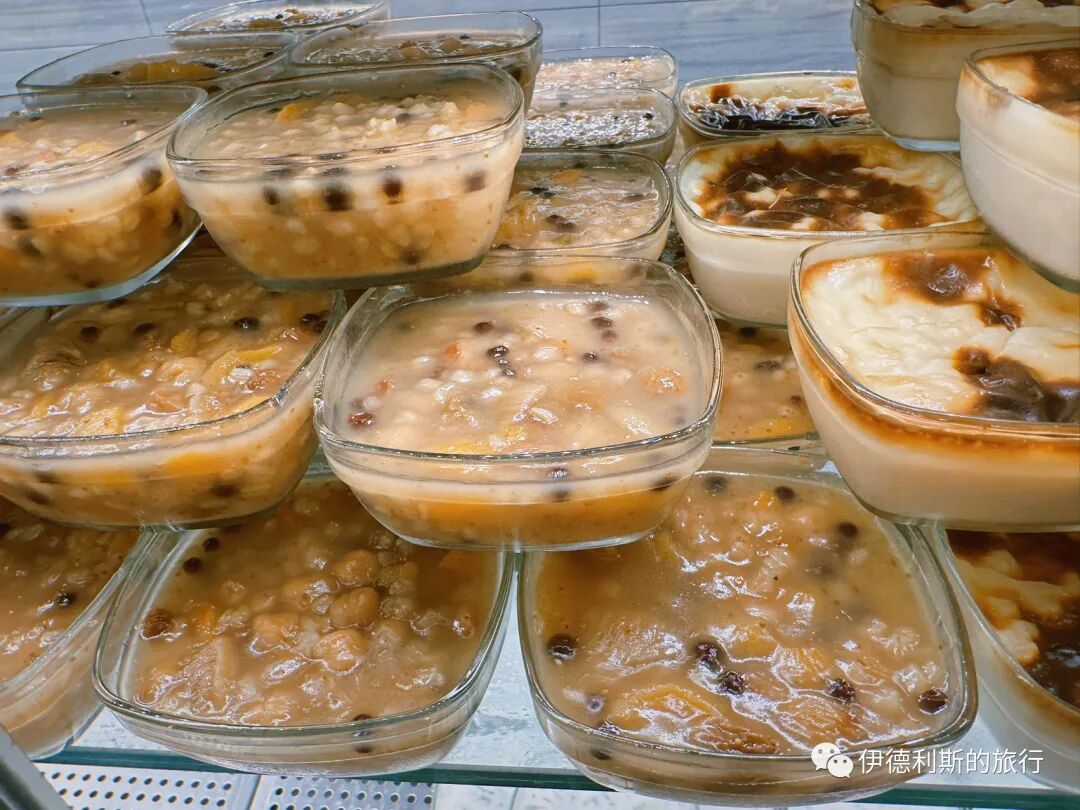
We had honey yogurt at the famous honey shop Etabal Arı Ürünleri in Kadıköy, then took a boat to the Eminönü pier in the old city on the European side. You can just swipe your transit card, which is very convenient.
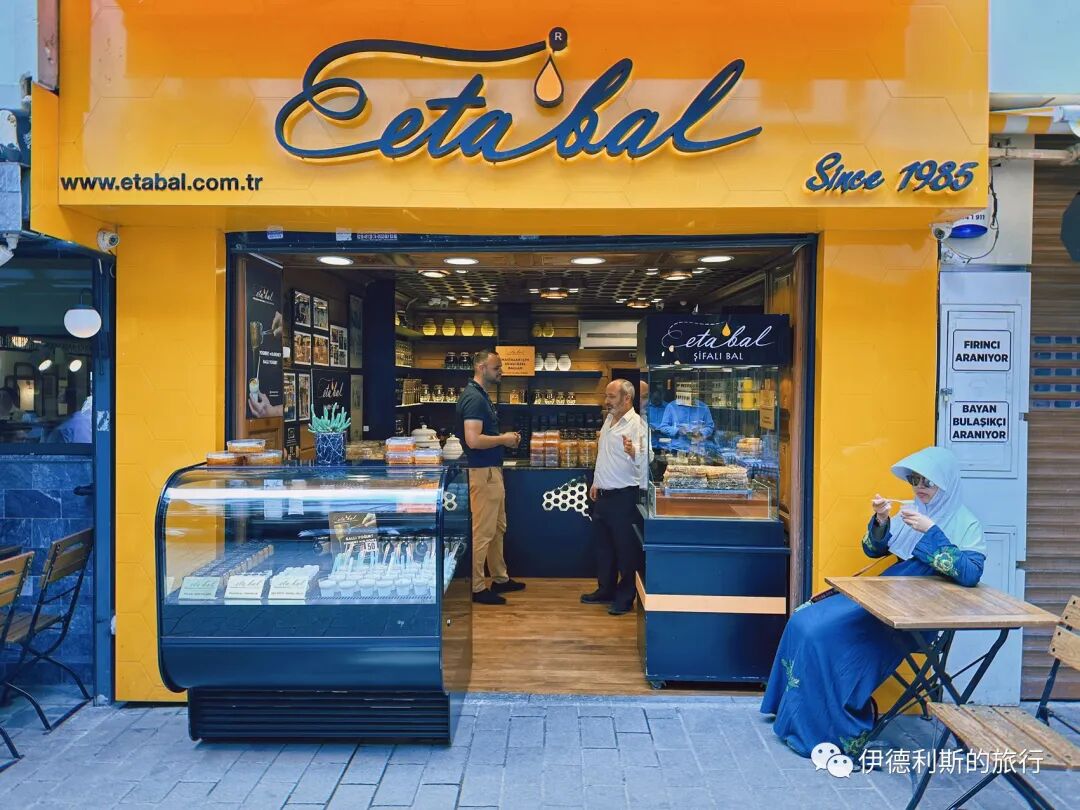
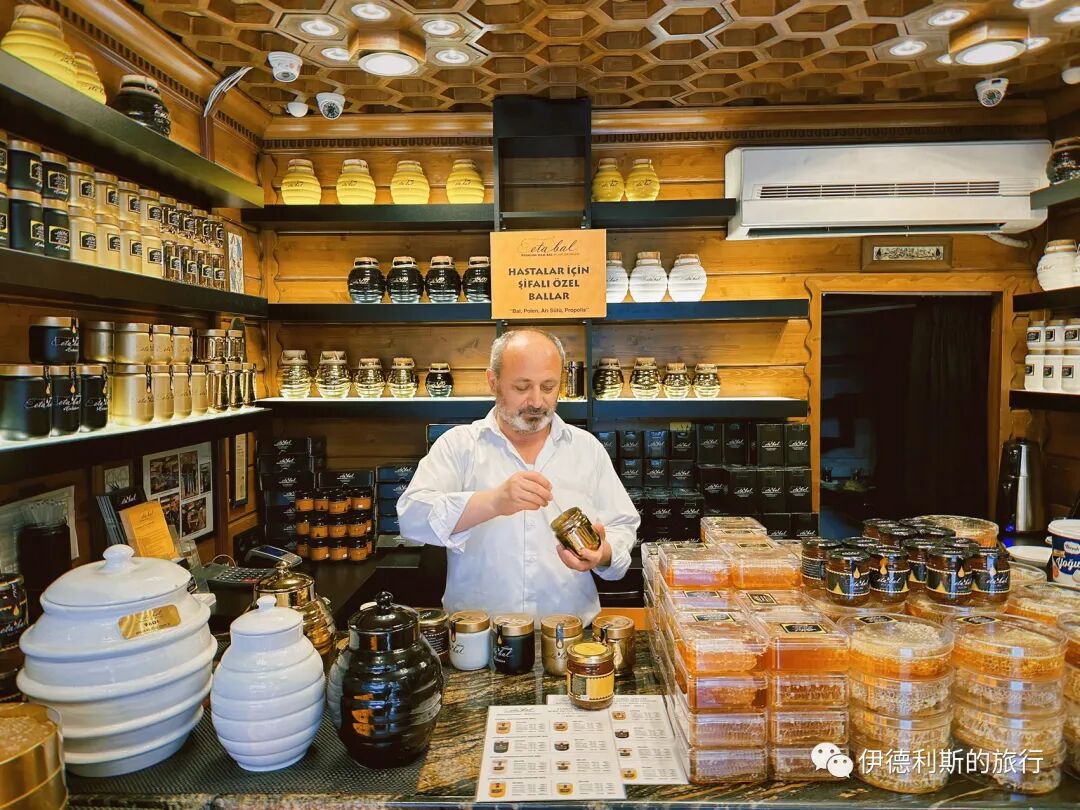
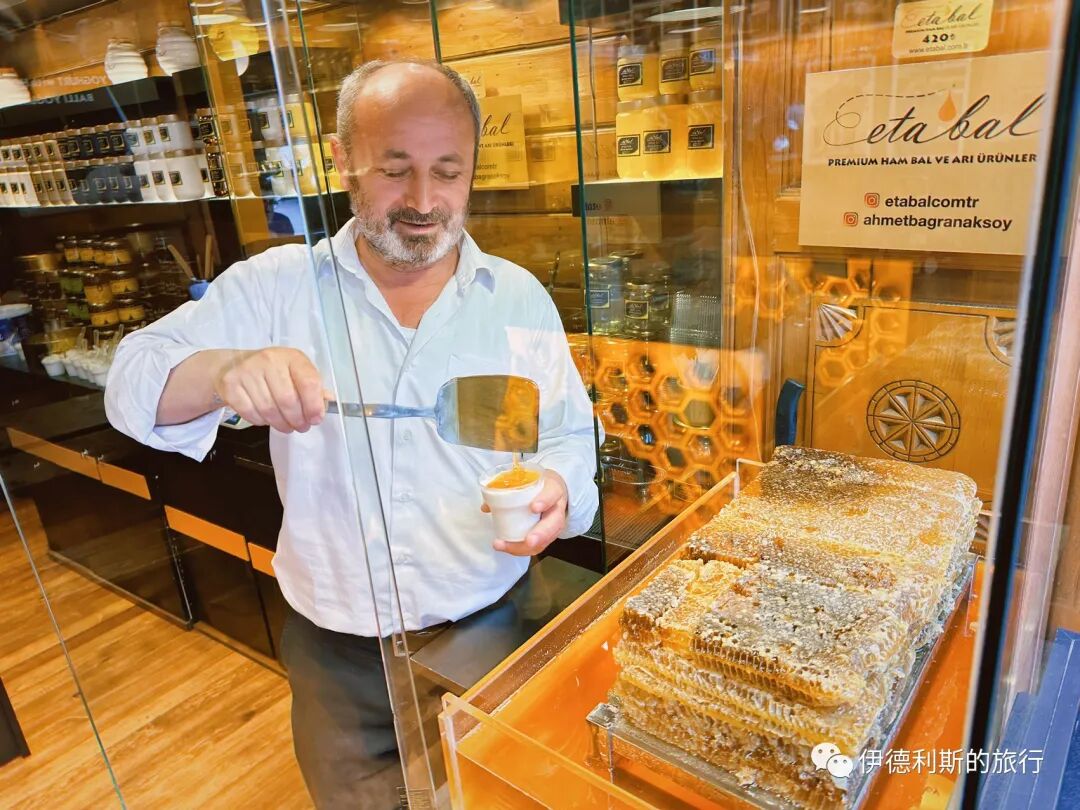
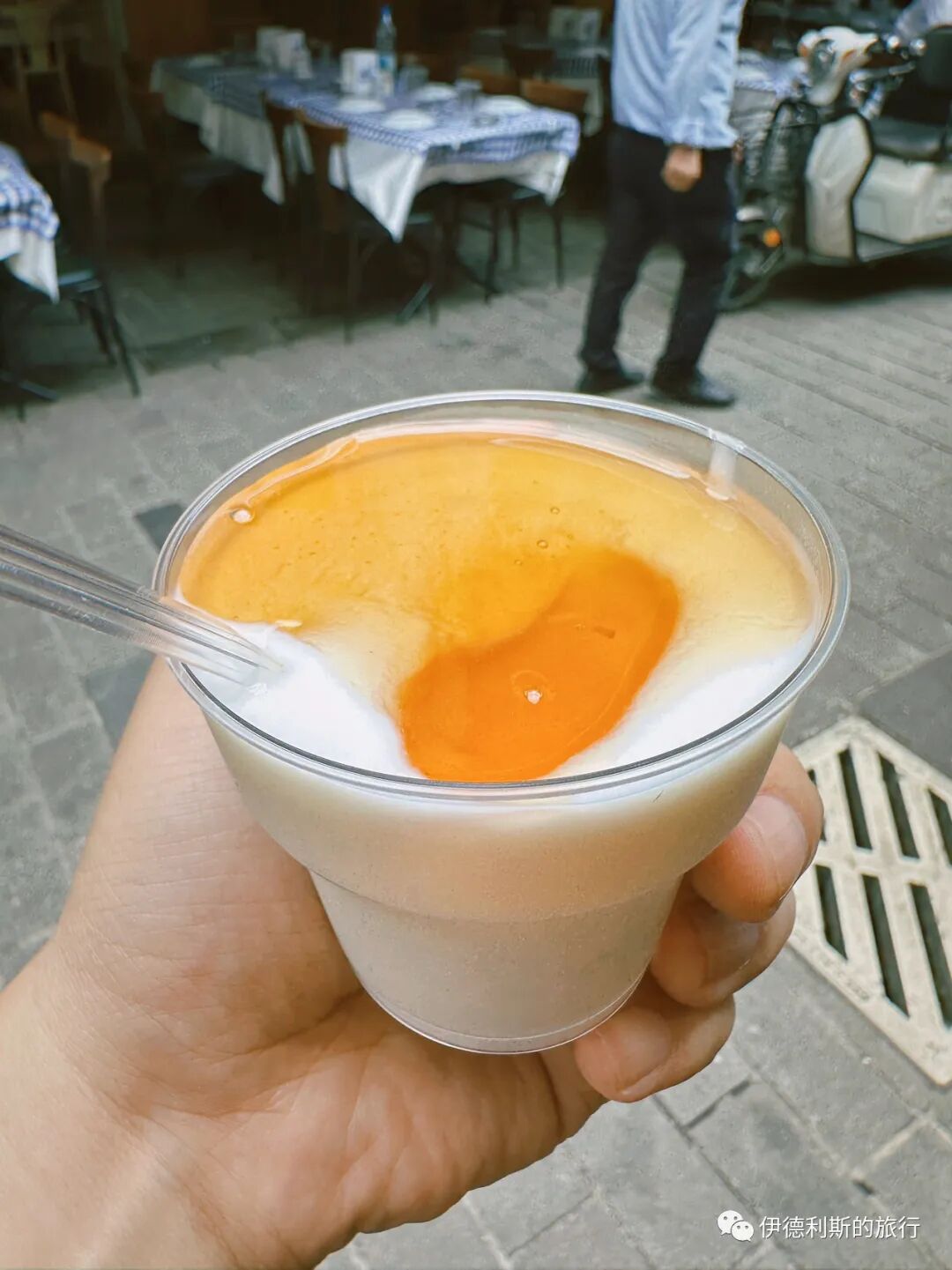
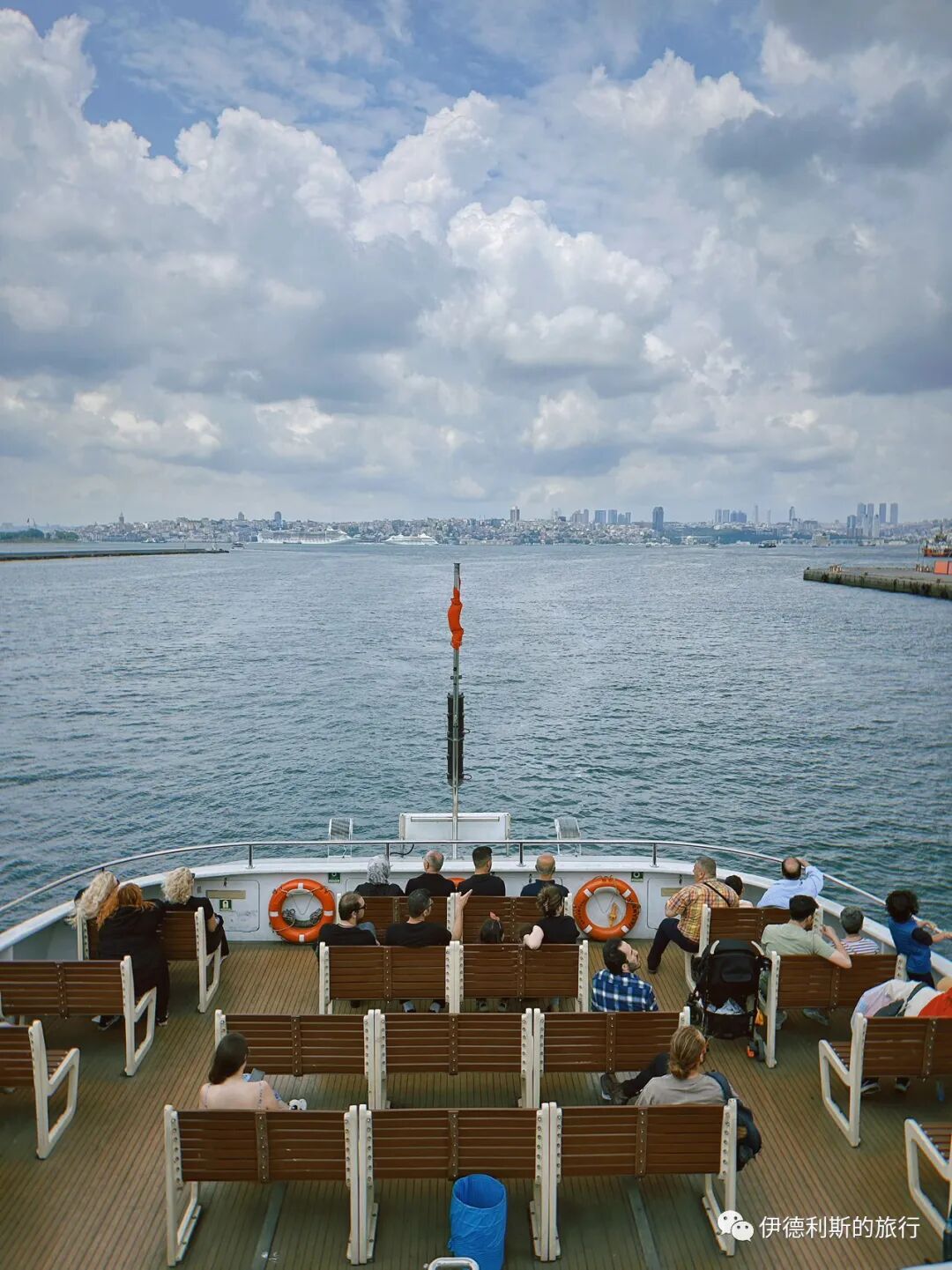
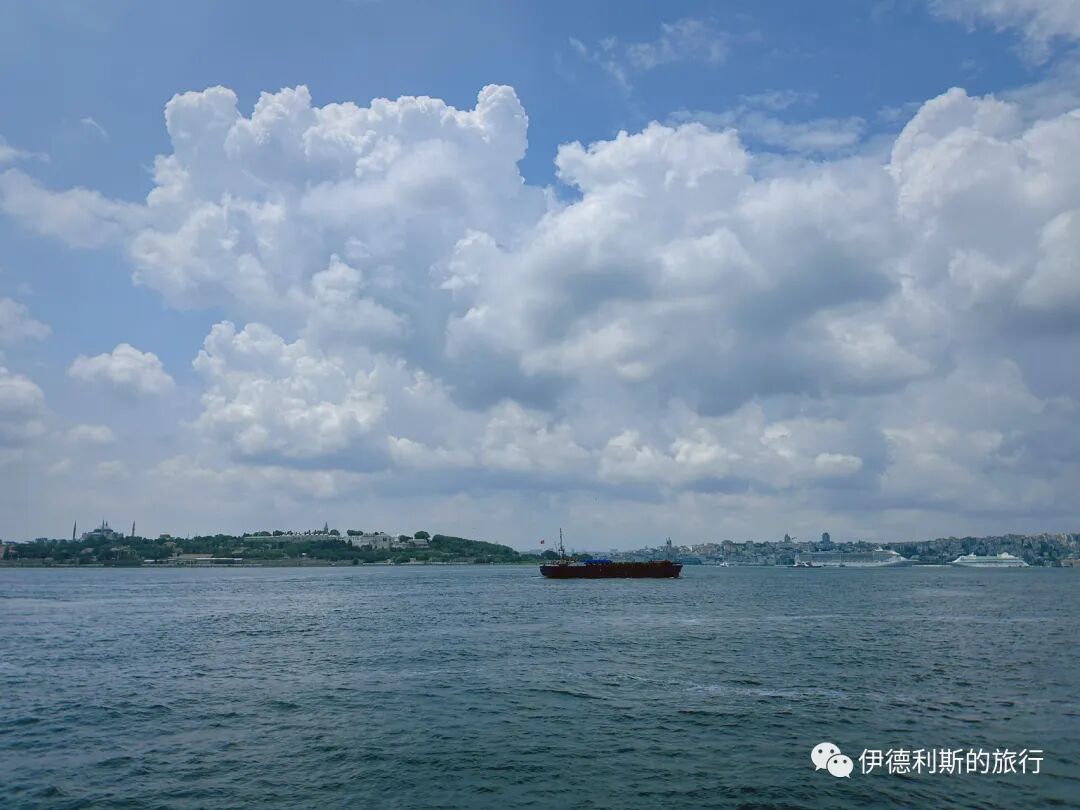
Snacks near the Spice Bazaar.
Right across from the Eminönü pier is the Spice Bazaar (Mısır Çarşısı), which is the second-largest Ottoman market in the old city after the Grand Bazaar. The Egyptian Market was built in 1660 and got its name because the construction funds came from the revenue of the Ottoman province of Egypt. I took Zaynab next to the Egyptian Market to experience Istanbul's most classic street food, including sandwiches from a sesame ring bread (simit) cart, roasted chestnuts, and mixed fruit juice. Zaynab especially liked these authentic roasted chestnuts.
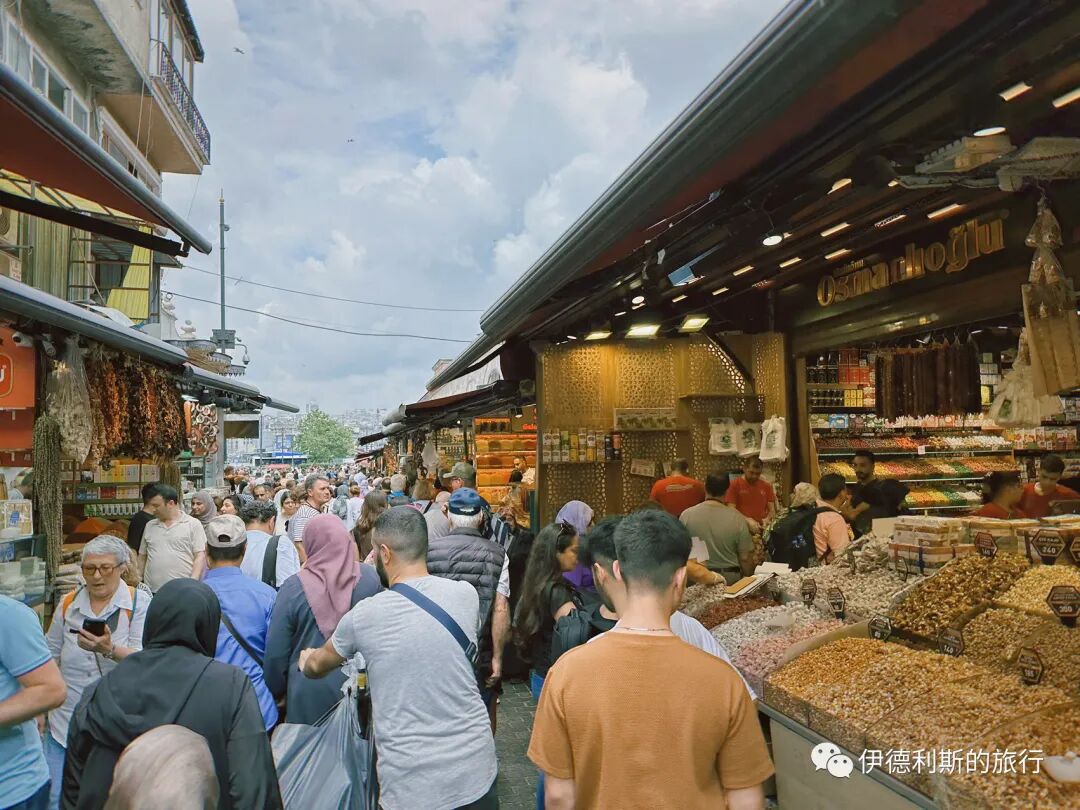
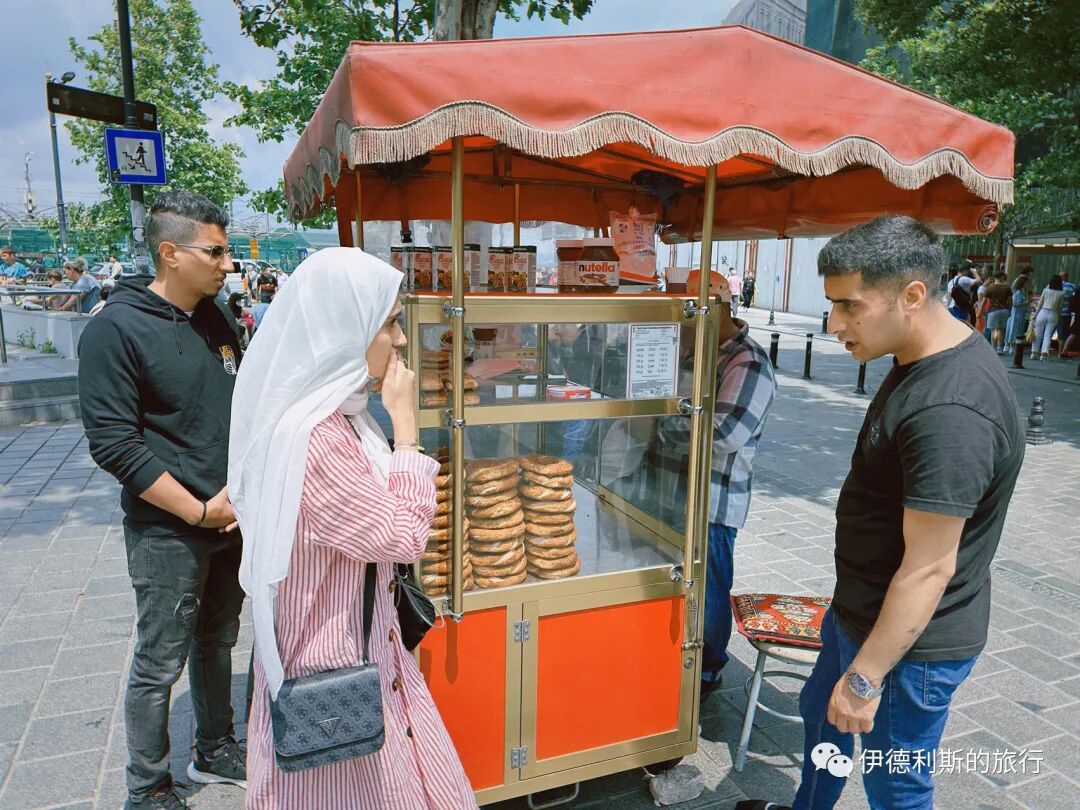
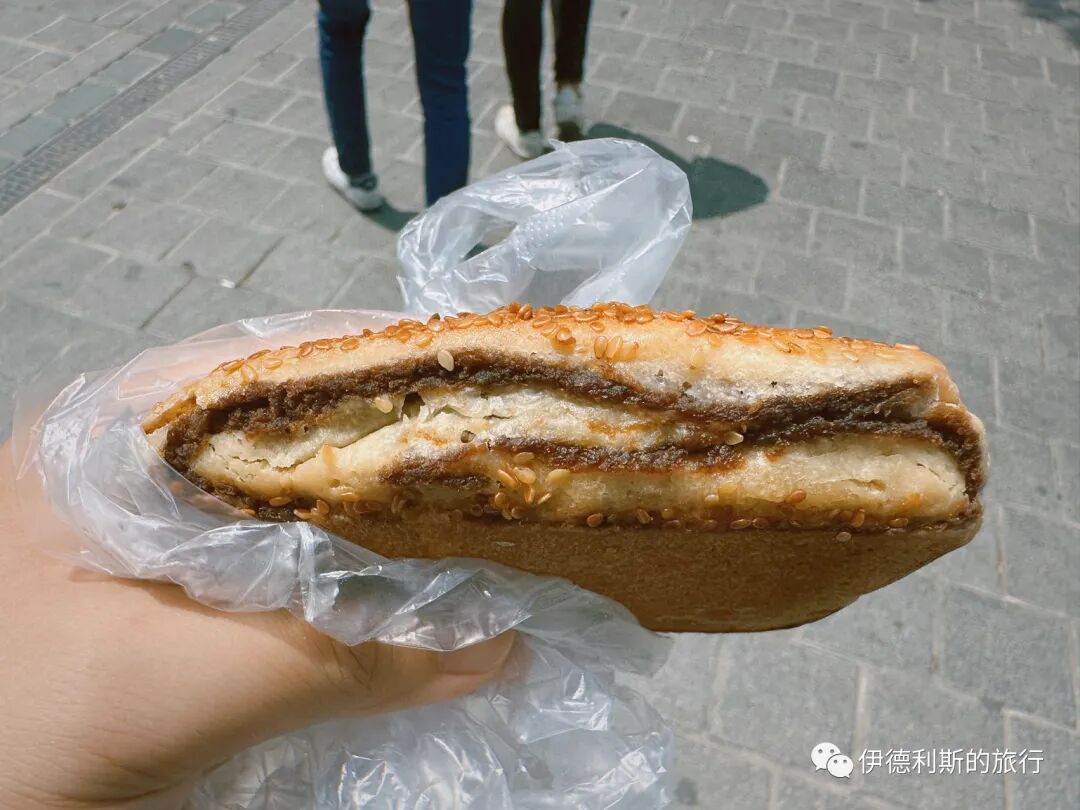
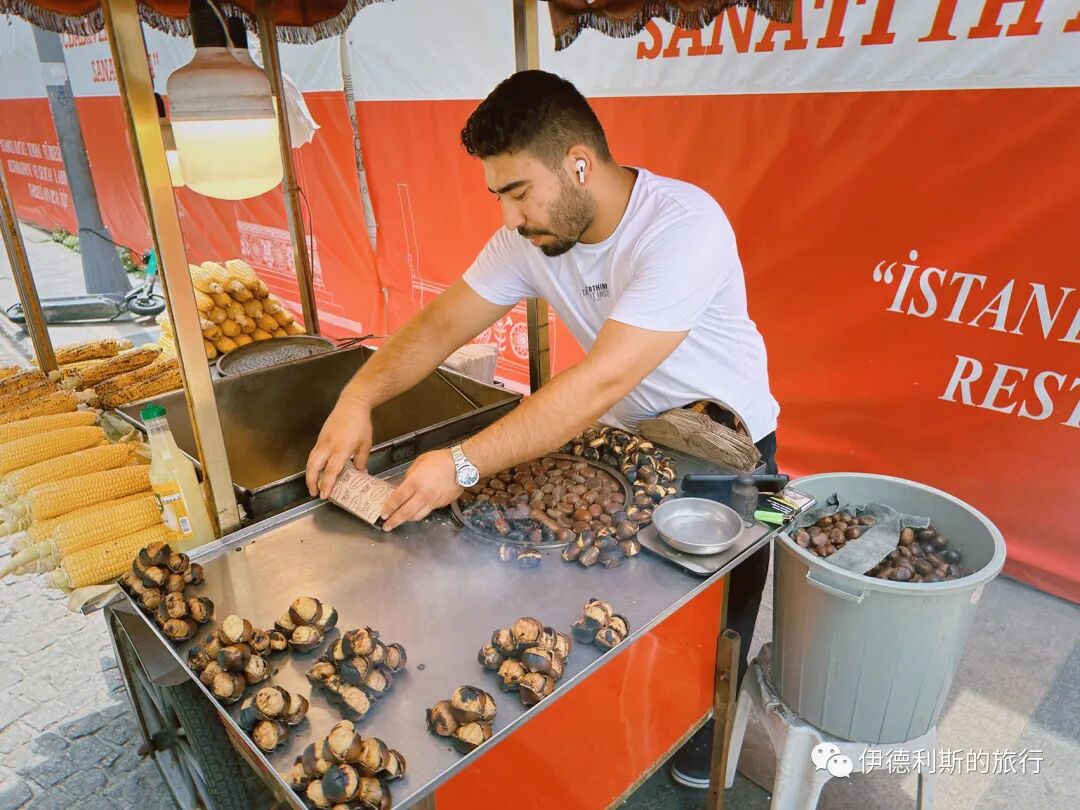
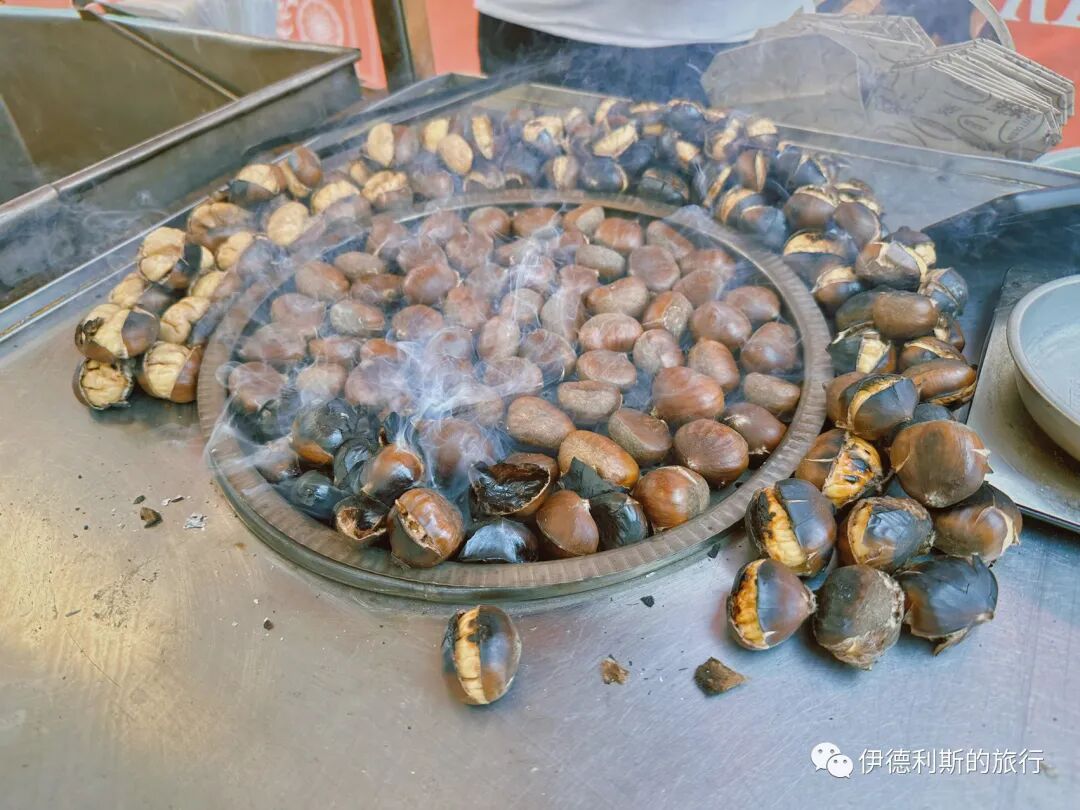
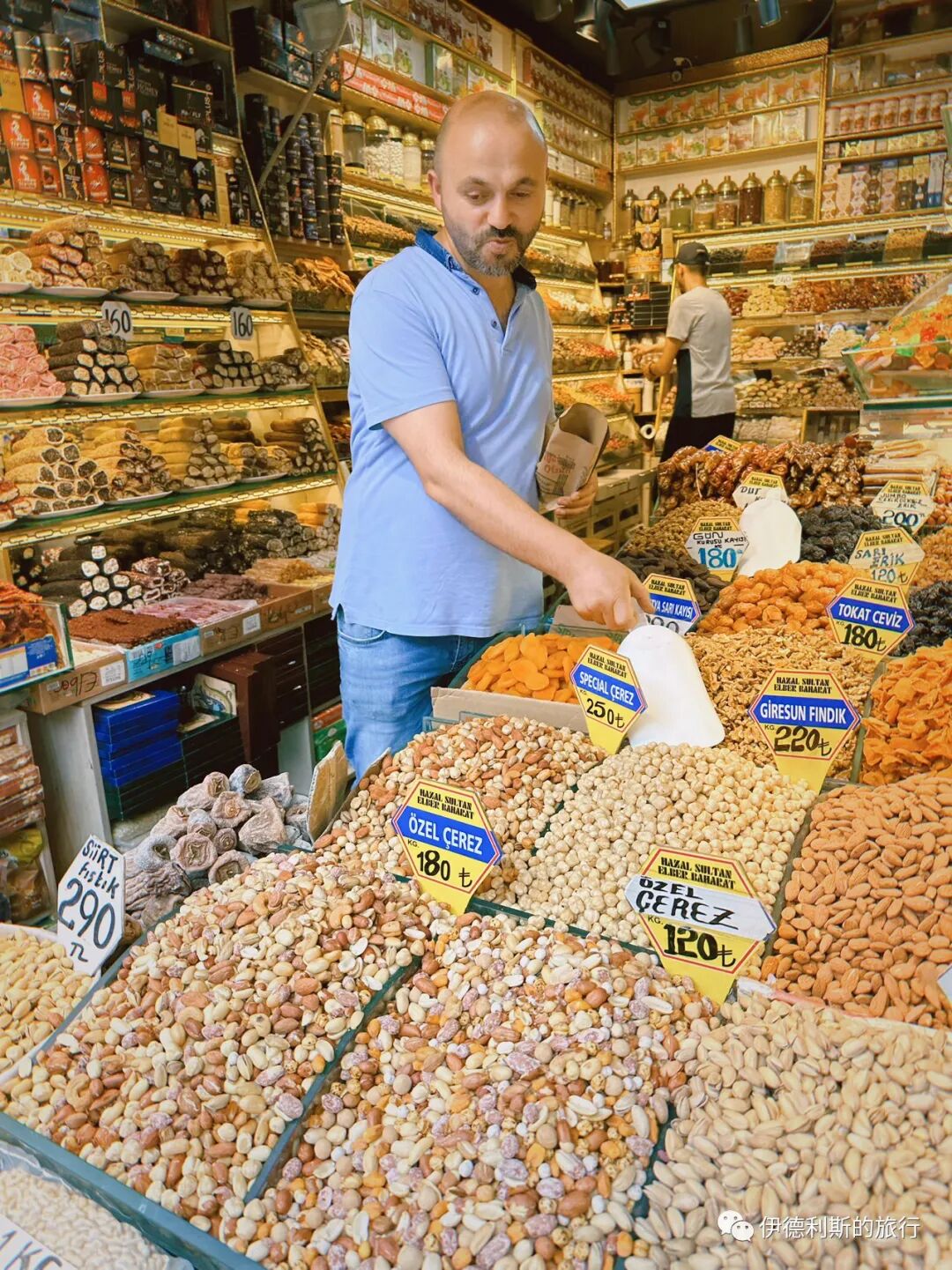
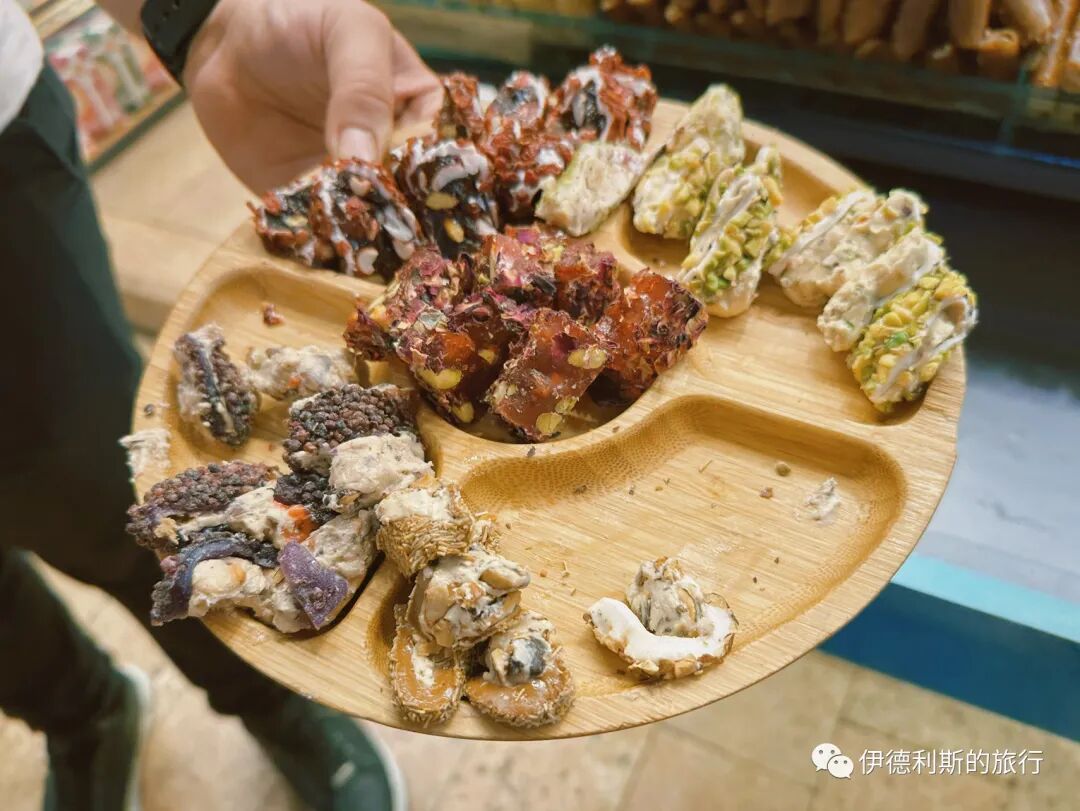
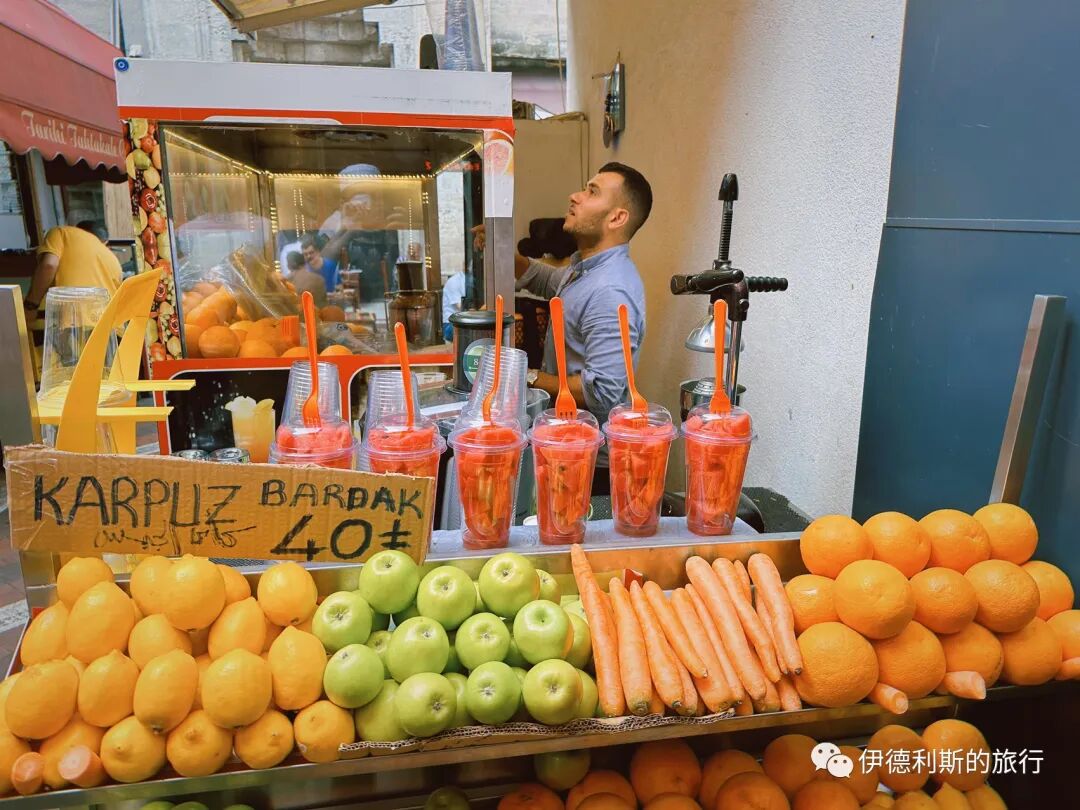
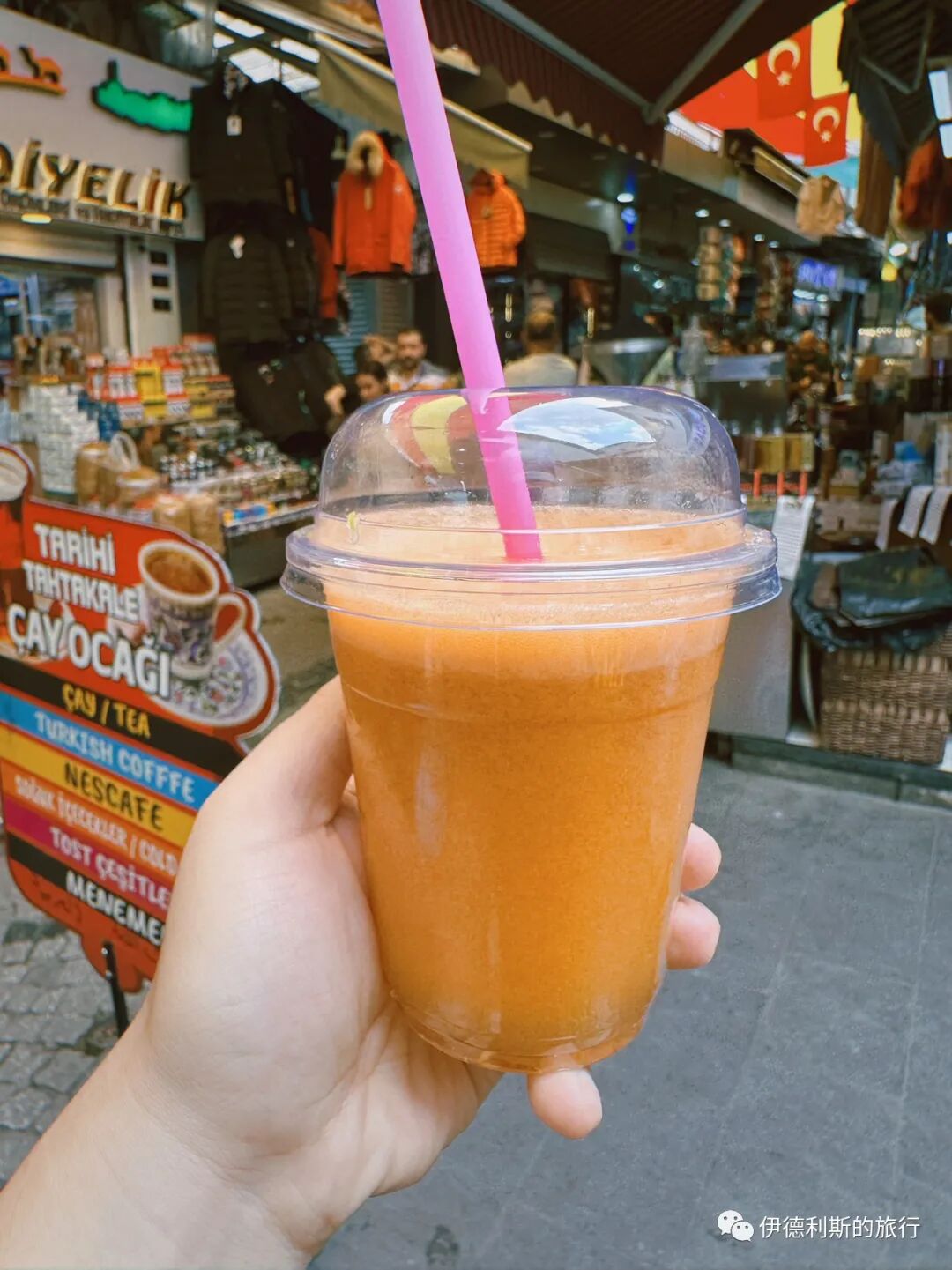
Rüstem Paşa Mosque: 1561-63
Not far to the west of the Egyptian Market is the Rüstem Paşa Mosque (Rüstem Paşa Camii), known as the most beautiful mosque by Mimar Sinan. When I visited last time, it was undergoing a three-year restoration that finished in 2021, so I was finally able to visit it this time.
The Rüstem Paşa Mosque was built between 1561 and 1563 by the great Ottoman architect Mimar Sinan for the Ottoman Grand Vizier Rüstem Paşa. This was the last building commissioned by Rüstem Paşa, and it was only completed after his death.
The mosque is built on a high platform with arched shops on the lower level. The ablution area is next to the platform, and you must climb a narrow staircase to reach the courtyard on top, making the building stand out clearly on the skyline of Istanbul's old city.
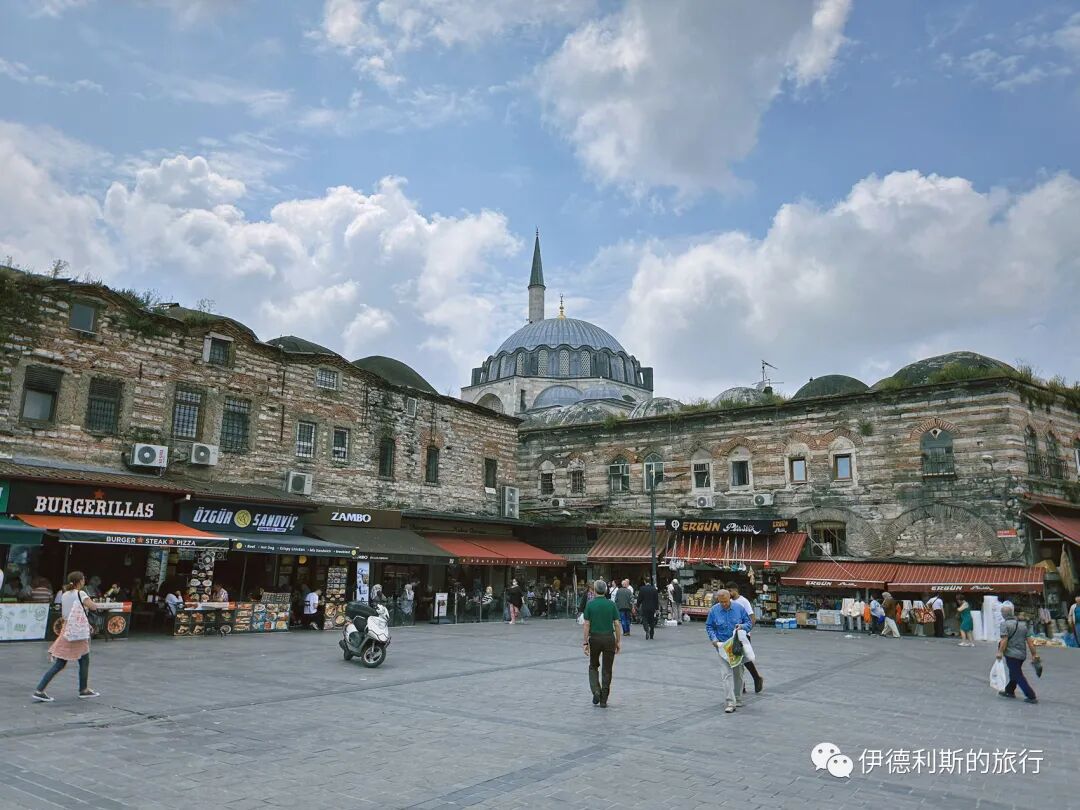
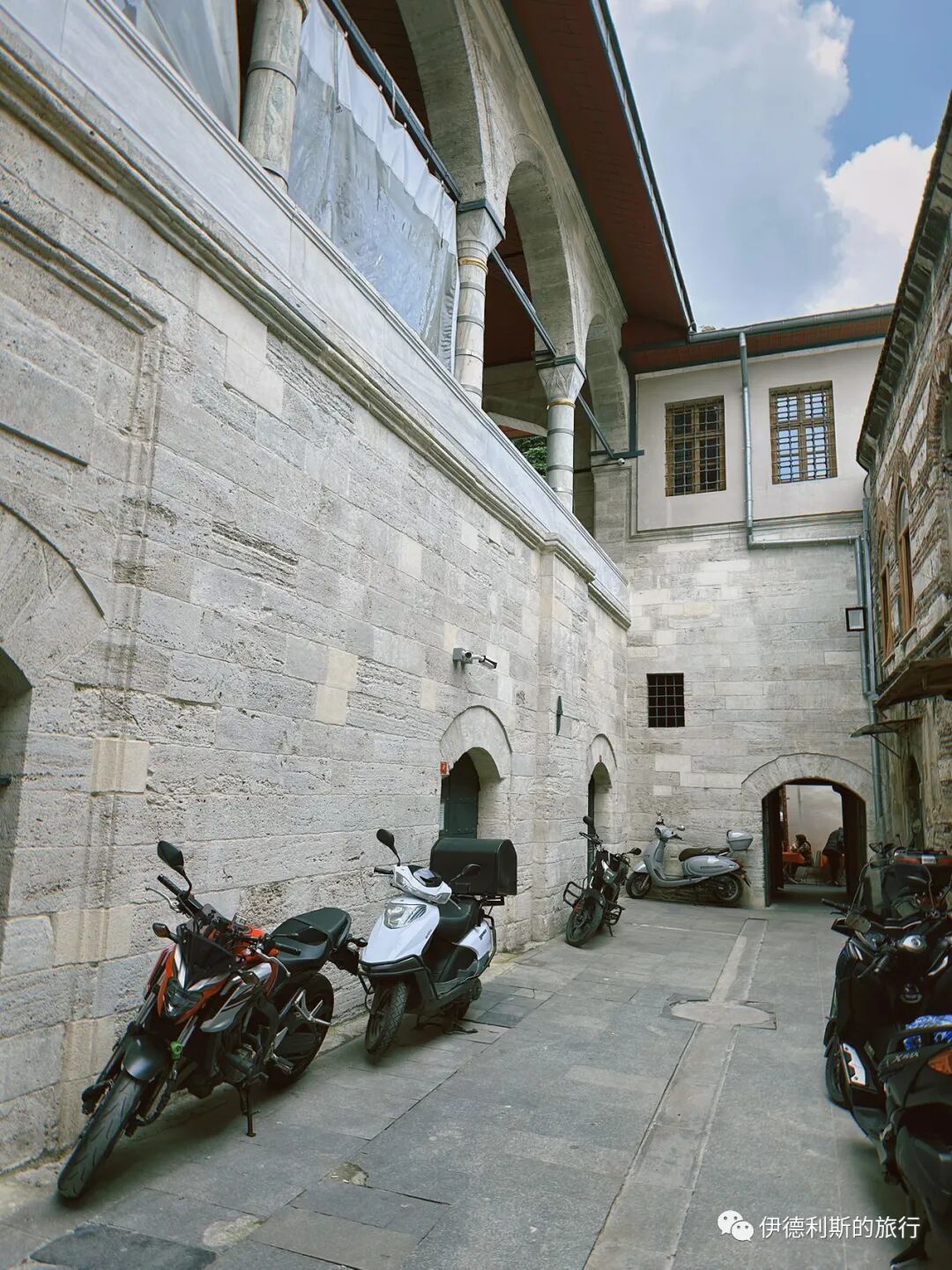
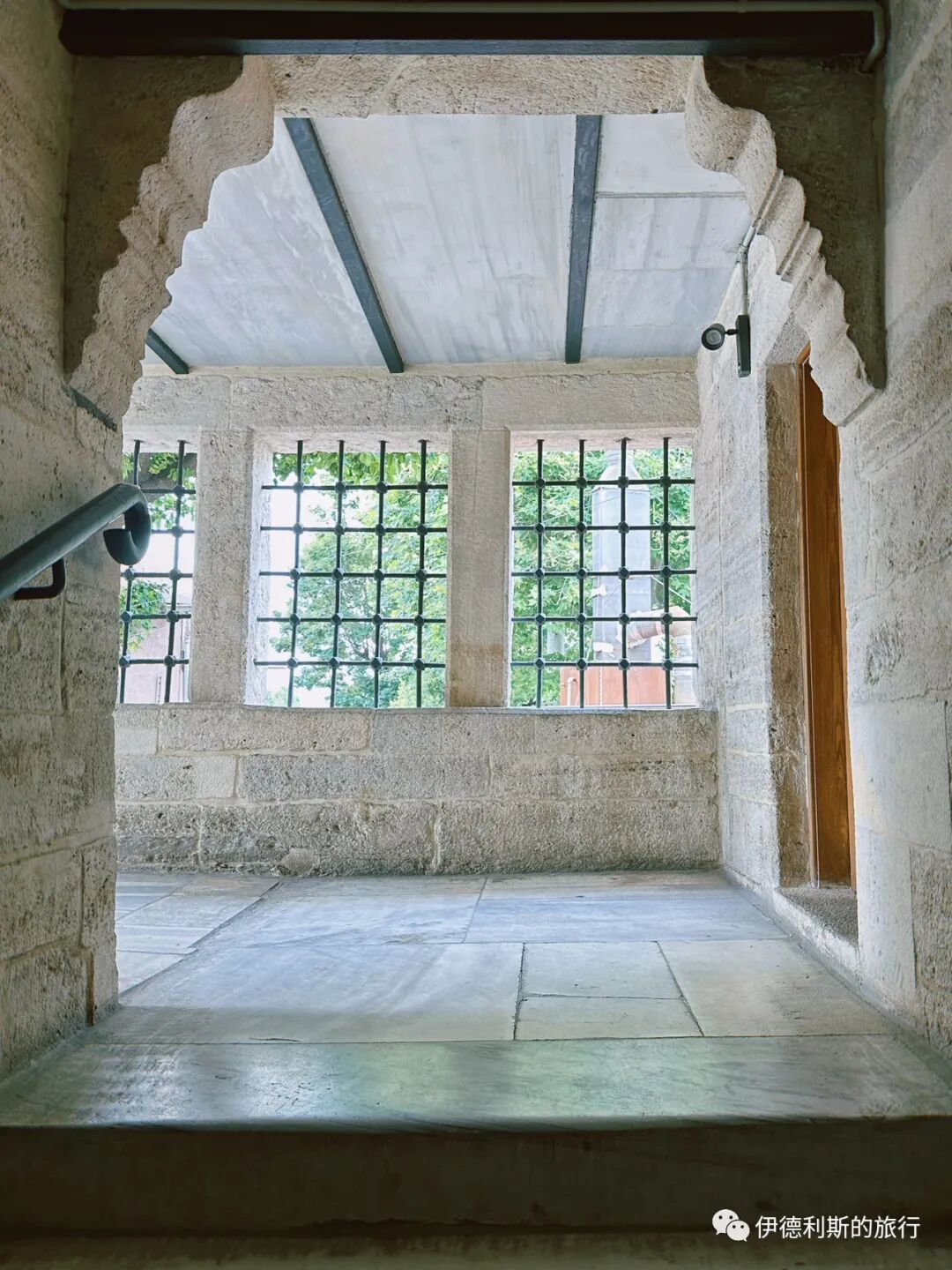
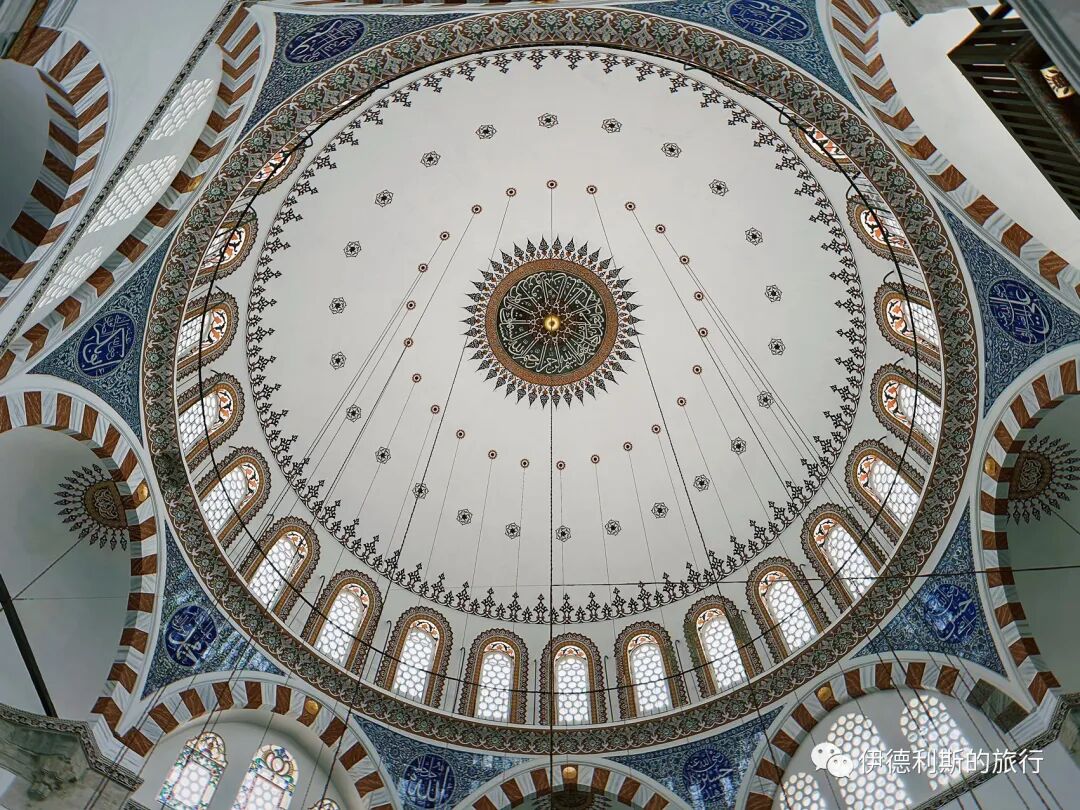
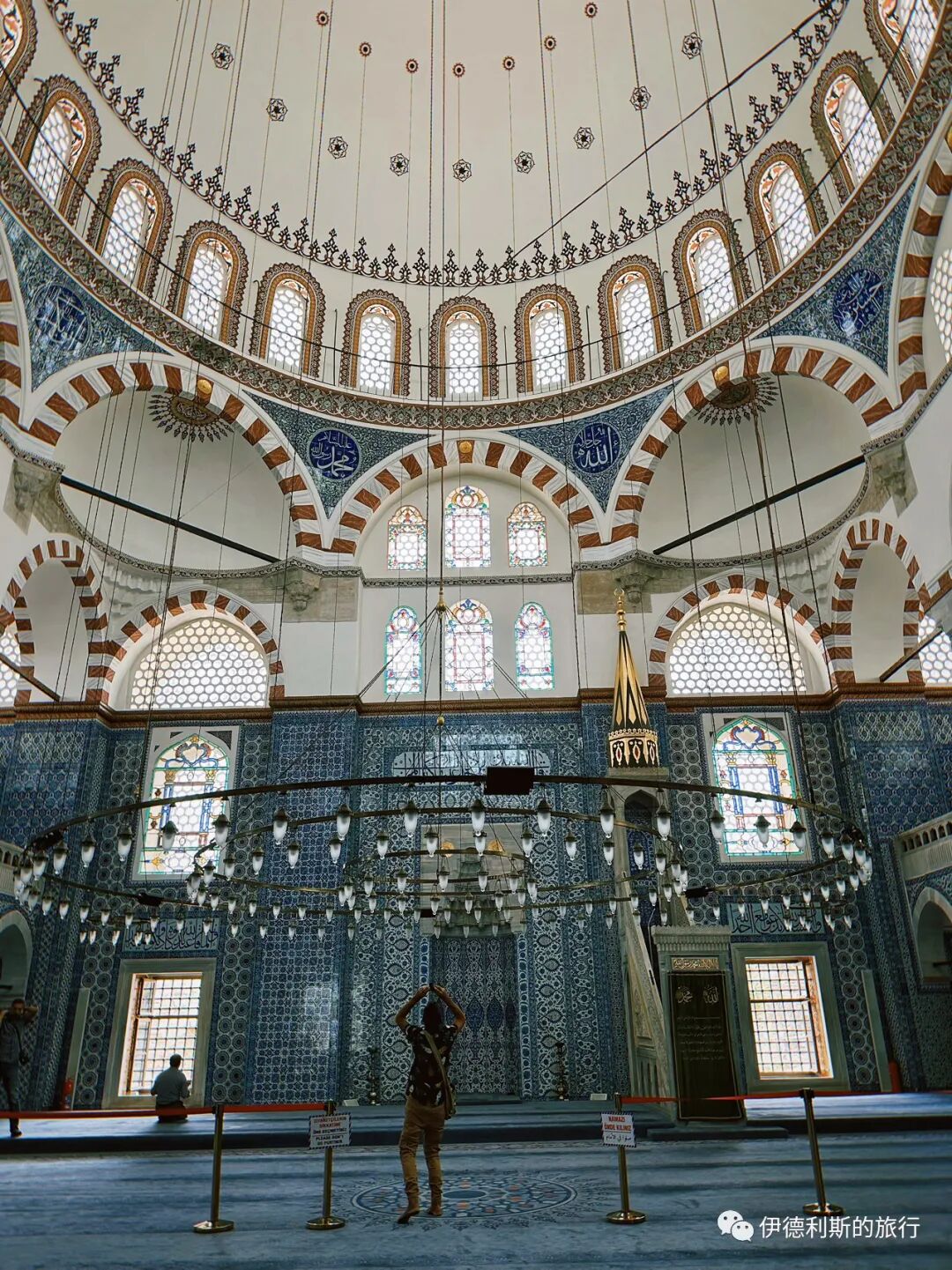
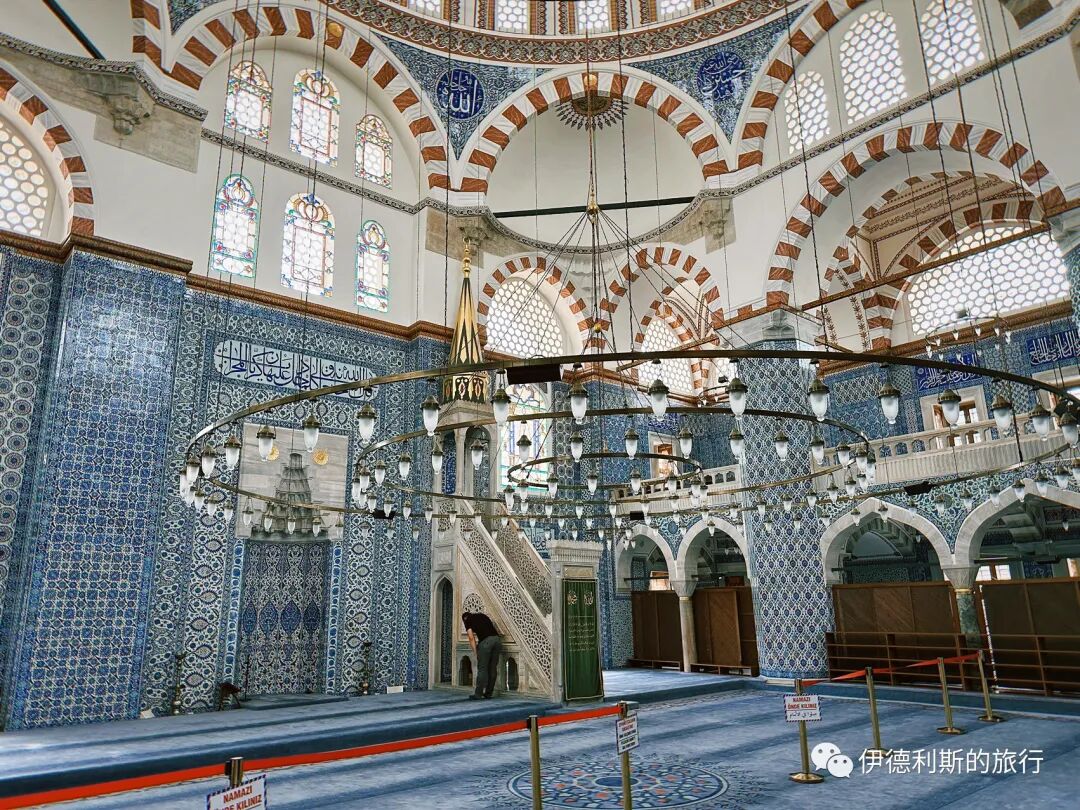
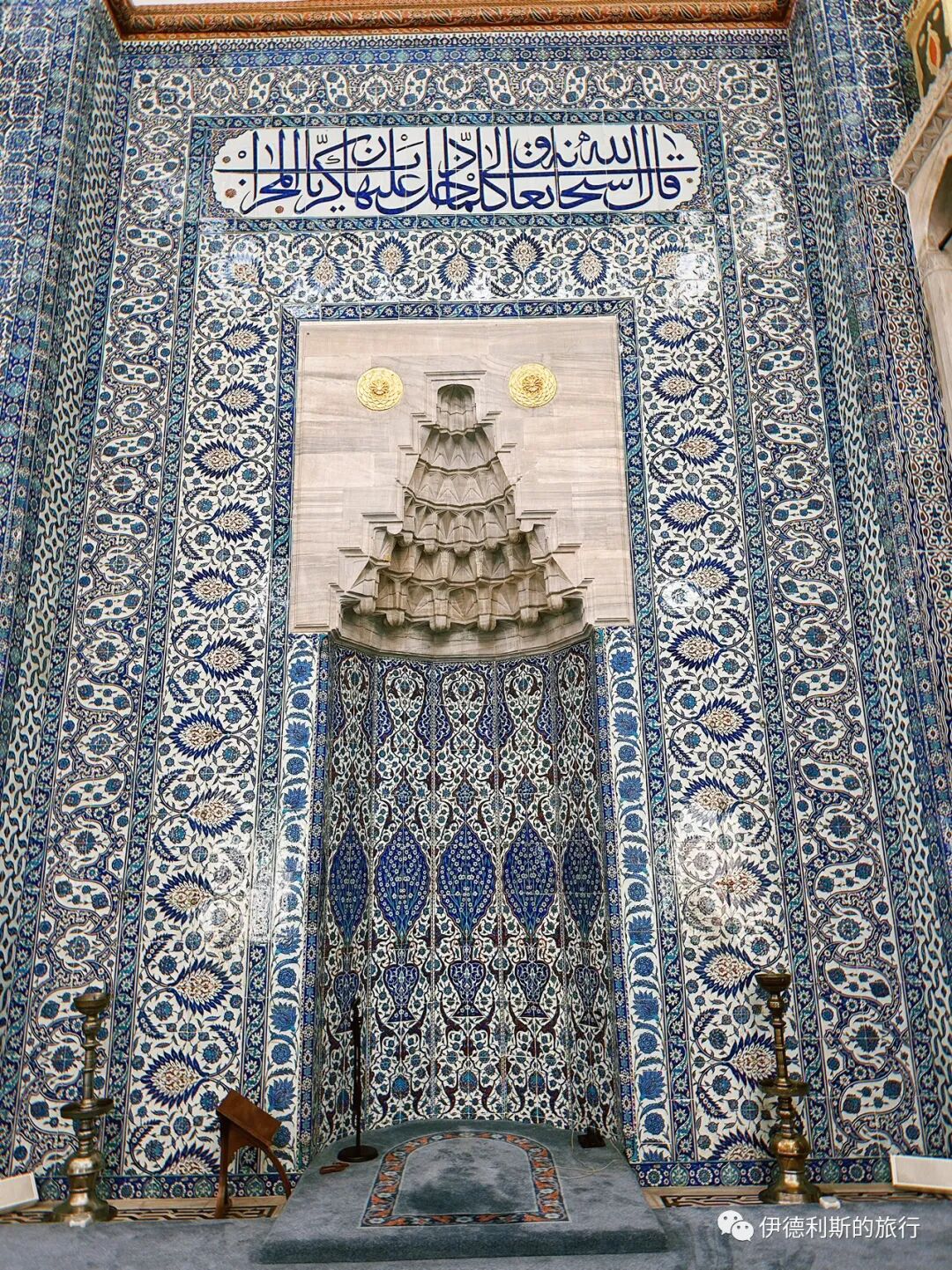
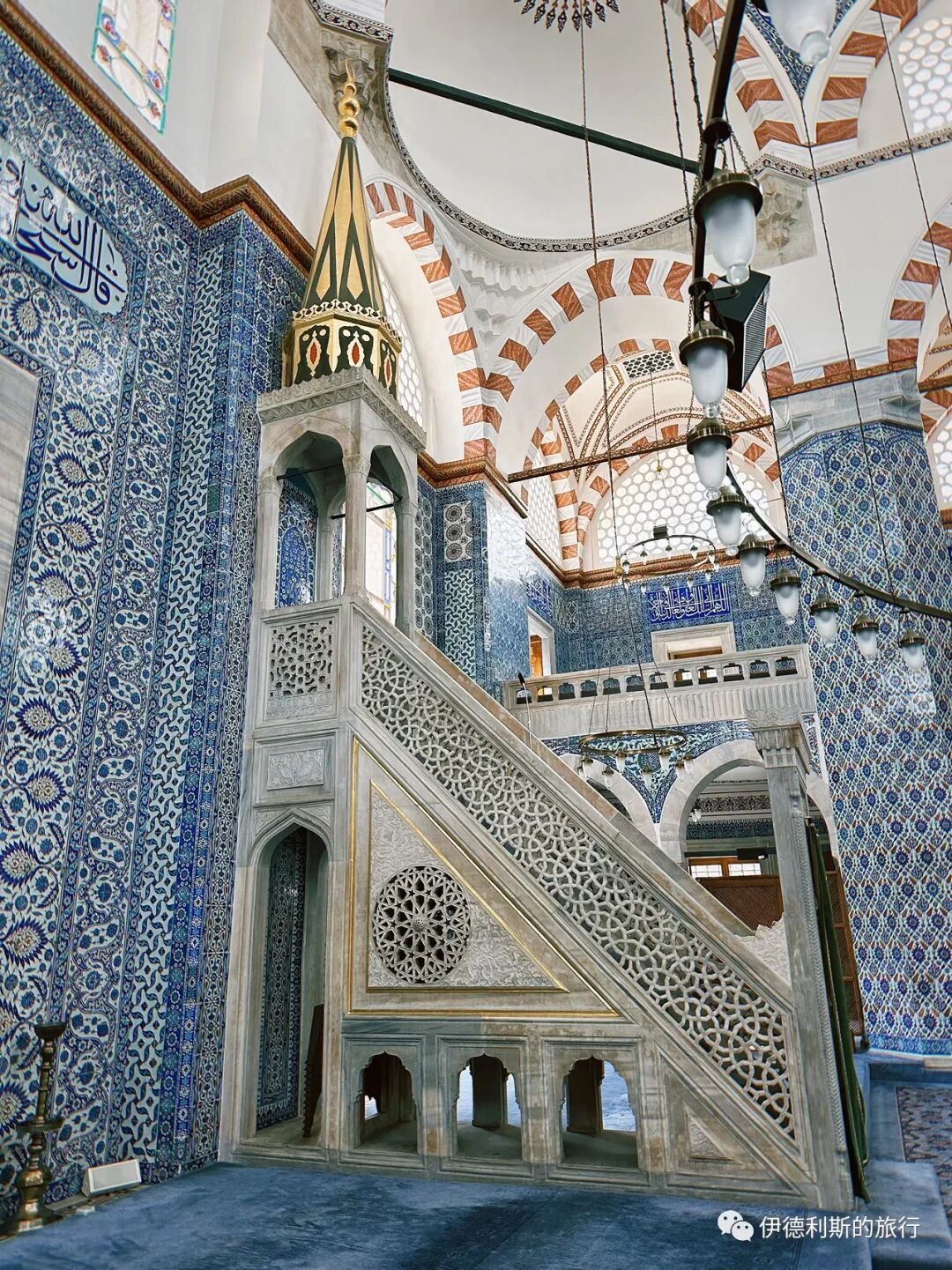
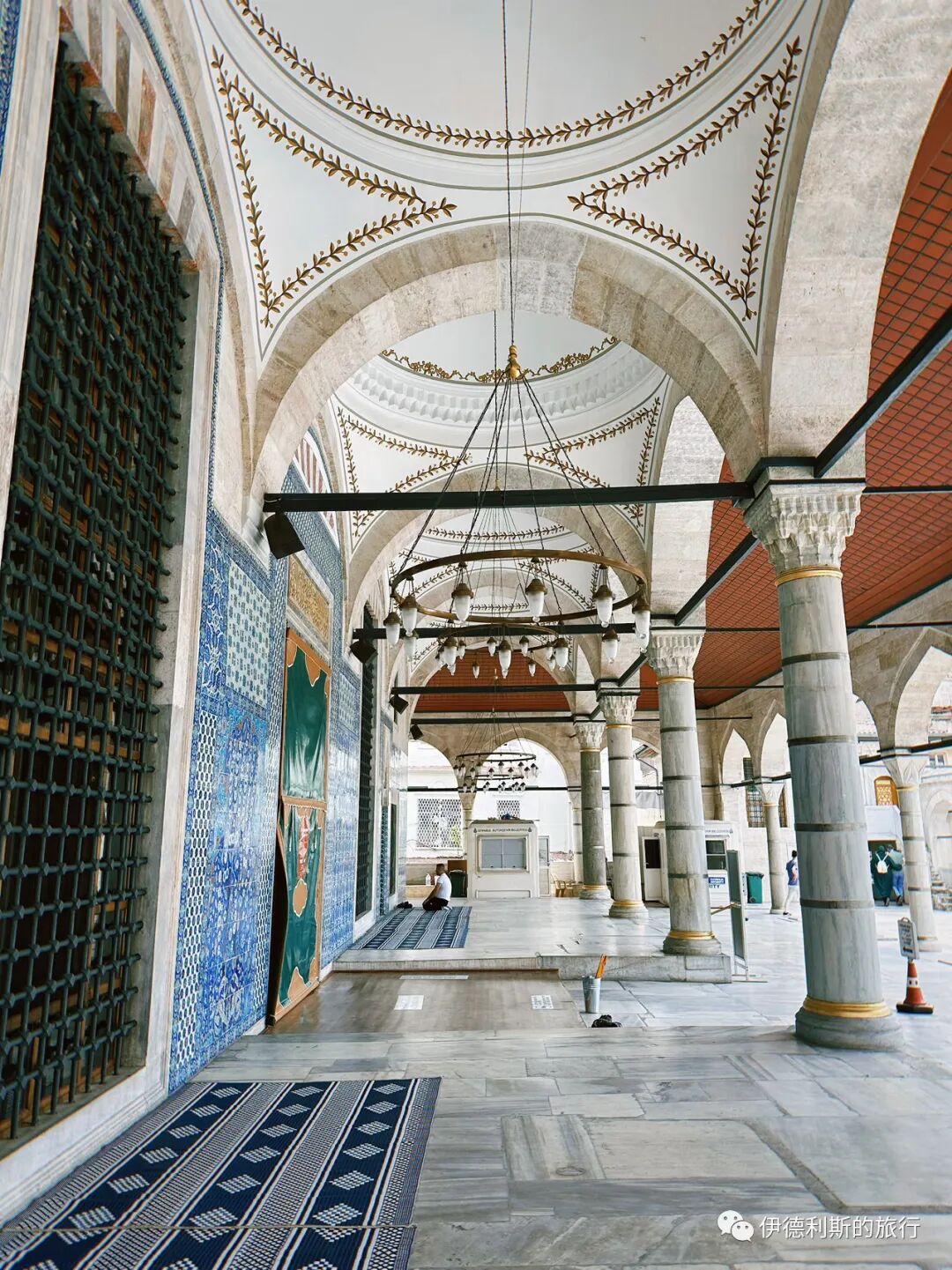
Most of Sinan's works are known for their rigorous architectural structure, but the Rüstem Paşa Mosque is famous for its exquisite interior Iznik tiles. About 2,300 Iznik tiles with 80 different floral and geometric patterns cover the outer walls of the main hall's porch, the interior walls, the prayer niche (mihrab), and the pulpit (minbar). It is said there are 41 types of tulip patterns alone. In the more than twenty years that followed, Sinan never again used such a large number of Iznik tiles to decorate a mosque.
People say these tiles were ordered by Rüstem Paşa himself to support Kara Memi, the chief painter of the Ottoman court at the time. Kara Memi created a new naturalistic style, and his floral works were widely used on crafts like tiles and carpets, leaving a profound influence on Ottoman art.
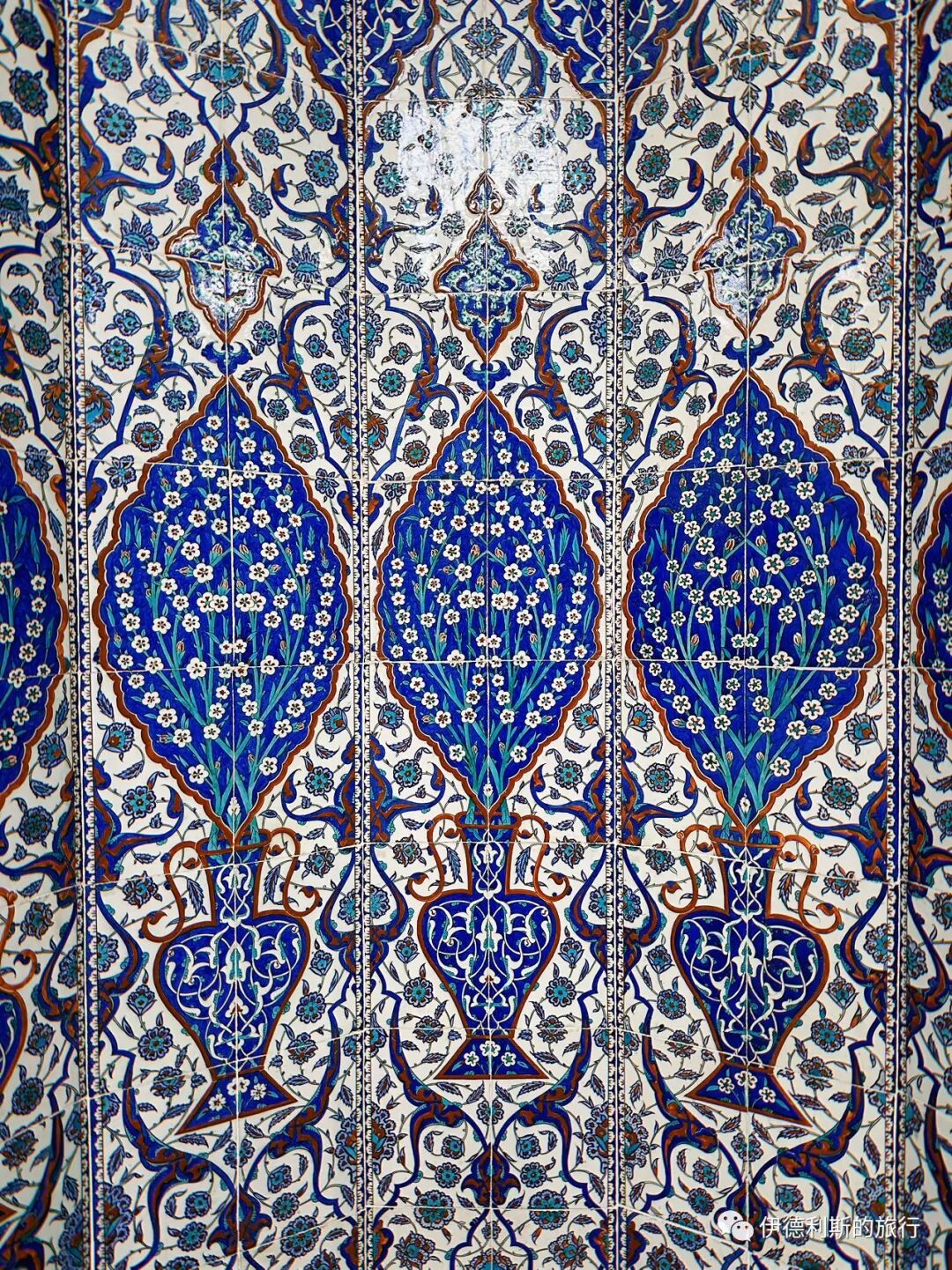
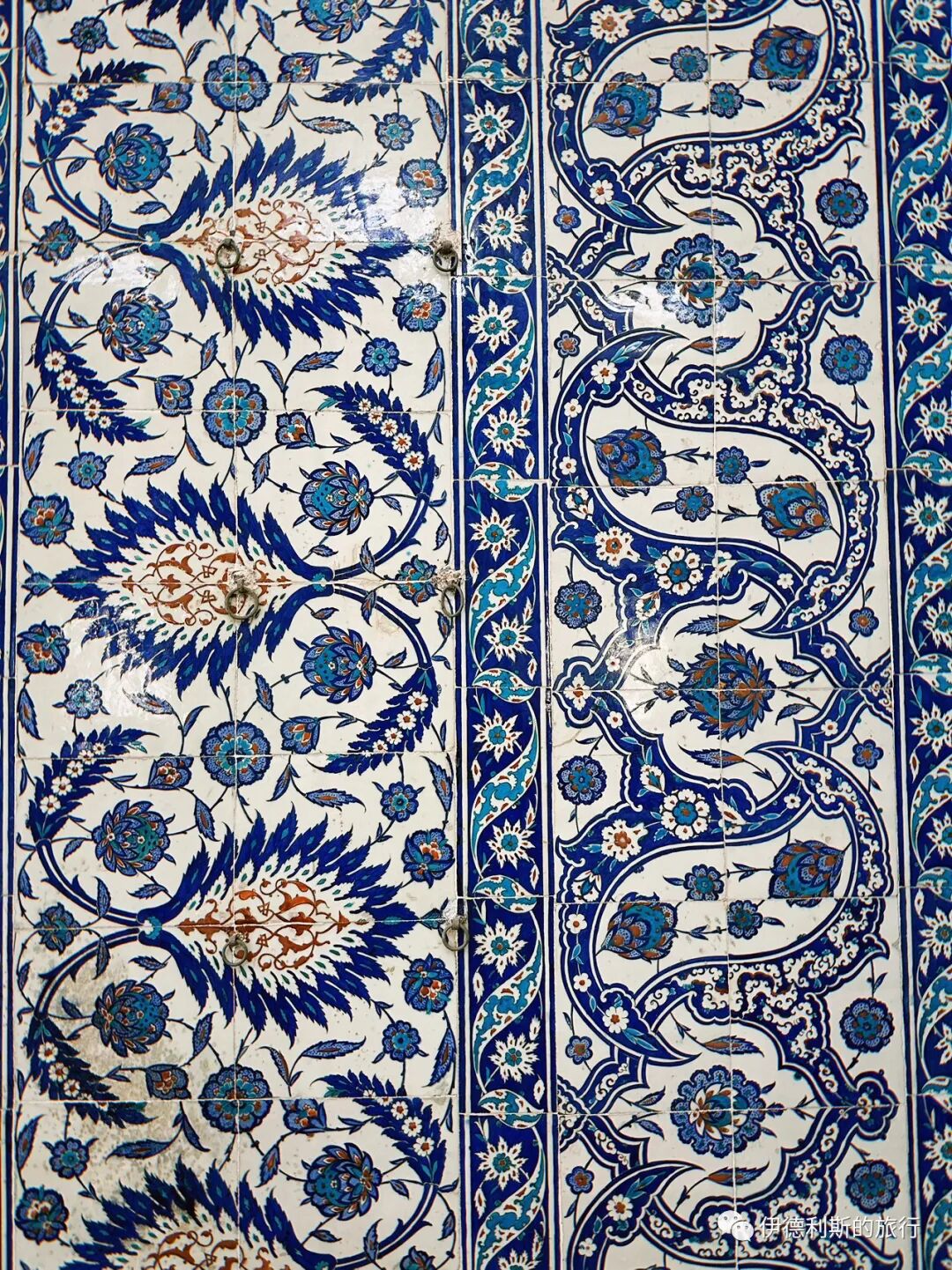
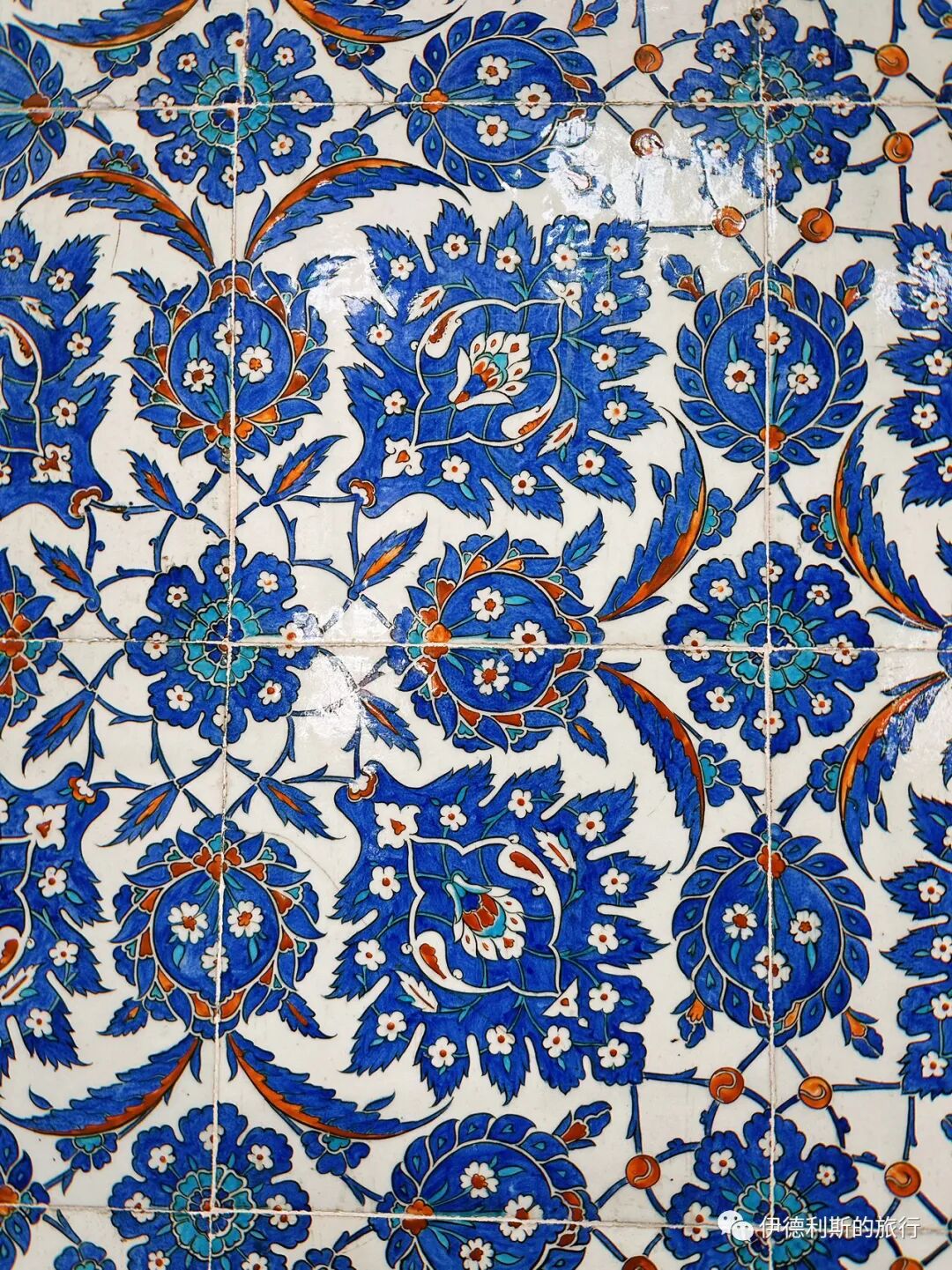
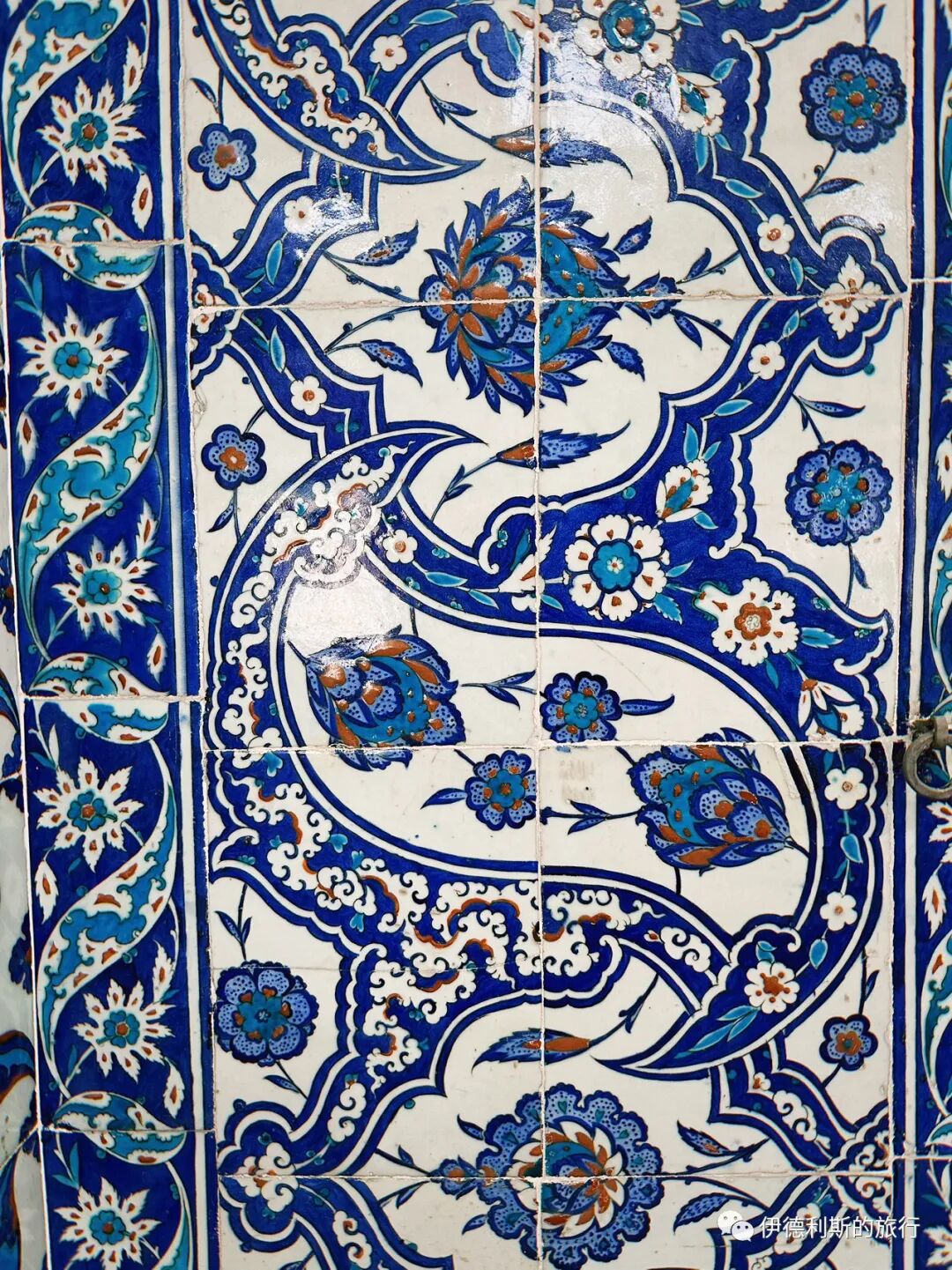
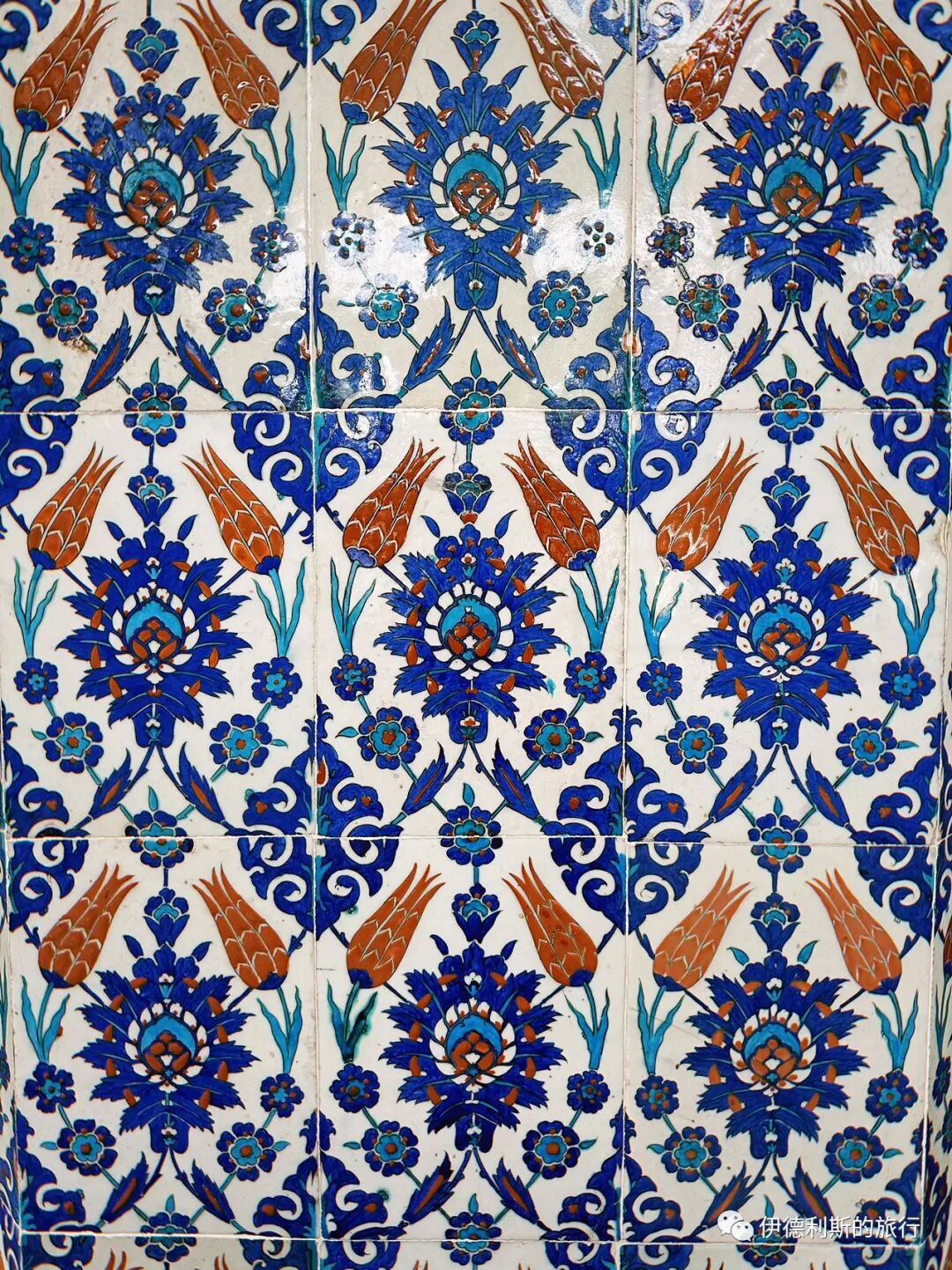
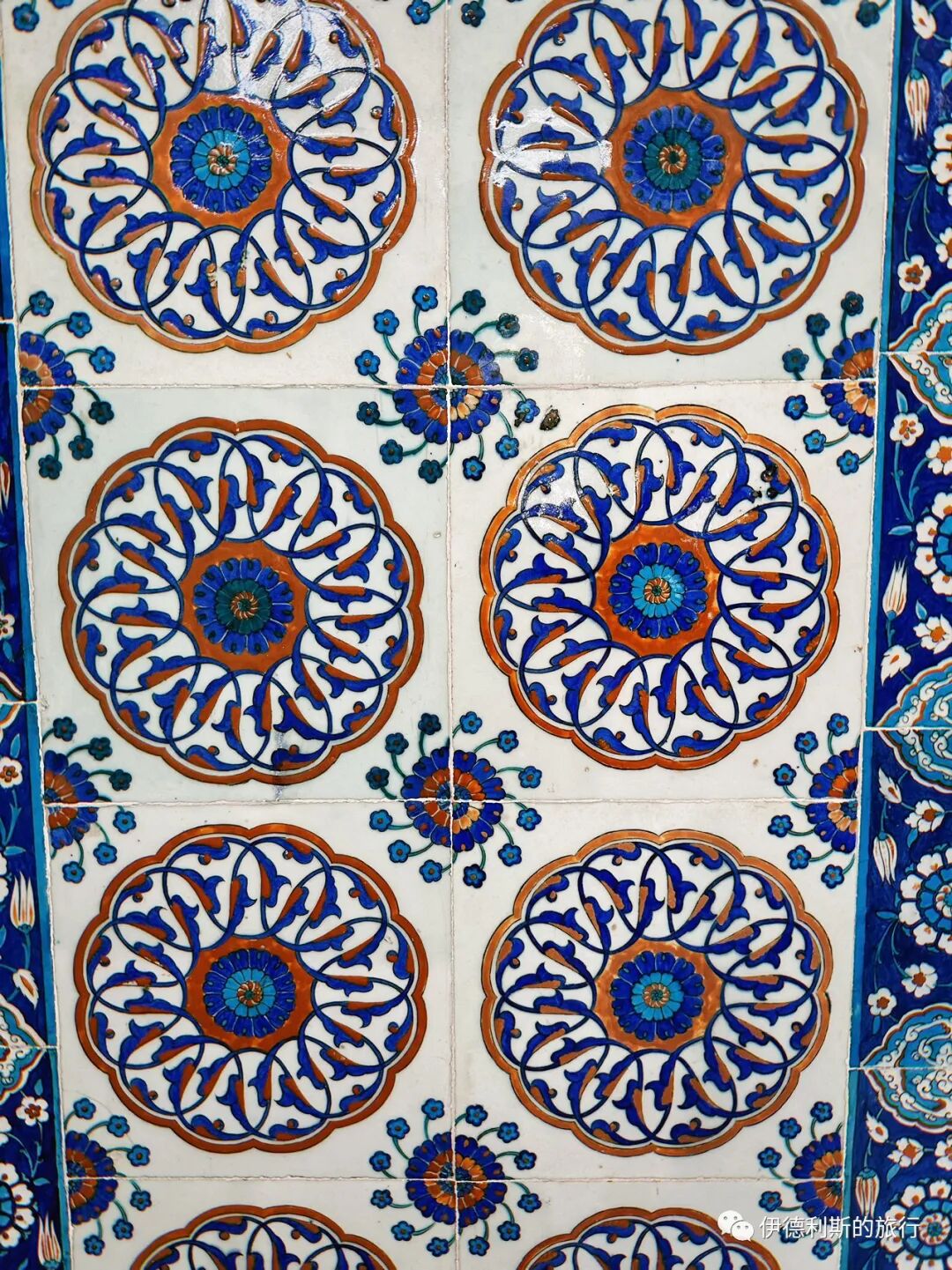
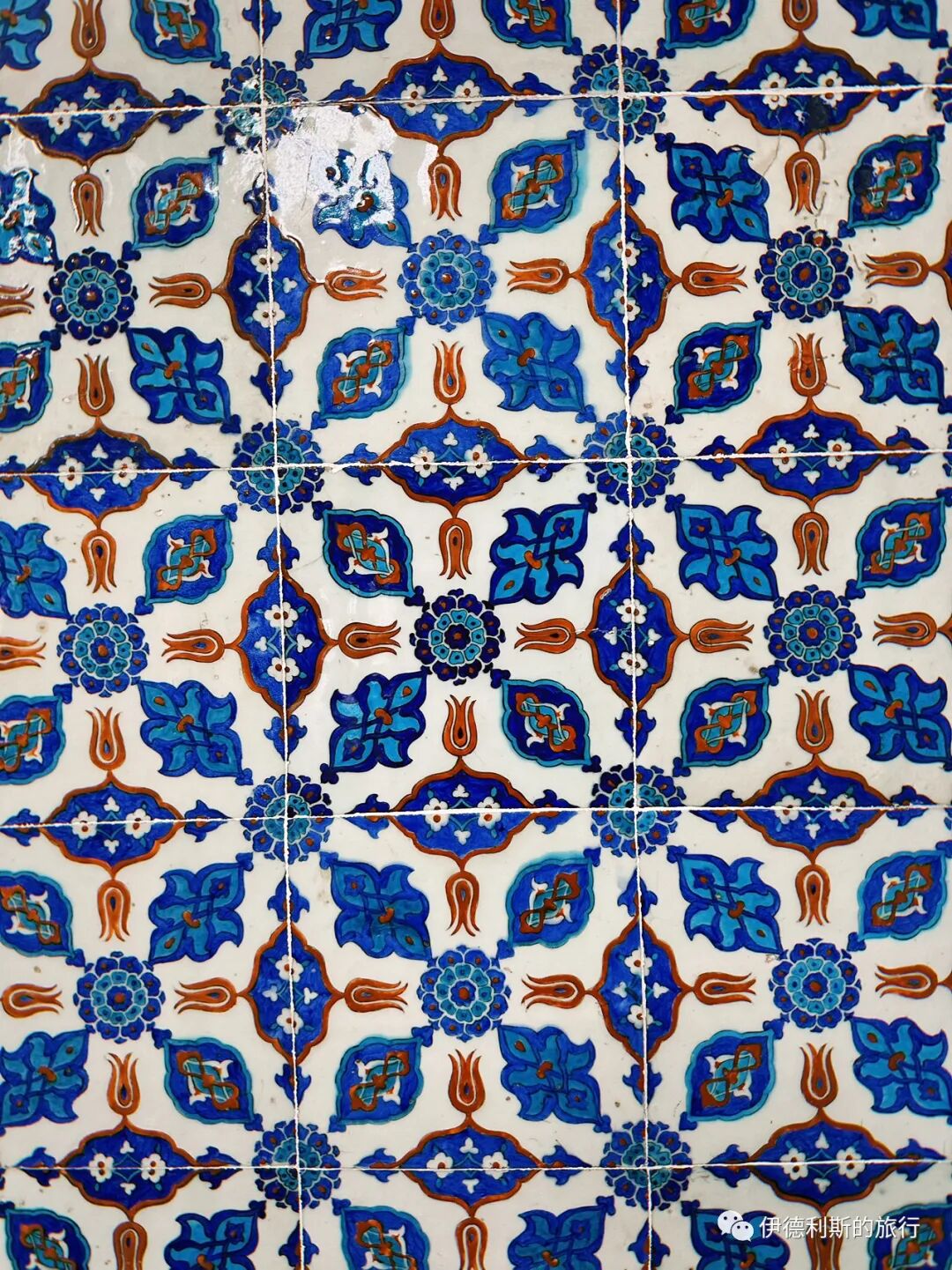
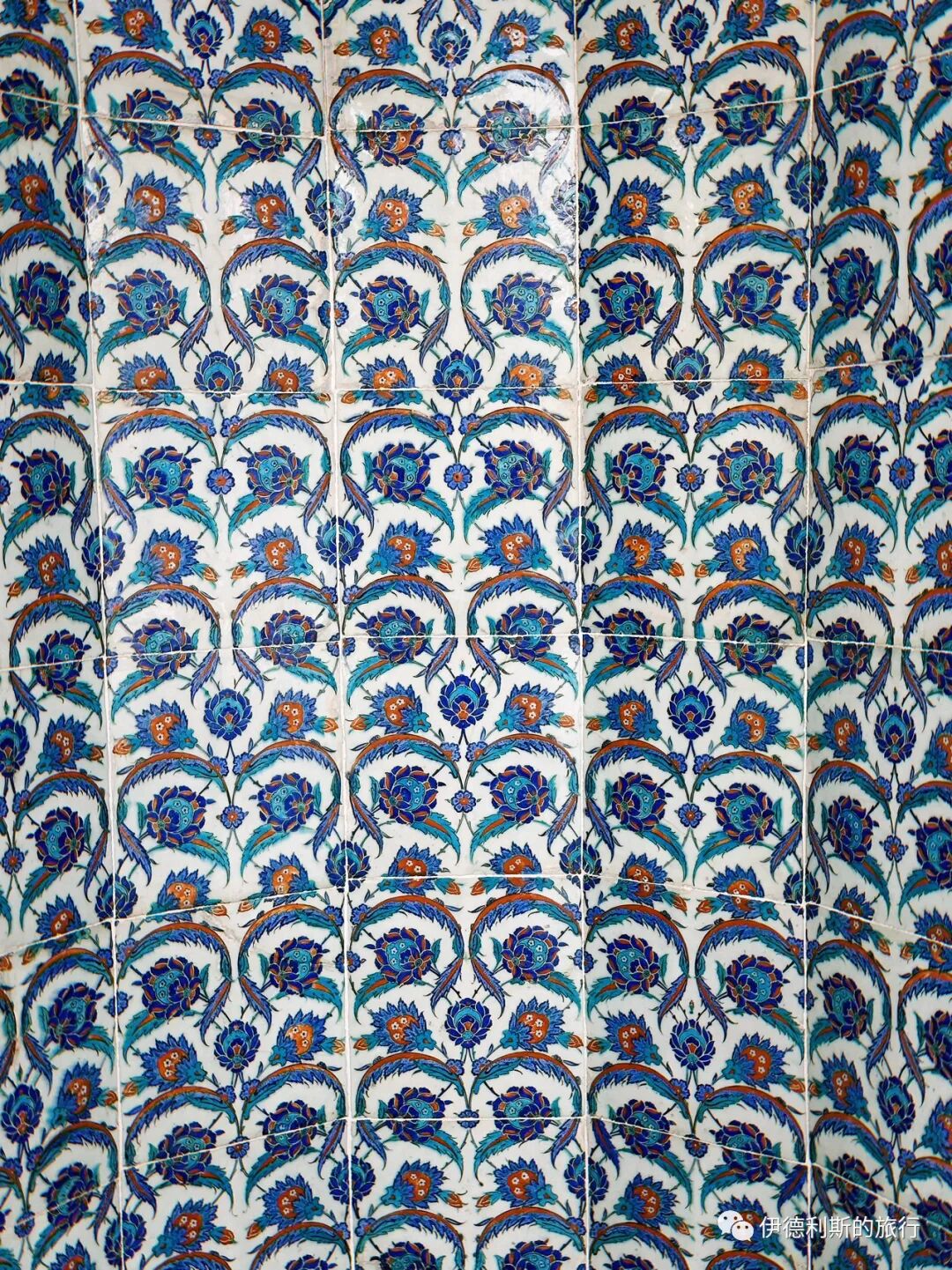
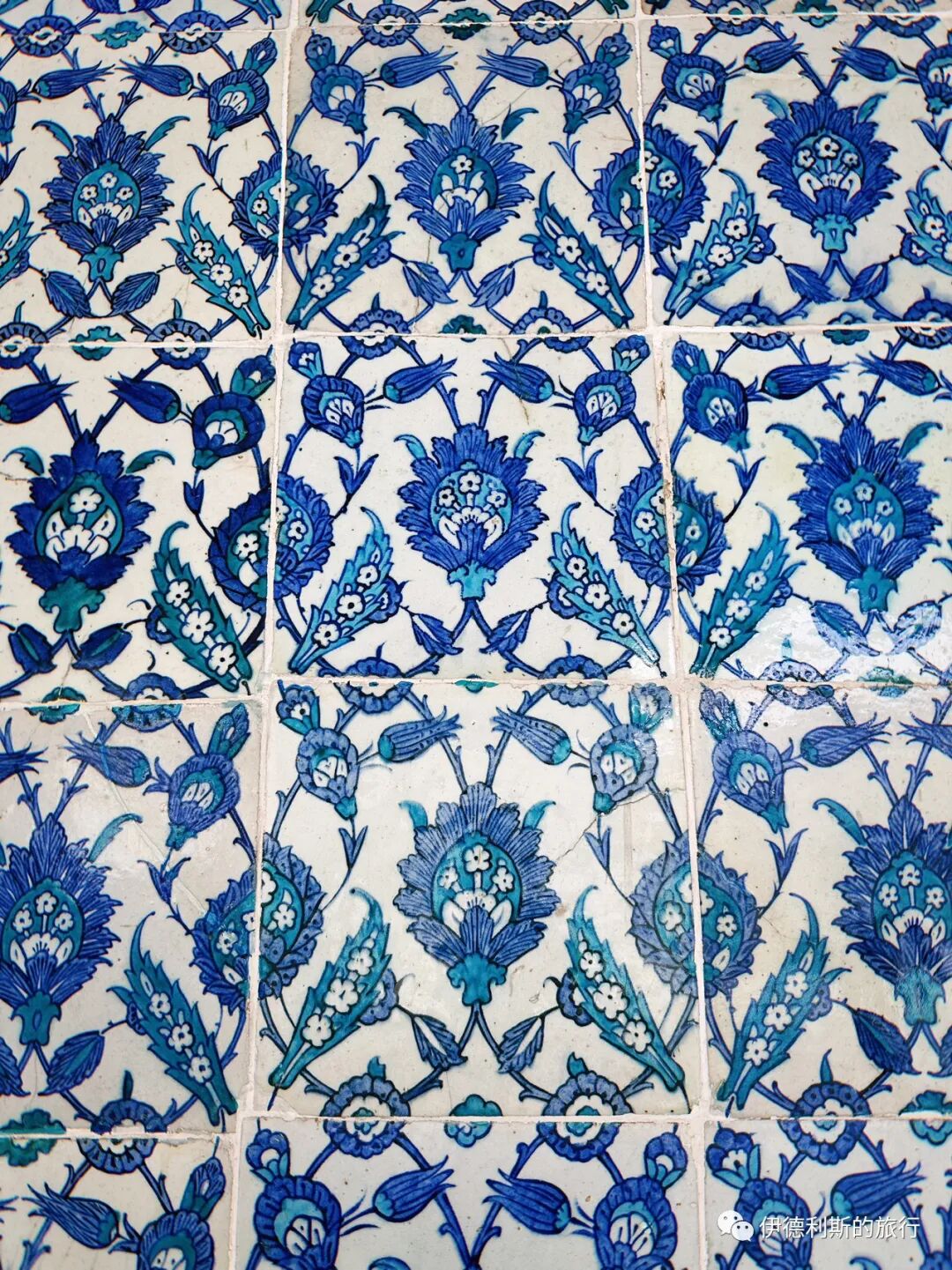
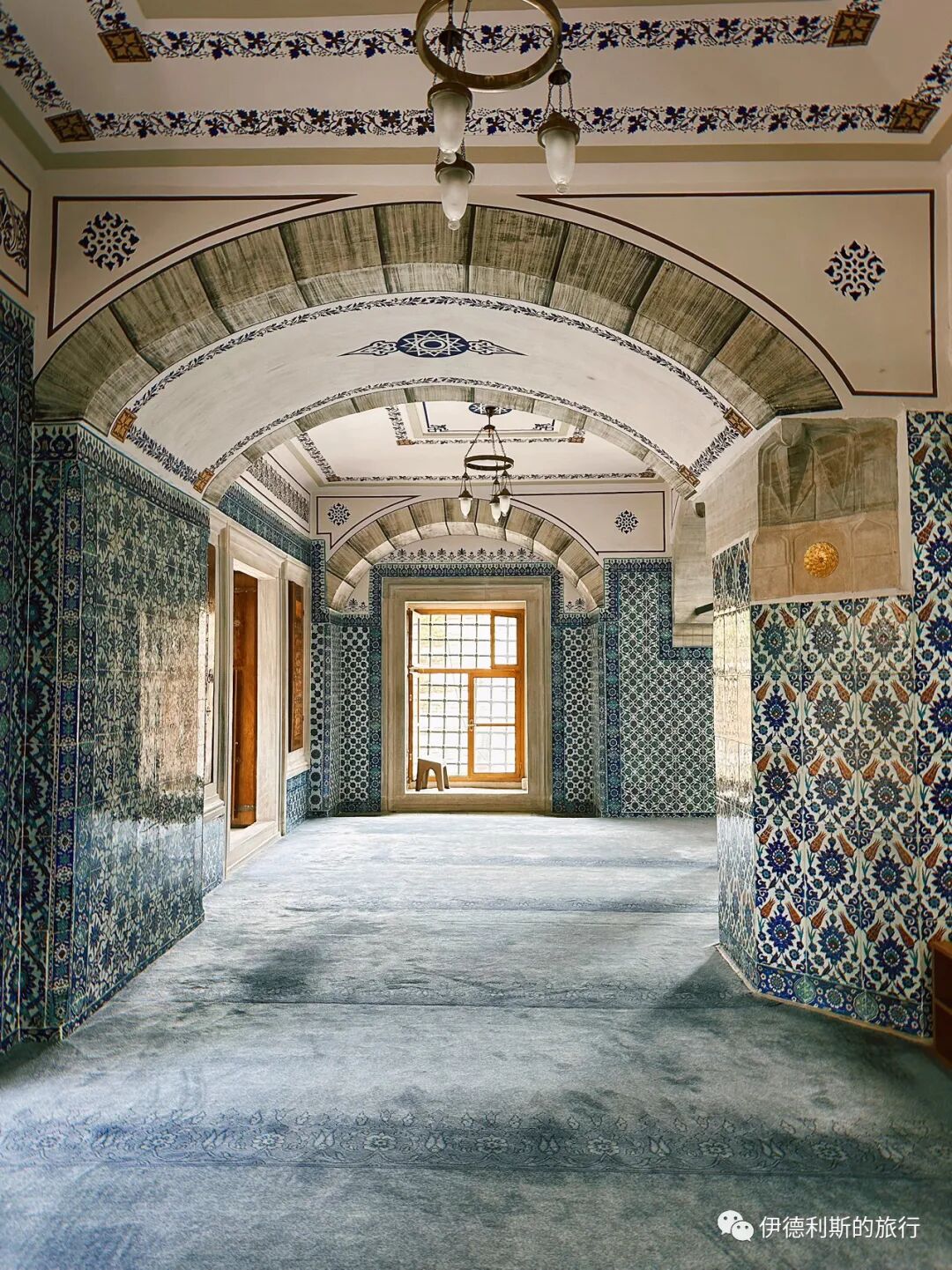
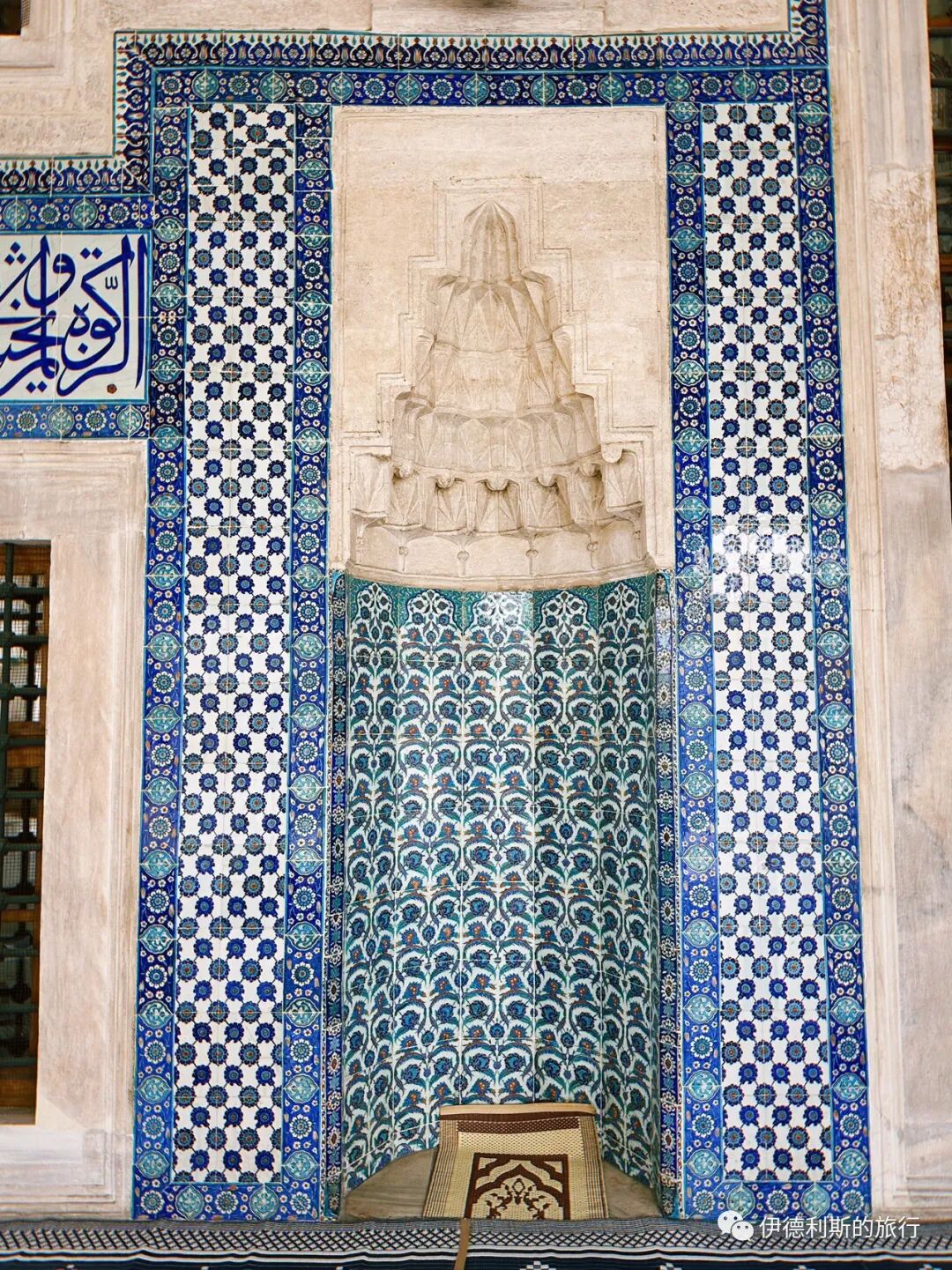
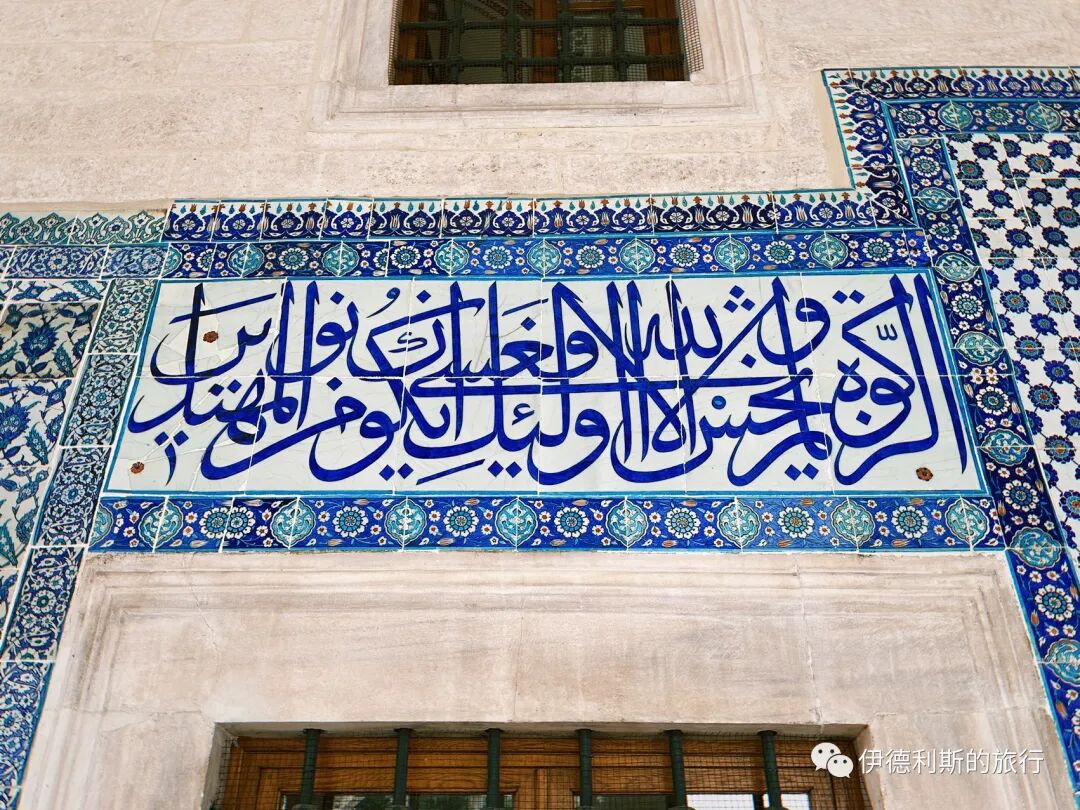
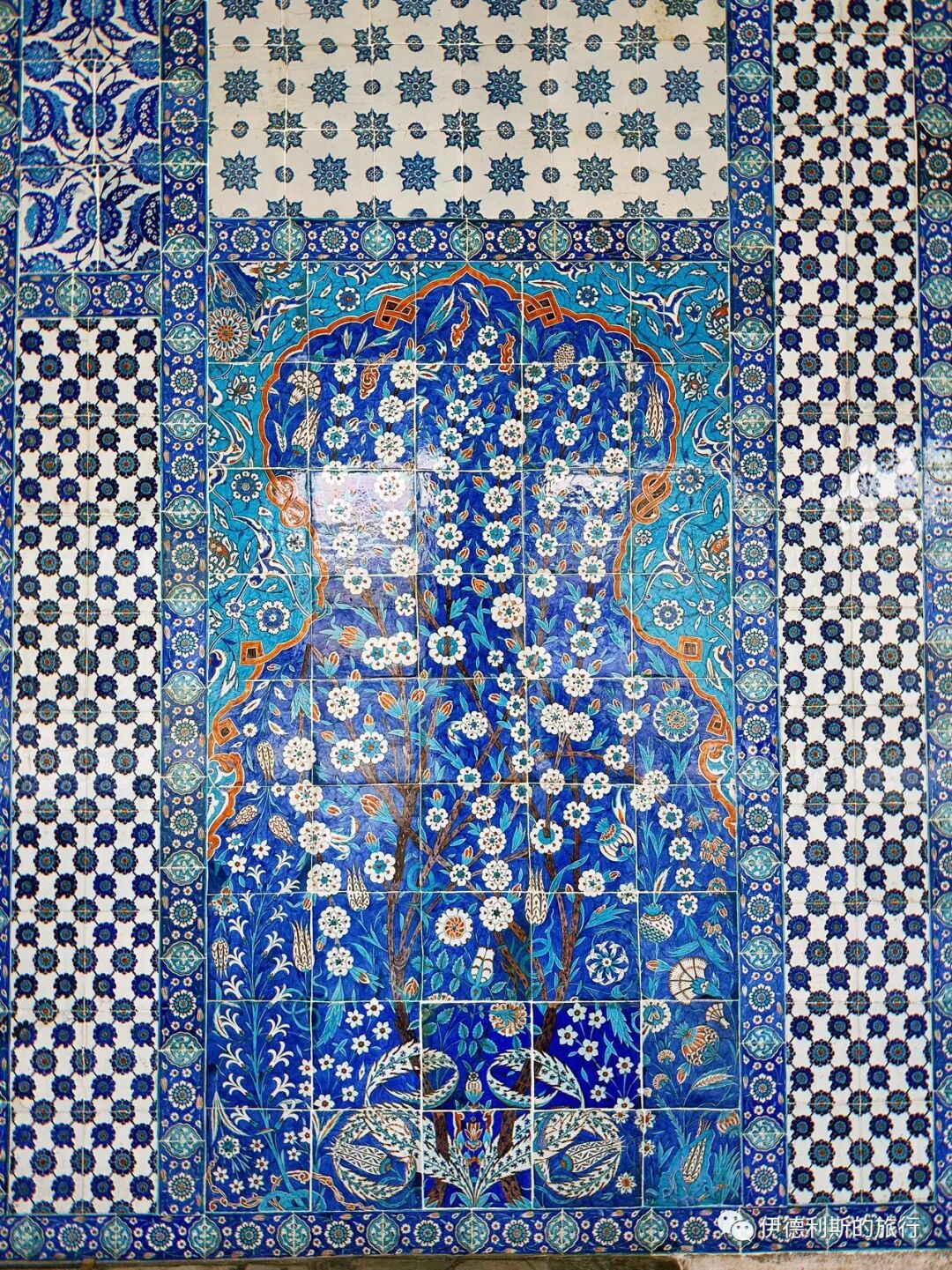
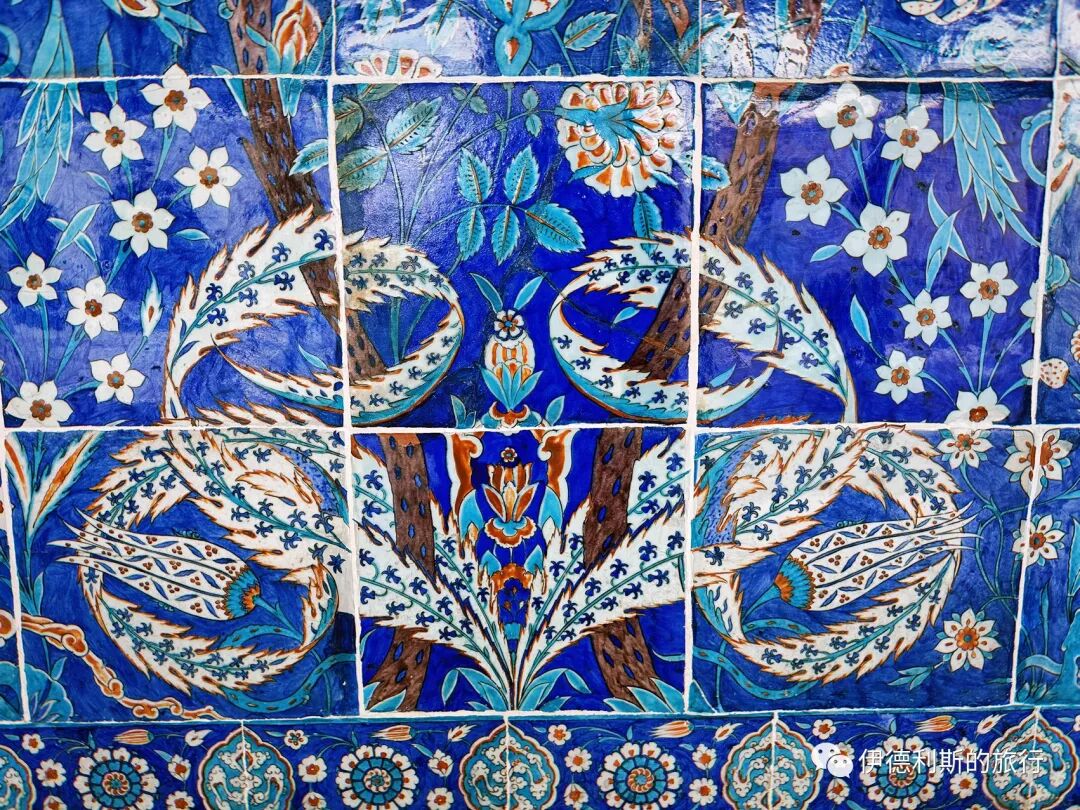
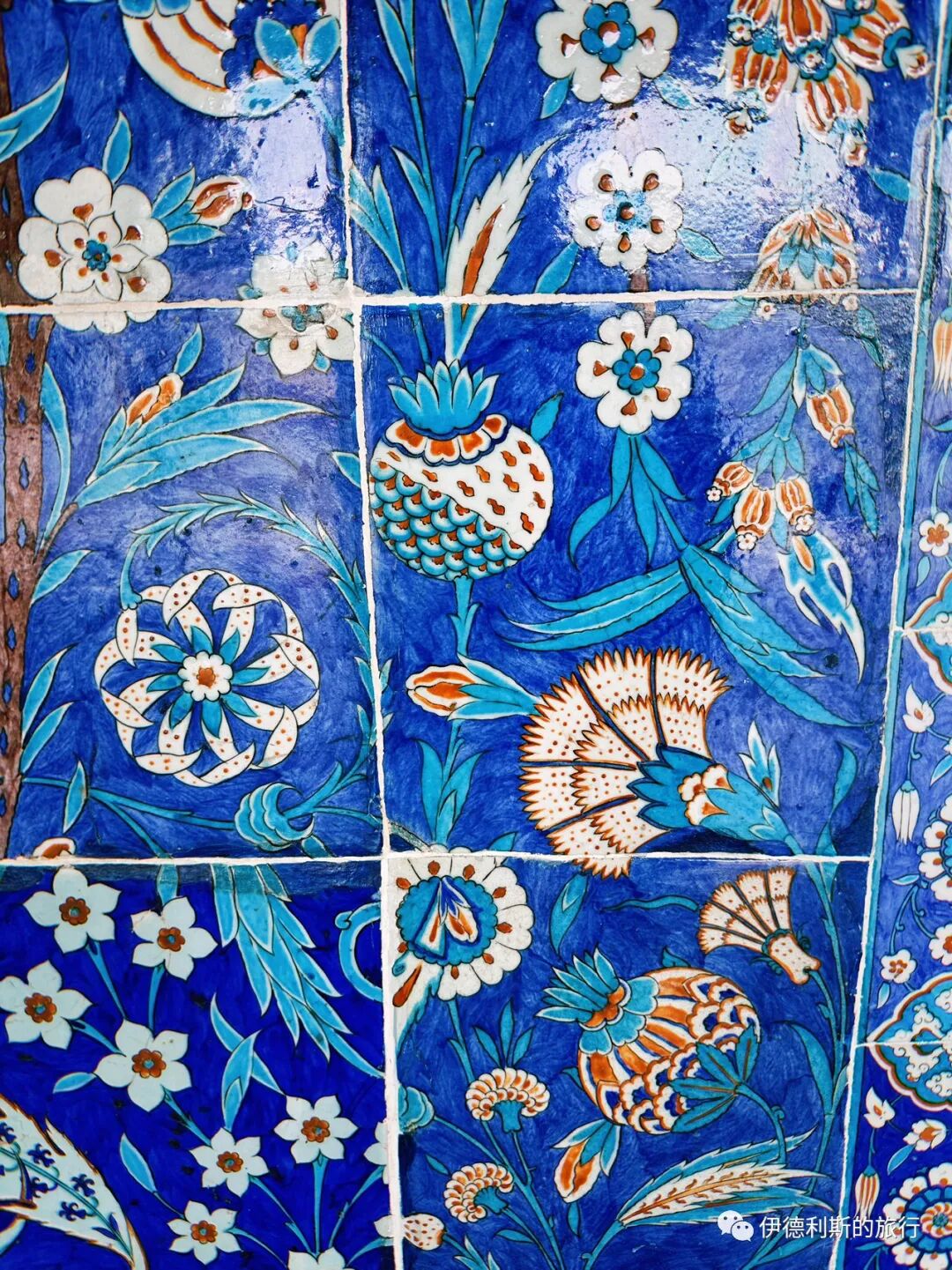
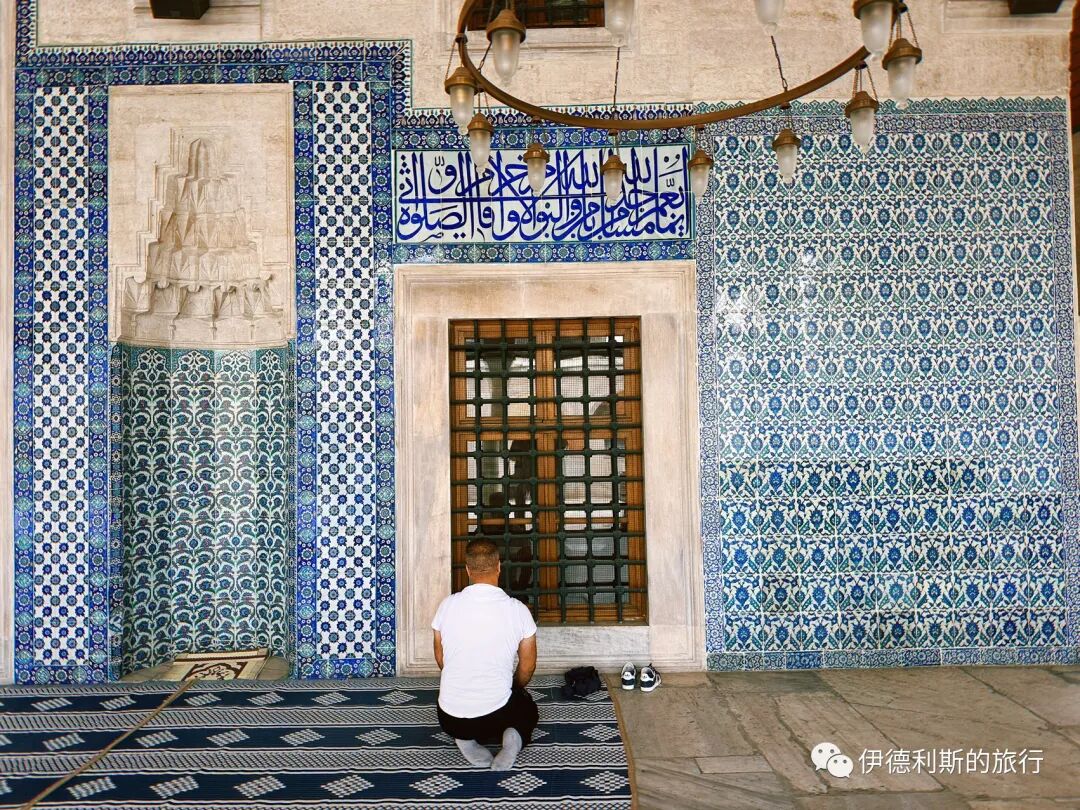
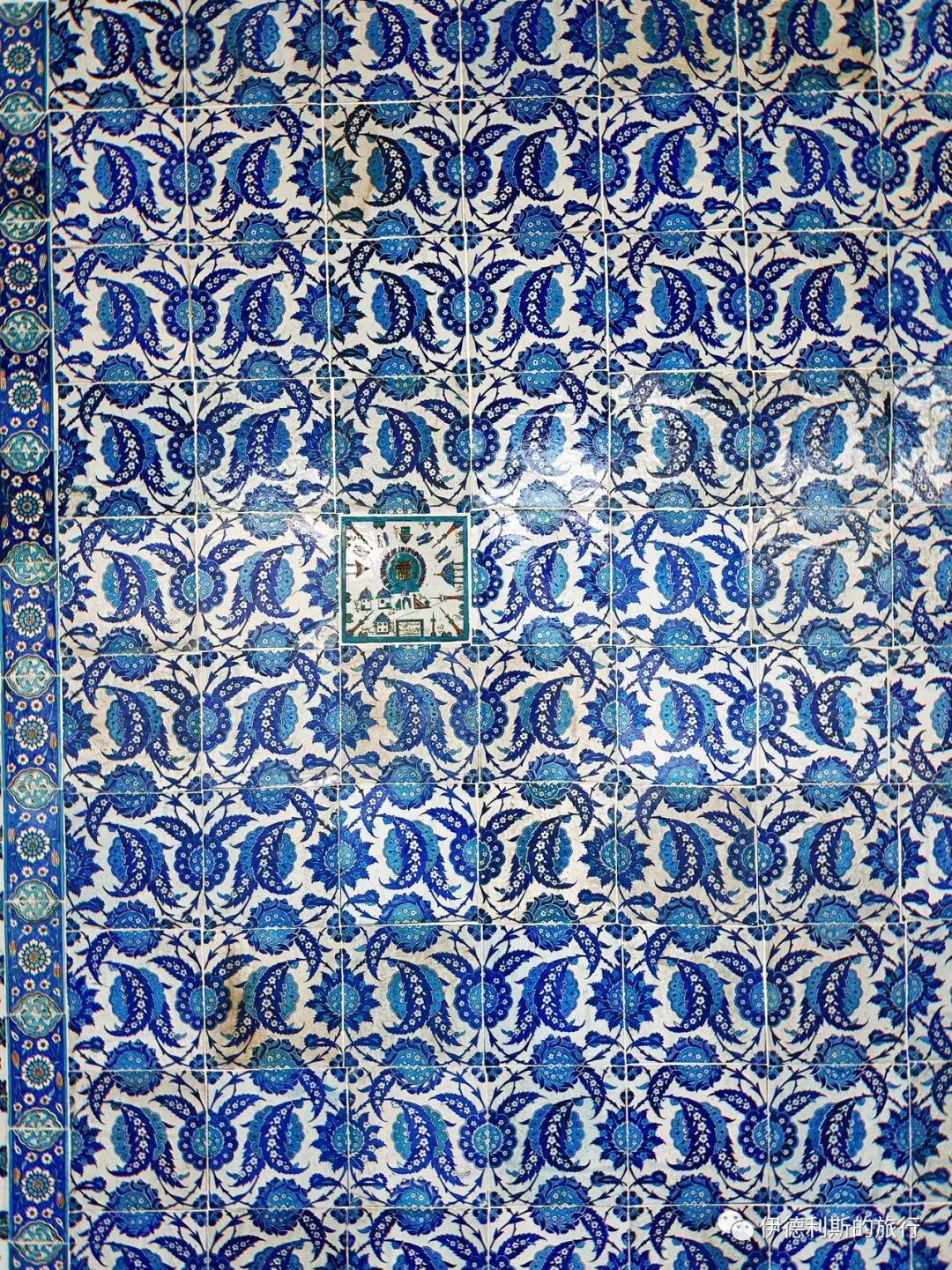
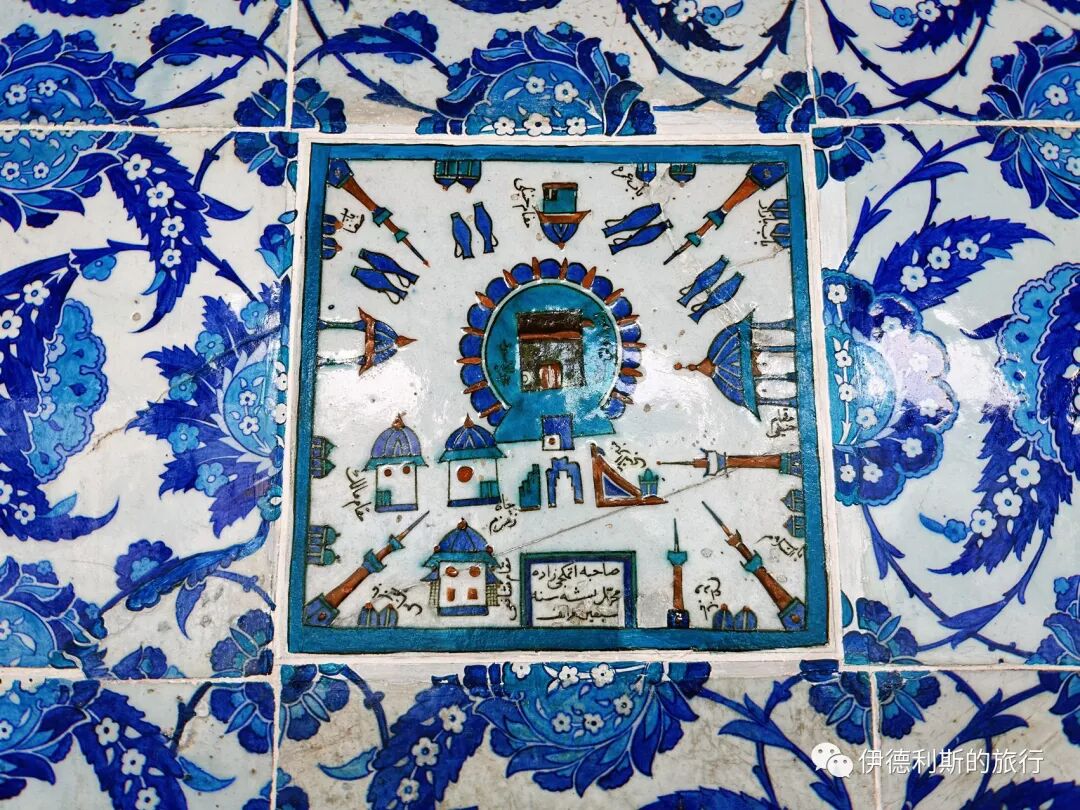
Elhac Timurtaş Mosque: 1460s
Not far west of the Rüstem Paşa Mosque, on a street corner, stands the Elhac Timurtaş Mosque. This small, unassuming mosque is actually one of the oldest in Istanbul. It was built in the 1460s by Timurtaş Ağa, who was a merchant there, and the architect was Mahsenci Hacı Ahmet Ağa. The Elhac Timurtaş Mosque has been rebuilt many times throughout history, so it is hard to see its original form today. The mosque was occupied between 1938 and 1964, restored in 1965 at the suggestion of local merchants, and renovated again in 1990 to its current appearance.
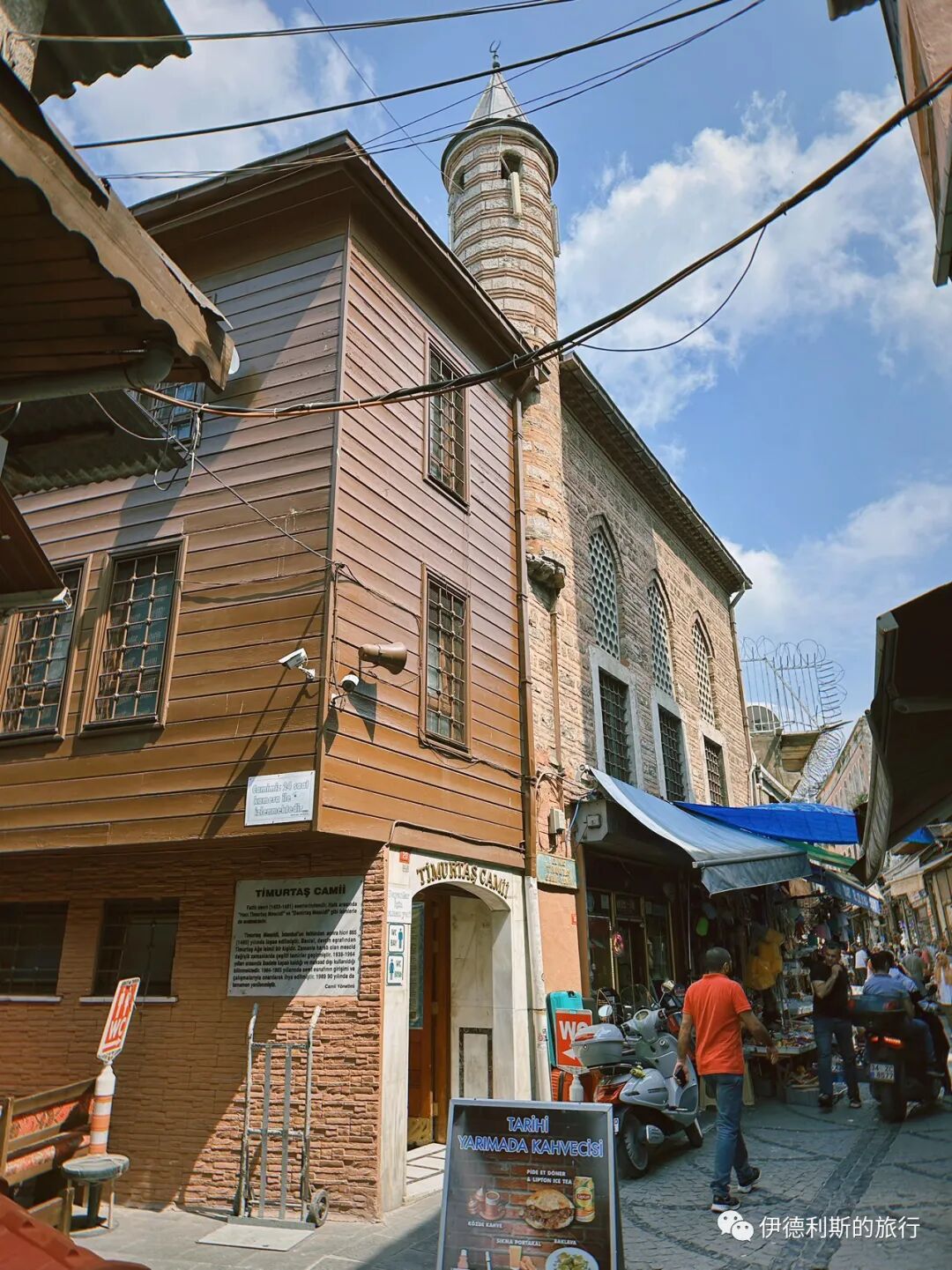
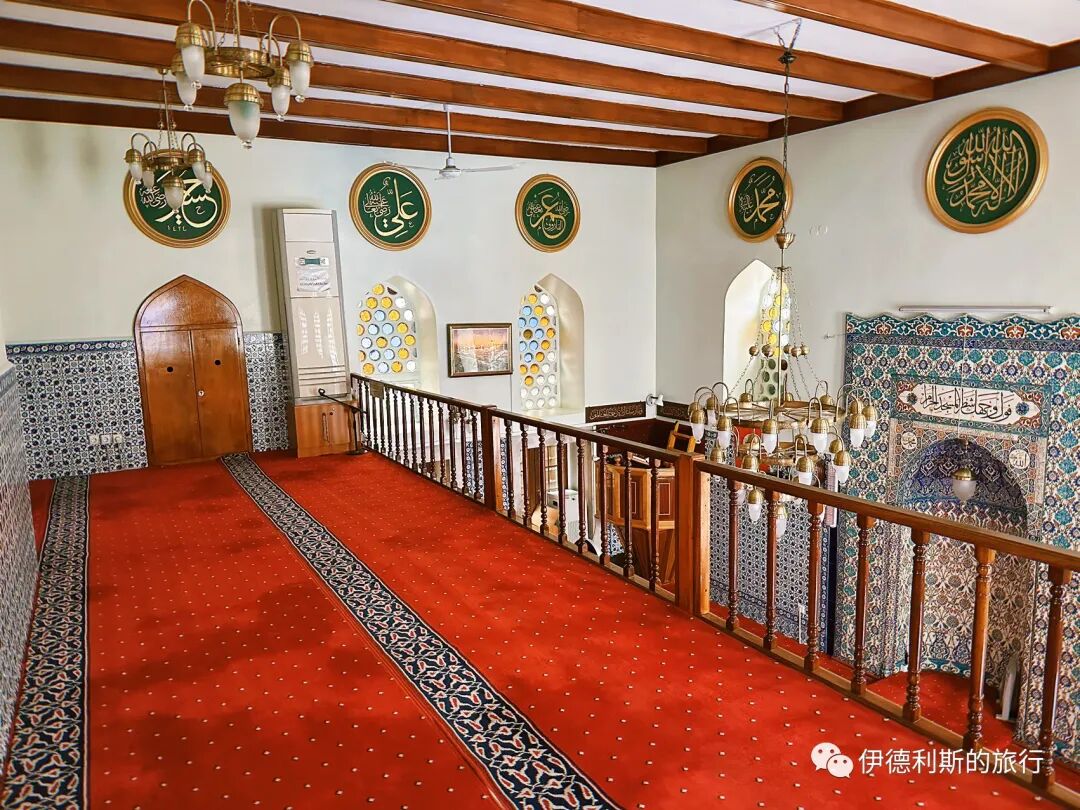
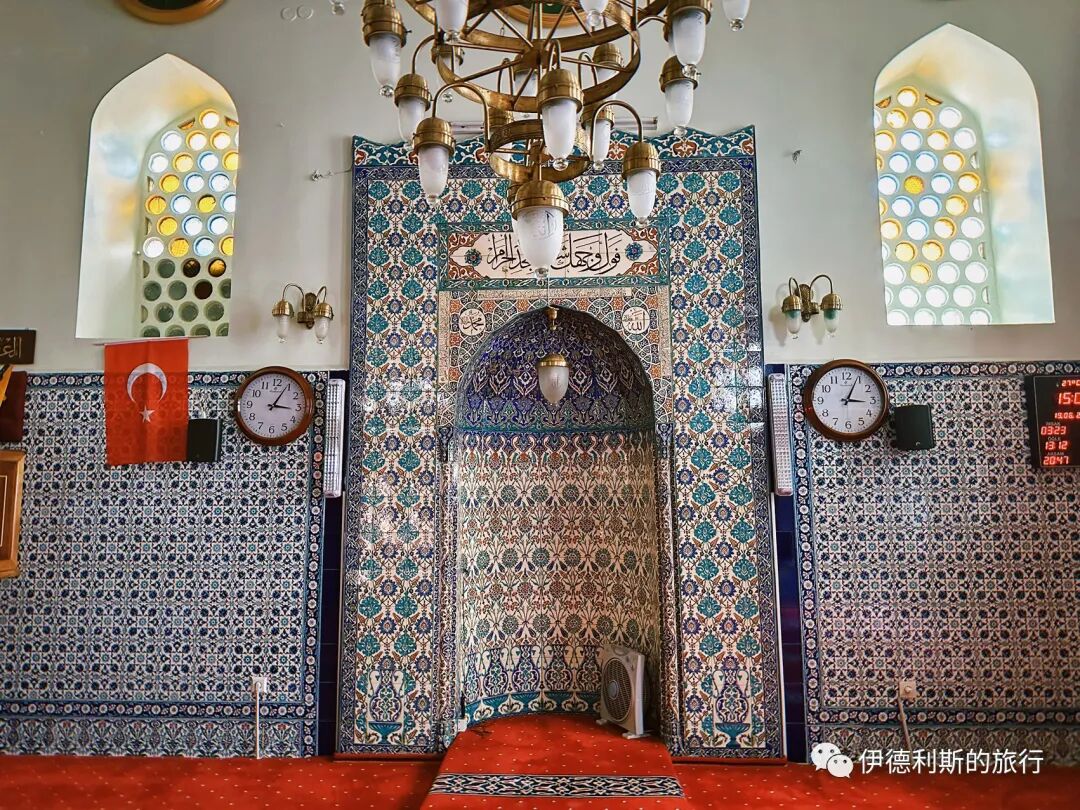
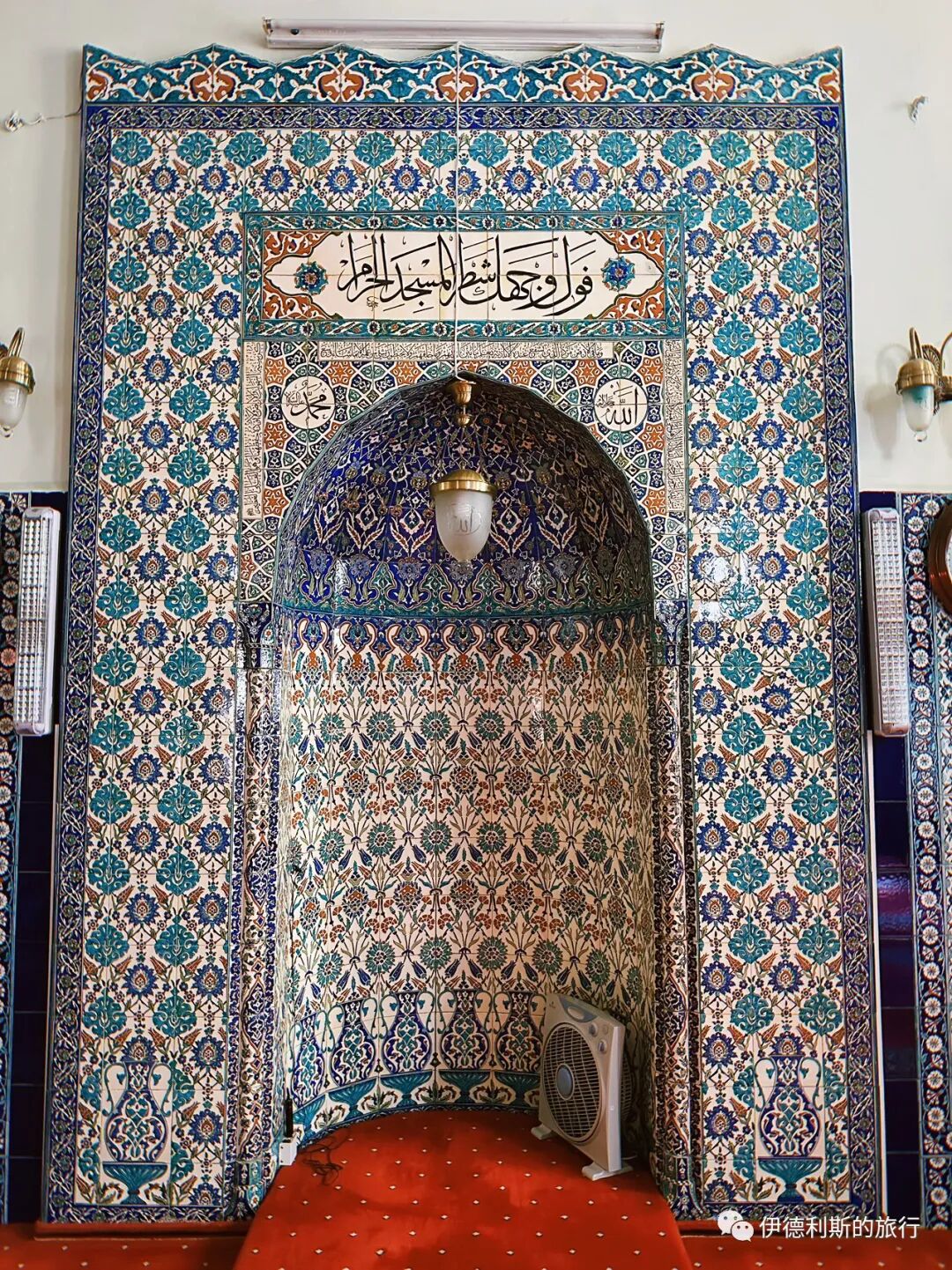
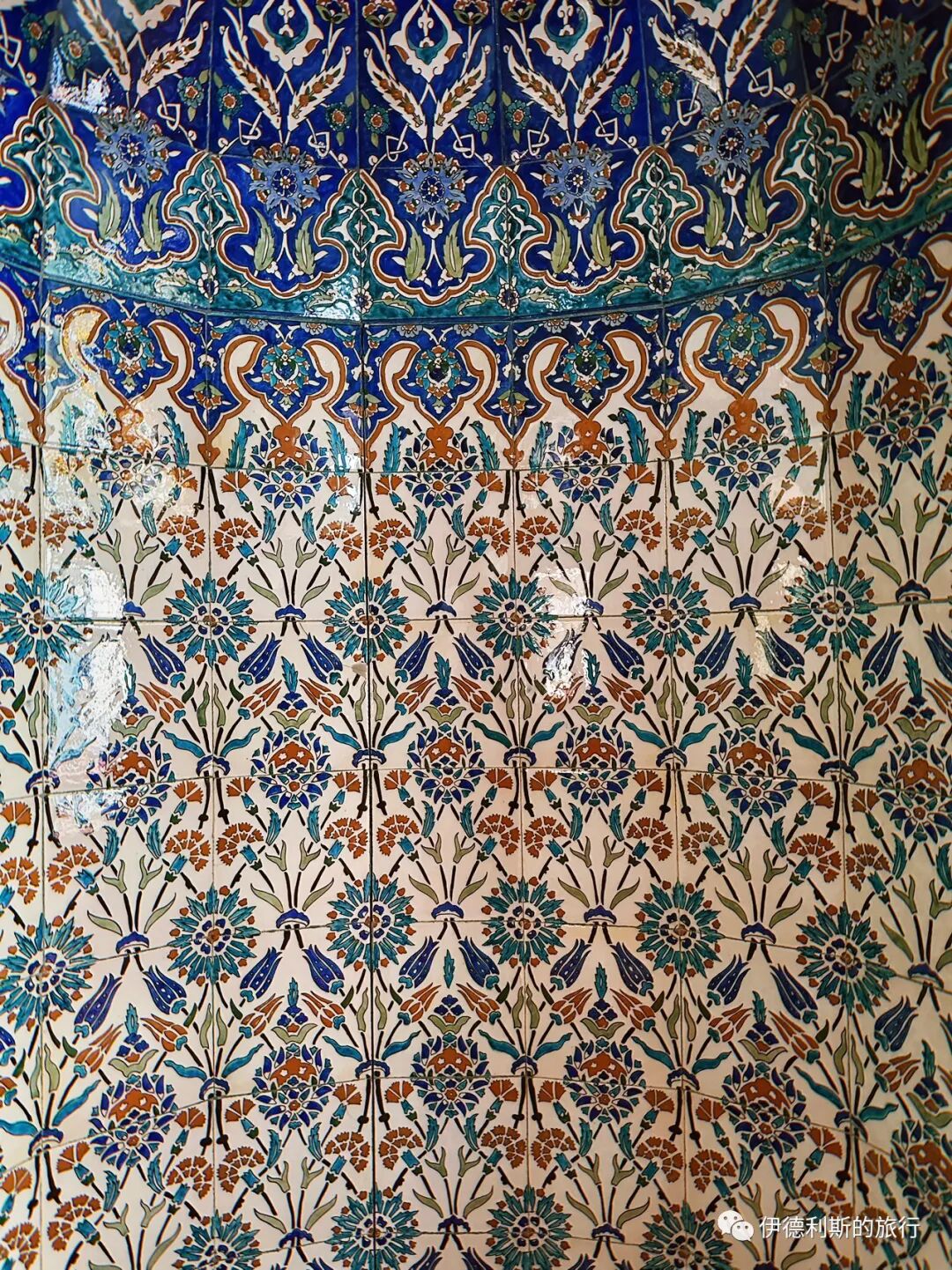
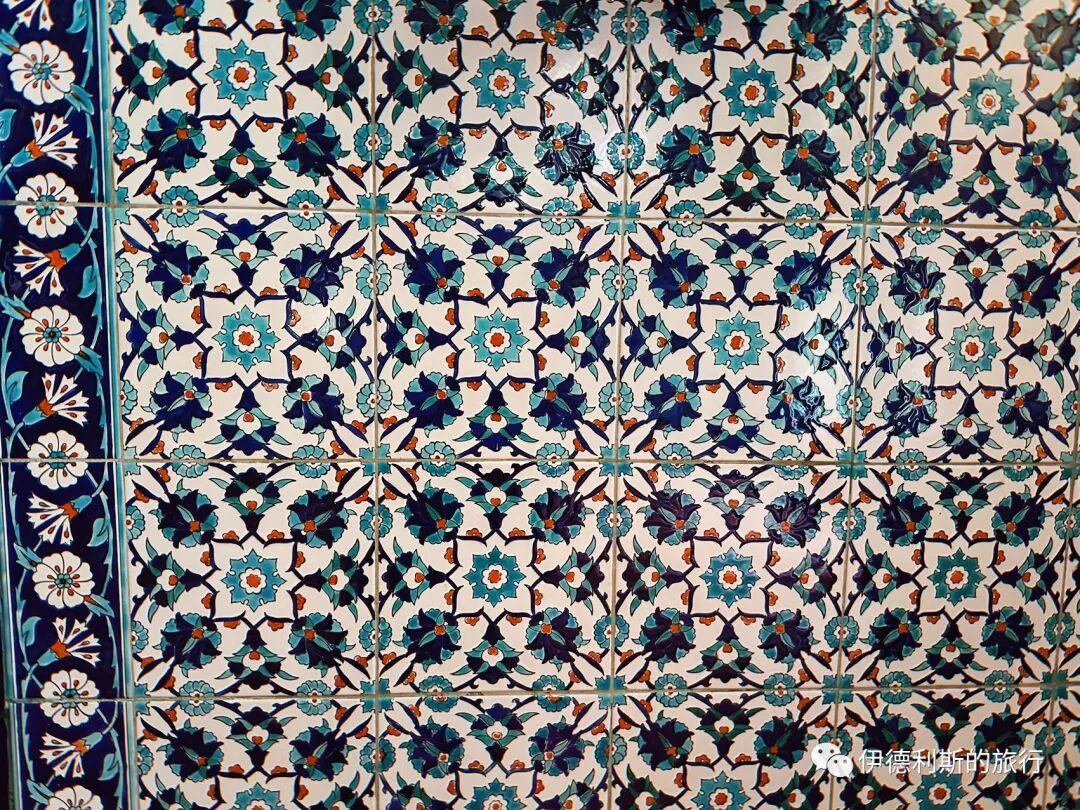
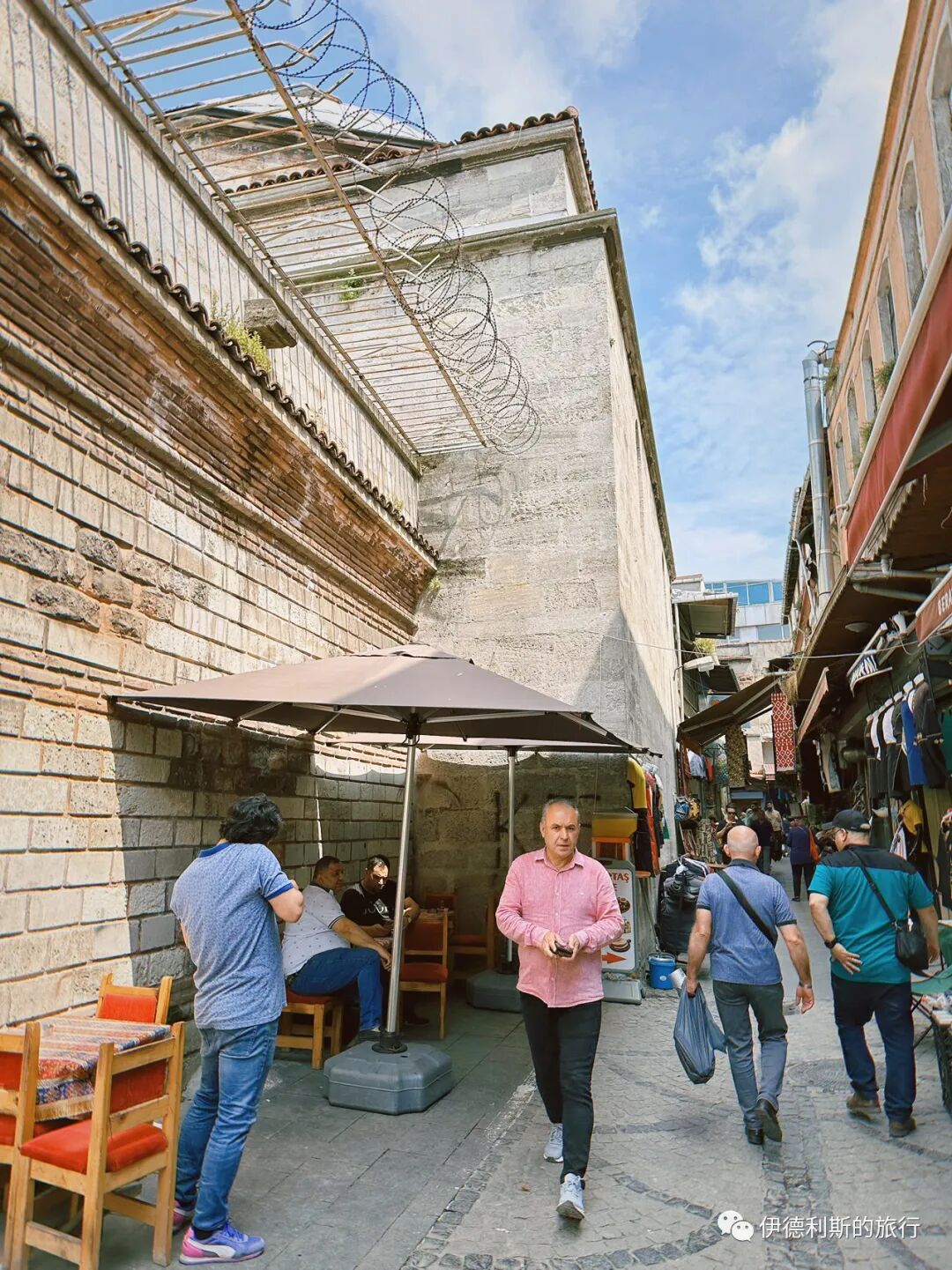
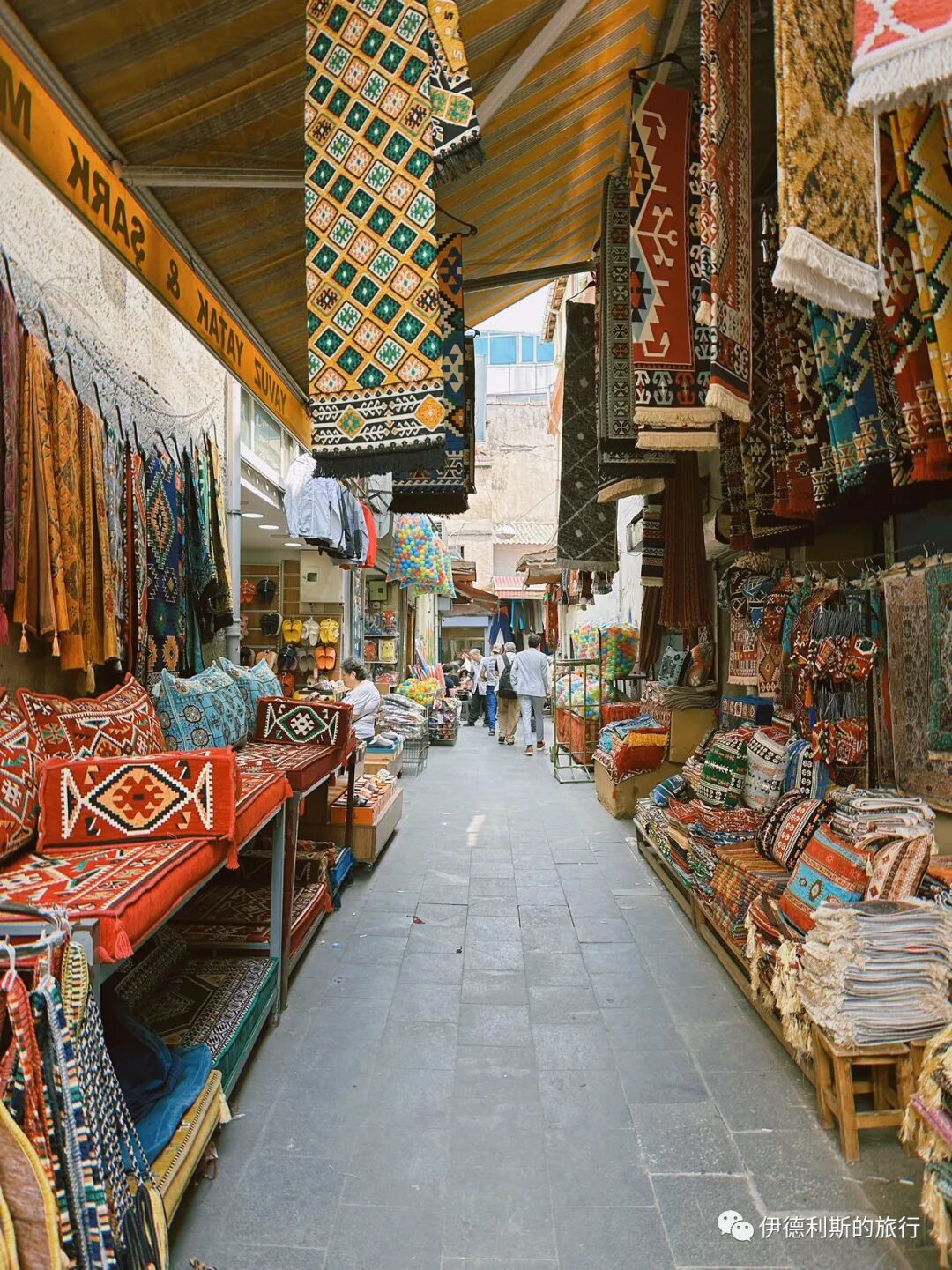
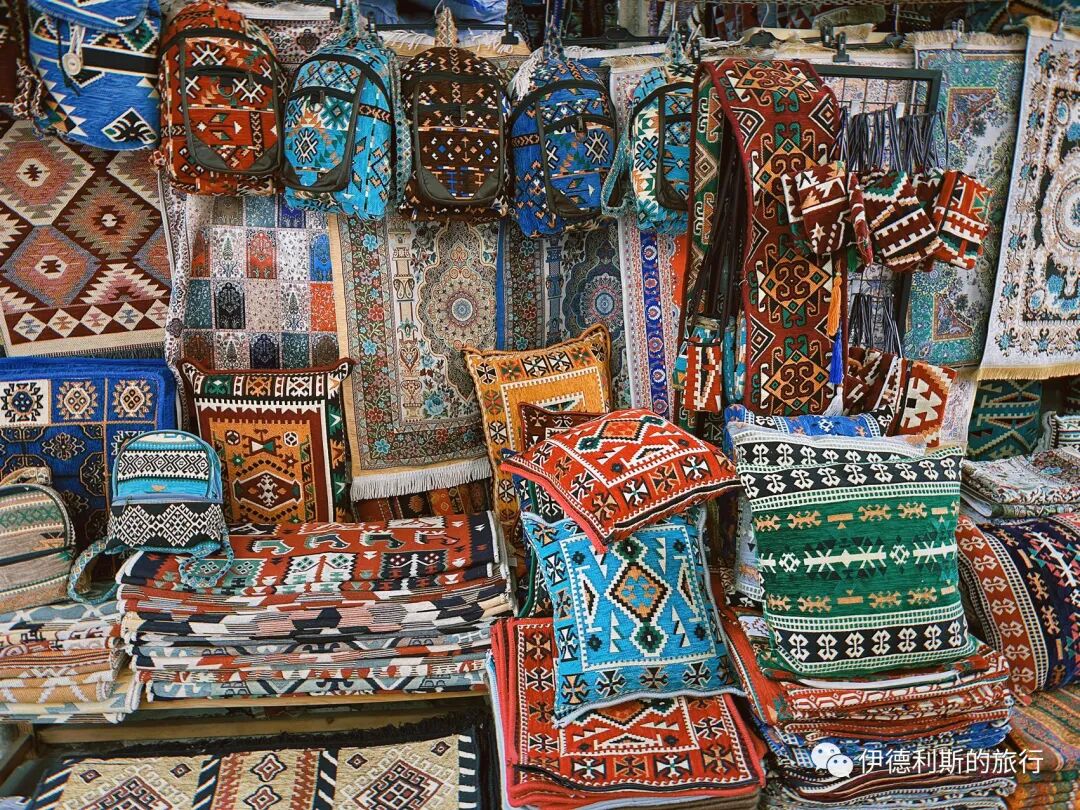
Siyavuş Pasha Madrasa (Museum of the Holy Relics and Prayer Beads): 1591.
Continue walking west, cross the road, and you will find the Siyavuş Pasha Madrasa, which is now open as the Museum of the Holy Relics and Prayer Beads (Hilye-i Şerif ve Tesbih Müzesi). The madrasa was built in 1591 by Siyavuş Pasha, the Grand Vizier to the Ottoman Sultan Murad III, and was likely overseen by Davut Aga, the chief Ottoman architect who succeeded Mimar Sinan. The madrasa has a very precise design and uses high-quality materials. It consists of 15 dormitory rooms and one large classroom, arranged in an irregular geometric pattern along the hillside.
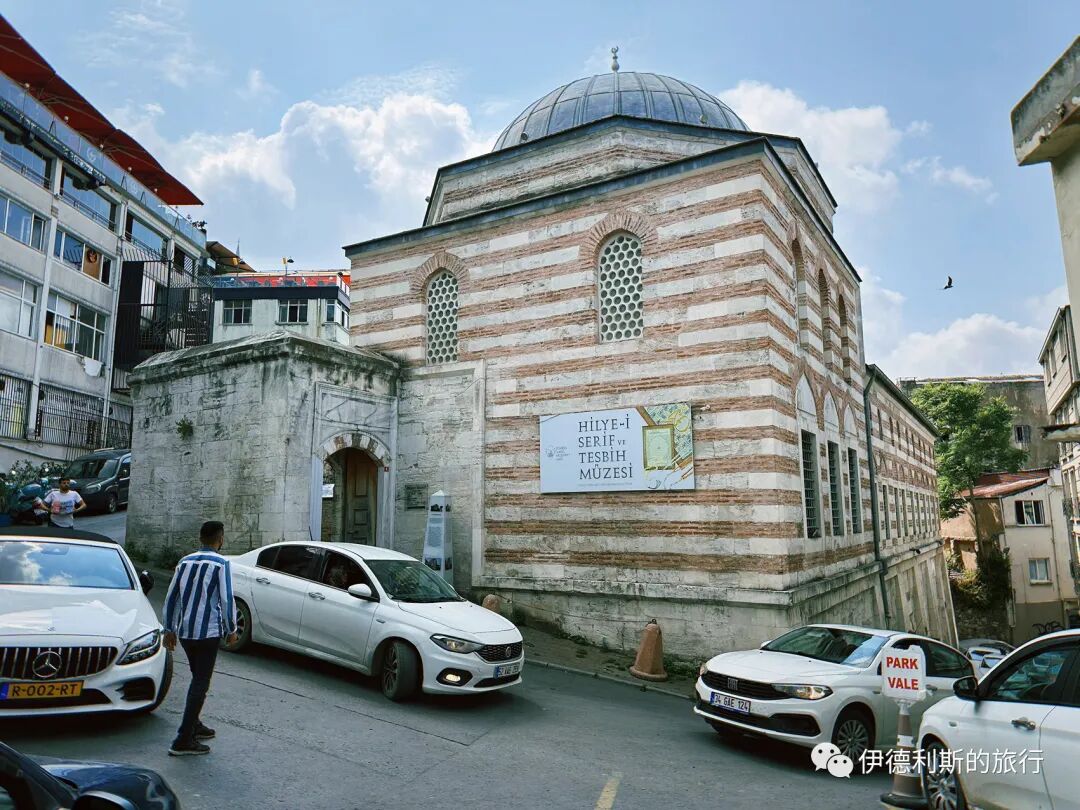
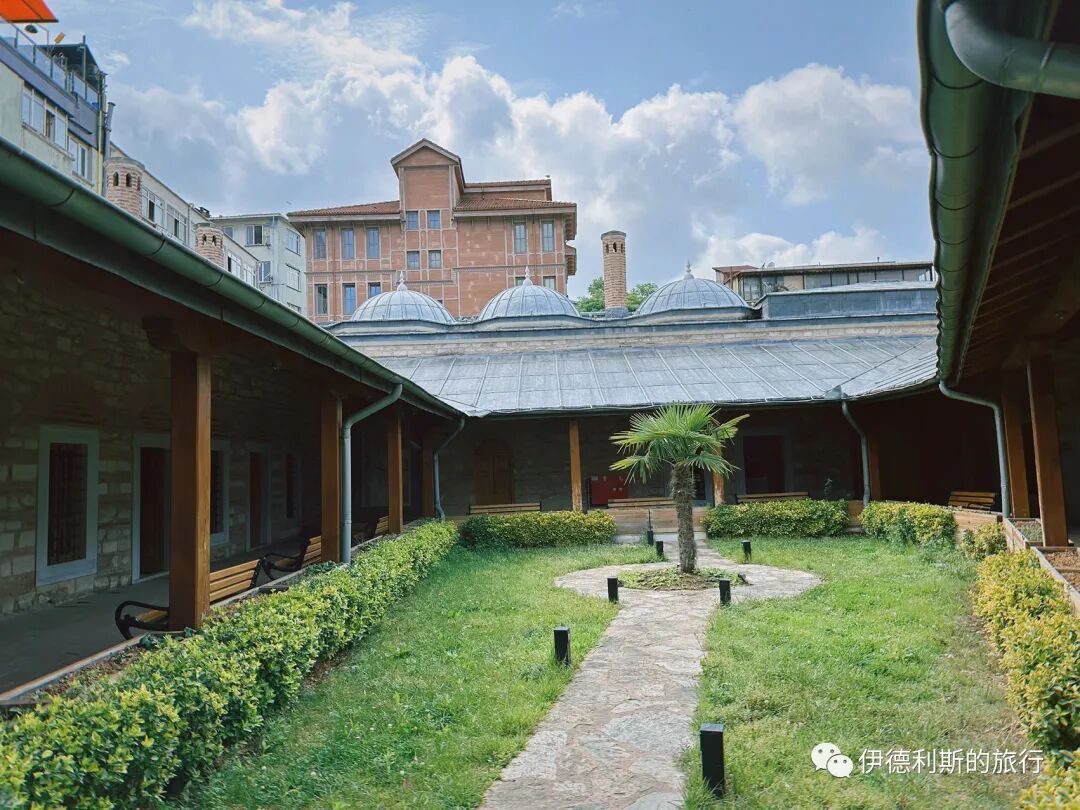
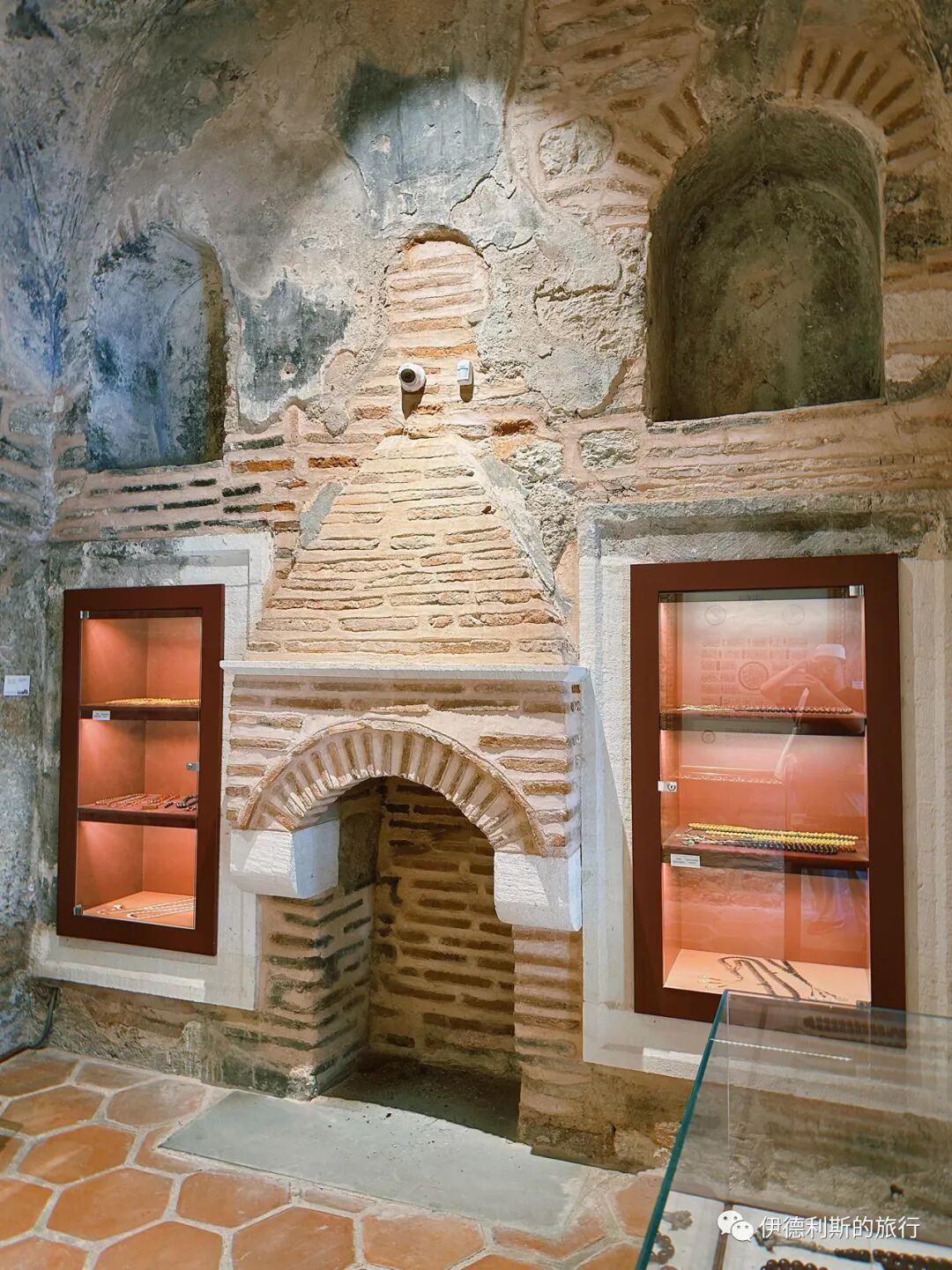
The Holy Relics (Hilye-i Şerif) are written descriptions of the appearance of the Prophet Muhammad and his followers, which became a mature form of Ottoman calligraphy after the 17th century. People write the Holy Relics in beautiful Naskh Arabic calligraphy, frame them, and hang them in their homes, where everyone who passes by offers a blessing.
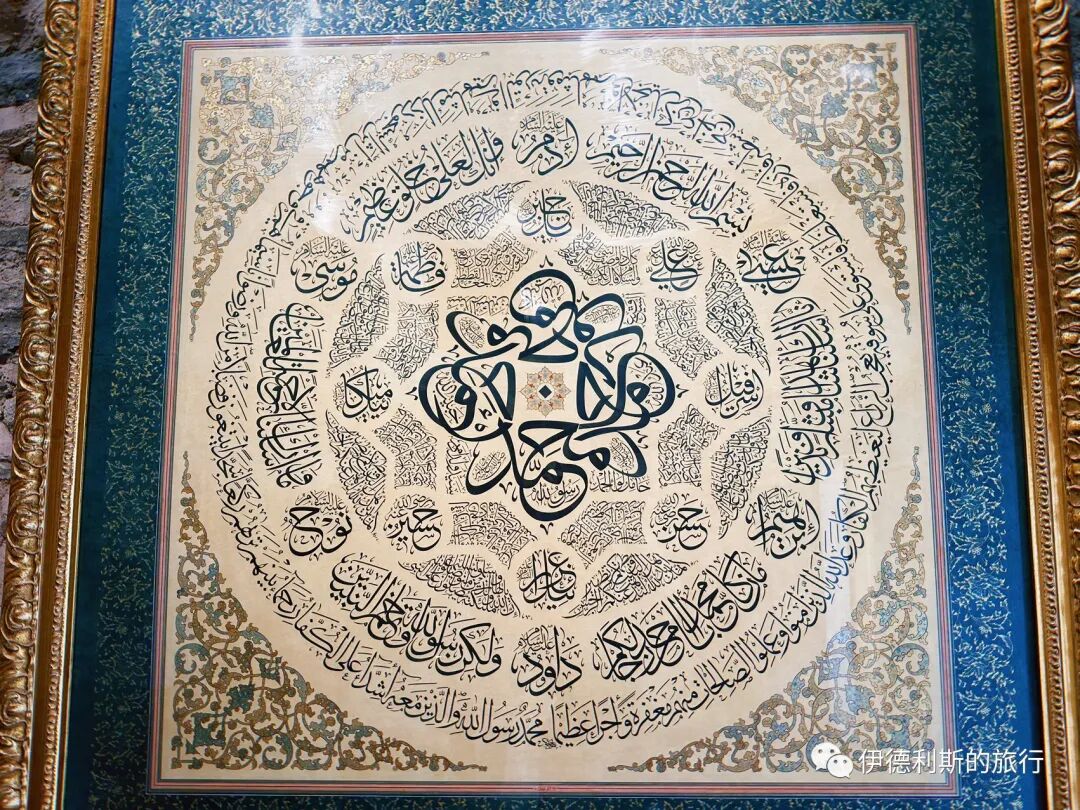
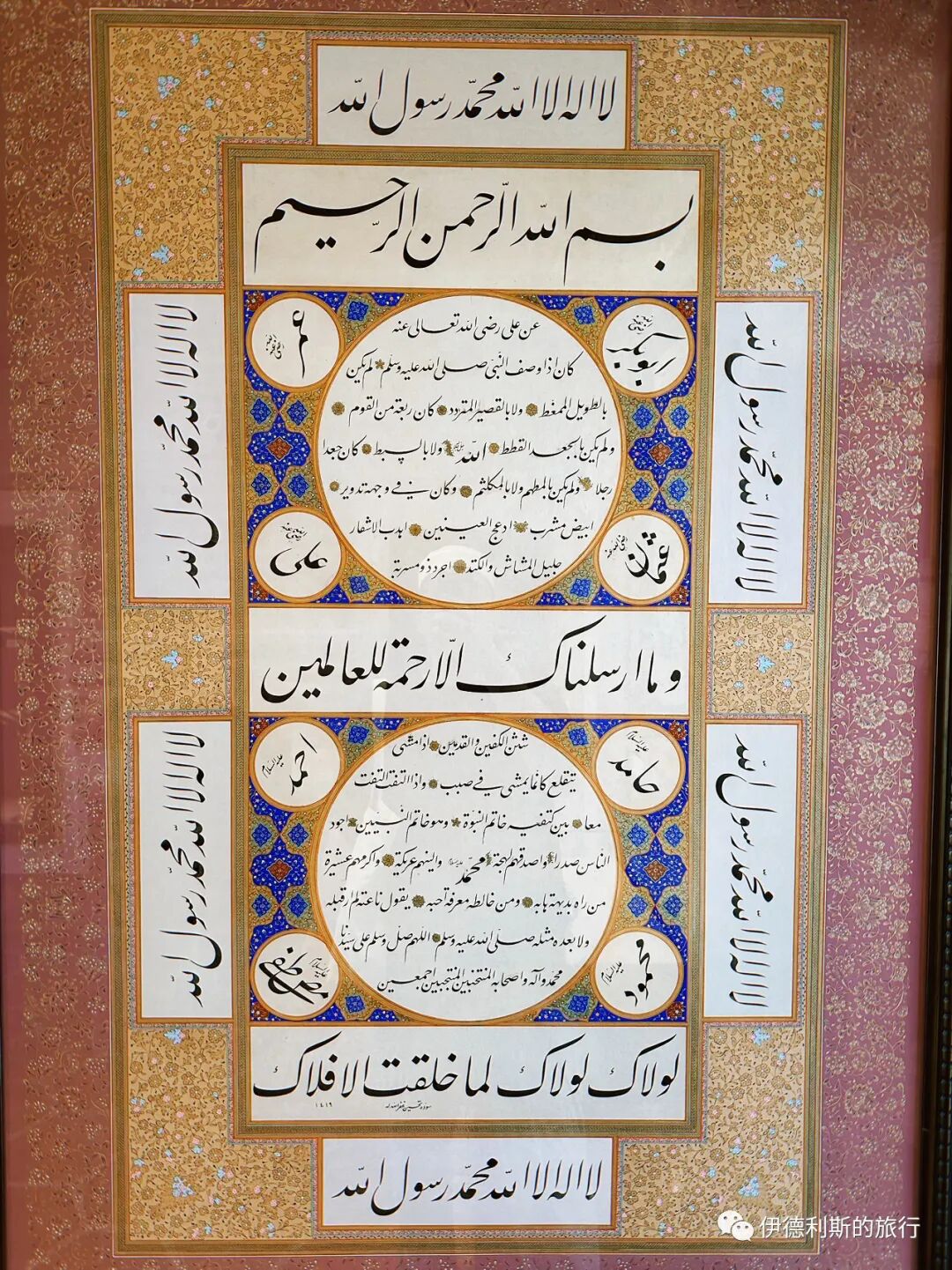
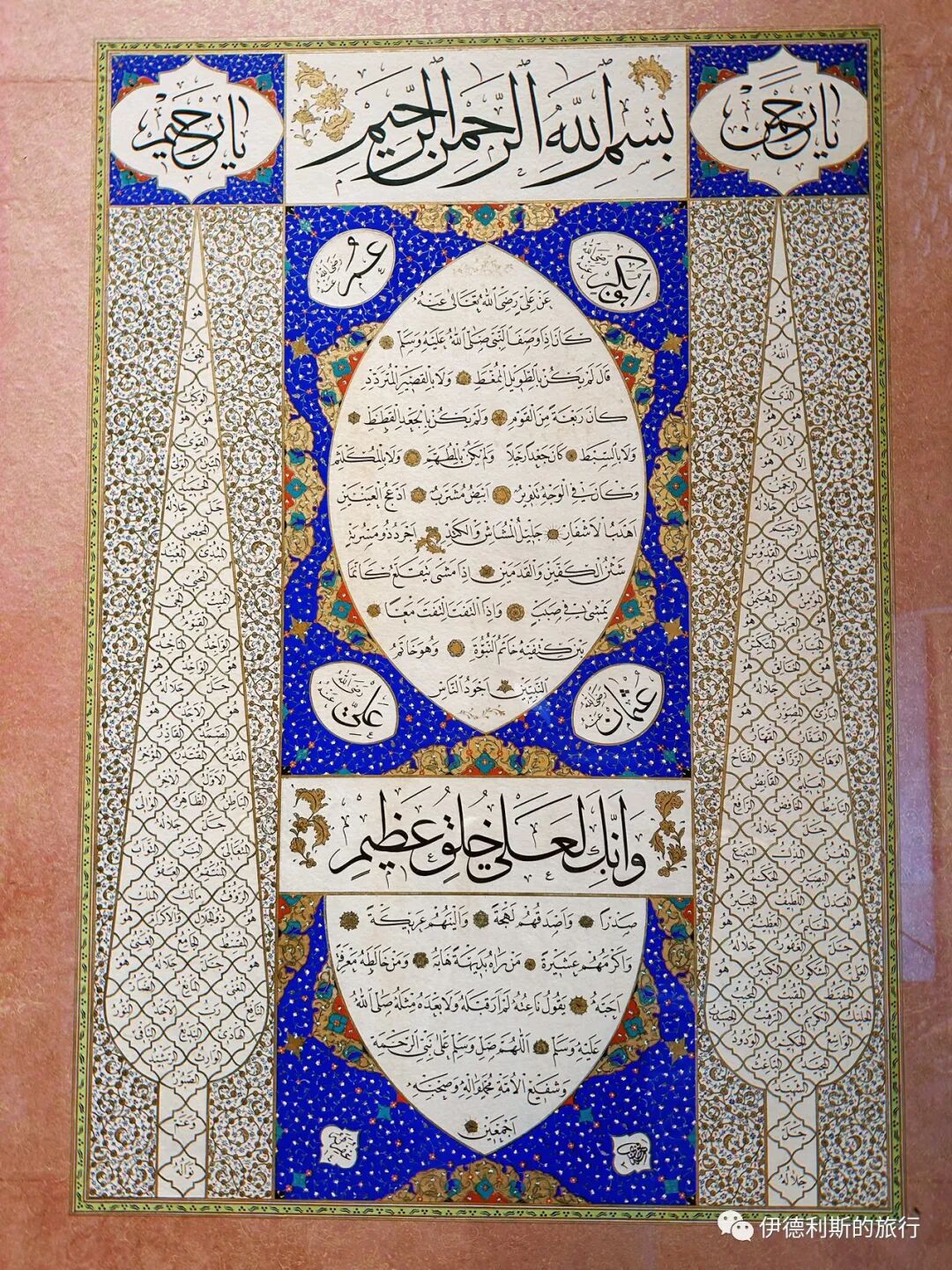
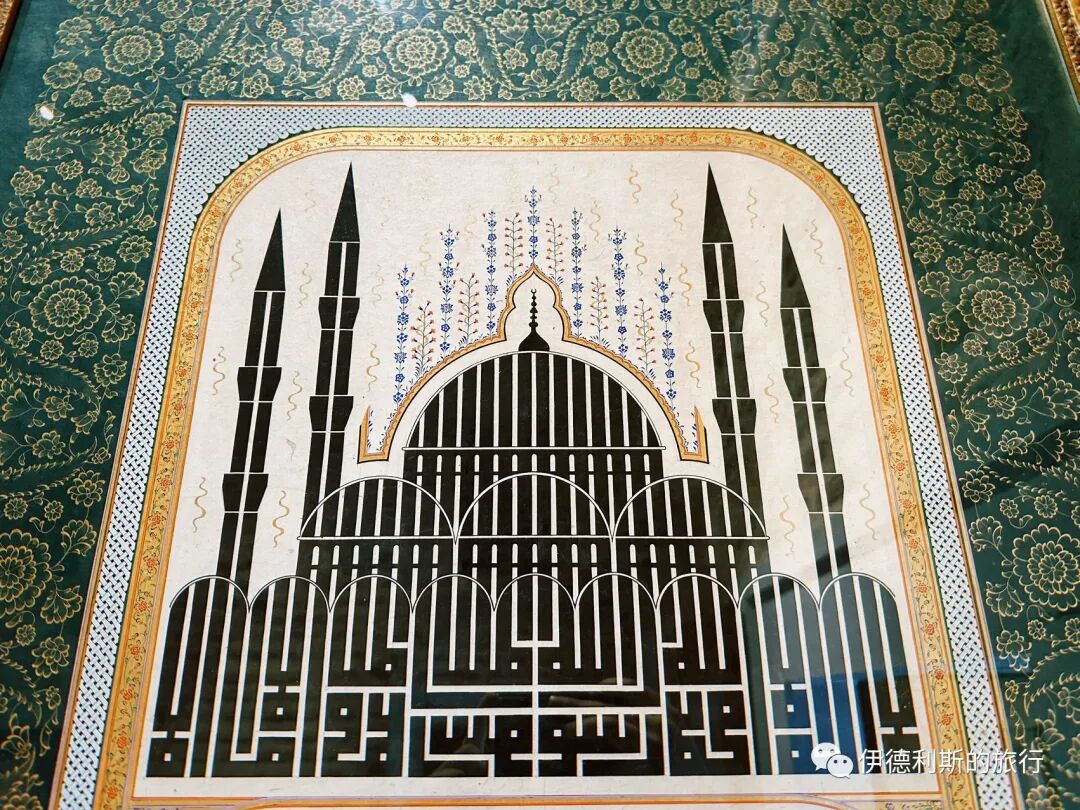
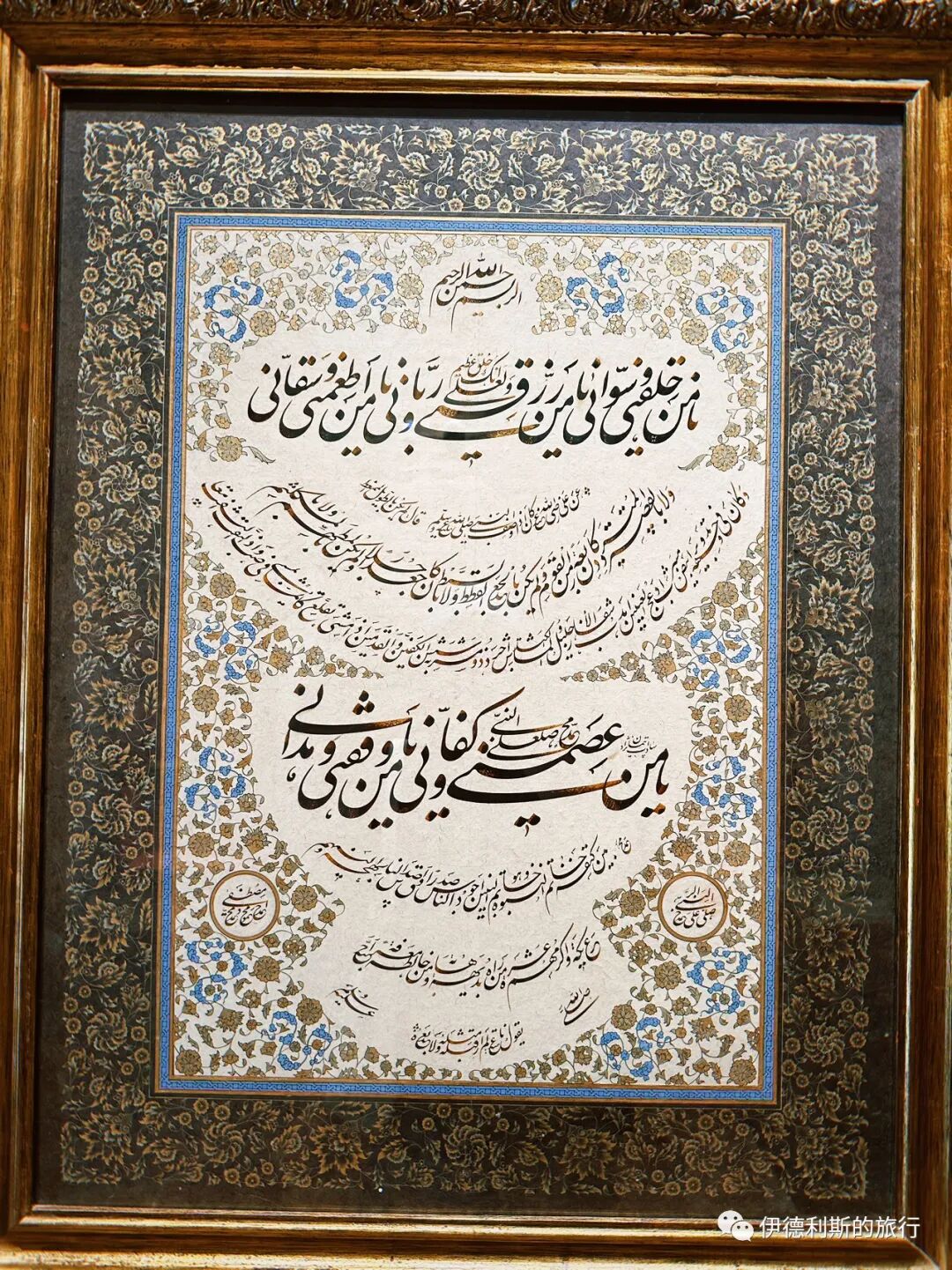
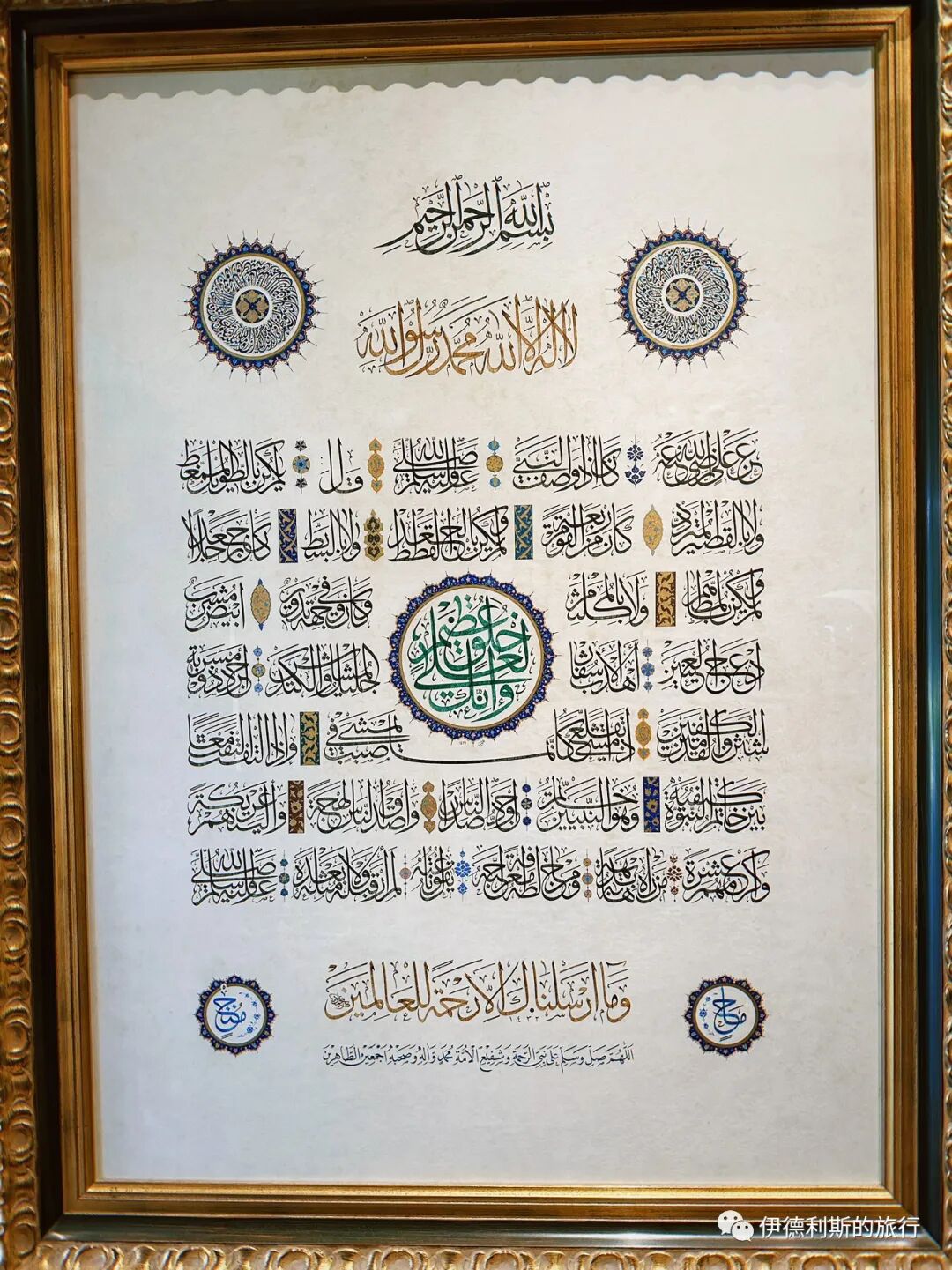
The term tasbih originally refers to the phrase Subhan Allah, meaning 'Glory be to Allah'. According to the Hadith, the Prophet Muhammad taught his daughter Fatima a way to perform dhikr: saying tasbih 33 times, 'All praise is due to Allah' 33 times, and 'Allah is the Greatest' 33 or 34 times. This method of remembrance is known as Fatima's Tasbih. After the 16th century, the Ottoman dynasty began making counting beads for tasbih out of materials like pearl, amber, hardwood, and bone, and tasbih beads developed into a distinct craft. During the 17th and 18th centuries, the Anatolian region, centered in Istanbul, had the most advanced tasbih bead craftsmanship in the Islamic world, and many Muslims traveling to Istanbul would come here to buy them.
The following beads are made from ivory, amber, ivory nut, and Brazilian palm nut, respectively.
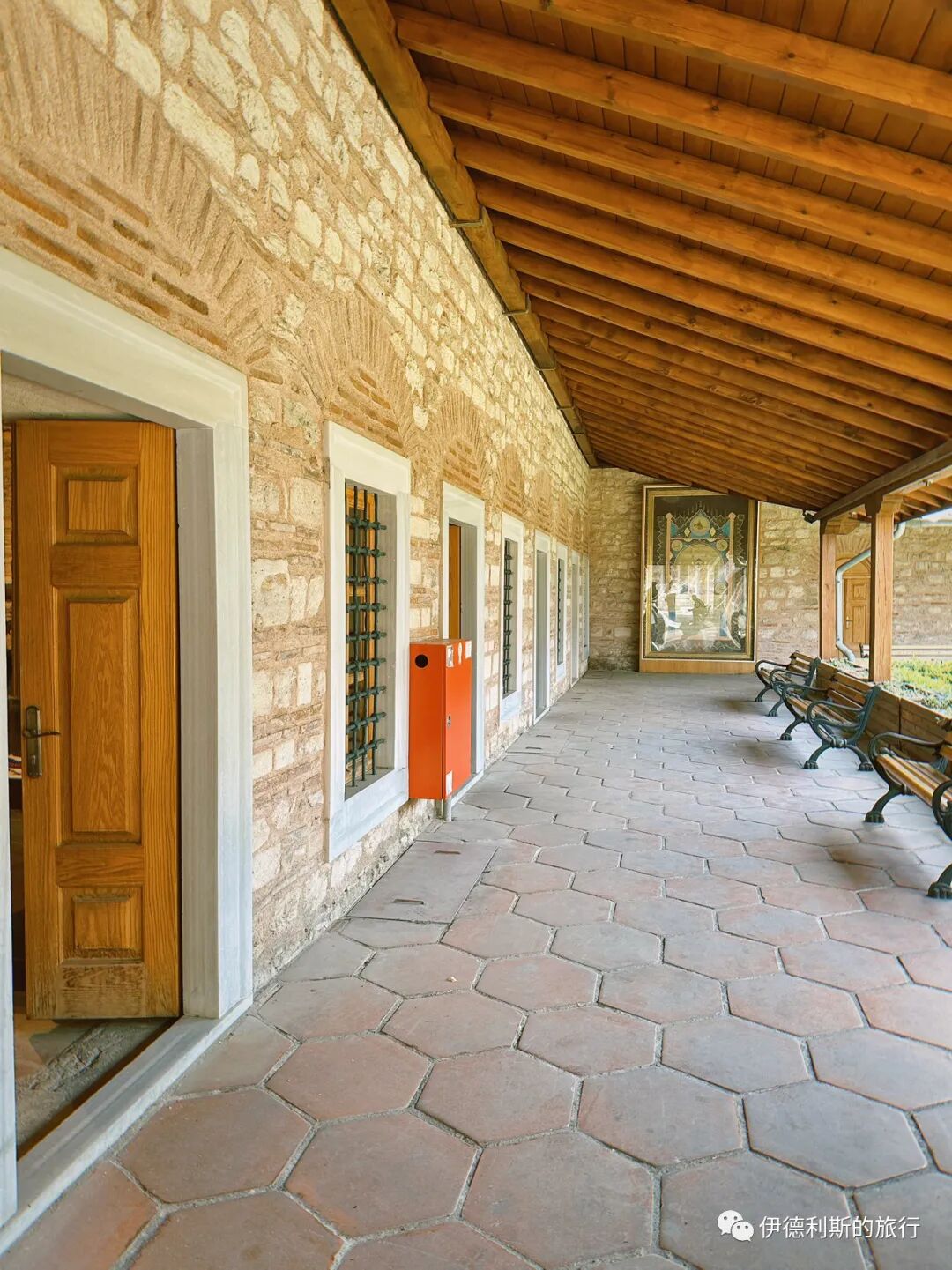
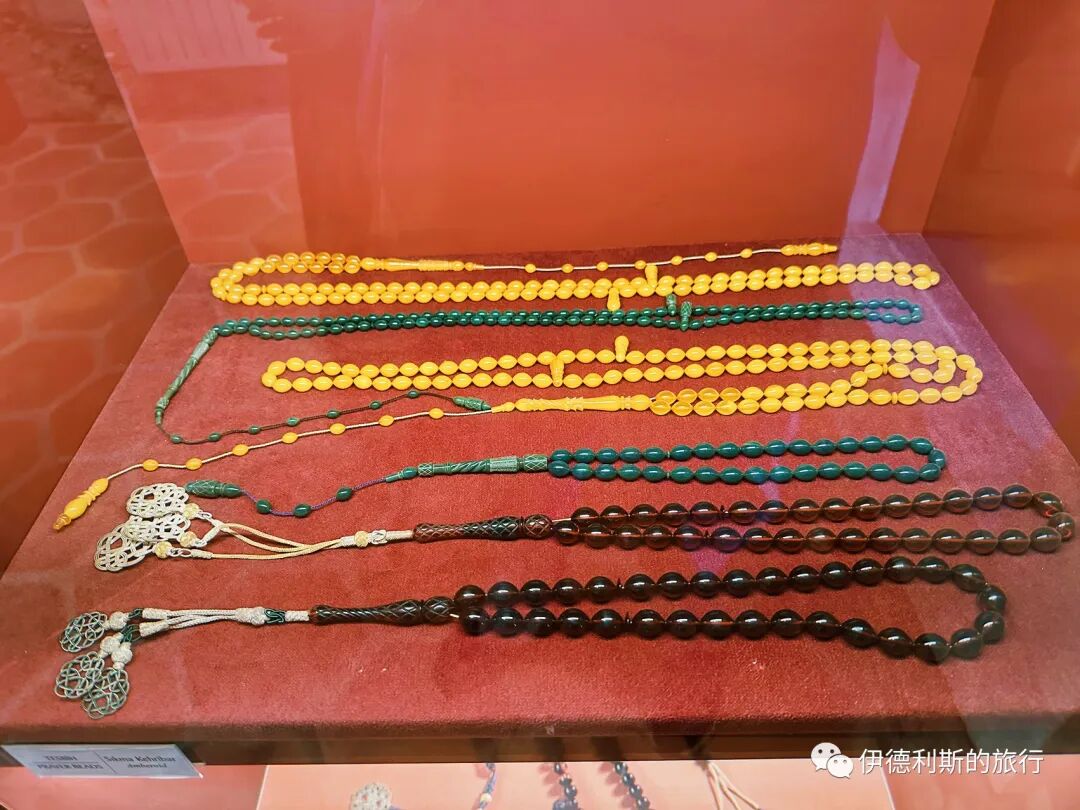
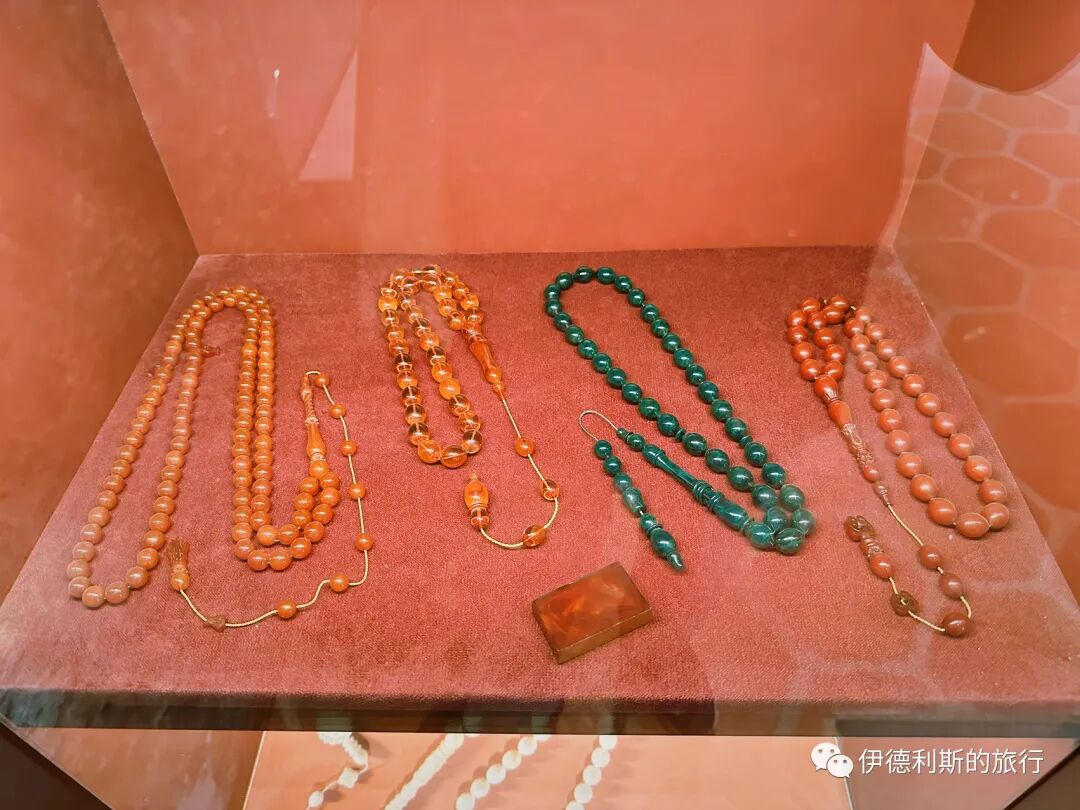
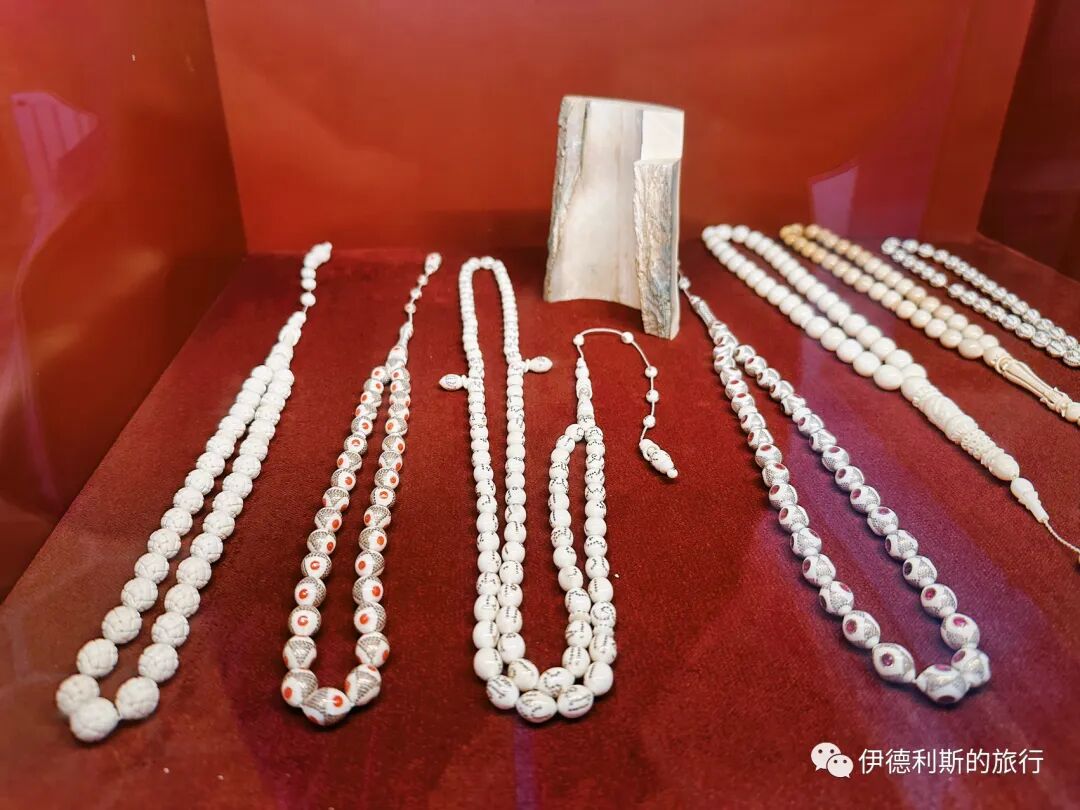
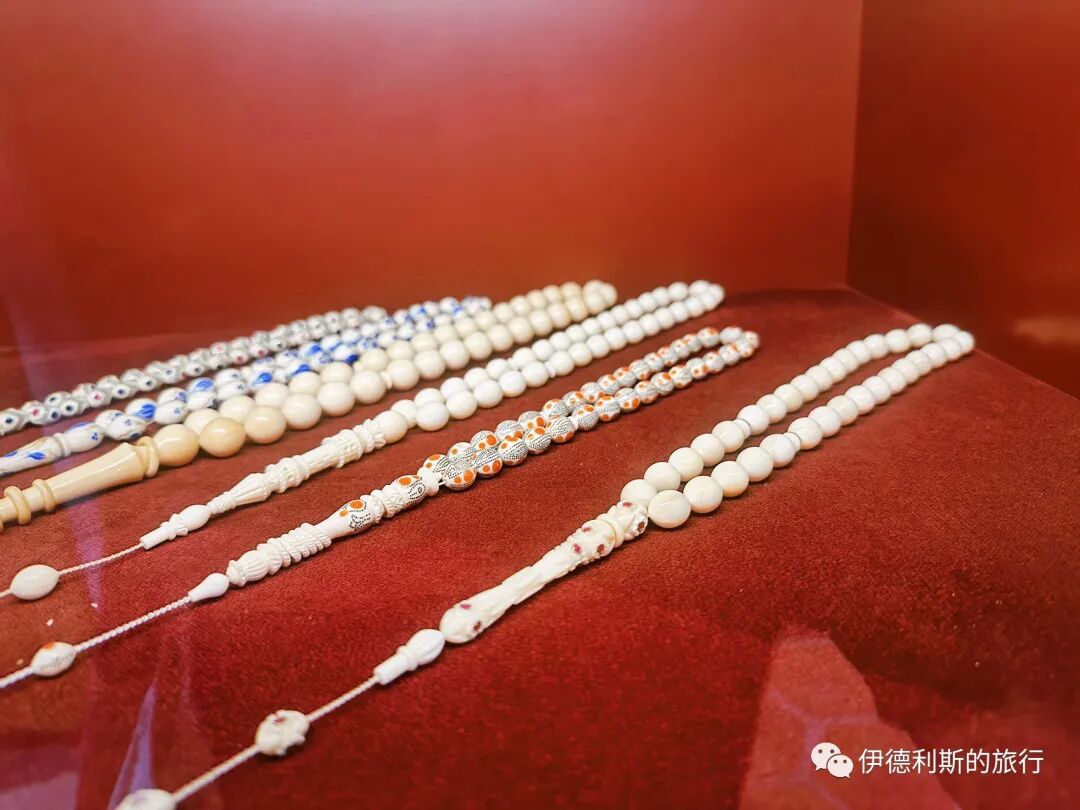
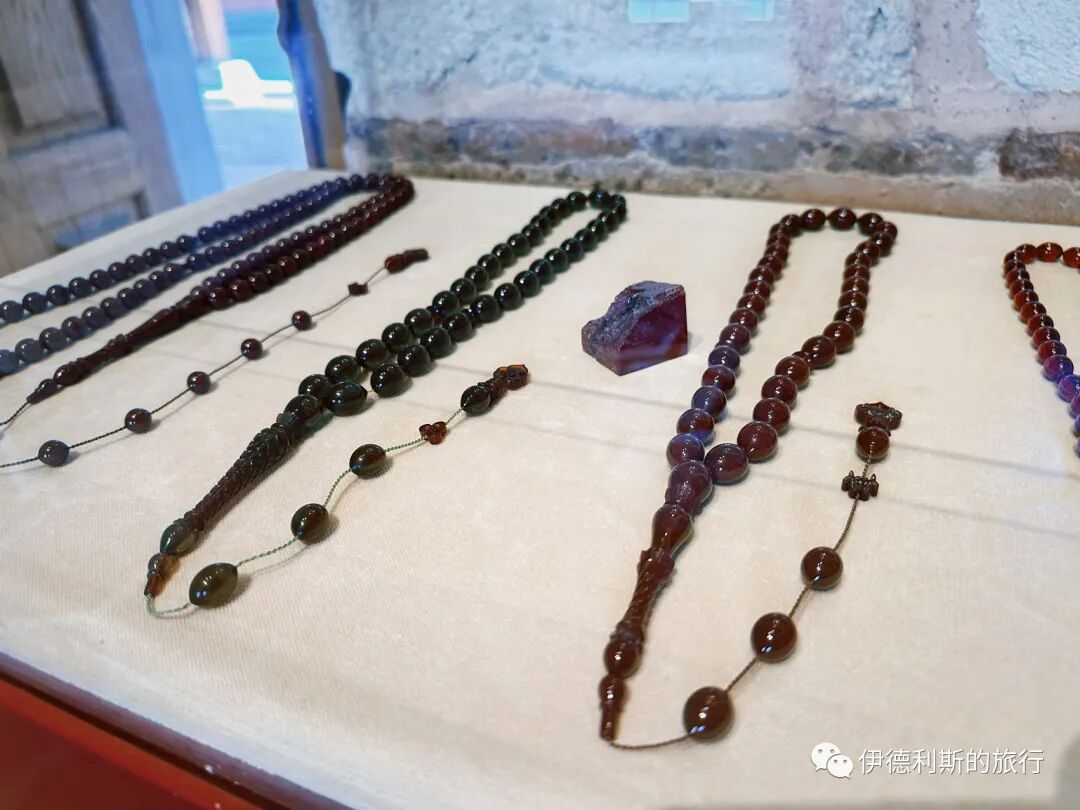
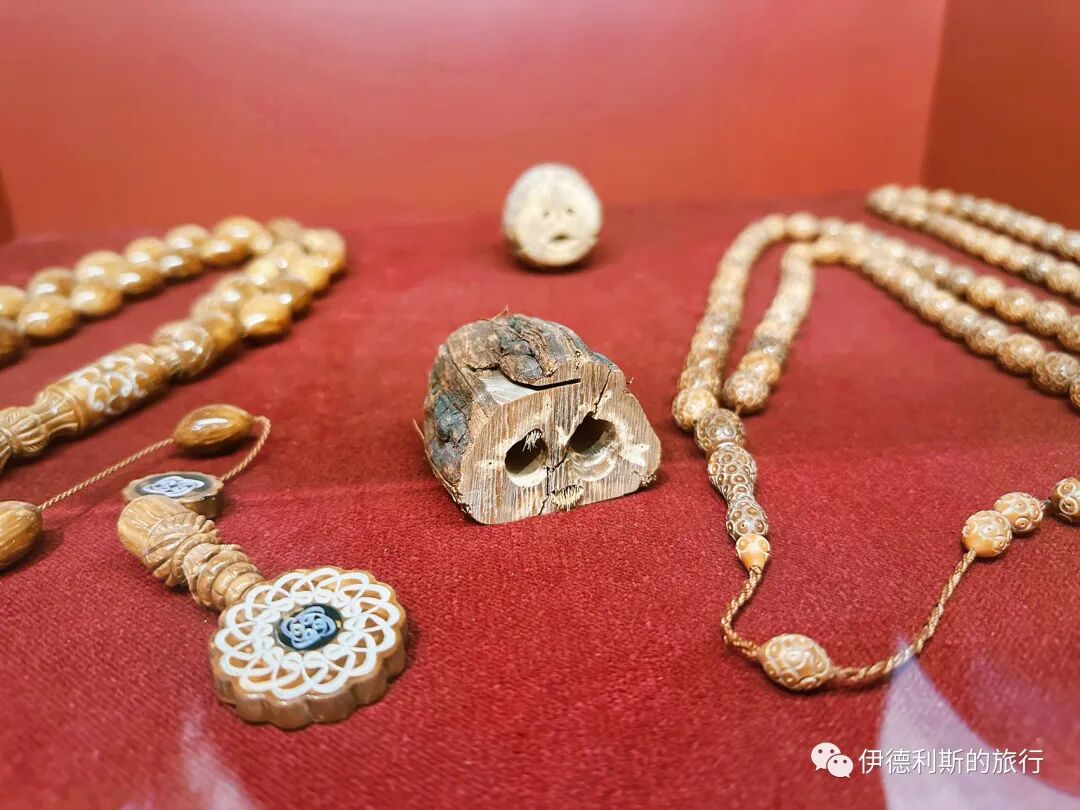
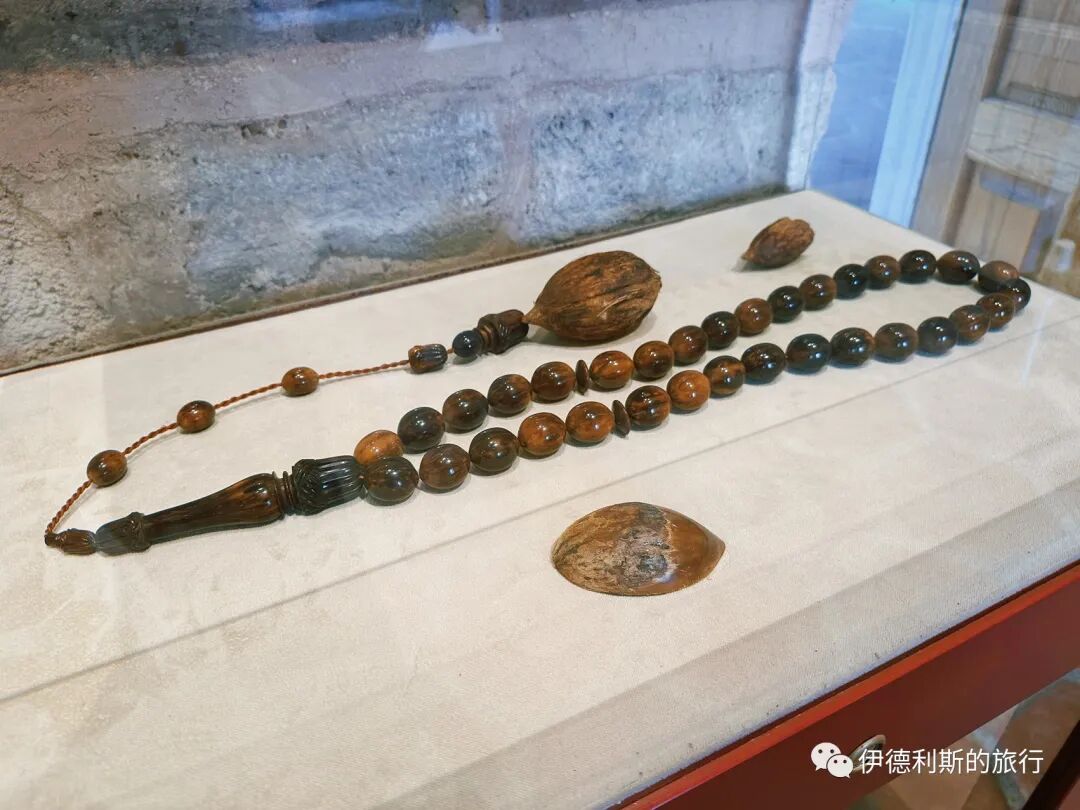
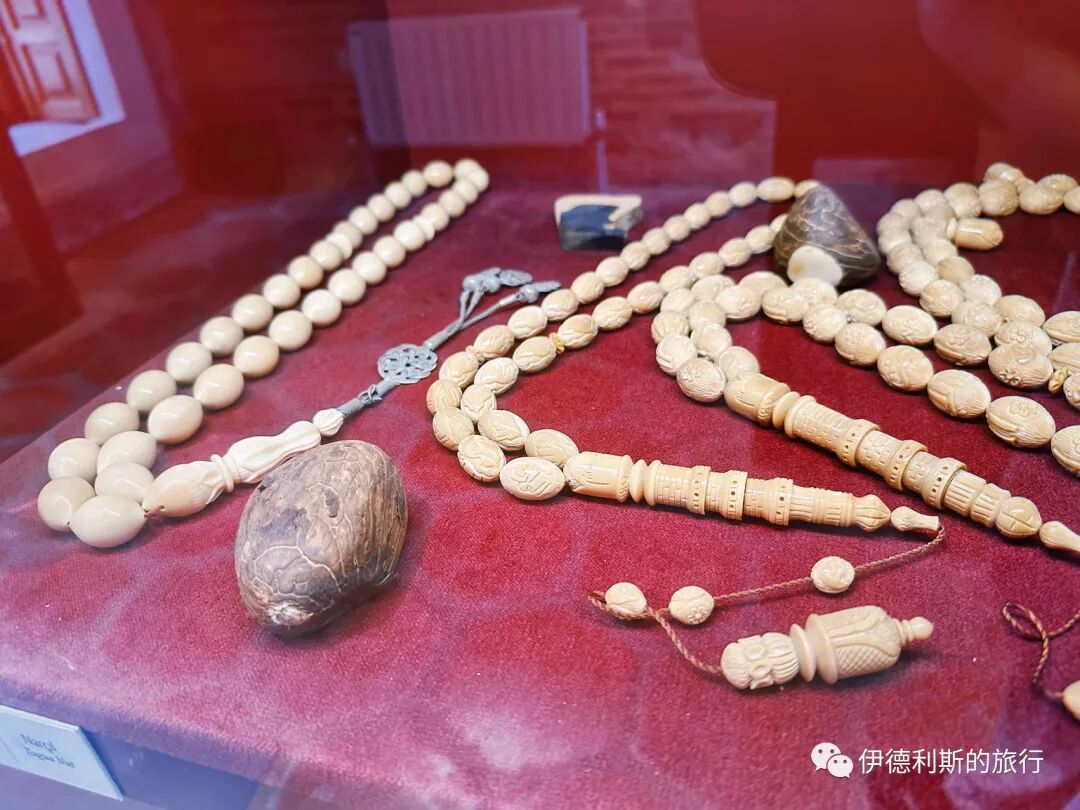
Süleymaniye Mosque.
Continue west to the Süleymaniye Mosque to show Zaynab the great architectural works of Mimar Sinan and visit the tombs of Suleiman the Magnificent and Hurrem Sultan. Unfortunately, the two tombs were closed on Monday, but you can still see the beautiful Iznik tiles on the outside.
In 1566, Suleiman the Magnificent passed away at the age of 71 while on his way from Istanbul to lead a military campaign in Hungary. His heart, liver, and some other organs were buried on the spot in Hungary, while his body (mayyit) was transported back to Istanbul for burial. Besides Suleiman the Magnificent himself, his tomb also holds two other sultans, Suleiman II (reigned 1687-91) and Ahmed II (reigned 1691-95), while the tomb of Hurrem Sultan was built in 1558, the year she passed away.
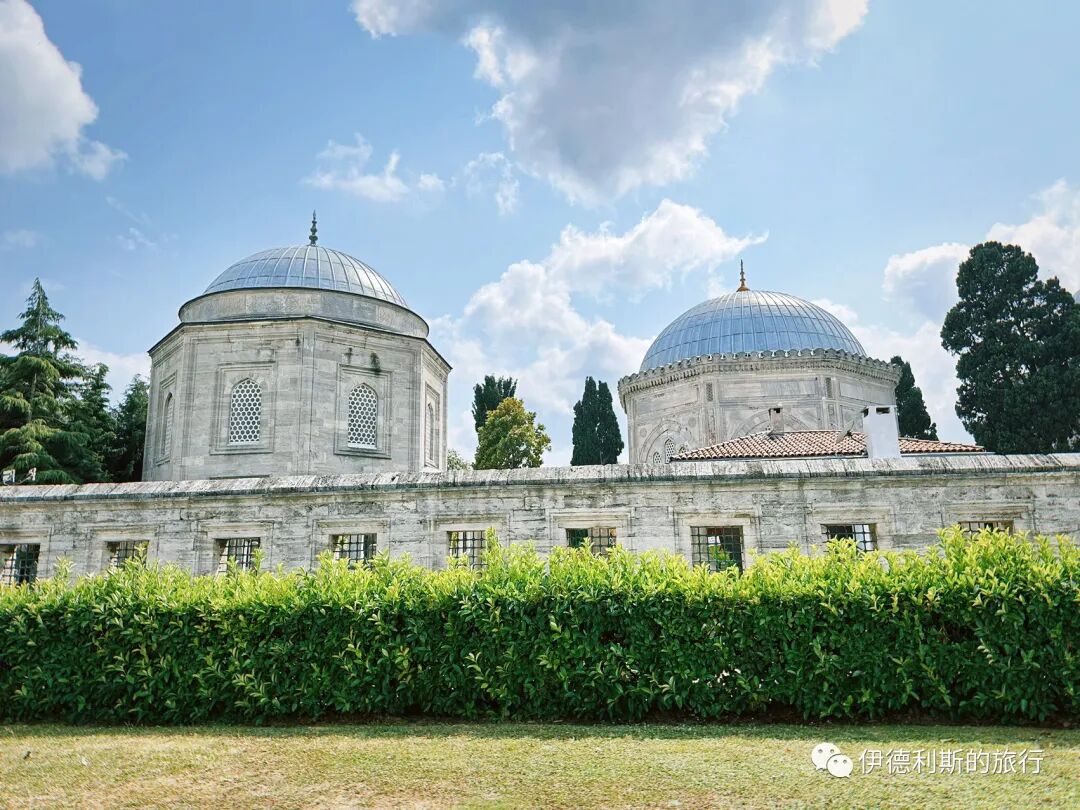
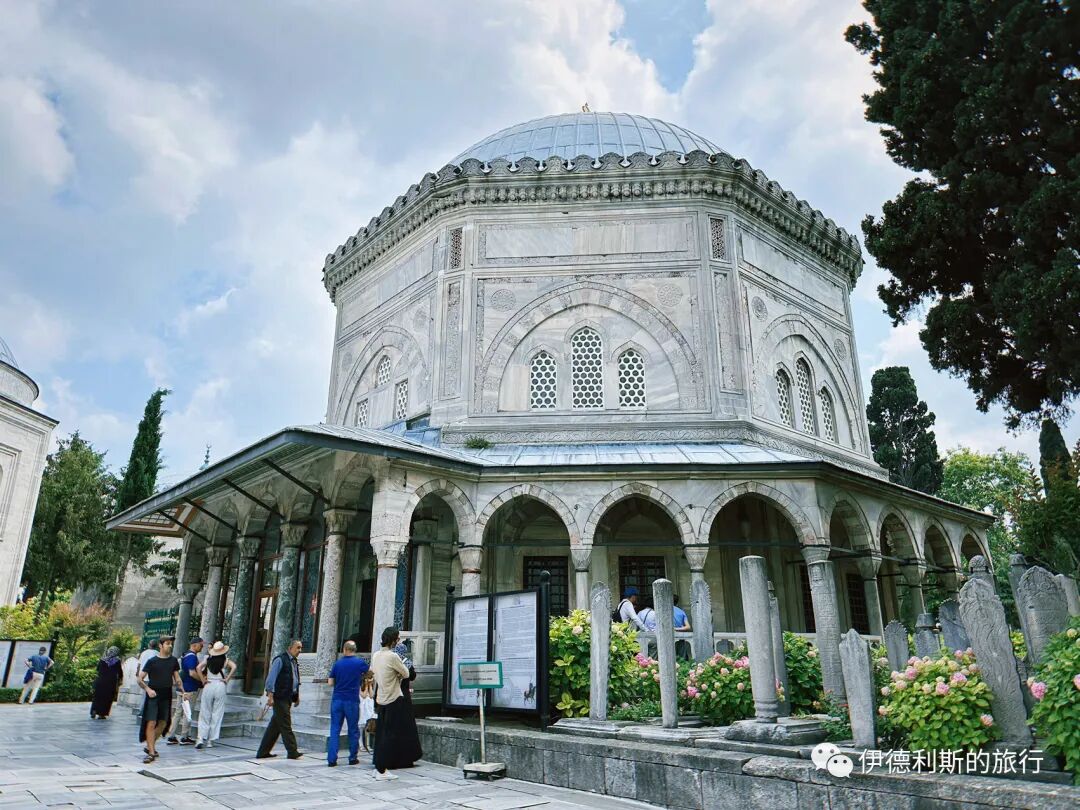
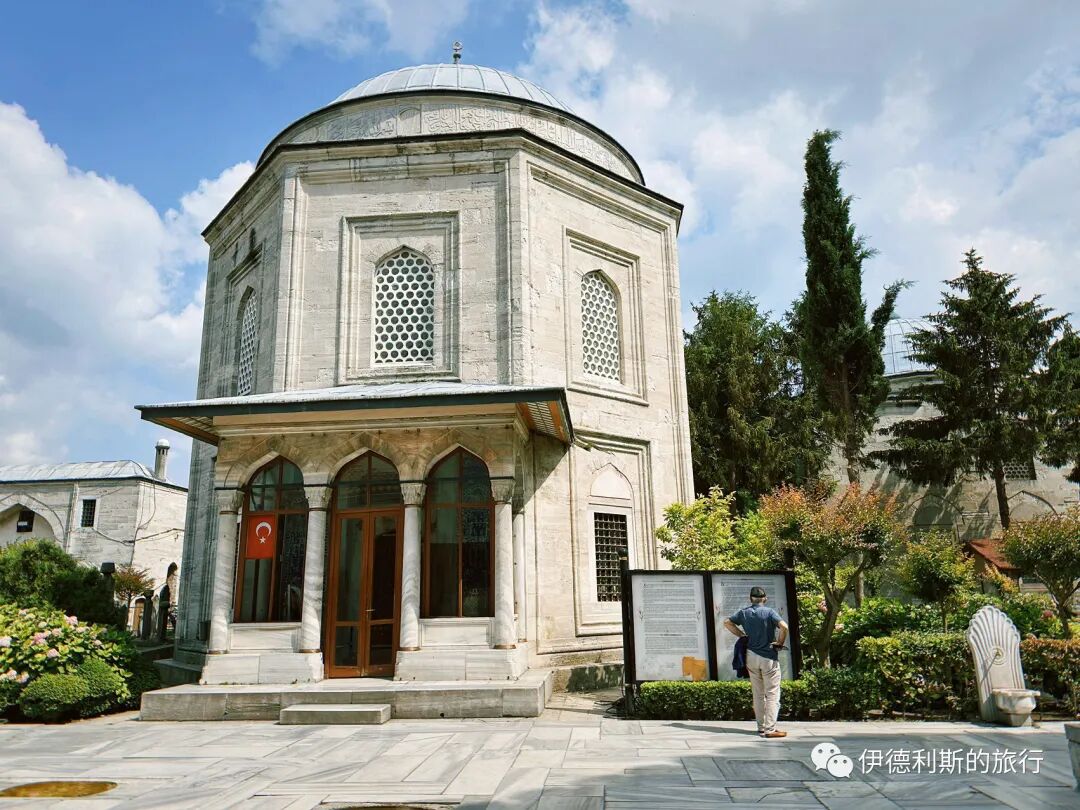
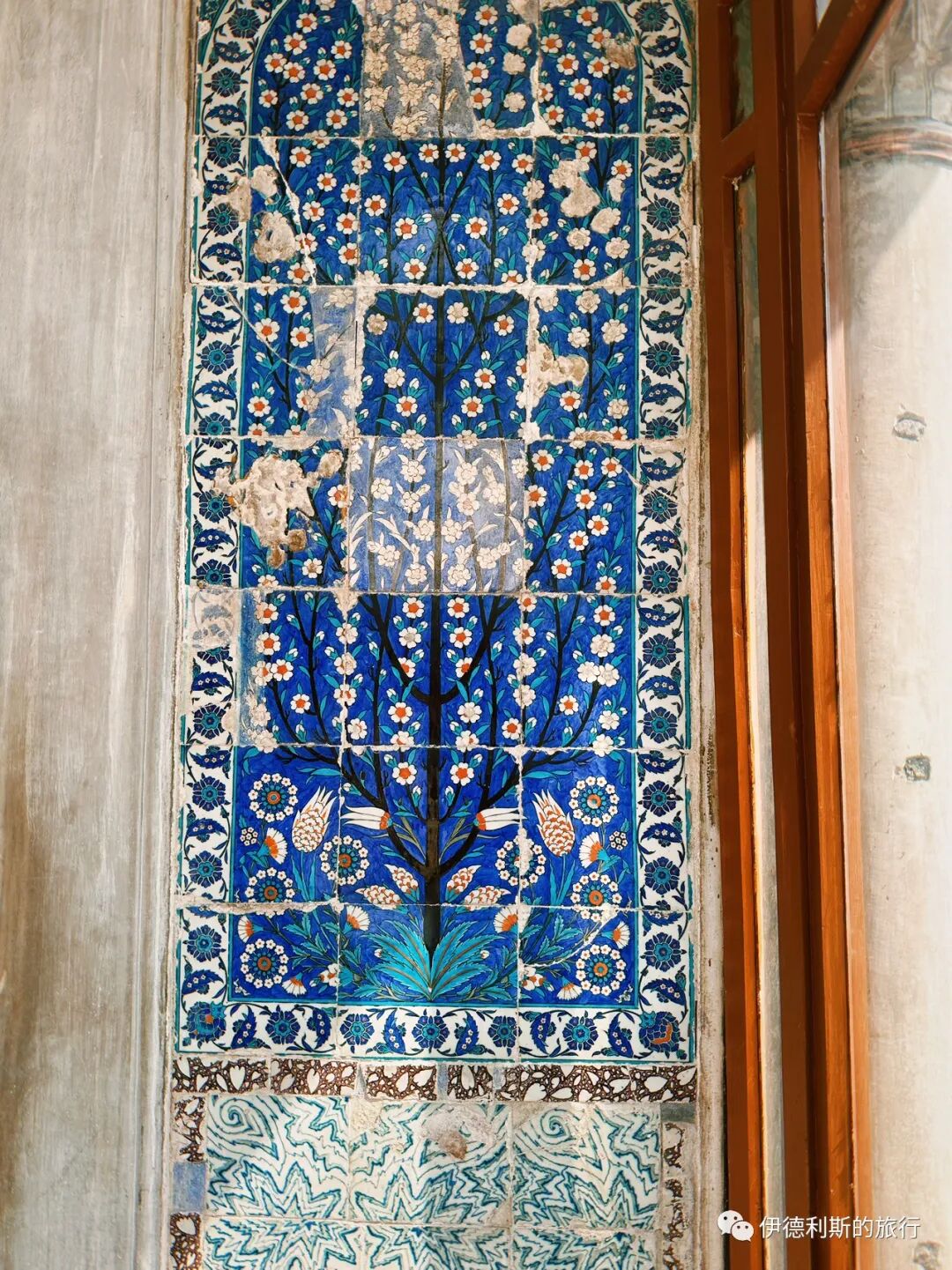
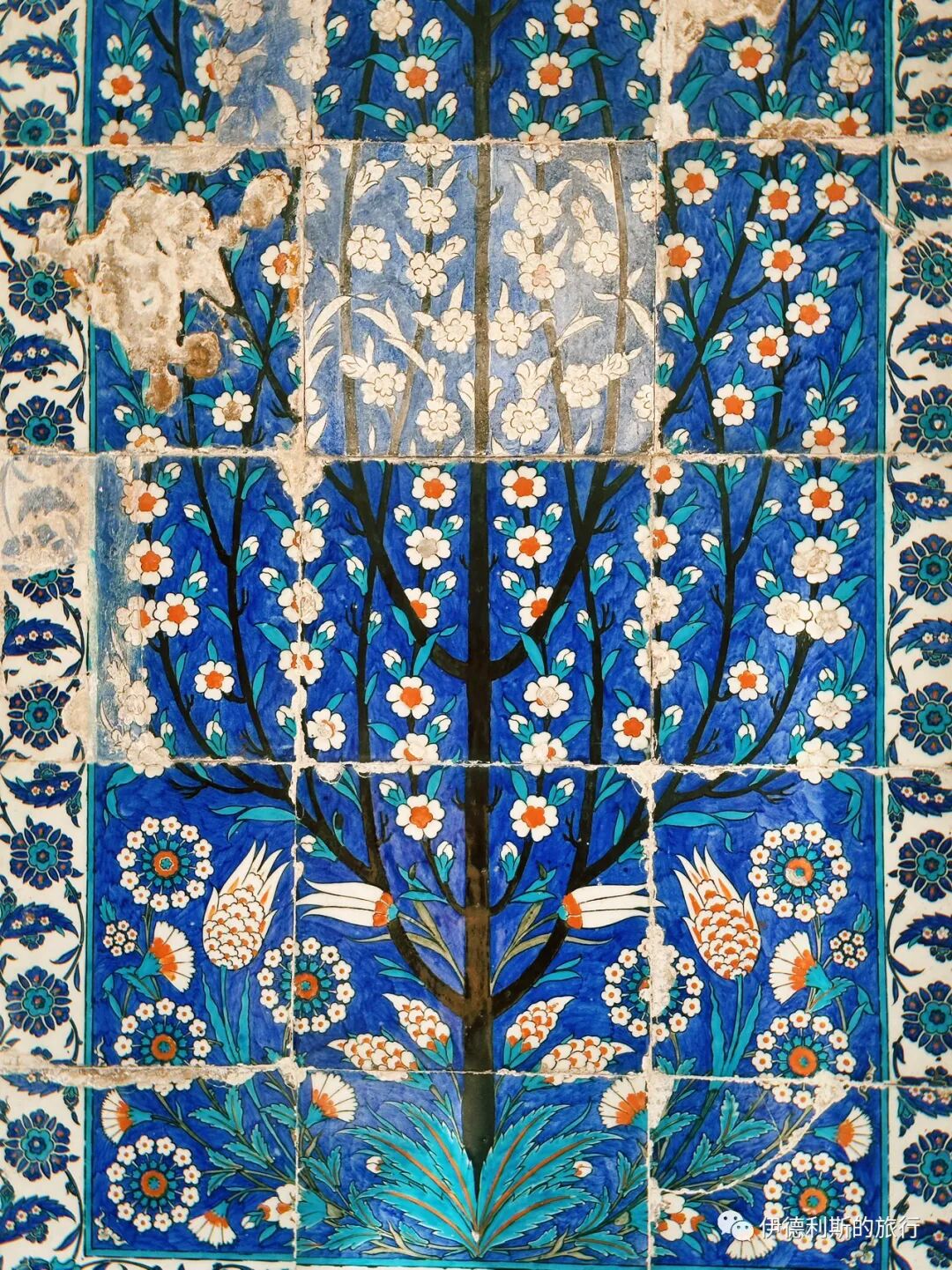
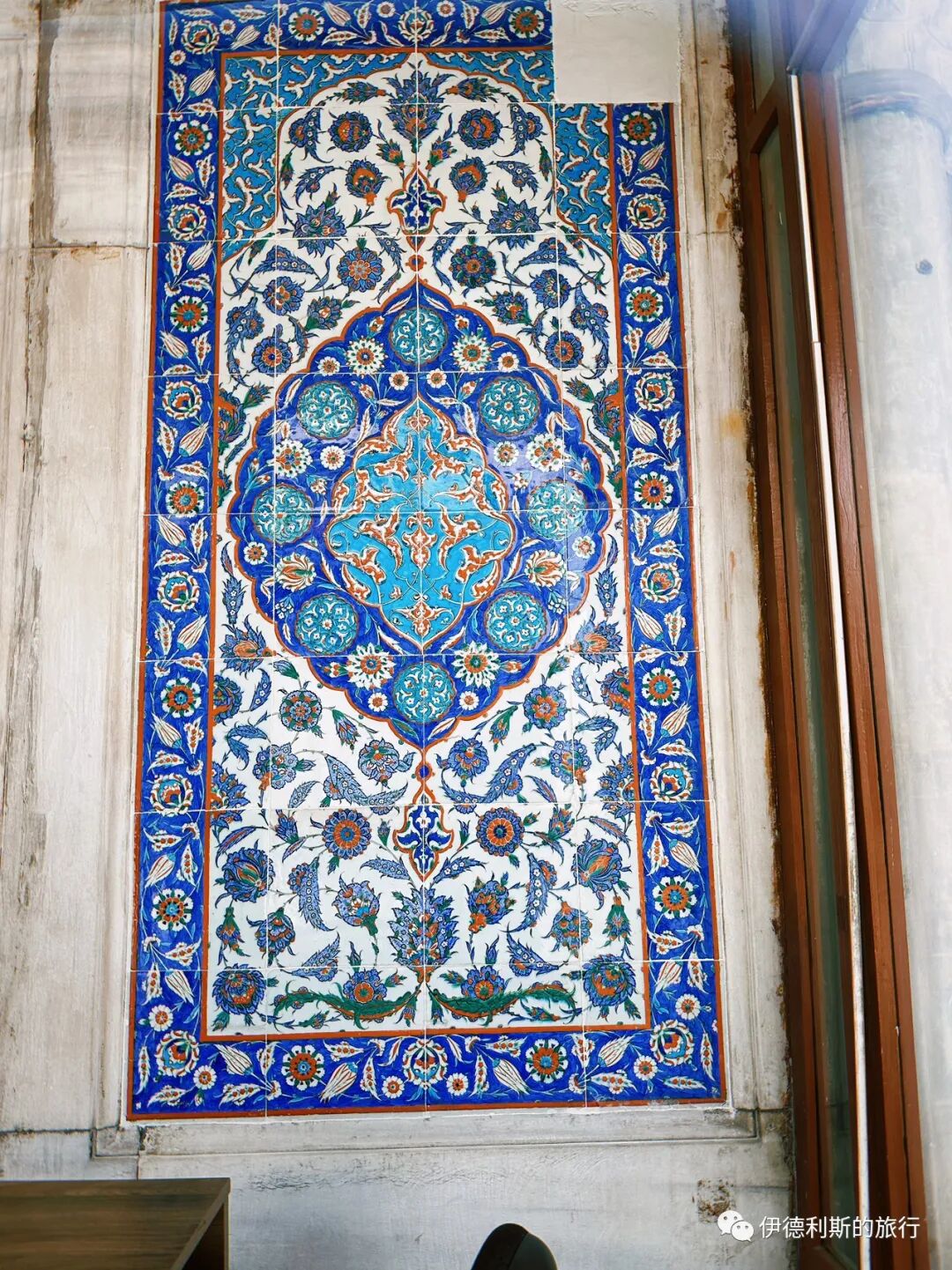
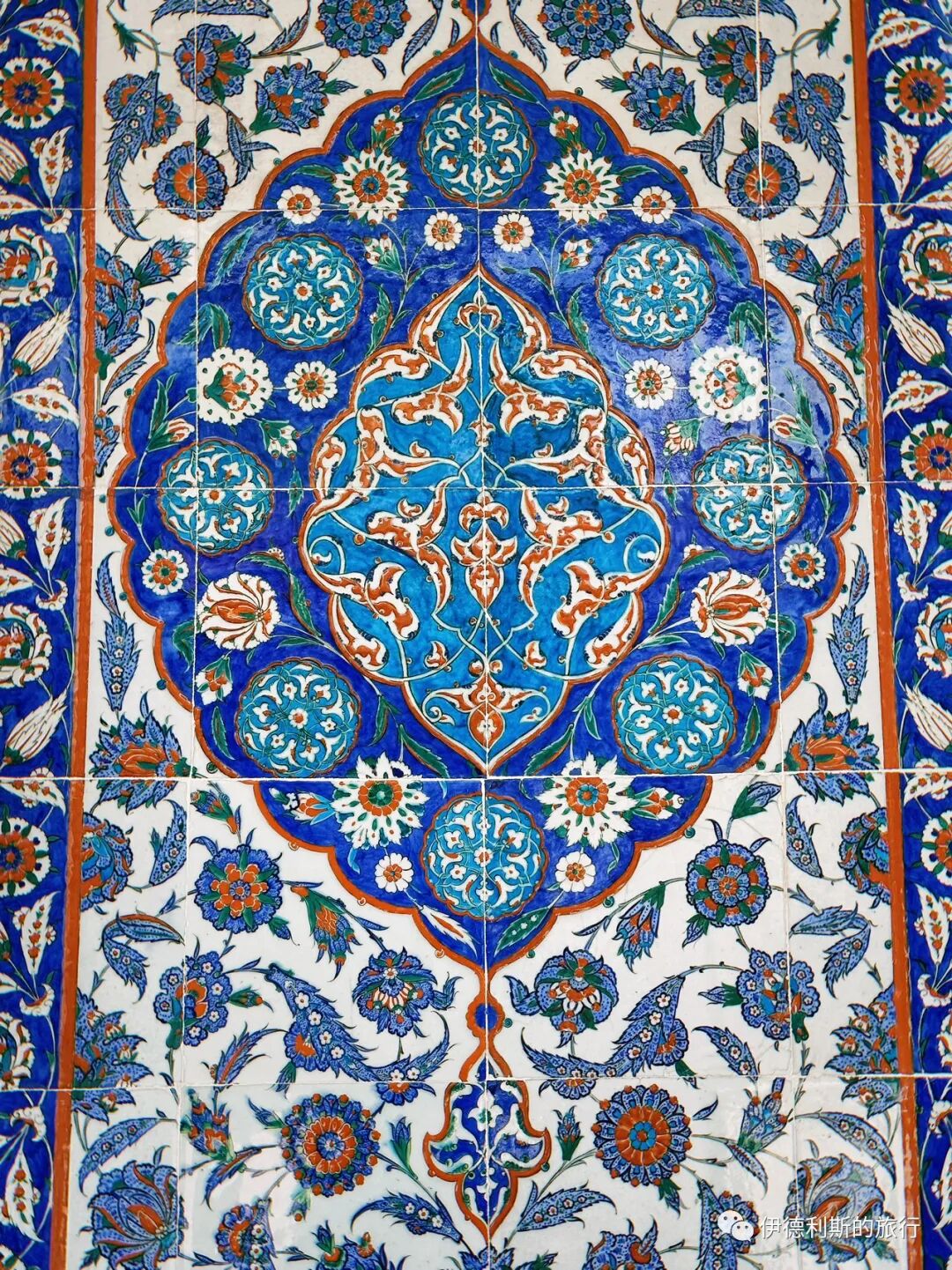
Revisiting the Suleymaniye Mosque after five years, I am still stunned by this architectural masterpiece by Mimar Sinan. When I was thinking of a name for my son, the Suleymaniye Mosque came to mind first, so I blurted out that I wanted to name him Suleiman. When Suleiman gets a little older, I must bring him to see this place.
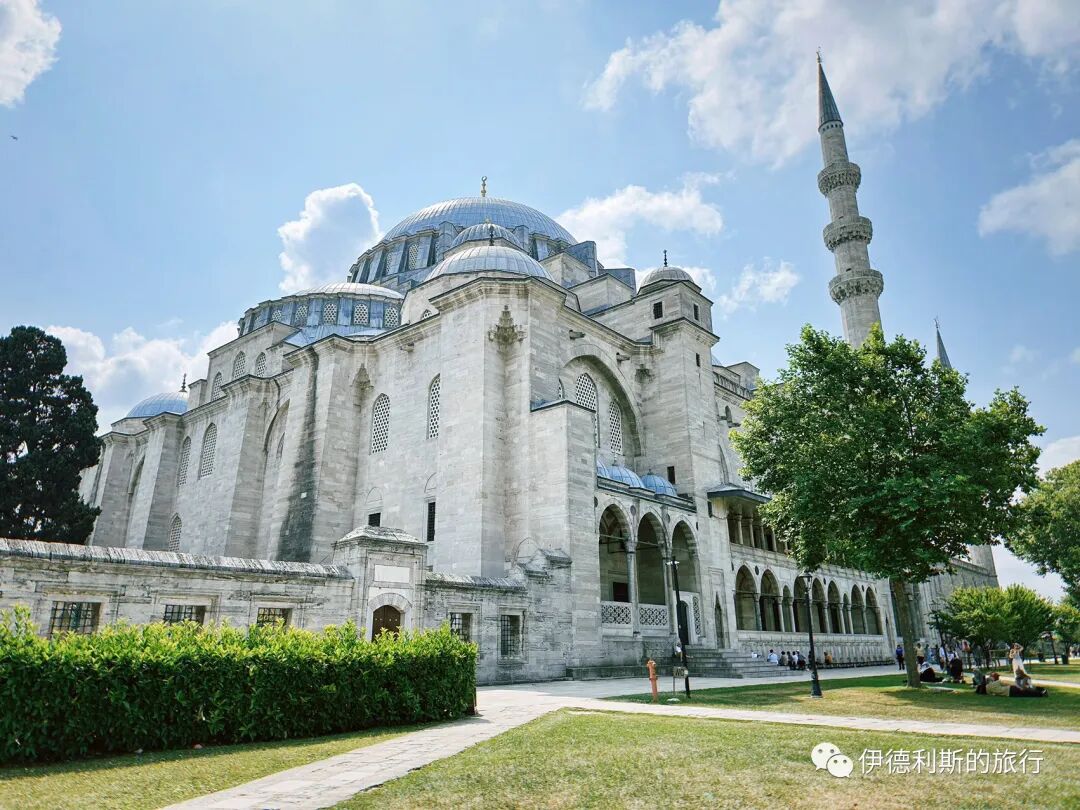
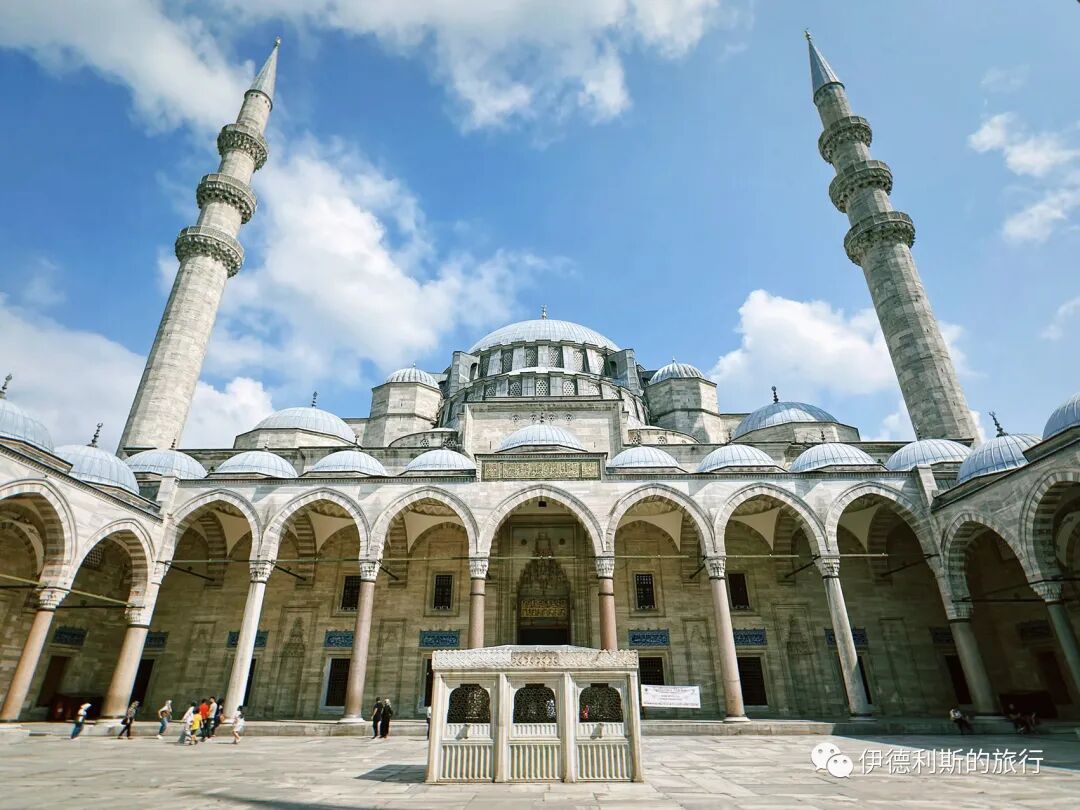
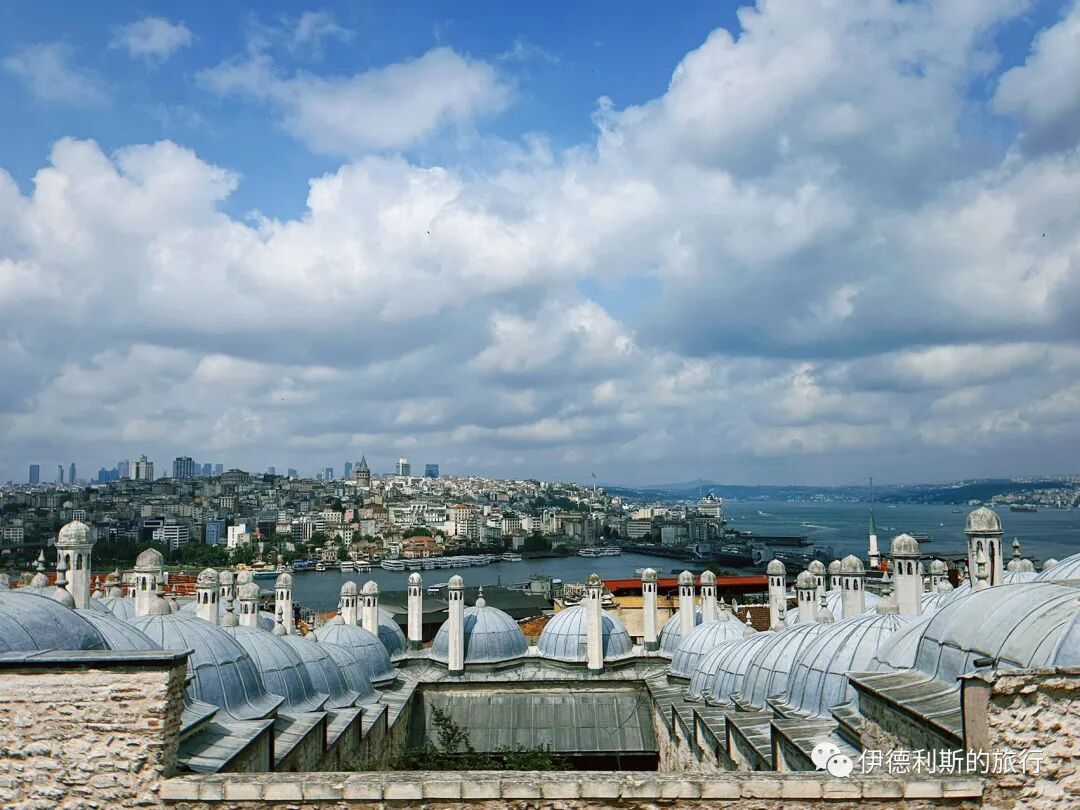
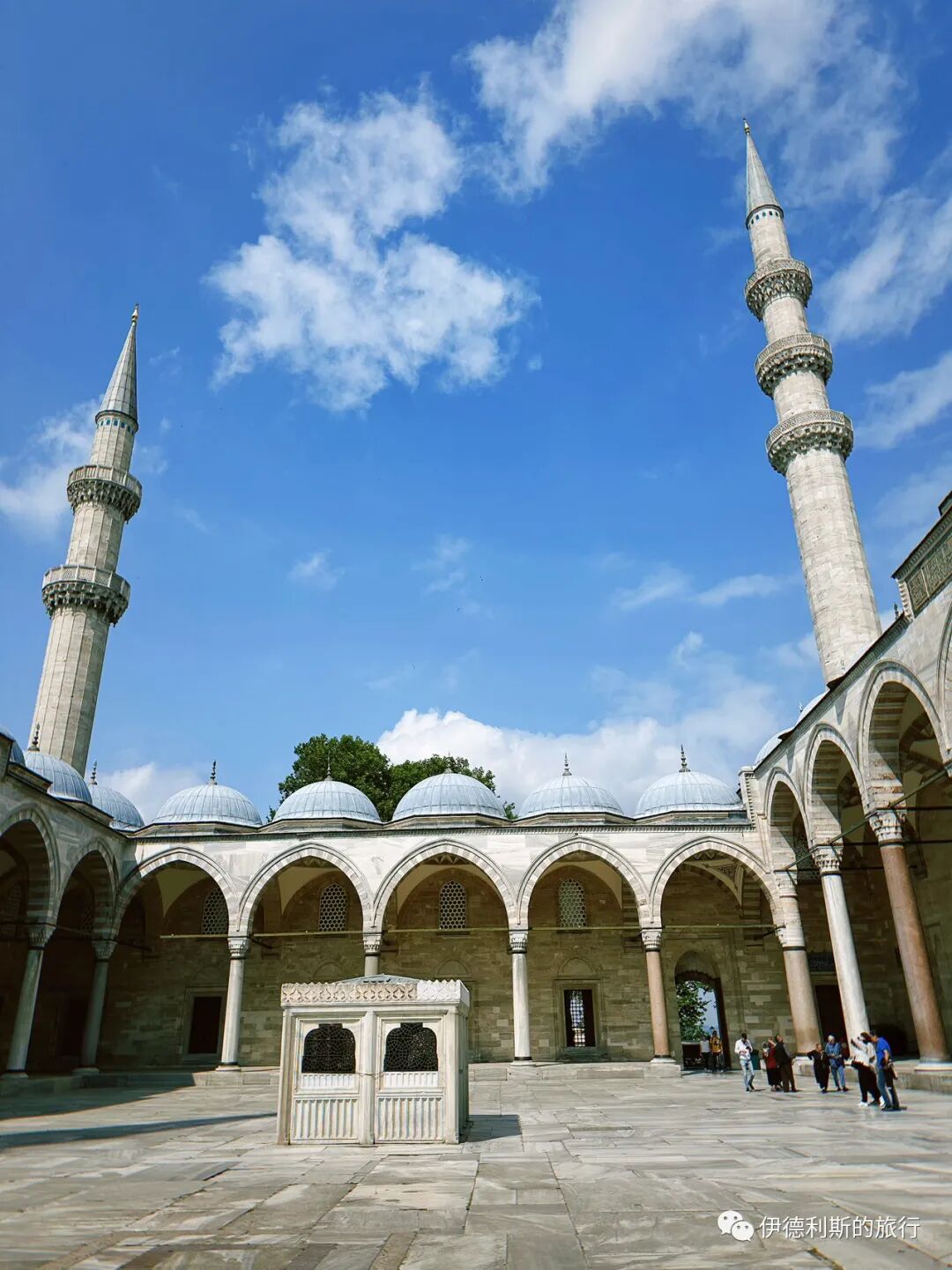
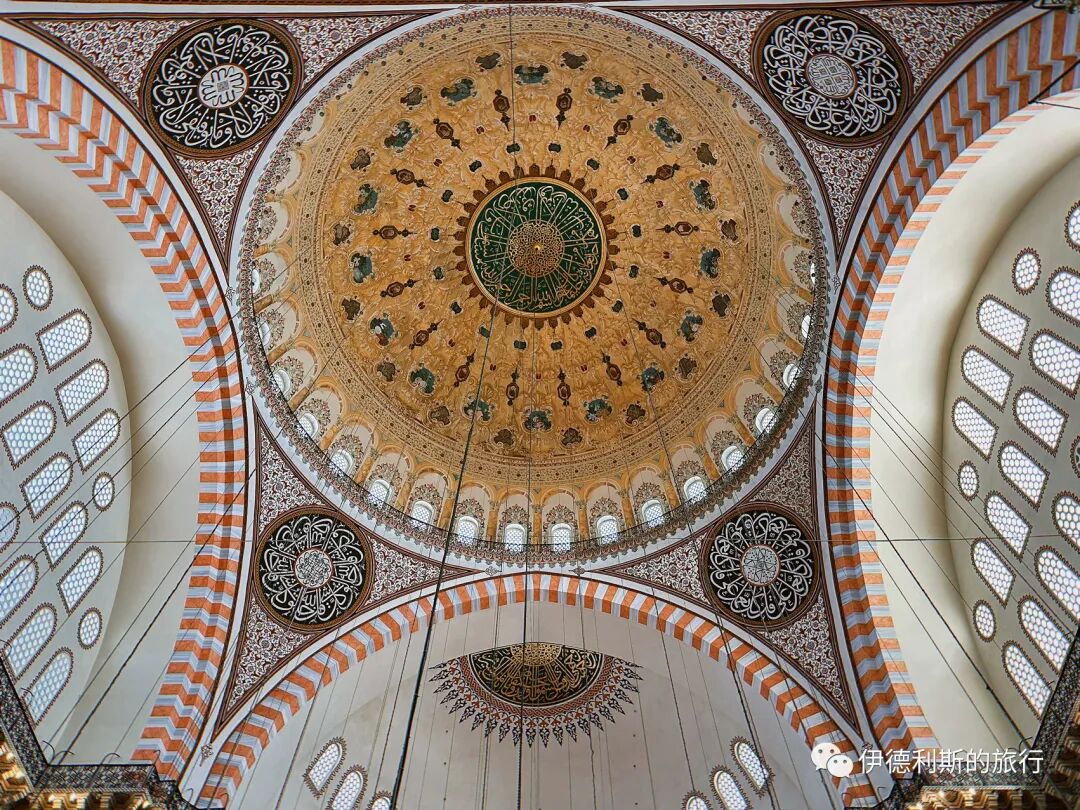
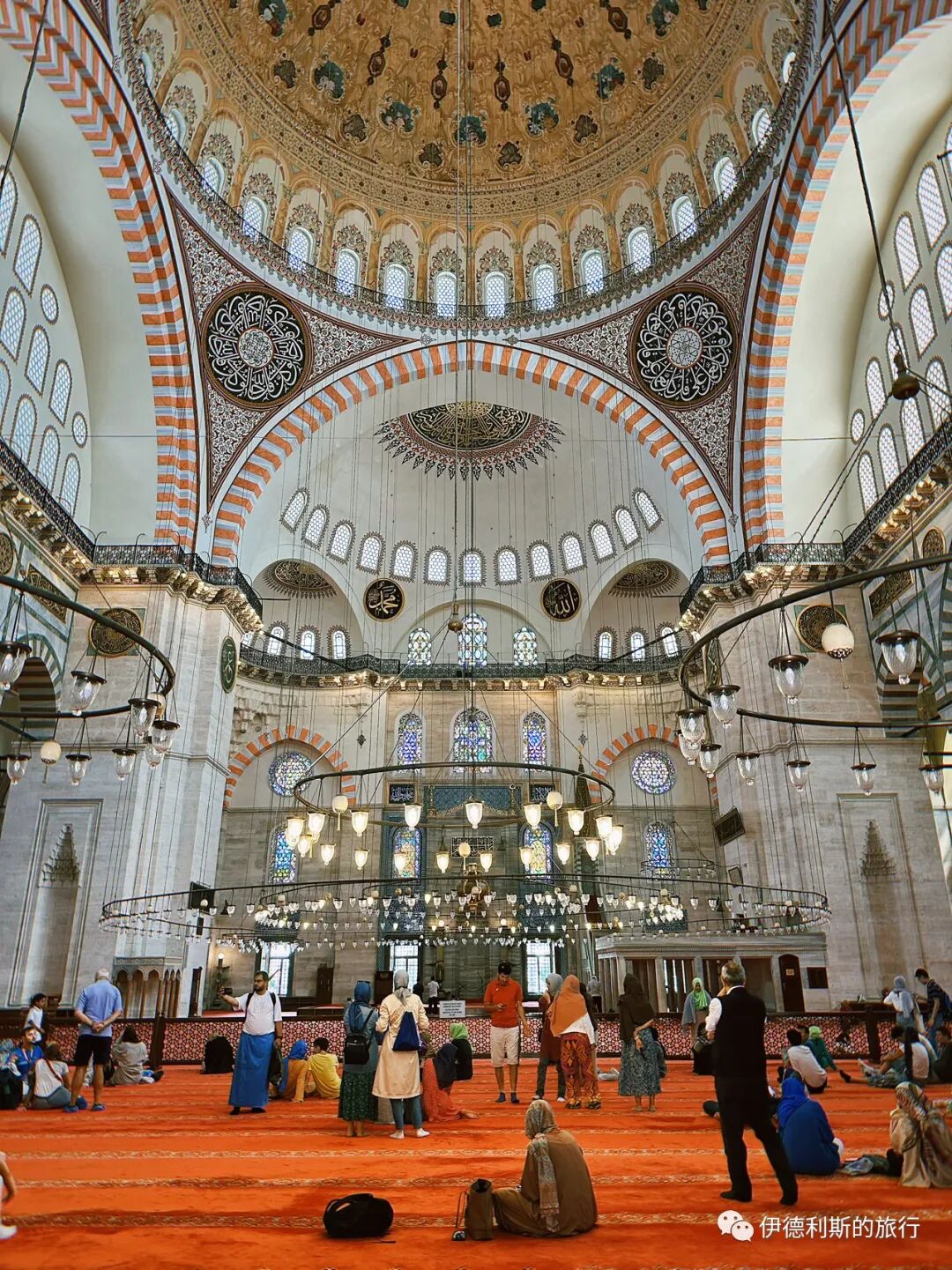
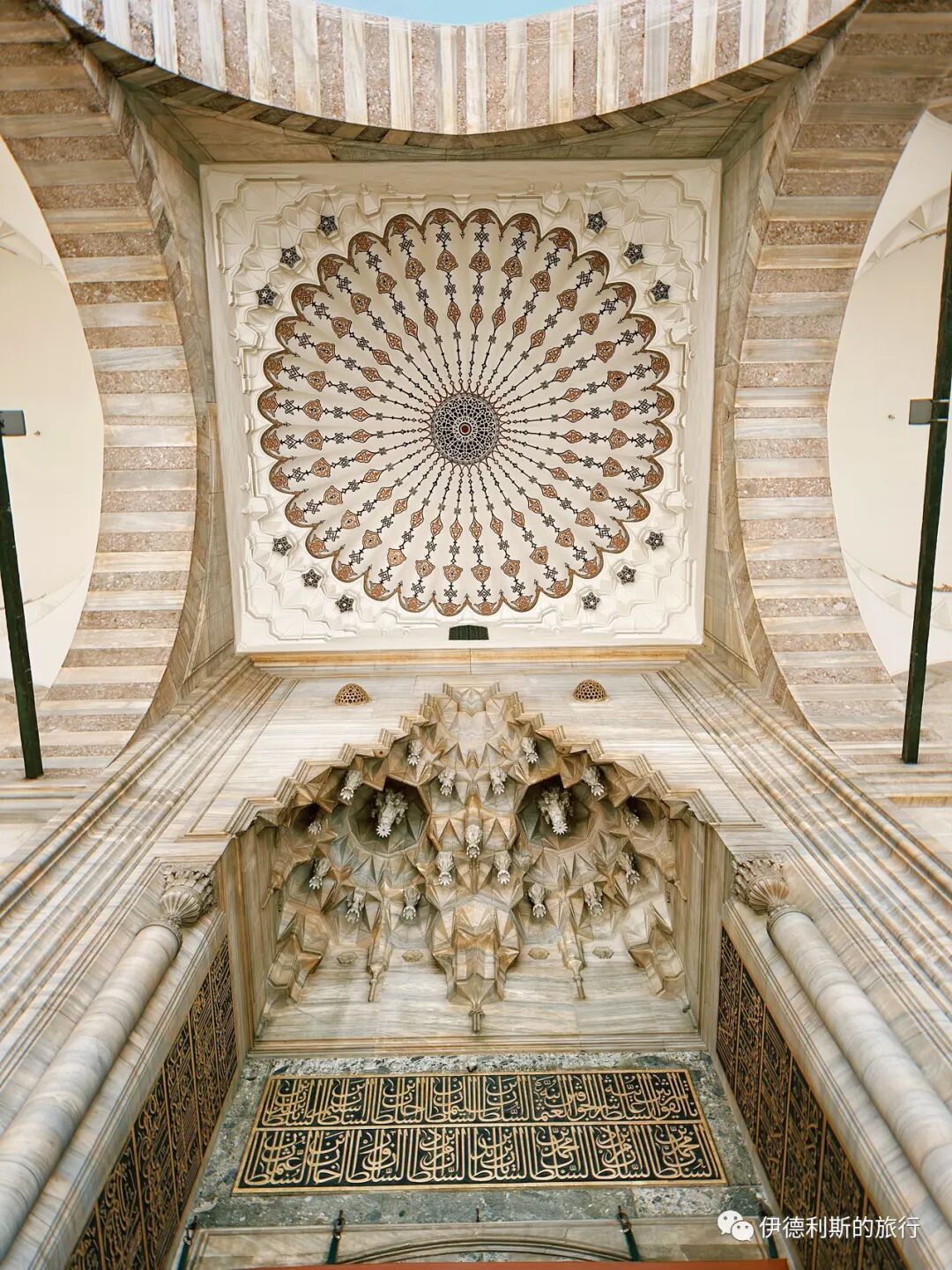
Bayezid II Mosque: 1501-06.
From the Suleymaniye Mosque, head south through Istanbul University to reach the Bayezid II Mosque next to the Grand Bazaar in Istanbul. This place underwent an eight-year renovation starting in 2012 and only reopened in 2020, so I could not enter when I came in 2018.
The Bayezid II Mosque was built between 1501 and 1506 by the eighth Ottoman Sultan, Bayezid II (reigned 1481-1512), and it is the second imperial mosque built after the Ottoman conquest of Istanbul. Because the Fatih Mosque built by Mehmed the Conqueror was destroyed by earthquakes many times, the Bayezid II Mosque is the oldest surviving imperial mosque in Istanbul.
It is speculated that the most likely architect of the Bayezid II Mosque was Yakubşah ibn Islamşah. People only know that Yakubşah once built a caravanserai in Bursa, and little else is known about him, but the polishing technique of the mosque shows that early Ottoman architecture was influenced by contemporary Western architecture. It is also certain that the great Ottoman architect Mimar Sinan carried out repairs here between 1573 and 1574.
The main hall of the Bayezid II Mosque is square, with the main dome supported by two semi-domes and two arches; the interior was built in imitation of the Hagia Sophia, but it is relatively smaller.
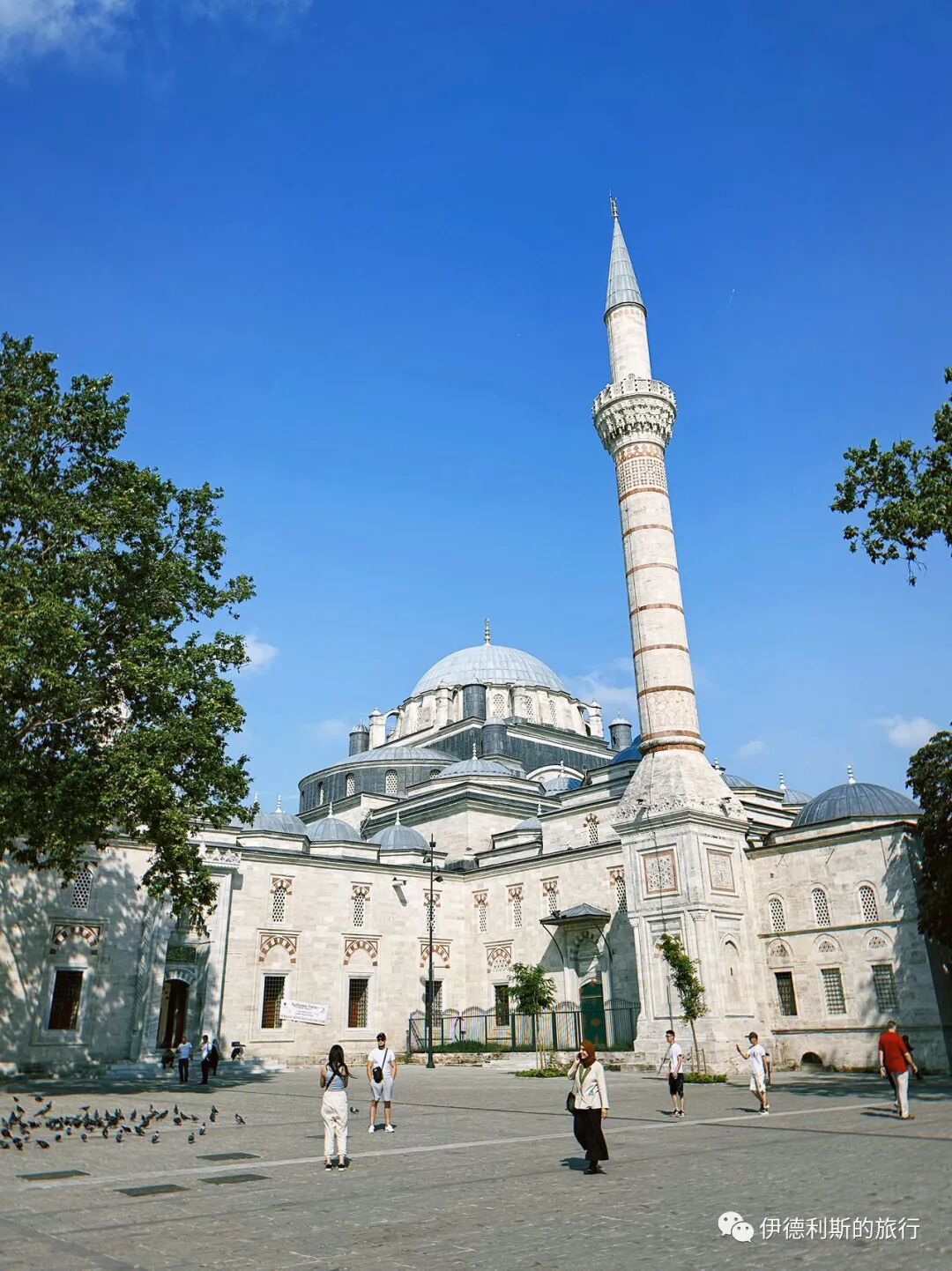
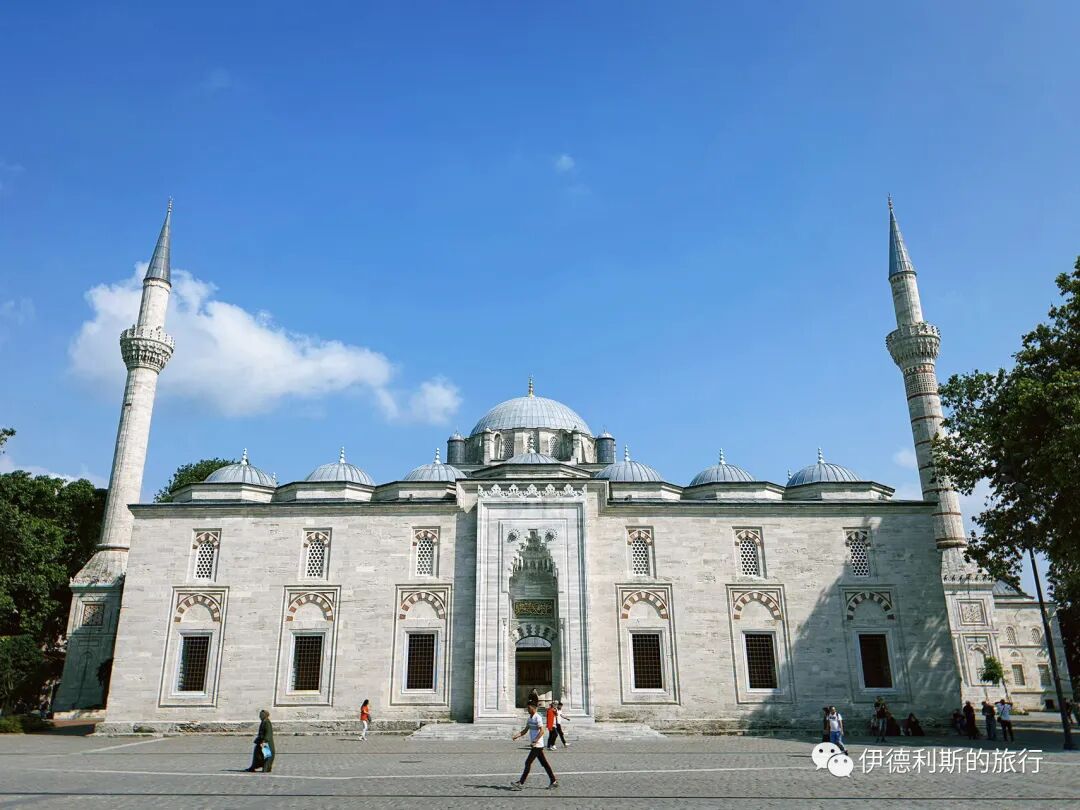
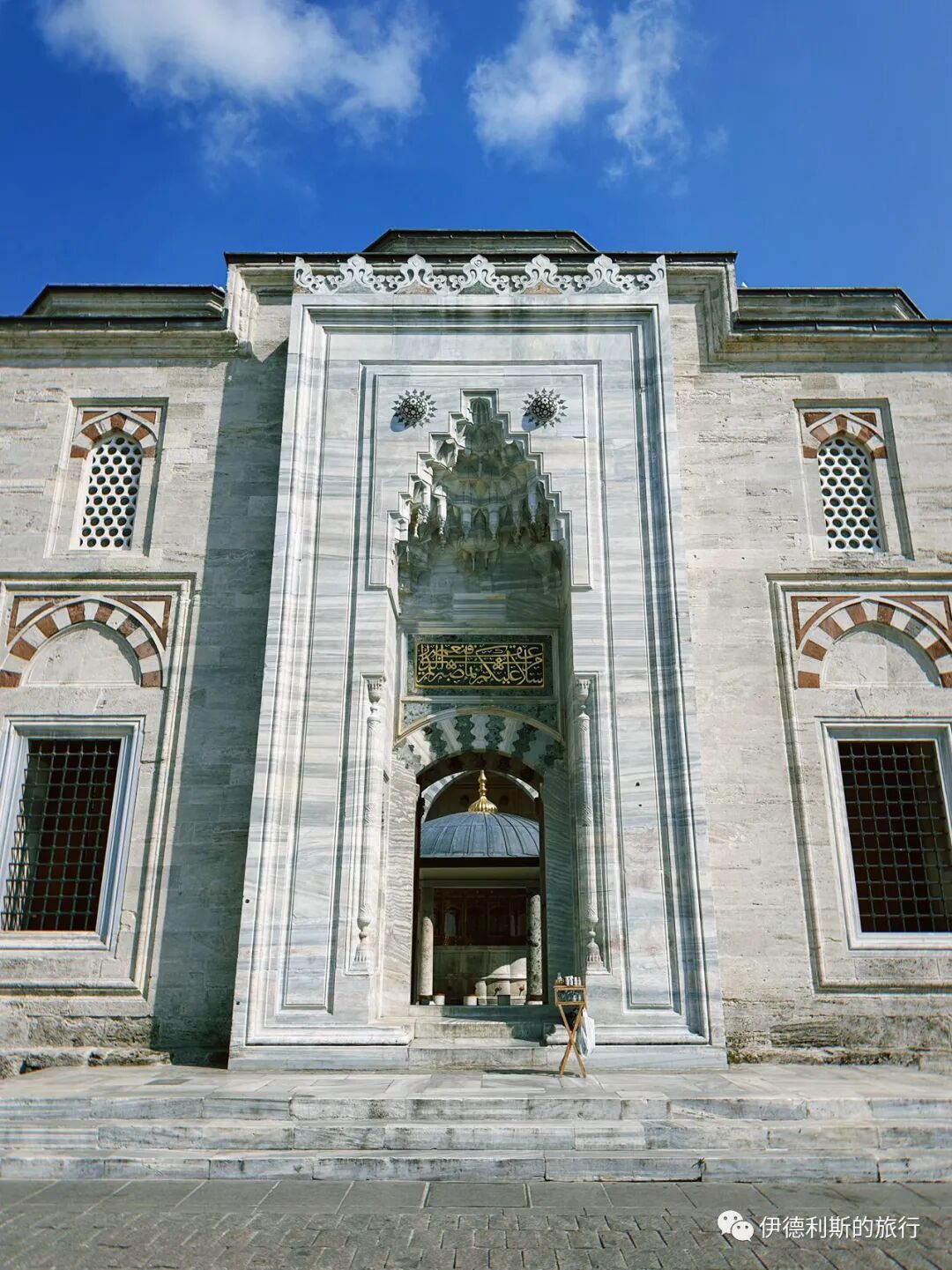
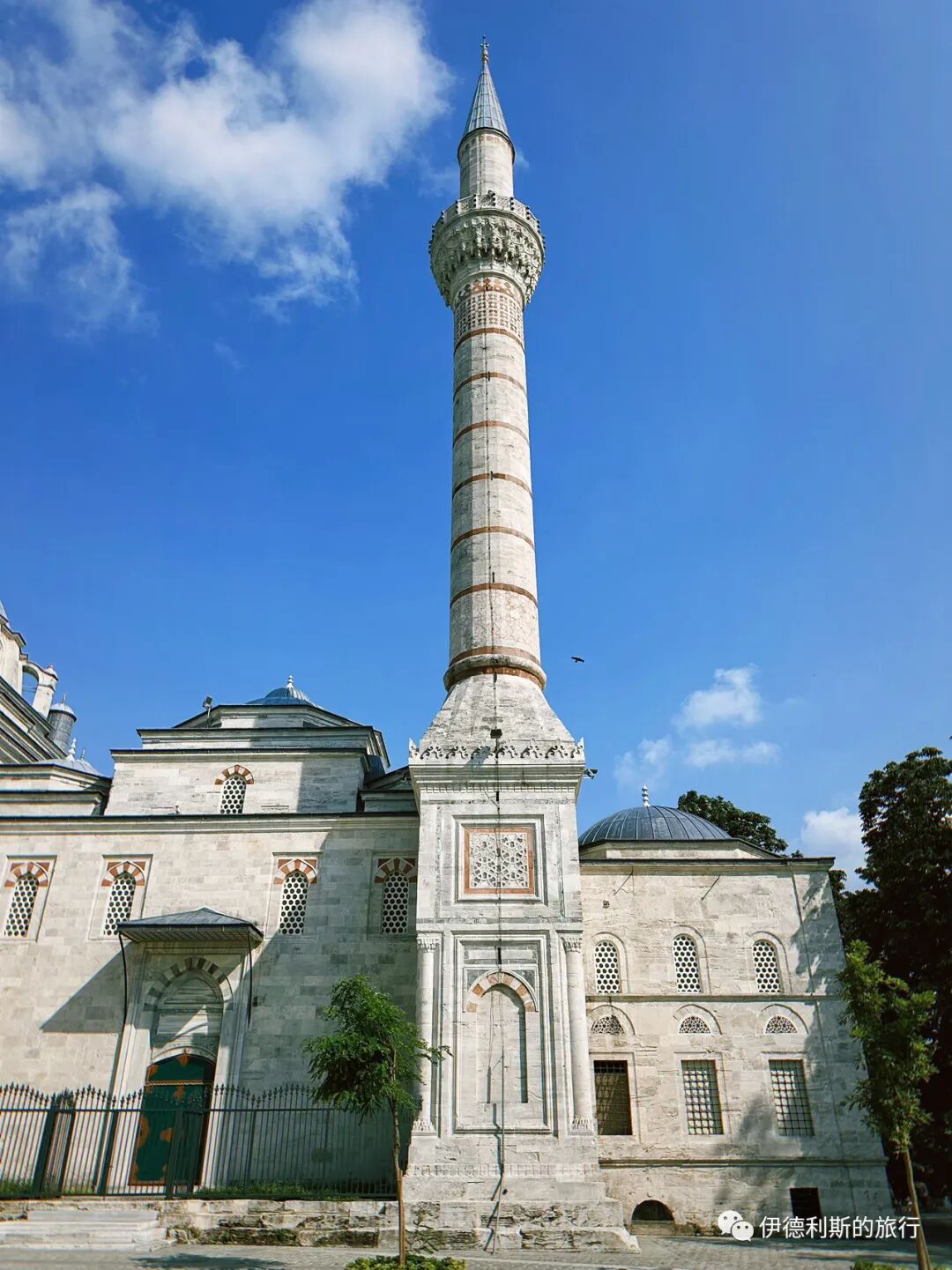
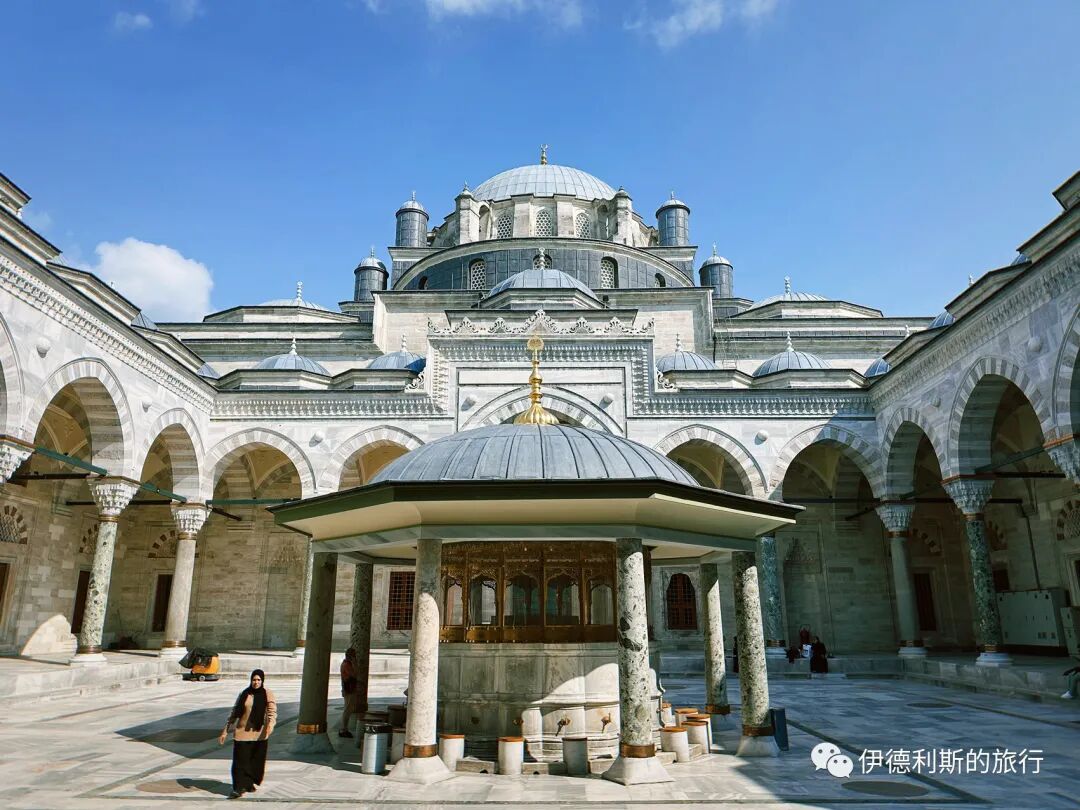
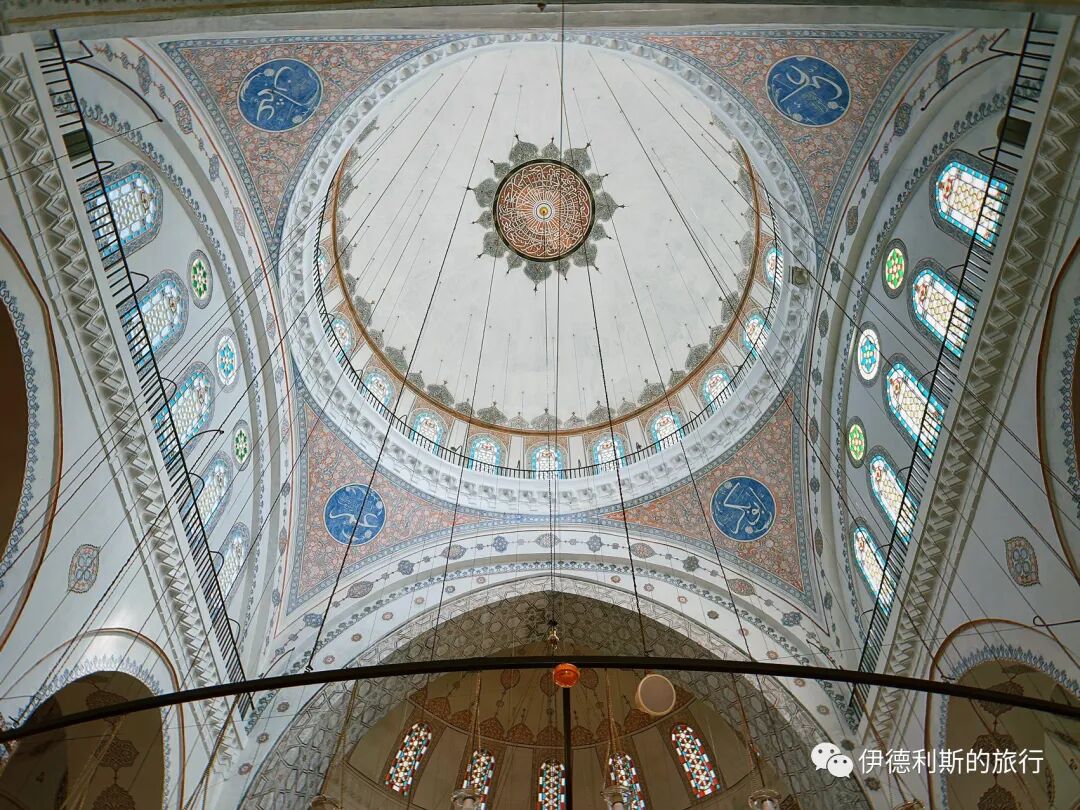
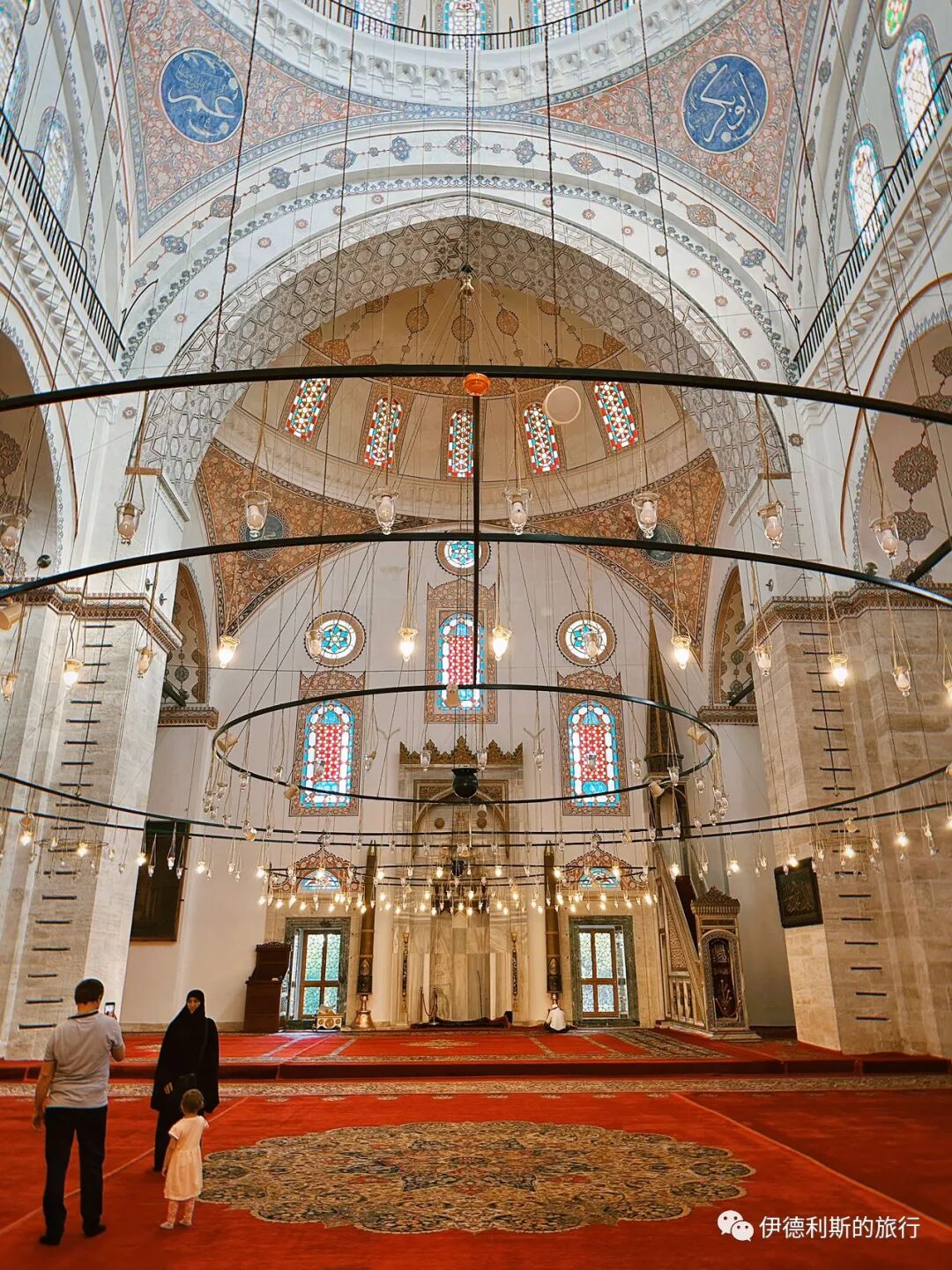
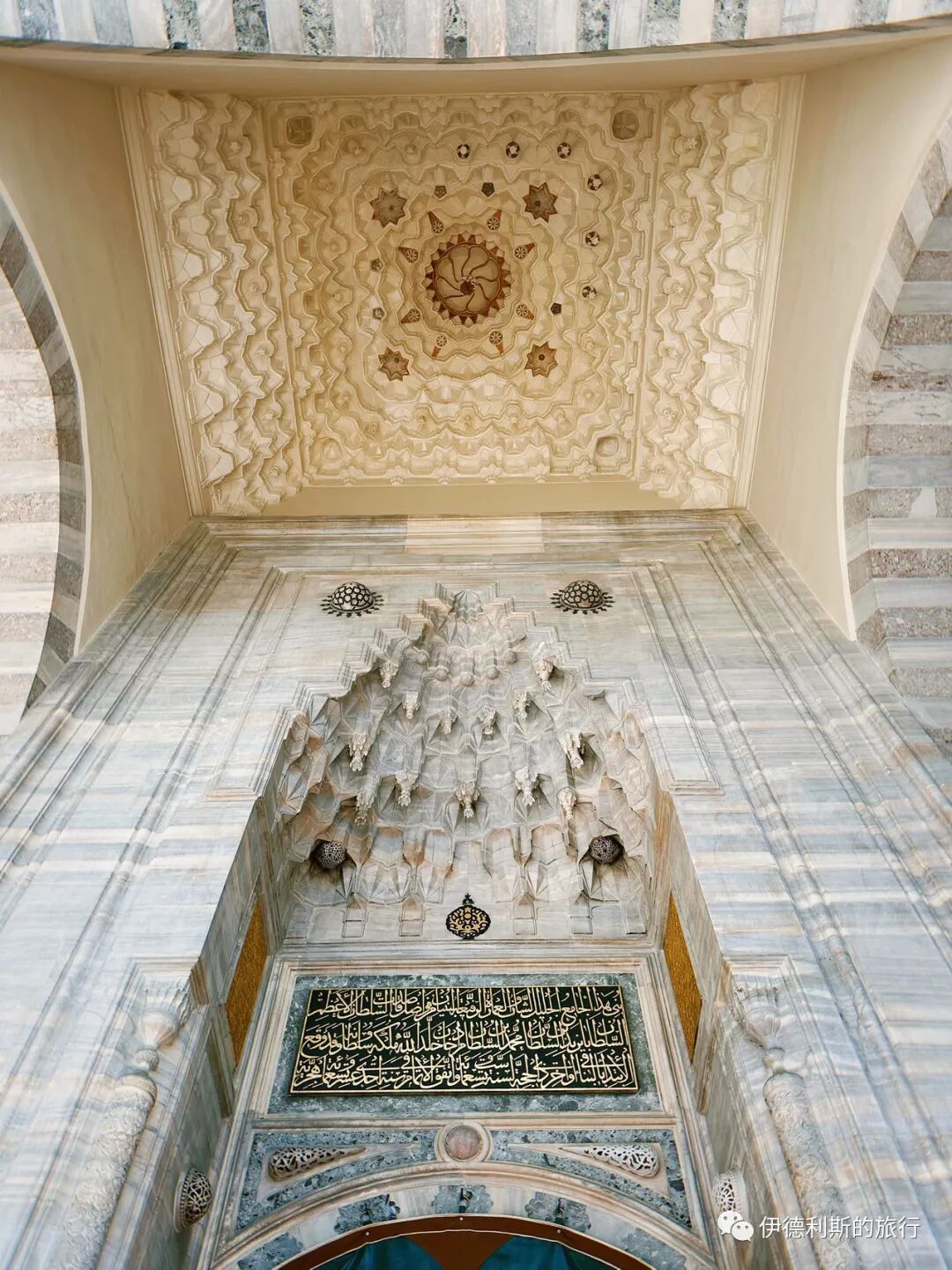
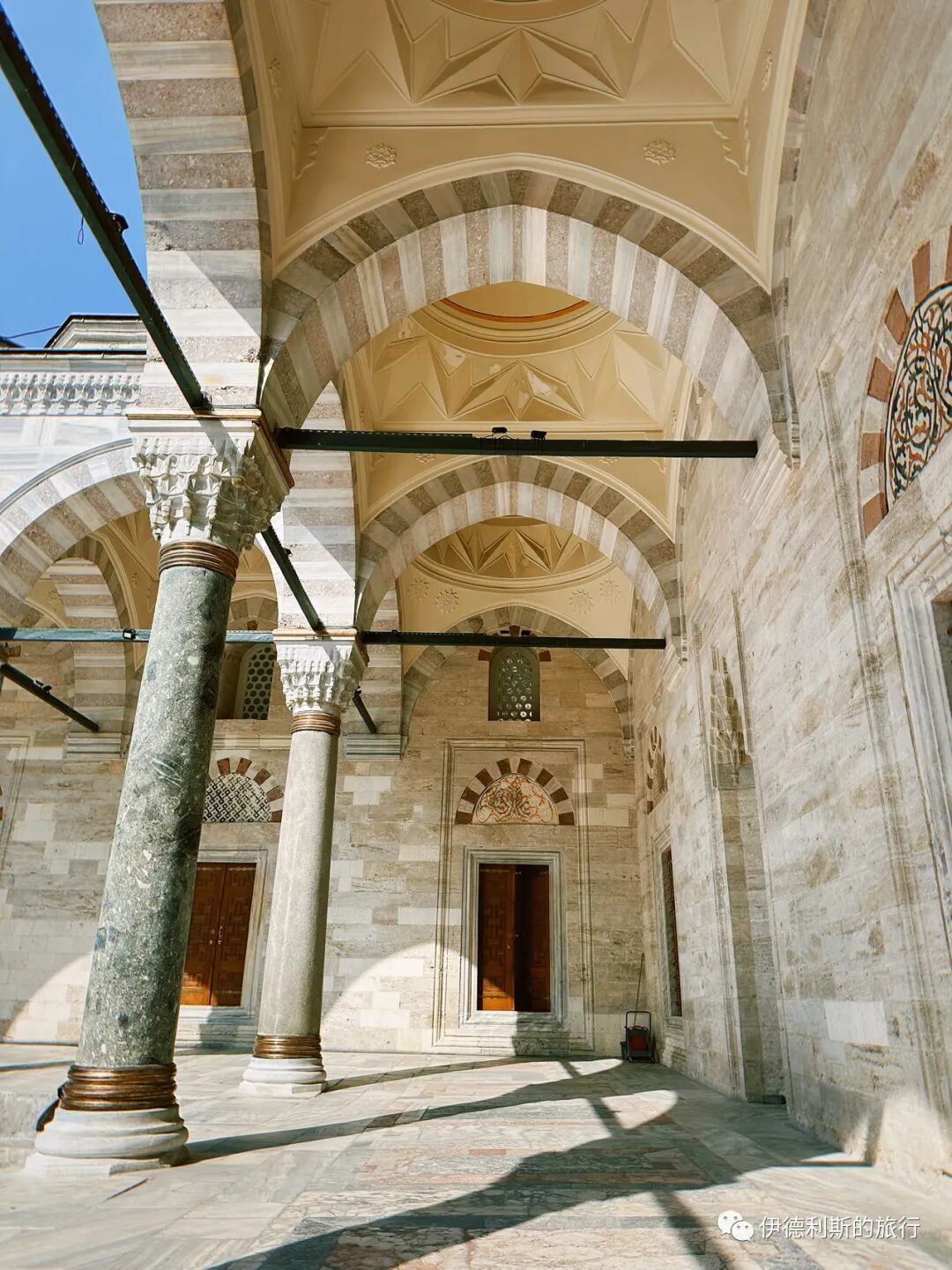
The mihrab (prayer niche) and minbar (pulpit) of the Bayezid II Mosque. To the right of the mihrab is a Hünkâr Mahfili, a platform for the sultan, the royal family, and nobles to pray, and the marble columns on it date back to the Byzantine period.
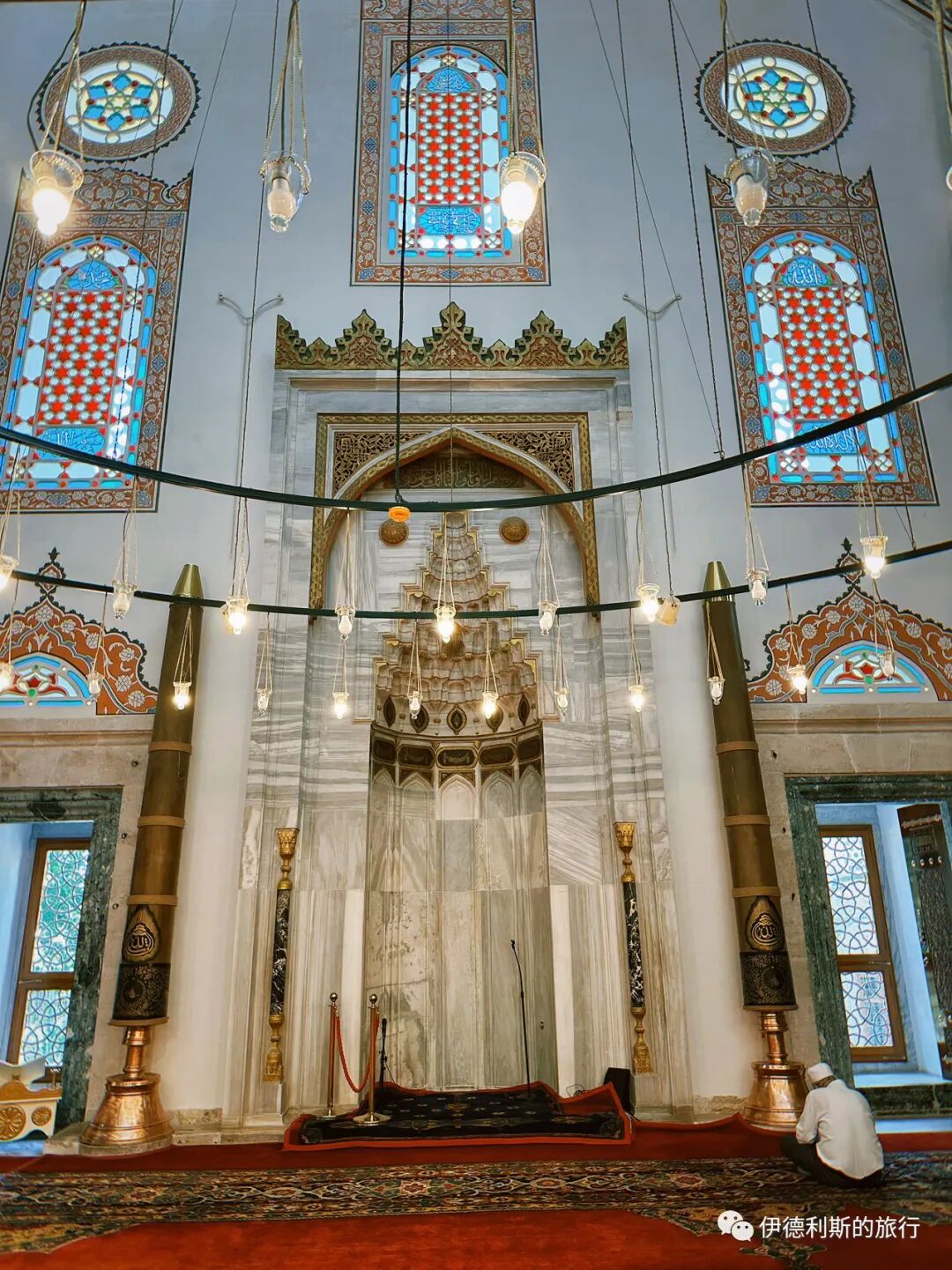
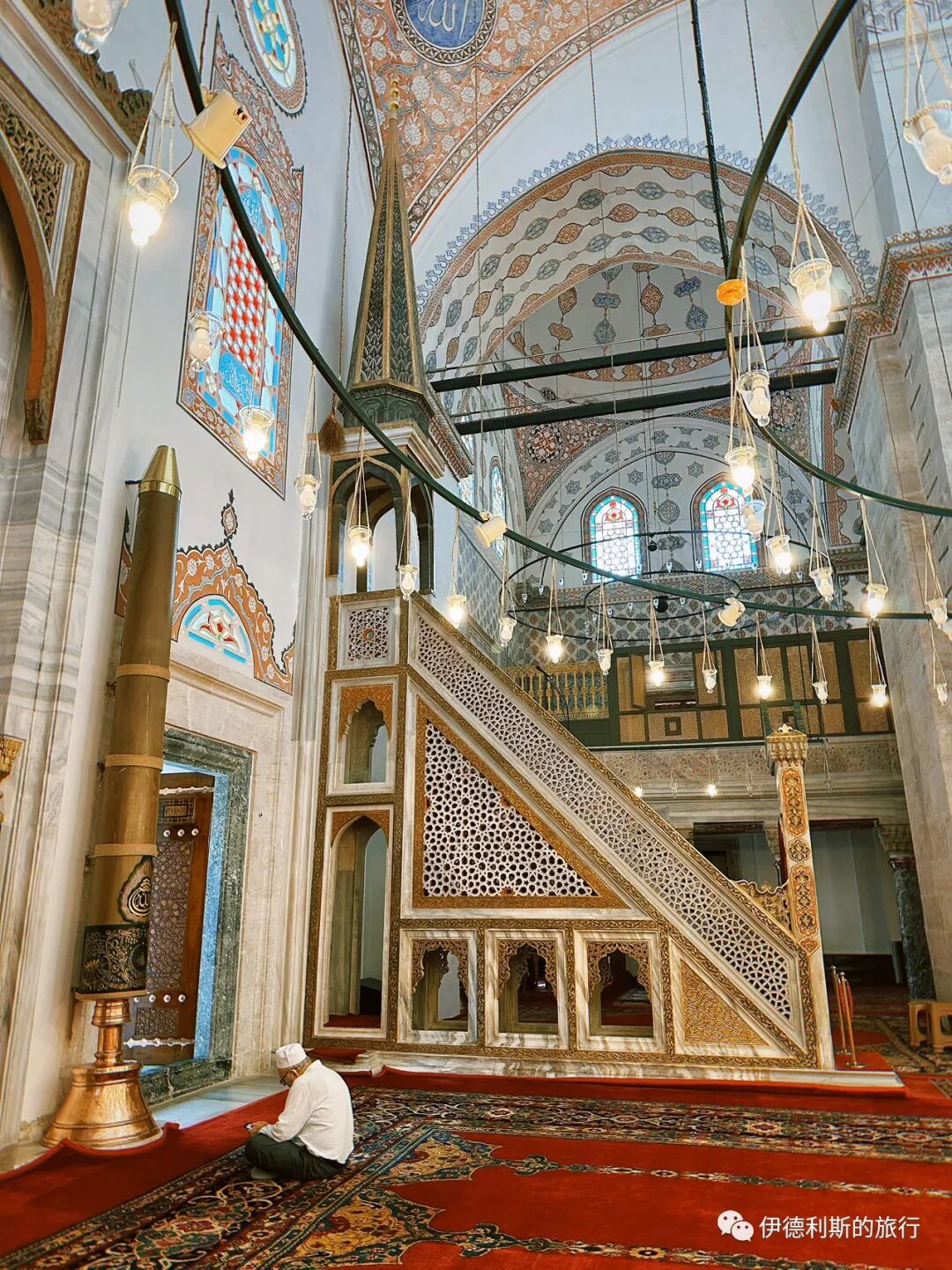
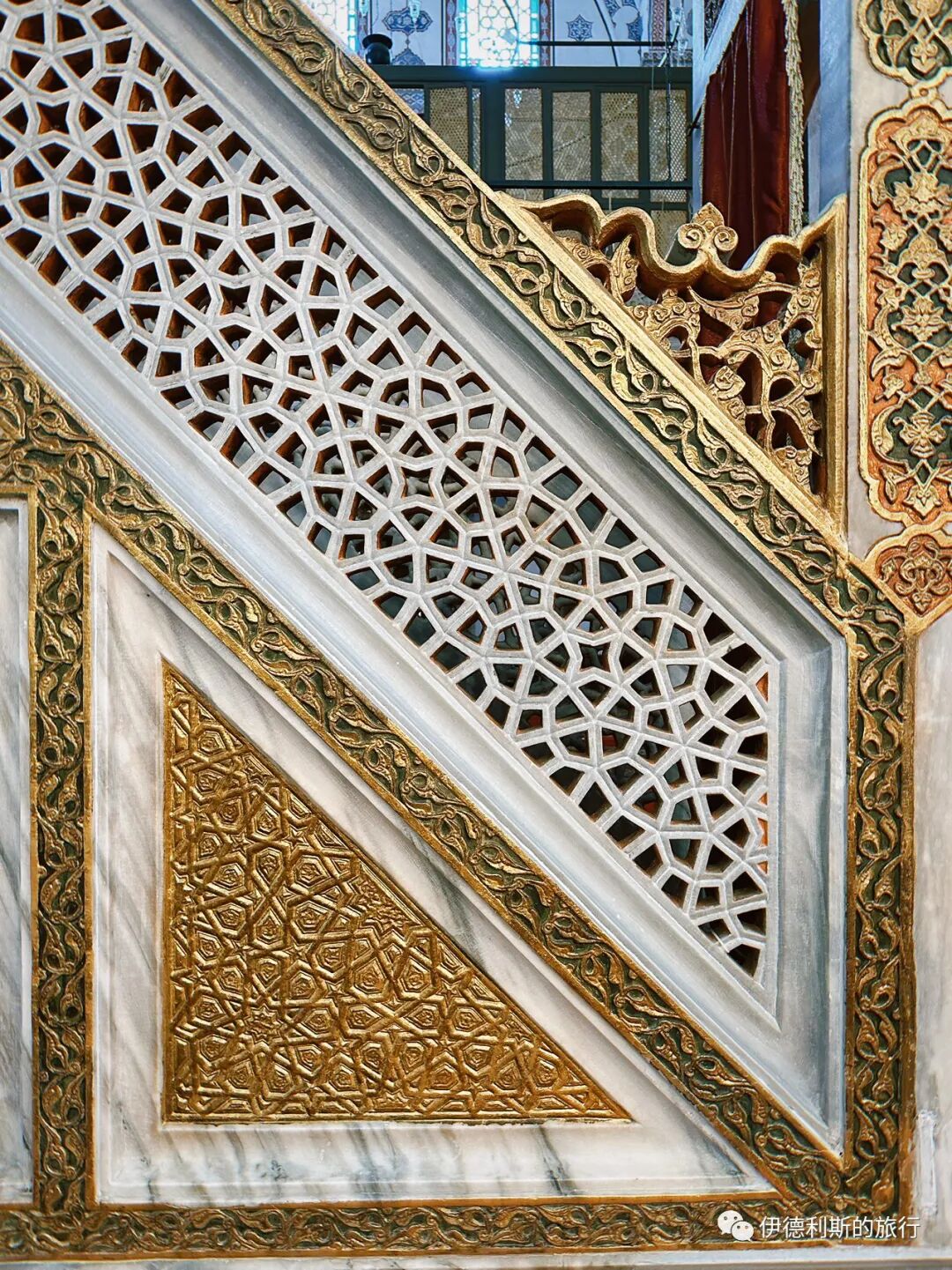
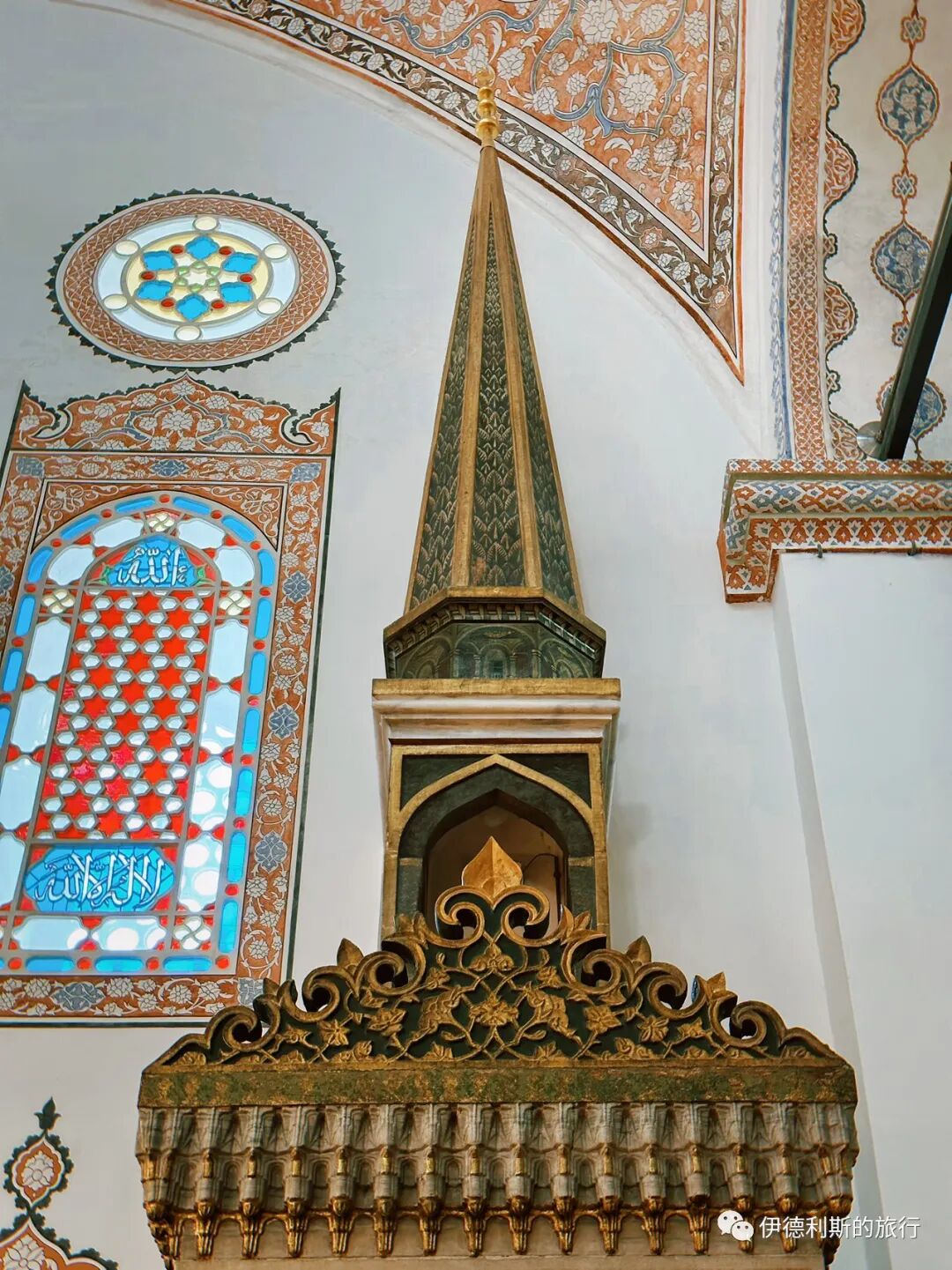
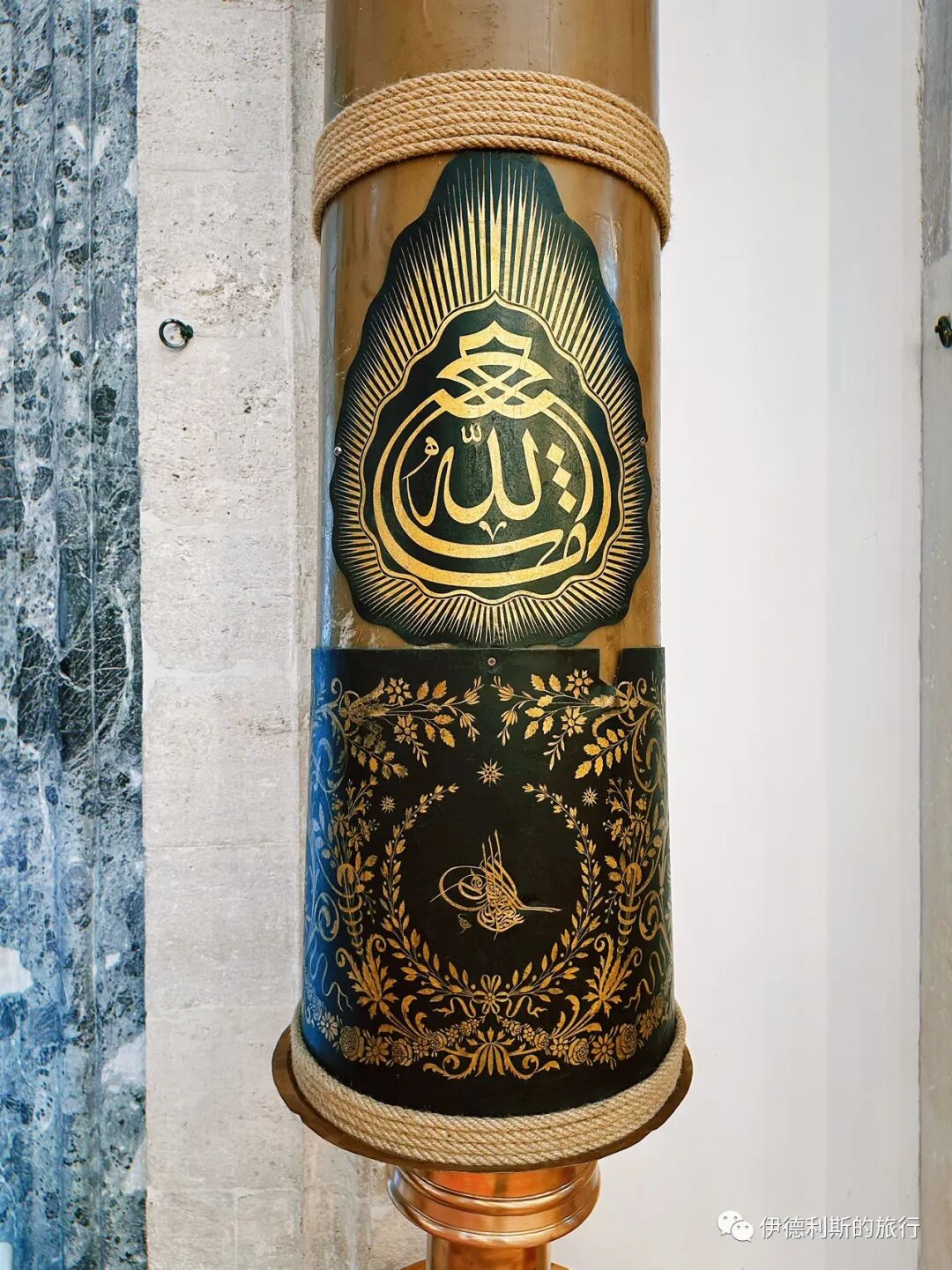
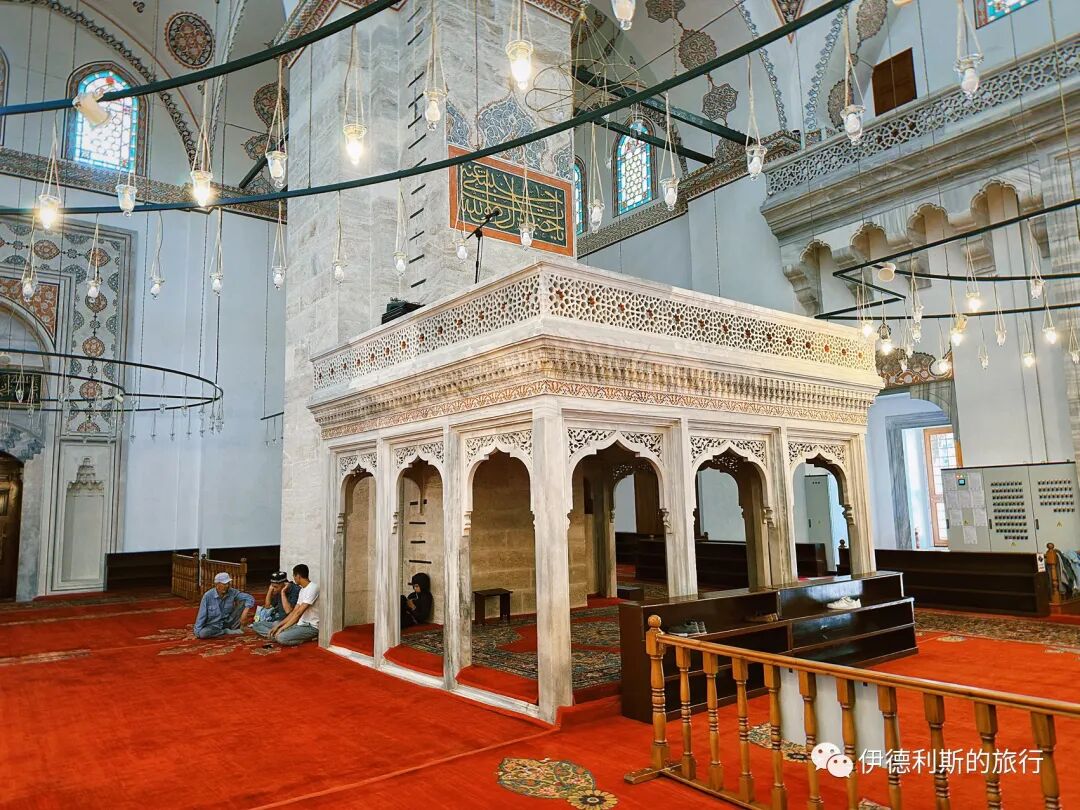
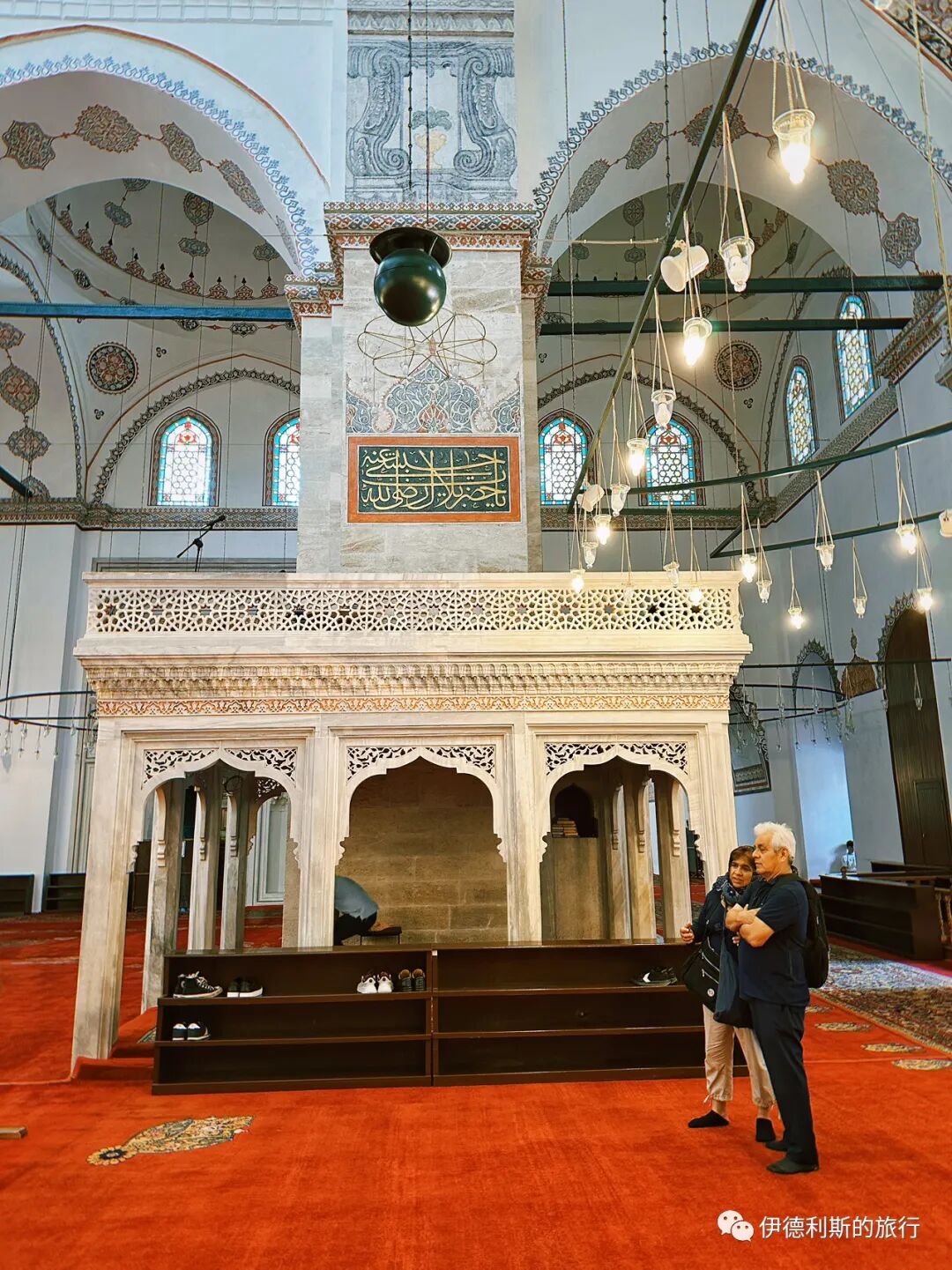
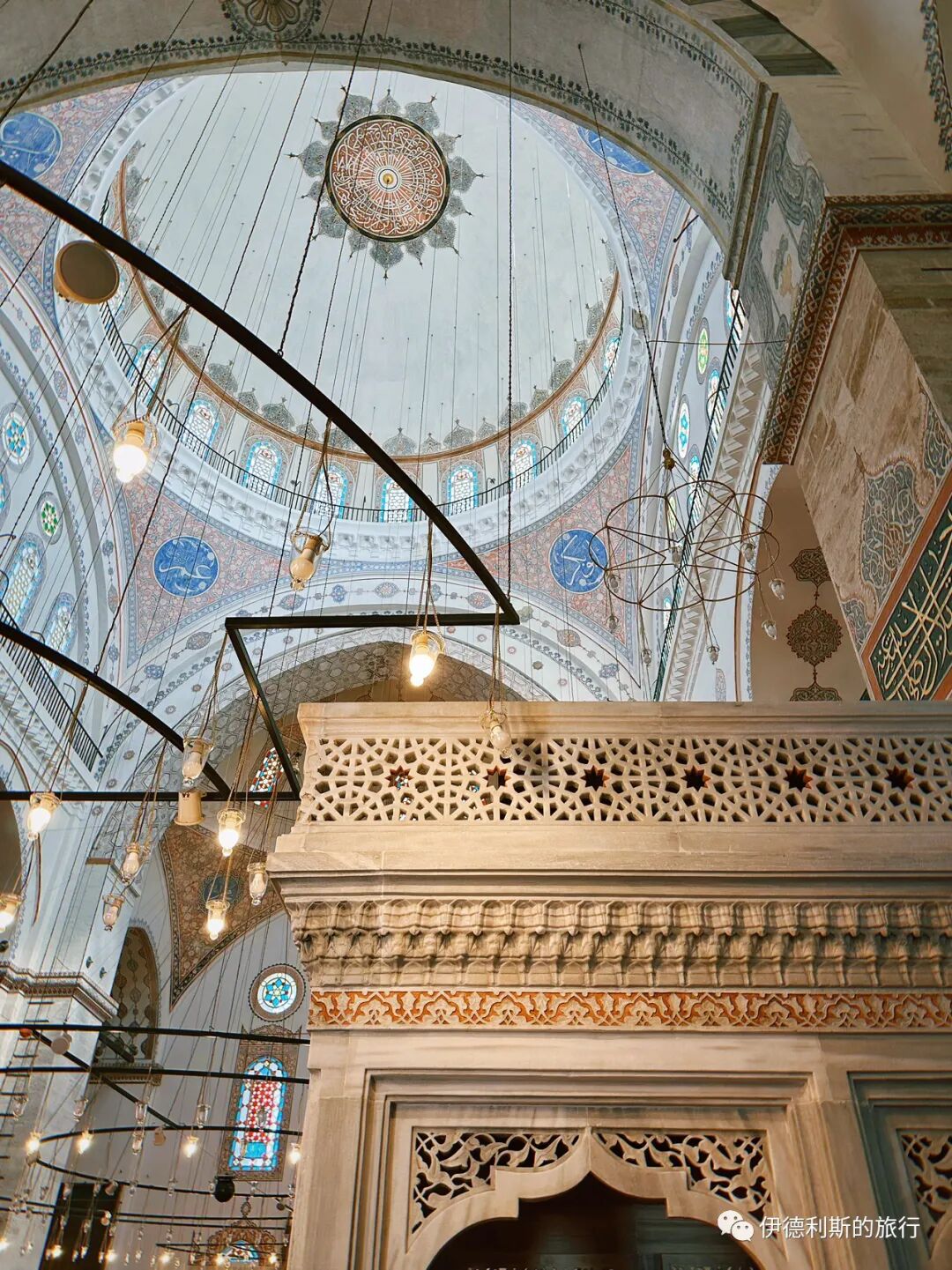
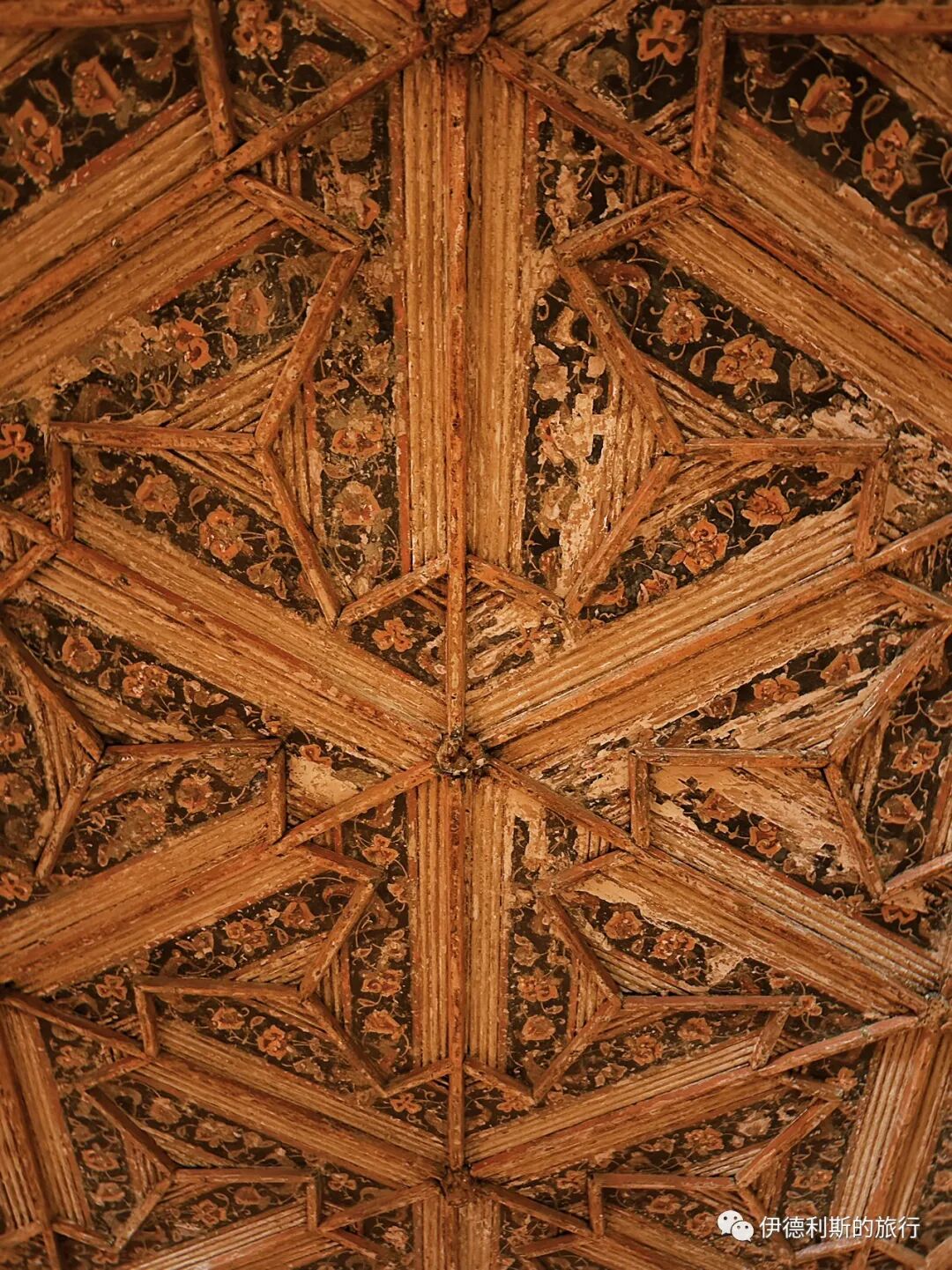
In the backyard of the Bayezid II Mosque is the tomb of Sultan Bayezid II himself. Bayezid II served as a bey in Amasya during his early years and took part in wars against the Aq Qoyunlu dynasty. After Mehmed the Conqueror passed away in 1481, Bayezid II fought a war of succession against his brother, Cem Sultan, and eventually defeated him to win the throne.
Bayezid II earned the title of 'the Just' because he successfully kept the domestic situation stable. He fought against Europe many times, defeating a powerful Polish army of 80,000 in 1497 and taking control of the entire Peloponnese peninsula in southern Greece in 1501.
In 1492, Spain announced the expulsion of all Jews and Muslims from its territory. Bayezid II sent the Ottoman navy to Spain to transport these refugees to Ottoman lands and issued a decree across the country welcoming them and allowing them to become Ottoman citizens. He mocked the Spanish rulers, saying, 'He has made his own country poor and made my country rich!' As expected, the Jews and Muslims from Andalusia brought new ideas, technologies, and crafts to the Ottoman Empire, contributing greatly to its prosperity in the 16th century. The first printing press in Istanbul was established by Sephardic Jews in 1493.
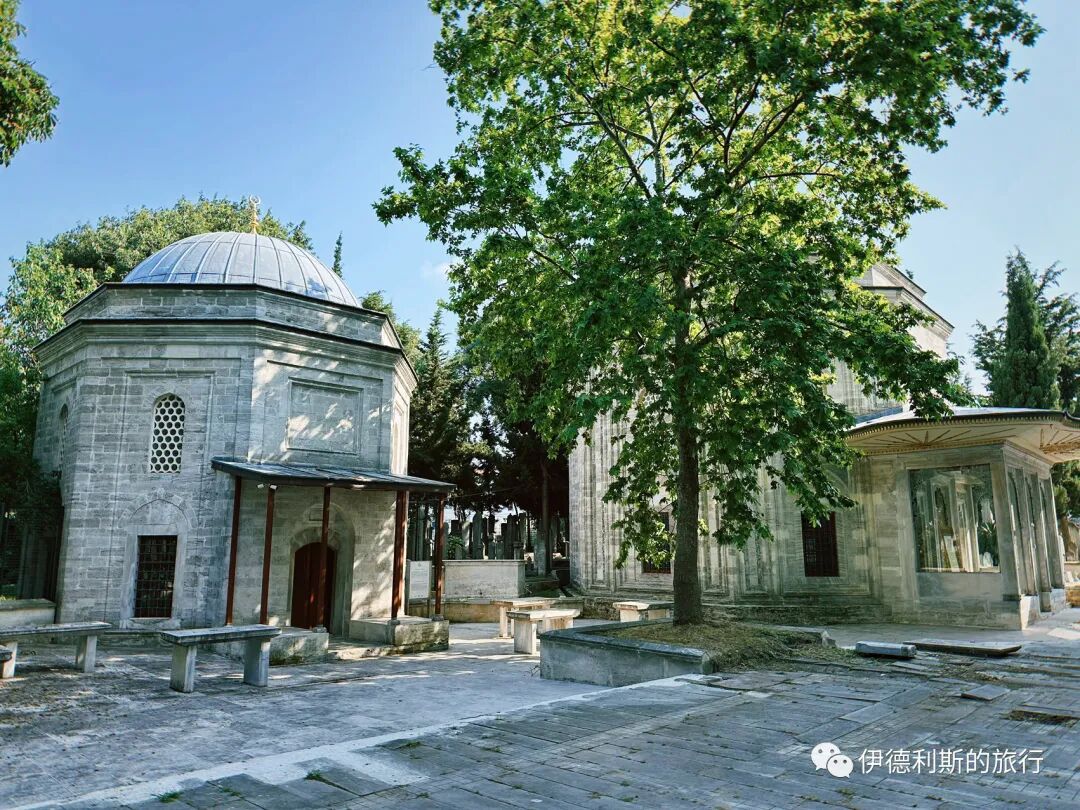
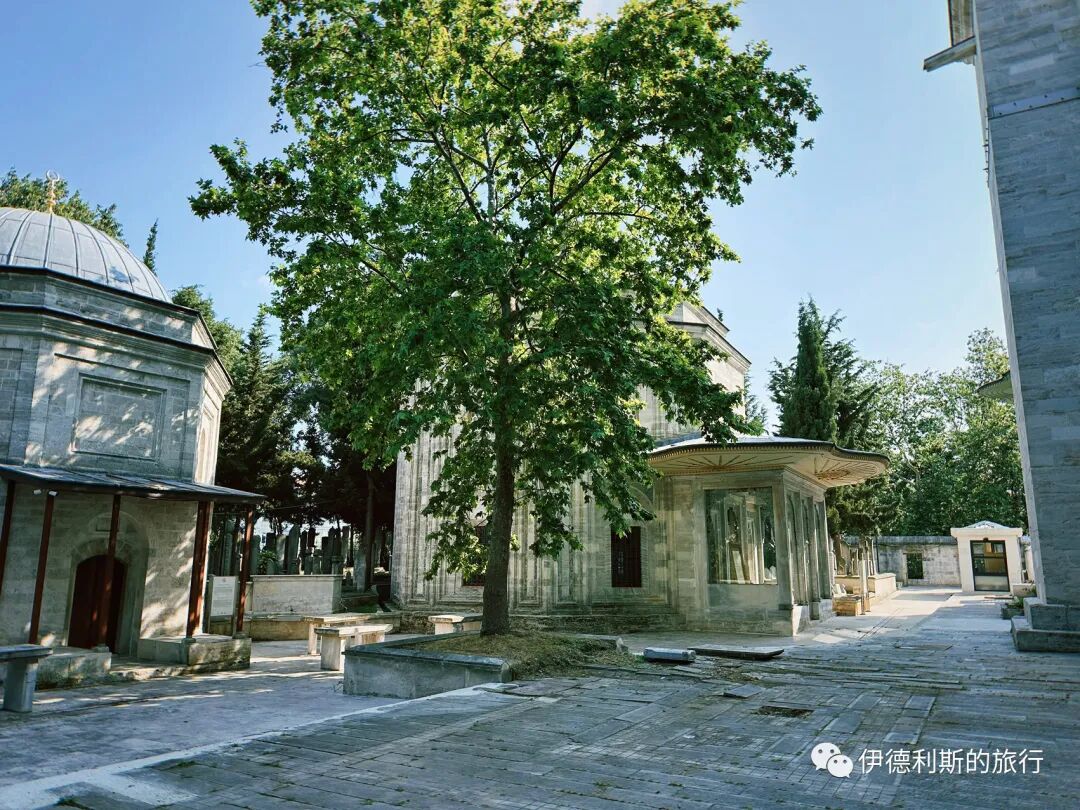
Jewel Market (Bedesten): 1461
From the Bayezid II Mosque, head east into the maze-like and complex Grand Bazaar of Istanbul. The Grand Bazaar of Istanbul is known as the largest and oldest covered market in the world, with 61 streets and over 4,000 shops. The Grand Bazaar has been damaged by many fires and earthquakes throughout history, and construction work continued for nearly three hundred years. The earliest part of the building was started in 1461, shortly after the Ottoman conquest of Istanbul. It was originally called the Jewel Market (Cevâhir Bedestan) and belonged to the foundation (Waqf) of the Hagia Sophia Mosque.
In the 1470s (some say the 16th century), a second covered market was built next to the Jewel Market. It mainly sold textiles and was named the Sandalwood Market (Sandal Bedesten) after a sandalwood-colored silk fabric from Bursa. At first, the Jewel Market and the Sandalwood Market were two separate covered markets. However, as merchants kept opening shops around them, the two markets merged into one large area. By 1696, vaults were built over all the shops, finally forming the Grand Bazaar of Istanbul as it is today.
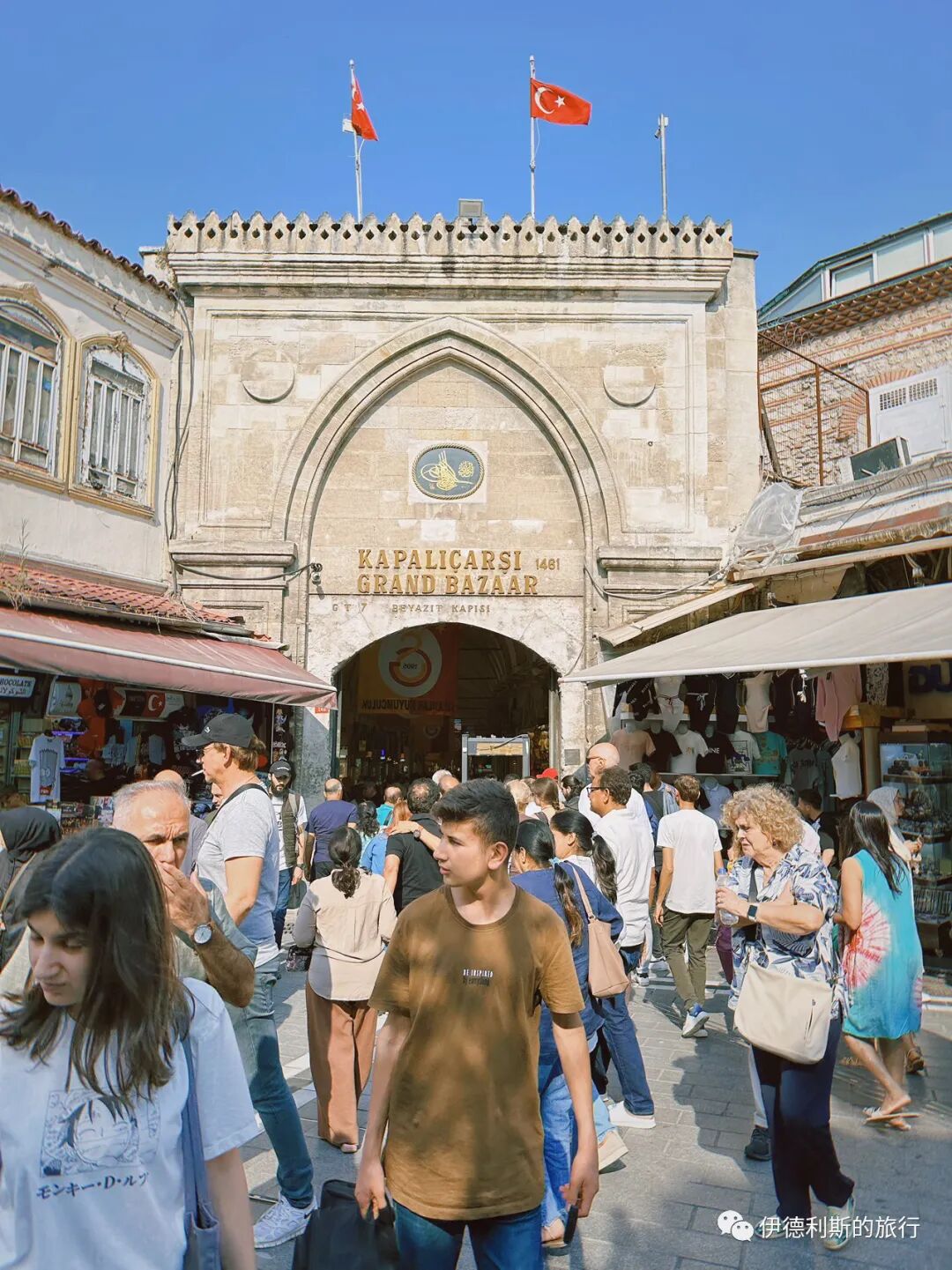
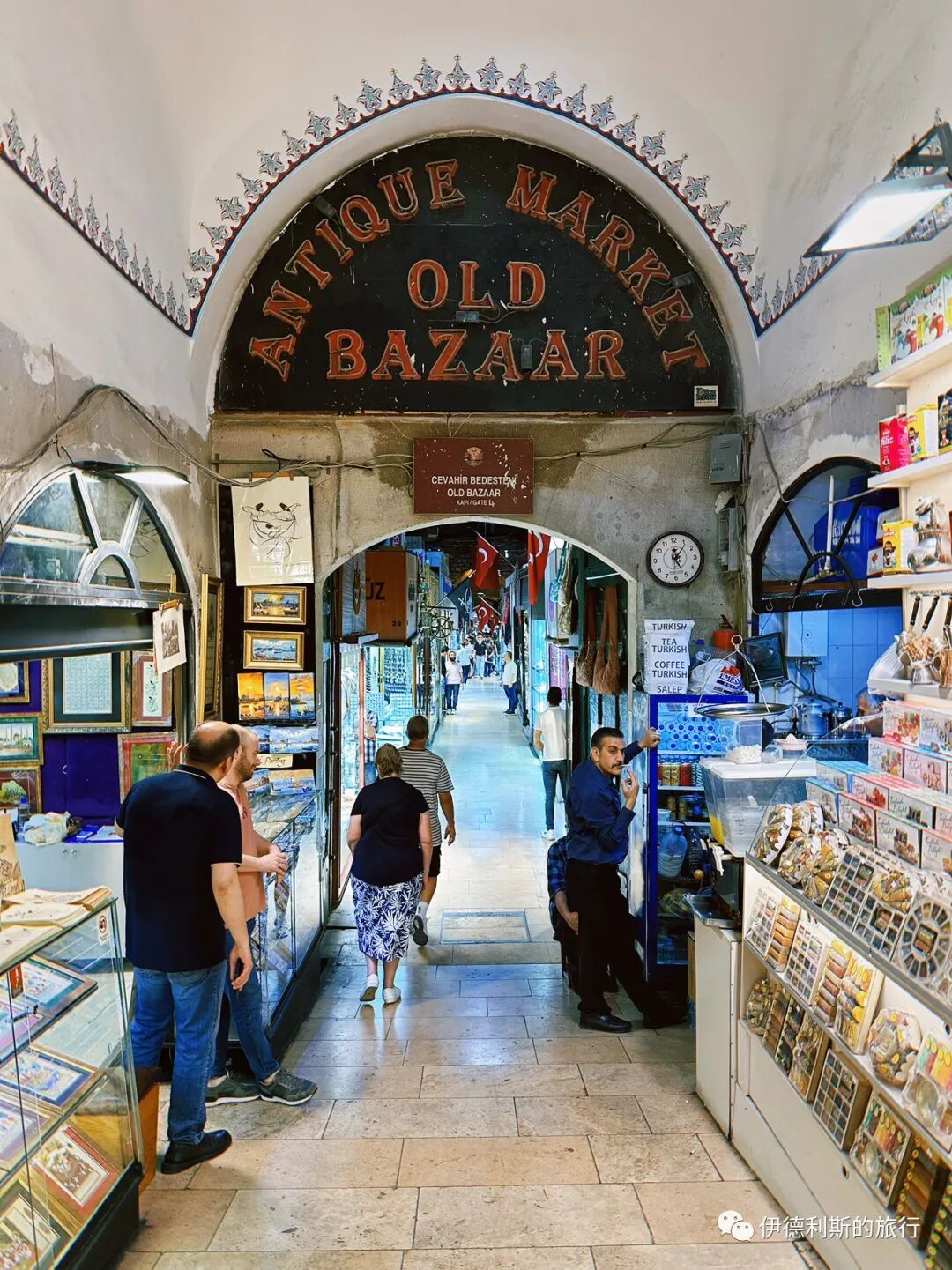
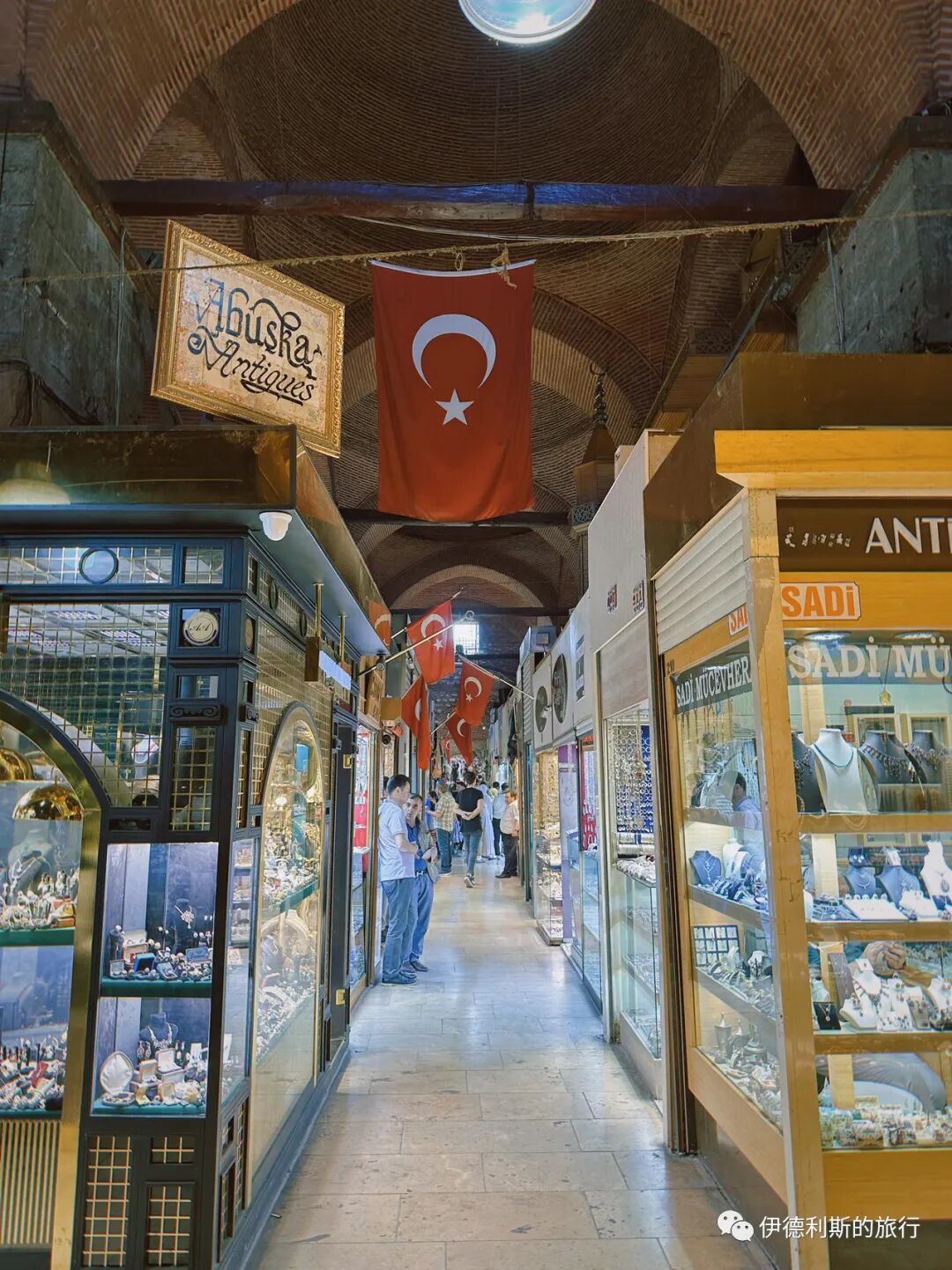
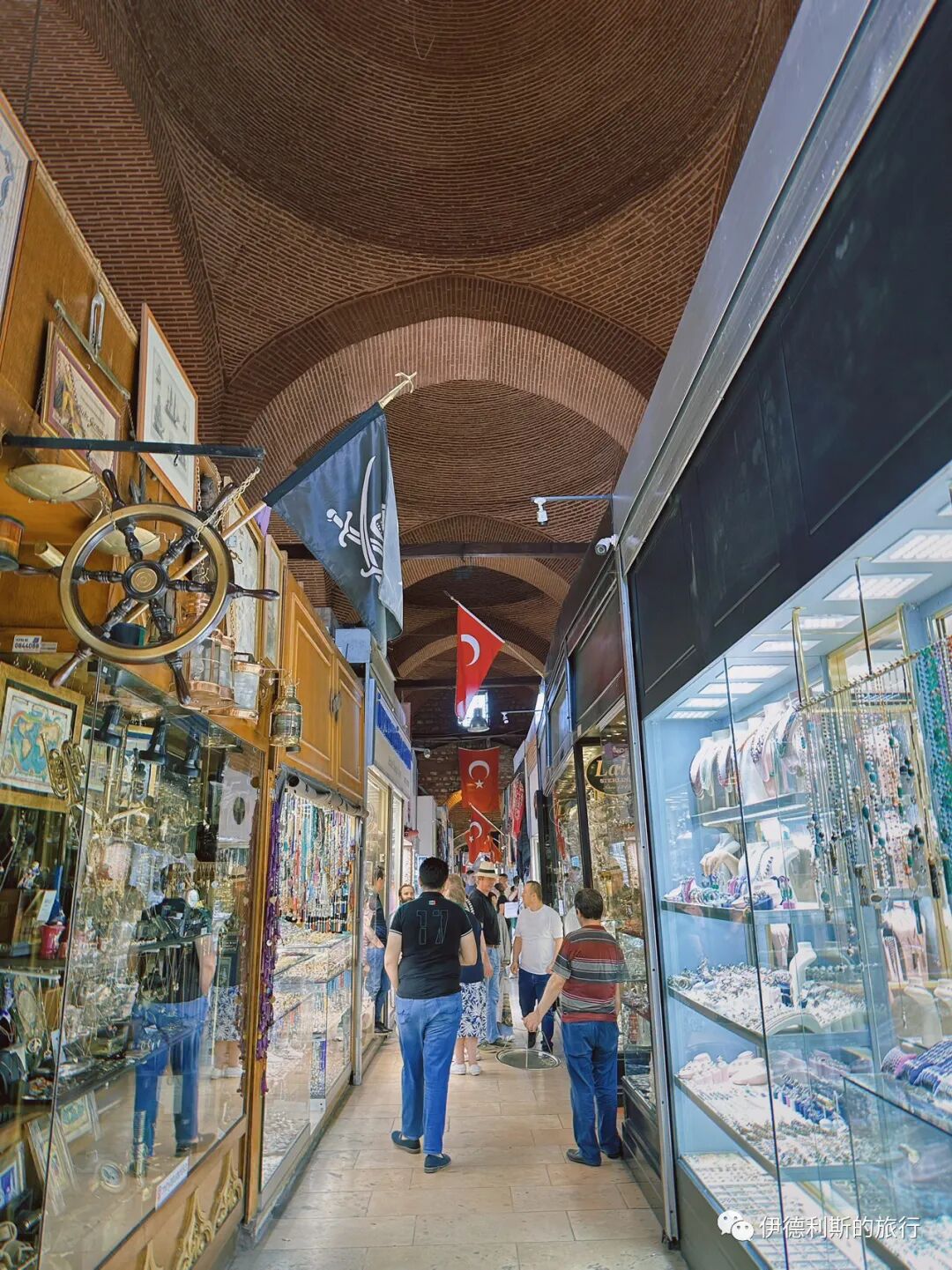
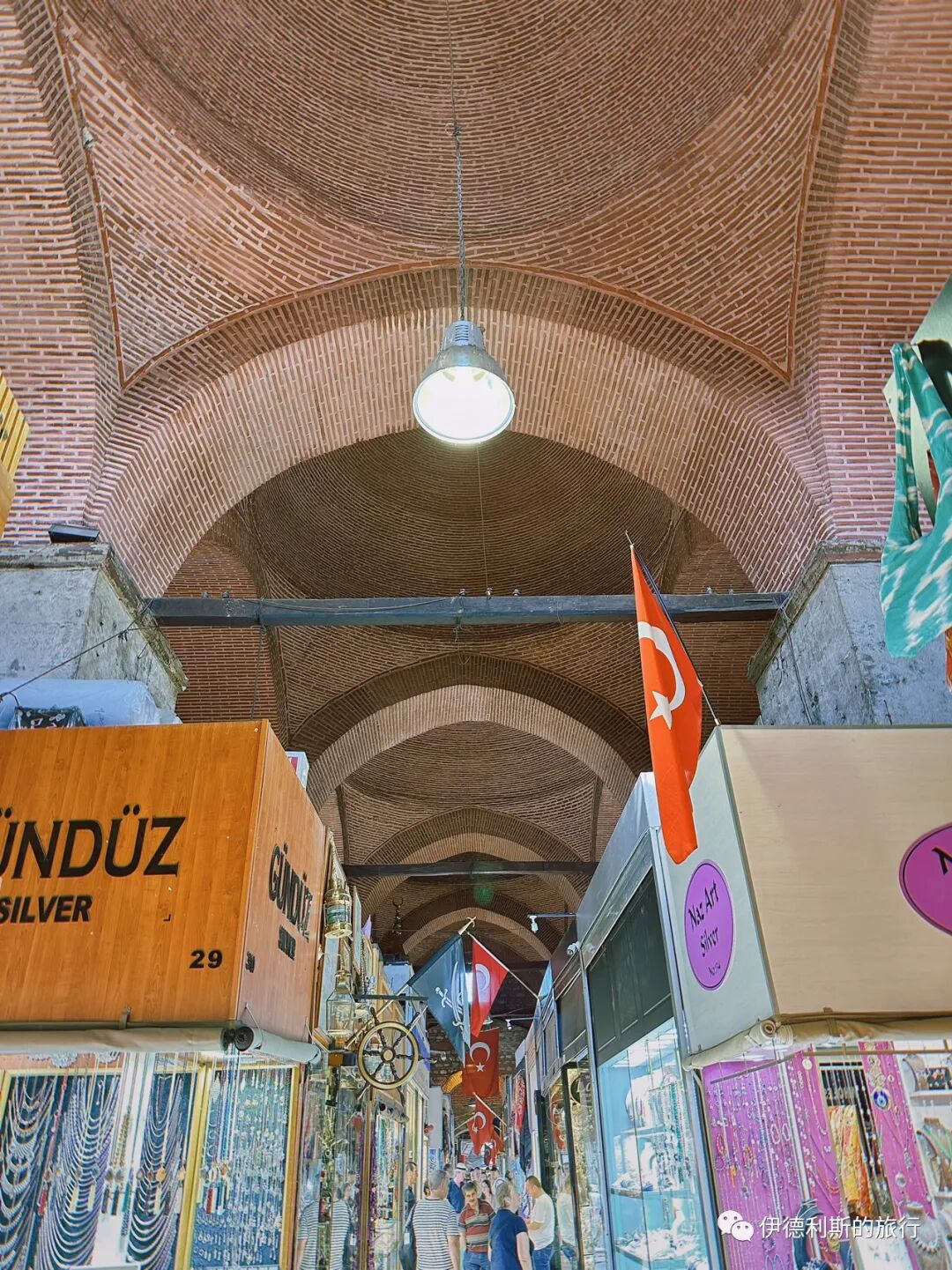
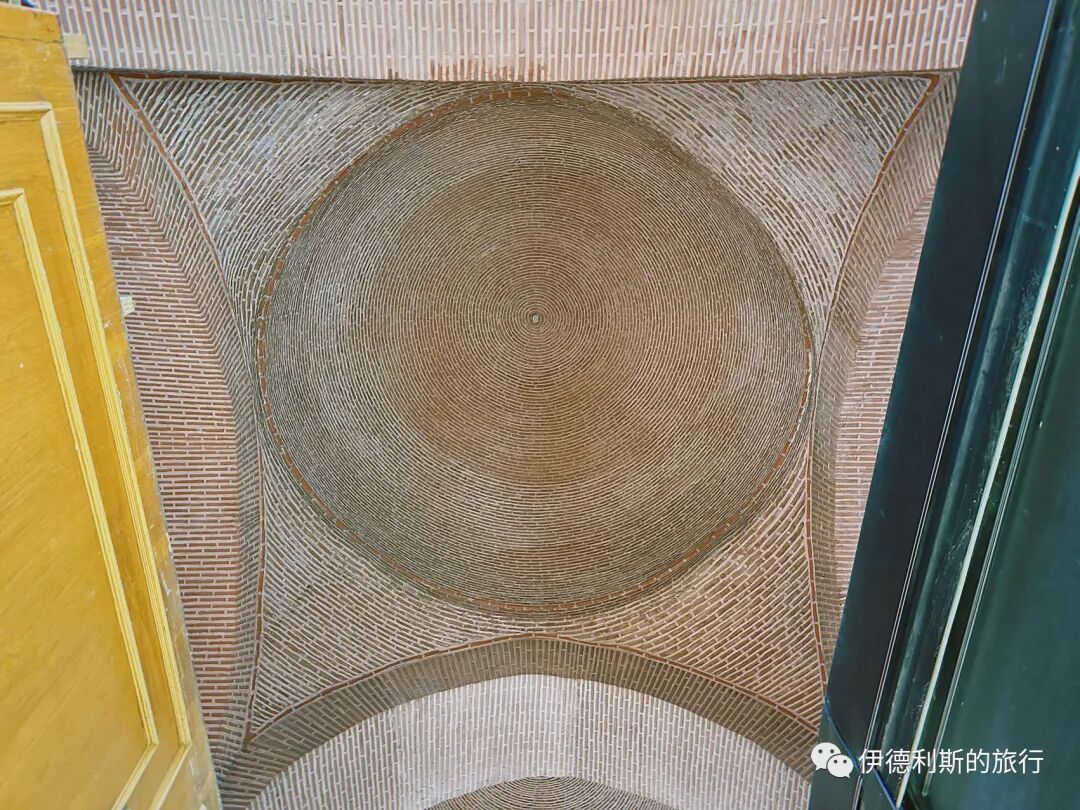
Mahmut Paşa Mosque: 1464
I performed namaz at the Mahmut Paşa Mosque (Mahmut Paşa Camii) outside the east gate of the Grand Bazaar in Istanbul. This mosque only finished its restoration and reopened in 2021, so I could not enter it when I visited in 2018.
Mahmut Pasha Mosque was built in 1464 by Mahmut Pasha, the Grand Vizier to Sultan Mehmed the Conqueror, and it is one of the oldest mosques in Istanbul. The Mahmut Pasha Mosque foundation (Waqf) owns many buildings, including 27 houses, 100 shops, and various warehouses and stables. This suggests that Mehmed the Conqueror likely tasked Mahmut Pasha with developing the area that is now east and north of the Grand Bazaar.
Mahmut Pasha Mosque still uses the architectural style from the Ottoman period in the old capital of Bursa, featuring two main domes and many smaller domes. After conquering Istanbul, the Ottoman dynasty was influenced by the central dome of the Hagia Sophia. They soon moved away from the Bursa style of small domes and began building mosques with a large central dome instead.
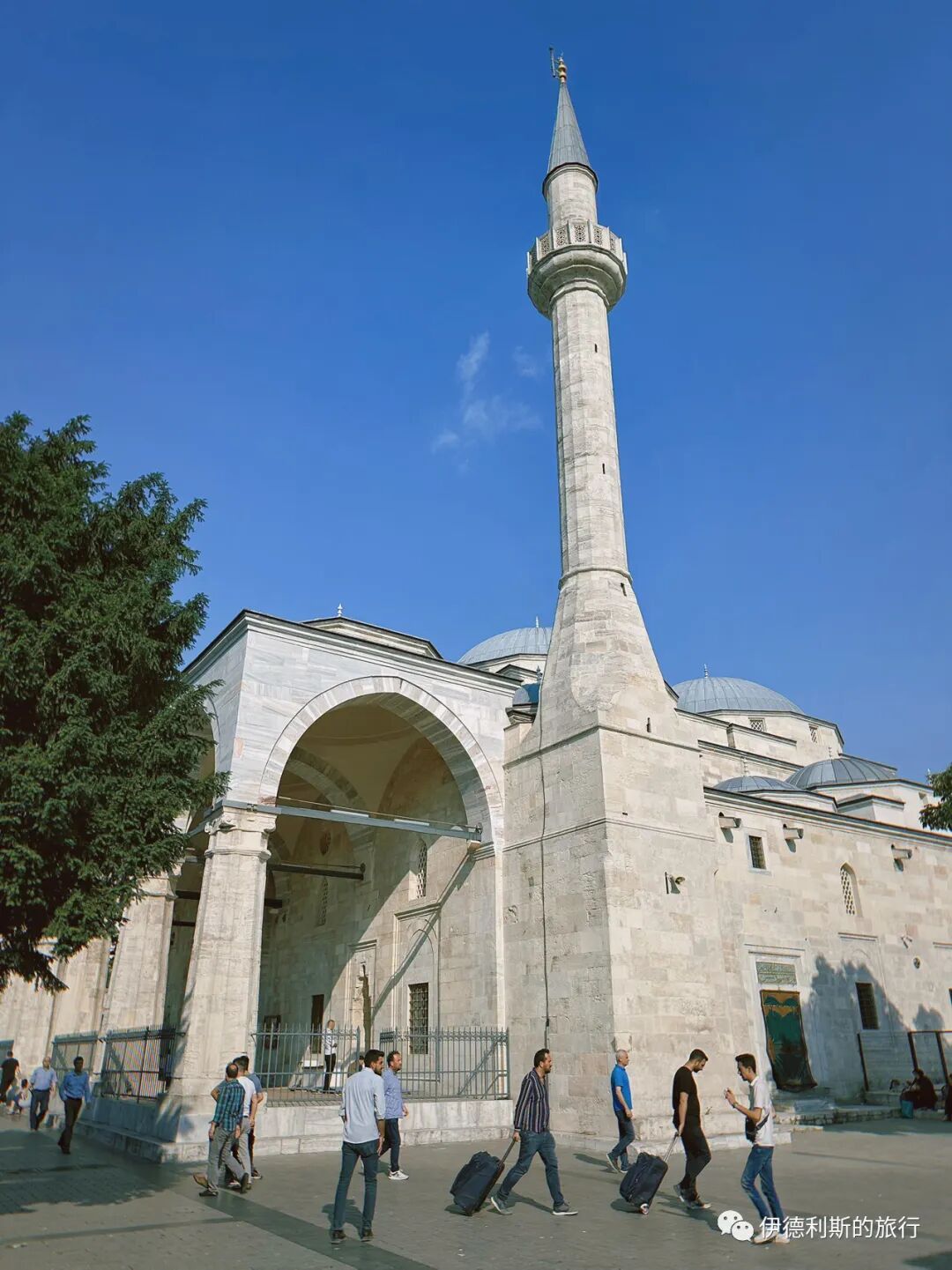
Halal Travel Guide: Istanbul — Mosques, Ottoman Heritage and Muslim Travel (Part 2)
Articles • ali2007fr posted the article • 0 comments • 147 views • 2026-05-19 03:44
Summary: Istanbul is shaped by Ottoman mosques, layered Muslim history, and everyday street life across both sides of the city. This second part continues the return visit with historic sites, food, and travel observations in the original sequence.
Eat grilled fish.
We kept walking near the Hagia Sophia. This is the main tourist area of Istanbul, so restaurant prices are about the same as Turkish restaurants in Beijing. We grabbed a quick snack to hold us over and planned to head back to the food street in Kadıköy for a late-night meal.
Whirling dervish performance.
In the evening, we listened to a traditional Turkish Mevlevi Sufi music ensemble and watched a Sema whirling ceremony at the Kızlarağa Madrasa, which was built in 1582. They hold a Sufi music performance here every night at 7 p.m. (except Tuesdays), and you can buy tickets on-site or online.
The musicians sang poems by the great poet Rumi, the founder of the Mevlevi Sufi order, accompanied by the reed flute (Ney), the lute (Oud), and the zither (Qanun). I saw a drummer in photos of previous performances, but maybe the drummer was busy and not there this time.
The Mevlevi order has always had a close connection to the arts, and many famous Turkish classical poets and musicians belonged to this order. Among them, Hammamizade İsmail Dede Efendi (1778-1846) composed hundreds of pieces of Sufi music and is known as one of Turkey's greatest classical composers.
Kızlarağa was the title for the chief of the Ottoman harem eunuchs, a position mostly held by Black men. This position was established in 1574. It held great power in the 17th and 18th centuries, ranking just below the Grand Vizier and the chief religious authority, the Sheikh ul-Islam, in the Ottoman court. It played a decisive role several times in removing Grand Viziers and in the enthronement of Sultans.
Hagia Sophia.
After watching the whirling dance, we went to the Hagia Sophia. When I came in 2018, it was still a museum. Although it has now been restored as a mosque, it is still packed with tourists during the day, and the lines are very long. We went at nine in the evening, so there was no line, and it was great to see the night view.
Standing in the square in front of the Hagia Sophia, the first thing you see is the Byzantine basilica built in 537. It was the largest church in the world at the time and the first building to fully use a pendentive dome structure. The central dome at the heart of the basilica opened a new chapter in world architectural history and became the signature structure for Ottoman mosques a thousand years later.
During the reign of Mehmed the Conqueror, a wooden minaret (bangke ta) was first erected on the southwest semi-dome of the Hagia Sophia. After Sultan Bayezid II (reigned 1481-1512) took the throne, he built another red brick minaret at the southeast corner. Around the mid-16th century, Sultan Suleiman the Magnificent (reigned 1520-1566) rebuilt these two minarets using white limestone and sandstone.
During the reign of Sultan Selim II (reigned 1566-1574), the structure of the Hagia Sophia became unstable. The great Ottoman royal architect Mimar Sinan added 24 buttresses to support the cathedral. He also built two new 60-meter-tall minarets, giving the cathedral its four-minaret design.
On the pendentives around the central dome of the Hagia Sophia, there is a six-winged angel (hexapterygon) on each. The two on the east side are mosaic murals created when the cathedral was rebuilt after an earthquake in 1346, while the two on the west side were repainted later. During the Ottoman period, the faces of these four six-winged angels were covered with star-shaped metal plates. Between 1847 and 1849, the Swiss Fossati brothers were invited by the Sultan to renovate the Hagia Sophia, and they restored the two angels on the east side. In 2009, the metal cover on one of the angels was removed, revealing its original face. After the cathedral was converted back into a mosque in 2020, the angel faces were still preserved.
The floor of the Hagia Sophia's main hall is covered in carpets, except for one exposed section: the marble-inlaid coronation stone (omphalion), where Byzantine emperors were crowned. The coronation stone was laid when the cathedral was built in 537, though some of the small circles inside may have been added in the 9th century.
The main hall of the Hagia Sophia during the Ottoman period:
The prayer niche (mihrab) and the pulpit (minbar) were both renovated between 1847 and 1848 by the Swiss Fossati brothers, who were hired by Sultan Abdulmejid I. However, the giant candlesticks on both sides of the mihrab were brought back by Suleiman the Magnificent in the 16th century after he conquered Hungary. Next to the candlesticks are a pair of exquisite scripture boxes.
Directly above the mihrab is a Byzantine-era mosaic of the Virgin Mary holding Jesus. After the building returned to being a mosque in 2020, a white cloth was placed over the mosaic.
In 1847-48, Sultan Abdülmecid I added eight massive gilded Arabic calligraphy medallions to the cornice of the main hall. They were written by the calligrapher Mustafa İzzed Efendi and include the names of Allah, the Prophet Muhammad, the first four caliphs Abu Bakr, Umar, Uthman, and Ali, as well as the Prophet's two grandsons, Hasan and Husayn.
In 1739, Sultan Mahmud I renovated the Hagia Sophia and added a magnificent library behind the coronation stone in the main hall.
The ablution fountain at the entrance was built in 1740.
In 1850, the Fossati brothers built a private royal box (Hünkâr Mahfili) for the Sultan on the Byzantine columns, allowing him to enter for namaz without being noticed by the public.
Eating a late-night snack in Kadıköy.
After visiting the Hagia Sophia, we took the subway back to Kadıköy on the Asian side. It was already 11 p.m. when we left our place for a late-night snack, but the streets were still very lively.
We first ate some Turkish flaky pastry (börek). This food is said to have been brought to the Anatolian Peninsula by Turkic peoples as they migrated westward from Central Asia. It later took its final form in the Ottoman court before spreading to the Balkans and North Africa under Ottoman rule. There are many types of börek. The most common is water pastry (su böreği), which is filled with white cheese (beyaz peynir) and parsley, though some versions also include minced meat.
Then we had a cheese pastry dessert (künefe) served with ice cream. Legend has it that künefe was invented by a physician in the court of the Fatimid Caliphate in Egypt or the Umayyad Caliphate in Syria to satisfy the Caliph's hunger during Ramadan. For hundreds of years, künefe has been a classic dessert for breaking the fast in the Middle East and even appears in One Thousand and One Nights.
Künefe is made of buttery shredded dough, stretchy cheese, and crushed pistachios. When eating it, you pour a syrup called attar over the top. Although it has a history spanning over a thousand years, the current fried, stretchy version took shape during the mid-15th century Ottoman period and gradually spread throughout the Middle East under Ottoman rule.
For a midnight snack in Istanbul, we had grilled lamb intestines (kokorech), tripe soup (işkembe çorbası), and stuffed mussels (midye).
Grilled lamb intestines (kokoreç) is a dish from the Byzantine era. It is made by stuffing lamb intestines with thymus, heart, lungs, kidneys, and some lamb fat, then roasting it with lemon, olive oil, oregano, salt, and pepper. After roasting, it is chopped up and sprinkled with oregano. You can eat it as is or inside a baguette, served with pickles and lemon.
The term for tripe soup (işkembe çorbası) comes from Persian and is popular in Turkey and the Balkans. Evliya Çelebi recorded in his travelogues that there were 300 tripe soup shops in Istanbul during the 18th century. Turkish people add vinegar-garlic sauce or egg-lemon sauce (avgolemono) when drinking tripe soup.
Stuffed mussels (midye) are a classic street food in Turkish coastal cities. Rice, oil, salt, and various spices are put inside the mussels, then they are cooked and cooled. You squeeze lemon on them before eating. This dish was first invented by Armenians during the Ottoman Empire and became popular in Istanbul in the 19th century. After the 1960s, people from Mardin who migrated to Istanbul began making stuffed mussels (midye). To this day, most of the carts selling stuffed mussels (midye) on the streets of Istanbul are run by people from Mardin, and they make them spicier than the Armenians did.
Istanbul residents really love coffee. When we returned to the cafe downstairs from our place at midnight, many people were drinking coffee, and when we left at six in the morning, people were still drinking it. However, charcoal-roasted Turkish coffee is truly delicious, and it is very refreshing when served with a glass of water and a piece of chocolate.
Further reading:
Early Ottoman architecture in Istanbul
Istanbul food tour
Museum of Turkish and Islamic Arts in Istanbul
Visiting the museum at Istanbul Airport
Museum of Turkish and Islamic Arts
The Great Ottoman Architect Mimar Sinan (Part 1): Early Years
The Great Ottoman Architect Mimar Sinan (Part 2): Maturity
The Great Ottoman Architect Mimar Sinan (Part 3): Peak Years view all
Summary: Istanbul is shaped by Ottoman mosques, layered Muslim history, and everyday street life across both sides of the city. This second part continues the return visit with historic sites, food, and travel observations in the original sequence.
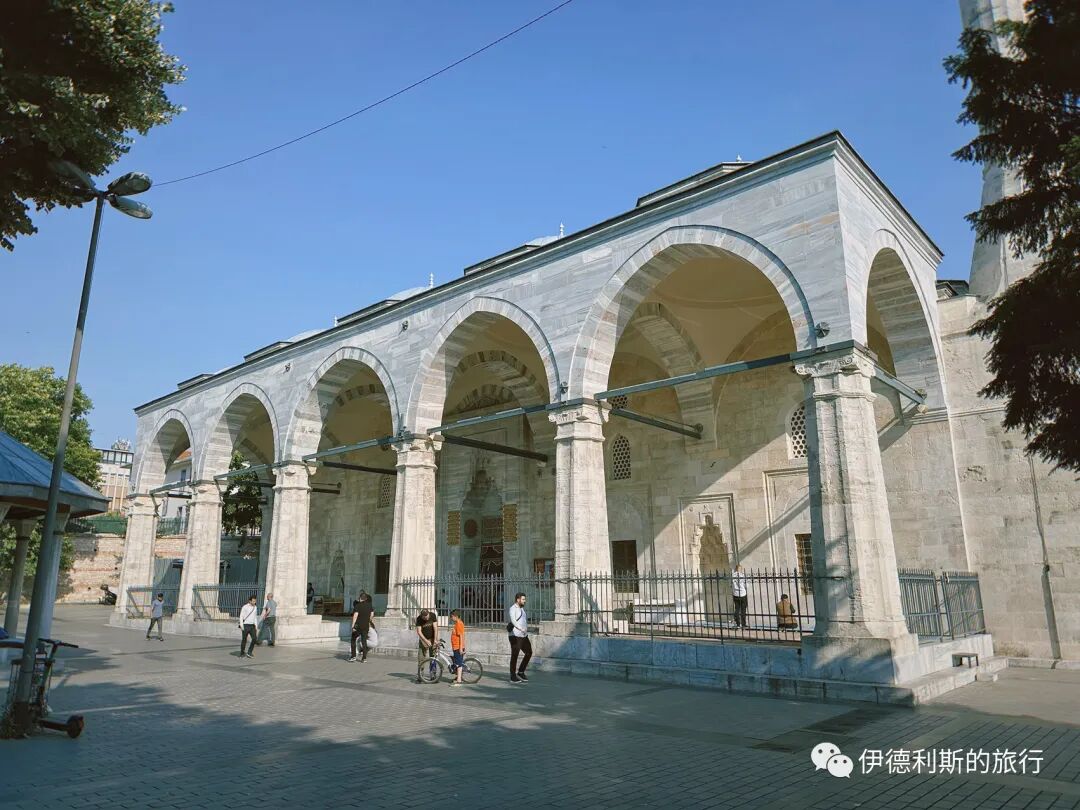
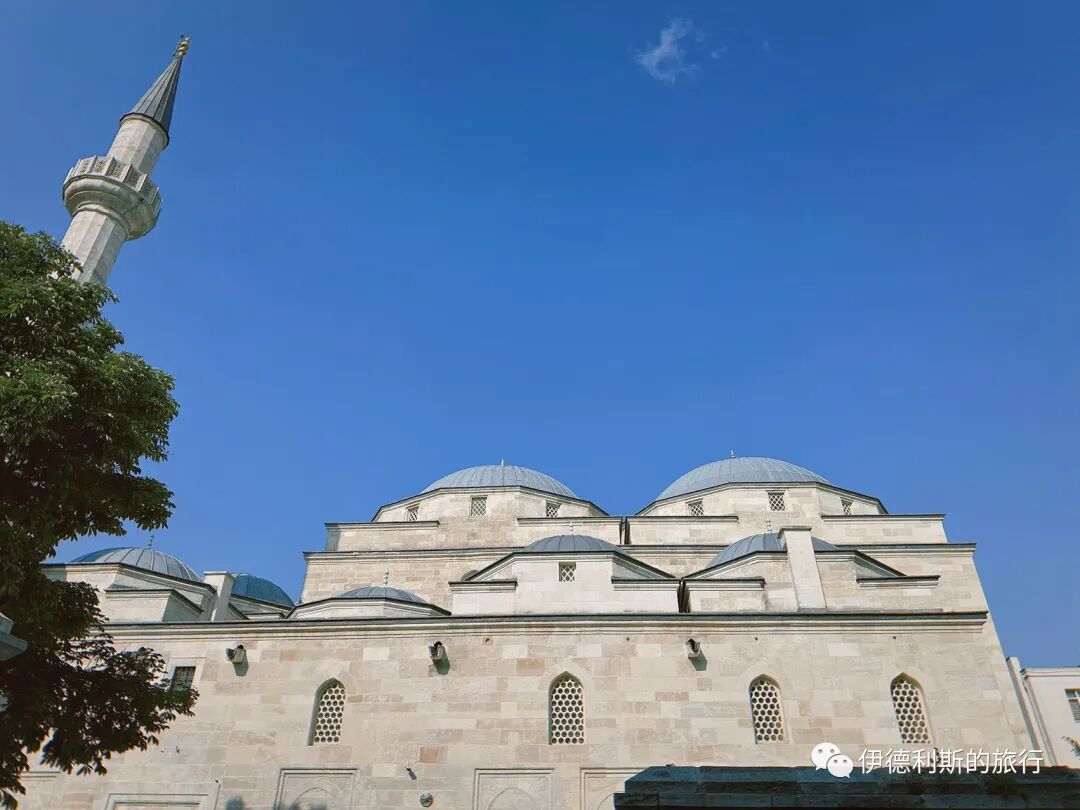
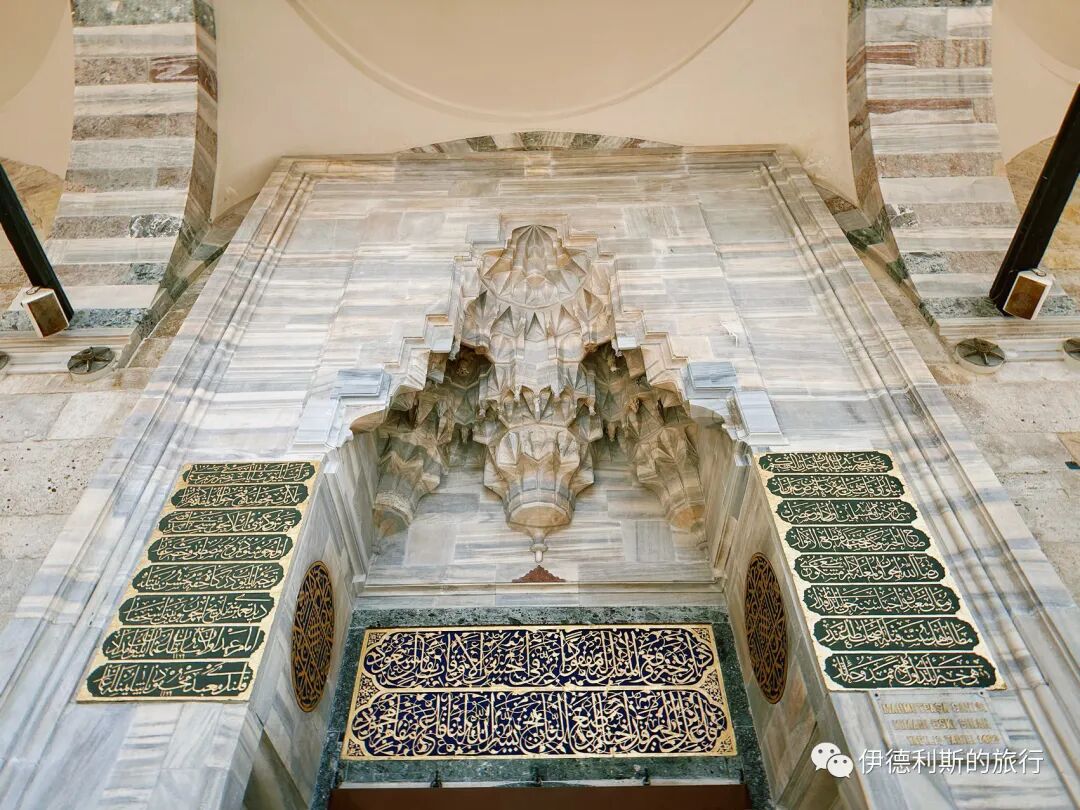
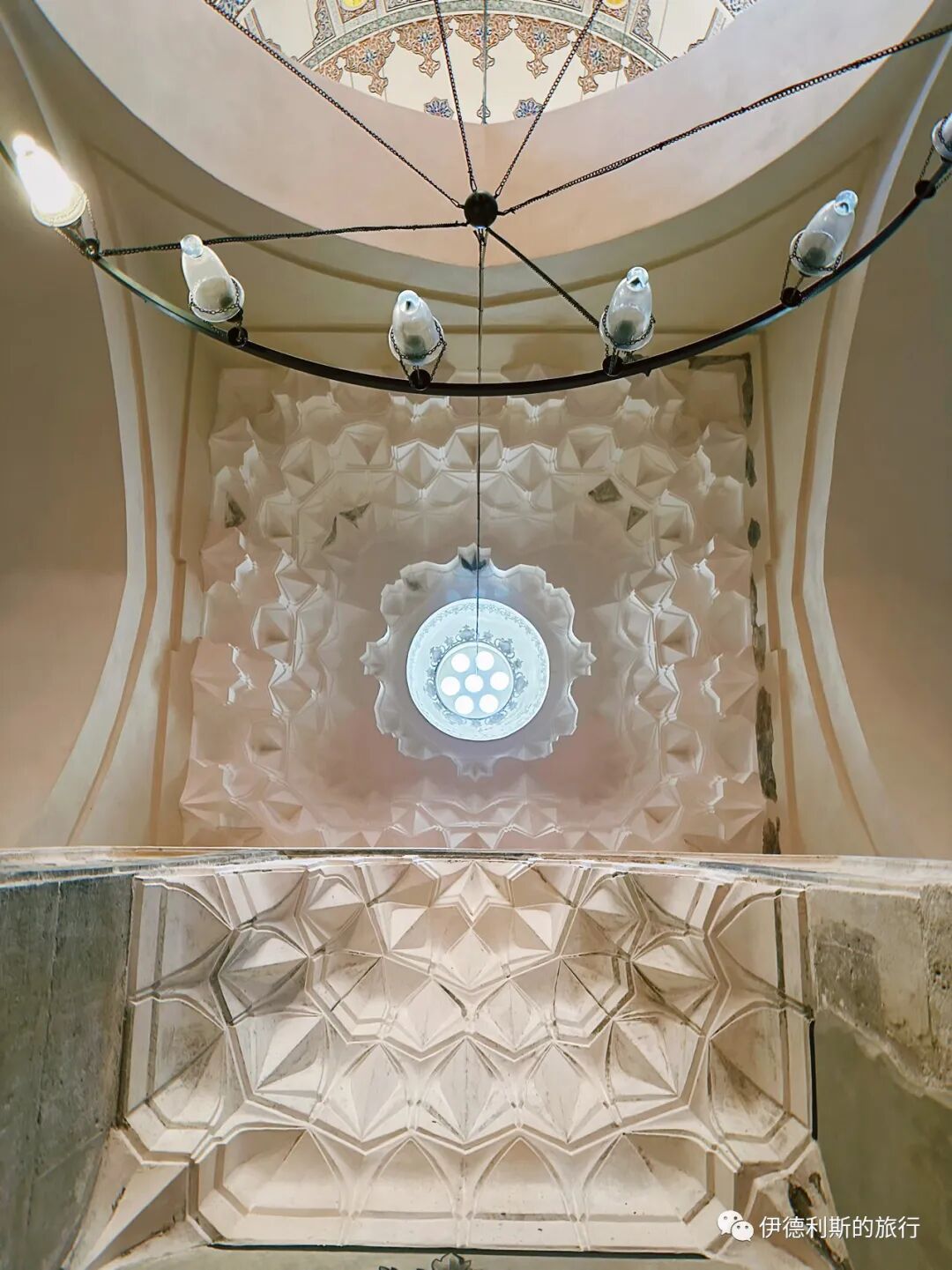
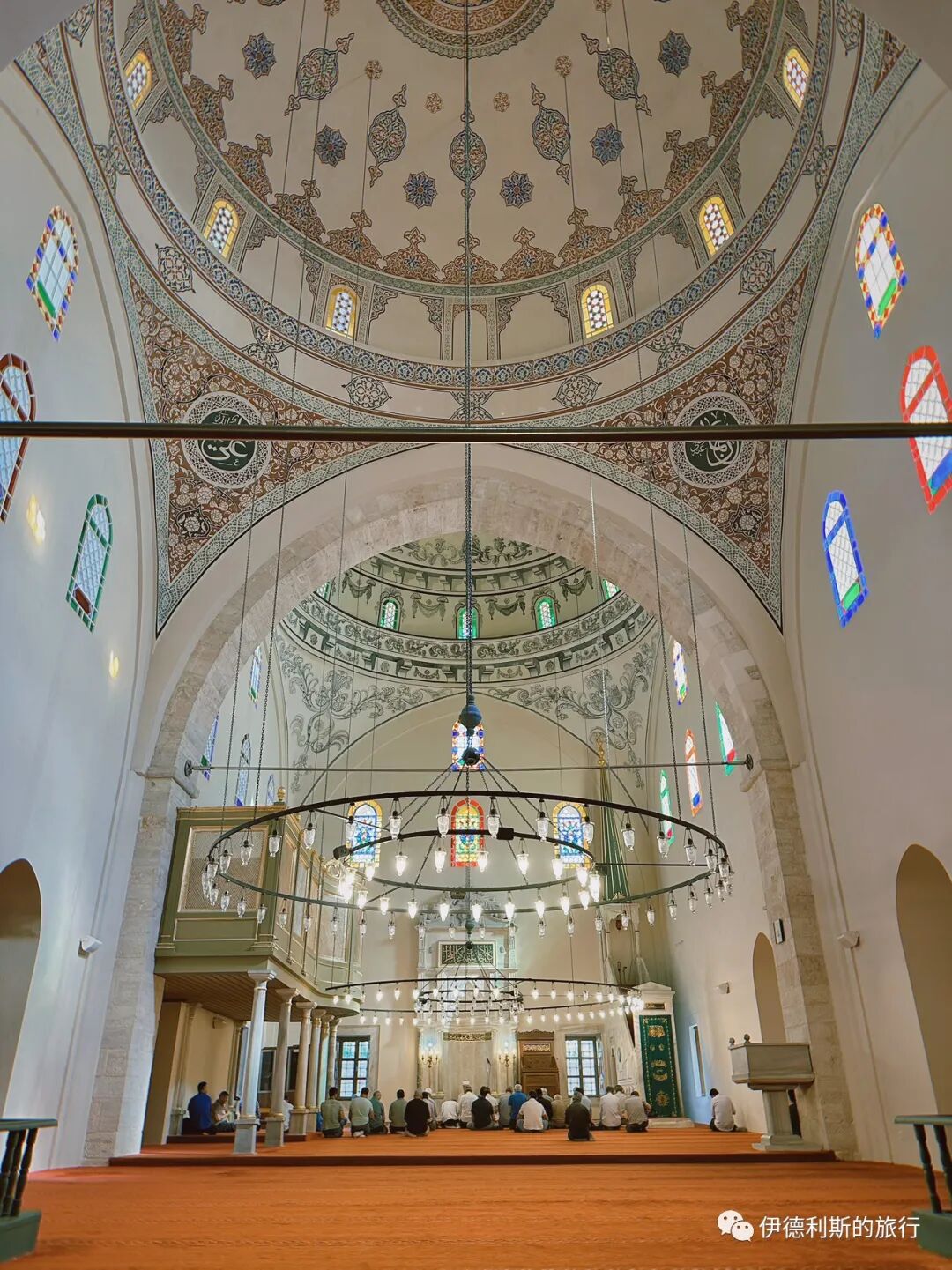
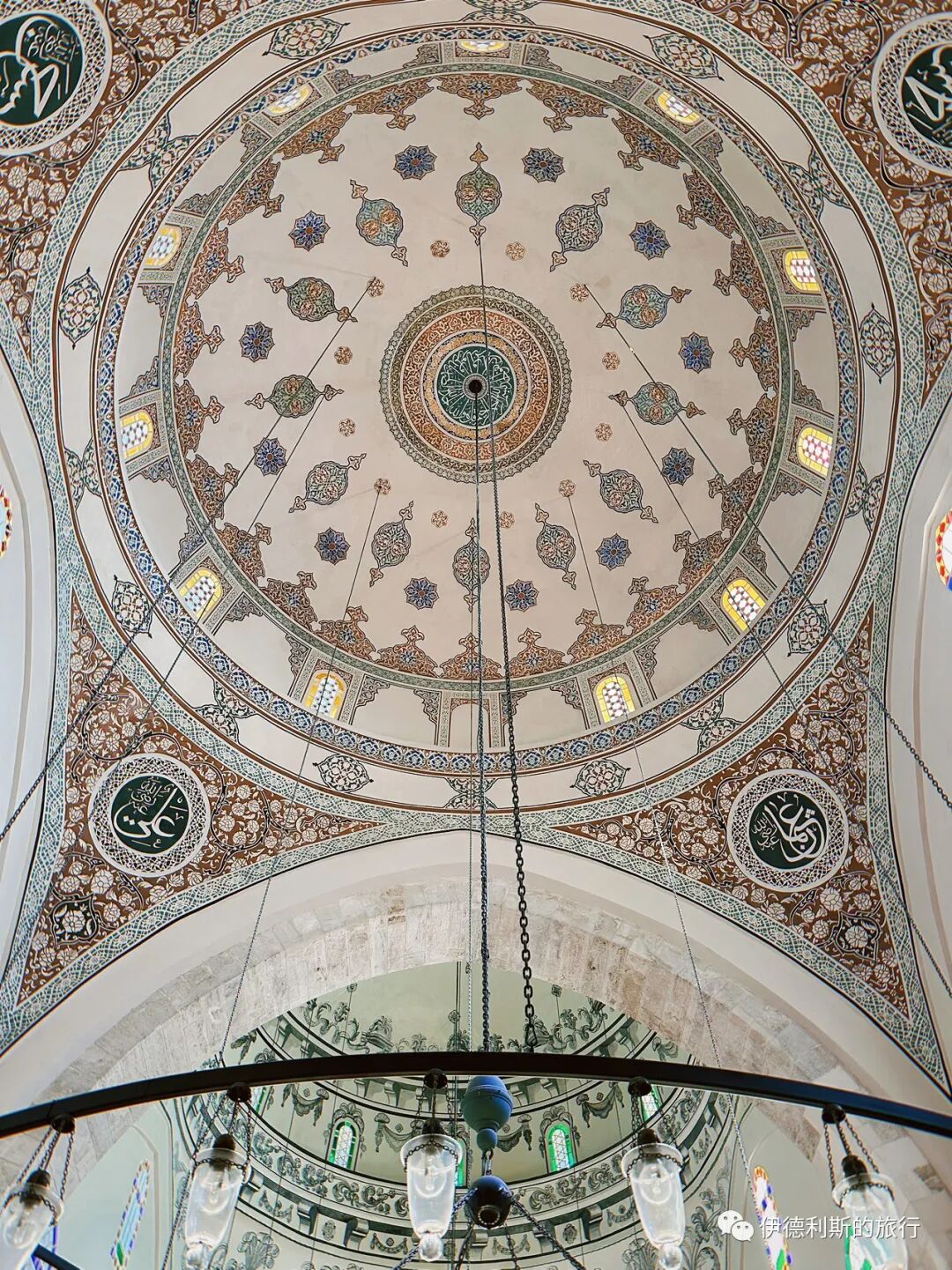
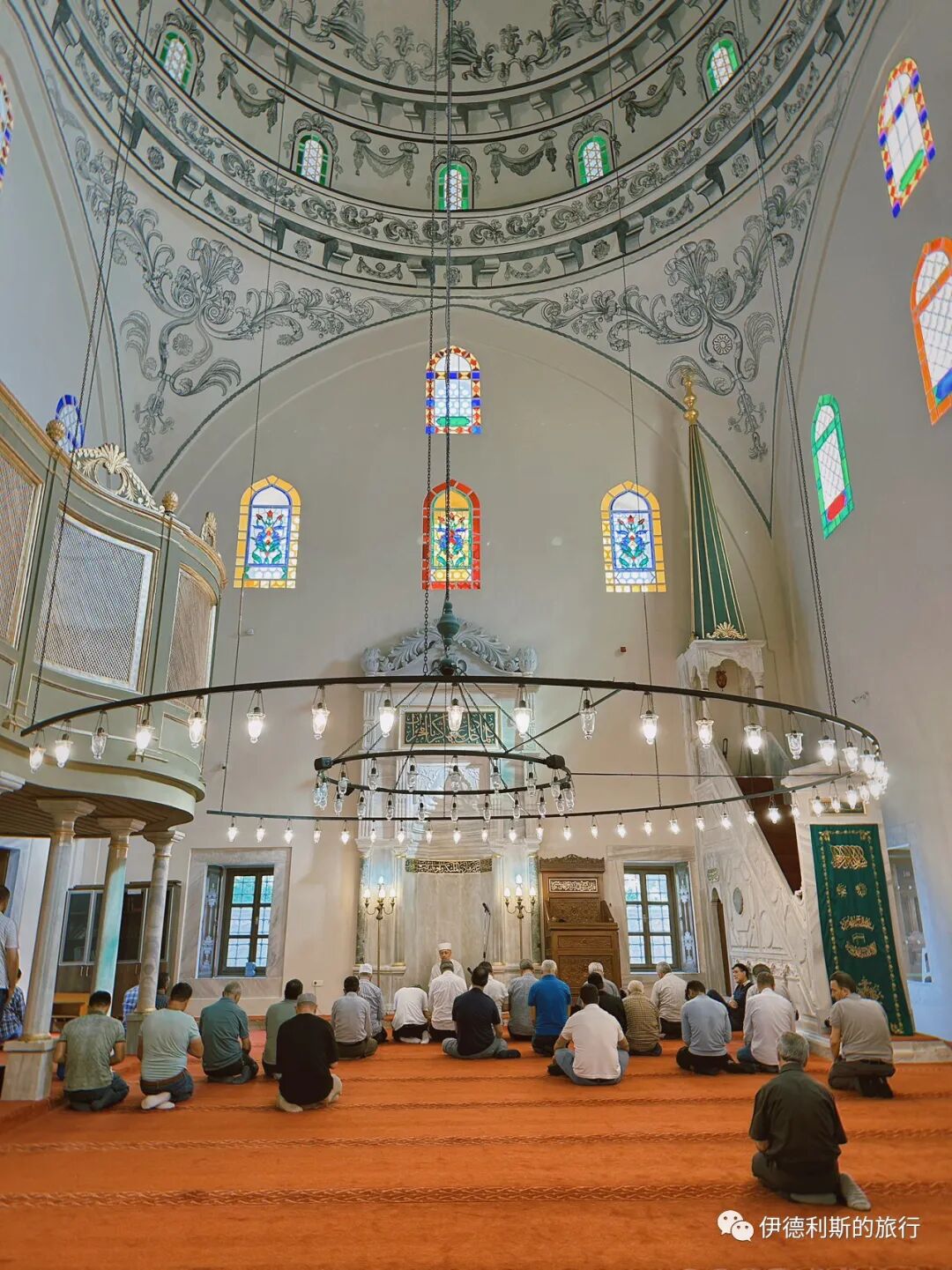
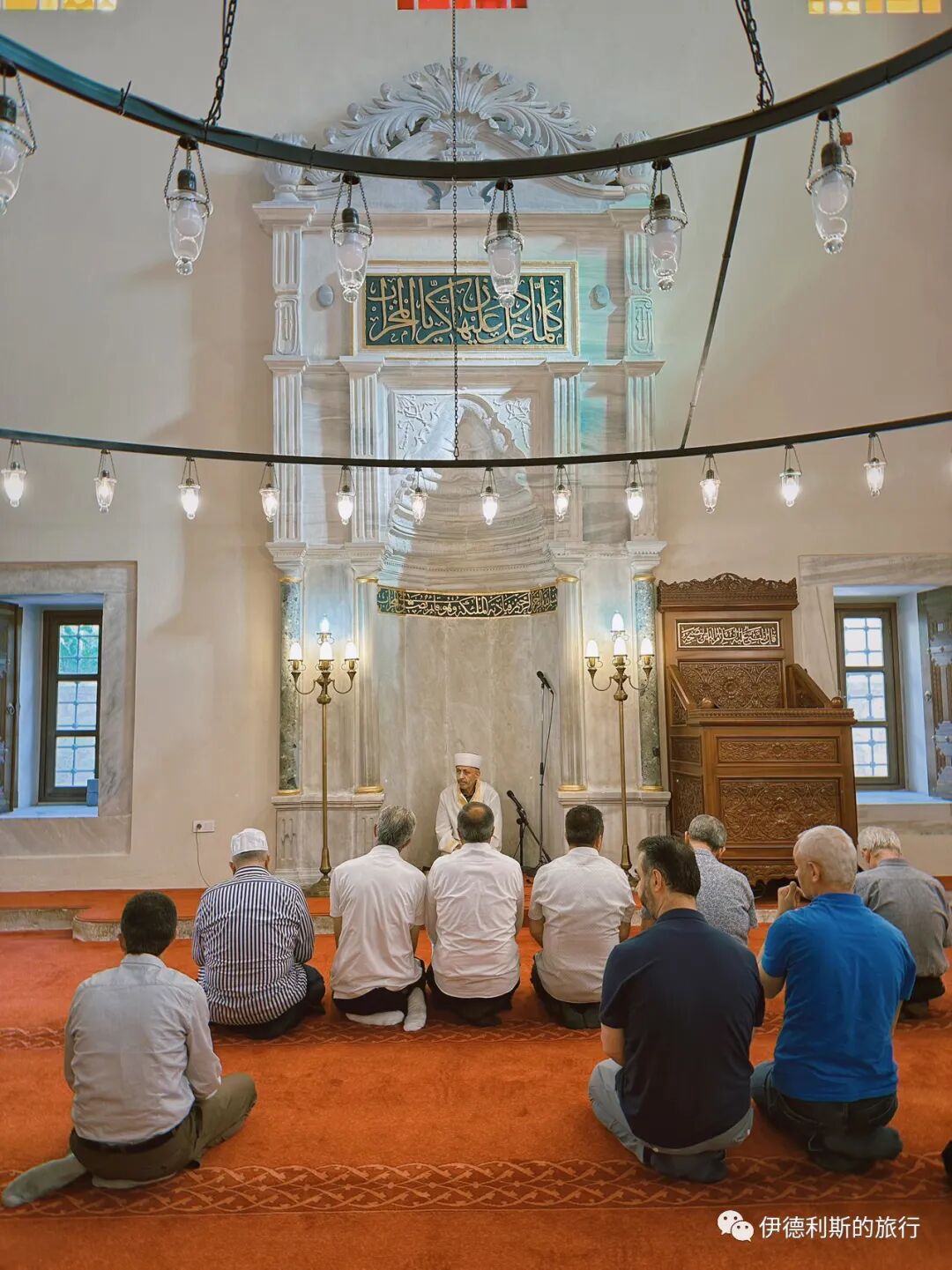
Eat grilled fish.
We kept walking near the Hagia Sophia. This is the main tourist area of Istanbul, so restaurant prices are about the same as Turkish restaurants in Beijing. We grabbed a quick snack to hold us over and planned to head back to the food street in Kadıköy for a late-night meal.
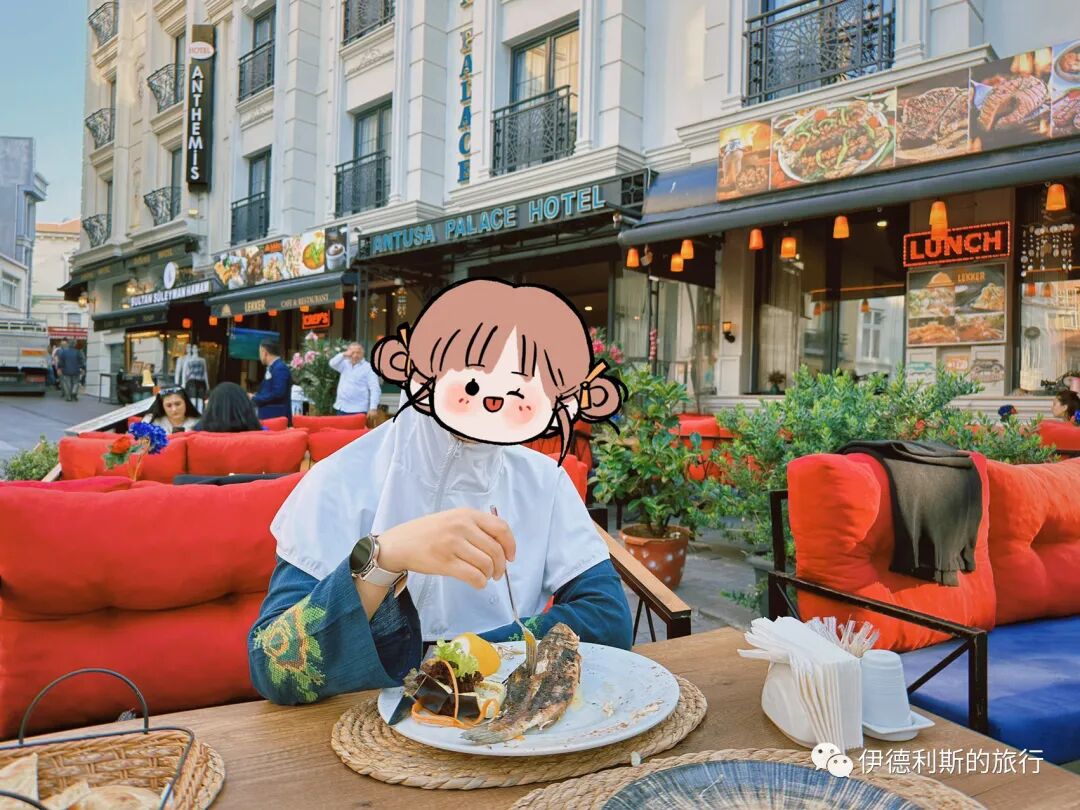
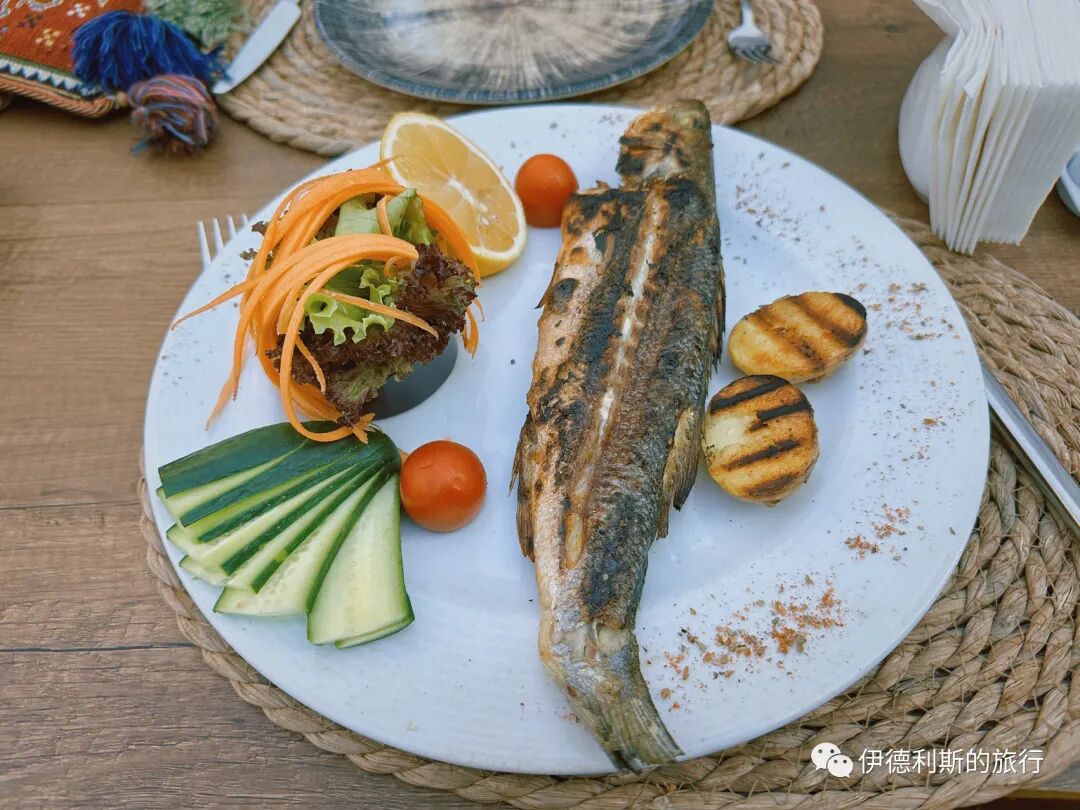
Whirling dervish performance.
In the evening, we listened to a traditional Turkish Mevlevi Sufi music ensemble and watched a Sema whirling ceremony at the Kızlarağa Madrasa, which was built in 1582. They hold a Sufi music performance here every night at 7 p.m. (except Tuesdays), and you can buy tickets on-site or online.
The musicians sang poems by the great poet Rumi, the founder of the Mevlevi Sufi order, accompanied by the reed flute (Ney), the lute (Oud), and the zither (Qanun). I saw a drummer in photos of previous performances, but maybe the drummer was busy and not there this time.
The Mevlevi order has always had a close connection to the arts, and many famous Turkish classical poets and musicians belonged to this order. Among them, Hammamizade İsmail Dede Efendi (1778-1846) composed hundreds of pieces of Sufi music and is known as one of Turkey's greatest classical composers.
Kızlarağa was the title for the chief of the Ottoman harem eunuchs, a position mostly held by Black men. This position was established in 1574. It held great power in the 17th and 18th centuries, ranking just below the Grand Vizier and the chief religious authority, the Sheikh ul-Islam, in the Ottoman court. It played a decisive role several times in removing Grand Viziers and in the enthronement of Sultans.
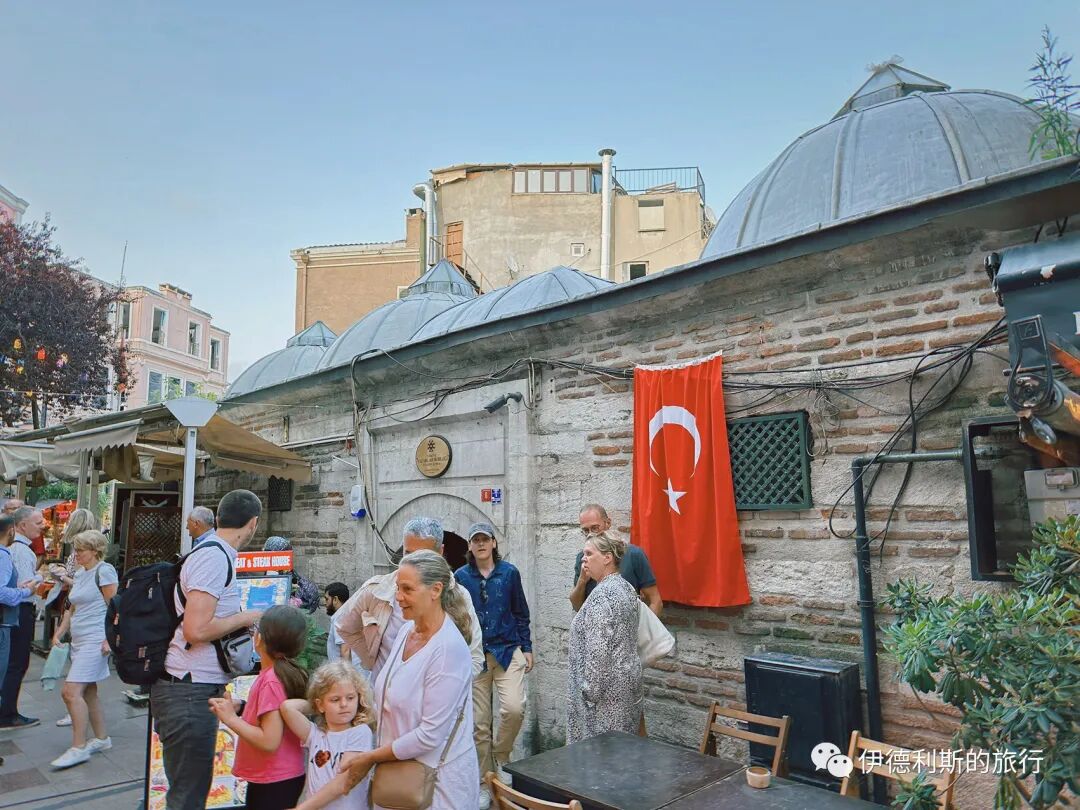
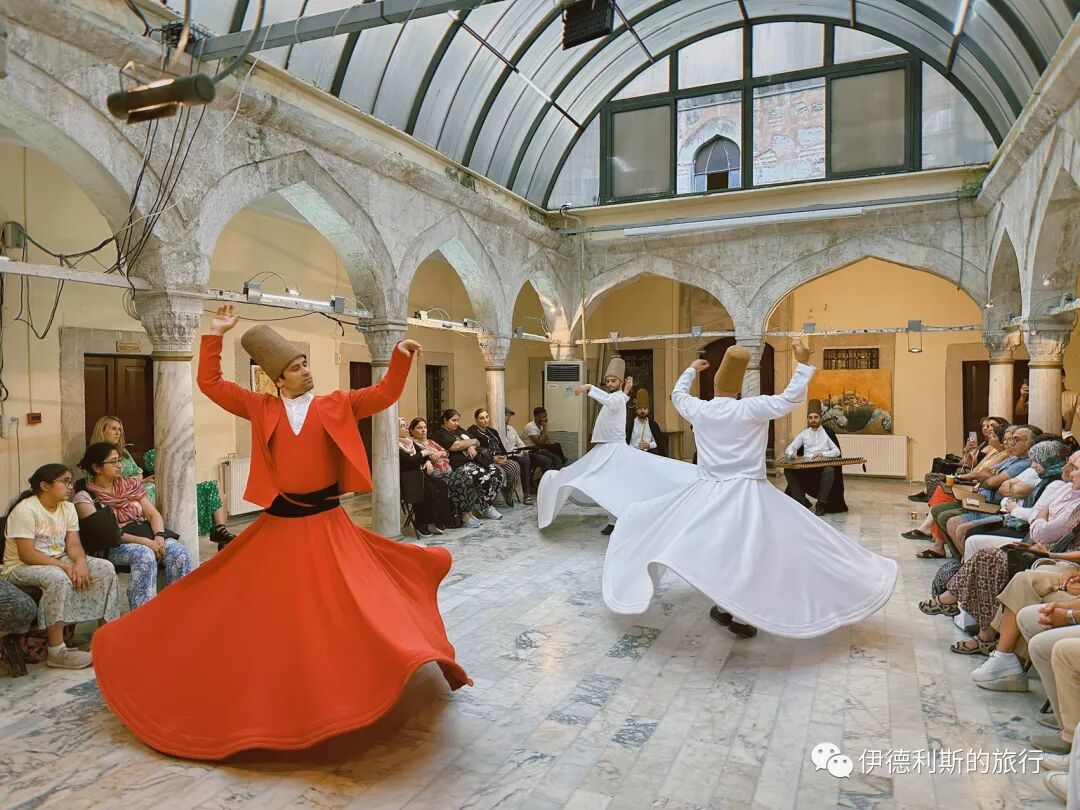
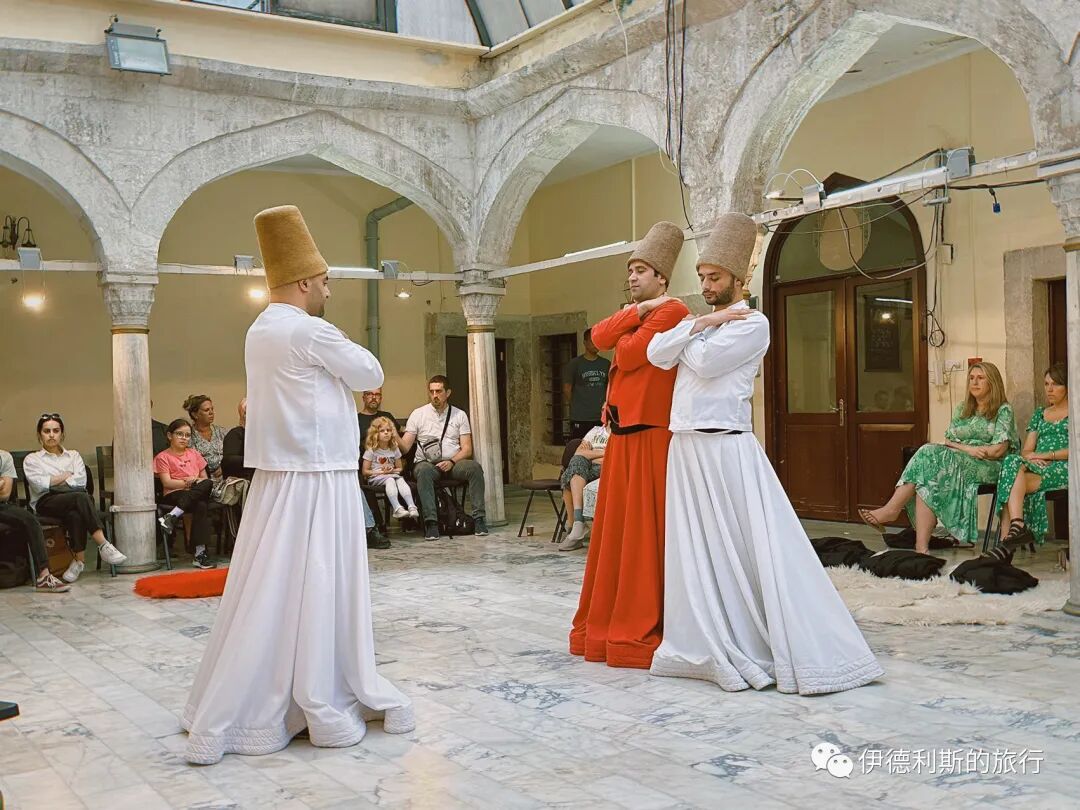
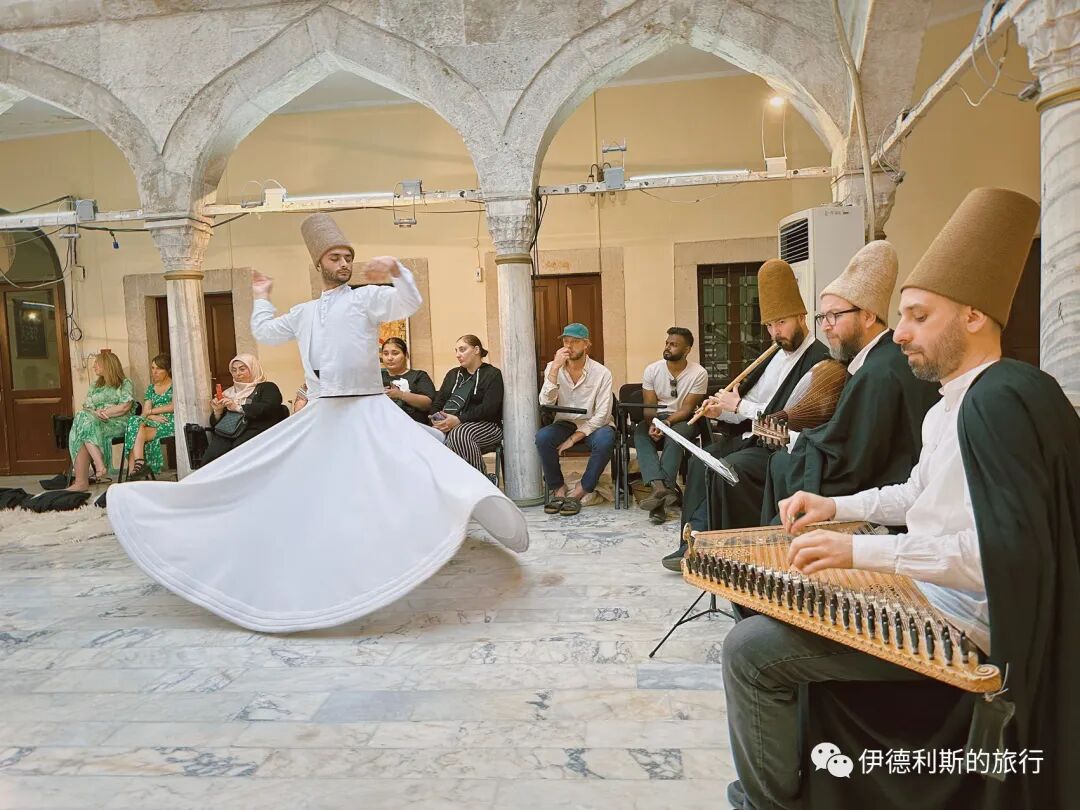
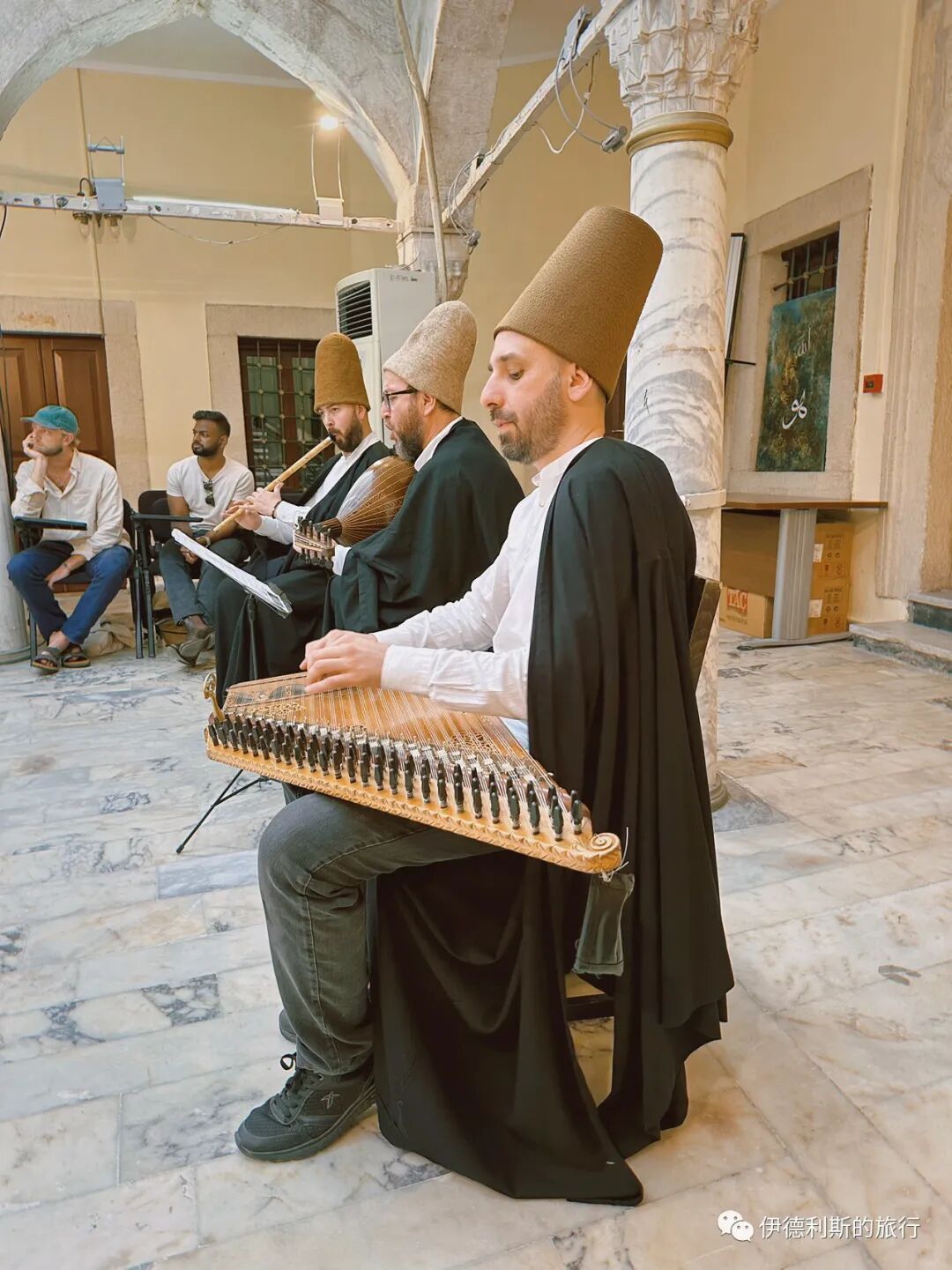
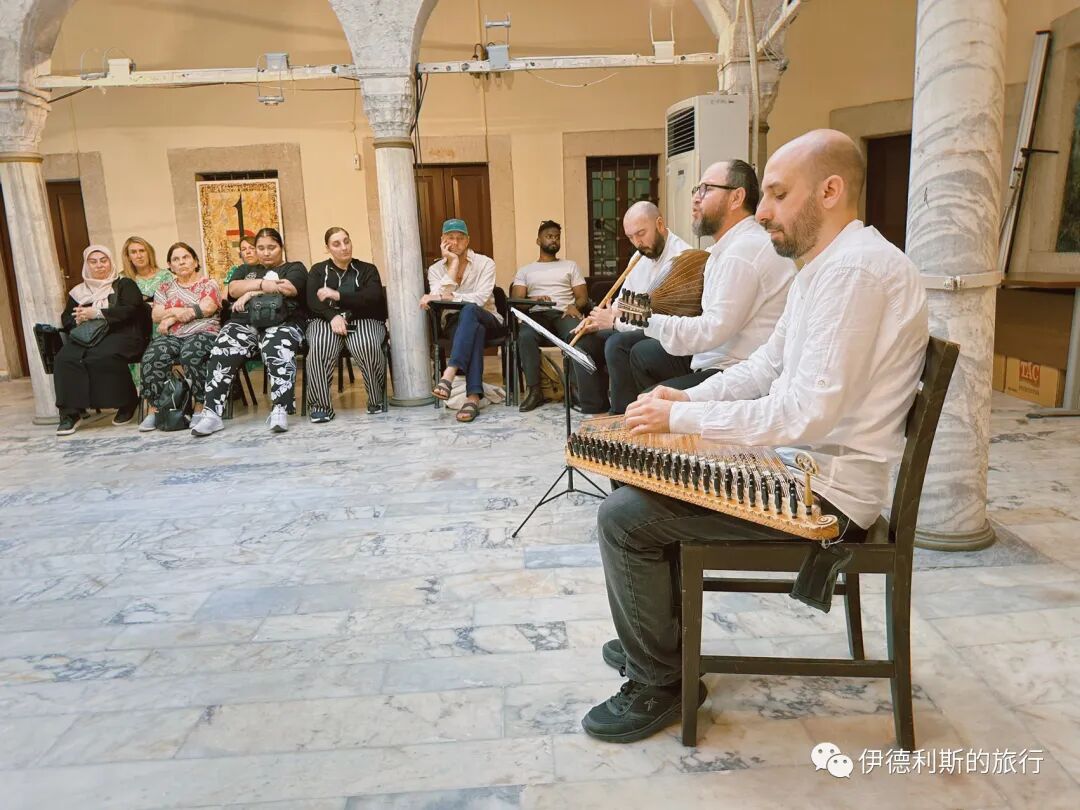
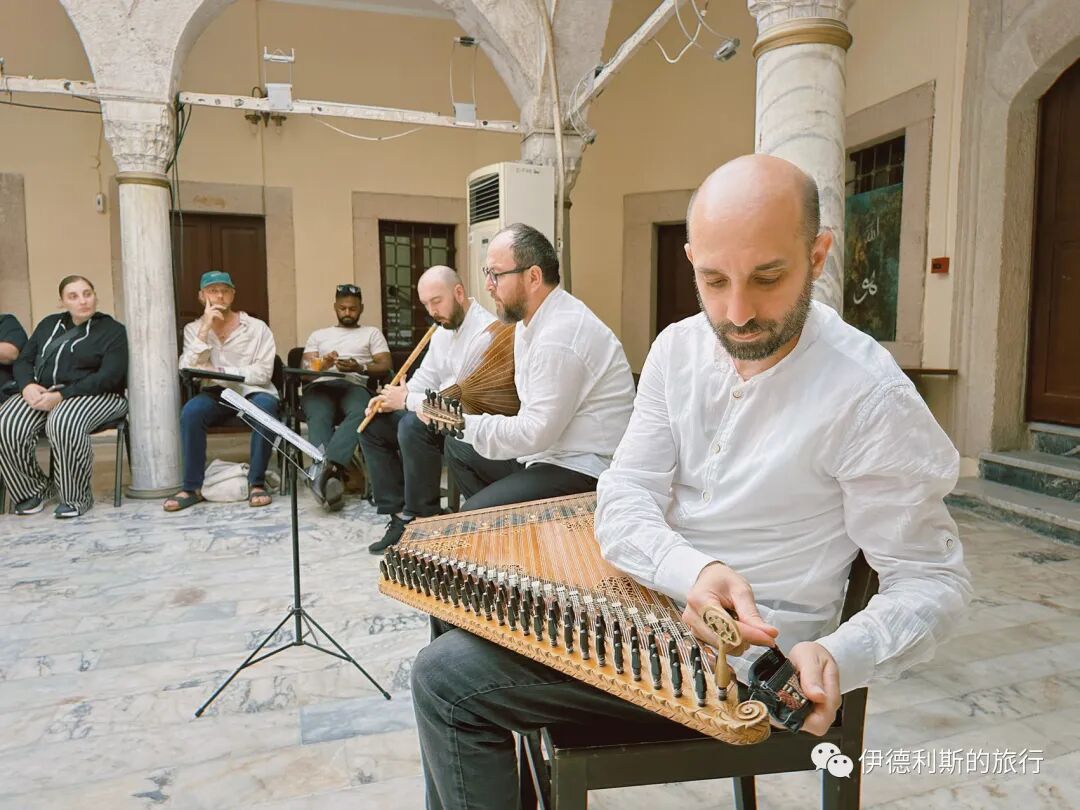
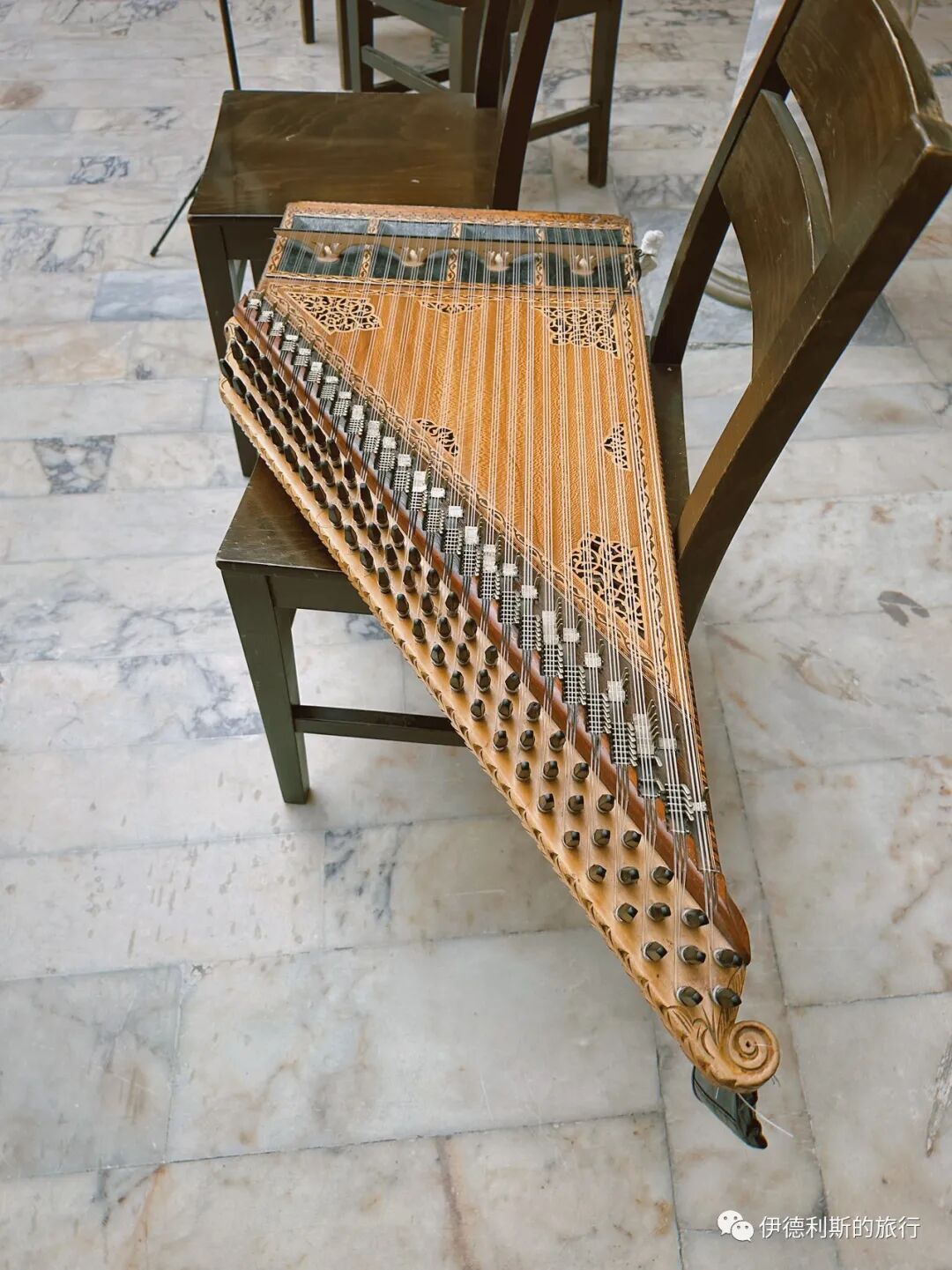
Hagia Sophia.
After watching the whirling dance, we went to the Hagia Sophia. When I came in 2018, it was still a museum. Although it has now been restored as a mosque, it is still packed with tourists during the day, and the lines are very long. We went at nine in the evening, so there was no line, and it was great to see the night view.
Standing in the square in front of the Hagia Sophia, the first thing you see is the Byzantine basilica built in 537. It was the largest church in the world at the time and the first building to fully use a pendentive dome structure. The central dome at the heart of the basilica opened a new chapter in world architectural history and became the signature structure for Ottoman mosques a thousand years later.
During the reign of Mehmed the Conqueror, a wooden minaret (bangke ta) was first erected on the southwest semi-dome of the Hagia Sophia. After Sultan Bayezid II (reigned 1481-1512) took the throne, he built another red brick minaret at the southeast corner. Around the mid-16th century, Sultan Suleiman the Magnificent (reigned 1520-1566) rebuilt these two minarets using white limestone and sandstone.
During the reign of Sultan Selim II (reigned 1566-1574), the structure of the Hagia Sophia became unstable. The great Ottoman royal architect Mimar Sinan added 24 buttresses to support the cathedral. He also built two new 60-meter-tall minarets, giving the cathedral its four-minaret design.
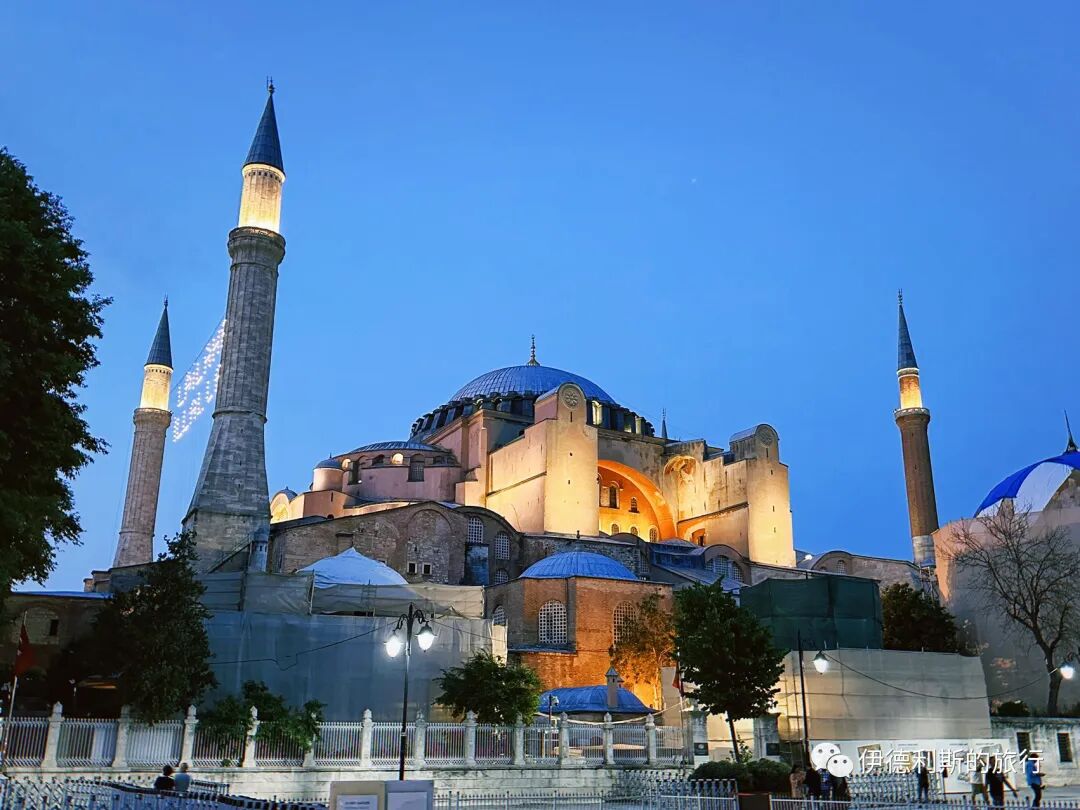
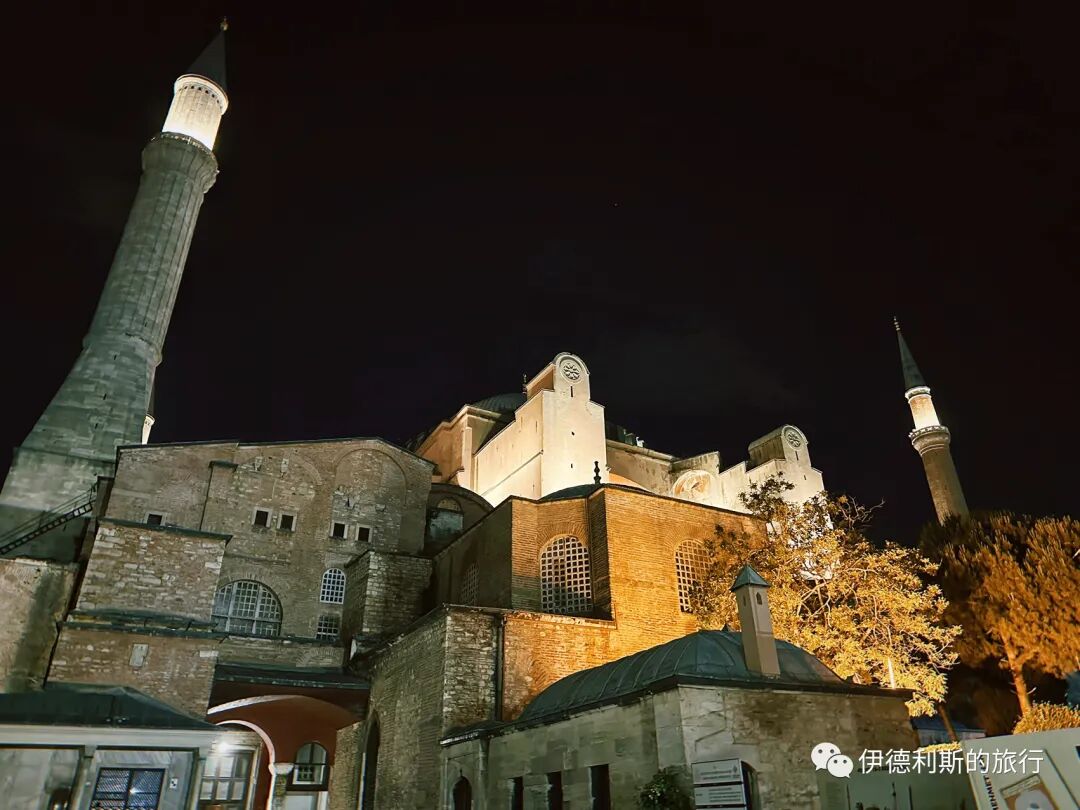
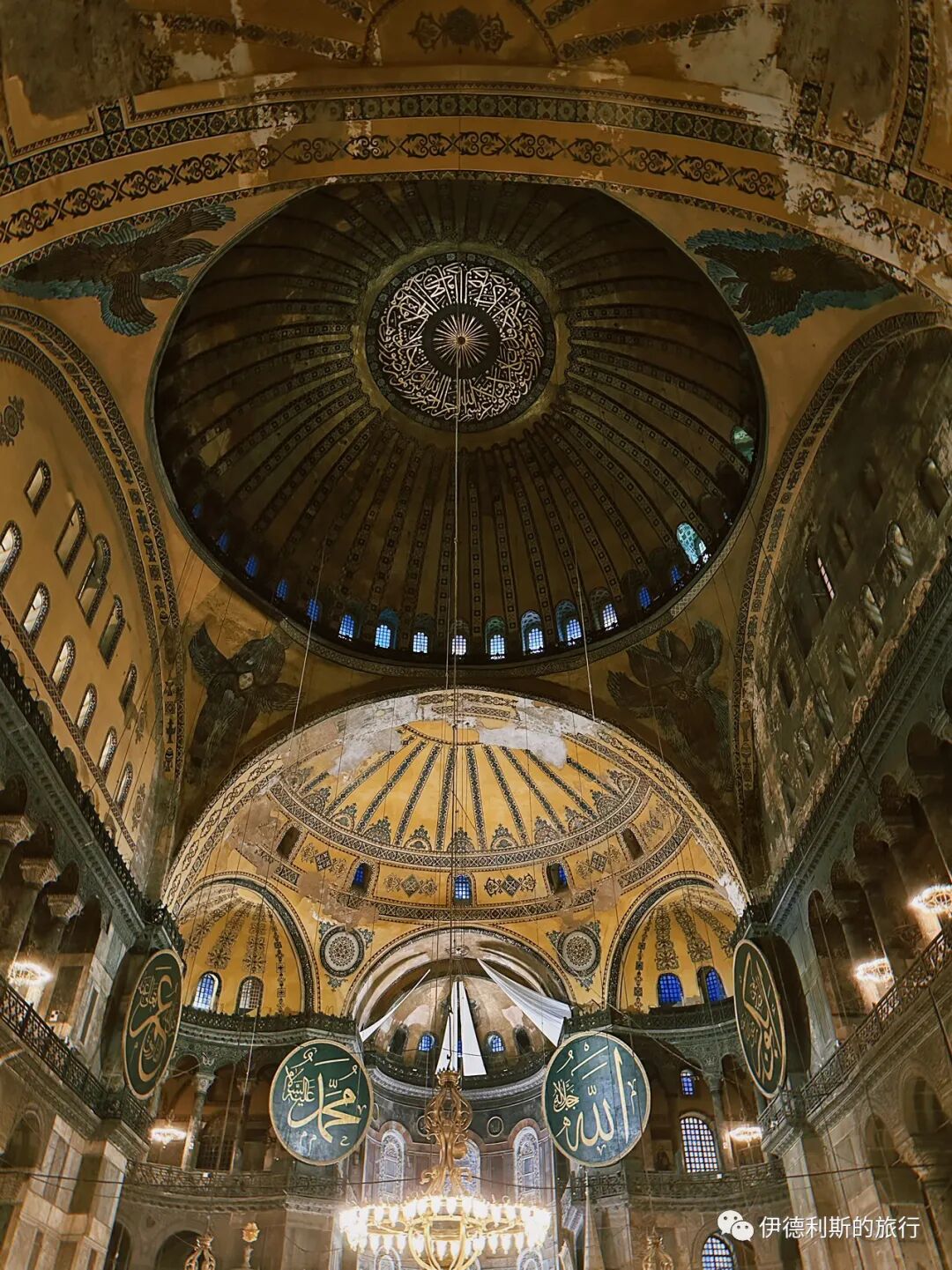
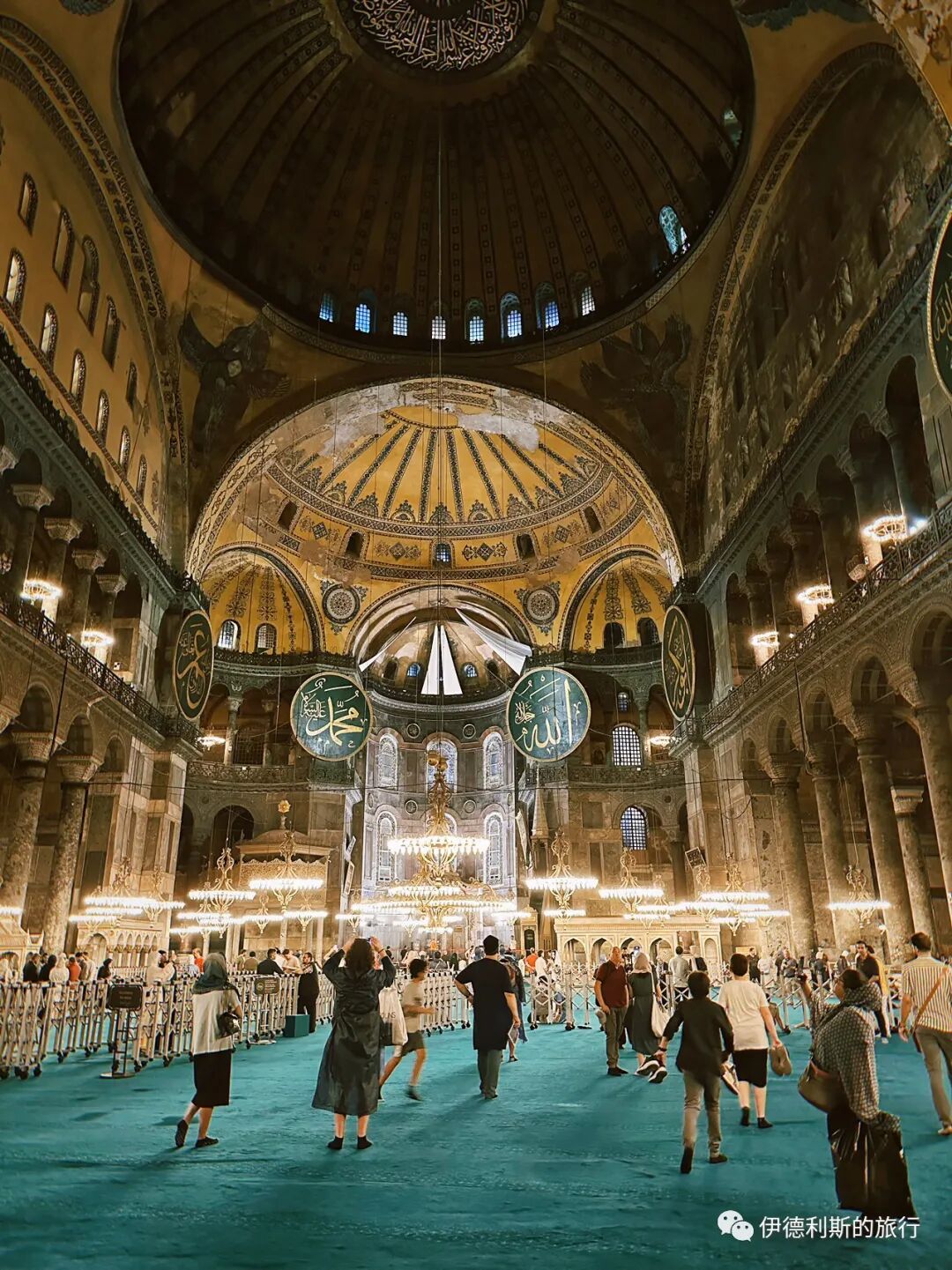
On the pendentives around the central dome of the Hagia Sophia, there is a six-winged angel (hexapterygon) on each. The two on the east side are mosaic murals created when the cathedral was rebuilt after an earthquake in 1346, while the two on the west side were repainted later. During the Ottoman period, the faces of these four six-winged angels were covered with star-shaped metal plates. Between 1847 and 1849, the Swiss Fossati brothers were invited by the Sultan to renovate the Hagia Sophia, and they restored the two angels on the east side. In 2009, the metal cover on one of the angels was removed, revealing its original face. After the cathedral was converted back into a mosque in 2020, the angel faces were still preserved.
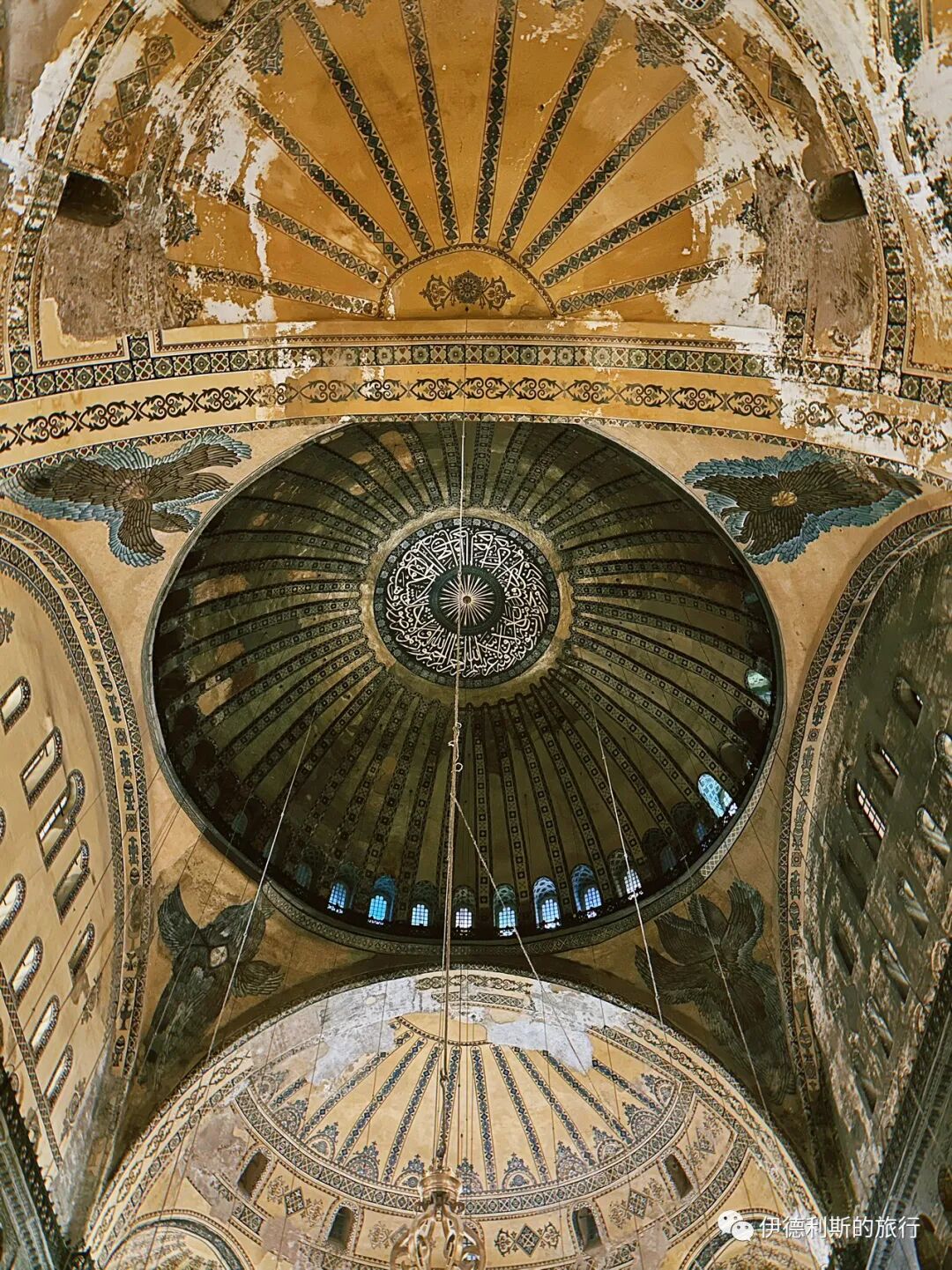
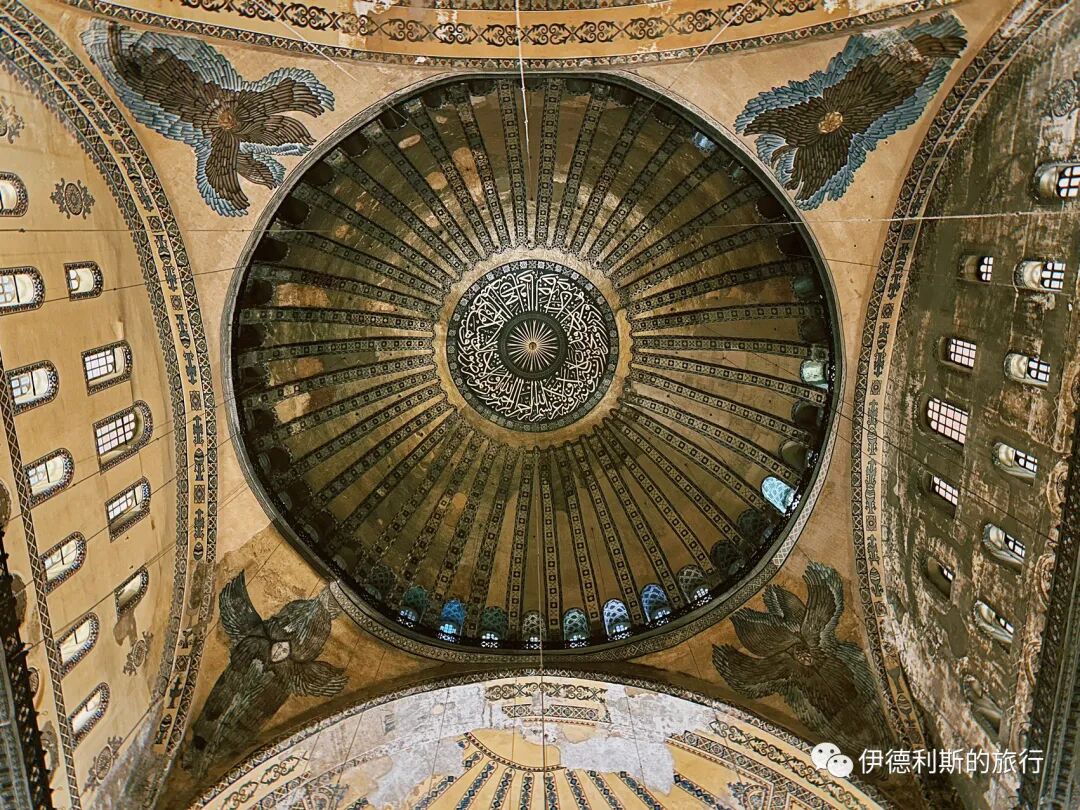
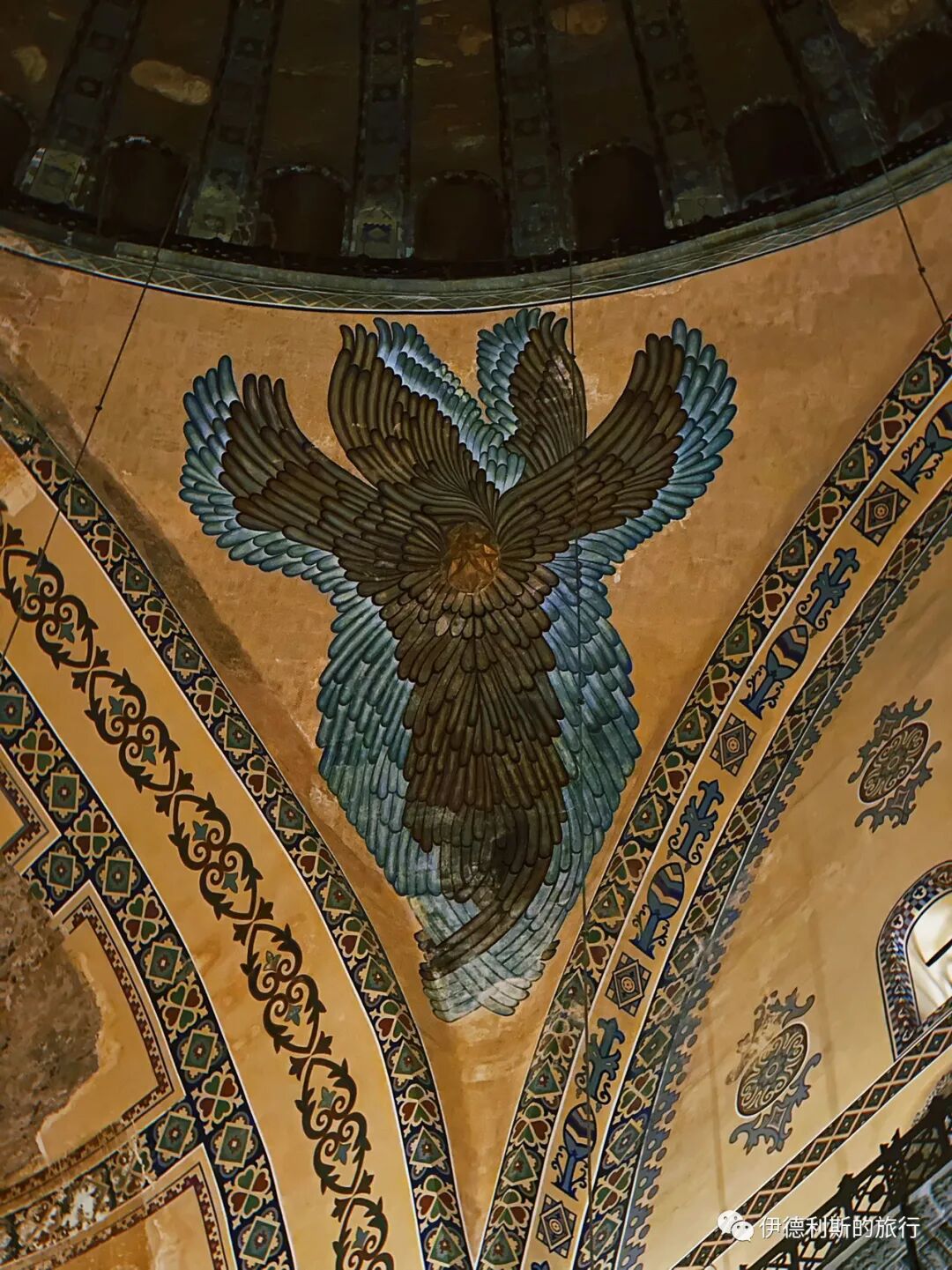
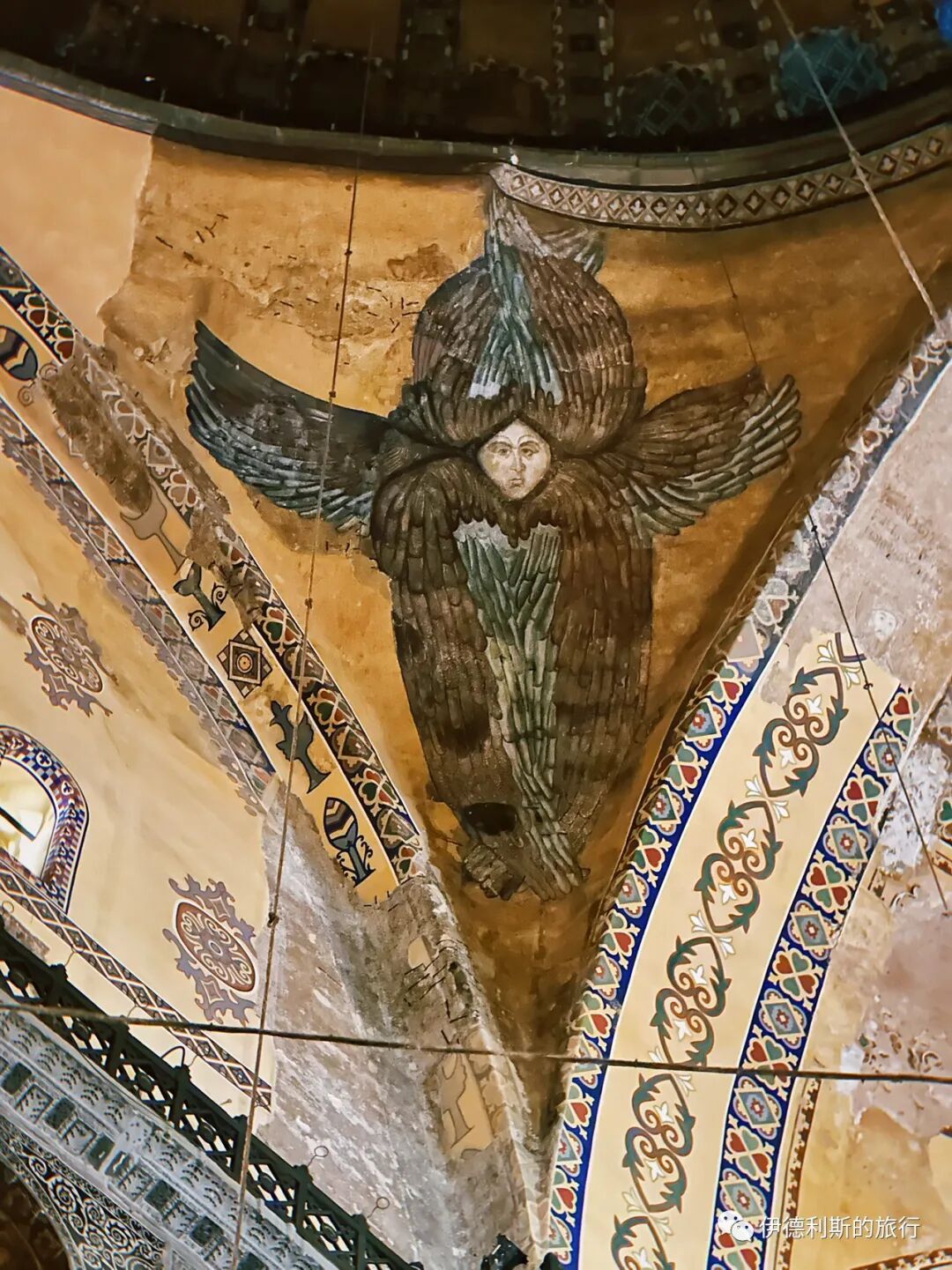
The floor of the Hagia Sophia's main hall is covered in carpets, except for one exposed section: the marble-inlaid coronation stone (omphalion), where Byzantine emperors were crowned. The coronation stone was laid when the cathedral was built in 537, though some of the small circles inside may have been added in the 9th century.
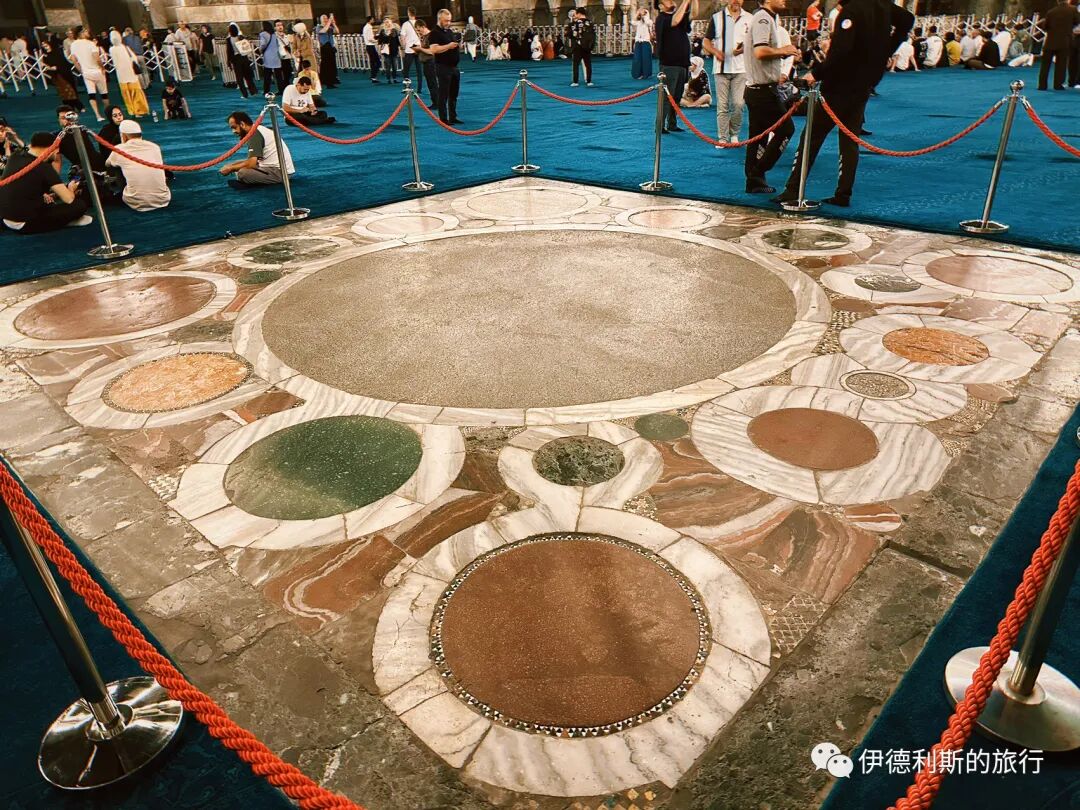
The main hall of the Hagia Sophia during the Ottoman period:
The prayer niche (mihrab) and the pulpit (minbar) were both renovated between 1847 and 1848 by the Swiss Fossati brothers, who were hired by Sultan Abdulmejid I. However, the giant candlesticks on both sides of the mihrab were brought back by Suleiman the Magnificent in the 16th century after he conquered Hungary. Next to the candlesticks are a pair of exquisite scripture boxes.
Directly above the mihrab is a Byzantine-era mosaic of the Virgin Mary holding Jesus. After the building returned to being a mosque in 2020, a white cloth was placed over the mosaic.
In 1847-48, Sultan Abdülmecid I added eight massive gilded Arabic calligraphy medallions to the cornice of the main hall. They were written by the calligrapher Mustafa İzzed Efendi and include the names of Allah, the Prophet Muhammad, the first four caliphs Abu Bakr, Umar, Uthman, and Ali, as well as the Prophet's two grandsons, Hasan and Husayn.
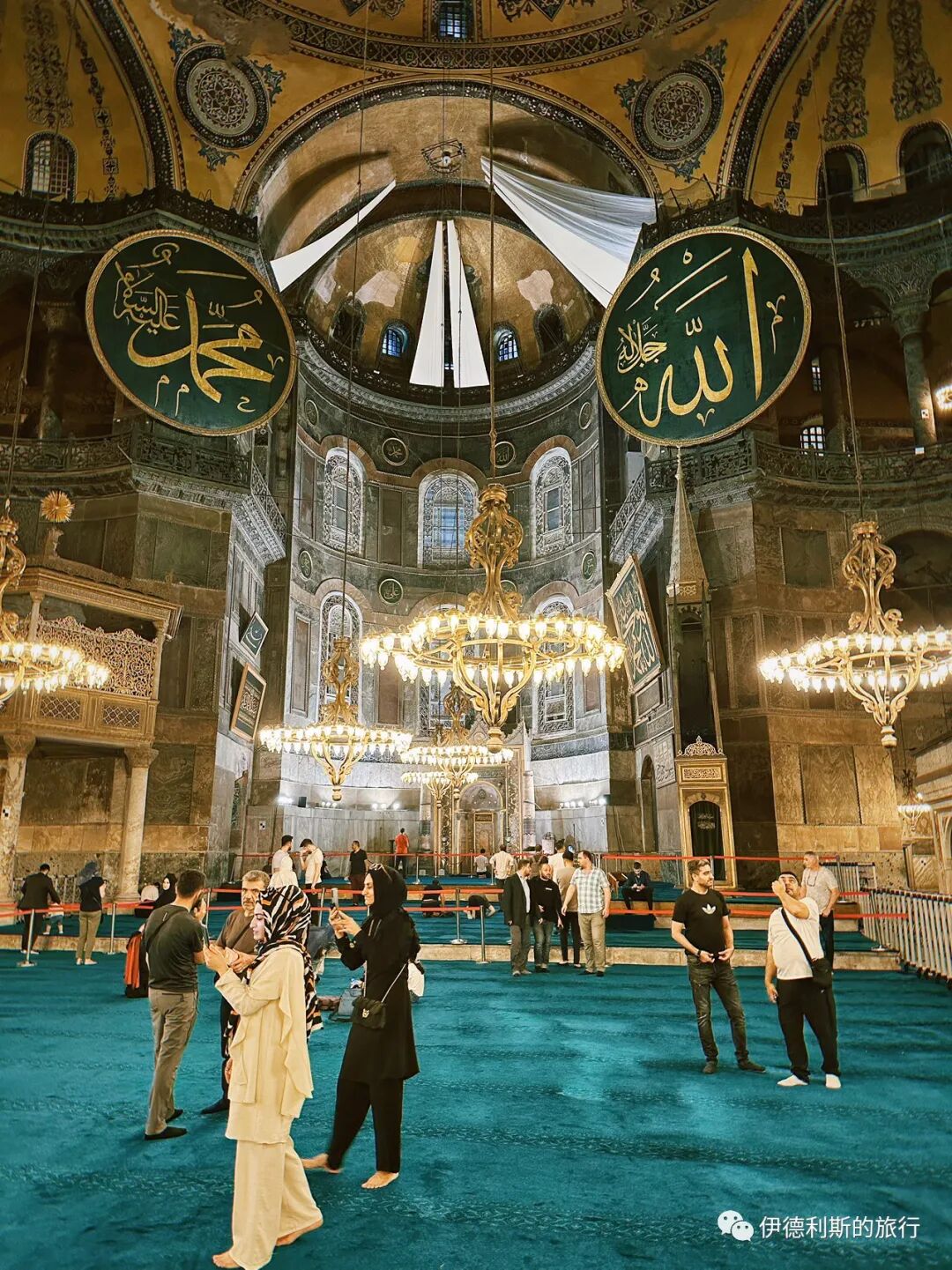
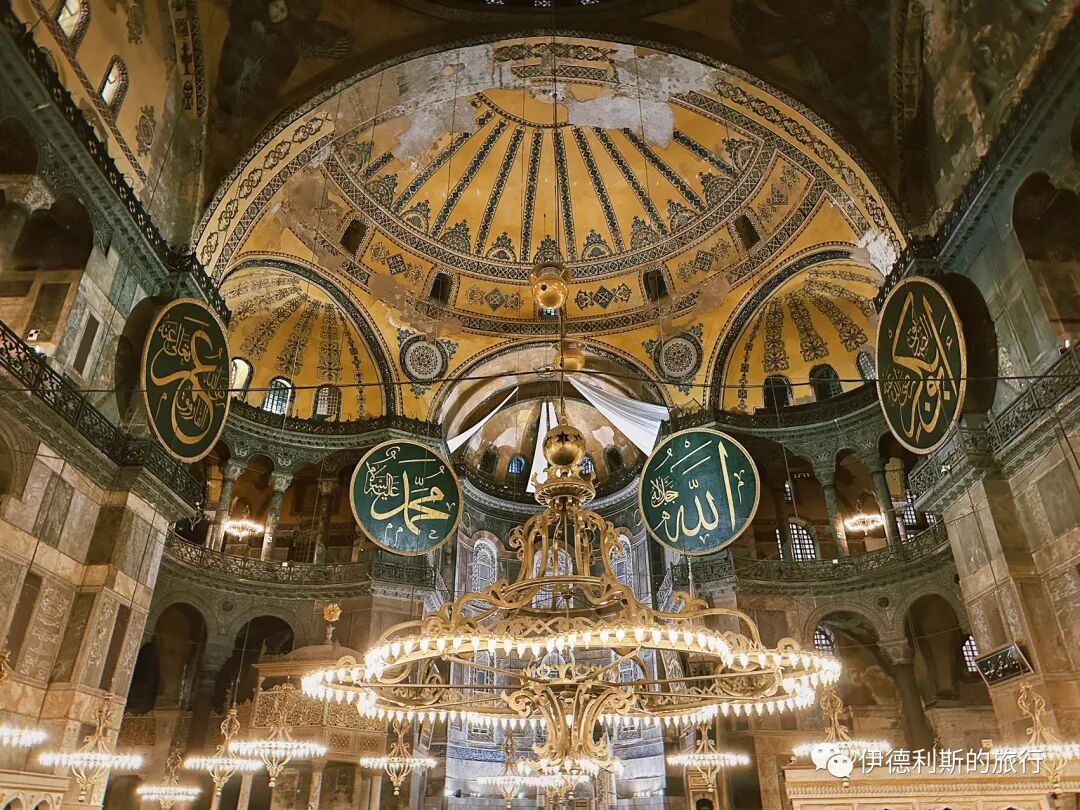
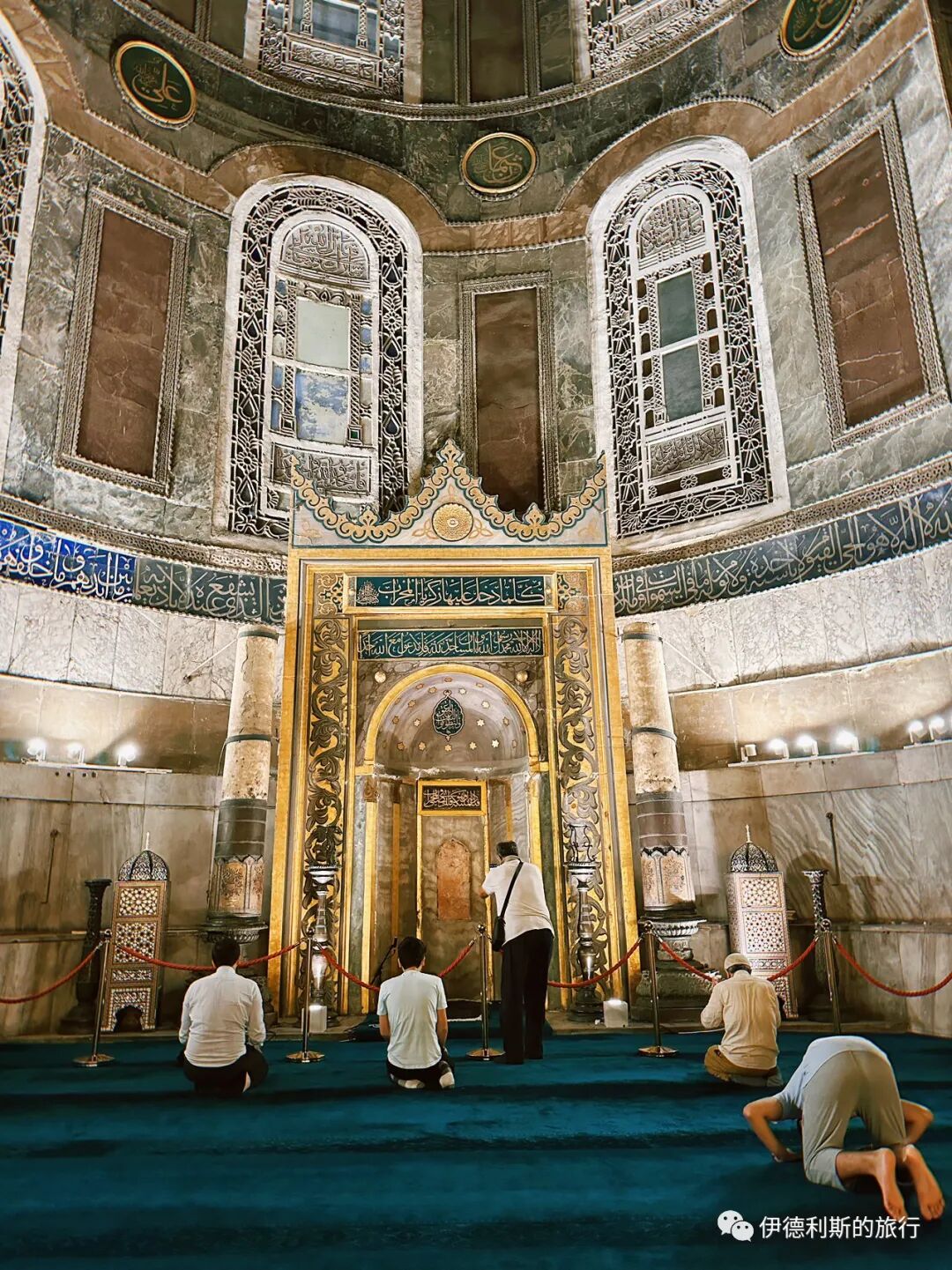
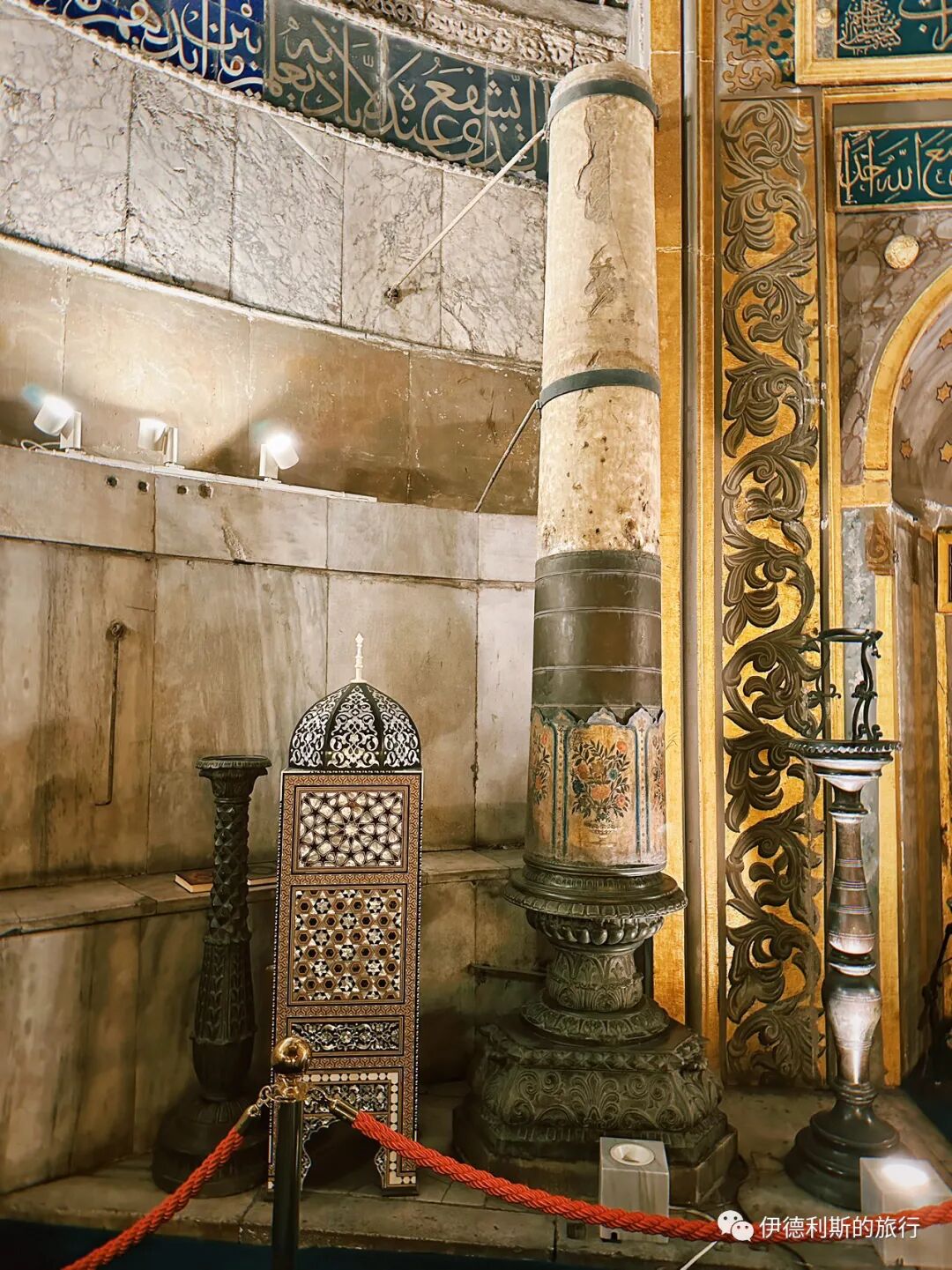
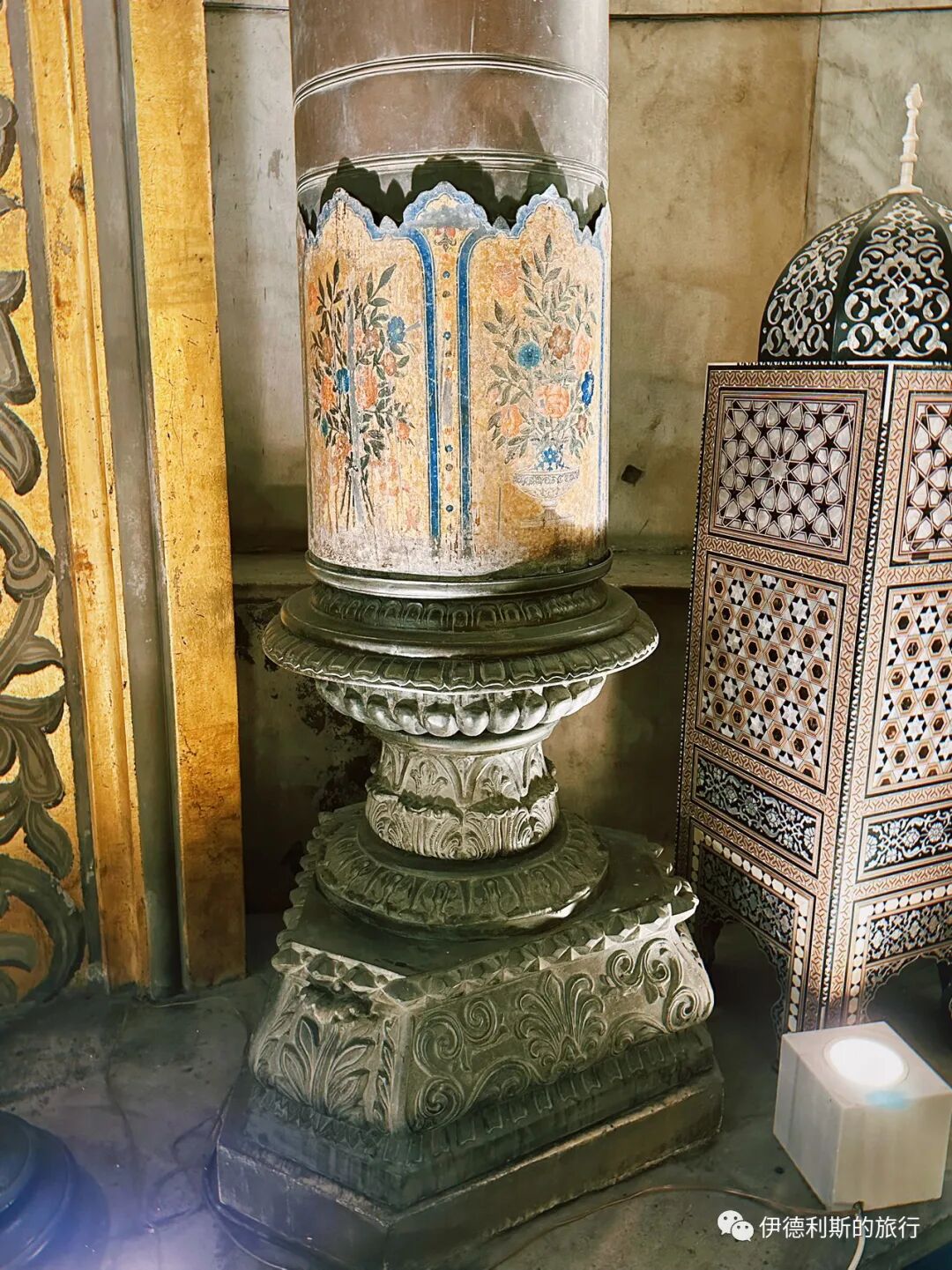
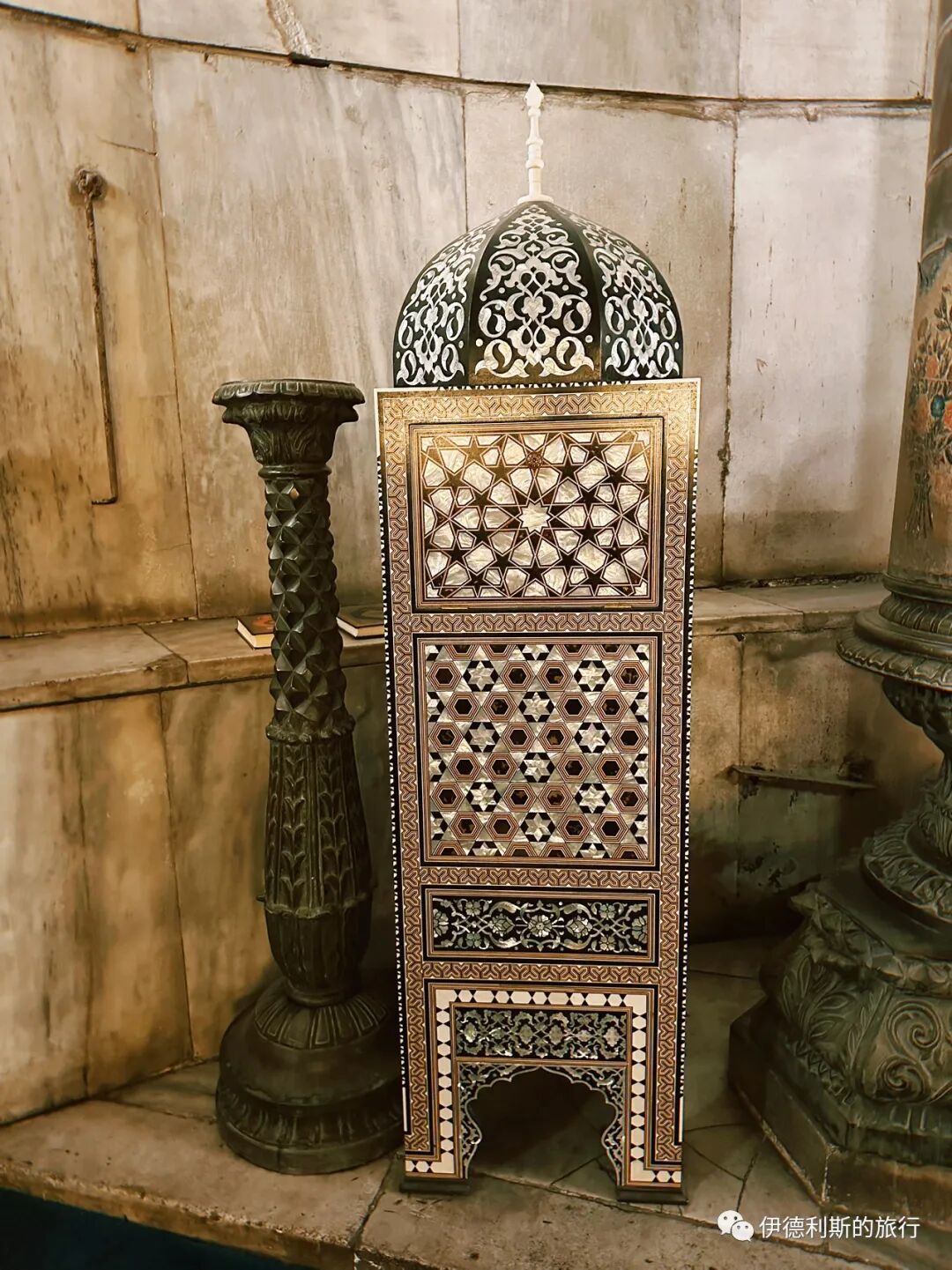
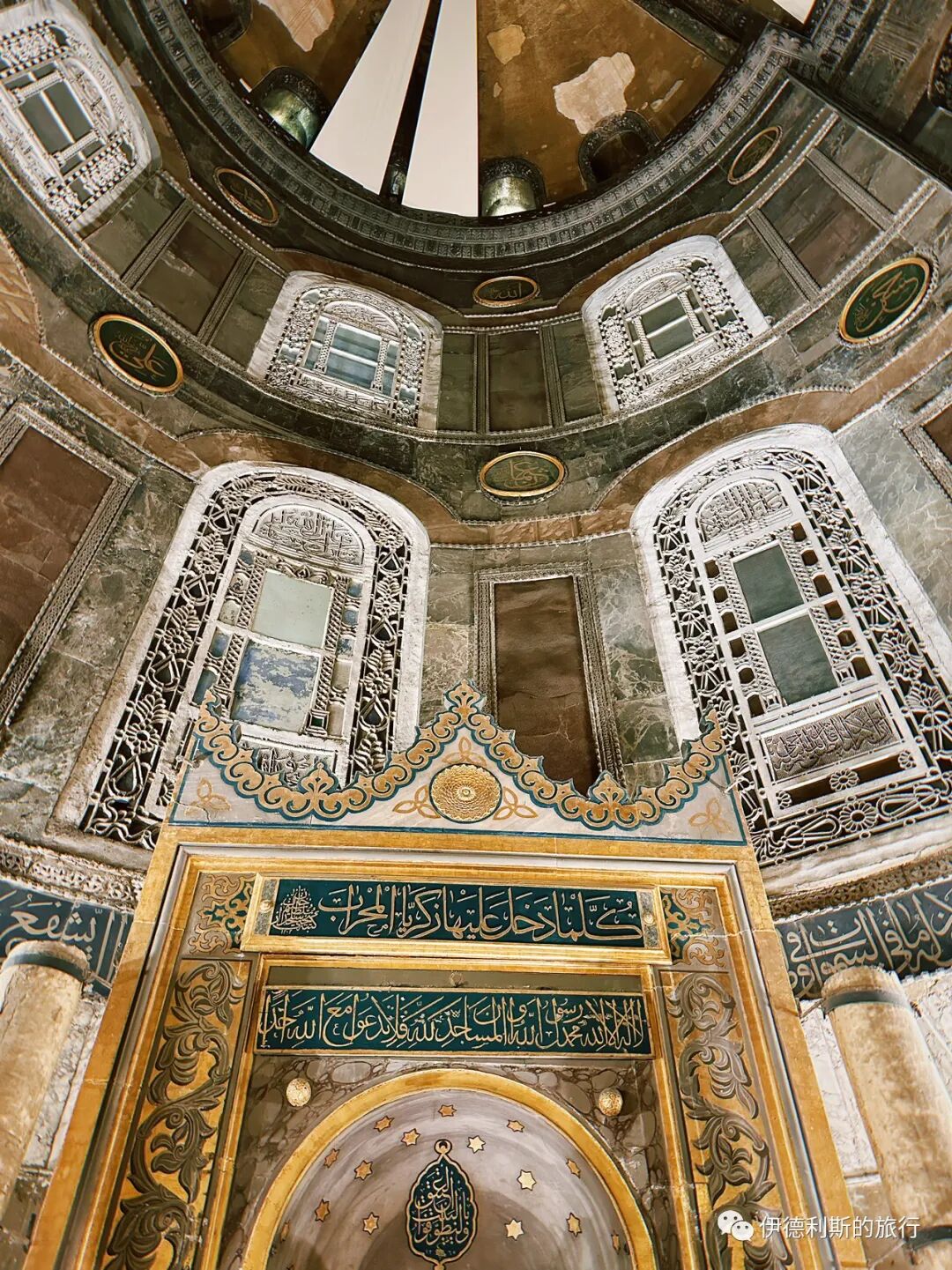
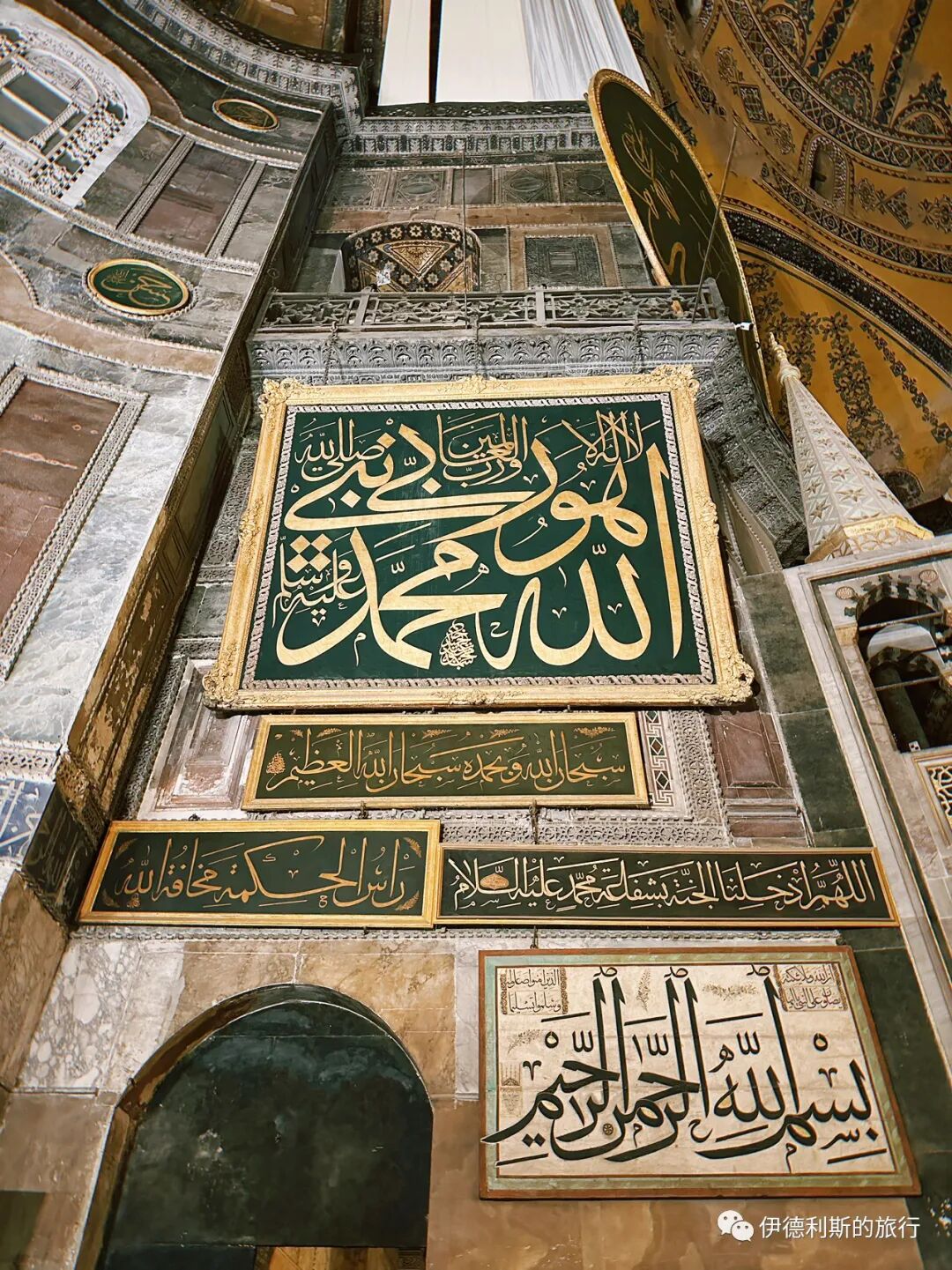
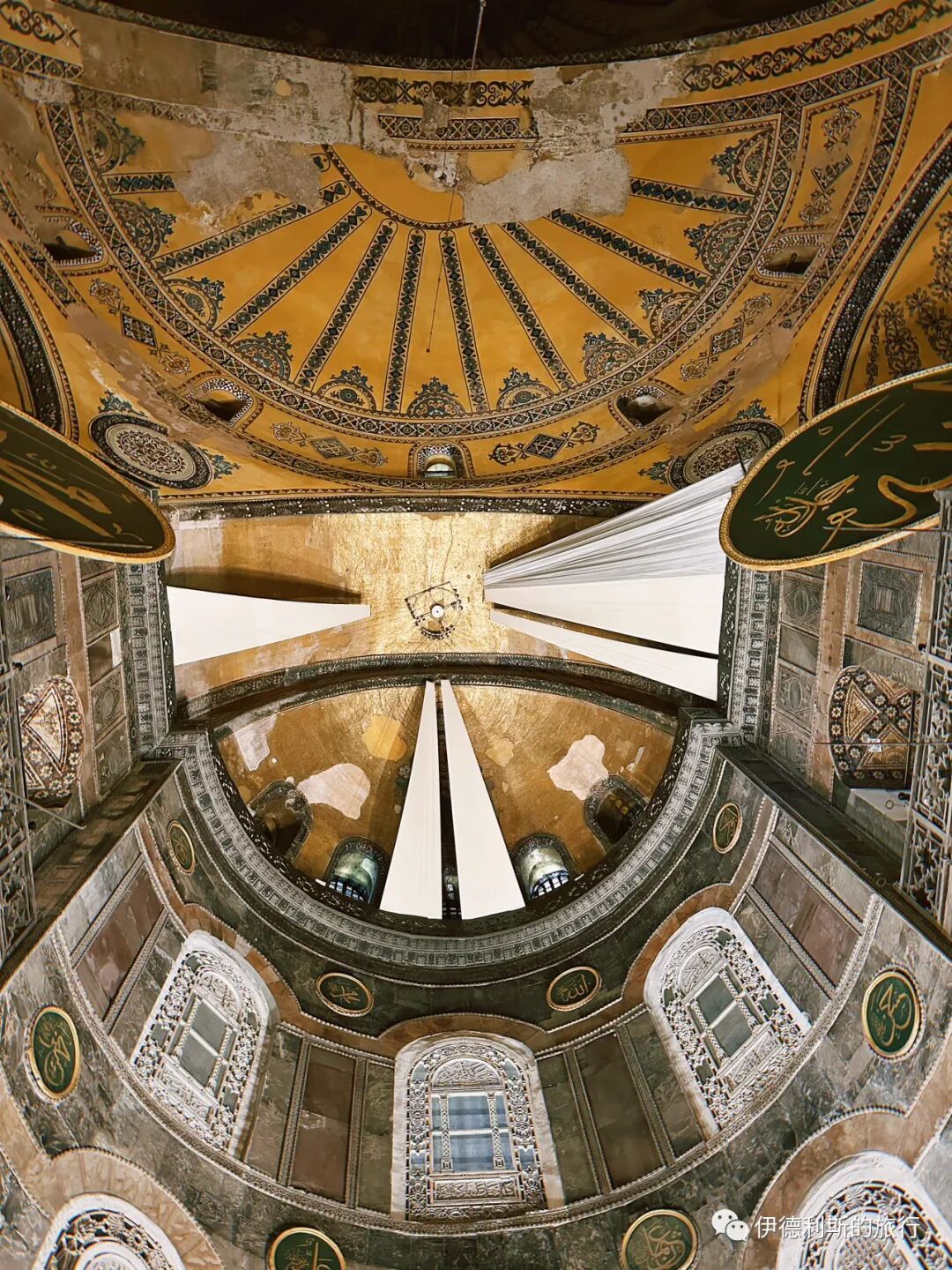
In 1739, Sultan Mahmud I renovated the Hagia Sophia and added a magnificent library behind the coronation stone in the main hall.
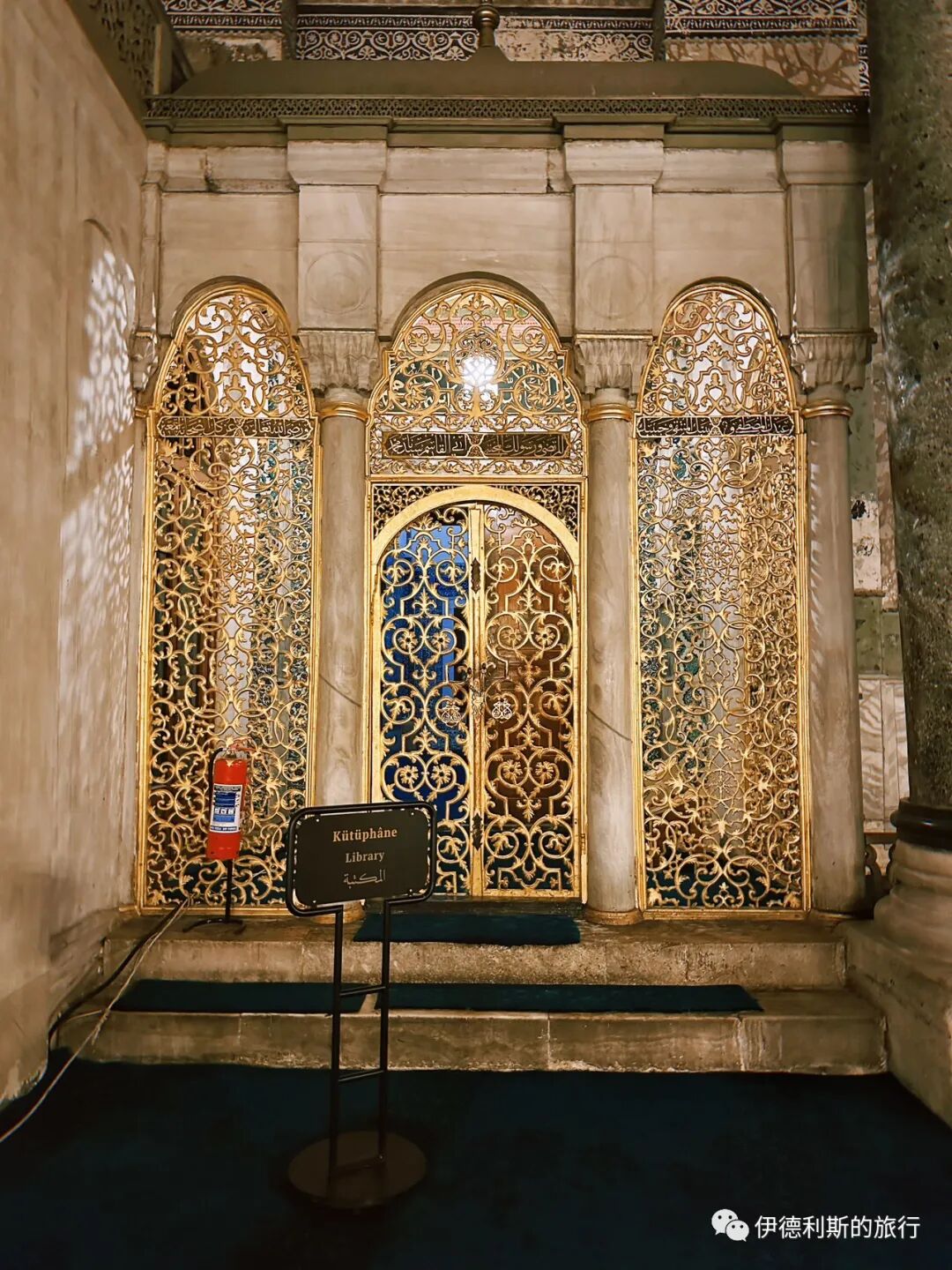
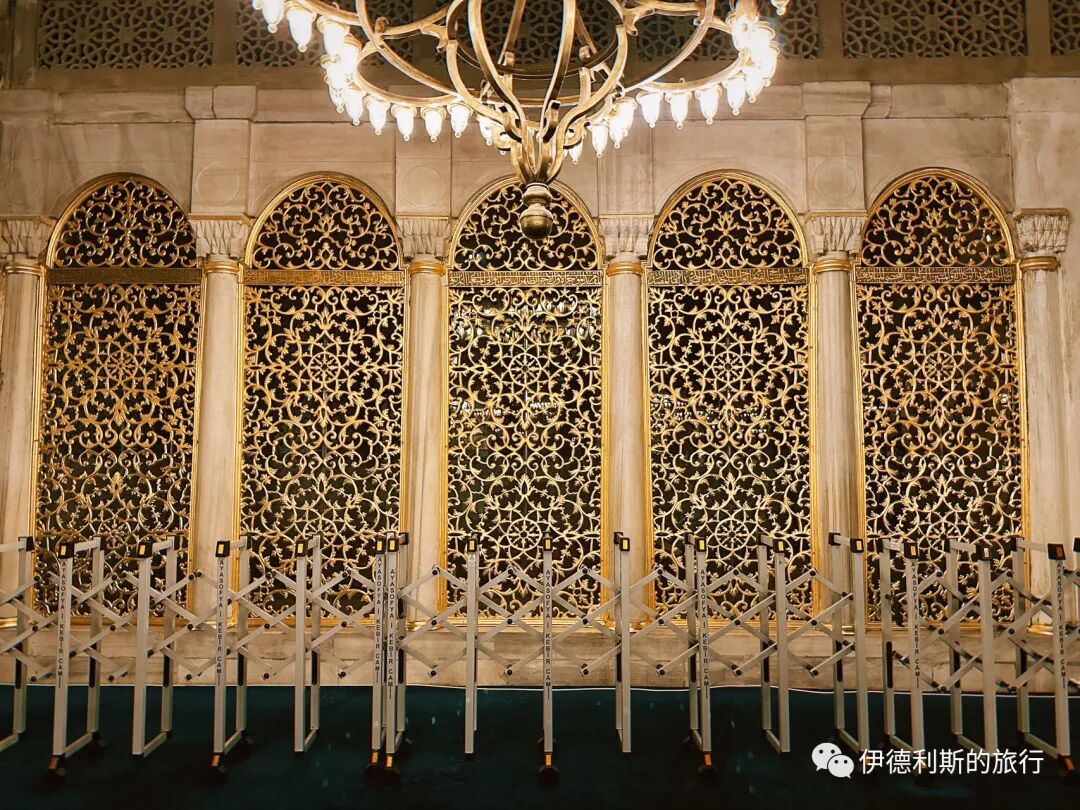
The ablution fountain at the entrance was built in 1740.
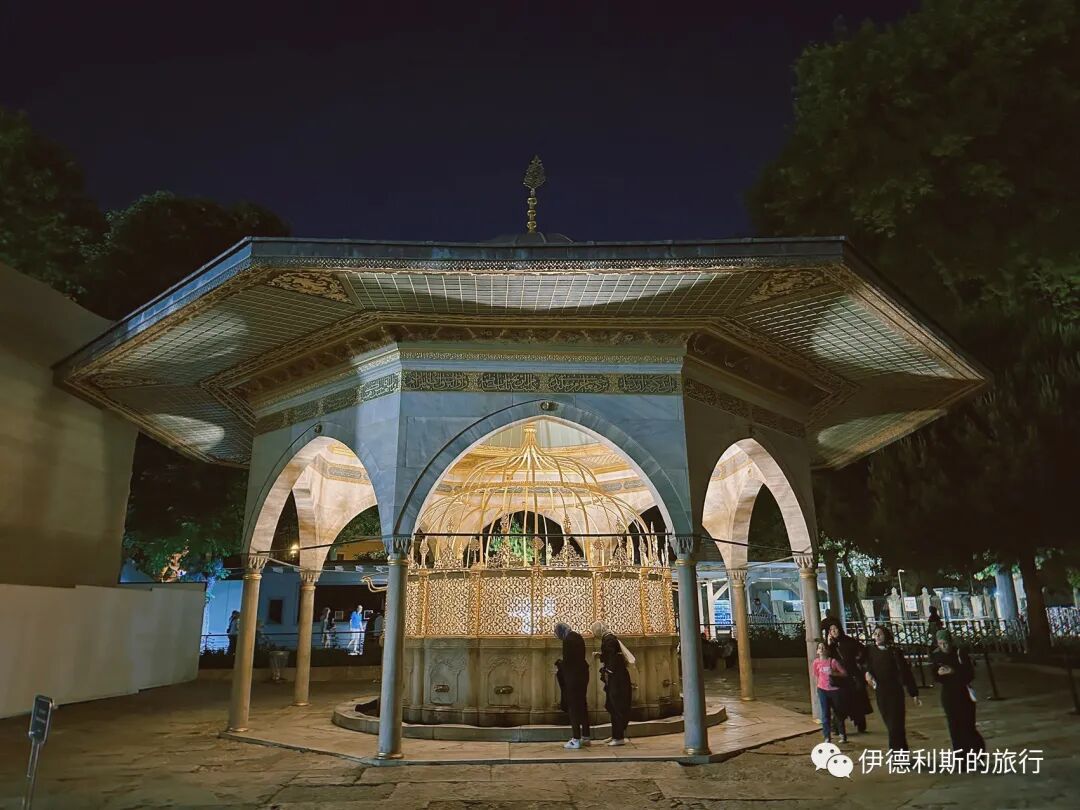
In 1850, the Fossati brothers built a private royal box (Hünkâr Mahfili) for the Sultan on the Byzantine columns, allowing him to enter for namaz without being noticed by the public.
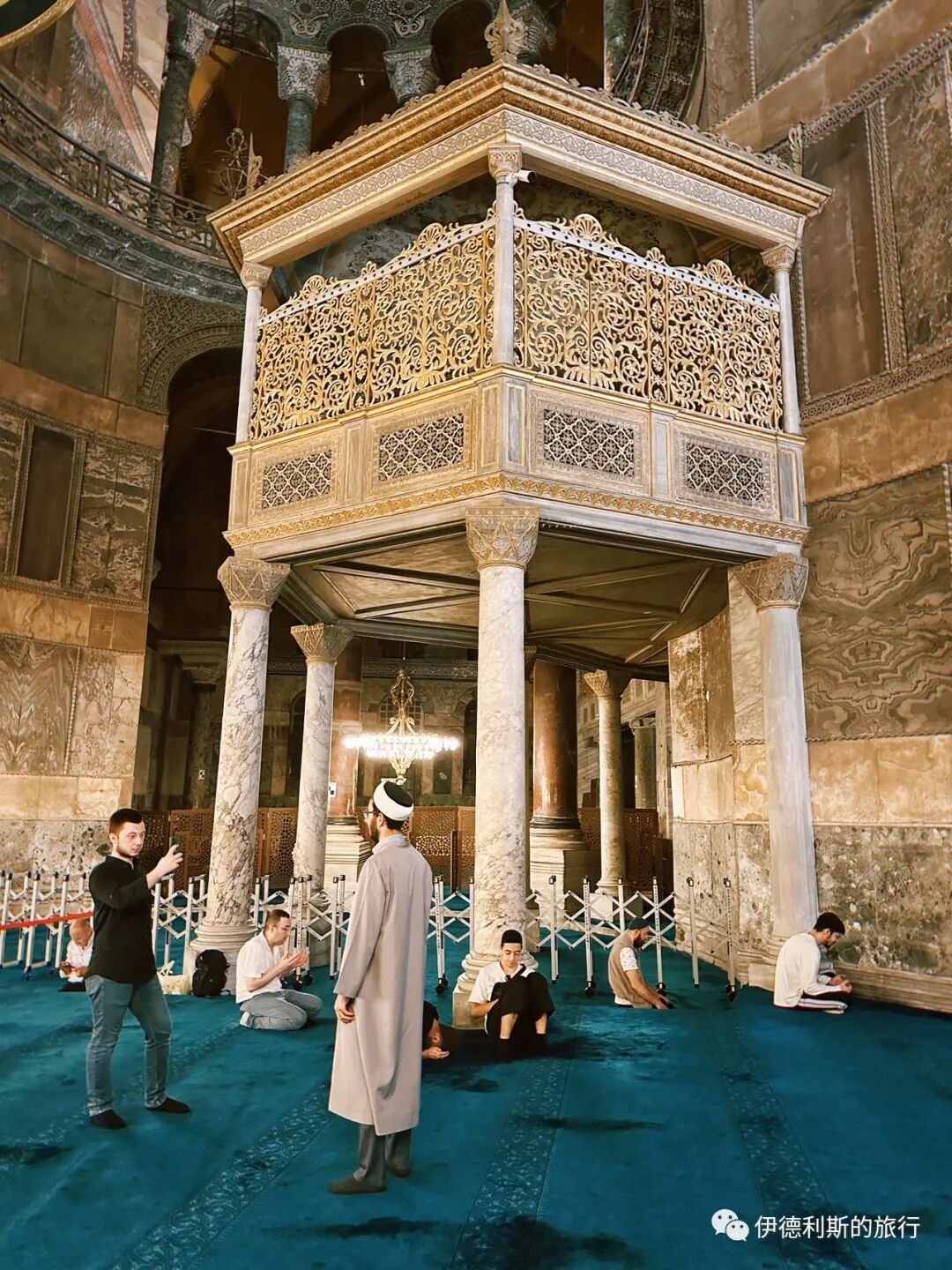
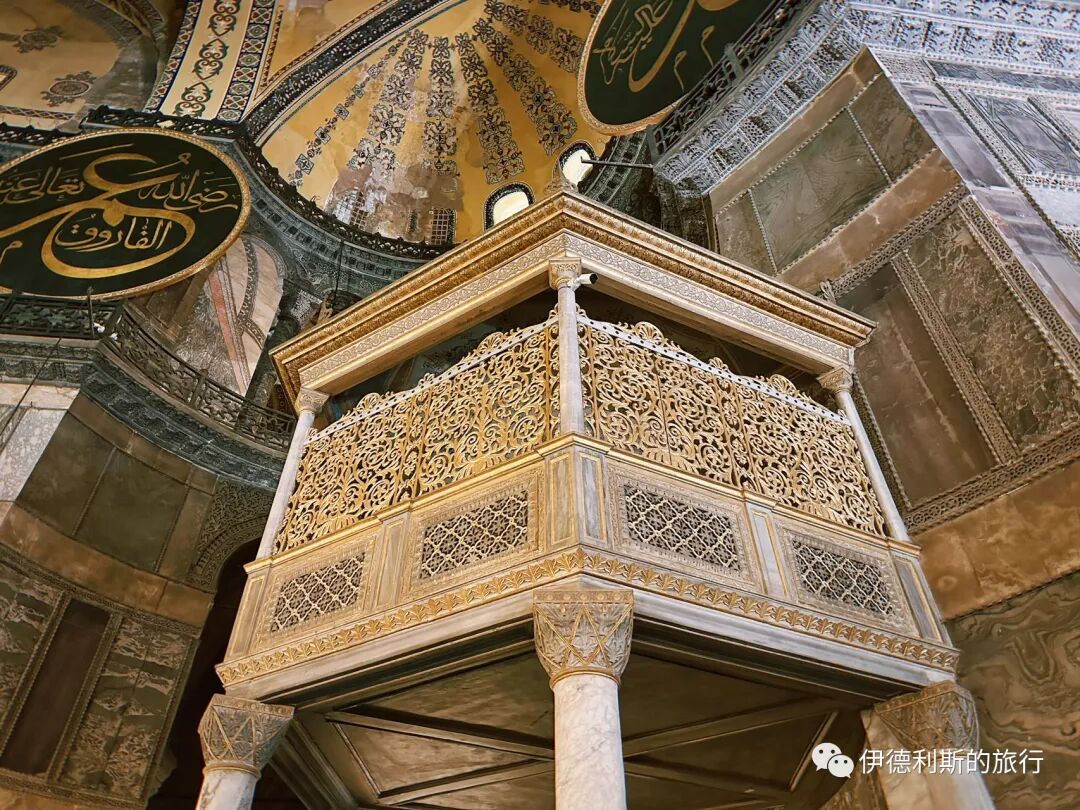
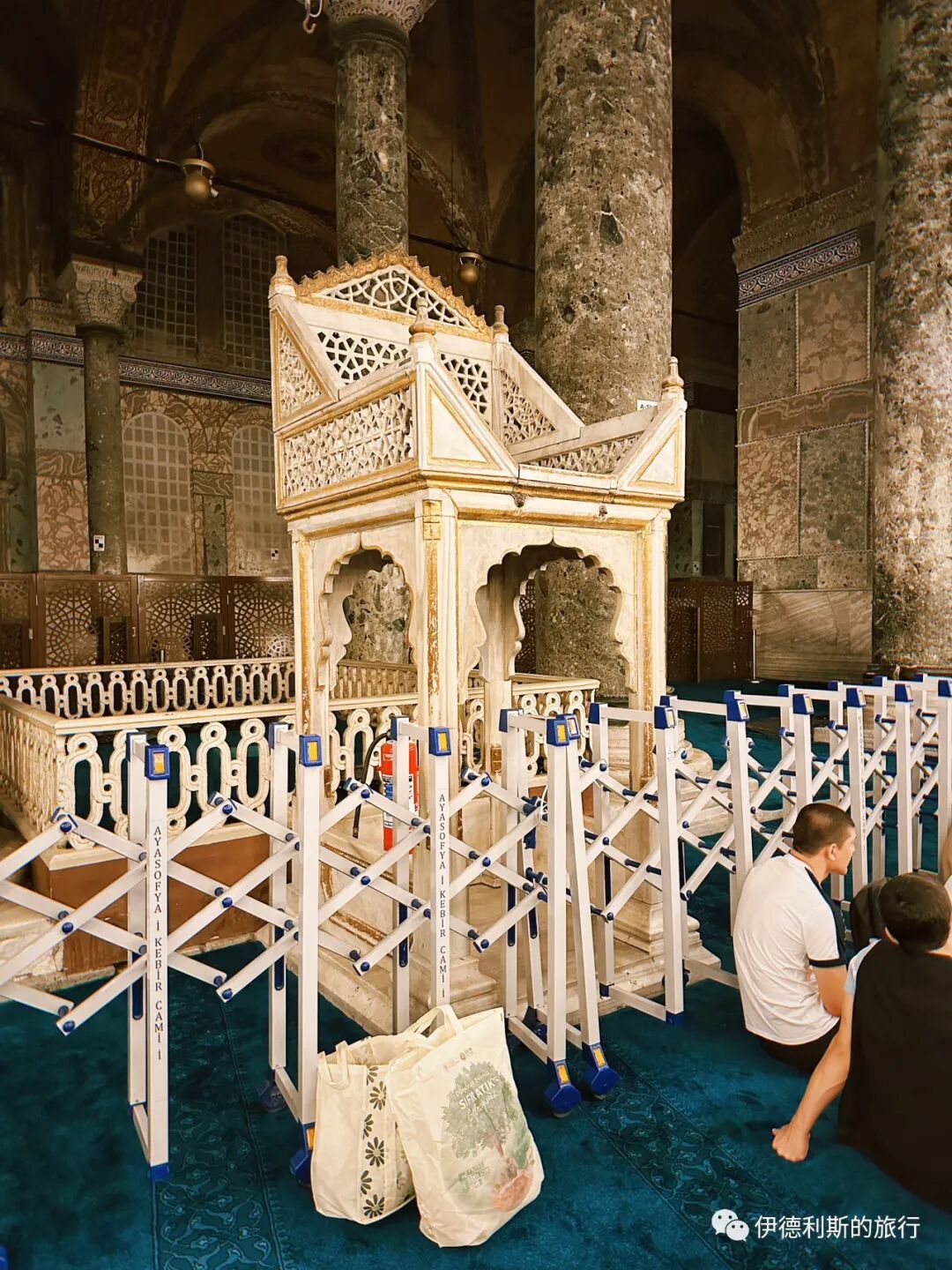
Eating a late-night snack in Kadıköy.
After visiting the Hagia Sophia, we took the subway back to Kadıköy on the Asian side. It was already 11 p.m. when we left our place for a late-night snack, but the streets were still very lively.
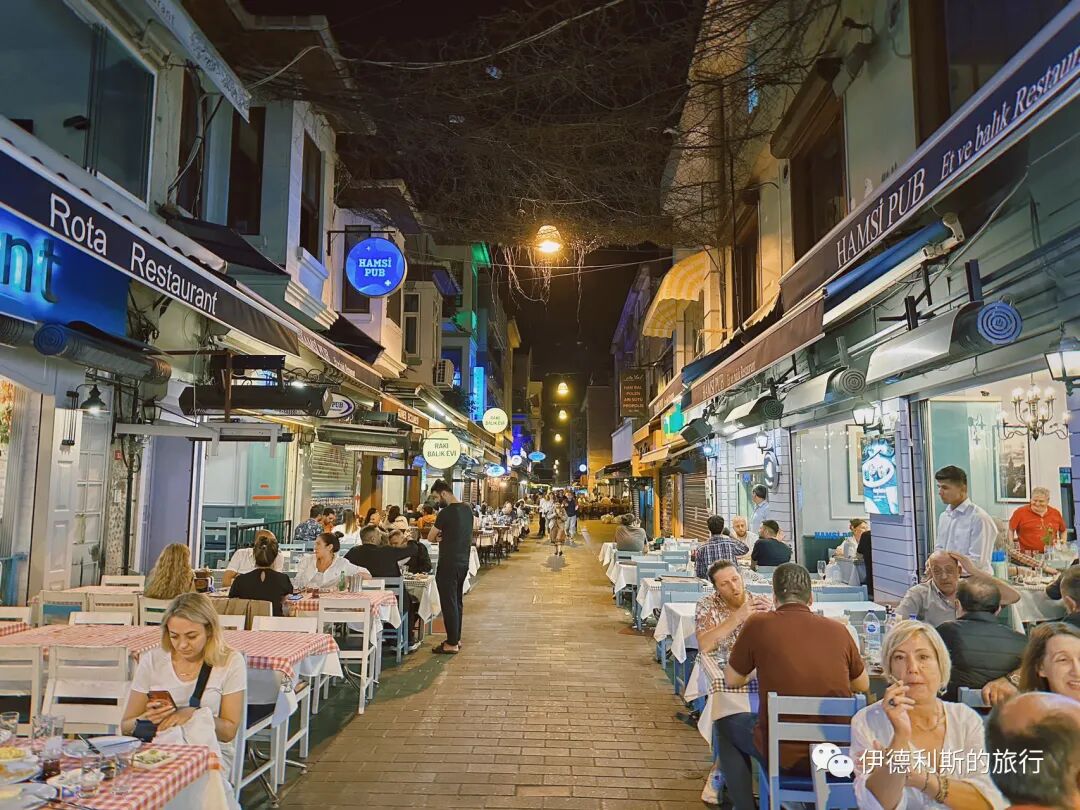
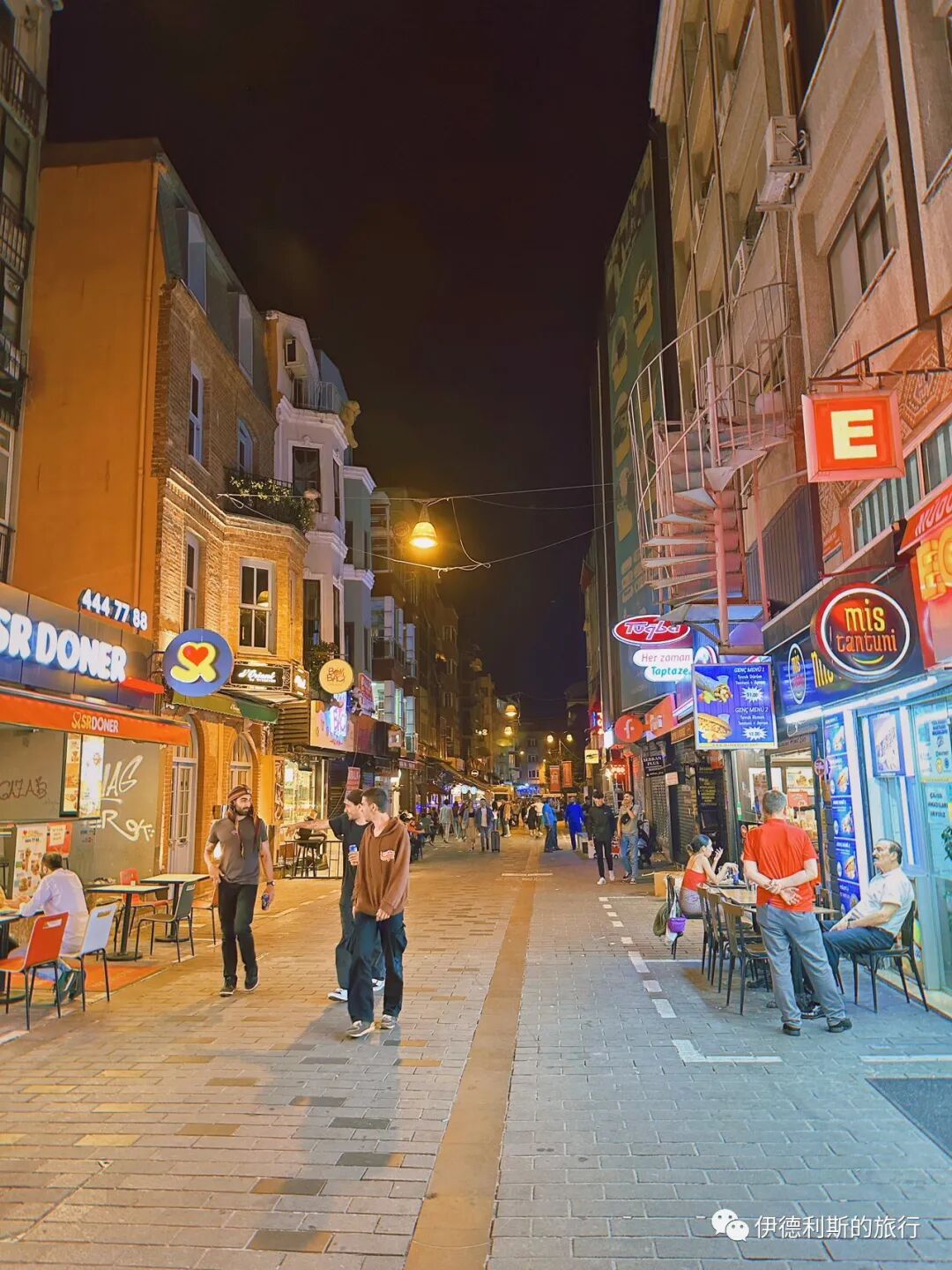
We first ate some Turkish flaky pastry (börek). This food is said to have been brought to the Anatolian Peninsula by Turkic peoples as they migrated westward from Central Asia. It later took its final form in the Ottoman court before spreading to the Balkans and North Africa under Ottoman rule. There are many types of börek. The most common is water pastry (su böreği), which is filled with white cheese (beyaz peynir) and parsley, though some versions also include minced meat.
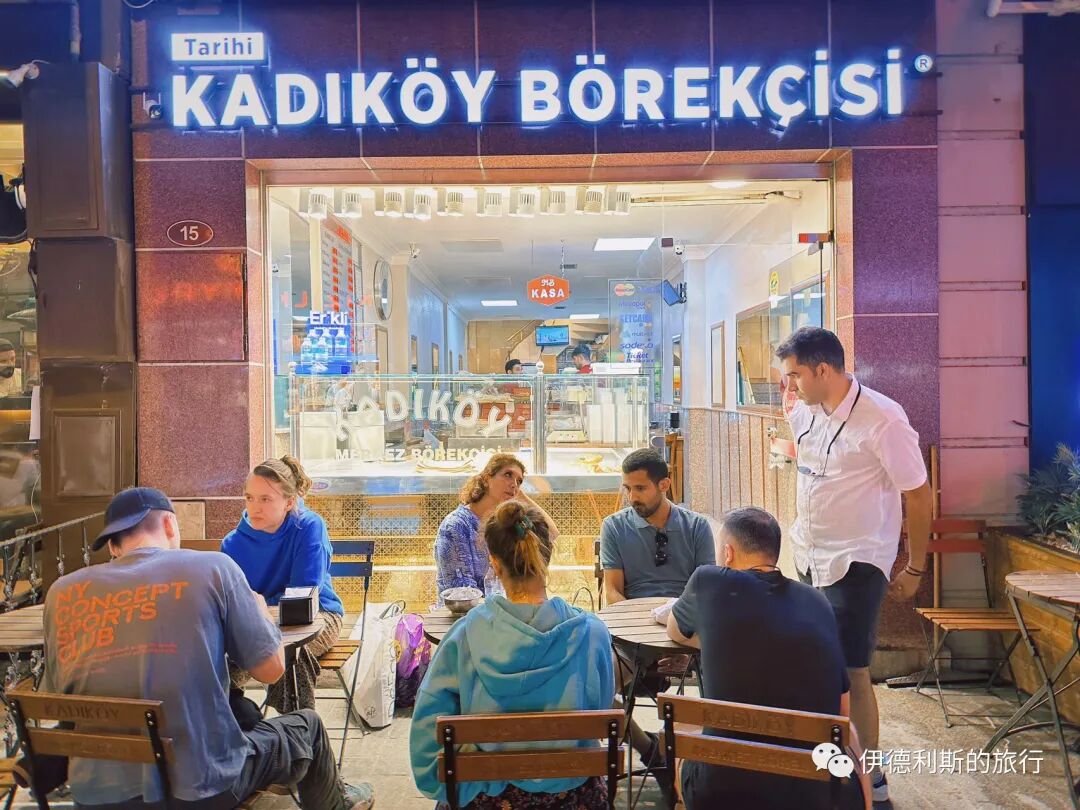
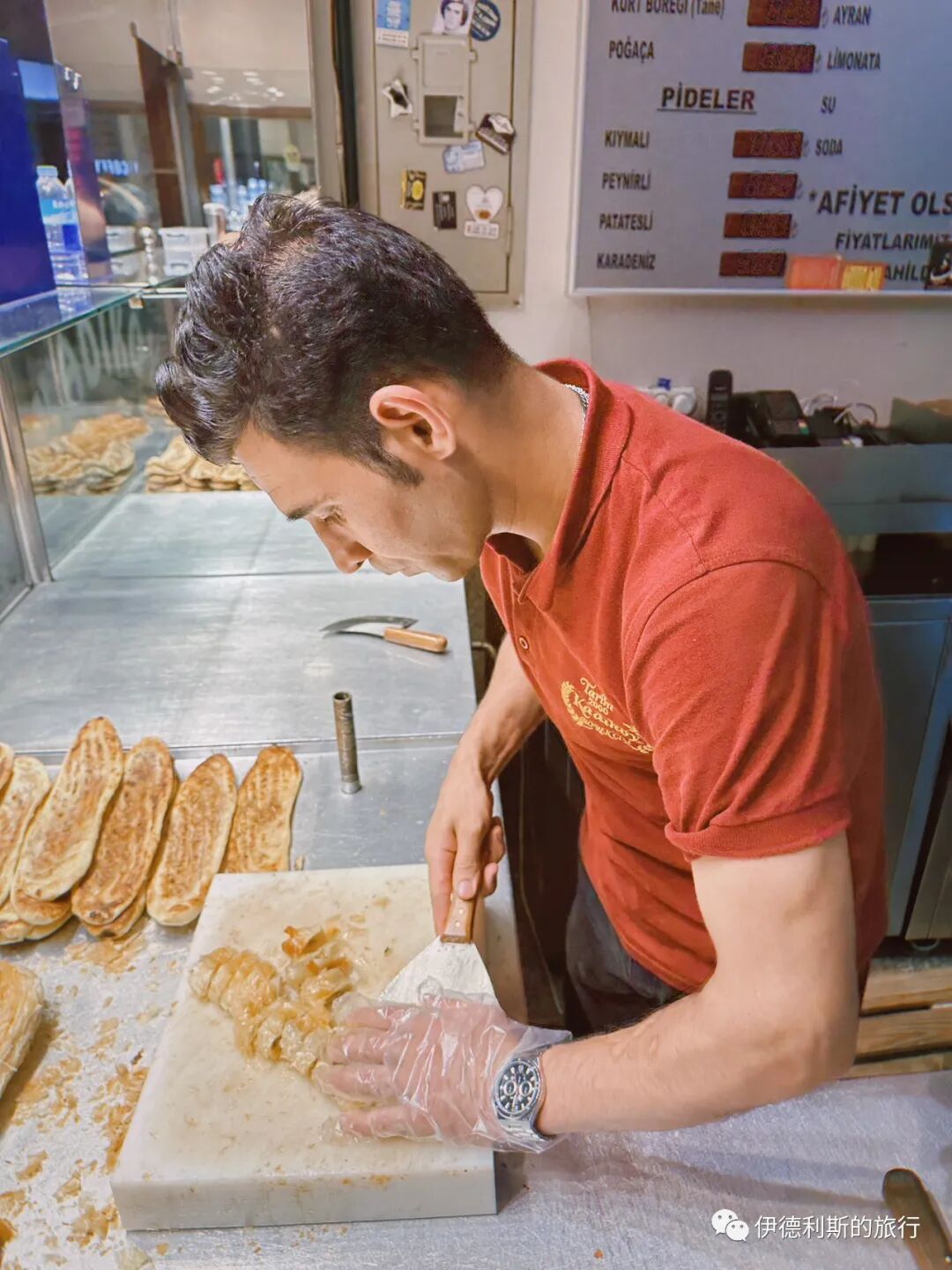
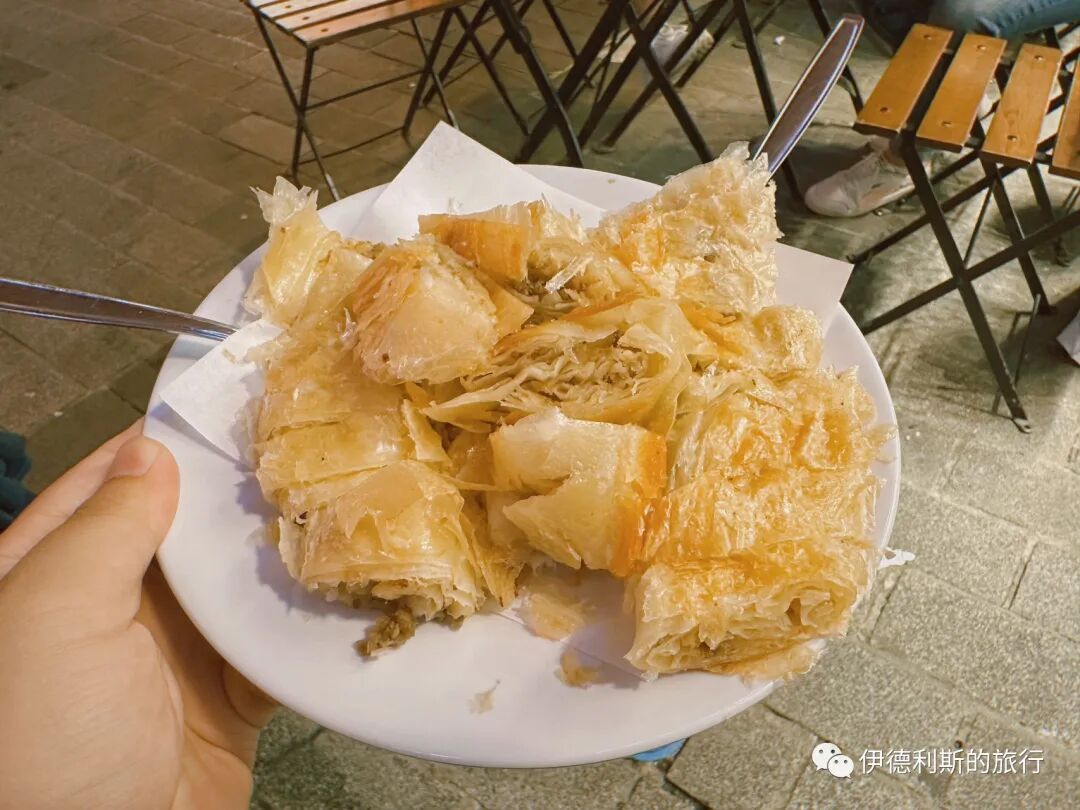
Then we had a cheese pastry dessert (künefe) served with ice cream. Legend has it that künefe was invented by a physician in the court of the Fatimid Caliphate in Egypt or the Umayyad Caliphate in Syria to satisfy the Caliph's hunger during Ramadan. For hundreds of years, künefe has been a classic dessert for breaking the fast in the Middle East and even appears in One Thousand and One Nights.
Künefe is made of buttery shredded dough, stretchy cheese, and crushed pistachios. When eating it, you pour a syrup called attar over the top. Although it has a history spanning over a thousand years, the current fried, stretchy version took shape during the mid-15th century Ottoman period and gradually spread throughout the Middle East under Ottoman rule.
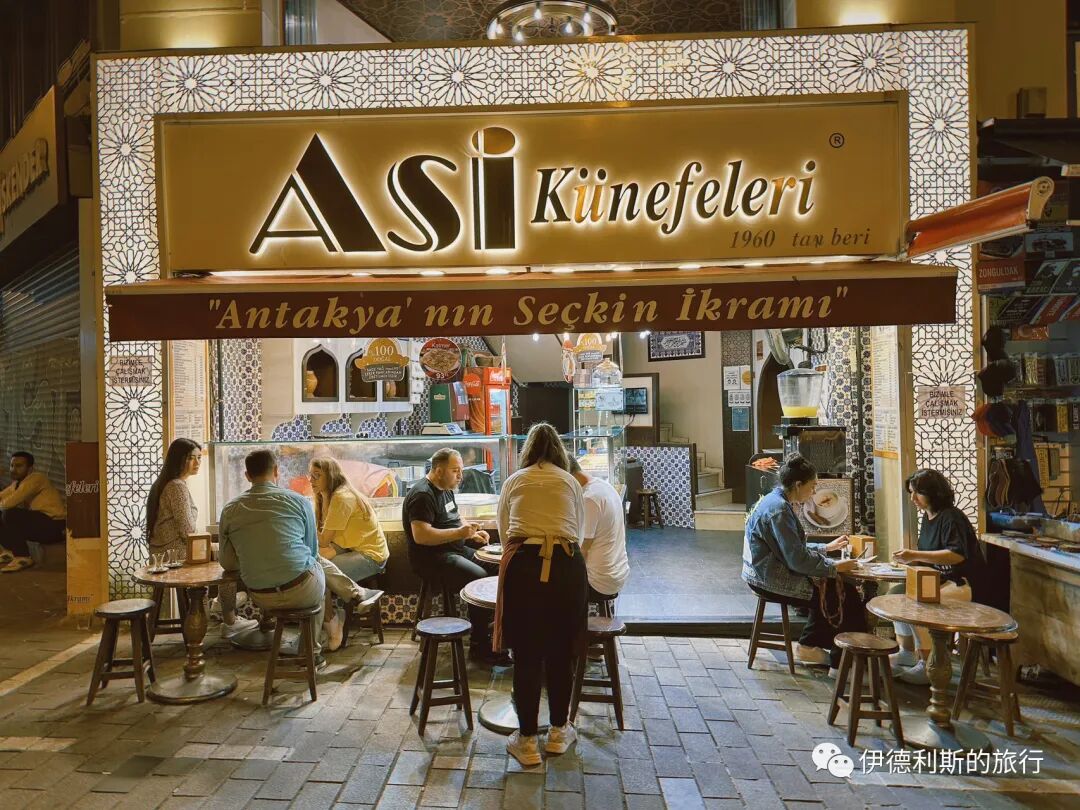
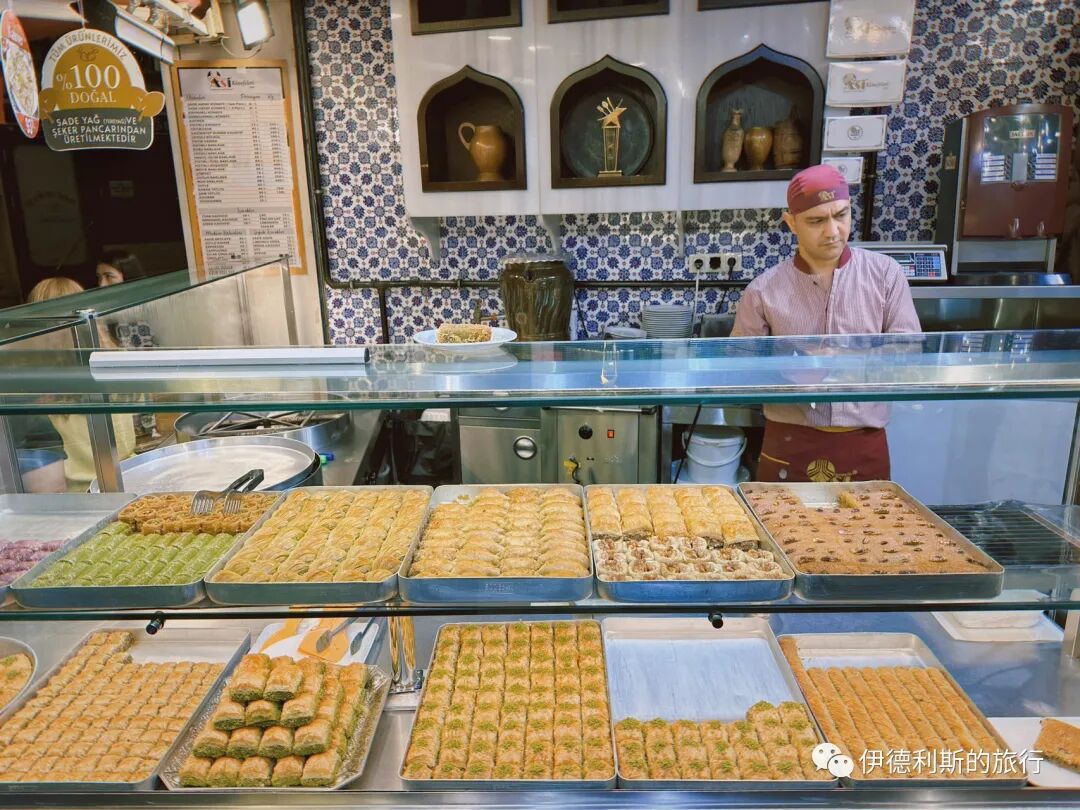
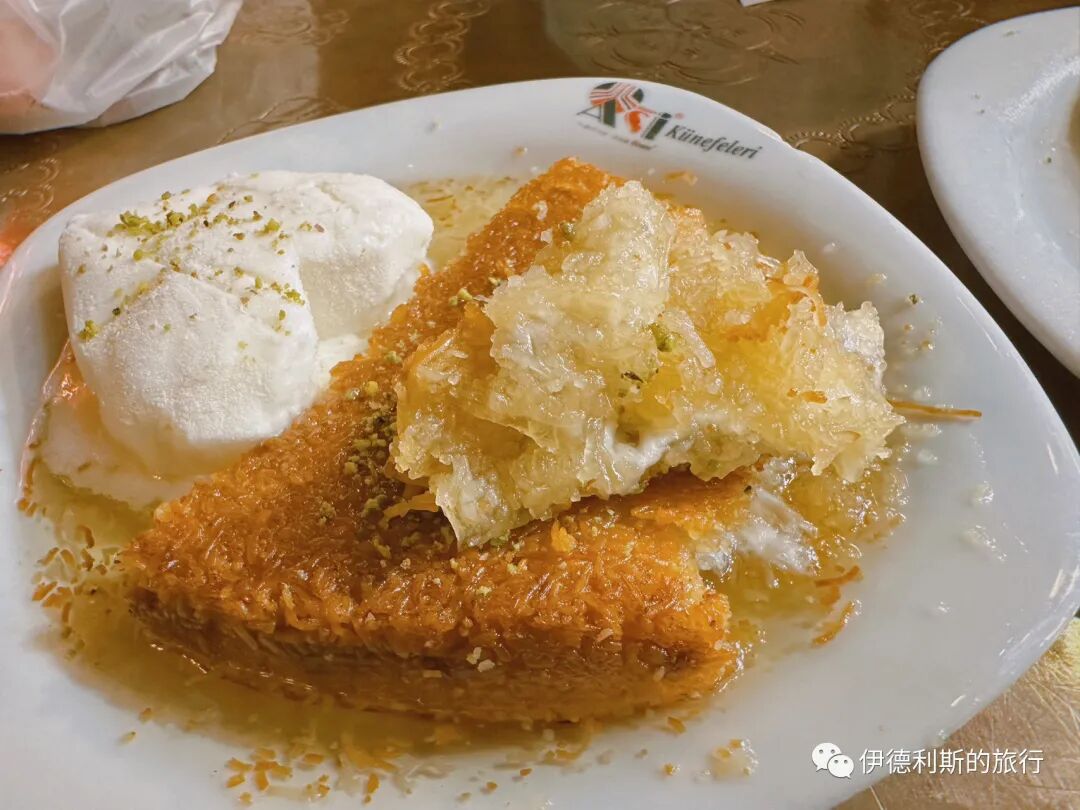
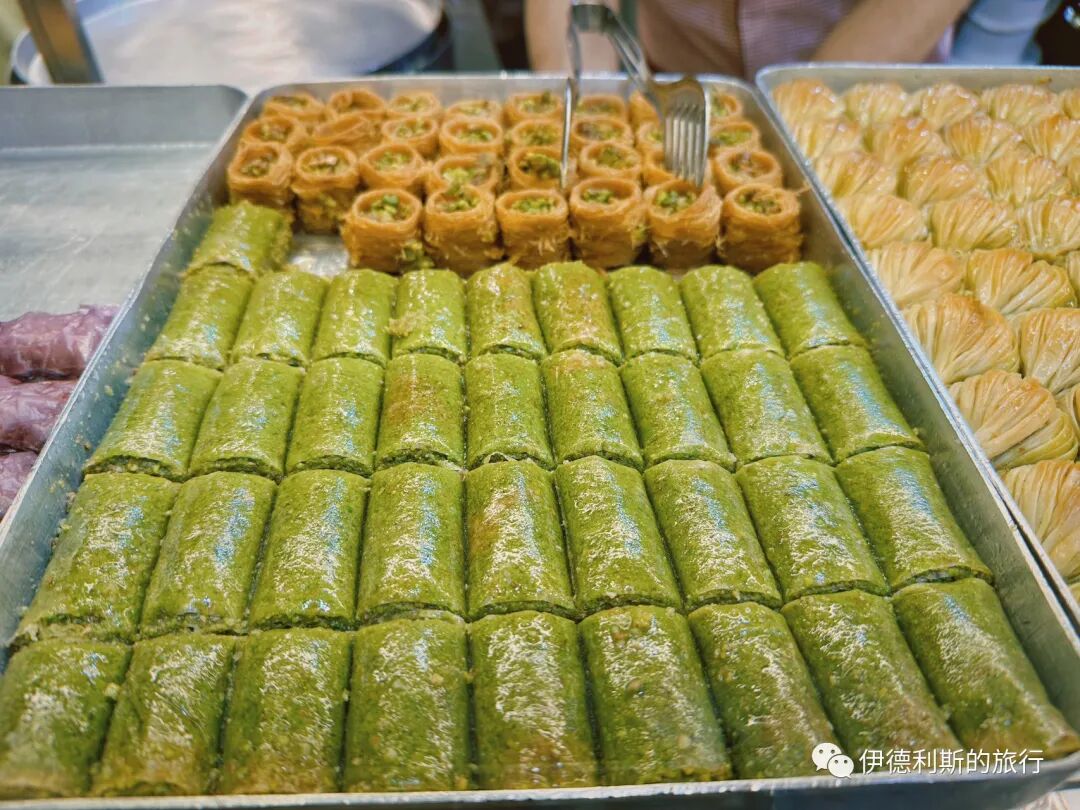
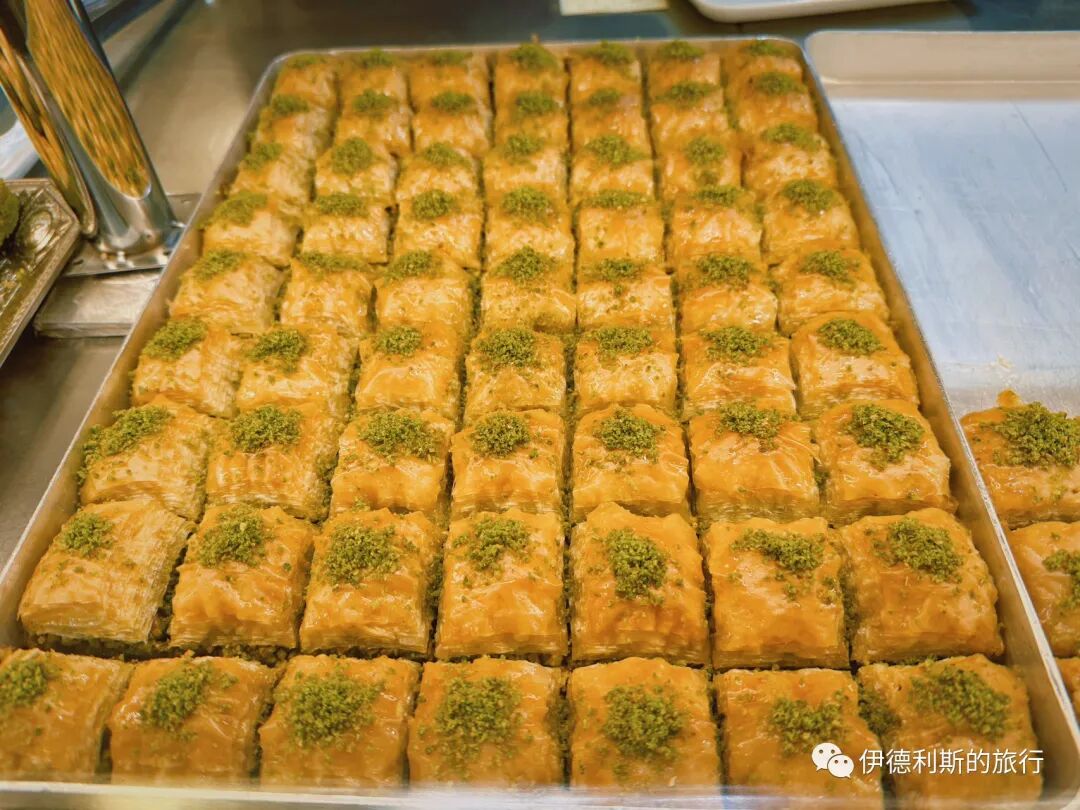
For a midnight snack in Istanbul, we had grilled lamb intestines (kokorech), tripe soup (işkembe çorbası), and stuffed mussels (midye).
Grilled lamb intestines (kokoreç) is a dish from the Byzantine era. It is made by stuffing lamb intestines with thymus, heart, lungs, kidneys, and some lamb fat, then roasting it with lemon, olive oil, oregano, salt, and pepper. After roasting, it is chopped up and sprinkled with oregano. You can eat it as is or inside a baguette, served with pickles and lemon.
The term for tripe soup (işkembe çorbası) comes from Persian and is popular in Turkey and the Balkans. Evliya Çelebi recorded in his travelogues that there were 300 tripe soup shops in Istanbul during the 18th century. Turkish people add vinegar-garlic sauce or egg-lemon sauce (avgolemono) when drinking tripe soup.
Stuffed mussels (midye) are a classic street food in Turkish coastal cities. Rice, oil, salt, and various spices are put inside the mussels, then they are cooked and cooled. You squeeze lemon on them before eating. This dish was first invented by Armenians during the Ottoman Empire and became popular in Istanbul in the 19th century. After the 1960s, people from Mardin who migrated to Istanbul began making stuffed mussels (midye). To this day, most of the carts selling stuffed mussels (midye) on the streets of Istanbul are run by people from Mardin, and they make them spicier than the Armenians did.
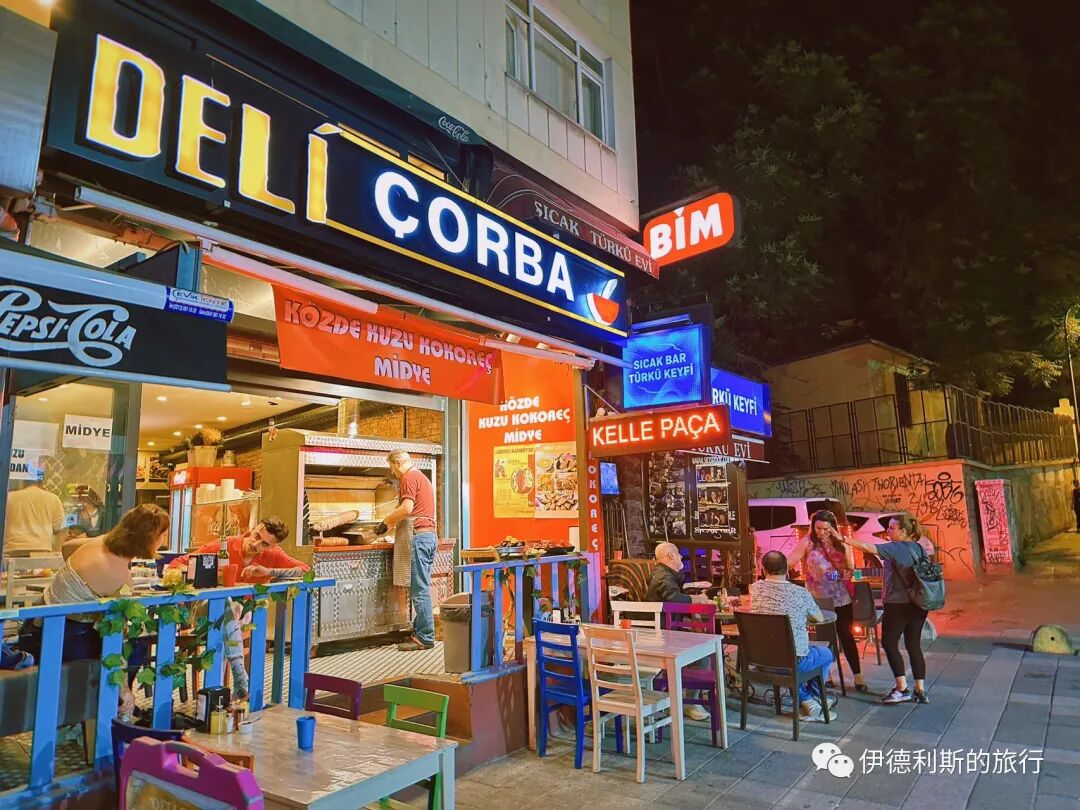
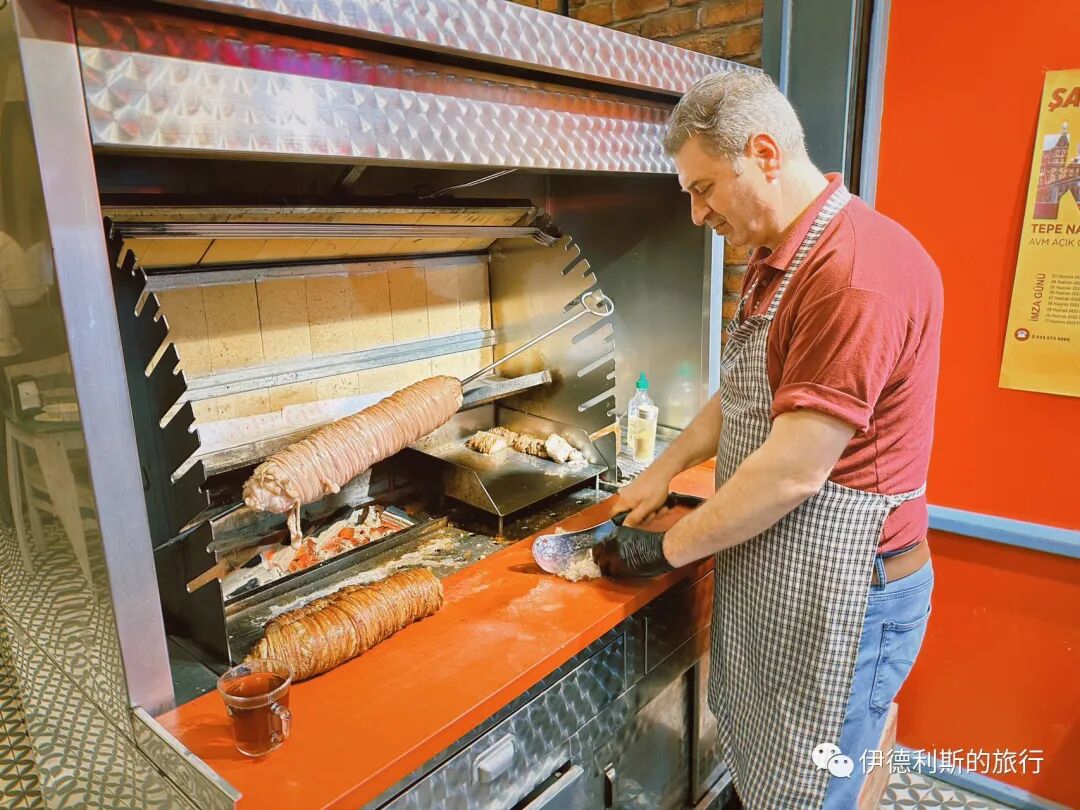
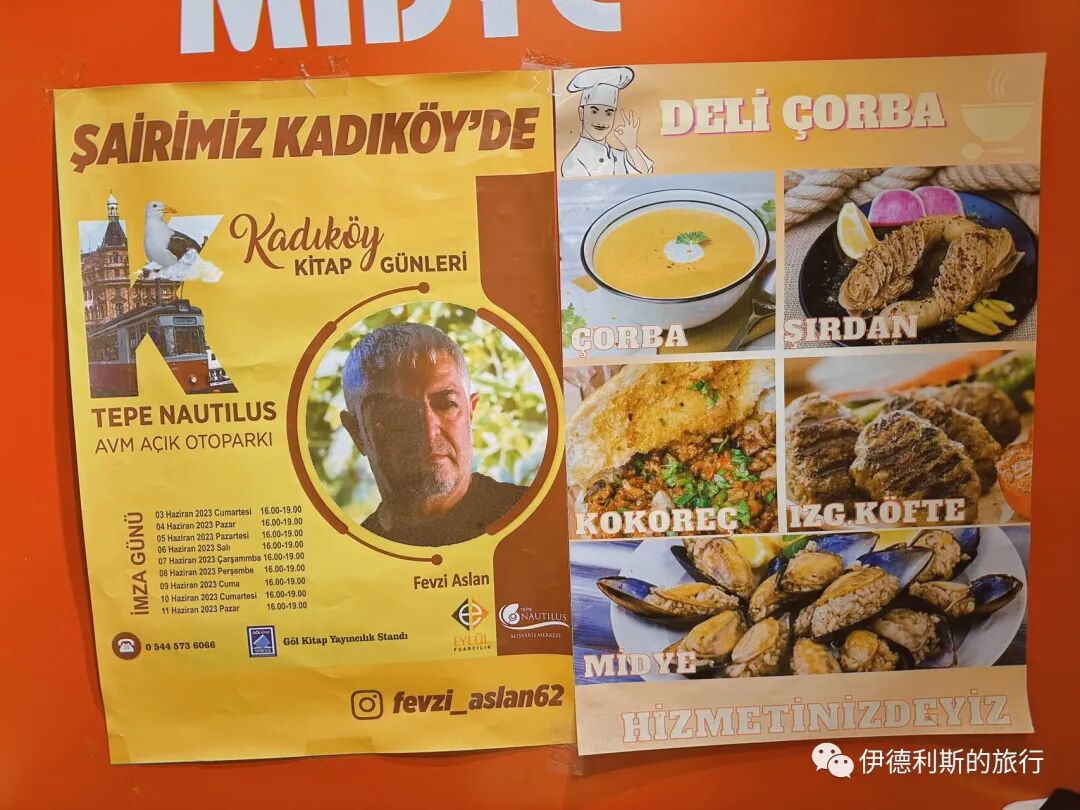
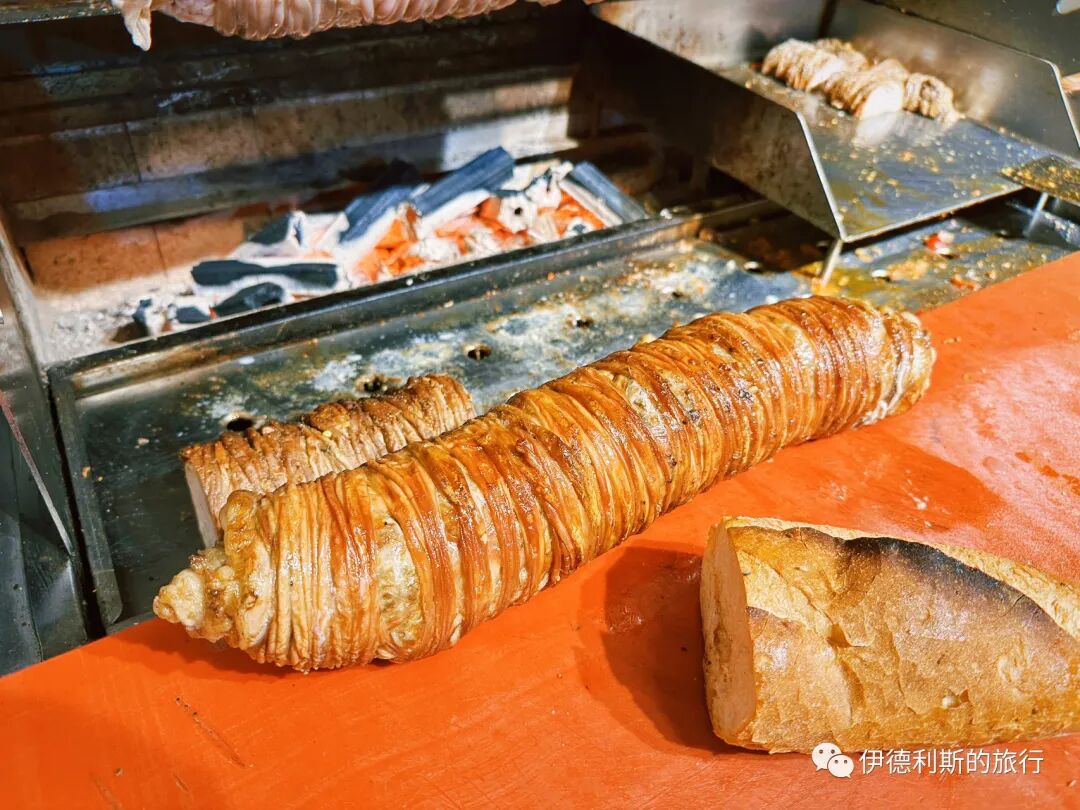
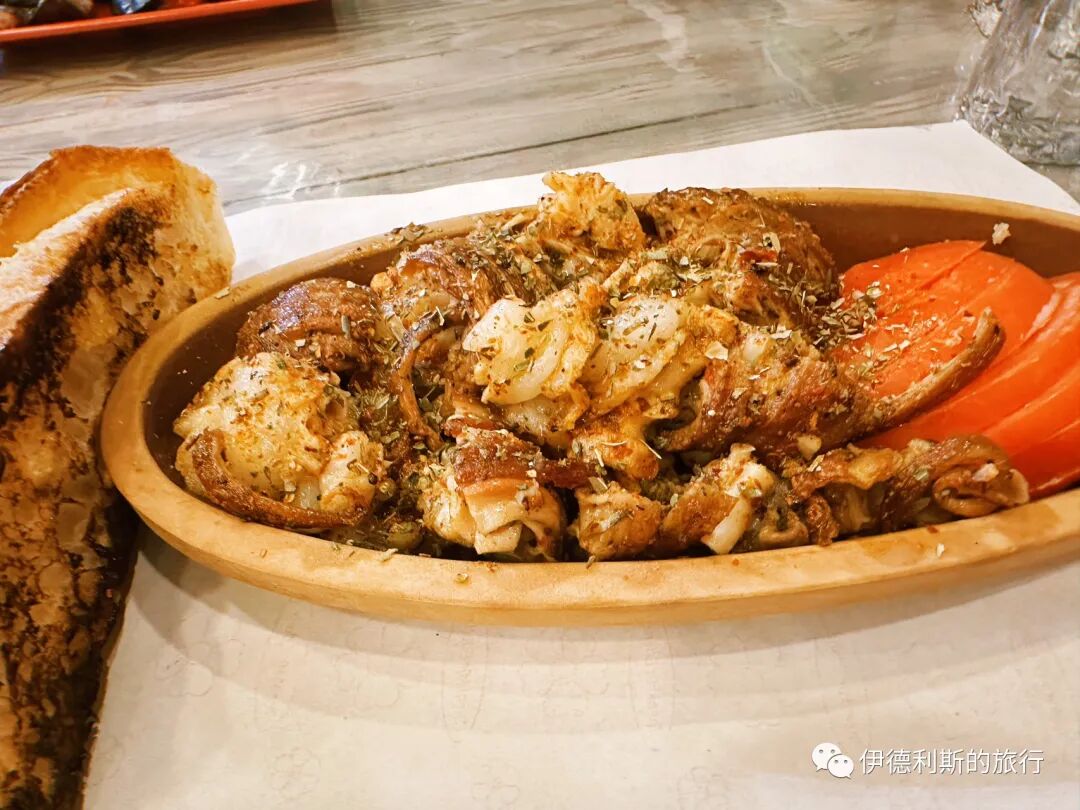
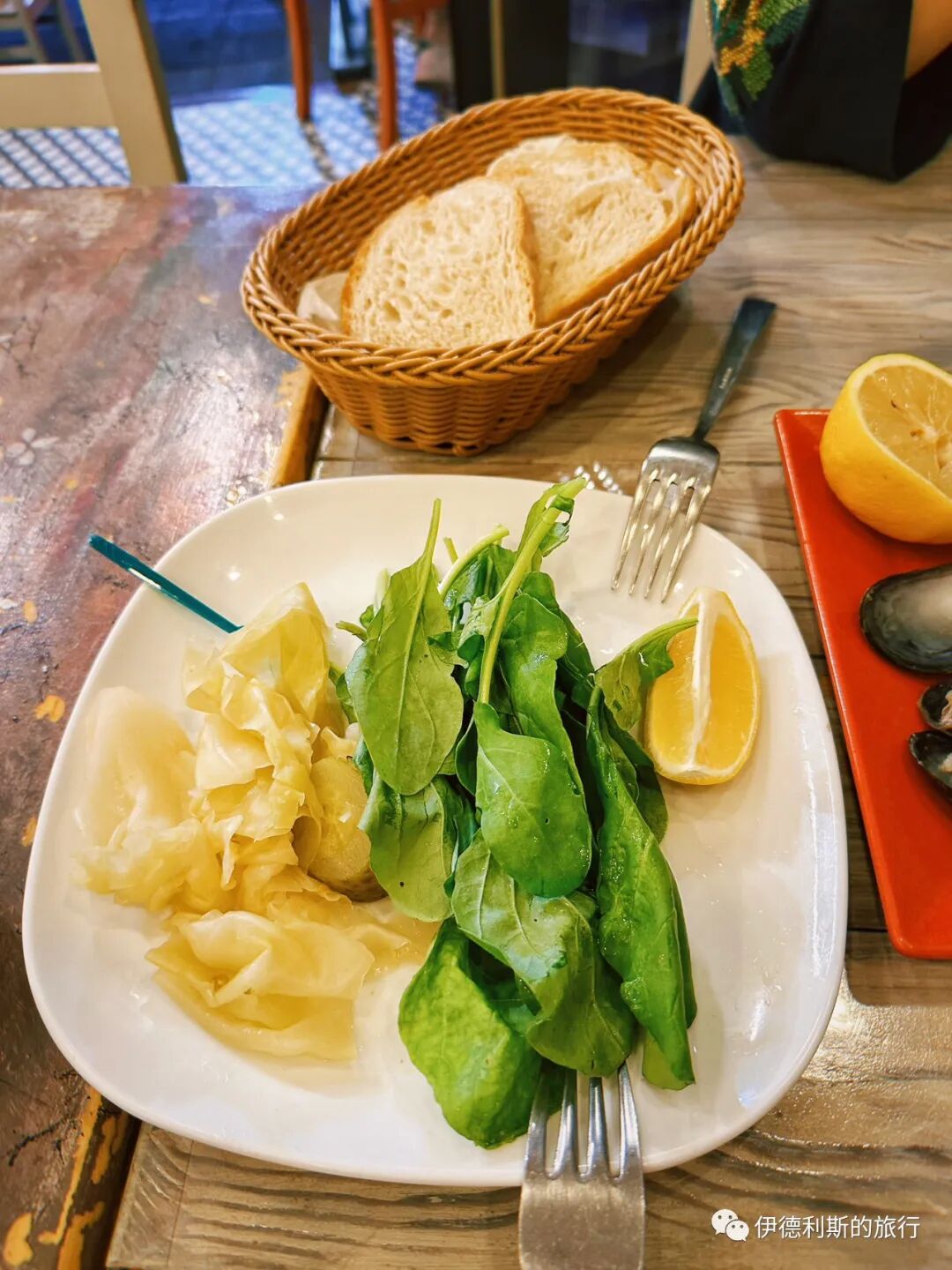
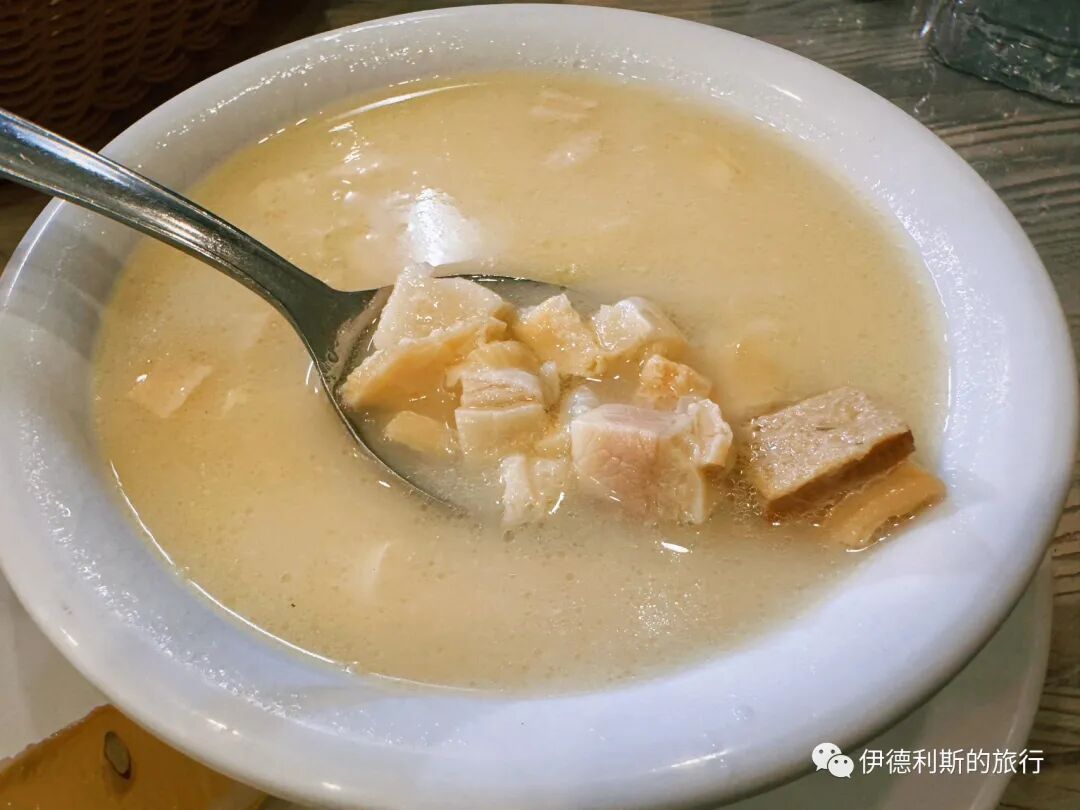
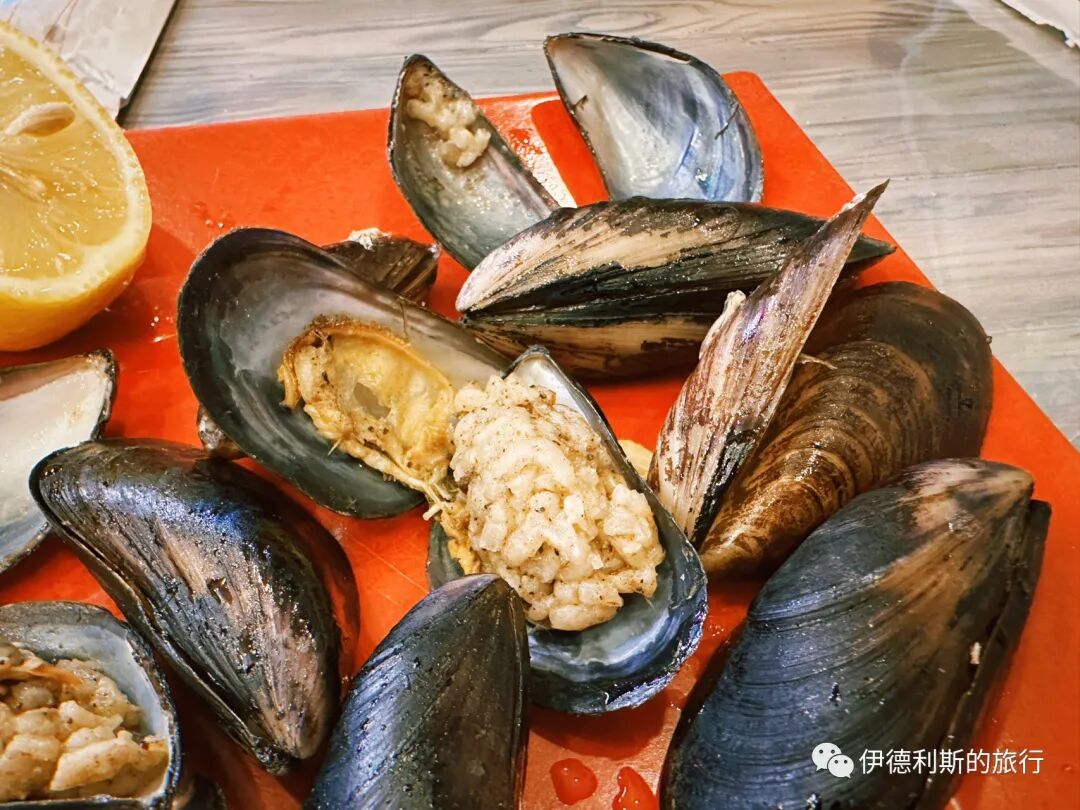
Istanbul residents really love coffee. When we returned to the cafe downstairs from our place at midnight, many people were drinking coffee, and when we left at six in the morning, people were still drinking it. However, charcoal-roasted Turkish coffee is truly delicious, and it is very refreshing when served with a glass of water and a piece of chocolate.
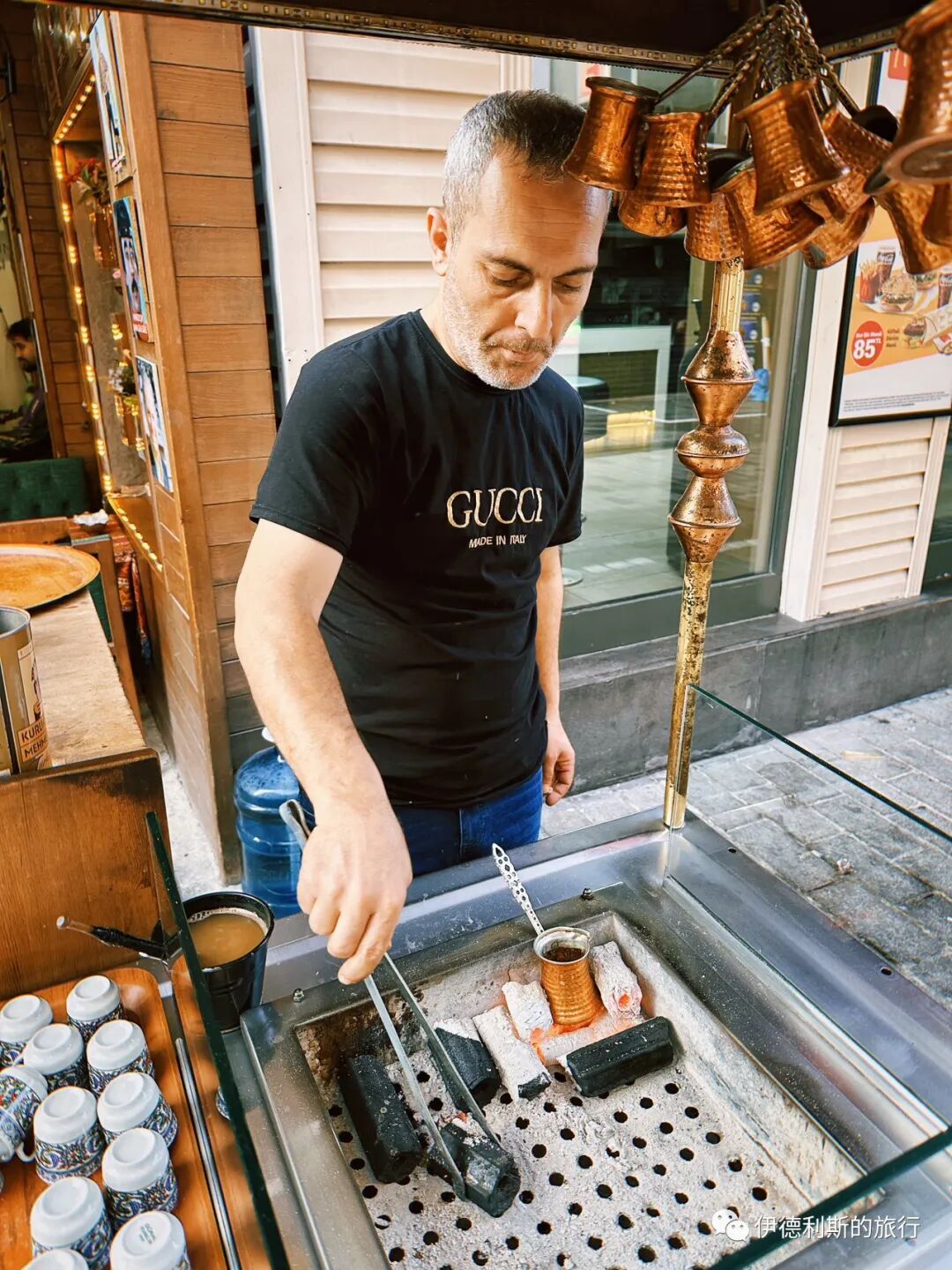
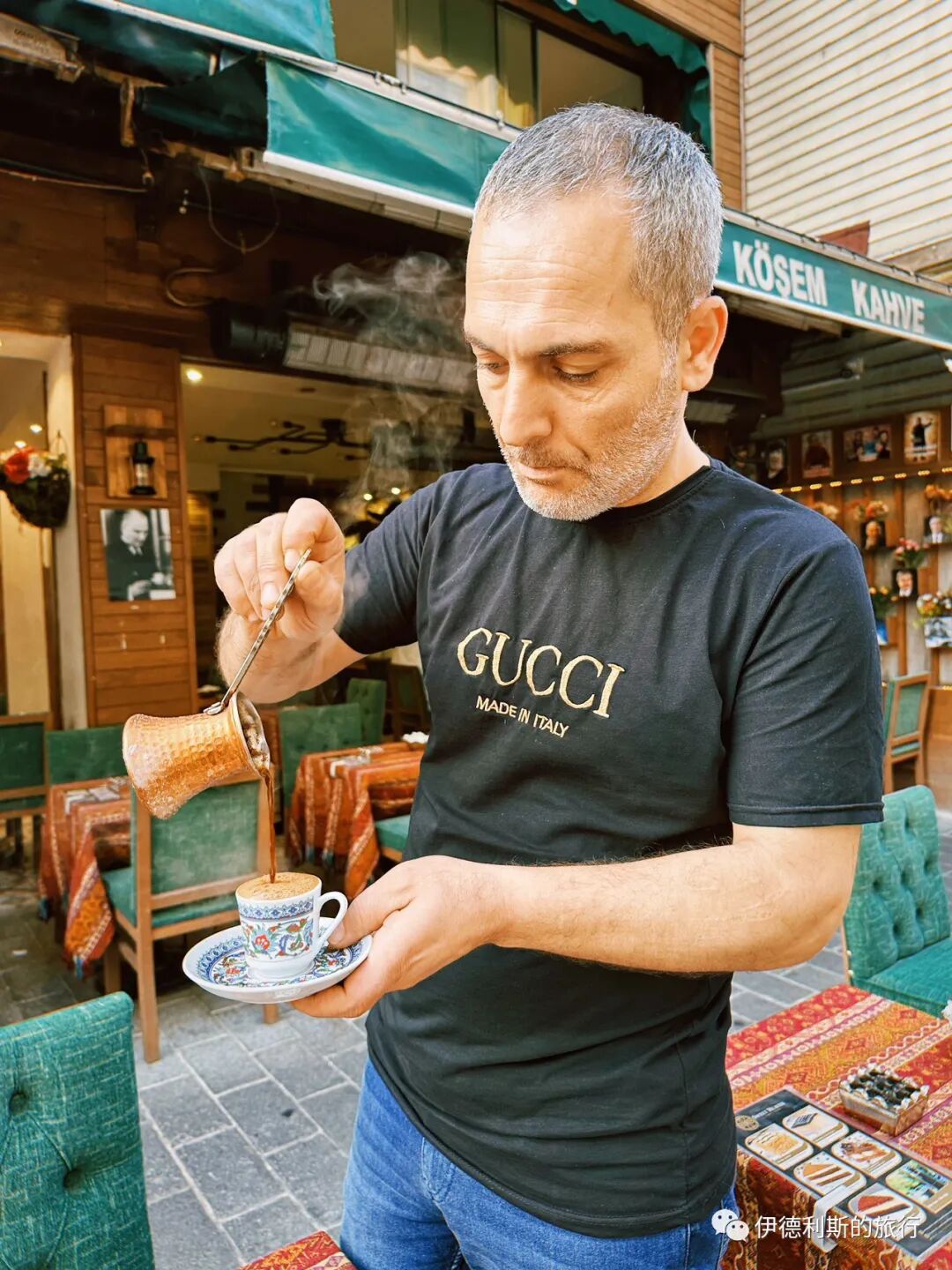
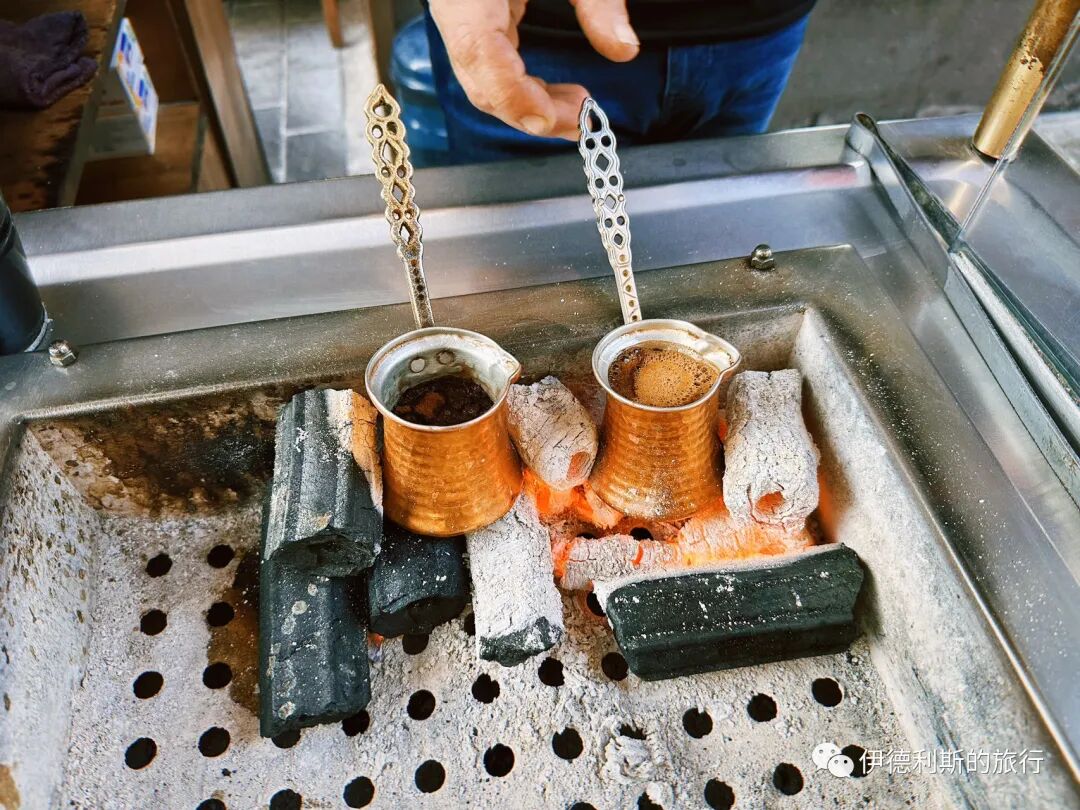
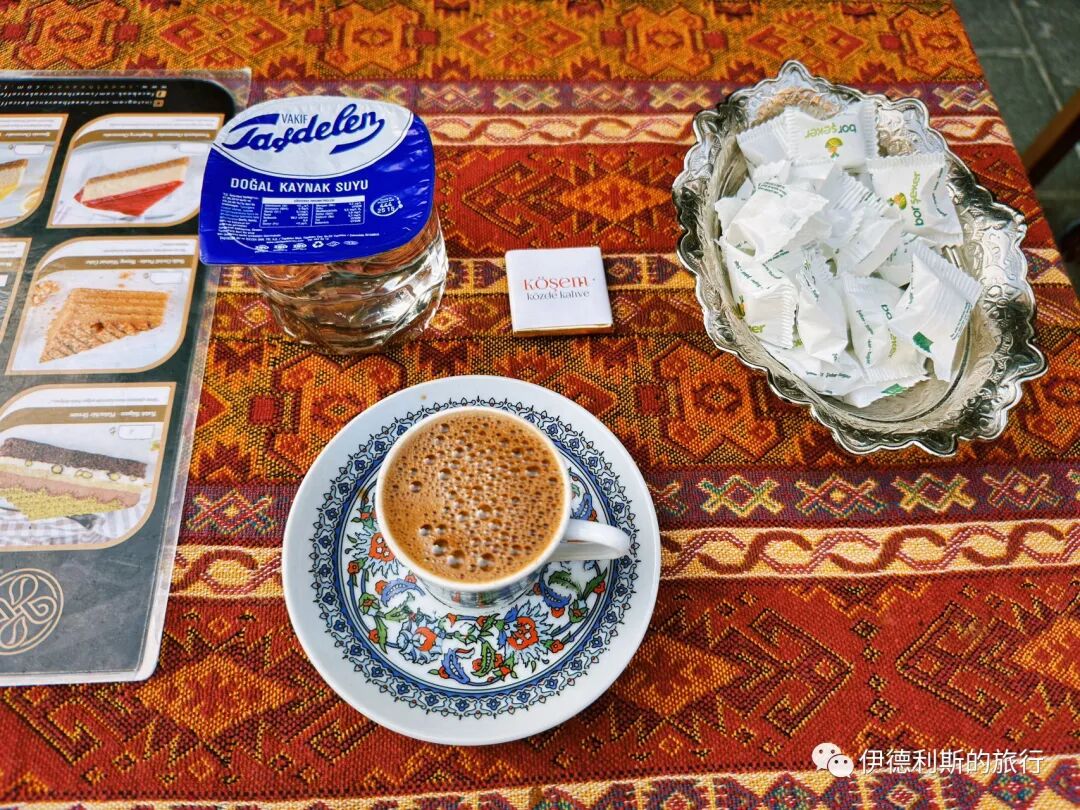
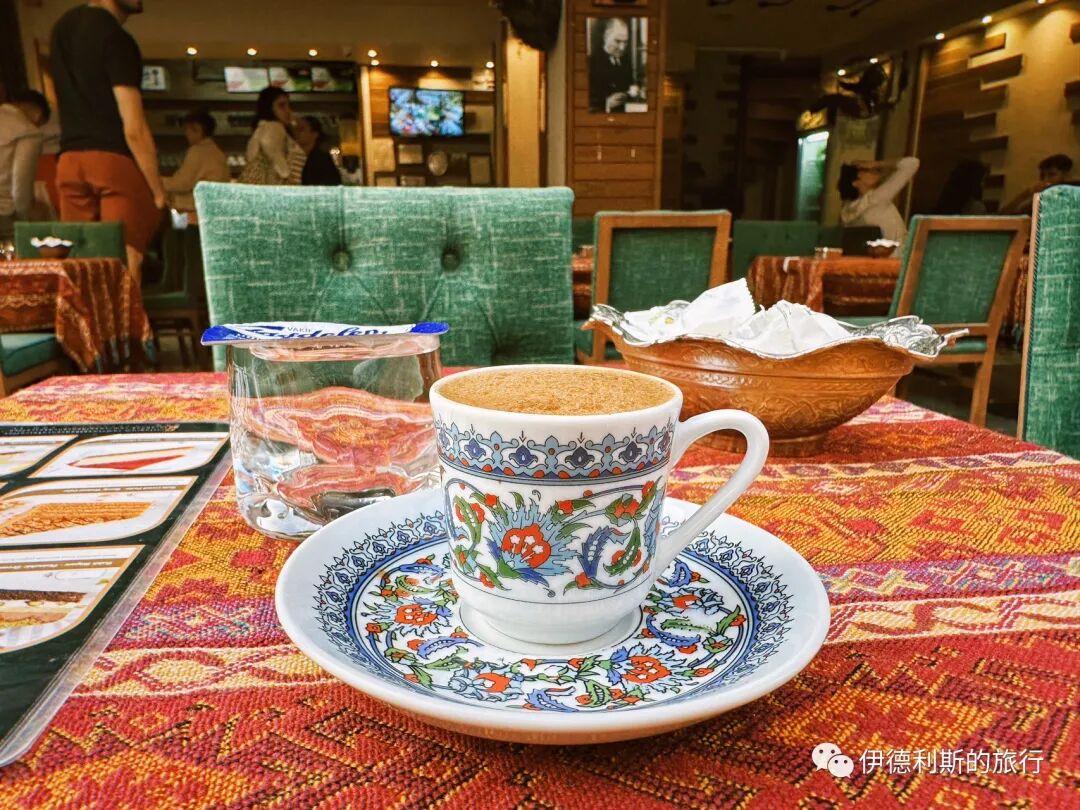
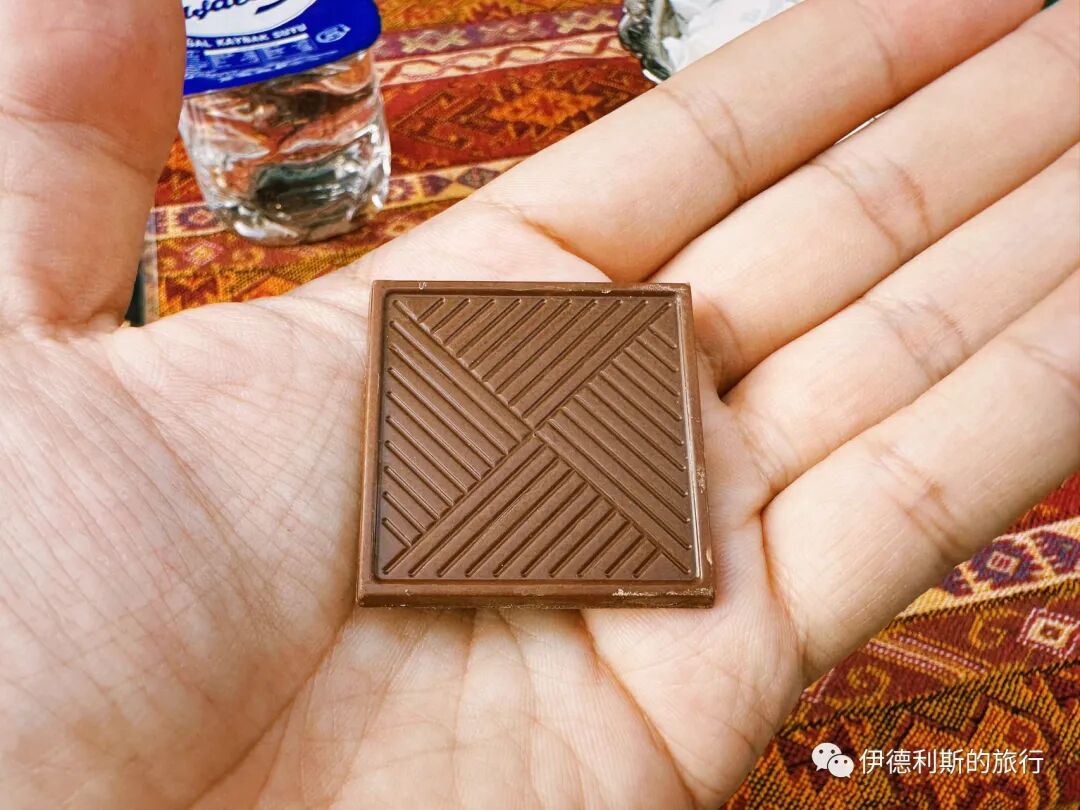
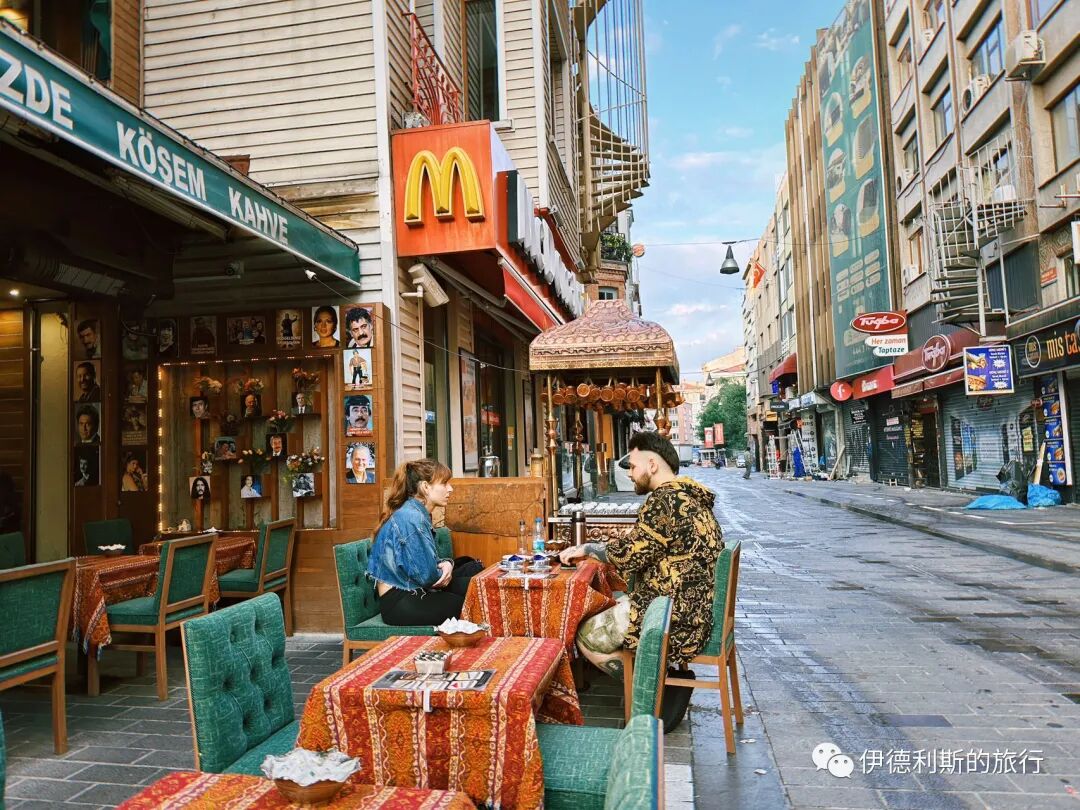
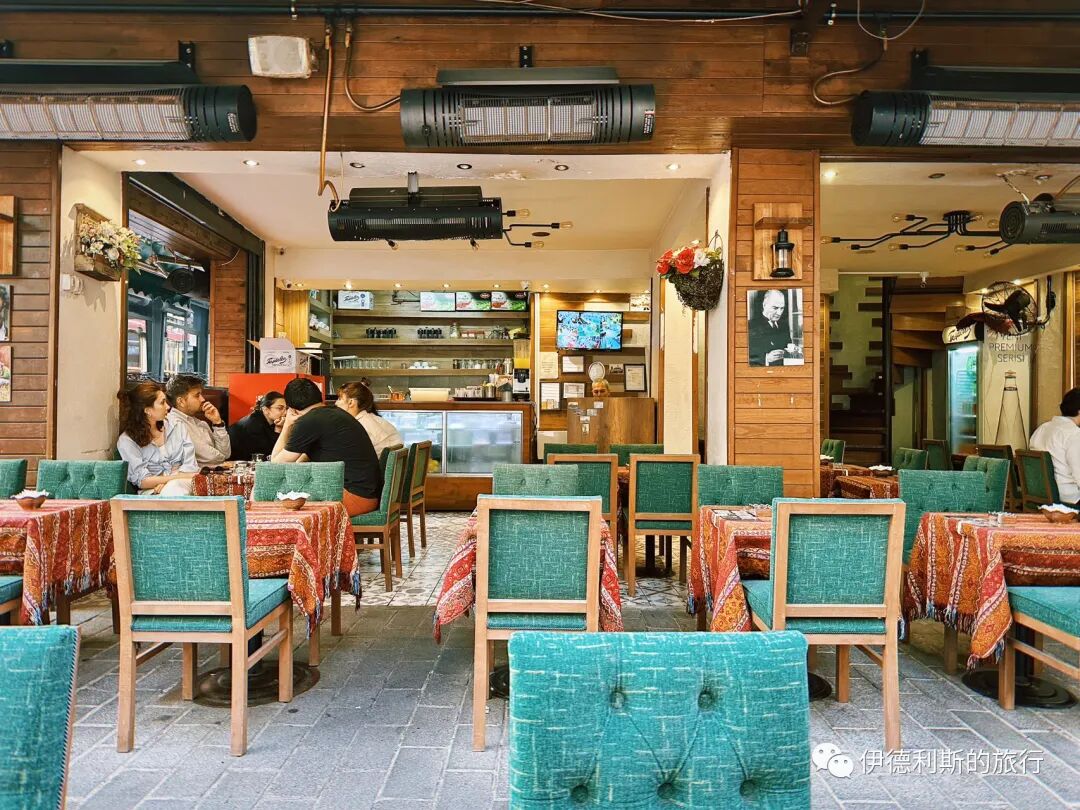
Further reading:
Early Ottoman architecture in Istanbul
Istanbul food tour
Museum of Turkish and Islamic Arts in Istanbul
Visiting the museum at Istanbul Airport
Museum of Turkish and Islamic Arts
The Great Ottoman Architect Mimar Sinan (Part 1): Early Years
The Great Ottoman Architect Mimar Sinan (Part 2): Maturity
The Great Ottoman Architect Mimar Sinan (Part 3): Peak Years
Istanbul Halal Food Notes — Part 1
Articles • ali2007fr posted the article • 0 comments • 140 views • 2026-05-18 07:59
Summary: Istanbul — Mosques, Turkish Food and Ottoman Streets is presented here as a firsthand travel account in clear English, beginning with this scene: I spent half a month traveling in Turkey from September to October 2018. While visiting historical sites in Istanbul, I tried some local food and would like to share it with you here. The account keeps its focus on Istanbul Travel, Turkish Food, Ottoman Heritage while preserving the names, places, food, and historical details from the Chinese source. This final block is 2 of 2.
Block 2 of 2
Main course
A type of kebab called testi kebab eaten at this restaurant called Urfalim Lahmacun. Testi kebab comes from Central Anatolia and the Black Sea region. Testi means jar or pot in Turkish, and it involves cooking various meats and vegetables in a clay pot.
Arabic flatbread, which is very thin.
This soup is called ezogelin. It is made from crushed dried wheat and red lentils, with ingredients including rice, olive oil, butter, onions, garlic, tomatoes, chili peppers, dried mint, black pepper, and salt.
I had a dish called patlıcanlı kebab, which translates to eggplant kebab, at a bazaar next to the Rüstem Pasha Mosque in the evening, along with a drink called yayık ayran, which is a honey yogurt drink. view all
Summary: Istanbul — Mosques, Turkish Food and Ottoman Streets is presented here as a firsthand travel account in clear English, beginning with this scene: I spent half a month traveling in Turkey from September to October 2018. While visiting historical sites in Istanbul, I tried some local food and would like to share it with you here. The account keeps its focus on Istanbul Travel, Turkish Food, Ottoman Heritage while preserving the names, places, food, and historical details from the Chinese source. This final block is 2 of 2.
Block 2 of 2
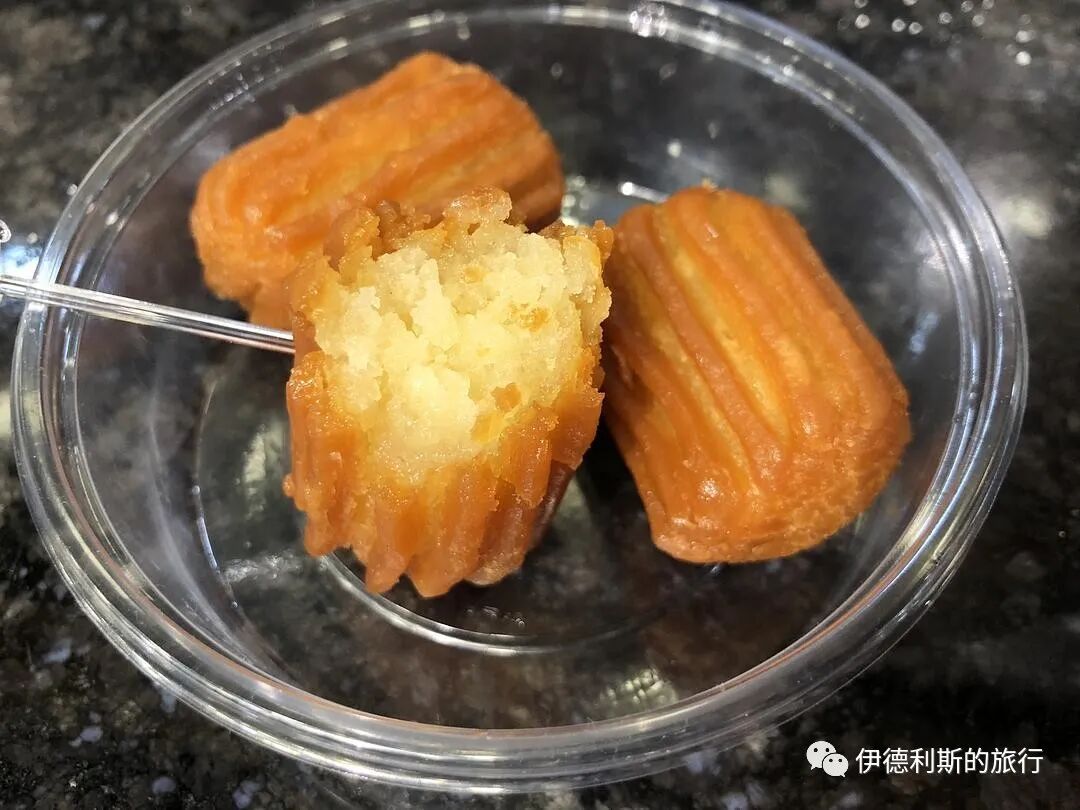
Main course
A type of kebab called testi kebab eaten at this restaurant called Urfalim Lahmacun. Testi kebab comes from Central Anatolia and the Black Sea region. Testi means jar or pot in Turkish, and it involves cooking various meats and vegetables in a clay pot.
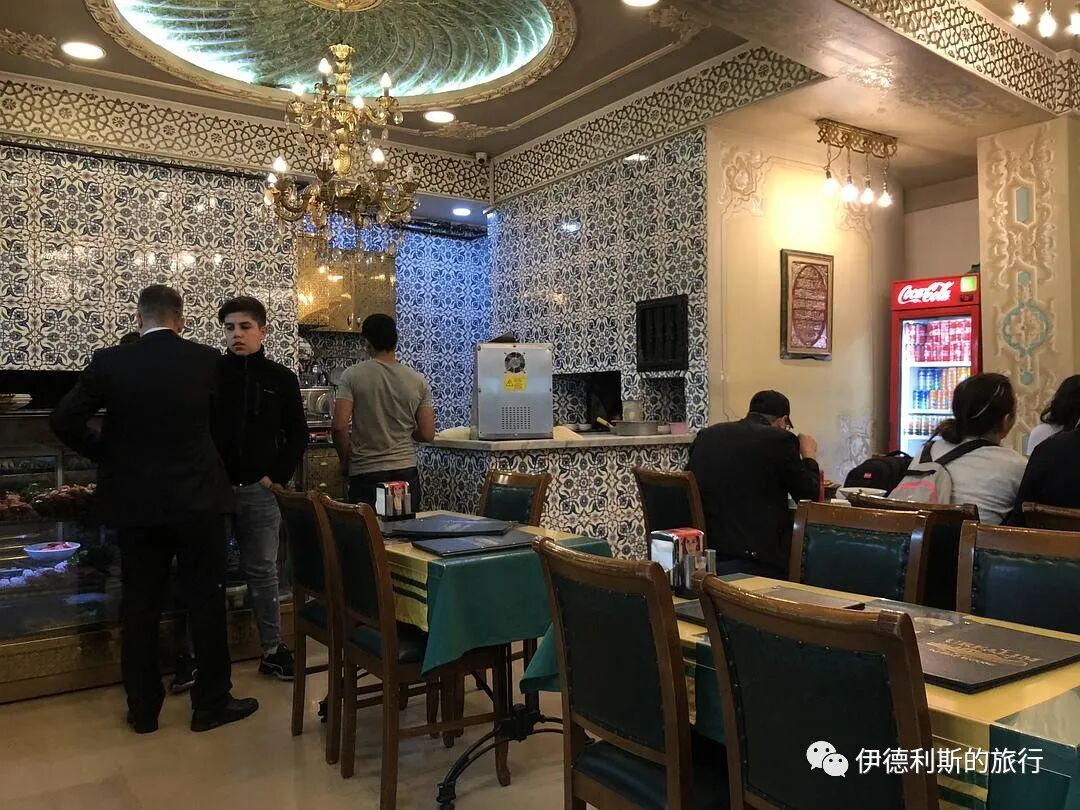
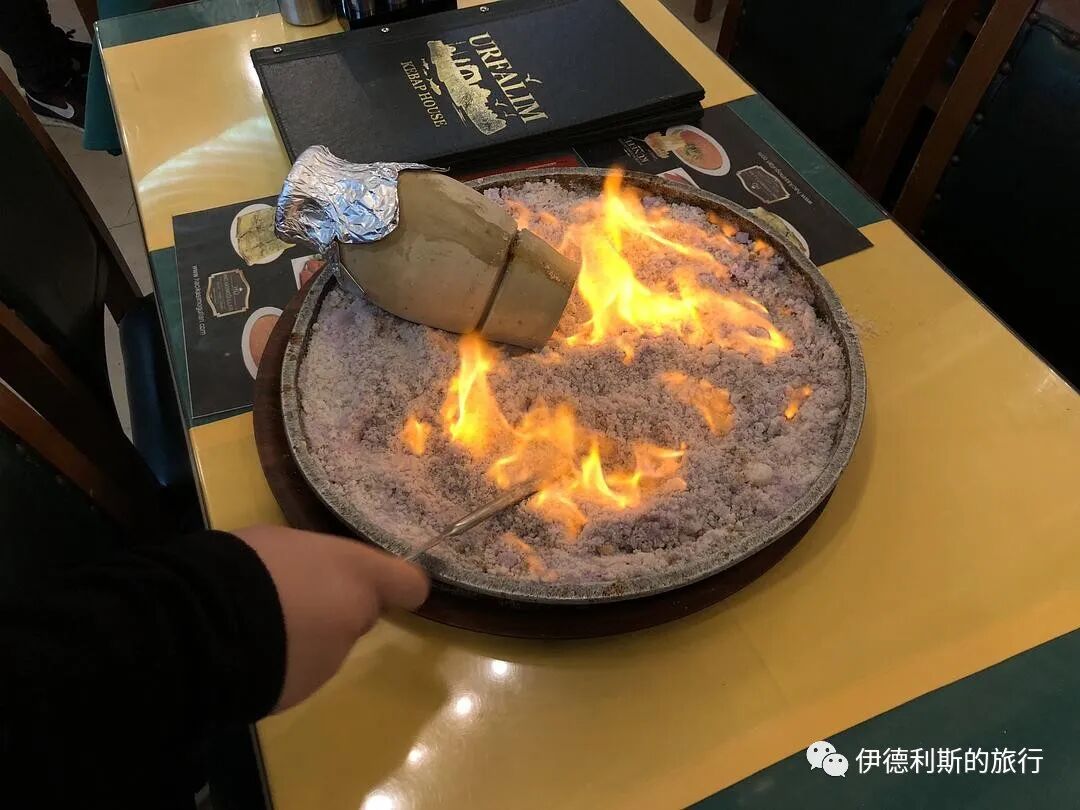
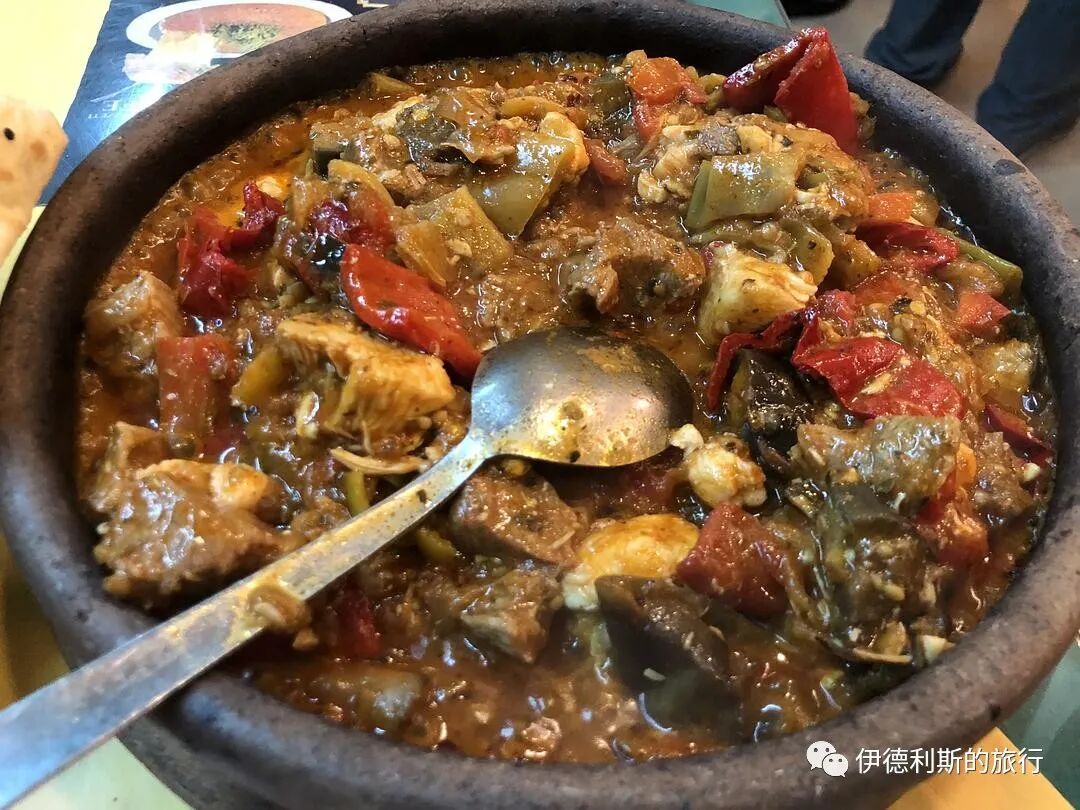
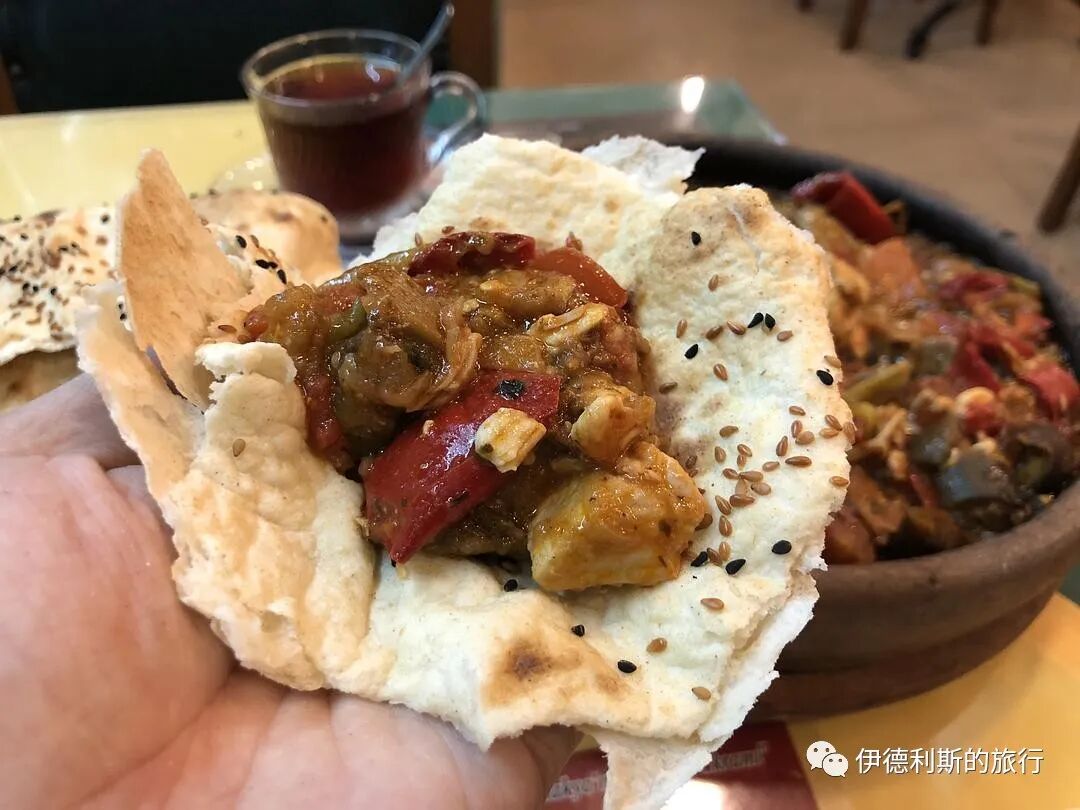
Arabic flatbread, which is very thin.
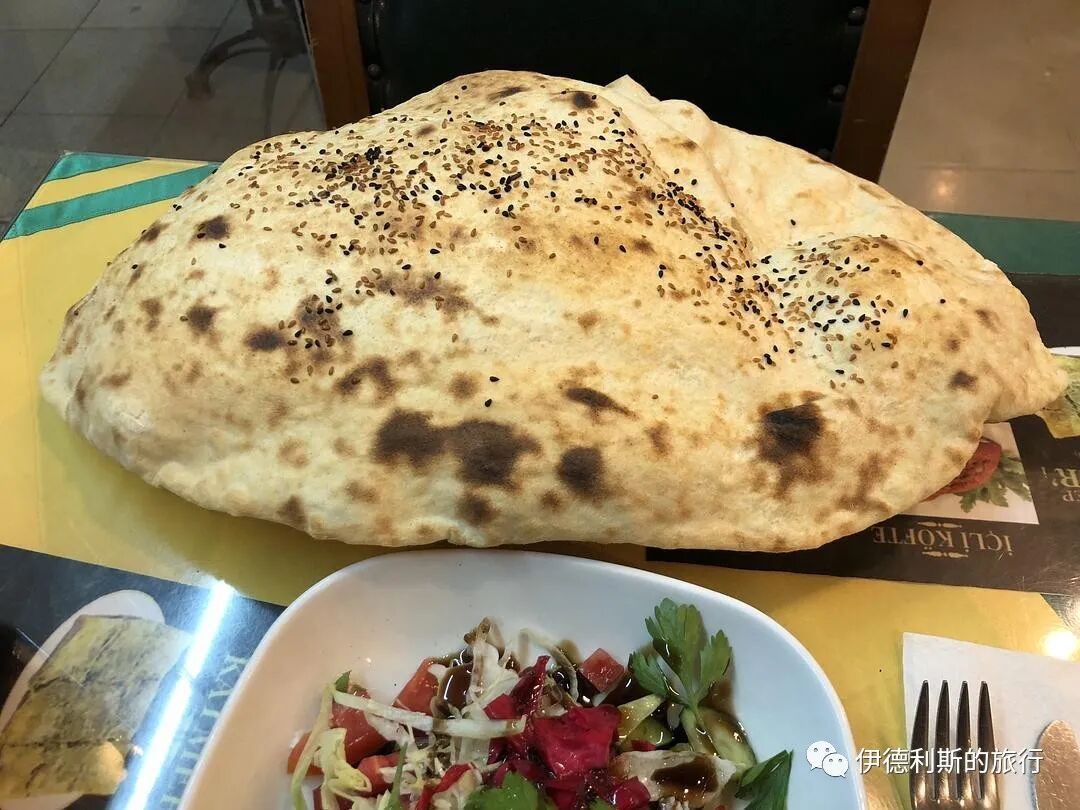
This soup is called ezogelin. It is made from crushed dried wheat and red lentils, with ingredients including rice, olive oil, butter, onions, garlic, tomatoes, chili peppers, dried mint, black pepper, and salt.
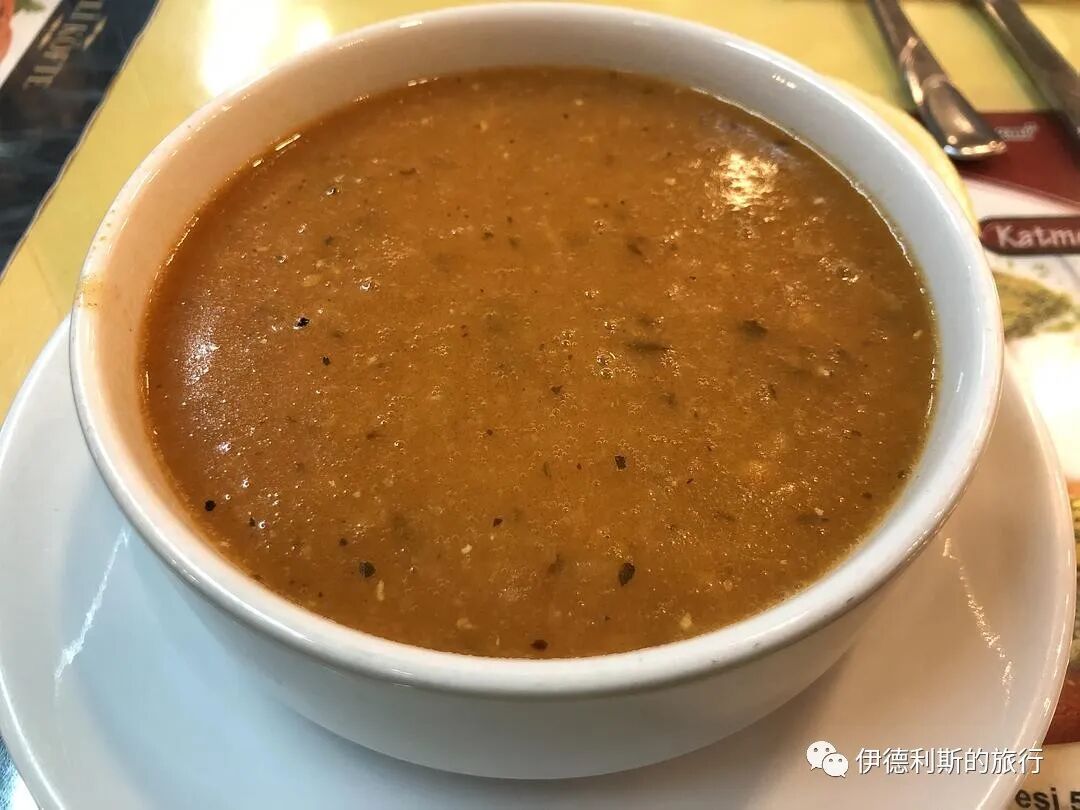
I had a dish called patlıcanlı kebab, which translates to eggplant kebab, at a bazaar next to the Rüstem Pasha Mosque in the evening, along with a drink called yayık ayran, which is a honey yogurt drink.
Halal Travel Guide: Istanbul — Mosques, Turkish Food and Ottoman Streets (Part 1 of 3) — Section 2 of 2 — Block 2 of 2
Articles • ali2007fr posted the article • 0 comments • 129 views • 2026-05-18 07:52
Summary: Istanbul — Mosques, Turkish Food and Ottoman Streets is presented here as a firsthand travel account in clear English, beginning with this scene: I spent half a month traveling in Turkey from September to October 2018. While visiting historical sites in Istanbul, I tried some local food and would like to share it with you here. The account keeps its focus on Istanbul Travel, Turkish Food, Ottoman Heritage while preserving the names, places, food, and historical details from the Chinese source. This final block is 2 of 2.
Block 2 of 2
Main course
A type of kebab called testi kebab eaten at this restaurant called Urfalim Lahmacun. Testi kebab comes from Central Anatolia and the Black Sea region. Testi means jar or pot in Turkish, and it involves cooking various meats and vegetables in a clay pot.
Arabic flatbread, which is very thin.
This soup is called ezogelin. It is made from crushed dried wheat and red lentils, with ingredients including rice, olive oil, butter, onions, garlic, tomatoes, chili peppers, dried mint, black pepper, and salt.
I had a dish called patlıcanlı kebab, which translates to eggplant kebab, at a bazaar next to the Rüstem Pasha Mosque in the evening, along with a drink called yayık ayran, which is a honey yogurt drink. view all
Summary: Istanbul — Mosques, Turkish Food and Ottoman Streets is presented here as a firsthand travel account in clear English, beginning with this scene: I spent half a month traveling in Turkey from September to October 2018. While visiting historical sites in Istanbul, I tried some local food and would like to share it with you here. The account keeps its focus on Istanbul Travel, Turkish Food, Ottoman Heritage while preserving the names, places, food, and historical details from the Chinese source. This final block is 2 of 2.
Block 2 of 2
Main course
A type of kebab called testi kebab eaten at this restaurant called Urfalim Lahmacun. Testi kebab comes from Central Anatolia and the Black Sea region. Testi means jar or pot in Turkish, and it involves cooking various meats and vegetables in a clay pot.
Arabic flatbread, which is very thin.
This soup is called ezogelin. It is made from crushed dried wheat and red lentils, with ingredients including rice, olive oil, butter, onions, garlic, tomatoes, chili peppers, dried mint, black pepper, and salt.
I had a dish called patlıcanlı kebab, which translates to eggplant kebab, at a bazaar next to the Rüstem Pasha Mosque in the evening, along with a drink called yayık ayran, which is a honey yogurt drink.
Halal Travel Guide: Istanbul — Mosques, Turkish Food and Ottoman Streets (Part 1 of 3) — Section 2 of 2
Articles • ali2007fr posted the article • 0 comments • 130 views • 2026-05-18 07:52
Summary: Istanbul — Mosques, Turkish Food and Ottoman Streets is presented here as a firsthand travel account in clear English, beginning with this scene: I spent half a month traveling in Turkey from September to October 2018. While visiting historical sites in Istanbul, I tried some local food and would like to share it with you here. The account keeps its focus on Istanbul Travel, Turkish Food, Ottoman Heritage while preserving the names, places, food, and historical details from the Chinese source. This retry section is 2 of 2.
Section 2 of 2
Turkish coffee served with pudding on the street.
In the early Ottoman Empire, strong coffee was banned as a medicine, but the Sultan eventually lifted the ban because it became so popular with the people.
Turkish coffee is recognized by UNESCO as part of Turkey's intangible cultural heritage.
The picture below shows Vefa Bozacisi, the only boza shop in 19th-century Istanbul. It was opened in 1876 by brothers Haci Ibrahim and Haci Sadik in the Vefa district of Istanbul, near the entertainment center of the time, Direklerarası. It is still run by the great-grandchildren of Haci Sadik and Haci Ibrahim today.
Boza is a fermented grain drink popular in Turkey, Iran, the Balkans, Central Asia, and the Caucasus. In Turkey, it is usually made from fermented wheat. It is thick and tastes sweet with a hint of sourness.
In Chagatai Turkic, boza means a drink made from camel milk, while in Persian, büze is used to refer to millet. Central Asian Turkic people began calling fermented grain drinks, usually made from millet, boza in the 10th century. It later spread to the Caucasus and the Balkans and became an important town drink during the Ottoman Empire.
The snack in the picture below is called tulumba tatlısı, which is deep-fried dough soaked in syrup. It is widely popular in former Ottoman regions, including Turkey, the Balkans, and Armenia. It is also called balah alsham in Arab regions and is often eaten during Ramadan.
Main course
A type of kebab called testi kebab eaten at this restaurant called Urfalim Lahmacun. Testi kebab comes from Central Anatolia and the Black Sea region. Testi means jar or pot in Turkish, and it involves cooking various meats and vegetables in a clay pot.
Arabic flatbread, which is very thin.
This soup is called ezogelin. It is made from crushed dried wheat and red lentils, with ingredients including rice, olive oil, butter, onions, garlic, tomatoes, chili peppers, dried mint, black pepper, and salt.
I had a dish called patlıcanlı kebab, which translates to eggplant kebab, at a bazaar next to the Rüstem Pasha Mosque in the evening, along with a drink called yayık ayran, which is a honey yogurt drink. view all
Summary: Istanbul — Mosques, Turkish Food and Ottoman Streets is presented here as a firsthand travel account in clear English, beginning with this scene: I spent half a month traveling in Turkey from September to October 2018. While visiting historical sites in Istanbul, I tried some local food and would like to share it with you here. The account keeps its focus on Istanbul Travel, Turkish Food, Ottoman Heritage while preserving the names, places, food, and historical details from the Chinese source. This retry section is 2 of 2.
Section 2 of 2
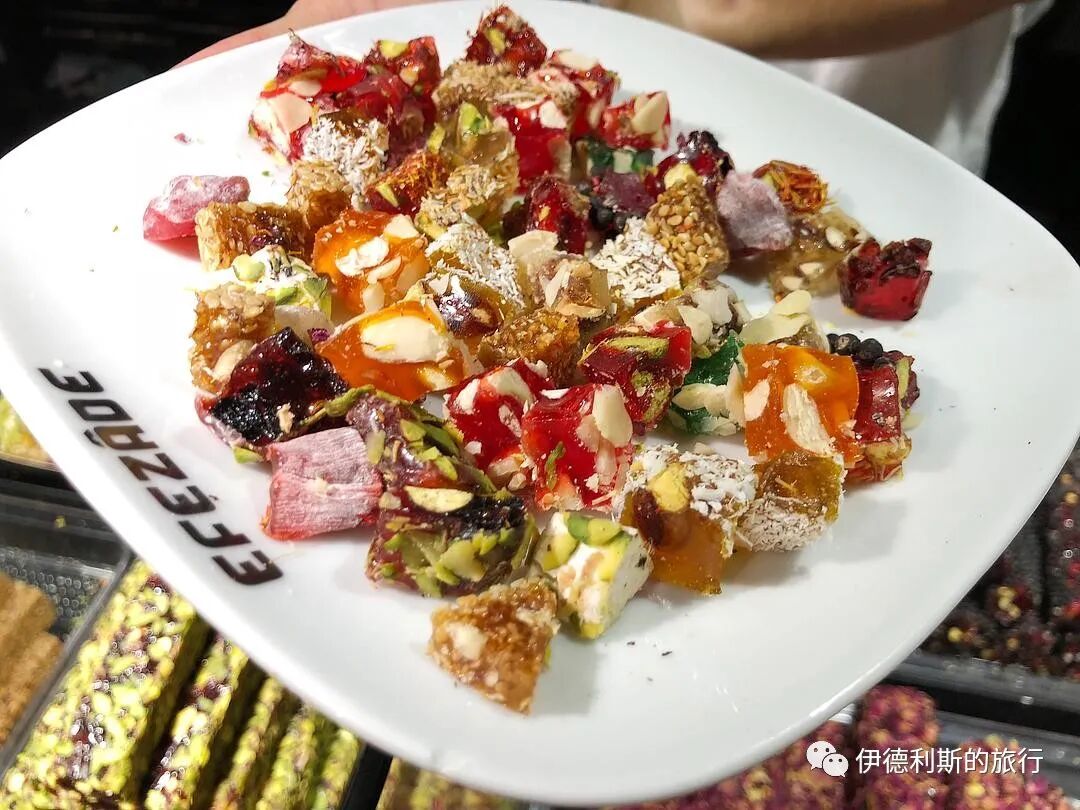
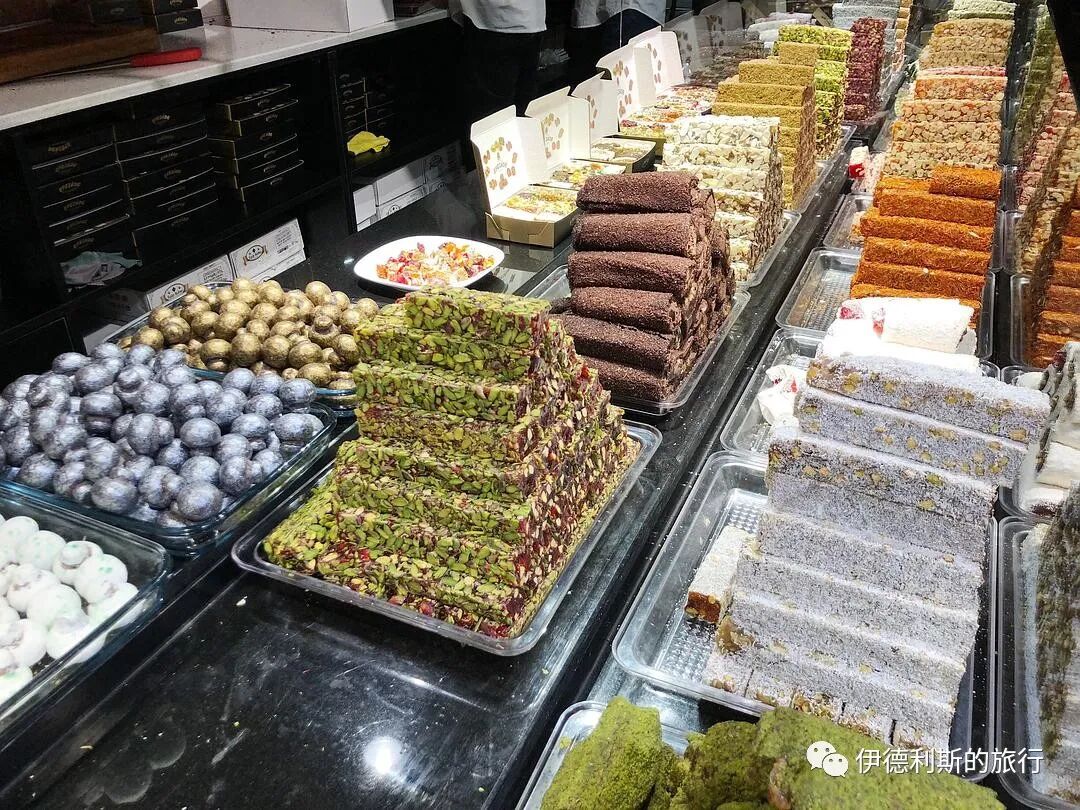
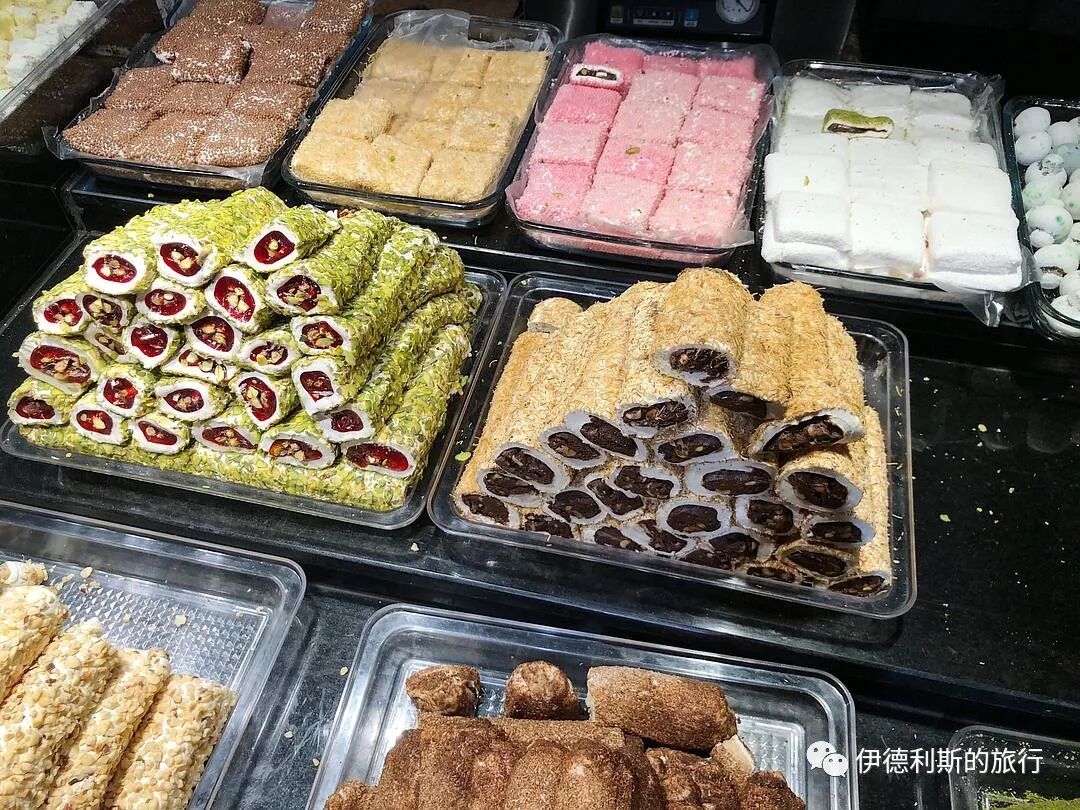
Turkish coffee served with pudding on the street.
In the early Ottoman Empire, strong coffee was banned as a medicine, but the Sultan eventually lifted the ban because it became so popular with the people.
Turkish coffee is recognized by UNESCO as part of Turkey's intangible cultural heritage.
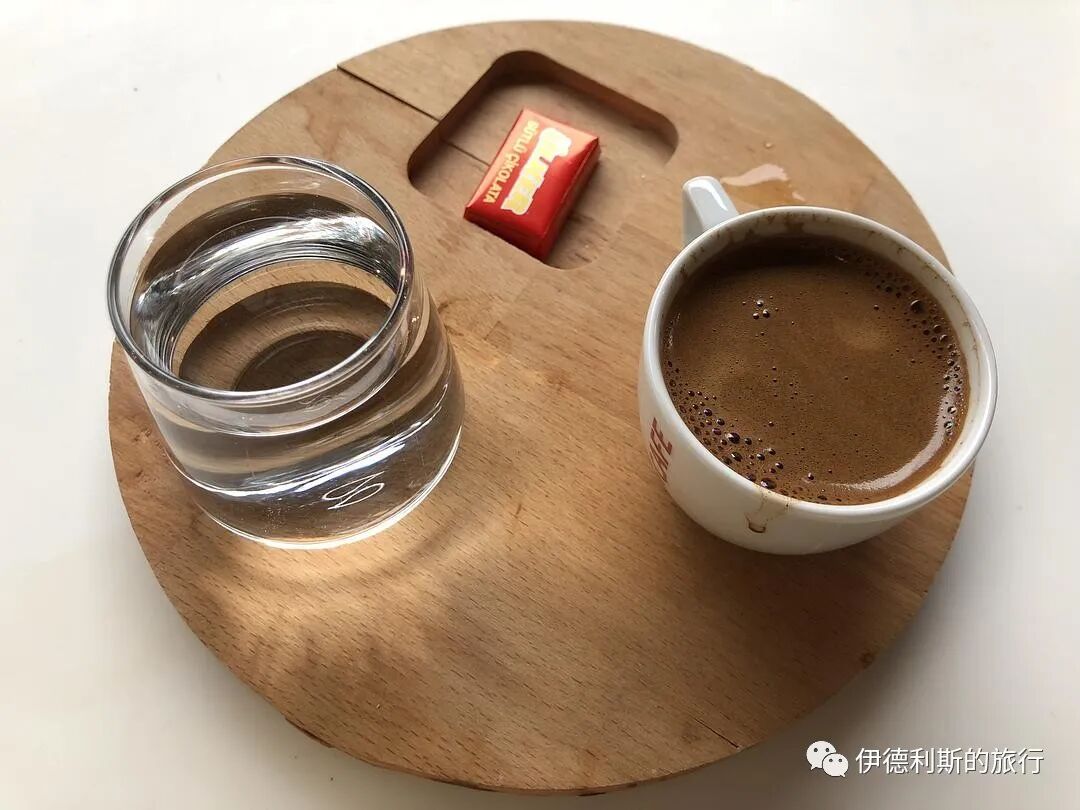
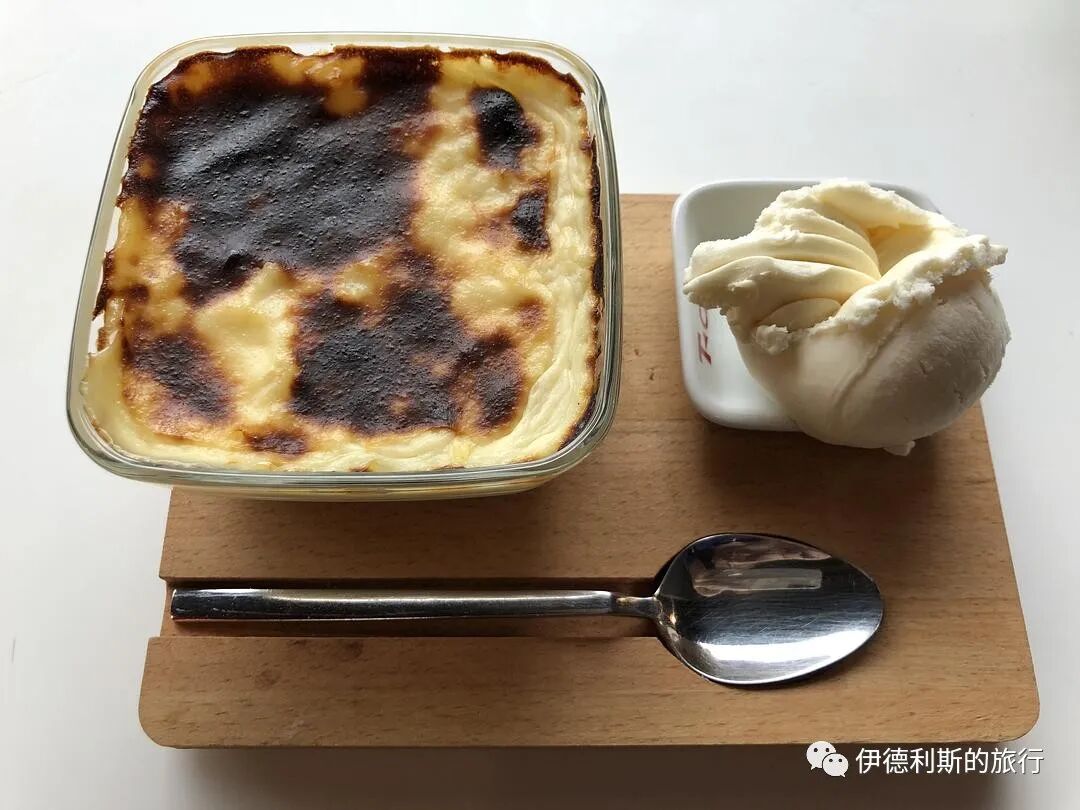
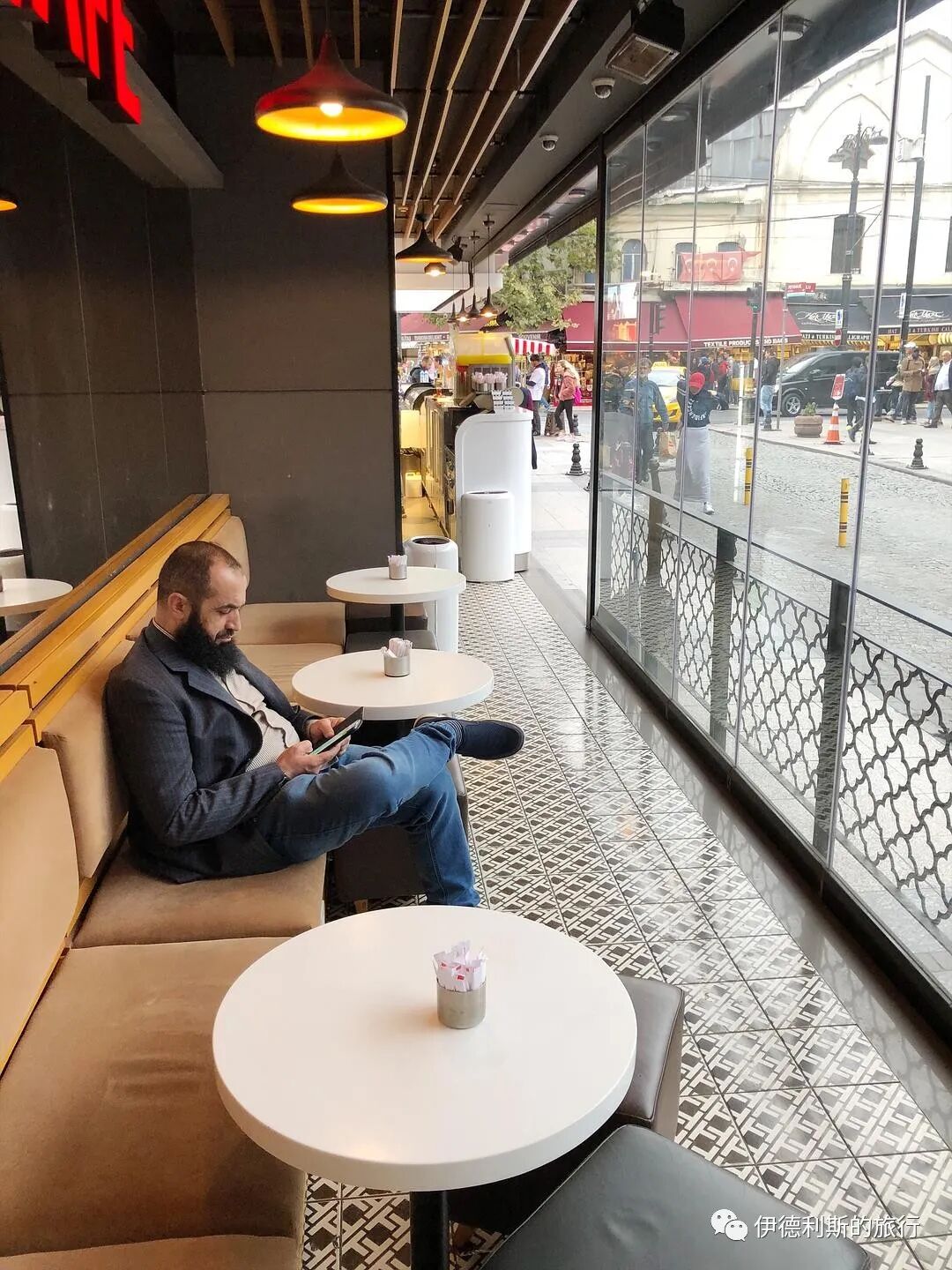
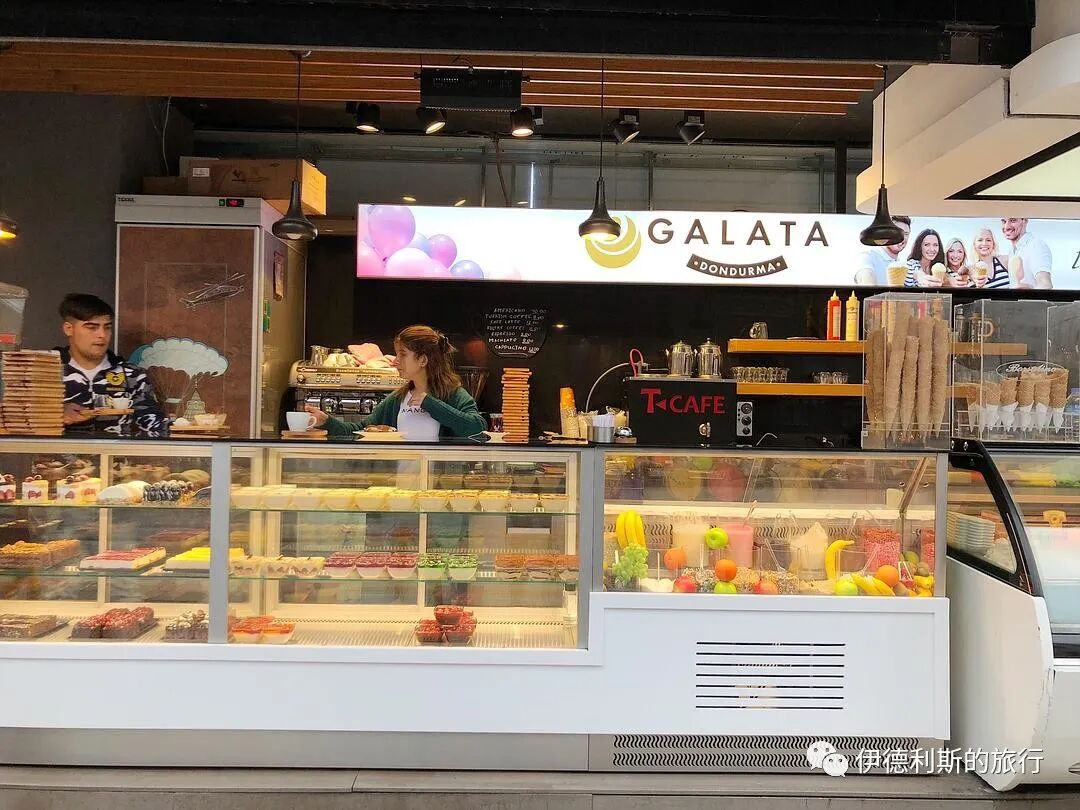
The picture below shows Vefa Bozacisi, the only boza shop in 19th-century Istanbul. It was opened in 1876 by brothers Haci Ibrahim and Haci Sadik in the Vefa district of Istanbul, near the entertainment center of the time, Direklerarası. It is still run by the great-grandchildren of Haci Sadik and Haci Ibrahim today.
Boza is a fermented grain drink popular in Turkey, Iran, the Balkans, Central Asia, and the Caucasus. In Turkey, it is usually made from fermented wheat. It is thick and tastes sweet with a hint of sourness.
In Chagatai Turkic, boza means a drink made from camel milk, while in Persian, büze is used to refer to millet. Central Asian Turkic people began calling fermented grain drinks, usually made from millet, boza in the 10th century. It later spread to the Caucasus and the Balkans and became an important town drink during the Ottoman Empire.
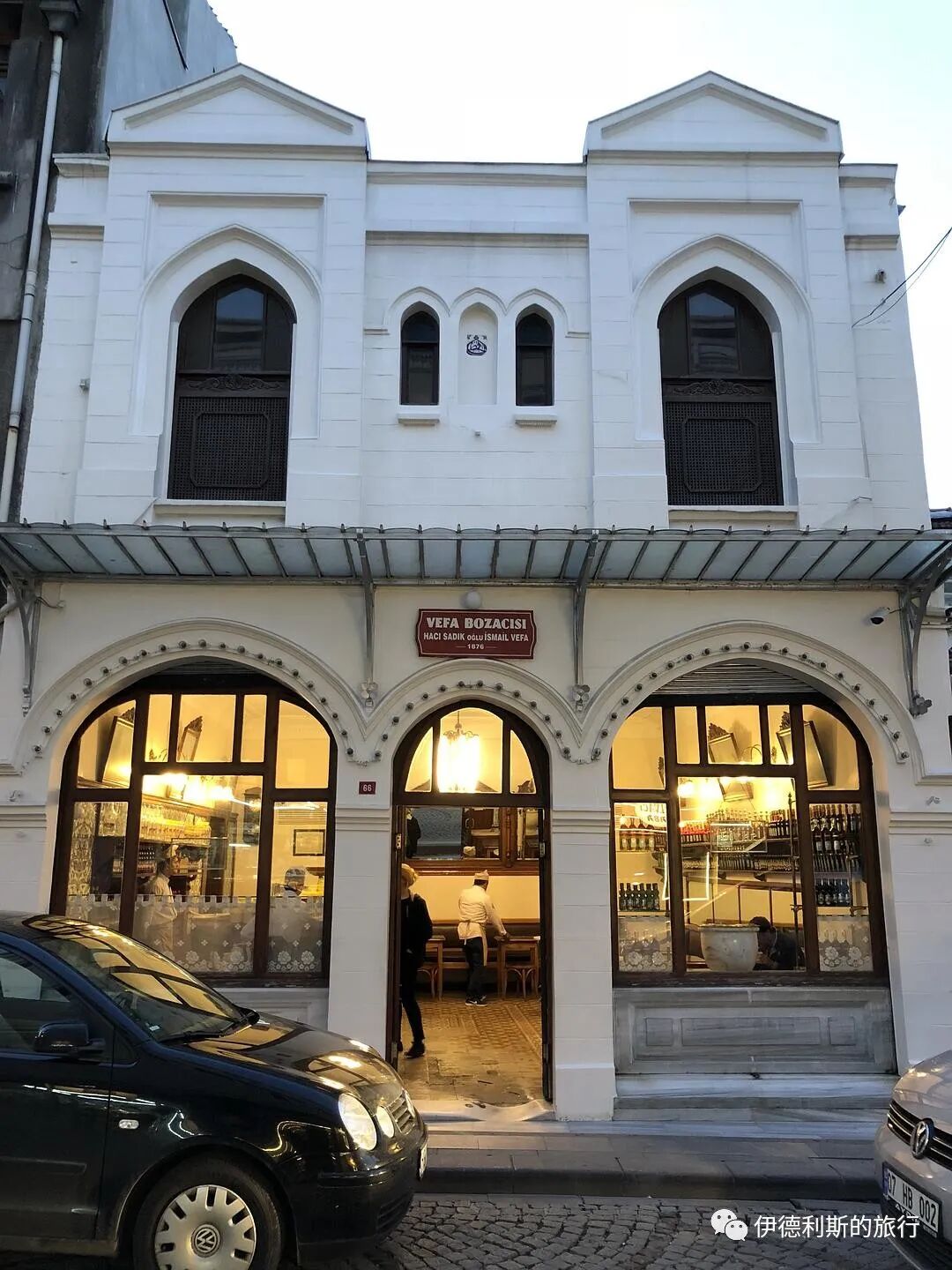
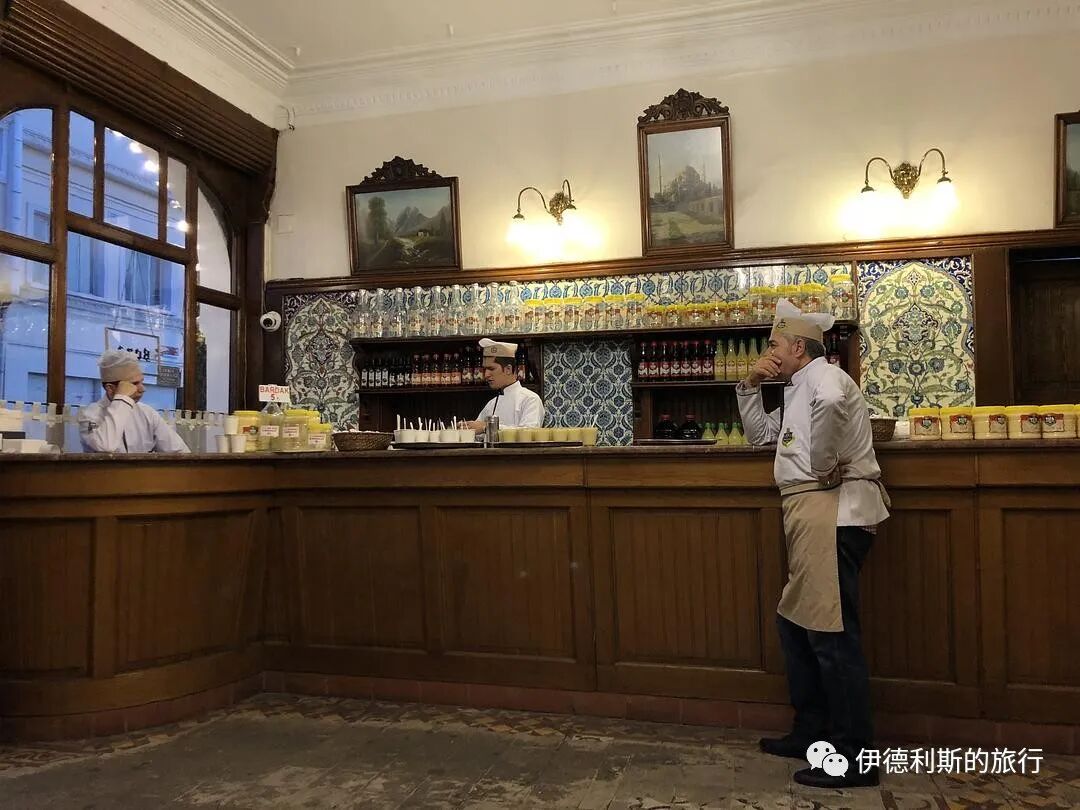
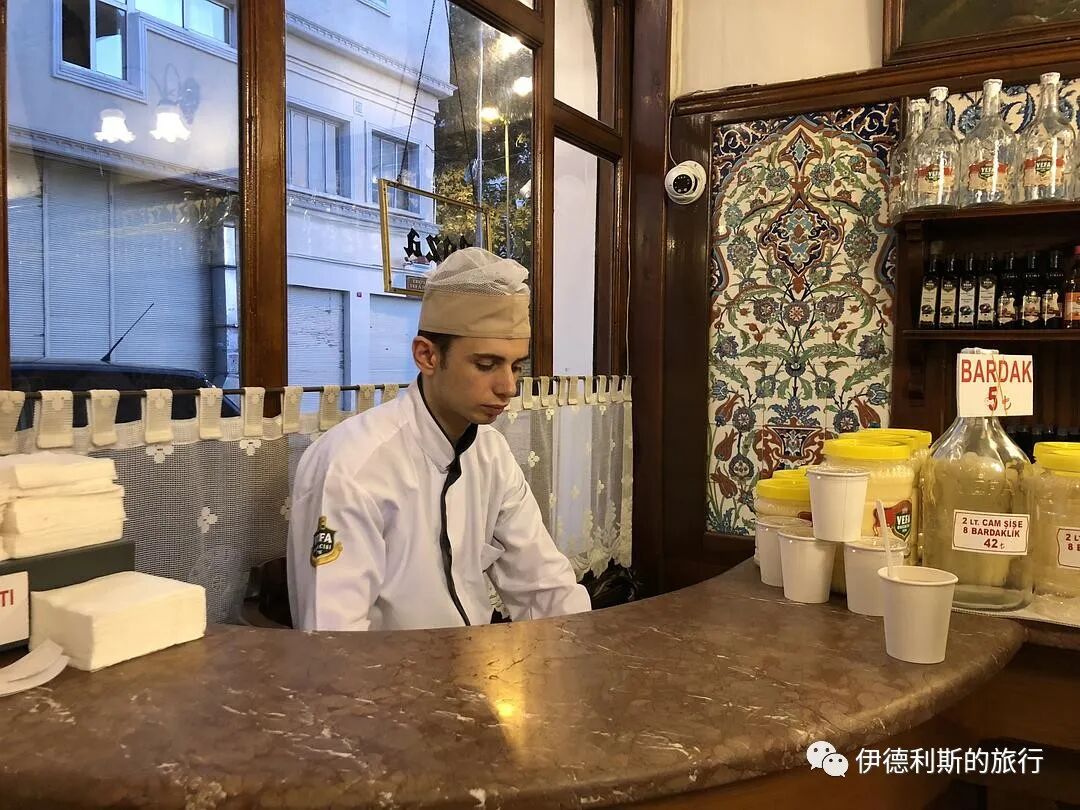
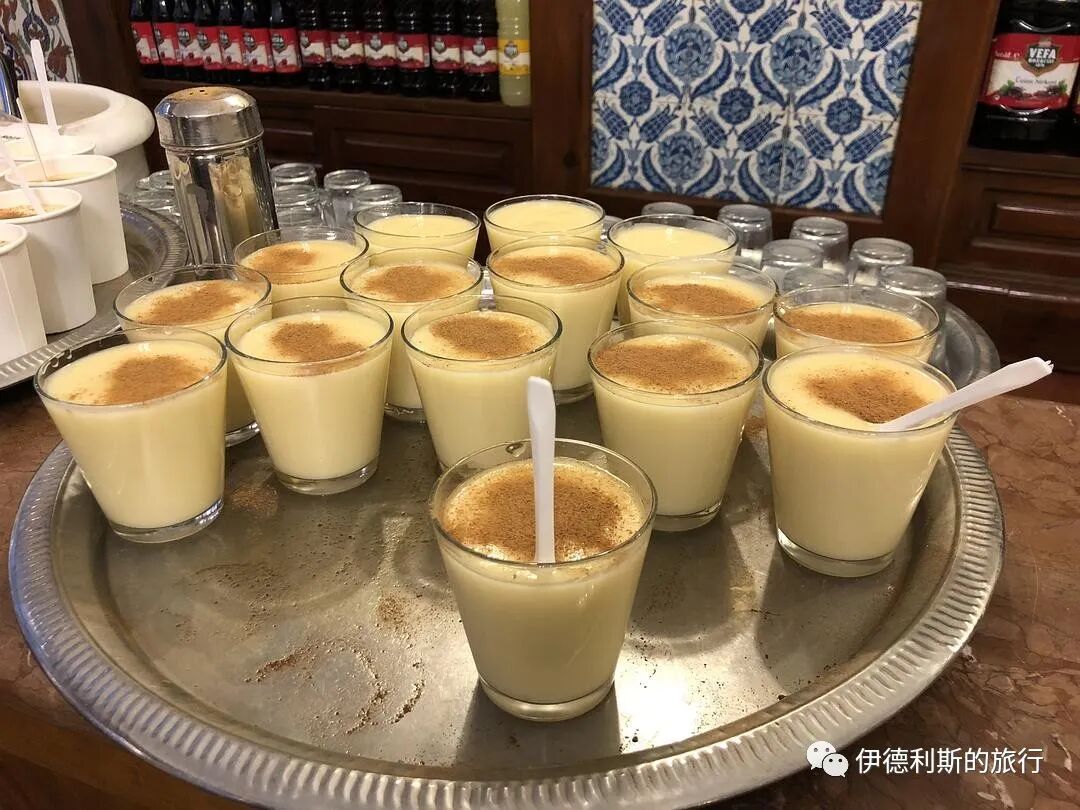
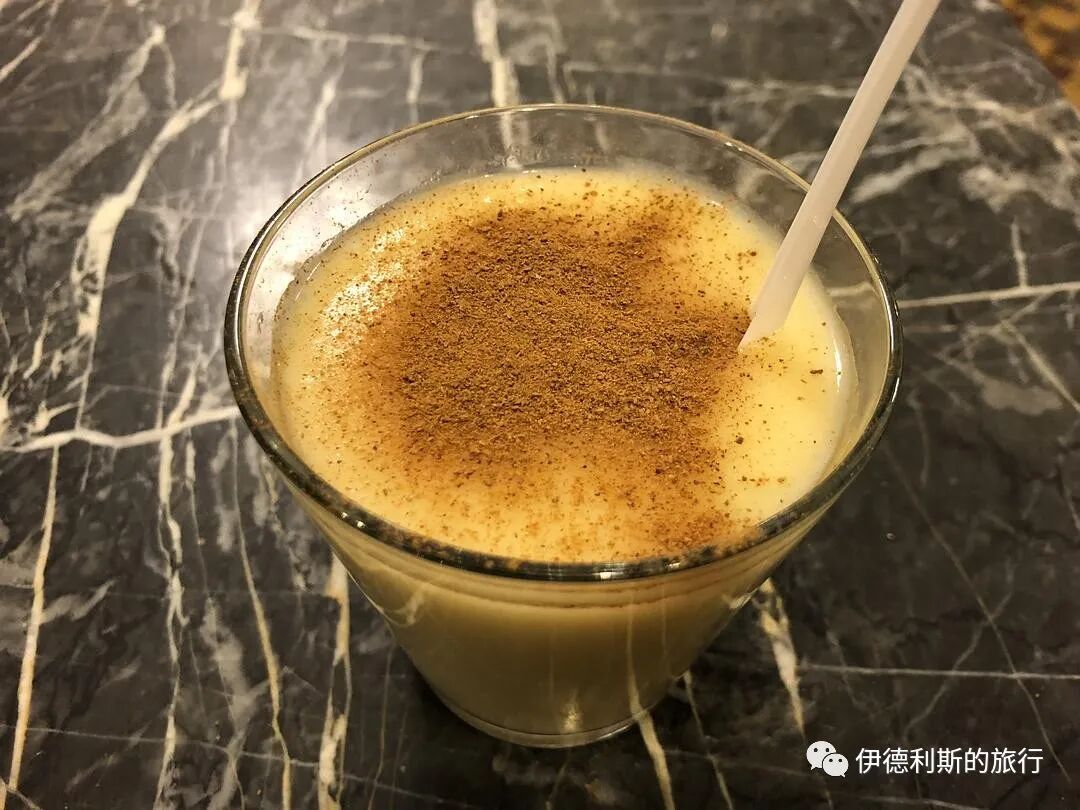
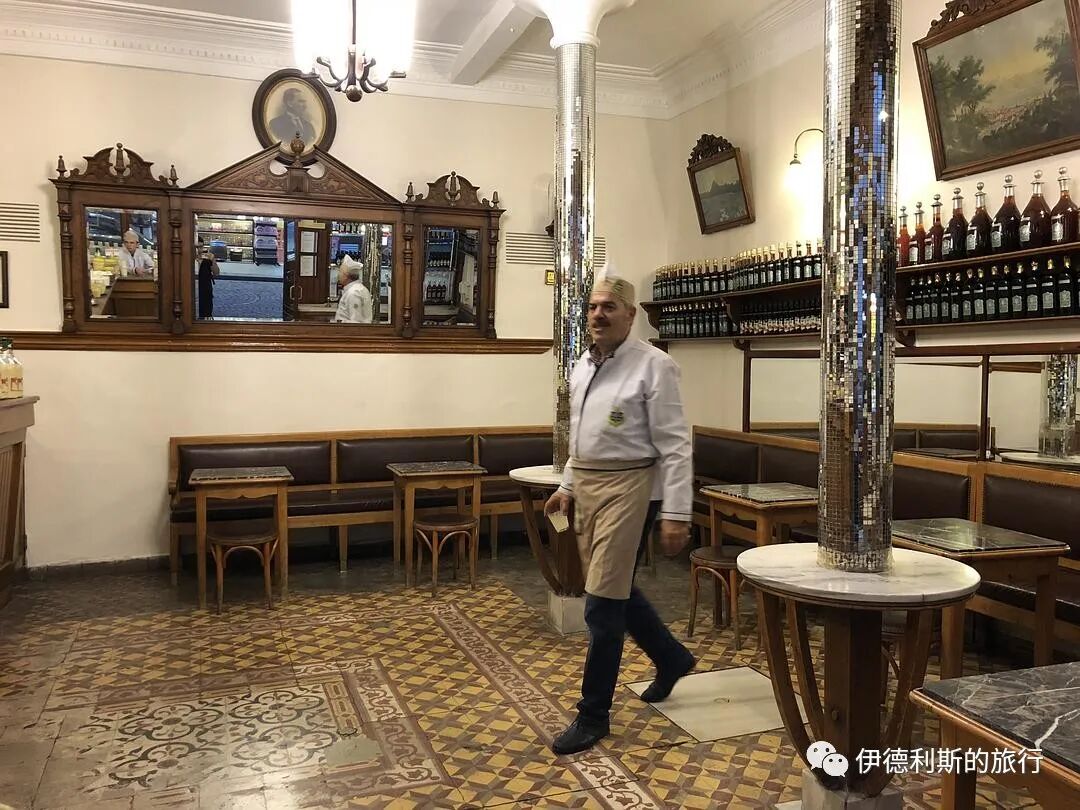
The snack in the picture below is called tulumba tatlısı, which is deep-fried dough soaked in syrup. It is widely popular in former Ottoman regions, including Turkey, the Balkans, and Armenia. It is also called balah alsham in Arab regions and is often eaten during Ramadan.
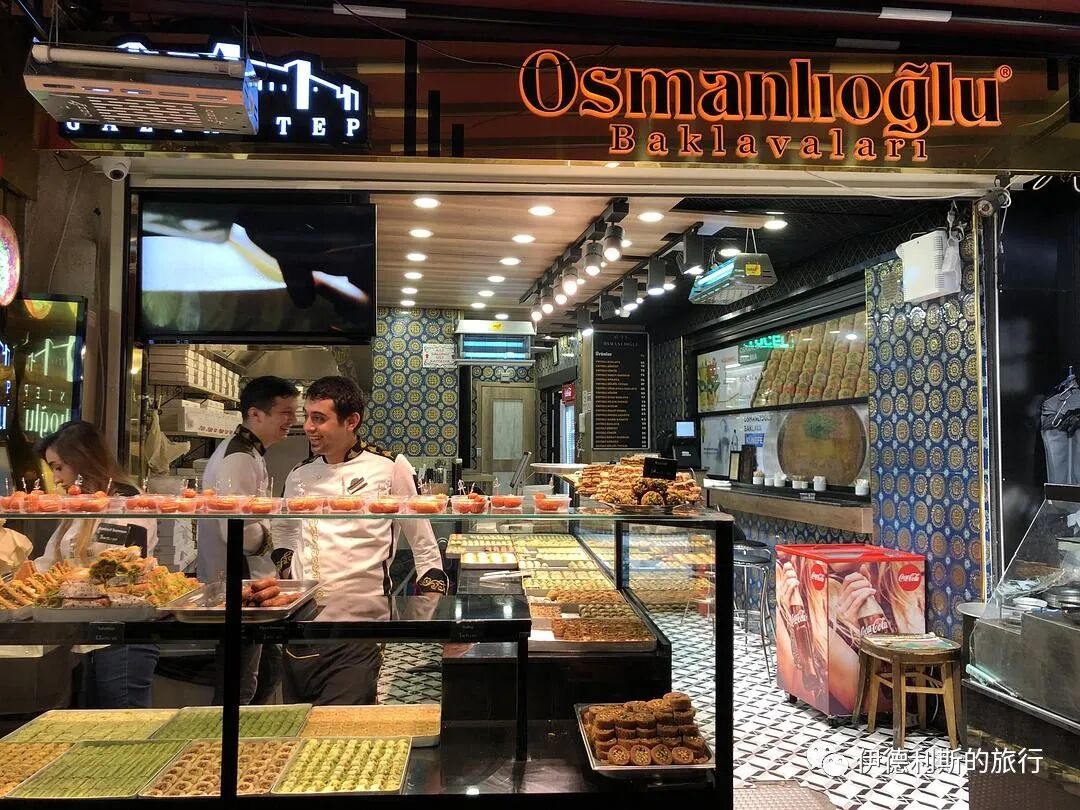
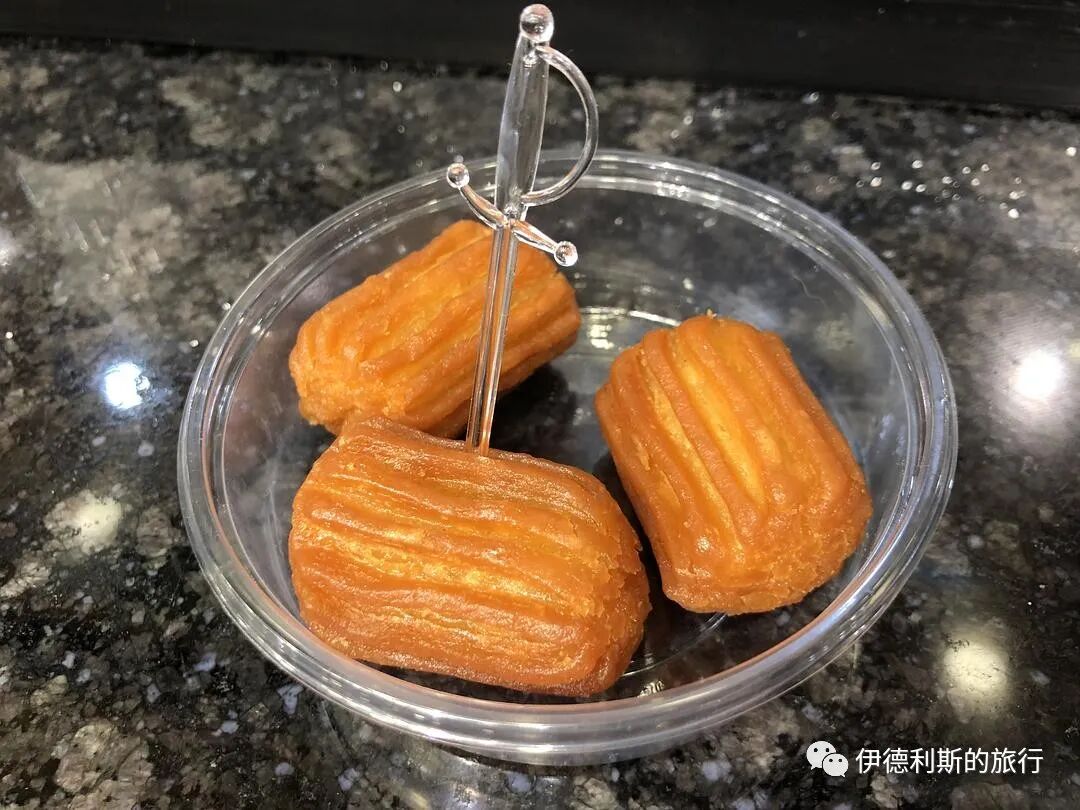
Main course
A type of kebab called testi kebab eaten at this restaurant called Urfalim Lahmacun. Testi kebab comes from Central Anatolia and the Black Sea region. Testi means jar or pot in Turkish, and it involves cooking various meats and vegetables in a clay pot.
Arabic flatbread, which is very thin.
This soup is called ezogelin. It is made from crushed dried wheat and red lentils, with ingredients including rice, olive oil, butter, onions, garlic, tomatoes, chili peppers, dried mint, black pepper, and salt.
I had a dish called patlıcanlı kebab, which translates to eggplant kebab, at a bazaar next to the Rüstem Pasha Mosque in the evening, along with a drink called yayık ayran, which is a honey yogurt drink.
Halal Travel Guide: Istanbul — Mosques, Turkish Food and Ottoman Streets (Part 1 of 3)
Articles • ali2007fr posted the article • 0 comments • 126 views • 2026-05-18 07:52
Summary: Istanbul — Mosques, Turkish Food and Ottoman Streets is presented here as a firsthand travel account in clear English, beginning with this scene: I spent half a month traveling in Turkey from September to October 2018. While visiting historical sites in Istanbul, I tried some local food and would like to share it with you here. The account keeps its focus on Istanbul Travel, Turkish Food, Ottoman Heritage while preserving the names, places, food, and historical details from the Chinese source. This is part 1 of 3.
Part 1 of 3
I spent half a month traveling in Turkey from September to October 2018. While visiting historical sites in Istanbul, I tried some local food and would like to share it with you here.
Street food.
Simit is a type of bread ring popular in the former Ottoman territories and the Middle East, and it is a common street snack in Istanbul.
The word simit comes from the Arabic word samīd, which means white bread or fine flour. The earliest records of simit bread rings in Istanbul date back to 1525. By 1594, Istanbul had established the first regulations for the weight and price of simit bread rings. According to the famous 17th-century Ottoman traveler Evliya Çelebi, there were 70 simit bakeries in Istanbul in the 1630s.
Because of its low price, simit has become an important symbol for the working class in Turkey.
Roasted corn and boiled corn are street snacks just as common as the bread rings.
There are also various kinds of freshly squeezed fruit juices on the streets of Istanbul, and this time I had fresh pomegranate juice.
Autumn is the season for eating roasted chestnuts.
There are all kinds of ice cream shops on the streets of Istanbul. I had never eaten this black mulberry flavor before, and the young lady selling the ice cream was very sweet.
Desserts
1. Ashure porridge
There are many dessert shops in Istanbul with a wide variety of traditional sweets, and there are many on Istiklal Avenue alone. I had Turkish Ashure porridge at a dessert shop called Taxim Süitiş.
The Turkish word Ashure comes from the Arabic word Āshūrā, which means tenth. On the tenth day of the first month (Muharram) of the Islamic calendar in the year 61, the family of the Prophet's grandson, Husayn, died while fleeing Mecca due to the pursuit of the Umayyad dynasty. This day has become an important memorial day for Shia and some Sunni Muslims. For Sunni Muslims, the Day of Ashura is also an important memorial day for many events, such as when the Prophet Musa (Moses) was pursued by the Pharaoh to the Red Sea and the sea parted to create a path for them to escape, when the Prophet Nuh (Noah) left the ark, and when the Prophet Muhammad arrived in Medina.
Ashure porridge was popularized in Turkey by the Alevis. To commemorate the martyrdom of the saint Ali, the Alevis do not eat meat on this day, but instead eat Ashure porridge made from grains, fruits, dried fruits, and nuts.
The Alevis respect the saint Ali just like the Shia, but their rituals are completely different from the Shia. The Alevis are actually an Islamic sect that blends Shia and Sufi beliefs, native Turkish animism, and some Sunni elements. They are more used to expressing their faith through music and dance in a gathering hall (cemevi).
For traditional Sunni Muslims in Turkey, people share Ashura porridge (ashure) with friends, relatives, neighbors, colleagues, and classmates on the Day of Ashura, regardless of their religious beliefs. Legend says that on the Day of Ashura, after the Prophet Nuh (Noah) landed his ark, his family prepared a meal to celebrate. Because their supplies were almost gone, they mixed the remaining grains and dried fruits together to make Ashura porridge.
The recipe for Ashura porridge is not fixed; traditionally it has at least 7 ingredients, and some people use 10 to match the theme of the tenth day. The Alevis always use 12 ingredients.
I bought a box of Turkish delight (lokum) as a gift at Hakki Zade, an old Ottoman brand and chain store on Istiklal Avenue.
The dessert shop below, called Efezade, is not far southwest of the old Ottoman palace, and the words Baklava & Lokum above the shop name refer to Turkish pastries and Turkish delight.
Modern Turkish nut-filled pastry (baklava) is said to have come from the Ottoman court, where the Ottoman Sultan would distribute baklava on trays to the Janissaries during a procession on the 15th of Ramadan, a ceremony known as the Baklava Procession (Baklava Alayı).
There is no final conclusion about the origin of baklava in the pre-Ottoman era, but there are three mainstream views: the Byzantine Placenta pastry inherited from Rome, the layered pastry tradition of Central Asian Turks, and the Persian Lauzinaq pastry.
This young man was very enthusiastic and kept pestering me to teach him Chinese.
A diagram of various Turkish pastries.
The pastry in the bottom left of the picture below is called nightingale's nest (bülbül yuvası), which translates literally to 'nightingale's nest'.
There are also various types of Turkish delight (lokum). The word lokum comes from the Arabic 'al-halkum'. Arabs call Turkish delight 'rāḥatal-ḥulqūm', which means 'throat comfort'.
According to the Hacı Bekir company, Turkish delight was brought to Istanbul from his hometown of Kastamonu by the founder, Hacı Bekir, in 1777. Some historians question this claim because similar soft candies made from starch and sugar appeared in Arab and Persian lands centuries earlier.
Turkish coffee served with pudding on the street.
In the early Ottoman Empire, strong coffee was banned as a medicine, but the Sultan eventually lifted the ban because it became so popular with the people.
Turkish coffee is recognized by UNESCO as part of Turkey's intangible cultural heritage.
The picture below shows Vefa Bozacisi, the only boza shop in 19th-century Istanbul. It was opened in 1876 by brothers Haci Ibrahim and Haci Sadik in the Vefa district of Istanbul, near the entertainment center of the time, Direklerarası. It is still run by the great-grandchildren of Haci Sadik and Haci Ibrahim today.
Boza is a fermented grain drink popular in Turkey, Iran, the Balkans, Central Asia, and the Caucasus. In Turkey, it is usually made from fermented wheat. It is thick and tastes sweet with a hint of sourness.
In Chagatai Turkic, boza means a drink made from camel milk, while in Persian, büze is used to refer to millet. Central Asian Turkic people began calling fermented grain drinks, usually made from millet, boza in the 10th century. It later spread to the Caucasus and the Balkans and became an important town drink during the Ottoman Empire.
The snack in the picture below is called tulumba tatlısı, which is deep-fried dough soaked in syrup. It is widely popular in former Ottoman regions, including Turkey, the Balkans, and Armenia. It is also called balah alsham in Arab regions and is often eaten during Ramadan.
Main course
A type of kebab called testi kebab eaten at this restaurant called Urfalim Lahmacun. Testi kebab comes from Central Anatolia and the Black Sea region. Testi means jar or pot in Turkish, and it involves cooking various meats and vegetables in a clay pot.
Arabic flatbread, which is very thin.
This soup is called ezogelin. It is made from crushed dried wheat and red lentils, with ingredients including rice, olive oil, butter, onions, garlic, tomatoes, chili peppers, dried mint, black pepper, and salt.
I had a dish called patlıcanlı kebab, which translates to eggplant kebab, at a bazaar next to the Rüstem Pasha Mosque in the evening, along with a drink called yayık ayran, which is a honey yogurt drink. view all
Summary: Istanbul — Mosques, Turkish Food and Ottoman Streets is presented here as a firsthand travel account in clear English, beginning with this scene: I spent half a month traveling in Turkey from September to October 2018. While visiting historical sites in Istanbul, I tried some local food and would like to share it with you here. The account keeps its focus on Istanbul Travel, Turkish Food, Ottoman Heritage while preserving the names, places, food, and historical details from the Chinese source. This is part 1 of 3.
Part 1 of 3
I spent half a month traveling in Turkey from September to October 2018. While visiting historical sites in Istanbul, I tried some local food and would like to share it with you here.
Street food.
Simit is a type of bread ring popular in the former Ottoman territories and the Middle East, and it is a common street snack in Istanbul.
The word simit comes from the Arabic word samīd, which means white bread or fine flour. The earliest records of simit bread rings in Istanbul date back to 1525. By 1594, Istanbul had established the first regulations for the weight and price of simit bread rings. According to the famous 17th-century Ottoman traveler Evliya Çelebi, there were 70 simit bakeries in Istanbul in the 1630s.
Because of its low price, simit has become an important symbol for the working class in Turkey.
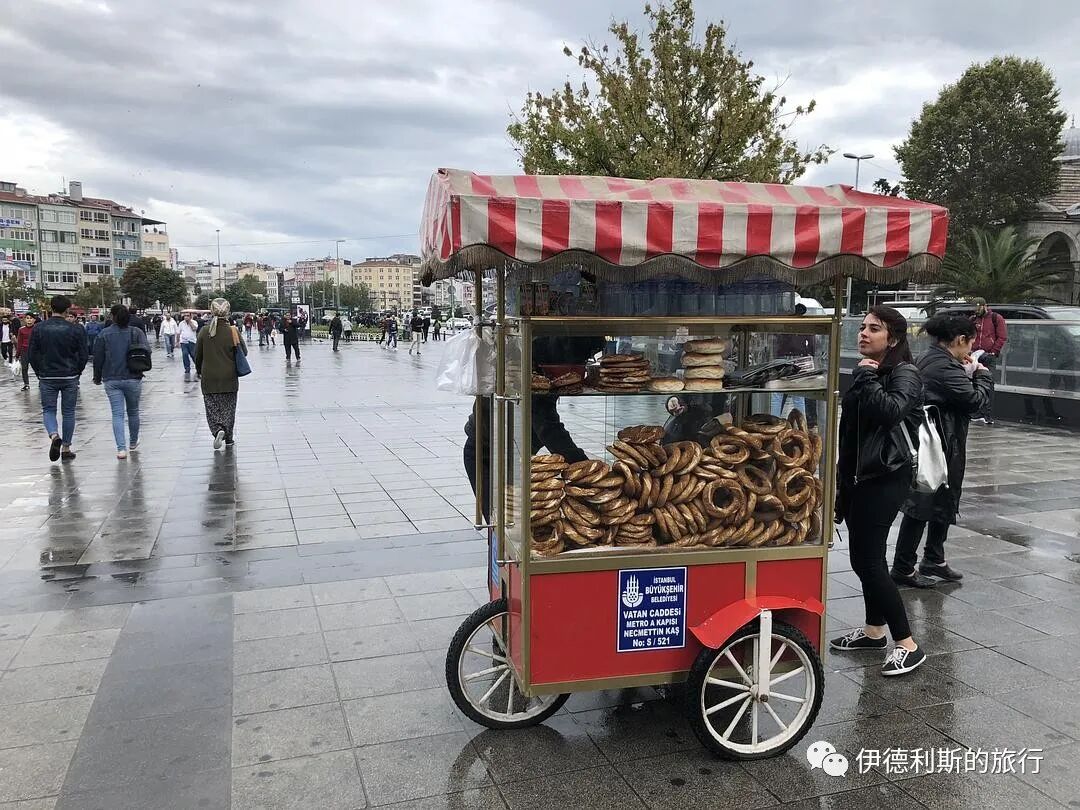
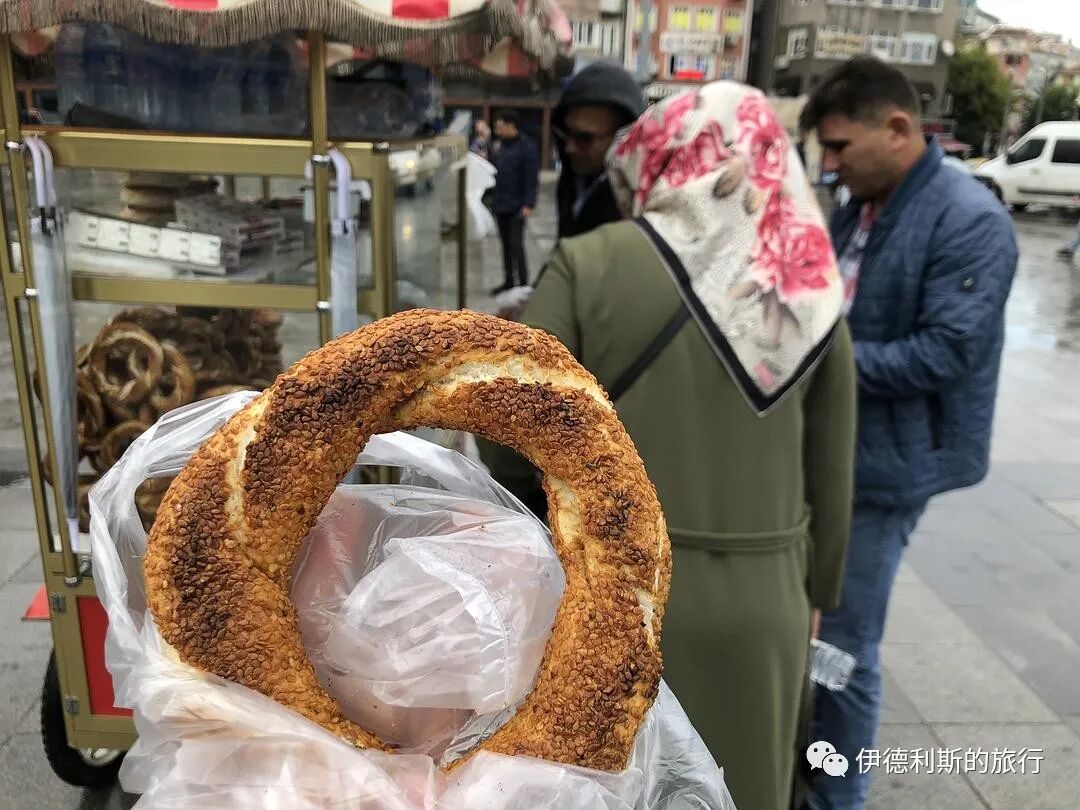
Roasted corn and boiled corn are street snacks just as common as the bread rings.
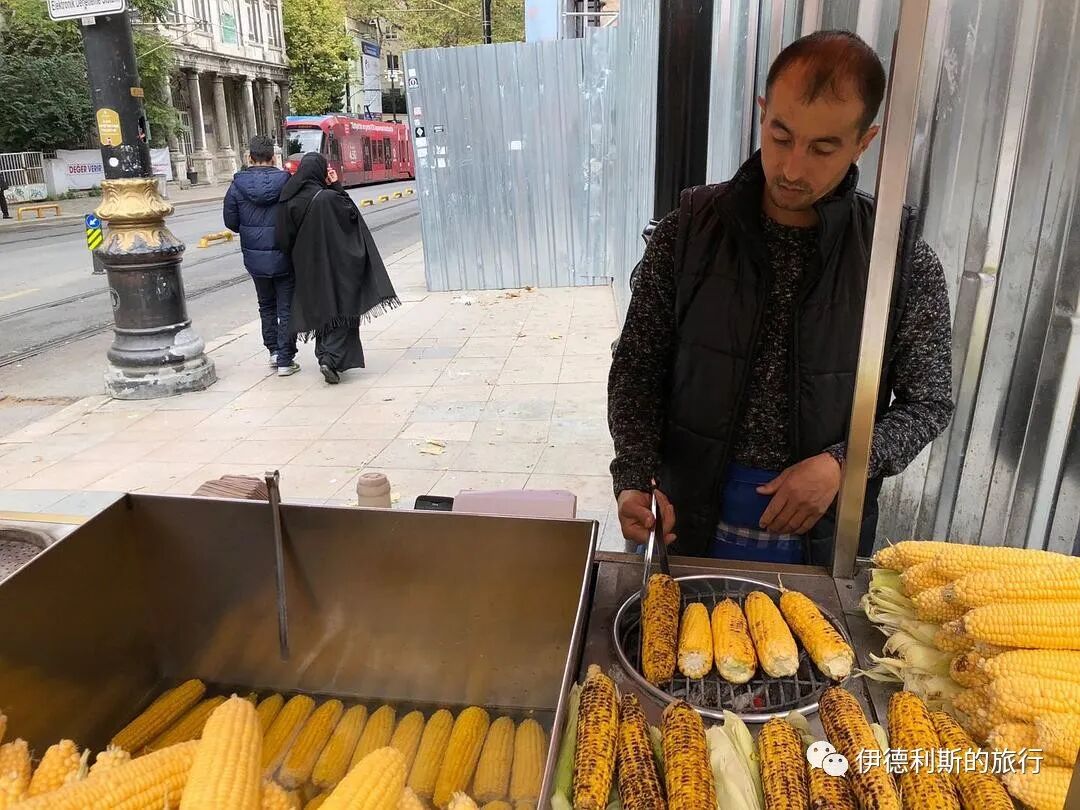
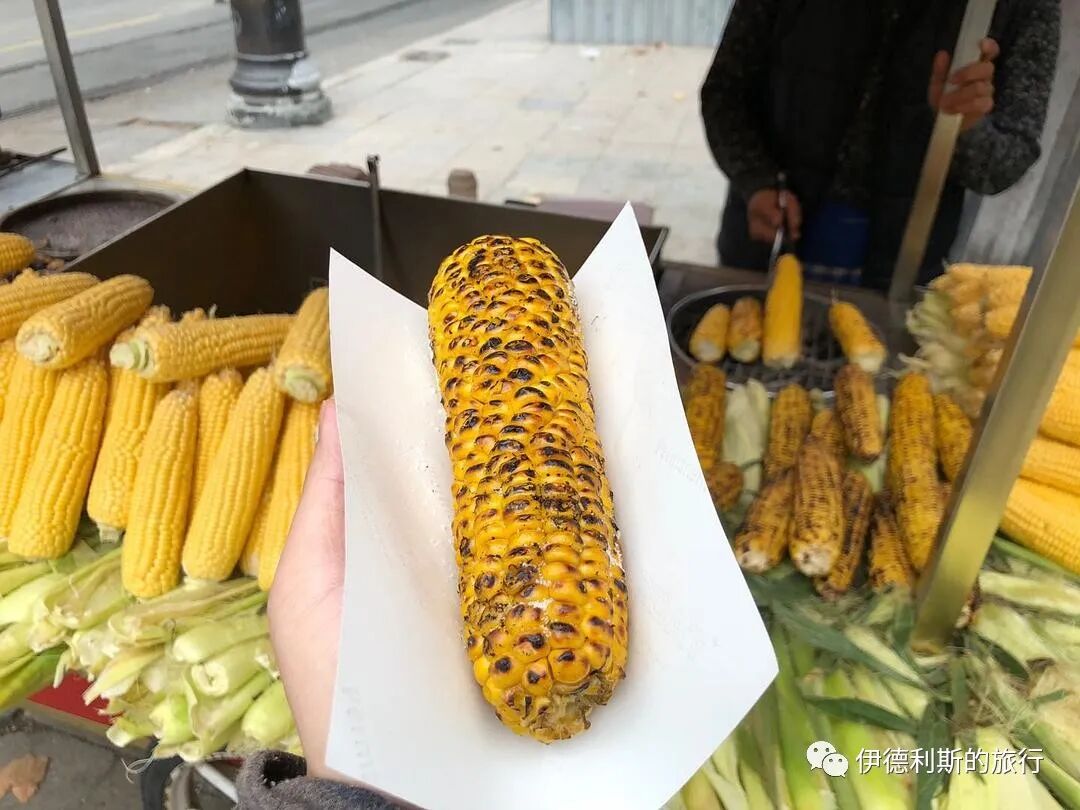
There are also various kinds of freshly squeezed fruit juices on the streets of Istanbul, and this time I had fresh pomegranate juice.
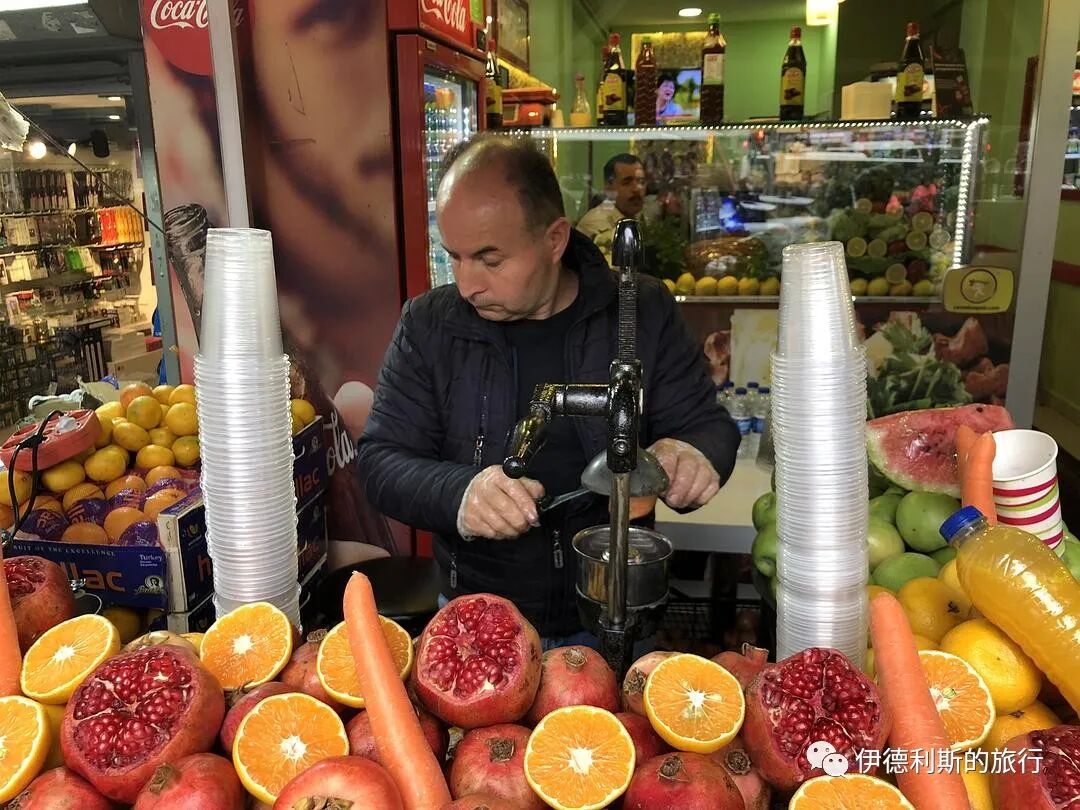
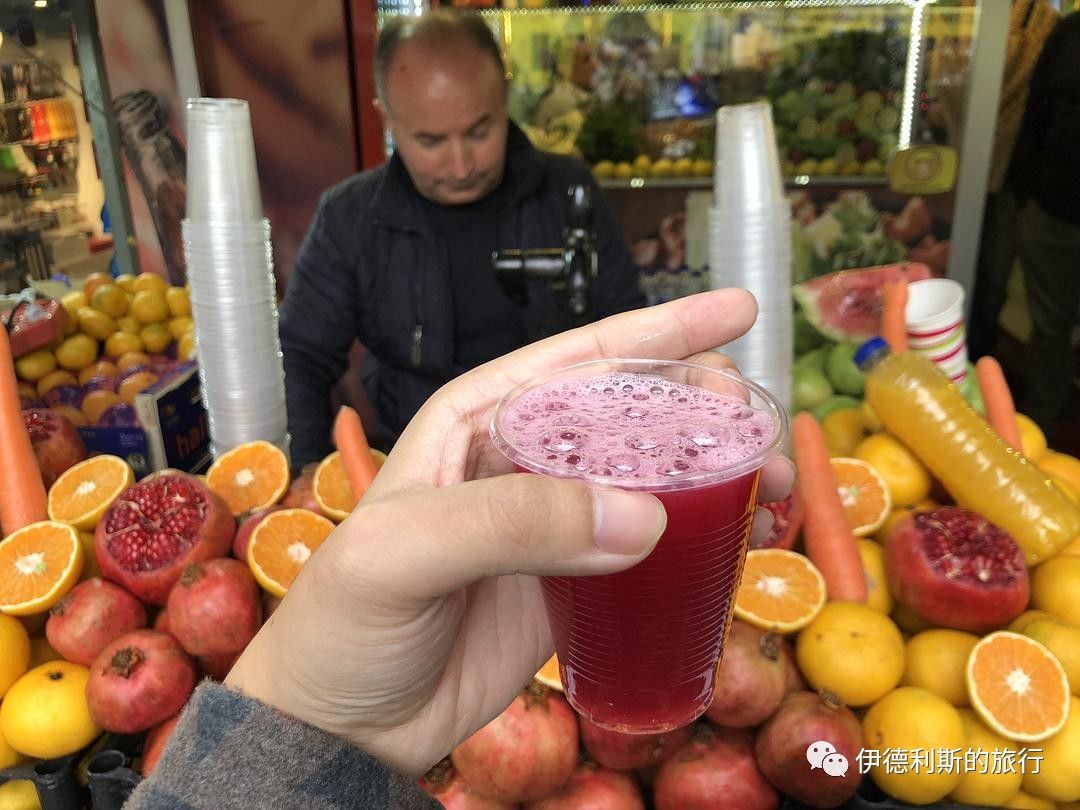
Autumn is the season for eating roasted chestnuts.
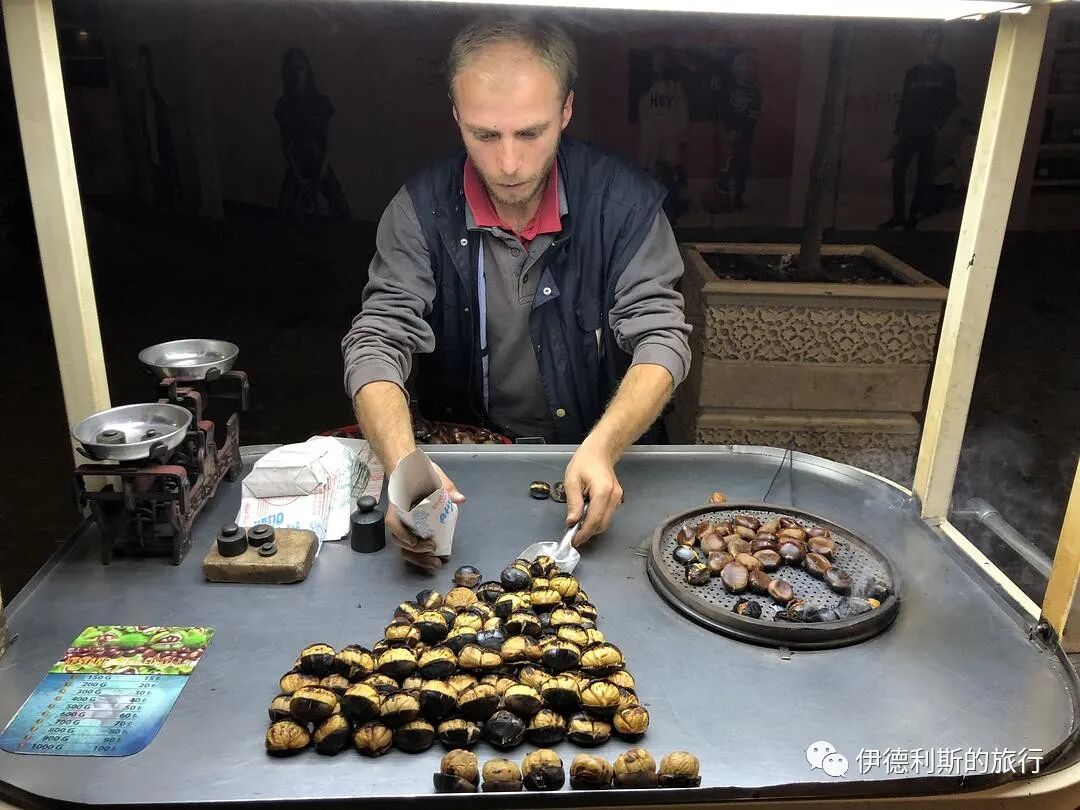
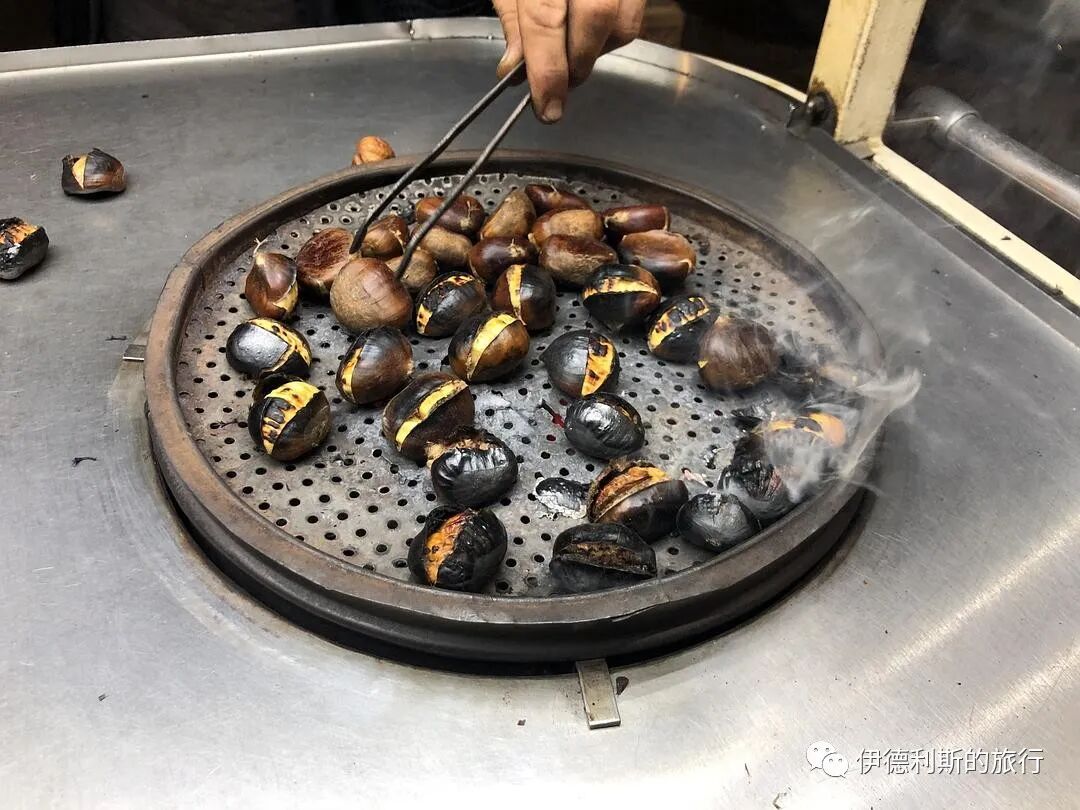
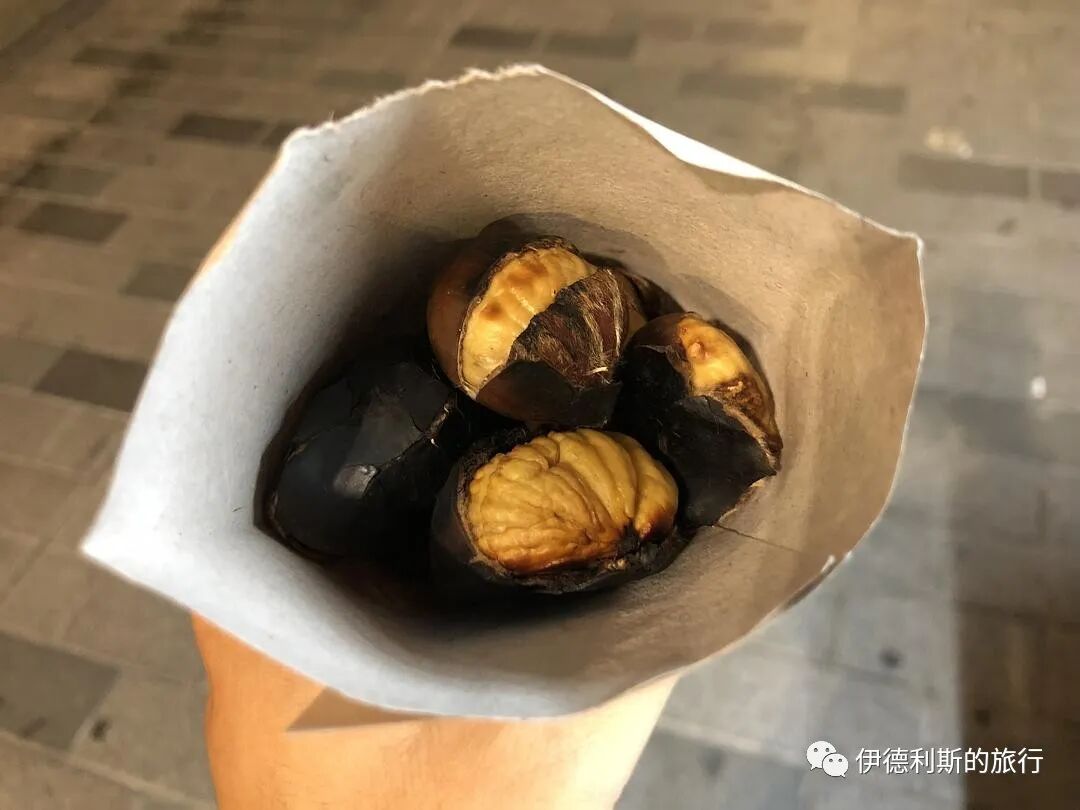
There are all kinds of ice cream shops on the streets of Istanbul. I had never eaten this black mulberry flavor before, and the young lady selling the ice cream was very sweet.
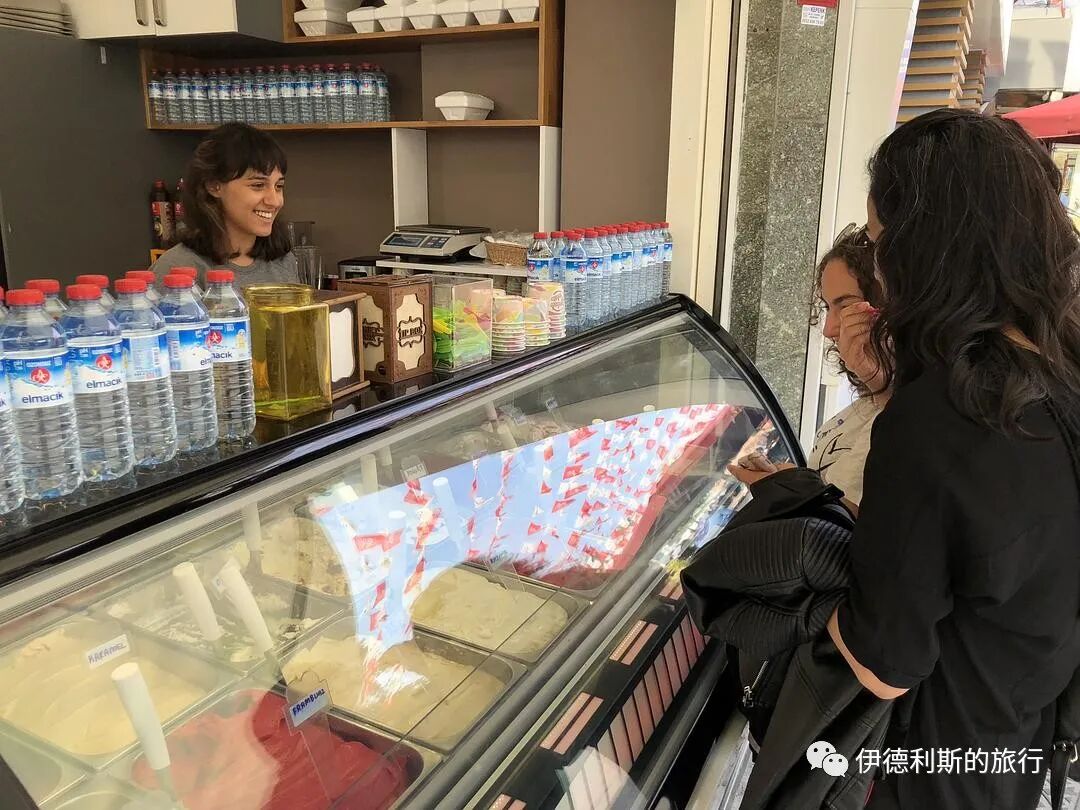
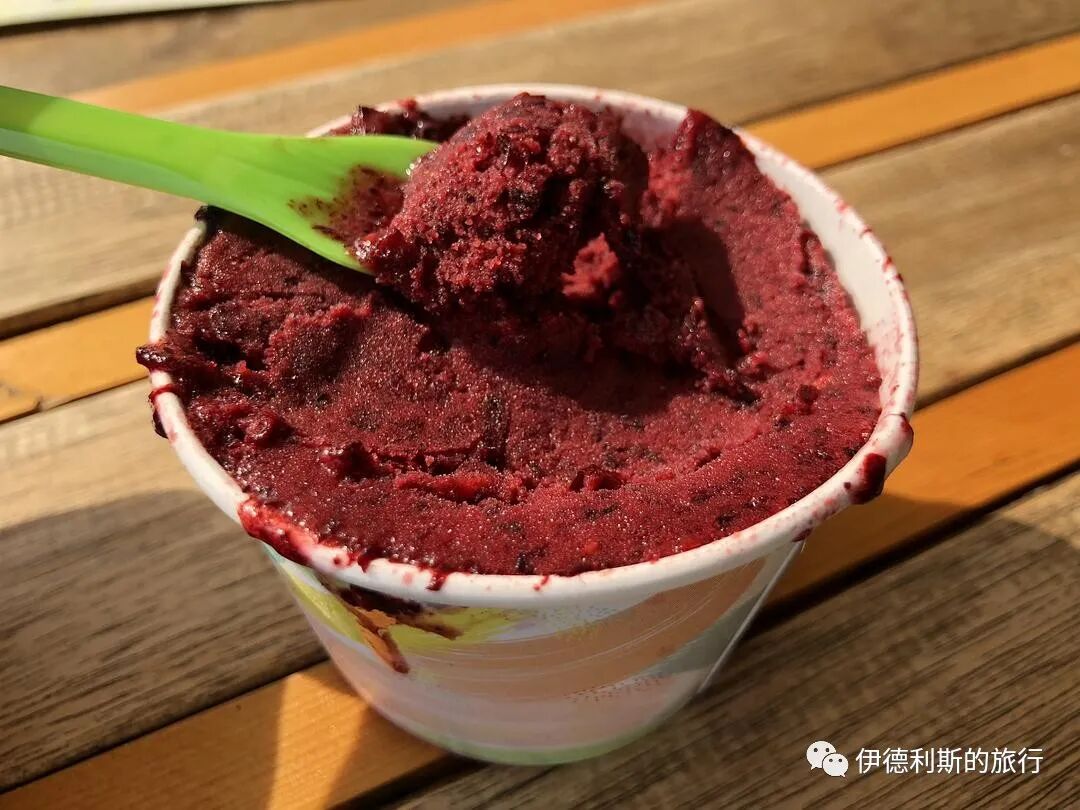
Desserts
1. Ashure porridge
There are many dessert shops in Istanbul with a wide variety of traditional sweets, and there are many on Istiklal Avenue alone. I had Turkish Ashure porridge at a dessert shop called Taxim Süitiş.
The Turkish word Ashure comes from the Arabic word Āshūrā, which means tenth. On the tenth day of the first month (Muharram) of the Islamic calendar in the year 61, the family of the Prophet's grandson, Husayn, died while fleeing Mecca due to the pursuit of the Umayyad dynasty. This day has become an important memorial day for Shia and some Sunni Muslims. For Sunni Muslims, the Day of Ashura is also an important memorial day for many events, such as when the Prophet Musa (Moses) was pursued by the Pharaoh to the Red Sea and the sea parted to create a path for them to escape, when the Prophet Nuh (Noah) left the ark, and when the Prophet Muhammad arrived in Medina.
Ashure porridge was popularized in Turkey by the Alevis. To commemorate the martyrdom of the saint Ali, the Alevis do not eat meat on this day, but instead eat Ashure porridge made from grains, fruits, dried fruits, and nuts.
The Alevis respect the saint Ali just like the Shia, but their rituals are completely different from the Shia. The Alevis are actually an Islamic sect that blends Shia and Sufi beliefs, native Turkish animism, and some Sunni elements. They are more used to expressing their faith through music and dance in a gathering hall (cemevi).
For traditional Sunni Muslims in Turkey, people share Ashura porridge (ashure) with friends, relatives, neighbors, colleagues, and classmates on the Day of Ashura, regardless of their religious beliefs. Legend says that on the Day of Ashura, after the Prophet Nuh (Noah) landed his ark, his family prepared a meal to celebrate. Because their supplies were almost gone, they mixed the remaining grains and dried fruits together to make Ashura porridge.
The recipe for Ashura porridge is not fixed; traditionally it has at least 7 ingredients, and some people use 10 to match the theme of the tenth day. The Alevis always use 12 ingredients.
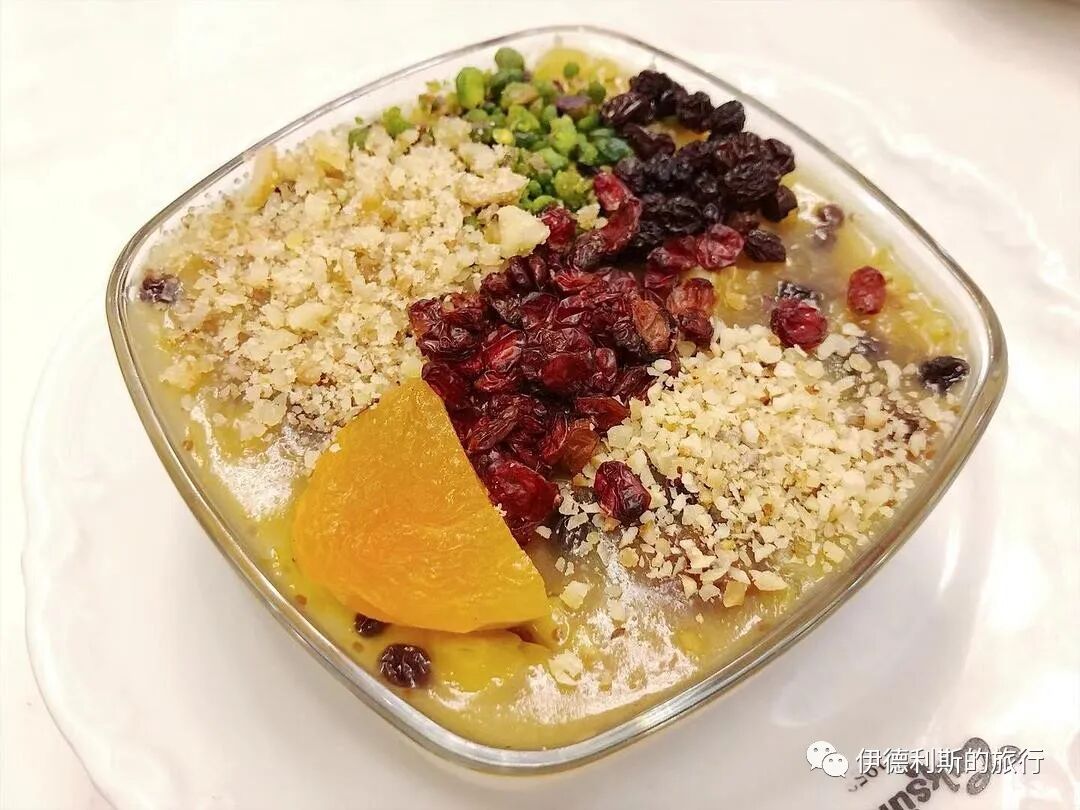
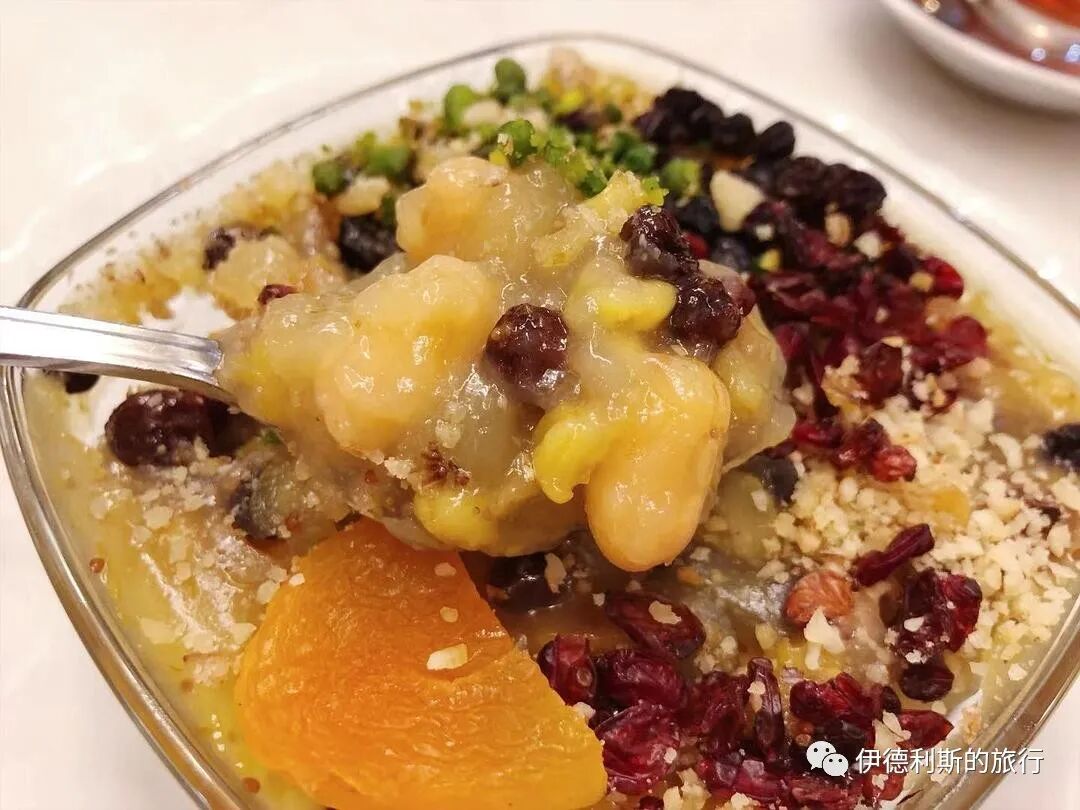
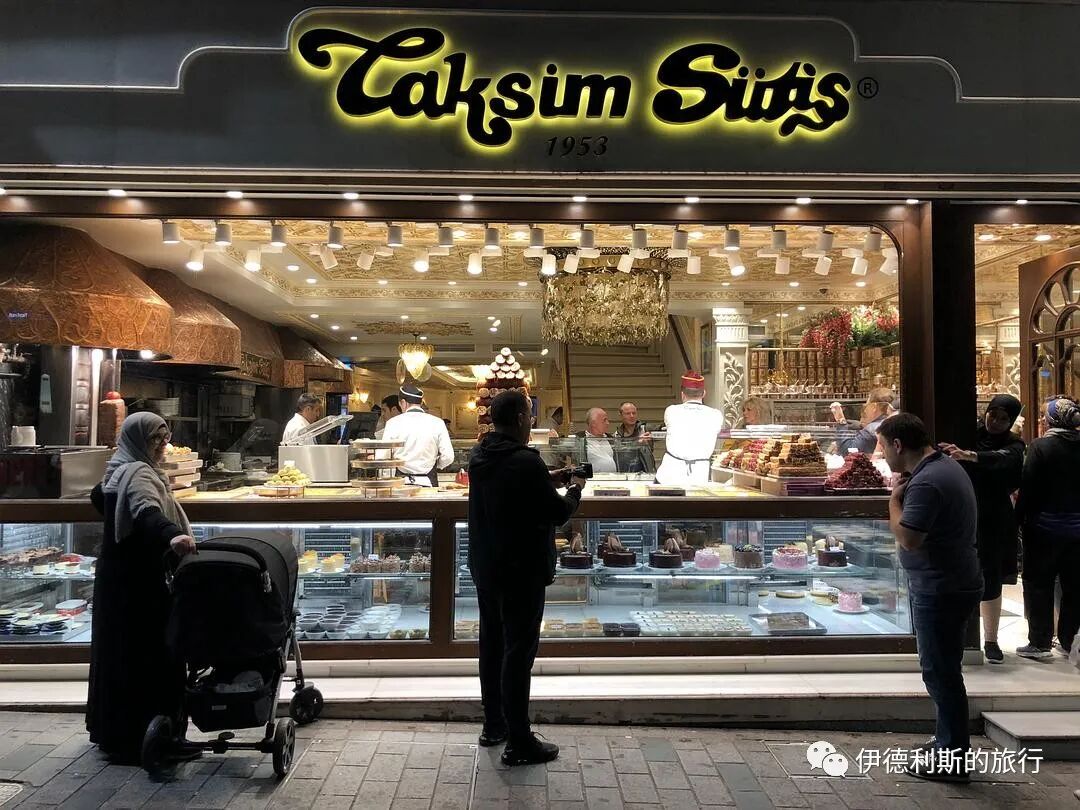
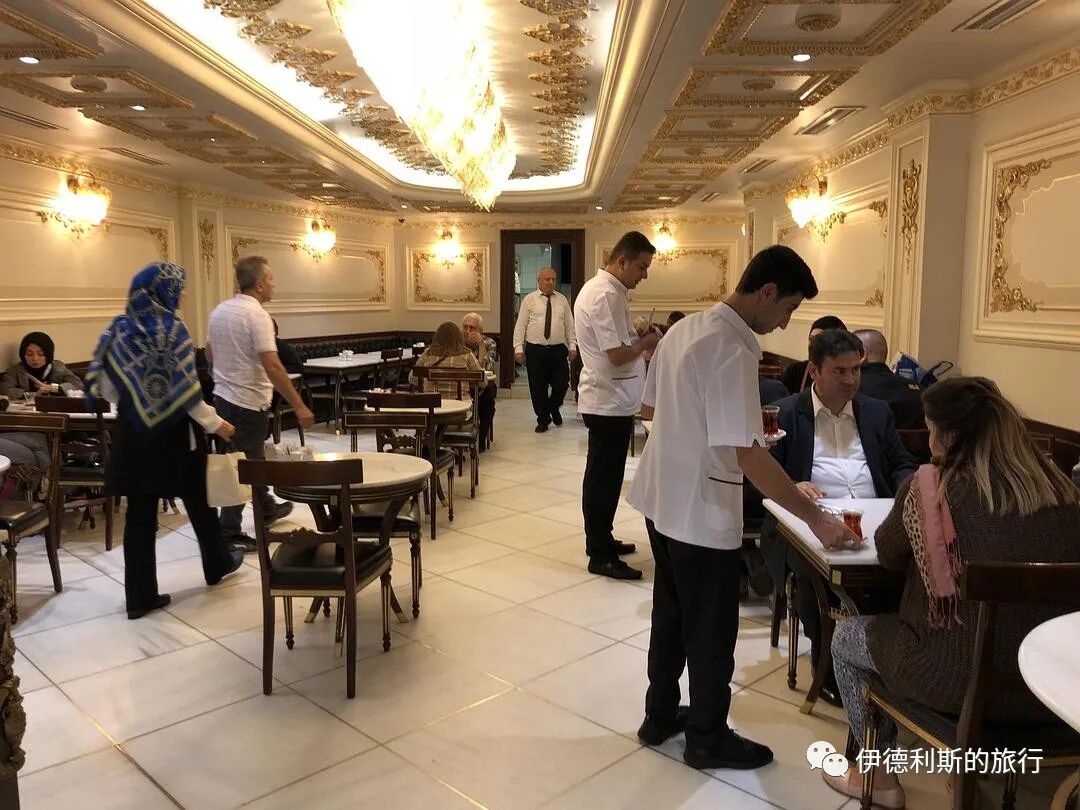
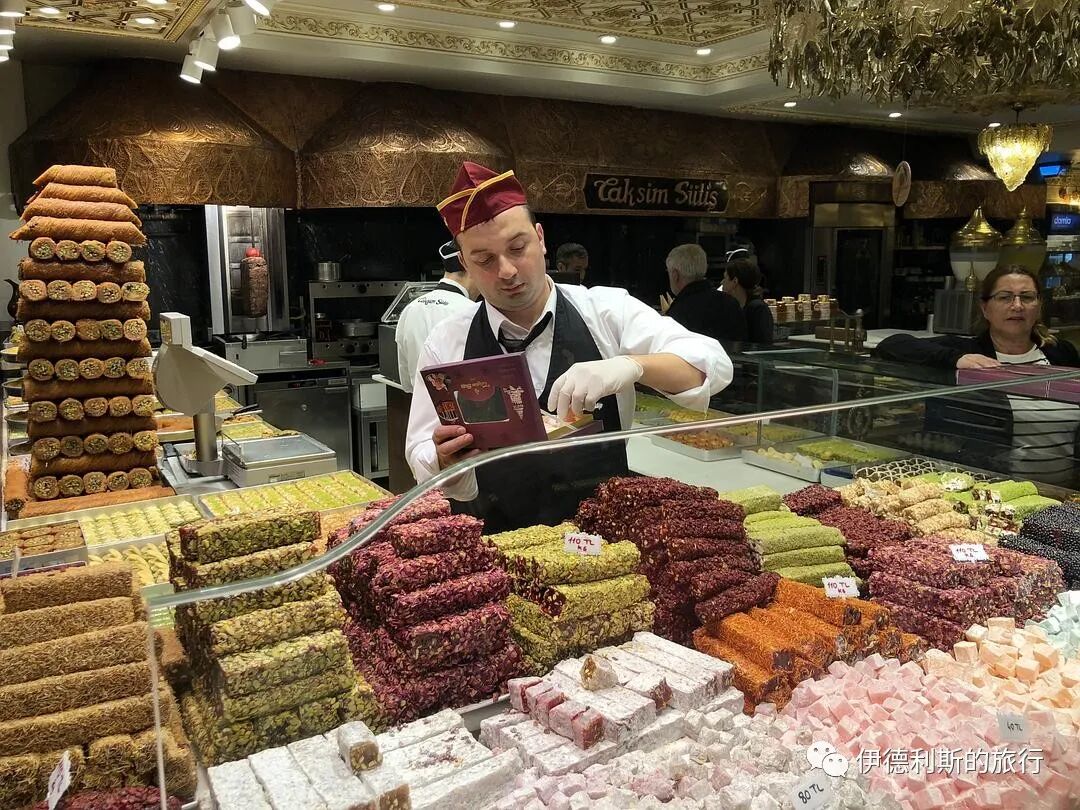
I bought a box of Turkish delight (lokum) as a gift at Hakki Zade, an old Ottoman brand and chain store on Istiklal Avenue.
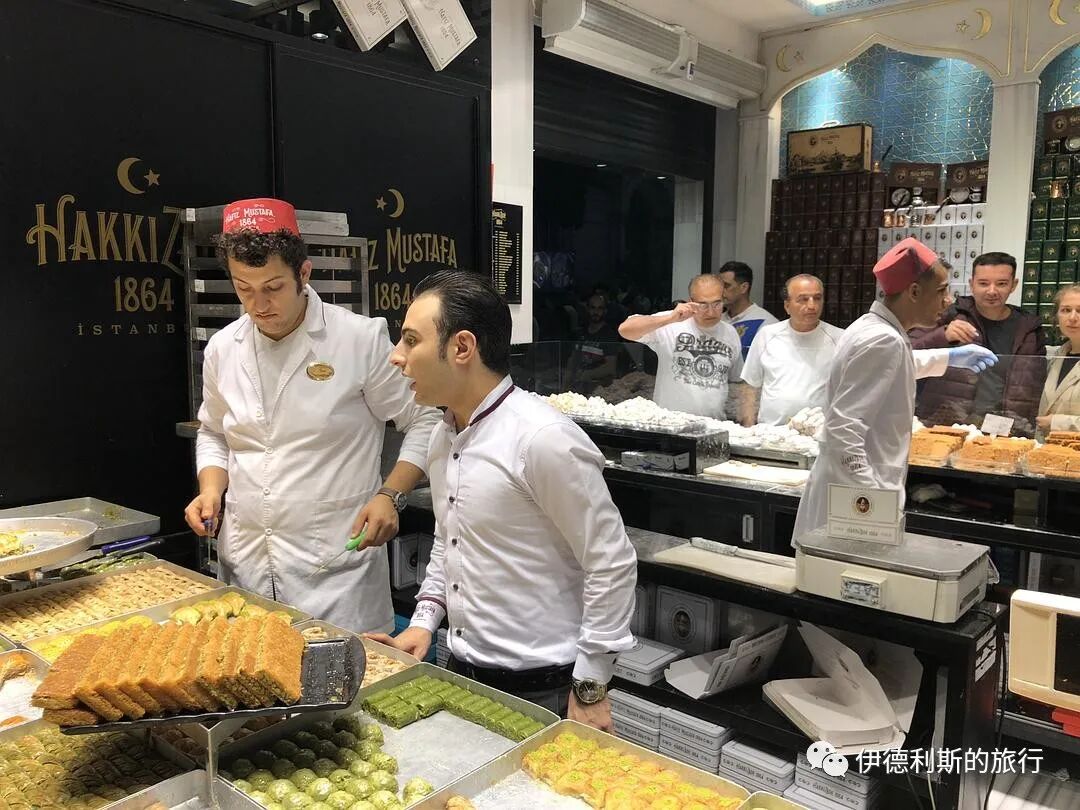
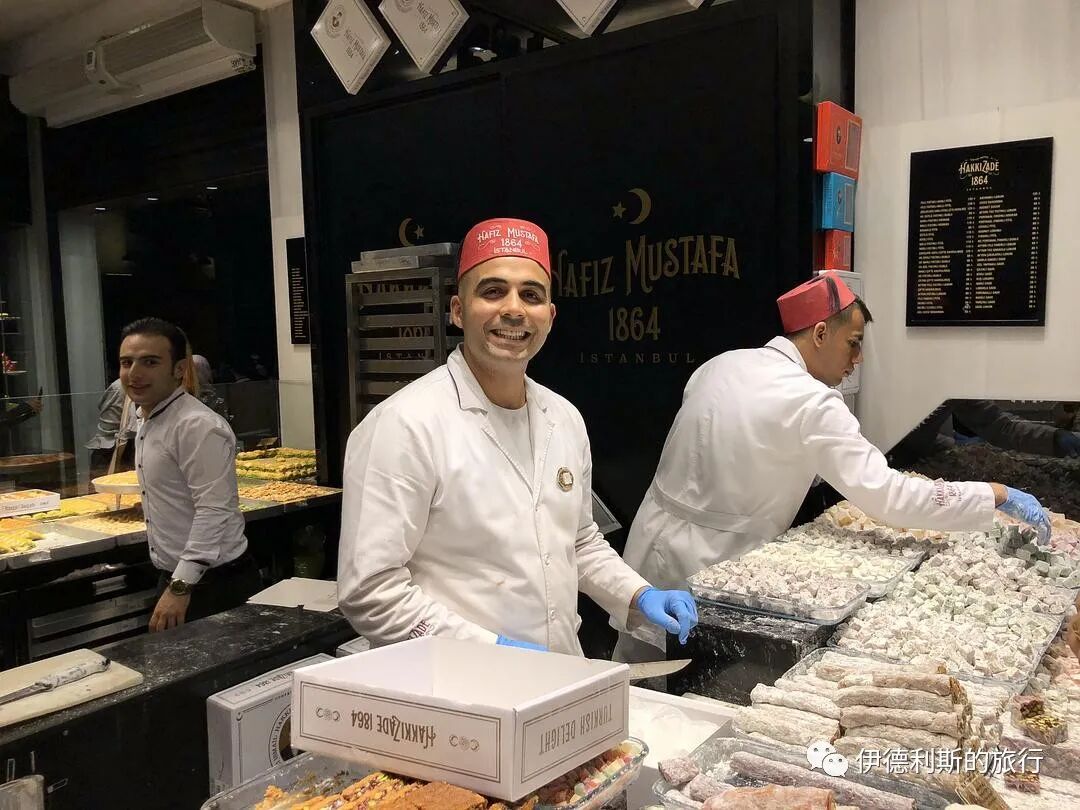
The dessert shop below, called Efezade, is not far southwest of the old Ottoman palace, and the words Baklava & Lokum above the shop name refer to Turkish pastries and Turkish delight.
Modern Turkish nut-filled pastry (baklava) is said to have come from the Ottoman court, where the Ottoman Sultan would distribute baklava on trays to the Janissaries during a procession on the 15th of Ramadan, a ceremony known as the Baklava Procession (Baklava Alayı).
There is no final conclusion about the origin of baklava in the pre-Ottoman era, but there are three mainstream views: the Byzantine Placenta pastry inherited from Rome, the layered pastry tradition of Central Asian Turks, and the Persian Lauzinaq pastry.
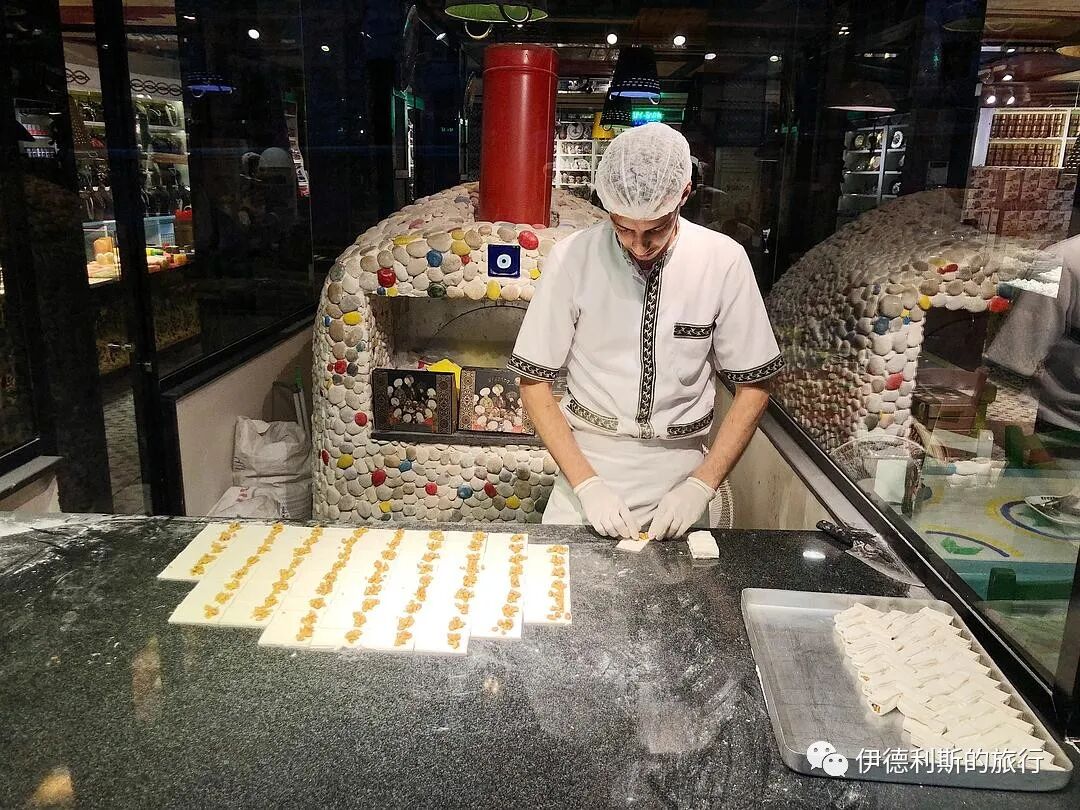
This young man was very enthusiastic and kept pestering me to teach him Chinese.
A diagram of various Turkish pastries.
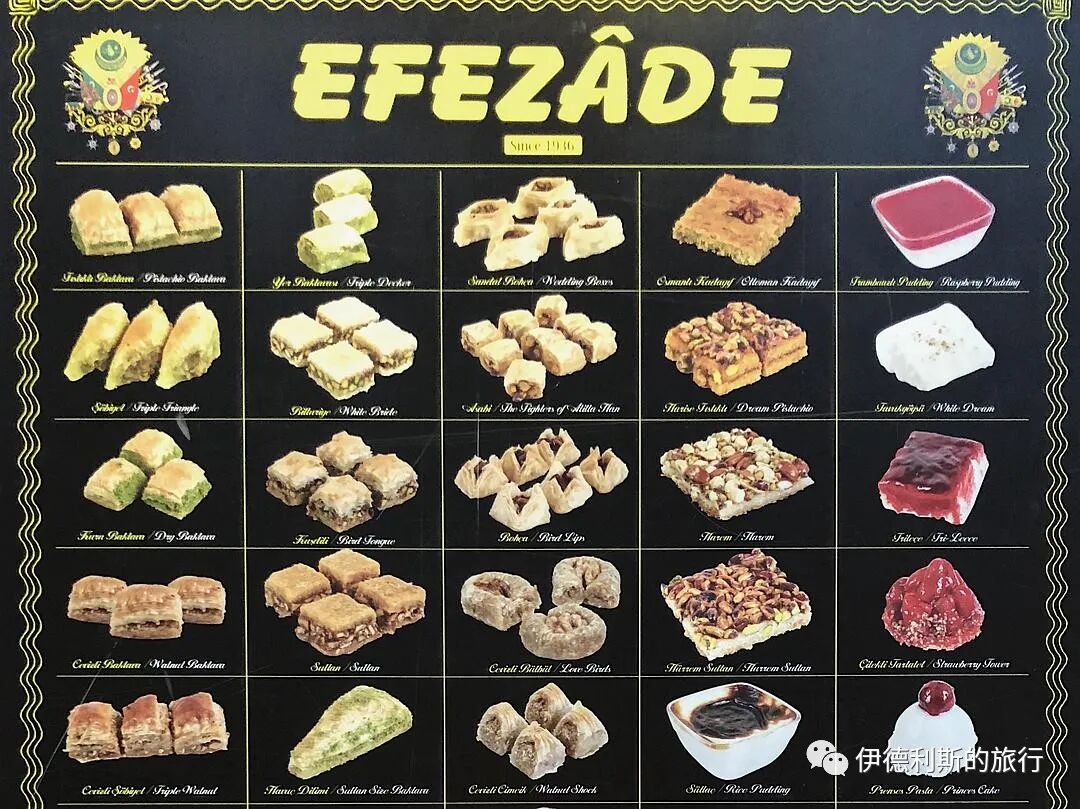
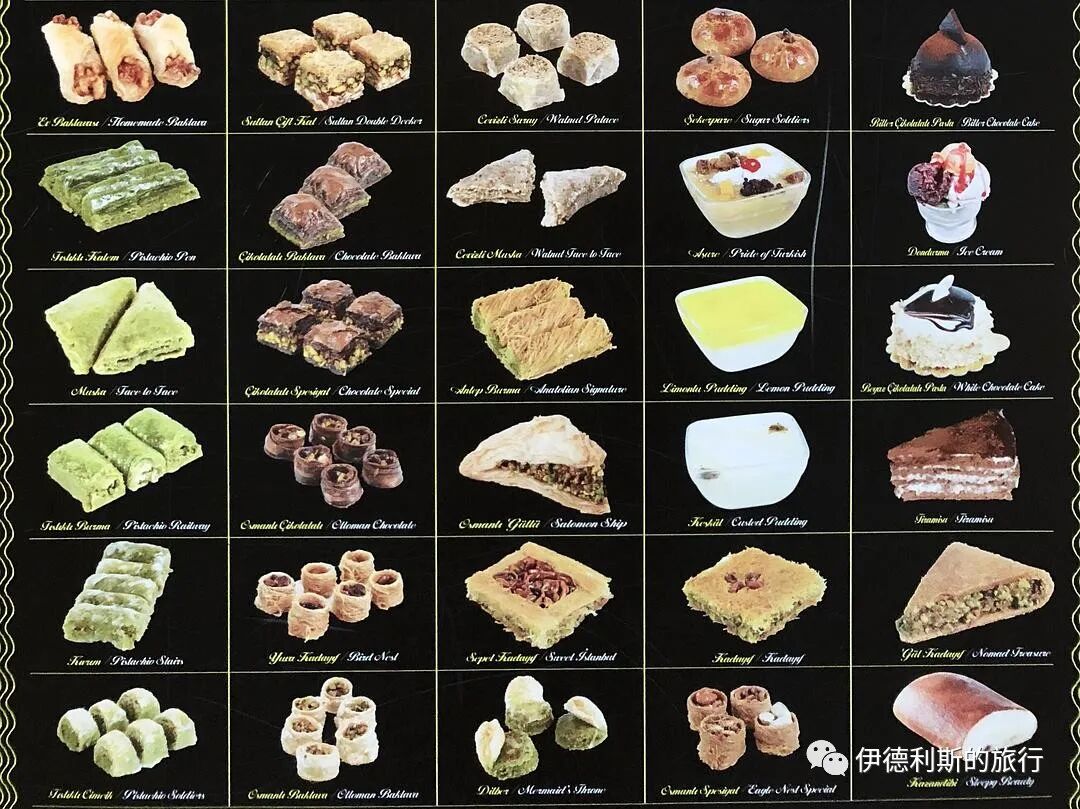
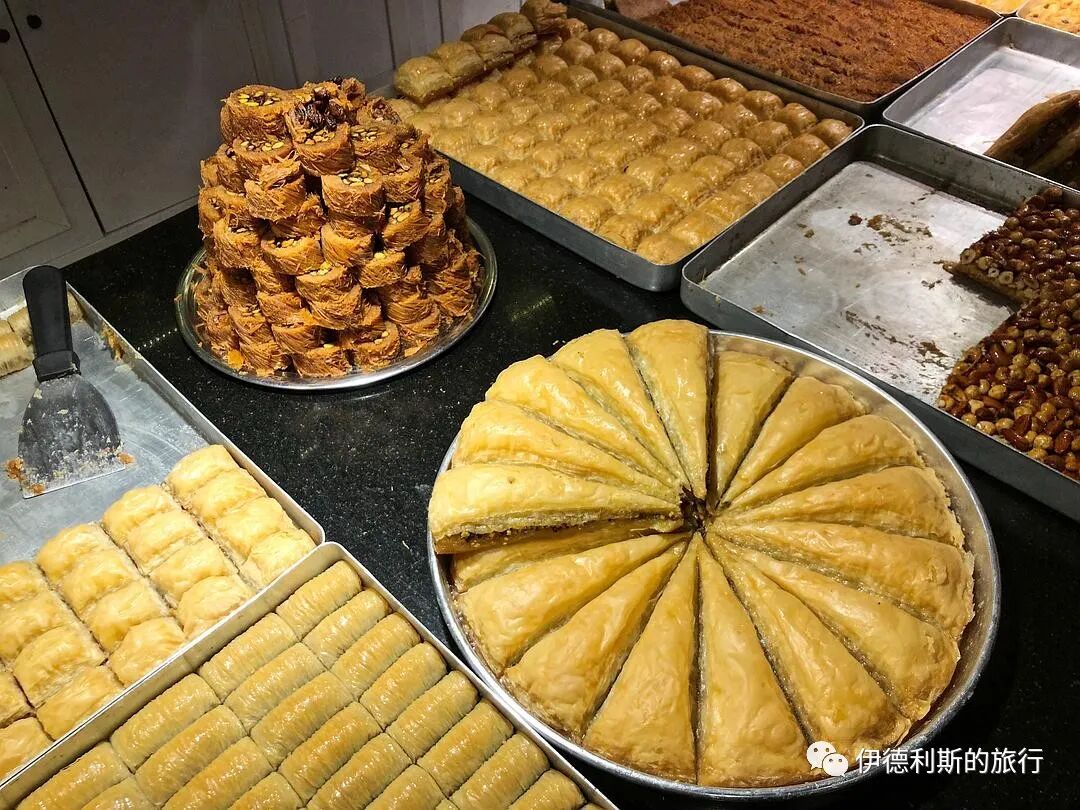
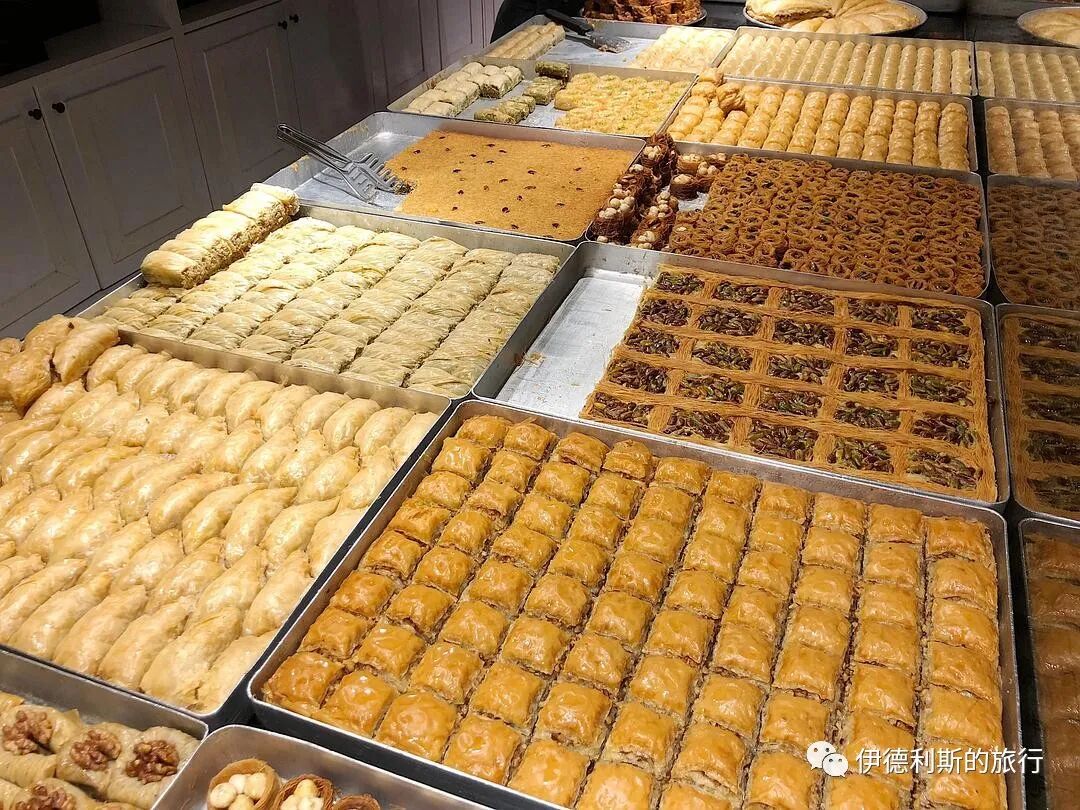
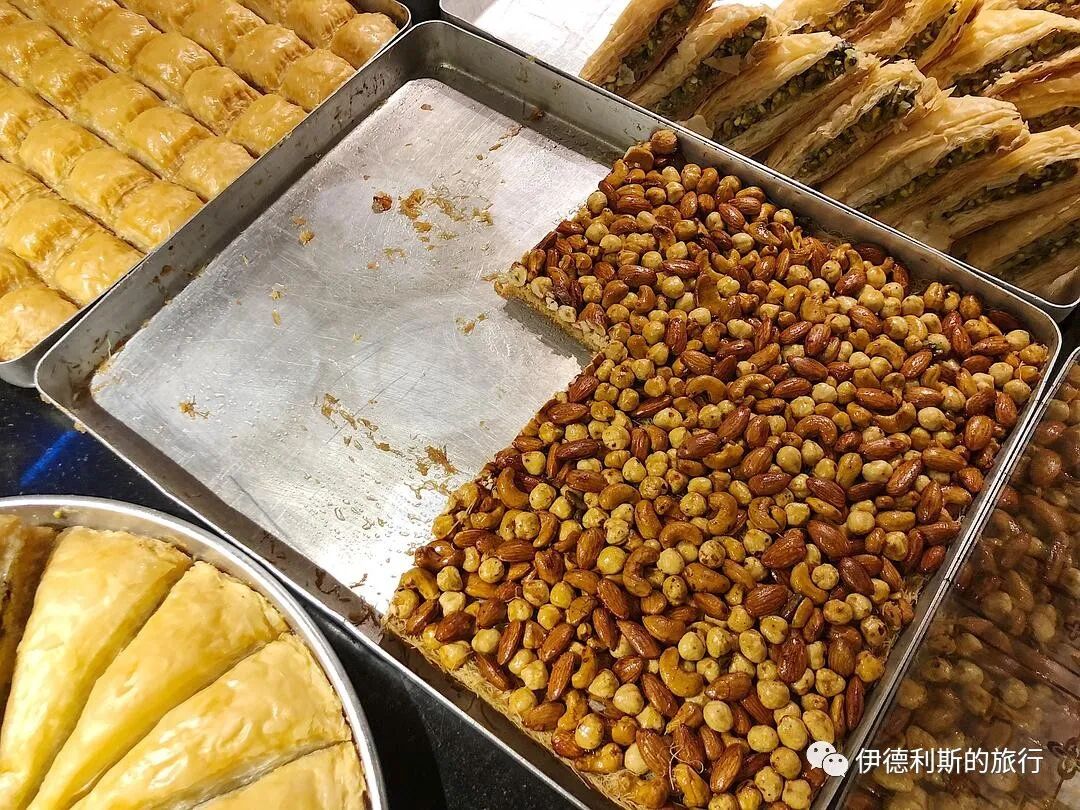
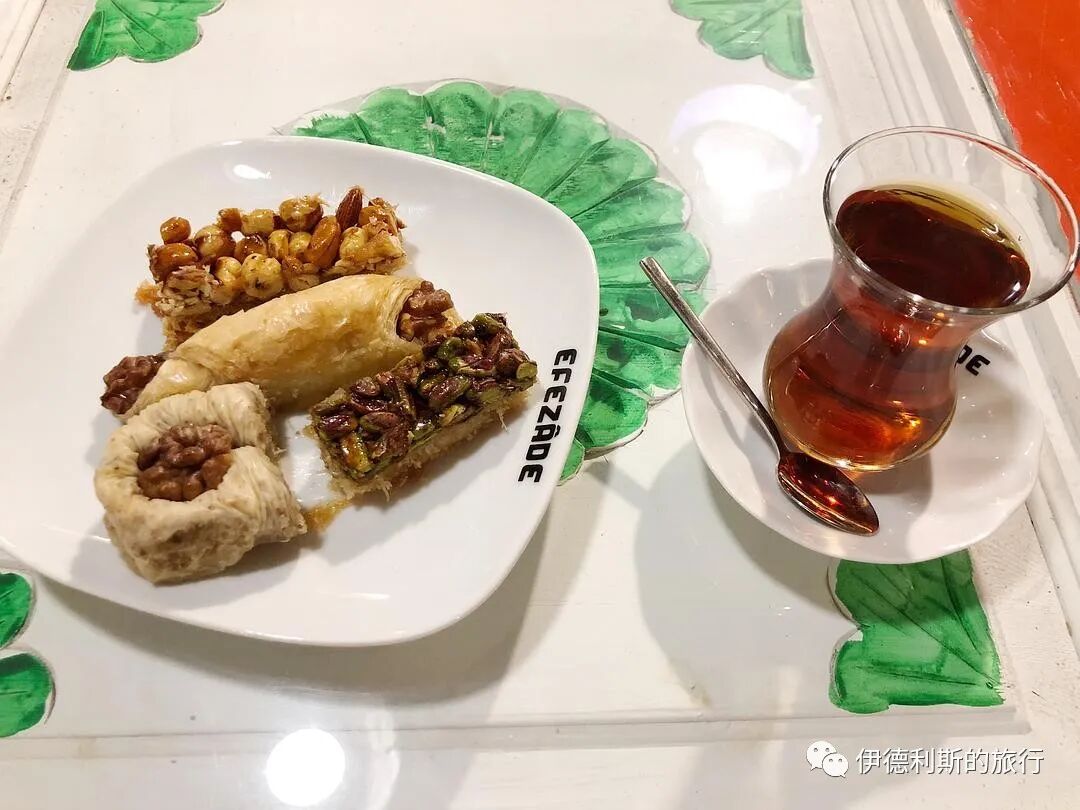
The pastry in the bottom left of the picture below is called nightingale's nest (bülbül yuvası), which translates literally to 'nightingale's nest'.
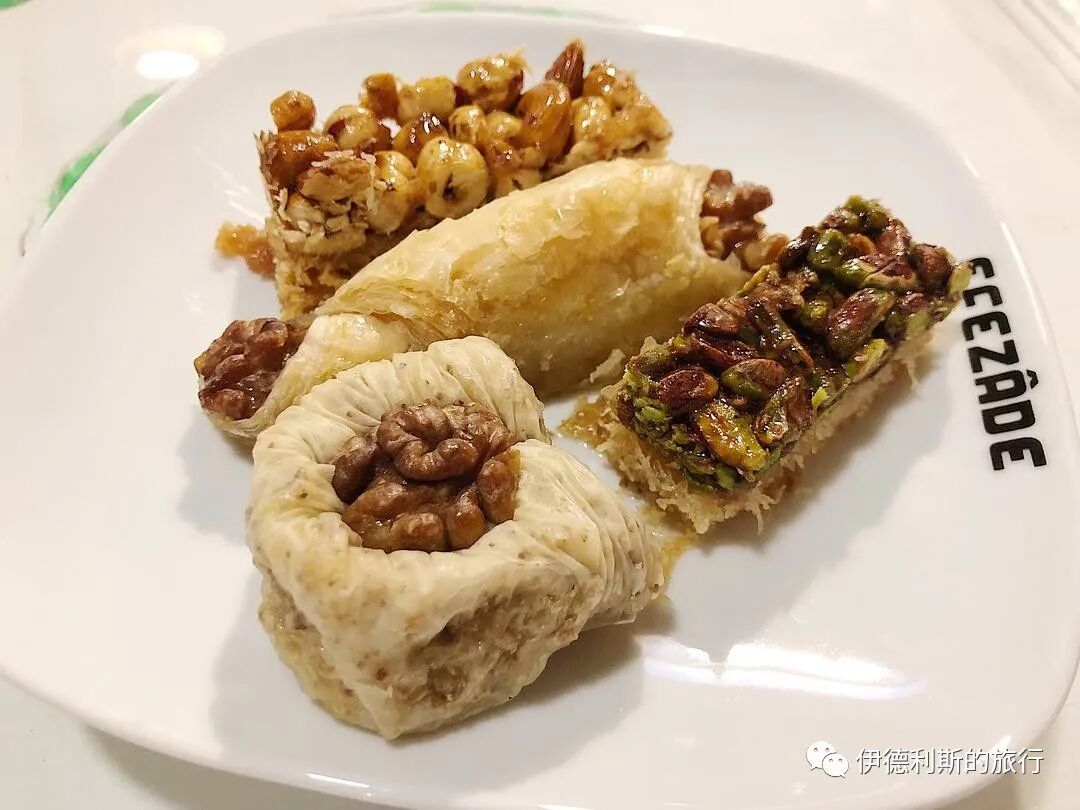
There are also various types of Turkish delight (lokum). The word lokum comes from the Arabic 'al-halkum'. Arabs call Turkish delight 'rāḥatal-ḥulqūm', which means 'throat comfort'.
According to the Hacı Bekir company, Turkish delight was brought to Istanbul from his hometown of Kastamonu by the founder, Hacı Bekir, in 1777. Some historians question this claim because similar soft candies made from starch and sugar appeared in Arab and Persian lands centuries earlier.
Turkish coffee served with pudding on the street.
In the early Ottoman Empire, strong coffee was banned as a medicine, but the Sultan eventually lifted the ban because it became so popular with the people.
Turkish coffee is recognized by UNESCO as part of Turkey's intangible cultural heritage.
The picture below shows Vefa Bozacisi, the only boza shop in 19th-century Istanbul. It was opened in 1876 by brothers Haci Ibrahim and Haci Sadik in the Vefa district of Istanbul, near the entertainment center of the time, Direklerarası. It is still run by the great-grandchildren of Haci Sadik and Haci Ibrahim today.
Boza is a fermented grain drink popular in Turkey, Iran, the Balkans, Central Asia, and the Caucasus. In Turkey, it is usually made from fermented wheat. It is thick and tastes sweet with a hint of sourness.
In Chagatai Turkic, boza means a drink made from camel milk, while in Persian, büze is used to refer to millet. Central Asian Turkic people began calling fermented grain drinks, usually made from millet, boza in the 10th century. It later spread to the Caucasus and the Balkans and became an important town drink during the Ottoman Empire.
The snack in the picture below is called tulumba tatlısı, which is deep-fried dough soaked in syrup. It is widely popular in former Ottoman regions, including Turkey, the Balkans, and Armenia. It is also called balah alsham in Arab regions and is often eaten during Ramadan.
Main course
A type of kebab called testi kebab eaten at this restaurant called Urfalim Lahmacun. Testi kebab comes from Central Anatolia and the Black Sea region. Testi means jar or pot in Turkish, and it involves cooking various meats and vegetables in a clay pot.
Arabic flatbread, which is very thin.
This soup is called ezogelin. It is made from crushed dried wheat and red lentils, with ingredients including rice, olive oil, butter, onions, garlic, tomatoes, chili peppers, dried mint, black pepper, and salt.
I had a dish called patlıcanlı kebab, which translates to eggplant kebab, at a bazaar next to the Rüstem Pasha Mosque in the evening, along with a drink called yayık ayran, which is a honey yogurt drink.
Halal Travel Guide: Istanbul — Mosques, Turkish Food and Ottoman Streets (Part 1 of 3) — Section 2 of 2 — Block 1 of 2
Articles • ali2007fr posted the article • 0 comments • 163 views • 2026-05-18 07:46
Summary: Istanbul — Mosques, Turkish Food and Ottoman Streets is presented here as a firsthand travel account in clear English, beginning with this scene: I spent half a month traveling in Turkey from September to October 2018. While visiting historical sites in Istanbul, I tried some local food and would like to share it with you here. The account keeps its focus on Istanbul Travel, Turkish Food, Ottoman Heritage while preserving the names, places, food, and historical details from the Chinese source. This public article combines adjacent translated blocks from the same source section.
Block 1 of 2
Turkish coffee served with pudding on the street.
In the early Ottoman Empire, strong coffee was banned as a medicine, but the Sultan eventually lifted the ban because it became so popular with the people.
Turkish coffee is recognized by UNESCO as part of Turkey's intangible cultural heritage.
The picture below shows Vefa Bozacisi, the only boza shop in 19th-century Istanbul. It was opened in 1876 by brothers Haci Ibrahim and Haci Sadik in the Vefa district of Istanbul, near the entertainment center of the time, Direklerarası. It is still run by the great-grandchildren of Haci Sadik and Haci Ibrahim today.
Boza is a fermented grain drink popular in Turkey, Iran, the Balkans, Central Asia, and the Caucasus. In Turkey, it is usually made from fermented wheat. It is thick and tastes sweet with a hint of sourness.
In Chagatai Turkic, boza means a drink made from camel milk, while in Persian, büze is used to refer to millet. Central Asian Turkic people began calling fermented grain drinks, usually made from millet, boza in the 10th century. It later spread to the Caucasus and the Balkans and became an important town drink during the Ottoman Empire.
The snack in the picture below is called tulumba tatlısı, which is deep-fried dough soaked in syrup. It is widely popular in former Ottoman regions, including Turkey, the Balkans, and Armenia. It is also called balah alsham in Arab regions and is often eaten during Ramadan.
Main course
A type of kebab called testi kebab eaten at this restaurant called Urfalim Lahmacun. Testi kebab comes from Central Anatolia and the Black Sea region. Testi means jar or pot in Turkish, and it involves cooking various meats and vegetables in a clay pot.
Arabic flatbread, which is very thin.
This soup is called ezogelin. It is made from crushed dried wheat and red lentils, with ingredients including rice, olive oil, butter, onions, garlic, tomatoes, chili peppers, dried mint, black pepper, and salt.
I had a dish called patlıcanlı kebab, which translates to eggplant kebab, at a bazaar next to the Rüstem Pasha Mosque in the evening, along with a drink called yayık ayran, which is a honey yogurt drink. view all
Summary: Istanbul — Mosques, Turkish Food and Ottoman Streets is presented here as a firsthand travel account in clear English, beginning with this scene: I spent half a month traveling in Turkey from September to October 2018. While visiting historical sites in Istanbul, I tried some local food and would like to share it with you here. The account keeps its focus on Istanbul Travel, Turkish Food, Ottoman Heritage while preserving the names, places, food, and historical details from the Chinese source. This public article combines adjacent translated blocks from the same source section.
Block 1 of 2
Turkish coffee served with pudding on the street.
In the early Ottoman Empire, strong coffee was banned as a medicine, but the Sultan eventually lifted the ban because it became so popular with the people.
Turkish coffee is recognized by UNESCO as part of Turkey's intangible cultural heritage.
The picture below shows Vefa Bozacisi, the only boza shop in 19th-century Istanbul. It was opened in 1876 by brothers Haci Ibrahim and Haci Sadik in the Vefa district of Istanbul, near the entertainment center of the time, Direklerarası. It is still run by the great-grandchildren of Haci Sadik and Haci Ibrahim today.
Boza is a fermented grain drink popular in Turkey, Iran, the Balkans, Central Asia, and the Caucasus. In Turkey, it is usually made from fermented wheat. It is thick and tastes sweet with a hint of sourness.
In Chagatai Turkic, boza means a drink made from camel milk, while in Persian, büze is used to refer to millet. Central Asian Turkic people began calling fermented grain drinks, usually made from millet, boza in the 10th century. It later spread to the Caucasus and the Balkans and became an important town drink during the Ottoman Empire.
The snack in the picture below is called tulumba tatlısı, which is deep-fried dough soaked in syrup. It is widely popular in former Ottoman regions, including Turkey, the Balkans, and Armenia. It is also called balah alsham in Arab regions and is often eaten during Ramadan.
Main course
A type of kebab called testi kebab eaten at this restaurant called Urfalim Lahmacun. Testi kebab comes from Central Anatolia and the Black Sea region. Testi means jar or pot in Turkish, and it involves cooking various meats and vegetables in a clay pot.
Arabic flatbread, which is very thin.
This soup is called ezogelin. It is made from crushed dried wheat and red lentils, with ingredients including rice, olive oil, butter, onions, garlic, tomatoes, chili peppers, dried mint, black pepper, and salt.
I had a dish called patlıcanlı kebab, which translates to eggplant kebab, at a bazaar next to the Rüstem Pasha Mosque in the evening, along with a drink called yayık ayran, which is a honey yogurt drink.
Halal Travel Guide: Istanbul — Mosques, Turkish Food and Ottoman Streets (Part 1 of 3) — Section 1 of 2
Articles • ali2007fr posted the article • 0 comments • 187 views • 2026-05-18 07:44
Summary: Istanbul — Mosques, Turkish Food and Ottoman Streets is presented here as a firsthand travel account in clear English, beginning with this scene: I spent half a month traveling in Turkey from September to October 2018. While visiting historical sites in Istanbul, I tried some local food and would like to share it with you here. The account keeps its focus on Istanbul Travel, Turkish Food, Ottoman Heritage while preserving the names, places, food, and historical details from the Chinese source. This retry section is 1 of 2.
Section 1 of 2
I spent half a month traveling in Turkey from September to October 2018. While visiting historical sites in Istanbul, I tried some local food and would like to share it with you here.
Street food.
Simit is a type of bread ring popular in the former Ottoman territories and the Middle East, and it is a common street snack in Istanbul.
The word simit comes from the Arabic word samīd, which means white bread or fine flour. The earliest records of simit bread rings in Istanbul date back to 1525. By 1594, Istanbul had established the first regulations for the weight and price of simit bread rings. According to the famous 17th-century Ottoman traveler Evliya Çelebi, there were 70 simit bakeries in Istanbul in the 1630s.
Because of its low price, simit has become an important symbol for the working class in Turkey.
Roasted corn and boiled corn are street snacks just as common as the bread rings.
There are also various kinds of freshly squeezed fruit juices on the streets of Istanbul, and this time I had fresh pomegranate juice.
Autumn is the season for eating roasted chestnuts.
There are all kinds of ice cream shops on the streets of Istanbul. I had never eaten this black mulberry flavor before, and the young lady selling the ice cream was very sweet.
Desserts
1. Ashure porridge
There are many dessert shops in Istanbul with a wide variety of traditional sweets, and there are many on Istiklal Avenue alone. I had Turkish Ashure porridge at a dessert shop called Taxim Süitiş.
The Turkish word Ashure comes from the Arabic word Āshūrā, which means tenth. On the tenth day of the first month (Muharram) of the Islamic calendar in the year 61, the family of the Prophet's grandson, Husayn, died while fleeing Mecca due to the pursuit of the Umayyad dynasty. This day has become an important memorial day for Shia and some Sunni Muslims. For Sunni Muslims, the Day of Ashura is also an important memorial day for many events, such as when the Prophet Musa (Moses) was pursued by the Pharaoh to the Red Sea and the sea parted to create a path for them to escape, when the Prophet Nuh (Noah) left the ark, and when the Prophet Muhammad arrived in Medina.
Ashure porridge was popularized in Turkey by the Alevis. To commemorate the martyrdom of the saint Ali, the Alevis do not eat meat on this day, but instead eat Ashure porridge made from grains, fruits, dried fruits, and nuts.
The Alevis respect the saint Ali just like the Shia, but their rituals are completely different from the Shia. The Alevis are actually an Islamic sect that blends Shia and Sufi beliefs, native Turkish animism, and some Sunni elements. They are more used to expressing their faith through music and dance in a gathering hall (cemevi).
For traditional Sunni Muslims in Turkey, people share Ashura porridge (ashure) with friends, relatives, neighbors, colleagues, and classmates on the Day of Ashura, regardless of their religious beliefs. Legend says that on the Day of Ashura, after the Prophet Nuh (Noah) landed his ark, his family prepared a meal to celebrate. Because their supplies were almost gone, they mixed the remaining grains and dried fruits together to make Ashura porridge.
The recipe for Ashura porridge is not fixed; traditionally it has at least 7 ingredients, and some people use 10 to match the theme of the tenth day. The Alevis always use 12 ingredients.
I bought a box of Turkish delight (lokum) as a gift at Hakki Zade, an old Ottoman brand and chain store on Istiklal Avenue.
The dessert shop below, called Efezade, is not far southwest of the old Ottoman palace, and the words Baklava & Lokum above the shop name refer to Turkish pastries and Turkish delight.
Modern Turkish nut-filled pastry (baklava) is said to have come from the Ottoman court, where the Ottoman Sultan would distribute baklava on trays to the Janissaries during a procession on the 15th of Ramadan, a ceremony known as the Baklava Procession (Baklava Alayı).
There is no final conclusion about the origin of baklava in the pre-Ottoman era, but there are three mainstream views: the Byzantine Placenta pastry inherited from Rome, the layered pastry tradition of Central Asian Turks, and the Persian Lauzinaq pastry.
This young man was very enthusiastic and kept pestering me to teach him Chinese.
A diagram of various Turkish pastries.
The pastry in the bottom left of the picture below is called nightingale's nest (bülbül yuvası), which translates literally to 'nightingale's nest'.
There are also various types of Turkish delight (lokum). The word lokum comes from the Arabic 'al-halkum'. Arabs call Turkish delight 'rāḥatal-ḥulqūm', which means 'throat comfort'.
According to the Hacı Bekir company, Turkish delight was brought to Istanbul from his hometown of Kastamonu by the founder, Hacı Bekir, in 1777. Some historians question this claim because similar soft candies made from starch and sugar appeared in Arab and Persian lands centuries earlier. view all
Summary: Istanbul — Mosques, Turkish Food and Ottoman Streets is presented here as a firsthand travel account in clear English, beginning with this scene: I spent half a month traveling in Turkey from September to October 2018. While visiting historical sites in Istanbul, I tried some local food and would like to share it with you here. The account keeps its focus on Istanbul Travel, Turkish Food, Ottoman Heritage while preserving the names, places, food, and historical details from the Chinese source. This retry section is 1 of 2.
Section 1 of 2
I spent half a month traveling in Turkey from September to October 2018. While visiting historical sites in Istanbul, I tried some local food and would like to share it with you here.
Street food.
Simit is a type of bread ring popular in the former Ottoman territories and the Middle East, and it is a common street snack in Istanbul.
The word simit comes from the Arabic word samīd, which means white bread or fine flour. The earliest records of simit bread rings in Istanbul date back to 1525. By 1594, Istanbul had established the first regulations for the weight and price of simit bread rings. According to the famous 17th-century Ottoman traveler Evliya Çelebi, there were 70 simit bakeries in Istanbul in the 1630s.
Because of its low price, simit has become an important symbol for the working class in Turkey.
Roasted corn and boiled corn are street snacks just as common as the bread rings.
There are also various kinds of freshly squeezed fruit juices on the streets of Istanbul, and this time I had fresh pomegranate juice.
Autumn is the season for eating roasted chestnuts.
There are all kinds of ice cream shops on the streets of Istanbul. I had never eaten this black mulberry flavor before, and the young lady selling the ice cream was very sweet.
Desserts
1. Ashure porridge
There are many dessert shops in Istanbul with a wide variety of traditional sweets, and there are many on Istiklal Avenue alone. I had Turkish Ashure porridge at a dessert shop called Taxim Süitiş.
The Turkish word Ashure comes from the Arabic word Āshūrā, which means tenth. On the tenth day of the first month (Muharram) of the Islamic calendar in the year 61, the family of the Prophet's grandson, Husayn, died while fleeing Mecca due to the pursuit of the Umayyad dynasty. This day has become an important memorial day for Shia and some Sunni Muslims. For Sunni Muslims, the Day of Ashura is also an important memorial day for many events, such as when the Prophet Musa (Moses) was pursued by the Pharaoh to the Red Sea and the sea parted to create a path for them to escape, when the Prophet Nuh (Noah) left the ark, and when the Prophet Muhammad arrived in Medina.
Ashure porridge was popularized in Turkey by the Alevis. To commemorate the martyrdom of the saint Ali, the Alevis do not eat meat on this day, but instead eat Ashure porridge made from grains, fruits, dried fruits, and nuts.
The Alevis respect the saint Ali just like the Shia, but their rituals are completely different from the Shia. The Alevis are actually an Islamic sect that blends Shia and Sufi beliefs, native Turkish animism, and some Sunni elements. They are more used to expressing their faith through music and dance in a gathering hall (cemevi).
For traditional Sunni Muslims in Turkey, people share Ashura porridge (ashure) with friends, relatives, neighbors, colleagues, and classmates on the Day of Ashura, regardless of their religious beliefs. Legend says that on the Day of Ashura, after the Prophet Nuh (Noah) landed his ark, his family prepared a meal to celebrate. Because their supplies were almost gone, they mixed the remaining grains and dried fruits together to make Ashura porridge.
The recipe for Ashura porridge is not fixed; traditionally it has at least 7 ingredients, and some people use 10 to match the theme of the tenth day. The Alevis always use 12 ingredients.
I bought a box of Turkish delight (lokum) as a gift at Hakki Zade, an old Ottoman brand and chain store on Istiklal Avenue.
The dessert shop below, called Efezade, is not far southwest of the old Ottoman palace, and the words Baklava & Lokum above the shop name refer to Turkish pastries and Turkish delight.
Modern Turkish nut-filled pastry (baklava) is said to have come from the Ottoman court, where the Ottoman Sultan would distribute baklava on trays to the Janissaries during a procession on the 15th of Ramadan, a ceremony known as the Baklava Procession (Baklava Alayı).
There is no final conclusion about the origin of baklava in the pre-Ottoman era, but there are three mainstream views: the Byzantine Placenta pastry inherited from Rome, the layered pastry tradition of Central Asian Turks, and the Persian Lauzinaq pastry.
This young man was very enthusiastic and kept pestering me to teach him Chinese.
A diagram of various Turkish pastries.
The pastry in the bottom left of the picture below is called nightingale's nest (bülbül yuvası), which translates literally to 'nightingale's nest'.
There are also various types of Turkish delight (lokum). The word lokum comes from the Arabic 'al-halkum'. Arabs call Turkish delight 'rāḥatal-ḥulqūm', which means 'throat comfort'.
According to the Hacı Bekir company, Turkish delight was brought to Istanbul from his hometown of Kastamonu by the founder, Hacı Bekir, in 1777. Some historians question this claim because similar soft candies made from starch and sugar appeared in Arab and Persian lands centuries earlier.
Halal Travel Guide: Istanbul — Mosques, Turkish Food and Ottoman Streets (Part 3 of 3)
Articles • ali2007fr posted the article • 0 comments • 136 views • 2026-05-18 07:41
Summary: Istanbul — Mosques, Turkish Food and Ottoman Streets is presented here as a firsthand travel account in clear English, beginning with this scene: I spent half a month traveling in Turkey from September to October 2018. While visiting historical sites in Istanbul, I tried some local food and would like to share it with you here. The account keeps its focus on Istanbul Travel, Turkish Food, Ottoman Heritage while preserving the names, places, food, and historical details from the Chinese source. This is part 3 of 3.
Part 3 of 3 view all
Summary: Istanbul — Mosques, Turkish Food and Ottoman Streets is presented here as a firsthand travel account in clear English, beginning with this scene: I spent half a month traveling in Turkey from September to October 2018. While visiting historical sites in Istanbul, I tried some local food and would like to share it with you here. The account keeps its focus on Istanbul Travel, Turkish Food, Ottoman Heritage while preserving the names, places, food, and historical details from the Chinese source. This is part 3 of 3.
Part 3 of 3
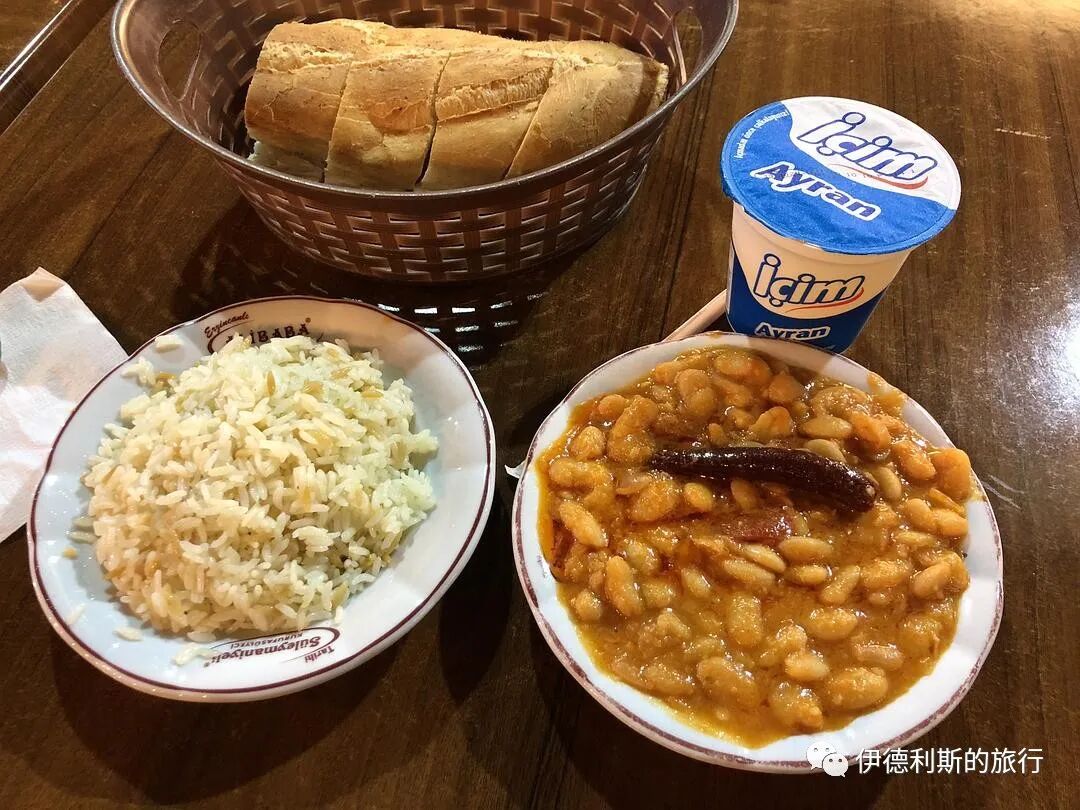
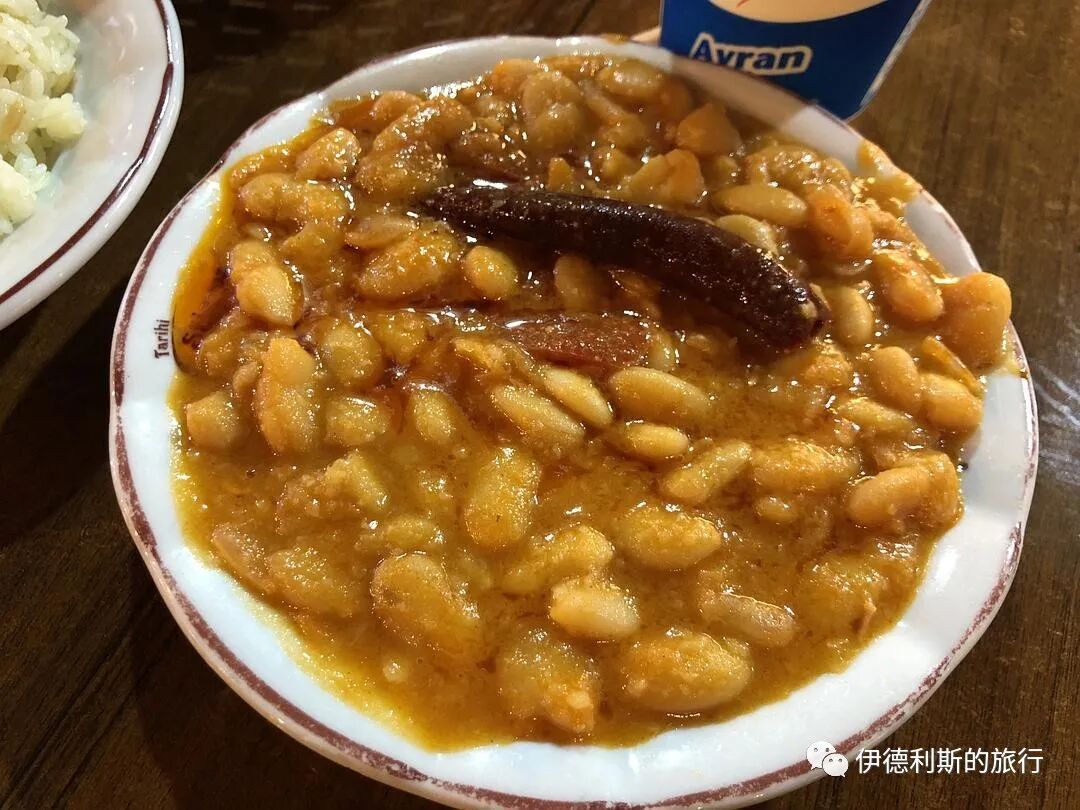
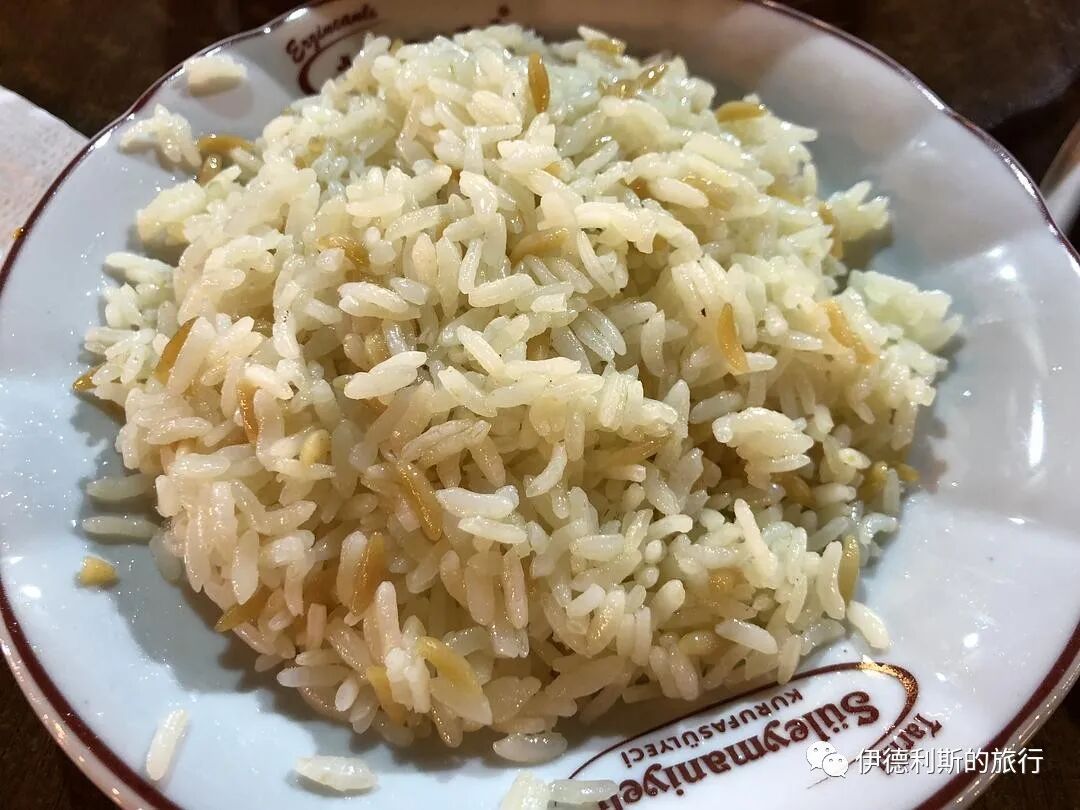
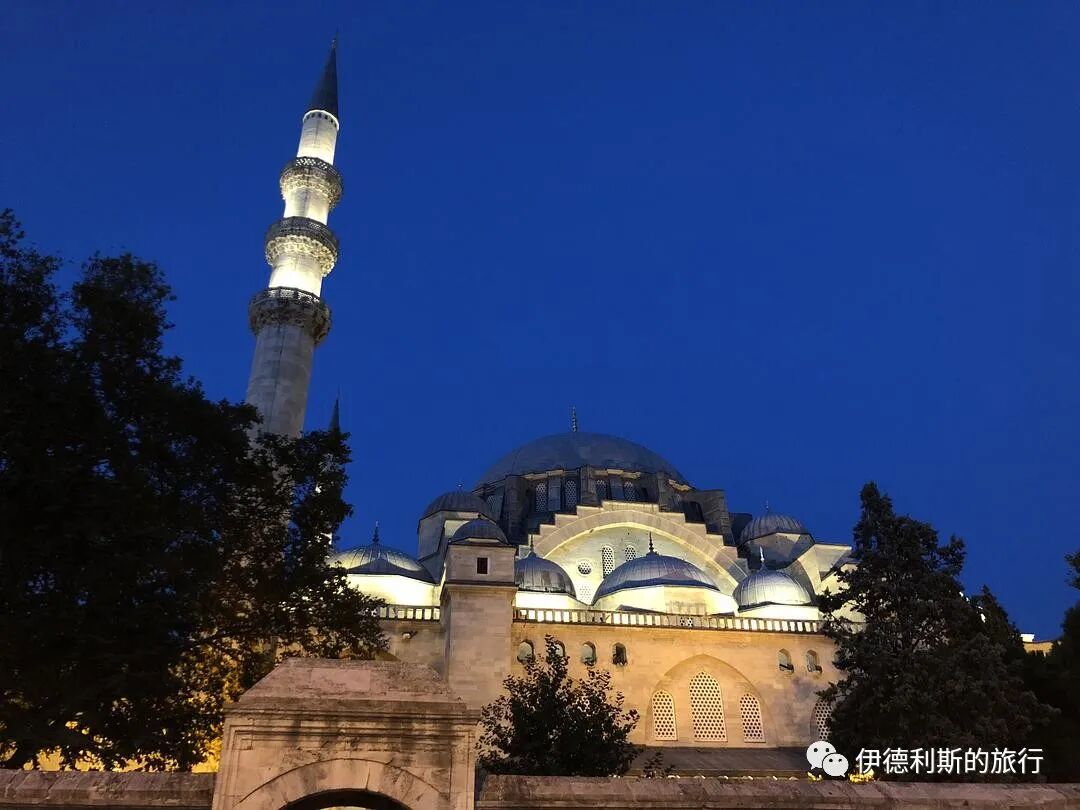
Halal Travel Guide: Istanbul — Mosques, Turkish Food and Ottoman Streets (Part 2 of 3)
Articles • ali2007fr posted the article • 0 comments • 151 views • 2026-05-18 07:41
Summary: Istanbul — Mosques, Turkish Food and Ottoman Streets is presented here as a firsthand travel account in clear English, beginning with this scene: I spent half a month traveling in Turkey from September to October 2018. While visiting historical sites in Istanbul, I tried some local food and would like to share it with you here. The account keeps its focus on Istanbul Travel, Turkish Food, Ottoman Heritage while preserving the names, places, food, and historical details from the Chinese source. This is part 2 of 3.
Part 2 of 3
This place serves naan and a salad of onions, peppers, and tomatoes (pilahong) right away, which feels very Inner Asian. By the end of the meal, the Uzbek guy in the red shirt in the middle of the picture helped me peel all the eggplant skins and rolled them up with roasted tomatoes, which was very touching.
Roasted lamb eaten next to the Hagia Sophia, which was very fresh and tender.
This soup is called chorba.
Bread in Turkish restaurants is free to eat.
Eat a flaky pastry (börek) at a flaky pastry shop. The word börek comes from Turkish and can refer to any food made with thin dough sheets (yufka). Börek originated in Anatolia and became popular in the Balkans and North Africa during the Ottoman Empire. It was especially popular in Ottoman Jewish communities, where it was known as one of the three major Ottoman Jewish pastries alongside boyos de pan and bulemas.
Eat iron-plate tomato grilled meat and scrambled eggs with vegetables (menemen) by the pier in the Asian district. Menemen is a Turkish food made of eggs, tomatoes, green peppers, and various spices, usually eaten for breakfast.
Foreign restaurants
While visiting historical sites in Istanbul, I passed through a neighborhood of Syrian people in the Fatih district. I went into a Syrian restaurant called Saruja and ordered three dishes. When I looked them up later, I found they were all Levantine cuisine.
The Levant refers to the eastern Mediterranean coastal region, including modern-day Jordan, Lebanon, Israel, Palestine, Syria, and parts of Turkey near Syria. During the Ottoman era, many Levantine foods spread to Turkey and Armenia and became local delicacies. The first dish was a minced meat flatbread (lahmacun). I chose a pomegranate-flavored one, and it tasted quite unique. The Turkish word lahmacun comes from the Arabic "laḥm'ajīn," which translates to "meat with dough." During the Ottoman era, this meat flatbread spread to Turkey and Armenia. In different places, it is called "Arab pizza," "Lebanese pizza," "Syrian pizza," "Armenian pizza," and "Turkish pizza."
The second dish is called kibbeh, known in Turkish as "içli köfte." Kibbeh is the North Levantine dialect version of the classical Arabic word "kubbah," which translates to "ball." Kibbeh is made of cracked wheat wrapped around a filling of minced meat, chopped onions, and Middle Eastern spices like cinnamon, nutmeg, cloves, and allspice. Kibbeh is most famous in Aleppo, northern Syria, where there are 17 different flavors. Besides the original, they add yogurt, lemon juice, pomegranate molasses, or cherry sauce.
Besides spreading to Turkey and Armenia during the Ottoman era, kibbeh also spread to Latin America with Levantine immigrants in the late 19th and early 20th centuries.
The third dish is chickpea puree (hummus). Hummus means "chickpea" in Arabic and is short for "ḥummuṣ bi ṭaḥīna" (chickpeas with sesame paste). Hummus is made by mixing chickpeas with sesame paste (tahini), olive oil, lemon juice, and garlic. It is very popular in the Middle East and the Mediterranean.
I ate pilaf (plov) and thin-skinned steamed buns (manti) at an Uzbek restaurant not far south of the Grand Bazaar. I have to praise these buns—the skin was incredibly thin! You cannot find them this thin in Beijing. A man sitting next to me spoke Chinese; he used to do business in Yiwu and Shanghai.
Grilled fish by the Golden Horn.
There are many places to eat grilled fish along the Golden Horn, and you can have it in a sandwich or just eat it on its own.
This restaurant is on the Galata Bridge. I ordered grilled salmon, and they gave me free tea after the meal.
There are many street stalls selling grilled fish sandwiches next to the Eminonu pier on the Golden Horn.
Rice.
Turkish rice shops are called Pilavcisi. While pilav refers to pilaf in Central and South Asia, in Turkey, they just call plain white rice pilav.
I ate rice mixed with chicken and liver (Pilav ustu Tavuk-Ciger) at this shop.
A street-facing section of one of the madrasas at the famous Suleymaniye Mosque is rented out to a restaurant called Ali Baba. This restaurant is known for its bean rice, or Kuru fasulye ve Pilav. Kuru fasulye is known as Turkey's national dish, made with white beans, olive oil, onions, and tomato paste. view all
Summary: Istanbul — Mosques, Turkish Food and Ottoman Streets is presented here as a firsthand travel account in clear English, beginning with this scene: I spent half a month traveling in Turkey from September to October 2018. While visiting historical sites in Istanbul, I tried some local food and would like to share it with you here. The account keeps its focus on Istanbul Travel, Turkish Food, Ottoman Heritage while preserving the names, places, food, and historical details from the Chinese source. This is part 2 of 3.
Part 2 of 3
This place serves naan and a salad of onions, peppers, and tomatoes (pilahong) right away, which feels very Inner Asian. By the end of the meal, the Uzbek guy in the red shirt in the middle of the picture helped me peel all the eggplant skins and rolled them up with roasted tomatoes, which was very touching.
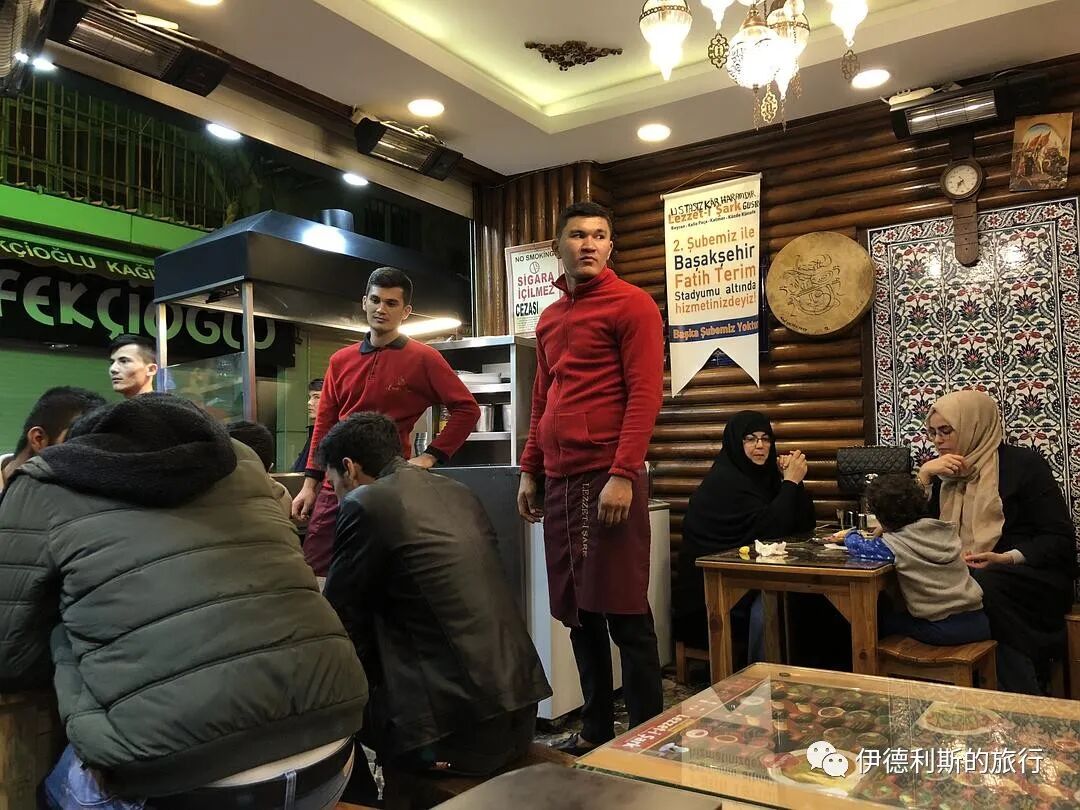
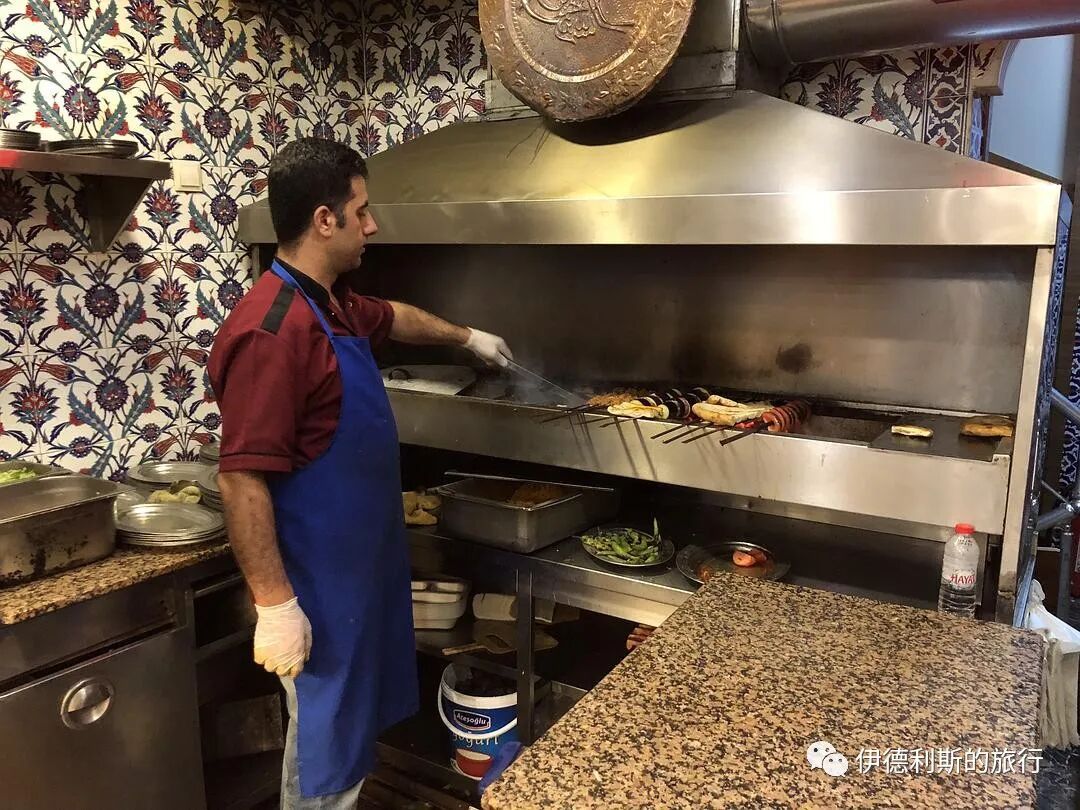
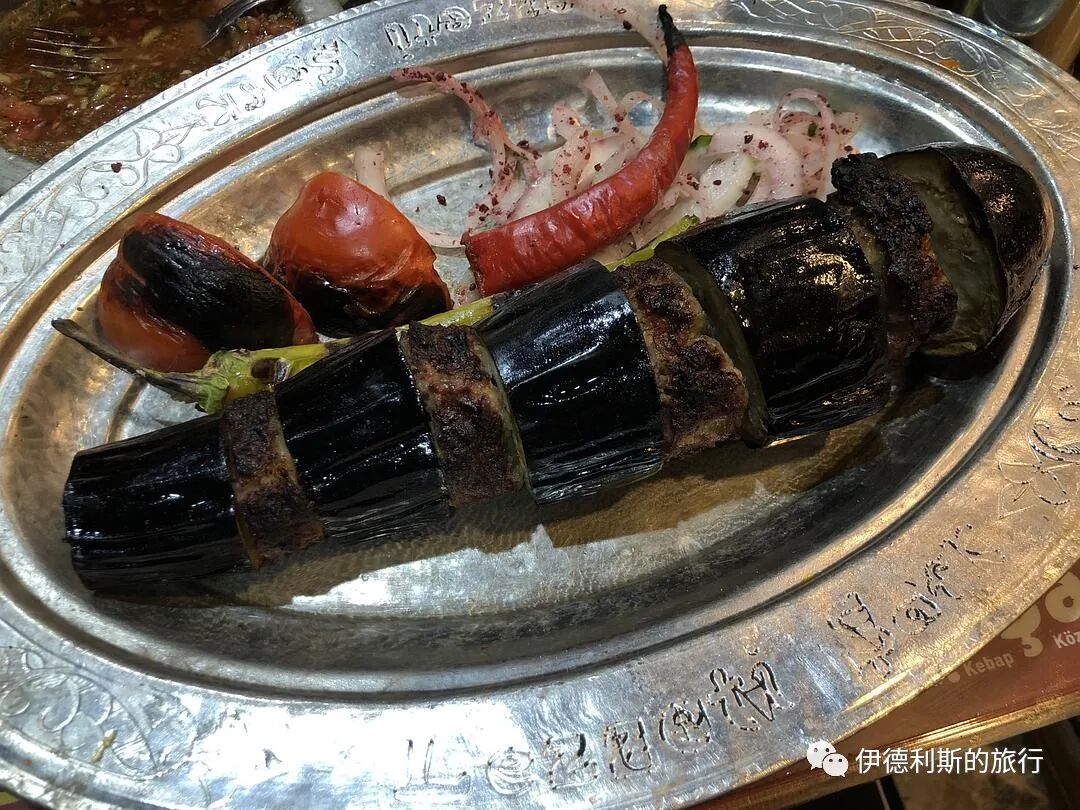
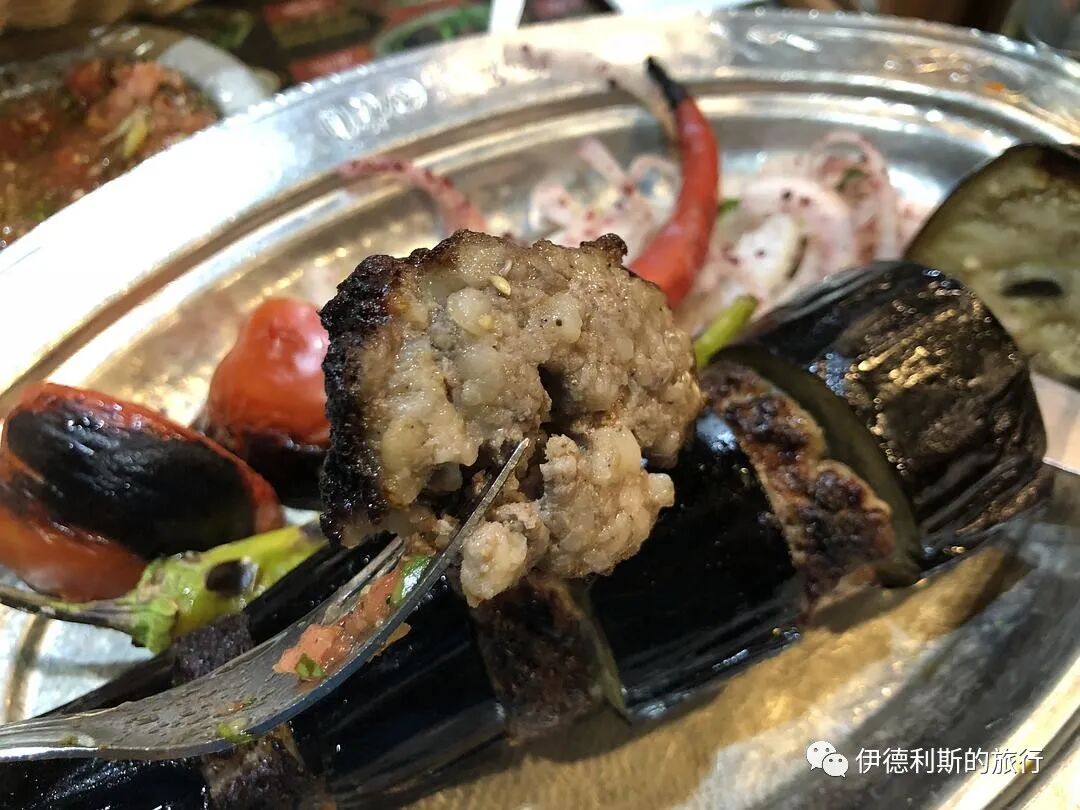
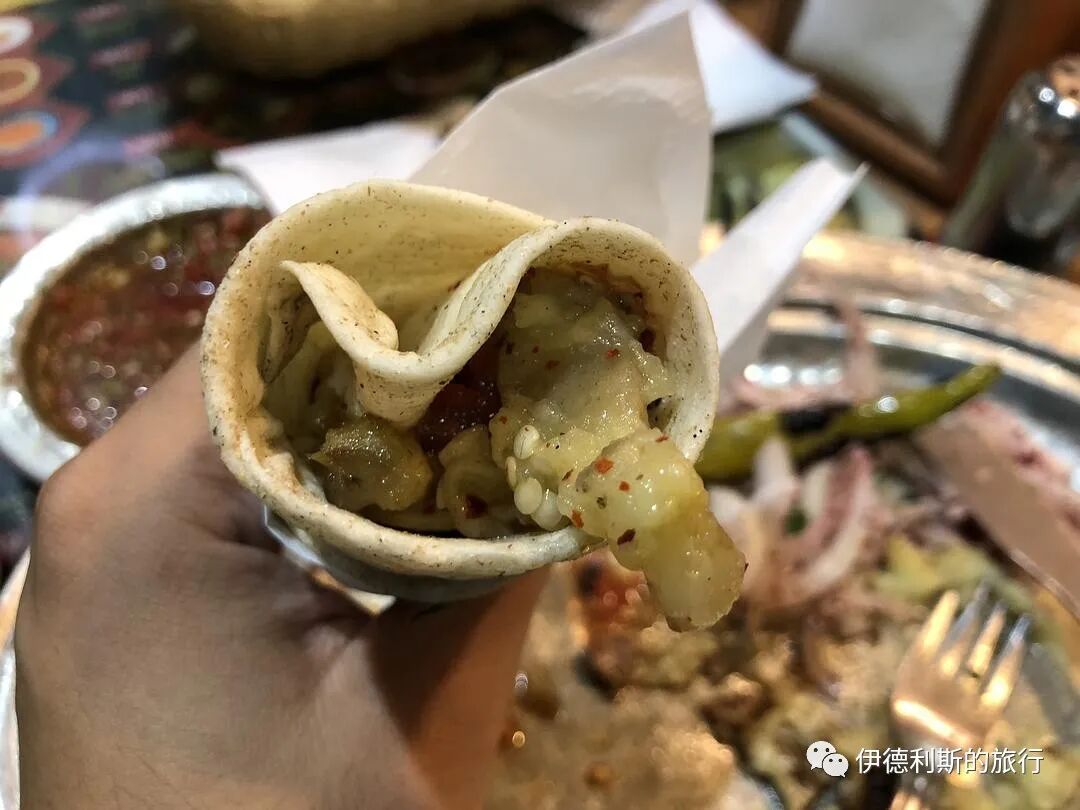
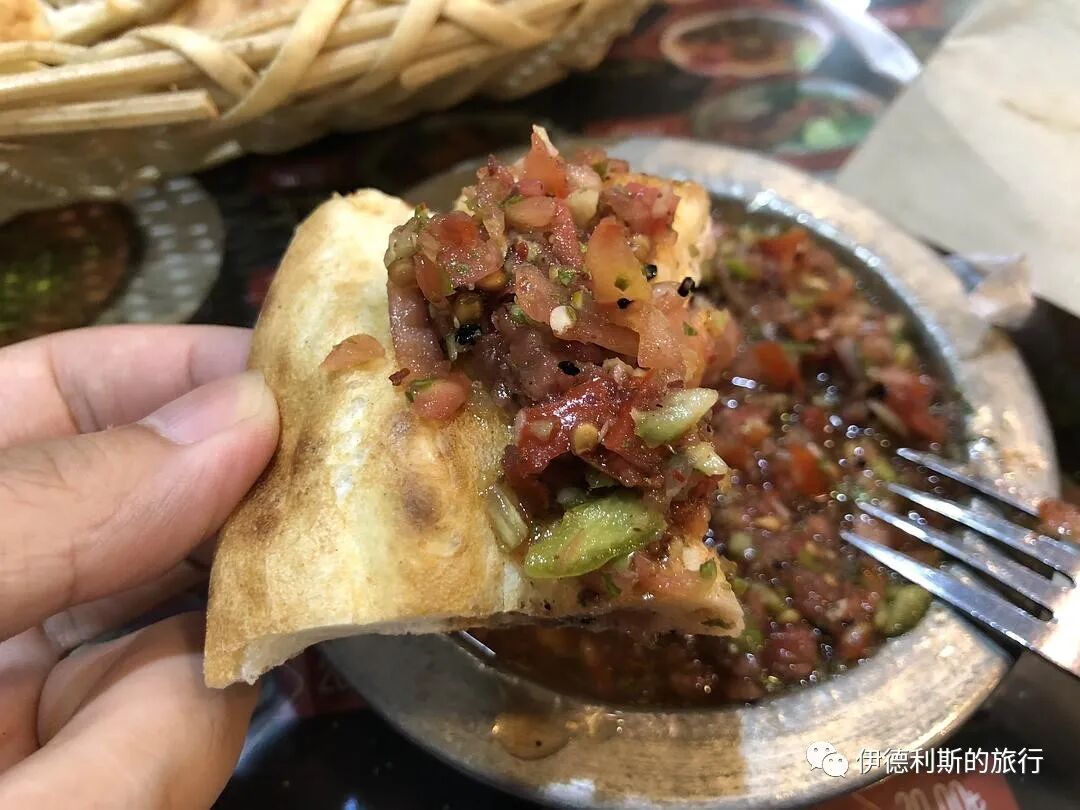
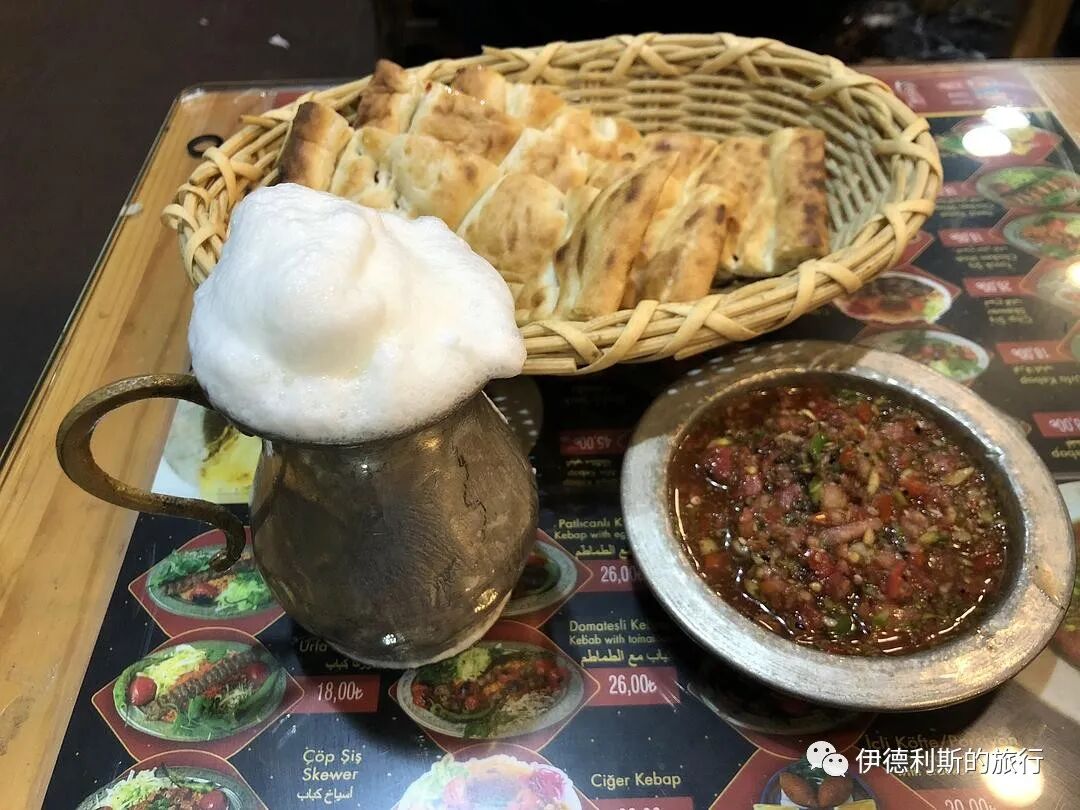
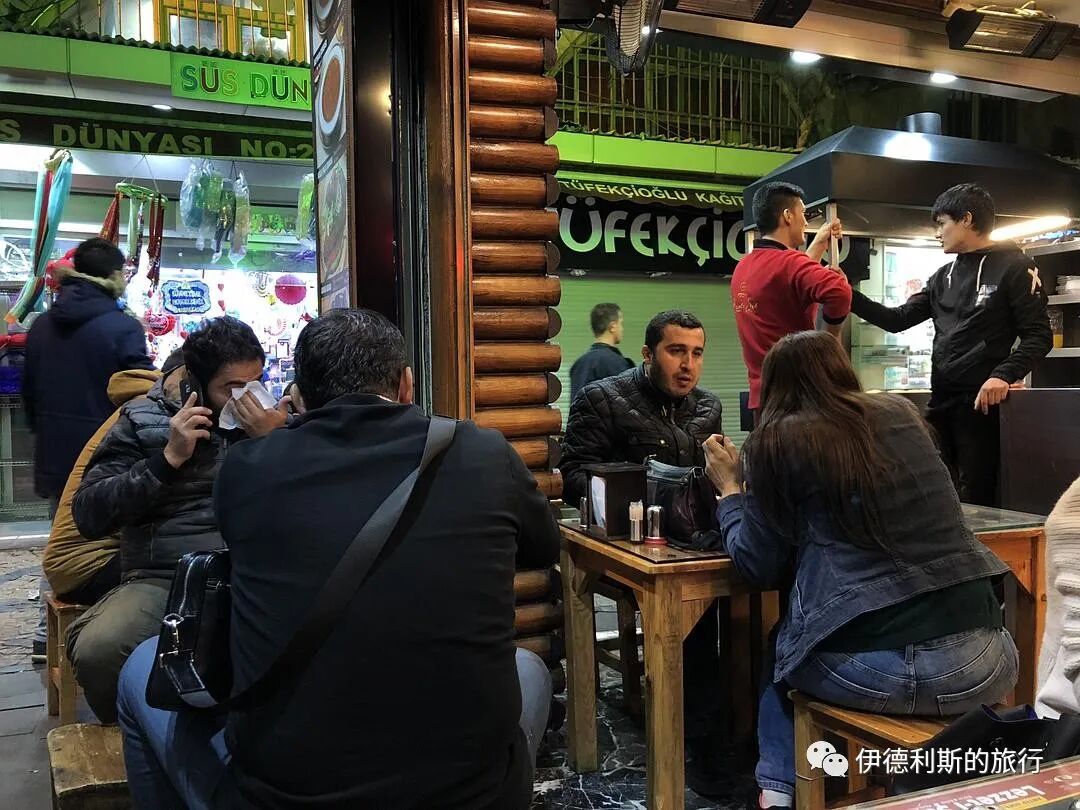
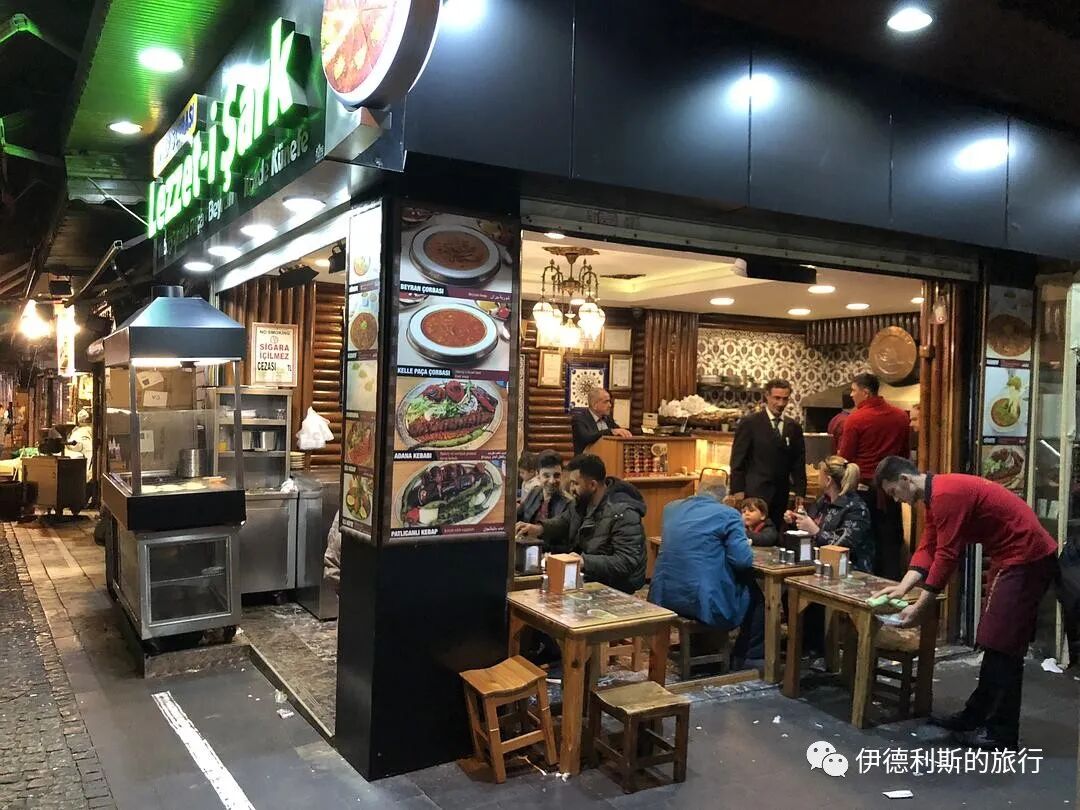
Roasted lamb eaten next to the Hagia Sophia, which was very fresh and tender.
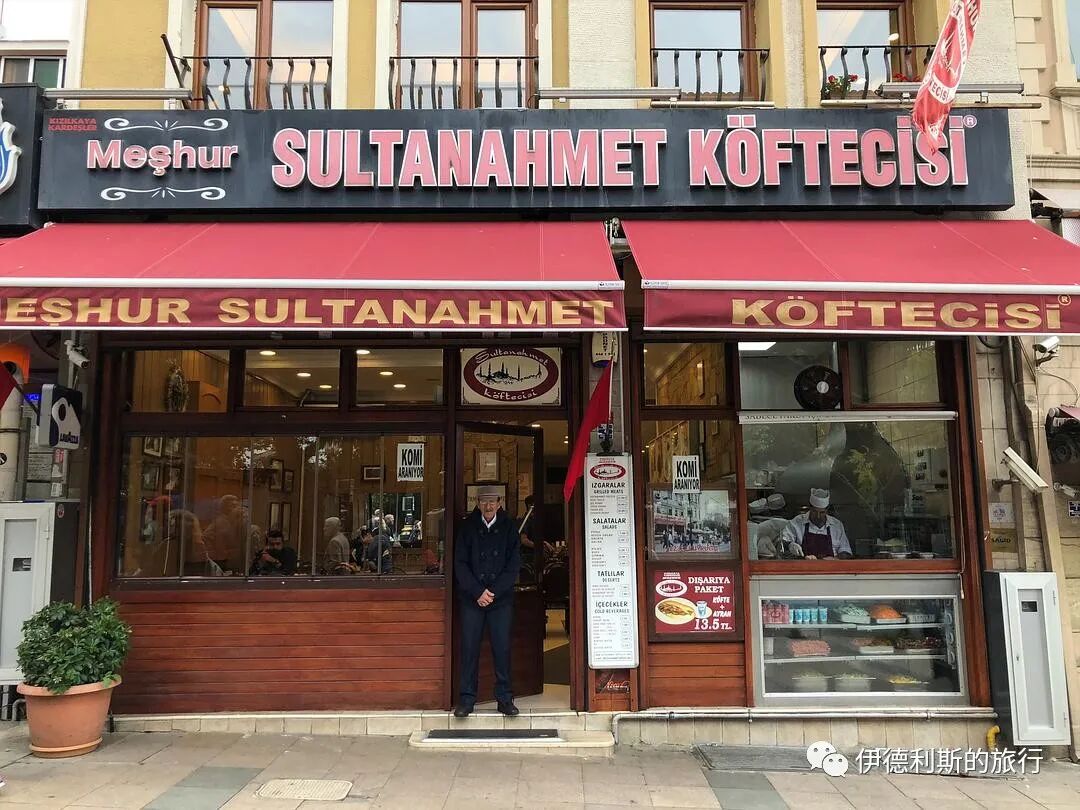
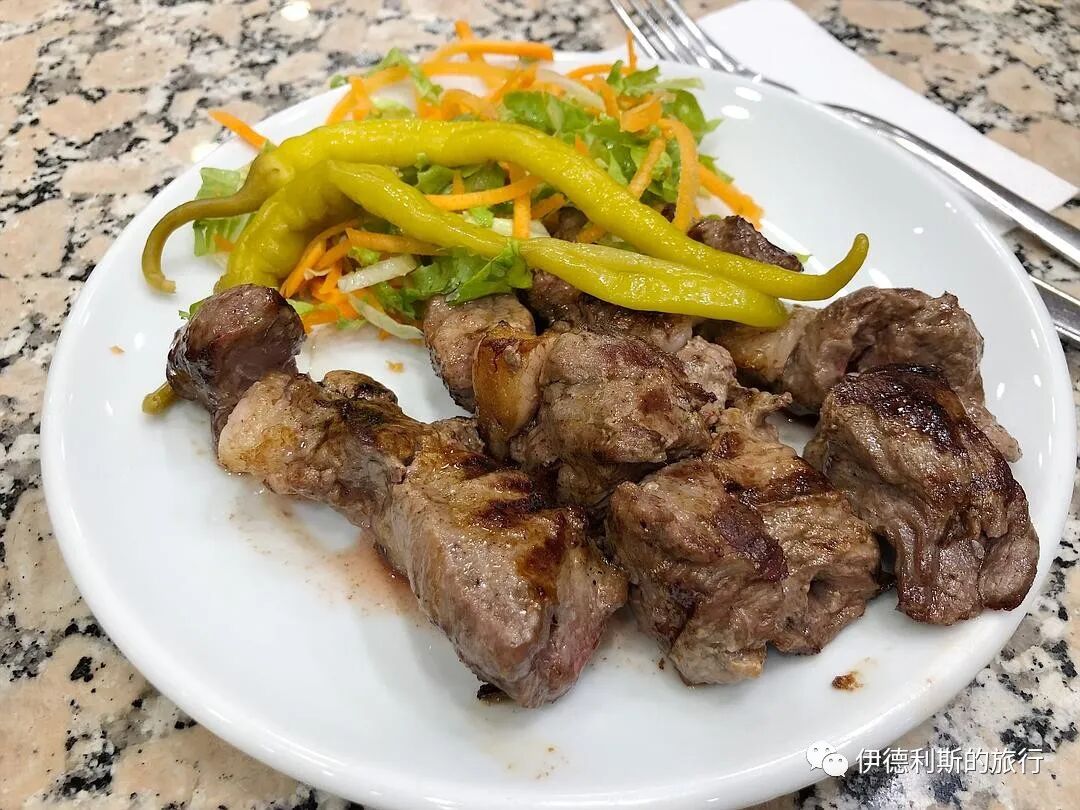
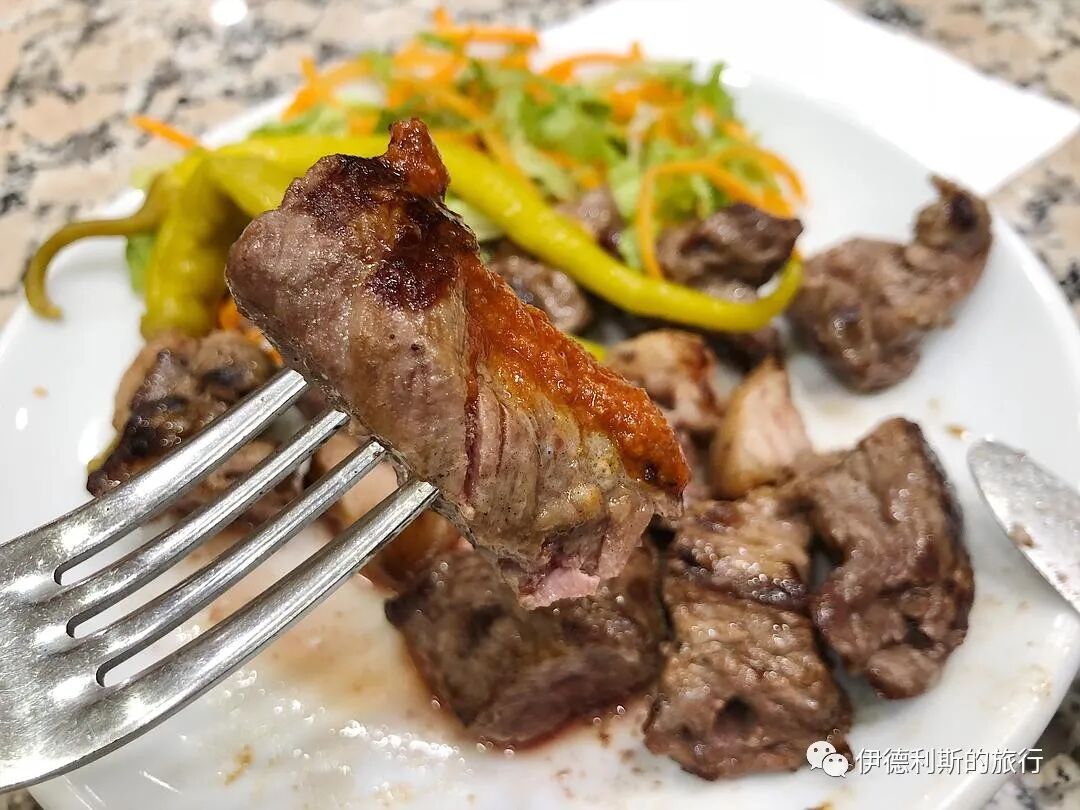
This soup is called chorba.
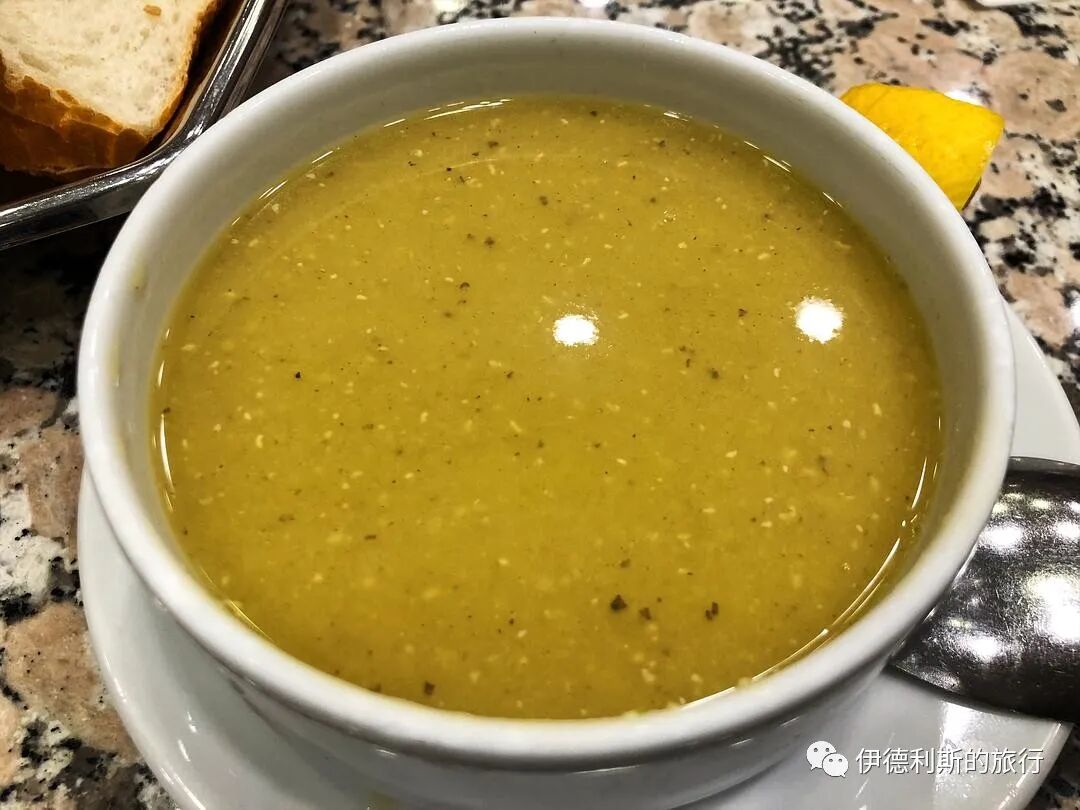
Bread in Turkish restaurants is free to eat.
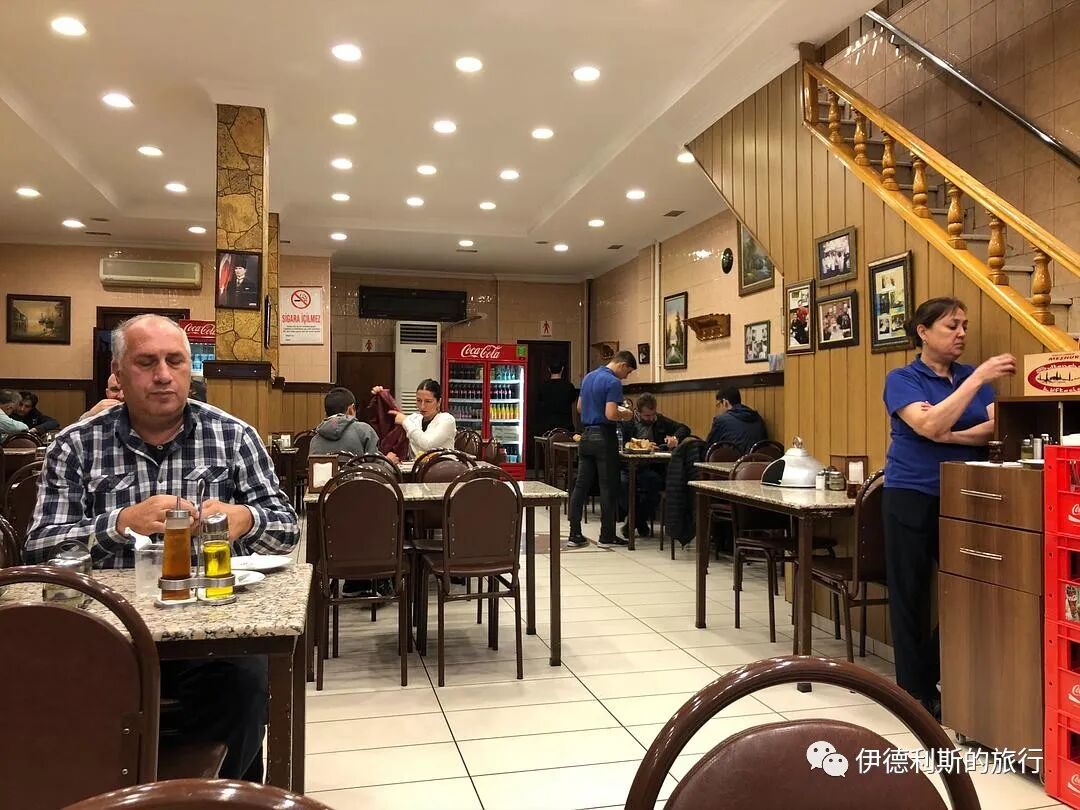
Eat a flaky pastry (börek) at a flaky pastry shop. The word börek comes from Turkish and can refer to any food made with thin dough sheets (yufka). Börek originated in Anatolia and became popular in the Balkans and North Africa during the Ottoman Empire. It was especially popular in Ottoman Jewish communities, where it was known as one of the three major Ottoman Jewish pastries alongside boyos de pan and bulemas.
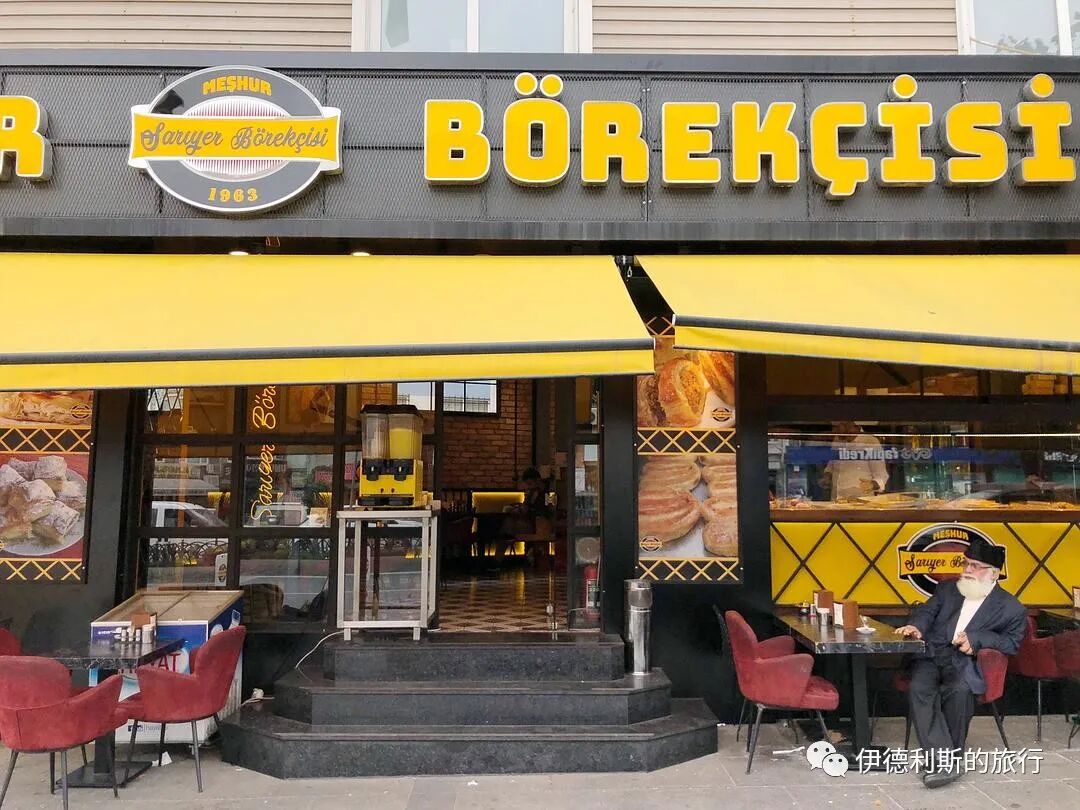
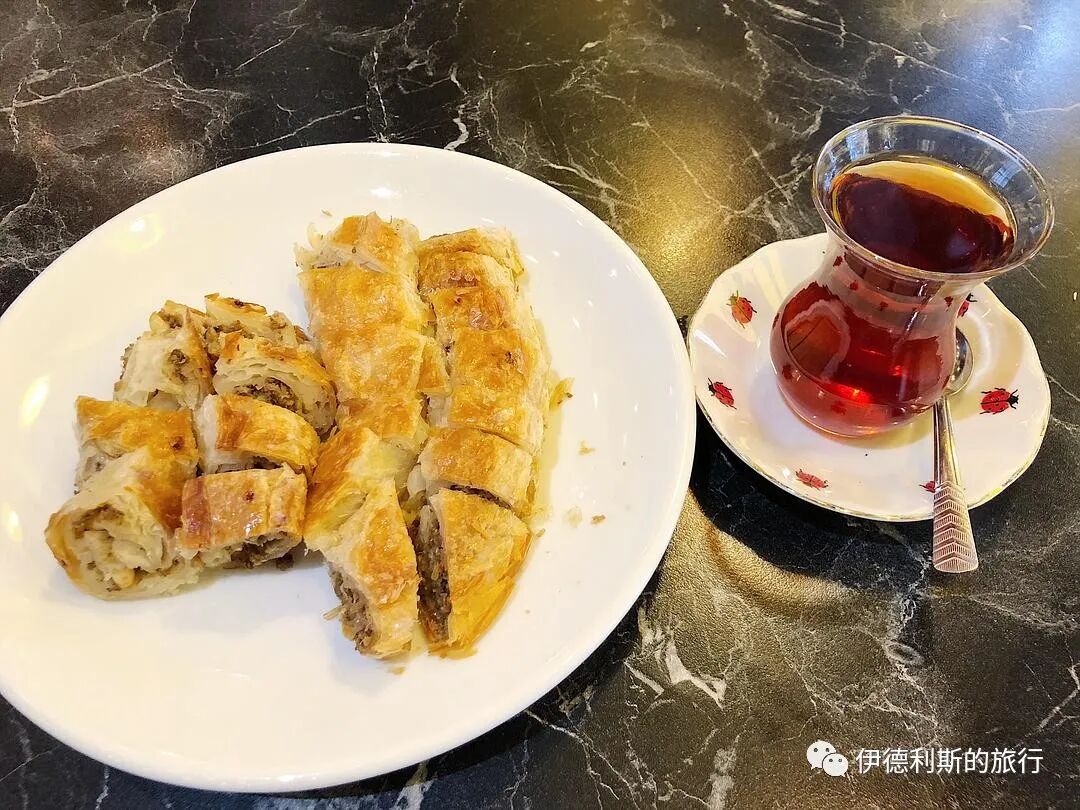
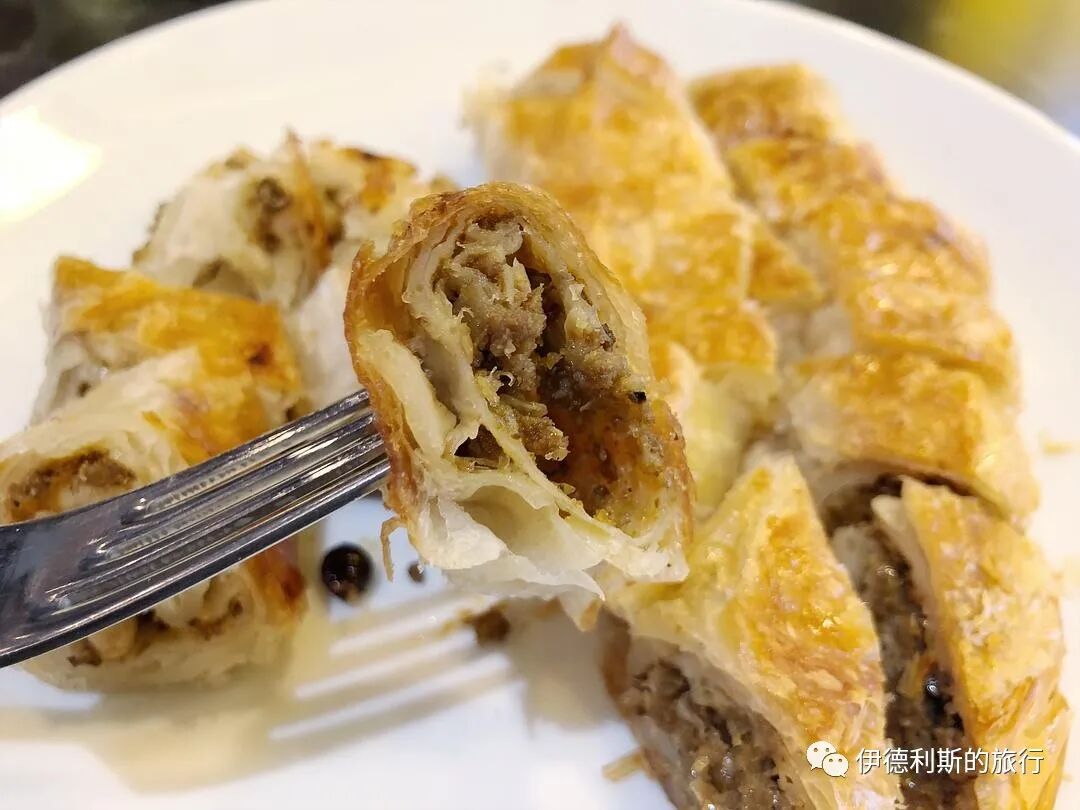
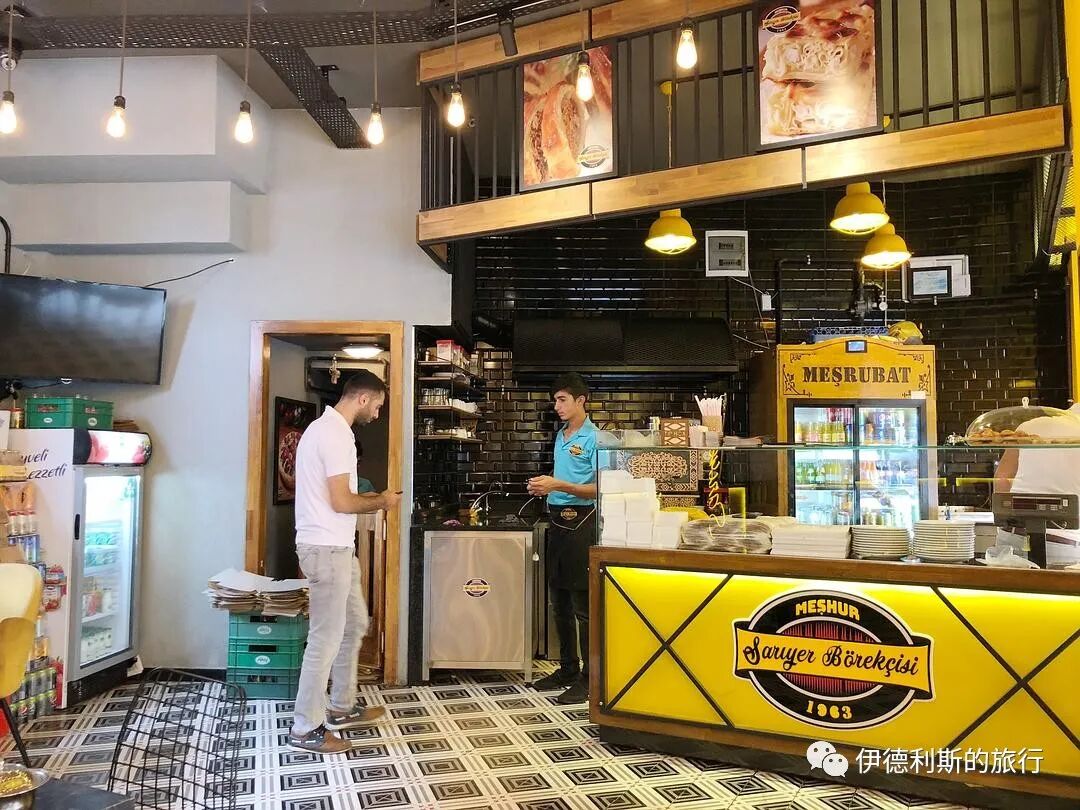
Eat iron-plate tomato grilled meat and scrambled eggs with vegetables (menemen) by the pier in the Asian district. Menemen is a Turkish food made of eggs, tomatoes, green peppers, and various spices, usually eaten for breakfast.
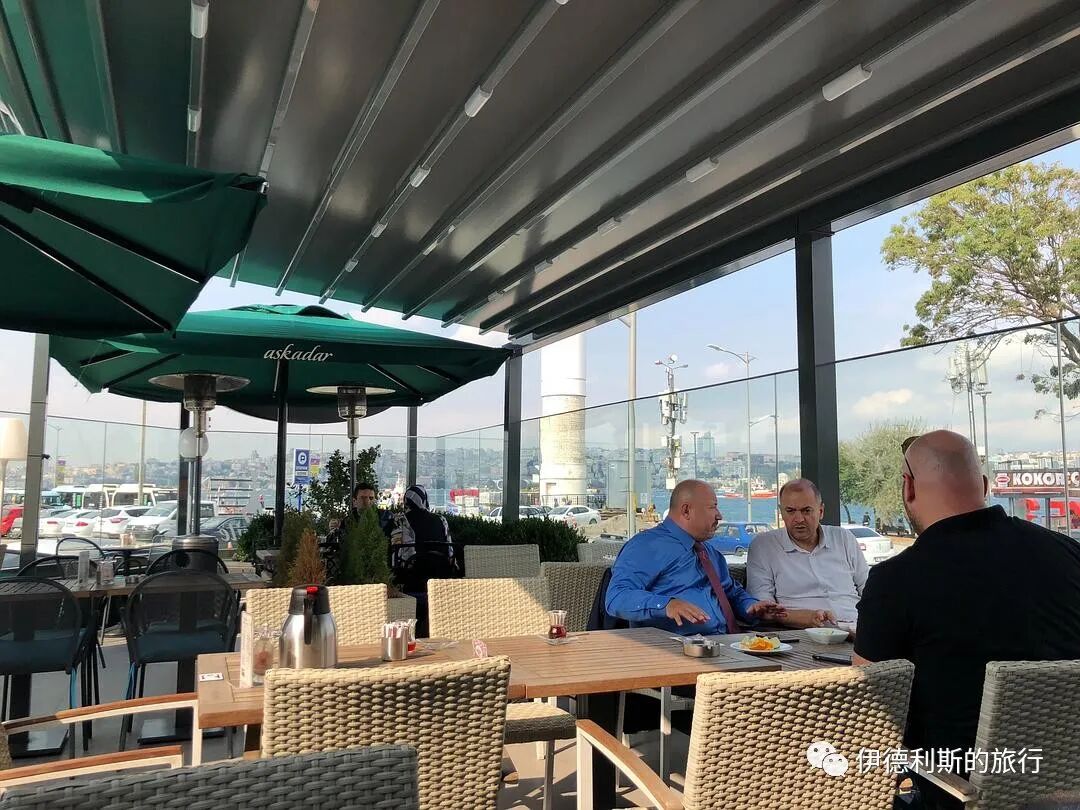
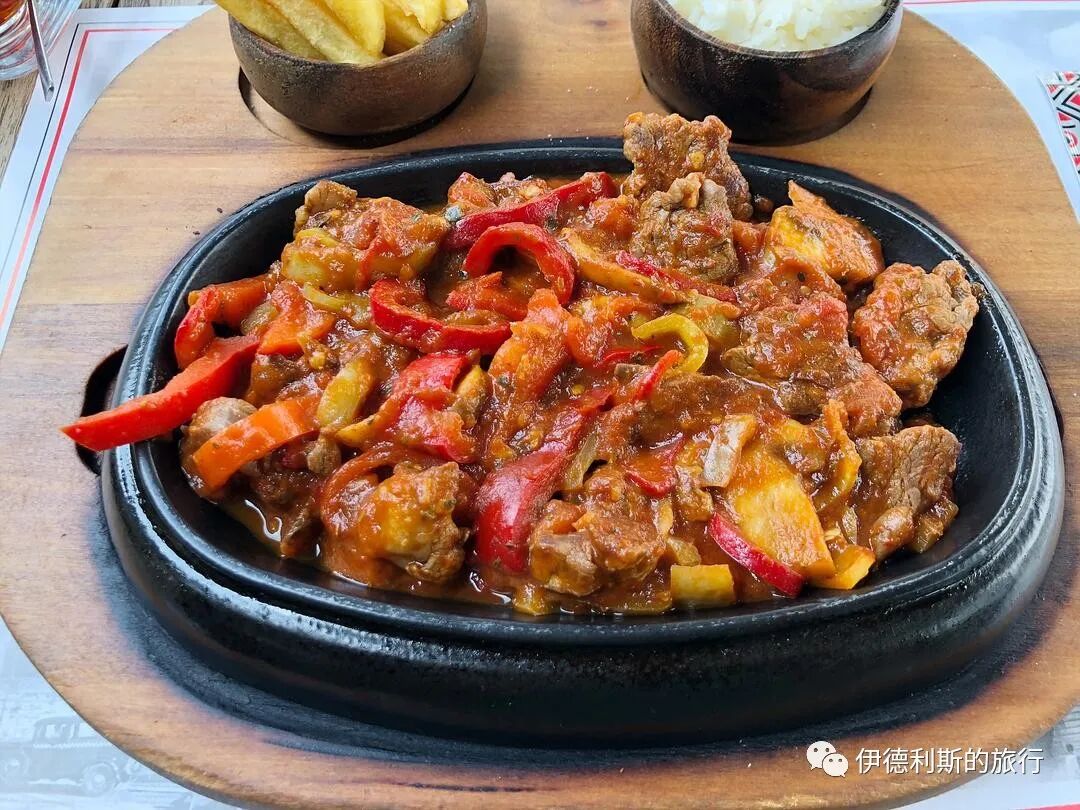
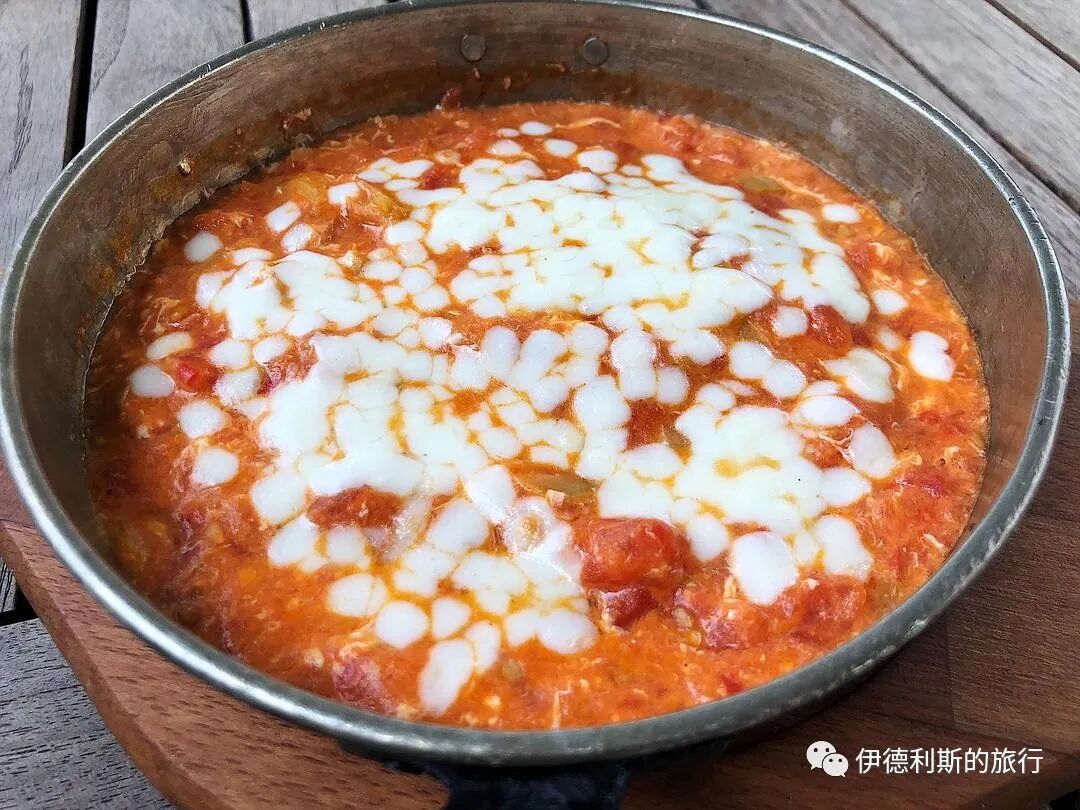
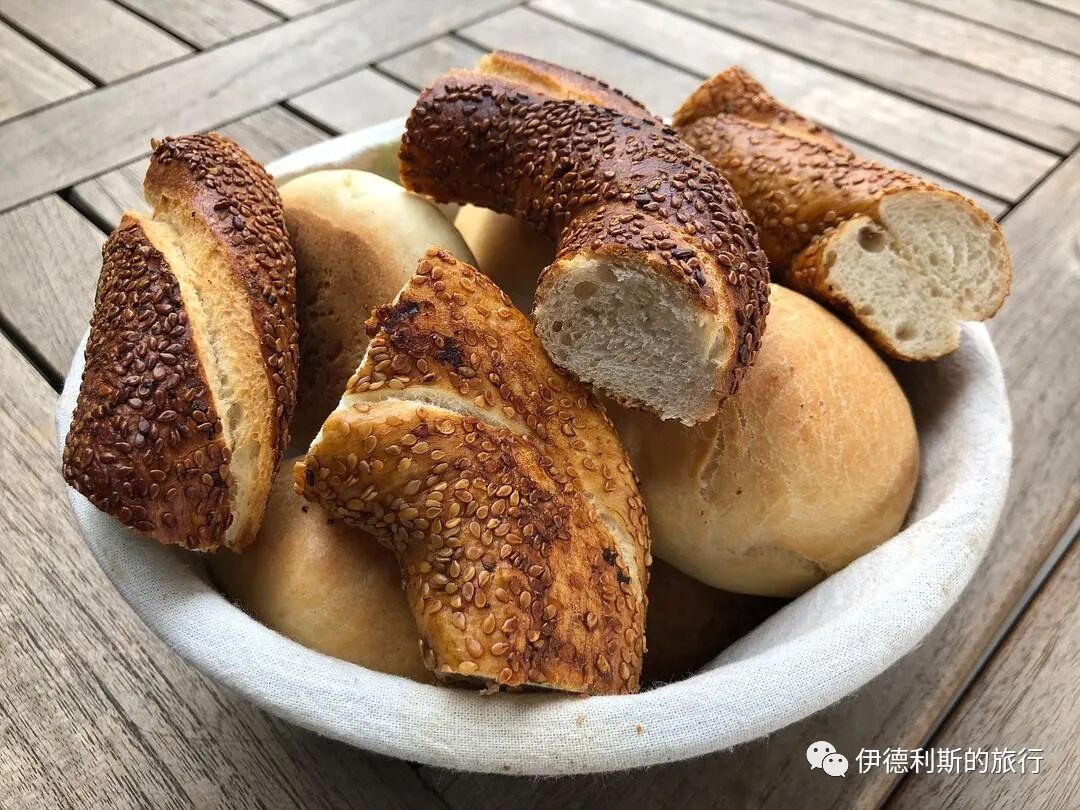
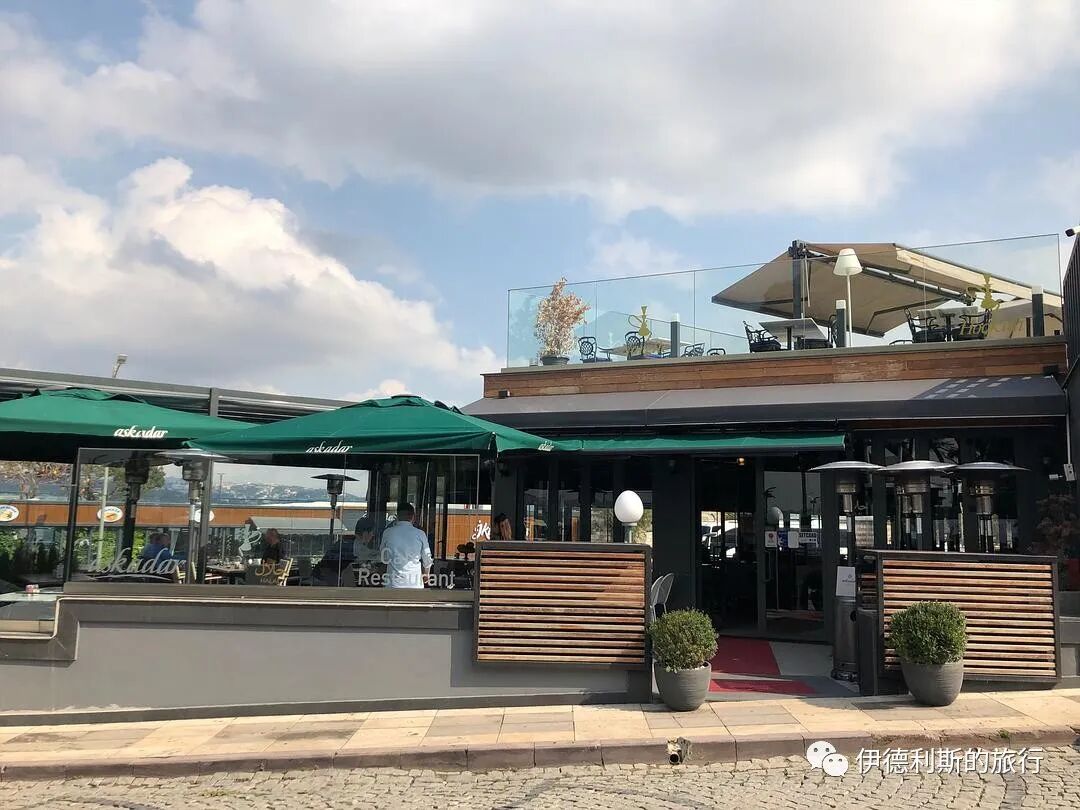
Foreign restaurants
While visiting historical sites in Istanbul, I passed through a neighborhood of Syrian people in the Fatih district. I went into a Syrian restaurant called Saruja and ordered three dishes. When I looked them up later, I found they were all Levantine cuisine.
The Levant refers to the eastern Mediterranean coastal region, including modern-day Jordan, Lebanon, Israel, Palestine, Syria, and parts of Turkey near Syria. During the Ottoman era, many Levantine foods spread to Turkey and Armenia and became local delicacies. The first dish was a minced meat flatbread (lahmacun). I chose a pomegranate-flavored one, and it tasted quite unique. The Turkish word lahmacun comes from the Arabic "laḥm'ajīn," which translates to "meat with dough." During the Ottoman era, this meat flatbread spread to Turkey and Armenia. In different places, it is called "Arab pizza," "Lebanese pizza," "Syrian pizza," "Armenian pizza," and "Turkish pizza."
The second dish is called kibbeh, known in Turkish as "içli köfte." Kibbeh is the North Levantine dialect version of the classical Arabic word "kubbah," which translates to "ball." Kibbeh is made of cracked wheat wrapped around a filling of minced meat, chopped onions, and Middle Eastern spices like cinnamon, nutmeg, cloves, and allspice. Kibbeh is most famous in Aleppo, northern Syria, where there are 17 different flavors. Besides the original, they add yogurt, lemon juice, pomegranate molasses, or cherry sauce.
Besides spreading to Turkey and Armenia during the Ottoman era, kibbeh also spread to Latin America with Levantine immigrants in the late 19th and early 20th centuries.
The third dish is chickpea puree (hummus). Hummus means "chickpea" in Arabic and is short for "ḥummuṣ bi ṭaḥīna" (chickpeas with sesame paste). Hummus is made by mixing chickpeas with sesame paste (tahini), olive oil, lemon juice, and garlic. It is very popular in the Middle East and the Mediterranean.
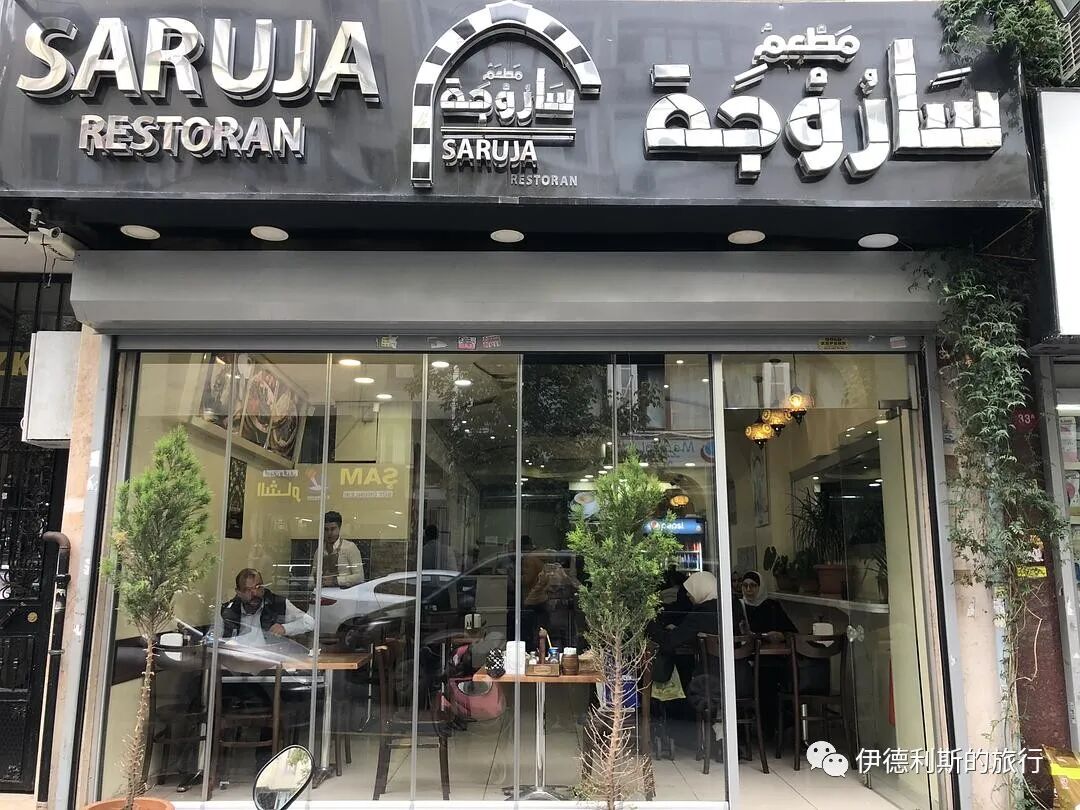
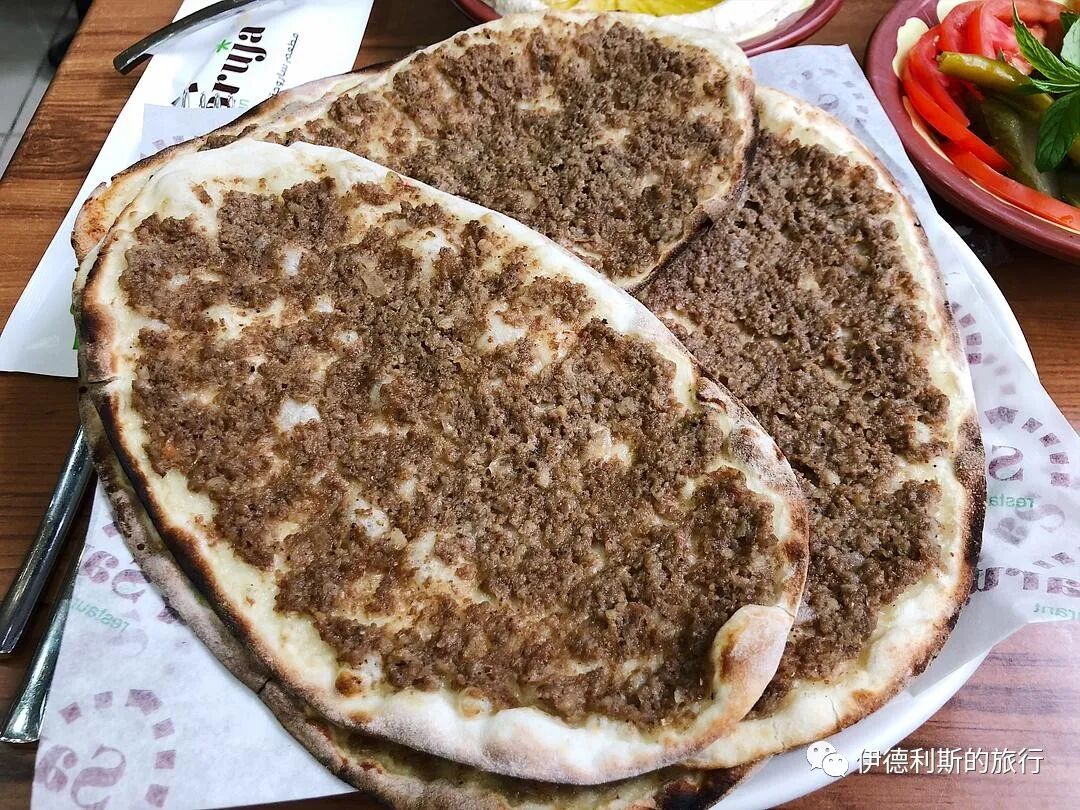
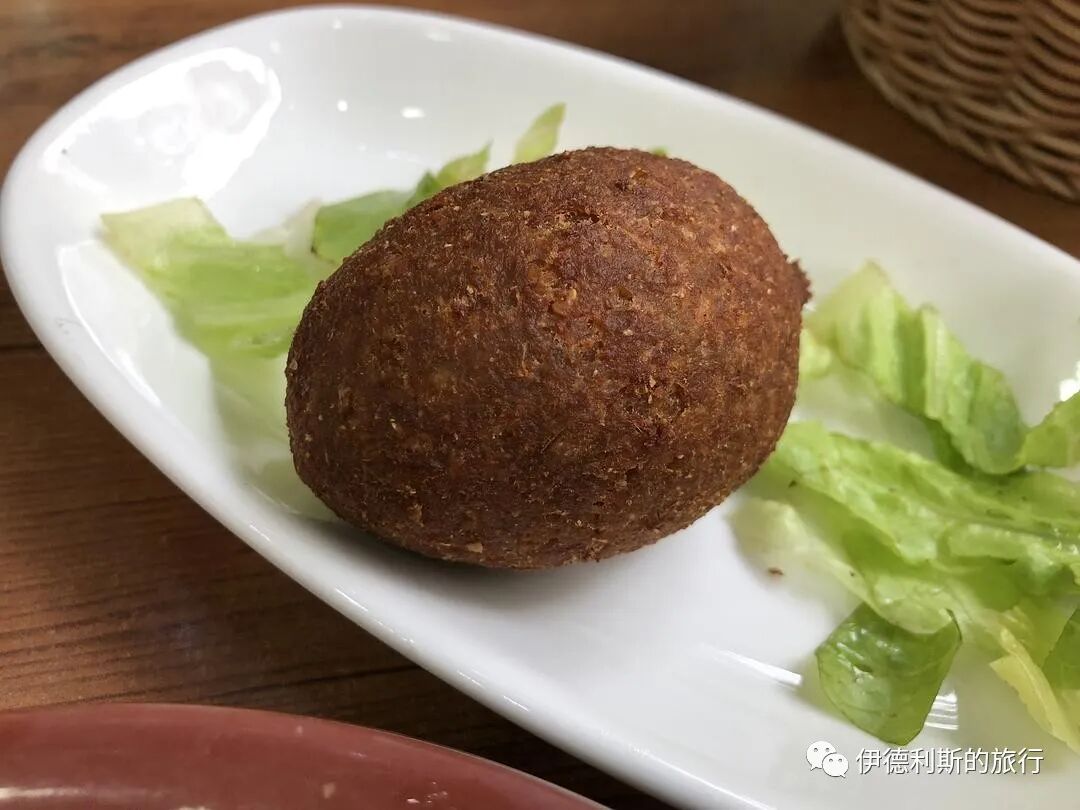
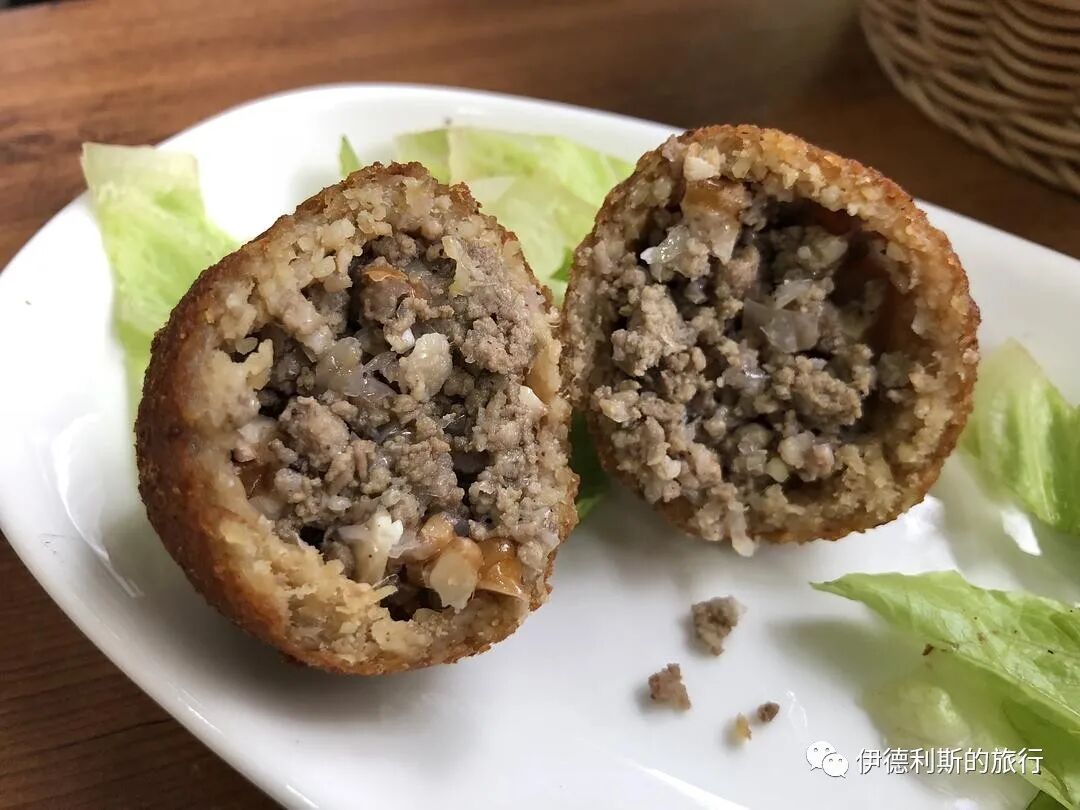
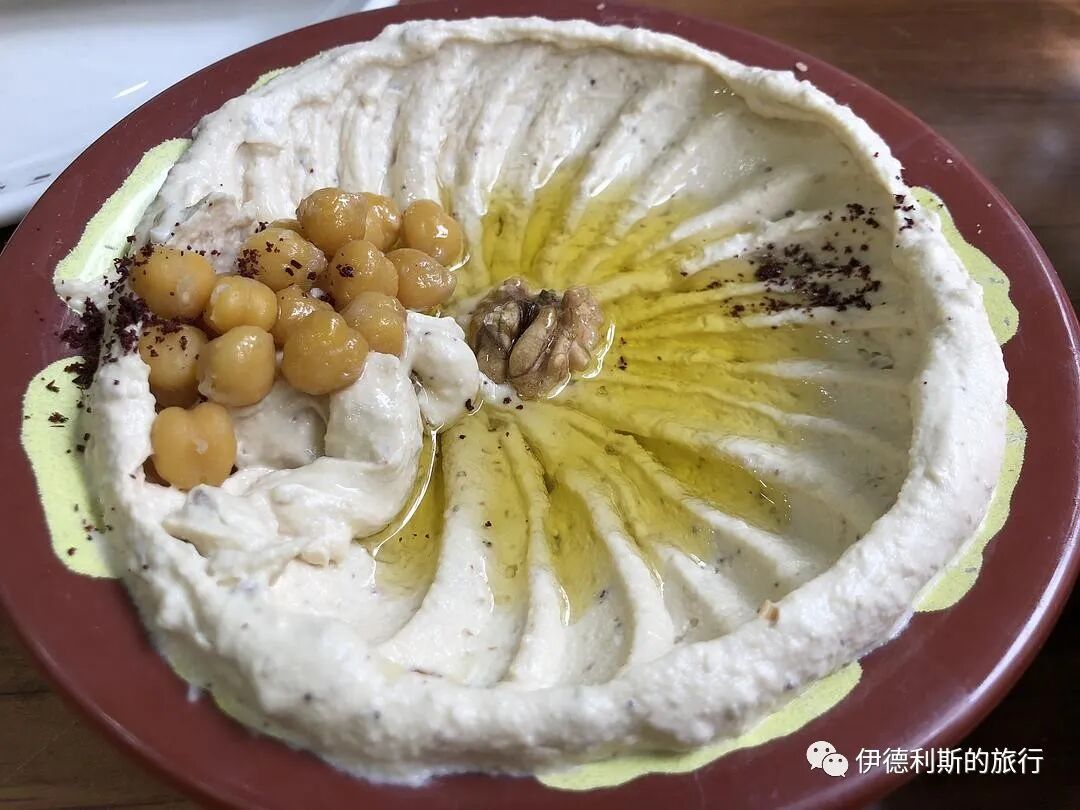
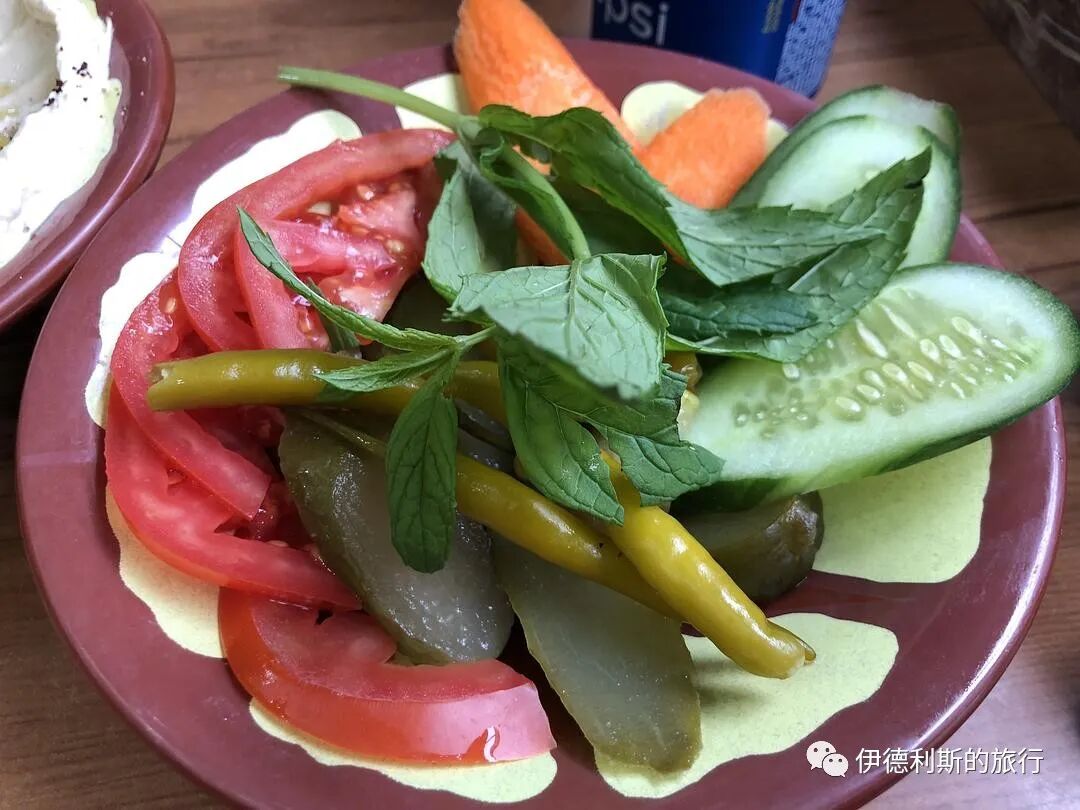
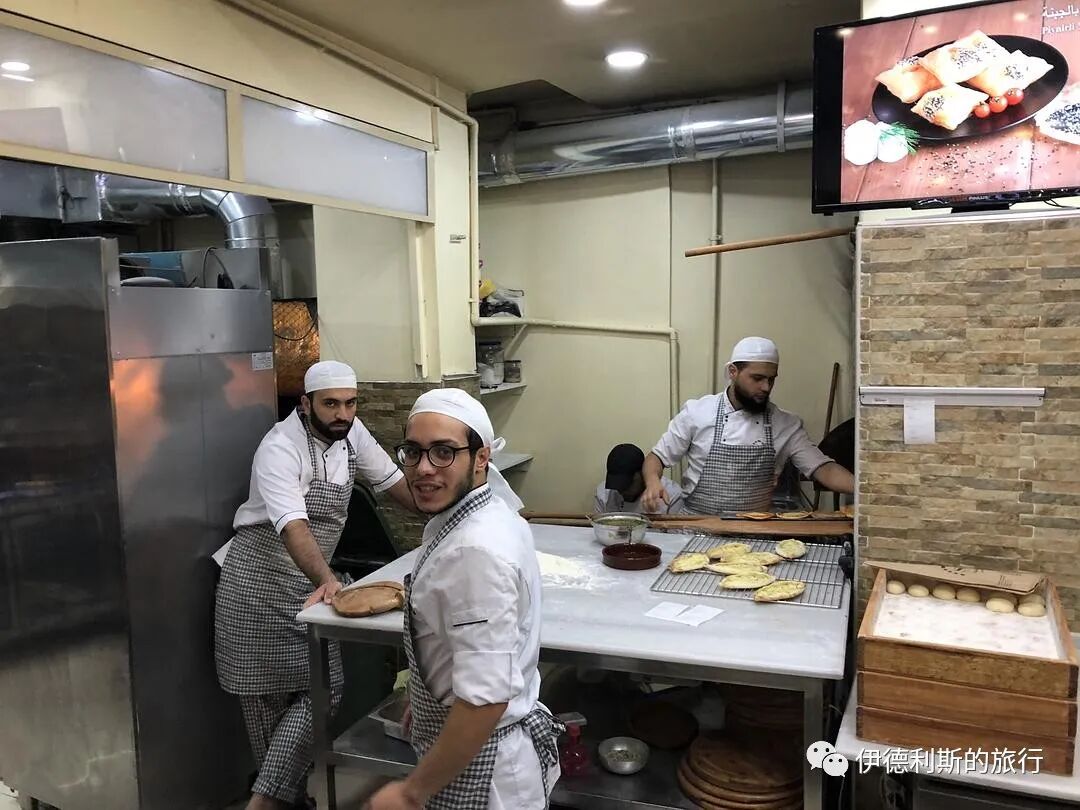
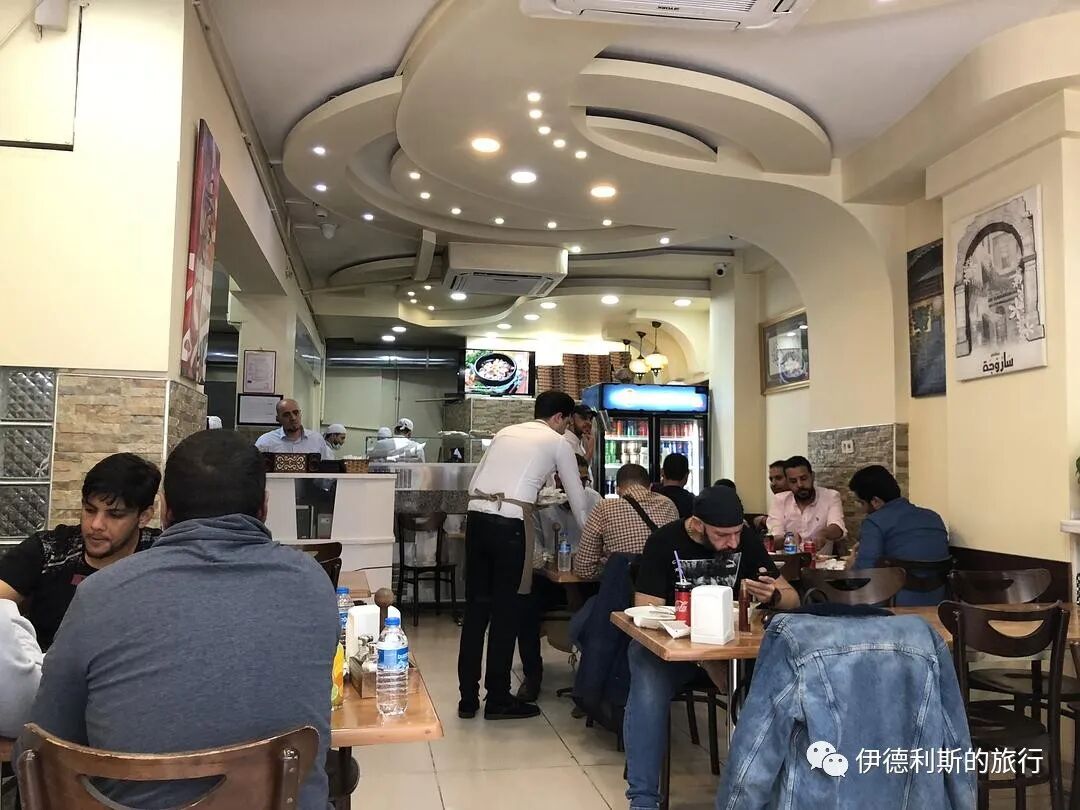
I ate pilaf (plov) and thin-skinned steamed buns (manti) at an Uzbek restaurant not far south of the Grand Bazaar. I have to praise these buns—the skin was incredibly thin! You cannot find them this thin in Beijing. A man sitting next to me spoke Chinese; he used to do business in Yiwu and Shanghai.
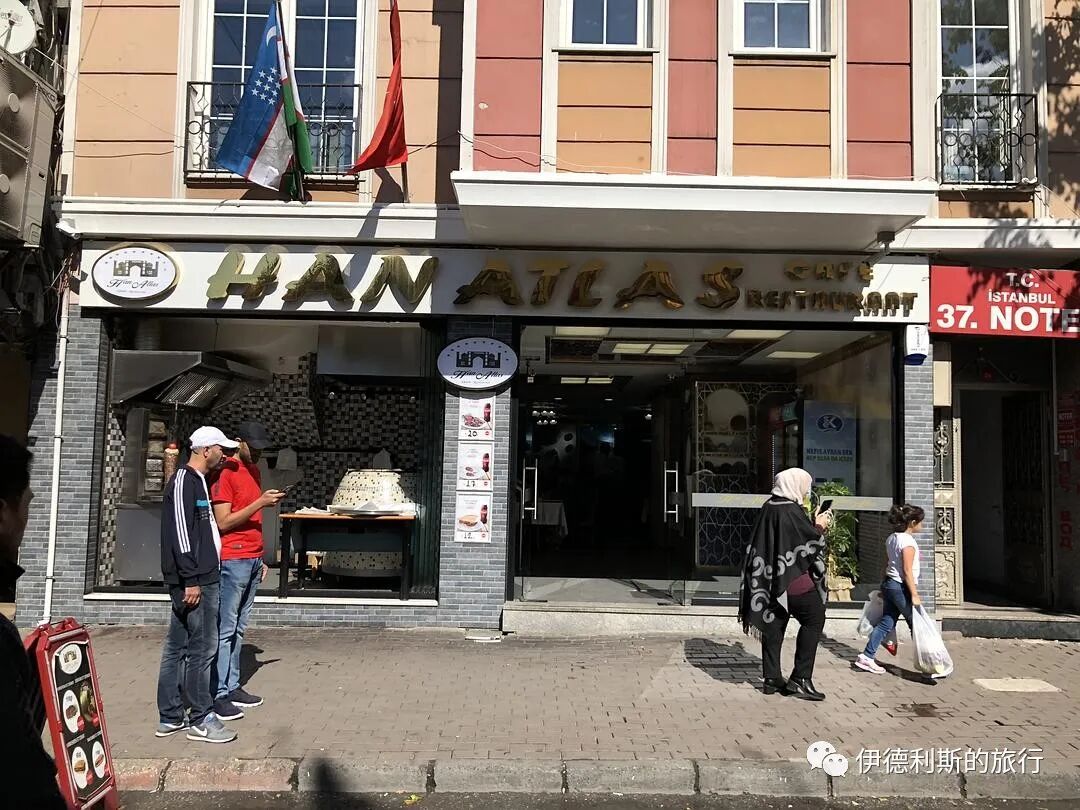
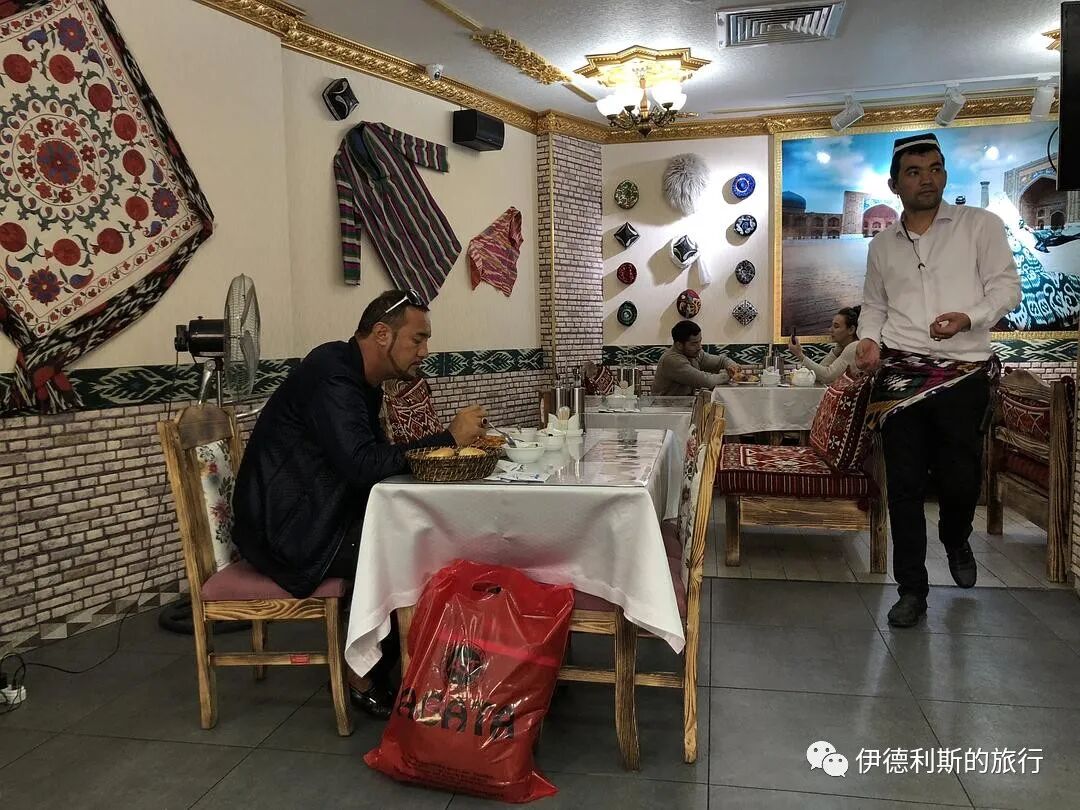
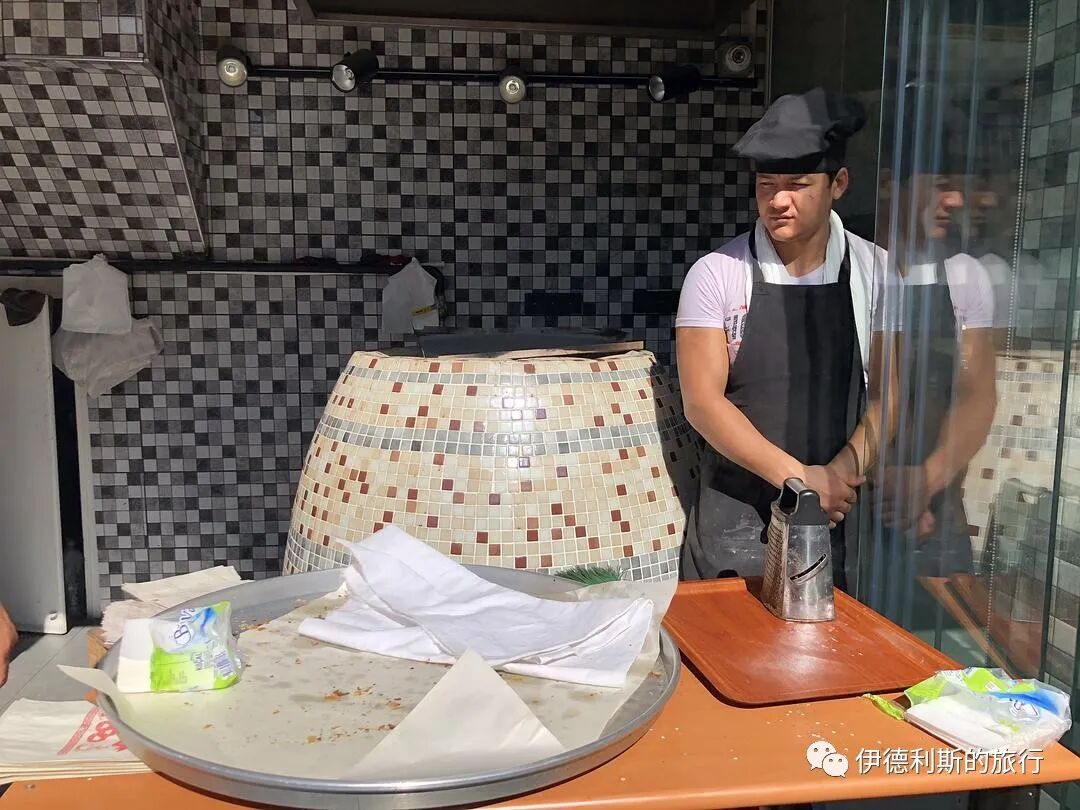
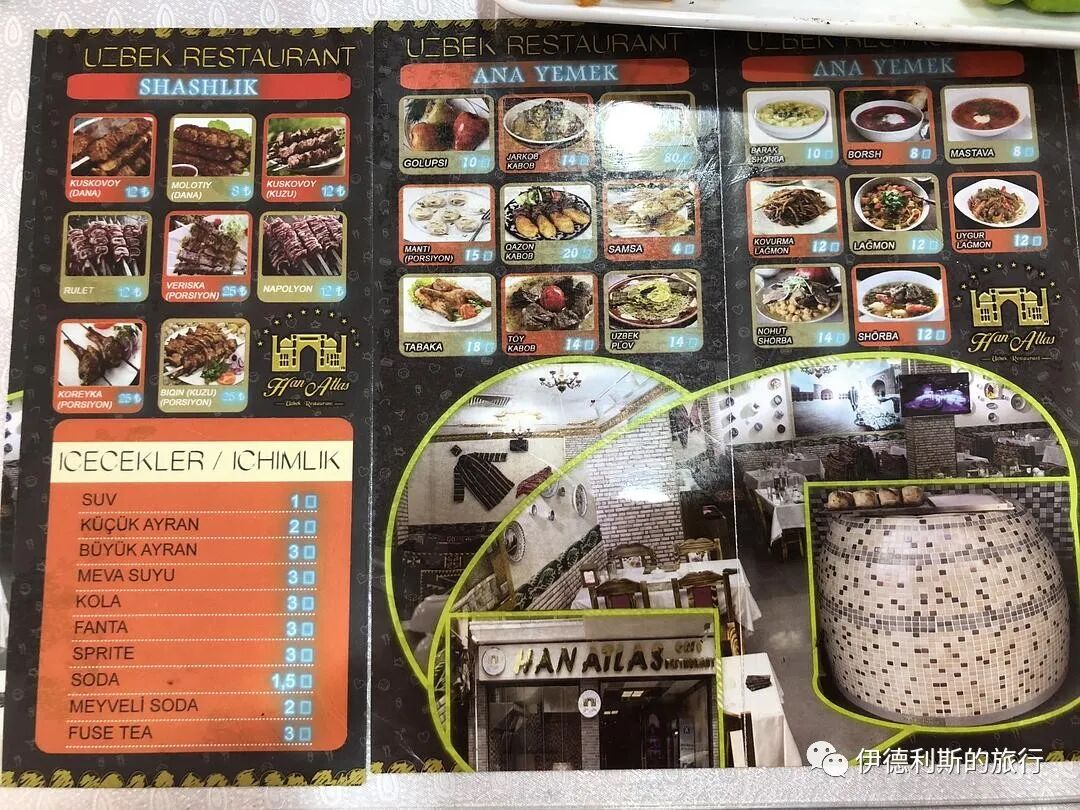
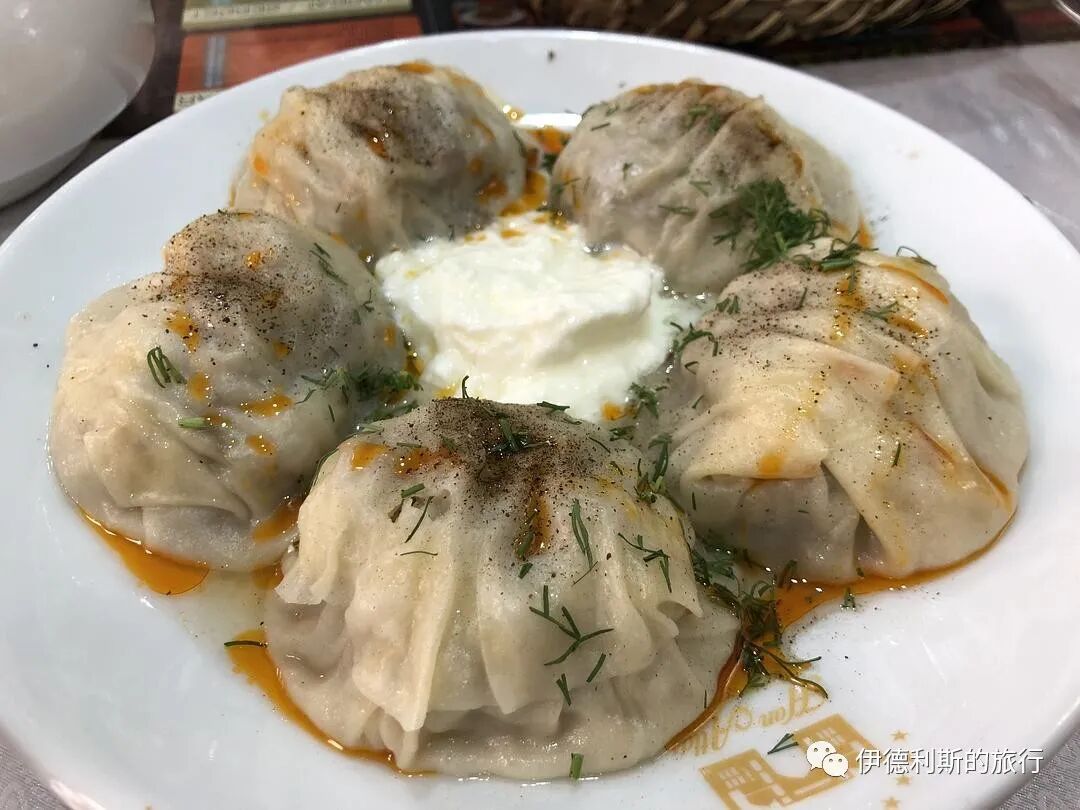
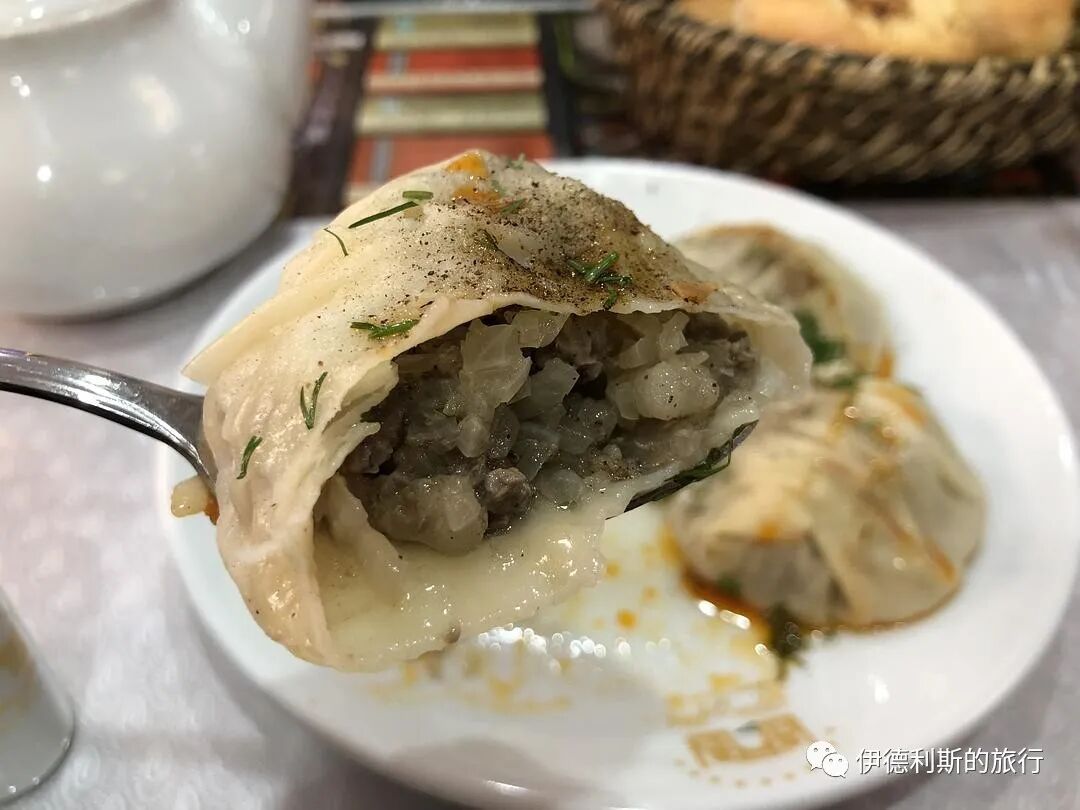
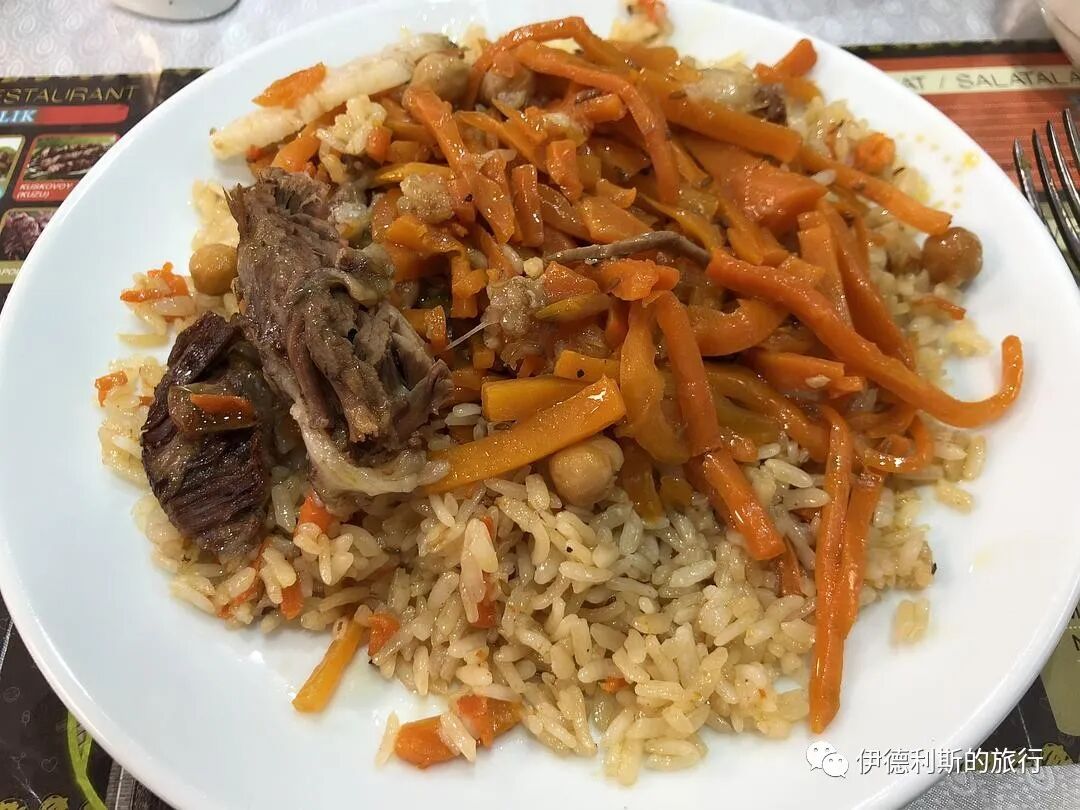
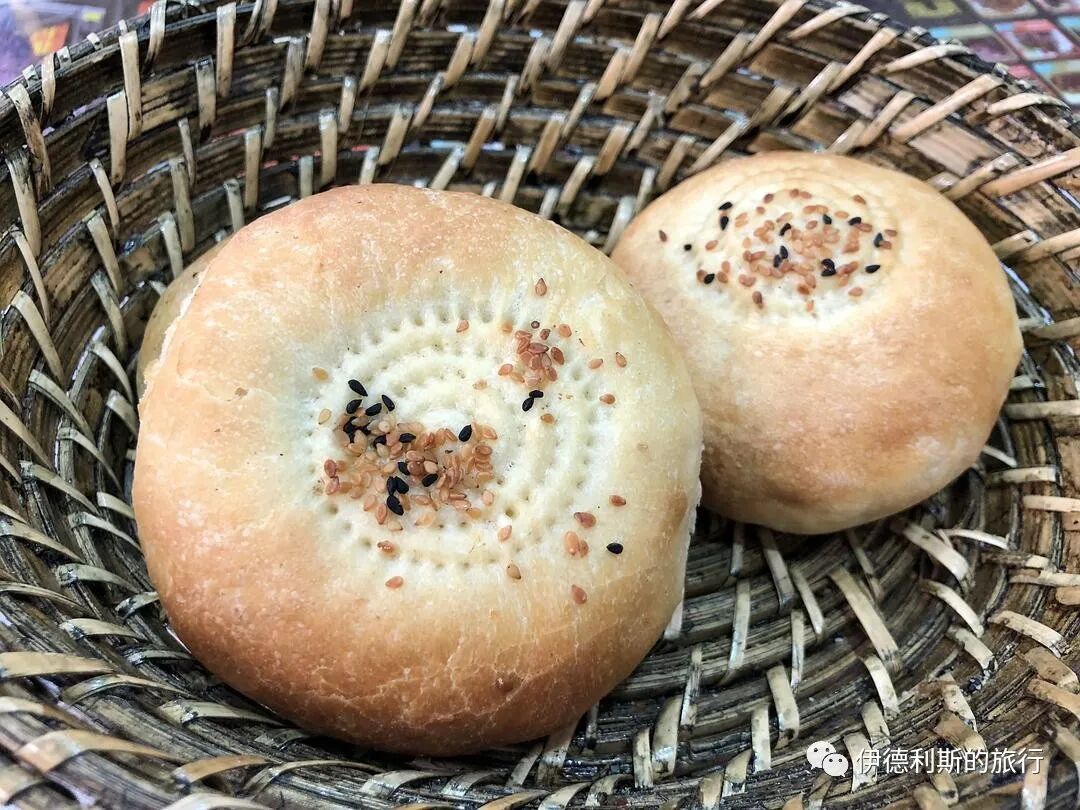
Grilled fish by the Golden Horn.
There are many places to eat grilled fish along the Golden Horn, and you can have it in a sandwich or just eat it on its own.
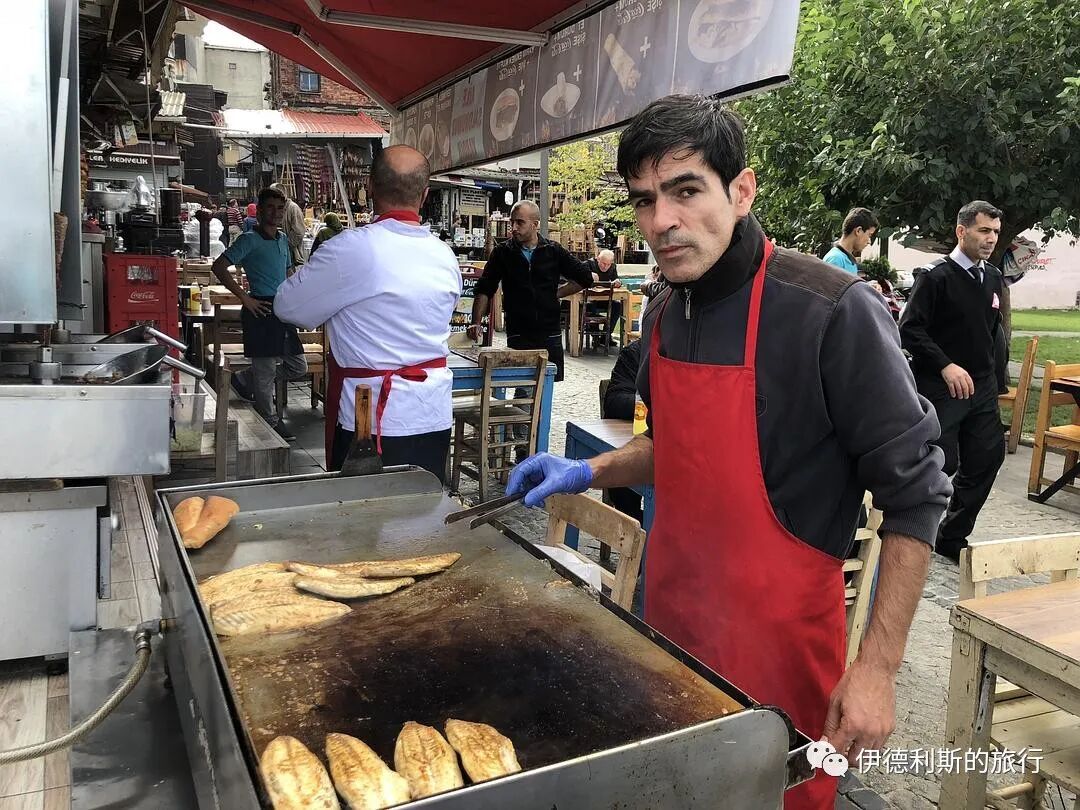
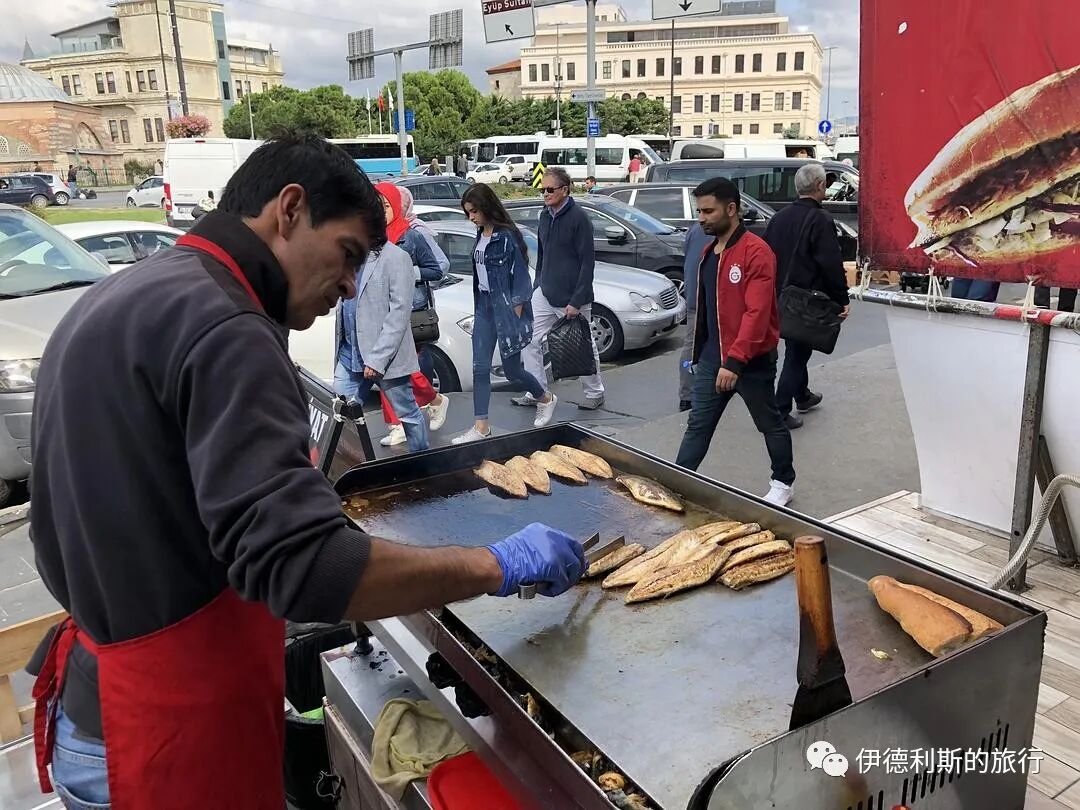
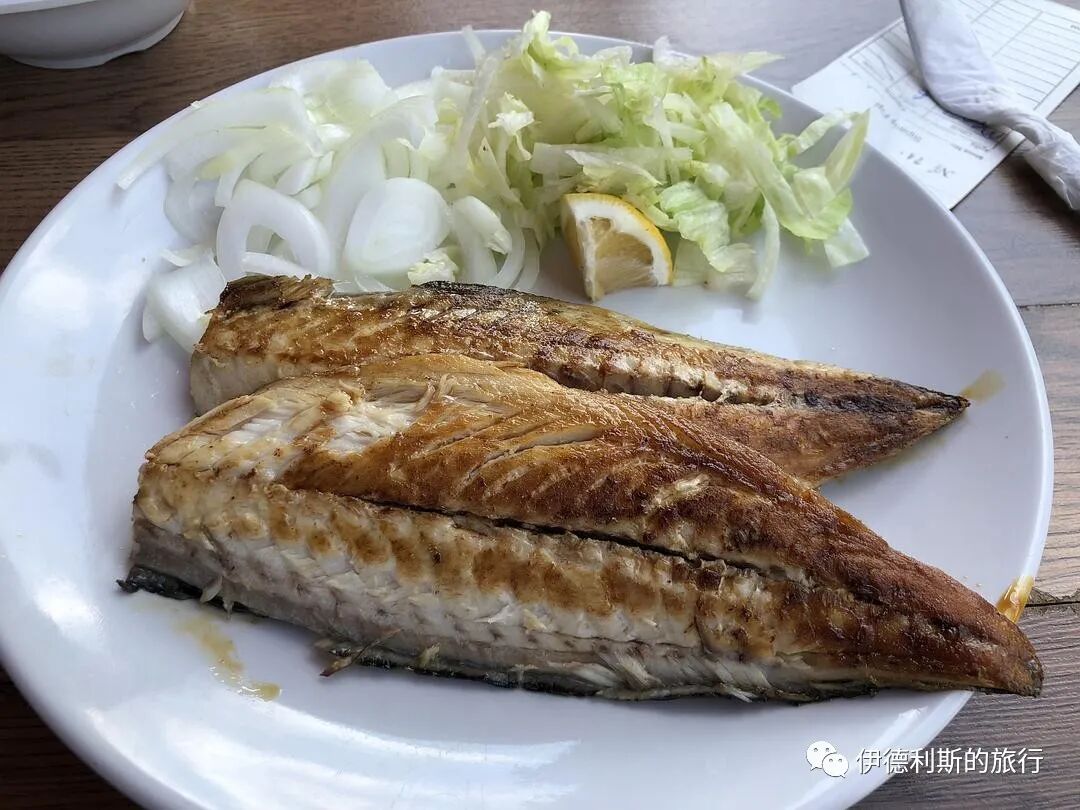
This restaurant is on the Galata Bridge. I ordered grilled salmon, and they gave me free tea after the meal.
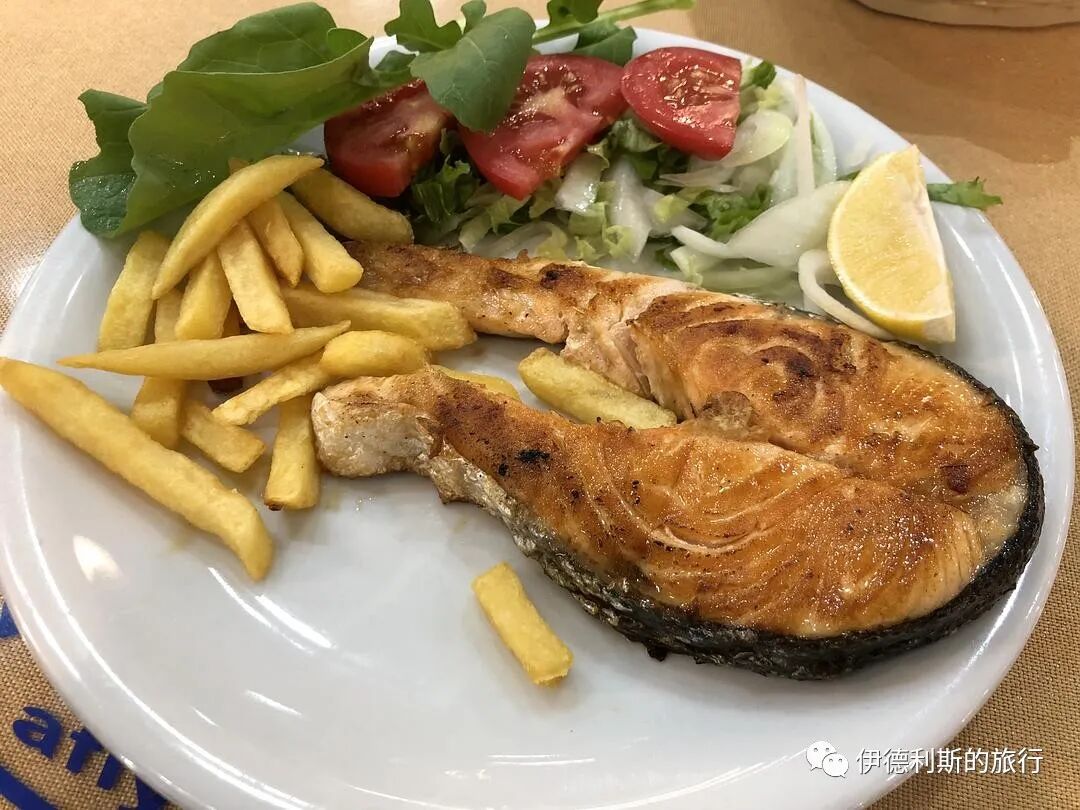
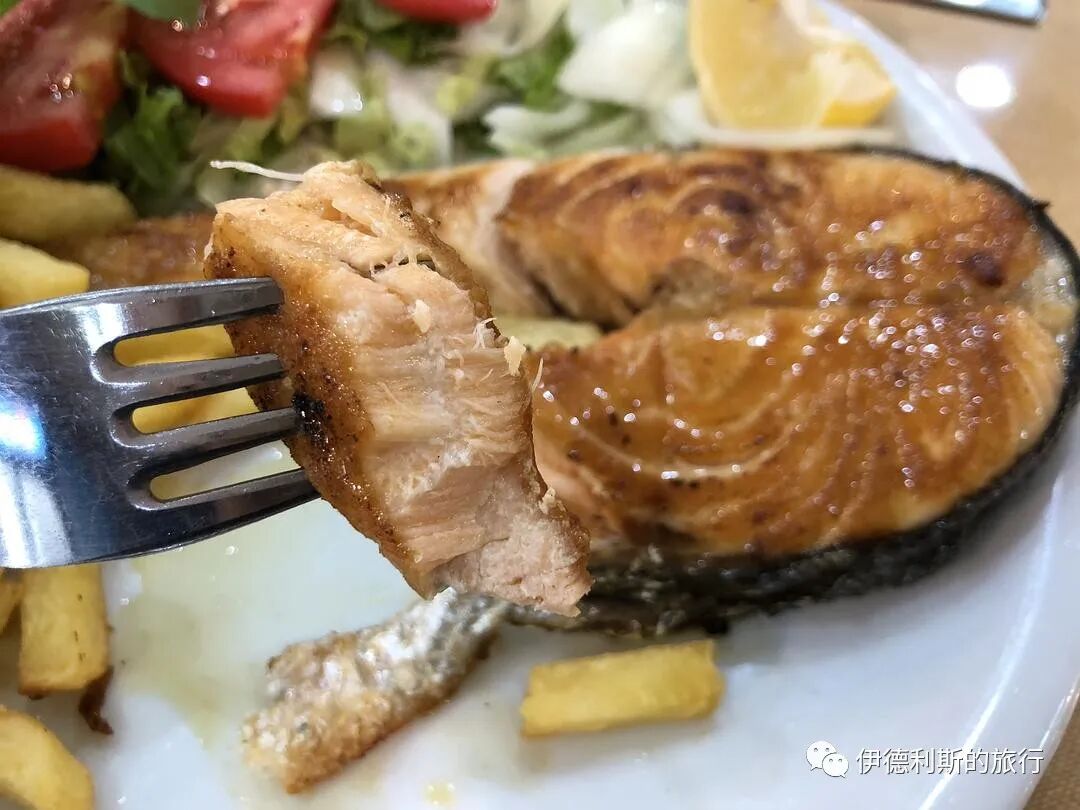
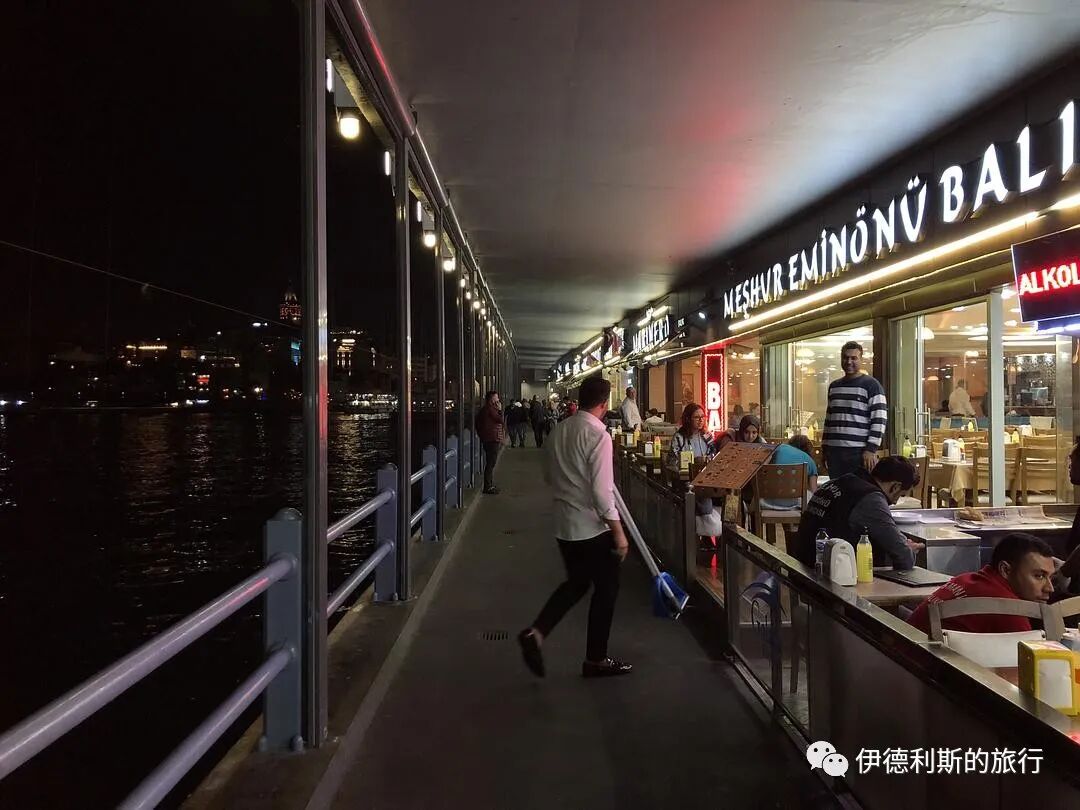
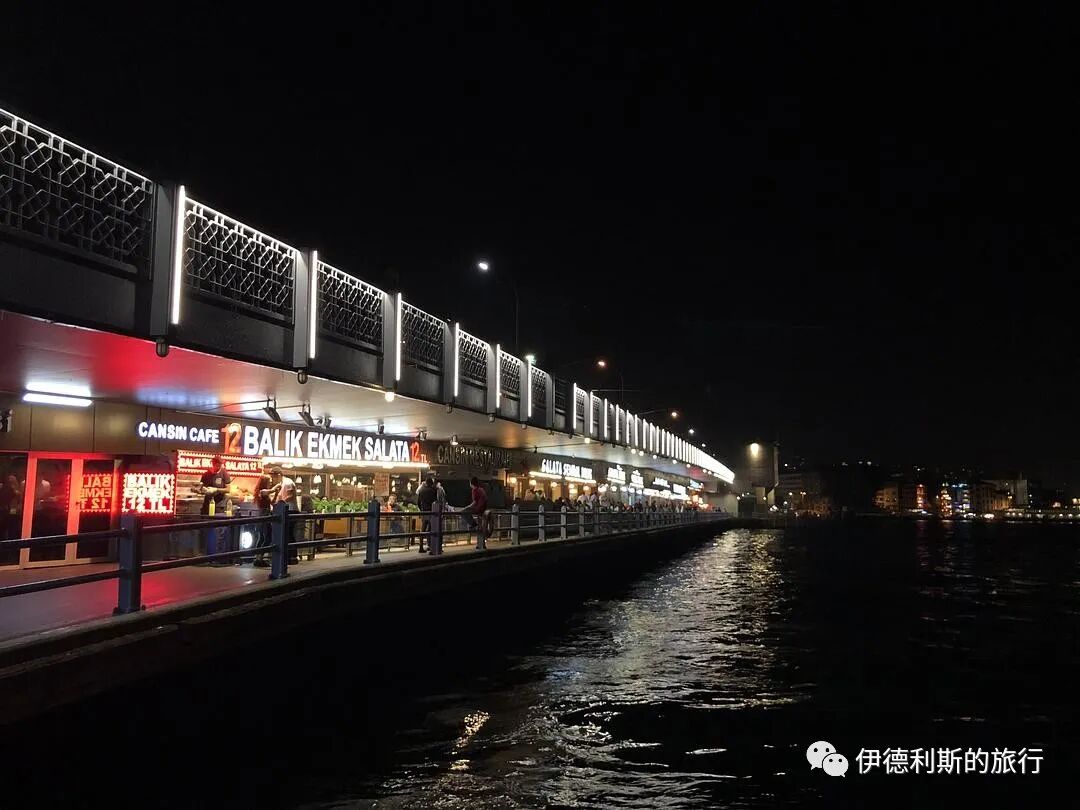
There are many street stalls selling grilled fish sandwiches next to the Eminonu pier on the Golden Horn.
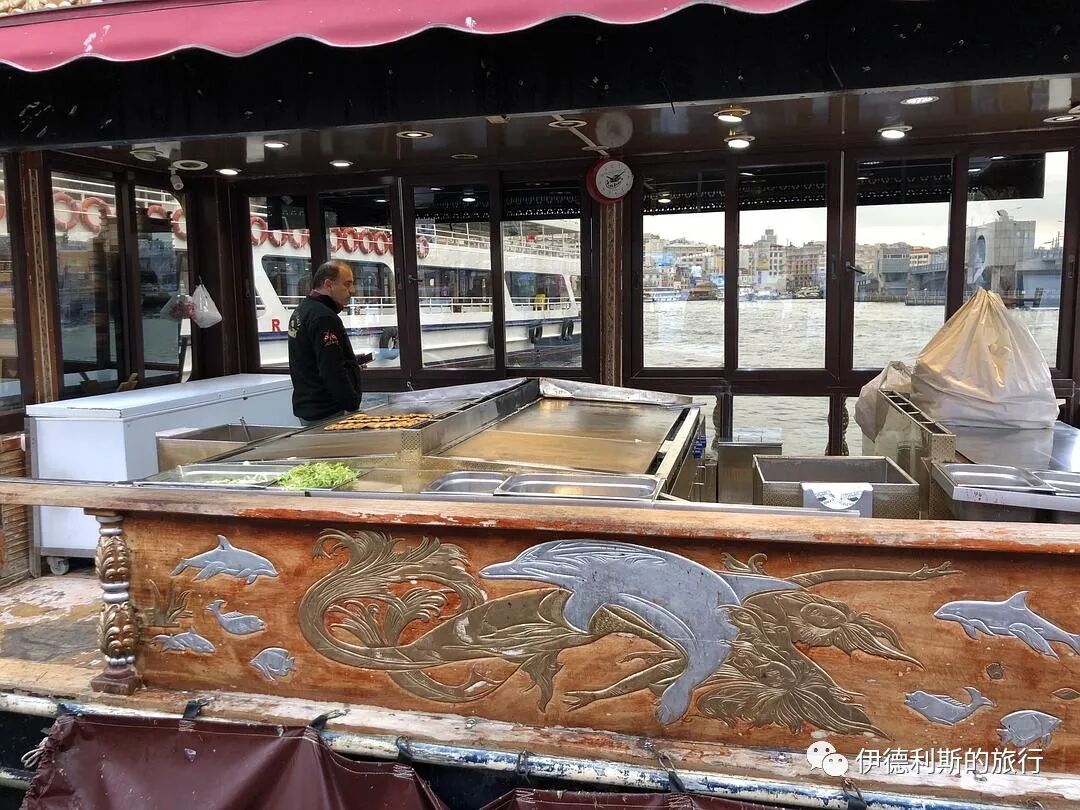
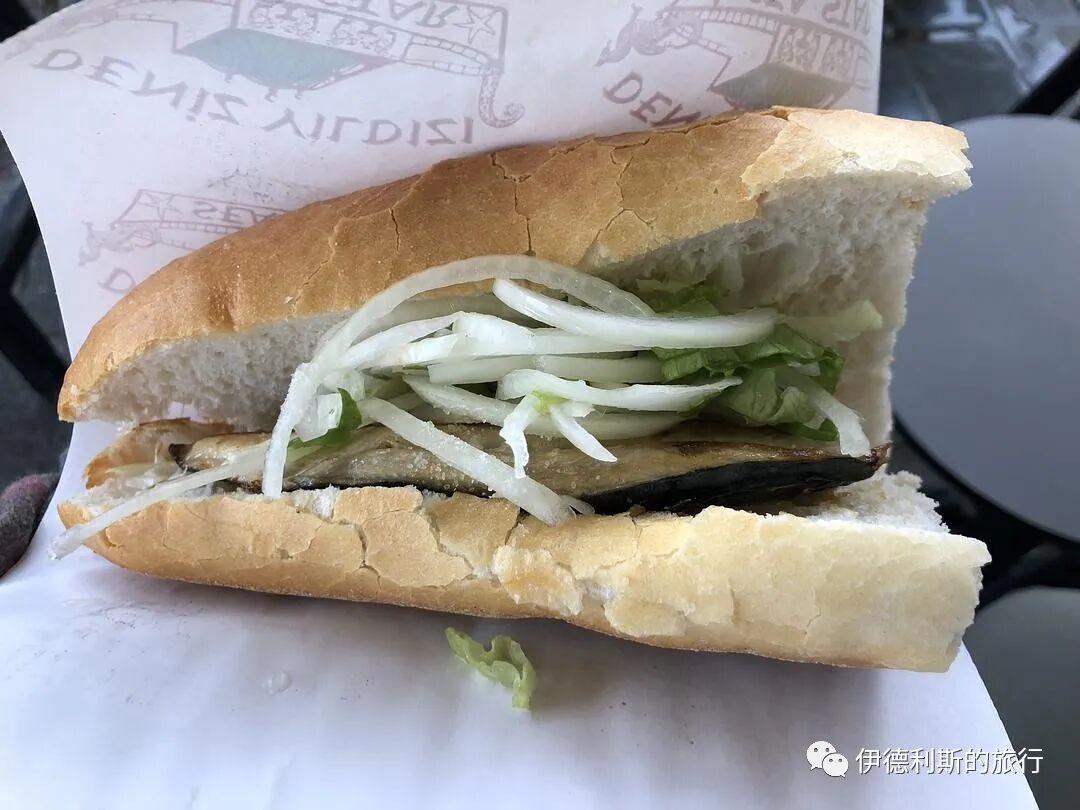
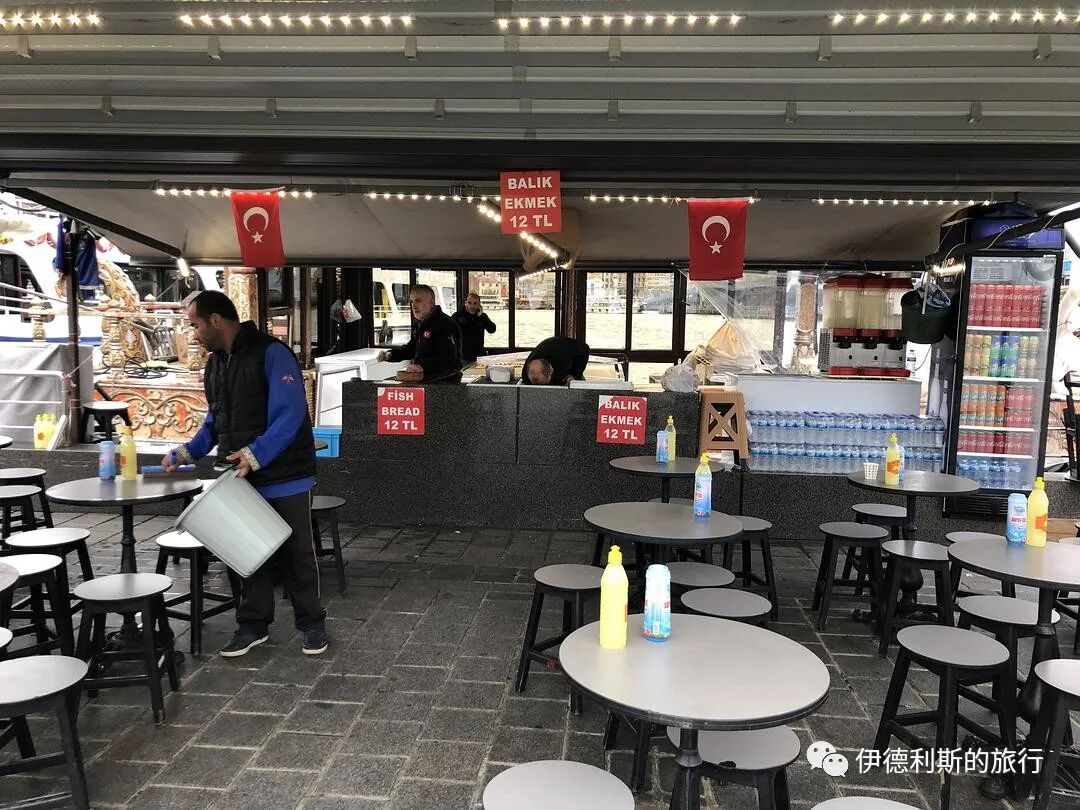
Rice.
Turkish rice shops are called Pilavcisi. While pilav refers to pilaf in Central and South Asia, in Turkey, they just call plain white rice pilav.
I ate rice mixed with chicken and liver (Pilav ustu Tavuk-Ciger) at this shop.
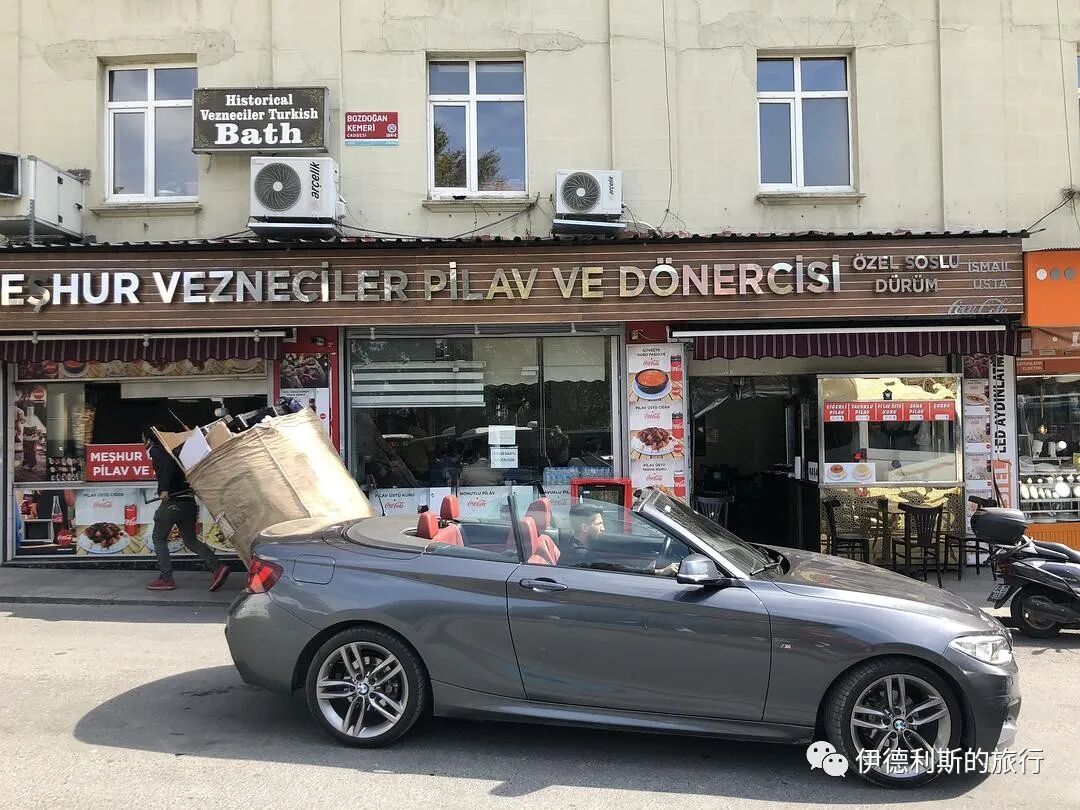
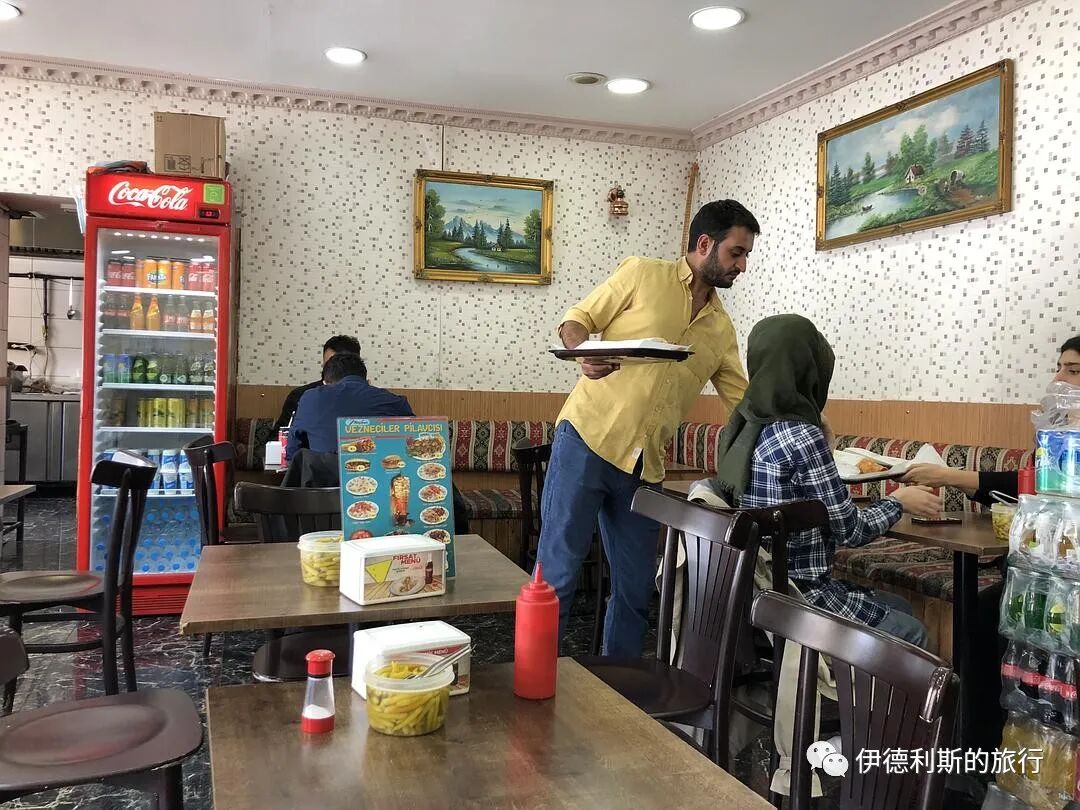
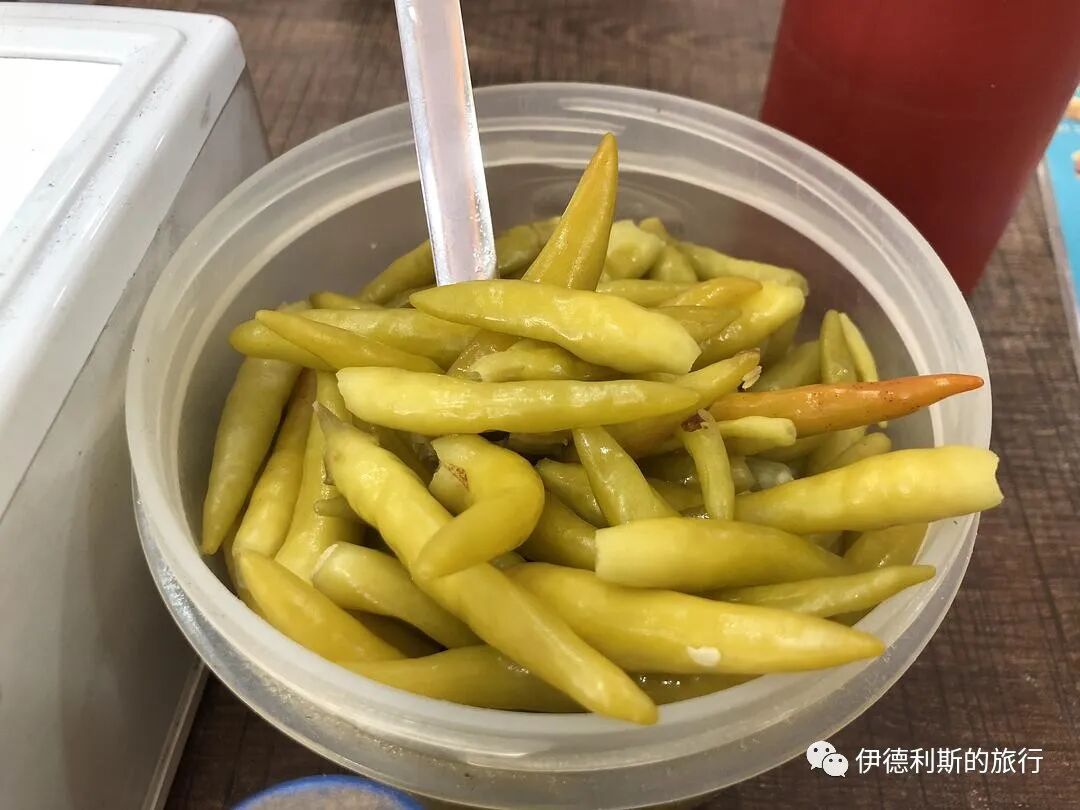
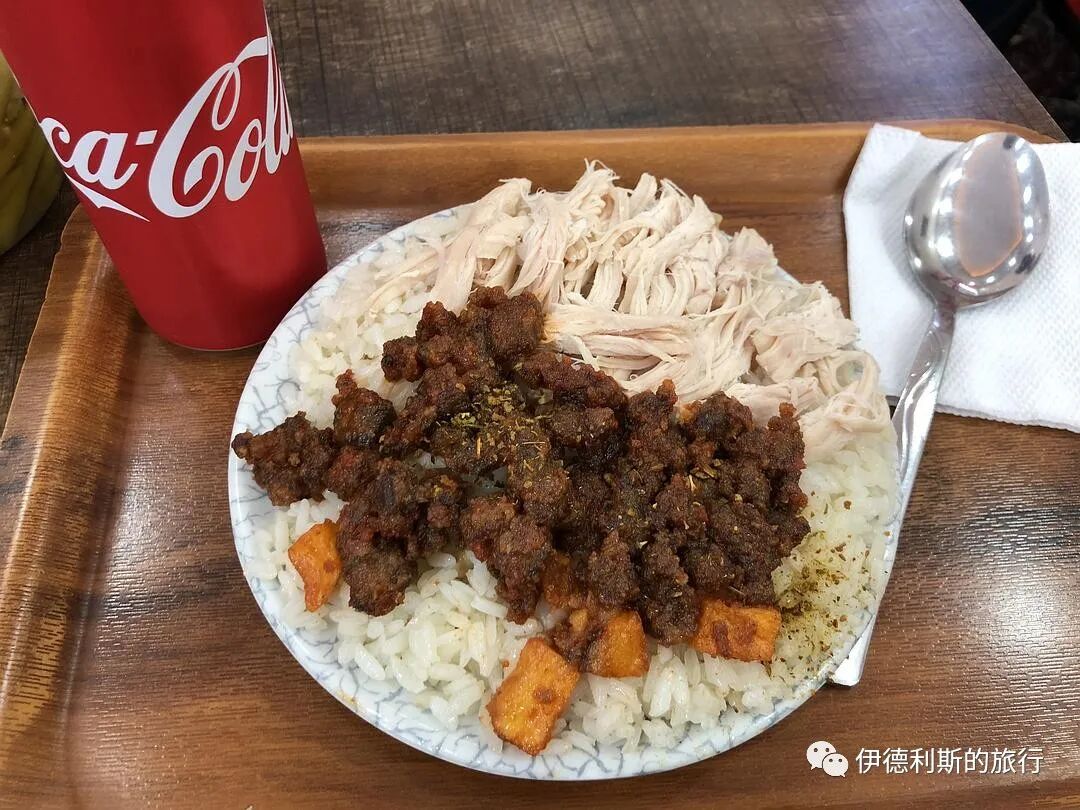
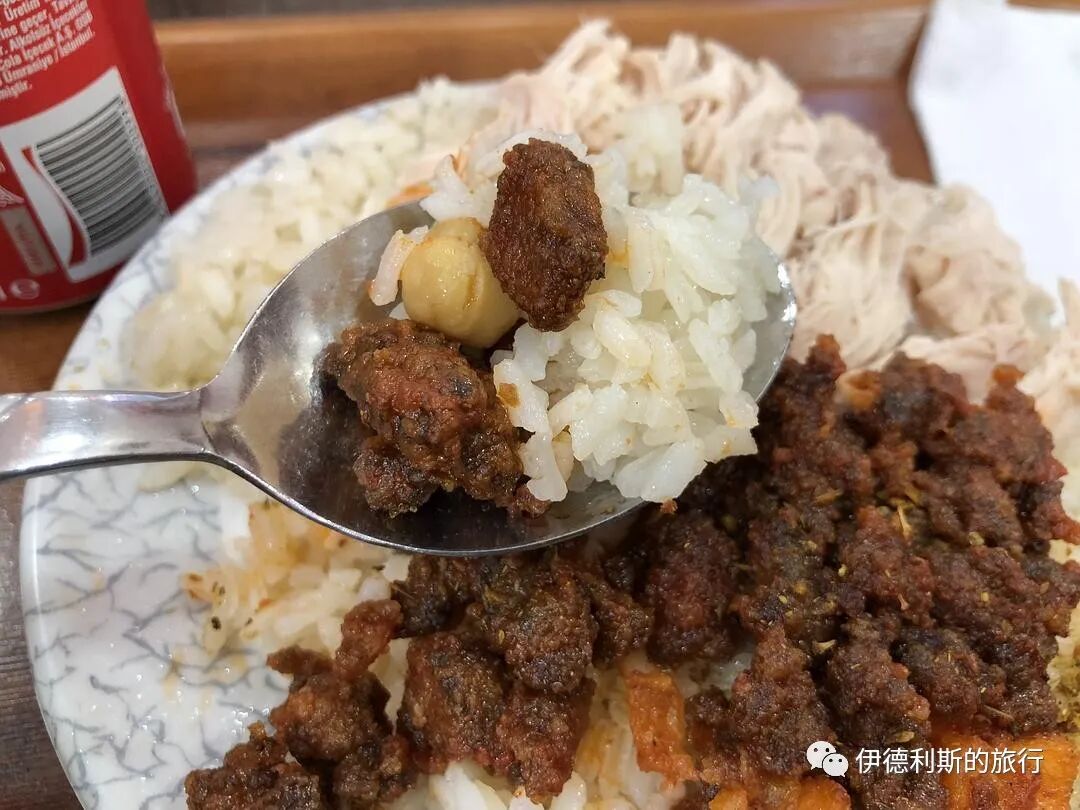
A street-facing section of one of the madrasas at the famous Suleymaniye Mosque is rented out to a restaurant called Ali Baba. This restaurant is known for its bean rice, or Kuru fasulye ve Pilav. Kuru fasulye is known as Turkey's national dish, made with white beans, olive oil, onions, and tomato paste.
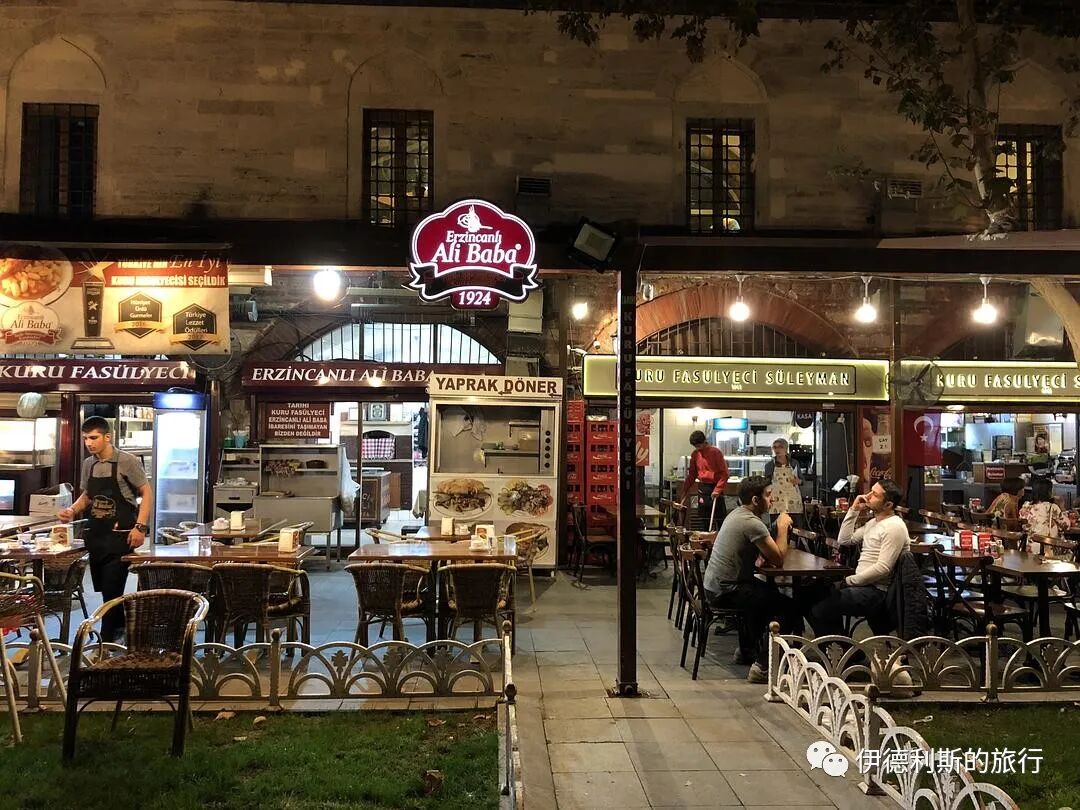
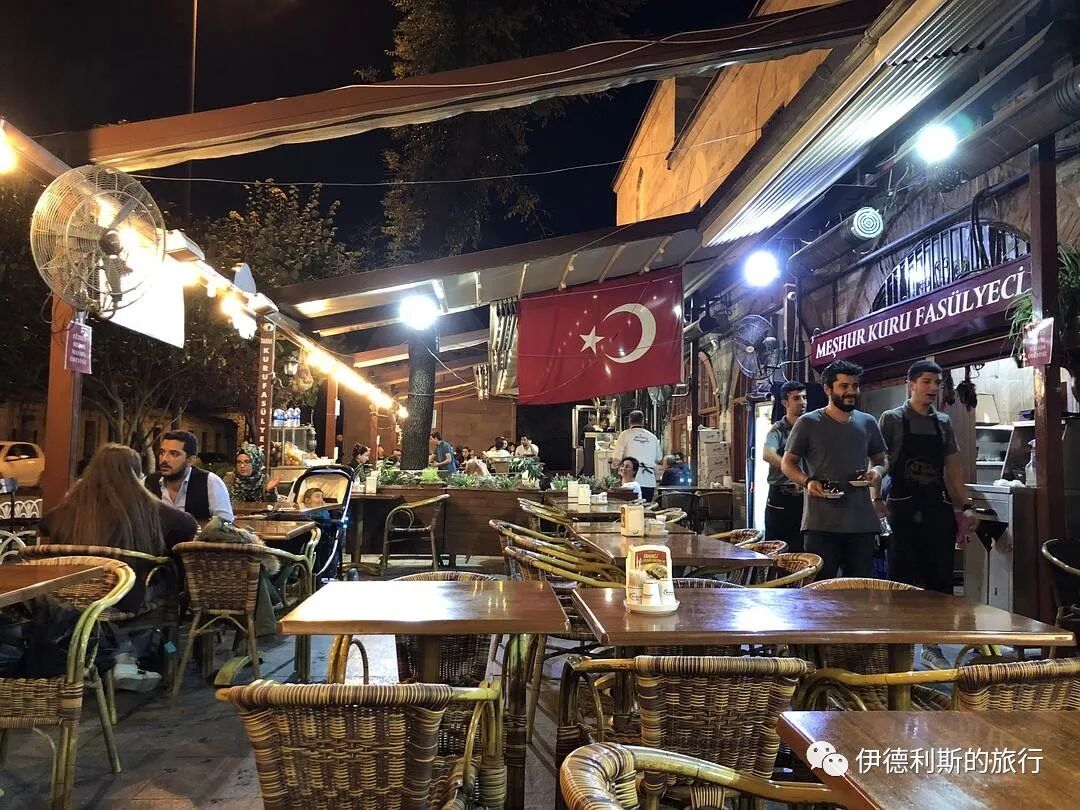
Halal Travel Guide: Istanbul — Mosques, Turkish Food and Ottoman Streets
Articles • ali2007fr posted the article • 0 comments • 144 views • 2026-05-18 07:39
Summary: Istanbul — Mosques, Turkish Food and Ottoman Streets is presented here as a firsthand travel account in clear English, beginning with this scene: I spent half a month traveling in Turkey from September to October 2018. While visiting historical sites in Istanbul, I tried some local food and would like to share it with you here. The account keeps its focus on Istanbul Travel, Turkish Food, Ottoman Heritage while preserving the names, places, food, and historical details from the Chinese source.
I spent half a month traveling in Turkey from September to October 2018. While visiting historical sites in Istanbul, I tried some local food and would like to share it with you here.
Street food.
Simit is a type of bread ring popular in the former Ottoman territories and the Middle East, and it is a common street snack in Istanbul.
The word simit comes from the Arabic word samīd, which means white bread or fine flour. The earliest records of simit bread rings in Istanbul date back to 1525. By 1594, Istanbul had established the first regulations for the weight and price of simit bread rings. According to the famous 17th-century Ottoman traveler Evliya Çelebi, there were 70 simit bakeries in Istanbul in the 1630s.
Because of its low price, simit has become an important symbol for the working class in Turkey.
Roasted corn and boiled corn are street snacks just as common as the bread rings.
There are also various kinds of freshly squeezed fruit juices on the streets of Istanbul, and this time I had fresh pomegranate juice.
Autumn is the season for eating roasted chestnuts.
There are all kinds of ice cream shops on the streets of Istanbul. I had never eaten this black mulberry flavor before, and the young lady selling the ice cream was very sweet.
Desserts
1. Ashure porridge
There are many dessert shops in Istanbul with a wide variety of traditional sweets, and there are many on Istiklal Avenue alone. I had Turkish Ashure porridge at a dessert shop called Taxim Süitiş.
The Turkish word Ashure comes from the Arabic word Āshūrā, which means tenth. On the tenth day of the first month (Muharram) of the Islamic calendar in the year 61, the family of the Prophet's grandson, Husayn, died while fleeing Mecca due to the pursuit of the Umayyad dynasty. This day has become an important memorial day for Shia and some Sunni Muslims. For Sunni Muslims, the Day of Ashura is also an important memorial day for many events, such as when the Prophet Musa (Moses) was pursued by the Pharaoh to the Red Sea and the sea parted to create a path for them to escape, when the Prophet Nuh (Noah) left the ark, and when the Prophet Muhammad arrived in Medina.
Ashure porridge was popularized in Turkey by the Alevis. To commemorate the martyrdom of the saint Ali, the Alevis do not eat meat on this day, but instead eat Ashure porridge made from grains, fruits, dried fruits, and nuts.
The Alevis respect the saint Ali just like the Shia, but their rituals are completely different from the Shia. The Alevis are actually an Islamic sect that blends Shia and Sufi beliefs, native Turkish animism, and some Sunni elements. They are more used to expressing their faith through music and dance in a gathering hall (cemevi).
For traditional Sunni Muslims in Turkey, people share Ashura porridge (ashure) with friends, relatives, neighbors, colleagues, and classmates on the Day of Ashura, regardless of their religious beliefs. Legend says that on the Day of Ashura, after the Prophet Nuh (Noah) landed his ark, his family prepared a meal to celebrate. Because their supplies were almost gone, they mixed the remaining grains and dried fruits together to make Ashura porridge.
The recipe for Ashura porridge is not fixed; traditionally it has at least 7 ingredients, and some people use 10 to match the theme of the tenth day. The Alevis always use 12 ingredients.
I bought a box of Turkish delight (lokum) as a gift at Hakki Zade, an old Ottoman brand and chain store on Istiklal Avenue.
The dessert shop below, called Efezade, is not far southwest of the old Ottoman palace, and the words Baklava & Lokum above the shop name refer to Turkish pastries and Turkish delight.
Modern Turkish nut-filled pastry (baklava) is said to have come from the Ottoman court, where the Ottoman Sultan would distribute baklava on trays to the Janissaries during a procession on the 15th of Ramadan, a ceremony known as the Baklava Procession (Baklava Alayı).
There is no final conclusion about the origin of baklava in the pre-Ottoman era, but there are three mainstream views: the Byzantine Placenta pastry inherited from Rome, the layered pastry tradition of Central Asian Turks, and the Persian Lauzinaq pastry.
This young man was very enthusiastic and kept pestering me to teach him Chinese.
A diagram of various Turkish pastries.
The pastry in the bottom left of the picture below is called nightingale's nest (bülbül yuvası), which translates literally to 'nightingale's nest'.
There are also various types of Turkish delight (lokum). The word lokum comes from the Arabic 'al-halkum'. Arabs call Turkish delight 'rāḥatal-ḥulqūm', which means 'throat comfort'.
According to the Hacı Bekir company, Turkish delight was brought to Istanbul from his hometown of Kastamonu by the founder, Hacı Bekir, in 1777. Some historians question this claim because similar soft candies made from starch and sugar appeared in Arab and Persian lands centuries earlier.
Turkish coffee served with pudding on the street.
In the early Ottoman Empire, strong coffee was banned as a medicine, but the Sultan eventually lifted the ban because it became so popular with the people.
Turkish coffee is recognized by UNESCO as part of Turkey's intangible cultural heritage.
The picture below shows Vefa Bozacisi, the only boza shop in 19th-century Istanbul. It was opened in 1876 by brothers Haci Ibrahim and Haci Sadik in the Vefa district of Istanbul, near the entertainment center of the time, Direklerarası. It is still run by the great-grandchildren of Haci Sadik and Haci Ibrahim today.
Boza is a fermented grain drink popular in Turkey, Iran, the Balkans, Central Asia, and the Caucasus. In Turkey, it is usually made from fermented wheat. It is thick and tastes sweet with a hint of sourness.
In Chagatai Turkic, boza means a drink made from camel milk, while in Persian, büze is used to refer to millet. Central Asian Turkic people began calling fermented grain drinks, usually made from millet, boza in the 10th century. It later spread to the Caucasus and the Balkans and became an important town drink during the Ottoman Empire.
The snack in the picture below is called tulumba tatlısı, which is deep-fried dough soaked in syrup. It is widely popular in former Ottoman regions, including Turkey, the Balkans, and Armenia. It is also called balah alsham in Arab regions and is often eaten during Ramadan.
Main course
A type of kebab called testi kebab eaten at this restaurant called Urfalim Lahmacun. Testi kebab comes from Central Anatolia and the Black Sea region. Testi means jar or pot in Turkish, and it involves cooking various meats and vegetables in a clay pot.
Arabic flatbread, which is very thin.
This soup is called ezogelin. It is made from crushed dried wheat and red lentils, with ingredients including rice, olive oil, butter, onions, garlic, tomatoes, chili peppers, dried mint, black pepper, and salt.
I had a dish called patlıcanlı kebab, which translates to eggplant kebab, at a bazaar next to the Rüstem Pasha Mosque in the evening, along with a drink called yayık ayran, which is a honey yogurt drink.
This place serves naan and a salad of onions, peppers, and tomatoes (pilahong) right away, which feels very Inner Asian. By the end of the meal, the Uzbek guy in the red shirt in the middle of the picture helped me peel all the eggplant skins and rolled them up with roasted tomatoes, which was very touching.
Roasted lamb eaten next to the Hagia Sophia, which was very fresh and tender.
This soup is called chorba.
Bread in Turkish restaurants is free to eat.
Eat a flaky pastry (börek) at a flaky pastry shop. The word börek comes from Turkish and can refer to any food made with thin dough sheets (yufka). Börek originated in Anatolia and became popular in the Balkans and North Africa during the Ottoman Empire. It was especially popular in Ottoman Jewish communities, where it was known as one of the three major Ottoman Jewish pastries alongside boyos de pan and bulemas.
Eat iron-plate tomato grilled meat and scrambled eggs with vegetables (menemen) by the pier in the Asian district. Menemen is a Turkish food made of eggs, tomatoes, green peppers, and various spices, usually eaten for breakfast.
Foreign restaurants
While visiting historical sites in Istanbul, I passed through a neighborhood of Syrian people in the Fatih district. I went into a Syrian restaurant called Saruja and ordered three dishes. When I looked them up later, I found they were all Levantine cuisine.
The Levant refers to the eastern Mediterranean coastal region, including modern-day Jordan, Lebanon, Israel, Palestine, Syria, and parts of Turkey near Syria. During the Ottoman era, many Levantine foods spread to Turkey and Armenia and became local delicacies. The first dish was a minced meat flatbread (lahmacun). I chose a pomegranate-flavored one, and it tasted quite unique. The Turkish word lahmacun comes from the Arabic "laḥm'ajīn," which translates to "meat with dough." During the Ottoman era, this meat flatbread spread to Turkey and Armenia. In different places, it is called "Arab pizza," "Lebanese pizza," "Syrian pizza," "Armenian pizza," and "Turkish pizza."
The second dish is called kibbeh, known in Turkish as "içli köfte." Kibbeh is the North Levantine dialect version of the classical Arabic word "kubbah," which translates to "ball." Kibbeh is made of cracked wheat wrapped around a filling of minced meat, chopped onions, and Middle Eastern spices like cinnamon, nutmeg, cloves, and allspice. Kibbeh is most famous in Aleppo, northern Syria, where there are 17 different flavors. Besides the original, they add yogurt, lemon juice, pomegranate molasses, or cherry sauce.
Besides spreading to Turkey and Armenia during the Ottoman era, kibbeh also spread to Latin America with Levantine immigrants in the late 19th and early 20th centuries.
The third dish is chickpea puree (hummus). Hummus means "chickpea" in Arabic and is short for "ḥummuṣ bi ṭaḥīna" (chickpeas with sesame paste). Hummus is made by mixing chickpeas with sesame paste (tahini), olive oil, lemon juice, and garlic. It is very popular in the Middle East and the Mediterranean.
I ate pilaf (plov) and thin-skinned steamed buns (manti) at an Uzbek restaurant not far south of the Grand Bazaar. I have to praise these buns—the skin was incredibly thin! You cannot find them this thin in Beijing. A man sitting next to me spoke Chinese; he used to do business in Yiwu and Shanghai.
Grilled fish by the Golden Horn.
There are many places to eat grilled fish along the Golden Horn, and you can have it in a sandwich or just eat it on its own.
This restaurant is on the Galata Bridge. I ordered grilled salmon, and they gave me free tea after the meal.
There are many street stalls selling grilled fish sandwiches next to the Eminonu pier on the Golden Horn.
Rice.
Turkish rice shops are called Pilavcisi. While pilav refers to pilaf in Central and South Asia, in Turkey, they just call plain white rice pilav.
I ate rice mixed with chicken and liver (Pilav ustu Tavuk-Ciger) at this shop.
A street-facing section of one of the madrasas at the famous Suleymaniye Mosque is rented out to a restaurant called Ali Baba. This restaurant is known for its bean rice, or Kuru fasulye ve Pilav. Kuru fasulye is known as Turkey's national dish, made with white beans, olive oil, onions, and tomato paste. view all
Summary: Istanbul — Mosques, Turkish Food and Ottoman Streets is presented here as a firsthand travel account in clear English, beginning with this scene: I spent half a month traveling in Turkey from September to October 2018. While visiting historical sites in Istanbul, I tried some local food and would like to share it with you here. The account keeps its focus on Istanbul Travel, Turkish Food, Ottoman Heritage while preserving the names, places, food, and historical details from the Chinese source.
I spent half a month traveling in Turkey from September to October 2018. While visiting historical sites in Istanbul, I tried some local food and would like to share it with you here.
Street food.
Simit is a type of bread ring popular in the former Ottoman territories and the Middle East, and it is a common street snack in Istanbul.
The word simit comes from the Arabic word samīd, which means white bread or fine flour. The earliest records of simit bread rings in Istanbul date back to 1525. By 1594, Istanbul had established the first regulations for the weight and price of simit bread rings. According to the famous 17th-century Ottoman traveler Evliya Çelebi, there were 70 simit bakeries in Istanbul in the 1630s.
Because of its low price, simit has become an important symbol for the working class in Turkey.
Roasted corn and boiled corn are street snacks just as common as the bread rings.
There are also various kinds of freshly squeezed fruit juices on the streets of Istanbul, and this time I had fresh pomegranate juice.
Autumn is the season for eating roasted chestnuts.
There are all kinds of ice cream shops on the streets of Istanbul. I had never eaten this black mulberry flavor before, and the young lady selling the ice cream was very sweet.
Desserts
1. Ashure porridge
There are many dessert shops in Istanbul with a wide variety of traditional sweets, and there are many on Istiklal Avenue alone. I had Turkish Ashure porridge at a dessert shop called Taxim Süitiş.
The Turkish word Ashure comes from the Arabic word Āshūrā, which means tenth. On the tenth day of the first month (Muharram) of the Islamic calendar in the year 61, the family of the Prophet's grandson, Husayn, died while fleeing Mecca due to the pursuit of the Umayyad dynasty. This day has become an important memorial day for Shia and some Sunni Muslims. For Sunni Muslims, the Day of Ashura is also an important memorial day for many events, such as when the Prophet Musa (Moses) was pursued by the Pharaoh to the Red Sea and the sea parted to create a path for them to escape, when the Prophet Nuh (Noah) left the ark, and when the Prophet Muhammad arrived in Medina.
Ashure porridge was popularized in Turkey by the Alevis. To commemorate the martyrdom of the saint Ali, the Alevis do not eat meat on this day, but instead eat Ashure porridge made from grains, fruits, dried fruits, and nuts.
The Alevis respect the saint Ali just like the Shia, but their rituals are completely different from the Shia. The Alevis are actually an Islamic sect that blends Shia and Sufi beliefs, native Turkish animism, and some Sunni elements. They are more used to expressing their faith through music and dance in a gathering hall (cemevi).
For traditional Sunni Muslims in Turkey, people share Ashura porridge (ashure) with friends, relatives, neighbors, colleagues, and classmates on the Day of Ashura, regardless of their religious beliefs. Legend says that on the Day of Ashura, after the Prophet Nuh (Noah) landed his ark, his family prepared a meal to celebrate. Because their supplies were almost gone, they mixed the remaining grains and dried fruits together to make Ashura porridge.
The recipe for Ashura porridge is not fixed; traditionally it has at least 7 ingredients, and some people use 10 to match the theme of the tenth day. The Alevis always use 12 ingredients.
I bought a box of Turkish delight (lokum) as a gift at Hakki Zade, an old Ottoman brand and chain store on Istiklal Avenue.
The dessert shop below, called Efezade, is not far southwest of the old Ottoman palace, and the words Baklava & Lokum above the shop name refer to Turkish pastries and Turkish delight.
Modern Turkish nut-filled pastry (baklava) is said to have come from the Ottoman court, where the Ottoman Sultan would distribute baklava on trays to the Janissaries during a procession on the 15th of Ramadan, a ceremony known as the Baklava Procession (Baklava Alayı).
There is no final conclusion about the origin of baklava in the pre-Ottoman era, but there are three mainstream views: the Byzantine Placenta pastry inherited from Rome, the layered pastry tradition of Central Asian Turks, and the Persian Lauzinaq pastry.
This young man was very enthusiastic and kept pestering me to teach him Chinese.
A diagram of various Turkish pastries.
The pastry in the bottom left of the picture below is called nightingale's nest (bülbül yuvası), which translates literally to 'nightingale's nest'.
There are also various types of Turkish delight (lokum). The word lokum comes from the Arabic 'al-halkum'. Arabs call Turkish delight 'rāḥatal-ḥulqūm', which means 'throat comfort'.
According to the Hacı Bekir company, Turkish delight was brought to Istanbul from his hometown of Kastamonu by the founder, Hacı Bekir, in 1777. Some historians question this claim because similar soft candies made from starch and sugar appeared in Arab and Persian lands centuries earlier.
Turkish coffee served with pudding on the street.
In the early Ottoman Empire, strong coffee was banned as a medicine, but the Sultan eventually lifted the ban because it became so popular with the people.
Turkish coffee is recognized by UNESCO as part of Turkey's intangible cultural heritage.
The picture below shows Vefa Bozacisi, the only boza shop in 19th-century Istanbul. It was opened in 1876 by brothers Haci Ibrahim and Haci Sadik in the Vefa district of Istanbul, near the entertainment center of the time, Direklerarası. It is still run by the great-grandchildren of Haci Sadik and Haci Ibrahim today.
Boza is a fermented grain drink popular in Turkey, Iran, the Balkans, Central Asia, and the Caucasus. In Turkey, it is usually made from fermented wheat. It is thick and tastes sweet with a hint of sourness.
In Chagatai Turkic, boza means a drink made from camel milk, while in Persian, büze is used to refer to millet. Central Asian Turkic people began calling fermented grain drinks, usually made from millet, boza in the 10th century. It later spread to the Caucasus and the Balkans and became an important town drink during the Ottoman Empire.
The snack in the picture below is called tulumba tatlısı, which is deep-fried dough soaked in syrup. It is widely popular in former Ottoman regions, including Turkey, the Balkans, and Armenia. It is also called balah alsham in Arab regions and is often eaten during Ramadan.
Main course
A type of kebab called testi kebab eaten at this restaurant called Urfalim Lahmacun. Testi kebab comes from Central Anatolia and the Black Sea region. Testi means jar or pot in Turkish, and it involves cooking various meats and vegetables in a clay pot.
Arabic flatbread, which is very thin.
This soup is called ezogelin. It is made from crushed dried wheat and red lentils, with ingredients including rice, olive oil, butter, onions, garlic, tomatoes, chili peppers, dried mint, black pepper, and salt.
I had a dish called patlıcanlı kebab, which translates to eggplant kebab, at a bazaar next to the Rüstem Pasha Mosque in the evening, along with a drink called yayık ayran, which is a honey yogurt drink.
This place serves naan and a salad of onions, peppers, and tomatoes (pilahong) right away, which feels very Inner Asian. By the end of the meal, the Uzbek guy in the red shirt in the middle of the picture helped me peel all the eggplant skins and rolled them up with roasted tomatoes, which was very touching.
Roasted lamb eaten next to the Hagia Sophia, which was very fresh and tender.
This soup is called chorba.
Bread in Turkish restaurants is free to eat.
Eat a flaky pastry (börek) at a flaky pastry shop. The word börek comes from Turkish and can refer to any food made with thin dough sheets (yufka). Börek originated in Anatolia and became popular in the Balkans and North Africa during the Ottoman Empire. It was especially popular in Ottoman Jewish communities, where it was known as one of the three major Ottoman Jewish pastries alongside boyos de pan and bulemas.
Eat iron-plate tomato grilled meat and scrambled eggs with vegetables (menemen) by the pier in the Asian district. Menemen is a Turkish food made of eggs, tomatoes, green peppers, and various spices, usually eaten for breakfast.
Foreign restaurants
While visiting historical sites in Istanbul, I passed through a neighborhood of Syrian people in the Fatih district. I went into a Syrian restaurant called Saruja and ordered three dishes. When I looked them up later, I found they were all Levantine cuisine.
The Levant refers to the eastern Mediterranean coastal region, including modern-day Jordan, Lebanon, Israel, Palestine, Syria, and parts of Turkey near Syria. During the Ottoman era, many Levantine foods spread to Turkey and Armenia and became local delicacies. The first dish was a minced meat flatbread (lahmacun). I chose a pomegranate-flavored one, and it tasted quite unique. The Turkish word lahmacun comes from the Arabic "laḥm'ajīn," which translates to "meat with dough." During the Ottoman era, this meat flatbread spread to Turkey and Armenia. In different places, it is called "Arab pizza," "Lebanese pizza," "Syrian pizza," "Armenian pizza," and "Turkish pizza."
The second dish is called kibbeh, known in Turkish as "içli köfte." Kibbeh is the North Levantine dialect version of the classical Arabic word "kubbah," which translates to "ball." Kibbeh is made of cracked wheat wrapped around a filling of minced meat, chopped onions, and Middle Eastern spices like cinnamon, nutmeg, cloves, and allspice. Kibbeh is most famous in Aleppo, northern Syria, where there are 17 different flavors. Besides the original, they add yogurt, lemon juice, pomegranate molasses, or cherry sauce.
Besides spreading to Turkey and Armenia during the Ottoman era, kibbeh also spread to Latin America with Levantine immigrants in the late 19th and early 20th centuries.
The third dish is chickpea puree (hummus). Hummus means "chickpea" in Arabic and is short for "ḥummuṣ bi ṭaḥīna" (chickpeas with sesame paste). Hummus is made by mixing chickpeas with sesame paste (tahini), olive oil, lemon juice, and garlic. It is very popular in the Middle East and the Mediterranean.
I ate pilaf (plov) and thin-skinned steamed buns (manti) at an Uzbek restaurant not far south of the Grand Bazaar. I have to praise these buns—the skin was incredibly thin! You cannot find them this thin in Beijing. A man sitting next to me spoke Chinese; he used to do business in Yiwu and Shanghai.
Grilled fish by the Golden Horn.
There are many places to eat grilled fish along the Golden Horn, and you can have it in a sandwich or just eat it on its own.
This restaurant is on the Galata Bridge. I ordered grilled salmon, and they gave me free tea after the meal.
There are many street stalls selling grilled fish sandwiches next to the Eminonu pier on the Golden Horn.
Rice.
Turkish rice shops are called Pilavcisi. While pilav refers to pilaf in Central and South Asia, in Turkey, they just call plain white rice pilav.
I ate rice mixed with chicken and liver (Pilav ustu Tavuk-Ciger) at this shop.
A street-facing section of one of the madrasas at the famous Suleymaniye Mosque is rented out to a restaurant called Ali Baba. This restaurant is known for its bean rice, or Kuru fasulye ve Pilav. Kuru fasulye is known as Turkey's national dish, made with white beans, olive oil, onions, and tomato paste.
Istanbul Islamic Arts Museum: Ottoman Calligraphy, Tiles and Muslim Heritage
Articles • ali2007fr posted the article • 0 comments • 180 views • 2026-05-18 06:54
Summary: Istanbul Islamic Arts Museum: Ottoman Calligraphy, Tiles and Muslim Heritage is presented here as a firsthand travel account in clear English, beginning with this scene: The tiled pavilion has a cross-shaped layout. Since it shows no Byzantine influence, scholars think an unknown Persian architect likely designed it. The account keeps its focus on Istanbul Museum, Islamic Art, Ottoman Heritage while preserving the names, places, food, and historical details from the Chinese source.
The tiled pavilion has a cross-shaped layout. Since it shows no Byzantine influence, scholars think an unknown Persian architect likely designed it. The tiles on the building's exterior clearly show influence from Central Asian regions like Samarkand, while the bricks and polygonal columns are typical of Persian architecture.
1. Inside the rooms
The tiled pavilion still holds some of its original interior decor. The gold leaf on some tiles has faded, and parts have been re-gilded.
The building houses a fountain built in 1590. The peacock design featuring tulips, carnations, and plum blossoms was a very popular theme during the reign of Ottoman Sultan Murad III (reigned 1574-1595).
2. Tiles from the Sultanate of Rum
Cross and animal tiles from the Kubadabad Palace.
Kubadabad Palace was the summer palace of the Sultanate of Rum. It sits by Lake Beyşehir, 100 kilometers west of the capital, Konya. The Seljuk Sultan Kayqubad I (reigned 1220-1237) built it in 1236.
The entire complex consists of 16 buildings. The largest palace is 50 meters long and 35 meters wide and is famous for its ornate tiles. These tiles feature human and animal figures, which are typical artistic characteristics of the Seljuk dynasty.
3. Tiles of the Karamanid Beylik
Karaman is located 100 kilometers south of Konya and was once the capital of the Karamanid Beylik (1250-1487).
The Karaman people were a branch of the Oghuz Turkic tribes who moved from the Azerbaijan region to Turkey in the 1230s to escape the Mongol invasion. The Karamanid Beylik defeated the Sultanate of Rum in the late 13th century, competed with the Ottoman Empire many times during the 14th and 15th centuries, and was finally annexed by the Ottomans in 1487.
Currently, 66 mosques, 8 bathhouses, 2 inns, and 3 madrasas from the Karamanid Beylik survive today. These buildings form a distinctive Karaman architectural style.
Mosaic tiles on a mihrab niche in a mosque in Karaman from the late 13th century.
The mihrab niche of the Karaman Ibrahim Bey Mosque from 1432.
4. Ilkhanate Kashan tiles
Tiles from Kashan, Iran, dating to the Ilkhanate period in the 13th and 14th centuries. During the Seljuk Empire and Ilkhanate rule from the 12th to the 14th century, Kashan was a major center in Iran for making high-quality pottery and tiles. In modern Persian, the word for tile (kashi) comes from Kashan.
5. Iznik ceramics
The ancient city of Iznik sits by Lake Iznik, 90 kilometers southeast of Istanbul. With support from the Ottoman Empire, Iznik became a center for producing underglaze ceramics in the late 15th century.
The earliest visible records of Iznik pottery date back to 1489 in the imperial kitchens of Topkapi Palace in Istanbul, where all the pieces were blue and white porcelain. Because Ottoman rulers loved Chinese blue and white porcelain, Iznik pottery combined traditional Ottoman arabesque patterns with Chinese elements. Early Iznik pottery style is called Rumi-Hatayi, where Rumi stands for Ottoman arabesque patterns and Hatayi stands for Chinese floral patterns.
In the late 15th century, the gate of the Tomb of Prince Ahmed (1511) in Bursa featured identical tiles.
I took this photo at the original site in Bursa.
In 1530, the walls of the Circumcision Room at Topkapi Palace in Istanbul featured similar tiles.
Early 16th century.
Excavated at Çarşıkapı in Istanbul during the early 16th century.
Early 16th century, from the Yildiz Palace (Yıldız Sarayı) in Istanbul, which served as an Ottoman sultan's retreat in the late 19th century.
1510-1515, from the Sokollu Mehmed Pasha Mosque in Istanbul.
1510-1515, from the Tomb of Bayezid II in Istanbul.
Early Iznik pottery only used cobalt blue, but after the 16th century, it gradually added sage green and lavender as soft accent colors. In the late 16th century, master architect Mimar Sinan used many Iznik tiles for Ottoman Empire buildings, replacing sage green with bright green and lavender with bright red. The first building to feature red Iznik tiles was the Suleymaniye Mosque, which Mimar Sinan completed in Istanbul in 1557.
In 1557, Kara Mehmed Celebi became the chief painter for the Ottoman court. He introduced a floral style featuring tulips, carnations, roses, and hyacinths to Iznik pottery, making the patterns look more natural.
6. Ottoman Tiles
The colorful glazed window tiles of the Haseki Hürrem Sultan Madrasa from 1540.
The Haseki Hürrem Sultan Complex (Haseki Hürrem Sultan Külliyesi) sits in the southwest of Istanbul's old city. It was the first building complex constructed by the famous architect Mimar Sinan after he became the royal architect.
Suleiman the Magnificent's wife, Hürrem Sultan, commissioned the building of this complex. Hürrem Sultan, also known as Roxelana, was the first empress in Ottoman history to receive the title of Haseki Sultan (the Sultan's favorite). She is also known as the most powerful and controversial woman in Ottoman history. view all
Summary: Istanbul Islamic Arts Museum: Ottoman Calligraphy, Tiles and Muslim Heritage is presented here as a firsthand travel account in clear English, beginning with this scene: The tiled pavilion has a cross-shaped layout. Since it shows no Byzantine influence, scholars think an unknown Persian architect likely designed it. The account keeps its focus on Istanbul Museum, Islamic Art, Ottoman Heritage while preserving the names, places, food, and historical details from the Chinese source.
The tiled pavilion has a cross-shaped layout. Since it shows no Byzantine influence, scholars think an unknown Persian architect likely designed it. The tiles on the building's exterior clearly show influence from Central Asian regions like Samarkand, while the bricks and polygonal columns are typical of Persian architecture.
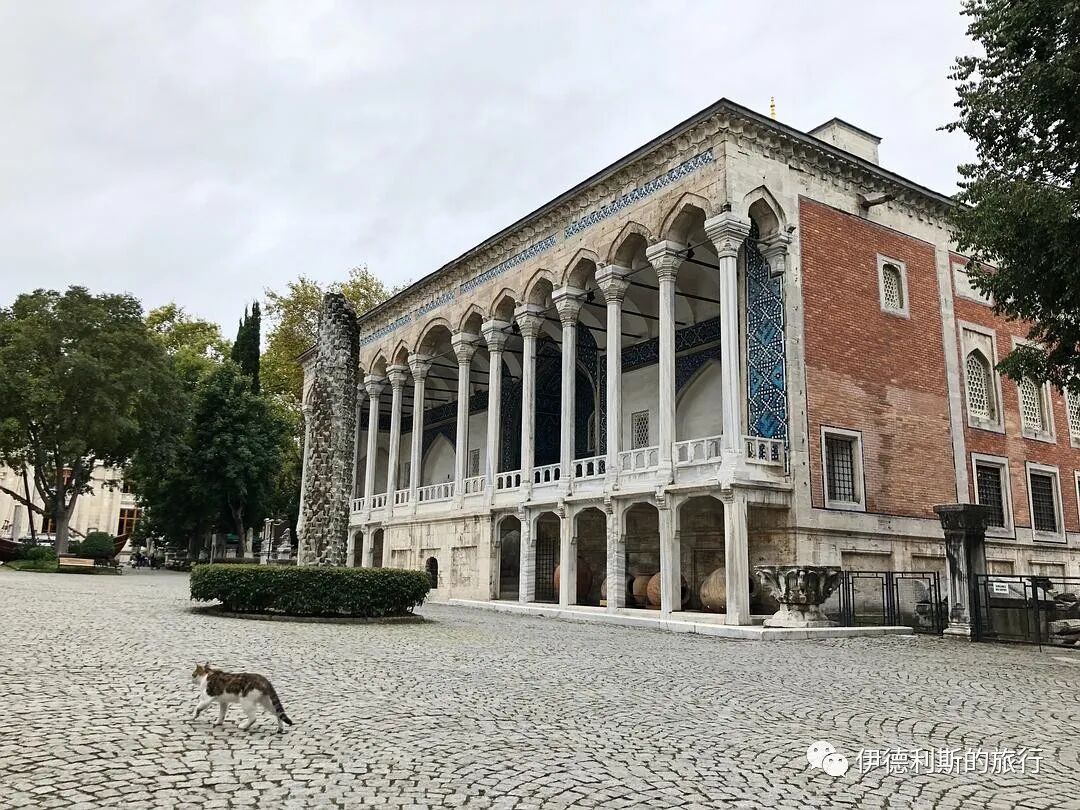
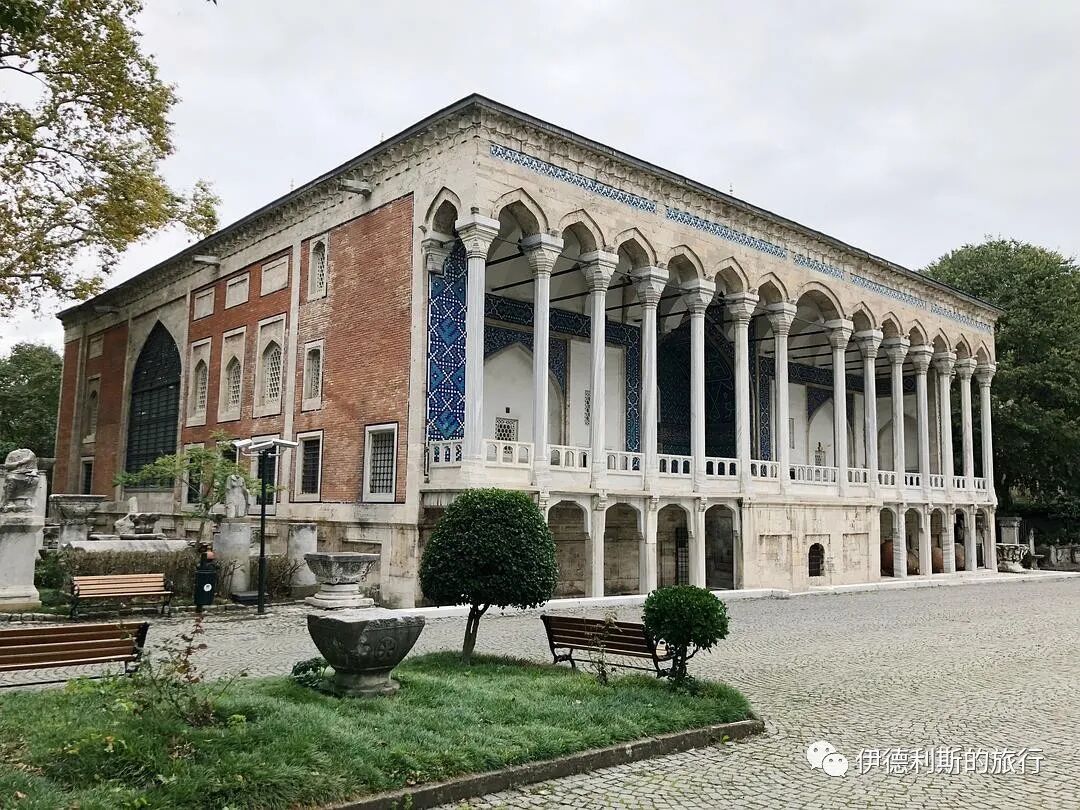
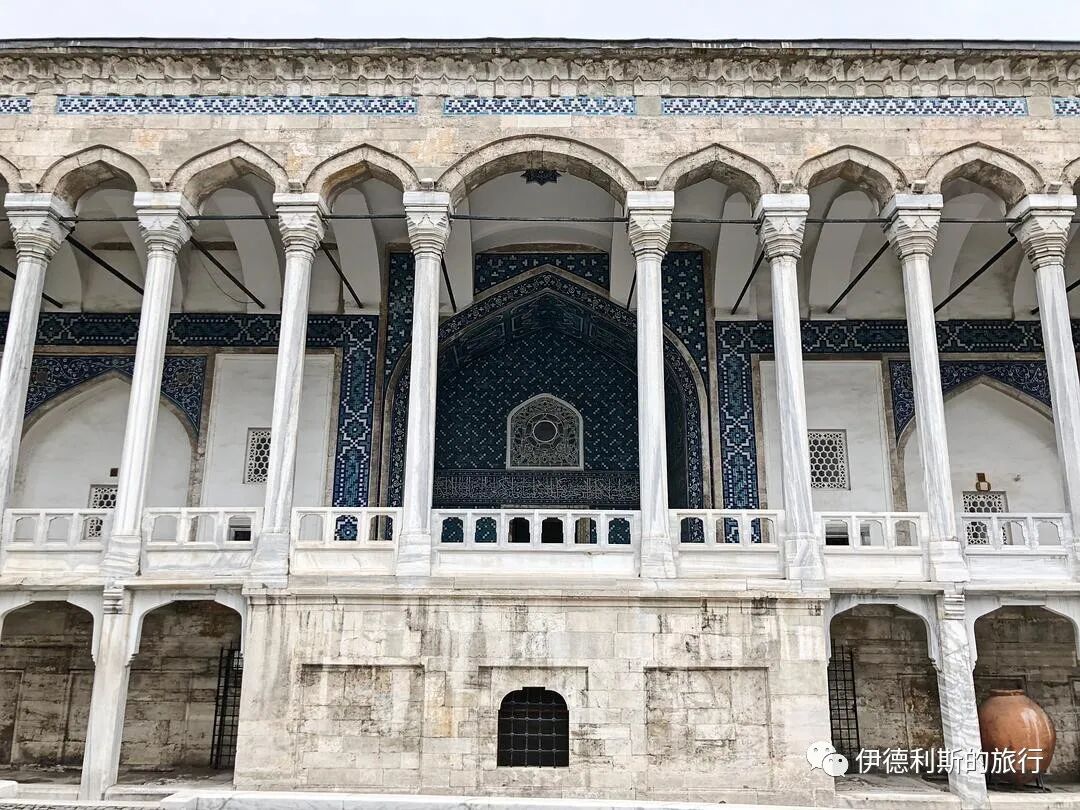
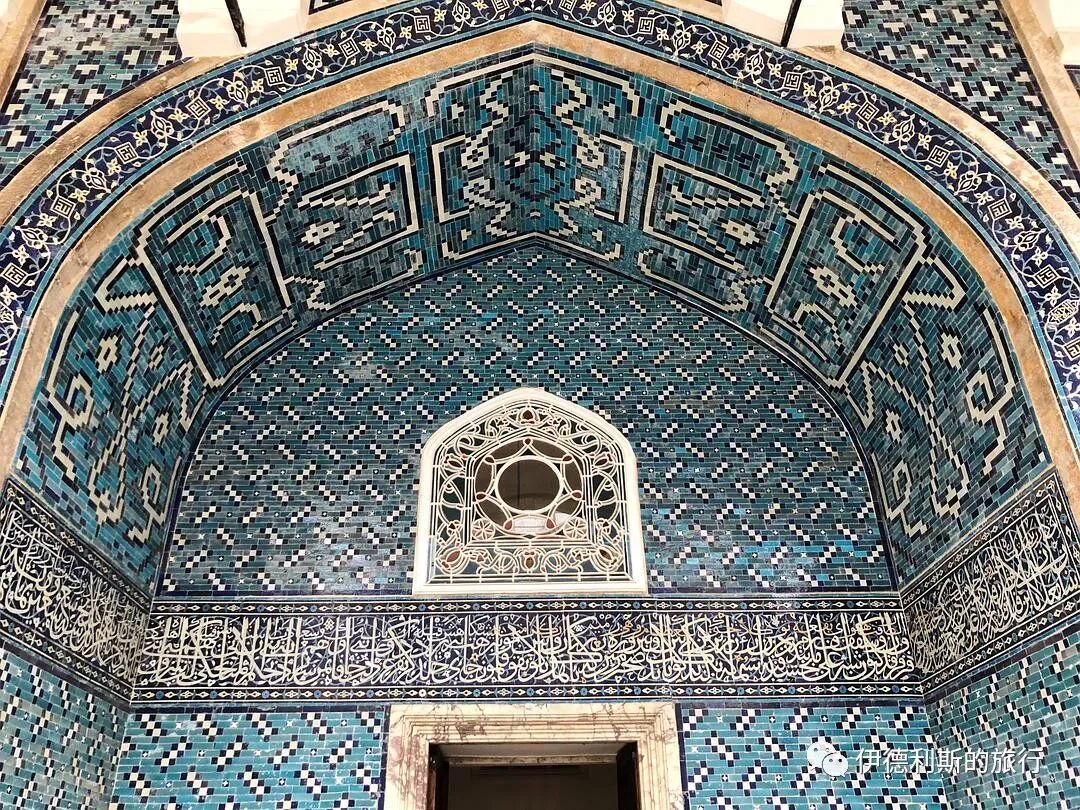
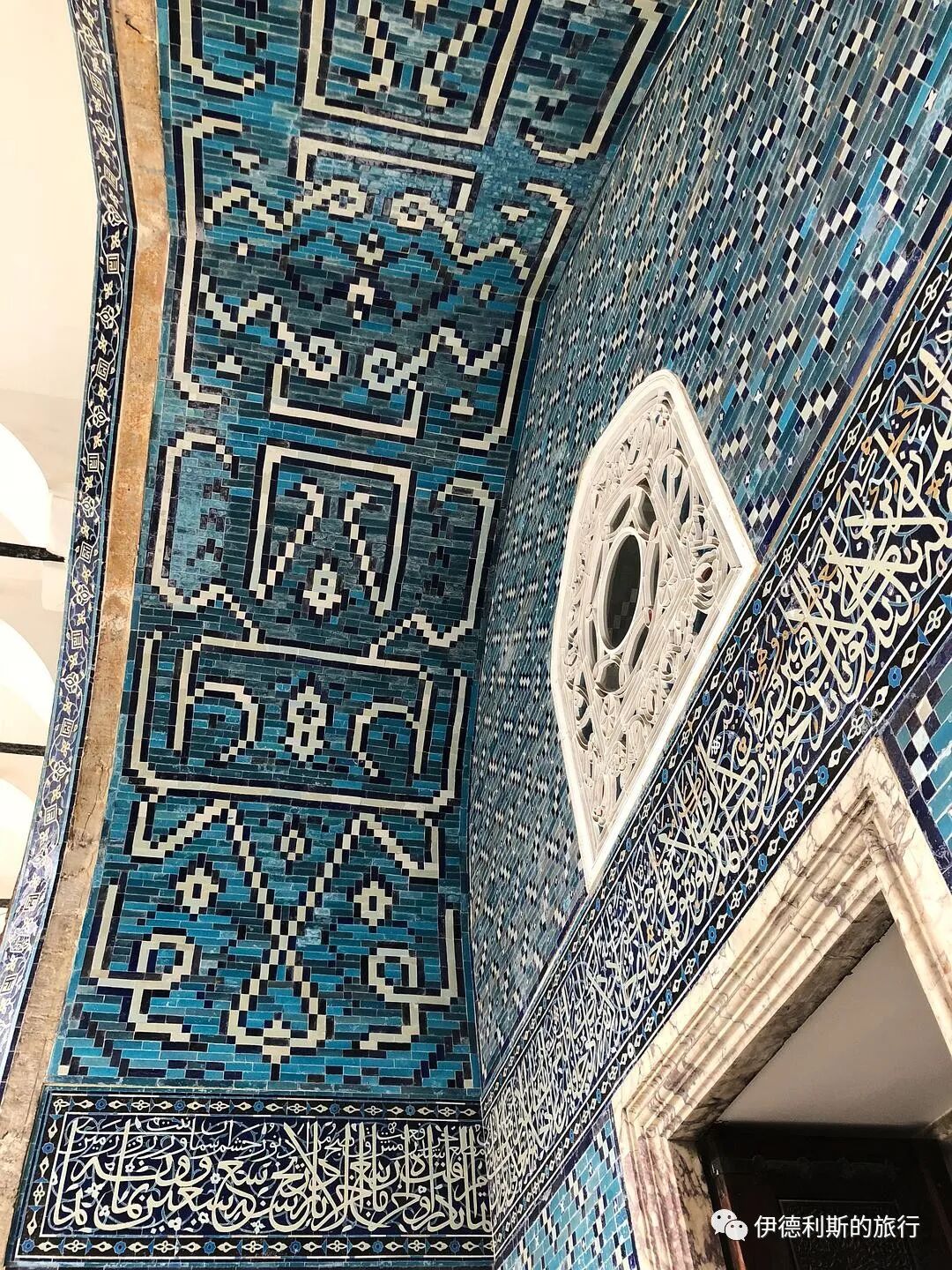
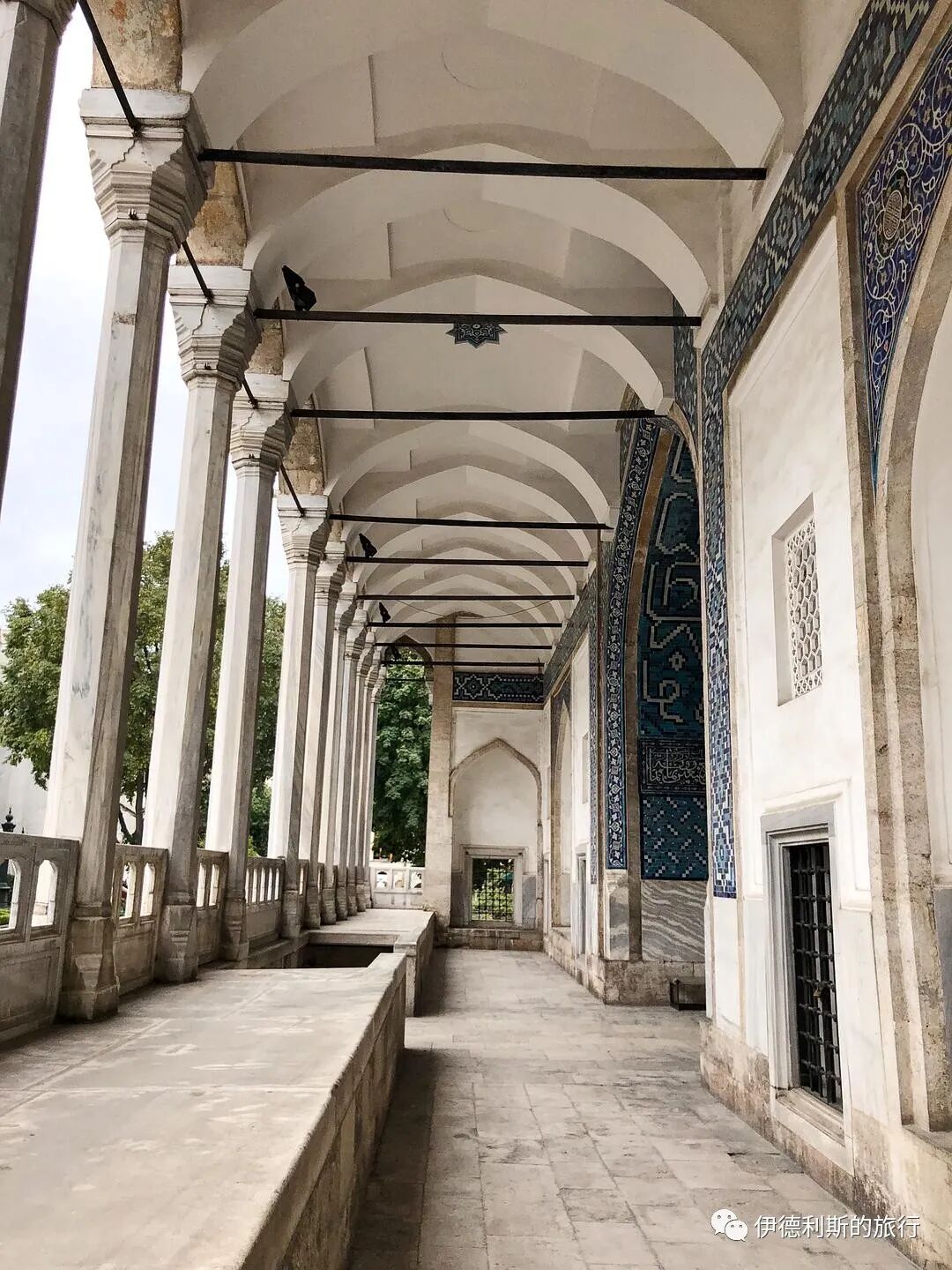
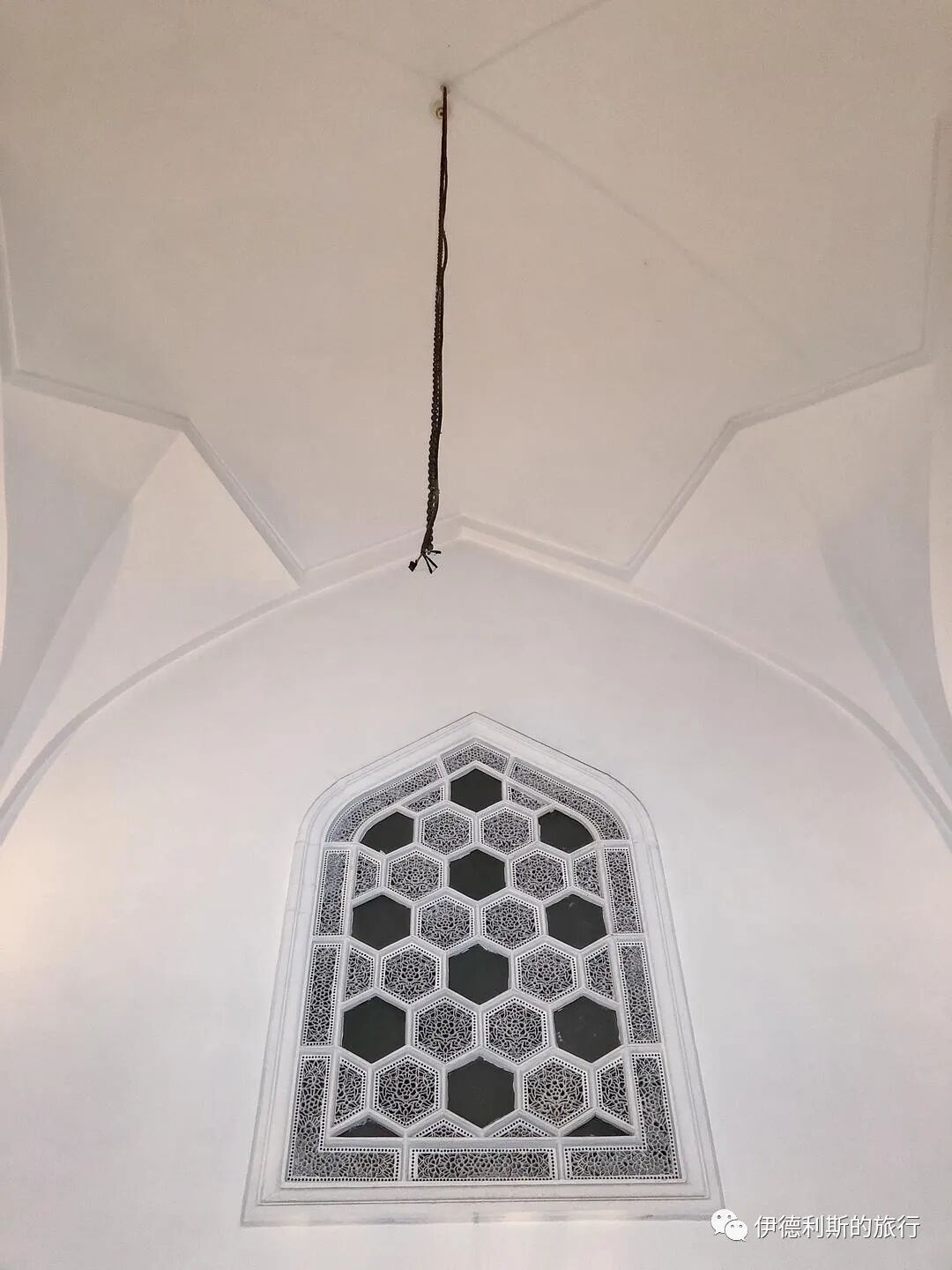
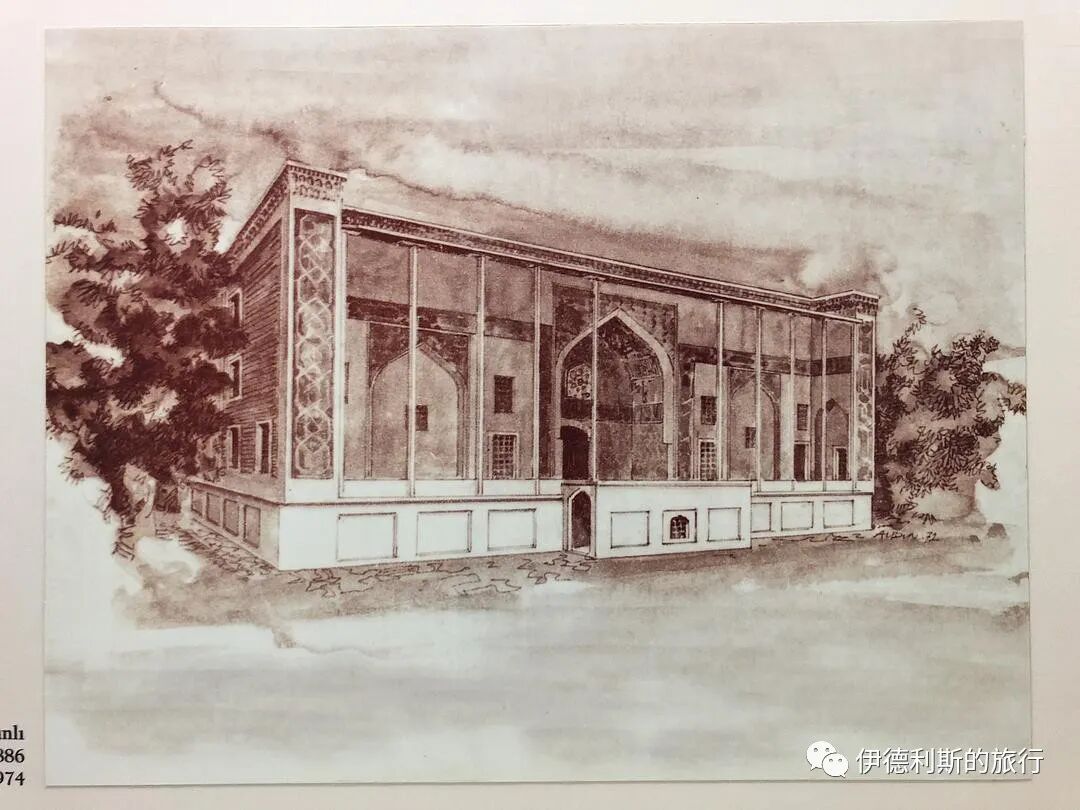
1. Inside the rooms
The tiled pavilion still holds some of its original interior decor. The gold leaf on some tiles has faded, and parts have been re-gilded.
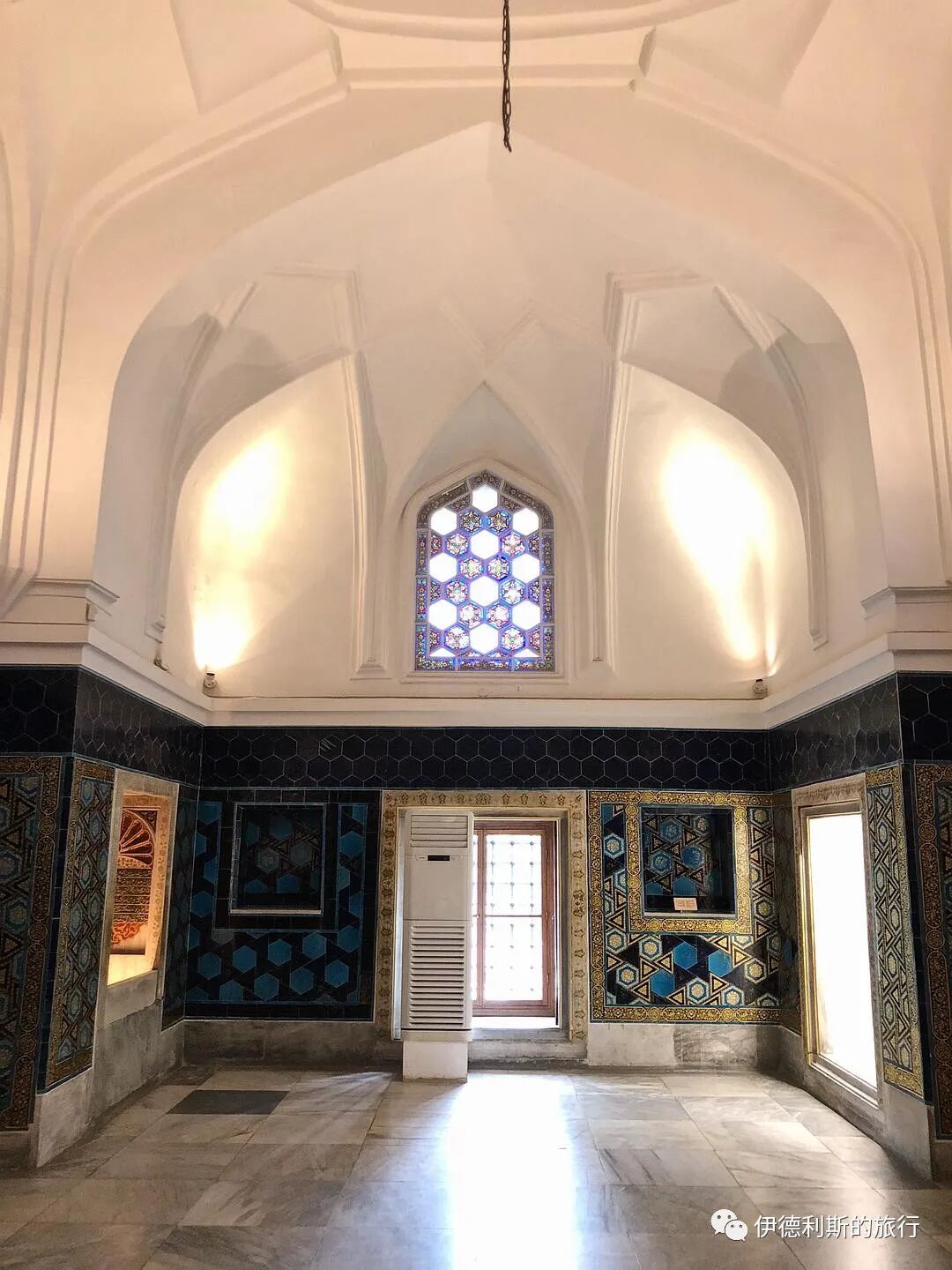
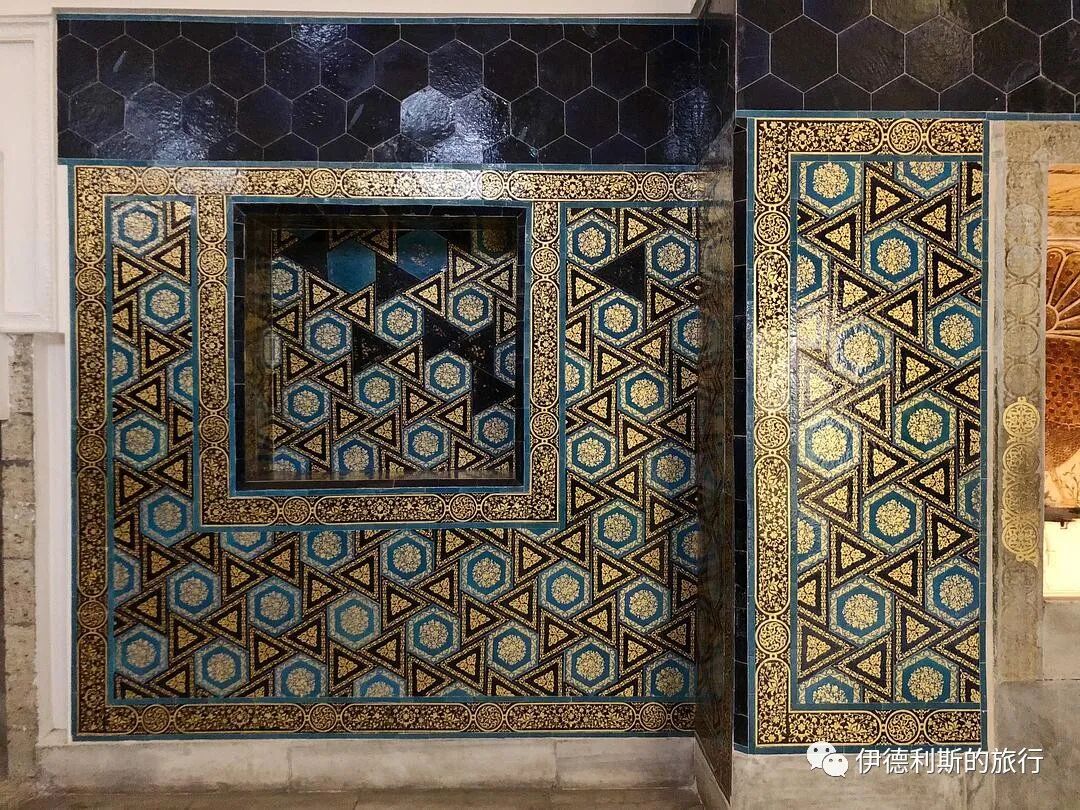
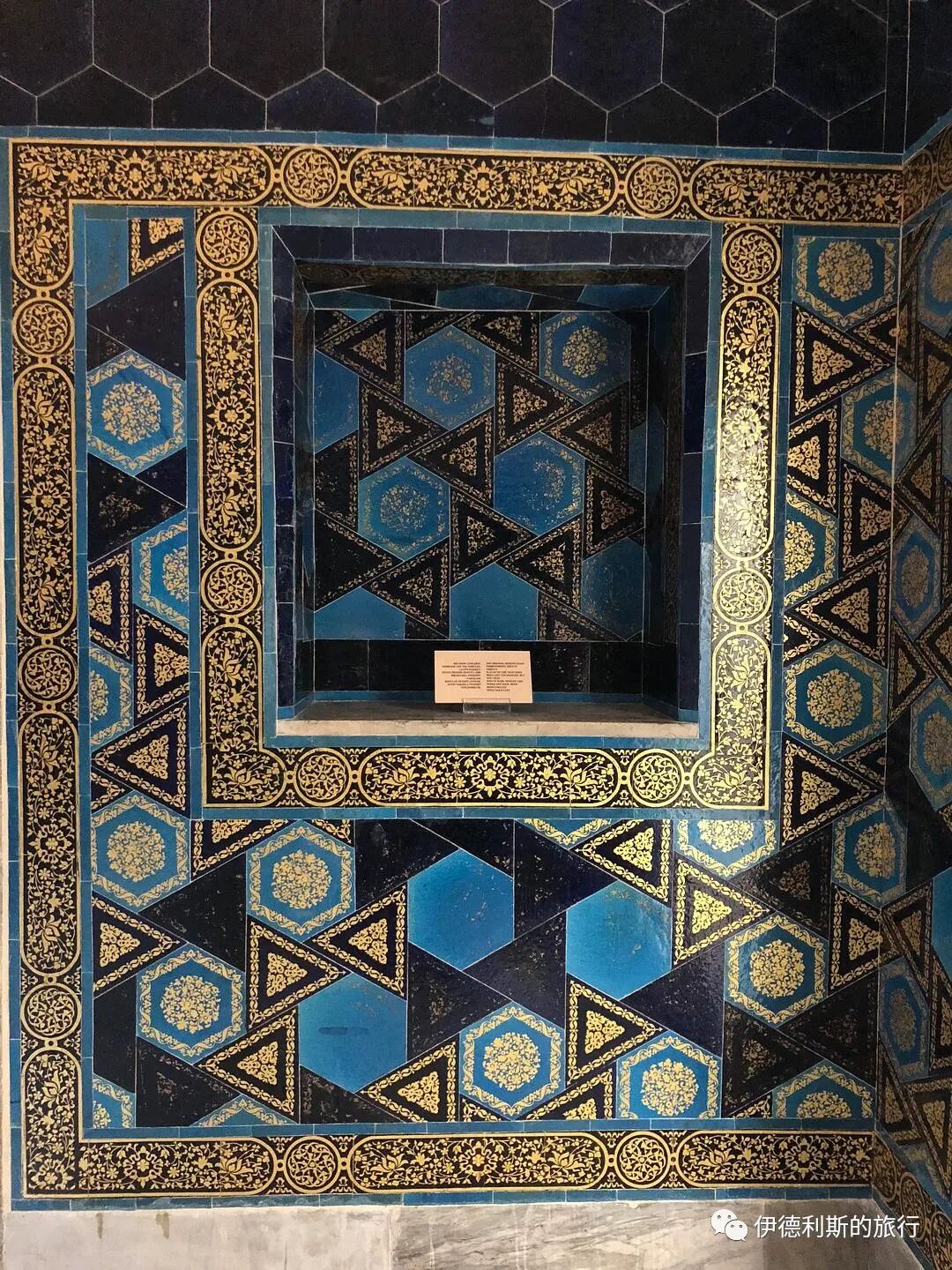
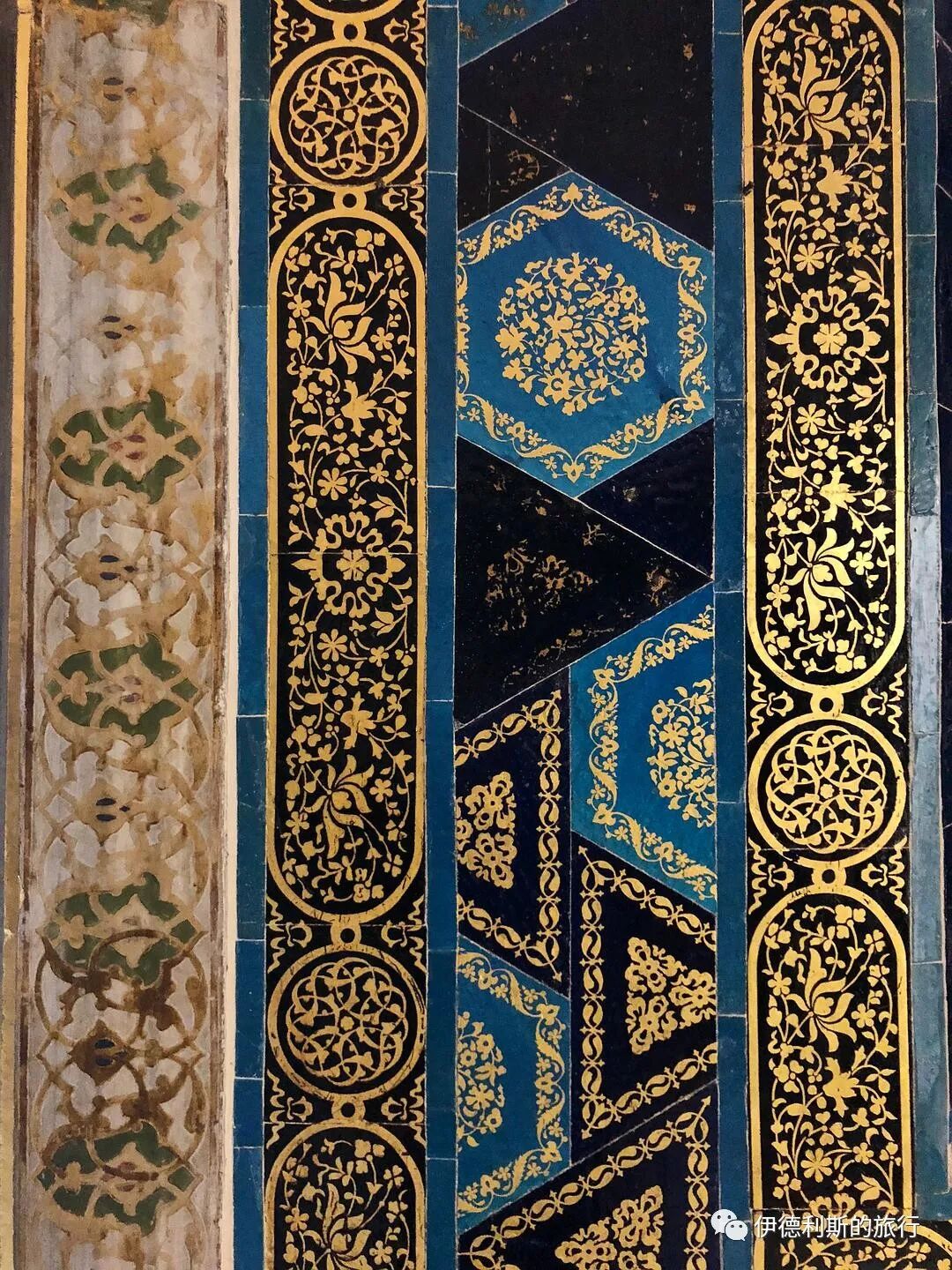
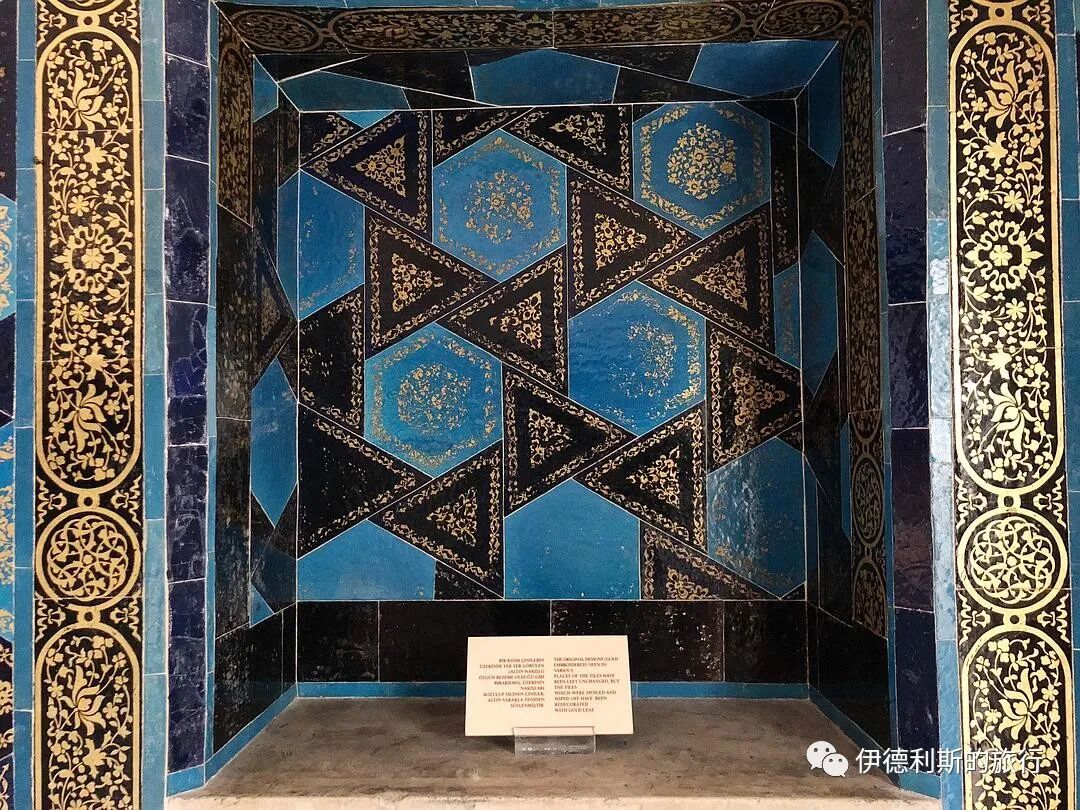
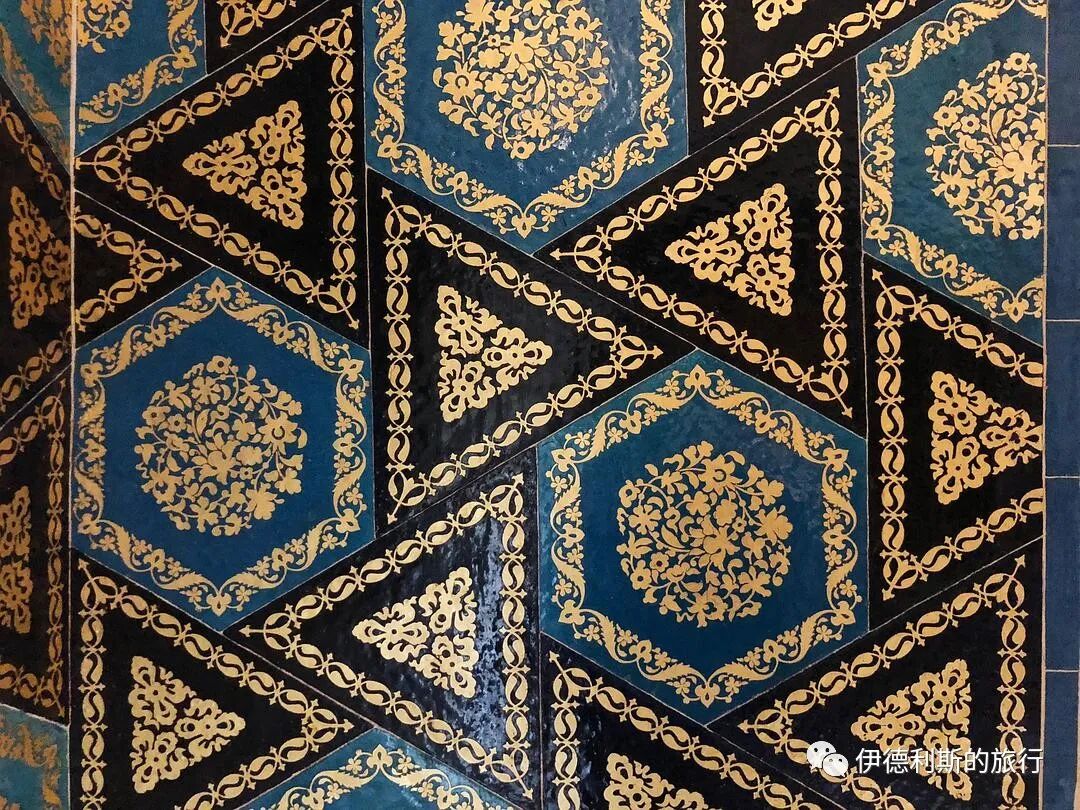
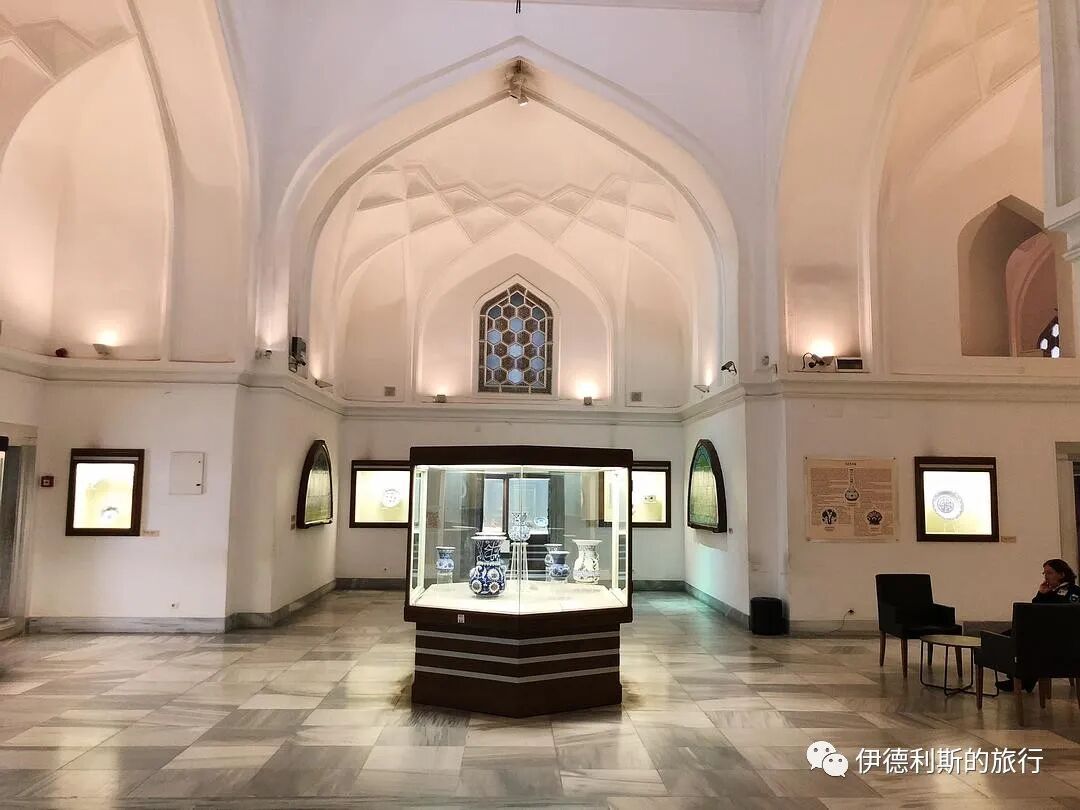
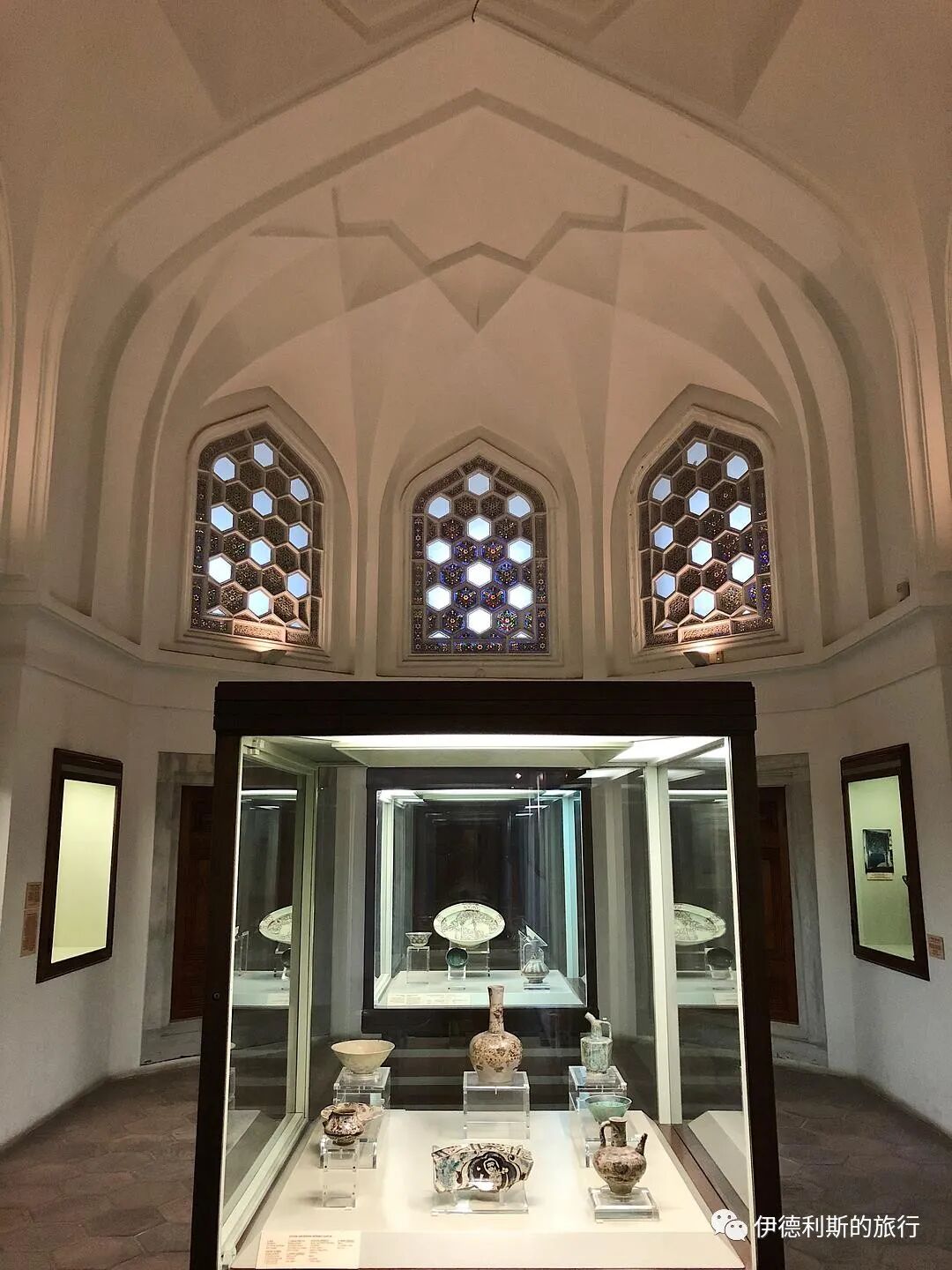
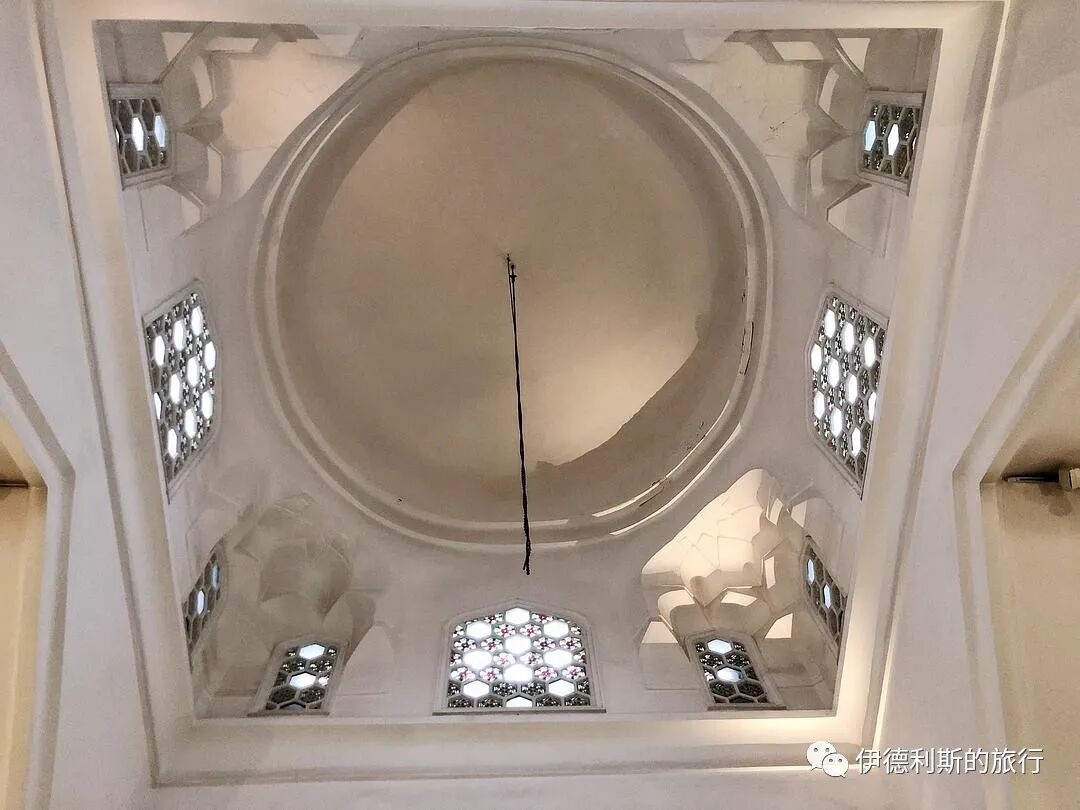
The building houses a fountain built in 1590. The peacock design featuring tulips, carnations, and plum blossoms was a very popular theme during the reign of Ottoman Sultan Murad III (reigned 1574-1595).
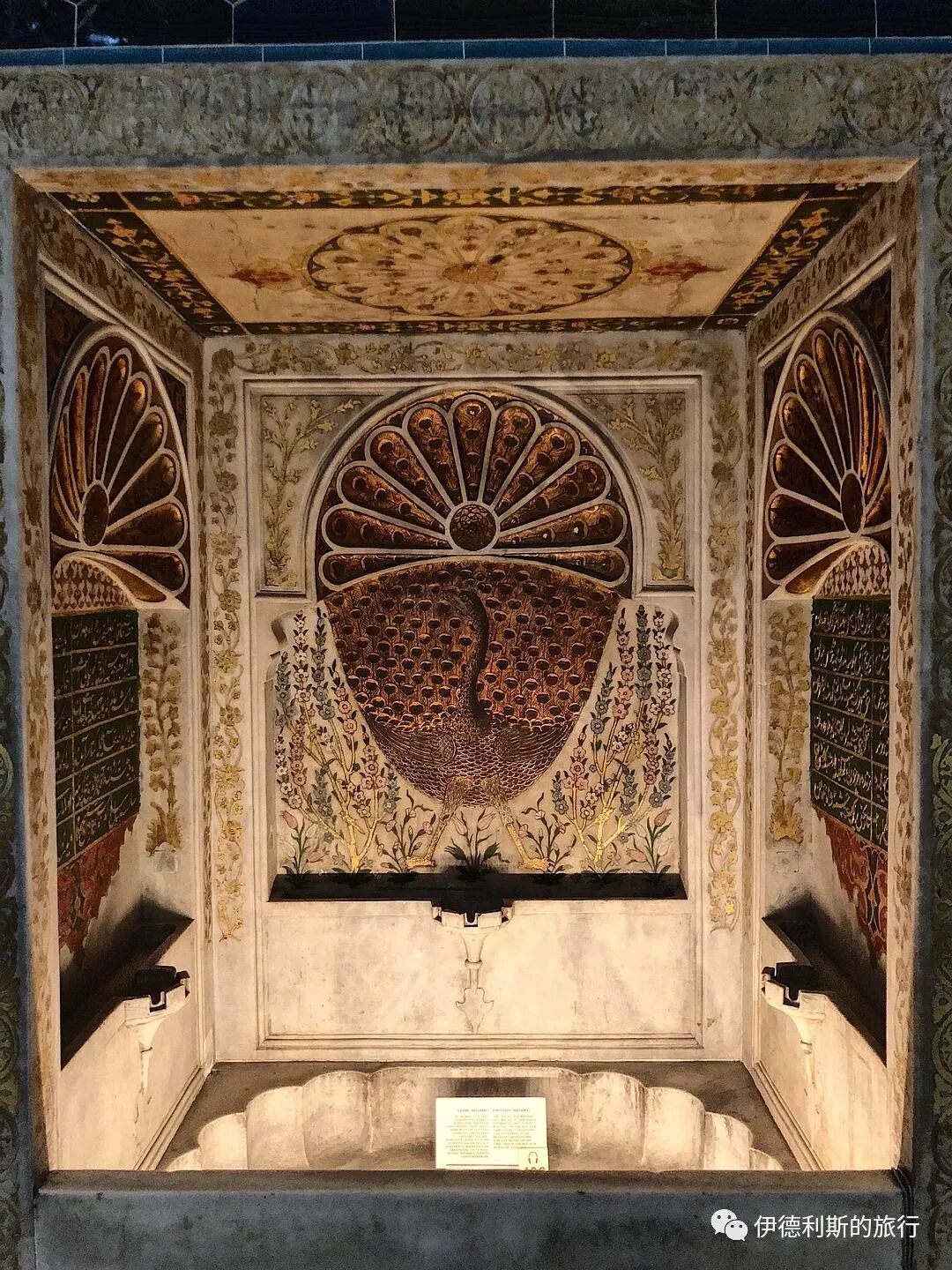
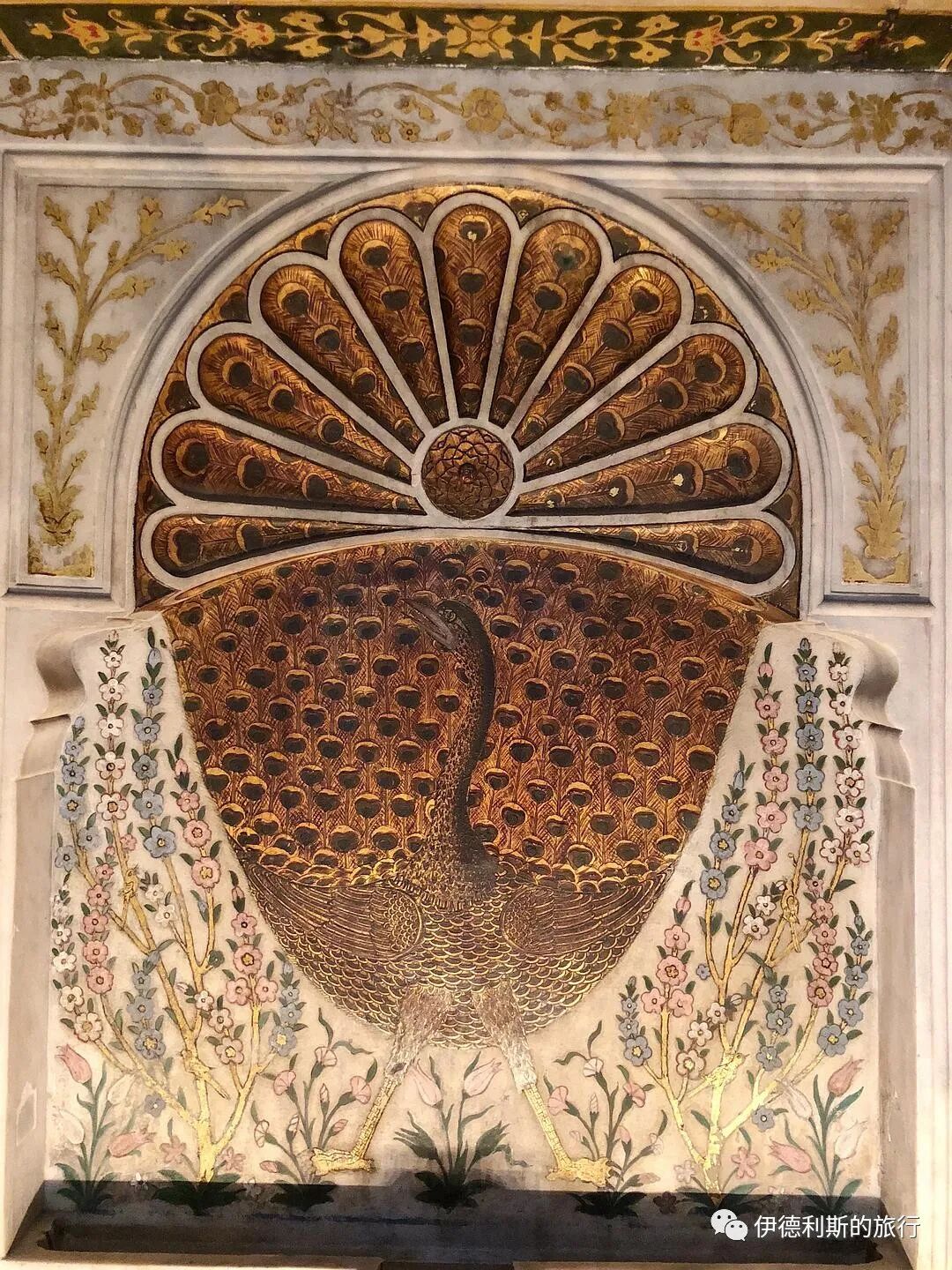
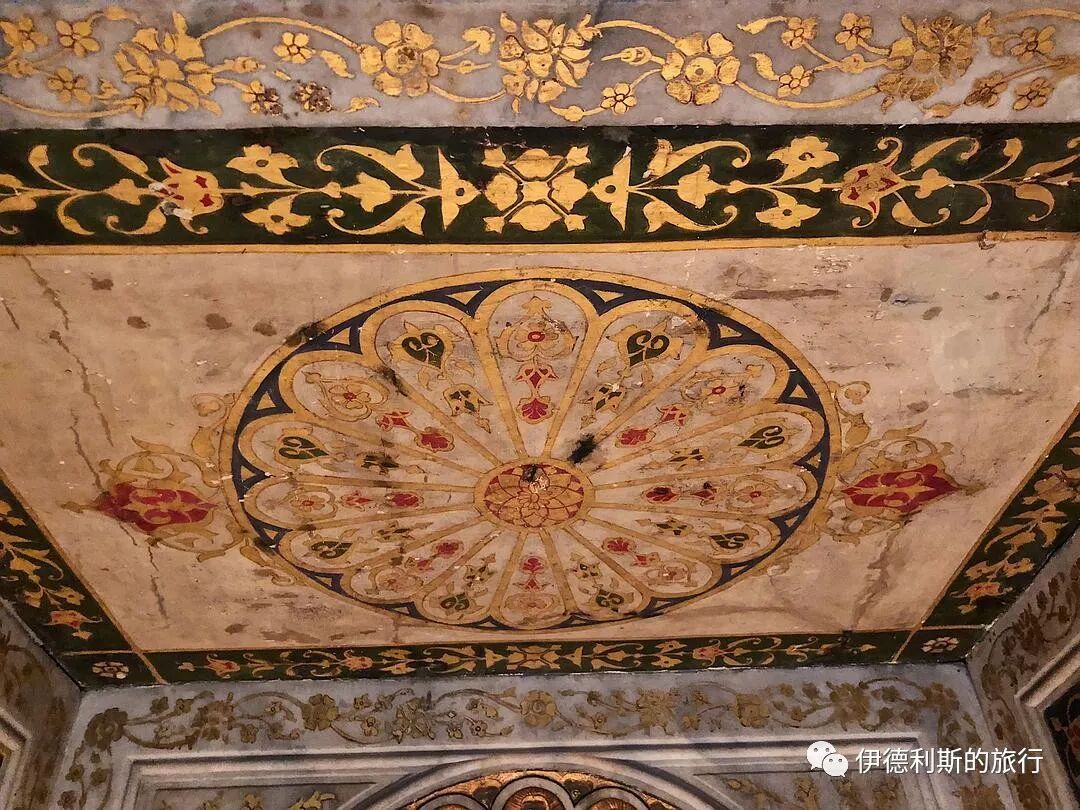
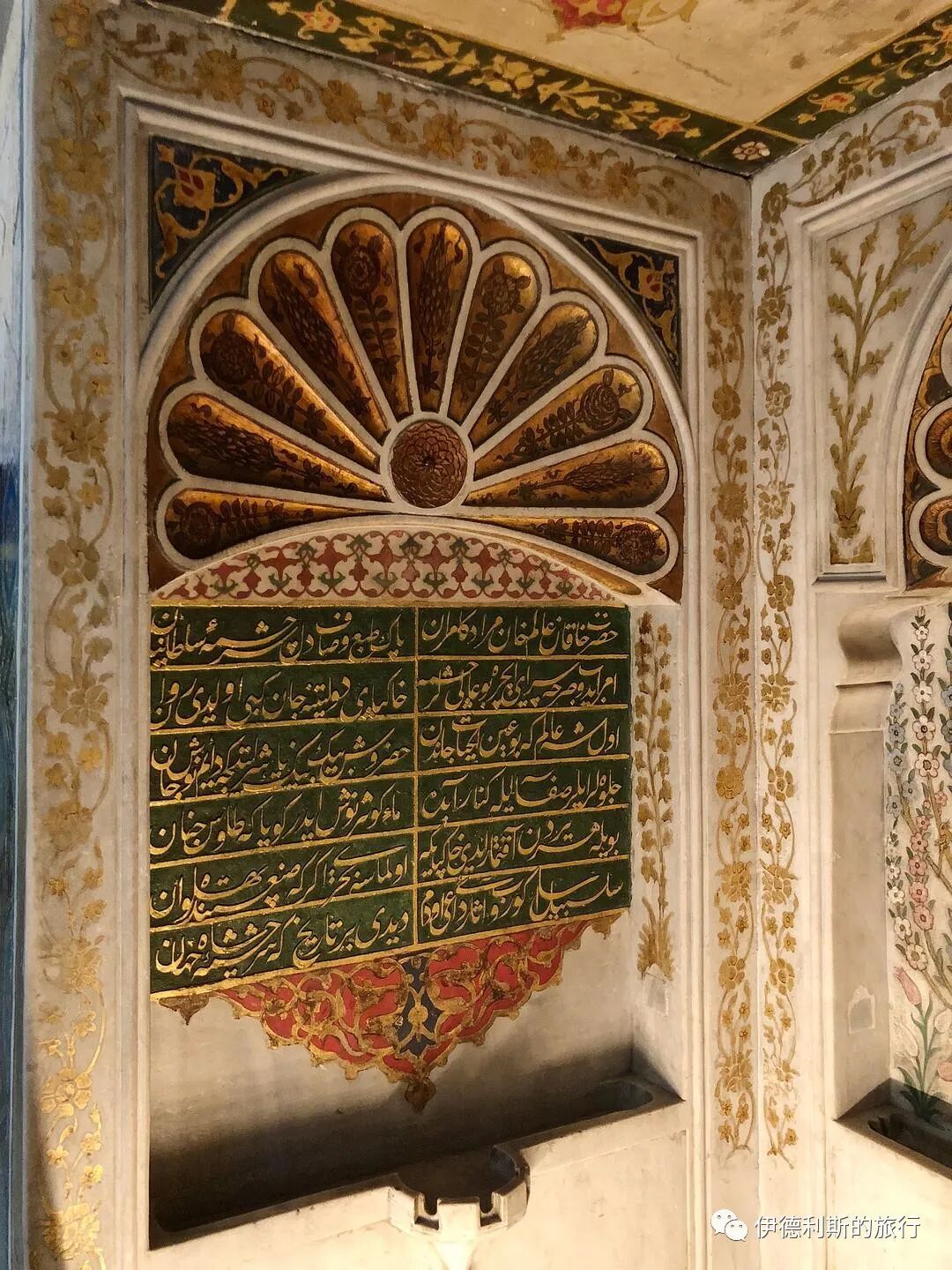
2. Tiles from the Sultanate of Rum
Cross and animal tiles from the Kubadabad Palace.
Kubadabad Palace was the summer palace of the Sultanate of Rum. It sits by Lake Beyşehir, 100 kilometers west of the capital, Konya. The Seljuk Sultan Kayqubad I (reigned 1220-1237) built it in 1236.
The entire complex consists of 16 buildings. The largest palace is 50 meters long and 35 meters wide and is famous for its ornate tiles. These tiles feature human and animal figures, which are typical artistic characteristics of the Seljuk dynasty.
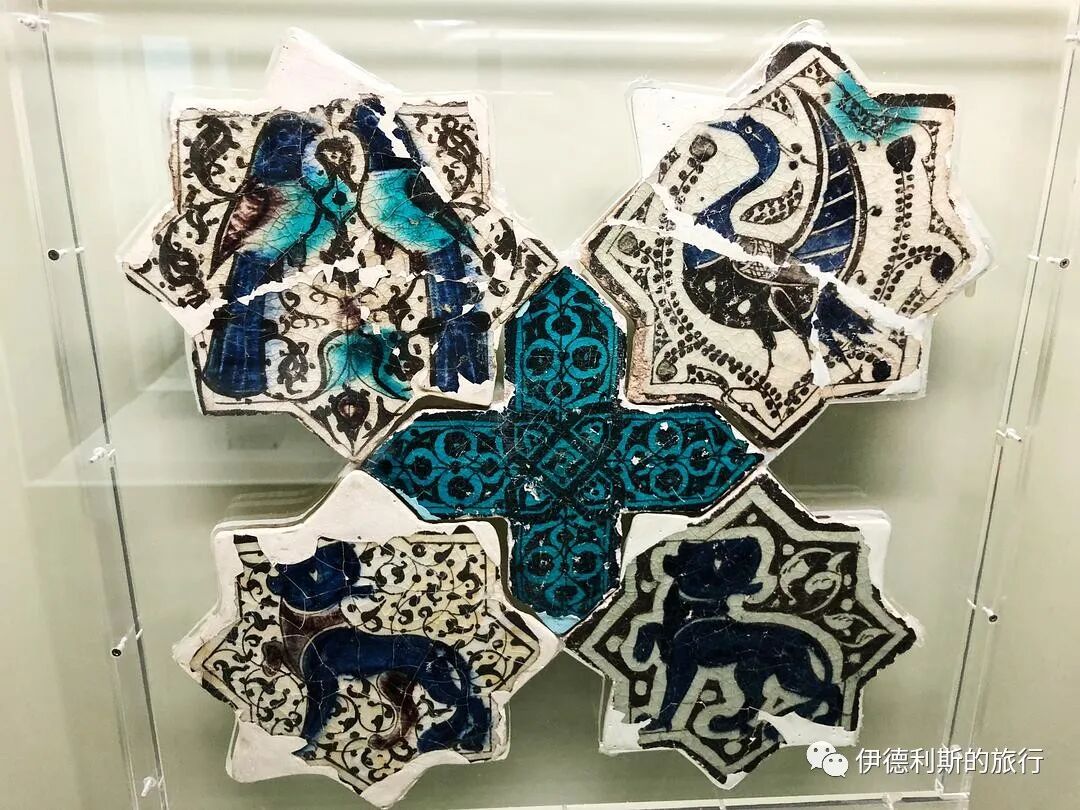
3. Tiles of the Karamanid Beylik
Karaman is located 100 kilometers south of Konya and was once the capital of the Karamanid Beylik (1250-1487).
The Karaman people were a branch of the Oghuz Turkic tribes who moved from the Azerbaijan region to Turkey in the 1230s to escape the Mongol invasion. The Karamanid Beylik defeated the Sultanate of Rum in the late 13th century, competed with the Ottoman Empire many times during the 14th and 15th centuries, and was finally annexed by the Ottomans in 1487.
Currently, 66 mosques, 8 bathhouses, 2 inns, and 3 madrasas from the Karamanid Beylik survive today. These buildings form a distinctive Karaman architectural style.
Mosaic tiles on a mihrab niche in a mosque in Karaman from the late 13th century.
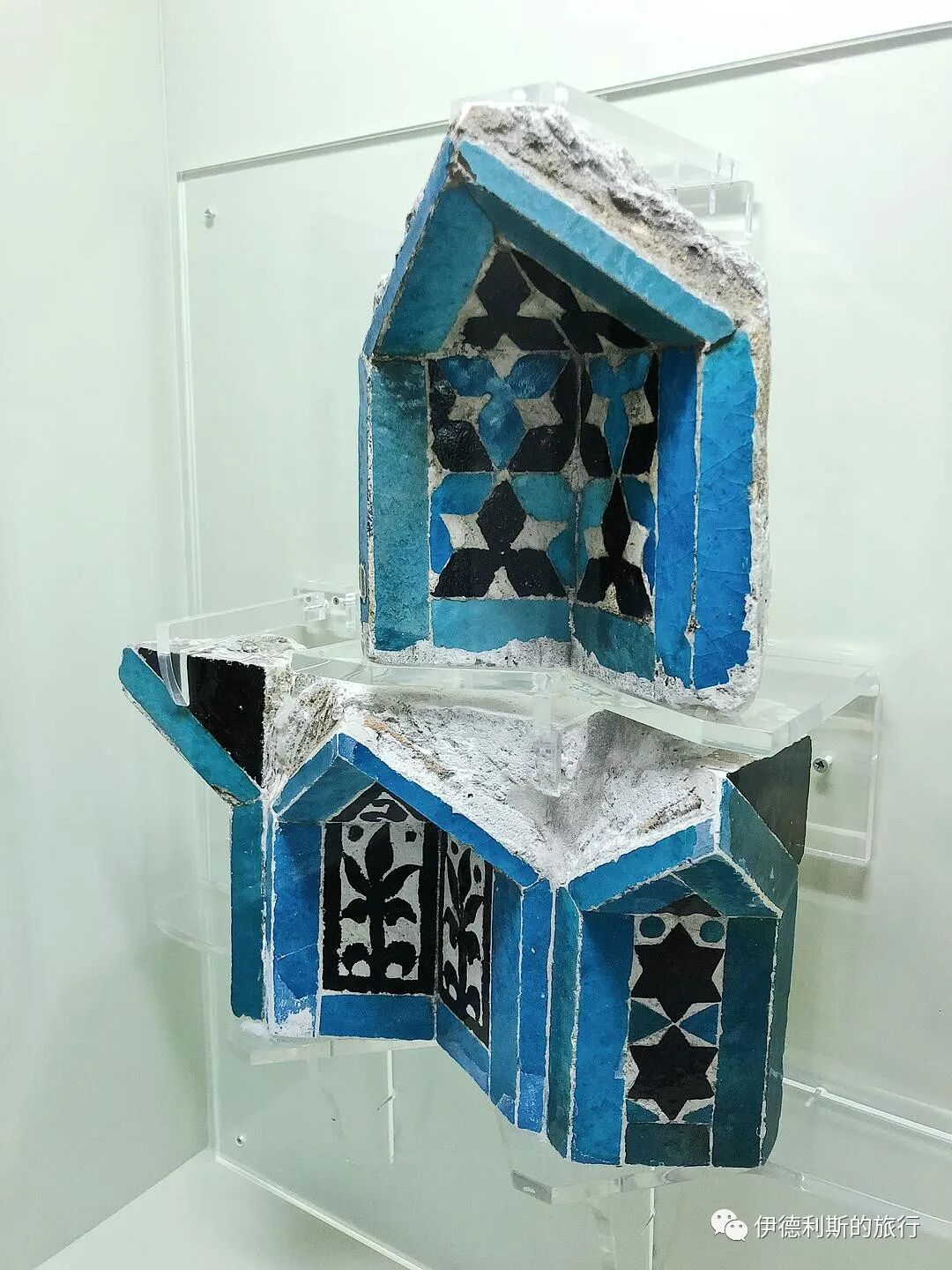
The mihrab niche of the Karaman Ibrahim Bey Mosque from 1432.
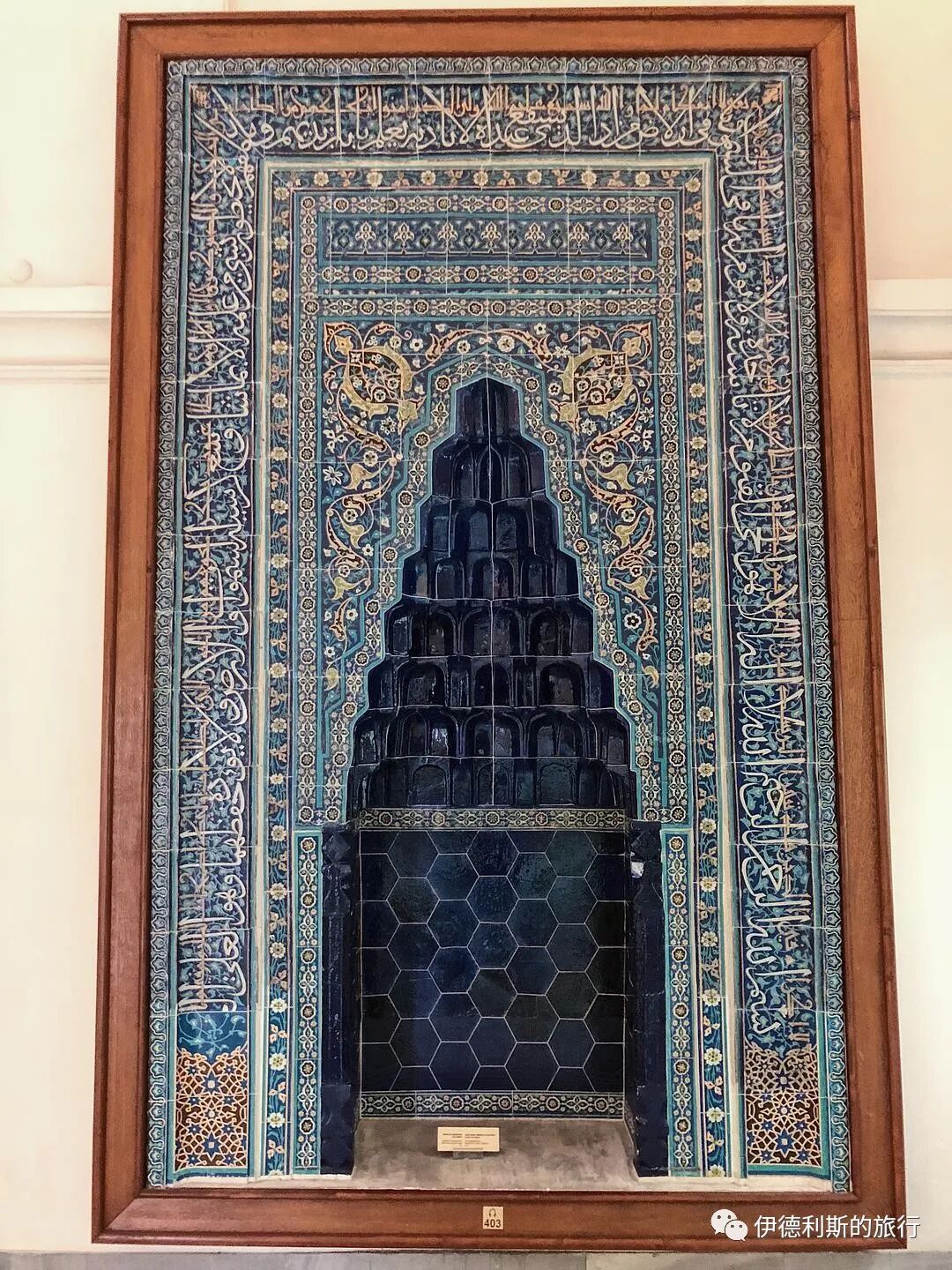
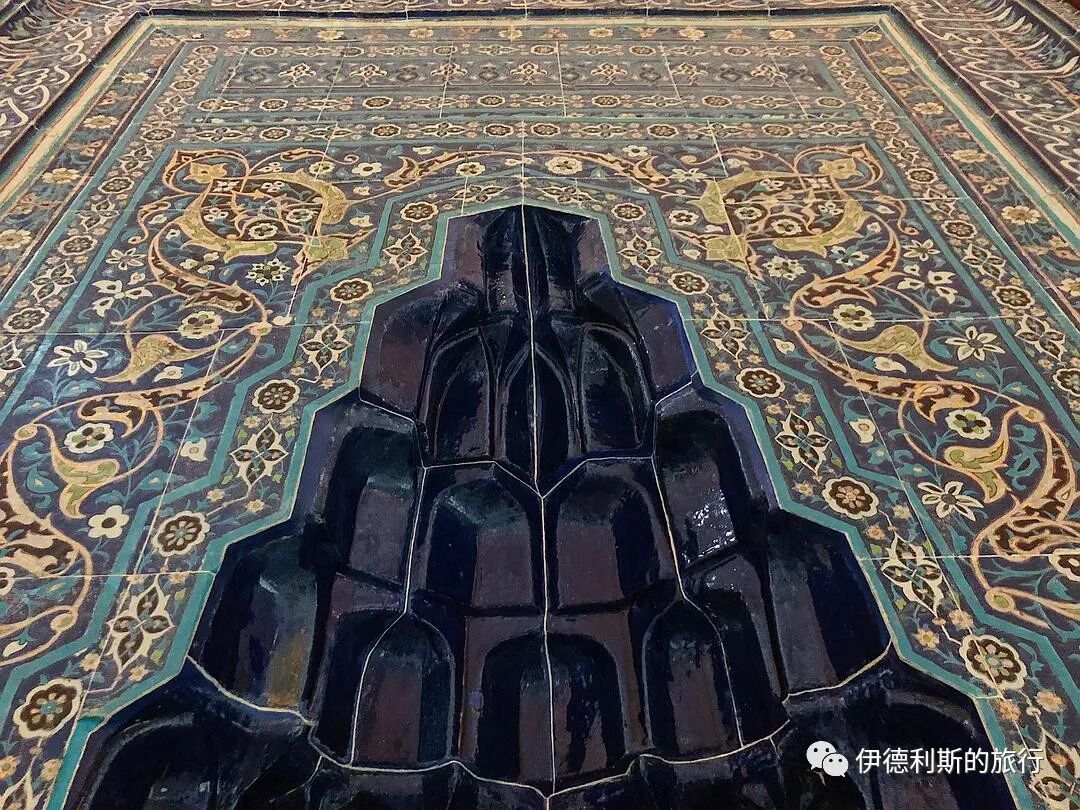
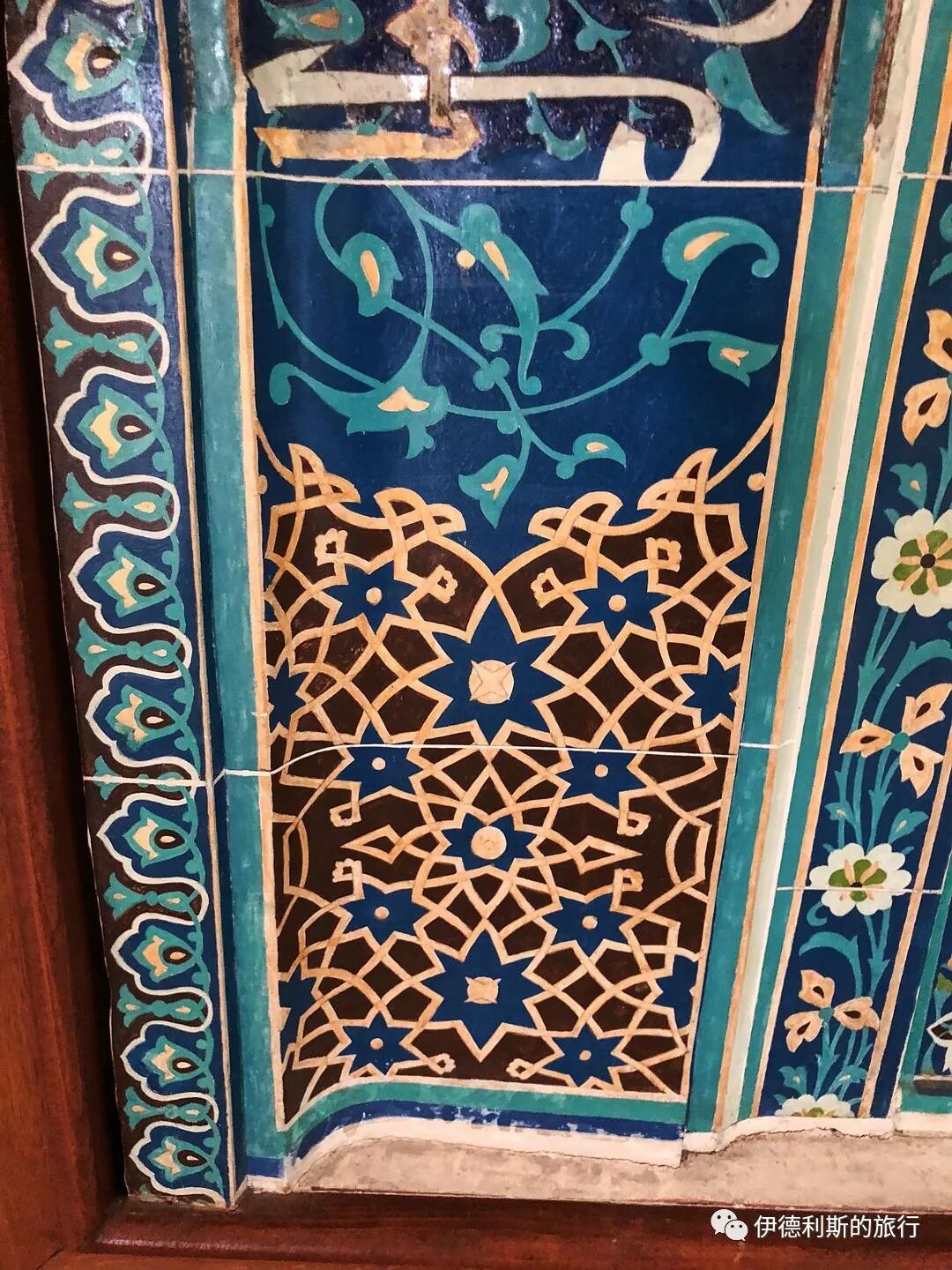
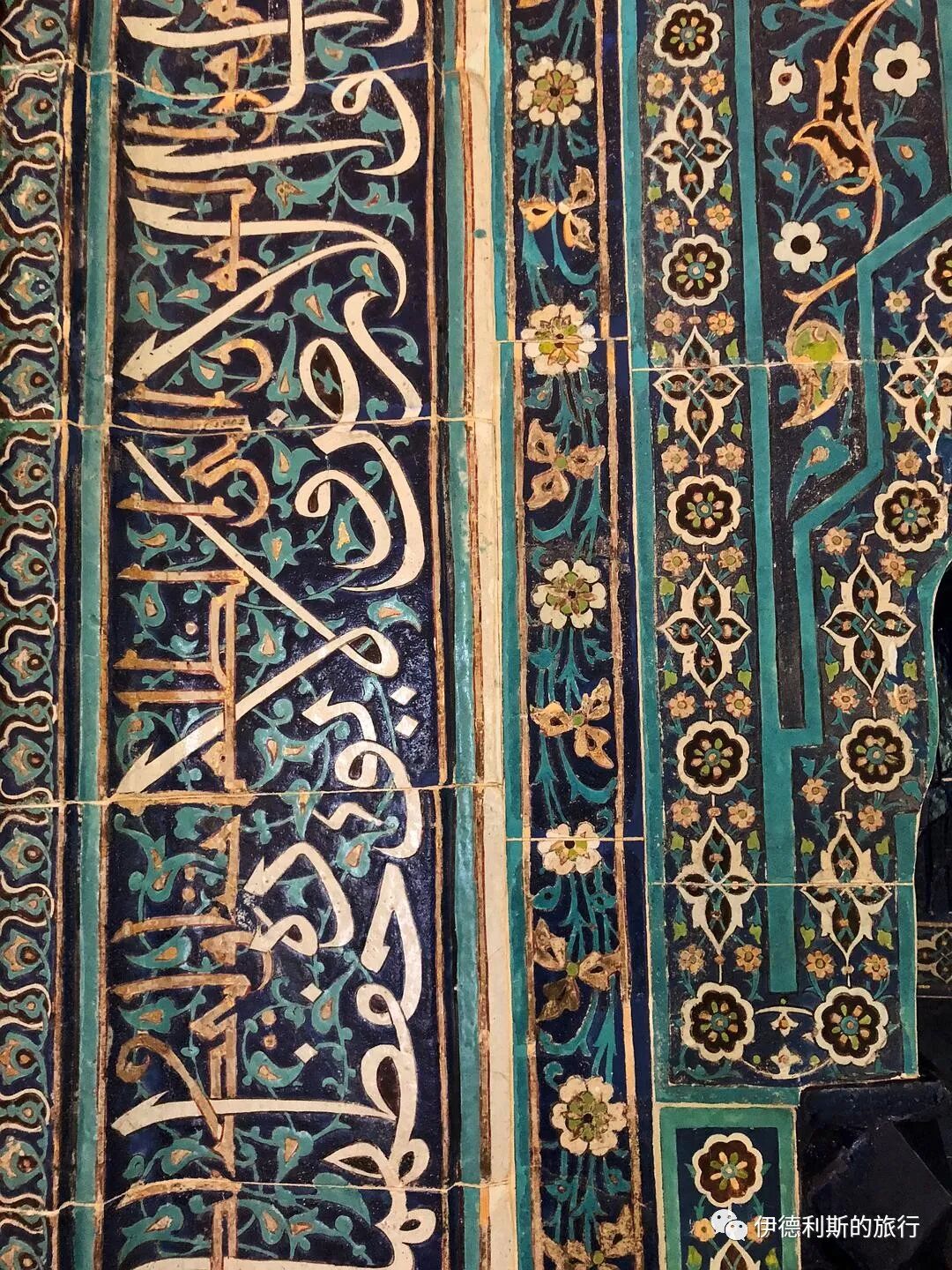
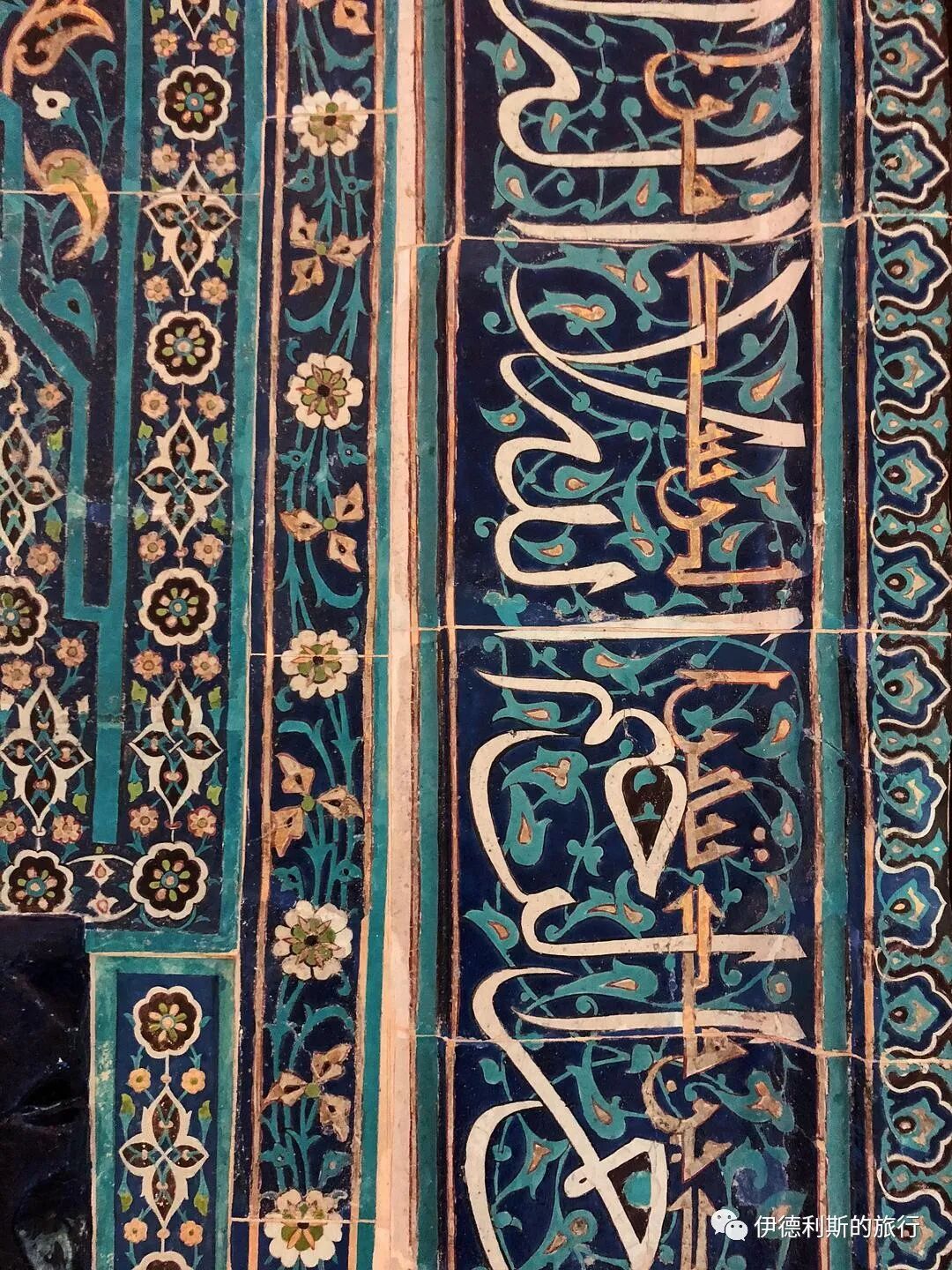
4. Ilkhanate Kashan tiles
Tiles from Kashan, Iran, dating to the Ilkhanate period in the 13th and 14th centuries. During the Seljuk Empire and Ilkhanate rule from the 12th to the 14th century, Kashan was a major center in Iran for making high-quality pottery and tiles. In modern Persian, the word for tile (kashi) comes from Kashan.
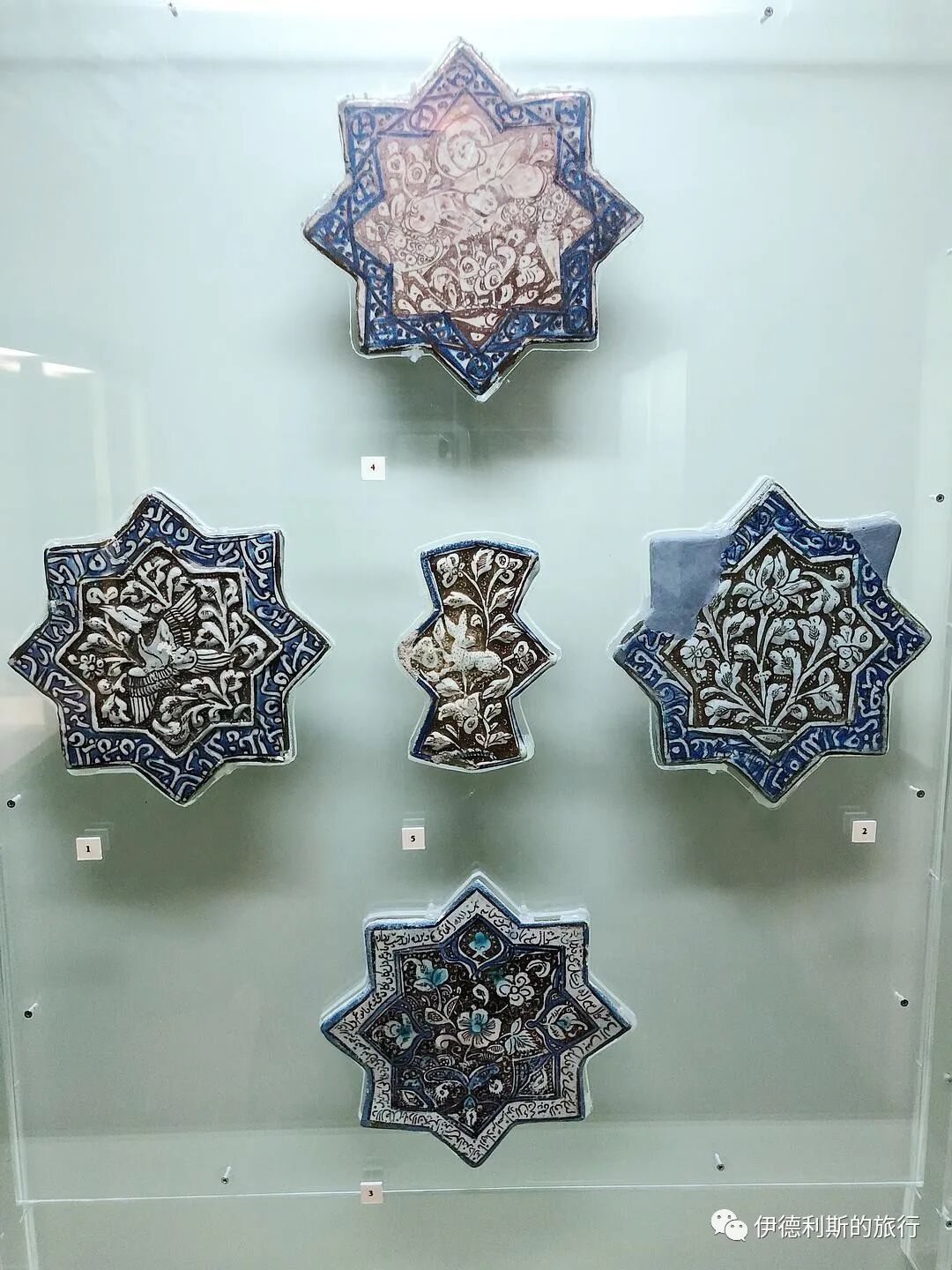
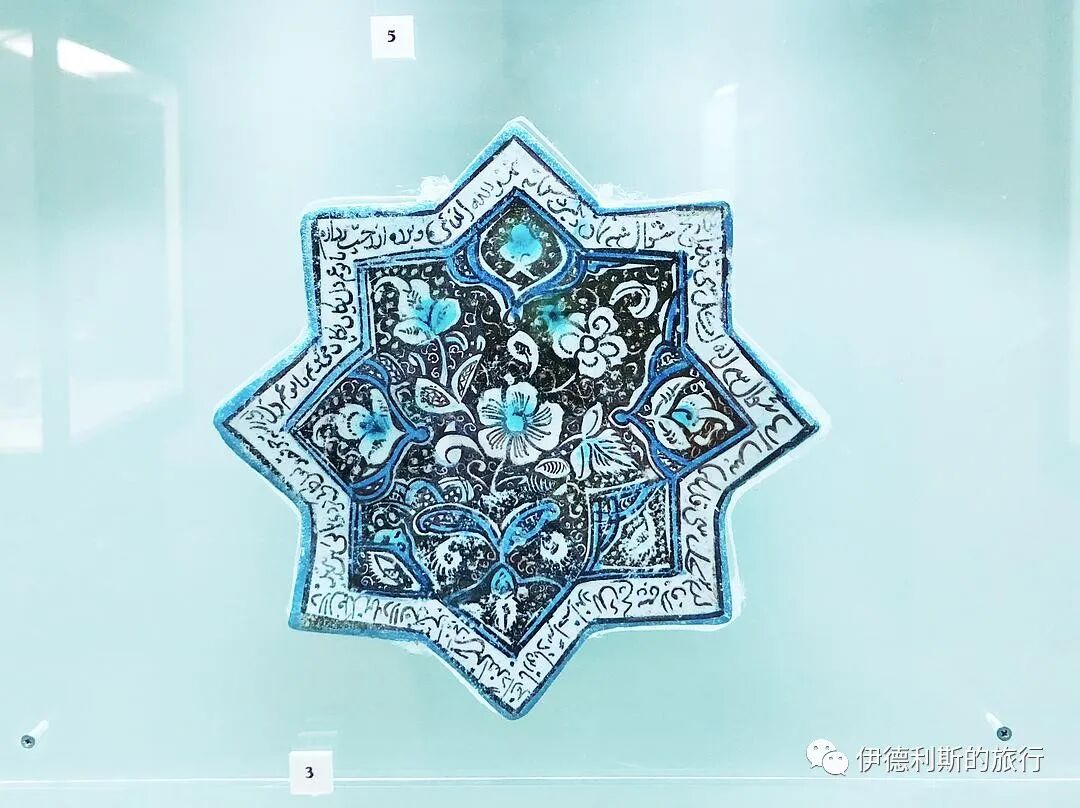
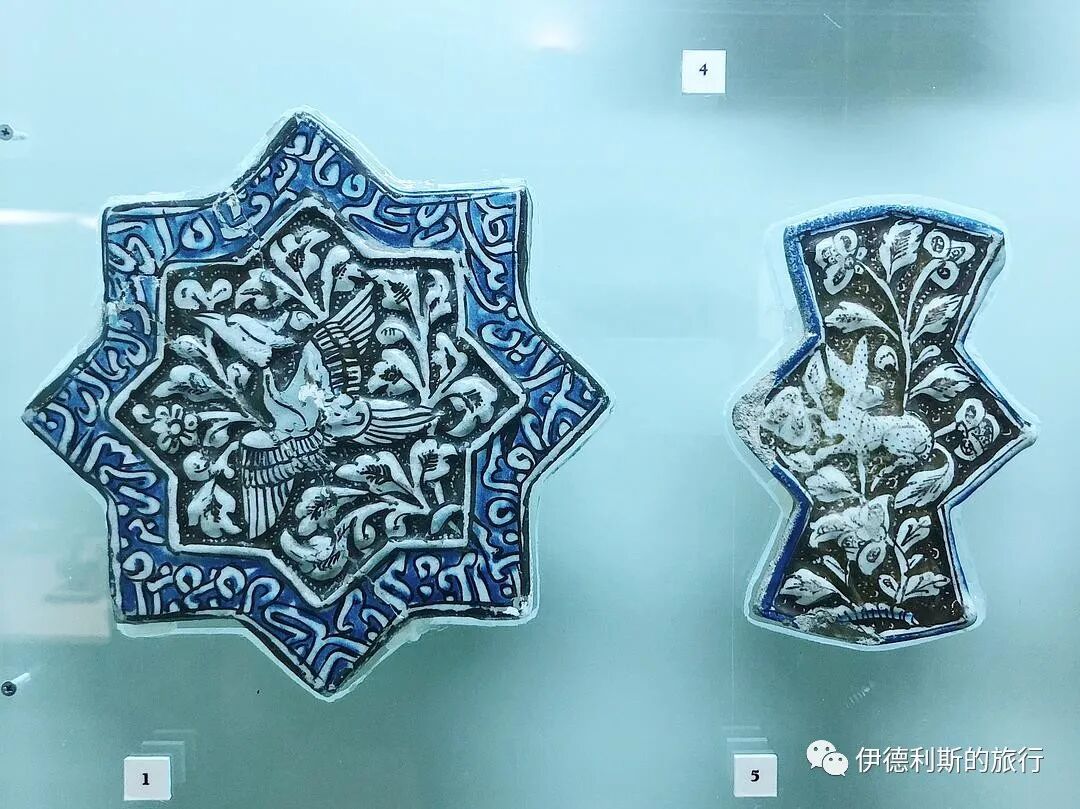
5. Iznik ceramics
The ancient city of Iznik sits by Lake Iznik, 90 kilometers southeast of Istanbul. With support from the Ottoman Empire, Iznik became a center for producing underglaze ceramics in the late 15th century.
The earliest visible records of Iznik pottery date back to 1489 in the imperial kitchens of Topkapi Palace in Istanbul, where all the pieces were blue and white porcelain. Because Ottoman rulers loved Chinese blue and white porcelain, Iznik pottery combined traditional Ottoman arabesque patterns with Chinese elements. Early Iznik pottery style is called Rumi-Hatayi, where Rumi stands for Ottoman arabesque patterns and Hatayi stands for Chinese floral patterns.
In the late 15th century, the gate of the Tomb of Prince Ahmed (1511) in Bursa featured identical tiles.
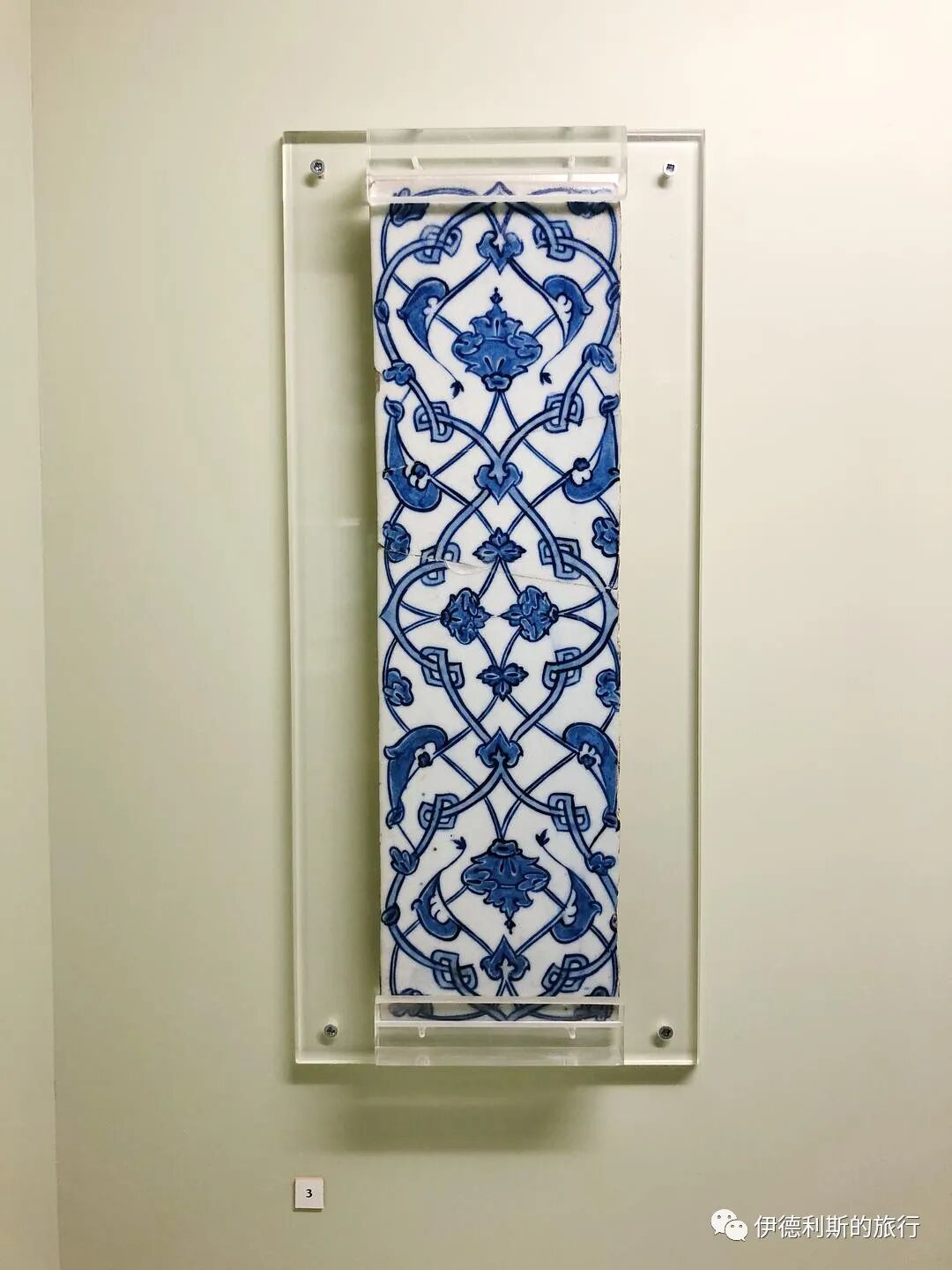
I took this photo at the original site in Bursa.
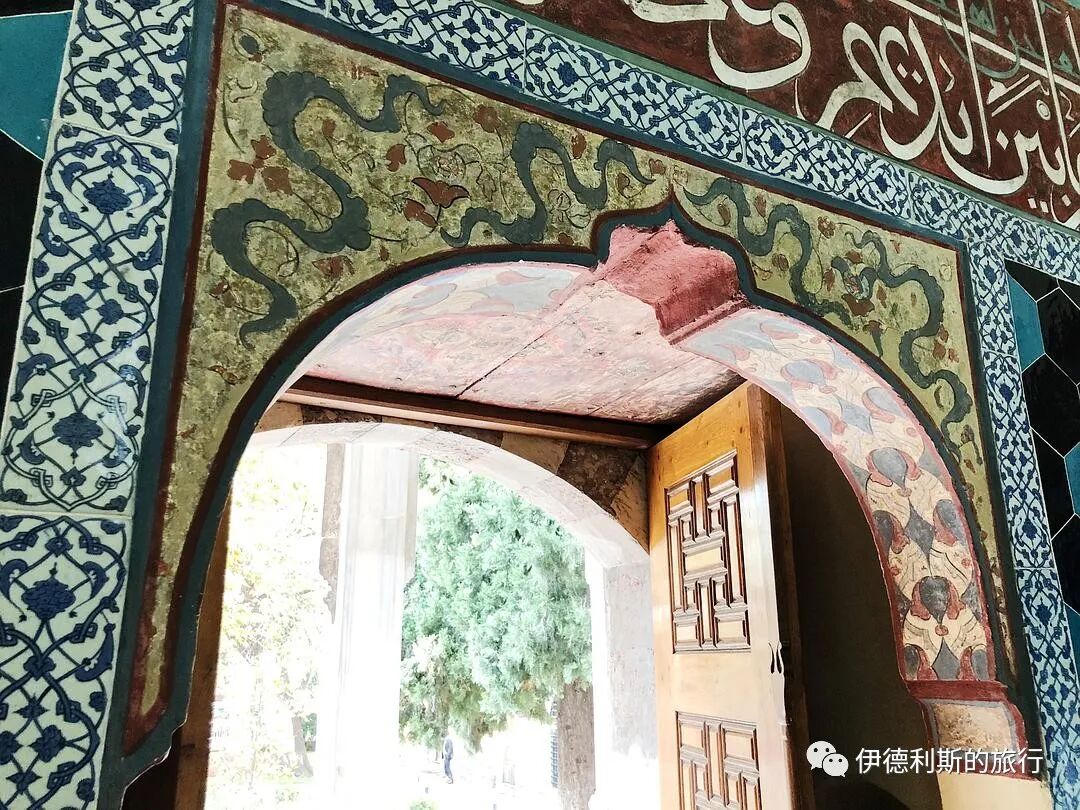
In 1530, the walls of the Circumcision Room at Topkapi Palace in Istanbul featured similar tiles.
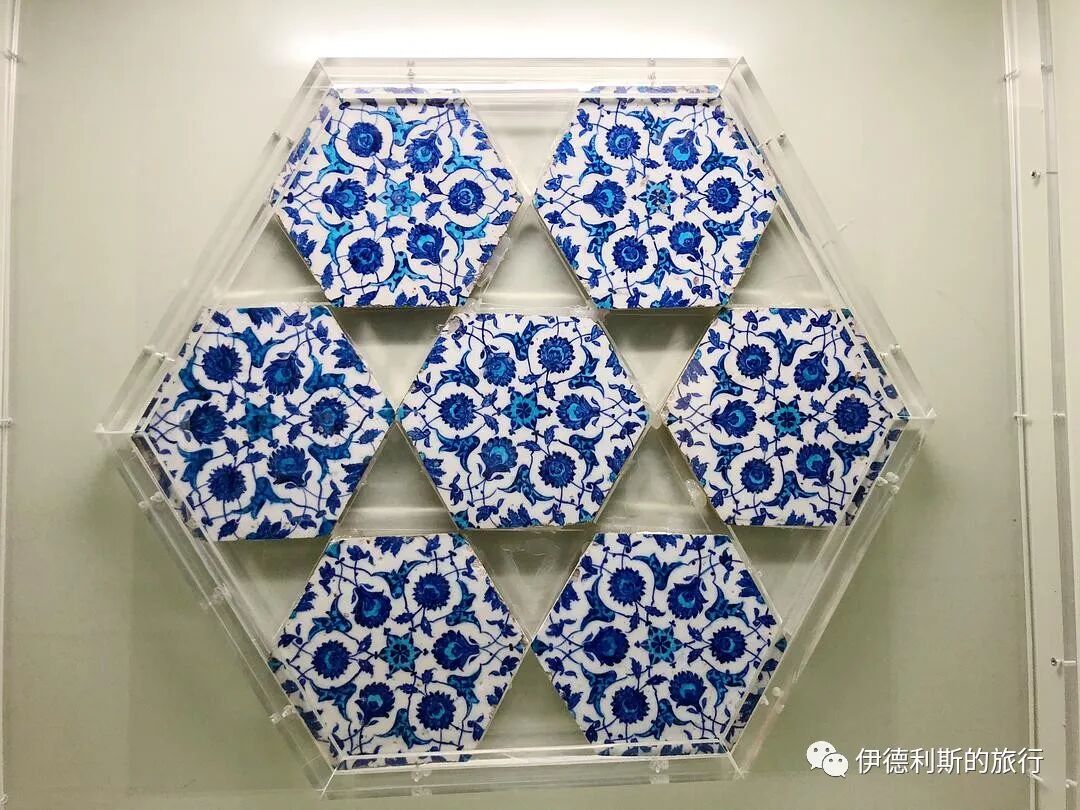
Early 16th century.
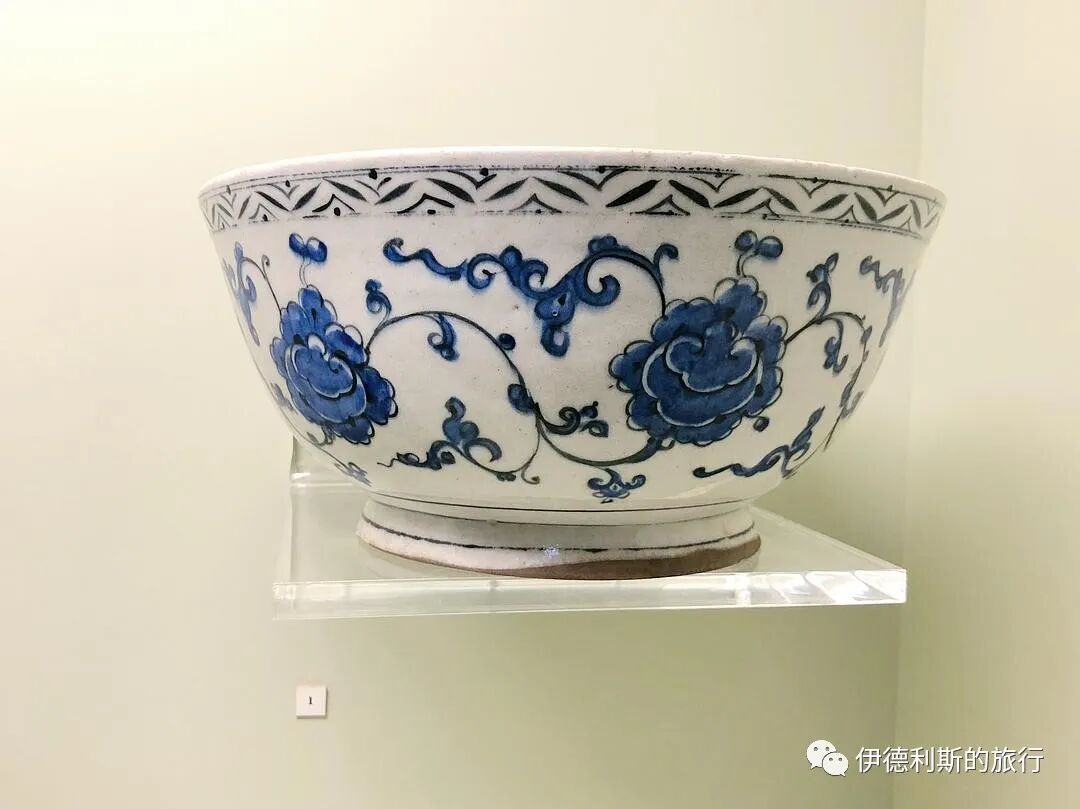
Excavated at Çarşıkapı in Istanbul during the early 16th century.
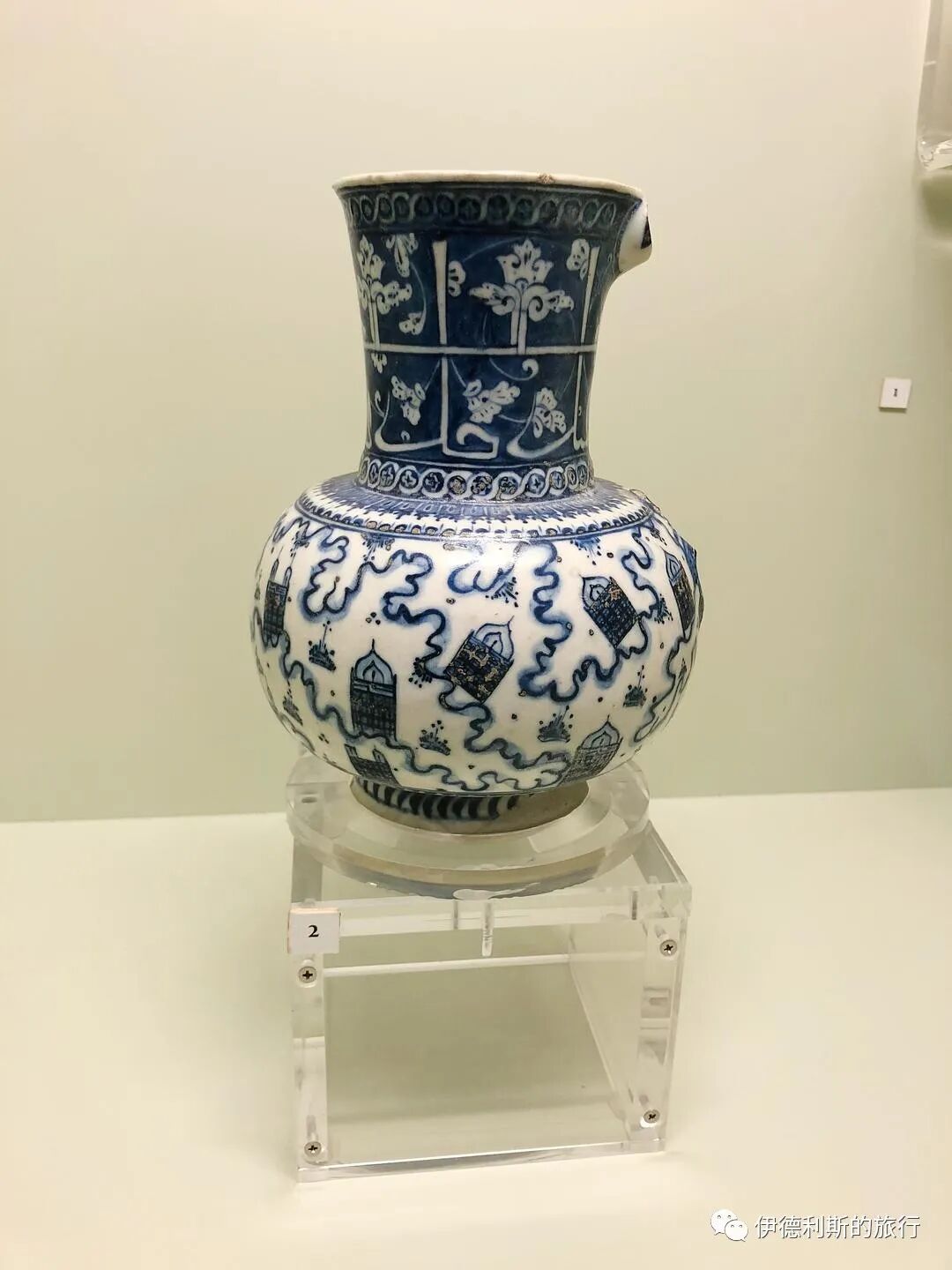
Early 16th century, from the Yildiz Palace (Yıldız Sarayı) in Istanbul, which served as an Ottoman sultan's retreat in the late 19th century.
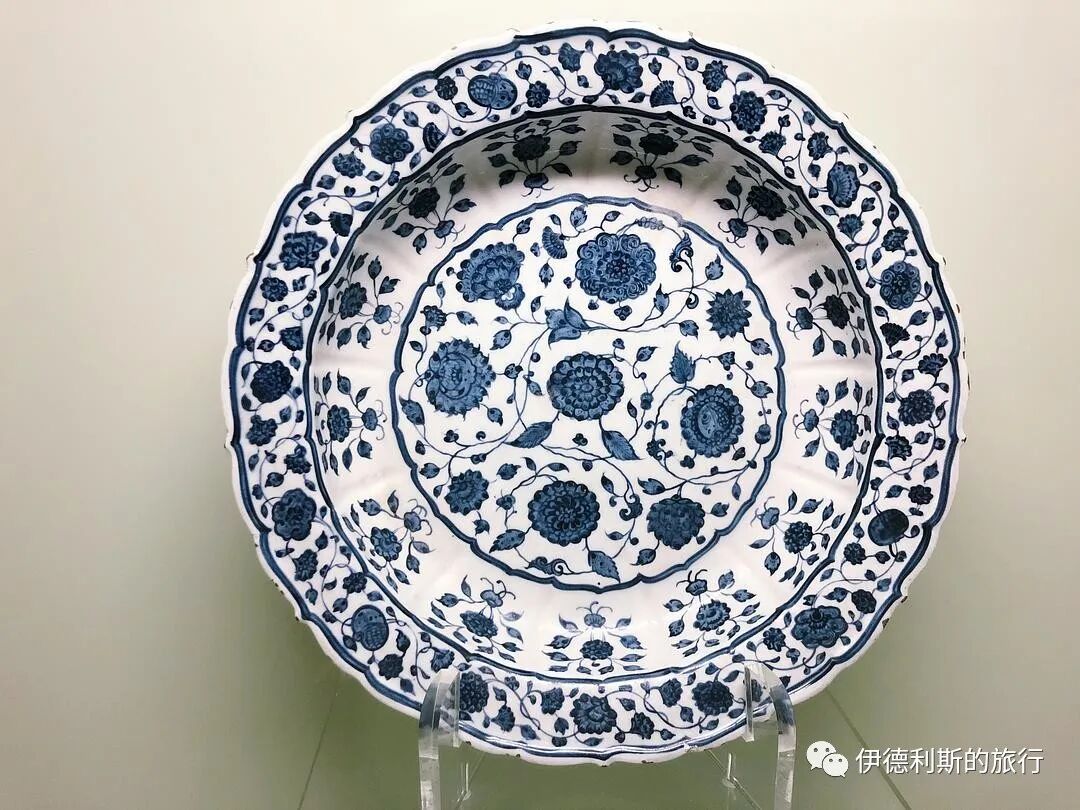
1510-1515, from the Sokollu Mehmed Pasha Mosque in Istanbul.
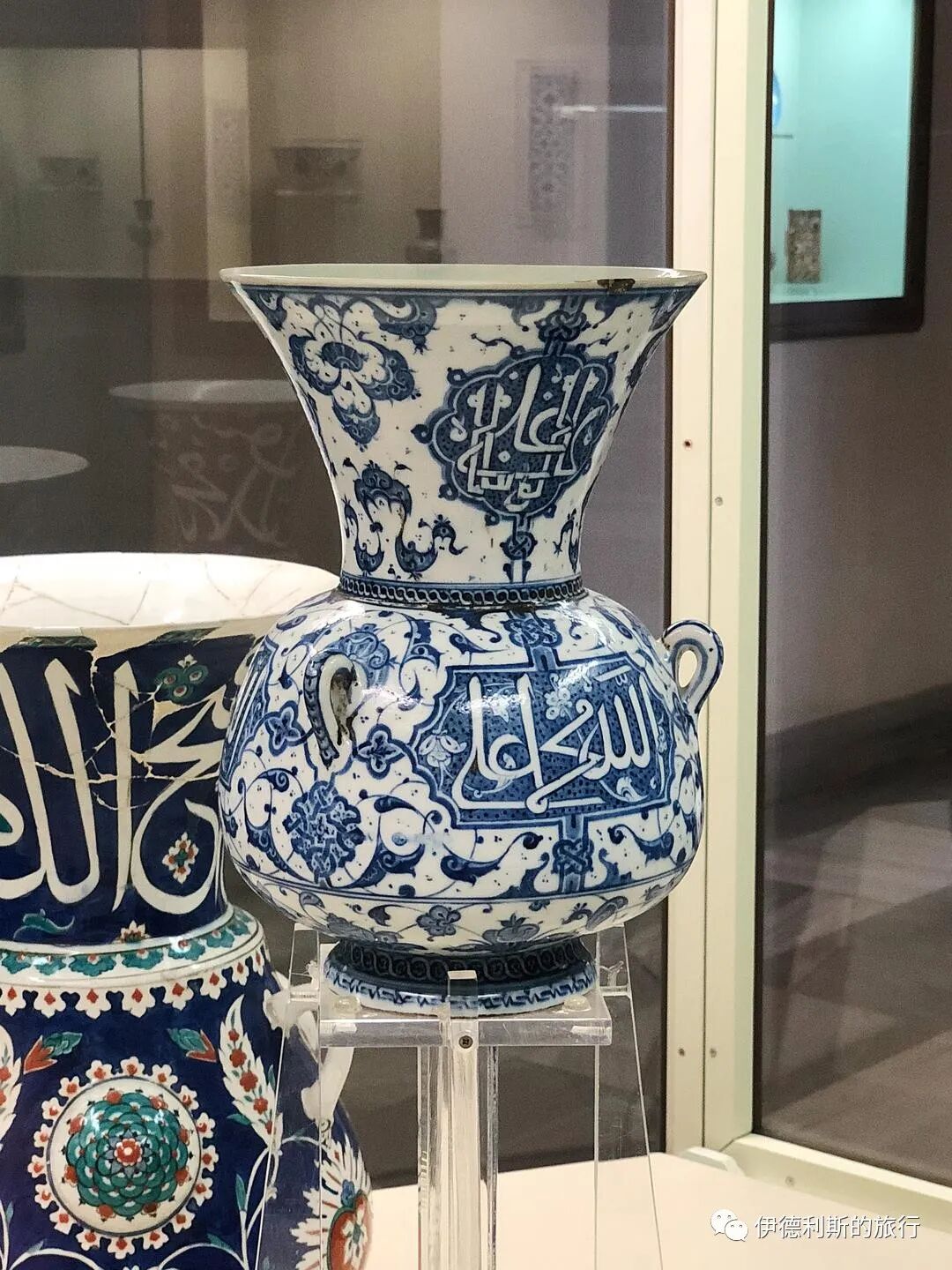
1510-1515, from the Tomb of Bayezid II in Istanbul.
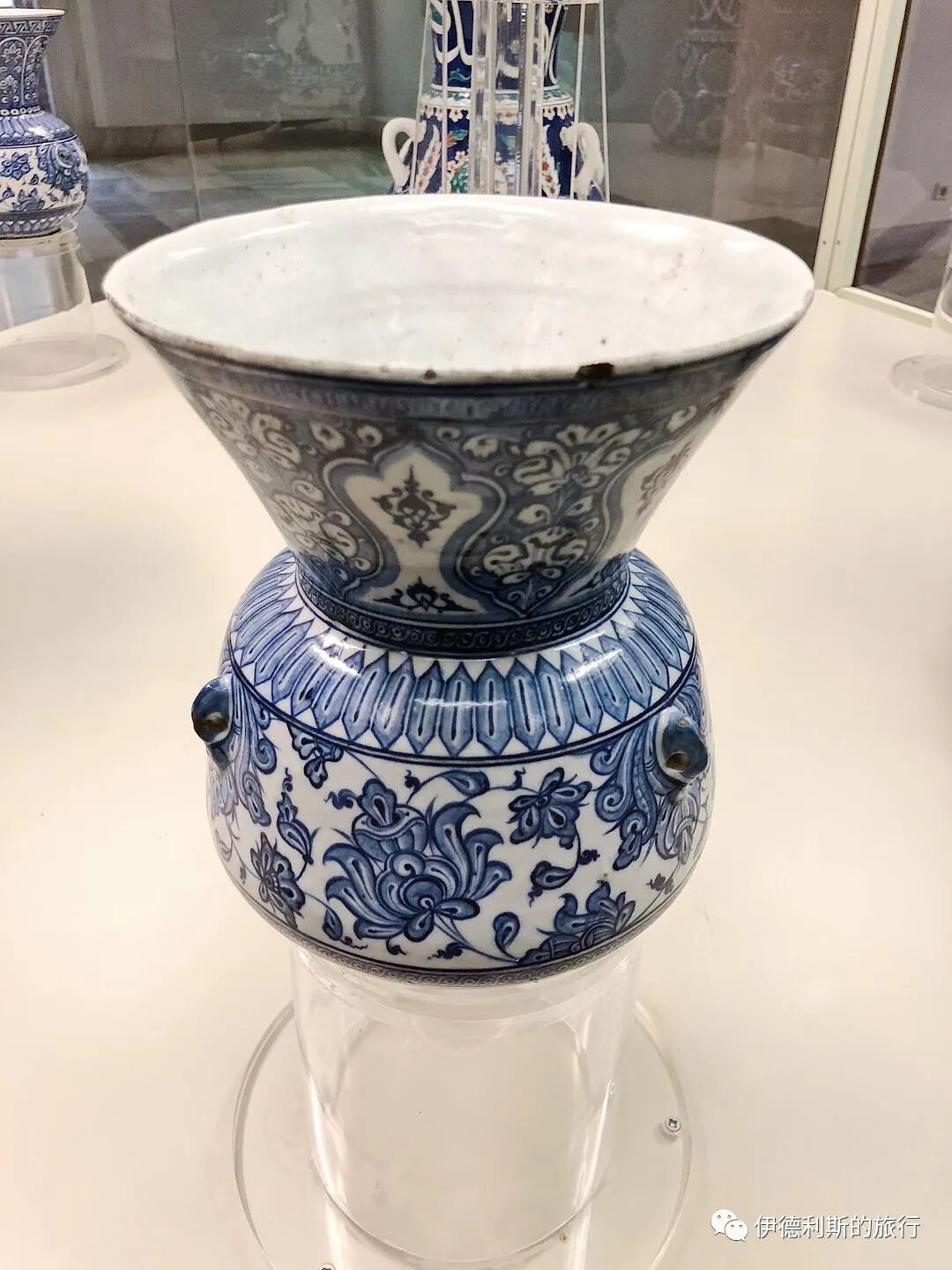
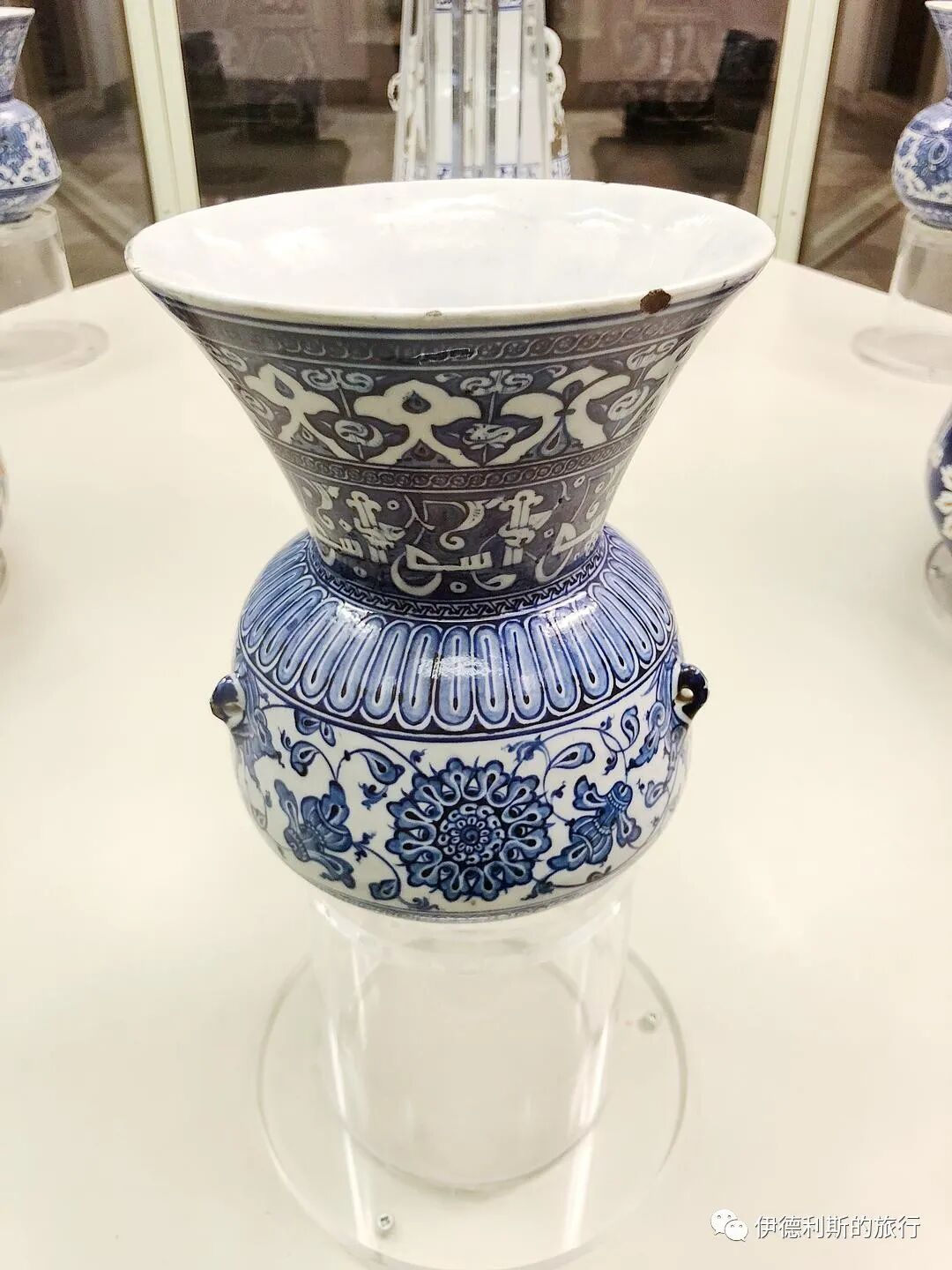
Early Iznik pottery only used cobalt blue, but after the 16th century, it gradually added sage green and lavender as soft accent colors. In the late 16th century, master architect Mimar Sinan used many Iznik tiles for Ottoman Empire buildings, replacing sage green with bright green and lavender with bright red. The first building to feature red Iznik tiles was the Suleymaniye Mosque, which Mimar Sinan completed in Istanbul in 1557.
In 1557, Kara Mehmed Celebi became the chief painter for the Ottoman court. He introduced a floral style featuring tulips, carnations, roses, and hyacinths to Iznik pottery, making the patterns look more natural.
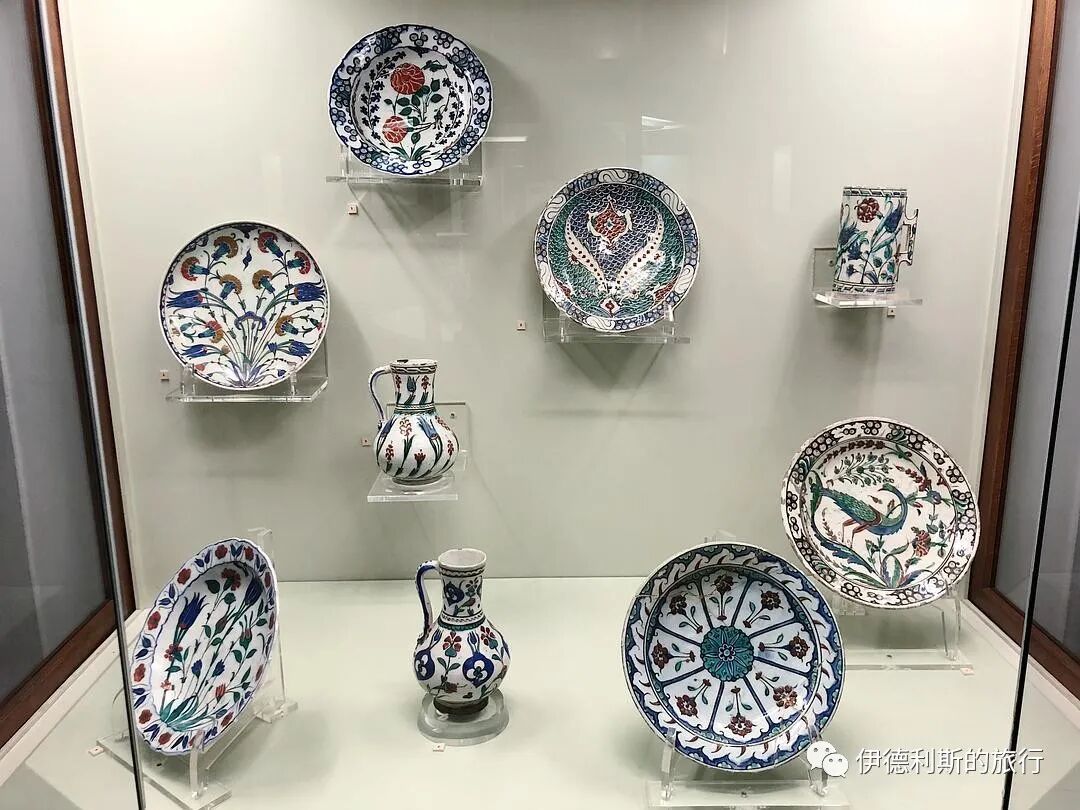
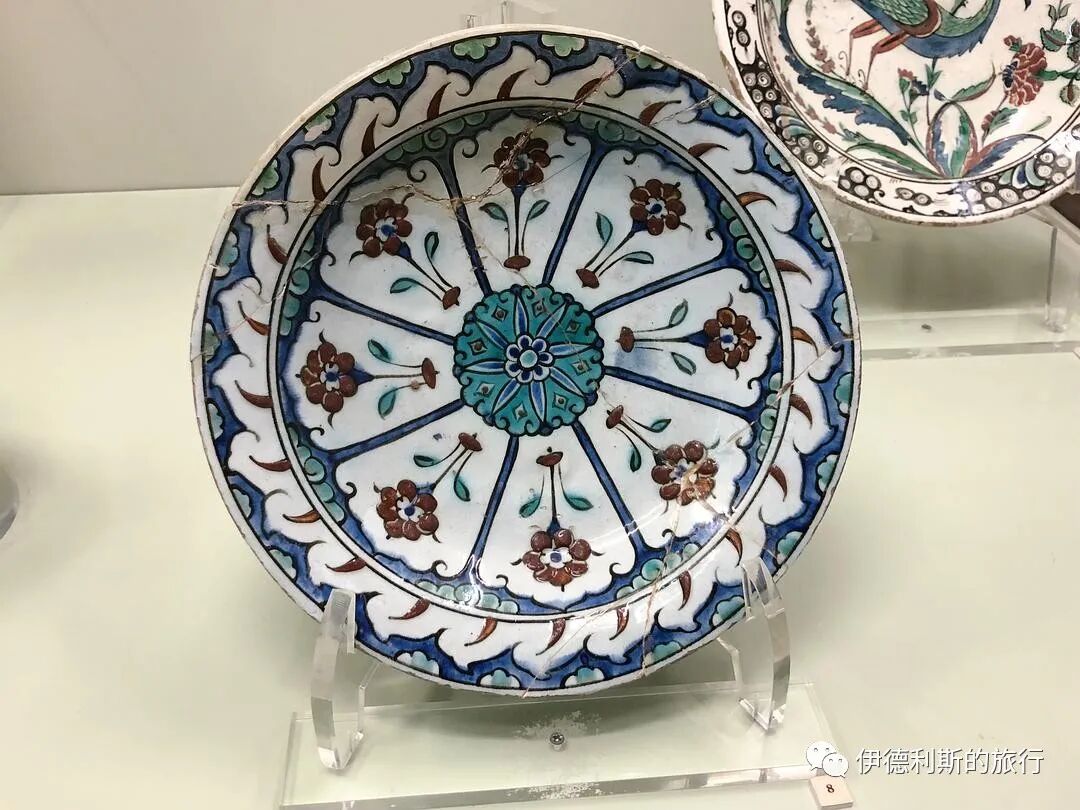
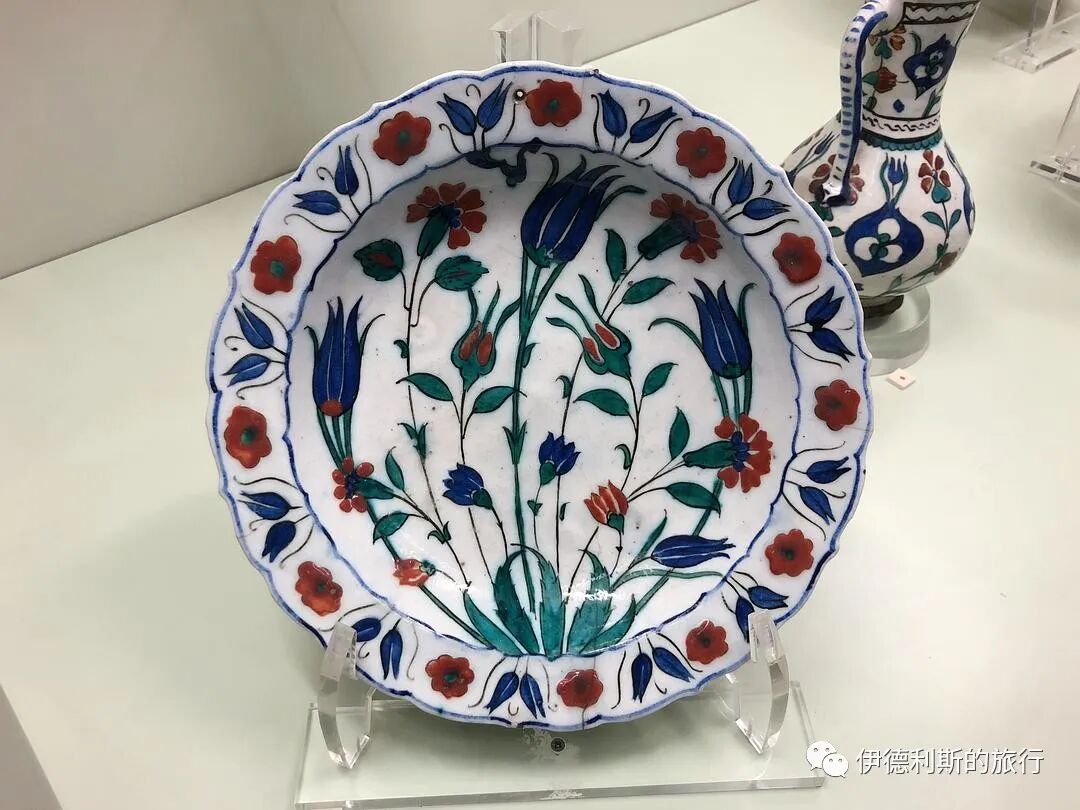
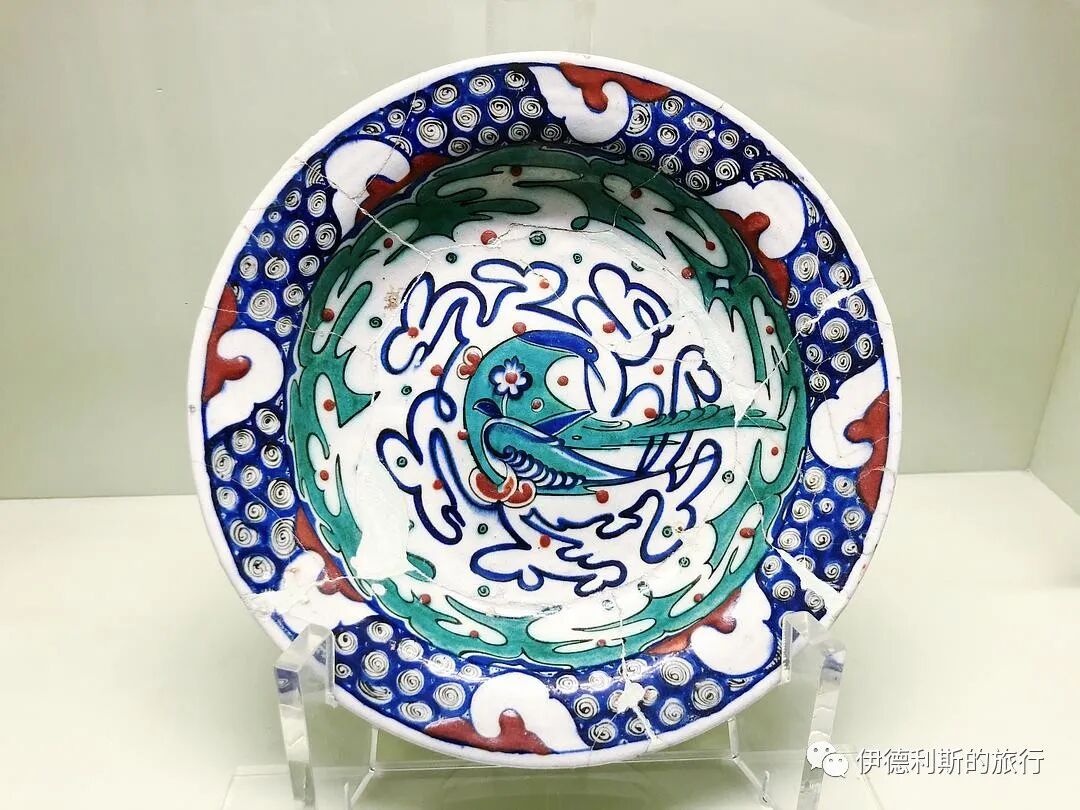
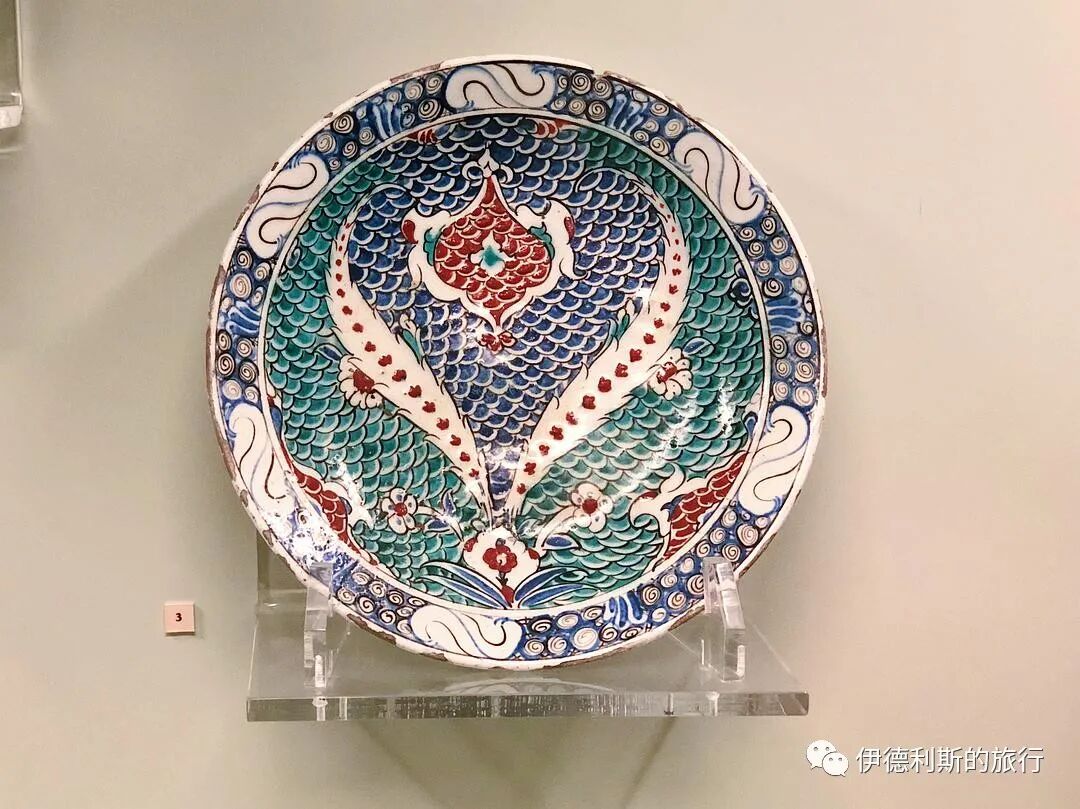
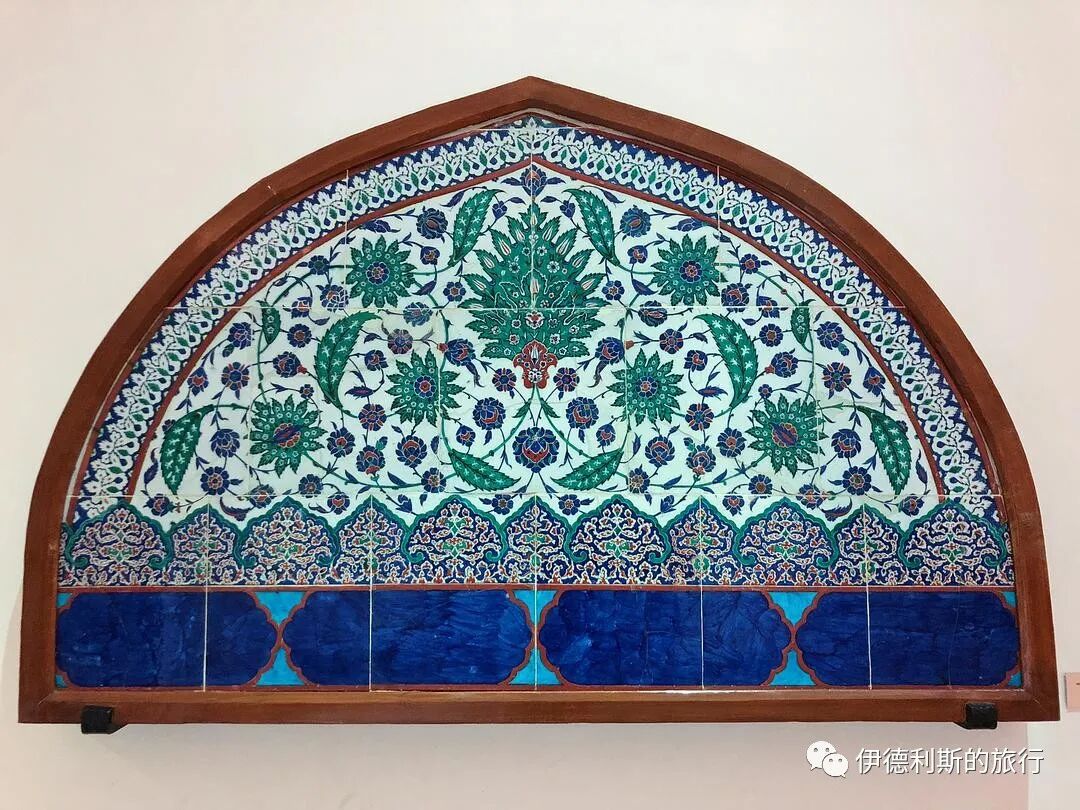
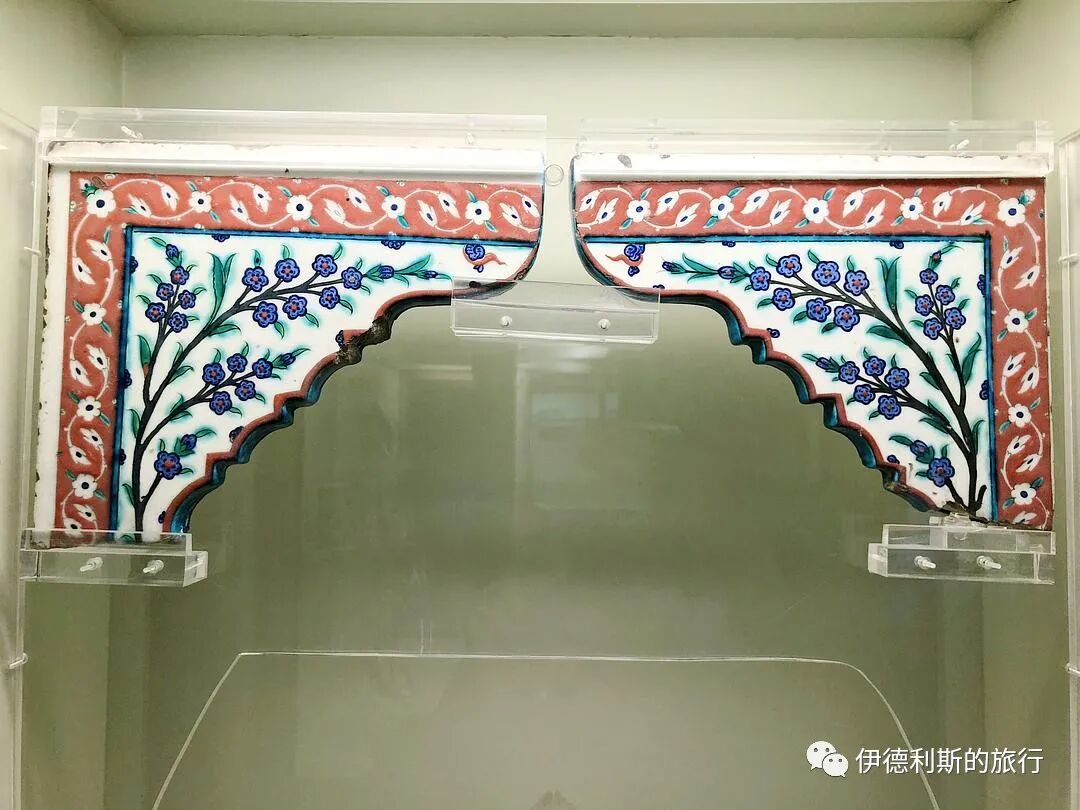
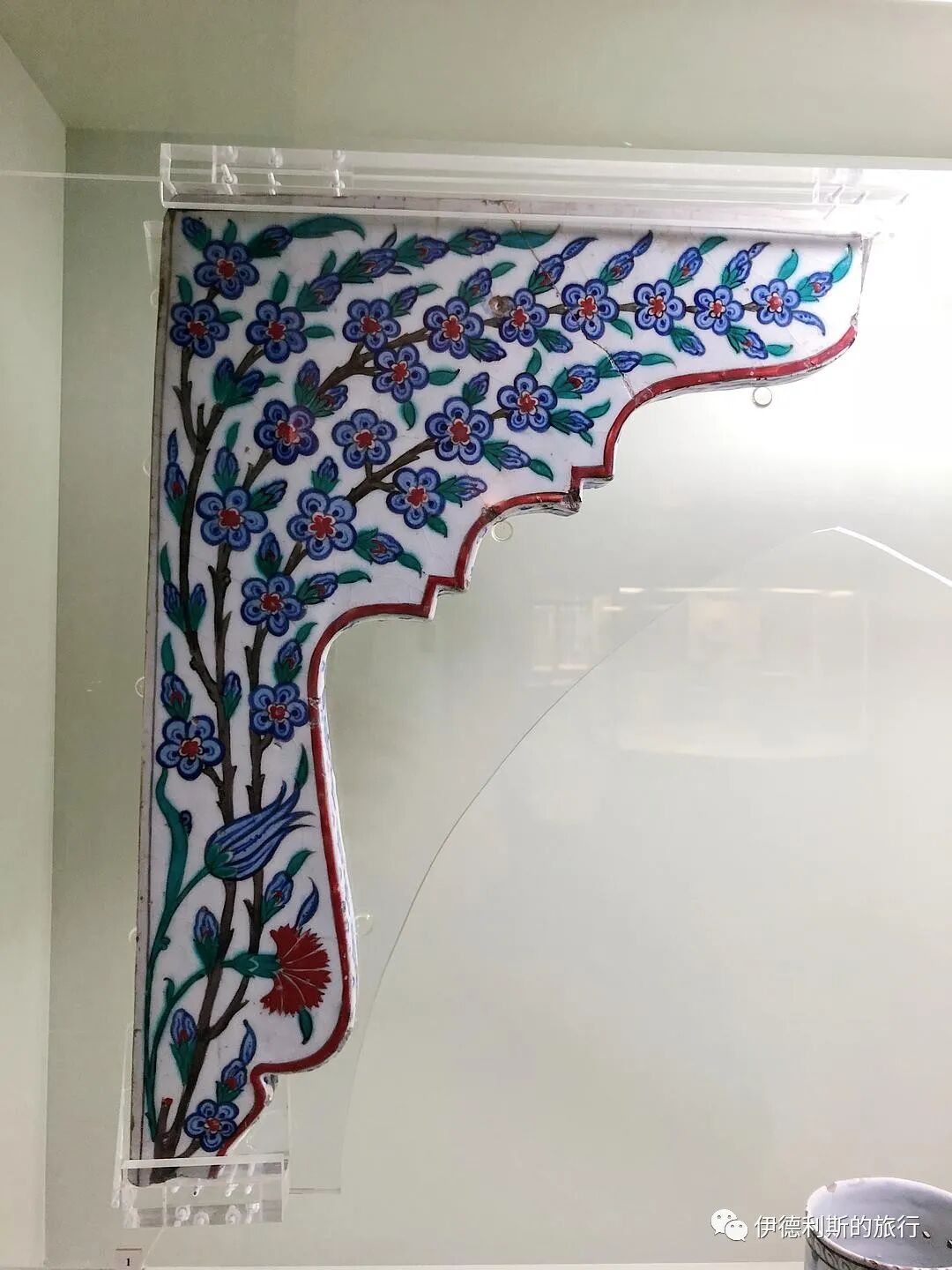
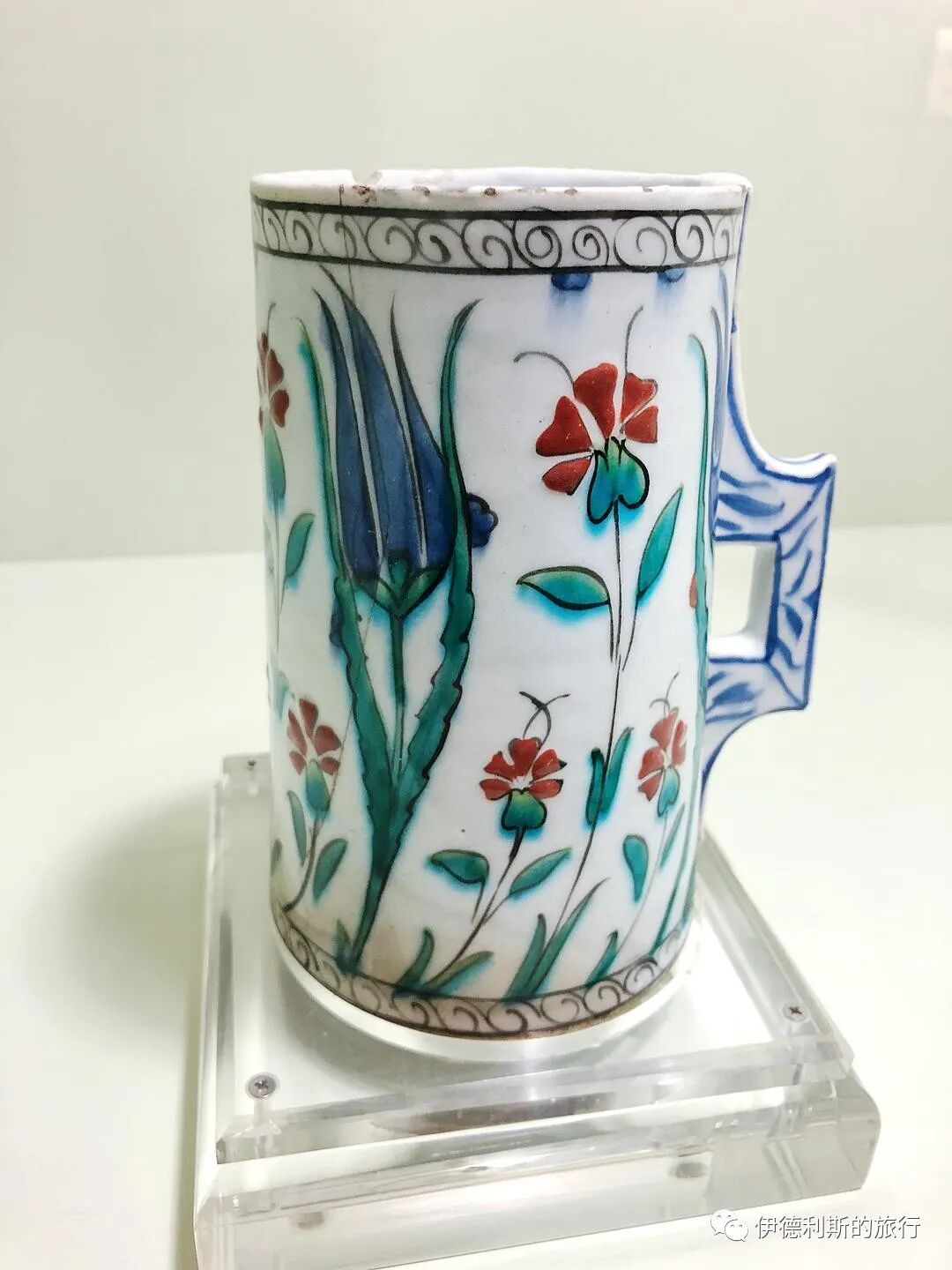
6. Ottoman Tiles
The colorful glazed window tiles of the Haseki Hürrem Sultan Madrasa from 1540.
The Haseki Hürrem Sultan Complex (Haseki Hürrem Sultan Külliyesi) sits in the southwest of Istanbul's old city. It was the first building complex constructed by the famous architect Mimar Sinan after he became the royal architect.
Suleiman the Magnificent's wife, Hürrem Sultan, commissioned the building of this complex. Hürrem Sultan, also known as Roxelana, was the first empress in Ottoman history to receive the title of Haseki Sultan (the Sultan's favorite). She is also known as the most powerful and controversial woman in Ottoman history.
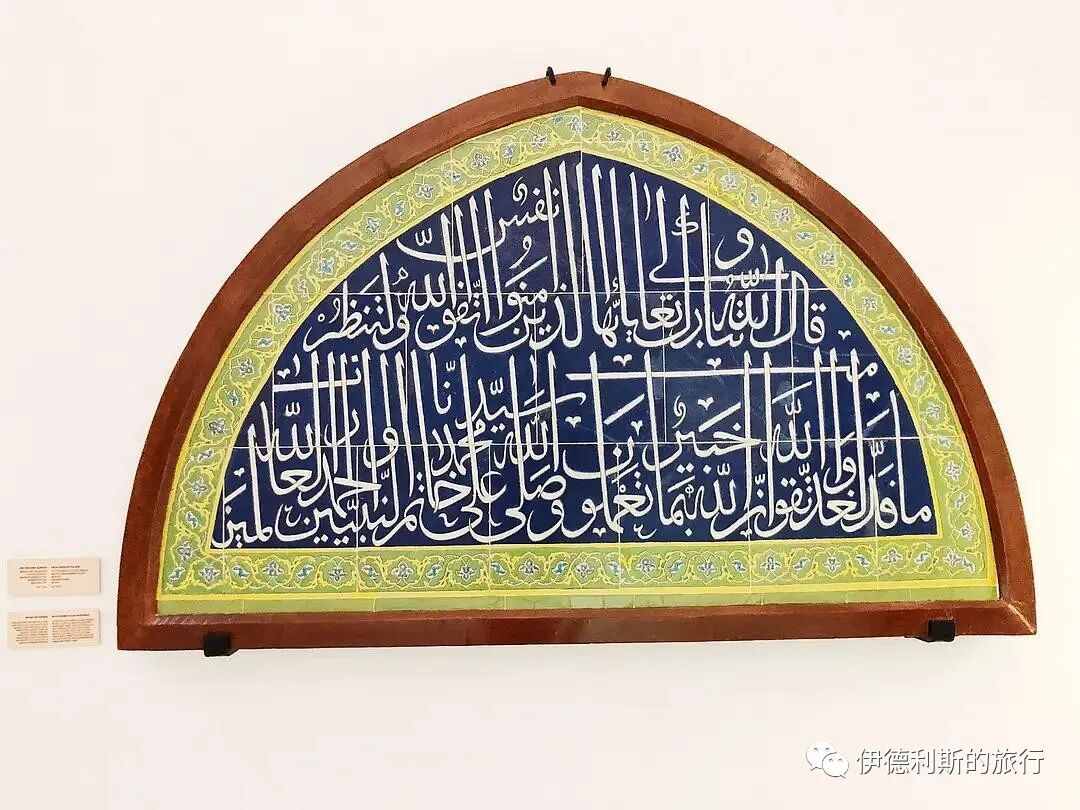
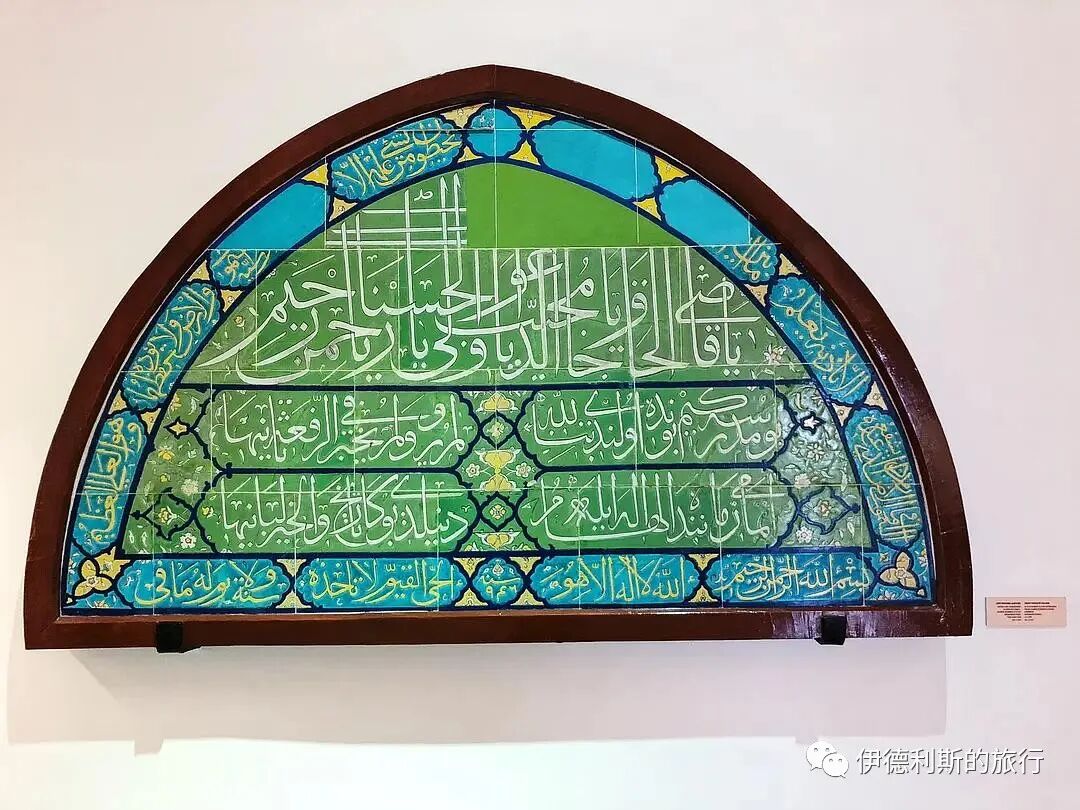
Halal Travel Guide: Sarajevo - Ottoman Mosques, Streets and Bosniak History (Part 1)
Articles • ali2007fr posted the article • 0 comments • 190 views • 2026-05-19 06:55
Gazi Husrev Bey complex
Gazi Husrev Bey was the Ottoman governor (Sanjak-bey) of Bosnia from 1521 to 1541. During his rule, the Ottoman Empire continued to expand into Croatia and Hungary. He also funded many important buildings in Sarajevo and dedicated his wealth to supporting religious and educational institutions for the long term. The foundation (Wakof) established by Gazi Husrev Bey manages the mosque, public kitchen, hostel, Sufi lodge, madrasa, library, clock tower, mausoleum, inn, hospital, fountain, primary school, and many shops in the center of the Old Bazaar in Sarajevo, making it the most important building complex in the old city.
Mosque
When the adhan sounded, we rushed to the Gazi Husrev Bey Mosque, the most important Friday mosque in Bosnia and Herzegovina. It is the core landmark of the Old Bazaar in Sarajevo and has been the city's central mosque since it was built in 1530. Important scenes from the movie 'Walter Defends Sarajevo,' well-known to Chinese audiences, were filmed here. It was also the first mosque in the world to have electricity and electric lights in 1898.
The Gazi Husrev Bey Mosque was designed and built by the Ottoman court architect Adzem Esir Ali, who came from Tabriz, Persia. He built many structures in Istanbul during the early 16th century and was one of the founders of the early Istanbul architectural school. The main hall is 13 meters long and 13 meters wide, with a central dome 26 meters high, achieving a perfect one-to-two ratio. The front porch consists of five small domes supported by four marble columns.
The interior paintings of the mosque were damaged by fire and later repainted in 1886 by the Austro-Hungarian Empire in a Moorish Revival style. During the Siege of Sarajevo from 1992 to 1995, the Gazi Husrev Bey Mosque was hit by over 100 mortar shells, causing major damage, and was repaired after the ceasefire in 1996. During the restoration, the late 19th-century Austro-Hungarian paintings were removed, and new interior decorations were painted by Bosnian calligrapher Hazim Numanagić between 2001 and 2002.
The mosque's main gate is beautifully decorated with intricate marble and gilded carvings. The Arabic calligraphy on the door adds up to the number 938, which is the year the mosque was built according to the Islamic calendar (1530/31 AD).
The muezzin calls the adhan and responds to the imam from a platform called Müezzin Mahfili in Turkish or Dikka in Arabic, where people also recite the Quran during nights in Ramadan. Usually, only large mosques have a Dikka platform built across from the minbar pulpit. Before sound systems existed, not everyone could hear the imam leading the namaz, so the muezzin needed to stand on the platform to make sure everyone could hear.
The area inside the railing below the Dikka platform was once a place for high-ranking officials and royalty to pray, known as the Hünkâr Mahfili. In royal mosques, the Hünkâr Mahfili is usually an elevated platform, while in smaller ones, it is a railed area on the ground floor. Today, everyone can pray here, but the railing has been kept.
Fountain
In front of the main hall of the Gazi Husrev Bey Mosque is the Shadirvan fountain. This type of fountain used for drinking and performing wudu originated in Persia and later became a typical architectural element of the Ottoman Empire, usually placed in the center of courtyards in mosques, caravanserais, dervish lodges, and madrasas.
This Shadirvan fountain was first built in 1530, with water coming from the Crnilo spring 7 kilometers away through clay pipes connected to the city of Sarajevo. It was rebuilt in 1893, modeled after the fountain at the Great Mosque of Bursa in Turkey, and connected to a modern water supply system. The fountain was severely damaged during the war from 1992 to 1995 and was rebuilt to its original appearance in 1997. You can still see three water basins from the original fountain in the mosque courtyard today.
There is a drinking fountain for passersby along the wall in the northwest corner of the courtyard, a common sight in Ottoman cities.
Muwaqqithana
In the northwest corner of the mosque sits a small building from 1859 called the Muwaqqithana, where an astronomer known as a Muwaqqit used calculations to set the times for namaz and fasting. Early mosques mostly relied on a muezzin to watch shadow lengths and twilight to set prayer times. By the late 13th century, during the Mamluk dynasty in Egypt, specialized astronomers called Muwaqqit began to appear, and this practice gradually spread everywhere.
Mausoleum
Gazi Husrev Bey was born in 1480 to a Bosnian noble father and a mother who was the daughter of the Ottoman Sultan Bayezid II. He lost both parents when he was very young and grew up in the Ottoman court. He later earned many military honors and was appointed governor of Bosnia in 1521, becoming one of Sultan Suleiman the Magnificent's most trusted men.
In 1541, a noble uprising broke out in Montenegro. Gazi Husrev Bey fought several battles to maintain order in the region and was eventually killed in a small village. His body was returned to Sarajevo and buried next to the Gazi Husrev Bey Mosque. The mausoleum of Gazi Husrev Bey is a typical 16th-century octagonal Ottoman tomb, which underwent repairs in 1895 and 2002.
Next to the tomb of Gazi Husrev Bey is a smaller octagonal mausoleum where his deputy, the Ottoman general Murat-beg Tardić, is buried. Murat-beg was Croatian. He became an Ottoman prisoner of war when he was young, later served under Gazi Husrev Bey, and became his close partner due to his outstanding military achievements. Murat-beg led several conquests against Croatia. In 1537, he completely crushed the military defenses of the Kingdom of Croatia, playing a major role in the westward expansion of the Ottoman Empire. Murat-beg died in 1545 and was buried next to the tomb of Gazi Husrev Bey.
Kursumlija Madrasa
On the north side of the Gazi Husrev Bey Mosque is the Kursumlija Madrasa, built by Gazi Husrev Bey in 1537 and dedicated to his mother, the Ottoman princess Selçuka. The madrasa consists of a courtyard with 12 classrooms, each featuring a fireplace and a dome, with a fountain for wudu in the center of the courtyard. After 2013, this site became the Gazi Husrev-beg Museum, which showcases his life, the foundation complex he established, and his contributions to the urban development of Sarajevo.
A 19th-century water jug used specifically to hold the mixed drink sharbat for Mawlid celebrations.
An ancient Quran copied in 1784 by Muhamed Filibevi from Plovdiv, Bulgaria.
A burial shroud for the 16th-century tomb of the Prophet, gifted to Bosnia and Herzegovina by Ottoman Sultan Abdulaziz in 1867.
To the right of the madrasa is the Sufi lodge (khanqah), which is now a gallery, though it was closed when we visited.
Library
On the northwest side of the Gazi Husrev Bey Mosque is the Gazi Husrev Bey Library, founded in 1537 using the remaining funds from the construction of the madrasa. The library was originally part of the madrasa and did not have its own separate room until 1863. The library was forced to close after the Siege of Sarajevo began in 1992 and did not reopen until 2014. The new library was built with an 8.8 million dollar donation from Qatar. It houses over 100,000 manuscripts and books in Arabic, Turkish, Persian, Bosnian, and other languages, covering fields like Islam, literature, philosophy, history, medicine, and astronomy.
As the library with the richest collection of Islamic books in Bosnia and Herzegovina, the Gazi Husrev Bey Library has faced many trials over its nearly 500 years of operation, but the 1992-1995 Bosnian War was undoubtedly the most difficult. The aggressors made destroying the historical and cultural heritage of Bosnia and Herzegovina a key goal, especially targeting historical buildings that housed written records. Staff at the Gazi Husrev Bey Library risked their lives to successfully move tens of thousands of precious Islamic books to safety, making a huge contribution to saving Bosnian history and culture.
To preserve the books in the Gazi Husrev Bey Library, staff moved the book storage areas many times. In 1992, the library decided to move 21 packages containing the most precious manuscripts to the vault of the Privredna Bank. To avoid Serbian snipers on the streets, they packed the books in banana boxes, but they were then robbed by hungry civilians. Fortunately, the civilians let them go after discovering the boxes contained books instead of bananas. After many hardships, these books were finally saved until the end of the war.
The 63rd handwritten scripture by Hafiz Ibrahim Sehovic, completed in 1807. Hafiz Sehovic copied at least 66 Qurans in his lifetime, and the Gazi Husrev-beg Library holds four of them.
A handwritten scripture completed by Ahmad b. Muhammad al-Muhägir ad-Dagistani al-Makki in 1849.
A Quran selection (Juz') gifted by Ferhad-pasha Sokolovic in 1587 to a mosque in the city of Banja Luka in northwestern Bosnia and Herzegovina.
A Quran selection (Juz') gifted by Mehmed-pasha Sokolovic in 1570 to a mosque in his birthplace in eastern Bosnia.
A handwritten scripture created by Abdullah b. Muhammad al-Hafiz as-Sirazi in 1572-73.
The Rose Garden (Gulistān) is a prose work written by the great Persian poet Saadi in 1258. This manuscript was annotated by the great 16th-century Bosnian classical literature critic Ahmed Sudi Bosnjak and copied by Ahmad b. al-hagg Husayn al-Mostari in 1765. Ahmed Sudi was born in eastern Bosnia and later lived in Istanbul for a long time. He was an expert in Persian literature and wrote a series of commentaries on Persian literary classics in Ottoman Turkish. These had a huge influence in the Ottoman Empire and were widely used by later Persian scholars and Western orientalists.
19th-century Arabic calligraphy art from Bosnia and Herzegovina, with the second and third pieces collected from an old traditional wooden mosque in Bužim, northwestern Bosnia and Herzegovina.
A chandelier used in a mosque in the early 20th century.
Artifacts collected in the Gazi Husrev Bey Library.
Candlesticks formerly used in mosques and Sufi lodges (tekke) in Bosnia and Herzegovina.
A stone tablet from 1613 above the gate of the Haji Osman Mosque in the southeastern Bosnian city of Foča; this mosque was demolished in 1964.
This textbook on Hanafi jurisprudence was written in the 16th century and used for a long time in Ottoman madrasas. This specific copy dates back to the 17th century.
This Arabic-Turkish dictionary was compiled in the 16th century and contains 40,000 words. It was very popular in Bosnian madrasas, and this copy was made in 1631.
A work on Islamic law copied in Foča in the second half of the 16th century.
A manuscript of the Quran from 1474.
A cannon used in the 19th century during Ramadan to signal the start and end of the daily fast.
A Turkish-language stone inscription carved in Naskh script during the 1763-4 renovation of the Hasan Pehlivan mosque in Sarajevo.
A Turkish-language stone inscription carved in Naskh script during the 1780-1 renovation of the Haji-Omer fountain in front of the Emperor's Mosque in Sarajevo.
A Turkish-language stone inscription carved in Naskh script during the 1553-4 renovation of the Mustafa Pasha mosque in the southeastern Bosnian city of Foča. This mosque was demolished in 1947.
An Arabic tombstone from the grave of Turhan Emin bey, who served as the Ottoman governor (sanjak-bey) of Herzegovina. His grave is in Ustikolina in southeastern Bosnia and Herzegovina, the site of what was once the oldest mosque in the country. The turban carving at the top of the tombstone is a classic feature of Ottoman-era grave markers.
A Turkish-language commemorative stone inscription from 1857-8 on the Fadil Pasha madrasa, located on the east side of the Emperor's Mosque in Sarajevo. The author, Fadil Pasha, was a calligrapher himself.
A Turkish-language stone inscription carved on the gate during the 1766-7 renovation of the Havadza Kemaludin mosque in Sarajevo. It was written by the famous Sarajevo poet and calligrapher Sheikh Muhammad Effendi. This mosque was built in 1515 and was demolished by order of the Kingdom of Yugoslavia in 1940.
The top piece is a Turkish-language stone inscription from 1885-6, carved during the renovation of the Gazi Iskender Pasha fountain in Sarajevo using Taliq Persian hanging script. The bottom piece is a Turkish-language stone inscription from 1780-1, carved during the renovation of a fountain in the courtyard of a Sufi lodge (tekke) in the Skenderija area of Sarajevo. It also uses Taliq Persian hanging script and was written by the local mufti, Sakir.
This stone monument, carved in 1740-1 to mark the passing of Sulejman-effendi Hadzimusic, records his contributions to the defense of Bosnia in 1737. It is an important historical record regarding the formation of the Bosniak nation. This stone was embedded in the wall of the mosque until the Kingdom of Yugoslavia demolished the mosque in 1940.
Bathhouse
The bathhouse (hamam) of Gazi Husrev Bey was built in 1537 and is located 300 meters northwest of the mosque. The southern part of the bathhouse has two symmetrical domed buildings, which served as the main halls for the men's and women's bathing areas. You can enter individual small rooms, each with its own dome, through the corridor and cloakroom on the north side. The bathhouse suffered fires twice, once during the Habsburg invasion in 1697 and again during the Austro-Hungarian invasion in 1879. It was rebuilt after these events, and what you see today is mostly how it looked after the 1891 renovation.
After being renovated in 2000, it became part of the Bosniak Institute. It frequently hosts cultural events like book launches, concerts, literary nights, and exhibitions.
The collection of the Adil Zulfikarpasic Foundation at the Bosniak Institute features exquisite wooden furniture crafted by Bosnian artisans between the 19th and early 20th centuries.
The art exhibition at the Bosniak Institute focuses on scenes of Sarajevo and Bosnia painted by 20th-century Bosnian artists.
A painting of a Bosnian street by Đoko Mazalić from 1920. He graduated from the Royal Hungarian Academy of Fine Arts in 1914 and helped establish the National Gallery of Bosnia and Herzegovina. He was skilled at depicting Bosnian life and achieved great success in the Sarajevo cultural scene during the 1930s and 1940s.
A painting of Bosnian life by Rizah Štetić from 1952. He graduated from the Royal Academy of Arts and Crafts in Zagreb, Croatia, in 1932. He became the principal of the Sarajevo State School of Crafts in 1946 and later served as a painting professor at the National Academy of Fine Arts.
A painting of the Sarajevo Grand Bazaar by Kulenović Hakija. He graduated from the Belgrade Academy of Arts in 1928 and held an art exhibition in Sarajevo in 1932.
The Sarajevo bazaar painted by Rizah Štetić in 1956.
A work by the famous Bosnian artist Mersad Berber, who drew inspiration from the mysterious world of Bosnia, the layers of the Ottoman Empire, and the tragic fate of its people.
Morića Han caravanserai
Located on the northeast side of the Gazi Husrev Bey mosque is the Morića Han caravanserai, first built in 1551. It was rebuilt into its current form after a fire in 1697 and is the only remaining Ottoman caravanserai in Sarajevo. Morića Han could hold 300 guests and 70 horses. In 1878, Sarajevo citizens gathered here to form a people's committee to protest the Austro-Hungarian occupation of Bosnia and Herzegovina. Today, it is still managed by the Ghazi Husrev-beg Foundation and houses a restaurant and a Persian carpet shop.
Bezistan covered market
On the west side of the Gazi Husrev Bey mosque is the Bezistan covered market, built in 1555. It is one of the best-preserved Ottoman covered markets in Bosnia and Herzegovina. The floor of the Bezistan market is slightly lower than the surrounding streets, which keeps the interior cooler during the summer. It was originally a general goods market and still serves as a space for shops today.
Tašli Han caravanserai ruins
To the west of the Bezistan covered market are the ruins of the Tašli Han caravanserai, built between 1540 and 1543. The courtyard of the inn had a fountain and a small prayer room, and many merchants opened shops there. A fire in 1879 caused severe damage, and it completely collapsed by 1912. The site was rebuilt as a hotel in 1998, and archaeological excavations rediscovered the foundation and parts of the walls of the original inn.
Clock tower
West of the Gazi Husrev Bey Mosque stands a clock tower built in the 16th century, though the current structure was rebuilt in the 18th century. This 30-meter-tall clock tower is the highest of the 21 clock towers built by the Ottoman Empire in Bosnia and Herzegovina. It follows the lunar calendar, setting 12 o'clock at sunset each day. A mosque official called a Muvekit, who tracks the lunar calendar and the five daily namaz prayers, is responsible for adjusting the clock. The current clock mechanism was made in 1875 by the London-based company Gillett & Johnston. The top of the tower was modified during installation to make sure the clock face was clearly visible.
Public Kitchen
Beneath the clock tower is a public kitchen (imaret) established in 1531. It was originally run by a foundation (waqf) to distribute free food to the poor. Today, it is a very famous bakery, and the fresh bread baked on-site is very popular with the locals. Their signature item is the Kifla bread, which costs 2 yuan each. It comes in various flavors and has a rich wheat aroma. Kifla is a small bread popular in Central Europe and the Balkans with a history spanning hundreds of years. The French croissant actually evolved from the Kifla.
Muslihudin Čekrekčija Mosque
The Muslihudin Čekrekčija Mosque is located in the commercial center of Sarajevo's old town and was built by Hajji Mustafa in 1526. The mosque keeps its original 1526 endowment deed (vakufnama), which is the oldest contract document in the city of Sarajevo.
The mosque survived many major fires in Sarajevo and also survived the 1697 looting of the city by the Holy League after they defeated the Ottoman Empire. Traditional arabesque patterns are still preserved inside today. view all
Gazi Husrev Bey complex
Gazi Husrev Bey was the Ottoman governor (Sanjak-bey) of Bosnia from 1521 to 1541. During his rule, the Ottoman Empire continued to expand into Croatia and Hungary. He also funded many important buildings in Sarajevo and dedicated his wealth to supporting religious and educational institutions for the long term. The foundation (Wakof) established by Gazi Husrev Bey manages the mosque, public kitchen, hostel, Sufi lodge, madrasa, library, clock tower, mausoleum, inn, hospital, fountain, primary school, and many shops in the center of the Old Bazaar in Sarajevo, making it the most important building complex in the old city.
Mosque
When the adhan sounded, we rushed to the Gazi Husrev Bey Mosque, the most important Friday mosque in Bosnia and Herzegovina. It is the core landmark of the Old Bazaar in Sarajevo and has been the city's central mosque since it was built in 1530. Important scenes from the movie 'Walter Defends Sarajevo,' well-known to Chinese audiences, were filmed here. It was also the first mosque in the world to have electricity and electric lights in 1898.
The Gazi Husrev Bey Mosque was designed and built by the Ottoman court architect Adzem Esir Ali, who came from Tabriz, Persia. He built many structures in Istanbul during the early 16th century and was one of the founders of the early Istanbul architectural school. The main hall is 13 meters long and 13 meters wide, with a central dome 26 meters high, achieving a perfect one-to-two ratio. The front porch consists of five small domes supported by four marble columns.
The interior paintings of the mosque were damaged by fire and later repainted in 1886 by the Austro-Hungarian Empire in a Moorish Revival style. During the Siege of Sarajevo from 1992 to 1995, the Gazi Husrev Bey Mosque was hit by over 100 mortar shells, causing major damage, and was repaired after the ceasefire in 1996. During the restoration, the late 19th-century Austro-Hungarian paintings were removed, and new interior decorations were painted by Bosnian calligrapher Hazim Numanagić between 2001 and 2002.
The mosque's main gate is beautifully decorated with intricate marble and gilded carvings. The Arabic calligraphy on the door adds up to the number 938, which is the year the mosque was built according to the Islamic calendar (1530/31 AD).
The muezzin calls the adhan and responds to the imam from a platform called Müezzin Mahfili in Turkish or Dikka in Arabic, where people also recite the Quran during nights in Ramadan. Usually, only large mosques have a Dikka platform built across from the minbar pulpit. Before sound systems existed, not everyone could hear the imam leading the namaz, so the muezzin needed to stand on the platform to make sure everyone could hear.
The area inside the railing below the Dikka platform was once a place for high-ranking officials and royalty to pray, known as the Hünkâr Mahfili. In royal mosques, the Hünkâr Mahfili is usually an elevated platform, while in smaller ones, it is a railed area on the ground floor. Today, everyone can pray here, but the railing has been kept.
Fountain
In front of the main hall of the Gazi Husrev Bey Mosque is the Shadirvan fountain. This type of fountain used for drinking and performing wudu originated in Persia and later became a typical architectural element of the Ottoman Empire, usually placed in the center of courtyards in mosques, caravanserais, dervish lodges, and madrasas.
This Shadirvan fountain was first built in 1530, with water coming from the Crnilo spring 7 kilometers away through clay pipes connected to the city of Sarajevo. It was rebuilt in 1893, modeled after the fountain at the Great Mosque of Bursa in Turkey, and connected to a modern water supply system. The fountain was severely damaged during the war from 1992 to 1995 and was rebuilt to its original appearance in 1997. You can still see three water basins from the original fountain in the mosque courtyard today.
There is a drinking fountain for passersby along the wall in the northwest corner of the courtyard, a common sight in Ottoman cities.
Muwaqqithana
In the northwest corner of the mosque sits a small building from 1859 called the Muwaqqithana, where an astronomer known as a Muwaqqit used calculations to set the times for namaz and fasting. Early mosques mostly relied on a muezzin to watch shadow lengths and twilight to set prayer times. By the late 13th century, during the Mamluk dynasty in Egypt, specialized astronomers called Muwaqqit began to appear, and this practice gradually spread everywhere.
Mausoleum
Gazi Husrev Bey was born in 1480 to a Bosnian noble father and a mother who was the daughter of the Ottoman Sultan Bayezid II. He lost both parents when he was very young and grew up in the Ottoman court. He later earned many military honors and was appointed governor of Bosnia in 1521, becoming one of Sultan Suleiman the Magnificent's most trusted men.
In 1541, a noble uprising broke out in Montenegro. Gazi Husrev Bey fought several battles to maintain order in the region and was eventually killed in a small village. His body was returned to Sarajevo and buried next to the Gazi Husrev Bey Mosque. The mausoleum of Gazi Husrev Bey is a typical 16th-century octagonal Ottoman tomb, which underwent repairs in 1895 and 2002.
Next to the tomb of Gazi Husrev Bey is a smaller octagonal mausoleum where his deputy, the Ottoman general Murat-beg Tardić, is buried. Murat-beg was Croatian. He became an Ottoman prisoner of war when he was young, later served under Gazi Husrev Bey, and became his close partner due to his outstanding military achievements. Murat-beg led several conquests against Croatia. In 1537, he completely crushed the military defenses of the Kingdom of Croatia, playing a major role in the westward expansion of the Ottoman Empire. Murat-beg died in 1545 and was buried next to the tomb of Gazi Husrev Bey.
Kursumlija Madrasa
On the north side of the Gazi Husrev Bey Mosque is the Kursumlija Madrasa, built by Gazi Husrev Bey in 1537 and dedicated to his mother, the Ottoman princess Selçuka. The madrasa consists of a courtyard with 12 classrooms, each featuring a fireplace and a dome, with a fountain for wudu in the center of the courtyard. After 2013, this site became the Gazi Husrev-beg Museum, which showcases his life, the foundation complex he established, and his contributions to the urban development of Sarajevo.
A 19th-century water jug used specifically to hold the mixed drink sharbat for Mawlid celebrations.
An ancient Quran copied in 1784 by Muhamed Filibevi from Plovdiv, Bulgaria.
A burial shroud for the 16th-century tomb of the Prophet, gifted to Bosnia and Herzegovina by Ottoman Sultan Abdulaziz in 1867.
To the right of the madrasa is the Sufi lodge (khanqah), which is now a gallery, though it was closed when we visited.
Library
On the northwest side of the Gazi Husrev Bey Mosque is the Gazi Husrev Bey Library, founded in 1537 using the remaining funds from the construction of the madrasa. The library was originally part of the madrasa and did not have its own separate room until 1863. The library was forced to close after the Siege of Sarajevo began in 1992 and did not reopen until 2014. The new library was built with an 8.8 million dollar donation from Qatar. It houses over 100,000 manuscripts and books in Arabic, Turkish, Persian, Bosnian, and other languages, covering fields like Islam, literature, philosophy, history, medicine, and astronomy.
As the library with the richest collection of Islamic books in Bosnia and Herzegovina, the Gazi Husrev Bey Library has faced many trials over its nearly 500 years of operation, but the 1992-1995 Bosnian War was undoubtedly the most difficult. The aggressors made destroying the historical and cultural heritage of Bosnia and Herzegovina a key goal, especially targeting historical buildings that housed written records. Staff at the Gazi Husrev Bey Library risked their lives to successfully move tens of thousands of precious Islamic books to safety, making a huge contribution to saving Bosnian history and culture.
To preserve the books in the Gazi Husrev Bey Library, staff moved the book storage areas many times. In 1992, the library decided to move 21 packages containing the most precious manuscripts to the vault of the Privredna Bank. To avoid Serbian snipers on the streets, they packed the books in banana boxes, but they were then robbed by hungry civilians. Fortunately, the civilians let them go after discovering the boxes contained books instead of bananas. After many hardships, these books were finally saved until the end of the war.
The 63rd handwritten scripture by Hafiz Ibrahim Sehovic, completed in 1807. Hafiz Sehovic copied at least 66 Qurans in his lifetime, and the Gazi Husrev-beg Library holds four of them.
A handwritten scripture completed by Ahmad b. Muhammad al-Muhägir ad-Dagistani al-Makki in 1849.
A Quran selection (Juz') gifted by Ferhad-pasha Sokolovic in 1587 to a mosque in the city of Banja Luka in northwestern Bosnia and Herzegovina.
A Quran selection (Juz') gifted by Mehmed-pasha Sokolovic in 1570 to a mosque in his birthplace in eastern Bosnia.
A handwritten scripture created by Abdullah b. Muhammad al-Hafiz as-Sirazi in 1572-73.
The Rose Garden (Gulistān) is a prose work written by the great Persian poet Saadi in 1258. This manuscript was annotated by the great 16th-century Bosnian classical literature critic Ahmed Sudi Bosnjak and copied by Ahmad b. al-hagg Husayn al-Mostari in 1765. Ahmed Sudi was born in eastern Bosnia and later lived in Istanbul for a long time. He was an expert in Persian literature and wrote a series of commentaries on Persian literary classics in Ottoman Turkish. These had a huge influence in the Ottoman Empire and were widely used by later Persian scholars and Western orientalists.
19th-century Arabic calligraphy art from Bosnia and Herzegovina, with the second and third pieces collected from an old traditional wooden mosque in Bužim, northwestern Bosnia and Herzegovina.
A chandelier used in a mosque in the early 20th century.
Artifacts collected in the Gazi Husrev Bey Library.
Candlesticks formerly used in mosques and Sufi lodges (tekke) in Bosnia and Herzegovina.
A stone tablet from 1613 above the gate of the Haji Osman Mosque in the southeastern Bosnian city of Foča; this mosque was demolished in 1964.
This textbook on Hanafi jurisprudence was written in the 16th century and used for a long time in Ottoman madrasas. This specific copy dates back to the 17th century.
This Arabic-Turkish dictionary was compiled in the 16th century and contains 40,000 words. It was very popular in Bosnian madrasas, and this copy was made in 1631.
A work on Islamic law copied in Foča in the second half of the 16th century.
A manuscript of the Quran from 1474.
A cannon used in the 19th century during Ramadan to signal the start and end of the daily fast.
A Turkish-language stone inscription carved in Naskh script during the 1763-4 renovation of the Hasan Pehlivan mosque in Sarajevo.
A Turkish-language stone inscription carved in Naskh script during the 1780-1 renovation of the Haji-Omer fountain in front of the Emperor's Mosque in Sarajevo.
A Turkish-language stone inscription carved in Naskh script during the 1553-4 renovation of the Mustafa Pasha mosque in the southeastern Bosnian city of Foča. This mosque was demolished in 1947.
An Arabic tombstone from the grave of Turhan Emin bey, who served as the Ottoman governor (sanjak-bey) of Herzegovina. His grave is in Ustikolina in southeastern Bosnia and Herzegovina, the site of what was once the oldest mosque in the country. The turban carving at the top of the tombstone is a classic feature of Ottoman-era grave markers.
A Turkish-language commemorative stone inscription from 1857-8 on the Fadil Pasha madrasa, located on the east side of the Emperor's Mosque in Sarajevo. The author, Fadil Pasha, was a calligrapher himself.
A Turkish-language stone inscription carved on the gate during the 1766-7 renovation of the Havadza Kemaludin mosque in Sarajevo. It was written by the famous Sarajevo poet and calligrapher Sheikh Muhammad Effendi. This mosque was built in 1515 and was demolished by order of the Kingdom of Yugoslavia in 1940.
The top piece is a Turkish-language stone inscription from 1885-6, carved during the renovation of the Gazi Iskender Pasha fountain in Sarajevo using Taliq Persian hanging script. The bottom piece is a Turkish-language stone inscription from 1780-1, carved during the renovation of a fountain in the courtyard of a Sufi lodge (tekke) in the Skenderija area of Sarajevo. It also uses Taliq Persian hanging script and was written by the local mufti, Sakir.
This stone monument, carved in 1740-1 to mark the passing of Sulejman-effendi Hadzimusic, records his contributions to the defense of Bosnia in 1737. It is an important historical record regarding the formation of the Bosniak nation. This stone was embedded in the wall of the mosque until the Kingdom of Yugoslavia demolished the mosque in 1940.
Bathhouse
The bathhouse (hamam) of Gazi Husrev Bey was built in 1537 and is located 300 meters northwest of the mosque. The southern part of the bathhouse has two symmetrical domed buildings, which served as the main halls for the men's and women's bathing areas. You can enter individual small rooms, each with its own dome, through the corridor and cloakroom on the north side. The bathhouse suffered fires twice, once during the Habsburg invasion in 1697 and again during the Austro-Hungarian invasion in 1879. It was rebuilt after these events, and what you see today is mostly how it looked after the 1891 renovation.
After being renovated in 2000, it became part of the Bosniak Institute. It frequently hosts cultural events like book launches, concerts, literary nights, and exhibitions.
The collection of the Adil Zulfikarpasic Foundation at the Bosniak Institute features exquisite wooden furniture crafted by Bosnian artisans between the 19th and early 20th centuries.
The art exhibition at the Bosniak Institute focuses on scenes of Sarajevo and Bosnia painted by 20th-century Bosnian artists.
A painting of a Bosnian street by Đoko Mazalić from 1920. He graduated from the Royal Hungarian Academy of Fine Arts in 1914 and helped establish the National Gallery of Bosnia and Herzegovina. He was skilled at depicting Bosnian life and achieved great success in the Sarajevo cultural scene during the 1930s and 1940s.
A painting of Bosnian life by Rizah Štetić from 1952. He graduated from the Royal Academy of Arts and Crafts in Zagreb, Croatia, in 1932. He became the principal of the Sarajevo State School of Crafts in 1946 and later served as a painting professor at the National Academy of Fine Arts.
A painting of the Sarajevo Grand Bazaar by Kulenović Hakija. He graduated from the Belgrade Academy of Arts in 1928 and held an art exhibition in Sarajevo in 1932.
The Sarajevo bazaar painted by Rizah Štetić in 1956.
A work by the famous Bosnian artist Mersad Berber, who drew inspiration from the mysterious world of Bosnia, the layers of the Ottoman Empire, and the tragic fate of its people.
Morića Han caravanserai
Located on the northeast side of the Gazi Husrev Bey mosque is the Morića Han caravanserai, first built in 1551. It was rebuilt into its current form after a fire in 1697 and is the only remaining Ottoman caravanserai in Sarajevo. Morića Han could hold 300 guests and 70 horses. In 1878, Sarajevo citizens gathered here to form a people's committee to protest the Austro-Hungarian occupation of Bosnia and Herzegovina. Today, it is still managed by the Ghazi Husrev-beg Foundation and houses a restaurant and a Persian carpet shop.
Bezistan covered market
On the west side of the Gazi Husrev Bey mosque is the Bezistan covered market, built in 1555. It is one of the best-preserved Ottoman covered markets in Bosnia and Herzegovina. The floor of the Bezistan market is slightly lower than the surrounding streets, which keeps the interior cooler during the summer. It was originally a general goods market and still serves as a space for shops today.
Tašli Han caravanserai ruins
To the west of the Bezistan covered market are the ruins of the Tašli Han caravanserai, built between 1540 and 1543. The courtyard of the inn had a fountain and a small prayer room, and many merchants opened shops there. A fire in 1879 caused severe damage, and it completely collapsed by 1912. The site was rebuilt as a hotel in 1998, and archaeological excavations rediscovered the foundation and parts of the walls of the original inn.
Clock tower
West of the Gazi Husrev Bey Mosque stands a clock tower built in the 16th century, though the current structure was rebuilt in the 18th century. This 30-meter-tall clock tower is the highest of the 21 clock towers built by the Ottoman Empire in Bosnia and Herzegovina. It follows the lunar calendar, setting 12 o'clock at sunset each day. A mosque official called a Muvekit, who tracks the lunar calendar and the five daily namaz prayers, is responsible for adjusting the clock. The current clock mechanism was made in 1875 by the London-based company Gillett & Johnston. The top of the tower was modified during installation to make sure the clock face was clearly visible.
Public Kitchen
Beneath the clock tower is a public kitchen (imaret) established in 1531. It was originally run by a foundation (waqf) to distribute free food to the poor. Today, it is a very famous bakery, and the fresh bread baked on-site is very popular with the locals. Their signature item is the Kifla bread, which costs 2 yuan each. It comes in various flavors and has a rich wheat aroma. Kifla is a small bread popular in Central Europe and the Balkans with a history spanning hundreds of years. The French croissant actually evolved from the Kifla.
Muslihudin Čekrekčija Mosque
The Muslihudin Čekrekčija Mosque is located in the commercial center of Sarajevo's old town and was built by Hajji Mustafa in 1526. The mosque keeps its original 1526 endowment deed (vakufnama), which is the oldest contract document in the city of Sarajevo.
The mosque survived many major fires in Sarajevo and also survived the 1697 looting of the city by the Holy League after they defeated the Ottoman Empire. Traditional arabesque patterns are still preserved inside today.
Halal Travel Guide: Sarajevo - Ottoman Europe, Mosques and Bosniak History (Part 2)
Articles • ali2007fr posted the article • 0 comments • 143 views • 2026-05-19 06:55
Bascarsija Mosque
In the evening, I performed namaz at the Bascarsija Mosque (Baščaršijska džamija). The Bascarsija Mosque sits in the heart of the old bazaar in Sarajevo. Havadža Durak built it in the early 16th century, and the earliest manuscript mentioning the mosque dates back to 1528. The mosque originally had a wooden dome, but it was rebuilt with a stone dome after a fire in 1697. There is a porch with three small stone domes in front of the main hall. This was changed to a wooden roof in 1945, but it was restored to its original look in 1966. The mosque suffered heavy damage during the Siege of Sarajevo from 1992 to 1995, but it was later renovated.
Emperor's Mosque
The Emperor's Mosque was first built in 1457. It was the first mosque constructed after the Ottoman Empire conquered Bosnia. Isaković-Hranušić oversaw the building, which was dedicated to the Ottoman Sultan Mehmed the Conqueror. The original mosque was a wooden structure. It was rebuilt in 1565 into the current classical Ottoman style and dedicated to the Ottoman Sultan Suleiman the Magnificent. Side rooms were added in 1800, and they were connected to the main hall in 1848.
The Emperor's Mosque was severely damaged twice, once during World War II and again during the Bosnian War, but it was repaired both times.
Magribija Mosque
Sheikh Magribija built the Magribija Mosque in the 15th century. Tradition says that Sheikh Magribija arrived in Sarajevo with Isa-beg, the Ottoman governor who founded the city. The original mosque building was destroyed by fire. The current structure was rebuilt in 1766 and keeps its 18th-century appearance and painted decorations. The mosque was badly damaged during the Bosnian War in 1992, leaving only the base of the minaret. It was rebuilt in 2000, and the roof and porch were repaired again in 2004.
Most mosques in Sarajevo keep their main halls locked outside of prayer times (namaz), so everyone prays on the platforms on either side of the doors. Because of this, I could not enter the main hall.
Ali Pasha Mosque
Ali Pasha Mosque was built in 1560-1561 by the Bosnian governor Ali Pasha, who was a local from Sarajevo. This is a single-domed mosque in the classical Ottoman style with beautiful architectural proportions. There used to be a large cemetery around the main hall, but it was turned into a park after tram tracks and roads were laid. A small ablution fountain was moved there in 1874. The mosque was severely damaged by shelling during the 1992-1995 Bosnian War and was renovated in 2004.
You can still see tombstones of victims from the 1993 Bosnian War next to the mosque today.
Ferhadija Mosque
I prayed the afternoon prayer (asr) at Ferhadija Mosque in the old town of Sarajevo. The imam was very young and wore an Ottoman fez hat.
Ferhadija Mosque was built by Ferhad-beg Vuković-Desisalić in 1561-1562. The neighborhood that formed around it is also called Ferhadija. The mosque originally had a school (mekteb), a public kitchen (imaret), a water station, and a fountain, but they were all destroyed in fires in 1879 and 1897. It is a typical classical Ottoman building with a central dome over a rectangular main hall and three small domes on the front porch.
Research on the interior paintings of the mosque in 1964-1965 revealed five layers of paint from different periods. The first layer is the oldest and most valuable, dating back to the original construction in the 16th century. It was found on the dome, pendentives, squinches, and mihrab, and is known as the Rumi decorative style. The second layer features floral decorations in the center of the mihrab and parts of the dome in an 18th-century style, while the third and fourth layers date from the late 19th to the early 20th century.
Bakrbaba Mosque archaeological site
Archaeological site of the Bakrbaba Mosque, including the religious school (mekteb), primary school, and private quarters (harem).
The Bakrbaba Mosque was built in 1544 by the famous Sarajevo merchant Hajji-Alija Bakrbaba and featured a 30-meter-tall minaret at the time. In 1697, the Ottoman Empire was defeated by the Holy League of Europe, and Sarajevo was looted and burned. The Bakrbaba Mosque was destroyed in the fire but was rebuilt in the early 18th century.
A primary school and private quarters were originally built on the west side of the mosque. In 1741/2, Hajji Ismail Misrija added a religious school and a cemetery on the east side of the courtyard. Shortly after, Abdulah Efendi Kantamirija built a library across the street, making this an important educational and cultural center in Sarajevo.
After the Austro-Hungarian Empire took control of Sarajevo in 1878, the mosque was first turned into a military warehouse and was finally demolished in 1895. The primary school next to the mosque was also destroyed in 1895, the library was destroyed in 1897, and the religious school remained until the beginning of World War II.
Since 2000, at the request of Islamic scholar Hajji Hafez Halid Efendi Hadžimulić, Sarajevo began archaeological research on the Bakrbaba Mosque complex. In 2009, the reconstruction of the Bakrbaba Mosque was funded by Husein Durman, a businessman from Bursa, Turkey, and it officially opened in 2011.
Brusa Bezistan covered market.
The Brusa Bezistan covered market is located in the Grand Bazaar of Sarajevo's Old Town. It was ordered to be built in 1551 by Grand Vizier Rüstem Pasha during the reign of Suleiman the Magnificent of the Ottoman Empire and was named after Bursa, the old capital of the Ottoman Empire. This market has six domes. It originally sold silk, household goods, and small furniture. Today, it is the Sarajevo Museum, which displays precious artifacts from the Ottoman period.
The most eye-catching item in the museum is a large sand table that meticulously restores the appearance of Sarajevo's Old Town during the Ottoman period. You can see an Ottoman architectural complex consisting of mosques, clock towers, religious schools, dervish lodges (tekke), caravanserais, markets, tombs, and fountains.
The 19th-century noble clothing of Sarajevo Muslims collected in the museum is also very exquisite.
Lamp posts used in Sarajevo mosques during the 19th century.
Copper pots used by vendors selling boza (a fermented grain drink) or lemonade in the bazaar.
Food containers used in the past to bring lunch to shops.
On the left is a short knife engraved with the year 1872, and on the right is a long knife inlaid with gemstones. This type of knife requires the cooperation of a goldsmith (kujundzija) and a bladesmith (bicakcija) to complete.
Silk embroidery calligraphy from the 19th century.
A court verdict issued in 1869.
Old coffee pots and coffee cups.
Yellow Fortress (Žuta Tabija)
Climb up to the Yellow Fortress (Žuta Tabija) on the eastern outskirts of Sarajevo in the evening to get a panoramic view of the old town. Built between 1727 and 1739, the Yellow Fortress was a battery in the Sarajevo city walls and served as a key stronghold for the Ottoman Empire to defend Sarajevo against the Austro-Hungarian invasion in 1878.
Sarajevo did not have city walls for most of its history until Prince Eugene of the Habsburg Empire launched a devastating attack on the city in 1697, looting it and burning many buildings. The Ottoman Empire officially began building the city walls in 1727. Today, the Sarajevo city walls are located on the east side of the old town, with many gates and fortresses still preserved, the most famous of which are the Yellow Fortress and the White Fortress.
Mevlevi Sufi Lodge (tekke)
Below the Yellow Fortress sits a Mevlevi Sufi lodge (tekke), which was the first Sufi lodge in Sarajevo. The lodge was first built in 1462, destroyed during Prince Eugene's invasion of Sarajevo in 1697, and rebuilt in 1781. After the Austro-Hungarian Empire occupied Bosnia and Herzegovina in 1878, they strictly prohibited the maintenance of the lodge. It was eventually demolished in 1957 during the Tito era of Yugoslavia, and the building we see today was rebuilt in 2013 with donations from Turkey.
Where East meets West
An interesting spot in Sarajevo's old town features a dividing line that separates two historic districts. To the east is the bazaar area built during the Ottoman period, and to the west is Ferhadija Street built during the Austro-Hungarian period. The city's appearance changes completely just by crossing the street. The bazaar area feels like Istanbul, and Ferhadija Street feels like Vienna. Standing on this line, you feel like you are at the crossroads of Eastern and Western cultures, and Islamic and Christian traditions. This is the unique charm of Sarajevo. view all
Bascarsija Mosque
In the evening, I performed namaz at the Bascarsija Mosque (Baščaršijska džamija). The Bascarsija Mosque sits in the heart of the old bazaar in Sarajevo. Havadža Durak built it in the early 16th century, and the earliest manuscript mentioning the mosque dates back to 1528. The mosque originally had a wooden dome, but it was rebuilt with a stone dome after a fire in 1697. There is a porch with three small stone domes in front of the main hall. This was changed to a wooden roof in 1945, but it was restored to its original look in 1966. The mosque suffered heavy damage during the Siege of Sarajevo from 1992 to 1995, but it was later renovated.
Emperor's Mosque
The Emperor's Mosque was first built in 1457. It was the first mosque constructed after the Ottoman Empire conquered Bosnia. Isaković-Hranušić oversaw the building, which was dedicated to the Ottoman Sultan Mehmed the Conqueror. The original mosque was a wooden structure. It was rebuilt in 1565 into the current classical Ottoman style and dedicated to the Ottoman Sultan Suleiman the Magnificent. Side rooms were added in 1800, and they were connected to the main hall in 1848.
The Emperor's Mosque was severely damaged twice, once during World War II and again during the Bosnian War, but it was repaired both times.
Magribija Mosque
Sheikh Magribija built the Magribija Mosque in the 15th century. Tradition says that Sheikh Magribija arrived in Sarajevo with Isa-beg, the Ottoman governor who founded the city. The original mosque building was destroyed by fire. The current structure was rebuilt in 1766 and keeps its 18th-century appearance and painted decorations. The mosque was badly damaged during the Bosnian War in 1992, leaving only the base of the minaret. It was rebuilt in 2000, and the roof and porch were repaired again in 2004.
Most mosques in Sarajevo keep their main halls locked outside of prayer times (namaz), so everyone prays on the platforms on either side of the doors. Because of this, I could not enter the main hall.
Ali Pasha Mosque
Ali Pasha Mosque was built in 1560-1561 by the Bosnian governor Ali Pasha, who was a local from Sarajevo. This is a single-domed mosque in the classical Ottoman style with beautiful architectural proportions. There used to be a large cemetery around the main hall, but it was turned into a park after tram tracks and roads were laid. A small ablution fountain was moved there in 1874. The mosque was severely damaged by shelling during the 1992-1995 Bosnian War and was renovated in 2004.
You can still see tombstones of victims from the 1993 Bosnian War next to the mosque today.
Ferhadija Mosque
I prayed the afternoon prayer (asr) at Ferhadija Mosque in the old town of Sarajevo. The imam was very young and wore an Ottoman fez hat.
Ferhadija Mosque was built by Ferhad-beg Vuković-Desisalić in 1561-1562. The neighborhood that formed around it is also called Ferhadija. The mosque originally had a school (mekteb), a public kitchen (imaret), a water station, and a fountain, but they were all destroyed in fires in 1879 and 1897. It is a typical classical Ottoman building with a central dome over a rectangular main hall and three small domes on the front porch.
Research on the interior paintings of the mosque in 1964-1965 revealed five layers of paint from different periods. The first layer is the oldest and most valuable, dating back to the original construction in the 16th century. It was found on the dome, pendentives, squinches, and mihrab, and is known as the Rumi decorative style. The second layer features floral decorations in the center of the mihrab and parts of the dome in an 18th-century style, while the third and fourth layers date from the late 19th to the early 20th century.
Bakrbaba Mosque archaeological site
Archaeological site of the Bakrbaba Mosque, including the religious school (mekteb), primary school, and private quarters (harem).
The Bakrbaba Mosque was built in 1544 by the famous Sarajevo merchant Hajji-Alija Bakrbaba and featured a 30-meter-tall minaret at the time. In 1697, the Ottoman Empire was defeated by the Holy League of Europe, and Sarajevo was looted and burned. The Bakrbaba Mosque was destroyed in the fire but was rebuilt in the early 18th century.
A primary school and private quarters were originally built on the west side of the mosque. In 1741/2, Hajji Ismail Misrija added a religious school and a cemetery on the east side of the courtyard. Shortly after, Abdulah Efendi Kantamirija built a library across the street, making this an important educational and cultural center in Sarajevo.
After the Austro-Hungarian Empire took control of Sarajevo in 1878, the mosque was first turned into a military warehouse and was finally demolished in 1895. The primary school next to the mosque was also destroyed in 1895, the library was destroyed in 1897, and the religious school remained until the beginning of World War II.
Since 2000, at the request of Islamic scholar Hajji Hafez Halid Efendi Hadžimulić, Sarajevo began archaeological research on the Bakrbaba Mosque complex. In 2009, the reconstruction of the Bakrbaba Mosque was funded by Husein Durman, a businessman from Bursa, Turkey, and it officially opened in 2011.
Brusa Bezistan covered market.
The Brusa Bezistan covered market is located in the Grand Bazaar of Sarajevo's Old Town. It was ordered to be built in 1551 by Grand Vizier Rüstem Pasha during the reign of Suleiman the Magnificent of the Ottoman Empire and was named after Bursa, the old capital of the Ottoman Empire. This market has six domes. It originally sold silk, household goods, and small furniture. Today, it is the Sarajevo Museum, which displays precious artifacts from the Ottoman period.
The most eye-catching item in the museum is a large sand table that meticulously restores the appearance of Sarajevo's Old Town during the Ottoman period. You can see an Ottoman architectural complex consisting of mosques, clock towers, religious schools, dervish lodges (tekke), caravanserais, markets, tombs, and fountains.
The 19th-century noble clothing of Sarajevo Muslims collected in the museum is also very exquisite.
Lamp posts used in Sarajevo mosques during the 19th century.
Copper pots used by vendors selling boza (a fermented grain drink) or lemonade in the bazaar.
Food containers used in the past to bring lunch to shops.
On the left is a short knife engraved with the year 1872, and on the right is a long knife inlaid with gemstones. This type of knife requires the cooperation of a goldsmith (kujundzija) and a bladesmith (bicakcija) to complete.
Silk embroidery calligraphy from the 19th century.
A court verdict issued in 1869.
Old coffee pots and coffee cups.
Yellow Fortress (Žuta Tabija)
Climb up to the Yellow Fortress (Žuta Tabija) on the eastern outskirts of Sarajevo in the evening to get a panoramic view of the old town. Built between 1727 and 1739, the Yellow Fortress was a battery in the Sarajevo city walls and served as a key stronghold for the Ottoman Empire to defend Sarajevo against the Austro-Hungarian invasion in 1878.
Sarajevo did not have city walls for most of its history until Prince Eugene of the Habsburg Empire launched a devastating attack on the city in 1697, looting it and burning many buildings. The Ottoman Empire officially began building the city walls in 1727. Today, the Sarajevo city walls are located on the east side of the old town, with many gates and fortresses still preserved, the most famous of which are the Yellow Fortress and the White Fortress.
Mevlevi Sufi Lodge (tekke)
Below the Yellow Fortress sits a Mevlevi Sufi lodge (tekke), which was the first Sufi lodge in Sarajevo. The lodge was first built in 1462, destroyed during Prince Eugene's invasion of Sarajevo in 1697, and rebuilt in 1781. After the Austro-Hungarian Empire occupied Bosnia and Herzegovina in 1878, they strictly prohibited the maintenance of the lodge. It was eventually demolished in 1957 during the Tito era of Yugoslavia, and the building we see today was rebuilt in 2013 with donations from Turkey.
Where East meets West
An interesting spot in Sarajevo's old town features a dividing line that separates two historic districts. To the east is the bazaar area built during the Ottoman period, and to the west is Ferhadija Street built during the Austro-Hungarian period. The city's appearance changes completely just by crossing the street. The bazaar area feels like Istanbul, and Ferhadija Street feels like Vienna. Standing on this line, you feel like you are at the crossroads of Eastern and Western cultures, and Islamic and Christian traditions. This is the unique charm of Sarajevo.
Halal Travel Guide: Sarajevo - Bosniak Life Under Ottoman Rule
Articles • ali2007fr posted the article • 0 comments • 119 views • 2026-05-19 06:55
The most interesting gallery at the National Museum of Bosnia and Herzegovina recreates the life of Bosniaks during the 19th-century Ottoman rule.
The first scene shows a Bey and his wife, who belonged to the wealthiest social class in Ottoman-ruled Bosnia. Bey is a Turkic title for a chieftain. During the middle and late Ottoman period, military officers and officials one rank below a Pasha were also called Bey. The Bey's wife in the exhibit wears an expensive dress embroidered with gold thread, and the exquisite ceiling comes from the famous Sabura family of coppersmiths in Sarajevo.
The second scene shows a court meeting in Ottoman-ruled Bosnia. In the center sits a judge (Kadi) with books of Islamic law placed in front of him. Among the four jury members beside him, one is an Orthodox village head from Herzegovina, one is a Sephardic Jewish rabbi representing the interests of Jewish merchants, and the other two are a Muslim Bey and a Janissary Agha representing the interests of the artisans' guild. The ornately decorated ceiling in the room comes from the Hadzirustembegovic family in Srebrenica, eastern Bosnia, dating back to the 19th century.
The third scene shows two ladies embroidering on a bay window terrace, with wood carvings from the famous Sabura coppersmith family of Sarajevo. This type of bay window is called a Kameriya in Bosnia. Ladies could look out at the scenery through the window grilles, and they often made their wedding dowries here. These wedding clothes were kept in a special wooden chest decorated with beautiful flower and bird patterns.
The fourth scene shows a middle-class merchant family eating. They sit around a low round table (sinija) with a copper tray (demirlija) for serving food, and the fine wood carvings on the ceiling and cabinets also come from the Sabura family.
The fifth scene shows a young man courting a girl outside her window. This was a common way for young Bosniaks to communicate in the 19th century with their parents' knowledge. The wood carvings in the room come from the residence of Derviš-bey Kršlak in Jajce, central Bosnia.
Finally, here are two more exquisite 19th-century Bosniak garments with gold thread embroidery. view all
The most interesting gallery at the National Museum of Bosnia and Herzegovina recreates the life of Bosniaks during the 19th-century Ottoman rule.
The first scene shows a Bey and his wife, who belonged to the wealthiest social class in Ottoman-ruled Bosnia. Bey is a Turkic title for a chieftain. During the middle and late Ottoman period, military officers and officials one rank below a Pasha were also called Bey. The Bey's wife in the exhibit wears an expensive dress embroidered with gold thread, and the exquisite ceiling comes from the famous Sabura family of coppersmiths in Sarajevo.
The second scene shows a court meeting in Ottoman-ruled Bosnia. In the center sits a judge (Kadi) with books of Islamic law placed in front of him. Among the four jury members beside him, one is an Orthodox village head from Herzegovina, one is a Sephardic Jewish rabbi representing the interests of Jewish merchants, and the other two are a Muslim Bey and a Janissary Agha representing the interests of the artisans' guild. The ornately decorated ceiling in the room comes from the Hadzirustembegovic family in Srebrenica, eastern Bosnia, dating back to the 19th century.
The third scene shows two ladies embroidering on a bay window terrace, with wood carvings from the famous Sabura coppersmith family of Sarajevo. This type of bay window is called a Kameriya in Bosnia. Ladies could look out at the scenery through the window grilles, and they often made their wedding dowries here. These wedding clothes were kept in a special wooden chest decorated with beautiful flower and bird patterns.
The fourth scene shows a middle-class merchant family eating. They sit around a low round table (sinija) with a copper tray (demirlija) for serving food, and the fine wood carvings on the ceiling and cabinets also come from the Sabura family.
The fifth scene shows a young man courting a girl outside her window. This was a common way for young Bosniaks to communicate in the 19th century with their parents' knowledge. The wood carvings in the room come from the residence of Derviš-bey Kršlak in Jajce, central Bosnia.
Finally, here are two more exquisite 19th-century Bosniak garments with gold thread embroidery.
Halal Travel Guide: Istanbul - 19th-Century Ottoman Palaces and Heritage
Articles • ali2007fr posted the article • 0 comments • 178 views • 2026-05-19 06:54
Walk down from Taksim Square to the Bosphorus shore, then head 500 meters upstream along the coast to find the Dolmabahçe Mosque (Dolmabahçe Camii). It was built between 1853 and 1855 by Ottoman Sultan Abdulmejid I (reigned 1839-61) and his mother, Bezmiâlem Sultan. After it was finished, the Dolmabahçe Mosque became the royal mosque for the Ottoman Sultans. Every Friday, the Sultan would come here to attend Jumu'ah prayers.
The Dolmabahçe Mosque was designed by Garabet Amira Balyan, a member of the Ottoman Armenian Balyan family of architects. He built many structures in Istanbul, the most famous being the nearby Dolmabahçe Palace. The Dolmabahçe Mosque blends Rococo and Empire styles. It is a prime example of the eclectic architecture that emerged in the mid-19th century after Ottoman modernization reforms brought European influences.
The original dome of the Dolmabahçe Mosque sits directly on rectangular walls. To support the weight, a tower was built at each of the four corners, which is completely different from the methods used in classical Ottoman architecture. The walls feature huge arches and windows that let plenty of light into the interior. The two minarets mimic ancient Greek Corinthian columns, both showing the influence of the Empire style. The Empire style is a type of Neoclassical style created by Napoleon to imitate ancient Greek and Roman civilizations. The Empire style strictly follows the architectural proportions, color schemes, and decorations of the ancient Roman era. It favors straight lines and geometric designs, using structural proportions to show the beauty of the building.
The decorative details of the Dolmabahçe Mosque are mainly influenced by the Rococo style of the late Baroque period. The use of gold and oil paintings creates a highly dramatic effect, while the overall color tone remains very soft.
Keep walking from the Dolmabahçe Mosque to reach the Dolmabahçe Clock Tower (Dolmabahçe Saat Kulesi), built between 1890 and 1895 by Ottoman Sultan Abdul Hamid II (reigned 1876-1909). The architect was Sarkis Balyan, a member of the Ottoman Armenian Balyan family and the second son of the mosque's architect, Garabet Balyan.
The clock tower was built in the Ottoman Baroque Revival style. Baroque Revival, also called Neo-Baroque, was born in late 19th-century France and became popular across Europe and America by the end of the century. The clock on the tower was made by French master clockmaker Jean-Paul Garnier and installed by the Ottoman court clockmaker Johann Mayer. However, the original mechanical clock was replaced by the current electronic clock in 1979.
Continue walking forward to reach the Dolmabahçe Palace (Dolmabahçe Sarayı). Since its completion in 1856, this place served as the royal palace for six Ottoman Sultans. It was also the summer presidential residence and the final home of Turkey's first president, Kemal. Dolmabahçe Palace has quite a lot of tourists, and the ticket price for foreigners is not cheap, but it is truly worth a visit. Although it does not look that grand from the outside, the interior is truly magnificent, and the visual impact of the main hall is no less than that of the Hagia Sophia. The interior route is designed so you see all the rooms in one path, and the whole process takes a long time, requiring as much physical energy as walking through the Forbidden City in Beijing. It is a pity that photography is not allowed inside, so I will just post photos of the outside.
Dolmabahçe Palace was built by Ottoman Sultan Abdulmejid I (reigned 1839-61) between 1843 and 1856. The architects were Garabet Balyan, his son Nigoğayos Balyan, and Evanis Kalfa from the Ottoman Armenian Balyan architectural family. The building is in an eclectic style, incorporating Baroque, Rococo, Neoclassical, and traditional Ottoman architectural elements, reflecting the growing European influence during the Ottoman modernization reforms in the mid-19th century.
Unlike the exquisite Iznik tiles of the old Topkapi Palace, the new palace uses a large amount of gold and crystal for decoration. The ceiling gilding alone used 14 tons of gold, and the main hall hangs the world's largest Bohemian crystal chandelier, sold to the Sultan by Queen Victoria of the United Kingdom, as well as the world's largest Hereke carpet.
Looking at the Bosphorus Strait from Dolmabahçe Palace. This place was originally an anchorage for the Ottoman fleet, became a royal garden for the Ottoman Sultans in the early 18th century, and eventually formed the Beşiktaş waterfront palace complex.
I was already very tired after leaving Dolmabahçe Palace, so I took the funicular subway back to Taksim Square to eat at the famous old Ottoman restaurant Hacı Abdullah Lokantası. This restaurant was founded by Hacı Abdullah Efendi in 1888, and the business license was personally issued by Ottoman Sultan Abdul Hamid II. It is the first officially registered restaurant in Turkey, and many high-ranking officials and politicians have visited it.
In 1943, because none of Hacı Abdullah's descendants wanted to run the restaurant, a long-time employee, Hacı Salih Efendi, took over and continued to operate it. After Hacı Salih passed away in 1982, a regular customer named Ferit İntiba took over the restaurant. Because Ferit İntiba wanted to sell alcohol in the restaurant, head chef Abdullah Korun led his team to leave. Later, the restaurant was poorly managed, Ferit İntiba was forced to leave, and head chef Abdullah Korun led his team back to continue making traditional Ottoman and Turkish cuisine.
For over a hundred years, Hacı Abdullah Lokantası has insisted on making Ottoman palace dishes and Anatolian home-style dishes. Depending on the season, they can offer up to 6,000 types of dishes, including stews, grilled meats, salads, desserts, various candied fruits, and soups. Their stews are slow-cooked in copper pots and taste very fragrant.
We ordered spinach yogurt (Yoğurtlu Ispanak), beef stew (Tas kebabı), roasted chicken (Tavuk Firin), meat broth (Çorba), white pilaf (Şehriyeli Pilav), and
black pilaf (İç Pilav). Everything tasted wonderful. It was easily the best meal we had in Turkey. The seasoning was perfect—not too salty or greasy—and the flavors really soaked into the food. We heard the chefs here have 25 to 30 years of experience. You can really tell the food is made by masters.
In Turkish eateries (Lokantası), you often see two types of pilaf. The black pilaf is made with black currants, while the white pilaf uses a rice-shaped pasta called orzo (Arpa şehriye), which is made by shaping coarse flour into grains that look like rice. I think both types of pilaf go great with stewed meat.
Finally, I want to recommend a century-old chocolate brand we bought on Istiklal Avenue called Elit, which is as old as the Republic of Turkey. On September 1, 1923, Todori Efendi, who ran a chocolate factory near the Beyoğlu Fish Market in Istanbul, registered the brand Ménage with the Turkish Ministry of Commerce. This was over a month before the Republic of Turkey was officially declared on October 29, 1923, making it the first chocolate trademark in Turkey. In 1924, Todori Efendi went on to register the Elite chocolate brand. By the 1930s, Elite had become a famous Turkish chocolate brand, known for its advertising cards featuring beauty queens and Hollywood stars. To make it easier to spell, the brand was re-registered as Elit in the late 1930s, which is its current name. view all
Walk down from Taksim Square to the Bosphorus shore, then head 500 meters upstream along the coast to find the Dolmabahçe Mosque (Dolmabahçe Camii). It was built between 1853 and 1855 by Ottoman Sultan Abdulmejid I (reigned 1839-61) and his mother, Bezmiâlem Sultan. After it was finished, the Dolmabahçe Mosque became the royal mosque for the Ottoman Sultans. Every Friday, the Sultan would come here to attend Jumu'ah prayers.
The Dolmabahçe Mosque was designed by Garabet Amira Balyan, a member of the Ottoman Armenian Balyan family of architects. He built many structures in Istanbul, the most famous being the nearby Dolmabahçe Palace. The Dolmabahçe Mosque blends Rococo and Empire styles. It is a prime example of the eclectic architecture that emerged in the mid-19th century after Ottoman modernization reforms brought European influences.
The original dome of the Dolmabahçe Mosque sits directly on rectangular walls. To support the weight, a tower was built at each of the four corners, which is completely different from the methods used in classical Ottoman architecture. The walls feature huge arches and windows that let plenty of light into the interior. The two minarets mimic ancient Greek Corinthian columns, both showing the influence of the Empire style. The Empire style is a type of Neoclassical style created by Napoleon to imitate ancient Greek and Roman civilizations. The Empire style strictly follows the architectural proportions, color schemes, and decorations of the ancient Roman era. It favors straight lines and geometric designs, using structural proportions to show the beauty of the building.
The decorative details of the Dolmabahçe Mosque are mainly influenced by the Rococo style of the late Baroque period. The use of gold and oil paintings creates a highly dramatic effect, while the overall color tone remains very soft.
Keep walking from the Dolmabahçe Mosque to reach the Dolmabahçe Clock Tower (Dolmabahçe Saat Kulesi), built between 1890 and 1895 by Ottoman Sultan Abdul Hamid II (reigned 1876-1909). The architect was Sarkis Balyan, a member of the Ottoman Armenian Balyan family and the second son of the mosque's architect, Garabet Balyan.
The clock tower was built in the Ottoman Baroque Revival style. Baroque Revival, also called Neo-Baroque, was born in late 19th-century France and became popular across Europe and America by the end of the century. The clock on the tower was made by French master clockmaker Jean-Paul Garnier and installed by the Ottoman court clockmaker Johann Mayer. However, the original mechanical clock was replaced by the current electronic clock in 1979.
Continue walking forward to reach the Dolmabahçe Palace (Dolmabahçe Sarayı). Since its completion in 1856, this place served as the royal palace for six Ottoman Sultans. It was also the summer presidential residence and the final home of Turkey's first president, Kemal. Dolmabahçe Palace has quite a lot of tourists, and the ticket price for foreigners is not cheap, but it is truly worth a visit. Although it does not look that grand from the outside, the interior is truly magnificent, and the visual impact of the main hall is no less than that of the Hagia Sophia. The interior route is designed so you see all the rooms in one path, and the whole process takes a long time, requiring as much physical energy as walking through the Forbidden City in Beijing. It is a pity that photography is not allowed inside, so I will just post photos of the outside.
Dolmabahçe Palace was built by Ottoman Sultan Abdulmejid I (reigned 1839-61) between 1843 and 1856. The architects were Garabet Balyan, his son Nigoğayos Balyan, and Evanis Kalfa from the Ottoman Armenian Balyan architectural family. The building is in an eclectic style, incorporating Baroque, Rococo, Neoclassical, and traditional Ottoman architectural elements, reflecting the growing European influence during the Ottoman modernization reforms in the mid-19th century.
Unlike the exquisite Iznik tiles of the old Topkapi Palace, the new palace uses a large amount of gold and crystal for decoration. The ceiling gilding alone used 14 tons of gold, and the main hall hangs the world's largest Bohemian crystal chandelier, sold to the Sultan by Queen Victoria of the United Kingdom, as well as the world's largest Hereke carpet.
Looking at the Bosphorus Strait from Dolmabahçe Palace. This place was originally an anchorage for the Ottoman fleet, became a royal garden for the Ottoman Sultans in the early 18th century, and eventually formed the Beşiktaş waterfront palace complex.
I was already very tired after leaving Dolmabahçe Palace, so I took the funicular subway back to Taksim Square to eat at the famous old Ottoman restaurant Hacı Abdullah Lokantası. This restaurant was founded by Hacı Abdullah Efendi in 1888, and the business license was personally issued by Ottoman Sultan Abdul Hamid II. It is the first officially registered restaurant in Turkey, and many high-ranking officials and politicians have visited it.
In 1943, because none of Hacı Abdullah's descendants wanted to run the restaurant, a long-time employee, Hacı Salih Efendi, took over and continued to operate it. After Hacı Salih passed away in 1982, a regular customer named Ferit İntiba took over the restaurant. Because Ferit İntiba wanted to sell alcohol in the restaurant, head chef Abdullah Korun led his team to leave. Later, the restaurant was poorly managed, Ferit İntiba was forced to leave, and head chef Abdullah Korun led his team back to continue making traditional Ottoman and Turkish cuisine.
For over a hundred years, Hacı Abdullah Lokantası has insisted on making Ottoman palace dishes and Anatolian home-style dishes. Depending on the season, they can offer up to 6,000 types of dishes, including stews, grilled meats, salads, desserts, various candied fruits, and soups. Their stews are slow-cooked in copper pots and taste very fragrant.
We ordered spinach yogurt (Yoğurtlu Ispanak), beef stew (Tas kebabı), roasted chicken (Tavuk Firin), meat broth (Çorba), white pilaf (Şehriyeli Pilav), and
black pilaf (İç Pilav). Everything tasted wonderful. It was easily the best meal we had in Turkey. The seasoning was perfect—not too salty or greasy—and the flavors really soaked into the food. We heard the chefs here have 25 to 30 years of experience. You can really tell the food is made by masters.
In Turkish eateries (Lokantası), you often see two types of pilaf. The black pilaf is made with black currants, while the white pilaf uses a rice-shaped pasta called orzo (Arpa şehriye), which is made by shaping coarse flour into grains that look like rice. I think both types of pilaf go great with stewed meat.
Finally, I want to recommend a century-old chocolate brand we bought on Istiklal Avenue called Elit, which is as old as the Republic of Turkey. On September 1, 1923, Todori Efendi, who ran a chocolate factory near the Beyoğlu Fish Market in Istanbul, registered the brand Ménage with the Turkish Ministry of Commerce. This was over a month before the Republic of Turkey was officially declared on October 29, 1923, making it the first chocolate trademark in Turkey. In 1924, Todori Efendi went on to register the Elite chocolate brand. By the 1930s, Elite had become a famous Turkish chocolate brand, known for its advertising cards featuring beauty queens and Hollywood stars. To make it easier to spell, the brand was re-registered as Elit in the late 1930s, which is its current name.
Halal Travel Guide: Istanbul — Mosques, Ottoman Heritage and Muslim Travel (Part 1)
Articles • ali2007fr posted the article • 0 comments • 143 views • 2026-05-19 03:44
Summary: Istanbul is shaped by Ottoman mosques, layered Muslim history, and everyday street life across both sides of the city. This first part begins the return visit through the citys religious sites, streets, food, and historical details while keeping the original photos.
In 2018, I visited Istanbul for the first time. I toured nearly 100 historical buildings, including dozens of works by the great Ottoman architect Mimar Sinan, and gained a great deal. In the summer of 2023, I visited Istanbul for the second time. My itinerary was quite relaxed, mainly to see some places I didn't have time to visit last time.
Lunch in Kadıköy.
The plane landed at the Asian side airport in Istanbul. We took the subway for about 50 minutes to reach the terminal station, Kadıköy, where we chose to stay for this trip. Kadıköy has a very long history. In 667 BC, the Greeks established the first settlement on the Bosphorus here, a few years earlier than Byzantium on the opposite shore. In 1353, it came under the rule of the Ottoman dynasty, a full 100 years before the Ottoman conquest of Constantinople in 1453. Under Ottoman rule, this was a transportation hub for crossing the Bosphorus, so it gradually developed into a bustling town.
Today, it is a leisure spot where young people gather. There are several commercial pedestrian streets filled with cafes, restaurants, shops, craft stores, and bookstores. Although it lacks a vibrant nightlife and dense tourist attractions, life here is more comfortable and laid-back.
After dropping off our luggage, we first went to eat at the street-side Destan Halk Lokantası. A Turkish eatery (lokantası) is similar to a cafeteria back home. Various stews, salads, and desserts are prepared and displayed together, so you just point at what you want to eat, which is very convenient for tourists.
We ordered the Turkish specialty blackcurrant rice pilaf (iç pilav). This pilaf is made with olive oil, onions, crushed mint, cinnamon powder, and various other ingredients. You can also eat the traditional Ottoman Noah's pudding (ashure) here. It commemorates the day the Ark of Prophet Nuh (Noah) landed, when the Prophet and his followers gathered seeds of various foods to make the first meal after the Great Flood receded.
We had honey yogurt at the famous honey shop Etabal Arı Ürünleri in Kadıköy, then took a boat to the Eminönü pier in the old city on the European side. You can just swipe your transit card, which is very convenient.
Snacks near the Spice Bazaar.
Right across from the Eminönü pier is the Spice Bazaar (Mısır Çarşısı), which is the second-largest Ottoman market in the old city after the Grand Bazaar. The Egyptian Market was built in 1660 and got its name because the construction funds came from the revenue of the Ottoman province of Egypt. I took Zaynab next to the Egyptian Market to experience Istanbul's most classic street food, including sandwiches from a sesame ring bread (simit) cart, roasted chestnuts, and mixed fruit juice. Zaynab especially liked these authentic roasted chestnuts.
Rüstem Paşa Mosque: 1561-63
Not far to the west of the Egyptian Market is the Rüstem Paşa Mosque (Rüstem Paşa Camii), known as the most beautiful mosque by Mimar Sinan. When I visited last time, it was undergoing a three-year restoration that finished in 2021, so I was finally able to visit it this time.
The Rüstem Paşa Mosque was built between 1561 and 1563 by the great Ottoman architect Mimar Sinan for the Ottoman Grand Vizier Rüstem Paşa. This was the last building commissioned by Rüstem Paşa, and it was only completed after his death.
The mosque is built on a high platform with arched shops on the lower level. The ablution area is next to the platform, and you must climb a narrow staircase to reach the courtyard on top, making the building stand out clearly on the skyline of Istanbul's old city.
Most of Sinan's works are known for their rigorous architectural structure, but the Rüstem Paşa Mosque is famous for its exquisite interior Iznik tiles. About 2,300 Iznik tiles with 80 different floral and geometric patterns cover the outer walls of the main hall's porch, the interior walls, the prayer niche (mihrab), and the pulpit (minbar). It is said there are 41 types of tulip patterns alone. In the more than twenty years that followed, Sinan never again used such a large number of Iznik tiles to decorate a mosque.
People say these tiles were ordered by Rüstem Paşa himself to support Kara Memi, the chief painter of the Ottoman court at the time. Kara Memi created a new naturalistic style, and his floral works were widely used on crafts like tiles and carpets, leaving a profound influence on Ottoman art.
Elhac Timurtaş Mosque: 1460s
Not far west of the Rüstem Paşa Mosque, on a street corner, stands the Elhac Timurtaş Mosque. This small, unassuming mosque is actually one of the oldest in Istanbul. It was built in the 1460s by Timurtaş Ağa, who was a merchant there, and the architect was Mahsenci Hacı Ahmet Ağa. The Elhac Timurtaş Mosque has been rebuilt many times throughout history, so it is hard to see its original form today. The mosque was occupied between 1938 and 1964, restored in 1965 at the suggestion of local merchants, and renovated again in 1990 to its current appearance.
Siyavuş Pasha Madrasa (Museum of the Holy Relics and Prayer Beads): 1591.
Continue walking west, cross the road, and you will find the Siyavuş Pasha Madrasa, which is now open as the Museum of the Holy Relics and Prayer Beads (Hilye-i Şerif ve Tesbih Müzesi). The madrasa was built in 1591 by Siyavuş Pasha, the Grand Vizier to the Ottoman Sultan Murad III, and was likely overseen by Davut Aga, the chief Ottoman architect who succeeded Mimar Sinan. The madrasa has a very precise design and uses high-quality materials. It consists of 15 dormitory rooms and one large classroom, arranged in an irregular geometric pattern along the hillside.
The Holy Relics (Hilye-i Şerif) are written descriptions of the appearance of the Prophet Muhammad and his followers, which became a mature form of Ottoman calligraphy after the 17th century. People write the Holy Relics in beautiful Naskh Arabic calligraphy, frame them, and hang them in their homes, where everyone who passes by offers a blessing.
The term tasbih originally refers to the phrase Subhan Allah, meaning 'Glory be to Allah'. According to the Hadith, the Prophet Muhammad taught his daughter Fatima a way to perform dhikr: saying tasbih 33 times, 'All praise is due to Allah' 33 times, and 'Allah is the Greatest' 33 or 34 times. This method of remembrance is known as Fatima's Tasbih. After the 16th century, the Ottoman dynasty began making counting beads for tasbih out of materials like pearl, amber, hardwood, and bone, and tasbih beads developed into a distinct craft. During the 17th and 18th centuries, the Anatolian region, centered in Istanbul, had the most advanced tasbih bead craftsmanship in the Islamic world, and many Muslims traveling to Istanbul would come here to buy them.
The following beads are made from ivory, amber, ivory nut, and Brazilian palm nut, respectively.
Süleymaniye Mosque.
Continue west to the Süleymaniye Mosque to show Zaynab the great architectural works of Mimar Sinan and visit the tombs of Suleiman the Magnificent and Hurrem Sultan. Unfortunately, the two tombs were closed on Monday, but you can still see the beautiful Iznik tiles on the outside.
In 1566, Suleiman the Magnificent passed away at the age of 71 while on his way from Istanbul to lead a military campaign in Hungary. His heart, liver, and some other organs were buried on the spot in Hungary, while his body (mayyit) was transported back to Istanbul for burial. Besides Suleiman the Magnificent himself, his tomb also holds two other sultans, Suleiman II (reigned 1687-91) and Ahmed II (reigned 1691-95), while the tomb of Hurrem Sultan was built in 1558, the year she passed away.
Revisiting the Suleymaniye Mosque after five years, I am still stunned by this architectural masterpiece by Mimar Sinan. When I was thinking of a name for my son, the Suleymaniye Mosque came to mind first, so I blurted out that I wanted to name him Suleiman. When Suleiman gets a little older, I must bring him to see this place.
Bayezid II Mosque: 1501-06.
From the Suleymaniye Mosque, head south through Istanbul University to reach the Bayezid II Mosque next to the Grand Bazaar in Istanbul. This place underwent an eight-year renovation starting in 2012 and only reopened in 2020, so I could not enter when I came in 2018.
The Bayezid II Mosque was built between 1501 and 1506 by the eighth Ottoman Sultan, Bayezid II (reigned 1481-1512), and it is the second imperial mosque built after the Ottoman conquest of Istanbul. Because the Fatih Mosque built by Mehmed the Conqueror was destroyed by earthquakes many times, the Bayezid II Mosque is the oldest surviving imperial mosque in Istanbul.
It is speculated that the most likely architect of the Bayezid II Mosque was Yakubşah ibn Islamşah. People only know that Yakubşah once built a caravanserai in Bursa, and little else is known about him, but the polishing technique of the mosque shows that early Ottoman architecture was influenced by contemporary Western architecture. It is also certain that the great Ottoman architect Mimar Sinan carried out repairs here between 1573 and 1574.
The main hall of the Bayezid II Mosque is square, with the main dome supported by two semi-domes and two arches; the interior was built in imitation of the Hagia Sophia, but it is relatively smaller.
The mihrab (prayer niche) and minbar (pulpit) of the Bayezid II Mosque. To the right of the mihrab is a Hünkâr Mahfili, a platform for the sultan, the royal family, and nobles to pray, and the marble columns on it date back to the Byzantine period.
In the backyard of the Bayezid II Mosque is the tomb of Sultan Bayezid II himself. Bayezid II served as a bey in Amasya during his early years and took part in wars against the Aq Qoyunlu dynasty. After Mehmed the Conqueror passed away in 1481, Bayezid II fought a war of succession against his brother, Cem Sultan, and eventually defeated him to win the throne.
Bayezid II earned the title of 'the Just' because he successfully kept the domestic situation stable. He fought against Europe many times, defeating a powerful Polish army of 80,000 in 1497 and taking control of the entire Peloponnese peninsula in southern Greece in 1501.
In 1492, Spain announced the expulsion of all Jews and Muslims from its territory. Bayezid II sent the Ottoman navy to Spain to transport these refugees to Ottoman lands and issued a decree across the country welcoming them and allowing them to become Ottoman citizens. He mocked the Spanish rulers, saying, 'He has made his own country poor and made my country rich!' As expected, the Jews and Muslims from Andalusia brought new ideas, technologies, and crafts to the Ottoman Empire, contributing greatly to its prosperity in the 16th century. The first printing press in Istanbul was established by Sephardic Jews in 1493.
Jewel Market (Bedesten): 1461
From the Bayezid II Mosque, head east into the maze-like and complex Grand Bazaar of Istanbul. The Grand Bazaar of Istanbul is known as the largest and oldest covered market in the world, with 61 streets and over 4,000 shops. The Grand Bazaar has been damaged by many fires and earthquakes throughout history, and construction work continued for nearly three hundred years. The earliest part of the building was started in 1461, shortly after the Ottoman conquest of Istanbul. It was originally called the Jewel Market (Cevâhir Bedestan) and belonged to the foundation (Waqf) of the Hagia Sophia Mosque.
In the 1470s (some say the 16th century), a second covered market was built next to the Jewel Market. It mainly sold textiles and was named the Sandalwood Market (Sandal Bedesten) after a sandalwood-colored silk fabric from Bursa. At first, the Jewel Market and the Sandalwood Market were two separate covered markets. However, as merchants kept opening shops around them, the two markets merged into one large area. By 1696, vaults were built over all the shops, finally forming the Grand Bazaar of Istanbul as it is today.
Mahmut Paşa Mosque: 1464
I performed namaz at the Mahmut Paşa Mosque (Mahmut Paşa Camii) outside the east gate of the Grand Bazaar in Istanbul. This mosque only finished its restoration and reopened in 2021, so I could not enter it when I visited in 2018.
Mahmut Pasha Mosque was built in 1464 by Mahmut Pasha, the Grand Vizier to Sultan Mehmed the Conqueror, and it is one of the oldest mosques in Istanbul. The Mahmut Pasha Mosque foundation (Waqf) owns many buildings, including 27 houses, 100 shops, and various warehouses and stables. This suggests that Mehmed the Conqueror likely tasked Mahmut Pasha with developing the area that is now east and north of the Grand Bazaar.
Mahmut Pasha Mosque still uses the architectural style from the Ottoman period in the old capital of Bursa, featuring two main domes and many smaller domes. After conquering Istanbul, the Ottoman dynasty was influenced by the central dome of the Hagia Sophia. They soon moved away from the Bursa style of small domes and began building mosques with a large central dome instead. view all
Summary: Istanbul is shaped by Ottoman mosques, layered Muslim history, and everyday street life across both sides of the city. This first part begins the return visit through the citys religious sites, streets, food, and historical details while keeping the original photos.
In 2018, I visited Istanbul for the first time. I toured nearly 100 historical buildings, including dozens of works by the great Ottoman architect Mimar Sinan, and gained a great deal. In the summer of 2023, I visited Istanbul for the second time. My itinerary was quite relaxed, mainly to see some places I didn't have time to visit last time.
Lunch in Kadıköy.
The plane landed at the Asian side airport in Istanbul. We took the subway for about 50 minutes to reach the terminal station, Kadıköy, where we chose to stay for this trip. Kadıköy has a very long history. In 667 BC, the Greeks established the first settlement on the Bosphorus here, a few years earlier than Byzantium on the opposite shore. In 1353, it came under the rule of the Ottoman dynasty, a full 100 years before the Ottoman conquest of Constantinople in 1453. Under Ottoman rule, this was a transportation hub for crossing the Bosphorus, so it gradually developed into a bustling town.
Today, it is a leisure spot where young people gather. There are several commercial pedestrian streets filled with cafes, restaurants, shops, craft stores, and bookstores. Although it lacks a vibrant nightlife and dense tourist attractions, life here is more comfortable and laid-back.
After dropping off our luggage, we first went to eat at the street-side Destan Halk Lokantası. A Turkish eatery (lokantası) is similar to a cafeteria back home. Various stews, salads, and desserts are prepared and displayed together, so you just point at what you want to eat, which is very convenient for tourists.
We ordered the Turkish specialty blackcurrant rice pilaf (iç pilav). This pilaf is made with olive oil, onions, crushed mint, cinnamon powder, and various other ingredients. You can also eat the traditional Ottoman Noah's pudding (ashure) here. It commemorates the day the Ark of Prophet Nuh (Noah) landed, when the Prophet and his followers gathered seeds of various foods to make the first meal after the Great Flood receded.
We had honey yogurt at the famous honey shop Etabal Arı Ürünleri in Kadıköy, then took a boat to the Eminönü pier in the old city on the European side. You can just swipe your transit card, which is very convenient.
Snacks near the Spice Bazaar.
Right across from the Eminönü pier is the Spice Bazaar (Mısır Çarşısı), which is the second-largest Ottoman market in the old city after the Grand Bazaar. The Egyptian Market was built in 1660 and got its name because the construction funds came from the revenue of the Ottoman province of Egypt. I took Zaynab next to the Egyptian Market to experience Istanbul's most classic street food, including sandwiches from a sesame ring bread (simit) cart, roasted chestnuts, and mixed fruit juice. Zaynab especially liked these authentic roasted chestnuts.
Rüstem Paşa Mosque: 1561-63
Not far to the west of the Egyptian Market is the Rüstem Paşa Mosque (Rüstem Paşa Camii), known as the most beautiful mosque by Mimar Sinan. When I visited last time, it was undergoing a three-year restoration that finished in 2021, so I was finally able to visit it this time.
The Rüstem Paşa Mosque was built between 1561 and 1563 by the great Ottoman architect Mimar Sinan for the Ottoman Grand Vizier Rüstem Paşa. This was the last building commissioned by Rüstem Paşa, and it was only completed after his death.
The mosque is built on a high platform with arched shops on the lower level. The ablution area is next to the platform, and you must climb a narrow staircase to reach the courtyard on top, making the building stand out clearly on the skyline of Istanbul's old city.
Most of Sinan's works are known for their rigorous architectural structure, but the Rüstem Paşa Mosque is famous for its exquisite interior Iznik tiles. About 2,300 Iznik tiles with 80 different floral and geometric patterns cover the outer walls of the main hall's porch, the interior walls, the prayer niche (mihrab), and the pulpit (minbar). It is said there are 41 types of tulip patterns alone. In the more than twenty years that followed, Sinan never again used such a large number of Iznik tiles to decorate a mosque.
People say these tiles were ordered by Rüstem Paşa himself to support Kara Memi, the chief painter of the Ottoman court at the time. Kara Memi created a new naturalistic style, and his floral works were widely used on crafts like tiles and carpets, leaving a profound influence on Ottoman art.
Elhac Timurtaş Mosque: 1460s
Not far west of the Rüstem Paşa Mosque, on a street corner, stands the Elhac Timurtaş Mosque. This small, unassuming mosque is actually one of the oldest in Istanbul. It was built in the 1460s by Timurtaş Ağa, who was a merchant there, and the architect was Mahsenci Hacı Ahmet Ağa. The Elhac Timurtaş Mosque has been rebuilt many times throughout history, so it is hard to see its original form today. The mosque was occupied between 1938 and 1964, restored in 1965 at the suggestion of local merchants, and renovated again in 1990 to its current appearance.
Siyavuş Pasha Madrasa (Museum of the Holy Relics and Prayer Beads): 1591.
Continue walking west, cross the road, and you will find the Siyavuş Pasha Madrasa, which is now open as the Museum of the Holy Relics and Prayer Beads (Hilye-i Şerif ve Tesbih Müzesi). The madrasa was built in 1591 by Siyavuş Pasha, the Grand Vizier to the Ottoman Sultan Murad III, and was likely overseen by Davut Aga, the chief Ottoman architect who succeeded Mimar Sinan. The madrasa has a very precise design and uses high-quality materials. It consists of 15 dormitory rooms and one large classroom, arranged in an irregular geometric pattern along the hillside.
The Holy Relics (Hilye-i Şerif) are written descriptions of the appearance of the Prophet Muhammad and his followers, which became a mature form of Ottoman calligraphy after the 17th century. People write the Holy Relics in beautiful Naskh Arabic calligraphy, frame them, and hang them in their homes, where everyone who passes by offers a blessing.
The term tasbih originally refers to the phrase Subhan Allah, meaning 'Glory be to Allah'. According to the Hadith, the Prophet Muhammad taught his daughter Fatima a way to perform dhikr: saying tasbih 33 times, 'All praise is due to Allah' 33 times, and 'Allah is the Greatest' 33 or 34 times. This method of remembrance is known as Fatima's Tasbih. After the 16th century, the Ottoman dynasty began making counting beads for tasbih out of materials like pearl, amber, hardwood, and bone, and tasbih beads developed into a distinct craft. During the 17th and 18th centuries, the Anatolian region, centered in Istanbul, had the most advanced tasbih bead craftsmanship in the Islamic world, and many Muslims traveling to Istanbul would come here to buy them.
The following beads are made from ivory, amber, ivory nut, and Brazilian palm nut, respectively.
Süleymaniye Mosque.
Continue west to the Süleymaniye Mosque to show Zaynab the great architectural works of Mimar Sinan and visit the tombs of Suleiman the Magnificent and Hurrem Sultan. Unfortunately, the two tombs were closed on Monday, but you can still see the beautiful Iznik tiles on the outside.
In 1566, Suleiman the Magnificent passed away at the age of 71 while on his way from Istanbul to lead a military campaign in Hungary. His heart, liver, and some other organs were buried on the spot in Hungary, while his body (mayyit) was transported back to Istanbul for burial. Besides Suleiman the Magnificent himself, his tomb also holds two other sultans, Suleiman II (reigned 1687-91) and Ahmed II (reigned 1691-95), while the tomb of Hurrem Sultan was built in 1558, the year she passed away.
Revisiting the Suleymaniye Mosque after five years, I am still stunned by this architectural masterpiece by Mimar Sinan. When I was thinking of a name for my son, the Suleymaniye Mosque came to mind first, so I blurted out that I wanted to name him Suleiman. When Suleiman gets a little older, I must bring him to see this place.
Bayezid II Mosque: 1501-06.
From the Suleymaniye Mosque, head south through Istanbul University to reach the Bayezid II Mosque next to the Grand Bazaar in Istanbul. This place underwent an eight-year renovation starting in 2012 and only reopened in 2020, so I could not enter when I came in 2018.
The Bayezid II Mosque was built between 1501 and 1506 by the eighth Ottoman Sultan, Bayezid II (reigned 1481-1512), and it is the second imperial mosque built after the Ottoman conquest of Istanbul. Because the Fatih Mosque built by Mehmed the Conqueror was destroyed by earthquakes many times, the Bayezid II Mosque is the oldest surviving imperial mosque in Istanbul.
It is speculated that the most likely architect of the Bayezid II Mosque was Yakubşah ibn Islamşah. People only know that Yakubşah once built a caravanserai in Bursa, and little else is known about him, but the polishing technique of the mosque shows that early Ottoman architecture was influenced by contemporary Western architecture. It is also certain that the great Ottoman architect Mimar Sinan carried out repairs here between 1573 and 1574.
The main hall of the Bayezid II Mosque is square, with the main dome supported by two semi-domes and two arches; the interior was built in imitation of the Hagia Sophia, but it is relatively smaller.
The mihrab (prayer niche) and minbar (pulpit) of the Bayezid II Mosque. To the right of the mihrab is a Hünkâr Mahfili, a platform for the sultan, the royal family, and nobles to pray, and the marble columns on it date back to the Byzantine period.
In the backyard of the Bayezid II Mosque is the tomb of Sultan Bayezid II himself. Bayezid II served as a bey in Amasya during his early years and took part in wars against the Aq Qoyunlu dynasty. After Mehmed the Conqueror passed away in 1481, Bayezid II fought a war of succession against his brother, Cem Sultan, and eventually defeated him to win the throne.
Bayezid II earned the title of 'the Just' because he successfully kept the domestic situation stable. He fought against Europe many times, defeating a powerful Polish army of 80,000 in 1497 and taking control of the entire Peloponnese peninsula in southern Greece in 1501.
In 1492, Spain announced the expulsion of all Jews and Muslims from its territory. Bayezid II sent the Ottoman navy to Spain to transport these refugees to Ottoman lands and issued a decree across the country welcoming them and allowing them to become Ottoman citizens. He mocked the Spanish rulers, saying, 'He has made his own country poor and made my country rich!' As expected, the Jews and Muslims from Andalusia brought new ideas, technologies, and crafts to the Ottoman Empire, contributing greatly to its prosperity in the 16th century. The first printing press in Istanbul was established by Sephardic Jews in 1493.
Jewel Market (Bedesten): 1461
From the Bayezid II Mosque, head east into the maze-like and complex Grand Bazaar of Istanbul. The Grand Bazaar of Istanbul is known as the largest and oldest covered market in the world, with 61 streets and over 4,000 shops. The Grand Bazaar has been damaged by many fires and earthquakes throughout history, and construction work continued for nearly three hundred years. The earliest part of the building was started in 1461, shortly after the Ottoman conquest of Istanbul. It was originally called the Jewel Market (Cevâhir Bedestan) and belonged to the foundation (Waqf) of the Hagia Sophia Mosque.
In the 1470s (some say the 16th century), a second covered market was built next to the Jewel Market. It mainly sold textiles and was named the Sandalwood Market (Sandal Bedesten) after a sandalwood-colored silk fabric from Bursa. At first, the Jewel Market and the Sandalwood Market were two separate covered markets. However, as merchants kept opening shops around them, the two markets merged into one large area. By 1696, vaults were built over all the shops, finally forming the Grand Bazaar of Istanbul as it is today.
Mahmut Paşa Mosque: 1464
I performed namaz at the Mahmut Paşa Mosque (Mahmut Paşa Camii) outside the east gate of the Grand Bazaar in Istanbul. This mosque only finished its restoration and reopened in 2021, so I could not enter it when I visited in 2018.
Mahmut Pasha Mosque was built in 1464 by Mahmut Pasha, the Grand Vizier to Sultan Mehmed the Conqueror, and it is one of the oldest mosques in Istanbul. The Mahmut Pasha Mosque foundation (Waqf) owns many buildings, including 27 houses, 100 shops, and various warehouses and stables. This suggests that Mehmed the Conqueror likely tasked Mahmut Pasha with developing the area that is now east and north of the Grand Bazaar.
Mahmut Pasha Mosque still uses the architectural style from the Ottoman period in the old capital of Bursa, featuring two main domes and many smaller domes. After conquering Istanbul, the Ottoman dynasty was influenced by the central dome of the Hagia Sophia. They soon moved away from the Bursa style of small domes and began building mosques with a large central dome instead.
Halal Travel Guide: Istanbul — Mosques, Ottoman Heritage and Muslim Travel (Part 2)
Articles • ali2007fr posted the article • 0 comments • 147 views • 2026-05-19 03:44
Summary: Istanbul is shaped by Ottoman mosques, layered Muslim history, and everyday street life across both sides of the city. This second part continues the return visit with historic sites, food, and travel observations in the original sequence.
Eat grilled fish.
We kept walking near the Hagia Sophia. This is the main tourist area of Istanbul, so restaurant prices are about the same as Turkish restaurants in Beijing. We grabbed a quick snack to hold us over and planned to head back to the food street in Kadıköy for a late-night meal.
Whirling dervish performance.
In the evening, we listened to a traditional Turkish Mevlevi Sufi music ensemble and watched a Sema whirling ceremony at the Kızlarağa Madrasa, which was built in 1582. They hold a Sufi music performance here every night at 7 p.m. (except Tuesdays), and you can buy tickets on-site or online.
The musicians sang poems by the great poet Rumi, the founder of the Mevlevi Sufi order, accompanied by the reed flute (Ney), the lute (Oud), and the zither (Qanun). I saw a drummer in photos of previous performances, but maybe the drummer was busy and not there this time.
The Mevlevi order has always had a close connection to the arts, and many famous Turkish classical poets and musicians belonged to this order. Among them, Hammamizade İsmail Dede Efendi (1778-1846) composed hundreds of pieces of Sufi music and is known as one of Turkey's greatest classical composers.
Kızlarağa was the title for the chief of the Ottoman harem eunuchs, a position mostly held by Black men. This position was established in 1574. It held great power in the 17th and 18th centuries, ranking just below the Grand Vizier and the chief religious authority, the Sheikh ul-Islam, in the Ottoman court. It played a decisive role several times in removing Grand Viziers and in the enthronement of Sultans.
Hagia Sophia.
After watching the whirling dance, we went to the Hagia Sophia. When I came in 2018, it was still a museum. Although it has now been restored as a mosque, it is still packed with tourists during the day, and the lines are very long. We went at nine in the evening, so there was no line, and it was great to see the night view.
Standing in the square in front of the Hagia Sophia, the first thing you see is the Byzantine basilica built in 537. It was the largest church in the world at the time and the first building to fully use a pendentive dome structure. The central dome at the heart of the basilica opened a new chapter in world architectural history and became the signature structure for Ottoman mosques a thousand years later.
During the reign of Mehmed the Conqueror, a wooden minaret (bangke ta) was first erected on the southwest semi-dome of the Hagia Sophia. After Sultan Bayezid II (reigned 1481-1512) took the throne, he built another red brick minaret at the southeast corner. Around the mid-16th century, Sultan Suleiman the Magnificent (reigned 1520-1566) rebuilt these two minarets using white limestone and sandstone.
During the reign of Sultan Selim II (reigned 1566-1574), the structure of the Hagia Sophia became unstable. The great Ottoman royal architect Mimar Sinan added 24 buttresses to support the cathedral. He also built two new 60-meter-tall minarets, giving the cathedral its four-minaret design.
On the pendentives around the central dome of the Hagia Sophia, there is a six-winged angel (hexapterygon) on each. The two on the east side are mosaic murals created when the cathedral was rebuilt after an earthquake in 1346, while the two on the west side were repainted later. During the Ottoman period, the faces of these four six-winged angels were covered with star-shaped metal plates. Between 1847 and 1849, the Swiss Fossati brothers were invited by the Sultan to renovate the Hagia Sophia, and they restored the two angels on the east side. In 2009, the metal cover on one of the angels was removed, revealing its original face. After the cathedral was converted back into a mosque in 2020, the angel faces were still preserved.
The floor of the Hagia Sophia's main hall is covered in carpets, except for one exposed section: the marble-inlaid coronation stone (omphalion), where Byzantine emperors were crowned. The coronation stone was laid when the cathedral was built in 537, though some of the small circles inside may have been added in the 9th century.
The main hall of the Hagia Sophia during the Ottoman period:
The prayer niche (mihrab) and the pulpit (minbar) were both renovated between 1847 and 1848 by the Swiss Fossati brothers, who were hired by Sultan Abdulmejid I. However, the giant candlesticks on both sides of the mihrab were brought back by Suleiman the Magnificent in the 16th century after he conquered Hungary. Next to the candlesticks are a pair of exquisite scripture boxes.
Directly above the mihrab is a Byzantine-era mosaic of the Virgin Mary holding Jesus. After the building returned to being a mosque in 2020, a white cloth was placed over the mosaic.
In 1847-48, Sultan Abdülmecid I added eight massive gilded Arabic calligraphy medallions to the cornice of the main hall. They were written by the calligrapher Mustafa İzzed Efendi and include the names of Allah, the Prophet Muhammad, the first four caliphs Abu Bakr, Umar, Uthman, and Ali, as well as the Prophet's two grandsons, Hasan and Husayn.
In 1739, Sultan Mahmud I renovated the Hagia Sophia and added a magnificent library behind the coronation stone in the main hall.
The ablution fountain at the entrance was built in 1740.
In 1850, the Fossati brothers built a private royal box (Hünkâr Mahfili) for the Sultan on the Byzantine columns, allowing him to enter for namaz without being noticed by the public.
Eating a late-night snack in Kadıköy.
After visiting the Hagia Sophia, we took the subway back to Kadıköy on the Asian side. It was already 11 p.m. when we left our place for a late-night snack, but the streets were still very lively.
We first ate some Turkish flaky pastry (börek). This food is said to have been brought to the Anatolian Peninsula by Turkic peoples as they migrated westward from Central Asia. It later took its final form in the Ottoman court before spreading to the Balkans and North Africa under Ottoman rule. There are many types of börek. The most common is water pastry (su böreği), which is filled with white cheese (beyaz peynir) and parsley, though some versions also include minced meat.
Then we had a cheese pastry dessert (künefe) served with ice cream. Legend has it that künefe was invented by a physician in the court of the Fatimid Caliphate in Egypt or the Umayyad Caliphate in Syria to satisfy the Caliph's hunger during Ramadan. For hundreds of years, künefe has been a classic dessert for breaking the fast in the Middle East and even appears in One Thousand and One Nights.
Künefe is made of buttery shredded dough, stretchy cheese, and crushed pistachios. When eating it, you pour a syrup called attar over the top. Although it has a history spanning over a thousand years, the current fried, stretchy version took shape during the mid-15th century Ottoman period and gradually spread throughout the Middle East under Ottoman rule.
For a midnight snack in Istanbul, we had grilled lamb intestines (kokorech), tripe soup (işkembe çorbası), and stuffed mussels (midye).
Grilled lamb intestines (kokoreç) is a dish from the Byzantine era. It is made by stuffing lamb intestines with thymus, heart, lungs, kidneys, and some lamb fat, then roasting it with lemon, olive oil, oregano, salt, and pepper. After roasting, it is chopped up and sprinkled with oregano. You can eat it as is or inside a baguette, served with pickles and lemon.
The term for tripe soup (işkembe çorbası) comes from Persian and is popular in Turkey and the Balkans. Evliya Çelebi recorded in his travelogues that there were 300 tripe soup shops in Istanbul during the 18th century. Turkish people add vinegar-garlic sauce or egg-lemon sauce (avgolemono) when drinking tripe soup.
Stuffed mussels (midye) are a classic street food in Turkish coastal cities. Rice, oil, salt, and various spices are put inside the mussels, then they are cooked and cooled. You squeeze lemon on them before eating. This dish was first invented by Armenians during the Ottoman Empire and became popular in Istanbul in the 19th century. After the 1960s, people from Mardin who migrated to Istanbul began making stuffed mussels (midye). To this day, most of the carts selling stuffed mussels (midye) on the streets of Istanbul are run by people from Mardin, and they make them spicier than the Armenians did.
Istanbul residents really love coffee. When we returned to the cafe downstairs from our place at midnight, many people were drinking coffee, and when we left at six in the morning, people were still drinking it. However, charcoal-roasted Turkish coffee is truly delicious, and it is very refreshing when served with a glass of water and a piece of chocolate.
Further reading:
Early Ottoman architecture in Istanbul
Istanbul food tour
Museum of Turkish and Islamic Arts in Istanbul
Visiting the museum at Istanbul Airport
Museum of Turkish and Islamic Arts
The Great Ottoman Architect Mimar Sinan (Part 1): Early Years
The Great Ottoman Architect Mimar Sinan (Part 2): Maturity
The Great Ottoman Architect Mimar Sinan (Part 3): Peak Years view all
Summary: Istanbul is shaped by Ottoman mosques, layered Muslim history, and everyday street life across both sides of the city. This second part continues the return visit with historic sites, food, and travel observations in the original sequence.
Eat grilled fish.
We kept walking near the Hagia Sophia. This is the main tourist area of Istanbul, so restaurant prices are about the same as Turkish restaurants in Beijing. We grabbed a quick snack to hold us over and planned to head back to the food street in Kadıköy for a late-night meal.
Whirling dervish performance.
In the evening, we listened to a traditional Turkish Mevlevi Sufi music ensemble and watched a Sema whirling ceremony at the Kızlarağa Madrasa, which was built in 1582. They hold a Sufi music performance here every night at 7 p.m. (except Tuesdays), and you can buy tickets on-site or online.
The musicians sang poems by the great poet Rumi, the founder of the Mevlevi Sufi order, accompanied by the reed flute (Ney), the lute (Oud), and the zither (Qanun). I saw a drummer in photos of previous performances, but maybe the drummer was busy and not there this time.
The Mevlevi order has always had a close connection to the arts, and many famous Turkish classical poets and musicians belonged to this order. Among them, Hammamizade İsmail Dede Efendi (1778-1846) composed hundreds of pieces of Sufi music and is known as one of Turkey's greatest classical composers.
Kızlarağa was the title for the chief of the Ottoman harem eunuchs, a position mostly held by Black men. This position was established in 1574. It held great power in the 17th and 18th centuries, ranking just below the Grand Vizier and the chief religious authority, the Sheikh ul-Islam, in the Ottoman court. It played a decisive role several times in removing Grand Viziers and in the enthronement of Sultans.
Hagia Sophia.
After watching the whirling dance, we went to the Hagia Sophia. When I came in 2018, it was still a museum. Although it has now been restored as a mosque, it is still packed with tourists during the day, and the lines are very long. We went at nine in the evening, so there was no line, and it was great to see the night view.
Standing in the square in front of the Hagia Sophia, the first thing you see is the Byzantine basilica built in 537. It was the largest church in the world at the time and the first building to fully use a pendentive dome structure. The central dome at the heart of the basilica opened a new chapter in world architectural history and became the signature structure for Ottoman mosques a thousand years later.
During the reign of Mehmed the Conqueror, a wooden minaret (bangke ta) was first erected on the southwest semi-dome of the Hagia Sophia. After Sultan Bayezid II (reigned 1481-1512) took the throne, he built another red brick minaret at the southeast corner. Around the mid-16th century, Sultan Suleiman the Magnificent (reigned 1520-1566) rebuilt these two minarets using white limestone and sandstone.
During the reign of Sultan Selim II (reigned 1566-1574), the structure of the Hagia Sophia became unstable. The great Ottoman royal architect Mimar Sinan added 24 buttresses to support the cathedral. He also built two new 60-meter-tall minarets, giving the cathedral its four-minaret design.
On the pendentives around the central dome of the Hagia Sophia, there is a six-winged angel (hexapterygon) on each. The two on the east side are mosaic murals created when the cathedral was rebuilt after an earthquake in 1346, while the two on the west side were repainted later. During the Ottoman period, the faces of these four six-winged angels were covered with star-shaped metal plates. Between 1847 and 1849, the Swiss Fossati brothers were invited by the Sultan to renovate the Hagia Sophia, and they restored the two angels on the east side. In 2009, the metal cover on one of the angels was removed, revealing its original face. After the cathedral was converted back into a mosque in 2020, the angel faces were still preserved.
The floor of the Hagia Sophia's main hall is covered in carpets, except for one exposed section: the marble-inlaid coronation stone (omphalion), where Byzantine emperors were crowned. The coronation stone was laid when the cathedral was built in 537, though some of the small circles inside may have been added in the 9th century.
The main hall of the Hagia Sophia during the Ottoman period:
The prayer niche (mihrab) and the pulpit (minbar) were both renovated between 1847 and 1848 by the Swiss Fossati brothers, who were hired by Sultan Abdulmejid I. However, the giant candlesticks on both sides of the mihrab were brought back by Suleiman the Magnificent in the 16th century after he conquered Hungary. Next to the candlesticks are a pair of exquisite scripture boxes.
Directly above the mihrab is a Byzantine-era mosaic of the Virgin Mary holding Jesus. After the building returned to being a mosque in 2020, a white cloth was placed over the mosaic.
In 1847-48, Sultan Abdülmecid I added eight massive gilded Arabic calligraphy medallions to the cornice of the main hall. They were written by the calligrapher Mustafa İzzed Efendi and include the names of Allah, the Prophet Muhammad, the first four caliphs Abu Bakr, Umar, Uthman, and Ali, as well as the Prophet's two grandsons, Hasan and Husayn.
In 1739, Sultan Mahmud I renovated the Hagia Sophia and added a magnificent library behind the coronation stone in the main hall.
The ablution fountain at the entrance was built in 1740.
In 1850, the Fossati brothers built a private royal box (Hünkâr Mahfili) for the Sultan on the Byzantine columns, allowing him to enter for namaz without being noticed by the public.
Eating a late-night snack in Kadıköy.
After visiting the Hagia Sophia, we took the subway back to Kadıköy on the Asian side. It was already 11 p.m. when we left our place for a late-night snack, but the streets were still very lively.
We first ate some Turkish flaky pastry (börek). This food is said to have been brought to the Anatolian Peninsula by Turkic peoples as they migrated westward from Central Asia. It later took its final form in the Ottoman court before spreading to the Balkans and North Africa under Ottoman rule. There are many types of börek. The most common is water pastry (su böreği), which is filled with white cheese (beyaz peynir) and parsley, though some versions also include minced meat.
Then we had a cheese pastry dessert (künefe) served with ice cream. Legend has it that künefe was invented by a physician in the court of the Fatimid Caliphate in Egypt or the Umayyad Caliphate in Syria to satisfy the Caliph's hunger during Ramadan. For hundreds of years, künefe has been a classic dessert for breaking the fast in the Middle East and even appears in One Thousand and One Nights.
Künefe is made of buttery shredded dough, stretchy cheese, and crushed pistachios. When eating it, you pour a syrup called attar over the top. Although it has a history spanning over a thousand years, the current fried, stretchy version took shape during the mid-15th century Ottoman period and gradually spread throughout the Middle East under Ottoman rule.
For a midnight snack in Istanbul, we had grilled lamb intestines (kokorech), tripe soup (işkembe çorbası), and stuffed mussels (midye).
Grilled lamb intestines (kokoreç) is a dish from the Byzantine era. It is made by stuffing lamb intestines with thymus, heart, lungs, kidneys, and some lamb fat, then roasting it with lemon, olive oil, oregano, salt, and pepper. After roasting, it is chopped up and sprinkled with oregano. You can eat it as is or inside a baguette, served with pickles and lemon.
The term for tripe soup (işkembe çorbası) comes from Persian and is popular in Turkey and the Balkans. Evliya Çelebi recorded in his travelogues that there were 300 tripe soup shops in Istanbul during the 18th century. Turkish people add vinegar-garlic sauce or egg-lemon sauce (avgolemono) when drinking tripe soup.
Stuffed mussels (midye) are a classic street food in Turkish coastal cities. Rice, oil, salt, and various spices are put inside the mussels, then they are cooked and cooled. You squeeze lemon on them before eating. This dish was first invented by Armenians during the Ottoman Empire and became popular in Istanbul in the 19th century. After the 1960s, people from Mardin who migrated to Istanbul began making stuffed mussels (midye). To this day, most of the carts selling stuffed mussels (midye) on the streets of Istanbul are run by people from Mardin, and they make them spicier than the Armenians did.
Istanbul residents really love coffee. When we returned to the cafe downstairs from our place at midnight, many people were drinking coffee, and when we left at six in the morning, people were still drinking it. However, charcoal-roasted Turkish coffee is truly delicious, and it is very refreshing when served with a glass of water and a piece of chocolate.
Further reading:
Early Ottoman architecture in Istanbul
Istanbul food tour
Museum of Turkish and Islamic Arts in Istanbul
Visiting the museum at Istanbul Airport
Museum of Turkish and Islamic Arts
The Great Ottoman Architect Mimar Sinan (Part 1): Early Years
The Great Ottoman Architect Mimar Sinan (Part 2): Maturity
The Great Ottoman Architect Mimar Sinan (Part 3): Peak Years
Istanbul Halal Food Notes — Part 1
Articles • ali2007fr posted the article • 0 comments • 140 views • 2026-05-18 07:59
Summary: Istanbul — Mosques, Turkish Food and Ottoman Streets is presented here as a firsthand travel account in clear English, beginning with this scene: I spent half a month traveling in Turkey from September to October 2018. While visiting historical sites in Istanbul, I tried some local food and would like to share it with you here. The account keeps its focus on Istanbul Travel, Turkish Food, Ottoman Heritage while preserving the names, places, food, and historical details from the Chinese source. This final block is 2 of 2.
Block 2 of 2
Main course
A type of kebab called testi kebab eaten at this restaurant called Urfalim Lahmacun. Testi kebab comes from Central Anatolia and the Black Sea region. Testi means jar or pot in Turkish, and it involves cooking various meats and vegetables in a clay pot.
Arabic flatbread, which is very thin.
This soup is called ezogelin. It is made from crushed dried wheat and red lentils, with ingredients including rice, olive oil, butter, onions, garlic, tomatoes, chili peppers, dried mint, black pepper, and salt.
I had a dish called patlıcanlı kebab, which translates to eggplant kebab, at a bazaar next to the Rüstem Pasha Mosque in the evening, along with a drink called yayık ayran, which is a honey yogurt drink. view all
Summary: Istanbul — Mosques, Turkish Food and Ottoman Streets is presented here as a firsthand travel account in clear English, beginning with this scene: I spent half a month traveling in Turkey from September to October 2018. While visiting historical sites in Istanbul, I tried some local food and would like to share it with you here. The account keeps its focus on Istanbul Travel, Turkish Food, Ottoman Heritage while preserving the names, places, food, and historical details from the Chinese source. This final block is 2 of 2.
Block 2 of 2
Main course
A type of kebab called testi kebab eaten at this restaurant called Urfalim Lahmacun. Testi kebab comes from Central Anatolia and the Black Sea region. Testi means jar or pot in Turkish, and it involves cooking various meats and vegetables in a clay pot.
Arabic flatbread, which is very thin.
This soup is called ezogelin. It is made from crushed dried wheat and red lentils, with ingredients including rice, olive oil, butter, onions, garlic, tomatoes, chili peppers, dried mint, black pepper, and salt.
I had a dish called patlıcanlı kebab, which translates to eggplant kebab, at a bazaar next to the Rüstem Pasha Mosque in the evening, along with a drink called yayık ayran, which is a honey yogurt drink.
Halal Travel Guide: Istanbul — Mosques, Turkish Food and Ottoman Streets (Part 1 of 3) — Section 2 of 2 — Block 2 of 2
Articles • ali2007fr posted the article • 0 comments • 129 views • 2026-05-18 07:52
Summary: Istanbul — Mosques, Turkish Food and Ottoman Streets is presented here as a firsthand travel account in clear English, beginning with this scene: I spent half a month traveling in Turkey from September to October 2018. While visiting historical sites in Istanbul, I tried some local food and would like to share it with you here. The account keeps its focus on Istanbul Travel, Turkish Food, Ottoman Heritage while preserving the names, places, food, and historical details from the Chinese source. This final block is 2 of 2.
Block 2 of 2
Main course
A type of kebab called testi kebab eaten at this restaurant called Urfalim Lahmacun. Testi kebab comes from Central Anatolia and the Black Sea region. Testi means jar or pot in Turkish, and it involves cooking various meats and vegetables in a clay pot.
Arabic flatbread, which is very thin.
This soup is called ezogelin. It is made from crushed dried wheat and red lentils, with ingredients including rice, olive oil, butter, onions, garlic, tomatoes, chili peppers, dried mint, black pepper, and salt.
I had a dish called patlıcanlı kebab, which translates to eggplant kebab, at a bazaar next to the Rüstem Pasha Mosque in the evening, along with a drink called yayık ayran, which is a honey yogurt drink. view all
Summary: Istanbul — Mosques, Turkish Food and Ottoman Streets is presented here as a firsthand travel account in clear English, beginning with this scene: I spent half a month traveling in Turkey from September to October 2018. While visiting historical sites in Istanbul, I tried some local food and would like to share it with you here. The account keeps its focus on Istanbul Travel, Turkish Food, Ottoman Heritage while preserving the names, places, food, and historical details from the Chinese source. This final block is 2 of 2.
Block 2 of 2
Main course
A type of kebab called testi kebab eaten at this restaurant called Urfalim Lahmacun. Testi kebab comes from Central Anatolia and the Black Sea region. Testi means jar or pot in Turkish, and it involves cooking various meats and vegetables in a clay pot.
Arabic flatbread, which is very thin.
This soup is called ezogelin. It is made from crushed dried wheat and red lentils, with ingredients including rice, olive oil, butter, onions, garlic, tomatoes, chili peppers, dried mint, black pepper, and salt.
I had a dish called patlıcanlı kebab, which translates to eggplant kebab, at a bazaar next to the Rüstem Pasha Mosque in the evening, along with a drink called yayık ayran, which is a honey yogurt drink.
Halal Travel Guide: Istanbul — Mosques, Turkish Food and Ottoman Streets (Part 1 of 3) — Section 2 of 2
Articles • ali2007fr posted the article • 0 comments • 130 views • 2026-05-18 07:52
Summary: Istanbul — Mosques, Turkish Food and Ottoman Streets is presented here as a firsthand travel account in clear English, beginning with this scene: I spent half a month traveling in Turkey from September to October 2018. While visiting historical sites in Istanbul, I tried some local food and would like to share it with you here. The account keeps its focus on Istanbul Travel, Turkish Food, Ottoman Heritage while preserving the names, places, food, and historical details from the Chinese source. This retry section is 2 of 2.
Section 2 of 2
Turkish coffee served with pudding on the street.
In the early Ottoman Empire, strong coffee was banned as a medicine, but the Sultan eventually lifted the ban because it became so popular with the people.
Turkish coffee is recognized by UNESCO as part of Turkey's intangible cultural heritage.
The picture below shows Vefa Bozacisi, the only boza shop in 19th-century Istanbul. It was opened in 1876 by brothers Haci Ibrahim and Haci Sadik in the Vefa district of Istanbul, near the entertainment center of the time, Direklerarası. It is still run by the great-grandchildren of Haci Sadik and Haci Ibrahim today.
Boza is a fermented grain drink popular in Turkey, Iran, the Balkans, Central Asia, and the Caucasus. In Turkey, it is usually made from fermented wheat. It is thick and tastes sweet with a hint of sourness.
In Chagatai Turkic, boza means a drink made from camel milk, while in Persian, büze is used to refer to millet. Central Asian Turkic people began calling fermented grain drinks, usually made from millet, boza in the 10th century. It later spread to the Caucasus and the Balkans and became an important town drink during the Ottoman Empire.
The snack in the picture below is called tulumba tatlısı, which is deep-fried dough soaked in syrup. It is widely popular in former Ottoman regions, including Turkey, the Balkans, and Armenia. It is also called balah alsham in Arab regions and is often eaten during Ramadan.
Main course
A type of kebab called testi kebab eaten at this restaurant called Urfalim Lahmacun. Testi kebab comes from Central Anatolia and the Black Sea region. Testi means jar or pot in Turkish, and it involves cooking various meats and vegetables in a clay pot.
Arabic flatbread, which is very thin.
This soup is called ezogelin. It is made from crushed dried wheat and red lentils, with ingredients including rice, olive oil, butter, onions, garlic, tomatoes, chili peppers, dried mint, black pepper, and salt.
I had a dish called patlıcanlı kebab, which translates to eggplant kebab, at a bazaar next to the Rüstem Pasha Mosque in the evening, along with a drink called yayık ayran, which is a honey yogurt drink. view all
Summary: Istanbul — Mosques, Turkish Food and Ottoman Streets is presented here as a firsthand travel account in clear English, beginning with this scene: I spent half a month traveling in Turkey from September to October 2018. While visiting historical sites in Istanbul, I tried some local food and would like to share it with you here. The account keeps its focus on Istanbul Travel, Turkish Food, Ottoman Heritage while preserving the names, places, food, and historical details from the Chinese source. This retry section is 2 of 2.
Section 2 of 2
Turkish coffee served with pudding on the street.
In the early Ottoman Empire, strong coffee was banned as a medicine, but the Sultan eventually lifted the ban because it became so popular with the people.
Turkish coffee is recognized by UNESCO as part of Turkey's intangible cultural heritage.
The picture below shows Vefa Bozacisi, the only boza shop in 19th-century Istanbul. It was opened in 1876 by brothers Haci Ibrahim and Haci Sadik in the Vefa district of Istanbul, near the entertainment center of the time, Direklerarası. It is still run by the great-grandchildren of Haci Sadik and Haci Ibrahim today.
Boza is a fermented grain drink popular in Turkey, Iran, the Balkans, Central Asia, and the Caucasus. In Turkey, it is usually made from fermented wheat. It is thick and tastes sweet with a hint of sourness.
In Chagatai Turkic, boza means a drink made from camel milk, while in Persian, büze is used to refer to millet. Central Asian Turkic people began calling fermented grain drinks, usually made from millet, boza in the 10th century. It later spread to the Caucasus and the Balkans and became an important town drink during the Ottoman Empire.
The snack in the picture below is called tulumba tatlısı, which is deep-fried dough soaked in syrup. It is widely popular in former Ottoman regions, including Turkey, the Balkans, and Armenia. It is also called balah alsham in Arab regions and is often eaten during Ramadan.
Main course
A type of kebab called testi kebab eaten at this restaurant called Urfalim Lahmacun. Testi kebab comes from Central Anatolia and the Black Sea region. Testi means jar or pot in Turkish, and it involves cooking various meats and vegetables in a clay pot.
Arabic flatbread, which is very thin.
This soup is called ezogelin. It is made from crushed dried wheat and red lentils, with ingredients including rice, olive oil, butter, onions, garlic, tomatoes, chili peppers, dried mint, black pepper, and salt.
I had a dish called patlıcanlı kebab, which translates to eggplant kebab, at a bazaar next to the Rüstem Pasha Mosque in the evening, along with a drink called yayık ayran, which is a honey yogurt drink.
Halal Travel Guide: Istanbul — Mosques, Turkish Food and Ottoman Streets (Part 1 of 3)
Articles • ali2007fr posted the article • 0 comments • 126 views • 2026-05-18 07:52
Summary: Istanbul — Mosques, Turkish Food and Ottoman Streets is presented here as a firsthand travel account in clear English, beginning with this scene: I spent half a month traveling in Turkey from September to October 2018. While visiting historical sites in Istanbul, I tried some local food and would like to share it with you here. The account keeps its focus on Istanbul Travel, Turkish Food, Ottoman Heritage while preserving the names, places, food, and historical details from the Chinese source. This is part 1 of 3.
Part 1 of 3
I spent half a month traveling in Turkey from September to October 2018. While visiting historical sites in Istanbul, I tried some local food and would like to share it with you here.
Street food.
Simit is a type of bread ring popular in the former Ottoman territories and the Middle East, and it is a common street snack in Istanbul.
The word simit comes from the Arabic word samīd, which means white bread or fine flour. The earliest records of simit bread rings in Istanbul date back to 1525. By 1594, Istanbul had established the first regulations for the weight and price of simit bread rings. According to the famous 17th-century Ottoman traveler Evliya Çelebi, there were 70 simit bakeries in Istanbul in the 1630s.
Because of its low price, simit has become an important symbol for the working class in Turkey.
Roasted corn and boiled corn are street snacks just as common as the bread rings.
There are also various kinds of freshly squeezed fruit juices on the streets of Istanbul, and this time I had fresh pomegranate juice.
Autumn is the season for eating roasted chestnuts.
There are all kinds of ice cream shops on the streets of Istanbul. I had never eaten this black mulberry flavor before, and the young lady selling the ice cream was very sweet.
Desserts
1. Ashure porridge
There are many dessert shops in Istanbul with a wide variety of traditional sweets, and there are many on Istiklal Avenue alone. I had Turkish Ashure porridge at a dessert shop called Taxim Süitiş.
The Turkish word Ashure comes from the Arabic word Āshūrā, which means tenth. On the tenth day of the first month (Muharram) of the Islamic calendar in the year 61, the family of the Prophet's grandson, Husayn, died while fleeing Mecca due to the pursuit of the Umayyad dynasty. This day has become an important memorial day for Shia and some Sunni Muslims. For Sunni Muslims, the Day of Ashura is also an important memorial day for many events, such as when the Prophet Musa (Moses) was pursued by the Pharaoh to the Red Sea and the sea parted to create a path for them to escape, when the Prophet Nuh (Noah) left the ark, and when the Prophet Muhammad arrived in Medina.
Ashure porridge was popularized in Turkey by the Alevis. To commemorate the martyrdom of the saint Ali, the Alevis do not eat meat on this day, but instead eat Ashure porridge made from grains, fruits, dried fruits, and nuts.
The Alevis respect the saint Ali just like the Shia, but their rituals are completely different from the Shia. The Alevis are actually an Islamic sect that blends Shia and Sufi beliefs, native Turkish animism, and some Sunni elements. They are more used to expressing their faith through music and dance in a gathering hall (cemevi).
For traditional Sunni Muslims in Turkey, people share Ashura porridge (ashure) with friends, relatives, neighbors, colleagues, and classmates on the Day of Ashura, regardless of their religious beliefs. Legend says that on the Day of Ashura, after the Prophet Nuh (Noah) landed his ark, his family prepared a meal to celebrate. Because their supplies were almost gone, they mixed the remaining grains and dried fruits together to make Ashura porridge.
The recipe for Ashura porridge is not fixed; traditionally it has at least 7 ingredients, and some people use 10 to match the theme of the tenth day. The Alevis always use 12 ingredients.
I bought a box of Turkish delight (lokum) as a gift at Hakki Zade, an old Ottoman brand and chain store on Istiklal Avenue.
The dessert shop below, called Efezade, is not far southwest of the old Ottoman palace, and the words Baklava & Lokum above the shop name refer to Turkish pastries and Turkish delight.
Modern Turkish nut-filled pastry (baklava) is said to have come from the Ottoman court, where the Ottoman Sultan would distribute baklava on trays to the Janissaries during a procession on the 15th of Ramadan, a ceremony known as the Baklava Procession (Baklava Alayı).
There is no final conclusion about the origin of baklava in the pre-Ottoman era, but there are three mainstream views: the Byzantine Placenta pastry inherited from Rome, the layered pastry tradition of Central Asian Turks, and the Persian Lauzinaq pastry.
This young man was very enthusiastic and kept pestering me to teach him Chinese.
A diagram of various Turkish pastries.
The pastry in the bottom left of the picture below is called nightingale's nest (bülbül yuvası), which translates literally to 'nightingale's nest'.
There are also various types of Turkish delight (lokum). The word lokum comes from the Arabic 'al-halkum'. Arabs call Turkish delight 'rāḥatal-ḥulqūm', which means 'throat comfort'.
According to the Hacı Bekir company, Turkish delight was brought to Istanbul from his hometown of Kastamonu by the founder, Hacı Bekir, in 1777. Some historians question this claim because similar soft candies made from starch and sugar appeared in Arab and Persian lands centuries earlier.
Turkish coffee served with pudding on the street.
In the early Ottoman Empire, strong coffee was banned as a medicine, but the Sultan eventually lifted the ban because it became so popular with the people.
Turkish coffee is recognized by UNESCO as part of Turkey's intangible cultural heritage.
The picture below shows Vefa Bozacisi, the only boza shop in 19th-century Istanbul. It was opened in 1876 by brothers Haci Ibrahim and Haci Sadik in the Vefa district of Istanbul, near the entertainment center of the time, Direklerarası. It is still run by the great-grandchildren of Haci Sadik and Haci Ibrahim today.
Boza is a fermented grain drink popular in Turkey, Iran, the Balkans, Central Asia, and the Caucasus. In Turkey, it is usually made from fermented wheat. It is thick and tastes sweet with a hint of sourness.
In Chagatai Turkic, boza means a drink made from camel milk, while in Persian, büze is used to refer to millet. Central Asian Turkic people began calling fermented grain drinks, usually made from millet, boza in the 10th century. It later spread to the Caucasus and the Balkans and became an important town drink during the Ottoman Empire.
The snack in the picture below is called tulumba tatlısı, which is deep-fried dough soaked in syrup. It is widely popular in former Ottoman regions, including Turkey, the Balkans, and Armenia. It is also called balah alsham in Arab regions and is often eaten during Ramadan.
Main course
A type of kebab called testi kebab eaten at this restaurant called Urfalim Lahmacun. Testi kebab comes from Central Anatolia and the Black Sea region. Testi means jar or pot in Turkish, and it involves cooking various meats and vegetables in a clay pot.
Arabic flatbread, which is very thin.
This soup is called ezogelin. It is made from crushed dried wheat and red lentils, with ingredients including rice, olive oil, butter, onions, garlic, tomatoes, chili peppers, dried mint, black pepper, and salt.
I had a dish called patlıcanlı kebab, which translates to eggplant kebab, at a bazaar next to the Rüstem Pasha Mosque in the evening, along with a drink called yayık ayran, which is a honey yogurt drink. view all
Summary: Istanbul — Mosques, Turkish Food and Ottoman Streets is presented here as a firsthand travel account in clear English, beginning with this scene: I spent half a month traveling in Turkey from September to October 2018. While visiting historical sites in Istanbul, I tried some local food and would like to share it with you here. The account keeps its focus on Istanbul Travel, Turkish Food, Ottoman Heritage while preserving the names, places, food, and historical details from the Chinese source. This is part 1 of 3.
Part 1 of 3
I spent half a month traveling in Turkey from September to October 2018. While visiting historical sites in Istanbul, I tried some local food and would like to share it with you here.
Street food.
Simit is a type of bread ring popular in the former Ottoman territories and the Middle East, and it is a common street snack in Istanbul.
The word simit comes from the Arabic word samīd, which means white bread or fine flour. The earliest records of simit bread rings in Istanbul date back to 1525. By 1594, Istanbul had established the first regulations for the weight and price of simit bread rings. According to the famous 17th-century Ottoman traveler Evliya Çelebi, there were 70 simit bakeries in Istanbul in the 1630s.
Because of its low price, simit has become an important symbol for the working class in Turkey.
Roasted corn and boiled corn are street snacks just as common as the bread rings.
There are also various kinds of freshly squeezed fruit juices on the streets of Istanbul, and this time I had fresh pomegranate juice.
Autumn is the season for eating roasted chestnuts.
There are all kinds of ice cream shops on the streets of Istanbul. I had never eaten this black mulberry flavor before, and the young lady selling the ice cream was very sweet.
Desserts
1. Ashure porridge
There are many dessert shops in Istanbul with a wide variety of traditional sweets, and there are many on Istiklal Avenue alone. I had Turkish Ashure porridge at a dessert shop called Taxim Süitiş.
The Turkish word Ashure comes from the Arabic word Āshūrā, which means tenth. On the tenth day of the first month (Muharram) of the Islamic calendar in the year 61, the family of the Prophet's grandson, Husayn, died while fleeing Mecca due to the pursuit of the Umayyad dynasty. This day has become an important memorial day for Shia and some Sunni Muslims. For Sunni Muslims, the Day of Ashura is also an important memorial day for many events, such as when the Prophet Musa (Moses) was pursued by the Pharaoh to the Red Sea and the sea parted to create a path for them to escape, when the Prophet Nuh (Noah) left the ark, and when the Prophet Muhammad arrived in Medina.
Ashure porridge was popularized in Turkey by the Alevis. To commemorate the martyrdom of the saint Ali, the Alevis do not eat meat on this day, but instead eat Ashure porridge made from grains, fruits, dried fruits, and nuts.
The Alevis respect the saint Ali just like the Shia, but their rituals are completely different from the Shia. The Alevis are actually an Islamic sect that blends Shia and Sufi beliefs, native Turkish animism, and some Sunni elements. They are more used to expressing their faith through music and dance in a gathering hall (cemevi).
For traditional Sunni Muslims in Turkey, people share Ashura porridge (ashure) with friends, relatives, neighbors, colleagues, and classmates on the Day of Ashura, regardless of their religious beliefs. Legend says that on the Day of Ashura, after the Prophet Nuh (Noah) landed his ark, his family prepared a meal to celebrate. Because their supplies were almost gone, they mixed the remaining grains and dried fruits together to make Ashura porridge.
The recipe for Ashura porridge is not fixed; traditionally it has at least 7 ingredients, and some people use 10 to match the theme of the tenth day. The Alevis always use 12 ingredients.
I bought a box of Turkish delight (lokum) as a gift at Hakki Zade, an old Ottoman brand and chain store on Istiklal Avenue.
The dessert shop below, called Efezade, is not far southwest of the old Ottoman palace, and the words Baklava & Lokum above the shop name refer to Turkish pastries and Turkish delight.
Modern Turkish nut-filled pastry (baklava) is said to have come from the Ottoman court, where the Ottoman Sultan would distribute baklava on trays to the Janissaries during a procession on the 15th of Ramadan, a ceremony known as the Baklava Procession (Baklava Alayı).
There is no final conclusion about the origin of baklava in the pre-Ottoman era, but there are three mainstream views: the Byzantine Placenta pastry inherited from Rome, the layered pastry tradition of Central Asian Turks, and the Persian Lauzinaq pastry.
This young man was very enthusiastic and kept pestering me to teach him Chinese.
A diagram of various Turkish pastries.
The pastry in the bottom left of the picture below is called nightingale's nest (bülbül yuvası), which translates literally to 'nightingale's nest'.
There are also various types of Turkish delight (lokum). The word lokum comes from the Arabic 'al-halkum'. Arabs call Turkish delight 'rāḥatal-ḥulqūm', which means 'throat comfort'.
According to the Hacı Bekir company, Turkish delight was brought to Istanbul from his hometown of Kastamonu by the founder, Hacı Bekir, in 1777. Some historians question this claim because similar soft candies made from starch and sugar appeared in Arab and Persian lands centuries earlier.
Turkish coffee served with pudding on the street.
In the early Ottoman Empire, strong coffee was banned as a medicine, but the Sultan eventually lifted the ban because it became so popular with the people.
Turkish coffee is recognized by UNESCO as part of Turkey's intangible cultural heritage.
The picture below shows Vefa Bozacisi, the only boza shop in 19th-century Istanbul. It was opened in 1876 by brothers Haci Ibrahim and Haci Sadik in the Vefa district of Istanbul, near the entertainment center of the time, Direklerarası. It is still run by the great-grandchildren of Haci Sadik and Haci Ibrahim today.
Boza is a fermented grain drink popular in Turkey, Iran, the Balkans, Central Asia, and the Caucasus. In Turkey, it is usually made from fermented wheat. It is thick and tastes sweet with a hint of sourness.
In Chagatai Turkic, boza means a drink made from camel milk, while in Persian, büze is used to refer to millet. Central Asian Turkic people began calling fermented grain drinks, usually made from millet, boza in the 10th century. It later spread to the Caucasus and the Balkans and became an important town drink during the Ottoman Empire.
The snack in the picture below is called tulumba tatlısı, which is deep-fried dough soaked in syrup. It is widely popular in former Ottoman regions, including Turkey, the Balkans, and Armenia. It is also called balah alsham in Arab regions and is often eaten during Ramadan.
Main course
A type of kebab called testi kebab eaten at this restaurant called Urfalim Lahmacun. Testi kebab comes from Central Anatolia and the Black Sea region. Testi means jar or pot in Turkish, and it involves cooking various meats and vegetables in a clay pot.
Arabic flatbread, which is very thin.
This soup is called ezogelin. It is made from crushed dried wheat and red lentils, with ingredients including rice, olive oil, butter, onions, garlic, tomatoes, chili peppers, dried mint, black pepper, and salt.
I had a dish called patlıcanlı kebab, which translates to eggplant kebab, at a bazaar next to the Rüstem Pasha Mosque in the evening, along with a drink called yayık ayran, which is a honey yogurt drink.
Halal Travel Guide: Istanbul — Mosques, Turkish Food and Ottoman Streets (Part 1 of 3) — Section 2 of 2 — Block 1 of 2
Articles • ali2007fr posted the article • 0 comments • 163 views • 2026-05-18 07:46
Summary: Istanbul — Mosques, Turkish Food and Ottoman Streets is presented here as a firsthand travel account in clear English, beginning with this scene: I spent half a month traveling in Turkey from September to October 2018. While visiting historical sites in Istanbul, I tried some local food and would like to share it with you here. The account keeps its focus on Istanbul Travel, Turkish Food, Ottoman Heritage while preserving the names, places, food, and historical details from the Chinese source. This public article combines adjacent translated blocks from the same source section.
Block 1 of 2
Turkish coffee served with pudding on the street.
In the early Ottoman Empire, strong coffee was banned as a medicine, but the Sultan eventually lifted the ban because it became so popular with the people.
Turkish coffee is recognized by UNESCO as part of Turkey's intangible cultural heritage.
The picture below shows Vefa Bozacisi, the only boza shop in 19th-century Istanbul. It was opened in 1876 by brothers Haci Ibrahim and Haci Sadik in the Vefa district of Istanbul, near the entertainment center of the time, Direklerarası. It is still run by the great-grandchildren of Haci Sadik and Haci Ibrahim today.
Boza is a fermented grain drink popular in Turkey, Iran, the Balkans, Central Asia, and the Caucasus. In Turkey, it is usually made from fermented wheat. It is thick and tastes sweet with a hint of sourness.
In Chagatai Turkic, boza means a drink made from camel milk, while in Persian, büze is used to refer to millet. Central Asian Turkic people began calling fermented grain drinks, usually made from millet, boza in the 10th century. It later spread to the Caucasus and the Balkans and became an important town drink during the Ottoman Empire.
The snack in the picture below is called tulumba tatlısı, which is deep-fried dough soaked in syrup. It is widely popular in former Ottoman regions, including Turkey, the Balkans, and Armenia. It is also called balah alsham in Arab regions and is often eaten during Ramadan.
Main course
A type of kebab called testi kebab eaten at this restaurant called Urfalim Lahmacun. Testi kebab comes from Central Anatolia and the Black Sea region. Testi means jar or pot in Turkish, and it involves cooking various meats and vegetables in a clay pot.
Arabic flatbread, which is very thin.
This soup is called ezogelin. It is made from crushed dried wheat and red lentils, with ingredients including rice, olive oil, butter, onions, garlic, tomatoes, chili peppers, dried mint, black pepper, and salt.
I had a dish called patlıcanlı kebab, which translates to eggplant kebab, at a bazaar next to the Rüstem Pasha Mosque in the evening, along with a drink called yayık ayran, which is a honey yogurt drink. view all
Summary: Istanbul — Mosques, Turkish Food and Ottoman Streets is presented here as a firsthand travel account in clear English, beginning with this scene: I spent half a month traveling in Turkey from September to October 2018. While visiting historical sites in Istanbul, I tried some local food and would like to share it with you here. The account keeps its focus on Istanbul Travel, Turkish Food, Ottoman Heritage while preserving the names, places, food, and historical details from the Chinese source. This public article combines adjacent translated blocks from the same source section.
Block 1 of 2
Turkish coffee served with pudding on the street.
In the early Ottoman Empire, strong coffee was banned as a medicine, but the Sultan eventually lifted the ban because it became so popular with the people.
Turkish coffee is recognized by UNESCO as part of Turkey's intangible cultural heritage.
The picture below shows Vefa Bozacisi, the only boza shop in 19th-century Istanbul. It was opened in 1876 by brothers Haci Ibrahim and Haci Sadik in the Vefa district of Istanbul, near the entertainment center of the time, Direklerarası. It is still run by the great-grandchildren of Haci Sadik and Haci Ibrahim today.
Boza is a fermented grain drink popular in Turkey, Iran, the Balkans, Central Asia, and the Caucasus. In Turkey, it is usually made from fermented wheat. It is thick and tastes sweet with a hint of sourness.
In Chagatai Turkic, boza means a drink made from camel milk, while in Persian, büze is used to refer to millet. Central Asian Turkic people began calling fermented grain drinks, usually made from millet, boza in the 10th century. It later spread to the Caucasus and the Balkans and became an important town drink during the Ottoman Empire.
The snack in the picture below is called tulumba tatlısı, which is deep-fried dough soaked in syrup. It is widely popular in former Ottoman regions, including Turkey, the Balkans, and Armenia. It is also called balah alsham in Arab regions and is often eaten during Ramadan.
Main course
A type of kebab called testi kebab eaten at this restaurant called Urfalim Lahmacun. Testi kebab comes from Central Anatolia and the Black Sea region. Testi means jar or pot in Turkish, and it involves cooking various meats and vegetables in a clay pot.
Arabic flatbread, which is very thin.
This soup is called ezogelin. It is made from crushed dried wheat and red lentils, with ingredients including rice, olive oil, butter, onions, garlic, tomatoes, chili peppers, dried mint, black pepper, and salt.
I had a dish called patlıcanlı kebab, which translates to eggplant kebab, at a bazaar next to the Rüstem Pasha Mosque in the evening, along with a drink called yayık ayran, which is a honey yogurt drink.
Halal Travel Guide: Istanbul — Mosques, Turkish Food and Ottoman Streets (Part 1 of 3) — Section 1 of 2
Articles • ali2007fr posted the article • 0 comments • 187 views • 2026-05-18 07:44
Summary: Istanbul — Mosques, Turkish Food and Ottoman Streets is presented here as a firsthand travel account in clear English, beginning with this scene: I spent half a month traveling in Turkey from September to October 2018. While visiting historical sites in Istanbul, I tried some local food and would like to share it with you here. The account keeps its focus on Istanbul Travel, Turkish Food, Ottoman Heritage while preserving the names, places, food, and historical details from the Chinese source. This retry section is 1 of 2.
Section 1 of 2
I spent half a month traveling in Turkey from September to October 2018. While visiting historical sites in Istanbul, I tried some local food and would like to share it with you here.
Street food.
Simit is a type of bread ring popular in the former Ottoman territories and the Middle East, and it is a common street snack in Istanbul.
The word simit comes from the Arabic word samīd, which means white bread or fine flour. The earliest records of simit bread rings in Istanbul date back to 1525. By 1594, Istanbul had established the first regulations for the weight and price of simit bread rings. According to the famous 17th-century Ottoman traveler Evliya Çelebi, there were 70 simit bakeries in Istanbul in the 1630s.
Because of its low price, simit has become an important symbol for the working class in Turkey.
Roasted corn and boiled corn are street snacks just as common as the bread rings.
There are also various kinds of freshly squeezed fruit juices on the streets of Istanbul, and this time I had fresh pomegranate juice.
Autumn is the season for eating roasted chestnuts.
There are all kinds of ice cream shops on the streets of Istanbul. I had never eaten this black mulberry flavor before, and the young lady selling the ice cream was very sweet.
Desserts
1. Ashure porridge
There are many dessert shops in Istanbul with a wide variety of traditional sweets, and there are many on Istiklal Avenue alone. I had Turkish Ashure porridge at a dessert shop called Taxim Süitiş.
The Turkish word Ashure comes from the Arabic word Āshūrā, which means tenth. On the tenth day of the first month (Muharram) of the Islamic calendar in the year 61, the family of the Prophet's grandson, Husayn, died while fleeing Mecca due to the pursuit of the Umayyad dynasty. This day has become an important memorial day for Shia and some Sunni Muslims. For Sunni Muslims, the Day of Ashura is also an important memorial day for many events, such as when the Prophet Musa (Moses) was pursued by the Pharaoh to the Red Sea and the sea parted to create a path for them to escape, when the Prophet Nuh (Noah) left the ark, and when the Prophet Muhammad arrived in Medina.
Ashure porridge was popularized in Turkey by the Alevis. To commemorate the martyrdom of the saint Ali, the Alevis do not eat meat on this day, but instead eat Ashure porridge made from grains, fruits, dried fruits, and nuts.
The Alevis respect the saint Ali just like the Shia, but their rituals are completely different from the Shia. The Alevis are actually an Islamic sect that blends Shia and Sufi beliefs, native Turkish animism, and some Sunni elements. They are more used to expressing their faith through music and dance in a gathering hall (cemevi).
For traditional Sunni Muslims in Turkey, people share Ashura porridge (ashure) with friends, relatives, neighbors, colleagues, and classmates on the Day of Ashura, regardless of their religious beliefs. Legend says that on the Day of Ashura, after the Prophet Nuh (Noah) landed his ark, his family prepared a meal to celebrate. Because their supplies were almost gone, they mixed the remaining grains and dried fruits together to make Ashura porridge.
The recipe for Ashura porridge is not fixed; traditionally it has at least 7 ingredients, and some people use 10 to match the theme of the tenth day. The Alevis always use 12 ingredients.
I bought a box of Turkish delight (lokum) as a gift at Hakki Zade, an old Ottoman brand and chain store on Istiklal Avenue.
The dessert shop below, called Efezade, is not far southwest of the old Ottoman palace, and the words Baklava & Lokum above the shop name refer to Turkish pastries and Turkish delight.
Modern Turkish nut-filled pastry (baklava) is said to have come from the Ottoman court, where the Ottoman Sultan would distribute baklava on trays to the Janissaries during a procession on the 15th of Ramadan, a ceremony known as the Baklava Procession (Baklava Alayı).
There is no final conclusion about the origin of baklava in the pre-Ottoman era, but there are three mainstream views: the Byzantine Placenta pastry inherited from Rome, the layered pastry tradition of Central Asian Turks, and the Persian Lauzinaq pastry.
This young man was very enthusiastic and kept pestering me to teach him Chinese.
A diagram of various Turkish pastries.
The pastry in the bottom left of the picture below is called nightingale's nest (bülbül yuvası), which translates literally to 'nightingale's nest'.
There are also various types of Turkish delight (lokum). The word lokum comes from the Arabic 'al-halkum'. Arabs call Turkish delight 'rāḥatal-ḥulqūm', which means 'throat comfort'.
According to the Hacı Bekir company, Turkish delight was brought to Istanbul from his hometown of Kastamonu by the founder, Hacı Bekir, in 1777. Some historians question this claim because similar soft candies made from starch and sugar appeared in Arab and Persian lands centuries earlier. view all
Summary: Istanbul — Mosques, Turkish Food and Ottoman Streets is presented here as a firsthand travel account in clear English, beginning with this scene: I spent half a month traveling in Turkey from September to October 2018. While visiting historical sites in Istanbul, I tried some local food and would like to share it with you here. The account keeps its focus on Istanbul Travel, Turkish Food, Ottoman Heritage while preserving the names, places, food, and historical details from the Chinese source. This retry section is 1 of 2.
Section 1 of 2
I spent half a month traveling in Turkey from September to October 2018. While visiting historical sites in Istanbul, I tried some local food and would like to share it with you here.
Street food.
Simit is a type of bread ring popular in the former Ottoman territories and the Middle East, and it is a common street snack in Istanbul.
The word simit comes from the Arabic word samīd, which means white bread or fine flour. The earliest records of simit bread rings in Istanbul date back to 1525. By 1594, Istanbul had established the first regulations for the weight and price of simit bread rings. According to the famous 17th-century Ottoman traveler Evliya Çelebi, there were 70 simit bakeries in Istanbul in the 1630s.
Because of its low price, simit has become an important symbol for the working class in Turkey.
Roasted corn and boiled corn are street snacks just as common as the bread rings.
There are also various kinds of freshly squeezed fruit juices on the streets of Istanbul, and this time I had fresh pomegranate juice.
Autumn is the season for eating roasted chestnuts.
There are all kinds of ice cream shops on the streets of Istanbul. I had never eaten this black mulberry flavor before, and the young lady selling the ice cream was very sweet.
Desserts
1. Ashure porridge
There are many dessert shops in Istanbul with a wide variety of traditional sweets, and there are many on Istiklal Avenue alone. I had Turkish Ashure porridge at a dessert shop called Taxim Süitiş.
The Turkish word Ashure comes from the Arabic word Āshūrā, which means tenth. On the tenth day of the first month (Muharram) of the Islamic calendar in the year 61, the family of the Prophet's grandson, Husayn, died while fleeing Mecca due to the pursuit of the Umayyad dynasty. This day has become an important memorial day for Shia and some Sunni Muslims. For Sunni Muslims, the Day of Ashura is also an important memorial day for many events, such as when the Prophet Musa (Moses) was pursued by the Pharaoh to the Red Sea and the sea parted to create a path for them to escape, when the Prophet Nuh (Noah) left the ark, and when the Prophet Muhammad arrived in Medina.
Ashure porridge was popularized in Turkey by the Alevis. To commemorate the martyrdom of the saint Ali, the Alevis do not eat meat on this day, but instead eat Ashure porridge made from grains, fruits, dried fruits, and nuts.
The Alevis respect the saint Ali just like the Shia, but their rituals are completely different from the Shia. The Alevis are actually an Islamic sect that blends Shia and Sufi beliefs, native Turkish animism, and some Sunni elements. They are more used to expressing their faith through music and dance in a gathering hall (cemevi).
For traditional Sunni Muslims in Turkey, people share Ashura porridge (ashure) with friends, relatives, neighbors, colleagues, and classmates on the Day of Ashura, regardless of their religious beliefs. Legend says that on the Day of Ashura, after the Prophet Nuh (Noah) landed his ark, his family prepared a meal to celebrate. Because their supplies were almost gone, they mixed the remaining grains and dried fruits together to make Ashura porridge.
The recipe for Ashura porridge is not fixed; traditionally it has at least 7 ingredients, and some people use 10 to match the theme of the tenth day. The Alevis always use 12 ingredients.
I bought a box of Turkish delight (lokum) as a gift at Hakki Zade, an old Ottoman brand and chain store on Istiklal Avenue.
The dessert shop below, called Efezade, is not far southwest of the old Ottoman palace, and the words Baklava & Lokum above the shop name refer to Turkish pastries and Turkish delight.
Modern Turkish nut-filled pastry (baklava) is said to have come from the Ottoman court, where the Ottoman Sultan would distribute baklava on trays to the Janissaries during a procession on the 15th of Ramadan, a ceremony known as the Baklava Procession (Baklava Alayı).
There is no final conclusion about the origin of baklava in the pre-Ottoman era, but there are three mainstream views: the Byzantine Placenta pastry inherited from Rome, the layered pastry tradition of Central Asian Turks, and the Persian Lauzinaq pastry.
This young man was very enthusiastic and kept pestering me to teach him Chinese.
A diagram of various Turkish pastries.
The pastry in the bottom left of the picture below is called nightingale's nest (bülbül yuvası), which translates literally to 'nightingale's nest'.
There are also various types of Turkish delight (lokum). The word lokum comes from the Arabic 'al-halkum'. Arabs call Turkish delight 'rāḥatal-ḥulqūm', which means 'throat comfort'.
According to the Hacı Bekir company, Turkish delight was brought to Istanbul from his hometown of Kastamonu by the founder, Hacı Bekir, in 1777. Some historians question this claim because similar soft candies made from starch and sugar appeared in Arab and Persian lands centuries earlier.
Halal Travel Guide: Istanbul — Mosques, Turkish Food and Ottoman Streets (Part 3 of 3)
Articles • ali2007fr posted the article • 0 comments • 136 views • 2026-05-18 07:41
Summary: Istanbul — Mosques, Turkish Food and Ottoman Streets is presented here as a firsthand travel account in clear English, beginning with this scene: I spent half a month traveling in Turkey from September to October 2018. While visiting historical sites in Istanbul, I tried some local food and would like to share it with you here. The account keeps its focus on Istanbul Travel, Turkish Food, Ottoman Heritage while preserving the names, places, food, and historical details from the Chinese source. This is part 3 of 3.
Part 3 of 3 view all
Summary: Istanbul — Mosques, Turkish Food and Ottoman Streets is presented here as a firsthand travel account in clear English, beginning with this scene: I spent half a month traveling in Turkey from September to October 2018. While visiting historical sites in Istanbul, I tried some local food and would like to share it with you here. The account keeps its focus on Istanbul Travel, Turkish Food, Ottoman Heritage while preserving the names, places, food, and historical details from the Chinese source. This is part 3 of 3.
Part 3 of 3
Halal Travel Guide: Istanbul — Mosques, Turkish Food and Ottoman Streets (Part 2 of 3)
Articles • ali2007fr posted the article • 0 comments • 151 views • 2026-05-18 07:41
Summary: Istanbul — Mosques, Turkish Food and Ottoman Streets is presented here as a firsthand travel account in clear English, beginning with this scene: I spent half a month traveling in Turkey from September to October 2018. While visiting historical sites in Istanbul, I tried some local food and would like to share it with you here. The account keeps its focus on Istanbul Travel, Turkish Food, Ottoman Heritage while preserving the names, places, food, and historical details from the Chinese source. This is part 2 of 3.
Part 2 of 3
This place serves naan and a salad of onions, peppers, and tomatoes (pilahong) right away, which feels very Inner Asian. By the end of the meal, the Uzbek guy in the red shirt in the middle of the picture helped me peel all the eggplant skins and rolled them up with roasted tomatoes, which was very touching.
Roasted lamb eaten next to the Hagia Sophia, which was very fresh and tender.
This soup is called chorba.
Bread in Turkish restaurants is free to eat.
Eat a flaky pastry (börek) at a flaky pastry shop. The word börek comes from Turkish and can refer to any food made with thin dough sheets (yufka). Börek originated in Anatolia and became popular in the Balkans and North Africa during the Ottoman Empire. It was especially popular in Ottoman Jewish communities, where it was known as one of the three major Ottoman Jewish pastries alongside boyos de pan and bulemas.
Eat iron-plate tomato grilled meat and scrambled eggs with vegetables (menemen) by the pier in the Asian district. Menemen is a Turkish food made of eggs, tomatoes, green peppers, and various spices, usually eaten for breakfast.
Foreign restaurants
While visiting historical sites in Istanbul, I passed through a neighborhood of Syrian people in the Fatih district. I went into a Syrian restaurant called Saruja and ordered three dishes. When I looked them up later, I found they were all Levantine cuisine.
The Levant refers to the eastern Mediterranean coastal region, including modern-day Jordan, Lebanon, Israel, Palestine, Syria, and parts of Turkey near Syria. During the Ottoman era, many Levantine foods spread to Turkey and Armenia and became local delicacies. The first dish was a minced meat flatbread (lahmacun). I chose a pomegranate-flavored one, and it tasted quite unique. The Turkish word lahmacun comes from the Arabic "laḥm'ajīn," which translates to "meat with dough." During the Ottoman era, this meat flatbread spread to Turkey and Armenia. In different places, it is called "Arab pizza," "Lebanese pizza," "Syrian pizza," "Armenian pizza," and "Turkish pizza."
The second dish is called kibbeh, known in Turkish as "içli köfte." Kibbeh is the North Levantine dialect version of the classical Arabic word "kubbah," which translates to "ball." Kibbeh is made of cracked wheat wrapped around a filling of minced meat, chopped onions, and Middle Eastern spices like cinnamon, nutmeg, cloves, and allspice. Kibbeh is most famous in Aleppo, northern Syria, where there are 17 different flavors. Besides the original, they add yogurt, lemon juice, pomegranate molasses, or cherry sauce.
Besides spreading to Turkey and Armenia during the Ottoman era, kibbeh also spread to Latin America with Levantine immigrants in the late 19th and early 20th centuries.
The third dish is chickpea puree (hummus). Hummus means "chickpea" in Arabic and is short for "ḥummuṣ bi ṭaḥīna" (chickpeas with sesame paste). Hummus is made by mixing chickpeas with sesame paste (tahini), olive oil, lemon juice, and garlic. It is very popular in the Middle East and the Mediterranean.
I ate pilaf (plov) and thin-skinned steamed buns (manti) at an Uzbek restaurant not far south of the Grand Bazaar. I have to praise these buns—the skin was incredibly thin! You cannot find them this thin in Beijing. A man sitting next to me spoke Chinese; he used to do business in Yiwu and Shanghai.
Grilled fish by the Golden Horn.
There are many places to eat grilled fish along the Golden Horn, and you can have it in a sandwich or just eat it on its own.
This restaurant is on the Galata Bridge. I ordered grilled salmon, and they gave me free tea after the meal.
There are many street stalls selling grilled fish sandwiches next to the Eminonu pier on the Golden Horn.
Rice.
Turkish rice shops are called Pilavcisi. While pilav refers to pilaf in Central and South Asia, in Turkey, they just call plain white rice pilav.
I ate rice mixed with chicken and liver (Pilav ustu Tavuk-Ciger) at this shop.
A street-facing section of one of the madrasas at the famous Suleymaniye Mosque is rented out to a restaurant called Ali Baba. This restaurant is known for its bean rice, or Kuru fasulye ve Pilav. Kuru fasulye is known as Turkey's national dish, made with white beans, olive oil, onions, and tomato paste. view all
Summary: Istanbul — Mosques, Turkish Food and Ottoman Streets is presented here as a firsthand travel account in clear English, beginning with this scene: I spent half a month traveling in Turkey from September to October 2018. While visiting historical sites in Istanbul, I tried some local food and would like to share it with you here. The account keeps its focus on Istanbul Travel, Turkish Food, Ottoman Heritage while preserving the names, places, food, and historical details from the Chinese source. This is part 2 of 3.
Part 2 of 3
This place serves naan and a salad of onions, peppers, and tomatoes (pilahong) right away, which feels very Inner Asian. By the end of the meal, the Uzbek guy in the red shirt in the middle of the picture helped me peel all the eggplant skins and rolled them up with roasted tomatoes, which was very touching.
Roasted lamb eaten next to the Hagia Sophia, which was very fresh and tender.
This soup is called chorba.
Bread in Turkish restaurants is free to eat.
Eat a flaky pastry (börek) at a flaky pastry shop. The word börek comes from Turkish and can refer to any food made with thin dough sheets (yufka). Börek originated in Anatolia and became popular in the Balkans and North Africa during the Ottoman Empire. It was especially popular in Ottoman Jewish communities, where it was known as one of the three major Ottoman Jewish pastries alongside boyos de pan and bulemas.
Eat iron-plate tomato grilled meat and scrambled eggs with vegetables (menemen) by the pier in the Asian district. Menemen is a Turkish food made of eggs, tomatoes, green peppers, and various spices, usually eaten for breakfast.
Foreign restaurants
While visiting historical sites in Istanbul, I passed through a neighborhood of Syrian people in the Fatih district. I went into a Syrian restaurant called Saruja and ordered three dishes. When I looked them up later, I found they were all Levantine cuisine.
The Levant refers to the eastern Mediterranean coastal region, including modern-day Jordan, Lebanon, Israel, Palestine, Syria, and parts of Turkey near Syria. During the Ottoman era, many Levantine foods spread to Turkey and Armenia and became local delicacies. The first dish was a minced meat flatbread (lahmacun). I chose a pomegranate-flavored one, and it tasted quite unique. The Turkish word lahmacun comes from the Arabic "laḥm'ajīn," which translates to "meat with dough." During the Ottoman era, this meat flatbread spread to Turkey and Armenia. In different places, it is called "Arab pizza," "Lebanese pizza," "Syrian pizza," "Armenian pizza," and "Turkish pizza."
The second dish is called kibbeh, known in Turkish as "içli köfte." Kibbeh is the North Levantine dialect version of the classical Arabic word "kubbah," which translates to "ball." Kibbeh is made of cracked wheat wrapped around a filling of minced meat, chopped onions, and Middle Eastern spices like cinnamon, nutmeg, cloves, and allspice. Kibbeh is most famous in Aleppo, northern Syria, where there are 17 different flavors. Besides the original, they add yogurt, lemon juice, pomegranate molasses, or cherry sauce.
Besides spreading to Turkey and Armenia during the Ottoman era, kibbeh also spread to Latin America with Levantine immigrants in the late 19th and early 20th centuries.
The third dish is chickpea puree (hummus). Hummus means "chickpea" in Arabic and is short for "ḥummuṣ bi ṭaḥīna" (chickpeas with sesame paste). Hummus is made by mixing chickpeas with sesame paste (tahini), olive oil, lemon juice, and garlic. It is very popular in the Middle East and the Mediterranean.
I ate pilaf (plov) and thin-skinned steamed buns (manti) at an Uzbek restaurant not far south of the Grand Bazaar. I have to praise these buns—the skin was incredibly thin! You cannot find them this thin in Beijing. A man sitting next to me spoke Chinese; he used to do business in Yiwu and Shanghai.
Grilled fish by the Golden Horn.
There are many places to eat grilled fish along the Golden Horn, and you can have it in a sandwich or just eat it on its own.
This restaurant is on the Galata Bridge. I ordered grilled salmon, and they gave me free tea after the meal.
There are many street stalls selling grilled fish sandwiches next to the Eminonu pier on the Golden Horn.
Rice.
Turkish rice shops are called Pilavcisi. While pilav refers to pilaf in Central and South Asia, in Turkey, they just call plain white rice pilav.
I ate rice mixed with chicken and liver (Pilav ustu Tavuk-Ciger) at this shop.
A street-facing section of one of the madrasas at the famous Suleymaniye Mosque is rented out to a restaurant called Ali Baba. This restaurant is known for its bean rice, or Kuru fasulye ve Pilav. Kuru fasulye is known as Turkey's national dish, made with white beans, olive oil, onions, and tomato paste.
Halal Travel Guide: Istanbul — Mosques, Turkish Food and Ottoman Streets
Articles • ali2007fr posted the article • 0 comments • 144 views • 2026-05-18 07:39
Summary: Istanbul — Mosques, Turkish Food and Ottoman Streets is presented here as a firsthand travel account in clear English, beginning with this scene: I spent half a month traveling in Turkey from September to October 2018. While visiting historical sites in Istanbul, I tried some local food and would like to share it with you here. The account keeps its focus on Istanbul Travel, Turkish Food, Ottoman Heritage while preserving the names, places, food, and historical details from the Chinese source.
I spent half a month traveling in Turkey from September to October 2018. While visiting historical sites in Istanbul, I tried some local food and would like to share it with you here.
Street food.
Simit is a type of bread ring popular in the former Ottoman territories and the Middle East, and it is a common street snack in Istanbul.
The word simit comes from the Arabic word samīd, which means white bread or fine flour. The earliest records of simit bread rings in Istanbul date back to 1525. By 1594, Istanbul had established the first regulations for the weight and price of simit bread rings. According to the famous 17th-century Ottoman traveler Evliya Çelebi, there were 70 simit bakeries in Istanbul in the 1630s.
Because of its low price, simit has become an important symbol for the working class in Turkey.
Roasted corn and boiled corn are street snacks just as common as the bread rings.
There are also various kinds of freshly squeezed fruit juices on the streets of Istanbul, and this time I had fresh pomegranate juice.
Autumn is the season for eating roasted chestnuts.
There are all kinds of ice cream shops on the streets of Istanbul. I had never eaten this black mulberry flavor before, and the young lady selling the ice cream was very sweet.
Desserts
1. Ashure porridge
There are many dessert shops in Istanbul with a wide variety of traditional sweets, and there are many on Istiklal Avenue alone. I had Turkish Ashure porridge at a dessert shop called Taxim Süitiş.
The Turkish word Ashure comes from the Arabic word Āshūrā, which means tenth. On the tenth day of the first month (Muharram) of the Islamic calendar in the year 61, the family of the Prophet's grandson, Husayn, died while fleeing Mecca due to the pursuit of the Umayyad dynasty. This day has become an important memorial day for Shia and some Sunni Muslims. For Sunni Muslims, the Day of Ashura is also an important memorial day for many events, such as when the Prophet Musa (Moses) was pursued by the Pharaoh to the Red Sea and the sea parted to create a path for them to escape, when the Prophet Nuh (Noah) left the ark, and when the Prophet Muhammad arrived in Medina.
Ashure porridge was popularized in Turkey by the Alevis. To commemorate the martyrdom of the saint Ali, the Alevis do not eat meat on this day, but instead eat Ashure porridge made from grains, fruits, dried fruits, and nuts.
The Alevis respect the saint Ali just like the Shia, but their rituals are completely different from the Shia. The Alevis are actually an Islamic sect that blends Shia and Sufi beliefs, native Turkish animism, and some Sunni elements. They are more used to expressing their faith through music and dance in a gathering hall (cemevi).
For traditional Sunni Muslims in Turkey, people share Ashura porridge (ashure) with friends, relatives, neighbors, colleagues, and classmates on the Day of Ashura, regardless of their religious beliefs. Legend says that on the Day of Ashura, after the Prophet Nuh (Noah) landed his ark, his family prepared a meal to celebrate. Because their supplies were almost gone, they mixed the remaining grains and dried fruits together to make Ashura porridge.
The recipe for Ashura porridge is not fixed; traditionally it has at least 7 ingredients, and some people use 10 to match the theme of the tenth day. The Alevis always use 12 ingredients.
I bought a box of Turkish delight (lokum) as a gift at Hakki Zade, an old Ottoman brand and chain store on Istiklal Avenue.
The dessert shop below, called Efezade, is not far southwest of the old Ottoman palace, and the words Baklava & Lokum above the shop name refer to Turkish pastries and Turkish delight.
Modern Turkish nut-filled pastry (baklava) is said to have come from the Ottoman court, where the Ottoman Sultan would distribute baklava on trays to the Janissaries during a procession on the 15th of Ramadan, a ceremony known as the Baklava Procession (Baklava Alayı).
There is no final conclusion about the origin of baklava in the pre-Ottoman era, but there are three mainstream views: the Byzantine Placenta pastry inherited from Rome, the layered pastry tradition of Central Asian Turks, and the Persian Lauzinaq pastry.
This young man was very enthusiastic and kept pestering me to teach him Chinese.
A diagram of various Turkish pastries.
The pastry in the bottom left of the picture below is called nightingale's nest (bülbül yuvası), which translates literally to 'nightingale's nest'.
There are also various types of Turkish delight (lokum). The word lokum comes from the Arabic 'al-halkum'. Arabs call Turkish delight 'rāḥatal-ḥulqūm', which means 'throat comfort'.
According to the Hacı Bekir company, Turkish delight was brought to Istanbul from his hometown of Kastamonu by the founder, Hacı Bekir, in 1777. Some historians question this claim because similar soft candies made from starch and sugar appeared in Arab and Persian lands centuries earlier.
Turkish coffee served with pudding on the street.
In the early Ottoman Empire, strong coffee was banned as a medicine, but the Sultan eventually lifted the ban because it became so popular with the people.
Turkish coffee is recognized by UNESCO as part of Turkey's intangible cultural heritage.
The picture below shows Vefa Bozacisi, the only boza shop in 19th-century Istanbul. It was opened in 1876 by brothers Haci Ibrahim and Haci Sadik in the Vefa district of Istanbul, near the entertainment center of the time, Direklerarası. It is still run by the great-grandchildren of Haci Sadik and Haci Ibrahim today.
Boza is a fermented grain drink popular in Turkey, Iran, the Balkans, Central Asia, and the Caucasus. In Turkey, it is usually made from fermented wheat. It is thick and tastes sweet with a hint of sourness.
In Chagatai Turkic, boza means a drink made from camel milk, while in Persian, büze is used to refer to millet. Central Asian Turkic people began calling fermented grain drinks, usually made from millet, boza in the 10th century. It later spread to the Caucasus and the Balkans and became an important town drink during the Ottoman Empire.
The snack in the picture below is called tulumba tatlısı, which is deep-fried dough soaked in syrup. It is widely popular in former Ottoman regions, including Turkey, the Balkans, and Armenia. It is also called balah alsham in Arab regions and is often eaten during Ramadan.
Main course
A type of kebab called testi kebab eaten at this restaurant called Urfalim Lahmacun. Testi kebab comes from Central Anatolia and the Black Sea region. Testi means jar or pot in Turkish, and it involves cooking various meats and vegetables in a clay pot.
Arabic flatbread, which is very thin.
This soup is called ezogelin. It is made from crushed dried wheat and red lentils, with ingredients including rice, olive oil, butter, onions, garlic, tomatoes, chili peppers, dried mint, black pepper, and salt.
I had a dish called patlıcanlı kebab, which translates to eggplant kebab, at a bazaar next to the Rüstem Pasha Mosque in the evening, along with a drink called yayık ayran, which is a honey yogurt drink.
This place serves naan and a salad of onions, peppers, and tomatoes (pilahong) right away, which feels very Inner Asian. By the end of the meal, the Uzbek guy in the red shirt in the middle of the picture helped me peel all the eggplant skins and rolled them up with roasted tomatoes, which was very touching.
Roasted lamb eaten next to the Hagia Sophia, which was very fresh and tender.
This soup is called chorba.
Bread in Turkish restaurants is free to eat.
Eat a flaky pastry (börek) at a flaky pastry shop. The word börek comes from Turkish and can refer to any food made with thin dough sheets (yufka). Börek originated in Anatolia and became popular in the Balkans and North Africa during the Ottoman Empire. It was especially popular in Ottoman Jewish communities, where it was known as one of the three major Ottoman Jewish pastries alongside boyos de pan and bulemas.
Eat iron-plate tomato grilled meat and scrambled eggs with vegetables (menemen) by the pier in the Asian district. Menemen is a Turkish food made of eggs, tomatoes, green peppers, and various spices, usually eaten for breakfast.
Foreign restaurants
While visiting historical sites in Istanbul, I passed through a neighborhood of Syrian people in the Fatih district. I went into a Syrian restaurant called Saruja and ordered three dishes. When I looked them up later, I found they were all Levantine cuisine.
The Levant refers to the eastern Mediterranean coastal region, including modern-day Jordan, Lebanon, Israel, Palestine, Syria, and parts of Turkey near Syria. During the Ottoman era, many Levantine foods spread to Turkey and Armenia and became local delicacies. The first dish was a minced meat flatbread (lahmacun). I chose a pomegranate-flavored one, and it tasted quite unique. The Turkish word lahmacun comes from the Arabic "laḥm'ajīn," which translates to "meat with dough." During the Ottoman era, this meat flatbread spread to Turkey and Armenia. In different places, it is called "Arab pizza," "Lebanese pizza," "Syrian pizza," "Armenian pizza," and "Turkish pizza."
The second dish is called kibbeh, known in Turkish as "içli köfte." Kibbeh is the North Levantine dialect version of the classical Arabic word "kubbah," which translates to "ball." Kibbeh is made of cracked wheat wrapped around a filling of minced meat, chopped onions, and Middle Eastern spices like cinnamon, nutmeg, cloves, and allspice. Kibbeh is most famous in Aleppo, northern Syria, where there are 17 different flavors. Besides the original, they add yogurt, lemon juice, pomegranate molasses, or cherry sauce.
Besides spreading to Turkey and Armenia during the Ottoman era, kibbeh also spread to Latin America with Levantine immigrants in the late 19th and early 20th centuries.
The third dish is chickpea puree (hummus). Hummus means "chickpea" in Arabic and is short for "ḥummuṣ bi ṭaḥīna" (chickpeas with sesame paste). Hummus is made by mixing chickpeas with sesame paste (tahini), olive oil, lemon juice, and garlic. It is very popular in the Middle East and the Mediterranean.
I ate pilaf (plov) and thin-skinned steamed buns (manti) at an Uzbek restaurant not far south of the Grand Bazaar. I have to praise these buns—the skin was incredibly thin! You cannot find them this thin in Beijing. A man sitting next to me spoke Chinese; he used to do business in Yiwu and Shanghai.
Grilled fish by the Golden Horn.
There are many places to eat grilled fish along the Golden Horn, and you can have it in a sandwich or just eat it on its own.
This restaurant is on the Galata Bridge. I ordered grilled salmon, and they gave me free tea after the meal.
There are many street stalls selling grilled fish sandwiches next to the Eminonu pier on the Golden Horn.
Rice.
Turkish rice shops are called Pilavcisi. While pilav refers to pilaf in Central and South Asia, in Turkey, they just call plain white rice pilav.
I ate rice mixed with chicken and liver (Pilav ustu Tavuk-Ciger) at this shop.
A street-facing section of one of the madrasas at the famous Suleymaniye Mosque is rented out to a restaurant called Ali Baba. This restaurant is known for its bean rice, or Kuru fasulye ve Pilav. Kuru fasulye is known as Turkey's national dish, made with white beans, olive oil, onions, and tomato paste. view all
Summary: Istanbul — Mosques, Turkish Food and Ottoman Streets is presented here as a firsthand travel account in clear English, beginning with this scene: I spent half a month traveling in Turkey from September to October 2018. While visiting historical sites in Istanbul, I tried some local food and would like to share it with you here. The account keeps its focus on Istanbul Travel, Turkish Food, Ottoman Heritage while preserving the names, places, food, and historical details from the Chinese source.
I spent half a month traveling in Turkey from September to October 2018. While visiting historical sites in Istanbul, I tried some local food and would like to share it with you here.
Street food.
Simit is a type of bread ring popular in the former Ottoman territories and the Middle East, and it is a common street snack in Istanbul.
The word simit comes from the Arabic word samīd, which means white bread or fine flour. The earliest records of simit bread rings in Istanbul date back to 1525. By 1594, Istanbul had established the first regulations for the weight and price of simit bread rings. According to the famous 17th-century Ottoman traveler Evliya Çelebi, there were 70 simit bakeries in Istanbul in the 1630s.
Because of its low price, simit has become an important symbol for the working class in Turkey.
Roasted corn and boiled corn are street snacks just as common as the bread rings.
There are also various kinds of freshly squeezed fruit juices on the streets of Istanbul, and this time I had fresh pomegranate juice.
Autumn is the season for eating roasted chestnuts.
There are all kinds of ice cream shops on the streets of Istanbul. I had never eaten this black mulberry flavor before, and the young lady selling the ice cream was very sweet.
Desserts
1. Ashure porridge
There are many dessert shops in Istanbul with a wide variety of traditional sweets, and there are many on Istiklal Avenue alone. I had Turkish Ashure porridge at a dessert shop called Taxim Süitiş.
The Turkish word Ashure comes from the Arabic word Āshūrā, which means tenth. On the tenth day of the first month (Muharram) of the Islamic calendar in the year 61, the family of the Prophet's grandson, Husayn, died while fleeing Mecca due to the pursuit of the Umayyad dynasty. This day has become an important memorial day for Shia and some Sunni Muslims. For Sunni Muslims, the Day of Ashura is also an important memorial day for many events, such as when the Prophet Musa (Moses) was pursued by the Pharaoh to the Red Sea and the sea parted to create a path for them to escape, when the Prophet Nuh (Noah) left the ark, and when the Prophet Muhammad arrived in Medina.
Ashure porridge was popularized in Turkey by the Alevis. To commemorate the martyrdom of the saint Ali, the Alevis do not eat meat on this day, but instead eat Ashure porridge made from grains, fruits, dried fruits, and nuts.
The Alevis respect the saint Ali just like the Shia, but their rituals are completely different from the Shia. The Alevis are actually an Islamic sect that blends Shia and Sufi beliefs, native Turkish animism, and some Sunni elements. They are more used to expressing their faith through music and dance in a gathering hall (cemevi).
For traditional Sunni Muslims in Turkey, people share Ashura porridge (ashure) with friends, relatives, neighbors, colleagues, and classmates on the Day of Ashura, regardless of their religious beliefs. Legend says that on the Day of Ashura, after the Prophet Nuh (Noah) landed his ark, his family prepared a meal to celebrate. Because their supplies were almost gone, they mixed the remaining grains and dried fruits together to make Ashura porridge.
The recipe for Ashura porridge is not fixed; traditionally it has at least 7 ingredients, and some people use 10 to match the theme of the tenth day. The Alevis always use 12 ingredients.
I bought a box of Turkish delight (lokum) as a gift at Hakki Zade, an old Ottoman brand and chain store on Istiklal Avenue.
The dessert shop below, called Efezade, is not far southwest of the old Ottoman palace, and the words Baklava & Lokum above the shop name refer to Turkish pastries and Turkish delight.
Modern Turkish nut-filled pastry (baklava) is said to have come from the Ottoman court, where the Ottoman Sultan would distribute baklava on trays to the Janissaries during a procession on the 15th of Ramadan, a ceremony known as the Baklava Procession (Baklava Alayı).
There is no final conclusion about the origin of baklava in the pre-Ottoman era, but there are three mainstream views: the Byzantine Placenta pastry inherited from Rome, the layered pastry tradition of Central Asian Turks, and the Persian Lauzinaq pastry.
This young man was very enthusiastic and kept pestering me to teach him Chinese.
A diagram of various Turkish pastries.
The pastry in the bottom left of the picture below is called nightingale's nest (bülbül yuvası), which translates literally to 'nightingale's nest'.
There are also various types of Turkish delight (lokum). The word lokum comes from the Arabic 'al-halkum'. Arabs call Turkish delight 'rāḥatal-ḥulqūm', which means 'throat comfort'.
According to the Hacı Bekir company, Turkish delight was brought to Istanbul from his hometown of Kastamonu by the founder, Hacı Bekir, in 1777. Some historians question this claim because similar soft candies made from starch and sugar appeared in Arab and Persian lands centuries earlier.
Turkish coffee served with pudding on the street.
In the early Ottoman Empire, strong coffee was banned as a medicine, but the Sultan eventually lifted the ban because it became so popular with the people.
Turkish coffee is recognized by UNESCO as part of Turkey's intangible cultural heritage.
The picture below shows Vefa Bozacisi, the only boza shop in 19th-century Istanbul. It was opened in 1876 by brothers Haci Ibrahim and Haci Sadik in the Vefa district of Istanbul, near the entertainment center of the time, Direklerarası. It is still run by the great-grandchildren of Haci Sadik and Haci Ibrahim today.
Boza is a fermented grain drink popular in Turkey, Iran, the Balkans, Central Asia, and the Caucasus. In Turkey, it is usually made from fermented wheat. It is thick and tastes sweet with a hint of sourness.
In Chagatai Turkic, boza means a drink made from camel milk, while in Persian, büze is used to refer to millet. Central Asian Turkic people began calling fermented grain drinks, usually made from millet, boza in the 10th century. It later spread to the Caucasus and the Balkans and became an important town drink during the Ottoman Empire.
The snack in the picture below is called tulumba tatlısı, which is deep-fried dough soaked in syrup. It is widely popular in former Ottoman regions, including Turkey, the Balkans, and Armenia. It is also called balah alsham in Arab regions and is often eaten during Ramadan.
Main course
A type of kebab called testi kebab eaten at this restaurant called Urfalim Lahmacun. Testi kebab comes from Central Anatolia and the Black Sea region. Testi means jar or pot in Turkish, and it involves cooking various meats and vegetables in a clay pot.
Arabic flatbread, which is very thin.
This soup is called ezogelin. It is made from crushed dried wheat and red lentils, with ingredients including rice, olive oil, butter, onions, garlic, tomatoes, chili peppers, dried mint, black pepper, and salt.
I had a dish called patlıcanlı kebab, which translates to eggplant kebab, at a bazaar next to the Rüstem Pasha Mosque in the evening, along with a drink called yayık ayran, which is a honey yogurt drink.
This place serves naan and a salad of onions, peppers, and tomatoes (pilahong) right away, which feels very Inner Asian. By the end of the meal, the Uzbek guy in the red shirt in the middle of the picture helped me peel all the eggplant skins and rolled them up with roasted tomatoes, which was very touching.
Roasted lamb eaten next to the Hagia Sophia, which was very fresh and tender.
This soup is called chorba.
Bread in Turkish restaurants is free to eat.
Eat a flaky pastry (börek) at a flaky pastry shop. The word börek comes from Turkish and can refer to any food made with thin dough sheets (yufka). Börek originated in Anatolia and became popular in the Balkans and North Africa during the Ottoman Empire. It was especially popular in Ottoman Jewish communities, where it was known as one of the three major Ottoman Jewish pastries alongside boyos de pan and bulemas.
Eat iron-plate tomato grilled meat and scrambled eggs with vegetables (menemen) by the pier in the Asian district. Menemen is a Turkish food made of eggs, tomatoes, green peppers, and various spices, usually eaten for breakfast.
Foreign restaurants
While visiting historical sites in Istanbul, I passed through a neighborhood of Syrian people in the Fatih district. I went into a Syrian restaurant called Saruja and ordered three dishes. When I looked them up later, I found they were all Levantine cuisine.
The Levant refers to the eastern Mediterranean coastal region, including modern-day Jordan, Lebanon, Israel, Palestine, Syria, and parts of Turkey near Syria. During the Ottoman era, many Levantine foods spread to Turkey and Armenia and became local delicacies. The first dish was a minced meat flatbread (lahmacun). I chose a pomegranate-flavored one, and it tasted quite unique. The Turkish word lahmacun comes from the Arabic "laḥm'ajīn," which translates to "meat with dough." During the Ottoman era, this meat flatbread spread to Turkey and Armenia. In different places, it is called "Arab pizza," "Lebanese pizza," "Syrian pizza," "Armenian pizza," and "Turkish pizza."
The second dish is called kibbeh, known in Turkish as "içli köfte." Kibbeh is the North Levantine dialect version of the classical Arabic word "kubbah," which translates to "ball." Kibbeh is made of cracked wheat wrapped around a filling of minced meat, chopped onions, and Middle Eastern spices like cinnamon, nutmeg, cloves, and allspice. Kibbeh is most famous in Aleppo, northern Syria, where there are 17 different flavors. Besides the original, they add yogurt, lemon juice, pomegranate molasses, or cherry sauce.
Besides spreading to Turkey and Armenia during the Ottoman era, kibbeh also spread to Latin America with Levantine immigrants in the late 19th and early 20th centuries.
The third dish is chickpea puree (hummus). Hummus means "chickpea" in Arabic and is short for "ḥummuṣ bi ṭaḥīna" (chickpeas with sesame paste). Hummus is made by mixing chickpeas with sesame paste (tahini), olive oil, lemon juice, and garlic. It is very popular in the Middle East and the Mediterranean.
I ate pilaf (plov) and thin-skinned steamed buns (manti) at an Uzbek restaurant not far south of the Grand Bazaar. I have to praise these buns—the skin was incredibly thin! You cannot find them this thin in Beijing. A man sitting next to me spoke Chinese; he used to do business in Yiwu and Shanghai.
Grilled fish by the Golden Horn.
There are many places to eat grilled fish along the Golden Horn, and you can have it in a sandwich or just eat it on its own.
This restaurant is on the Galata Bridge. I ordered grilled salmon, and they gave me free tea after the meal.
There are many street stalls selling grilled fish sandwiches next to the Eminonu pier on the Golden Horn.
Rice.
Turkish rice shops are called Pilavcisi. While pilav refers to pilaf in Central and South Asia, in Turkey, they just call plain white rice pilav.
I ate rice mixed with chicken and liver (Pilav ustu Tavuk-Ciger) at this shop.
A street-facing section of one of the madrasas at the famous Suleymaniye Mosque is rented out to a restaurant called Ali Baba. This restaurant is known for its bean rice, or Kuru fasulye ve Pilav. Kuru fasulye is known as Turkey's national dish, made with white beans, olive oil, onions, and tomato paste.
Istanbul Islamic Arts Museum: Ottoman Calligraphy, Tiles and Muslim Heritage
Articles • ali2007fr posted the article • 0 comments • 180 views • 2026-05-18 06:54
Summary: Istanbul Islamic Arts Museum: Ottoman Calligraphy, Tiles and Muslim Heritage is presented here as a firsthand travel account in clear English, beginning with this scene: The tiled pavilion has a cross-shaped layout. Since it shows no Byzantine influence, scholars think an unknown Persian architect likely designed it. The account keeps its focus on Istanbul Museum, Islamic Art, Ottoman Heritage while preserving the names, places, food, and historical details from the Chinese source.
The tiled pavilion has a cross-shaped layout. Since it shows no Byzantine influence, scholars think an unknown Persian architect likely designed it. The tiles on the building's exterior clearly show influence from Central Asian regions like Samarkand, while the bricks and polygonal columns are typical of Persian architecture.
1. Inside the rooms
The tiled pavilion still holds some of its original interior decor. The gold leaf on some tiles has faded, and parts have been re-gilded.
The building houses a fountain built in 1590. The peacock design featuring tulips, carnations, and plum blossoms was a very popular theme during the reign of Ottoman Sultan Murad III (reigned 1574-1595).
2. Tiles from the Sultanate of Rum
Cross and animal tiles from the Kubadabad Palace.
Kubadabad Palace was the summer palace of the Sultanate of Rum. It sits by Lake Beyşehir, 100 kilometers west of the capital, Konya. The Seljuk Sultan Kayqubad I (reigned 1220-1237) built it in 1236.
The entire complex consists of 16 buildings. The largest palace is 50 meters long and 35 meters wide and is famous for its ornate tiles. These tiles feature human and animal figures, which are typical artistic characteristics of the Seljuk dynasty.
3. Tiles of the Karamanid Beylik
Karaman is located 100 kilometers south of Konya and was once the capital of the Karamanid Beylik (1250-1487).
The Karaman people were a branch of the Oghuz Turkic tribes who moved from the Azerbaijan region to Turkey in the 1230s to escape the Mongol invasion. The Karamanid Beylik defeated the Sultanate of Rum in the late 13th century, competed with the Ottoman Empire many times during the 14th and 15th centuries, and was finally annexed by the Ottomans in 1487.
Currently, 66 mosques, 8 bathhouses, 2 inns, and 3 madrasas from the Karamanid Beylik survive today. These buildings form a distinctive Karaman architectural style.
Mosaic tiles on a mihrab niche in a mosque in Karaman from the late 13th century.
The mihrab niche of the Karaman Ibrahim Bey Mosque from 1432.
4. Ilkhanate Kashan tiles
Tiles from Kashan, Iran, dating to the Ilkhanate period in the 13th and 14th centuries. During the Seljuk Empire and Ilkhanate rule from the 12th to the 14th century, Kashan was a major center in Iran for making high-quality pottery and tiles. In modern Persian, the word for tile (kashi) comes from Kashan.
5. Iznik ceramics
The ancient city of Iznik sits by Lake Iznik, 90 kilometers southeast of Istanbul. With support from the Ottoman Empire, Iznik became a center for producing underglaze ceramics in the late 15th century.
The earliest visible records of Iznik pottery date back to 1489 in the imperial kitchens of Topkapi Palace in Istanbul, where all the pieces were blue and white porcelain. Because Ottoman rulers loved Chinese blue and white porcelain, Iznik pottery combined traditional Ottoman arabesque patterns with Chinese elements. Early Iznik pottery style is called Rumi-Hatayi, where Rumi stands for Ottoman arabesque patterns and Hatayi stands for Chinese floral patterns.
In the late 15th century, the gate of the Tomb of Prince Ahmed (1511) in Bursa featured identical tiles.
I took this photo at the original site in Bursa.
In 1530, the walls of the Circumcision Room at Topkapi Palace in Istanbul featured similar tiles.
Early 16th century.
Excavated at Çarşıkapı in Istanbul during the early 16th century.
Early 16th century, from the Yildiz Palace (Yıldız Sarayı) in Istanbul, which served as an Ottoman sultan's retreat in the late 19th century.
1510-1515, from the Sokollu Mehmed Pasha Mosque in Istanbul.
1510-1515, from the Tomb of Bayezid II in Istanbul.
Early Iznik pottery only used cobalt blue, but after the 16th century, it gradually added sage green and lavender as soft accent colors. In the late 16th century, master architect Mimar Sinan used many Iznik tiles for Ottoman Empire buildings, replacing sage green with bright green and lavender with bright red. The first building to feature red Iznik tiles was the Suleymaniye Mosque, which Mimar Sinan completed in Istanbul in 1557.
In 1557, Kara Mehmed Celebi became the chief painter for the Ottoman court. He introduced a floral style featuring tulips, carnations, roses, and hyacinths to Iznik pottery, making the patterns look more natural.
6. Ottoman Tiles
The colorful glazed window tiles of the Haseki Hürrem Sultan Madrasa from 1540.
The Haseki Hürrem Sultan Complex (Haseki Hürrem Sultan Külliyesi) sits in the southwest of Istanbul's old city. It was the first building complex constructed by the famous architect Mimar Sinan after he became the royal architect.
Suleiman the Magnificent's wife, Hürrem Sultan, commissioned the building of this complex. Hürrem Sultan, also known as Roxelana, was the first empress in Ottoman history to receive the title of Haseki Sultan (the Sultan's favorite). She is also known as the most powerful and controversial woman in Ottoman history. view all
Summary: Istanbul Islamic Arts Museum: Ottoman Calligraphy, Tiles and Muslim Heritage is presented here as a firsthand travel account in clear English, beginning with this scene: The tiled pavilion has a cross-shaped layout. Since it shows no Byzantine influence, scholars think an unknown Persian architect likely designed it. The account keeps its focus on Istanbul Museum, Islamic Art, Ottoman Heritage while preserving the names, places, food, and historical details from the Chinese source.
The tiled pavilion has a cross-shaped layout. Since it shows no Byzantine influence, scholars think an unknown Persian architect likely designed it. The tiles on the building's exterior clearly show influence from Central Asian regions like Samarkand, while the bricks and polygonal columns are typical of Persian architecture.
1. Inside the rooms
The tiled pavilion still holds some of its original interior decor. The gold leaf on some tiles has faded, and parts have been re-gilded.
The building houses a fountain built in 1590. The peacock design featuring tulips, carnations, and plum blossoms was a very popular theme during the reign of Ottoman Sultan Murad III (reigned 1574-1595).
2. Tiles from the Sultanate of Rum
Cross and animal tiles from the Kubadabad Palace.
Kubadabad Palace was the summer palace of the Sultanate of Rum. It sits by Lake Beyşehir, 100 kilometers west of the capital, Konya. The Seljuk Sultan Kayqubad I (reigned 1220-1237) built it in 1236.
The entire complex consists of 16 buildings. The largest palace is 50 meters long and 35 meters wide and is famous for its ornate tiles. These tiles feature human and animal figures, which are typical artistic characteristics of the Seljuk dynasty.
3. Tiles of the Karamanid Beylik
Karaman is located 100 kilometers south of Konya and was once the capital of the Karamanid Beylik (1250-1487).
The Karaman people were a branch of the Oghuz Turkic tribes who moved from the Azerbaijan region to Turkey in the 1230s to escape the Mongol invasion. The Karamanid Beylik defeated the Sultanate of Rum in the late 13th century, competed with the Ottoman Empire many times during the 14th and 15th centuries, and was finally annexed by the Ottomans in 1487.
Currently, 66 mosques, 8 bathhouses, 2 inns, and 3 madrasas from the Karamanid Beylik survive today. These buildings form a distinctive Karaman architectural style.
Mosaic tiles on a mihrab niche in a mosque in Karaman from the late 13th century.
The mihrab niche of the Karaman Ibrahim Bey Mosque from 1432.
4. Ilkhanate Kashan tiles
Tiles from Kashan, Iran, dating to the Ilkhanate period in the 13th and 14th centuries. During the Seljuk Empire and Ilkhanate rule from the 12th to the 14th century, Kashan was a major center in Iran for making high-quality pottery and tiles. In modern Persian, the word for tile (kashi) comes from Kashan.
5. Iznik ceramics
The ancient city of Iznik sits by Lake Iznik, 90 kilometers southeast of Istanbul. With support from the Ottoman Empire, Iznik became a center for producing underglaze ceramics in the late 15th century.
The earliest visible records of Iznik pottery date back to 1489 in the imperial kitchens of Topkapi Palace in Istanbul, where all the pieces were blue and white porcelain. Because Ottoman rulers loved Chinese blue and white porcelain, Iznik pottery combined traditional Ottoman arabesque patterns with Chinese elements. Early Iznik pottery style is called Rumi-Hatayi, where Rumi stands for Ottoman arabesque patterns and Hatayi stands for Chinese floral patterns.
In the late 15th century, the gate of the Tomb of Prince Ahmed (1511) in Bursa featured identical tiles.
I took this photo at the original site in Bursa.
In 1530, the walls of the Circumcision Room at Topkapi Palace in Istanbul featured similar tiles.
Early 16th century.
Excavated at Çarşıkapı in Istanbul during the early 16th century.
Early 16th century, from the Yildiz Palace (Yıldız Sarayı) in Istanbul, which served as an Ottoman sultan's retreat in the late 19th century.
1510-1515, from the Sokollu Mehmed Pasha Mosque in Istanbul.
1510-1515, from the Tomb of Bayezid II in Istanbul.
Early Iznik pottery only used cobalt blue, but after the 16th century, it gradually added sage green and lavender as soft accent colors. In the late 16th century, master architect Mimar Sinan used many Iznik tiles for Ottoman Empire buildings, replacing sage green with bright green and lavender with bright red. The first building to feature red Iznik tiles was the Suleymaniye Mosque, which Mimar Sinan completed in Istanbul in 1557.
In 1557, Kara Mehmed Celebi became the chief painter for the Ottoman court. He introduced a floral style featuring tulips, carnations, roses, and hyacinths to Iznik pottery, making the patterns look more natural.
6. Ottoman Tiles
The colorful glazed window tiles of the Haseki Hürrem Sultan Madrasa from 1540.
The Haseki Hürrem Sultan Complex (Haseki Hürrem Sultan Külliyesi) sits in the southwest of Istanbul's old city. It was the first building complex constructed by the famous architect Mimar Sinan after he became the royal architect.
Suleiman the Magnificent's wife, Hürrem Sultan, commissioned the building of this complex. Hürrem Sultan, also known as Roxelana, was the first empress in Ottoman history to receive the title of Haseki Sultan (the Sultan's favorite). She is also known as the most powerful and controversial woman in Ottoman history.