
Halal Travel Guide: Istanbul — Mosques, Ottoman Heritage and Muslim Travel (Part 2)
Reposted from the web
Summary: Istanbul is shaped by Ottoman mosques, layered Muslim history, and everyday street life across both sides of the city. This second part continues the return visit with historic sites, food, and travel observations in the original sequence.
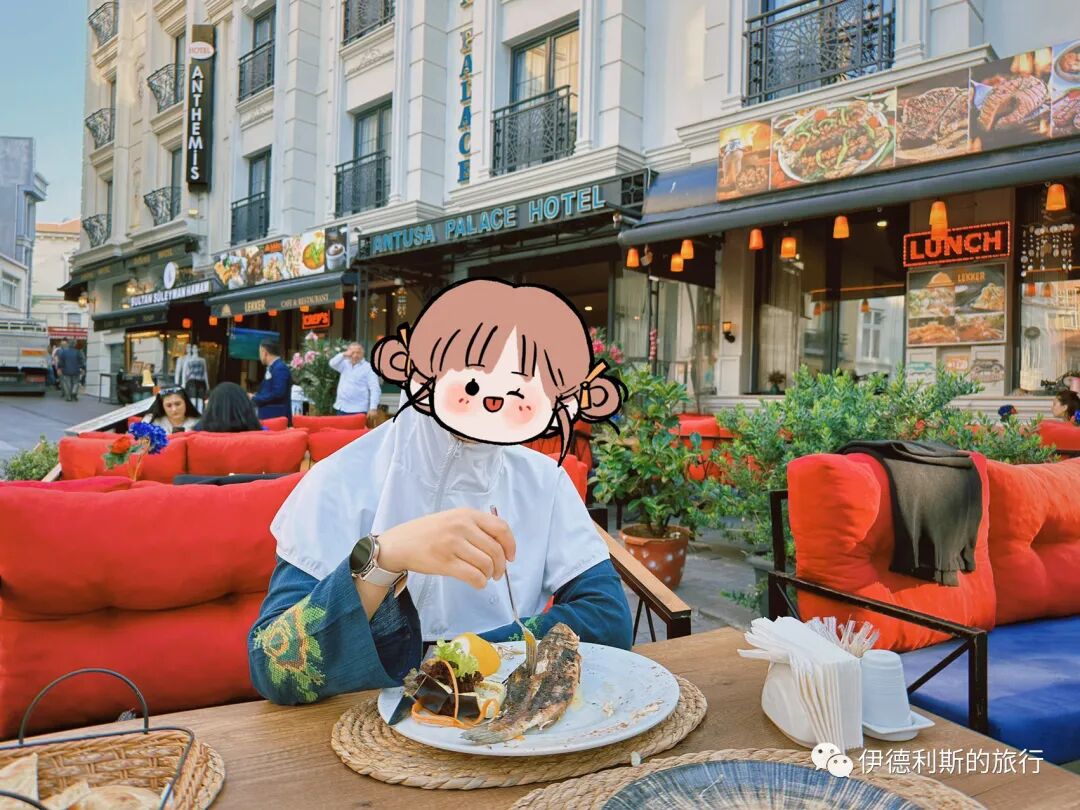
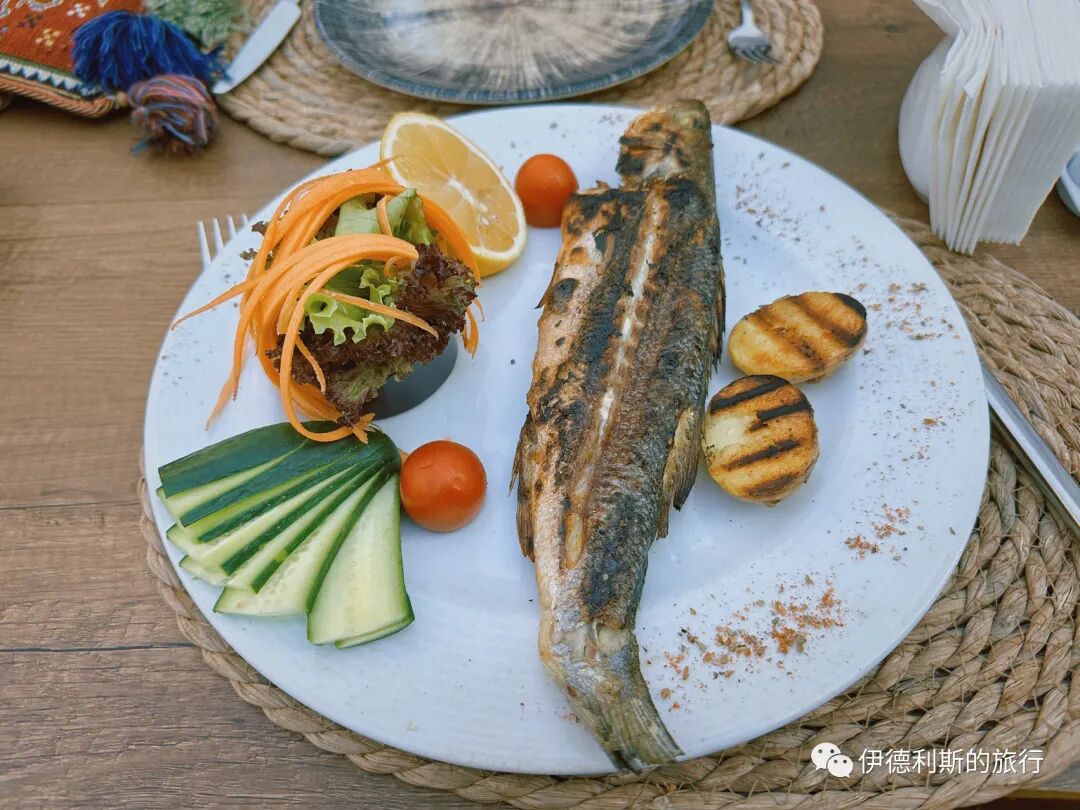
Eat grilled fish.
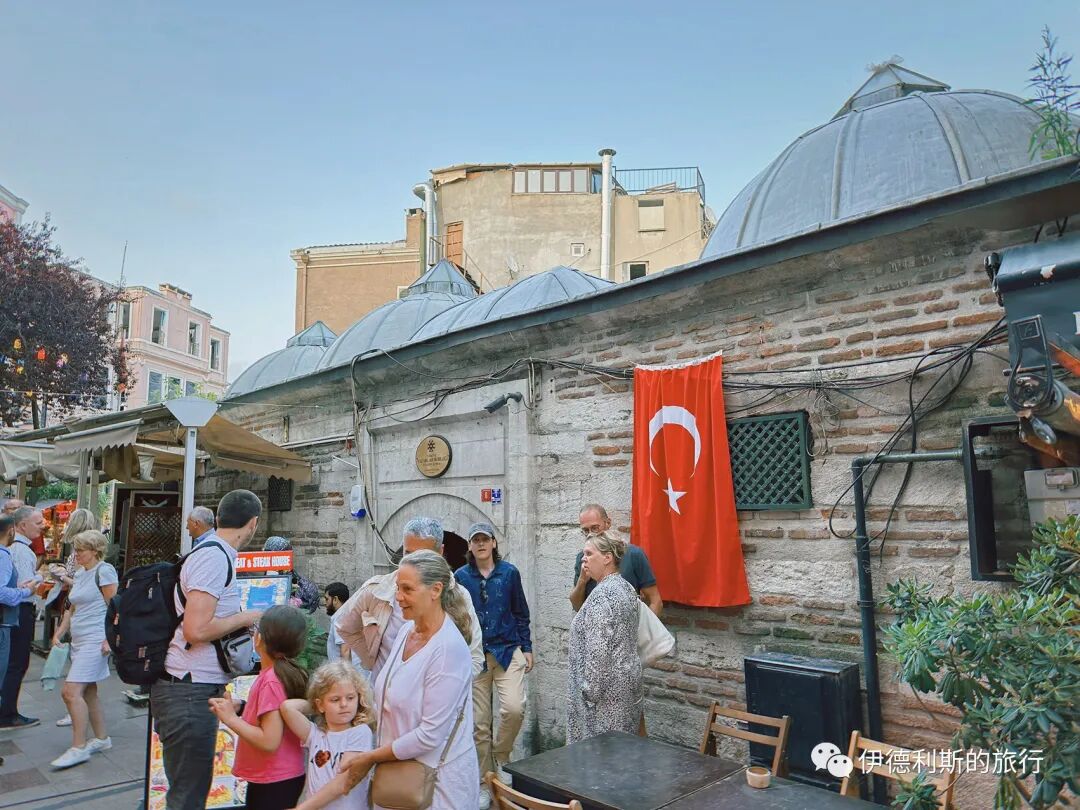
We kept walking near the Hagia Sophia. This is the main tourist area of Istanbul, so restaurant prices are about the same as Turkish restaurants in Beijing. We grabbed a quick snack to hold us over and planned to head back to the food street in Kadıköy for a late-night meal.
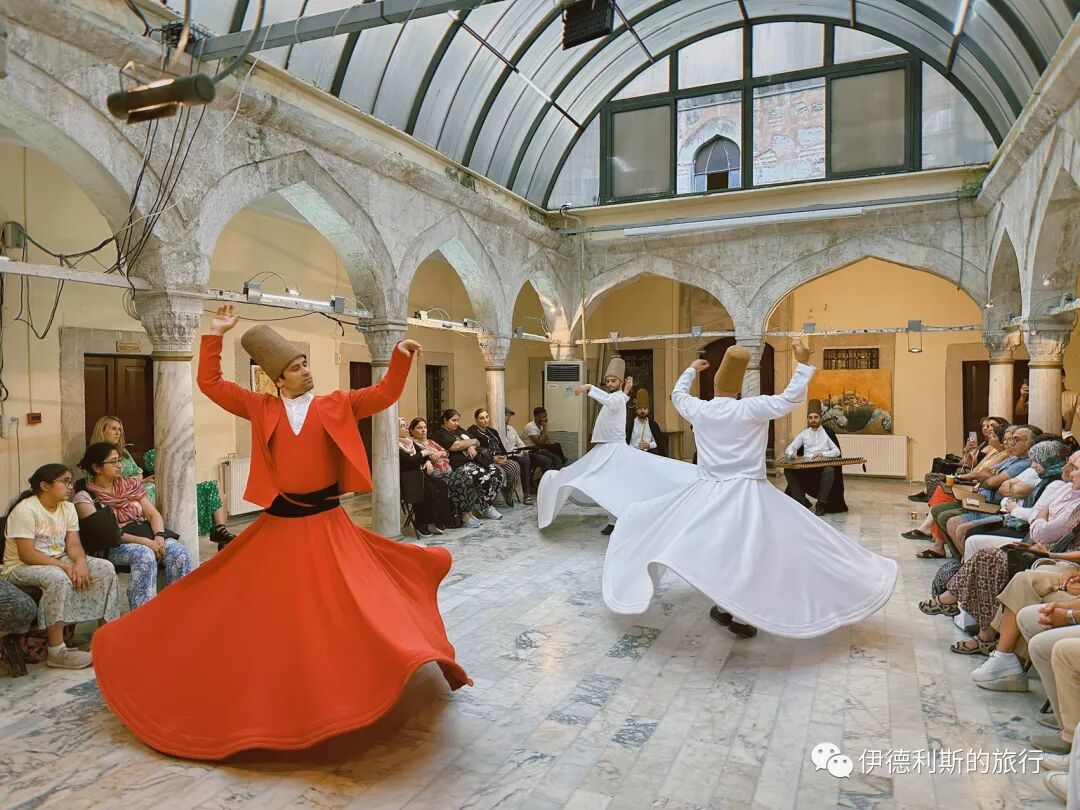
Whirling dervish performance.
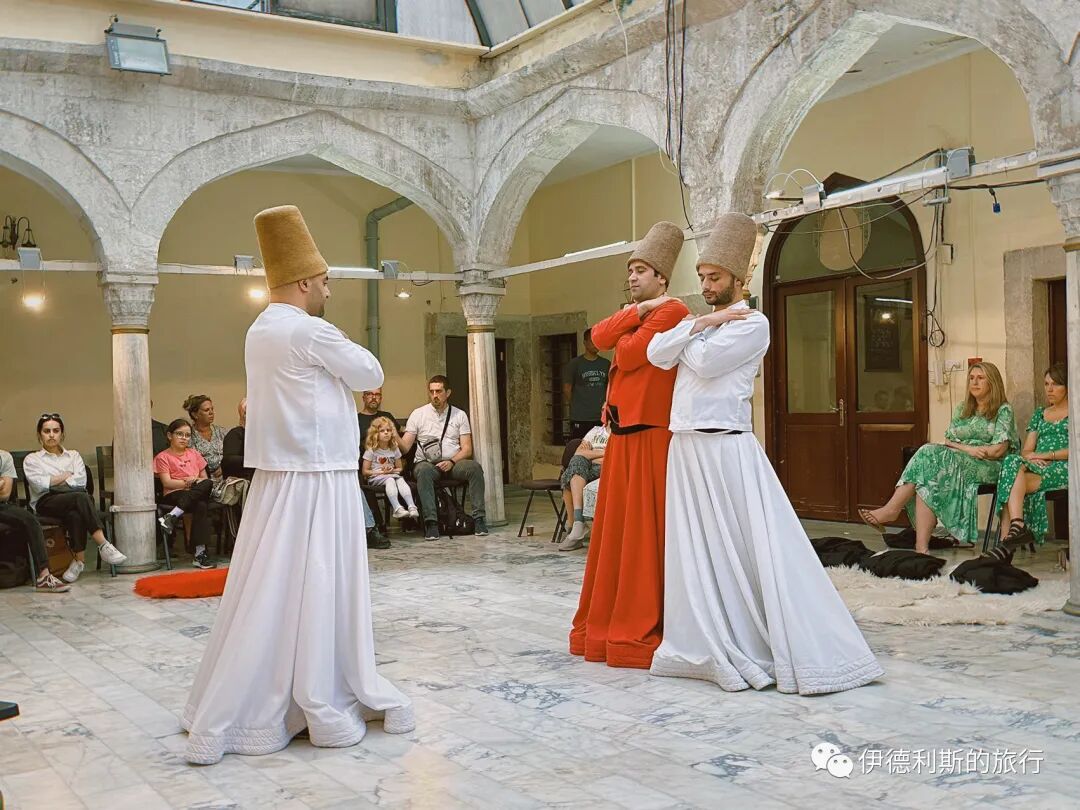
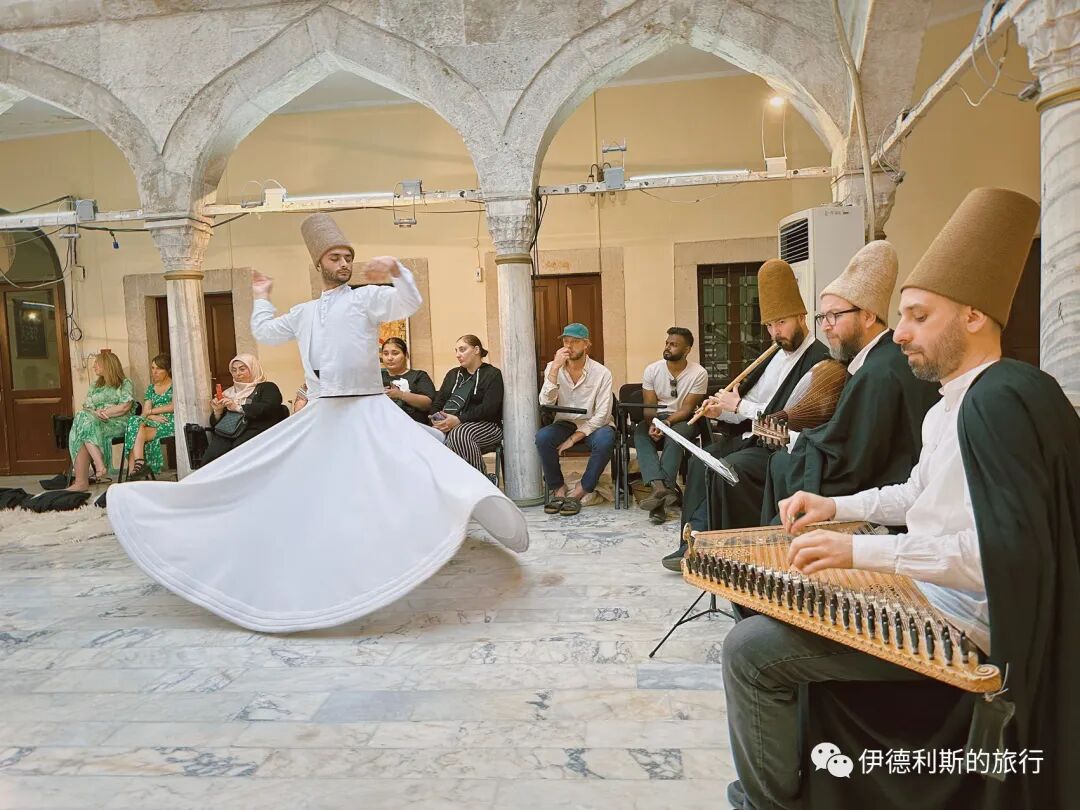
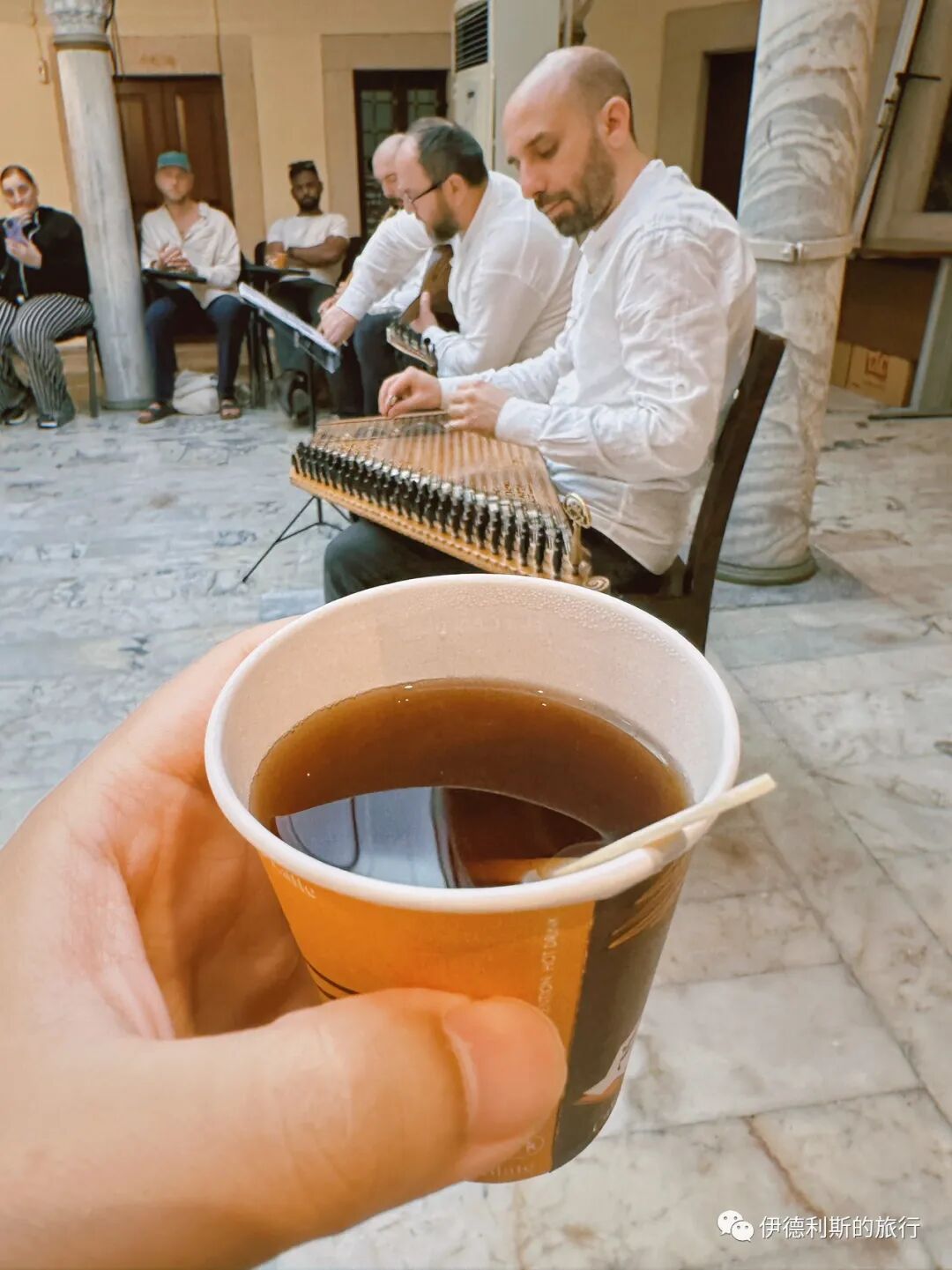
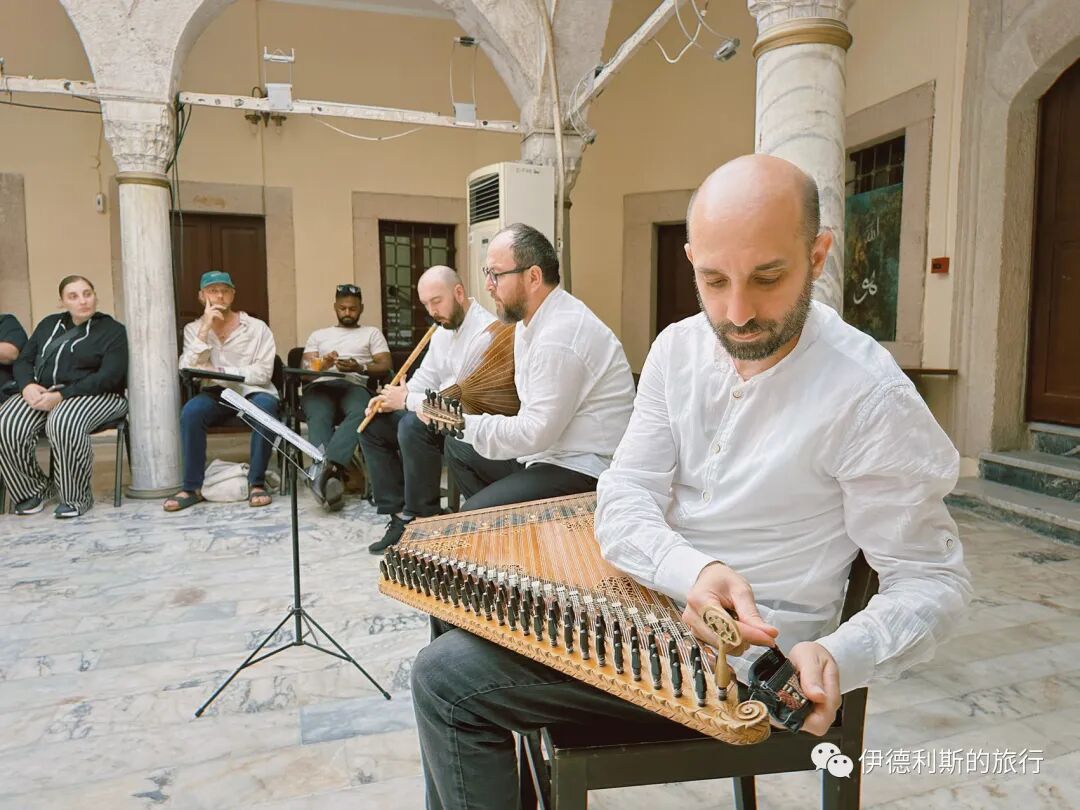
In the evening, we listened to a traditional Turkish Mevlevi Sufi music ensemble and watched a Sema whirling ceremony at the Kızlarağa Madrasa, which was built in 1582. They hold a Sufi music performance here every night at 7 p.m. (except Tuesdays), and you can buy tickets on-site or online.
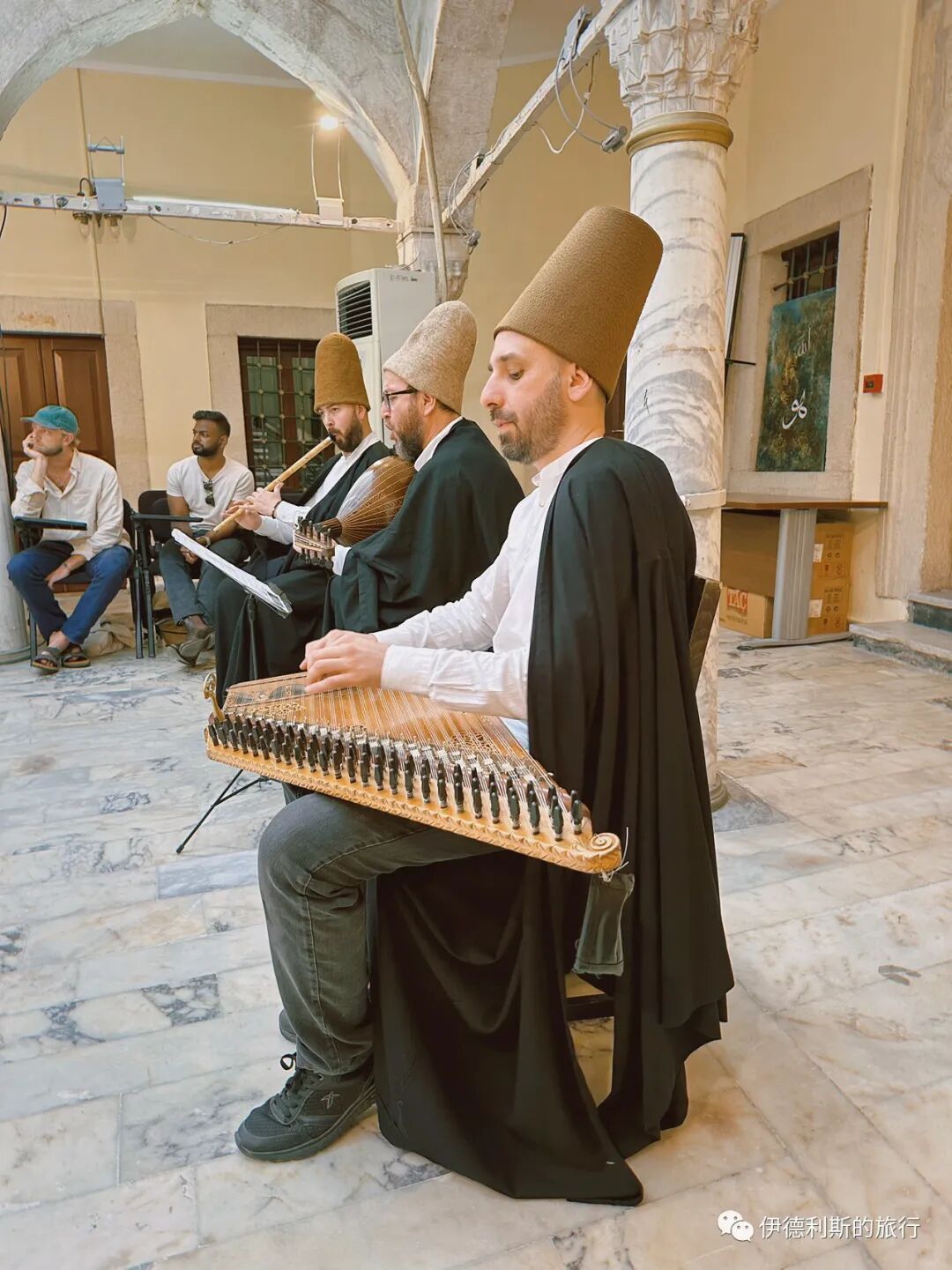
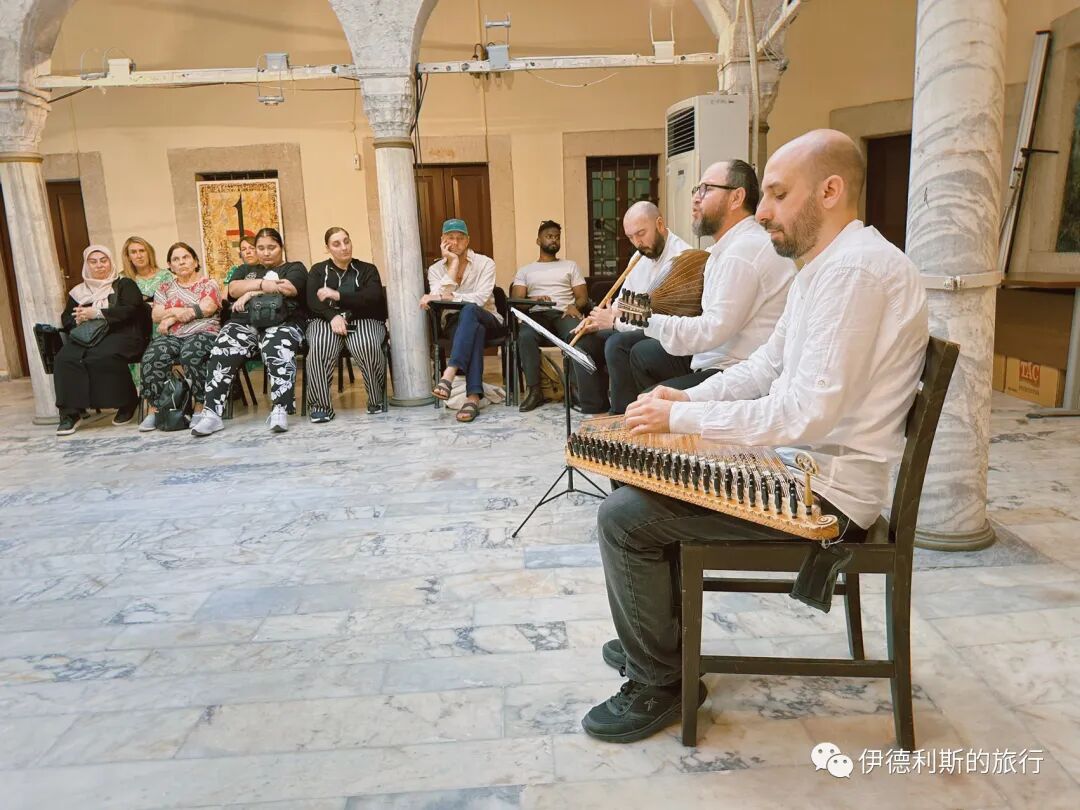
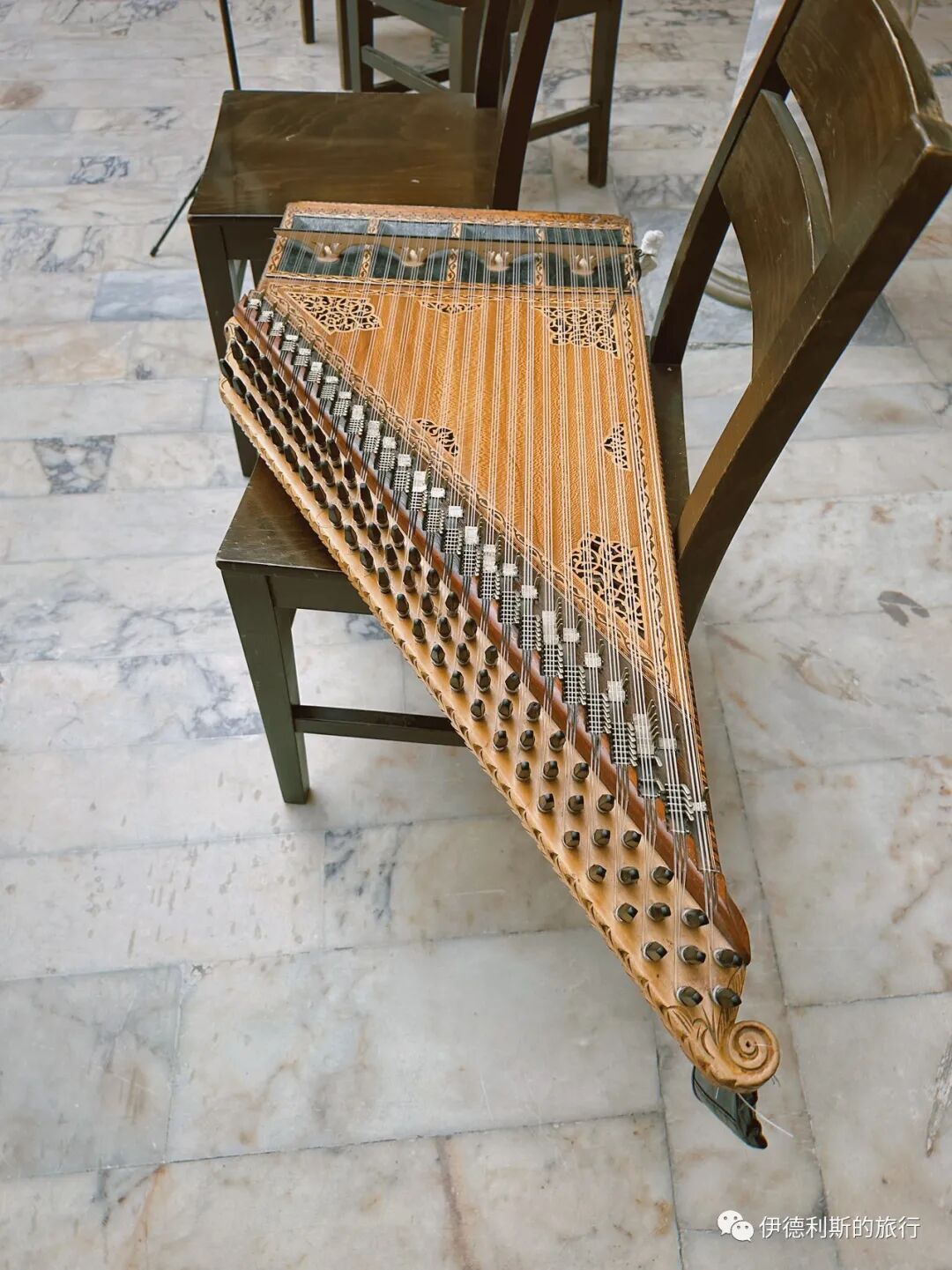
The musicians sang poems by the great poet Rumi, the founder of the Mevlevi Sufi order, accompanied by the reed flute (Ney), the lute (Oud), and the zither (Qanun). I saw a drummer in photos of previous performances, but maybe the drummer was busy and not there this time.
The Mevlevi order has always had a close connection to the arts, and many famous Turkish classical poets and musicians belonged to this order. Among them, Hammamizade İsmail Dede Efendi (1778-1846) composed hundreds of pieces of Sufi music and is known as one of Turkey's greatest classical composers.
Kızlarağa was the title for the chief of the Ottoman harem eunuchs, a position mostly held by Black men. This position was established in 1574. It held great power in the 17th and 18th centuries, ranking just below the Grand Vizier and the chief religious authority, the Sheikh ul-Islam, in the Ottoman court. It played a decisive role several times in removing Grand Viziers and in the enthronement of Sultans.
Hagia Sophia.
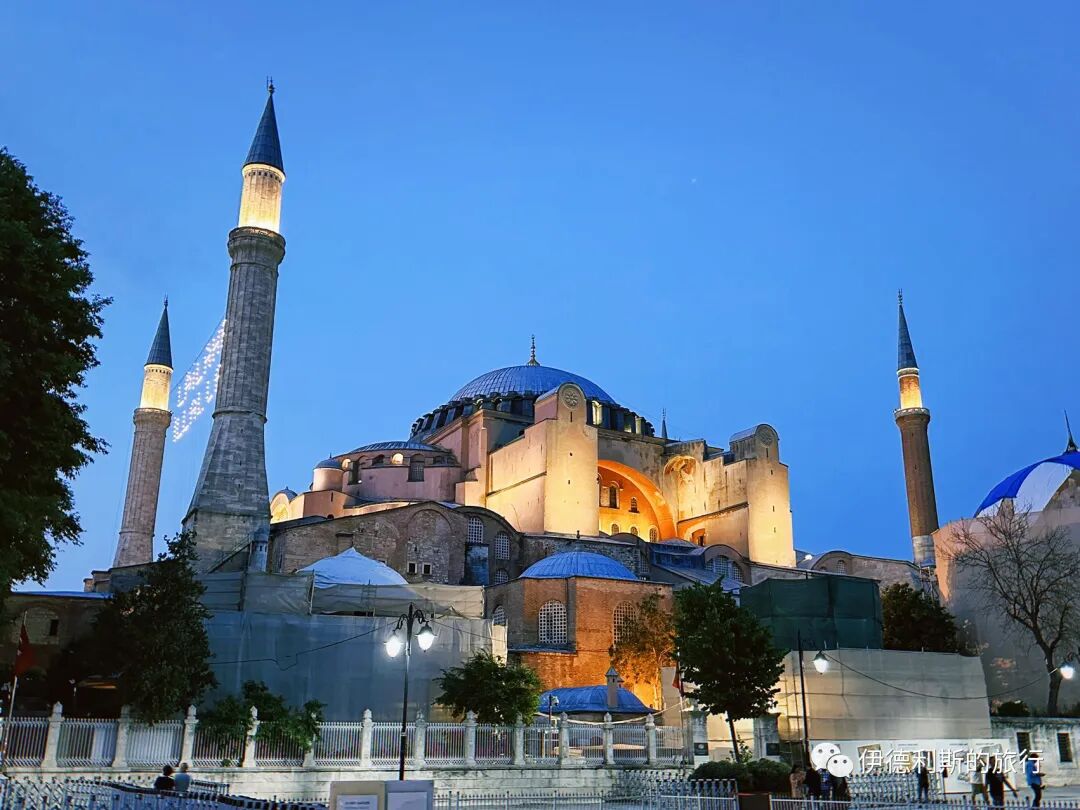
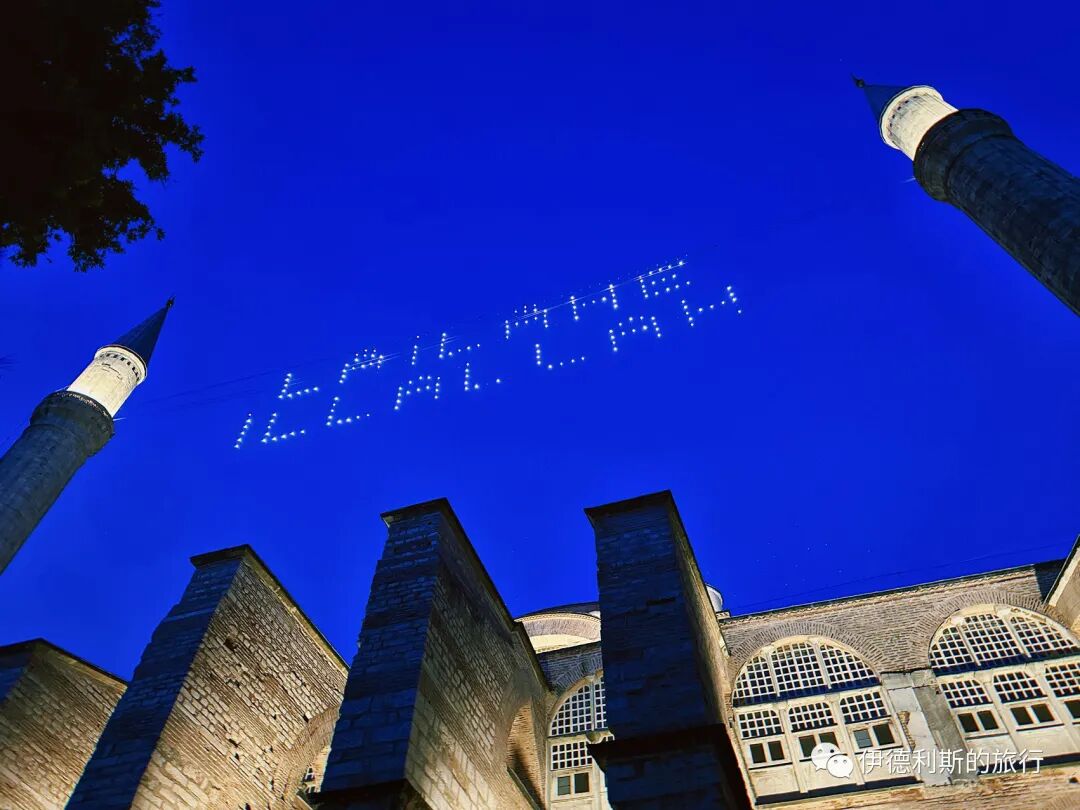
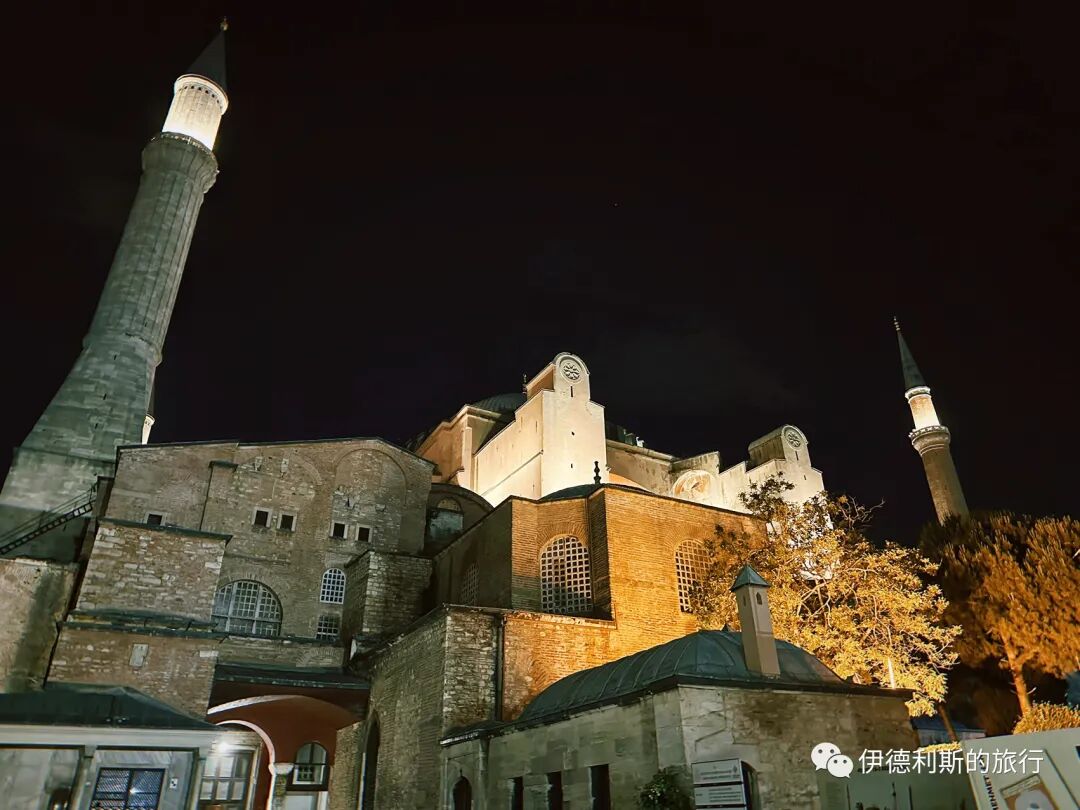
After watching the whirling dance, we went to the Hagia Sophia. When I came in 2018, it was still a museum. Although it has now been restored as a mosque, it is still packed with tourists during the day, and the lines are very long. We went at nine in the evening, so there was no line, and it was great to see the night view.
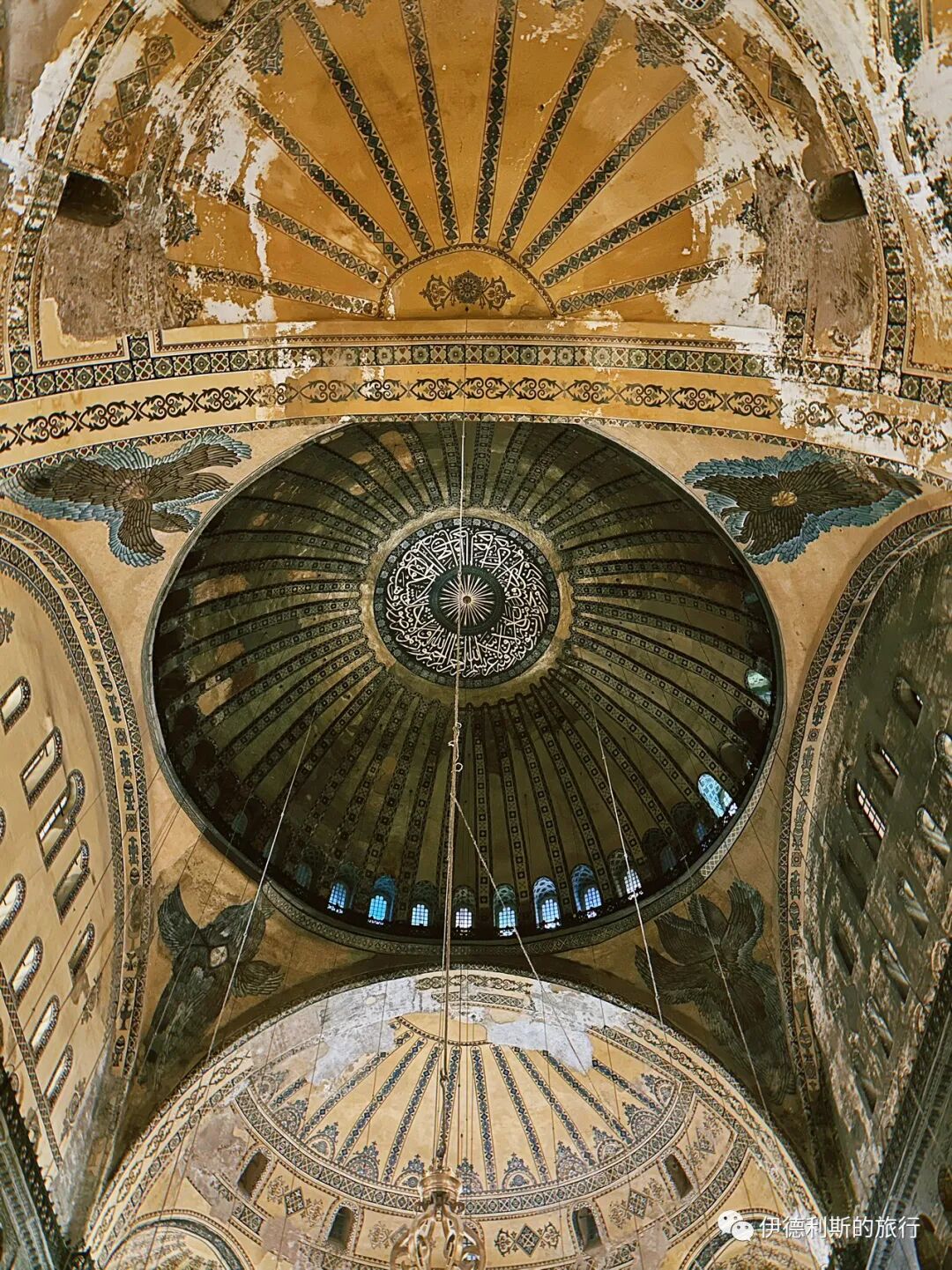
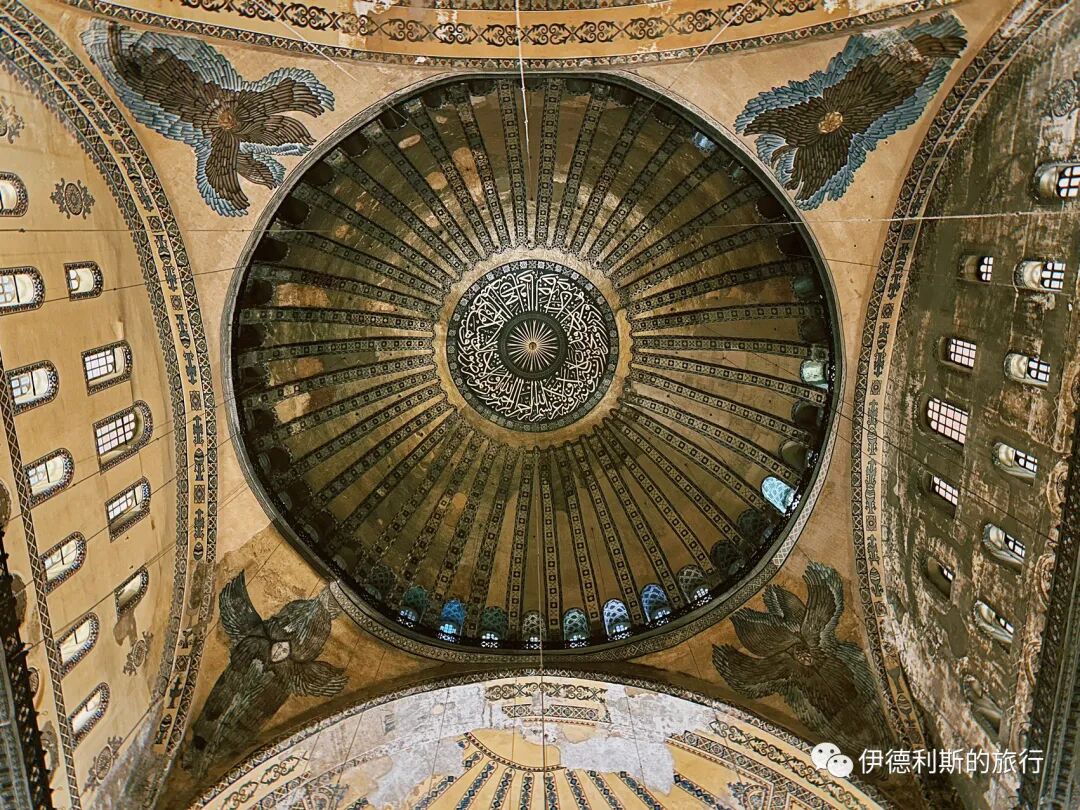
Standing in the square in front of the Hagia Sophia, the first thing you see is the Byzantine basilica built in 537. It was the largest church in the world at the time and the first building to fully use a pendentive dome structure. The central dome at the heart of the basilica opened a new chapter in world architectural history and became the signature structure for Ottoman mosques a thousand years later.
During the reign of Mehmed the Conqueror, a wooden minaret (bangke ta) was first erected on the southwest semi-dome of the Hagia Sophia. After Sultan Bayezid II (reigned 1481-1512) took the throne, he built another red brick minaret at the southeast corner. Around the mid-16th century, Sultan Suleiman the Magnificent (reigned 1520-1566) rebuilt these two minarets using white limestone and sandstone.
During the reign of Sultan Selim II (reigned 1566-1574), the structure of the Hagia Sophia became unstable. The great Ottoman royal architect Mimar Sinan added 24 buttresses to support the cathedral. He also built two new 60-meter-tall minarets, giving the cathedral its four-minaret design.
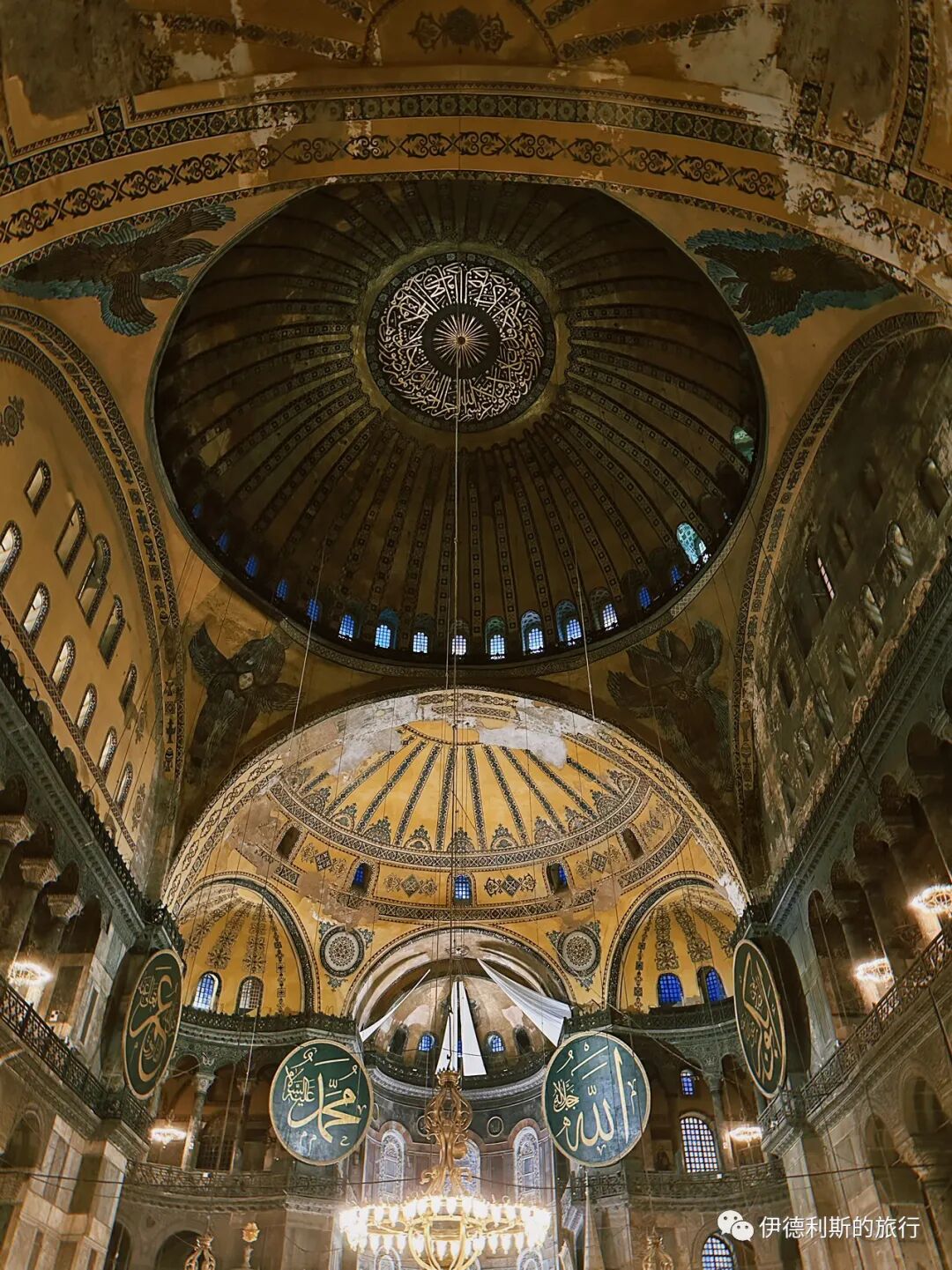
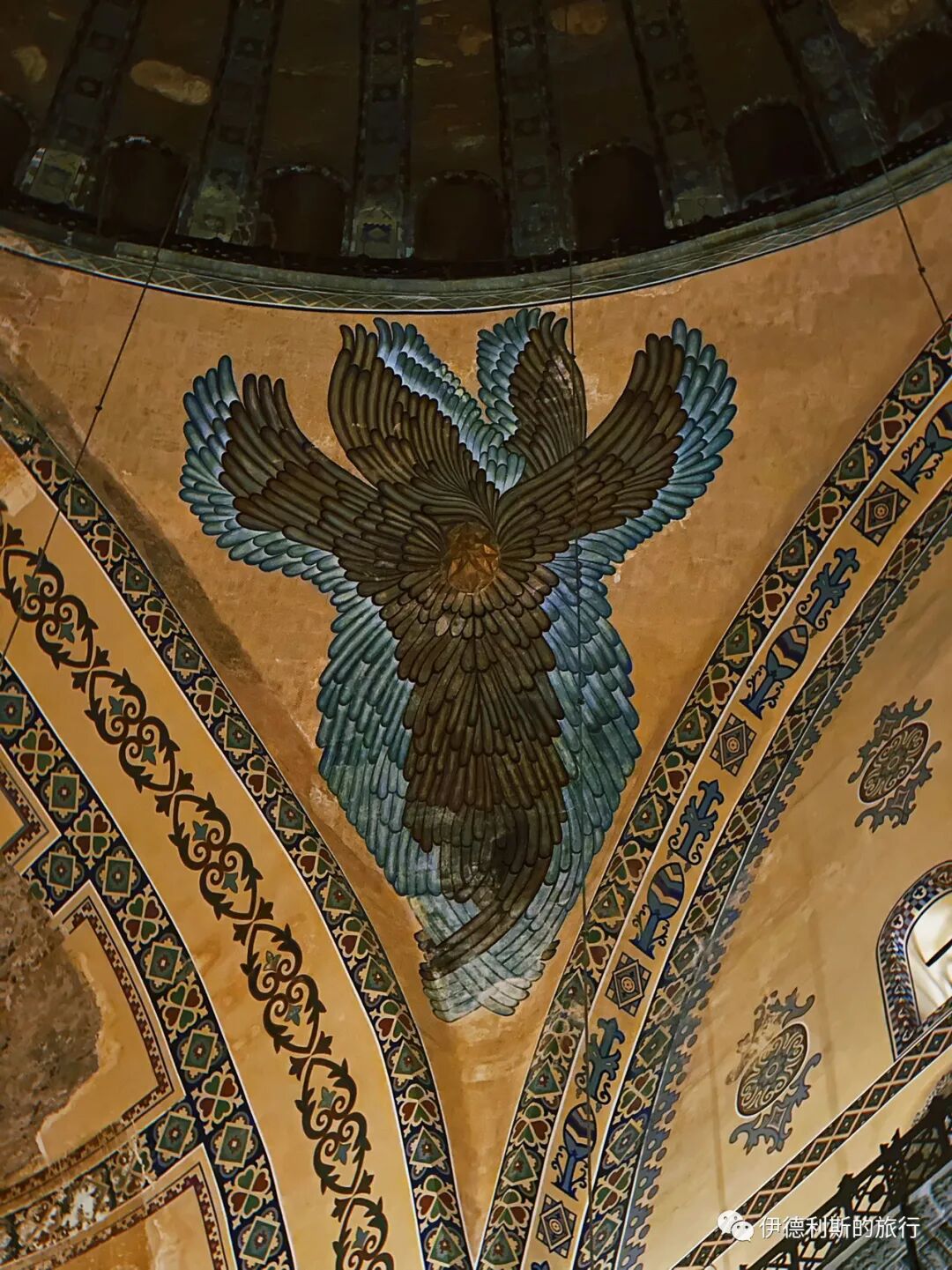
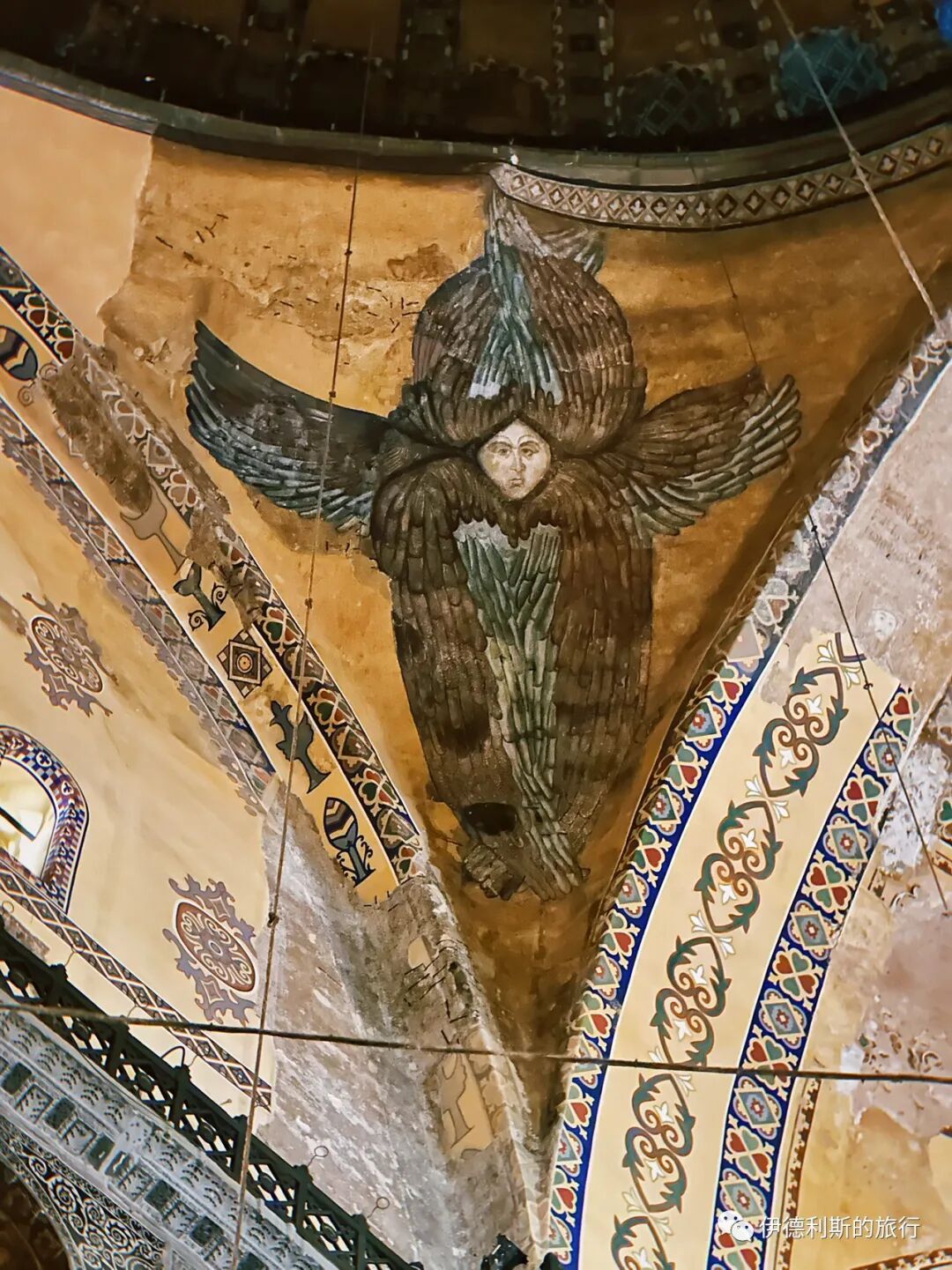
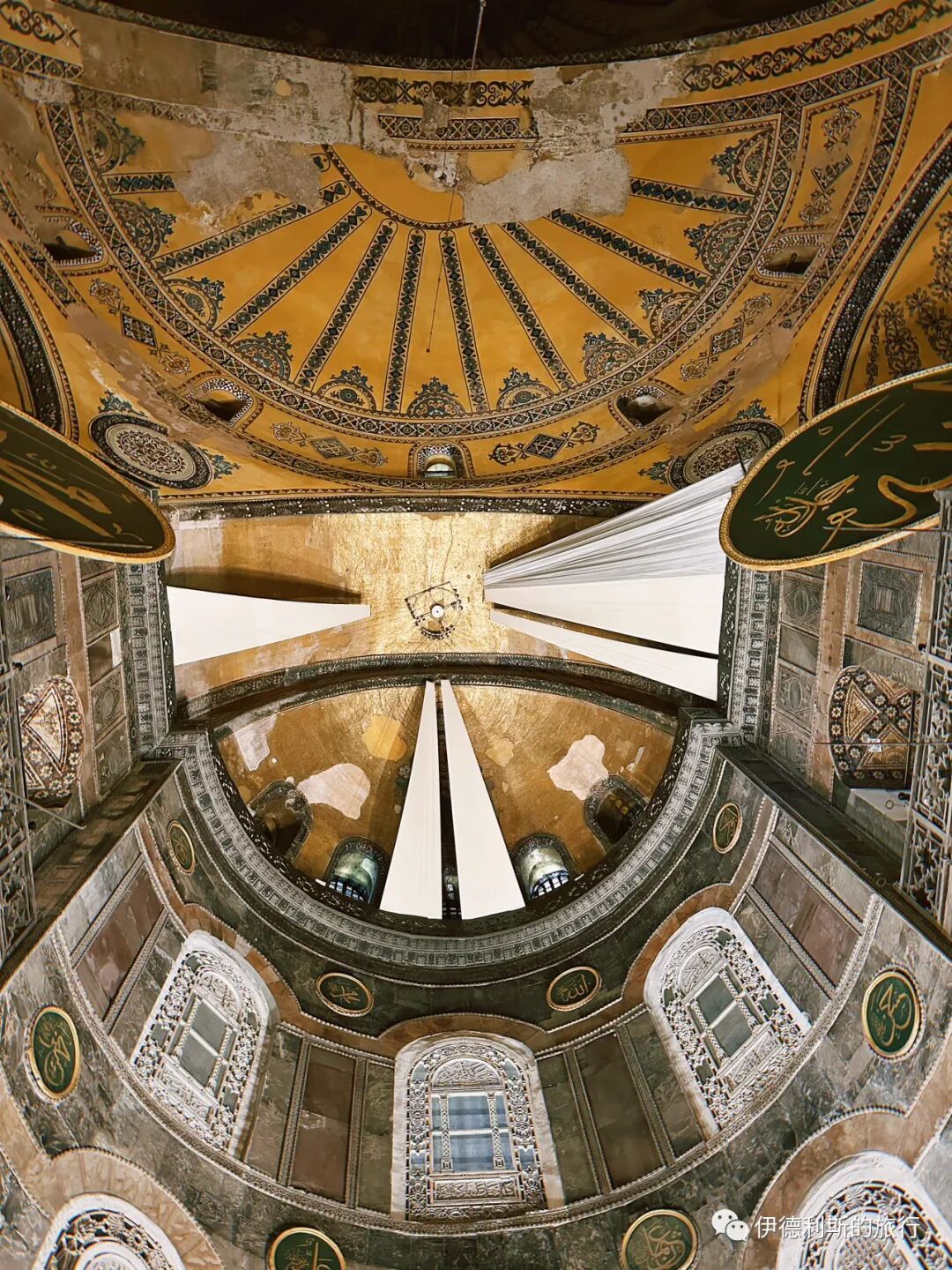
On the pendentives around the central dome of the Hagia Sophia, there is a six-winged angel (hexapterygon) on each. The two on the east side are mosaic murals created when the cathedral was rebuilt after an earthquake in 1346, while the two on the west side were repainted later. During the Ottoman period, the faces of these four six-winged angels were covered with star-shaped metal plates. Between 1847 and 1849, the Swiss Fossati brothers were invited by the Sultan to renovate the Hagia Sophia, and they restored the two angels on the east side. In 2009, the metal cover on one of the angels was removed, revealing its original face. After the cathedral was converted back into a mosque in 2020, the angel faces were still preserved.
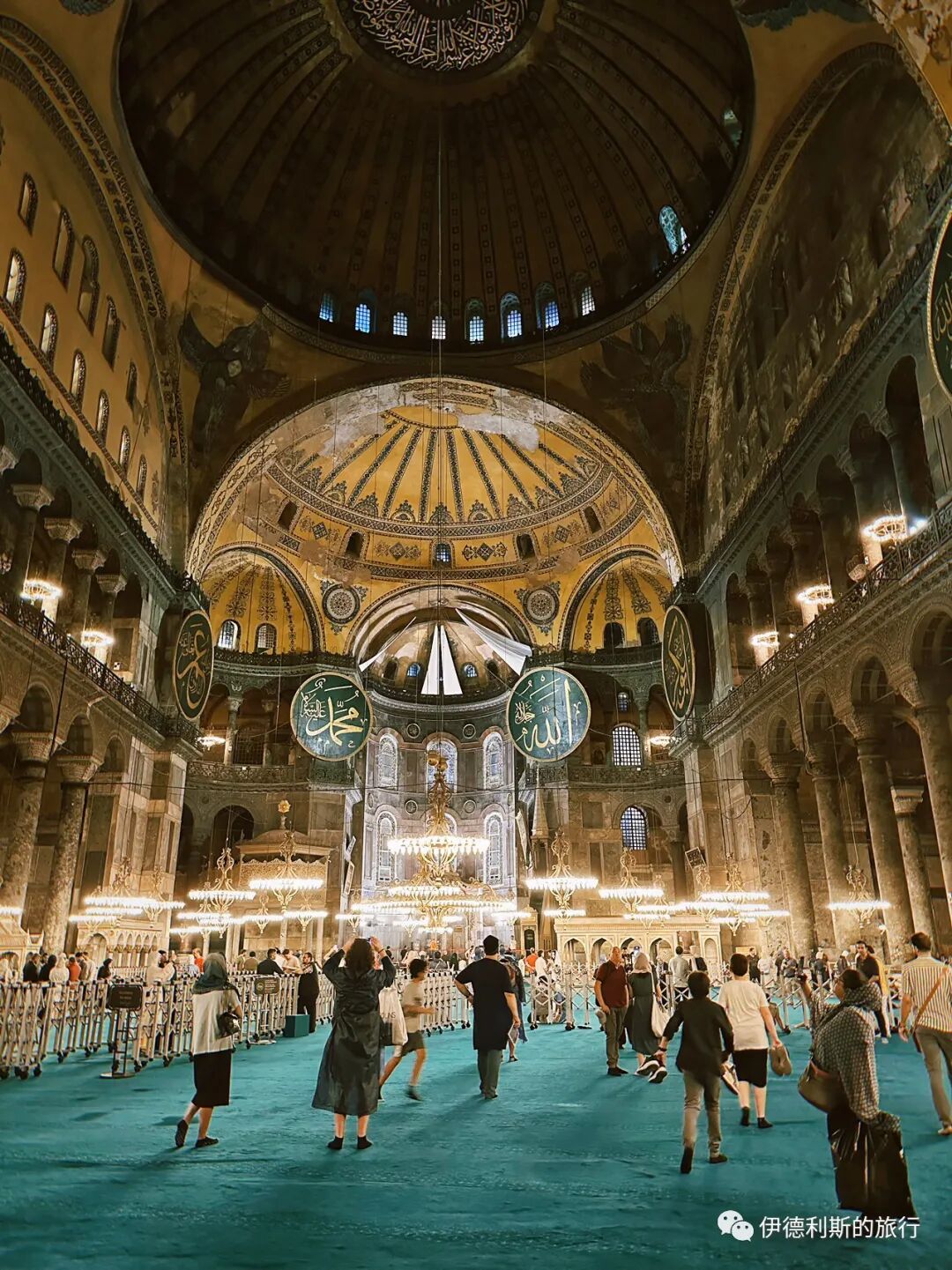
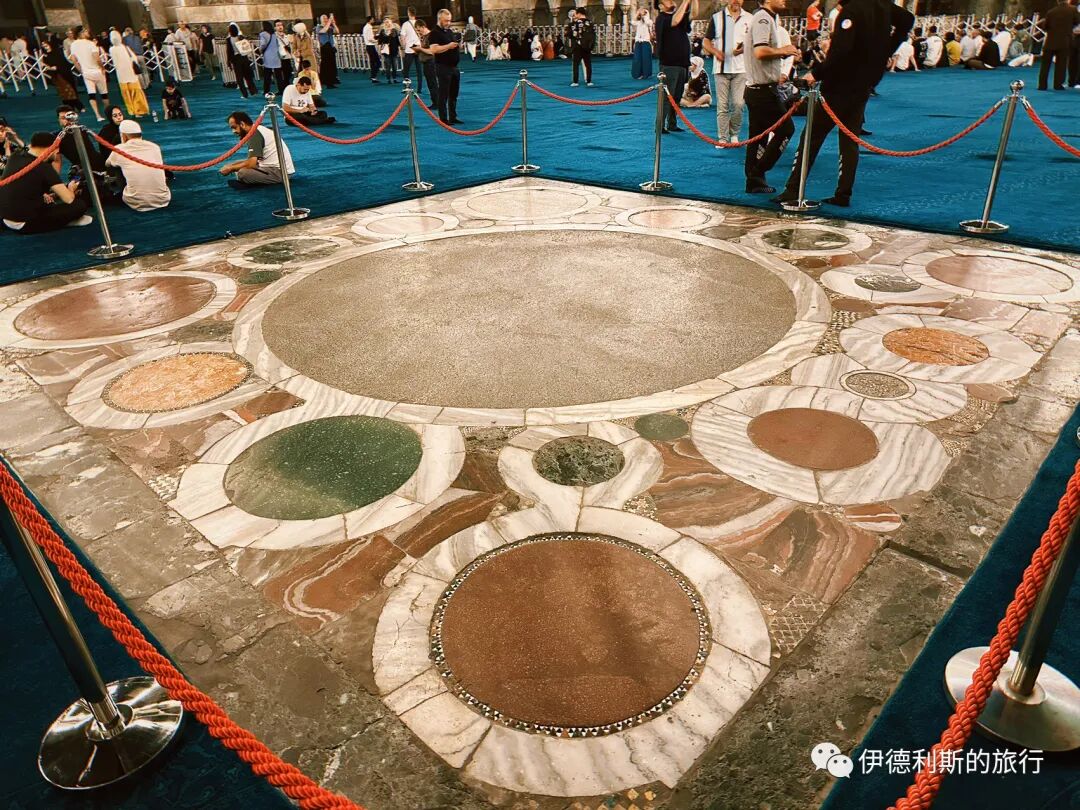
The floor of the Hagia Sophia's main hall is covered in carpets, except for one exposed section: the marble-inlaid coronation stone (omphalion), where Byzantine emperors were crowned. The coronation stone was laid when the cathedral was built in 537, though some of the small circles inside may have been added in the 9th century.
The main hall of the Hagia Sophia during the Ottoman period:
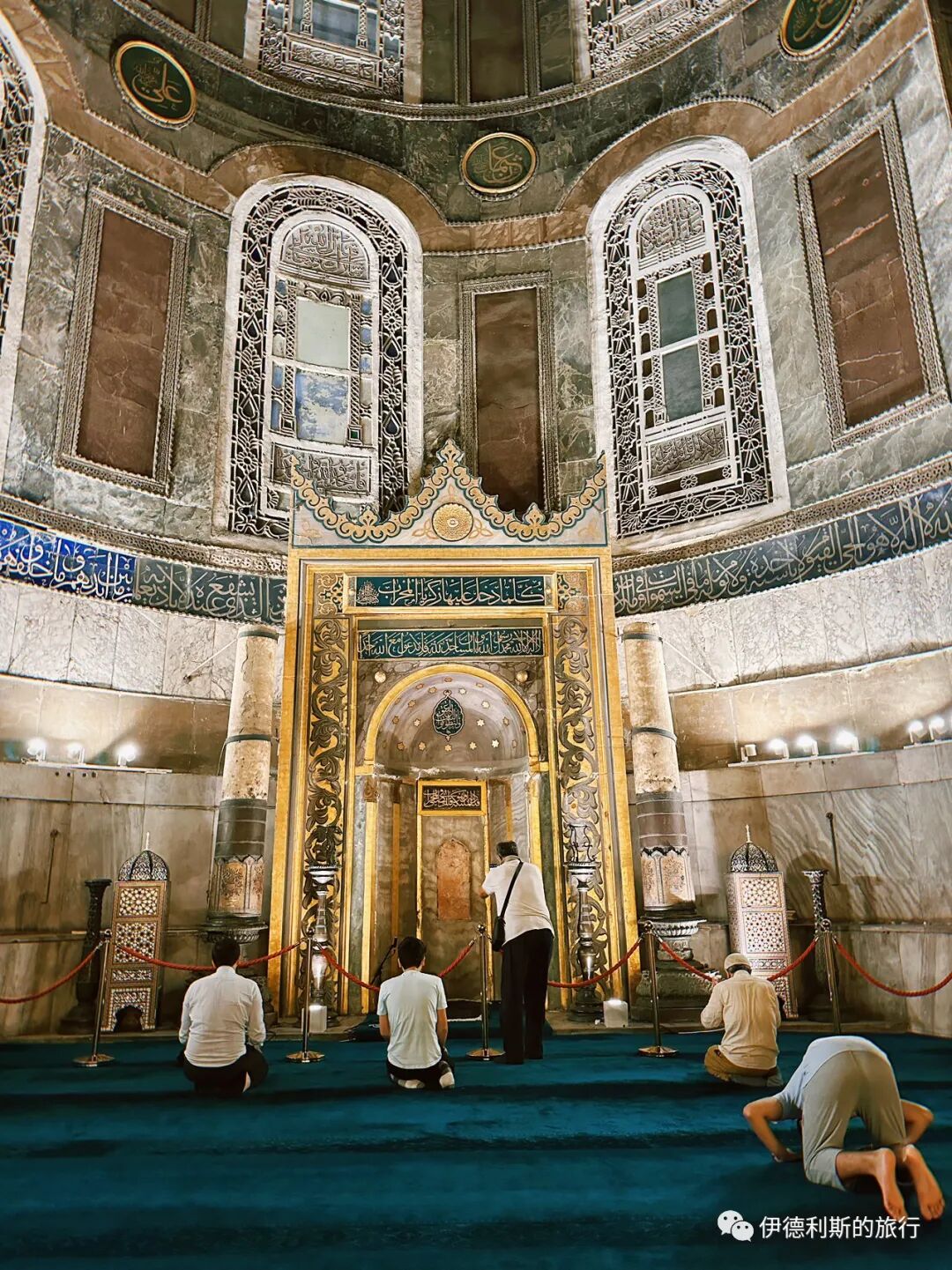
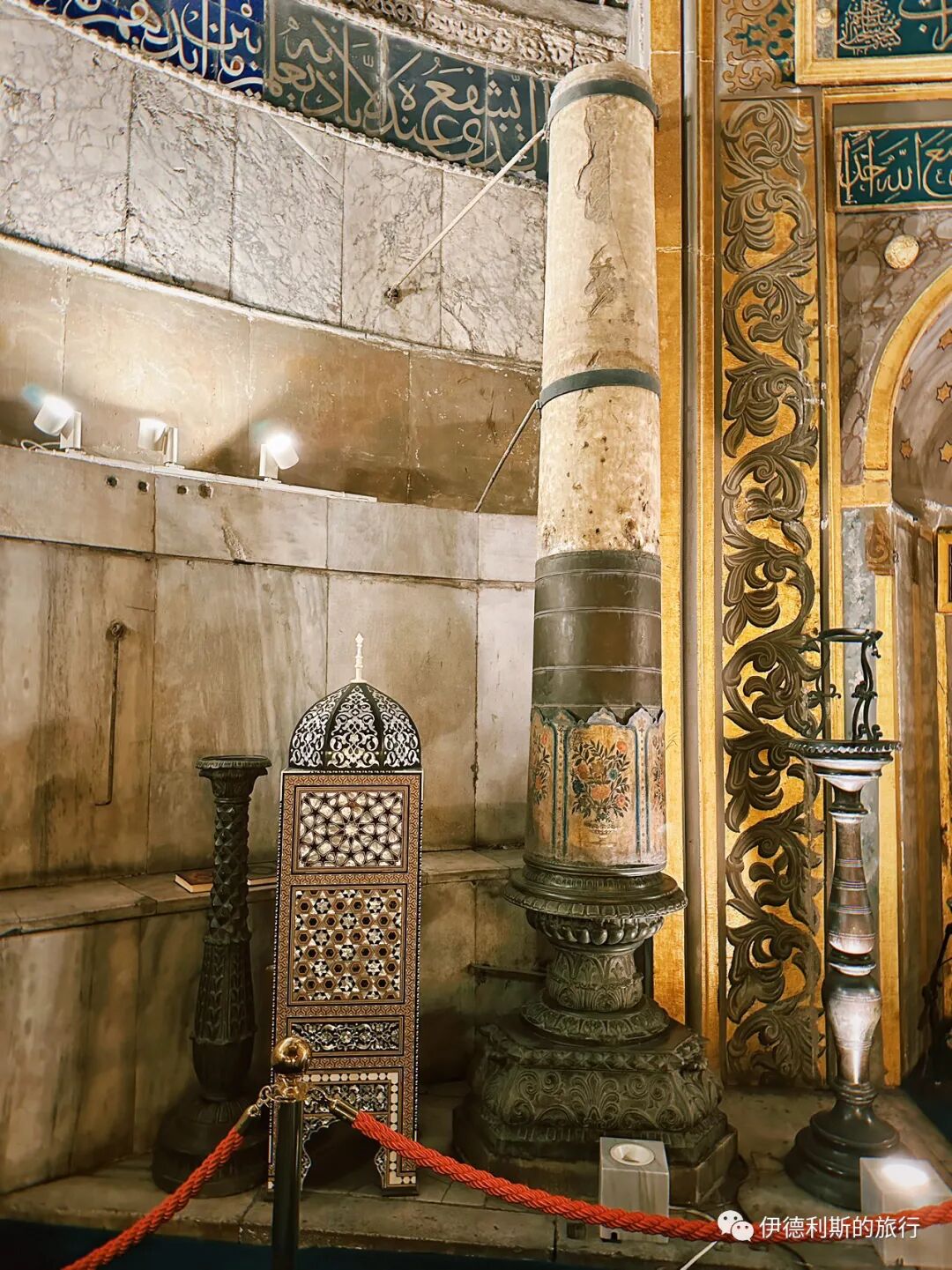
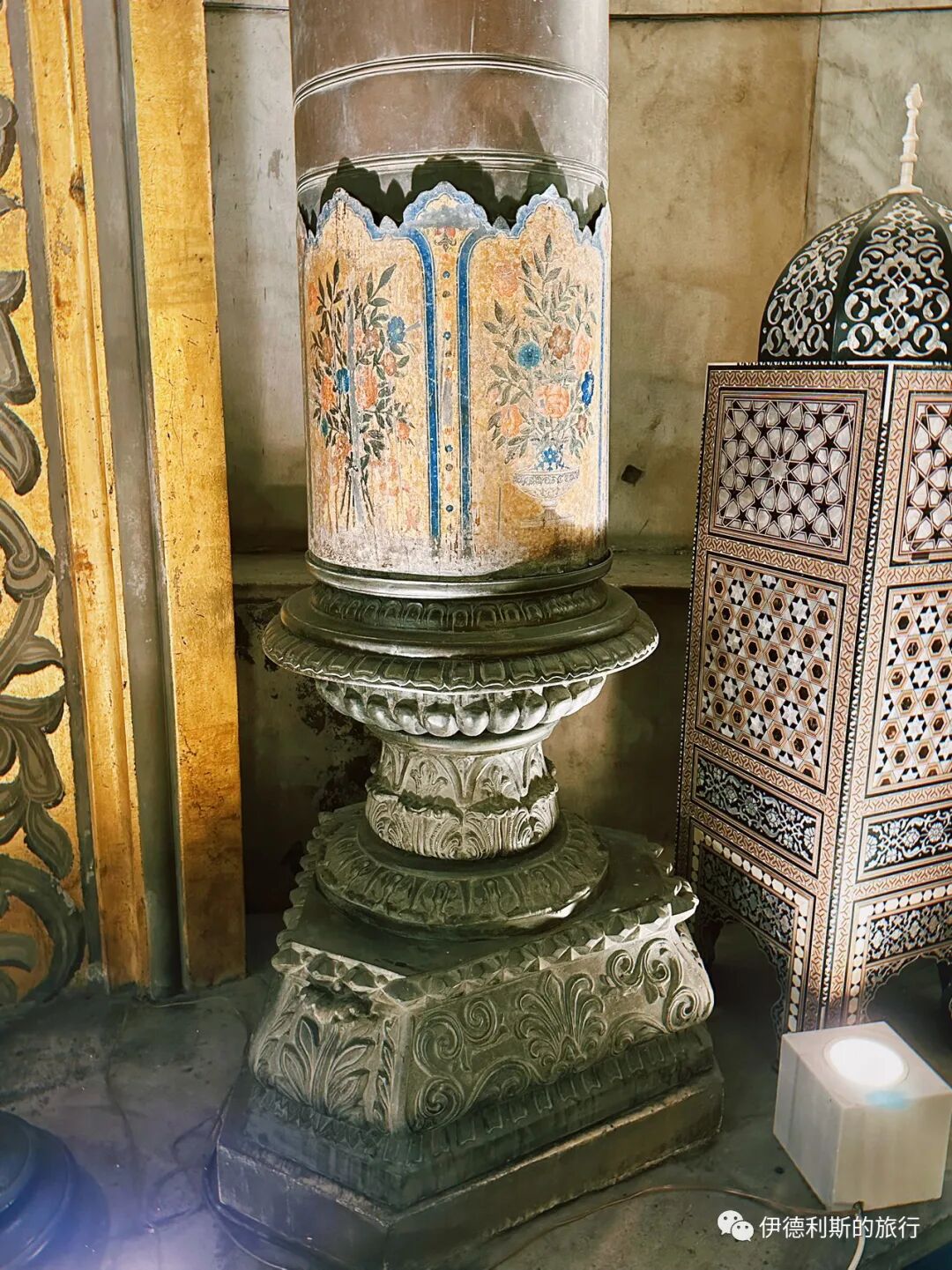
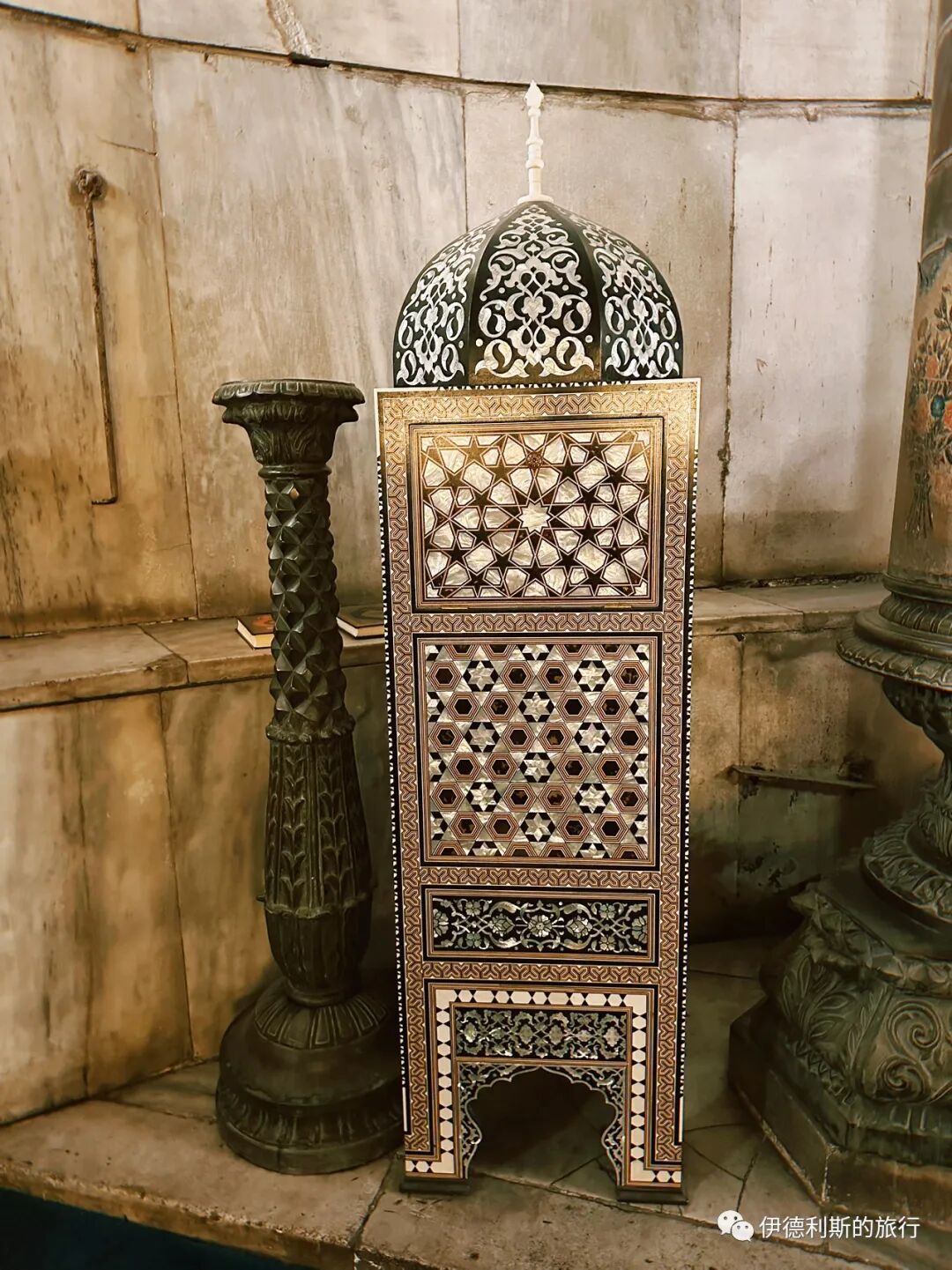
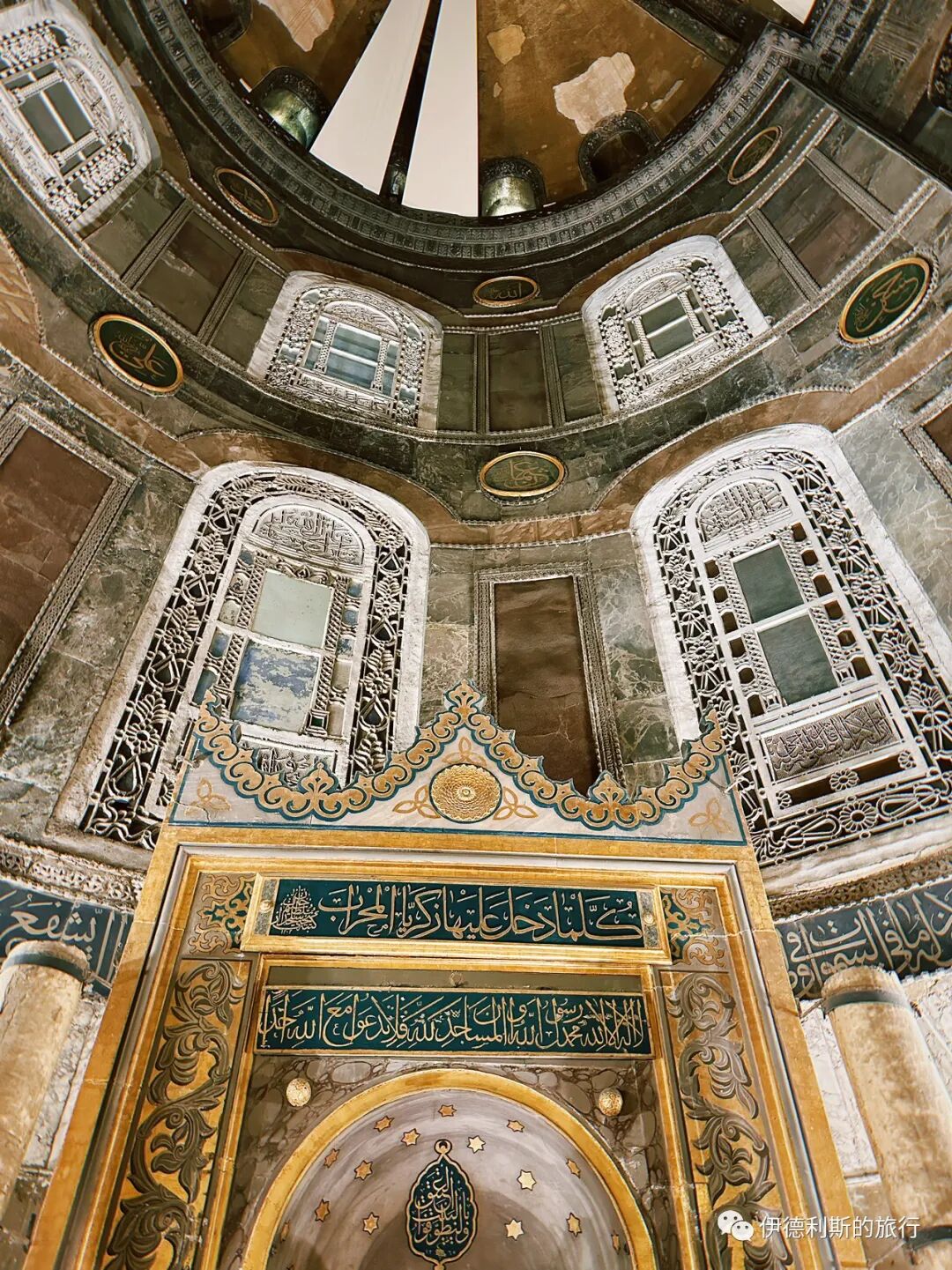
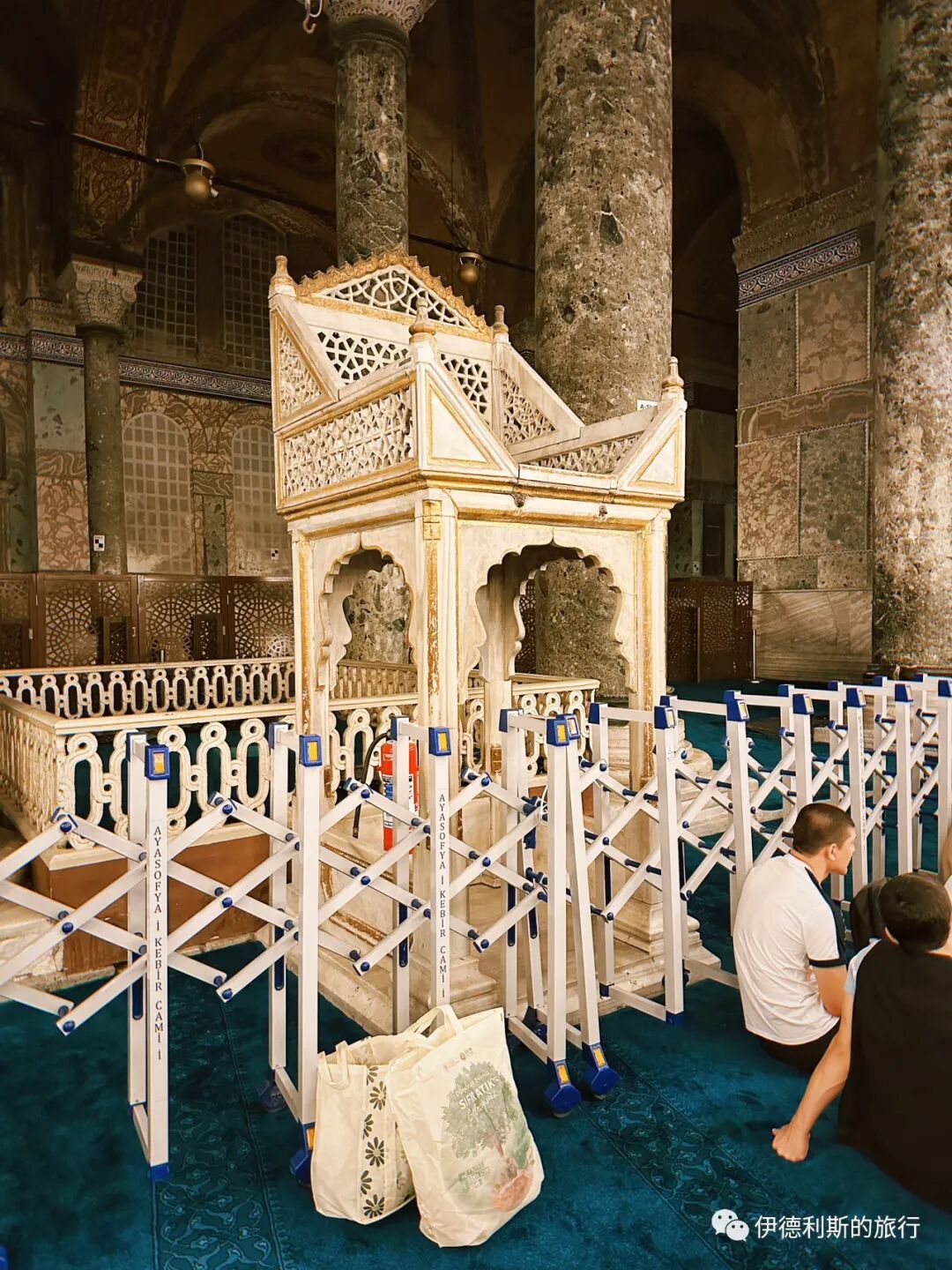
The prayer niche (mihrab) and the pulpit (minbar) were both renovated between 1847 and 1848 by the Swiss Fossati brothers, who were hired by Sultan Abdulmejid I. However, the giant candlesticks on both sides of the mihrab were brought back by Suleiman the Magnificent in the 16th century after he conquered Hungary. Next to the candlesticks are a pair of exquisite scripture boxes.
Directly above the mihrab is a Byzantine-era mosaic of the Virgin Mary holding Jesus. After the building returned to being a mosque in 2020, a white cloth was placed over the mosaic.
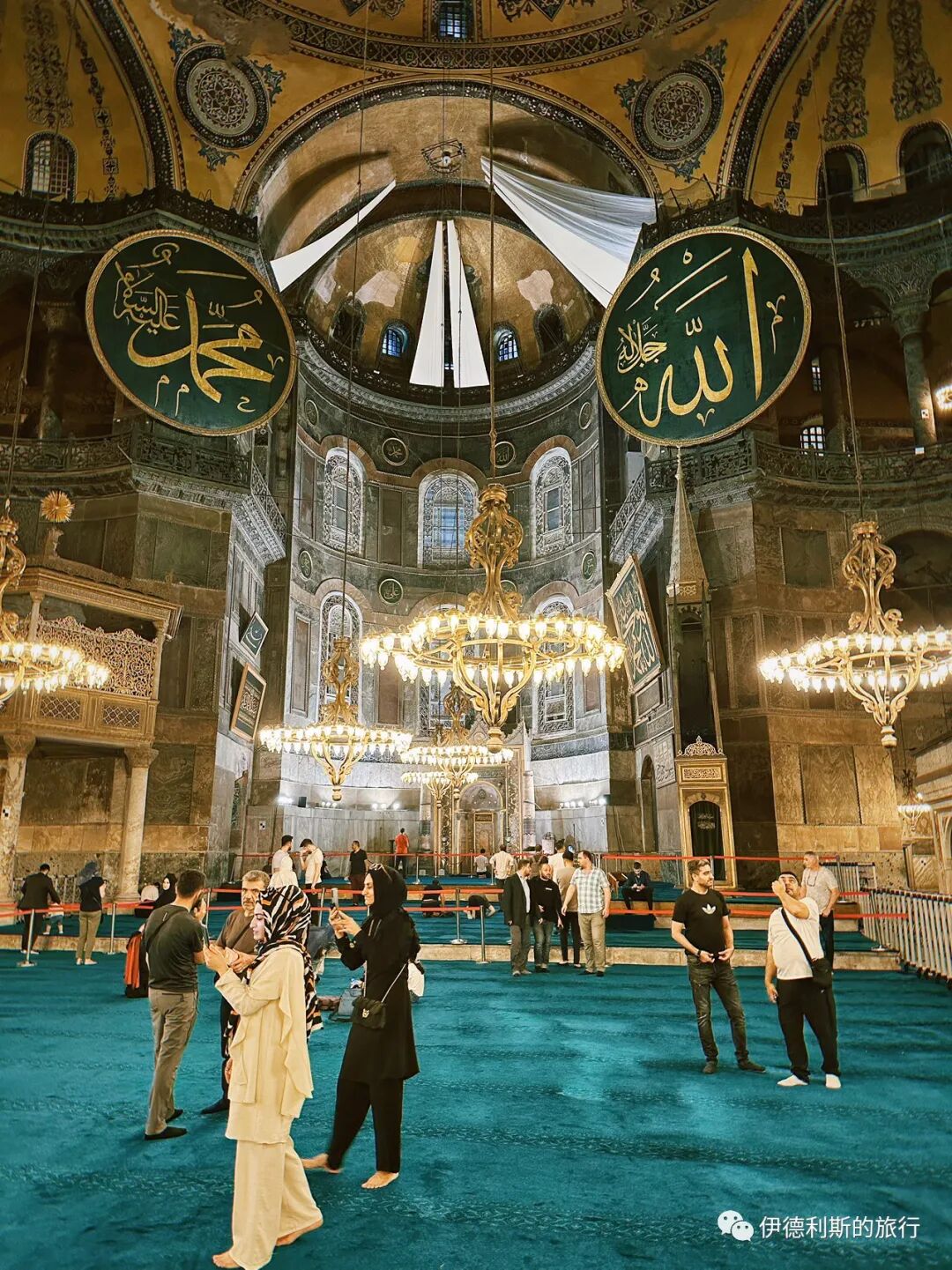
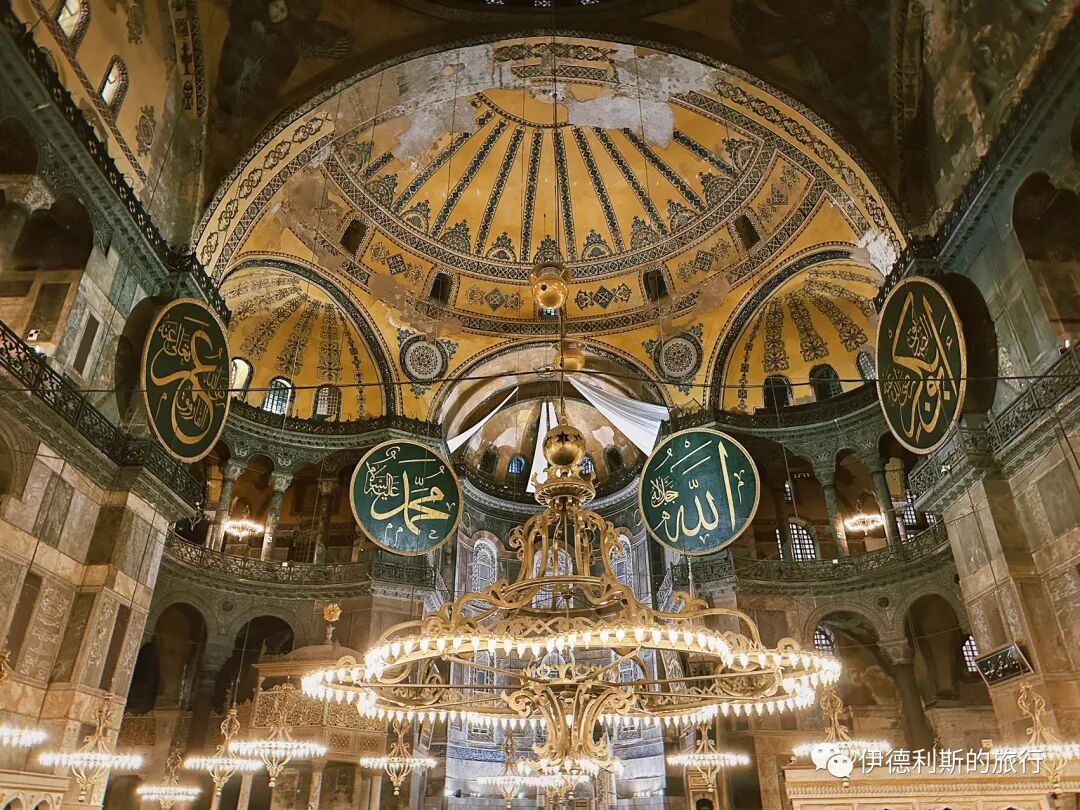
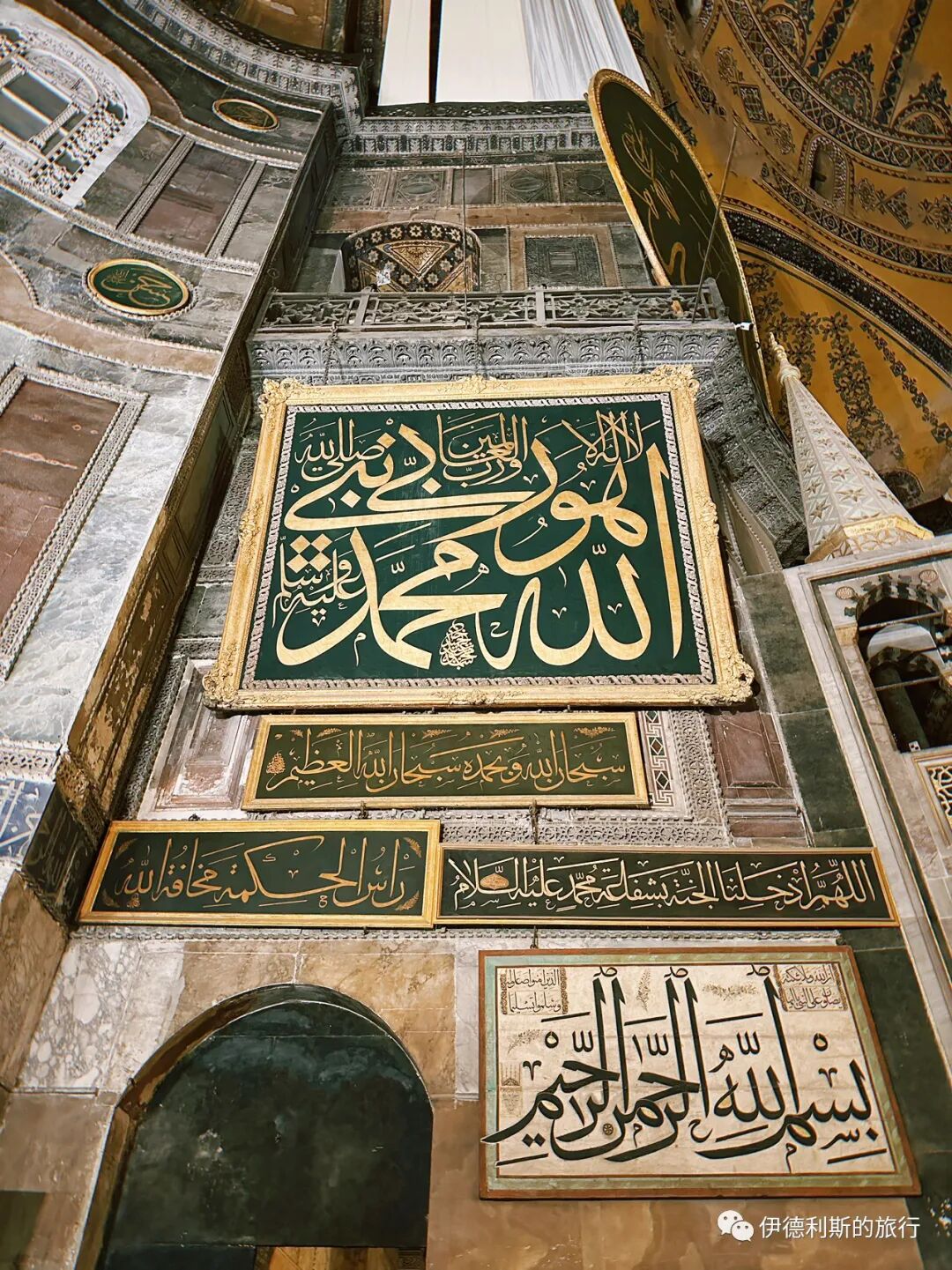
In 1847-48, Sultan Abdülmecid I added eight massive gilded Arabic calligraphy medallions to the cornice of the main hall. They were written by the calligrapher Mustafa İzzed Efendi and include the names of Allah, the Prophet Muhammad, the first four caliphs Abu Bakr, Umar, Uthman, and Ali, as well as the Prophet's two grandsons, Hasan and Husayn.
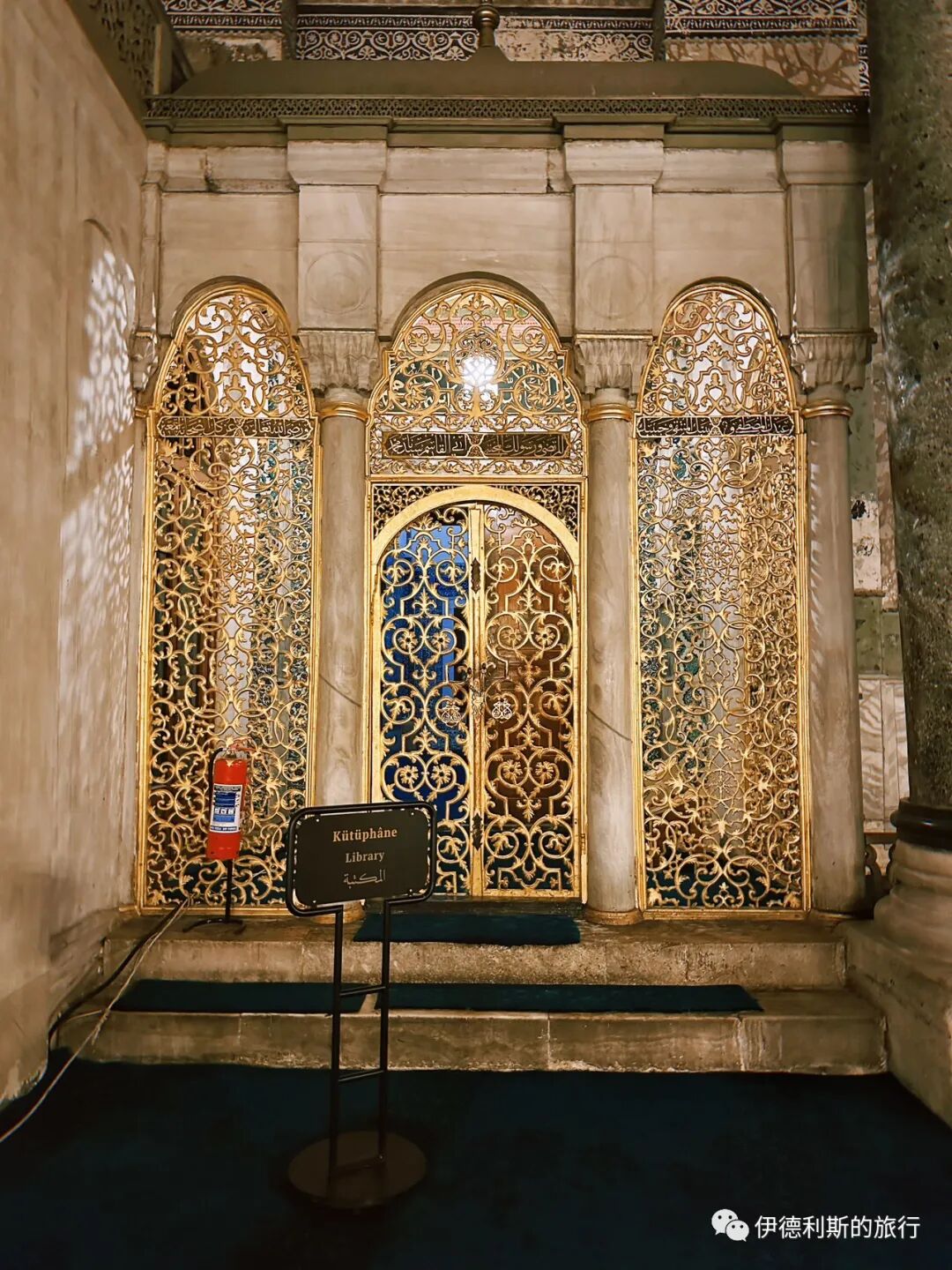
In 1739, Sultan Mahmud I renovated the Hagia Sophia and added a magnificent library behind the coronation stone in the main hall.
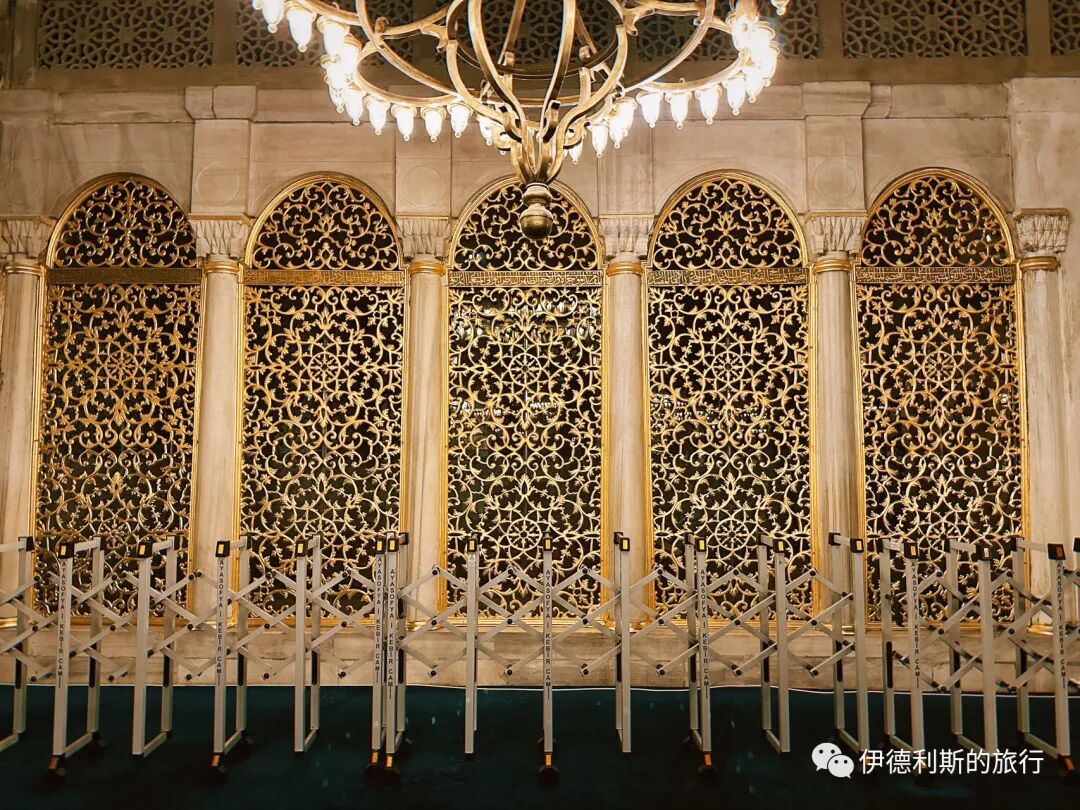
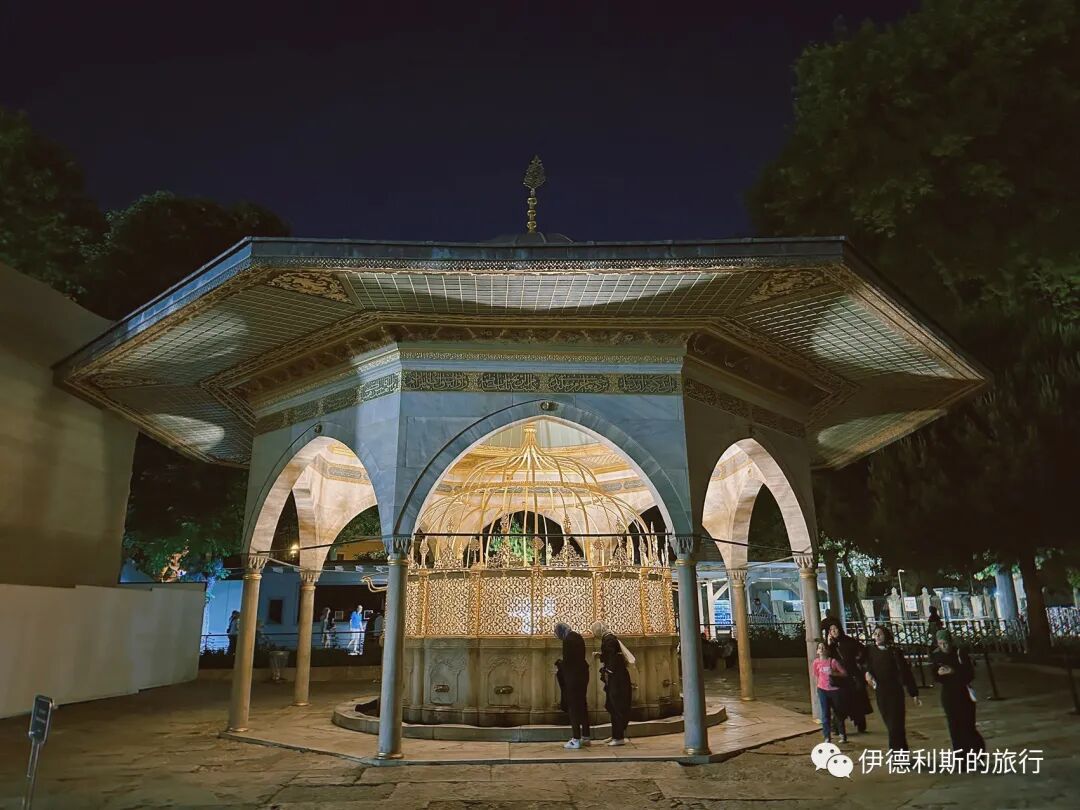
The ablution fountain at the entrance was built in 1740.
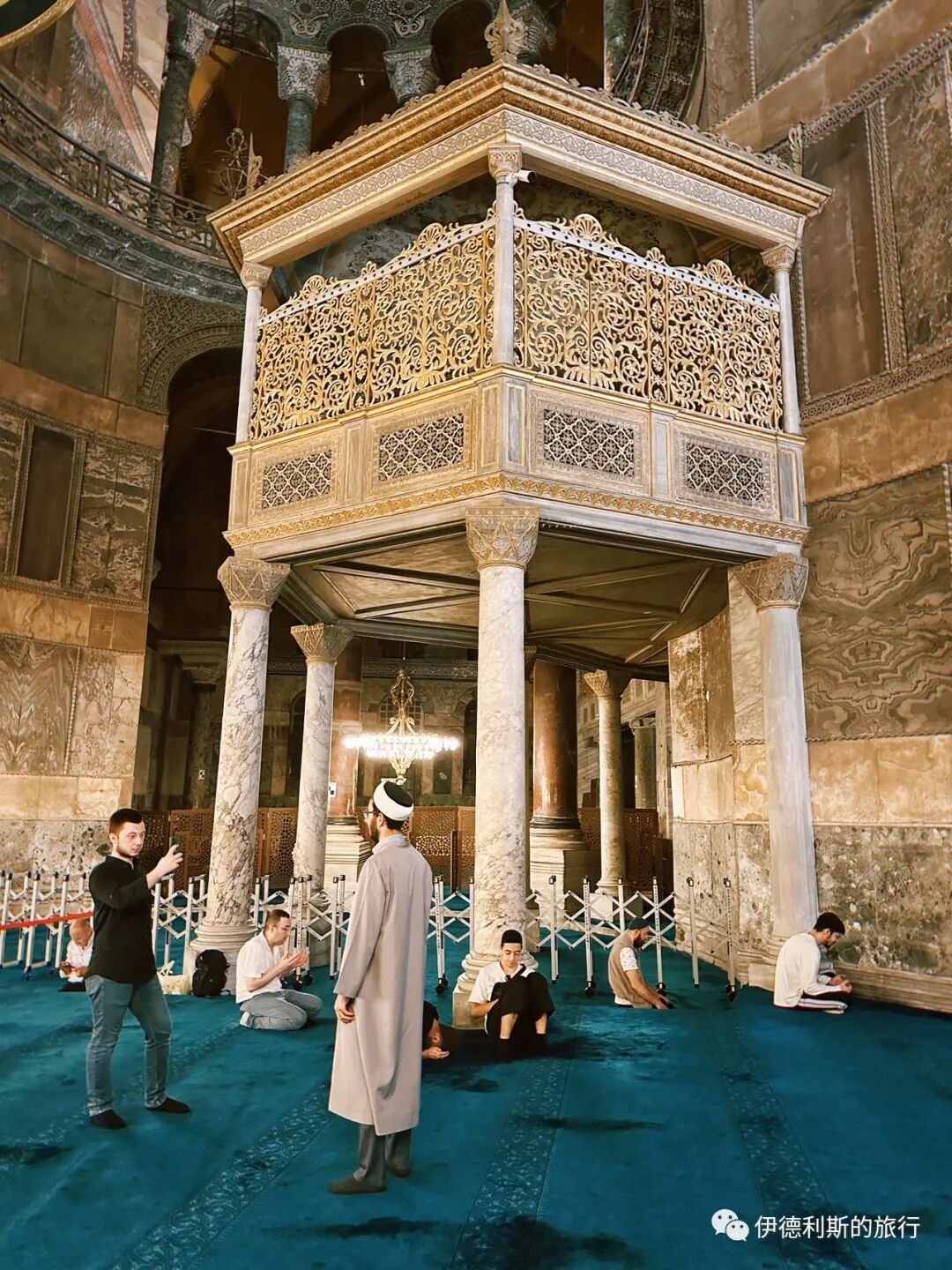
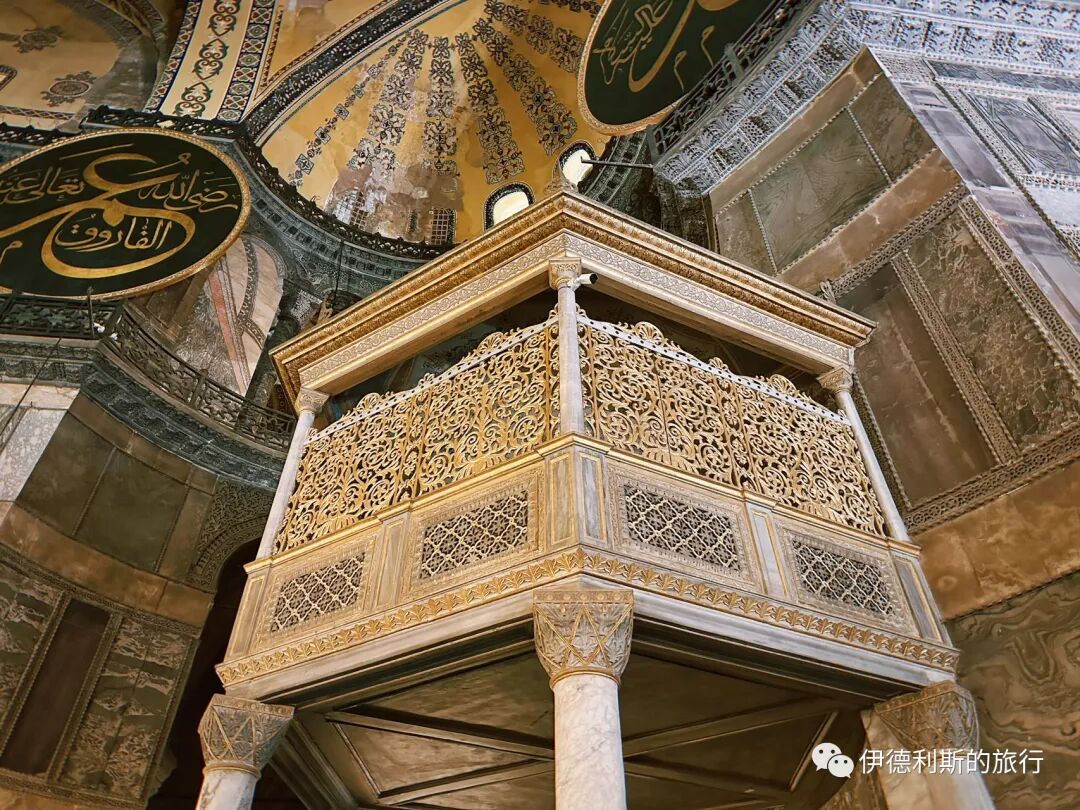
In 1850, the Fossati brothers built a private royal box (Hünkâr Mahfili) for the Sultan on the Byzantine columns, allowing him to enter for namaz without being noticed by the public.
Eating a late-night snack in Kadıköy.
After visiting the Hagia Sophia, we took the subway back to Kadıköy on the Asian side. It was already 11 p.m. when we left our place for a late-night snack, but the streets were still very lively.
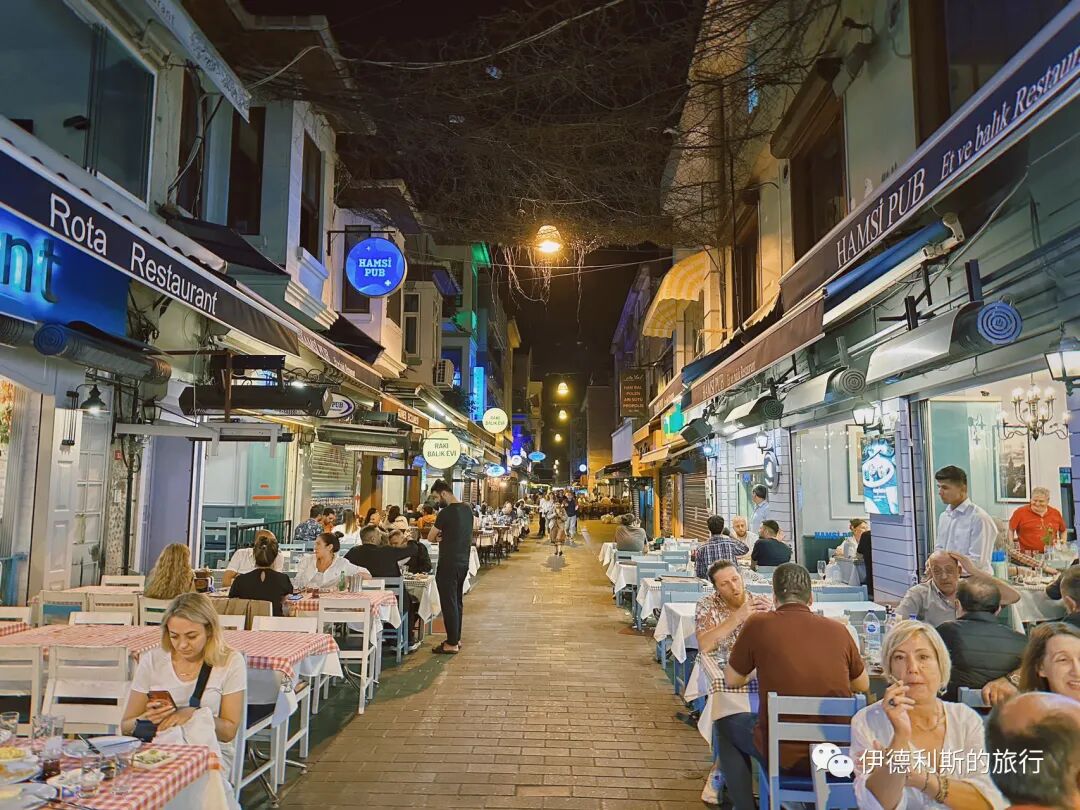
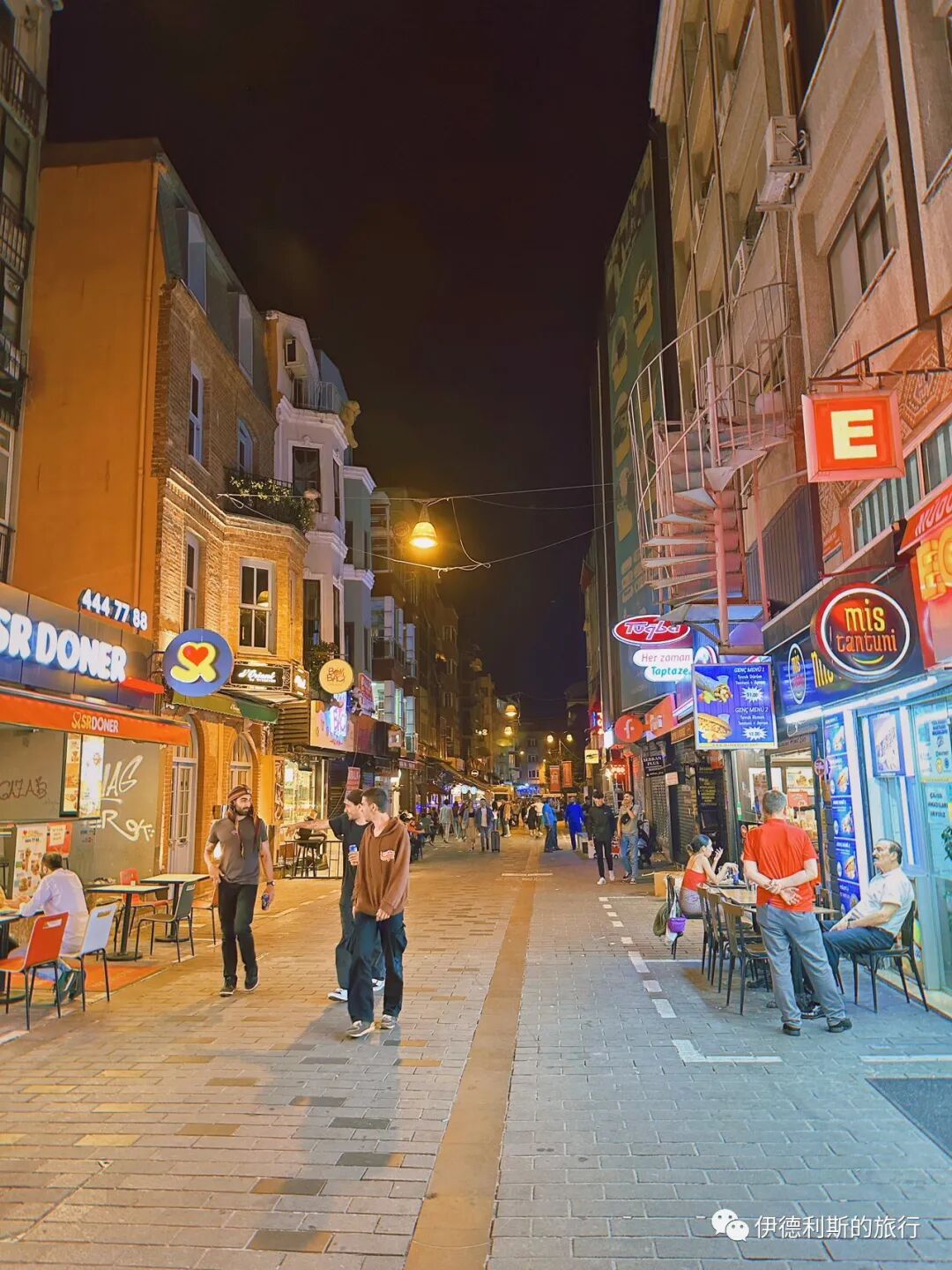
We first ate some Turkish flaky pastry (börek). This food is said to have been brought to the Anatolian Peninsula by Turkic peoples as they migrated westward from Central Asia. It later took its final form in the Ottoman court before spreading to the Balkans and North Africa under Ottoman rule. There are many types of börek. The most common is water pastry (su böreği), which is filled with white cheese (beyaz peynir) and parsley, though some versions also include minced meat.
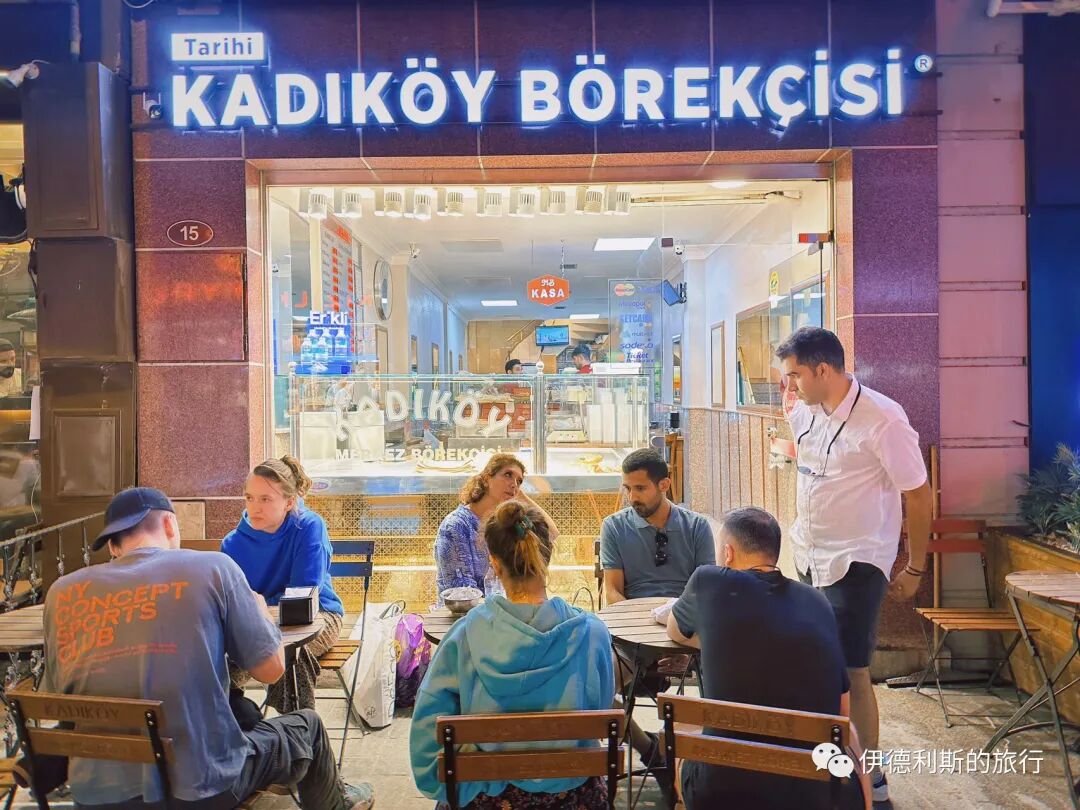
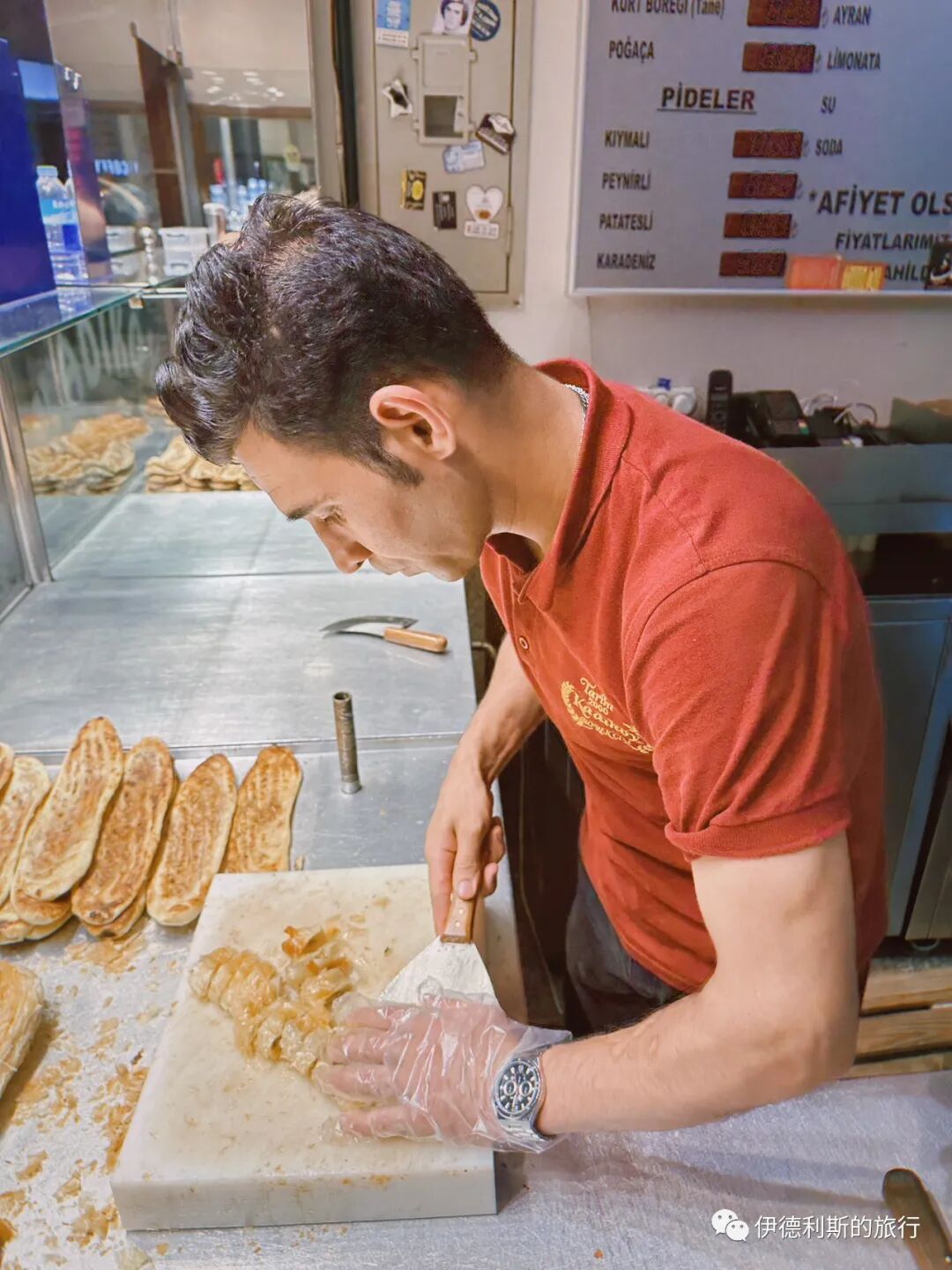
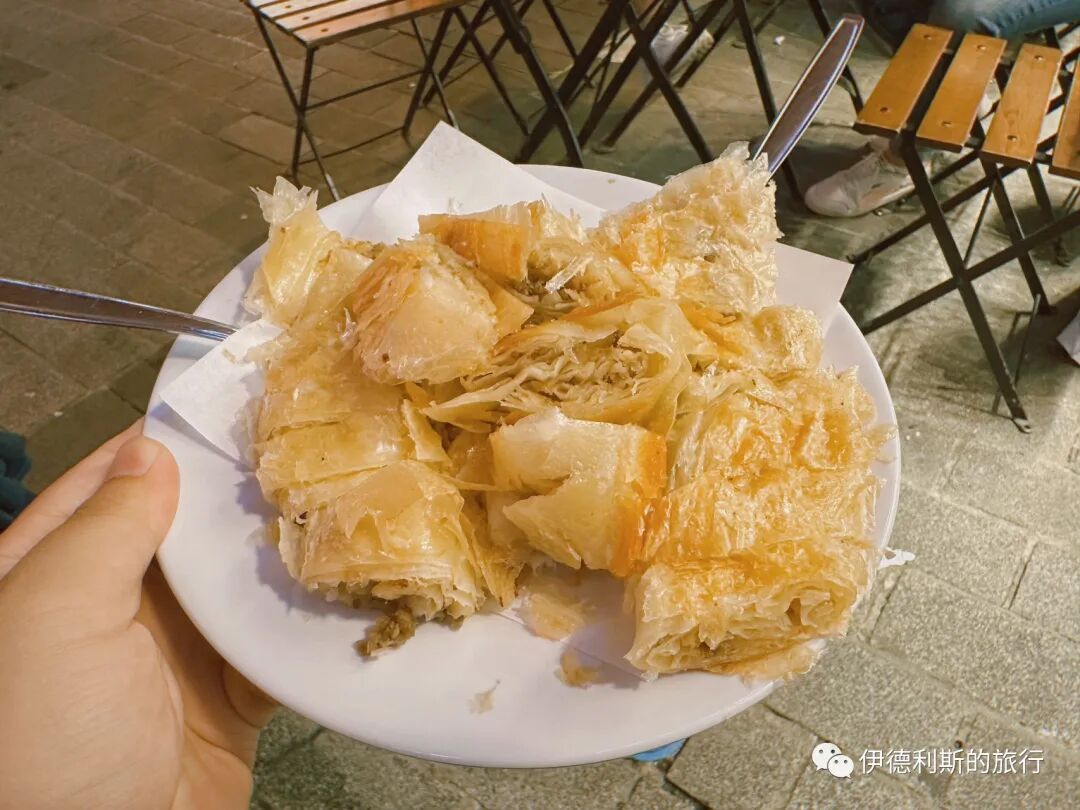
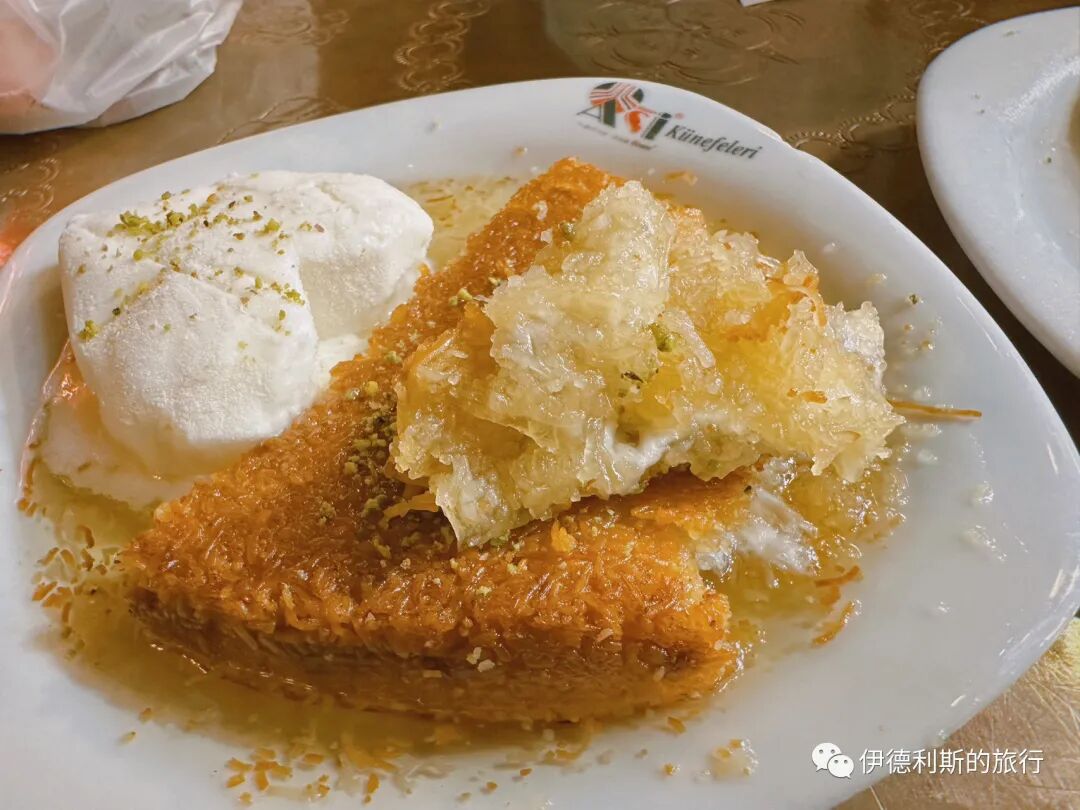
Then we had a cheese pastry dessert (künefe) served with ice cream. Legend has it that künefe was invented by a physician in the court of the Fatimid Caliphate in Egypt or the Umayyad Caliphate in Syria to satisfy the Caliph's hunger during Ramadan. For hundreds of years, künefe has been a classic dessert for breaking the fast in the Middle East and even appears in One Thousand and One Nights.
Künefe is made of buttery shredded dough, stretchy cheese, and crushed pistachios. When eating it, you pour a syrup called attar over the top. Although it has a history spanning over a thousand years, the current fried, stretchy version took shape during the mid-15th century Ottoman period and gradually spread throughout the Middle East under Ottoman rule.
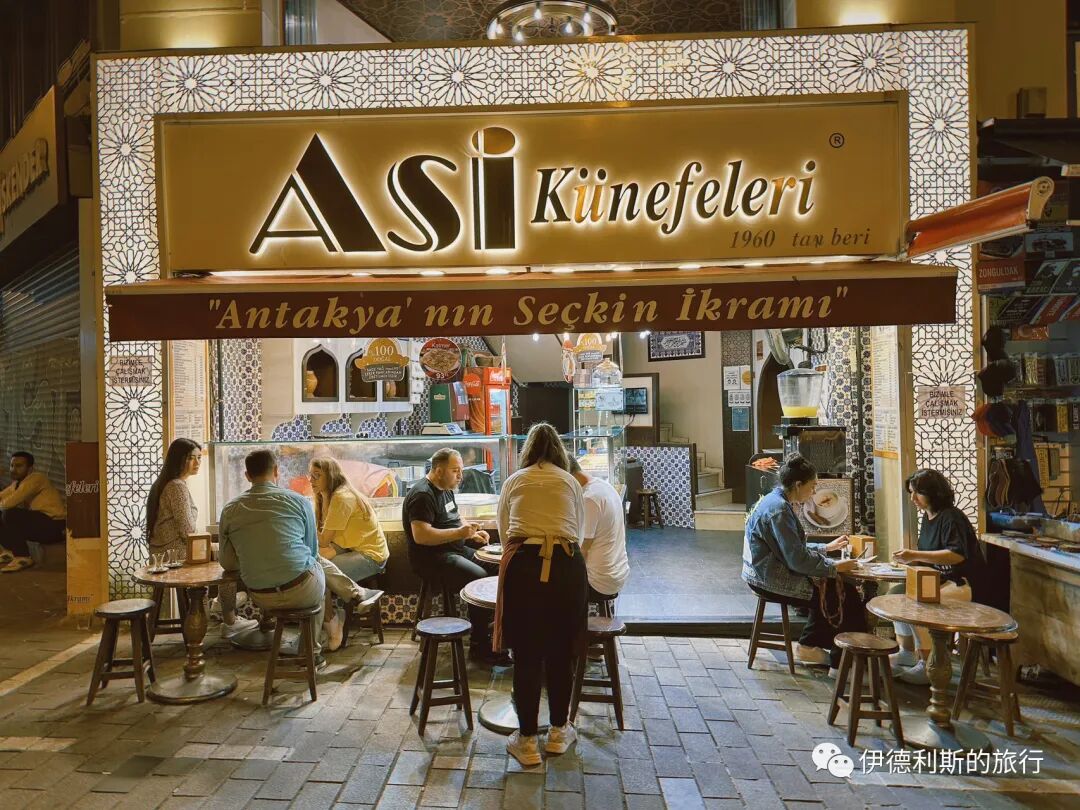
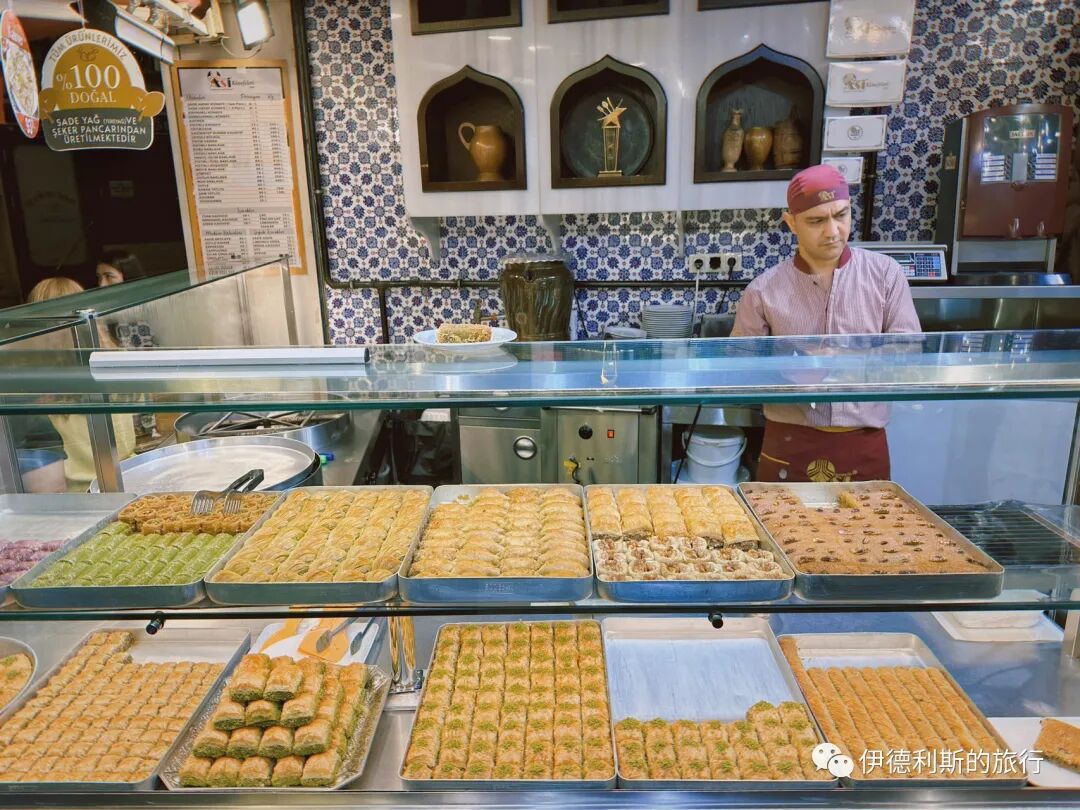
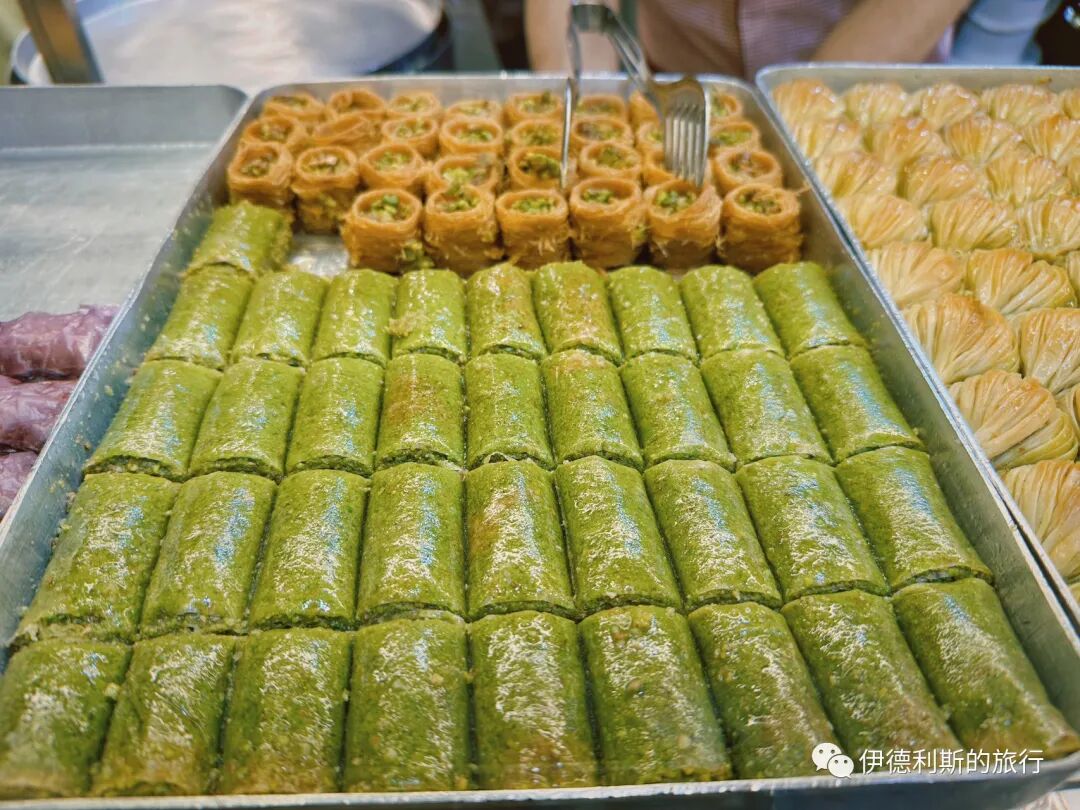
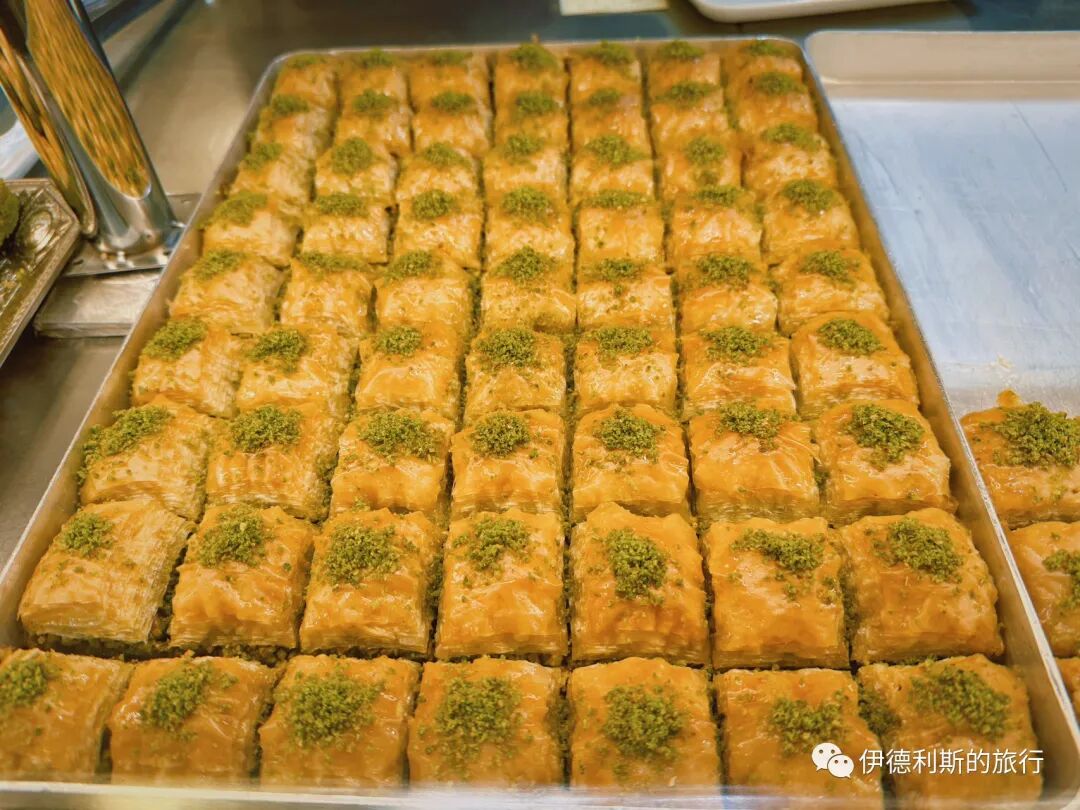
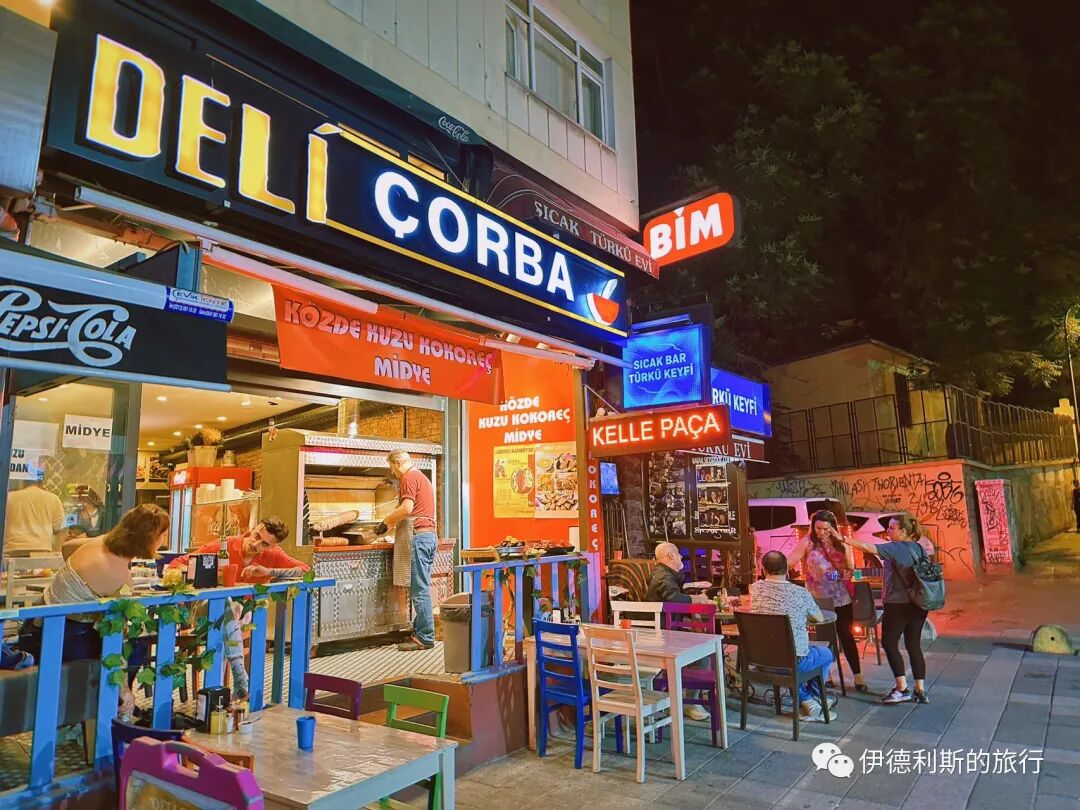
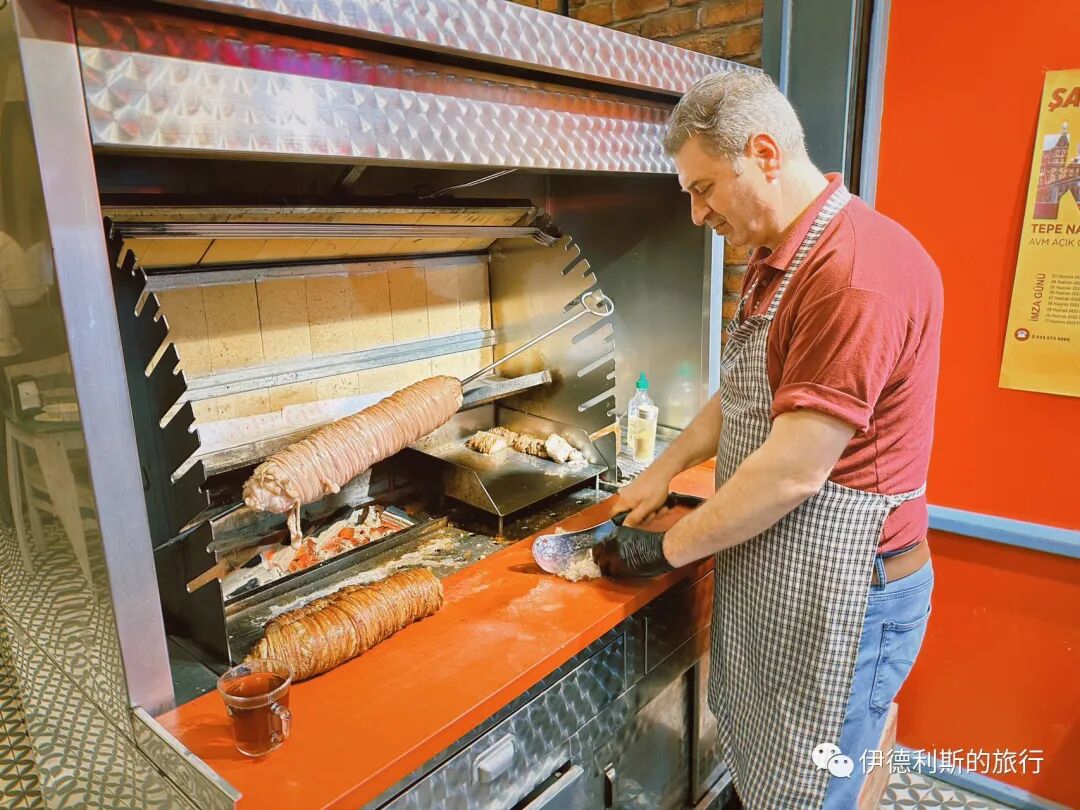
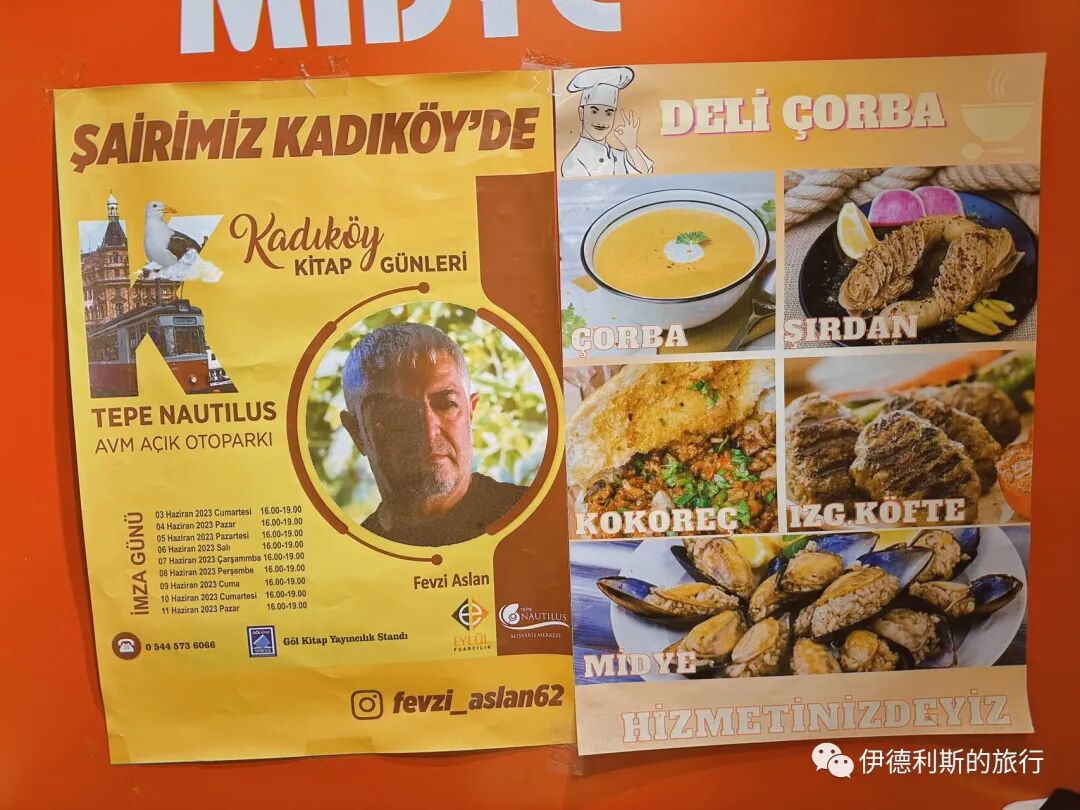
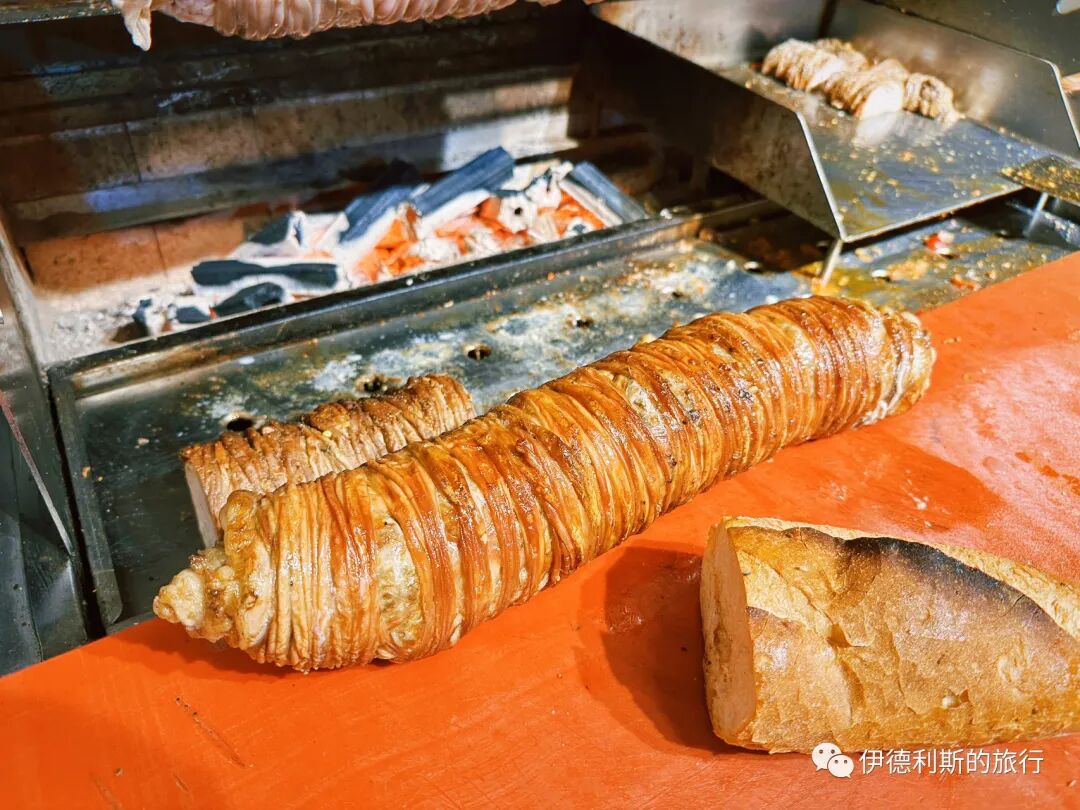
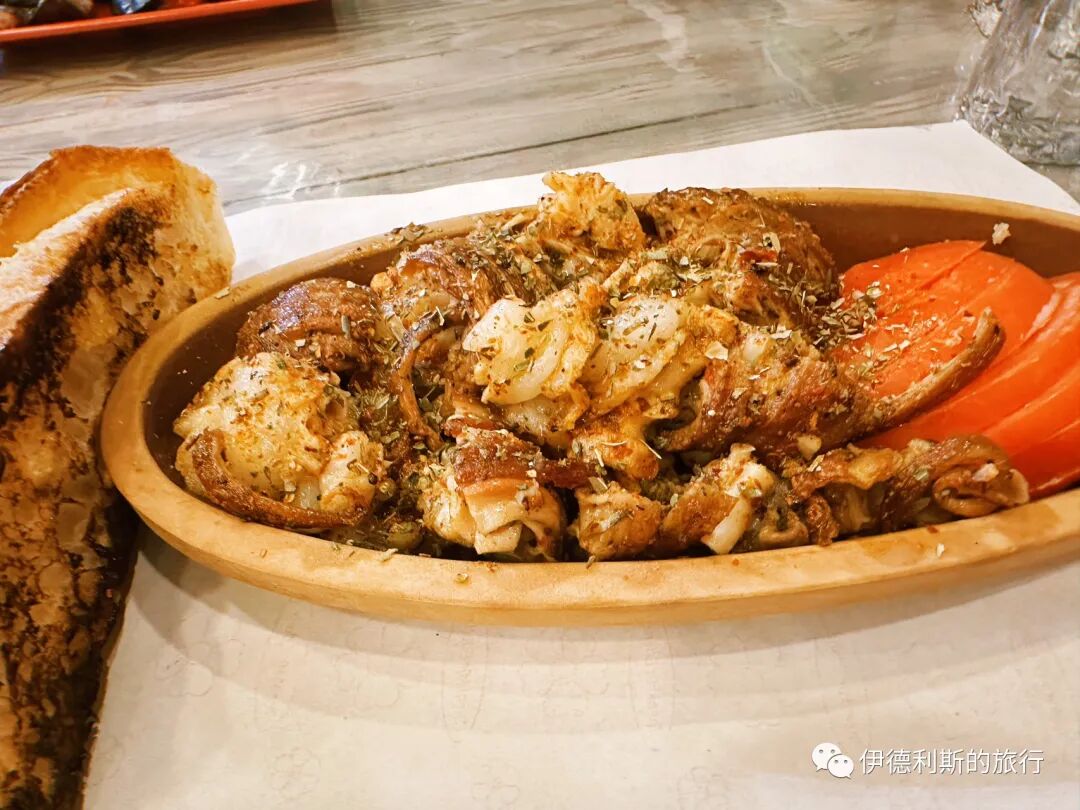
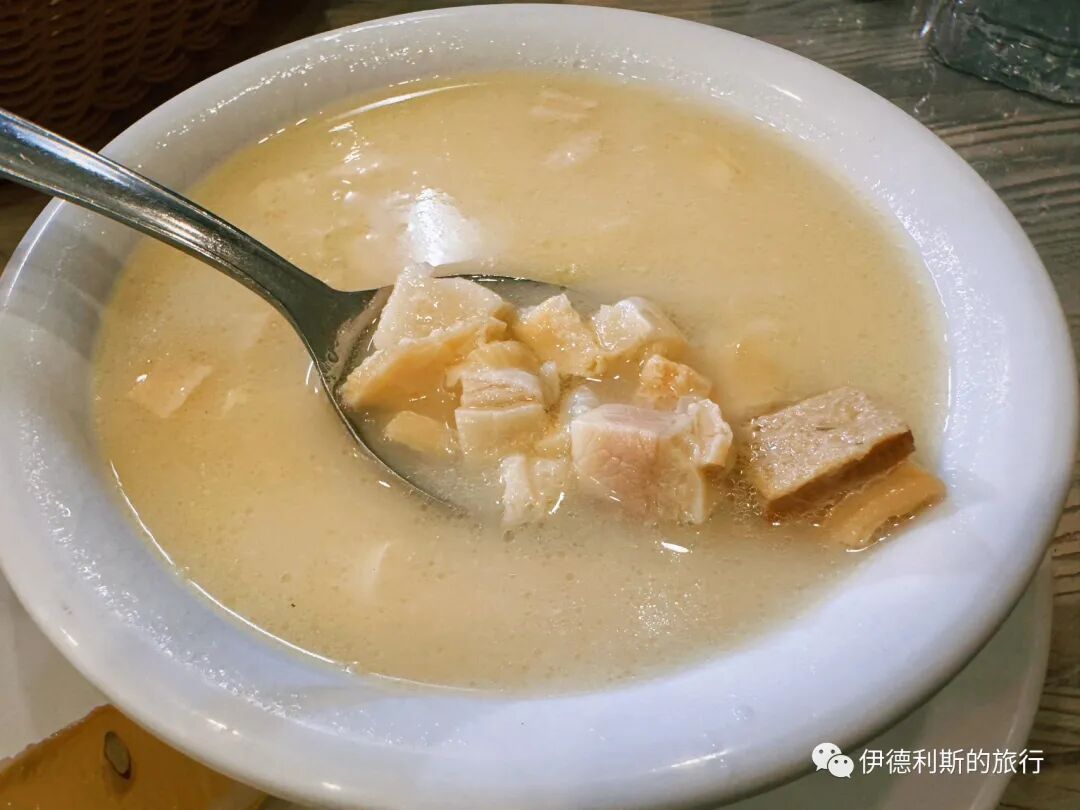
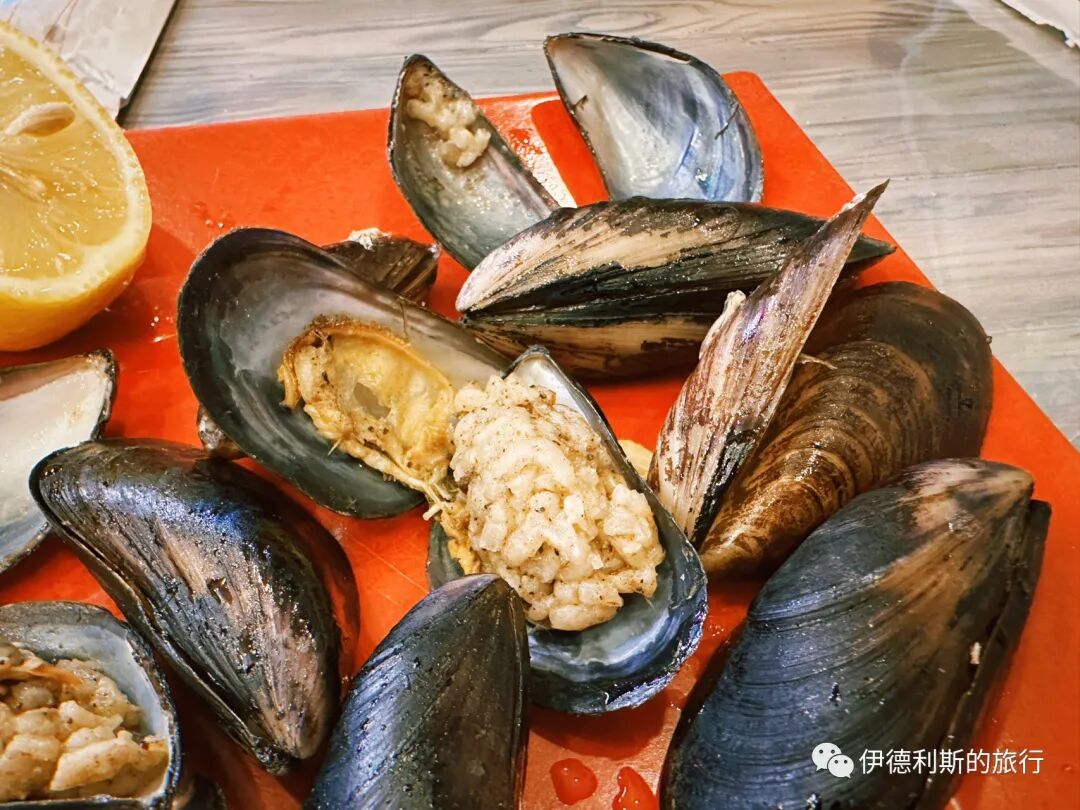
For a midnight snack in Istanbul, we had grilled lamb intestines (kokorech), tripe soup (işkembe çorbası), and stuffed mussels (midye).
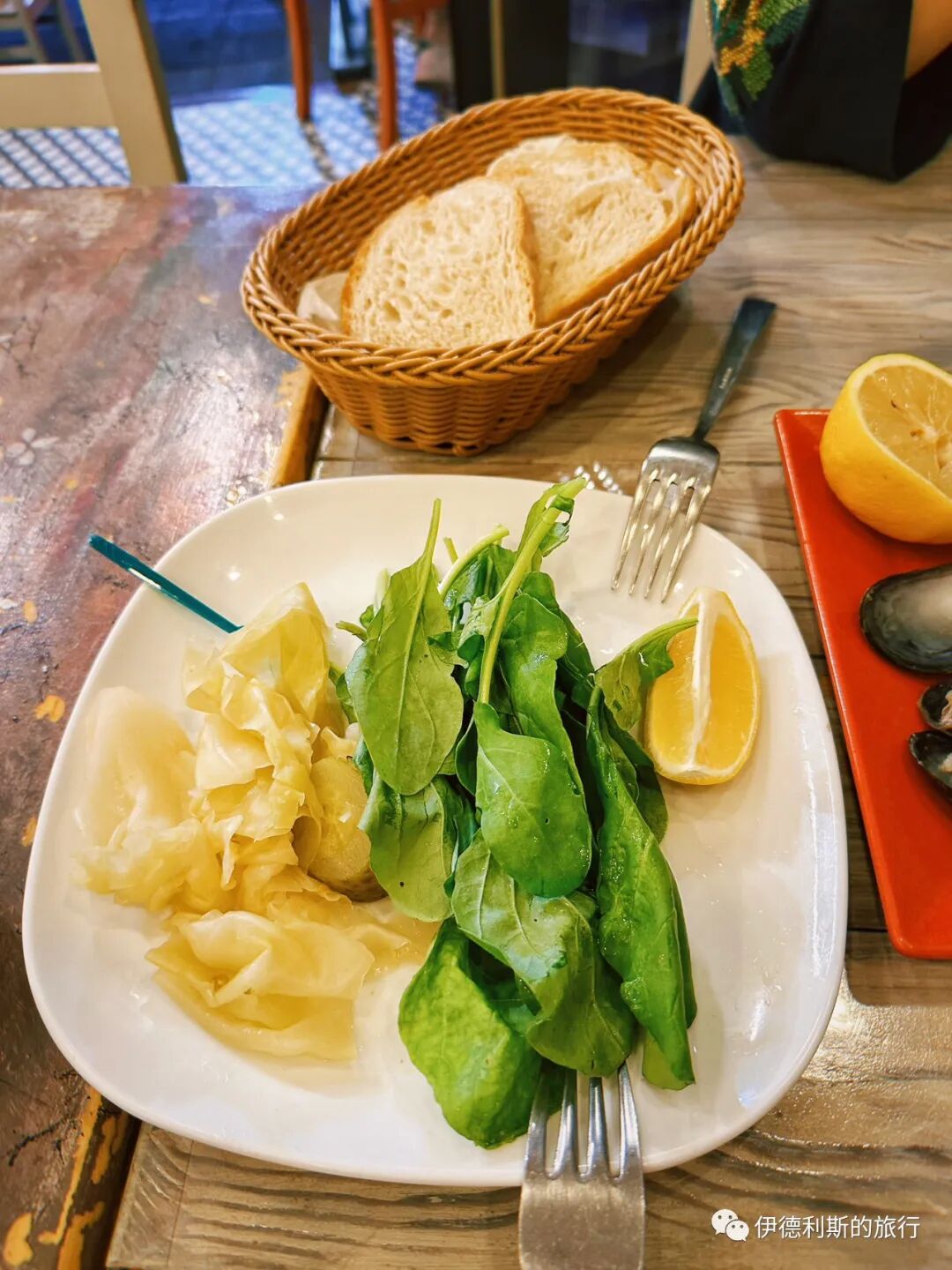
Grilled lamb intestines (kokoreç) is a dish from the Byzantine era. It is made by stuffing lamb intestines with thymus, heart, lungs, kidneys, and some lamb fat, then roasting it with lemon, olive oil, oregano, salt, and pepper. After roasting, it is chopped up and sprinkled with oregano. You can eat it as is or inside a baguette, served with pickles and lemon.
The term for tripe soup (işkembe çorbası) comes from Persian and is popular in Turkey and the Balkans. Evliya Çelebi recorded in his travelogues that there were 300 tripe soup shops in Istanbul during the 18th century. Turkish people add vinegar-garlic sauce or egg-lemon sauce (avgolemono) when drinking tripe soup.
Stuffed mussels (midye) are a classic street food in Turkish coastal cities. Rice, oil, salt, and various spices are put inside the mussels, then they are cooked and cooled. You squeeze lemon on them before eating. This dish was first invented by Armenians during the Ottoman Empire and became popular in Istanbul in the 19th century. After the 1960s, people from Mardin who migrated to Istanbul began making stuffed mussels (midye). To this day, most of the carts selling stuffed mussels (midye) on the streets of Istanbul are run by people from Mardin, and they make them spicier than the Armenians did.
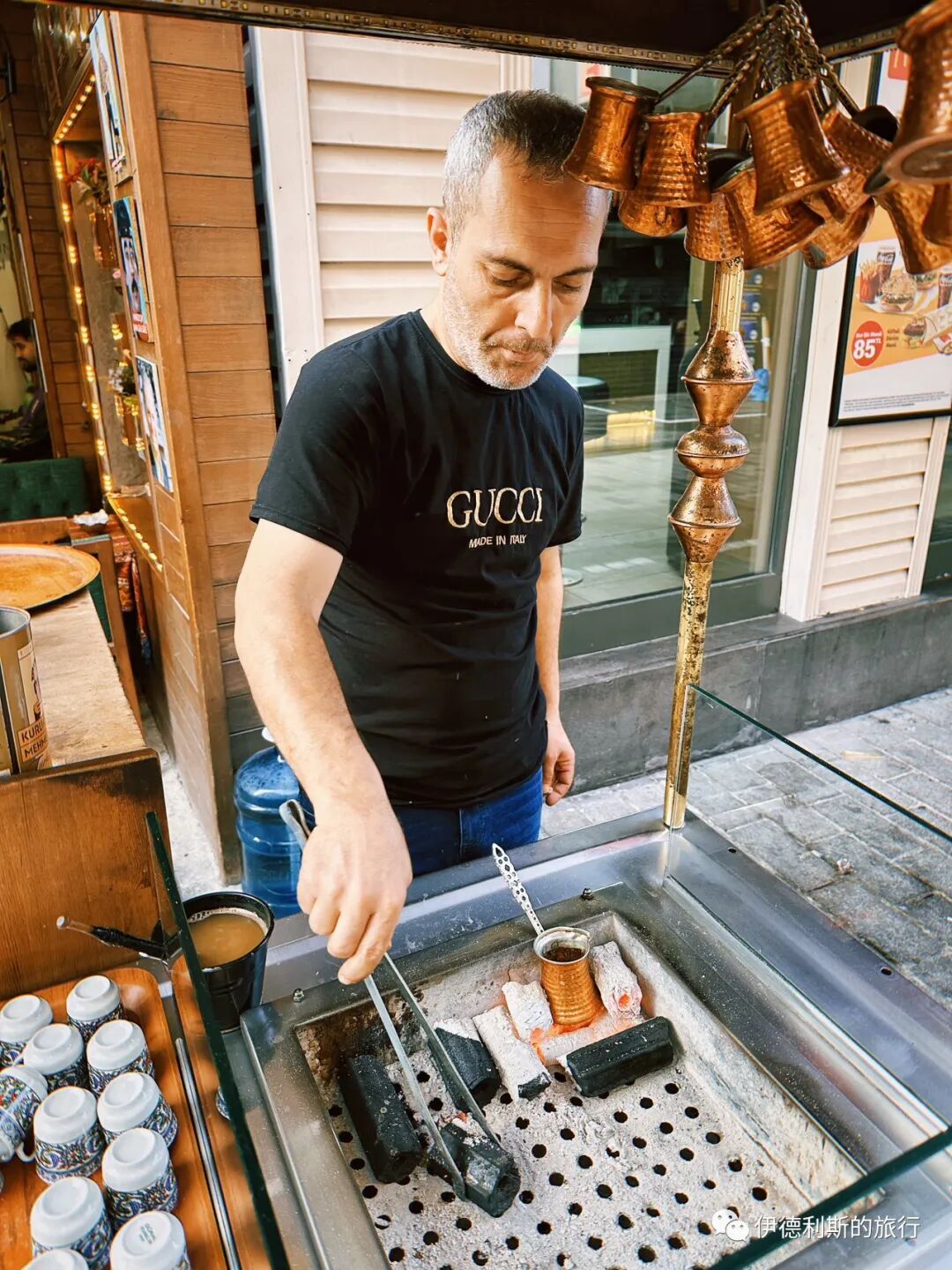
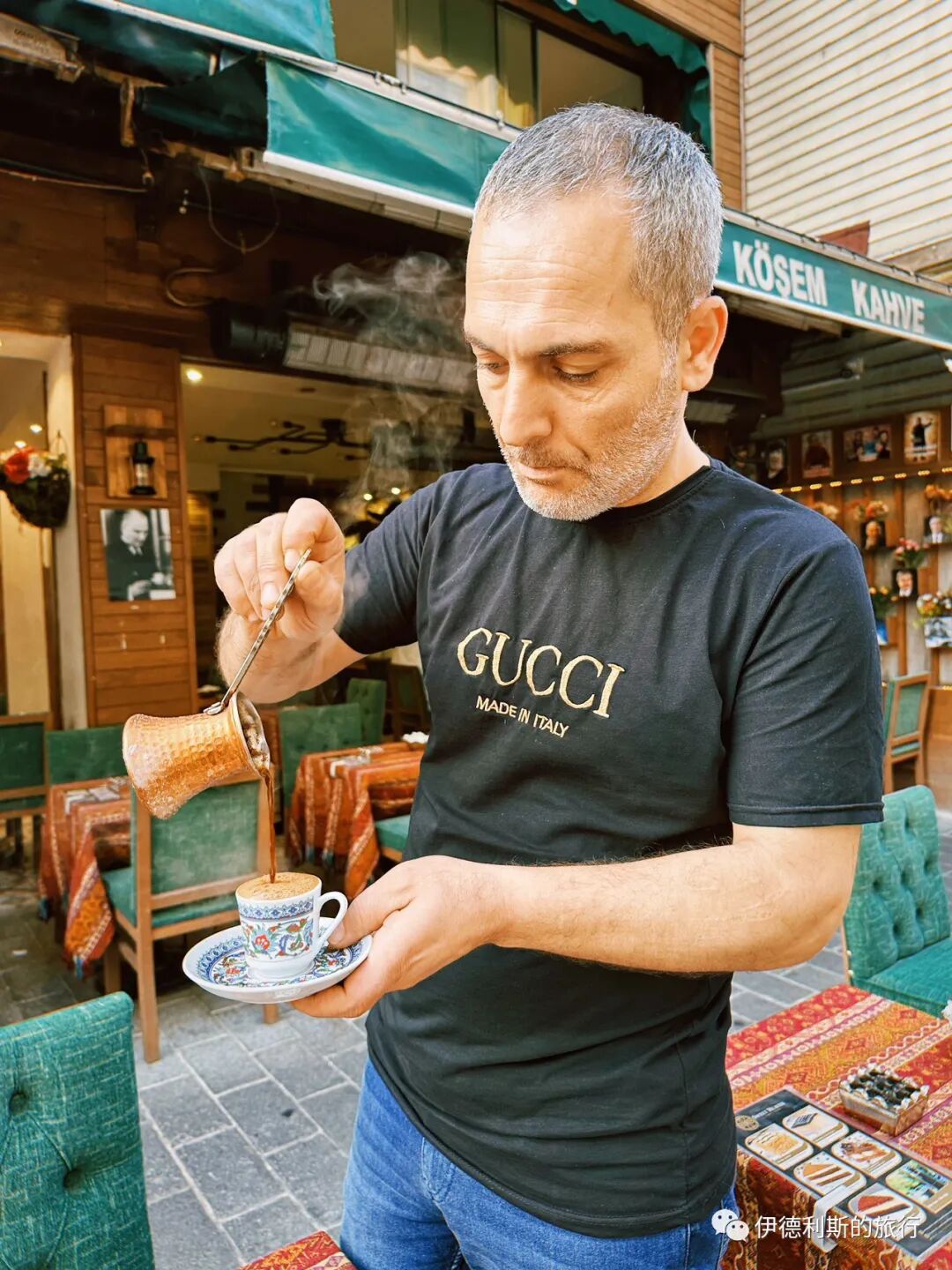
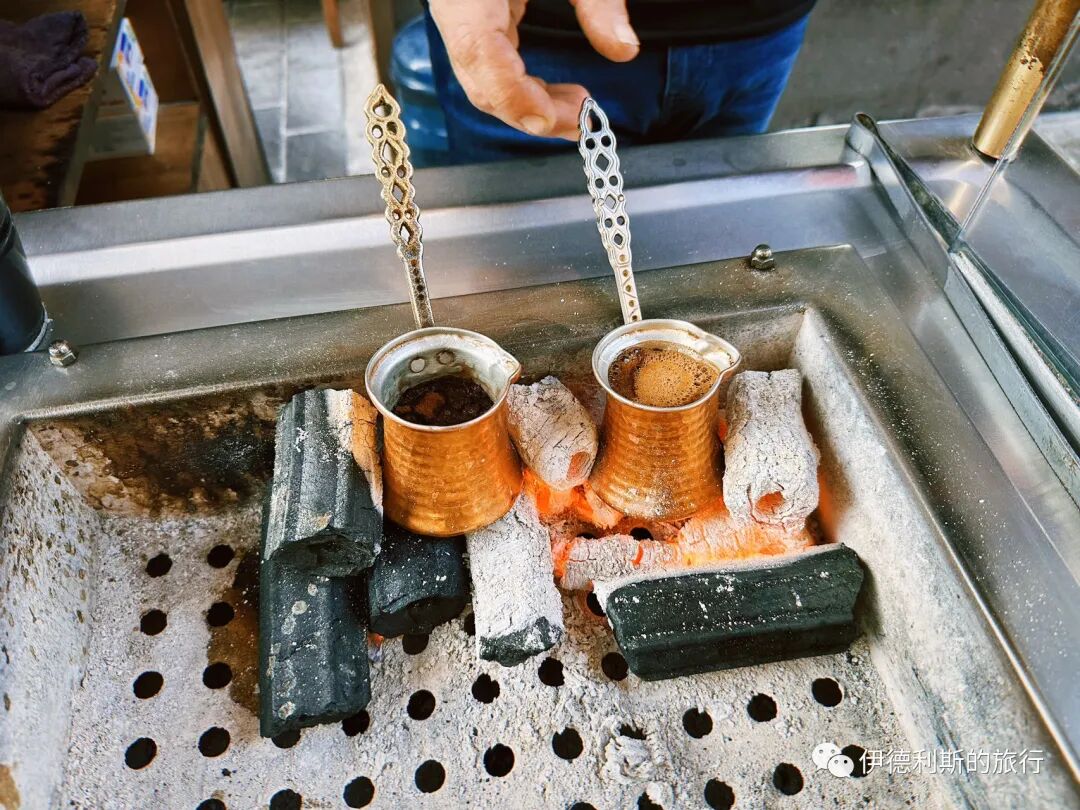
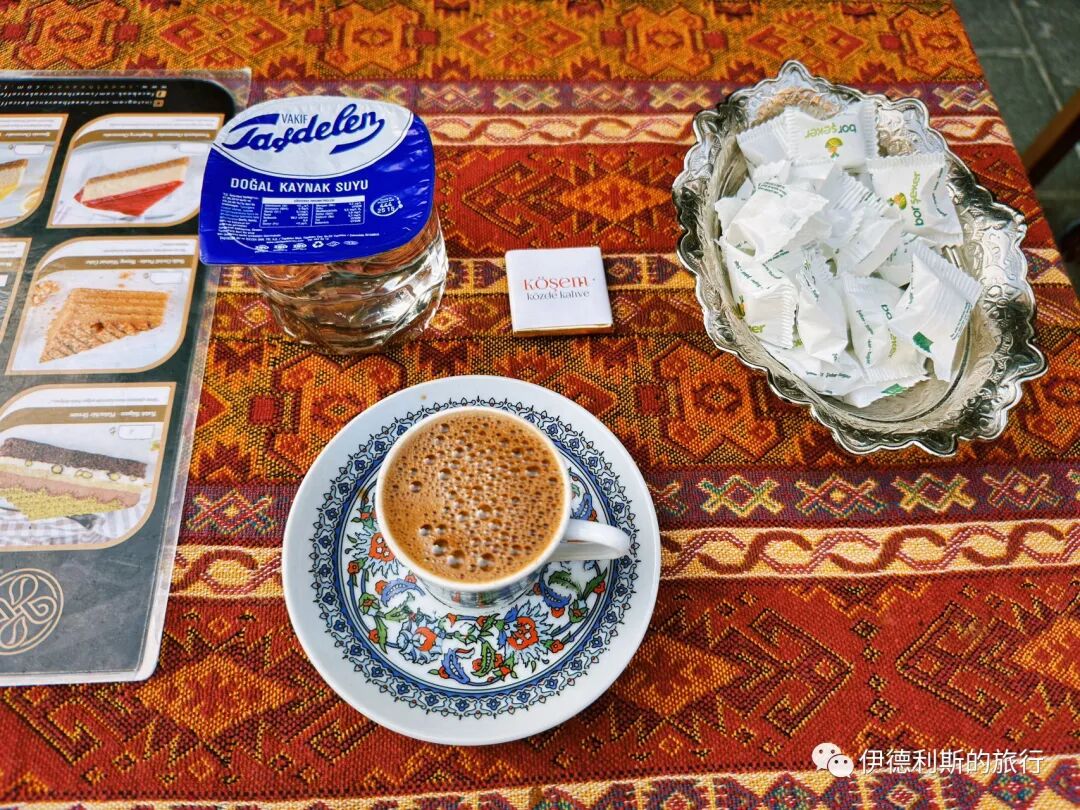
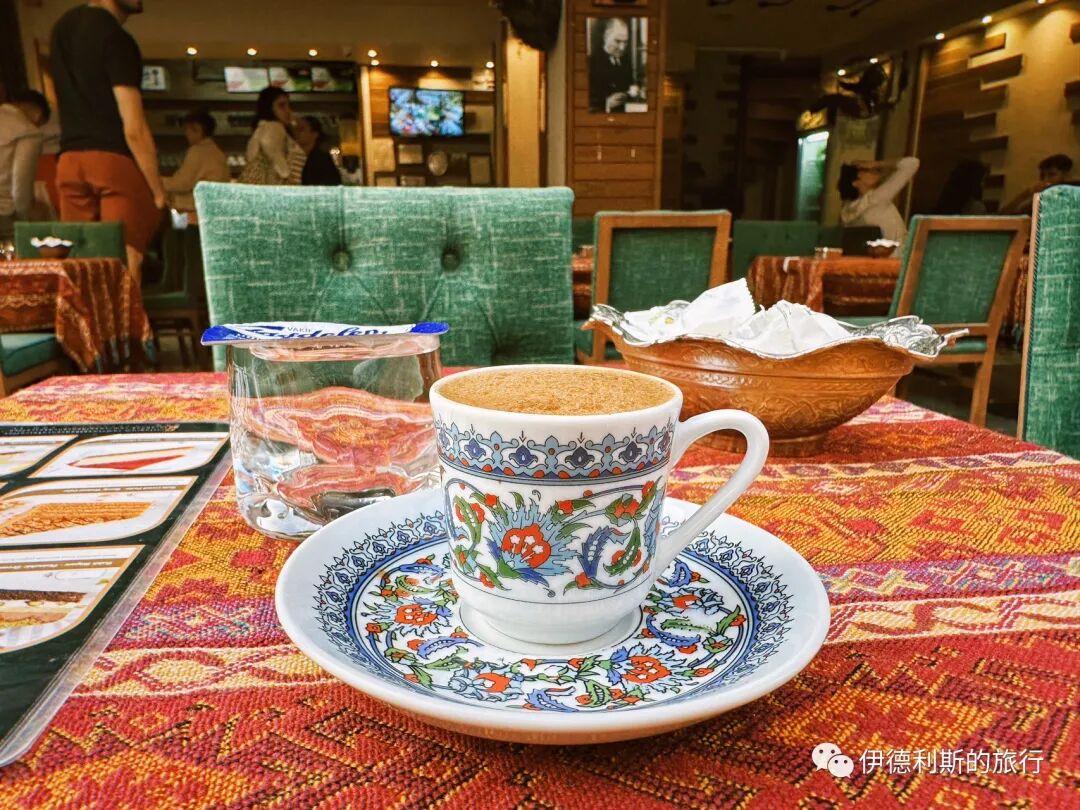
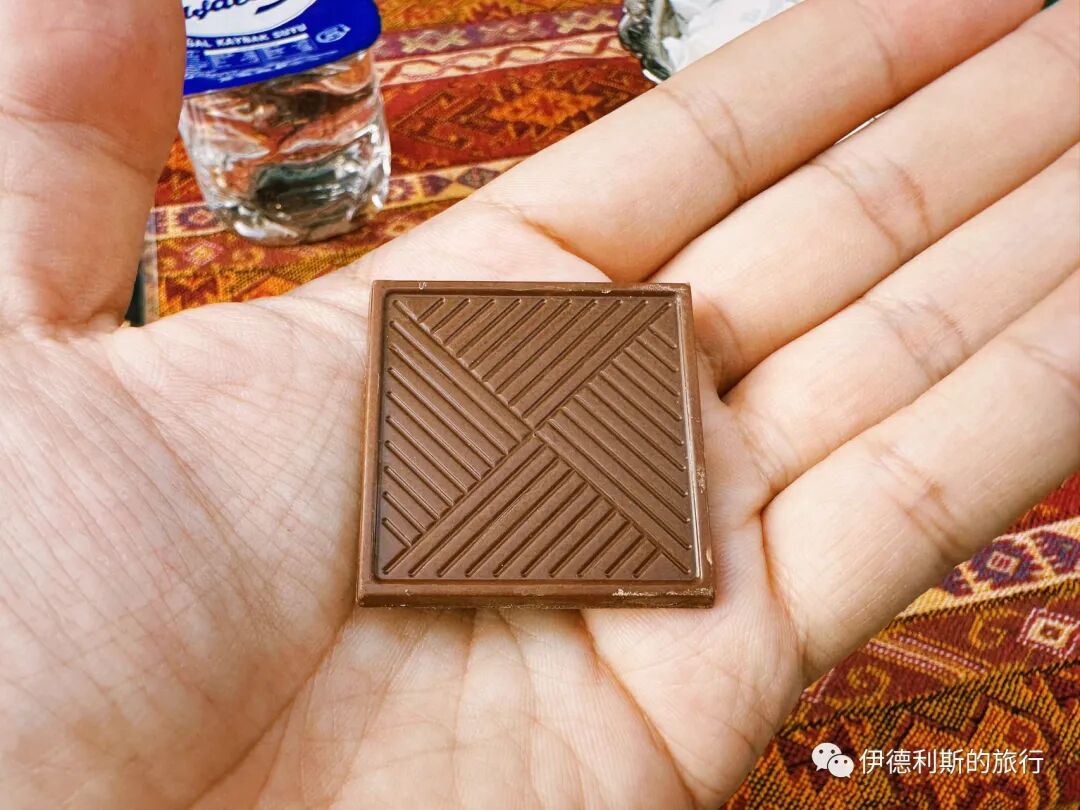
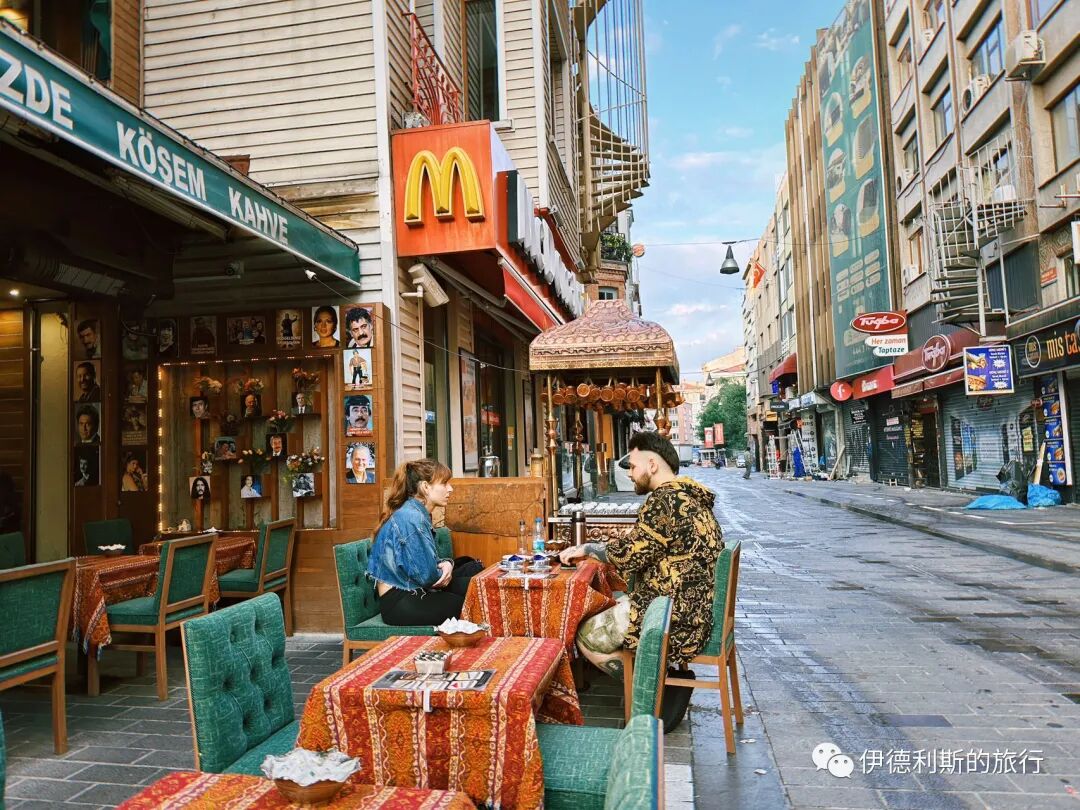
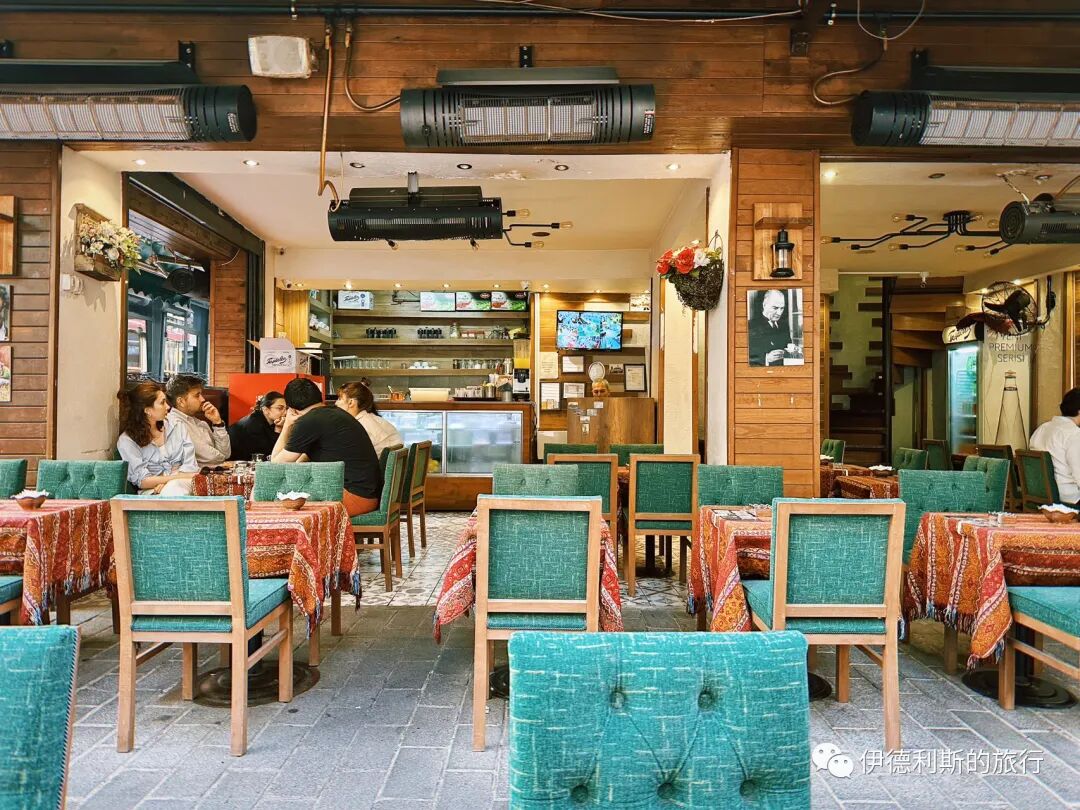
Istanbul residents really love coffee. When we returned to the cafe downstairs from our place at midnight, many people were drinking coffee, and when we left at six in the morning, people were still drinking it. However, charcoal-roasted Turkish coffee is truly delicious, and it is very refreshing when served with a glass of water and a piece of chocolate.
Further reading:
Early Ottoman architecture in Istanbul
Istanbul food tour
Museum of Turkish and Islamic Arts in Istanbul
Visiting the museum at Istanbul Airport
Museum of Turkish and Islamic Arts
The Great Ottoman Architect Mimar Sinan (Part 1): Early Years
The Great Ottoman Architect Mimar Sinan (Part 2): Maturity
The Great Ottoman Architect Mimar Sinan (Part 3): Peak Years
Summary: Istanbul is shaped by Ottoman mosques, layered Muslim history, and everyday street life across both sides of the city. This second part continues the return visit with historic sites, food, and travel observations in the original sequence.
Eat grilled fish.
We kept walking near the Hagia Sophia. This is the main tourist area of Istanbul, so restaurant prices are about the same as Turkish restaurants in Beijing. We grabbed a quick snack to hold us over and planned to head back to the food street in Kadıköy for a late-night meal.
Whirling dervish performance.
In the evening, we listened to a traditional Turkish Mevlevi Sufi music ensemble and watched a Sema whirling ceremony at the Kızlarağa Madrasa, which was built in 1582. They hold a Sufi music performance here every night at 7 p.m. (except Tuesdays), and you can buy tickets on-site or online.
The musicians sang poems by the great poet Rumi, the founder of the Mevlevi Sufi order, accompanied by the reed flute (Ney), the lute (Oud), and the zither (Qanun). I saw a drummer in photos of previous performances, but maybe the drummer was busy and not there this time.
The Mevlevi order has always had a close connection to the arts, and many famous Turkish classical poets and musicians belonged to this order. Among them, Hammamizade İsmail Dede Efendi (1778-1846) composed hundreds of pieces of Sufi music and is known as one of Turkey's greatest classical composers.
Kızlarağa was the title for the chief of the Ottoman harem eunuchs, a position mostly held by Black men. This position was established in 1574. It held great power in the 17th and 18th centuries, ranking just below the Grand Vizier and the chief religious authority, the Sheikh ul-Islam, in the Ottoman court. It played a decisive role several times in removing Grand Viziers and in the enthronement of Sultans.
Hagia Sophia.
After watching the whirling dance, we went to the Hagia Sophia. When I came in 2018, it was still a museum. Although it has now been restored as a mosque, it is still packed with tourists during the day, and the lines are very long. We went at nine in the evening, so there was no line, and it was great to see the night view.
Standing in the square in front of the Hagia Sophia, the first thing you see is the Byzantine basilica built in 537. It was the largest church in the world at the time and the first building to fully use a pendentive dome structure. The central dome at the heart of the basilica opened a new chapter in world architectural history and became the signature structure for Ottoman mosques a thousand years later.
During the reign of Mehmed the Conqueror, a wooden minaret (bangke ta) was first erected on the southwest semi-dome of the Hagia Sophia. After Sultan Bayezid II (reigned 1481-1512) took the throne, he built another red brick minaret at the southeast corner. Around the mid-16th century, Sultan Suleiman the Magnificent (reigned 1520-1566) rebuilt these two minarets using white limestone and sandstone.
During the reign of Sultan Selim II (reigned 1566-1574), the structure of the Hagia Sophia became unstable. The great Ottoman royal architect Mimar Sinan added 24 buttresses to support the cathedral. He also built two new 60-meter-tall minarets, giving the cathedral its four-minaret design.
On the pendentives around the central dome of the Hagia Sophia, there is a six-winged angel (hexapterygon) on each. The two on the east side are mosaic murals created when the cathedral was rebuilt after an earthquake in 1346, while the two on the west side were repainted later. During the Ottoman period, the faces of these four six-winged angels were covered with star-shaped metal plates. Between 1847 and 1849, the Swiss Fossati brothers were invited by the Sultan to renovate the Hagia Sophia, and they restored the two angels on the east side. In 2009, the metal cover on one of the angels was removed, revealing its original face. After the cathedral was converted back into a mosque in 2020, the angel faces were still preserved.
The floor of the Hagia Sophia's main hall is covered in carpets, except for one exposed section: the marble-inlaid coronation stone (omphalion), where Byzantine emperors were crowned. The coronation stone was laid when the cathedral was built in 537, though some of the small circles inside may have been added in the 9th century.
The main hall of the Hagia Sophia during the Ottoman period:
The prayer niche (mihrab) and the pulpit (minbar) were both renovated between 1847 and 1848 by the Swiss Fossati brothers, who were hired by Sultan Abdulmejid I. However, the giant candlesticks on both sides of the mihrab were brought back by Suleiman the Magnificent in the 16th century after he conquered Hungary. Next to the candlesticks are a pair of exquisite scripture boxes.
Directly above the mihrab is a Byzantine-era mosaic of the Virgin Mary holding Jesus. After the building returned to being a mosque in 2020, a white cloth was placed over the mosaic.
In 1847-48, Sultan Abdülmecid I added eight massive gilded Arabic calligraphy medallions to the cornice of the main hall. They were written by the calligrapher Mustafa İzzed Efendi and include the names of Allah, the Prophet Muhammad, the first four caliphs Abu Bakr, Umar, Uthman, and Ali, as well as the Prophet's two grandsons, Hasan and Husayn.
In 1739, Sultan Mahmud I renovated the Hagia Sophia and added a magnificent library behind the coronation stone in the main hall.
The ablution fountain at the entrance was built in 1740.
In 1850, the Fossati brothers built a private royal box (Hünkâr Mahfili) for the Sultan on the Byzantine columns, allowing him to enter for namaz without being noticed by the public.
Eating a late-night snack in Kadıköy.
After visiting the Hagia Sophia, we took the subway back to Kadıköy on the Asian side. It was already 11 p.m. when we left our place for a late-night snack, but the streets were still very lively.
We first ate some Turkish flaky pastry (börek). This food is said to have been brought to the Anatolian Peninsula by Turkic peoples as they migrated westward from Central Asia. It later took its final form in the Ottoman court before spreading to the Balkans and North Africa under Ottoman rule. There are many types of börek. The most common is water pastry (su böreği), which is filled with white cheese (beyaz peynir) and parsley, though some versions also include minced meat.
Then we had a cheese pastry dessert (künefe) served with ice cream. Legend has it that künefe was invented by a physician in the court of the Fatimid Caliphate in Egypt or the Umayyad Caliphate in Syria to satisfy the Caliph's hunger during Ramadan. For hundreds of years, künefe has been a classic dessert for breaking the fast in the Middle East and even appears in One Thousand and One Nights.
Künefe is made of buttery shredded dough, stretchy cheese, and crushed pistachios. When eating it, you pour a syrup called attar over the top. Although it has a history spanning over a thousand years, the current fried, stretchy version took shape during the mid-15th century Ottoman period and gradually spread throughout the Middle East under Ottoman rule.
For a midnight snack in Istanbul, we had grilled lamb intestines (kokorech), tripe soup (işkembe çorbası), and stuffed mussels (midye).
Grilled lamb intestines (kokoreç) is a dish from the Byzantine era. It is made by stuffing lamb intestines with thymus, heart, lungs, kidneys, and some lamb fat, then roasting it with lemon, olive oil, oregano, salt, and pepper. After roasting, it is chopped up and sprinkled with oregano. You can eat it as is or inside a baguette, served with pickles and lemon.
The term for tripe soup (işkembe çorbası) comes from Persian and is popular in Turkey and the Balkans. Evliya Çelebi recorded in his travelogues that there were 300 tripe soup shops in Istanbul during the 18th century. Turkish people add vinegar-garlic sauce or egg-lemon sauce (avgolemono) when drinking tripe soup.
Stuffed mussels (midye) are a classic street food in Turkish coastal cities. Rice, oil, salt, and various spices are put inside the mussels, then they are cooked and cooled. You squeeze lemon on them before eating. This dish was first invented by Armenians during the Ottoman Empire and became popular in Istanbul in the 19th century. After the 1960s, people from Mardin who migrated to Istanbul began making stuffed mussels (midye). To this day, most of the carts selling stuffed mussels (midye) on the streets of Istanbul are run by people from Mardin, and they make them spicier than the Armenians did.
Istanbul residents really love coffee. When we returned to the cafe downstairs from our place at midnight, many people were drinking coffee, and when we left at six in the morning, people were still drinking it. However, charcoal-roasted Turkish coffee is truly delicious, and it is very refreshing when served with a glass of water and a piece of chocolate.
Further reading:
Early Ottoman architecture in Istanbul
Istanbul food tour
Museum of Turkish and Islamic Arts in Istanbul
Visiting the museum at Istanbul Airport
Museum of Turkish and Islamic Arts
The Great Ottoman Architect Mimar Sinan (Part 1): Early Years
The Great Ottoman Architect Mimar Sinan (Part 2): Maturity
The Great Ottoman Architect Mimar Sinan (Part 3): Peak Years
