
Halal Travel Guide: Sarajevo - Ottoman Europe, Mosques and Bosniak History (Part 2)
Reposted from the web
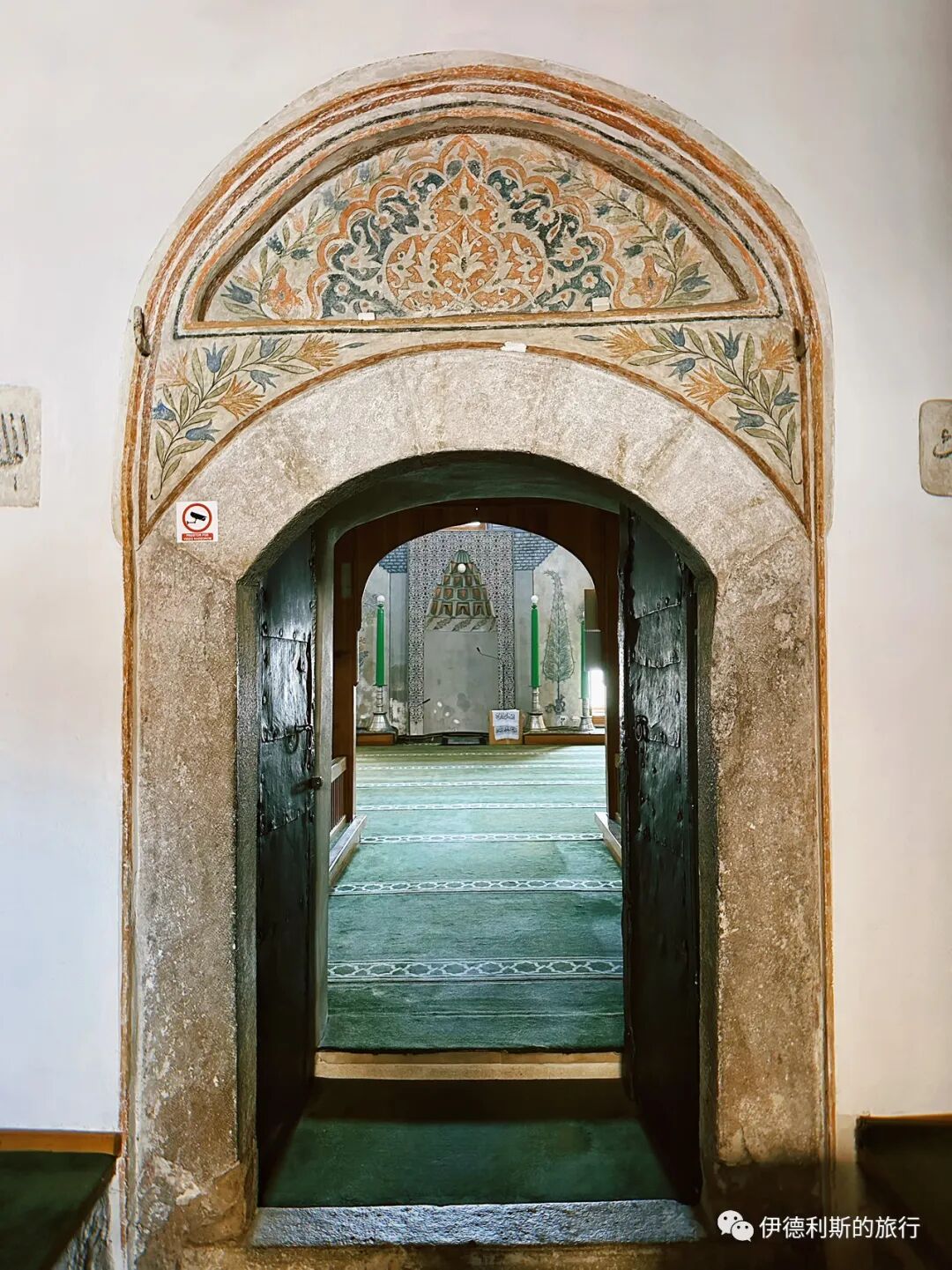
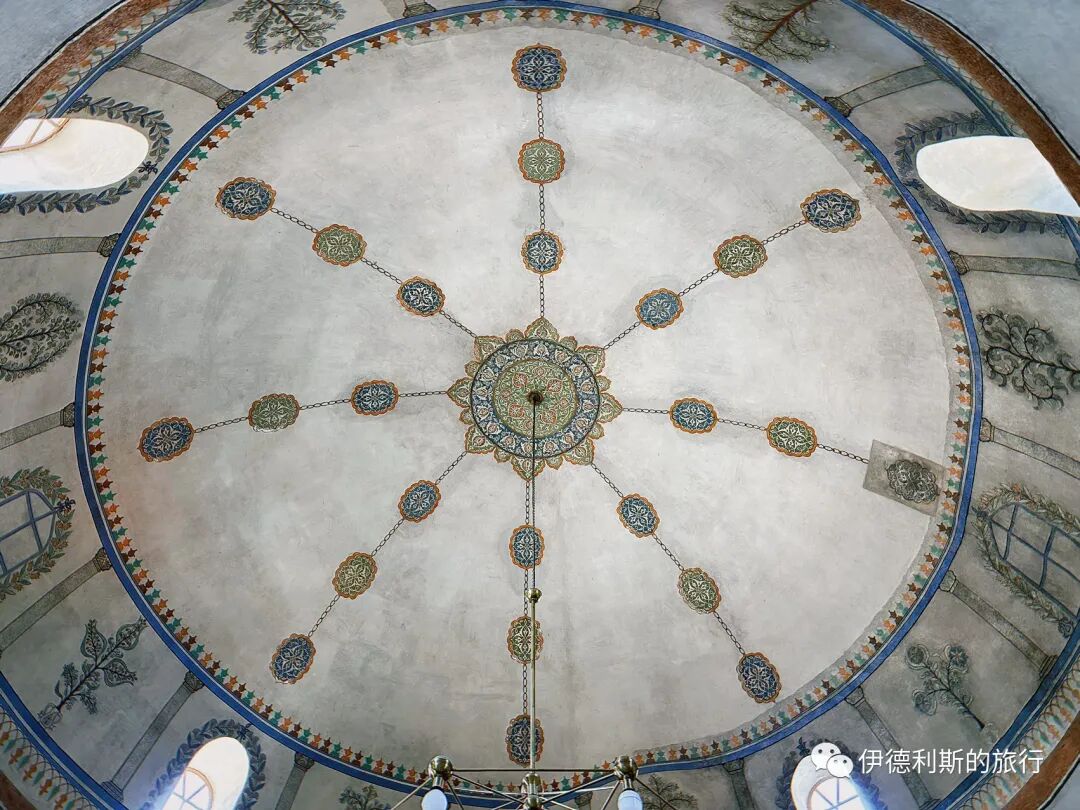
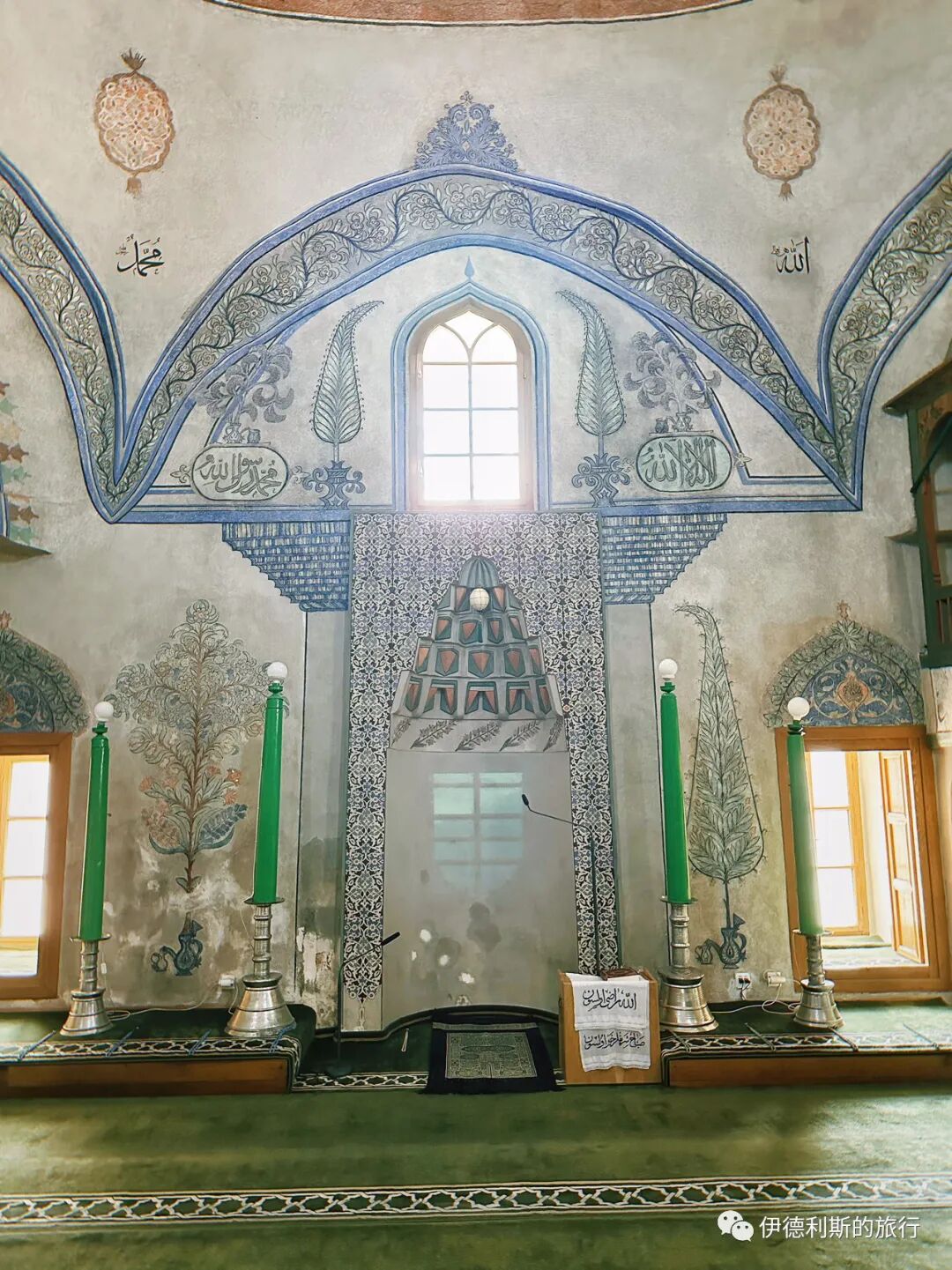
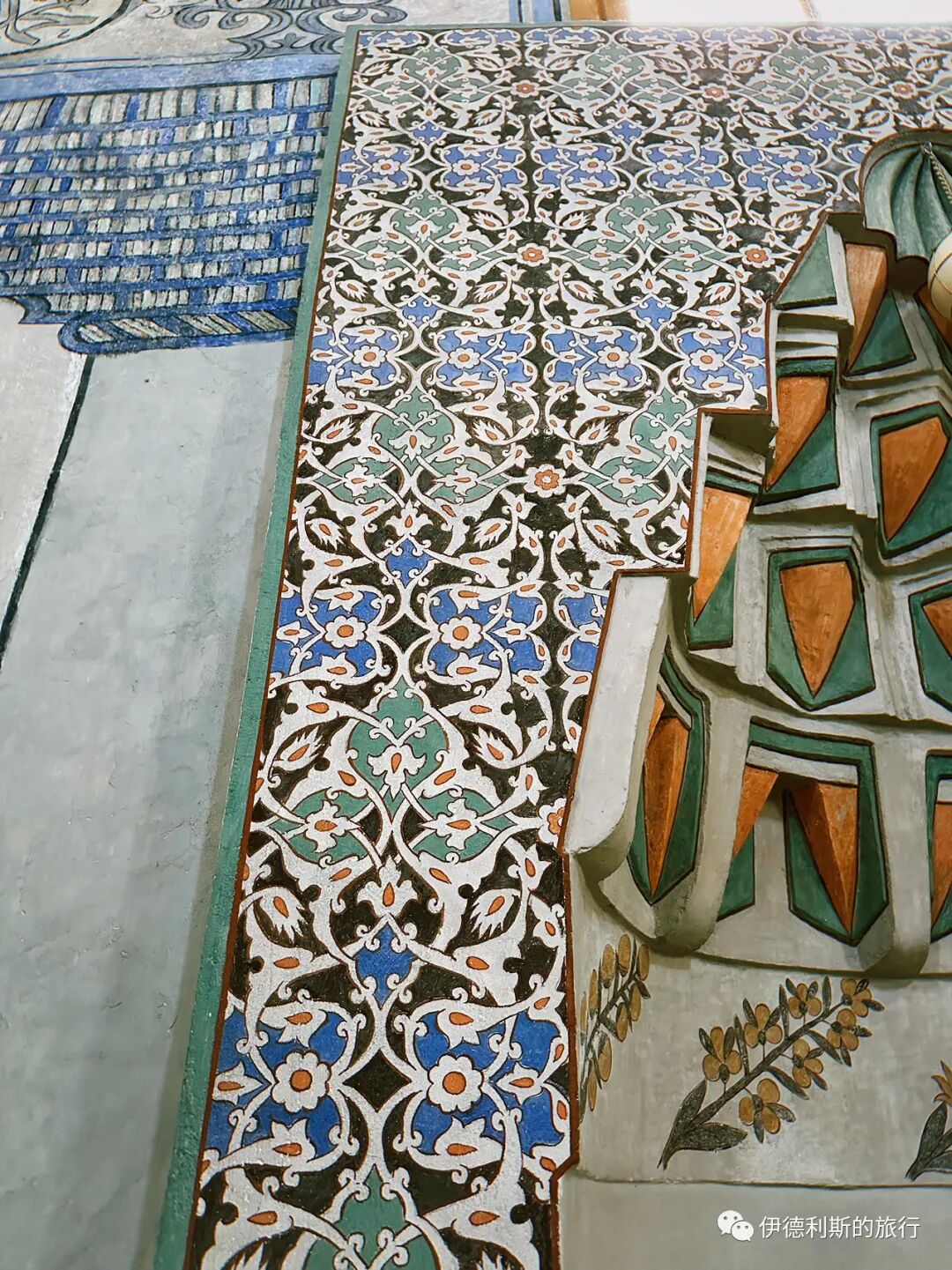
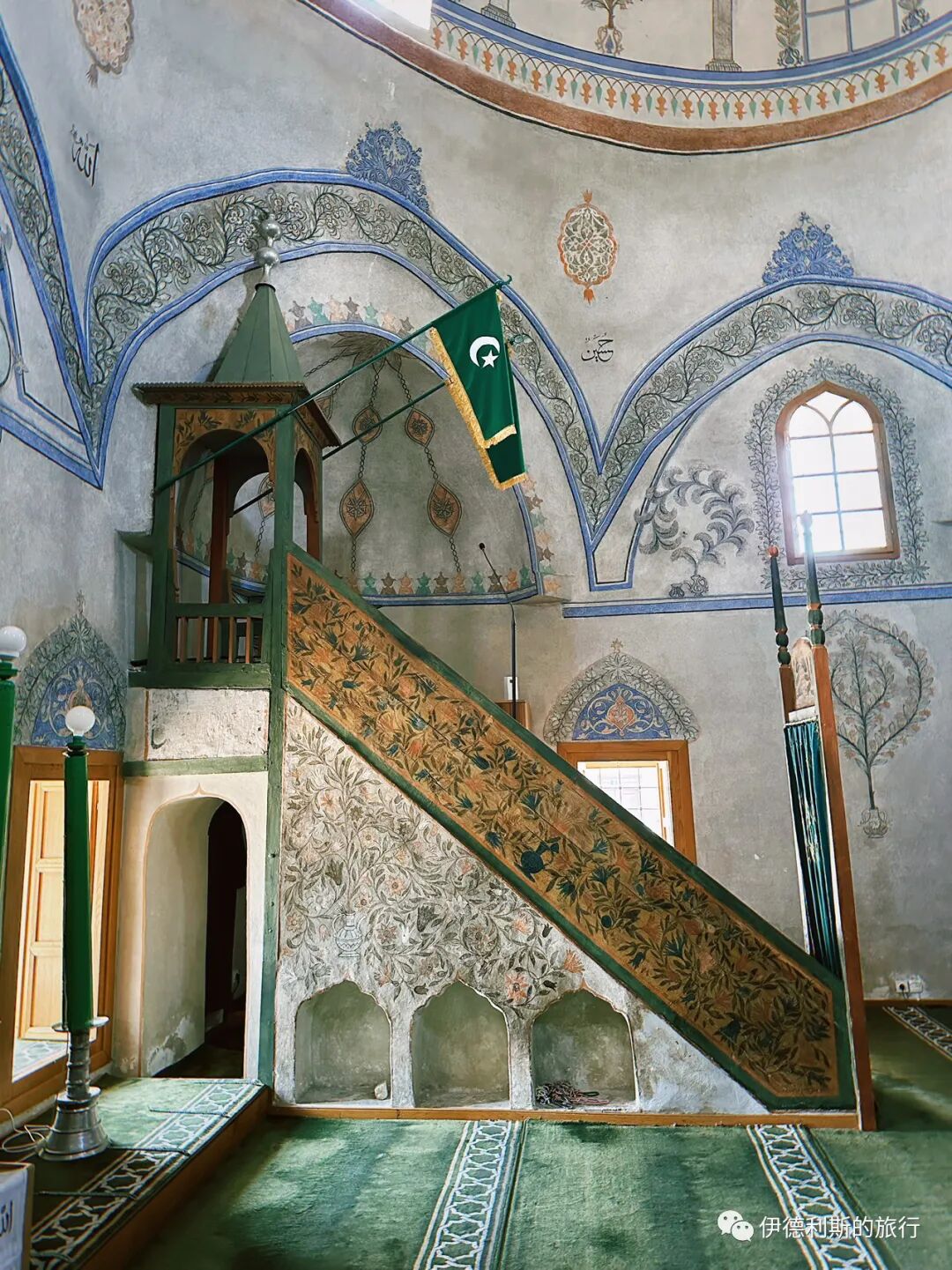
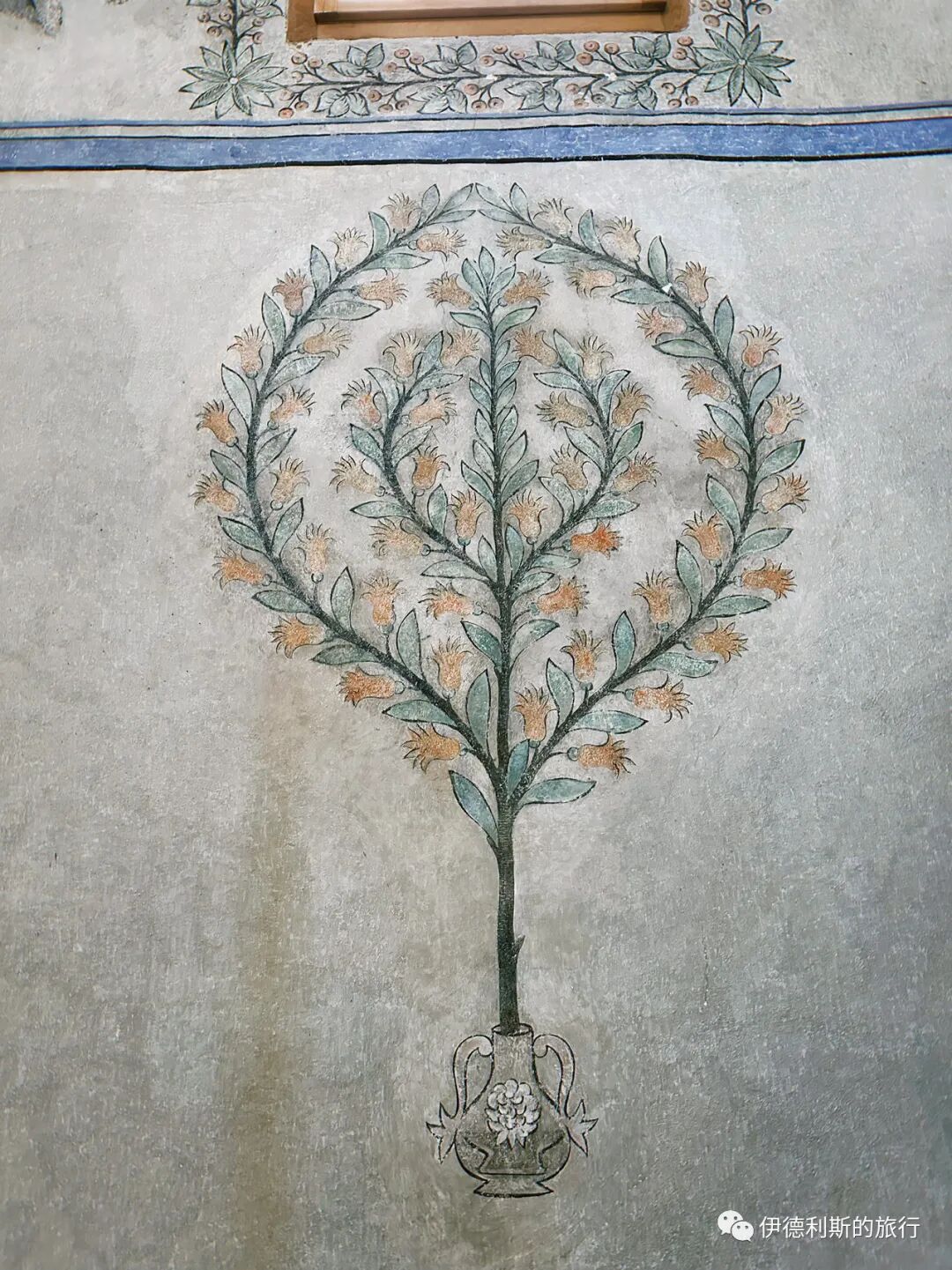
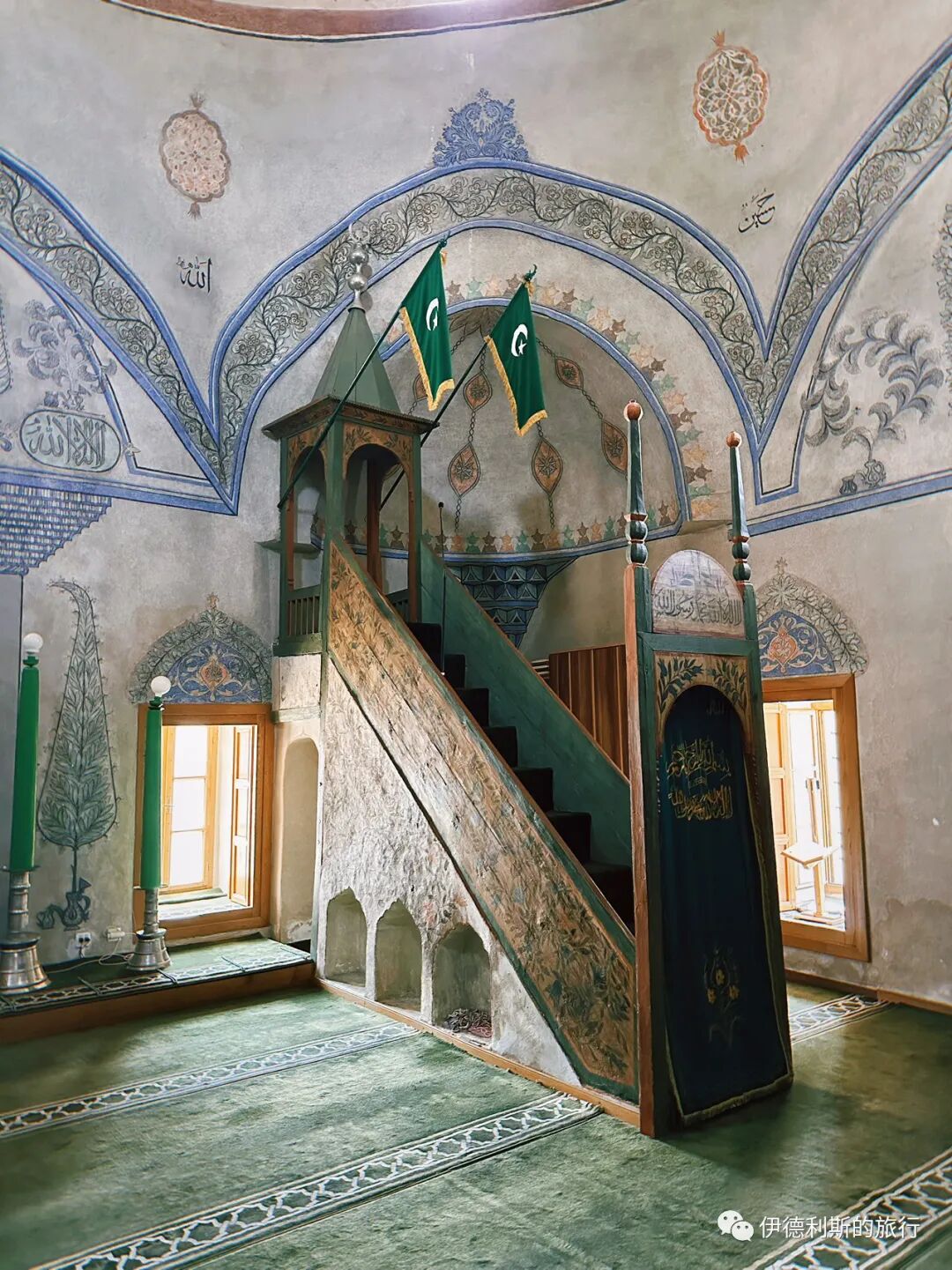
Bascarsija Mosque
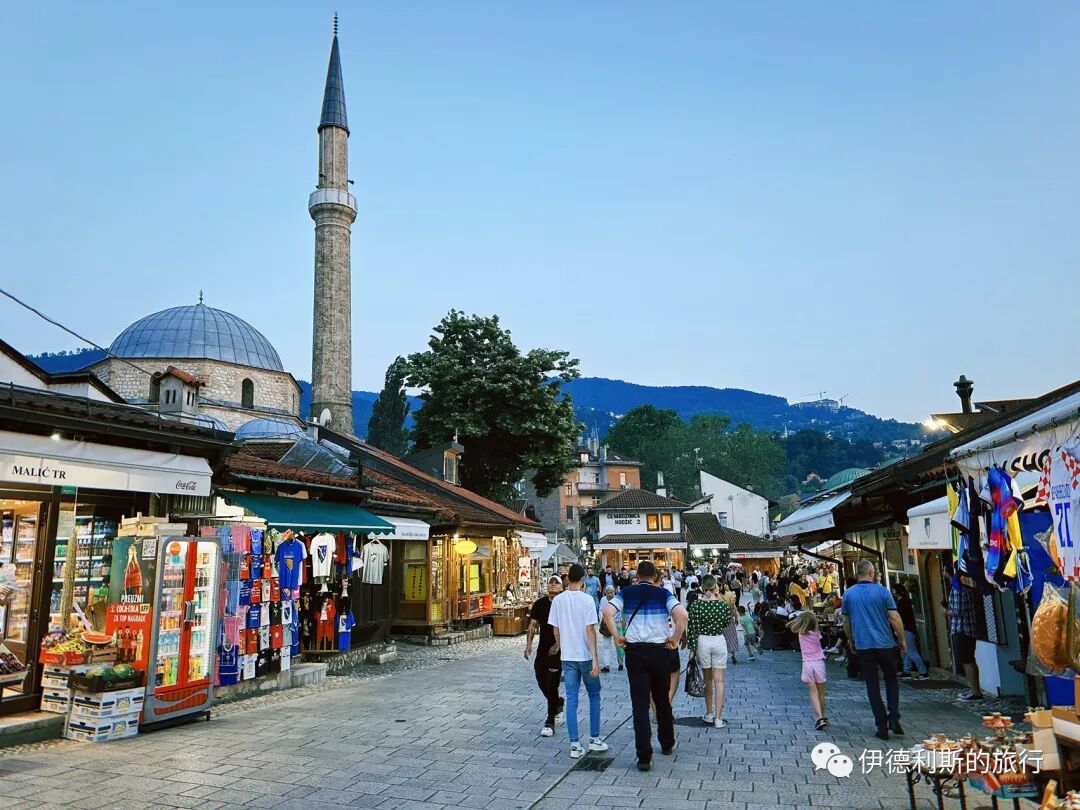
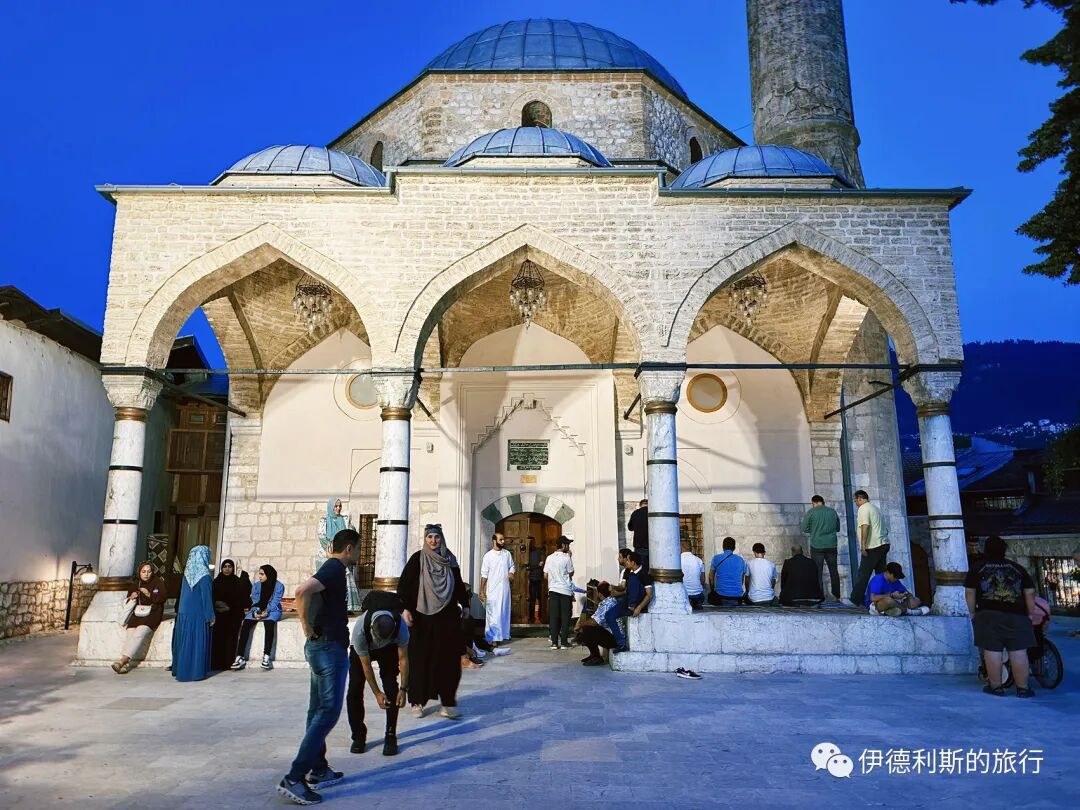
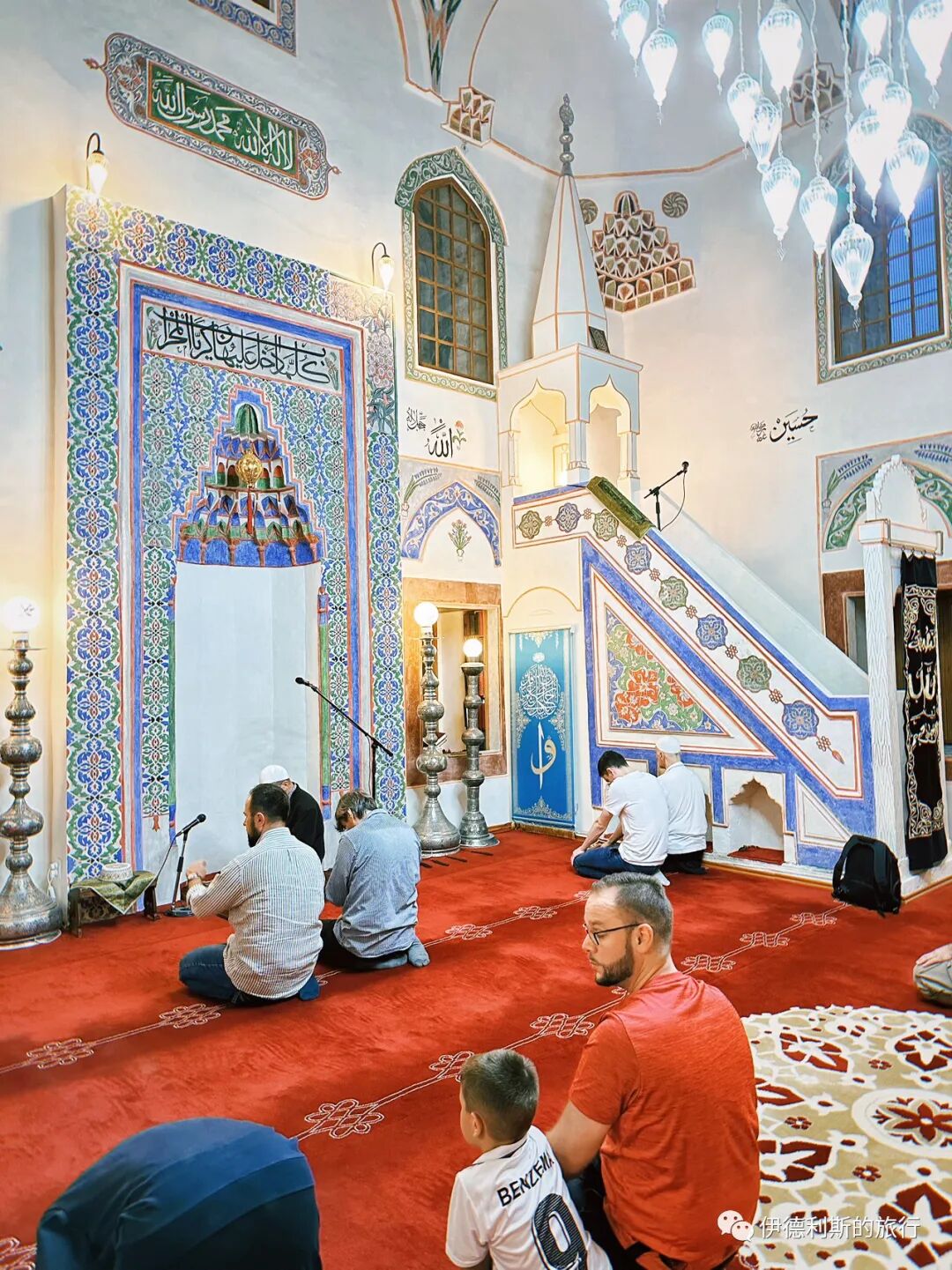
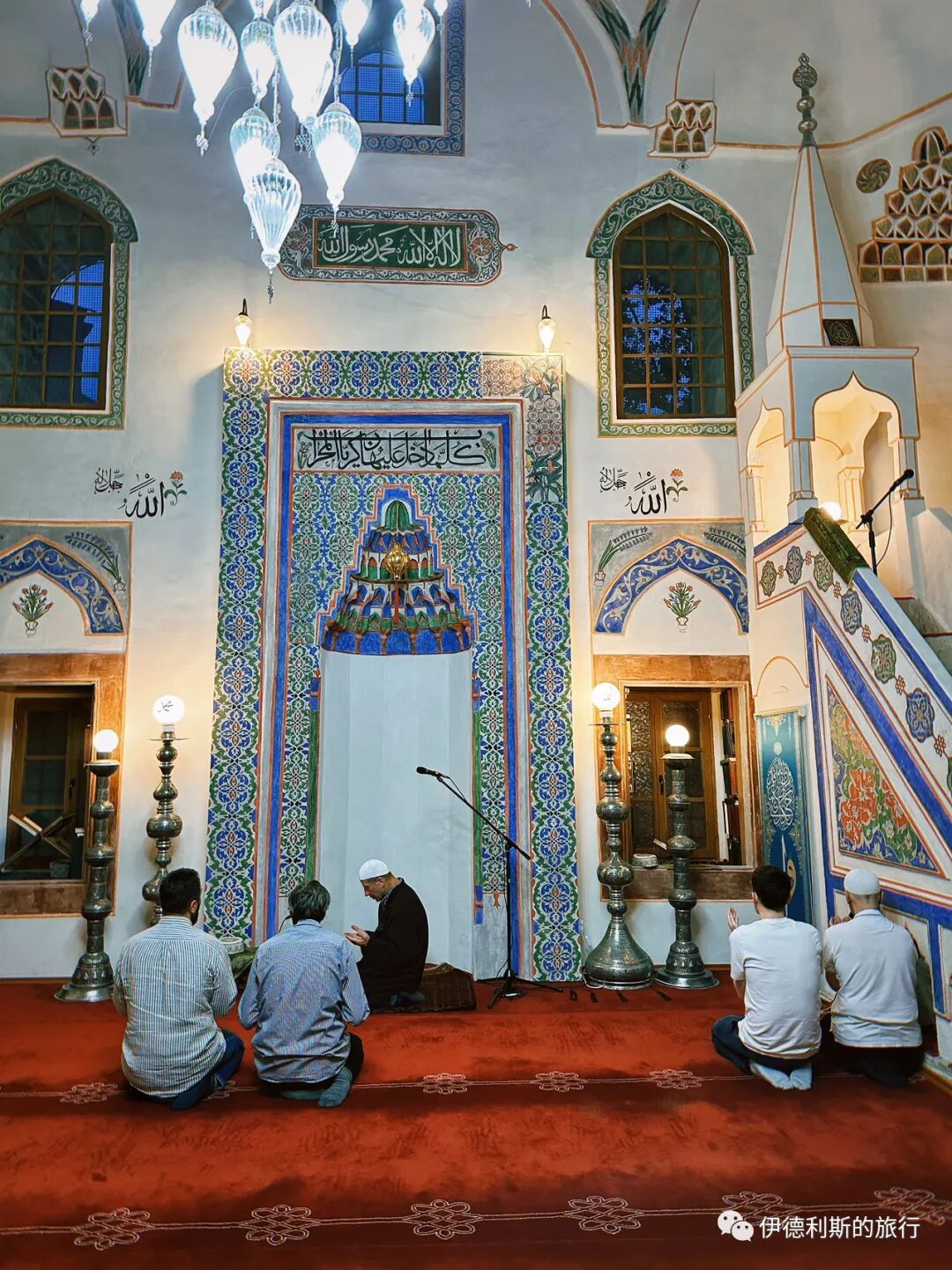
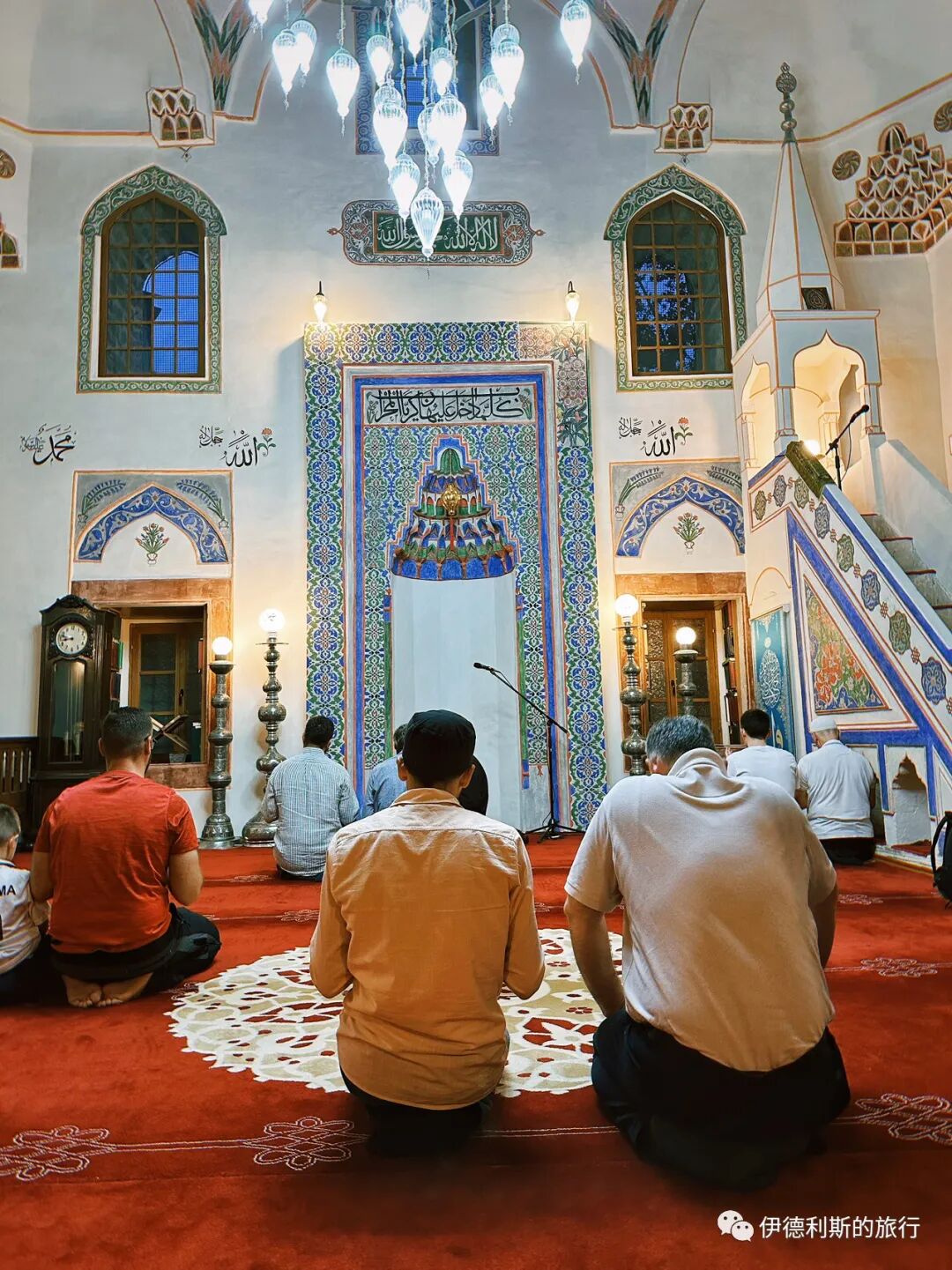
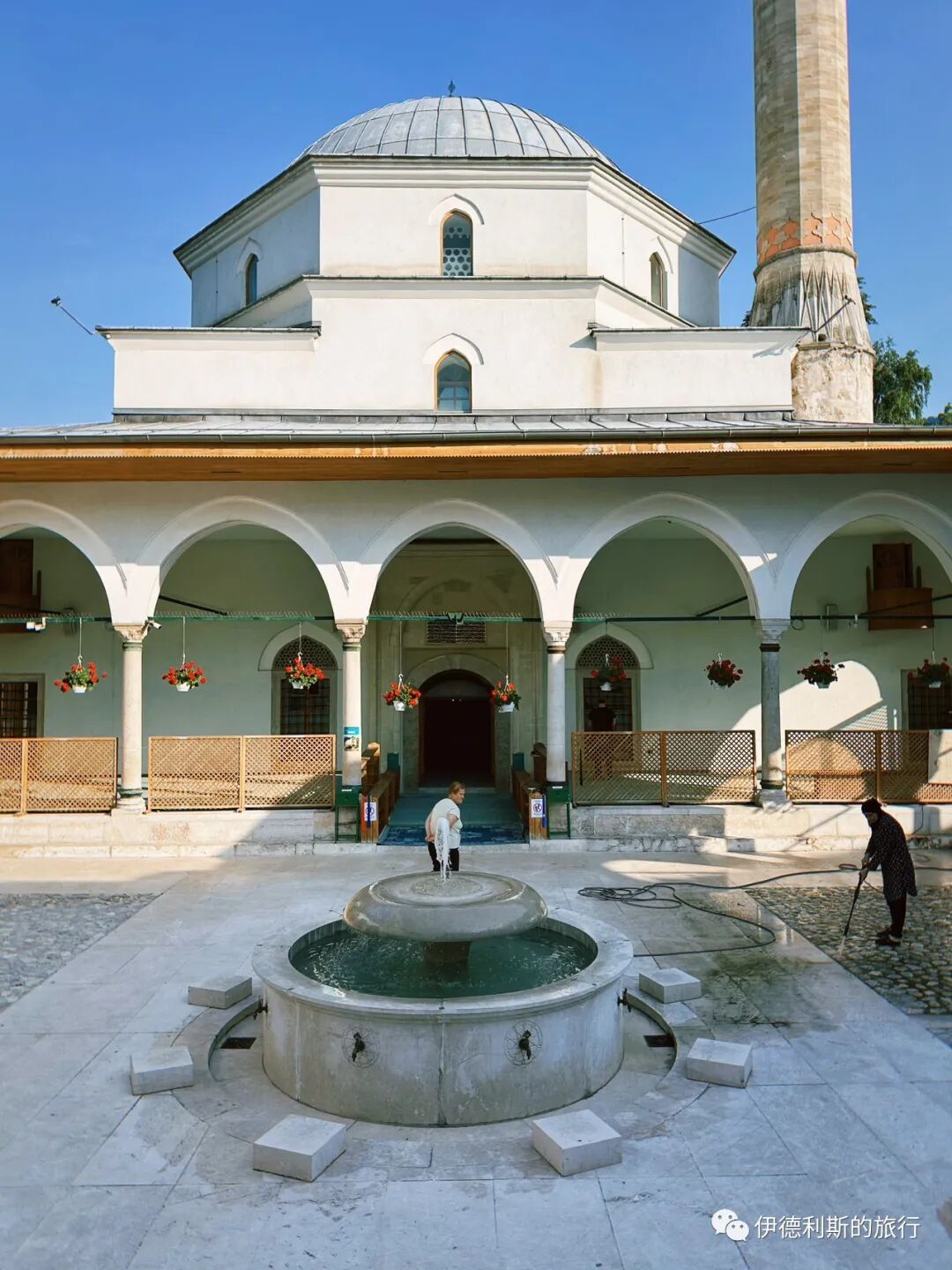
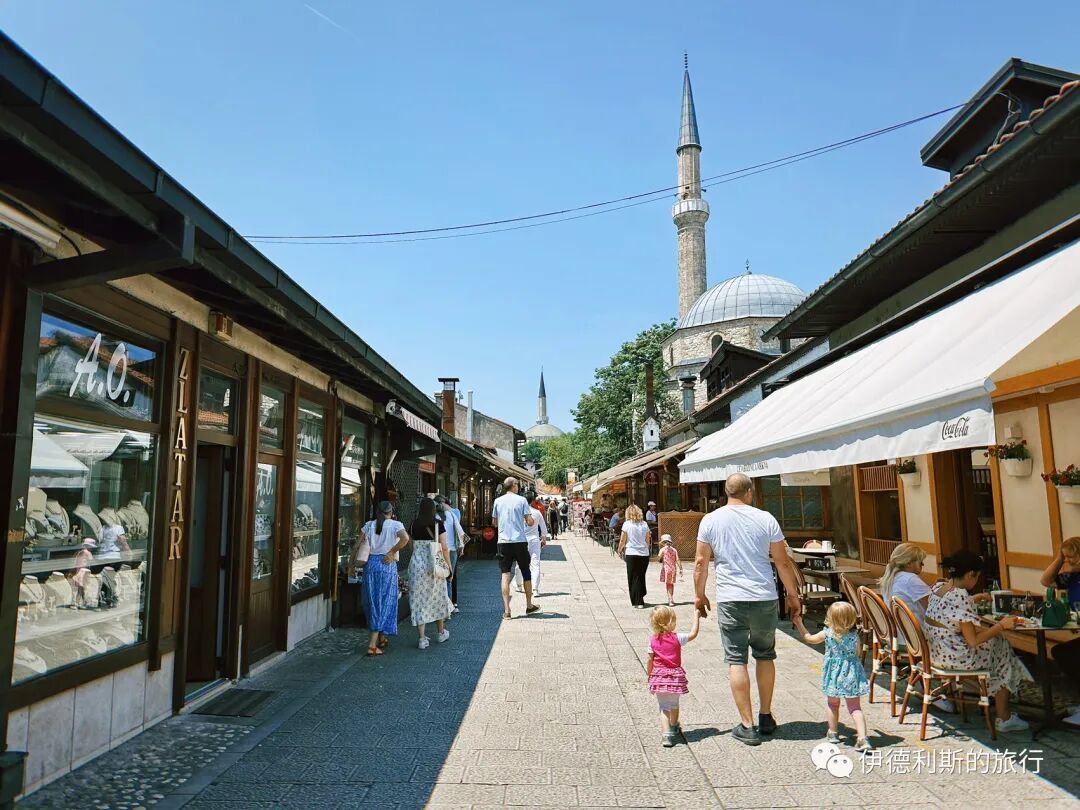
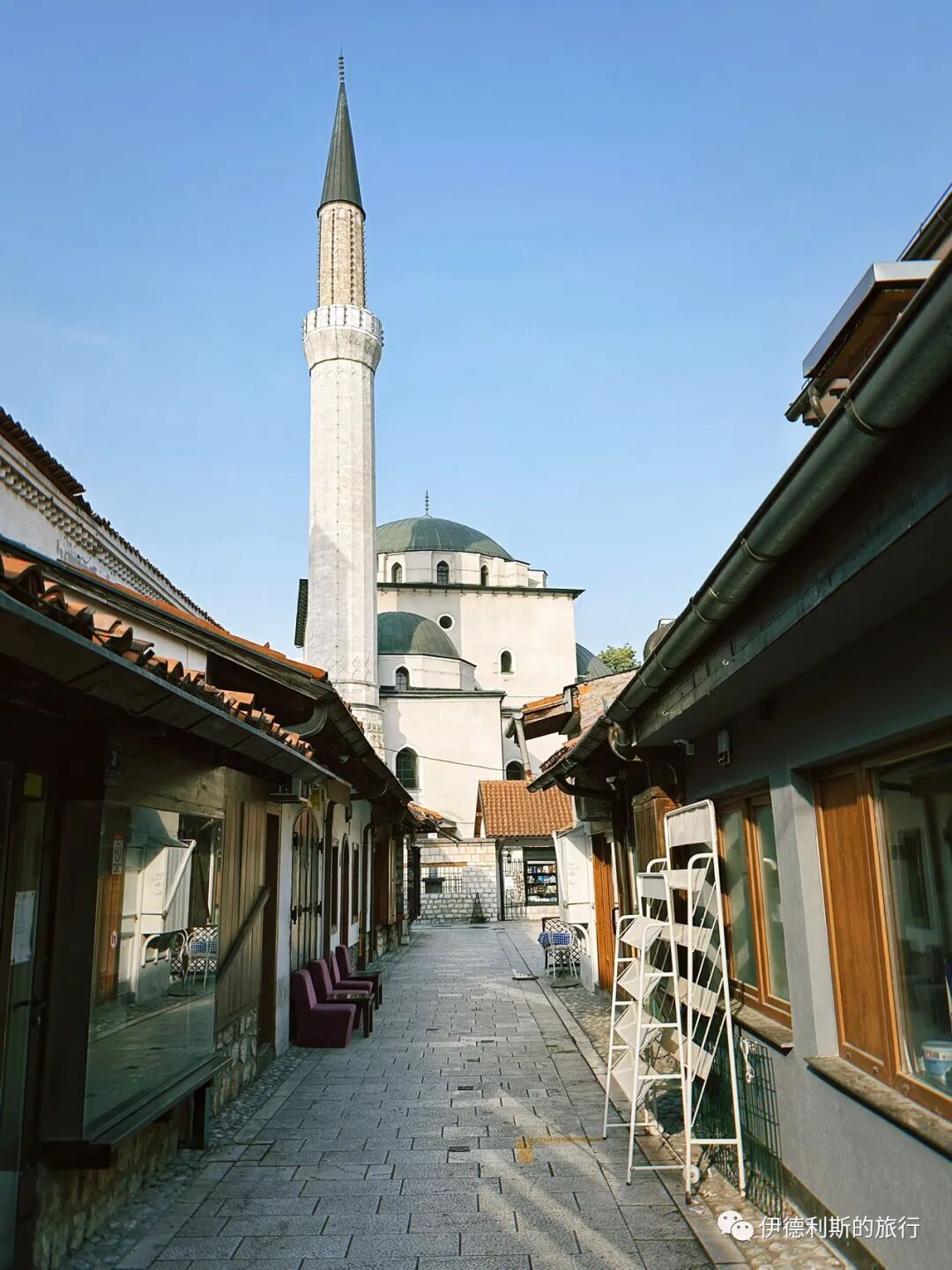
In the evening, I performed namaz at the Bascarsija Mosque (Baščaršijska džamija). The Bascarsija Mosque sits in the heart of the old bazaar in Sarajevo. Havadža Durak built it in the early 16th century, and the earliest manuscript mentioning the mosque dates back to 1528. The mosque originally had a wooden dome, but it was rebuilt with a stone dome after a fire in 1697. There is a porch with three small stone domes in front of the main hall. This was changed to a wooden roof in 1945, but it was restored to its original look in 1966. The mosque suffered heavy damage during the Siege of Sarajevo from 1992 to 1995, but it was later renovated.
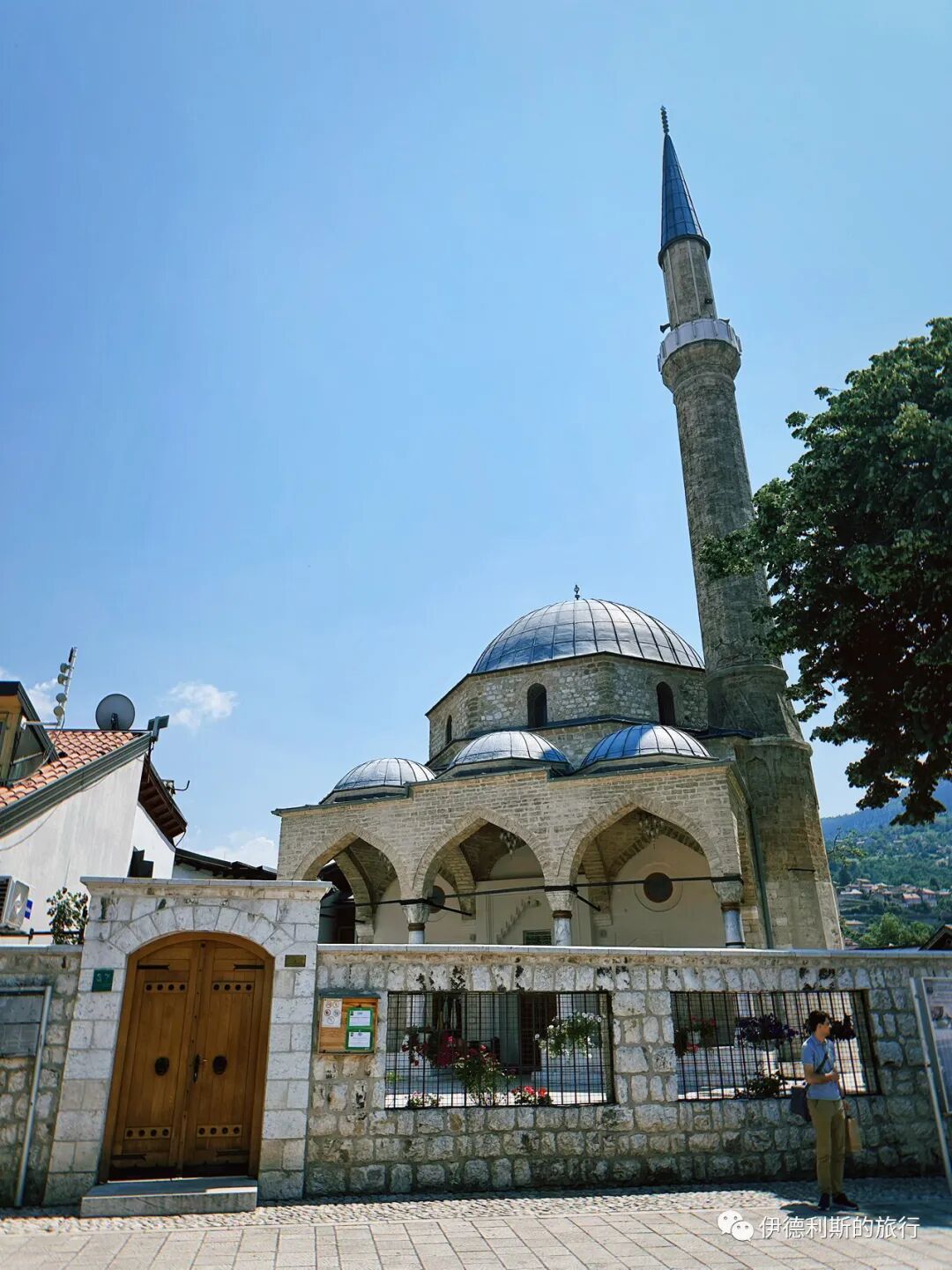
Emperor's Mosque
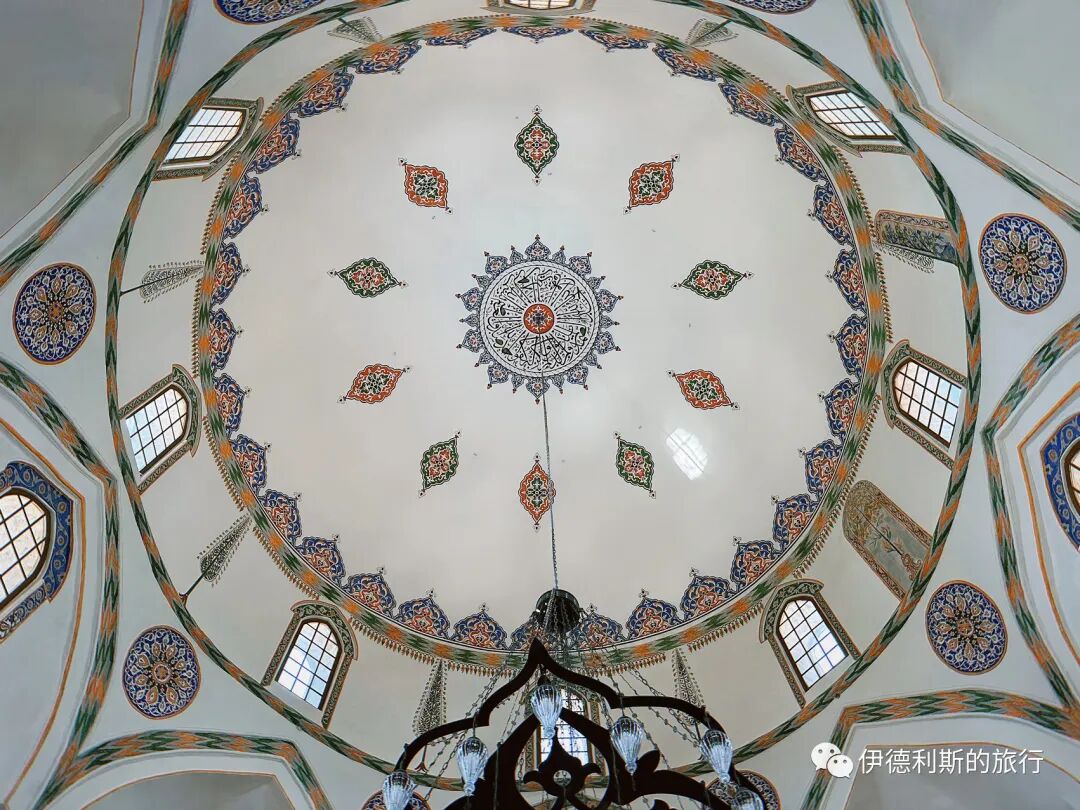
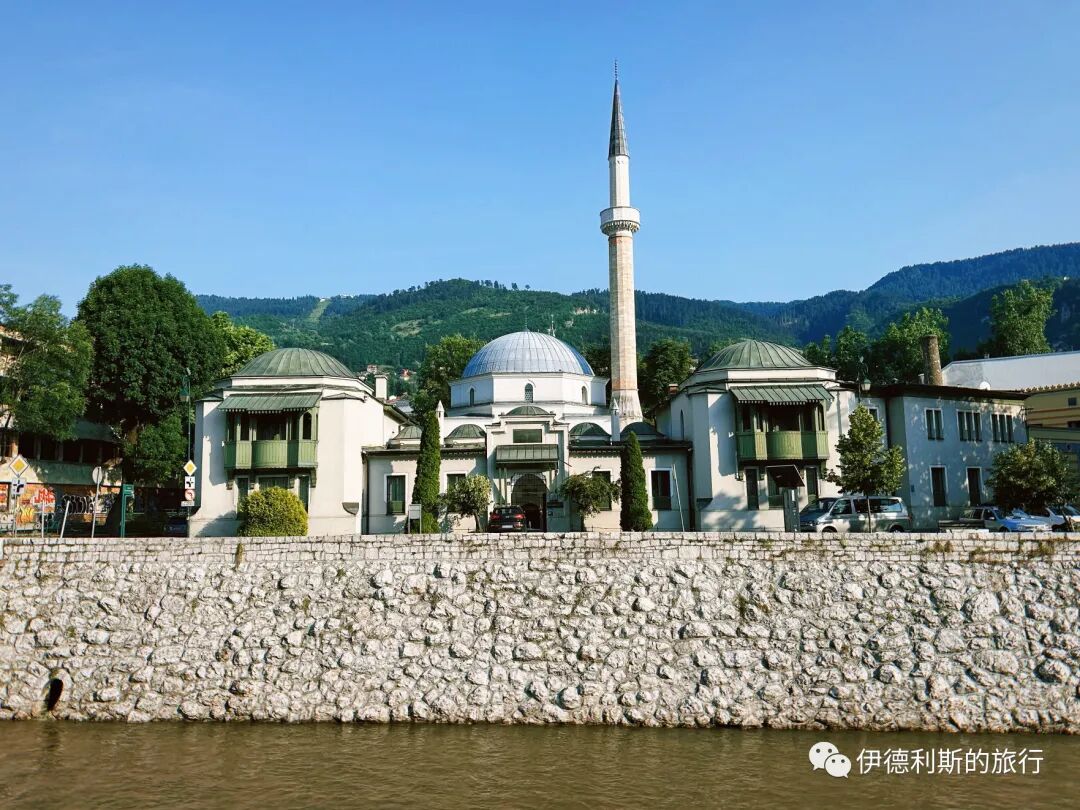
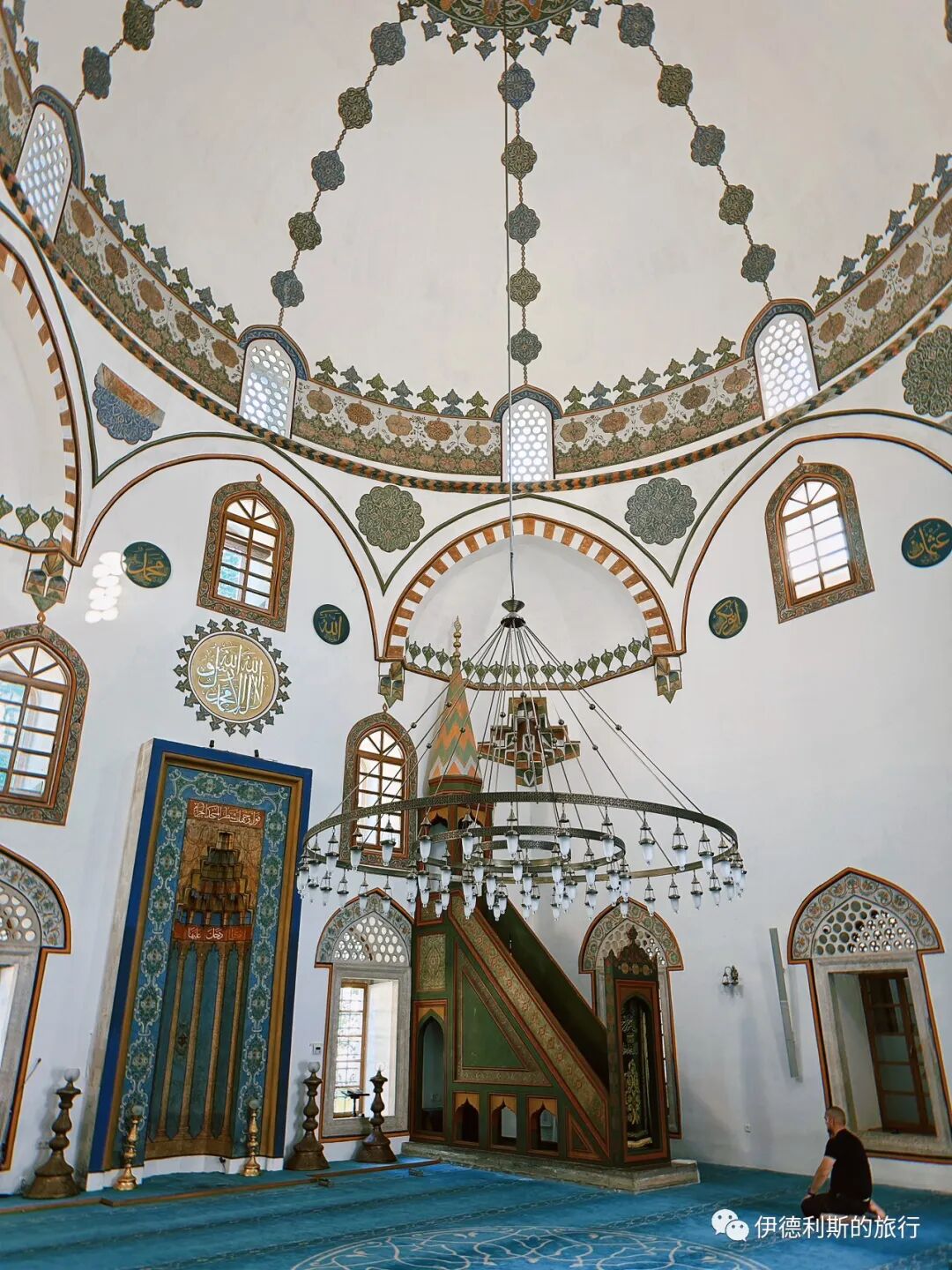
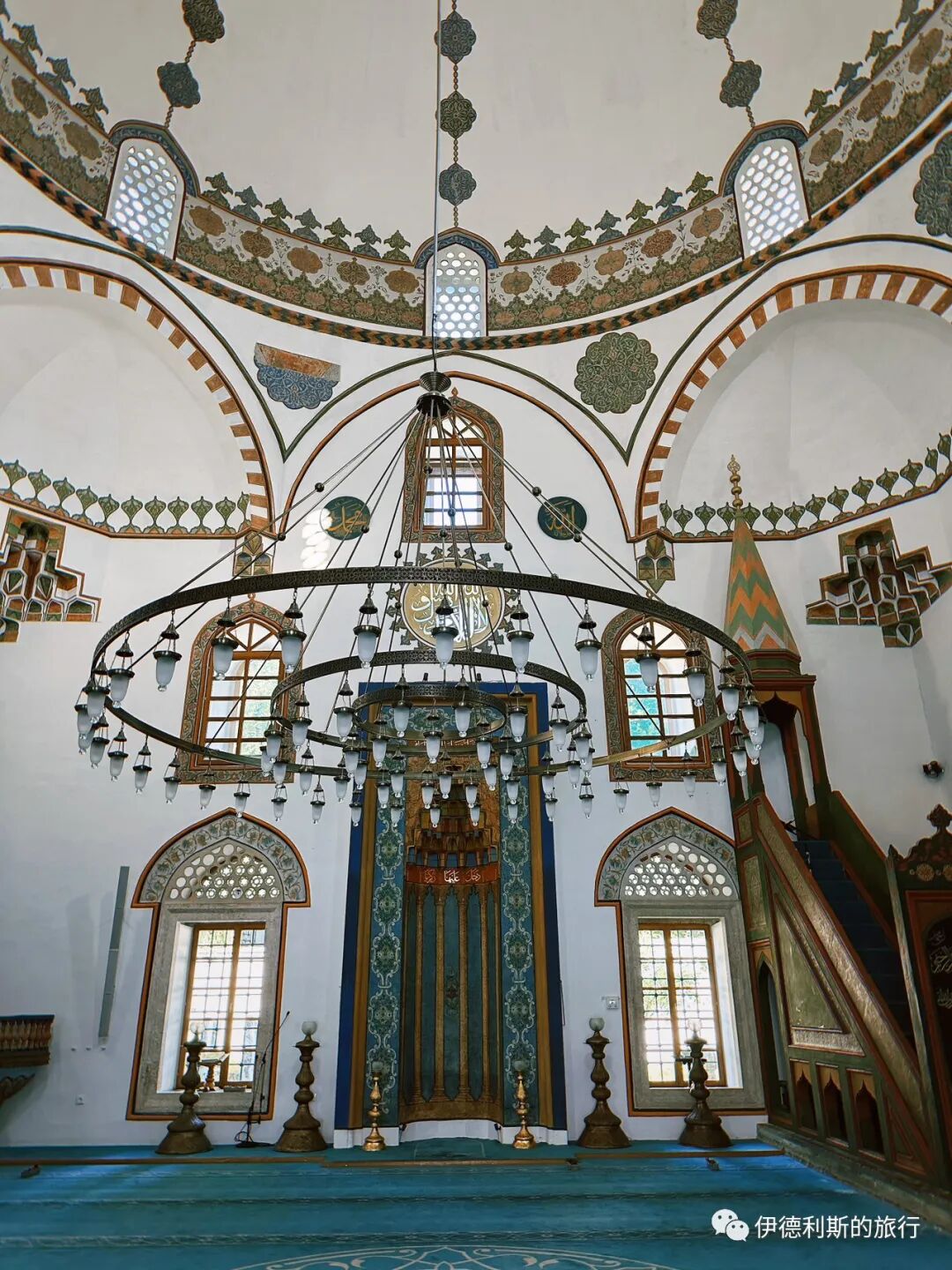
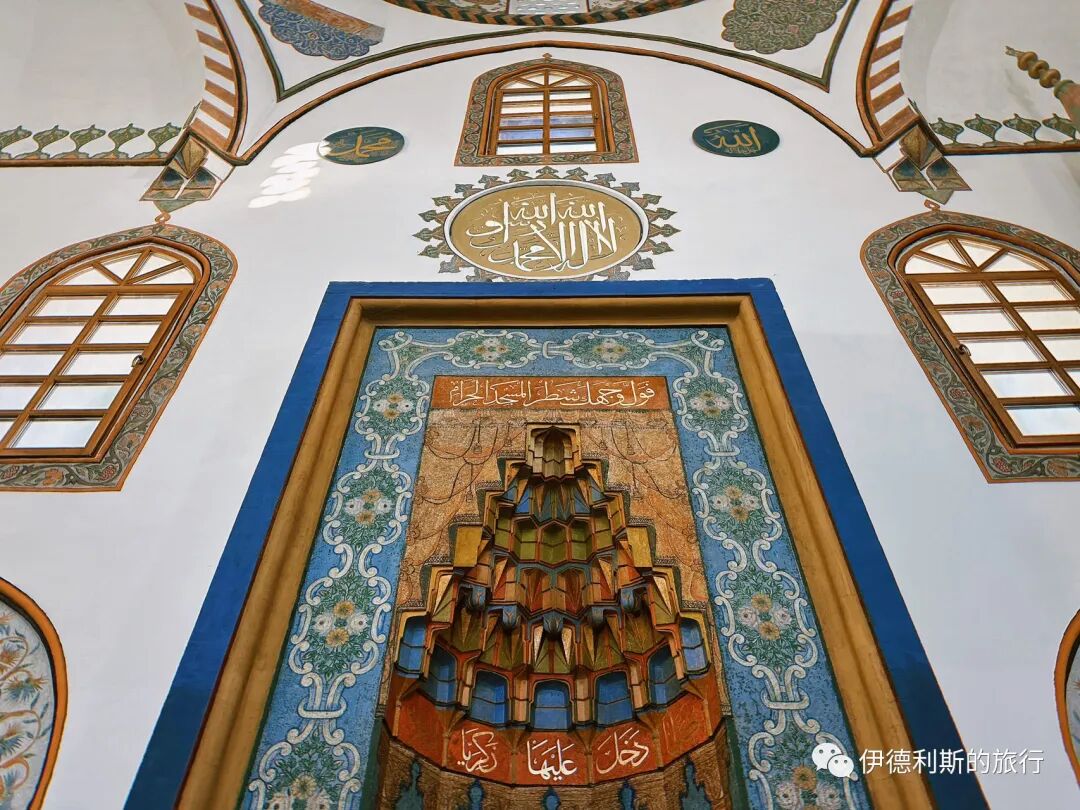
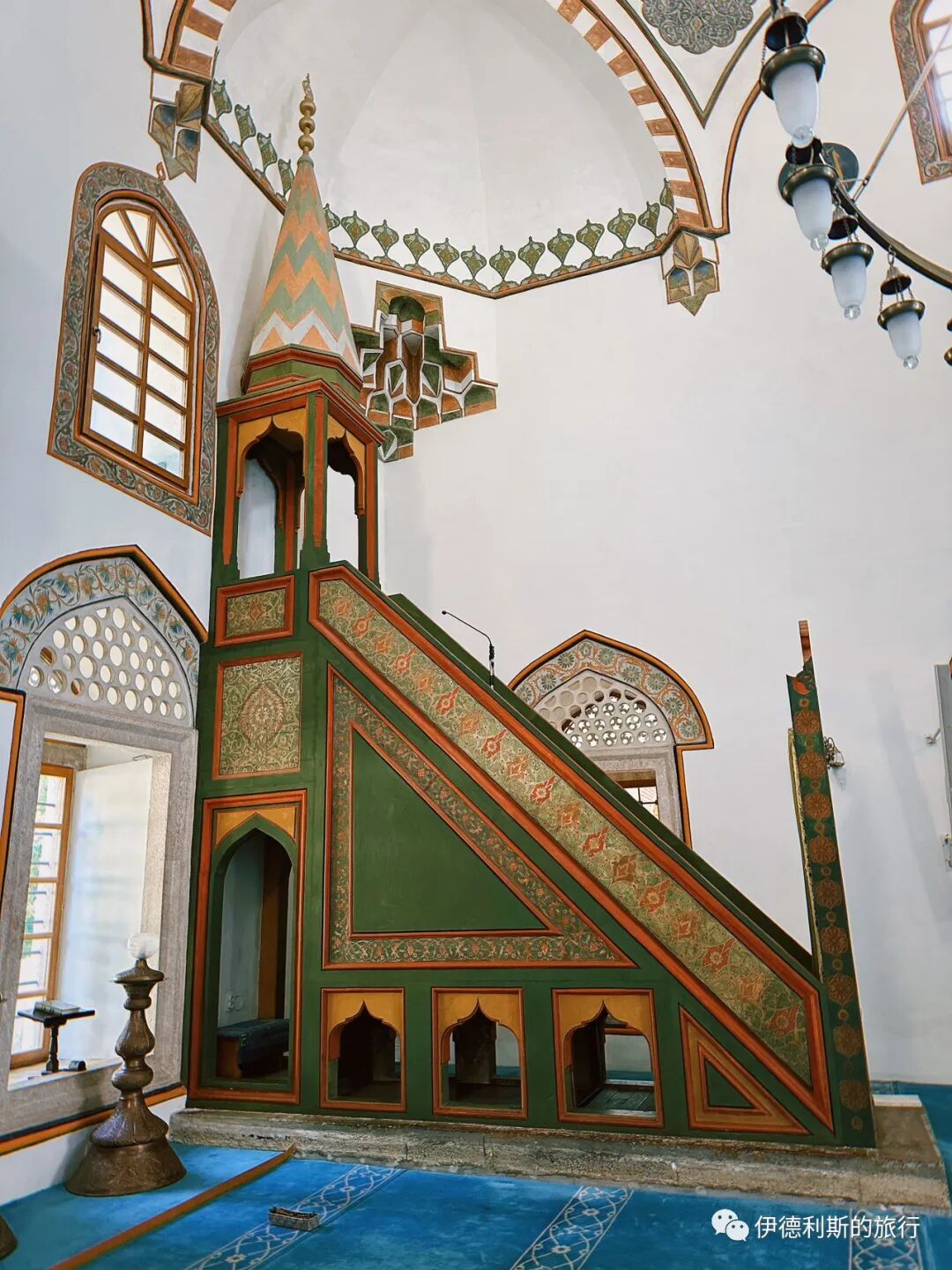
The Emperor's Mosque was first built in 1457. It was the first mosque constructed after the Ottoman Empire conquered Bosnia. Isaković-Hranušić oversaw the building, which was dedicated to the Ottoman Sultan Mehmed the Conqueror. The original mosque was a wooden structure. It was rebuilt in 1565 into the current classical Ottoman style and dedicated to the Ottoman Sultan Suleiman the Magnificent. Side rooms were added in 1800, and they were connected to the main hall in 1848.
The Emperor's Mosque was severely damaged twice, once during World War II and again during the Bosnian War, but it was repaired both times.
Magribija Mosque
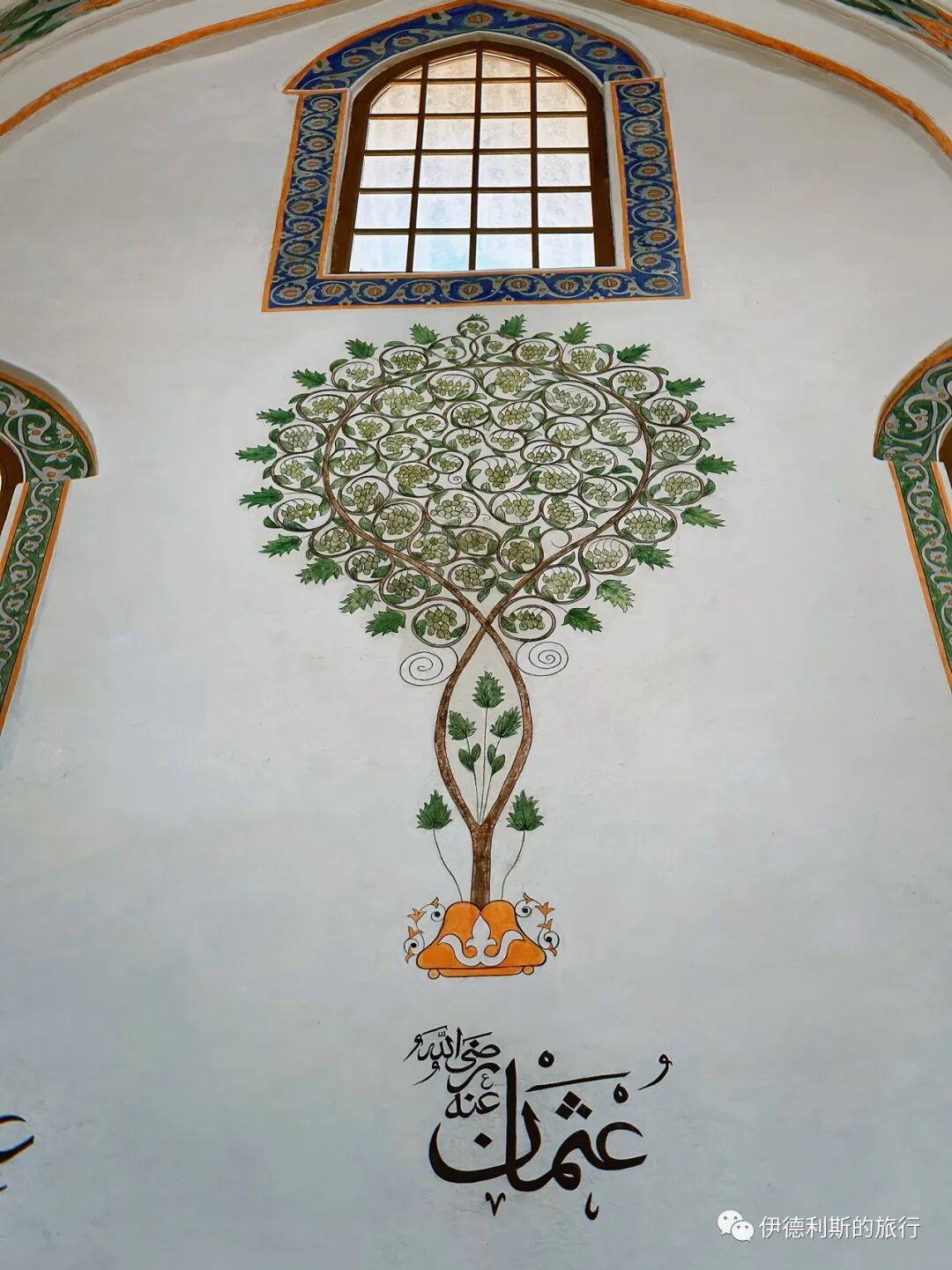
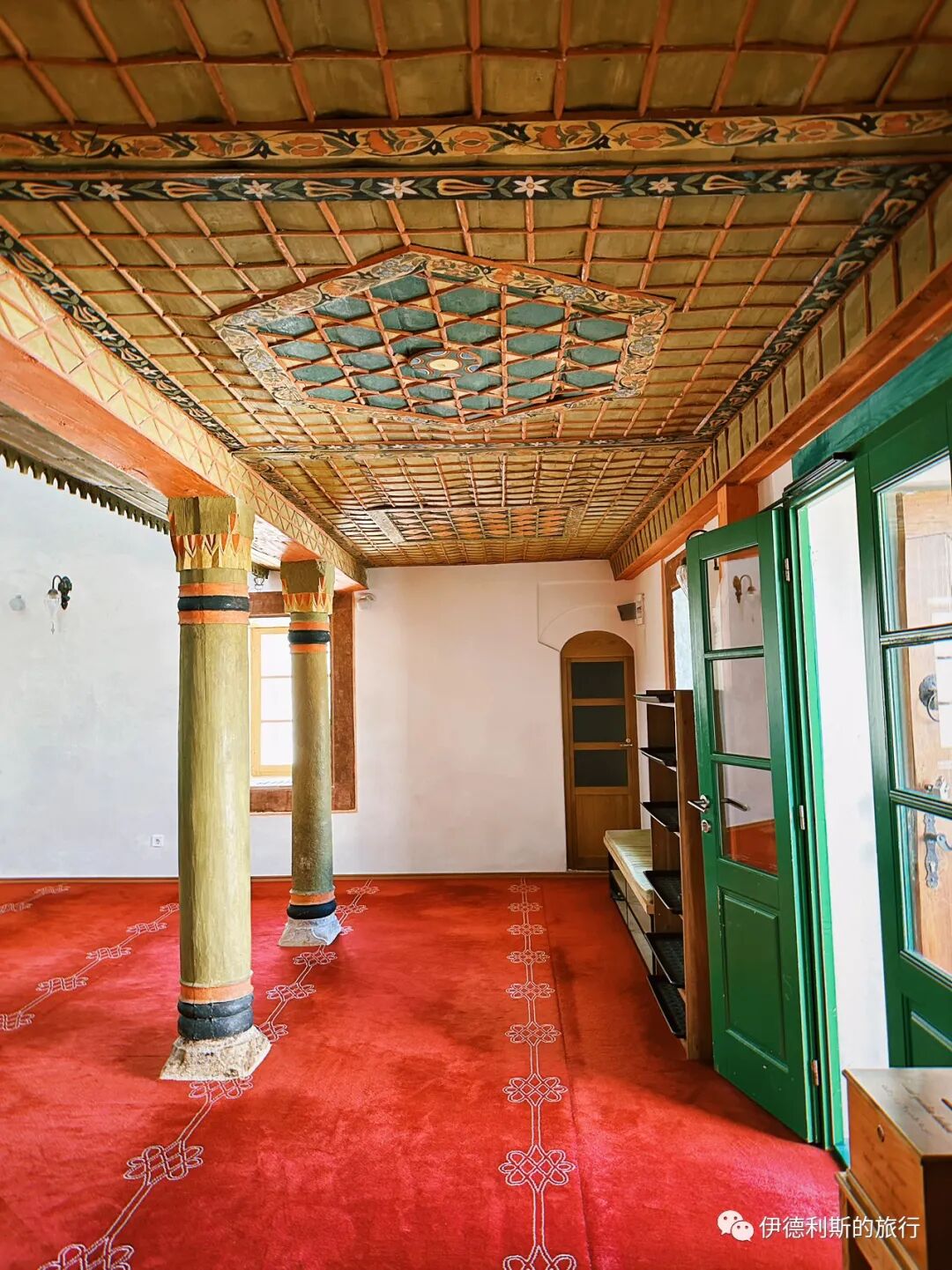
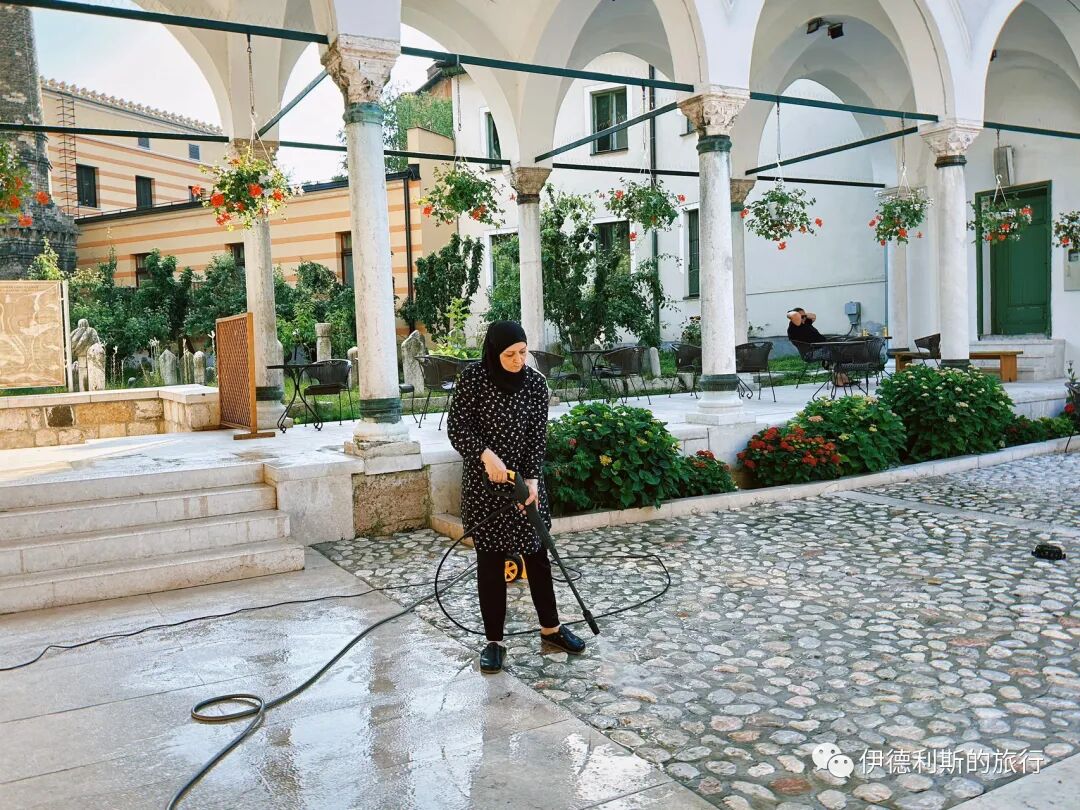
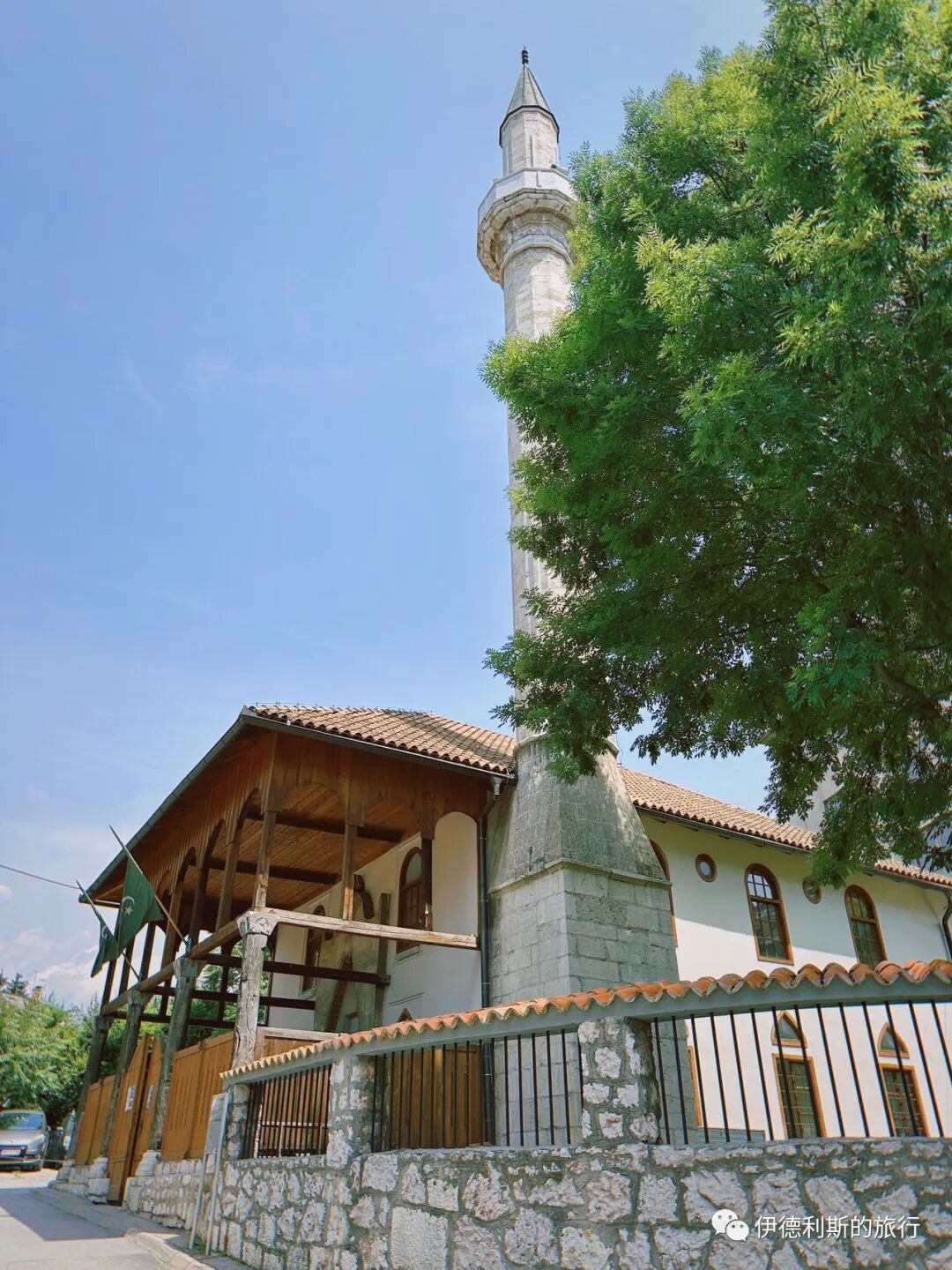
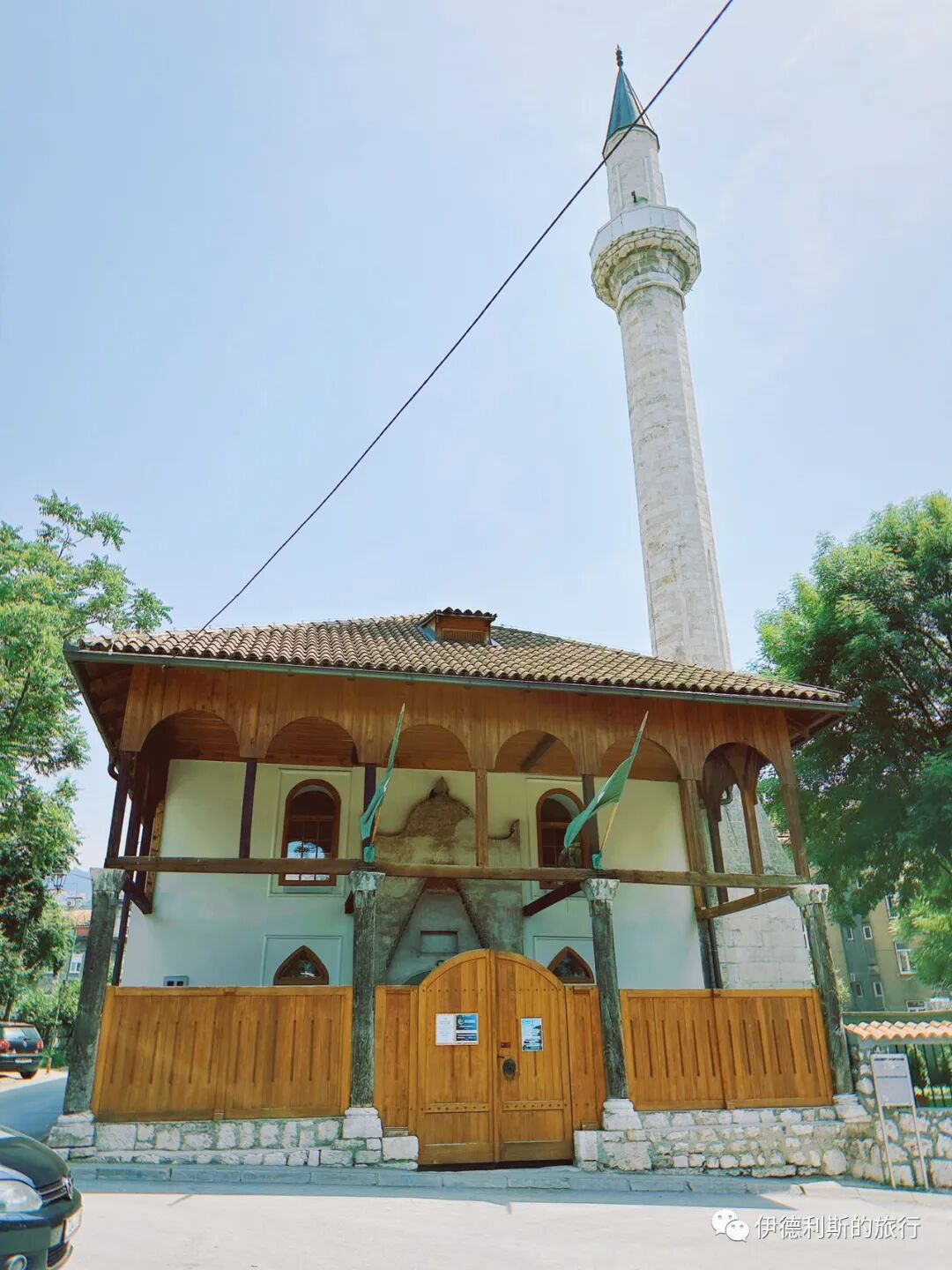
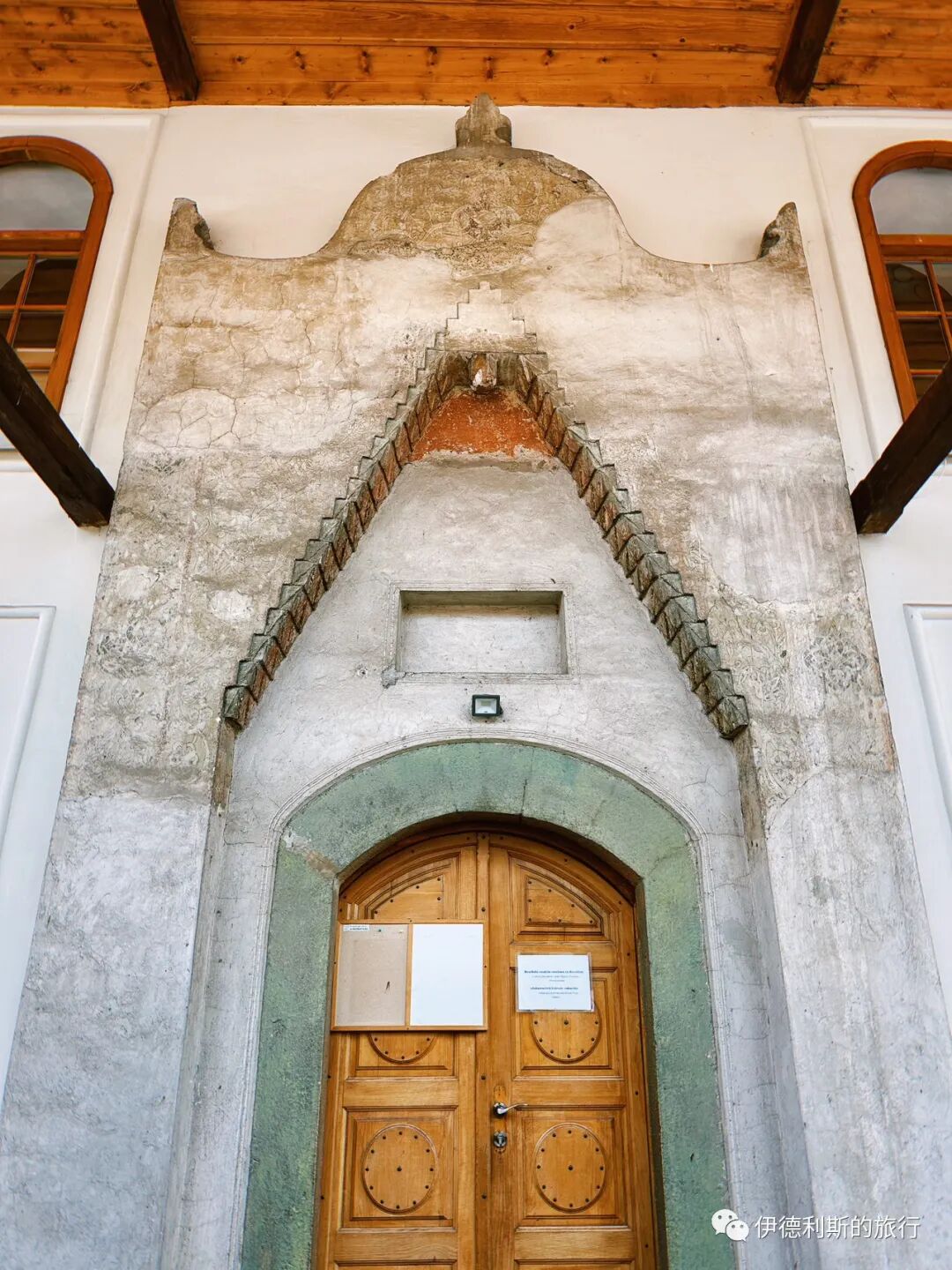
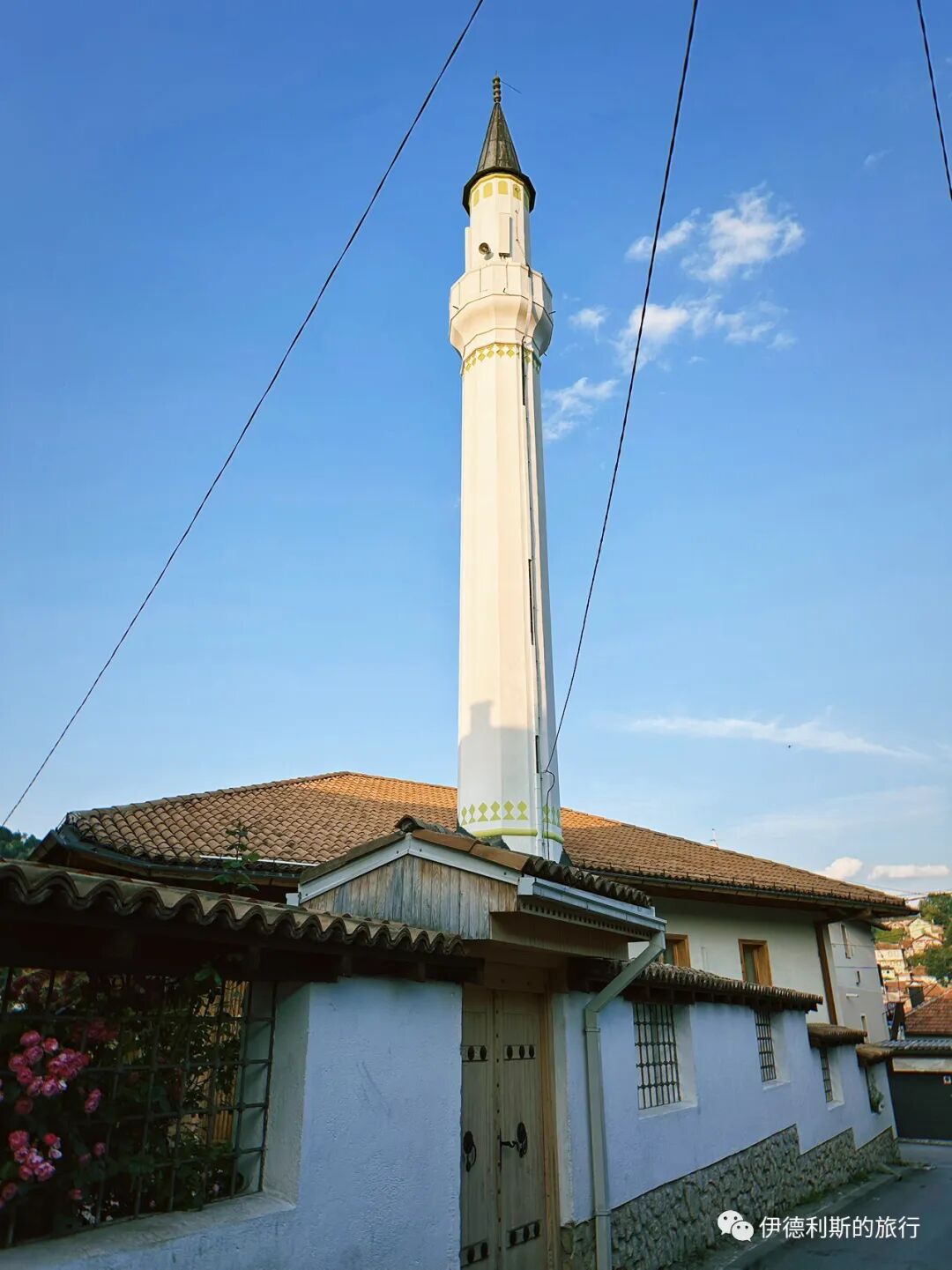
Sheikh Magribija built the Magribija Mosque in the 15th century. Tradition says that Sheikh Magribija arrived in Sarajevo with Isa-beg, the Ottoman governor who founded the city. The original mosque building was destroyed by fire. The current structure was rebuilt in 1766 and keeps its 18th-century appearance and painted decorations. The mosque was badly damaged during the Bosnian War in 1992, leaving only the base of the minaret. It was rebuilt in 2000, and the roof and porch were repaired again in 2004.
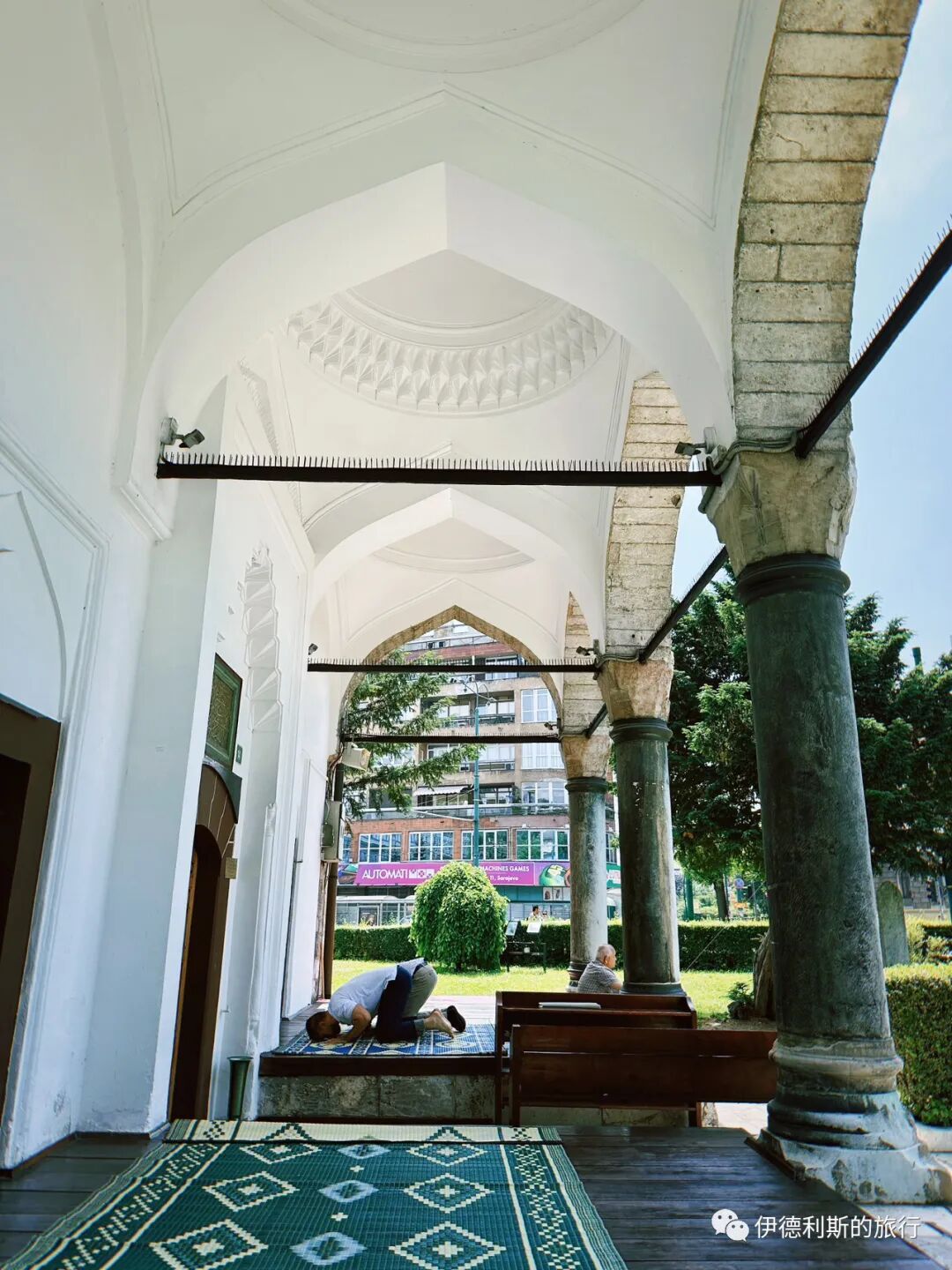
Most mosques in Sarajevo keep their main halls locked outside of prayer times (namaz), so everyone prays on the platforms on either side of the doors. Because of this, I could not enter the main hall.
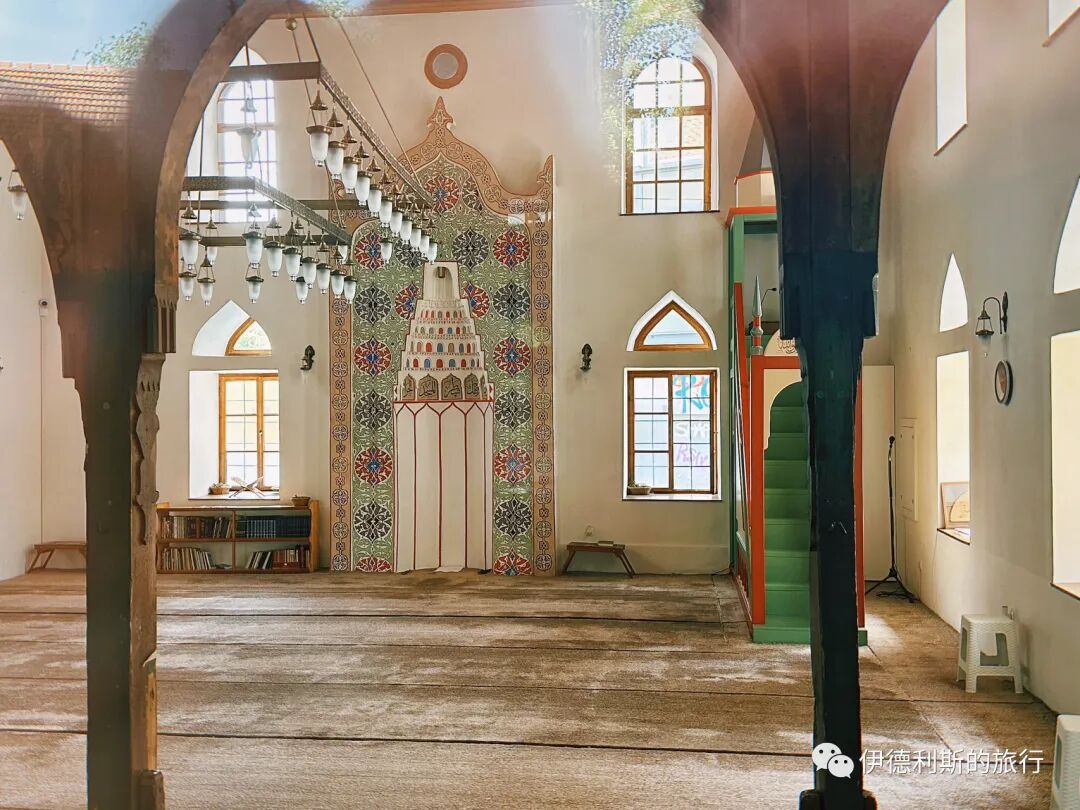
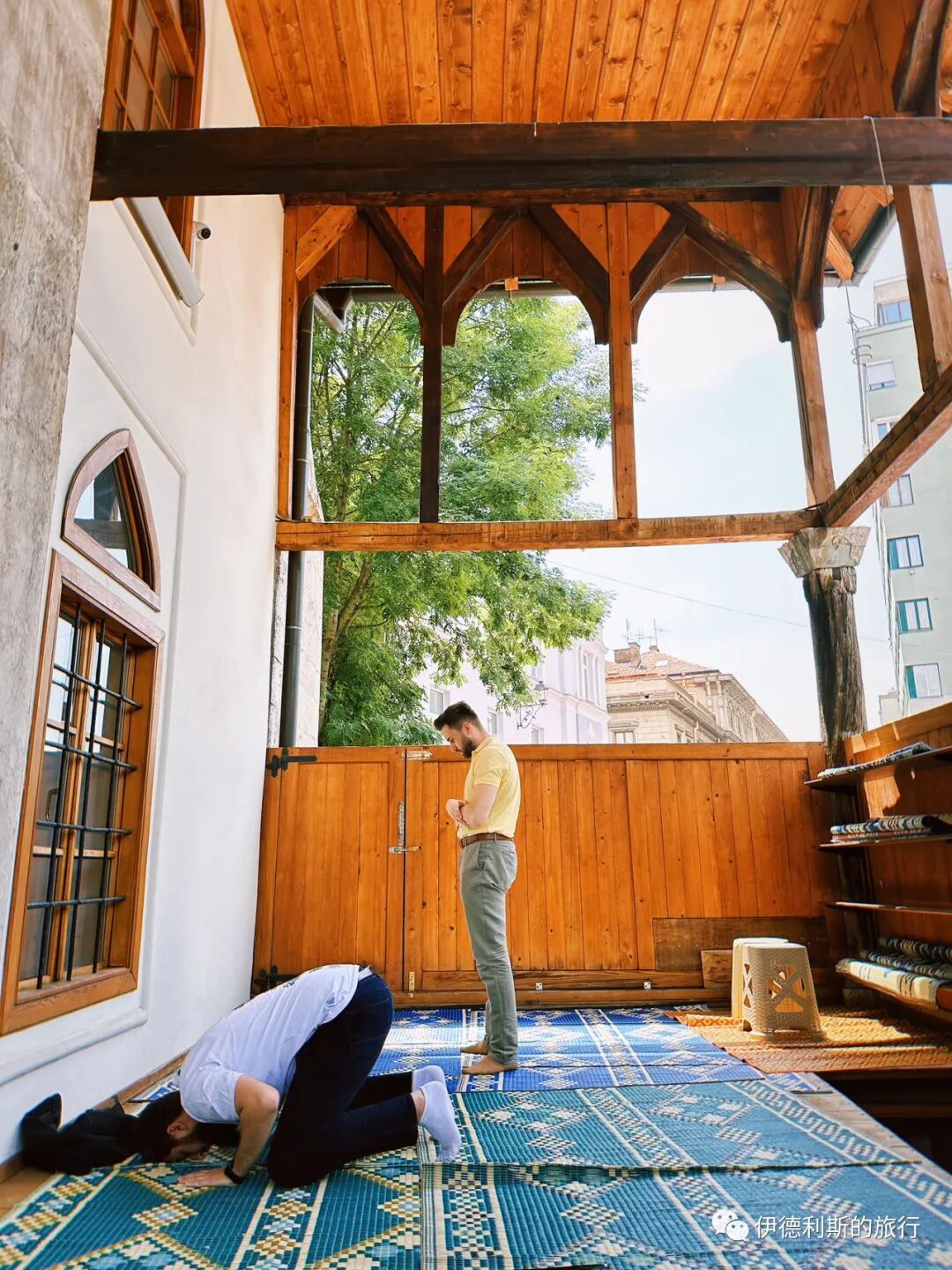
Ali Pasha Mosque
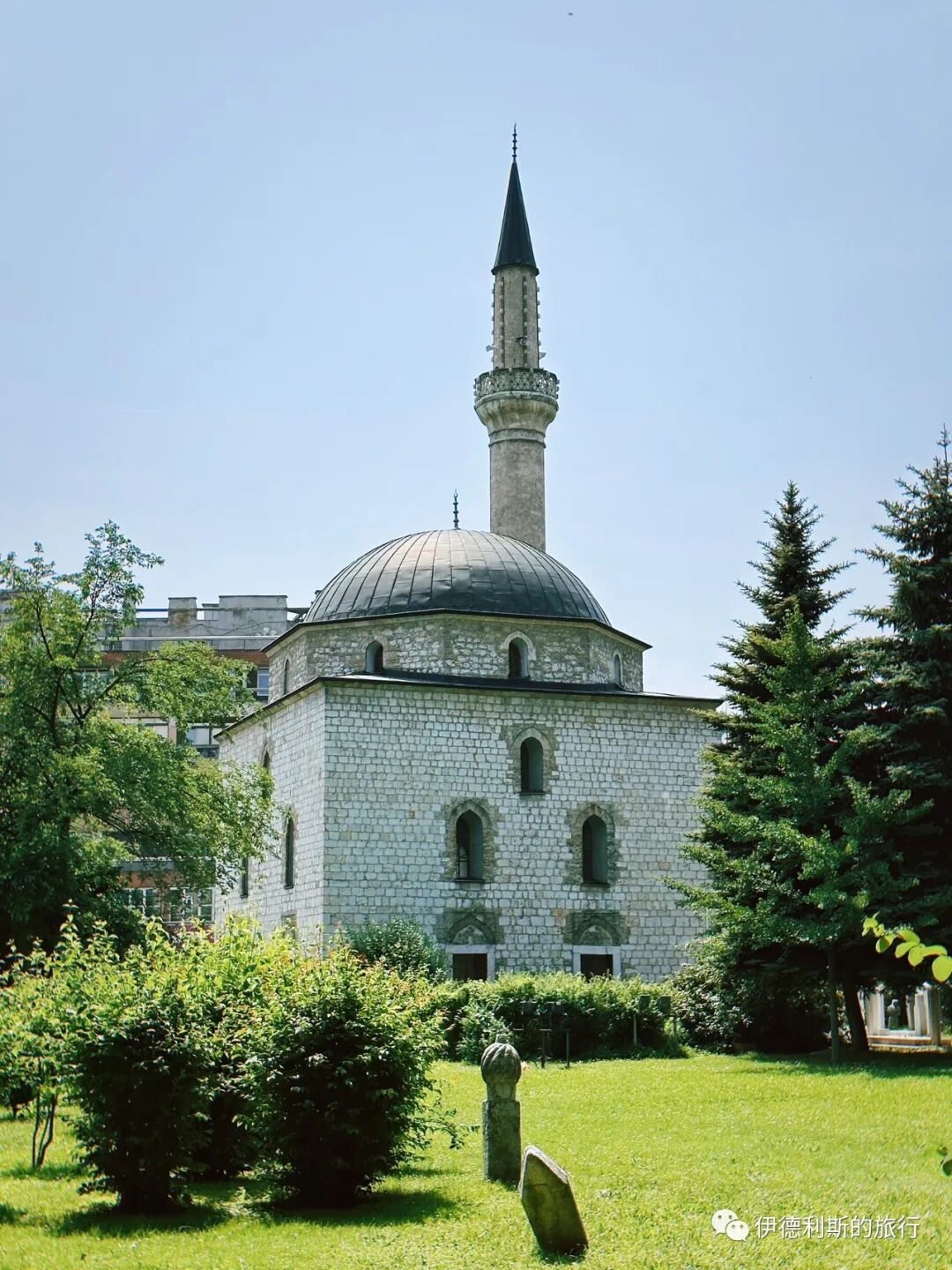
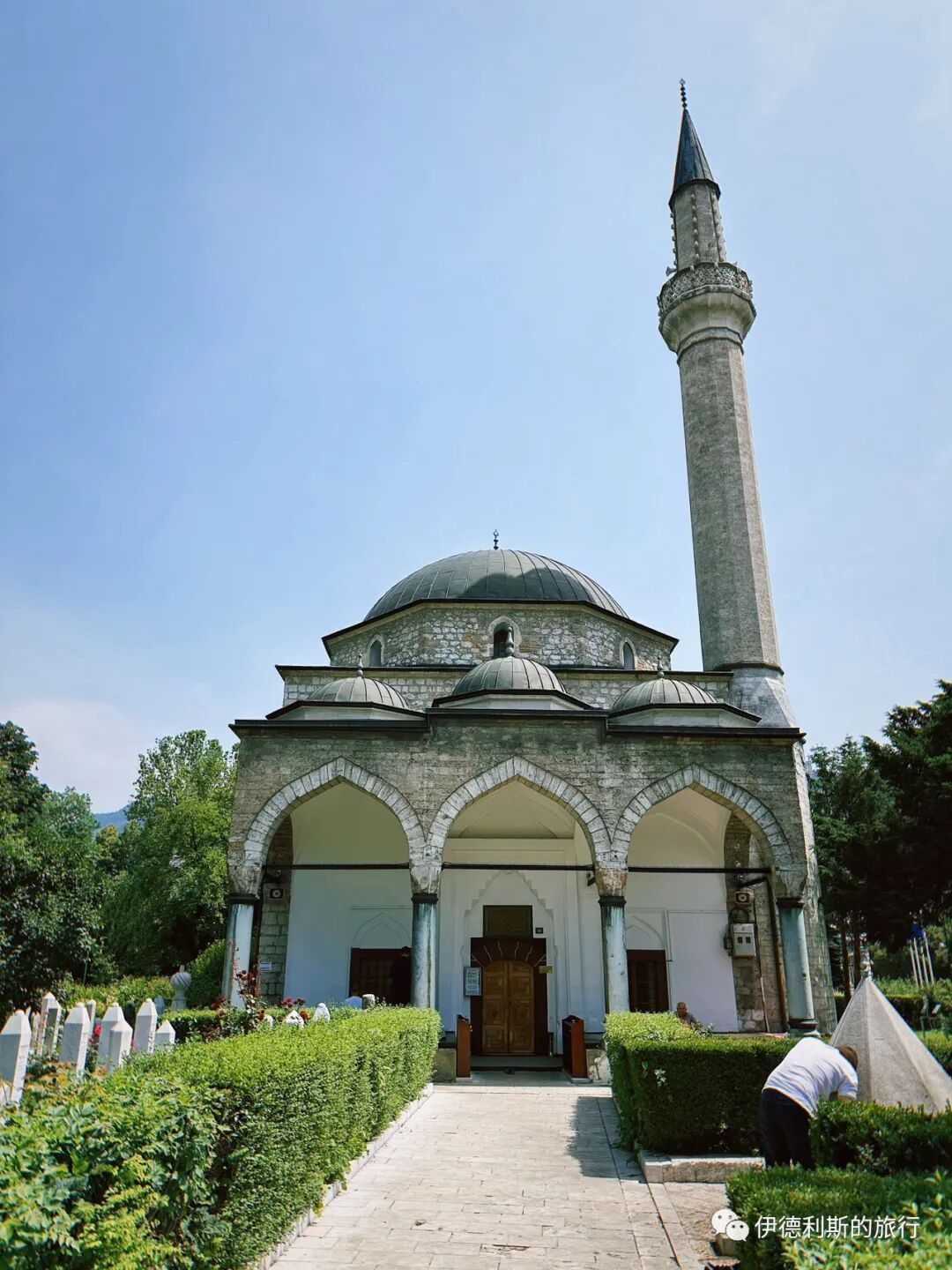
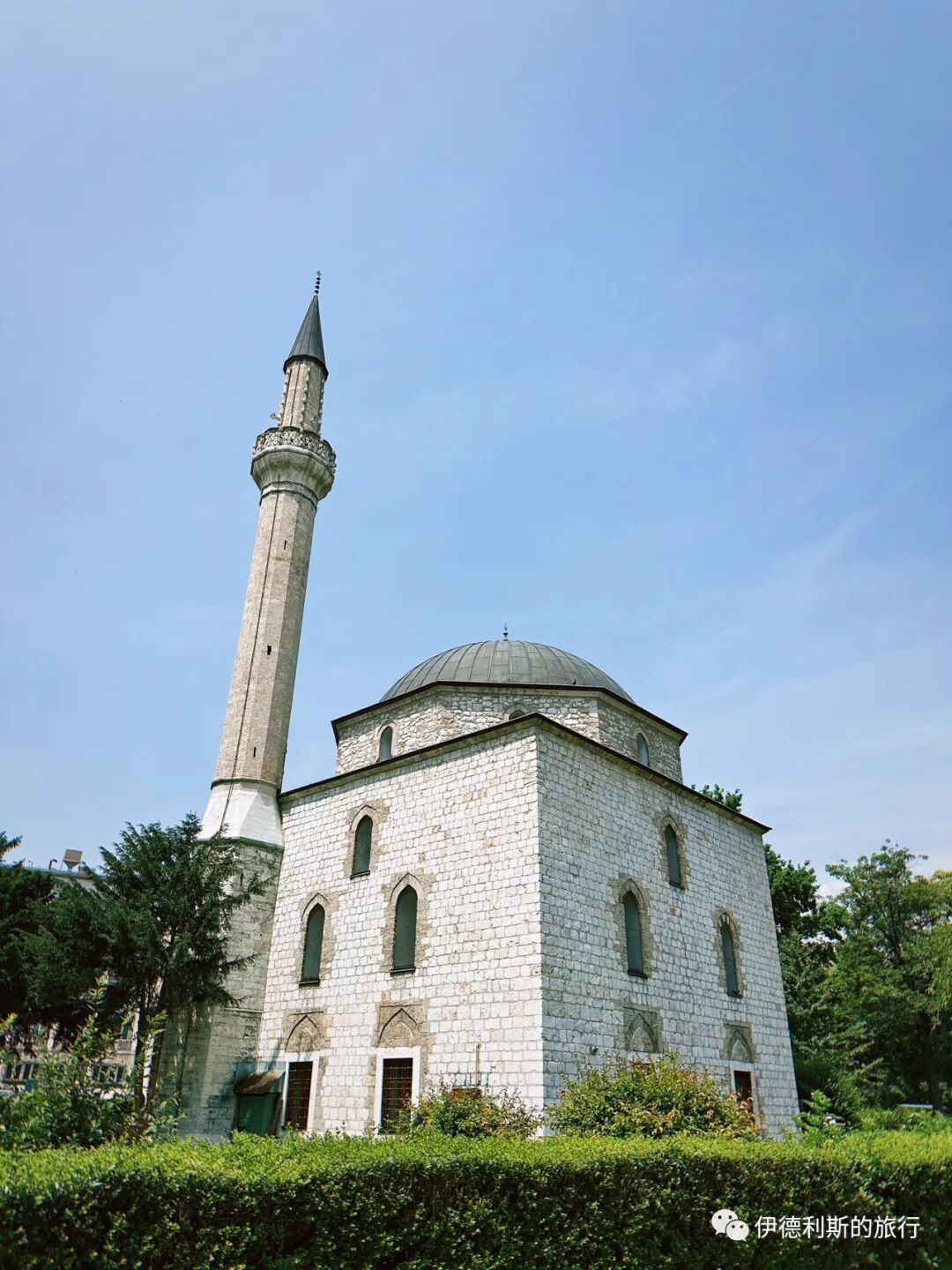
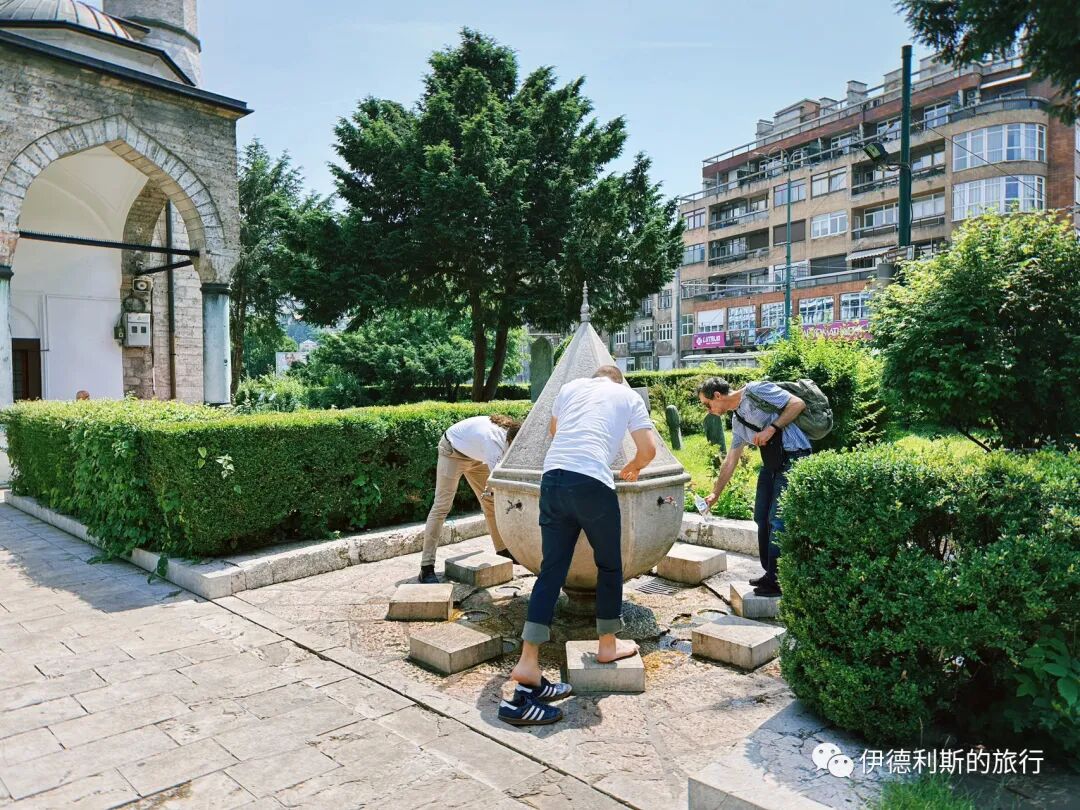
Ali Pasha Mosque was built in 1560-1561 by the Bosnian governor Ali Pasha, who was a local from Sarajevo. This is a single-domed mosque in the classical Ottoman style with beautiful architectural proportions. There used to be a large cemetery around the main hall, but it was turned into a park after tram tracks and roads were laid. A small ablution fountain was moved there in 1874. The mosque was severely damaged by shelling during the 1992-1995 Bosnian War and was renovated in 2004.
You can still see tombstones of victims from the 1993 Bosnian War next to the mosque today.
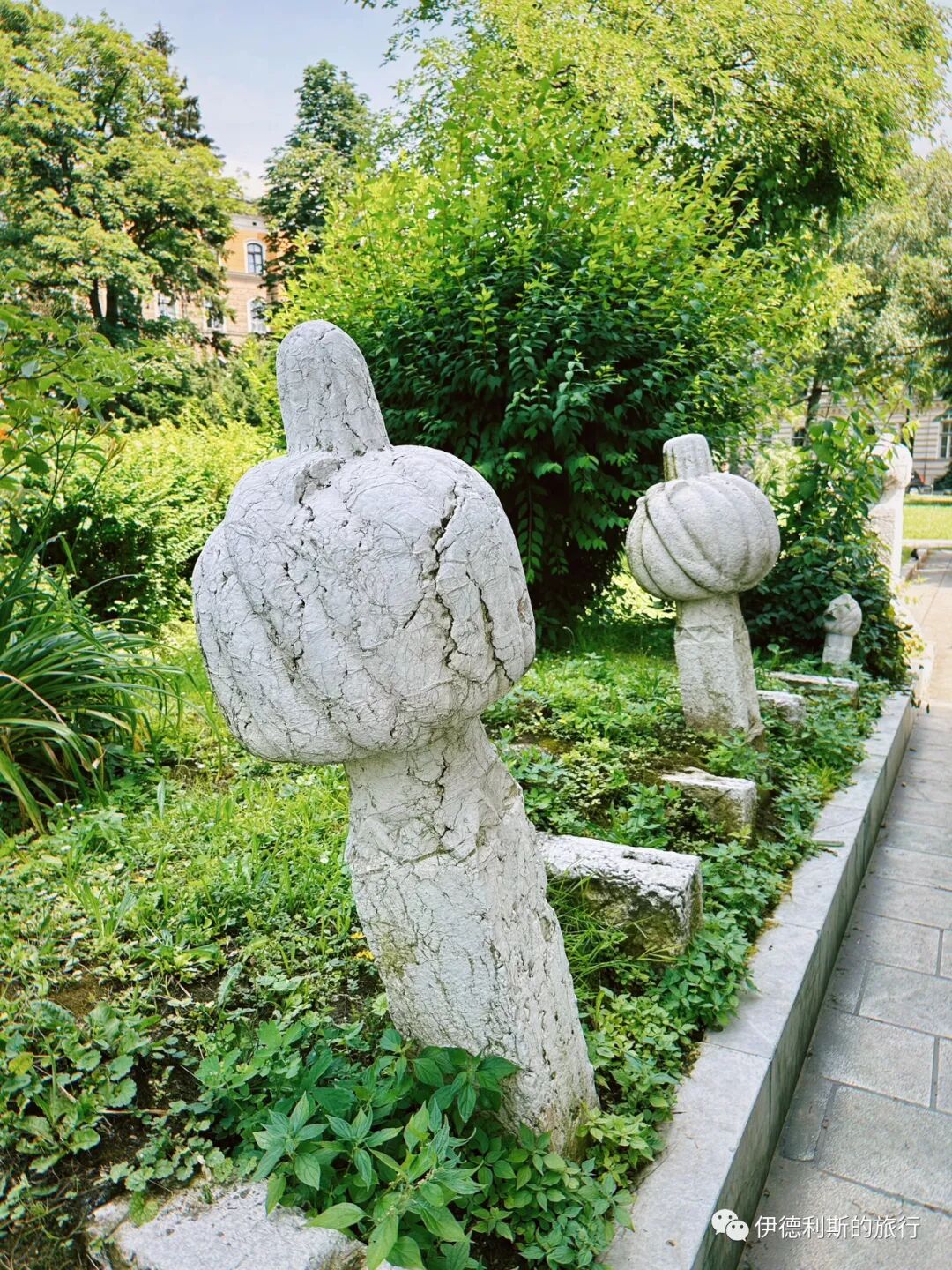
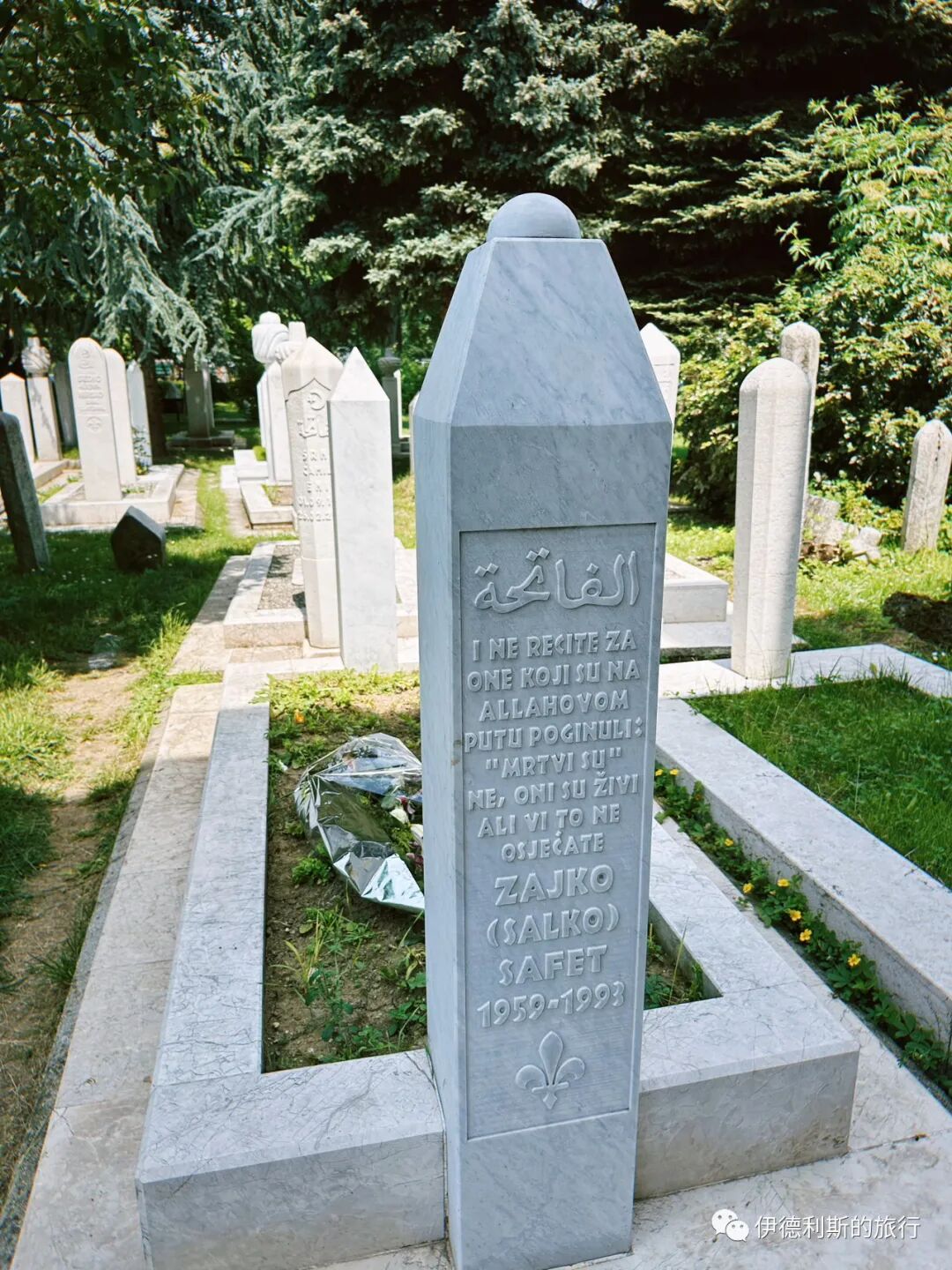
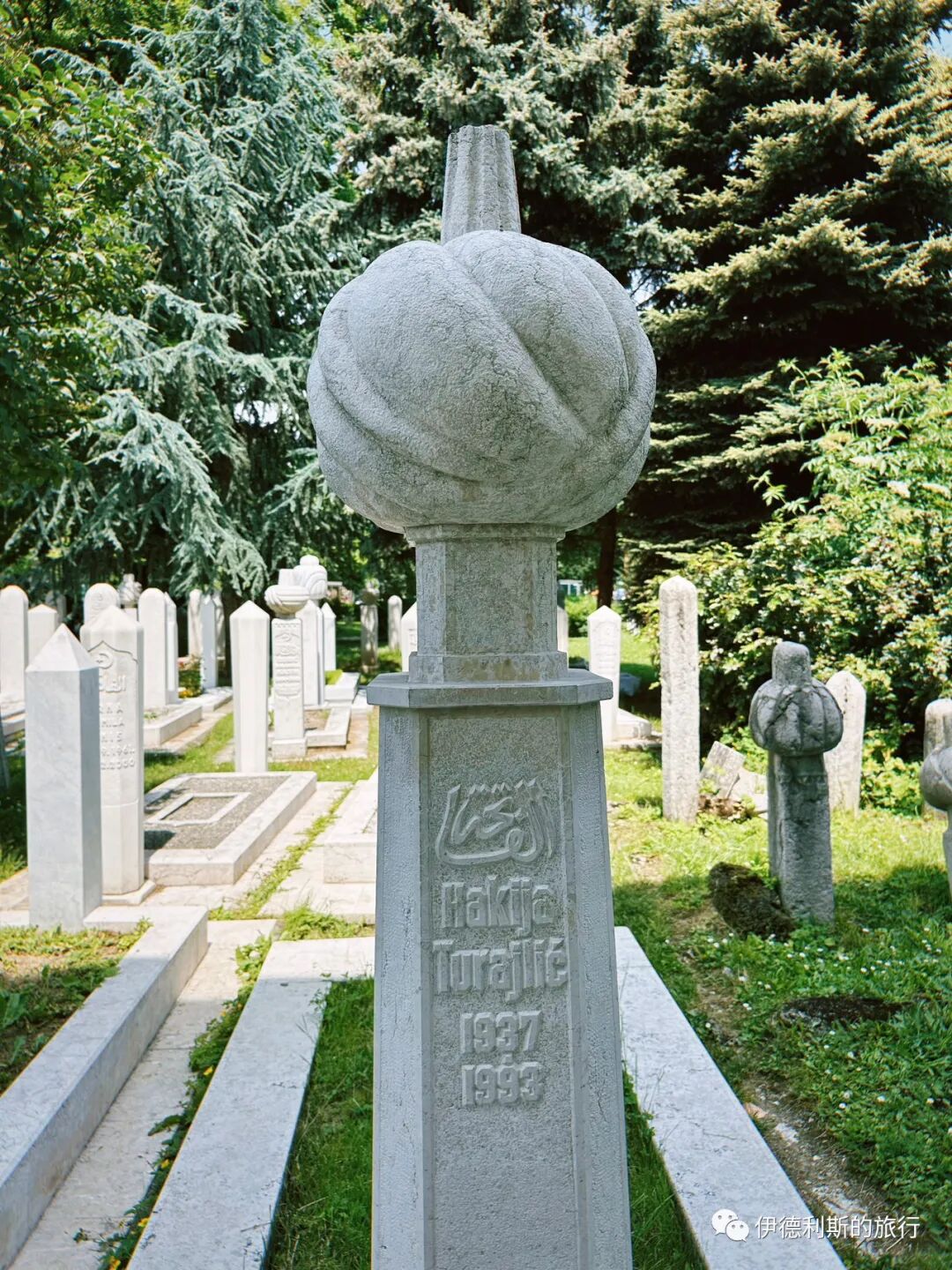
Ferhadija Mosque
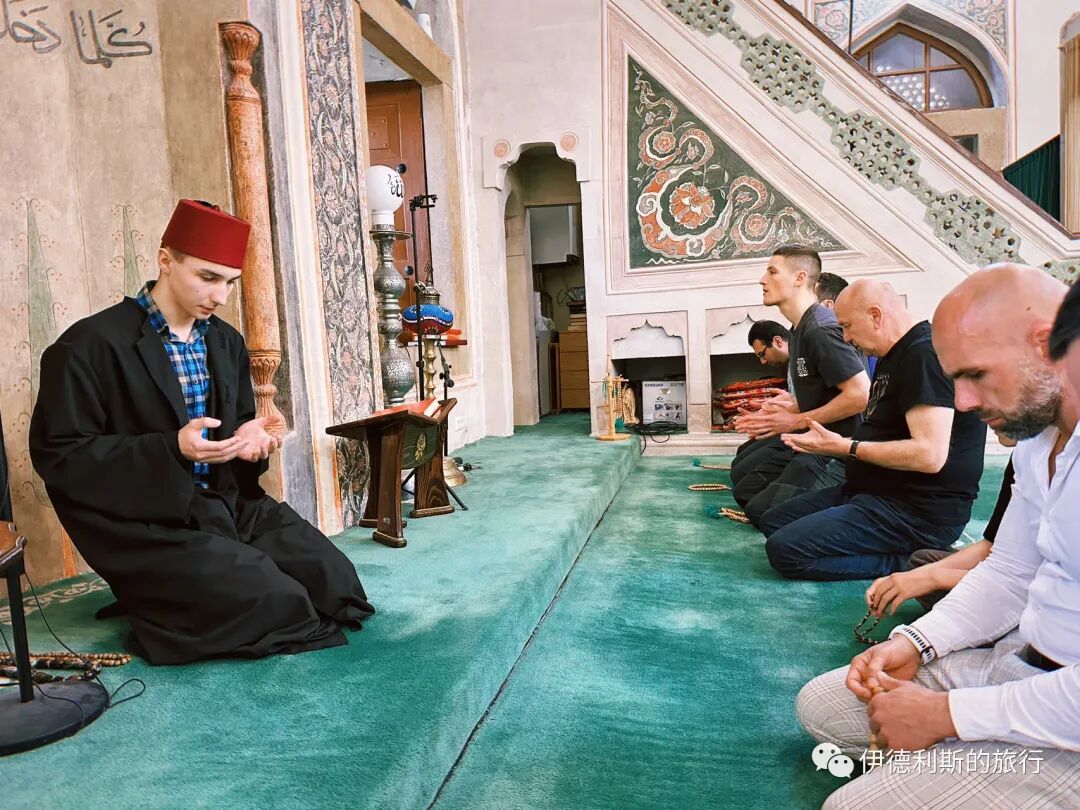
I prayed the afternoon prayer (asr) at Ferhadija Mosque in the old town of Sarajevo. The imam was very young and wore an Ottoman fez hat.
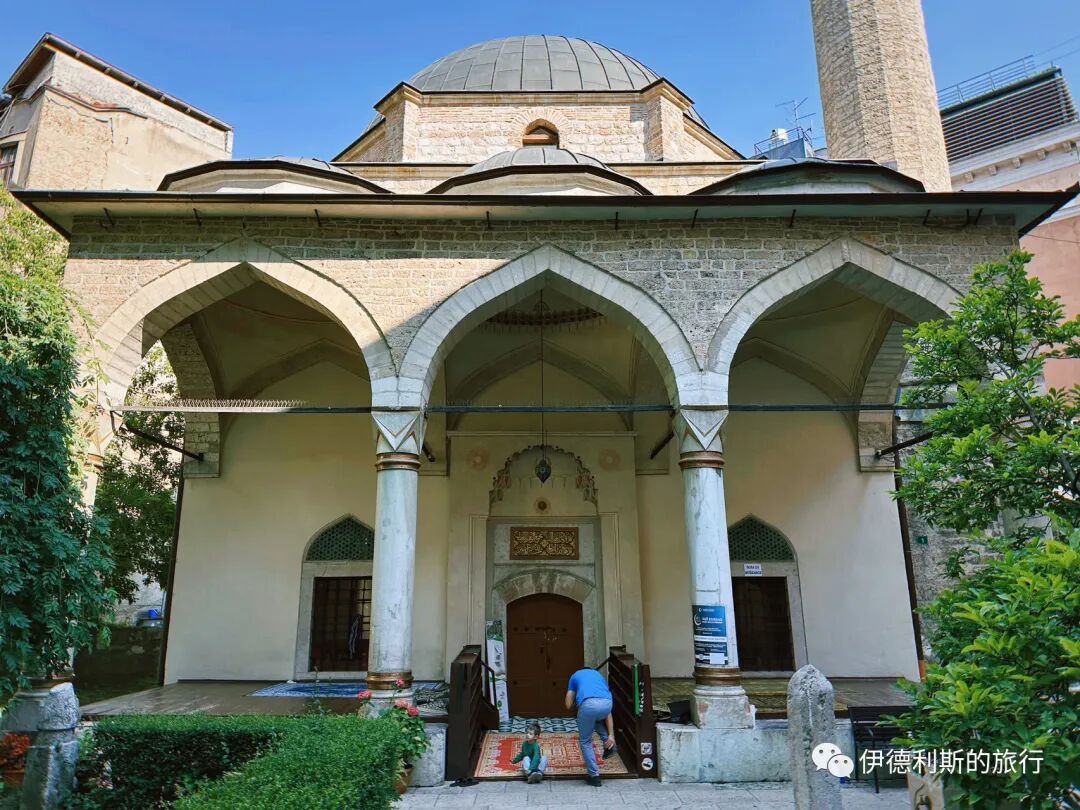
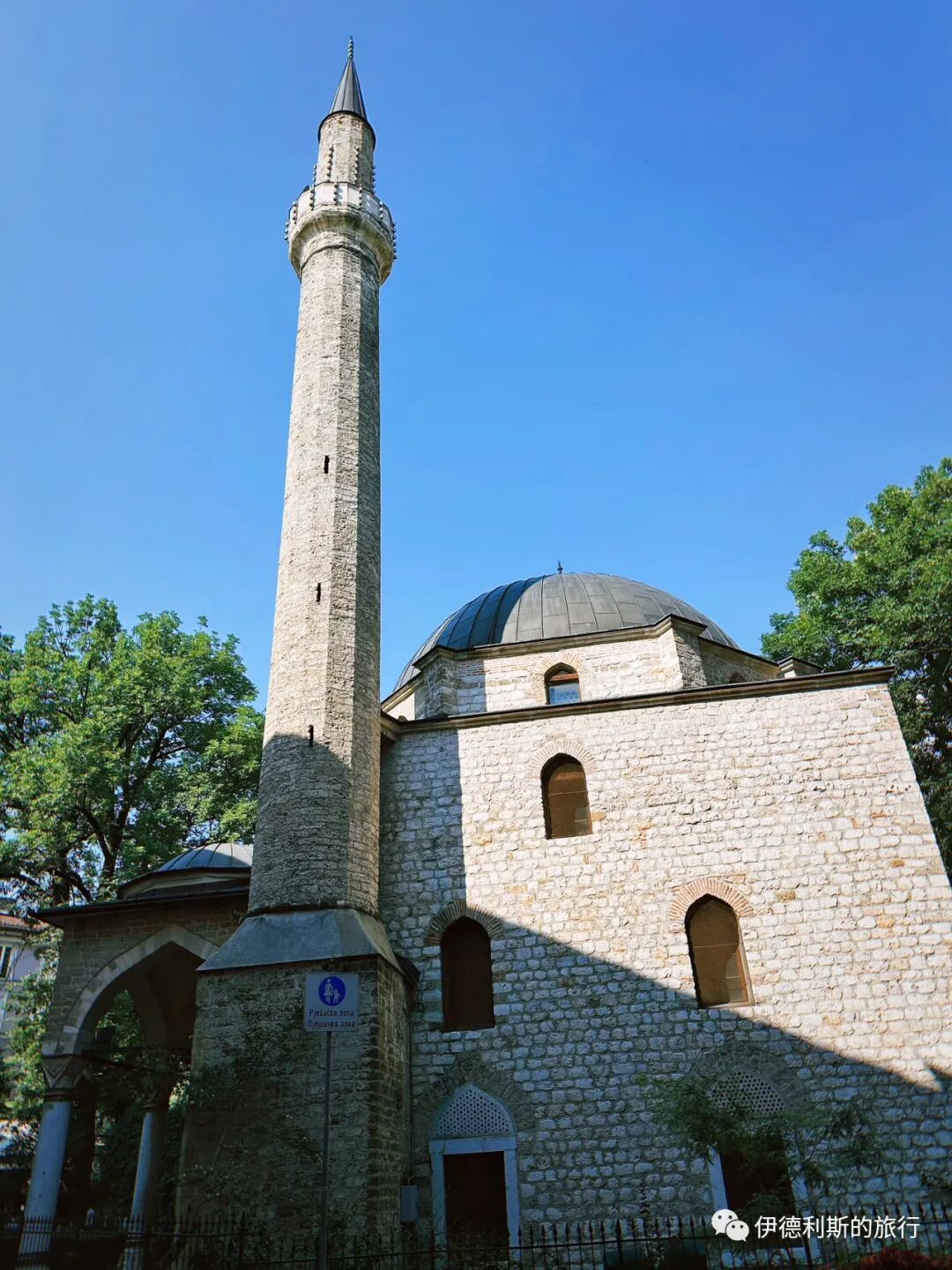
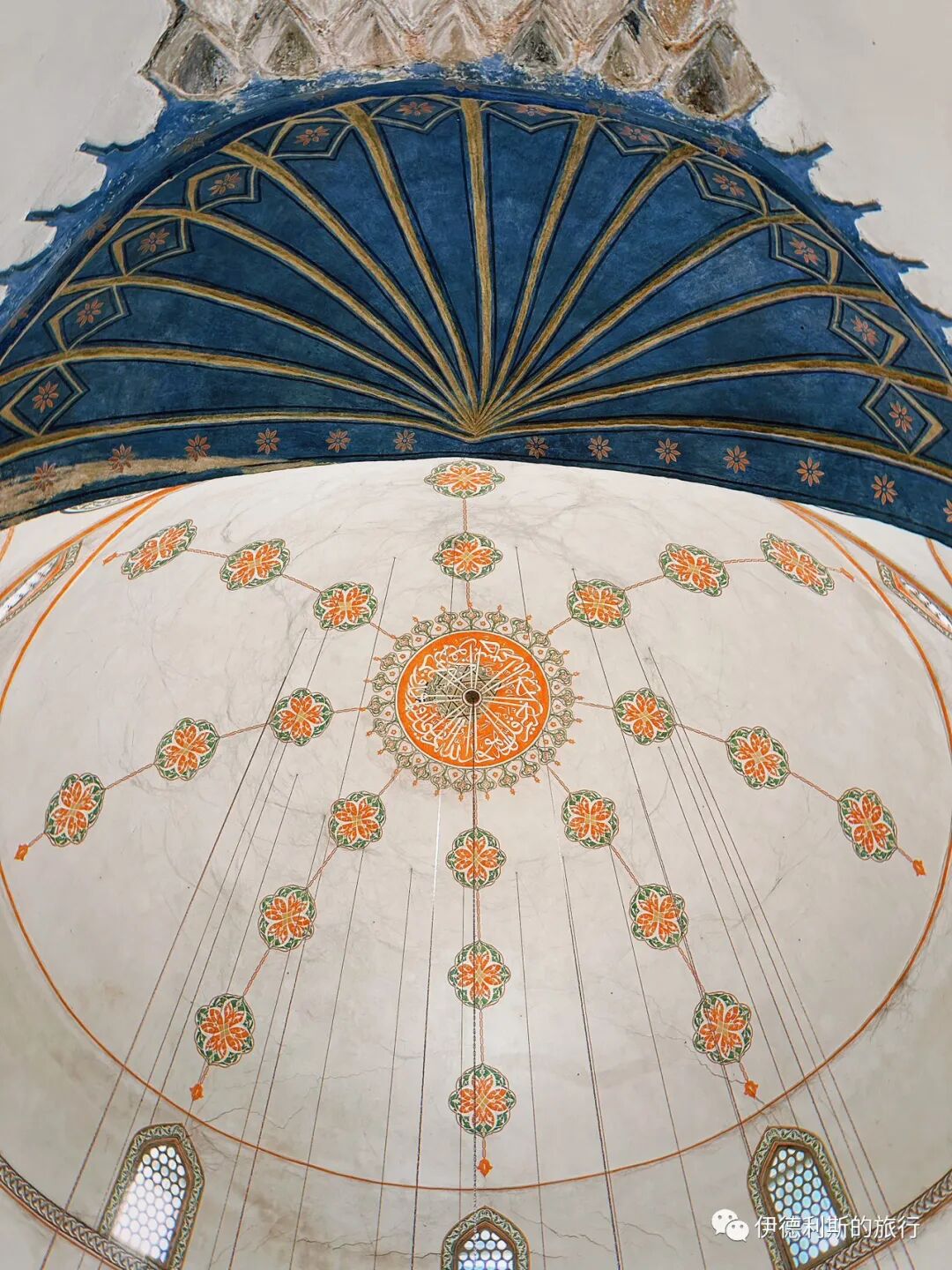
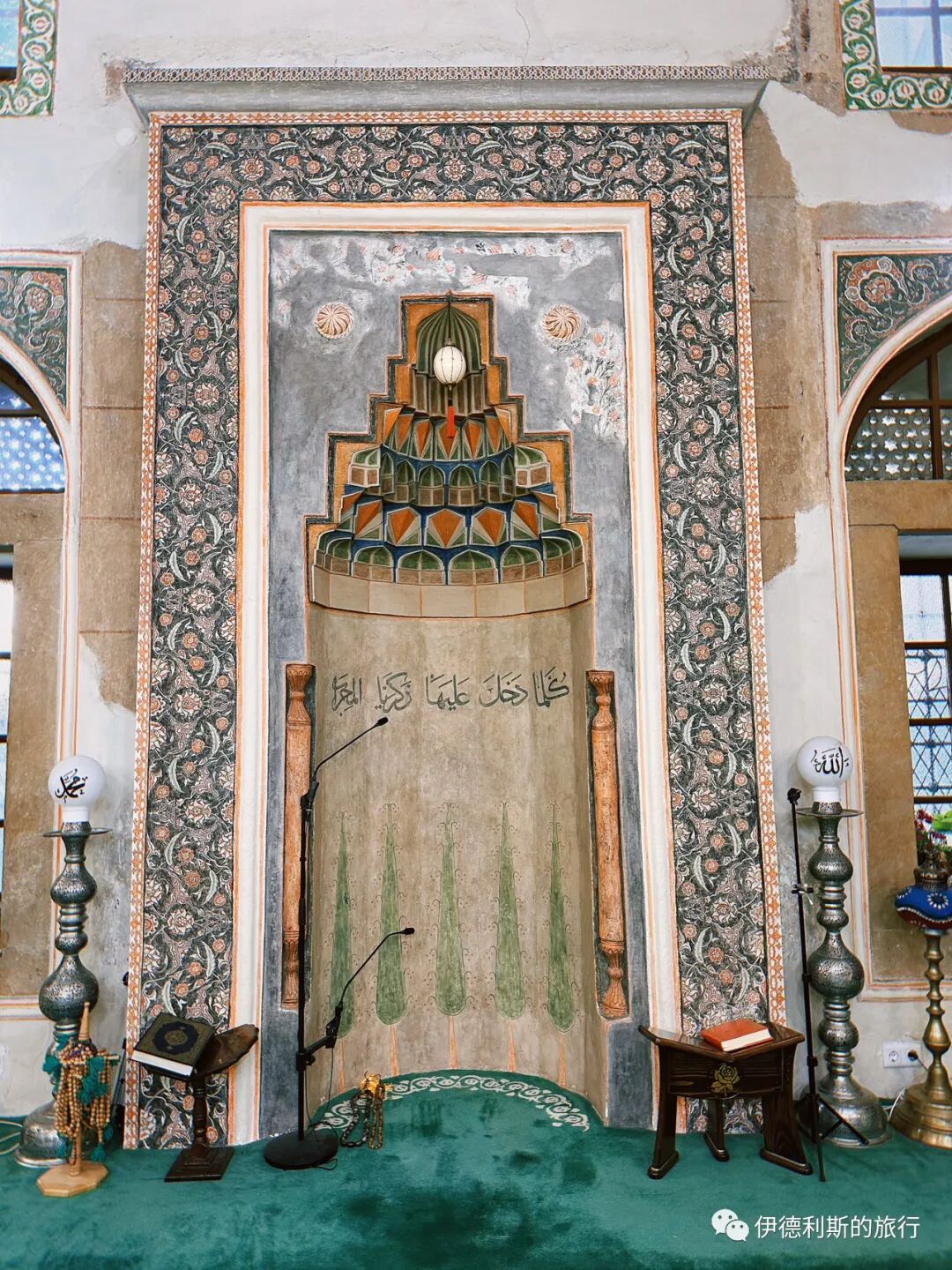
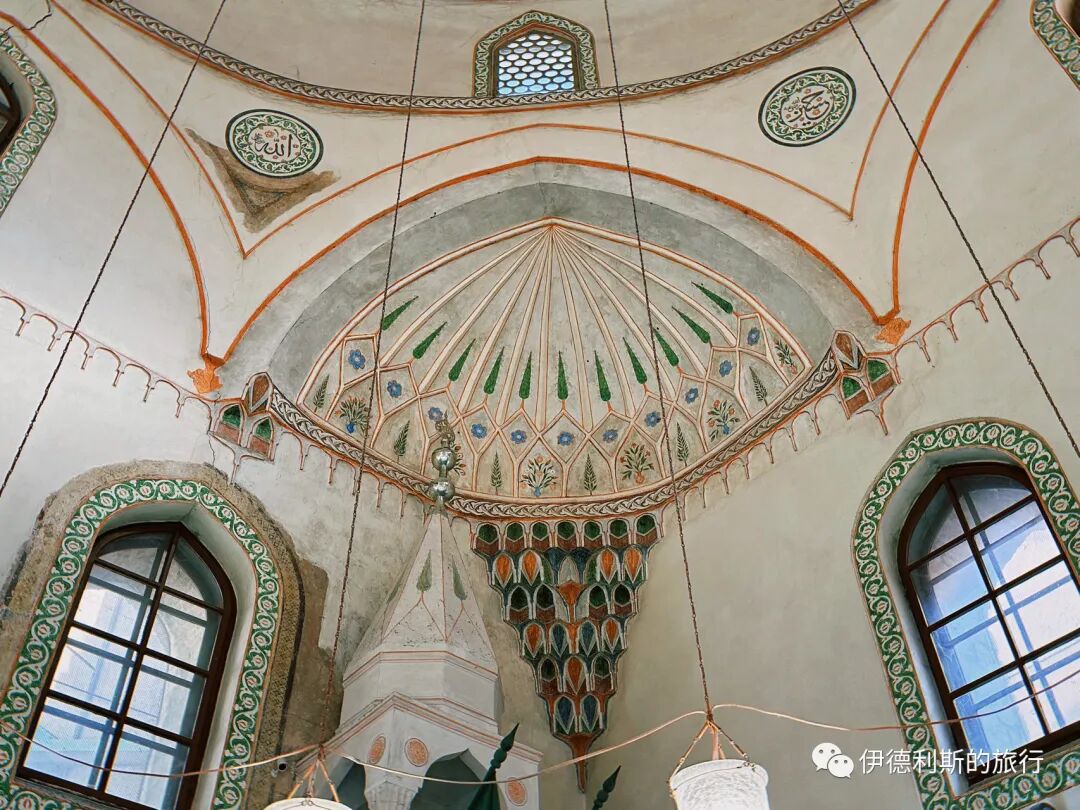
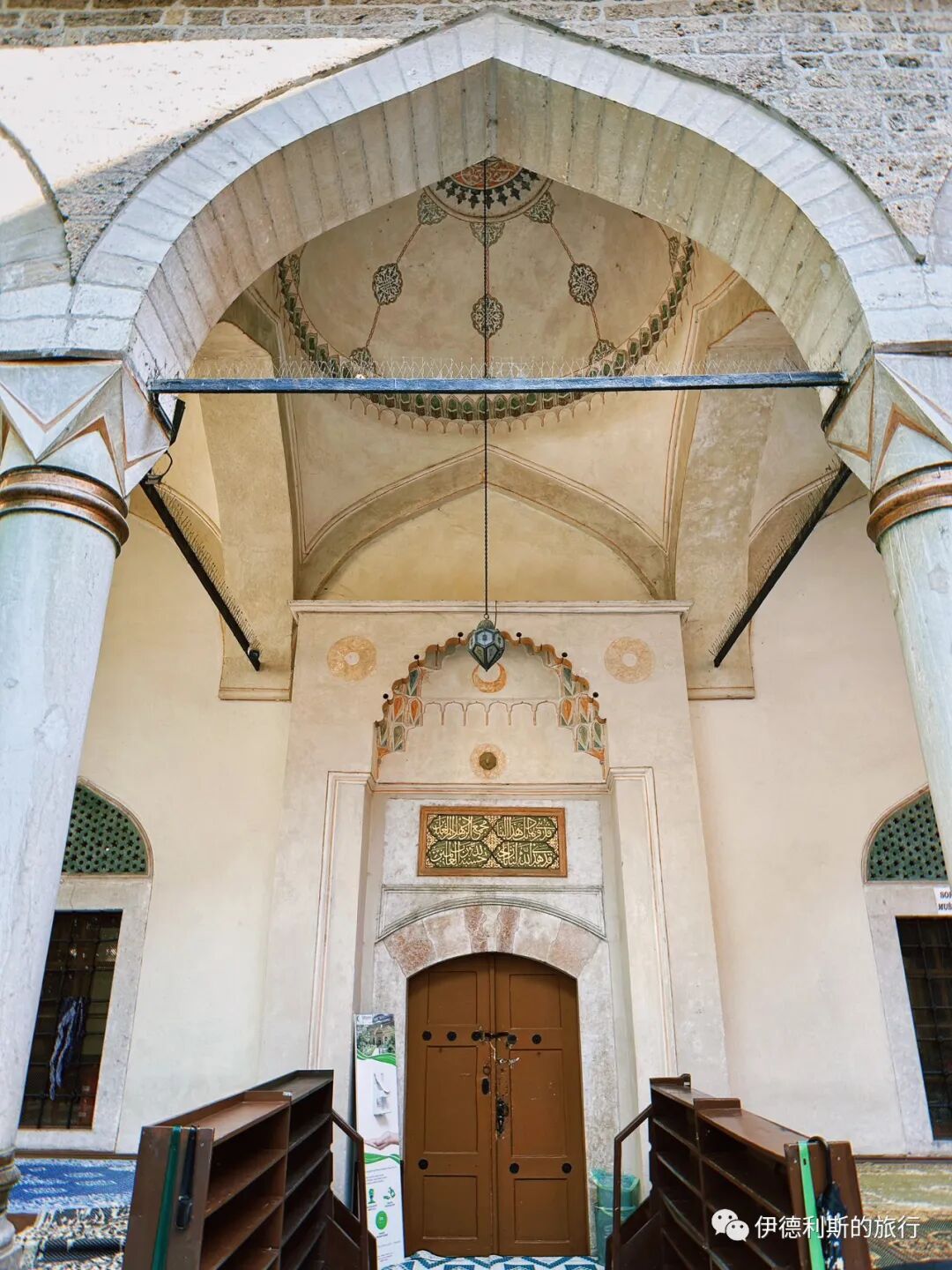
Ferhadija Mosque was built by Ferhad-beg Vuković-Desisalić in 1561-1562. The neighborhood that formed around it is also called Ferhadija. The mosque originally had a school (mekteb), a public kitchen (imaret), a water station, and a fountain, but they were all destroyed in fires in 1879 and 1897. It is a typical classical Ottoman building with a central dome over a rectangular main hall and three small domes on the front porch.
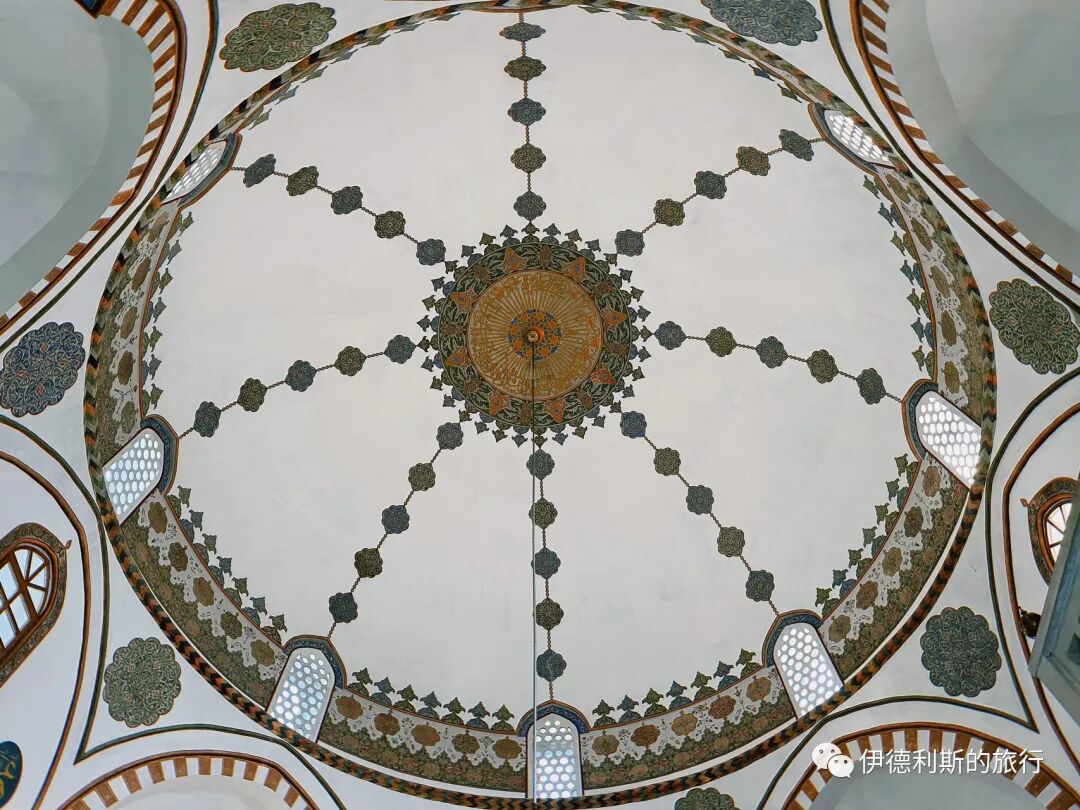
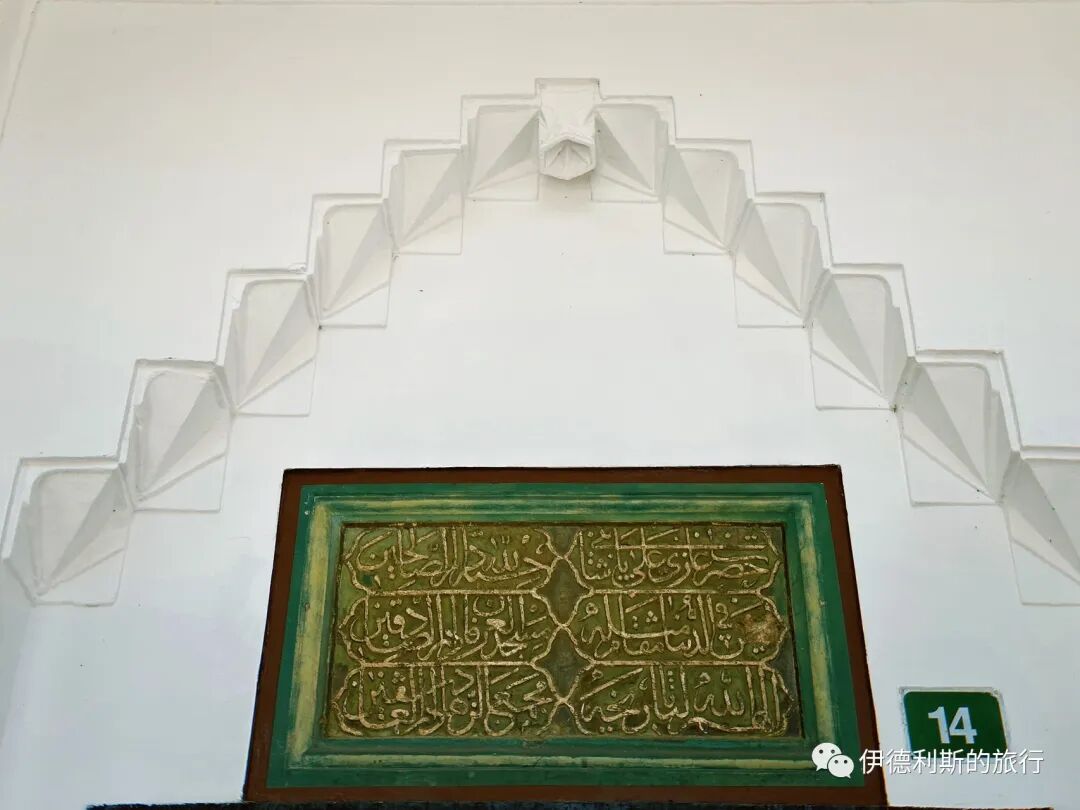
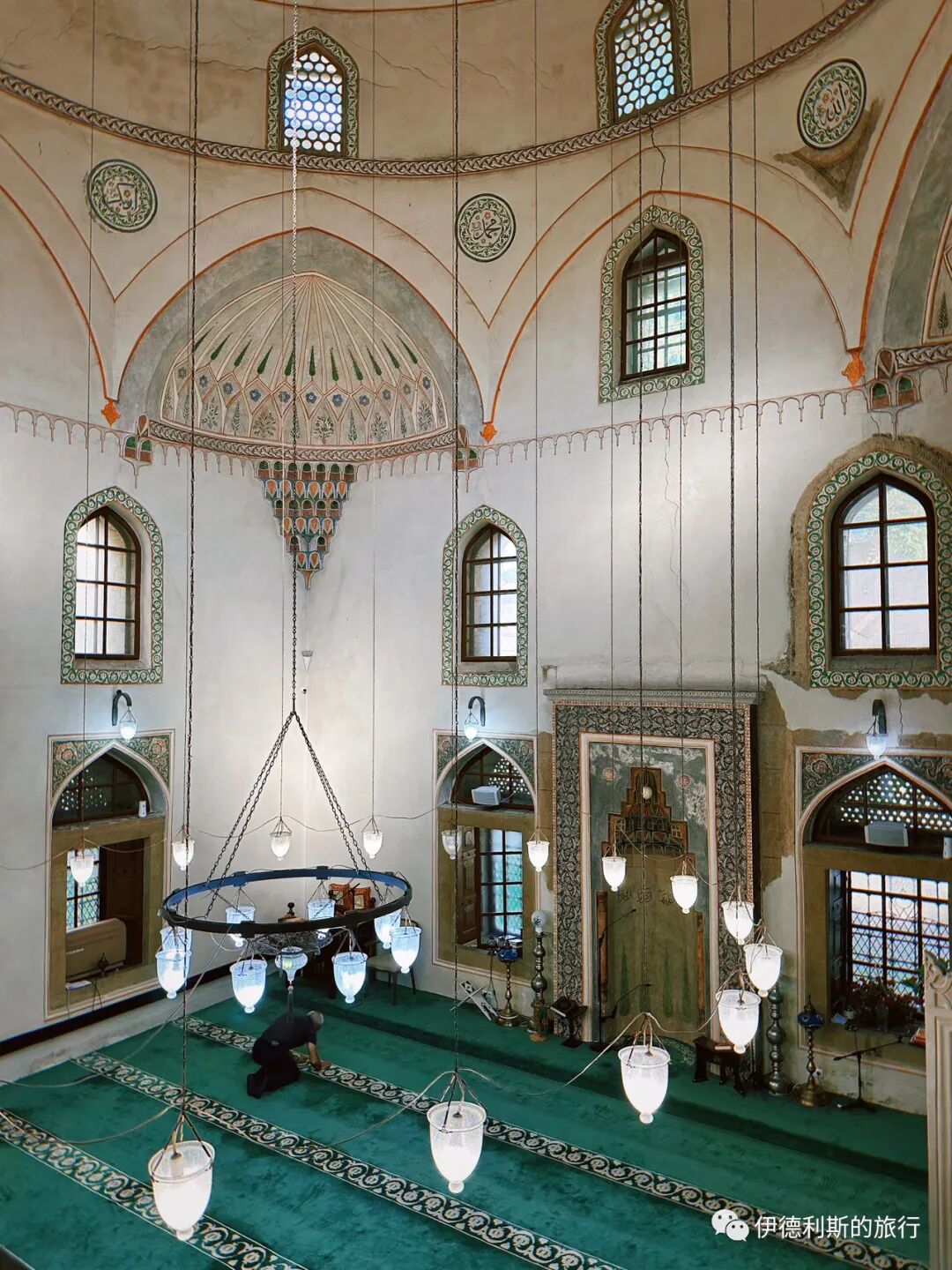
Research on the interior paintings of the mosque in 1964-1965 revealed five layers of paint from different periods. The first layer is the oldest and most valuable, dating back to the original construction in the 16th century. It was found on the dome, pendentives, squinches, and mihrab, and is known as the Rumi decorative style. The second layer features floral decorations in the center of the mihrab and parts of the dome in an 18th-century style, while the third and fourth layers date from the late 19th to the early 20th century.
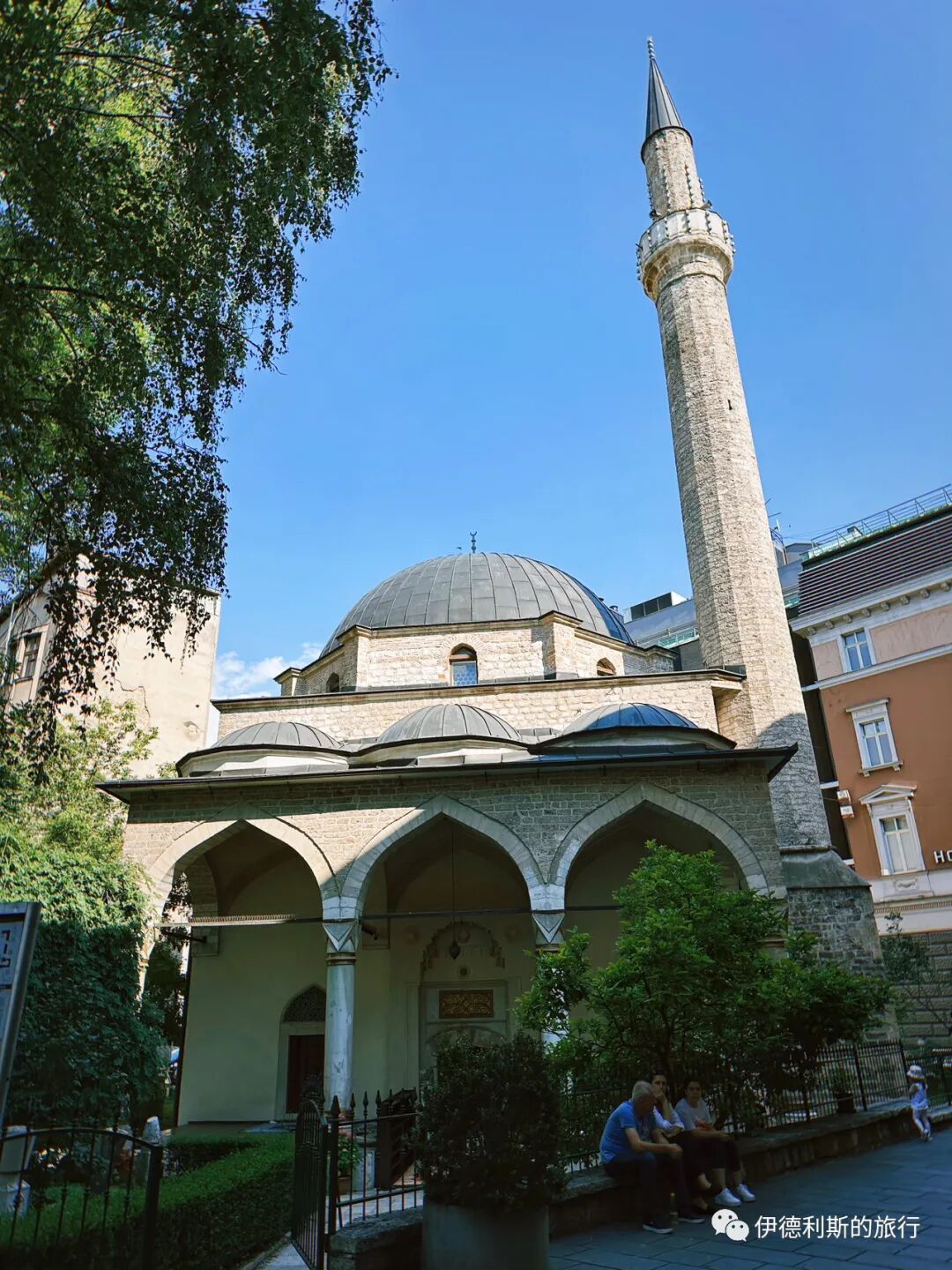
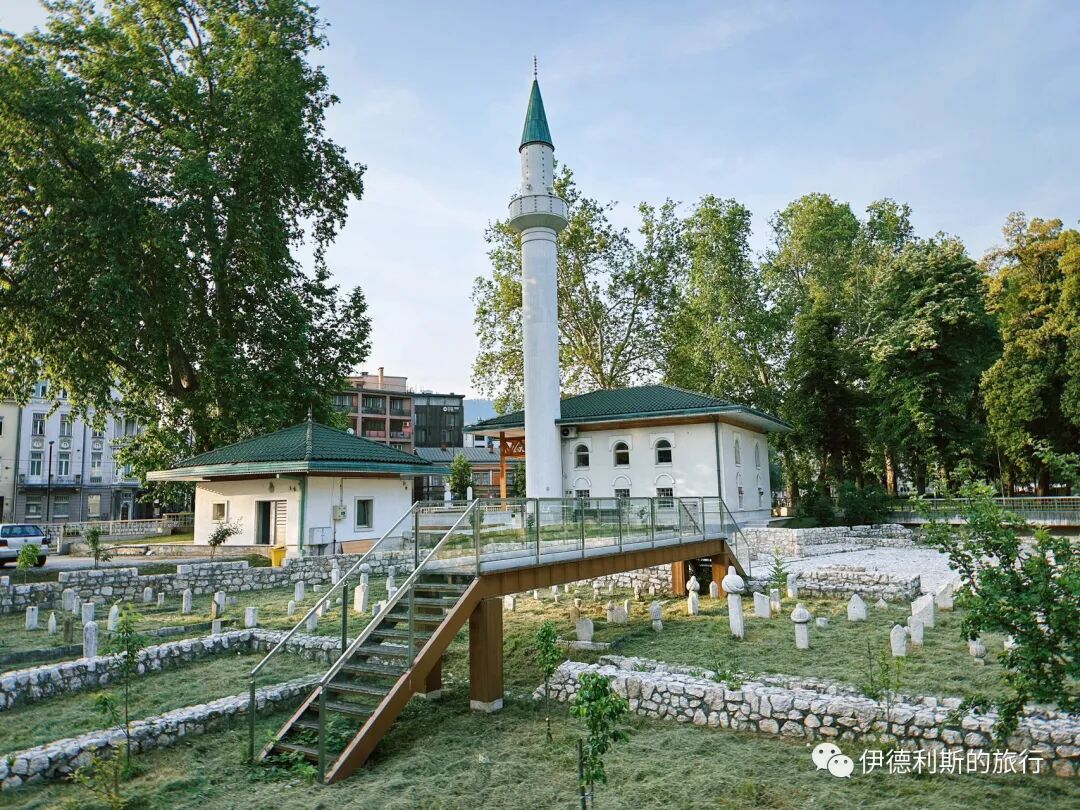
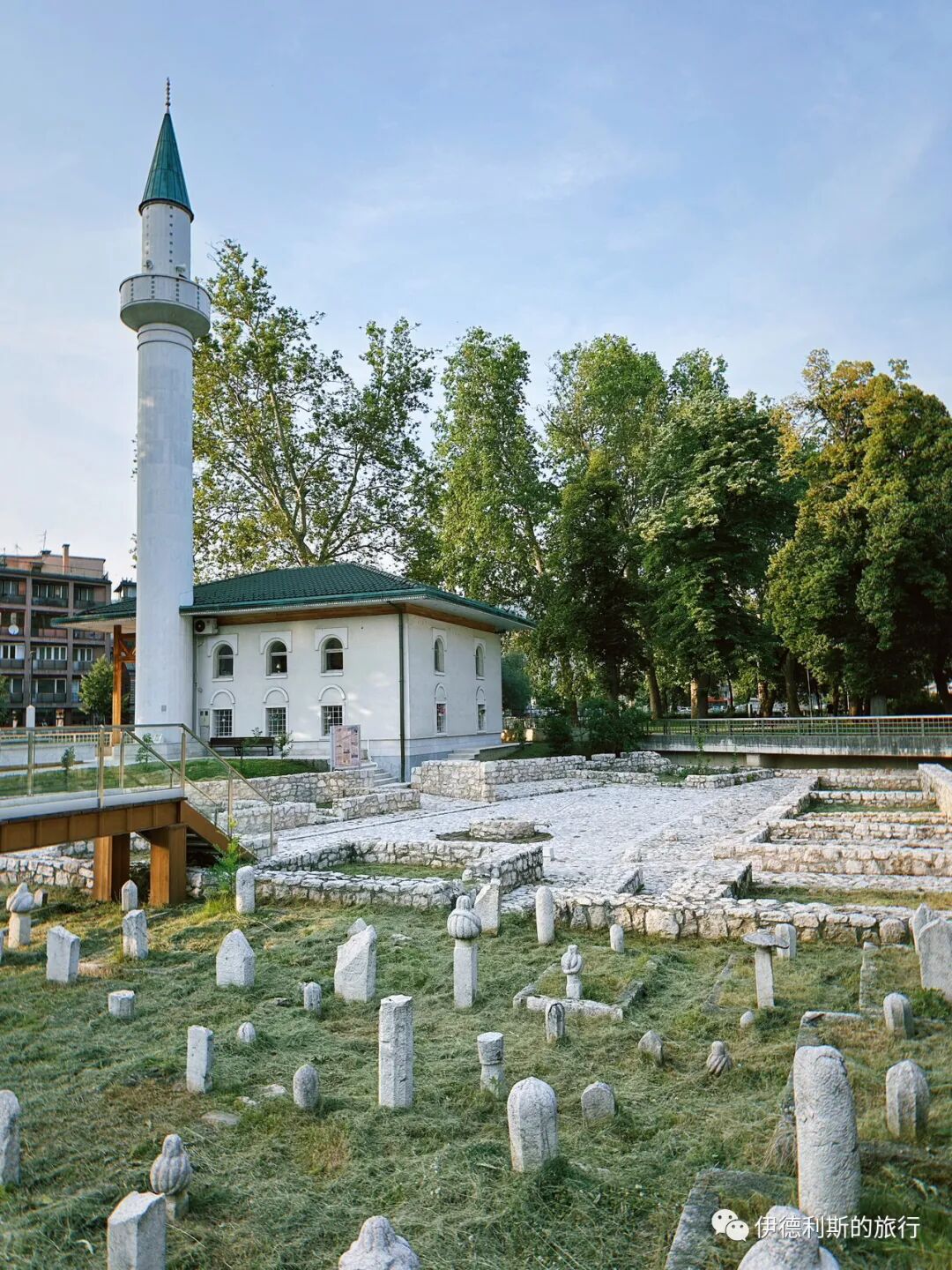
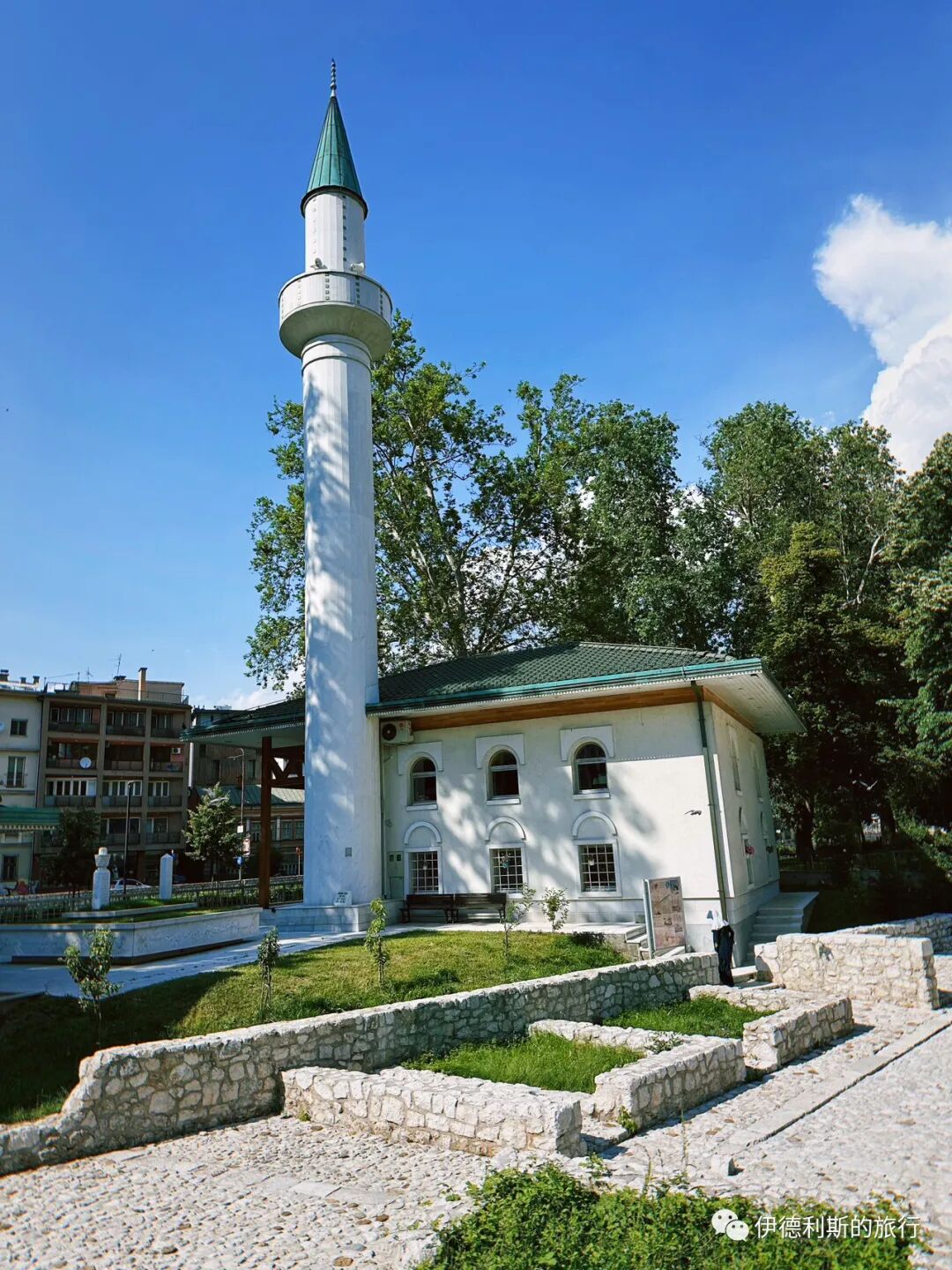
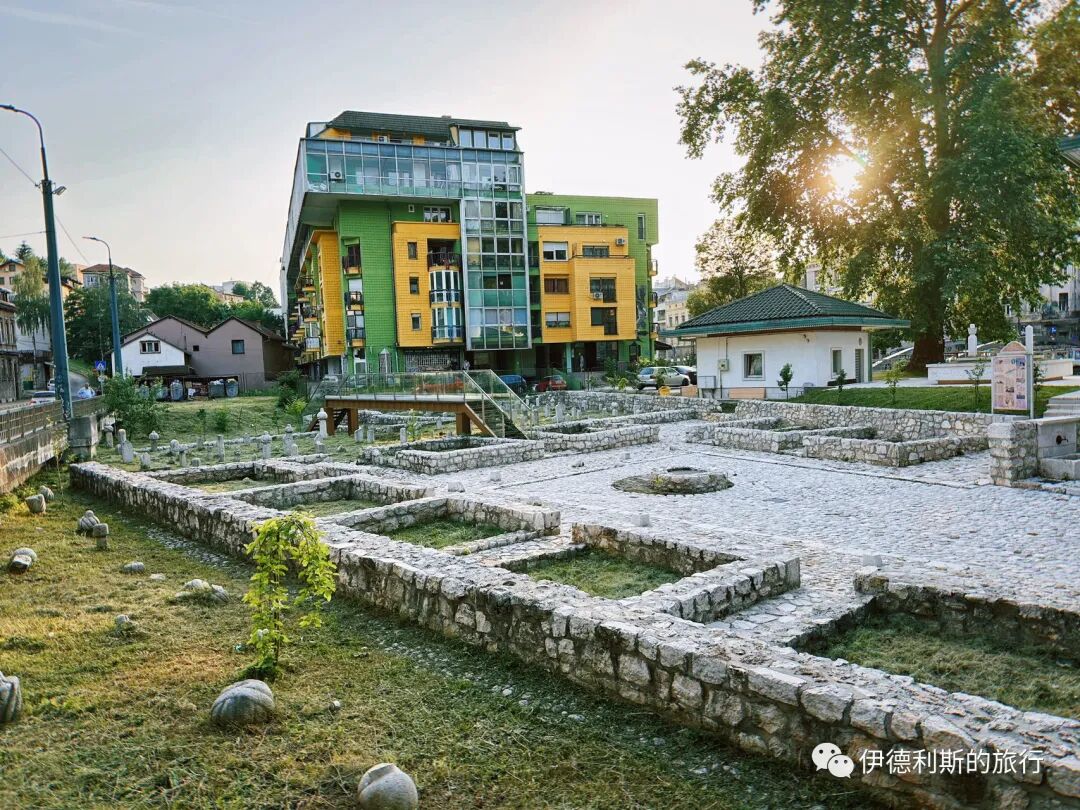
Bakrbaba Mosque archaeological site
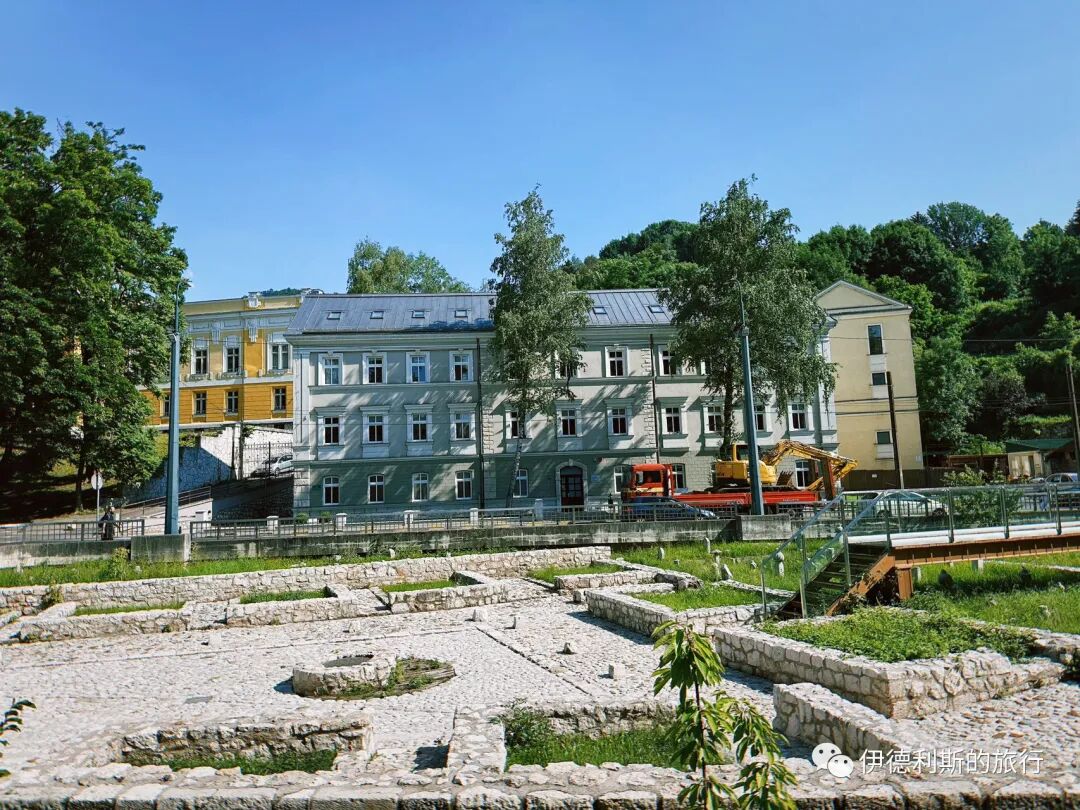
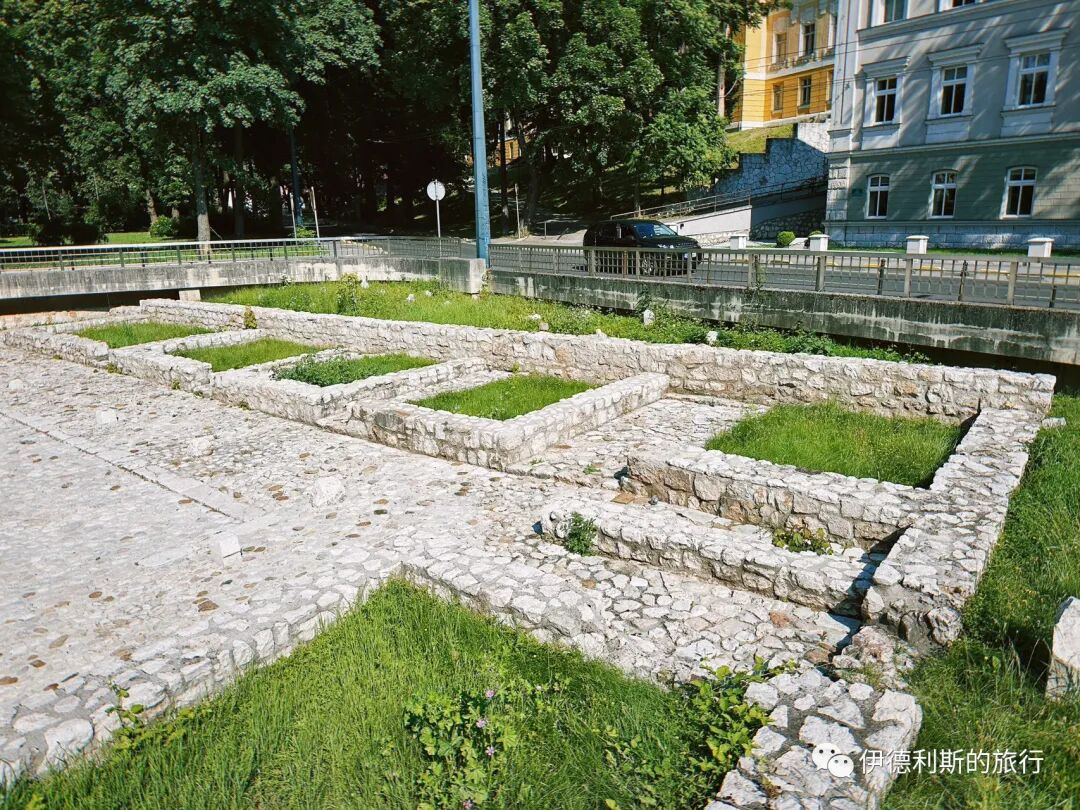
Archaeological site of the Bakrbaba Mosque, including the religious school (mekteb), primary school, and private quarters (harem).
The Bakrbaba Mosque was built in 1544 by the famous Sarajevo merchant Hajji-Alija Bakrbaba and featured a 30-meter-tall minaret at the time. In 1697, the Ottoman Empire was defeated by the Holy League of Europe, and Sarajevo was looted and burned. The Bakrbaba Mosque was destroyed in the fire but was rebuilt in the early 18th century.
A primary school and private quarters were originally built on the west side of the mosque. In 1741/2, Hajji Ismail Misrija added a religious school and a cemetery on the east side of the courtyard. Shortly after, Abdulah Efendi Kantamirija built a library across the street, making this an important educational and cultural center in Sarajevo.
After the Austro-Hungarian Empire took control of Sarajevo in 1878, the mosque was first turned into a military warehouse and was finally demolished in 1895. The primary school next to the mosque was also destroyed in 1895, the library was destroyed in 1897, and the religious school remained until the beginning of World War II.
Since 2000, at the request of Islamic scholar Hajji Hafez Halid Efendi Hadžimulić, Sarajevo began archaeological research on the Bakrbaba Mosque complex. In 2009, the reconstruction of the Bakrbaba Mosque was funded by Husein Durman, a businessman from Bursa, Turkey, and it officially opened in 2011.
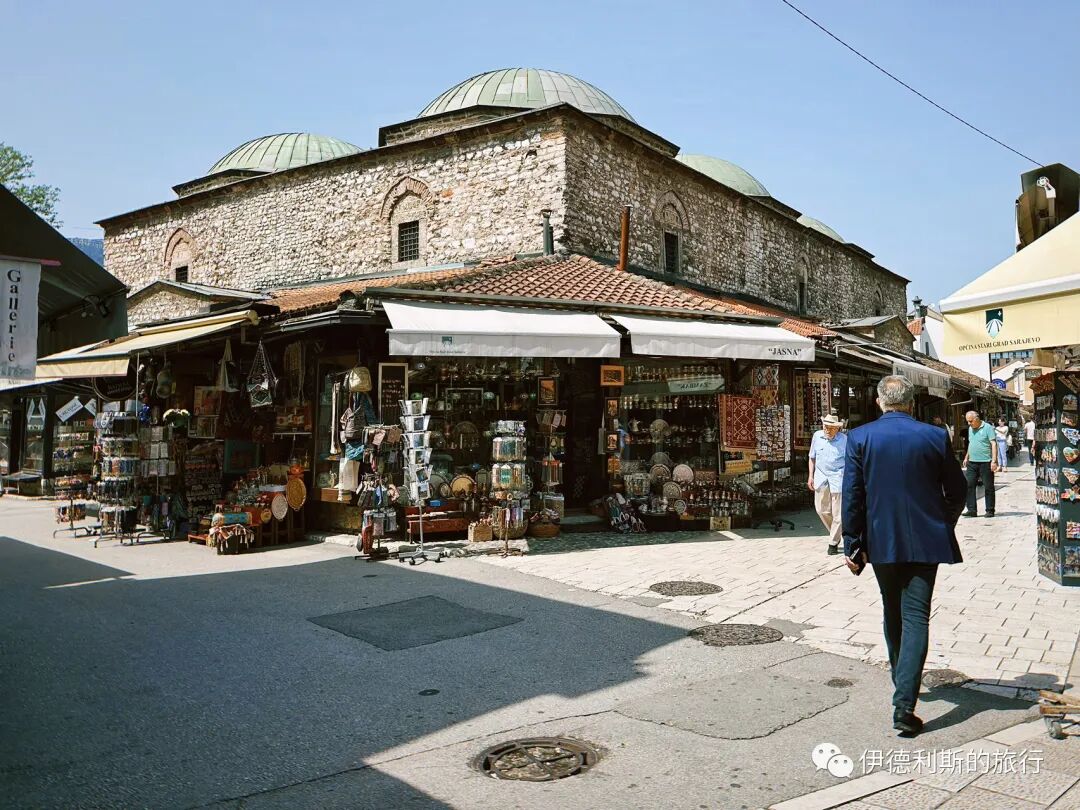
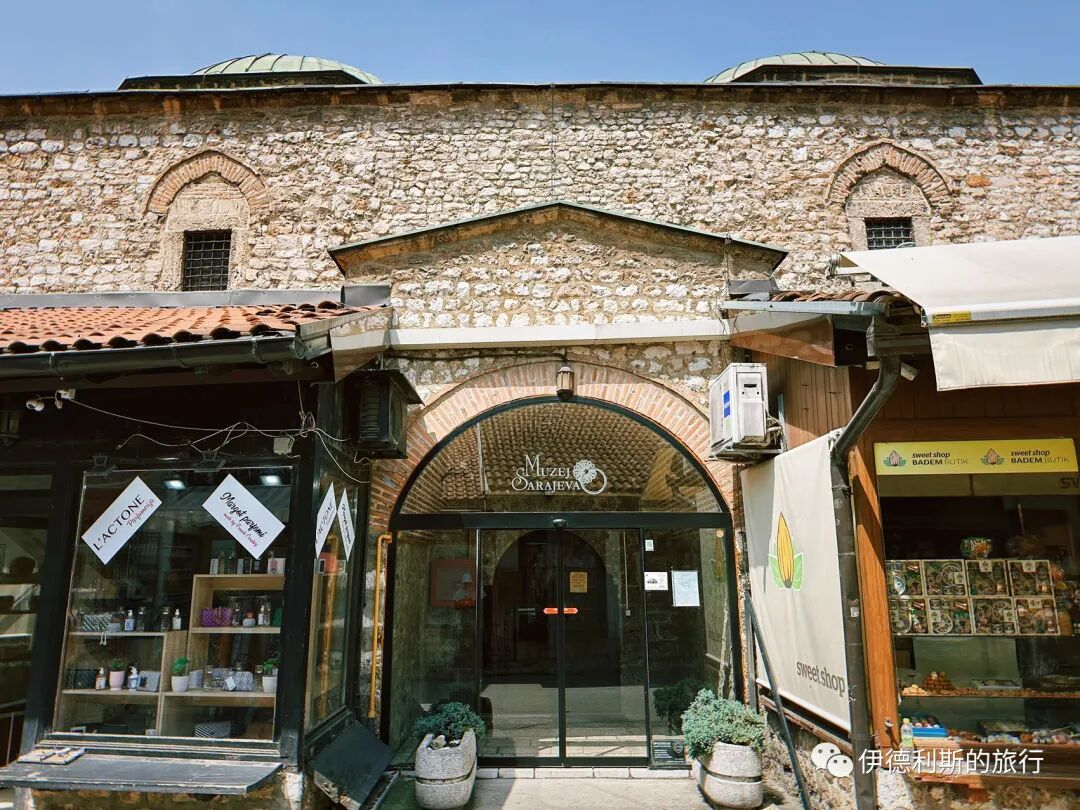
Brusa Bezistan covered market.
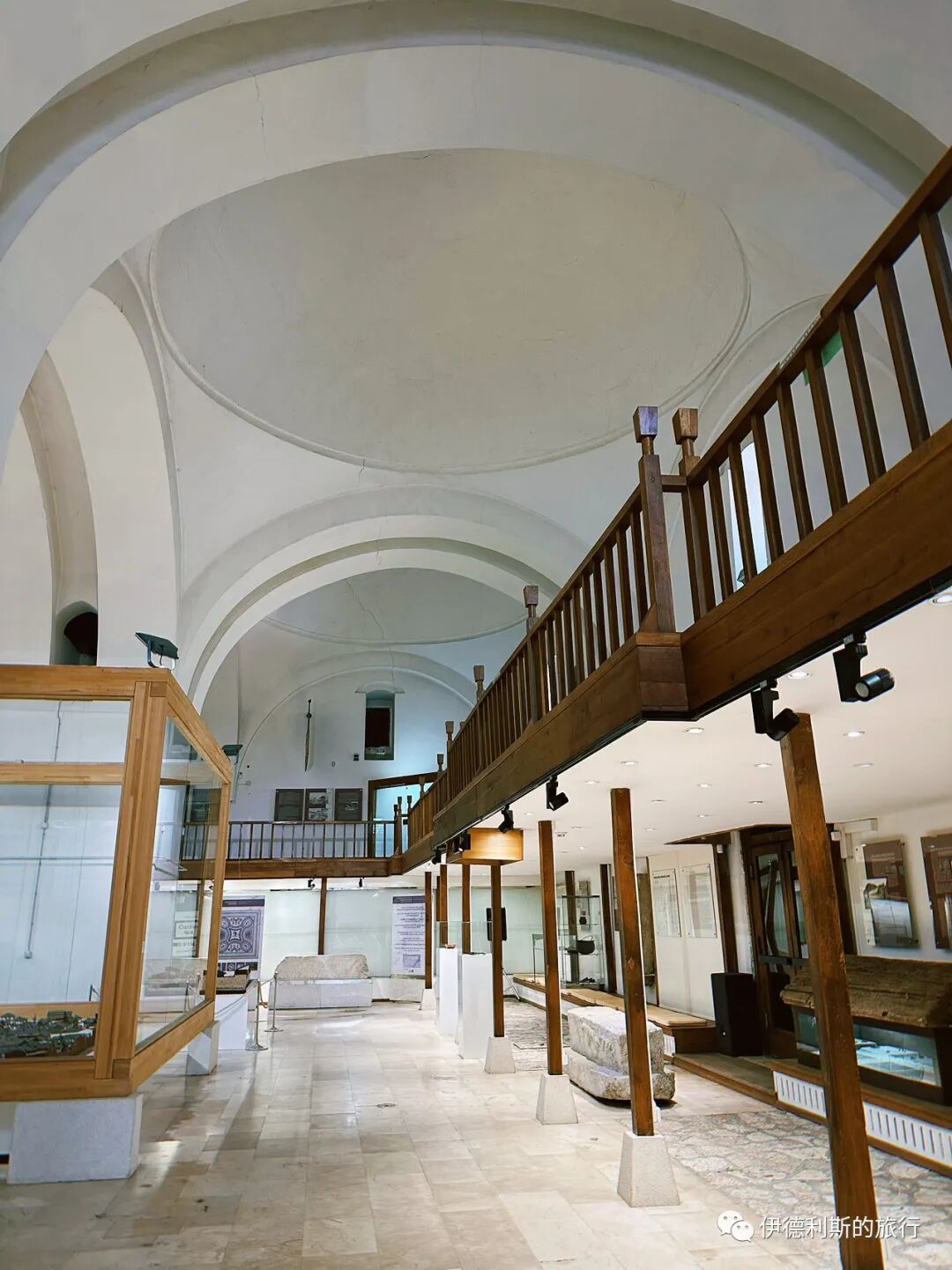
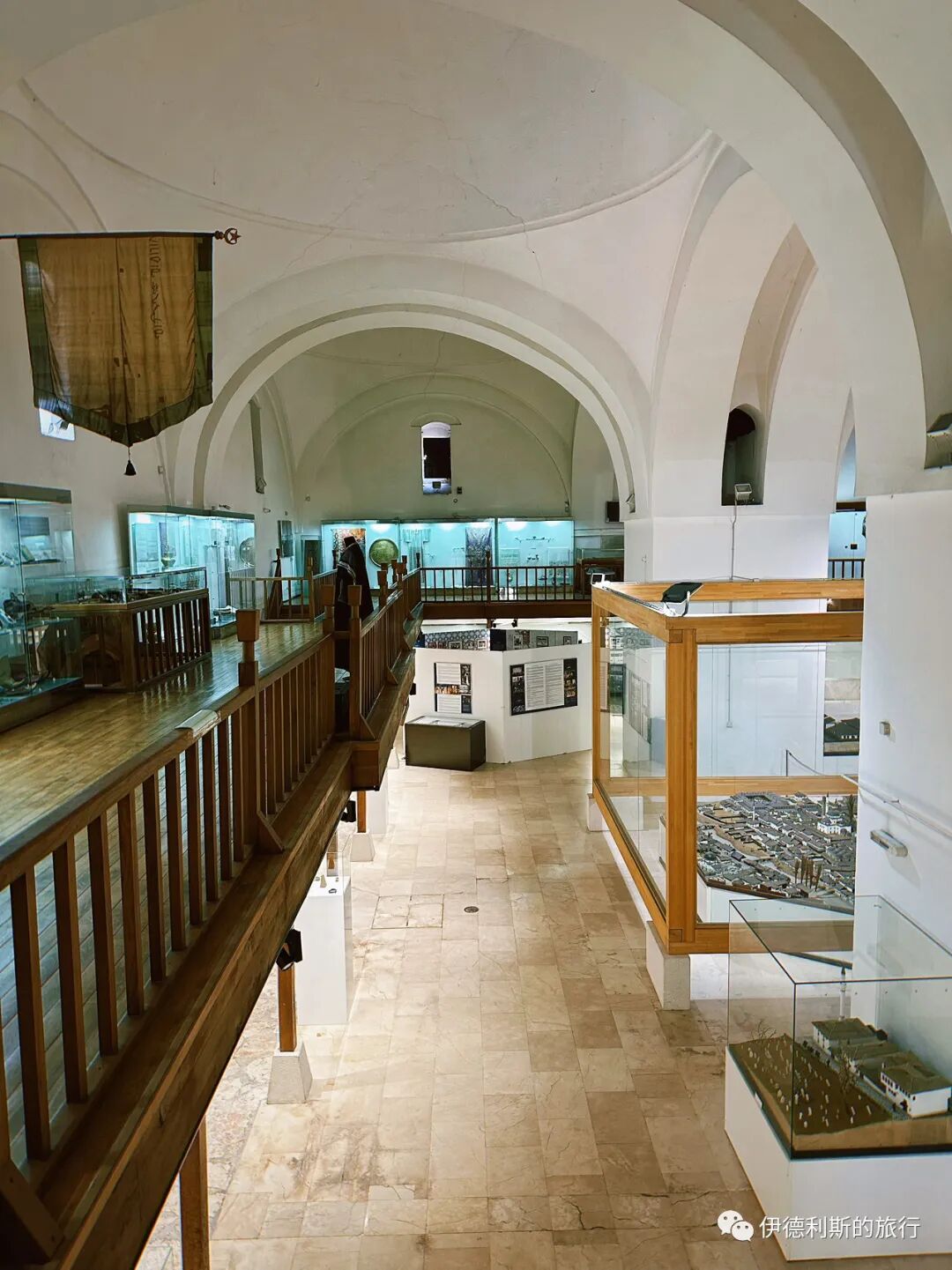
The Brusa Bezistan covered market is located in the Grand Bazaar of Sarajevo's Old Town. It was ordered to be built in 1551 by Grand Vizier Rüstem Pasha during the reign of Suleiman the Magnificent of the Ottoman Empire and was named after Bursa, the old capital of the Ottoman Empire. This market has six domes. It originally sold silk, household goods, and small furniture. Today, it is the Sarajevo Museum, which displays precious artifacts from the Ottoman period.
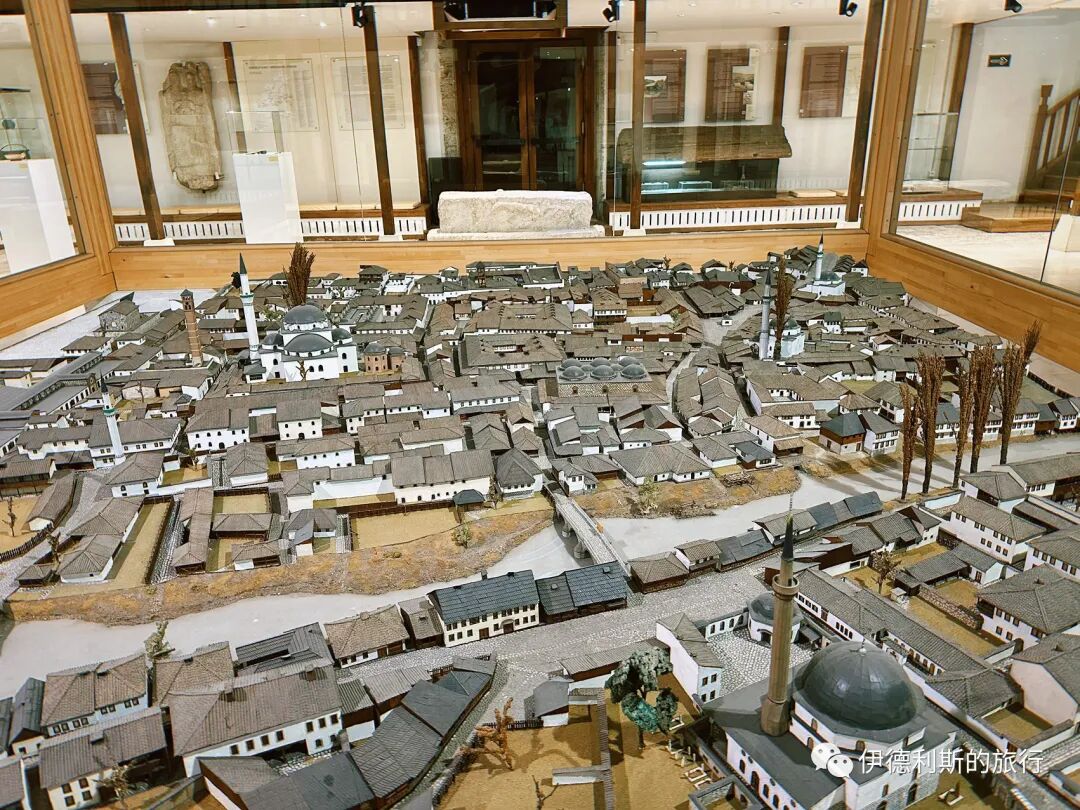
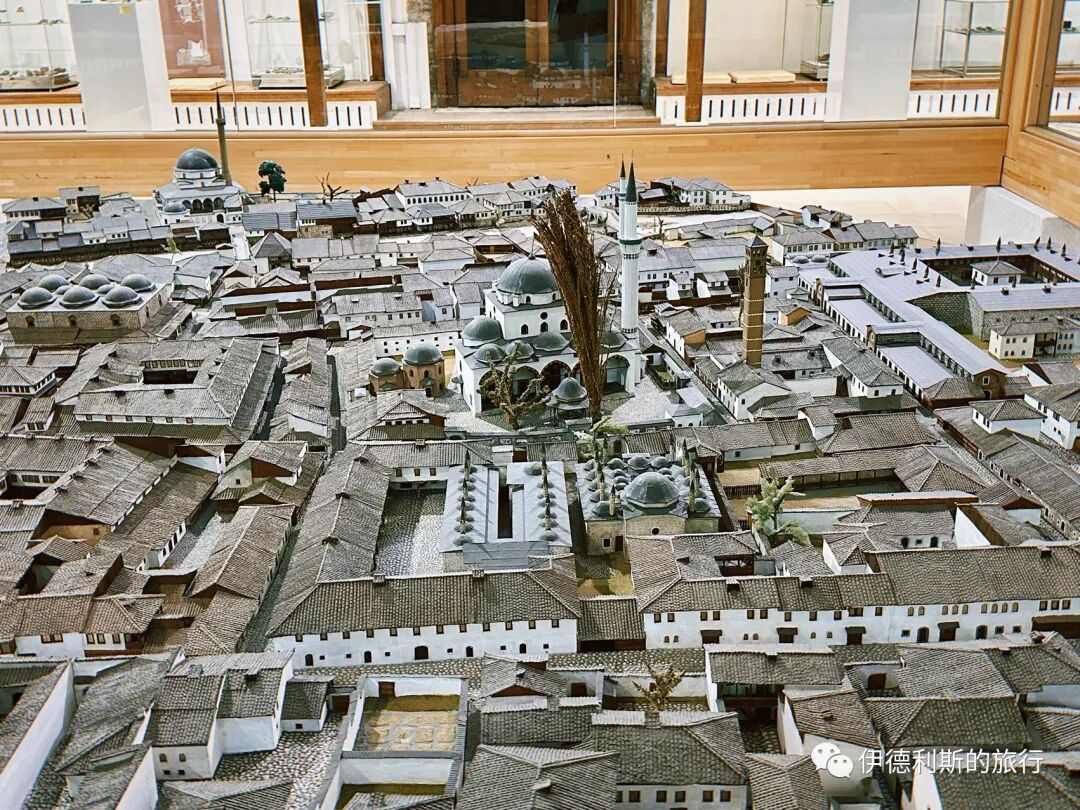
The most eye-catching item in the museum is a large sand table that meticulously restores the appearance of Sarajevo's Old Town during the Ottoman period. You can see an Ottoman architectural complex consisting of mosques, clock towers, religious schools, dervish lodges (tekke), caravanserais, markets, tombs, and fountains.
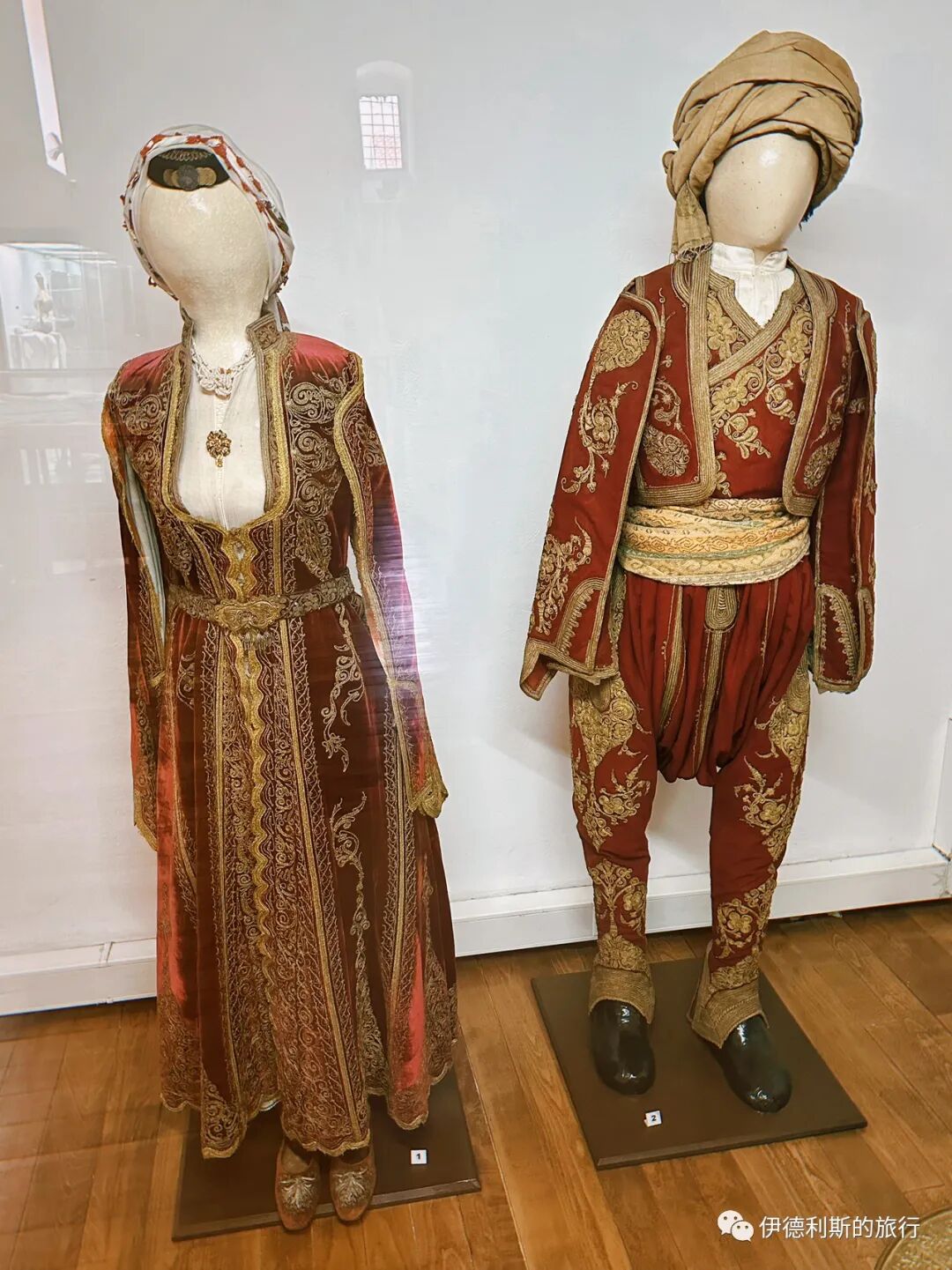
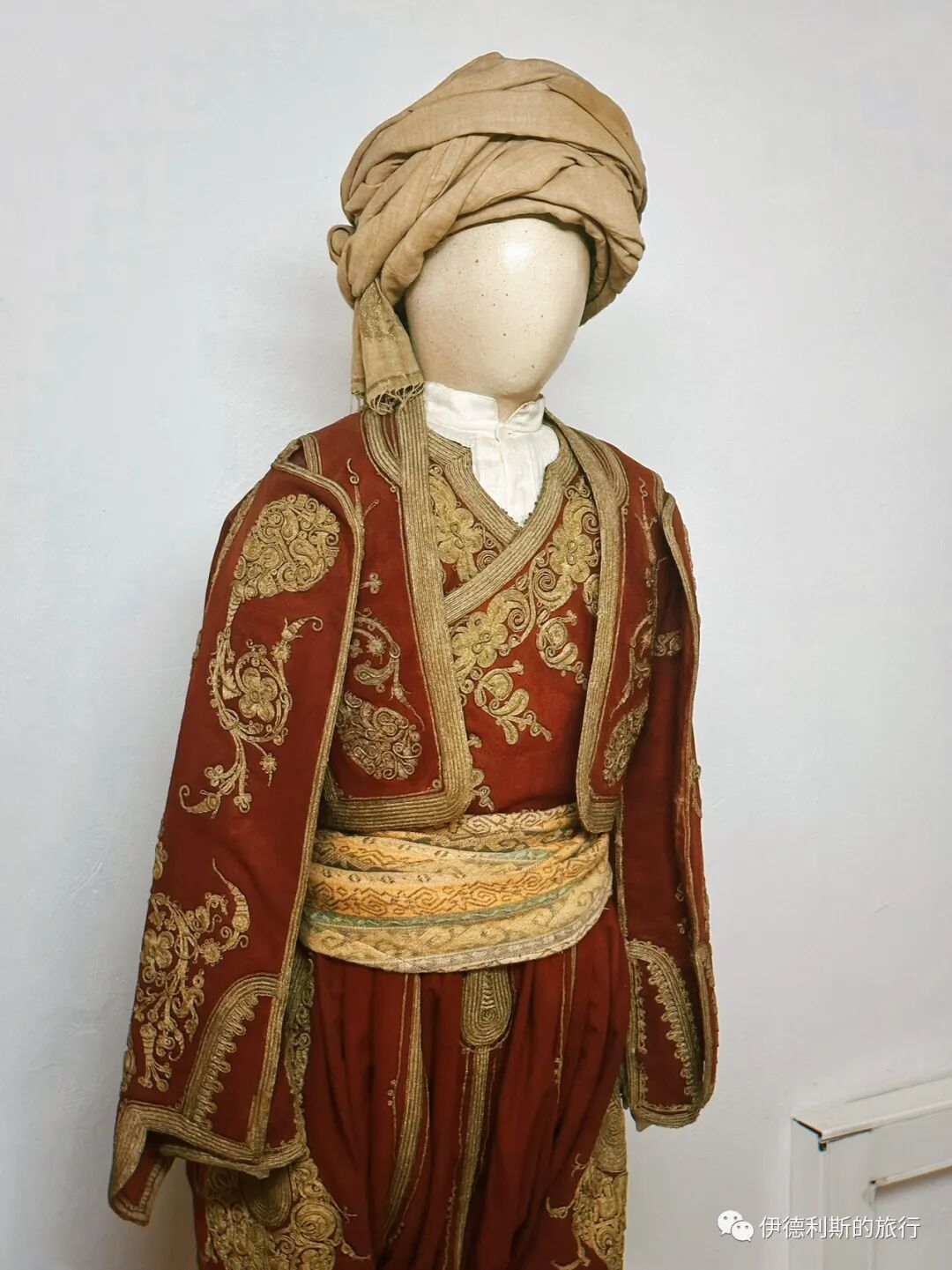
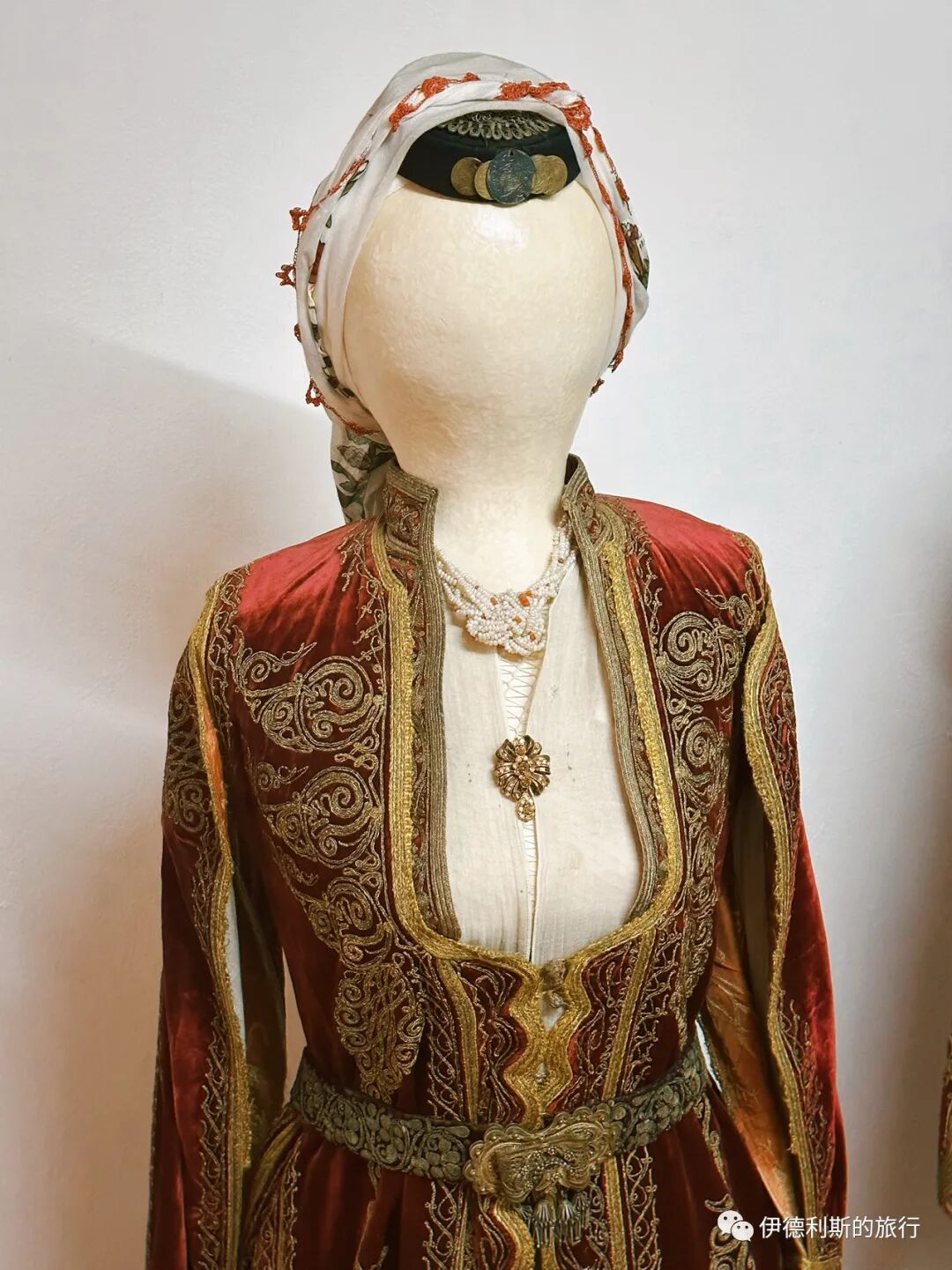
The 19th-century noble clothing of Sarajevo Muslims collected in the museum is also very exquisite.
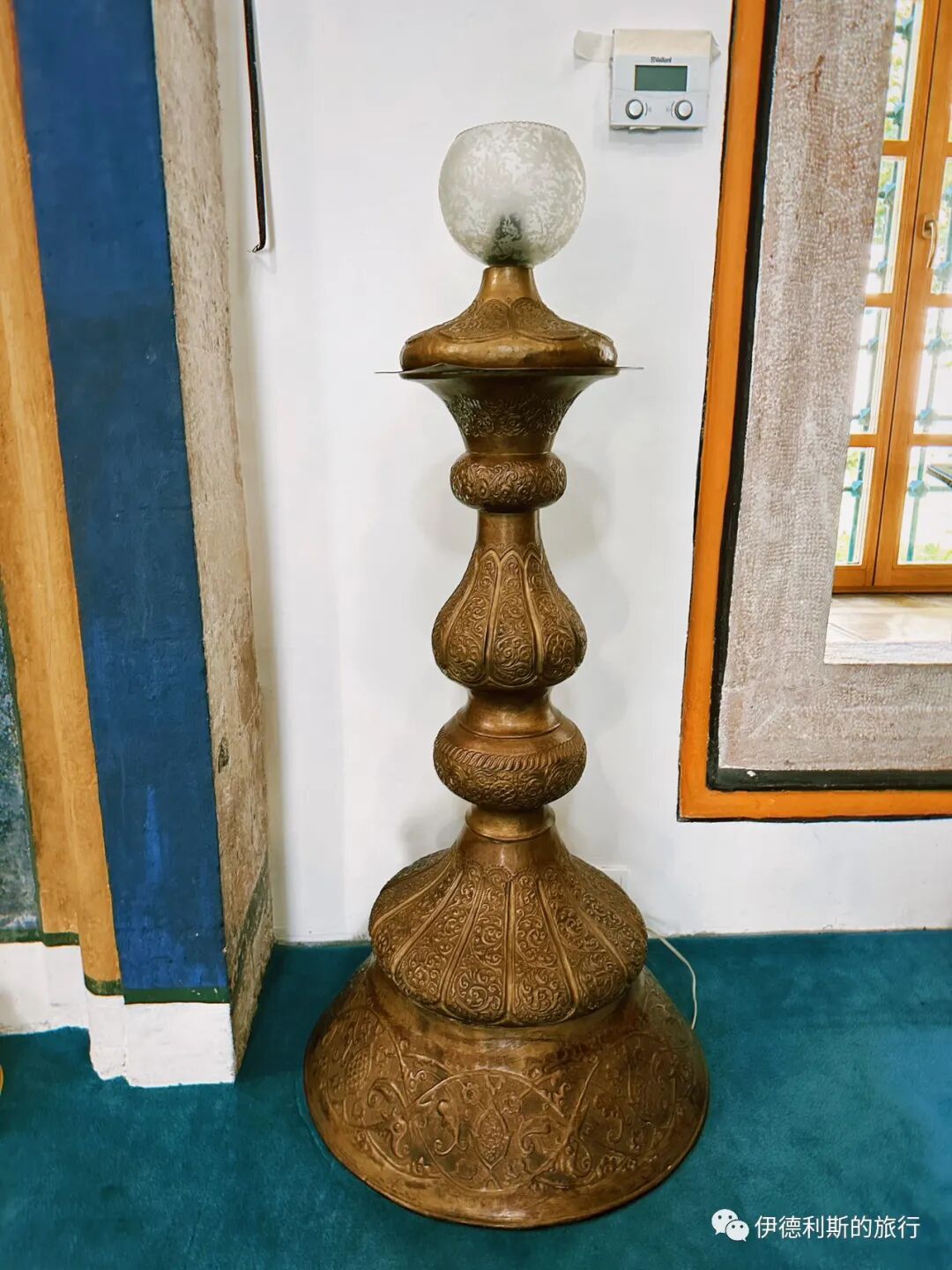
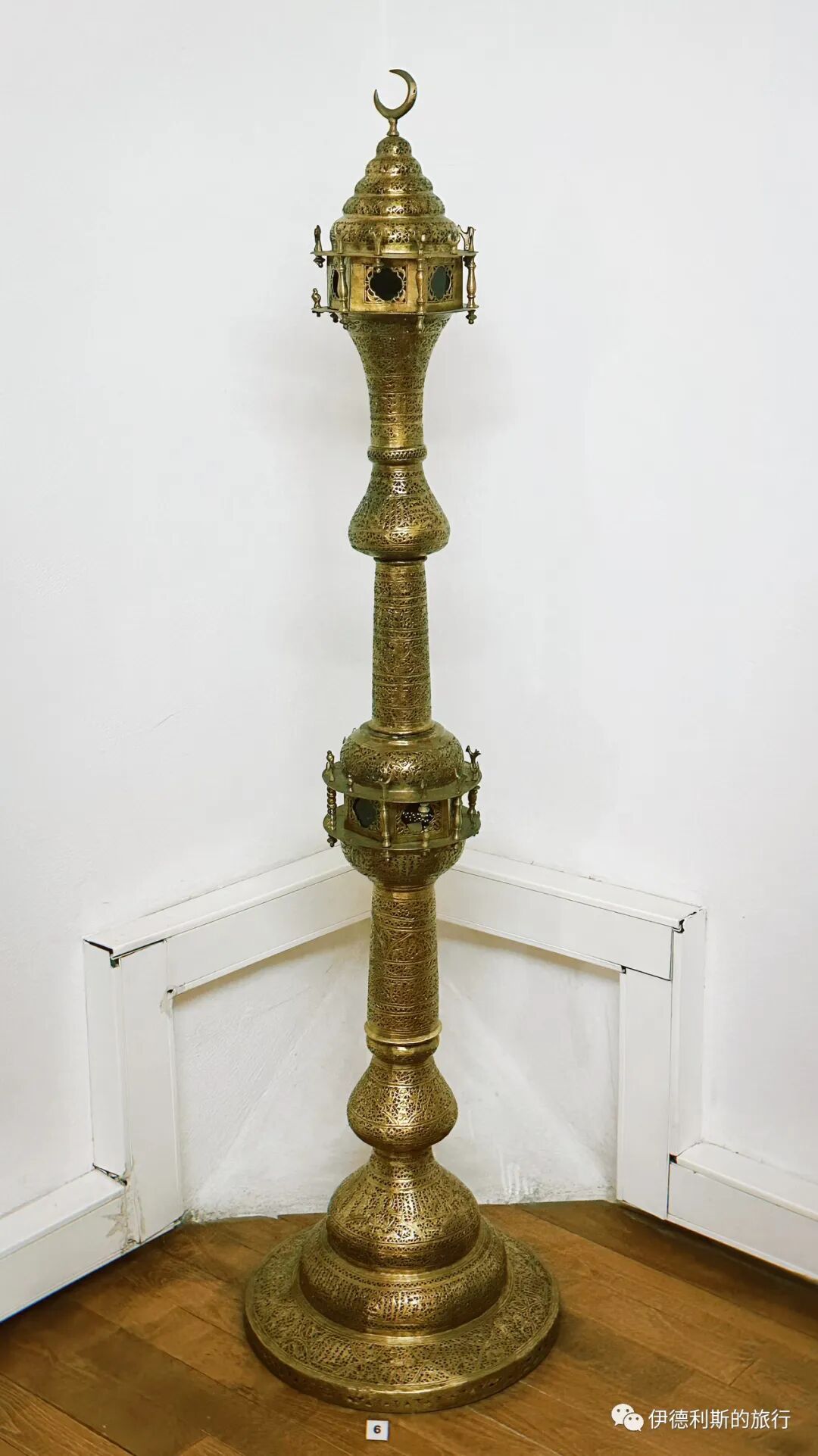
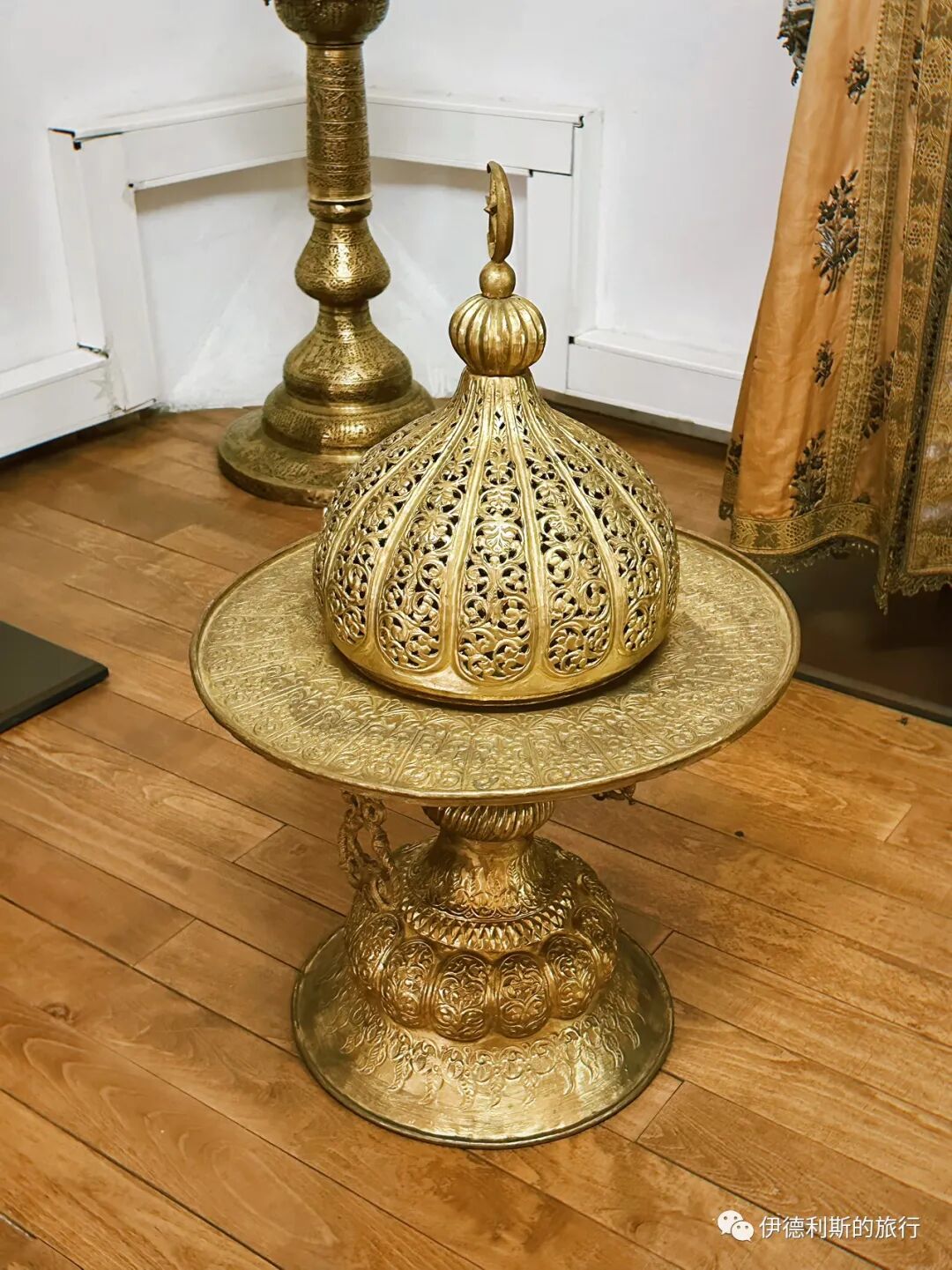
Lamp posts used in Sarajevo mosques during the 19th century.
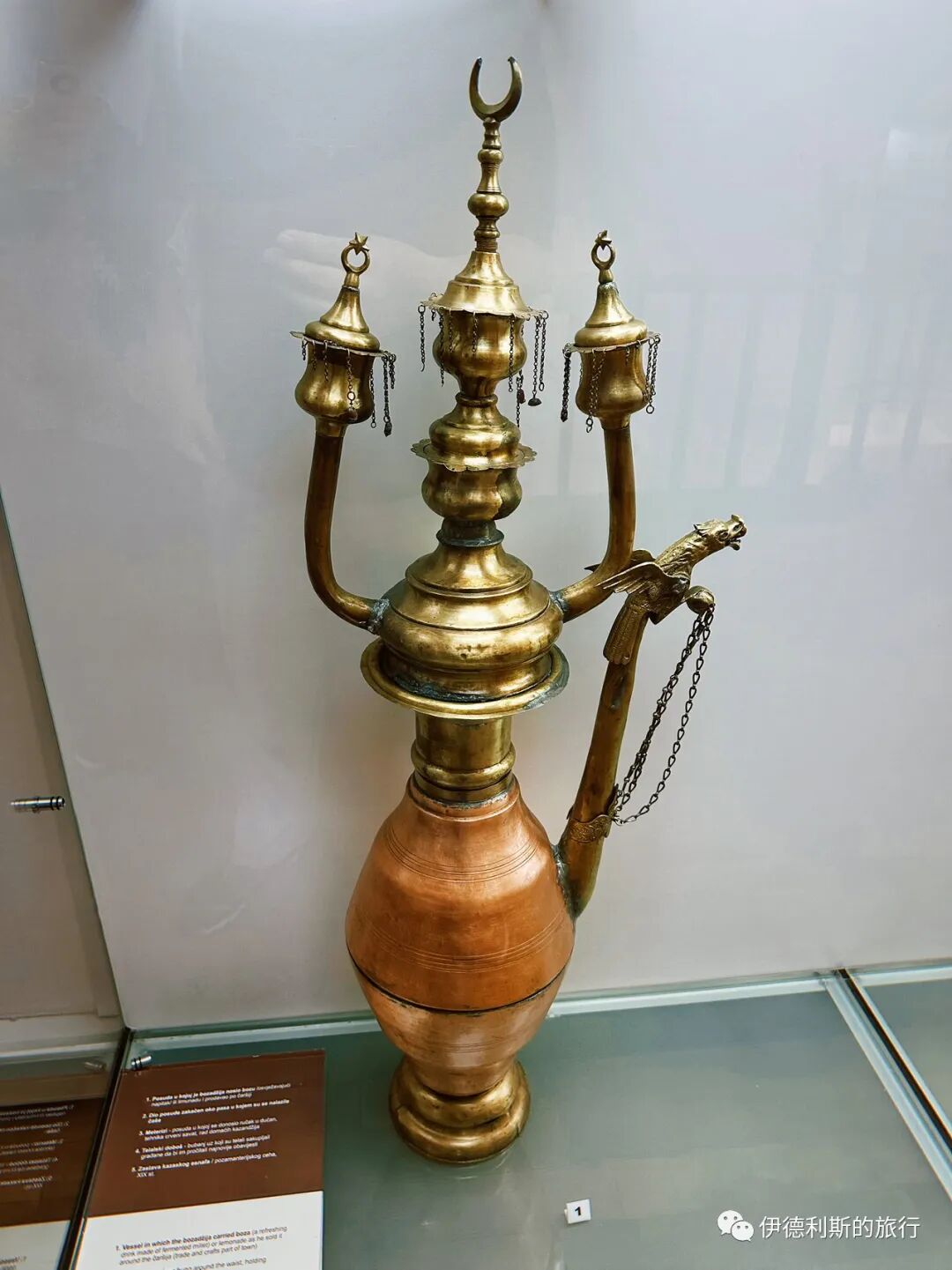
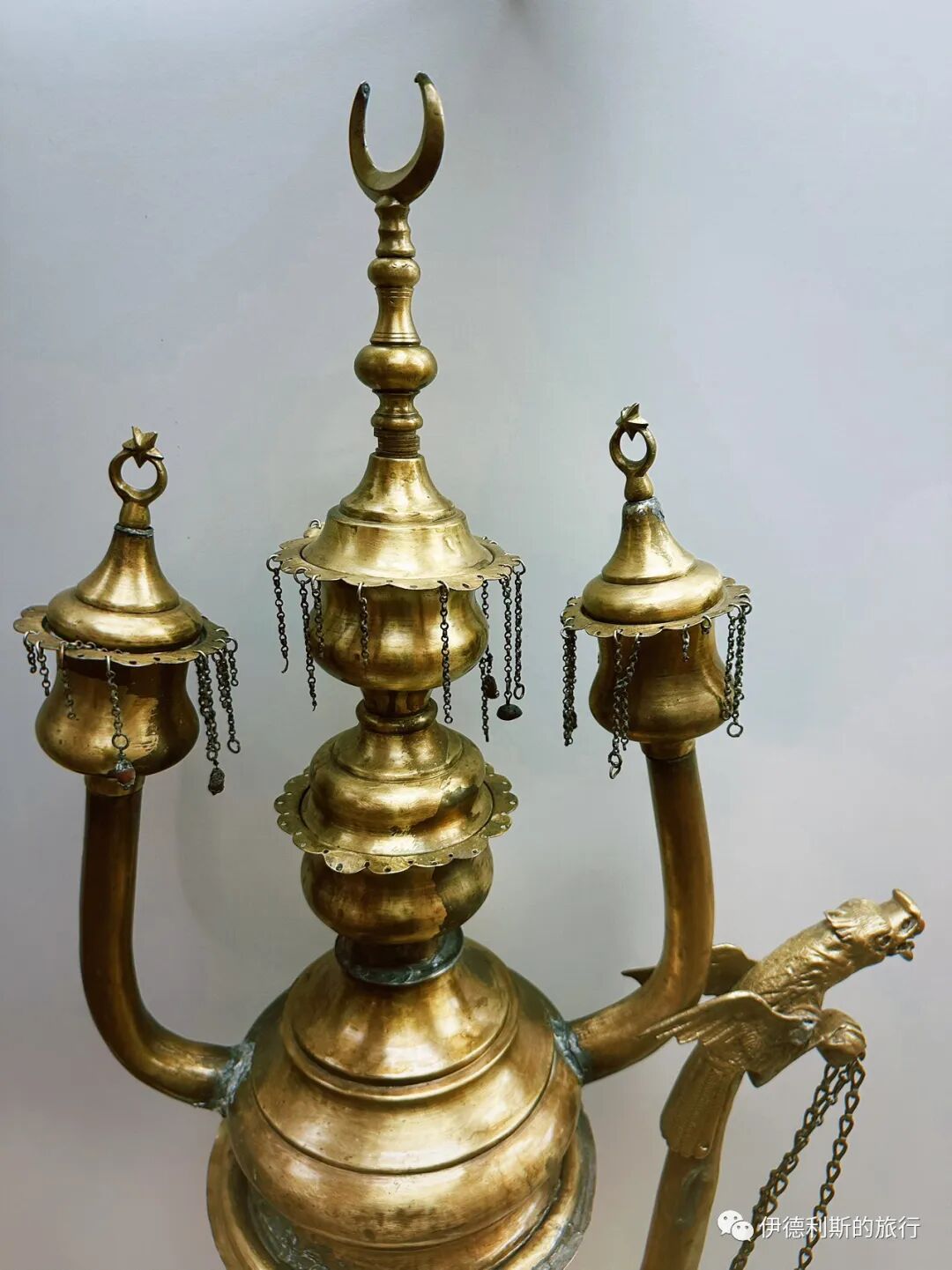
Copper pots used by vendors selling boza (a fermented grain drink) or lemonade in the bazaar.
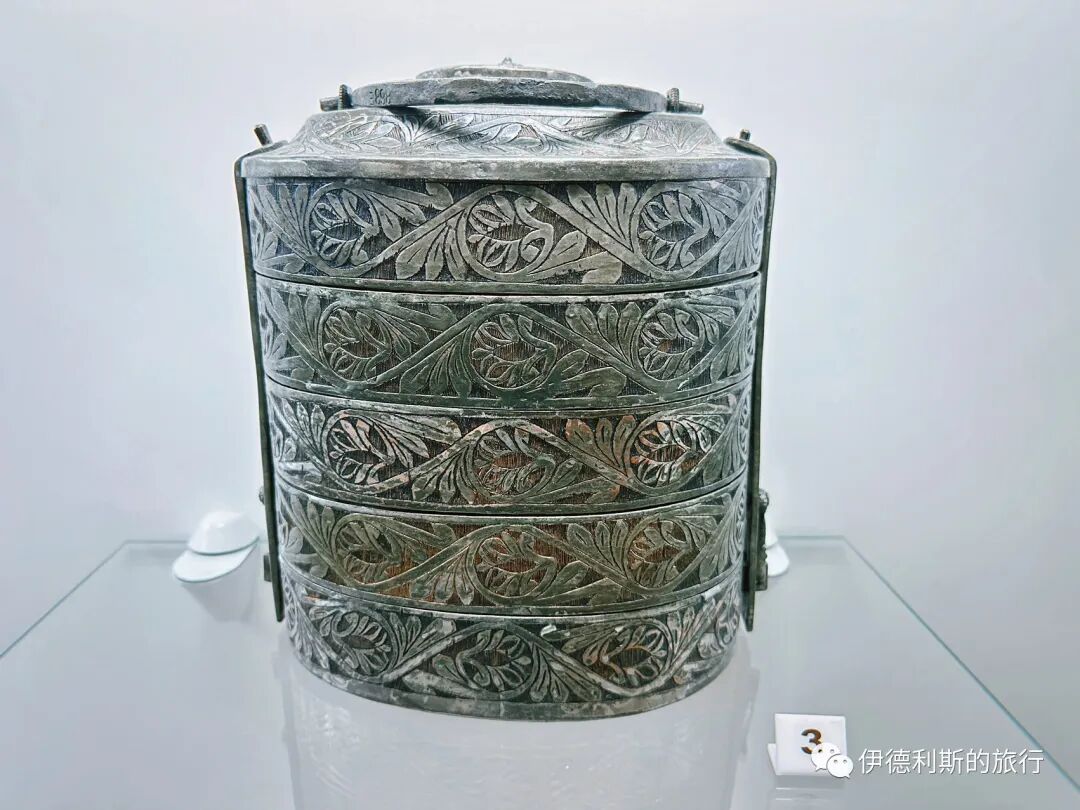
Food containers used in the past to bring lunch to shops.
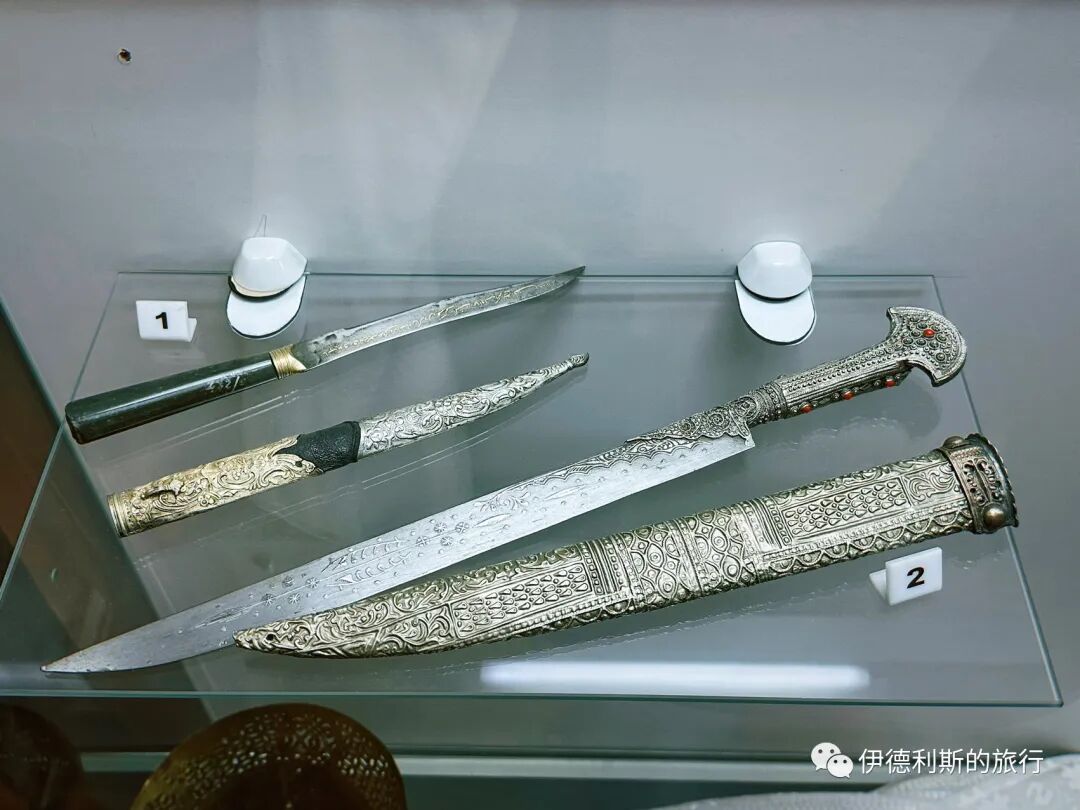
On the left is a short knife engraved with the year 1872, and on the right is a long knife inlaid with gemstones. This type of knife requires the cooperation of a goldsmith (kujundzija) and a bladesmith (bicakcija) to complete.
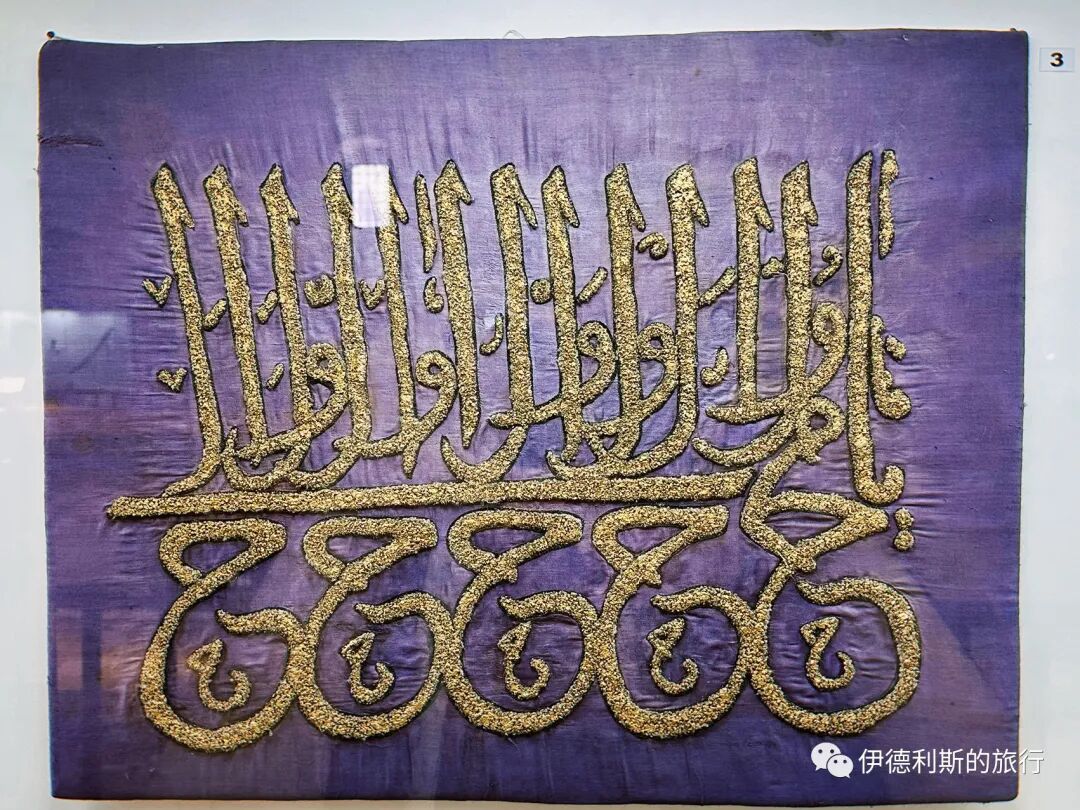
Silk embroidery calligraphy from the 19th century.
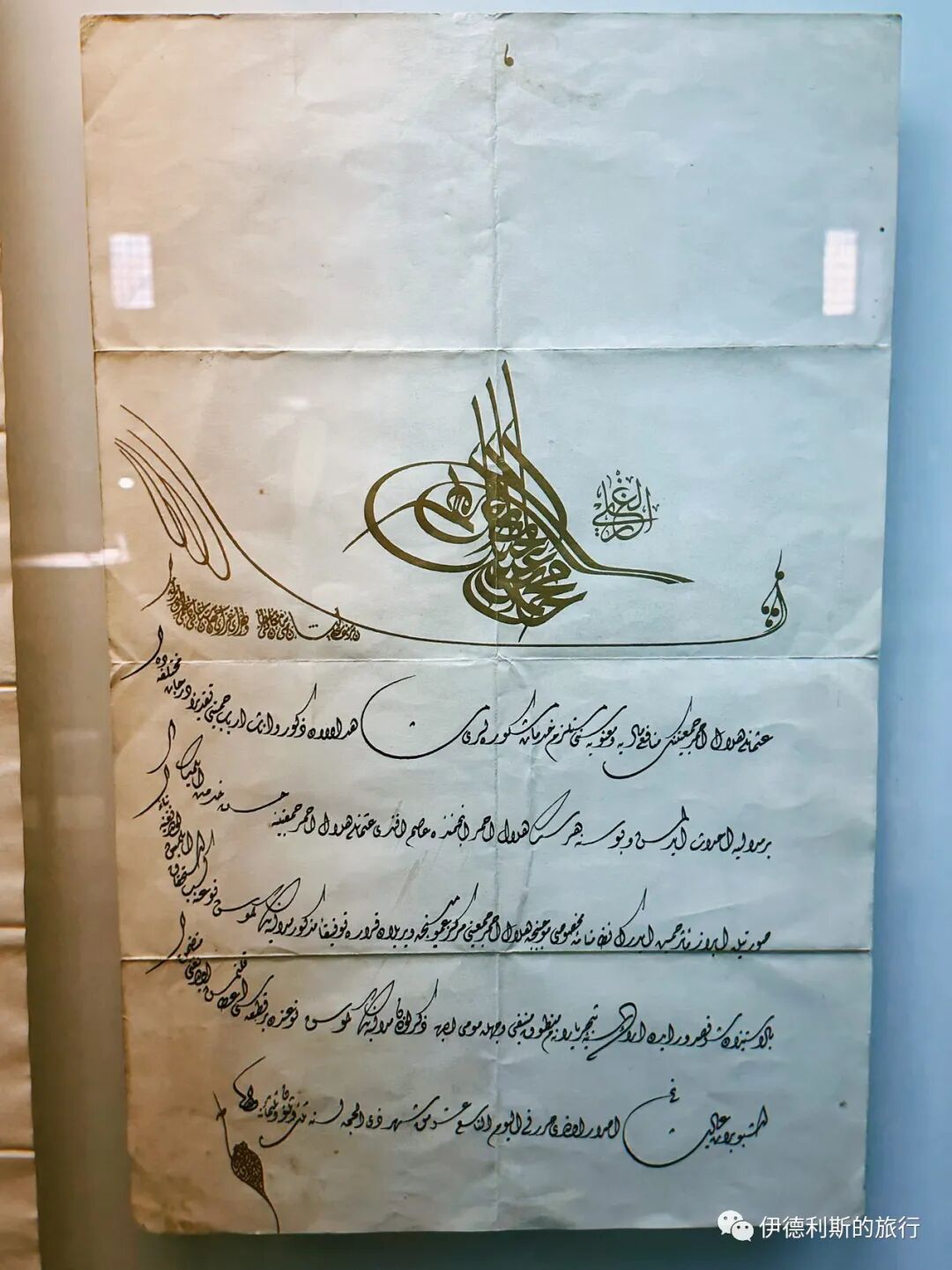
A court verdict issued in 1869.
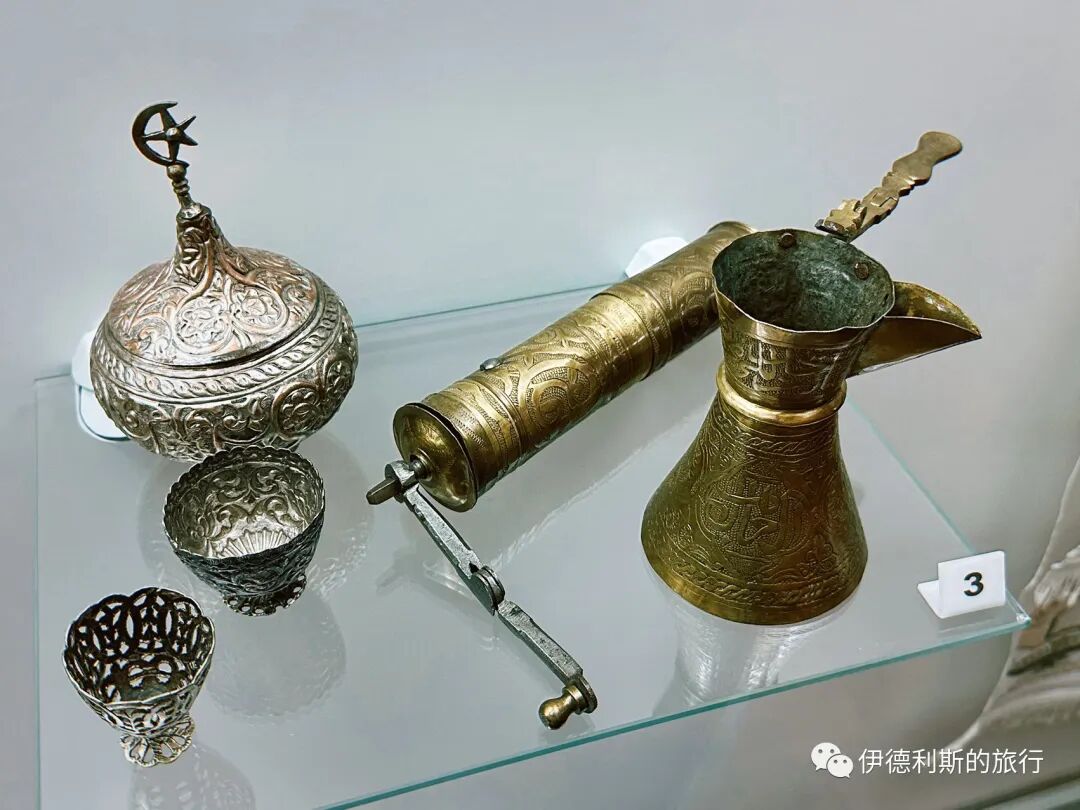
Old coffee pots and coffee cups.
Yellow Fortress (Žuta Tabija)
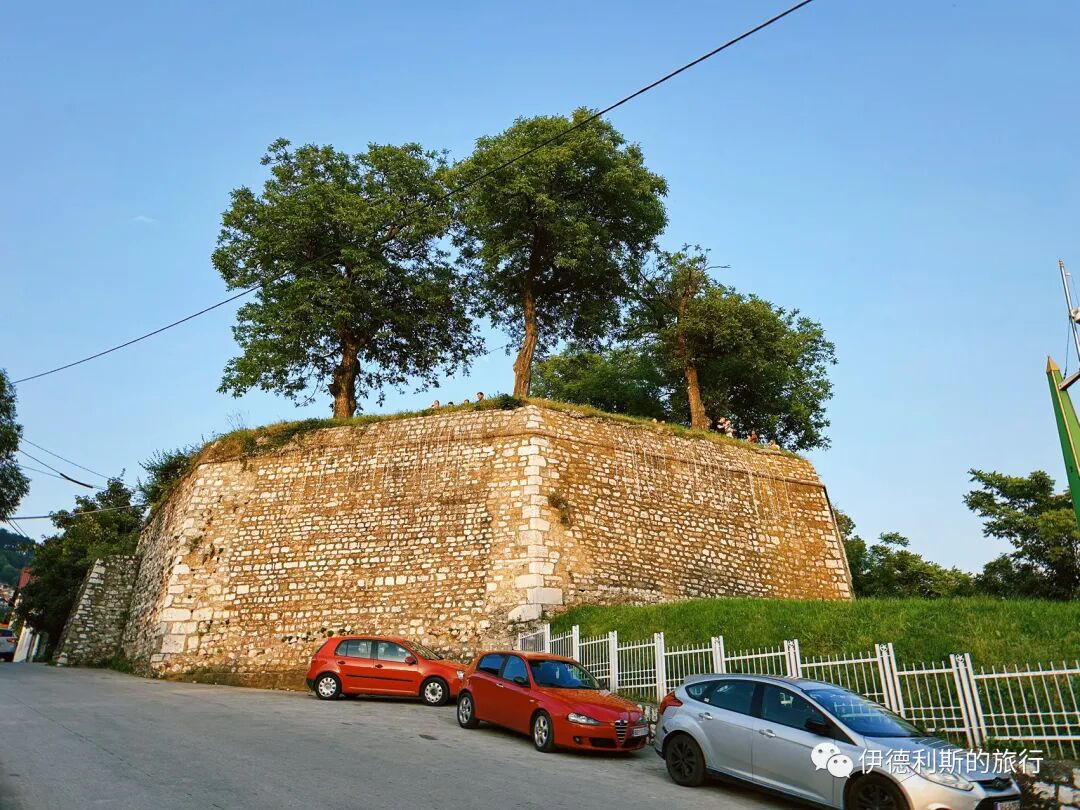
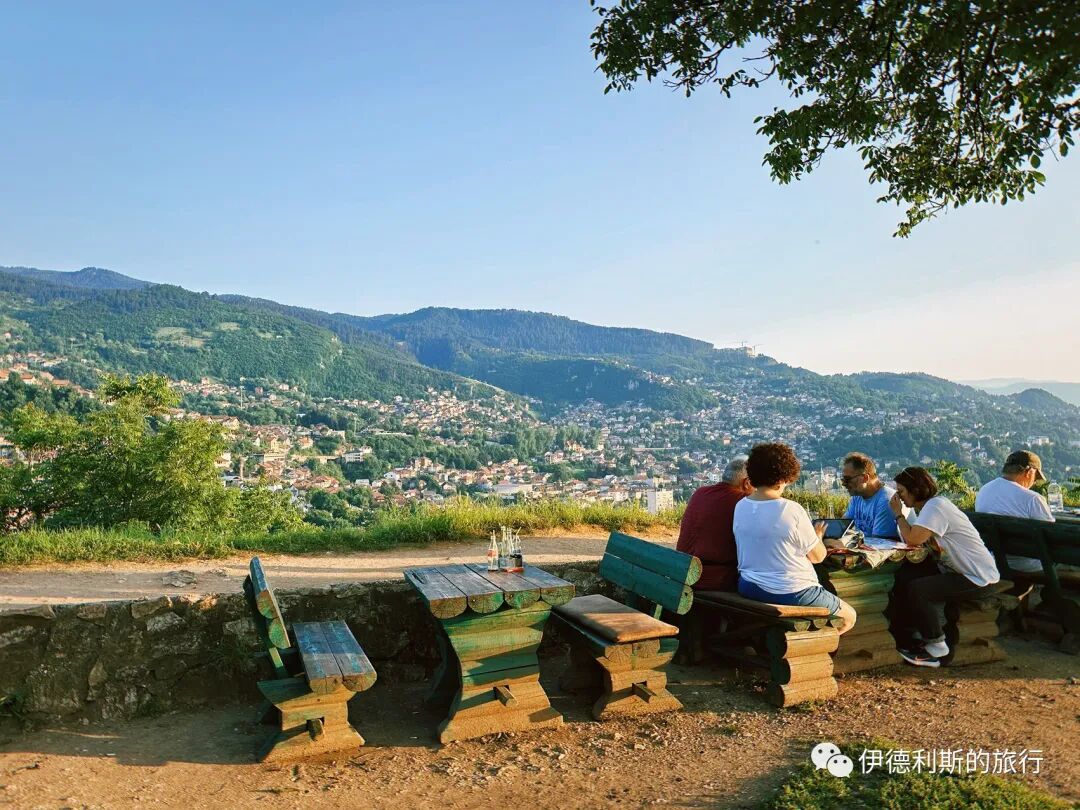
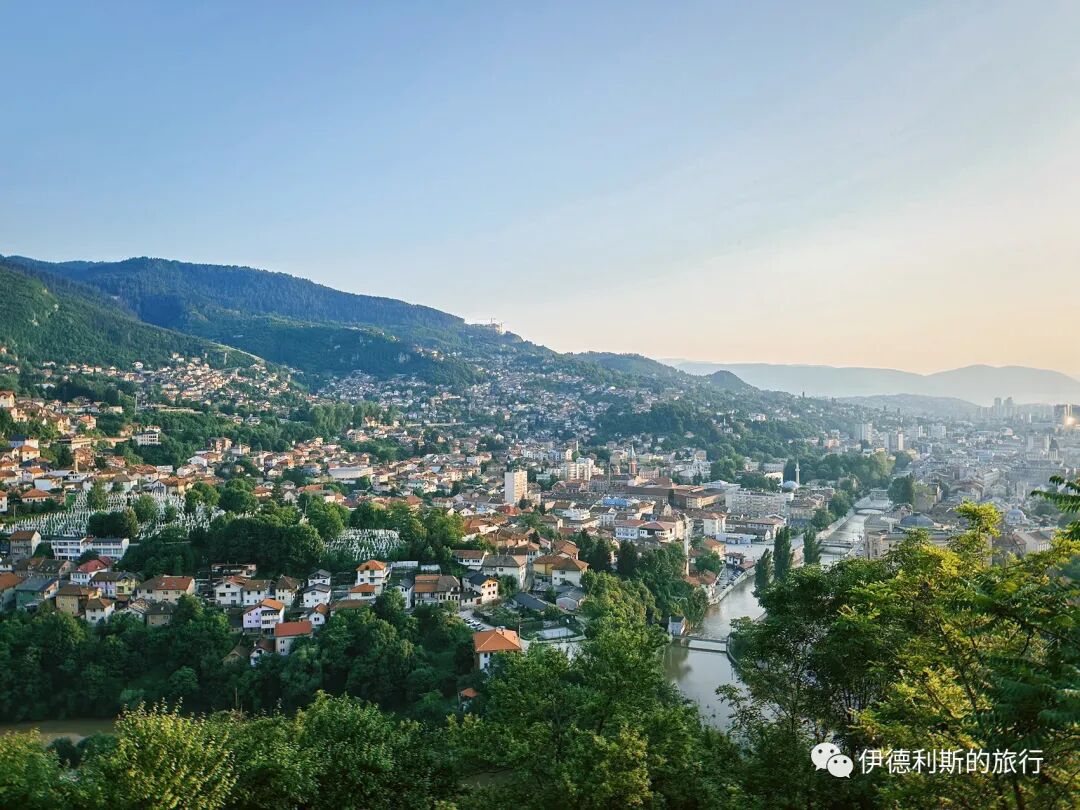
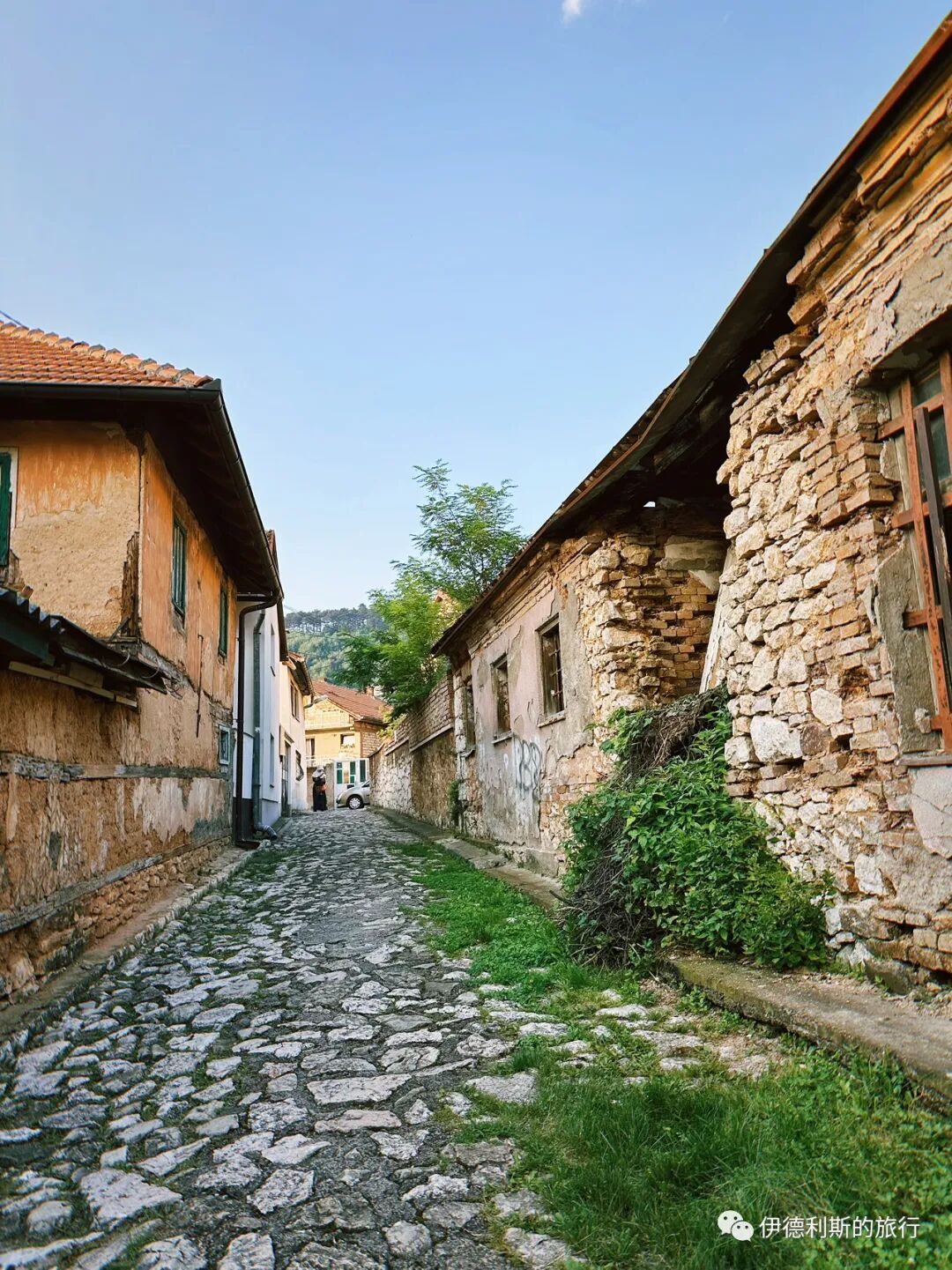
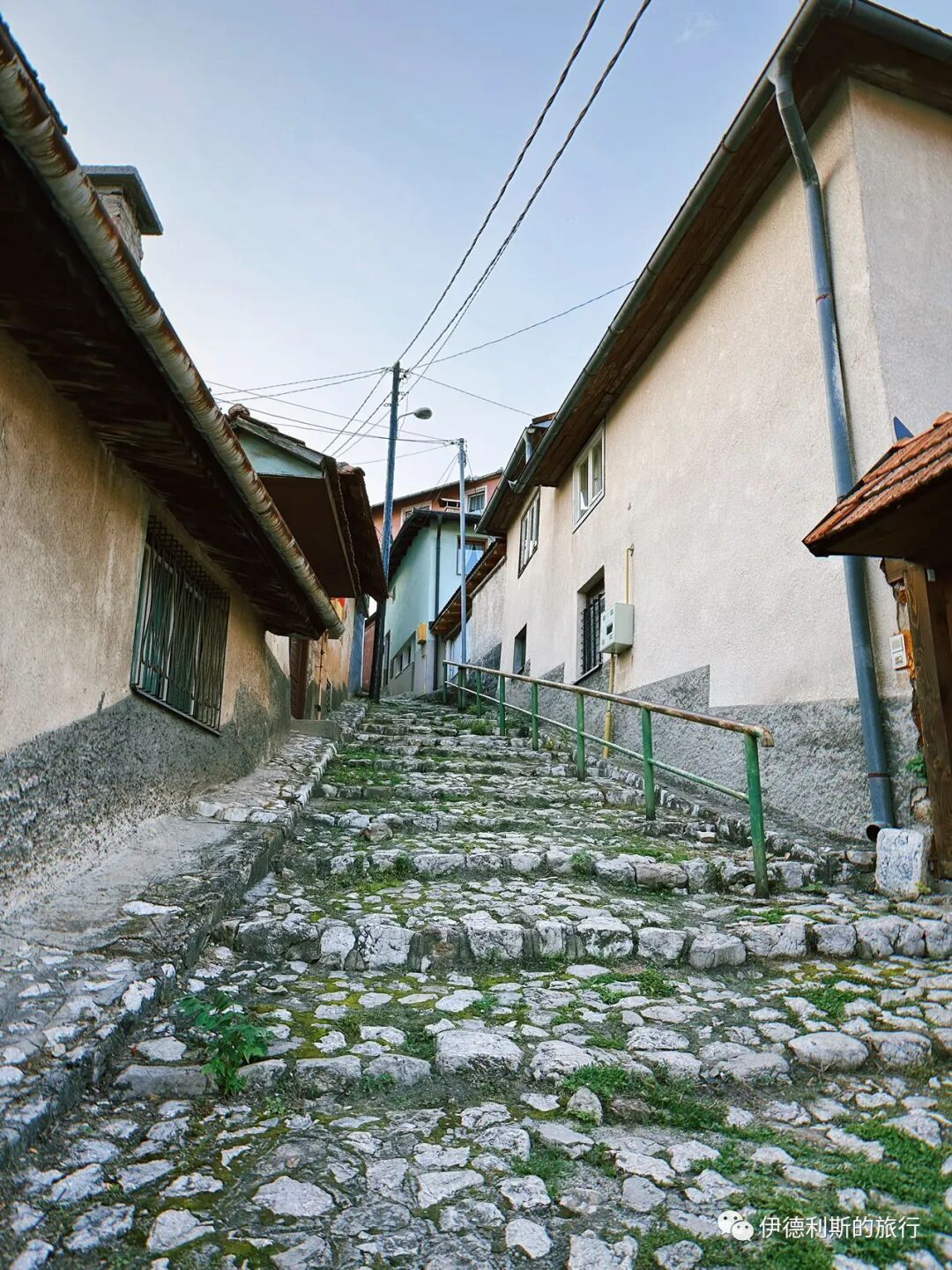
Climb up to the Yellow Fortress (Žuta Tabija) on the eastern outskirts of Sarajevo in the evening to get a panoramic view of the old town. Built between 1727 and 1739, the Yellow Fortress was a battery in the Sarajevo city walls and served as a key stronghold for the Ottoman Empire to defend Sarajevo against the Austro-Hungarian invasion in 1878.
Sarajevo did not have city walls for most of its history until Prince Eugene of the Habsburg Empire launched a devastating attack on the city in 1697, looting it and burning many buildings. The Ottoman Empire officially began building the city walls in 1727. Today, the Sarajevo city walls are located on the east side of the old town, with many gates and fortresses still preserved, the most famous of which are the Yellow Fortress and the White Fortress.
Mevlevi Sufi Lodge (tekke)
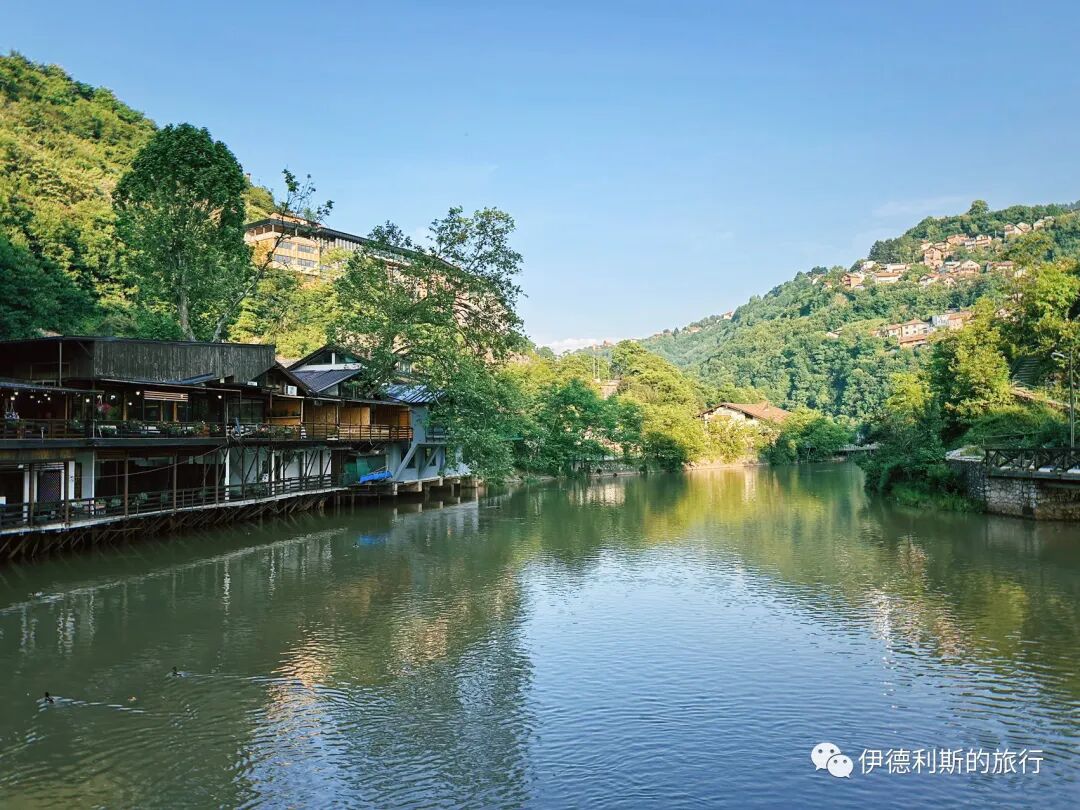
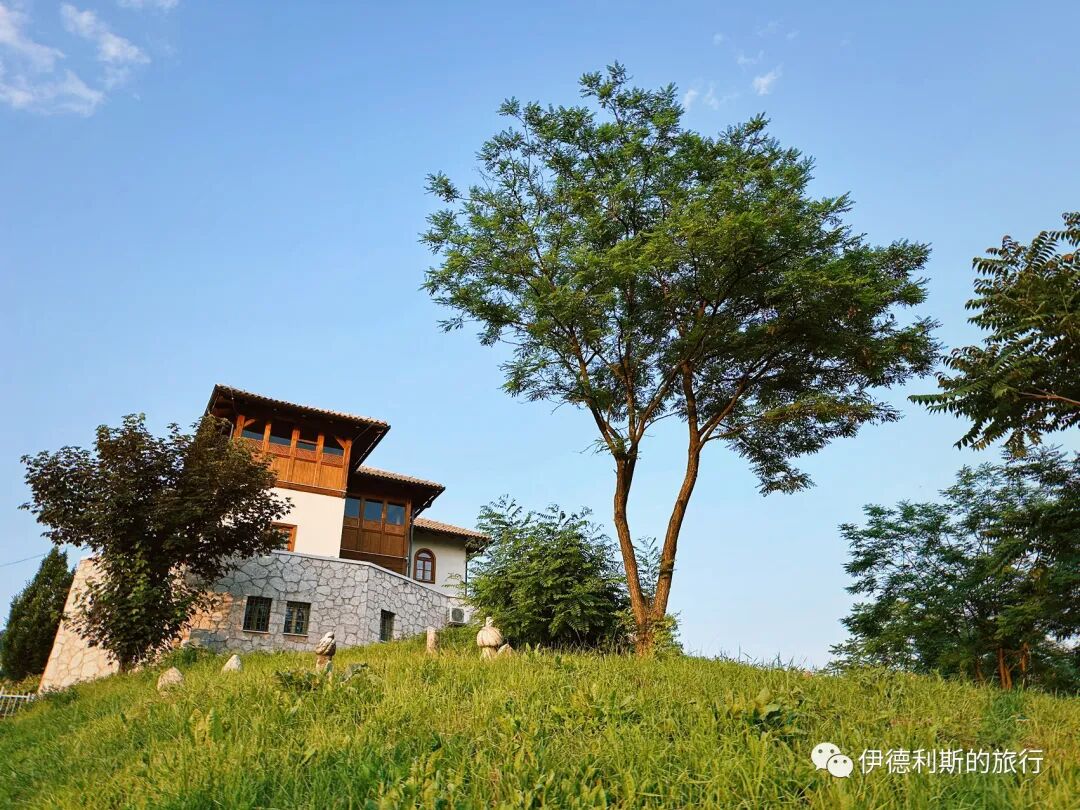
Below the Yellow Fortress sits a Mevlevi Sufi lodge (tekke), which was the first Sufi lodge in Sarajevo. The lodge was first built in 1462, destroyed during Prince Eugene's invasion of Sarajevo in 1697, and rebuilt in 1781. After the Austro-Hungarian Empire occupied Bosnia and Herzegovina in 1878, they strictly prohibited the maintenance of the lodge. It was eventually demolished in 1957 during the Tito era of Yugoslavia, and the building we see today was rebuilt in 2013 with donations from Turkey.
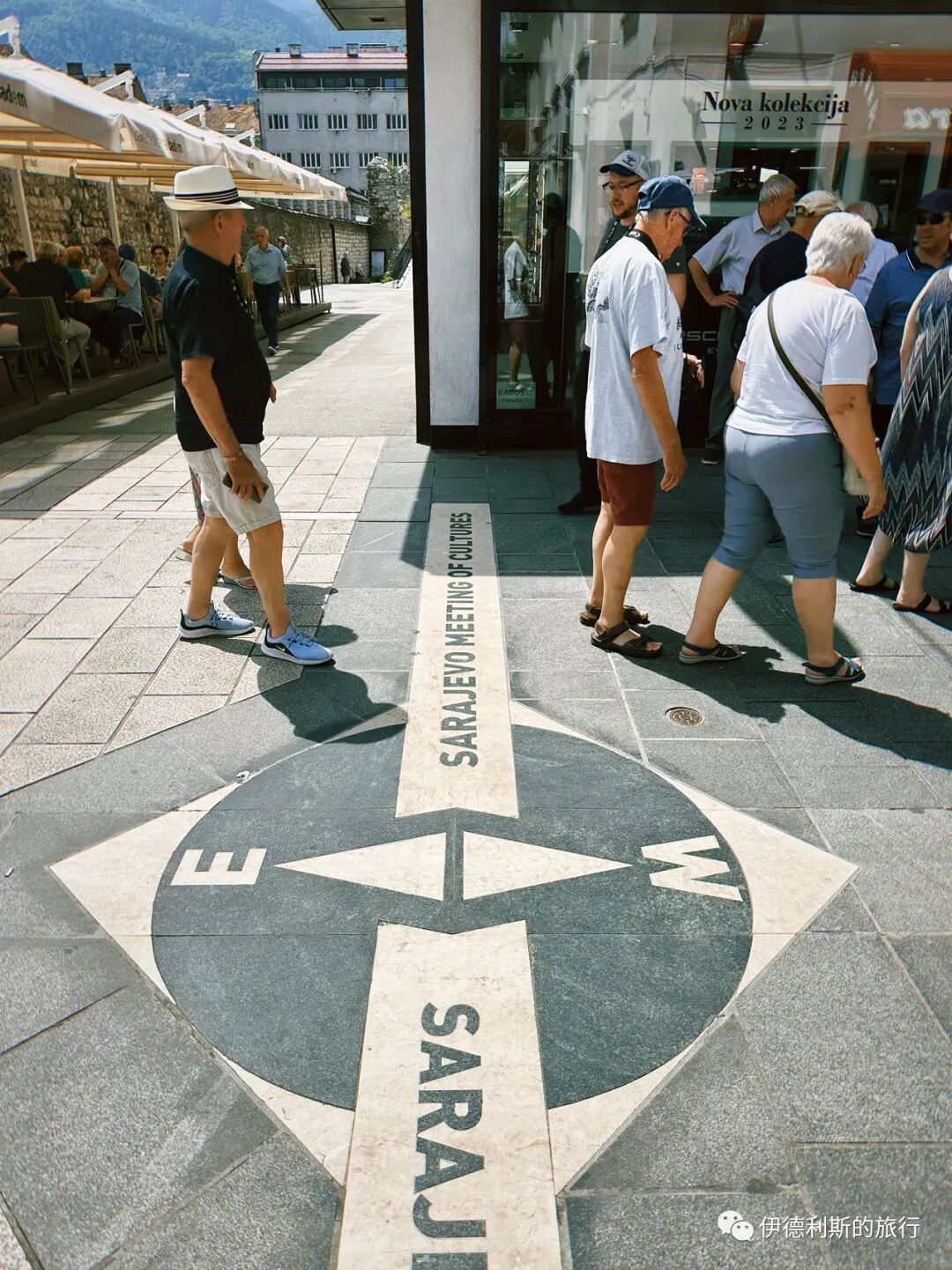
Where East meets West
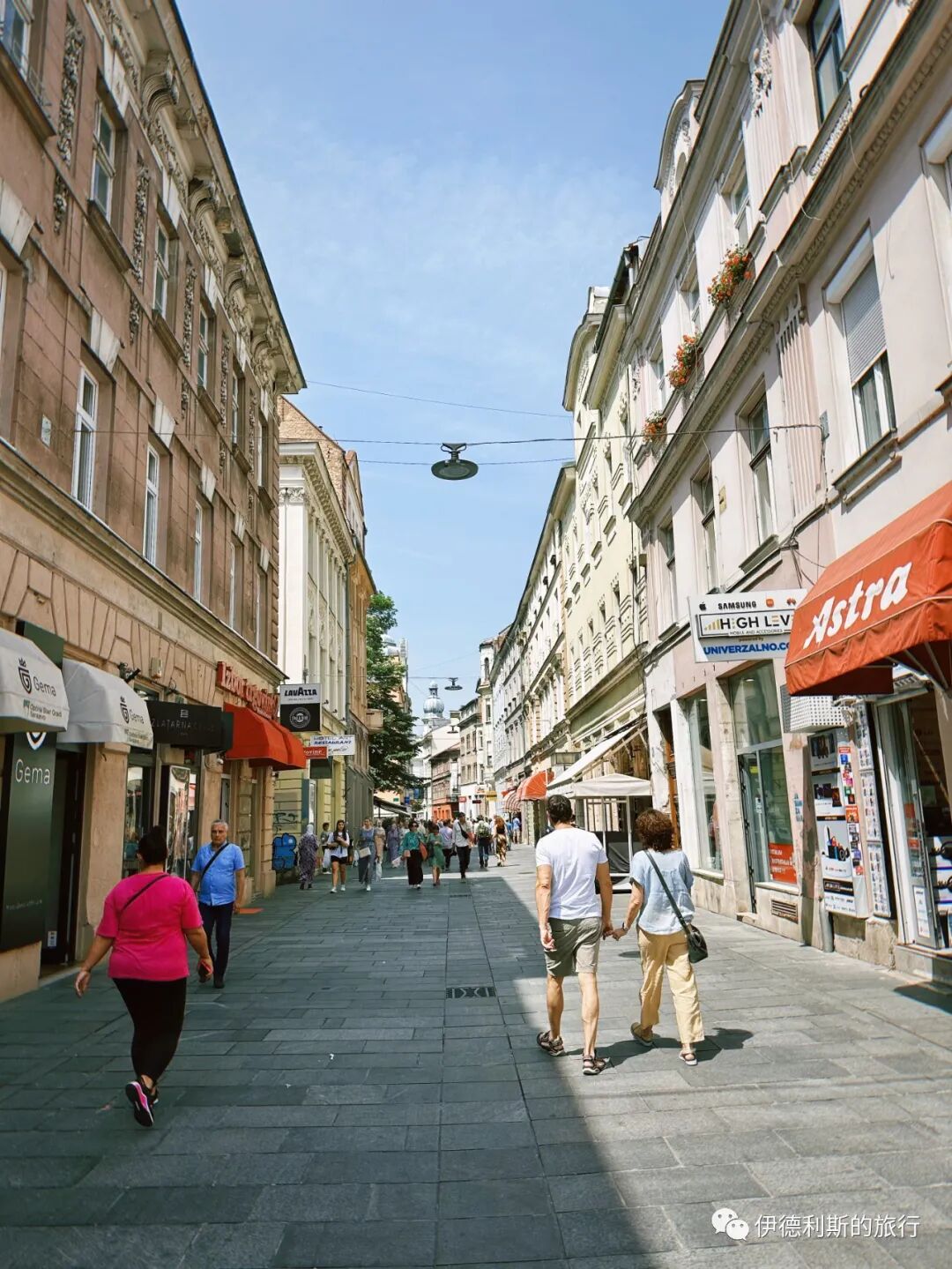
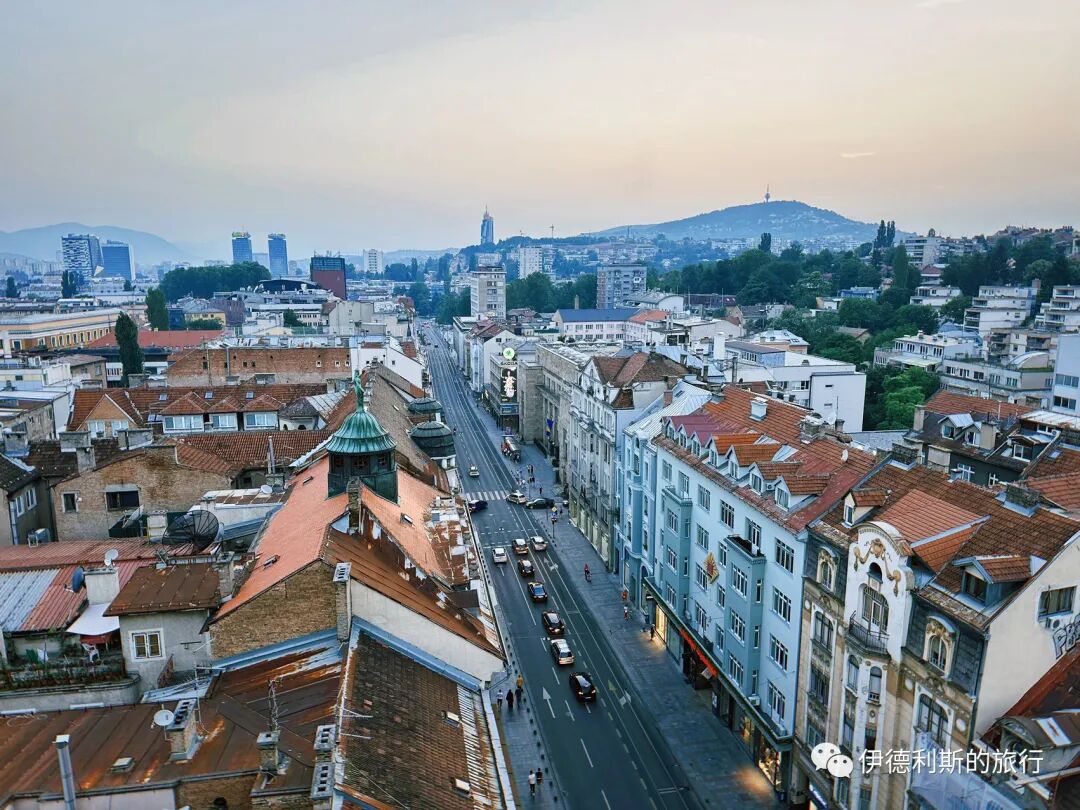
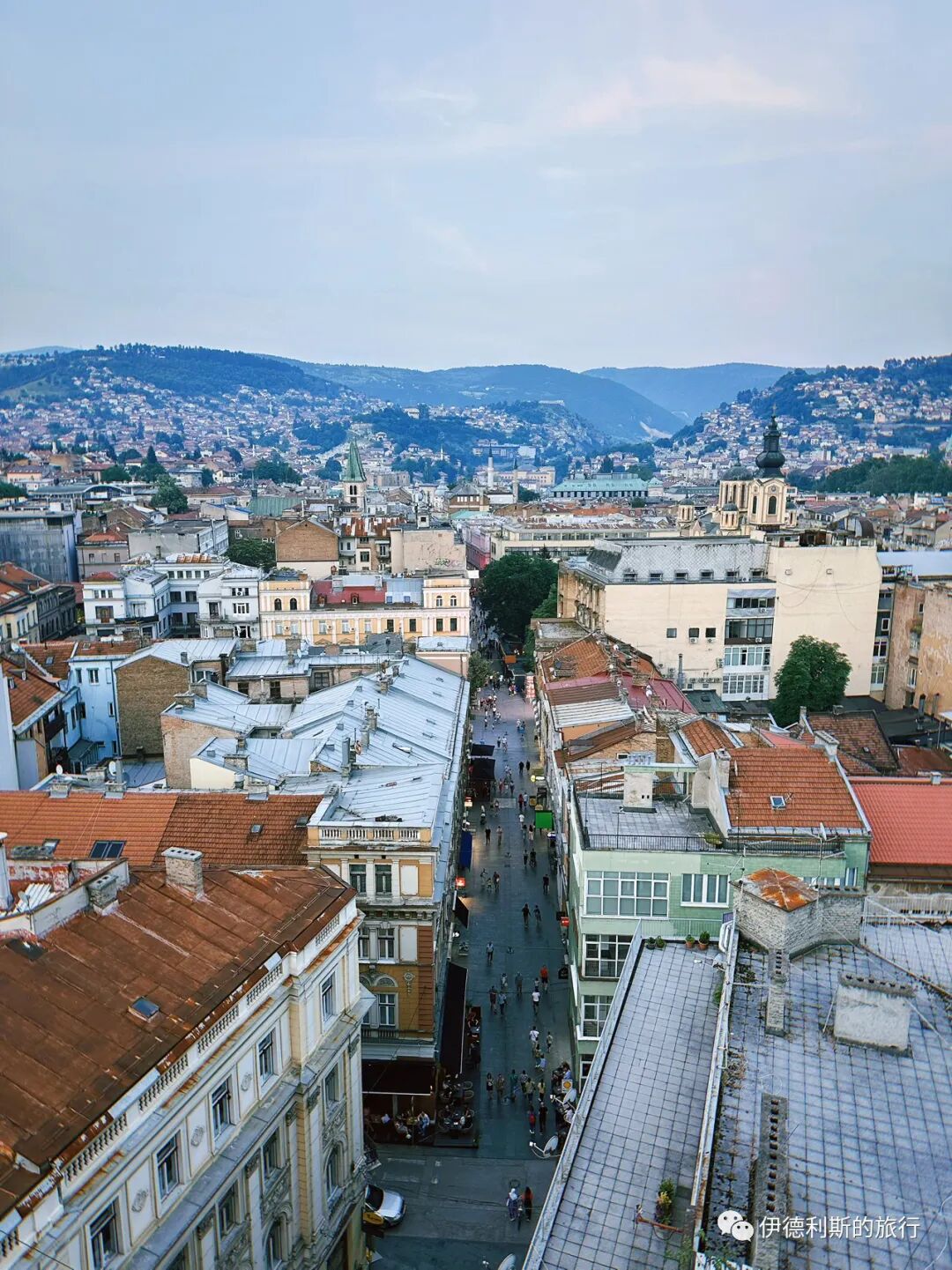
An interesting spot in Sarajevo's old town features a dividing line that separates two historic districts. To the east is the bazaar area built during the Ottoman period, and to the west is Ferhadija Street built during the Austro-Hungarian period. The city's appearance changes completely just by crossing the street. The bazaar area feels like Istanbul, and Ferhadija Street feels like Vienna. Standing on this line, you feel like you are at the crossroads of Eastern and Western cultures, and Islamic and Christian traditions. This is the unique charm of Sarajevo.
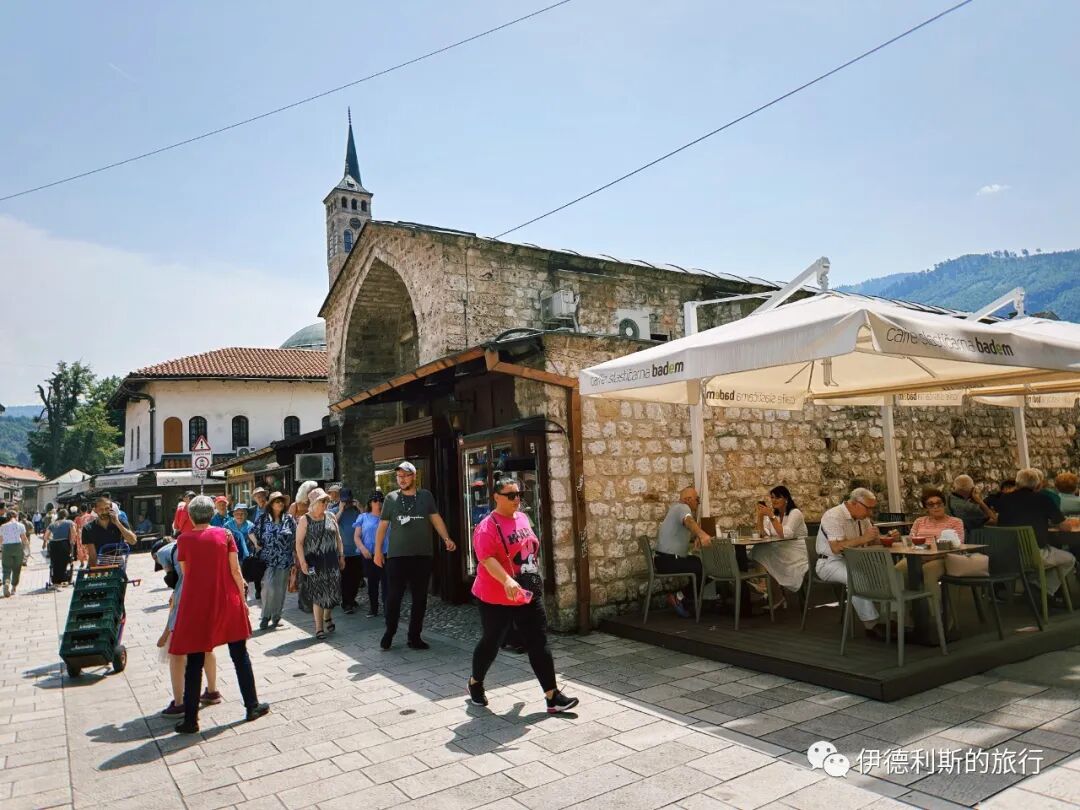
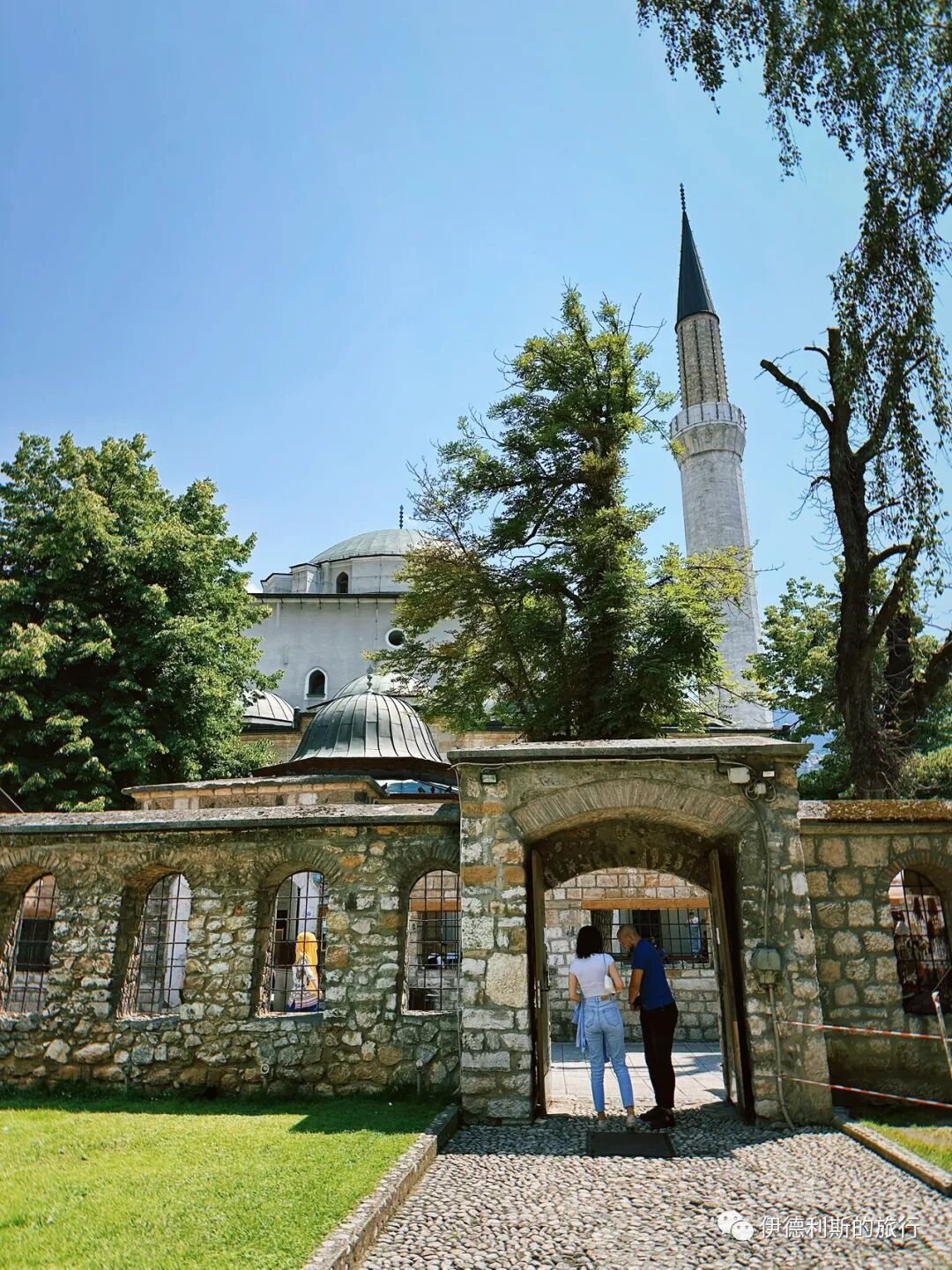
Bascarsija Mosque
In the evening, I performed namaz at the Bascarsija Mosque (Baščaršijska džamija). The Bascarsija Mosque sits in the heart of the old bazaar in Sarajevo. Havadža Durak built it in the early 16th century, and the earliest manuscript mentioning the mosque dates back to 1528. The mosque originally had a wooden dome, but it was rebuilt with a stone dome after a fire in 1697. There is a porch with three small stone domes in front of the main hall. This was changed to a wooden roof in 1945, but it was restored to its original look in 1966. The mosque suffered heavy damage during the Siege of Sarajevo from 1992 to 1995, but it was later renovated.
Emperor's Mosque
The Emperor's Mosque was first built in 1457. It was the first mosque constructed after the Ottoman Empire conquered Bosnia. Isaković-Hranušić oversaw the building, which was dedicated to the Ottoman Sultan Mehmed the Conqueror. The original mosque was a wooden structure. It was rebuilt in 1565 into the current classical Ottoman style and dedicated to the Ottoman Sultan Suleiman the Magnificent. Side rooms were added in 1800, and they were connected to the main hall in 1848.
The Emperor's Mosque was severely damaged twice, once during World War II and again during the Bosnian War, but it was repaired both times.
Magribija Mosque
Sheikh Magribija built the Magribija Mosque in the 15th century. Tradition says that Sheikh Magribija arrived in Sarajevo with Isa-beg, the Ottoman governor who founded the city. The original mosque building was destroyed by fire. The current structure was rebuilt in 1766 and keeps its 18th-century appearance and painted decorations. The mosque was badly damaged during the Bosnian War in 1992, leaving only the base of the minaret. It was rebuilt in 2000, and the roof and porch were repaired again in 2004.
Most mosques in Sarajevo keep their main halls locked outside of prayer times (namaz), so everyone prays on the platforms on either side of the doors. Because of this, I could not enter the main hall.
Ali Pasha Mosque
Ali Pasha Mosque was built in 1560-1561 by the Bosnian governor Ali Pasha, who was a local from Sarajevo. This is a single-domed mosque in the classical Ottoman style with beautiful architectural proportions. There used to be a large cemetery around the main hall, but it was turned into a park after tram tracks and roads were laid. A small ablution fountain was moved there in 1874. The mosque was severely damaged by shelling during the 1992-1995 Bosnian War and was renovated in 2004.
You can still see tombstones of victims from the 1993 Bosnian War next to the mosque today.
Ferhadija Mosque
I prayed the afternoon prayer (asr) at Ferhadija Mosque in the old town of Sarajevo. The imam was very young and wore an Ottoman fez hat.
Ferhadija Mosque was built by Ferhad-beg Vuković-Desisalić in 1561-1562. The neighborhood that formed around it is also called Ferhadija. The mosque originally had a school (mekteb), a public kitchen (imaret), a water station, and a fountain, but they were all destroyed in fires in 1879 and 1897. It is a typical classical Ottoman building with a central dome over a rectangular main hall and three small domes on the front porch.
Research on the interior paintings of the mosque in 1964-1965 revealed five layers of paint from different periods. The first layer is the oldest and most valuable, dating back to the original construction in the 16th century. It was found on the dome, pendentives, squinches, and mihrab, and is known as the Rumi decorative style. The second layer features floral decorations in the center of the mihrab and parts of the dome in an 18th-century style, while the third and fourth layers date from the late 19th to the early 20th century.
Bakrbaba Mosque archaeological site
Archaeological site of the Bakrbaba Mosque, including the religious school (mekteb), primary school, and private quarters (harem).
The Bakrbaba Mosque was built in 1544 by the famous Sarajevo merchant Hajji-Alija Bakrbaba and featured a 30-meter-tall minaret at the time. In 1697, the Ottoman Empire was defeated by the Holy League of Europe, and Sarajevo was looted and burned. The Bakrbaba Mosque was destroyed in the fire but was rebuilt in the early 18th century.
A primary school and private quarters were originally built on the west side of the mosque. In 1741/2, Hajji Ismail Misrija added a religious school and a cemetery on the east side of the courtyard. Shortly after, Abdulah Efendi Kantamirija built a library across the street, making this an important educational and cultural center in Sarajevo.
After the Austro-Hungarian Empire took control of Sarajevo in 1878, the mosque was first turned into a military warehouse and was finally demolished in 1895. The primary school next to the mosque was also destroyed in 1895, the library was destroyed in 1897, and the religious school remained until the beginning of World War II.
Since 2000, at the request of Islamic scholar Hajji Hafez Halid Efendi Hadžimulić, Sarajevo began archaeological research on the Bakrbaba Mosque complex. In 2009, the reconstruction of the Bakrbaba Mosque was funded by Husein Durman, a businessman from Bursa, Turkey, and it officially opened in 2011.
Brusa Bezistan covered market.
The Brusa Bezistan covered market is located in the Grand Bazaar of Sarajevo's Old Town. It was ordered to be built in 1551 by Grand Vizier Rüstem Pasha during the reign of Suleiman the Magnificent of the Ottoman Empire and was named after Bursa, the old capital of the Ottoman Empire. This market has six domes. It originally sold silk, household goods, and small furniture. Today, it is the Sarajevo Museum, which displays precious artifacts from the Ottoman period.
The most eye-catching item in the museum is a large sand table that meticulously restores the appearance of Sarajevo's Old Town during the Ottoman period. You can see an Ottoman architectural complex consisting of mosques, clock towers, religious schools, dervish lodges (tekke), caravanserais, markets, tombs, and fountains.
The 19th-century noble clothing of Sarajevo Muslims collected in the museum is also very exquisite.
Lamp posts used in Sarajevo mosques during the 19th century.
Copper pots used by vendors selling boza (a fermented grain drink) or lemonade in the bazaar.
Food containers used in the past to bring lunch to shops.
On the left is a short knife engraved with the year 1872, and on the right is a long knife inlaid with gemstones. This type of knife requires the cooperation of a goldsmith (kujundzija) and a bladesmith (bicakcija) to complete.
Silk embroidery calligraphy from the 19th century.
A court verdict issued in 1869.
Old coffee pots and coffee cups.
Yellow Fortress (Žuta Tabija)
Climb up to the Yellow Fortress (Žuta Tabija) on the eastern outskirts of Sarajevo in the evening to get a panoramic view of the old town. Built between 1727 and 1739, the Yellow Fortress was a battery in the Sarajevo city walls and served as a key stronghold for the Ottoman Empire to defend Sarajevo against the Austro-Hungarian invasion in 1878.
Sarajevo did not have city walls for most of its history until Prince Eugene of the Habsburg Empire launched a devastating attack on the city in 1697, looting it and burning many buildings. The Ottoman Empire officially began building the city walls in 1727. Today, the Sarajevo city walls are located on the east side of the old town, with many gates and fortresses still preserved, the most famous of which are the Yellow Fortress and the White Fortress.
Mevlevi Sufi Lodge (tekke)
Below the Yellow Fortress sits a Mevlevi Sufi lodge (tekke), which was the first Sufi lodge in Sarajevo. The lodge was first built in 1462, destroyed during Prince Eugene's invasion of Sarajevo in 1697, and rebuilt in 1781. After the Austro-Hungarian Empire occupied Bosnia and Herzegovina in 1878, they strictly prohibited the maintenance of the lodge. It was eventually demolished in 1957 during the Tito era of Yugoslavia, and the building we see today was rebuilt in 2013 with donations from Turkey.
Where East meets West
An interesting spot in Sarajevo's old town features a dividing line that separates two historic districts. To the east is the bazaar area built during the Ottoman period, and to the west is Ferhadija Street built during the Austro-Hungarian period. The city's appearance changes completely just by crossing the street. The bazaar area feels like Istanbul, and Ferhadija Street feels like Vienna. Standing on this line, you feel like you are at the crossroads of Eastern and Western cultures, and Islamic and Christian traditions. This is the unique charm of Sarajevo.
