
Halal Travel Guide: Sarajevo - Ottoman Mosques, Streets and Bosniak History (Part 1)
Reposted from the web
Gazi Husrev Bey complex
Gazi Husrev Bey was the Ottoman governor (Sanjak-bey) of Bosnia from 1521 to 1541. During his rule, the Ottoman Empire continued to expand into Croatia and Hungary. He also funded many important buildings in Sarajevo and dedicated his wealth to supporting religious and educational institutions for the long term. The foundation (Wakof) established by Gazi Husrev Bey manages the mosque, public kitchen, hostel, Sufi lodge, madrasa, library, clock tower, mausoleum, inn, hospital, fountain, primary school, and many shops in the center of the Old Bazaar in Sarajevo, making it the most important building complex in the old city.
Mosque
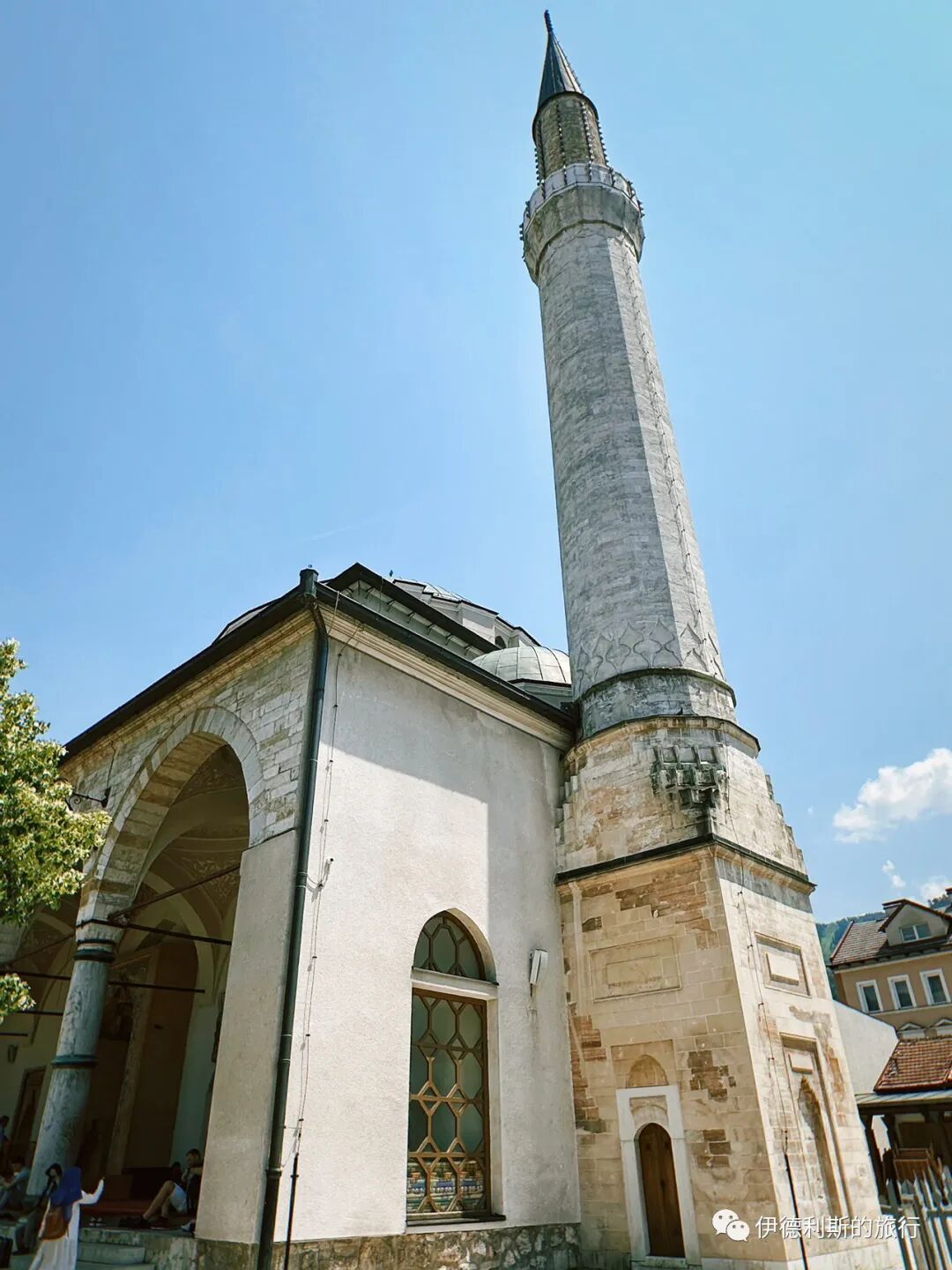
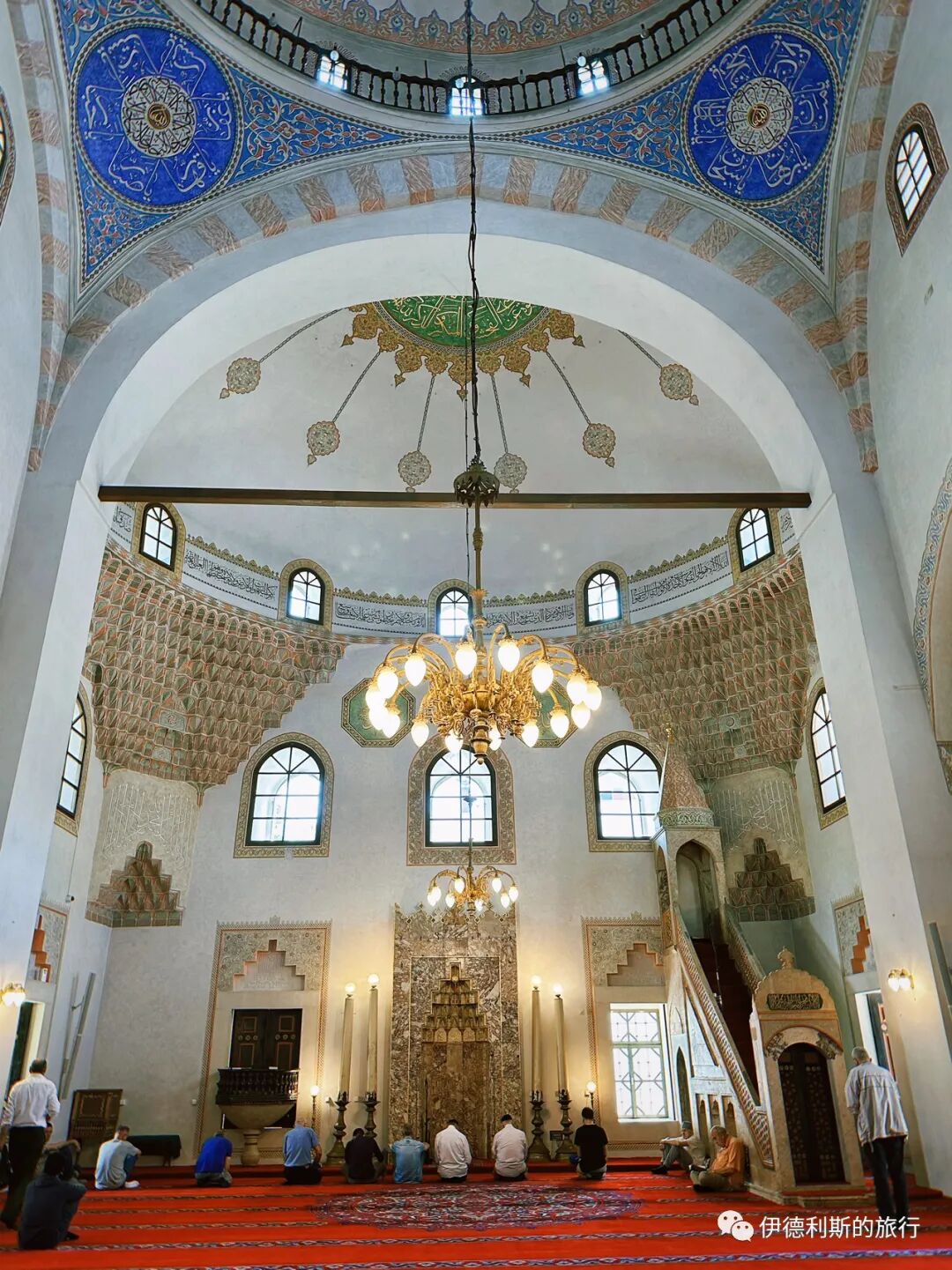
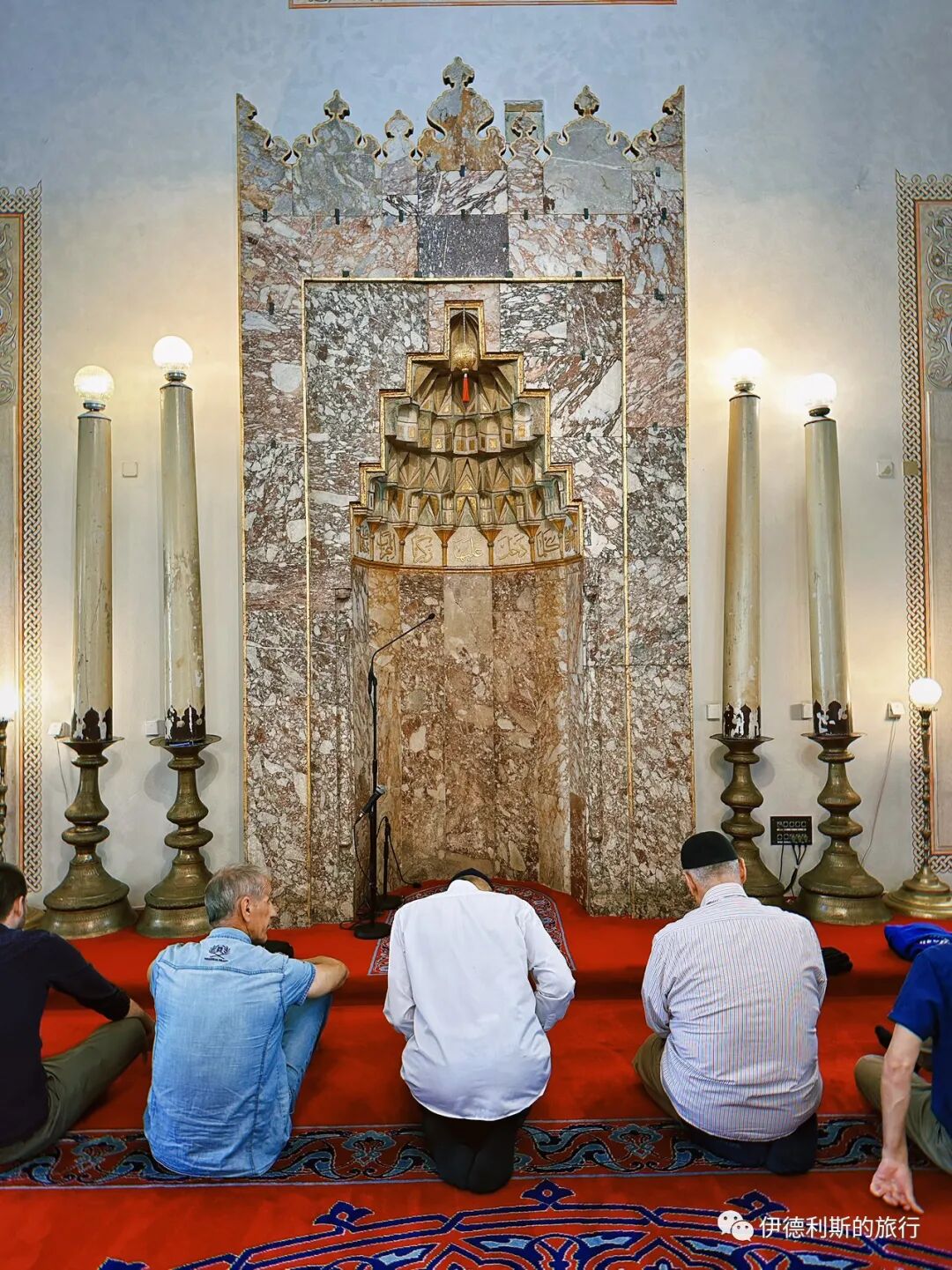
When the adhan sounded, we rushed to the Gazi Husrev Bey Mosque, the most important Friday mosque in Bosnia and Herzegovina. It is the core landmark of the Old Bazaar in Sarajevo and has been the city's central mosque since it was built in 1530. Important scenes from the movie 'Walter Defends Sarajevo,' well-known to Chinese audiences, were filmed here. It was also the first mosque in the world to have electricity and electric lights in 1898.
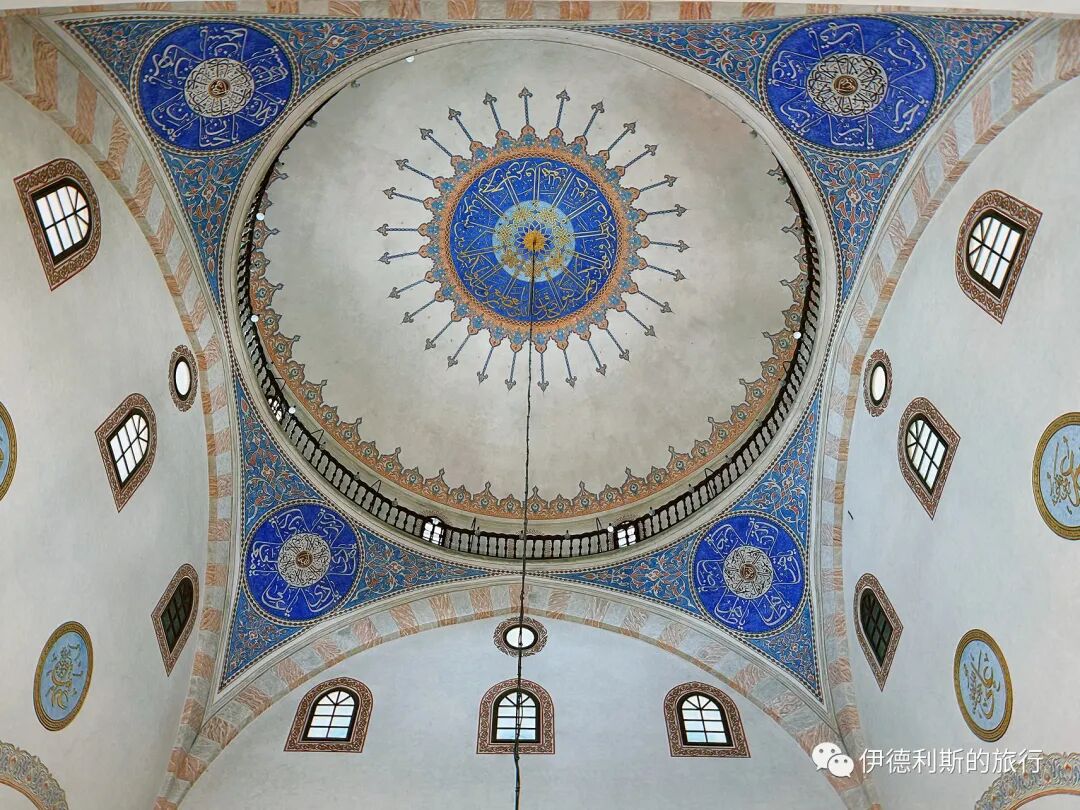
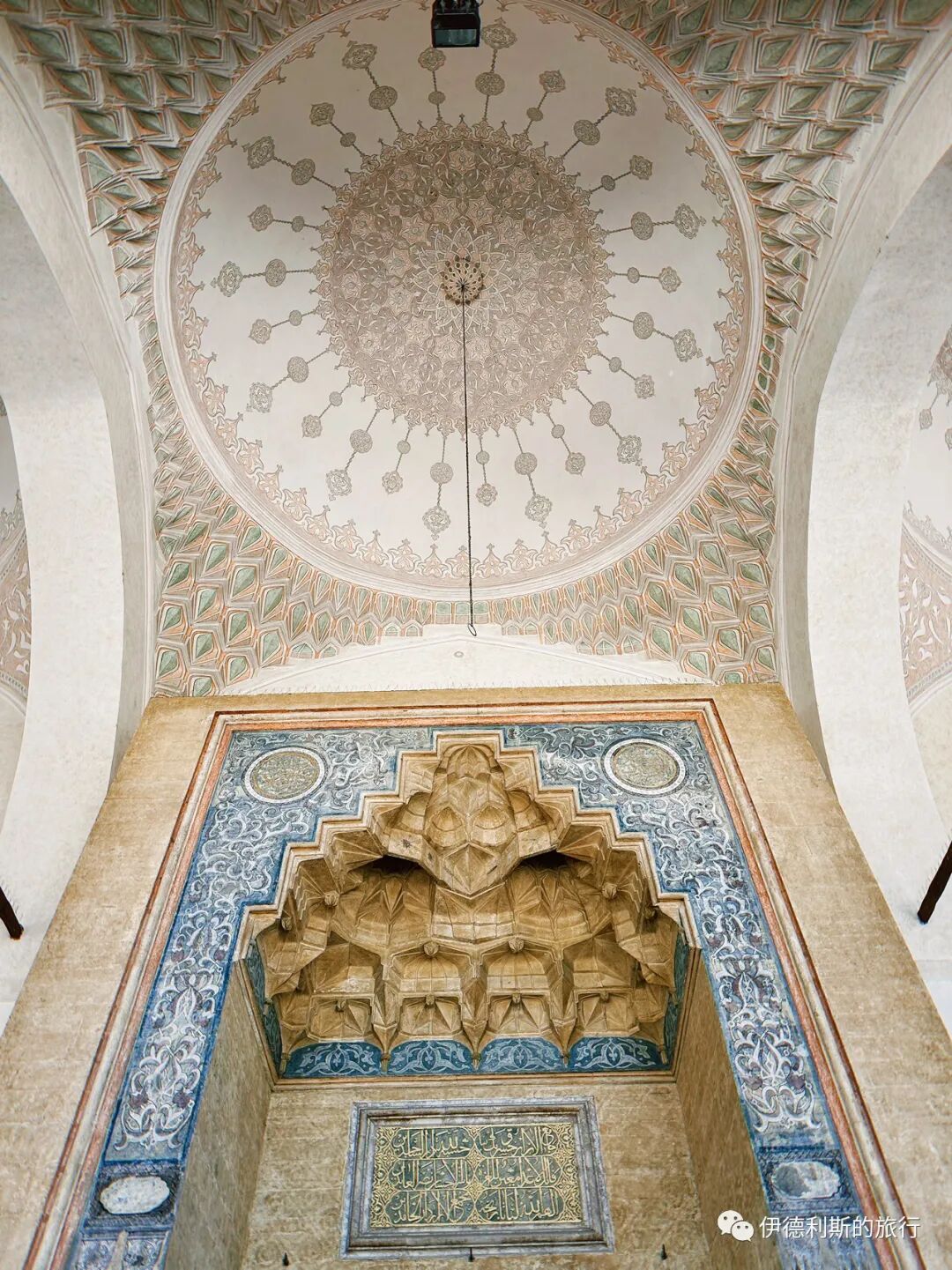
The Gazi Husrev Bey Mosque was designed and built by the Ottoman court architect Adzem Esir Ali, who came from Tabriz, Persia. He built many structures in Istanbul during the early 16th century and was one of the founders of the early Istanbul architectural school. The main hall is 13 meters long and 13 meters wide, with a central dome 26 meters high, achieving a perfect one-to-two ratio. The front porch consists of five small domes supported by four marble columns.
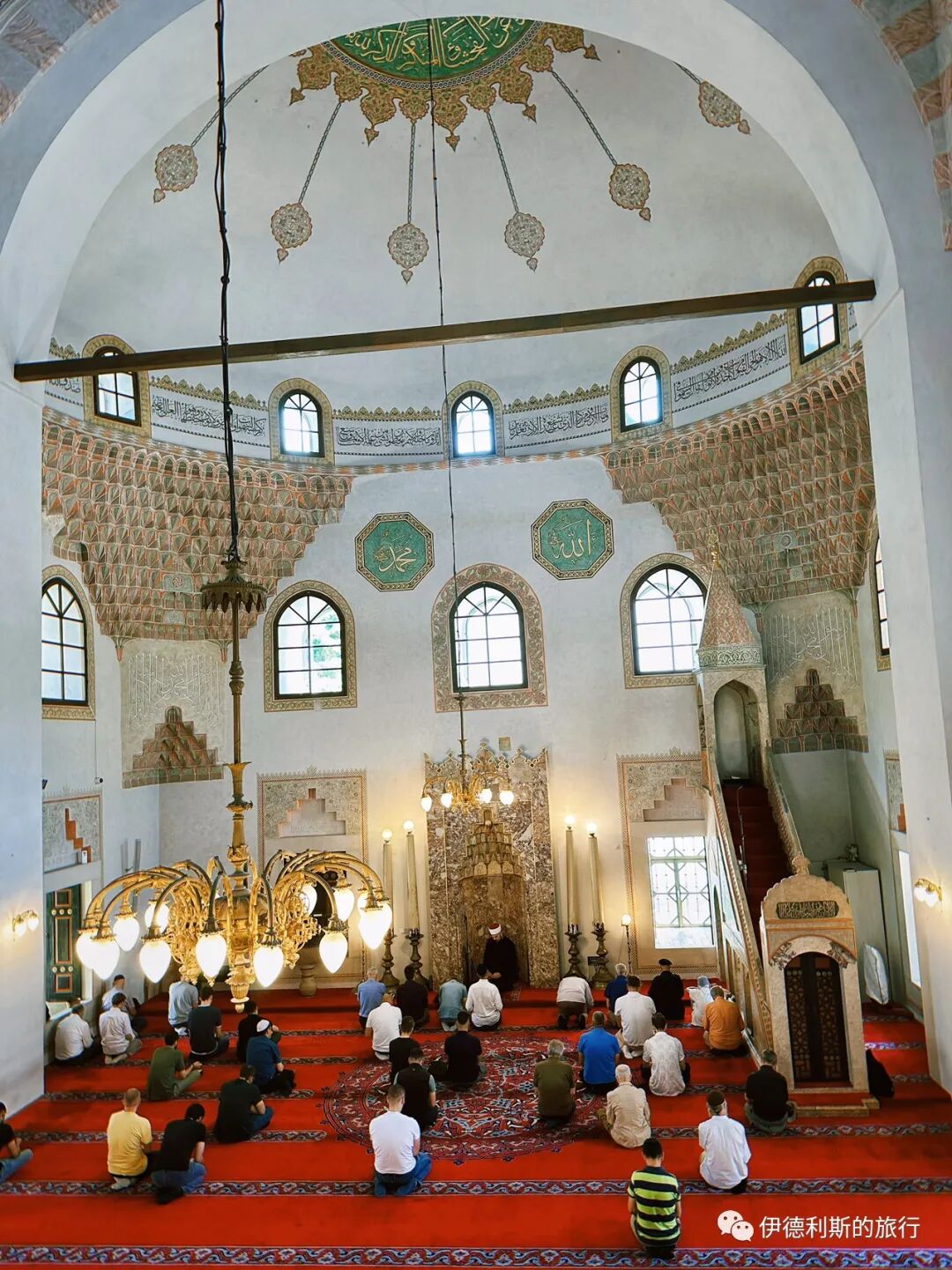
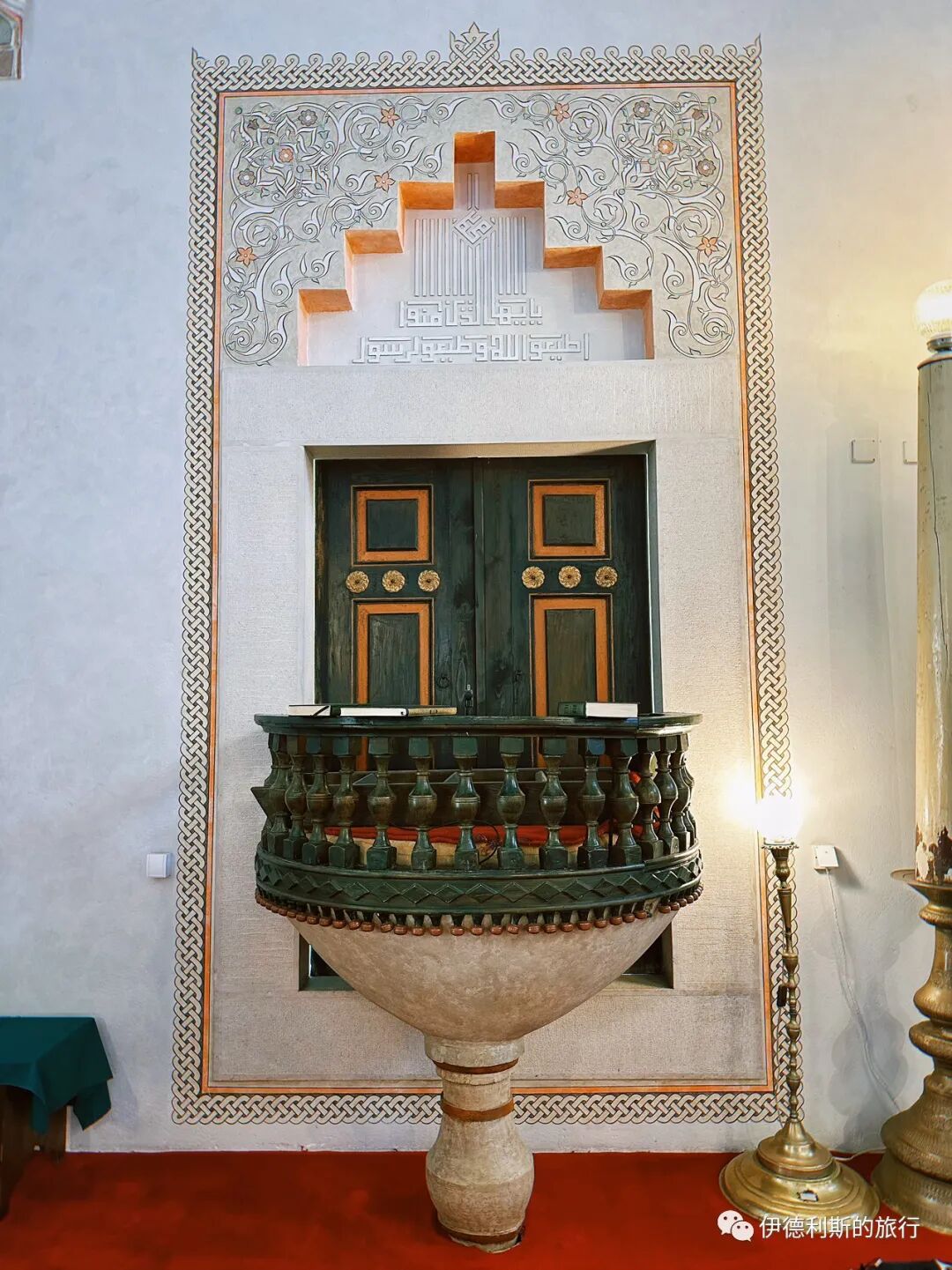
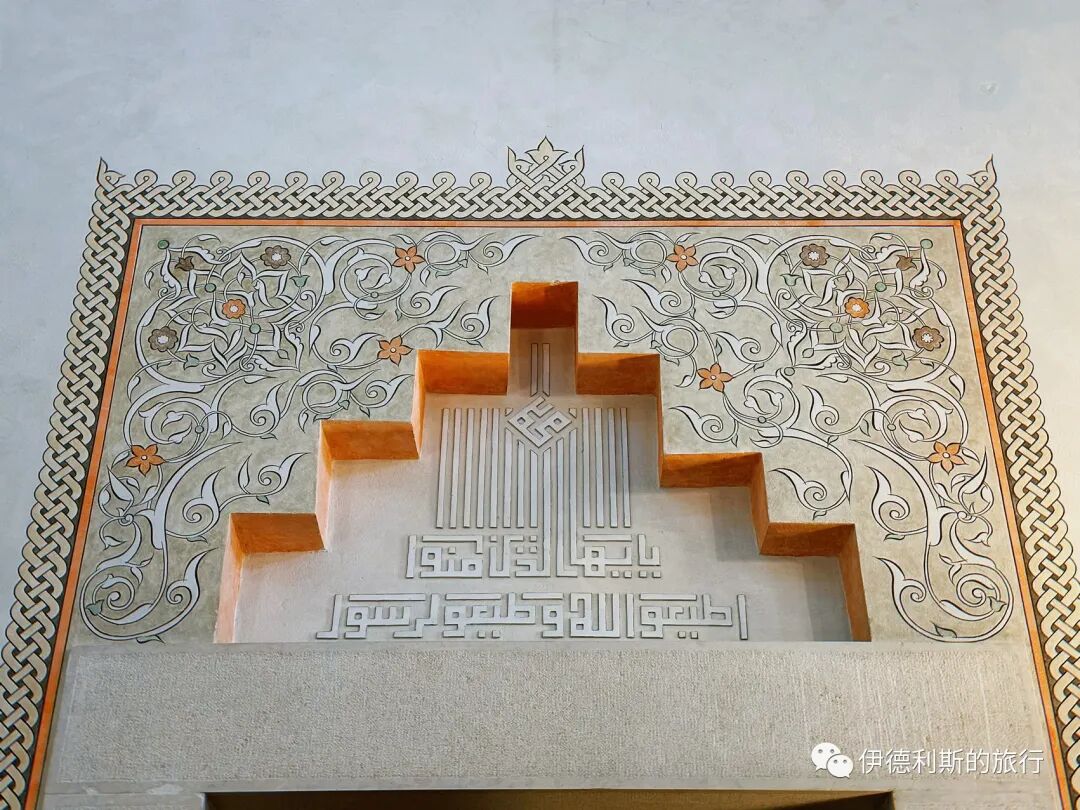
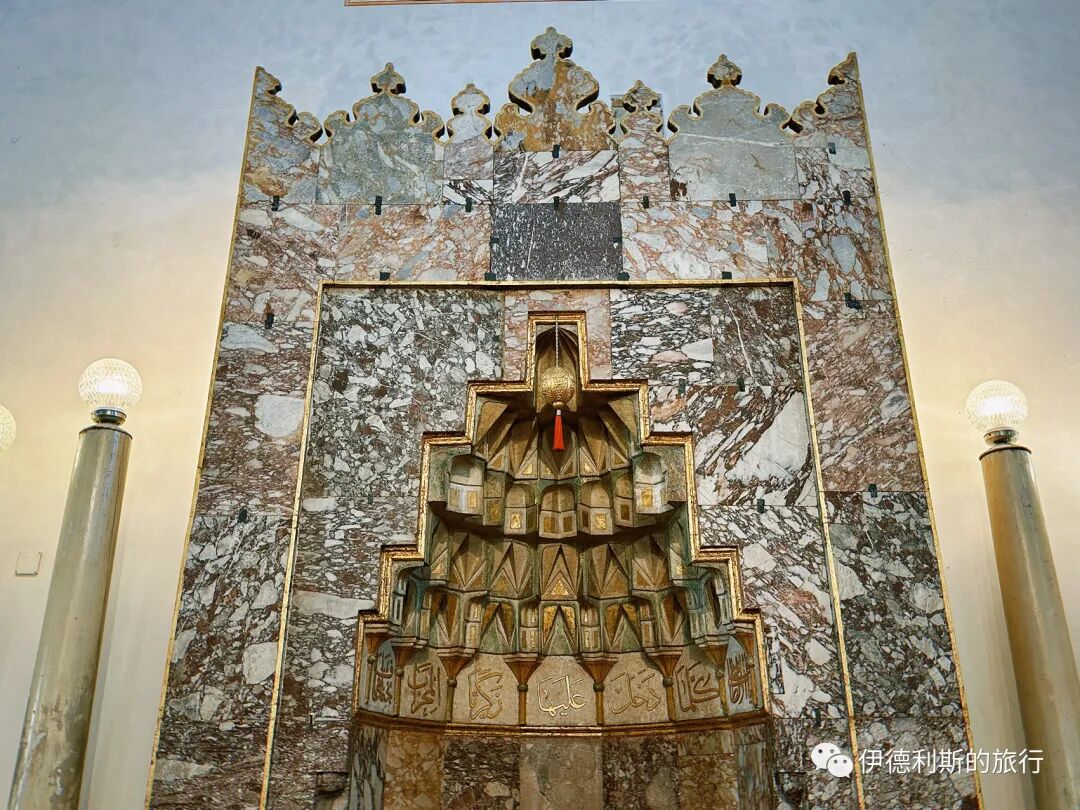
The interior paintings of the mosque were damaged by fire and later repainted in 1886 by the Austro-Hungarian Empire in a Moorish Revival style. During the Siege of Sarajevo from 1992 to 1995, the Gazi Husrev Bey Mosque was hit by over 100 mortar shells, causing major damage, and was repaired after the ceasefire in 1996. During the restoration, the late 19th-century Austro-Hungarian paintings were removed, and new interior decorations were painted by Bosnian calligrapher Hazim Numanagić between 2001 and 2002.
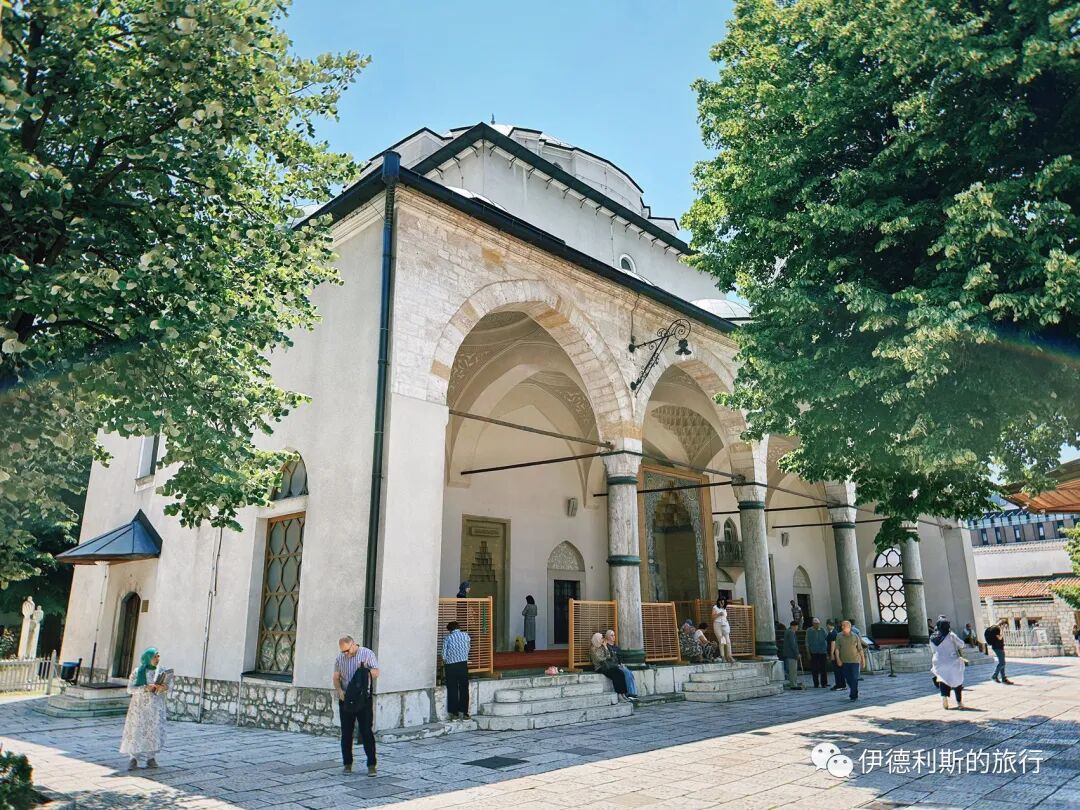
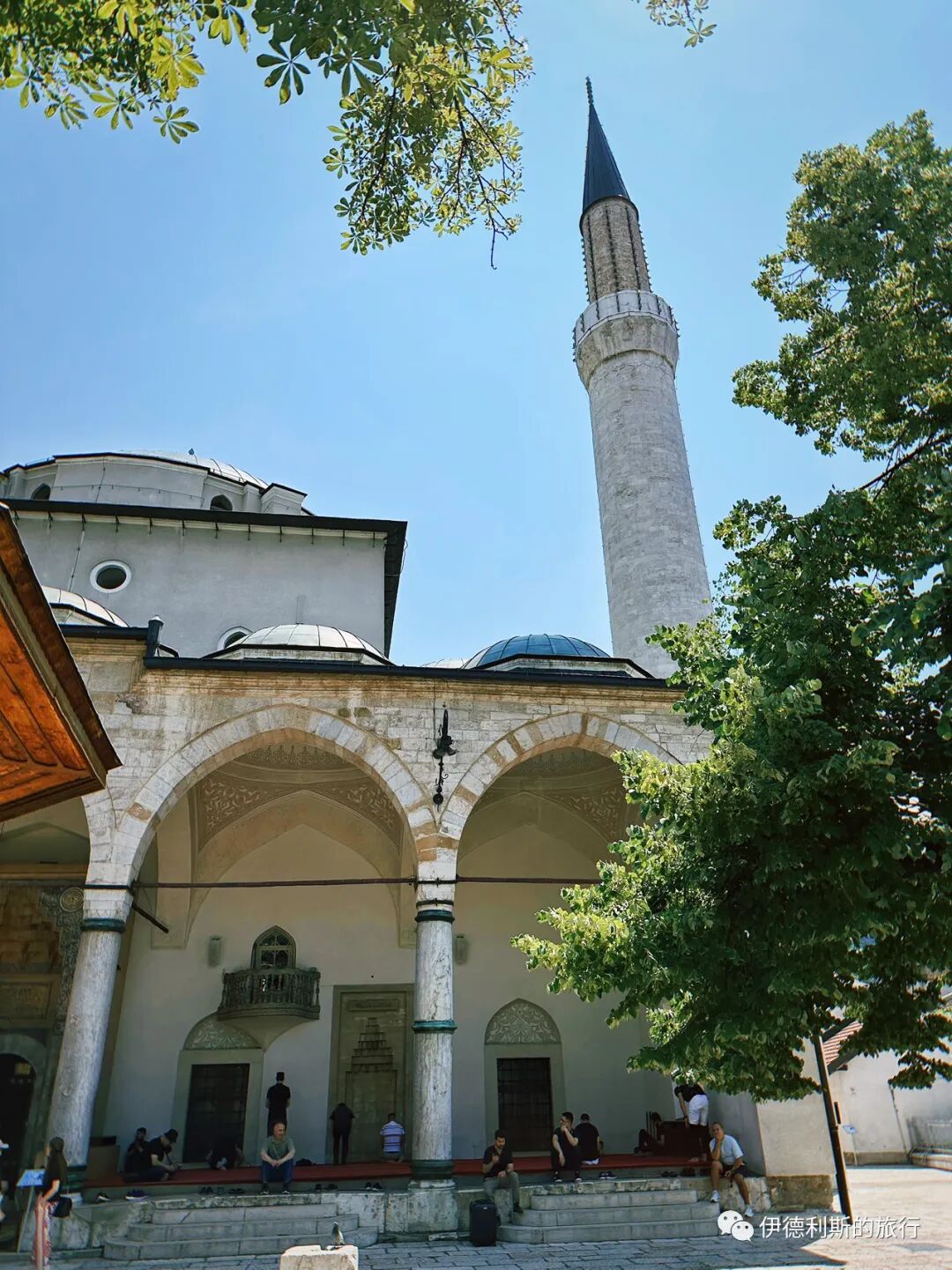
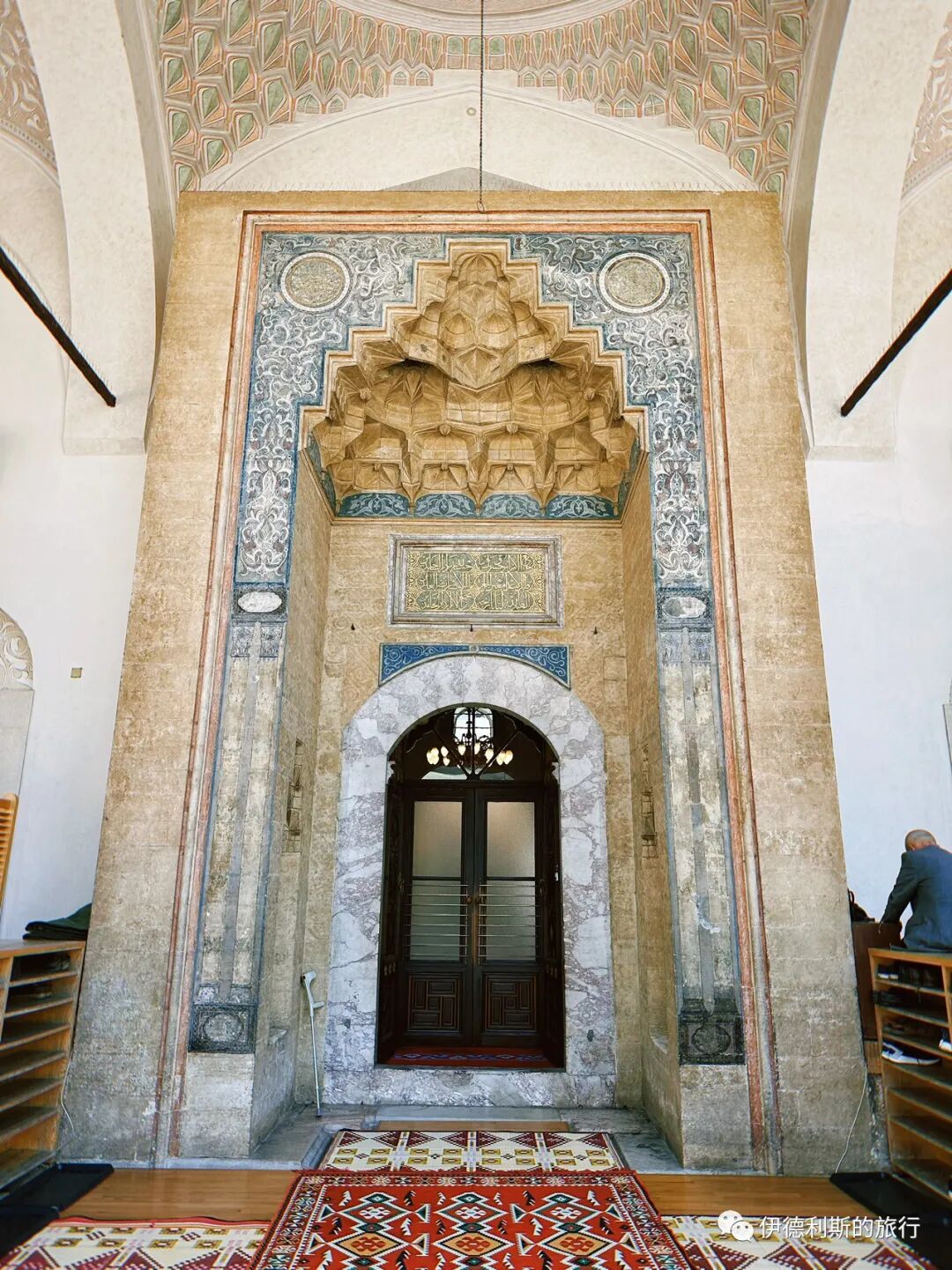
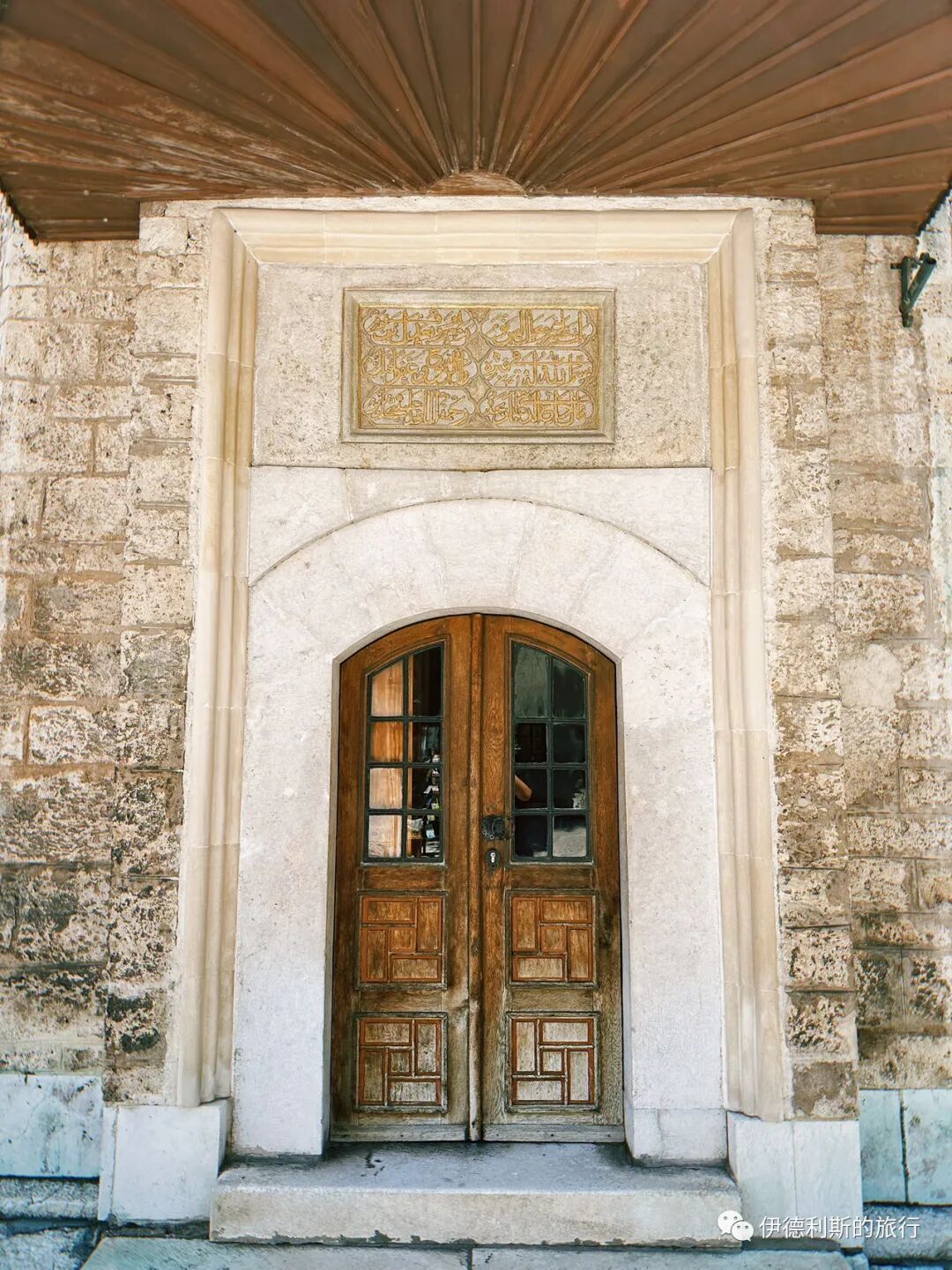
The mosque's main gate is beautifully decorated with intricate marble and gilded carvings. The Arabic calligraphy on the door adds up to the number 938, which is the year the mosque was built according to the Islamic calendar (1530/31 AD).
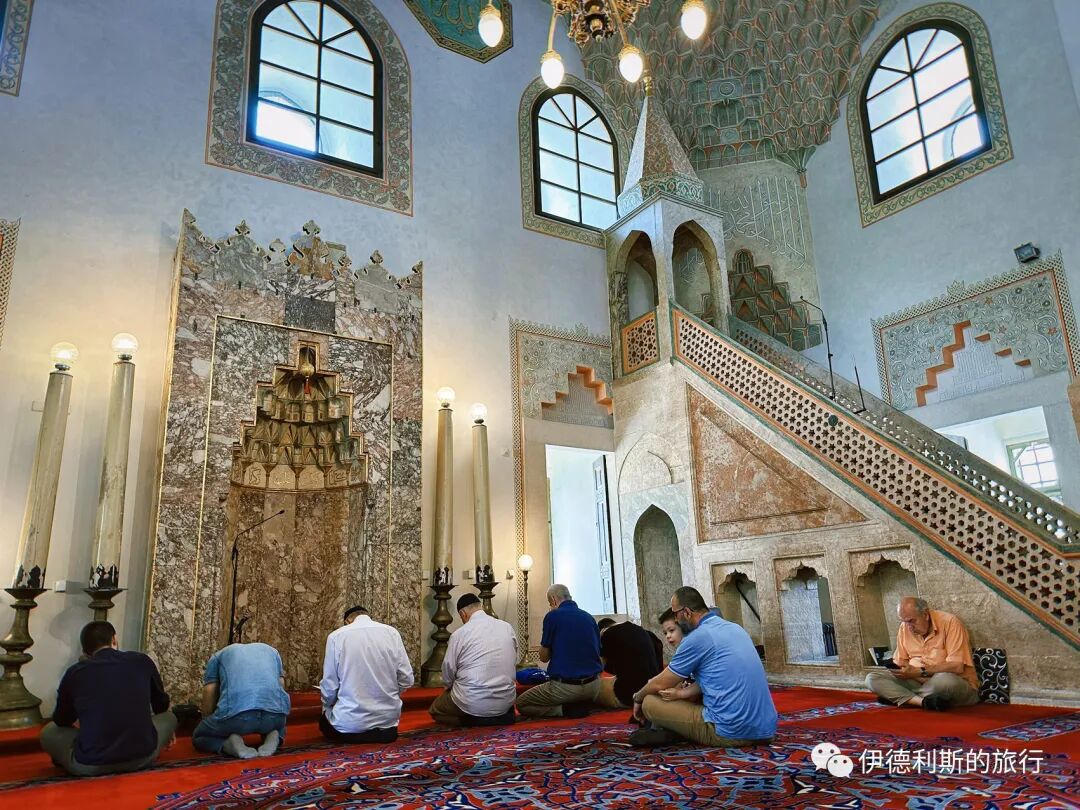
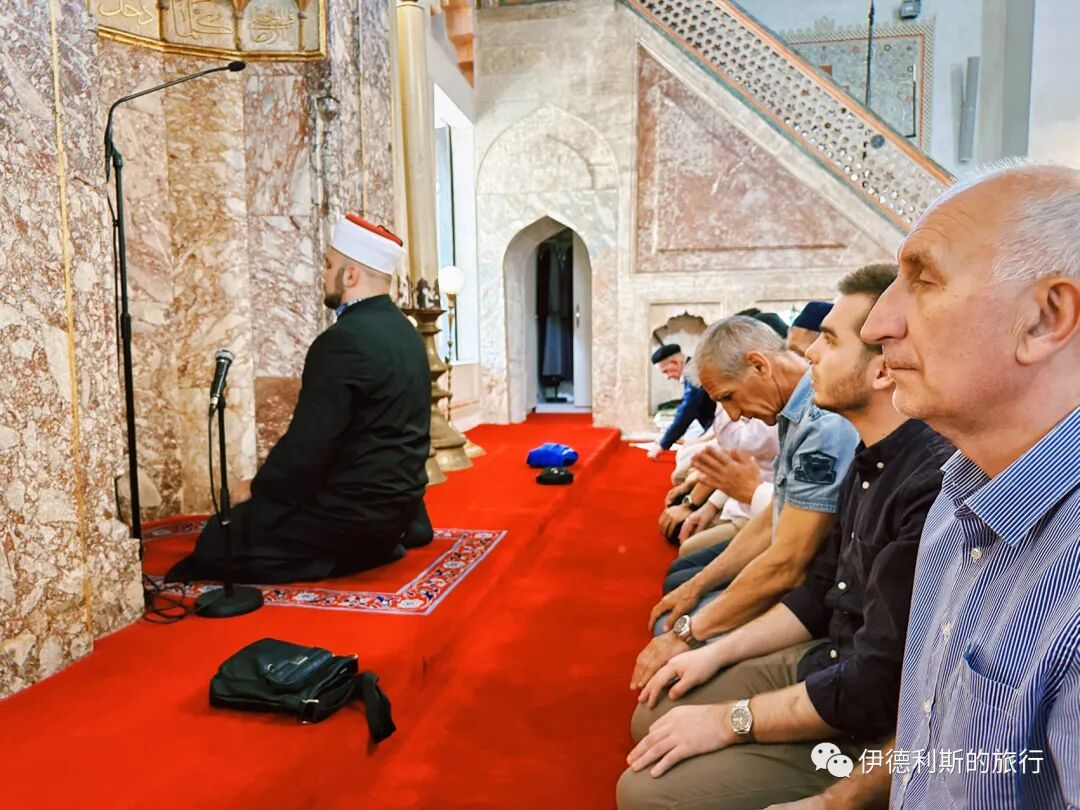
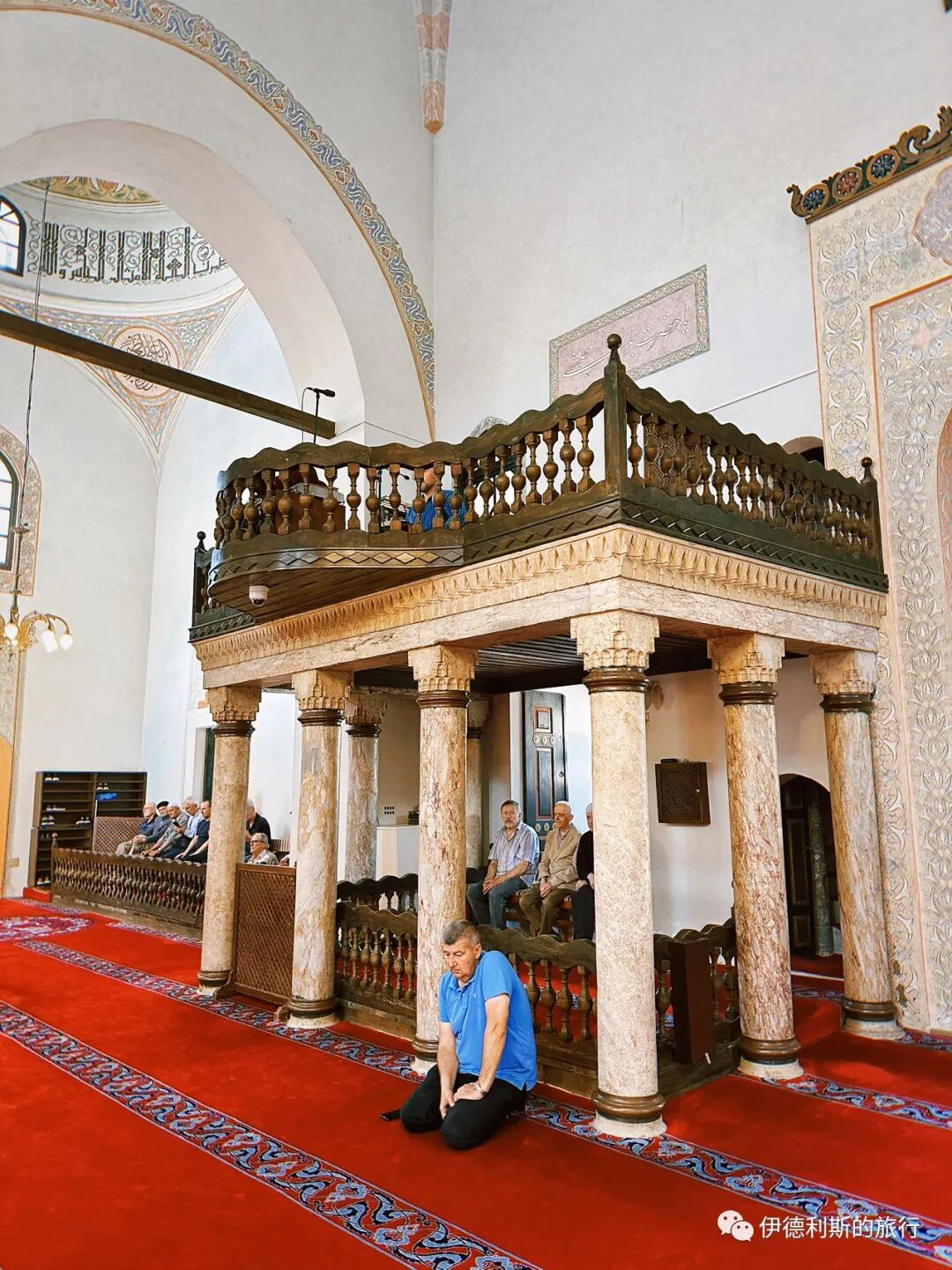
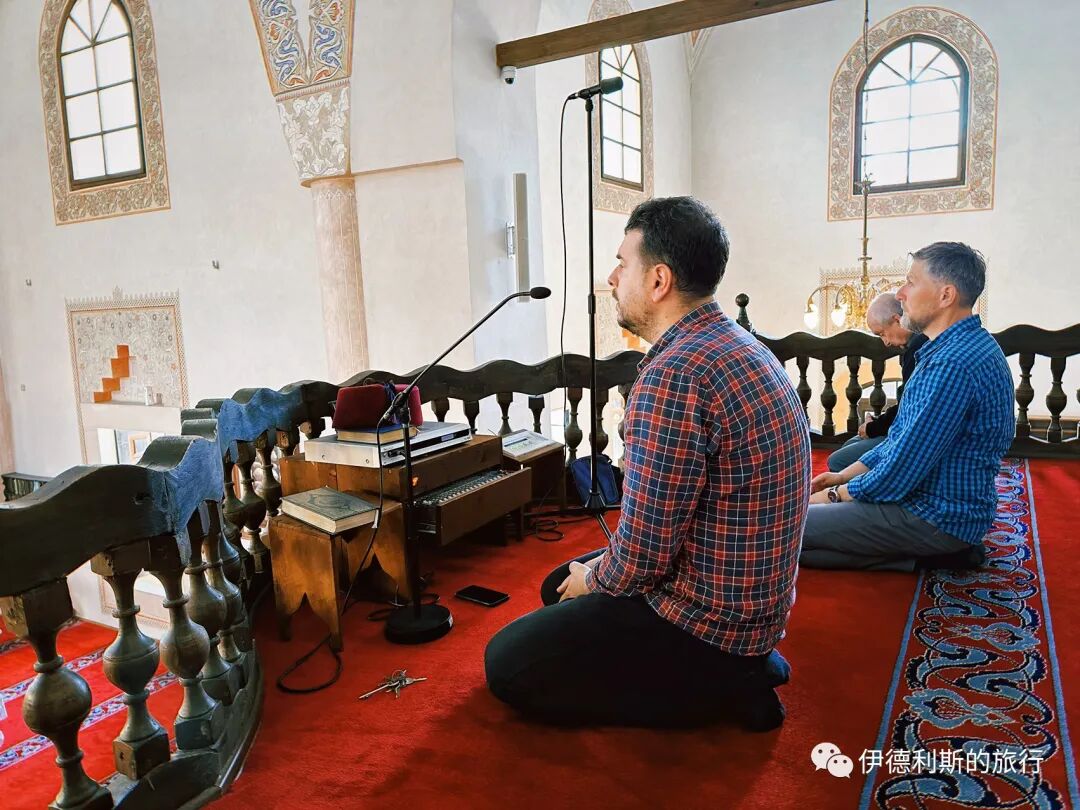
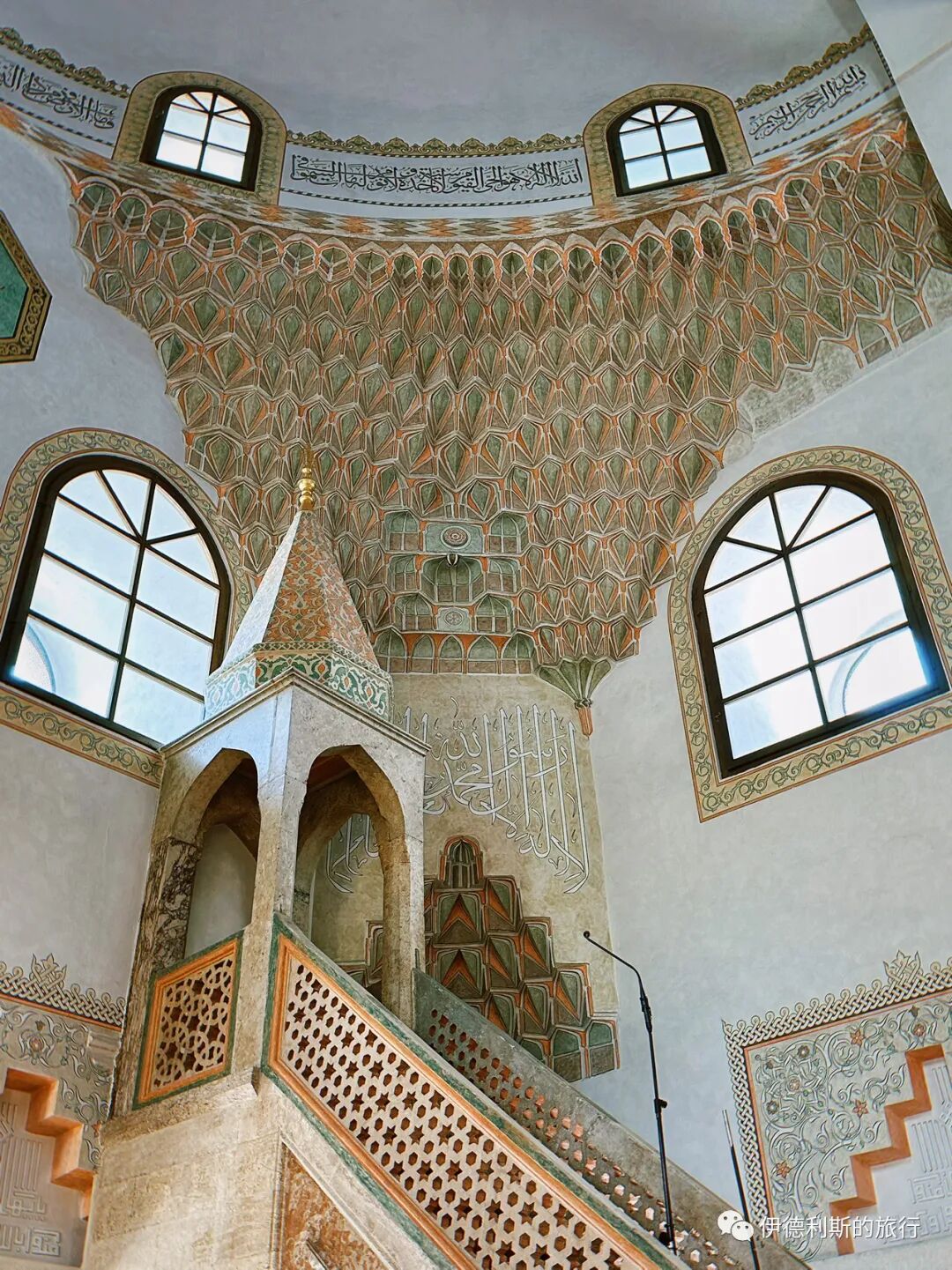
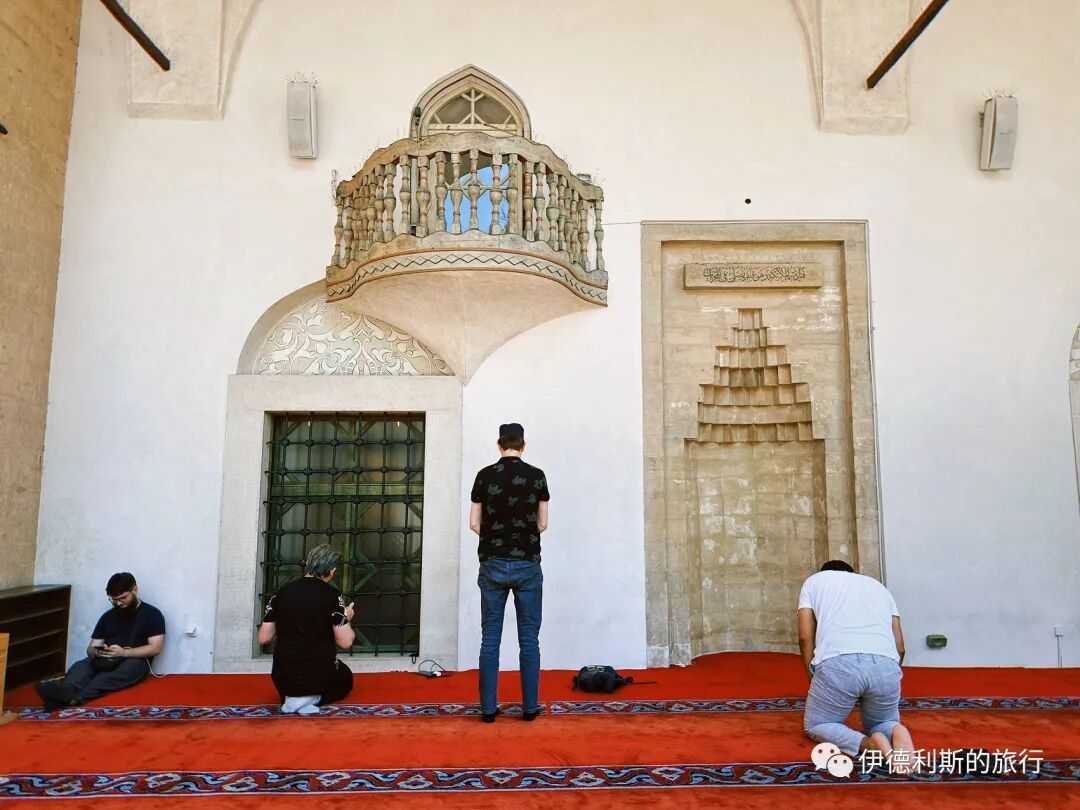
The muezzin calls the adhan and responds to the imam from a platform called Müezzin Mahfili in Turkish or Dikka in Arabic, where people also recite the Quran during nights in Ramadan. Usually, only large mosques have a Dikka platform built across from the minbar pulpit. Before sound systems existed, not everyone could hear the imam leading the namaz, so the muezzin needed to stand on the platform to make sure everyone could hear.
The area inside the railing below the Dikka platform was once a place for high-ranking officials and royalty to pray, known as the Hünkâr Mahfili. In royal mosques, the Hünkâr Mahfili is usually an elevated platform, while in smaller ones, it is a railed area on the ground floor. Today, everyone can pray here, but the railing has been kept.
Fountain
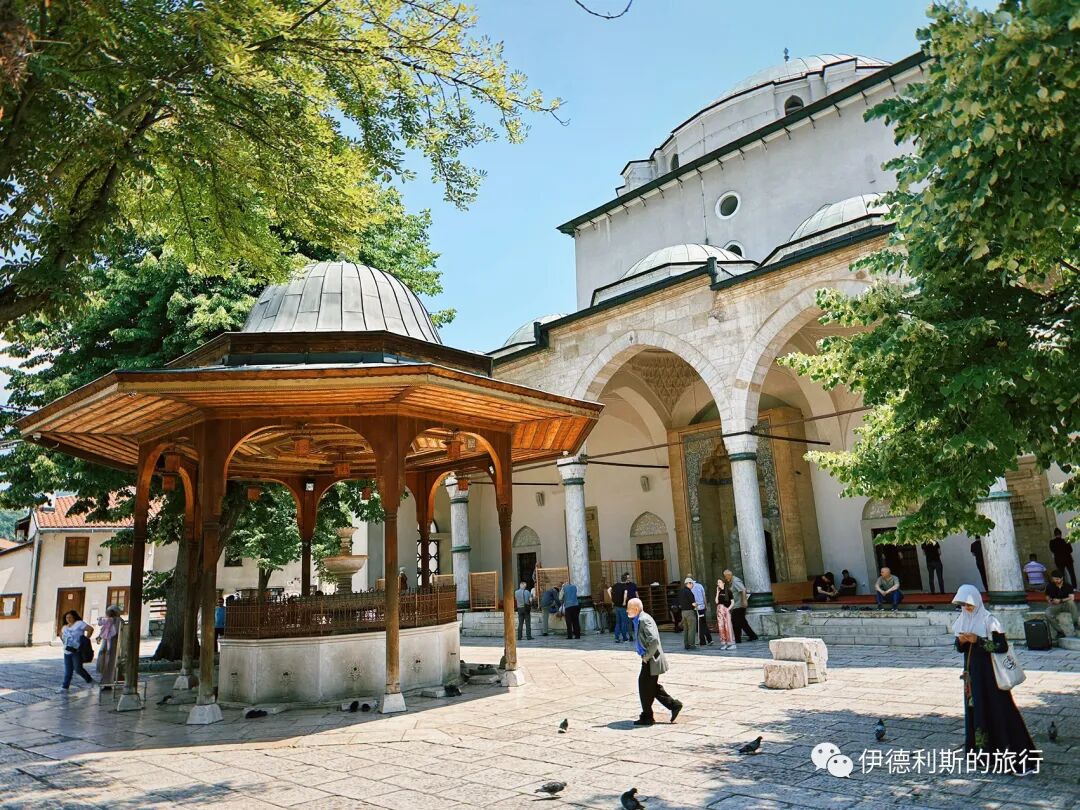
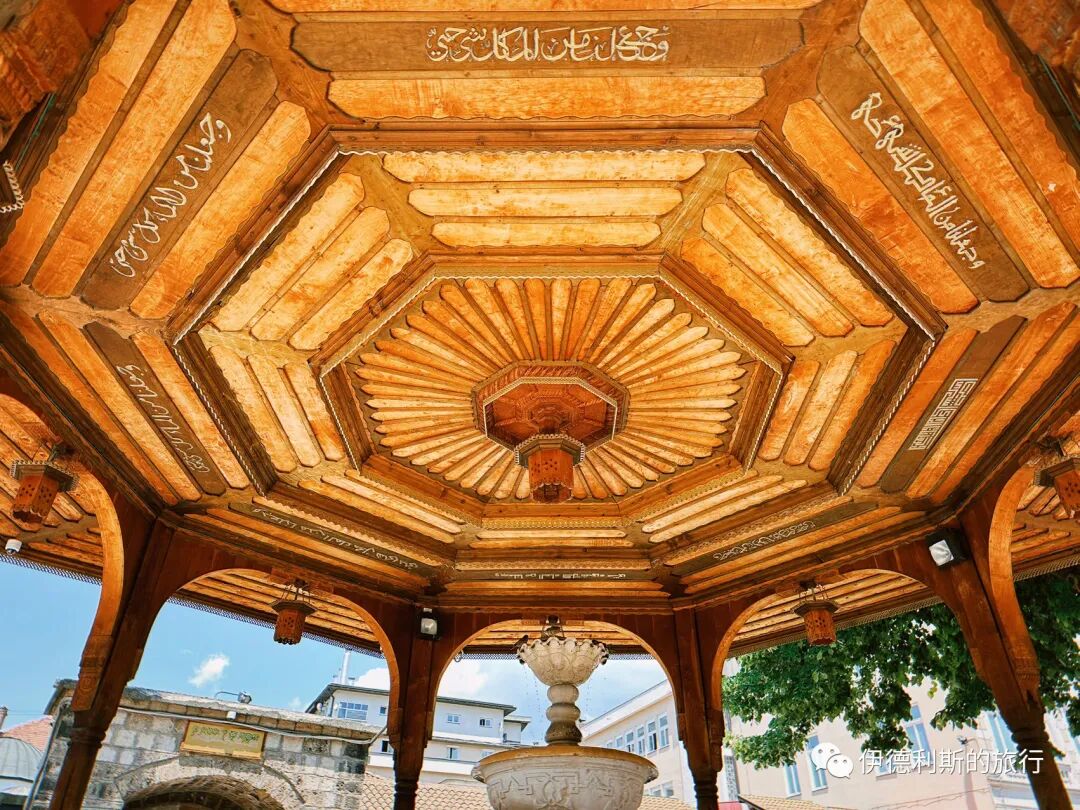
In front of the main hall of the Gazi Husrev Bey Mosque is the Shadirvan fountain. This type of fountain used for drinking and performing wudu originated in Persia and later became a typical architectural element of the Ottoman Empire, usually placed in the center of courtyards in mosques, caravanserais, dervish lodges, and madrasas.
This Shadirvan fountain was first built in 1530, with water coming from the Crnilo spring 7 kilometers away through clay pipes connected to the city of Sarajevo. It was rebuilt in 1893, modeled after the fountain at the Great Mosque of Bursa in Turkey, and connected to a modern water supply system. The fountain was severely damaged during the war from 1992 to 1995 and was rebuilt to its original appearance in 1997. You can still see three water basins from the original fountain in the mosque courtyard today.
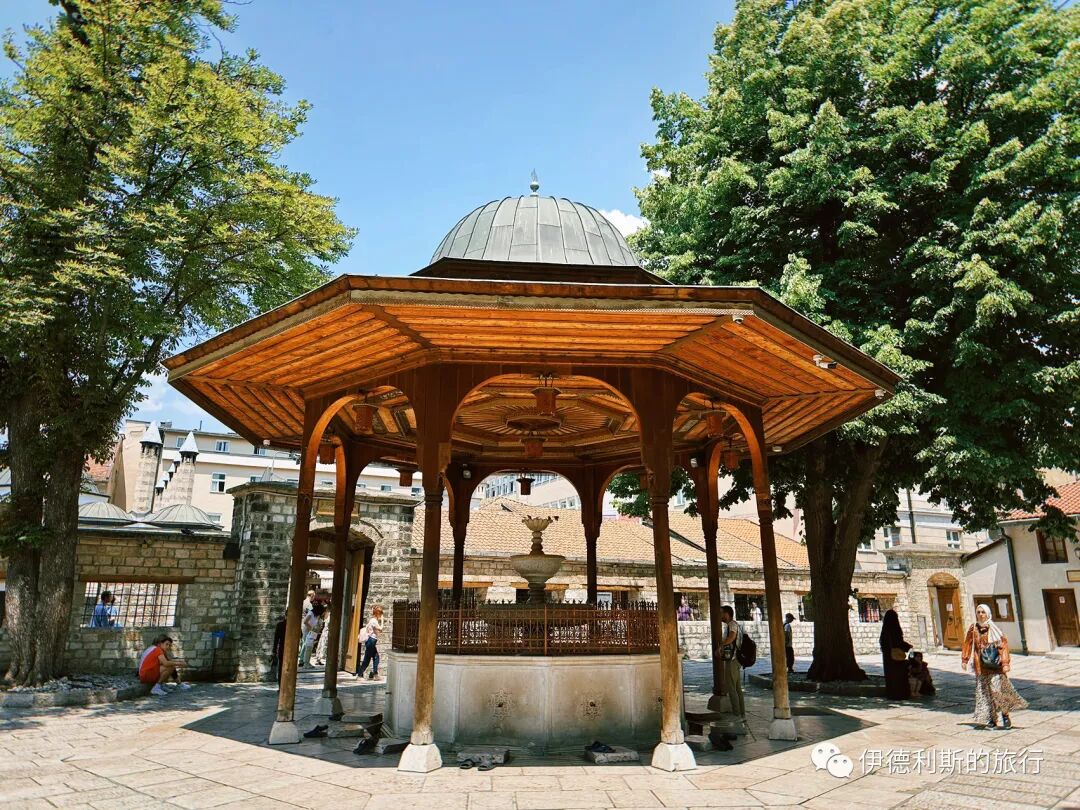
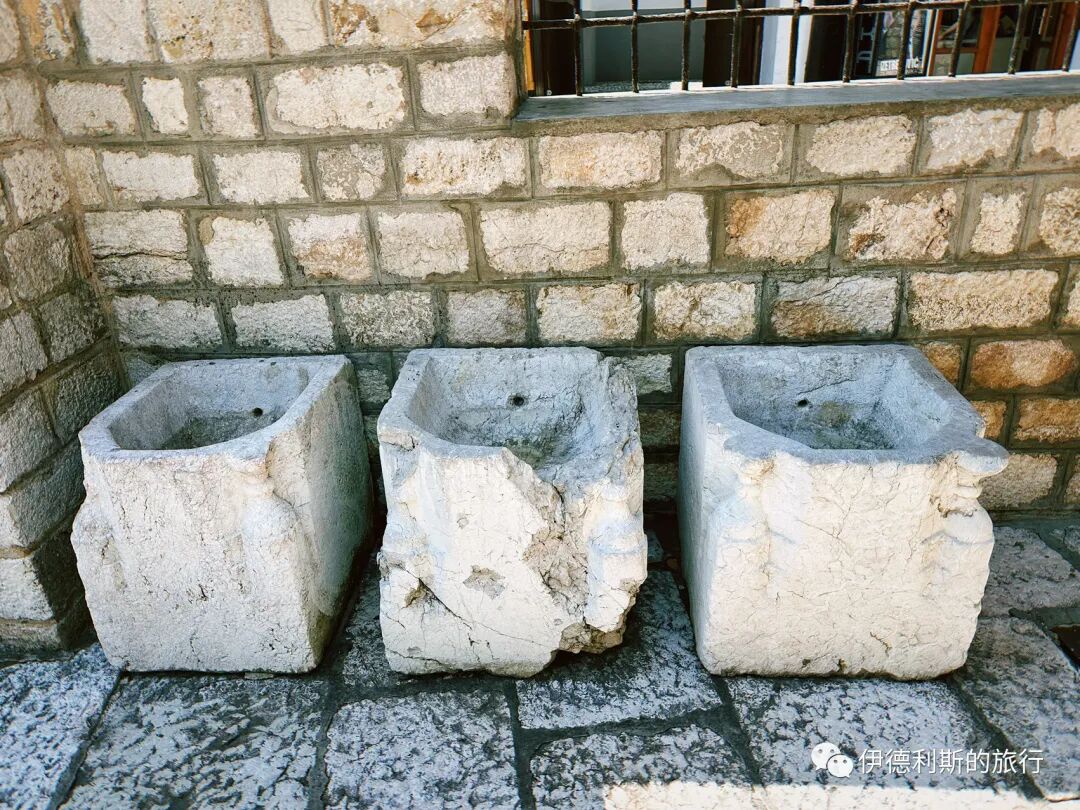
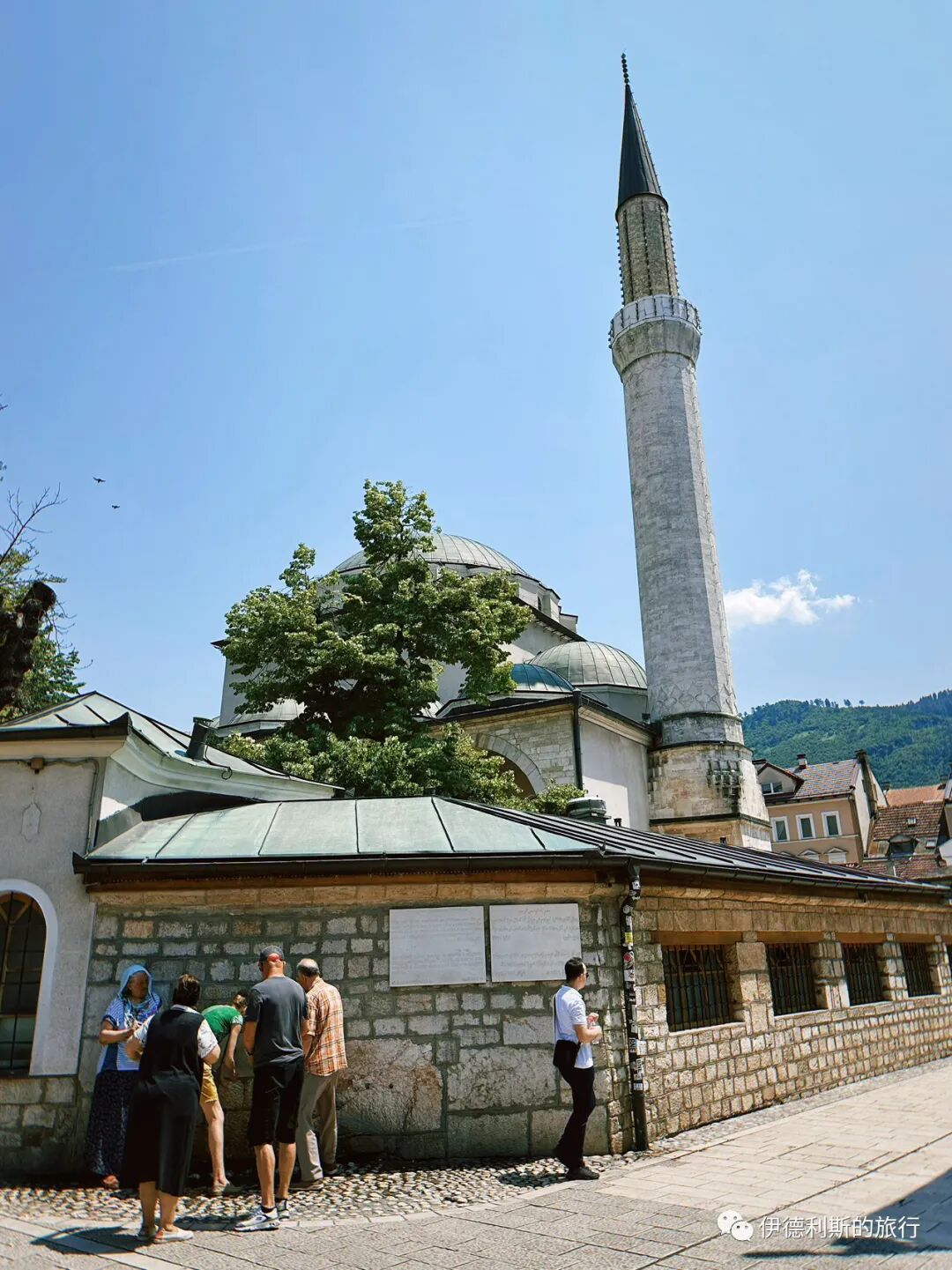
There is a drinking fountain for passersby along the wall in the northwest corner of the courtyard, a common sight in Ottoman cities.
Muwaqqithana
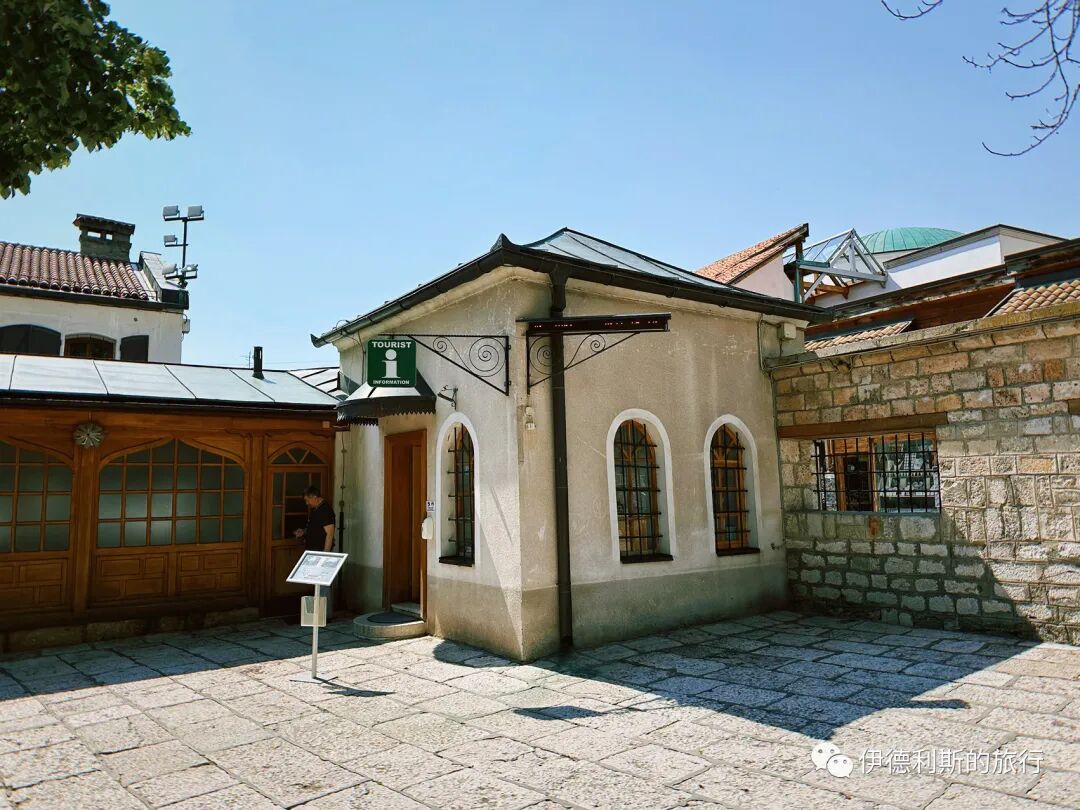
In the northwest corner of the mosque sits a small building from 1859 called the Muwaqqithana, where an astronomer known as a Muwaqqit used calculations to set the times for namaz and fasting. Early mosques mostly relied on a muezzin to watch shadow lengths and twilight to set prayer times. By the late 13th century, during the Mamluk dynasty in Egypt, specialized astronomers called Muwaqqit began to appear, and this practice gradually spread everywhere.
Mausoleum
Gazi Husrev Bey was born in 1480 to a Bosnian noble father and a mother who was the daughter of the Ottoman Sultan Bayezid II. He lost both parents when he was very young and grew up in the Ottoman court. He later earned many military honors and was appointed governor of Bosnia in 1521, becoming one of Sultan Suleiman the Magnificent's most trusted men.
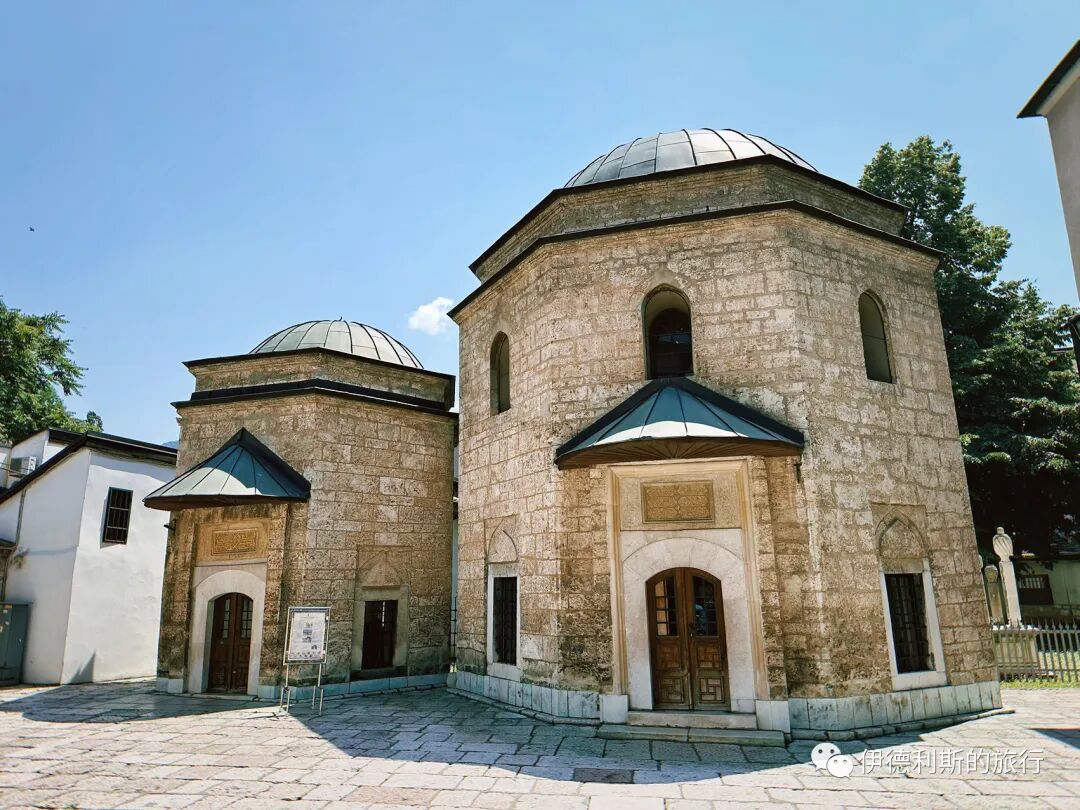
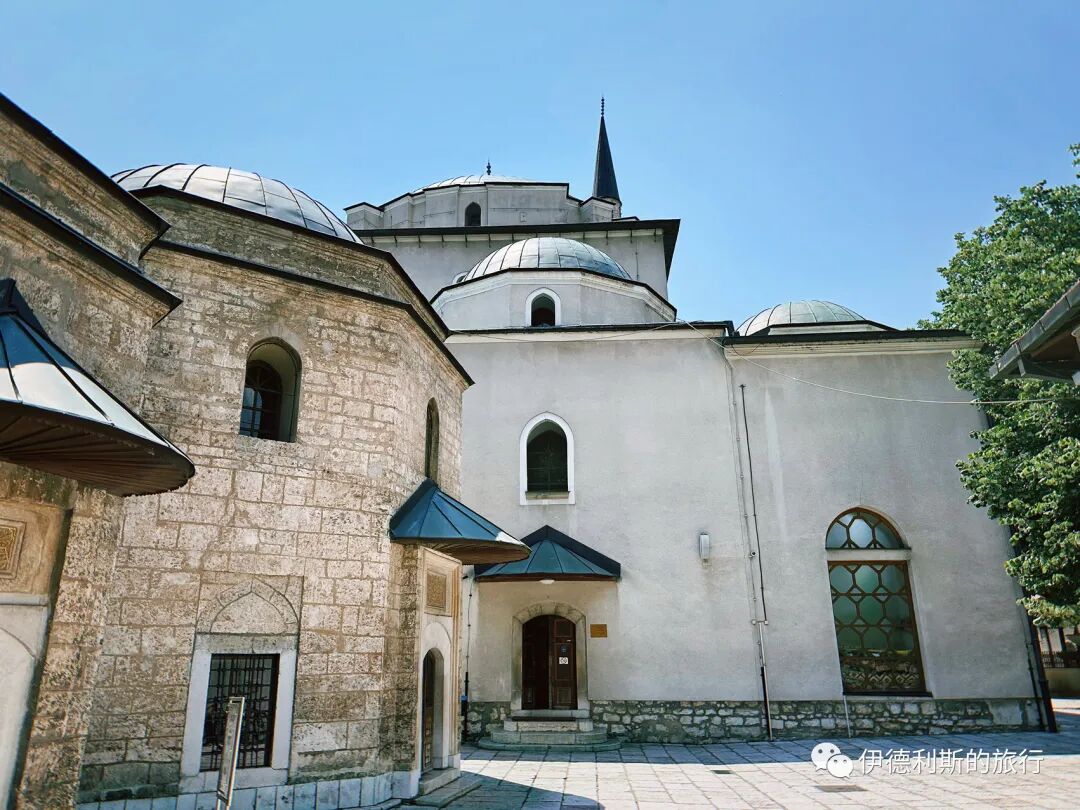
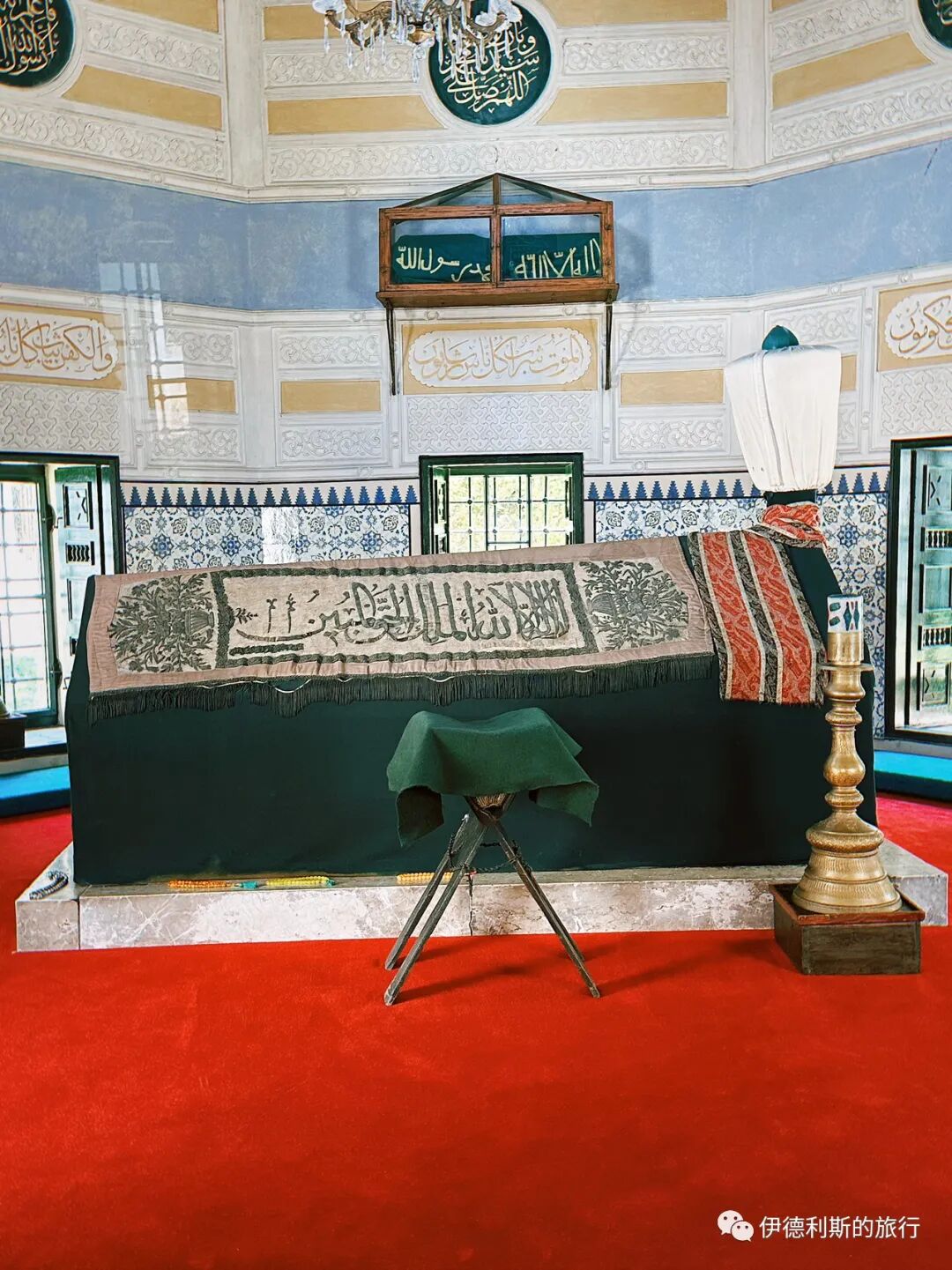
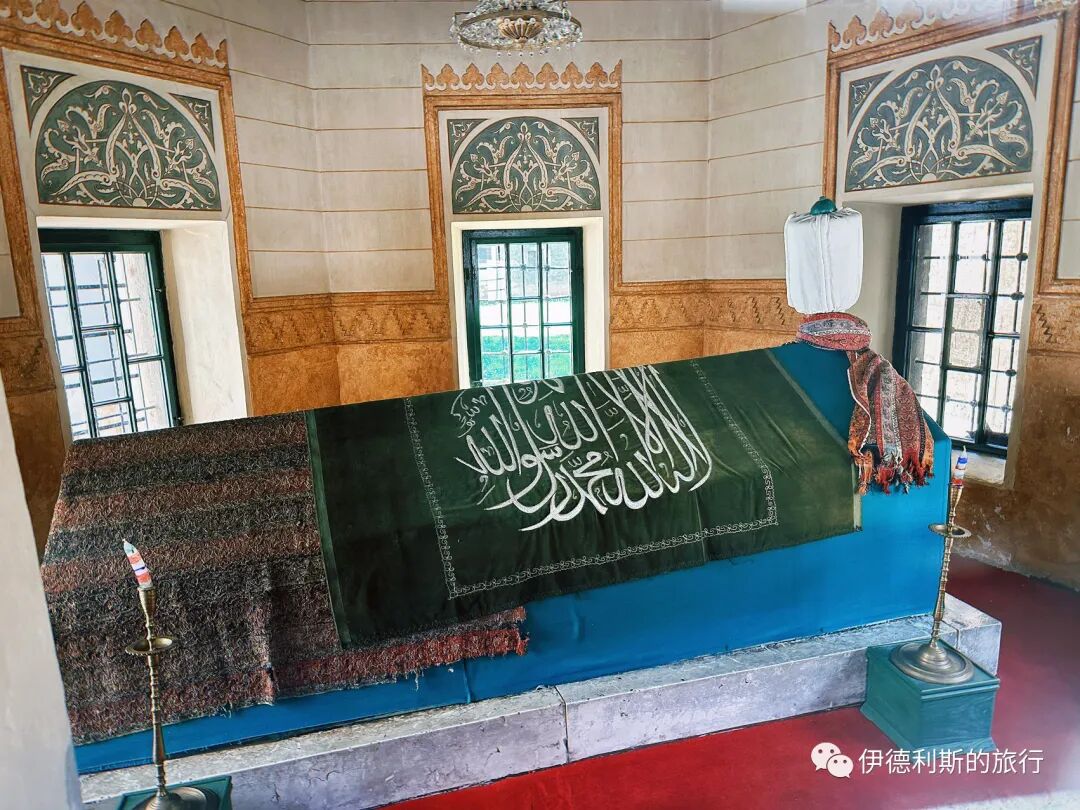
In 1541, a noble uprising broke out in Montenegro. Gazi Husrev Bey fought several battles to maintain order in the region and was eventually killed in a small village. His body was returned to Sarajevo and buried next to the Gazi Husrev Bey Mosque. The mausoleum of Gazi Husrev Bey is a typical 16th-century octagonal Ottoman tomb, which underwent repairs in 1895 and 2002.
Next to the tomb of Gazi Husrev Bey is a smaller octagonal mausoleum where his deputy, the Ottoman general Murat-beg Tardić, is buried. Murat-beg was Croatian. He became an Ottoman prisoner of war when he was young, later served under Gazi Husrev Bey, and became his close partner due to his outstanding military achievements. Murat-beg led several conquests against Croatia. In 1537, he completely crushed the military defenses of the Kingdom of Croatia, playing a major role in the westward expansion of the Ottoman Empire. Murat-beg died in 1545 and was buried next to the tomb of Gazi Husrev Bey.
Kursumlija Madrasa
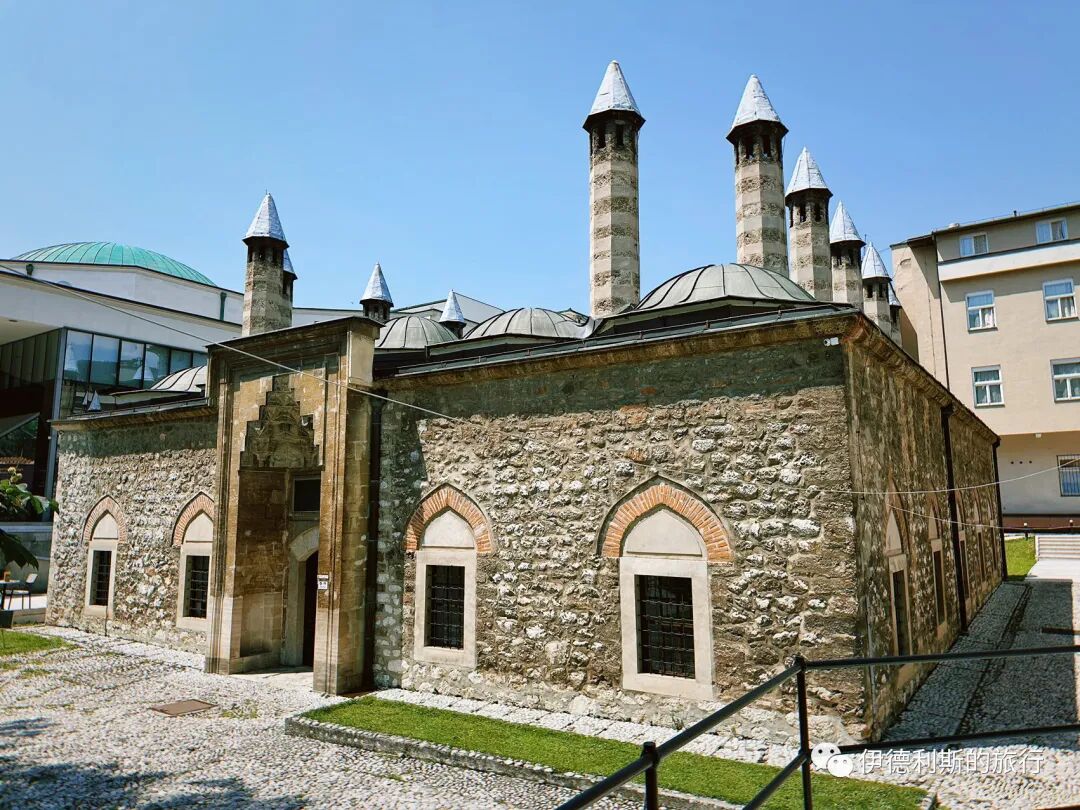
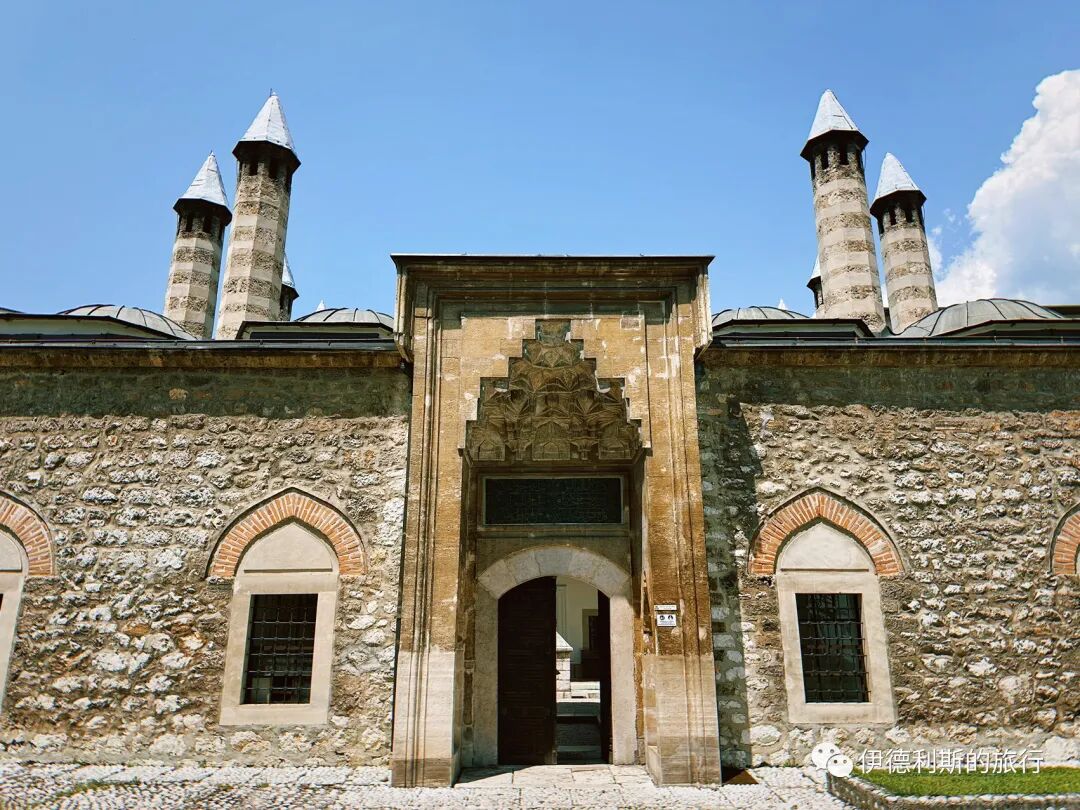
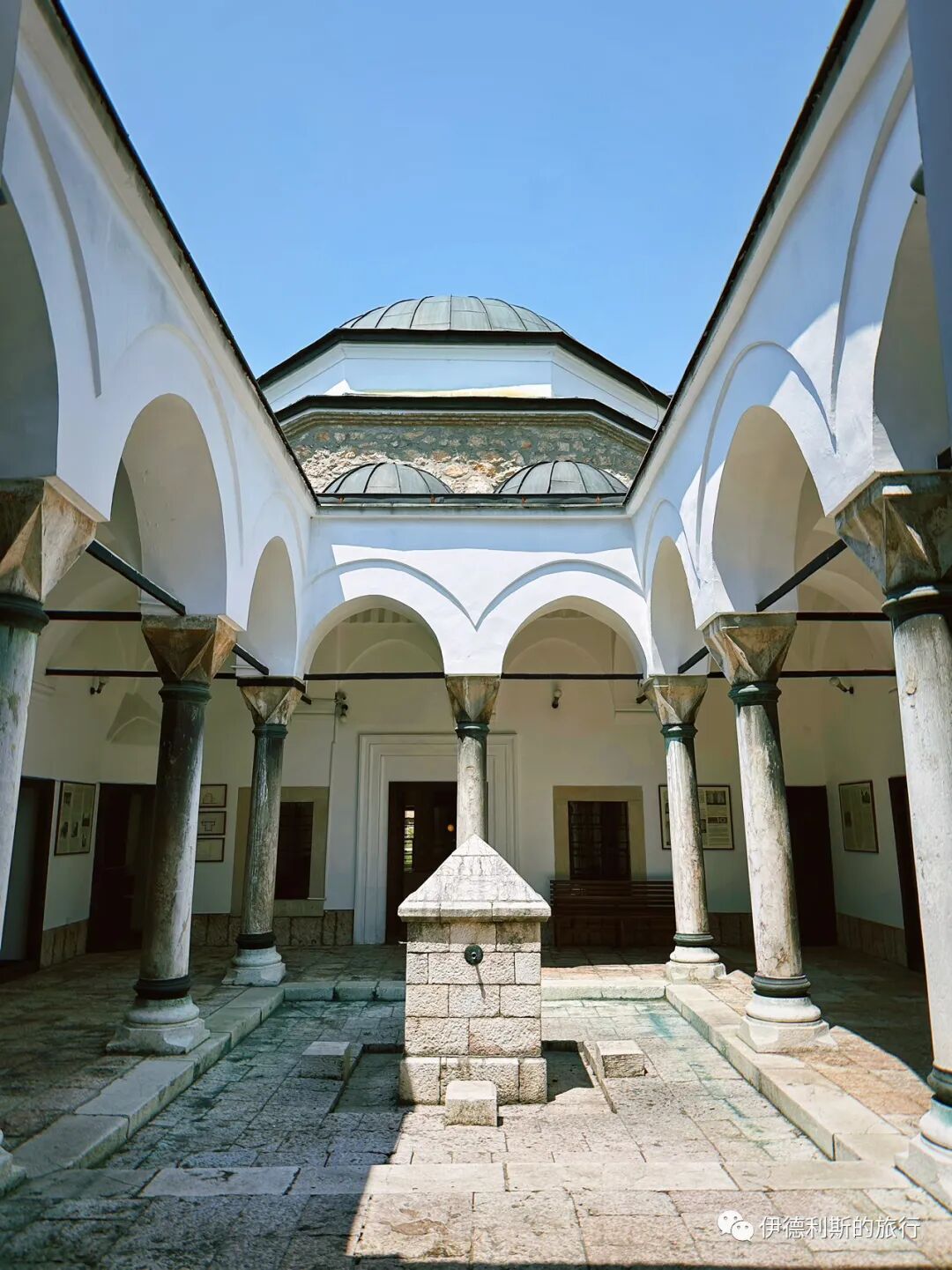
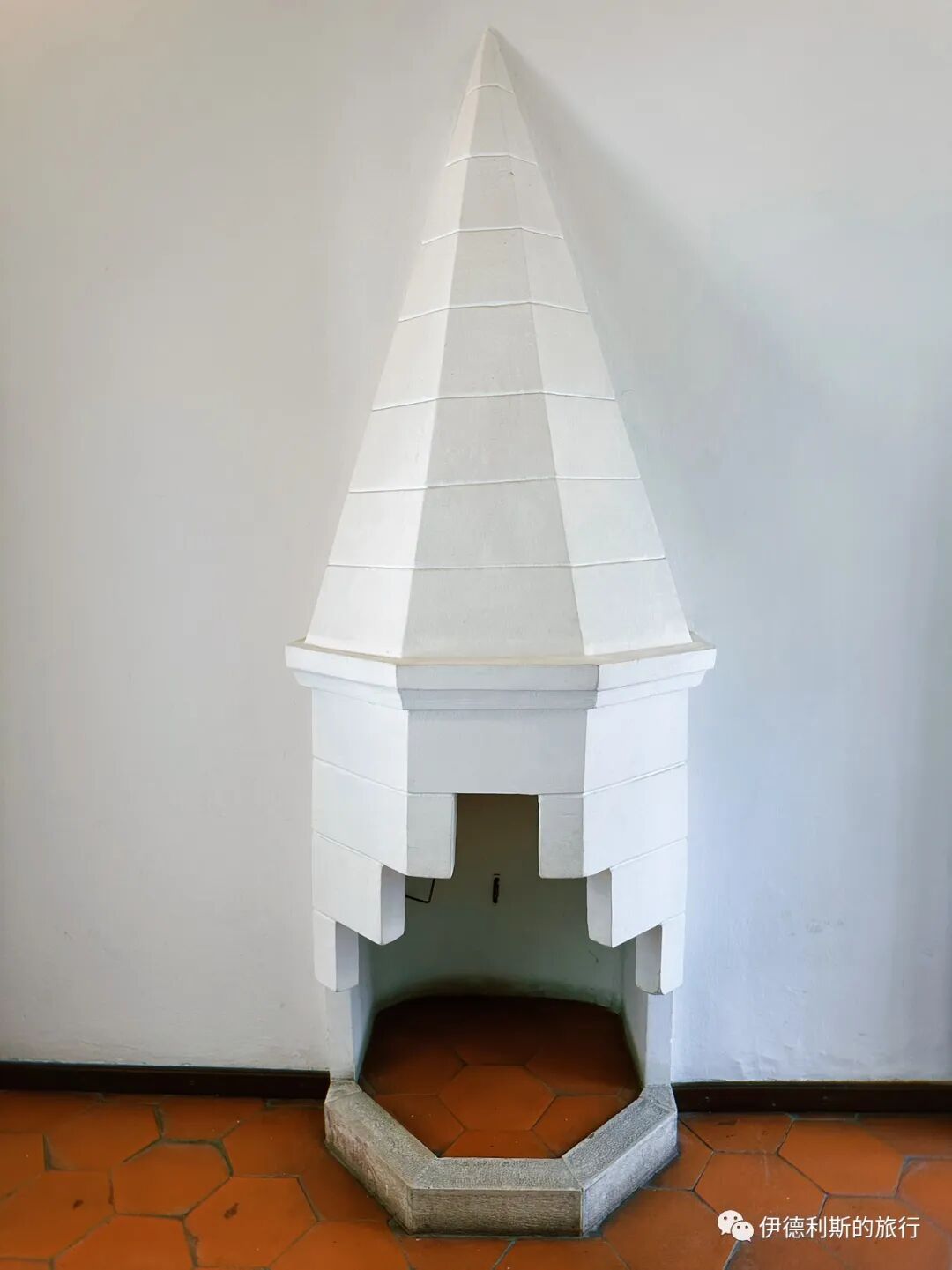
On the north side of the Gazi Husrev Bey Mosque is the Kursumlija Madrasa, built by Gazi Husrev Bey in 1537 and dedicated to his mother, the Ottoman princess Selçuka. The madrasa consists of a courtyard with 12 classrooms, each featuring a fireplace and a dome, with a fountain for wudu in the center of the courtyard. After 2013, this site became the Gazi Husrev-beg Museum, which showcases his life, the foundation complex he established, and his contributions to the urban development of Sarajevo.
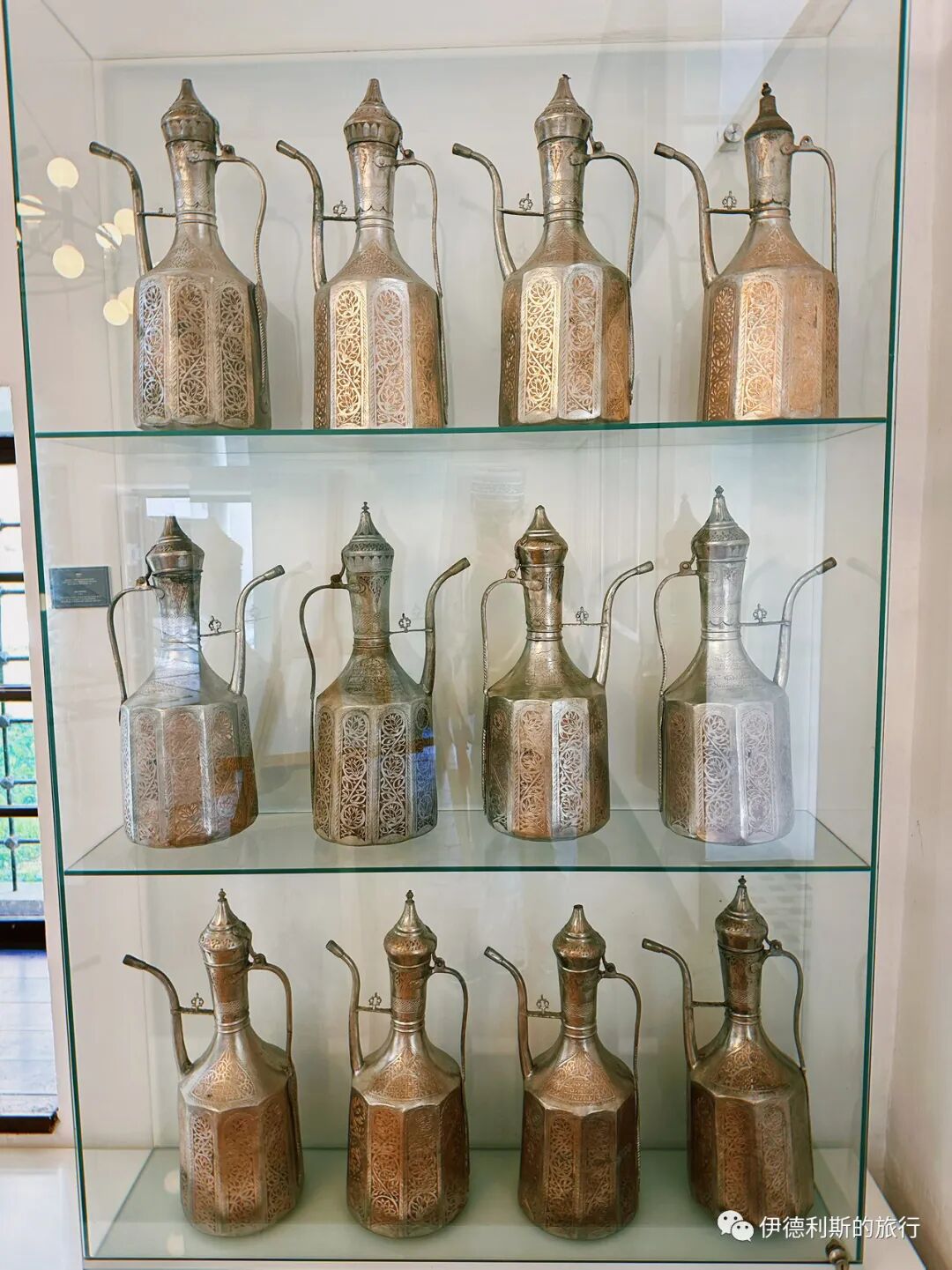
A 19th-century water jug used specifically to hold the mixed drink sharbat for Mawlid celebrations.
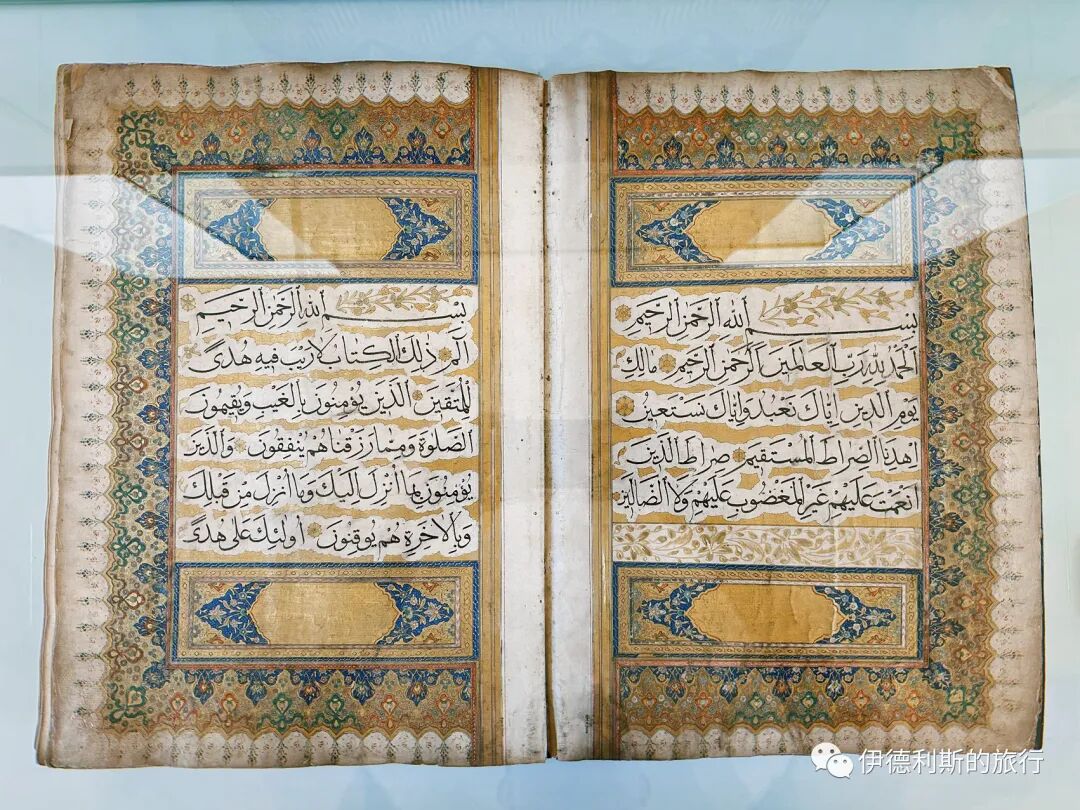
An ancient Quran copied in 1784 by Muhamed Filibevi from Plovdiv, Bulgaria.
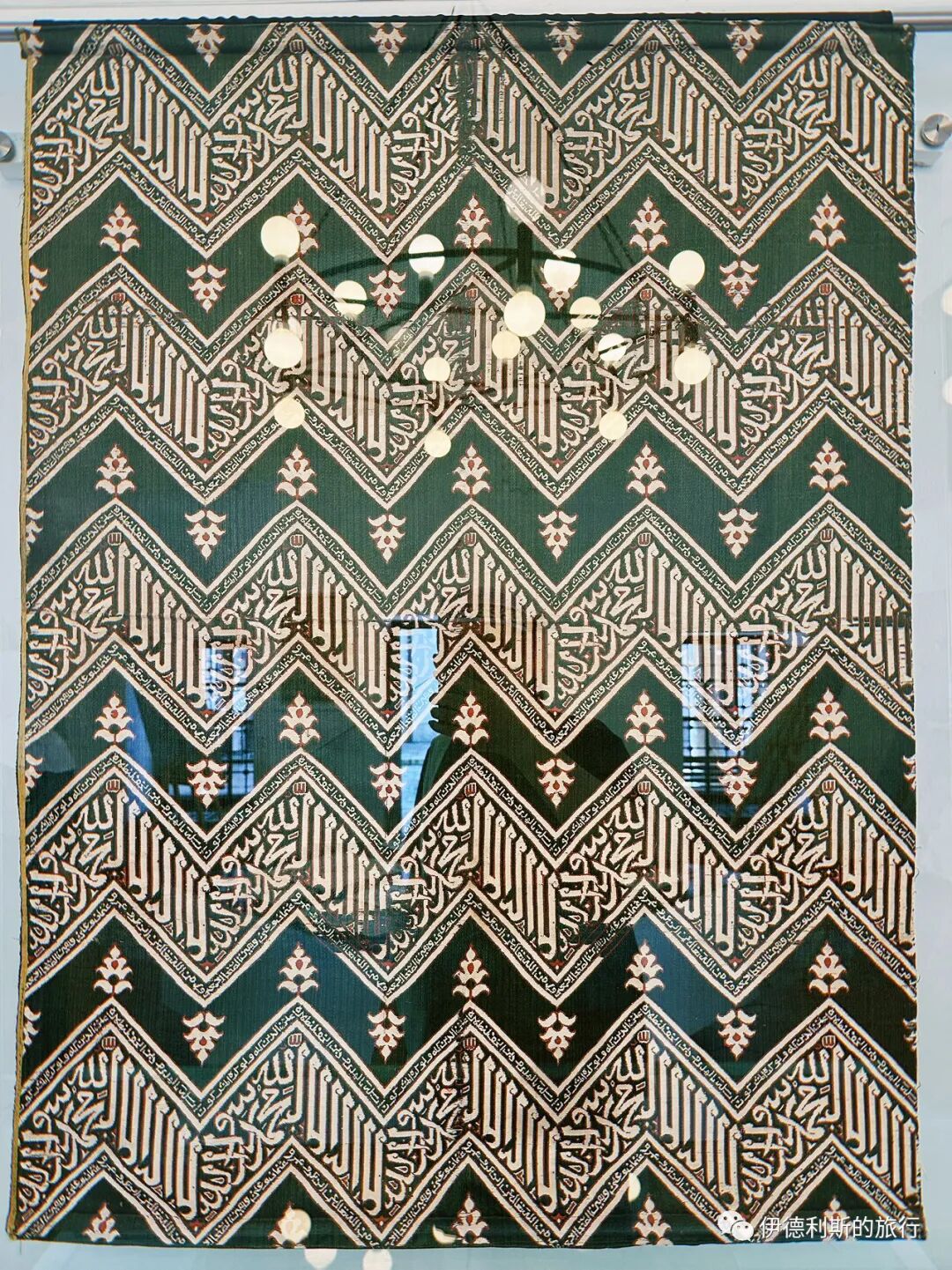
A burial shroud for the 16th-century tomb of the Prophet, gifted to Bosnia and Herzegovina by Ottoman Sultan Abdulaziz in 1867.
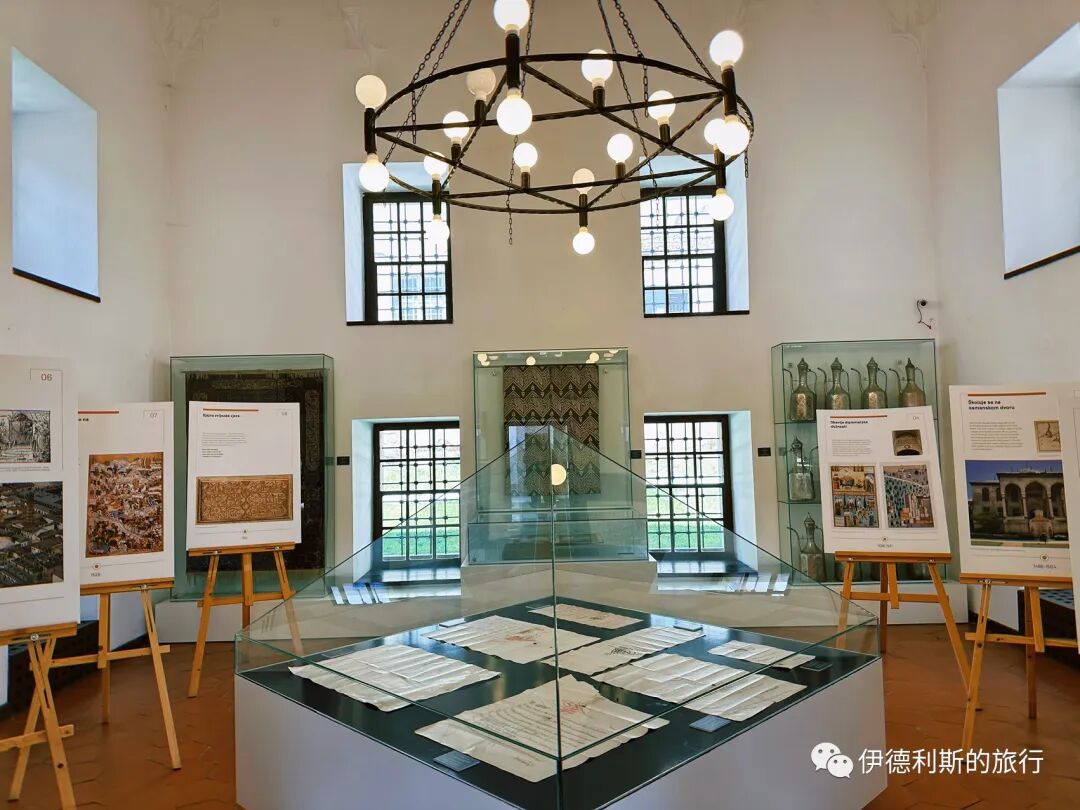
To the right of the madrasa is the Sufi lodge (khanqah), which is now a gallery, though it was closed when we visited.
Library
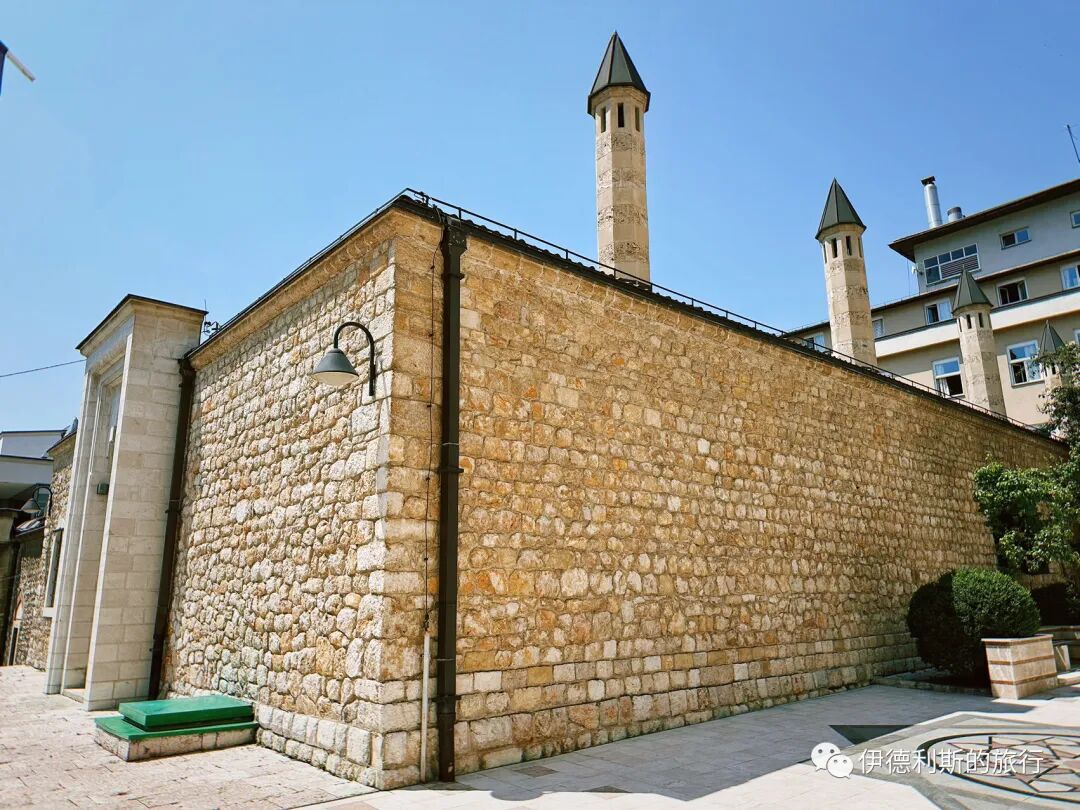
On the northwest side of the Gazi Husrev Bey Mosque is the Gazi Husrev Bey Library, founded in 1537 using the remaining funds from the construction of the madrasa. The library was originally part of the madrasa and did not have its own separate room until 1863. The library was forced to close after the Siege of Sarajevo began in 1992 and did not reopen until 2014. The new library was built with an 8.8 million dollar donation from Qatar. It houses over 100,000 manuscripts and books in Arabic, Turkish, Persian, Bosnian, and other languages, covering fields like Islam, literature, philosophy, history, medicine, and astronomy.
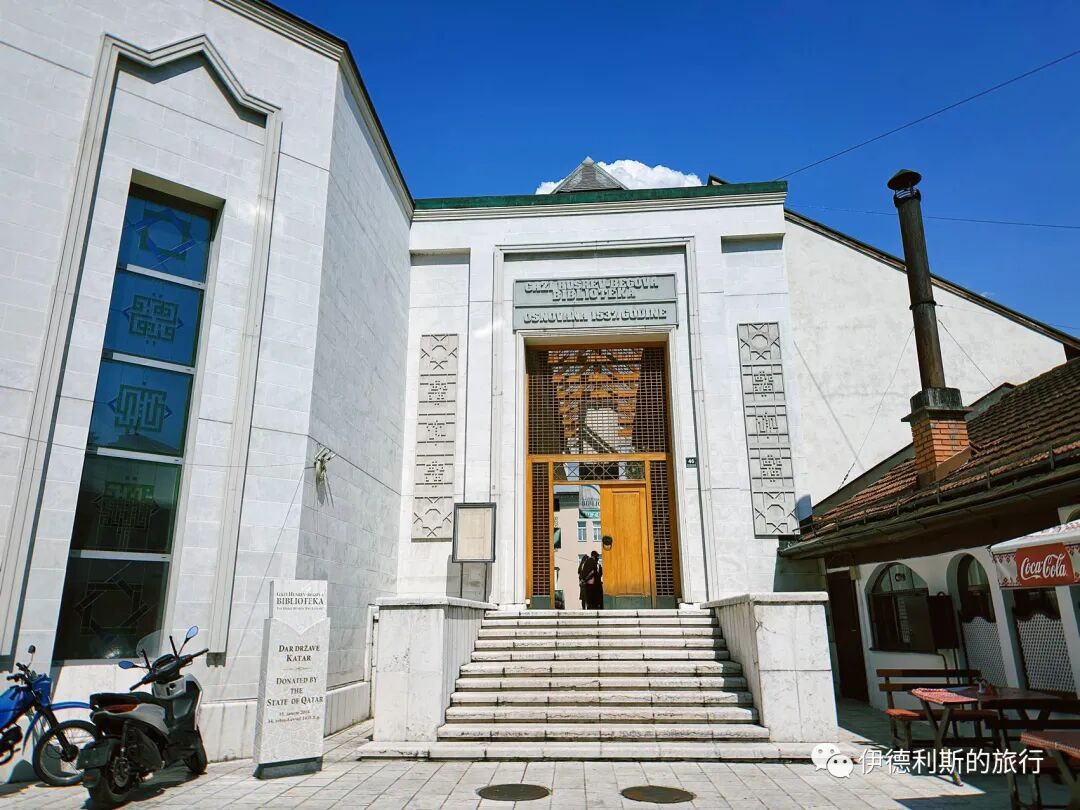
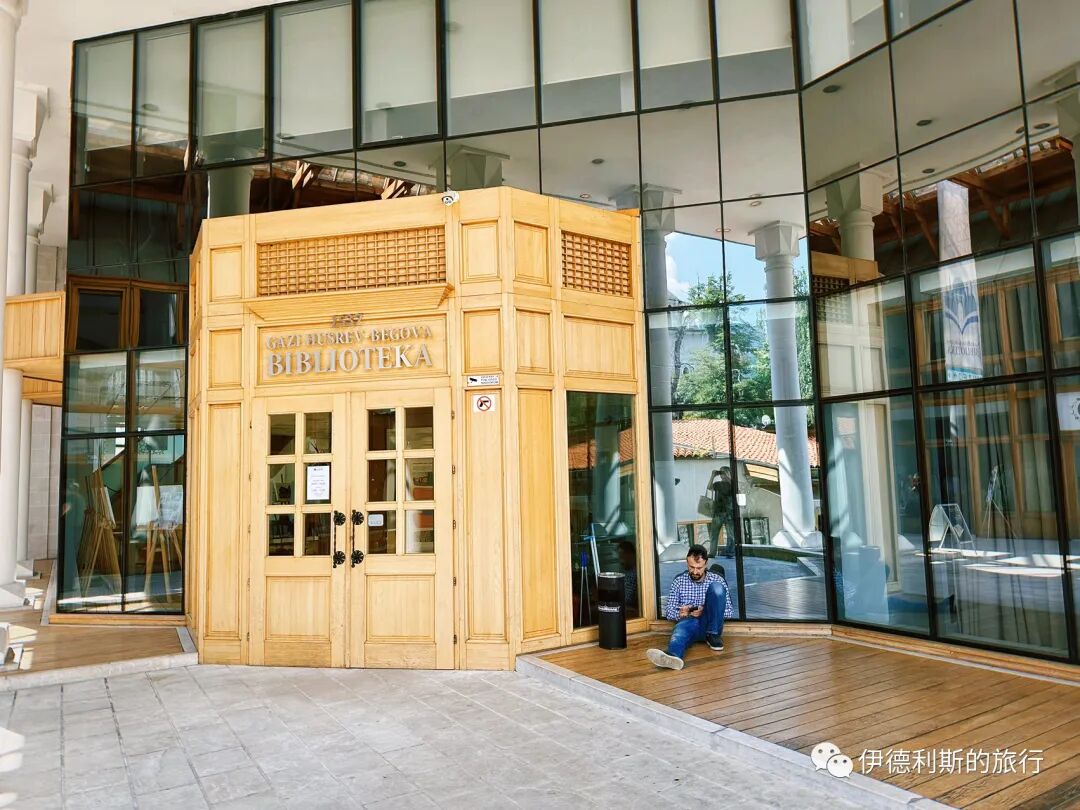
As the library with the richest collection of Islamic books in Bosnia and Herzegovina, the Gazi Husrev Bey Library has faced many trials over its nearly 500 years of operation, but the 1992-1995 Bosnian War was undoubtedly the most difficult. The aggressors made destroying the historical and cultural heritage of Bosnia and Herzegovina a key goal, especially targeting historical buildings that housed written records. Staff at the Gazi Husrev Bey Library risked their lives to successfully move tens of thousands of precious Islamic books to safety, making a huge contribution to saving Bosnian history and culture.
To preserve the books in the Gazi Husrev Bey Library, staff moved the book storage areas many times. In 1992, the library decided to move 21 packages containing the most precious manuscripts to the vault of the Privredna Bank. To avoid Serbian snipers on the streets, they packed the books in banana boxes, but they were then robbed by hungry civilians. Fortunately, the civilians let them go after discovering the boxes contained books instead of bananas. After many hardships, these books were finally saved until the end of the war.
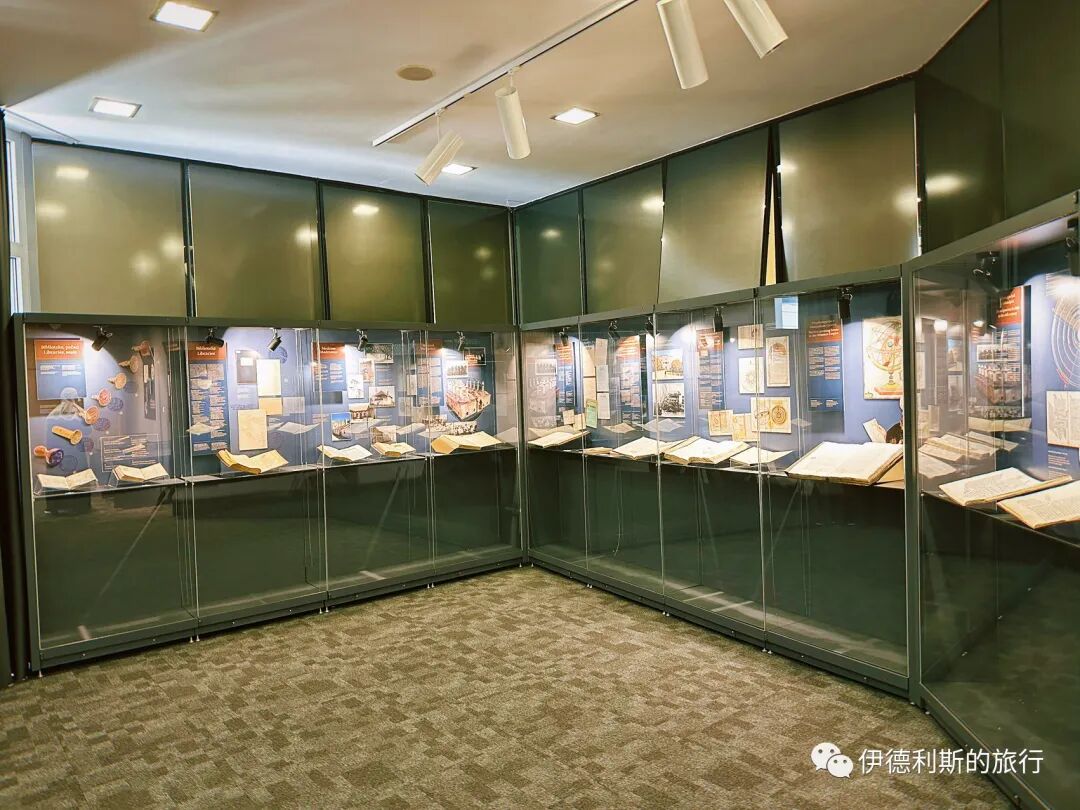
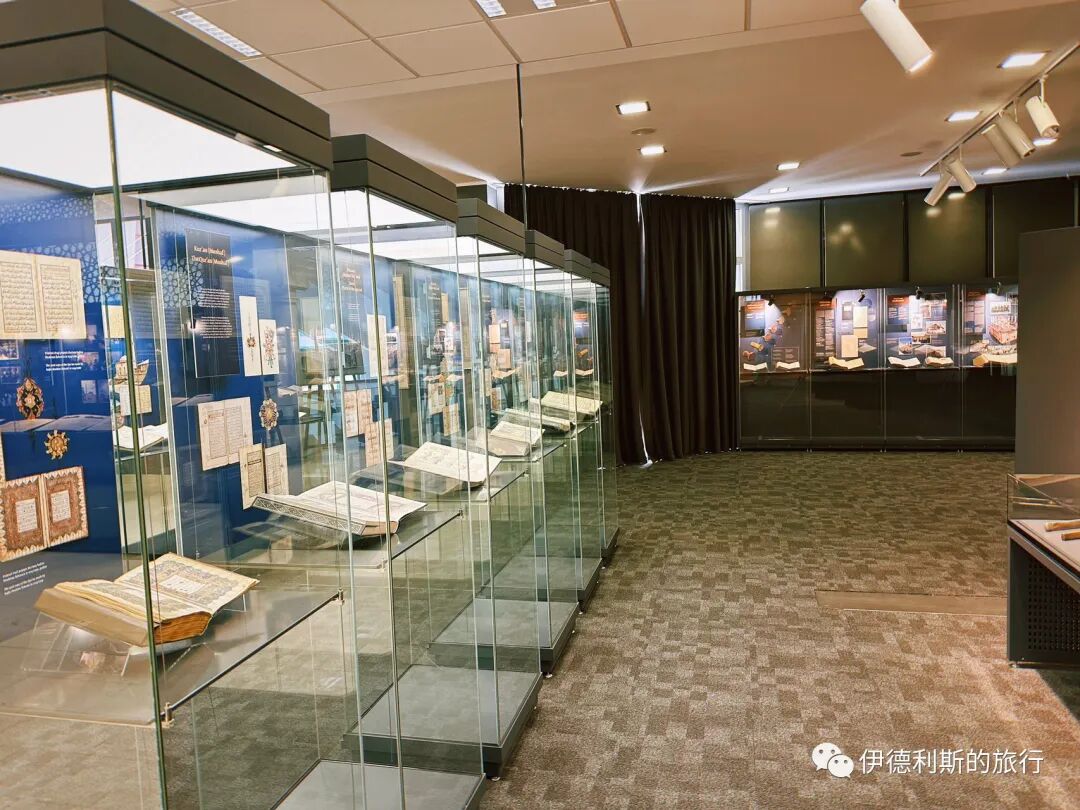
The 63rd handwritten scripture by Hafiz Ibrahim Sehovic, completed in 1807. Hafiz Sehovic copied at least 66 Qurans in his lifetime, and the Gazi Husrev-beg Library holds four of them.
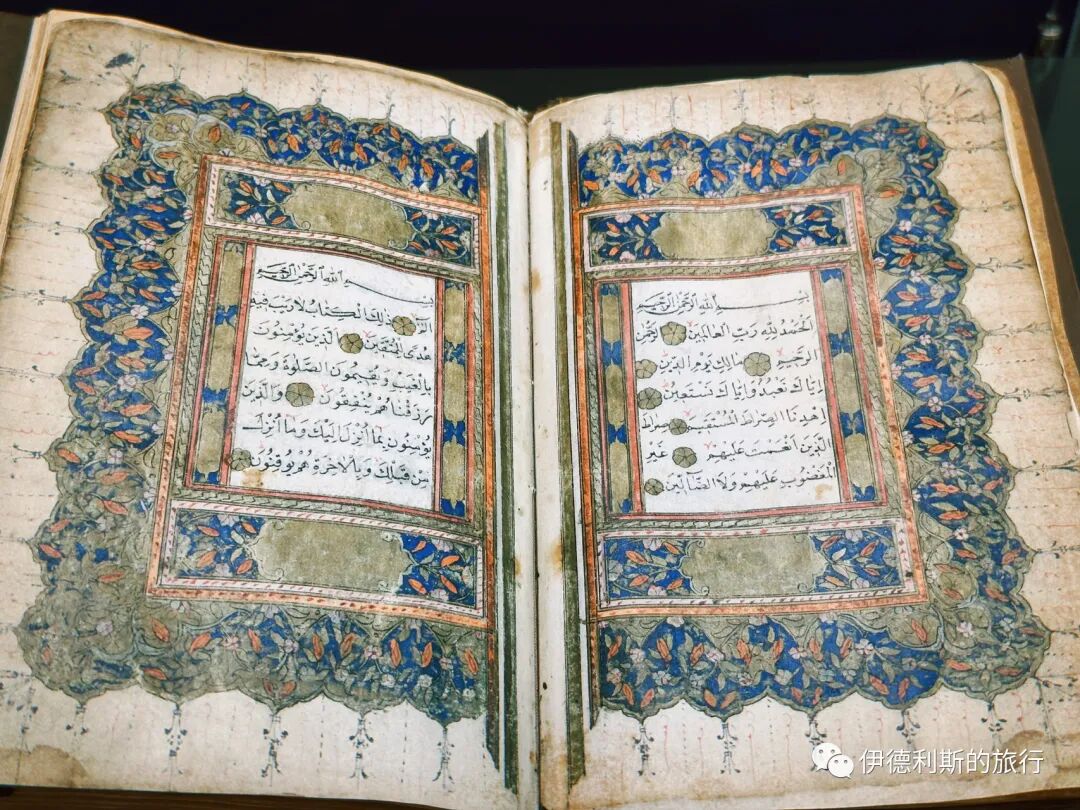
A handwritten scripture completed by Ahmad b. Muhammad al-Muhägir ad-Dagistani al-Makki in 1849.
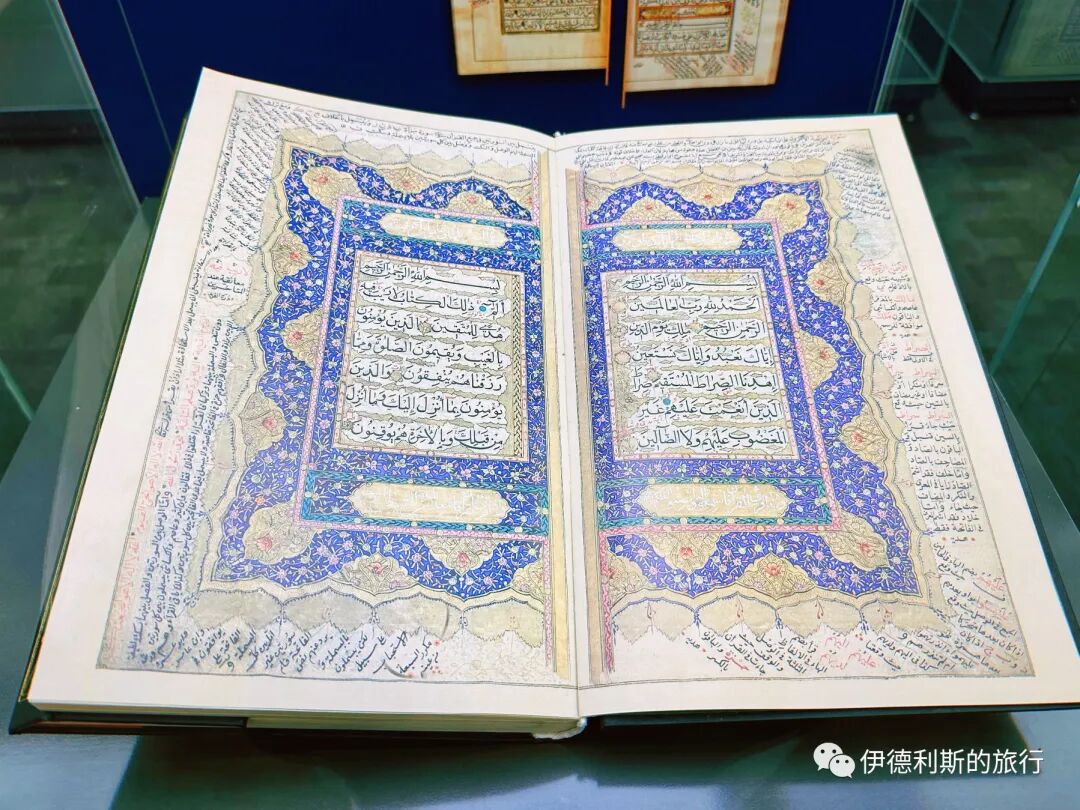
A Quran selection (Juz') gifted by Ferhad-pasha Sokolovic in 1587 to a mosque in the city of Banja Luka in northwestern Bosnia and Herzegovina.
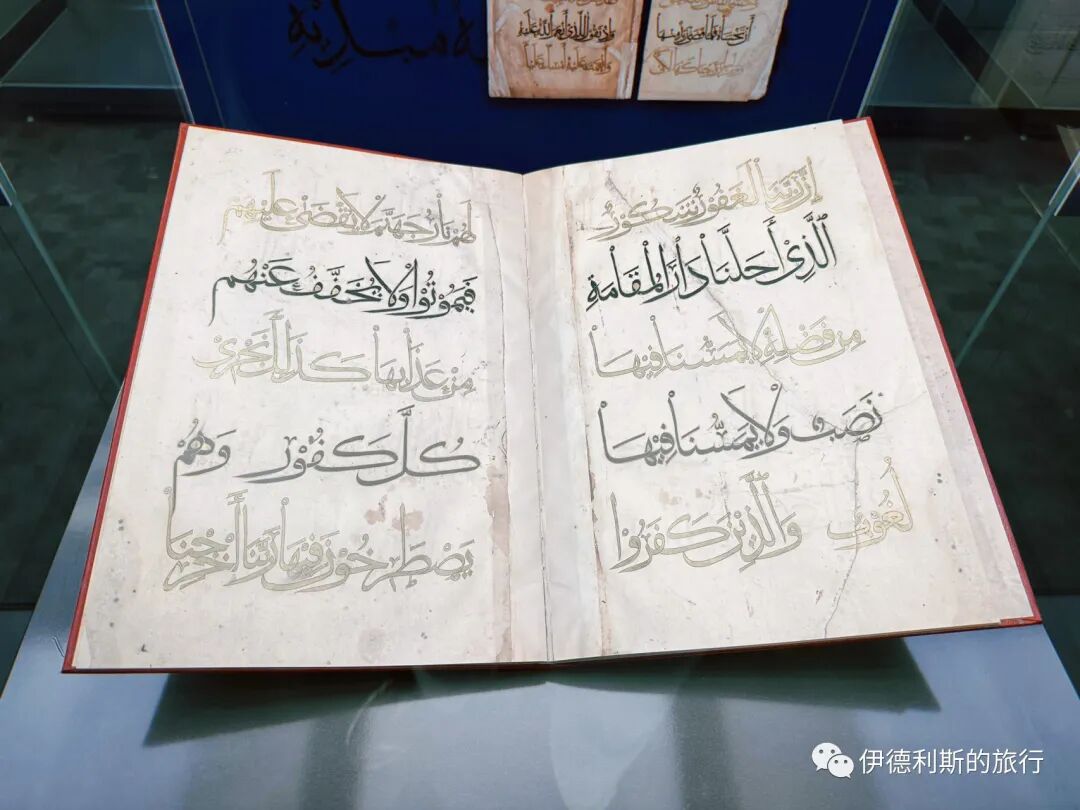
A Quran selection (Juz') gifted by Mehmed-pasha Sokolovic in 1570 to a mosque in his birthplace in eastern Bosnia.
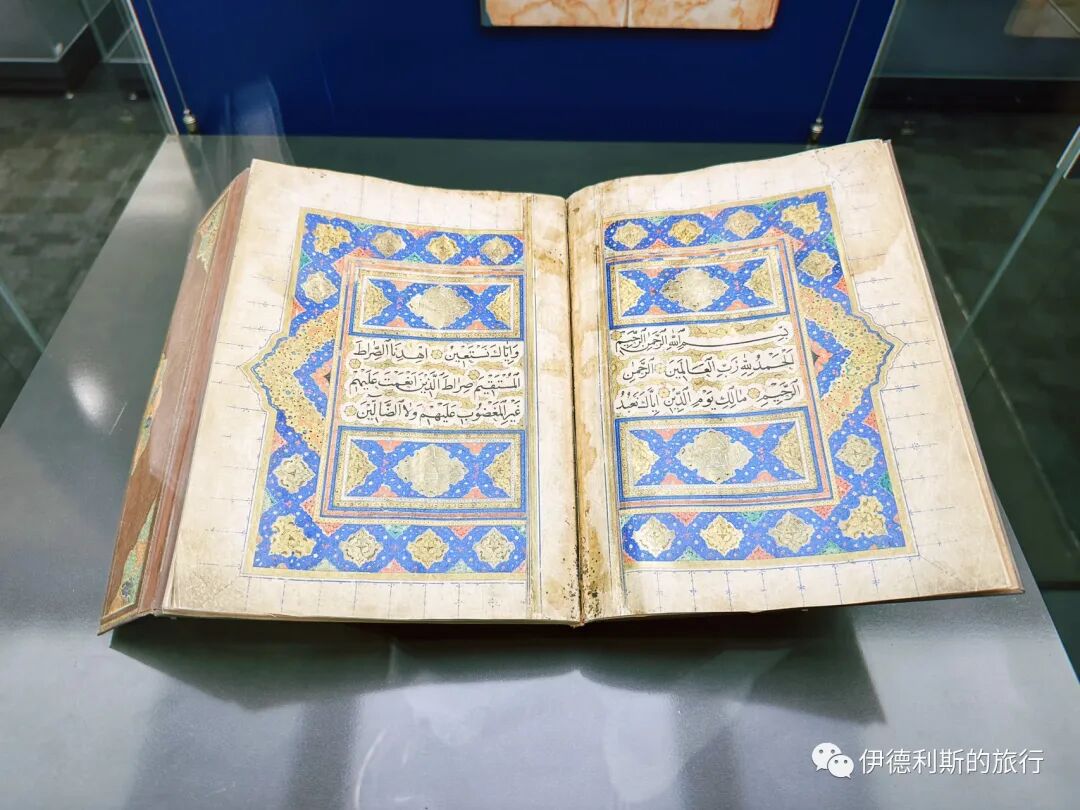
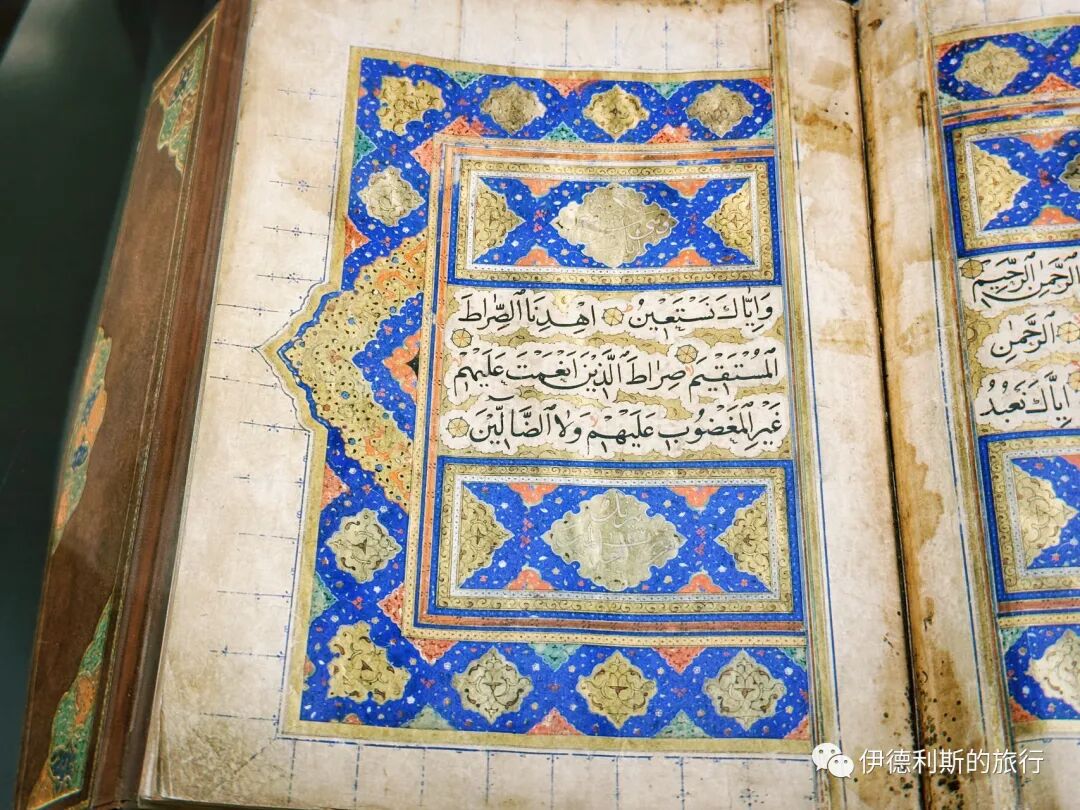
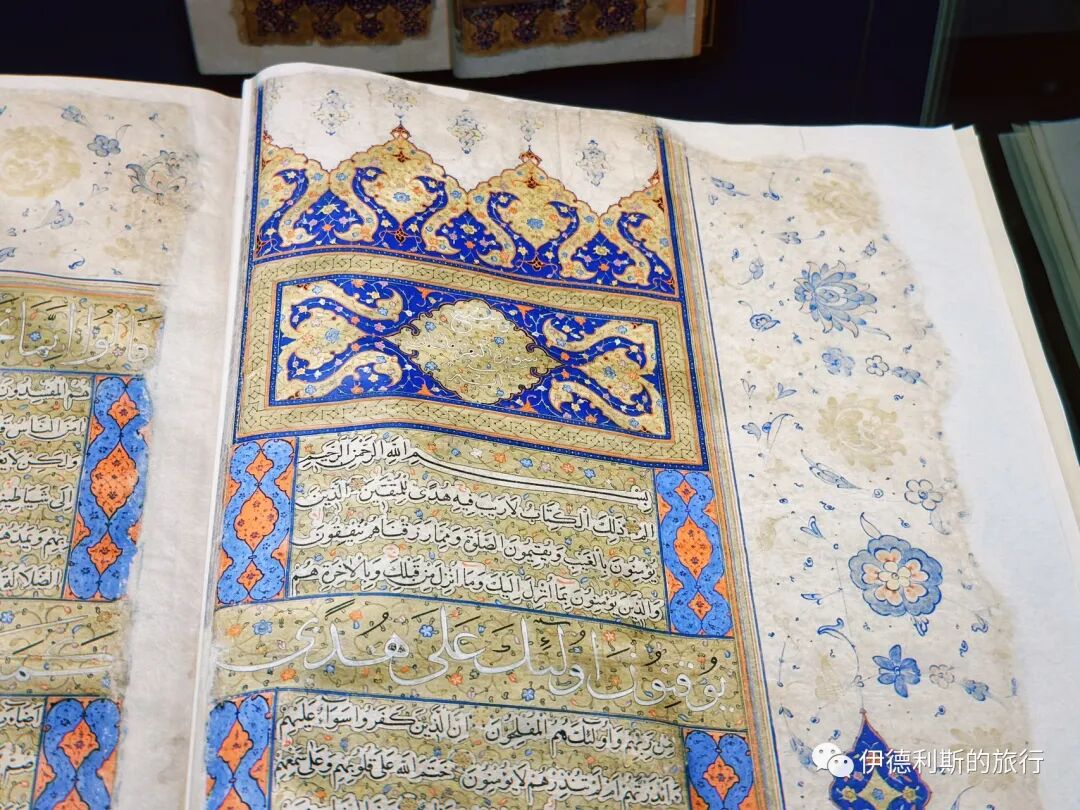
A handwritten scripture created by Abdullah b. Muhammad al-Hafiz as-Sirazi in 1572-73.
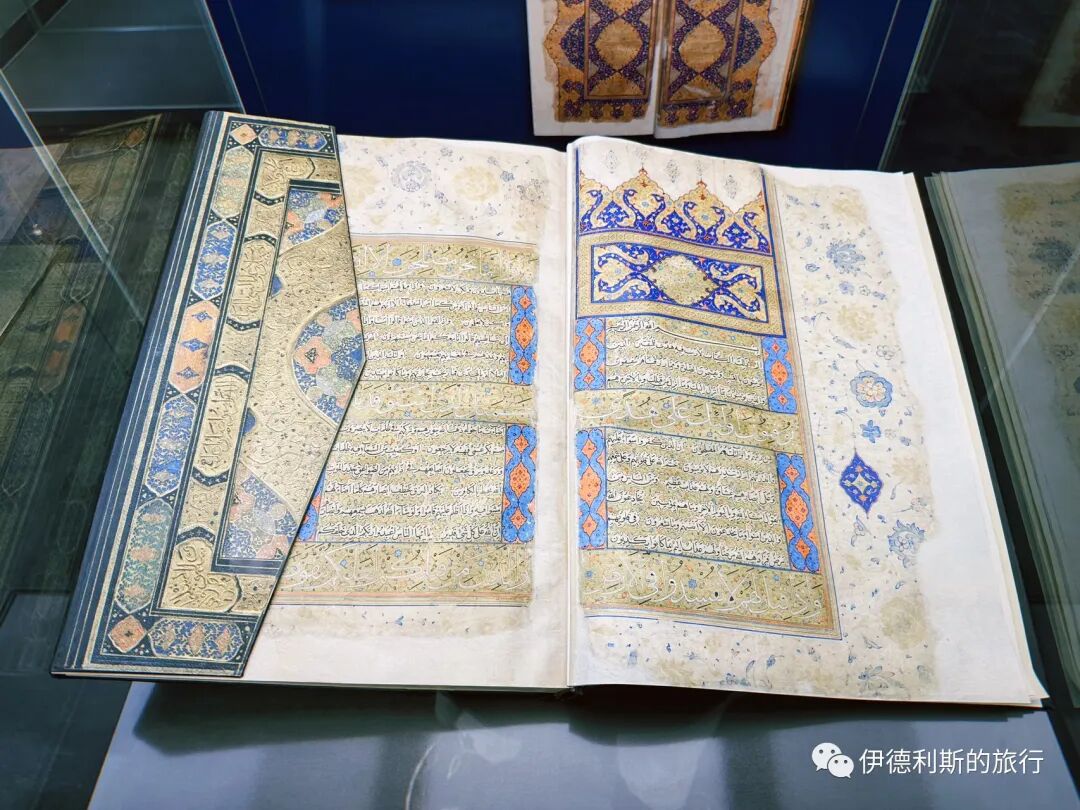
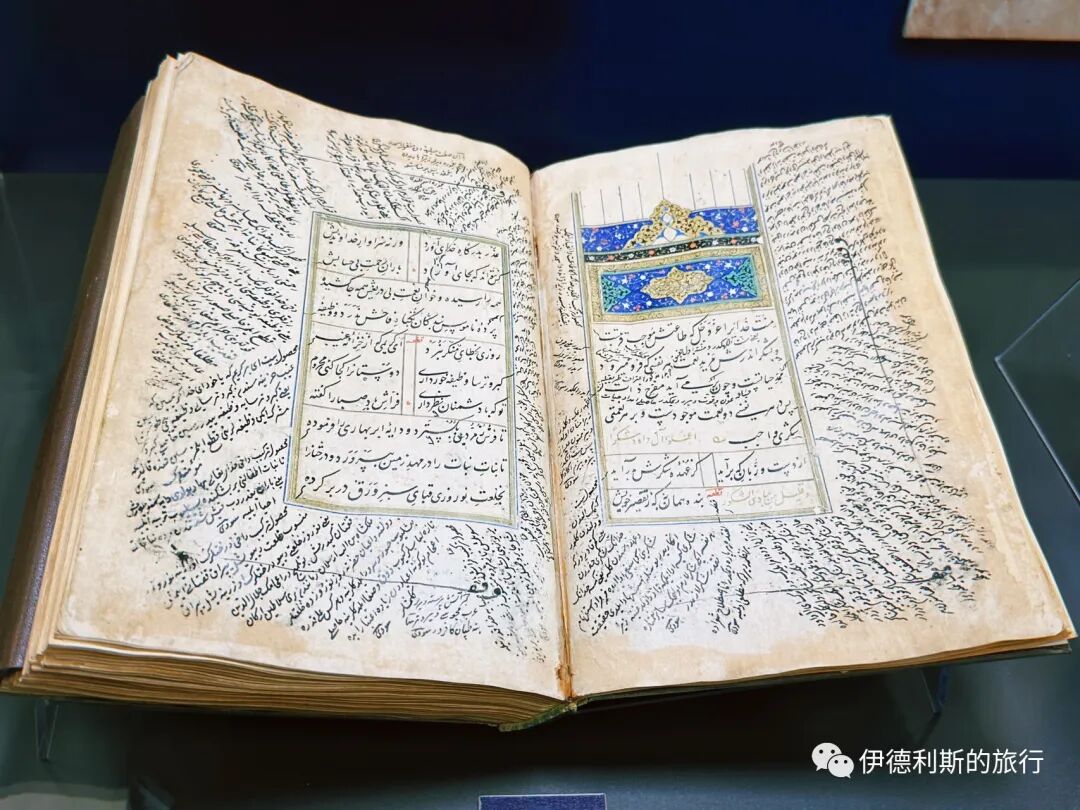
The Rose Garden (Gulistān) is a prose work written by the great Persian poet Saadi in 1258. This manuscript was annotated by the great 16th-century Bosnian classical literature critic Ahmed Sudi Bosnjak and copied by Ahmad b. al-hagg Husayn al-Mostari in 1765. Ahmed Sudi was born in eastern Bosnia and later lived in Istanbul for a long time. He was an expert in Persian literature and wrote a series of commentaries on Persian literary classics in Ottoman Turkish. These had a huge influence in the Ottoman Empire and were widely used by later Persian scholars and Western orientalists.
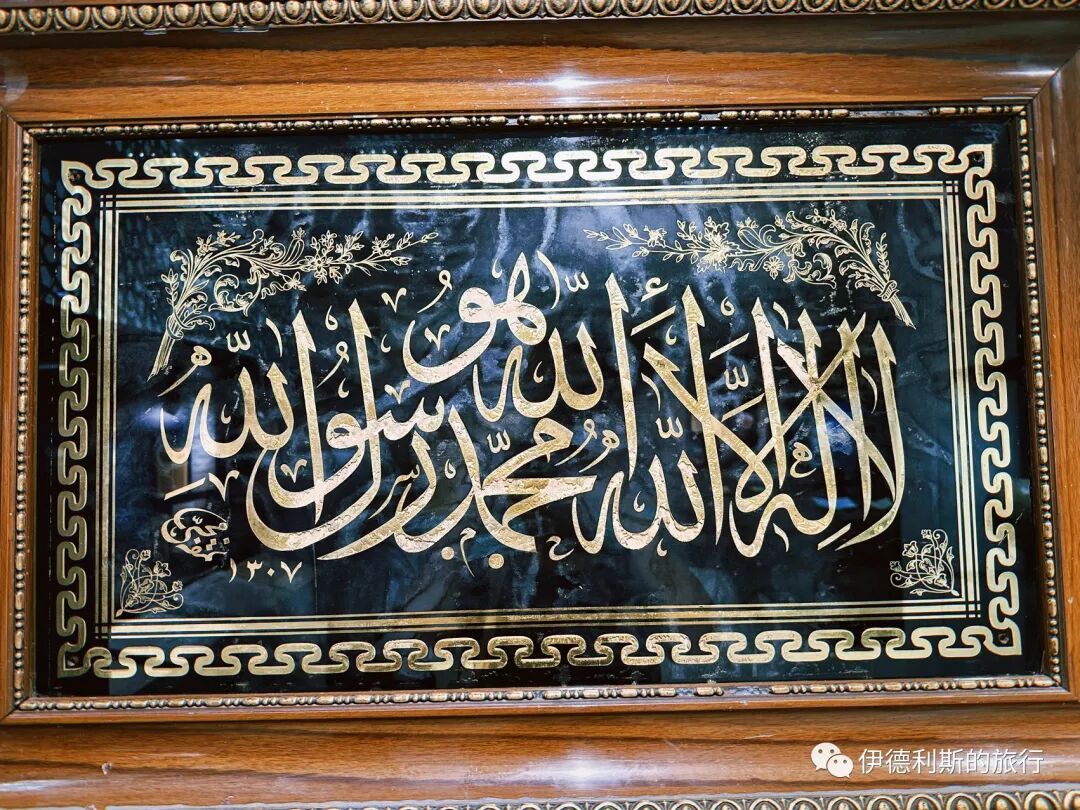
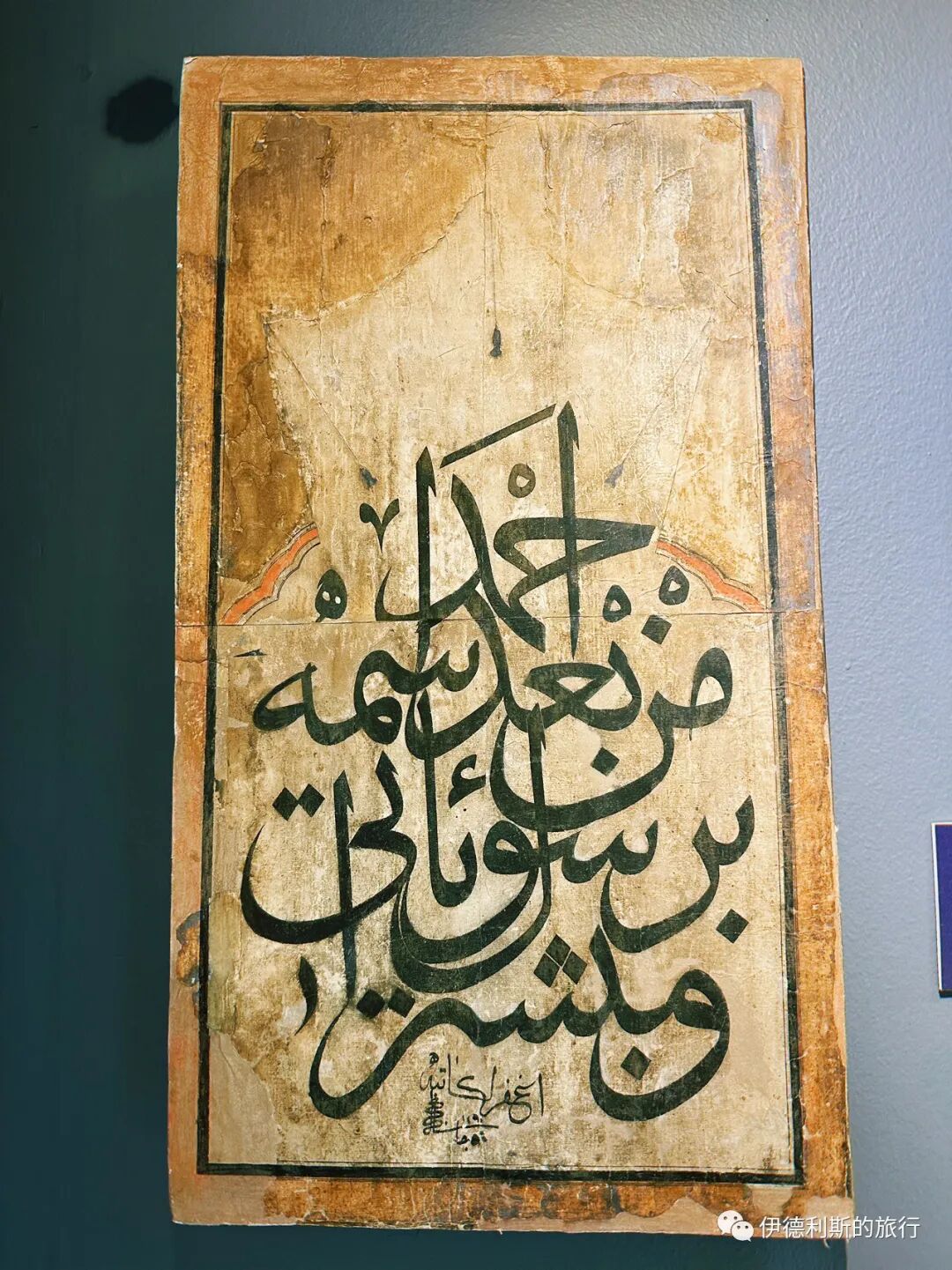
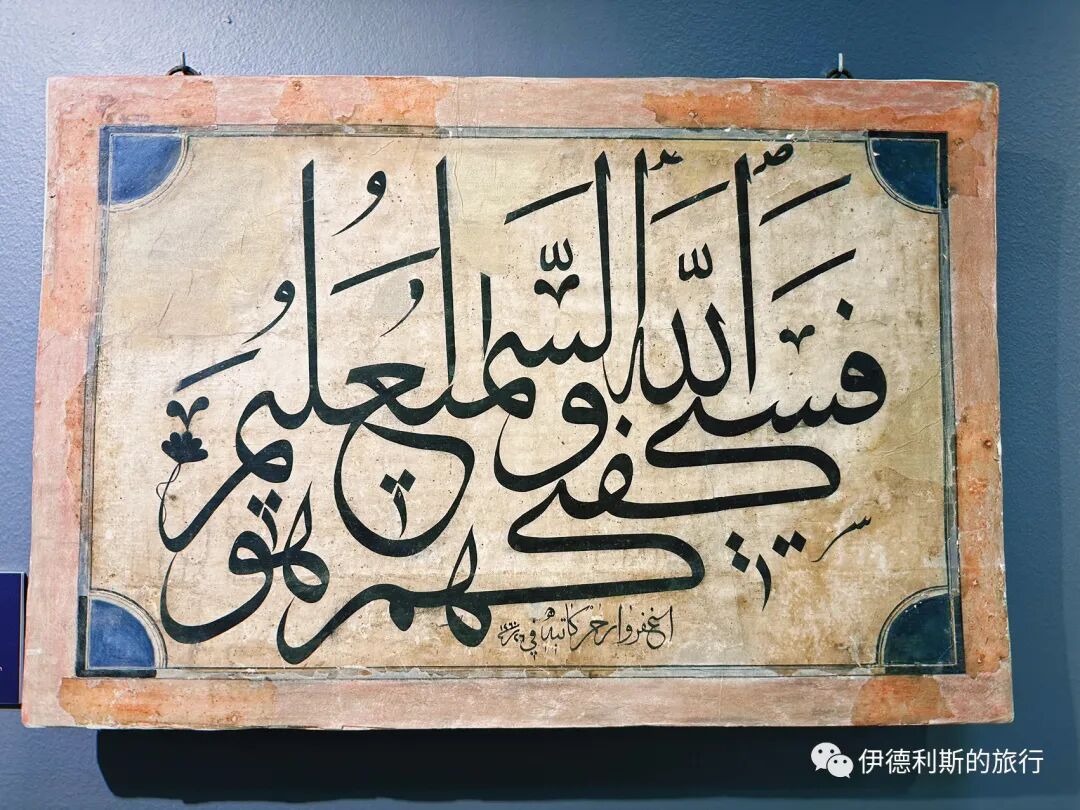
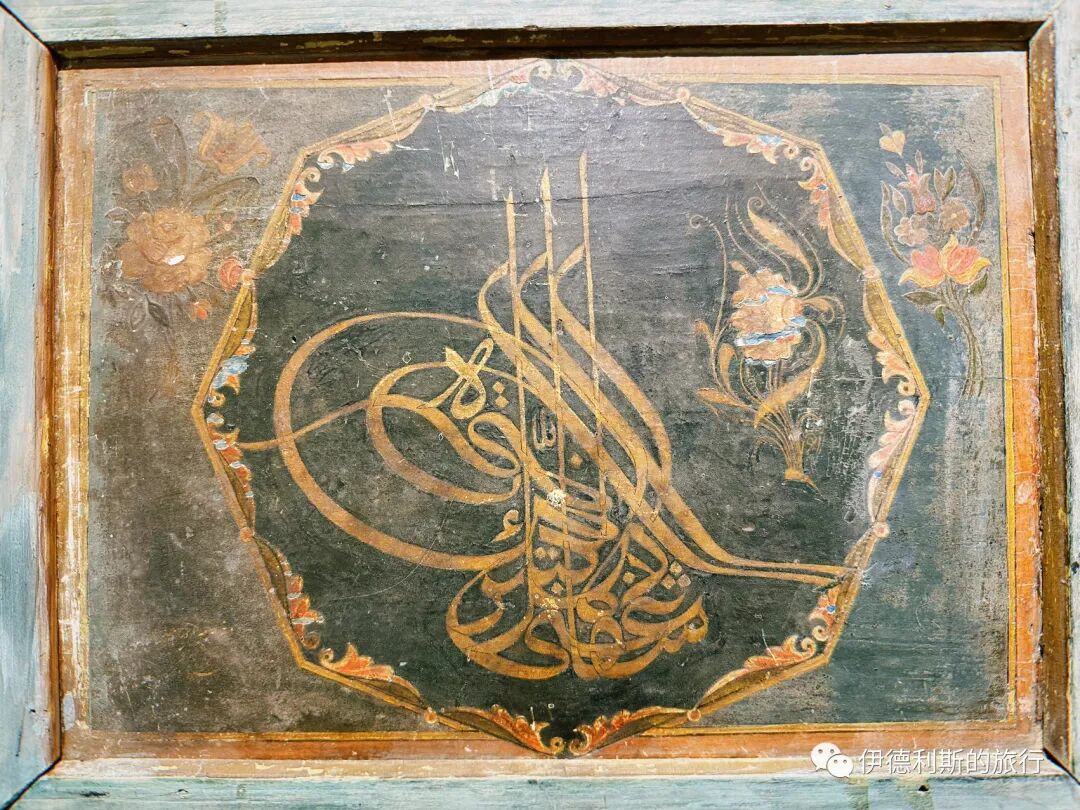
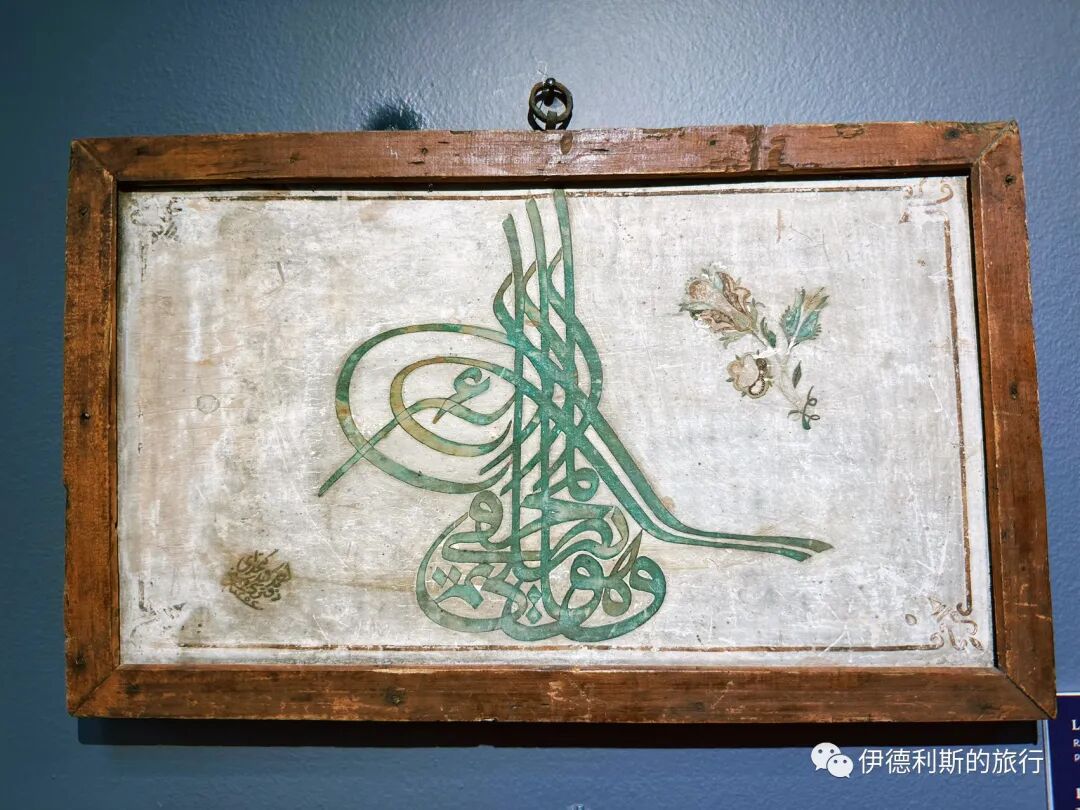
19th-century Arabic calligraphy art from Bosnia and Herzegovina, with the second and third pieces collected from an old traditional wooden mosque in Bužim, northwestern Bosnia and Herzegovina.
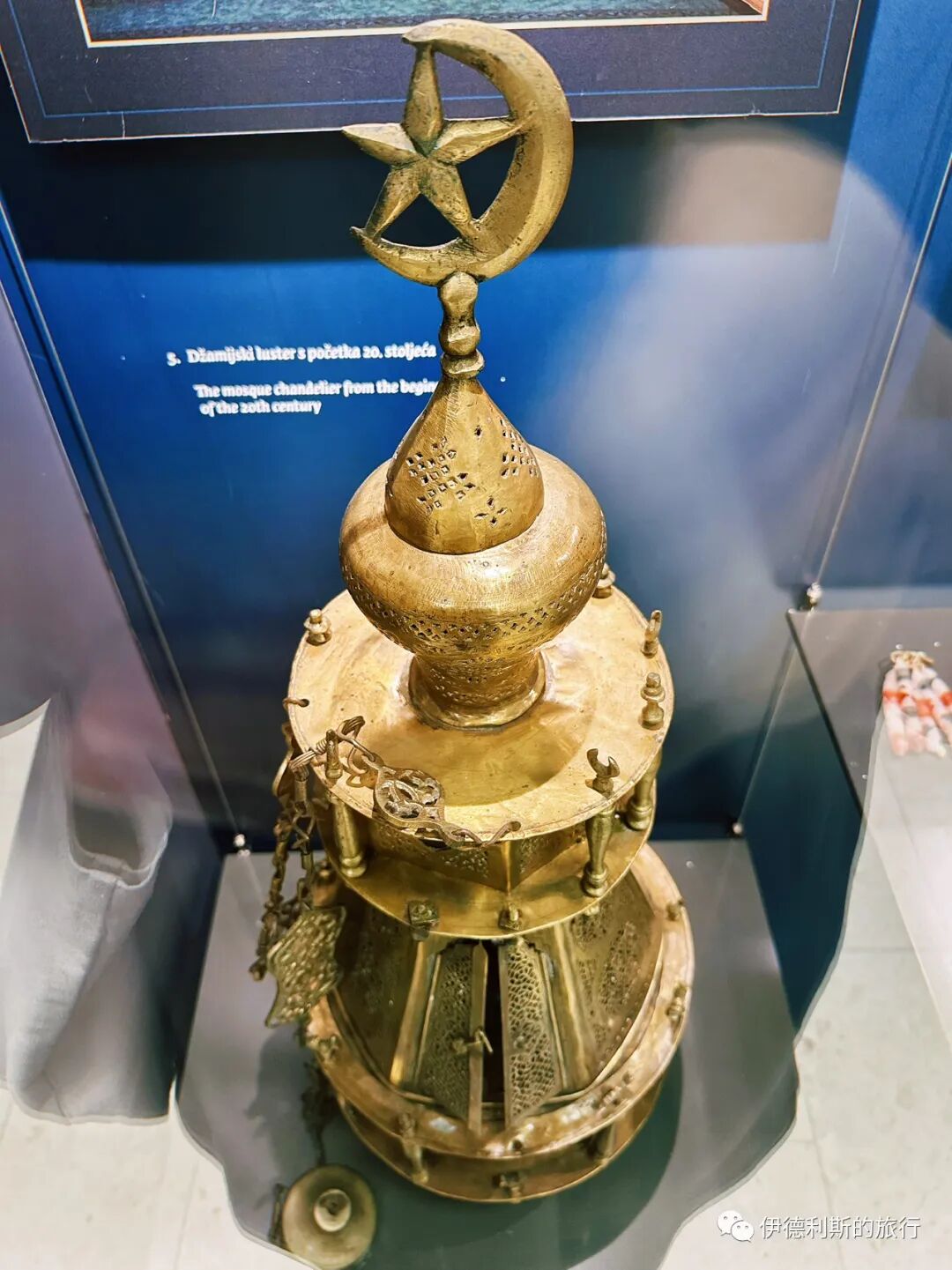
A chandelier used in a mosque in the early 20th century.
Artifacts collected in the Gazi Husrev Bey Library.
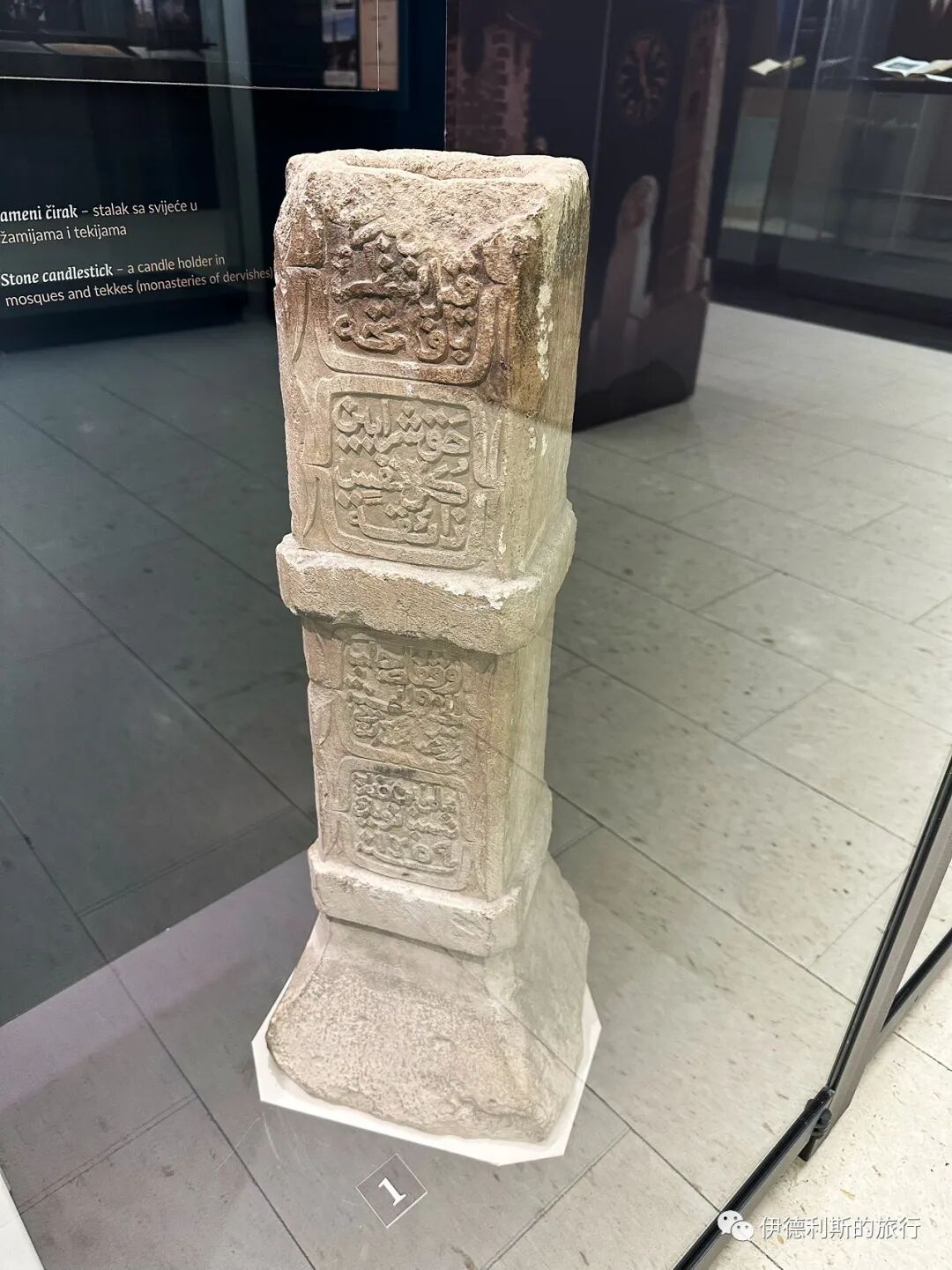
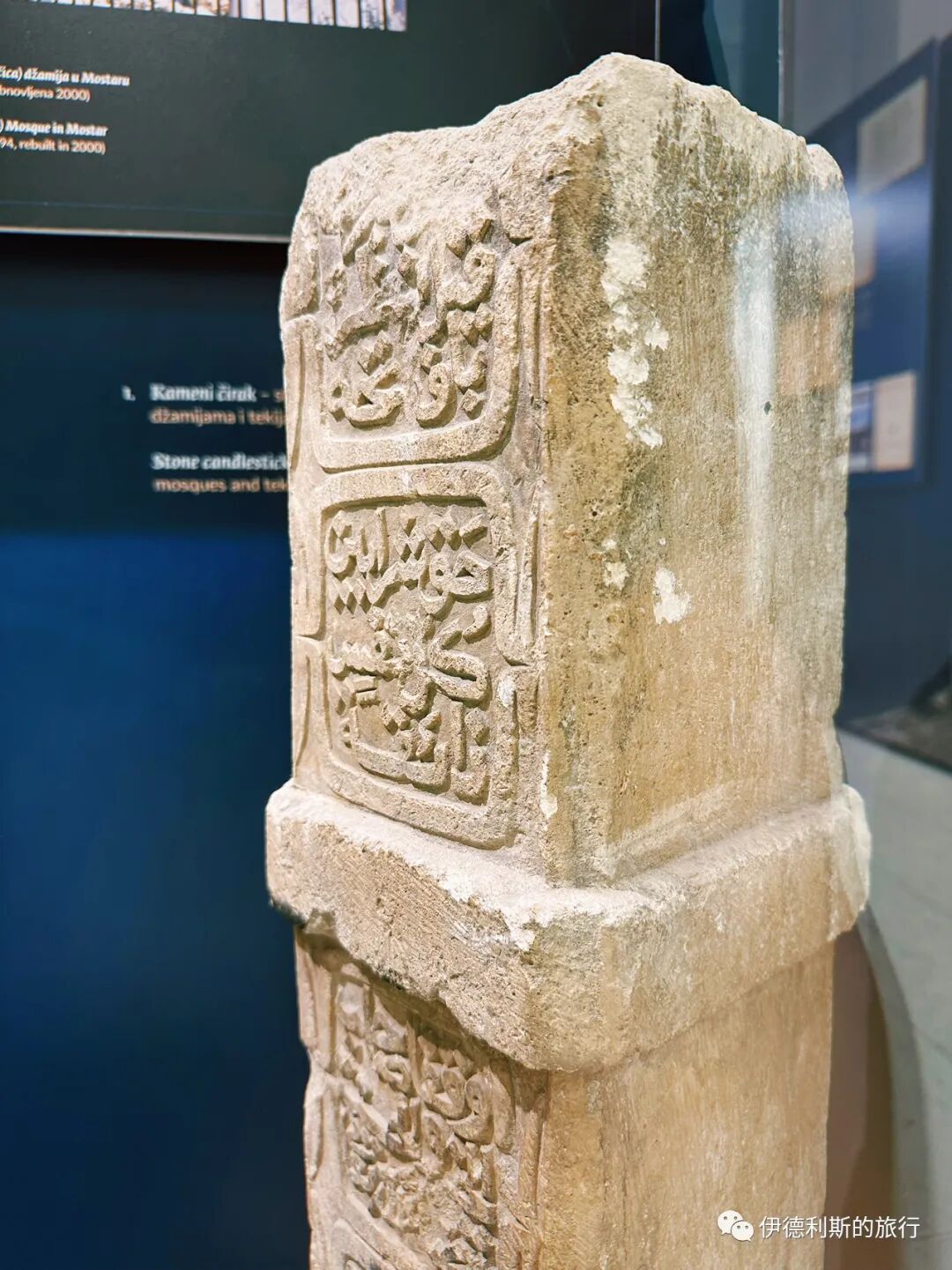
Candlesticks formerly used in mosques and Sufi lodges (tekke) in Bosnia and Herzegovina.
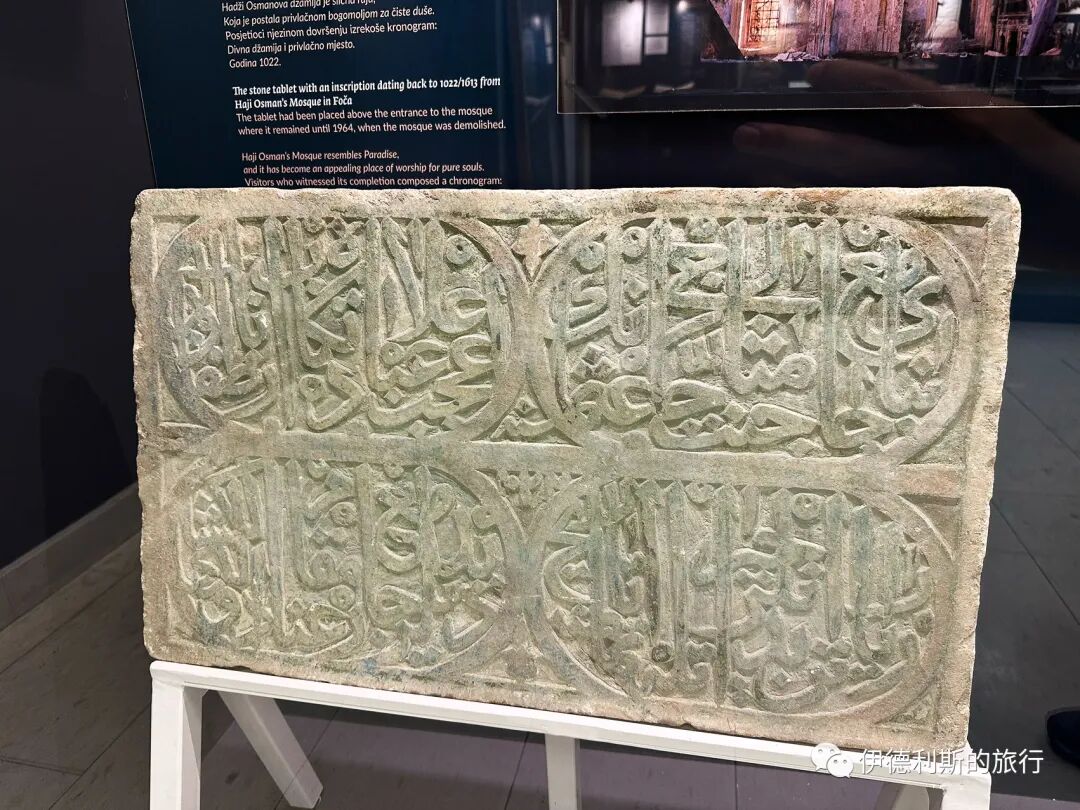
A stone tablet from 1613 above the gate of the Haji Osman Mosque in the southeastern Bosnian city of Foča; this mosque was demolished in 1964.
This textbook on Hanafi jurisprudence was written in the 16th century and used for a long time in Ottoman madrasas. This specific copy dates back to the 17th century.
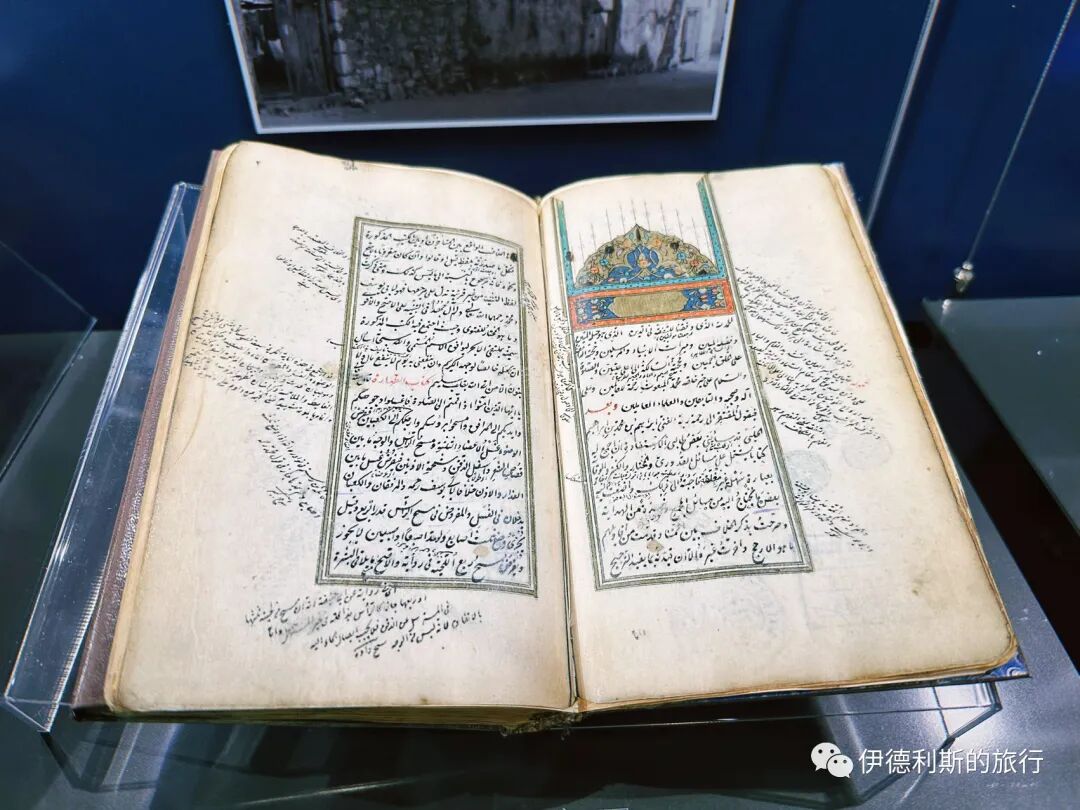
This Arabic-Turkish dictionary was compiled in the 16th century and contains 40,000 words. It was very popular in Bosnian madrasas, and this copy was made in 1631.
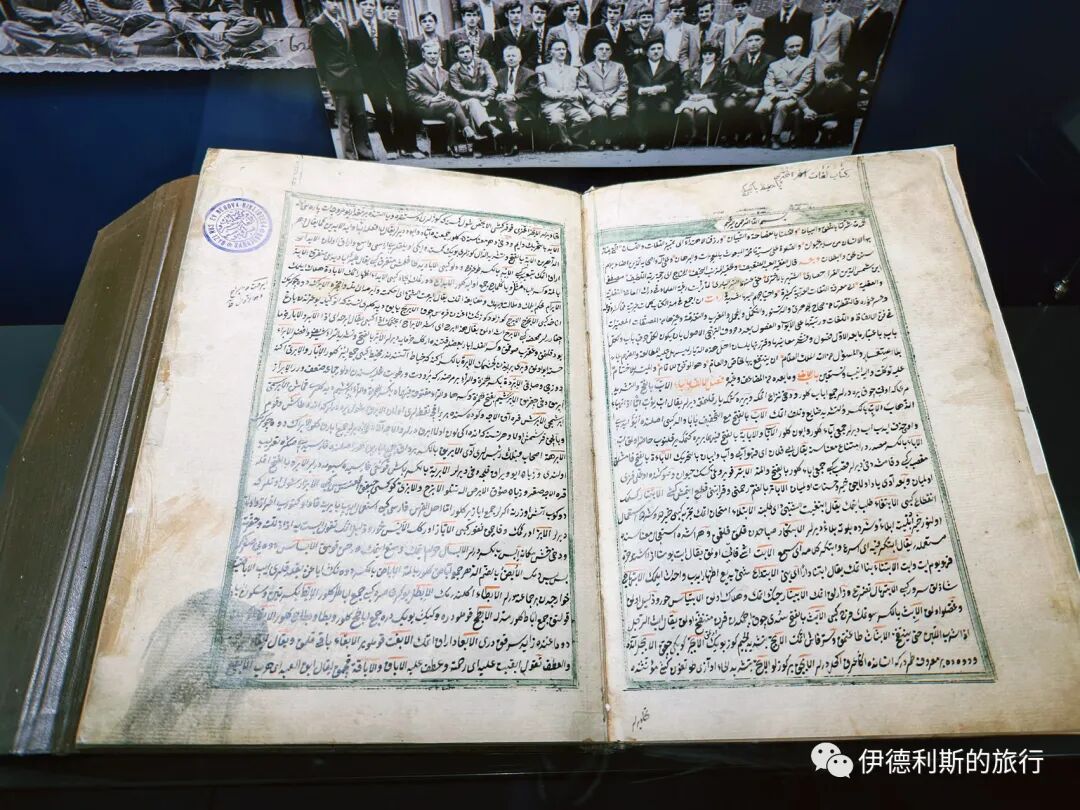
A work on Islamic law copied in Foča in the second half of the 16th century.
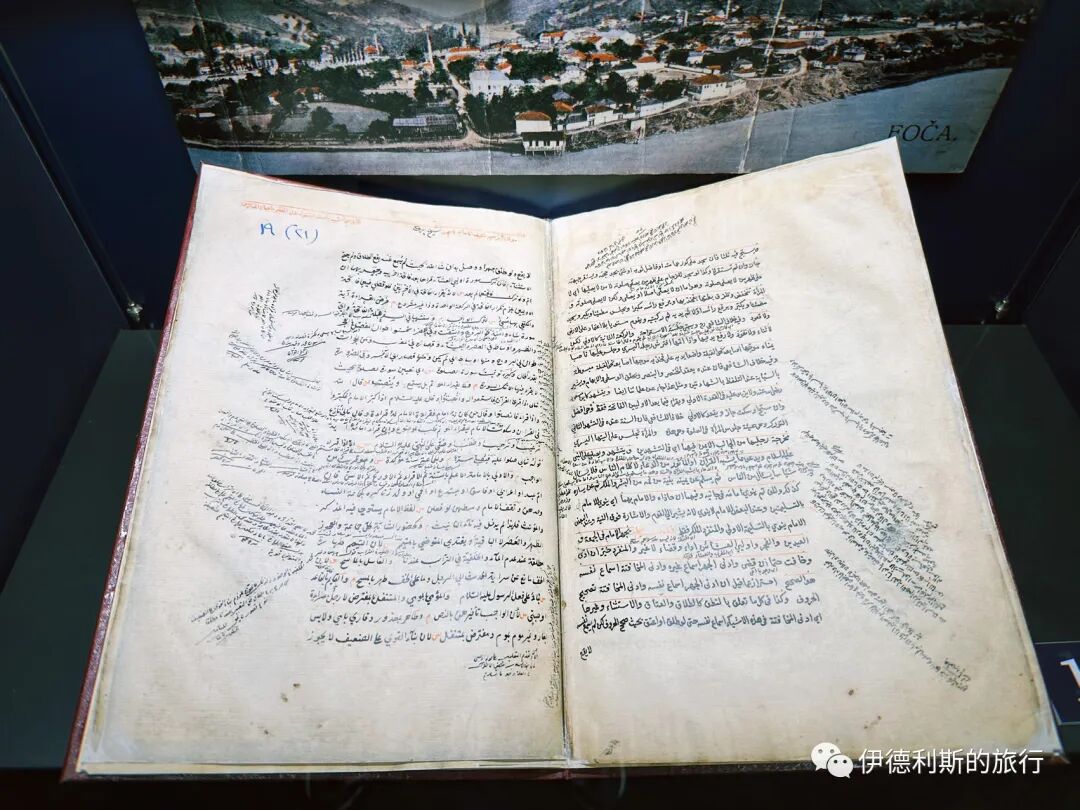
A manuscript of the Quran from 1474.
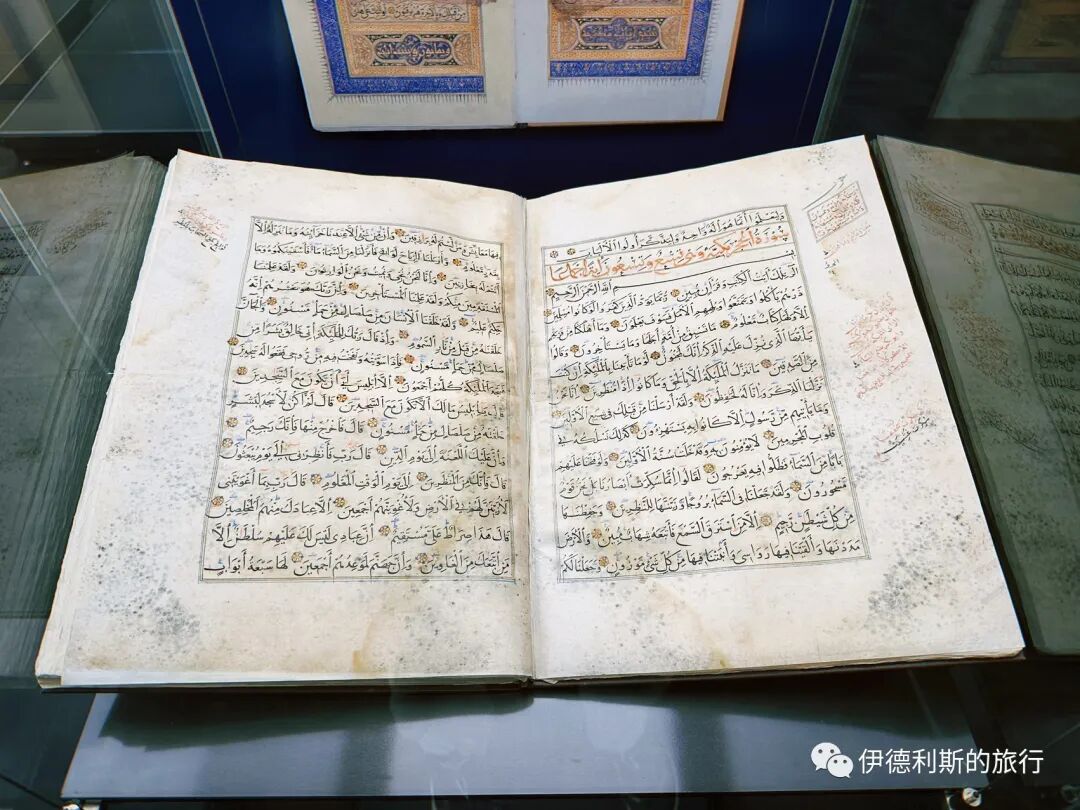
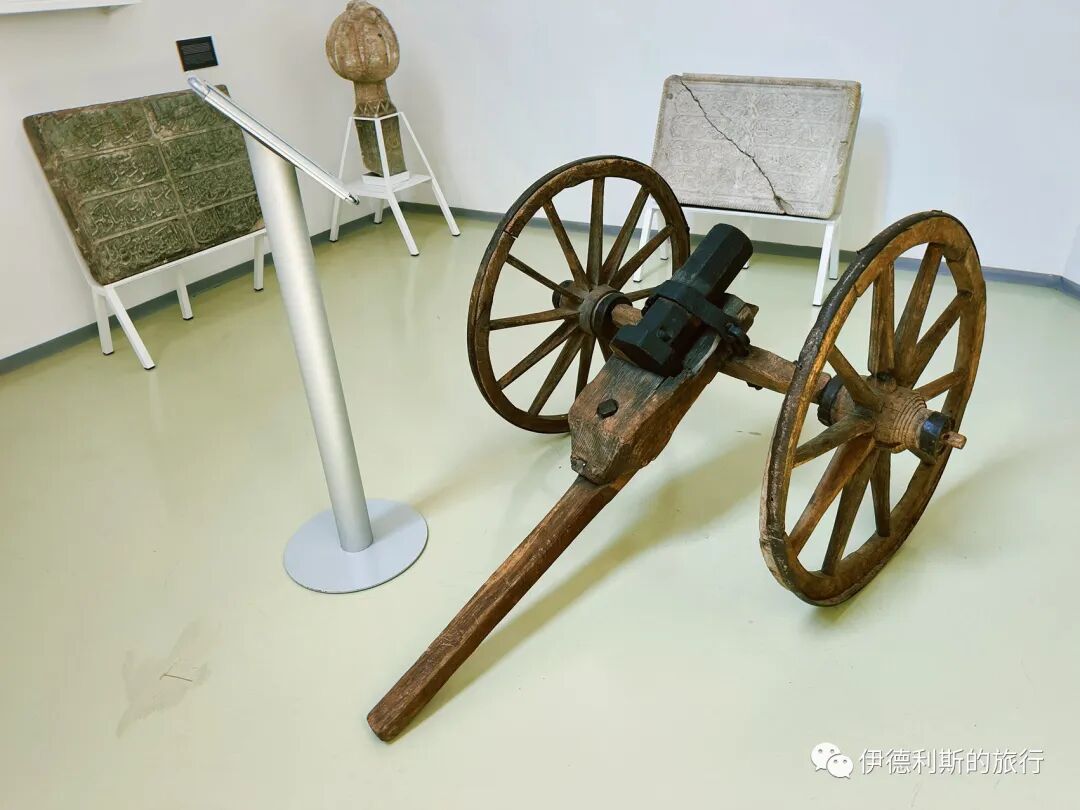
A cannon used in the 19th century during Ramadan to signal the start and end of the daily fast.
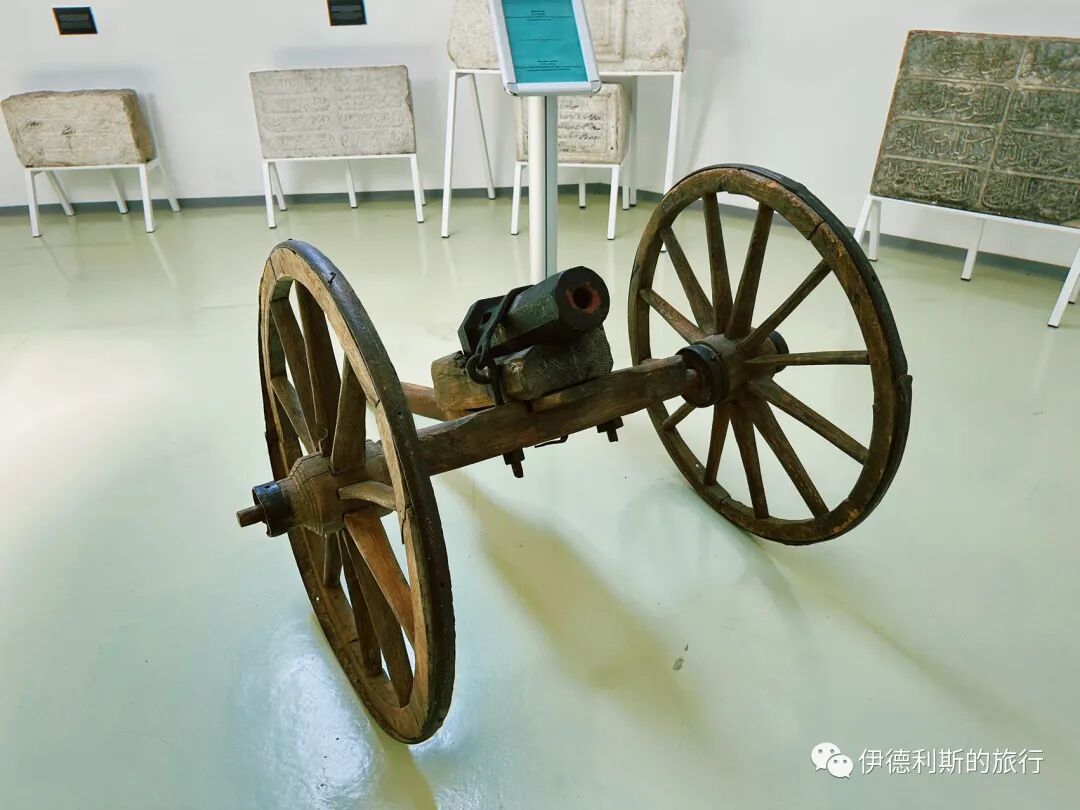
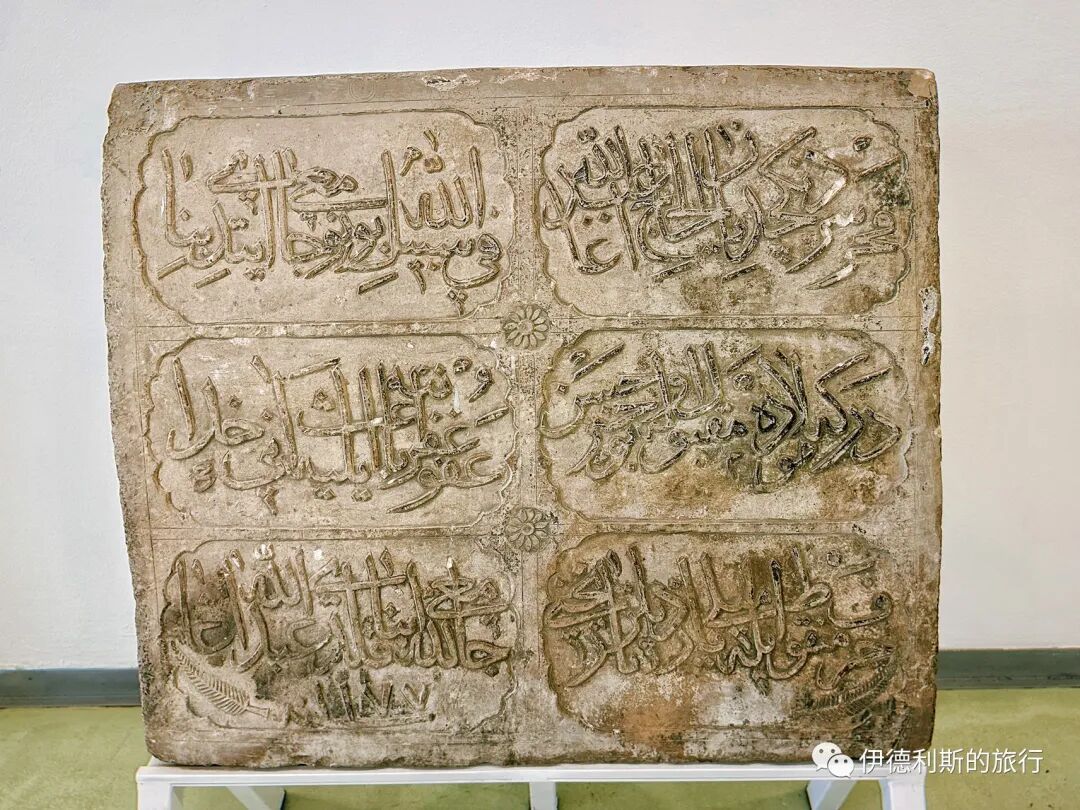
A Turkish-language stone inscription carved in Naskh script during the 1763-4 renovation of the Hasan Pehlivan mosque in Sarajevo.
A Turkish-language stone inscription carved in Naskh script during the 1780-1 renovation of the Haji-Omer fountain in front of the Emperor's Mosque in Sarajevo.
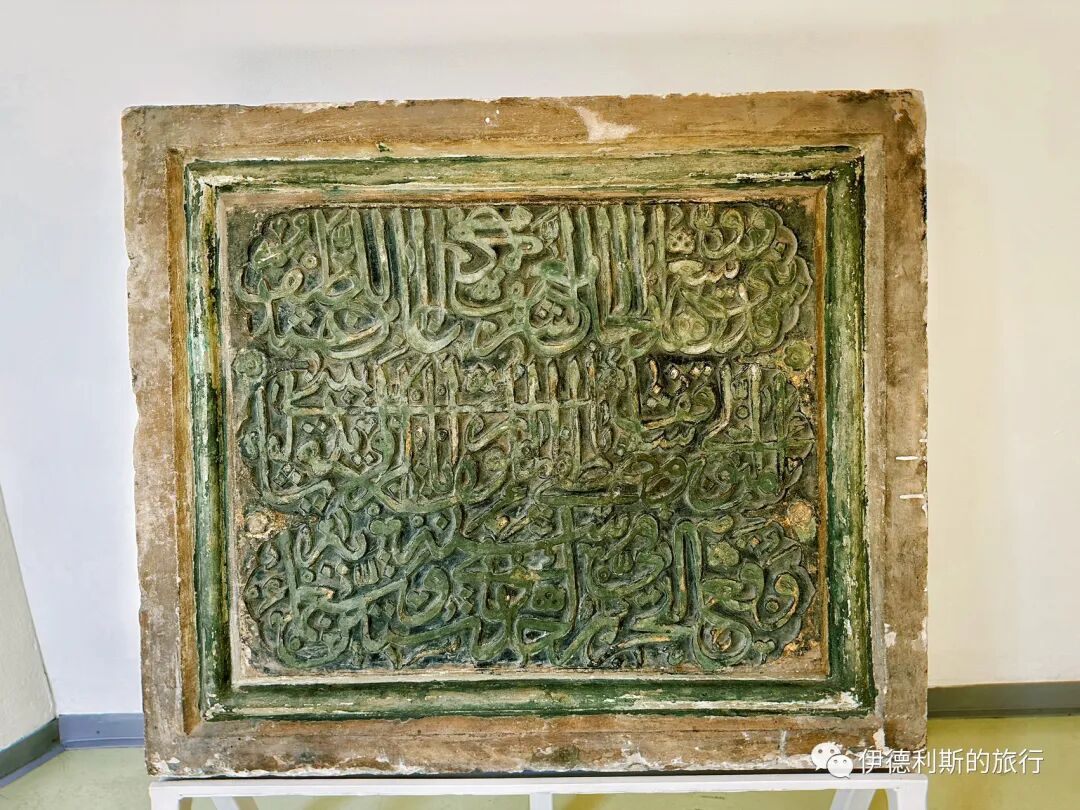
A Turkish-language stone inscription carved in Naskh script during the 1553-4 renovation of the Mustafa Pasha mosque in the southeastern Bosnian city of Foča. This mosque was demolished in 1947.
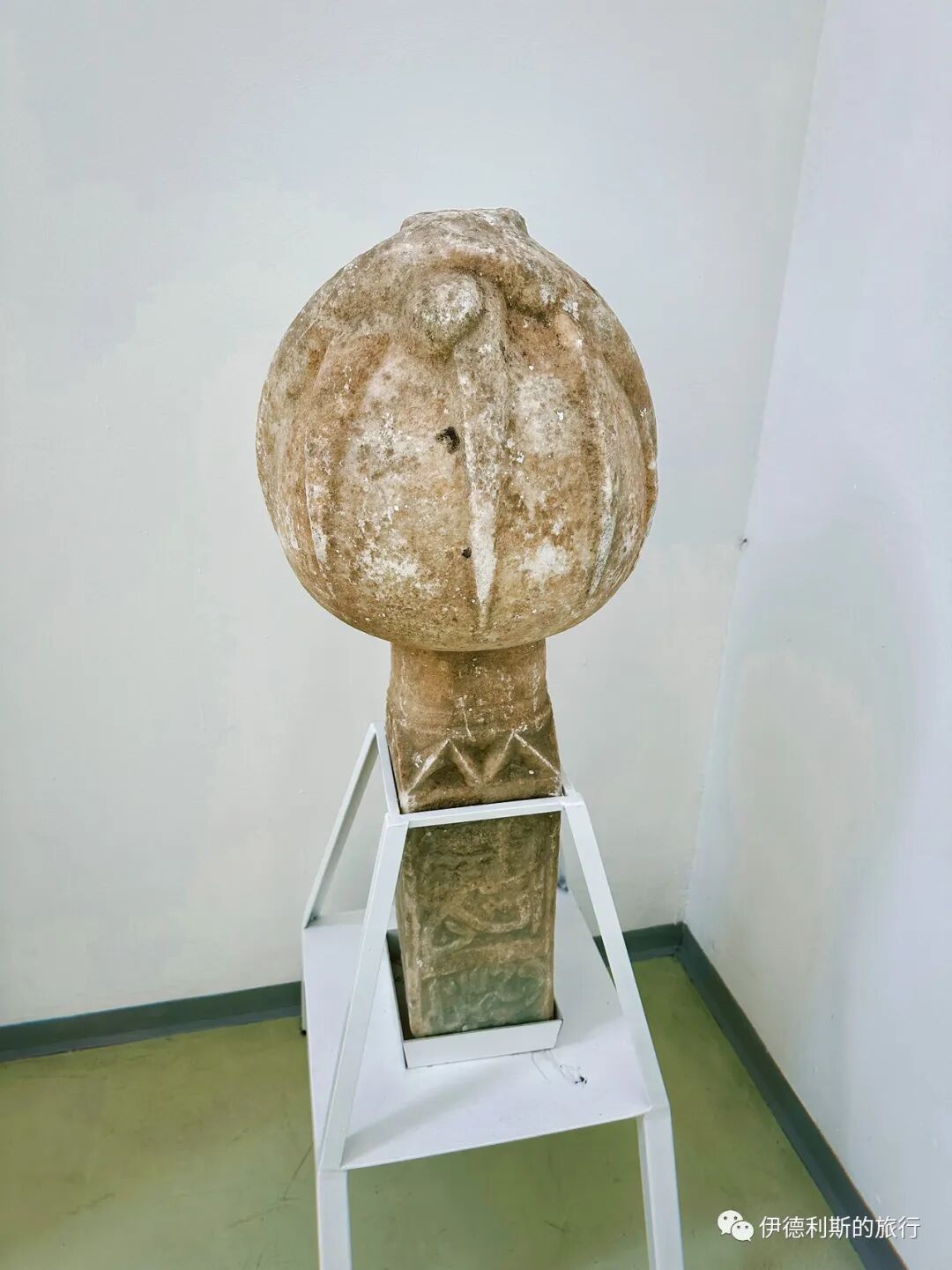
An Arabic tombstone from the grave of Turhan Emin bey, who served as the Ottoman governor (sanjak-bey) of Herzegovina. His grave is in Ustikolina in southeastern Bosnia and Herzegovina, the site of what was once the oldest mosque in the country. The turban carving at the top of the tombstone is a classic feature of Ottoman-era grave markers.
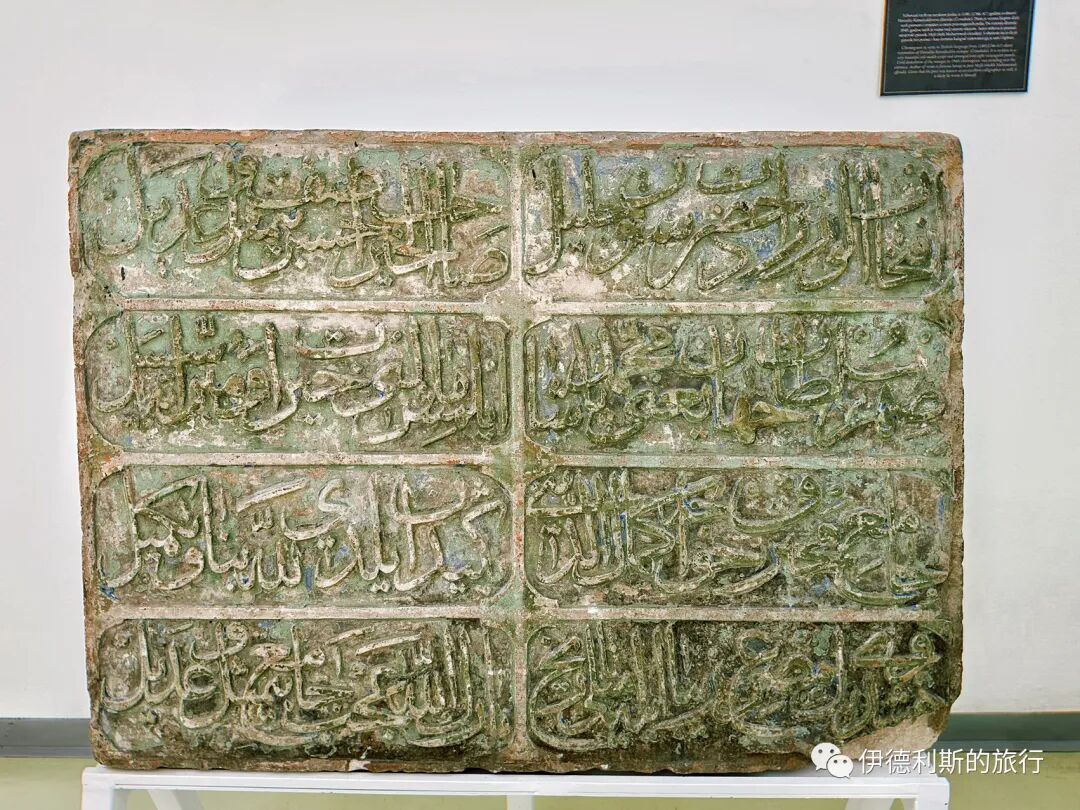
A Turkish-language commemorative stone inscription from 1857-8 on the Fadil Pasha madrasa, located on the east side of the Emperor's Mosque in Sarajevo. The author, Fadil Pasha, was a calligrapher himself.
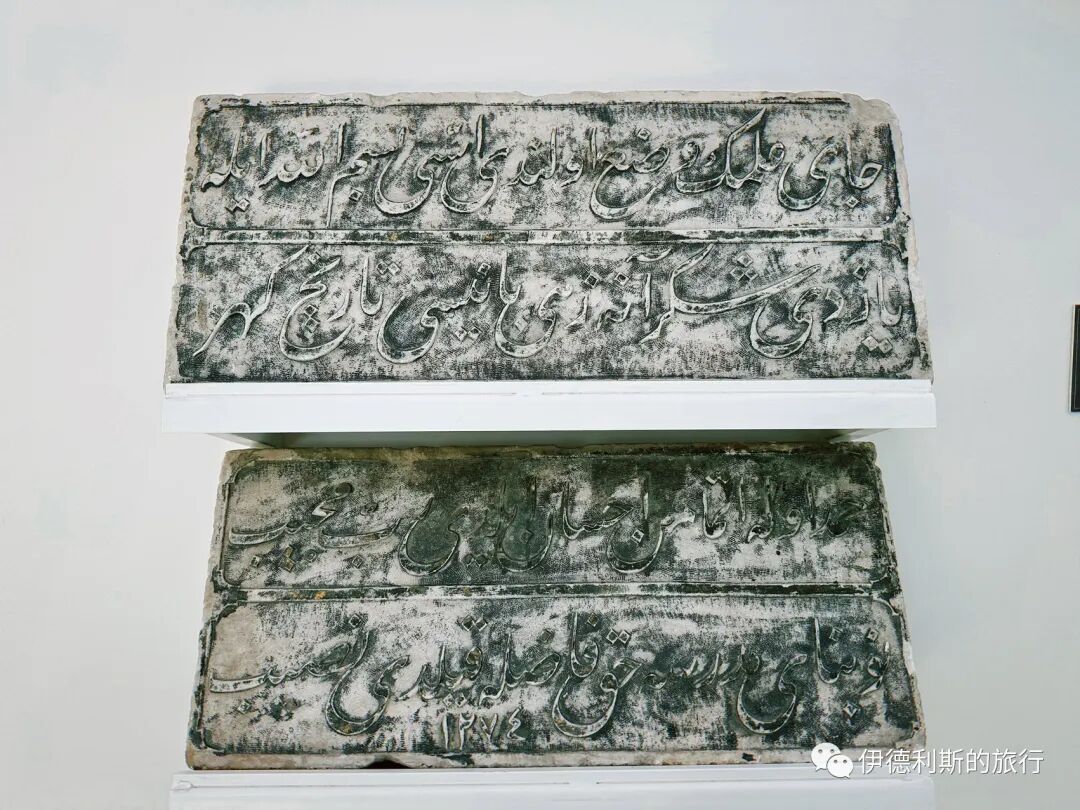
A Turkish-language stone inscription carved on the gate during the 1766-7 renovation of the Havadza Kemaludin mosque in Sarajevo. It was written by the famous Sarajevo poet and calligrapher Sheikh Muhammad Effendi. This mosque was built in 1515 and was demolished by order of the Kingdom of Yugoslavia in 1940.
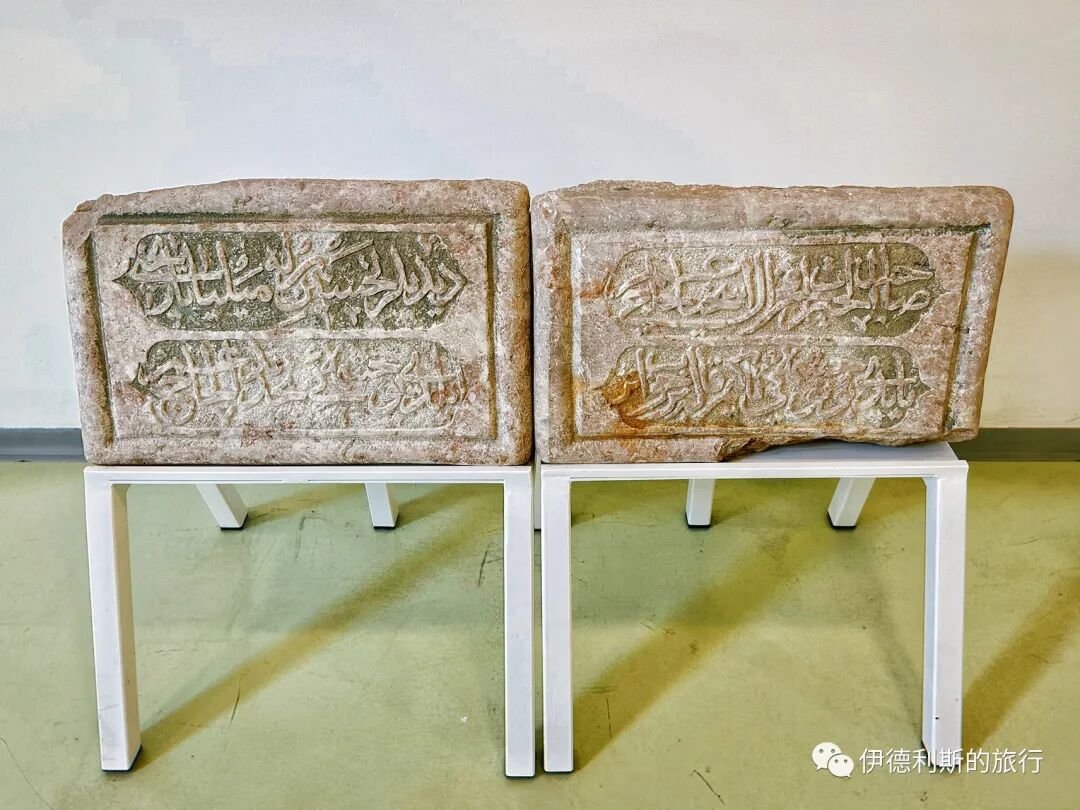
The top piece is a Turkish-language stone inscription from 1885-6, carved during the renovation of the Gazi Iskender Pasha fountain in Sarajevo using Taliq Persian hanging script. The bottom piece is a Turkish-language stone inscription from 1780-1, carved during the renovation of a fountain in the courtyard of a Sufi lodge (tekke) in the Skenderija area of Sarajevo. It also uses Taliq Persian hanging script and was written by the local mufti, Sakir.
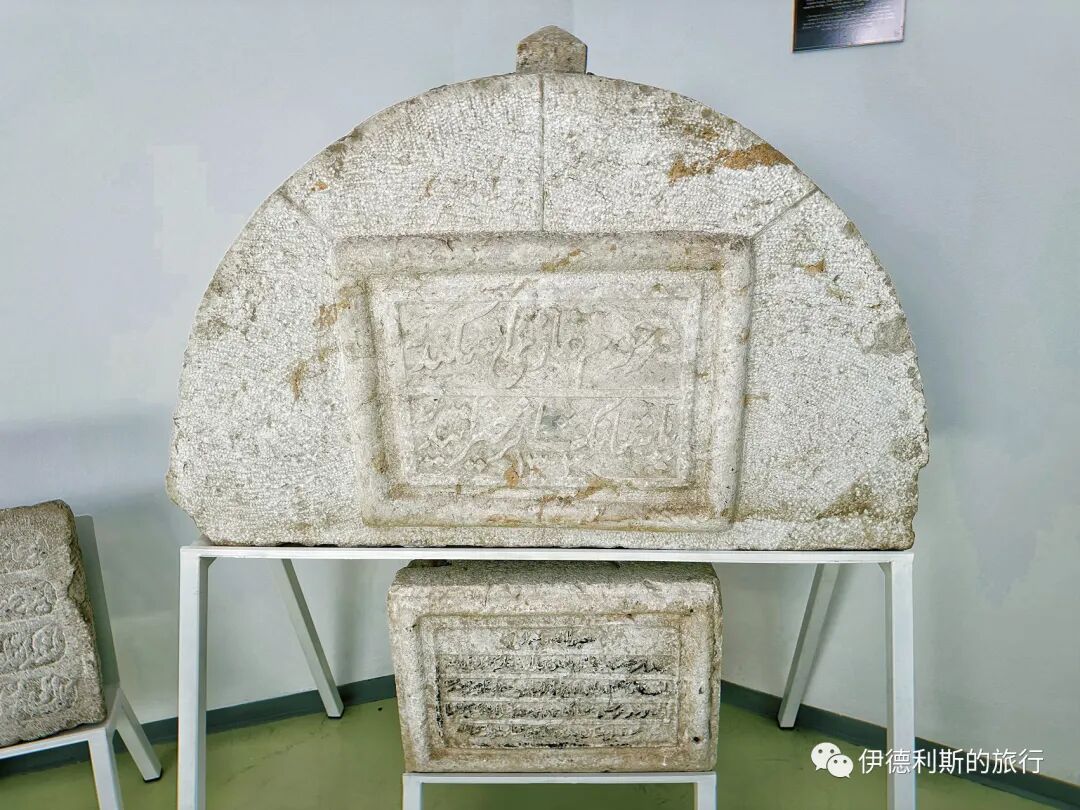
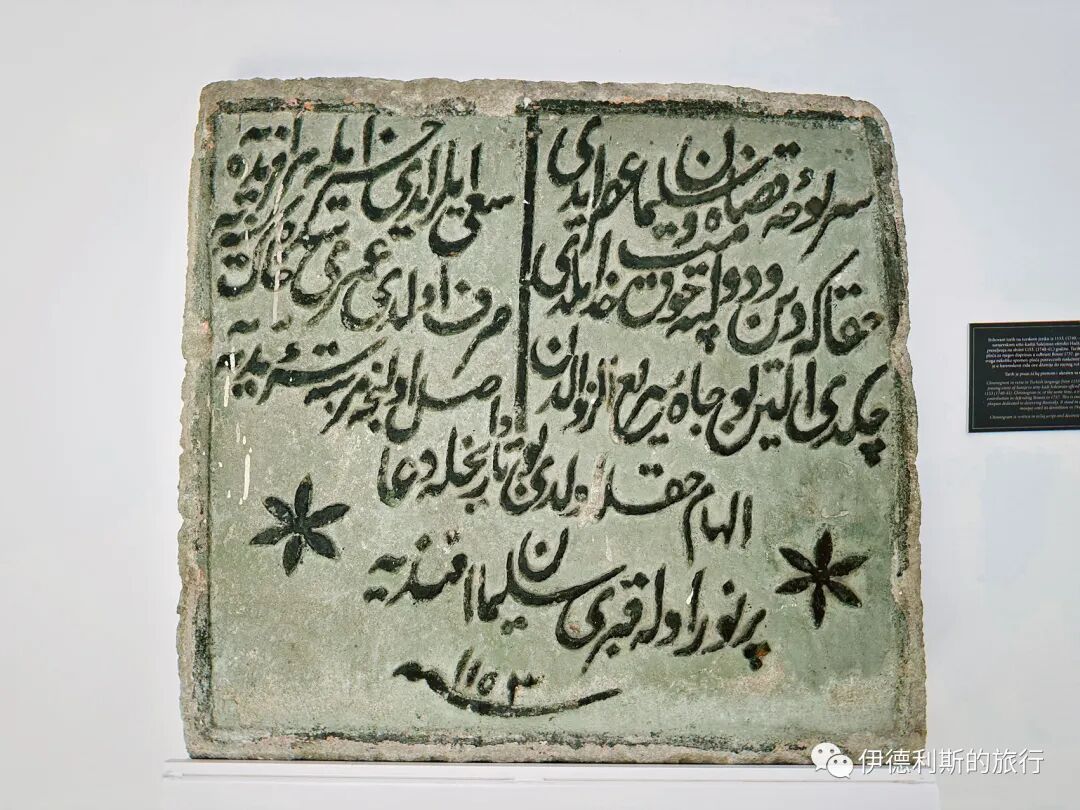
This stone monument, carved in 1740-1 to mark the passing of Sulejman-effendi Hadzimusic, records his contributions to the defense of Bosnia in 1737. It is an important historical record regarding the formation of the Bosniak nation. This stone was embedded in the wall of the mosque until the Kingdom of Yugoslavia demolished the mosque in 1940.
Bathhouse
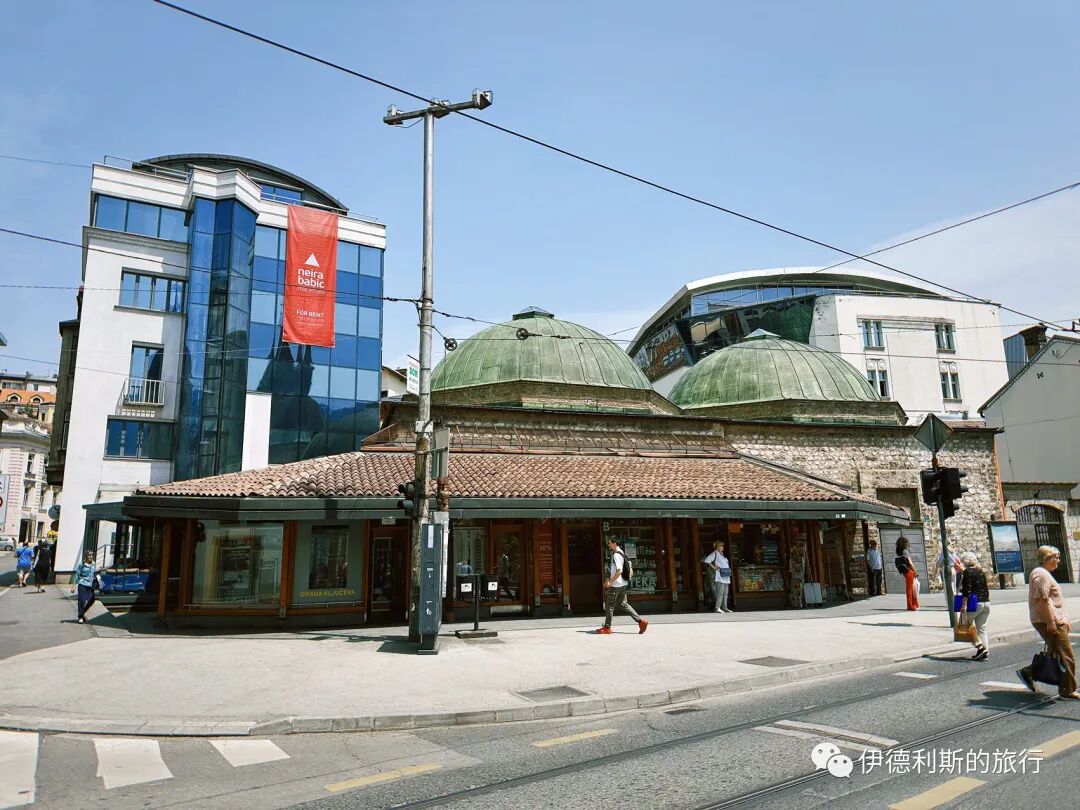
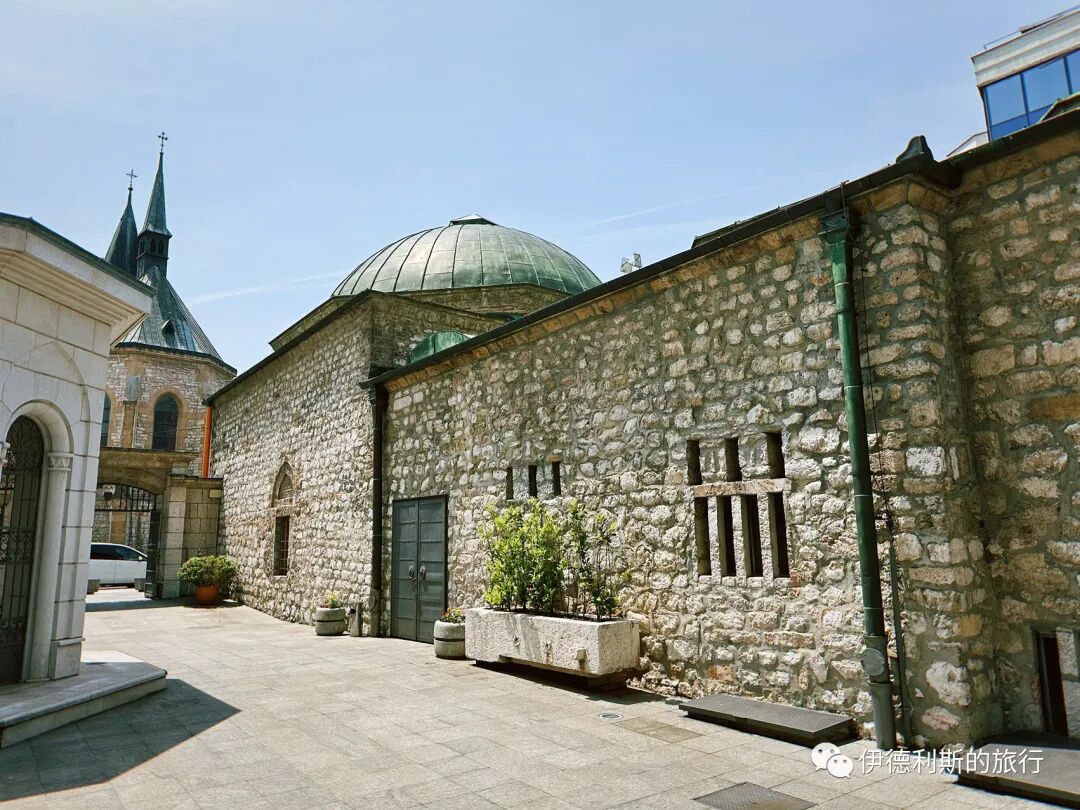
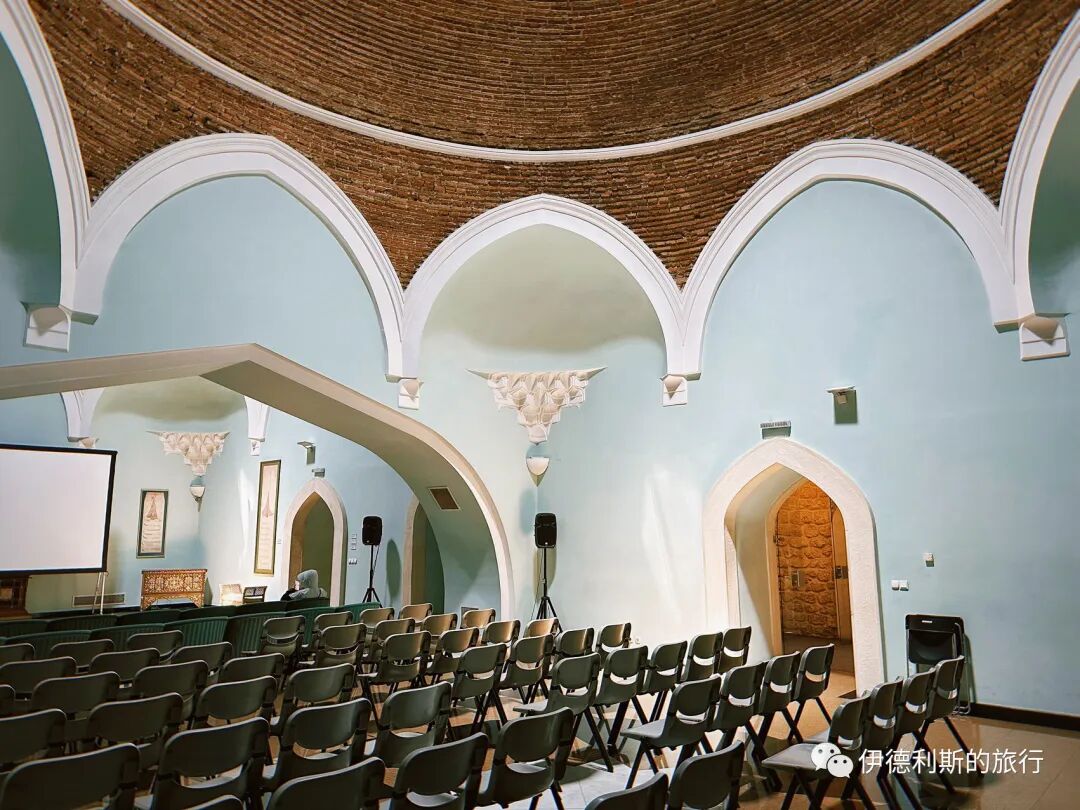
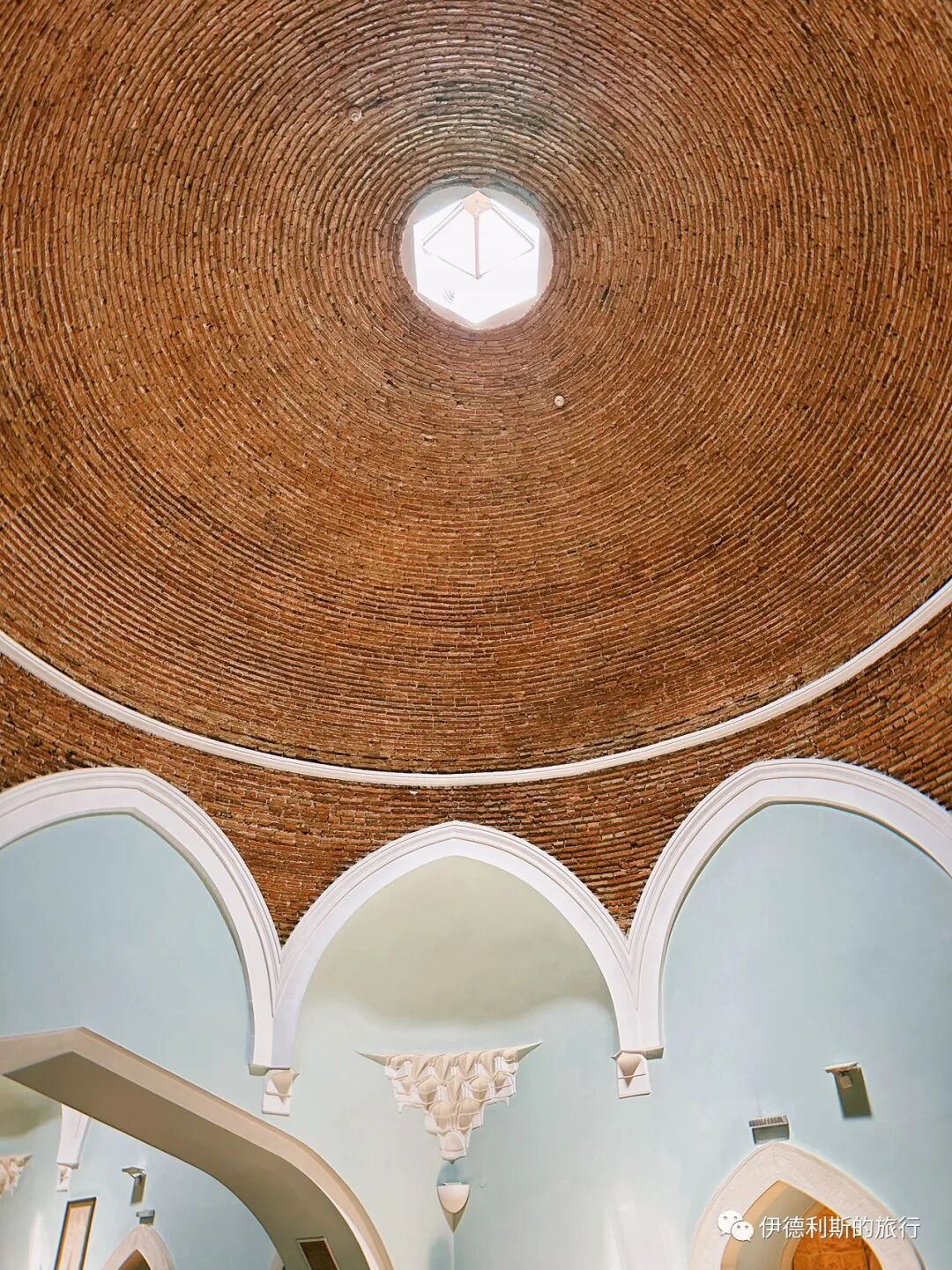
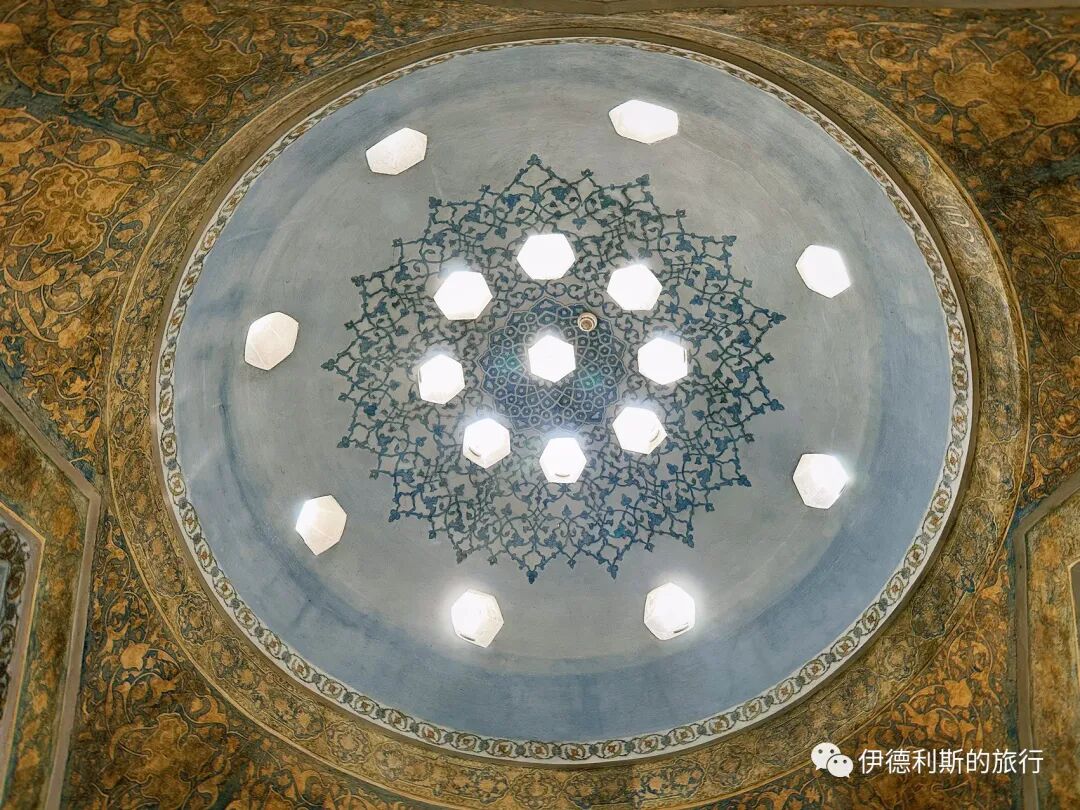
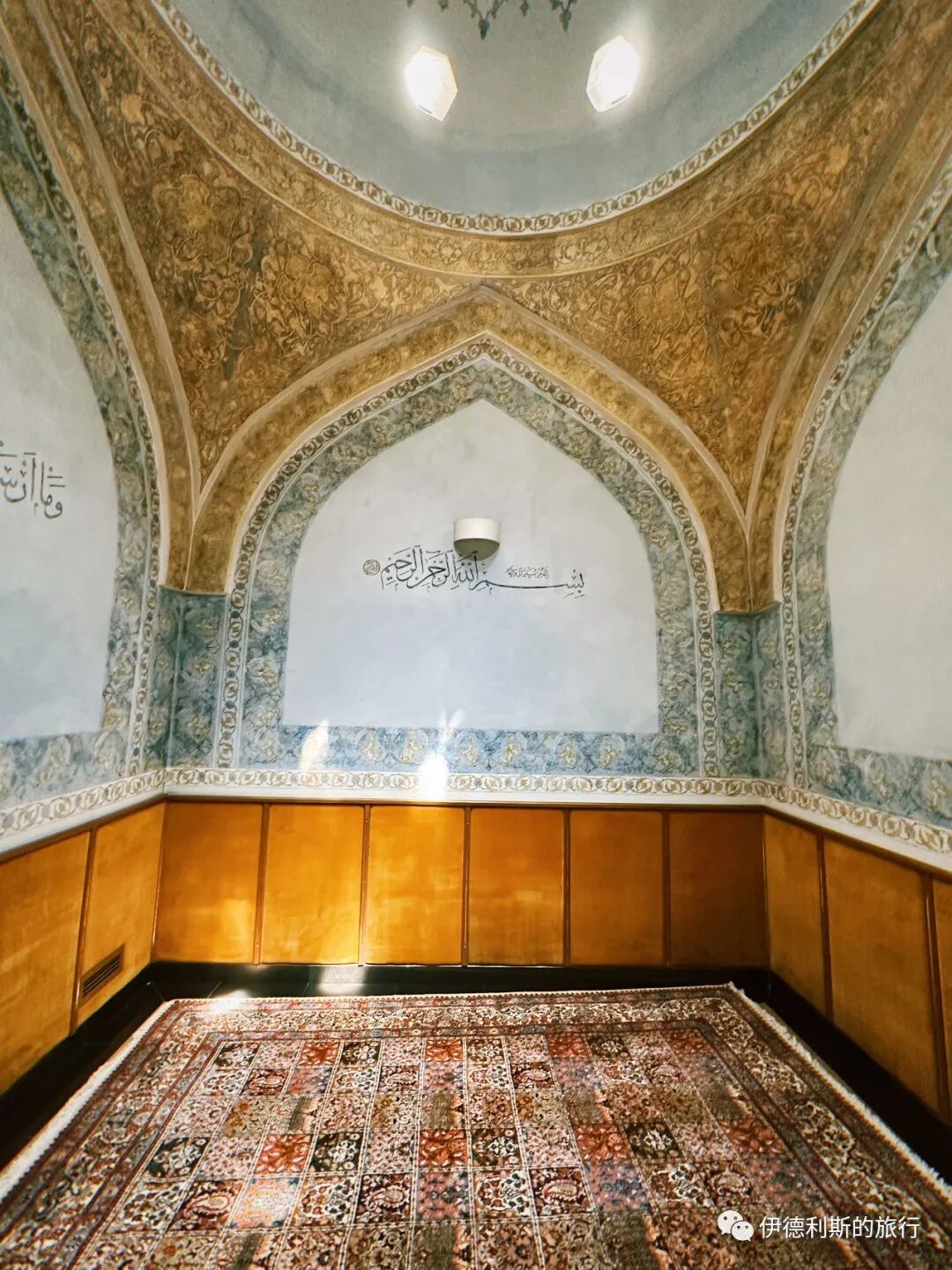
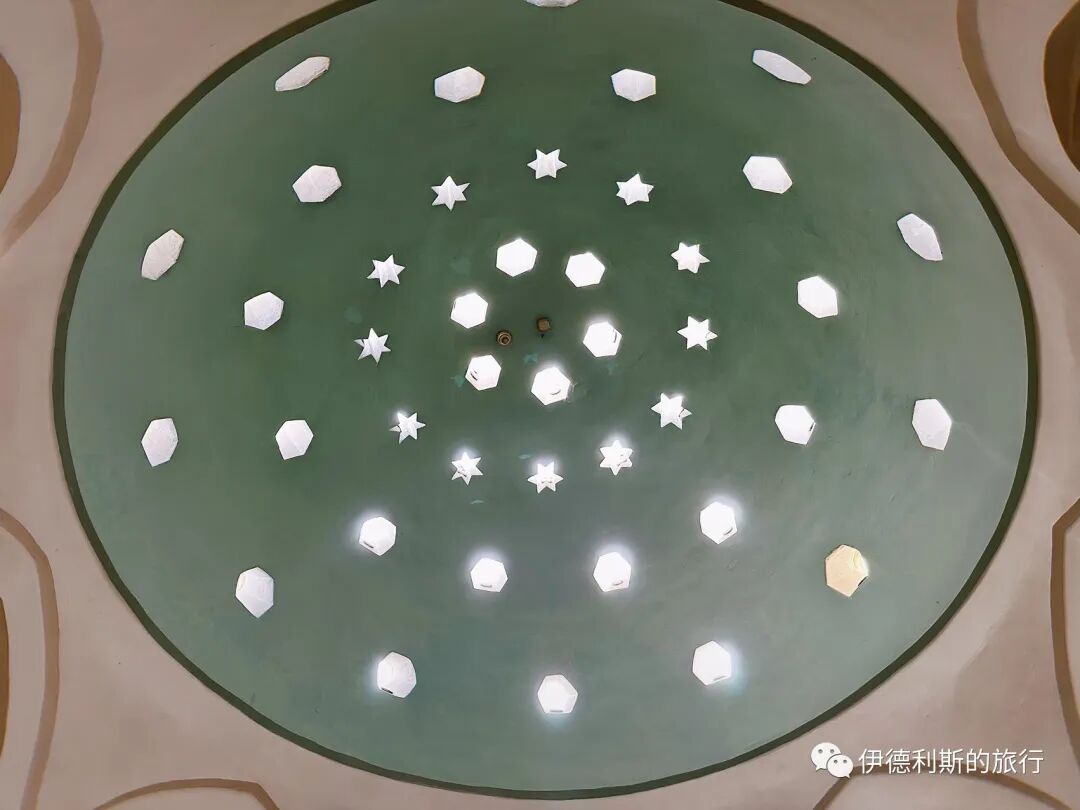
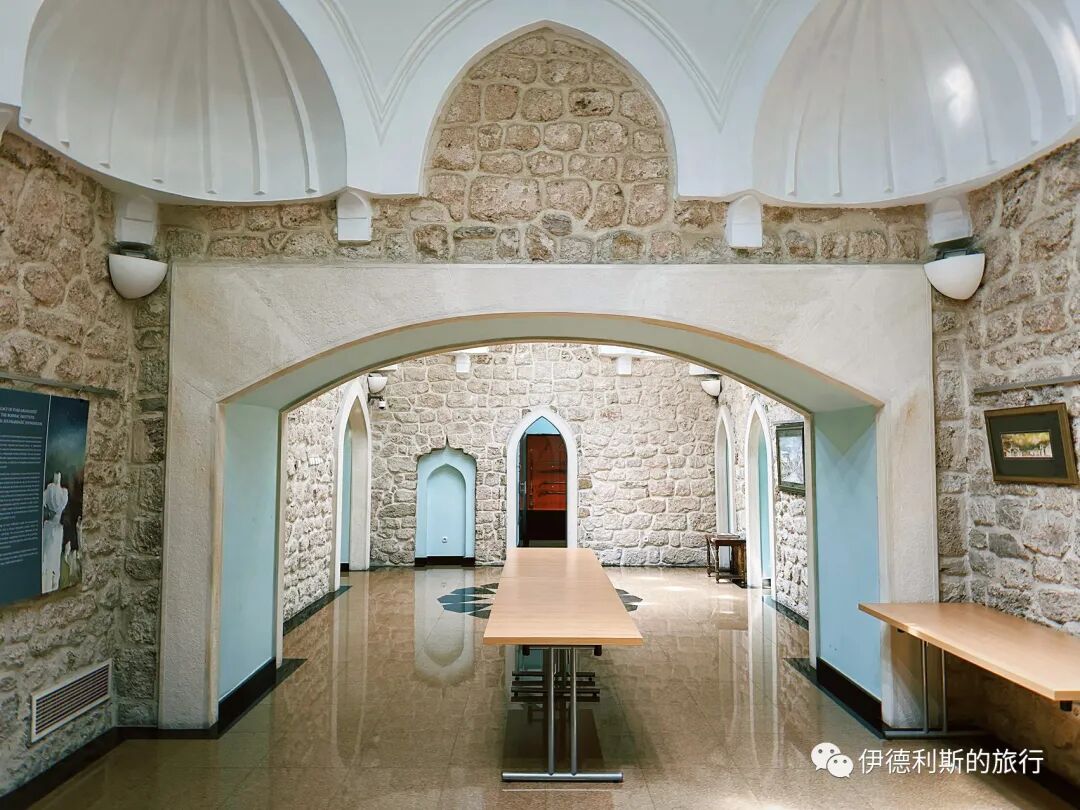
The bathhouse (hamam) of Gazi Husrev Bey was built in 1537 and is located 300 meters northwest of the mosque. The southern part of the bathhouse has two symmetrical domed buildings, which served as the main halls for the men's and women's bathing areas. You can enter individual small rooms, each with its own dome, through the corridor and cloakroom on the north side. The bathhouse suffered fires twice, once during the Habsburg invasion in 1697 and again during the Austro-Hungarian invasion in 1879. It was rebuilt after these events, and what you see today is mostly how it looked after the 1891 renovation.
After being renovated in 2000, it became part of the Bosniak Institute. It frequently hosts cultural events like book launches, concerts, literary nights, and exhibitions.
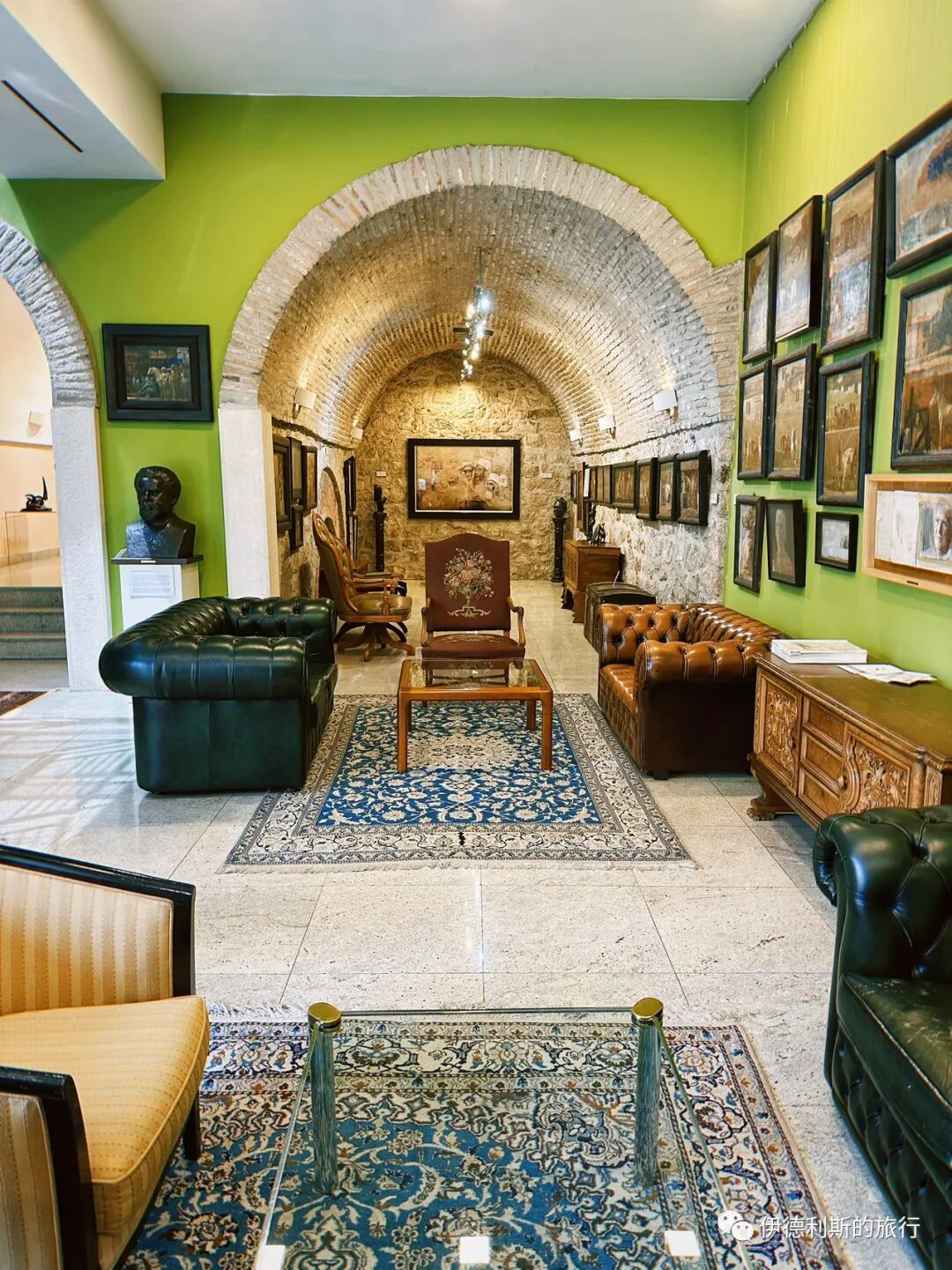
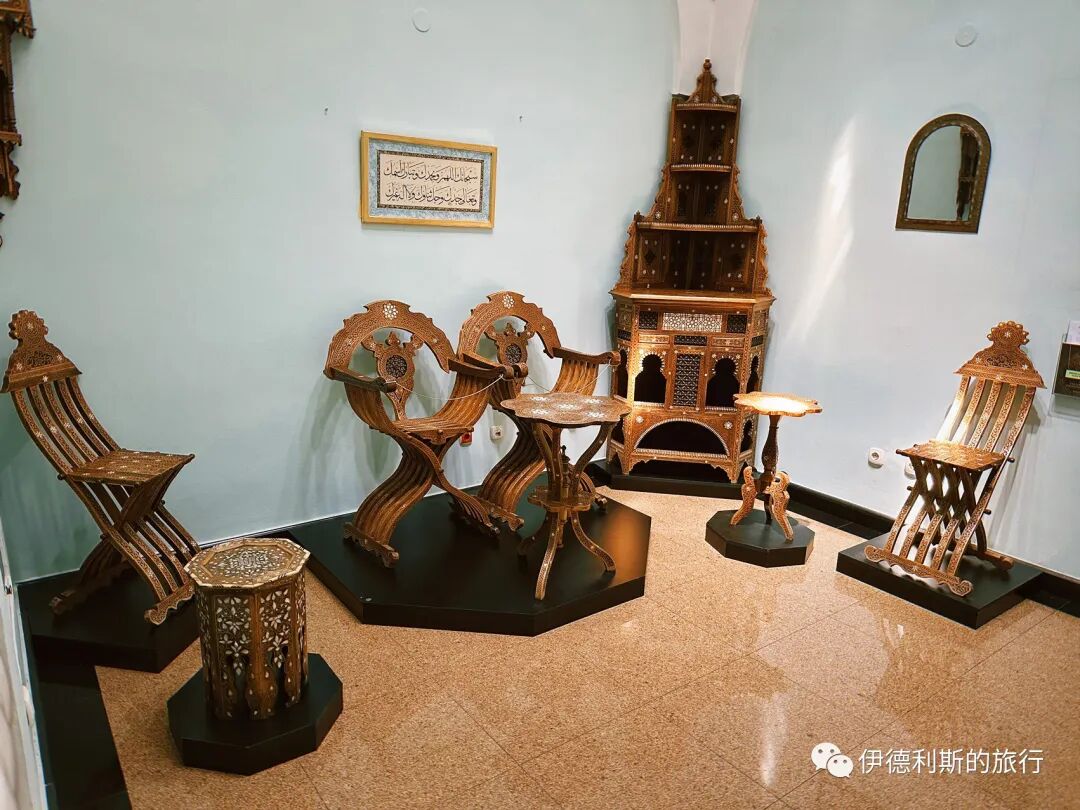
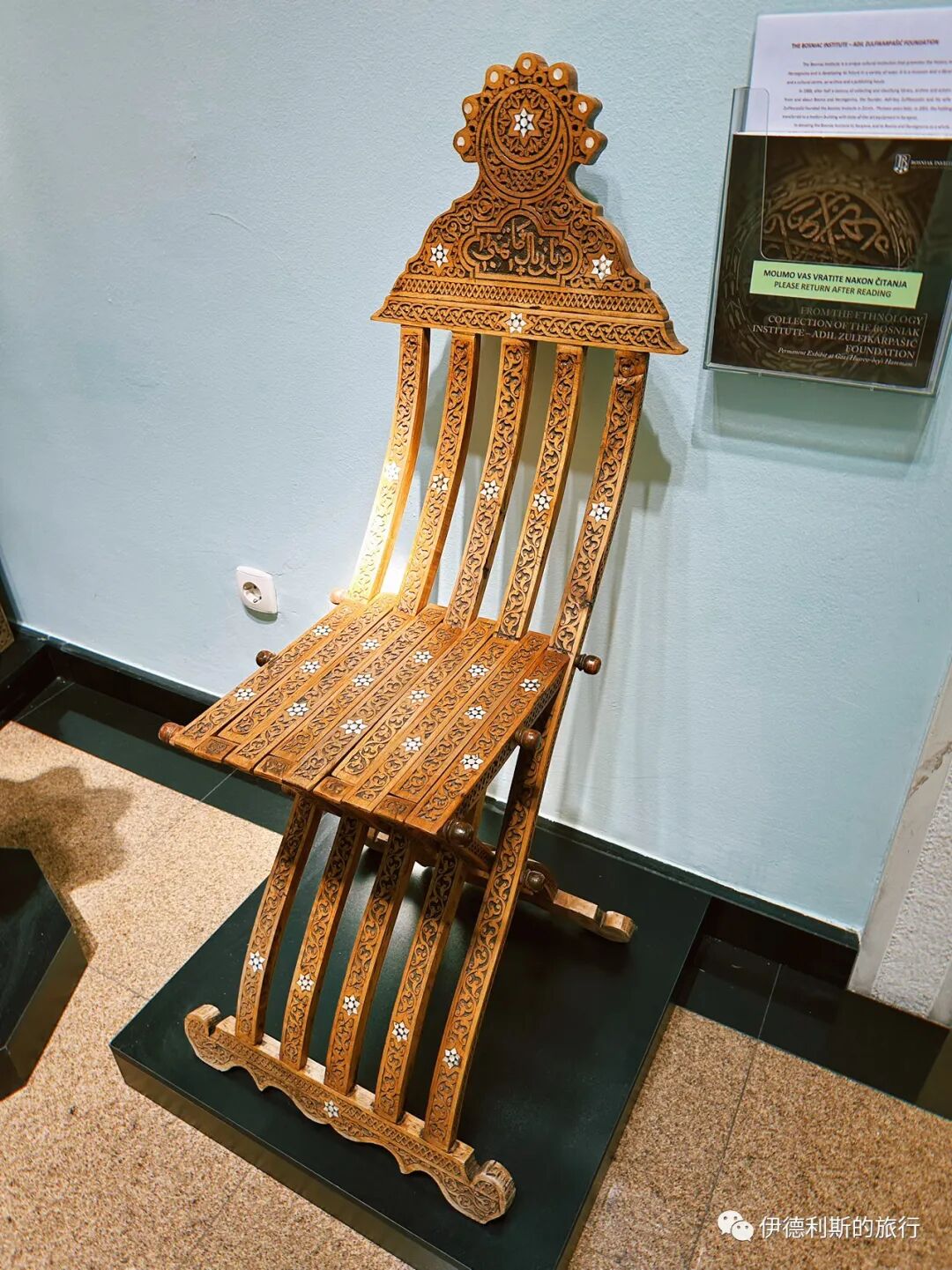
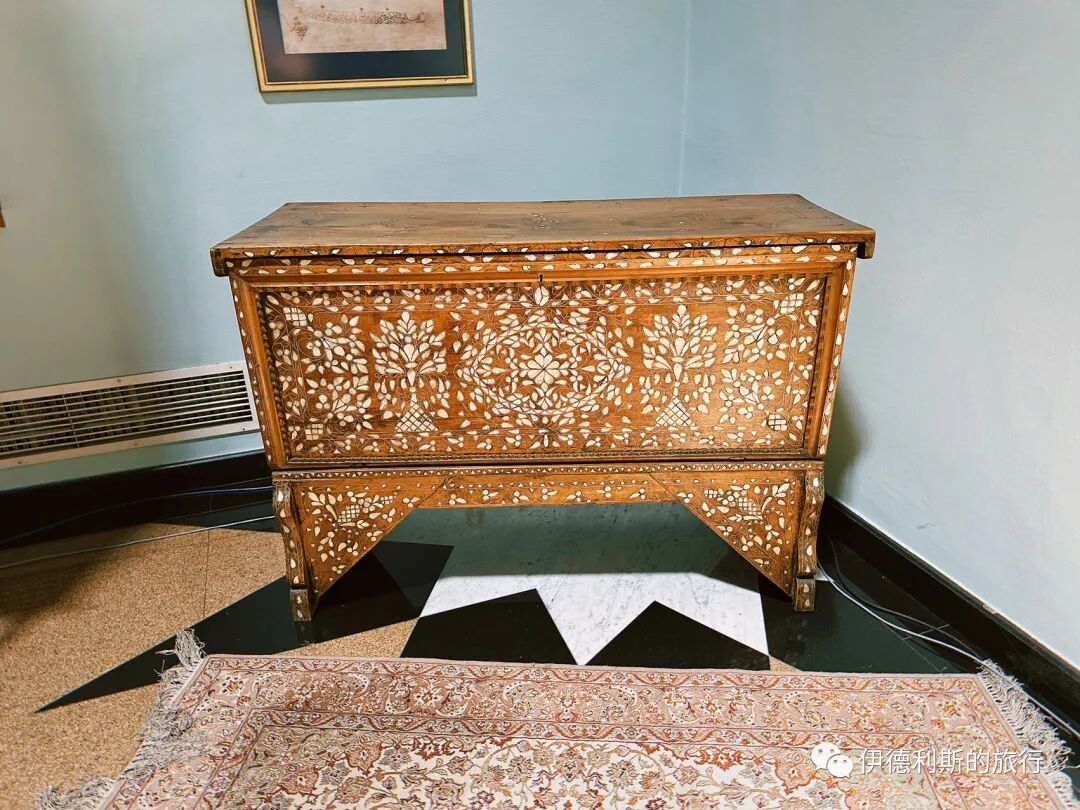
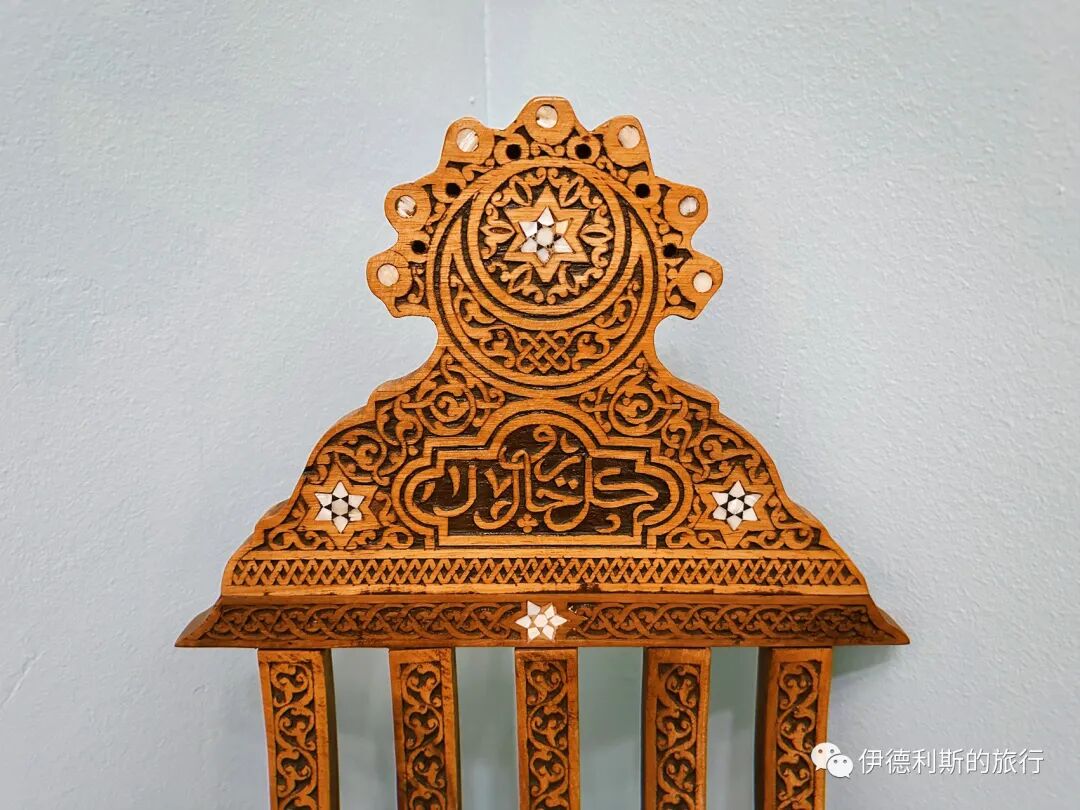
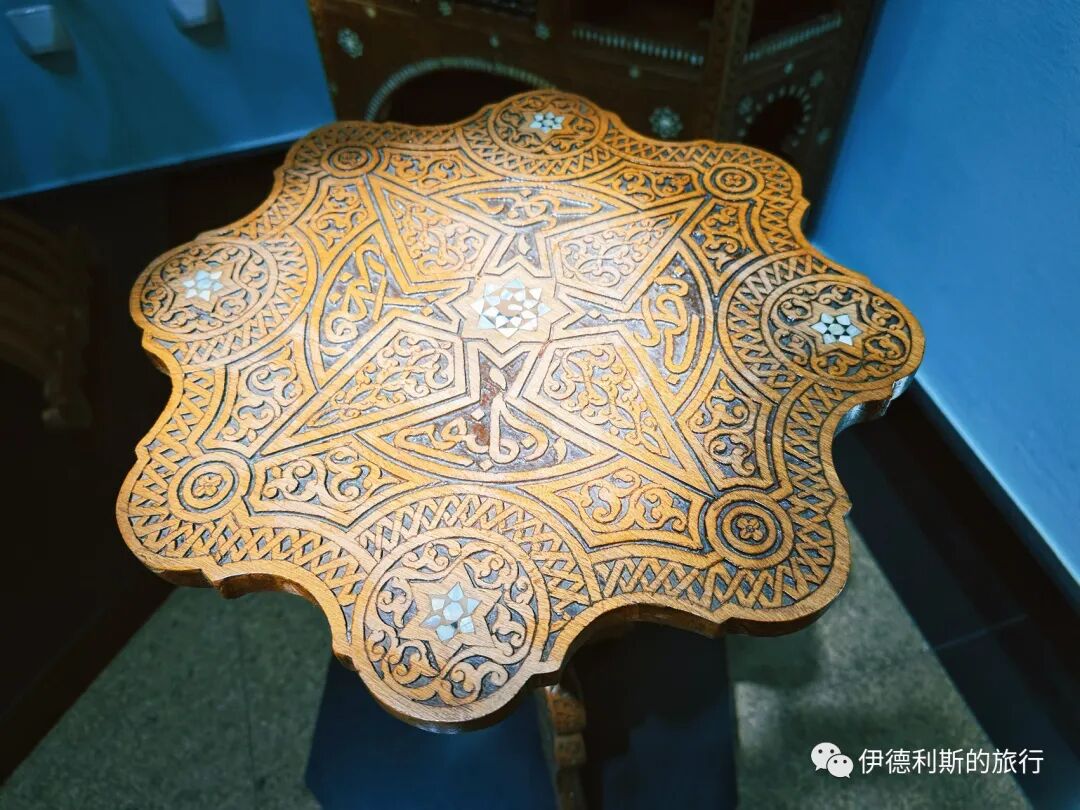
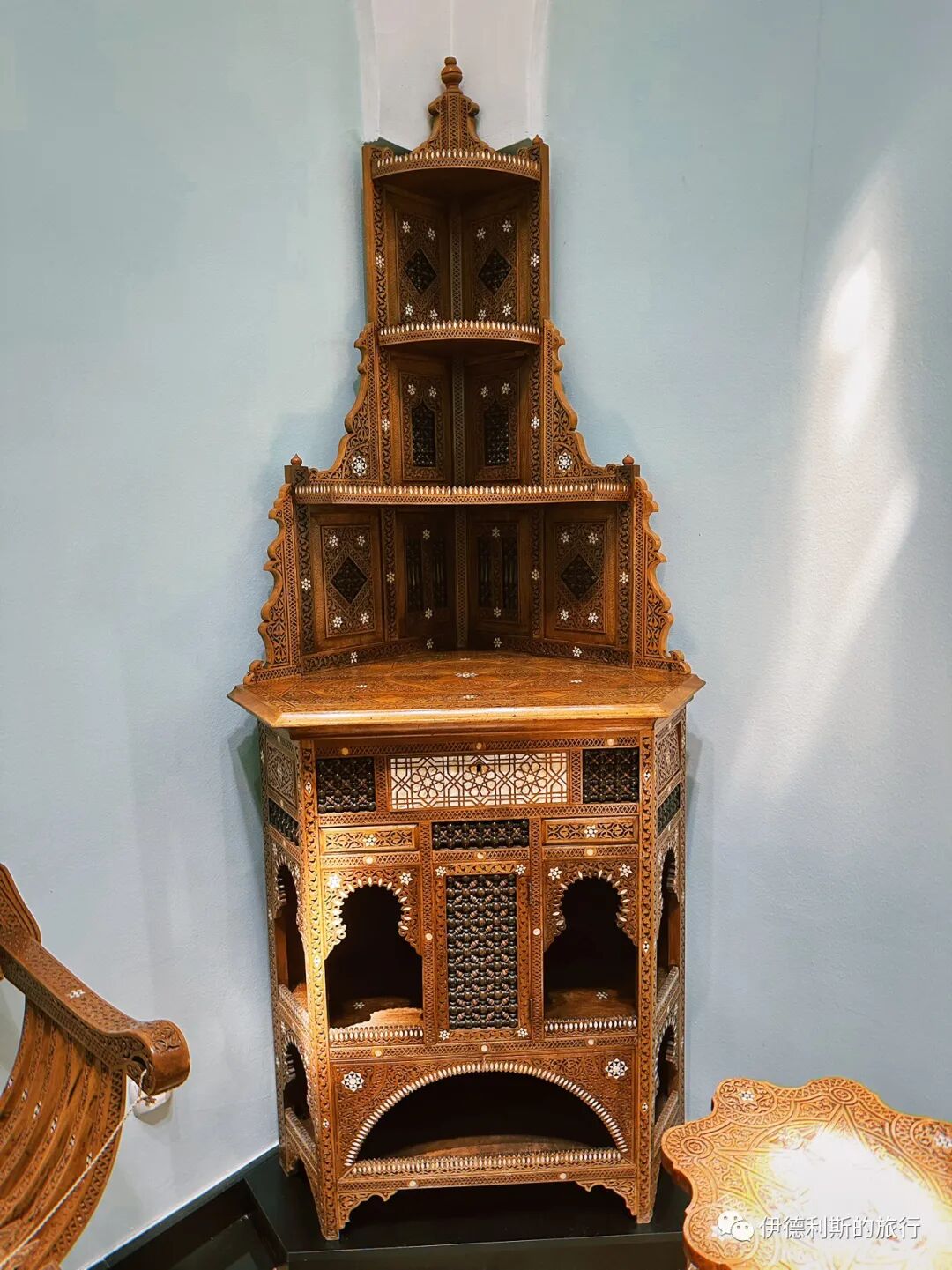
The collection of the Adil Zulfikarpasic Foundation at the Bosniak Institute features exquisite wooden furniture crafted by Bosnian artisans between the 19th and early 20th centuries.
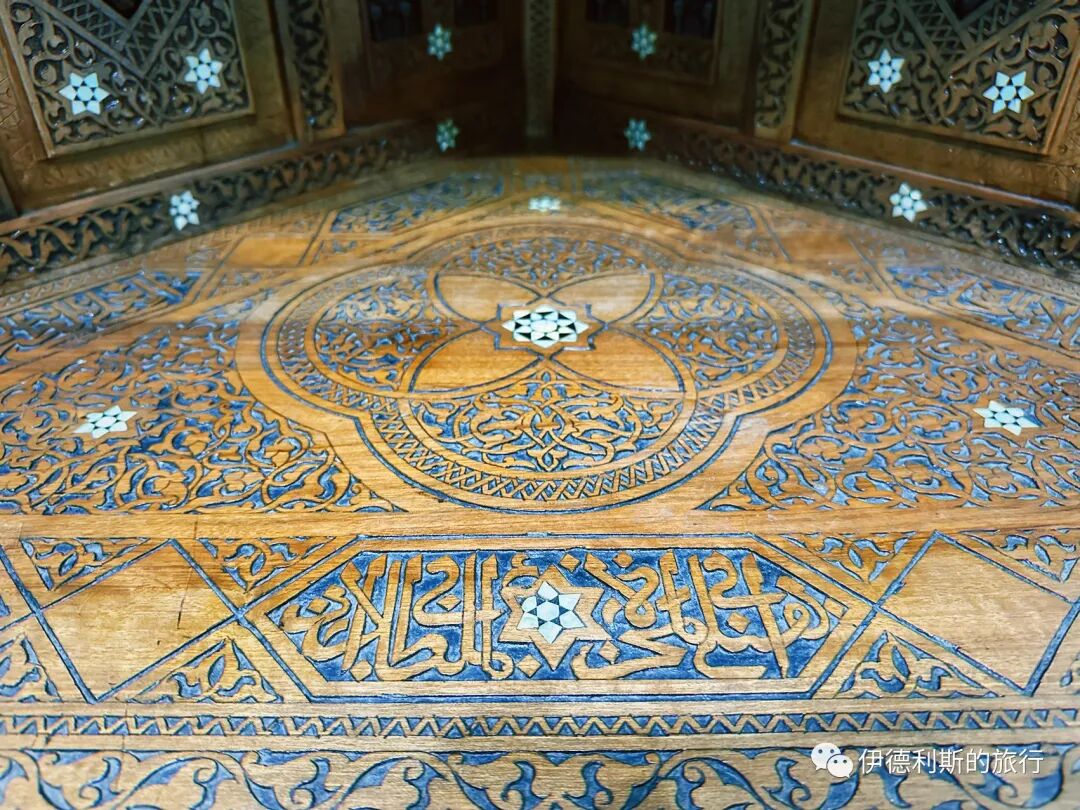
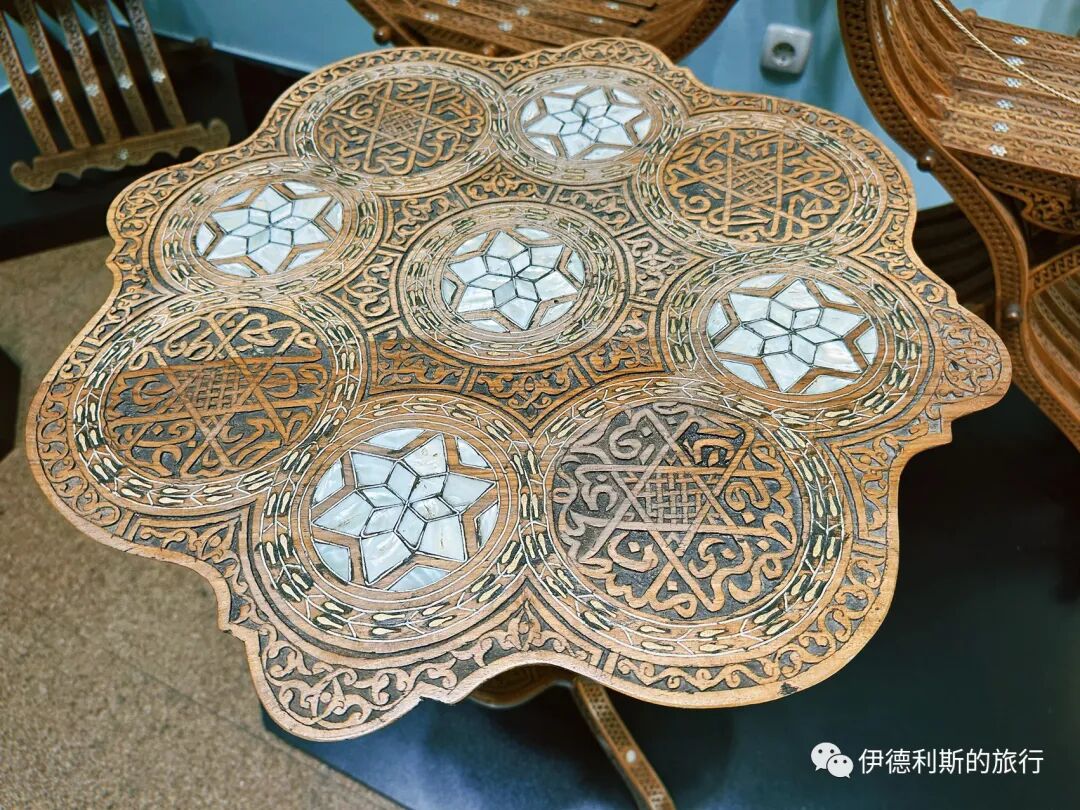
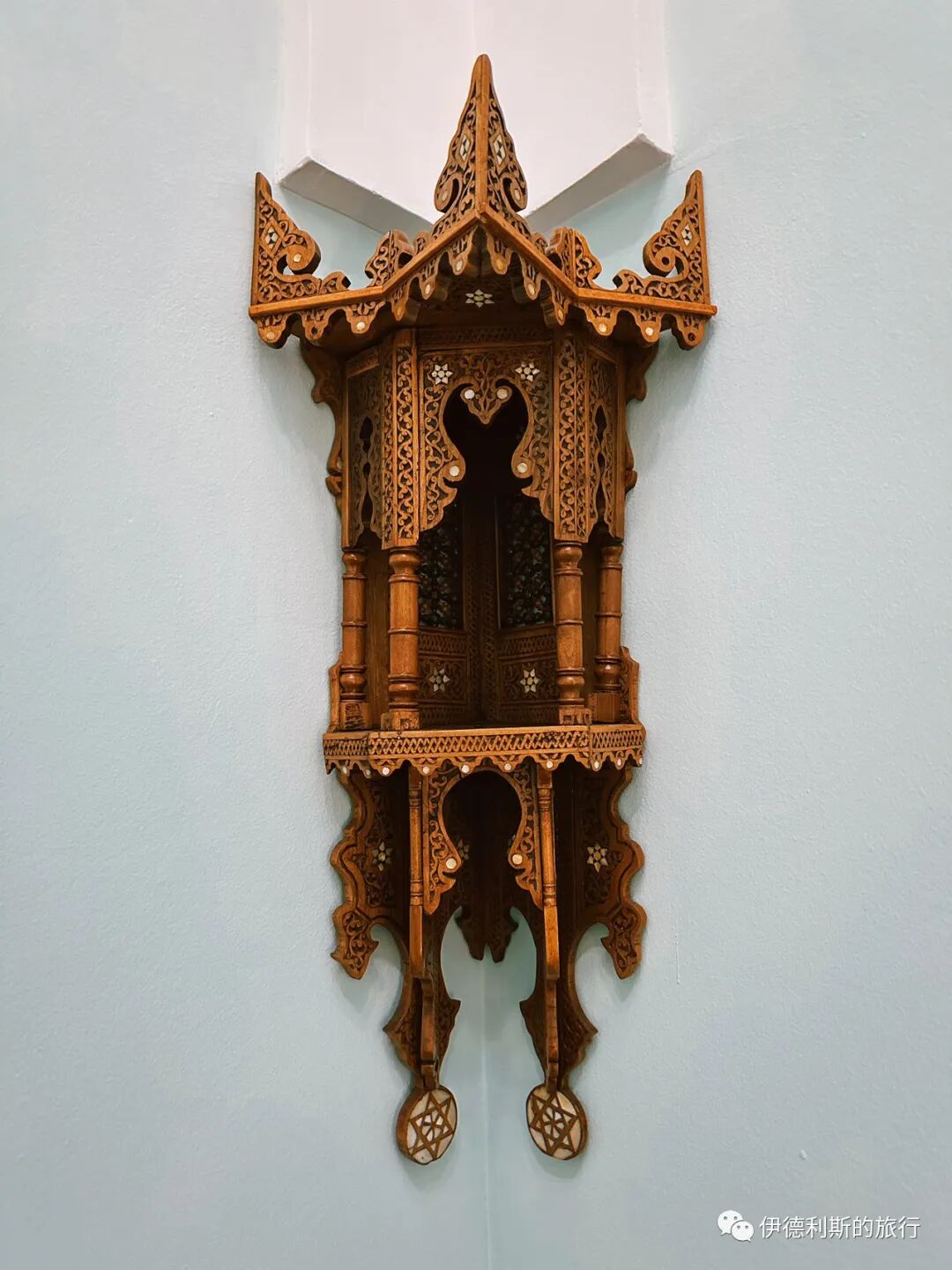
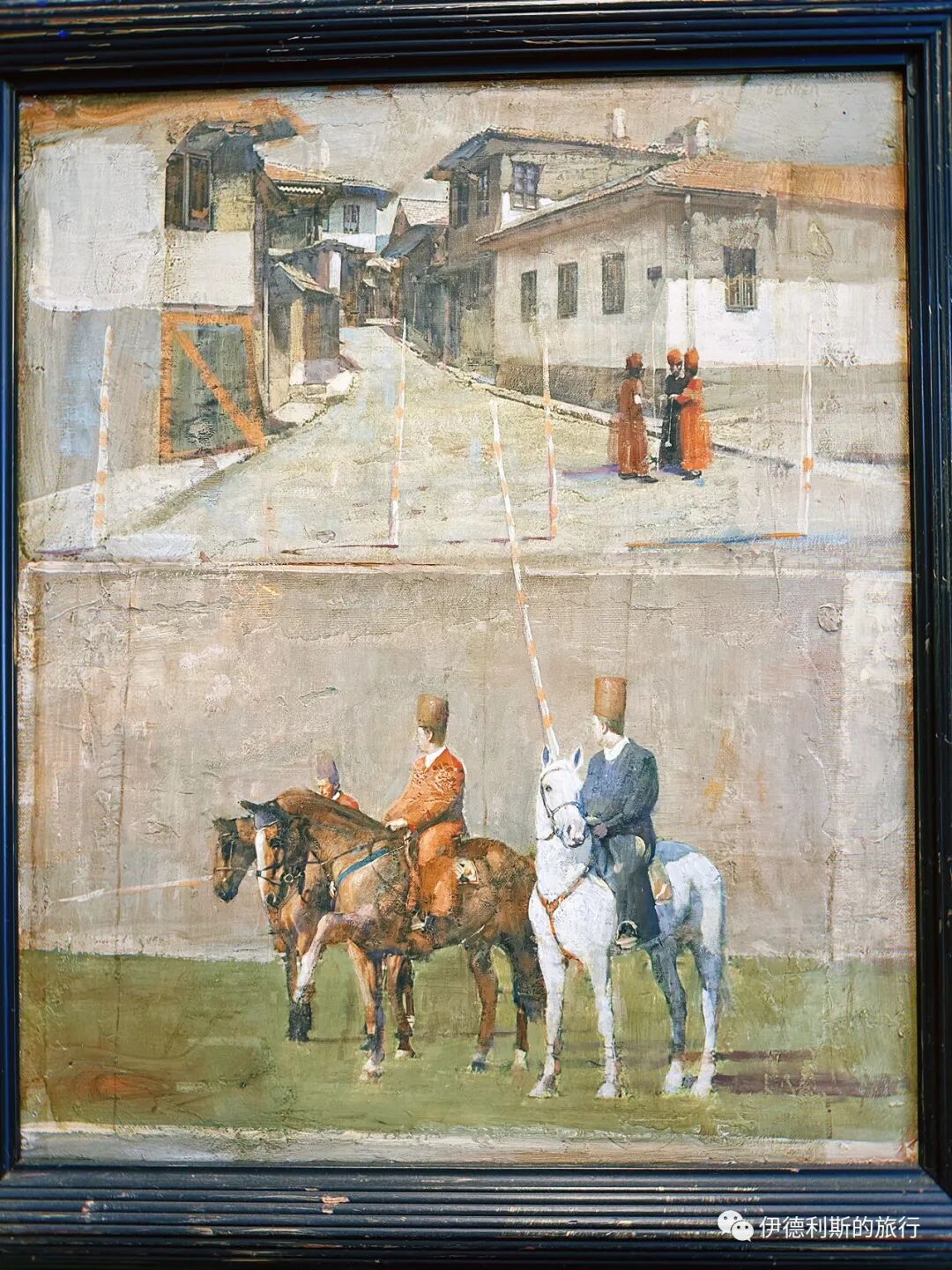
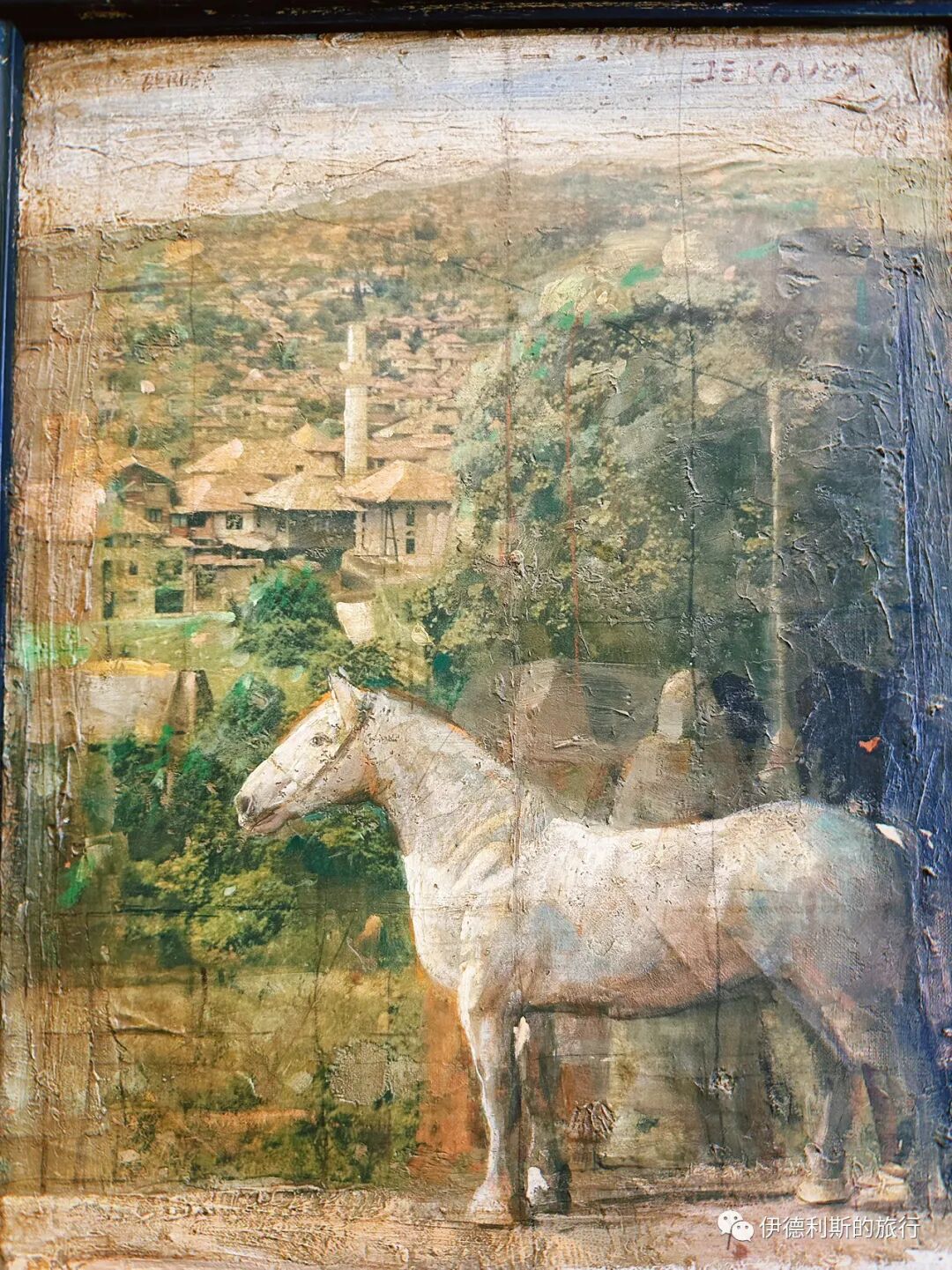
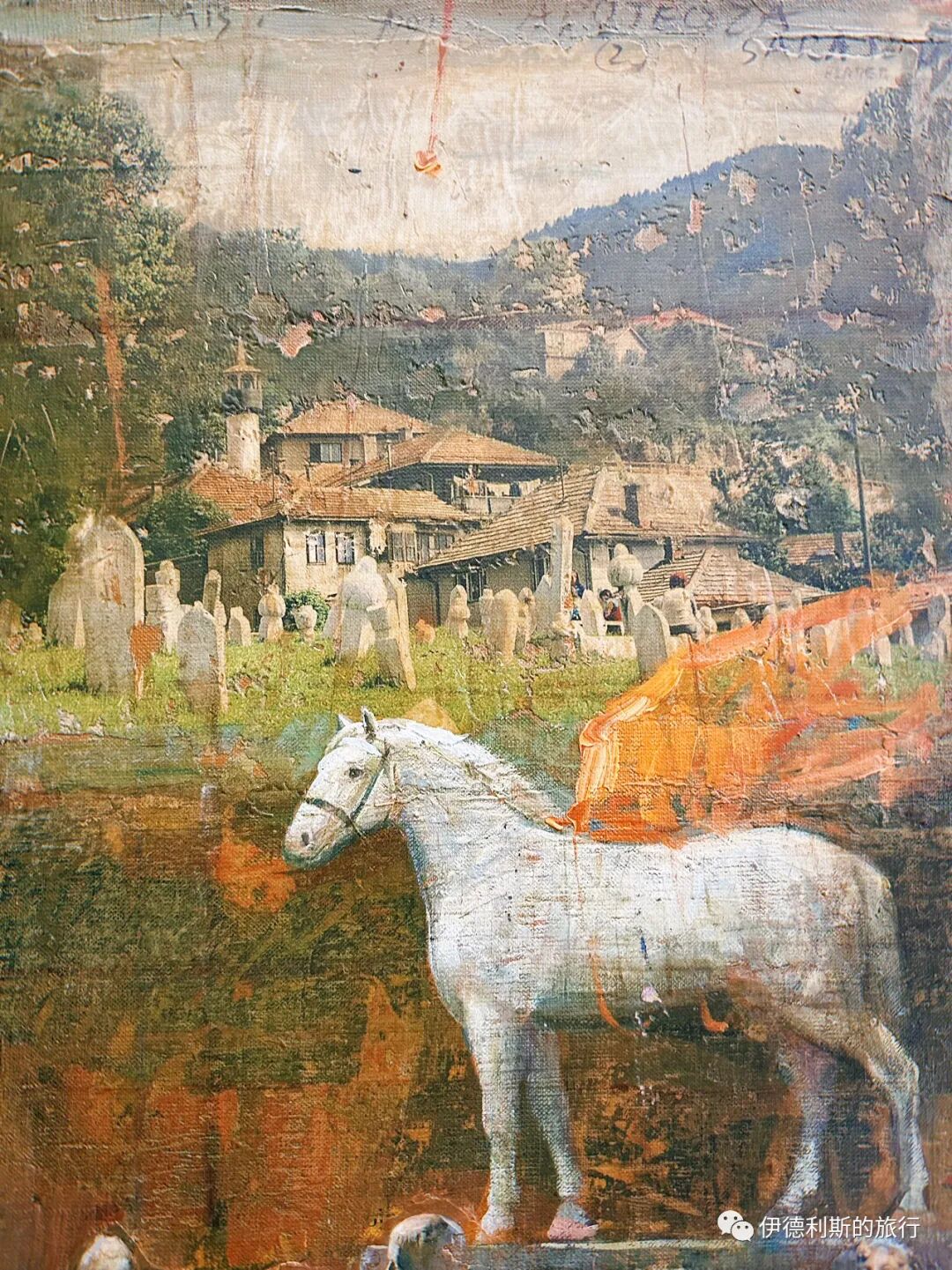
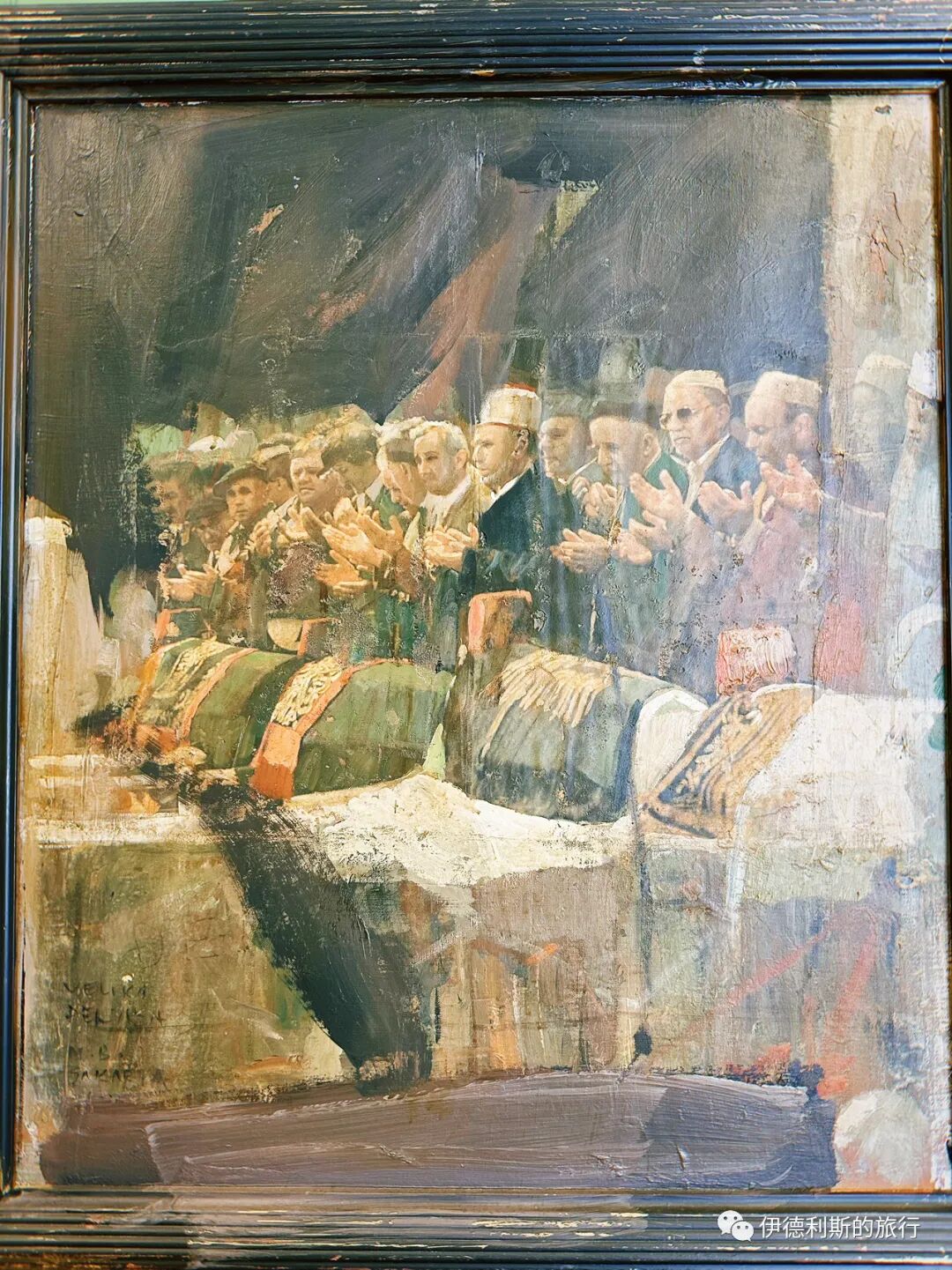
The art exhibition at the Bosniak Institute focuses on scenes of Sarajevo and Bosnia painted by 20th-century Bosnian artists.
A painting of a Bosnian street by Đoko Mazalić from 1920. He graduated from the Royal Hungarian Academy of Fine Arts in 1914 and helped establish the National Gallery of Bosnia and Herzegovina. He was skilled at depicting Bosnian life and achieved great success in the Sarajevo cultural scene during the 1930s and 1940s.
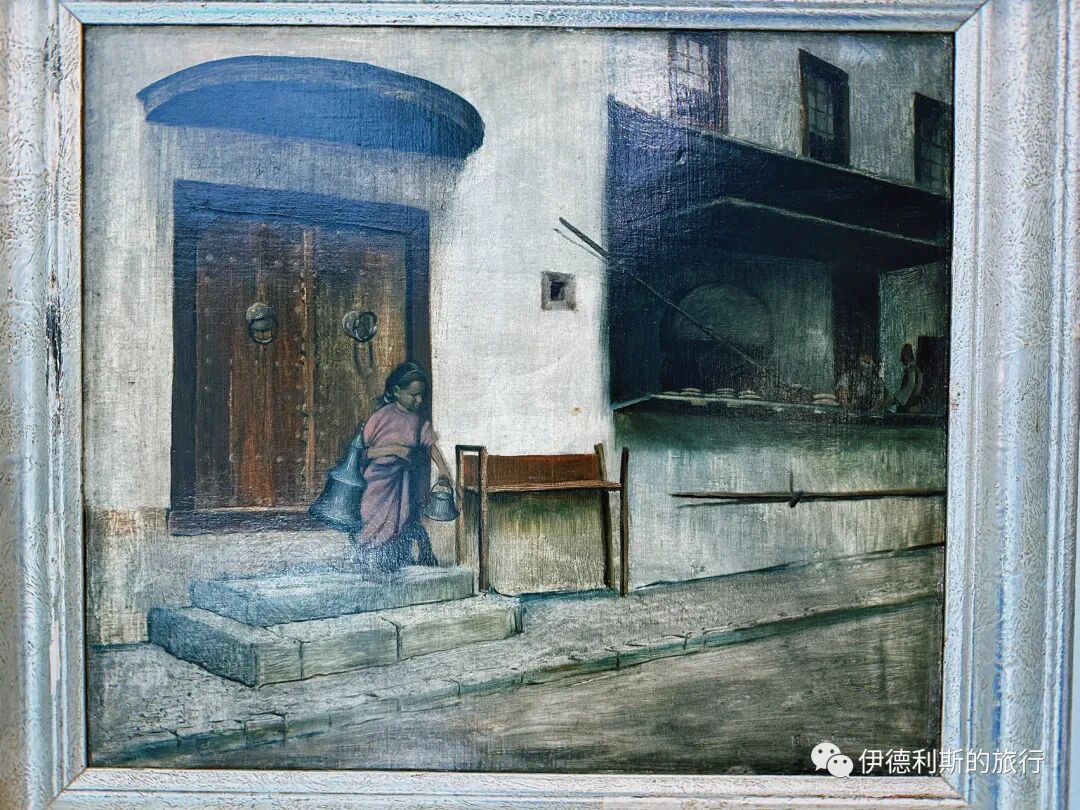
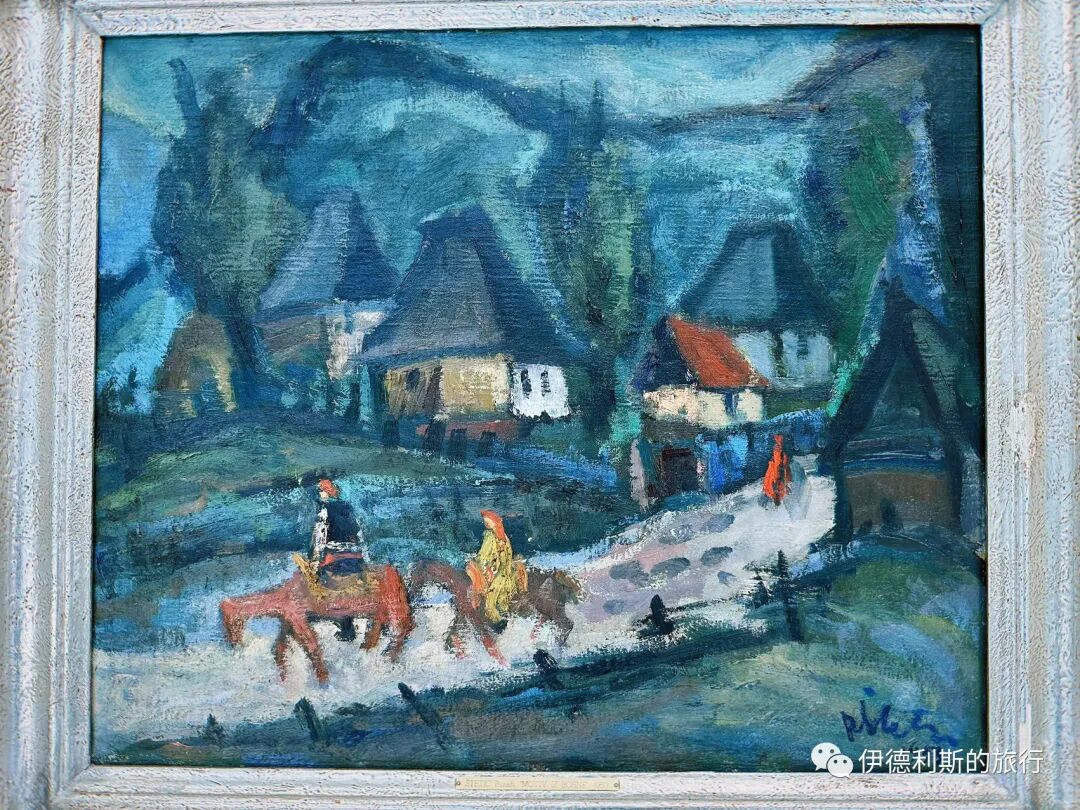
A painting of Bosnian life by Rizah Štetić from 1952. He graduated from the Royal Academy of Arts and Crafts in Zagreb, Croatia, in 1932. He became the principal of the Sarajevo State School of Crafts in 1946 and later served as a painting professor at the National Academy of Fine Arts.
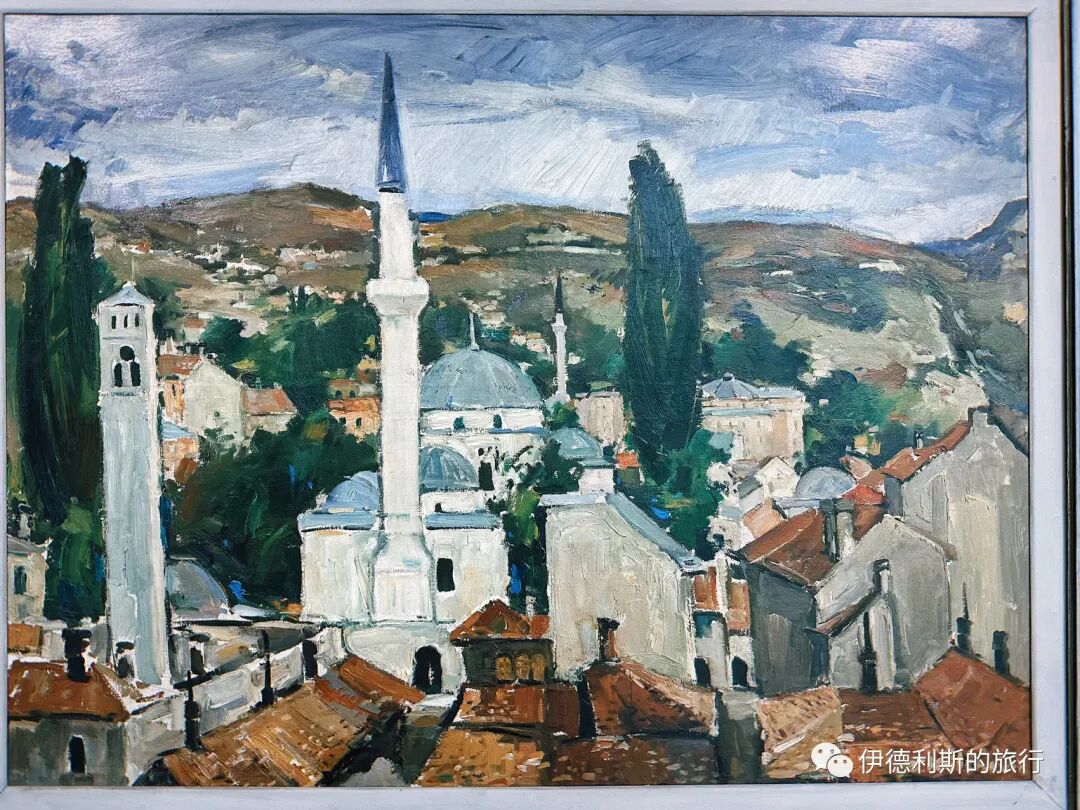
A painting of the Sarajevo Grand Bazaar by Kulenović Hakija. He graduated from the Belgrade Academy of Arts in 1928 and held an art exhibition in Sarajevo in 1932.
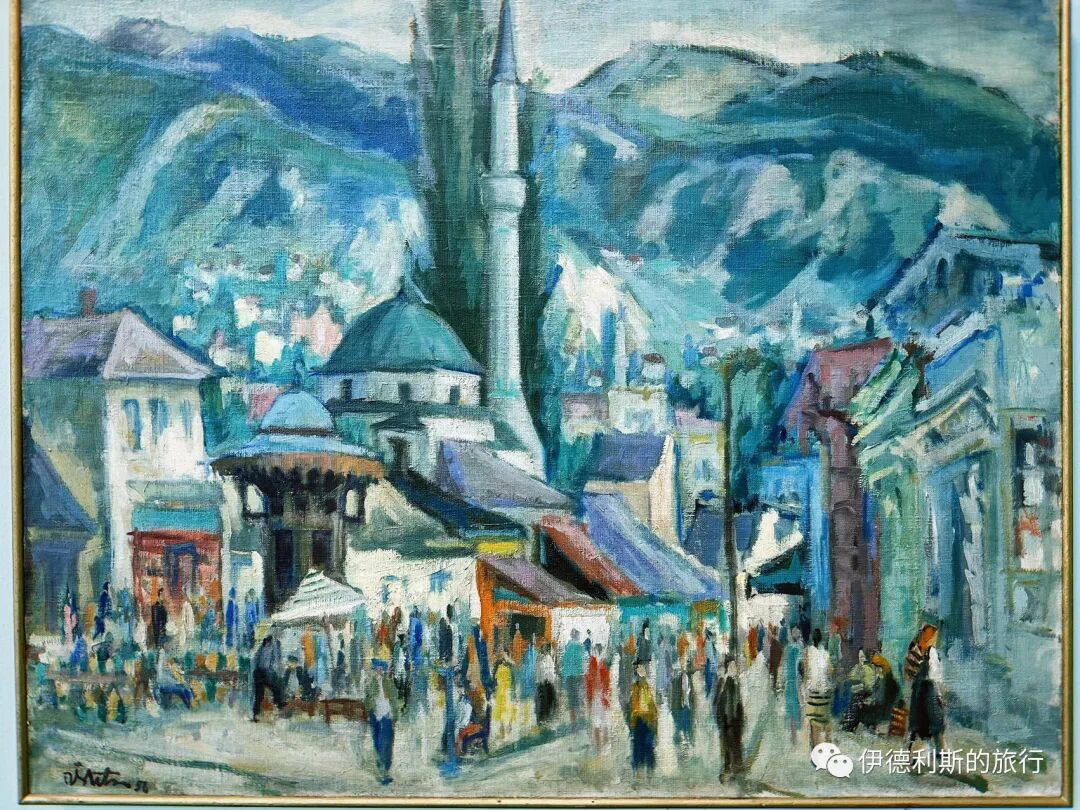
The Sarajevo bazaar painted by Rizah Štetić in 1956.
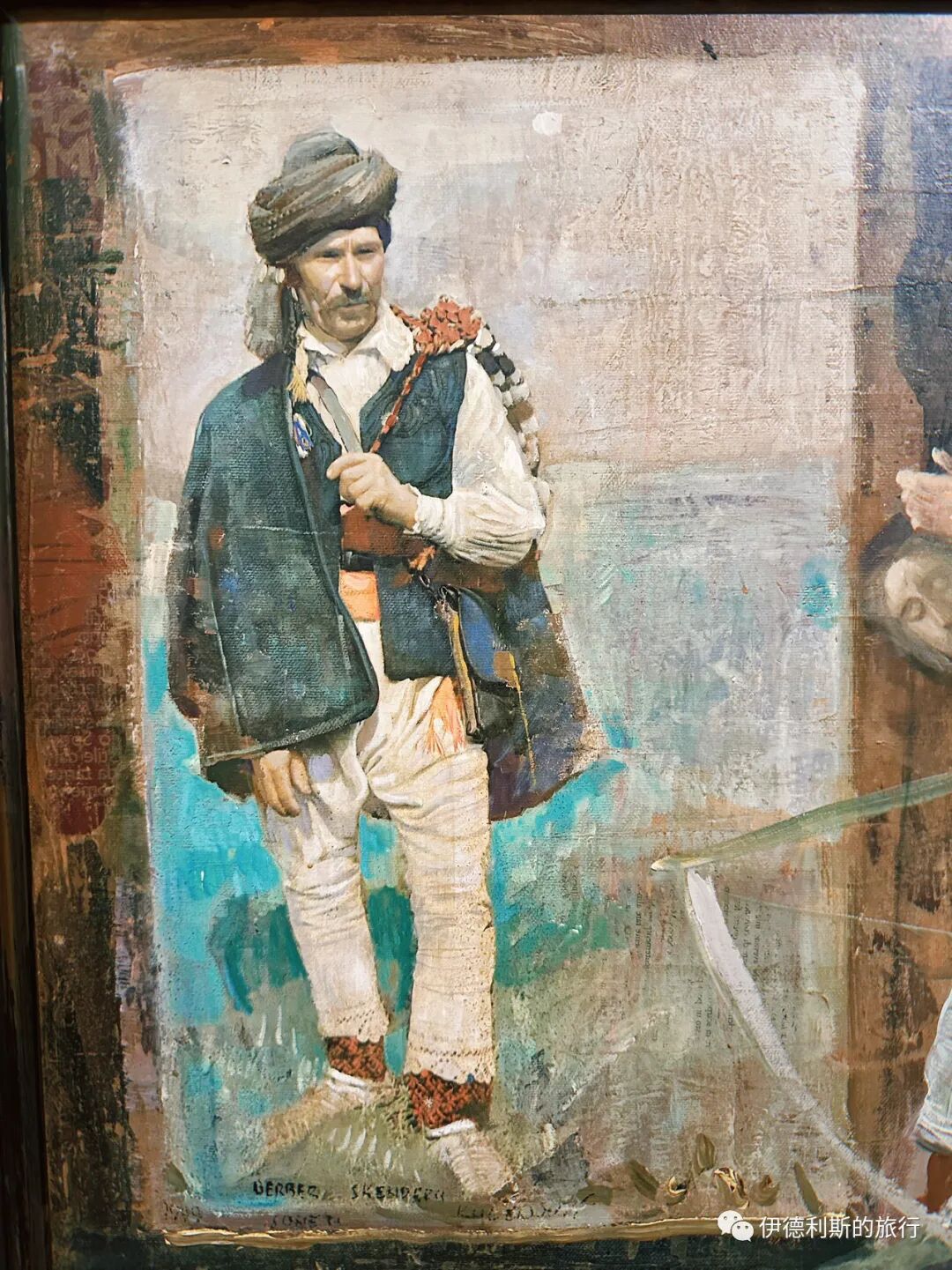
A work by the famous Bosnian artist Mersad Berber, who drew inspiration from the mysterious world of Bosnia, the layers of the Ottoman Empire, and the tragic fate of its people.
Morića Han caravanserai
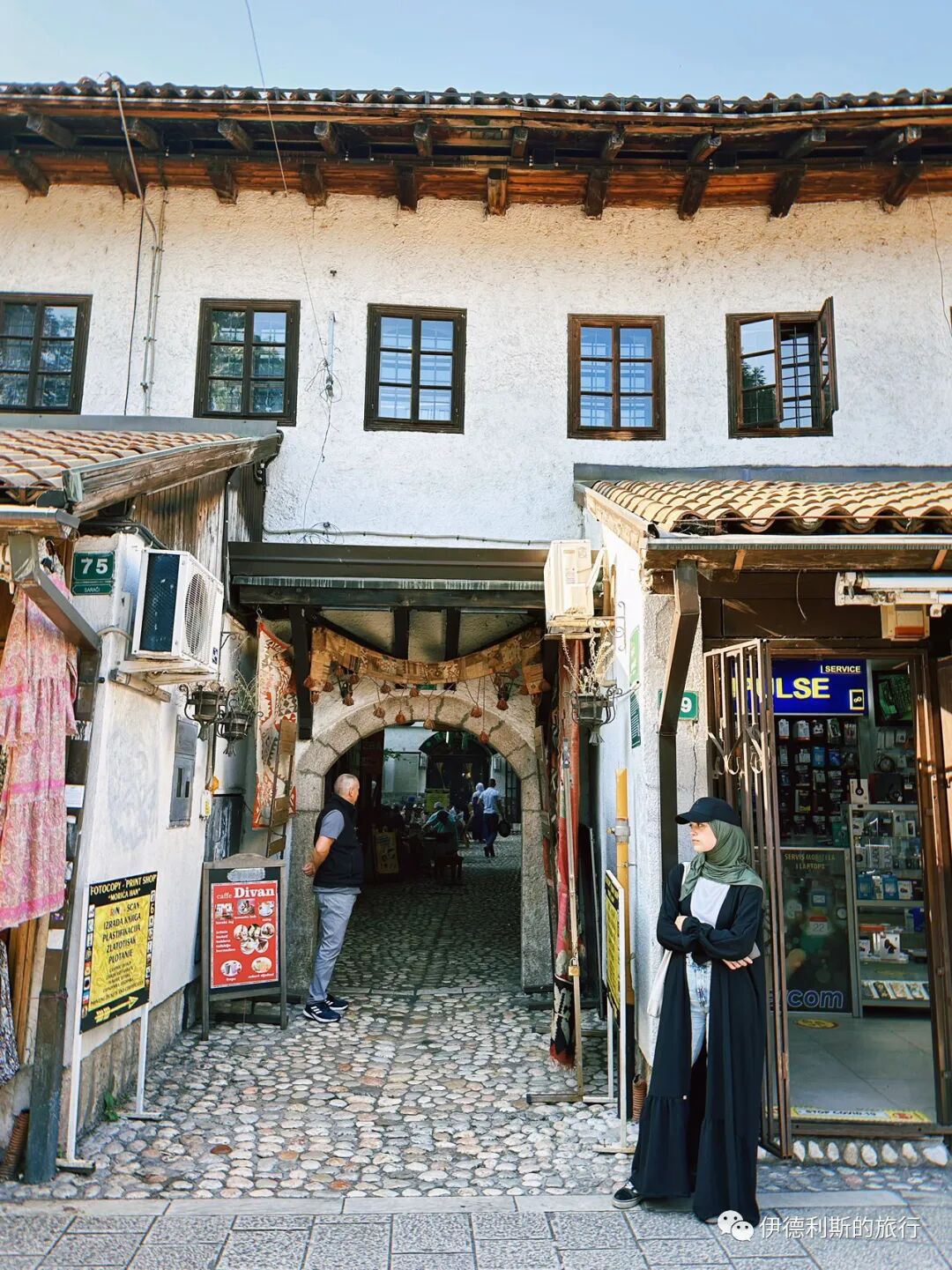
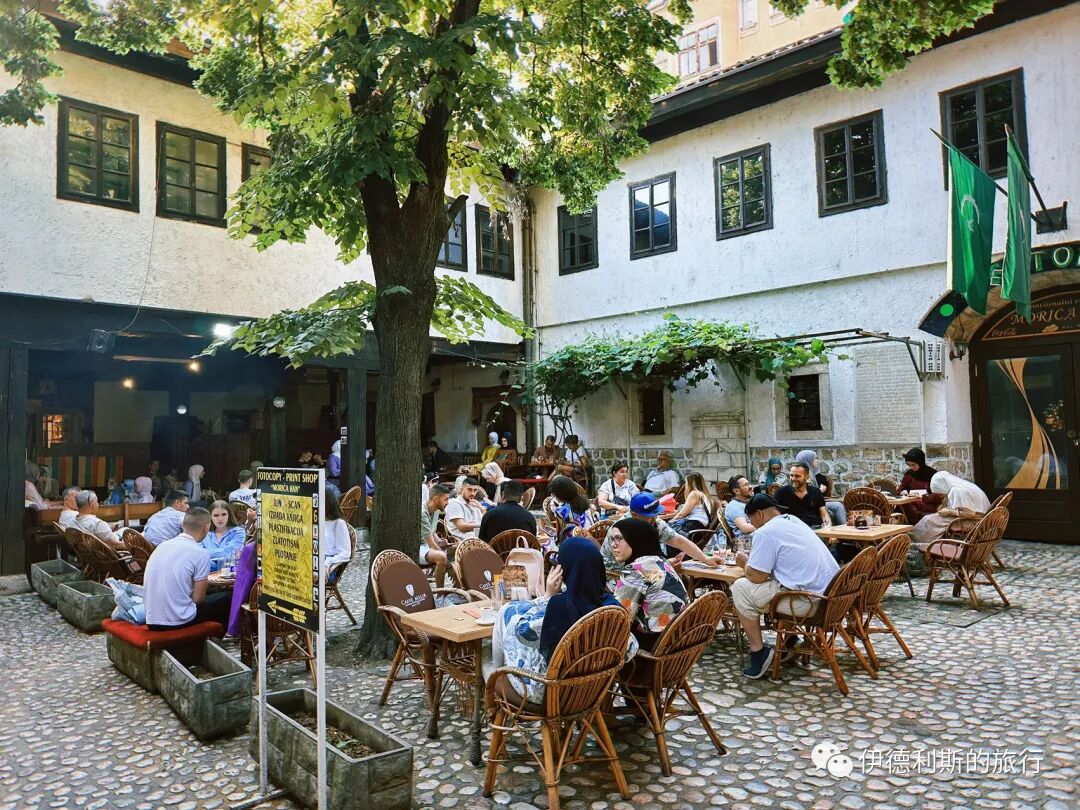
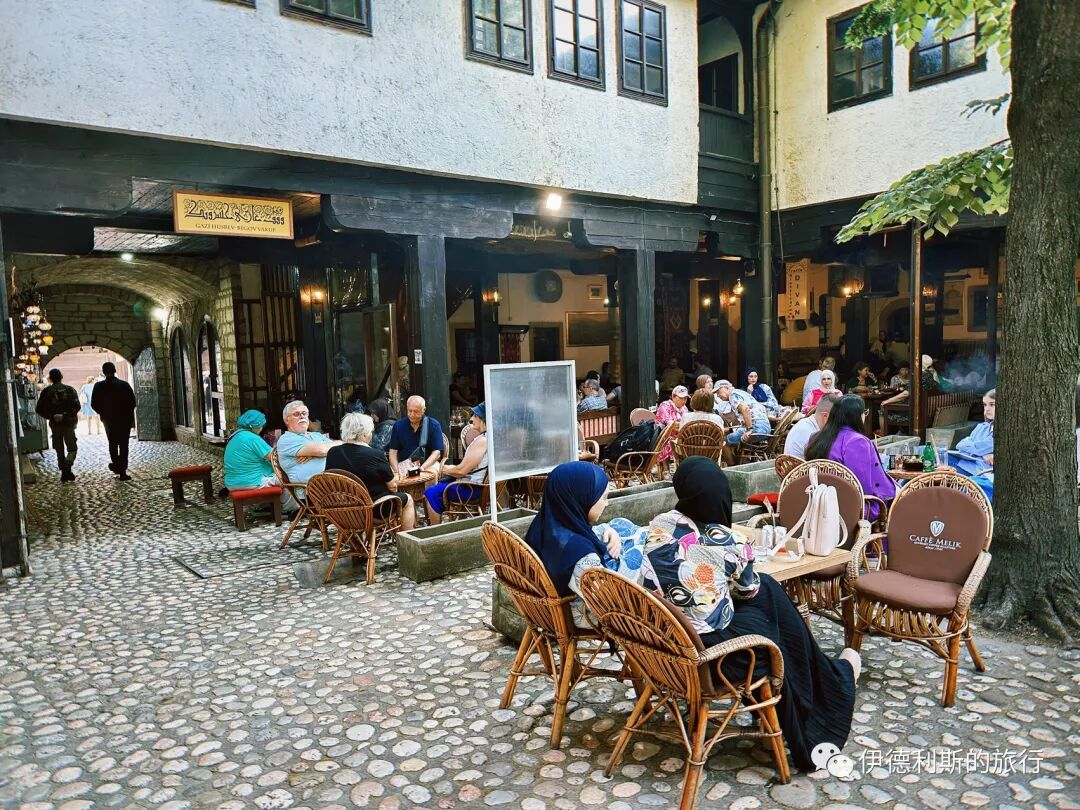
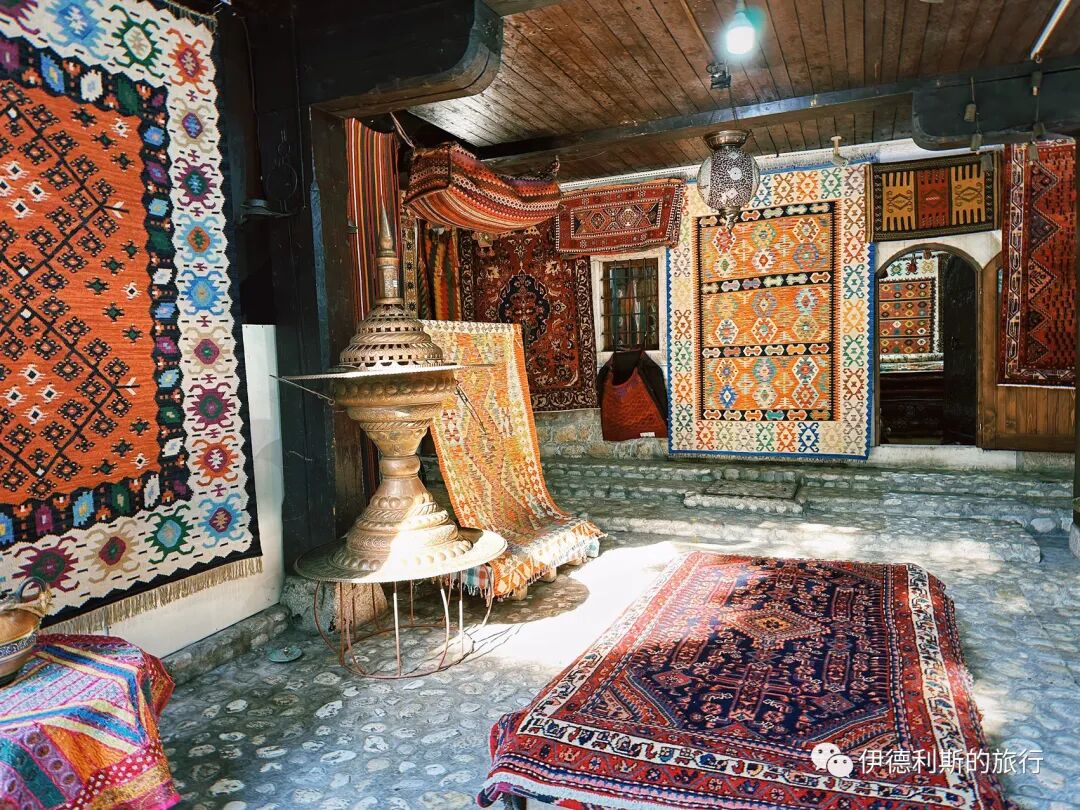
Located on the northeast side of the Gazi Husrev Bey mosque is the Morića Han caravanserai, first built in 1551. It was rebuilt into its current form after a fire in 1697 and is the only remaining Ottoman caravanserai in Sarajevo. Morića Han could hold 300 guests and 70 horses. In 1878, Sarajevo citizens gathered here to form a people's committee to protest the Austro-Hungarian occupation of Bosnia and Herzegovina. Today, it is still managed by the Ghazi Husrev-beg Foundation and houses a restaurant and a Persian carpet shop.
Bezistan covered market
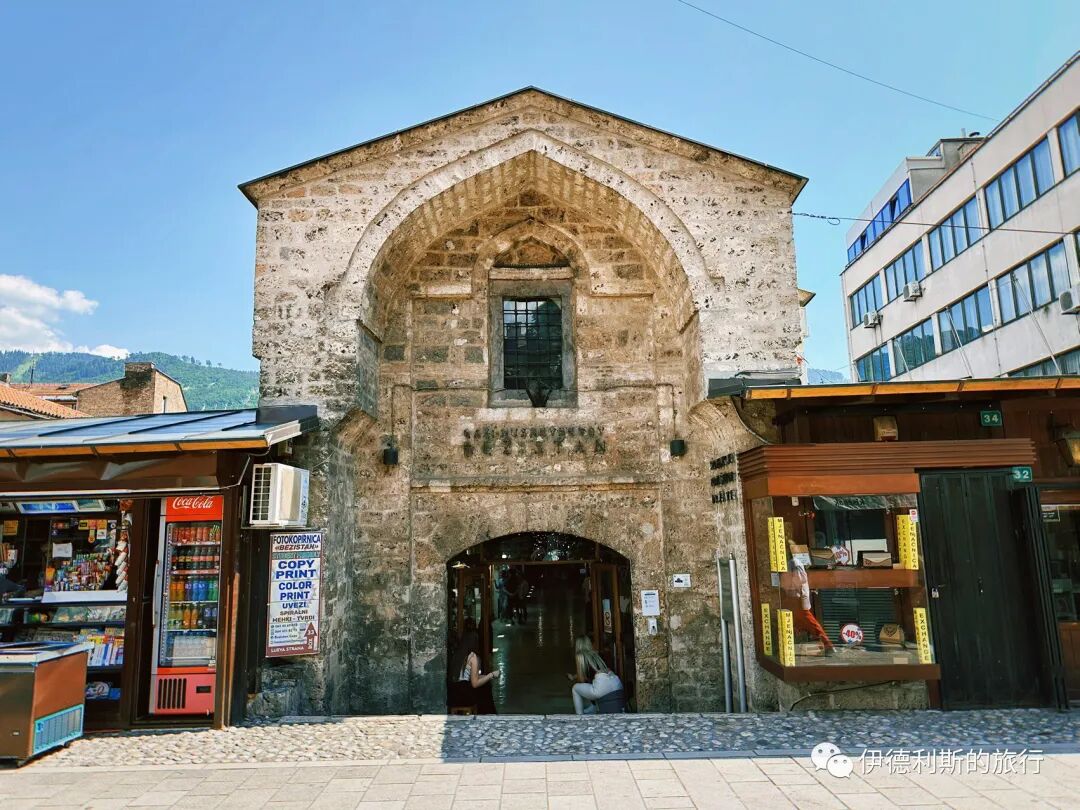
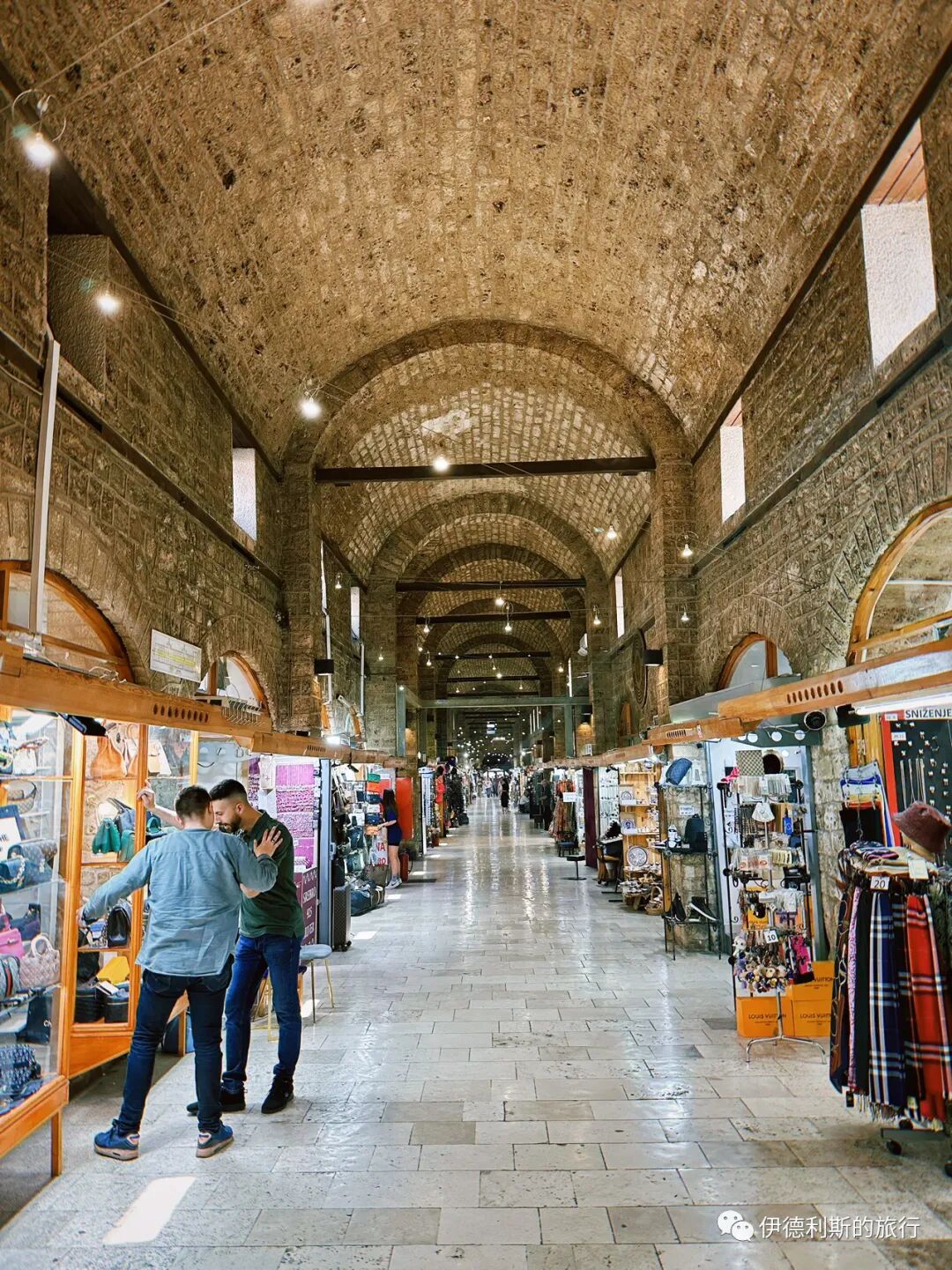
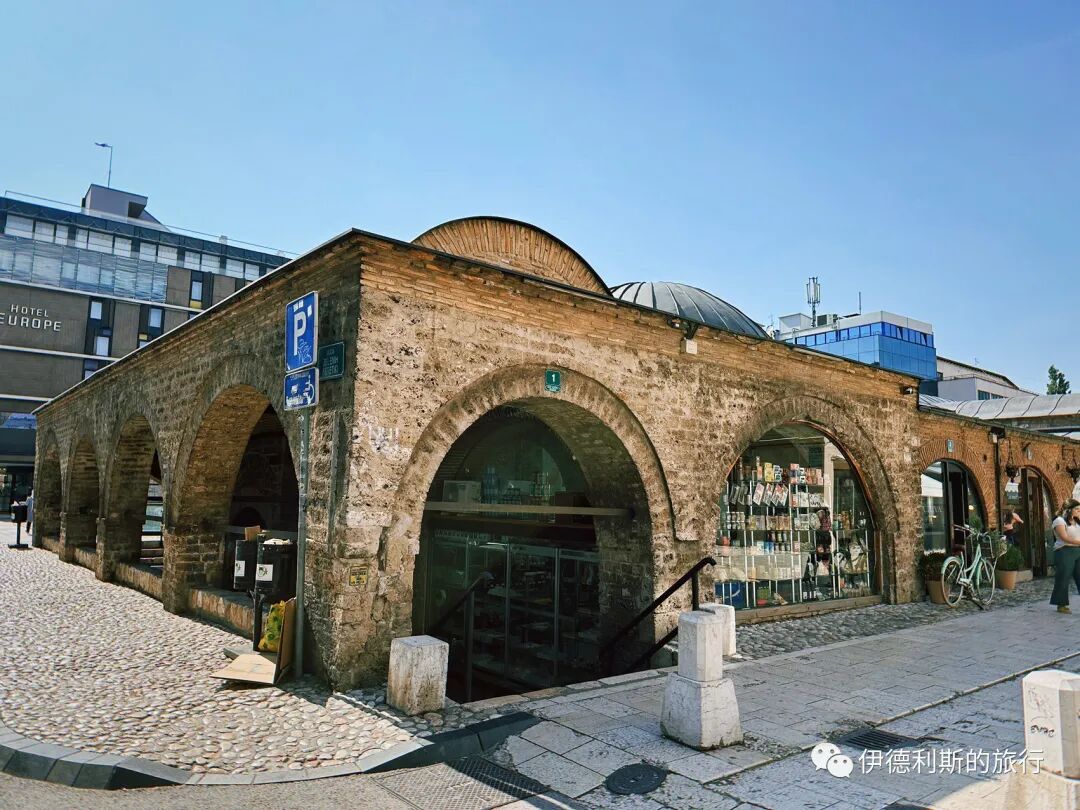
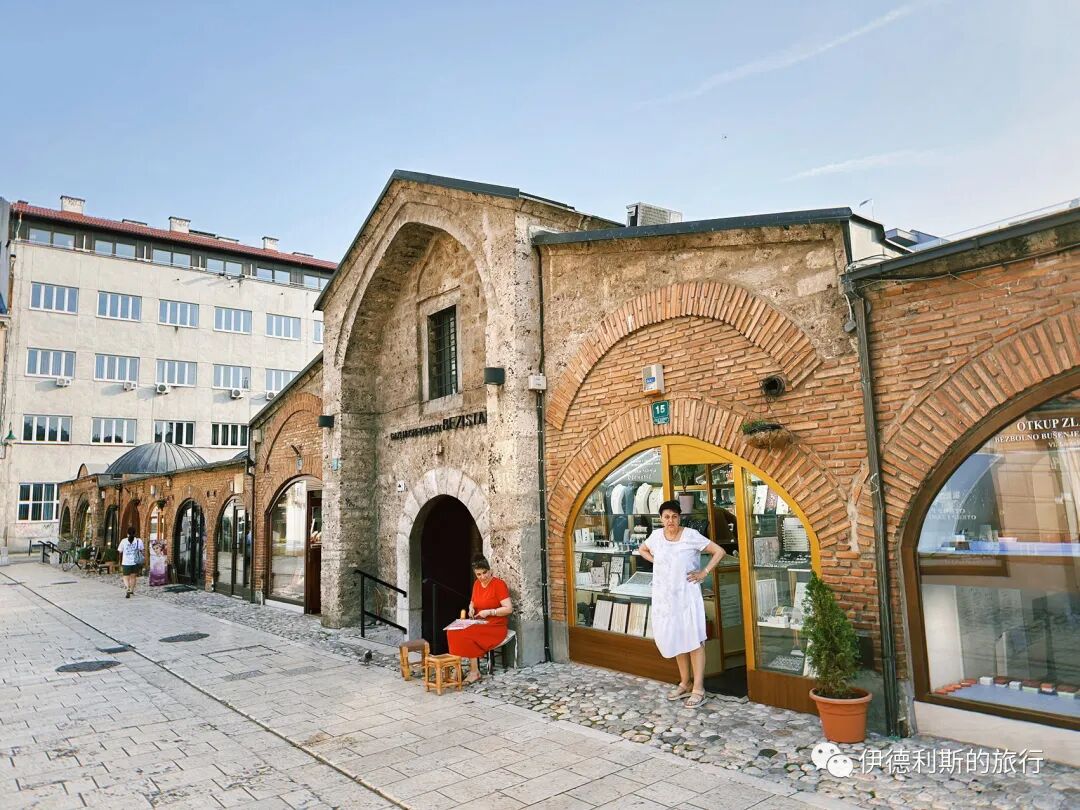
On the west side of the Gazi Husrev Bey mosque is the Bezistan covered market, built in 1555. It is one of the best-preserved Ottoman covered markets in Bosnia and Herzegovina. The floor of the Bezistan market is slightly lower than the surrounding streets, which keeps the interior cooler during the summer. It was originally a general goods market and still serves as a space for shops today.
Tašli Han caravanserai ruins
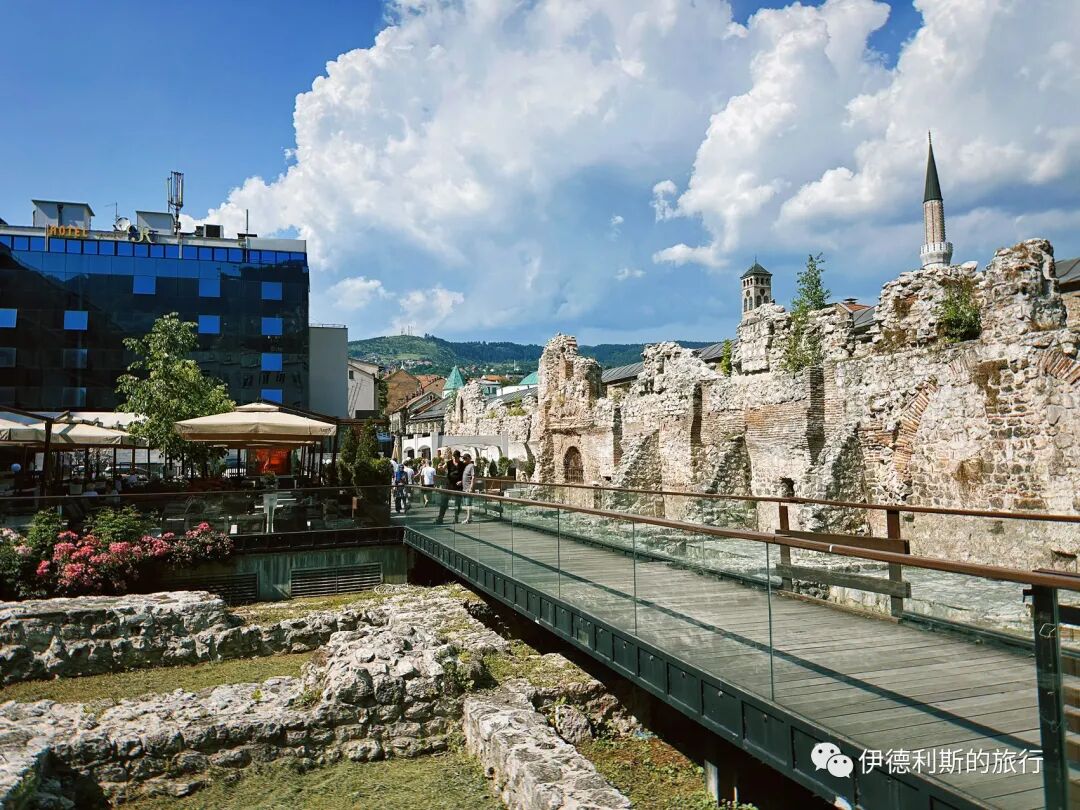
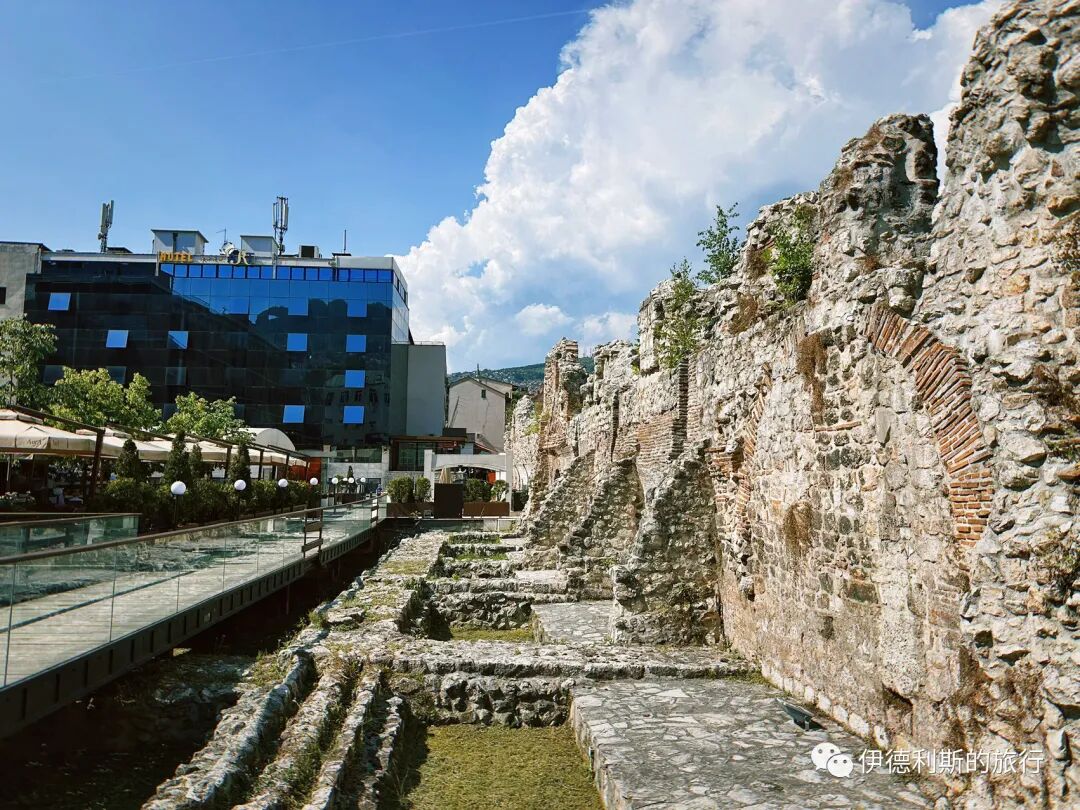
To the west of the Bezistan covered market are the ruins of the Tašli Han caravanserai, built between 1540 and 1543. The courtyard of the inn had a fountain and a small prayer room, and many merchants opened shops there. A fire in 1879 caused severe damage, and it completely collapsed by 1912. The site was rebuilt as a hotel in 1998, and archaeological excavations rediscovered the foundation and parts of the walls of the original inn.
Clock tower
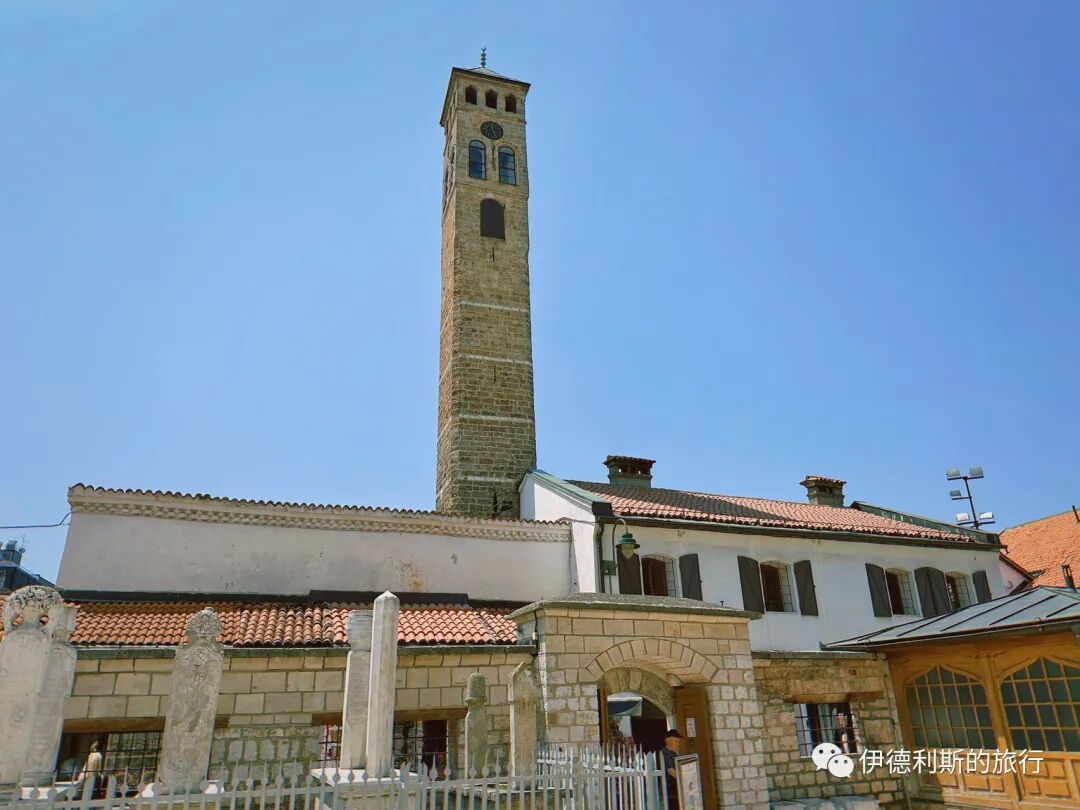
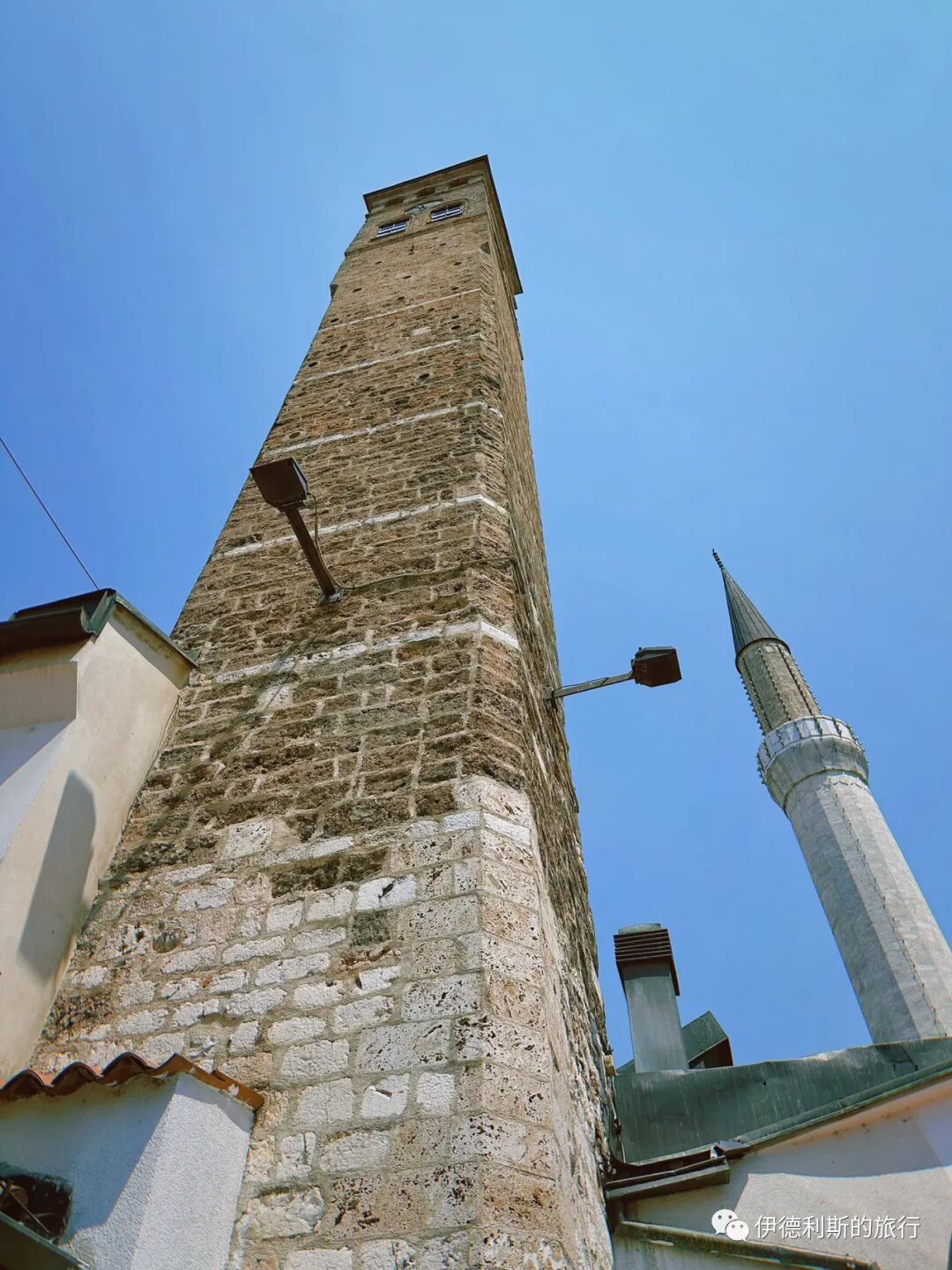
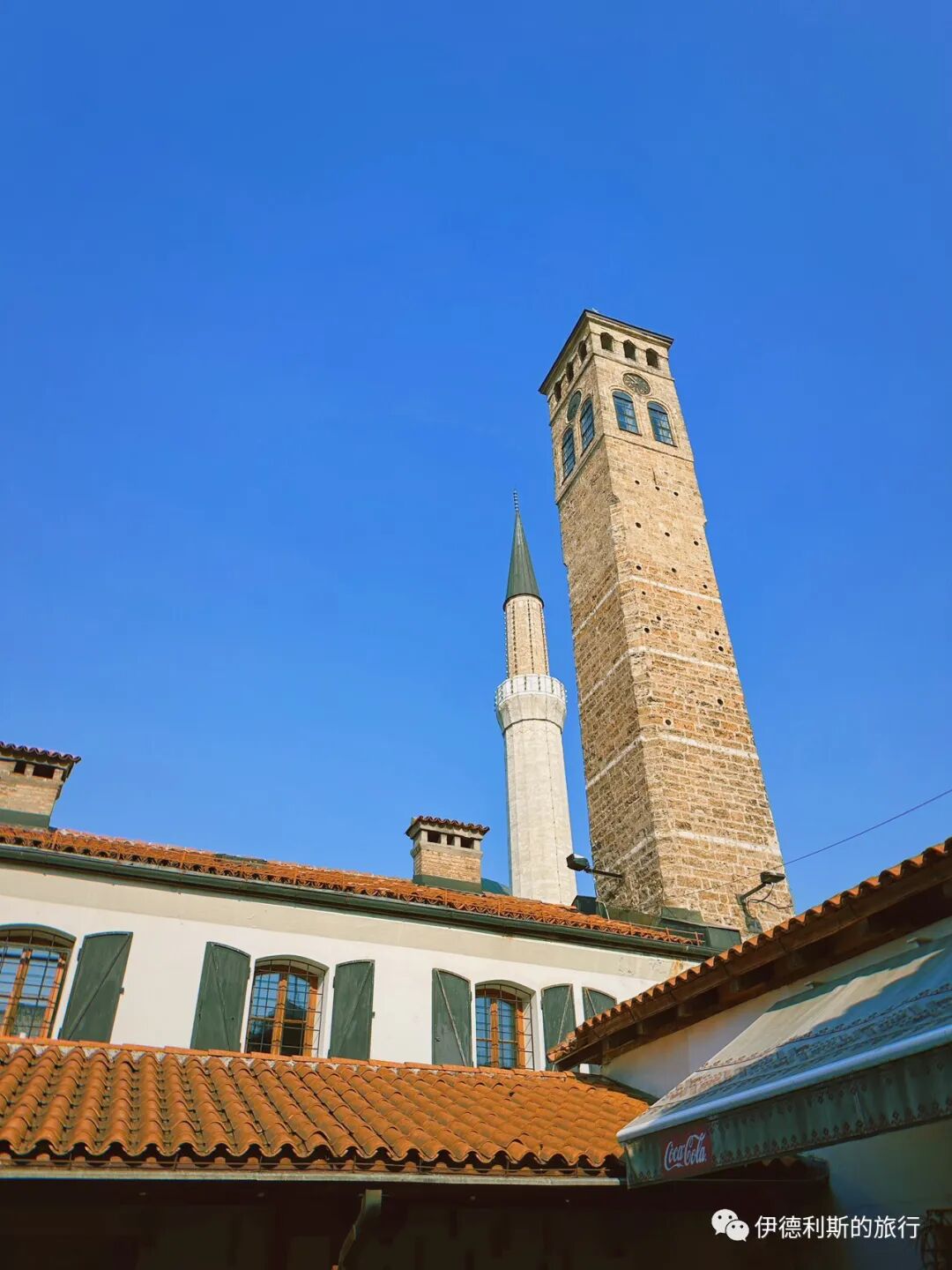
West of the Gazi Husrev Bey Mosque stands a clock tower built in the 16th century, though the current structure was rebuilt in the 18th century. This 30-meter-tall clock tower is the highest of the 21 clock towers built by the Ottoman Empire in Bosnia and Herzegovina. It follows the lunar calendar, setting 12 o'clock at sunset each day. A mosque official called a Muvekit, who tracks the lunar calendar and the five daily namaz prayers, is responsible for adjusting the clock. The current clock mechanism was made in 1875 by the London-based company Gillett & Johnston. The top of the tower was modified during installation to make sure the clock face was clearly visible.
Public Kitchen
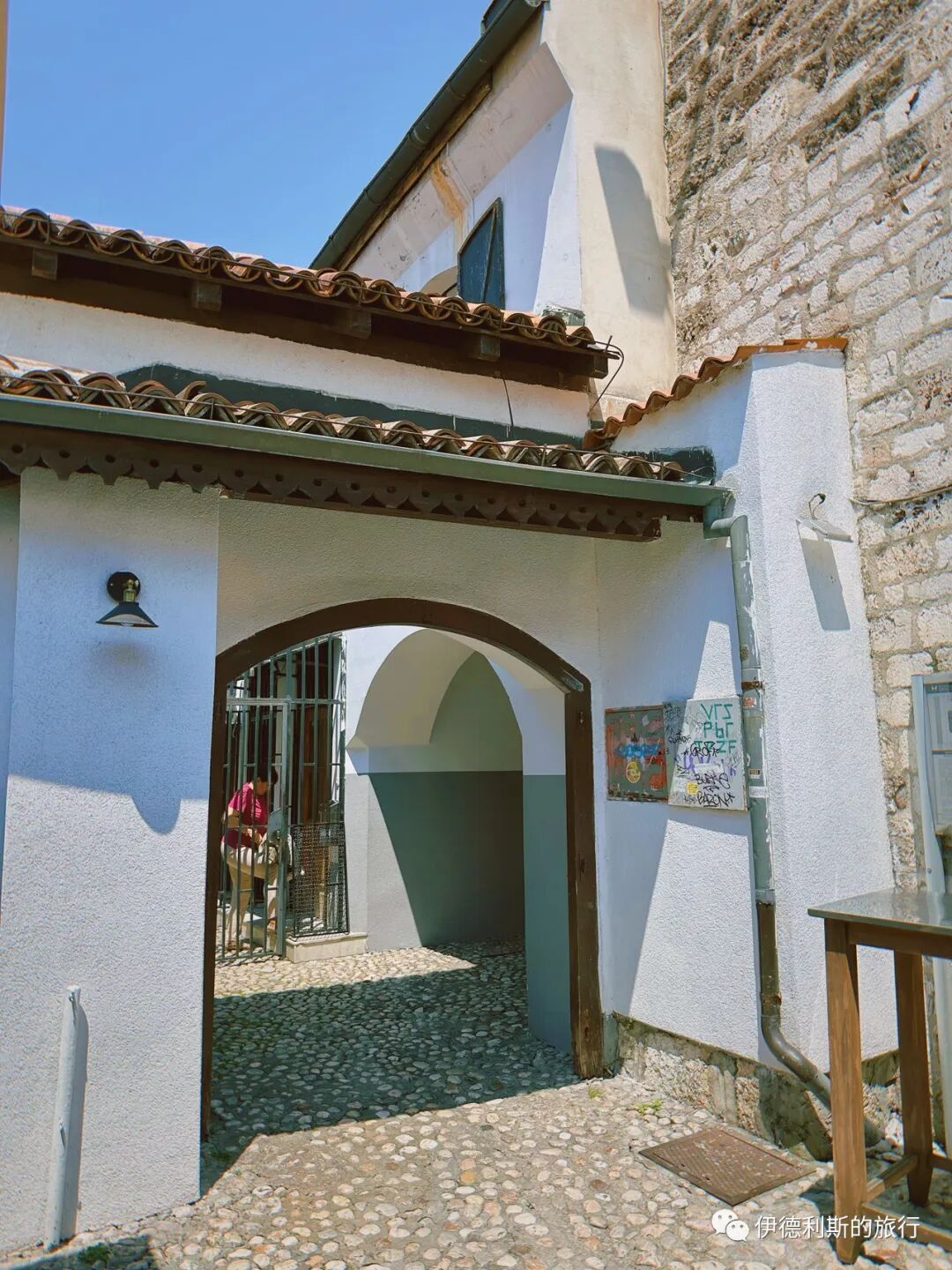
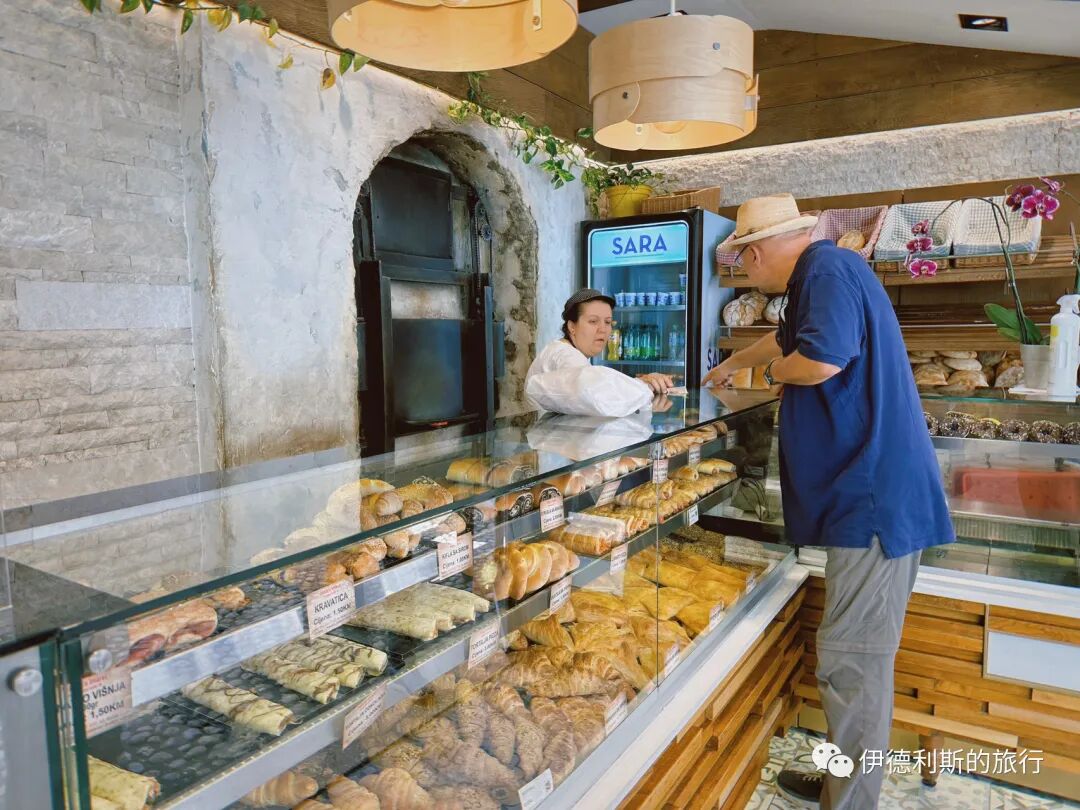
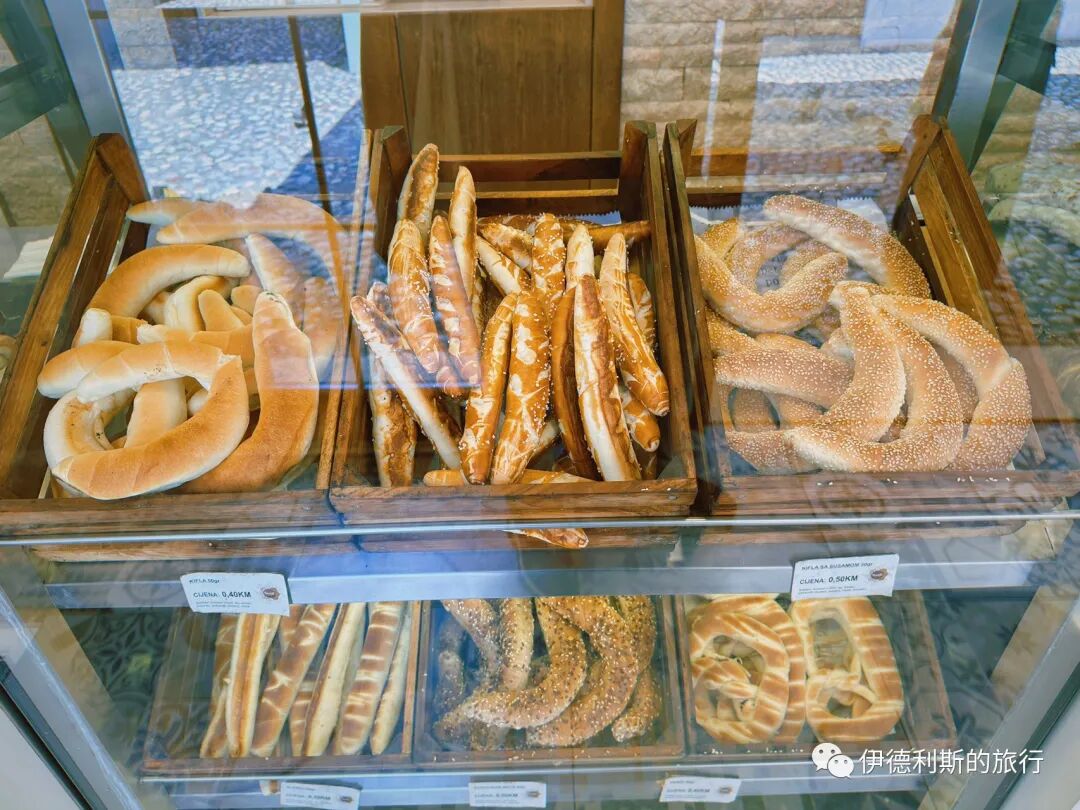
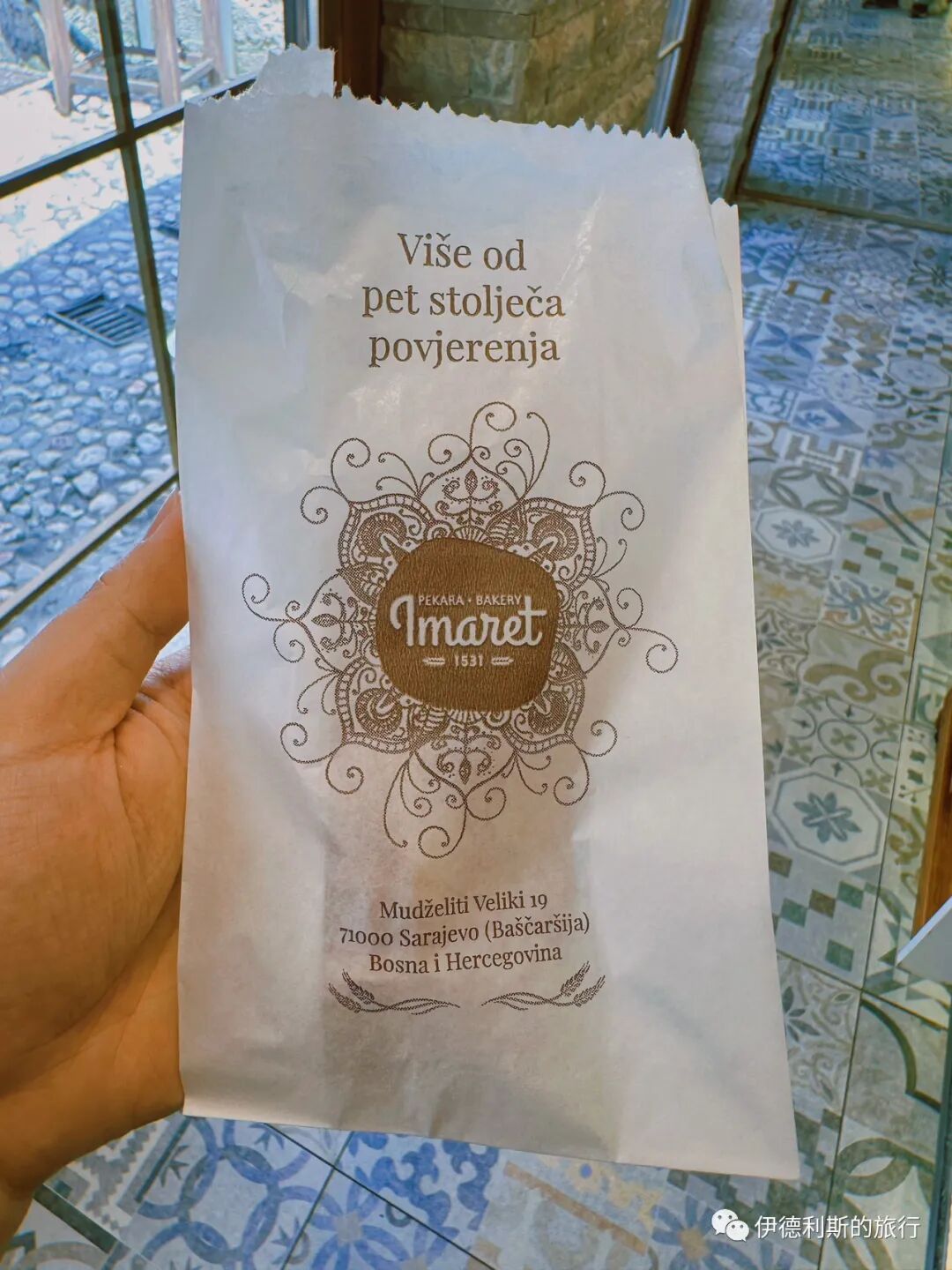
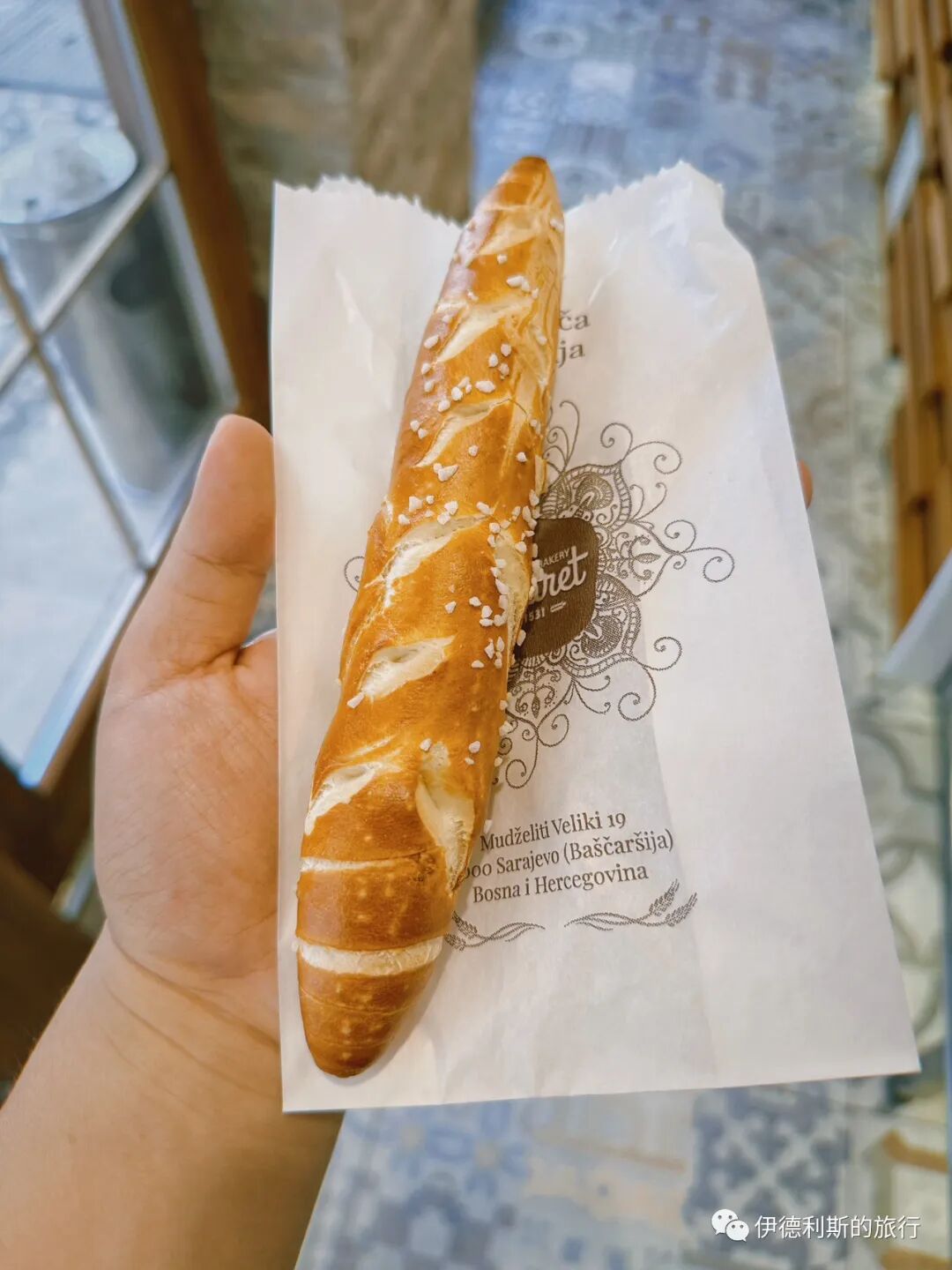
Beneath the clock tower is a public kitchen (imaret) established in 1531. It was originally run by a foundation (waqf) to distribute free food to the poor. Today, it is a very famous bakery, and the fresh bread baked on-site is very popular with the locals. Their signature item is the Kifla bread, which costs 2 yuan each. It comes in various flavors and has a rich wheat aroma. Kifla is a small bread popular in Central Europe and the Balkans with a history spanning hundreds of years. The French croissant actually evolved from the Kifla.
Muslihudin Čekrekčija Mosque
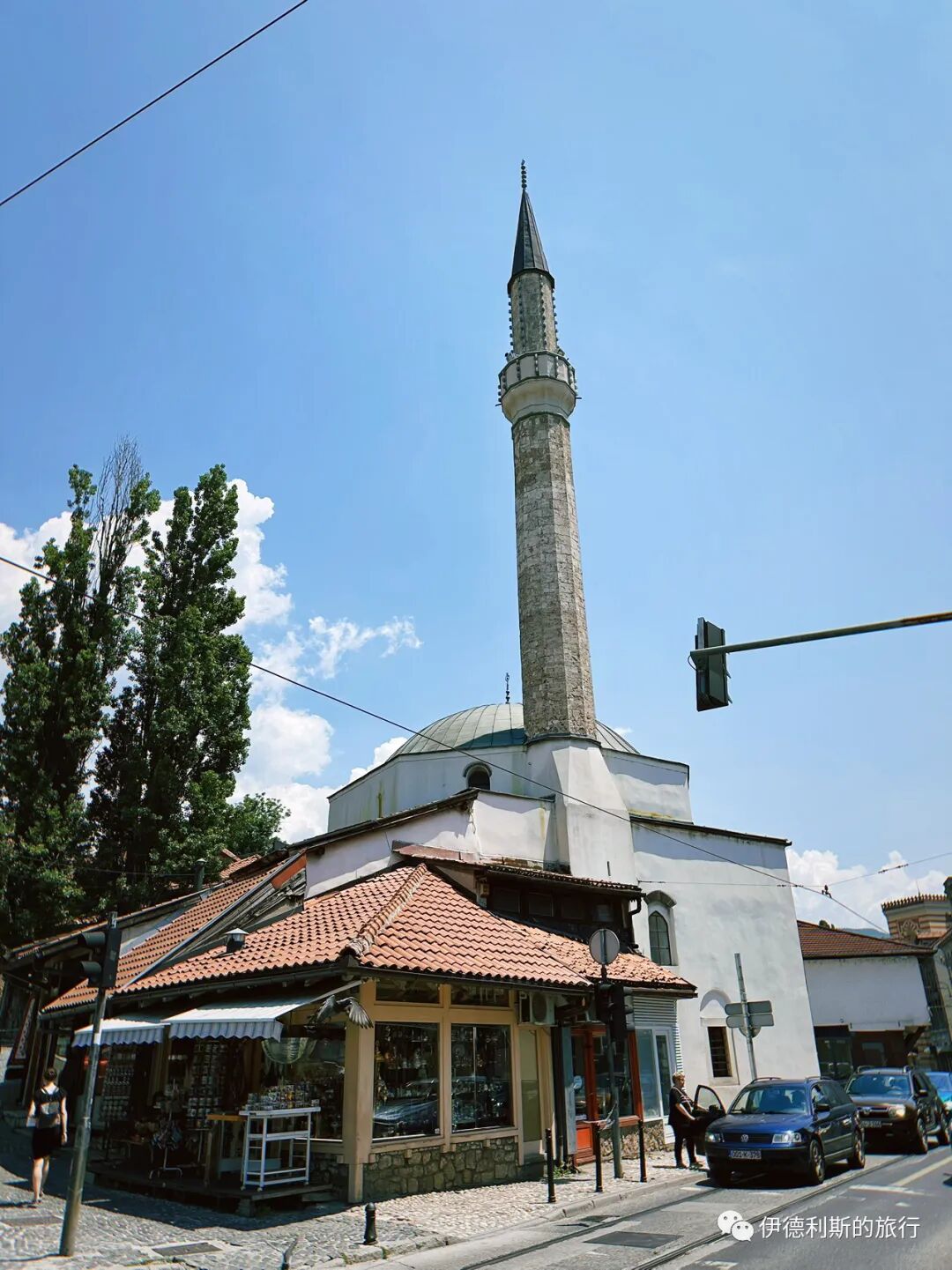
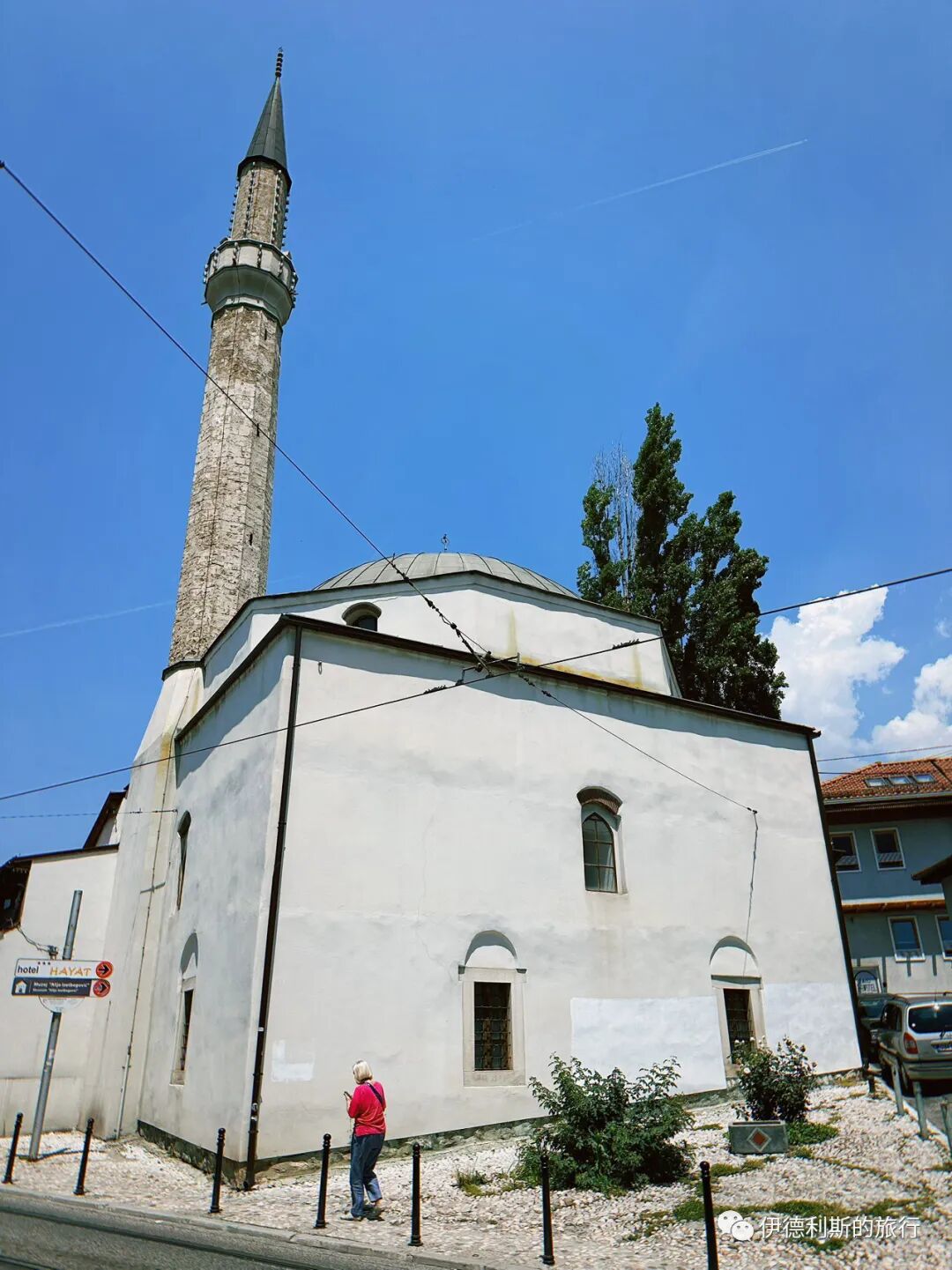
The Muslihudin Čekrekčija Mosque is located in the commercial center of Sarajevo's old town and was built by Hajji Mustafa in 1526. The mosque keeps its original 1526 endowment deed (vakufnama), which is the oldest contract document in the city of Sarajevo.
The mosque survived many major fires in Sarajevo and also survived the 1697 looting of the city by the Holy League after they defeated the Ottoman Empire. Traditional arabesque patterns are still preserved inside today.
Gazi Husrev Bey complex
Gazi Husrev Bey was the Ottoman governor (Sanjak-bey) of Bosnia from 1521 to 1541. During his rule, the Ottoman Empire continued to expand into Croatia and Hungary. He also funded many important buildings in Sarajevo and dedicated his wealth to supporting religious and educational institutions for the long term. The foundation (Wakof) established by Gazi Husrev Bey manages the mosque, public kitchen, hostel, Sufi lodge, madrasa, library, clock tower, mausoleum, inn, hospital, fountain, primary school, and many shops in the center of the Old Bazaar in Sarajevo, making it the most important building complex in the old city.
Mosque
When the adhan sounded, we rushed to the Gazi Husrev Bey Mosque, the most important Friday mosque in Bosnia and Herzegovina. It is the core landmark of the Old Bazaar in Sarajevo and has been the city's central mosque since it was built in 1530. Important scenes from the movie 'Walter Defends Sarajevo,' well-known to Chinese audiences, were filmed here. It was also the first mosque in the world to have electricity and electric lights in 1898.
The Gazi Husrev Bey Mosque was designed and built by the Ottoman court architect Adzem Esir Ali, who came from Tabriz, Persia. He built many structures in Istanbul during the early 16th century and was one of the founders of the early Istanbul architectural school. The main hall is 13 meters long and 13 meters wide, with a central dome 26 meters high, achieving a perfect one-to-two ratio. The front porch consists of five small domes supported by four marble columns.
The interior paintings of the mosque were damaged by fire and later repainted in 1886 by the Austro-Hungarian Empire in a Moorish Revival style. During the Siege of Sarajevo from 1992 to 1995, the Gazi Husrev Bey Mosque was hit by over 100 mortar shells, causing major damage, and was repaired after the ceasefire in 1996. During the restoration, the late 19th-century Austro-Hungarian paintings were removed, and new interior decorations were painted by Bosnian calligrapher Hazim Numanagić between 2001 and 2002.
The mosque's main gate is beautifully decorated with intricate marble and gilded carvings. The Arabic calligraphy on the door adds up to the number 938, which is the year the mosque was built according to the Islamic calendar (1530/31 AD).
The muezzin calls the adhan and responds to the imam from a platform called Müezzin Mahfili in Turkish or Dikka in Arabic, where people also recite the Quran during nights in Ramadan. Usually, only large mosques have a Dikka platform built across from the minbar pulpit. Before sound systems existed, not everyone could hear the imam leading the namaz, so the muezzin needed to stand on the platform to make sure everyone could hear.
The area inside the railing below the Dikka platform was once a place for high-ranking officials and royalty to pray, known as the Hünkâr Mahfili. In royal mosques, the Hünkâr Mahfili is usually an elevated platform, while in smaller ones, it is a railed area on the ground floor. Today, everyone can pray here, but the railing has been kept.
Fountain
In front of the main hall of the Gazi Husrev Bey Mosque is the Shadirvan fountain. This type of fountain used for drinking and performing wudu originated in Persia and later became a typical architectural element of the Ottoman Empire, usually placed in the center of courtyards in mosques, caravanserais, dervish lodges, and madrasas.
This Shadirvan fountain was first built in 1530, with water coming from the Crnilo spring 7 kilometers away through clay pipes connected to the city of Sarajevo. It was rebuilt in 1893, modeled after the fountain at the Great Mosque of Bursa in Turkey, and connected to a modern water supply system. The fountain was severely damaged during the war from 1992 to 1995 and was rebuilt to its original appearance in 1997. You can still see three water basins from the original fountain in the mosque courtyard today.
There is a drinking fountain for passersby along the wall in the northwest corner of the courtyard, a common sight in Ottoman cities.
Muwaqqithana
In the northwest corner of the mosque sits a small building from 1859 called the Muwaqqithana, where an astronomer known as a Muwaqqit used calculations to set the times for namaz and fasting. Early mosques mostly relied on a muezzin to watch shadow lengths and twilight to set prayer times. By the late 13th century, during the Mamluk dynasty in Egypt, specialized astronomers called Muwaqqit began to appear, and this practice gradually spread everywhere.
Mausoleum
Gazi Husrev Bey was born in 1480 to a Bosnian noble father and a mother who was the daughter of the Ottoman Sultan Bayezid II. He lost both parents when he was very young and grew up in the Ottoman court. He later earned many military honors and was appointed governor of Bosnia in 1521, becoming one of Sultan Suleiman the Magnificent's most trusted men.
In 1541, a noble uprising broke out in Montenegro. Gazi Husrev Bey fought several battles to maintain order in the region and was eventually killed in a small village. His body was returned to Sarajevo and buried next to the Gazi Husrev Bey Mosque. The mausoleum of Gazi Husrev Bey is a typical 16th-century octagonal Ottoman tomb, which underwent repairs in 1895 and 2002.
Next to the tomb of Gazi Husrev Bey is a smaller octagonal mausoleum where his deputy, the Ottoman general Murat-beg Tardić, is buried. Murat-beg was Croatian. He became an Ottoman prisoner of war when he was young, later served under Gazi Husrev Bey, and became his close partner due to his outstanding military achievements. Murat-beg led several conquests against Croatia. In 1537, he completely crushed the military defenses of the Kingdom of Croatia, playing a major role in the westward expansion of the Ottoman Empire. Murat-beg died in 1545 and was buried next to the tomb of Gazi Husrev Bey.
Kursumlija Madrasa
On the north side of the Gazi Husrev Bey Mosque is the Kursumlija Madrasa, built by Gazi Husrev Bey in 1537 and dedicated to his mother, the Ottoman princess Selçuka. The madrasa consists of a courtyard with 12 classrooms, each featuring a fireplace and a dome, with a fountain for wudu in the center of the courtyard. After 2013, this site became the Gazi Husrev-beg Museum, which showcases his life, the foundation complex he established, and his contributions to the urban development of Sarajevo.
A 19th-century water jug used specifically to hold the mixed drink sharbat for Mawlid celebrations.
An ancient Quran copied in 1784 by Muhamed Filibevi from Plovdiv, Bulgaria.
A burial shroud for the 16th-century tomb of the Prophet, gifted to Bosnia and Herzegovina by Ottoman Sultan Abdulaziz in 1867.
To the right of the madrasa is the Sufi lodge (khanqah), which is now a gallery, though it was closed when we visited.
Library
On the northwest side of the Gazi Husrev Bey Mosque is the Gazi Husrev Bey Library, founded in 1537 using the remaining funds from the construction of the madrasa. The library was originally part of the madrasa and did not have its own separate room until 1863. The library was forced to close after the Siege of Sarajevo began in 1992 and did not reopen until 2014. The new library was built with an 8.8 million dollar donation from Qatar. It houses over 100,000 manuscripts and books in Arabic, Turkish, Persian, Bosnian, and other languages, covering fields like Islam, literature, philosophy, history, medicine, and astronomy.
As the library with the richest collection of Islamic books in Bosnia and Herzegovina, the Gazi Husrev Bey Library has faced many trials over its nearly 500 years of operation, but the 1992-1995 Bosnian War was undoubtedly the most difficult. The aggressors made destroying the historical and cultural heritage of Bosnia and Herzegovina a key goal, especially targeting historical buildings that housed written records. Staff at the Gazi Husrev Bey Library risked their lives to successfully move tens of thousands of precious Islamic books to safety, making a huge contribution to saving Bosnian history and culture.
To preserve the books in the Gazi Husrev Bey Library, staff moved the book storage areas many times. In 1992, the library decided to move 21 packages containing the most precious manuscripts to the vault of the Privredna Bank. To avoid Serbian snipers on the streets, they packed the books in banana boxes, but they were then robbed by hungry civilians. Fortunately, the civilians let them go after discovering the boxes contained books instead of bananas. After many hardships, these books were finally saved until the end of the war.
The 63rd handwritten scripture by Hafiz Ibrahim Sehovic, completed in 1807. Hafiz Sehovic copied at least 66 Qurans in his lifetime, and the Gazi Husrev-beg Library holds four of them.
A handwritten scripture completed by Ahmad b. Muhammad al-Muhägir ad-Dagistani al-Makki in 1849.
A Quran selection (Juz') gifted by Ferhad-pasha Sokolovic in 1587 to a mosque in the city of Banja Luka in northwestern Bosnia and Herzegovina.
A Quran selection (Juz') gifted by Mehmed-pasha Sokolovic in 1570 to a mosque in his birthplace in eastern Bosnia.
A handwritten scripture created by Abdullah b. Muhammad al-Hafiz as-Sirazi in 1572-73.
The Rose Garden (Gulistān) is a prose work written by the great Persian poet Saadi in 1258. This manuscript was annotated by the great 16th-century Bosnian classical literature critic Ahmed Sudi Bosnjak and copied by Ahmad b. al-hagg Husayn al-Mostari in 1765. Ahmed Sudi was born in eastern Bosnia and later lived in Istanbul for a long time. He was an expert in Persian literature and wrote a series of commentaries on Persian literary classics in Ottoman Turkish. These had a huge influence in the Ottoman Empire and were widely used by later Persian scholars and Western orientalists.
19th-century Arabic calligraphy art from Bosnia and Herzegovina, with the second and third pieces collected from an old traditional wooden mosque in Bužim, northwestern Bosnia and Herzegovina.
A chandelier used in a mosque in the early 20th century.
Artifacts collected in the Gazi Husrev Bey Library.
Candlesticks formerly used in mosques and Sufi lodges (tekke) in Bosnia and Herzegovina.
A stone tablet from 1613 above the gate of the Haji Osman Mosque in the southeastern Bosnian city of Foča; this mosque was demolished in 1964.
This textbook on Hanafi jurisprudence was written in the 16th century and used for a long time in Ottoman madrasas. This specific copy dates back to the 17th century.
This Arabic-Turkish dictionary was compiled in the 16th century and contains 40,000 words. It was very popular in Bosnian madrasas, and this copy was made in 1631.
A work on Islamic law copied in Foča in the second half of the 16th century.
A manuscript of the Quran from 1474.
A cannon used in the 19th century during Ramadan to signal the start and end of the daily fast.
A Turkish-language stone inscription carved in Naskh script during the 1763-4 renovation of the Hasan Pehlivan mosque in Sarajevo.
A Turkish-language stone inscription carved in Naskh script during the 1780-1 renovation of the Haji-Omer fountain in front of the Emperor's Mosque in Sarajevo.
A Turkish-language stone inscription carved in Naskh script during the 1553-4 renovation of the Mustafa Pasha mosque in the southeastern Bosnian city of Foča. This mosque was demolished in 1947.
An Arabic tombstone from the grave of Turhan Emin bey, who served as the Ottoman governor (sanjak-bey) of Herzegovina. His grave is in Ustikolina in southeastern Bosnia and Herzegovina, the site of what was once the oldest mosque in the country. The turban carving at the top of the tombstone is a classic feature of Ottoman-era grave markers.
A Turkish-language commemorative stone inscription from 1857-8 on the Fadil Pasha madrasa, located on the east side of the Emperor's Mosque in Sarajevo. The author, Fadil Pasha, was a calligrapher himself.
A Turkish-language stone inscription carved on the gate during the 1766-7 renovation of the Havadza Kemaludin mosque in Sarajevo. It was written by the famous Sarajevo poet and calligrapher Sheikh Muhammad Effendi. This mosque was built in 1515 and was demolished by order of the Kingdom of Yugoslavia in 1940.
The top piece is a Turkish-language stone inscription from 1885-6, carved during the renovation of the Gazi Iskender Pasha fountain in Sarajevo using Taliq Persian hanging script. The bottom piece is a Turkish-language stone inscription from 1780-1, carved during the renovation of a fountain in the courtyard of a Sufi lodge (tekke) in the Skenderija area of Sarajevo. It also uses Taliq Persian hanging script and was written by the local mufti, Sakir.
This stone monument, carved in 1740-1 to mark the passing of Sulejman-effendi Hadzimusic, records his contributions to the defense of Bosnia in 1737. It is an important historical record regarding the formation of the Bosniak nation. This stone was embedded in the wall of the mosque until the Kingdom of Yugoslavia demolished the mosque in 1940.
Bathhouse
The bathhouse (hamam) of Gazi Husrev Bey was built in 1537 and is located 300 meters northwest of the mosque. The southern part of the bathhouse has two symmetrical domed buildings, which served as the main halls for the men's and women's bathing areas. You can enter individual small rooms, each with its own dome, through the corridor and cloakroom on the north side. The bathhouse suffered fires twice, once during the Habsburg invasion in 1697 and again during the Austro-Hungarian invasion in 1879. It was rebuilt after these events, and what you see today is mostly how it looked after the 1891 renovation.
After being renovated in 2000, it became part of the Bosniak Institute. It frequently hosts cultural events like book launches, concerts, literary nights, and exhibitions.
The collection of the Adil Zulfikarpasic Foundation at the Bosniak Institute features exquisite wooden furniture crafted by Bosnian artisans between the 19th and early 20th centuries.
The art exhibition at the Bosniak Institute focuses on scenes of Sarajevo and Bosnia painted by 20th-century Bosnian artists.
A painting of a Bosnian street by Đoko Mazalić from 1920. He graduated from the Royal Hungarian Academy of Fine Arts in 1914 and helped establish the National Gallery of Bosnia and Herzegovina. He was skilled at depicting Bosnian life and achieved great success in the Sarajevo cultural scene during the 1930s and 1940s.
A painting of Bosnian life by Rizah Štetić from 1952. He graduated from the Royal Academy of Arts and Crafts in Zagreb, Croatia, in 1932. He became the principal of the Sarajevo State School of Crafts in 1946 and later served as a painting professor at the National Academy of Fine Arts.
A painting of the Sarajevo Grand Bazaar by Kulenović Hakija. He graduated from the Belgrade Academy of Arts in 1928 and held an art exhibition in Sarajevo in 1932.
The Sarajevo bazaar painted by Rizah Štetić in 1956.
A work by the famous Bosnian artist Mersad Berber, who drew inspiration from the mysterious world of Bosnia, the layers of the Ottoman Empire, and the tragic fate of its people.
Morića Han caravanserai
Located on the northeast side of the Gazi Husrev Bey mosque is the Morića Han caravanserai, first built in 1551. It was rebuilt into its current form after a fire in 1697 and is the only remaining Ottoman caravanserai in Sarajevo. Morića Han could hold 300 guests and 70 horses. In 1878, Sarajevo citizens gathered here to form a people's committee to protest the Austro-Hungarian occupation of Bosnia and Herzegovina. Today, it is still managed by the Ghazi Husrev-beg Foundation and houses a restaurant and a Persian carpet shop.
Bezistan covered market
On the west side of the Gazi Husrev Bey mosque is the Bezistan covered market, built in 1555. It is one of the best-preserved Ottoman covered markets in Bosnia and Herzegovina. The floor of the Bezistan market is slightly lower than the surrounding streets, which keeps the interior cooler during the summer. It was originally a general goods market and still serves as a space for shops today.
Tašli Han caravanserai ruins
To the west of the Bezistan covered market are the ruins of the Tašli Han caravanserai, built between 1540 and 1543. The courtyard of the inn had a fountain and a small prayer room, and many merchants opened shops there. A fire in 1879 caused severe damage, and it completely collapsed by 1912. The site was rebuilt as a hotel in 1998, and archaeological excavations rediscovered the foundation and parts of the walls of the original inn.
Clock tower
West of the Gazi Husrev Bey Mosque stands a clock tower built in the 16th century, though the current structure was rebuilt in the 18th century. This 30-meter-tall clock tower is the highest of the 21 clock towers built by the Ottoman Empire in Bosnia and Herzegovina. It follows the lunar calendar, setting 12 o'clock at sunset each day. A mosque official called a Muvekit, who tracks the lunar calendar and the five daily namaz prayers, is responsible for adjusting the clock. The current clock mechanism was made in 1875 by the London-based company Gillett & Johnston. The top of the tower was modified during installation to make sure the clock face was clearly visible.
Public Kitchen
Beneath the clock tower is a public kitchen (imaret) established in 1531. It was originally run by a foundation (waqf) to distribute free food to the poor. Today, it is a very famous bakery, and the fresh bread baked on-site is very popular with the locals. Their signature item is the Kifla bread, which costs 2 yuan each. It comes in various flavors and has a rich wheat aroma. Kifla is a small bread popular in Central Europe and the Balkans with a history spanning hundreds of years. The French croissant actually evolved from the Kifla.
Muslihudin Čekrekčija Mosque
The Muslihudin Čekrekčija Mosque is located in the commercial center of Sarajevo's old town and was built by Hajji Mustafa in 1526. The mosque keeps its original 1526 endowment deed (vakufnama), which is the oldest contract document in the city of Sarajevo.
The mosque survived many major fires in Sarajevo and also survived the 1697 looting of the city by the Holy League after they defeated the Ottoman Empire. Traditional arabesque patterns are still preserved inside today.
