
Halal Travel Guide: Istanbul — Mosques, Ottoman Heritage and Muslim Travel (Part 1)
Reposted from the web
Summary: Istanbul is shaped by Ottoman mosques, layered Muslim history, and everyday street life across both sides of the city. This first part begins the return visit through the citys religious sites, streets, food, and historical details while keeping the original photos.
In 2018, I visited Istanbul for the first time. I toured nearly 100 historical buildings, including dozens of works by the great Ottoman architect Mimar Sinan, and gained a great deal. In the summer of 2023, I visited Istanbul for the second time. My itinerary was quite relaxed, mainly to see some places I didn't have time to visit last time.
Lunch in Kadıköy.
The plane landed at the Asian side airport in Istanbul. We took the subway for about 50 minutes to reach the terminal station, Kadıköy, where we chose to stay for this trip. Kadıköy has a very long history. In 667 BC, the Greeks established the first settlement on the Bosphorus here, a few years earlier than Byzantium on the opposite shore. In 1353, it came under the rule of the Ottoman dynasty, a full 100 years before the Ottoman conquest of Constantinople in 1453. Under Ottoman rule, this was a transportation hub for crossing the Bosphorus, so it gradually developed into a bustling town.
Today, it is a leisure spot where young people gather. There are several commercial pedestrian streets filled with cafes, restaurants, shops, craft stores, and bookstores. Although it lacks a vibrant nightlife and dense tourist attractions, life here is more comfortable and laid-back.
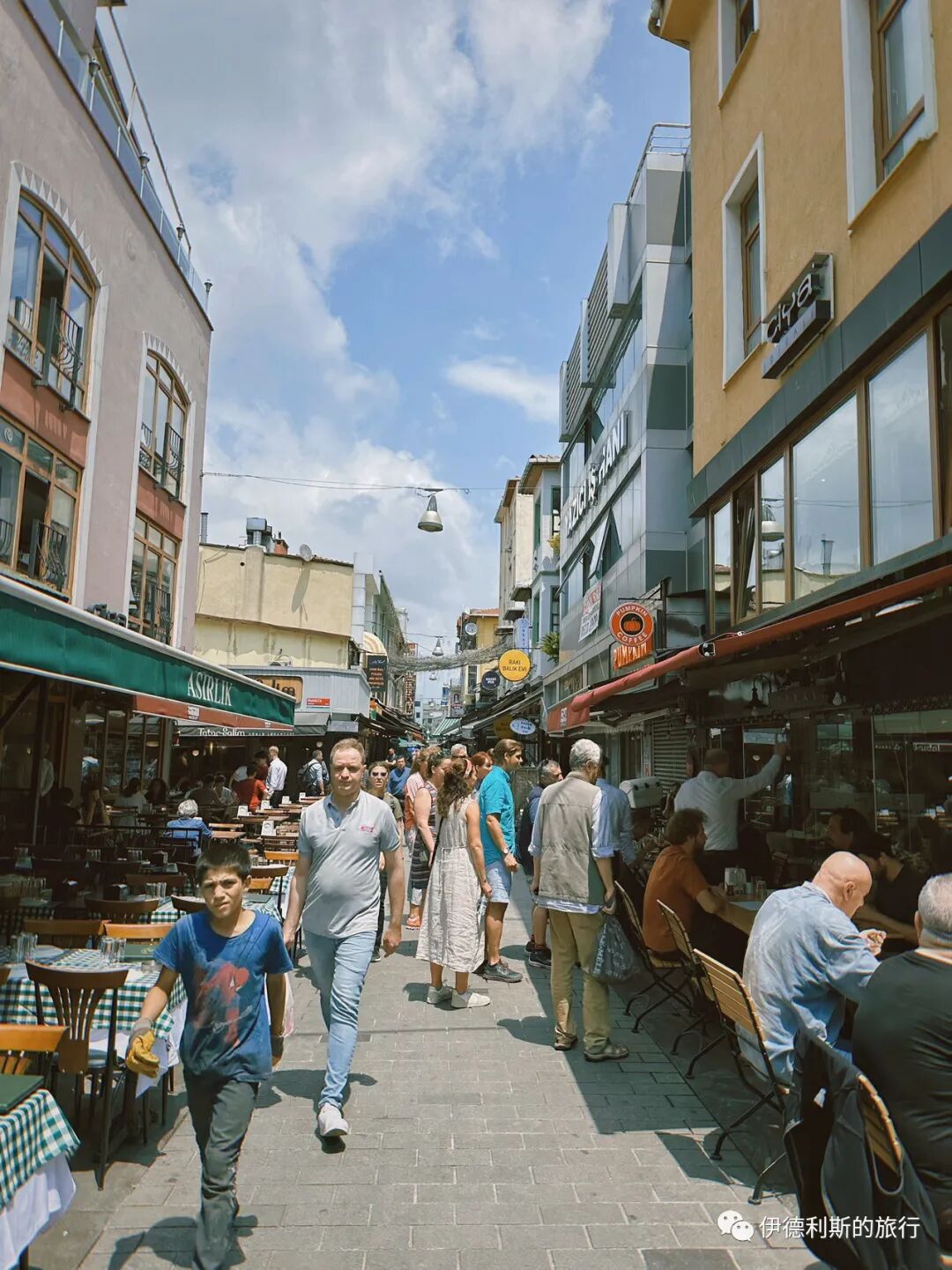
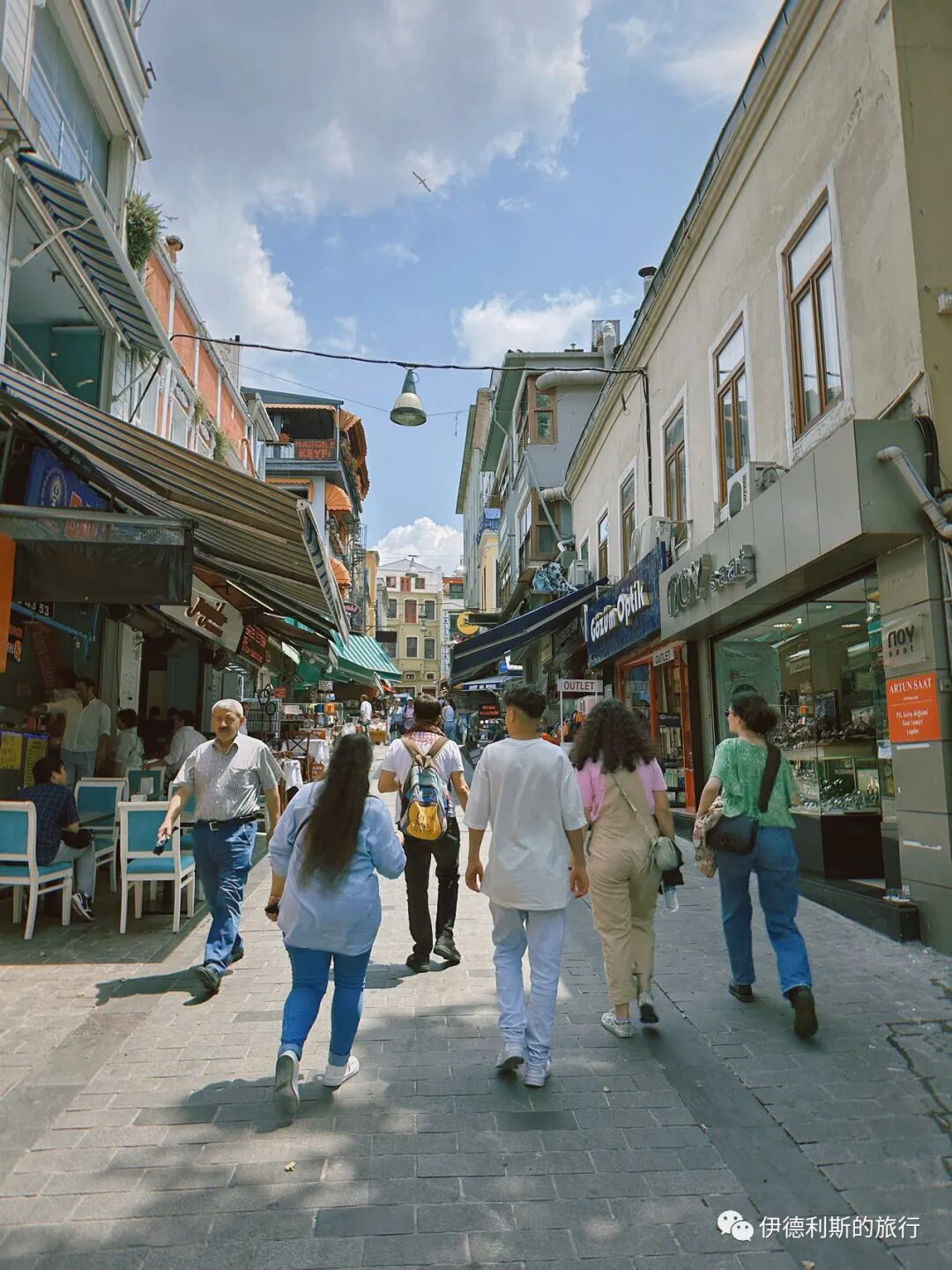
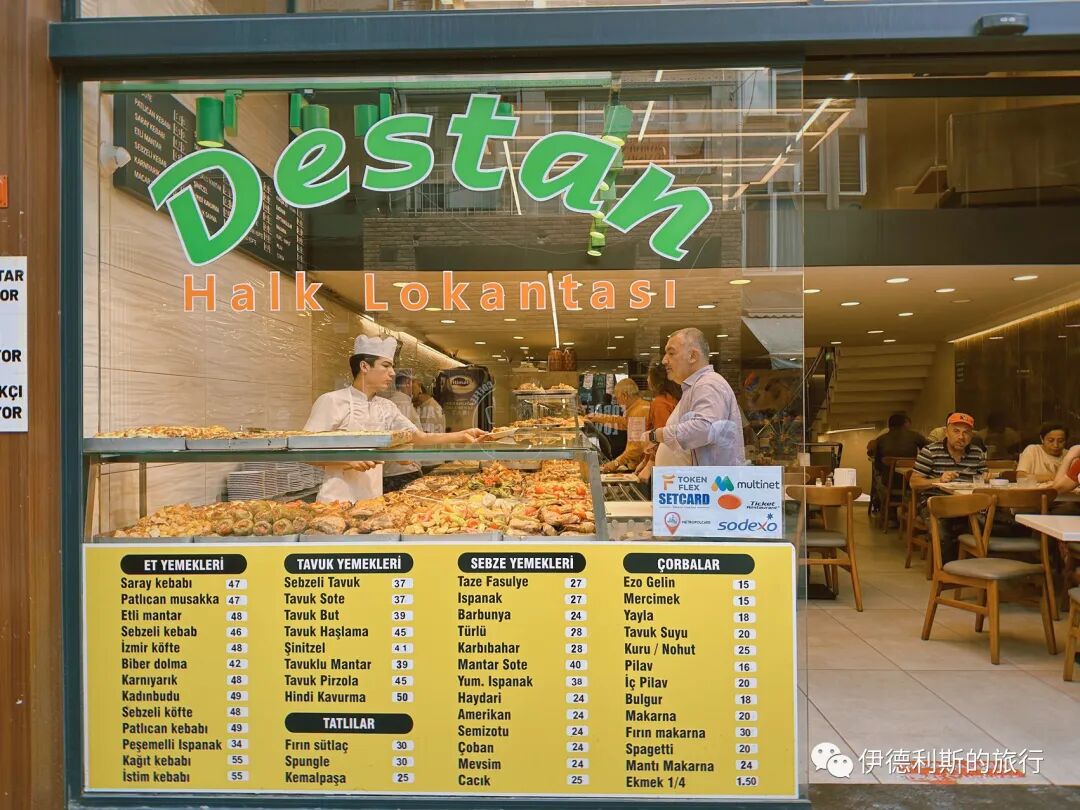
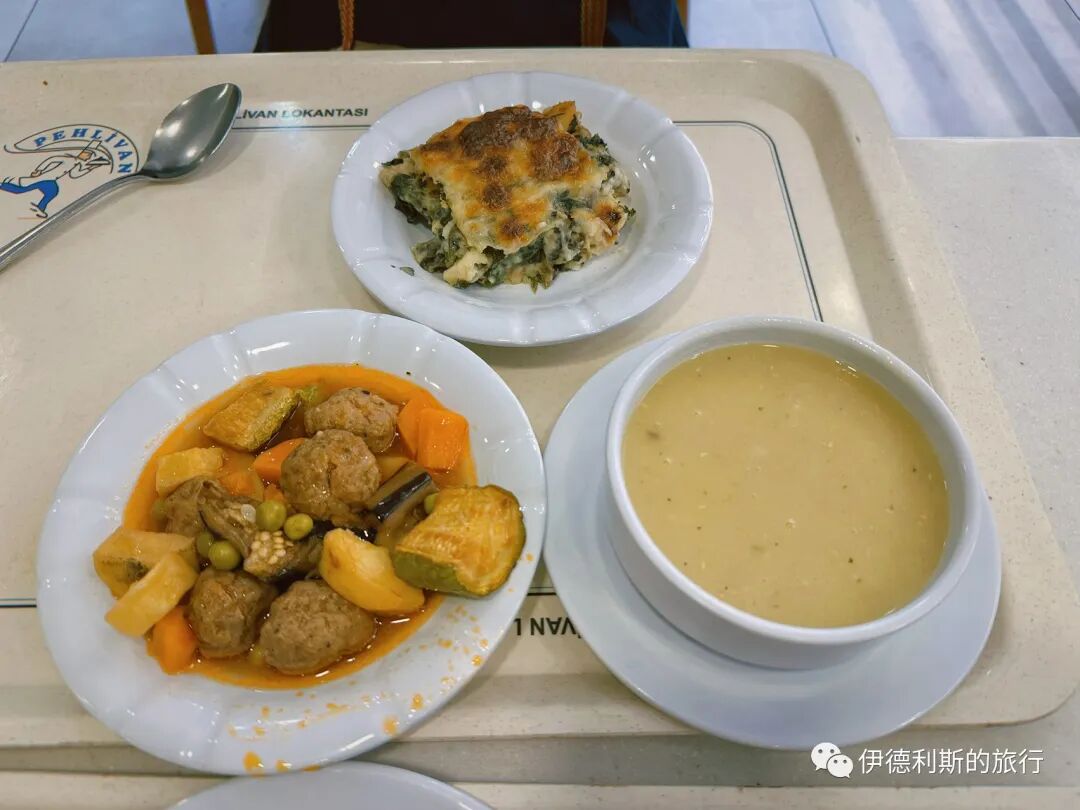
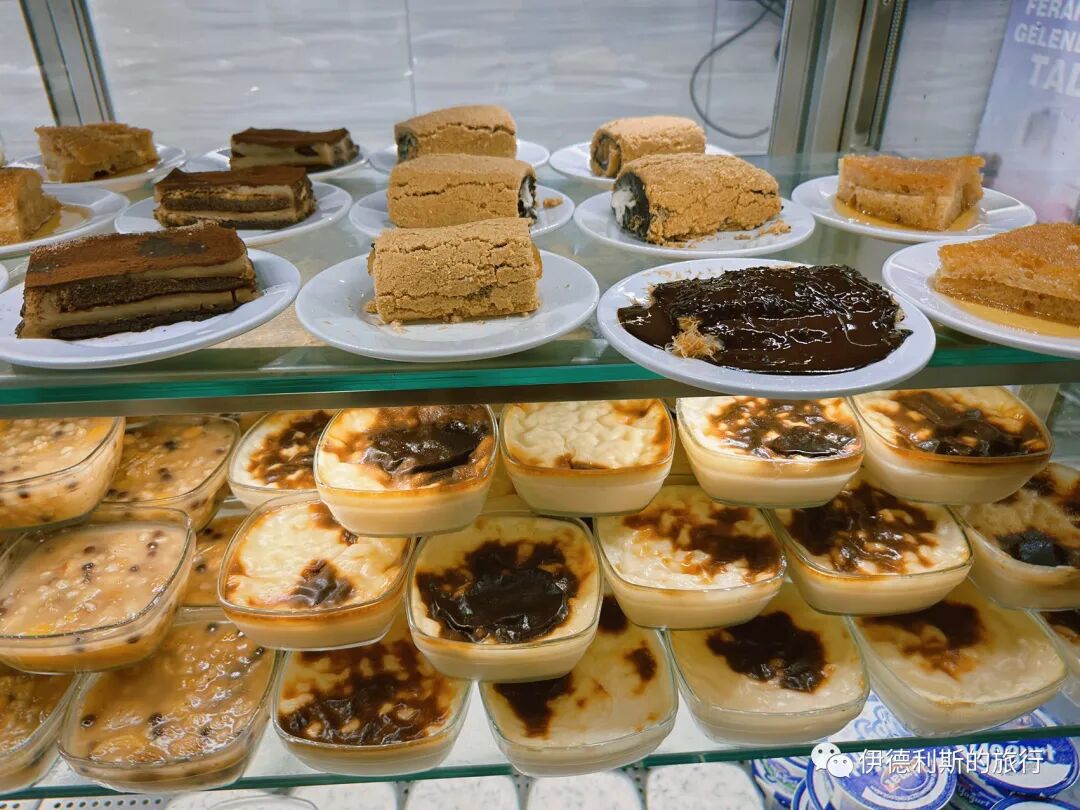
After dropping off our luggage, we first went to eat at the street-side Destan Halk Lokantası. A Turkish eatery (lokantası) is similar to a cafeteria back home. Various stews, salads, and desserts are prepared and displayed together, so you just point at what you want to eat, which is very convenient for tourists.
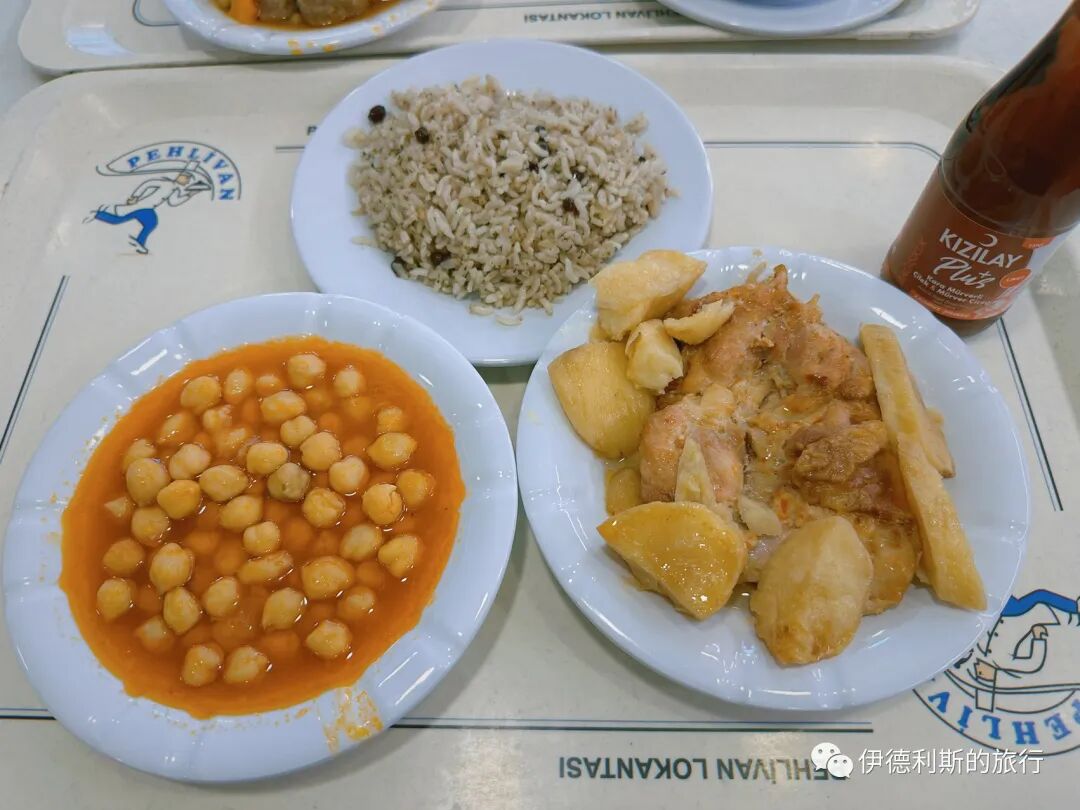
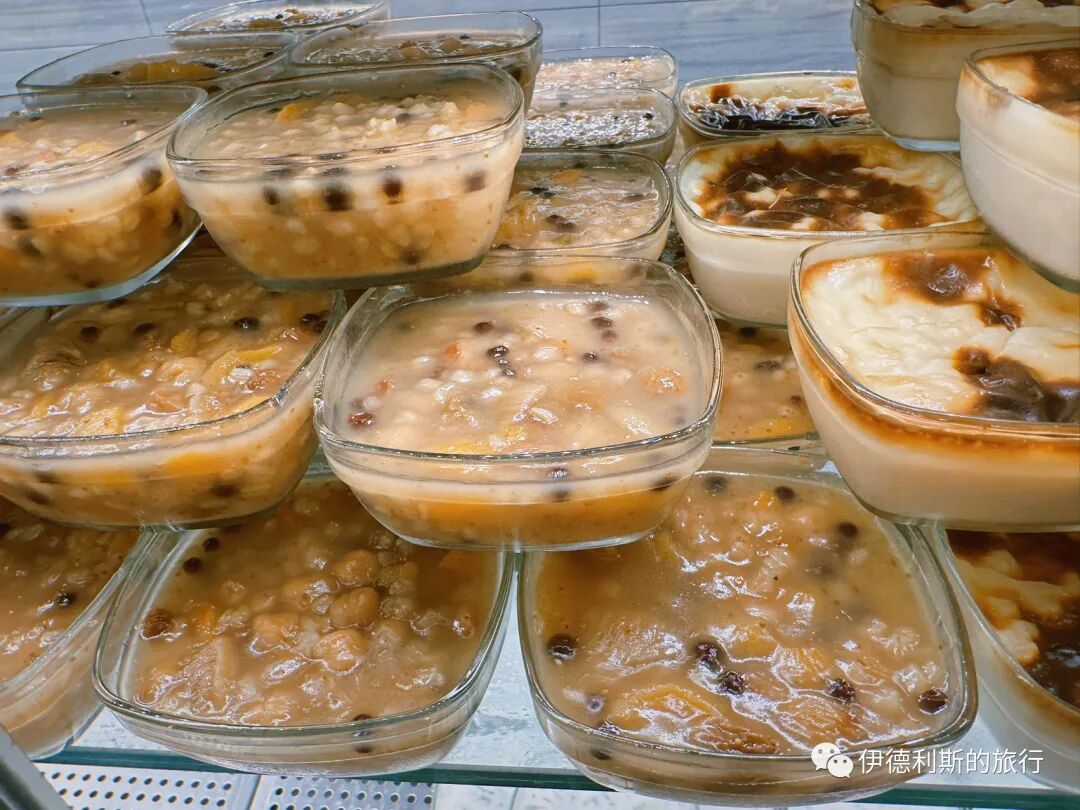
We ordered the Turkish specialty blackcurrant rice pilaf (iç pilav). This pilaf is made with olive oil, onions, crushed mint, cinnamon powder, and various other ingredients. You can also eat the traditional Ottoman Noah's pudding (ashure) here. It commemorates the day the Ark of Prophet Nuh (Noah) landed, when the Prophet and his followers gathered seeds of various foods to make the first meal after the Great Flood receded.


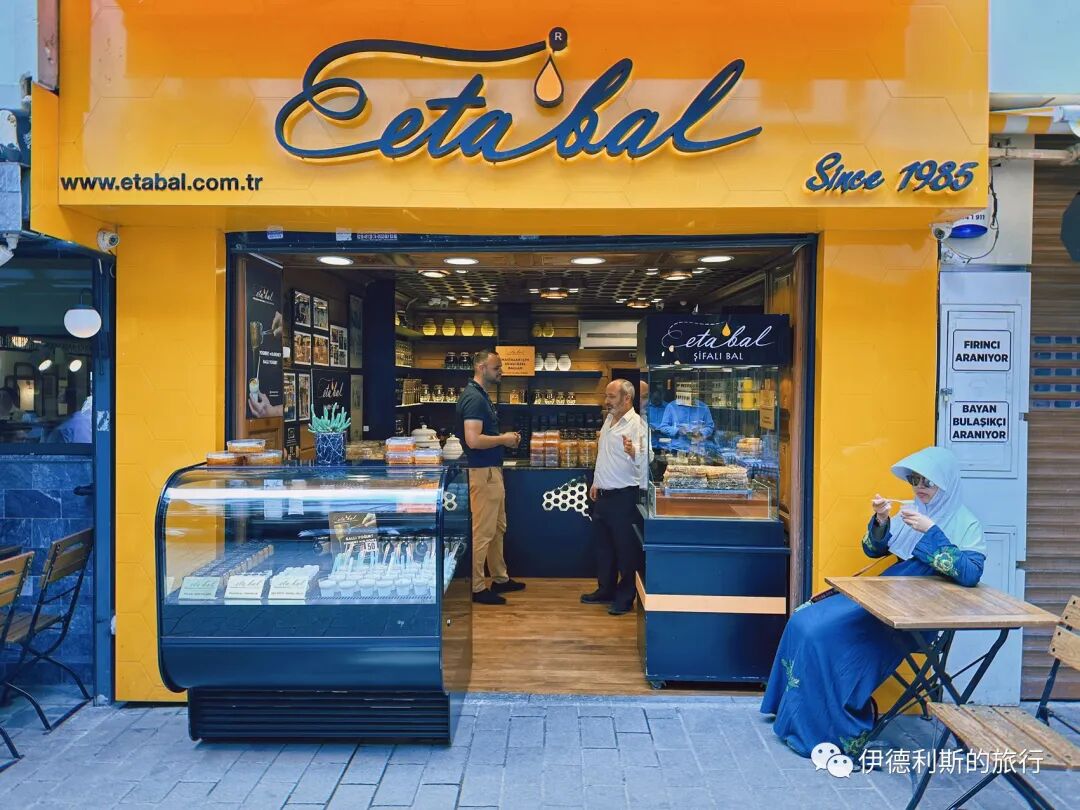
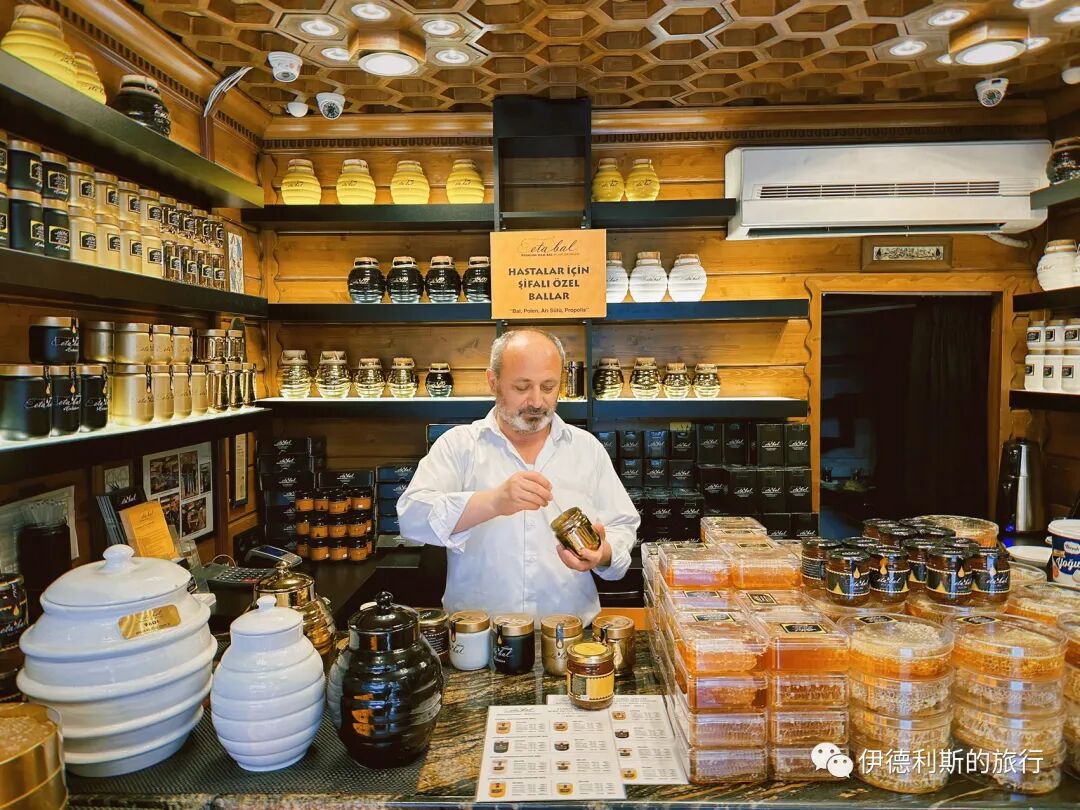
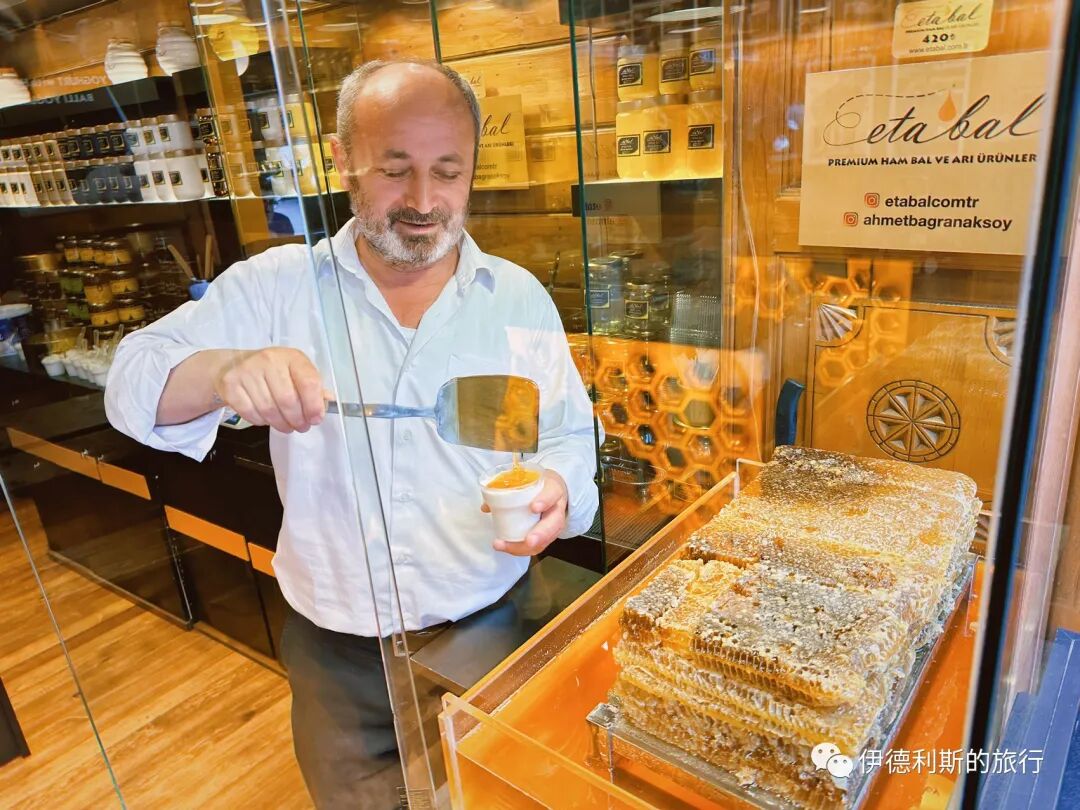
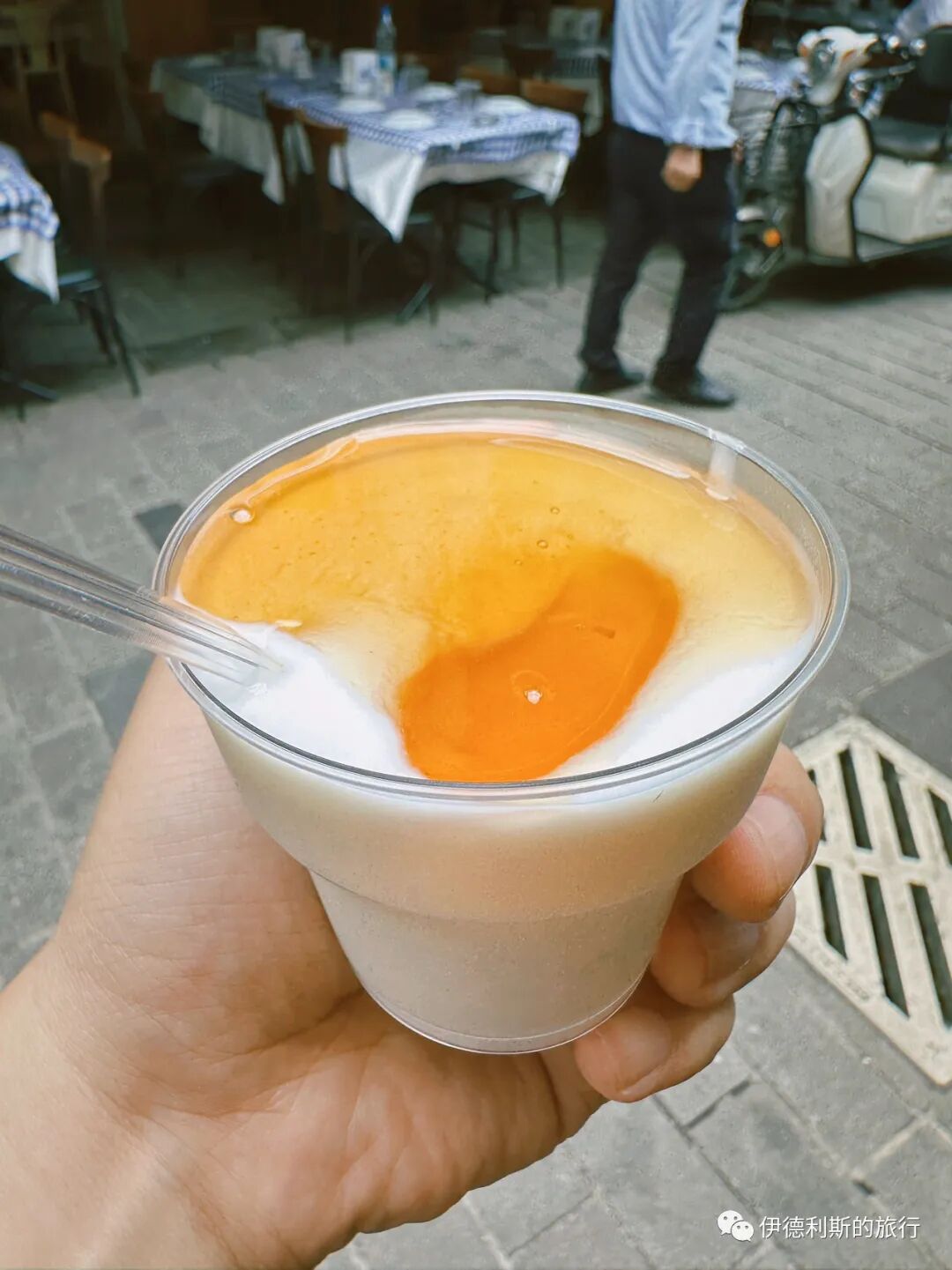
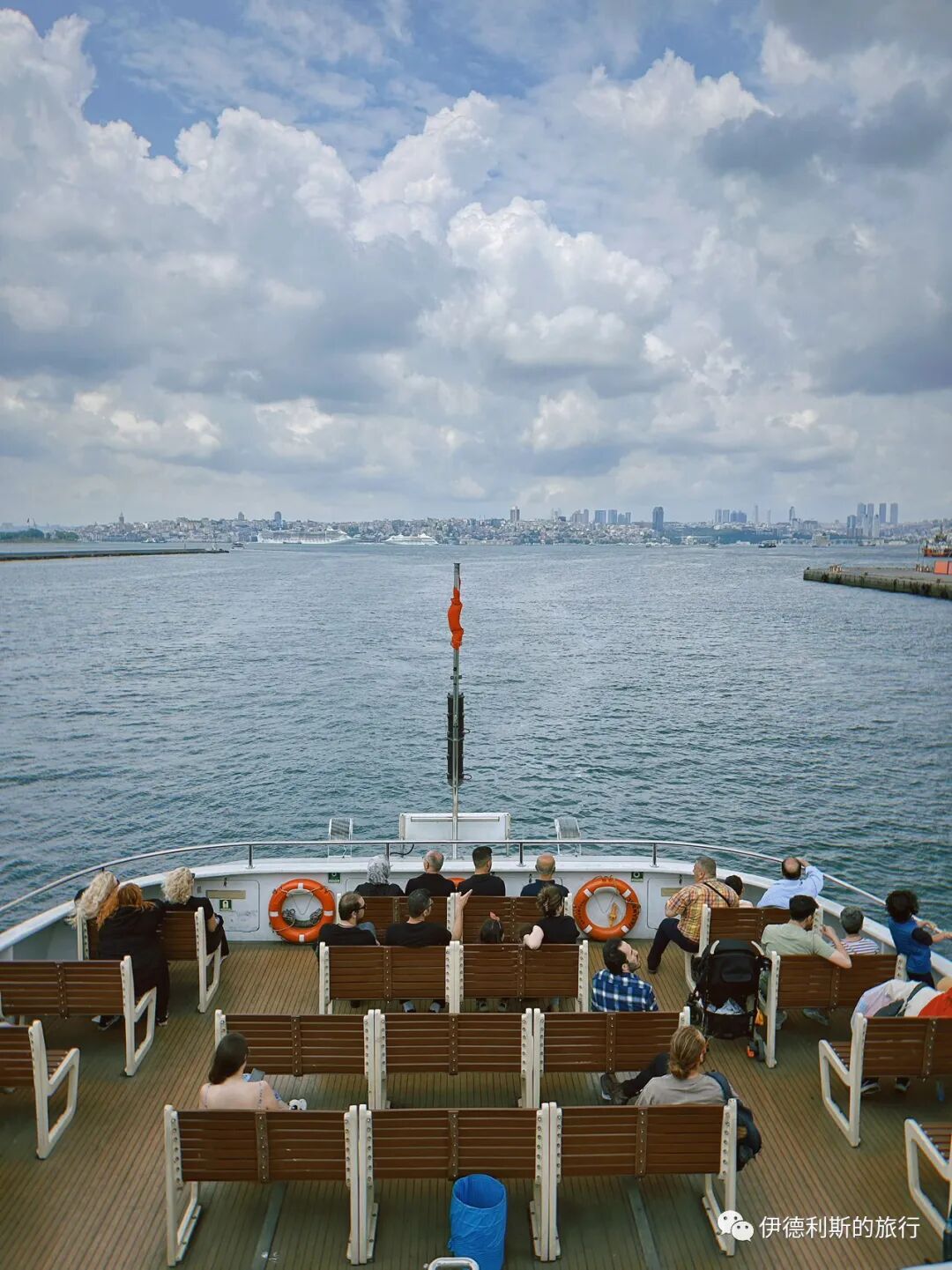
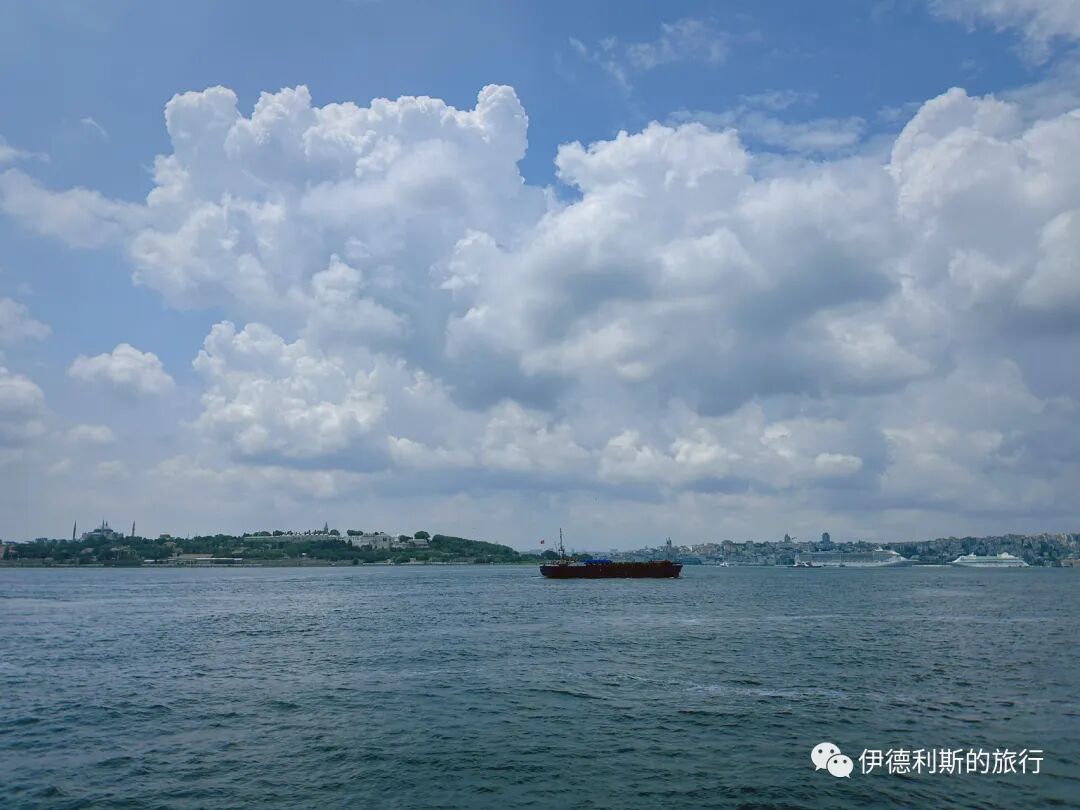
We had honey yogurt at the famous honey shop Etabal Arı Ürünleri in Kadıköy, then took a boat to the Eminönü pier in the old city on the European side. You can just swipe your transit card, which is very convenient.
Snacks near the Spice Bazaar.
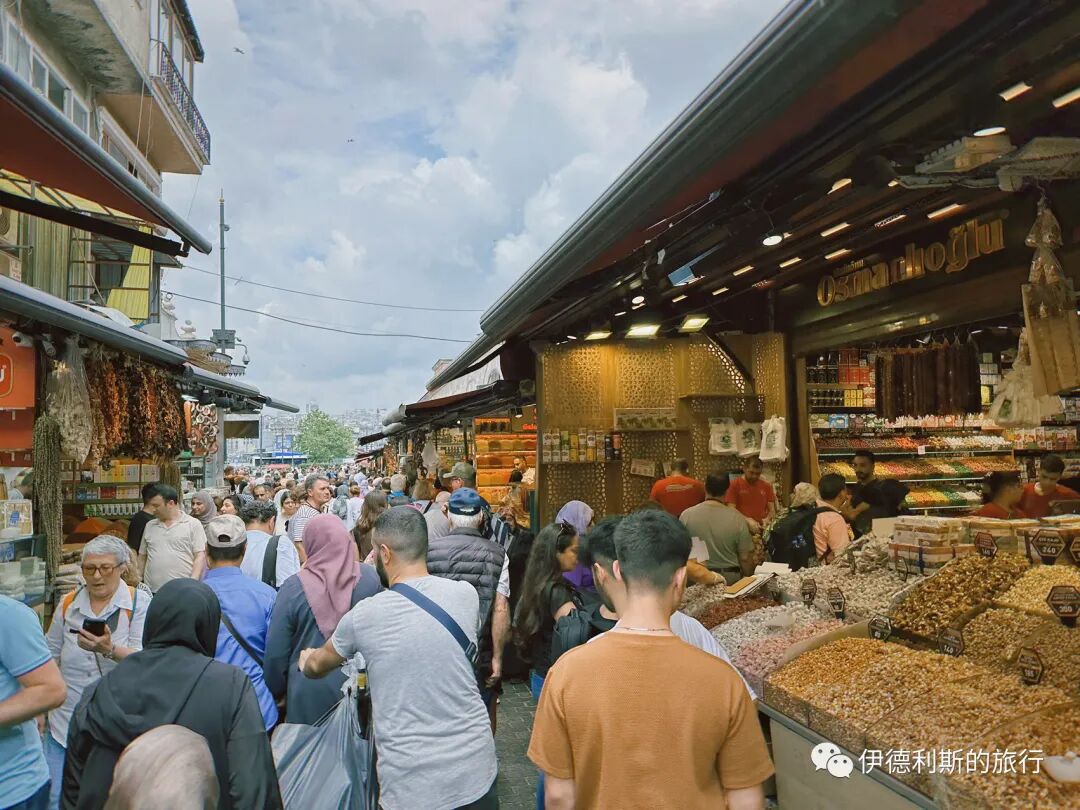
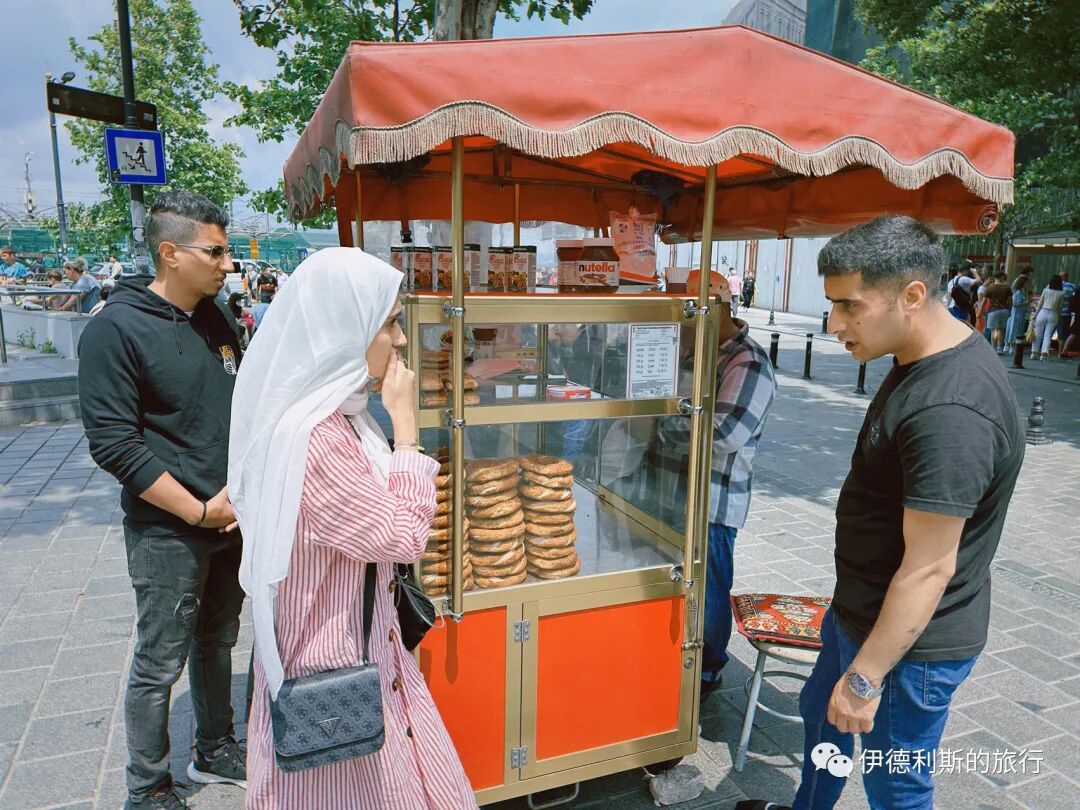
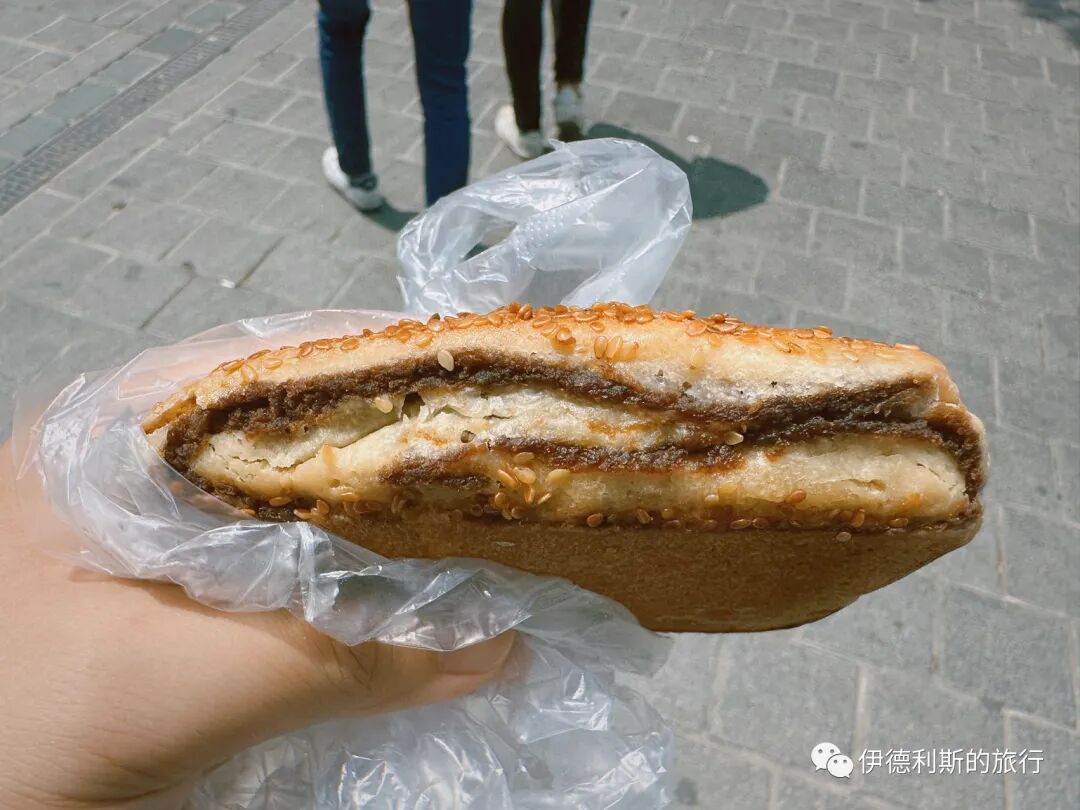
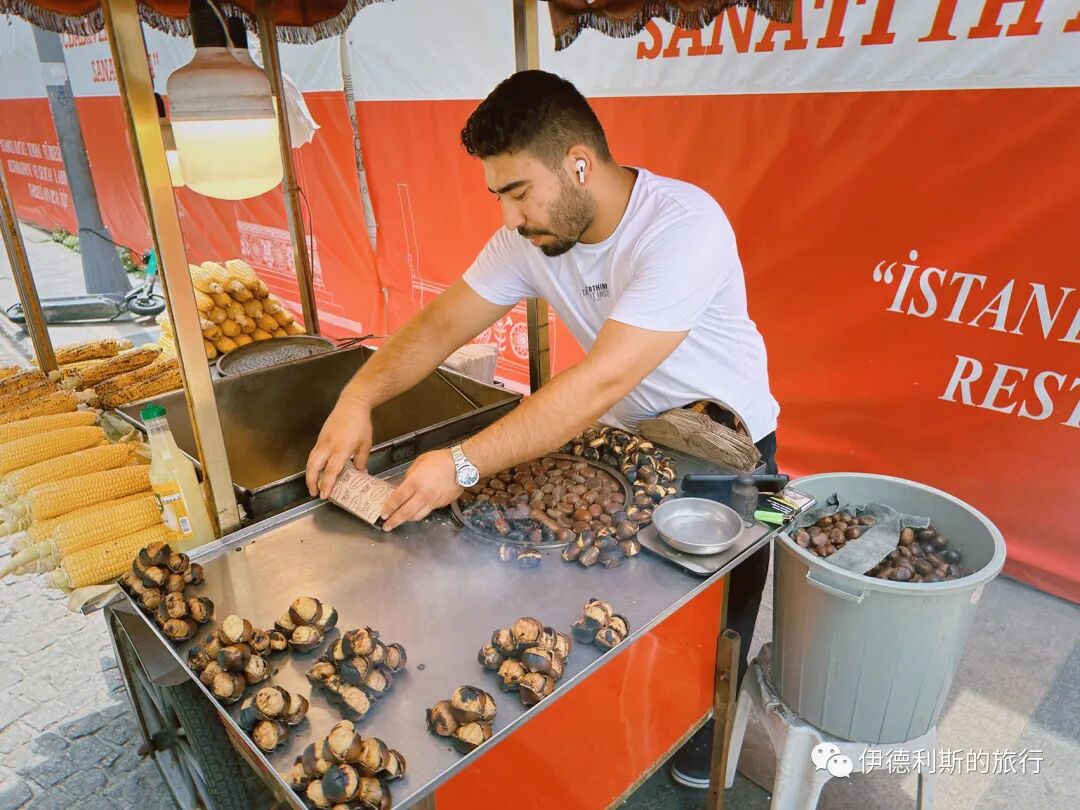
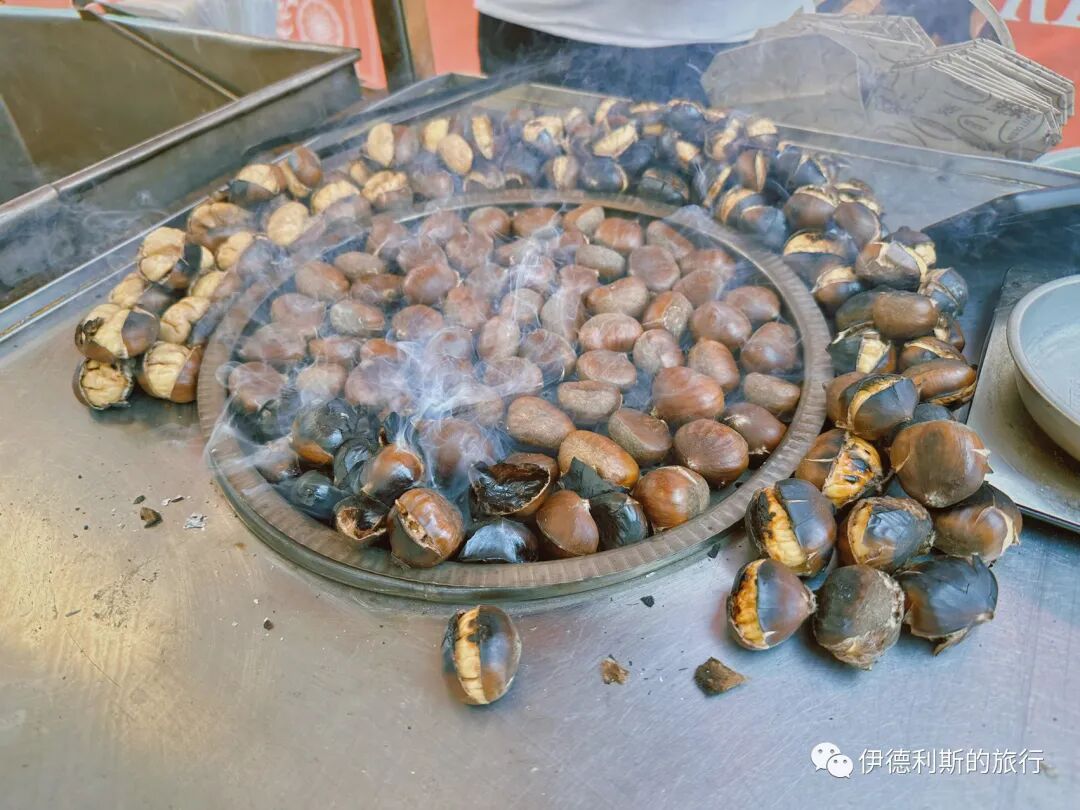
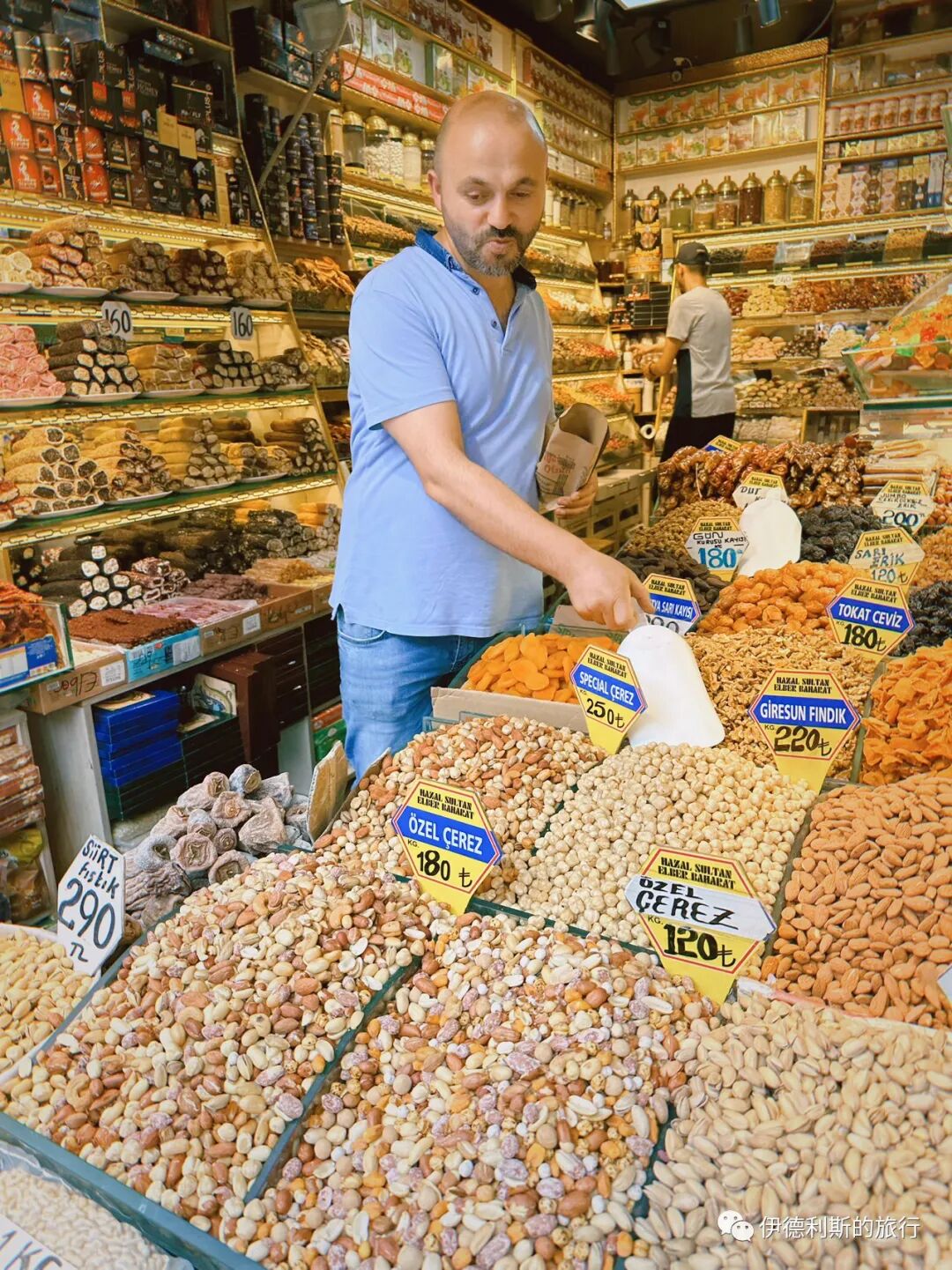
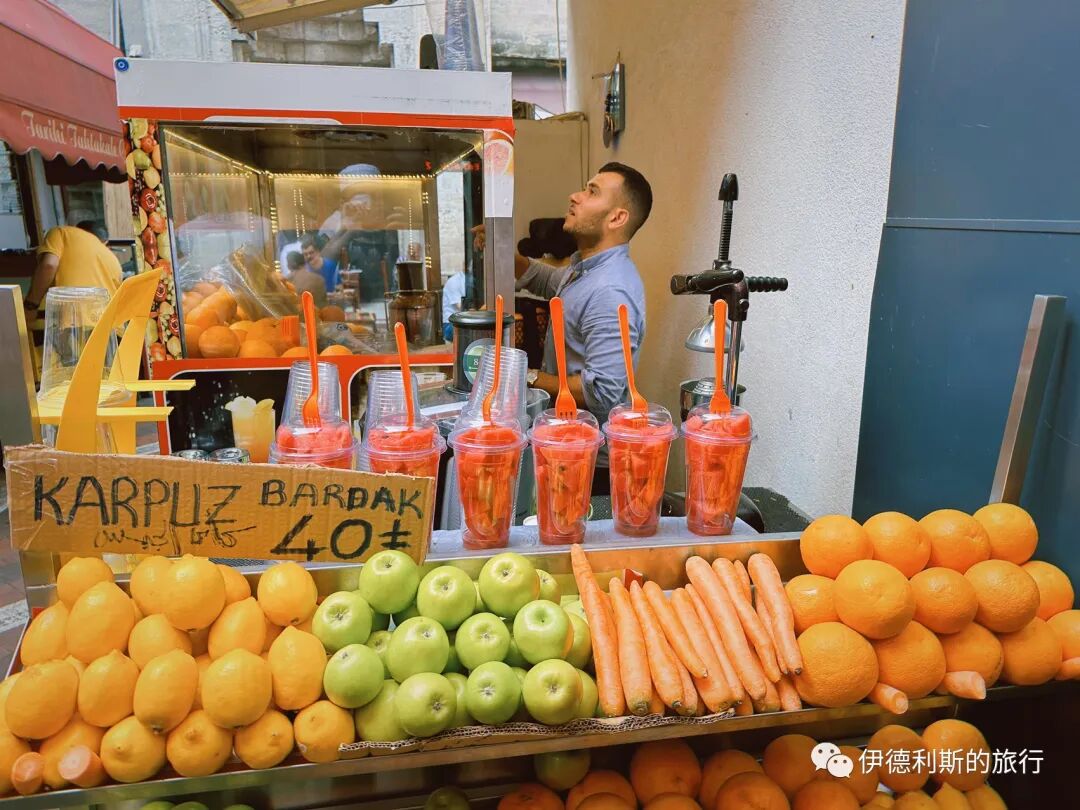
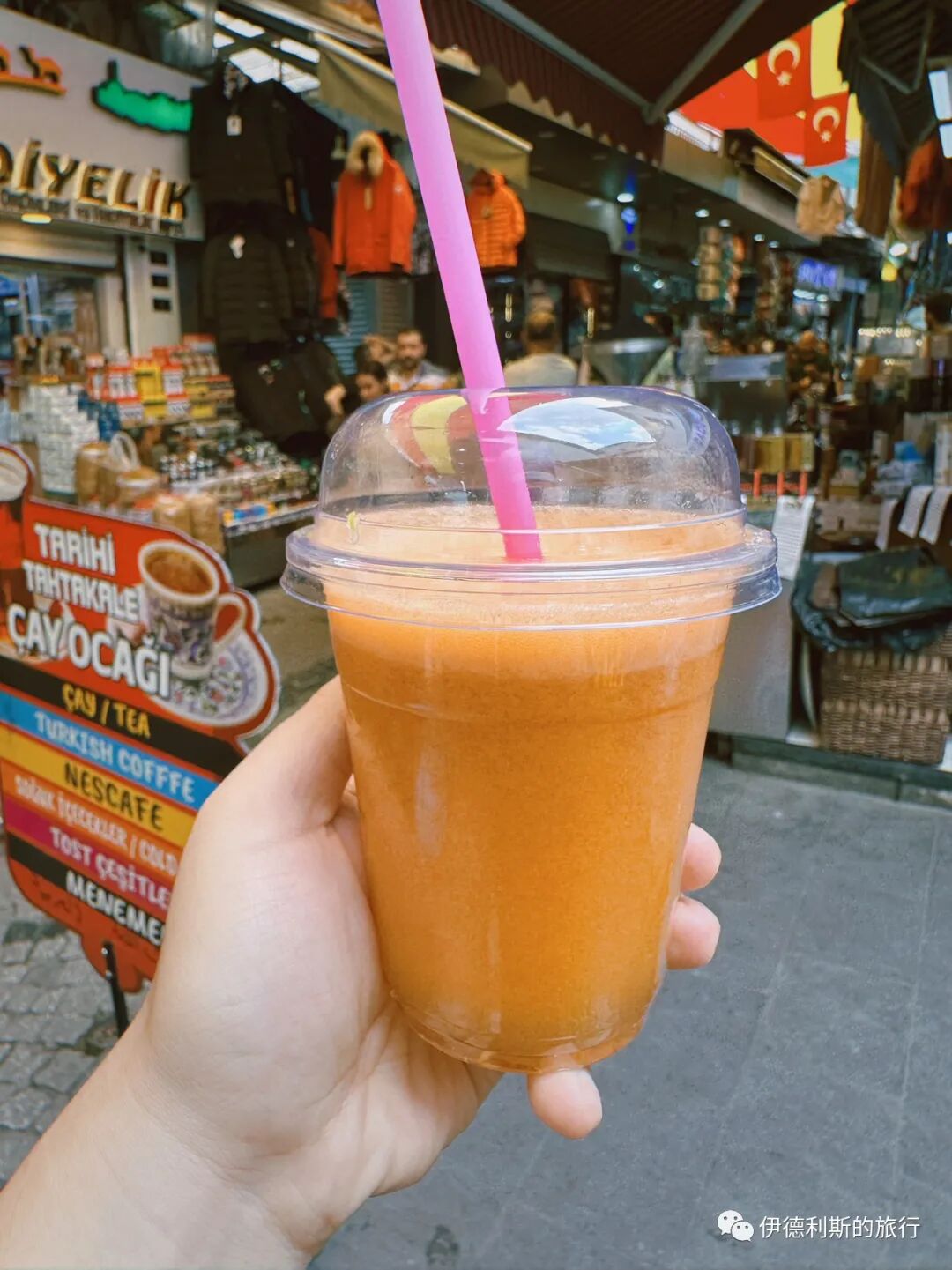
Right across from the Eminönü pier is the Spice Bazaar (Mısır Çarşısı), which is the second-largest Ottoman market in the old city after the Grand Bazaar. The Egyptian Market was built in 1660 and got its name because the construction funds came from the revenue of the Ottoman province of Egypt. I took Zaynab next to the Egyptian Market to experience Istanbul's most classic street food, including sandwiches from a sesame ring bread (simit) cart, roasted chestnuts, and mixed fruit juice. Zaynab especially liked these authentic roasted chestnuts.
Rüstem Paşa Mosque: 1561-63
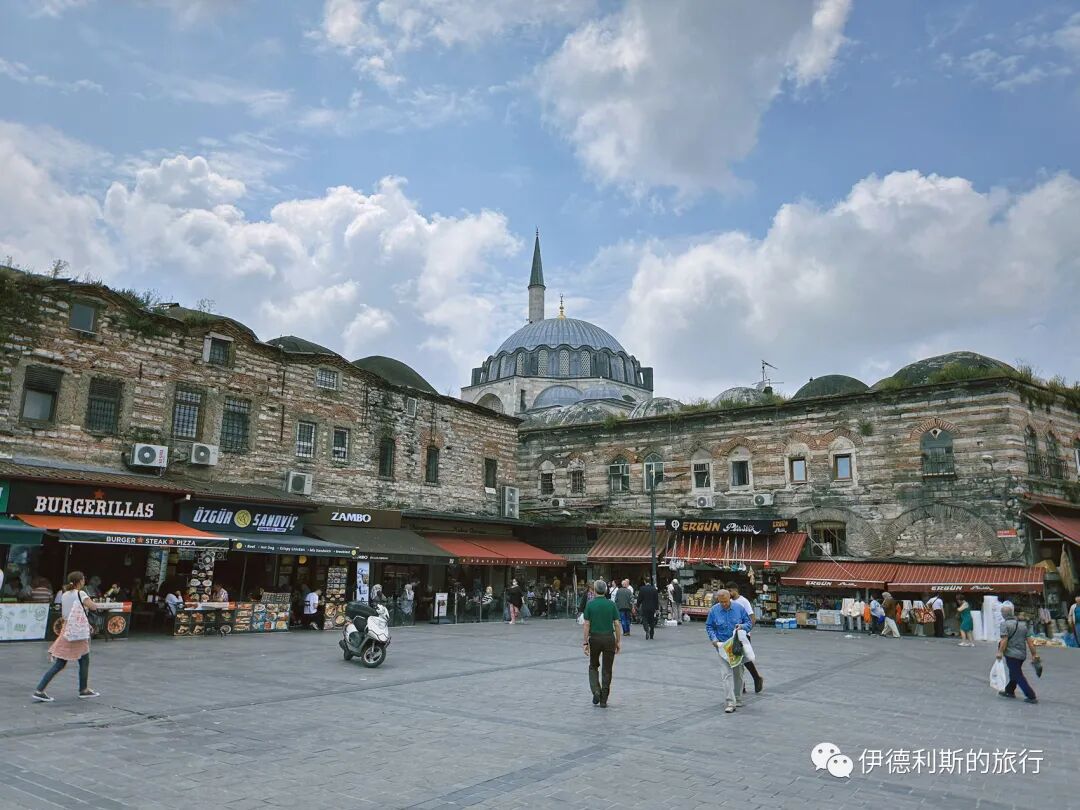
Not far to the west of the Egyptian Market is the Rüstem Paşa Mosque (Rüstem Paşa Camii), known as the most beautiful mosque by Mimar Sinan. When I visited last time, it was undergoing a three-year restoration that finished in 2021, so I was finally able to visit it this time.
The Rüstem Paşa Mosque was built between 1561 and 1563 by the great Ottoman architect Mimar Sinan for the Ottoman Grand Vizier Rüstem Paşa. This was the last building commissioned by Rüstem Paşa, and it was only completed after his death.
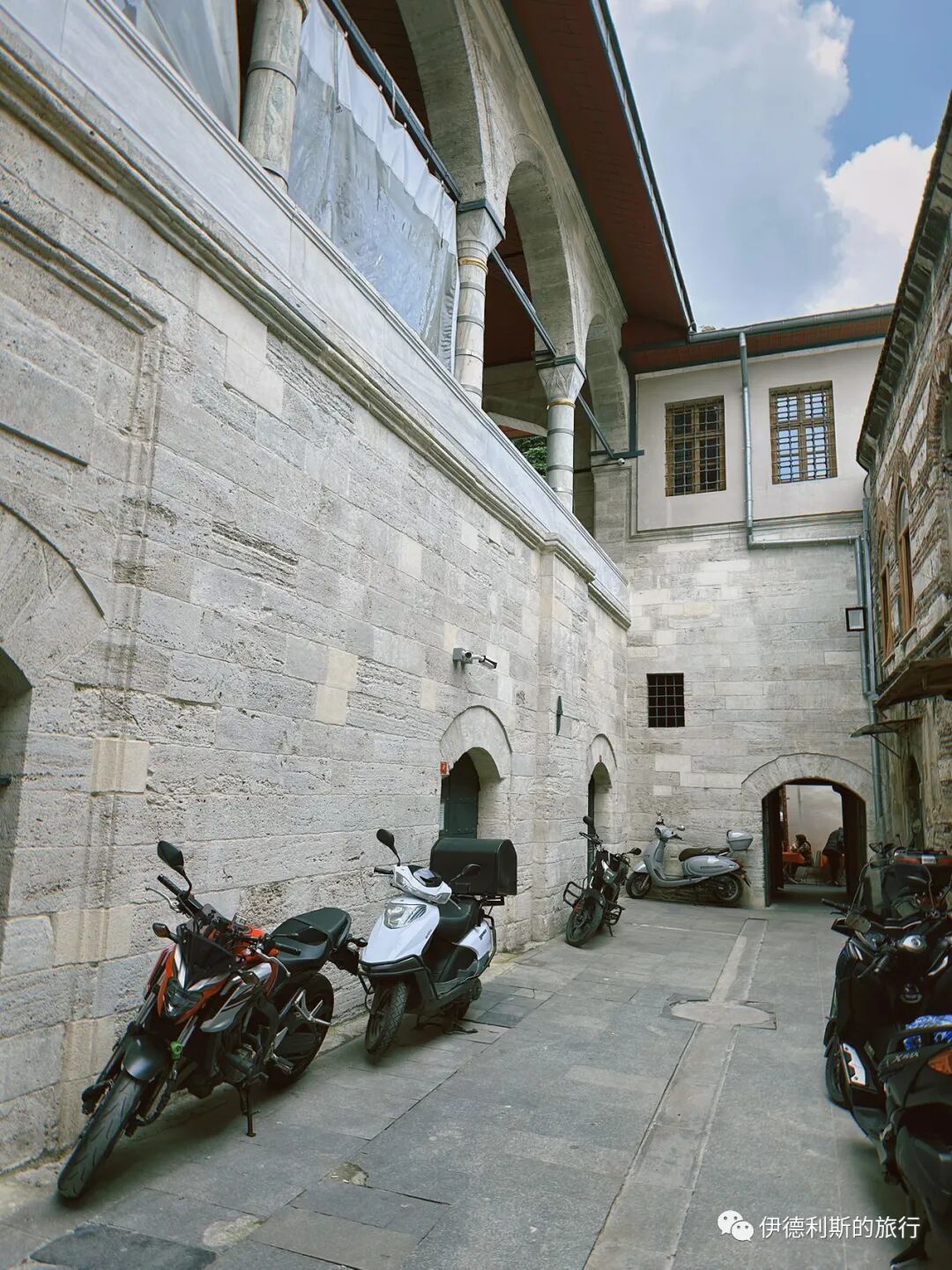
The mosque is built on a high platform with arched shops on the lower level. The ablution area is next to the platform, and you must climb a narrow staircase to reach the courtyard on top, making the building stand out clearly on the skyline of Istanbul's old city.
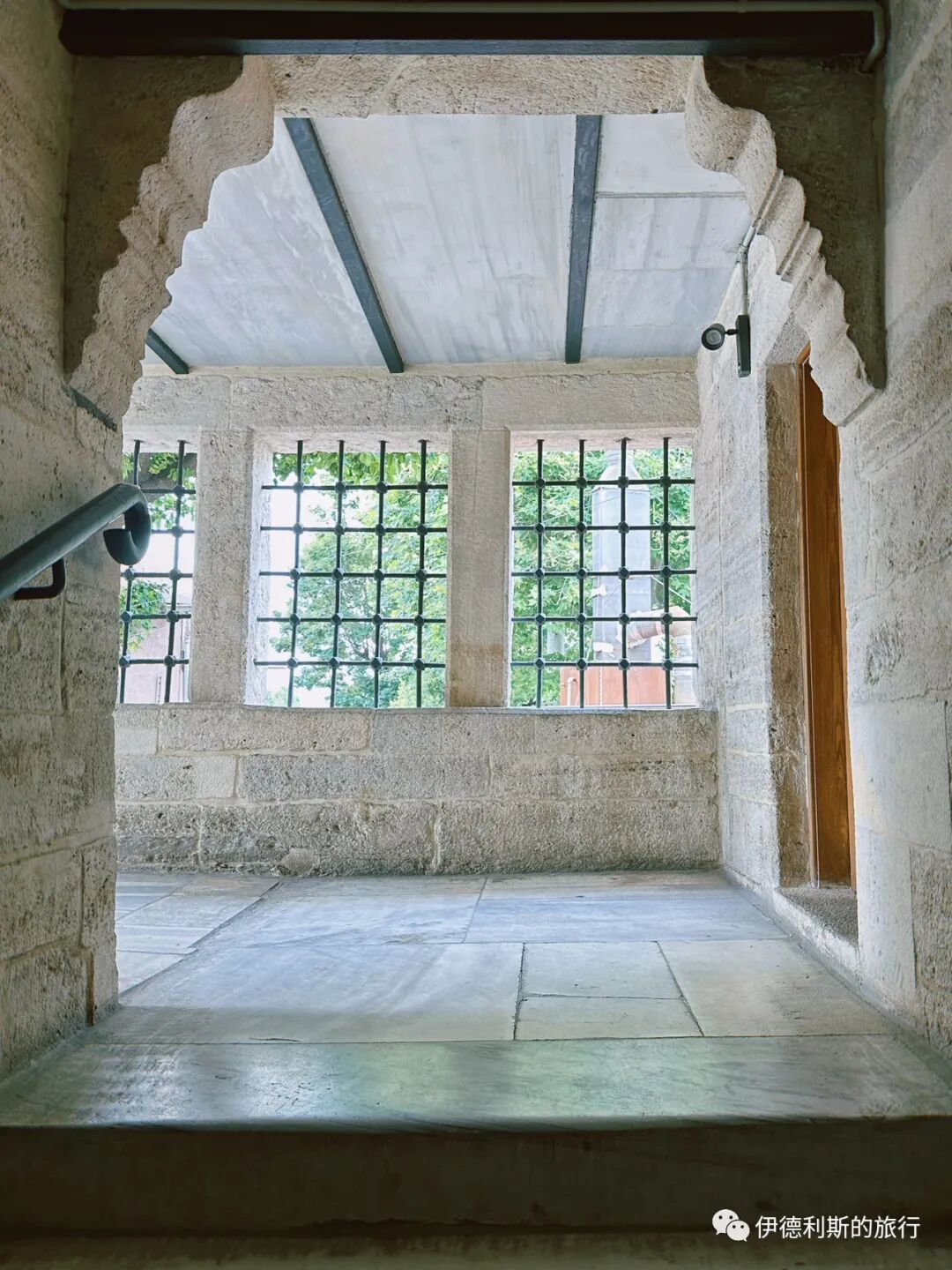
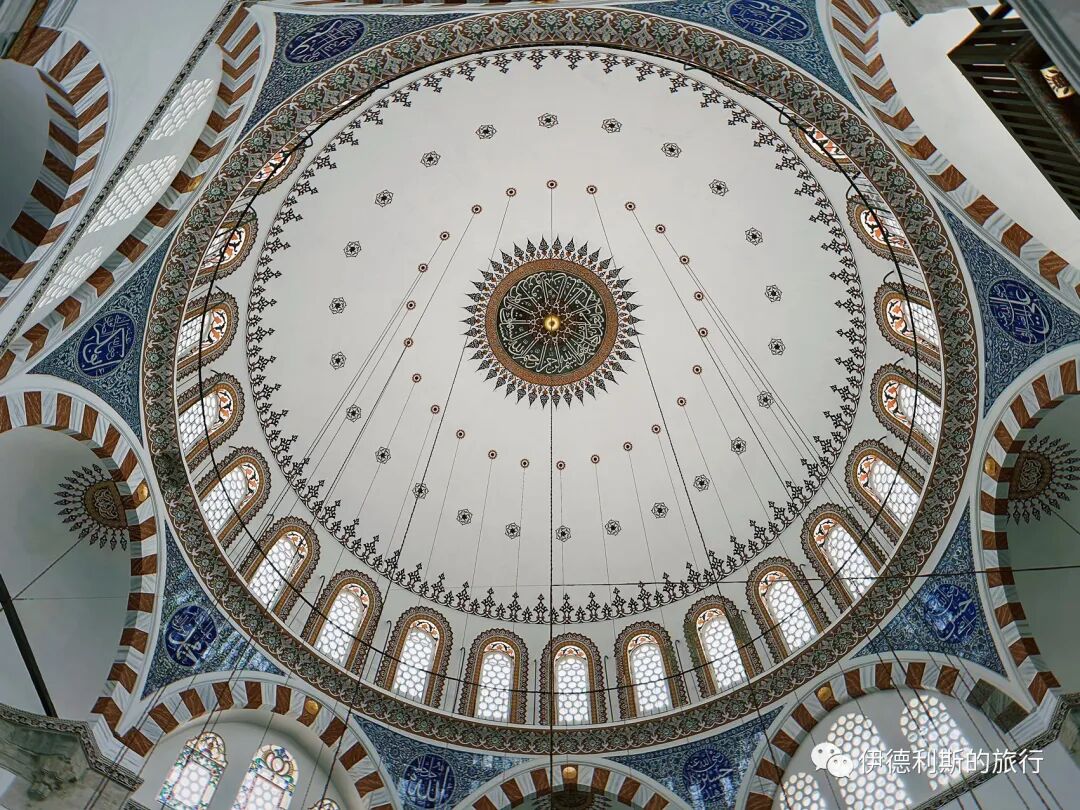
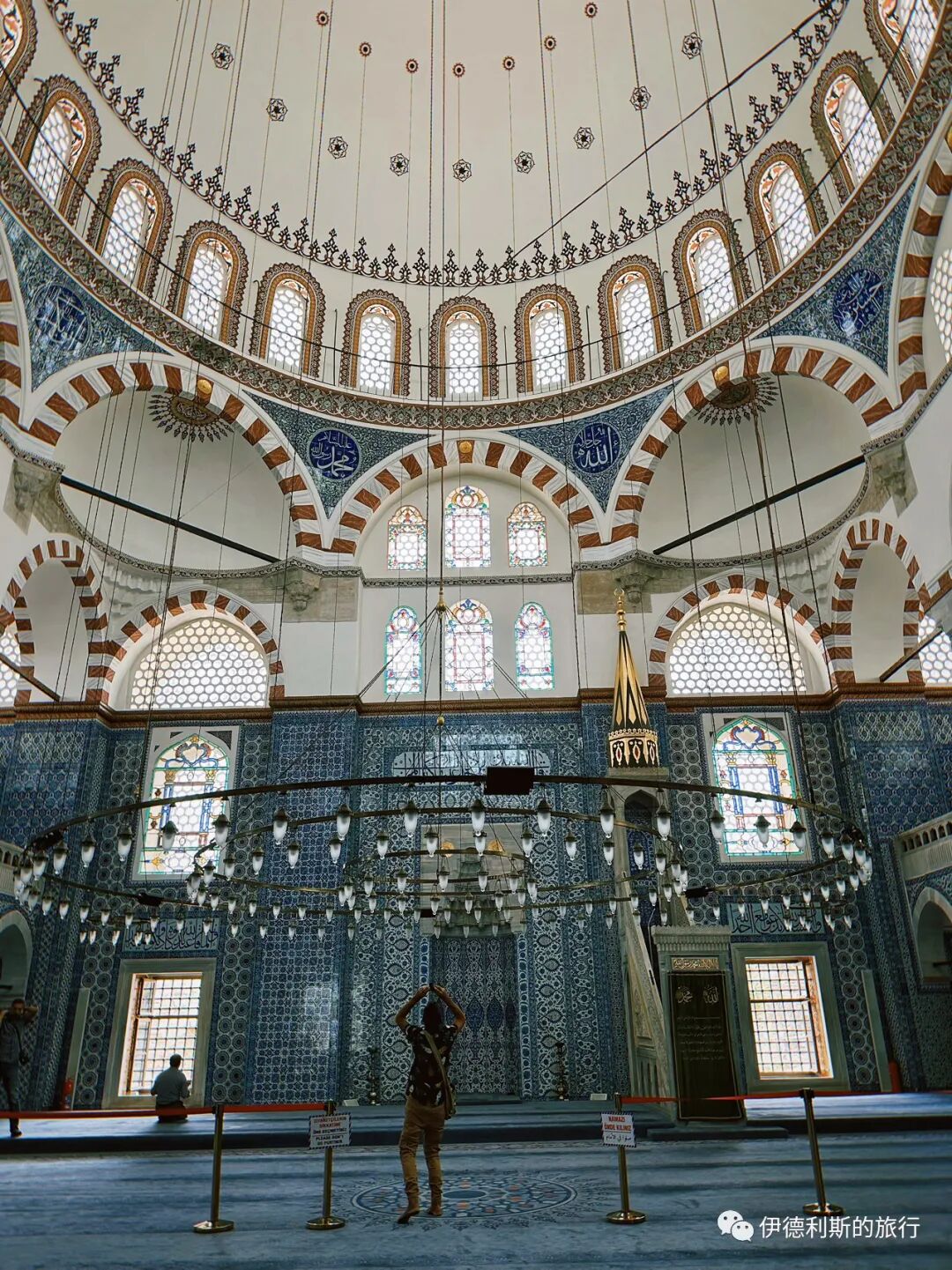
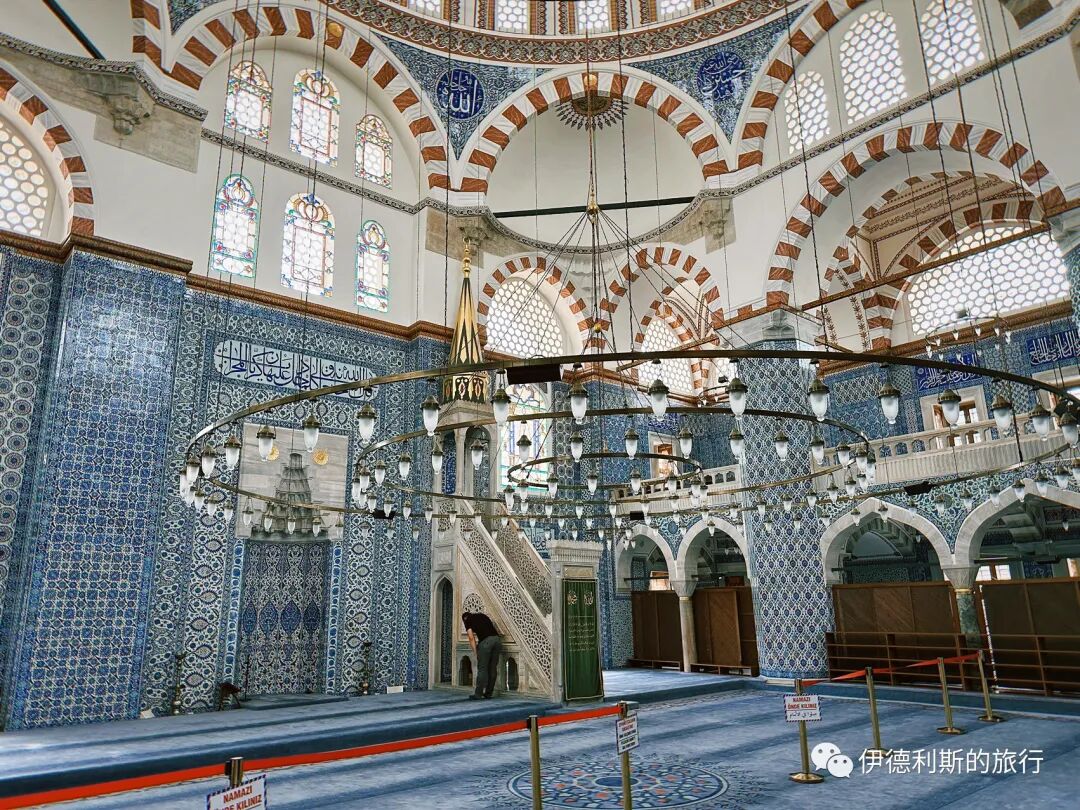
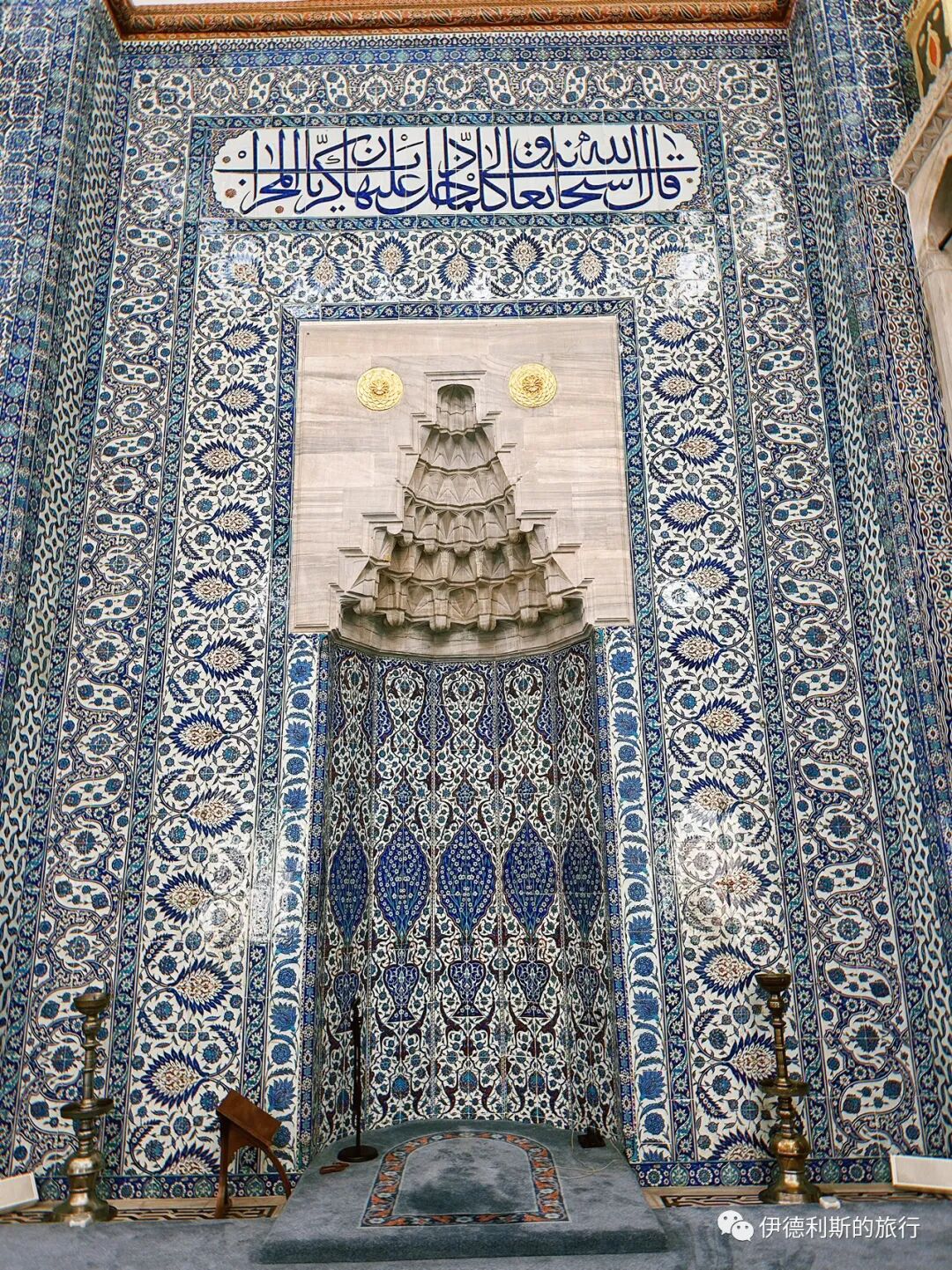
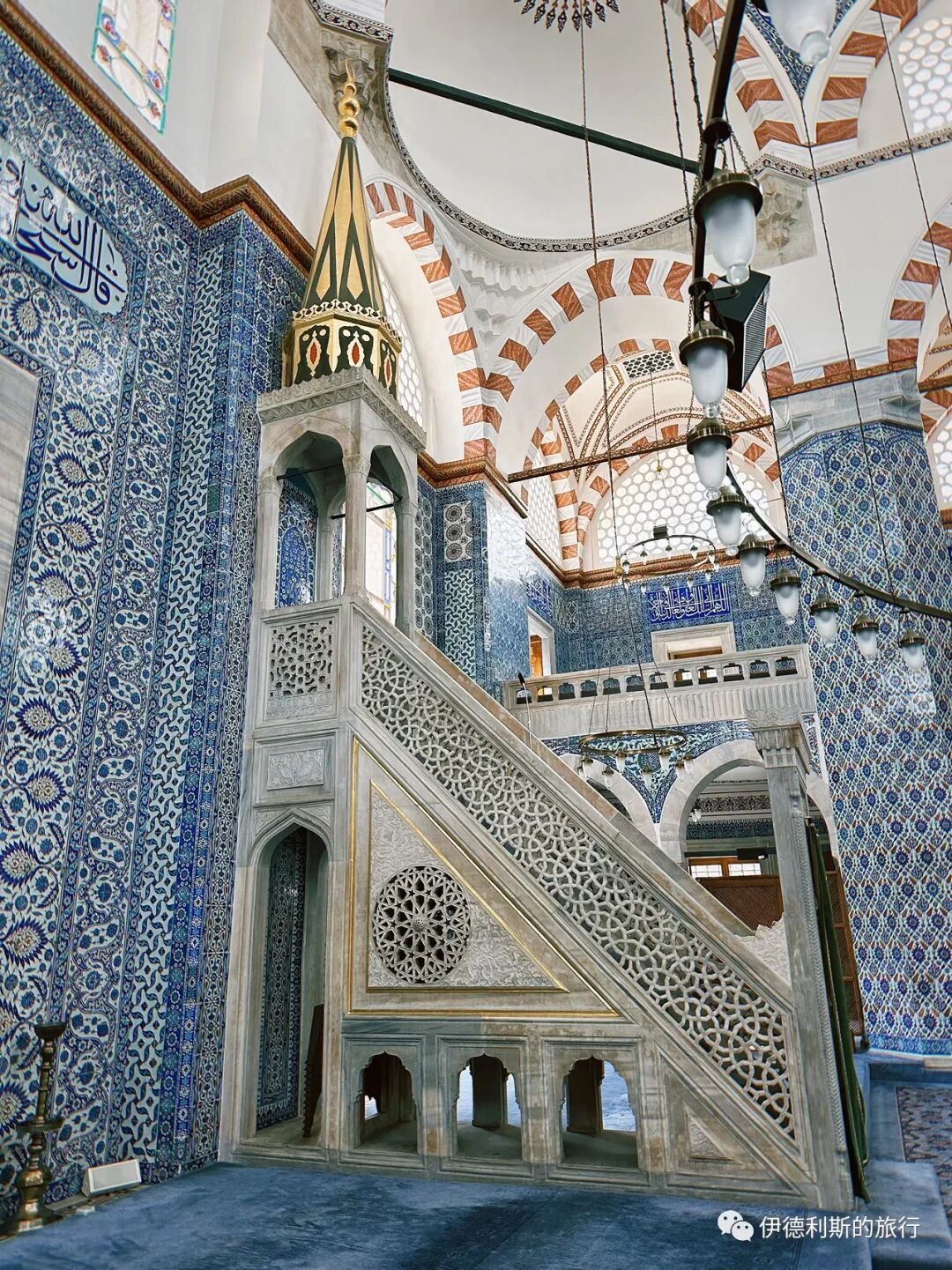
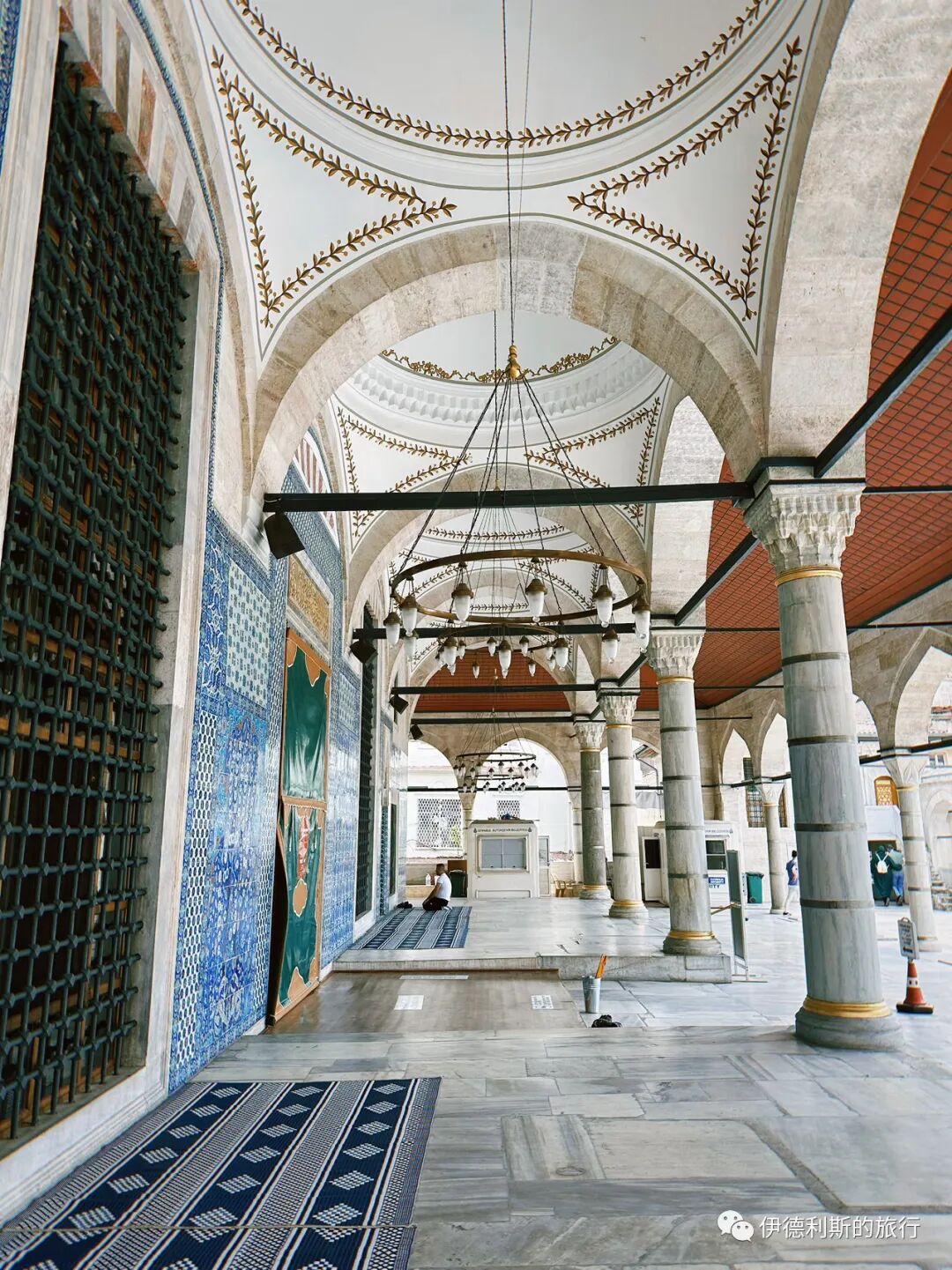
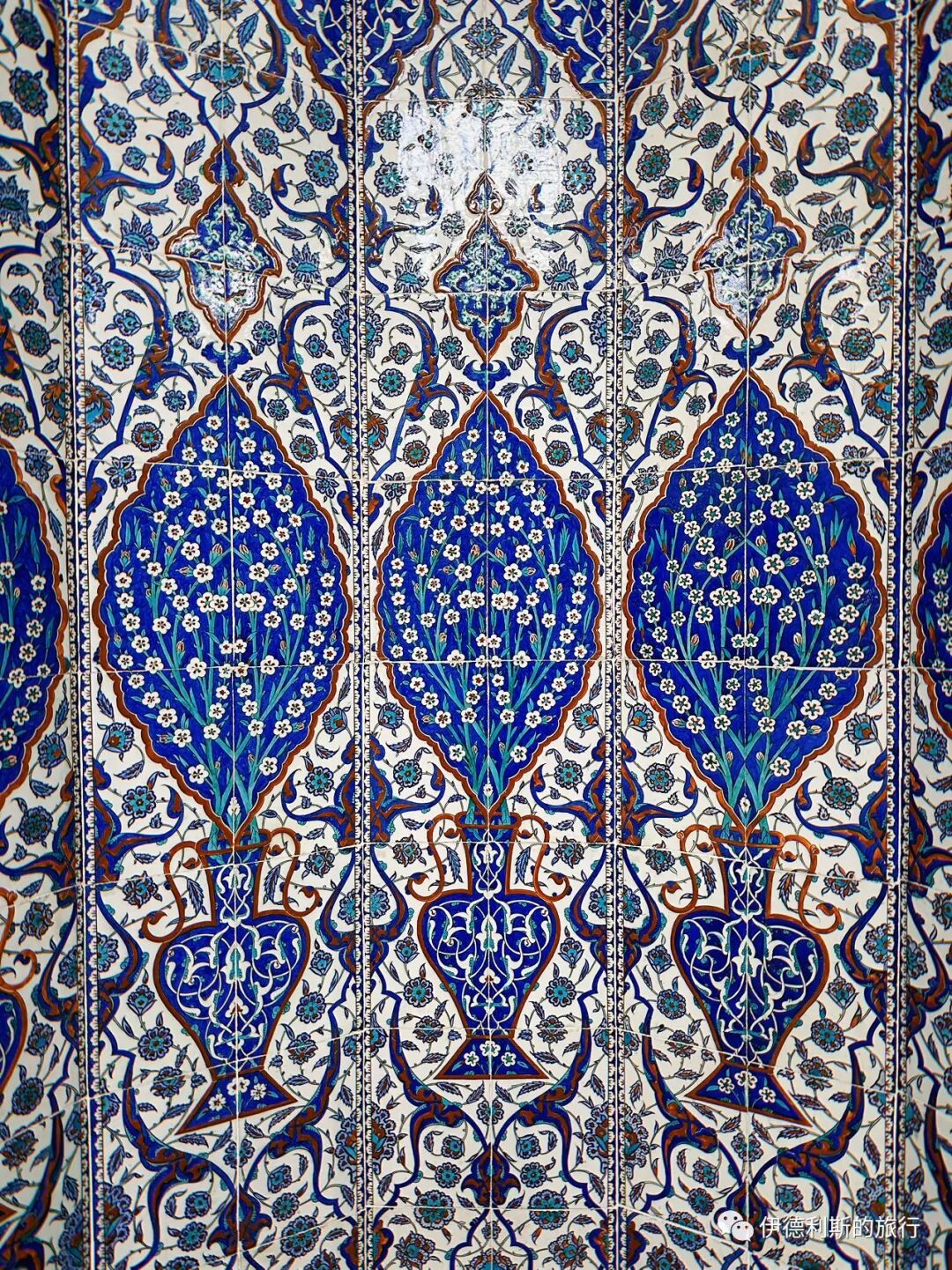
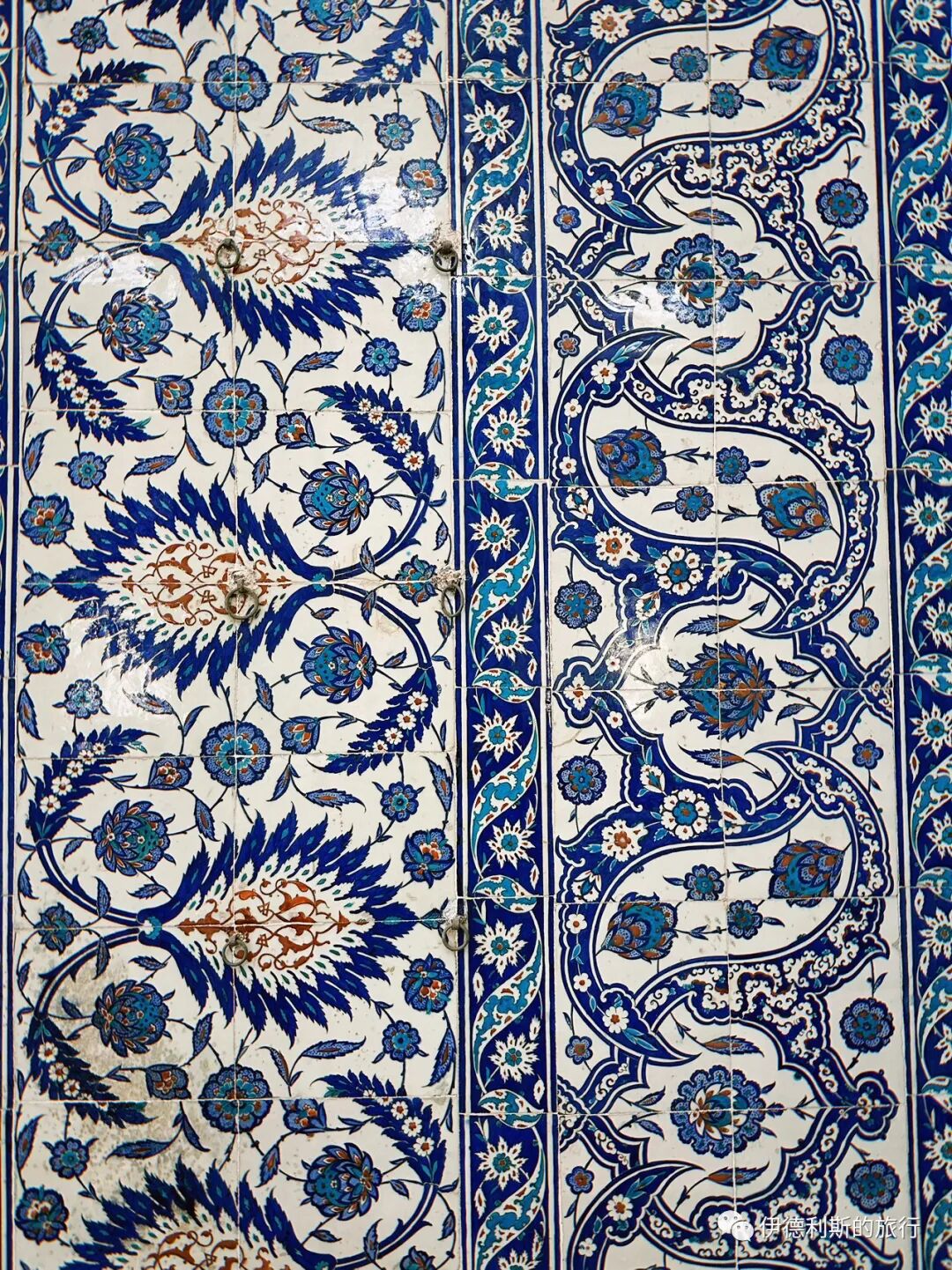
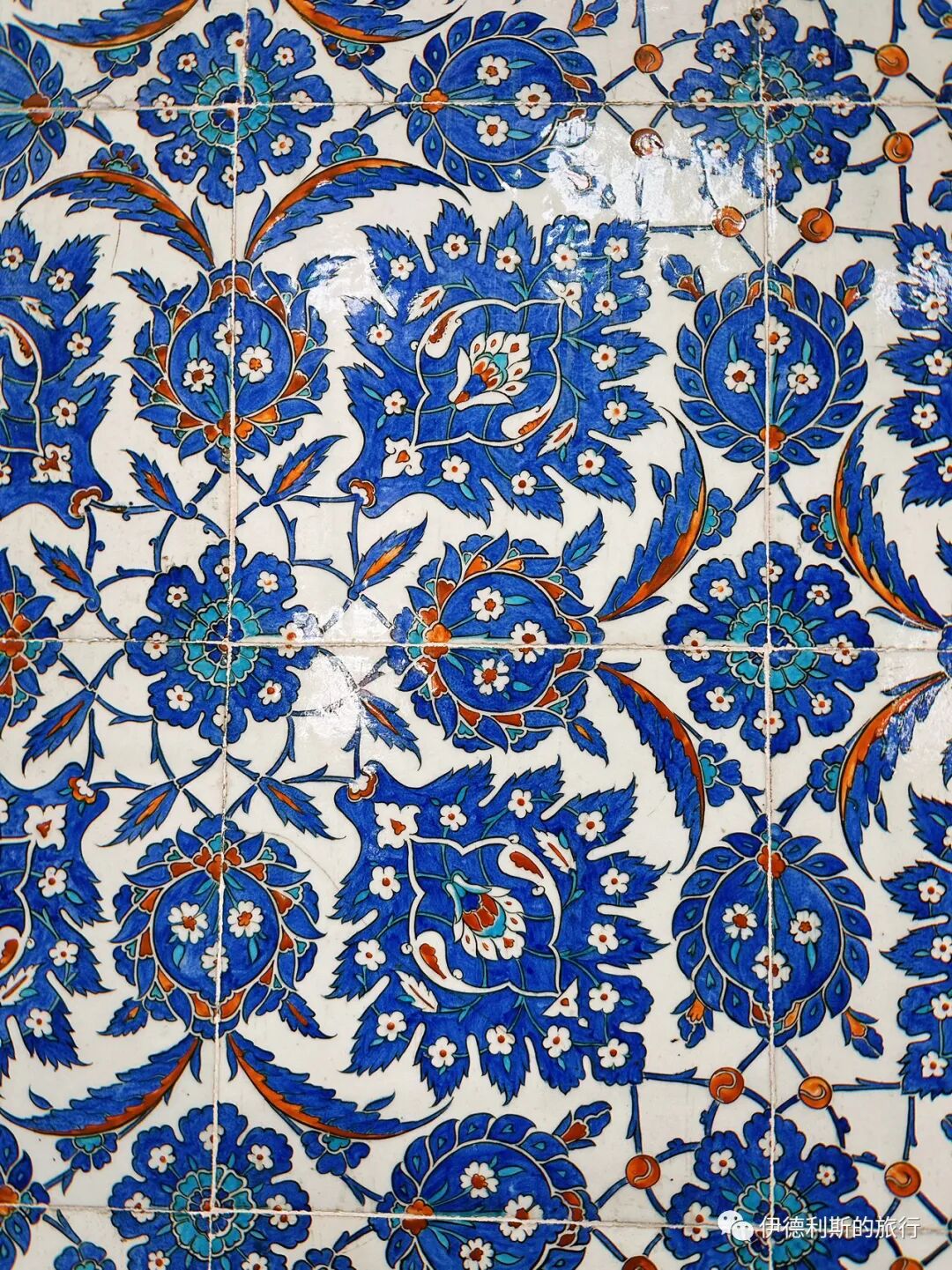
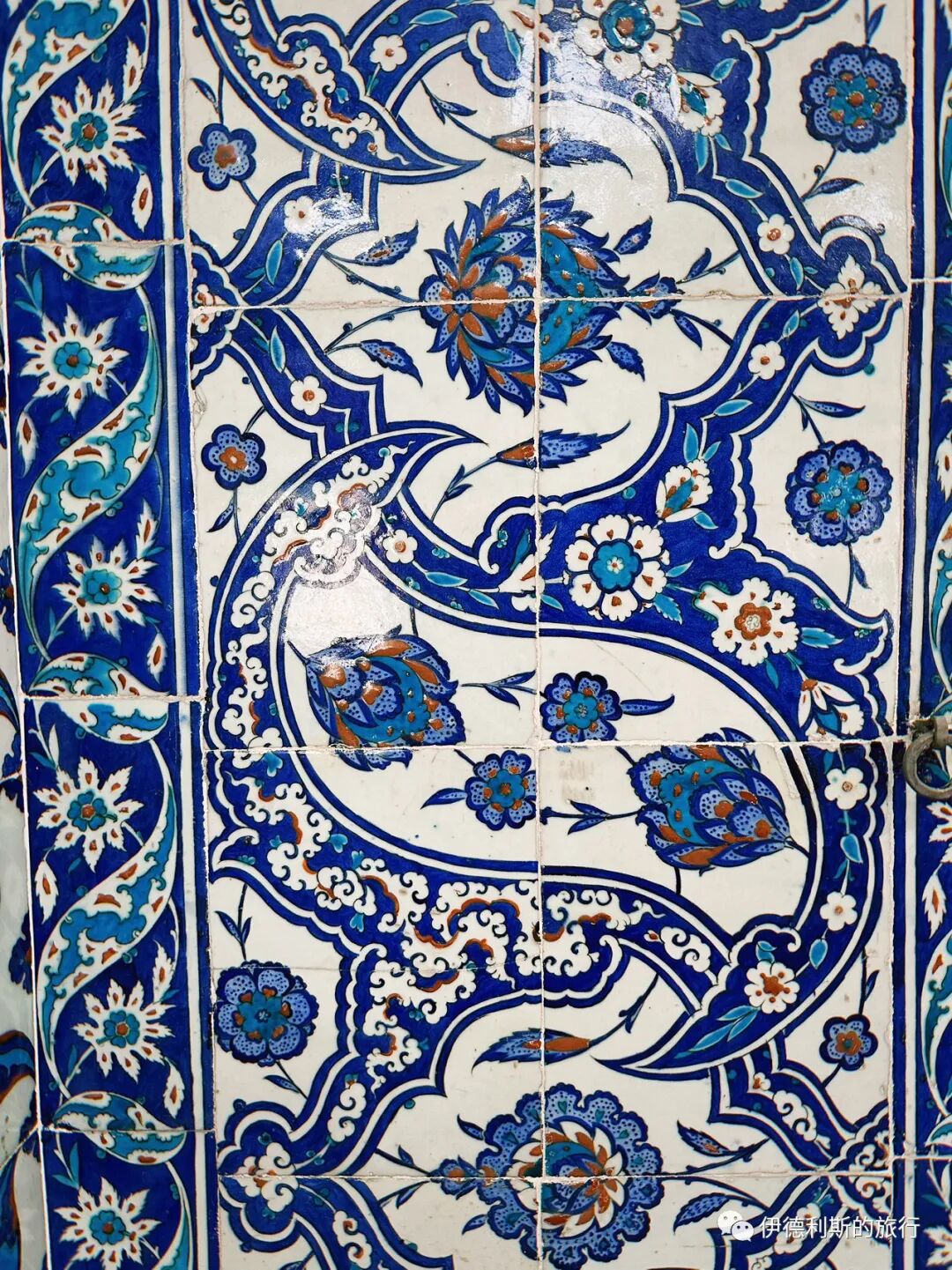
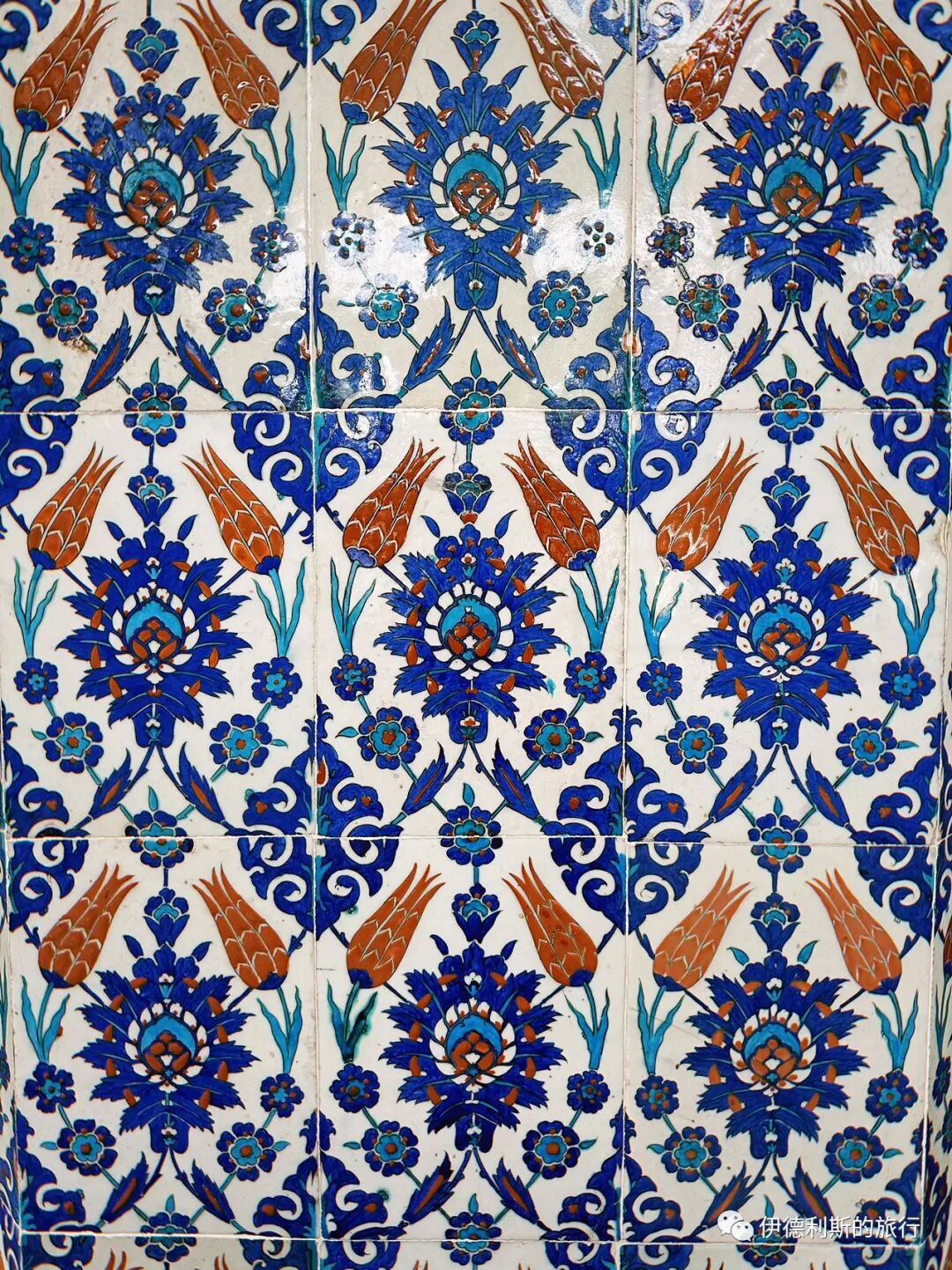
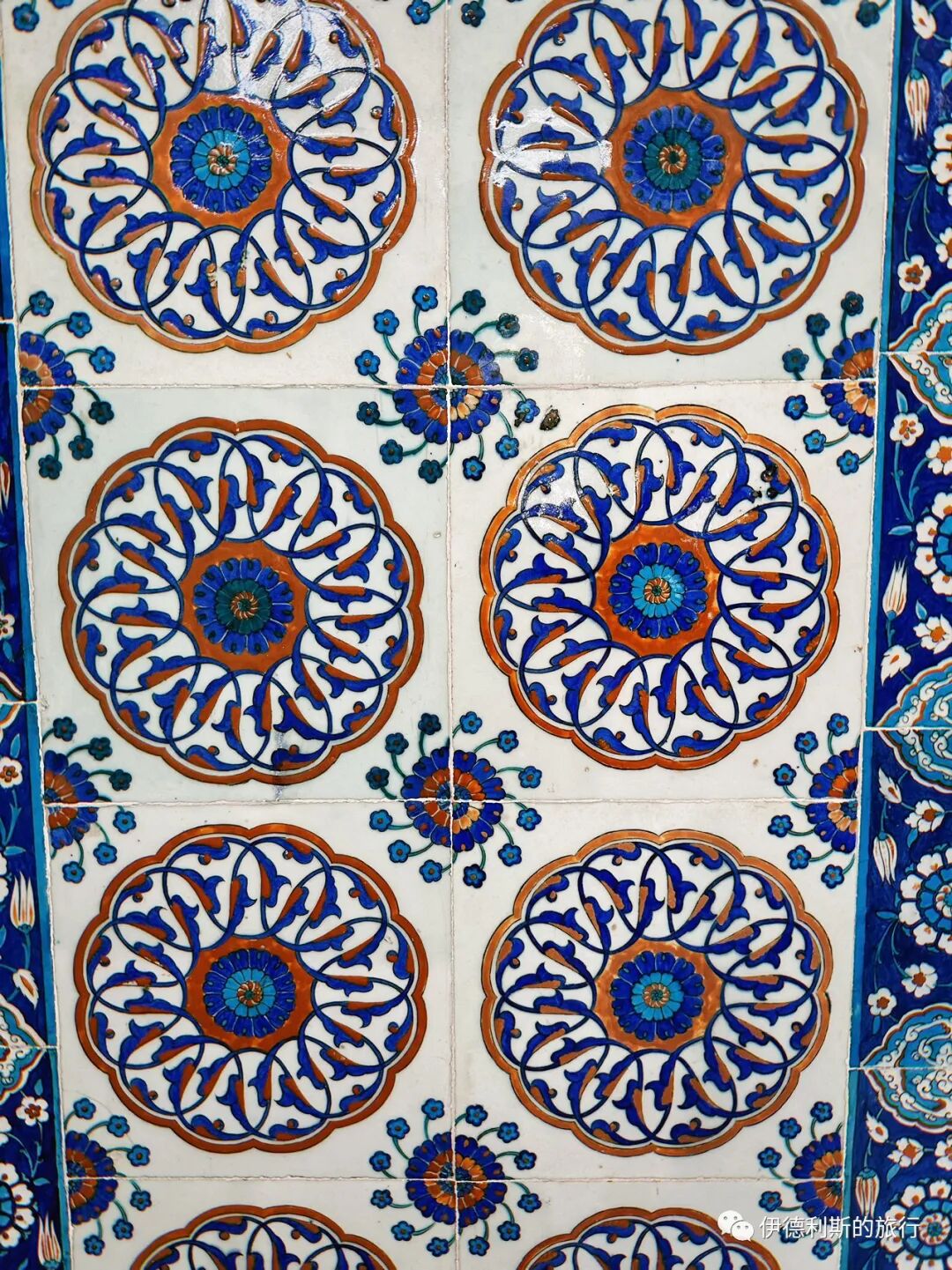
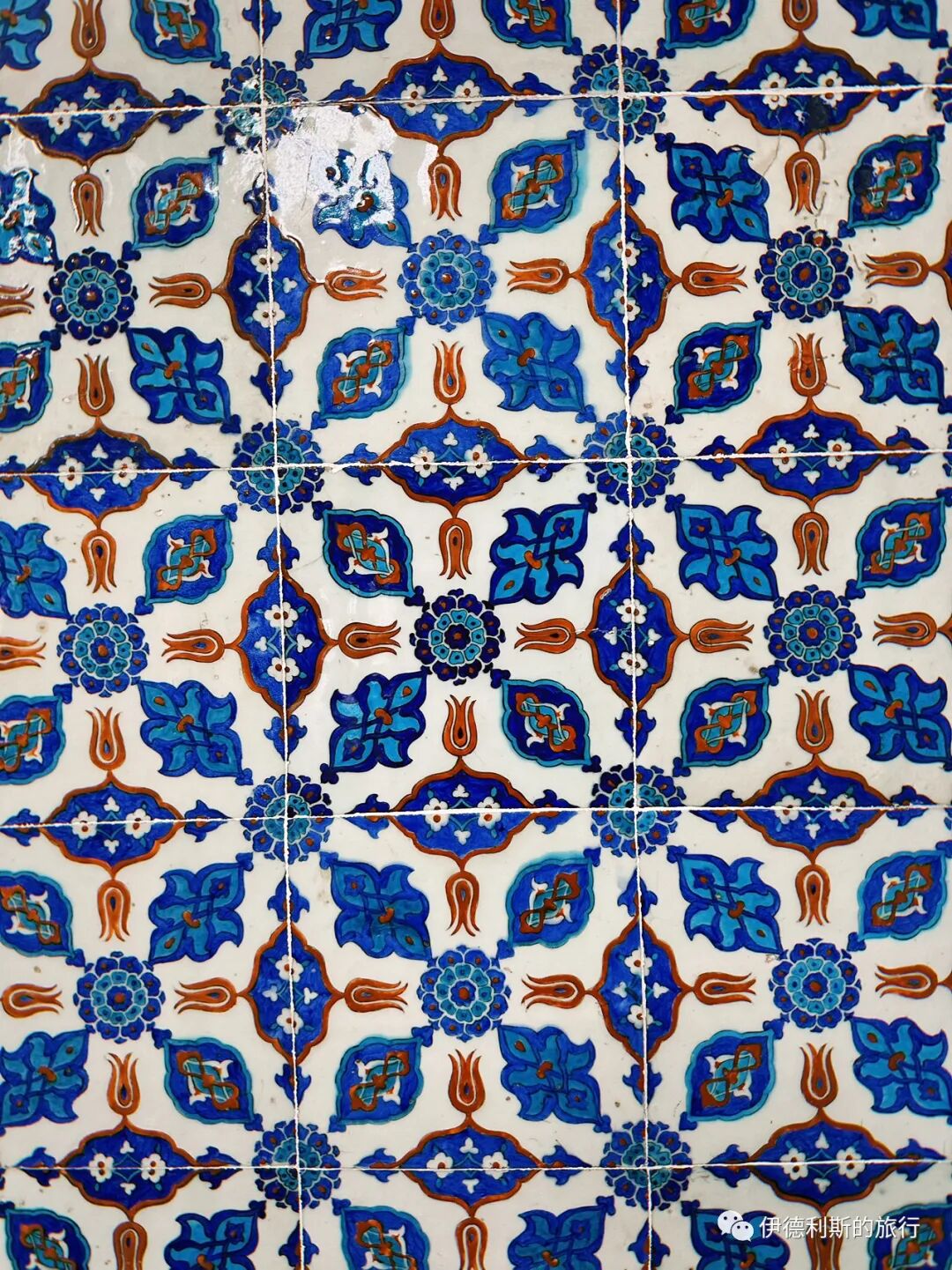
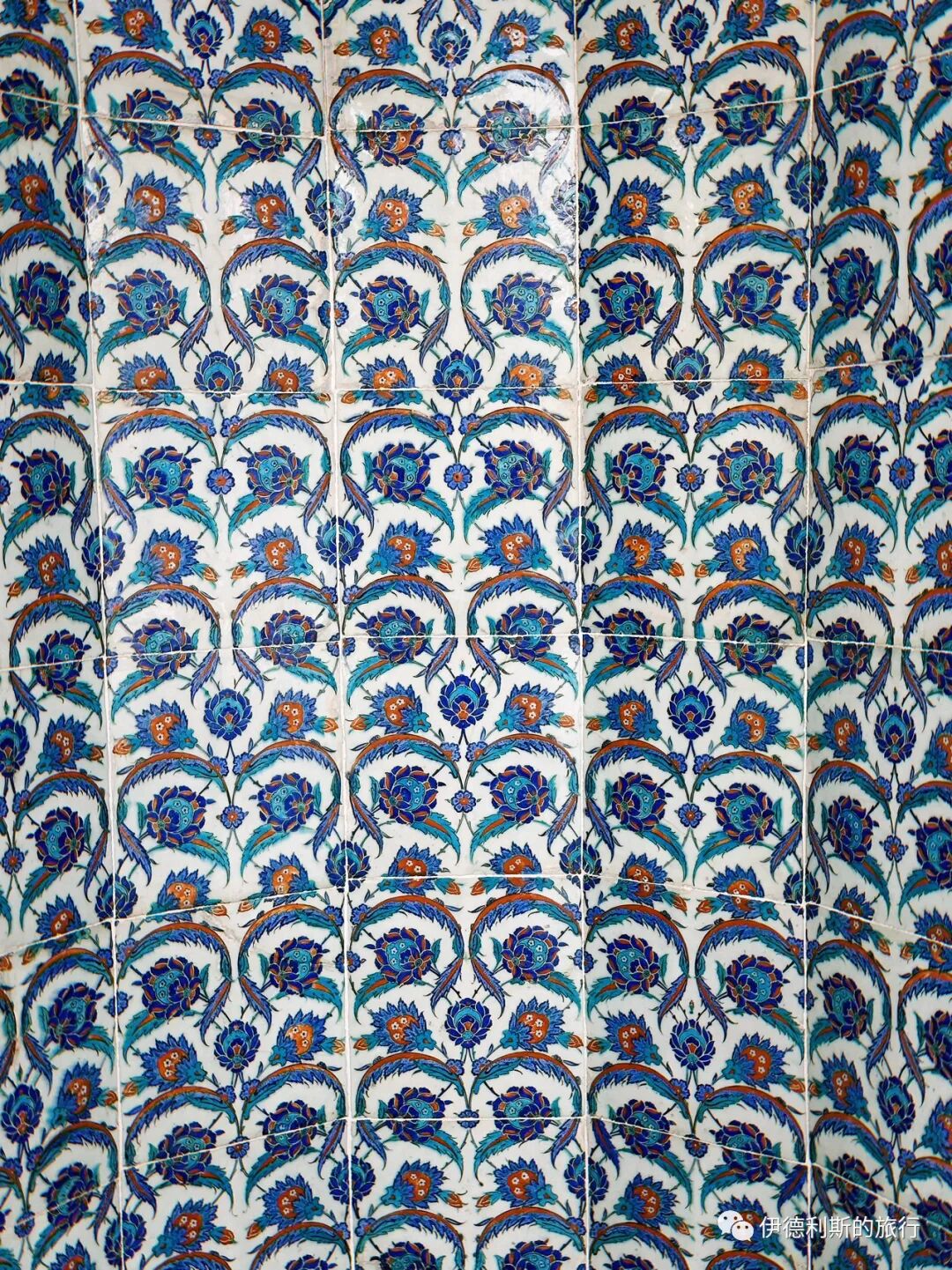
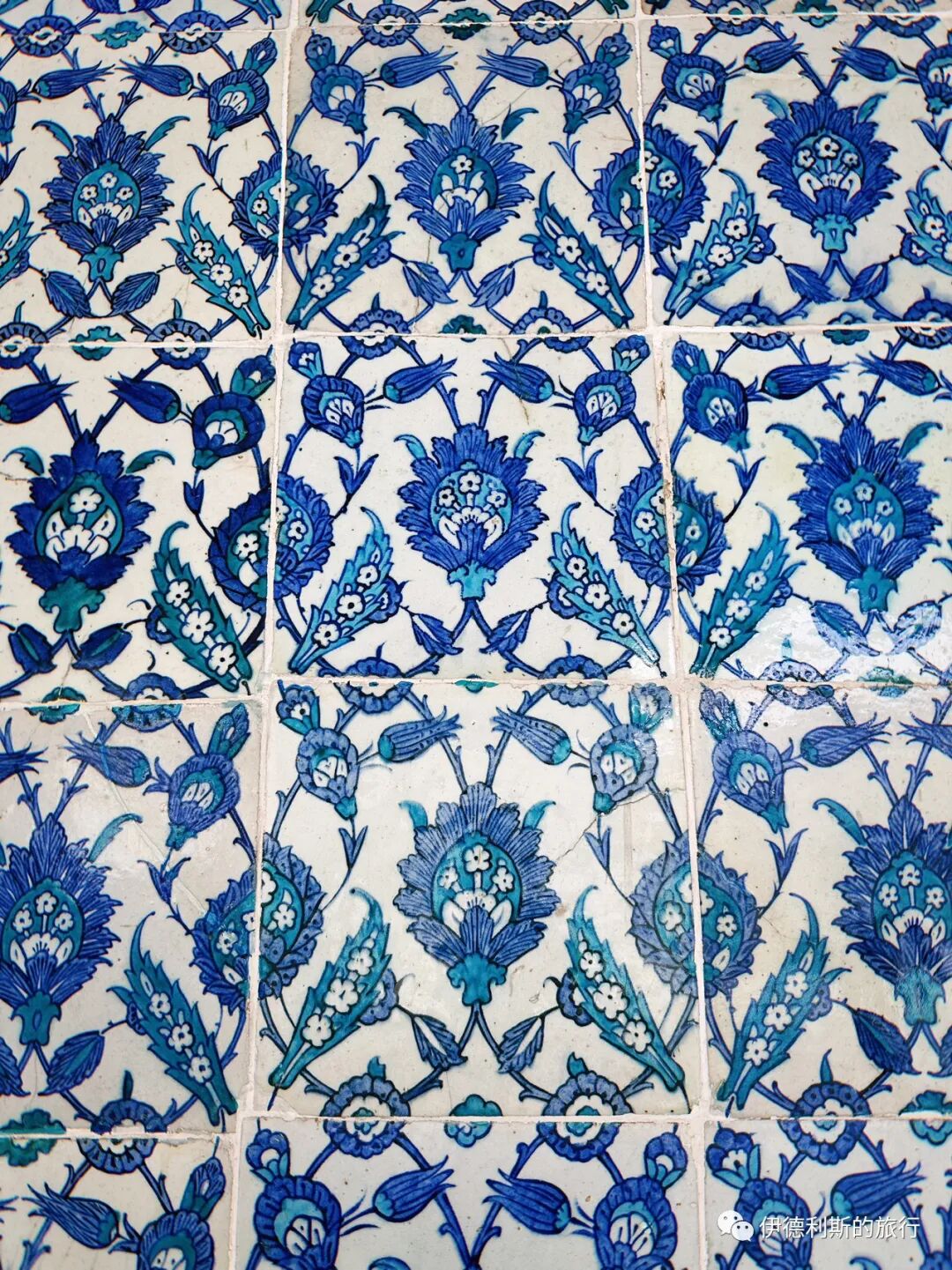
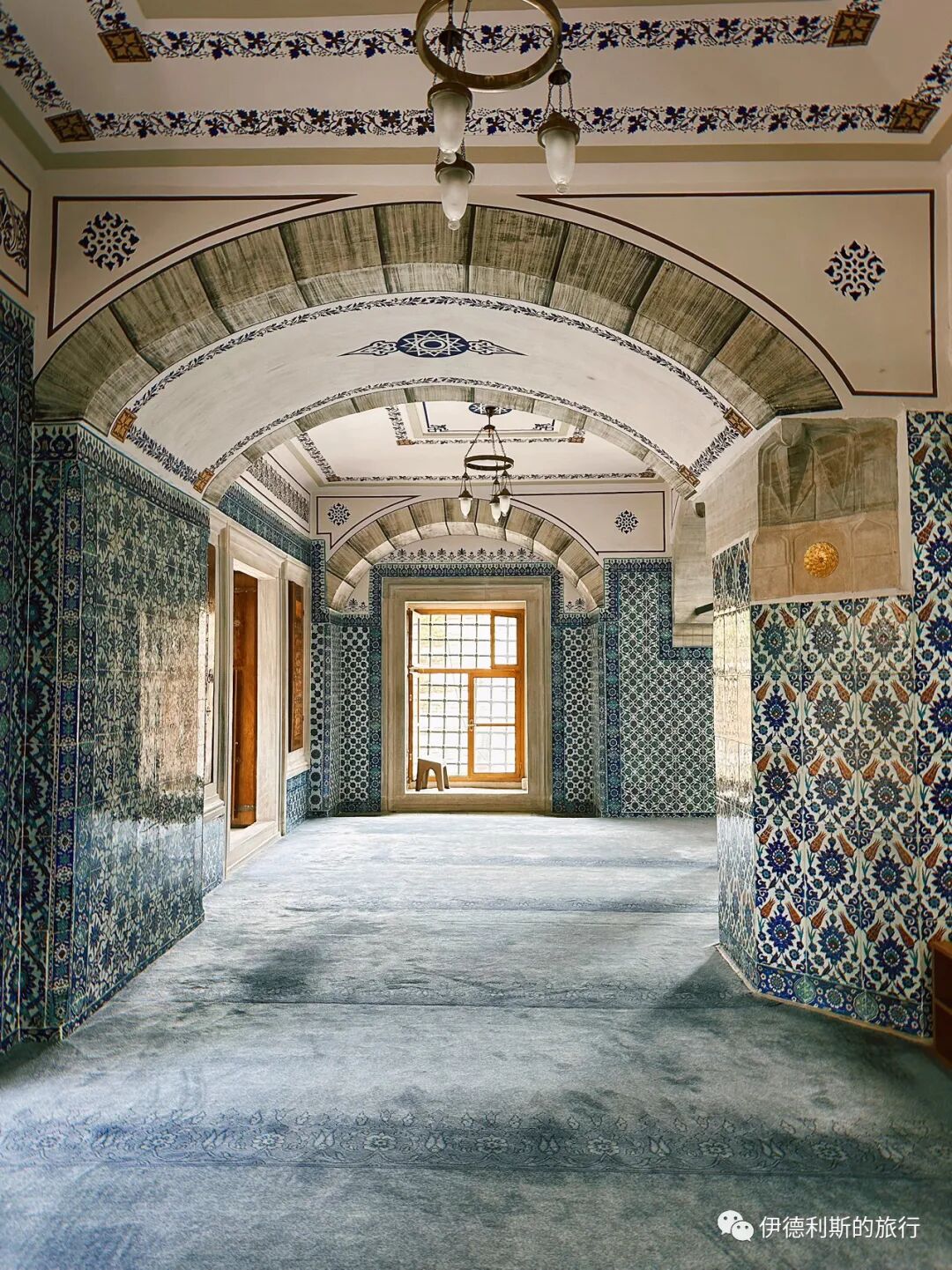
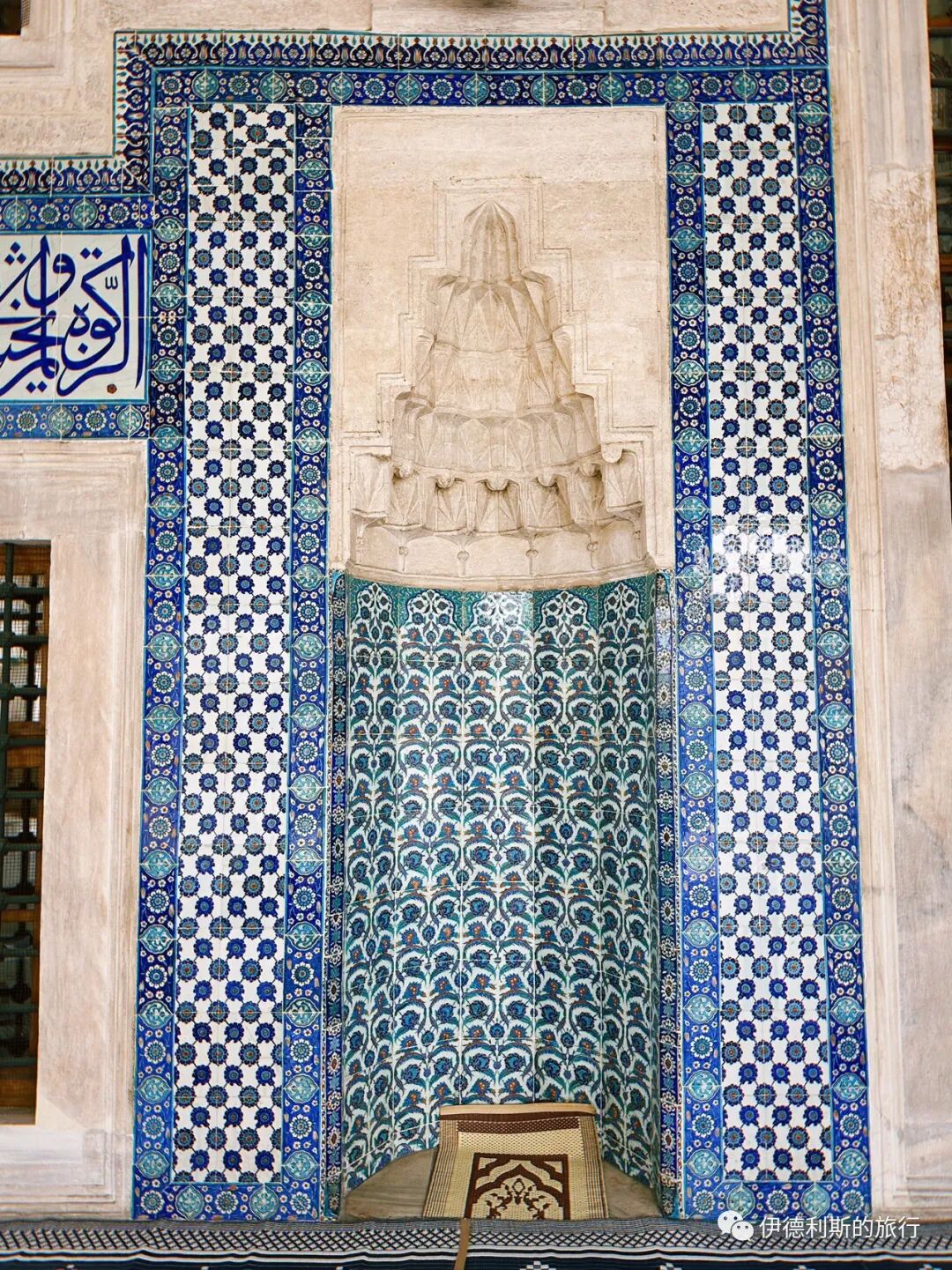
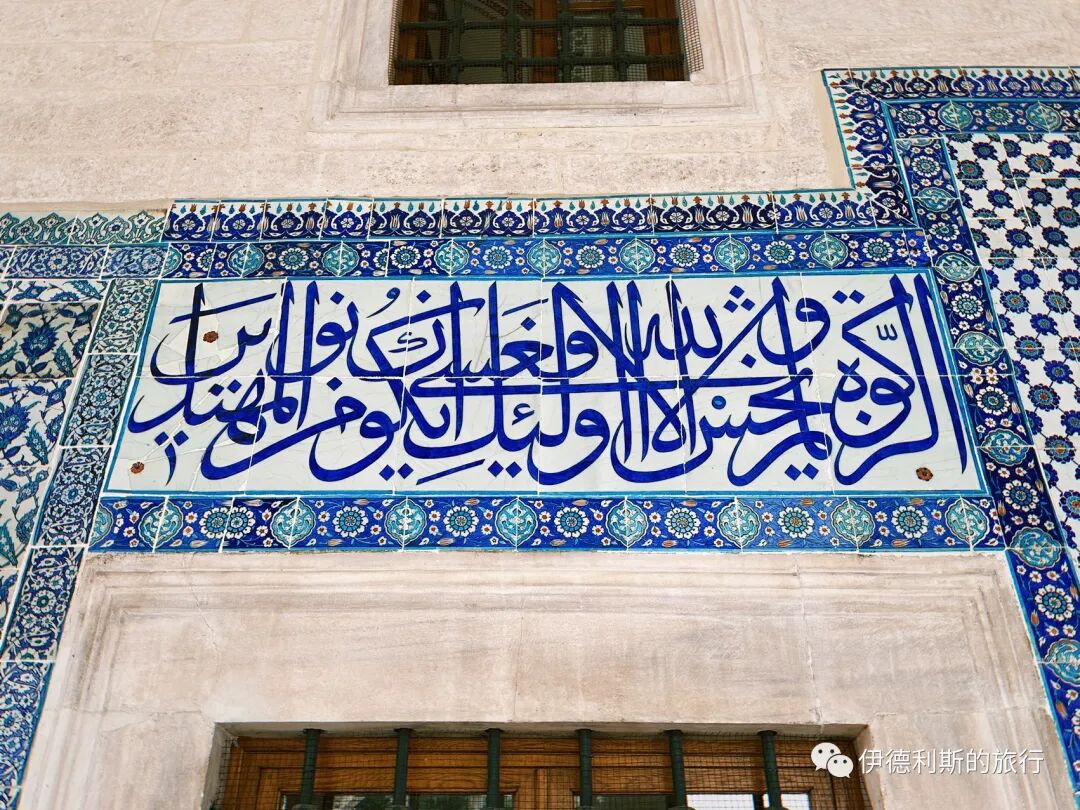
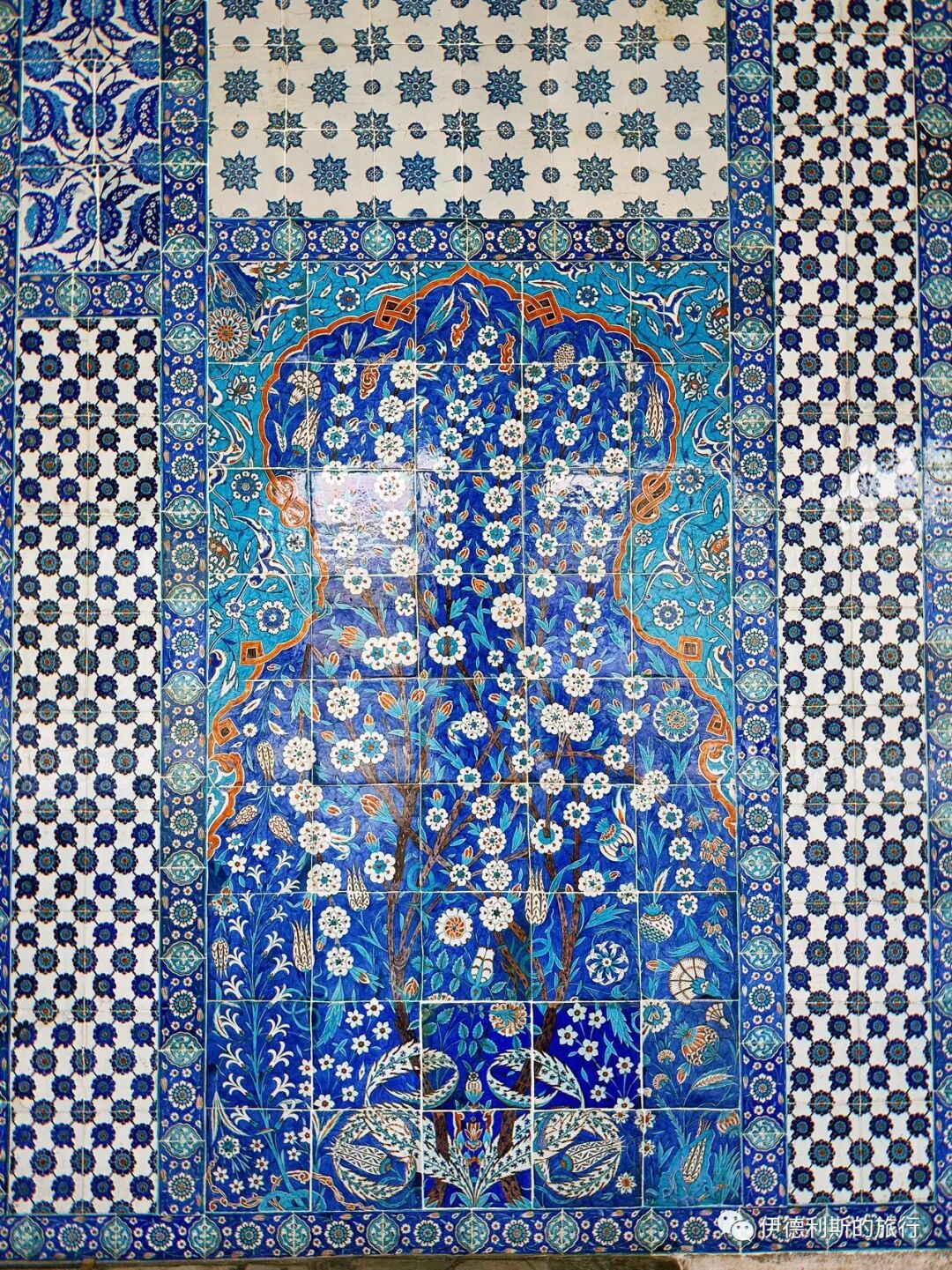
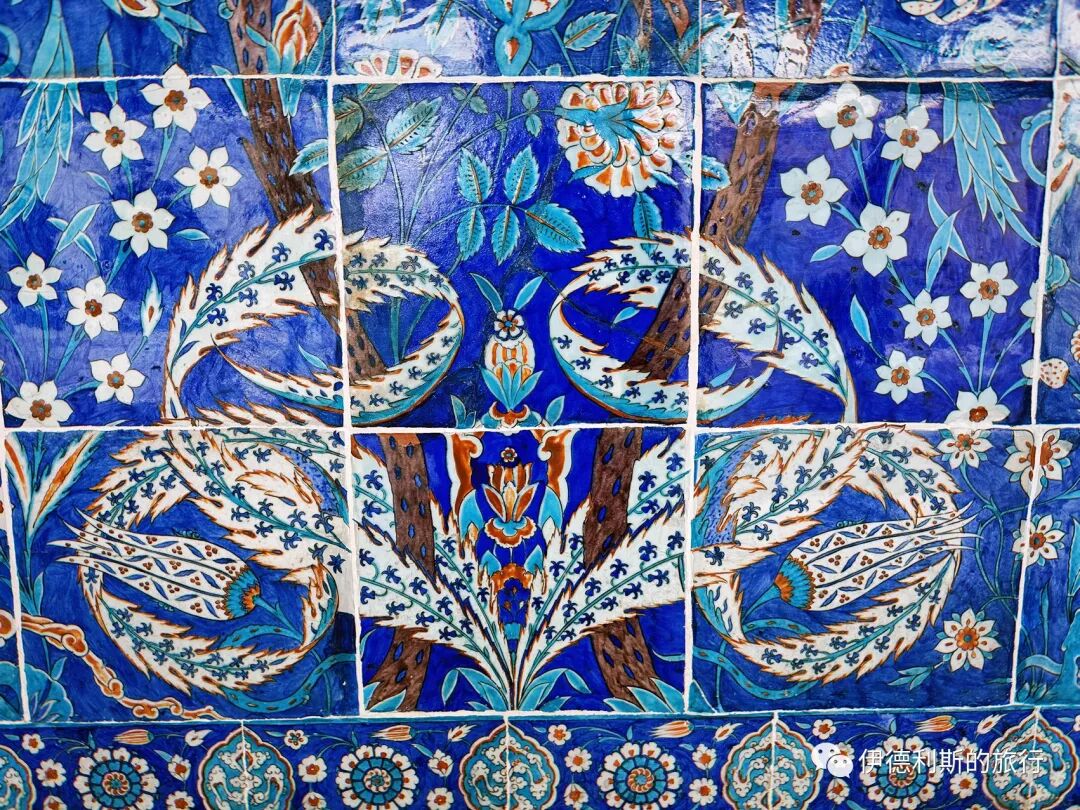
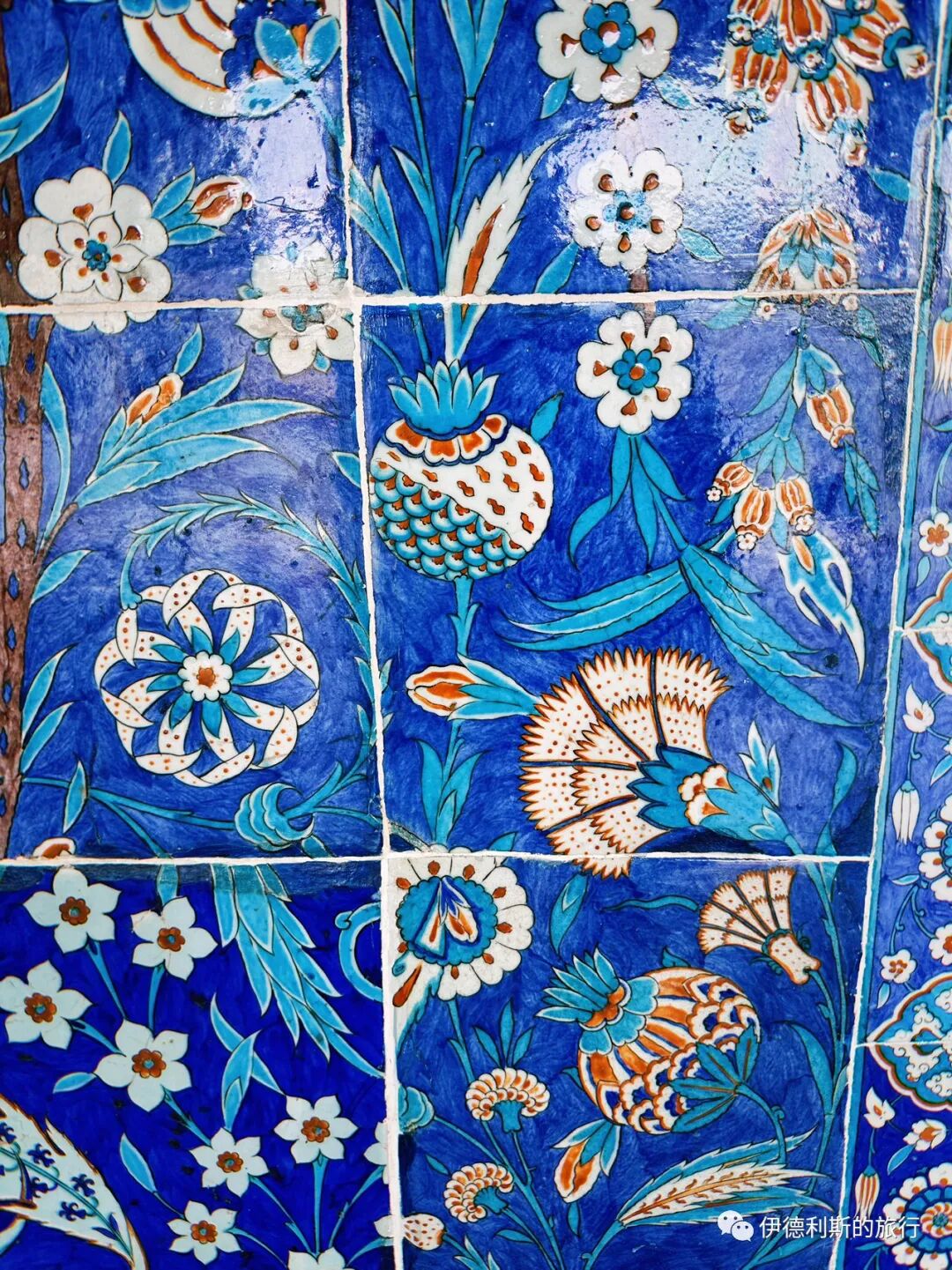
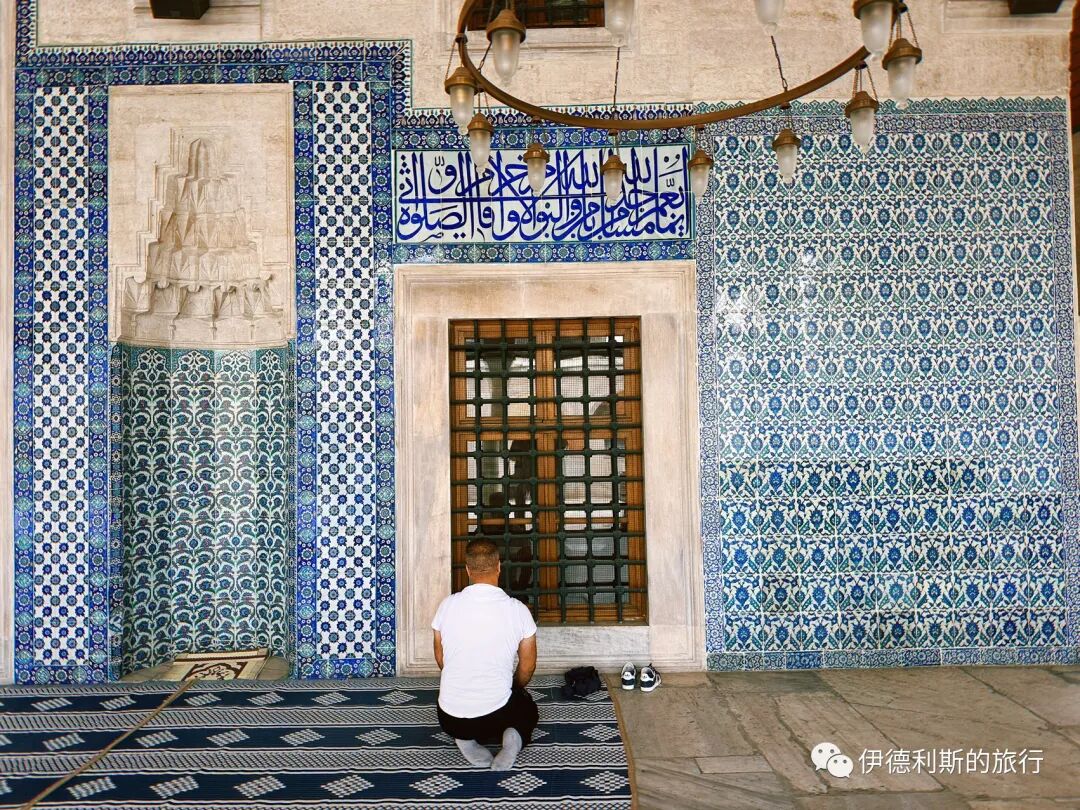
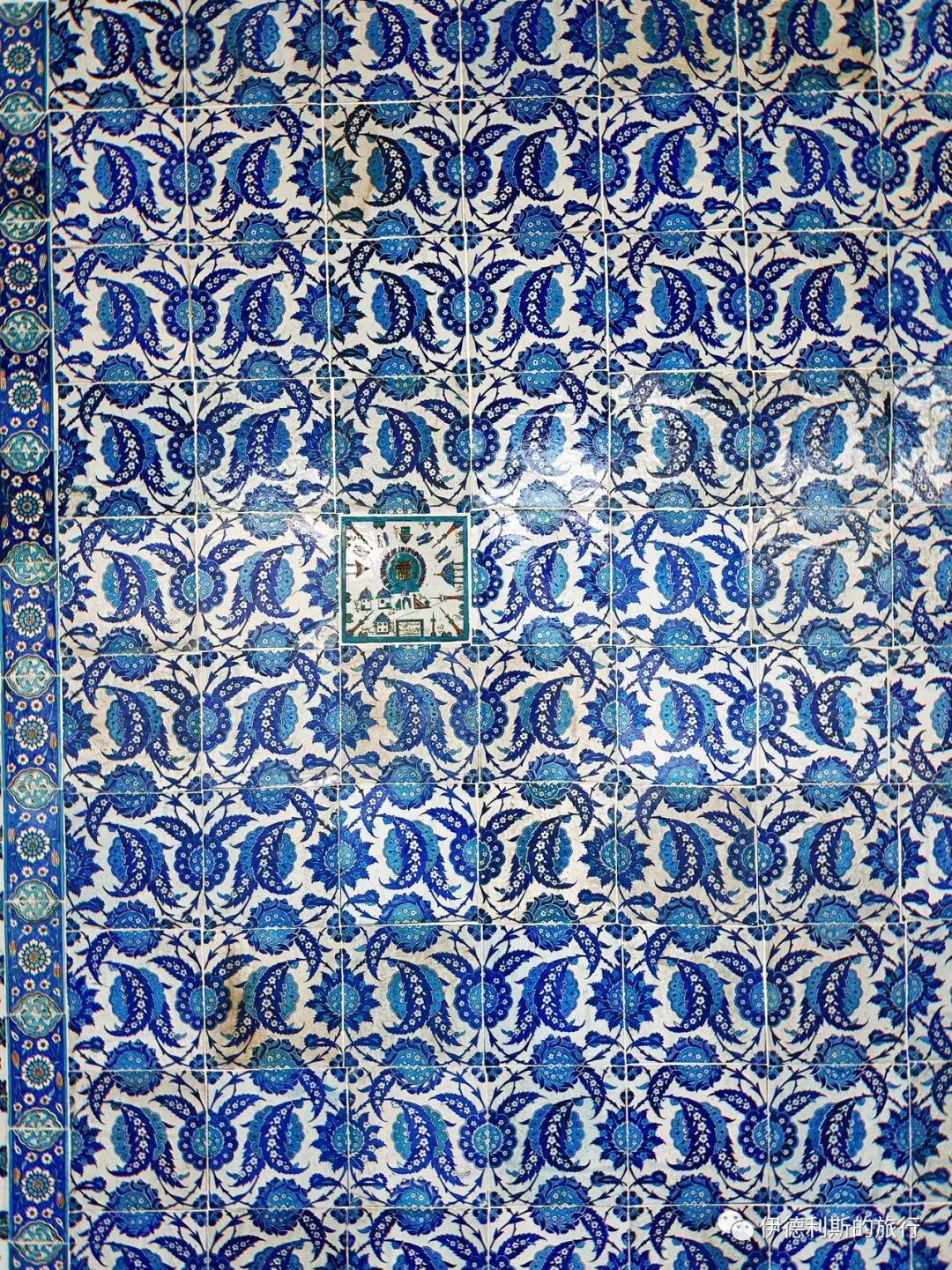
Most of Sinan's works are known for their rigorous architectural structure, but the Rüstem Paşa Mosque is famous for its exquisite interior Iznik tiles. About 2,300 Iznik tiles with 80 different floral and geometric patterns cover the outer walls of the main hall's porch, the interior walls, the prayer niche (mihrab), and the pulpit (minbar). It is said there are 41 types of tulip patterns alone. In the more than twenty years that followed, Sinan never again used such a large number of Iznik tiles to decorate a mosque.
People say these tiles were ordered by Rüstem Paşa himself to support Kara Memi, the chief painter of the Ottoman court at the time. Kara Memi created a new naturalistic style, and his floral works were widely used on crafts like tiles and carpets, leaving a profound influence on Ottoman art.
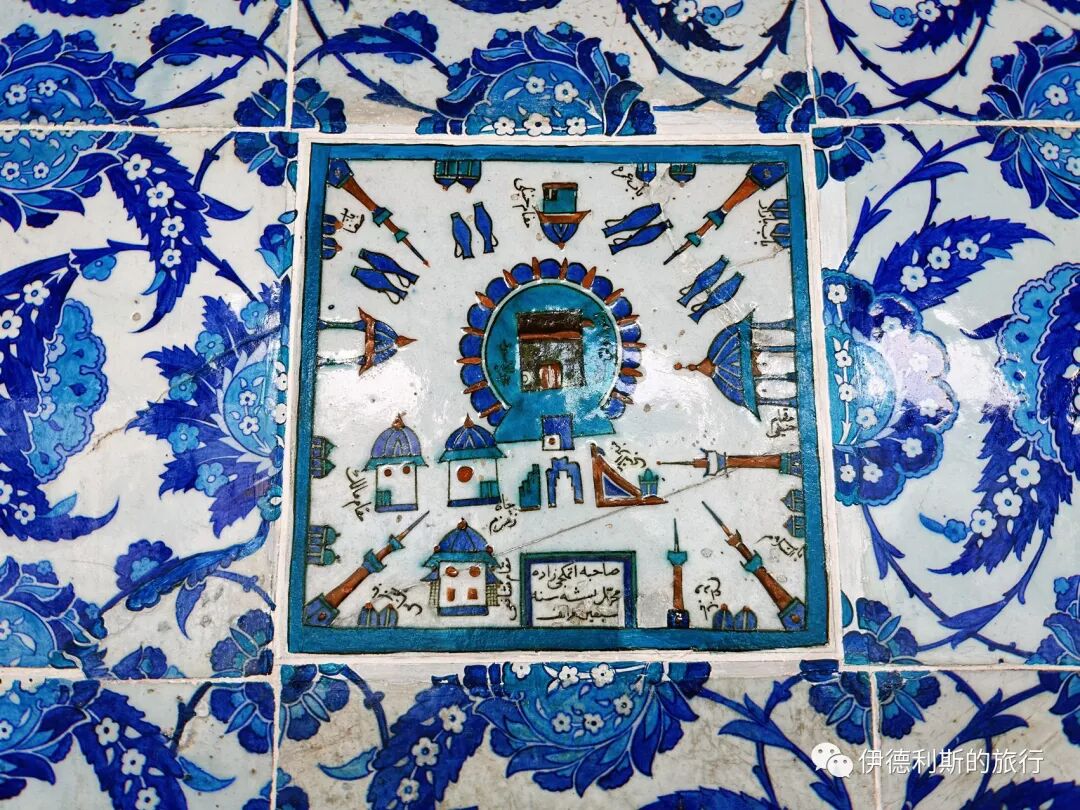
Elhac Timurtaş Mosque: 1460s
Not far west of the Rüstem Paşa Mosque, on a street corner, stands the Elhac Timurtaş Mosque. This small, unassuming mosque is actually one of the oldest in Istanbul. It was built in the 1460s by Timurtaş Ağa, who was a merchant there, and the architect was Mahsenci Hacı Ahmet Ağa. The Elhac Timurtaş Mosque has been rebuilt many times throughout history, so it is hard to see its original form today. The mosque was occupied between 1938 and 1964, restored in 1965 at the suggestion of local merchants, and renovated again in 1990 to its current appearance.
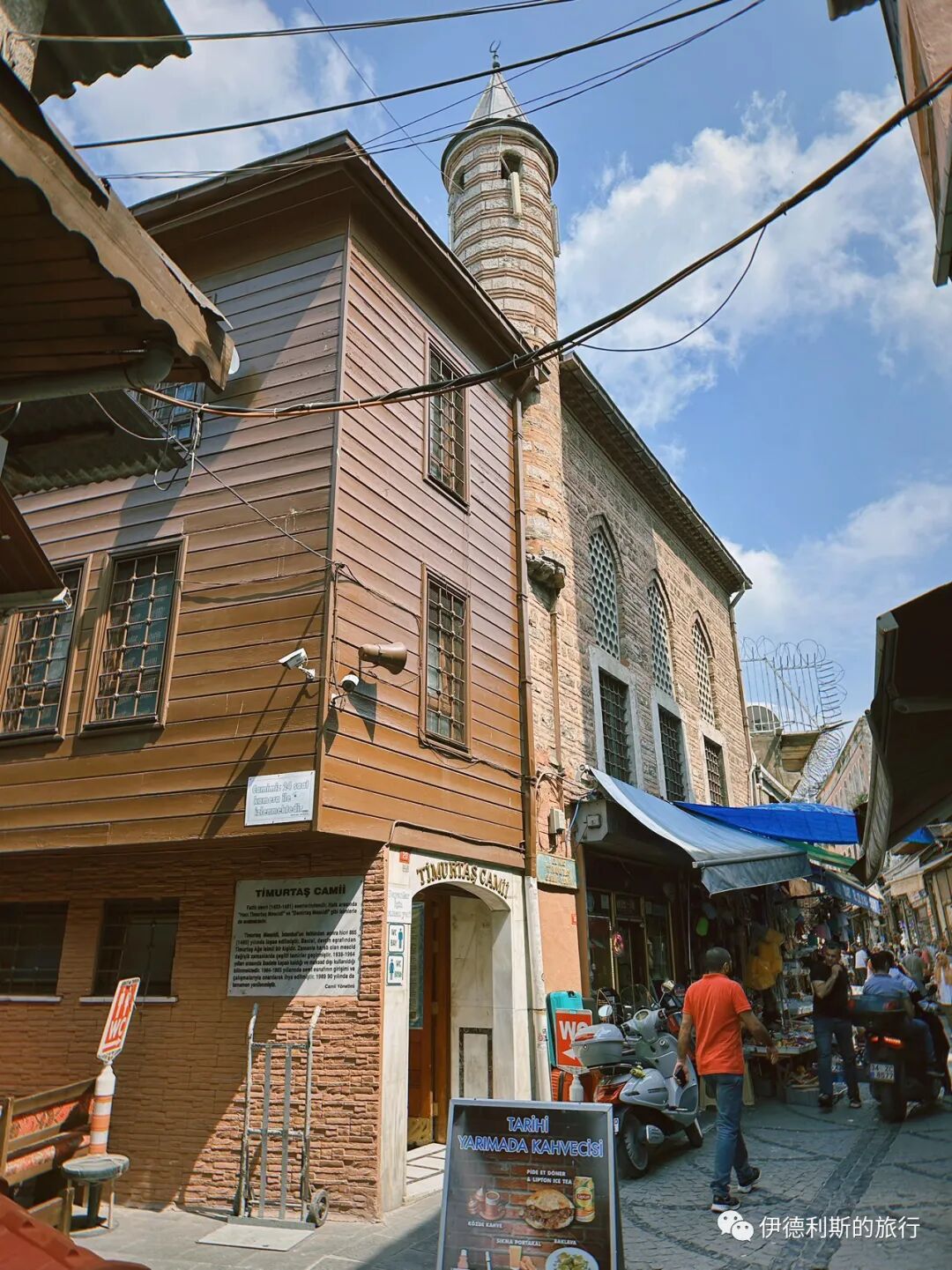
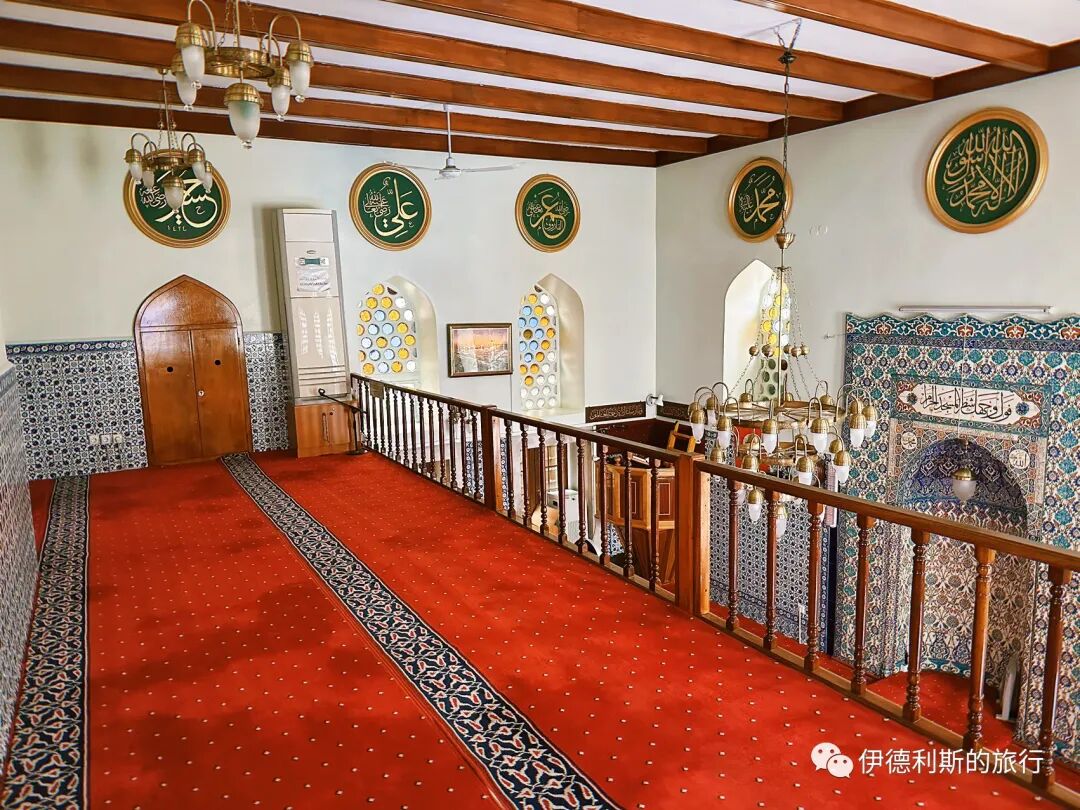
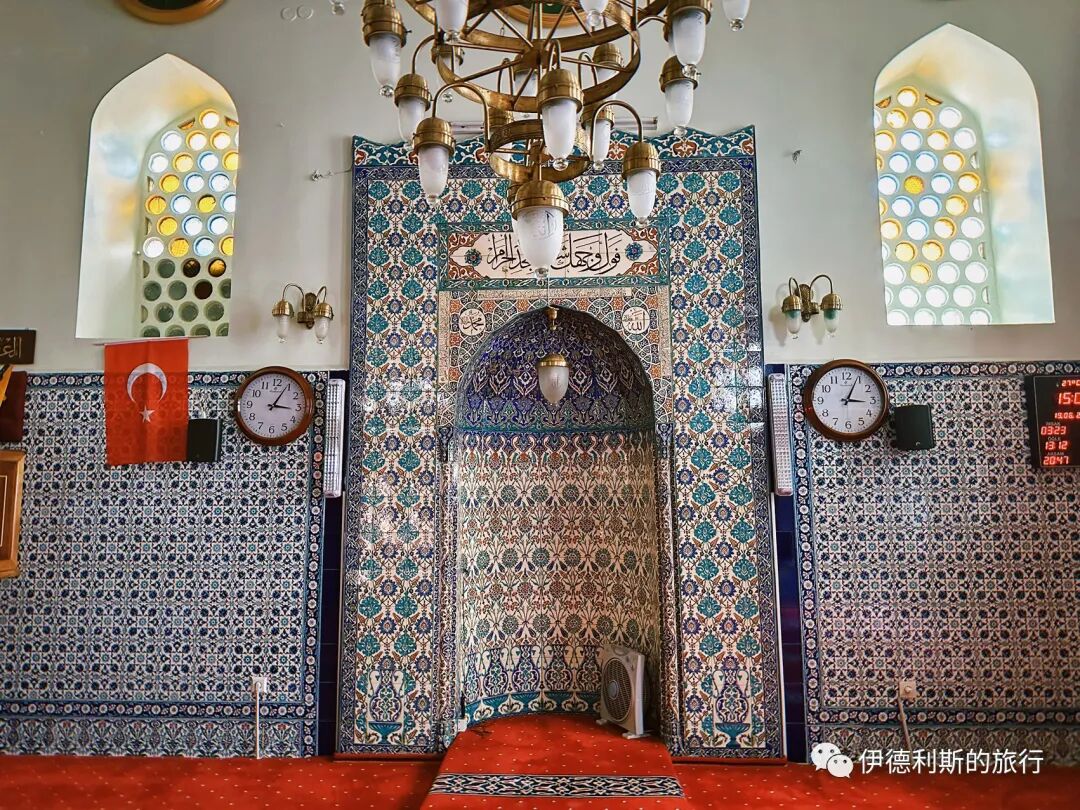
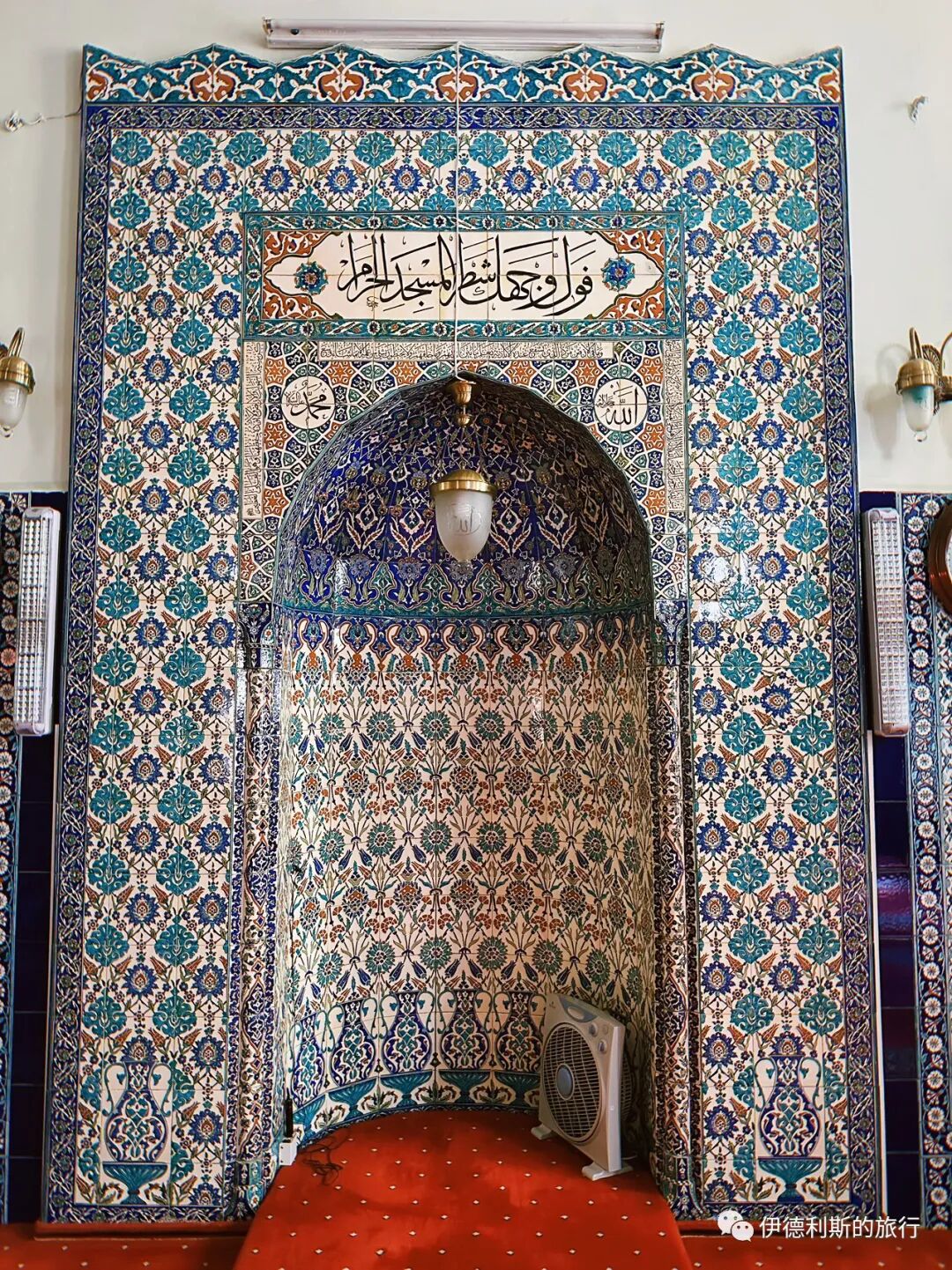
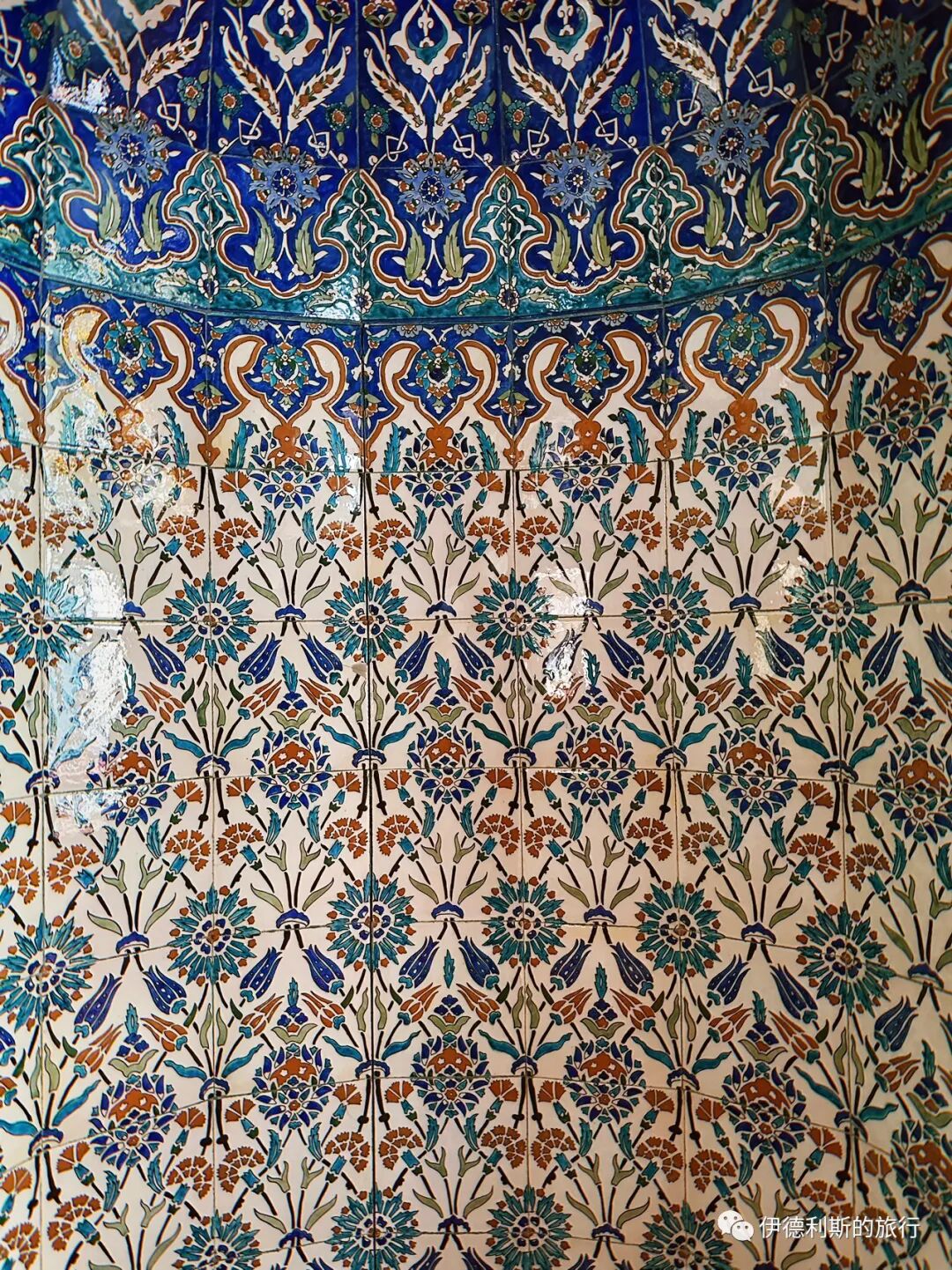
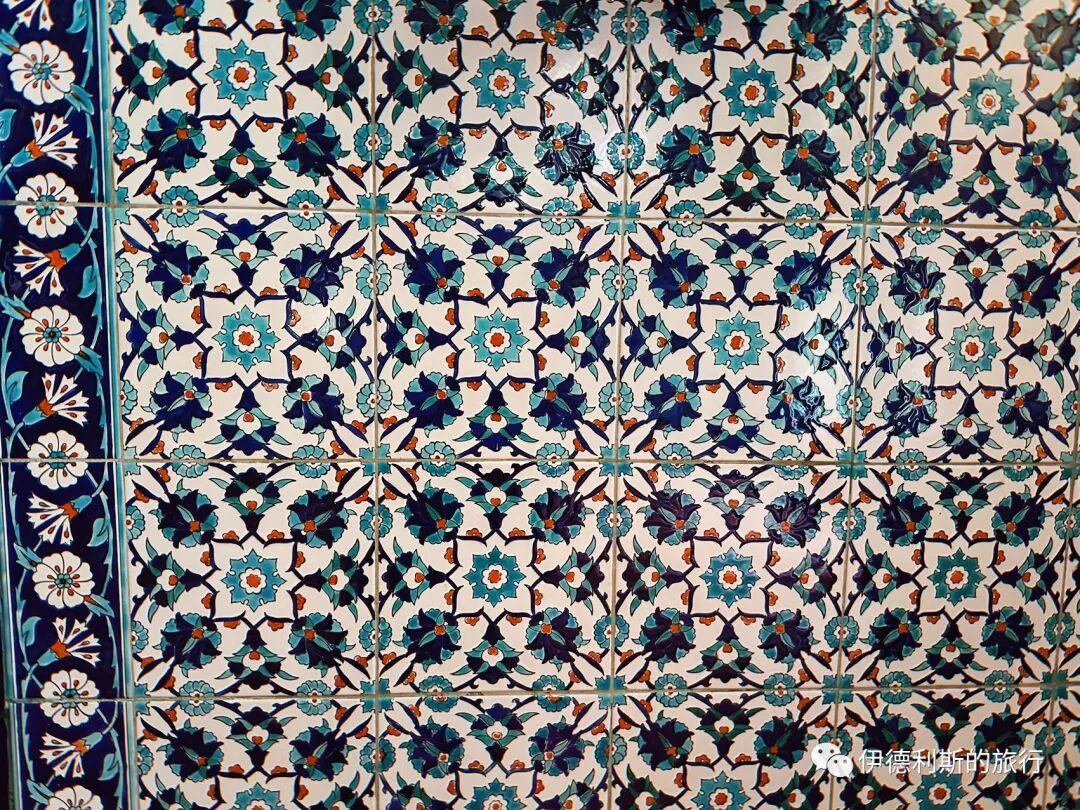
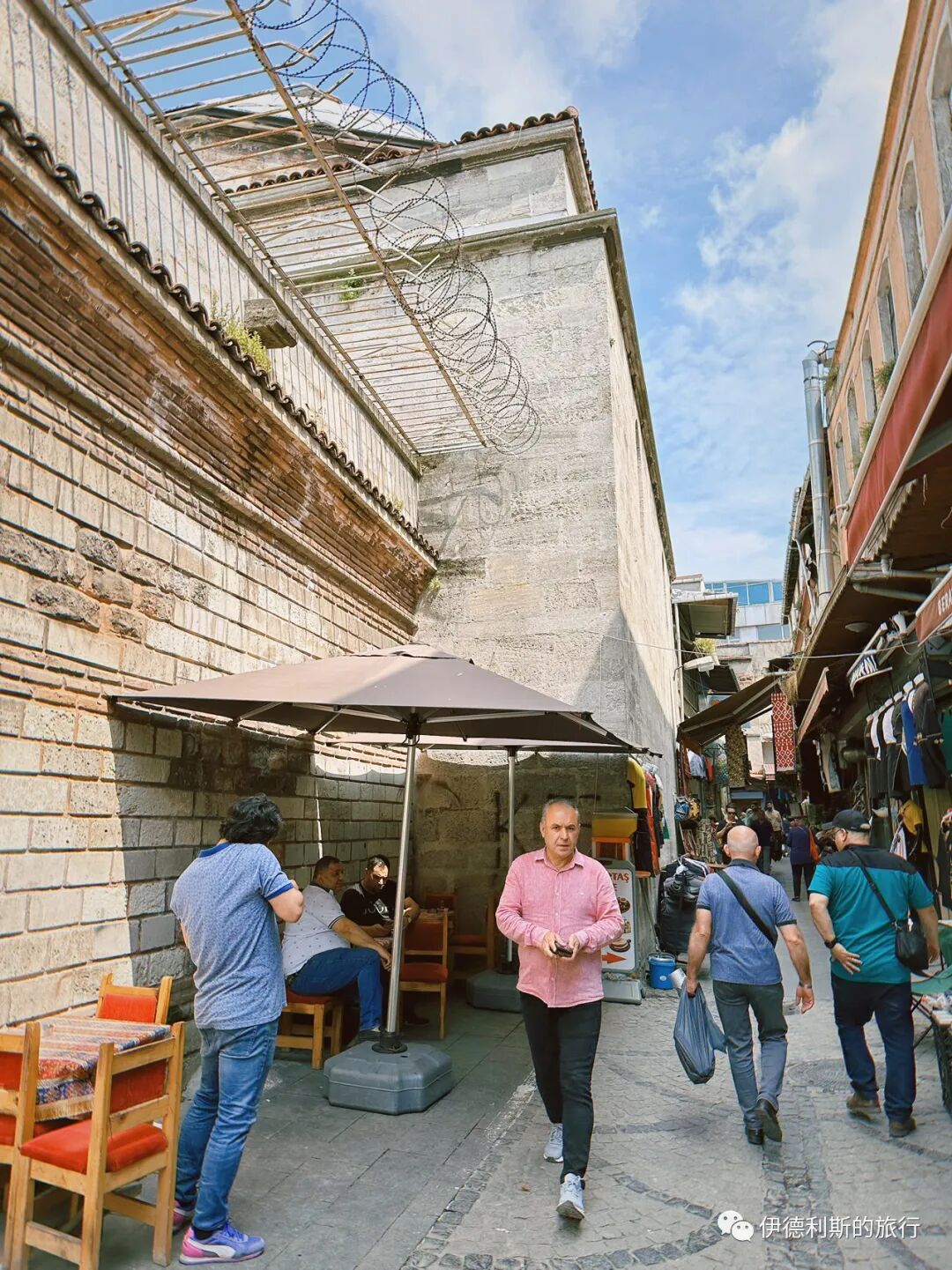
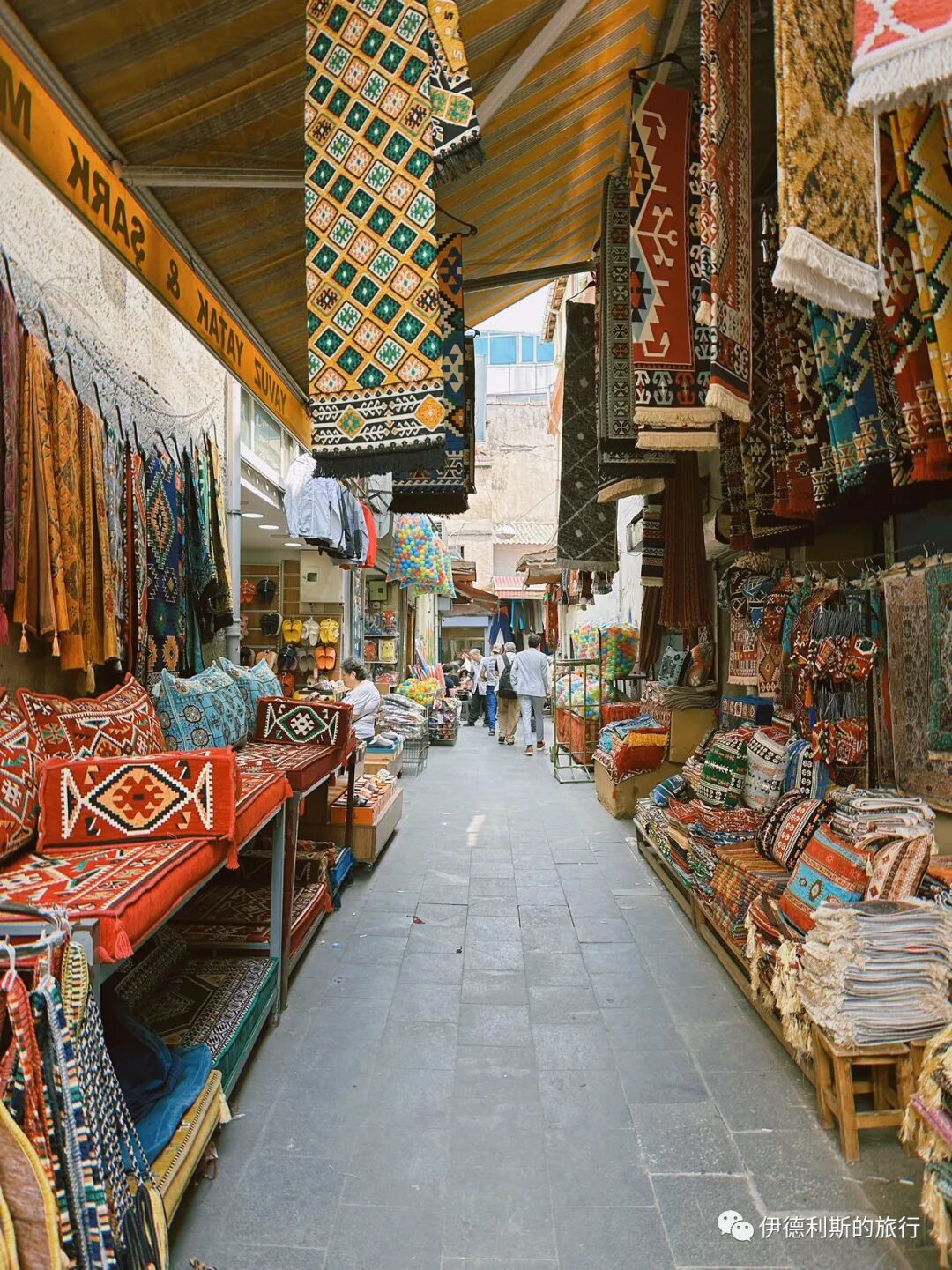
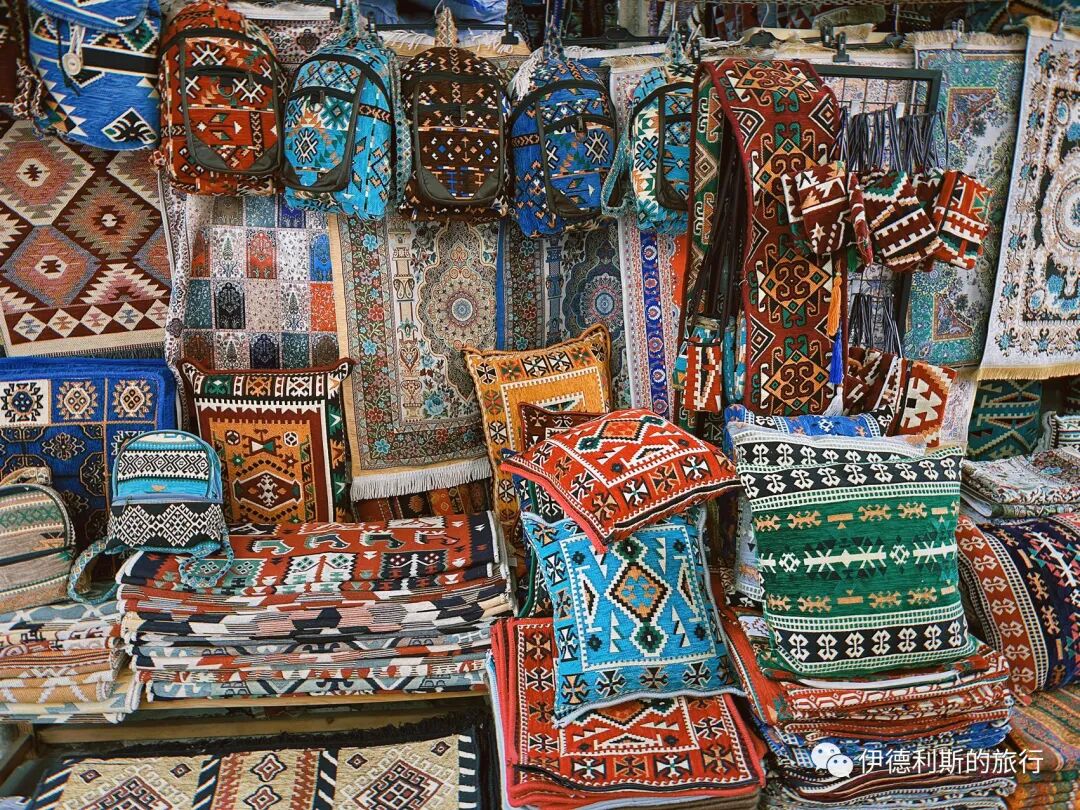
Siyavuş Pasha Madrasa (Museum of the Holy Relics and Prayer Beads): 1591.
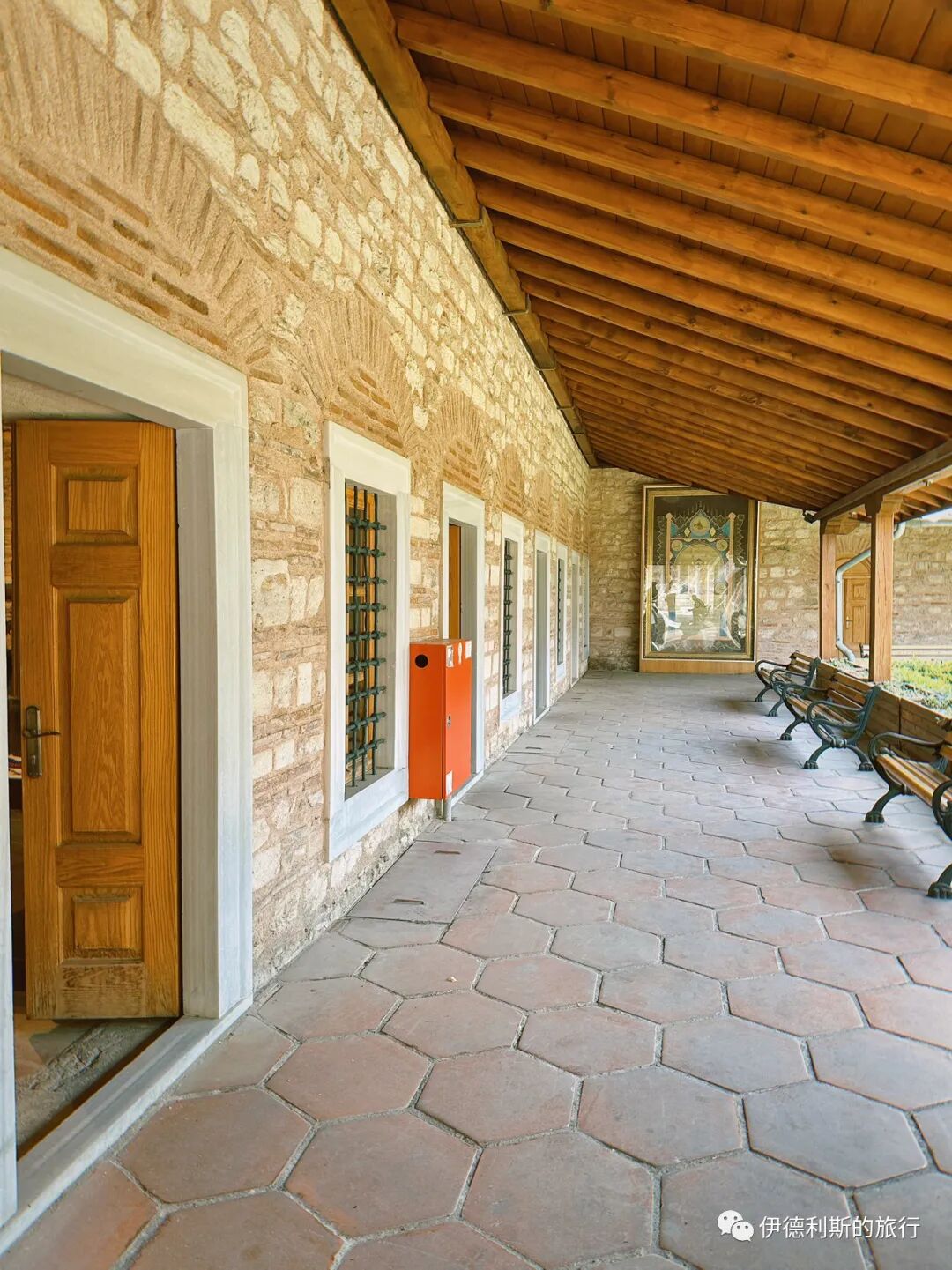
Continue walking west, cross the road, and you will find the Siyavuş Pasha Madrasa, which is now open as the Museum of the Holy Relics and Prayer Beads (Hilye-i Şerif ve Tesbih Müzesi). The madrasa was built in 1591 by Siyavuş Pasha, the Grand Vizier to the Ottoman Sultan Murad III, and was likely overseen by Davut Aga, the chief Ottoman architect who succeeded Mimar Sinan. The madrasa has a very precise design and uses high-quality materials. It consists of 15 dormitory rooms and one large classroom, arranged in an irregular geometric pattern along the hillside.
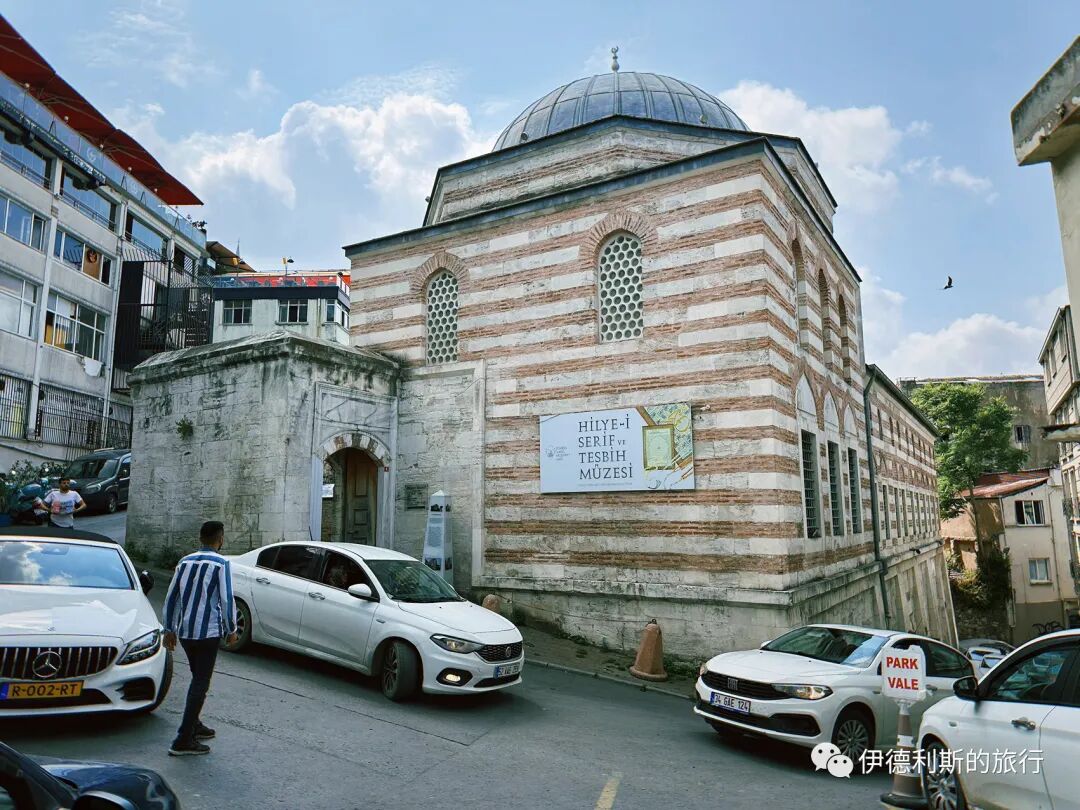
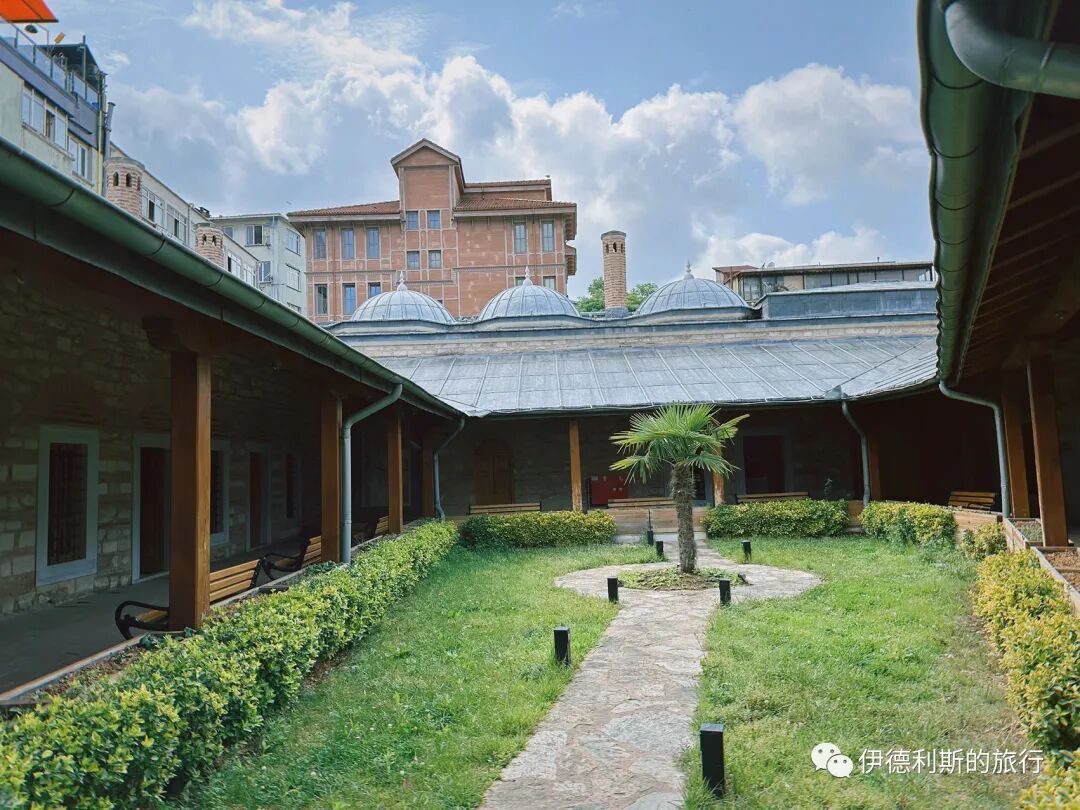
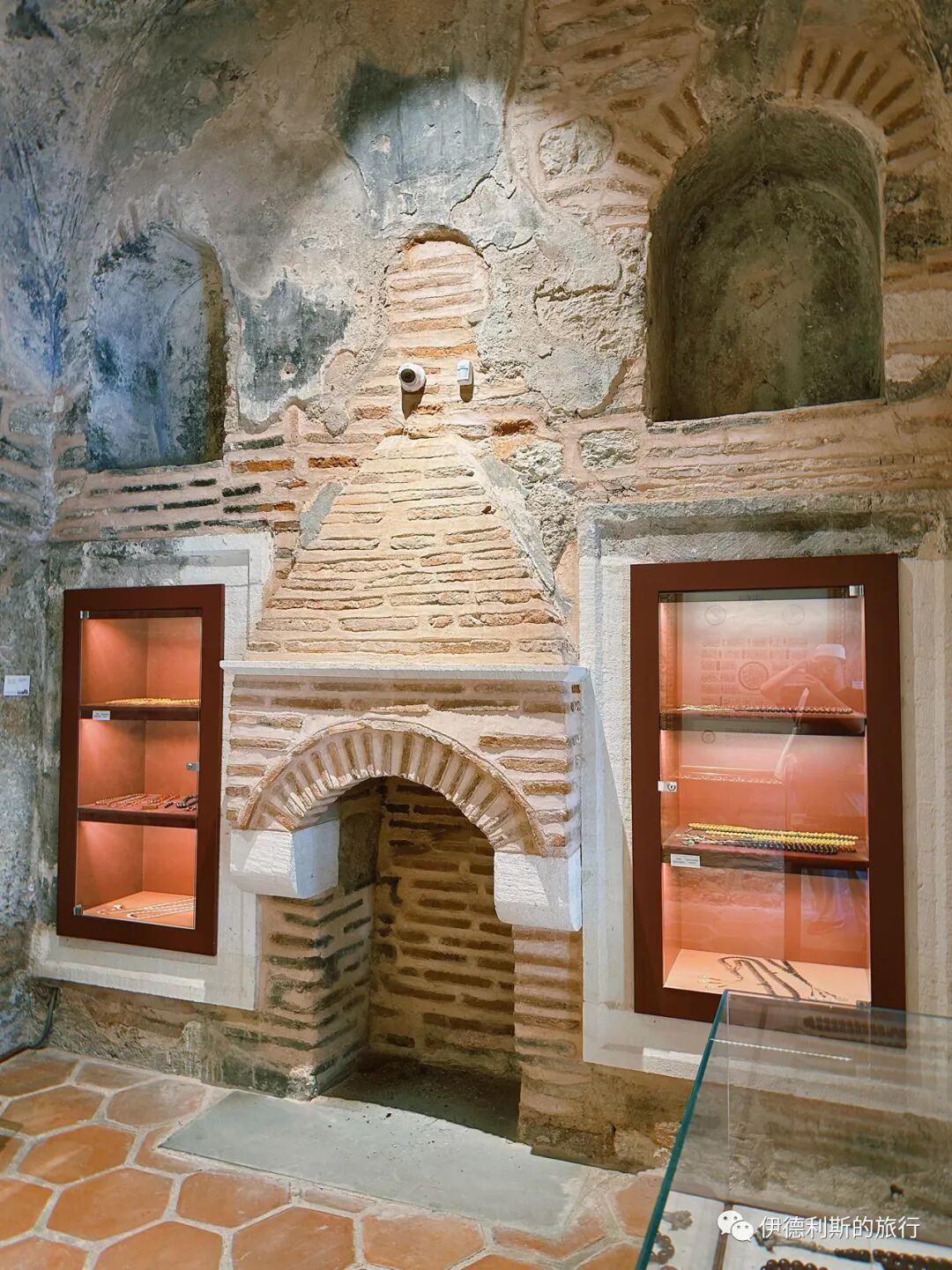
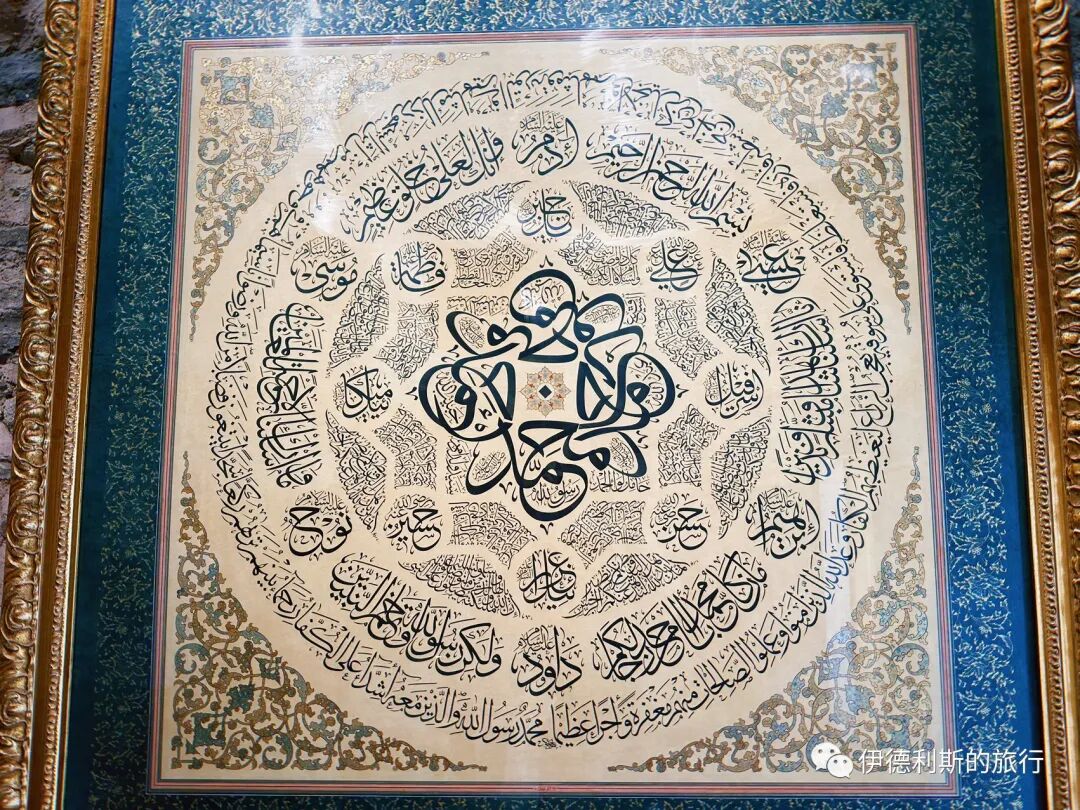
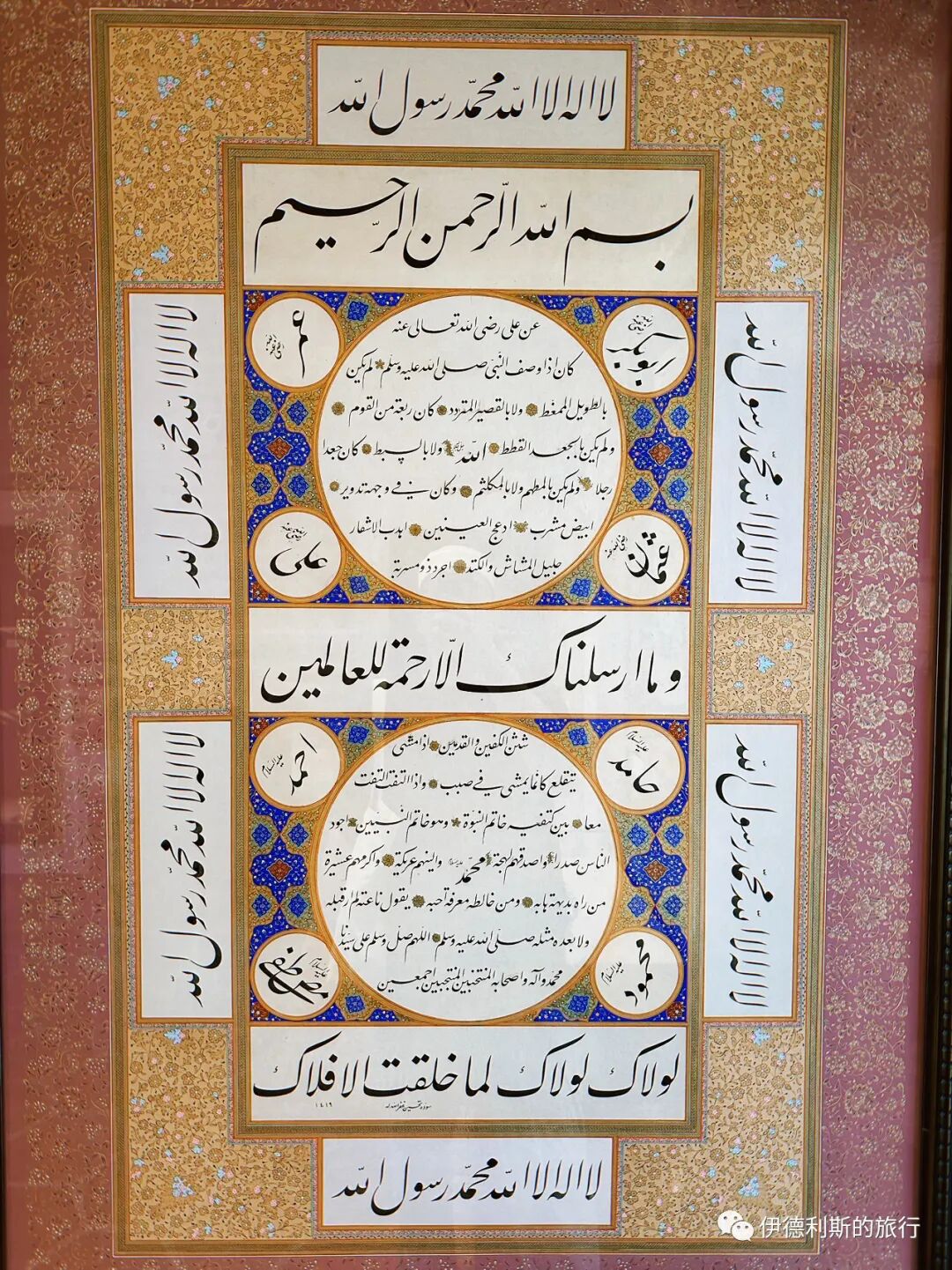
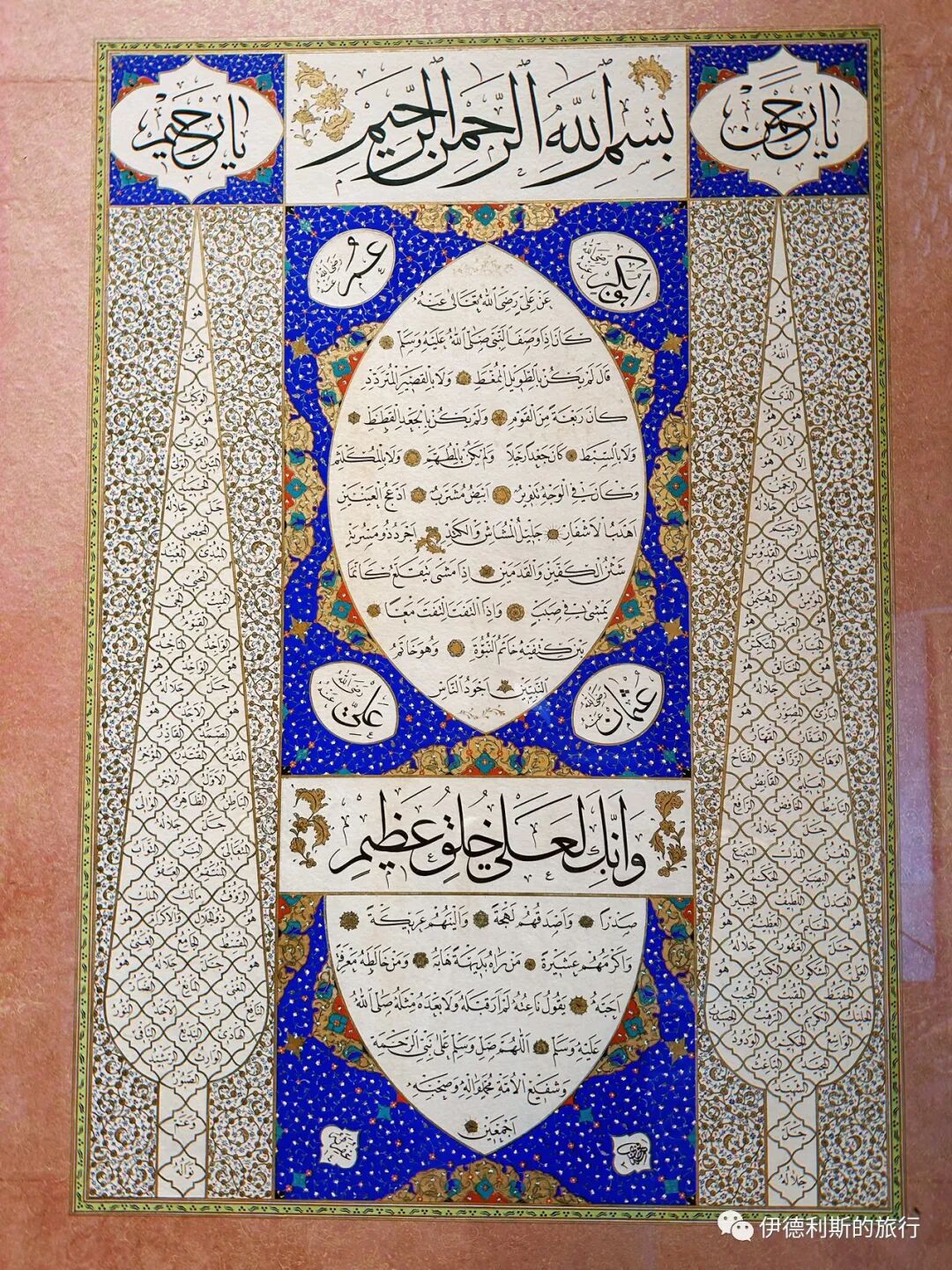
The Holy Relics (Hilye-i Şerif) are written descriptions of the appearance of the Prophet Muhammad and his followers, which became a mature form of Ottoman calligraphy after the 17th century. People write the Holy Relics in beautiful Naskh Arabic calligraphy, frame them, and hang them in their homes, where everyone who passes by offers a blessing.
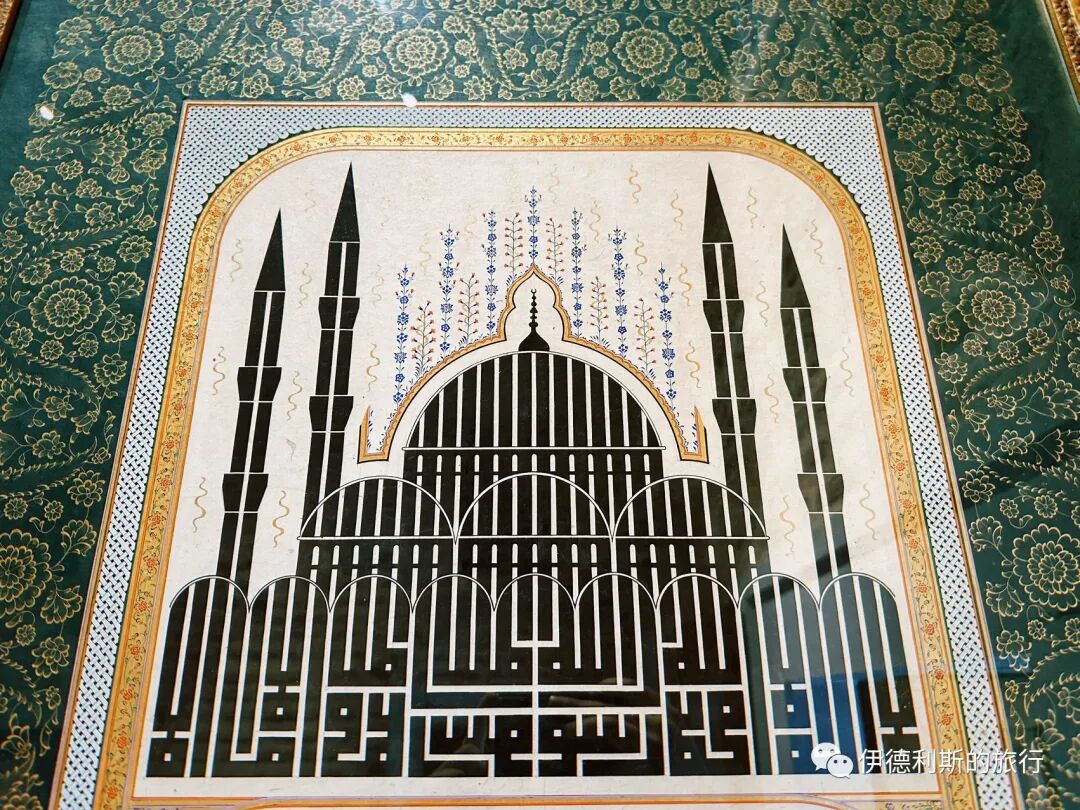
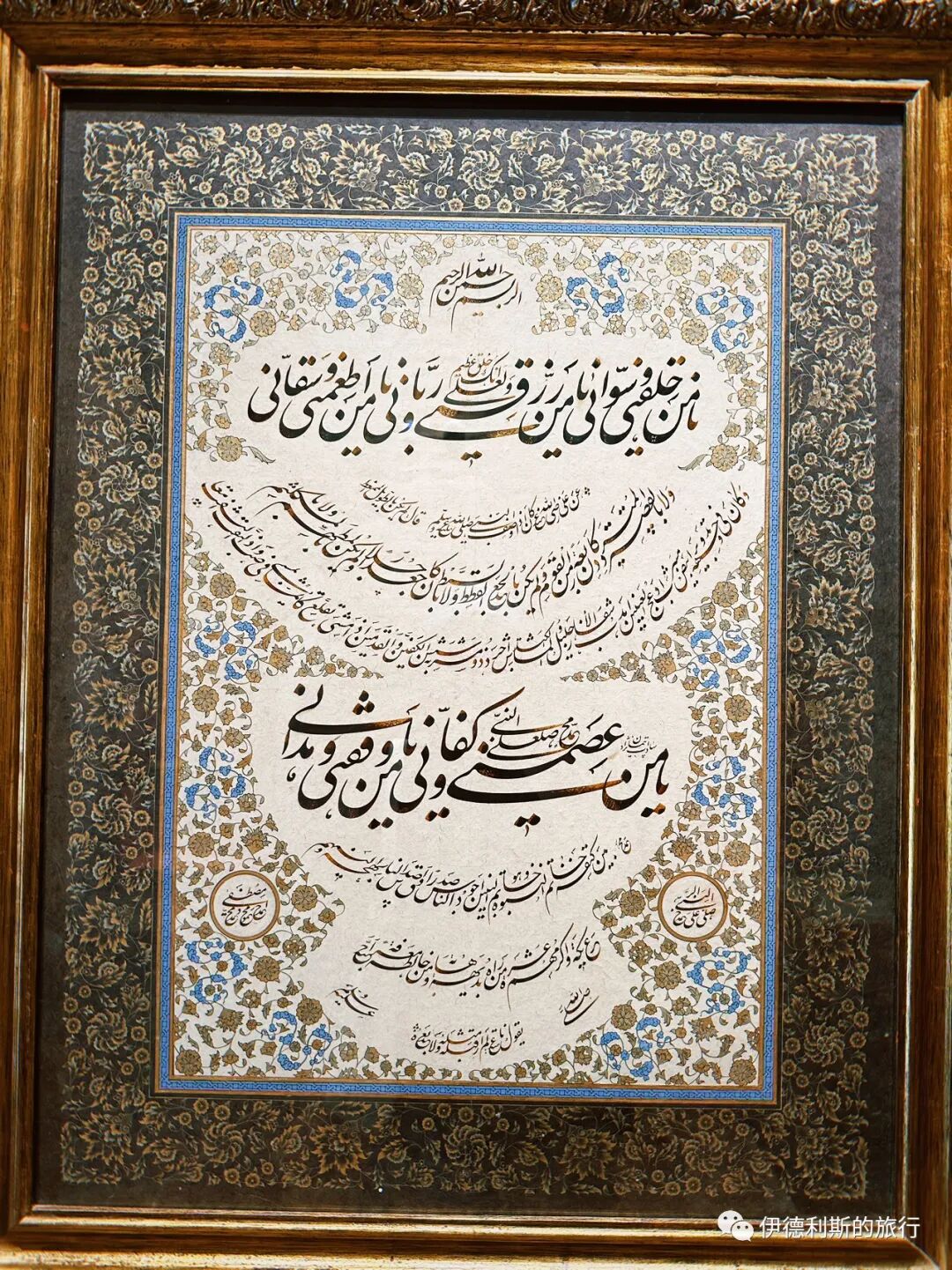
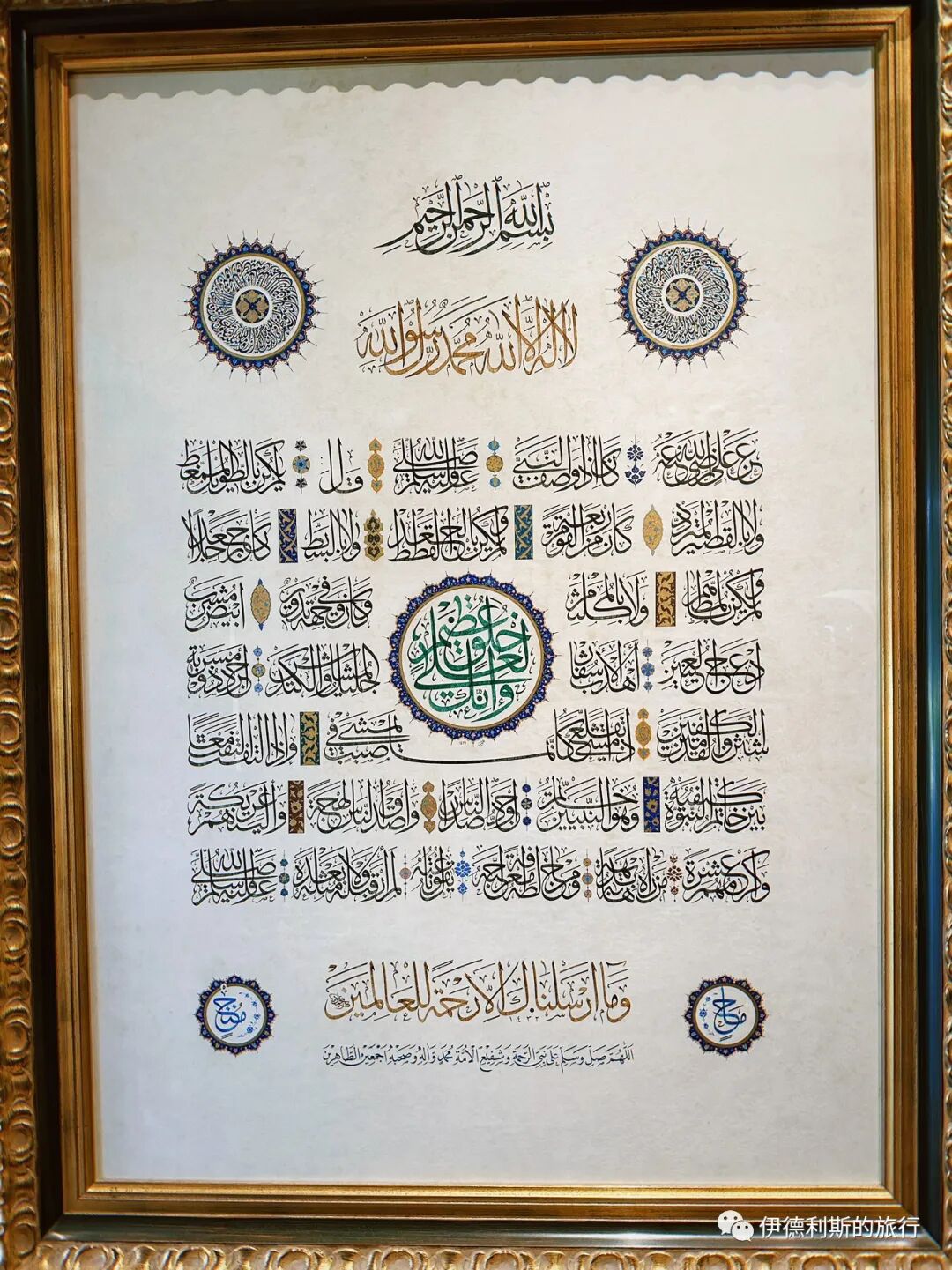
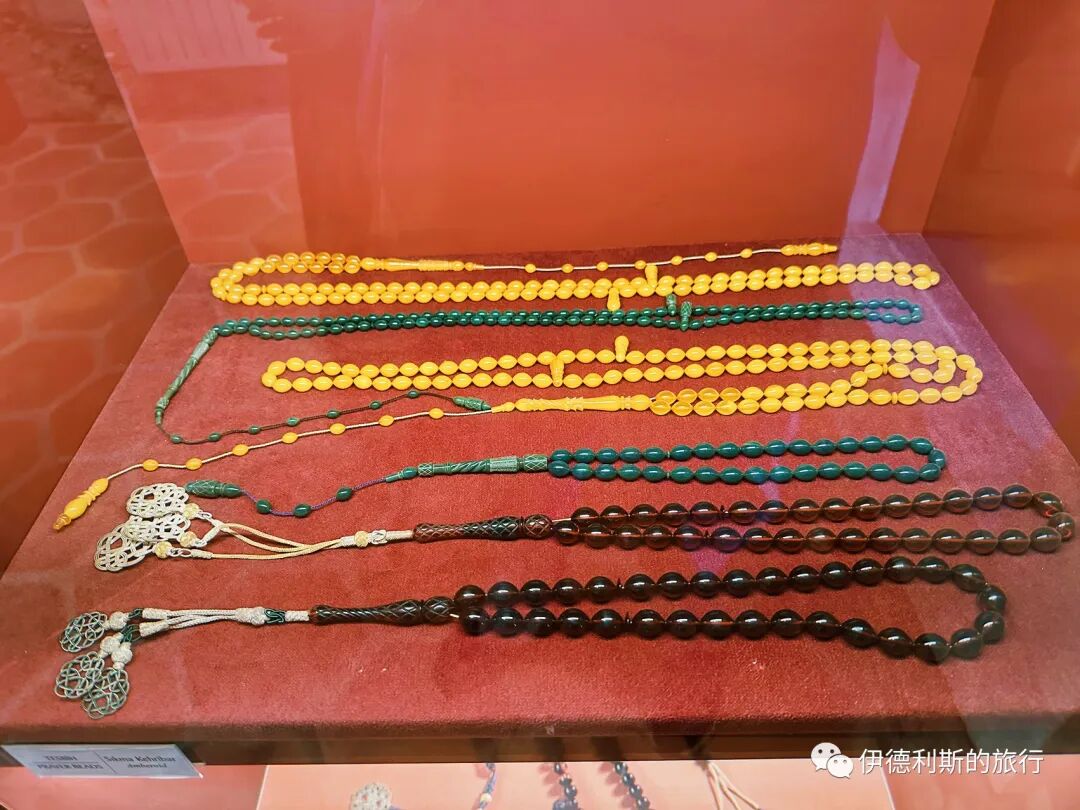
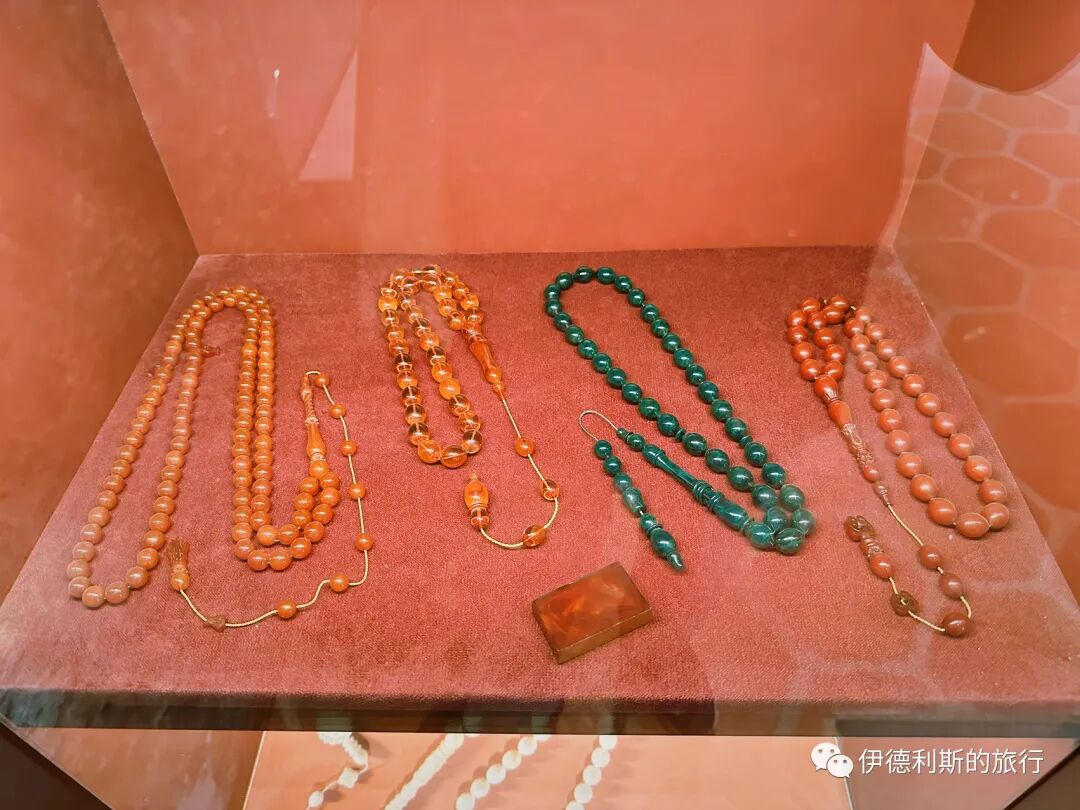
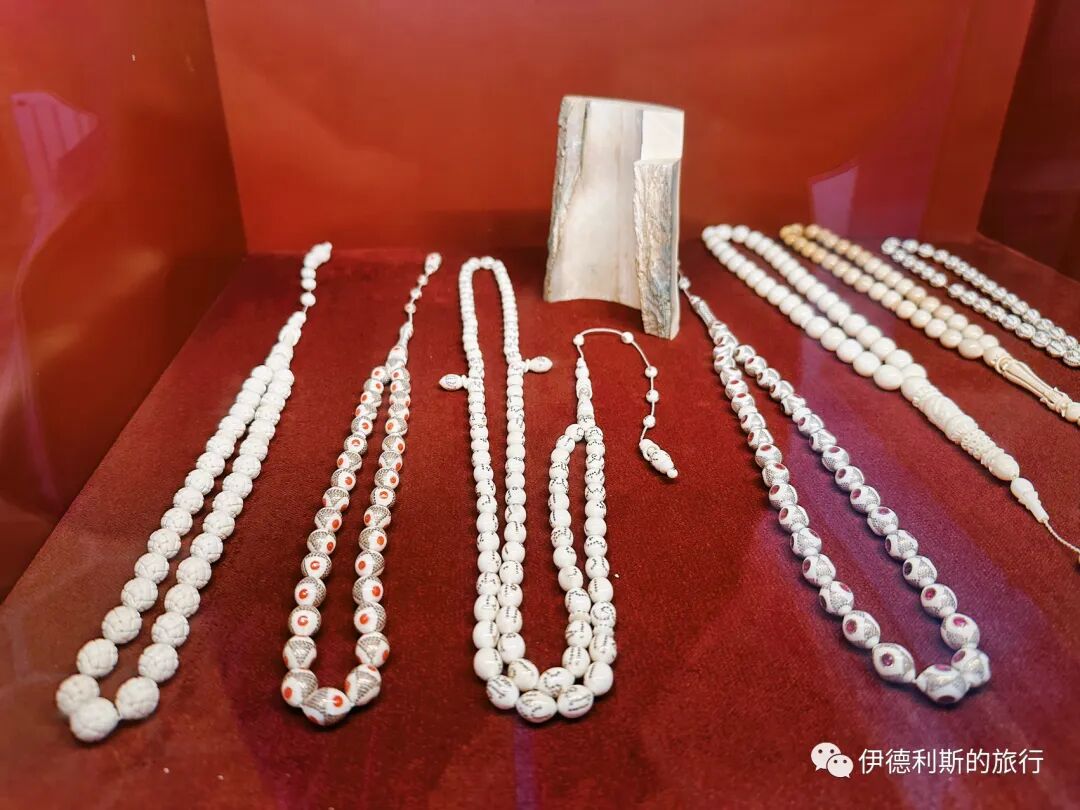
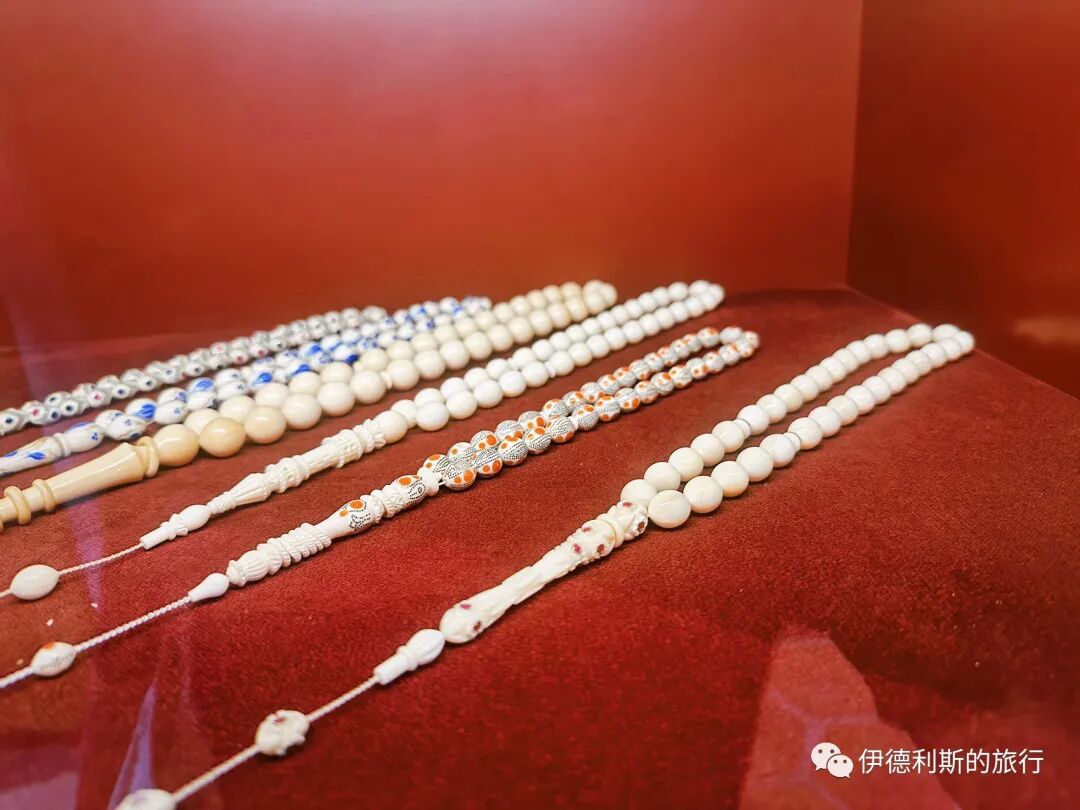
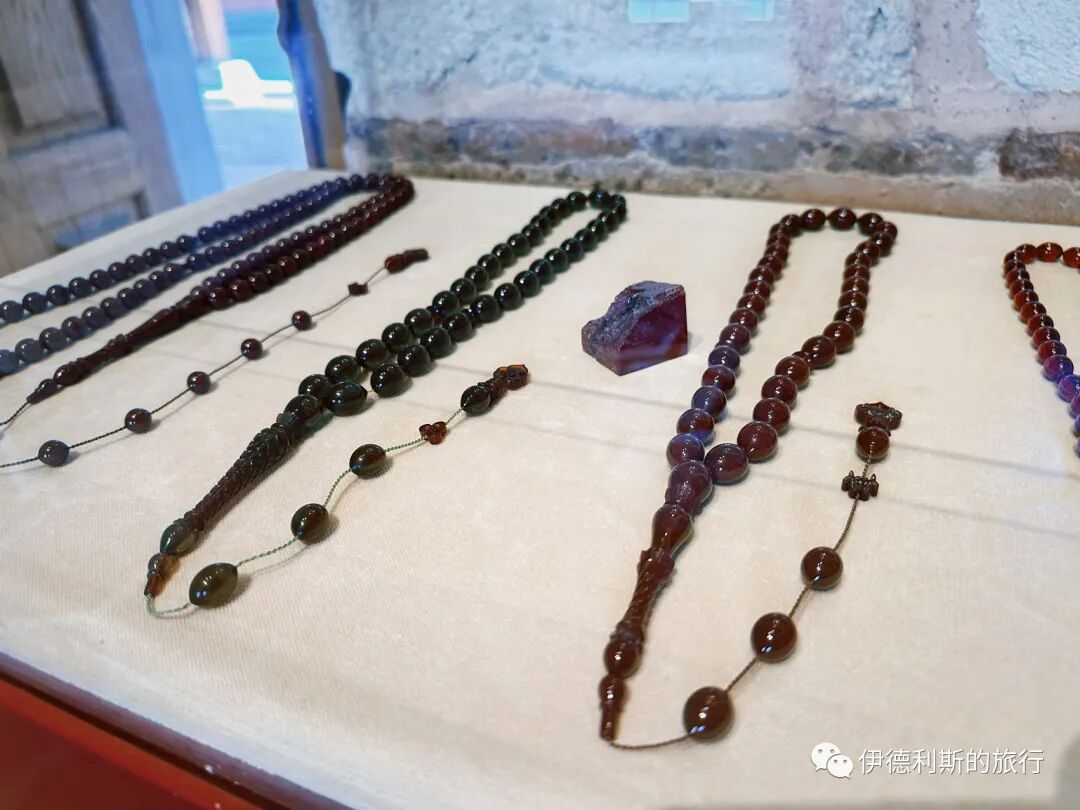
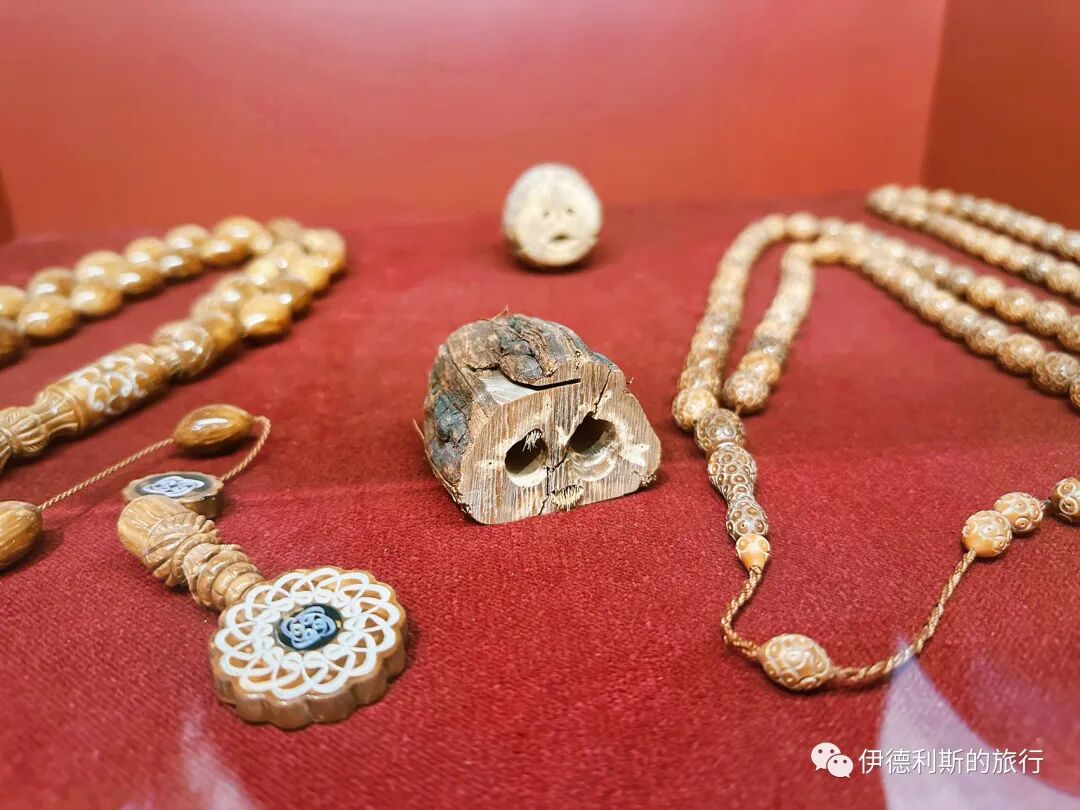
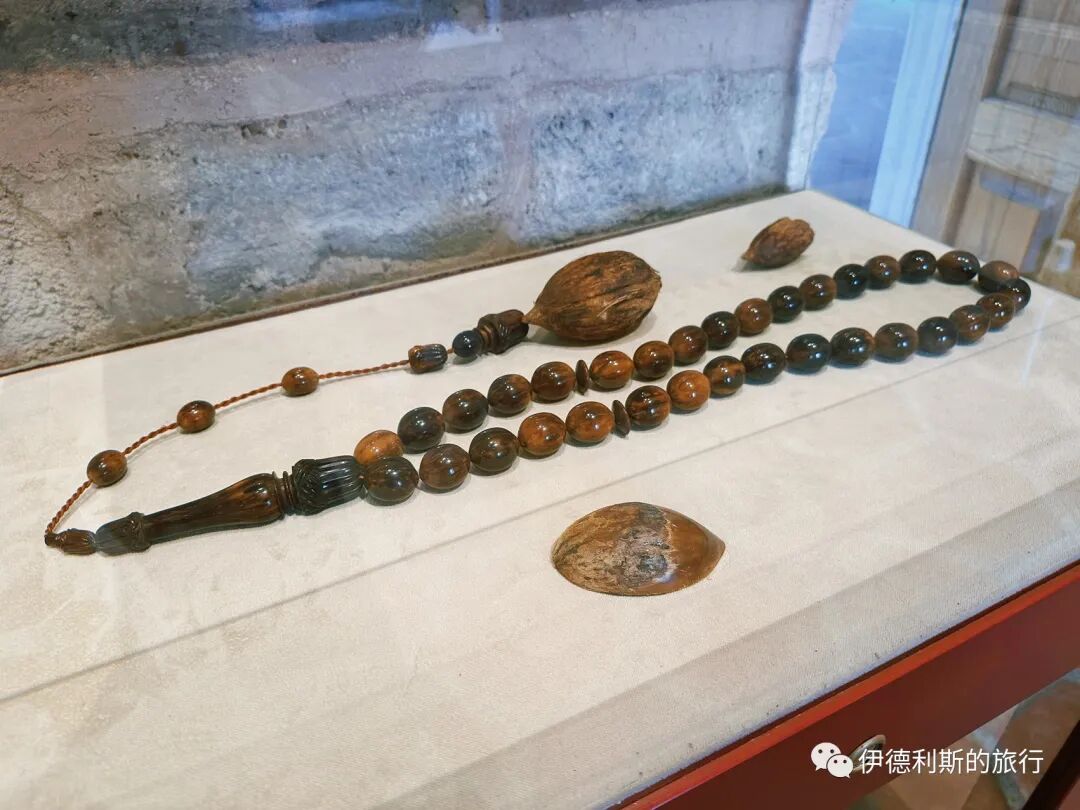
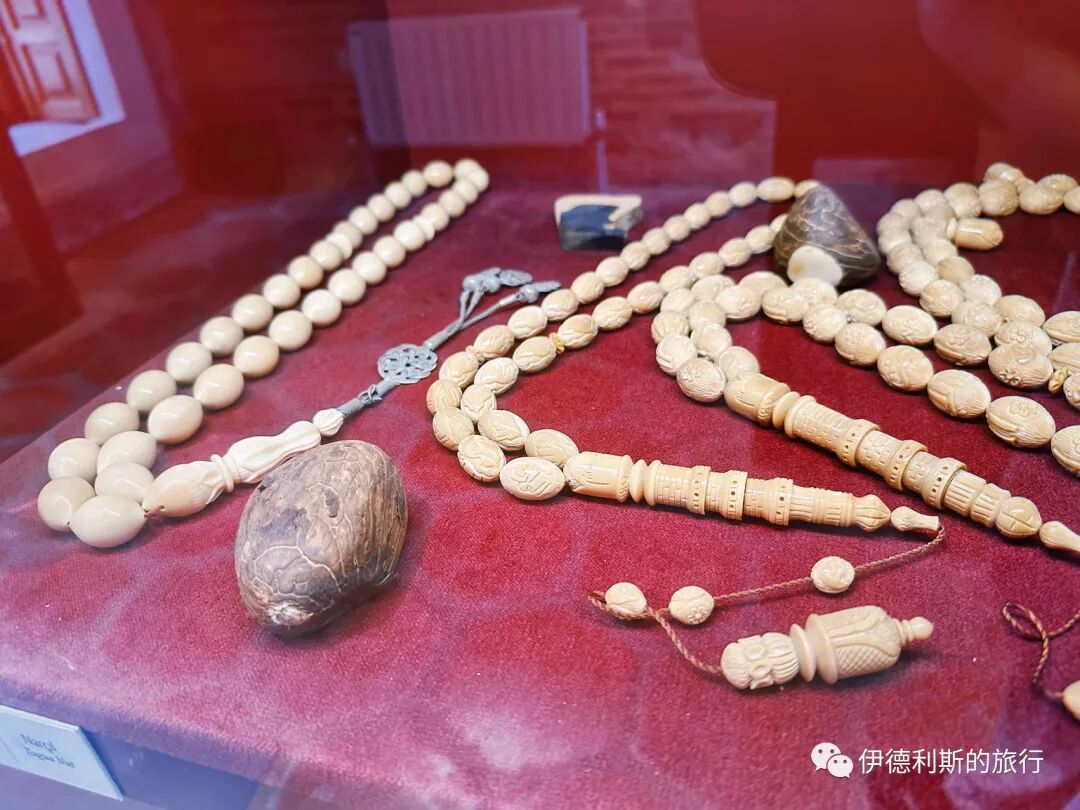
The term tasbih originally refers to the phrase Subhan Allah, meaning 'Glory be to Allah'. According to the Hadith, the Prophet Muhammad taught his daughter Fatima a way to perform dhikr: saying tasbih 33 times, 'All praise is due to Allah' 33 times, and 'Allah is the Greatest' 33 or 34 times. This method of remembrance is known as Fatima's Tasbih. After the 16th century, the Ottoman dynasty began making counting beads for tasbih out of materials like pearl, amber, hardwood, and bone, and tasbih beads developed into a distinct craft. During the 17th and 18th centuries, the Anatolian region, centered in Istanbul, had the most advanced tasbih bead craftsmanship in the Islamic world, and many Muslims traveling to Istanbul would come here to buy them.
The following beads are made from ivory, amber, ivory nut, and Brazilian palm nut, respectively.
Süleymaniye Mosque.
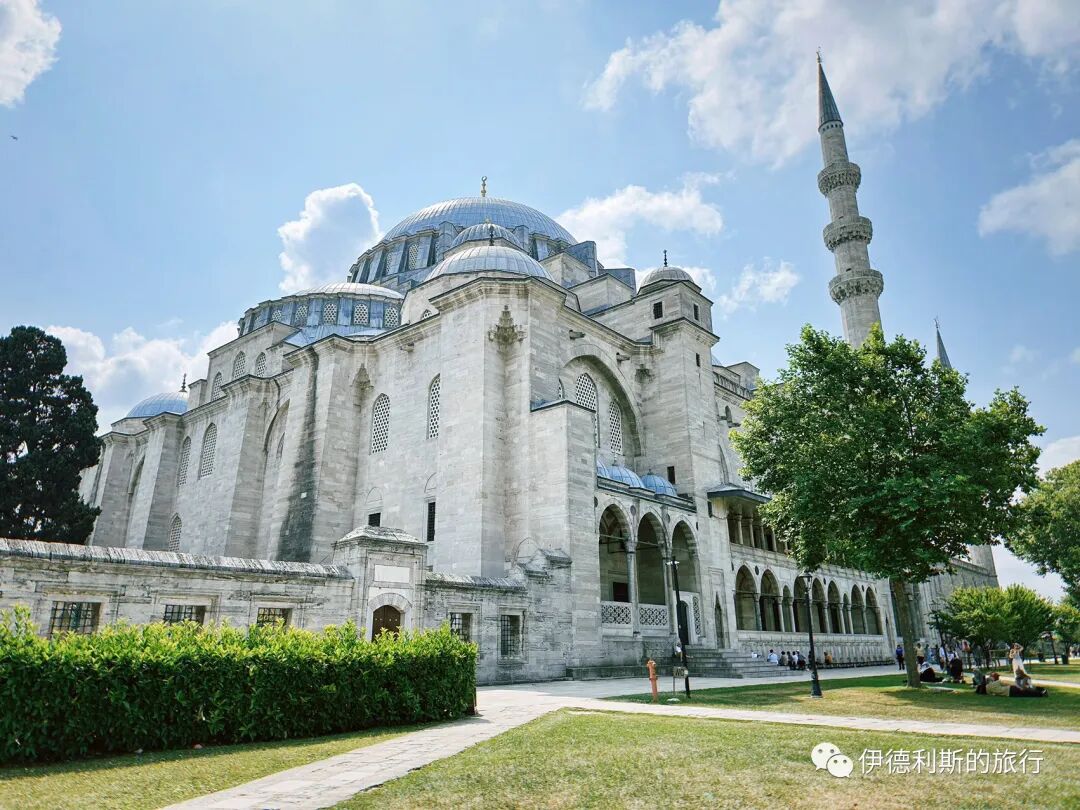
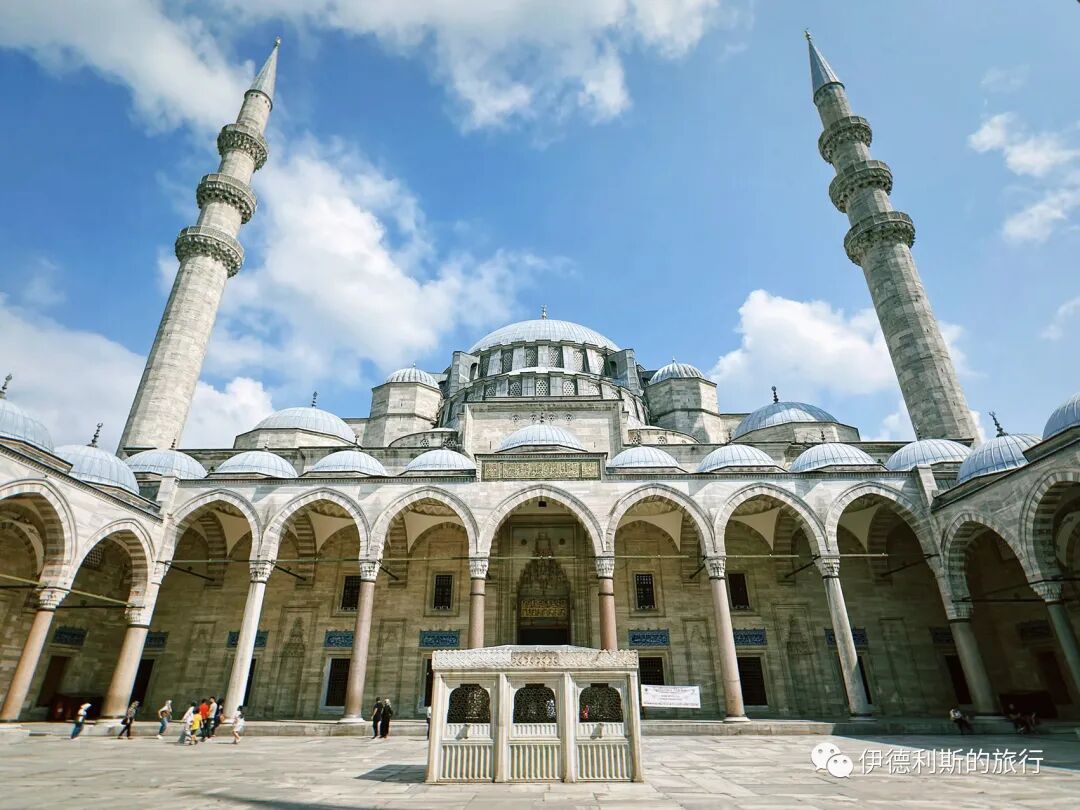
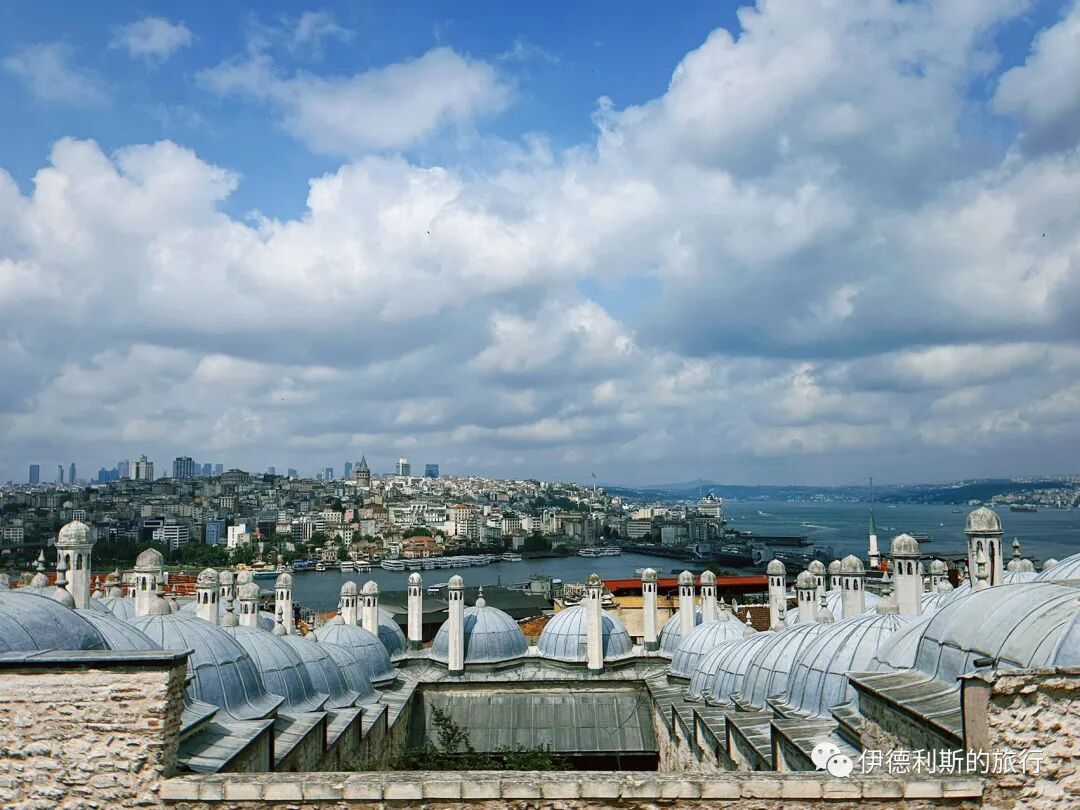
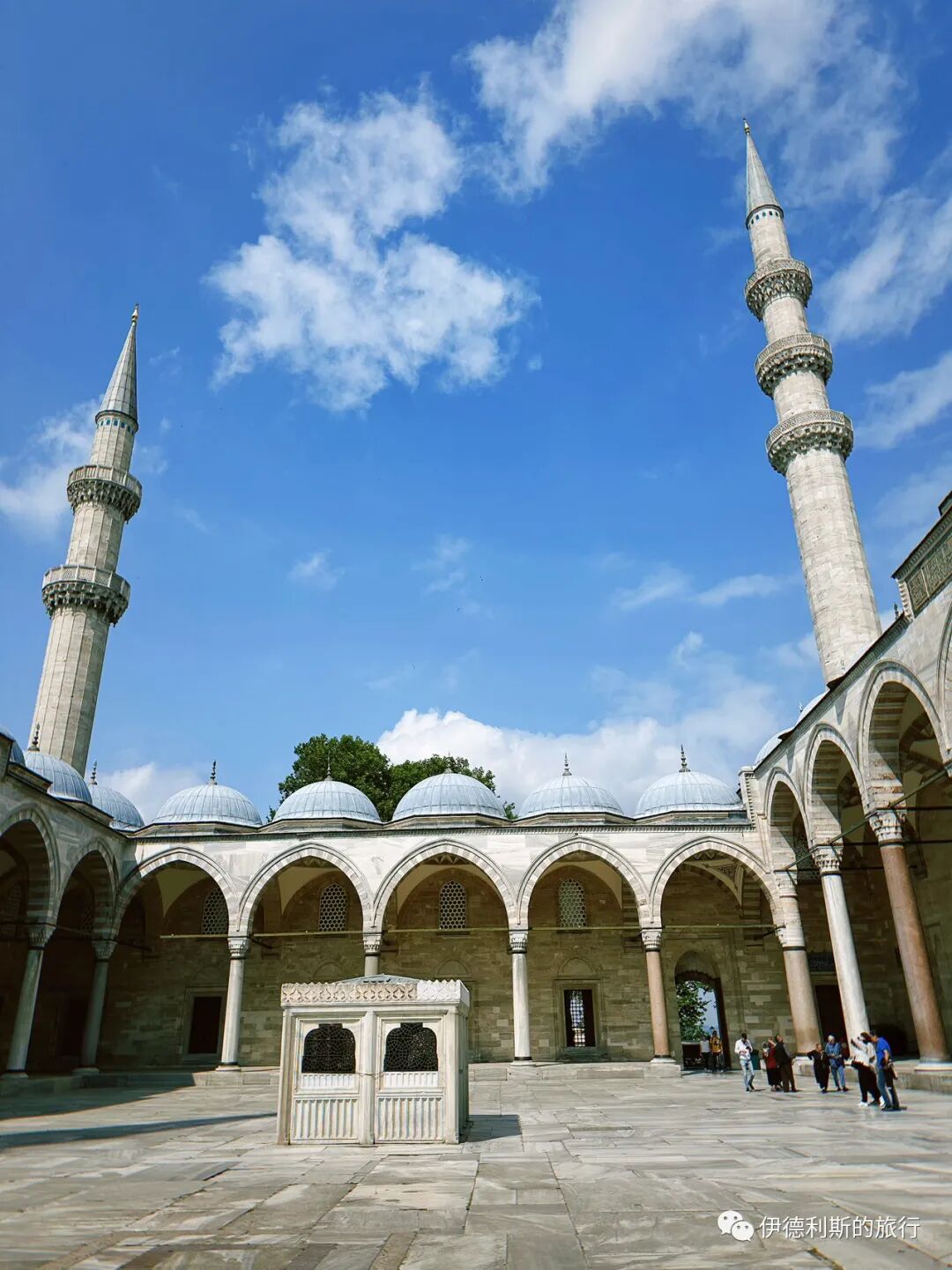
Continue west to the Süleymaniye Mosque to show Zaynab the great architectural works of Mimar Sinan and visit the tombs of Suleiman the Magnificent and Hurrem Sultan. Unfortunately, the two tombs were closed on Monday, but you can still see the beautiful Iznik tiles on the outside.
In 1566, Suleiman the Magnificent passed away at the age of 71 while on his way from Istanbul to lead a military campaign in Hungary. His heart, liver, and some other organs were buried on the spot in Hungary, while his body (mayyit) was transported back to Istanbul for burial. Besides Suleiman the Magnificent himself, his tomb also holds two other sultans, Suleiman II (reigned 1687-91) and Ahmed II (reigned 1691-95), while the tomb of Hurrem Sultan was built in 1558, the year she passed away.
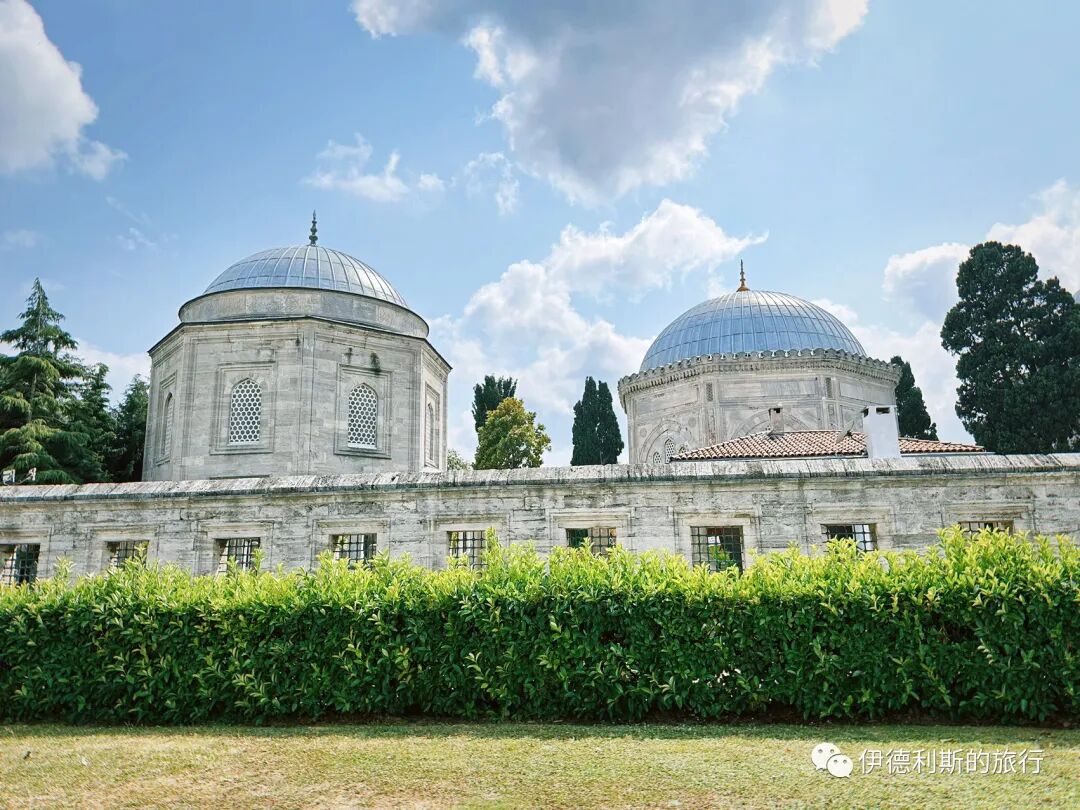
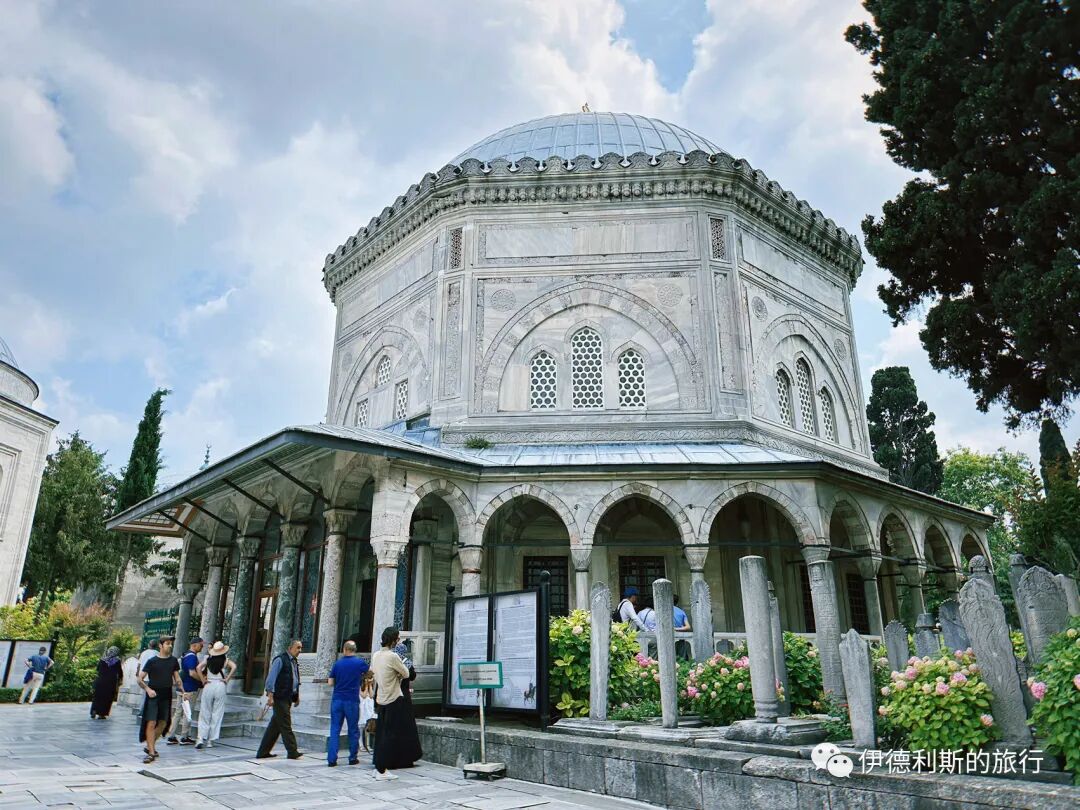
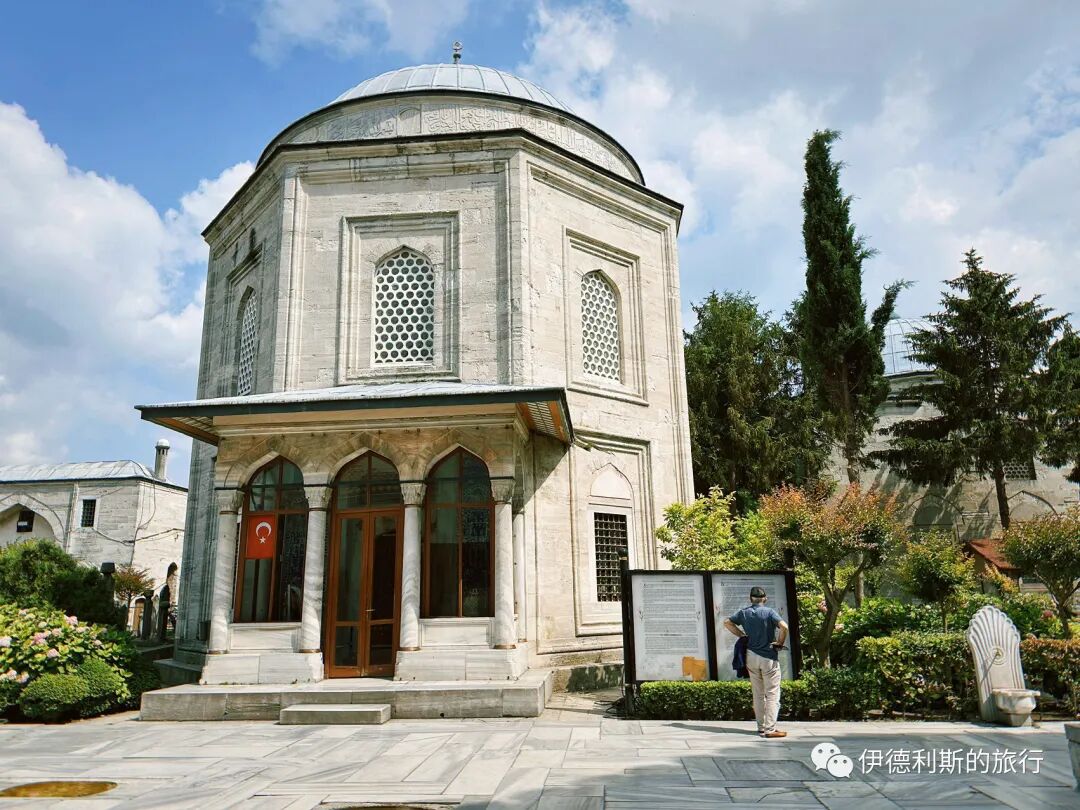
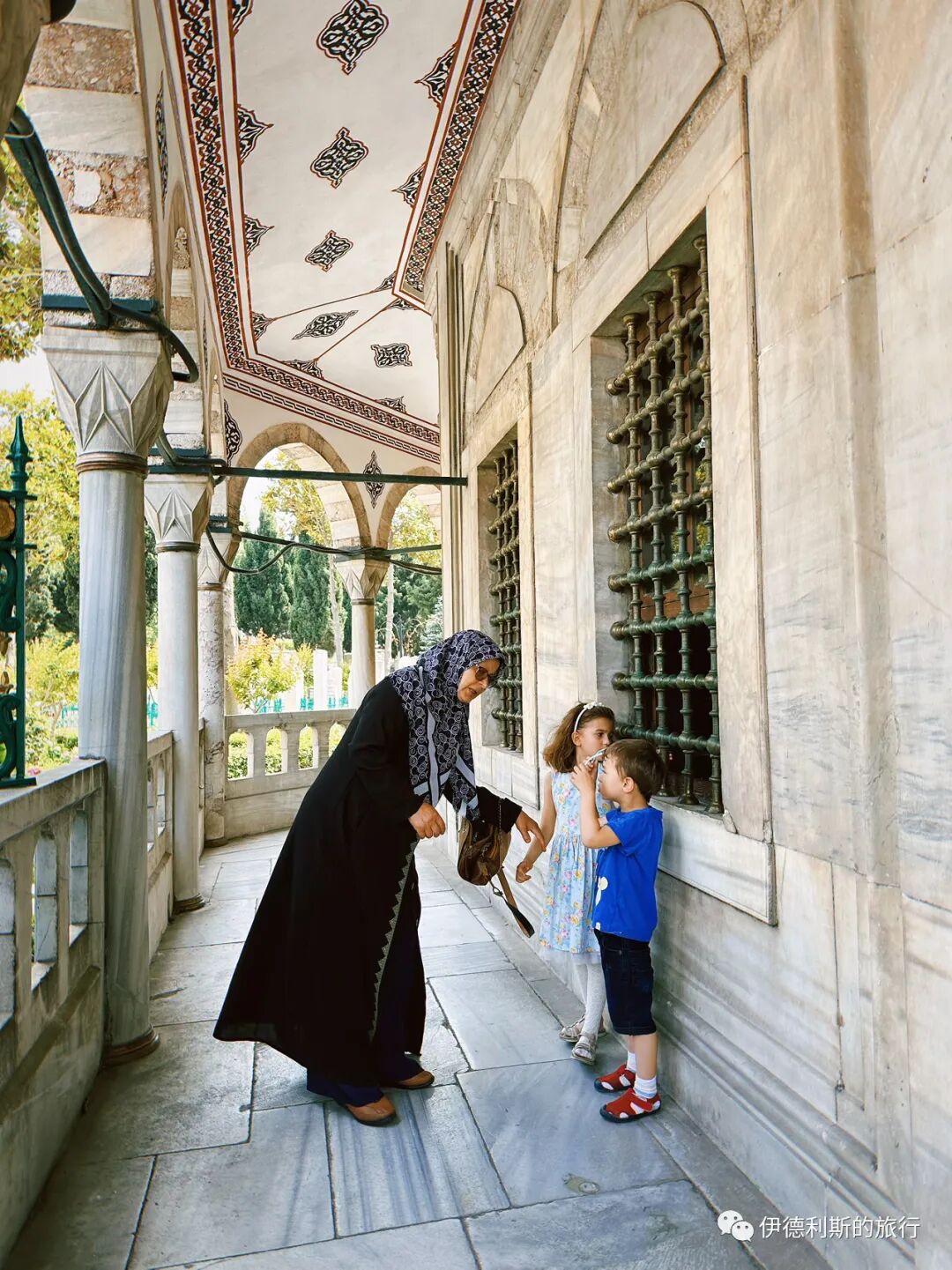
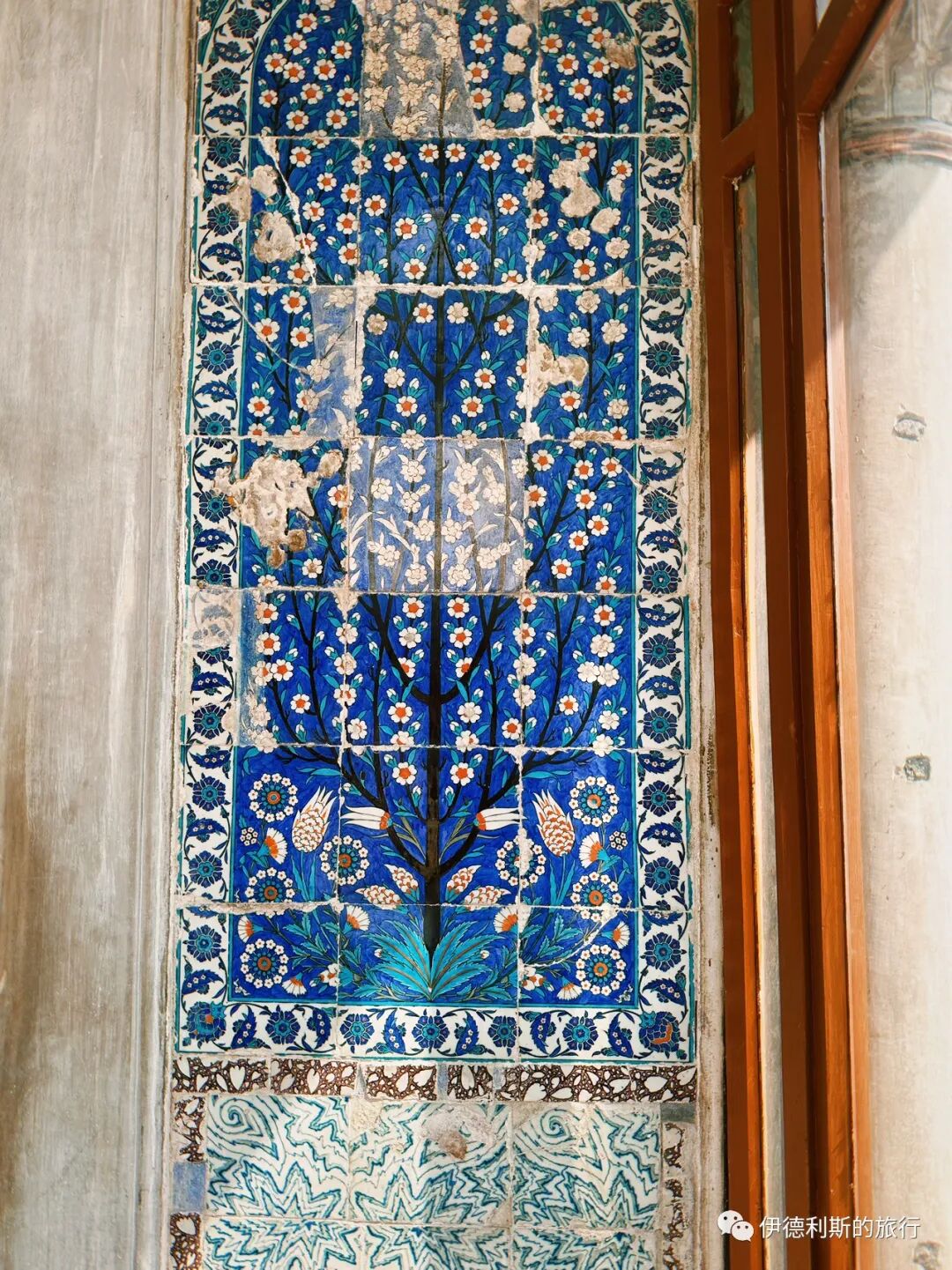
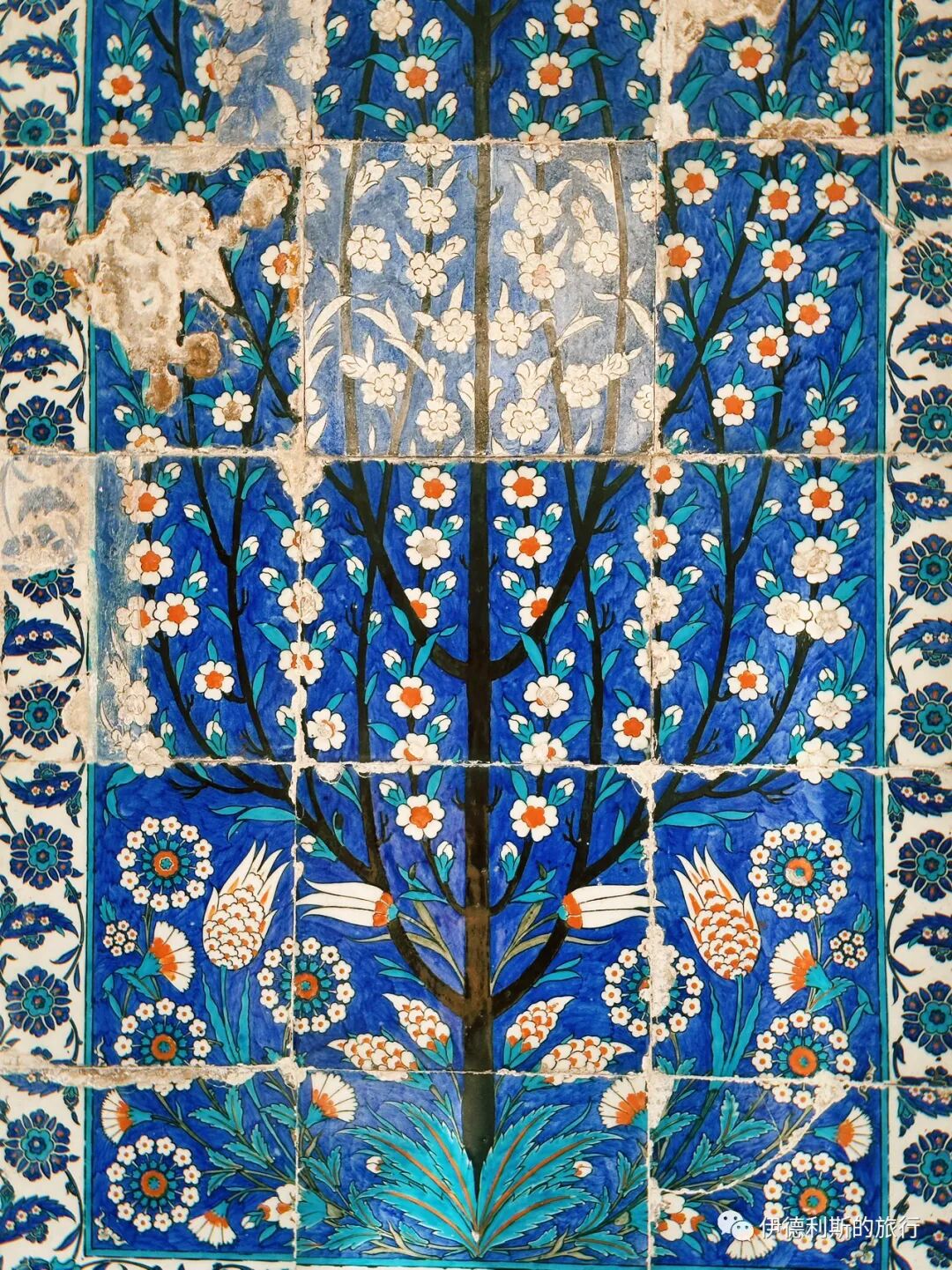
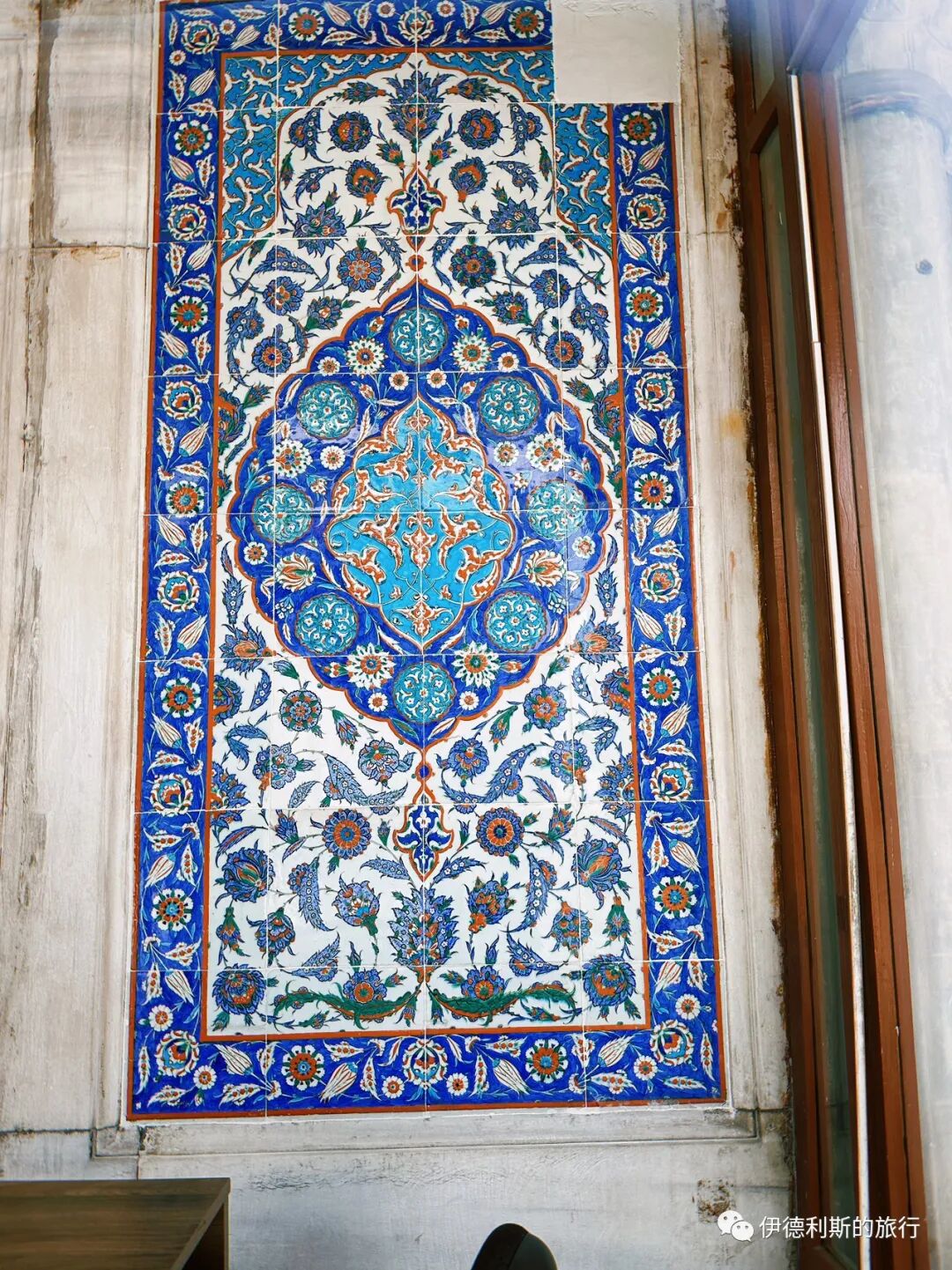
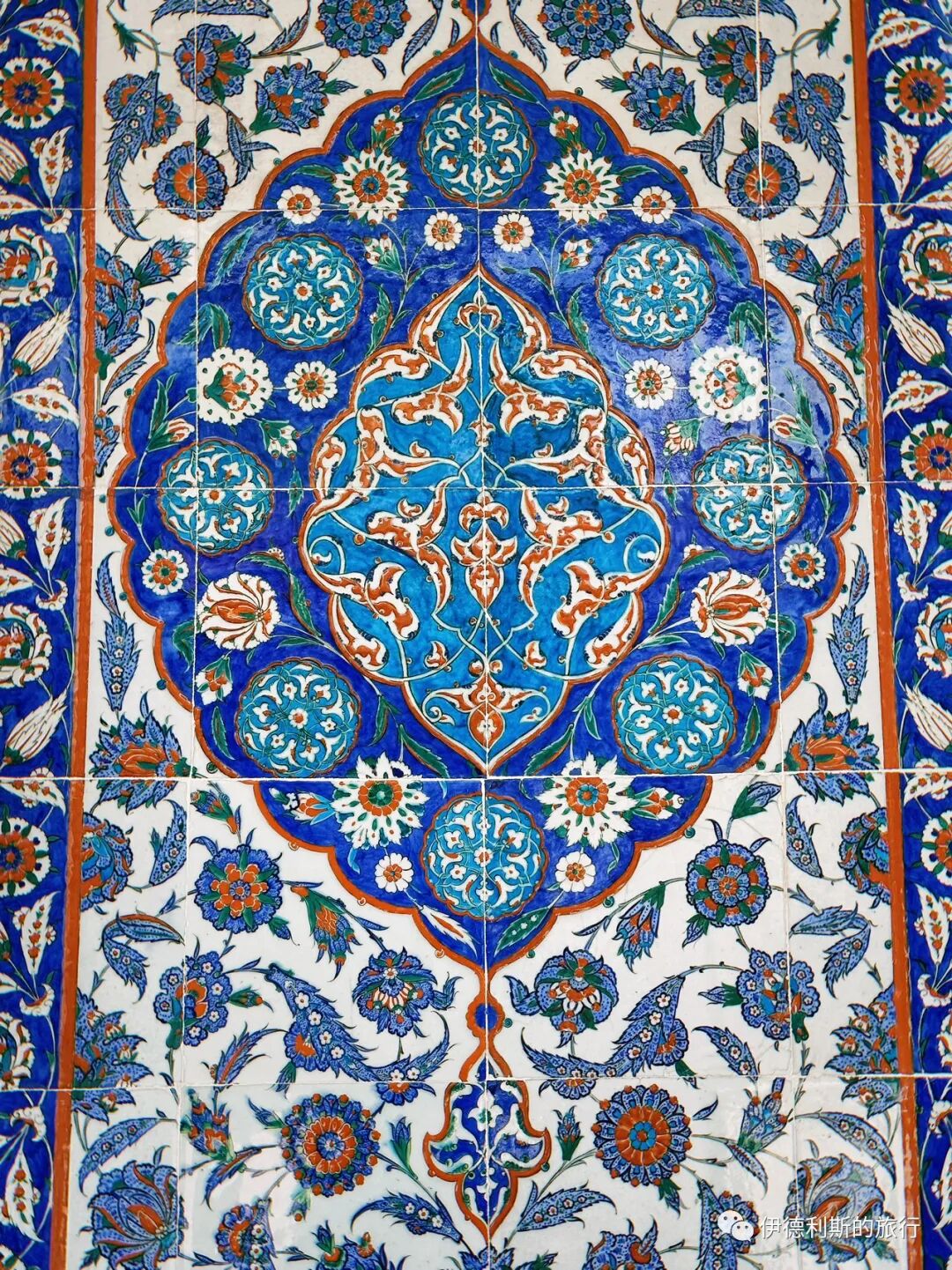
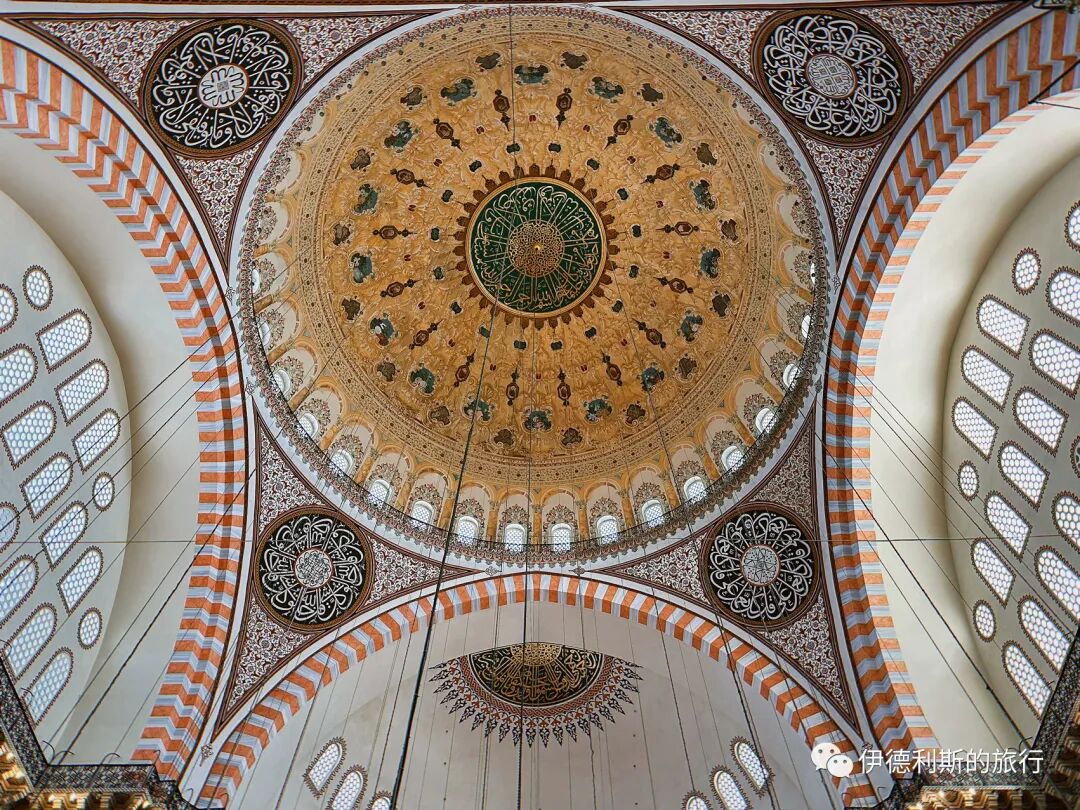
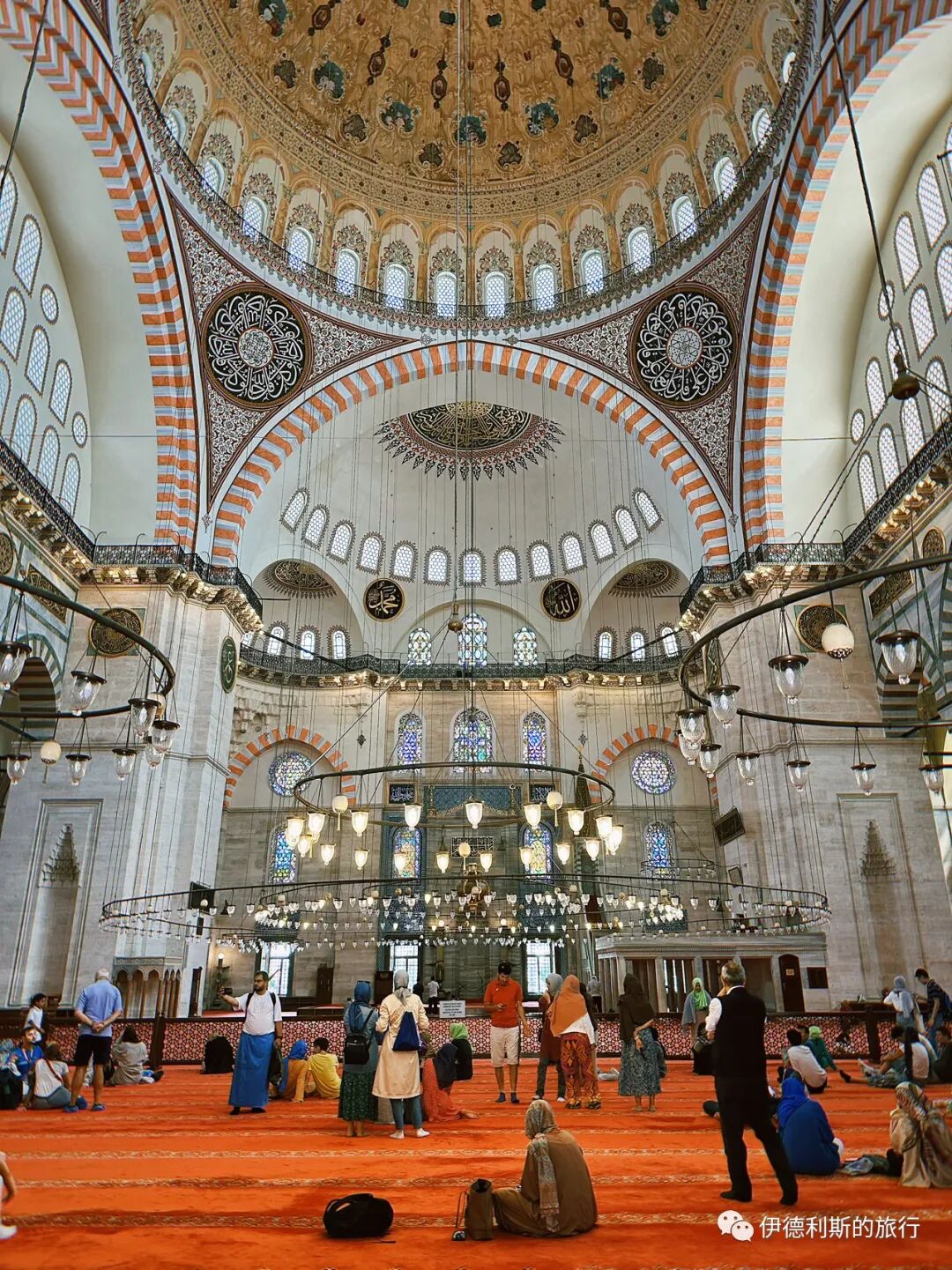
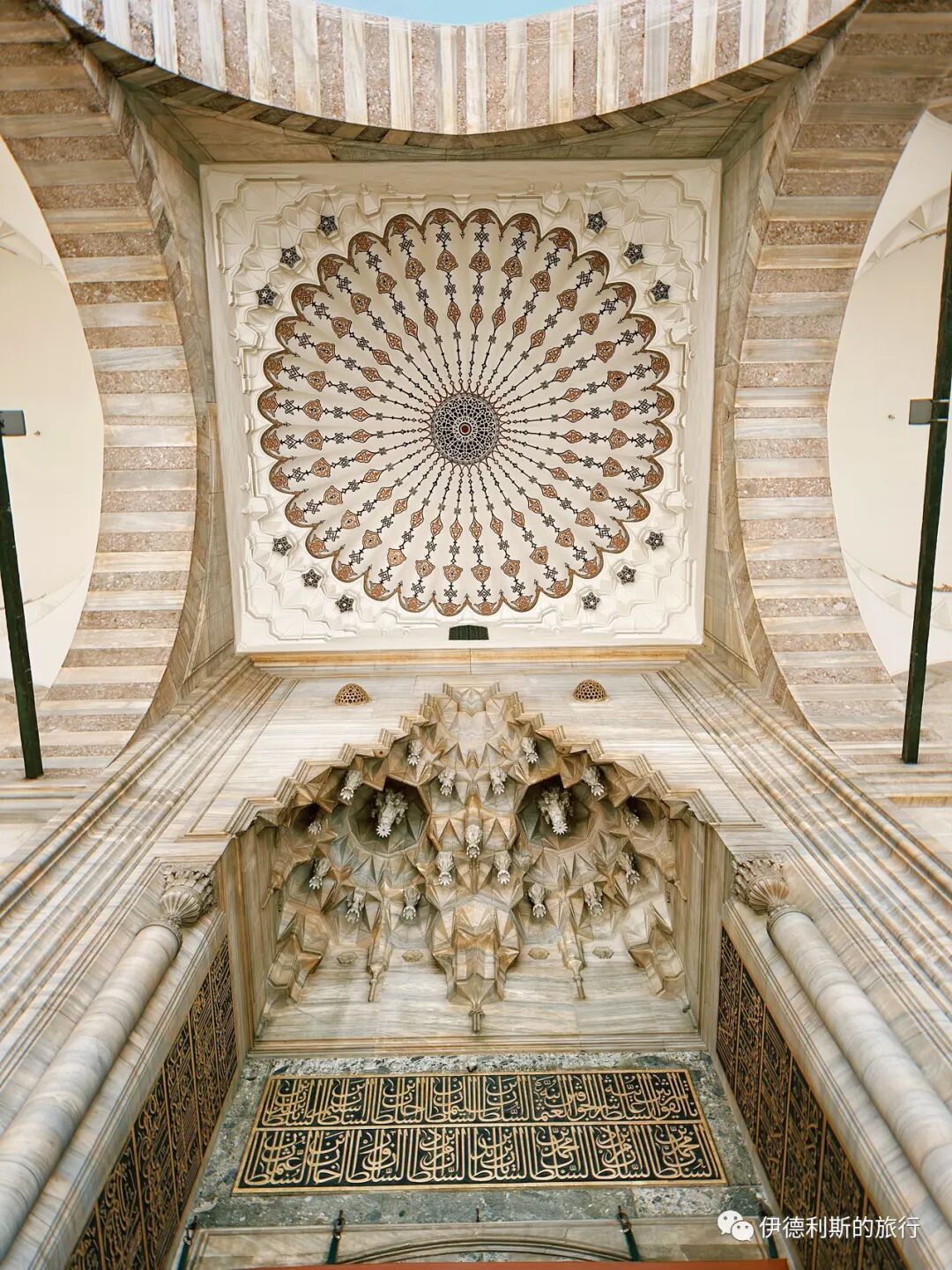
Revisiting the Suleymaniye Mosque after five years, I am still stunned by this architectural masterpiece by Mimar Sinan. When I was thinking of a name for my son, the Suleymaniye Mosque came to mind first, so I blurted out that I wanted to name him Suleiman. When Suleiman gets a little older, I must bring him to see this place.
Bayezid II Mosque: 1501-06.
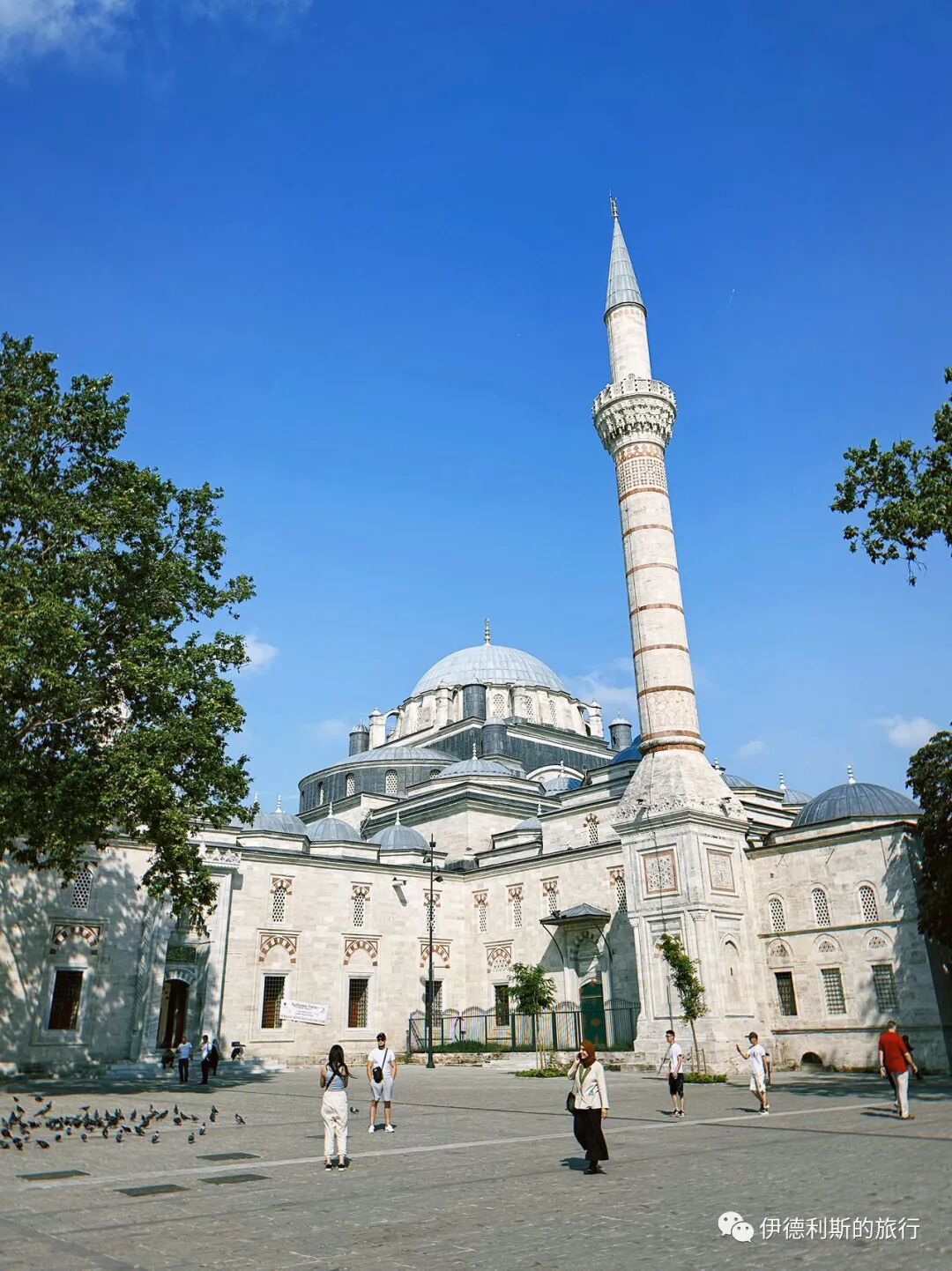
From the Suleymaniye Mosque, head south through Istanbul University to reach the Bayezid II Mosque next to the Grand Bazaar in Istanbul. This place underwent an eight-year renovation starting in 2012 and only reopened in 2020, so I could not enter when I came in 2018.
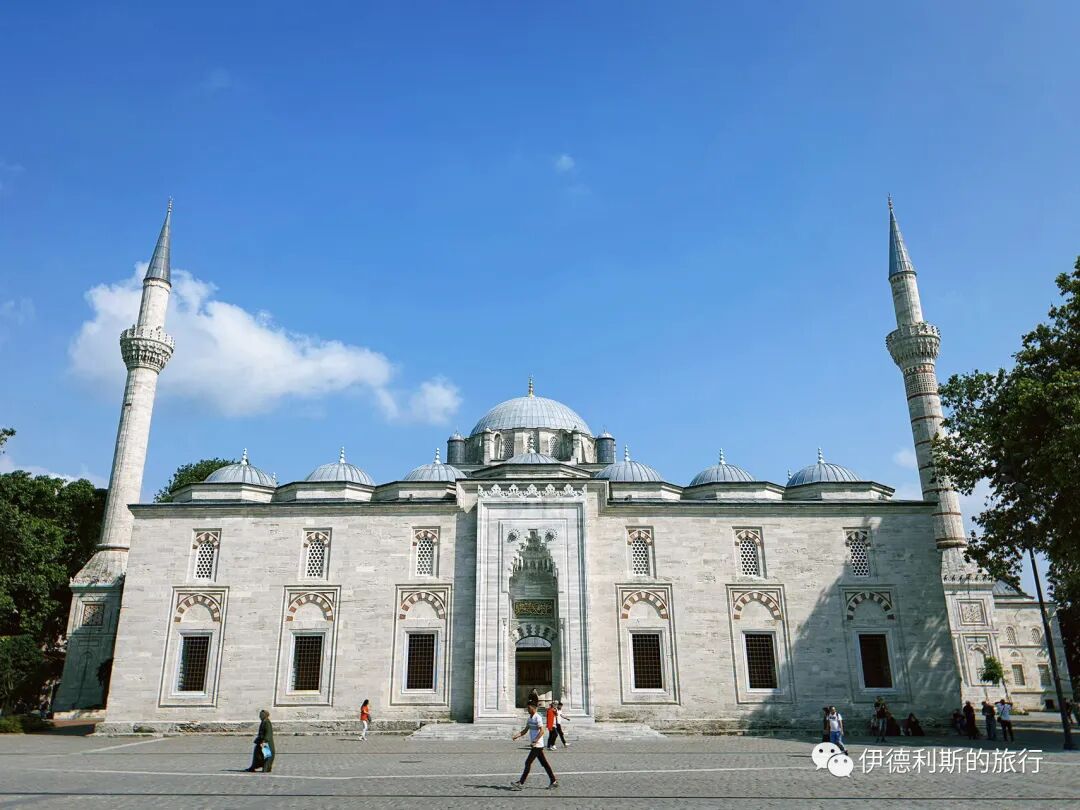
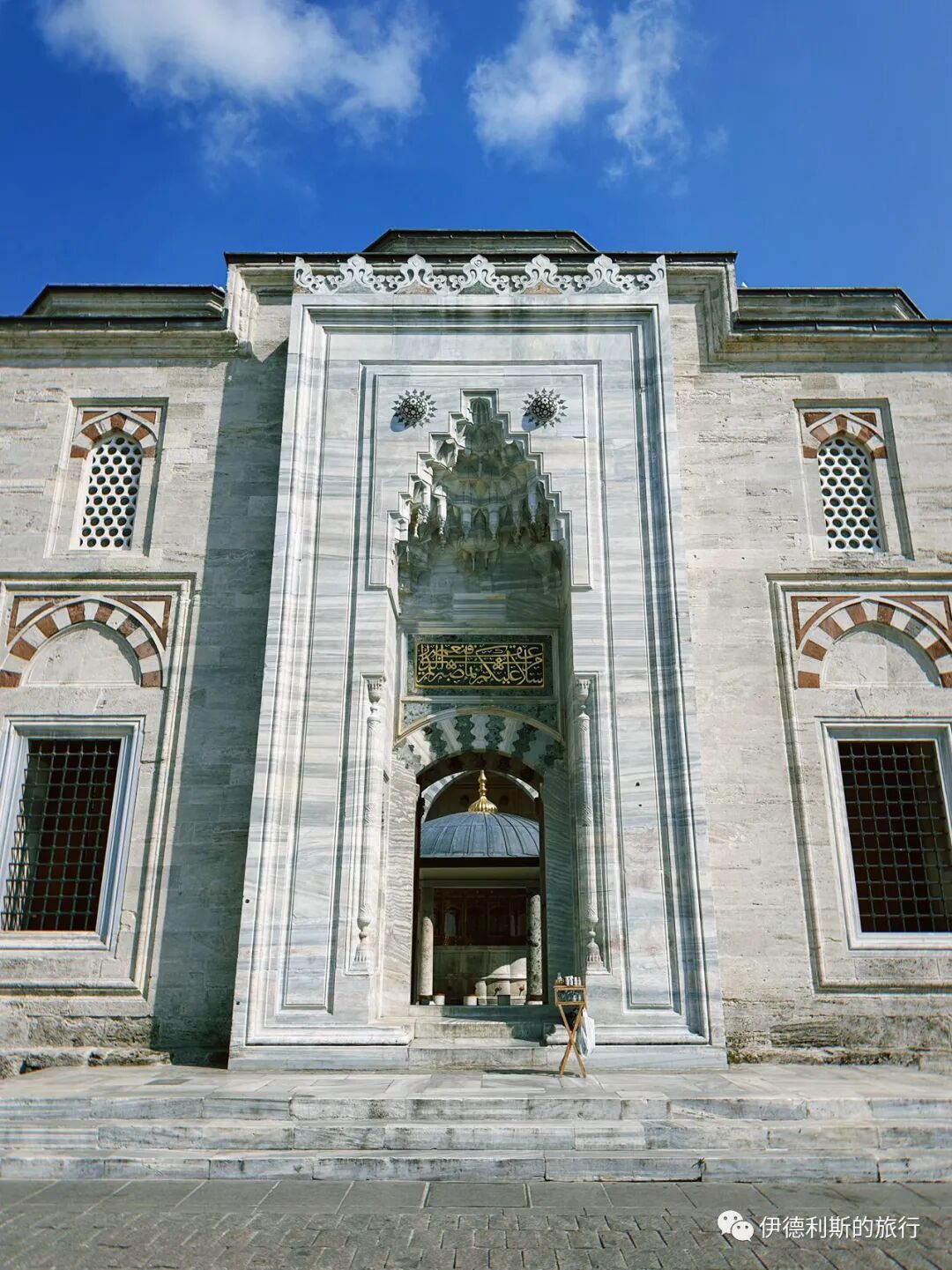
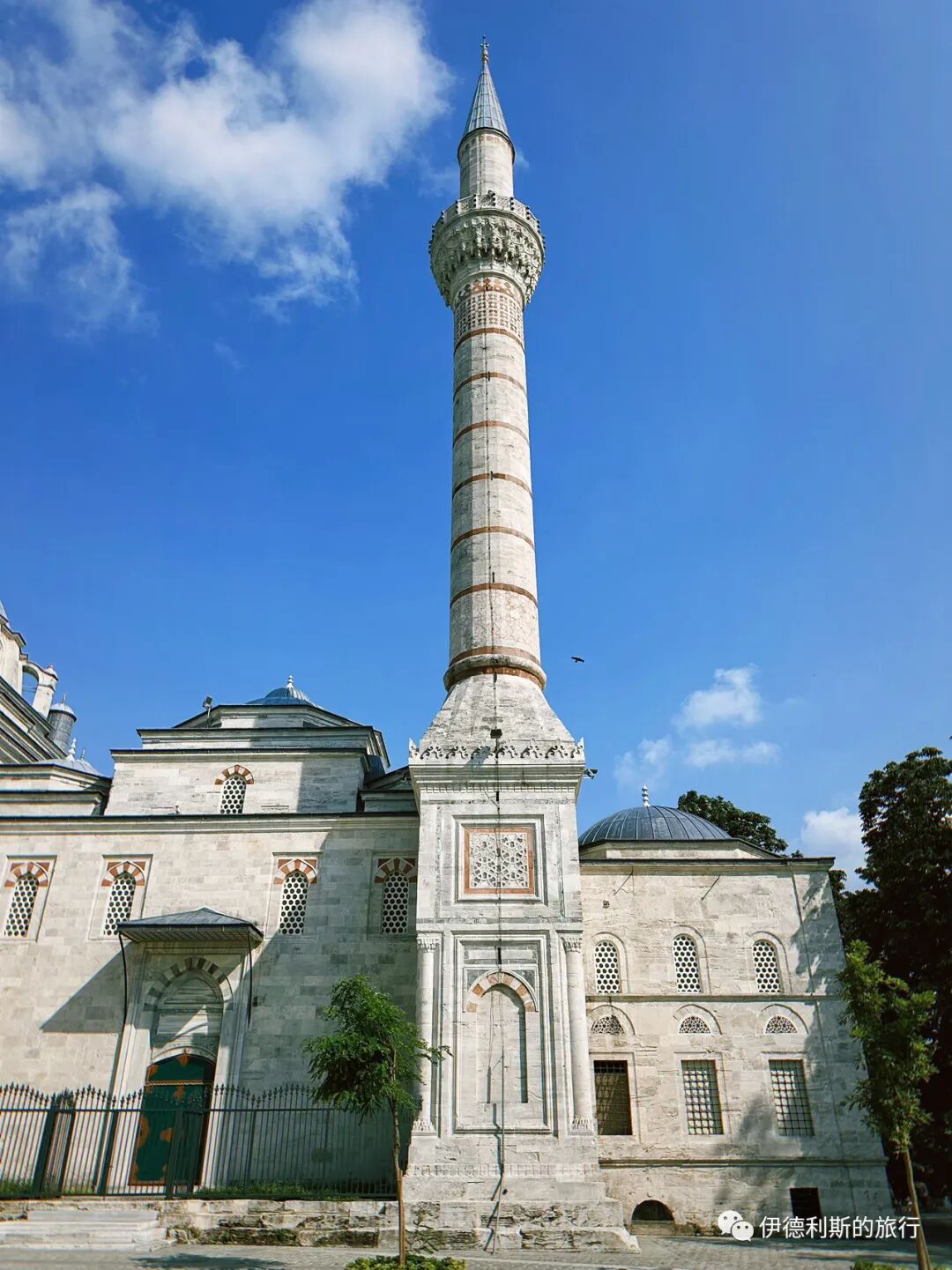
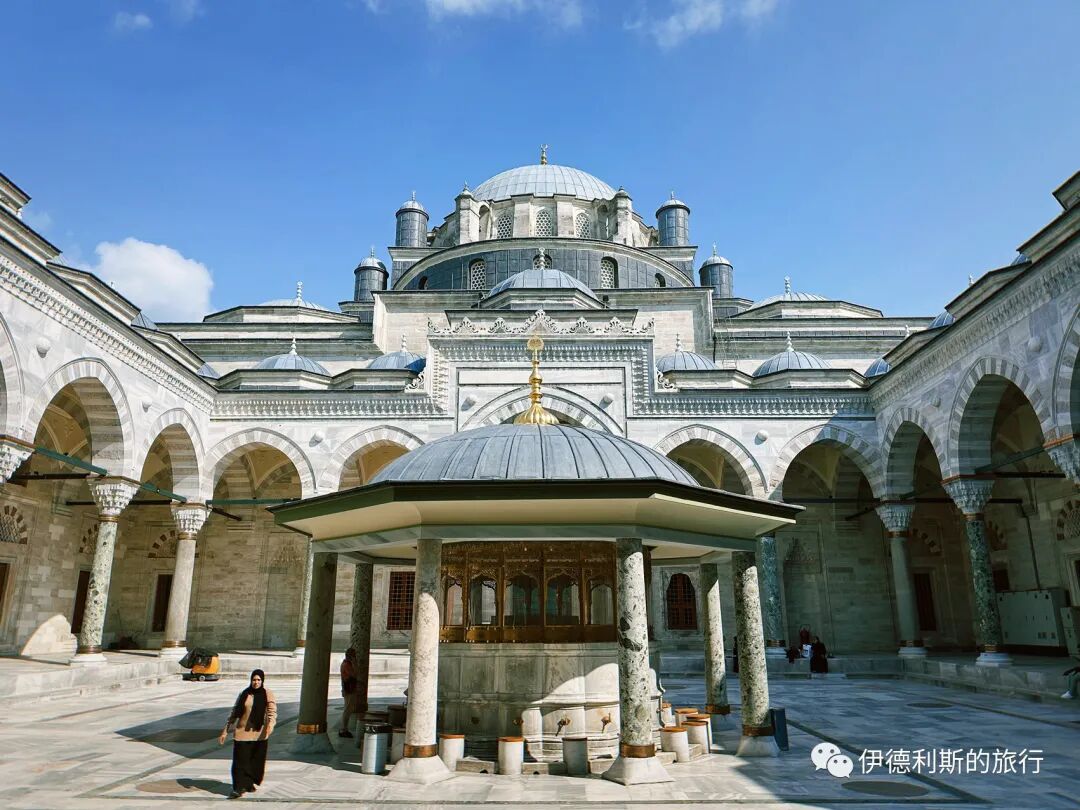
The Bayezid II Mosque was built between 1501 and 1506 by the eighth Ottoman Sultan, Bayezid II (reigned 1481-1512), and it is the second imperial mosque built after the Ottoman conquest of Istanbul. Because the Fatih Mosque built by Mehmed the Conqueror was destroyed by earthquakes many times, the Bayezid II Mosque is the oldest surviving imperial mosque in Istanbul.
It is speculated that the most likely architect of the Bayezid II Mosque was Yakubşah ibn Islamşah. People only know that Yakubşah once built a caravanserai in Bursa, and little else is known about him, but the polishing technique of the mosque shows that early Ottoman architecture was influenced by contemporary Western architecture. It is also certain that the great Ottoman architect Mimar Sinan carried out repairs here between 1573 and 1574.
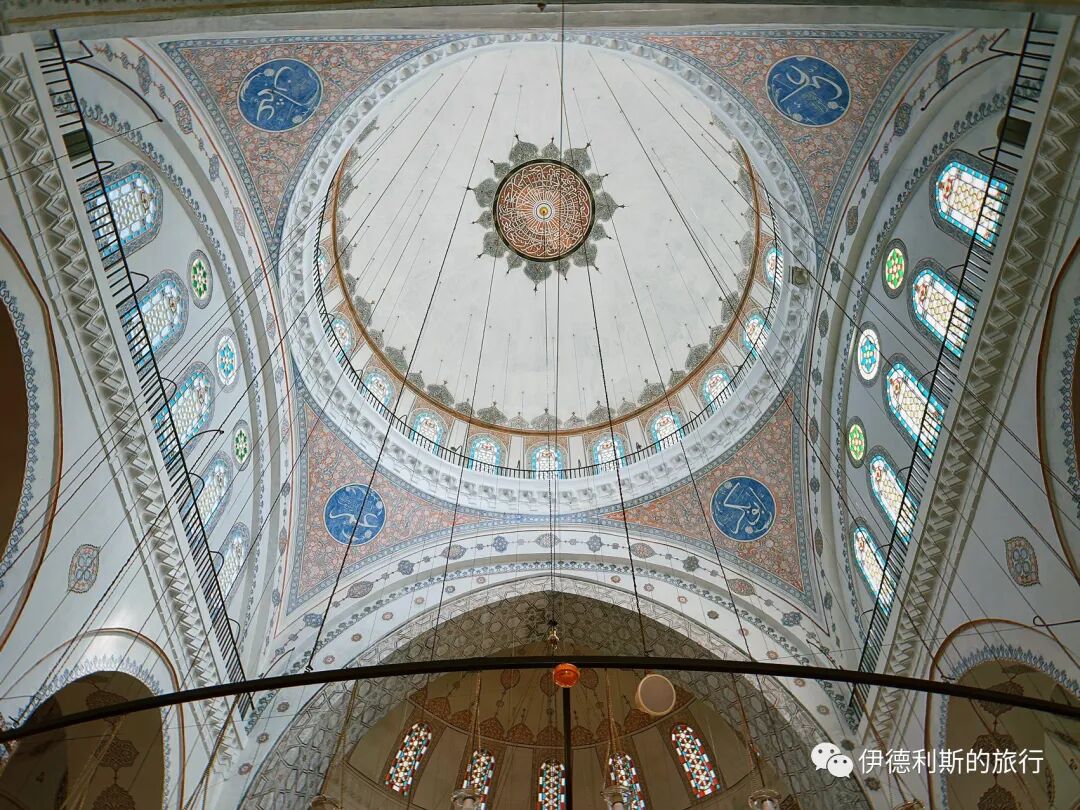
The main hall of the Bayezid II Mosque is square, with the main dome supported by two semi-domes and two arches; the interior was built in imitation of the Hagia Sophia, but it is relatively smaller.
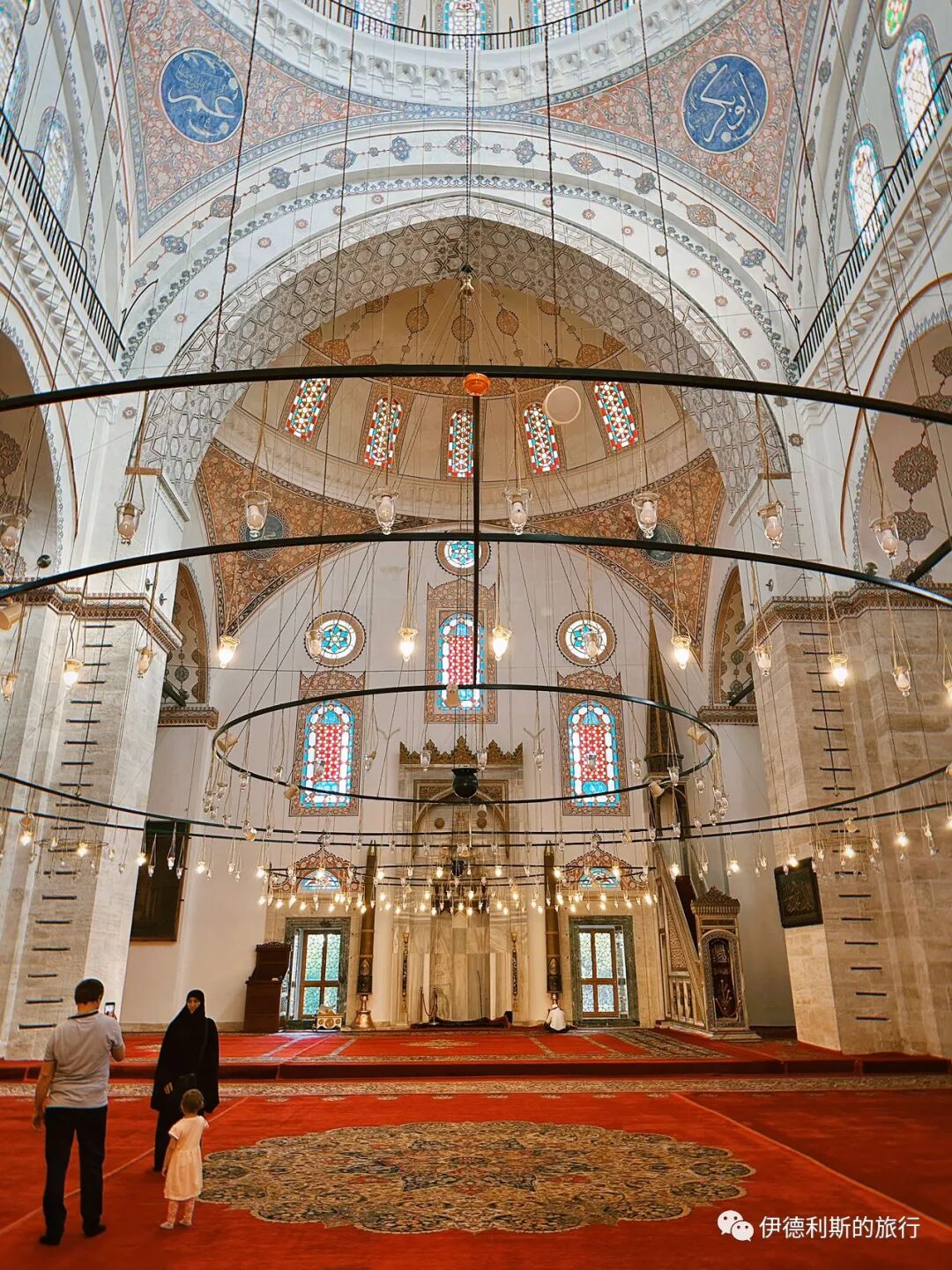
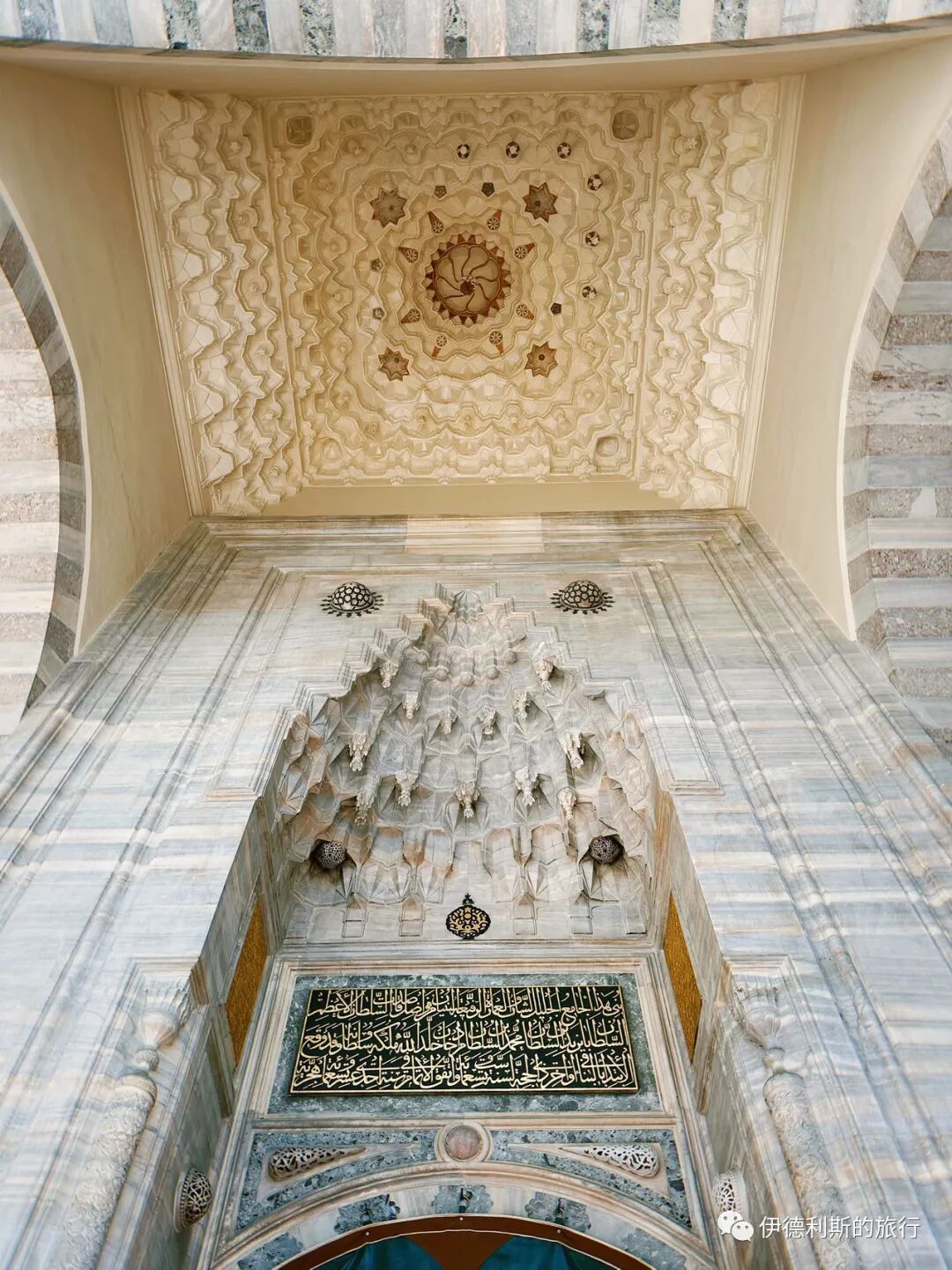
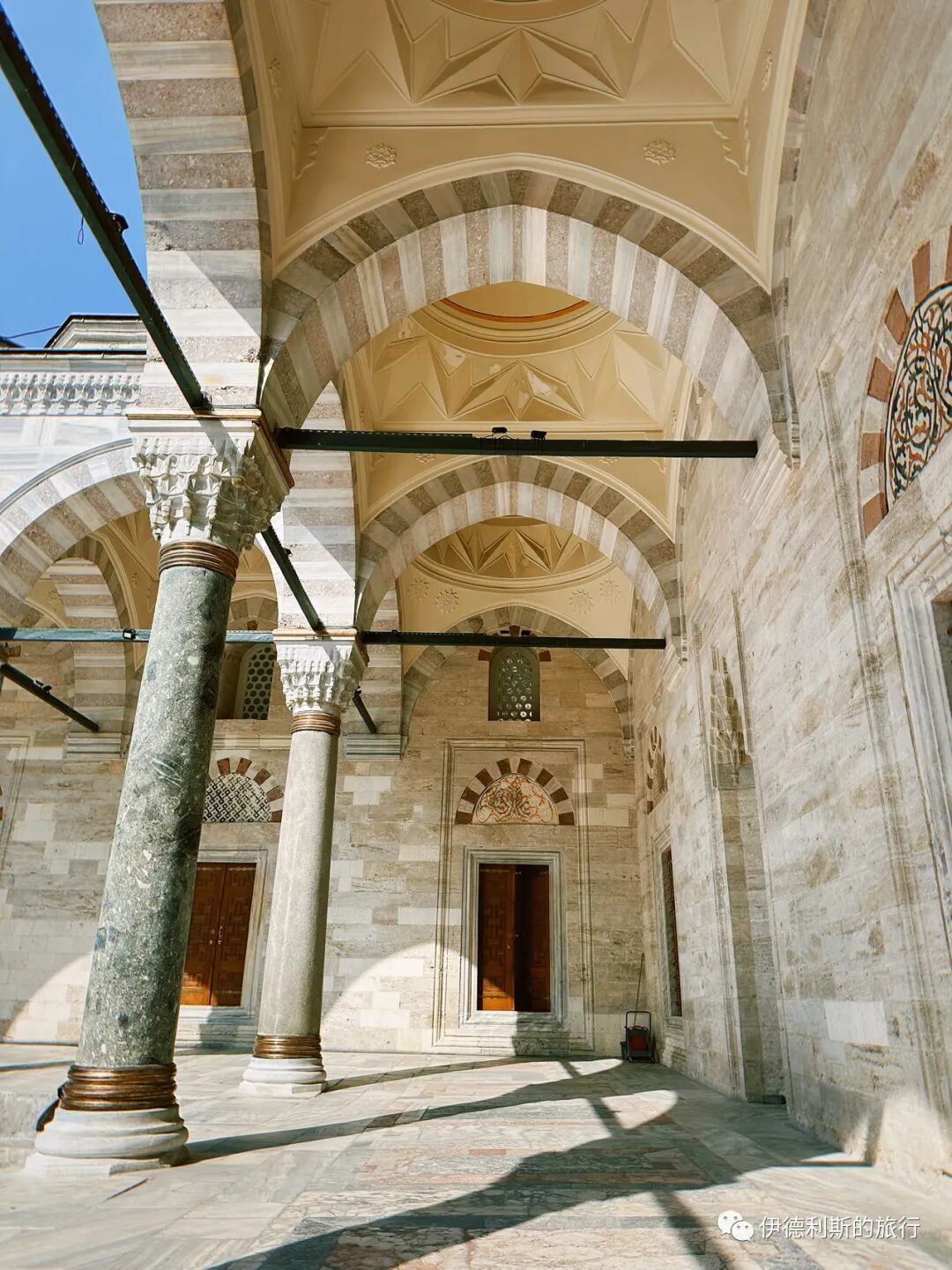
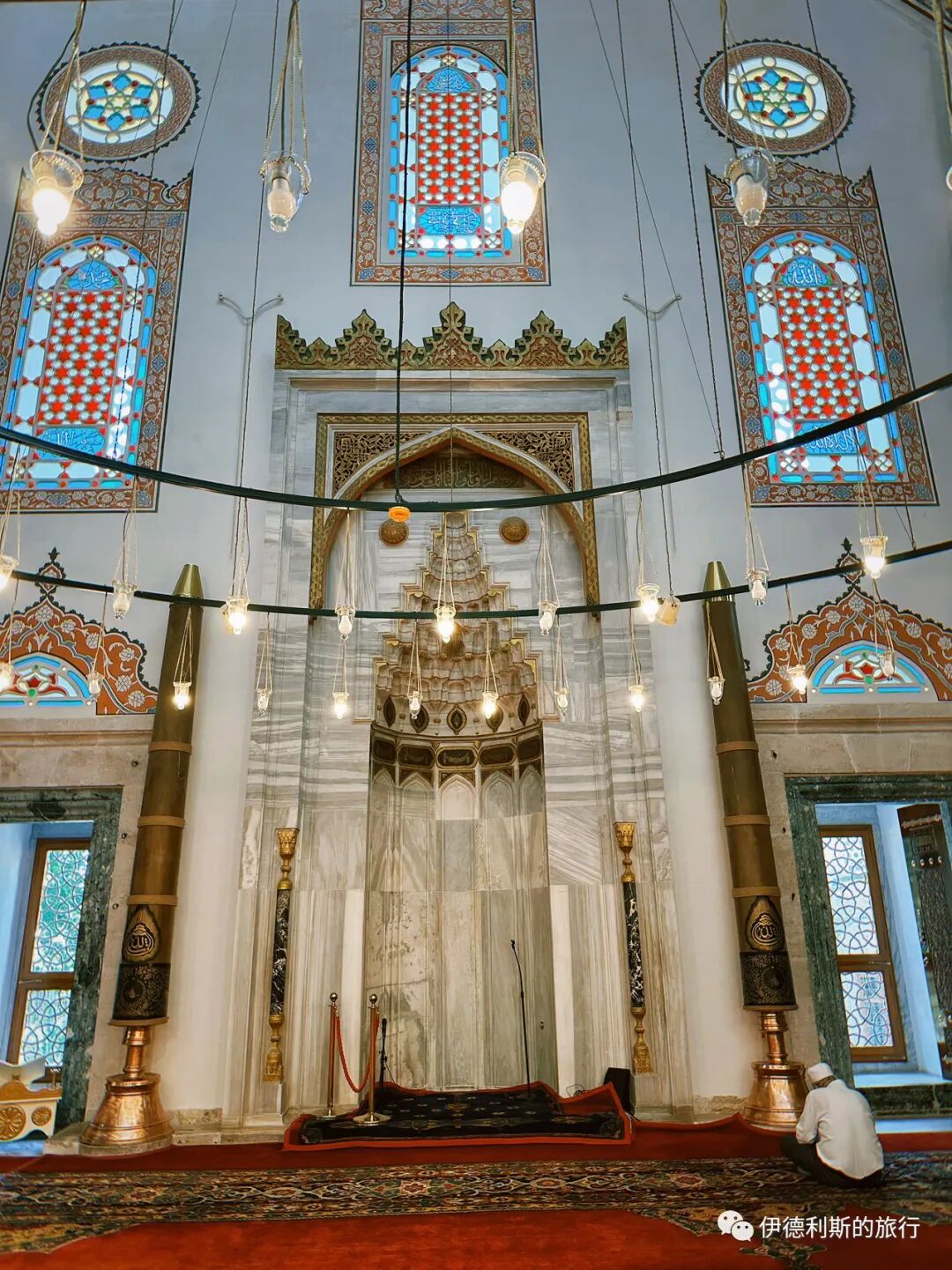
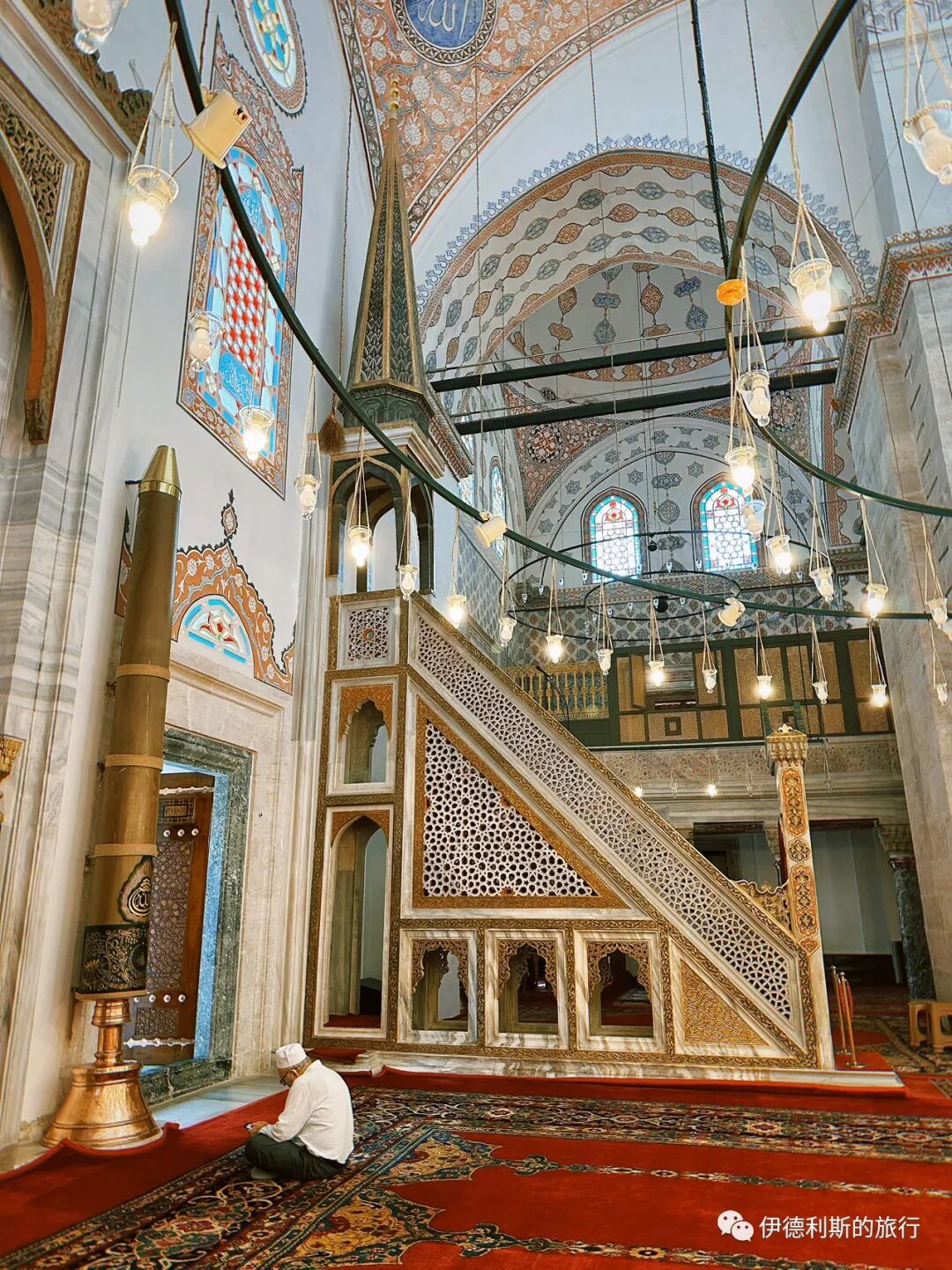
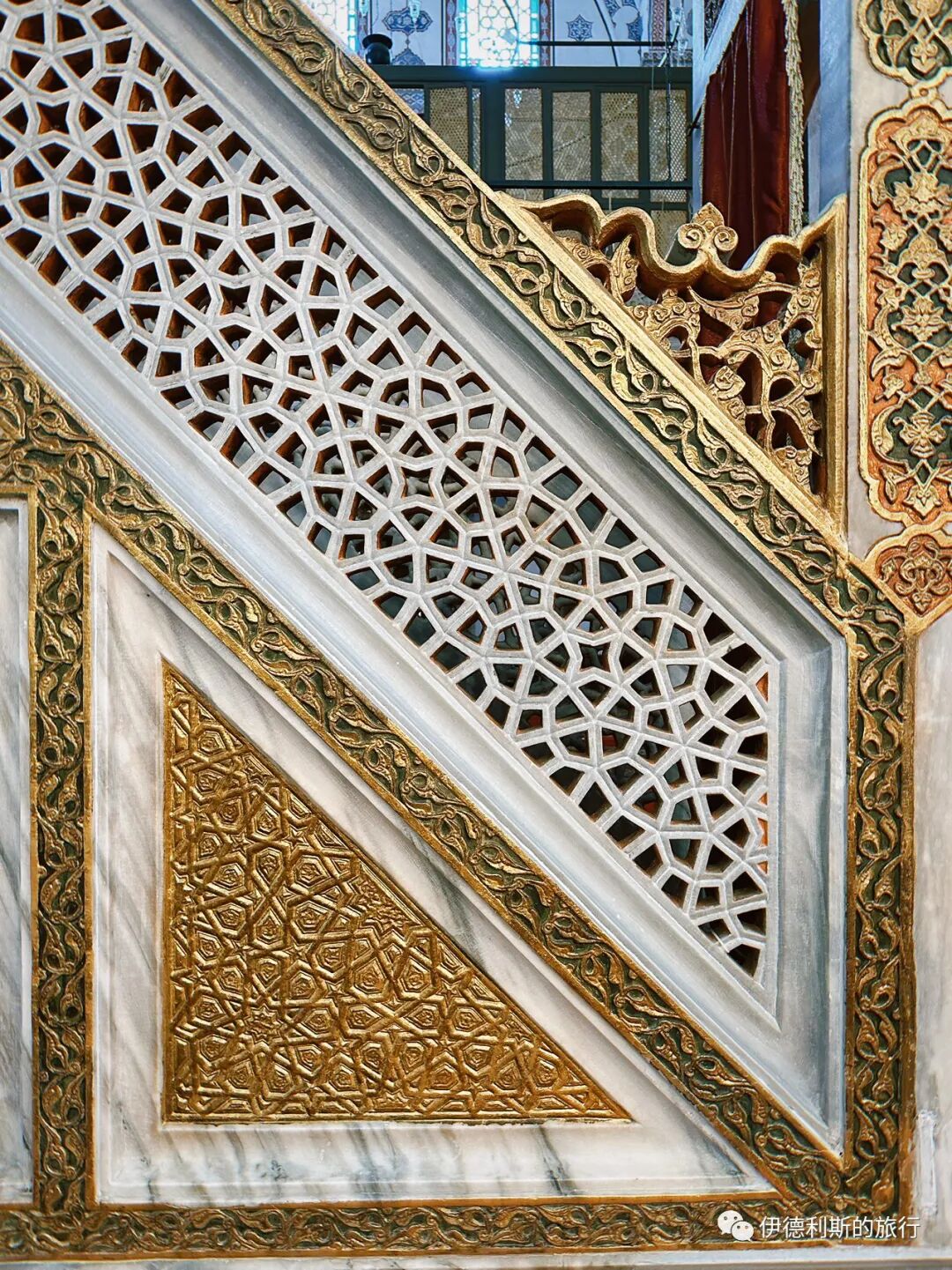
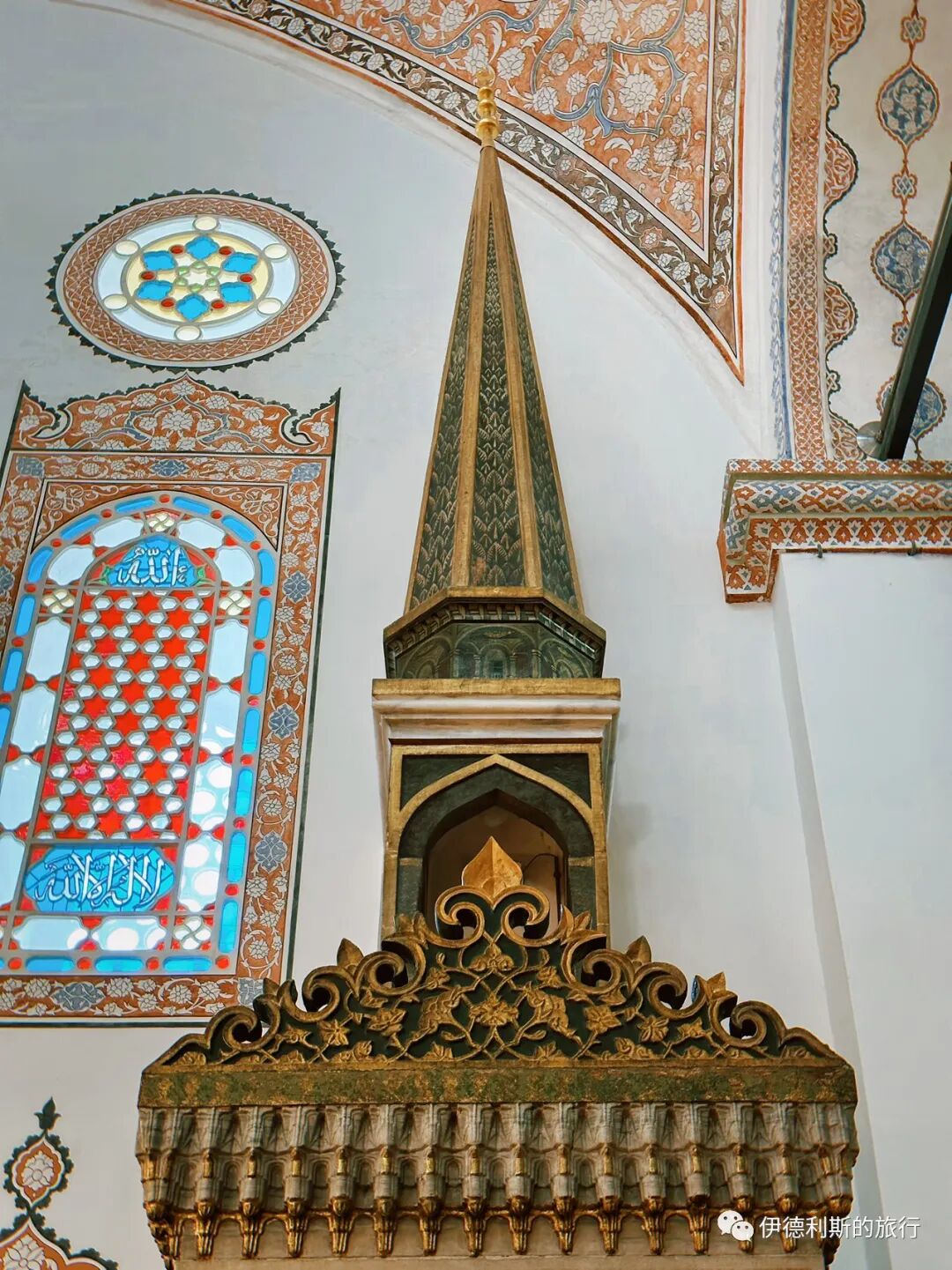
The mihrab (prayer niche) and minbar (pulpit) of the Bayezid II Mosque. To the right of the mihrab is a Hünkâr Mahfili, a platform for the sultan, the royal family, and nobles to pray, and the marble columns on it date back to the Byzantine period.
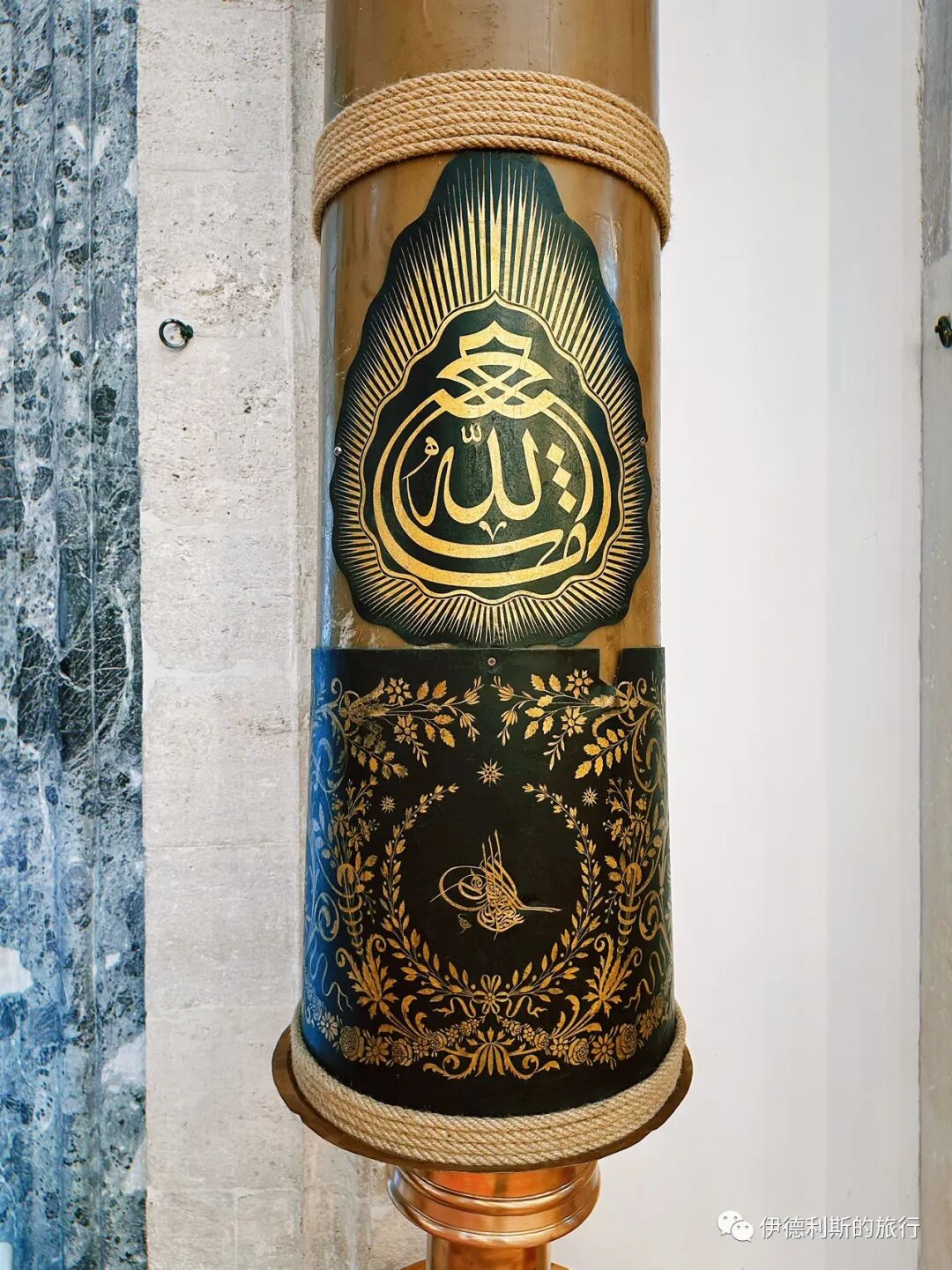
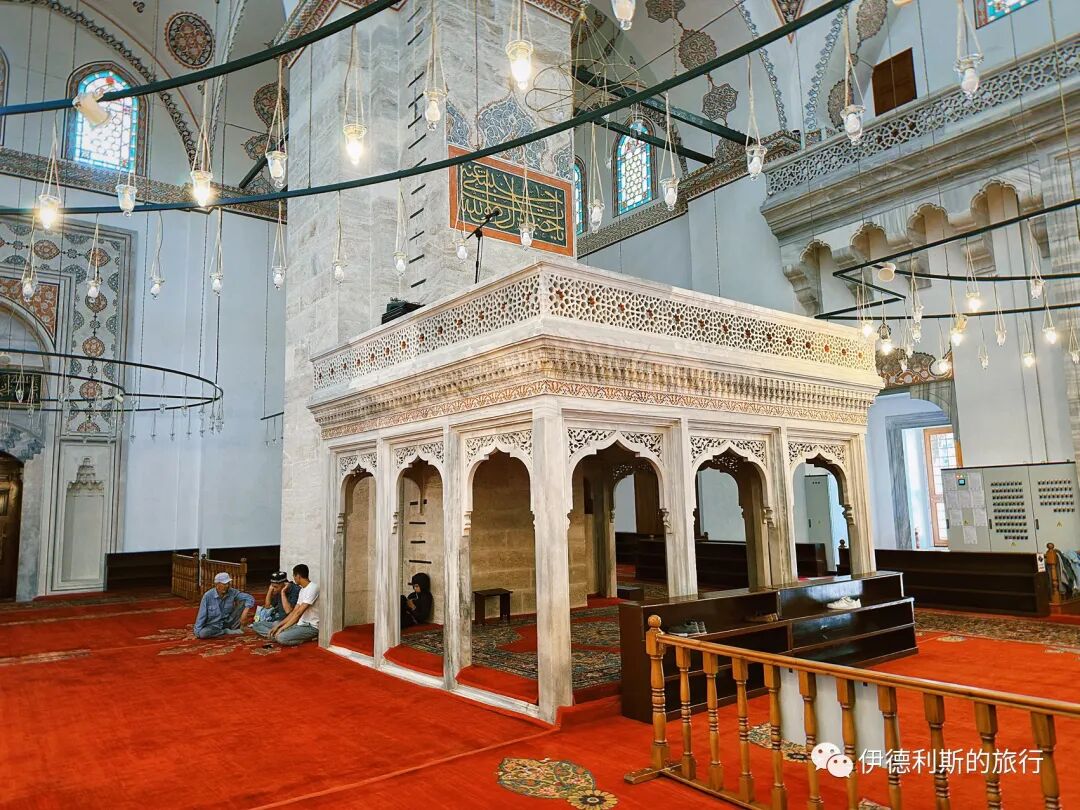
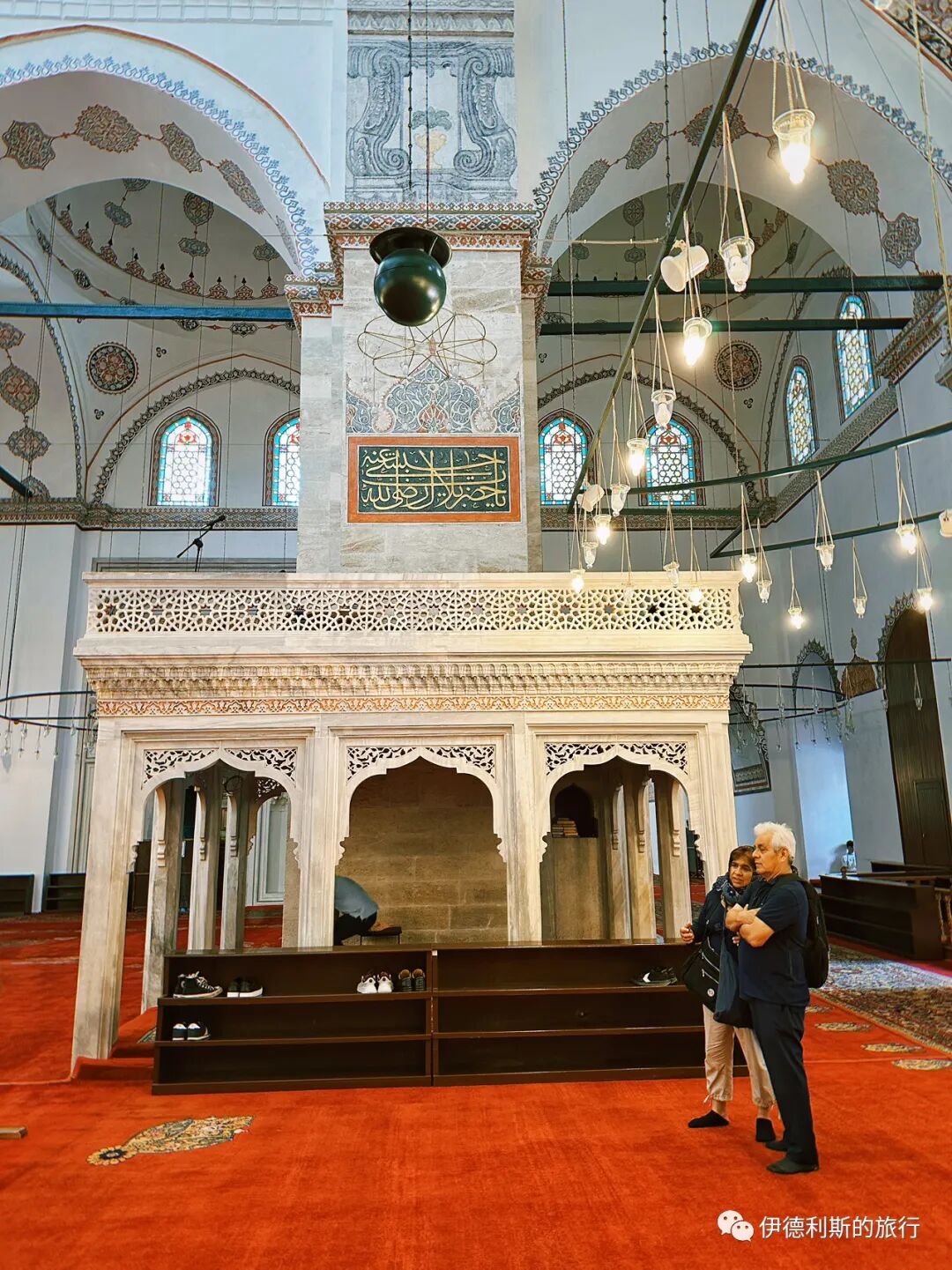
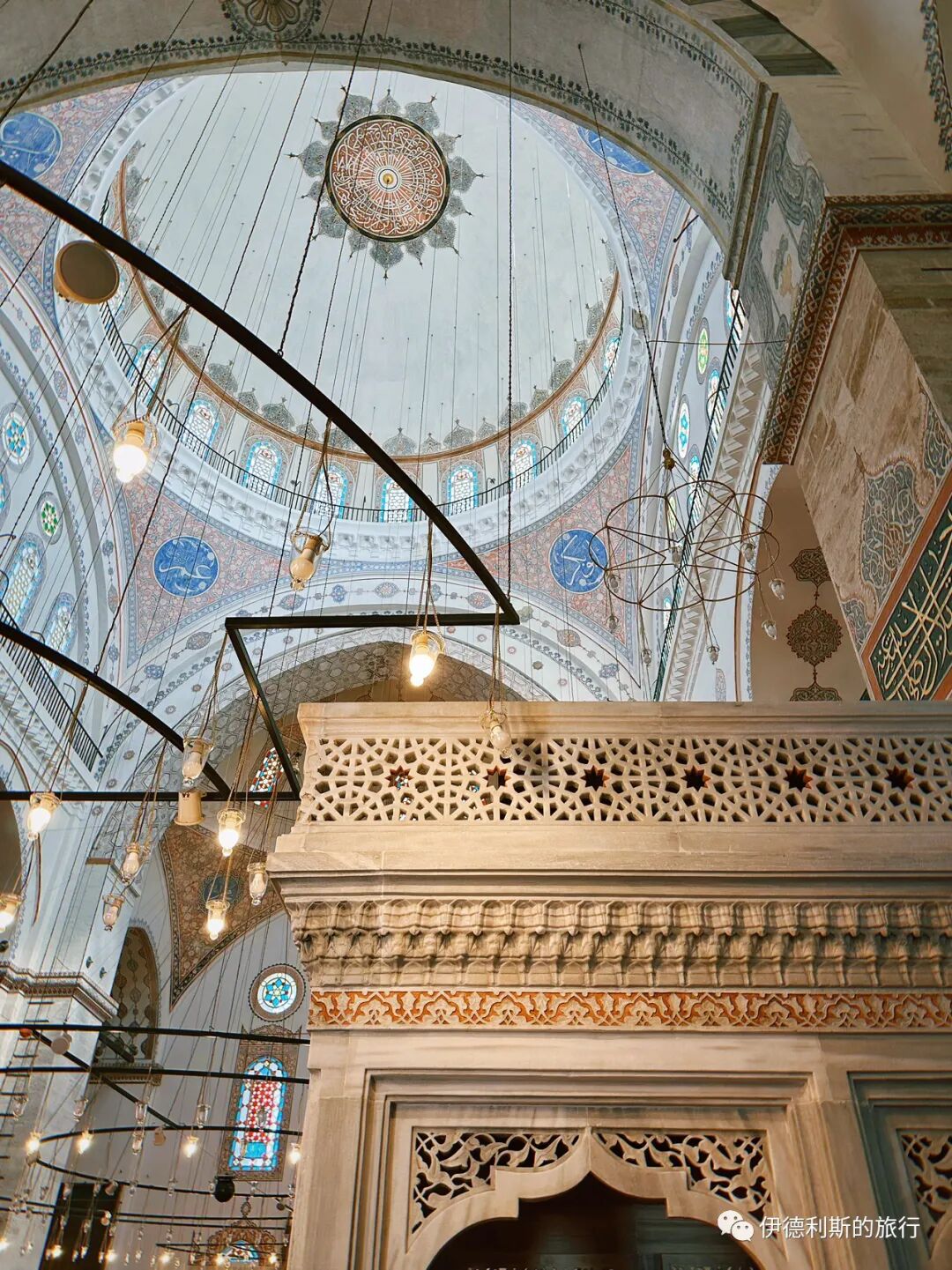
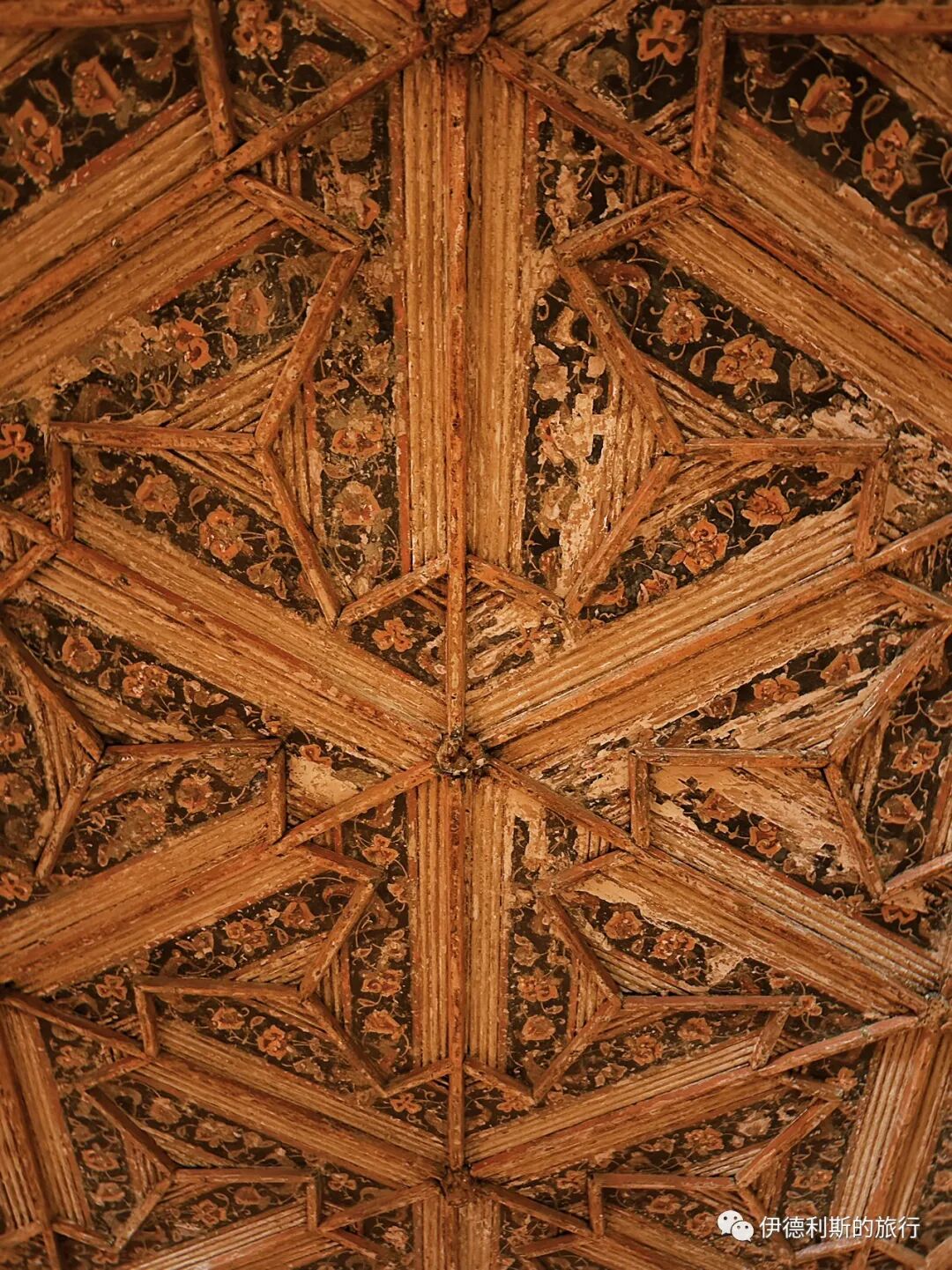
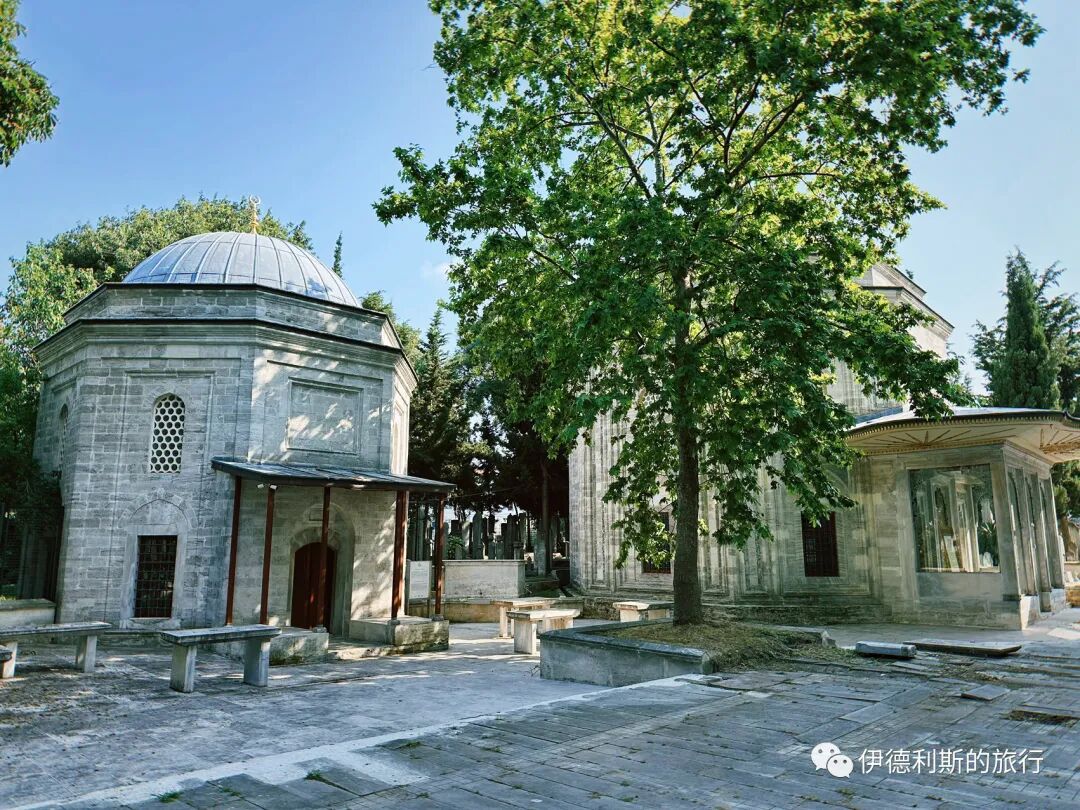
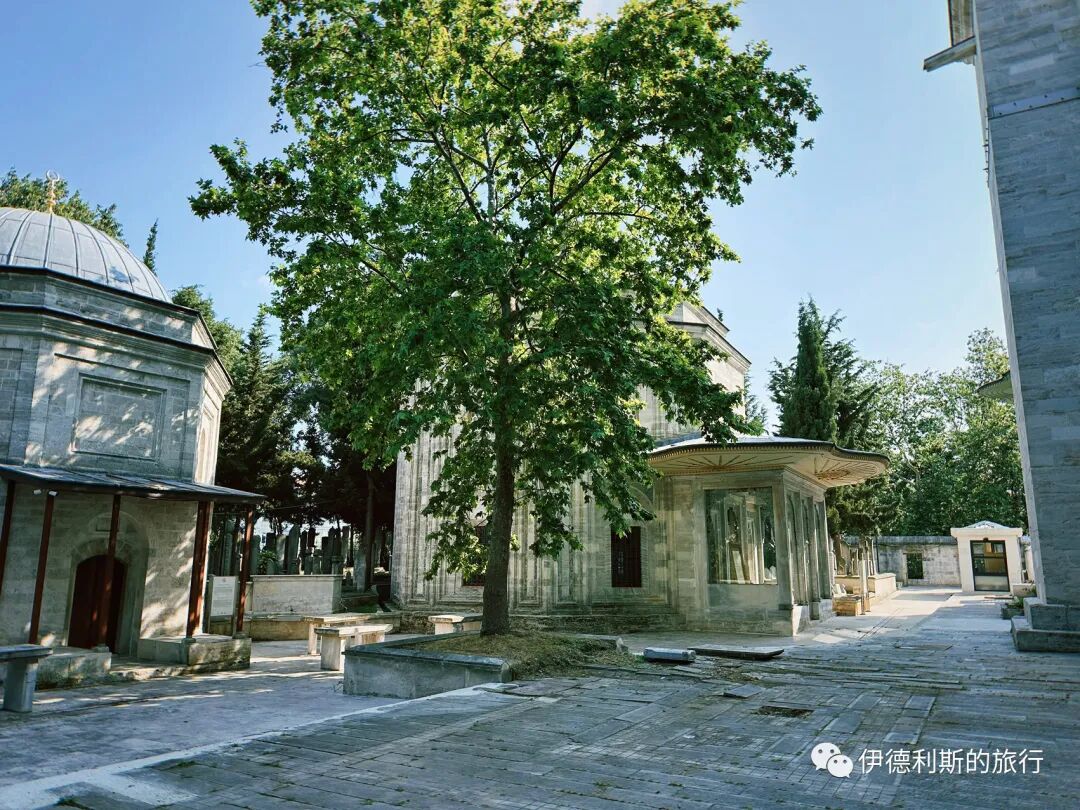
In the backyard of the Bayezid II Mosque is the tomb of Sultan Bayezid II himself. Bayezid II served as a bey in Amasya during his early years and took part in wars against the Aq Qoyunlu dynasty. After Mehmed the Conqueror passed away in 1481, Bayezid II fought a war of succession against his brother, Cem Sultan, and eventually defeated him to win the throne.
Bayezid II earned the title of 'the Just' because he successfully kept the domestic situation stable. He fought against Europe many times, defeating a powerful Polish army of 80,000 in 1497 and taking control of the entire Peloponnese peninsula in southern Greece in 1501.
In 1492, Spain announced the expulsion of all Jews and Muslims from its territory. Bayezid II sent the Ottoman navy to Spain to transport these refugees to Ottoman lands and issued a decree across the country welcoming them and allowing them to become Ottoman citizens. He mocked the Spanish rulers, saying, 'He has made his own country poor and made my country rich!' As expected, the Jews and Muslims from Andalusia brought new ideas, technologies, and crafts to the Ottoman Empire, contributing greatly to its prosperity in the 16th century. The first printing press in Istanbul was established by Sephardic Jews in 1493.
Jewel Market (Bedesten): 1461
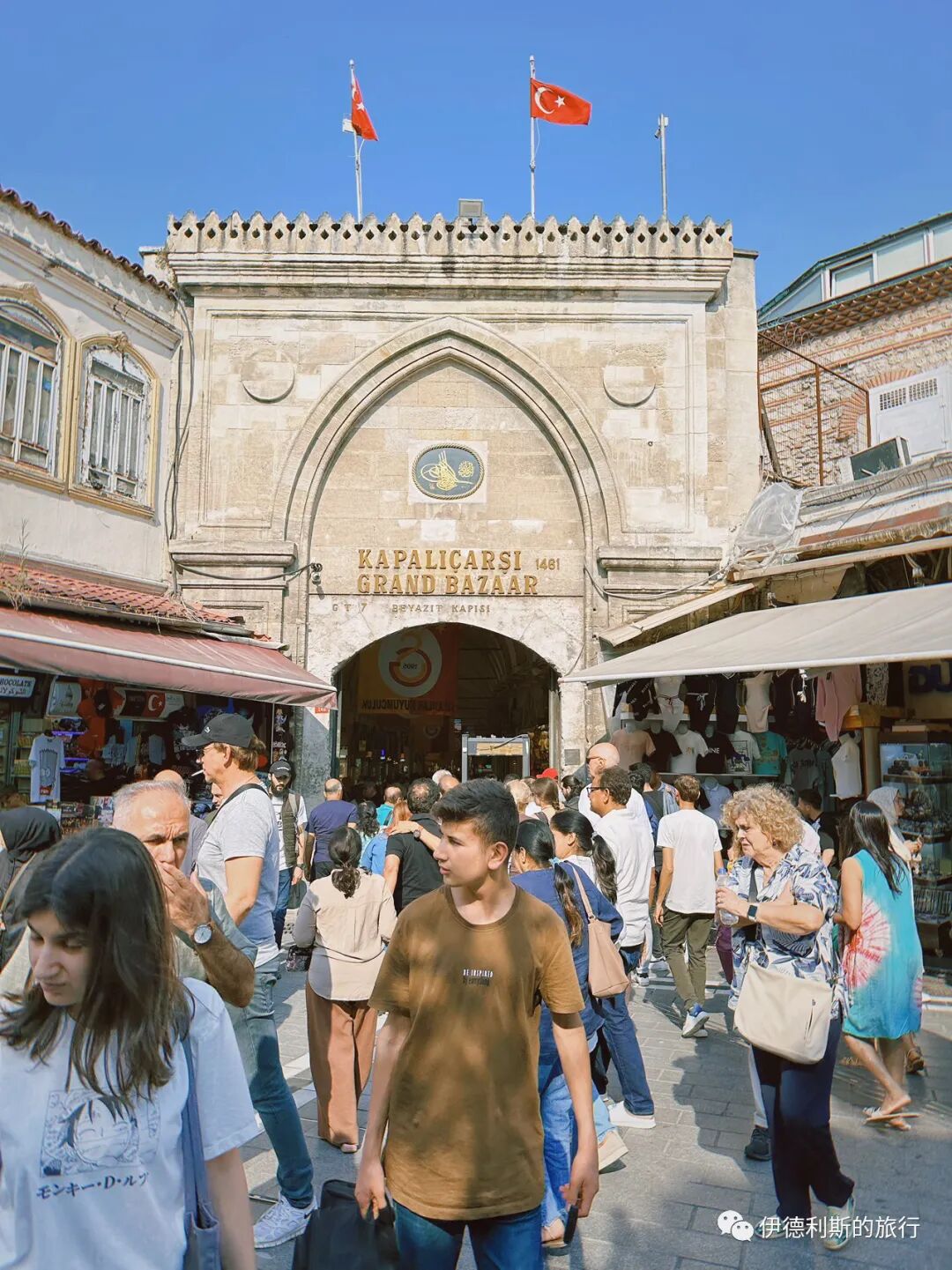
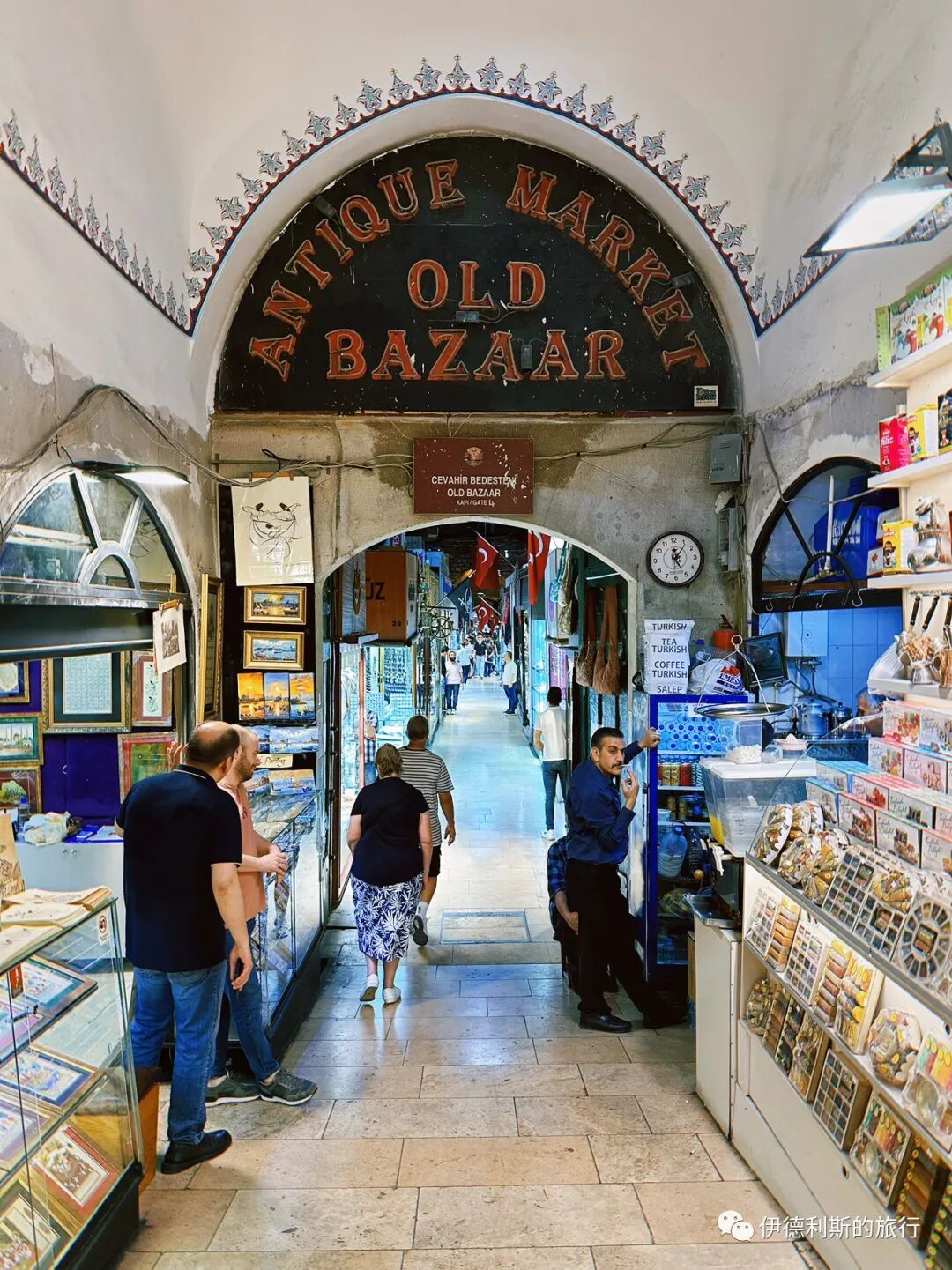
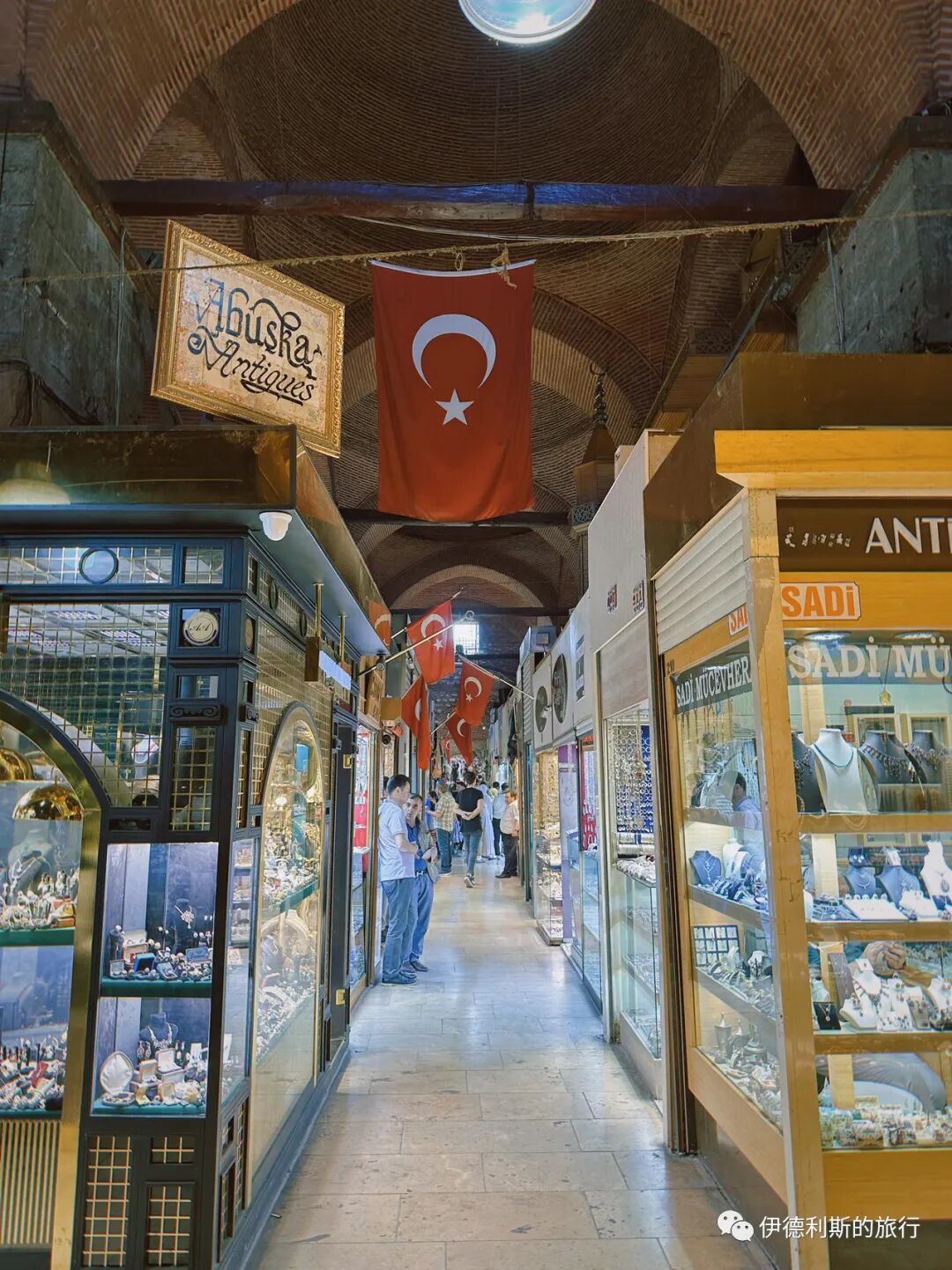
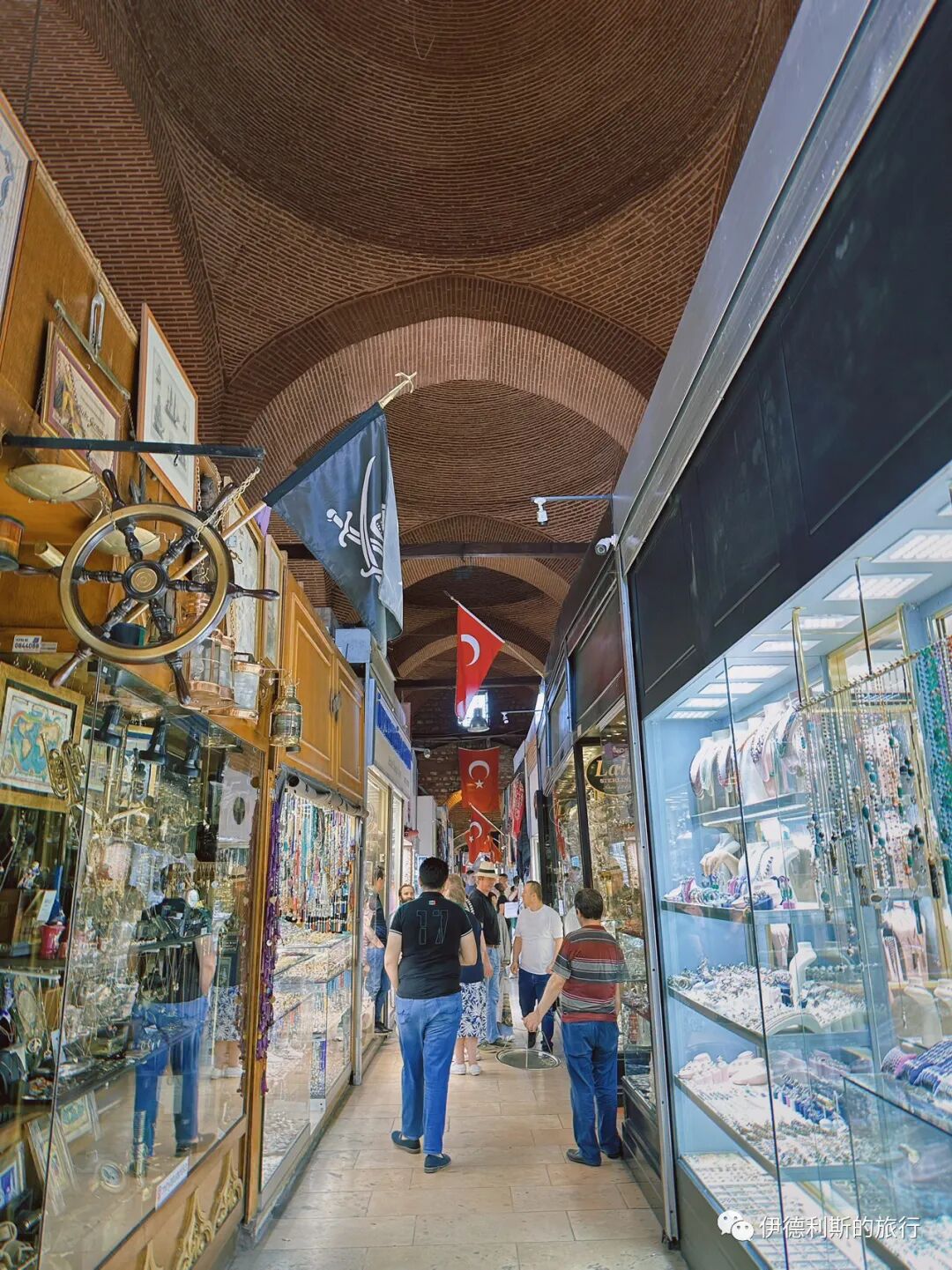
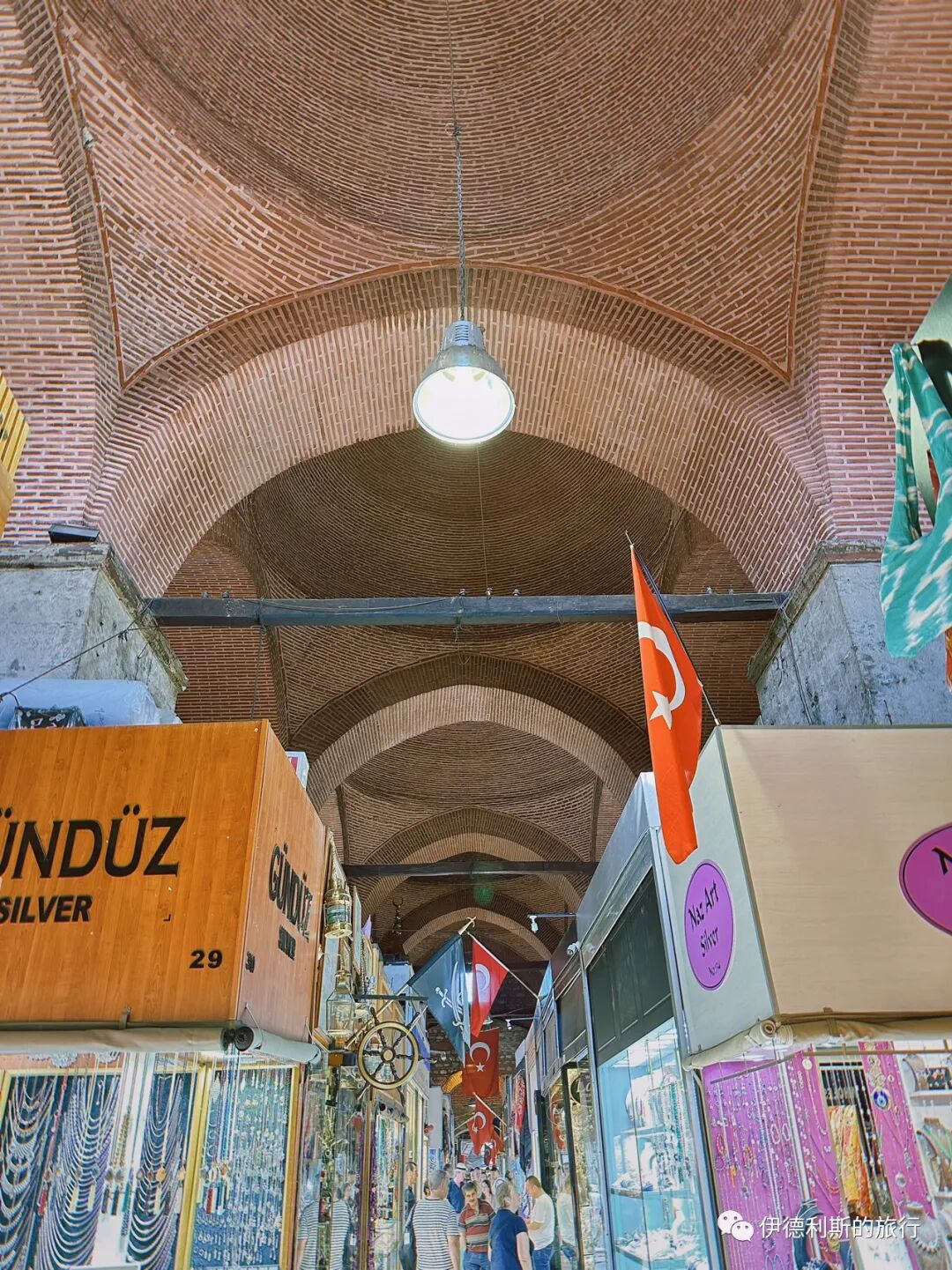
From the Bayezid II Mosque, head east into the maze-like and complex Grand Bazaar of Istanbul. The Grand Bazaar of Istanbul is known as the largest and oldest covered market in the world, with 61 streets and over 4,000 shops. The Grand Bazaar has been damaged by many fires and earthquakes throughout history, and construction work continued for nearly three hundred years. The earliest part of the building was started in 1461, shortly after the Ottoman conquest of Istanbul. It was originally called the Jewel Market (Cevâhir Bedestan) and belonged to the foundation (Waqf) of the Hagia Sophia Mosque.
In the 1470s (some say the 16th century), a second covered market was built next to the Jewel Market. It mainly sold textiles and was named the Sandalwood Market (Sandal Bedesten) after a sandalwood-colored silk fabric from Bursa. At first, the Jewel Market and the Sandalwood Market were two separate covered markets. However, as merchants kept opening shops around them, the two markets merged into one large area. By 1696, vaults were built over all the shops, finally forming the Grand Bazaar of Istanbul as it is today.
Mahmut Paşa Mosque: 1464
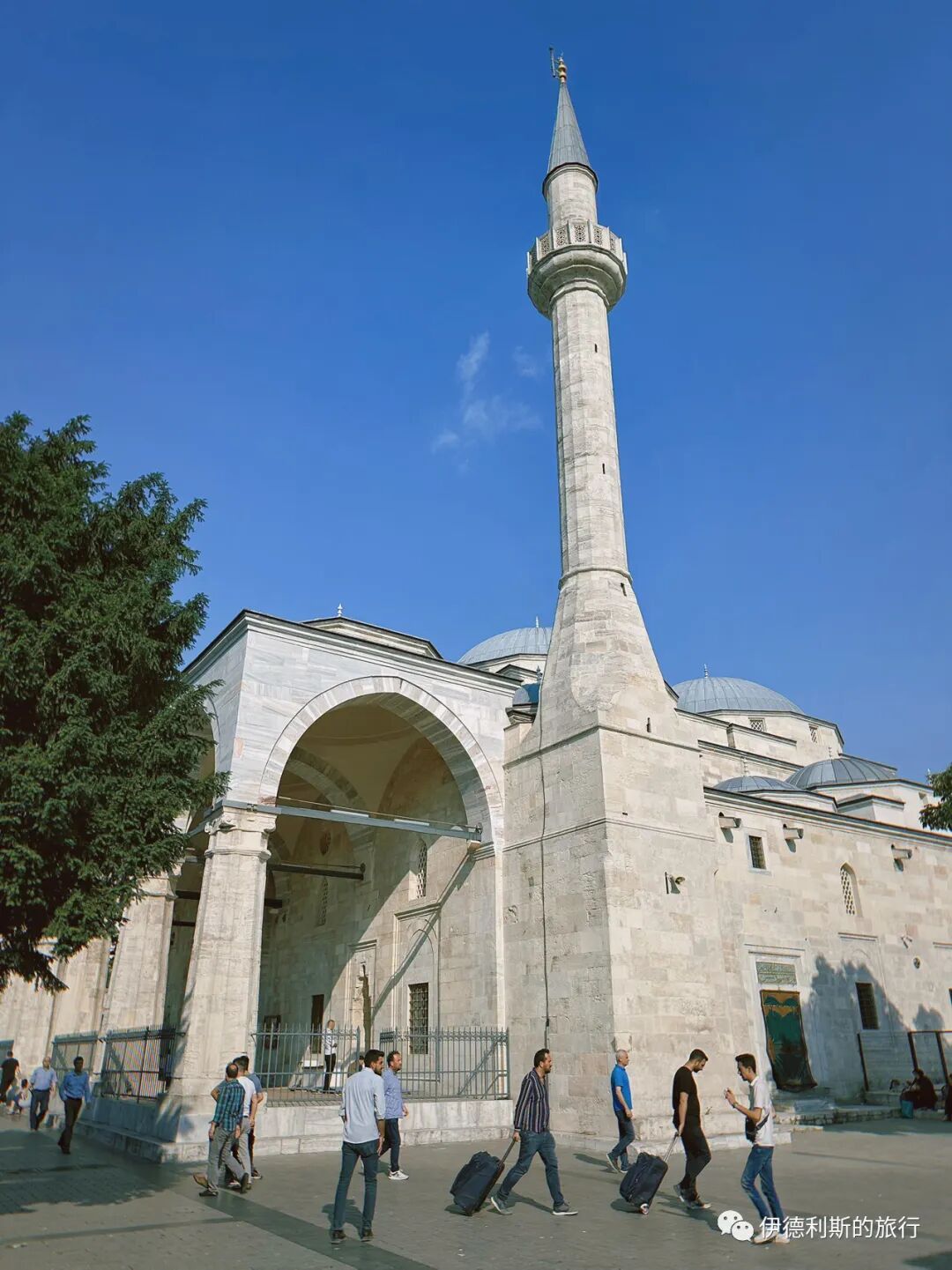
I performed namaz at the Mahmut Paşa Mosque (Mahmut Paşa Camii) outside the east gate of the Grand Bazaar in Istanbul. This mosque only finished its restoration and reopened in 2021, so I could not enter it when I visited in 2018.
Mahmut Pasha Mosque was built in 1464 by Mahmut Pasha, the Grand Vizier to Sultan Mehmed the Conqueror, and it is one of the oldest mosques in Istanbul. The Mahmut Pasha Mosque foundation (Waqf) owns many buildings, including 27 houses, 100 shops, and various warehouses and stables. This suggests that Mehmed the Conqueror likely tasked Mahmut Pasha with developing the area that is now east and north of the Grand Bazaar.
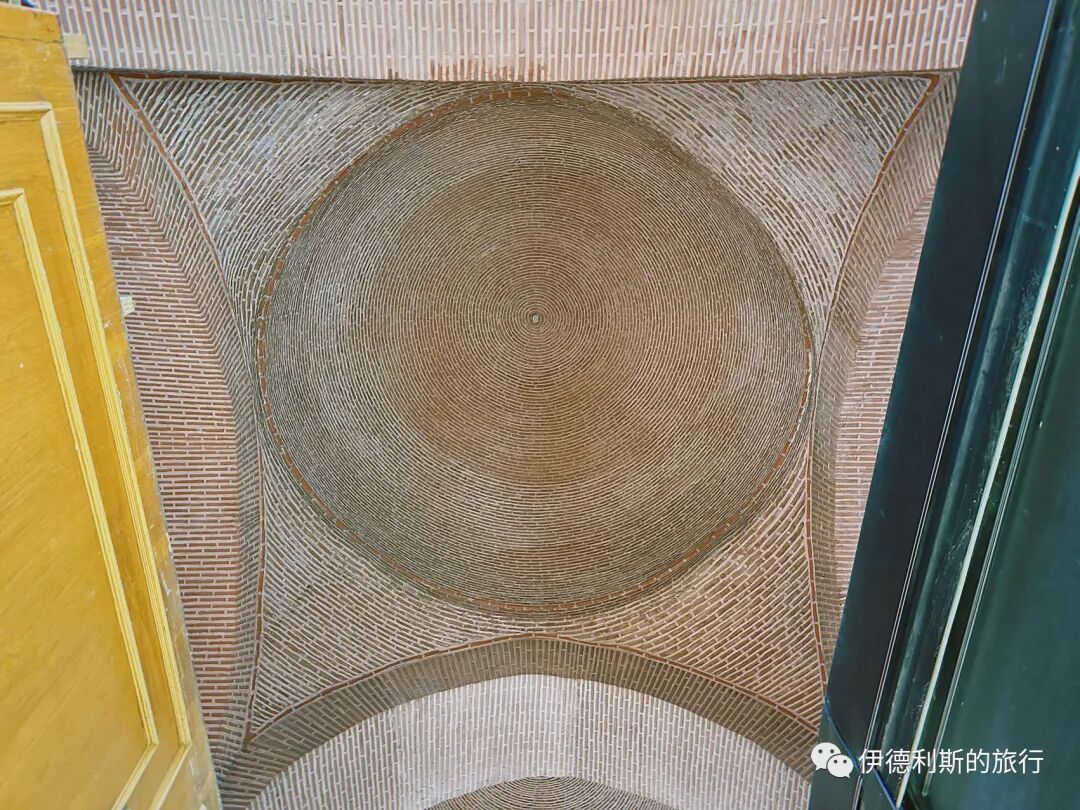
Mahmut Pasha Mosque still uses the architectural style from the Ottoman period in the old capital of Bursa, featuring two main domes and many smaller domes. After conquering Istanbul, the Ottoman dynasty was influenced by the central dome of the Hagia Sophia. They soon moved away from the Bursa style of small domes and began building mosques with a large central dome instead.
Summary: Istanbul is shaped by Ottoman mosques, layered Muslim history, and everyday street life across both sides of the city. This first part begins the return visit through the citys religious sites, streets, food, and historical details while keeping the original photos.
In 2018, I visited Istanbul for the first time. I toured nearly 100 historical buildings, including dozens of works by the great Ottoman architect Mimar Sinan, and gained a great deal. In the summer of 2023, I visited Istanbul for the second time. My itinerary was quite relaxed, mainly to see some places I didn't have time to visit last time.
Lunch in Kadıköy.
The plane landed at the Asian side airport in Istanbul. We took the subway for about 50 minutes to reach the terminal station, Kadıköy, where we chose to stay for this trip. Kadıköy has a very long history. In 667 BC, the Greeks established the first settlement on the Bosphorus here, a few years earlier than Byzantium on the opposite shore. In 1353, it came under the rule of the Ottoman dynasty, a full 100 years before the Ottoman conquest of Constantinople in 1453. Under Ottoman rule, this was a transportation hub for crossing the Bosphorus, so it gradually developed into a bustling town.
Today, it is a leisure spot where young people gather. There are several commercial pedestrian streets filled with cafes, restaurants, shops, craft stores, and bookstores. Although it lacks a vibrant nightlife and dense tourist attractions, life here is more comfortable and laid-back.
After dropping off our luggage, we first went to eat at the street-side Destan Halk Lokantası. A Turkish eatery (lokantası) is similar to a cafeteria back home. Various stews, salads, and desserts are prepared and displayed together, so you just point at what you want to eat, which is very convenient for tourists.
We ordered the Turkish specialty blackcurrant rice pilaf (iç pilav). This pilaf is made with olive oil, onions, crushed mint, cinnamon powder, and various other ingredients. You can also eat the traditional Ottoman Noah's pudding (ashure) here. It commemorates the day the Ark of Prophet Nuh (Noah) landed, when the Prophet and his followers gathered seeds of various foods to make the first meal after the Great Flood receded.
We had honey yogurt at the famous honey shop Etabal Arı Ürünleri in Kadıköy, then took a boat to the Eminönü pier in the old city on the European side. You can just swipe your transit card, which is very convenient.
Snacks near the Spice Bazaar.
Right across from the Eminönü pier is the Spice Bazaar (Mısır Çarşısı), which is the second-largest Ottoman market in the old city after the Grand Bazaar. The Egyptian Market was built in 1660 and got its name because the construction funds came from the revenue of the Ottoman province of Egypt. I took Zaynab next to the Egyptian Market to experience Istanbul's most classic street food, including sandwiches from a sesame ring bread (simit) cart, roasted chestnuts, and mixed fruit juice. Zaynab especially liked these authentic roasted chestnuts.
Rüstem Paşa Mosque: 1561-63
Not far to the west of the Egyptian Market is the Rüstem Paşa Mosque (Rüstem Paşa Camii), known as the most beautiful mosque by Mimar Sinan. When I visited last time, it was undergoing a three-year restoration that finished in 2021, so I was finally able to visit it this time.
The Rüstem Paşa Mosque was built between 1561 and 1563 by the great Ottoman architect Mimar Sinan for the Ottoman Grand Vizier Rüstem Paşa. This was the last building commissioned by Rüstem Paşa, and it was only completed after his death.
The mosque is built on a high platform with arched shops on the lower level. The ablution area is next to the platform, and you must climb a narrow staircase to reach the courtyard on top, making the building stand out clearly on the skyline of Istanbul's old city.
Most of Sinan's works are known for their rigorous architectural structure, but the Rüstem Paşa Mosque is famous for its exquisite interior Iznik tiles. About 2,300 Iznik tiles with 80 different floral and geometric patterns cover the outer walls of the main hall's porch, the interior walls, the prayer niche (mihrab), and the pulpit (minbar). It is said there are 41 types of tulip patterns alone. In the more than twenty years that followed, Sinan never again used such a large number of Iznik tiles to decorate a mosque.
People say these tiles were ordered by Rüstem Paşa himself to support Kara Memi, the chief painter of the Ottoman court at the time. Kara Memi created a new naturalistic style, and his floral works were widely used on crafts like tiles and carpets, leaving a profound influence on Ottoman art.
Elhac Timurtaş Mosque: 1460s
Not far west of the Rüstem Paşa Mosque, on a street corner, stands the Elhac Timurtaş Mosque. This small, unassuming mosque is actually one of the oldest in Istanbul. It was built in the 1460s by Timurtaş Ağa, who was a merchant there, and the architect was Mahsenci Hacı Ahmet Ağa. The Elhac Timurtaş Mosque has been rebuilt many times throughout history, so it is hard to see its original form today. The mosque was occupied between 1938 and 1964, restored in 1965 at the suggestion of local merchants, and renovated again in 1990 to its current appearance.
Siyavuş Pasha Madrasa (Museum of the Holy Relics and Prayer Beads): 1591.
Continue walking west, cross the road, and you will find the Siyavuş Pasha Madrasa, which is now open as the Museum of the Holy Relics and Prayer Beads (Hilye-i Şerif ve Tesbih Müzesi). The madrasa was built in 1591 by Siyavuş Pasha, the Grand Vizier to the Ottoman Sultan Murad III, and was likely overseen by Davut Aga, the chief Ottoman architect who succeeded Mimar Sinan. The madrasa has a very precise design and uses high-quality materials. It consists of 15 dormitory rooms and one large classroom, arranged in an irregular geometric pattern along the hillside.
The Holy Relics (Hilye-i Şerif) are written descriptions of the appearance of the Prophet Muhammad and his followers, which became a mature form of Ottoman calligraphy after the 17th century. People write the Holy Relics in beautiful Naskh Arabic calligraphy, frame them, and hang them in their homes, where everyone who passes by offers a blessing.
The term tasbih originally refers to the phrase Subhan Allah, meaning 'Glory be to Allah'. According to the Hadith, the Prophet Muhammad taught his daughter Fatima a way to perform dhikr: saying tasbih 33 times, 'All praise is due to Allah' 33 times, and 'Allah is the Greatest' 33 or 34 times. This method of remembrance is known as Fatima's Tasbih. After the 16th century, the Ottoman dynasty began making counting beads for tasbih out of materials like pearl, amber, hardwood, and bone, and tasbih beads developed into a distinct craft. During the 17th and 18th centuries, the Anatolian region, centered in Istanbul, had the most advanced tasbih bead craftsmanship in the Islamic world, and many Muslims traveling to Istanbul would come here to buy them.
The following beads are made from ivory, amber, ivory nut, and Brazilian palm nut, respectively.
Süleymaniye Mosque.
Continue west to the Süleymaniye Mosque to show Zaynab the great architectural works of Mimar Sinan and visit the tombs of Suleiman the Magnificent and Hurrem Sultan. Unfortunately, the two tombs were closed on Monday, but you can still see the beautiful Iznik tiles on the outside.
In 1566, Suleiman the Magnificent passed away at the age of 71 while on his way from Istanbul to lead a military campaign in Hungary. His heart, liver, and some other organs were buried on the spot in Hungary, while his body (mayyit) was transported back to Istanbul for burial. Besides Suleiman the Magnificent himself, his tomb also holds two other sultans, Suleiman II (reigned 1687-91) and Ahmed II (reigned 1691-95), while the tomb of Hurrem Sultan was built in 1558, the year she passed away.
Revisiting the Suleymaniye Mosque after five years, I am still stunned by this architectural masterpiece by Mimar Sinan. When I was thinking of a name for my son, the Suleymaniye Mosque came to mind first, so I blurted out that I wanted to name him Suleiman. When Suleiman gets a little older, I must bring him to see this place.
Bayezid II Mosque: 1501-06.
From the Suleymaniye Mosque, head south through Istanbul University to reach the Bayezid II Mosque next to the Grand Bazaar in Istanbul. This place underwent an eight-year renovation starting in 2012 and only reopened in 2020, so I could not enter when I came in 2018.
The Bayezid II Mosque was built between 1501 and 1506 by the eighth Ottoman Sultan, Bayezid II (reigned 1481-1512), and it is the second imperial mosque built after the Ottoman conquest of Istanbul. Because the Fatih Mosque built by Mehmed the Conqueror was destroyed by earthquakes many times, the Bayezid II Mosque is the oldest surviving imperial mosque in Istanbul.
It is speculated that the most likely architect of the Bayezid II Mosque was Yakubşah ibn Islamşah. People only know that Yakubşah once built a caravanserai in Bursa, and little else is known about him, but the polishing technique of the mosque shows that early Ottoman architecture was influenced by contemporary Western architecture. It is also certain that the great Ottoman architect Mimar Sinan carried out repairs here between 1573 and 1574.
The main hall of the Bayezid II Mosque is square, with the main dome supported by two semi-domes and two arches; the interior was built in imitation of the Hagia Sophia, but it is relatively smaller.
The mihrab (prayer niche) and minbar (pulpit) of the Bayezid II Mosque. To the right of the mihrab is a Hünkâr Mahfili, a platform for the sultan, the royal family, and nobles to pray, and the marble columns on it date back to the Byzantine period.
In the backyard of the Bayezid II Mosque is the tomb of Sultan Bayezid II himself. Bayezid II served as a bey in Amasya during his early years and took part in wars against the Aq Qoyunlu dynasty. After Mehmed the Conqueror passed away in 1481, Bayezid II fought a war of succession against his brother, Cem Sultan, and eventually defeated him to win the throne.
Bayezid II earned the title of 'the Just' because he successfully kept the domestic situation stable. He fought against Europe many times, defeating a powerful Polish army of 80,000 in 1497 and taking control of the entire Peloponnese peninsula in southern Greece in 1501.
In 1492, Spain announced the expulsion of all Jews and Muslims from its territory. Bayezid II sent the Ottoman navy to Spain to transport these refugees to Ottoman lands and issued a decree across the country welcoming them and allowing them to become Ottoman citizens. He mocked the Spanish rulers, saying, 'He has made his own country poor and made my country rich!' As expected, the Jews and Muslims from Andalusia brought new ideas, technologies, and crafts to the Ottoman Empire, contributing greatly to its prosperity in the 16th century. The first printing press in Istanbul was established by Sephardic Jews in 1493.
Jewel Market (Bedesten): 1461
From the Bayezid II Mosque, head east into the maze-like and complex Grand Bazaar of Istanbul. The Grand Bazaar of Istanbul is known as the largest and oldest covered market in the world, with 61 streets and over 4,000 shops. The Grand Bazaar has been damaged by many fires and earthquakes throughout history, and construction work continued for nearly three hundred years. The earliest part of the building was started in 1461, shortly after the Ottoman conquest of Istanbul. It was originally called the Jewel Market (Cevâhir Bedestan) and belonged to the foundation (Waqf) of the Hagia Sophia Mosque.
In the 1470s (some say the 16th century), a second covered market was built next to the Jewel Market. It mainly sold textiles and was named the Sandalwood Market (Sandal Bedesten) after a sandalwood-colored silk fabric from Bursa. At first, the Jewel Market and the Sandalwood Market were two separate covered markets. However, as merchants kept opening shops around them, the two markets merged into one large area. By 1696, vaults were built over all the shops, finally forming the Grand Bazaar of Istanbul as it is today.
Mahmut Paşa Mosque: 1464
I performed namaz at the Mahmut Paşa Mosque (Mahmut Paşa Camii) outside the east gate of the Grand Bazaar in Istanbul. This mosque only finished its restoration and reopened in 2021, so I could not enter it when I visited in 2018.
Mahmut Pasha Mosque was built in 1464 by Mahmut Pasha, the Grand Vizier to Sultan Mehmed the Conqueror, and it is one of the oldest mosques in Istanbul. The Mahmut Pasha Mosque foundation (Waqf) owns many buildings, including 27 houses, 100 shops, and various warehouses and stables. This suggests that Mehmed the Conqueror likely tasked Mahmut Pasha with developing the area that is now east and north of the Grand Bazaar.
Mahmut Pasha Mosque still uses the architectural style from the Ottoman period in the old capital of Bursa, featuring two main domes and many smaller domes. After conquering Istanbul, the Ottoman dynasty was influenced by the central dome of the Hagia Sophia. They soon moved away from the Bursa style of small domes and began building mosques with a large central dome instead.
