
Halal Travel Guide: Istanbul — Mosques, Turkish Food and Ottoman Streets (Part 1 of 3) — Section 2 of 2 — Block 1 of 2
Reposted from the web
Summary: Istanbul — Mosques, Turkish Food and Ottoman Streets is presented here as a firsthand travel account in clear English, beginning with this scene: I spent half a month traveling in Turkey from September to October 2018. While visiting historical sites in Istanbul, I tried some local food and would like to share it with you here. The account keeps its focus on Istanbul Travel, Turkish Food, Ottoman Heritage while preserving the names, places, food, and historical details from the Chinese source. This public article combines adjacent translated blocks from the same source section.
Block 1 of 2
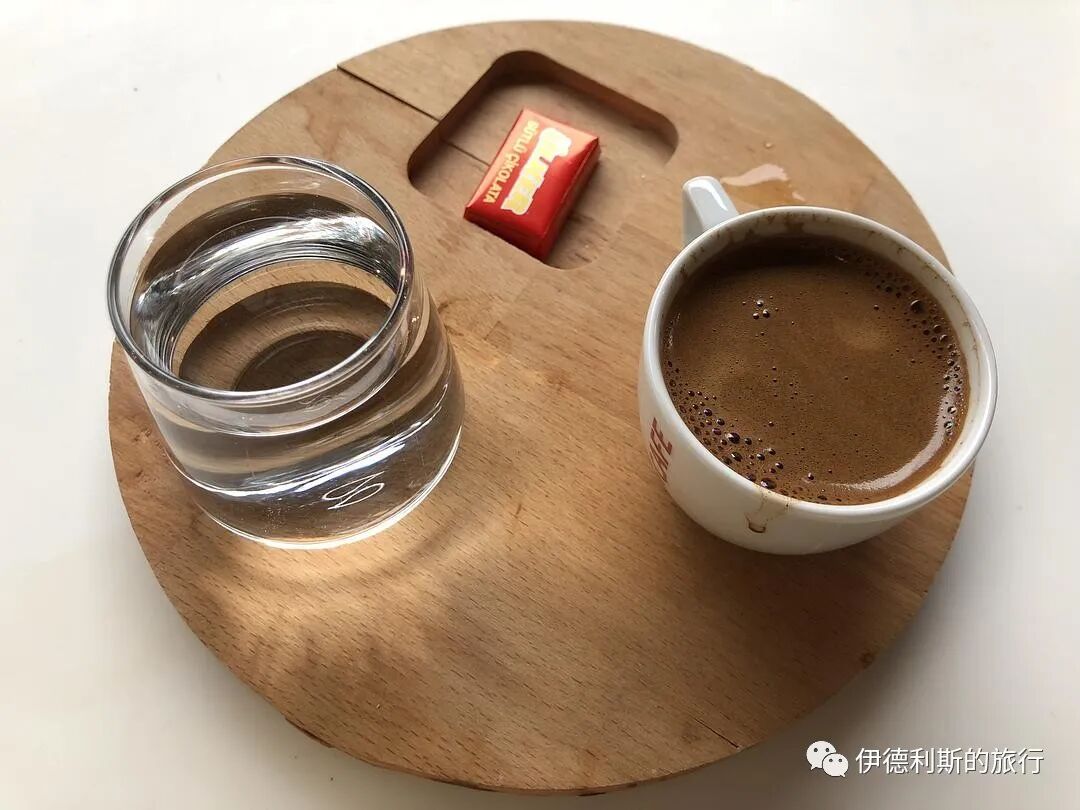
Turkish coffee served with pudding on the street.
In the early Ottoman Empire, strong coffee was banned as a medicine, but the Sultan eventually lifted the ban because it became so popular with the people.
Turkish coffee is recognized by UNESCO as part of Turkey's intangible cultural heritage.
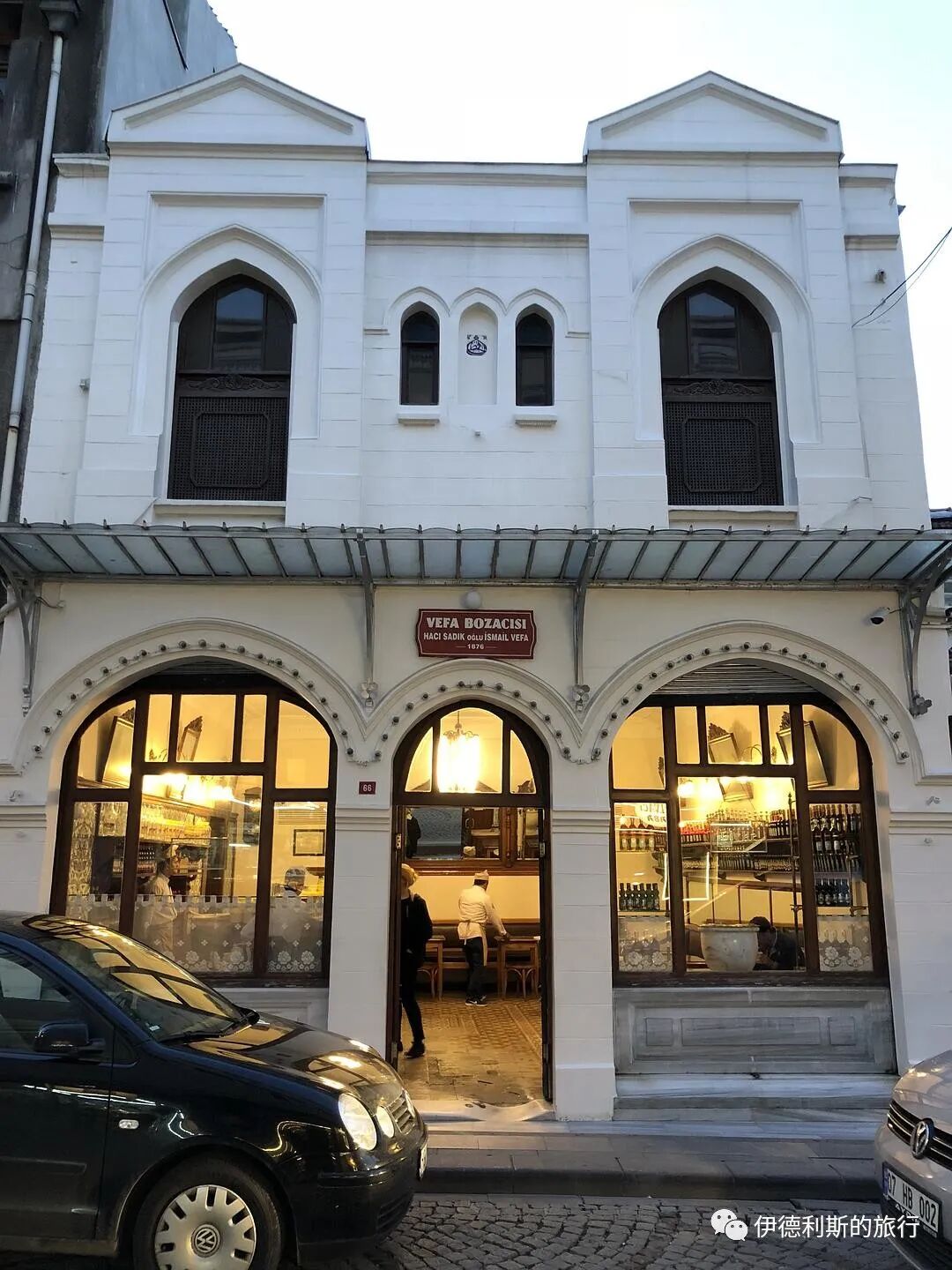
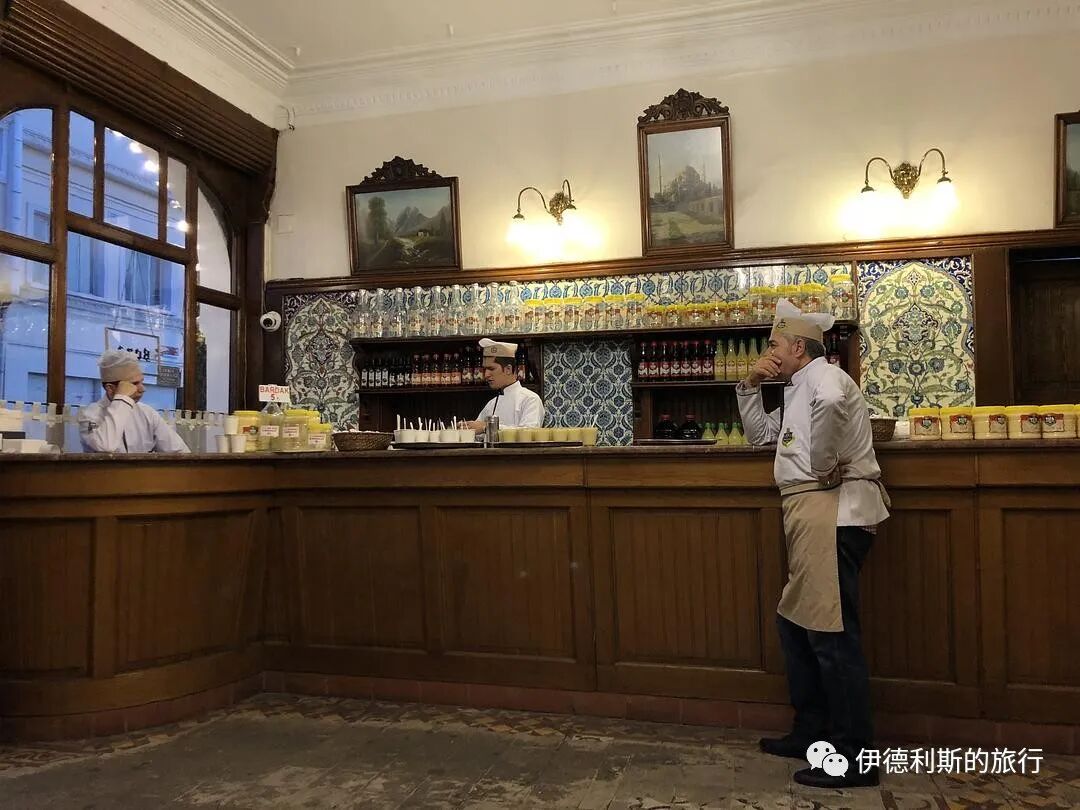
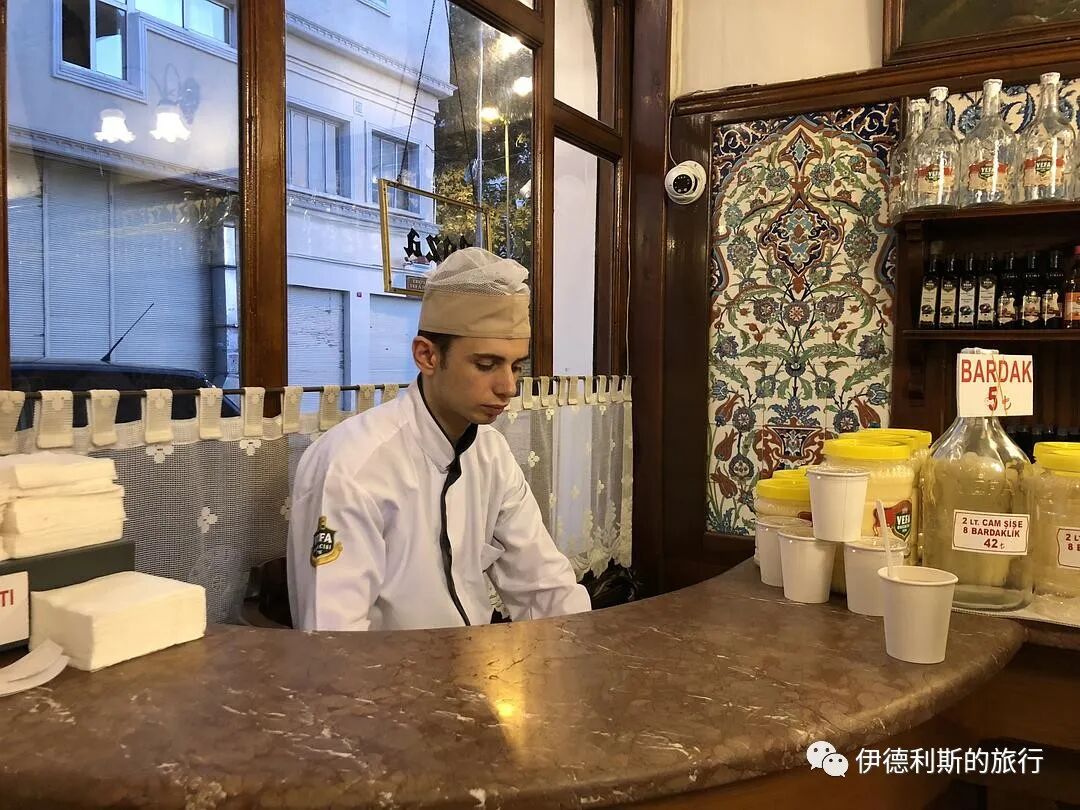
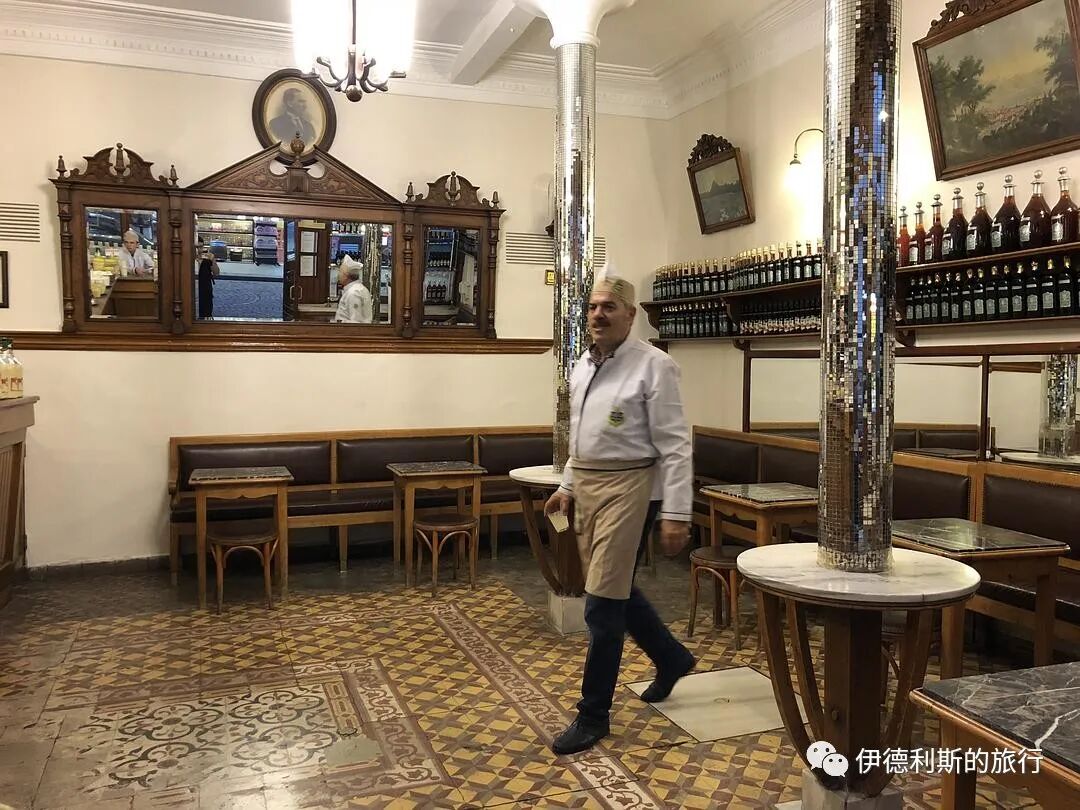
The picture below shows Vefa Bozacisi, the only boza shop in 19th-century Istanbul. It was opened in 1876 by brothers Haci Ibrahim and Haci Sadik in the Vefa district of Istanbul, near the entertainment center of the time, Direklerarası. It is still run by the great-grandchildren of Haci Sadik and Haci Ibrahim today.
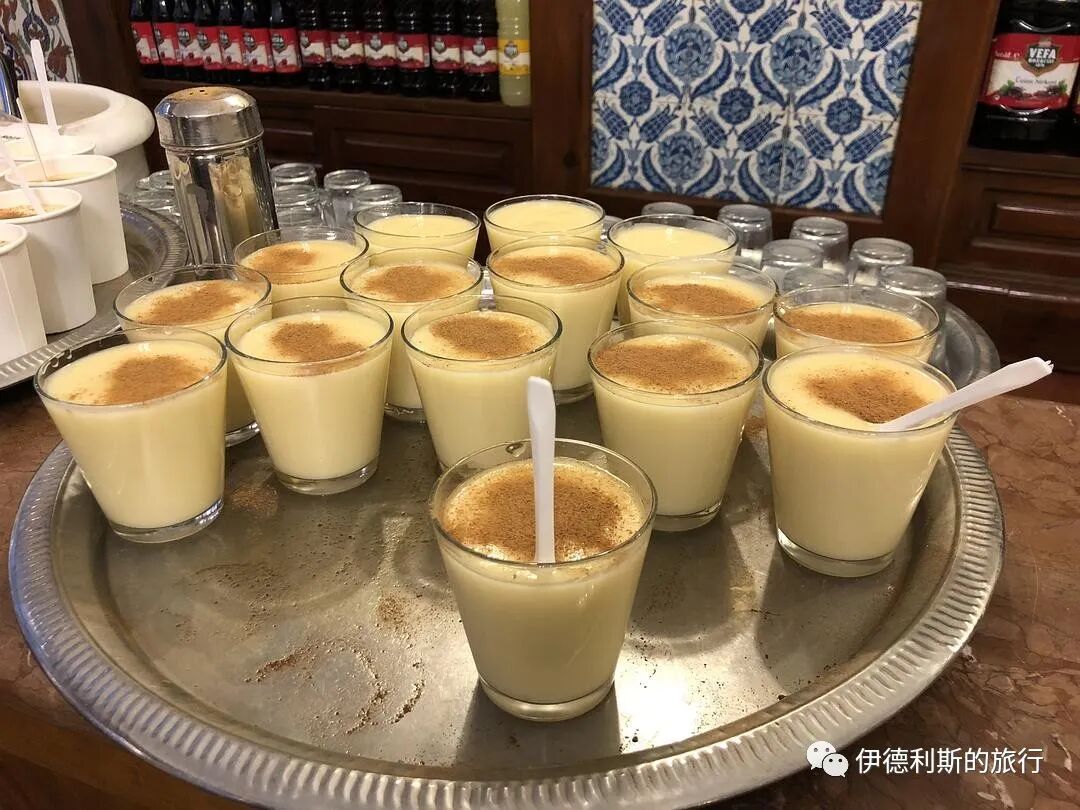
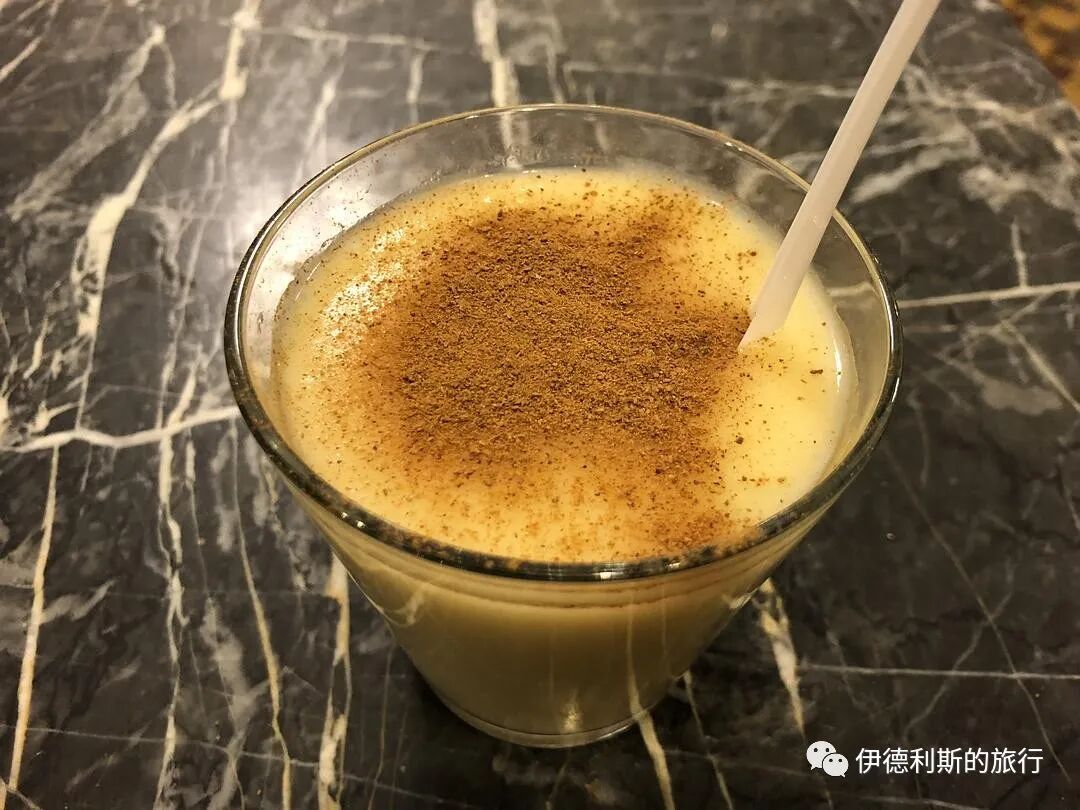
Boza is a fermented grain drink popular in Turkey, Iran, the Balkans, Central Asia, and the Caucasus. In Turkey, it is usually made from fermented wheat. It is thick and tastes sweet with a hint of sourness.
In Chagatai Turkic, boza means a drink made from camel milk, while in Persian, büze is used to refer to millet. Central Asian Turkic people began calling fermented grain drinks, usually made from millet, boza in the 10th century. It later spread to the Caucasus and the Balkans and became an important town drink during the Ottoman Empire.
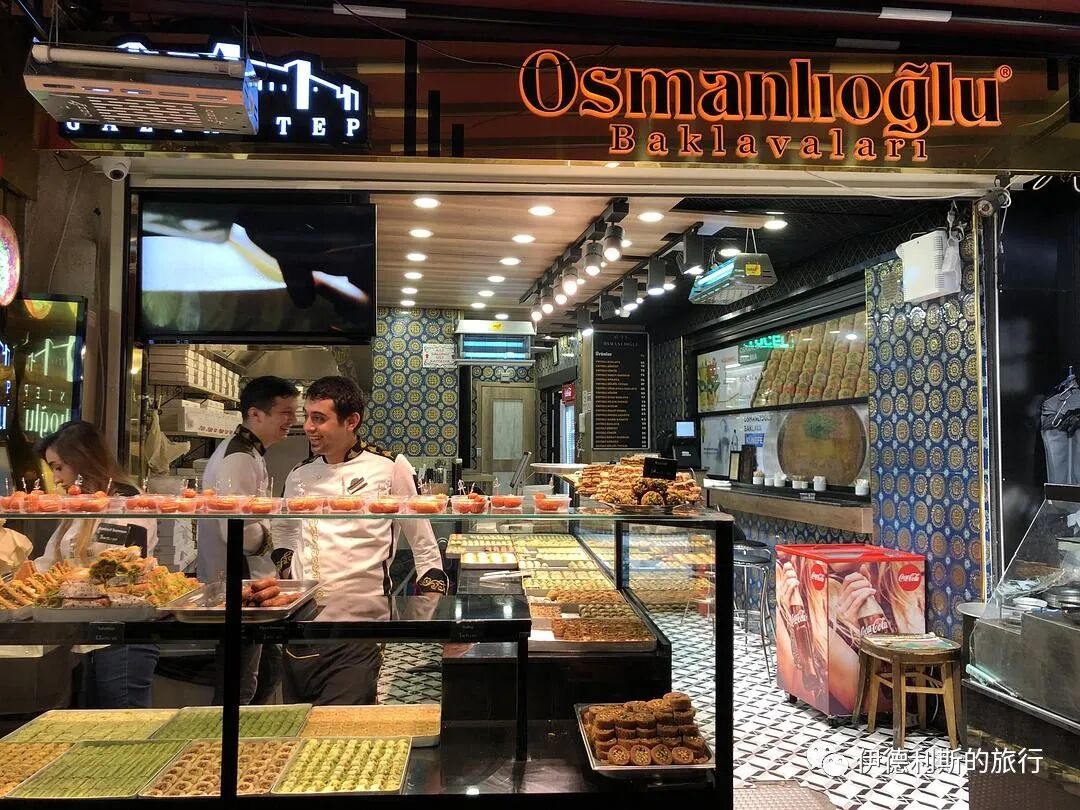
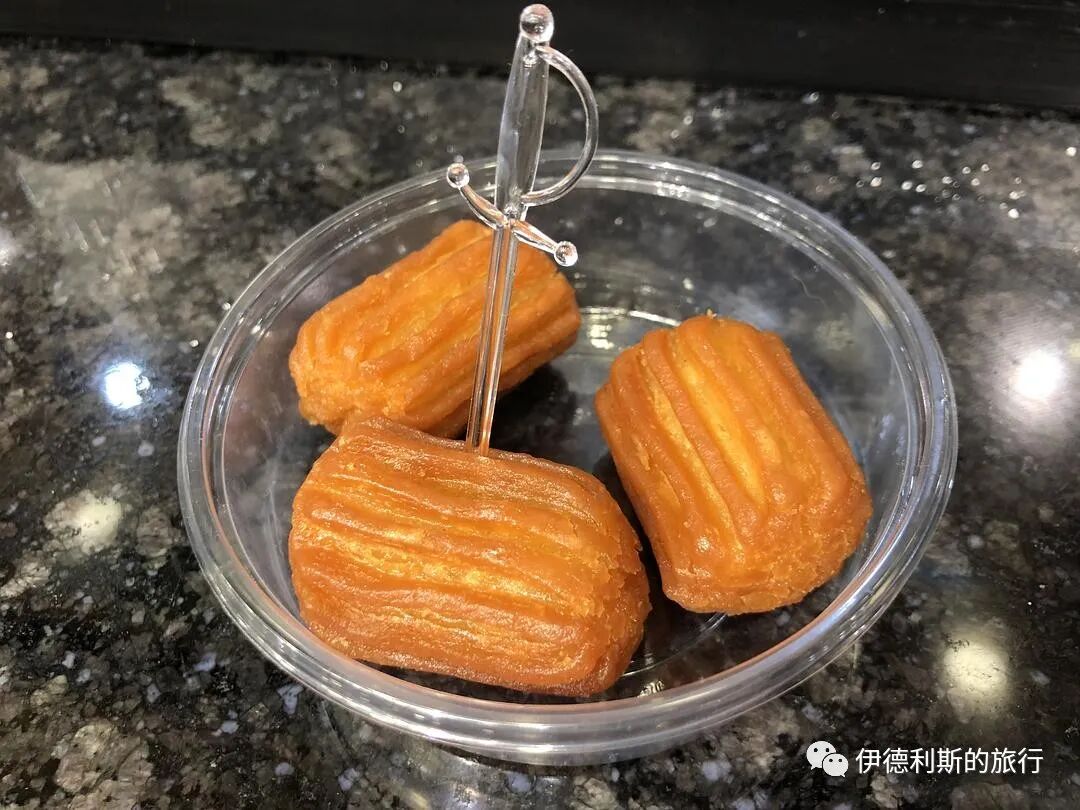
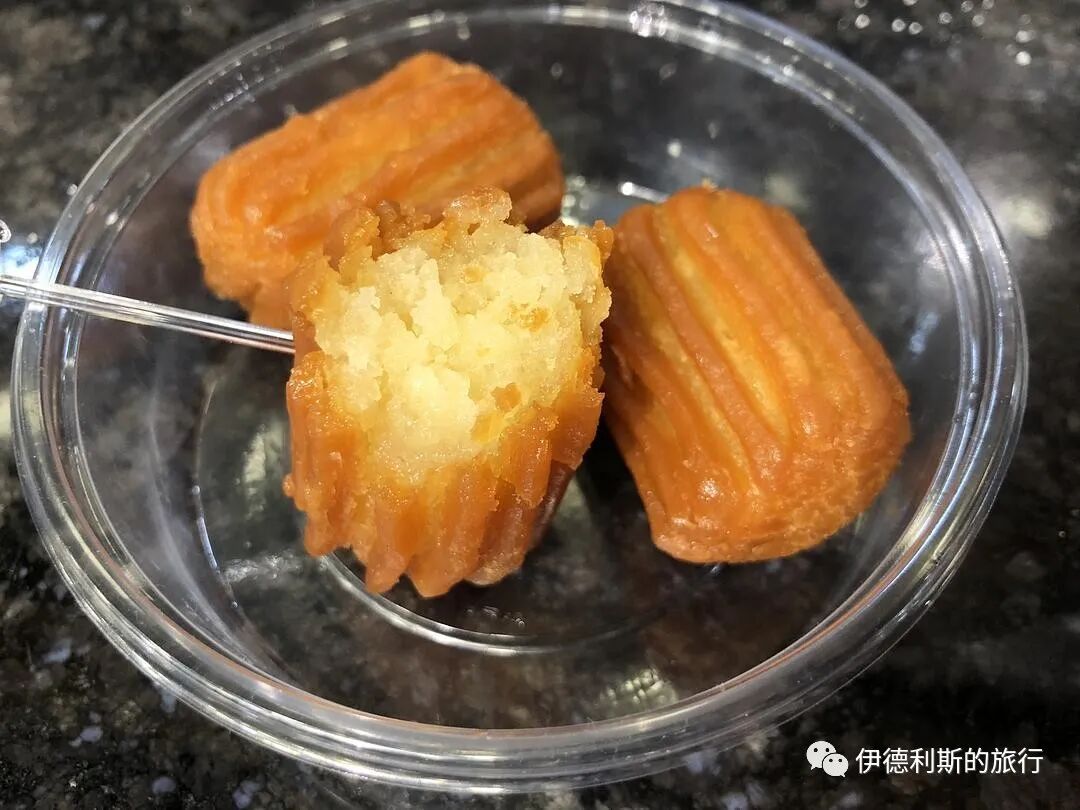
The snack in the picture below is called tulumba tatlısı, which is deep-fried dough soaked in syrup. It is widely popular in former Ottoman regions, including Turkey, the Balkans, and Armenia. It is also called balah alsham in Arab regions and is often eaten during Ramadan.
Main course
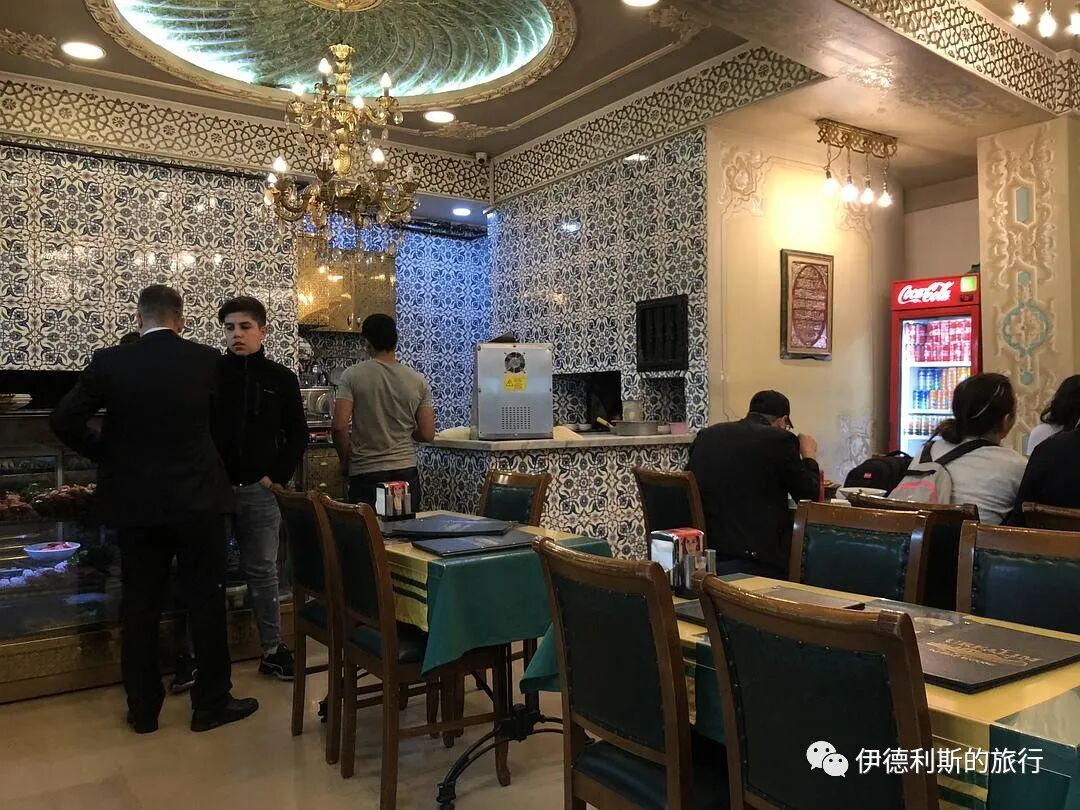
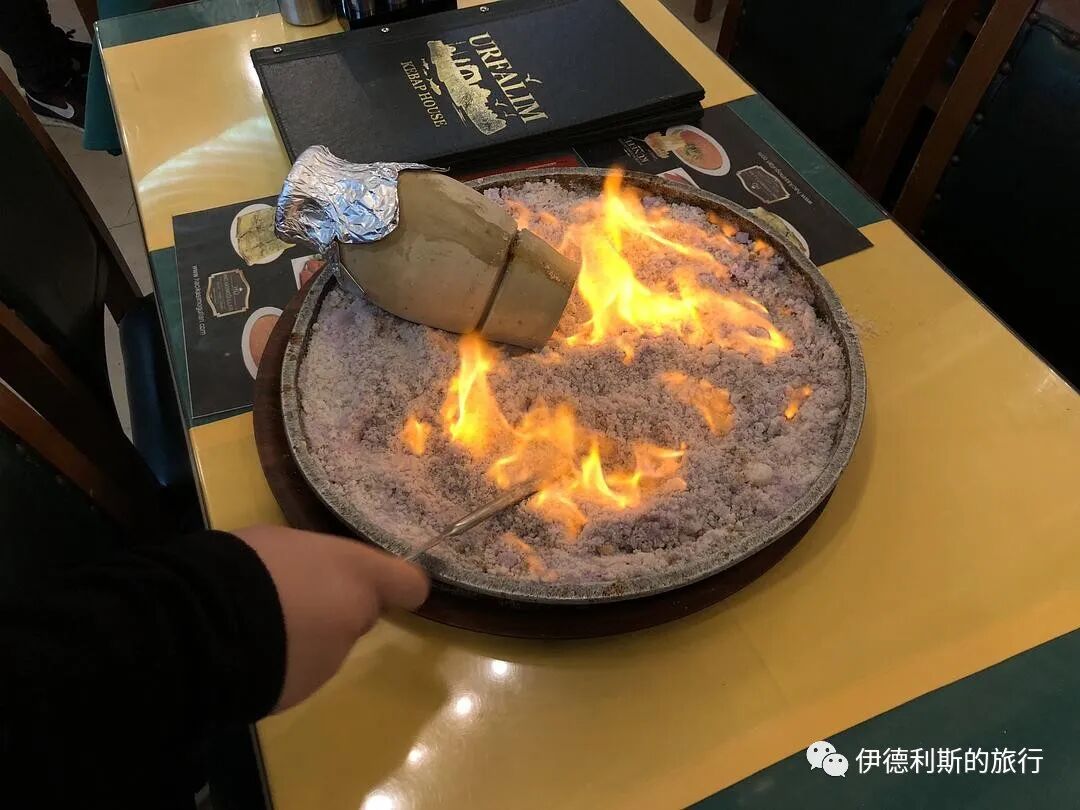
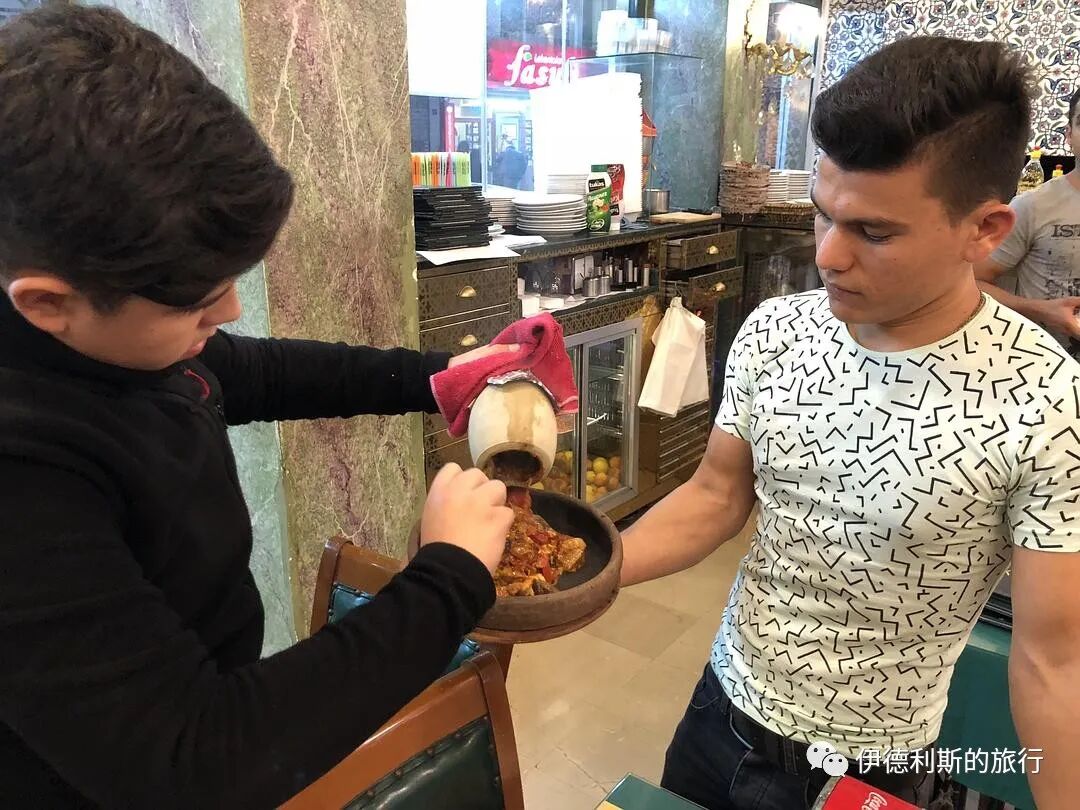
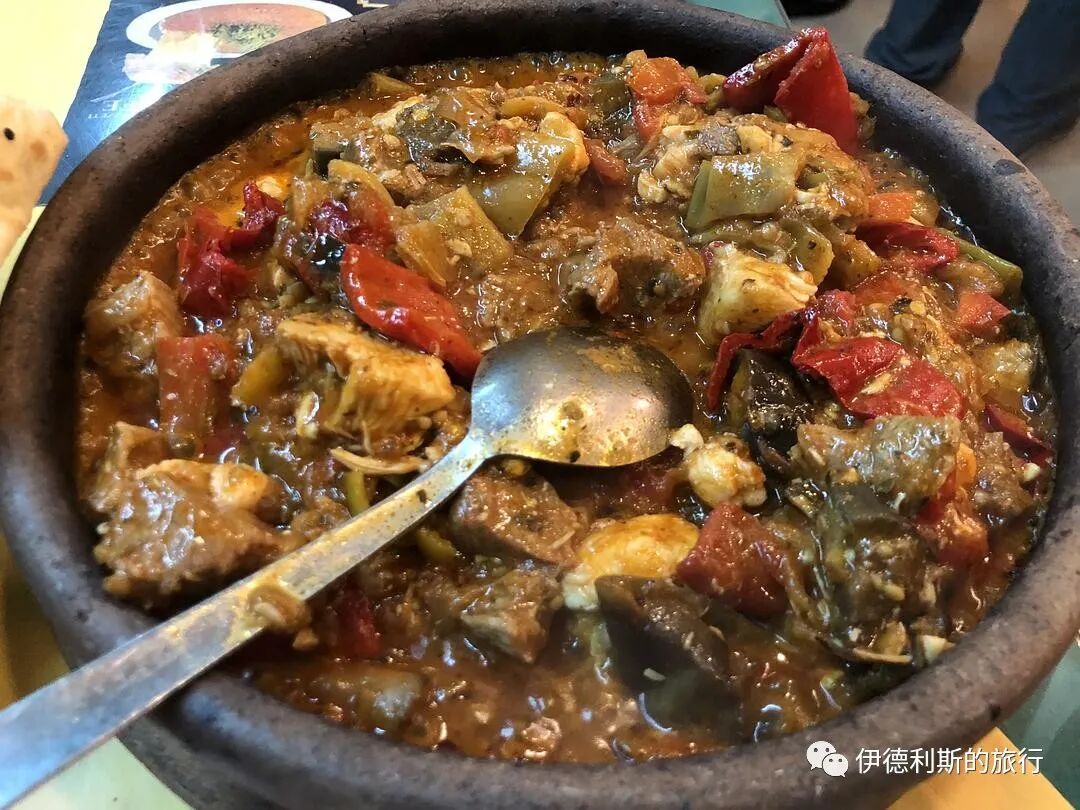
A type of kebab called testi kebab eaten at this restaurant called Urfalim Lahmacun. Testi kebab comes from Central Anatolia and the Black Sea region. Testi means jar or pot in Turkish, and it involves cooking various meats and vegetables in a clay pot.
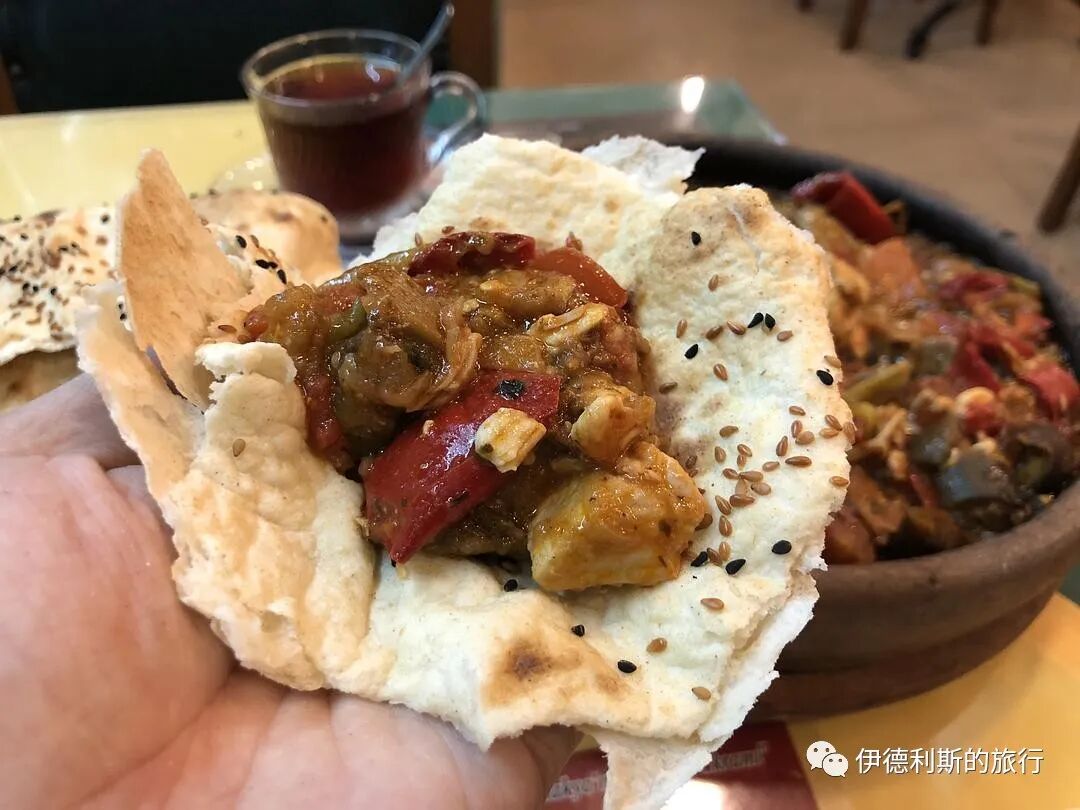
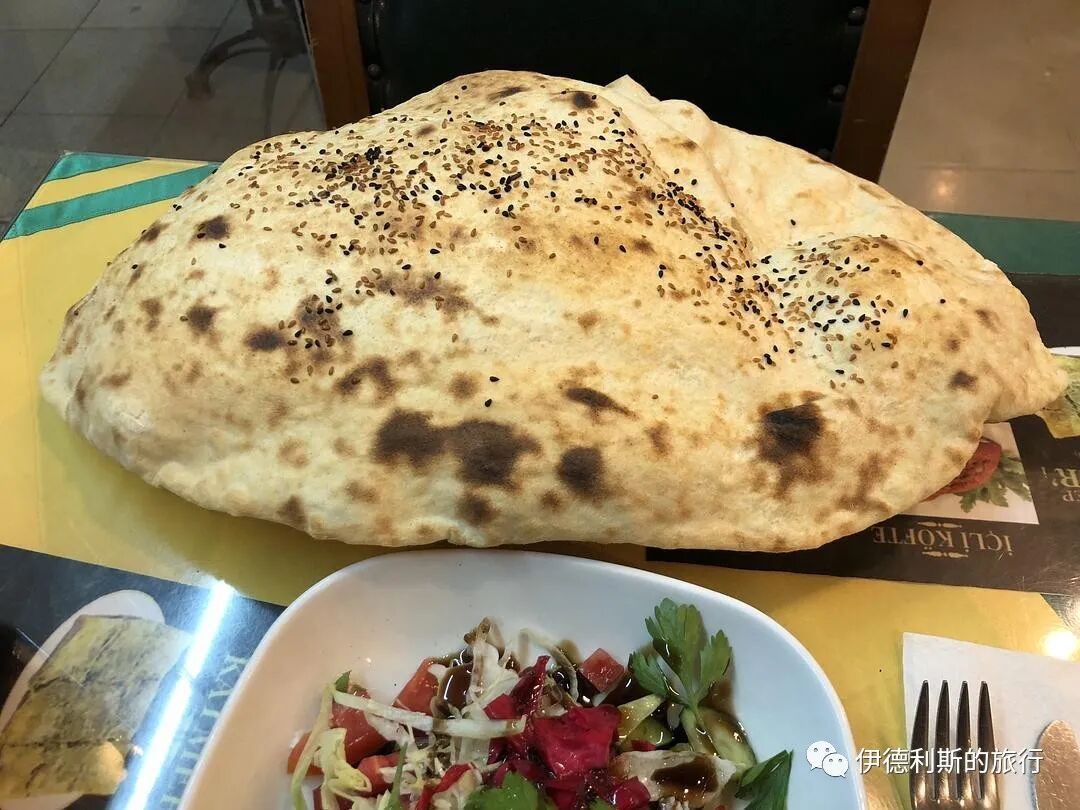
Arabic flatbread, which is very thin.
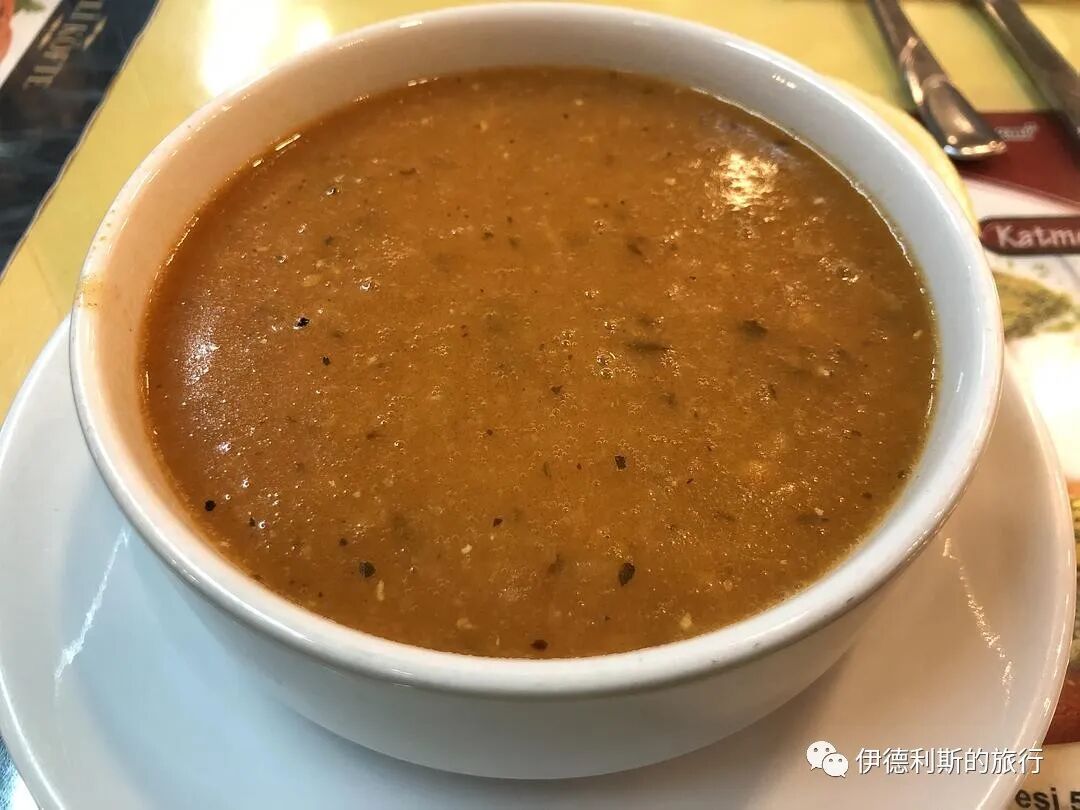
This soup is called ezogelin. It is made from crushed dried wheat and red lentils, with ingredients including rice, olive oil, butter, onions, garlic, tomatoes, chili peppers, dried mint, black pepper, and salt.
I had a dish called patlıcanlı kebab, which translates to eggplant kebab, at a bazaar next to the Rüstem Pasha Mosque in the evening, along with a drink called yayık ayran, which is a honey yogurt drink.
Summary: Istanbul — Mosques, Turkish Food and Ottoman Streets is presented here as a firsthand travel account in clear English, beginning with this scene: I spent half a month traveling in Turkey from September to October 2018. While visiting historical sites in Istanbul, I tried some local food and would like to share it with you here. The account keeps its focus on Istanbul Travel, Turkish Food, Ottoman Heritage while preserving the names, places, food, and historical details from the Chinese source. This public article combines adjacent translated blocks from the same source section.
Block 1 of 2
Turkish coffee served with pudding on the street.
In the early Ottoman Empire, strong coffee was banned as a medicine, but the Sultan eventually lifted the ban because it became so popular with the people.
Turkish coffee is recognized by UNESCO as part of Turkey's intangible cultural heritage.
The picture below shows Vefa Bozacisi, the only boza shop in 19th-century Istanbul. It was opened in 1876 by brothers Haci Ibrahim and Haci Sadik in the Vefa district of Istanbul, near the entertainment center of the time, Direklerarası. It is still run by the great-grandchildren of Haci Sadik and Haci Ibrahim today.
Boza is a fermented grain drink popular in Turkey, Iran, the Balkans, Central Asia, and the Caucasus. In Turkey, it is usually made from fermented wheat. It is thick and tastes sweet with a hint of sourness.
In Chagatai Turkic, boza means a drink made from camel milk, while in Persian, büze is used to refer to millet. Central Asian Turkic people began calling fermented grain drinks, usually made from millet, boza in the 10th century. It later spread to the Caucasus and the Balkans and became an important town drink during the Ottoman Empire.
The snack in the picture below is called tulumba tatlısı, which is deep-fried dough soaked in syrup. It is widely popular in former Ottoman regions, including Turkey, the Balkans, and Armenia. It is also called balah alsham in Arab regions and is often eaten during Ramadan.
Main course
A type of kebab called testi kebab eaten at this restaurant called Urfalim Lahmacun. Testi kebab comes from Central Anatolia and the Black Sea region. Testi means jar or pot in Turkish, and it involves cooking various meats and vegetables in a clay pot.
Arabic flatbread, which is very thin.
This soup is called ezogelin. It is made from crushed dried wheat and red lentils, with ingredients including rice, olive oil, butter, onions, garlic, tomatoes, chili peppers, dried mint, black pepper, and salt.
I had a dish called patlıcanlı kebab, which translates to eggplant kebab, at a bazaar next to the Rüstem Pasha Mosque in the evening, along with a drink called yayık ayran, which is a honey yogurt drink.
