
Halal Travel Guide: Istanbul - 19th-Century Ottoman Palaces and Heritage
Reposted from the web
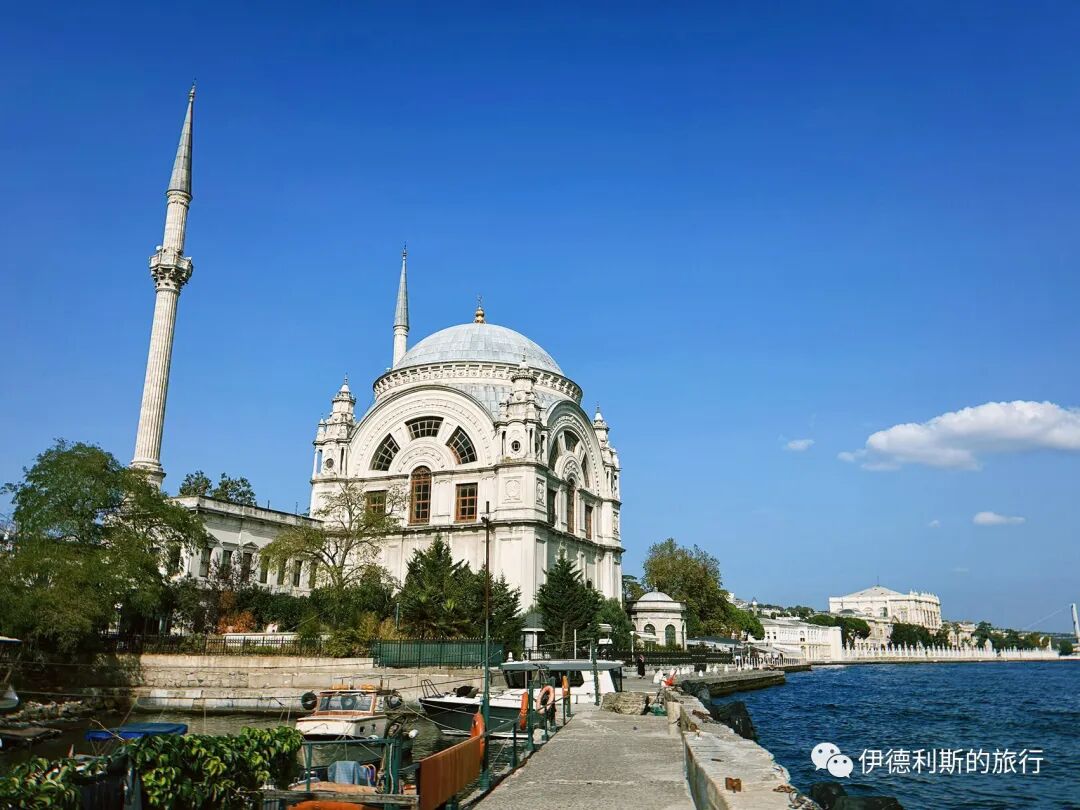
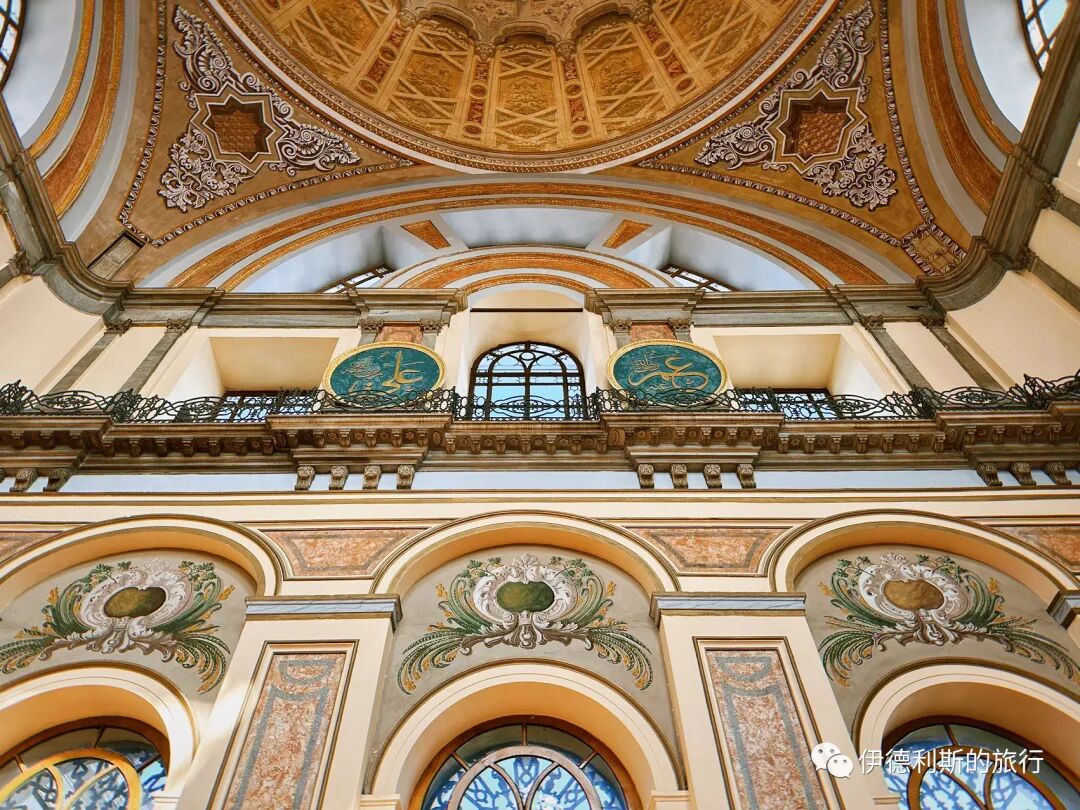
Walk down from Taksim Square to the Bosphorus shore, then head 500 meters upstream along the coast to find the Dolmabahçe Mosque (Dolmabahçe Camii). It was built between 1853 and 1855 by Ottoman Sultan Abdulmejid I (reigned 1839-61) and his mother, Bezmiâlem Sultan. After it was finished, the Dolmabahçe Mosque became the royal mosque for the Ottoman Sultans. Every Friday, the Sultan would come here to attend Jumu'ah prayers.
The Dolmabahçe Mosque was designed by Garabet Amira Balyan, a member of the Ottoman Armenian Balyan family of architects. He built many structures in Istanbul, the most famous being the nearby Dolmabahçe Palace. The Dolmabahçe Mosque blends Rococo and Empire styles. It is a prime example of the eclectic architecture that emerged in the mid-19th century after Ottoman modernization reforms brought European influences.
The original dome of the Dolmabahçe Mosque sits directly on rectangular walls. To support the weight, a tower was built at each of the four corners, which is completely different from the methods used in classical Ottoman architecture. The walls feature huge arches and windows that let plenty of light into the interior. The two minarets mimic ancient Greek Corinthian columns, both showing the influence of the Empire style. The Empire style is a type of Neoclassical style created by Napoleon to imitate ancient Greek and Roman civilizations. The Empire style strictly follows the architectural proportions, color schemes, and decorations of the ancient Roman era. It favors straight lines and geometric designs, using structural proportions to show the beauty of the building.
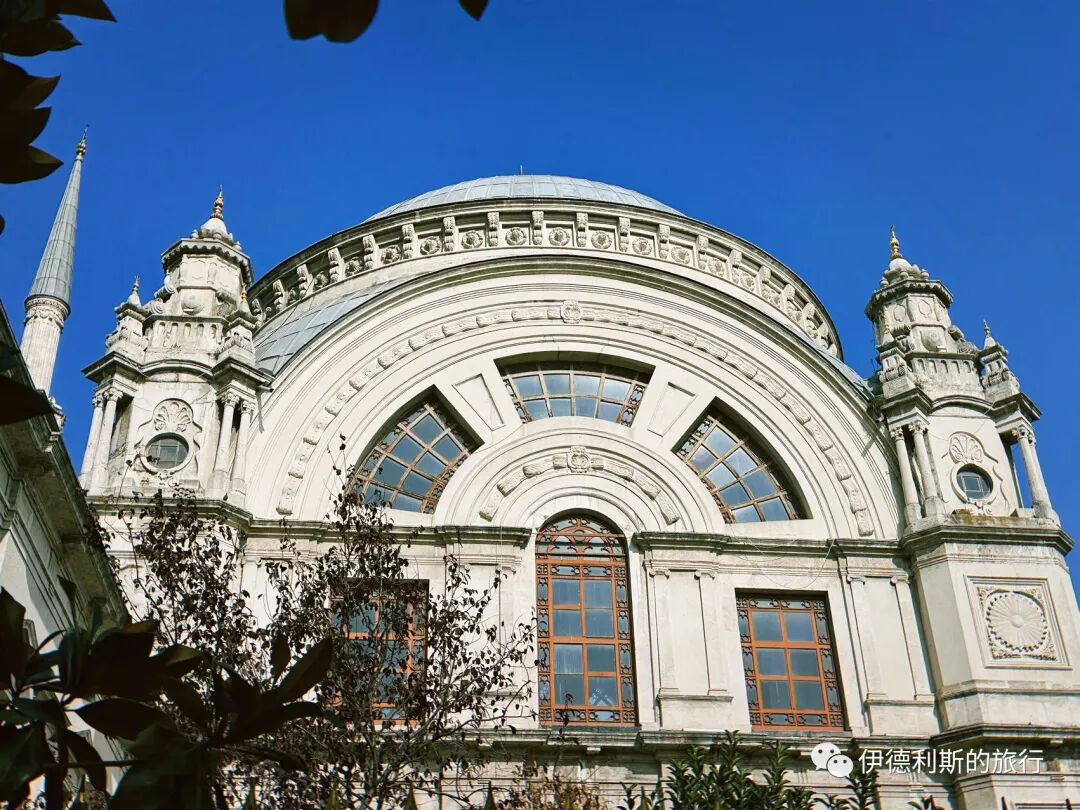
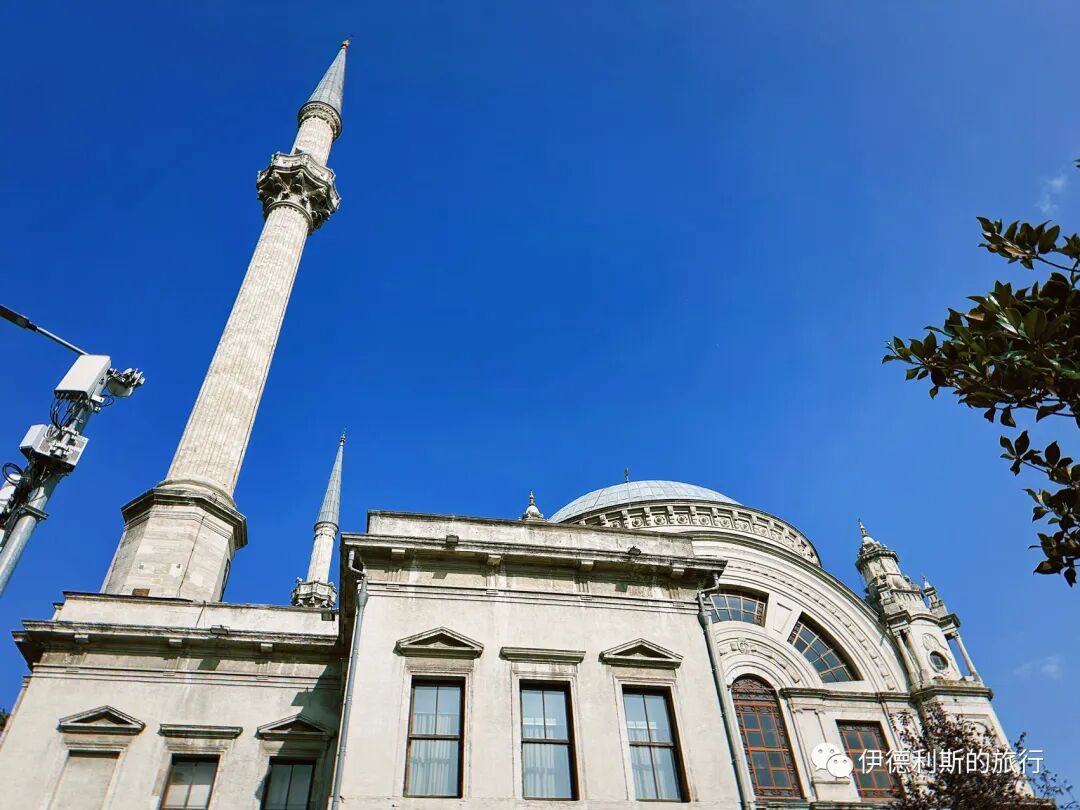
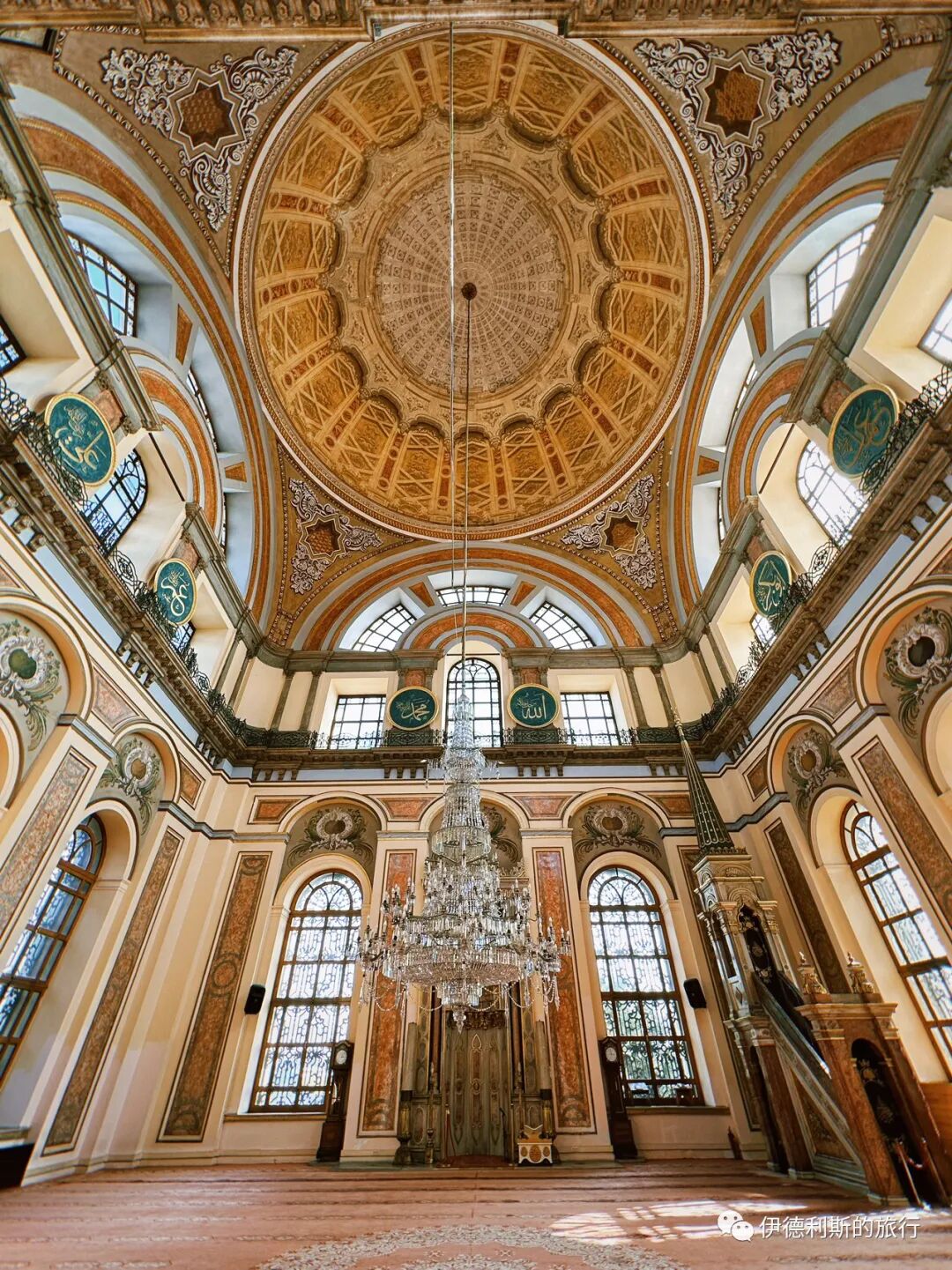
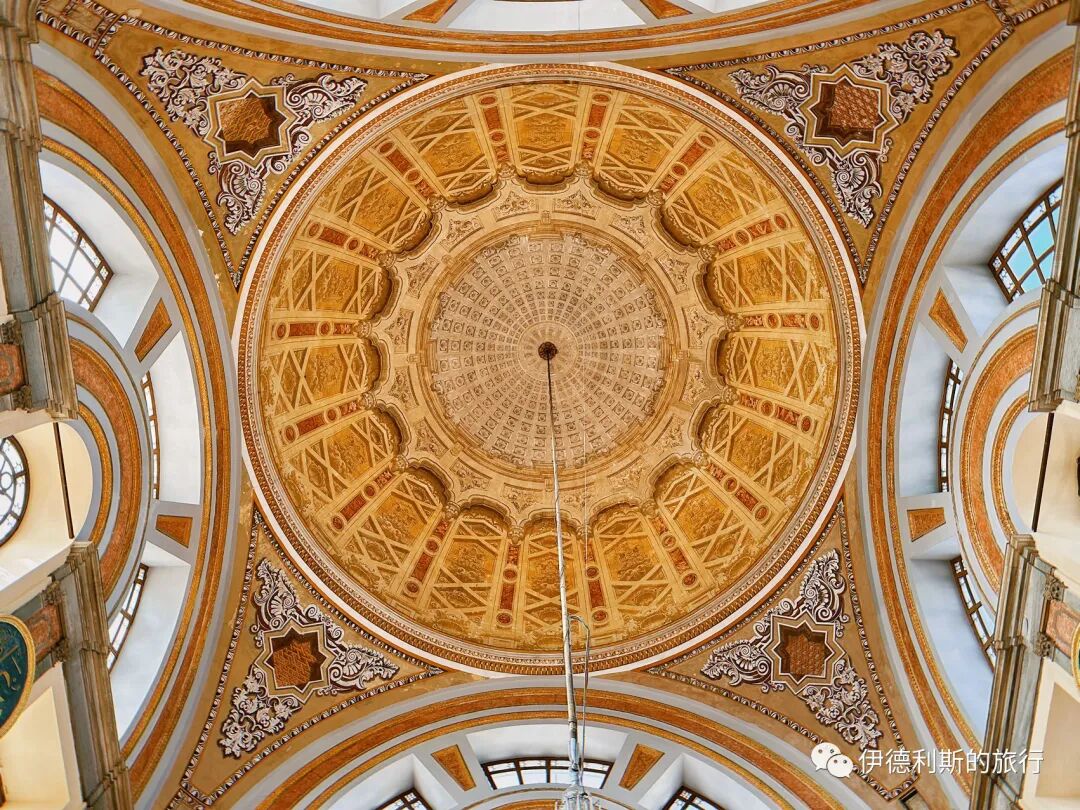
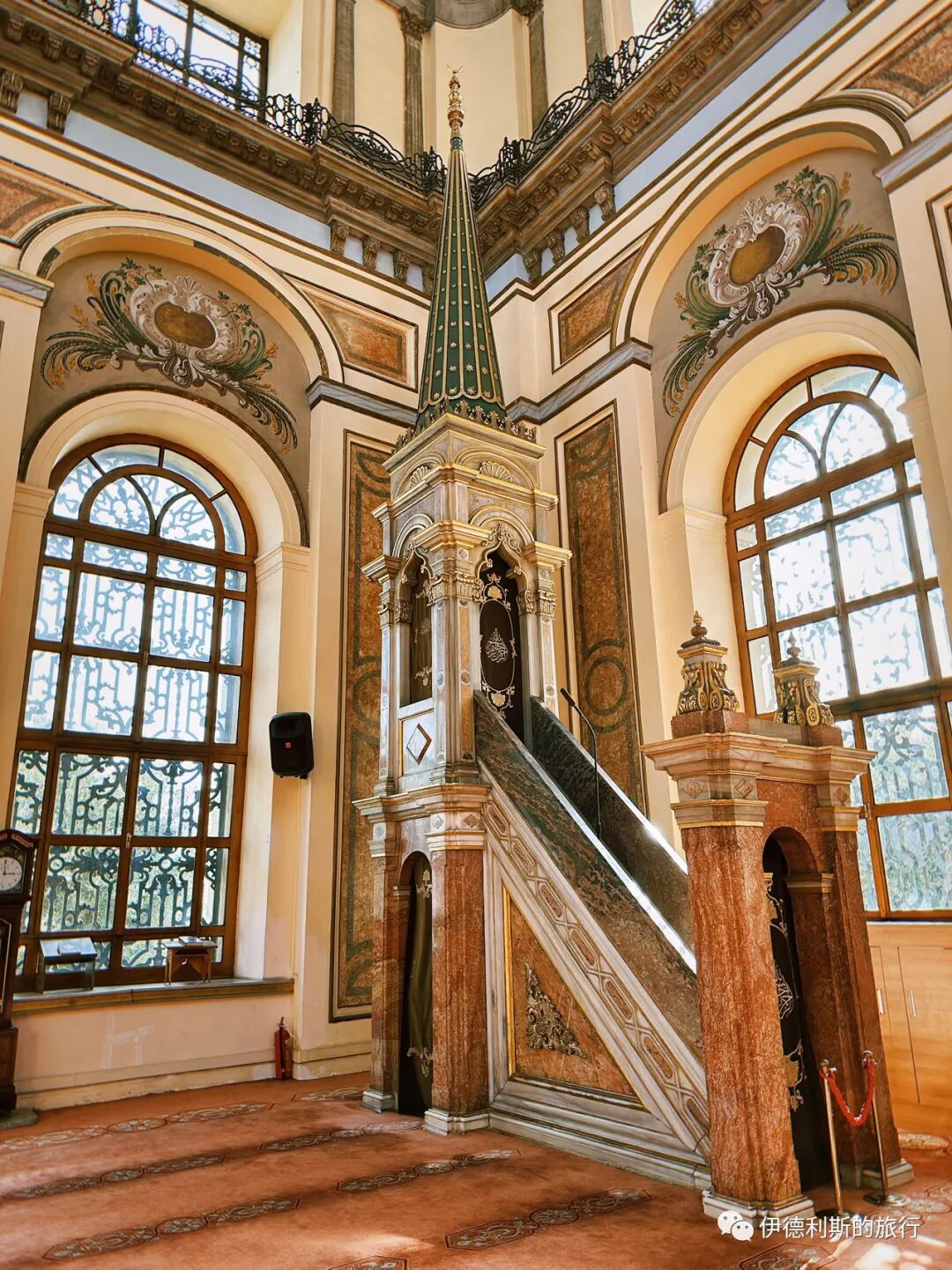
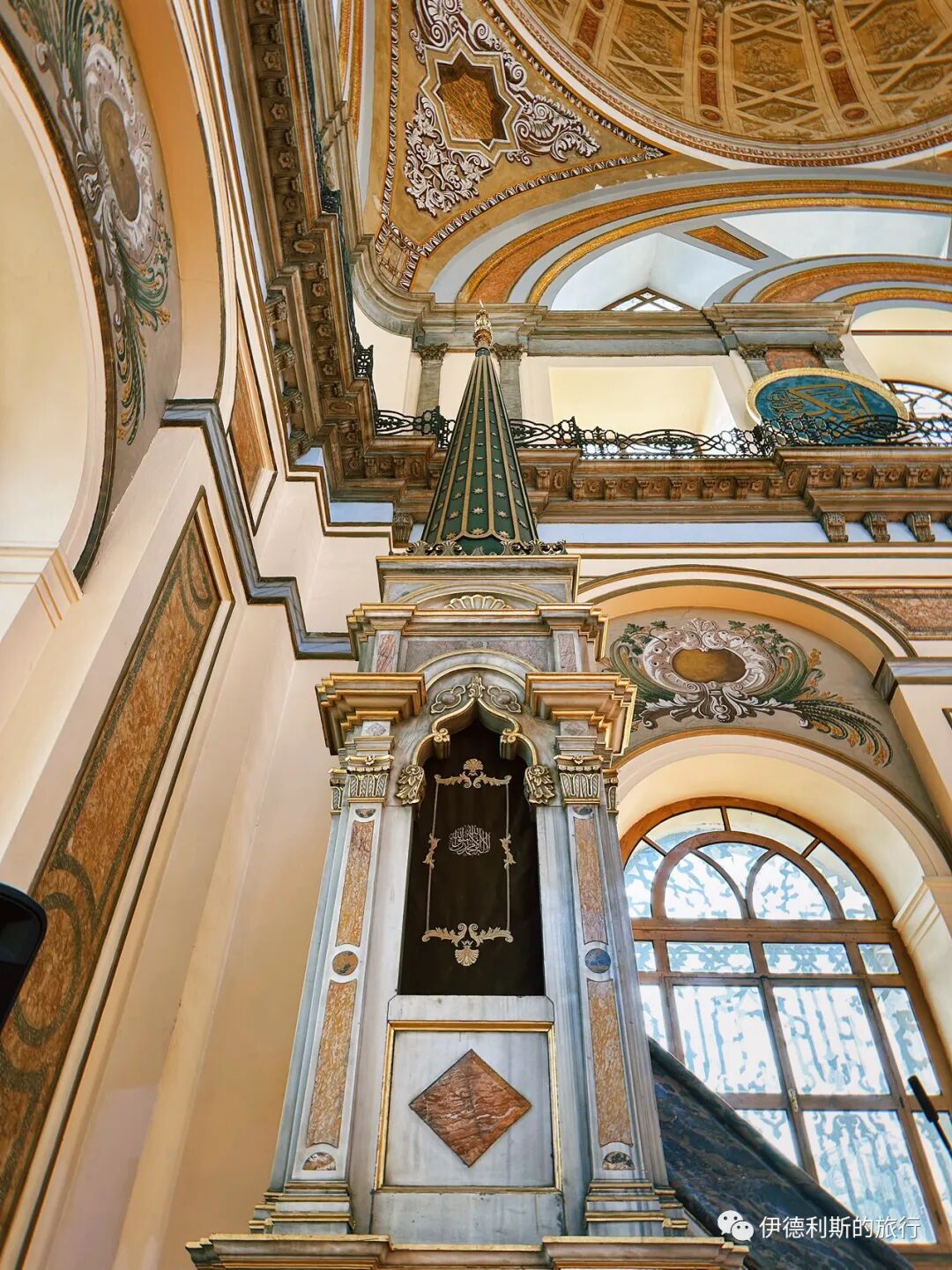
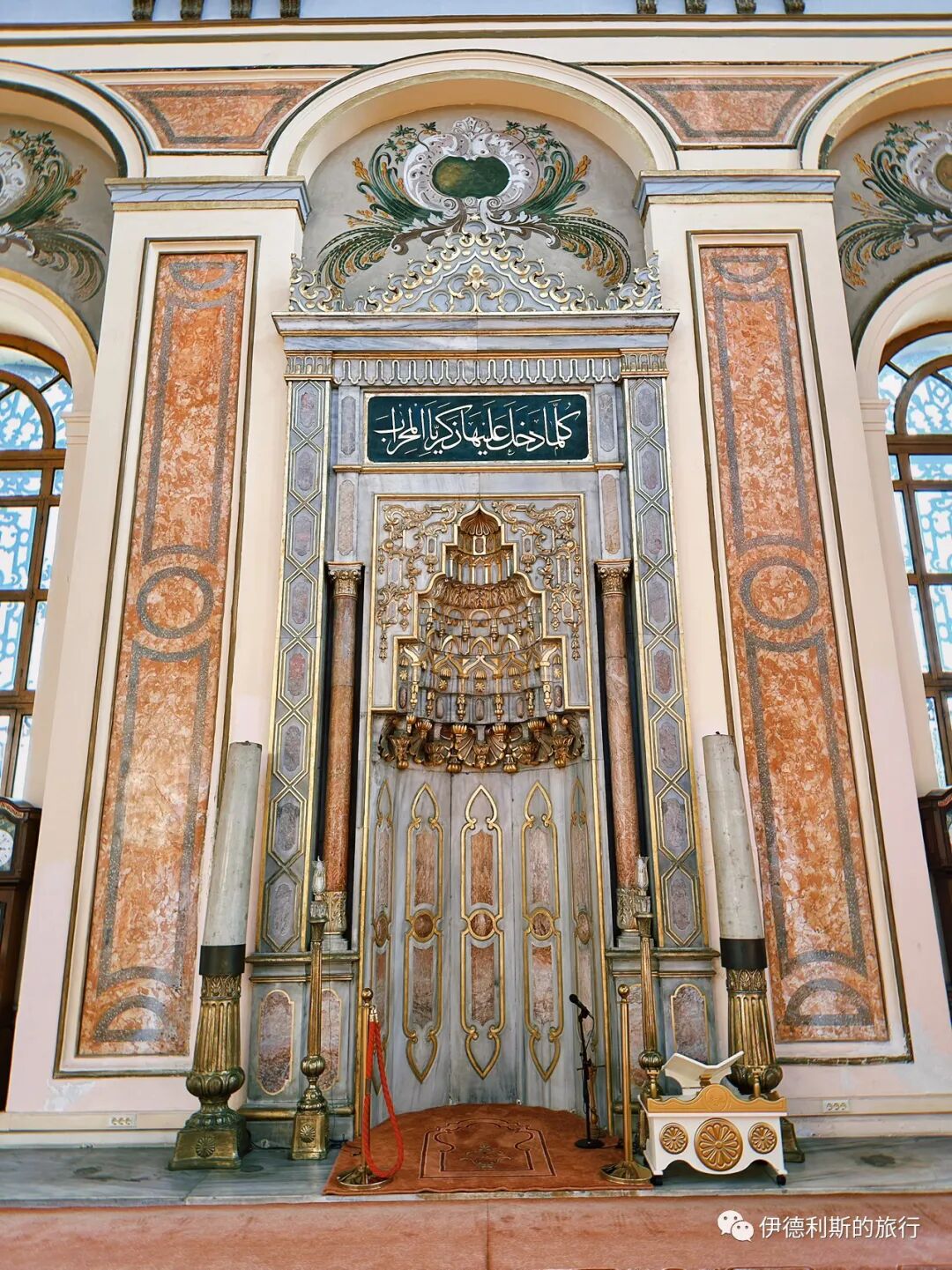
The decorative details of the Dolmabahçe Mosque are mainly influenced by the Rococo style of the late Baroque period. The use of gold and oil paintings creates a highly dramatic effect, while the overall color tone remains very soft.
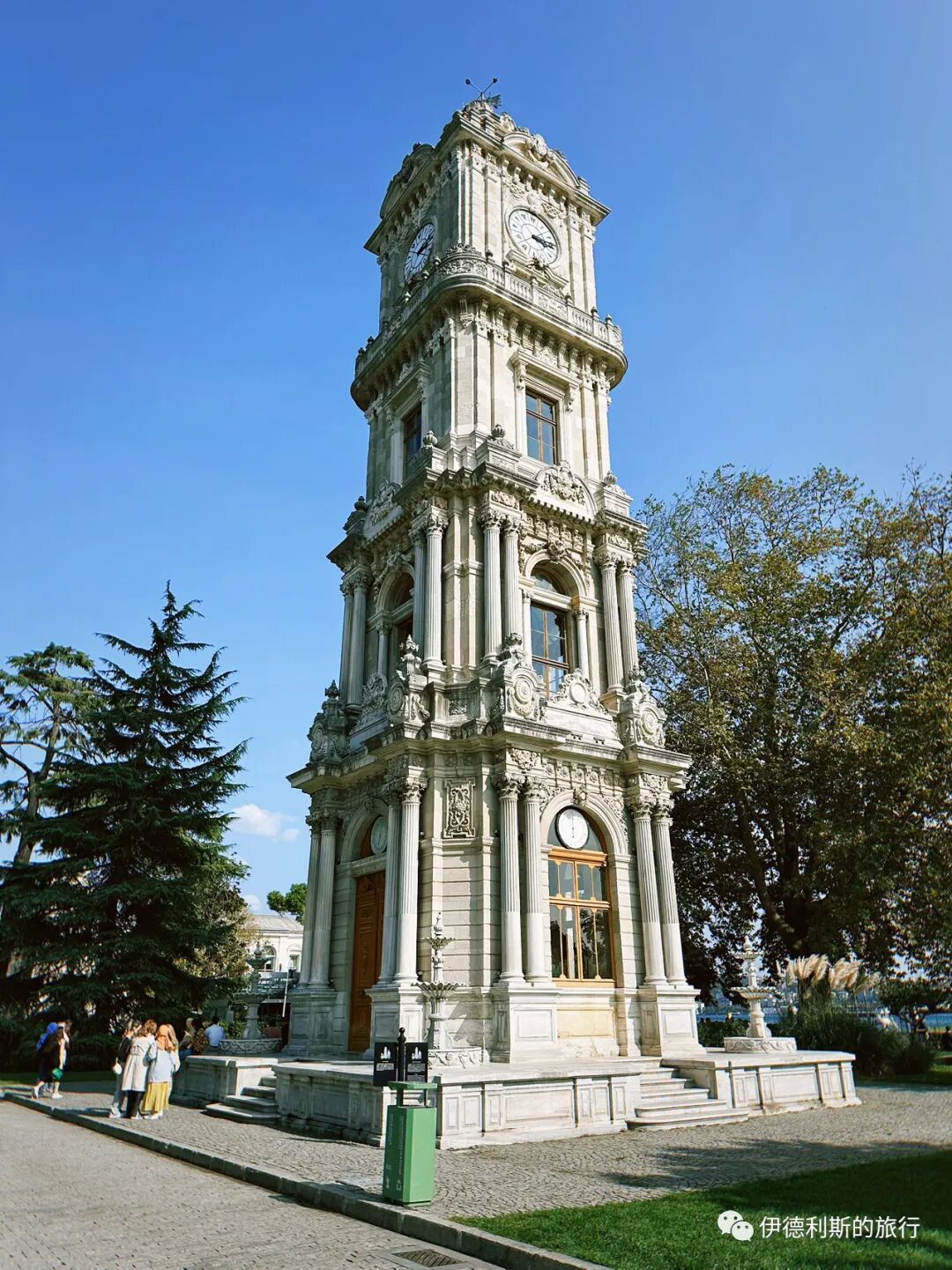
Keep walking from the Dolmabahçe Mosque to reach the Dolmabahçe Clock Tower (Dolmabahçe Saat Kulesi), built between 1890 and 1895 by Ottoman Sultan Abdul Hamid II (reigned 1876-1909). The architect was Sarkis Balyan, a member of the Ottoman Armenian Balyan family and the second son of the mosque's architect, Garabet Balyan.
The clock tower was built in the Ottoman Baroque Revival style. Baroque Revival, also called Neo-Baroque, was born in late 19th-century France and became popular across Europe and America by the end of the century. The clock on the tower was made by French master clockmaker Jean-Paul Garnier and installed by the Ottoman court clockmaker Johann Mayer. However, the original mechanical clock was replaced by the current electronic clock in 1979.
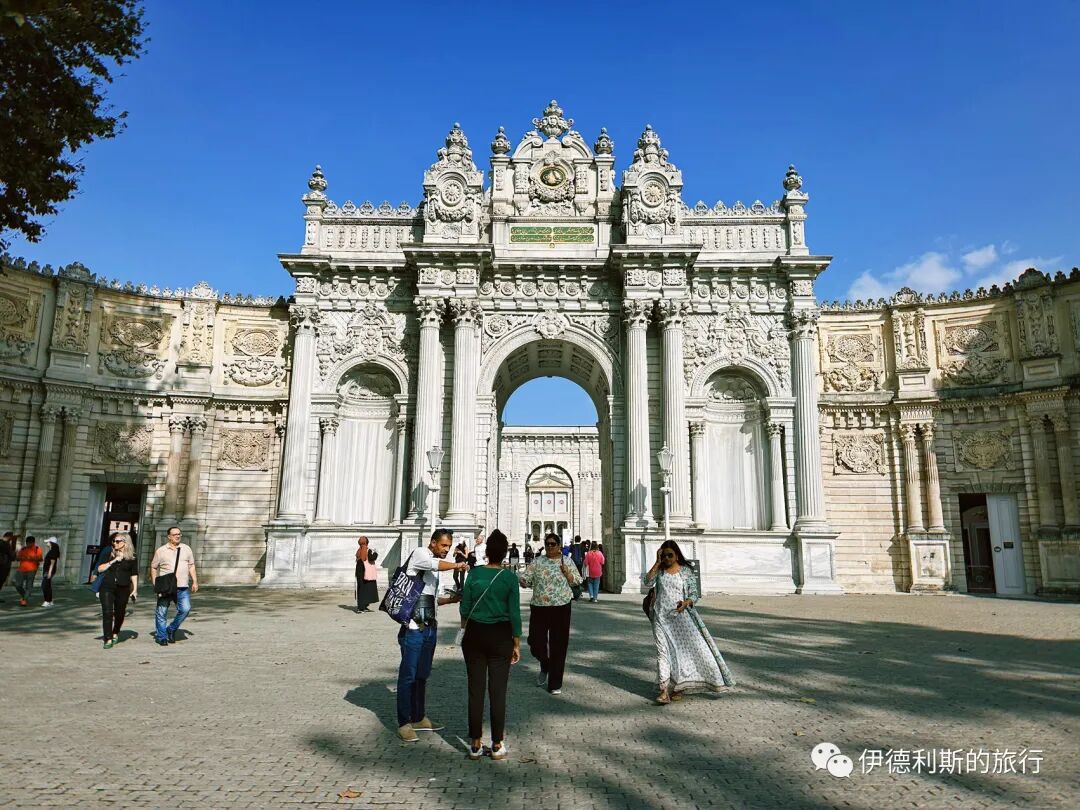
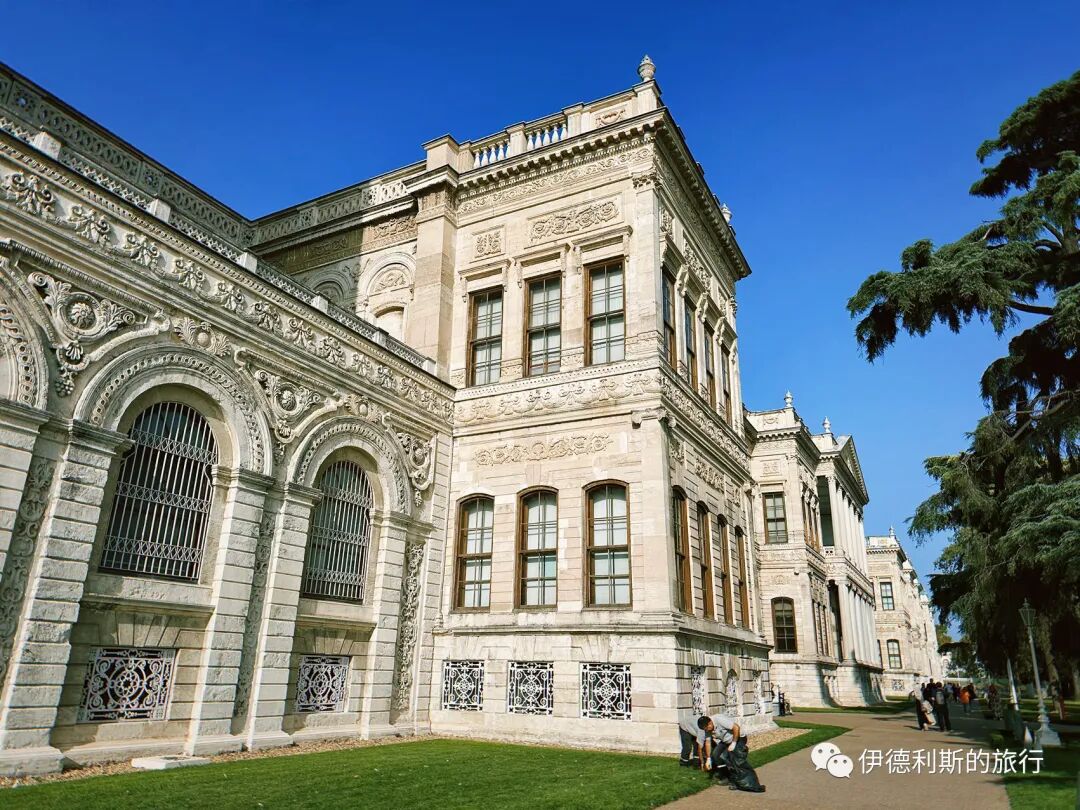
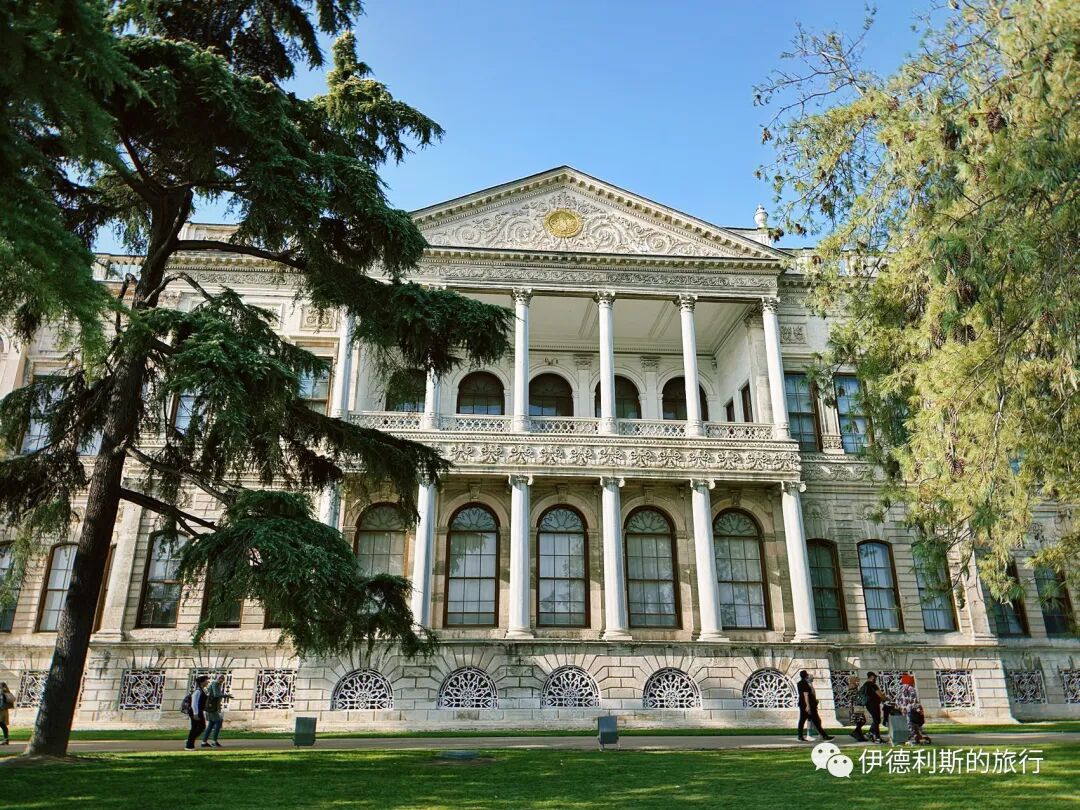
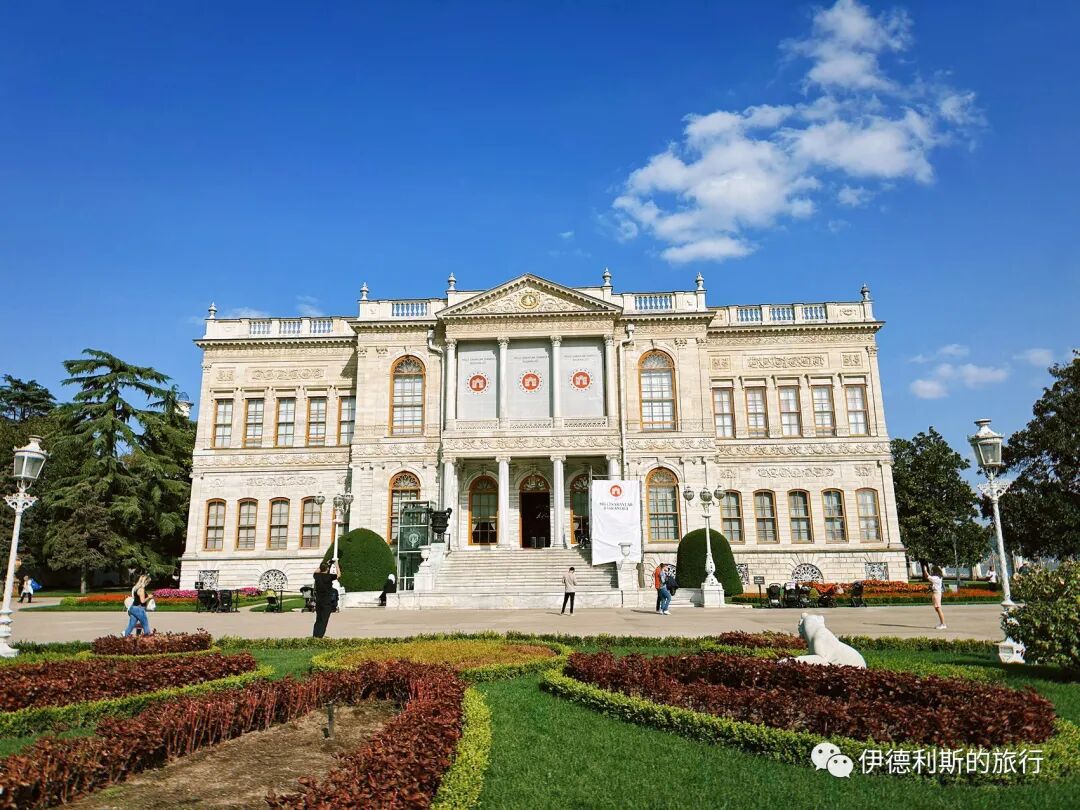
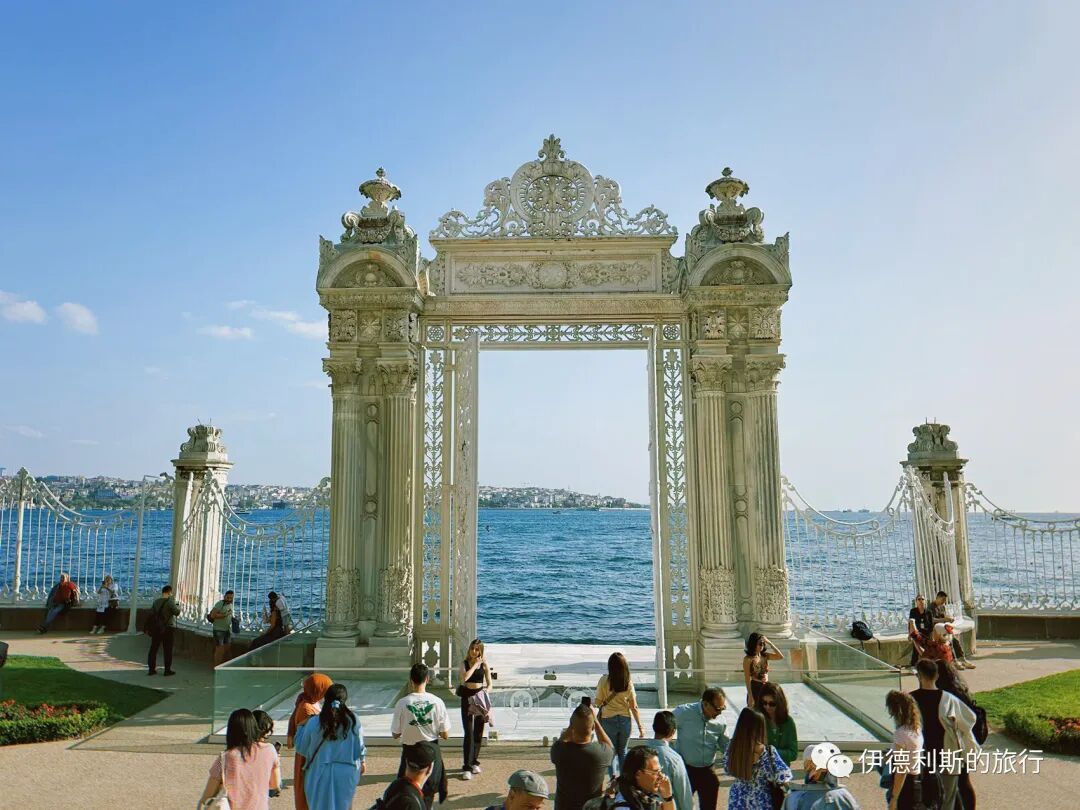
Continue walking forward to reach the Dolmabahçe Palace (Dolmabahçe Sarayı). Since its completion in 1856, this place served as the royal palace for six Ottoman Sultans. It was also the summer presidential residence and the final home of Turkey's first president, Kemal. Dolmabahçe Palace has quite a lot of tourists, and the ticket price for foreigners is not cheap, but it is truly worth a visit. Although it does not look that grand from the outside, the interior is truly magnificent, and the visual impact of the main hall is no less than that of the Hagia Sophia. The interior route is designed so you see all the rooms in one path, and the whole process takes a long time, requiring as much physical energy as walking through the Forbidden City in Beijing. It is a pity that photography is not allowed inside, so I will just post photos of the outside.
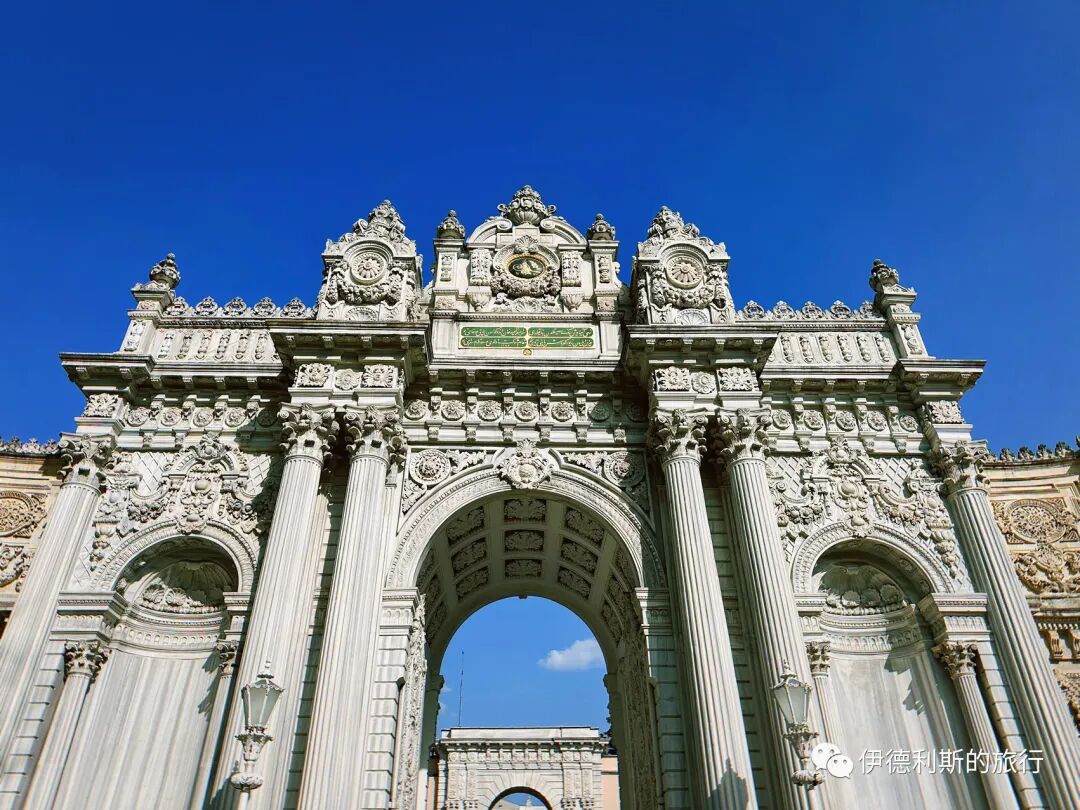
Dolmabahçe Palace was built by Ottoman Sultan Abdulmejid I (reigned 1839-61) between 1843 and 1856. The architects were Garabet Balyan, his son Nigoğayos Balyan, and Evanis Kalfa from the Ottoman Armenian Balyan architectural family. The building is in an eclectic style, incorporating Baroque, Rococo, Neoclassical, and traditional Ottoman architectural elements, reflecting the growing European influence during the Ottoman modernization reforms in the mid-19th century.
Unlike the exquisite Iznik tiles of the old Topkapi Palace, the new palace uses a large amount of gold and crystal for decoration. The ceiling gilding alone used 14 tons of gold, and the main hall hangs the world's largest Bohemian crystal chandelier, sold to the Sultan by Queen Victoria of the United Kingdom, as well as the world's largest Hereke carpet.
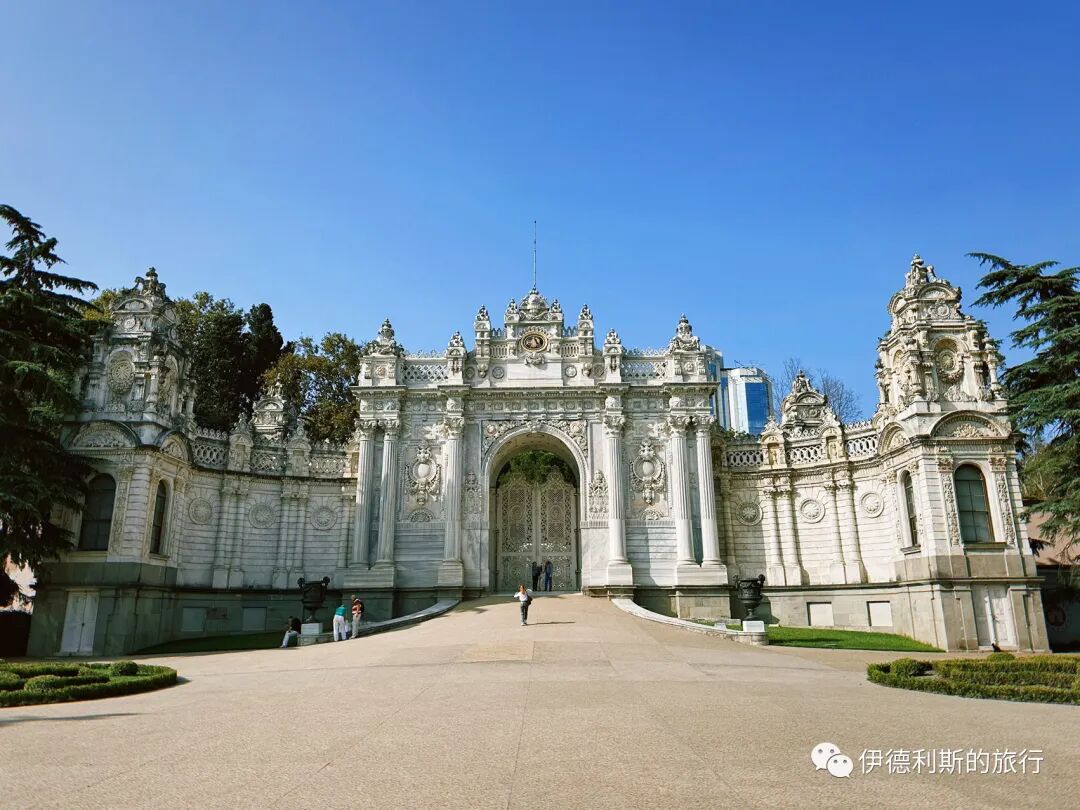
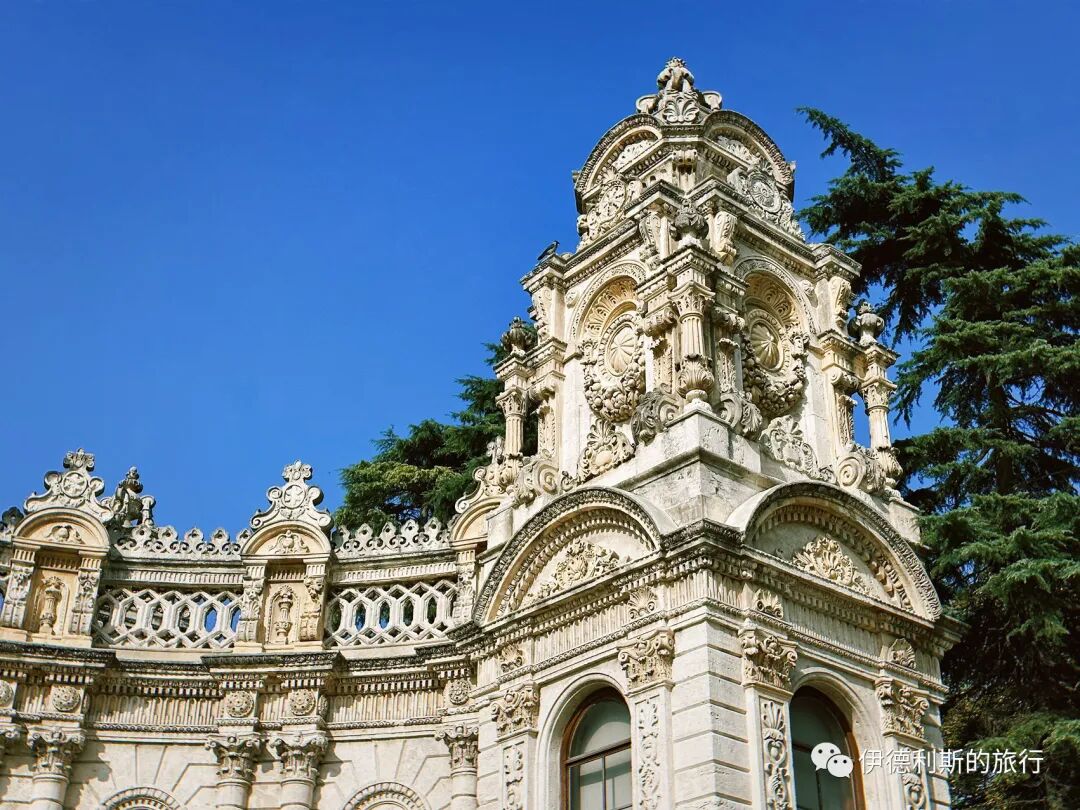
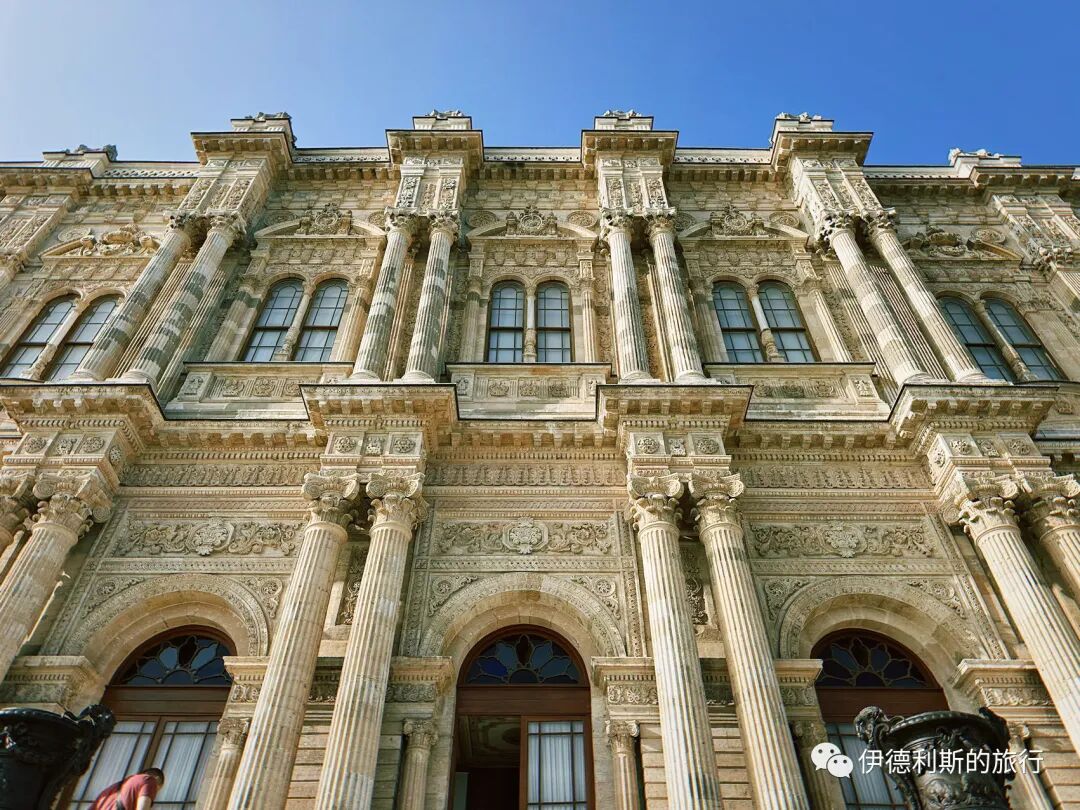
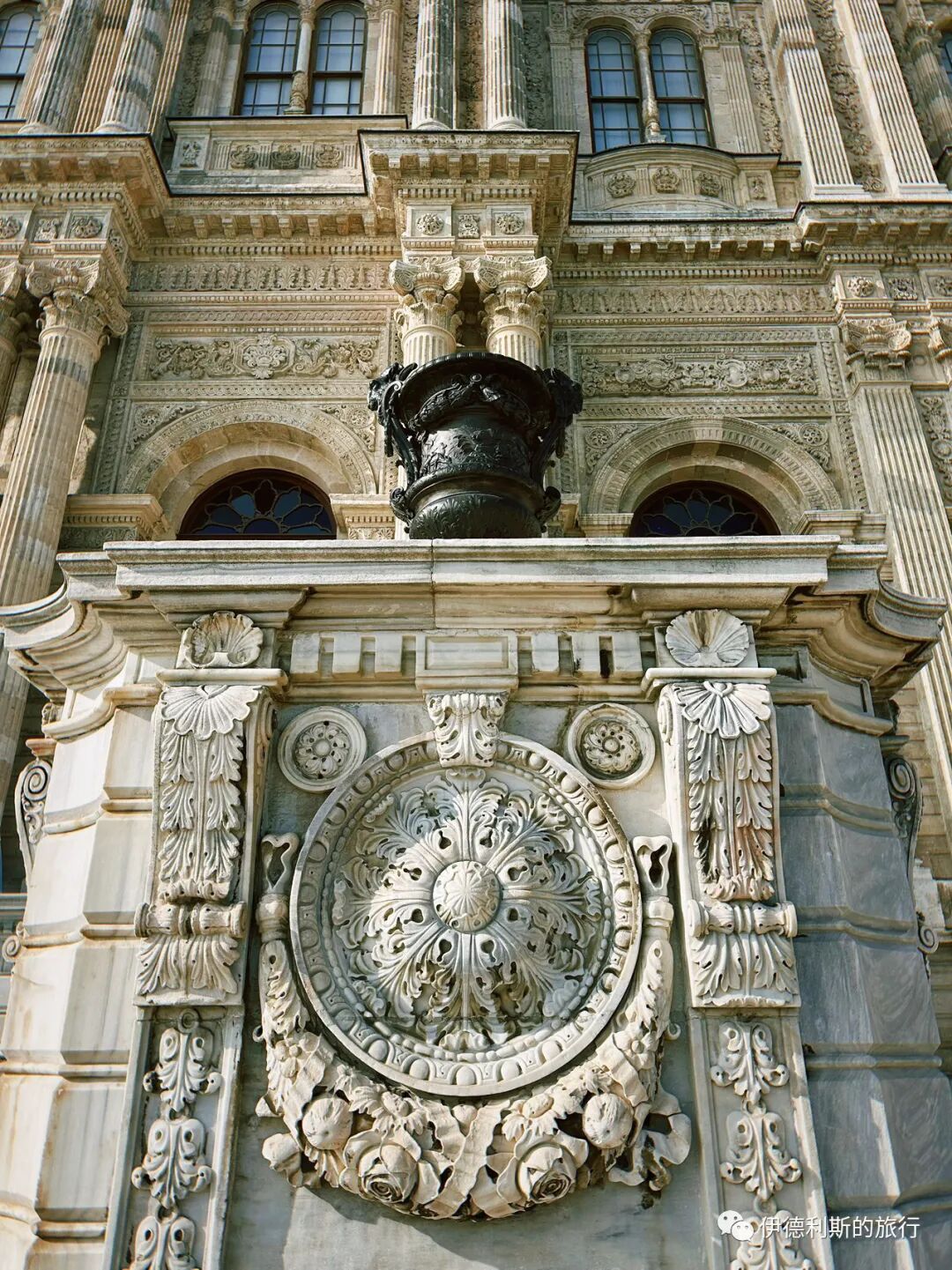
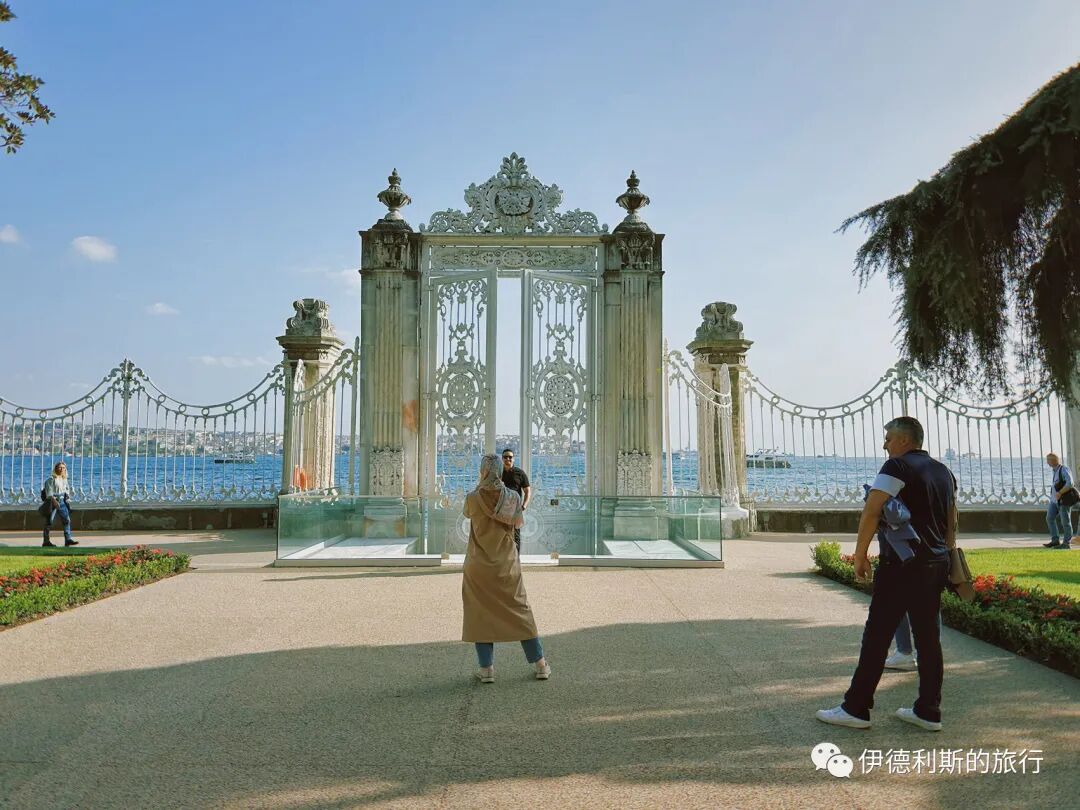
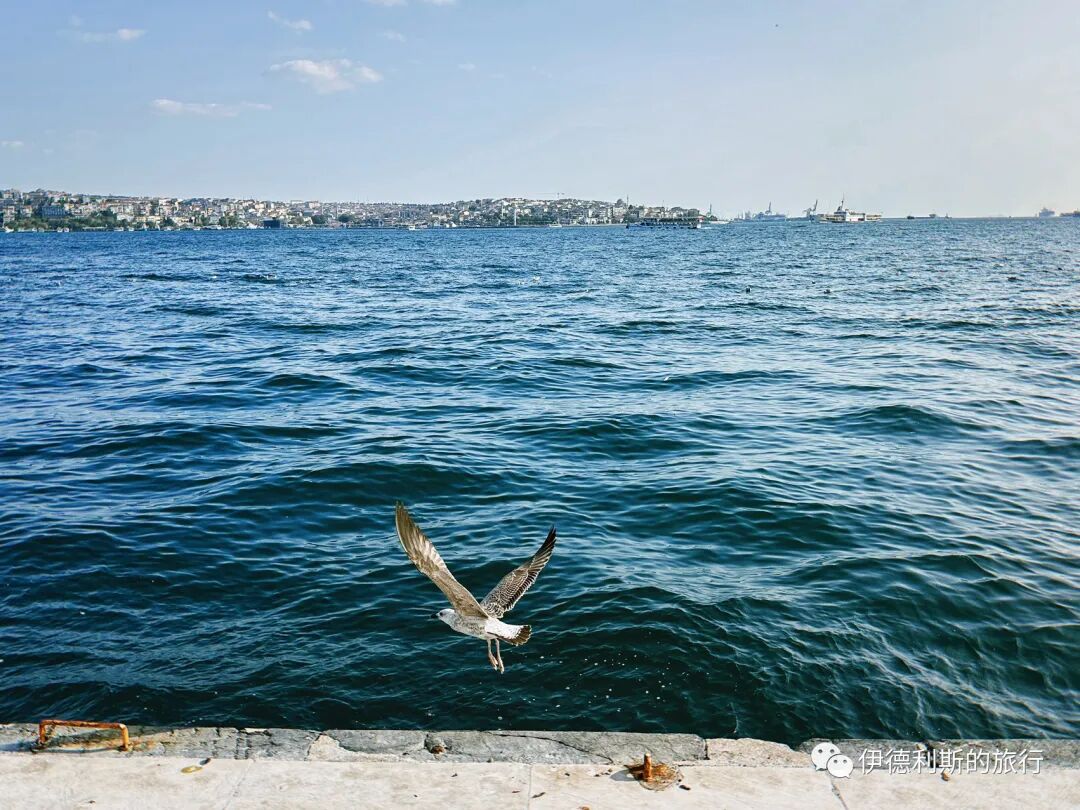
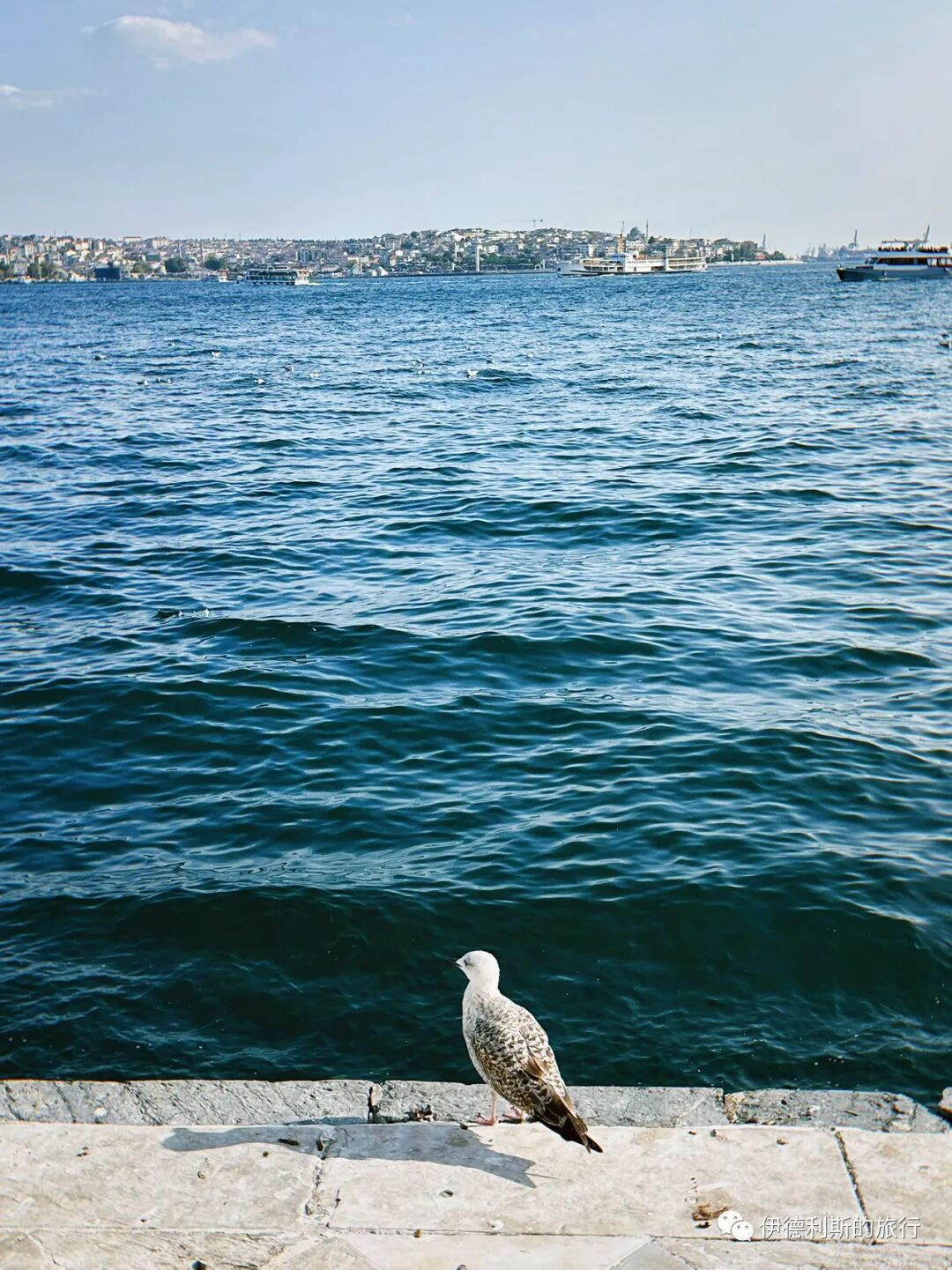
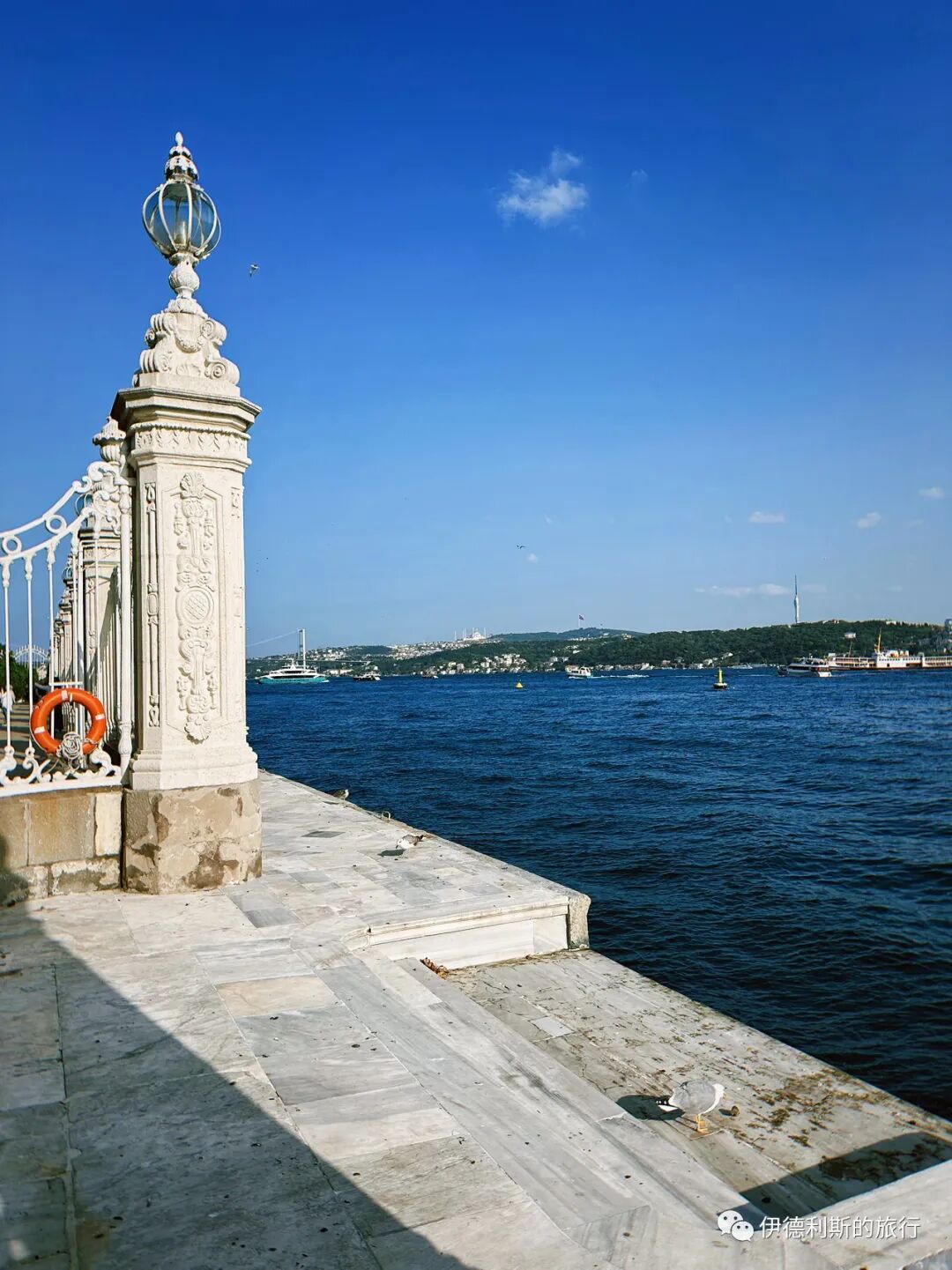
Looking at the Bosphorus Strait from Dolmabahçe Palace. This place was originally an anchorage for the Ottoman fleet, became a royal garden for the Ottoman Sultans in the early 18th century, and eventually formed the Beşiktaş waterfront palace complex.
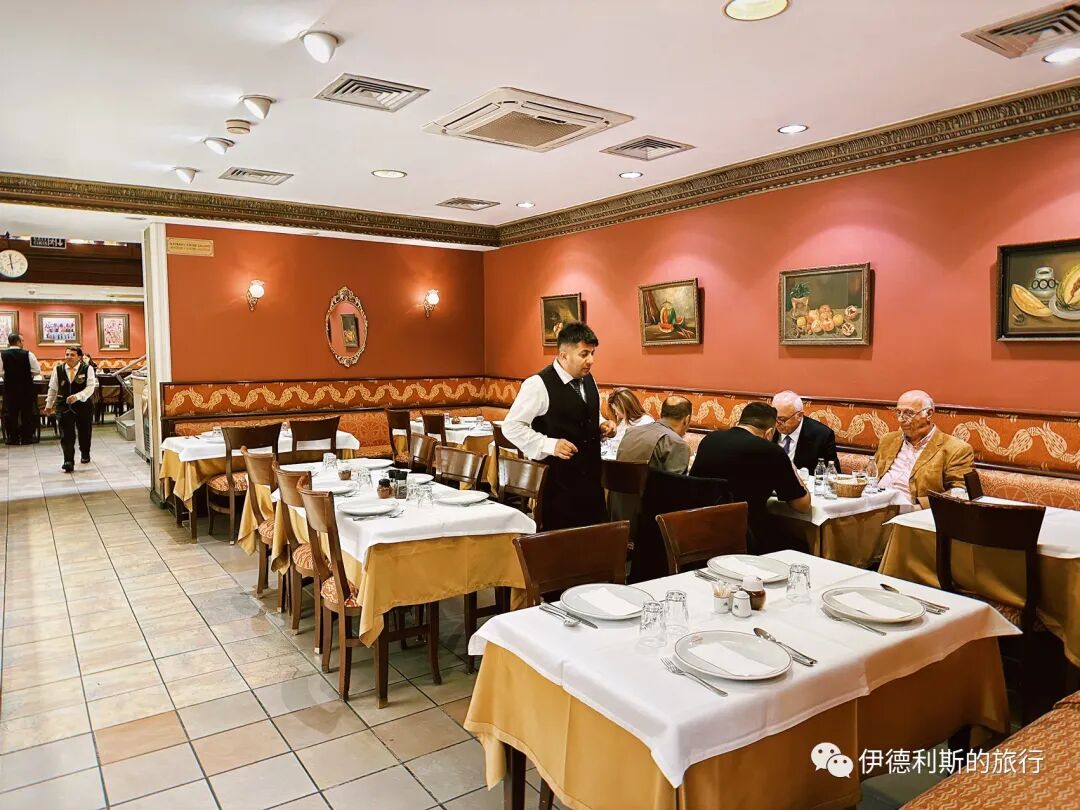
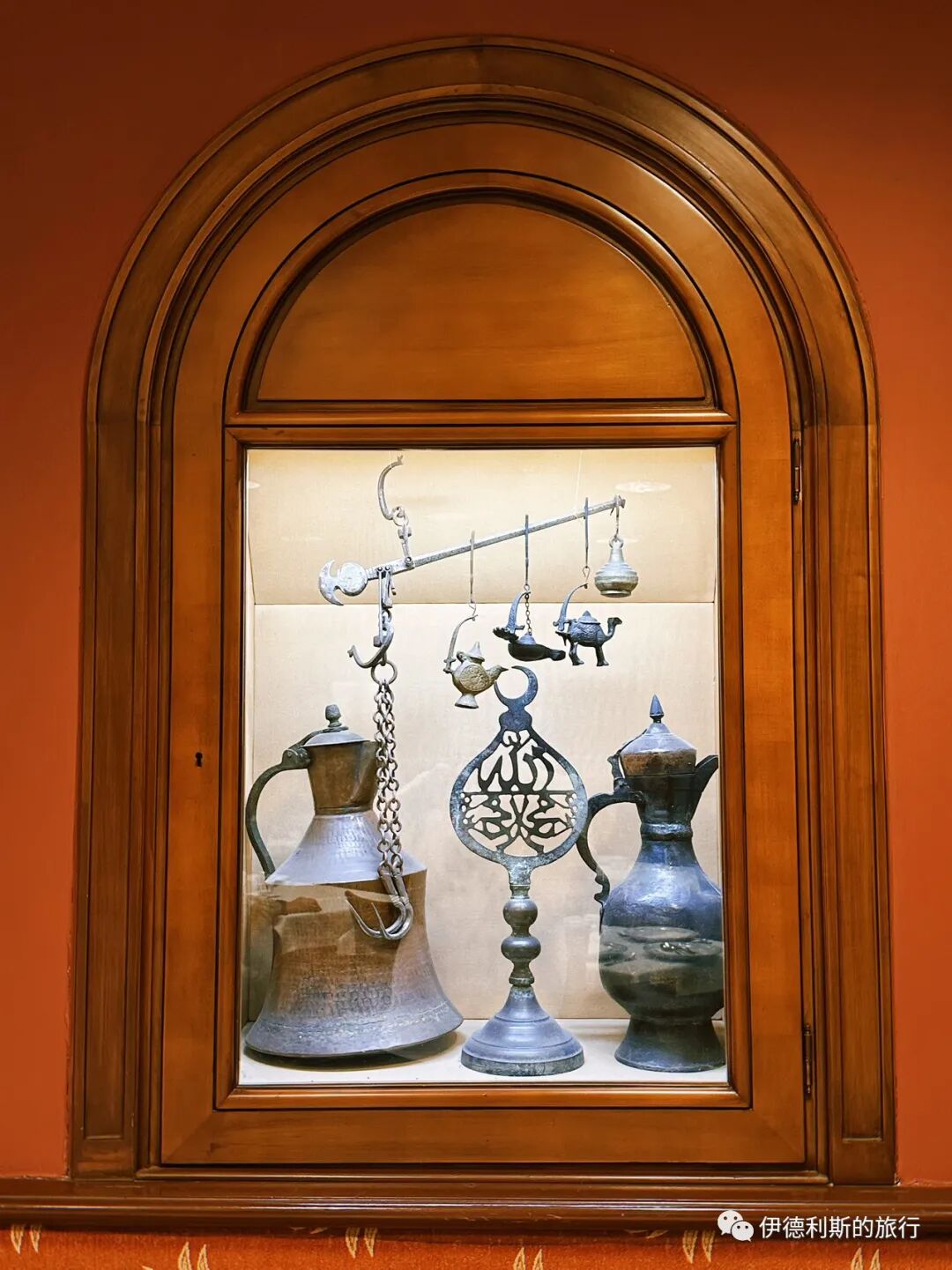
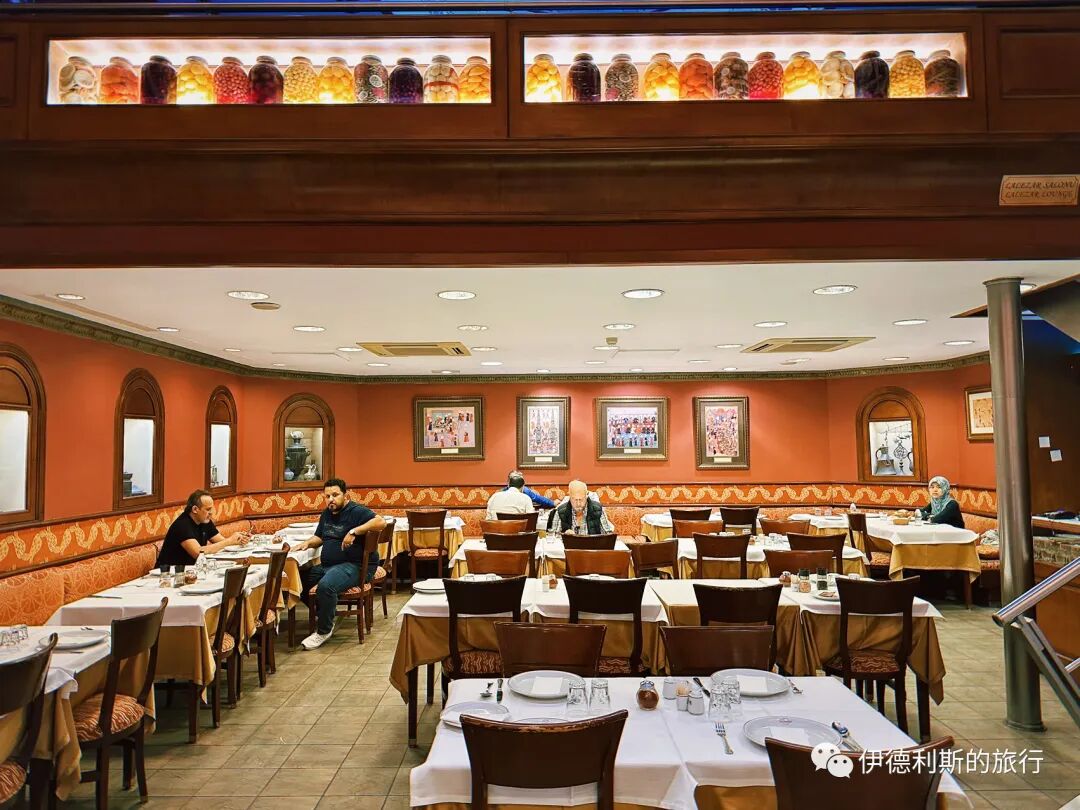
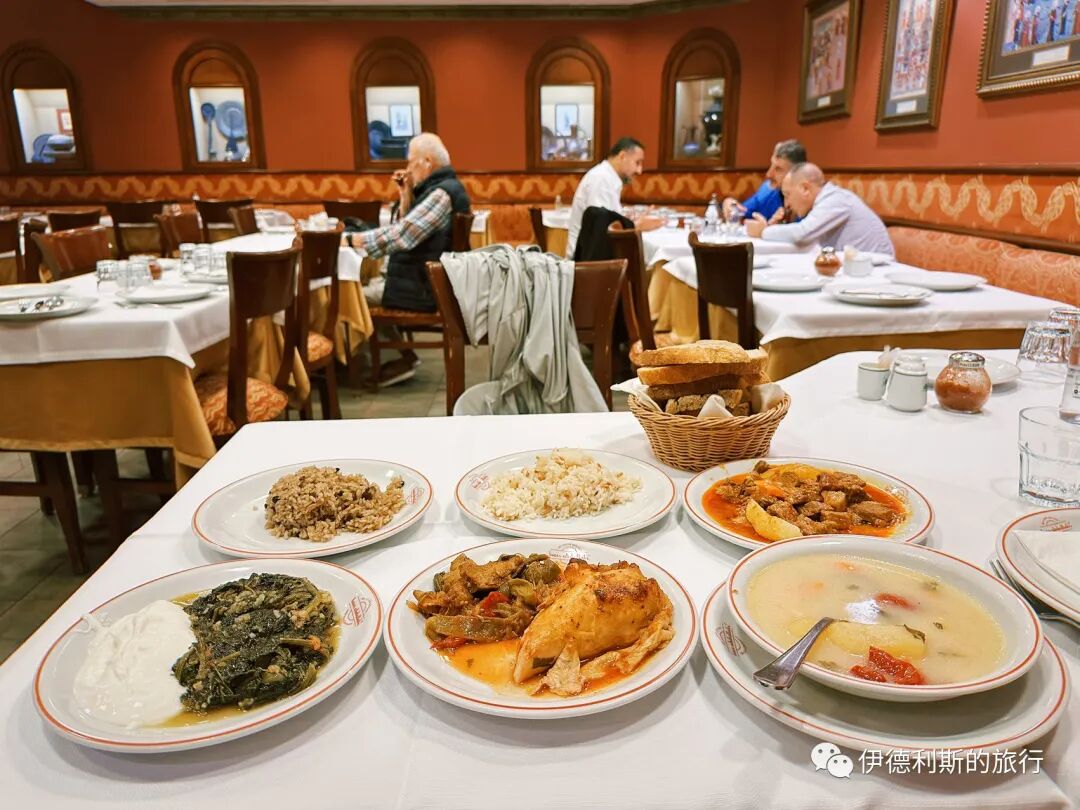
I was already very tired after leaving Dolmabahçe Palace, so I took the funicular subway back to Taksim Square to eat at the famous old Ottoman restaurant Hacı Abdullah Lokantası. This restaurant was founded by Hacı Abdullah Efendi in 1888, and the business license was personally issued by Ottoman Sultan Abdul Hamid II. It is the first officially registered restaurant in Turkey, and many high-ranking officials and politicians have visited it.
In 1943, because none of Hacı Abdullah's descendants wanted to run the restaurant, a long-time employee, Hacı Salih Efendi, took over and continued to operate it. After Hacı Salih passed away in 1982, a regular customer named Ferit İntiba took over the restaurant. Because Ferit İntiba wanted to sell alcohol in the restaurant, head chef Abdullah Korun led his team to leave. Later, the restaurant was poorly managed, Ferit İntiba was forced to leave, and head chef Abdullah Korun led his team back to continue making traditional Ottoman and Turkish cuisine.
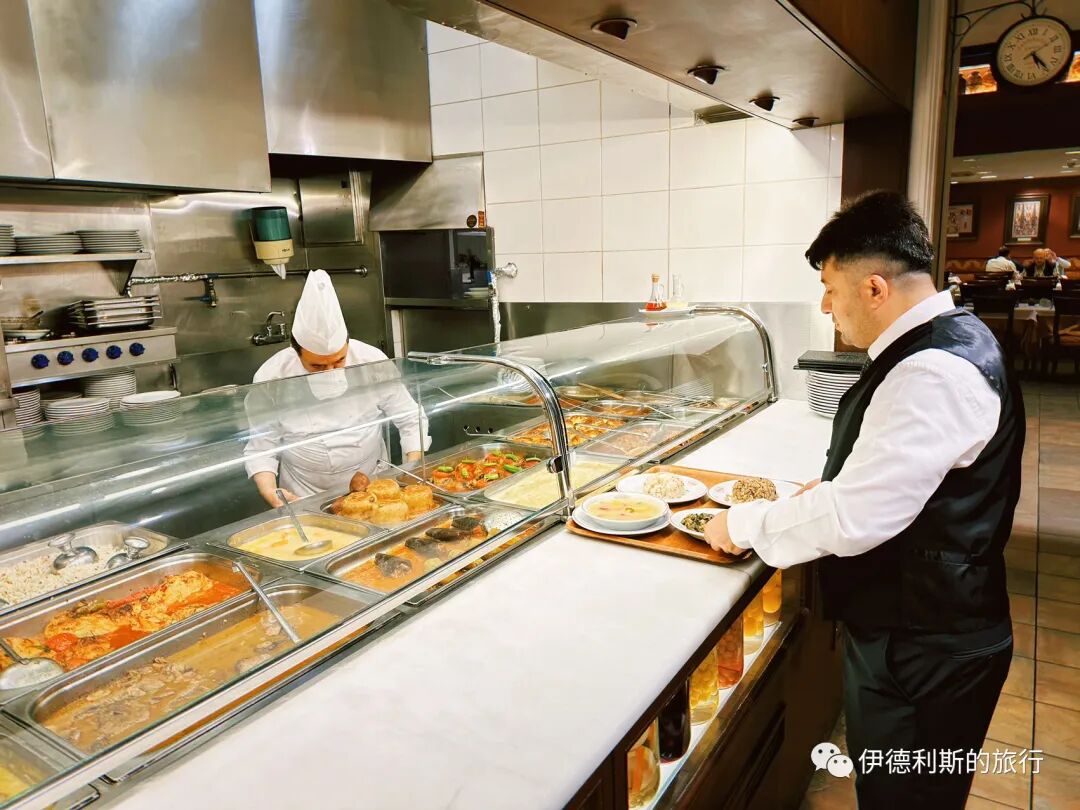
For over a hundred years, Hacı Abdullah Lokantası has insisted on making Ottoman palace dishes and Anatolian home-style dishes. Depending on the season, they can offer up to 6,000 types of dishes, including stews, grilled meats, salads, desserts, various candied fruits, and soups. Their stews are slow-cooked in copper pots and taste very fragrant.
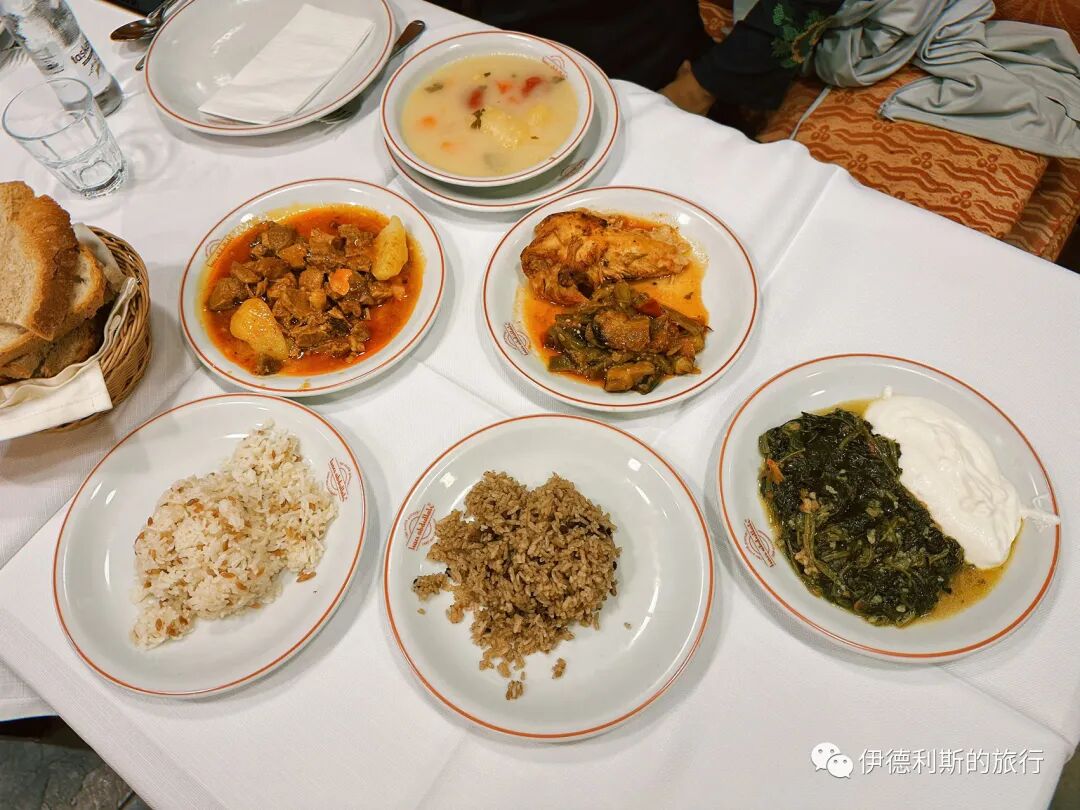
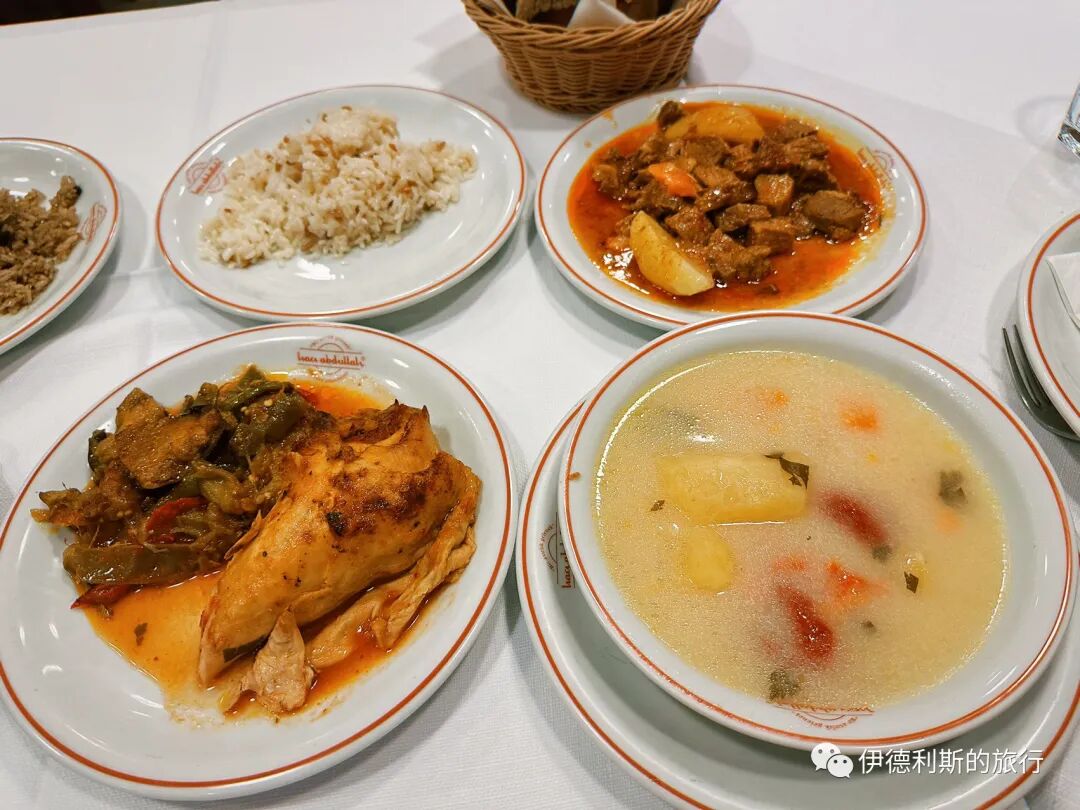
We ordered spinach yogurt (Yoğurtlu Ispanak), beef stew (Tas kebabı), roasted chicken (Tavuk Firin), meat broth (Çorba), white pilaf (Şehriyeli Pilav), and
black pilaf (İç Pilav). Everything tasted wonderful. It was easily the best meal we had in Turkey. The seasoning was perfect—not too salty or greasy—and the flavors really soaked into the food. We heard the chefs here have 25 to 30 years of experience. You can really tell the food is made by masters.
In Turkish eateries (Lokantası), you often see two types of pilaf. The black pilaf is made with black currants, while the white pilaf uses a rice-shaped pasta called orzo (Arpa şehriye), which is made by shaping coarse flour into grains that look like rice. I think both types of pilaf go great with stewed meat.


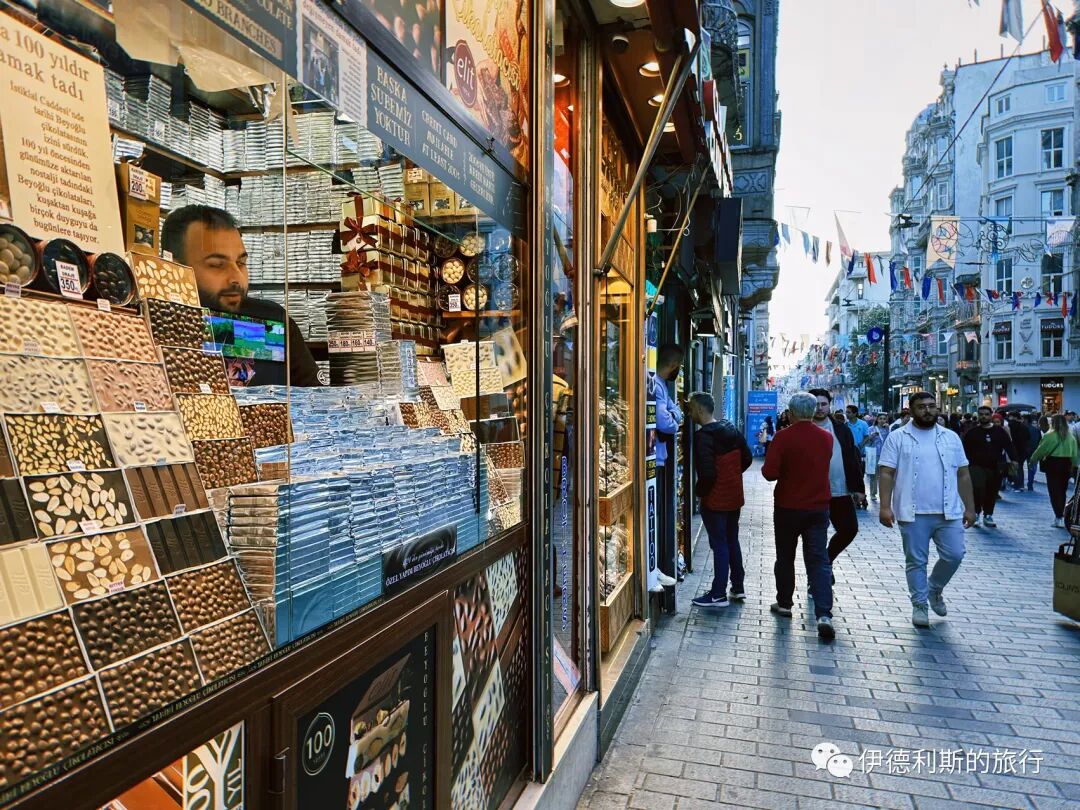
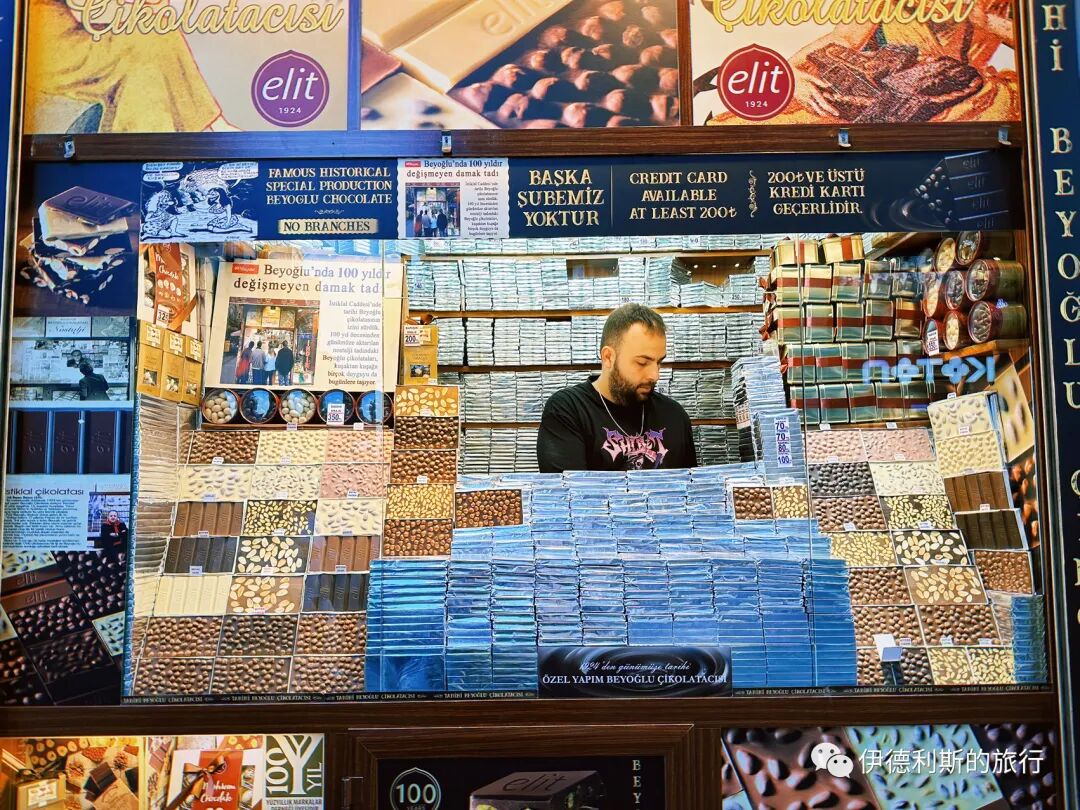
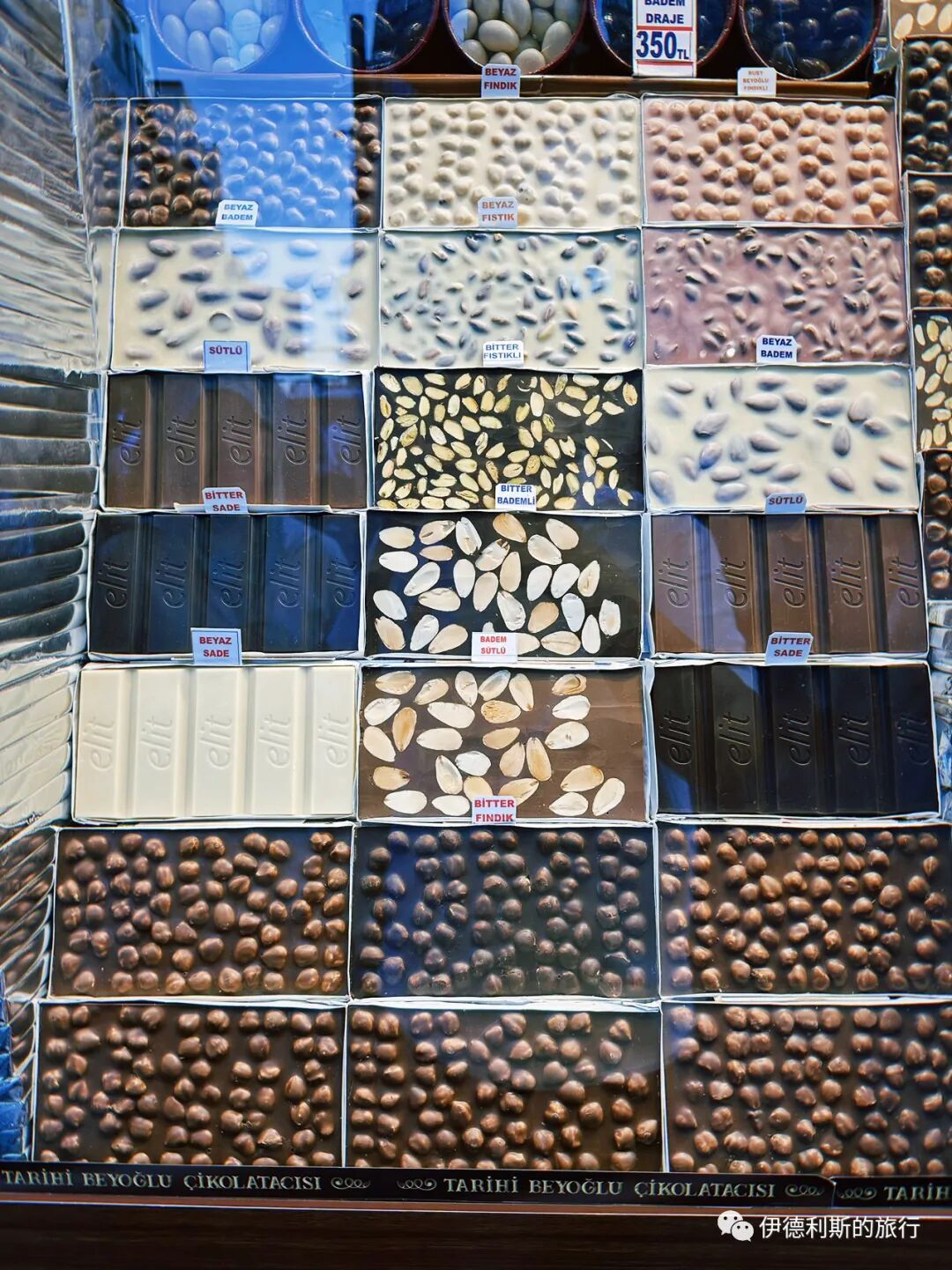
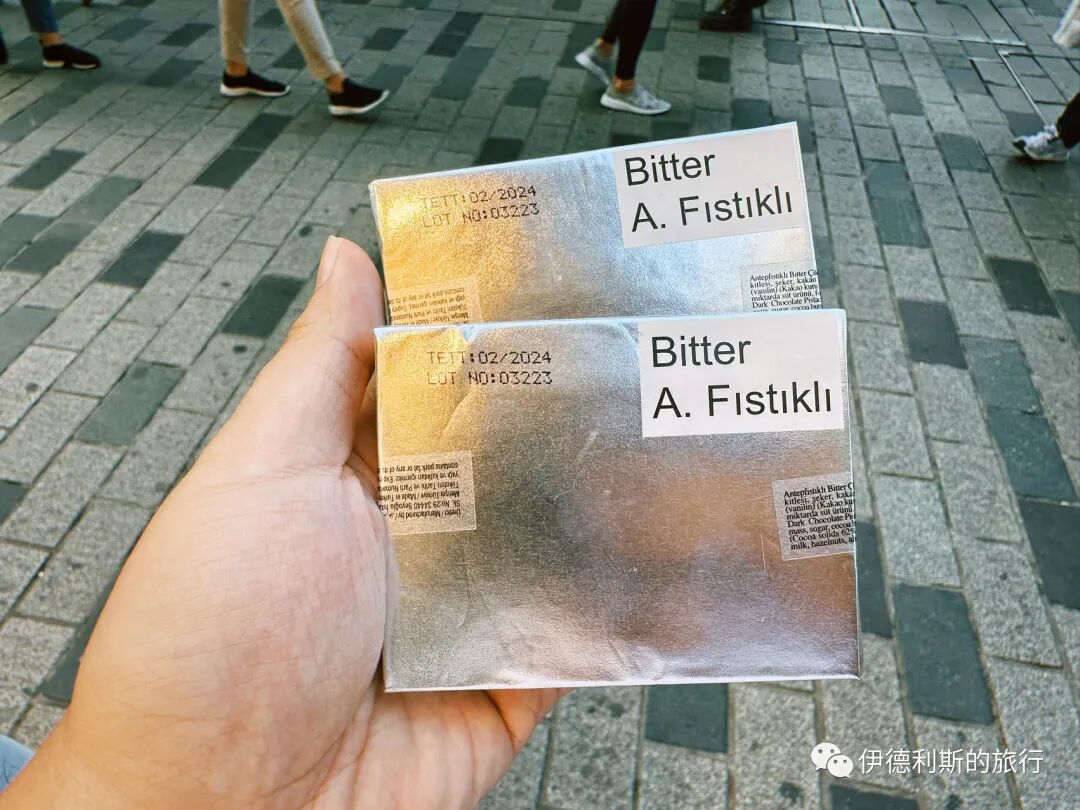
Finally, I want to recommend a century-old chocolate brand we bought on Istiklal Avenue called Elit, which is as old as the Republic of Turkey. On September 1, 1923, Todori Efendi, who ran a chocolate factory near the Beyoğlu Fish Market in Istanbul, registered the brand Ménage with the Turkish Ministry of Commerce. This was over a month before the Republic of Turkey was officially declared on October 29, 1923, making it the first chocolate trademark in Turkey. In 1924, Todori Efendi went on to register the Elite chocolate brand. By the 1930s, Elite had become a famous Turkish chocolate brand, known for its advertising cards featuring beauty queens and Hollywood stars. To make it easier to spell, the brand was re-registered as Elit in the late 1930s, which is its current name.
Walk down from Taksim Square to the Bosphorus shore, then head 500 meters upstream along the coast to find the Dolmabahçe Mosque (Dolmabahçe Camii). It was built between 1853 and 1855 by Ottoman Sultan Abdulmejid I (reigned 1839-61) and his mother, Bezmiâlem Sultan. After it was finished, the Dolmabahçe Mosque became the royal mosque for the Ottoman Sultans. Every Friday, the Sultan would come here to attend Jumu'ah prayers.
The Dolmabahçe Mosque was designed by Garabet Amira Balyan, a member of the Ottoman Armenian Balyan family of architects. He built many structures in Istanbul, the most famous being the nearby Dolmabahçe Palace. The Dolmabahçe Mosque blends Rococo and Empire styles. It is a prime example of the eclectic architecture that emerged in the mid-19th century after Ottoman modernization reforms brought European influences.
The original dome of the Dolmabahçe Mosque sits directly on rectangular walls. To support the weight, a tower was built at each of the four corners, which is completely different from the methods used in classical Ottoman architecture. The walls feature huge arches and windows that let plenty of light into the interior. The two minarets mimic ancient Greek Corinthian columns, both showing the influence of the Empire style. The Empire style is a type of Neoclassical style created by Napoleon to imitate ancient Greek and Roman civilizations. The Empire style strictly follows the architectural proportions, color schemes, and decorations of the ancient Roman era. It favors straight lines and geometric designs, using structural proportions to show the beauty of the building.
The decorative details of the Dolmabahçe Mosque are mainly influenced by the Rococo style of the late Baroque period. The use of gold and oil paintings creates a highly dramatic effect, while the overall color tone remains very soft.
Keep walking from the Dolmabahçe Mosque to reach the Dolmabahçe Clock Tower (Dolmabahçe Saat Kulesi), built between 1890 and 1895 by Ottoman Sultan Abdul Hamid II (reigned 1876-1909). The architect was Sarkis Balyan, a member of the Ottoman Armenian Balyan family and the second son of the mosque's architect, Garabet Balyan.
The clock tower was built in the Ottoman Baroque Revival style. Baroque Revival, also called Neo-Baroque, was born in late 19th-century France and became popular across Europe and America by the end of the century. The clock on the tower was made by French master clockmaker Jean-Paul Garnier and installed by the Ottoman court clockmaker Johann Mayer. However, the original mechanical clock was replaced by the current electronic clock in 1979.
Continue walking forward to reach the Dolmabahçe Palace (Dolmabahçe Sarayı). Since its completion in 1856, this place served as the royal palace for six Ottoman Sultans. It was also the summer presidential residence and the final home of Turkey's first president, Kemal. Dolmabahçe Palace has quite a lot of tourists, and the ticket price for foreigners is not cheap, but it is truly worth a visit. Although it does not look that grand from the outside, the interior is truly magnificent, and the visual impact of the main hall is no less than that of the Hagia Sophia. The interior route is designed so you see all the rooms in one path, and the whole process takes a long time, requiring as much physical energy as walking through the Forbidden City in Beijing. It is a pity that photography is not allowed inside, so I will just post photos of the outside.
Dolmabahçe Palace was built by Ottoman Sultan Abdulmejid I (reigned 1839-61) between 1843 and 1856. The architects were Garabet Balyan, his son Nigoğayos Balyan, and Evanis Kalfa from the Ottoman Armenian Balyan architectural family. The building is in an eclectic style, incorporating Baroque, Rococo, Neoclassical, and traditional Ottoman architectural elements, reflecting the growing European influence during the Ottoman modernization reforms in the mid-19th century.
Unlike the exquisite Iznik tiles of the old Topkapi Palace, the new palace uses a large amount of gold and crystal for decoration. The ceiling gilding alone used 14 tons of gold, and the main hall hangs the world's largest Bohemian crystal chandelier, sold to the Sultan by Queen Victoria of the United Kingdom, as well as the world's largest Hereke carpet.
Looking at the Bosphorus Strait from Dolmabahçe Palace. This place was originally an anchorage for the Ottoman fleet, became a royal garden for the Ottoman Sultans in the early 18th century, and eventually formed the Beşiktaş waterfront palace complex.
I was already very tired after leaving Dolmabahçe Palace, so I took the funicular subway back to Taksim Square to eat at the famous old Ottoman restaurant Hacı Abdullah Lokantası. This restaurant was founded by Hacı Abdullah Efendi in 1888, and the business license was personally issued by Ottoman Sultan Abdul Hamid II. It is the first officially registered restaurant in Turkey, and many high-ranking officials and politicians have visited it.
In 1943, because none of Hacı Abdullah's descendants wanted to run the restaurant, a long-time employee, Hacı Salih Efendi, took over and continued to operate it. After Hacı Salih passed away in 1982, a regular customer named Ferit İntiba took over the restaurant. Because Ferit İntiba wanted to sell alcohol in the restaurant, head chef Abdullah Korun led his team to leave. Later, the restaurant was poorly managed, Ferit İntiba was forced to leave, and head chef Abdullah Korun led his team back to continue making traditional Ottoman and Turkish cuisine.
For over a hundred years, Hacı Abdullah Lokantası has insisted on making Ottoman palace dishes and Anatolian home-style dishes. Depending on the season, they can offer up to 6,000 types of dishes, including stews, grilled meats, salads, desserts, various candied fruits, and soups. Their stews are slow-cooked in copper pots and taste very fragrant.
We ordered spinach yogurt (Yoğurtlu Ispanak), beef stew (Tas kebabı), roasted chicken (Tavuk Firin), meat broth (Çorba), white pilaf (Şehriyeli Pilav), and
black pilaf (İç Pilav). Everything tasted wonderful. It was easily the best meal we had in Turkey. The seasoning was perfect—not too salty or greasy—and the flavors really soaked into the food. We heard the chefs here have 25 to 30 years of experience. You can really tell the food is made by masters.
In Turkish eateries (Lokantası), you often see two types of pilaf. The black pilaf is made with black currants, while the white pilaf uses a rice-shaped pasta called orzo (Arpa şehriye), which is made by shaping coarse flour into grains that look like rice. I think both types of pilaf go great with stewed meat.
Finally, I want to recommend a century-old chocolate brand we bought on Istiklal Avenue called Elit, which is as old as the Republic of Turkey. On September 1, 1923, Todori Efendi, who ran a chocolate factory near the Beyoğlu Fish Market in Istanbul, registered the brand Ménage with the Turkish Ministry of Commerce. This was over a month before the Republic of Turkey was officially declared on October 29, 1923, making it the first chocolate trademark in Turkey. In 1924, Todori Efendi went on to register the Elite chocolate brand. By the 1930s, Elite had become a famous Turkish chocolate brand, known for its advertising cards featuring beauty queens and Hollywood stars. To make it easier to spell, the brand was re-registered as Elit in the late 1930s, which is its current name.
