
Halal Travel Guide: Sarajevo - Bosniak Life Under Ottoman Rule
Reposted from the web
The most interesting gallery at the National Museum of Bosnia and Herzegovina recreates the life of Bosniaks during the 19th-century Ottoman rule.
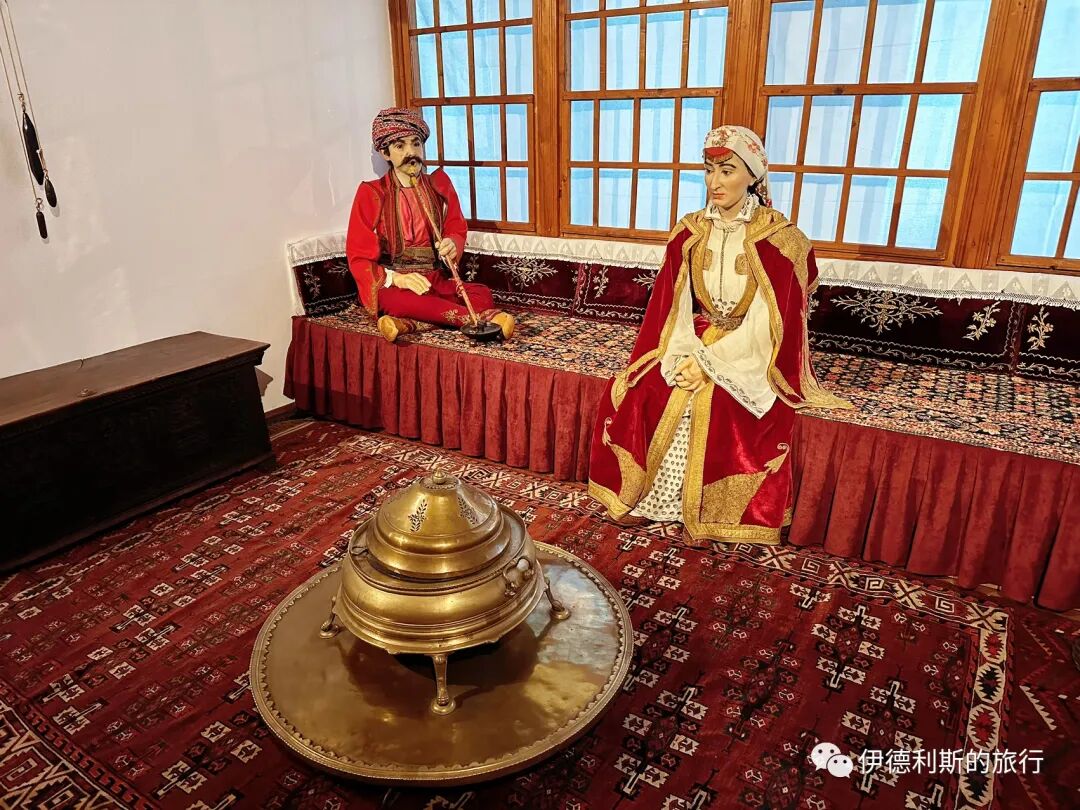
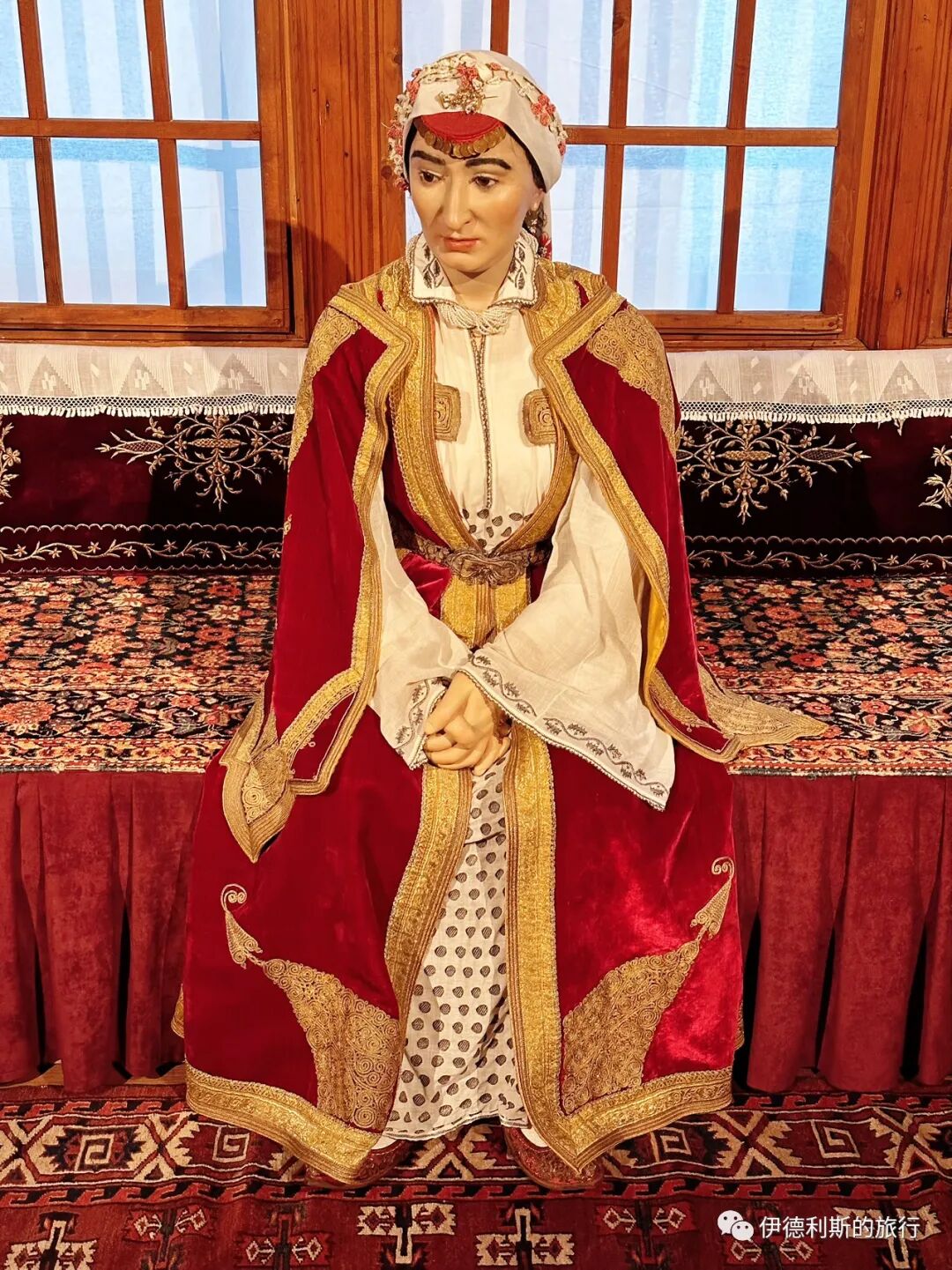
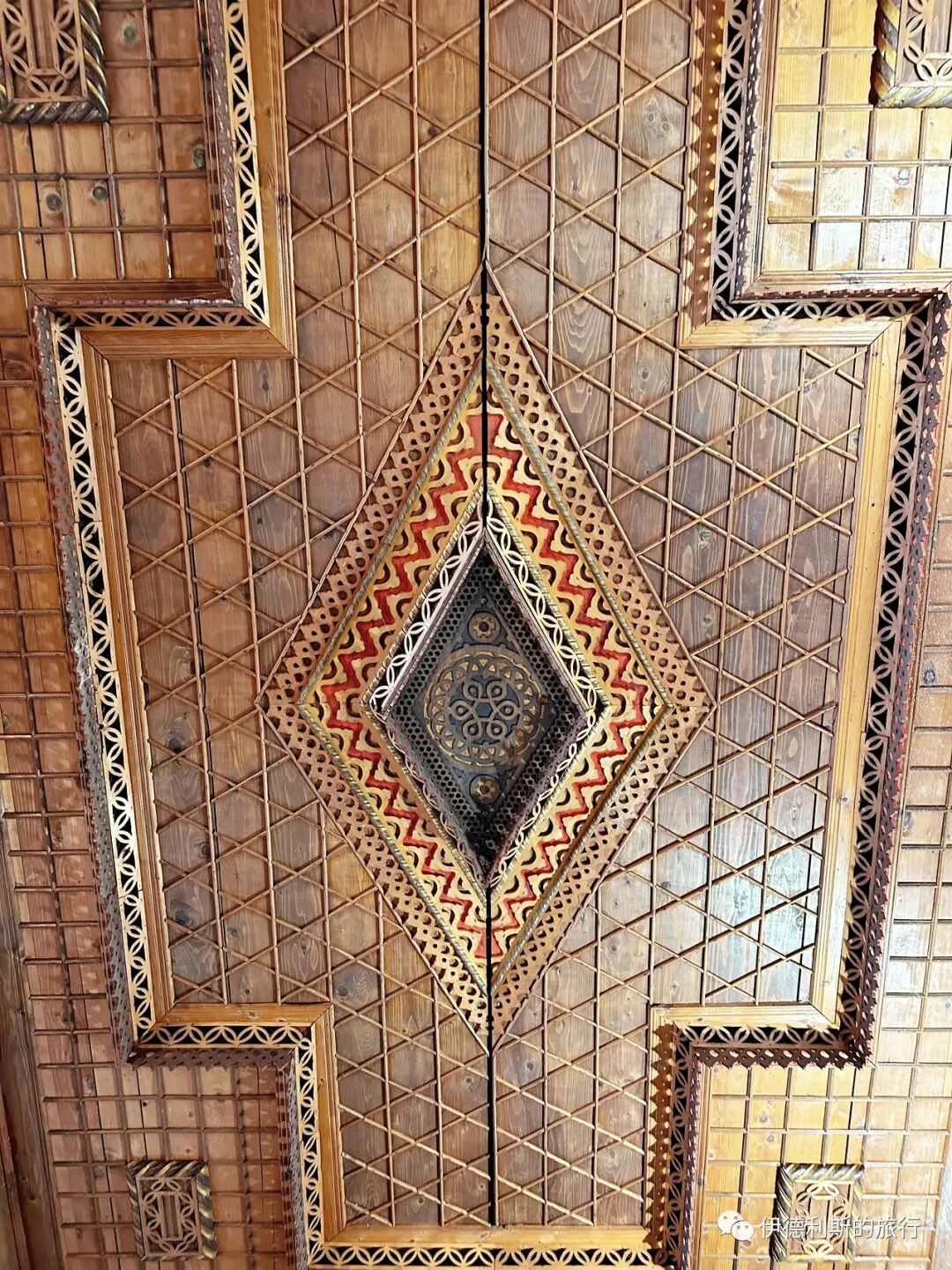
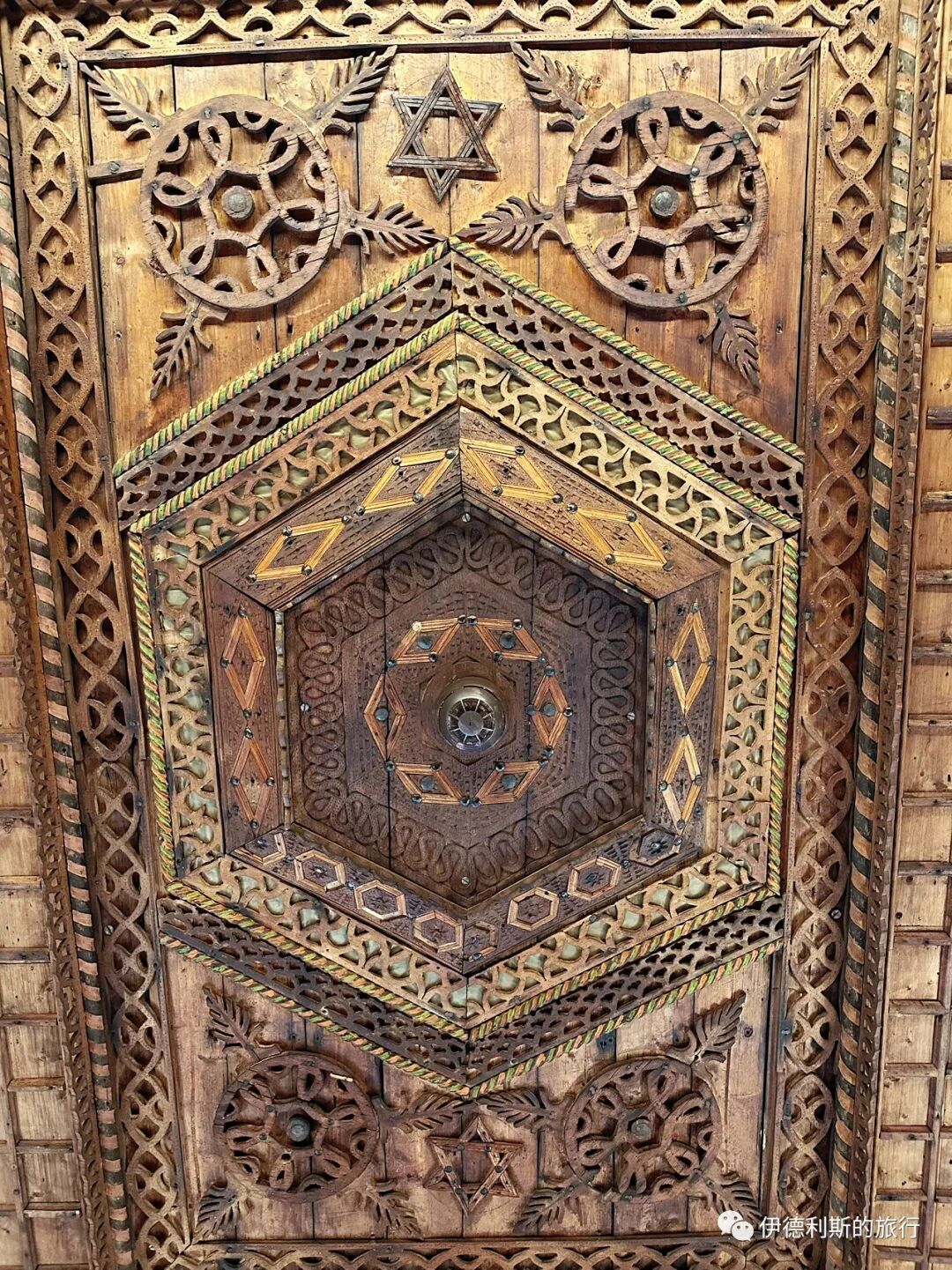
The first scene shows a Bey and his wife, who belonged to the wealthiest social class in Ottoman-ruled Bosnia. Bey is a Turkic title for a chieftain. During the middle and late Ottoman period, military officers and officials one rank below a Pasha were also called Bey. The Bey's wife in the exhibit wears an expensive dress embroidered with gold thread, and the exquisite ceiling comes from the famous Sabura family of coppersmiths in Sarajevo.
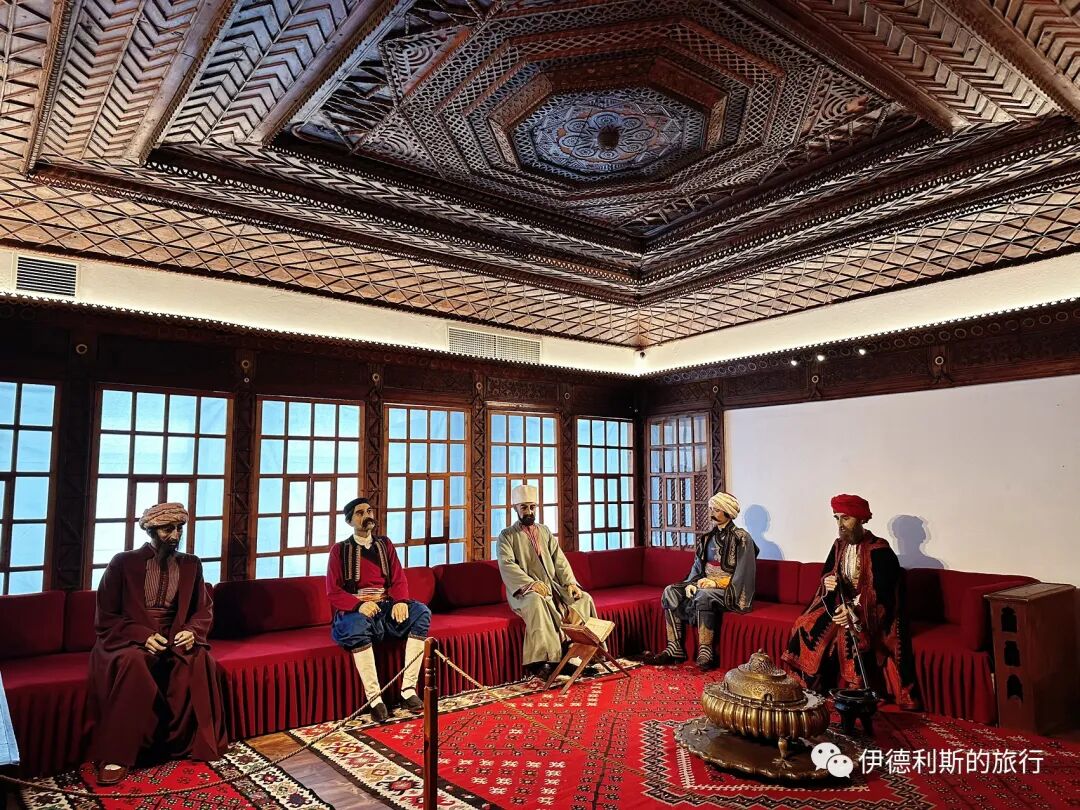
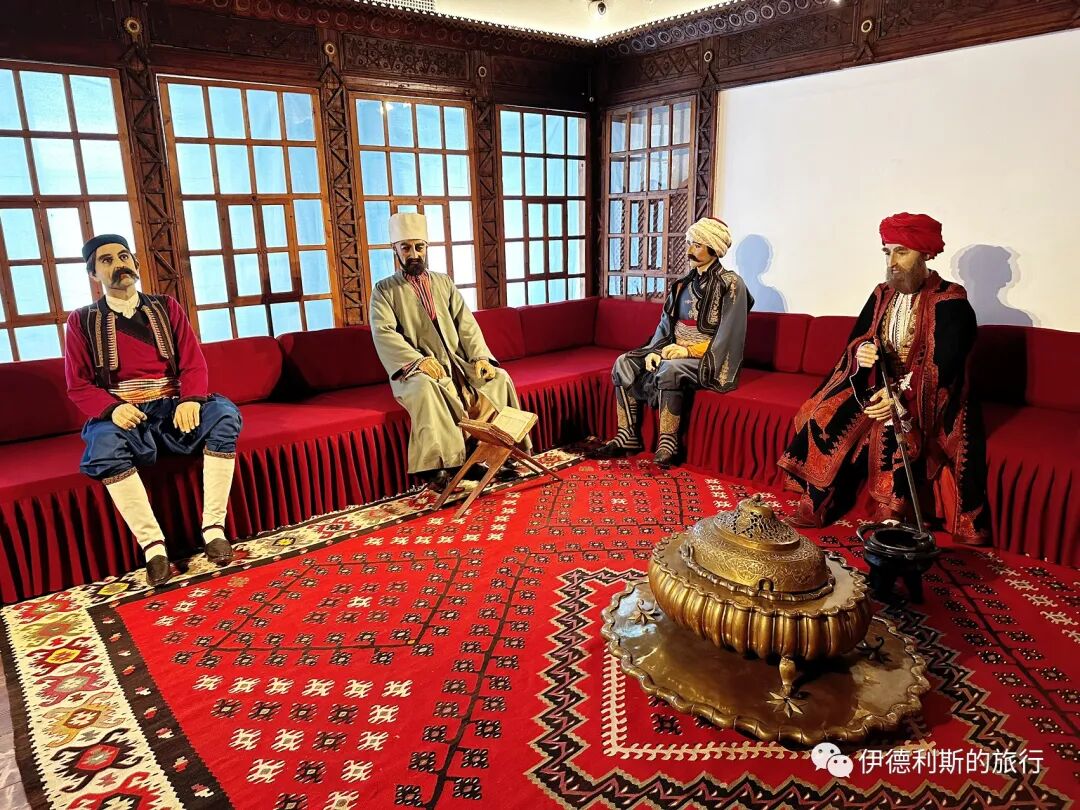
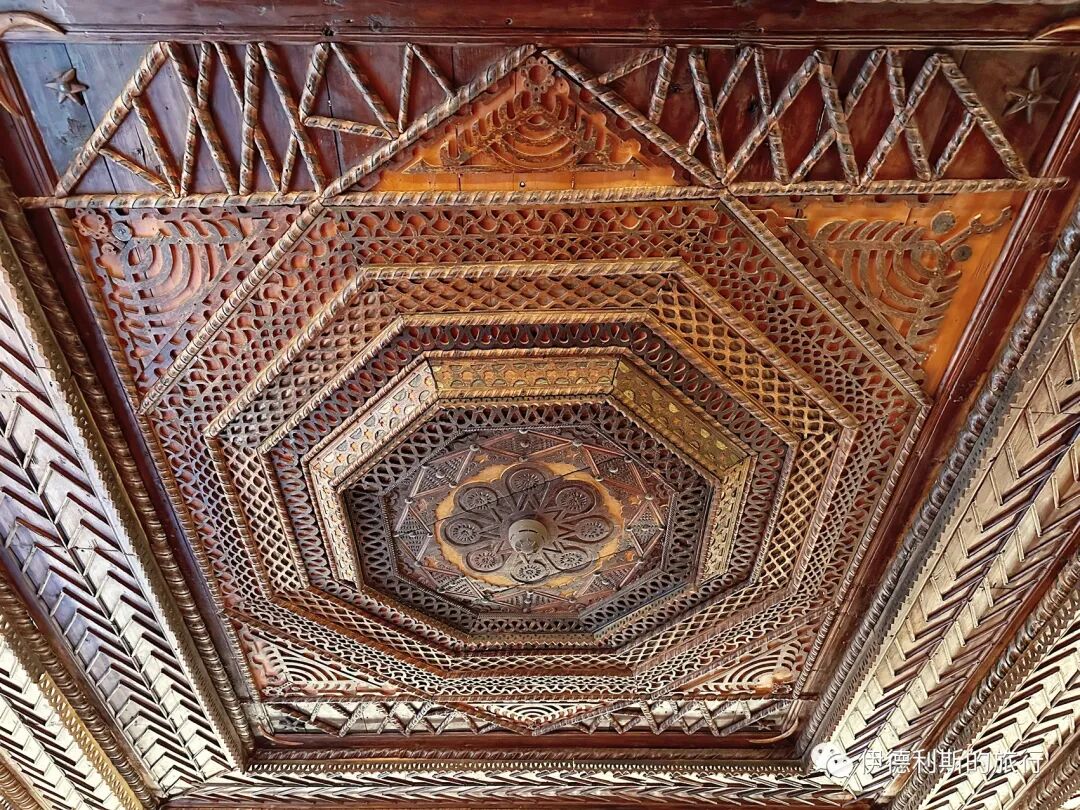
The second scene shows a court meeting in Ottoman-ruled Bosnia. In the center sits a judge (Kadi) with books of Islamic law placed in front of him. Among the four jury members beside him, one is an Orthodox village head from Herzegovina, one is a Sephardic Jewish rabbi representing the interests of Jewish merchants, and the other two are a Muslim Bey and a Janissary Agha representing the interests of the artisans' guild. The ornately decorated ceiling in the room comes from the Hadzirustembegovic family in Srebrenica, eastern Bosnia, dating back to the 19th century.
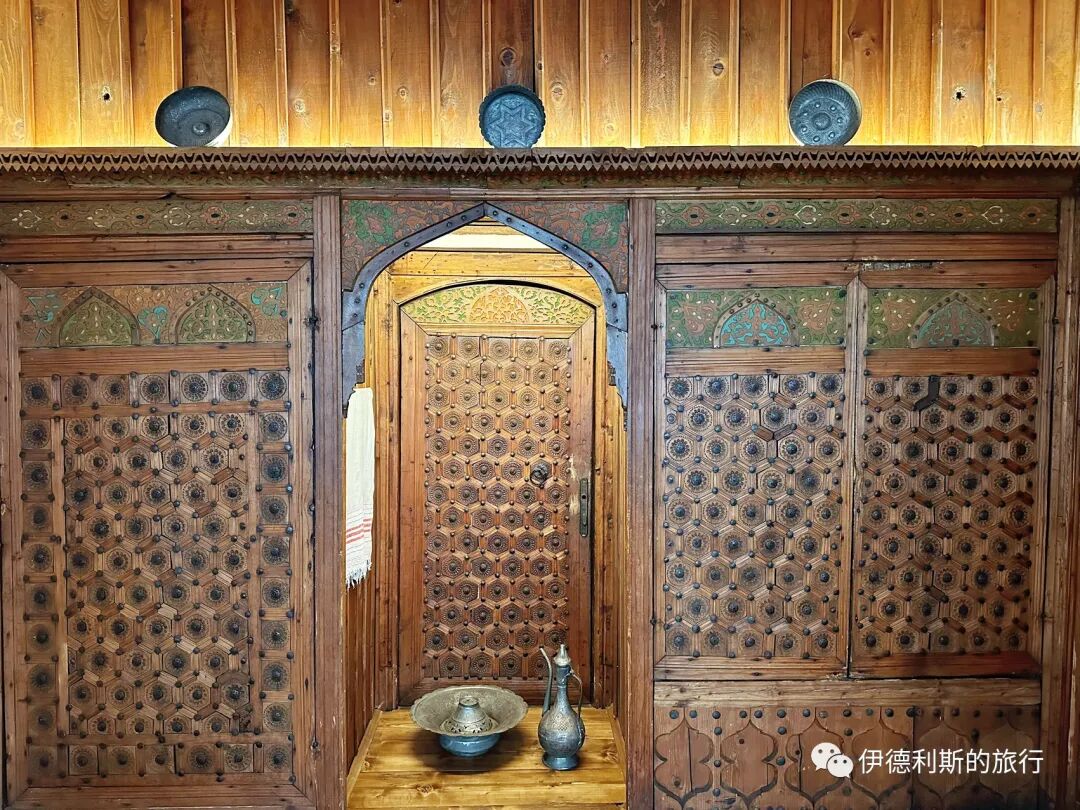
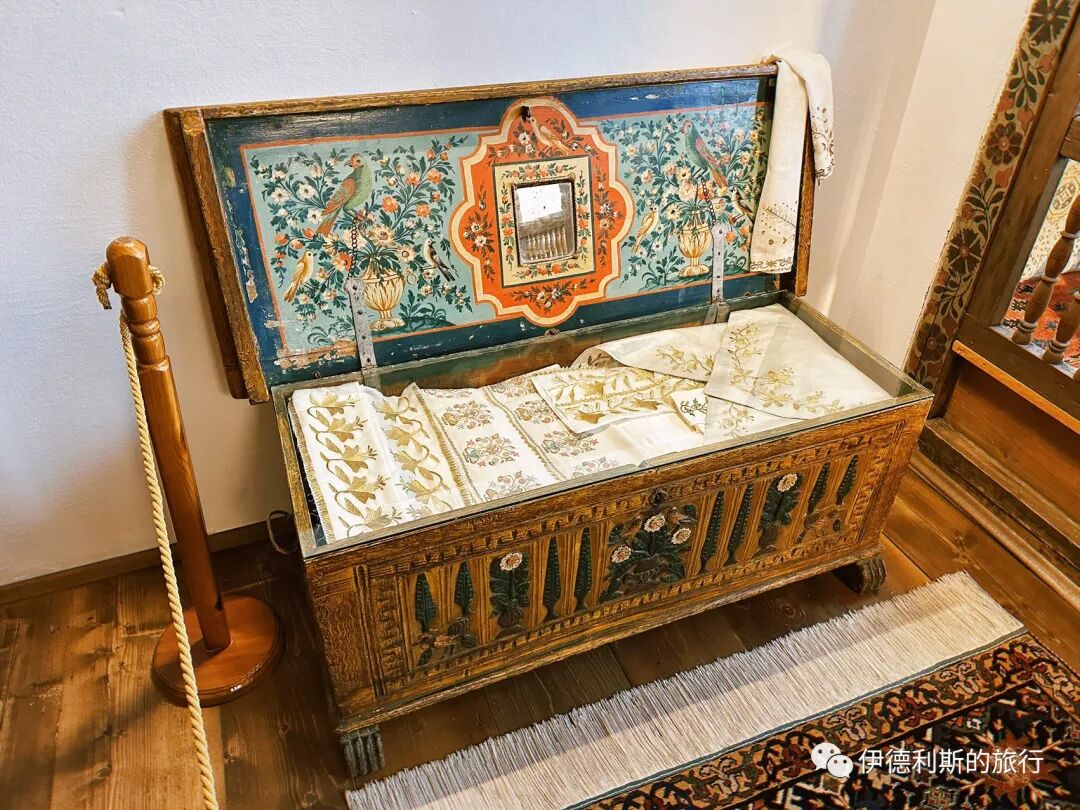
The third scene shows two ladies embroidering on a bay window terrace, with wood carvings from the famous Sabura coppersmith family of Sarajevo. This type of bay window is called a Kameriya in Bosnia. Ladies could look out at the scenery through the window grilles, and they often made their wedding dowries here. These wedding clothes were kept in a special wooden chest decorated with beautiful flower and bird patterns.
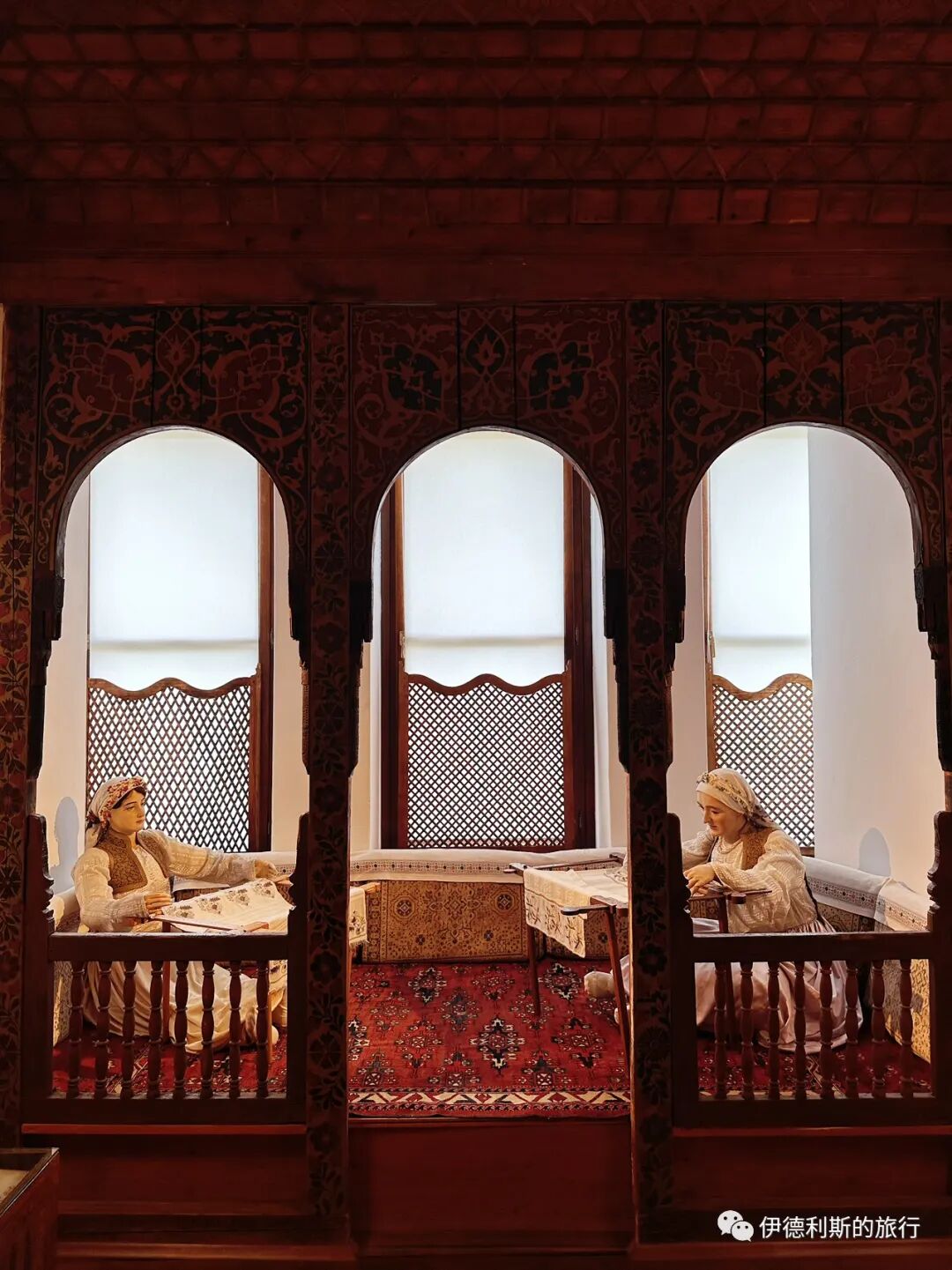
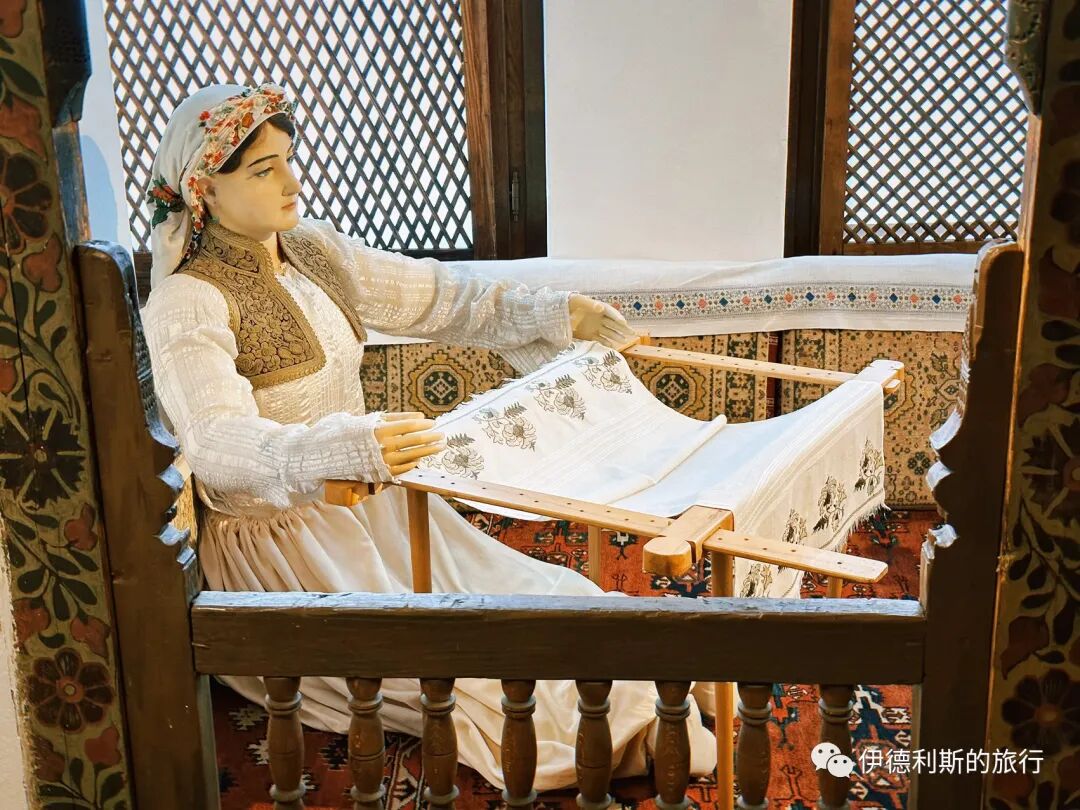
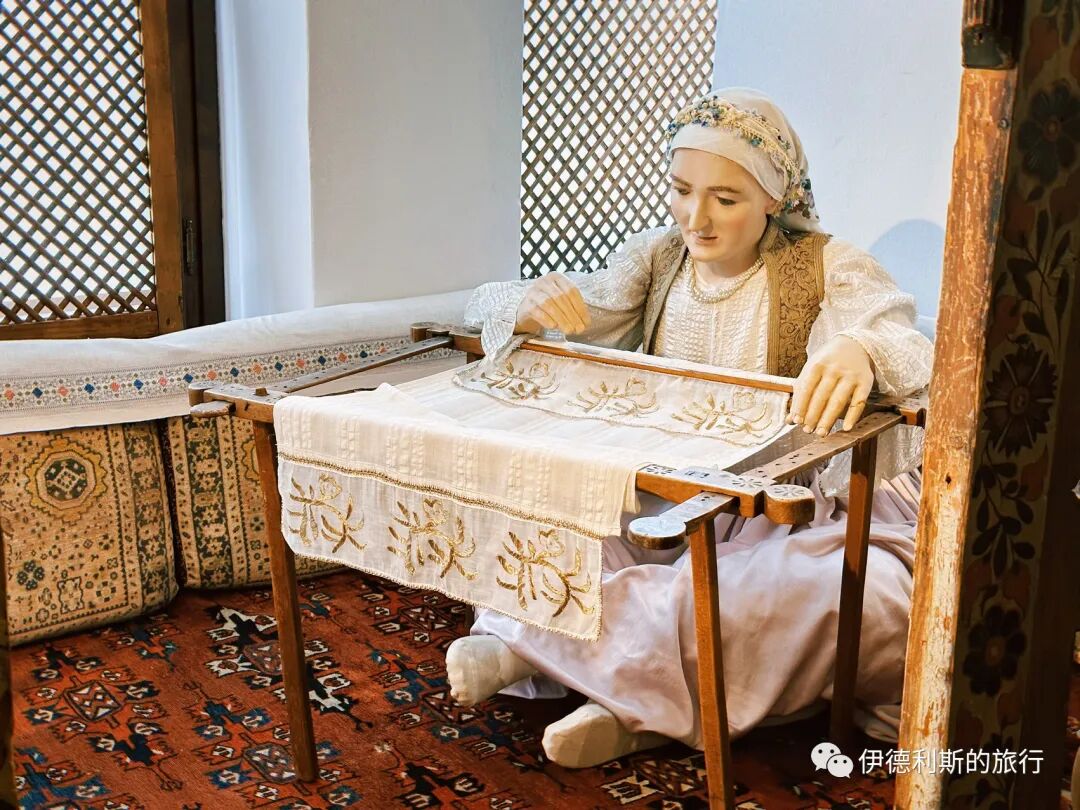
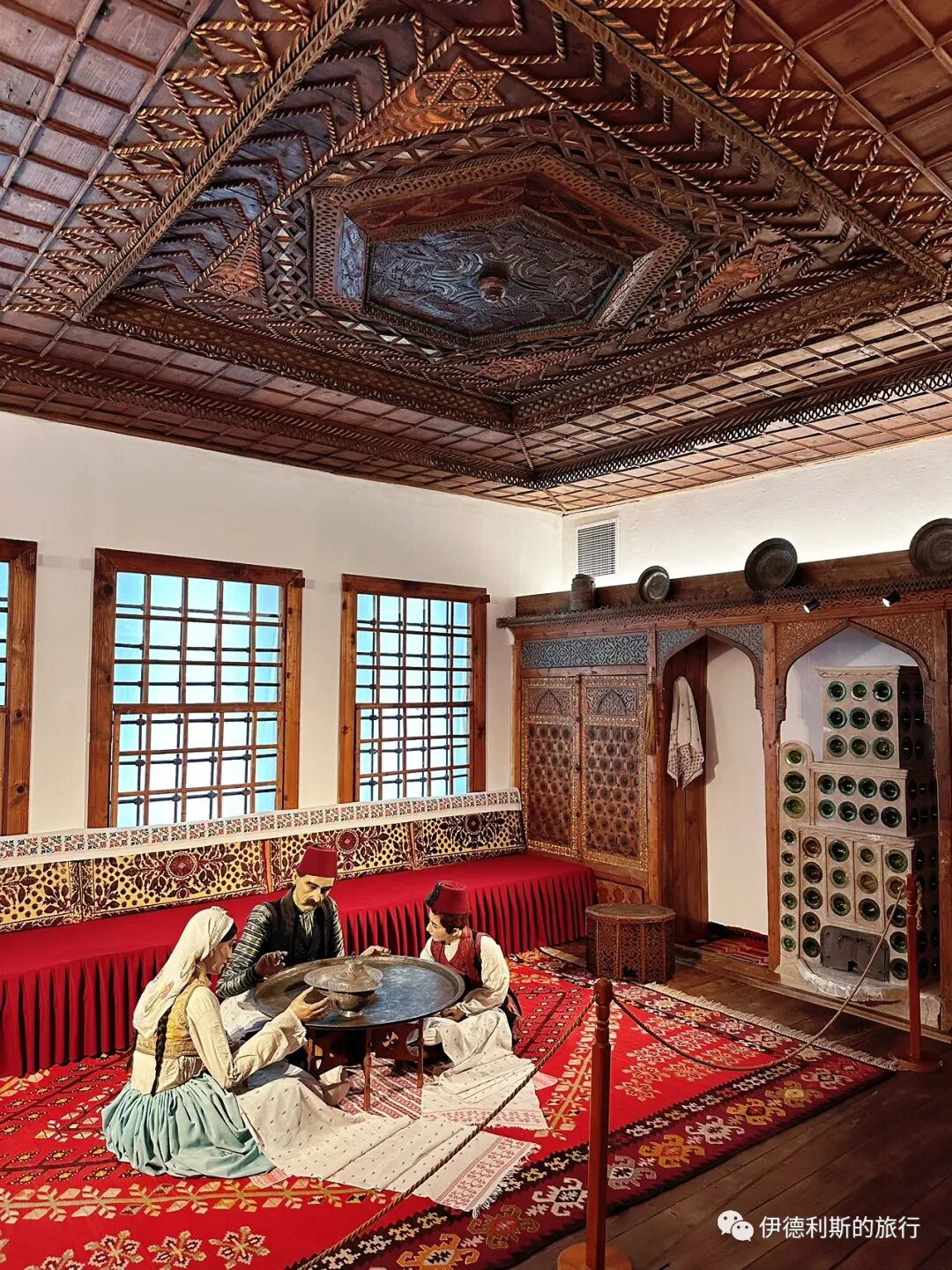
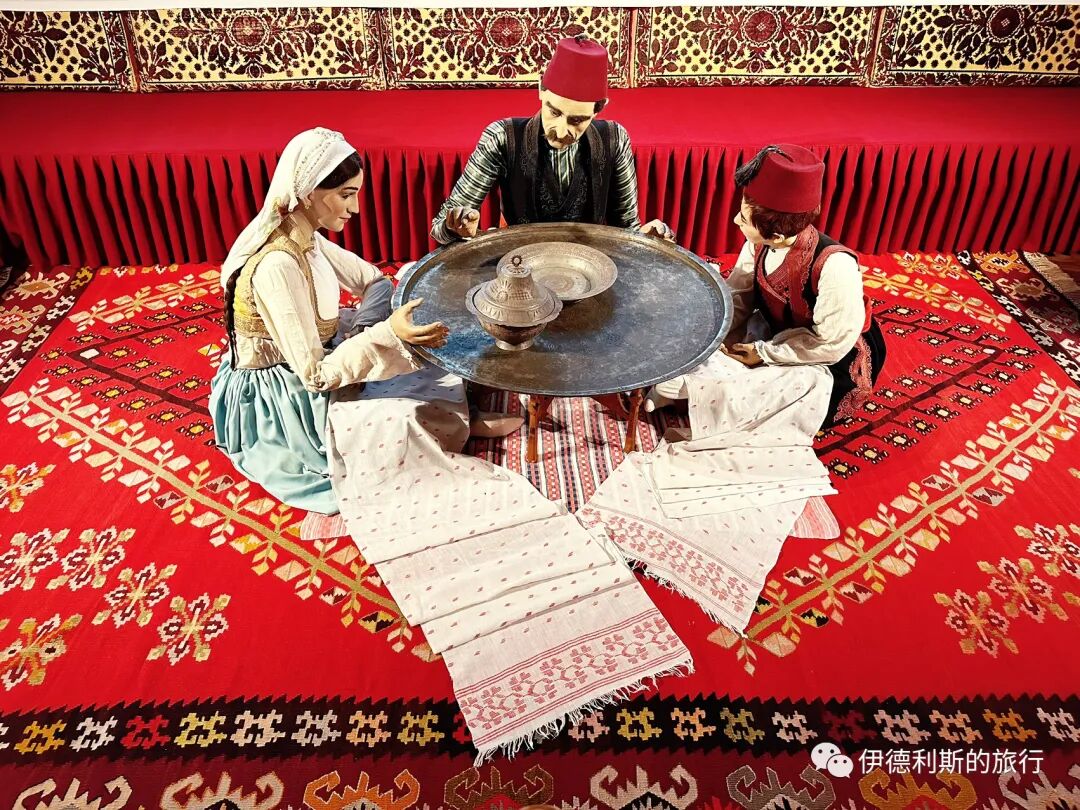
The fourth scene shows a middle-class merchant family eating. They sit around a low round table (sinija) with a copper tray (demirlija) for serving food, and the fine wood carvings on the ceiling and cabinets also come from the Sabura family.
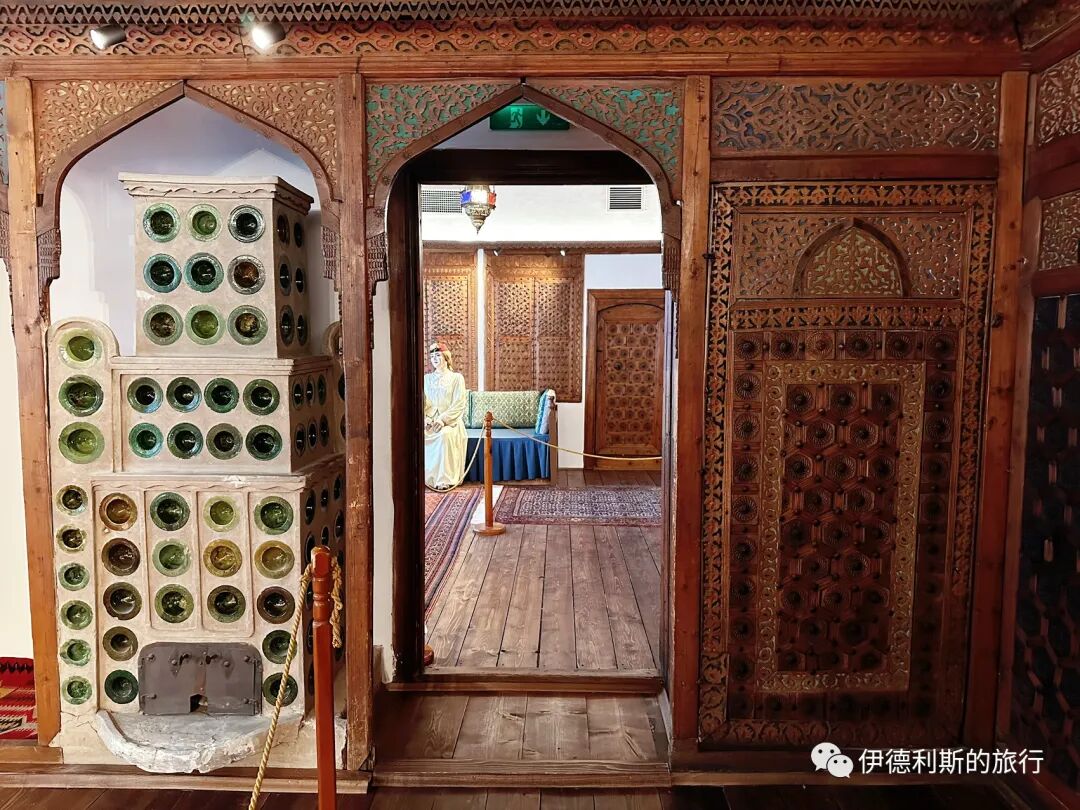
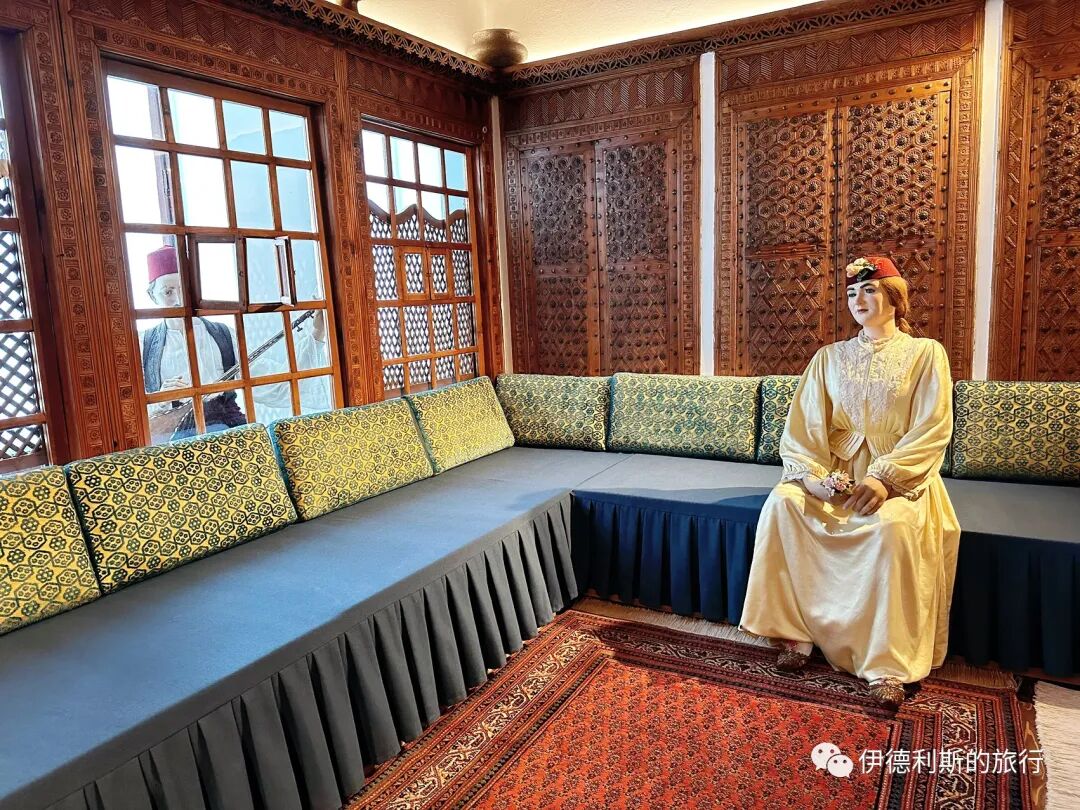
The fifth scene shows a young man courting a girl outside her window. This was a common way for young Bosniaks to communicate in the 19th century with their parents' knowledge. The wood carvings in the room come from the residence of Derviš-bey Kršlak in Jajce, central Bosnia.
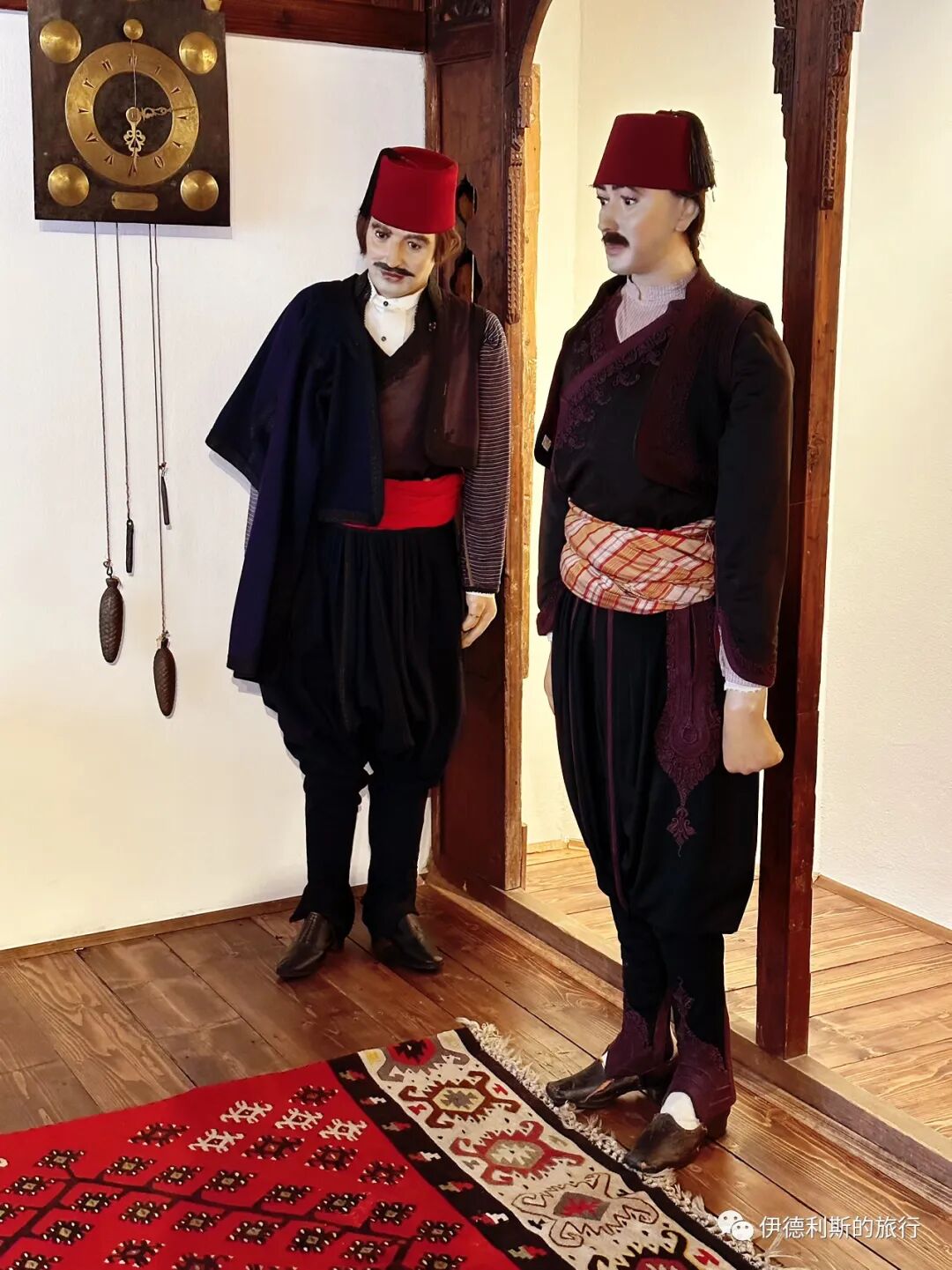
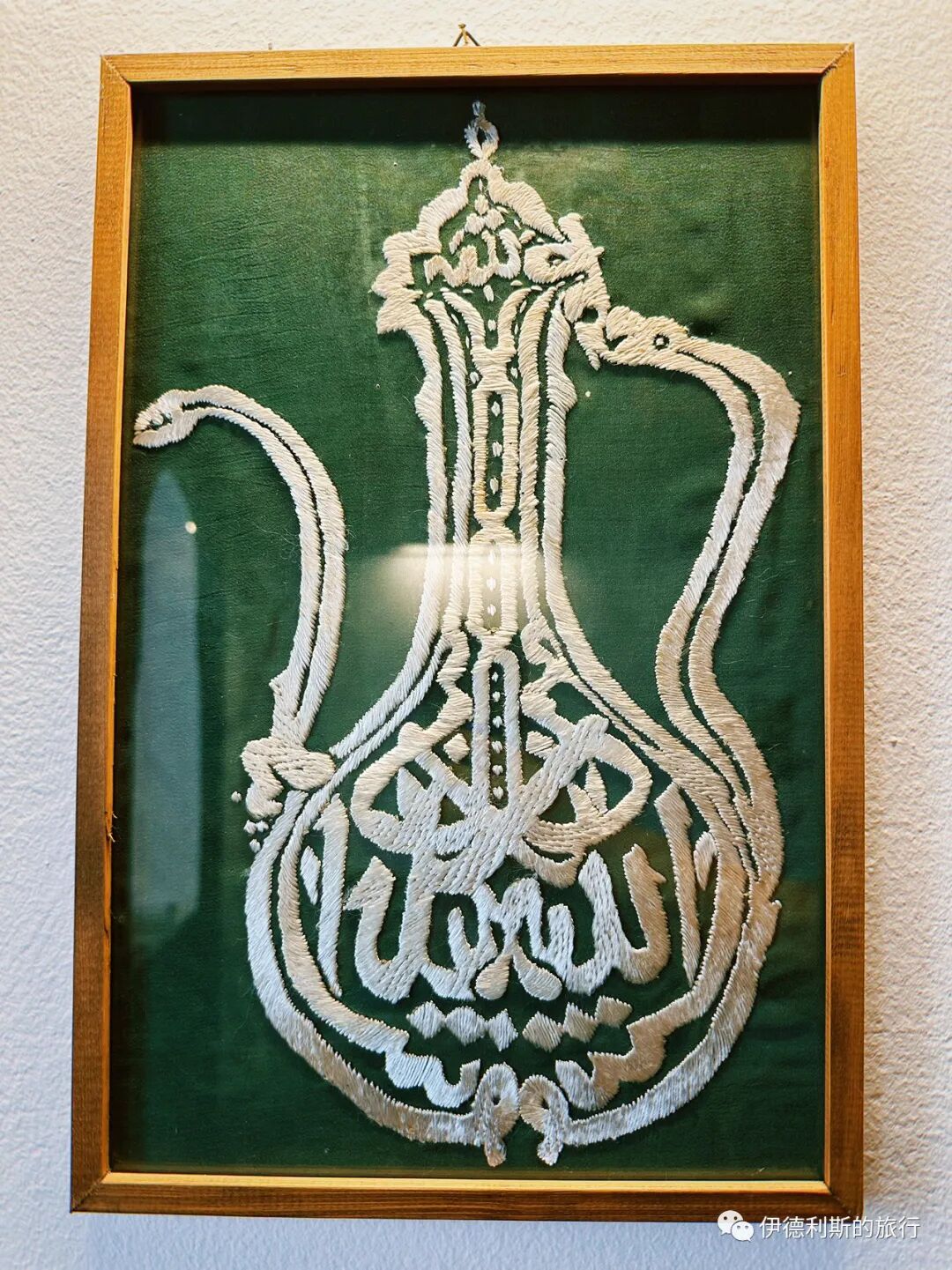
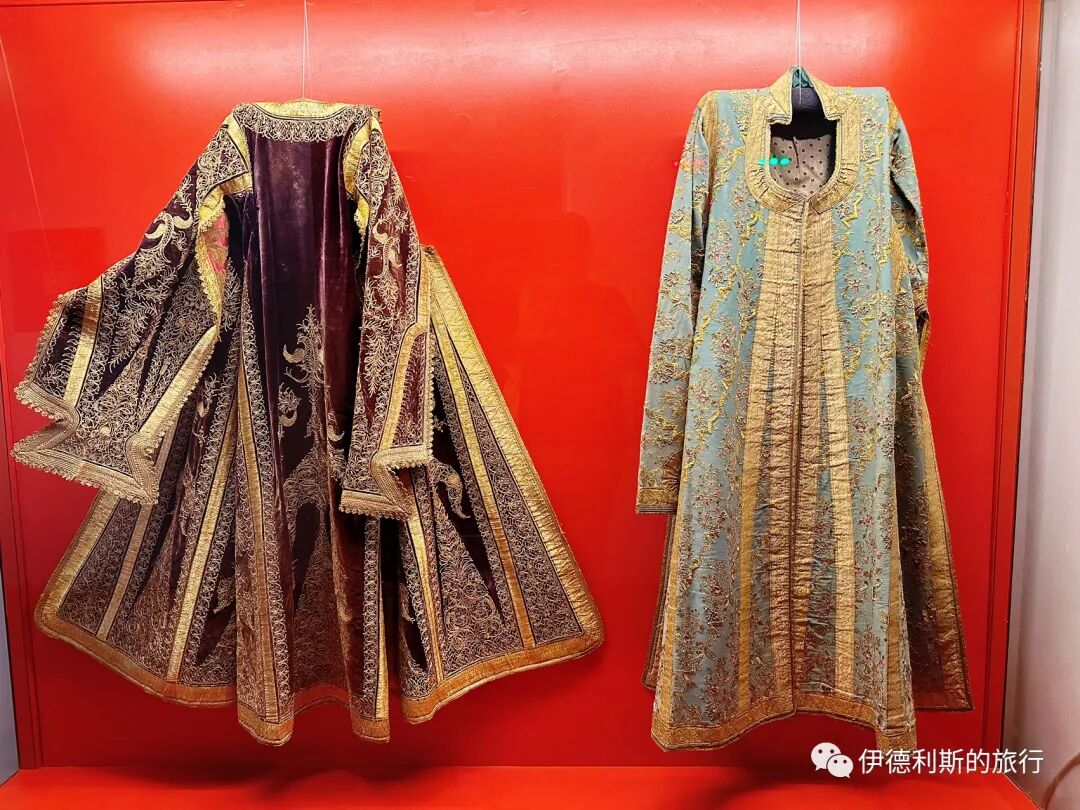
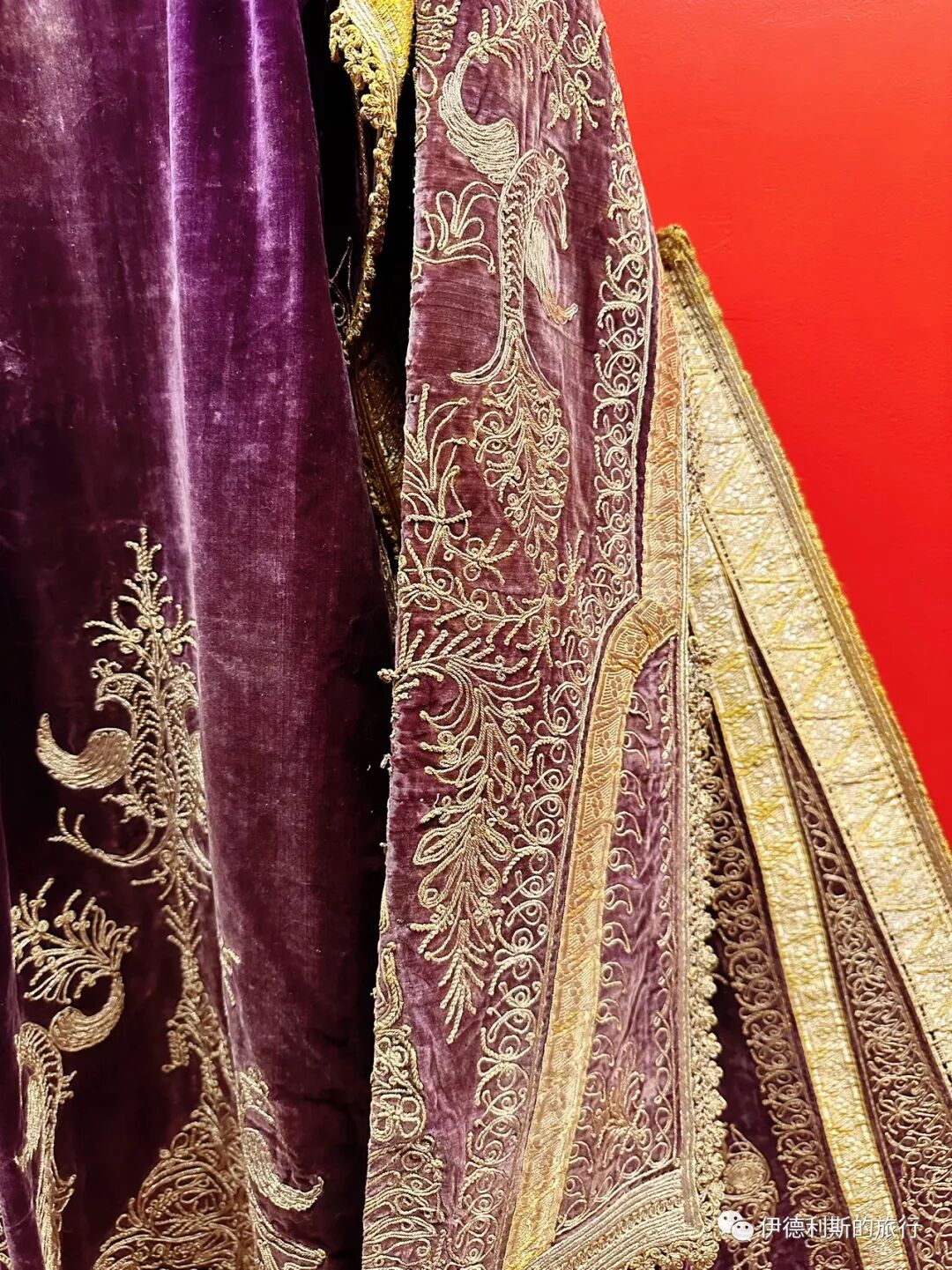
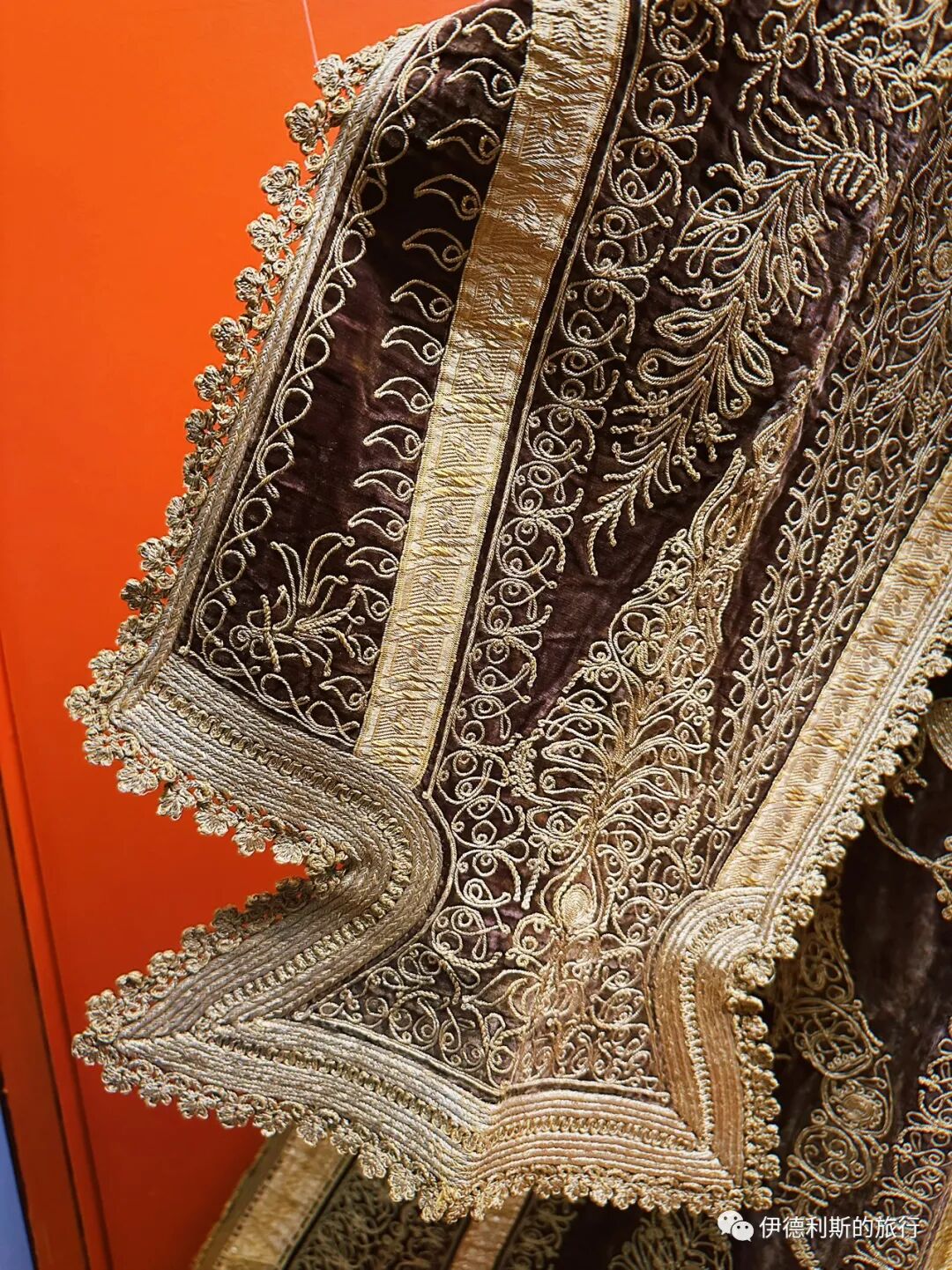
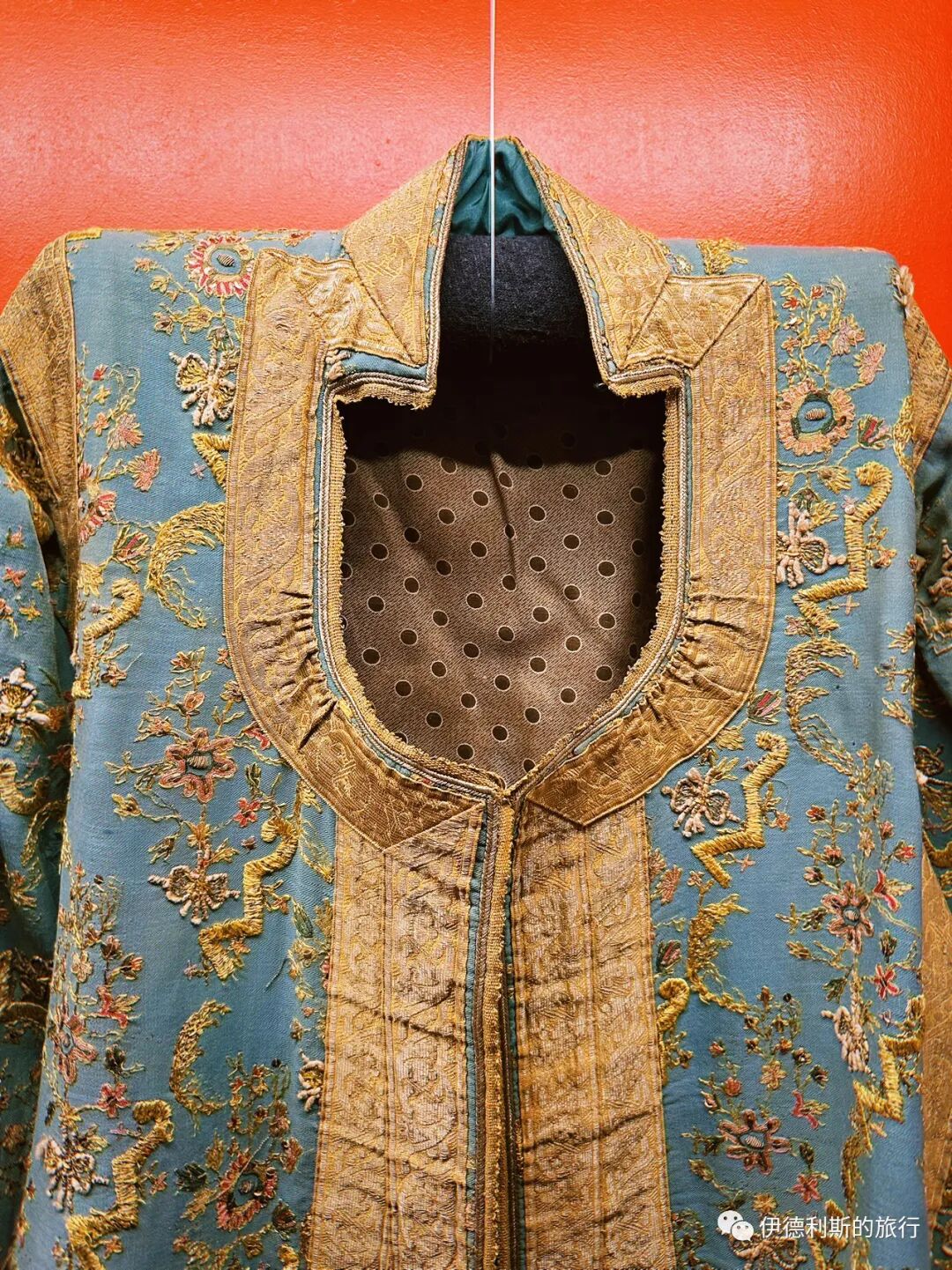
Finally, here are two more exquisite 19th-century Bosniak garments with gold thread embroidery.
The most interesting gallery at the National Museum of Bosnia and Herzegovina recreates the life of Bosniaks during the 19th-century Ottoman rule.
The first scene shows a Bey and his wife, who belonged to the wealthiest social class in Ottoman-ruled Bosnia. Bey is a Turkic title for a chieftain. During the middle and late Ottoman period, military officers and officials one rank below a Pasha were also called Bey. The Bey's wife in the exhibit wears an expensive dress embroidered with gold thread, and the exquisite ceiling comes from the famous Sabura family of coppersmiths in Sarajevo.
The second scene shows a court meeting in Ottoman-ruled Bosnia. In the center sits a judge (Kadi) with books of Islamic law placed in front of him. Among the four jury members beside him, one is an Orthodox village head from Herzegovina, one is a Sephardic Jewish rabbi representing the interests of Jewish merchants, and the other two are a Muslim Bey and a Janissary Agha representing the interests of the artisans' guild. The ornately decorated ceiling in the room comes from the Hadzirustembegovic family in Srebrenica, eastern Bosnia, dating back to the 19th century.
The third scene shows two ladies embroidering on a bay window terrace, with wood carvings from the famous Sabura coppersmith family of Sarajevo. This type of bay window is called a Kameriya in Bosnia. Ladies could look out at the scenery through the window grilles, and they often made their wedding dowries here. These wedding clothes were kept in a special wooden chest decorated with beautiful flower and bird patterns.
The fourth scene shows a middle-class merchant family eating. They sit around a low round table (sinija) with a copper tray (demirlija) for serving food, and the fine wood carvings on the ceiling and cabinets also come from the Sabura family.
The fifth scene shows a young man courting a girl outside her window. This was a common way for young Bosniaks to communicate in the 19th century with their parents' knowledge. The wood carvings in the room come from the residence of Derviš-bey Kršlak in Jajce, central Bosnia.
Finally, here are two more exquisite 19th-century Bosniak garments with gold thread embroidery.
