
Islamic World in 1550: Mongol Empire Legacy and Muslim History (Part 2)
Reposted from the web
Summary: Islamic World in 1550: Mongol Empire Legacy and Muslim History is presented here as a firsthand travel account in clear English, beginning with this scene: The Altun Mosque next to the royal tomb is said to have been built in 1533, and it now looks as it did after renovations in 1735. The account keeps its focus on Mongol Empire, Islamic World, Muslim History while preserving the names, places, food, and historical details from the Chinese source.
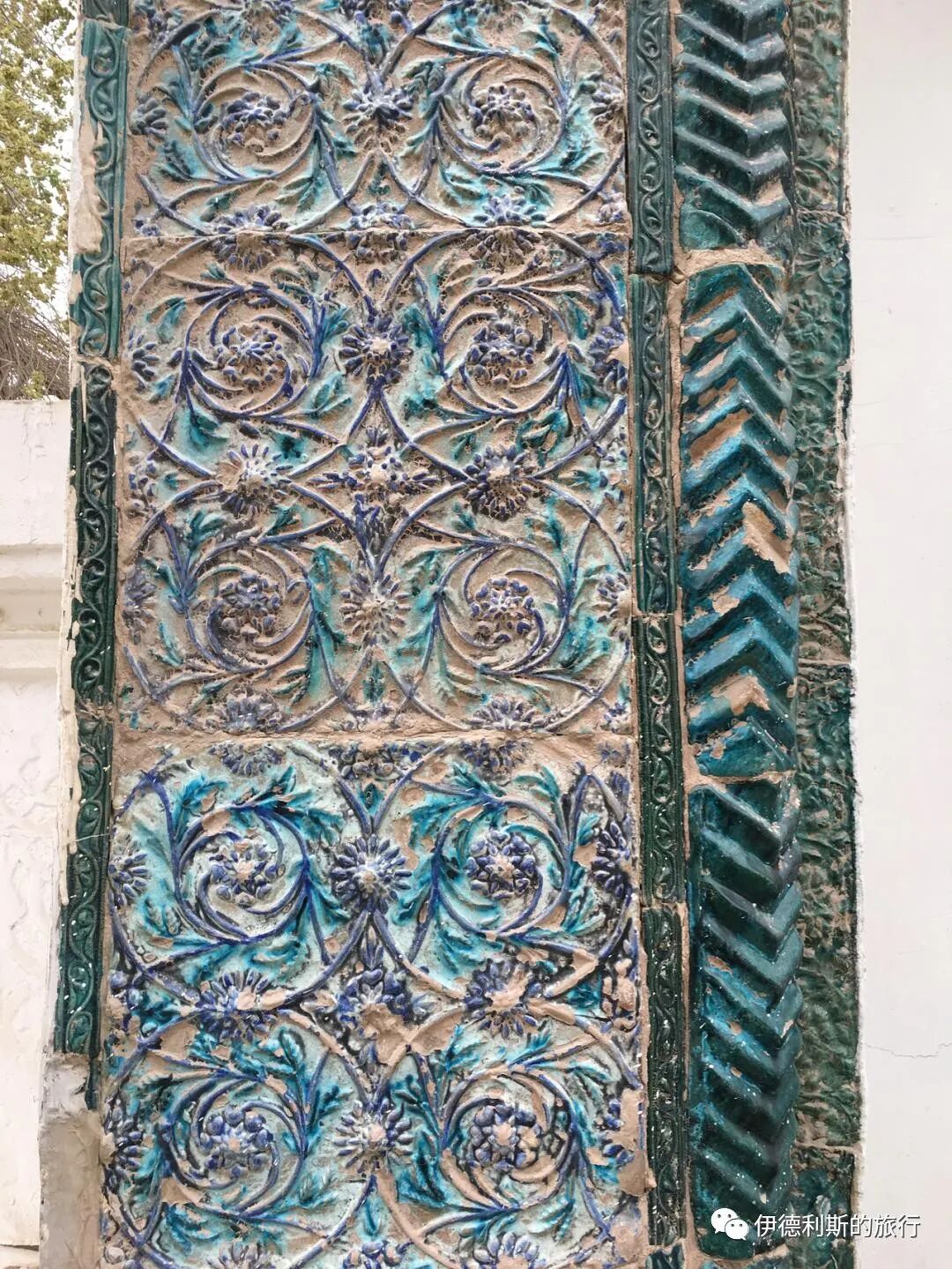
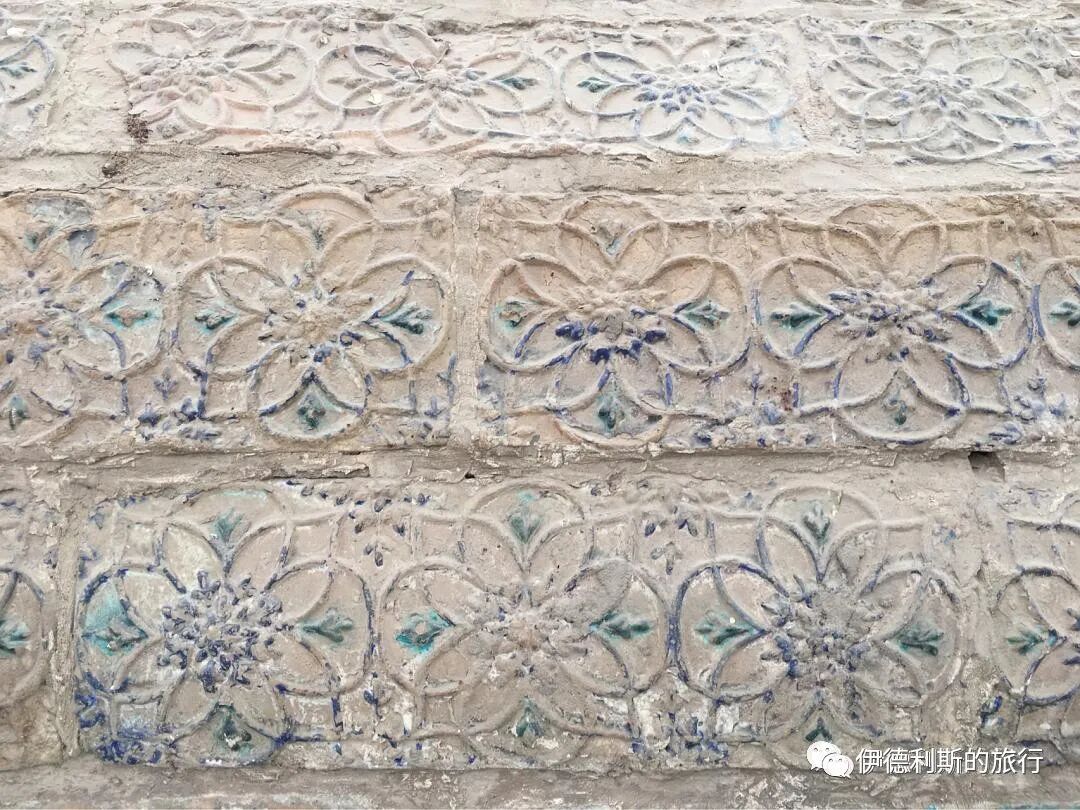
The Altun Mosque next to the royal tomb is said to have been built in 1533, and it now looks as it did after renovations in 1735.
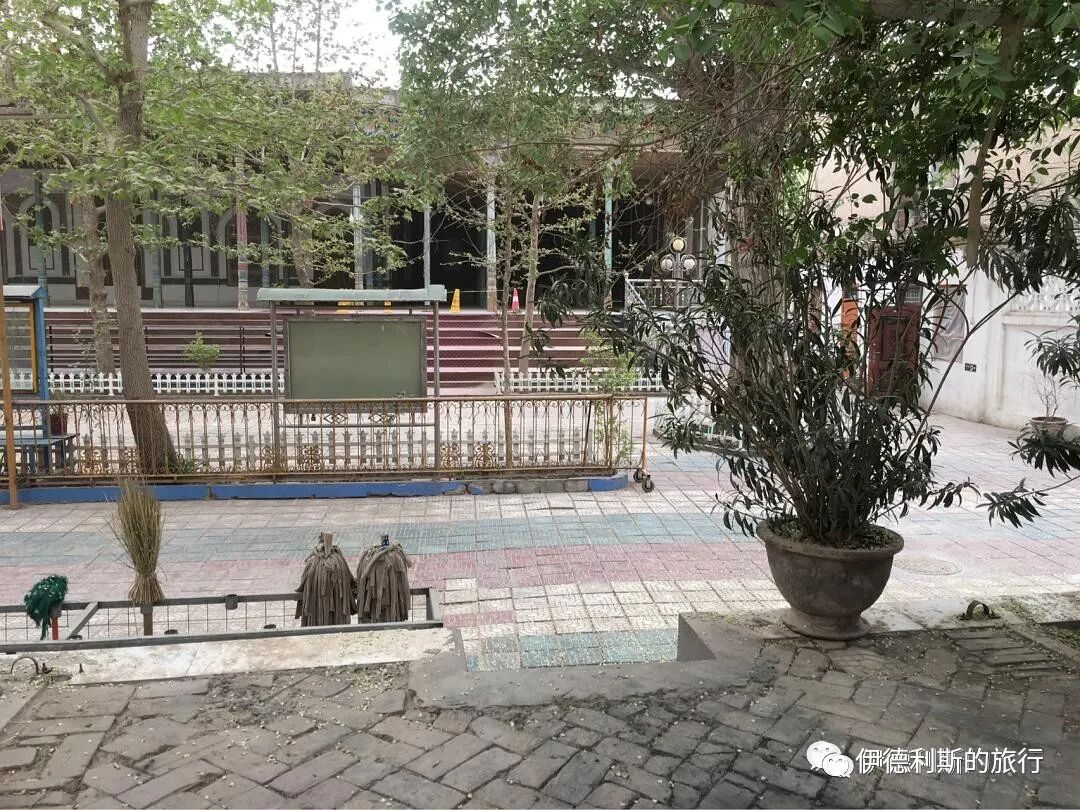

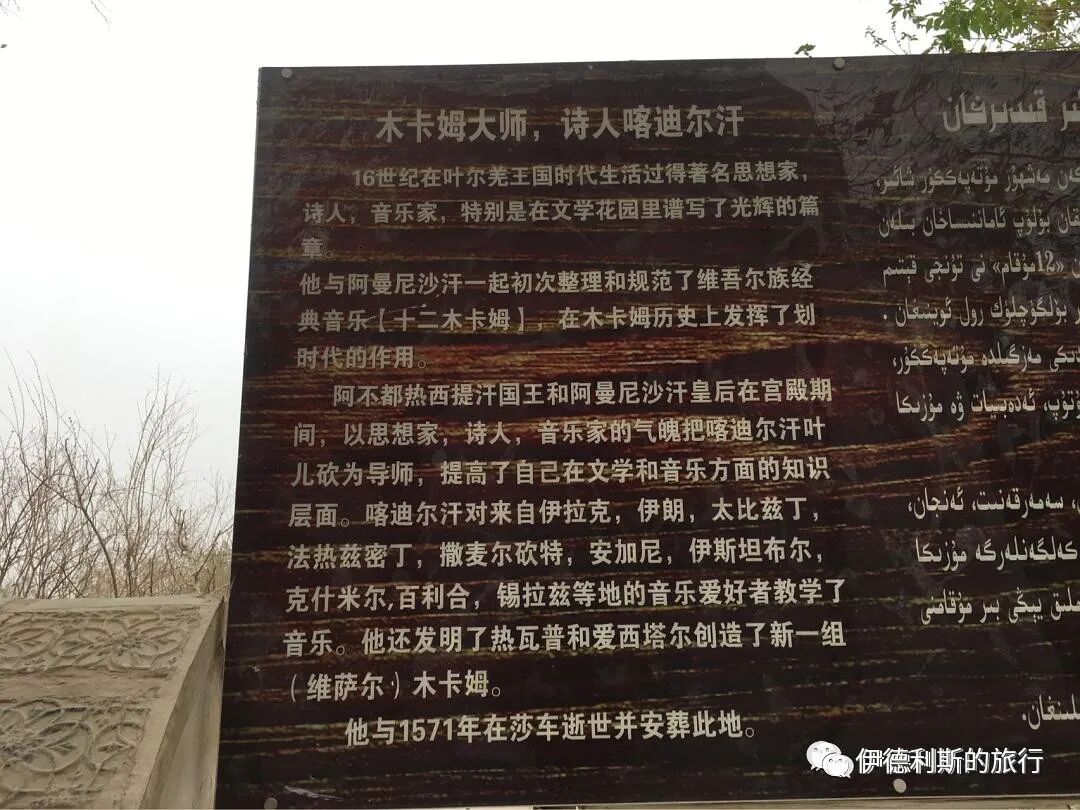
During the reign of Rashid Khan, foreign wars decreased significantly, but the success rate increased greatly. The national situation stabilized, and social, economic, and cultural life began to recover. According to the History of Musicians (Tavārikh-i mūsīqiyyūn) written in 1853 by the Hotan scholar Mulla Ismutulla Mujizi, during Rashid Khan's reign, Queen Amannisa Khan and the chief court musician Kidirhan organized a group of excellent musicians, singers, and poets to collect and organize the Muqam music circulating in various regions. This effort resulted in the compilation of 16 Muqam suites, including one set of suites processed by Amannisa Khan and another by Kidirhan. During the Yarkand Khanate, Muqam only existed in the form of the grand suite known as Qong Neghma. In 1879, musicians from Kashgar and Yarkand organized the Muqam again, adding the folk narrative poem Dastan and the song-and-dance form Mexirep, which made the structure of the Muqam much larger. In the 1950s, the Cultural Department of the Xinjiang Military District organized the recording of the entire Twelve Muqam as performed by the master Turdi Akhun. After being organized and edited, the musical scores were officially published in 1960, which finalized the Twelve Muqam.
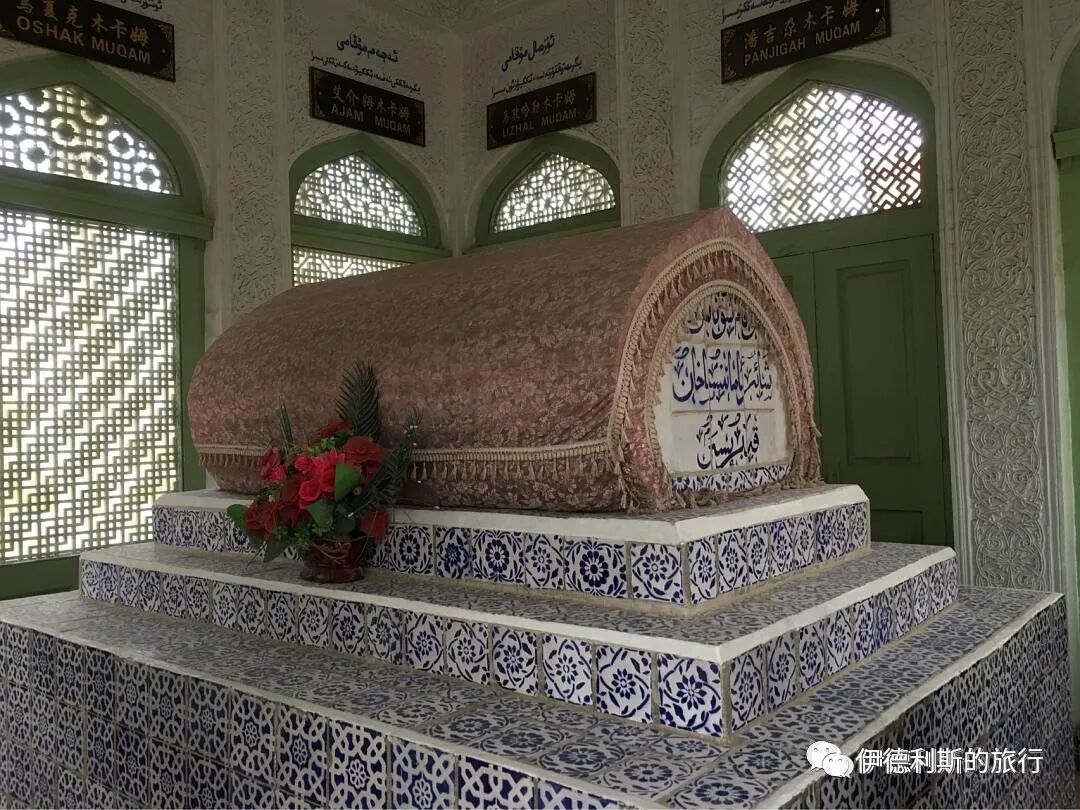
A new tomb for Amannisa Khan was built at the entrance of the Yarkand Royal Tombs in the 1990s.
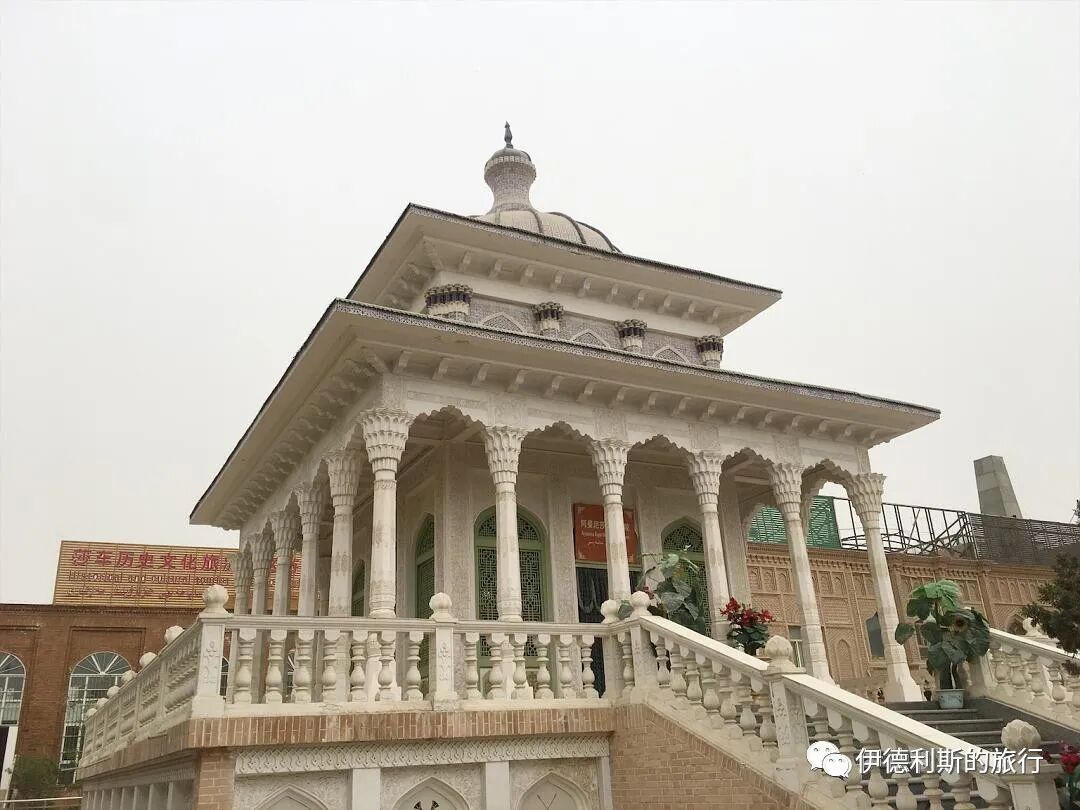
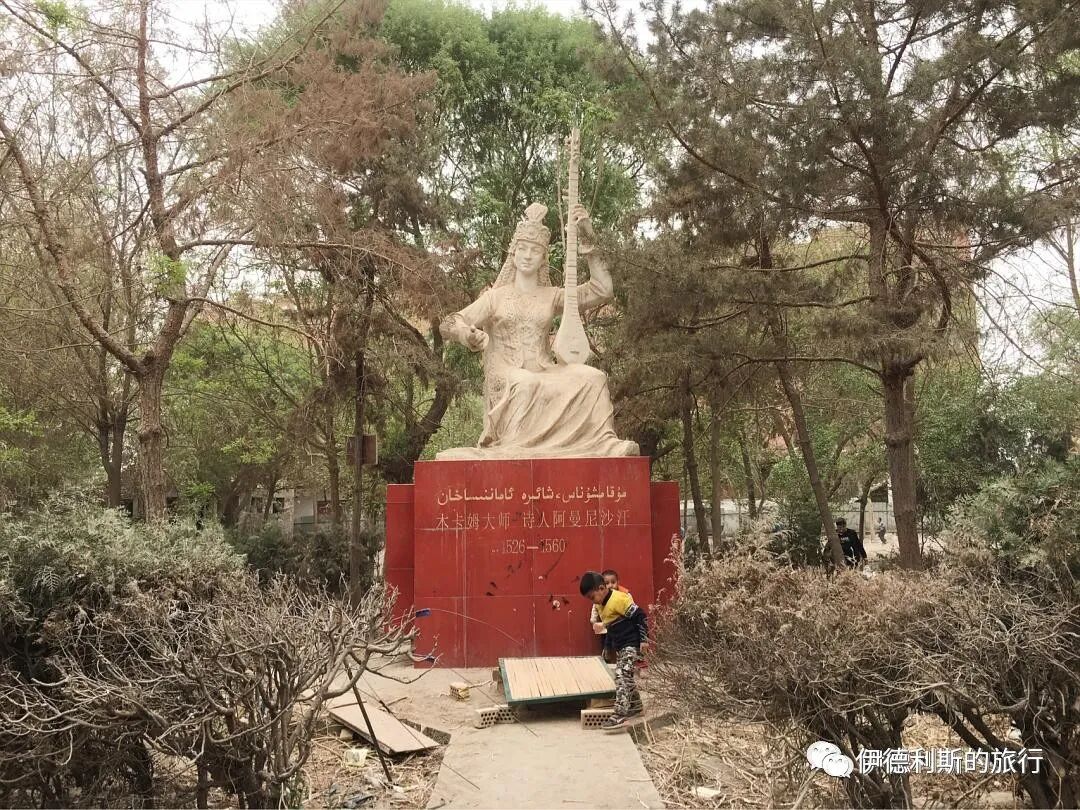
A statue of Amannisa Khan in the park.
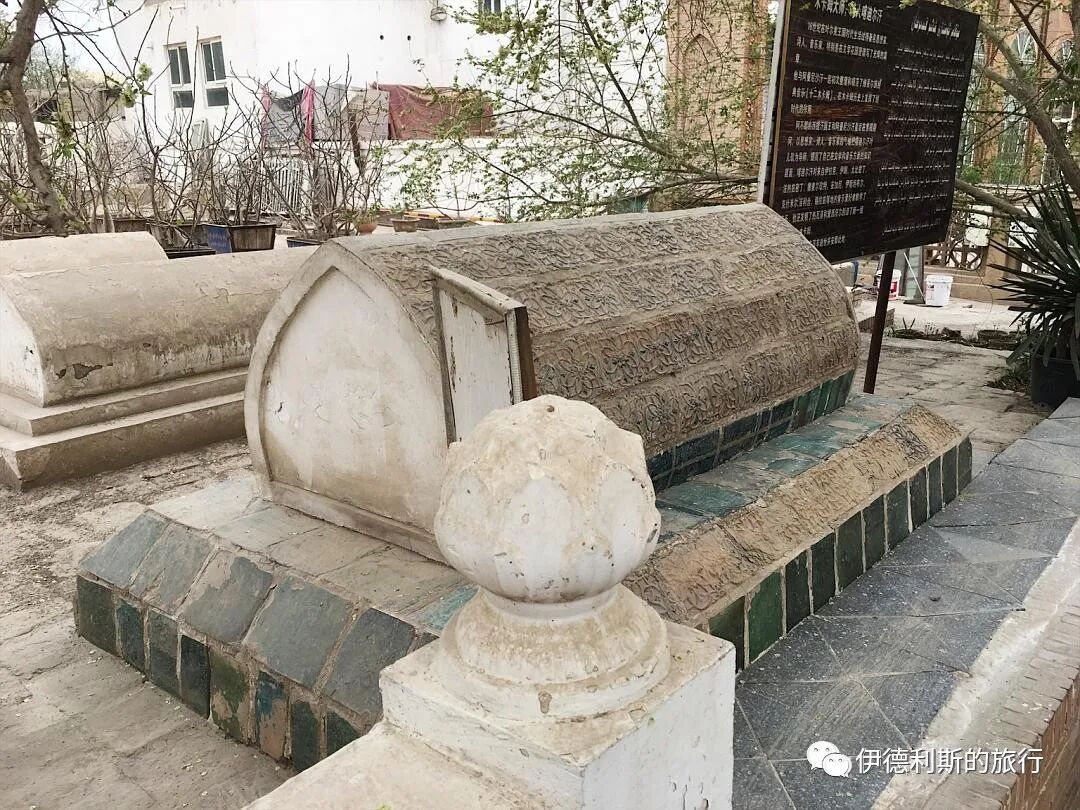
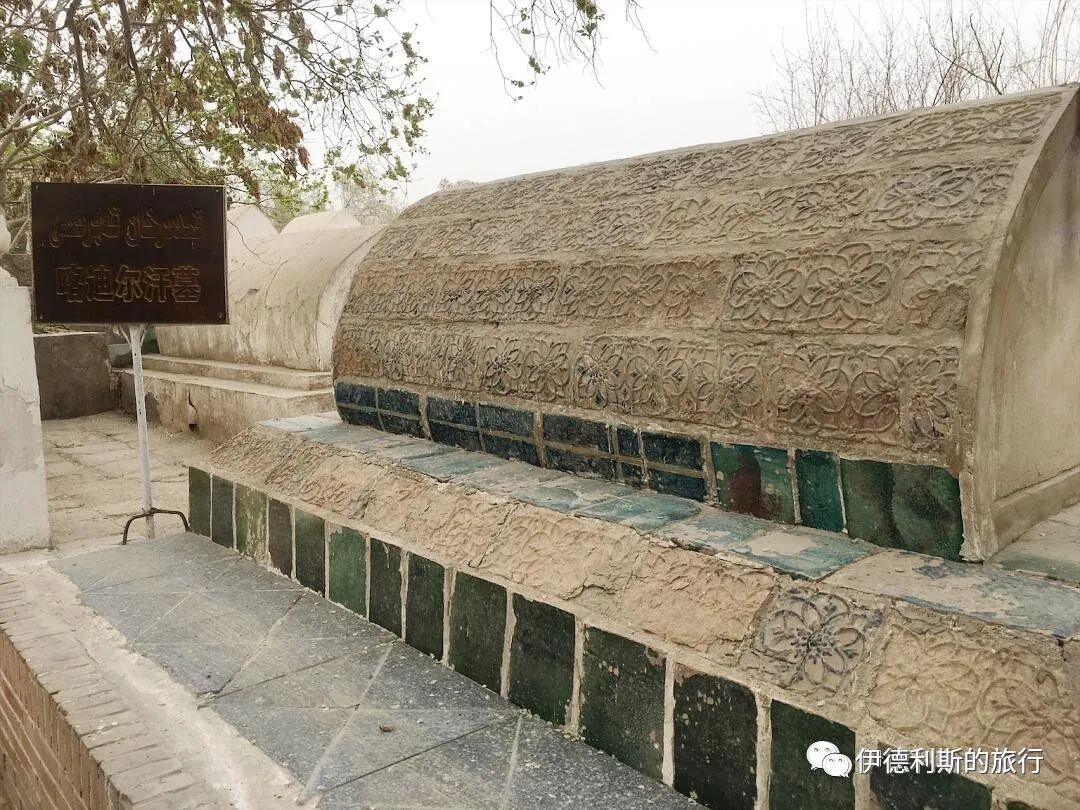
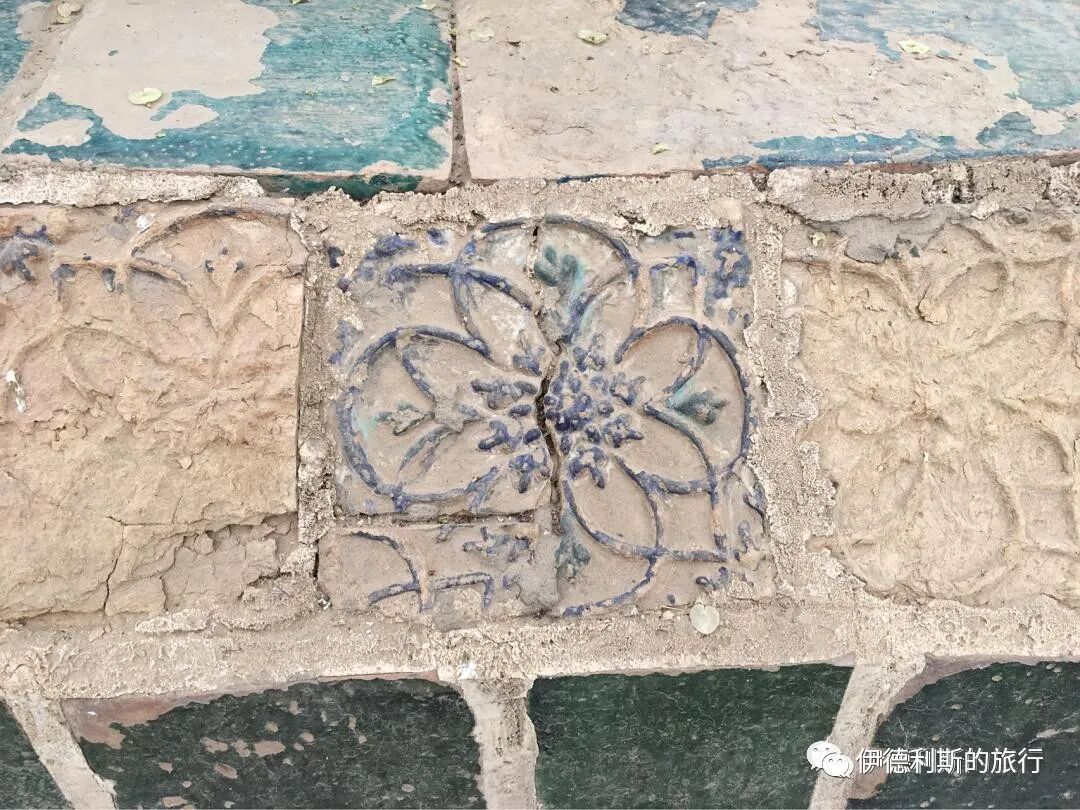
The tomb of Kidirhan is located within the Yarkand Royal Tombs.
11. Haidar of Kashmir (1540-1551)
We head south, crossing the Pamir Mountains into the Kashmir Valley.
Mirza Muhammad Haidar was a Chagatai Mongol noble and a cousin of both Babur, the founder of the Mughal Empire, and Said Khan, the founder of the Yarkand Khanate. In his youth, he followed Said Khan in battle, helped establish the Yarkand Khanate, and was promoted to commander for his military achievements. After Said Khan died in 1533, the successor, Rashid Khan, killed many members of Haidar's family, forcing Haidar to flee to India to seek refuge with the Mughal Emperor Humayun. In 1540, after the Mughal Empire was conquered by the Sur Empire, Haidar led an army to conquer Kashmir, and he ruled it for 11 years in the name of the Mughal Empire.
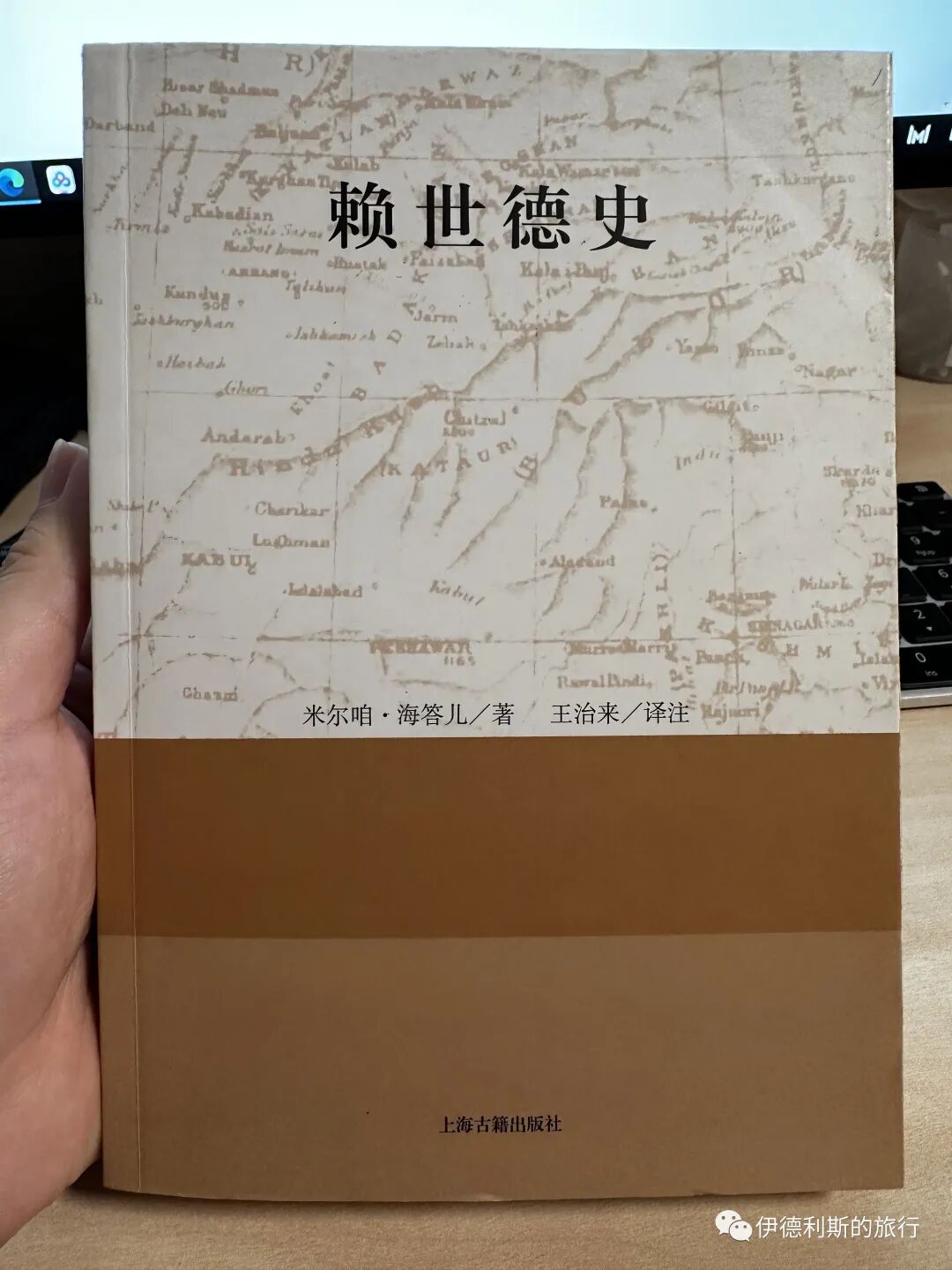
Haidar spent five years in Kashmir writing the immortal Central Asian history book, The History of Rashid (Tarikh-i-Rashidi). This book is divided into two parts. The first part begins with the accession of Tughluq Timur, the first Khan of the Eastern Chagatai Khanate to convert to Islam, and continues through the reign of Rashid Khan of Yarkand. It spans two centuries and covers politics, economy, culture, and other aspects. The second part contains Haidar's personal experiences and observations, providing a very detailed and rare account of the founding of the Yarkand Khanate. In 1550, a noble rebellion broke out in Kashmir. Haidar was struck by an arrow and died while suppressing the rebellion, and the Shah Mir dynasty restored its rule over Kashmir.
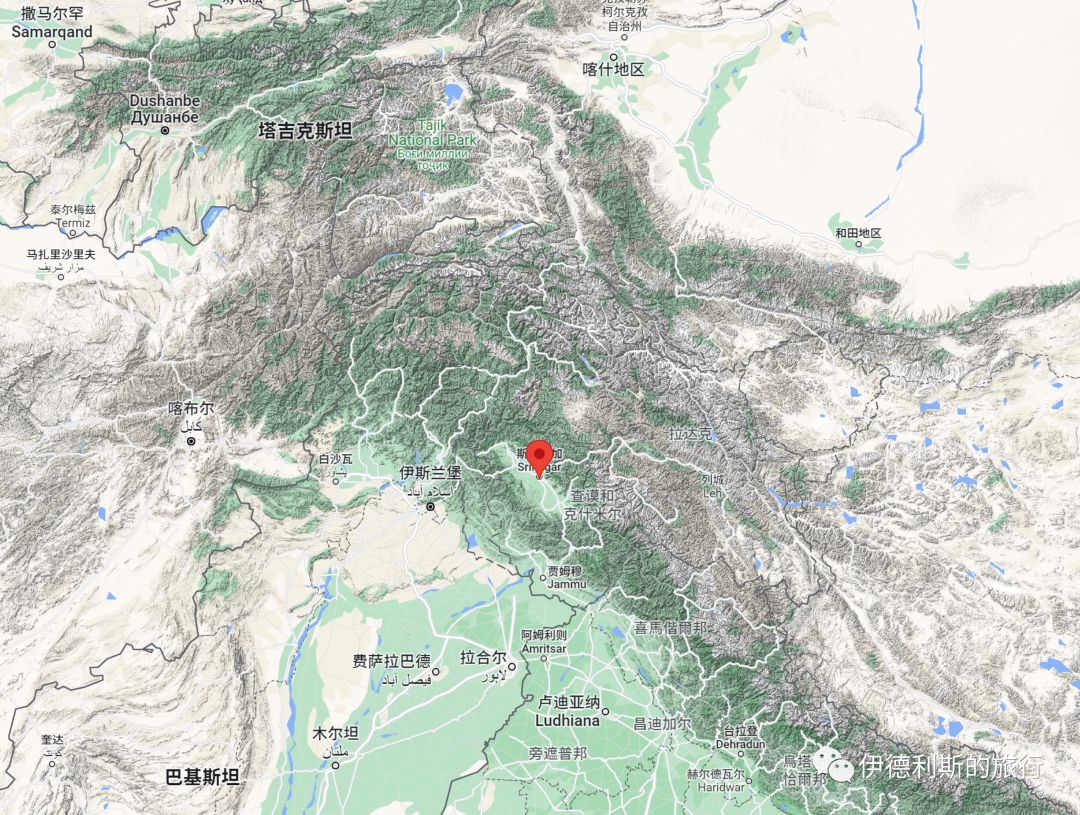
The location of Srinagar, the capital of Kashmir.
My copy of The History of Rashid.
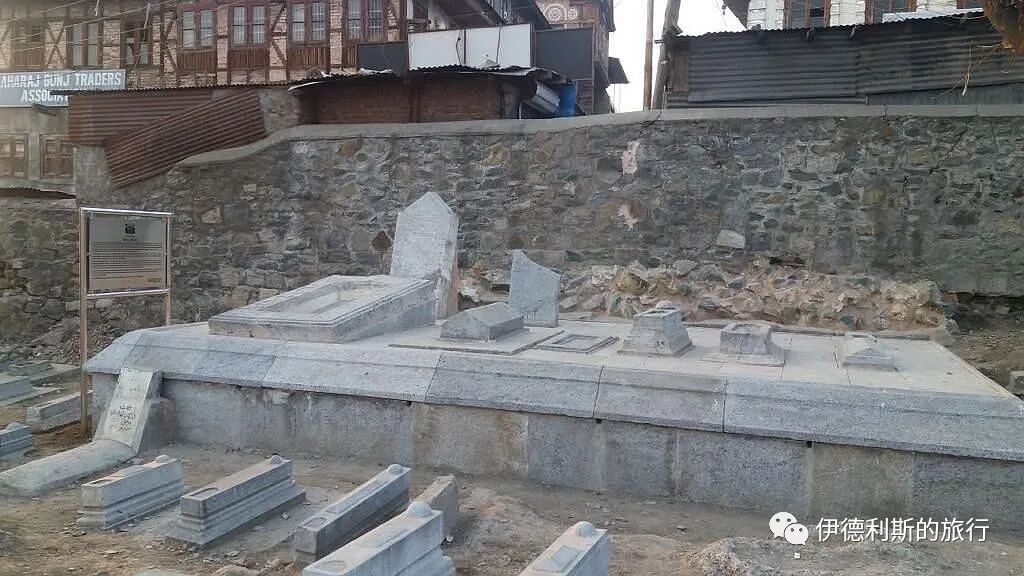
Haidar's tomb is located at Mazar-i-Salatin in Srinagar, and it was restored in 2018.
A photo of Haidar's tomb taken in 2018 by Bulat Sarsenbayev, the former Ambassador of Kazakhstan to India.
12. The Arghun Dynasty of Afghanistan and Pakistan (1520–1591)
We continue south into the Sindh province of Pakistan.
The Arghun dynasty was located between southern Afghanistan and Pakistan's Sindh province, and its rulers claimed to be descendants of the Ilkhanate ruler Arghun Khan. The Arghun family was originally the governor of the Timurid Empire in Kandahar, Afghanistan, and they began to oppose Babur, the founder of the Mughal Empire, in the early 16th century. Feeling threatened by Babur, the Arghun family invaded Sindh in 1520, conquered the local Samma dynasty, and began their rule over the Sindh region. In 1522, after a long siege, Babur captured Kandahar, and the Arghun dynasty officially moved its capital to Bukkur in the Sindh province of Pakistan.
In 1550, the Arghun dynasty was ruled by Shah Husayn. In 1540, the Mughal Emperor Humayun was driven out of India by the Sur Empire. Humayun asked Shah Hussain for help fighting the Sur Empire, but he was refused. Later, Humayun tried to take Sindh province but failed. In 1543, he finally left the Arghun dynasty and headed to Kandahar.
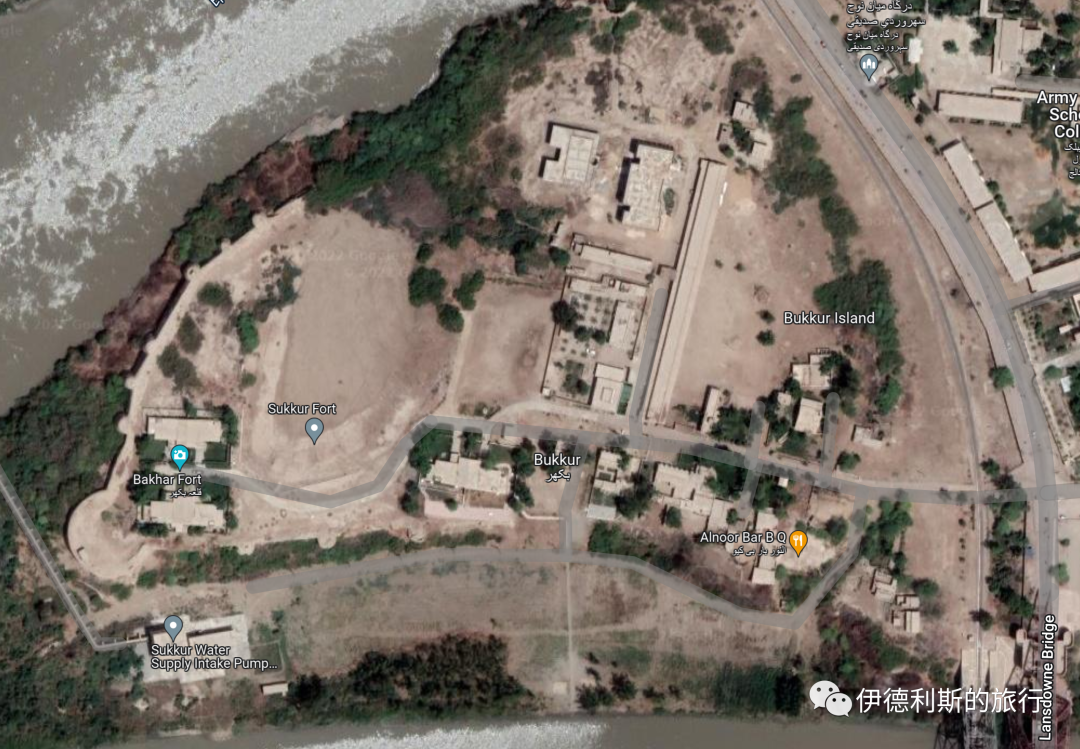
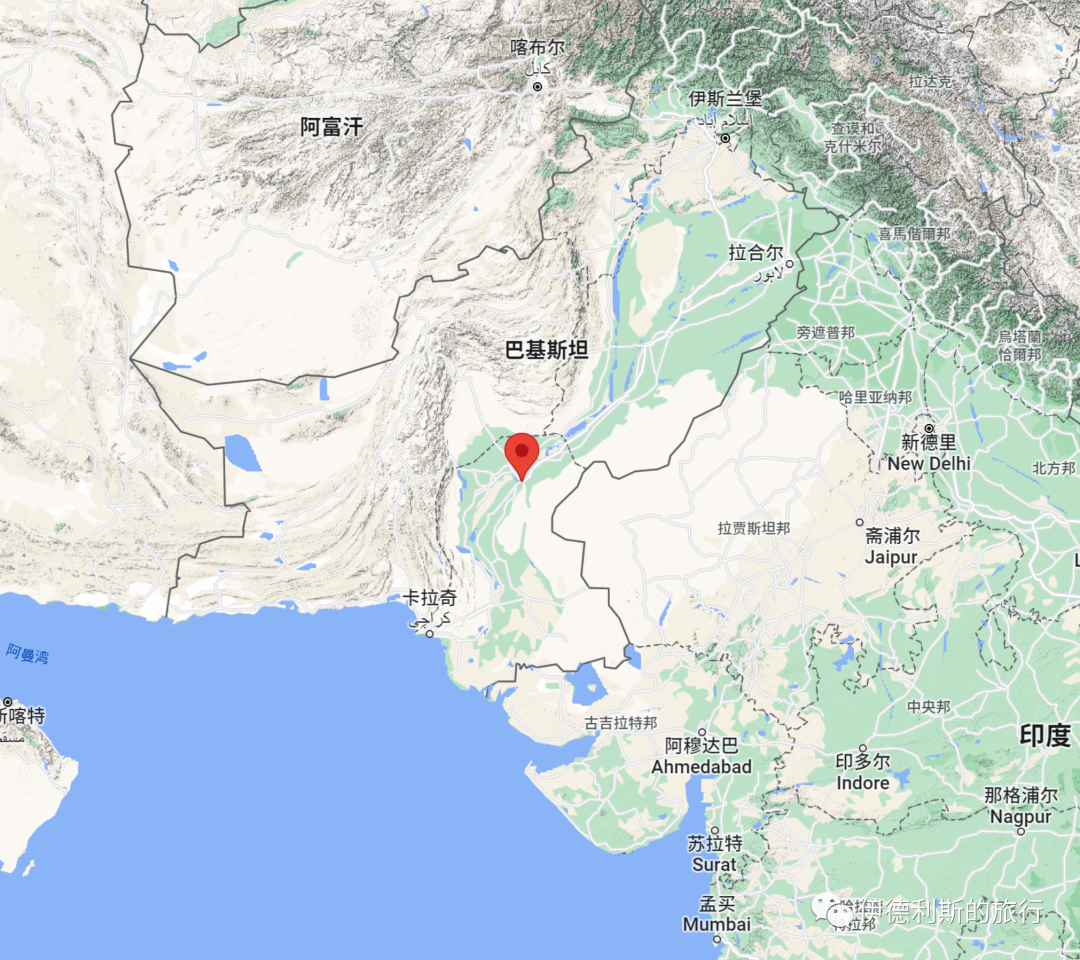
The location of Bhakkar city in Pakistan.
That is the end of the second part of our journey. In the next part, we will go deeper into the South Asian subcontinent to look at the Muslim dynasties there.
Summary: Islamic World in 1550: Mongol Empire Legacy and Muslim History is presented here as a firsthand travel account in clear English, beginning with this scene: The Altun Mosque next to the royal tomb is said to have been built in 1533, and it now looks as it did after renovations in 1735. The account keeps its focus on Mongol Empire, Islamic World, Muslim History while preserving the names, places, food, and historical details from the Chinese source.
The Altun Mosque next to the royal tomb is said to have been built in 1533, and it now looks as it did after renovations in 1735.
During the reign of Rashid Khan, foreign wars decreased significantly, but the success rate increased greatly. The national situation stabilized, and social, economic, and cultural life began to recover. According to the History of Musicians (Tavārikh-i mūsīqiyyūn) written in 1853 by the Hotan scholar Mulla Ismutulla Mujizi, during Rashid Khan's reign, Queen Amannisa Khan and the chief court musician Kidirhan organized a group of excellent musicians, singers, and poets to collect and organize the Muqam music circulating in various regions. This effort resulted in the compilation of 16 Muqam suites, including one set of suites processed by Amannisa Khan and another by Kidirhan. During the Yarkand Khanate, Muqam only existed in the form of the grand suite known as Qong Neghma. In 1879, musicians from Kashgar and Yarkand organized the Muqam again, adding the folk narrative poem Dastan and the song-and-dance form Mexirep, which made the structure of the Muqam much larger. In the 1950s, the Cultural Department of the Xinjiang Military District organized the recording of the entire Twelve Muqam as performed by the master Turdi Akhun. After being organized and edited, the musical scores were officially published in 1960, which finalized the Twelve Muqam.
A new tomb for Amannisa Khan was built at the entrance of the Yarkand Royal Tombs in the 1990s.
A statue of Amannisa Khan in the park.
The tomb of Kidirhan is located within the Yarkand Royal Tombs.
11. Haidar of Kashmir (1540-1551)
We head south, crossing the Pamir Mountains into the Kashmir Valley.
Mirza Muhammad Haidar was a Chagatai Mongol noble and a cousin of both Babur, the founder of the Mughal Empire, and Said Khan, the founder of the Yarkand Khanate. In his youth, he followed Said Khan in battle, helped establish the Yarkand Khanate, and was promoted to commander for his military achievements. After Said Khan died in 1533, the successor, Rashid Khan, killed many members of Haidar's family, forcing Haidar to flee to India to seek refuge with the Mughal Emperor Humayun. In 1540, after the Mughal Empire was conquered by the Sur Empire, Haidar led an army to conquer Kashmir, and he ruled it for 11 years in the name of the Mughal Empire.
Haidar spent five years in Kashmir writing the immortal Central Asian history book, The History of Rashid (Tarikh-i-Rashidi). This book is divided into two parts. The first part begins with the accession of Tughluq Timur, the first Khan of the Eastern Chagatai Khanate to convert to Islam, and continues through the reign of Rashid Khan of Yarkand. It spans two centuries and covers politics, economy, culture, and other aspects. The second part contains Haidar's personal experiences and observations, providing a very detailed and rare account of the founding of the Yarkand Khanate. In 1550, a noble rebellion broke out in Kashmir. Haidar was struck by an arrow and died while suppressing the rebellion, and the Shah Mir dynasty restored its rule over Kashmir.
The location of Srinagar, the capital of Kashmir.
My copy of The History of Rashid.
Haidar's tomb is located at Mazar-i-Salatin in Srinagar, and it was restored in 2018.
A photo of Haidar's tomb taken in 2018 by Bulat Sarsenbayev, the former Ambassador of Kazakhstan to India.
12. The Arghun Dynasty of Afghanistan and Pakistan (1520–1591)
We continue south into the Sindh province of Pakistan.
The Arghun dynasty was located between southern Afghanistan and Pakistan's Sindh province, and its rulers claimed to be descendants of the Ilkhanate ruler Arghun Khan. The Arghun family was originally the governor of the Timurid Empire in Kandahar, Afghanistan, and they began to oppose Babur, the founder of the Mughal Empire, in the early 16th century. Feeling threatened by Babur, the Arghun family invaded Sindh in 1520, conquered the local Samma dynasty, and began their rule over the Sindh region. In 1522, after a long siege, Babur captured Kandahar, and the Arghun dynasty officially moved its capital to Bukkur in the Sindh province of Pakistan.
In 1550, the Arghun dynasty was ruled by Shah Husayn. In 1540, the Mughal Emperor Humayun was driven out of India by the Sur Empire. Humayun asked Shah Hussain for help fighting the Sur Empire, but he was refused. Later, Humayun tried to take Sindh province but failed. In 1543, he finally left the Arghun dynasty and headed to Kandahar.
The location of Bhakkar city in Pakistan.
That is the end of the second part of our journey. In the next part, we will go deeper into the South Asian subcontinent to look at the Muslim dynasties there.
