
Islamic World in 1550: Mongol Empire Legacy and Muslim History (Part 1B)
Reposted from the web
Summary: Islamic World in 1550: Mongol Empire Legacy and Muslim History (Part 1B) continues the same 1550 journey through the Mongol successor states, preserving the places, rulers, mosque sites, images, and historical details from the Chinese source. This is block 2 of 2.
Block 2 of 2
6. The Siberian Khanate of Russia (1468-1598)
We continue heading east to the meeting point of the Irtysh River and the Siberian River.
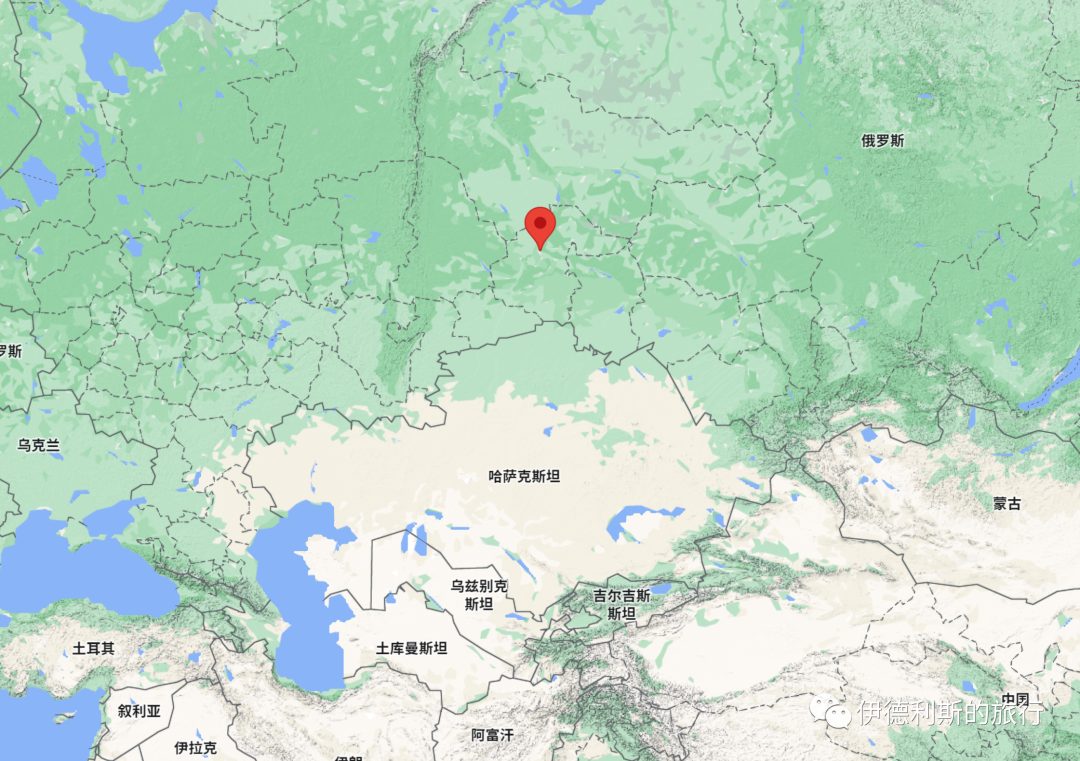
The Siberian (Sibir) Khanate was north of the Kazakh Khanate. It was the northernmost Muslim state in history, reaching all the way to the coast of the Arctic Ocean. In the 16th century, the capital of the Siberian Khanate was Qashliq, located on the right bank of the Irtysh River. Qashliq, also called the City of Siberia, was very prosperous in the early 16th century and had close trade ties with the Kazan Khanate. Later, it was permanently destroyed by the Cossacks, and it is hard to find any traces of it now.
The location of Qashliq city
7. The Kazakh Khanate of Kazakhstan (1465-1847)
Moving south from Siberia, we enter the vast Kazakh steppe.
The founders of the Kazakh Khanate, Janybek Khan and Kerey Khan, were both descendants of Tuqa Temur, the thirteenth son of Jochi, who was the eldest son of Genghis Khan.
In 1550, the Khanate was ruled by Haqnazar Khan (1537-1580). At that time, the Kazakh Khanate had rivals on all sides. He first defeated the Nogai Khanate, then the Khanate of Khiva and the Oirats, and then the Siberian Khanate and the Yarkent Khanate. This made the Kazakh Khanate stronger than ever, earning him the title of King of Turan (Shah-i-Turan).
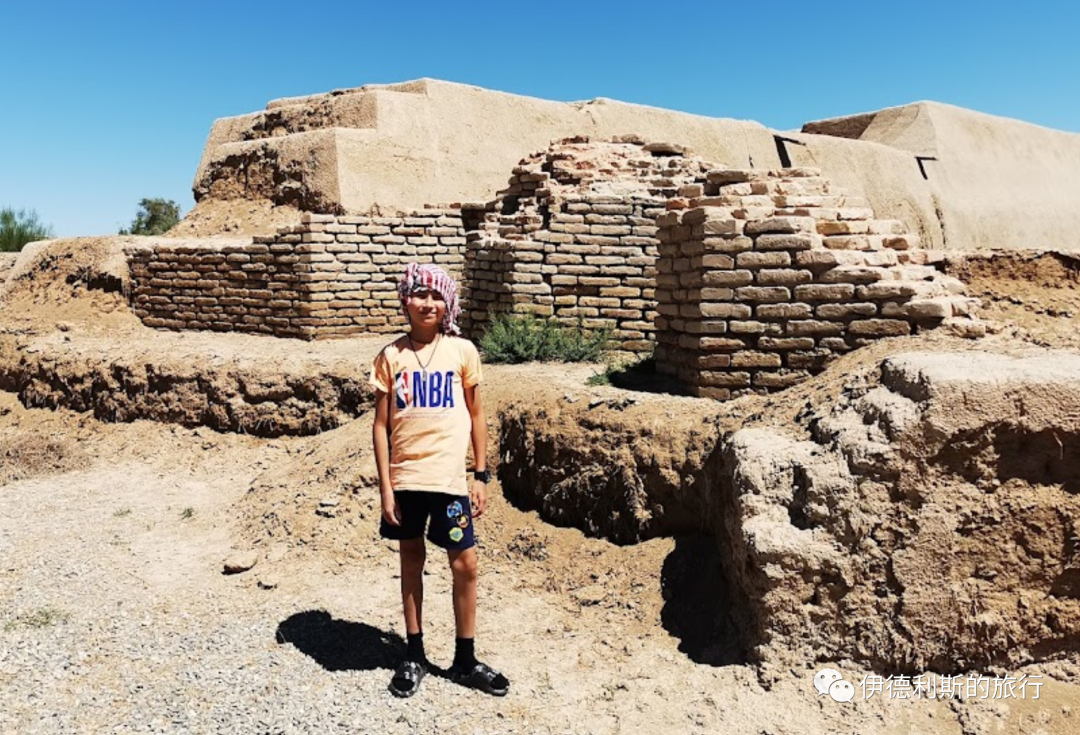
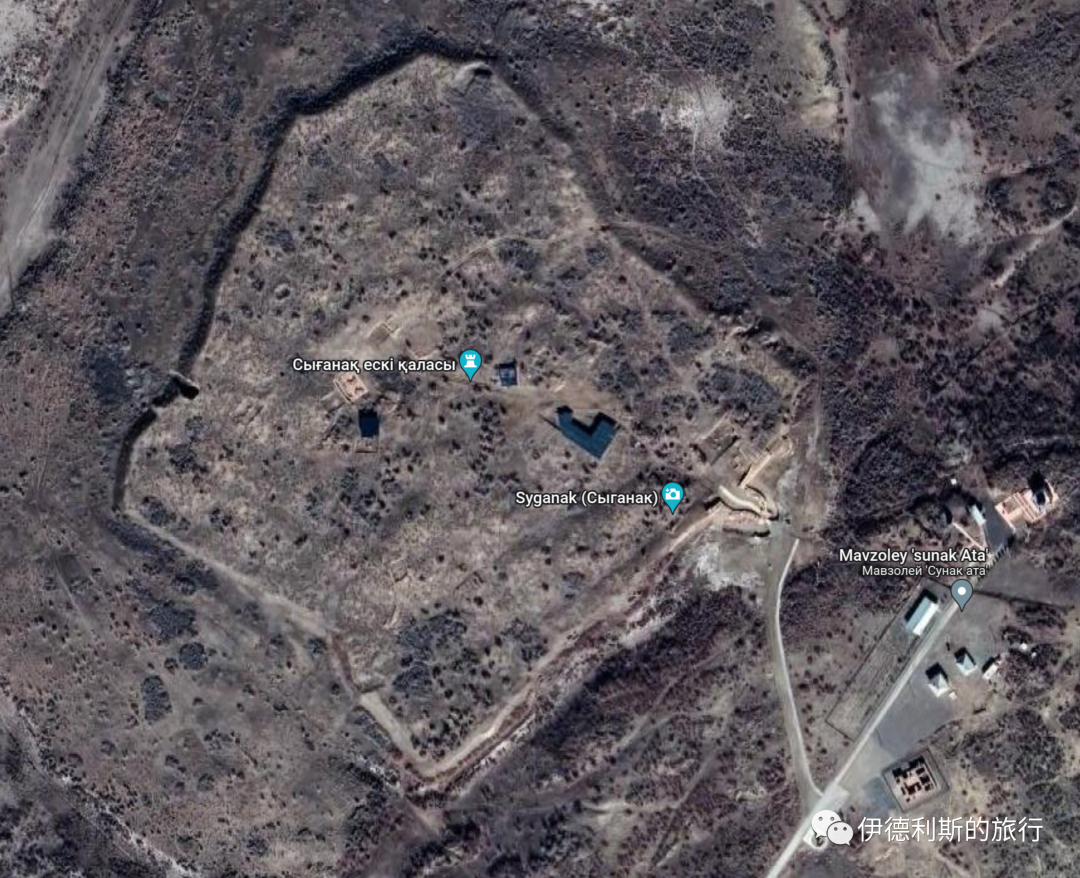
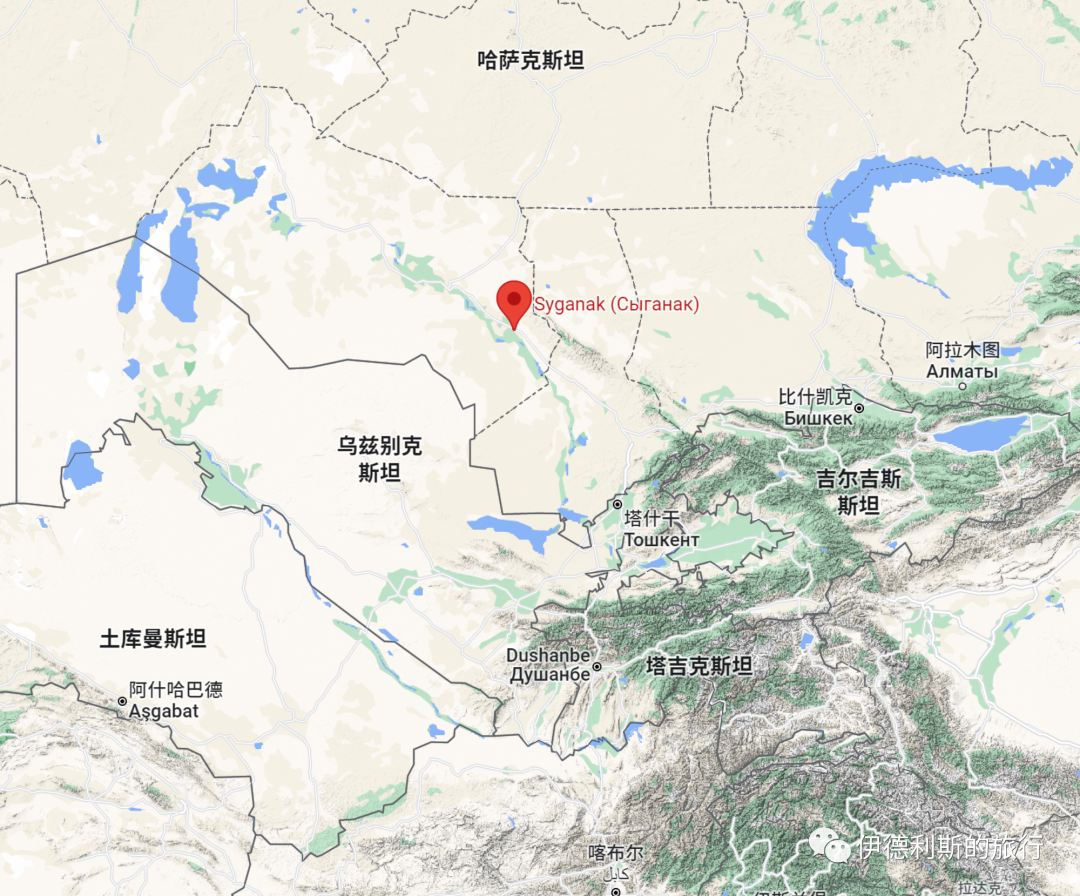
The capital of the Kazakh Khanate at that time was Sighnaq, located in what is now the Kyzylorda Region of Kazakhstan. This was originally the capital of the Blue Horde and served as an important trade point for steppe tribes to exchange goods with the southern farming regions.
Sighnaq photographed by Azamat Nurlybekov in 2022
The location of Sighnaq
8. The Khanate of Khiva in Turkmenistan (1511–1920)
Continuing southwest, we go deep into the heart of Central Asia.
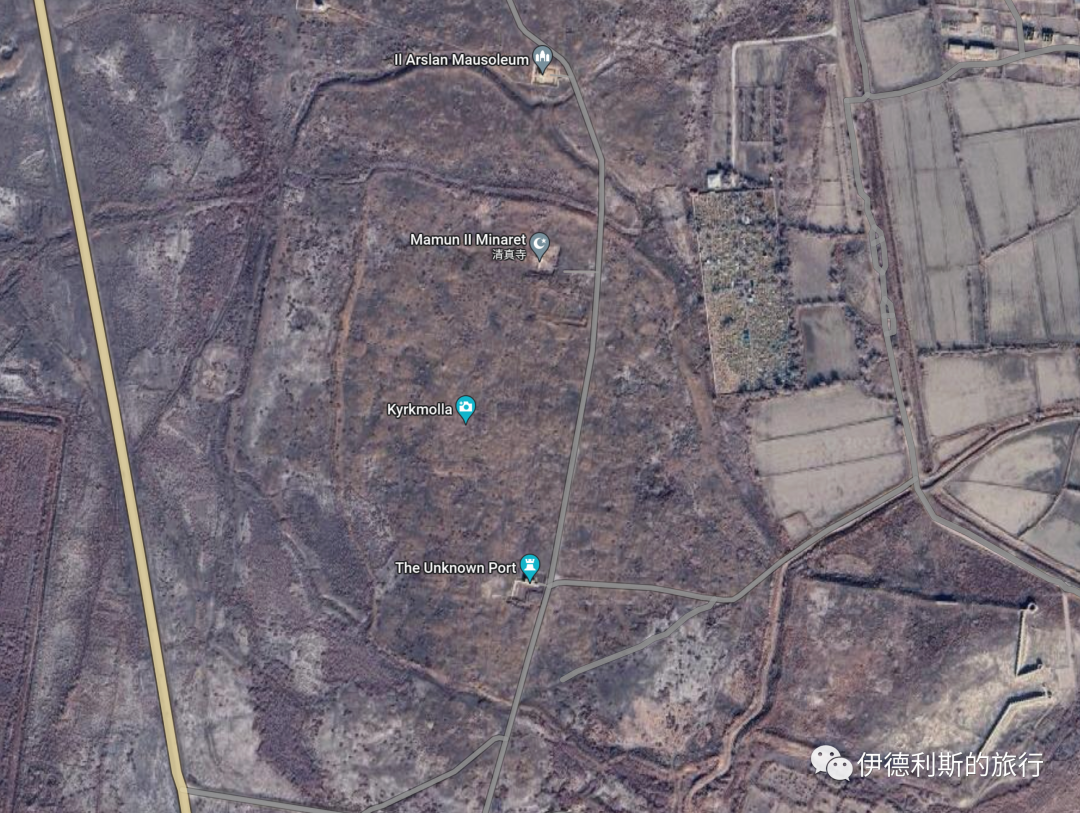
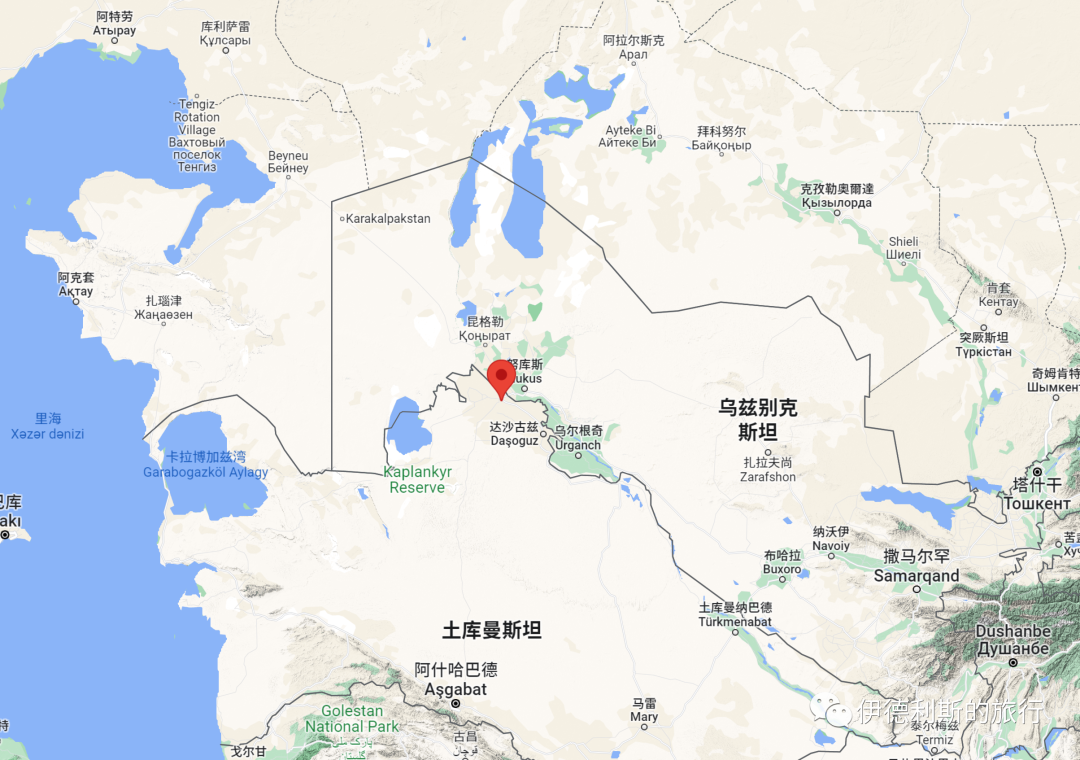
The Khanate of Khiva was located in the Khwarezm region south of the Aral Sea. It called itself Khwarezm, and its rulers were descendants of Shiban, the fifth son of Jochi, who was the eldest son of Genghis Khan. In the 16th century, the capital of the Khanate of Khiva was Konye-Urgench, located on the border of northern Turkmenistan and Uzbekistan. After the Khanate moved its capital to Khiva in the 17th century, this place was gradually abandoned. It was named a UNESCO World Heritage site in 2005.
Before the Mongol conquest of Khwarezm, Konye-Urgench was one of the wealthiest cities in Central Asia. Most of the current ruins belong to that period, and very few remains from the Khanate of Khiva period have been preserved.
The location of Konye-Urgench
9. The Khanate of Bukhara in Uzbekistan (1500–1785)
Let us continue east into the ancient city of Bukhara.
In the early 16th century, Muhammad Shaybani, a descendant of Shiban (the fifth son of Jochi, Genghis Khan's eldest son), led Uzbek tribes living in the northern Central Asian steppes to overthrow the Timurid dynasty's rule in Transoxiana. He established the Shaybanid Dynasty (1506-1598), opening a new chapter in the history of the Transoxiana region of Central Asia.
The capital of the Shaybanid Dynasty was initially in Samarkand, but it moved to Bukhara after 1533, which is why later generations called it the Khanate of Bukhara. Bukhara served as the capital of the Khanate of Bukhara for 252 years, from 1533 to 1785, and many buildings constructed during that time remain today.
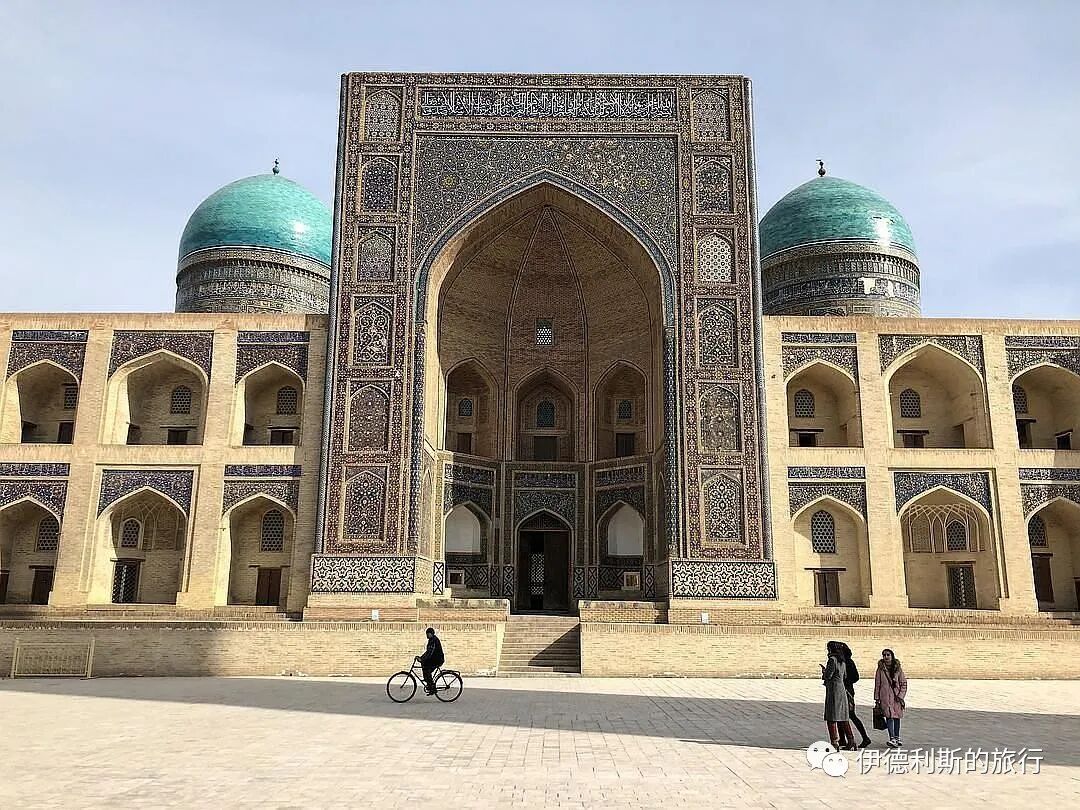
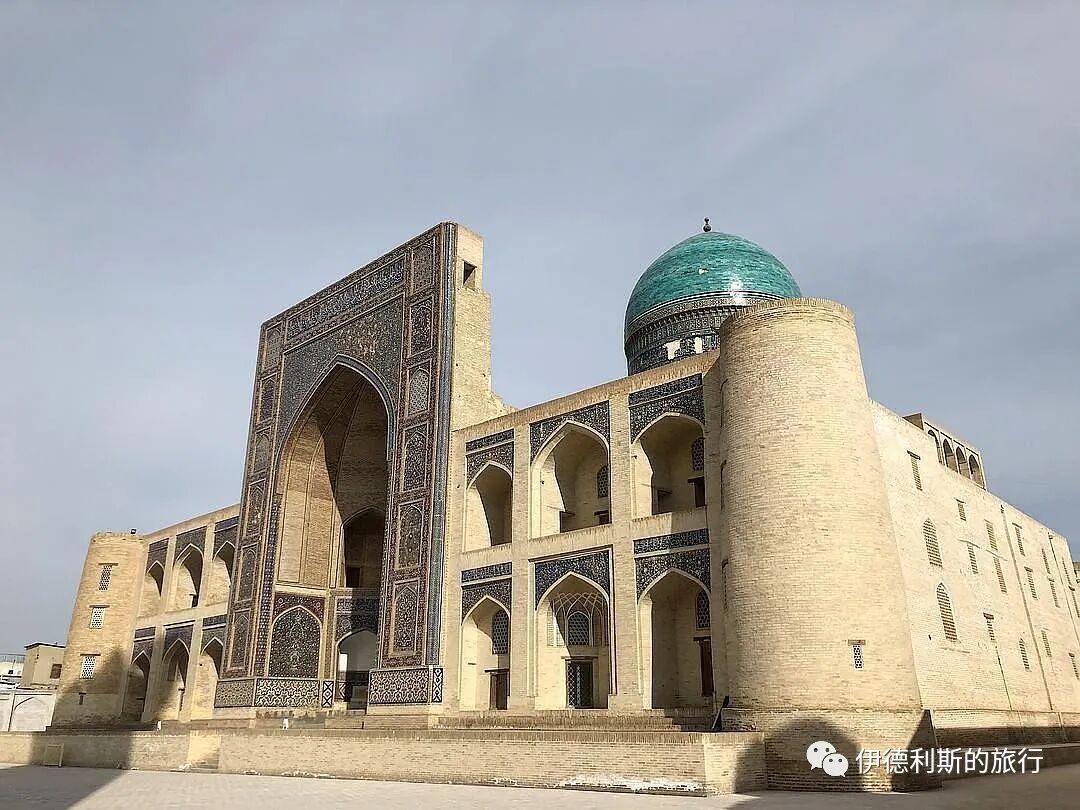
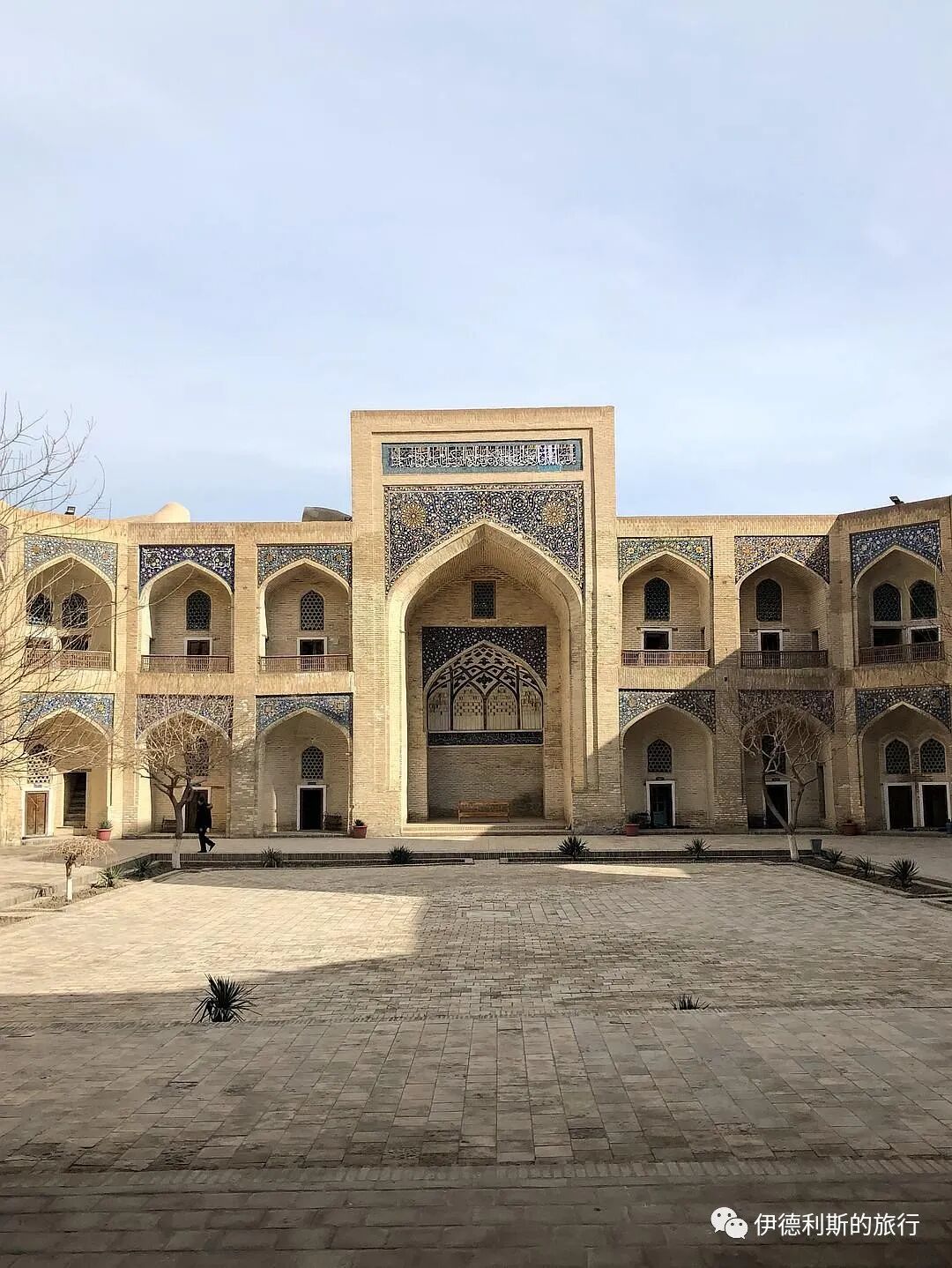
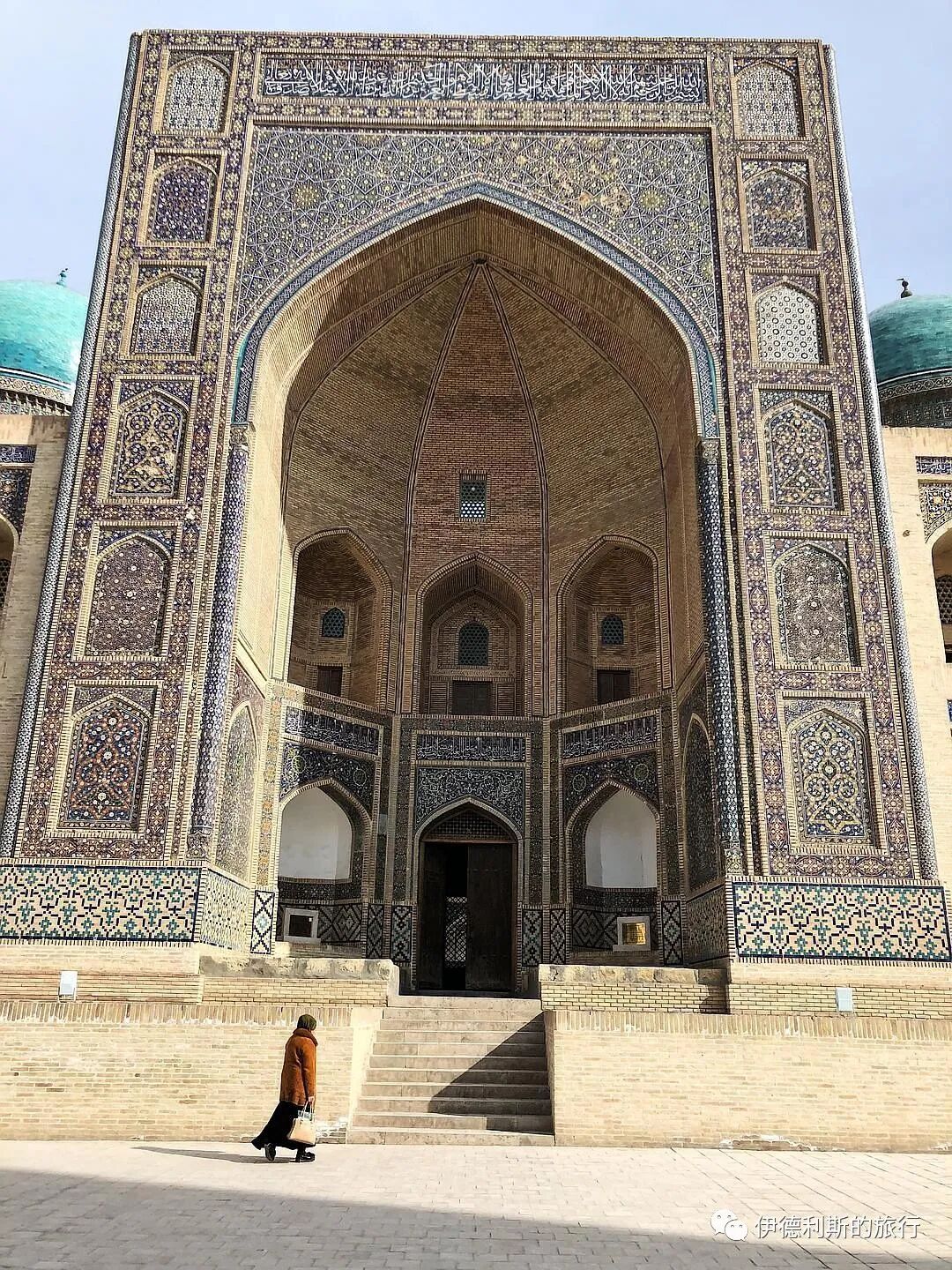
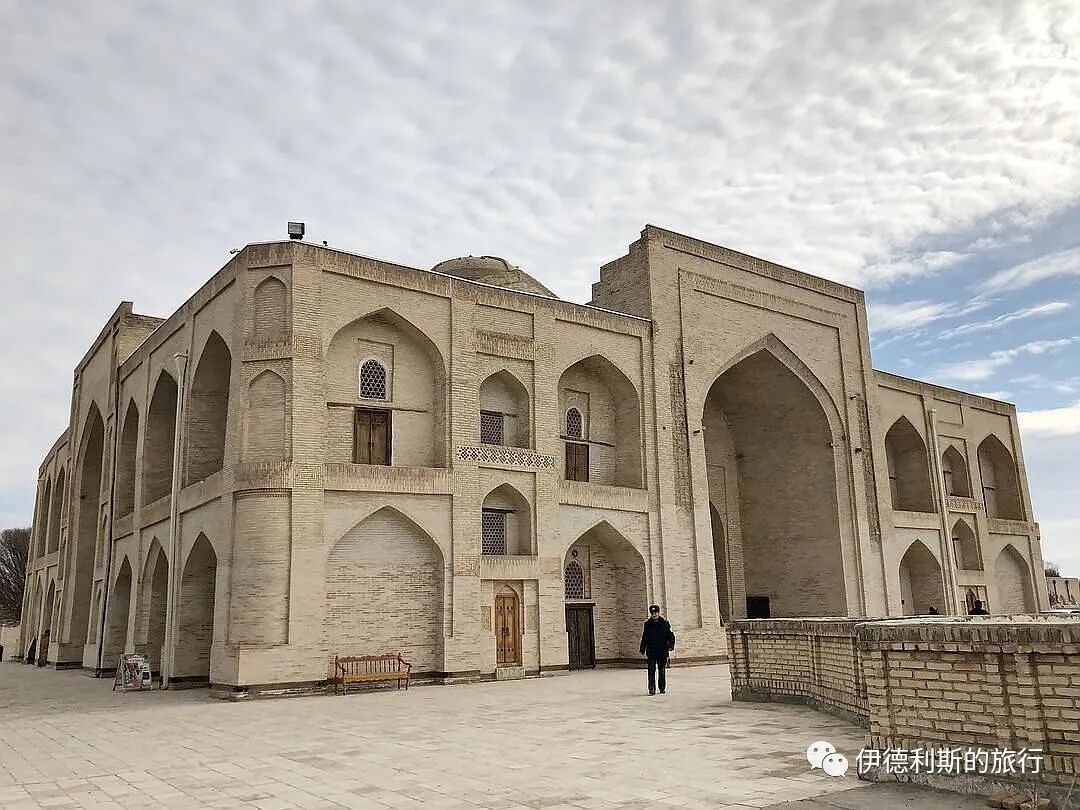
The Mir-i-Arab Madrasa was built in 1535 by order of Ubaidullah, the Khan of the Shaybanid Dynasty (reigned 1533-1539). It was named after the Khan's Sufi mentor, Mir-i-Arab (also known as Sheikh Abdullah Yamani).
To compete for territory, Khan Ubaidullah fought many wars against the Persian Safavid dynasty, the most famous being the siege of the ancient Afghan city of Herat. During many raids on Persia, the Shaybanid Dynasty captured many prisoners. People say the Khan used the money from selling three thousand Persian captives to build the Mir-i-Arab Madrasa.
The Mir-i-Arab Madrasa was built opposite the famous Kalyan mosque in Bukhara, forming a facing structure known as a "kosh."
The Mir-i-Arab Madrasa closed in the 1920s but reopened in 1947. It became the only open madrasa in Bukhara at the time, and almost all the imams of that era were trained at this school.
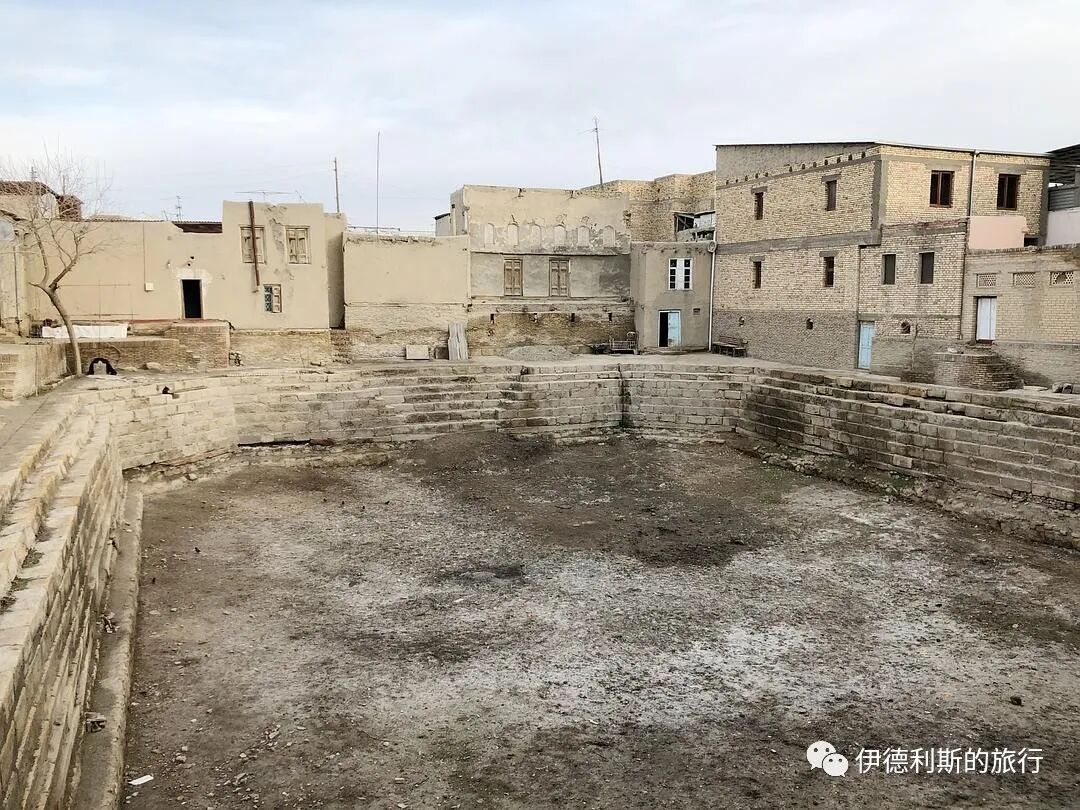
The Khoja Zaynuddin mosque was built in the first half of the 16th century, located next to an ancient pond (Hauz) in Bukhara. This architectural style is known as a mosque-khanaka (Mosque-Khanaka). It serves as both a mosque and a Sufi center, where people can perform namaz and hold religious gatherings (ermeli).
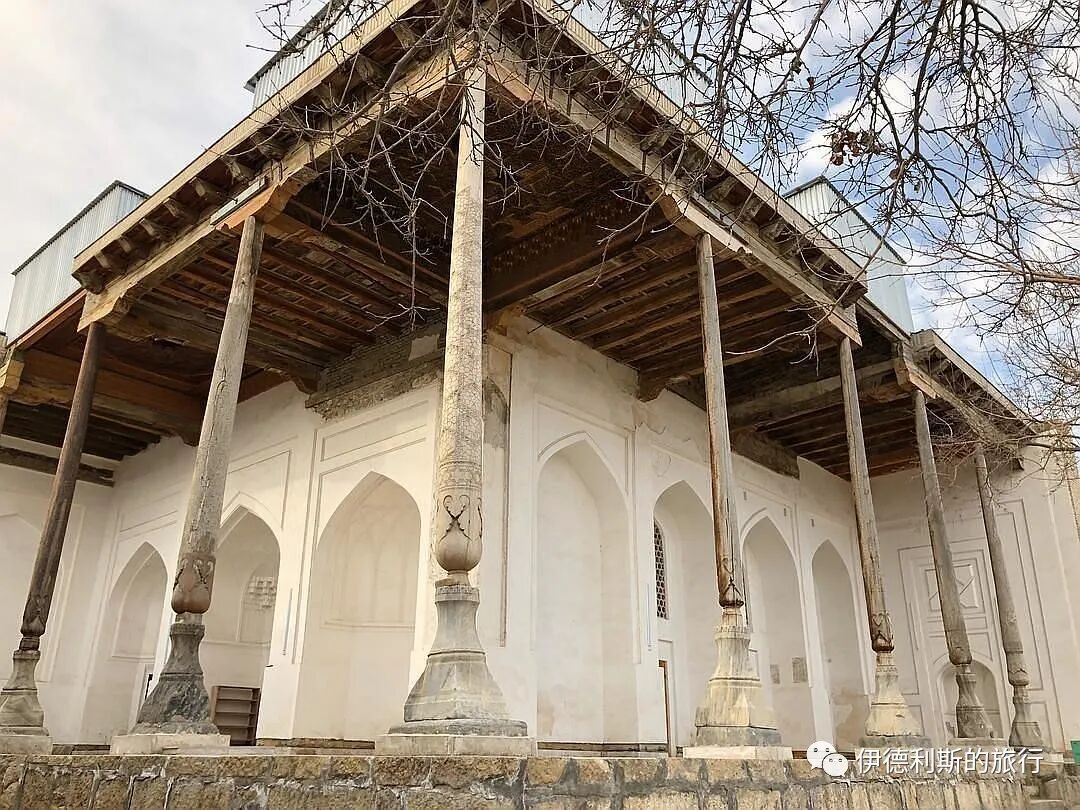
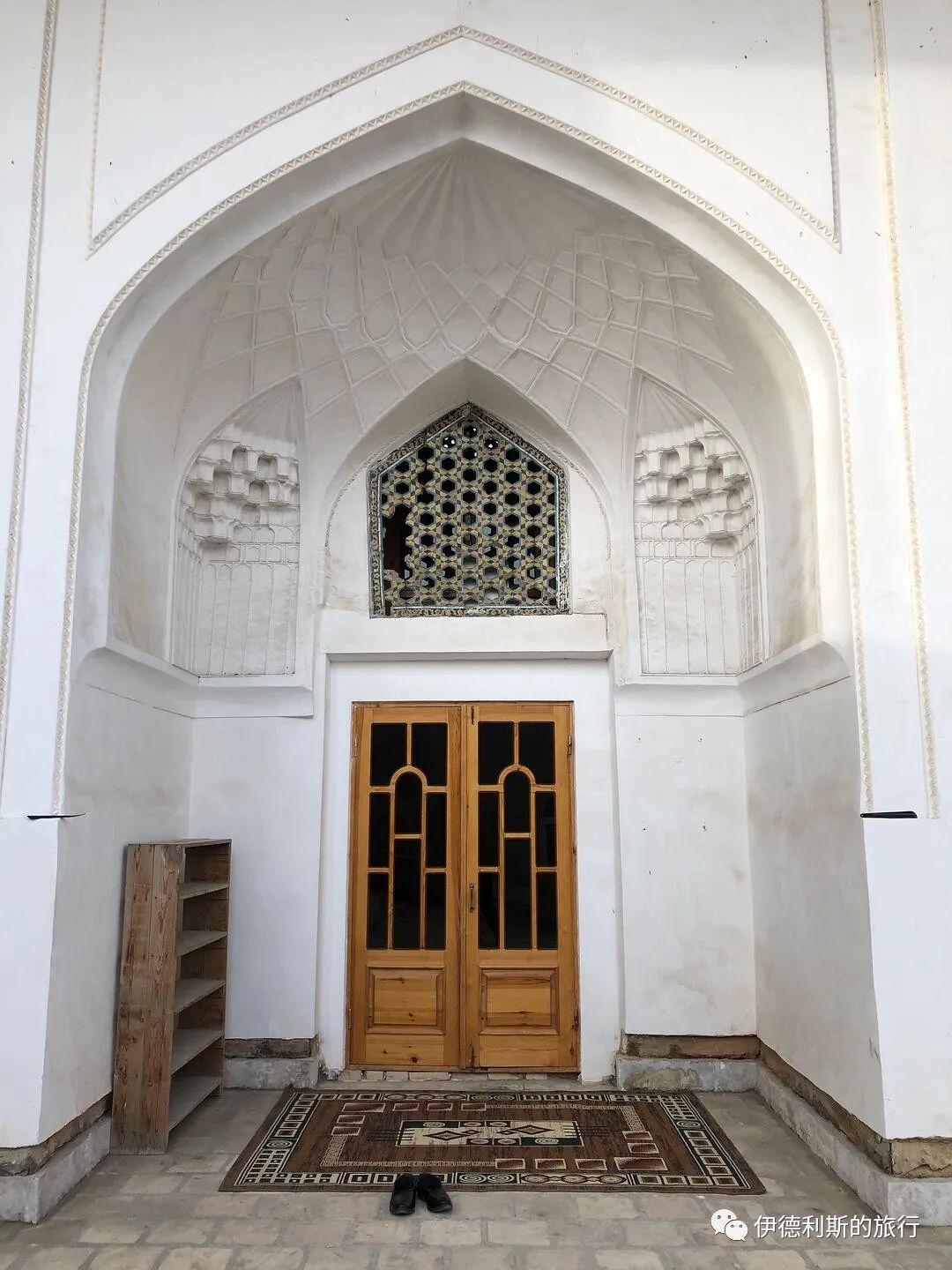
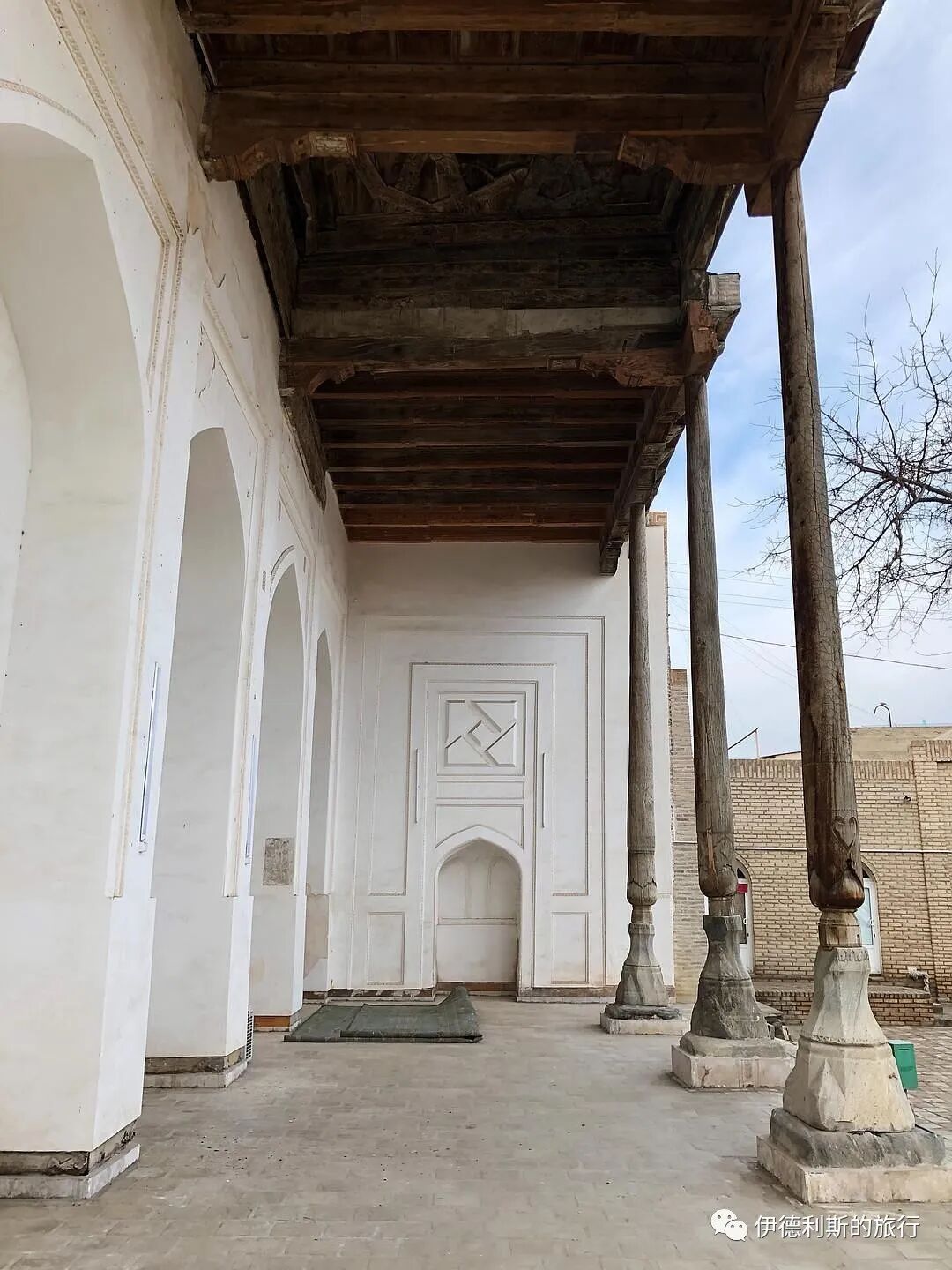
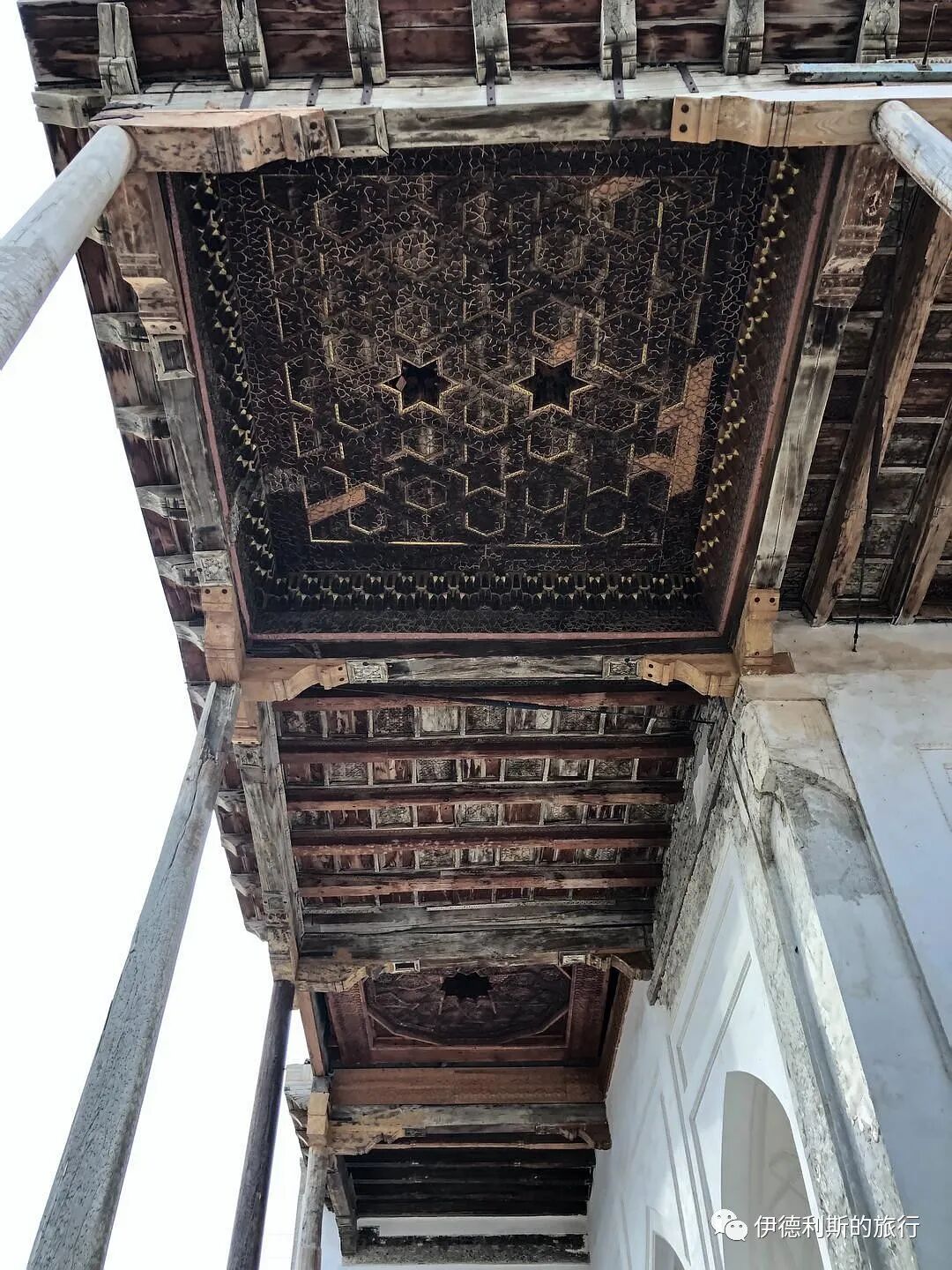
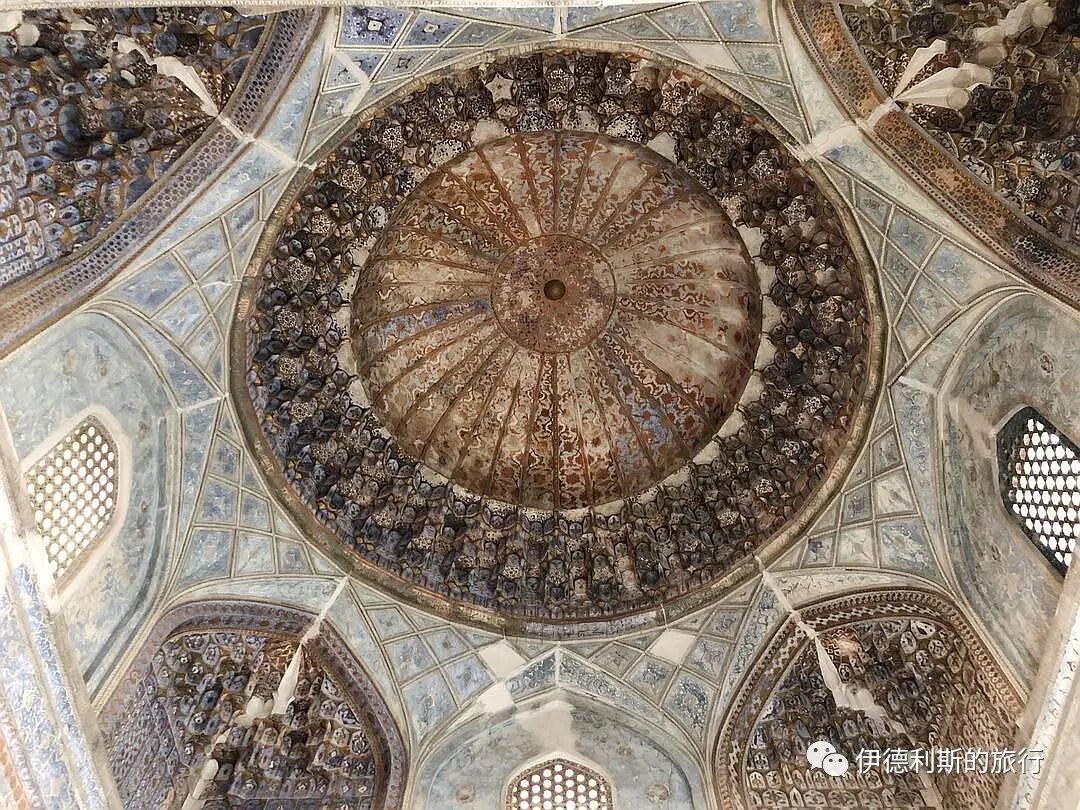
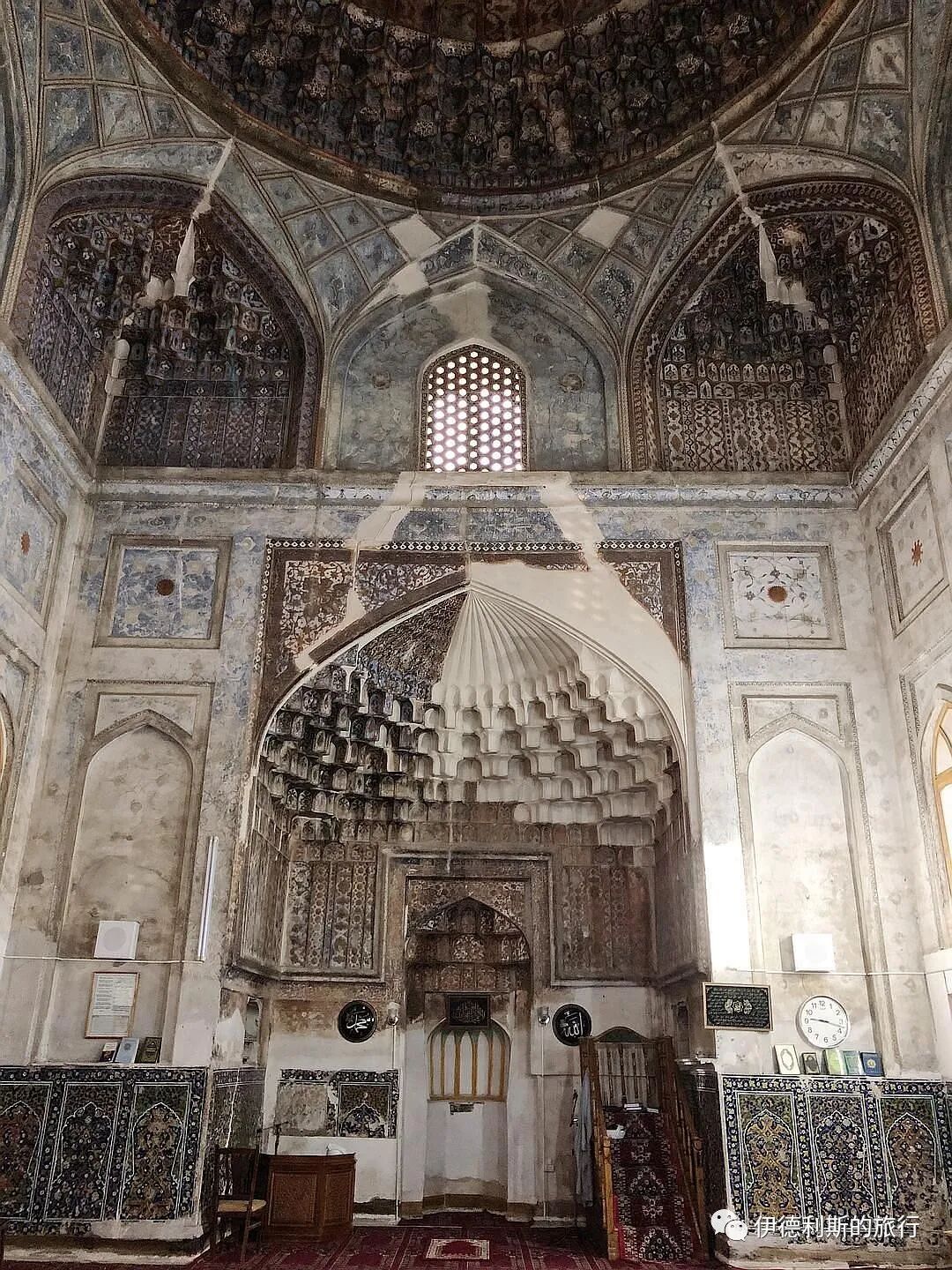
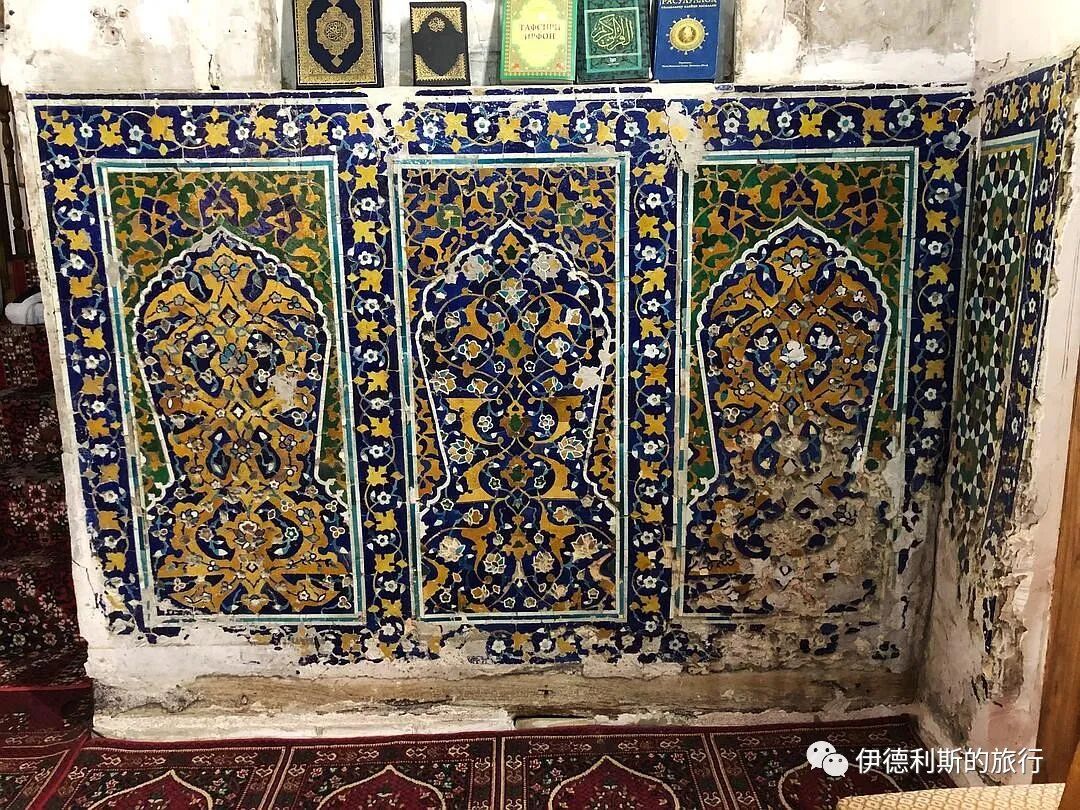
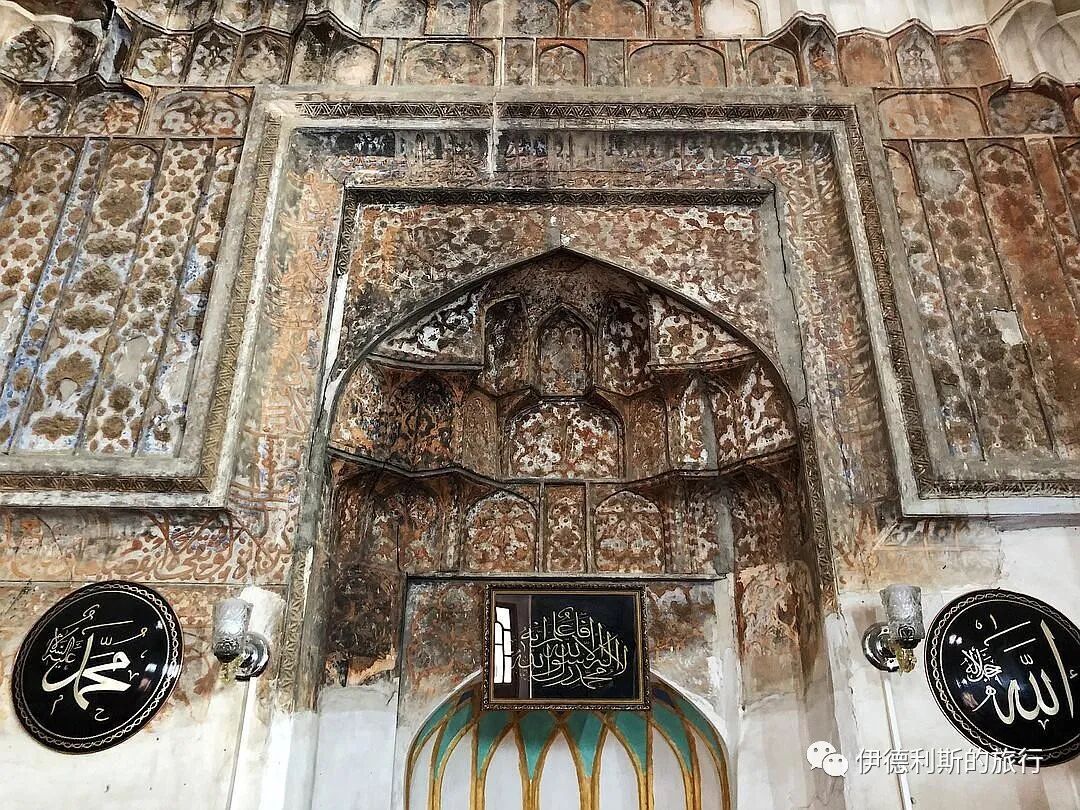
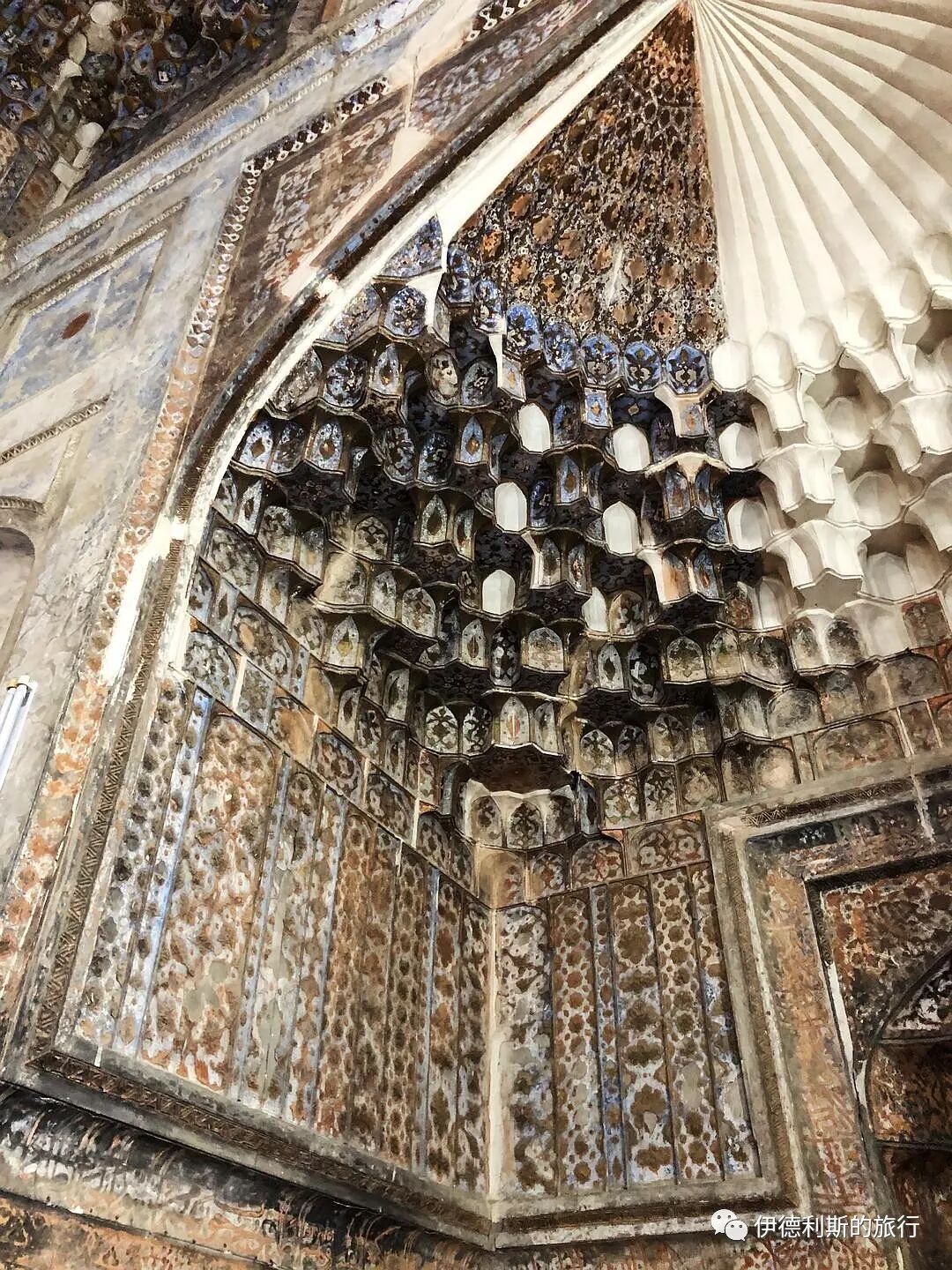
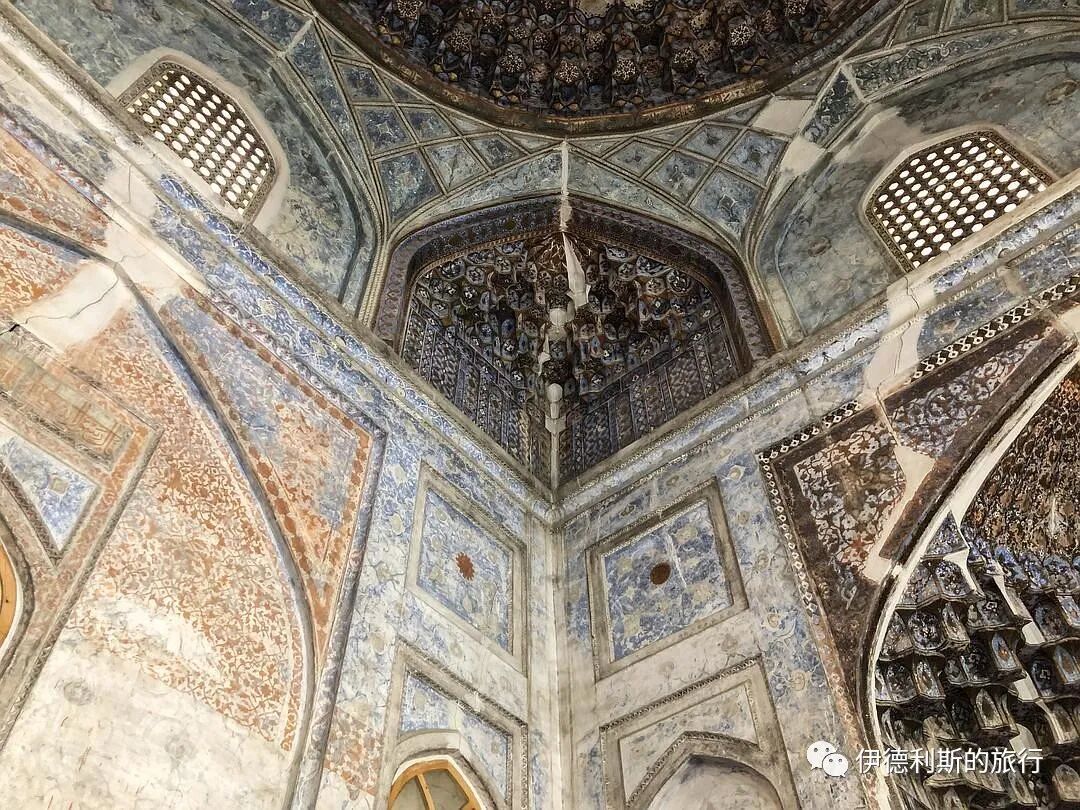
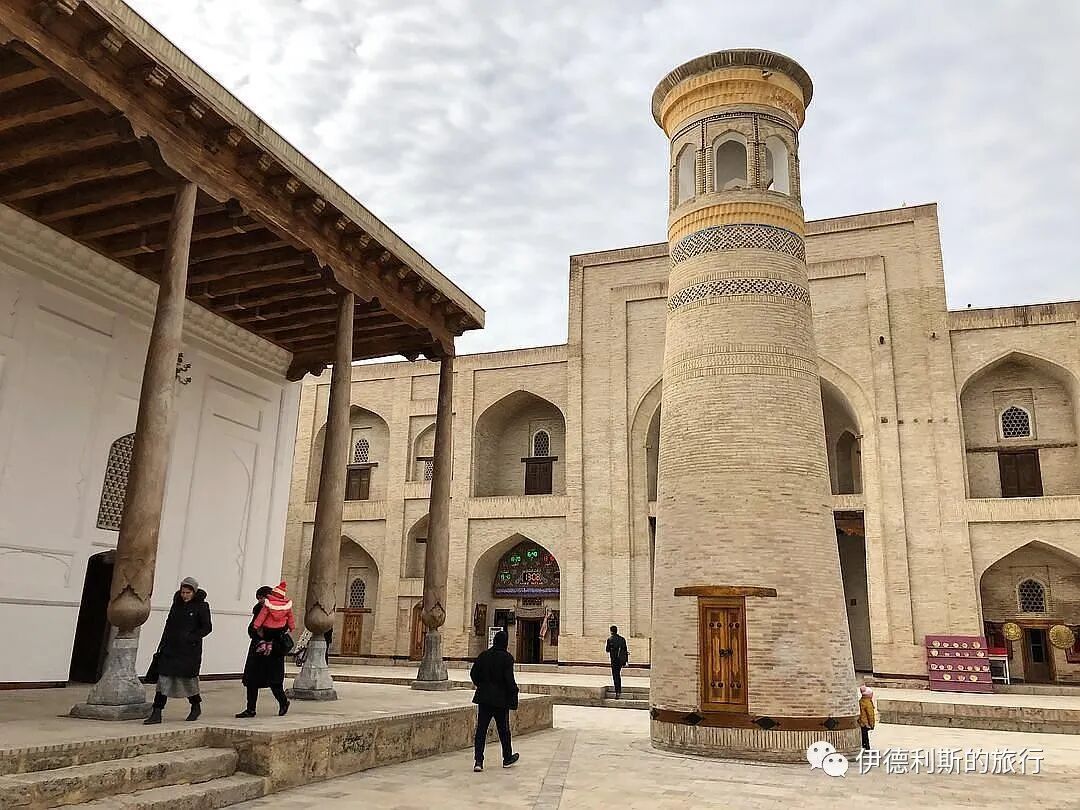
The Bahouddin Naqshbandi Complex is an important Sufi holy site in Central Asia, often called the 'Little Mecca' of the region. It holds the tomb of Hazrat Muhammad Bahauddin Shah Naqshband, the founder of the famous Naqshbandia Sufi order.
During the Shaybanid dynasty, the Naqshbandia order eventually outperformed other Sufi groups to become the dominant order in the khanate. Unlike other Sufi orders that favored seclusion and leaving the world behind, the Naqshbandia order followed the principles set by its founder: 'solitude in the crowd, travel in the world, caution in action, and enjoyment of the moment.'
In 1544, the Shaybanid Khan Abdulaziz (who reigned from 1539 to 1550) built a Dakhma platform with marble railings at the shrine, along with a Sufi lodge (Khanaqa) nearby. Later, a large cemetery for Bukhara's rulers appeared near the shrine, as every ruler felt honored to be buried close to it.
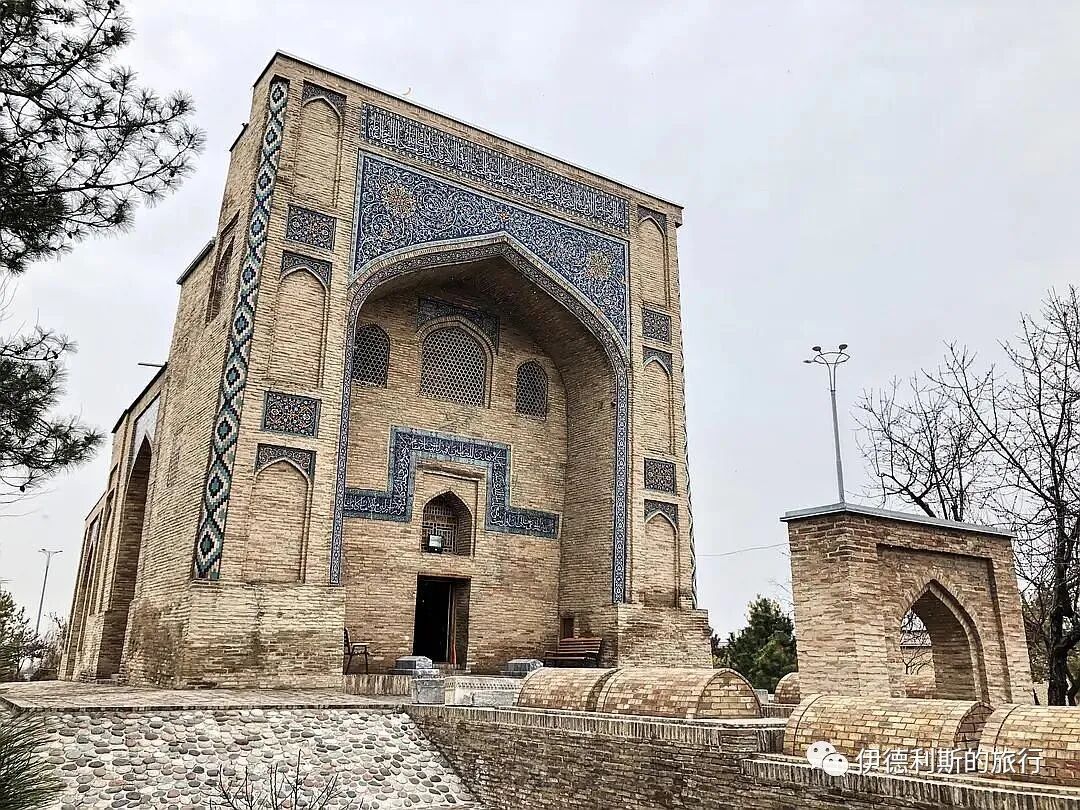
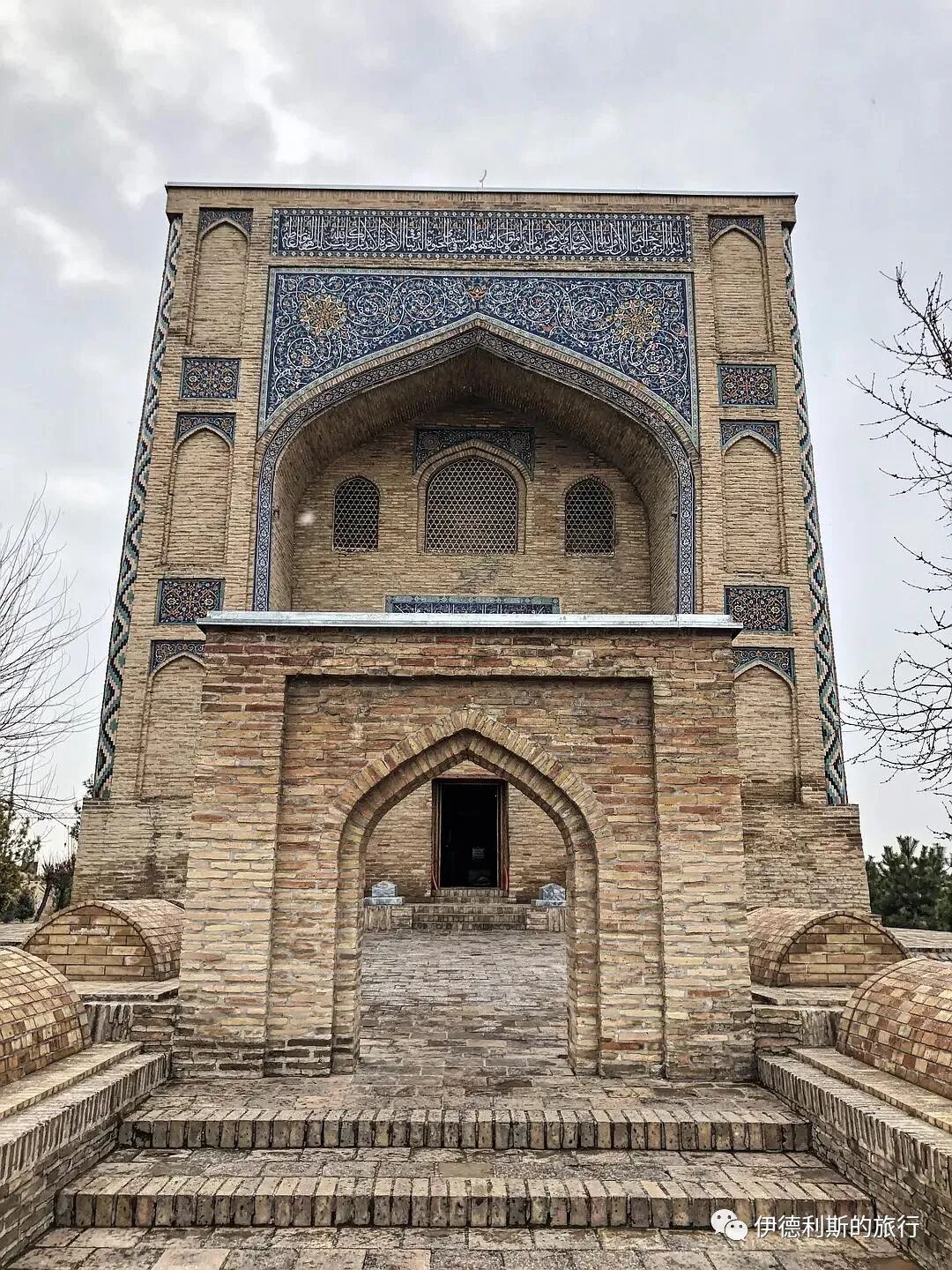
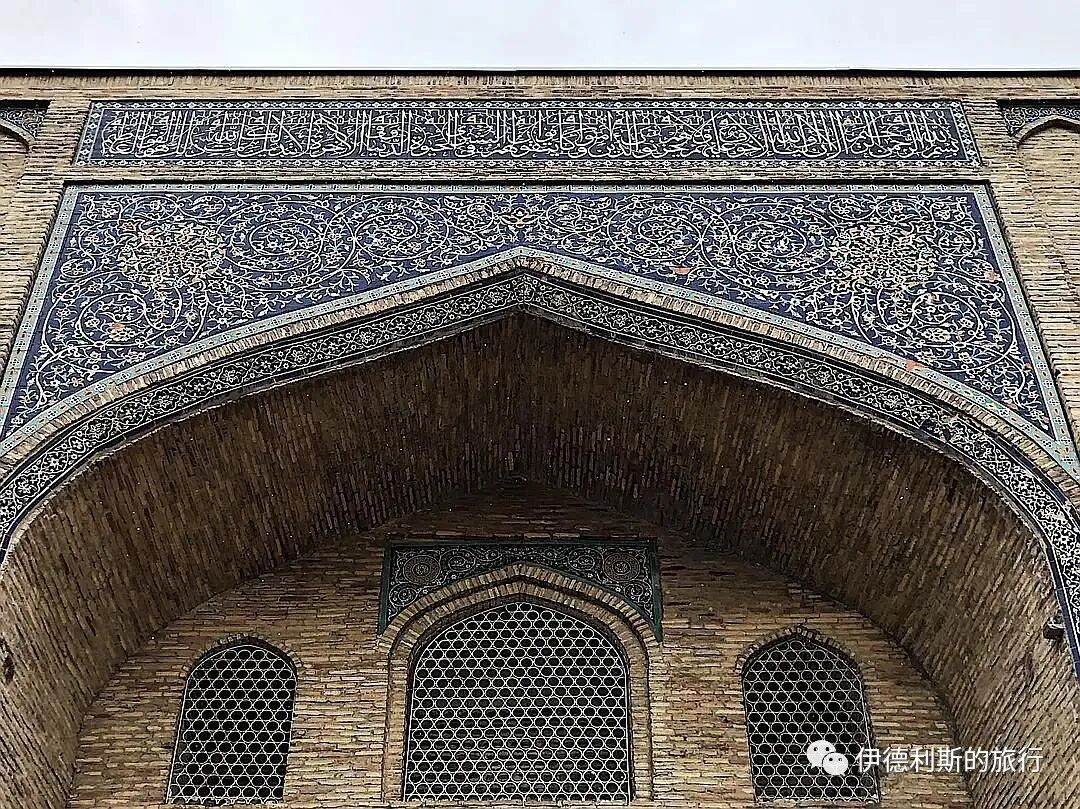
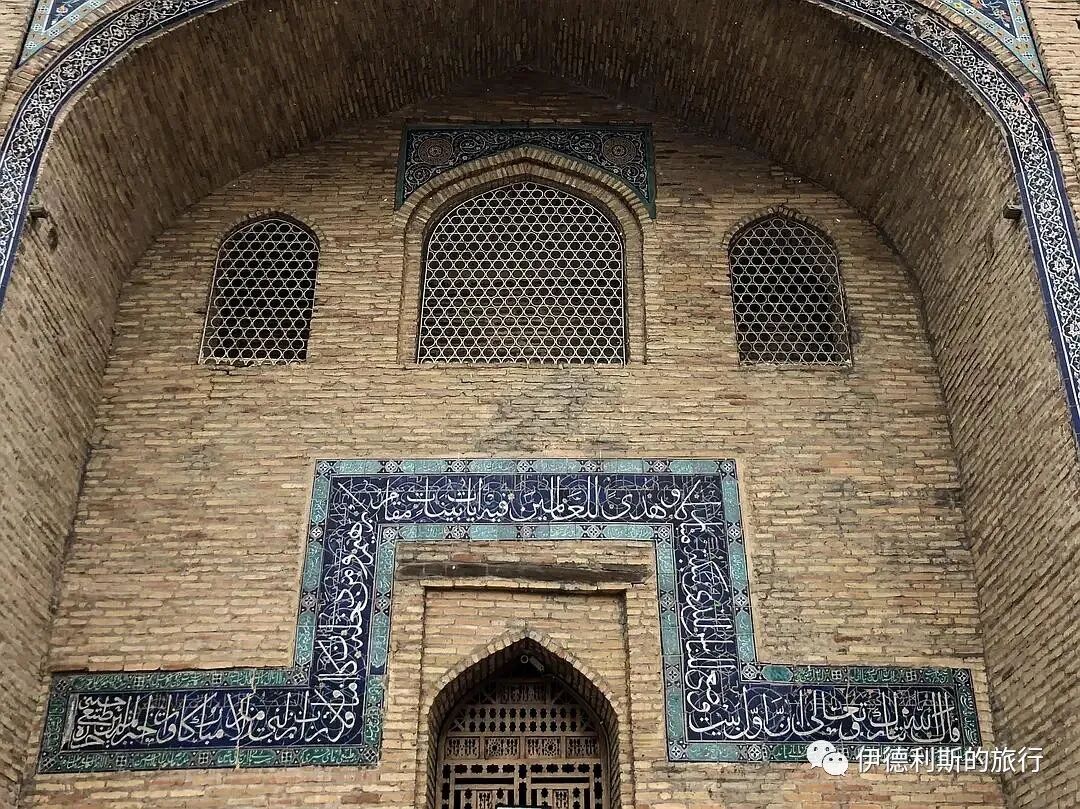
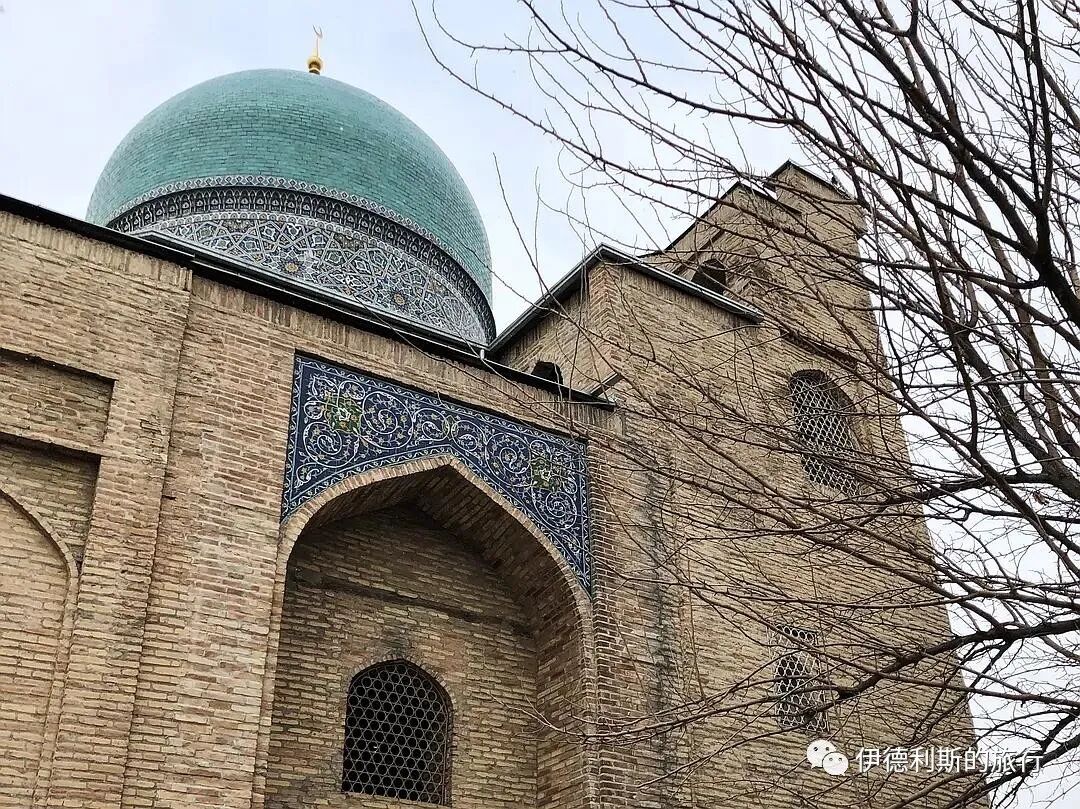
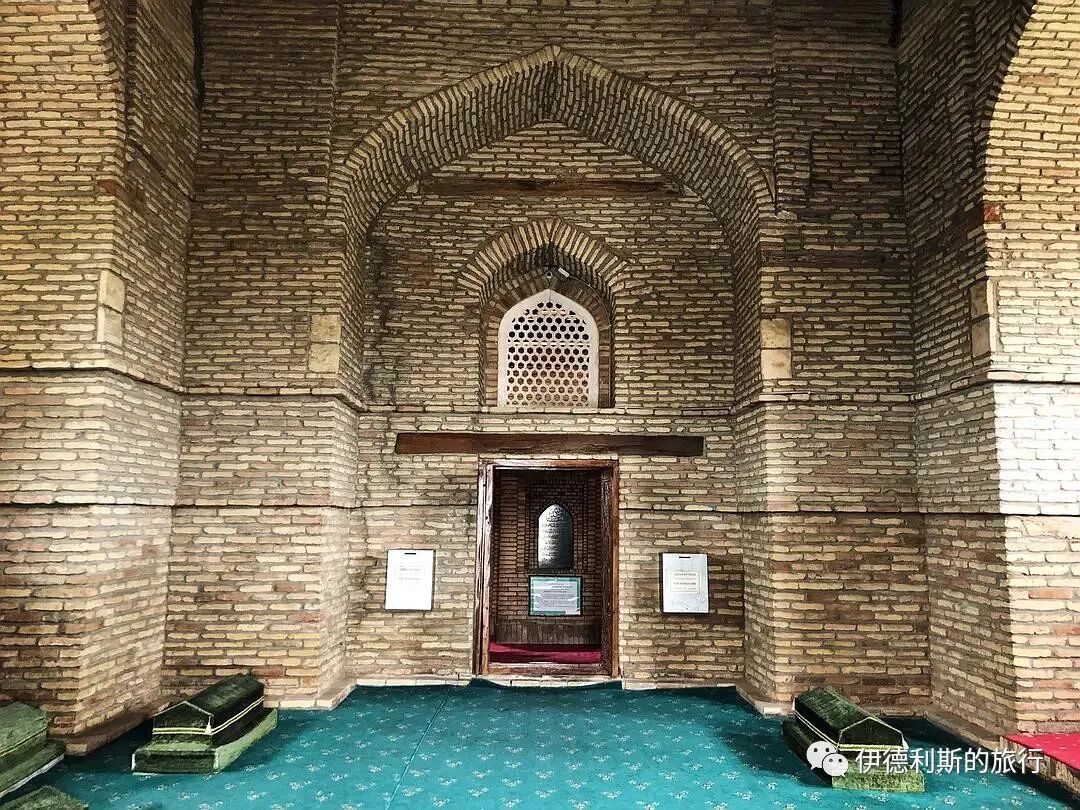
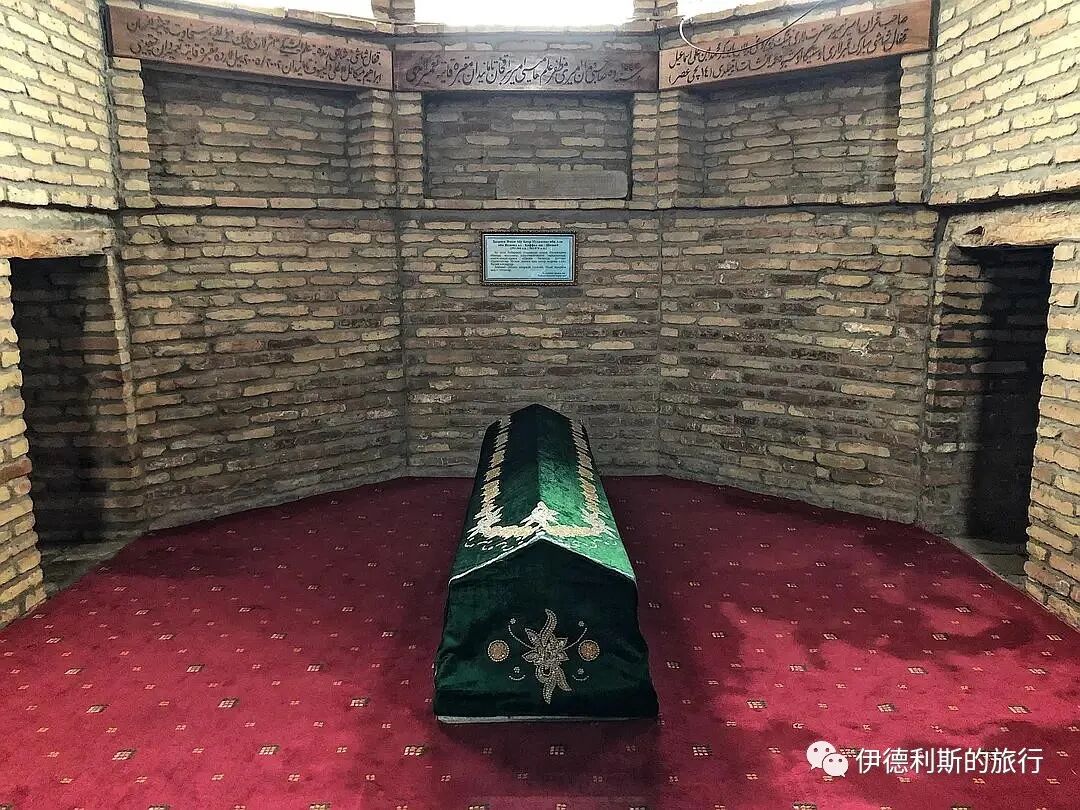
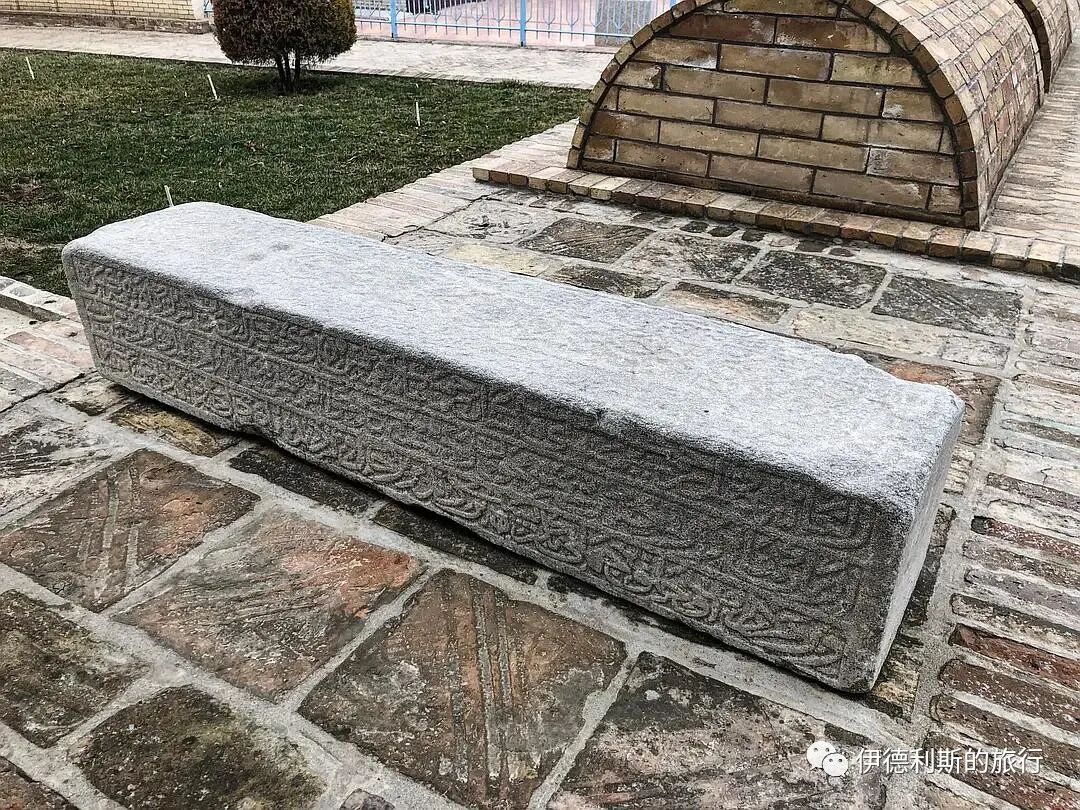
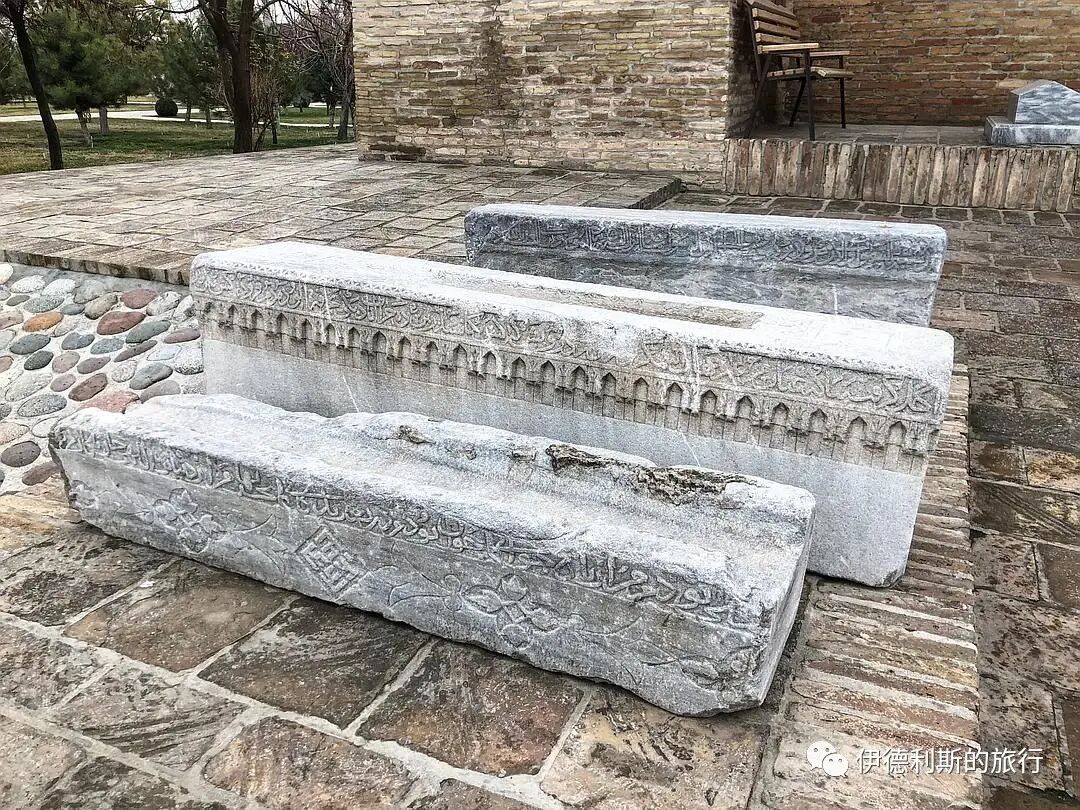
During the Shaybanid period of the Bukhara Khanate, Tashkent's population and size gradually recovered, making it a commercial and cultural hub along the Silk Road. Most of the historical buildings still standing in Tashkent today were built during this time. Abu Bakr Mohammed Kaffal Shashi was a famous imam and scholar in Tashkent during the Samanid dynasty. After he passed away in 976, he was buried in a garden on the outskirts of Tashkent. The current Kaffal Shashi mausoleum was rebuilt in 1541 during the Shaybanid dynasty. It features the design of a Sufi lodge (Khanaqah), including a tall archway (Iwan) and a dome. Inside, besides Kaffal Shashi, his students are also buried there, including his three main disciples. The mausoleum was once covered in beautiful tiles, but only parts remain today, and they have been restored. Additionally, the window lattices on the mausoleum gate are already 500 years old. According to Tashkent legends, applying dust from this mausoleum to one's face can help a woman become pregnant, which attracts many women who are struggling to conceive.
10. The Yarkent Khanate in China (1514-1680)
We crossed the Tianshan Mountains and arrived at the city of Shache in southern Xinjiang.
The Yarkent (Yarkent) Khanate was a state established in 1514 by Sultan Said Khan, a descendant of the Eastern Chagatai royal family. With Yarkent city (Shache) as its capital, it ruled southern Xinjiang and surrounding areas for over a hundred years until it was annexed by the Dzungar Khanate in 1680.
During the Yarkent Khanate's rule over southern Xinjiang, the Chagatai Mongols eventually shifted from nomadic life to settled living and merged into the Uyghur people. The Uyghurs also gradually developed into a modern ethnic group during this period, and the Twelve Muqam was finalized at this time as well.
'Yarkent Khanate' is actually a name used by modern scholars. In earlier local documents, the Persian word 'Moghuliye' was used, which means 'Mongol State'. Around the same time, Sultan Said Khan's cousin Babur established a state in northern India and also called it 'Moghul'. To distinguish them, Chinese usually translates them as 'Mengwu'er' and 'Mowo'er' respectively.
The founder of the Yarkent Khanate, Said Khan, was the third son of Ahmad Alaq, the ruler of Uyghurstan (modern-day Turpan area) in the eastern part of the Eastern Chagatai Khanate. In 1514, after stabilizing the Transoxiana region, the Uzbek army prepared to wipe out the Chagatai Mongols. After careful thought and discussion, Said Khan decided he could not withstand the Uzbek army's attack, so he left the Fergana Valley, crossed the Tianshan Mountains, and headed toward Yarkent.
In the spring of 1514, Said Khan led his army across the Tianshan Mountains and reached Kashgar via the Torugart Pass. At that time, southern Xinjiang was ruled by Abu Bakr, the leader of the Mongol Dughlat tribe. He was recruiting soldiers in Yarkent city. Said Khan fought a fierce battle outside the city against the Kashgar garrison and defeated the enemy. The enemy closed the gates and refused to come out, so Said Khan could not take the city and turned to attack the city of Yengisar. Said Khan besieged Yengisar for two months and finally captured it after six days of intense fighting.
Hearing that Yengisar had fallen, the Kashgar garrison abandoned the city and fled, so Said Khan marched directly toward Yarkent. When Abu Bakr heard this, he abandoned the city and fled to Hotan, and soon after, Said Khan entered Yarkent city. On September 3, 1514, Said Khan officially ascended the throne and established the Yarkent Khanate.
In 1516, Sultan Said reconciled with his older brother, Mansur Khan, who ruled the eastern part of the Eastern Chagatai Khanate. He agreed to mention Mansur's name during the khutbah (sermon) and to mint coins bearing Mansur's name. Southern Xinjiang welcomed long-awaited peace and order that year. The Tarikh-i-Rashidi describes it this way:
The reconciliation between these two brothers brought safety and prosperity to the residents. Anyone could travel alone between Hami in China and the Fergana region without needing food supplies or fearing robbery.
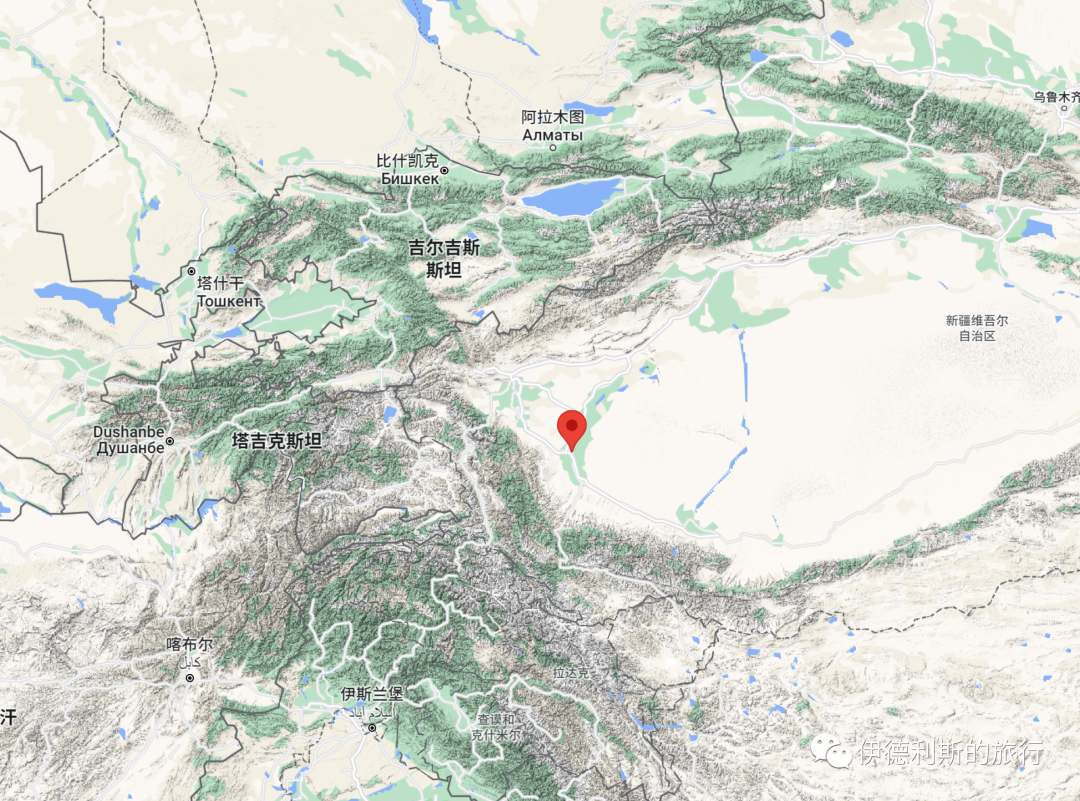
The location of Yarkand city.
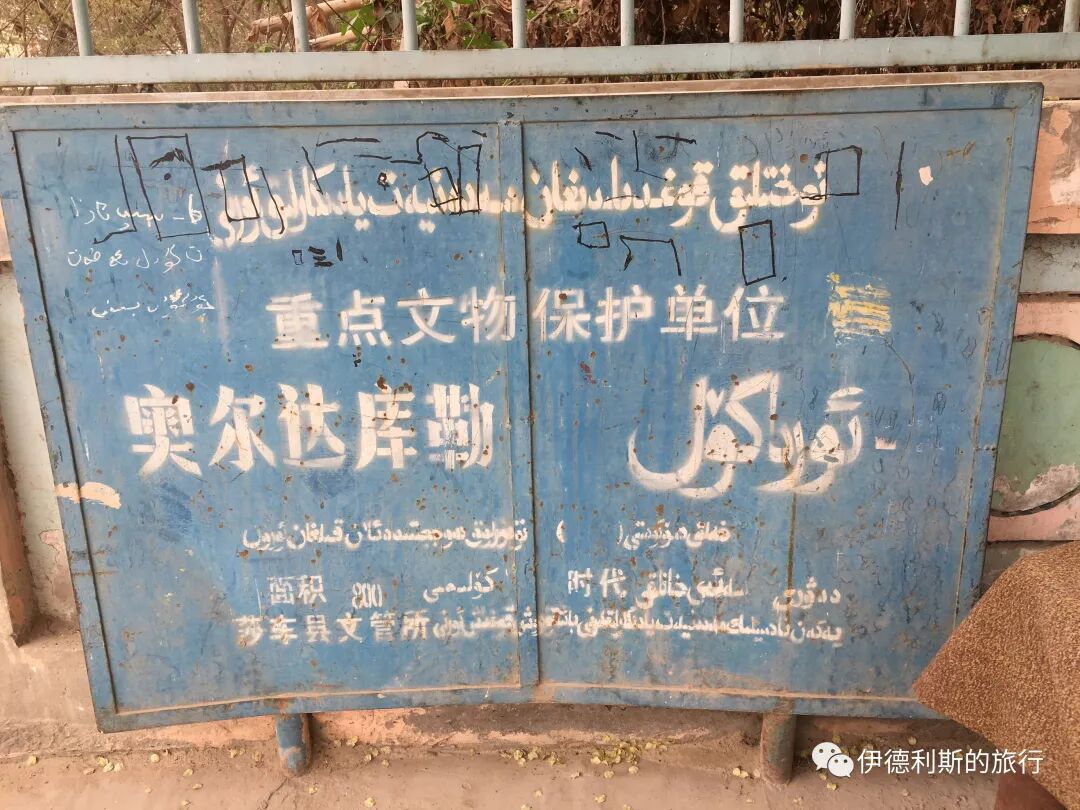
Today, there is a site in the old city of Yarkand called Ordakul, which means royal palace pond. This was likely the location of the Yarkand Khanate's royal palace. The Tarikh-i-Rashidi describes Yarkand city during the early Yarkand Khanate period like this:
They diverted rivers into the city and built gardens. The main roads were lined with poplar trees. People walking around the city could spend half their journey in the shade of these trees, and most of the tree-lined paths had water channels on both sides.
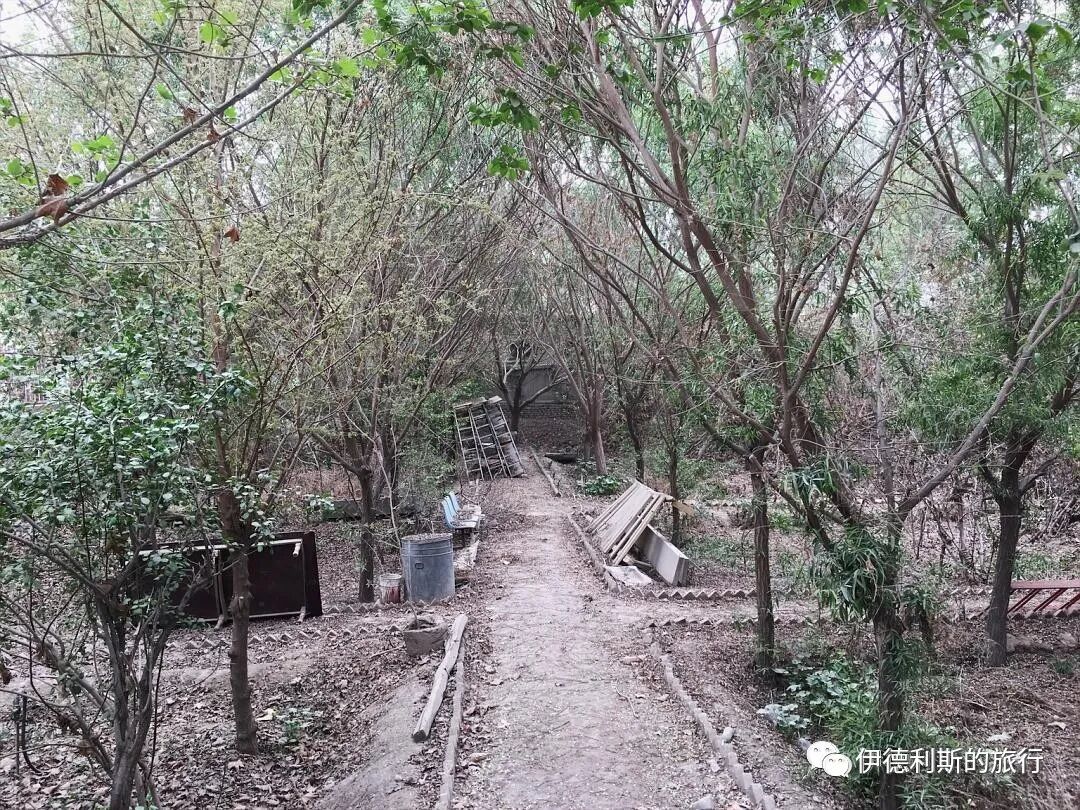
Ordakul Mosque
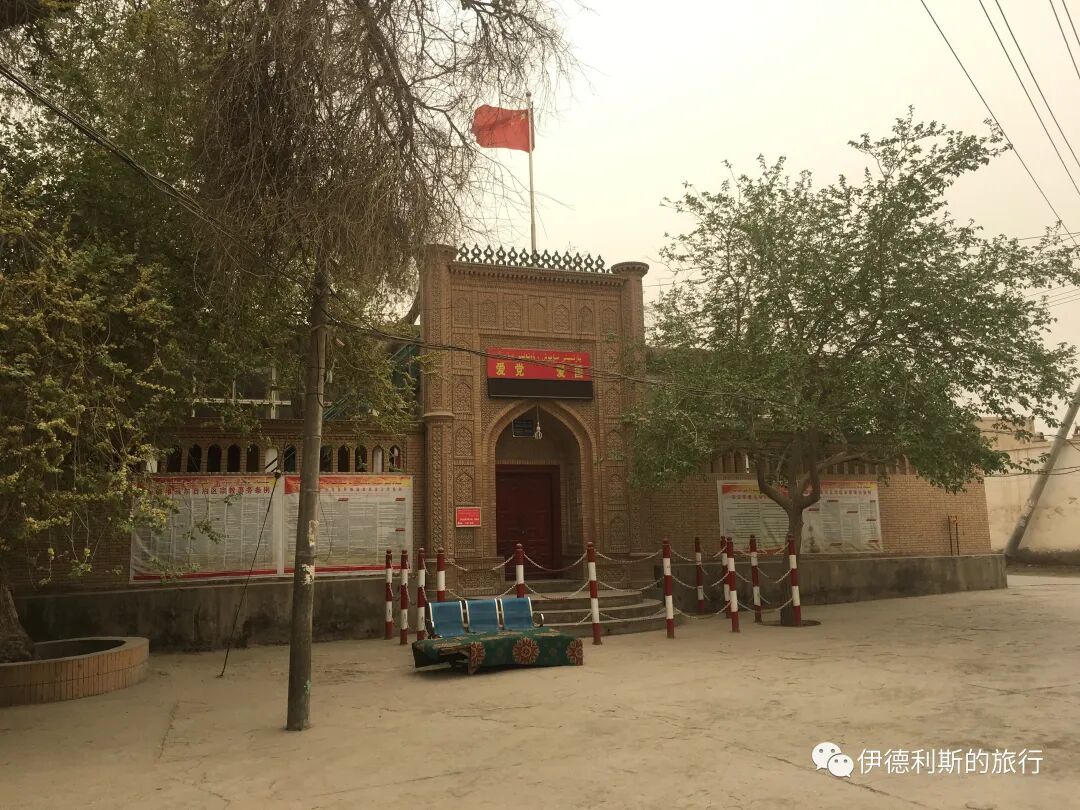
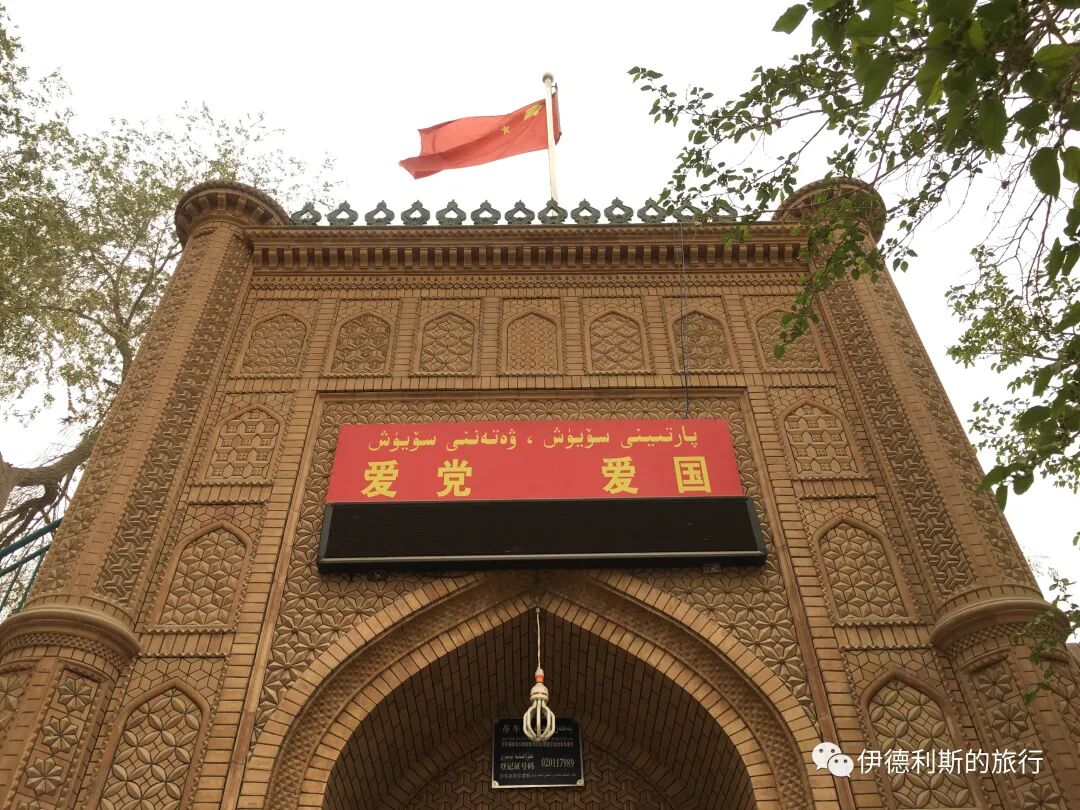
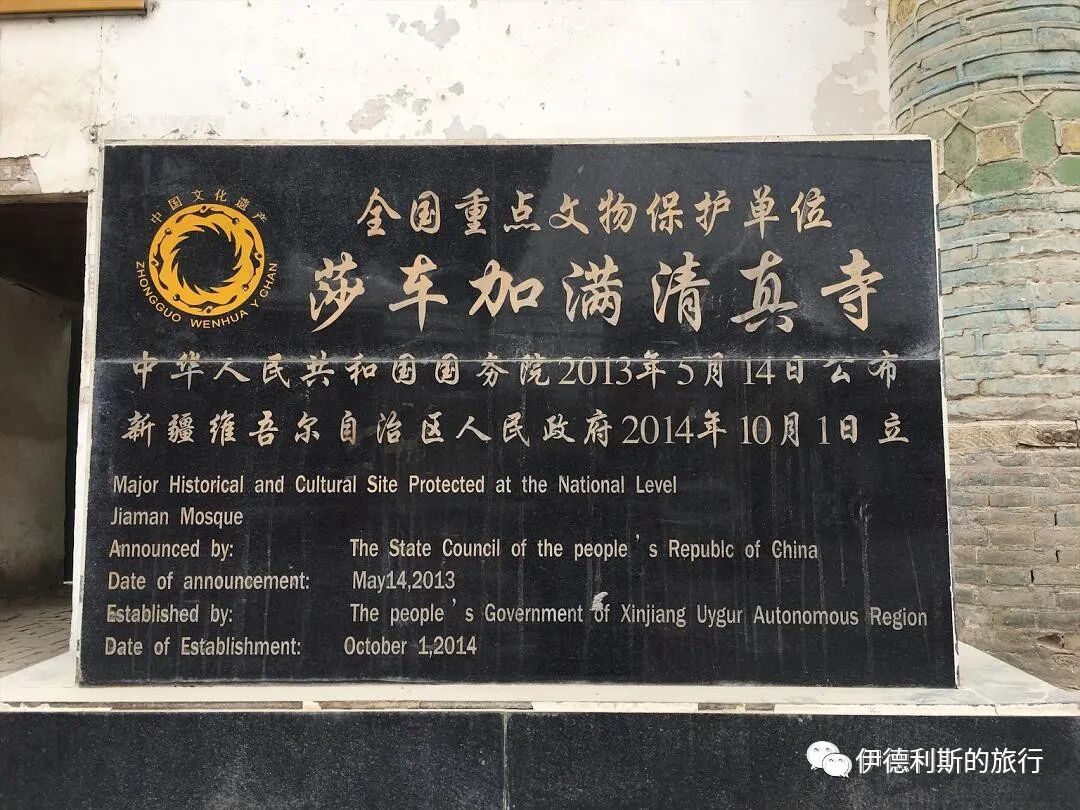
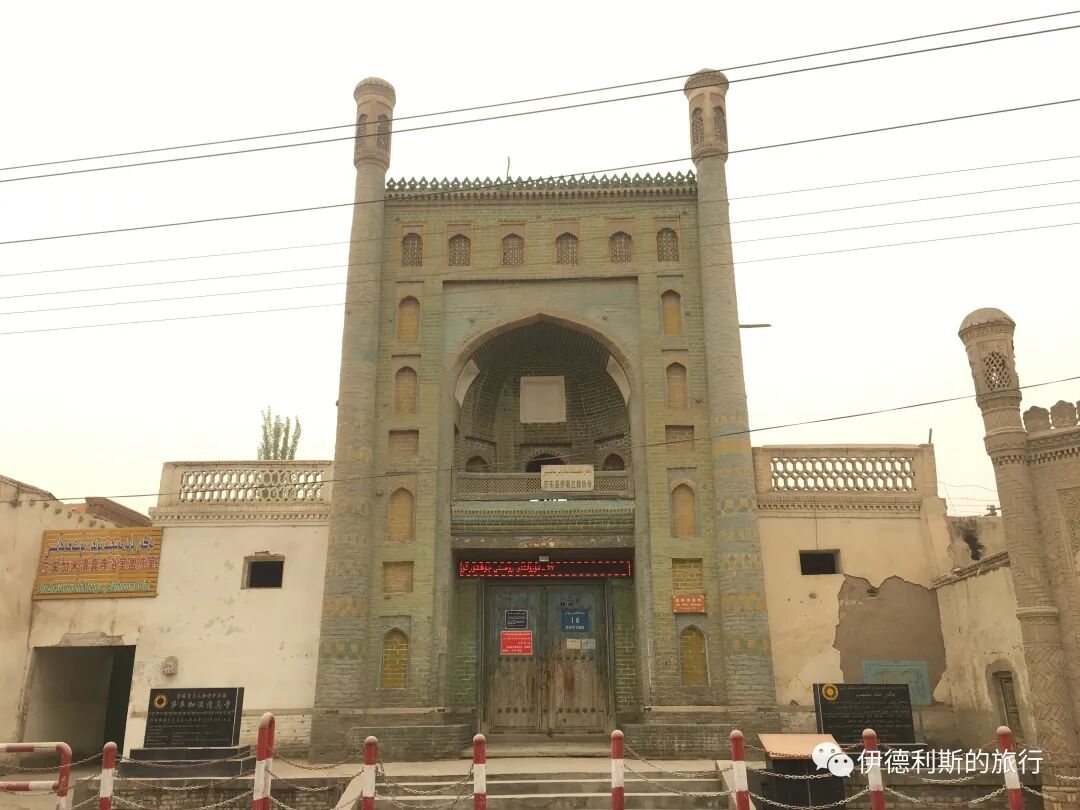
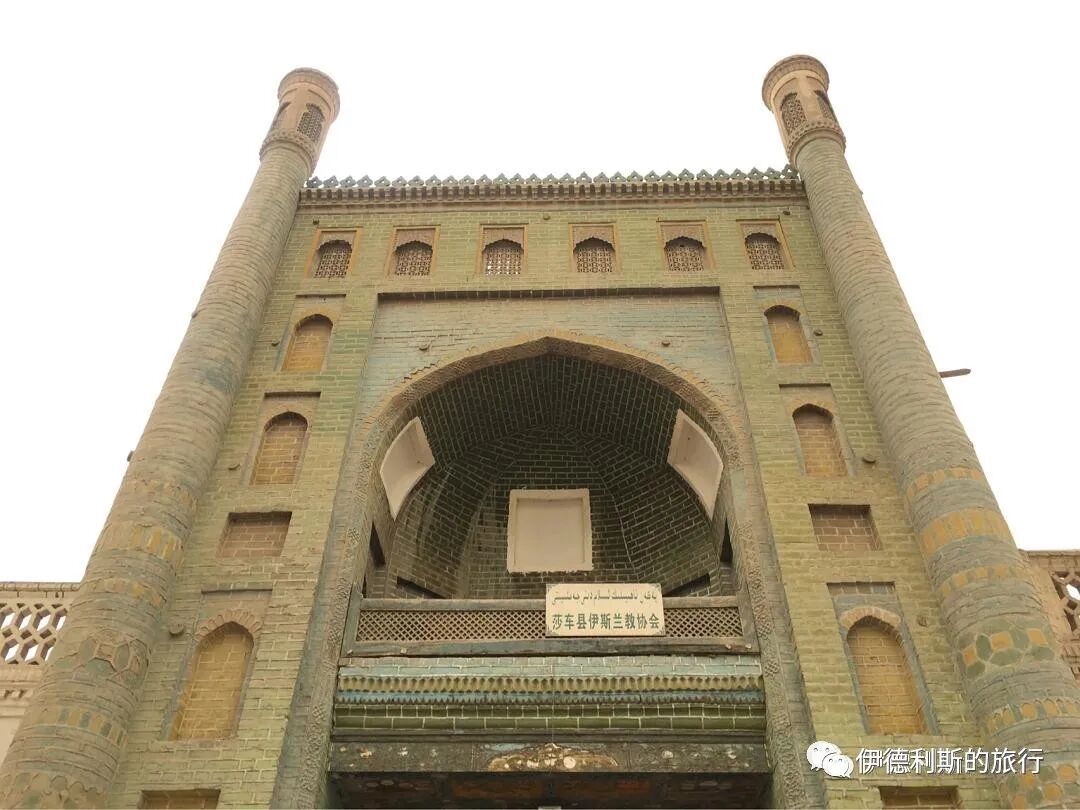
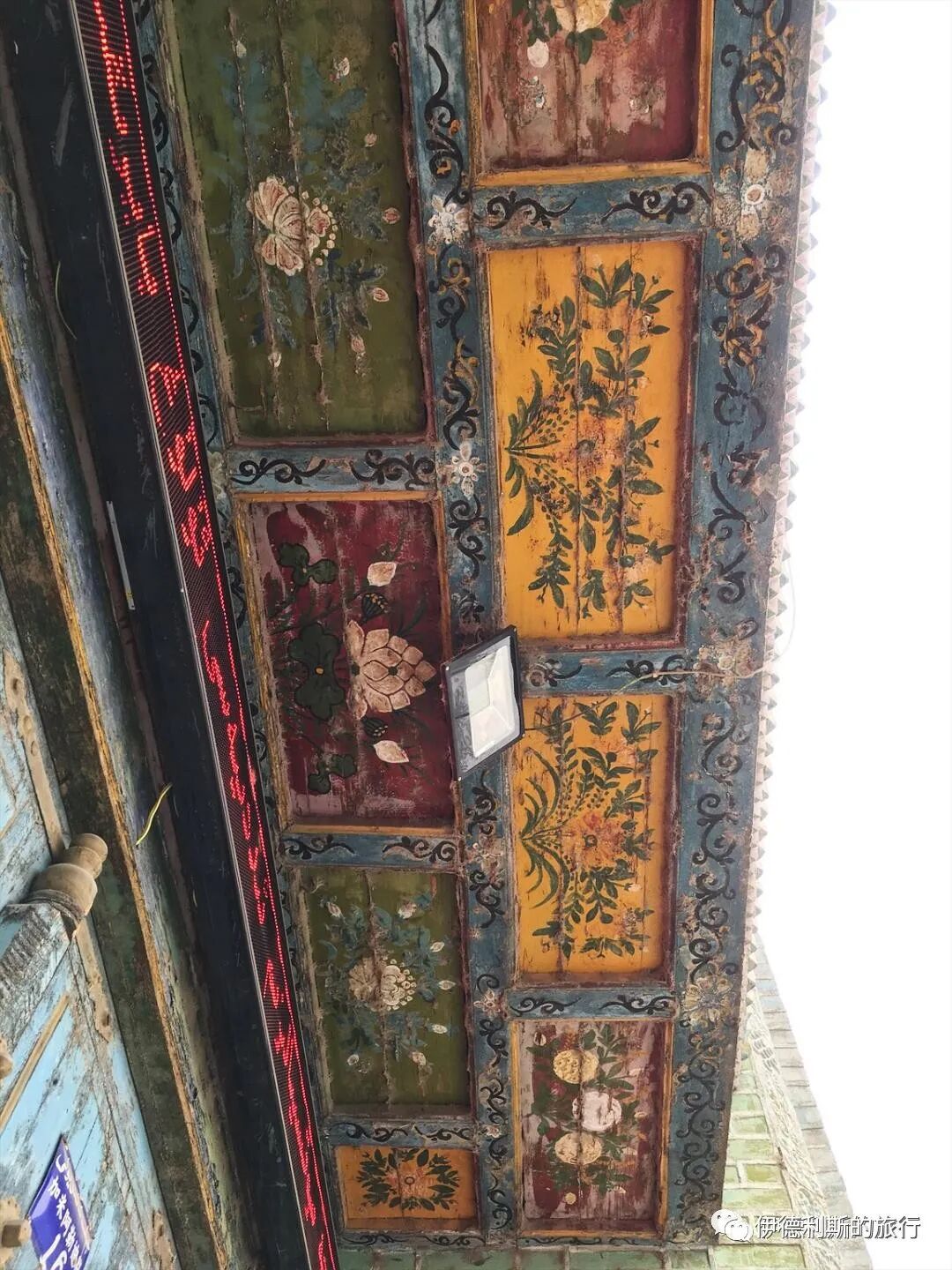
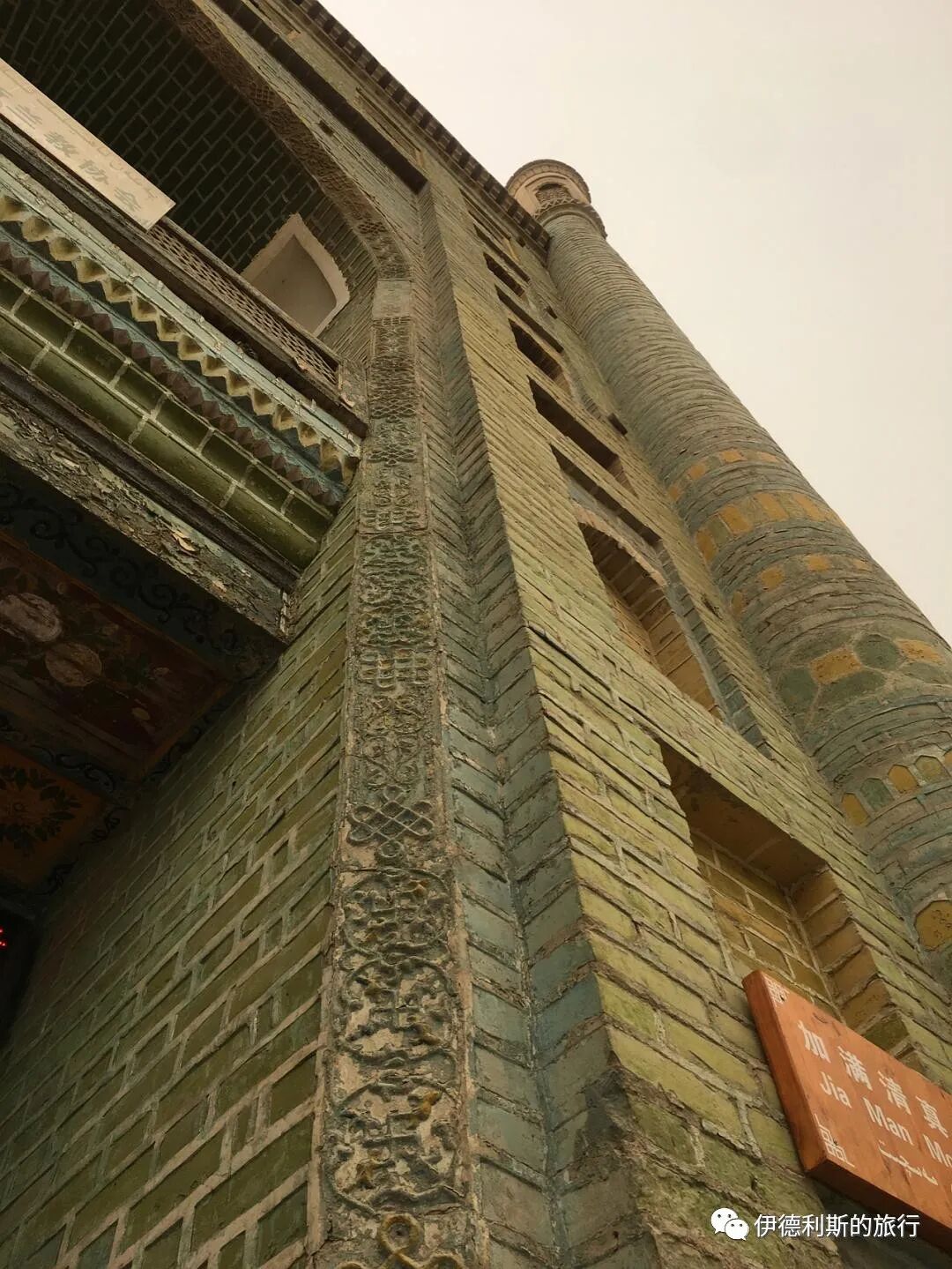
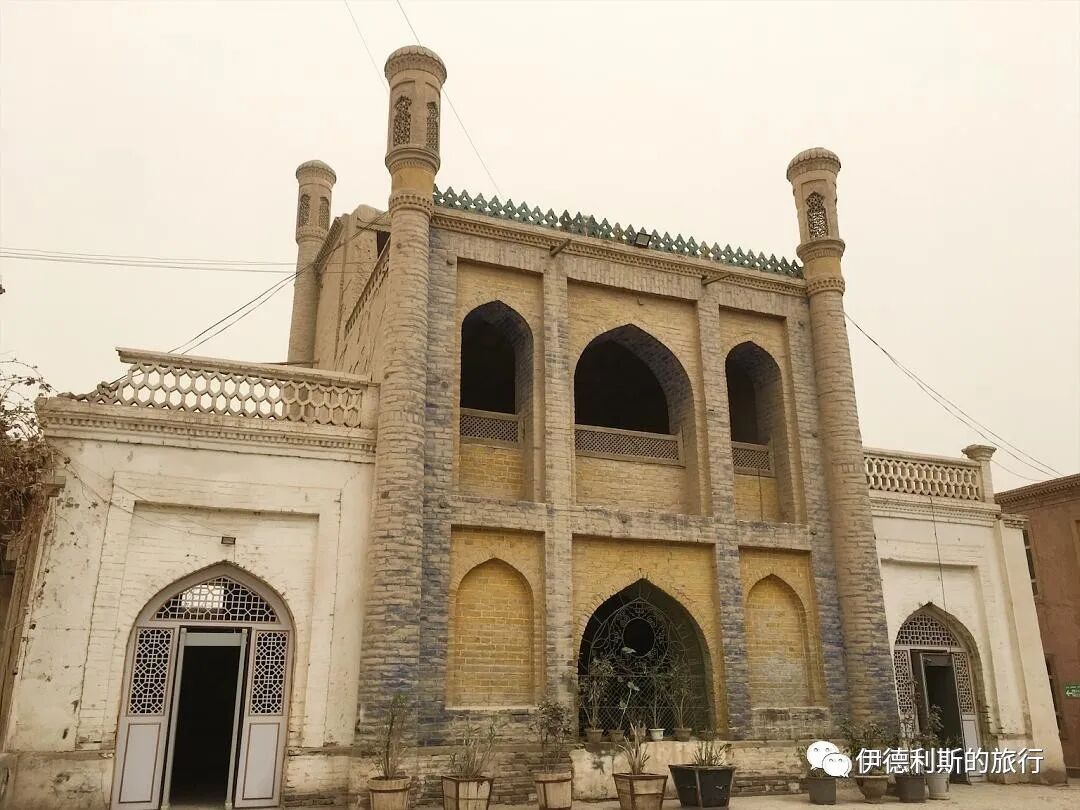
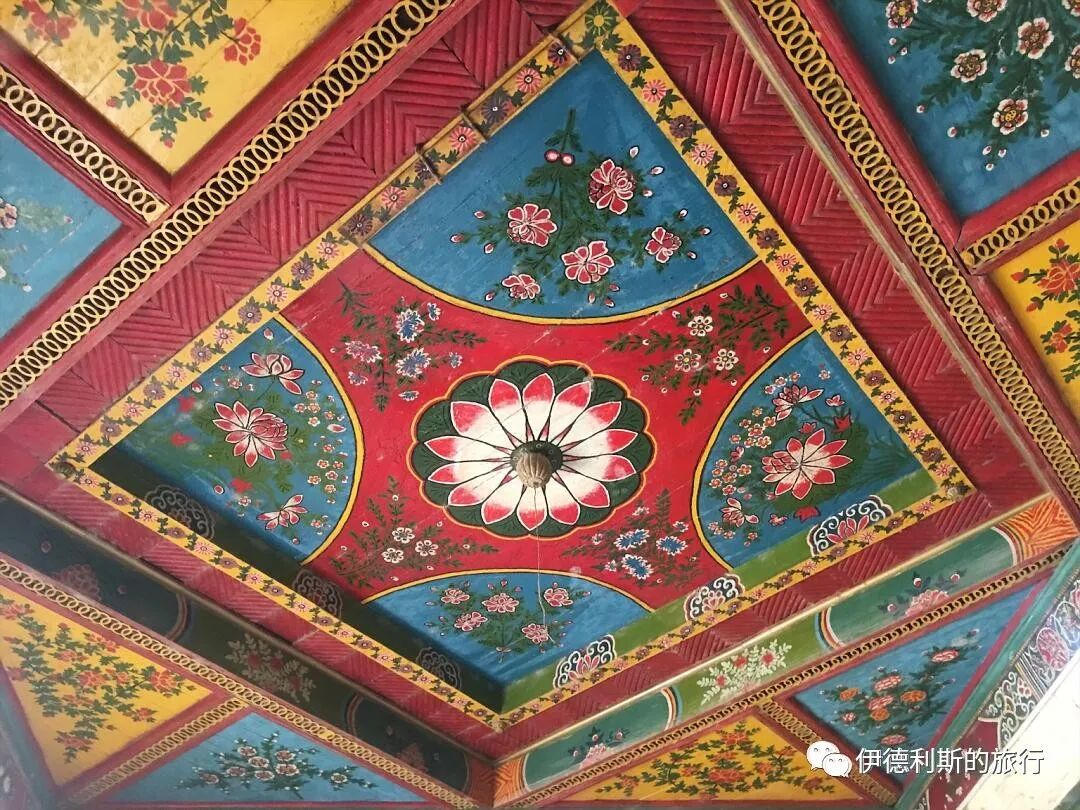
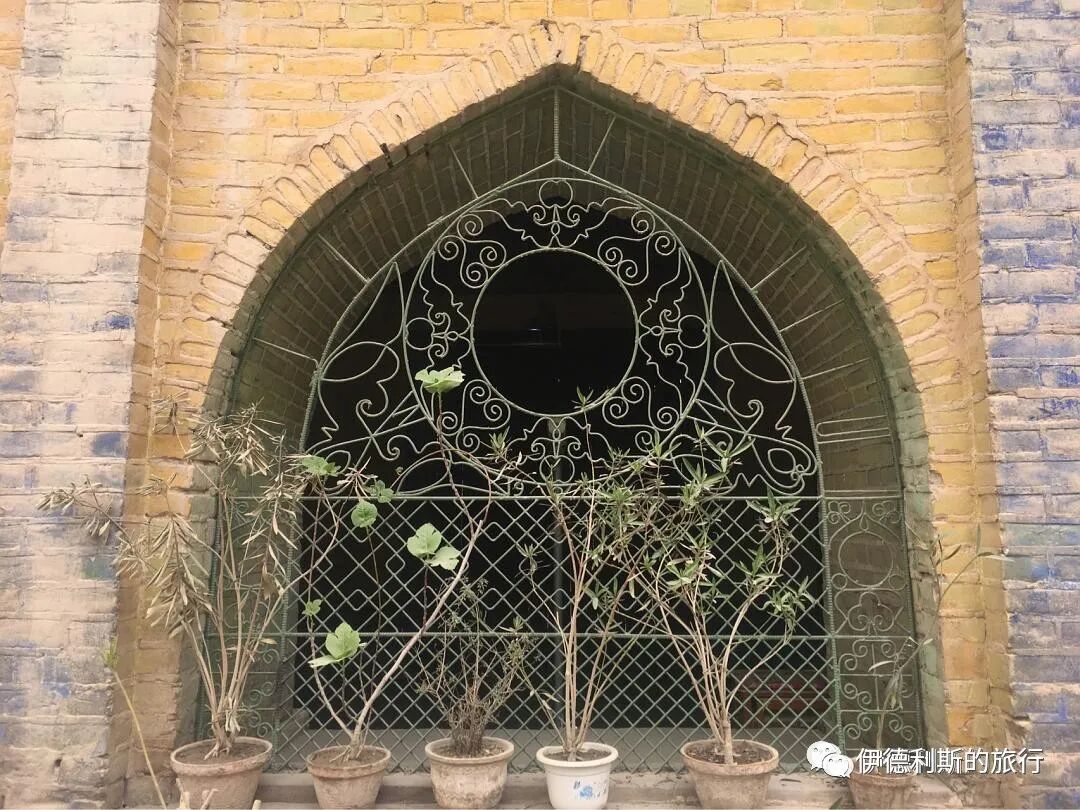
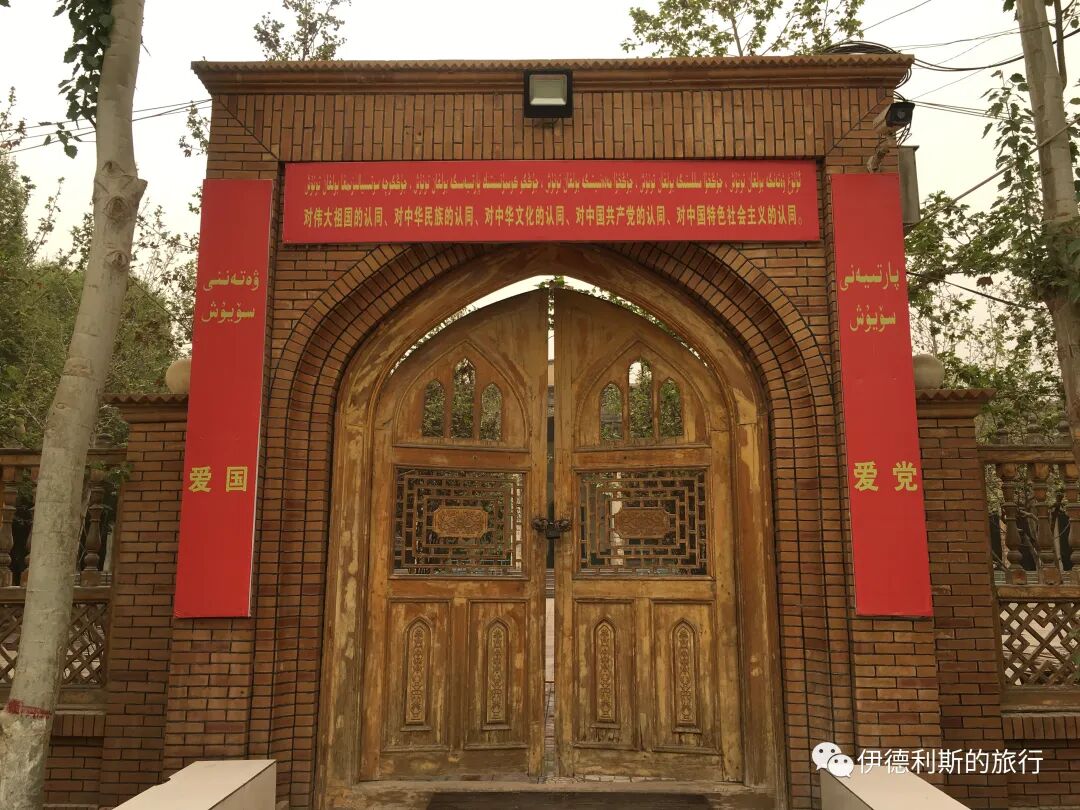
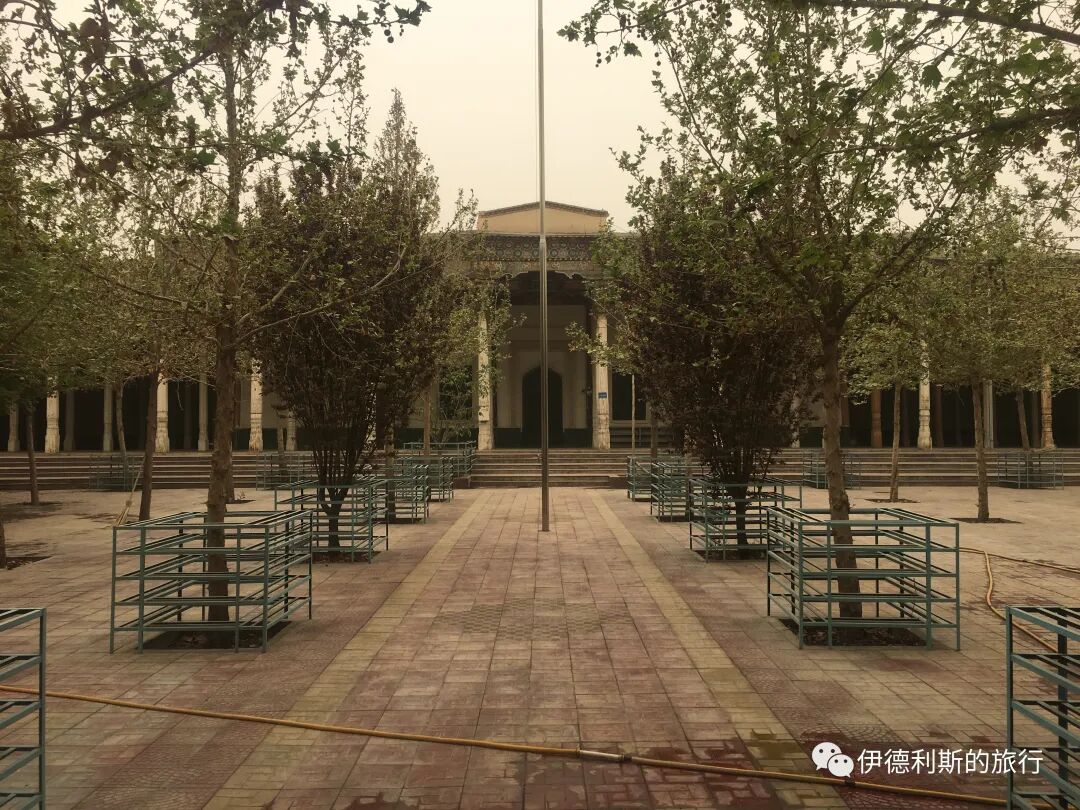
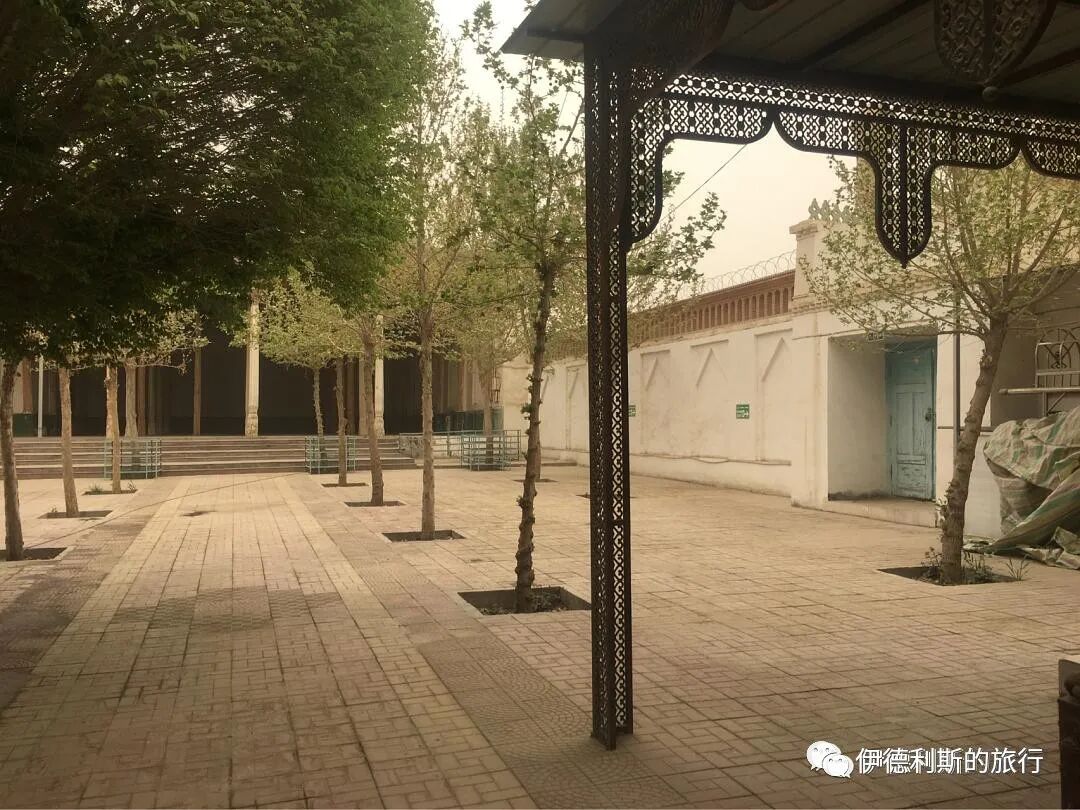
To the west of Ordakul is the Jami Mosque. Jami is also translated as Jumu'ah, which refers to the weekly Friday congregational prayer. The Jami Mosque was reportedly founded by Sultan Said and later expanded during the reign of Abdullah Khan (reigned 1638–1669).
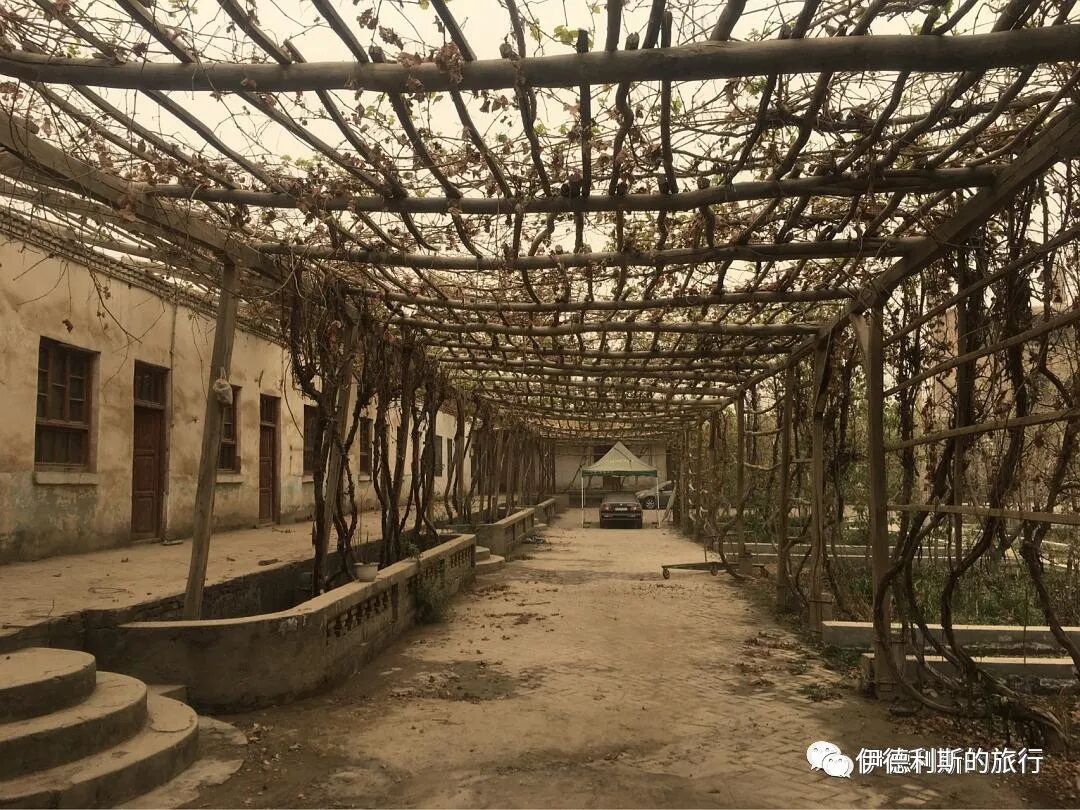
After settling down in the oases of southern Xinjiang, many Chagatai Mongols began to complain about city life and missed the nomadic life on the steppes of their homeland, Moghulistan. the small pastures in the southern Xinjiang oases could not support the needs of the Mongol army. In 1522, Sultan Said sent his son, Abdurashid Khan, to lead troops into Moghulistan and conquer the Kyrgyz people living there.
In 1526, the Kazakhs entered Moghulistan and joined forces with the Kyrgyz, reaching a total of over 200,000 people. Sultan Said realized his strength was not enough to fight them, so he ordered all the Chagatai Mongols to return to southern Xinjiang. The Chagatai Mongols' five-year attempt to return to their nomadic homeland ultimately ended in failure.
After the failure in the north, Sultan Said turned his attention to attacking the south. In 1529, Sultan Said raided the Badakhshan region, which lay between the Yarkand Khanate and the Mughal Empire. This raid caused conflict between Sultan Said and his cousin, Emperor Babur. Emperor Babur wrote a letter to Sultan Said warning him that if he continued, you will know the rest yourself.
In 1532, Sultan Said personally led an army south to prepare for an expedition to Lhasa. While crossing the Karakoram Mountains, Sultan Said suffered from severe altitude sickness and lost his strength. In 1533, he decided to return to Yarkand to recover, but he died from altitude sickness while crossing the Karakoram Mountains again.
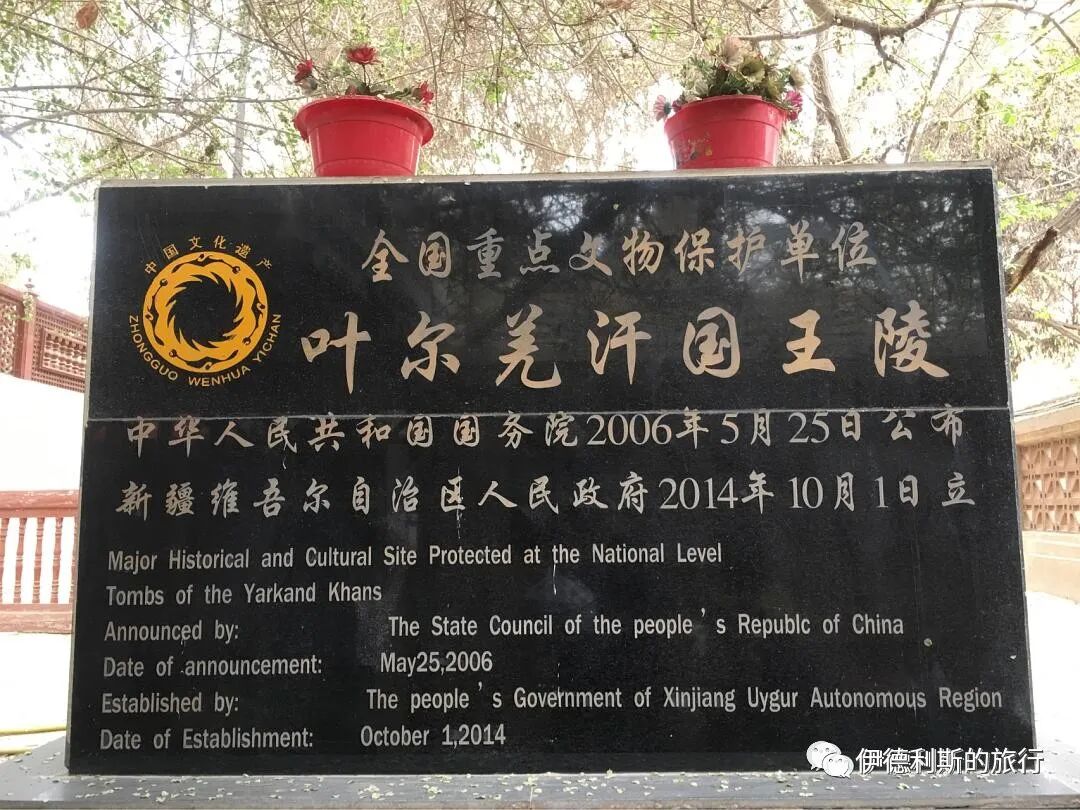
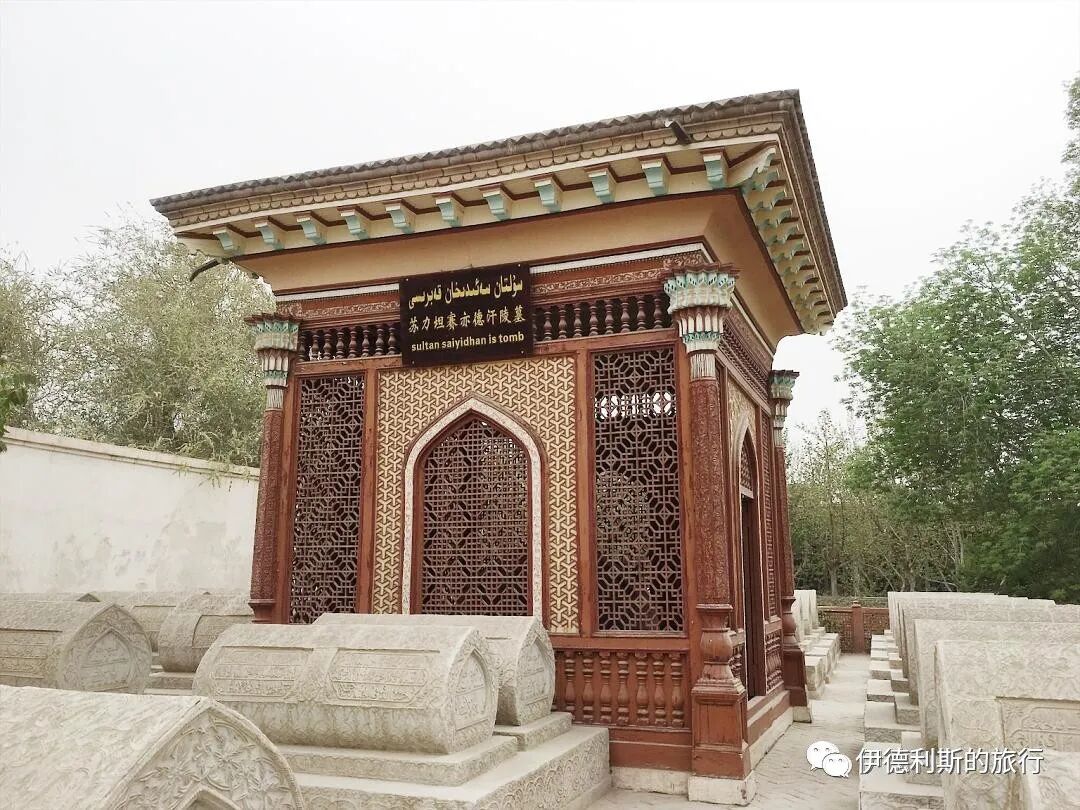
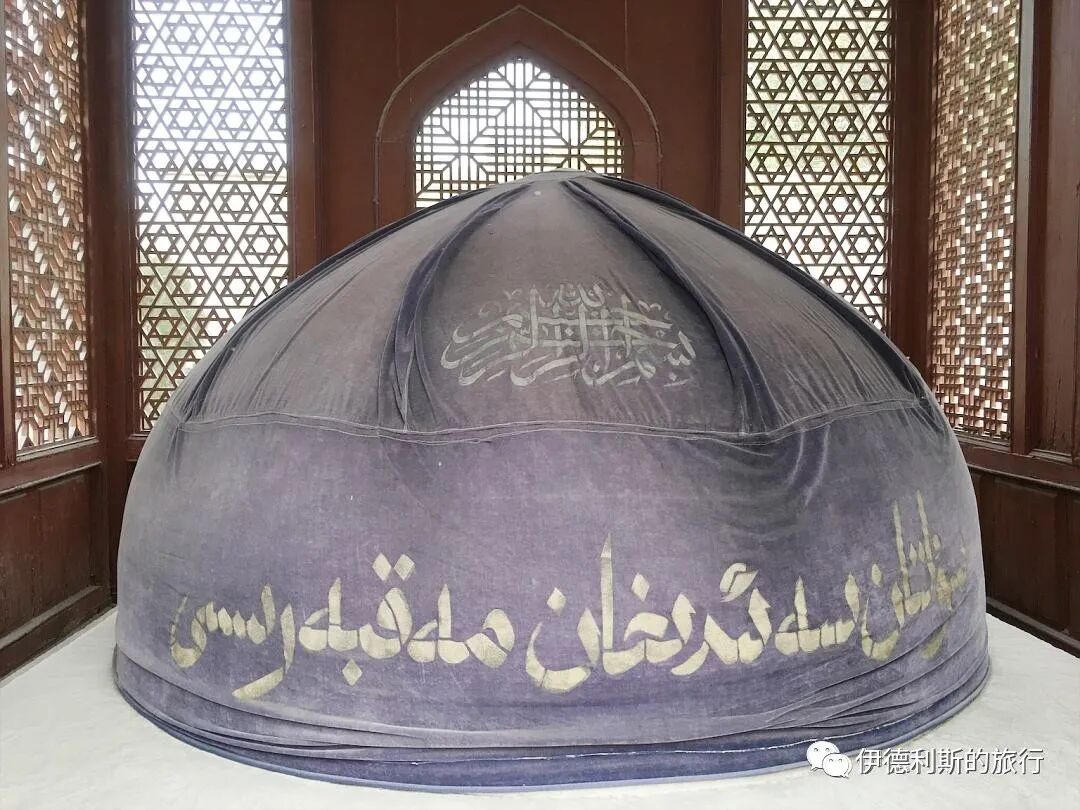
After Sultan Said died in 1533, his son, Abdurashid Khan (reigned 1533–1560), succeeded him. Abdurashid Khan built a mausoleum for his father at the west gate of Yarkand city. Later, this also became the royal mausoleum of the Yarkand Khanate.
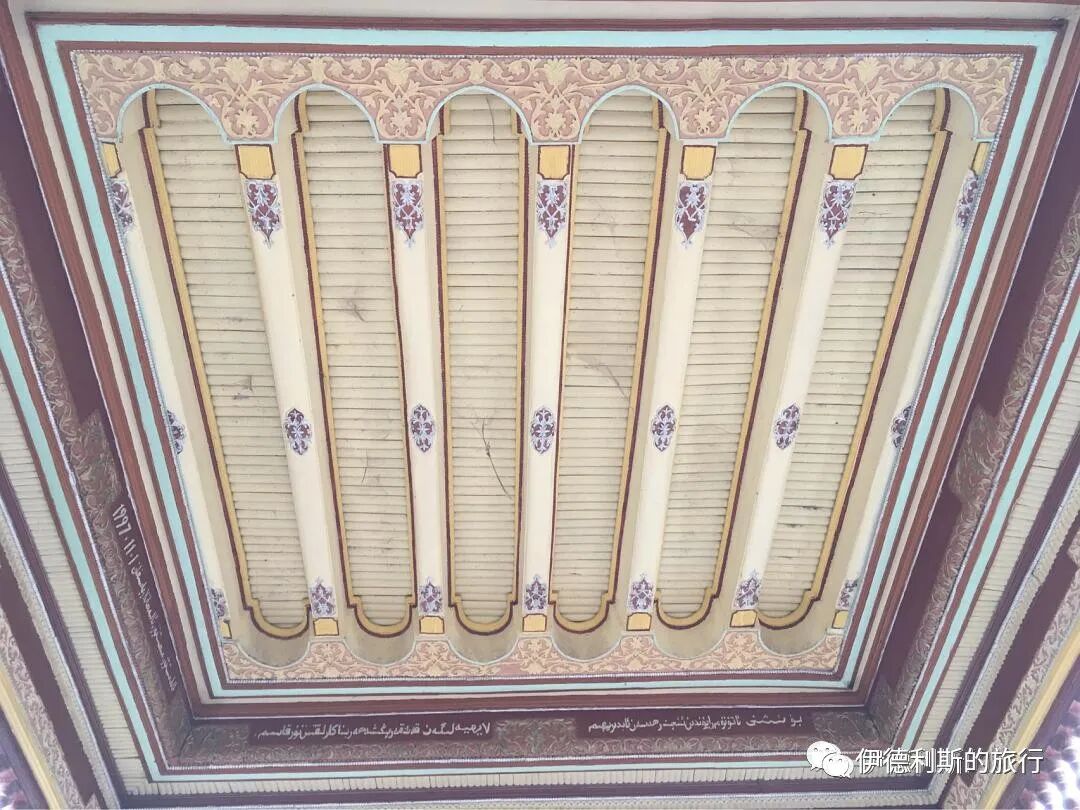
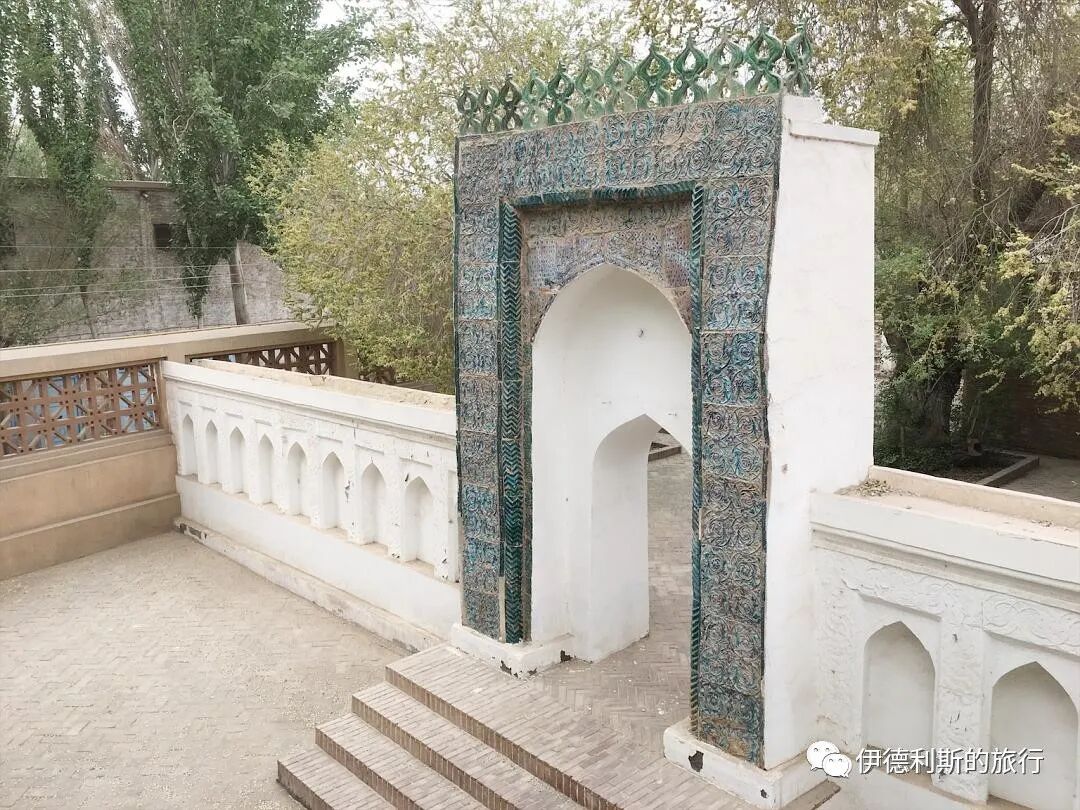
The current mausoleum of Sultan Said was rebuilt in 1997.
Summary: Islamic World in 1550: Mongol Empire Legacy and Muslim History (Part 1B) continues the same 1550 journey through the Mongol successor states, preserving the places, rulers, mosque sites, images, and historical details from the Chinese source. This is block 2 of 2.
Block 2 of 2
6. The Siberian Khanate of Russia (1468-1598)
We continue heading east to the meeting point of the Irtysh River and the Siberian River.
The Siberian (Sibir) Khanate was north of the Kazakh Khanate. It was the northernmost Muslim state in history, reaching all the way to the coast of the Arctic Ocean. In the 16th century, the capital of the Siberian Khanate was Qashliq, located on the right bank of the Irtysh River. Qashliq, also called the City of Siberia, was very prosperous in the early 16th century and had close trade ties with the Kazan Khanate. Later, it was permanently destroyed by the Cossacks, and it is hard to find any traces of it now.
The location of Qashliq city
7. The Kazakh Khanate of Kazakhstan (1465-1847)
Moving south from Siberia, we enter the vast Kazakh steppe.
The founders of the Kazakh Khanate, Janybek Khan and Kerey Khan, were both descendants of Tuqa Temur, the thirteenth son of Jochi, who was the eldest son of Genghis Khan.
In 1550, the Khanate was ruled by Haqnazar Khan (1537-1580). At that time, the Kazakh Khanate had rivals on all sides. He first defeated the Nogai Khanate, then the Khanate of Khiva and the Oirats, and then the Siberian Khanate and the Yarkent Khanate. This made the Kazakh Khanate stronger than ever, earning him the title of King of Turan (Shah-i-Turan).
The capital of the Kazakh Khanate at that time was Sighnaq, located in what is now the Kyzylorda Region of Kazakhstan. This was originally the capital of the Blue Horde and served as an important trade point for steppe tribes to exchange goods with the southern farming regions.
Sighnaq photographed by Azamat Nurlybekov in 2022
The location of Sighnaq
8. The Khanate of Khiva in Turkmenistan (1511–1920)
Continuing southwest, we go deep into the heart of Central Asia.
The Khanate of Khiva was located in the Khwarezm region south of the Aral Sea. It called itself Khwarezm, and its rulers were descendants of Shiban, the fifth son of Jochi, who was the eldest son of Genghis Khan. In the 16th century, the capital of the Khanate of Khiva was Konye-Urgench, located on the border of northern Turkmenistan and Uzbekistan. After the Khanate moved its capital to Khiva in the 17th century, this place was gradually abandoned. It was named a UNESCO World Heritage site in 2005.
Before the Mongol conquest of Khwarezm, Konye-Urgench was one of the wealthiest cities in Central Asia. Most of the current ruins belong to that period, and very few remains from the Khanate of Khiva period have been preserved.
The location of Konye-Urgench
9. The Khanate of Bukhara in Uzbekistan (1500–1785)
Let us continue east into the ancient city of Bukhara.
In the early 16th century, Muhammad Shaybani, a descendant of Shiban (the fifth son of Jochi, Genghis Khan's eldest son), led Uzbek tribes living in the northern Central Asian steppes to overthrow the Timurid dynasty's rule in Transoxiana. He established the Shaybanid Dynasty (1506-1598), opening a new chapter in the history of the Transoxiana region of Central Asia.
The capital of the Shaybanid Dynasty was initially in Samarkand, but it moved to Bukhara after 1533, which is why later generations called it the Khanate of Bukhara. Bukhara served as the capital of the Khanate of Bukhara for 252 years, from 1533 to 1785, and many buildings constructed during that time remain today.
The Mir-i-Arab Madrasa was built in 1535 by order of Ubaidullah, the Khan of the Shaybanid Dynasty (reigned 1533-1539). It was named after the Khan's Sufi mentor, Mir-i-Arab (also known as Sheikh Abdullah Yamani).
To compete for territory, Khan Ubaidullah fought many wars against the Persian Safavid dynasty, the most famous being the siege of the ancient Afghan city of Herat. During many raids on Persia, the Shaybanid Dynasty captured many prisoners. People say the Khan used the money from selling three thousand Persian captives to build the Mir-i-Arab Madrasa.
The Mir-i-Arab Madrasa was built opposite the famous Kalyan mosque in Bukhara, forming a facing structure known as a "kosh."
The Mir-i-Arab Madrasa closed in the 1920s but reopened in 1947. It became the only open madrasa in Bukhara at the time, and almost all the imams of that era were trained at this school.
The Khoja Zaynuddin mosque was built in the first half of the 16th century, located next to an ancient pond (Hauz) in Bukhara. This architectural style is known as a mosque-khanaka (Mosque-Khanaka). It serves as both a mosque and a Sufi center, where people can perform namaz and hold religious gatherings (ermeli).
The Bahouddin Naqshbandi Complex is an important Sufi holy site in Central Asia, often called the 'Little Mecca' of the region. It holds the tomb of Hazrat Muhammad Bahauddin Shah Naqshband, the founder of the famous Naqshbandia Sufi order.
During the Shaybanid dynasty, the Naqshbandia order eventually outperformed other Sufi groups to become the dominant order in the khanate. Unlike other Sufi orders that favored seclusion and leaving the world behind, the Naqshbandia order followed the principles set by its founder: 'solitude in the crowd, travel in the world, caution in action, and enjoyment of the moment.'
In 1544, the Shaybanid Khan Abdulaziz (who reigned from 1539 to 1550) built a Dakhma platform with marble railings at the shrine, along with a Sufi lodge (Khanaqa) nearby. Later, a large cemetery for Bukhara's rulers appeared near the shrine, as every ruler felt honored to be buried close to it.
During the Shaybanid period of the Bukhara Khanate, Tashkent's population and size gradually recovered, making it a commercial and cultural hub along the Silk Road. Most of the historical buildings still standing in Tashkent today were built during this time. Abu Bakr Mohammed Kaffal Shashi was a famous imam and scholar in Tashkent during the Samanid dynasty. After he passed away in 976, he was buried in a garden on the outskirts of Tashkent. The current Kaffal Shashi mausoleum was rebuilt in 1541 during the Shaybanid dynasty. It features the design of a Sufi lodge (Khanaqah), including a tall archway (Iwan) and a dome. Inside, besides Kaffal Shashi, his students are also buried there, including his three main disciples. The mausoleum was once covered in beautiful tiles, but only parts remain today, and they have been restored. Additionally, the window lattices on the mausoleum gate are already 500 years old. According to Tashkent legends, applying dust from this mausoleum to one's face can help a woman become pregnant, which attracts many women who are struggling to conceive.
10. The Yarkent Khanate in China (1514-1680)
We crossed the Tianshan Mountains and arrived at the city of Shache in southern Xinjiang.
The Yarkent (Yarkent) Khanate was a state established in 1514 by Sultan Said Khan, a descendant of the Eastern Chagatai royal family. With Yarkent city (Shache) as its capital, it ruled southern Xinjiang and surrounding areas for over a hundred years until it was annexed by the Dzungar Khanate in 1680.
During the Yarkent Khanate's rule over southern Xinjiang, the Chagatai Mongols eventually shifted from nomadic life to settled living and merged into the Uyghur people. The Uyghurs also gradually developed into a modern ethnic group during this period, and the Twelve Muqam was finalized at this time as well.
'Yarkent Khanate' is actually a name used by modern scholars. In earlier local documents, the Persian word 'Moghuliye' was used, which means 'Mongol State'. Around the same time, Sultan Said Khan's cousin Babur established a state in northern India and also called it 'Moghul'. To distinguish them, Chinese usually translates them as 'Mengwu'er' and 'Mowo'er' respectively.
The founder of the Yarkent Khanate, Said Khan, was the third son of Ahmad Alaq, the ruler of Uyghurstan (modern-day Turpan area) in the eastern part of the Eastern Chagatai Khanate. In 1514, after stabilizing the Transoxiana region, the Uzbek army prepared to wipe out the Chagatai Mongols. After careful thought and discussion, Said Khan decided he could not withstand the Uzbek army's attack, so he left the Fergana Valley, crossed the Tianshan Mountains, and headed toward Yarkent.
In the spring of 1514, Said Khan led his army across the Tianshan Mountains and reached Kashgar via the Torugart Pass. At that time, southern Xinjiang was ruled by Abu Bakr, the leader of the Mongol Dughlat tribe. He was recruiting soldiers in Yarkent city. Said Khan fought a fierce battle outside the city against the Kashgar garrison and defeated the enemy. The enemy closed the gates and refused to come out, so Said Khan could not take the city and turned to attack the city of Yengisar. Said Khan besieged Yengisar for two months and finally captured it after six days of intense fighting.
Hearing that Yengisar had fallen, the Kashgar garrison abandoned the city and fled, so Said Khan marched directly toward Yarkent. When Abu Bakr heard this, he abandoned the city and fled to Hotan, and soon after, Said Khan entered Yarkent city. On September 3, 1514, Said Khan officially ascended the throne and established the Yarkent Khanate.
In 1516, Sultan Said reconciled with his older brother, Mansur Khan, who ruled the eastern part of the Eastern Chagatai Khanate. He agreed to mention Mansur's name during the khutbah (sermon) and to mint coins bearing Mansur's name. Southern Xinjiang welcomed long-awaited peace and order that year. The Tarikh-i-Rashidi describes it this way:
The reconciliation between these two brothers brought safety and prosperity to the residents. Anyone could travel alone between Hami in China and the Fergana region without needing food supplies or fearing robbery.
The location of Yarkand city.
Today, there is a site in the old city of Yarkand called Ordakul, which means royal palace pond. This was likely the location of the Yarkand Khanate's royal palace. The Tarikh-i-Rashidi describes Yarkand city during the early Yarkand Khanate period like this:
They diverted rivers into the city and built gardens. The main roads were lined with poplar trees. People walking around the city could spend half their journey in the shade of these trees, and most of the tree-lined paths had water channels on both sides.
Ordakul Mosque
To the west of Ordakul is the Jami Mosque. Jami is also translated as Jumu'ah, which refers to the weekly Friday congregational prayer. The Jami Mosque was reportedly founded by Sultan Said and later expanded during the reign of Abdullah Khan (reigned 1638–1669).
After settling down in the oases of southern Xinjiang, many Chagatai Mongols began to complain about city life and missed the nomadic life on the steppes of their homeland, Moghulistan. the small pastures in the southern Xinjiang oases could not support the needs of the Mongol army. In 1522, Sultan Said sent his son, Abdurashid Khan, to lead troops into Moghulistan and conquer the Kyrgyz people living there.
In 1526, the Kazakhs entered Moghulistan and joined forces with the Kyrgyz, reaching a total of over 200,000 people. Sultan Said realized his strength was not enough to fight them, so he ordered all the Chagatai Mongols to return to southern Xinjiang. The Chagatai Mongols' five-year attempt to return to their nomadic homeland ultimately ended in failure.
After the failure in the north, Sultan Said turned his attention to attacking the south. In 1529, Sultan Said raided the Badakhshan region, which lay between the Yarkand Khanate and the Mughal Empire. This raid caused conflict between Sultan Said and his cousin, Emperor Babur. Emperor Babur wrote a letter to Sultan Said warning him that if he continued, you will know the rest yourself.
In 1532, Sultan Said personally led an army south to prepare for an expedition to Lhasa. While crossing the Karakoram Mountains, Sultan Said suffered from severe altitude sickness and lost his strength. In 1533, he decided to return to Yarkand to recover, but he died from altitude sickness while crossing the Karakoram Mountains again.
After Sultan Said died in 1533, his son, Abdurashid Khan (reigned 1533–1560), succeeded him. Abdurashid Khan built a mausoleum for his father at the west gate of Yarkand city. Later, this also became the royal mausoleum of the Yarkand Khanate.
The current mausoleum of Sultan Said was rebuilt in 1997.
