
Islamic World in 1550: Mongol Legacy and Muslim History (Part 1A-2)
Reposted from the web
Summary: This block continues Islamic World in 1550: Mongol Legacy and Muslim History (Part 1A), preserving the same sequence of places, rulers, mosque sites, images, and historical details from the Chinese source.
2. The Astrakhan Khanate of Russia (1466–1556)
We continue east to the mouth of the Volga River.
The Astrakhan Khanate was located in the Volga Delta. Its founder, Mahmud bin Küchük, was a prince of the Golden Horde. The Astrakhan Khanate was mainly inhabited by Astrakhan Tatars and Nogais. The Khanate's caravans traveled between Moscow, Kazan, Crimea, Central Asia, and the Transcaucasus region. In 1532, the Astrakhan Khanate began to have contact with Russia. After Russia conquered Kazan in 1552, the Astrakhan Khanate could not escape the same fate.
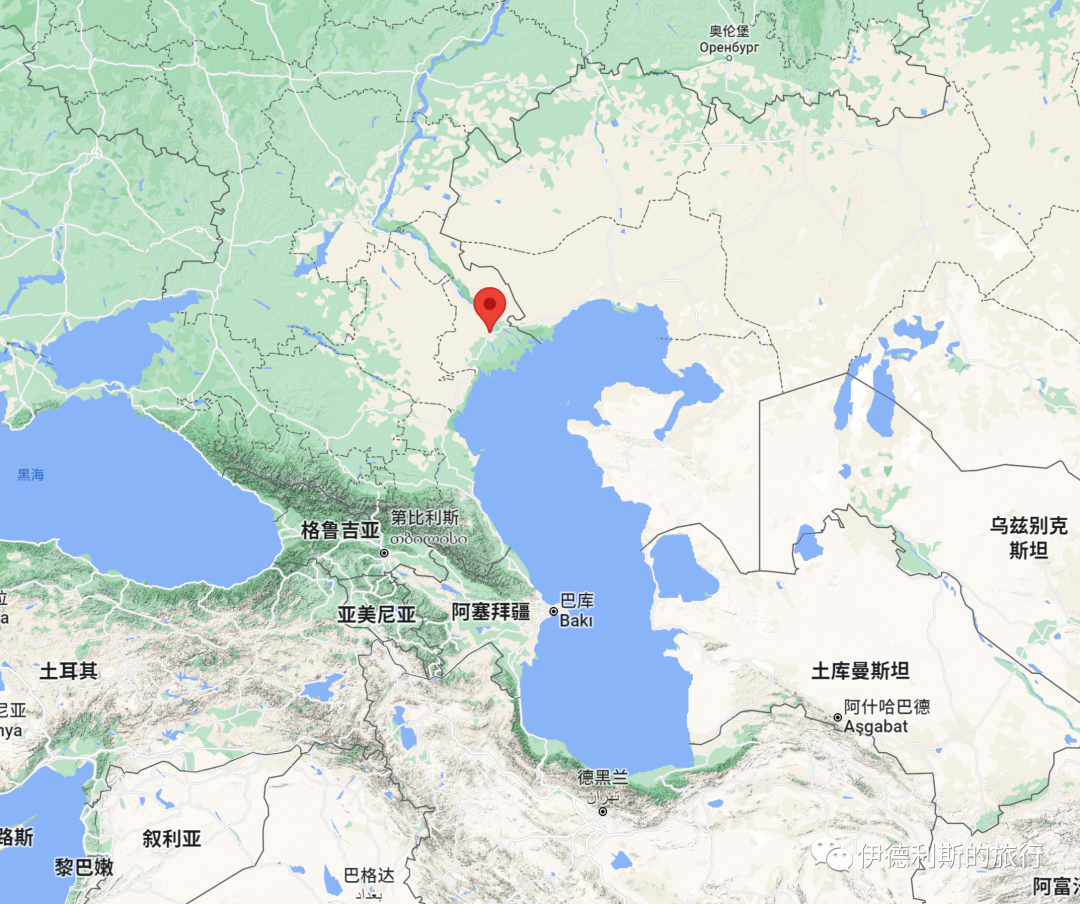
In 1550, the capital of the Astrakhan Khanate was Hajji Tarkhan, located on the right bank of the Volga River, 12 kilometers north of the modern city of Astrakhan. The city of Hajji Tarkhan was built by the Golden Horde in the late 13th century, appeared in the Travels of Ibn Battuta in the 14th century, was destroyed by Timur's army in 1395, and was rebuilt by the Astrakhan Khanate in the 15th century. The city was occupied by the Crimean Khanate in 1547 and was finally burned down by Ivan the Terrible in 1556.
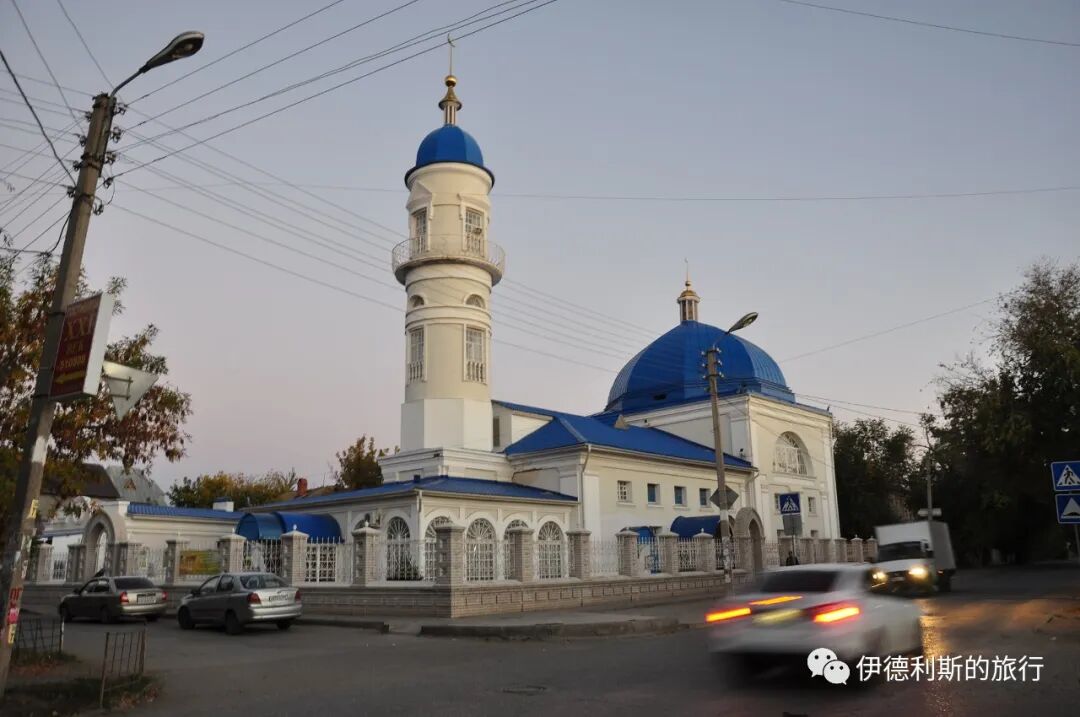
There are currently about 60,000 Astrakhan Tatars in Russia. Most live in the Astrakhan Oblast, with half living in the city of Astrakhan, where they have their own community and several mosques.
The location of the city of Hajji Tarkhan.
The White Mosque in Astrakhan, photographed by Polinadelia in 2014.
3. The Nogai Horde in Russia and Kazakhstan (1440–1634)
Continuing east from the Volga River, you reach the grasslands of the Nogai tribes.
Nogai was the great-grandson of Jochi, the eldest son of Genghis Khan, and an important leader of the Golden Horde who ruled many Turkic-speaking tribes in the 13th century. A century later, the Golden Horde general Edigu ruled a large area from the Volga to the Ural River, and the tribes under his rule were also called the Nogai Horde.
We can find history about the Nogai Horde in the early 16th century in Russian records. In 1521, the Nogai were driven west by the Kazakhs and crossed the Volga River to attack Astrakhan. In 1522, the Kazakhs captured the capital of the Nogai Horde. In 1523, the Nogai Horde defeated the army that had briefly occupied Astrakhan.
In 1550, the Khan of the Kazan Khanate was Yosuf Khan (1549–1555), who had helped Moscow against the Kazan Khanate in 1549.
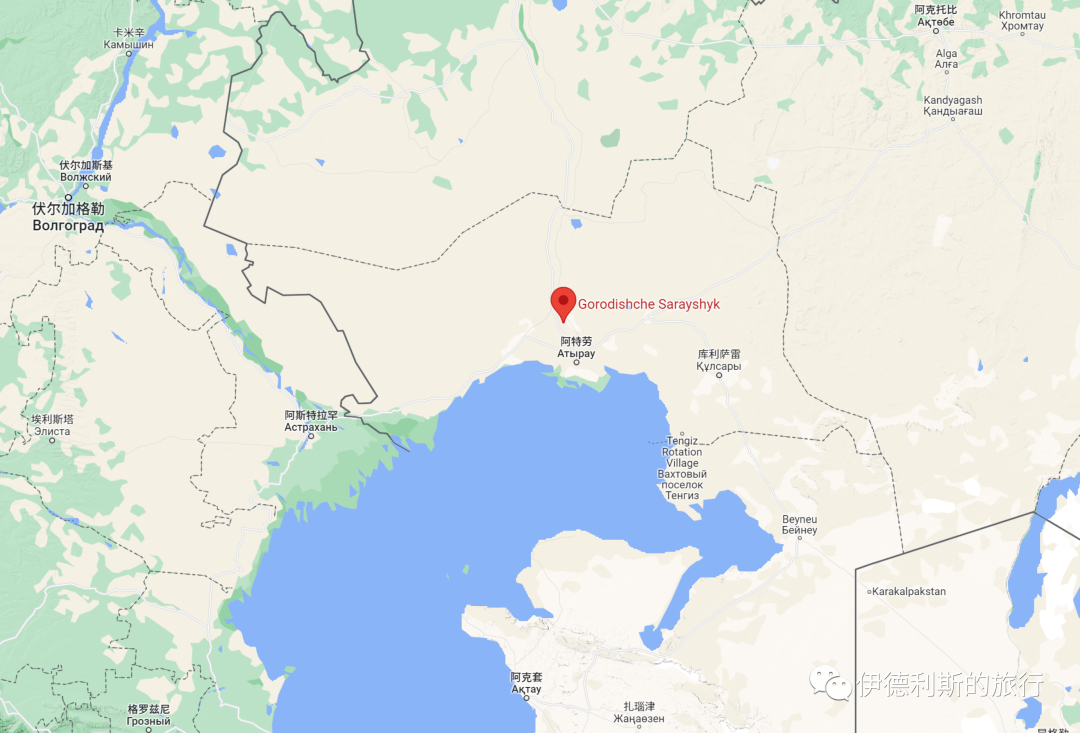
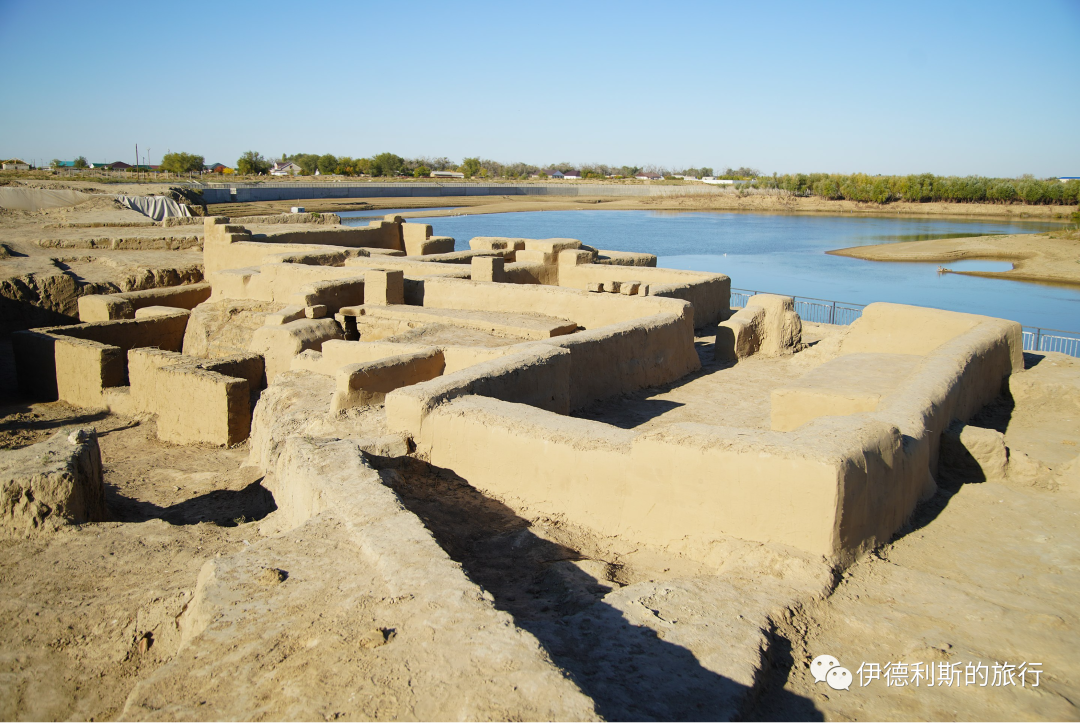
Saray-Jük was the capital of the Nogai Horde, located on the border of Europe and Asia in western Kazakhstan. This city sat on a trade route between Europe and China and was an important commercial hub during the Golden Horde period. After being destroyed by Timur in 1395, it was rebuilt in the 1430s and 1440s.
The location of Saray-Jük.
The ruins of Saray-Jük, photographed by Yakov Fedorov in 2020.
4. The Qasim Khanate in Russia (1452–1681)
We head north to the modern-day Ryazan Oblast in Russia.
The Qasim Khanate was located in Russia's Ryazan Oblast. Its founder, Qasim Khan, was the son of Ulugh Muhammad, the founder of the Kazan Khanate. The Qasim Khanate served as a buffer state between the Grand Duchy of Moscow and the Kazan Khanate and was under heavy Russian control.
In 1550, the Khan of the Qasim Khanate was Shahghali, who was installed as the Khan of the Kazan Khanate three times as a Russian vassal. In 1546, Shahghali was overthrown by the people of Kazan and fled back to the Qasim Khanate. Between 1547 and 1551, he participated in several Russian attacks on the Kazan Khanate and took part in the final Russian conquest of Kazan in 1552.
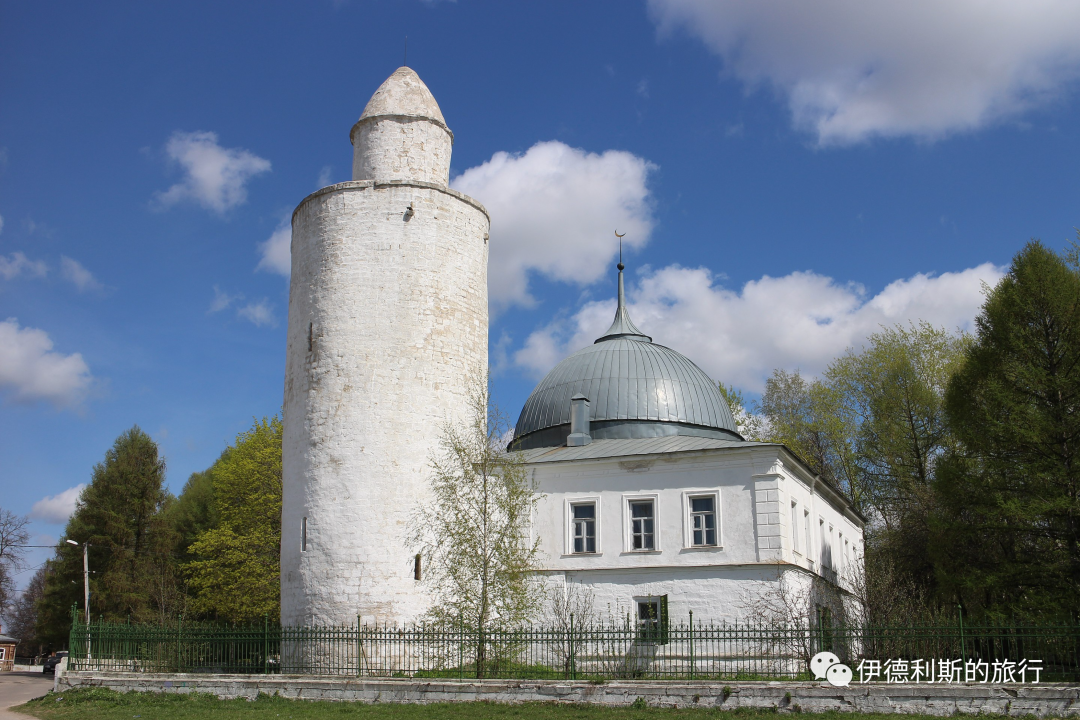
The capital of the Qasim Khanate, Qasimov, is located on the left bank of the Oka River in Russia's Ryazan Oblast, where one thousand Tatar-speaking Qasim Tatars still live today. The Khan Mosque in Qasimov was built by Shahghali in the mid-16th century. It was ordered to be demolished by Peter the Great in 1702, but the minaret (bangke ta) was preserved. This minaret is very similar to the Light Tower (Guangta) of the Huaisheng Mosque in Guangzhou.
The Khan Mosque in Qasimov, photographed by Alexander Novikov in 2014.
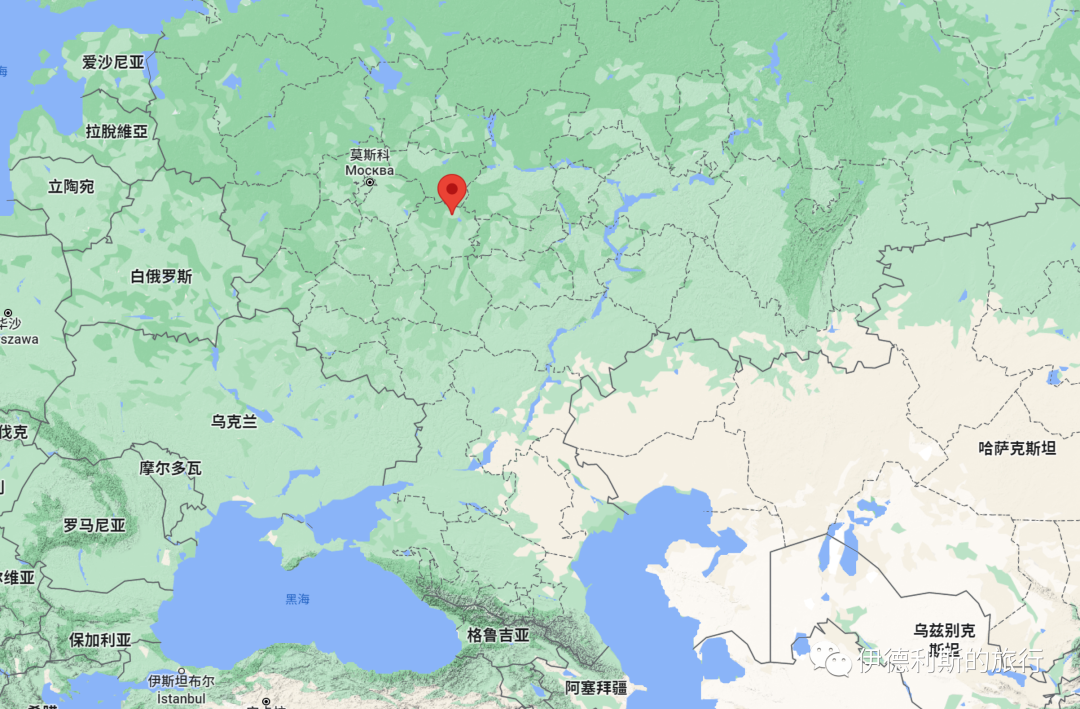
The location of Qasimov.
Block 2 of 3 for Part 1A
Summary: This block continues Islamic World in 1550: Mongol Legacy and Muslim History (Part 1A), preserving the same sequence of places, rulers, mosque sites, images, and historical details from the Chinese source.
2. The Astrakhan Khanate of Russia (1466–1556)
We continue east to the mouth of the Volga River.
The Astrakhan Khanate was located in the Volga Delta. Its founder, Mahmud bin Küchük, was a prince of the Golden Horde. The Astrakhan Khanate was mainly inhabited by Astrakhan Tatars and Nogais. The Khanate's caravans traveled between Moscow, Kazan, Crimea, Central Asia, and the Transcaucasus region. In 1532, the Astrakhan Khanate began to have contact with Russia. After Russia conquered Kazan in 1552, the Astrakhan Khanate could not escape the same fate.
In 1550, the capital of the Astrakhan Khanate was Hajji Tarkhan, located on the right bank of the Volga River, 12 kilometers north of the modern city of Astrakhan. The city of Hajji Tarkhan was built by the Golden Horde in the late 13th century, appeared in the Travels of Ibn Battuta in the 14th century, was destroyed by Timur's army in 1395, and was rebuilt by the Astrakhan Khanate in the 15th century. The city was occupied by the Crimean Khanate in 1547 and was finally burned down by Ivan the Terrible in 1556.
There are currently about 60,000 Astrakhan Tatars in Russia. Most live in the Astrakhan Oblast, with half living in the city of Astrakhan, where they have their own community and several mosques.
The location of the city of Hajji Tarkhan.
The White Mosque in Astrakhan, photographed by Polinadelia in 2014.
3. The Nogai Horde in Russia and Kazakhstan (1440–1634)
Continuing east from the Volga River, you reach the grasslands of the Nogai tribes.
Nogai was the great-grandson of Jochi, the eldest son of Genghis Khan, and an important leader of the Golden Horde who ruled many Turkic-speaking tribes in the 13th century. A century later, the Golden Horde general Edigu ruled a large area from the Volga to the Ural River, and the tribes under his rule were also called the Nogai Horde.
We can find history about the Nogai Horde in the early 16th century in Russian records. In 1521, the Nogai were driven west by the Kazakhs and crossed the Volga River to attack Astrakhan. In 1522, the Kazakhs captured the capital of the Nogai Horde. In 1523, the Nogai Horde defeated the army that had briefly occupied Astrakhan.
In 1550, the Khan of the Kazan Khanate was Yosuf Khan (1549–1555), who had helped Moscow against the Kazan Khanate in 1549.
Saray-Jük was the capital of the Nogai Horde, located on the border of Europe and Asia in western Kazakhstan. This city sat on a trade route between Europe and China and was an important commercial hub during the Golden Horde period. After being destroyed by Timur in 1395, it was rebuilt in the 1430s and 1440s.
The location of Saray-Jük.
The ruins of Saray-Jük, photographed by Yakov Fedorov in 2020.
4. The Qasim Khanate in Russia (1452–1681)
We head north to the modern-day Ryazan Oblast in Russia.
The Qasim Khanate was located in Russia's Ryazan Oblast. Its founder, Qasim Khan, was the son of Ulugh Muhammad, the founder of the Kazan Khanate. The Qasim Khanate served as a buffer state between the Grand Duchy of Moscow and the Kazan Khanate and was under heavy Russian control.
In 1550, the Khan of the Qasim Khanate was Shahghali, who was installed as the Khan of the Kazan Khanate three times as a Russian vassal. In 1546, Shahghali was overthrown by the people of Kazan and fled back to the Qasim Khanate. Between 1547 and 1551, he participated in several Russian attacks on the Kazan Khanate and took part in the final Russian conquest of Kazan in 1552.
The capital of the Qasim Khanate, Qasimov, is located on the left bank of the Oka River in Russia's Ryazan Oblast, where one thousand Tatar-speaking Qasim Tatars still live today. The Khan Mosque in Qasimov was built by Shahghali in the mid-16th century. It was ordered to be demolished by Peter the Great in 1702, but the minaret (bangke ta) was preserved. This minaret is very similar to the Light Tower (Guangta) of the Huaisheng Mosque in Guangzhou.
The Khan Mosque in Qasimov, photographed by Alexander Novikov in 2014.
The location of Qasimov.
Block 2 of 3 for Part 1A
