
Islamic World in 1550: Mongol Legacy and Muslim History (Part 1A-3)
Reposted from the web
Summary: This block continues Islamic World in 1550: Mongol Legacy and Muslim History (Part 1A), preserving the same sequence of places, rulers, mosque sites, images, and historical details from the Chinese source.
5. The Kazan Khanate in Russia (1438–1552)
We headed east to the city of Kazan on the banks of the Volga River.
The Kazan Khanate was founded by Ulugh Muhammad, a descendant of Genghis Khan's eldest son Jochi, who had ruled the Golden Horde twice. He lost control of the Golden Horde in 1436, then led his army to the Volga River and officially established the Kazan Khanate after capturing Kazan in 1438.
In 1521, the Kazan Khanate formed an alliance with the Astrakhan, Crimean, and Nogai Khanates to resist Moscow together. This caused dissatisfaction among pro-Russian factions within the Kazan Khanate, leading the state into internal conflict.
In 1550, the Khan of the Kazan Khanate was the four-year-old Ötemish Giray, though the actual rulers were his mother, Söyembikä, and the prime minister (uğlan) Qoşçaq. Seeing the instability in the Kazan Khanate, Ivan the Terrible of Russia sent a large army to besiege Kazan in February 1550, but the thawing of the Volga River forced the Russians to retreat and only attack the outskirts of the city. Throughout that year, Söyembikä and Qoşçaq fought against the pro-Russian faction, and relations with Russia continued to worsen.
The Kazan Khanate built many homes and public buildings in Kazan, including the Khan's palace, courtyards, mosques, and tombs, with tall minarets defining the city's skyline. In 1552, Ivan the Terrible invaded Kazan, destroyed the Kazan Khanate, and drove all Tatars out of the city, allowing only Russians to settle there. Between 1556 and 1562, Ivan the Terrible ordered the construction of the Kazan Kremlin on the site of the old Kazan Khanate fortress. The mosques, the Kazan Khan's palace, and the tombs were initially used as armories and ammunition depots, but were eventually completely demolished in the 18th century.
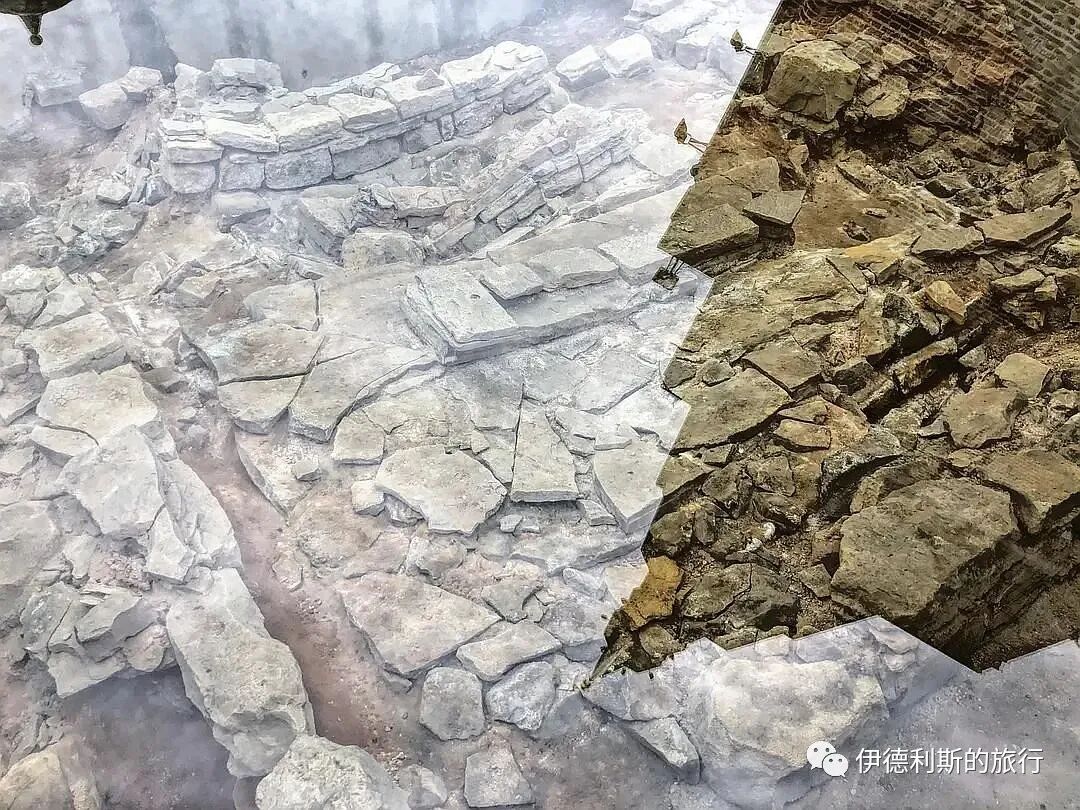
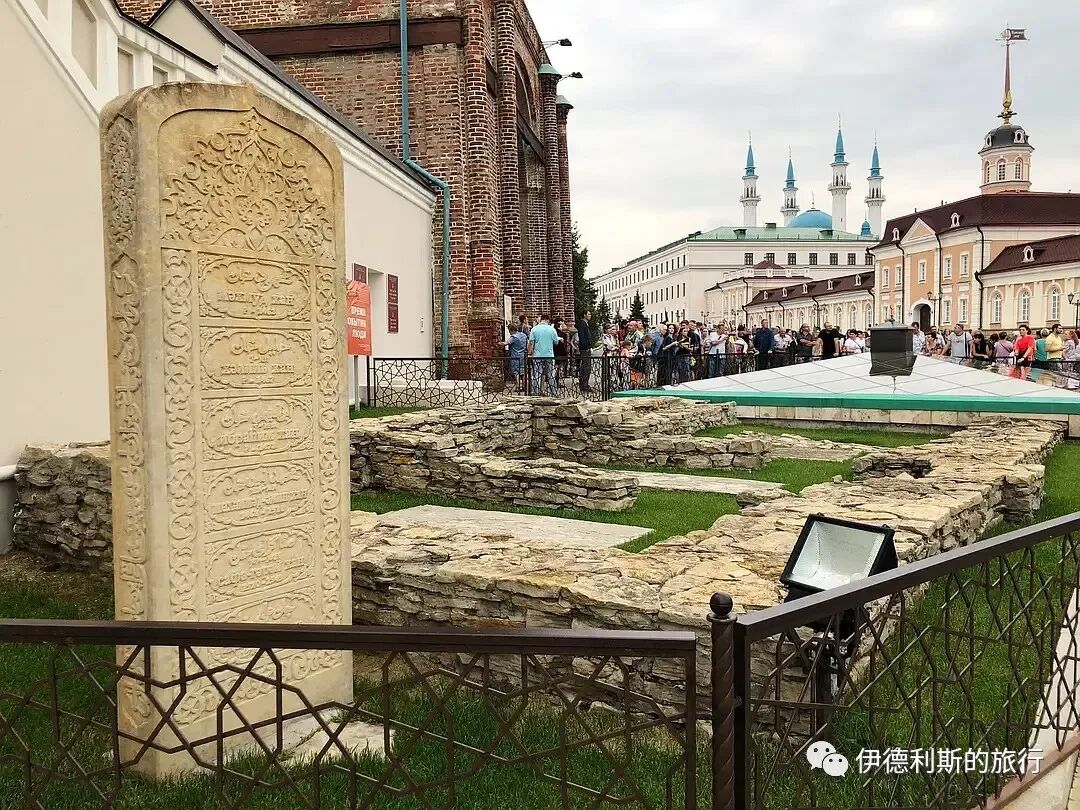
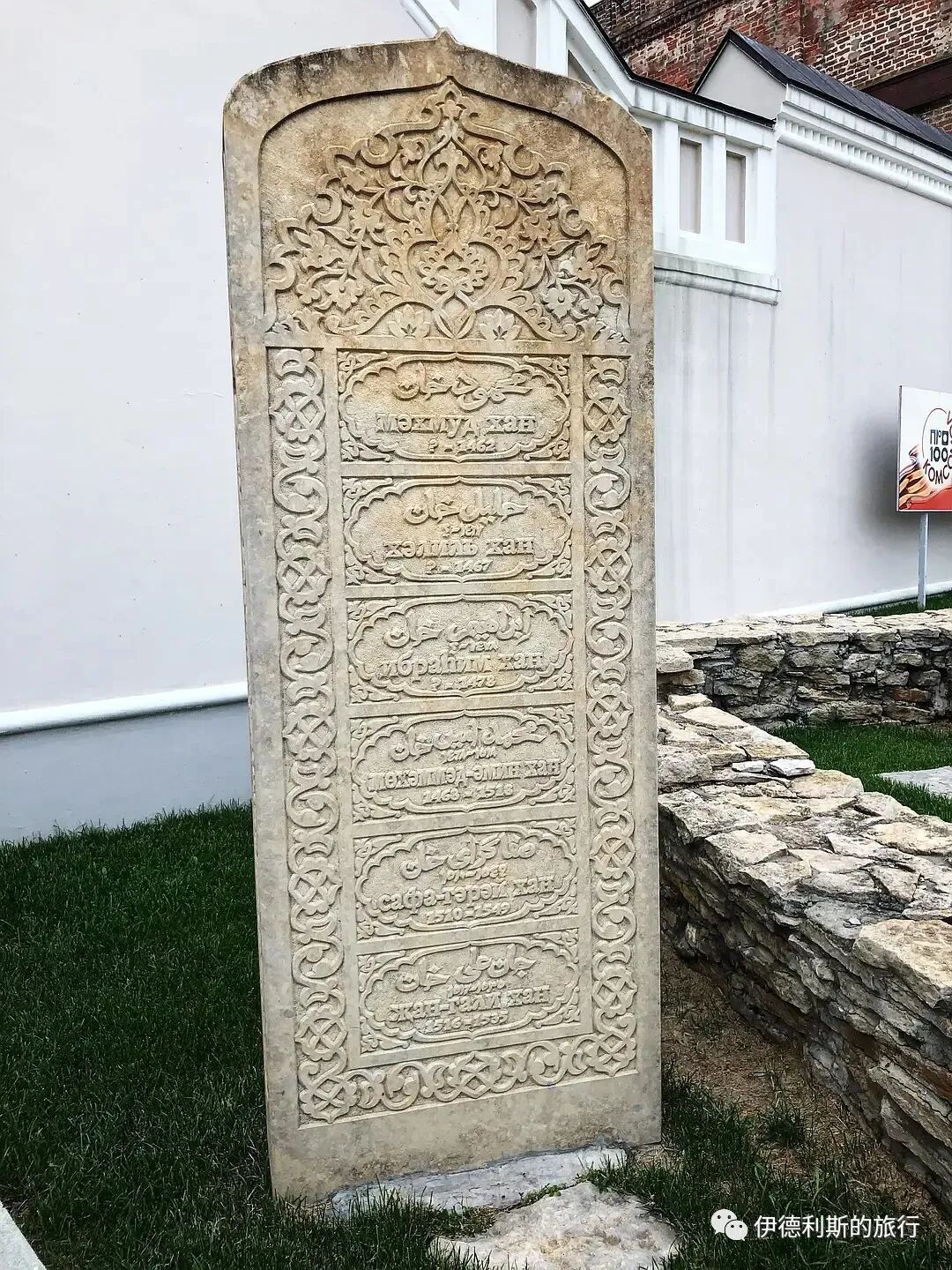
In 1977, hydraulic engineers accidentally dug up a grave while laying rainwater pipes at the Kazan Kremlin and immediately contacted the archaeology department. Archaeological excavations lasted for 10 years, eventually uncovering five graves, two of which were confirmed to be those of the actual founders of the Kazan Khanate: Mäxmüd Khan (died 1463 or 1466) and his grandson, Möxämmät Ämin (died 1518). The tomb was originally made of white stone and finally collapsed in the 17th century.
For further research, the remains of the two Kazan Khans, Mäxmüd and Möxämmät Ämin, were kept at the Institute of Archaeology of the Tatarstan Academy of Sciences for 40 years. In May 2017, after continuous efforts by the Tatar Muslims of Kazan, the two Kazan Khans were finally reburied not far from their original graves.
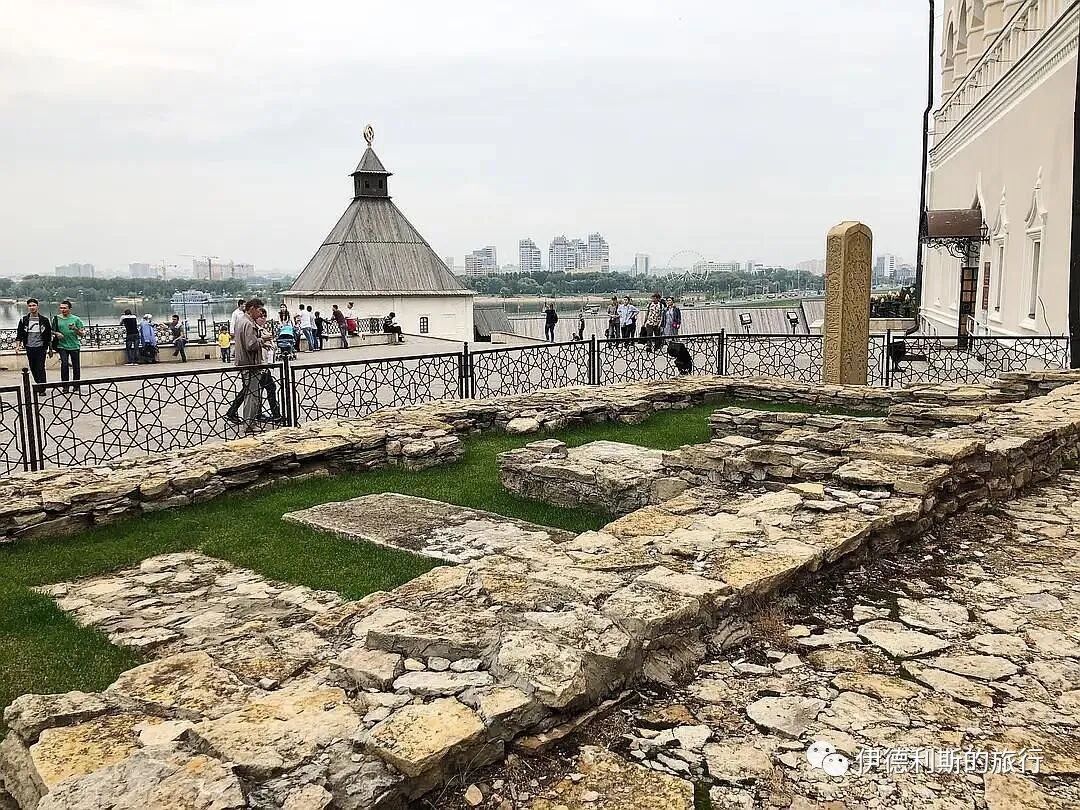
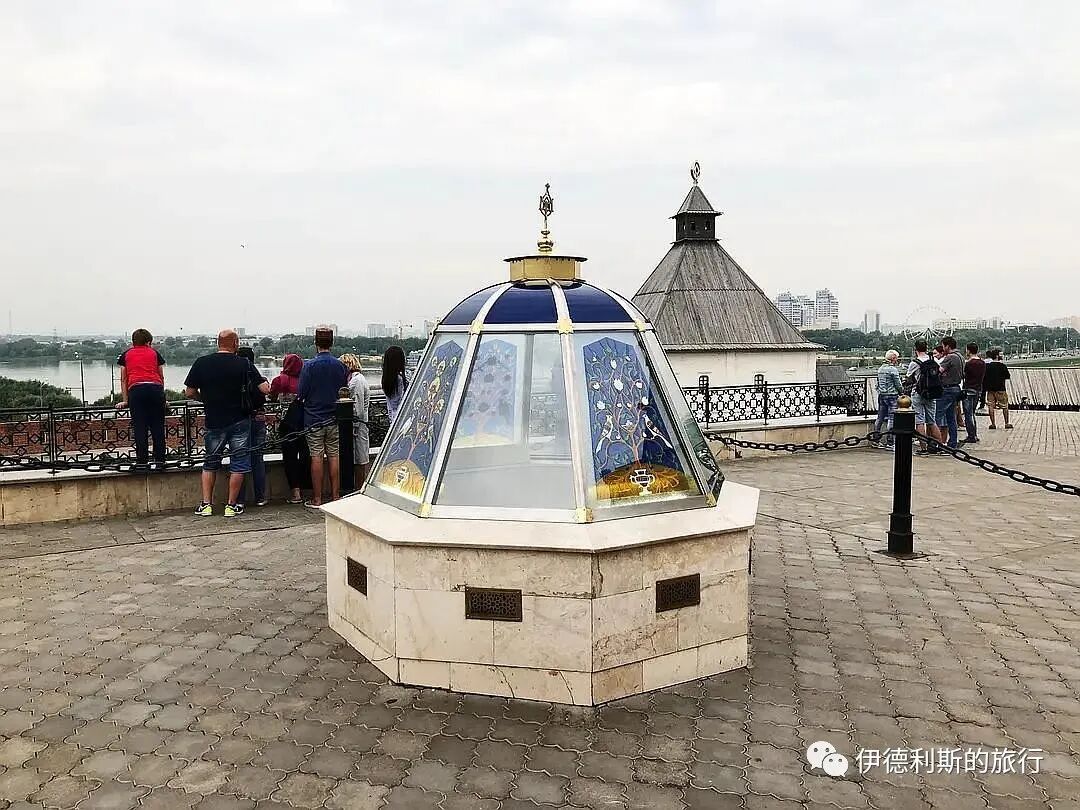
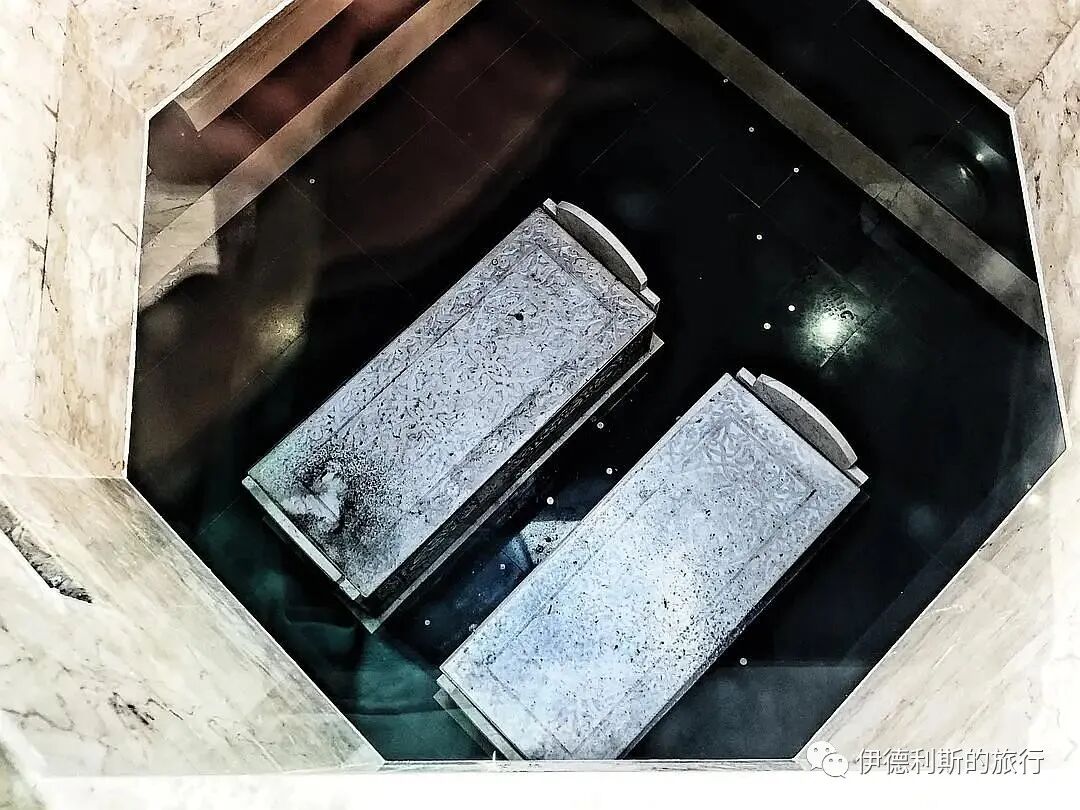
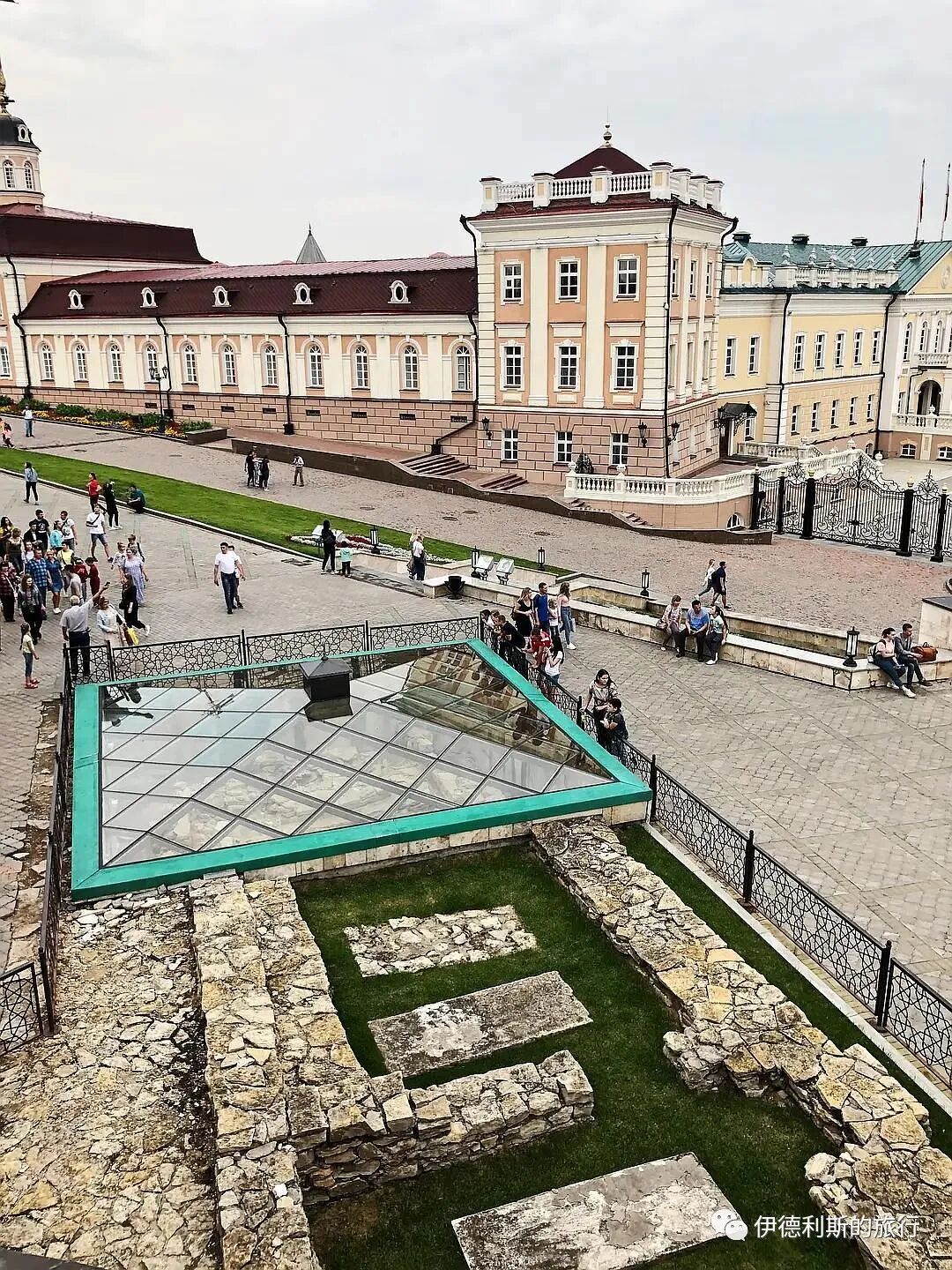
Between 2004 and 2005, the Institute of Archaeology of the Tatarstan Academy of Sciences re-excavated the Kazan Khan tombs and discovered the graves of four more Khans: Xalil (died 1467), İbrahim (died 1478), Safa Giray (died 1549), and Canghali (died 1535). Today, these four Kazan Khan graves are protected under a glass roof. Safa Giray Khan came from the Giray family of the Crimean Khanate and served as the Khan of Kazan three times: from 1524–1531, 1535–1546, and 1546–1549. Safa Giray was an anti-Russian Khan. His first reign ended due to Moscow's attack on Kazan, and he regained the throne four years later after Kazan nobles overthrew the pro-Russian Khan. Eleven years later, due to internal unrest in Kazan, he was overthrown again by a pro-Russian Khan. Safa Giray fled to his father-in-law's Nogai tribe, and a few months later, he returned to Kazan with a Nogai army to become the Khan for the third time. Canghali Khan was originally the Khan of the Qasim Khanate, a vassal state of the Grand Duchy of Moscow. In 1532, Grand Prince Vasily III of Moscow defeated the Kazan Khan Safa Giray and installed the 16-year-old Canghali as the pro-Russian Khan of Kazan. He died in 1535 during a coup by Kazan nobles.
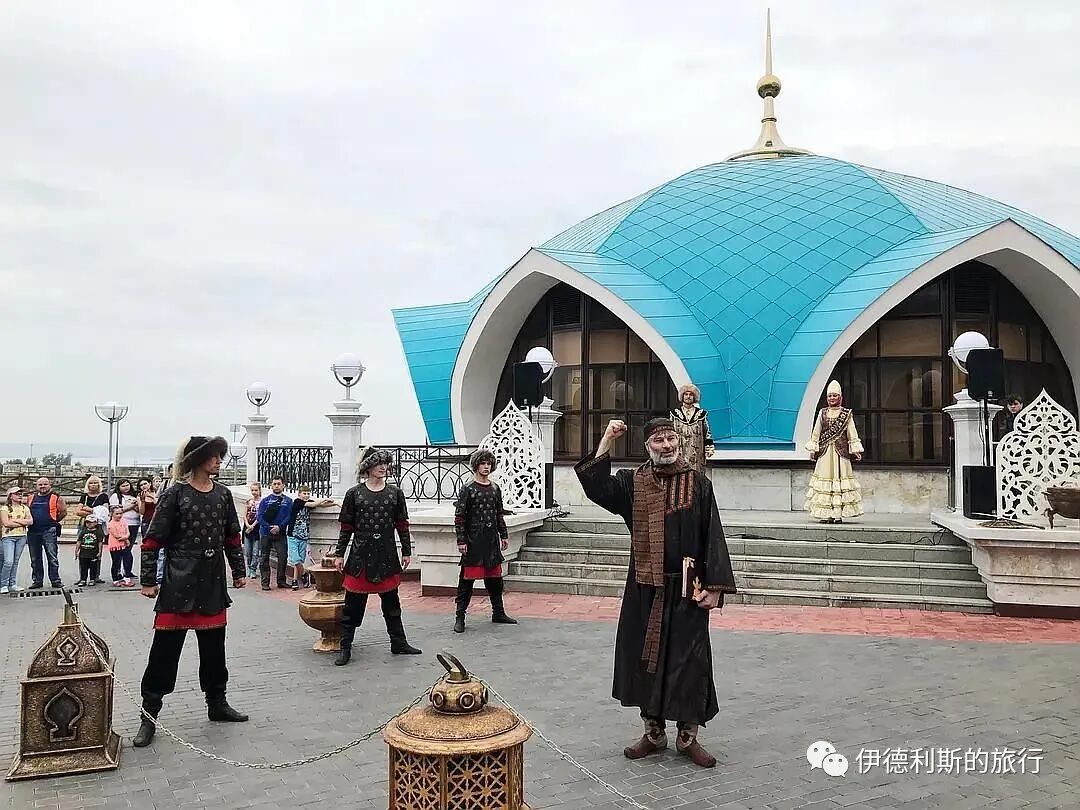
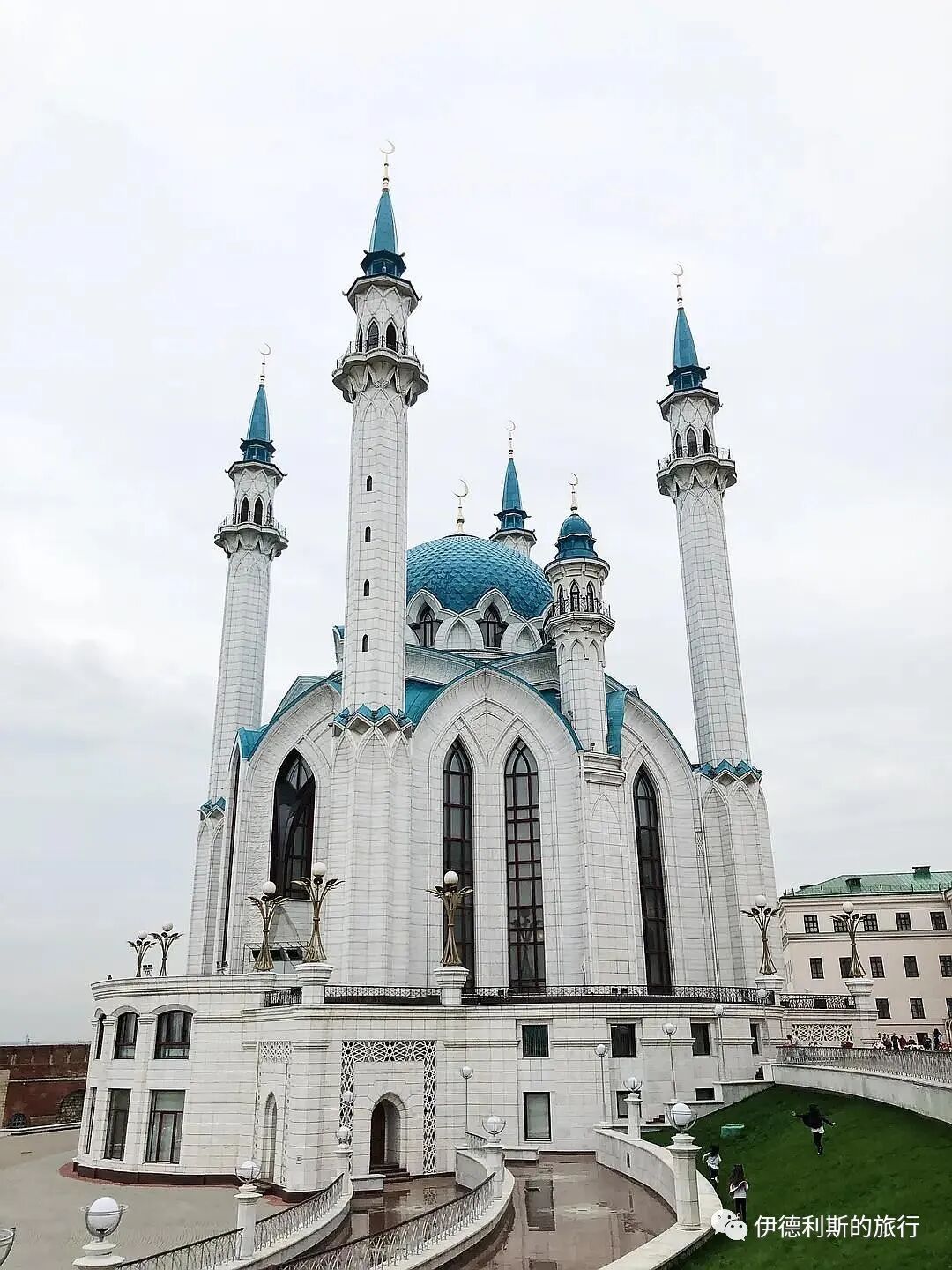
There is a performance about the Siege of Kazan at the entrance of the Kul Sharif Mosque inside the Kazan Kremlin. In 1552, when Ivan the Terrible besieged Kazan, the last imam of the Kazan Khanate, Seid Kul Sharif, led the people in a final resistance and died in the city. Today, Seid Kul Sharif is a national hero for the Kazan Tatars, and the new Kul Sharif Mosque built in 2005 is named after him.
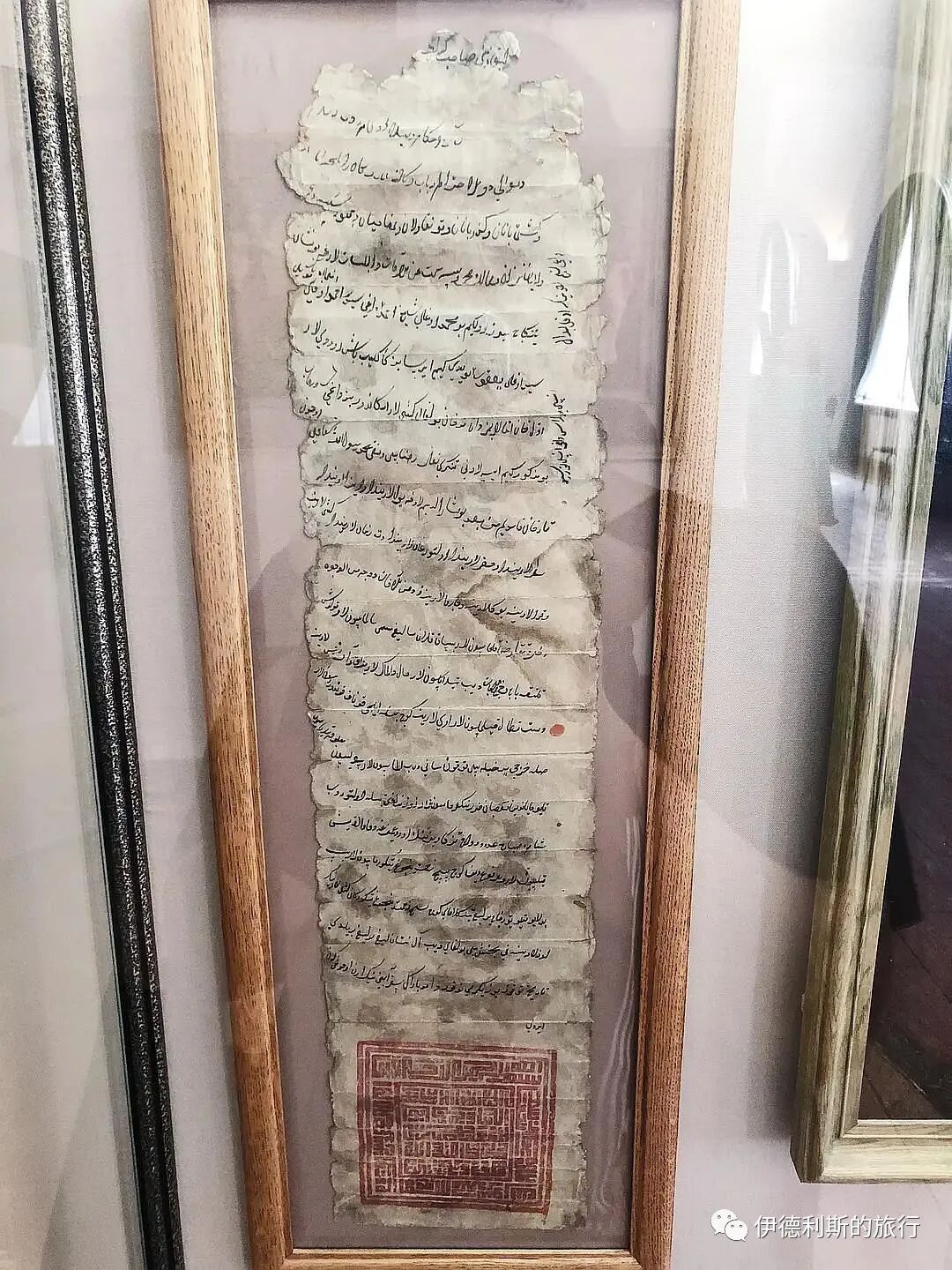
The National Museum of the Republic of Tatarstan houses a letter written in 1523 by the Kazan Khan Sahib I Giray (reigned 1521–1524). A replica of this letter is also inside the Kazan Kremlin. In 1521, to resist the control of the Grand Duchy of Moscow, the Kazan Khanate overthrew the pro-Moscow Khan Shahghali and welcomed Sahib I Giray from Crimea to Kazan to become the new Khan.
Block 3 of 3 for Part 1A
Summary: This block continues Islamic World in 1550: Mongol Legacy and Muslim History (Part 1A), preserving the same sequence of places, rulers, mosque sites, images, and historical details from the Chinese source.
5. The Kazan Khanate in Russia (1438–1552)
We headed east to the city of Kazan on the banks of the Volga River.
The Kazan Khanate was founded by Ulugh Muhammad, a descendant of Genghis Khan's eldest son Jochi, who had ruled the Golden Horde twice. He lost control of the Golden Horde in 1436, then led his army to the Volga River and officially established the Kazan Khanate after capturing Kazan in 1438.
In 1521, the Kazan Khanate formed an alliance with the Astrakhan, Crimean, and Nogai Khanates to resist Moscow together. This caused dissatisfaction among pro-Russian factions within the Kazan Khanate, leading the state into internal conflict.
In 1550, the Khan of the Kazan Khanate was the four-year-old Ötemish Giray, though the actual rulers were his mother, Söyembikä, and the prime minister (uğlan) Qoşçaq. Seeing the instability in the Kazan Khanate, Ivan the Terrible of Russia sent a large army to besiege Kazan in February 1550, but the thawing of the Volga River forced the Russians to retreat and only attack the outskirts of the city. Throughout that year, Söyembikä and Qoşçaq fought against the pro-Russian faction, and relations with Russia continued to worsen.
The Kazan Khanate built many homes and public buildings in Kazan, including the Khan's palace, courtyards, mosques, and tombs, with tall minarets defining the city's skyline. In 1552, Ivan the Terrible invaded Kazan, destroyed the Kazan Khanate, and drove all Tatars out of the city, allowing only Russians to settle there. Between 1556 and 1562, Ivan the Terrible ordered the construction of the Kazan Kremlin on the site of the old Kazan Khanate fortress. The mosques, the Kazan Khan's palace, and the tombs were initially used as armories and ammunition depots, but were eventually completely demolished in the 18th century.
In 1977, hydraulic engineers accidentally dug up a grave while laying rainwater pipes at the Kazan Kremlin and immediately contacted the archaeology department. Archaeological excavations lasted for 10 years, eventually uncovering five graves, two of which were confirmed to be those of the actual founders of the Kazan Khanate: Mäxmüd Khan (died 1463 or 1466) and his grandson, Möxämmät Ämin (died 1518). The tomb was originally made of white stone and finally collapsed in the 17th century.
For further research, the remains of the two Kazan Khans, Mäxmüd and Möxämmät Ämin, were kept at the Institute of Archaeology of the Tatarstan Academy of Sciences for 40 years. In May 2017, after continuous efforts by the Tatar Muslims of Kazan, the two Kazan Khans were finally reburied not far from their original graves.
Between 2004 and 2005, the Institute of Archaeology of the Tatarstan Academy of Sciences re-excavated the Kazan Khan tombs and discovered the graves of four more Khans: Xalil (died 1467), İbrahim (died 1478), Safa Giray (died 1549), and Canghali (died 1535). Today, these four Kazan Khan graves are protected under a glass roof. Safa Giray Khan came from the Giray family of the Crimean Khanate and served as the Khan of Kazan three times: from 1524–1531, 1535–1546, and 1546–1549. Safa Giray was an anti-Russian Khan. His first reign ended due to Moscow's attack on Kazan, and he regained the throne four years later after Kazan nobles overthrew the pro-Russian Khan. Eleven years later, due to internal unrest in Kazan, he was overthrown again by a pro-Russian Khan. Safa Giray fled to his father-in-law's Nogai tribe, and a few months later, he returned to Kazan with a Nogai army to become the Khan for the third time. Canghali Khan was originally the Khan of the Qasim Khanate, a vassal state of the Grand Duchy of Moscow. In 1532, Grand Prince Vasily III of Moscow defeated the Kazan Khan Safa Giray and installed the 16-year-old Canghali as the pro-Russian Khan of Kazan. He died in 1535 during a coup by Kazan nobles.
There is a performance about the Siege of Kazan at the entrance of the Kul Sharif Mosque inside the Kazan Kremlin. In 1552, when Ivan the Terrible besieged Kazan, the last imam of the Kazan Khanate, Seid Kul Sharif, led the people in a final resistance and died in the city. Today, Seid Kul Sharif is a national hero for the Kazan Tatars, and the new Kul Sharif Mosque built in 2005 is named after him.
The National Museum of the Republic of Tatarstan houses a letter written in 1523 by the Kazan Khan Sahib I Giray (reigned 1521–1524). A replica of this letter is also inside the Kazan Kremlin. In 1521, to resist the control of the Grand Duchy of Moscow, the Kazan Khanate overthrew the pro-Moscow Khan Shahghali and welcomed Sahib I Giray from Crimea to Kazan to become the new Khan.
Block 3 of 3 for Part 1A
