
Islamic World in 1550: Haji I Giray Tomb and Chain Madrasa in Crimea
Reposted from the web
Summary: This block continues the Crimean Khanate section of Islamic World in 1550, preserving the same site names, captions, mosque details, images, and historical facts from the Chinese source.
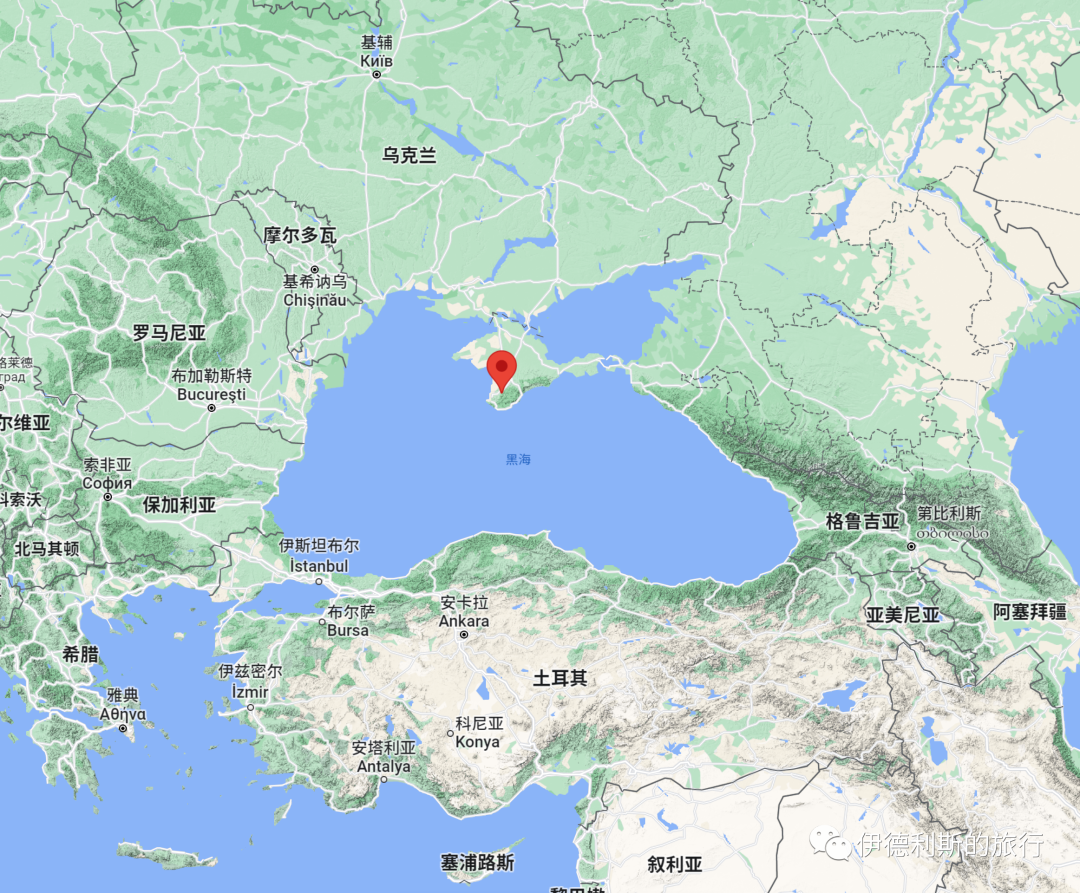
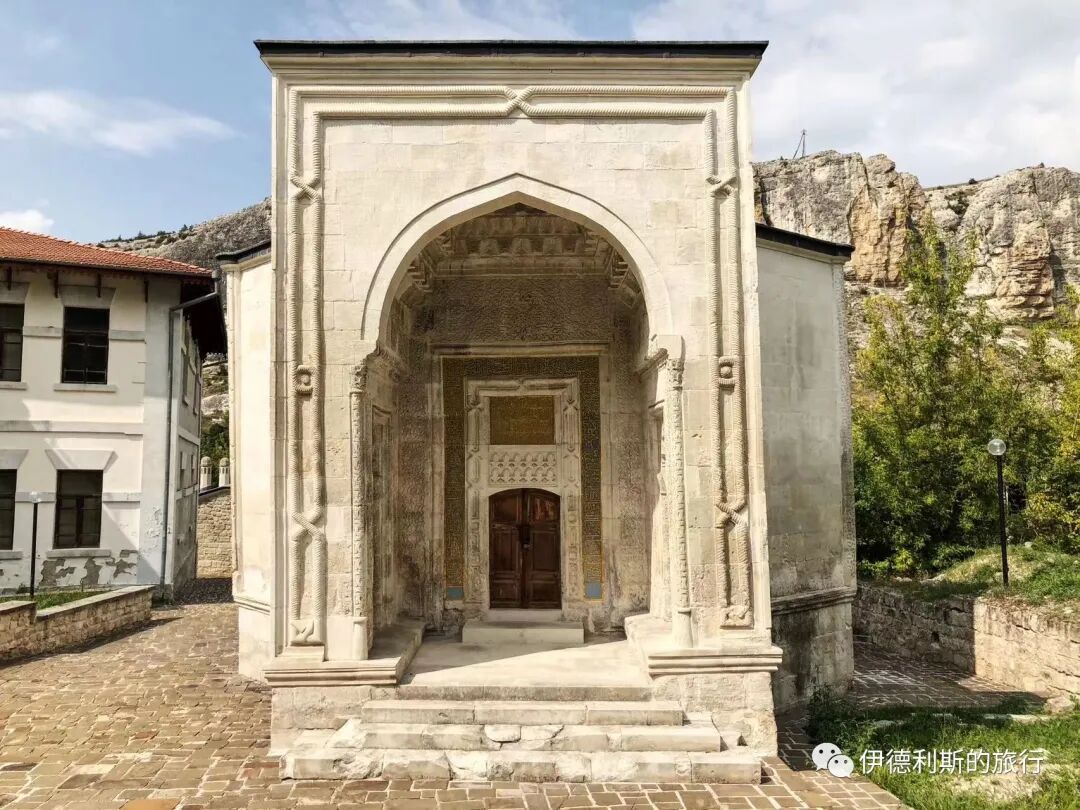
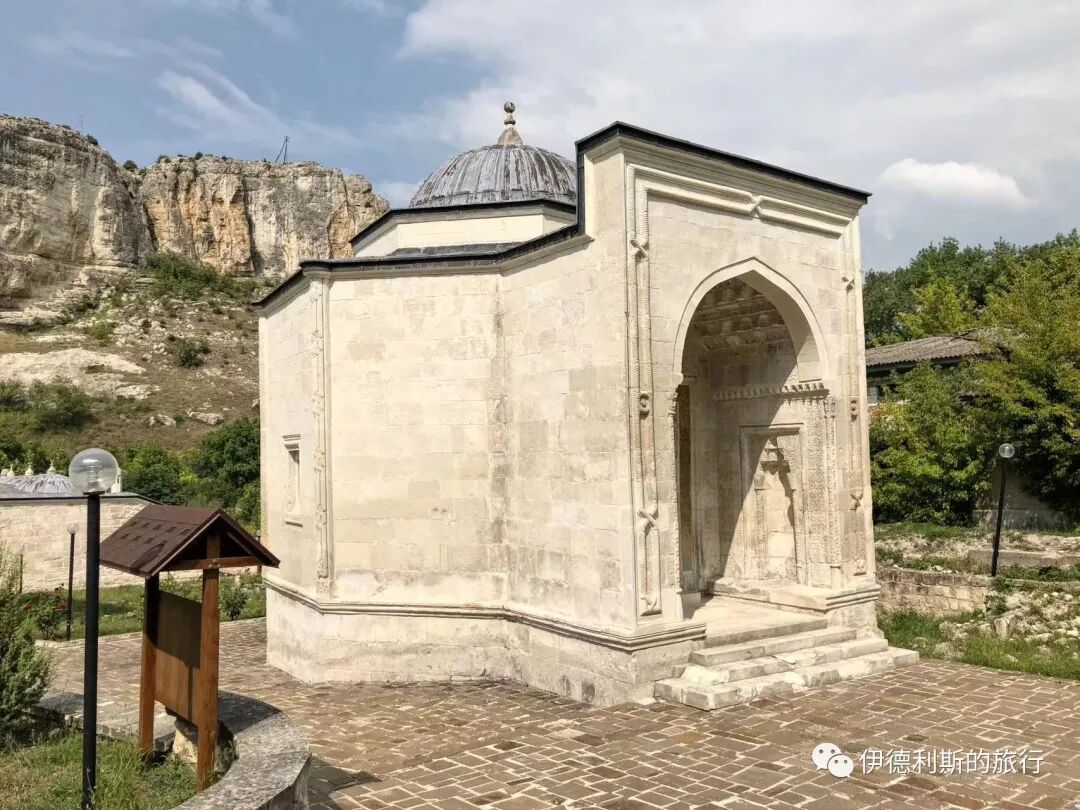
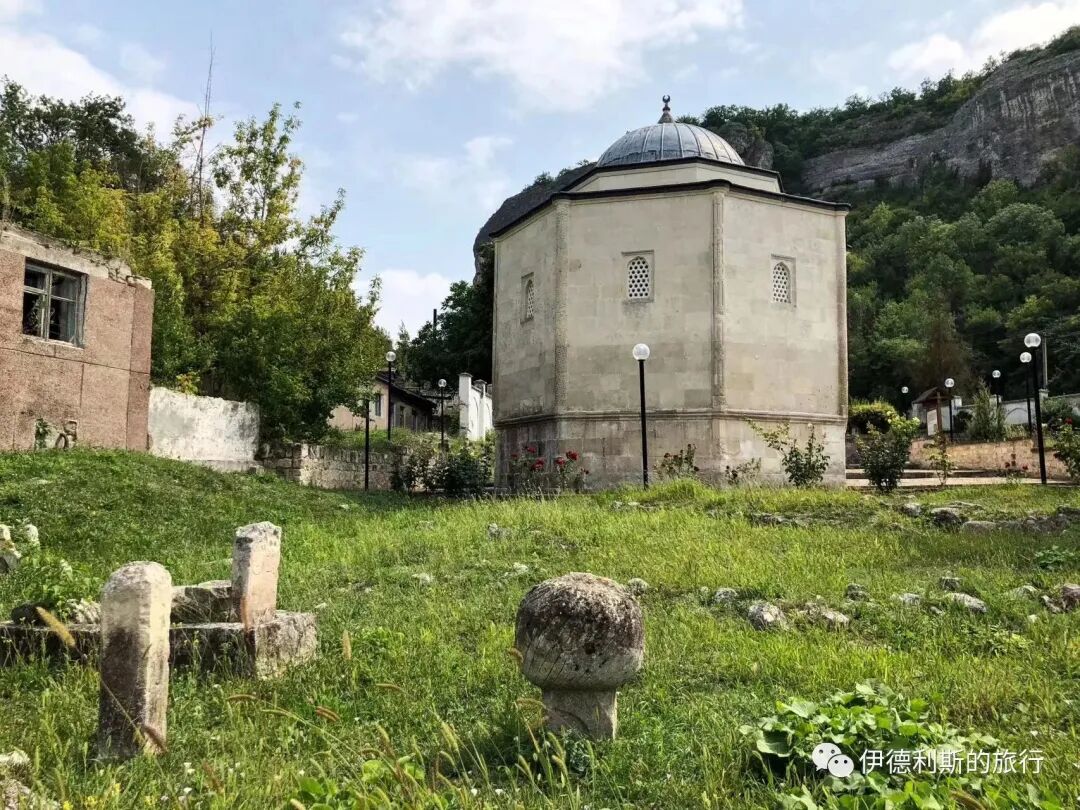
The tomb of Haji I Giray (Dürbe Hacı I Giray) was built in 1501 by Mengli I Giray for his father, the founding Khan of Crimea. It is an octagonal tomb with a lead dome.
Archaeological excavations from 2006 to 2007 examined 18 graves inside the mausoleum, including 13 adults and 5 children. They were wrapped in silk and satin, with some resting on pillows stuffed with fabric scraps and fruit seeds. The mausoleum holds 8 stone sarcophagi covered in velvet, silk, and silver-threaded fabric. These likely include 4 Crimean Khans: Hacı I Giray himself, Meñli I Giray, Nur Devlet—who fought Meñli I Giray for the throne for years before losing—and Sahib I Giray, the son of Meñli I Giray and builder of Bakhchysarai.
After research finished in 2009, these individuals were reburied with Muslim rites.
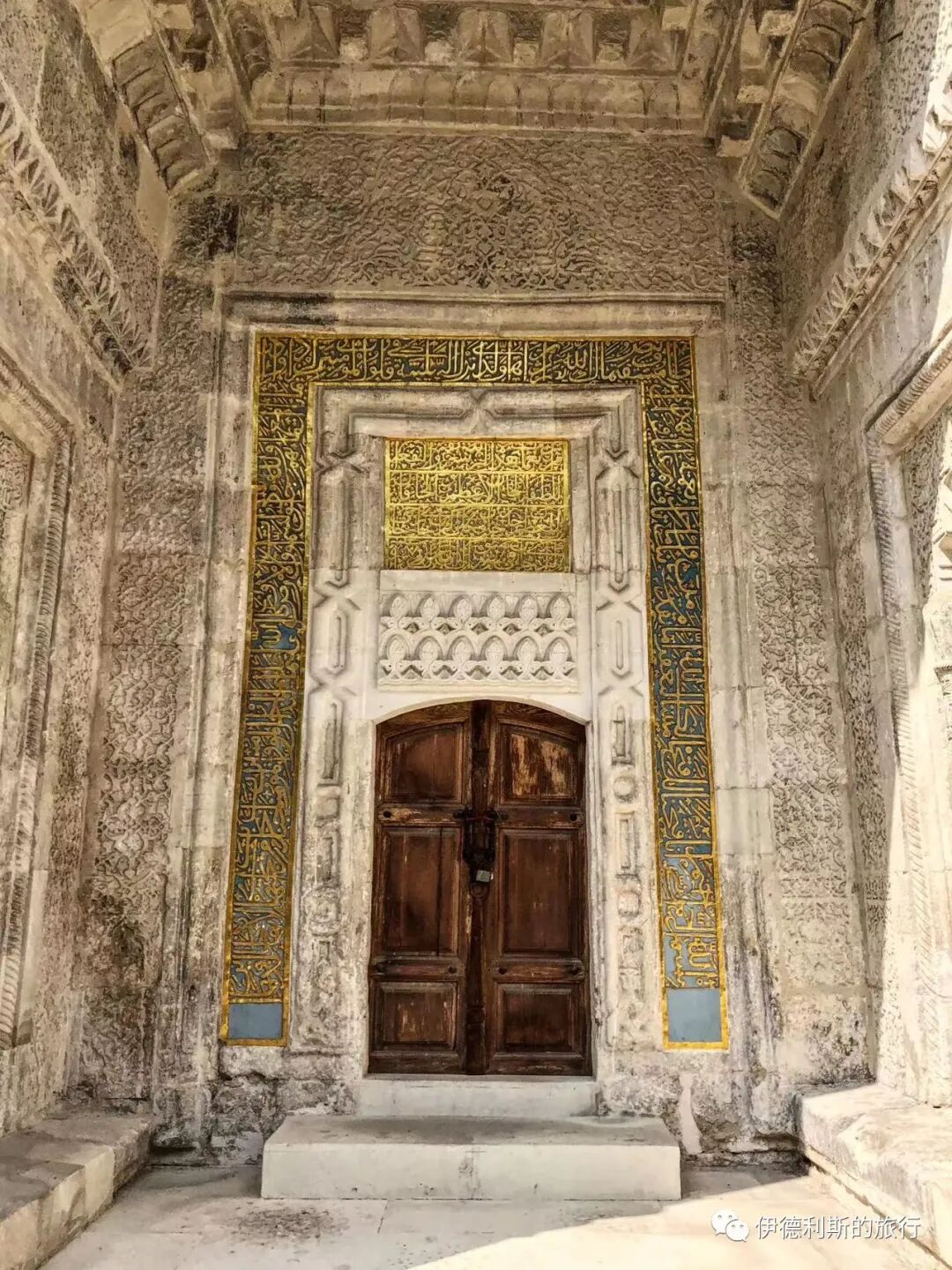
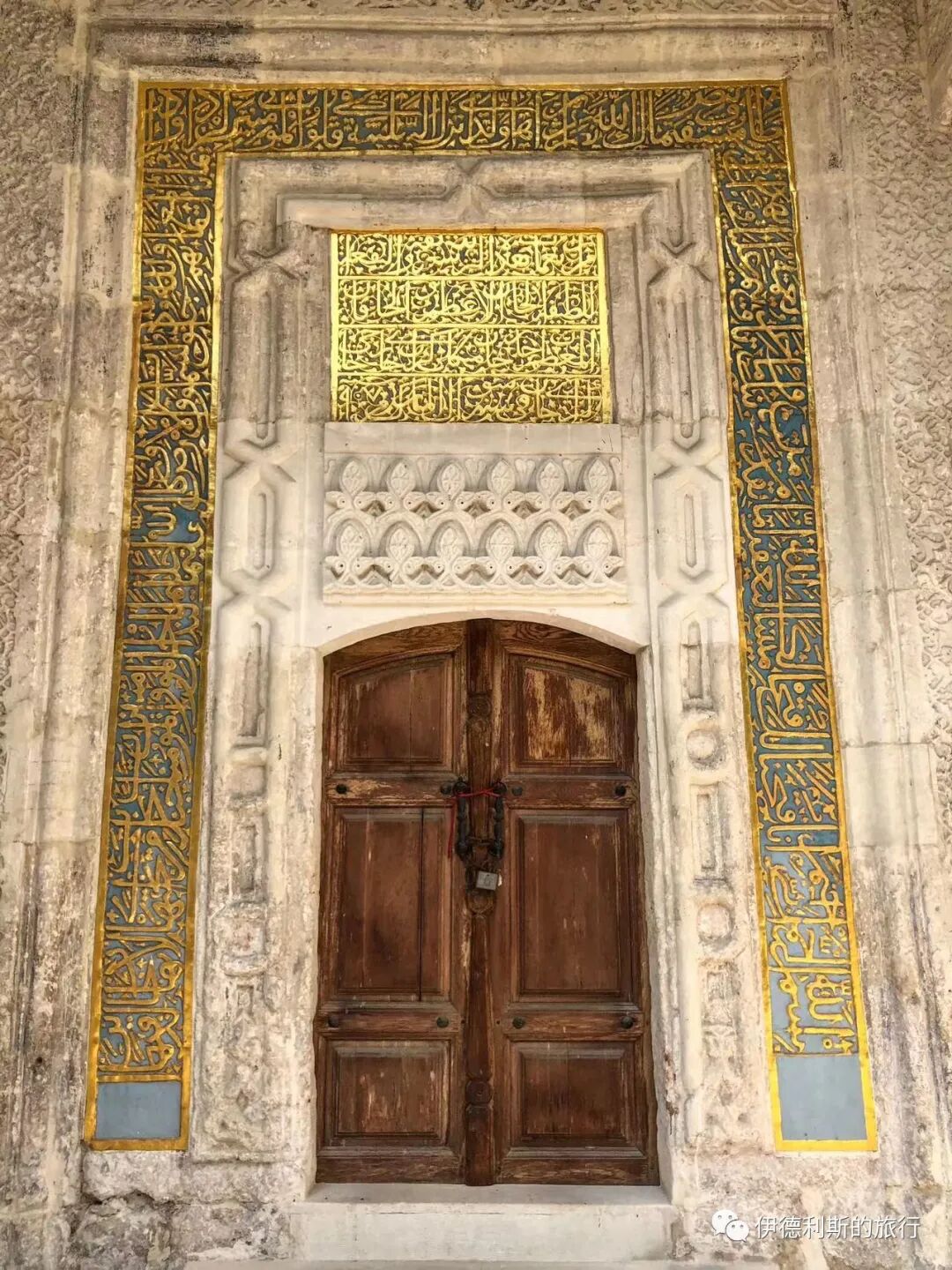
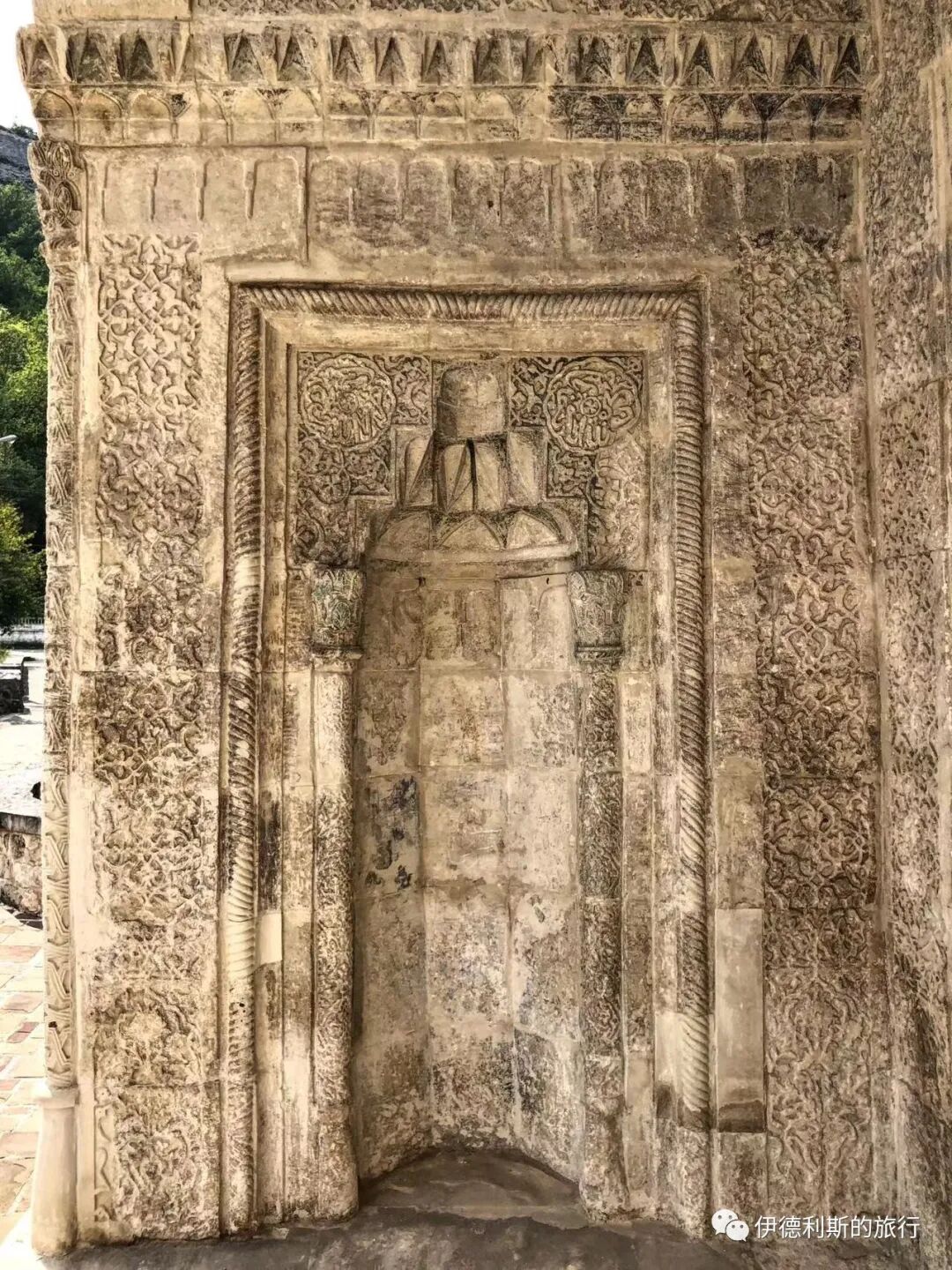
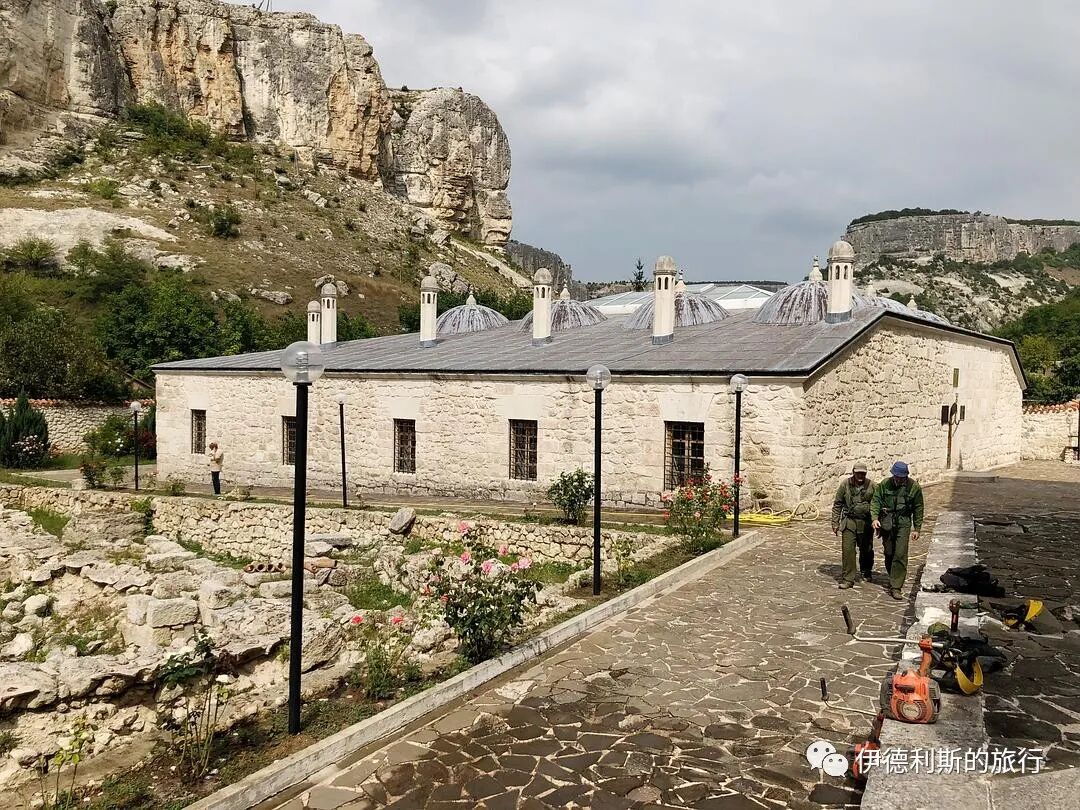
The Chain Madrasa (Zıncırlı Medrese) was built in 1500 by order of the Crimean Khan Meñli I Giray. The name of the madrasa comes from the Turkic word "Zyngyr," which means "chain." A chain hangs above the main gate of the madrasa, so everyone who enters has to lower their head. The madrasa is rectangular with a central courtyard, an entrance on one side, and 11 rooms on the other three sides. At the time, the madrasa taught Turkish and Arabic grammar, calligraphy, arithmetic, ethics, logic, proof theory, fiqh, or Islamic law, theology, and hadith studies. The full course of study took ten years.
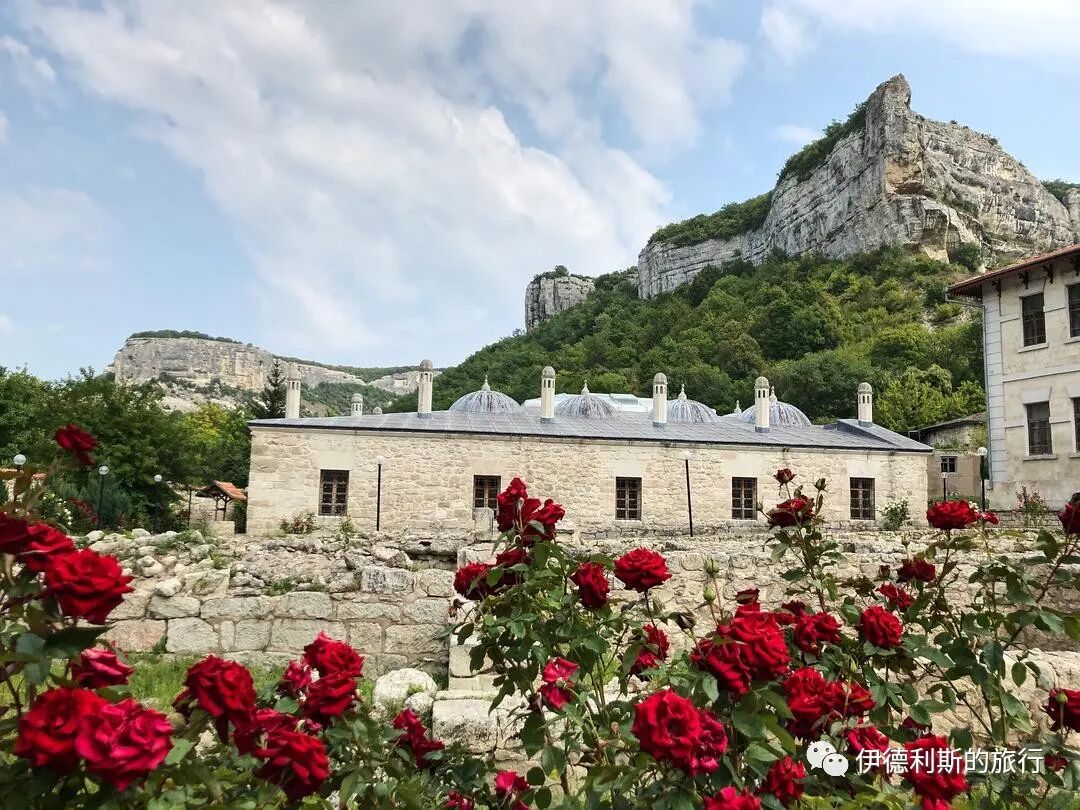
In 1909, influenced by the Crimean Tatar Enlightenment movement, Gasprinski built a new two-story madrasa next to the old one. The madrasa closed in 1917 and became the Meñli Giray Research Institute. The institute was abolished in 1923. Later, it served as a teacher's college, a medical school, a wartime sanatorium used by German military personnel, and a mental health clinic after the war. Today, it is managed by the Bakhchysarai History, Culture, and Archaeology Museum.
Block 1 of 2 for Part 1A-1b-1
Summary: This block continues the Crimean Khanate section of Islamic World in 1550, preserving the same site names, captions, mosque details, images, and historical facts from the Chinese source.
The tomb of Haji I Giray (Dürbe Hacı I Giray) was built in 1501 by Mengli I Giray for his father, the founding Khan of Crimea. It is an octagonal tomb with a lead dome.
Archaeological excavations from 2006 to 2007 examined 18 graves inside the mausoleum, including 13 adults and 5 children. They were wrapped in silk and satin, with some resting on pillows stuffed with fabric scraps and fruit seeds. The mausoleum holds 8 stone sarcophagi covered in velvet, silk, and silver-threaded fabric. These likely include 4 Crimean Khans: Hacı I Giray himself, Meñli I Giray, Nur Devlet—who fought Meñli I Giray for the throne for years before losing—and Sahib I Giray, the son of Meñli I Giray and builder of Bakhchysarai.
After research finished in 2009, these individuals were reburied with Muslim rites.
The Chain Madrasa (Zıncırlı Medrese) was built in 1500 by order of the Crimean Khan Meñli I Giray. The name of the madrasa comes from the Turkic word "Zyngyr," which means "chain." A chain hangs above the main gate of the madrasa, so everyone who enters has to lower their head. The madrasa is rectangular with a central courtyard, an entrance on one side, and 11 rooms on the other three sides. At the time, the madrasa taught Turkish and Arabic grammar, calligraphy, arithmetic, ethics, logic, proof theory, fiqh, or Islamic law, theology, and hadith studies. The full course of study took ten years.
In 1909, influenced by the Crimean Tatar Enlightenment movement, Gasprinski built a new two-story madrasa next to the old one. The madrasa closed in 1917 and became the Meñli Giray Research Institute. The institute was abolished in 1923. Later, it served as a teacher's college, a medical school, a wartime sanatorium used by German military personnel, and a mental health clinic after the war. Today, it is managed by the Bakhchysarai History, Culture, and Archaeology Museum.
Block 1 of 2 for Part 1A-1b-1
