
Islamic World in 1550: Mongol Legacy and Muslim History (Part 1A-1)
Reposted from the web
Summary: Islamic World in 1550: Mongol Empire Legacy and Muslim History (Part 1A) is presented here as a firsthand travel account in clear English, beginning with this scene: In our last article, "A Journey Through the Islamic World in 1550 (Part 1)," we crossed the African continent, traveled from Egypt into the Ottoman Empire, and visited Tabriz in Iran. The account keeps its focus on Mongol Empire, Islamic World, Muslim History while preserving the names, places, food, and historical details from the Chinese source.
In our last article, "A Journey Through the Islamic World in 1550 (Part 1)," we crossed the African continent, traveled from Egypt into the Ottoman Empire, and visited Tabriz in Iran. This time, we will visit 12 countries ruled by the descendants of Genghis Khan, moving from Eastern Europe into North Asia and Central Asia, and finally into South Asia.
In the early 13th century, as the Mongol Empire expanded, Genghis Khan began dividing his lands among his sons. Orda and Batu, the sons of Genghis Khan's eldest son Jochi, received lands in southern Russia and Kazakhstan, which gradually formed the Golden Horde. Hulagu Khan, the son of Genghis Khan's fourth son Tolui, received lands in Iran, Turkmenistan, Afghanistan, and parts of West Asia, which gradually formed the Ilkhanate. After the Yuan Dynasty was established in 1271, the original families of Ogedei and Chagatai, led by Kaidu, opposed Kublai Khan. This led to the formation of the Ogedei Khanate and the Chagatai Khanate, completing the four great Mongol khanates.
After the 14th century, the territory of the Ogedei Khanate was first divided between the Chagatai Khanate and the Yuan Dynasty, and later the Ilkhanate and the Chagatai Khanate also began to split apart. The Golden Horde was the last to decline, splitting into several khanates in the early 15th century.
In 1550, there were 12 countries and regimes established by descendants of Genghis Khan, ruling a vast area from Russia, Kazakhstan, Uzbekistan, and China's Xinjiang to Afghanistan, Pakistan, and India. They were:
1. The Crimean Khanate ruled the Crimean Peninsula.
2. The Astrakhan Khanate ruled the Volga Delta.
3. The Nogai Horde ruled the region between the Volga and Ural rivers.
4. The Qasim Khanate ruled Kasimov in the modern-day Ryazan Oblast of Russia.
5. The Kazan Khanate ruled the middle Volga region.
6. The Siberian Khanate ruled the area around the Irtysh River.
7. The Kazakh Khanate ruled the Kazakh Steppe.
8. The Khanate of Khiva ruled the Khwarezm region.
9. The Khanate of Bukhara ruled the Transoxiana region of Central Asia.
10. The Yarkent Khanate ruled the southern Xinjiang region.
11. Haidar ruled the Kashmir region.
12. The Arghun dynasty ruled southern Afghanistan and the Sindh region of Pakistan.
Additionally, the Mughal Empire was briefly overthrown at this time, and its second emperor, Humayun, was in exile in Persia.
1. The Crimean Khanate in Ukraine (1441–1783).
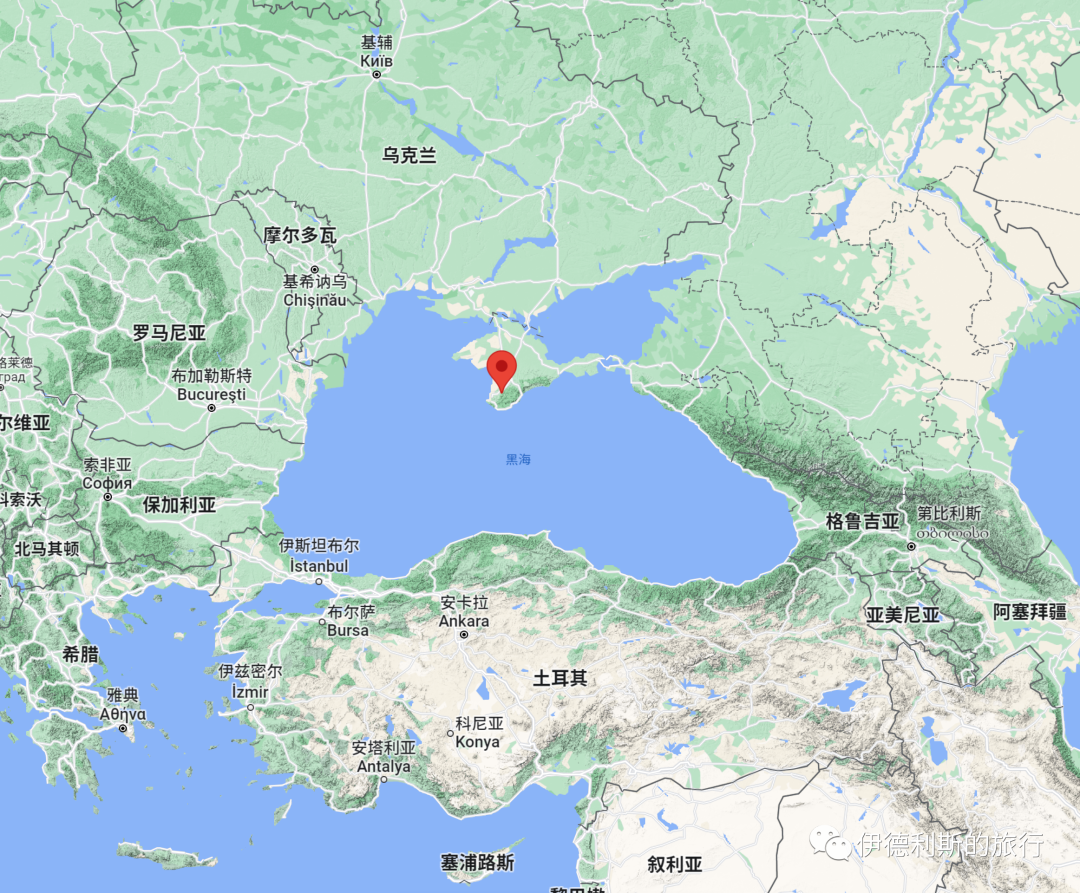
We start this journey on the Crimean Peninsula on the northern shore of the Black Sea.
The Khan of the Crimean Khanate was a descendant of Tuka-Timur, the thirteenth son of Jochi, who was Genghis Khan's eldest son. In the 1260s, the Golden Horde gave the Crimean Peninsula to the ancestor of the Crimean Khans, Uran Timur, to rule. The khanate was officially established in 1441.
Around 1500, the Crimean Khan Mengli I Giray built the capital of Salachik. In 1532, Sahib I Giray, the son of Mengli I Giray, established a new capital called Bakhchisarai in a valley two kilometers downstream from Salachik. For the next 250 years, generations of Crimean Khans built palaces and various mosque buildings here.
In 1550, the Khan ruling the Crimean Khanate was Sahib I Giray. He ascended the throne with the help of the Ottoman Empire. Later, he joined forces with the Ottoman Sultan Suleiman the Magnificent to attack the Moldavians, and in 1541, he raided Moscow and brought back spoils of war.
The location of Bakhchisarai, the capital of the Crimean Khanate.
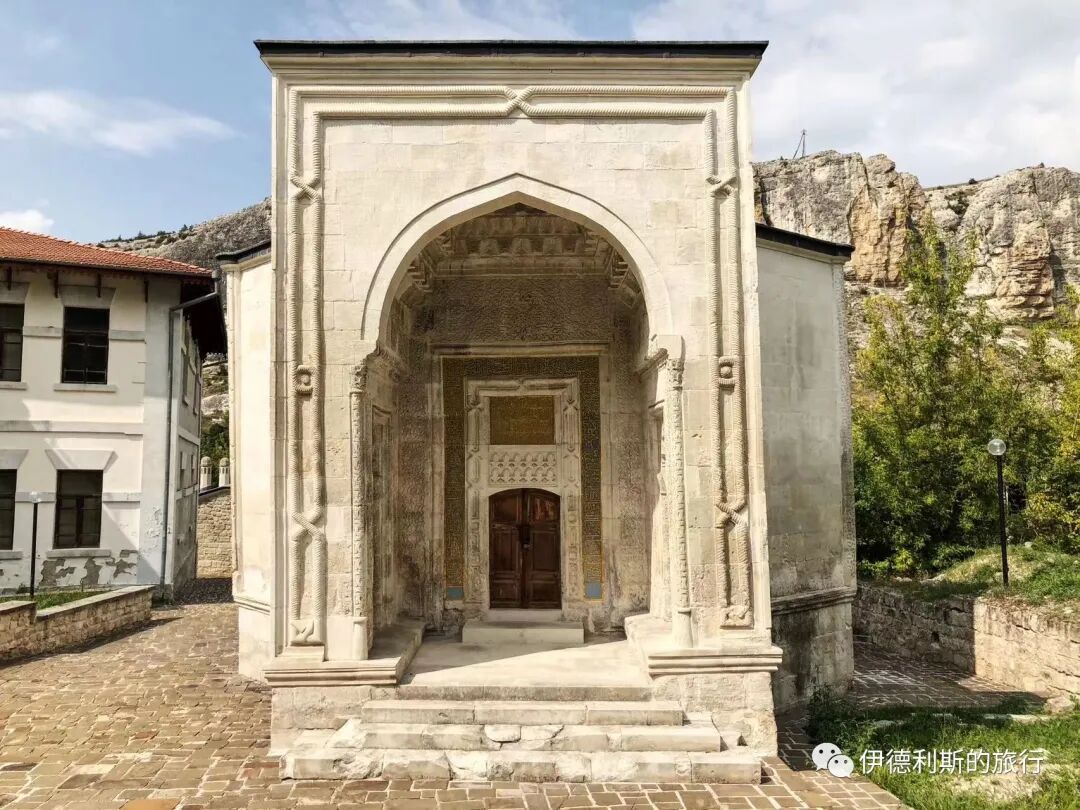
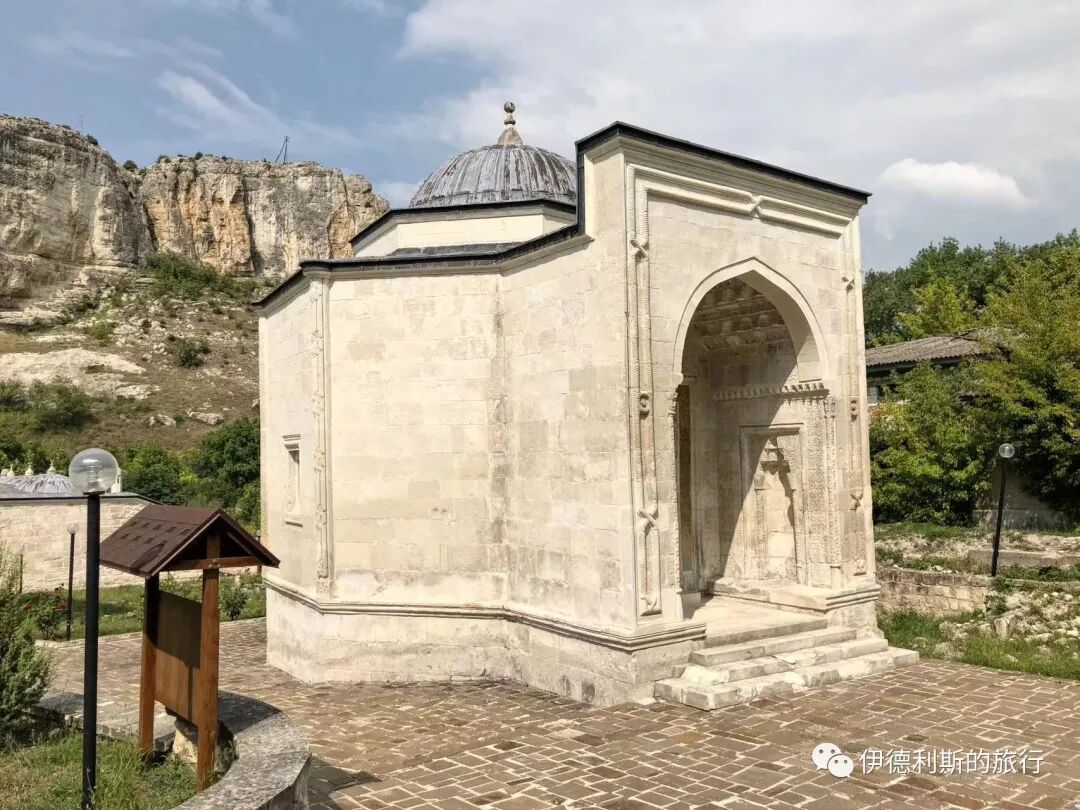
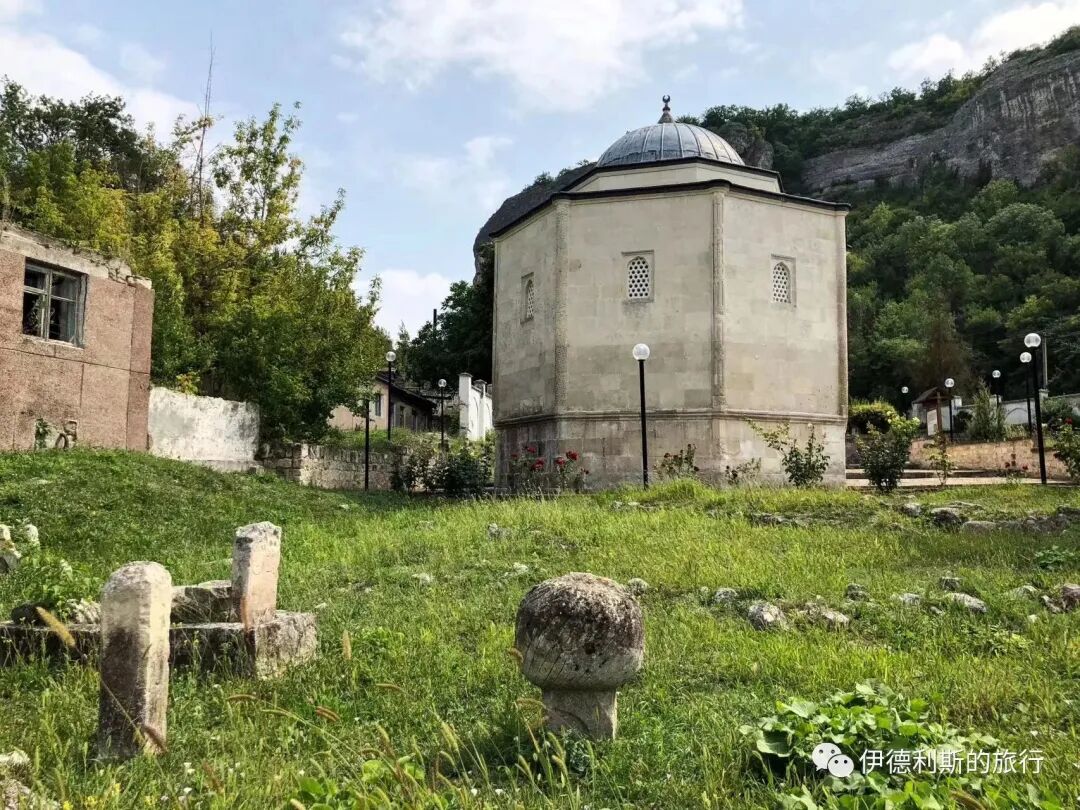
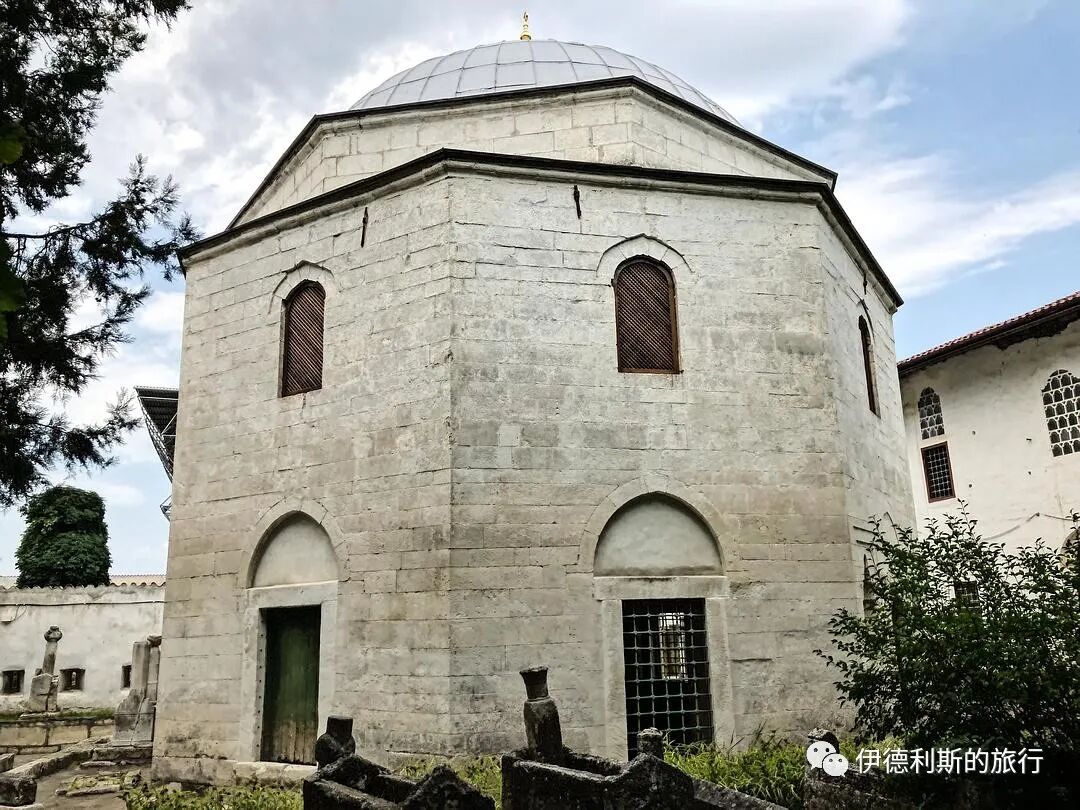
The tomb of Haji I Giray (Dürbe Hacı I Giray) was built in 1501 by Mengli I Giray for his father, the founding Khan of Crimea. It is an octagonal tomb with a lead dome.
Archaeological excavations from 2006 to 2007 examined 18 graves inside the mausoleum, including 13 adults and 5 children. They were wrapped in silk and satin, with some resting on pillows stuffed with fabric scraps and fruit seeds. The mausoleum holds 8 stone sarcophagi covered in velvet, silk, and silver-threaded fabric. These likely include 4 Crimean Khans: Hacı I Giray himself, Meñli I Giray, Nur Devlet—who fought Meñli I Giray for the throne for years before losing—and Sahib I Giray, the son of Meñli I Giray and builder of Bakhchysarai.
After research finished in 2009, these individuals were reburied with Muslim rites.
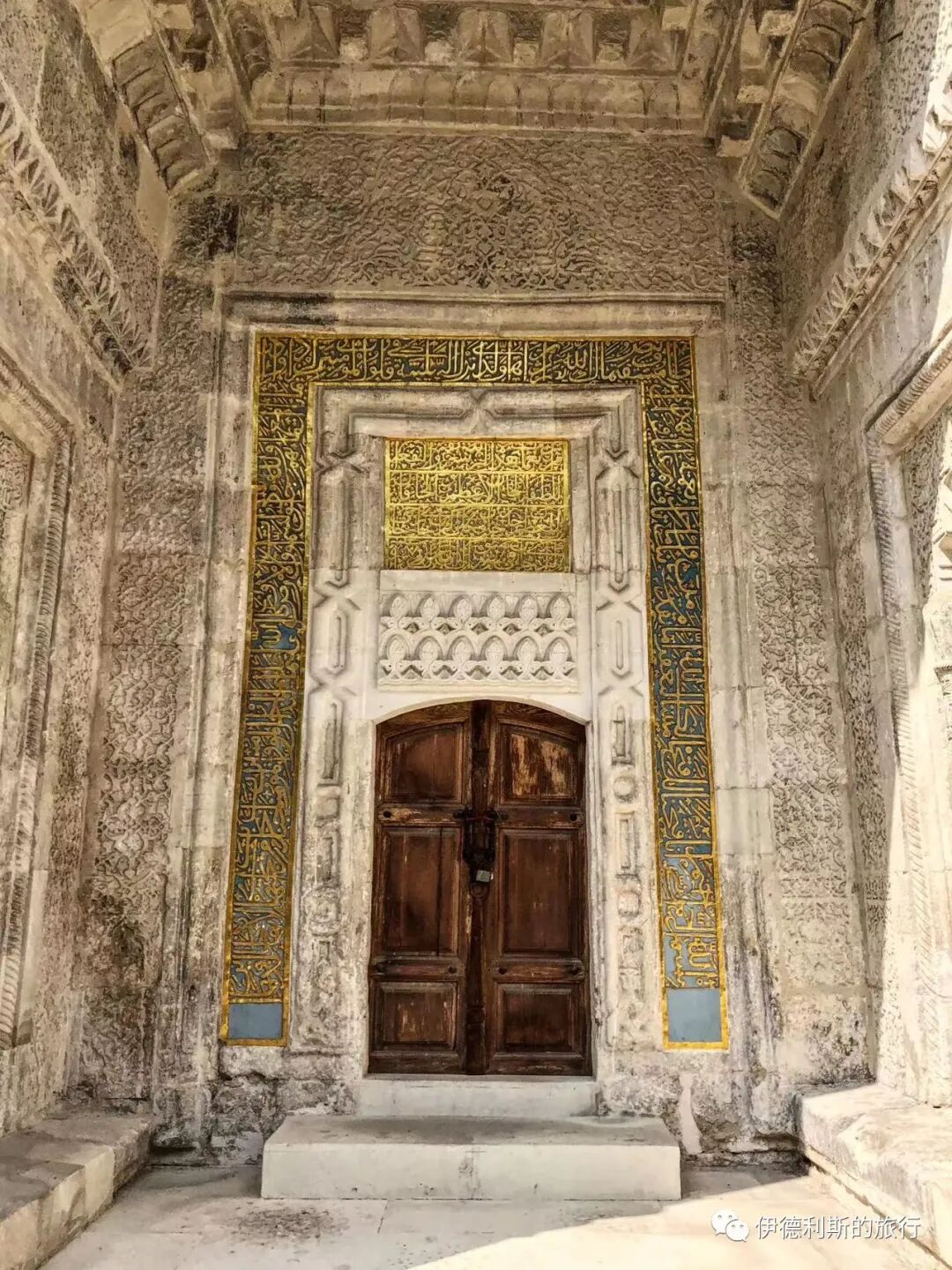
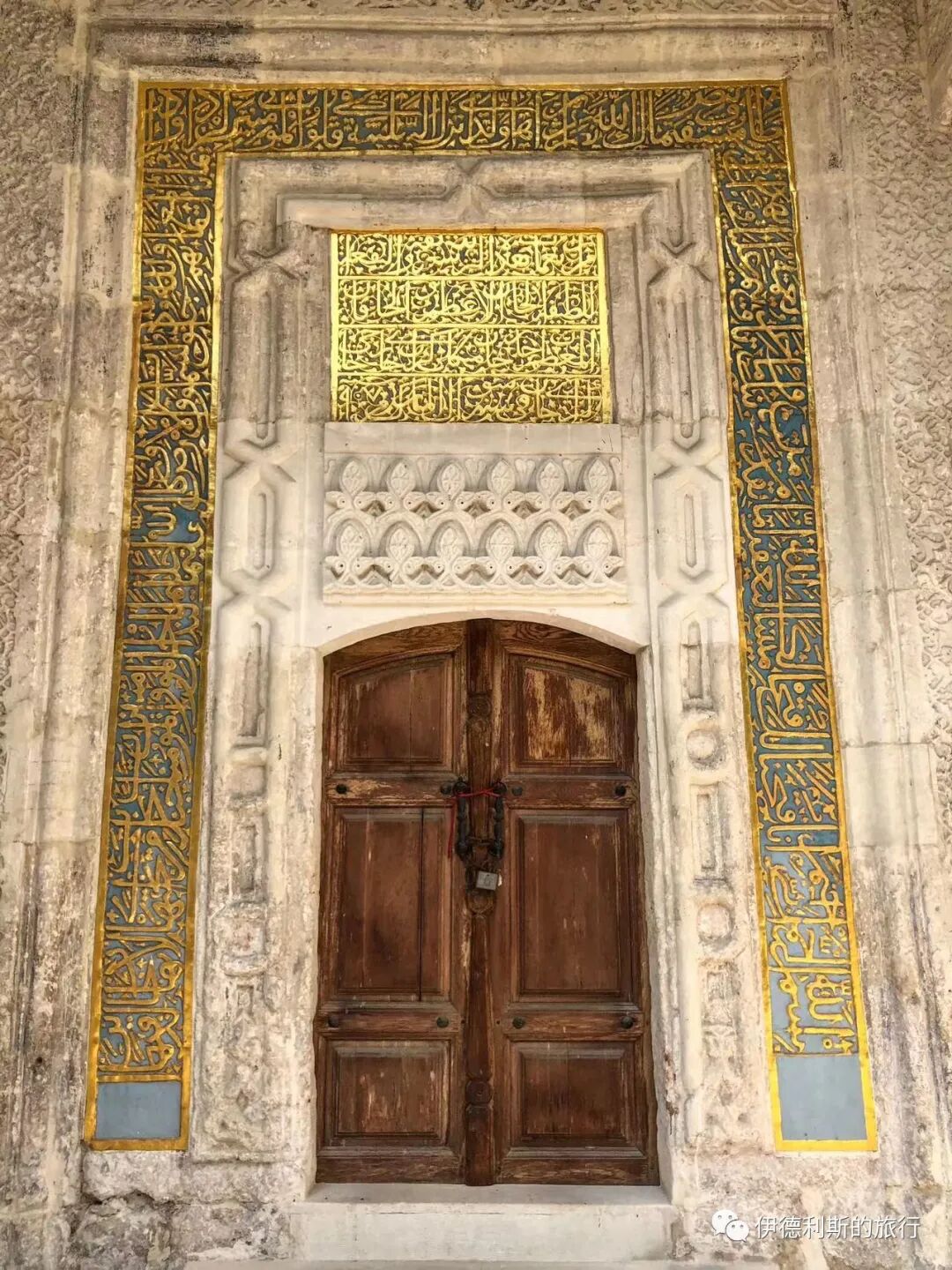
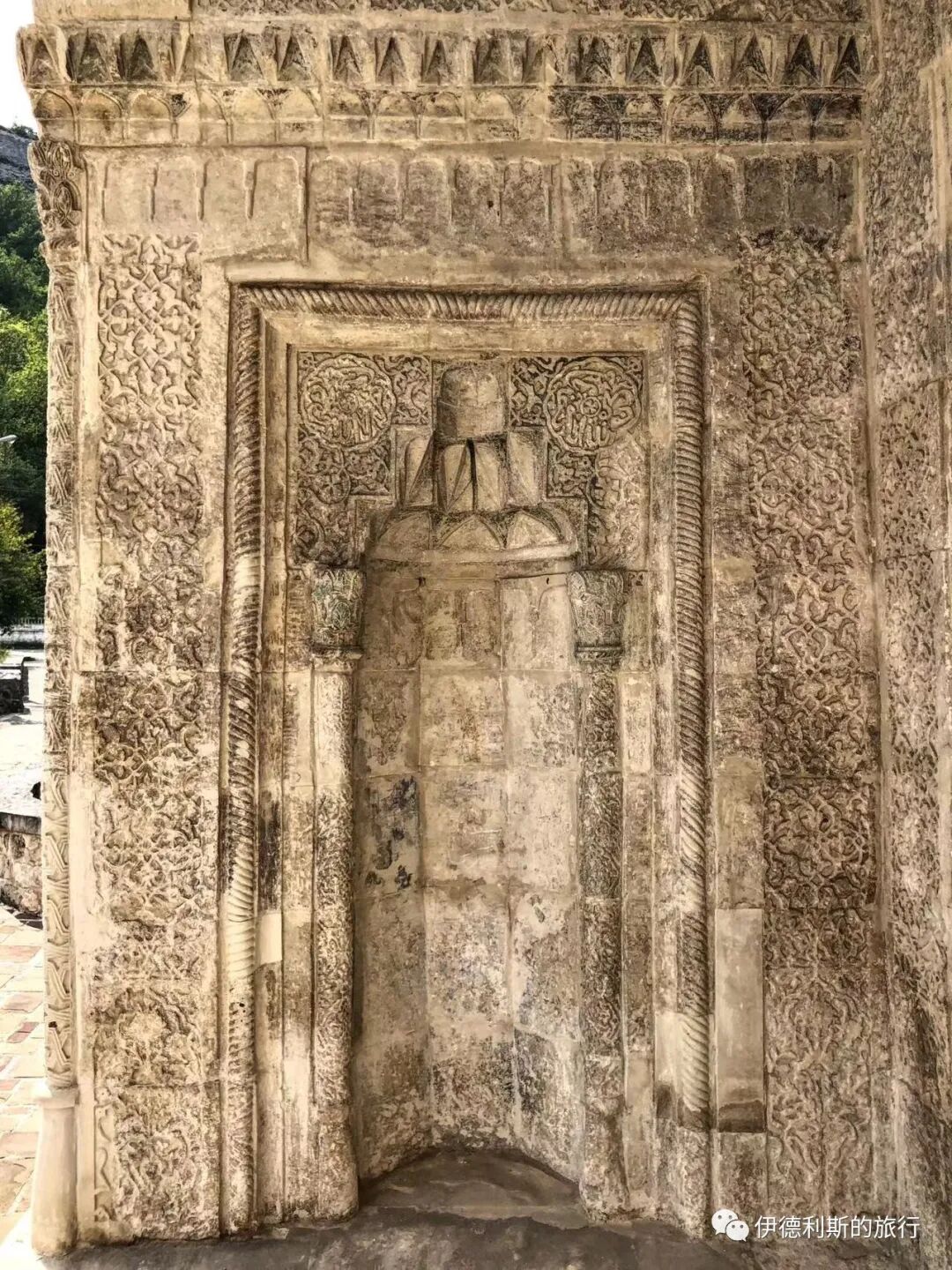
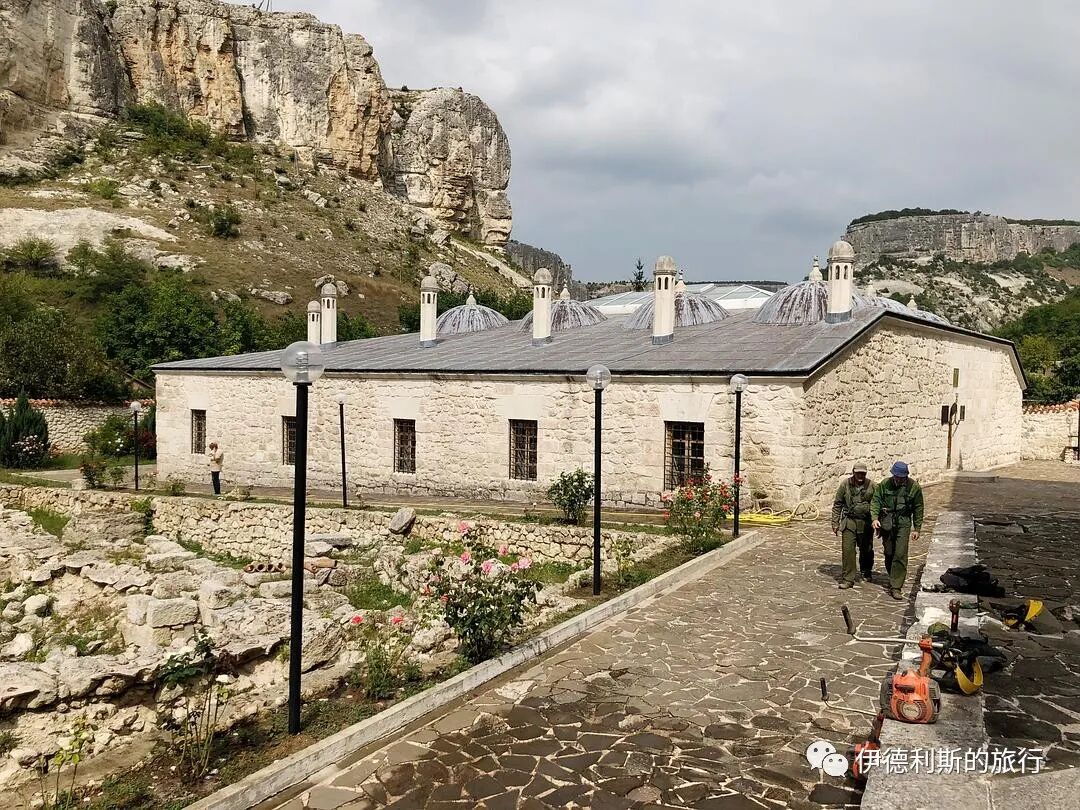
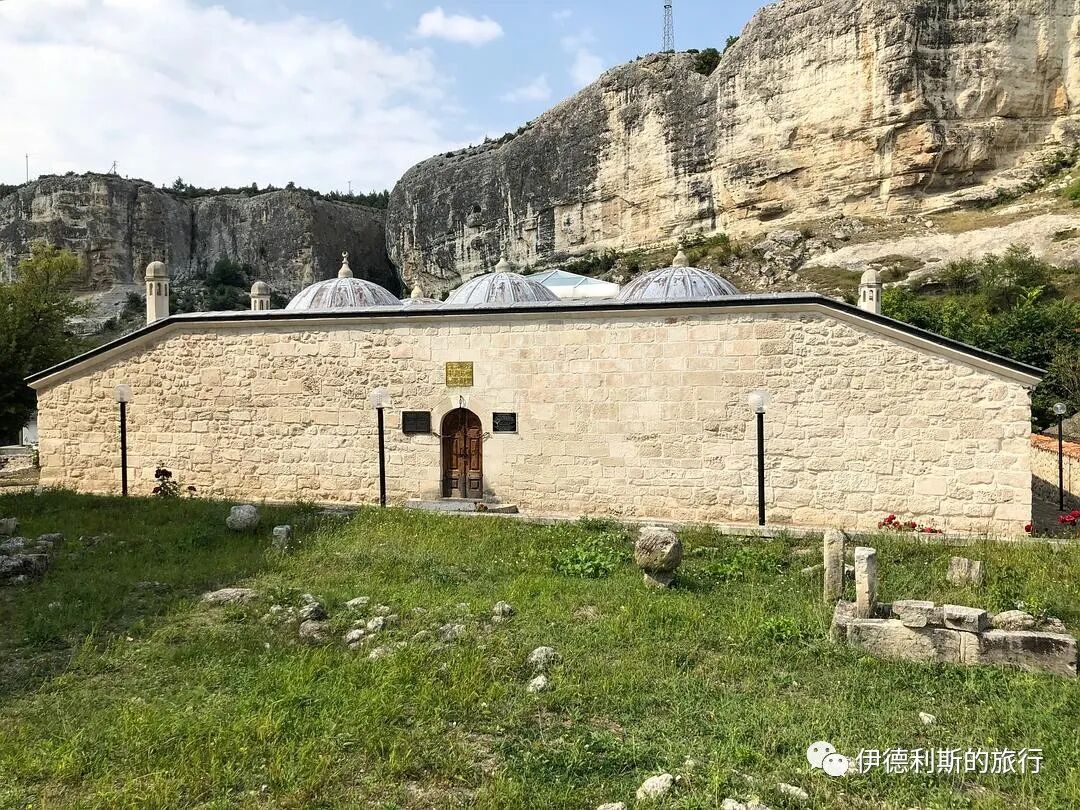
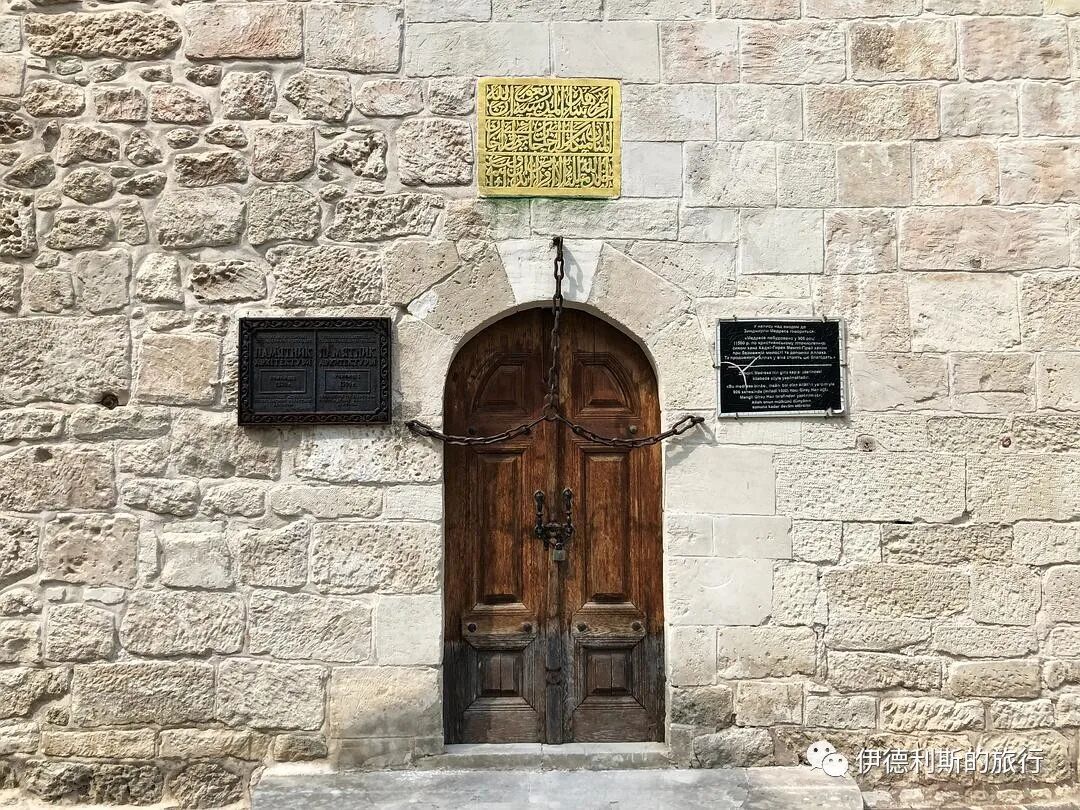
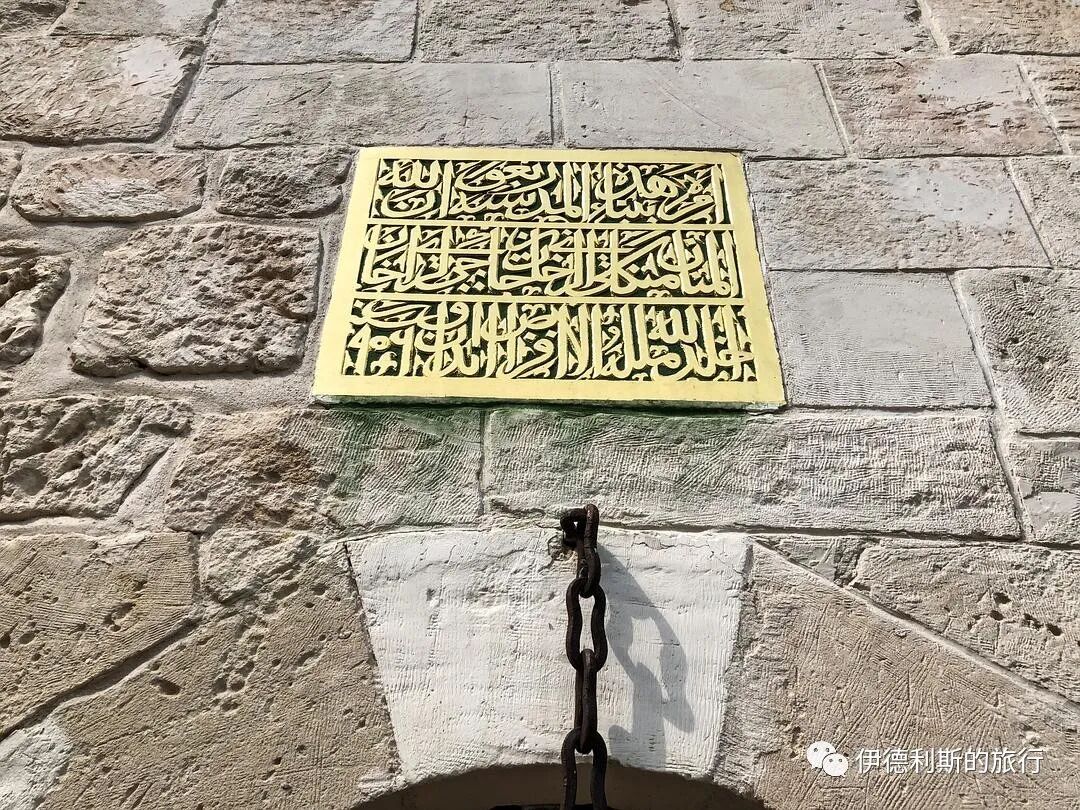
The Chain Madrasa (Zıncırlı Medrese) was built in 1500 by order of the Crimean Khan Meñli I Giray. The name of the madrasa comes from the Turkic word "Zyngyr," which means "chain." A chain hangs above the main gate of the madrasa, forcing everyone who enters to bow their head. The madrasa is rectangular with a central courtyard, an entrance on one side, and 11 rooms on the other three sides. At the time, the madrasa taught Turkish and Arabic grammar, calligraphy, arithmetic, ethics, logic, proof theory, Islamic law (sharia), theology, and hadith studies. The full course of study took ten years.
In 1909, influenced by the Crimean Tatar Enlightenment movement, Gasprinski built a new two-story madrasa next to the old one. The madrasa closed in 1917 and became the Meñli Giray Research Institute. The institute was abolished in 1923. Later, it served as a teacher's college, a medical school, a sanatorium for German soldiers, and a post-war psychiatric clinic. Today, it is managed by the Bakhchysarai History, Culture, and Archaeology Museum.
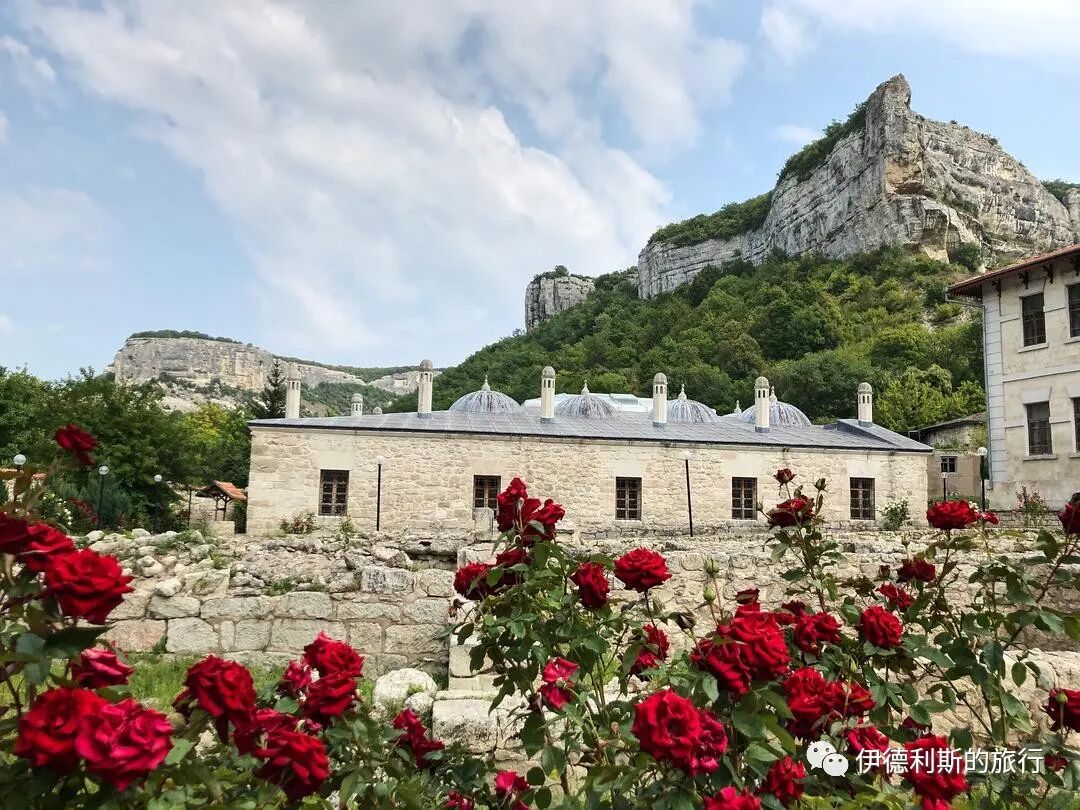
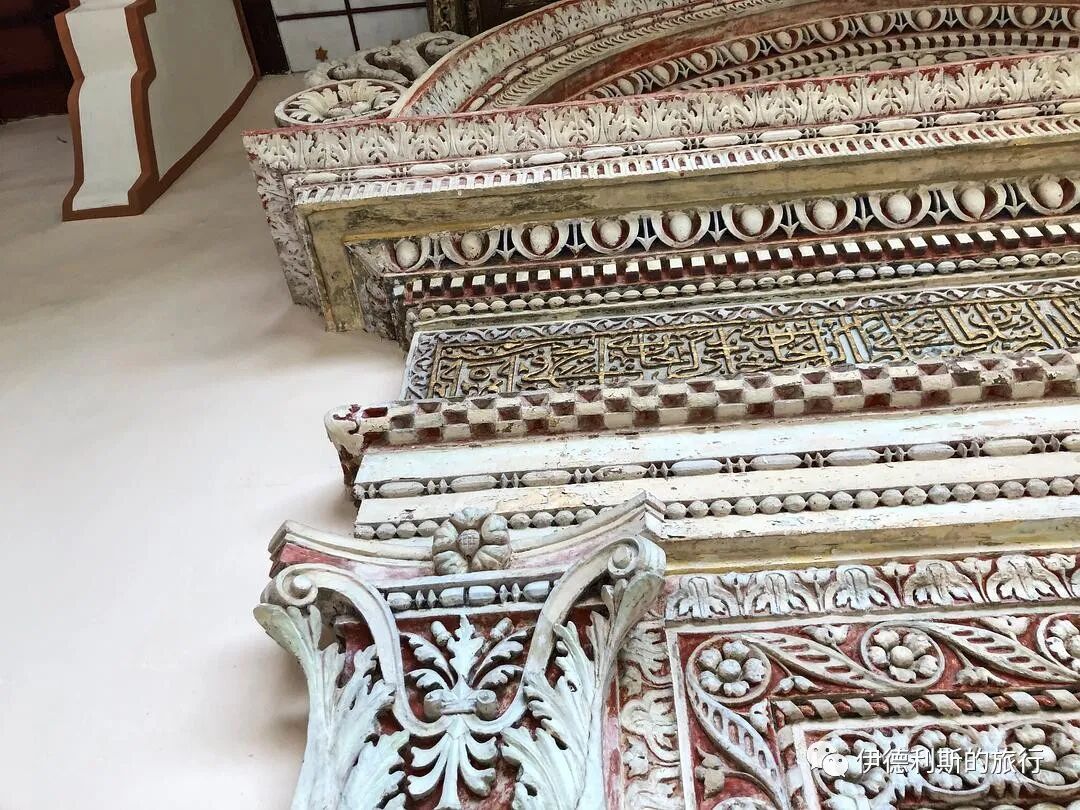
The Iron Gate (Demir Qapı) is the oldest structure in the Khan's Palace. It was built between 1503 and 1504 for the Crimean Khan by the architect Aleviz Novy, who had been invited by Ivan the Great to build churches in Moscow. The Iron Gate was likely first built at the Crimean Khan's previous residence, Devlet-Saray, and moved to the main palace building after the Bakhchysarai Khan's Palace was completed in 1532. "Demir Qapı" means "iron gate" in Crimean Tatar. The doorway is made of limestone and features Lombard-Venetian Renaissance decorative styles.
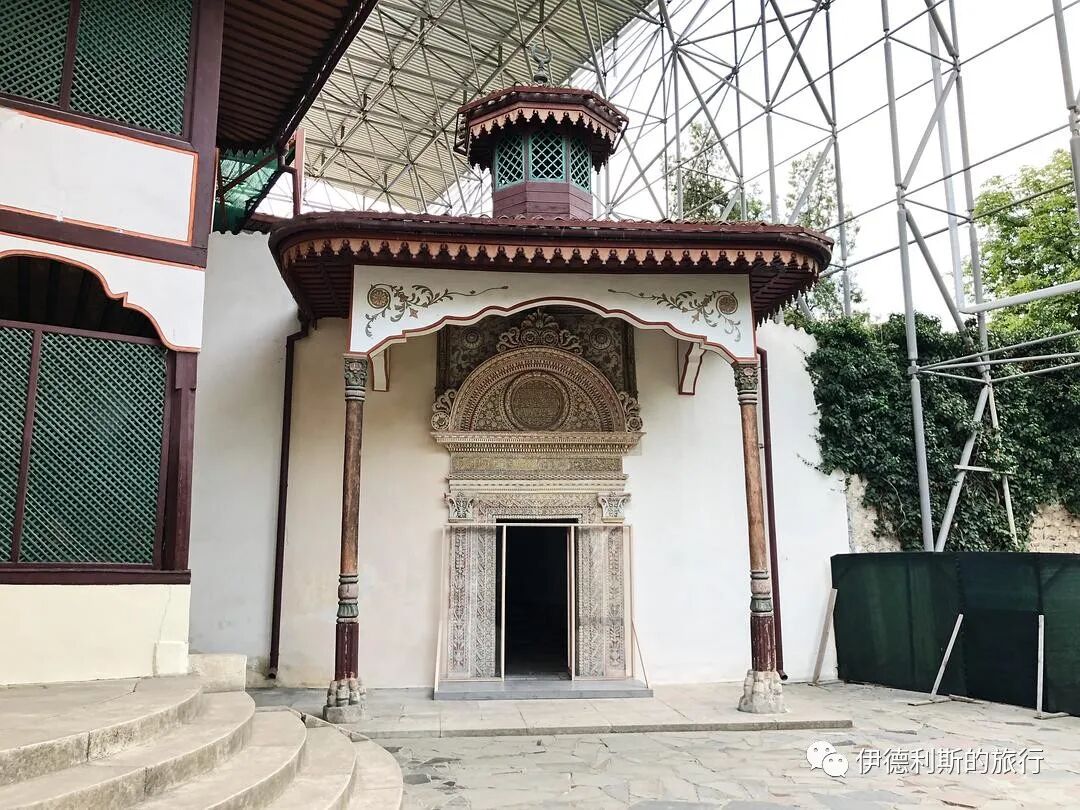
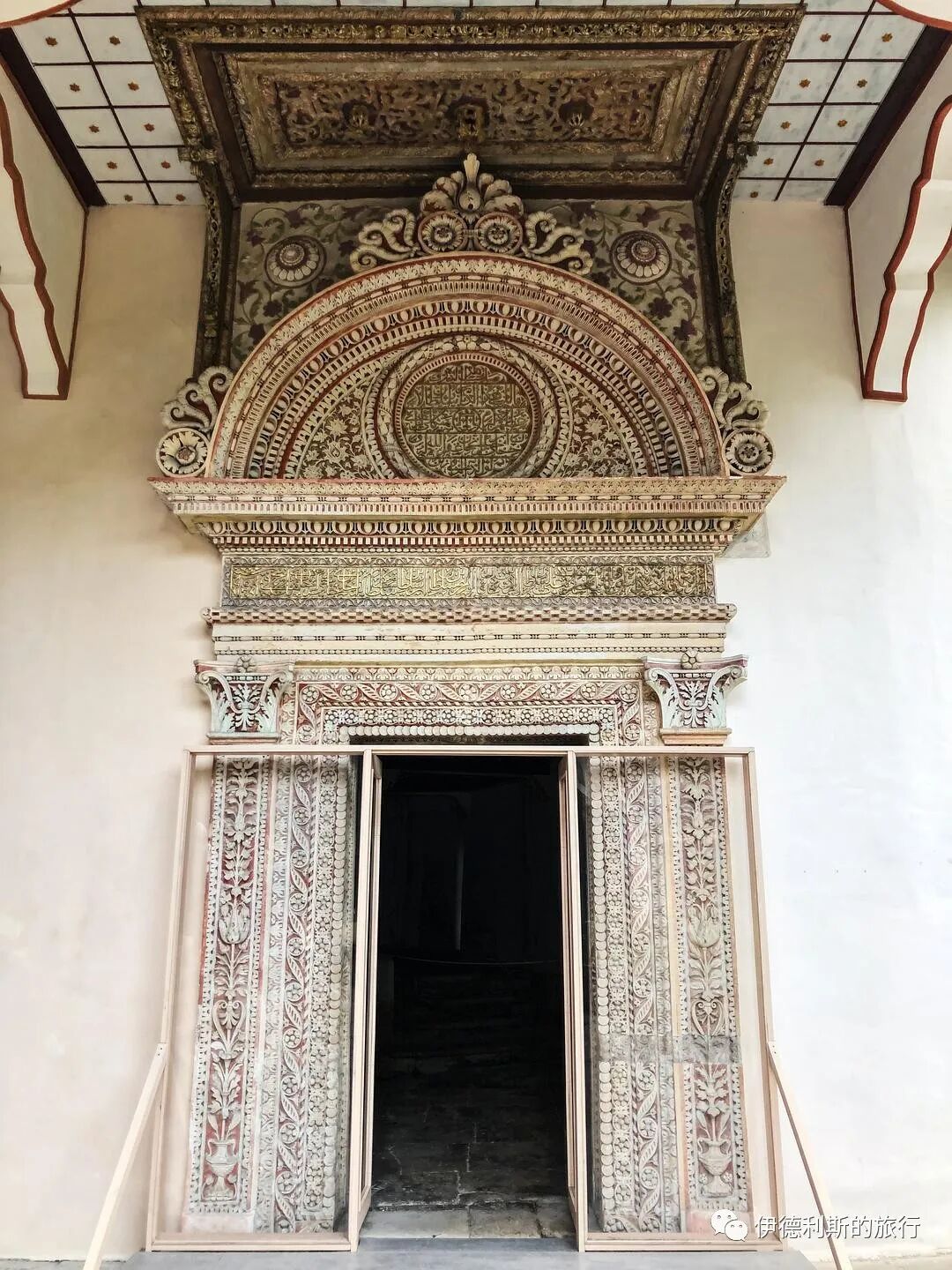
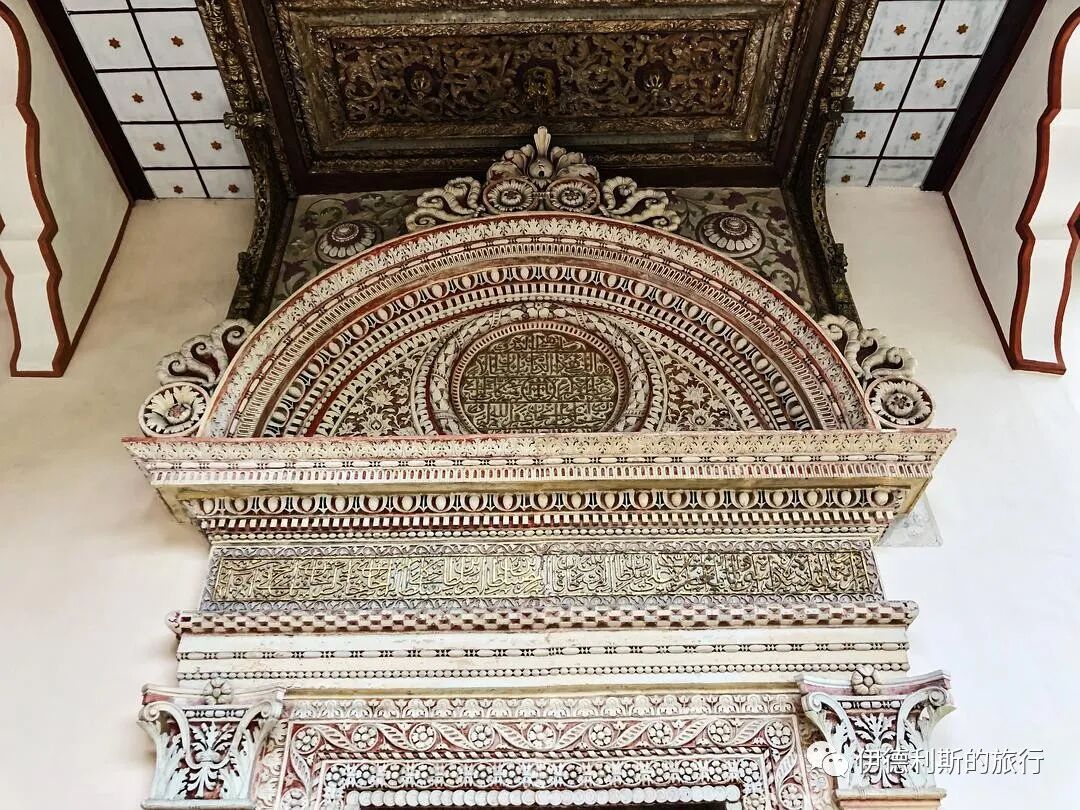
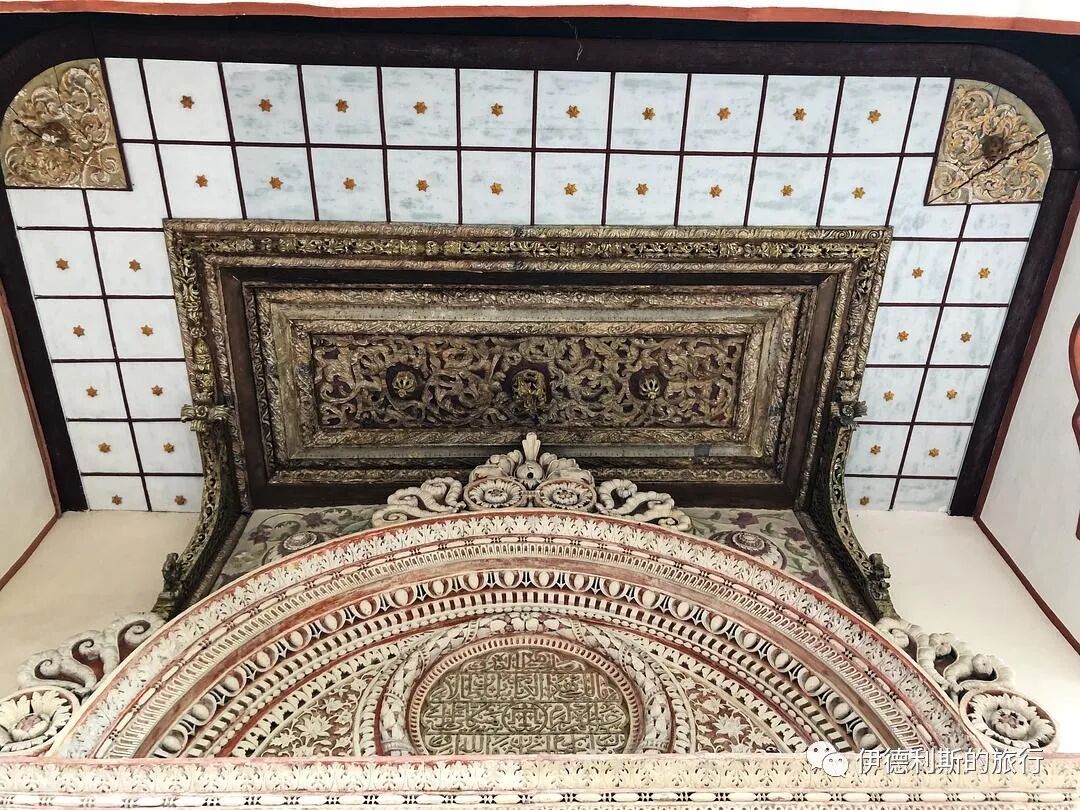
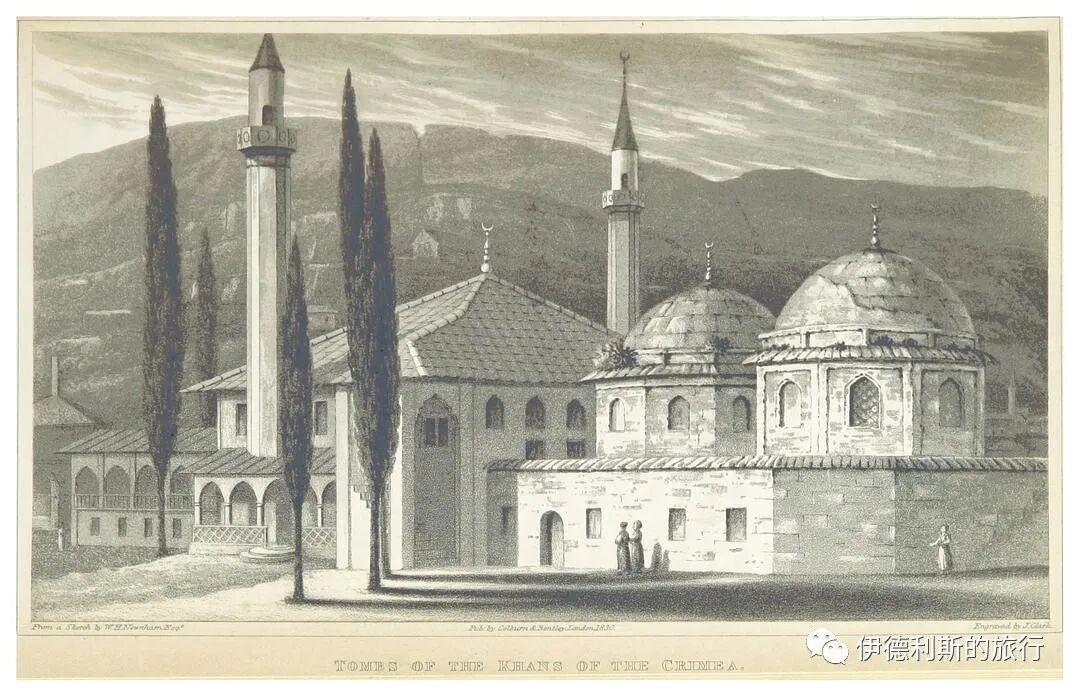
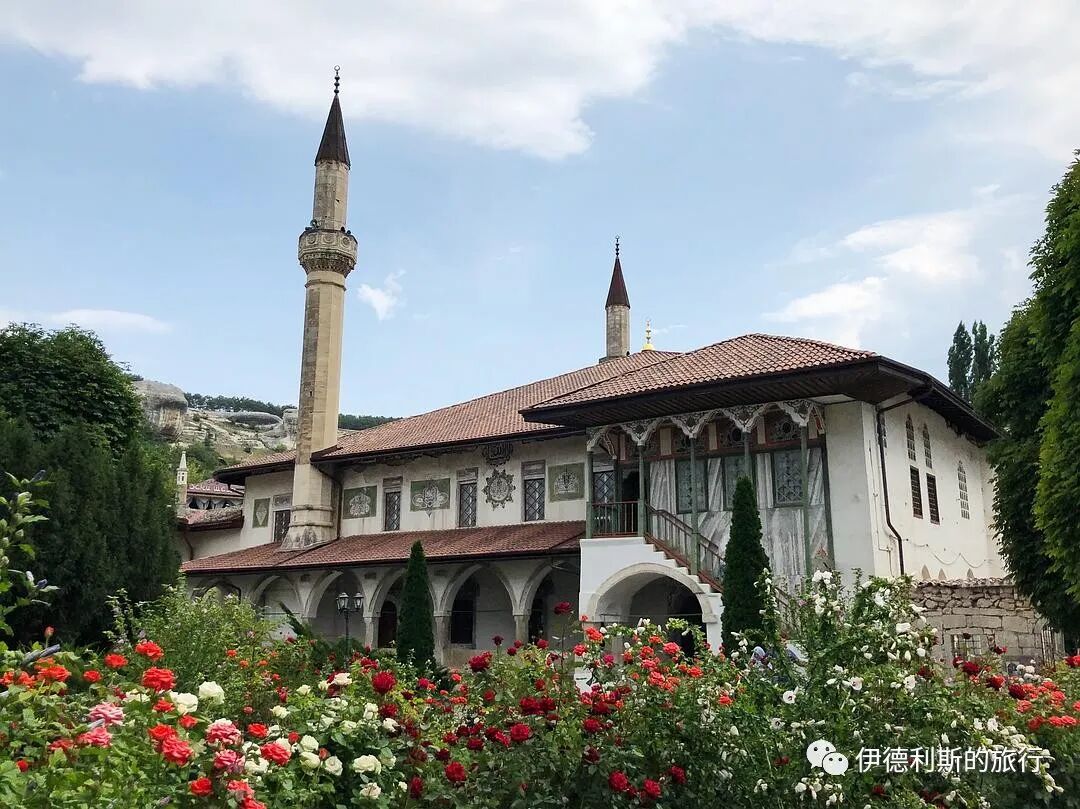
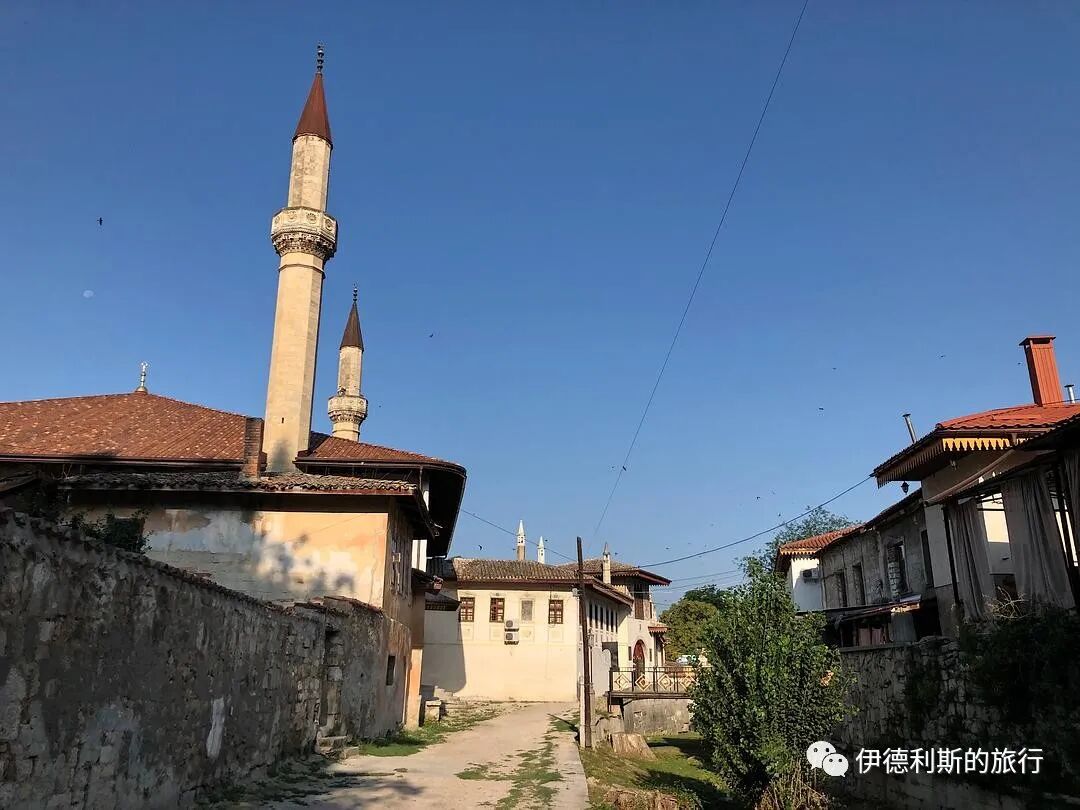
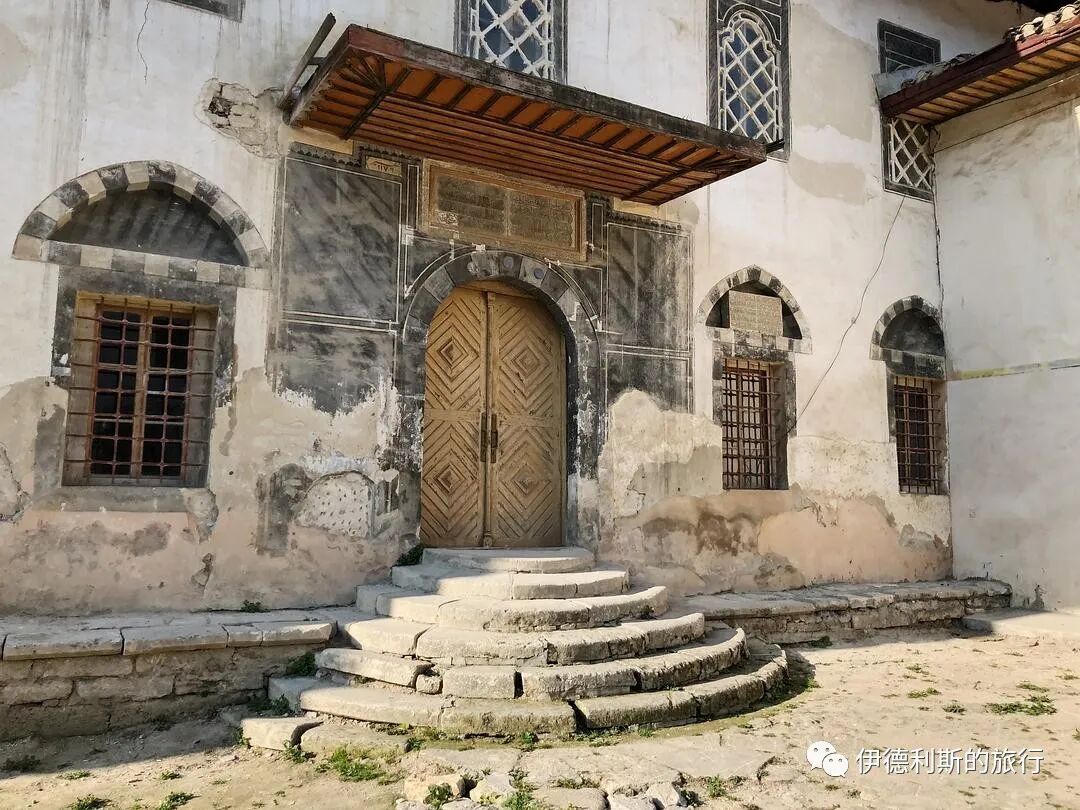
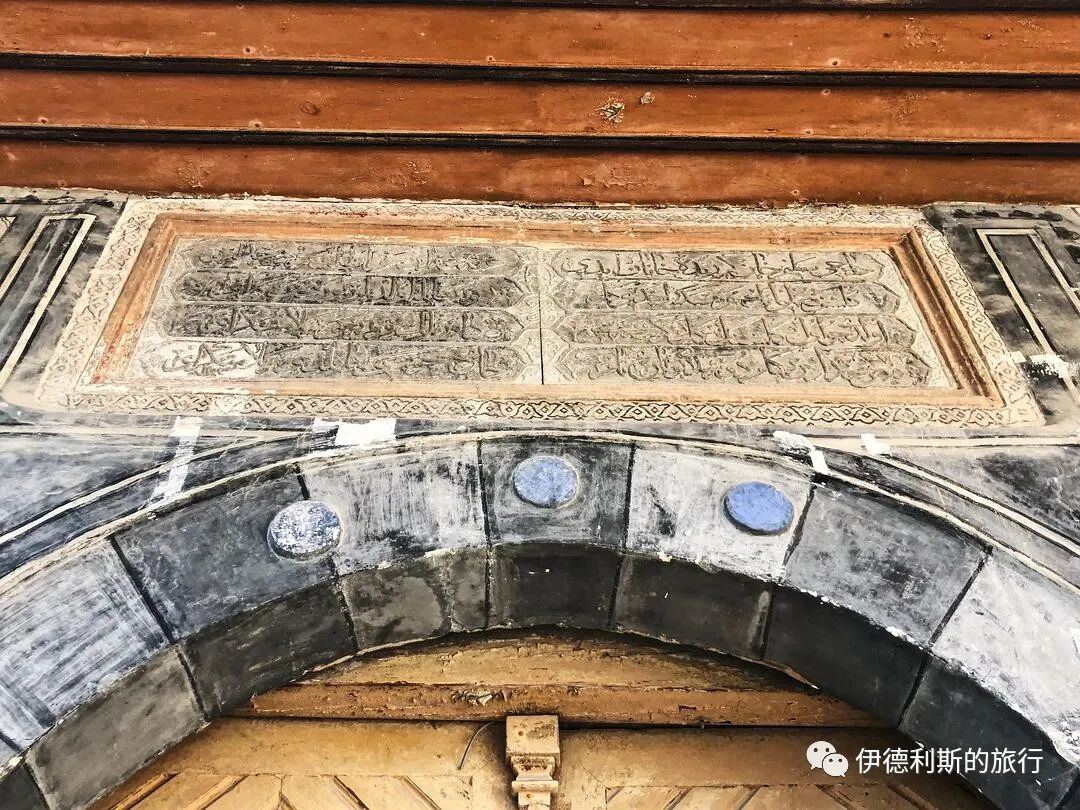
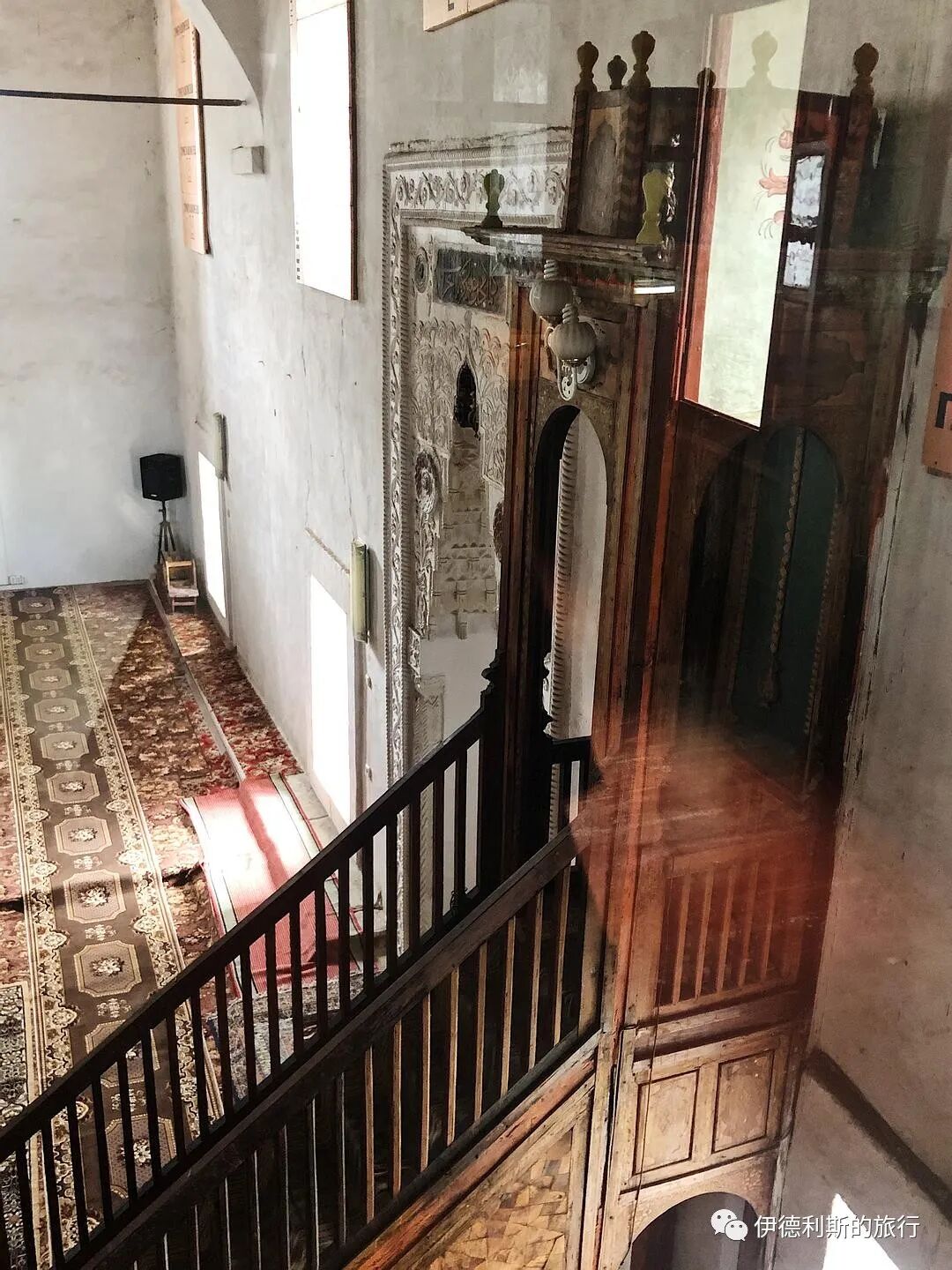
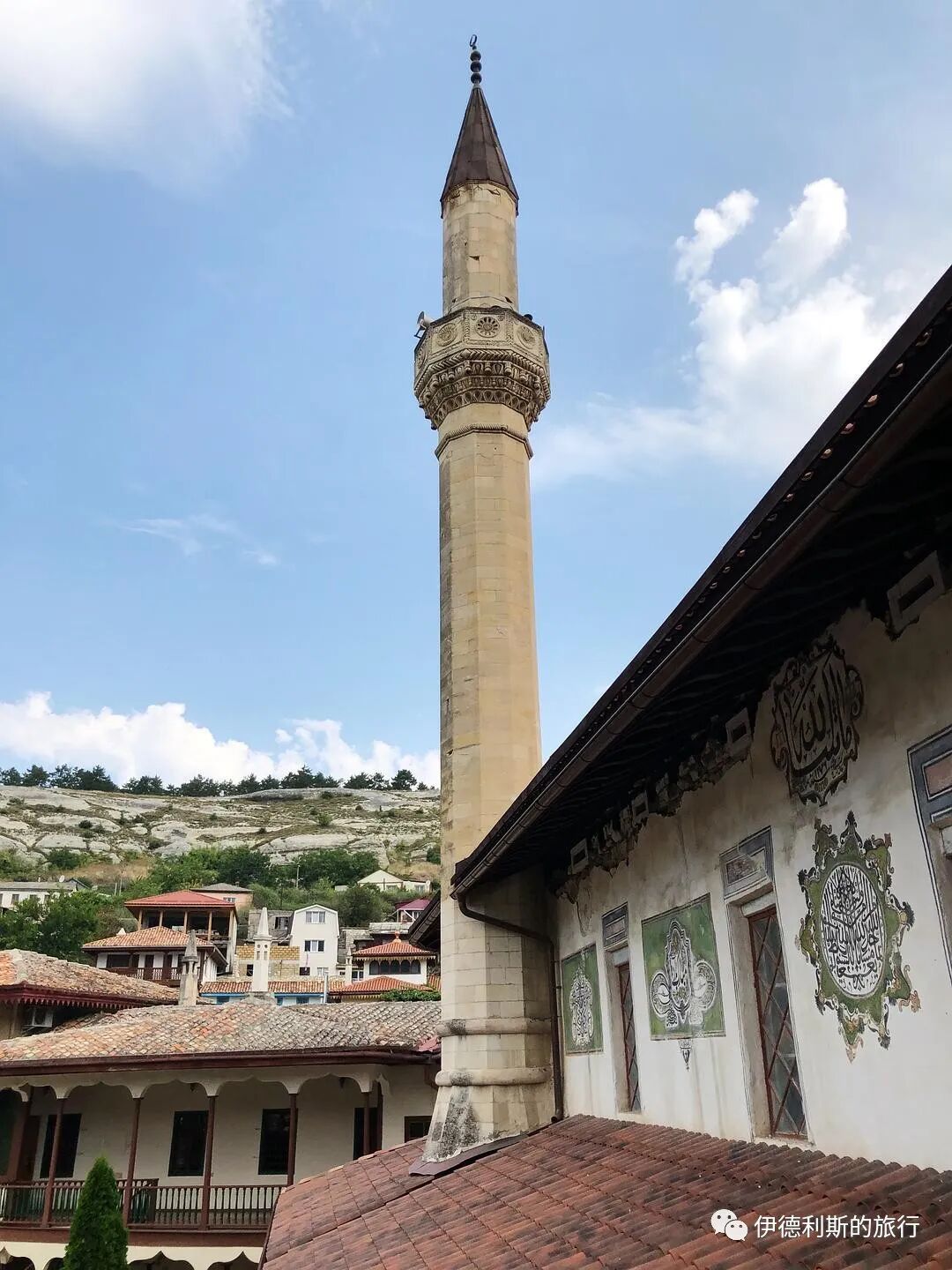
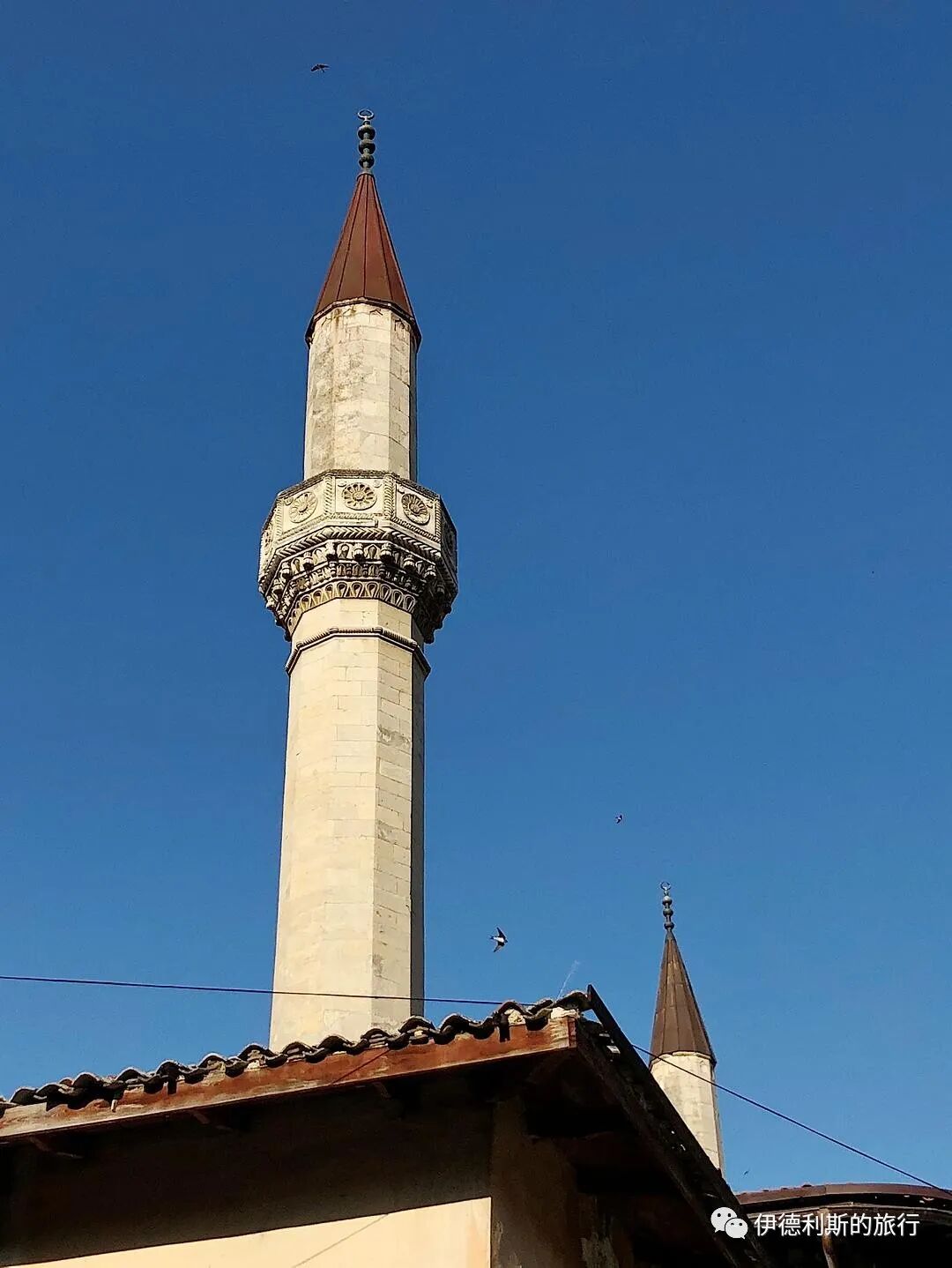
The Great Khan Mosque (Büyük Han Cami) in the Bakhchysarai Khan's Palace was built in 1532 and is one of the earliest structures in the palace. The original mosque had multiple domes, similar to the Seljuk-style mosques popular in the Ottoman Empire during the 15th century. The mosque was destroyed by fire in 1736. It was later restored by Khan Selamet II Giray (who reigned from 1740 to 1743) and converted to a tiled roof.
During the Soviet era, the mosque was closed and turned into an exhibition hall for the archaeological museum. After Russia occupied Crimea in 2014, the mosque underwent repairs, some of which caused damage to the building.
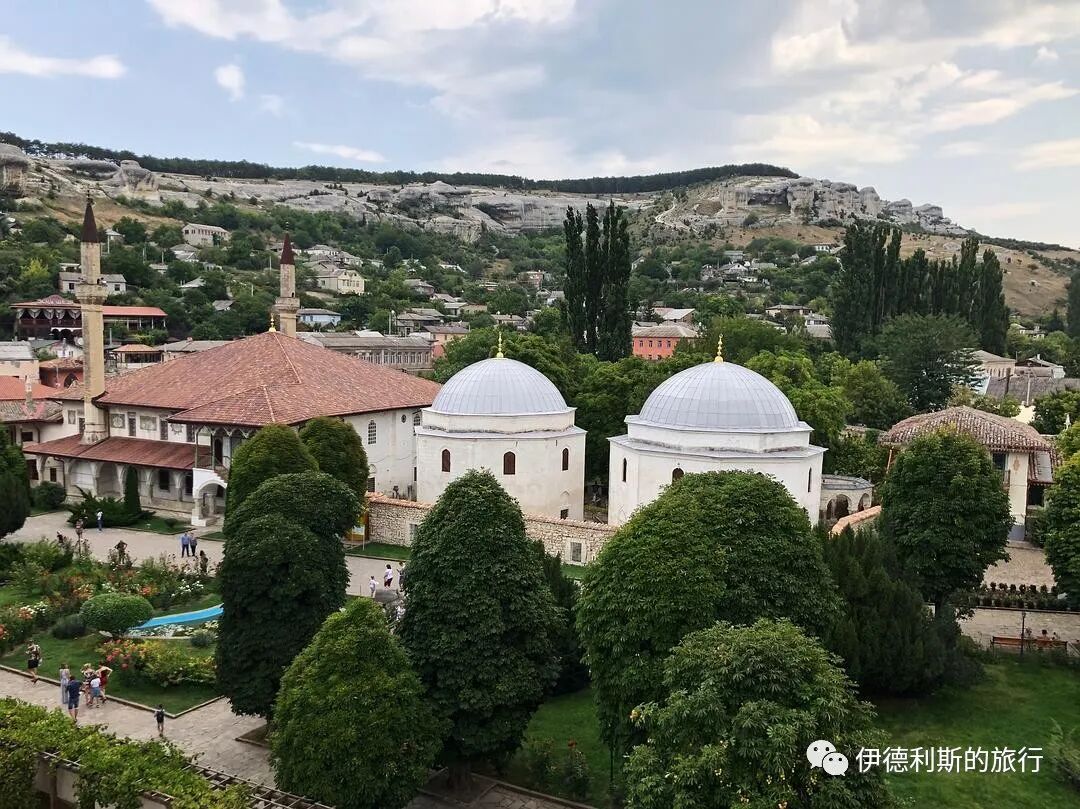
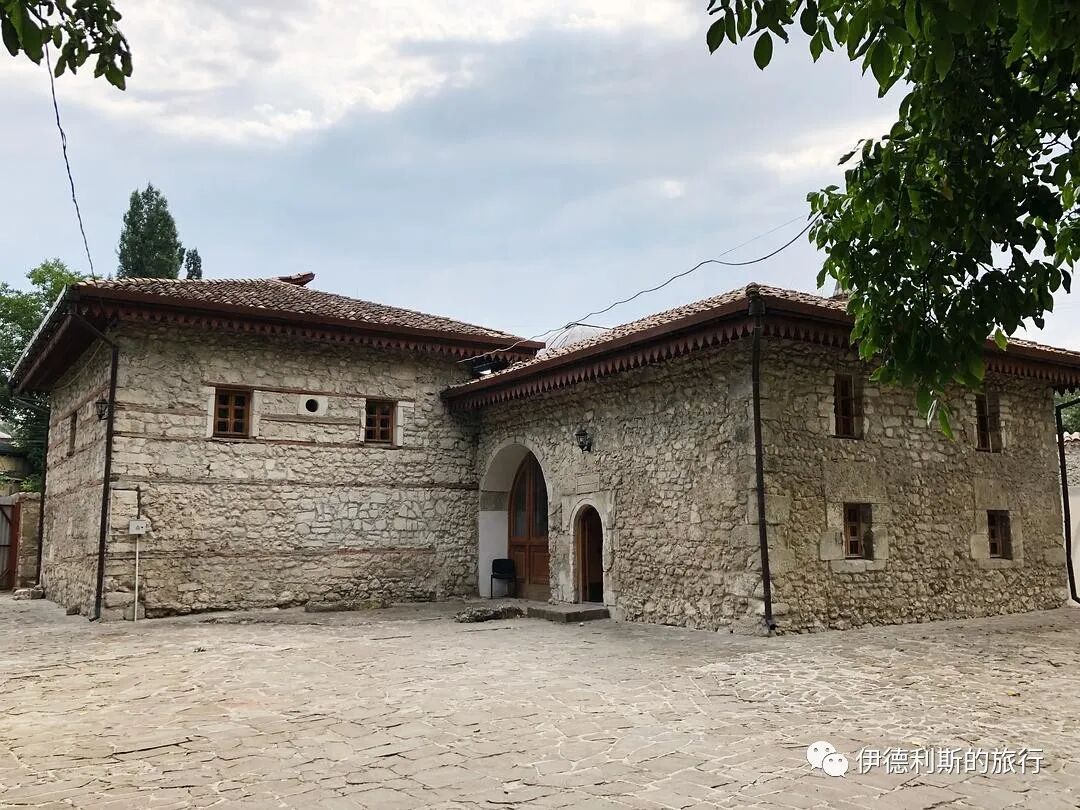
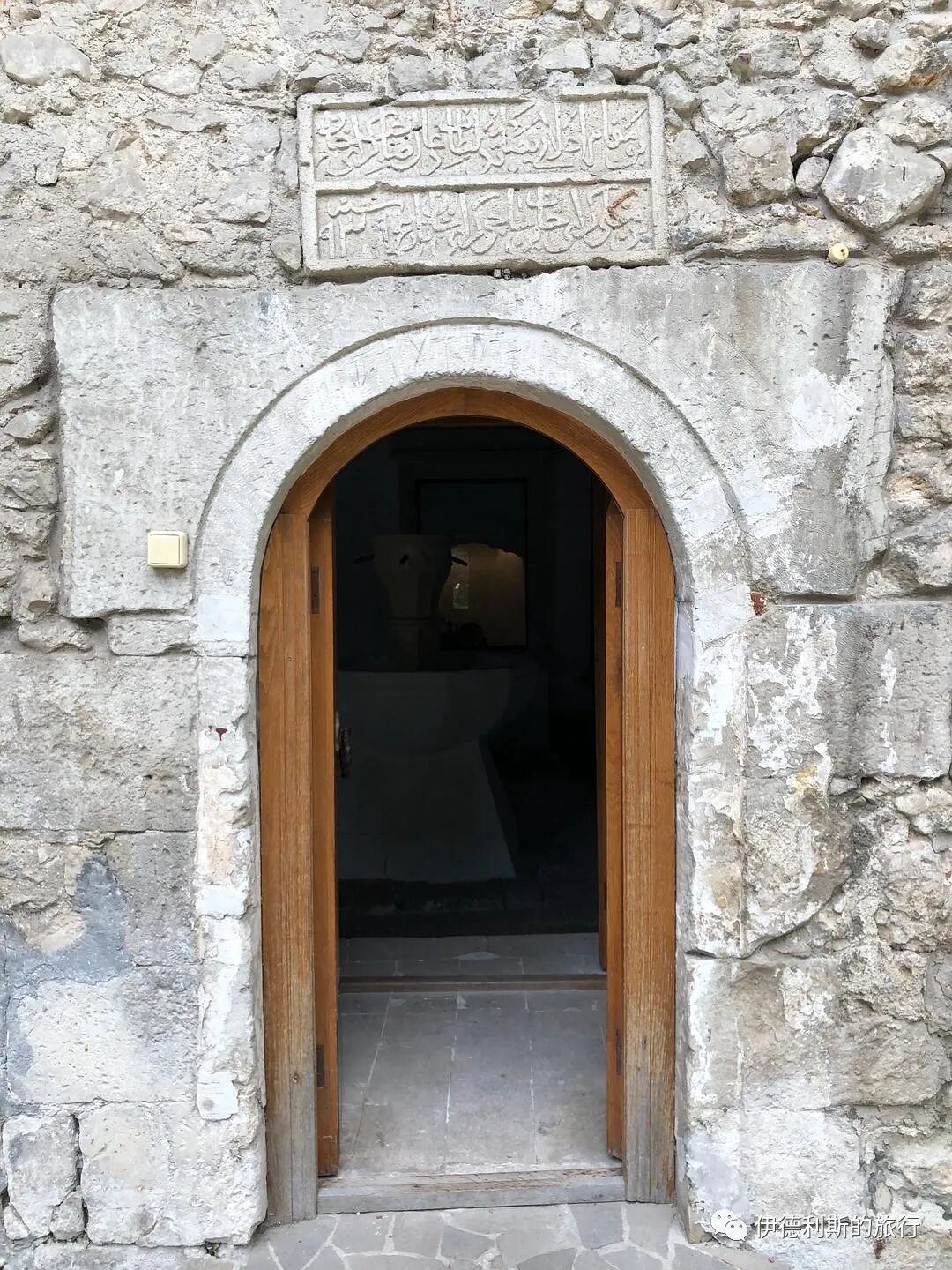
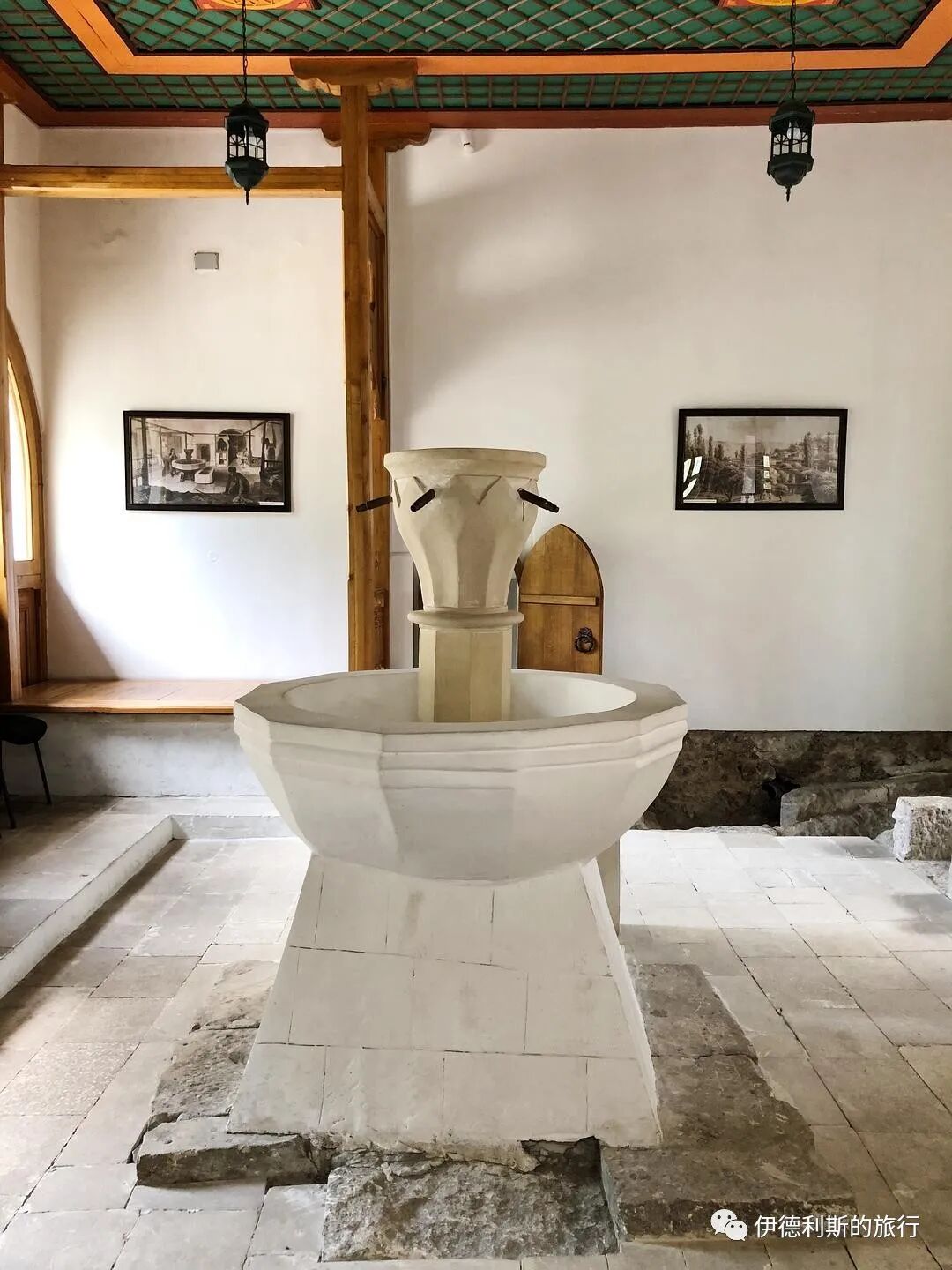
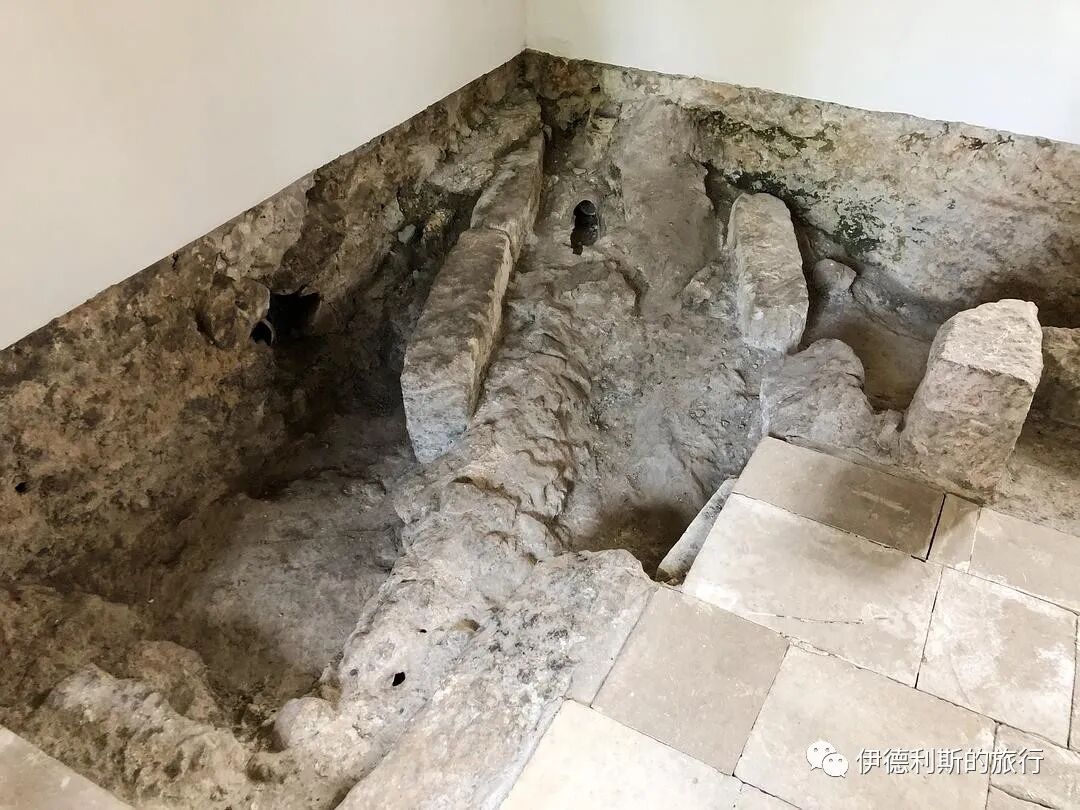
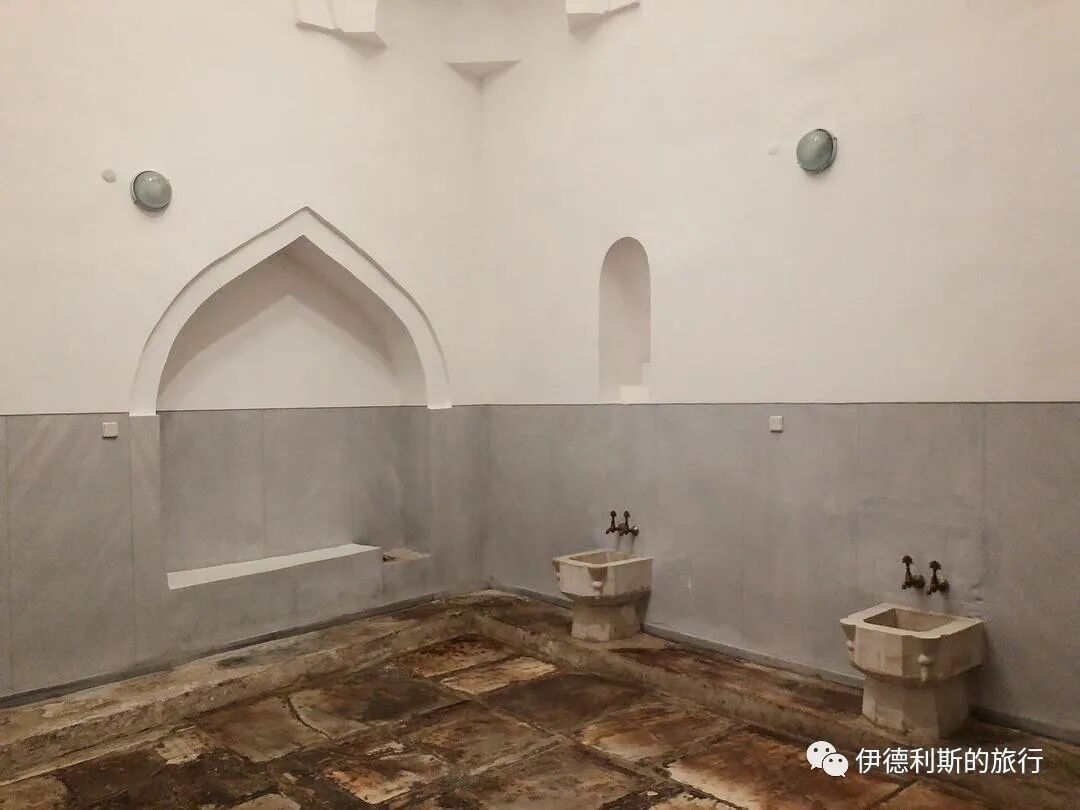
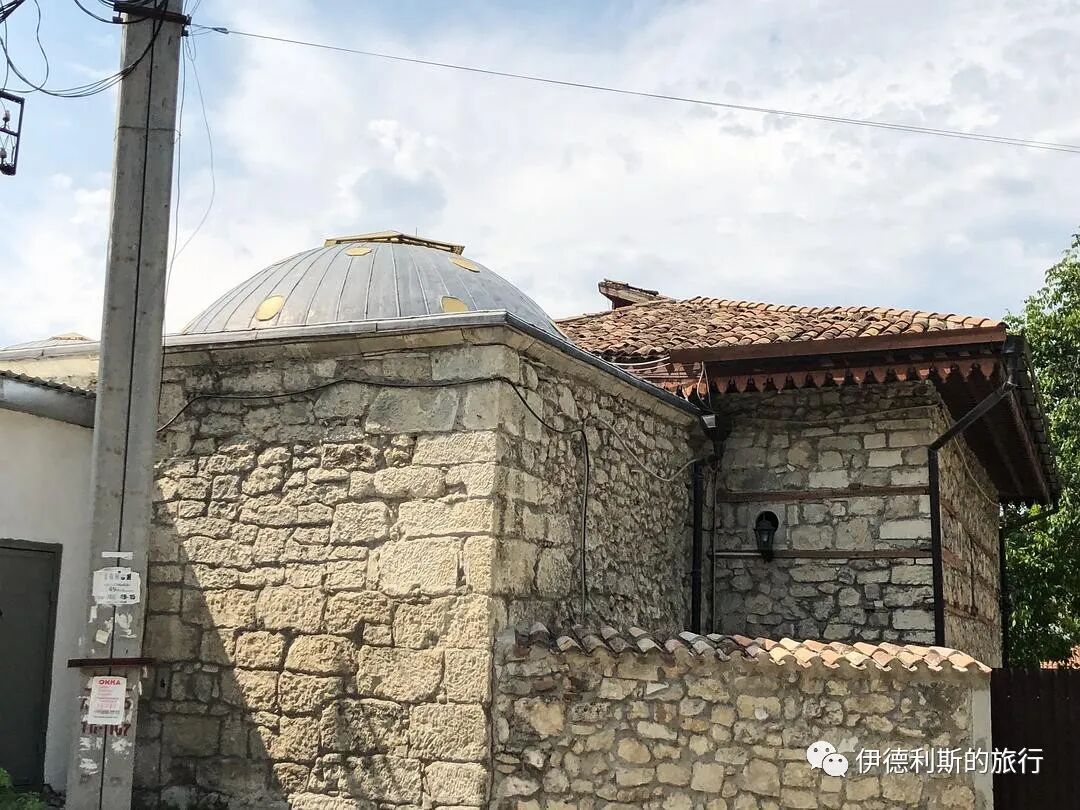
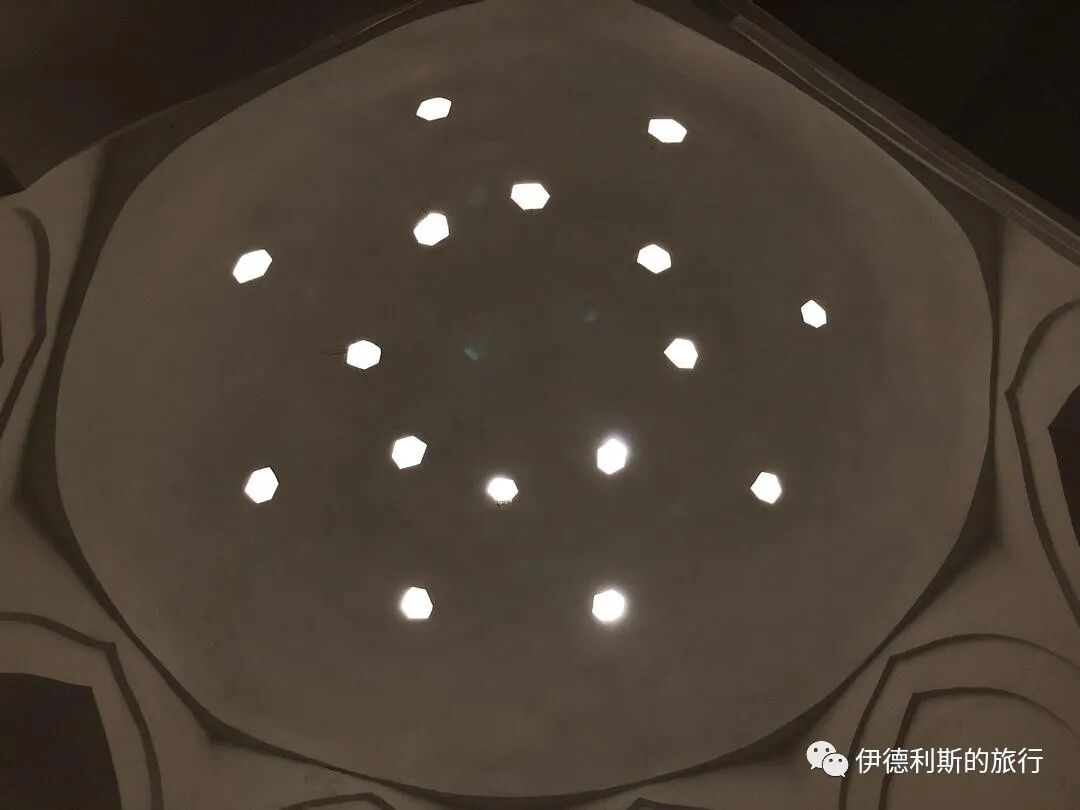
The SaryGuzel Bathhouse was built in 1532 by order of the Crimean Khan Sahib I Giray. Like the Great Khan Mosque, it is one of the earliest buildings in the Bakhchysarai Khan's Palace. In Crimean Tatar, "Sarı" means "yellow or fair-skinned," and "Güzel" means "beautiful." The SaryGuzel Bathhouse is a typical Turkish bath. A furnace in the basement heated the floor with rising hot air, and cold and hot water were supplied through lead pipes. The bathhouse is divided into men's and women's sections, each with its own dome. The domes have star-shaped cutouts for ventilation and light, and there is an indoor courtyard with a fountain at the exit.
The SaryGuzel Bathhouse operated until 1924, when it was closed because it was considered unsafe. It has since been repaired and is now open for exhibitions.
The Khan's cemetery holds the grave of the Crimean Khan Devlet I Giray (reigned 1551–1577). He was appointed Kalga (the second-in-command after the Khan) in 1530. Later, due to court struggles, he went to Istanbul and gradually gained the trust of the Ottoman Sultan Suleiman the Magnificent. In 1551, with the help of Suleiman the Magnificent, he became the Crimean Khan.
Block 1 of 3 for Part 1A
Summary: Islamic World in 1550: Mongol Empire Legacy and Muslim History (Part 1A) is presented here as a firsthand travel account in clear English, beginning with this scene: In our last article, "A Journey Through the Islamic World in 1550 (Part 1)," we crossed the African continent, traveled from Egypt into the Ottoman Empire, and visited Tabriz in Iran. The account keeps its focus on Mongol Empire, Islamic World, Muslim History while preserving the names, places, food, and historical details from the Chinese source.
In our last article, "A Journey Through the Islamic World in 1550 (Part 1)," we crossed the African continent, traveled from Egypt into the Ottoman Empire, and visited Tabriz in Iran. This time, we will visit 12 countries ruled by the descendants of Genghis Khan, moving from Eastern Europe into North Asia and Central Asia, and finally into South Asia.
In the early 13th century, as the Mongol Empire expanded, Genghis Khan began dividing his lands among his sons. Orda and Batu, the sons of Genghis Khan's eldest son Jochi, received lands in southern Russia and Kazakhstan, which gradually formed the Golden Horde. Hulagu Khan, the son of Genghis Khan's fourth son Tolui, received lands in Iran, Turkmenistan, Afghanistan, and parts of West Asia, which gradually formed the Ilkhanate. After the Yuan Dynasty was established in 1271, the original families of Ogedei and Chagatai, led by Kaidu, opposed Kublai Khan. This led to the formation of the Ogedei Khanate and the Chagatai Khanate, completing the four great Mongol khanates.
After the 14th century, the territory of the Ogedei Khanate was first divided between the Chagatai Khanate and the Yuan Dynasty, and later the Ilkhanate and the Chagatai Khanate also began to split apart. The Golden Horde was the last to decline, splitting into several khanates in the early 15th century.
In 1550, there were 12 countries and regimes established by descendants of Genghis Khan, ruling a vast area from Russia, Kazakhstan, Uzbekistan, and China's Xinjiang to Afghanistan, Pakistan, and India. They were:
1. The Crimean Khanate ruled the Crimean Peninsula.
2. The Astrakhan Khanate ruled the Volga Delta.
3. The Nogai Horde ruled the region between the Volga and Ural rivers.
4. The Qasim Khanate ruled Kasimov in the modern-day Ryazan Oblast of Russia.
5. The Kazan Khanate ruled the middle Volga region.
6. The Siberian Khanate ruled the area around the Irtysh River.
7. The Kazakh Khanate ruled the Kazakh Steppe.
8. The Khanate of Khiva ruled the Khwarezm region.
9. The Khanate of Bukhara ruled the Transoxiana region of Central Asia.
10. The Yarkent Khanate ruled the southern Xinjiang region.
11. Haidar ruled the Kashmir region.
12. The Arghun dynasty ruled southern Afghanistan and the Sindh region of Pakistan.
Additionally, the Mughal Empire was briefly overthrown at this time, and its second emperor, Humayun, was in exile in Persia.
1. The Crimean Khanate in Ukraine (1441–1783).
We start this journey on the Crimean Peninsula on the northern shore of the Black Sea.
The Khan of the Crimean Khanate was a descendant of Tuka-Timur, the thirteenth son of Jochi, who was Genghis Khan's eldest son. In the 1260s, the Golden Horde gave the Crimean Peninsula to the ancestor of the Crimean Khans, Uran Timur, to rule. The khanate was officially established in 1441.
Around 1500, the Crimean Khan Mengli I Giray built the capital of Salachik. In 1532, Sahib I Giray, the son of Mengli I Giray, established a new capital called Bakhchisarai in a valley two kilometers downstream from Salachik. For the next 250 years, generations of Crimean Khans built palaces and various mosque buildings here.
In 1550, the Khan ruling the Crimean Khanate was Sahib I Giray. He ascended the throne with the help of the Ottoman Empire. Later, he joined forces with the Ottoman Sultan Suleiman the Magnificent to attack the Moldavians, and in 1541, he raided Moscow and brought back spoils of war.
The location of Bakhchisarai, the capital of the Crimean Khanate.
The tomb of Haji I Giray (Dürbe Hacı I Giray) was built in 1501 by Mengli I Giray for his father, the founding Khan of Crimea. It is an octagonal tomb with a lead dome.
Archaeological excavations from 2006 to 2007 examined 18 graves inside the mausoleum, including 13 adults and 5 children. They were wrapped in silk and satin, with some resting on pillows stuffed with fabric scraps and fruit seeds. The mausoleum holds 8 stone sarcophagi covered in velvet, silk, and silver-threaded fabric. These likely include 4 Crimean Khans: Hacı I Giray himself, Meñli I Giray, Nur Devlet—who fought Meñli I Giray for the throne for years before losing—and Sahib I Giray, the son of Meñli I Giray and builder of Bakhchysarai.
After research finished in 2009, these individuals were reburied with Muslim rites.
The Chain Madrasa (Zıncırlı Medrese) was built in 1500 by order of the Crimean Khan Meñli I Giray. The name of the madrasa comes from the Turkic word "Zyngyr," which means "chain." A chain hangs above the main gate of the madrasa, forcing everyone who enters to bow their head. The madrasa is rectangular with a central courtyard, an entrance on one side, and 11 rooms on the other three sides. At the time, the madrasa taught Turkish and Arabic grammar, calligraphy, arithmetic, ethics, logic, proof theory, Islamic law (sharia), theology, and hadith studies. The full course of study took ten years.
In 1909, influenced by the Crimean Tatar Enlightenment movement, Gasprinski built a new two-story madrasa next to the old one. The madrasa closed in 1917 and became the Meñli Giray Research Institute. The institute was abolished in 1923. Later, it served as a teacher's college, a medical school, a sanatorium for German soldiers, and a post-war psychiatric clinic. Today, it is managed by the Bakhchysarai History, Culture, and Archaeology Museum.
The Iron Gate (Demir Qapı) is the oldest structure in the Khan's Palace. It was built between 1503 and 1504 for the Crimean Khan by the architect Aleviz Novy, who had been invited by Ivan the Great to build churches in Moscow. The Iron Gate was likely first built at the Crimean Khan's previous residence, Devlet-Saray, and moved to the main palace building after the Bakhchysarai Khan's Palace was completed in 1532. "Demir Qapı" means "iron gate" in Crimean Tatar. The doorway is made of limestone and features Lombard-Venetian Renaissance decorative styles.
The Great Khan Mosque (Büyük Han Cami) in the Bakhchysarai Khan's Palace was built in 1532 and is one of the earliest structures in the palace. The original mosque had multiple domes, similar to the Seljuk-style mosques popular in the Ottoman Empire during the 15th century. The mosque was destroyed by fire in 1736. It was later restored by Khan Selamet II Giray (who reigned from 1740 to 1743) and converted to a tiled roof.
During the Soviet era, the mosque was closed and turned into an exhibition hall for the archaeological museum. After Russia occupied Crimea in 2014, the mosque underwent repairs, some of which caused damage to the building.
The SaryGuzel Bathhouse was built in 1532 by order of the Crimean Khan Sahib I Giray. Like the Great Khan Mosque, it is one of the earliest buildings in the Bakhchysarai Khan's Palace. In Crimean Tatar, "Sarı" means "yellow or fair-skinned," and "Güzel" means "beautiful." The SaryGuzel Bathhouse is a typical Turkish bath. A furnace in the basement heated the floor with rising hot air, and cold and hot water were supplied through lead pipes. The bathhouse is divided into men's and women's sections, each with its own dome. The domes have star-shaped cutouts for ventilation and light, and there is an indoor courtyard with a fountain at the exit.
The SaryGuzel Bathhouse operated until 1924, when it was closed because it was considered unsafe. It has since been repaired and is now open for exhibitions.
The Khan's cemetery holds the grave of the Crimean Khan Devlet I Giray (reigned 1551–1577). He was appointed Kalga (the second-in-command after the Khan) in 1530. Later, due to court struggles, he went to Istanbul and gradually gained the trust of the Ottoman Sultan Suleiman the Magnificent. In 1551, with the help of Suleiman the Magnificent, he became the Crimean Khan.
Block 1 of 3 for Part 1A
