
Halal Travel Guide: Northern Thailand — Yunnan-Style Mosques and Hui Muslims
Reposted from the web
Summary: Northern Thailand — Yunnan-Style Mosques and Hui Muslims is presented here as a firsthand travel account in clear English, beginning with this scene: During the May Day holiday in 2023, I traveled to Thailand. A key part of my trip was visiting the mosques (si-fang) of the Yunnanese Hui Muslims in Northern Thailand. The account keeps its focus on Northern Thailand, Yunnan Mosques, Hui Muslims while preserving the names, places, food, and historical details from the Chinese source.
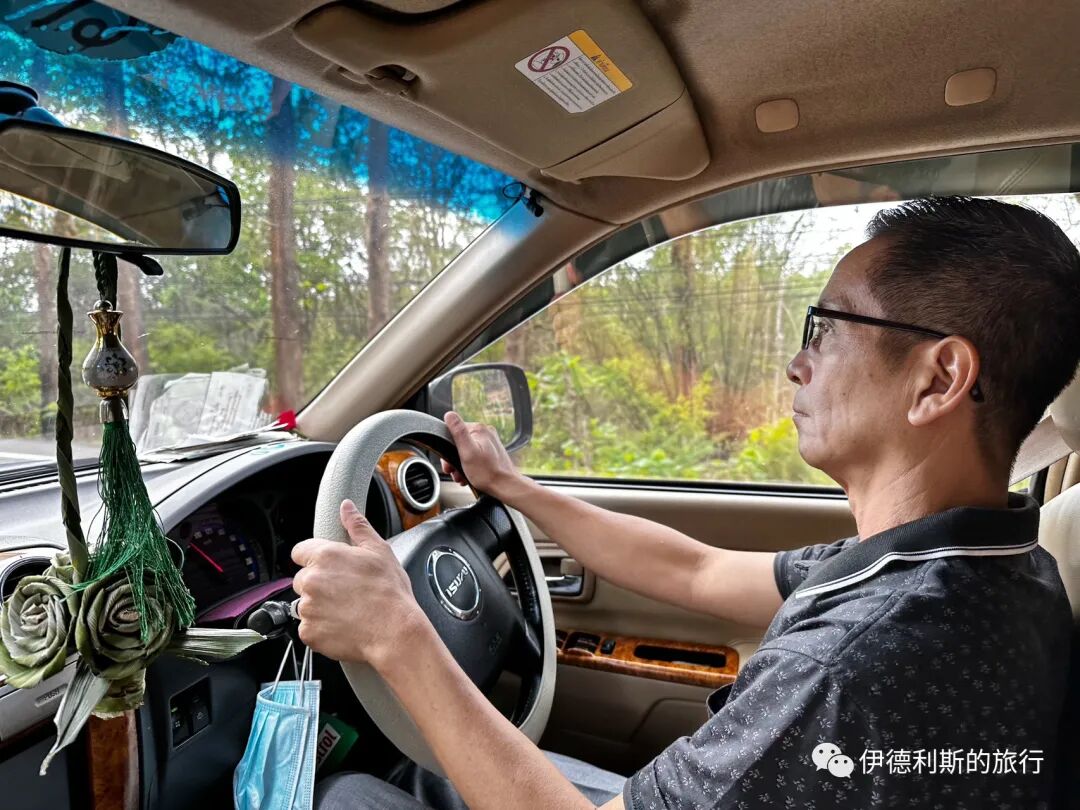
During the May Day holiday in 2023, I traveled to Thailand. A key part of my trip was visiting the mosques (si-fang) of the Yunnanese Hui Muslims in Northern Thailand. I visited Chiang Mai in 2017 and went to four mosques in the city, where I also caught the lively Friday market (Jumu'ah bazaar). I am very grateful that this time we connected with Ma Ruqi, a local Yunnanese Hui Muslim driver in Northern Thailand. He will drive us on a tour of the Yunnanese mosques in the region.
Master Ma is a third-generation Yunnanese Hui Muslim immigrant. His grandparents came from Yunnan to Northern Myanmar for business in the early 20th century and later settled there. After the military government took power in Myanmar in 1962, they closed the borders and the economy stalled. Master Ma's parents then moved from Northern Myanmar to settle in Santikhiri (Manxingdie) in Northern Thailand. Santikhiri is located on a transport route along the Thai-Myanmar border and was once the base for the drug lord Khun Sa. Master Ma was born there. Master Ma's family lived in Santikhiri until 1996, when they moved to the Thai-Myanmar border city of Mae Sai at the foot of the mountain. Master Ma lived in Taiwan for nearly twenty years, where he married and had children. However, he felt that life in Taiwan did not suit his habits as well as Thailand, so he eventually returned.
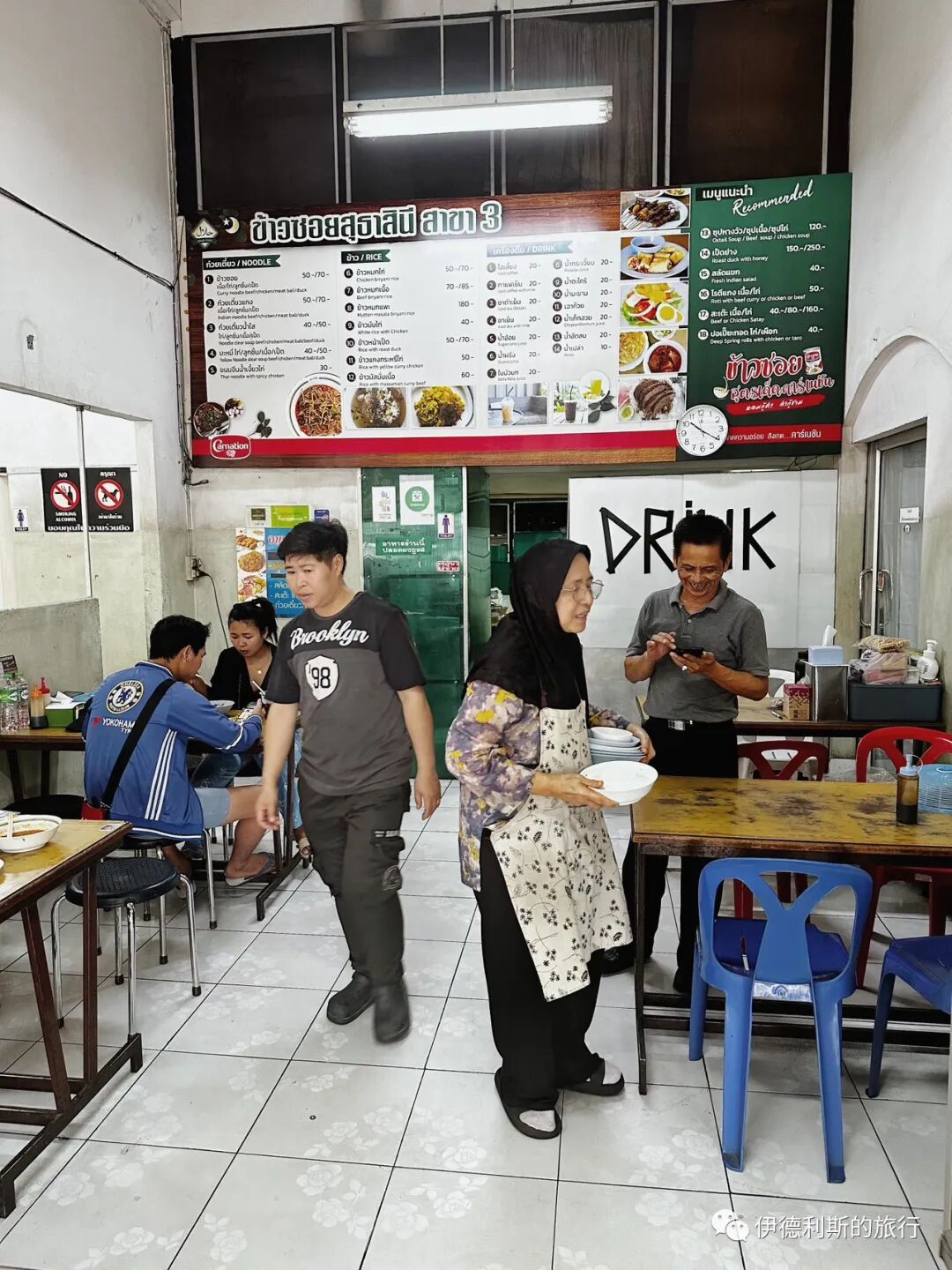
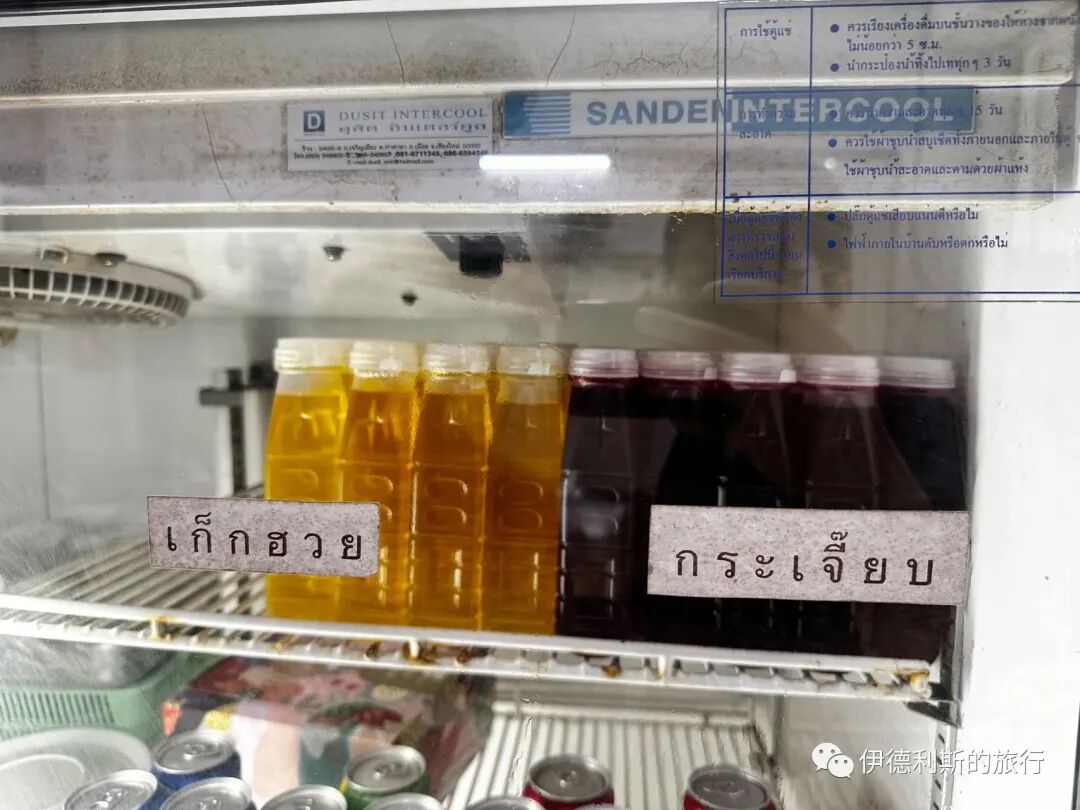
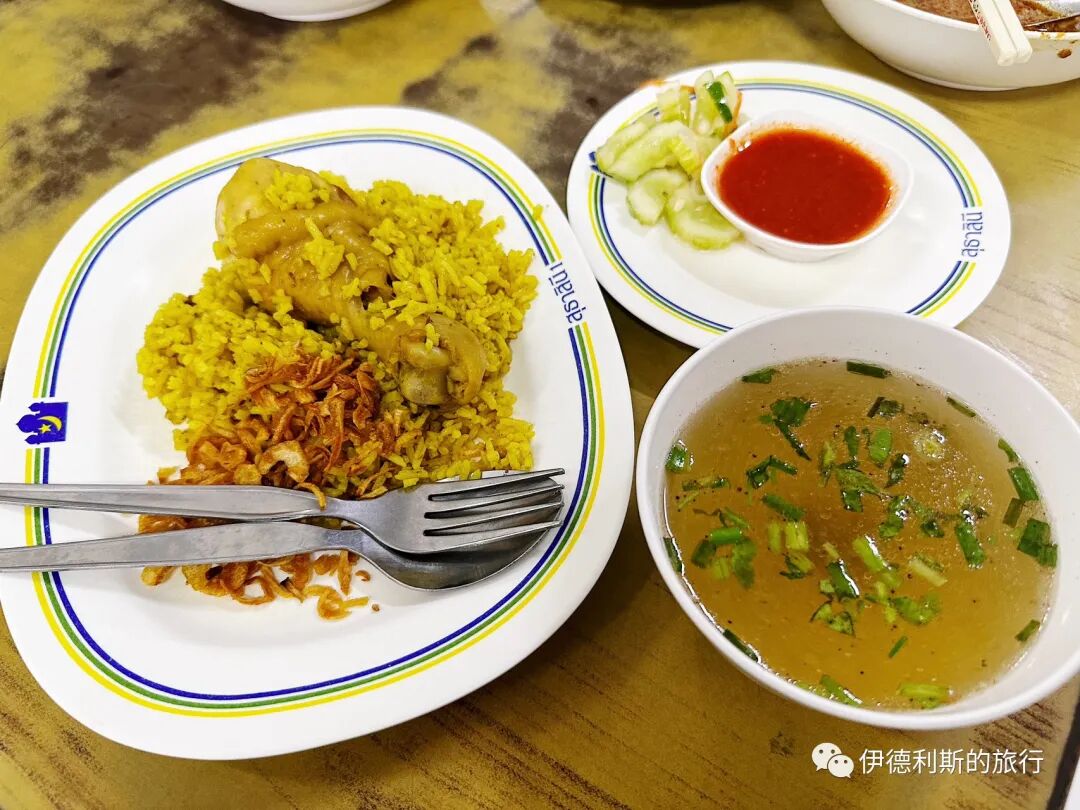
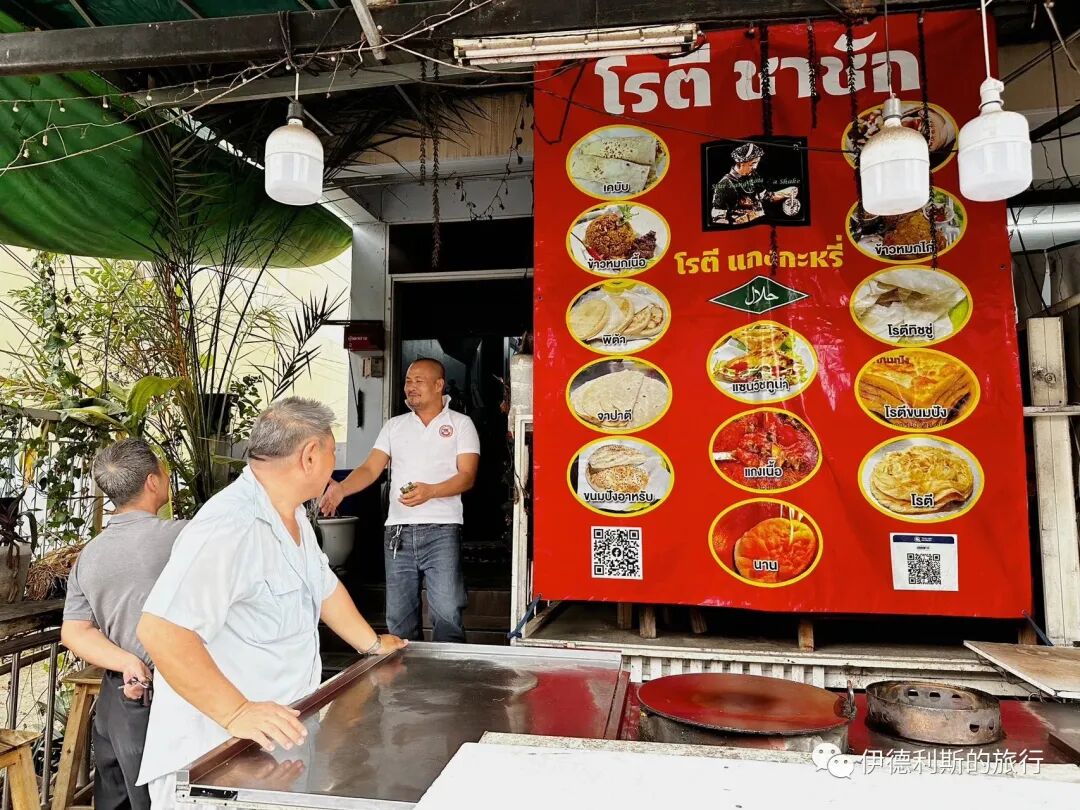
We arrived in Chiang Mai on the afternoon of April 30. Master Ma took us to a restaurant in the Chang Khlan mosque neighborhood to eat Northern Thai curry noodles (khao soi) and Thai-style chicken rice (khao mok gai). They also served tamarind juice and roselle juice.
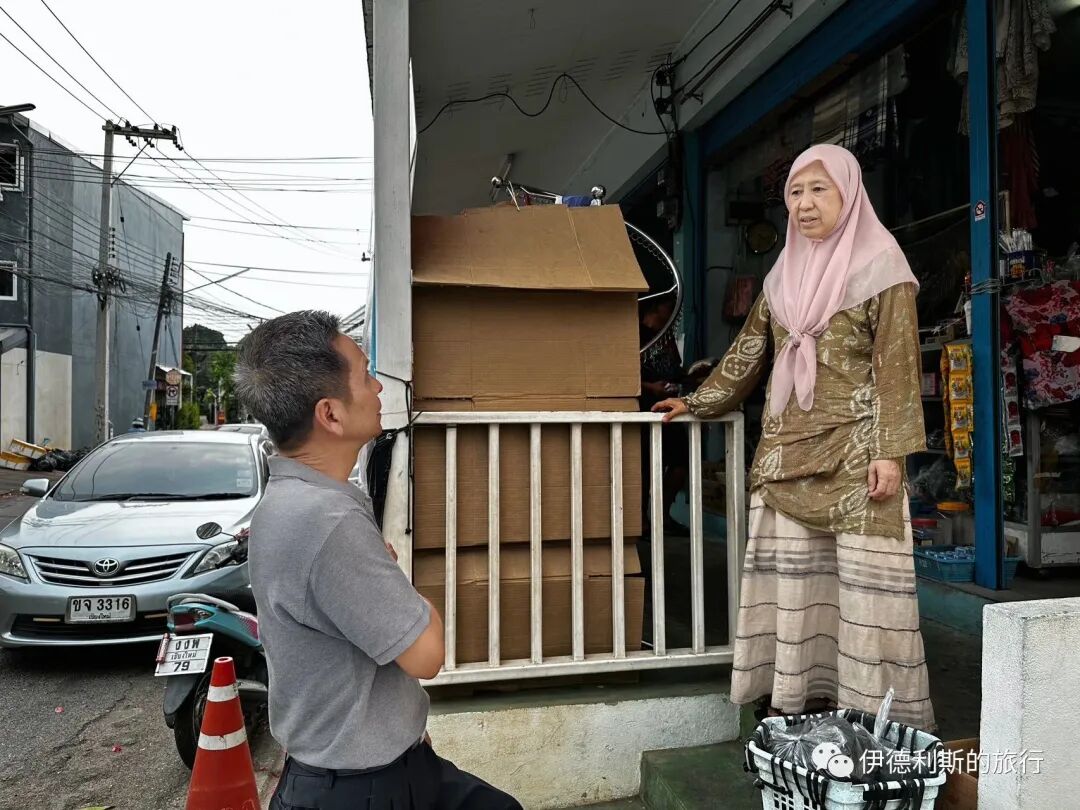
Master Ma explained that the owner of this shop is of Pakistani descent and has lived in Chiang Mai for five generations. The grandmother in the picture is from the third generation. Her descendants have married local Thai people and are fully integrated into Thai society.
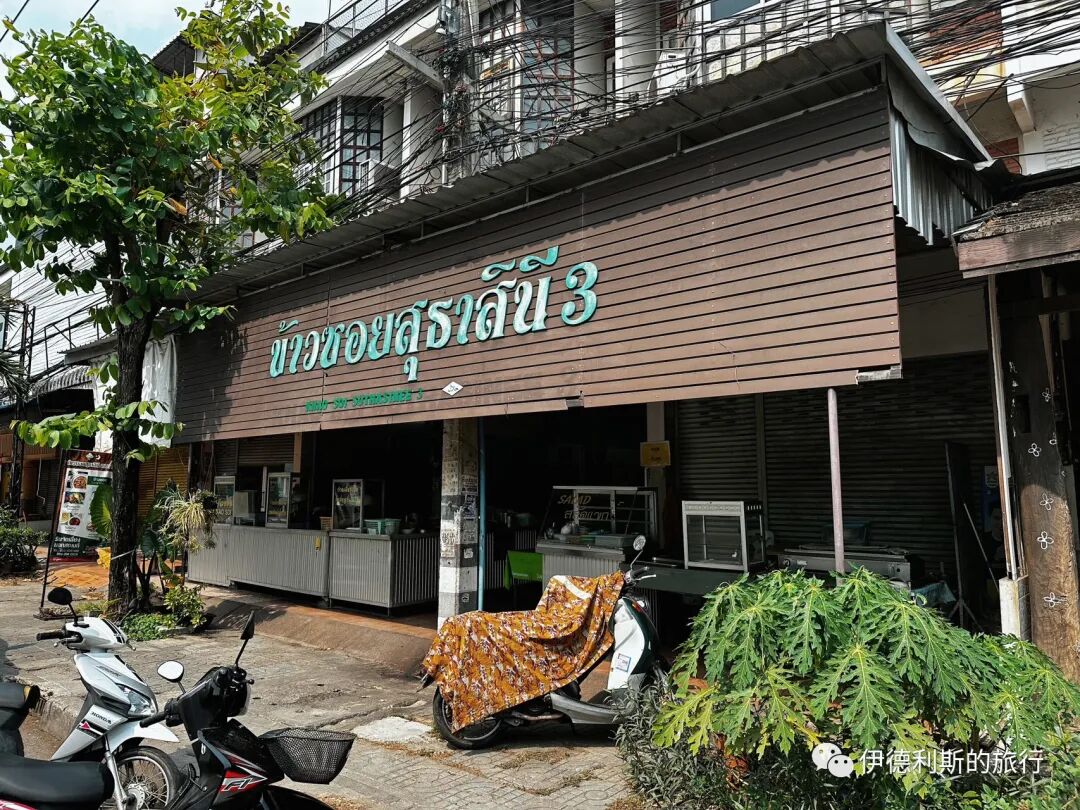
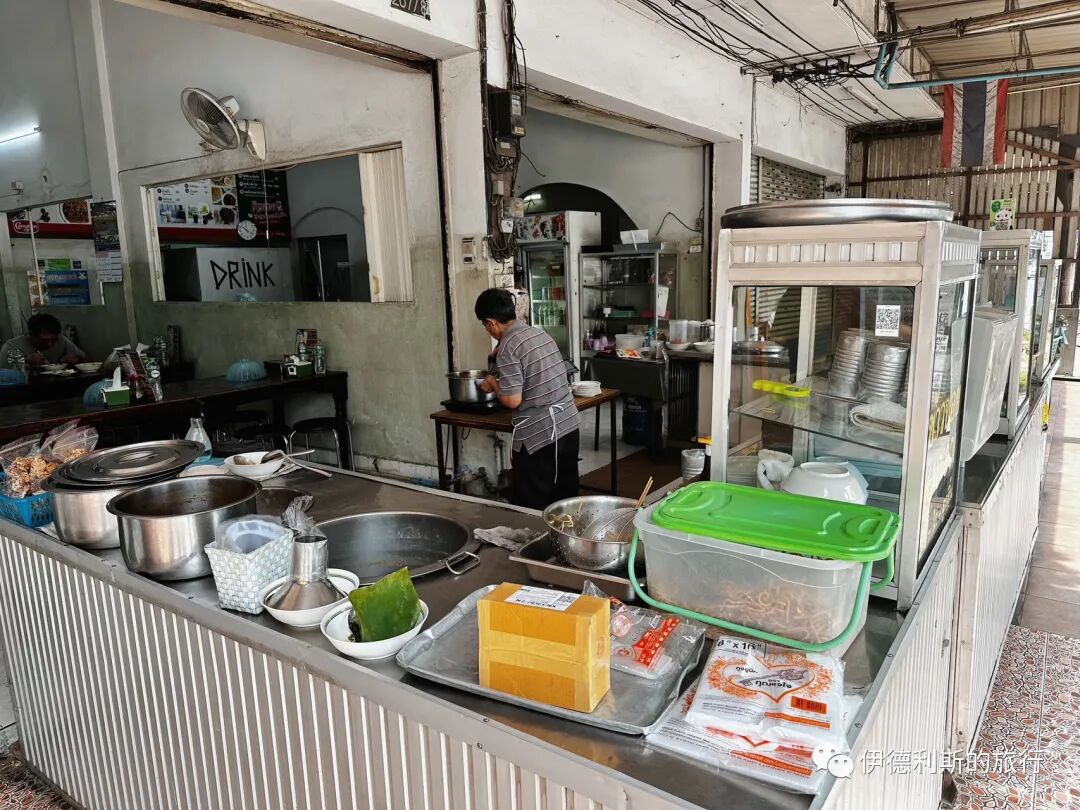
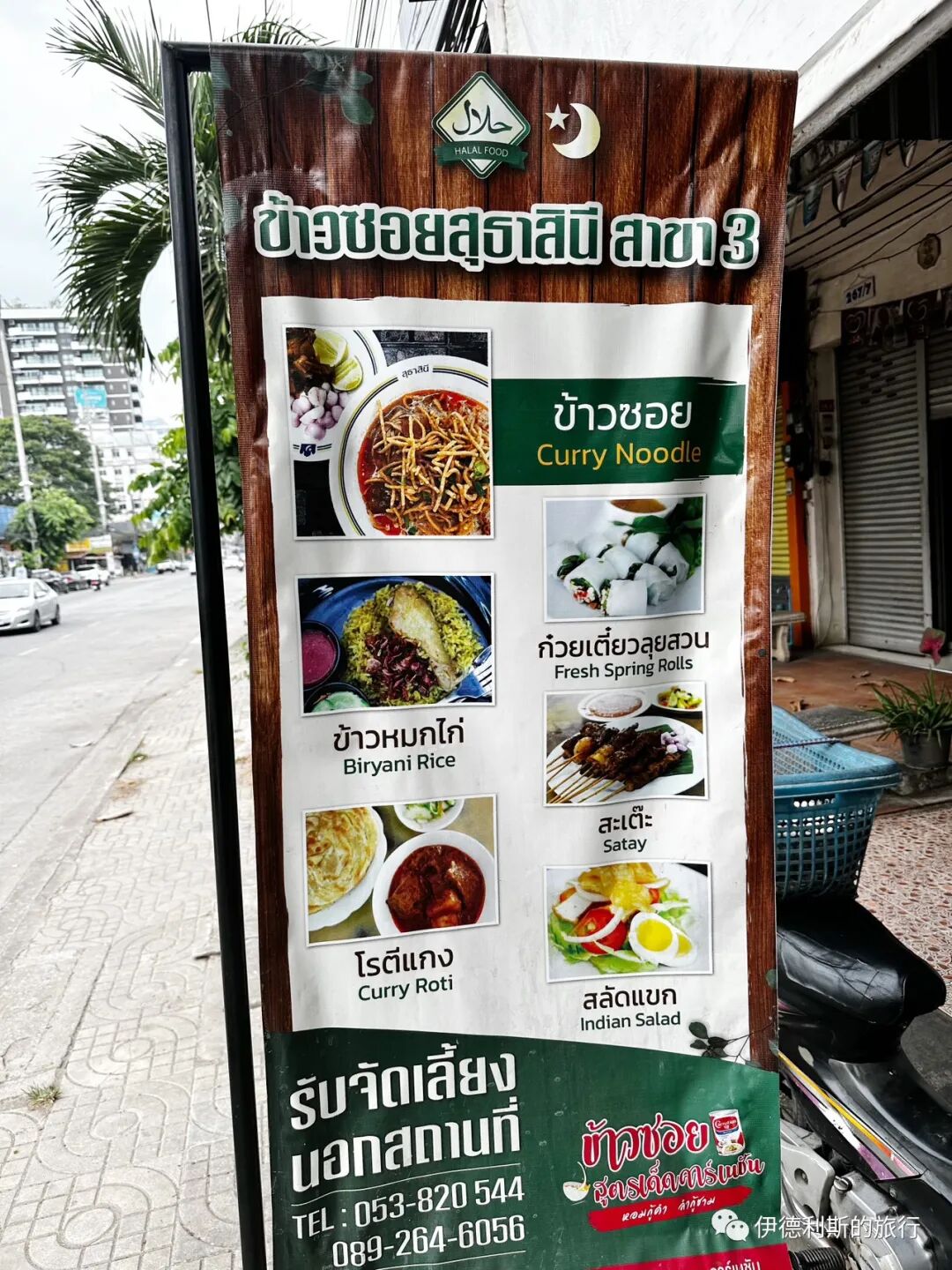
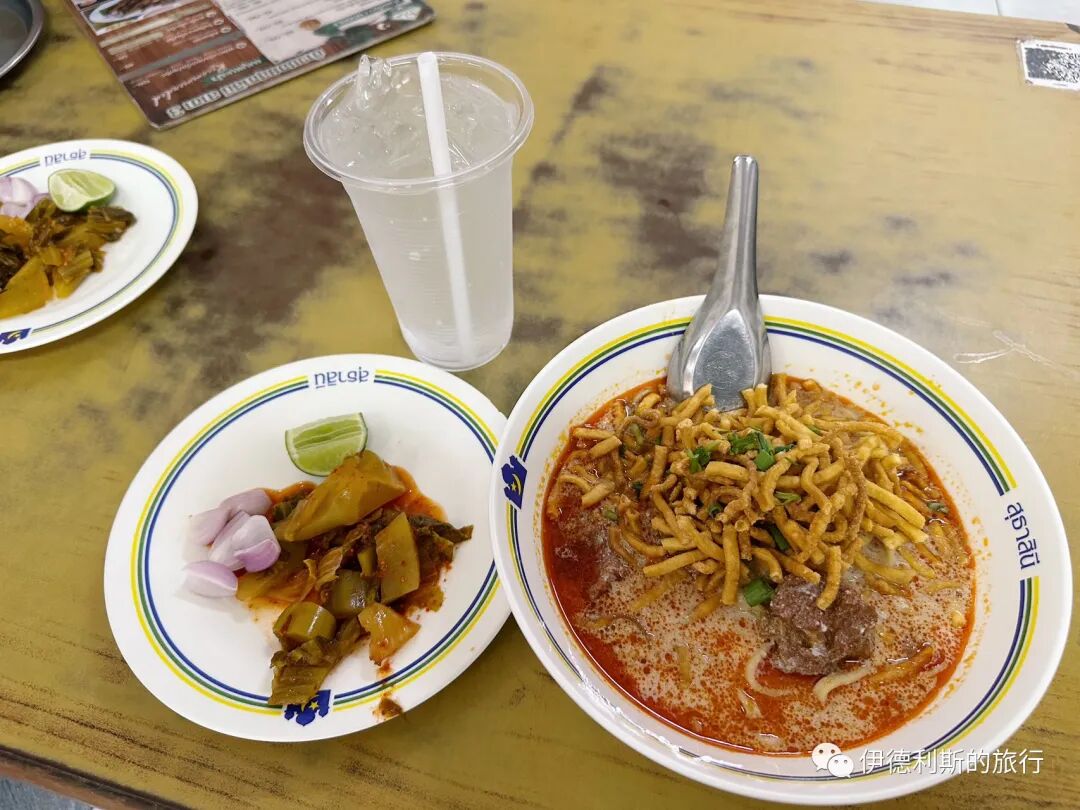
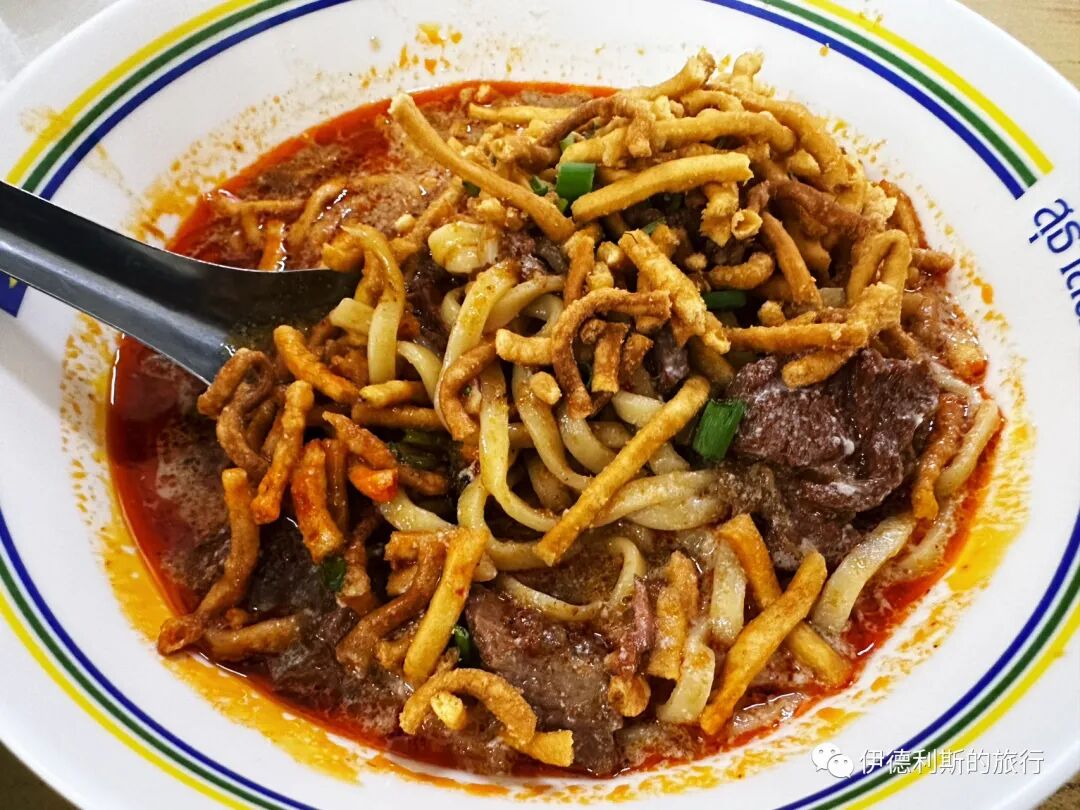
Northern Thai curry noodles are the most famous yellow egg noodles in Chiang Mai. Research suggests they were created when the Shan people from Northern Myanmar migrated to Chiang Mai and combined their food culture with that of the Yunnanese Hui Muslims. The dish contains both fried egg noodles and boiled egg noodles; the fried ones are sprinkled on top, while the boiled ones are in the soup. The soup is like a mild yellow curry. It uses turmeric, ginger, coconut milk, soy sauce, and palm sugar. When eating, you add pickled mustard greens, lime, and shallots.
Thai-style chicken rice (khao mok gai) was formed when South Asian Muslims brought the method of making South Asian biryani rice to Thailand and blended it with local spices, resulting in a lighter flavor. To make it, you marinate the chicken overnight in yogurt, turmeric, and various spices. Then, you fry the chicken until golden brown, add stewing spices, and cook it with the rice. It is served with cucumber, Thai sweet chili sauce, and a bowl of chicken soup.
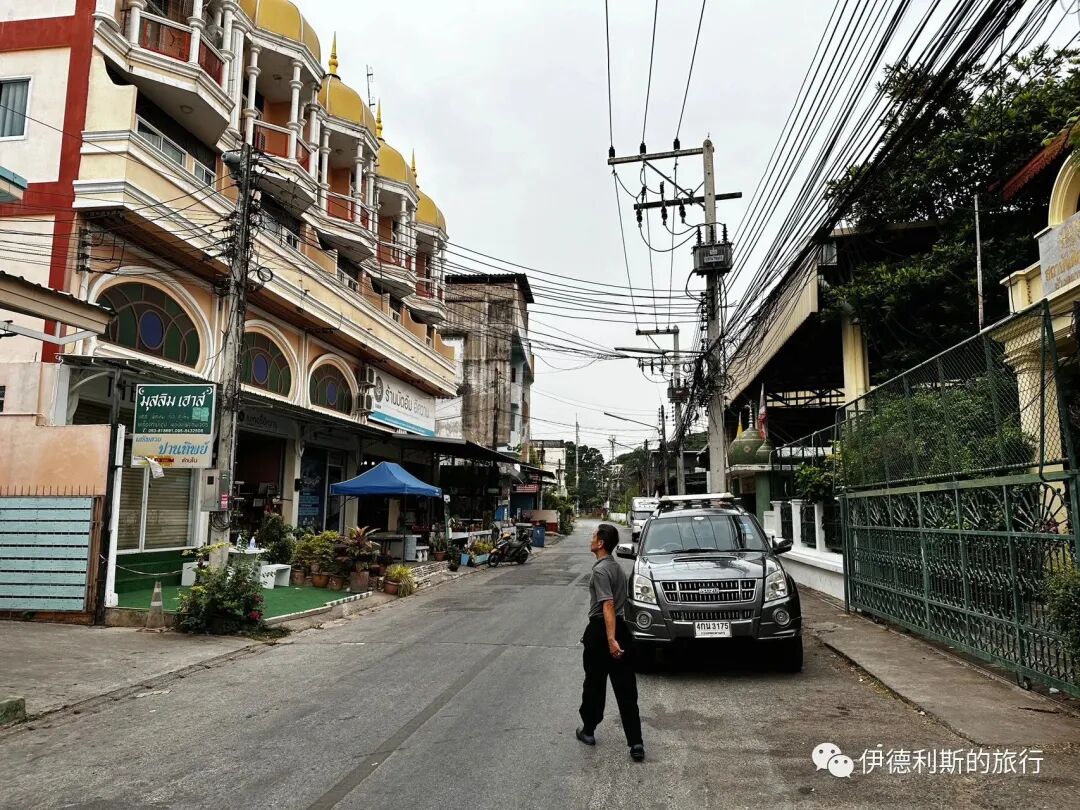
Besides South Asian and Malay residents, a few Hui Muslim families from Yunnan also live in the Chang Khlan mosque neighborhood. The owner of the grocery store across from the mosque is a relative of Master Ma. It is fascinating to hear them chat, switching seamlessly between Thai, Yunnan dialect, and Mandarin.
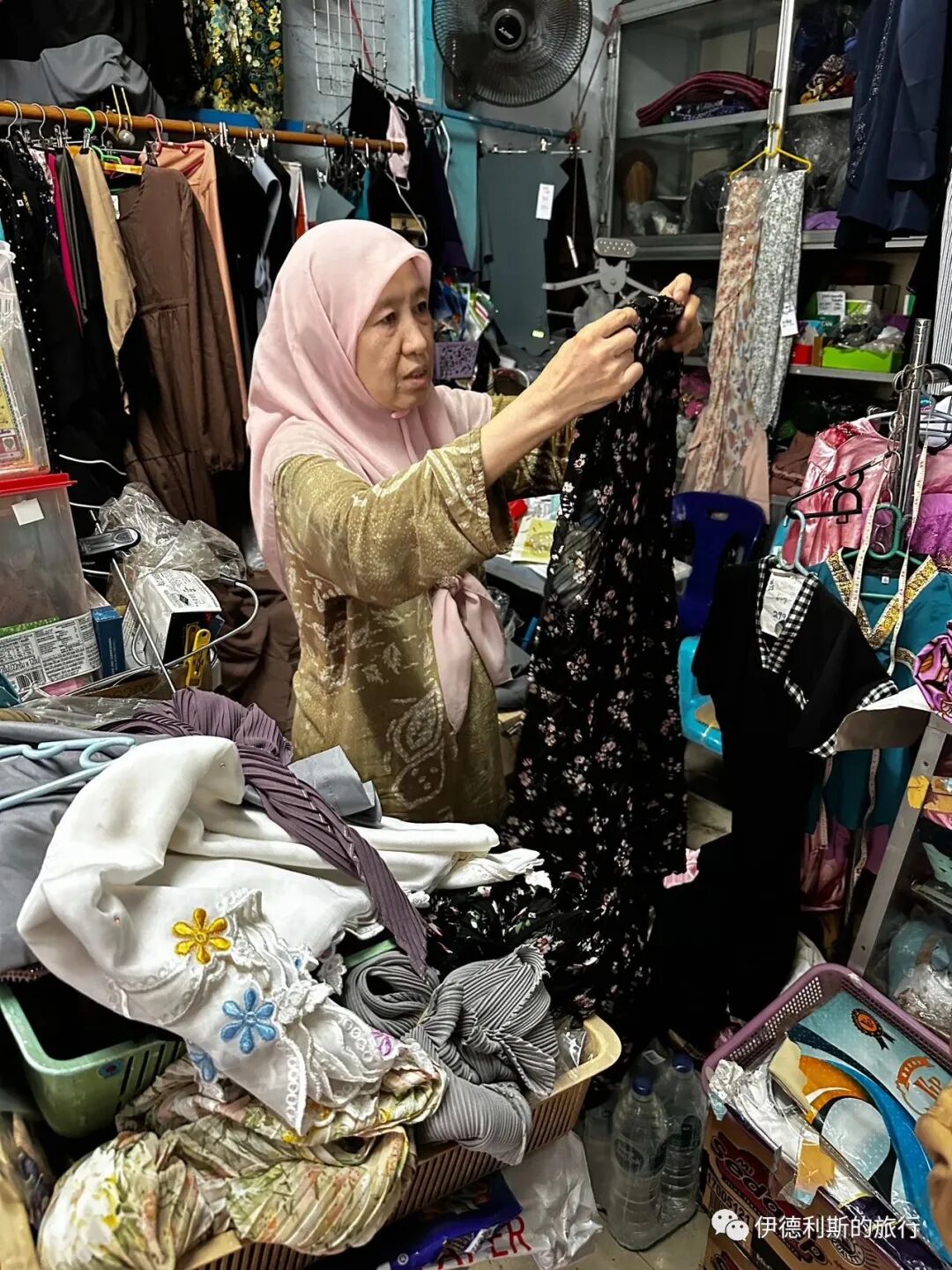
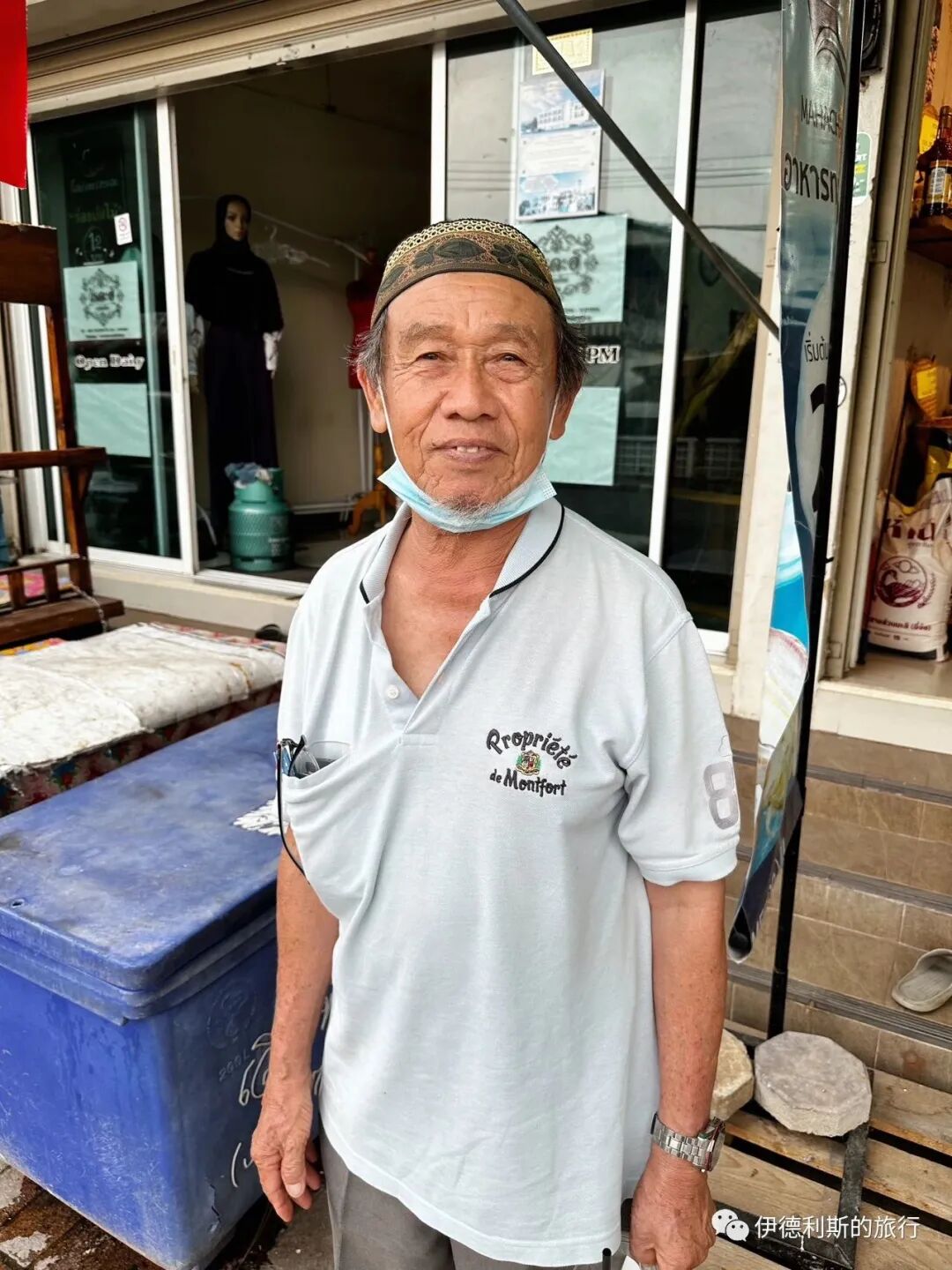
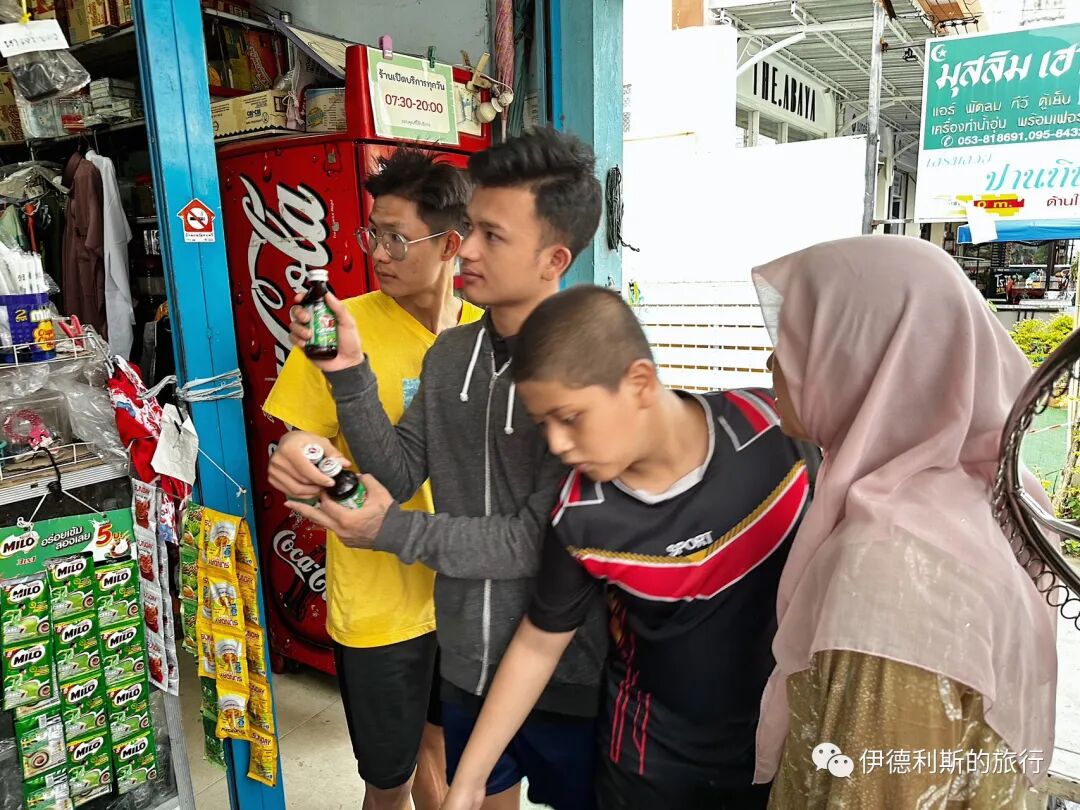
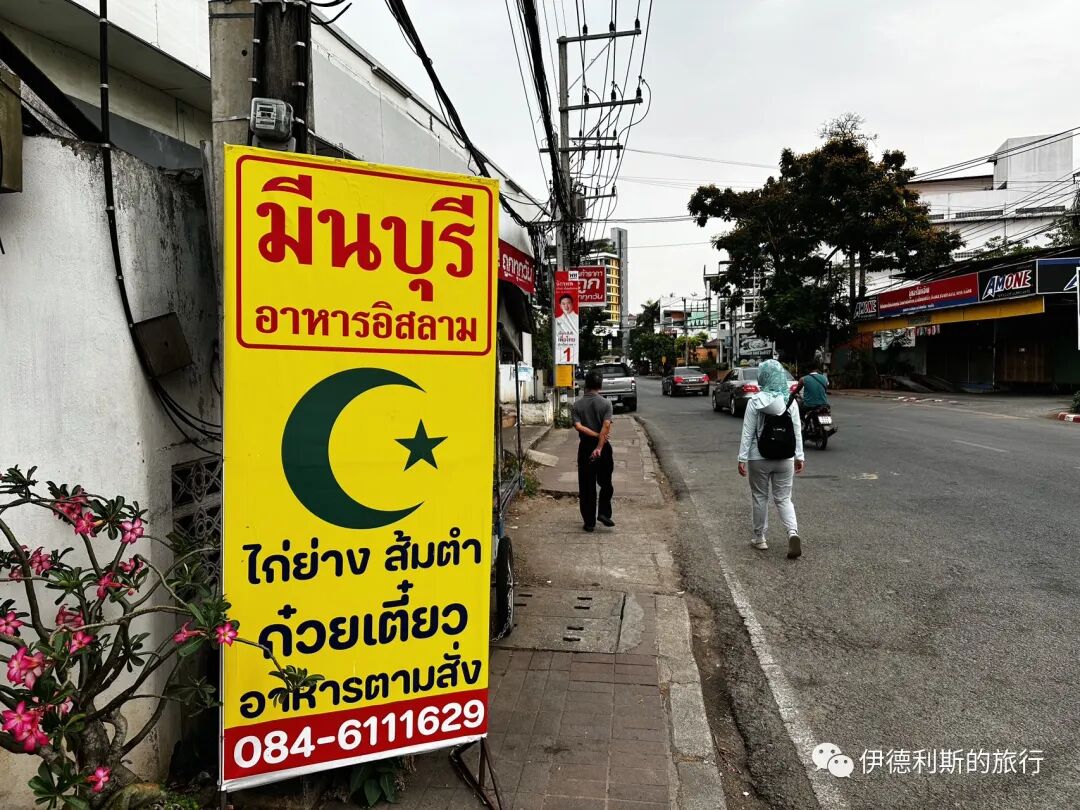
Due to the unstable situation in Myanmar in recent years, some Burmese Muslims have also moved to the Chang Khlan mosque neighborhood to live. We happened to run into some young Burmese Muslim men buying drinks at the grocery store. On Chang Khlan Road next to the mosque, there is a row of halal snack shops mostly run by Burmese Muslims. They love to chew betel nut, and the women apply a paste made from ground yellow wood branches and water called thanaka to their faces to prevent mosquito bites and cool down.
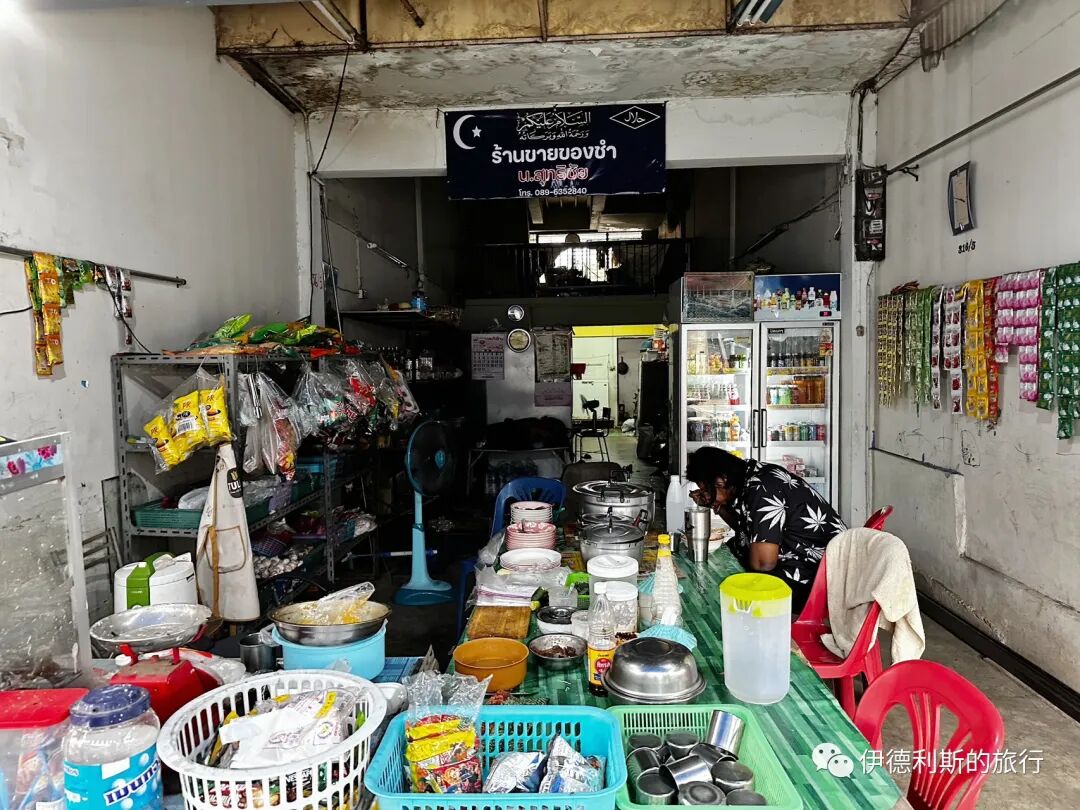
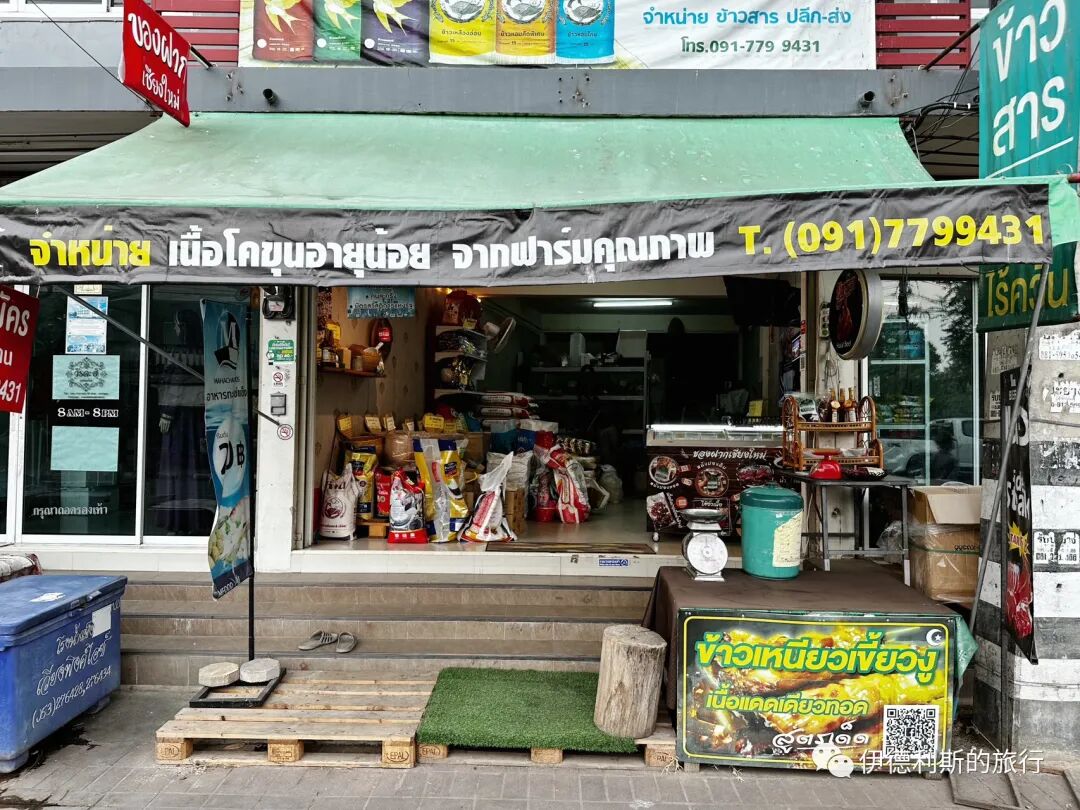
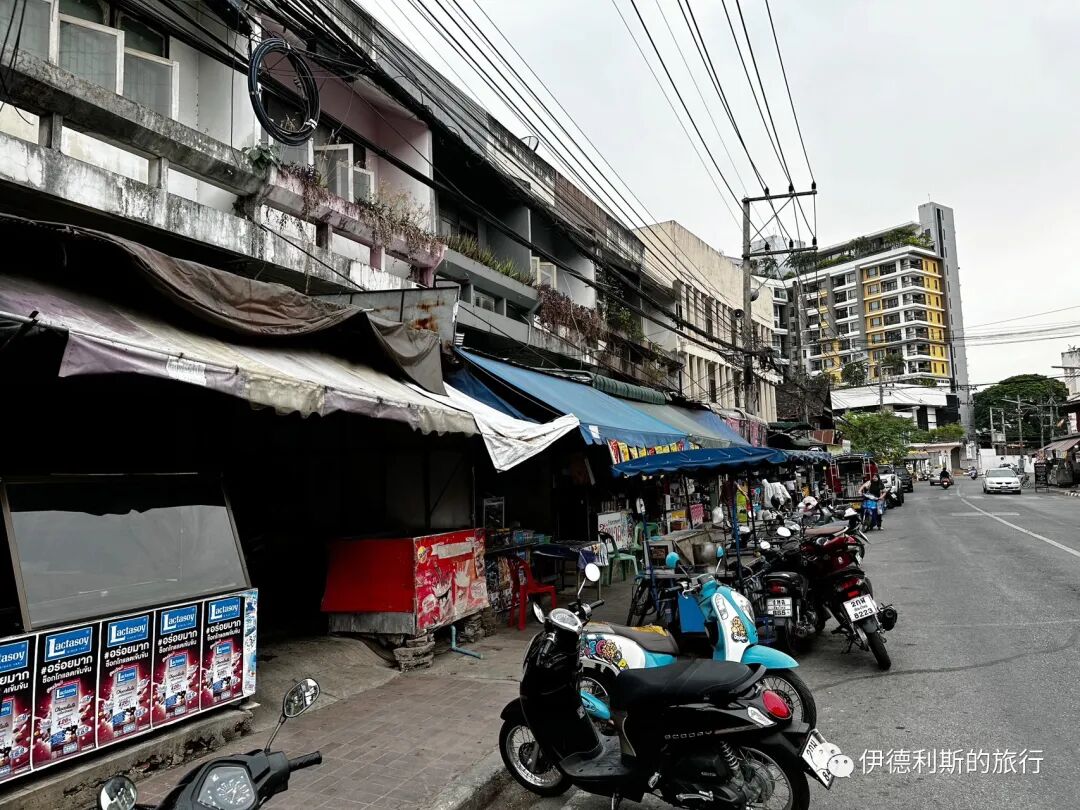
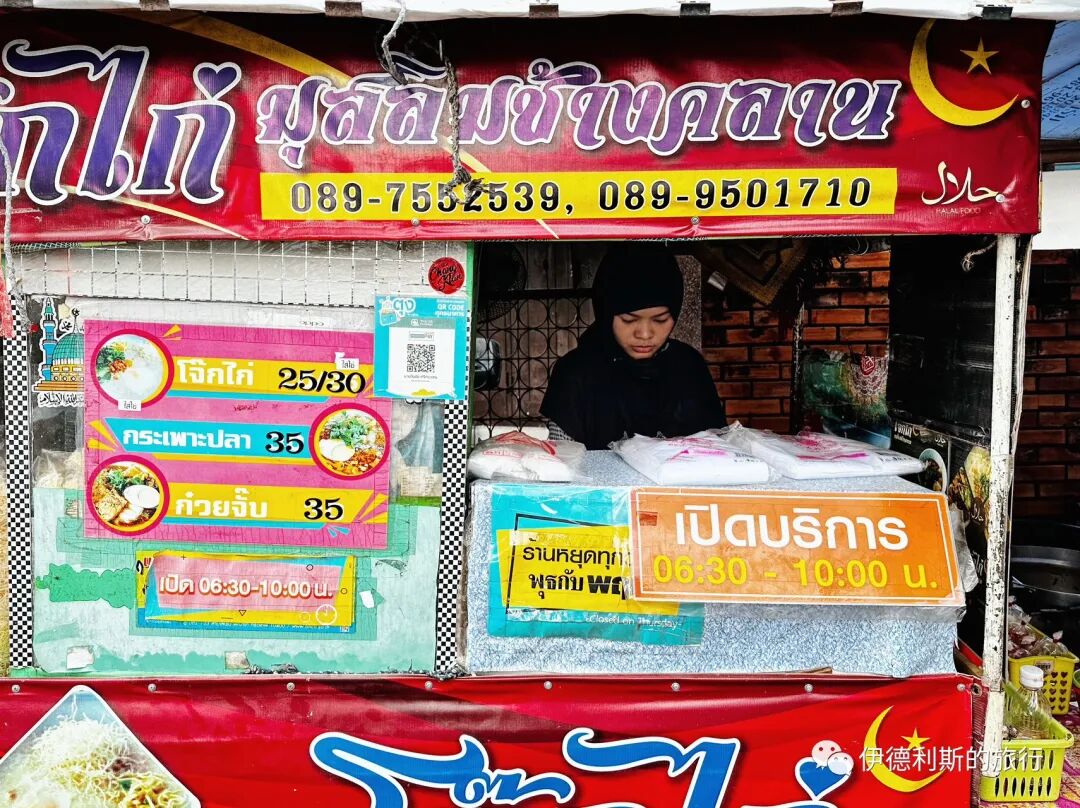
We visited the center of the Chang Khlan mosque neighborhood in Chiang Mai, Thailand—the Chang Khlan Mosque. The Chang Khlan mosque neighborhood is mainly made up of South Asian and Malay Muslims. Between 1826 and 1885, Britain gradually incorporated Myanmar into British India. During this period, South Asian Muslims under British Indian rule continuously traveled to Myanmar to make a living, and they arrived in Chiang Mai to settle in the mid-19th century. From 1891 to 1895, the Pahang Uprising occurred on the Malay Peninsula. The rebel army eventually failed and retreated into Siam, and some Malay Muslims were exiled to Chiang Mai. They intermarried with the local South Asian Muslims, and their descendants speak Thai and have integrated into Thai society. After the 20th century, the Thai people's name for these Thai-speaking Muslims gradually changed from Khaek (foreigner) to Thai-Islam (Thai Muslim).
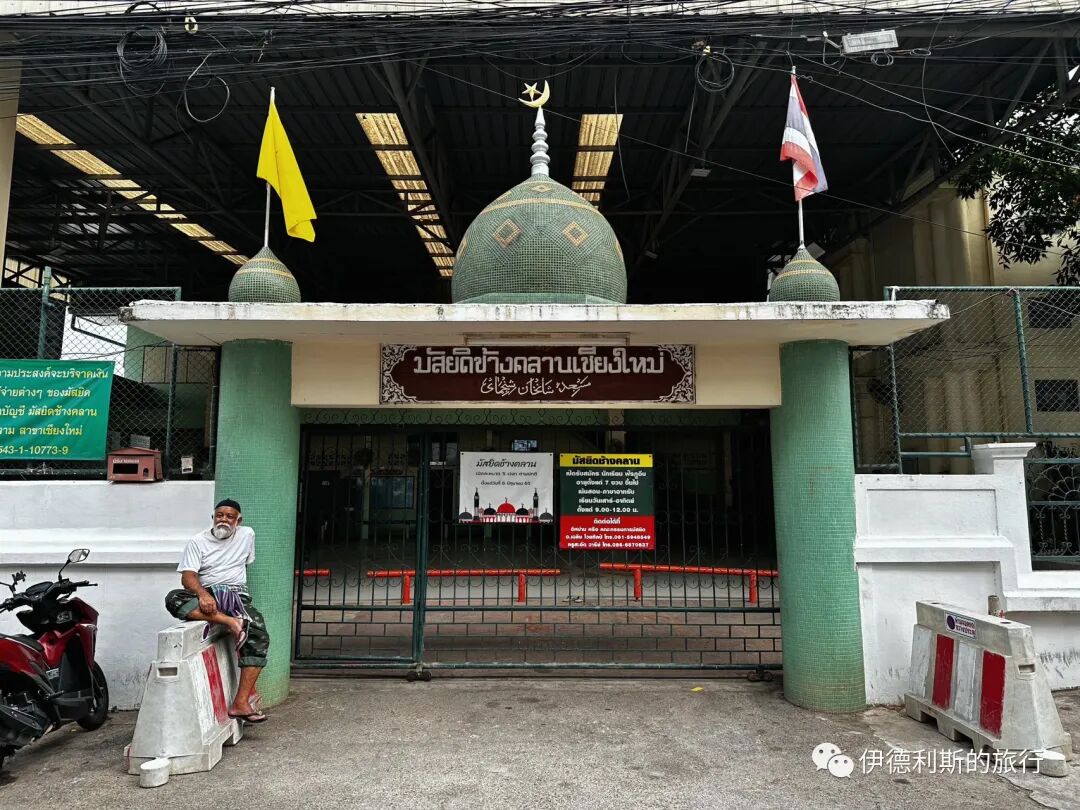
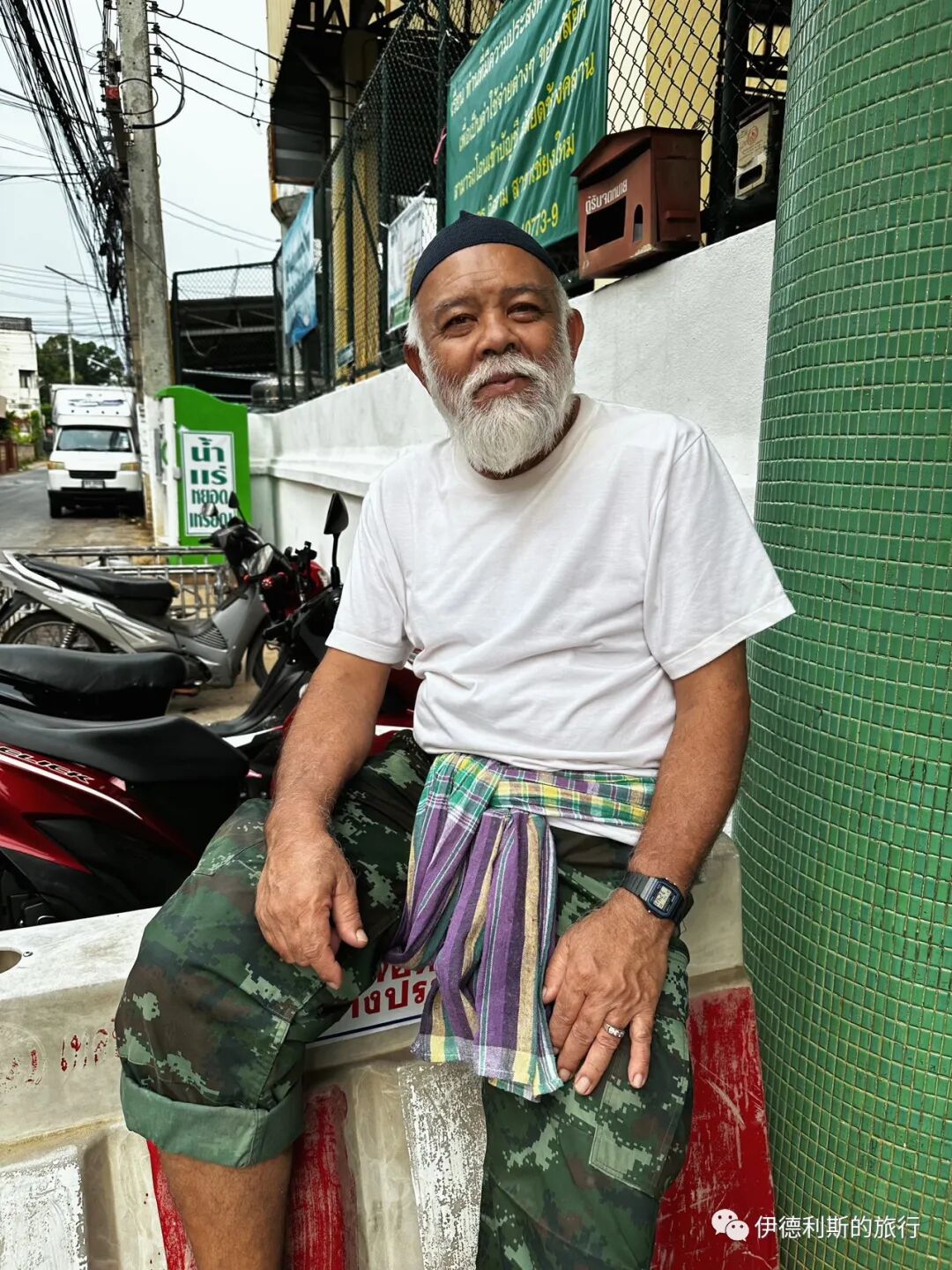
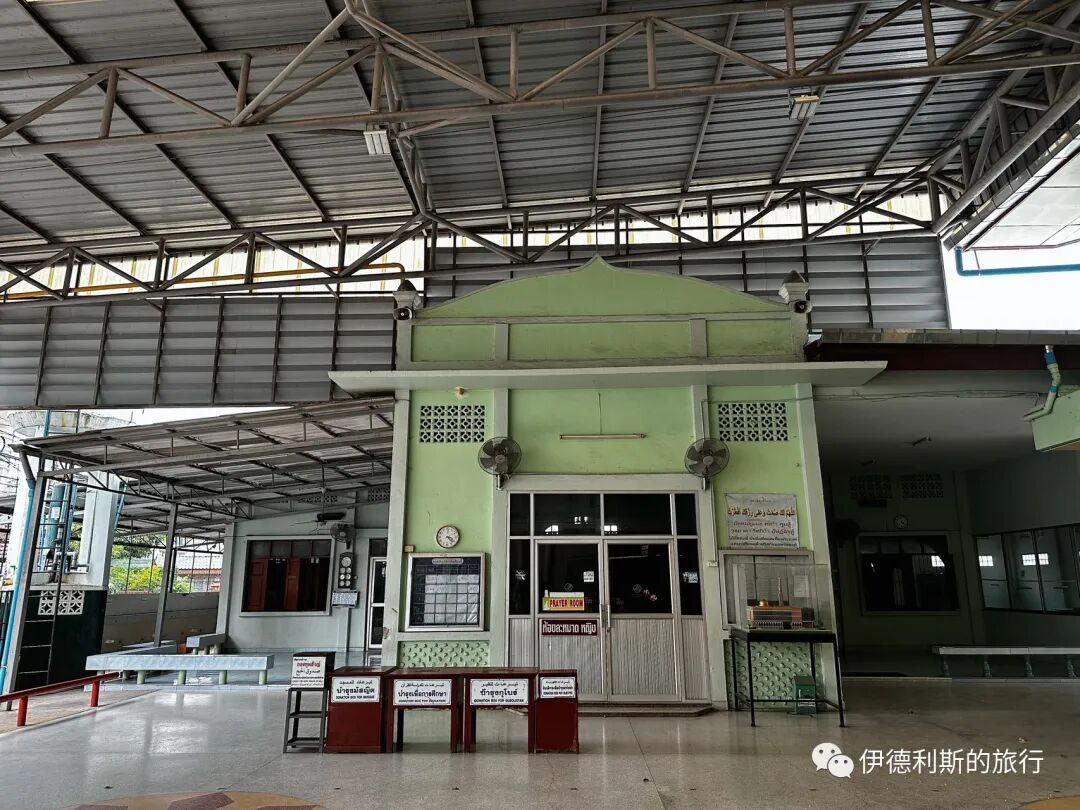
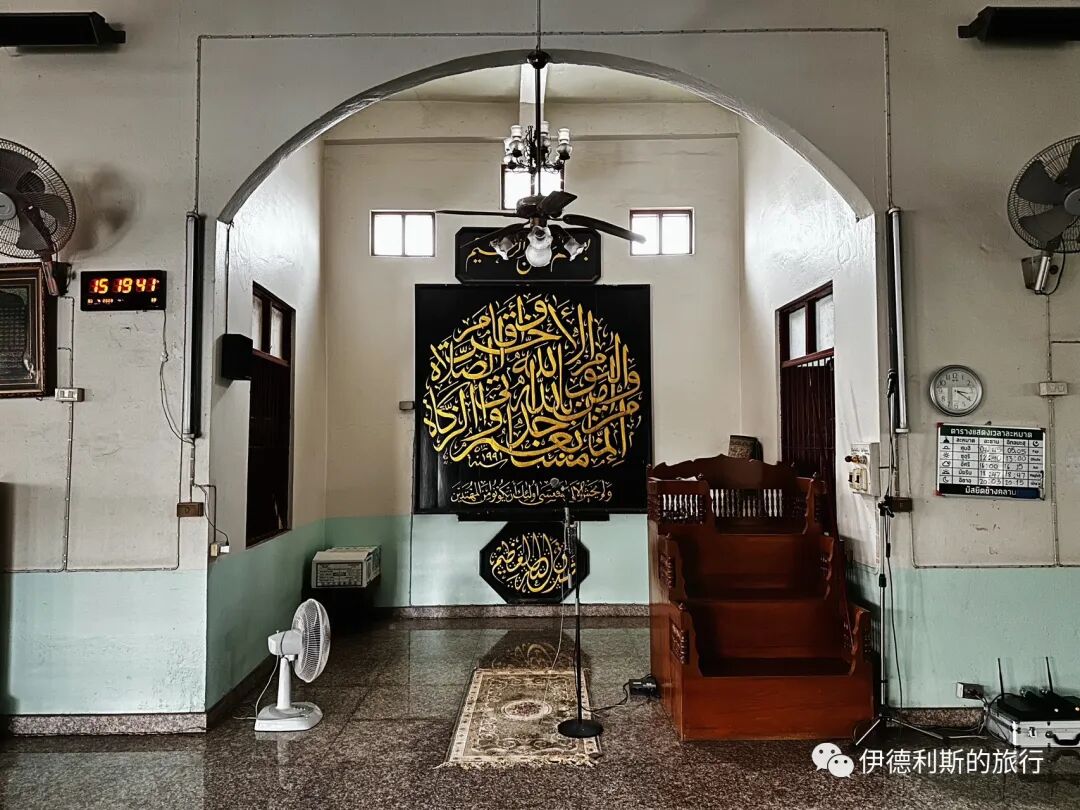
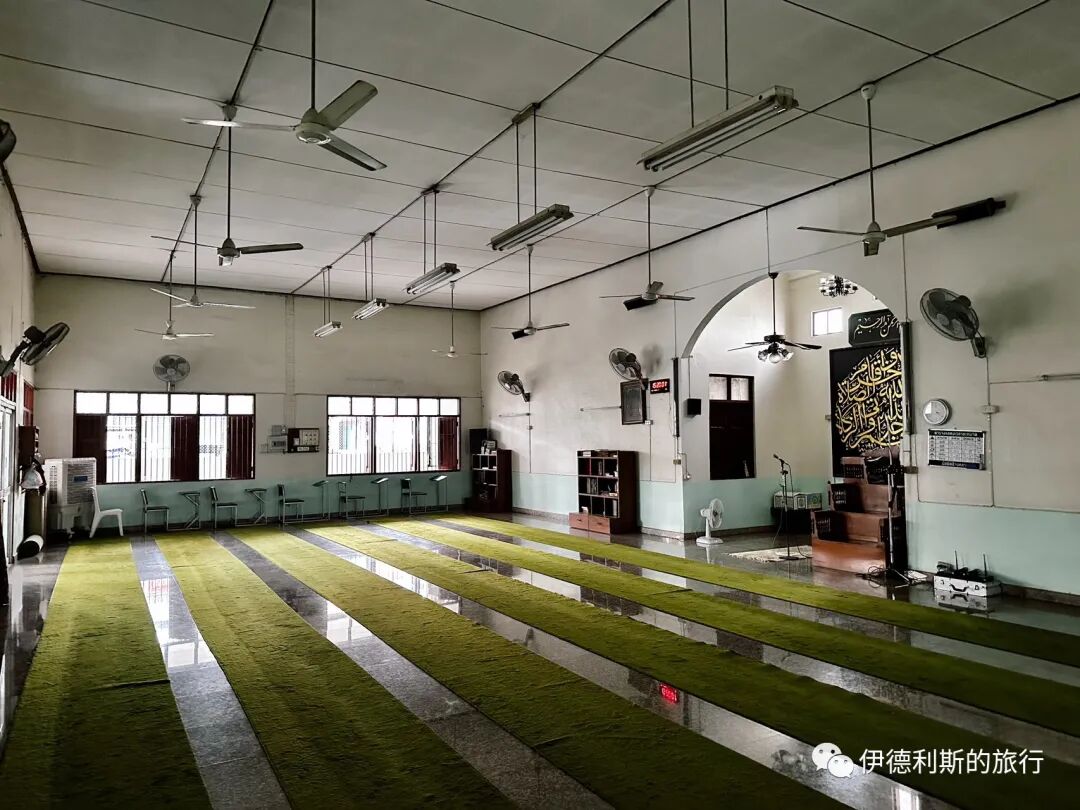
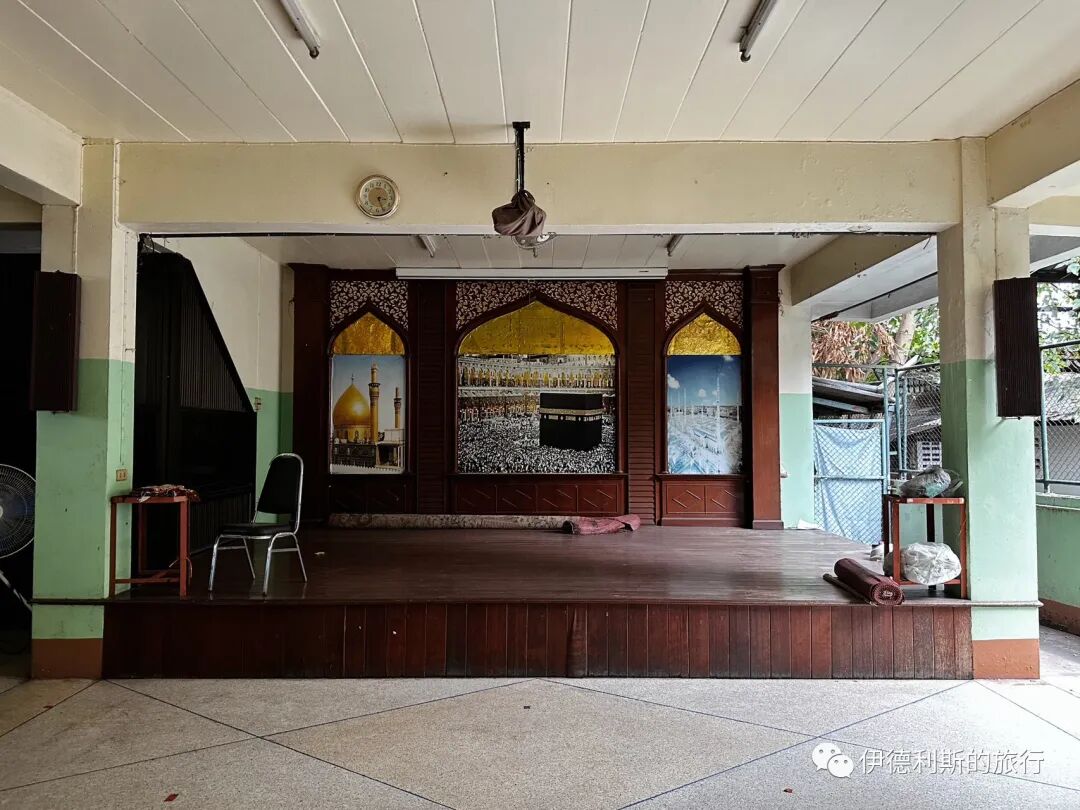
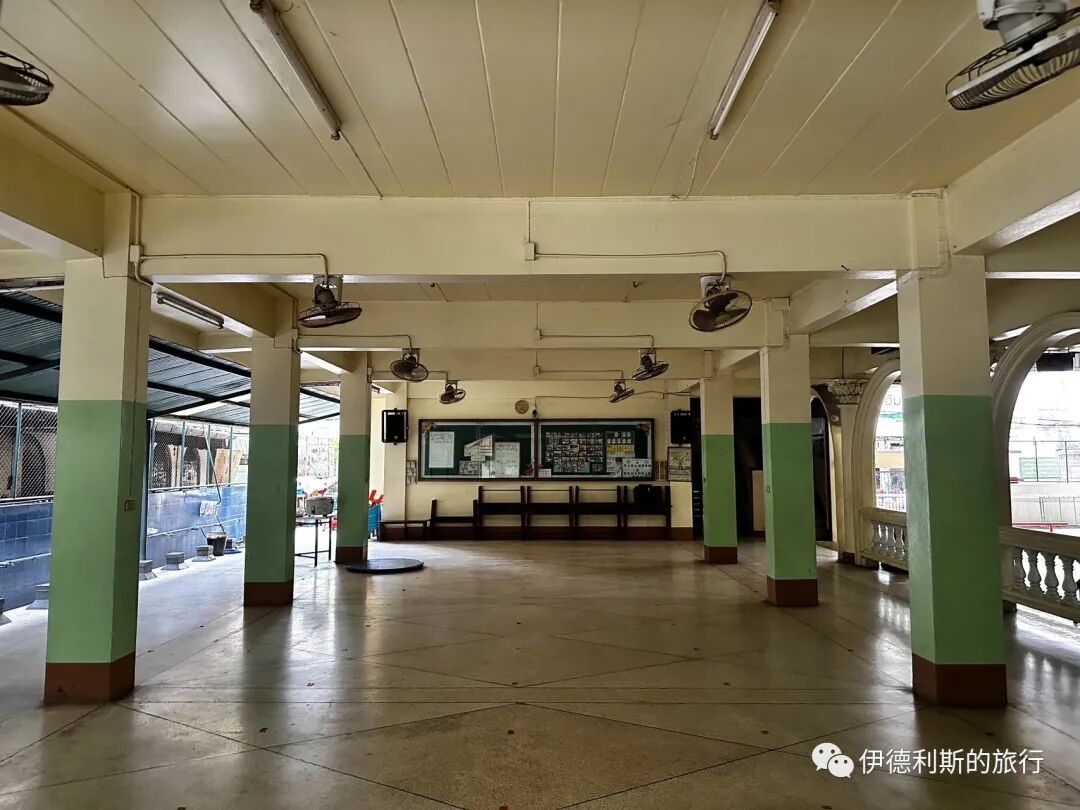
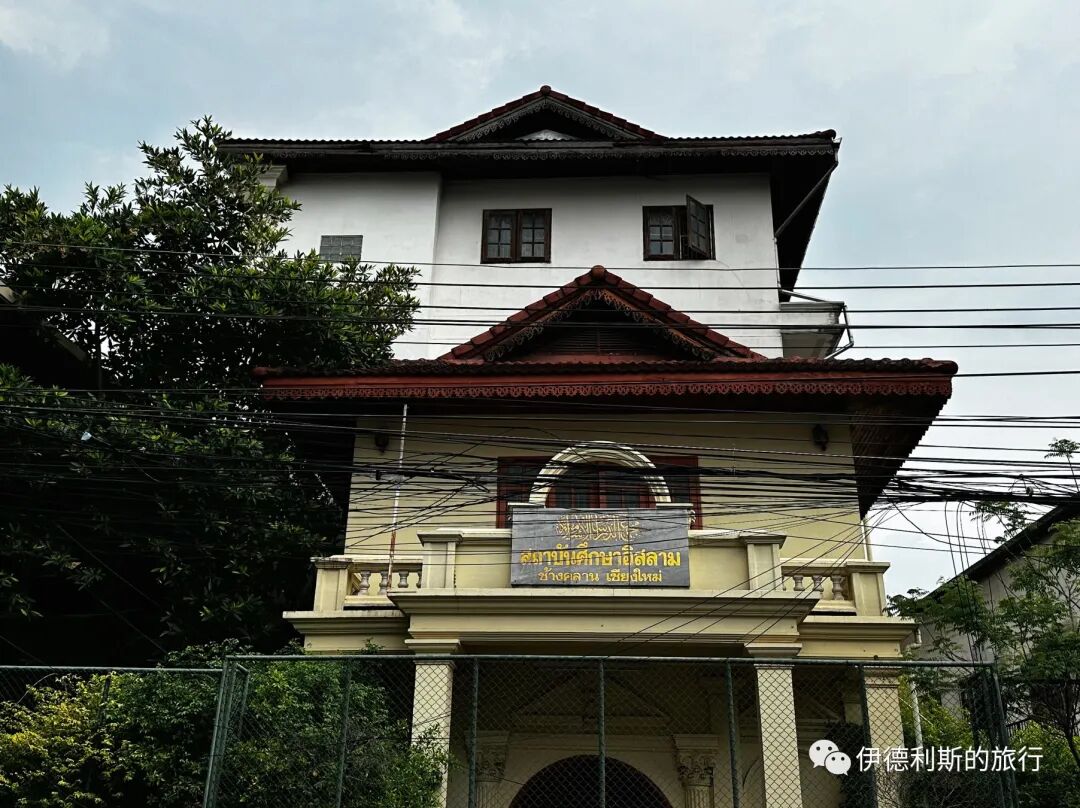
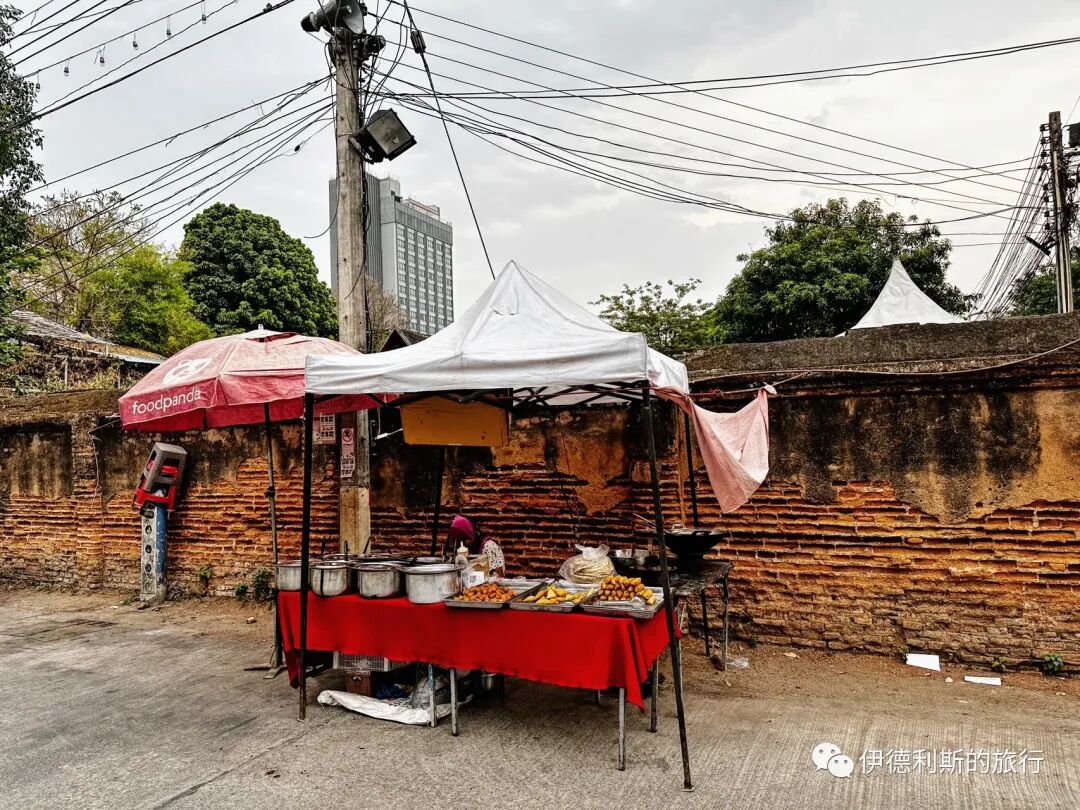
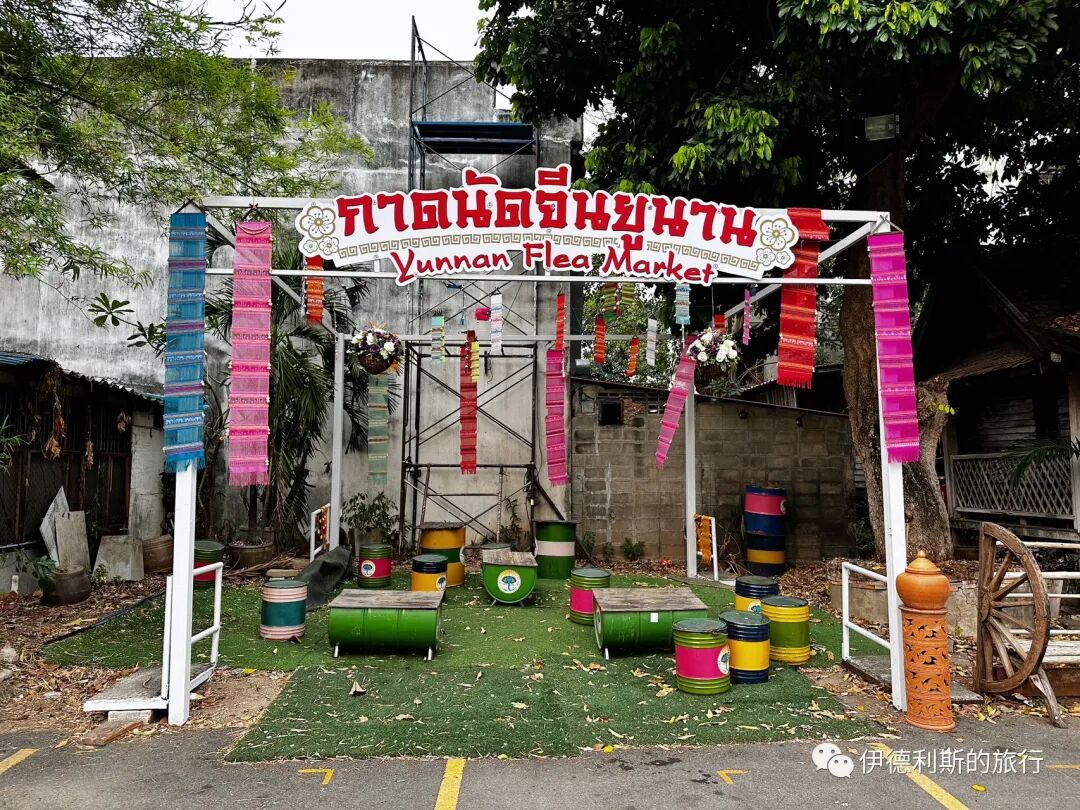
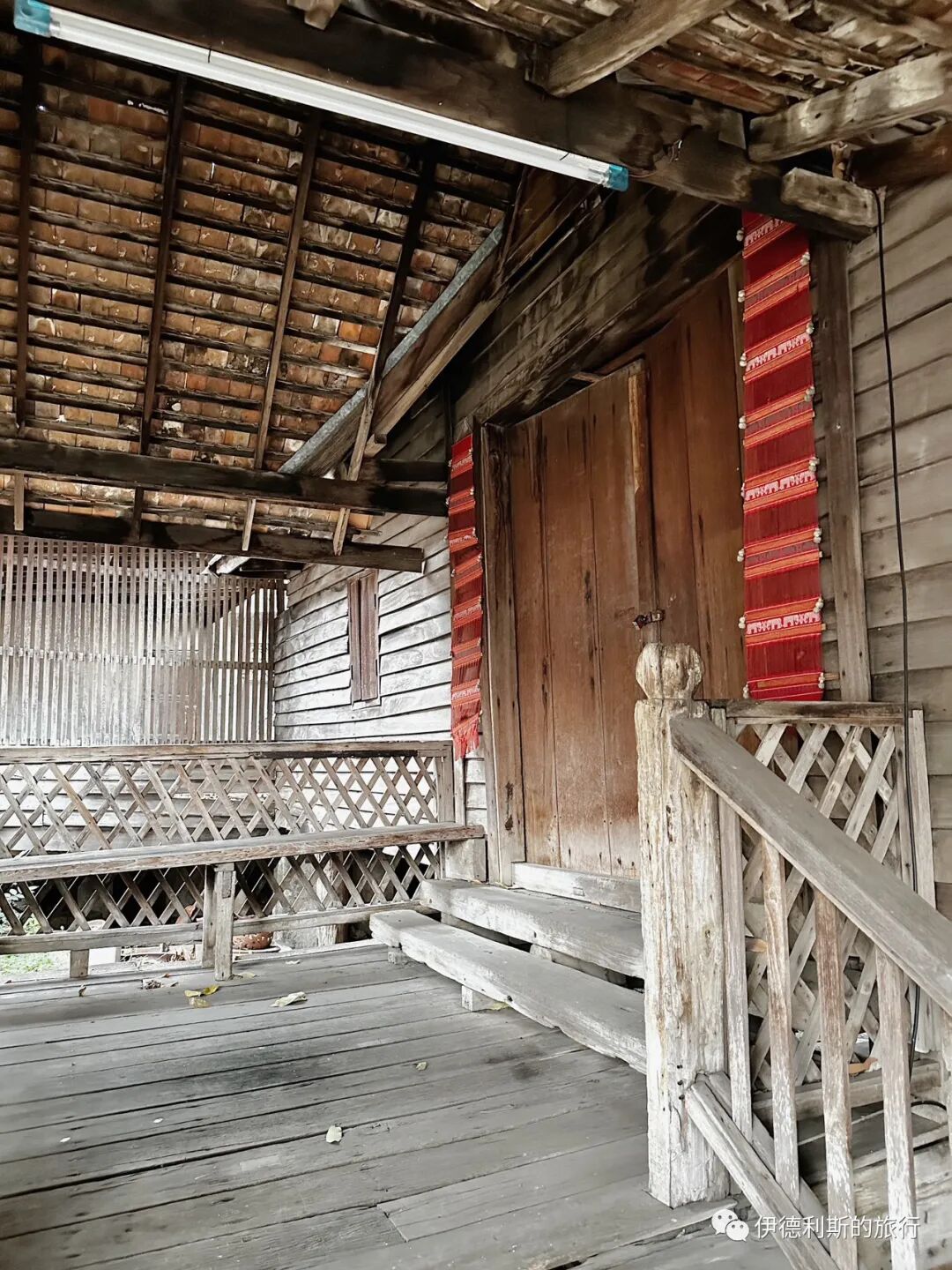
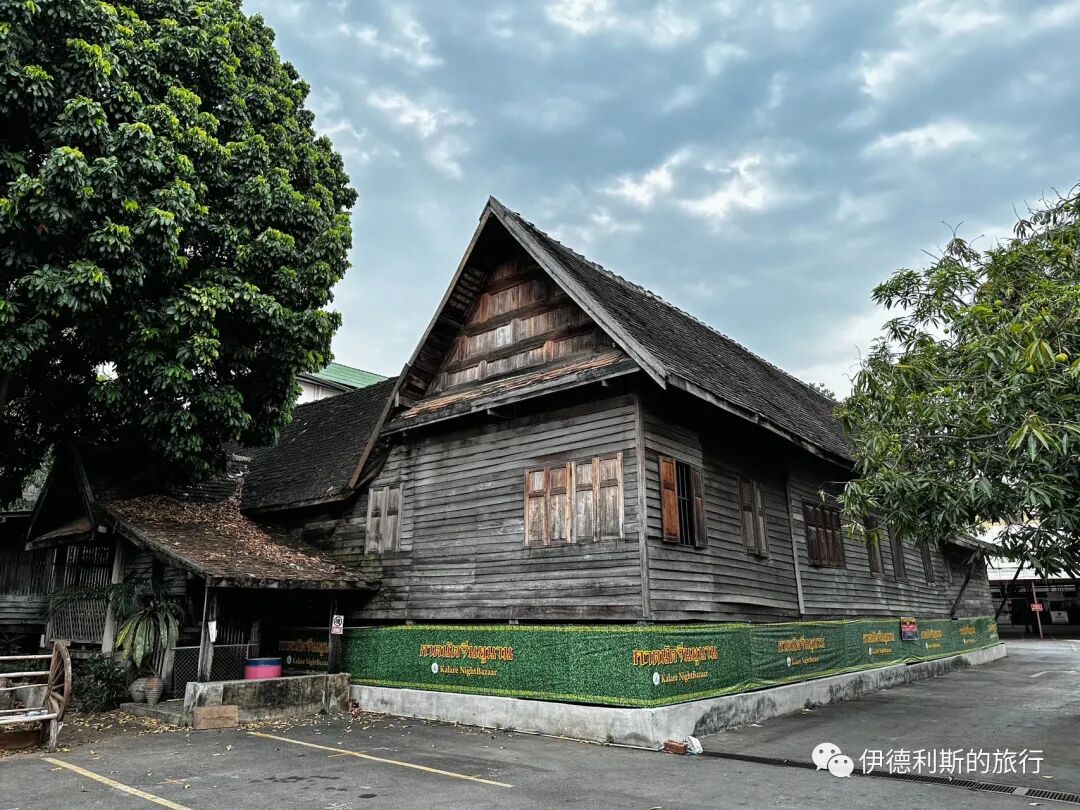
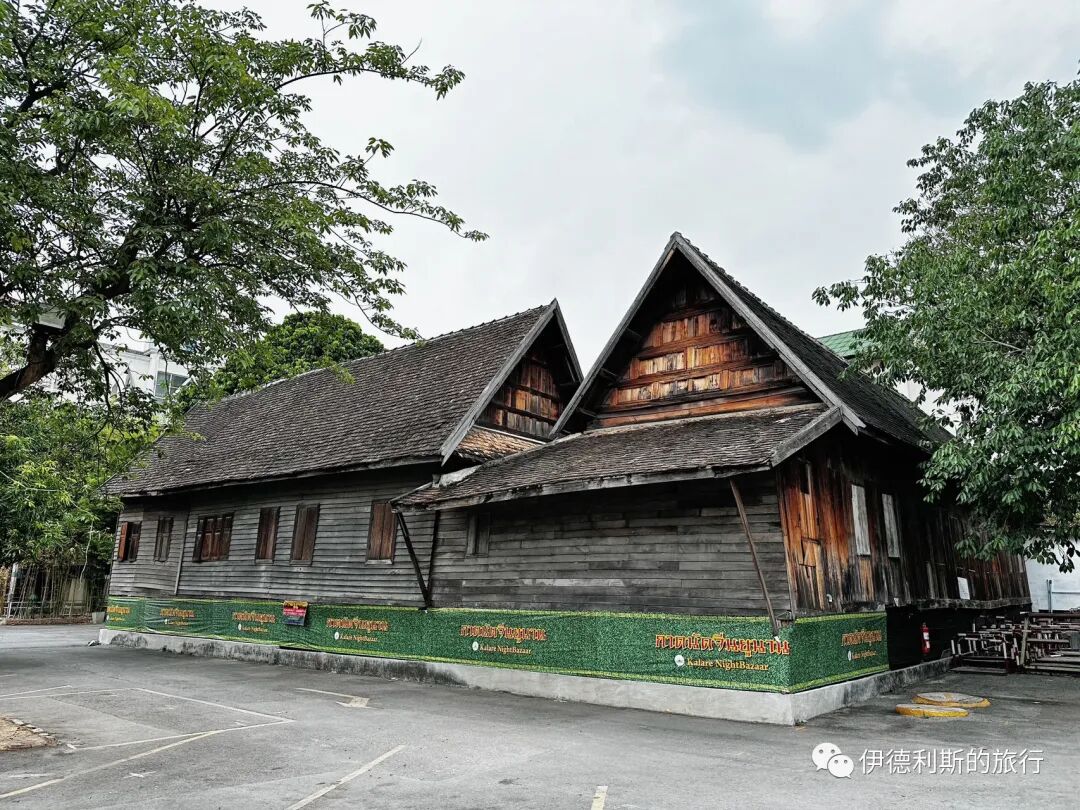
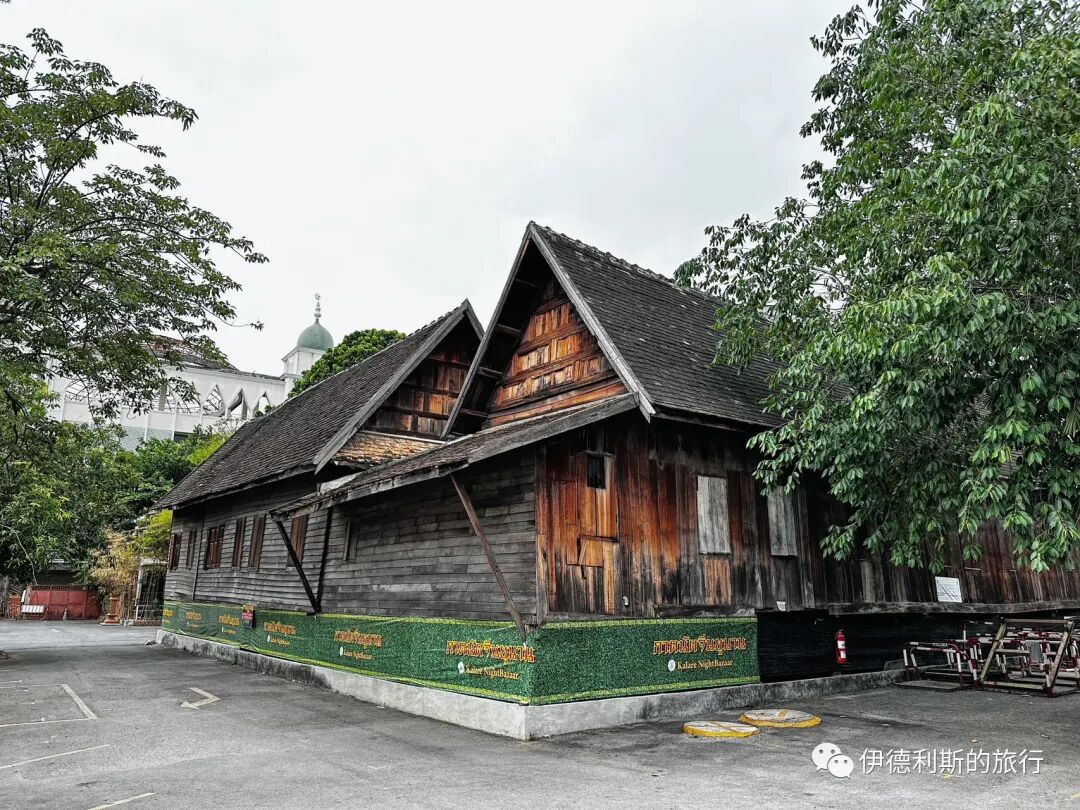
In the afternoon, we went from Chang Khlan Mosque to Ban Ho Mosque. We first looked at the old house of Haji Zheng Chonglin across from Ban Ho Mosque, which is the most important historical site for Hui Muslims in Chiang Mai. Every Friday morning, a lively Jumu'ah bazaar is held in the courtyard of the old house, but it is quite quiet at other times.
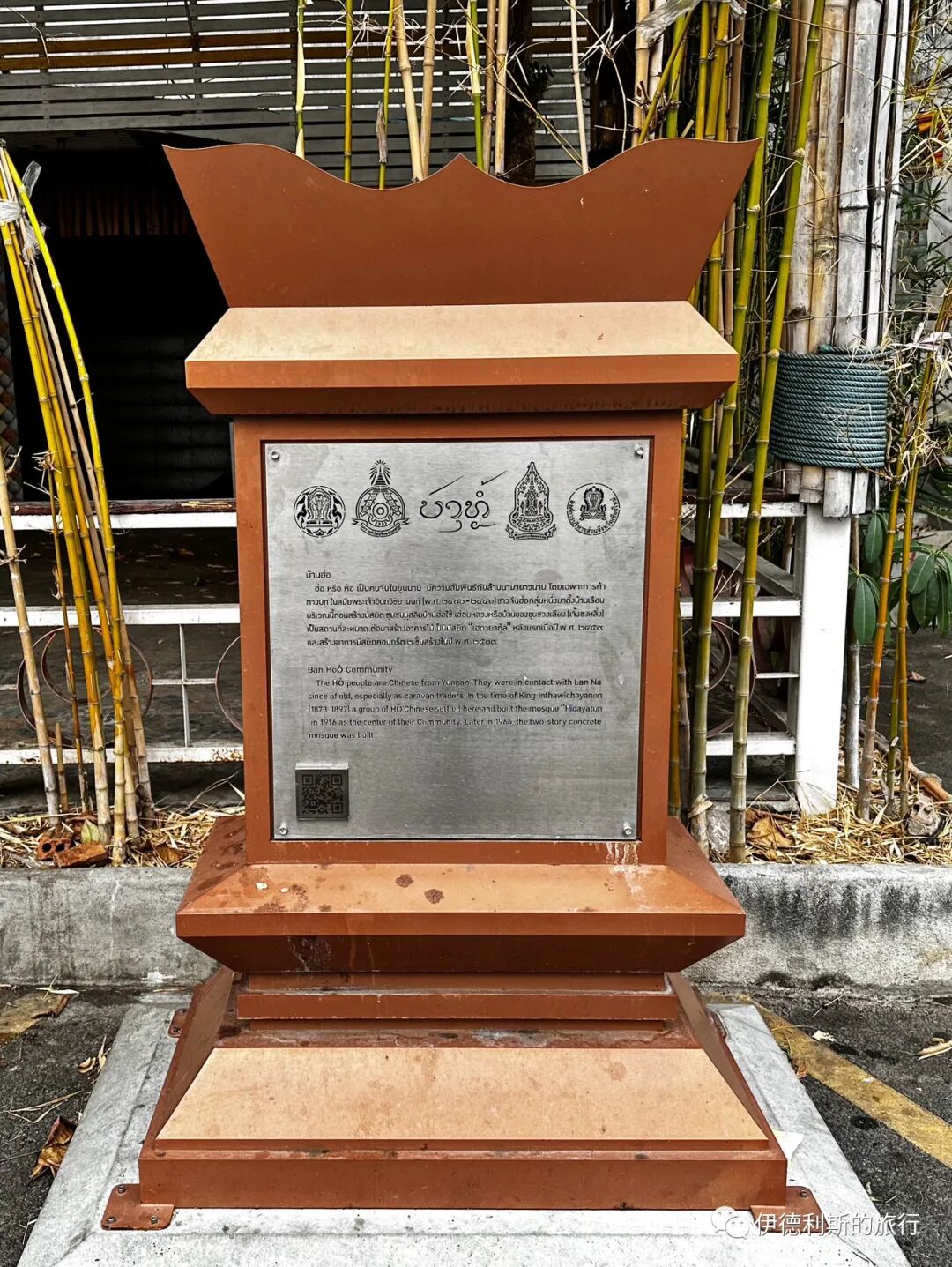
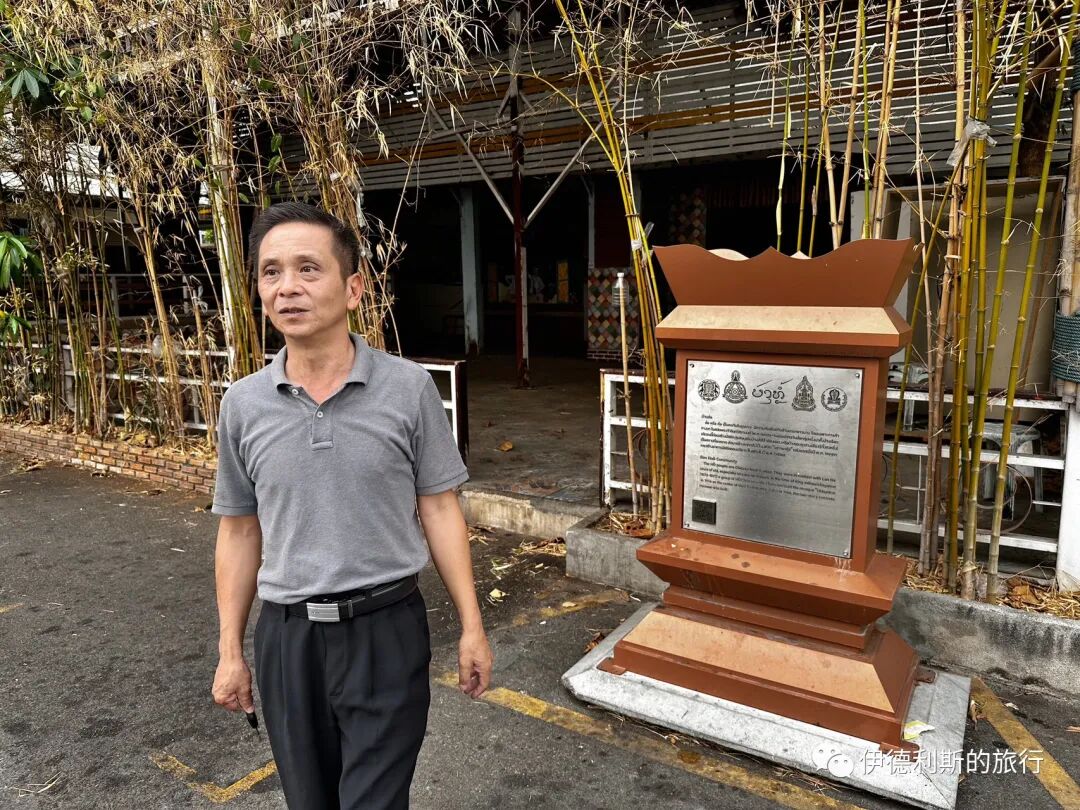
During this visit, I discovered a new information board in the courtyard that introduces people of Yunnan descent and the Ho (Hò) people in Thai and English. People say when Yunnan horse caravans first communicated with locals in Northern Thailand, they often answered with 'hao, hao' (good, good). The locals used 'Ho' to refer to these Yunnan horse caravan merchants, and it later became the name for all people of Yunnan descent in Northern Thailand.
In the 19th century, Yunnan horse caravans controlled the trade route from Yunnan through Northern Myanmar to Northern Thailand. They transported tea, silk, hardware, and copperware to Northern Thailand and brought cotton and tobacco back to Yunnan. In the late 19th and early 20th centuries, King Rama V of Thailand vigorously developed the economy, which led many Hui Muslim horse caravans to come to Chiang Mai. In 1904, Zheng Chonglin, a caravan merchant from Yuxi, Yunnan, and a descendant of Zheng He, established the Da Ma Dian (Big Horse Inn) east of Chiang Mai city, which became the main base for Yunnanese caravans in Chiang Mai. Many Yunnanese Hui Muslims from the caravans came to live near the inn, and the Wang He community began to form.
Zheng Chonglin was born in 1884 in Daying, Yuxi, Yunnan, and followed his elders in the caravan trade between Yunnan, Thailand, and Myanmar from a young age. He was once commissioned by King Rama VI of Thailand to organize a caravan team in northern Thailand, taking on the transport of all supplies for the railway construction from Bangkok to Lampang. In 1910, when the site for Chiang Mai Airport was chosen, it was the horse farm that the Yunnanese caravans had jointly purchased and used for many years. Zheng Chonglin donated the land on behalf of the Yunnanese caravans, and it is now Thailand's second-largest international airport. Because of his great contributions to Thailand, King Rama VI bestowed the first-rank title of Khun (Tang Kun) upon Zheng Chonglin in 1914, making him the leader of the Yunnanese community in northern Thailand. He married Nu, the daughter of a local chieftain in Tak Province, and they had five sons and five daughters. In 1967, Zheng Chonglin went on the Hajj and passed away peacefully in Mecca at the age of 83.
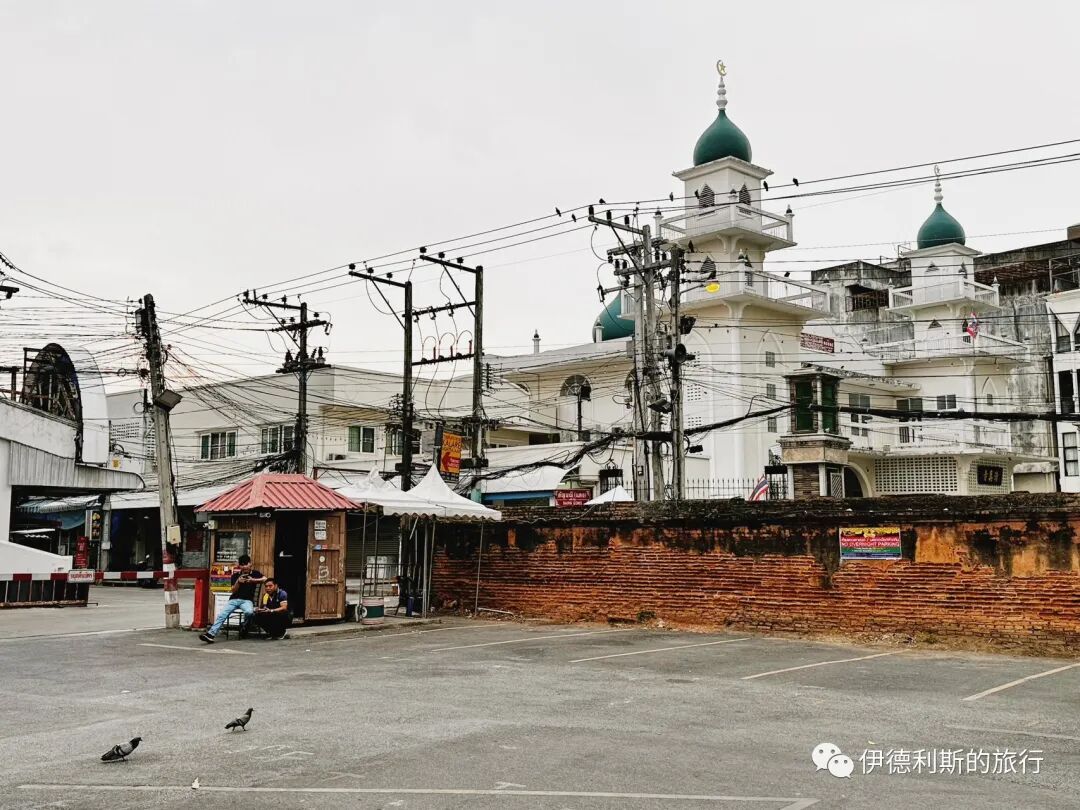
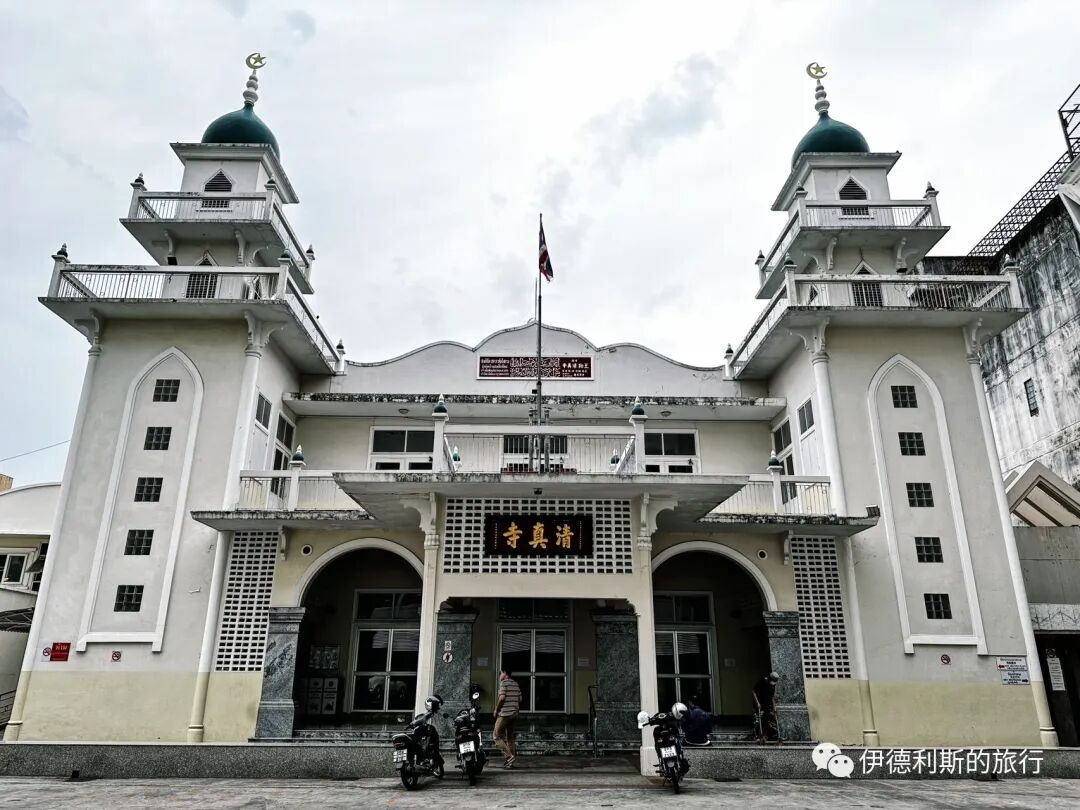
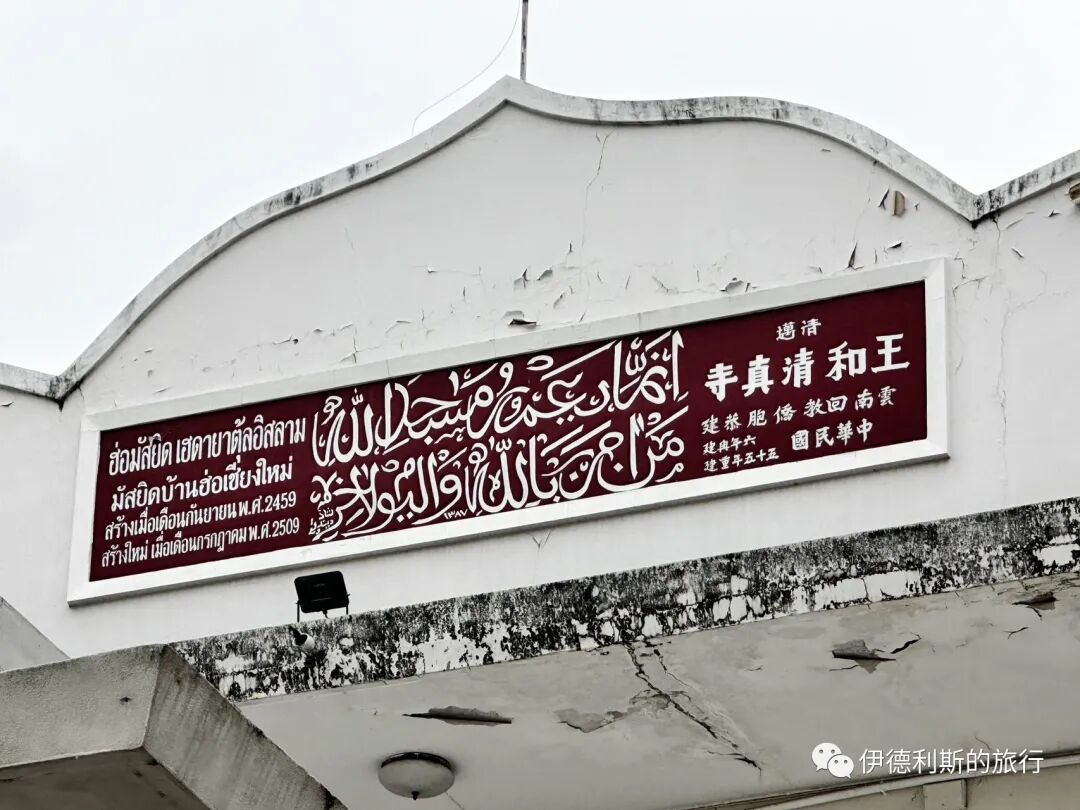
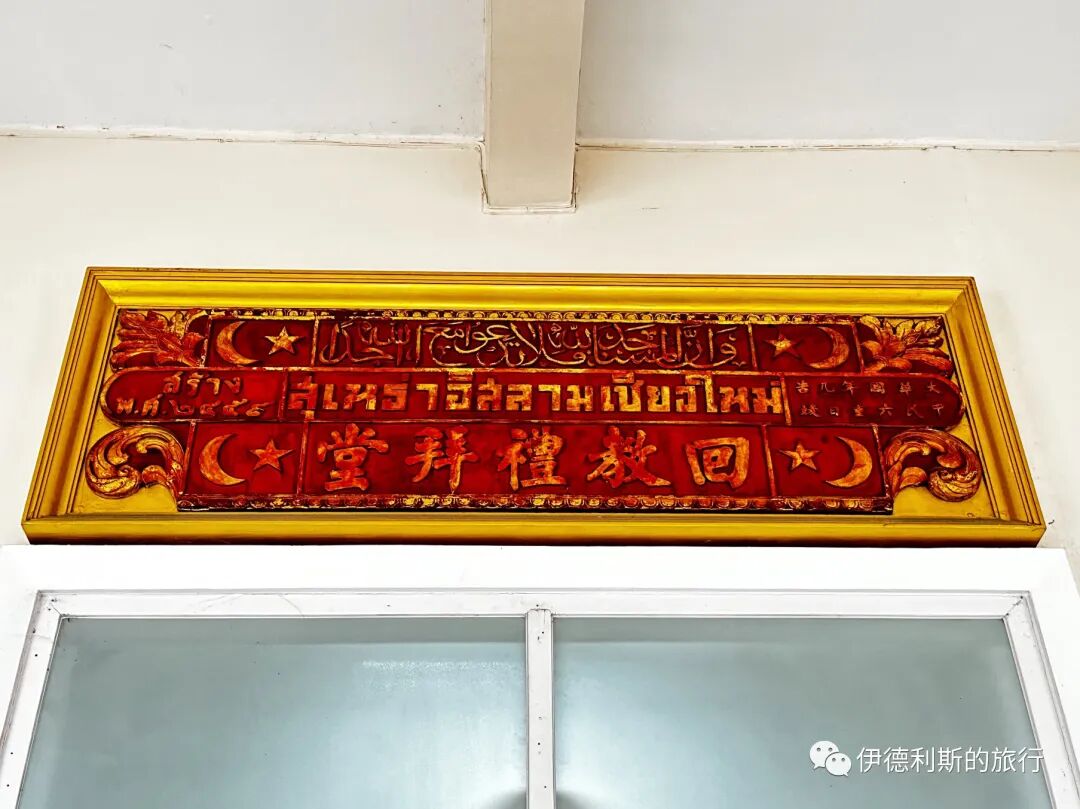
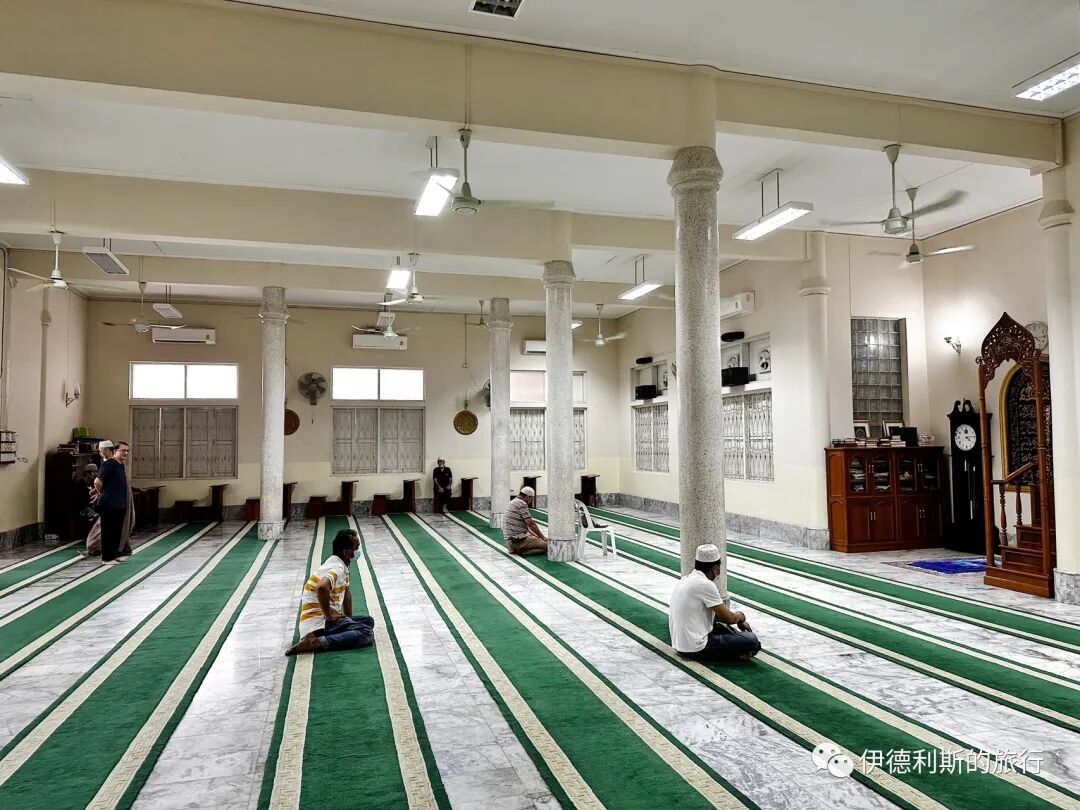
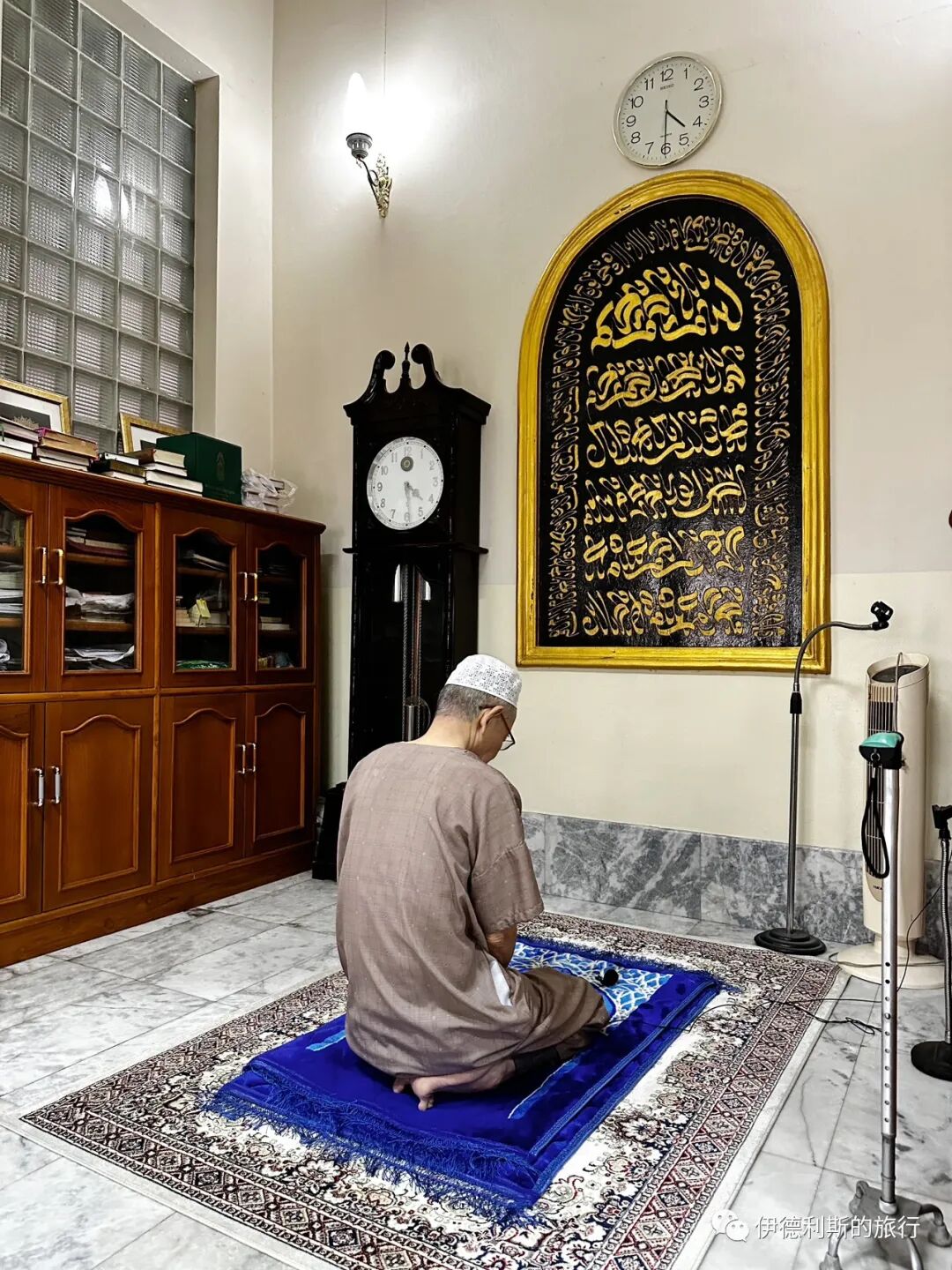
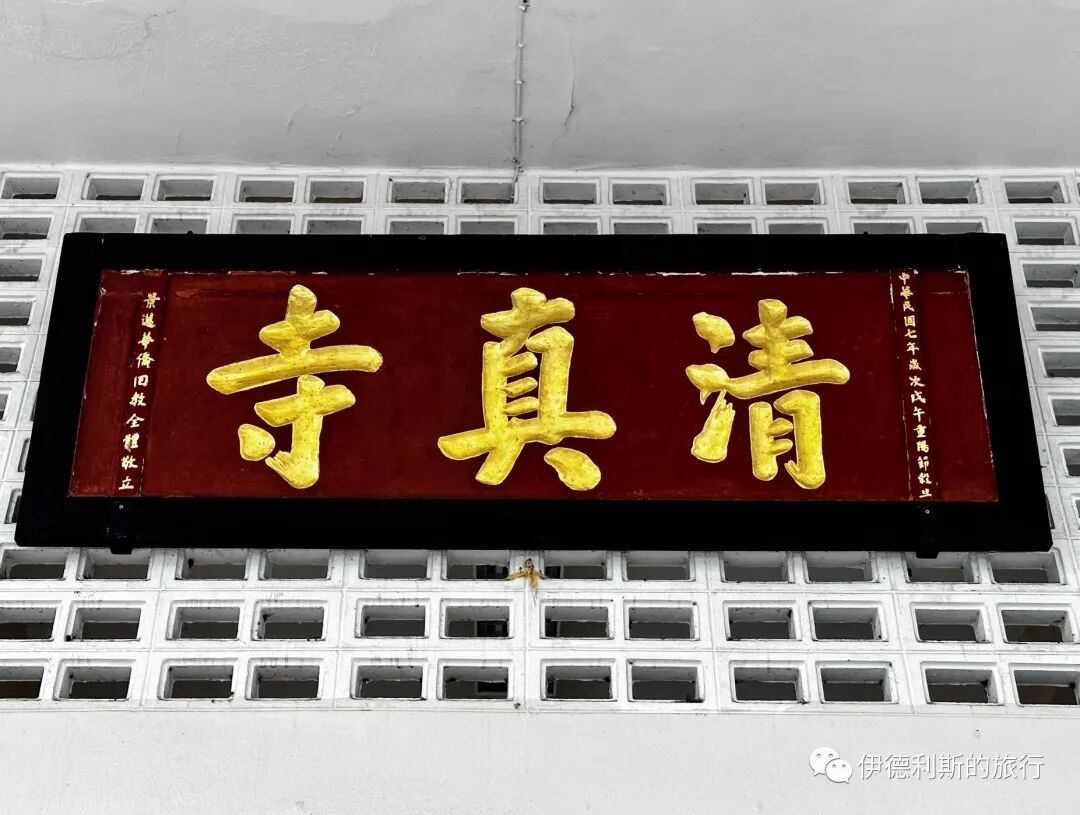
At the Wang He Mosque (Wang He Si) in Chiang Mai, many of the elders here can speak Mandarin and the Yunnan dialect, and the mihrab features traditional Yunnan-style Arabic calligraphy.
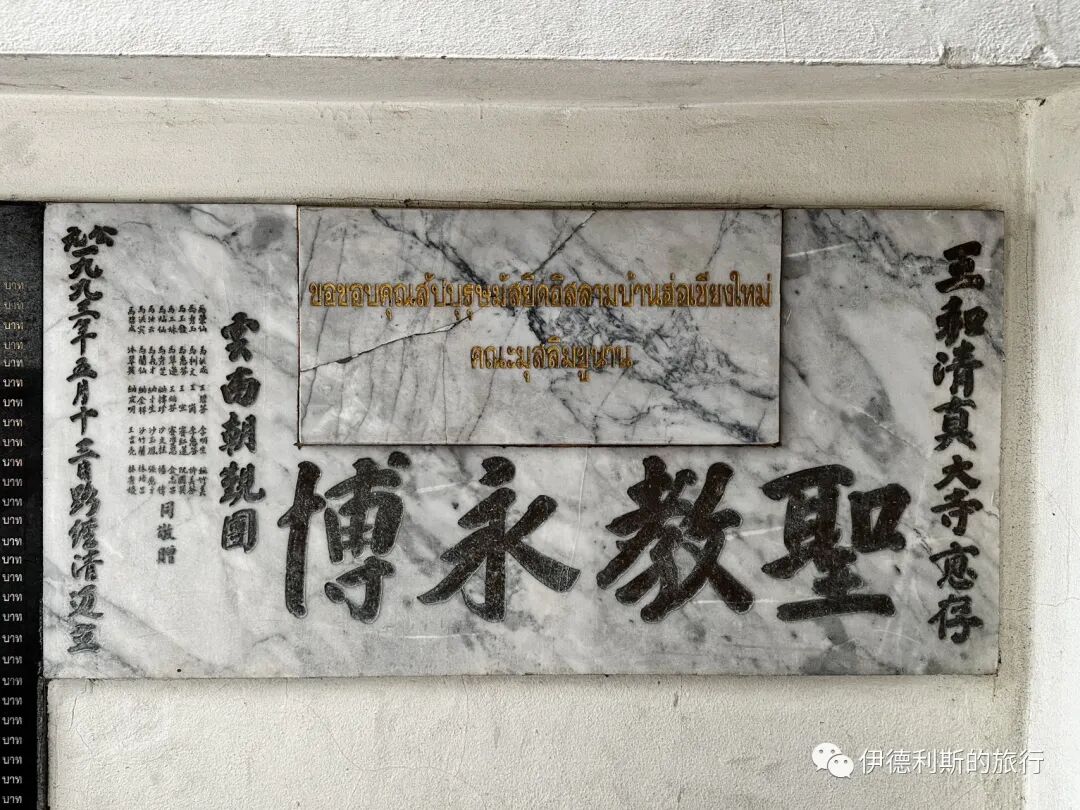
In the early 20th century, Zheng Chonglin was rewarded by the Chiang Mai chieftain with a piece of land east of Chiang Mai city, where he built his residence, the Zheng Mansion (Zheng Fu). In 1907, Zheng Chonglin built a prayer room at the Zheng Mansion, and many Yunnanese Hui Muslims in Chiang Mai would come to the mansion for their worship. In 1917, led by Zheng Chonglin, everyone pooled their money to buy the land opposite the Zheng Mansion and built the Wang He Mosque.
During the 1950s and 1960s, many Yunnanese Hui Muslims arrived in Chiang Mai to settle, and the number of congregants at the Wang He Mosque increased significantly. In 1966, three Hajjis—Hu Ranmao, Ma Ruqi, and Ma Wanzhang—led the effort to rebuild the Wang He Mosque into the current reinforced concrete structure.
Ma Ruqi was the owner of the Ma Ruqi Courtyard in Donglianhua Village, Weishan, Dali. He settled in Chiang Mai after 1954, worked in the local specialty trade, was passionate about public welfare, and was appointed president of the Thai-Chinese Chamber of Commerce in 1974. Today, Ma Ruqi's descendants in Dali still live in the Ma Ruqi Courtyard and have opened a restaurant and guesthouse. I highly recommend visiting to experience it; you can refer to my record from earlier this year, 'The Three Hui Muslim Caravan Courtyards in Donglianhua Village, Weishan, Dali'.
Hu Ranmao was an important leader of the Wang He Mosque community after Zheng Chonglin. He was born in 1914 in Xiaoweigeng Village, Weishan, Dali, and served as the principal of his hometown's Muguang School in 1934. He worked in the horse caravan trade between Thailand and Myanmar in the 1940s and settled in Chiang Mai in 1953. In the 1970s, he helped found the Chiang Mai Islamic Committee and served two consecutive terms as its chairman. During his lifetime, Hu Ranmao was received by the King of Thailand many times and was honored with the royal title of Yong Fooanant.
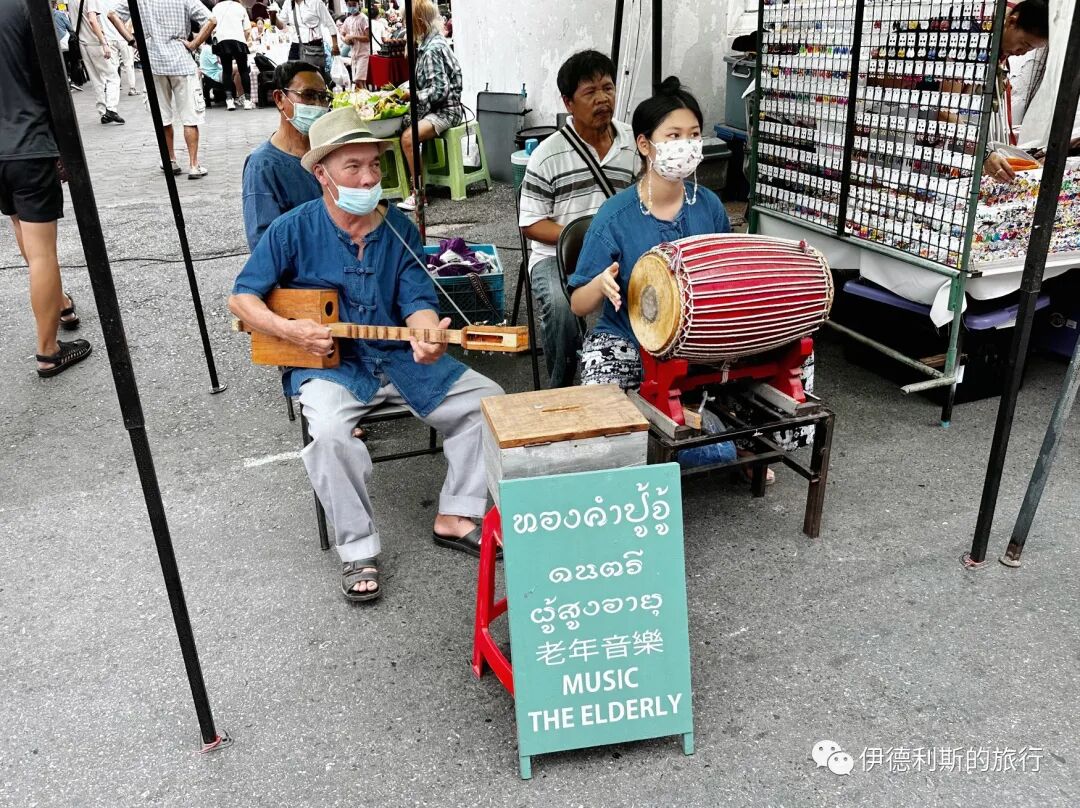
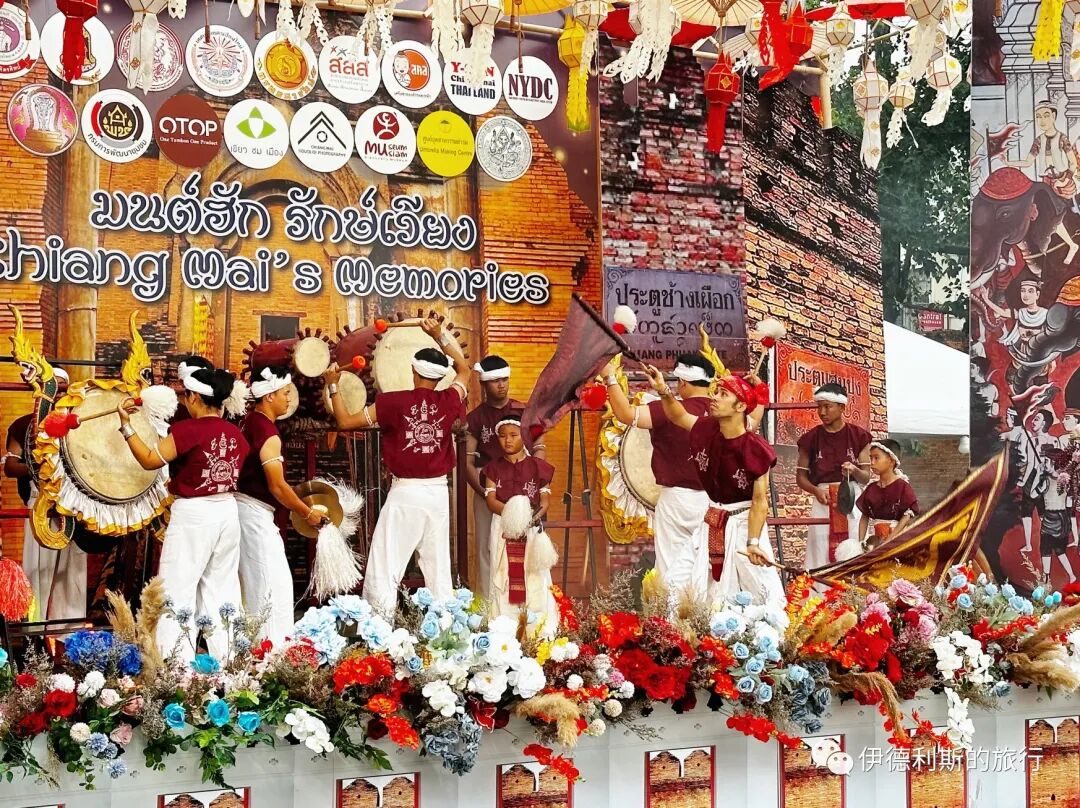
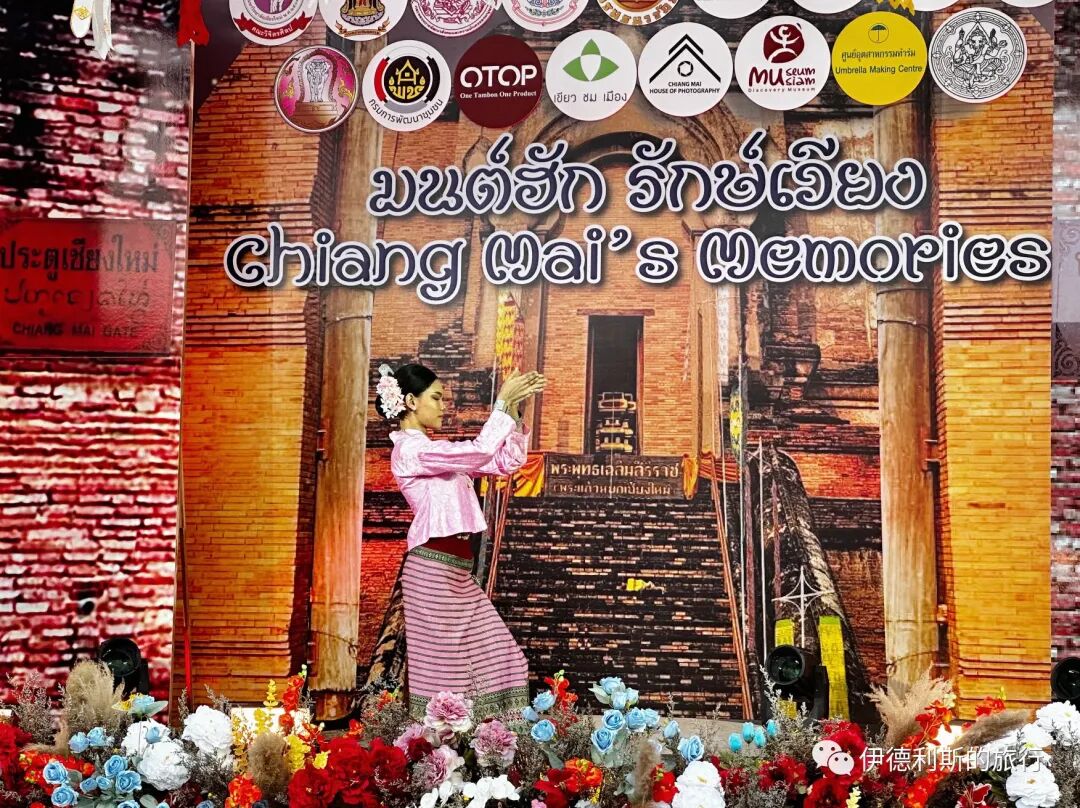
In the afternoon, I went to the night market at Tha Phae Gate in Chiang Mai. A cultural event was happening in front of Tha Phae Gate, where I saw a performance of the local Chiang Mai victory drum (desheng gu).
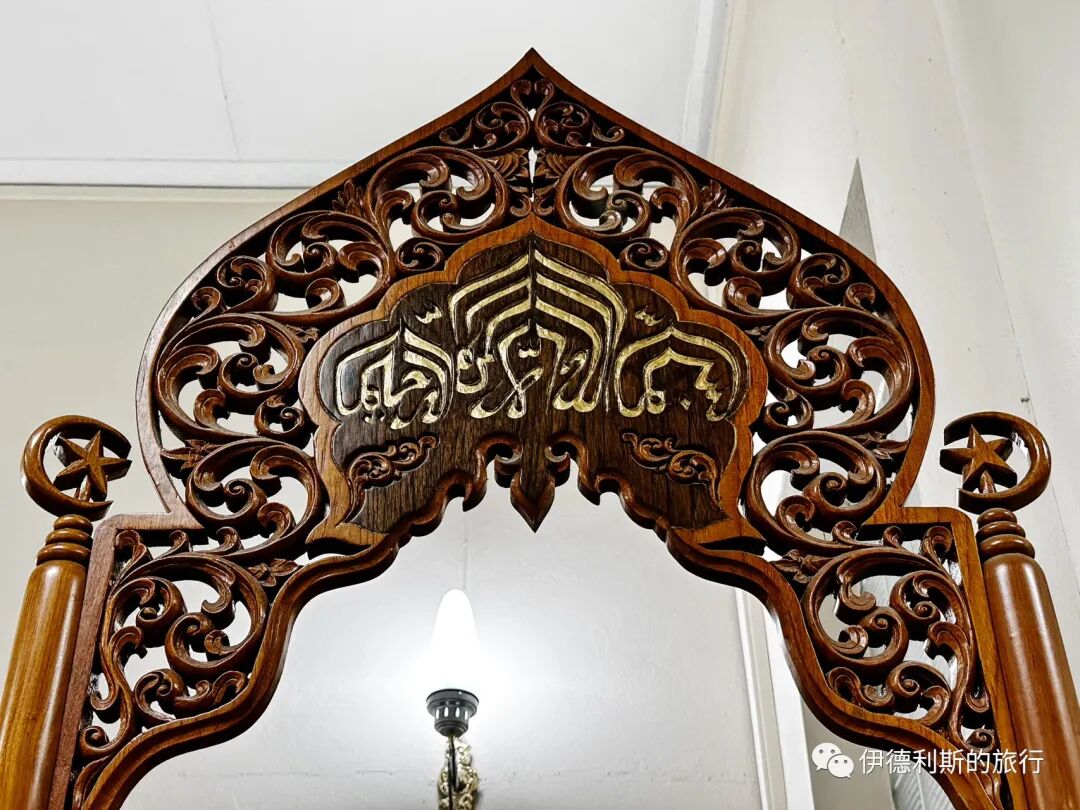
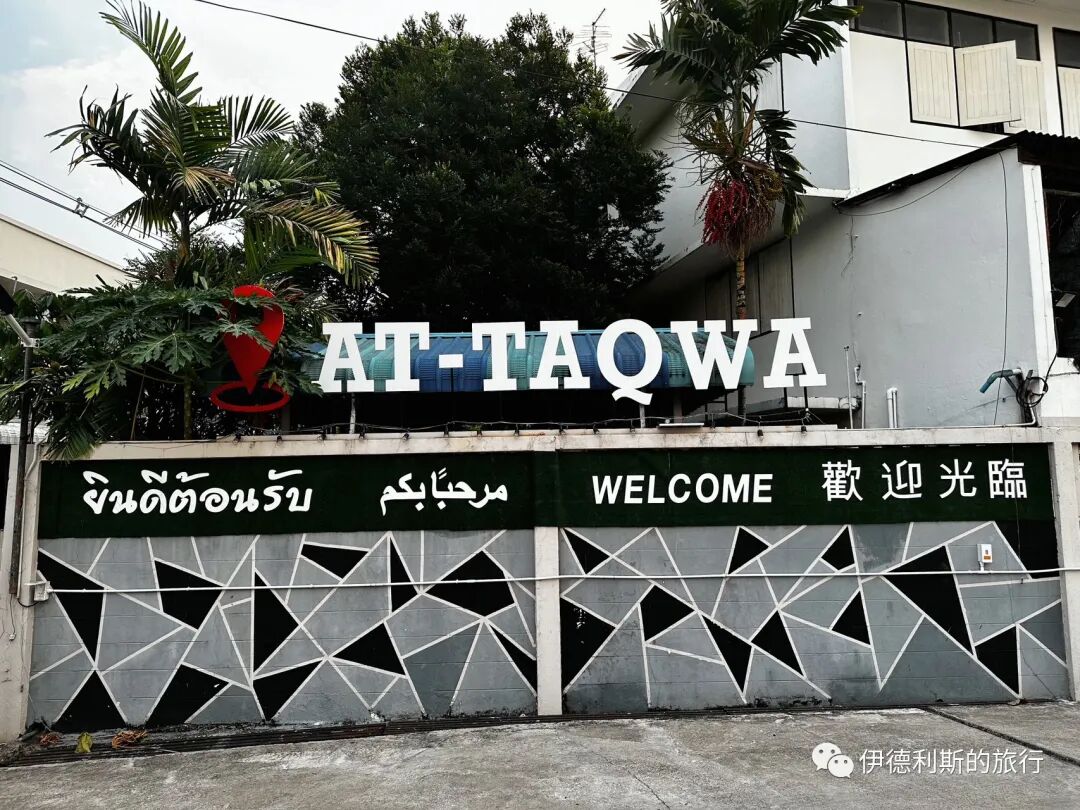
Then I went to Chiang Mai's second Yunnan-style mosque, Masjid Attaqwa, located in the San Pa Khoi area east of the Ping River. Many Yunnan Hui Muslims came to Chiang Mai via northern Myanmar in the 1950s and 1960s. As the original Wang He Mosque became crowded, Haji Hu Ranmao led the construction of Masjid Attaqwa to the east of Wang He in 1970. The mihrab inside Masjid Attaqwa features traditional Yunnan-style Arabic calligraphy, and the cartoons drawn by the children in the weekend class are very cute.
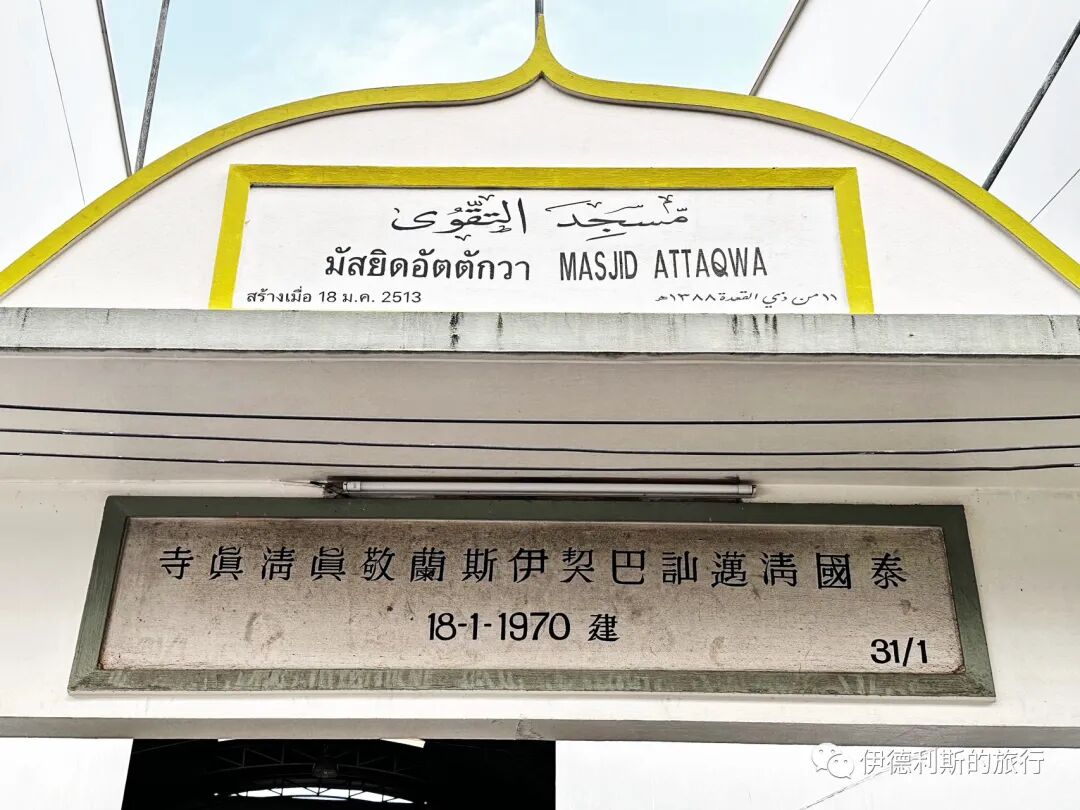
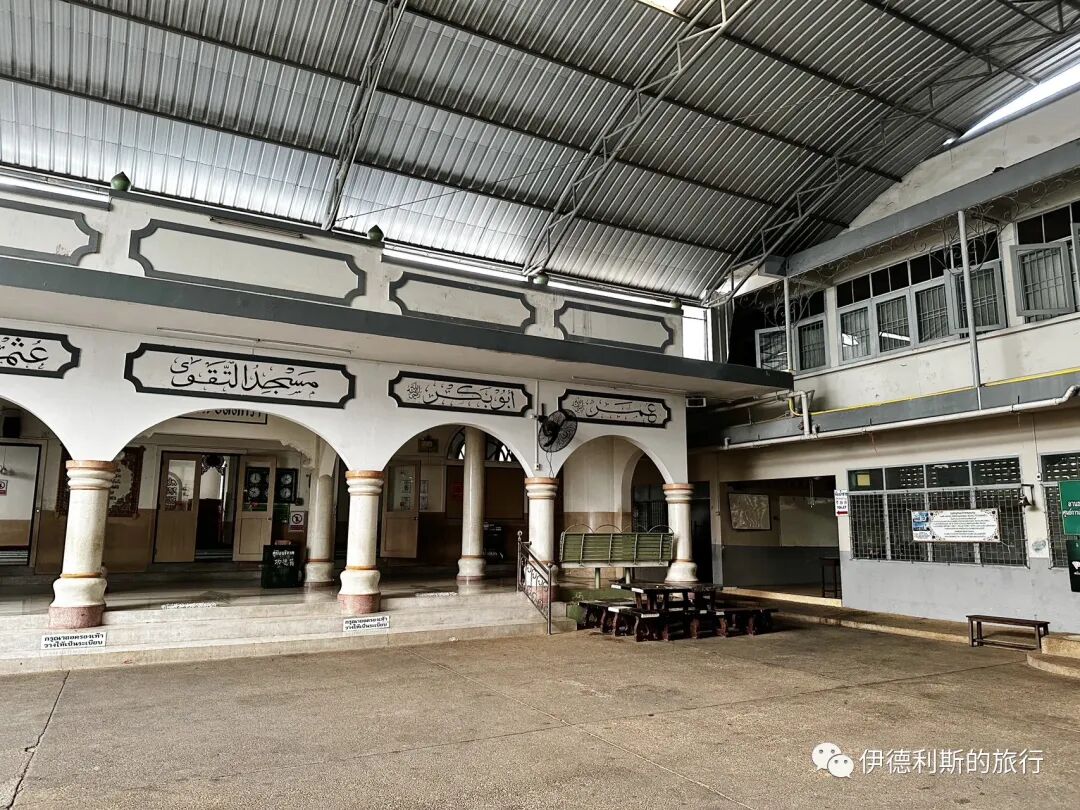
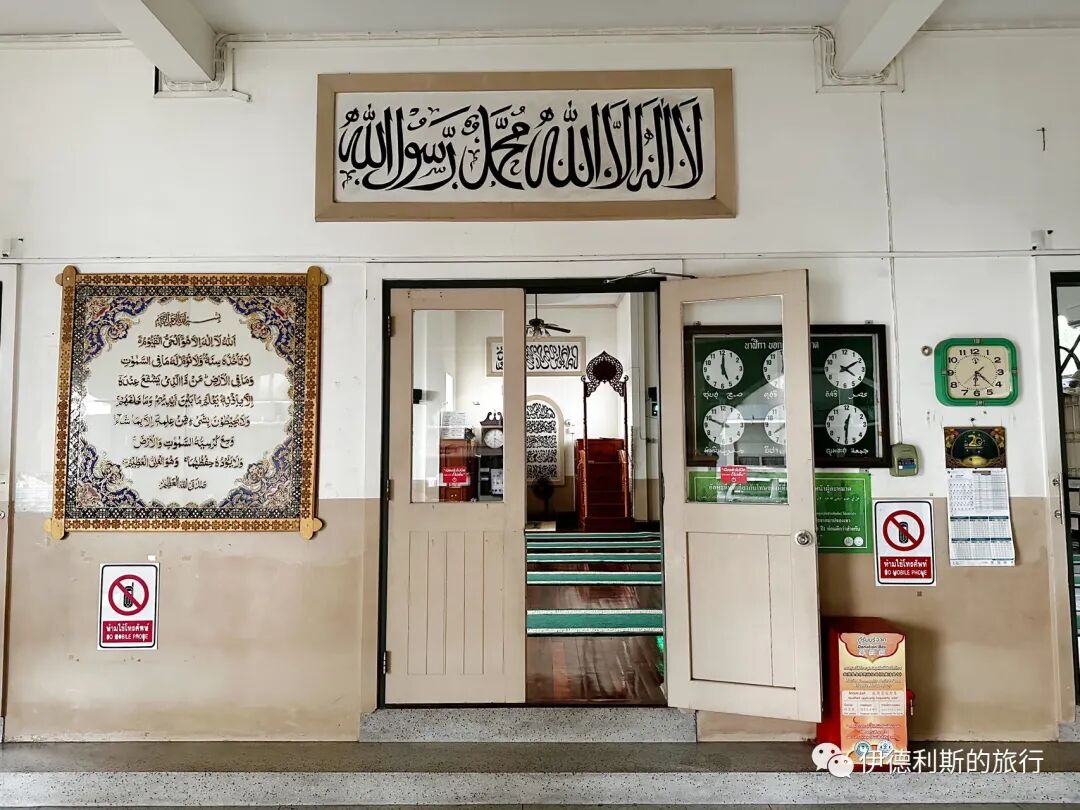
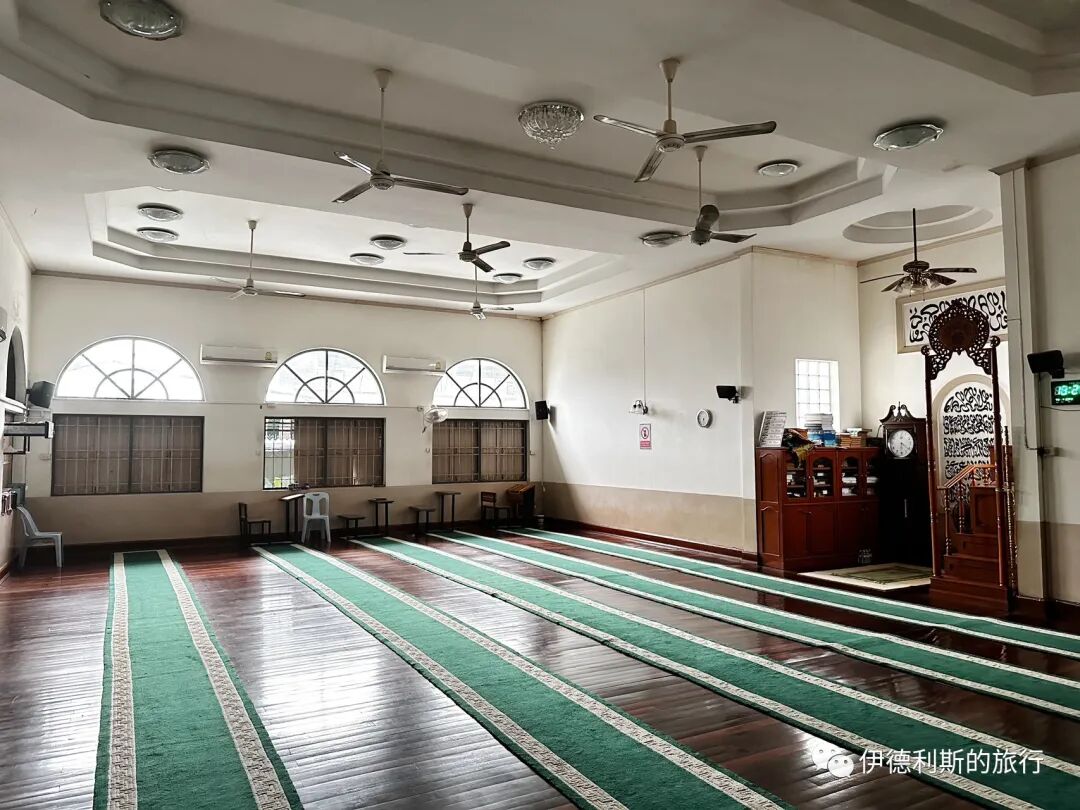
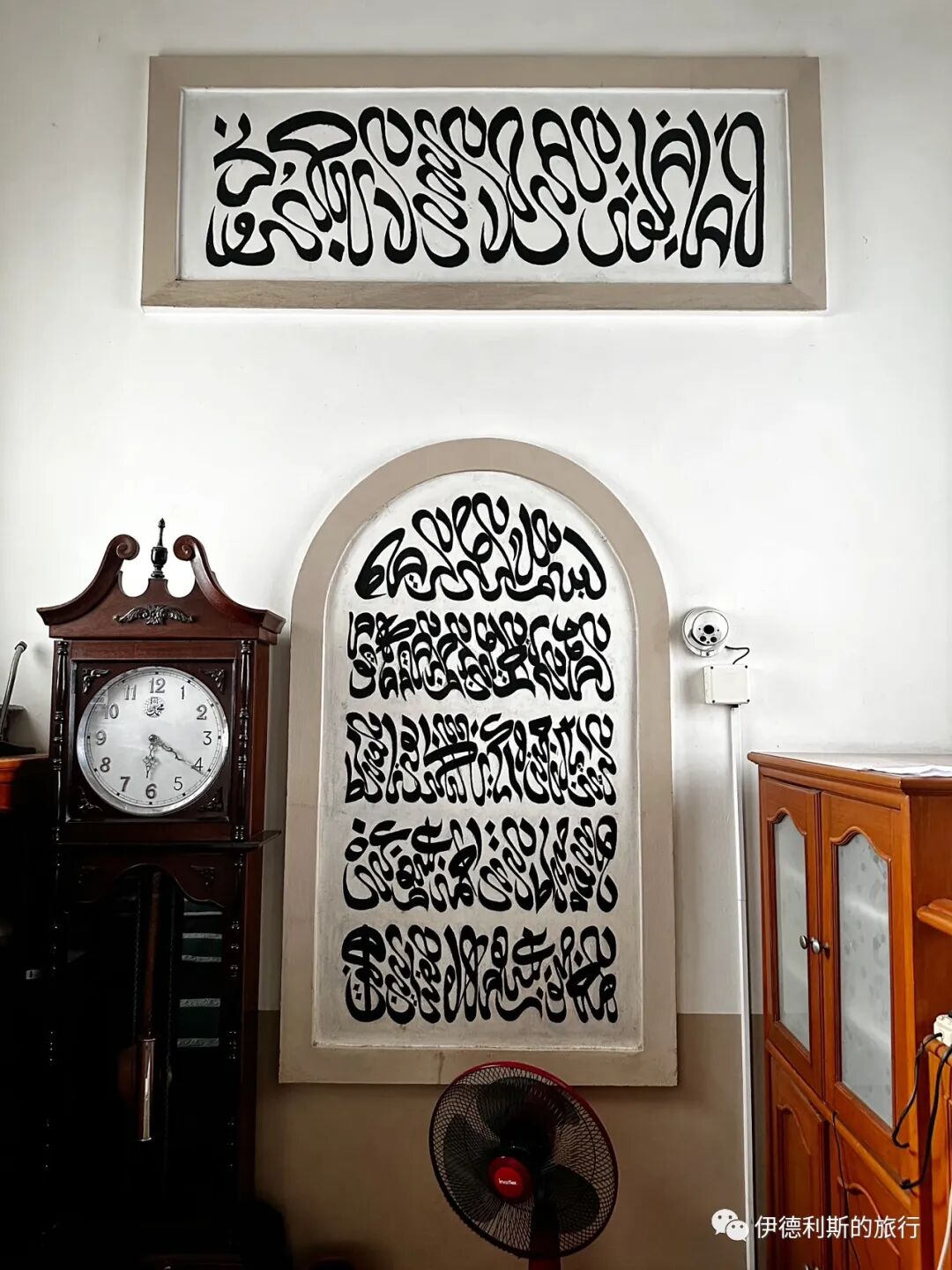
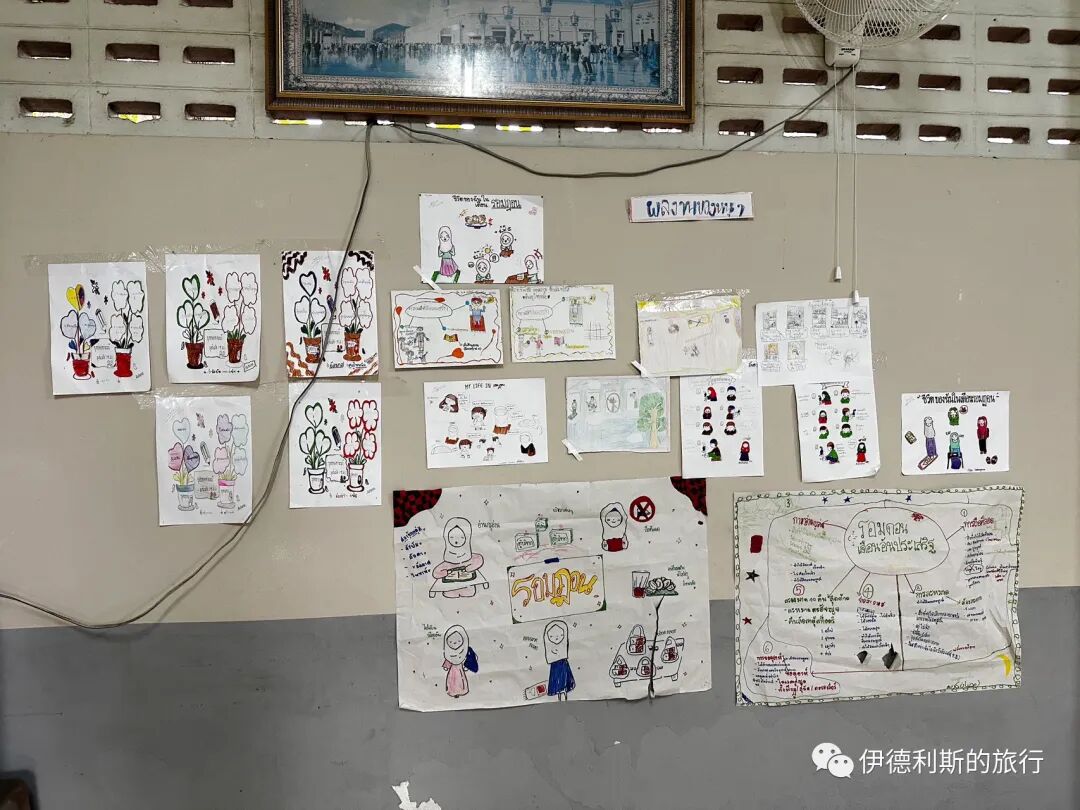
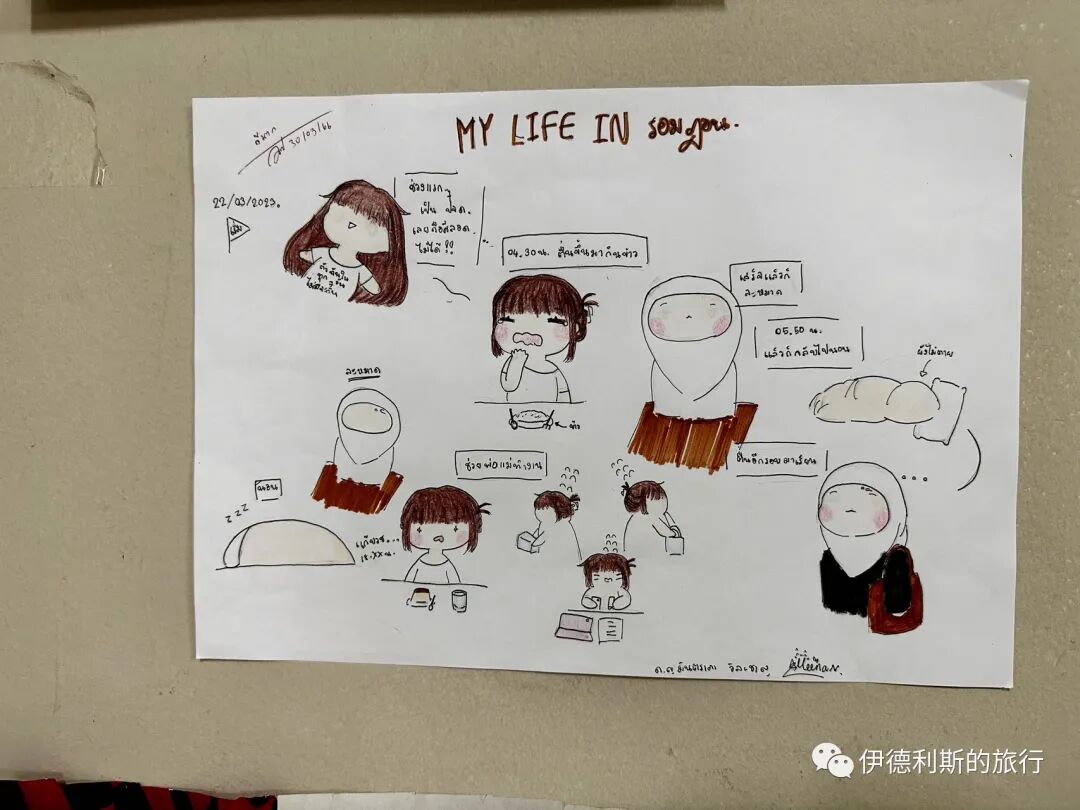
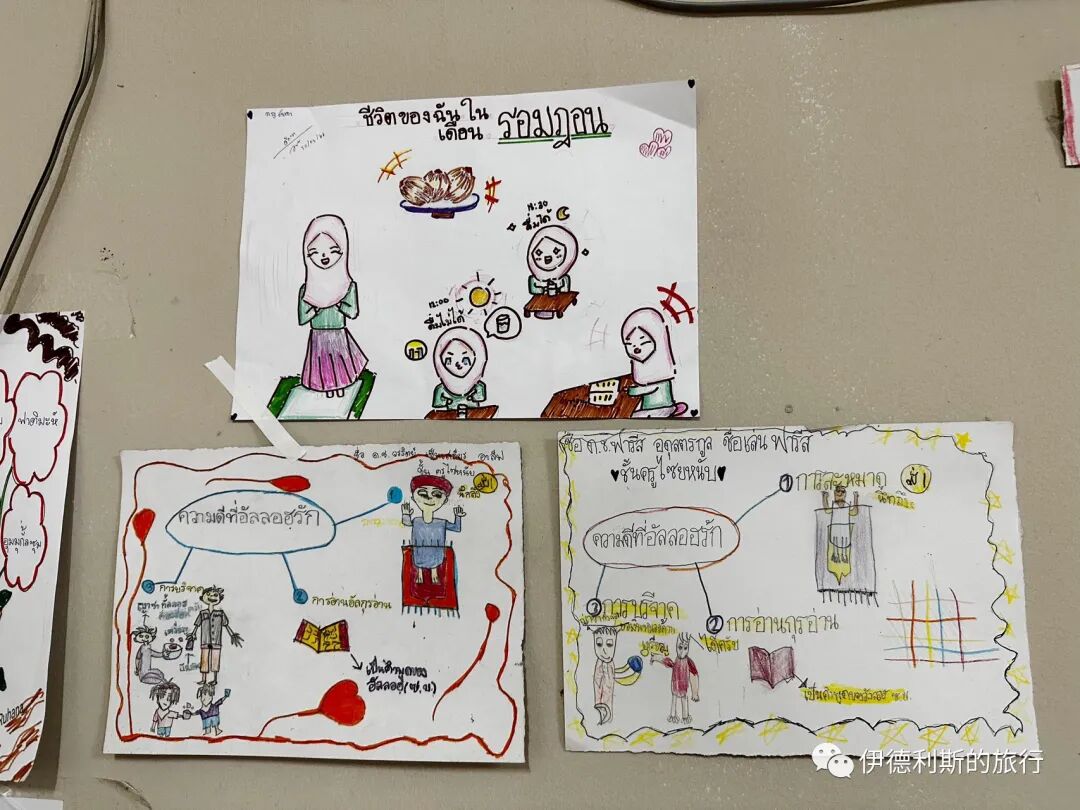
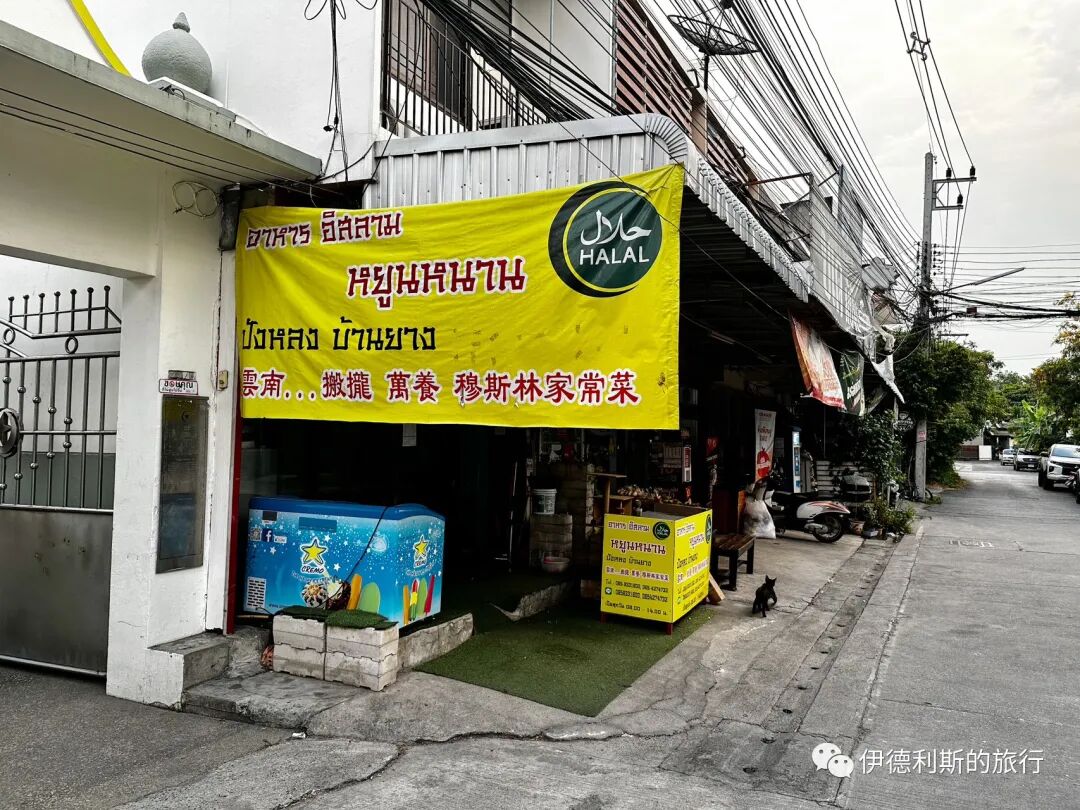
There are several Yunnan snack shops at the mosque entrance. In 2017, I ate authentic Yunnan pea jelly (wandoufen) here. This time, I saw a new restaurant that says 'Yunnan Banlong Wanyang Muslim Home Cooking'. Banlong is located in the Wa Mountains of the Kokang region in northern Myanmar. It is a community formed in the 1870s after General Ma Linyu of Du Wenxiu's army led his troops there and were taken in by the Wa tribe. It was later renamed 'Bannong'. Wanyang is a village established in the 1950s after the 93rd Division of the Nationalist Army moved to northern Thailand.
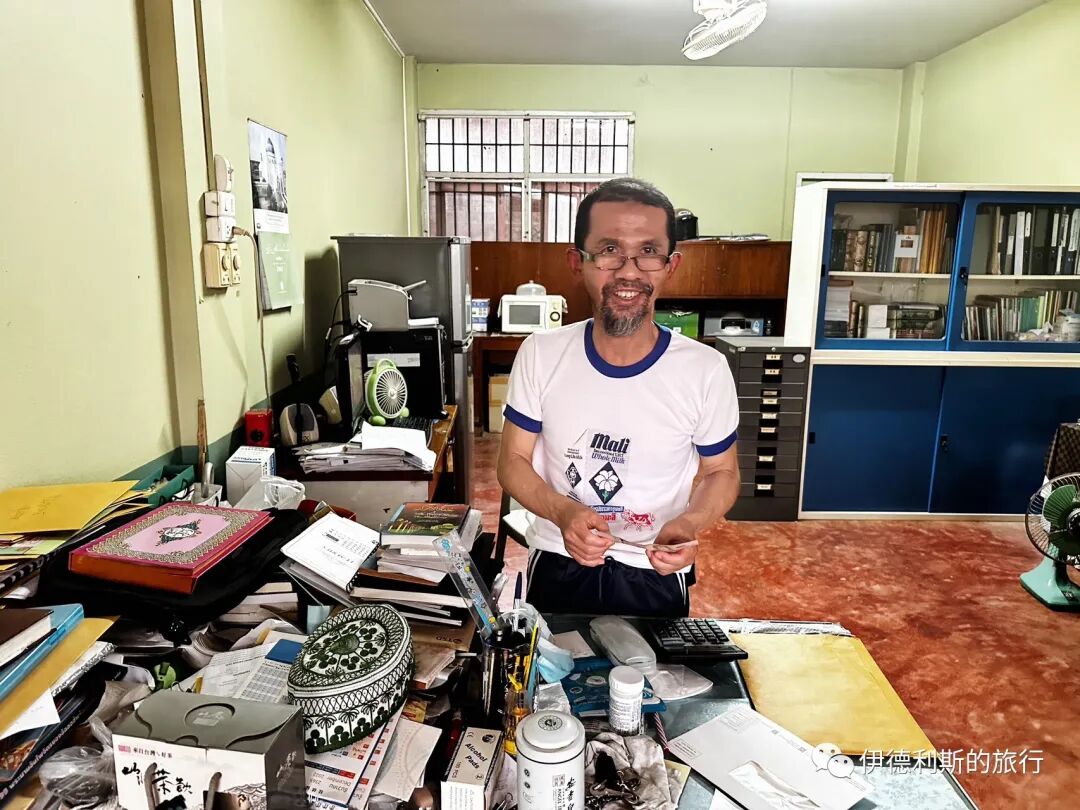
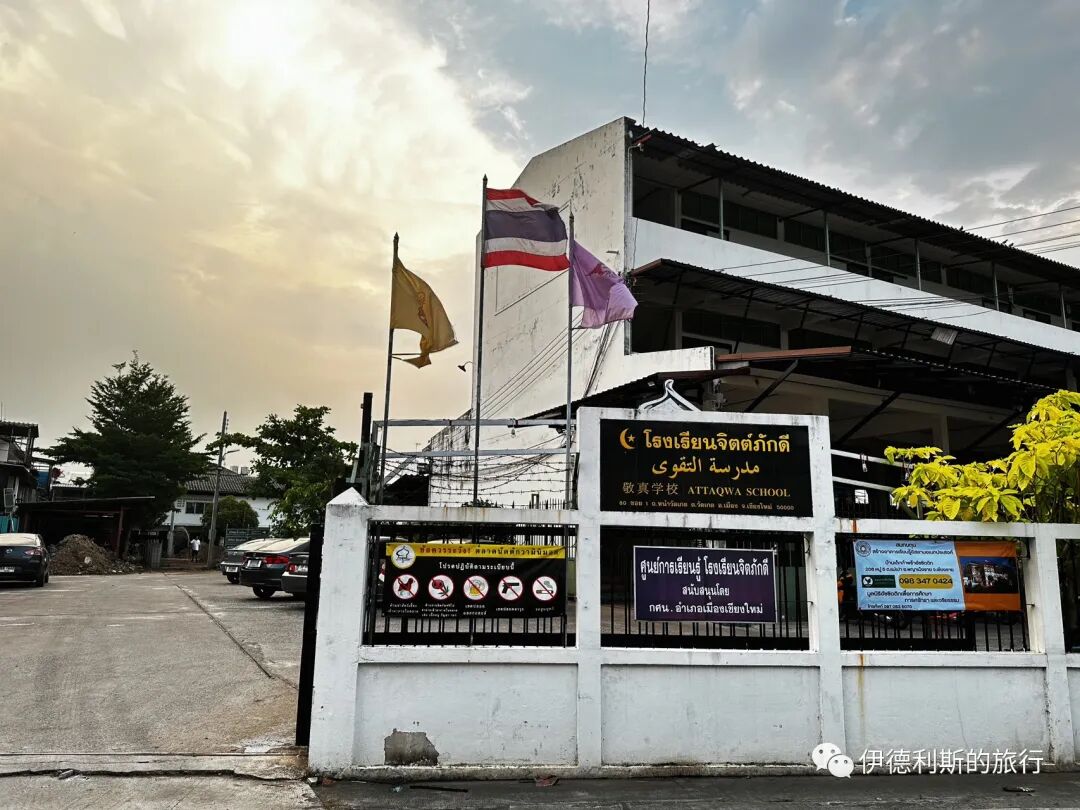
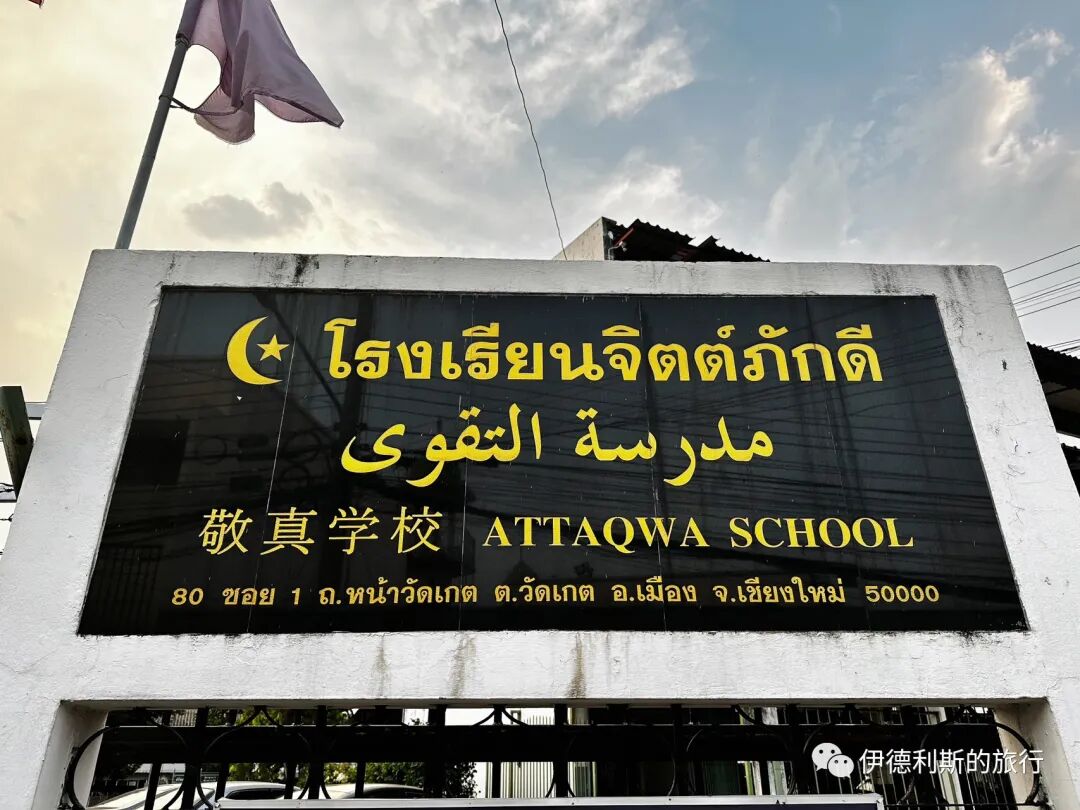
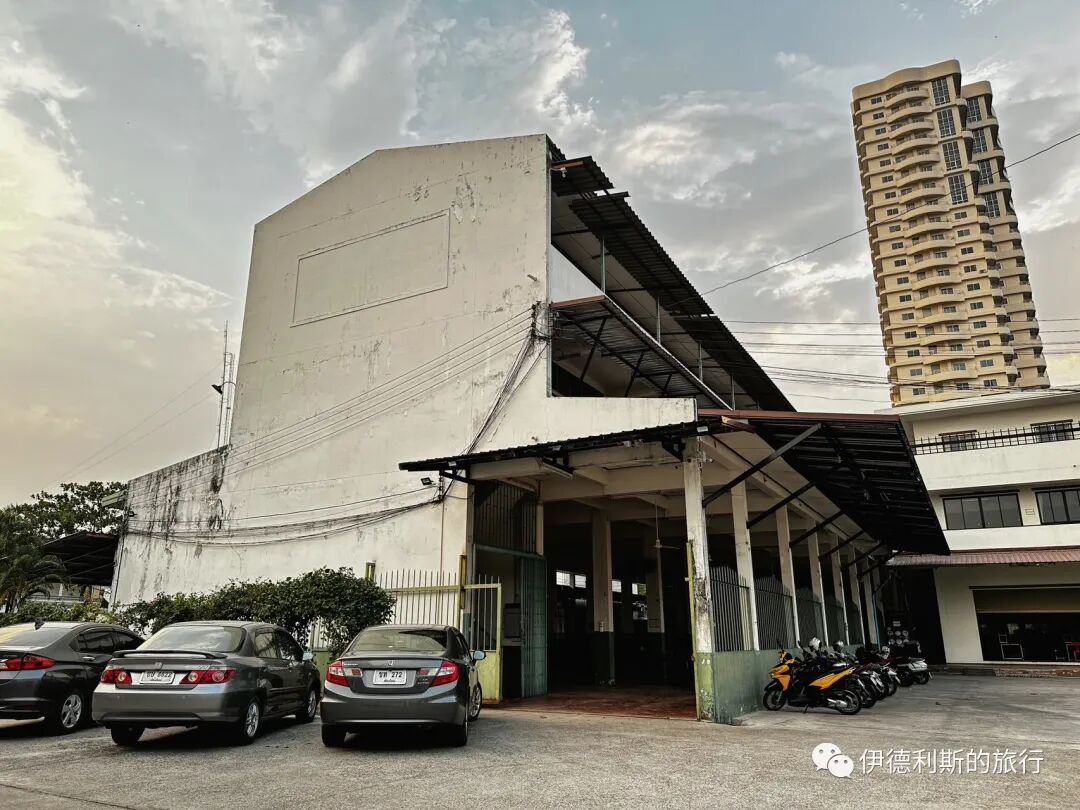
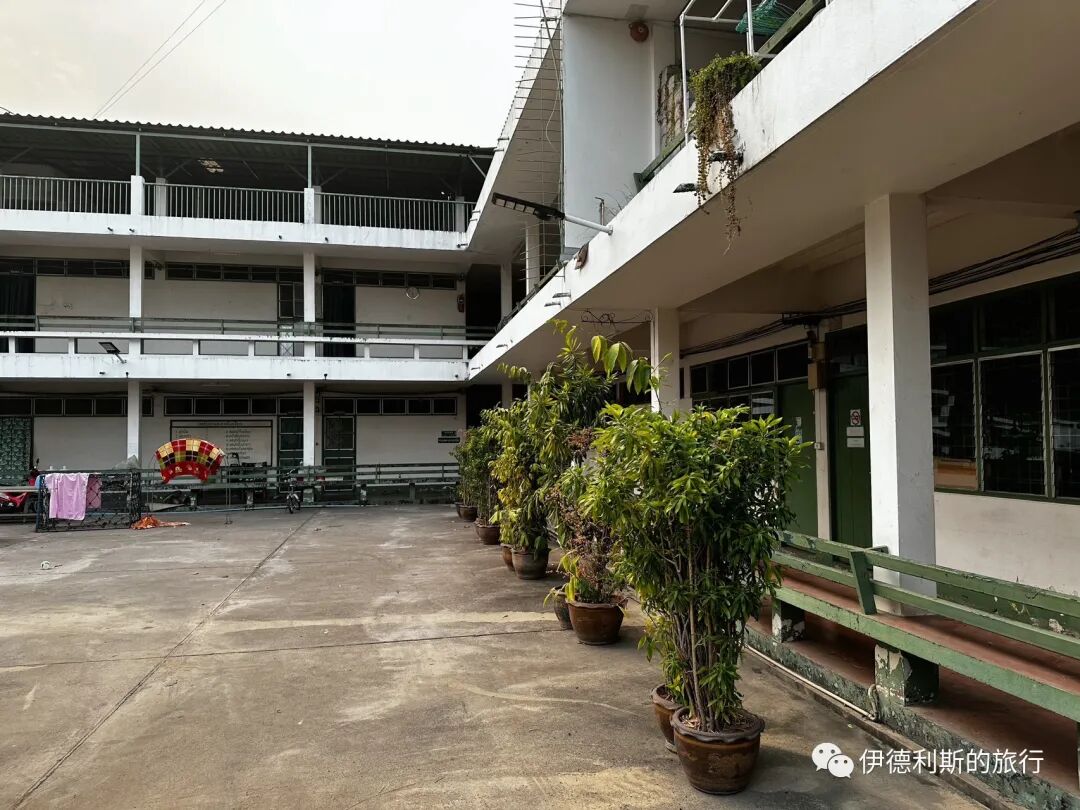
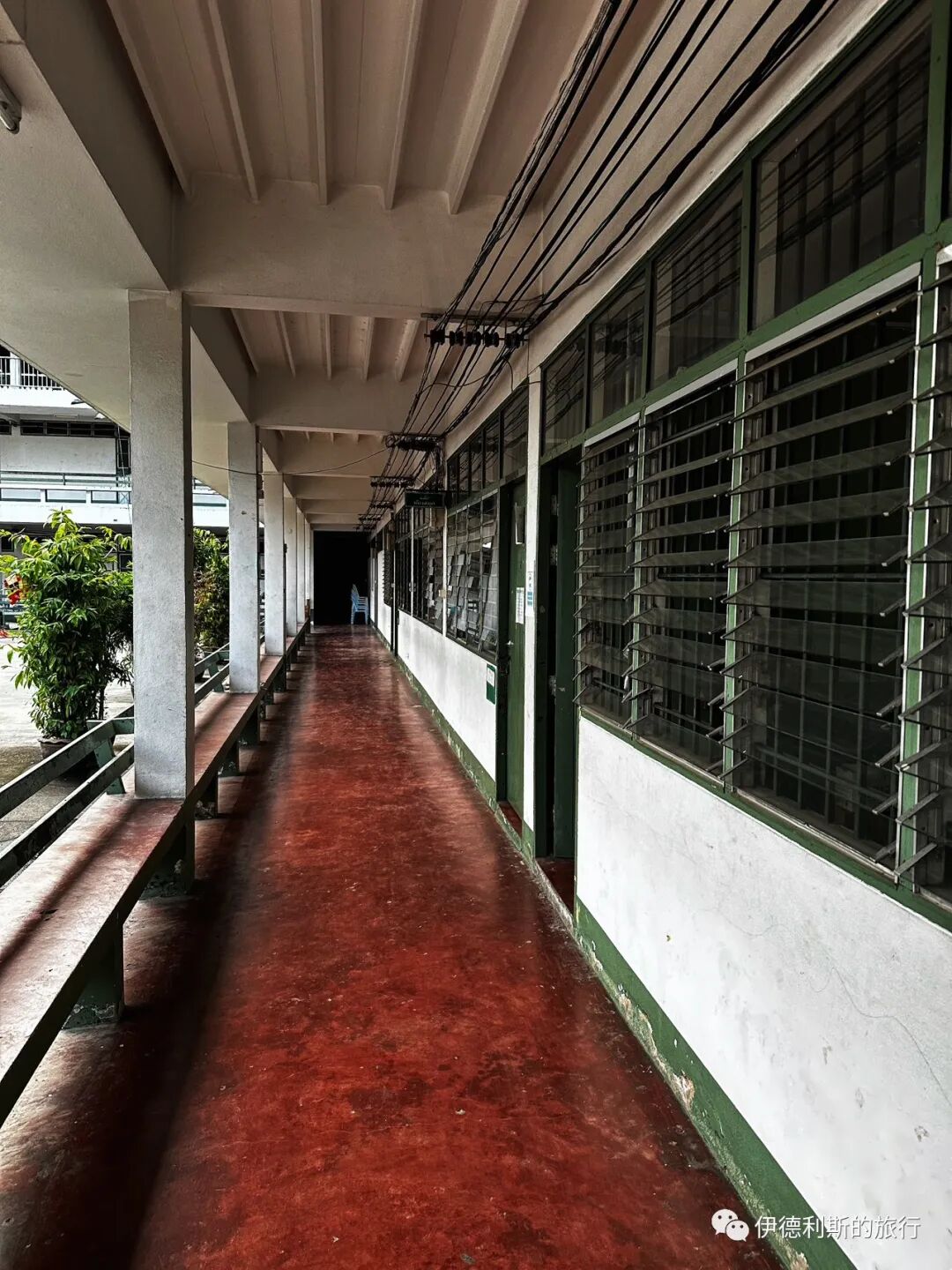
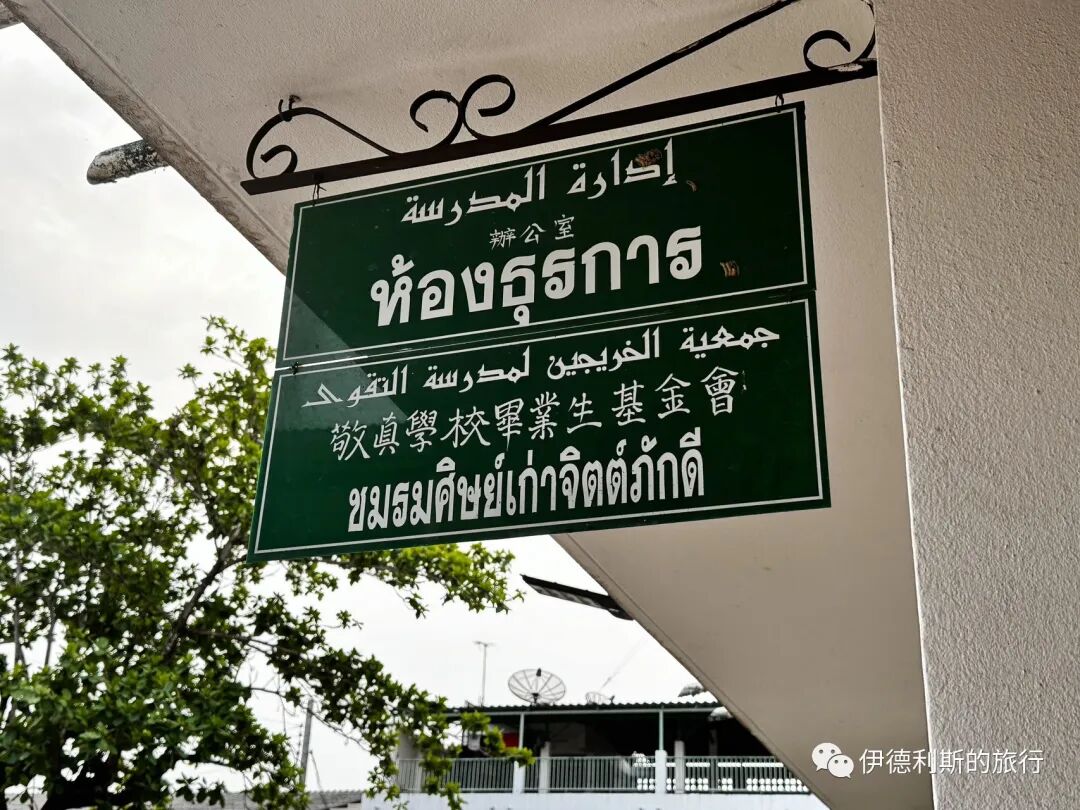
Opposite Masjid Attaqwa is Attaqwa School, the most important Islamic school in Chiang Mai and northern Thailand. Our driver, Mr. Ma, is a graduate of this school. It was summer vacation in May, so most teachers and students were away. We met a teacher who stayed at the school and gave a donation (nietie) to the school. According to Mr. Ma, this teacher is a Malay from southern Thailand and a graduate of the Islamic University of Madinah, and he is a very skilled teacher.
Attaqwa School was initiated by Haji Hu Ranmao in the 1960s and opened in 1970. It teaches Arabic, the Quran and Hadith, and religious knowledge, while providing free food and housing. When Attaqwa School was first established, most students were local Yunnan Hui Muslims from Chiang Mai. Later, because of its high teaching standards and free food and housing, it attracted Muslims from all over northern Thailand, southern Thailand, and Myanmar to study there. For half a century, Jingzhen School has played a vital role in the development of the faith in Thailand. It is a major reason why young and middle-aged Hui Muslims in northern Thailand can still hold fast to their faith today.
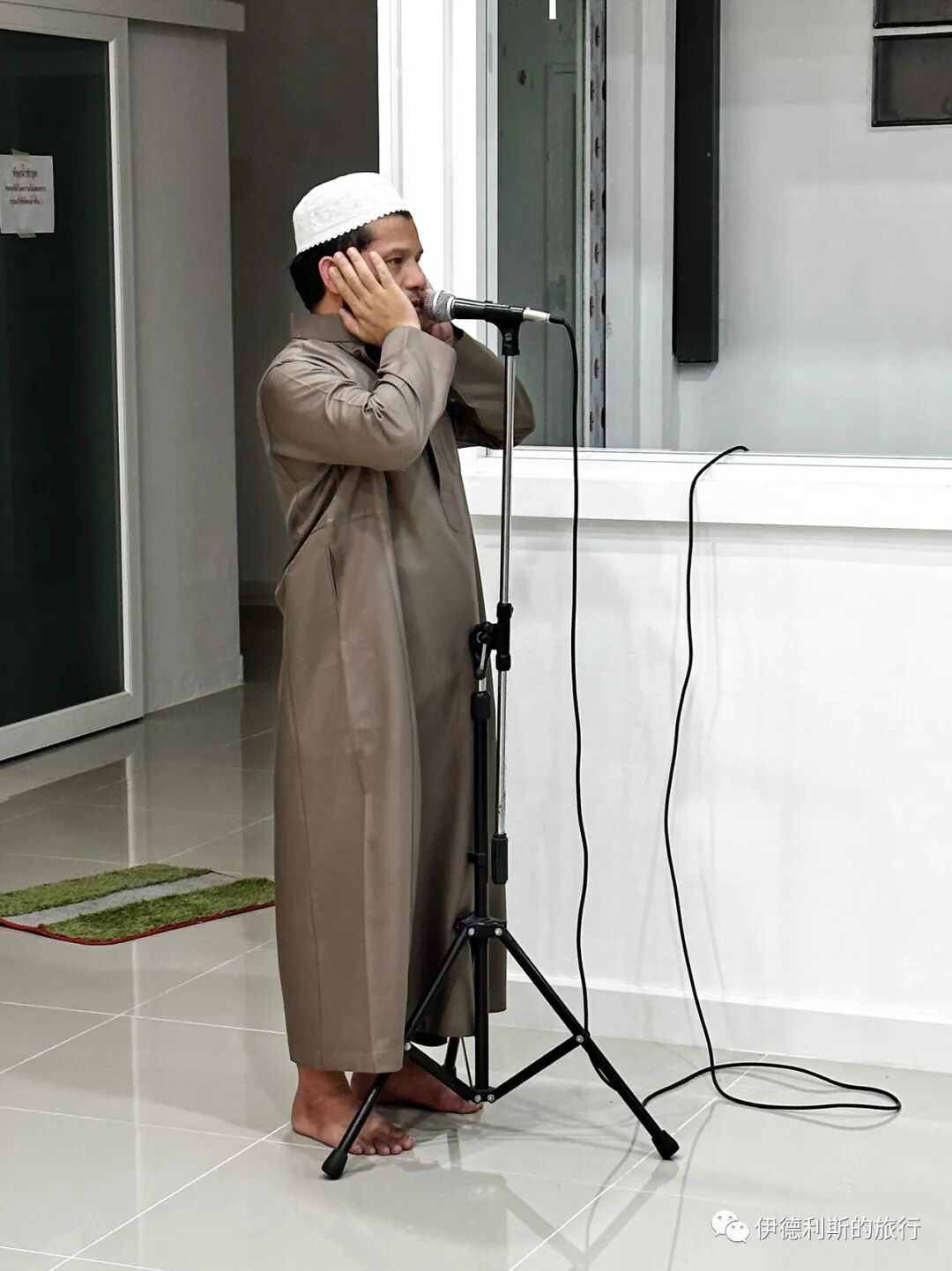
In the evening, we performed the evening prayer (namaz) at Nurul Mosque, located outside the White Elephant Gate (Chang Phuak Gate) in northern Chiang Mai. When I visited Chiang Mai in 2017, the mosque was being rebuilt, and now the new building is just finished. We met Grand Imam Mustafa here. He was the teacher of Master Ma when he attended Jingzhen School 30 years ago. He is highly respected throughout the entire Muslim community in Chiang Mai. Grand Imam Mustafa's daughter runs an Islamic bookstore at the entrance of Wang He Mosque. We visited it before we left, and I will share more about it later.
Like the Chang Khlan Mosque community, the Nurul Mosque community is a South Asian one. Many ancestors of the Haw Muslims (gaomu) came from Bangladesh. They arrived in Chiang Mai via Myanmar to trade during the British India period in the 19th century and later made a living by raising cattle. During the Partition of India and Pakistan in 1947, more Bengali Muslims moved here to escape the chaos. After the 1960s, Chiang Mai banned cattle from entering the city. Some Haw Muslims moved to the Chang Khlan Mosque community, which is further from the old city. Because of this, the number of Haw Muslims at Nurul Mosque is now the smallest among the four mosque communities in downtown Chiang Mai.
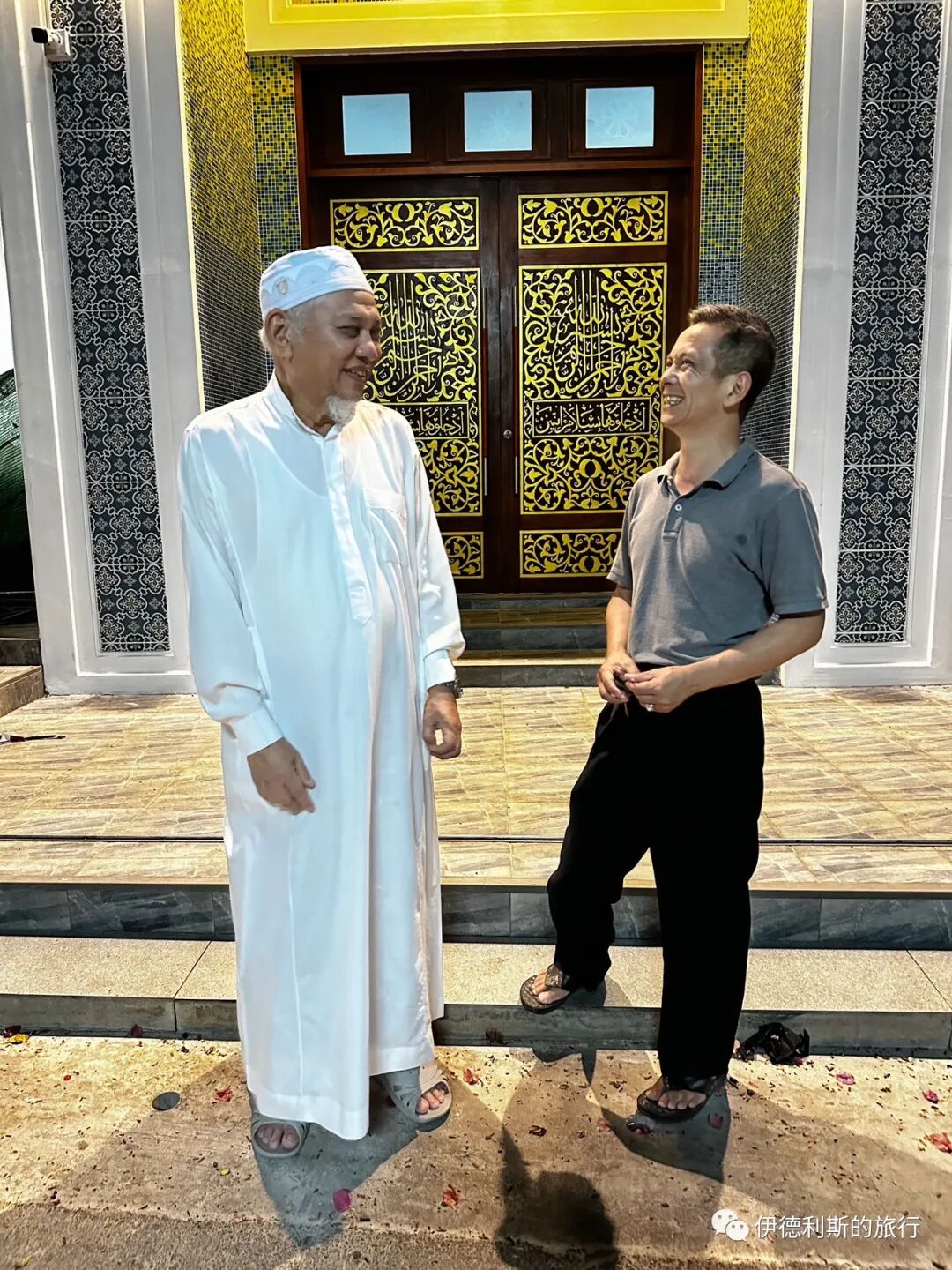
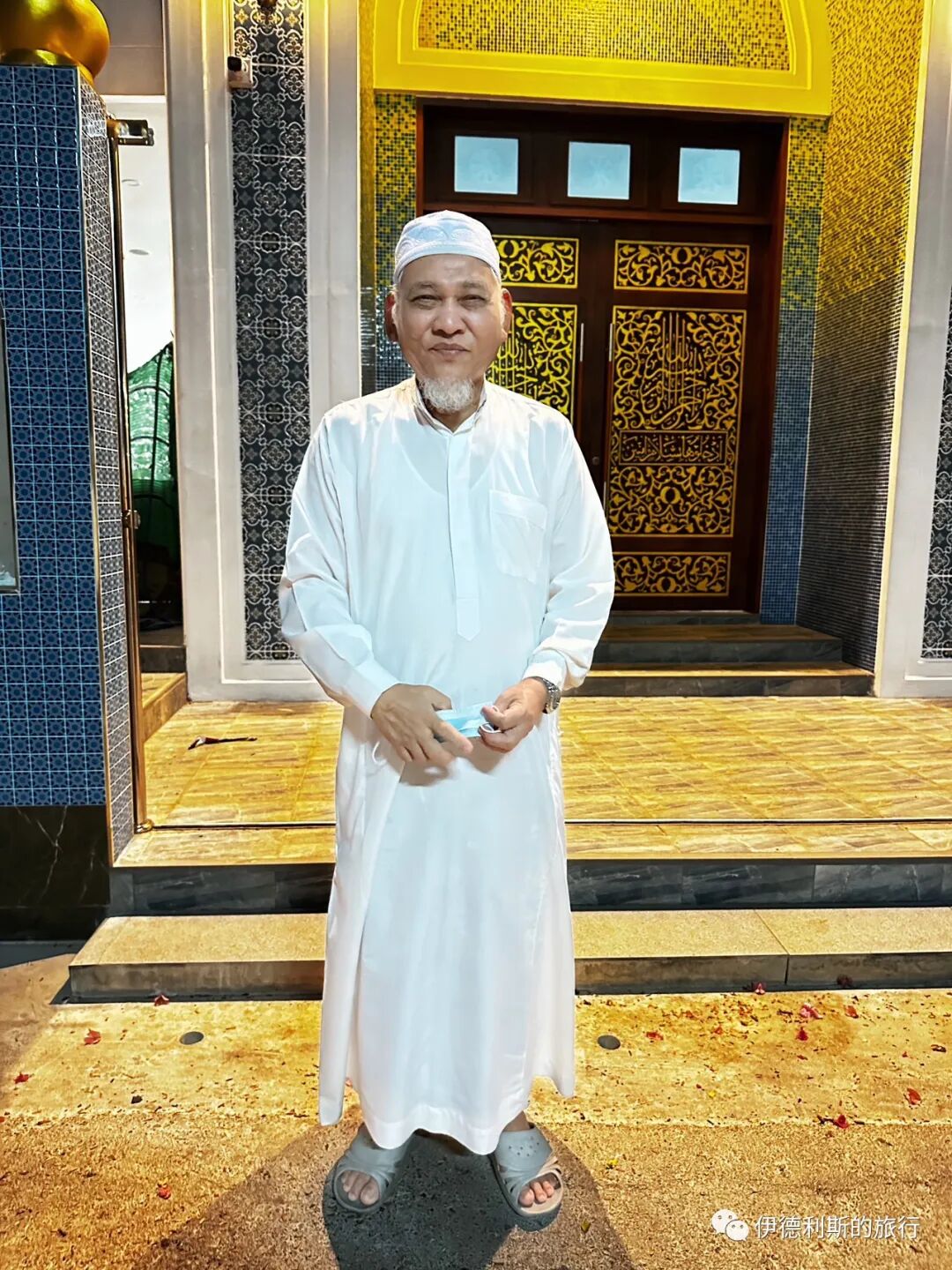
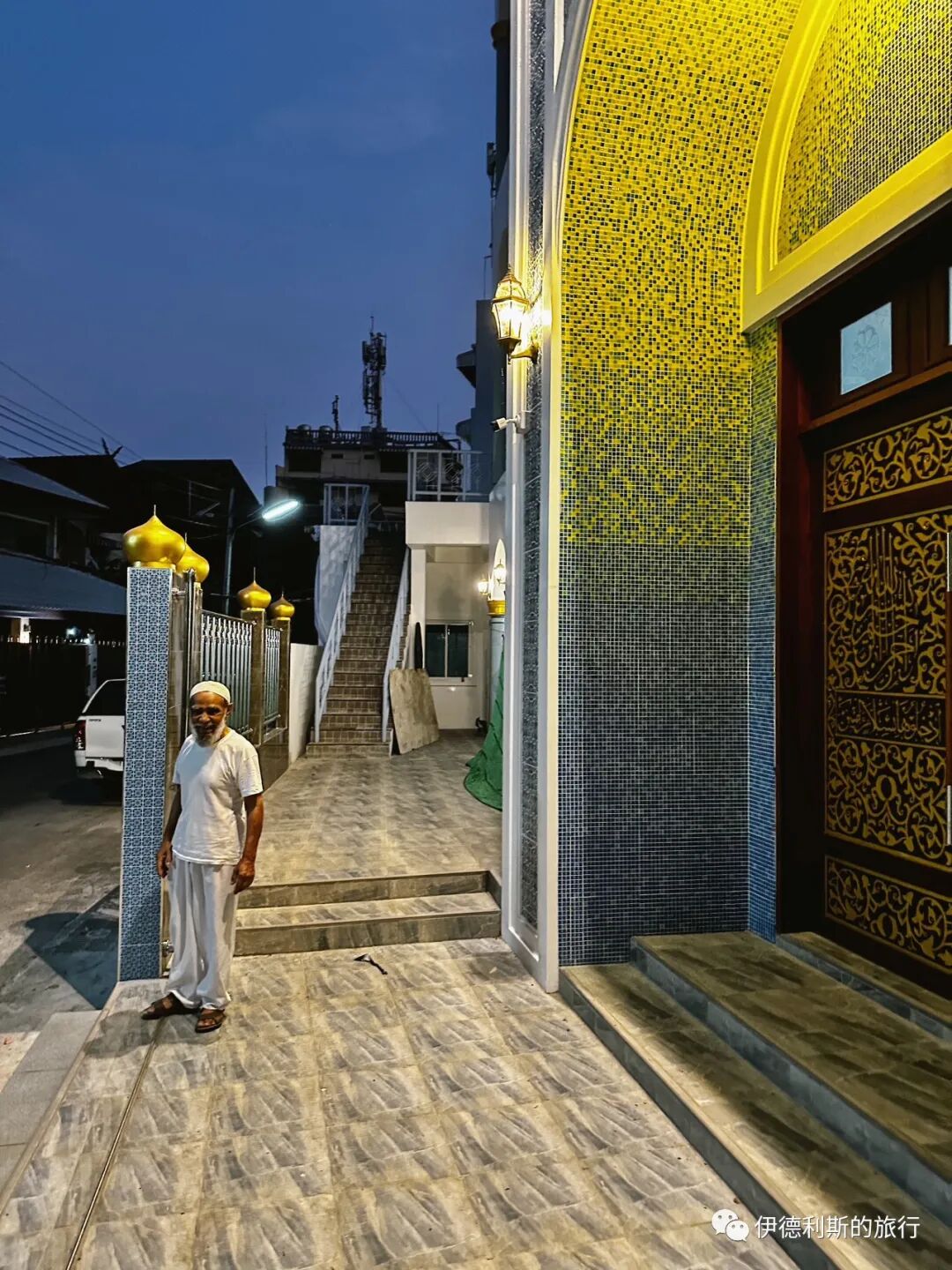
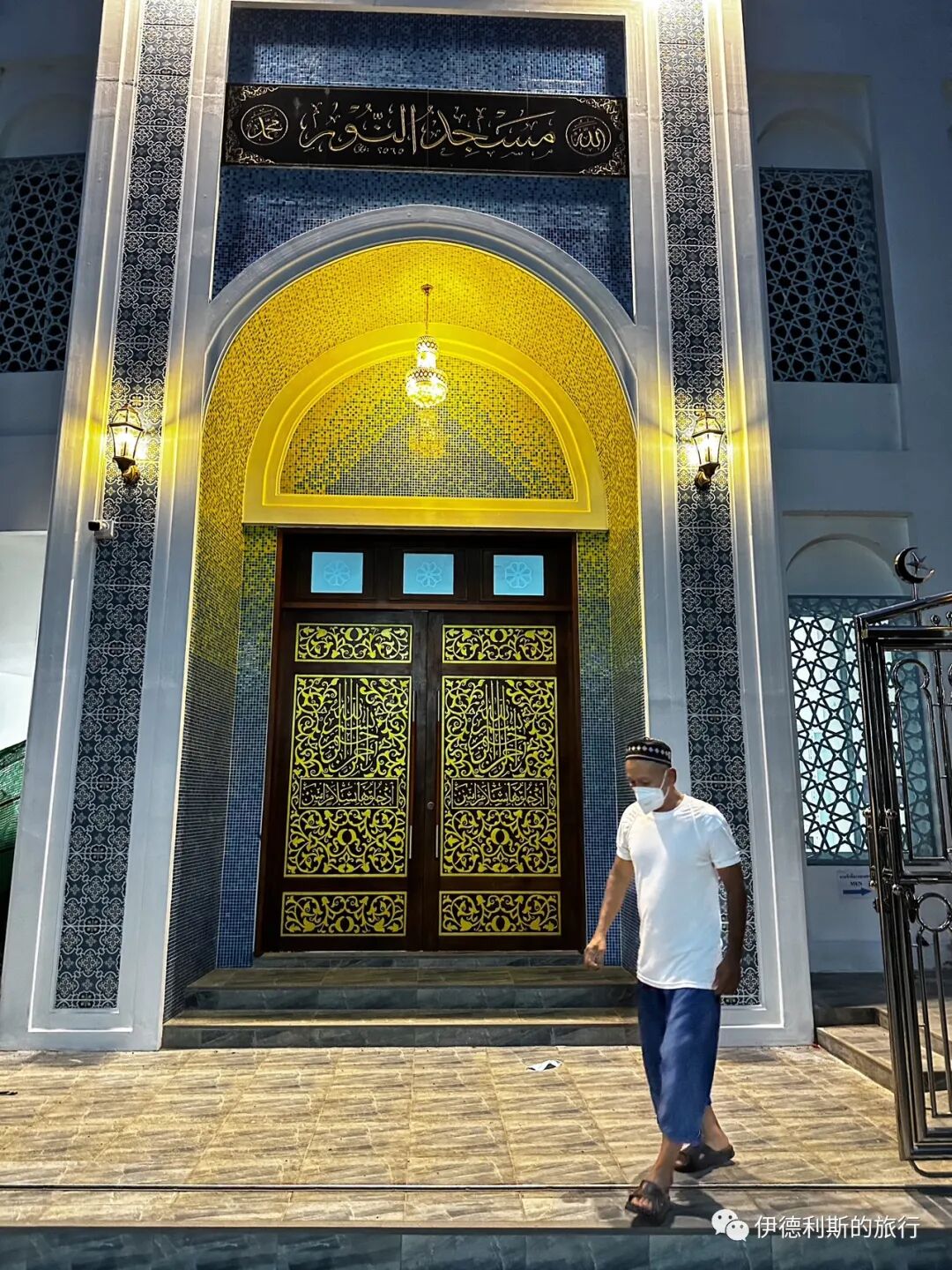
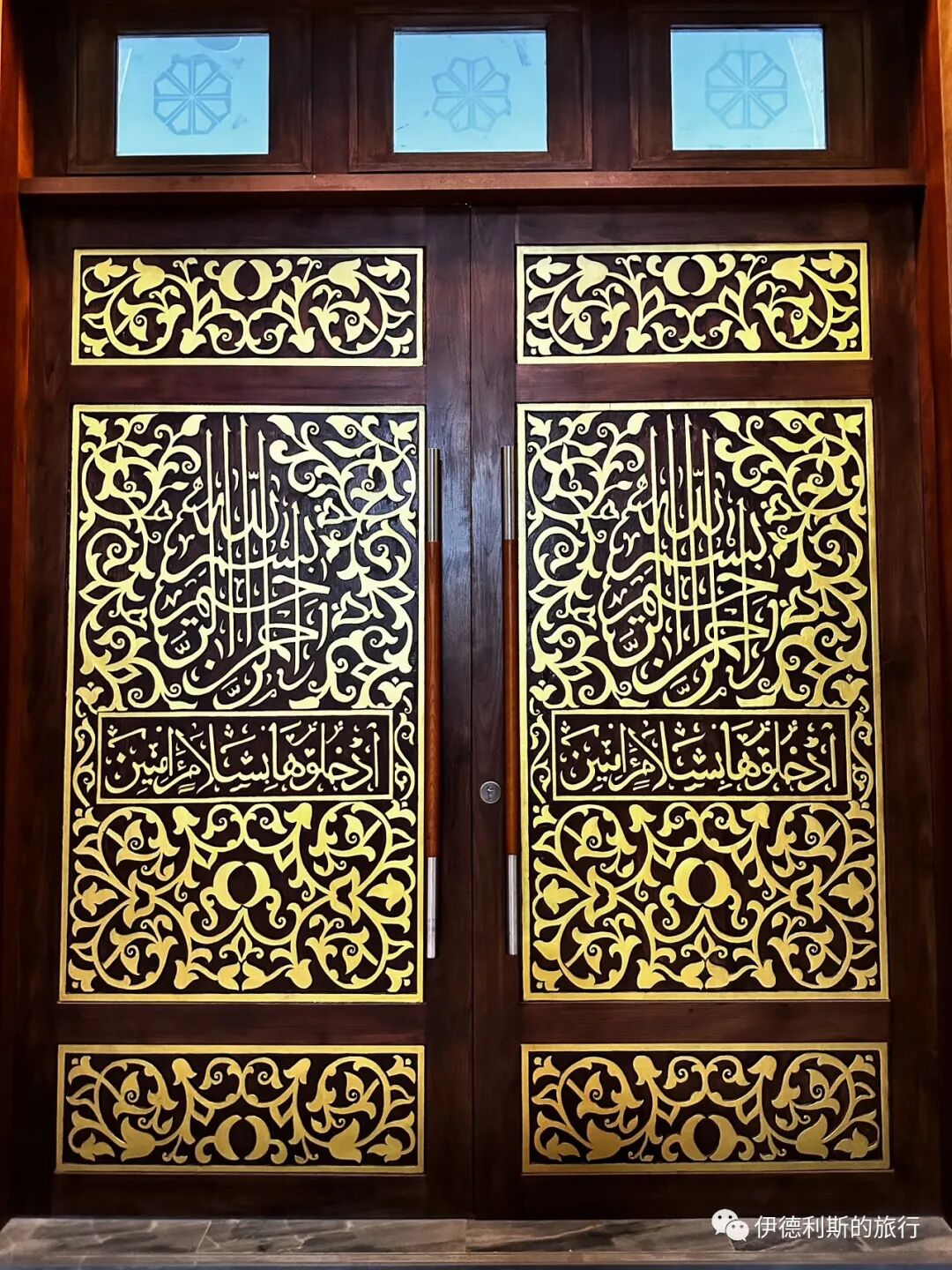
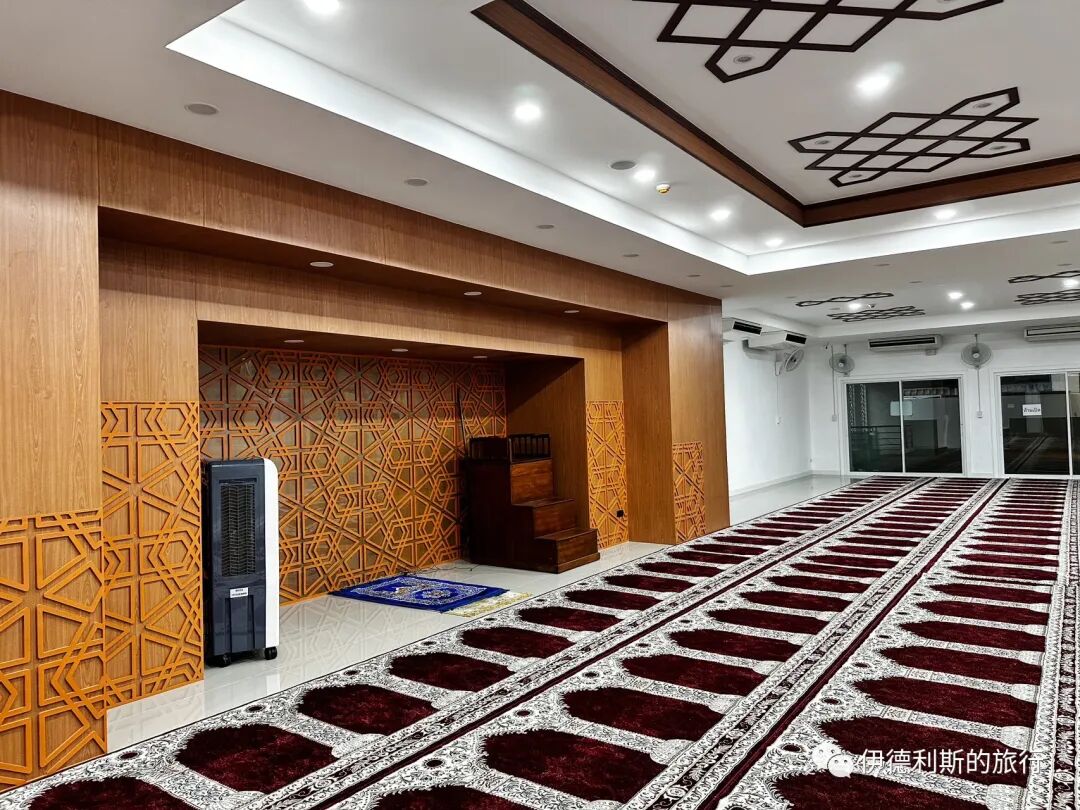
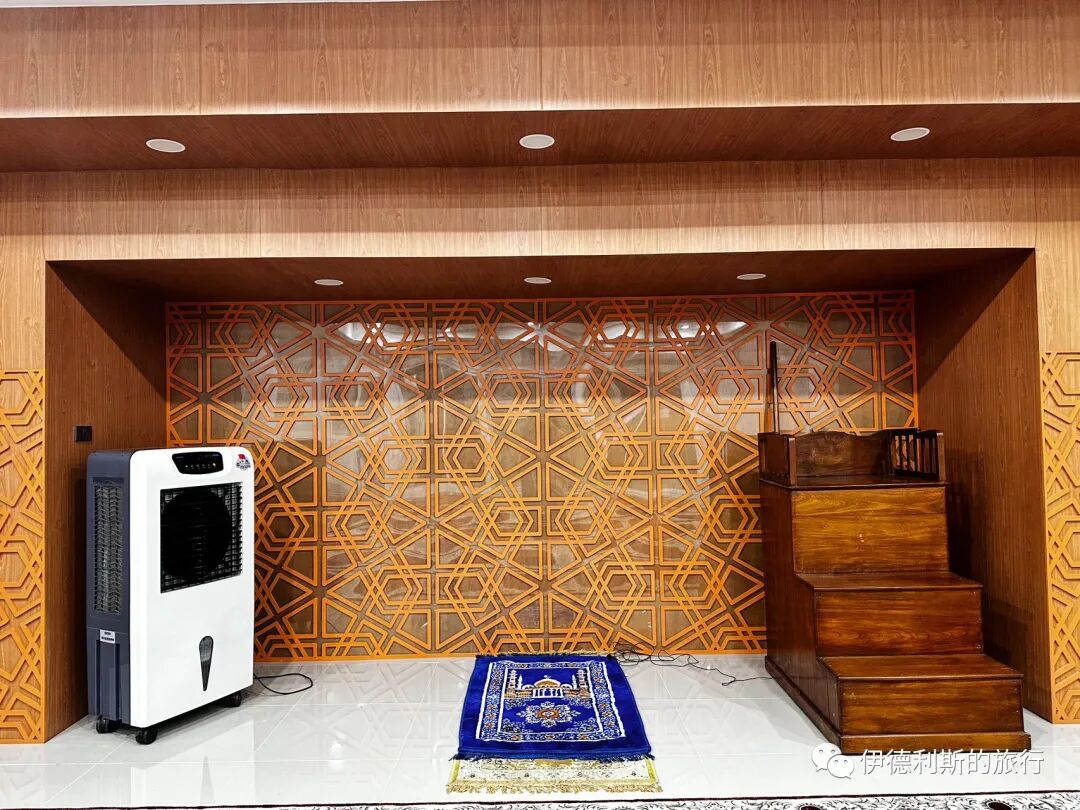
We had dinner at a Yunnan-style restaurant next to Wang He Mosque. The restaurant is owned by Na Zhongwei, a board member of Wang He Mosque, and the building itself is property of the mosque. Although the Yunnan restaurant has been open for many years, it only moved to its current location recently. It is very convenient to eat there after visiting Wang He Mosque.
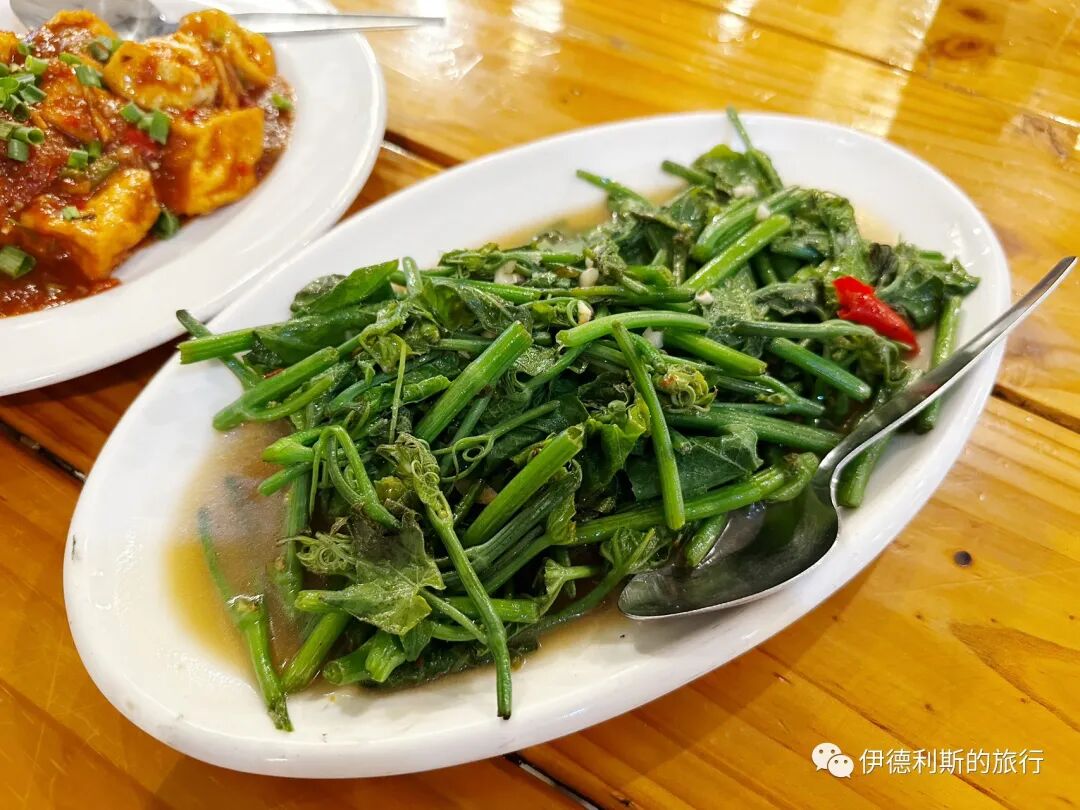
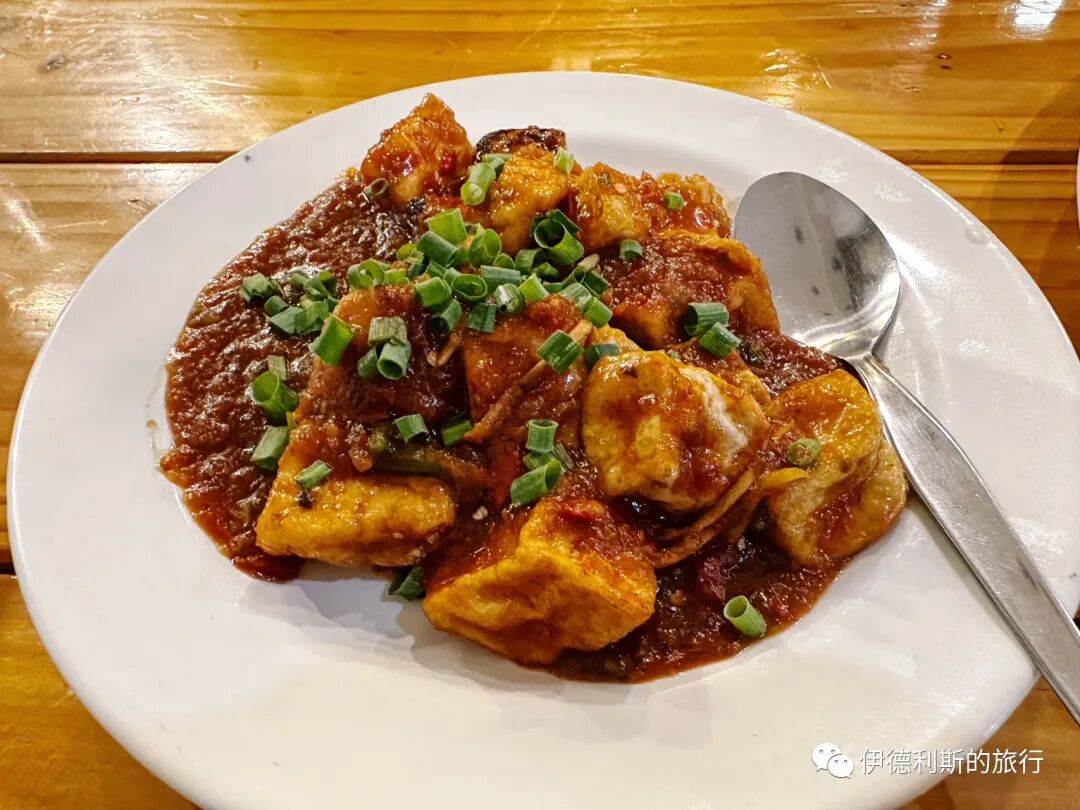
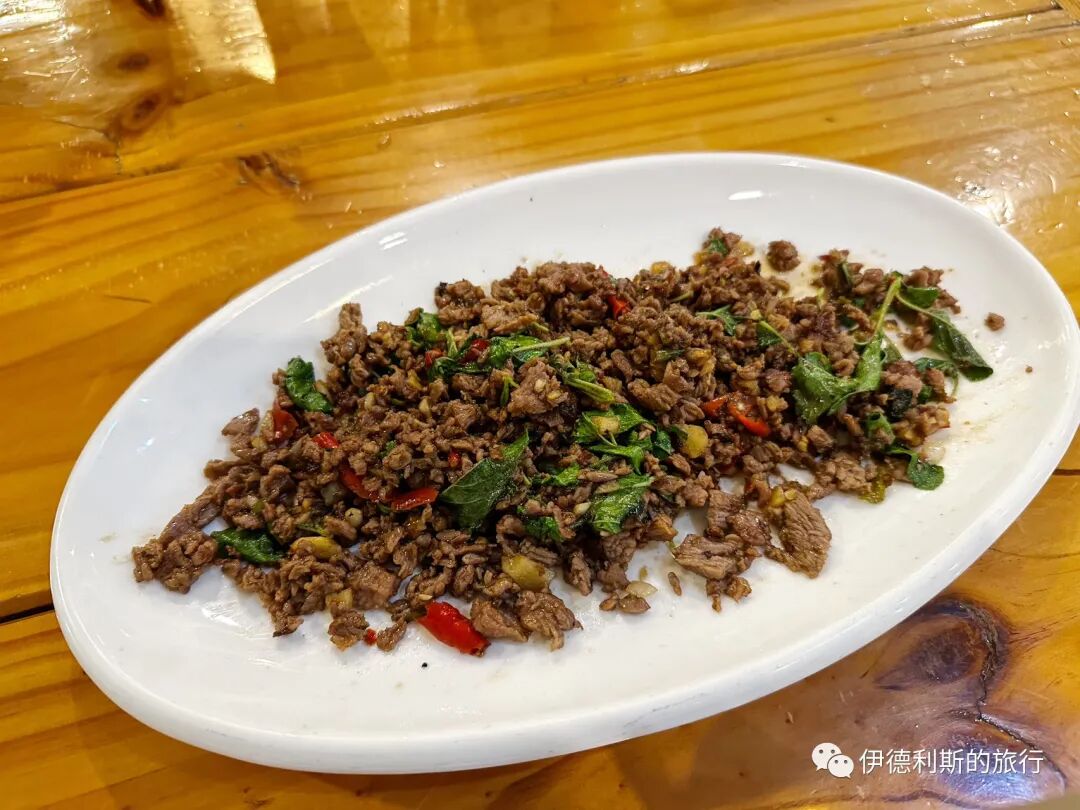
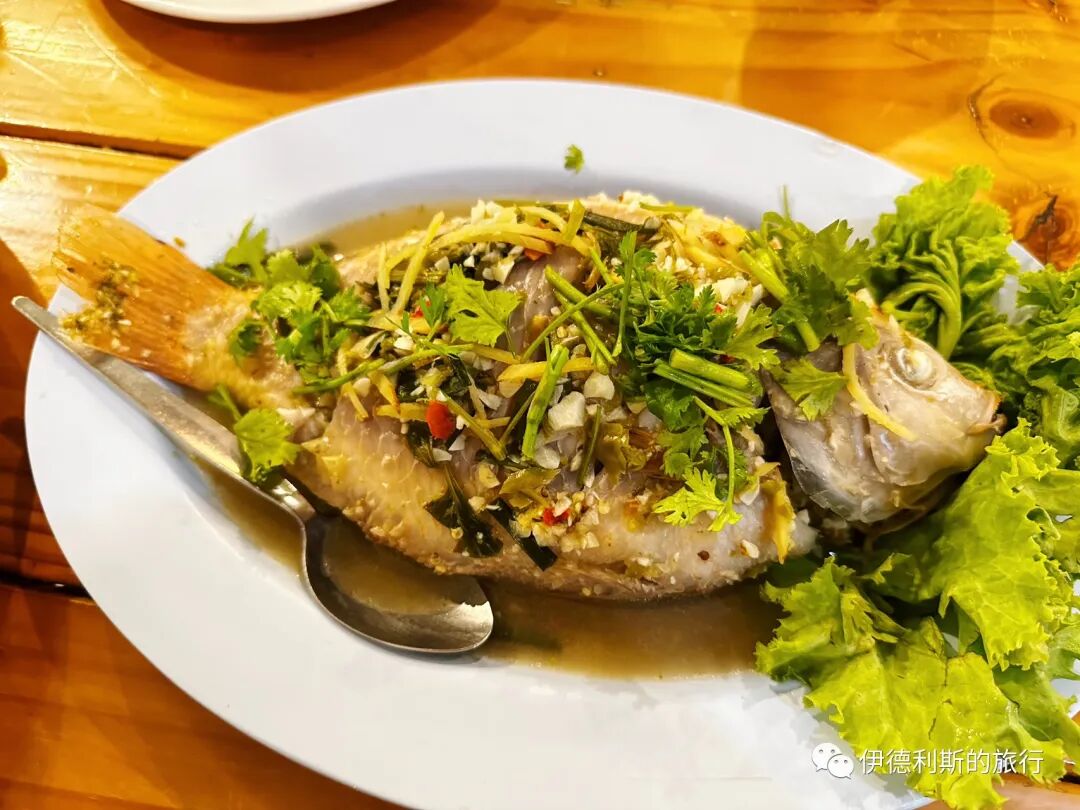
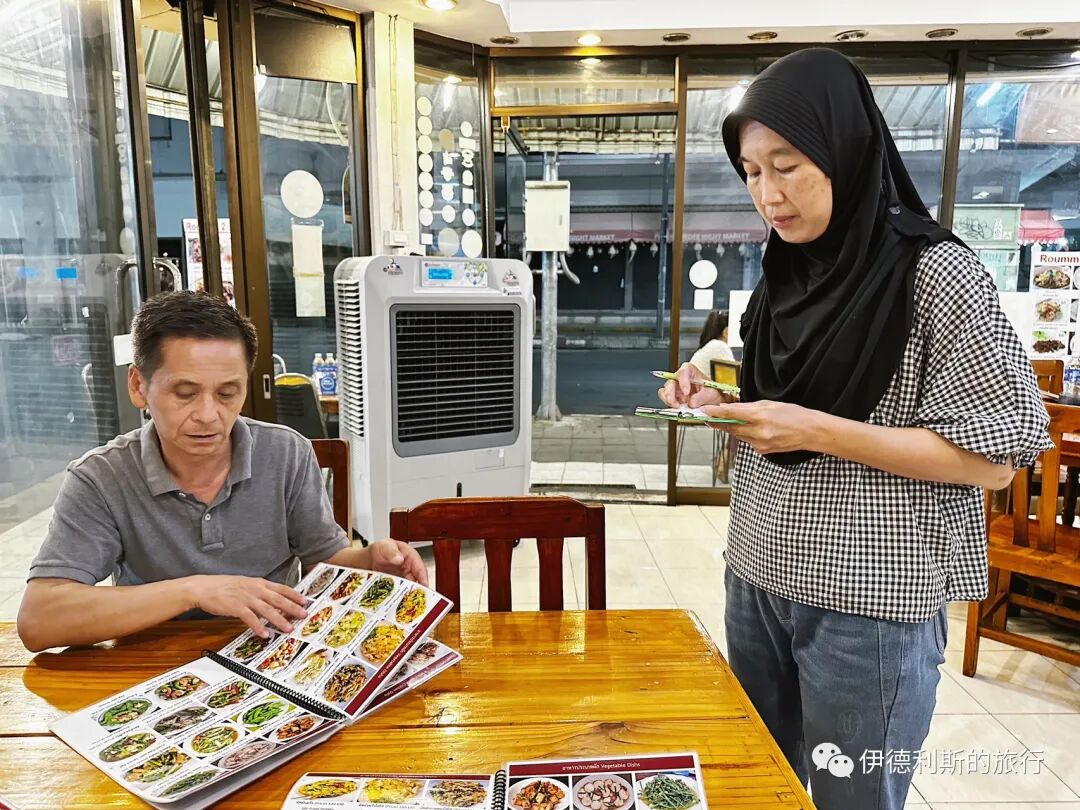
We ordered stir-fried holy basil beef (dapao niurou), steamed sea bass, pumpkin tips, and stir-fried tofu puffs. You can choose the portion size for dishes here, and some even come in small, medium, or large sizes, which is perfect for tourists. Hui Muslims from Yunnan have lived in Chiang Mai for over a hundred years, and their tastes have changed. For example, the sour and spicy levels are much stronger than what you would find in Yunnan. In Yunnan, a purely vegetarian dish like pumpkin tips usually wouldn't have chili, but in Thailand, they definitely add chili to it.
Besides being a bit spicy, I really love the food of the Yunnan Hui Muslims in Thailand. I especially love the stir-fried holy basil beef; it goes so well with rice. Holy basil (dapao) is also known as sacred basil. It is native to South Asia and widely grown in the tropical regions of Southeast Asia. Stir-frying meat with holy basil leaves is a famous Thai dish. This tofu stir-fried in a sour and spicy sauce is also delicious. The balance of sour, sweet, and spicy is just right.
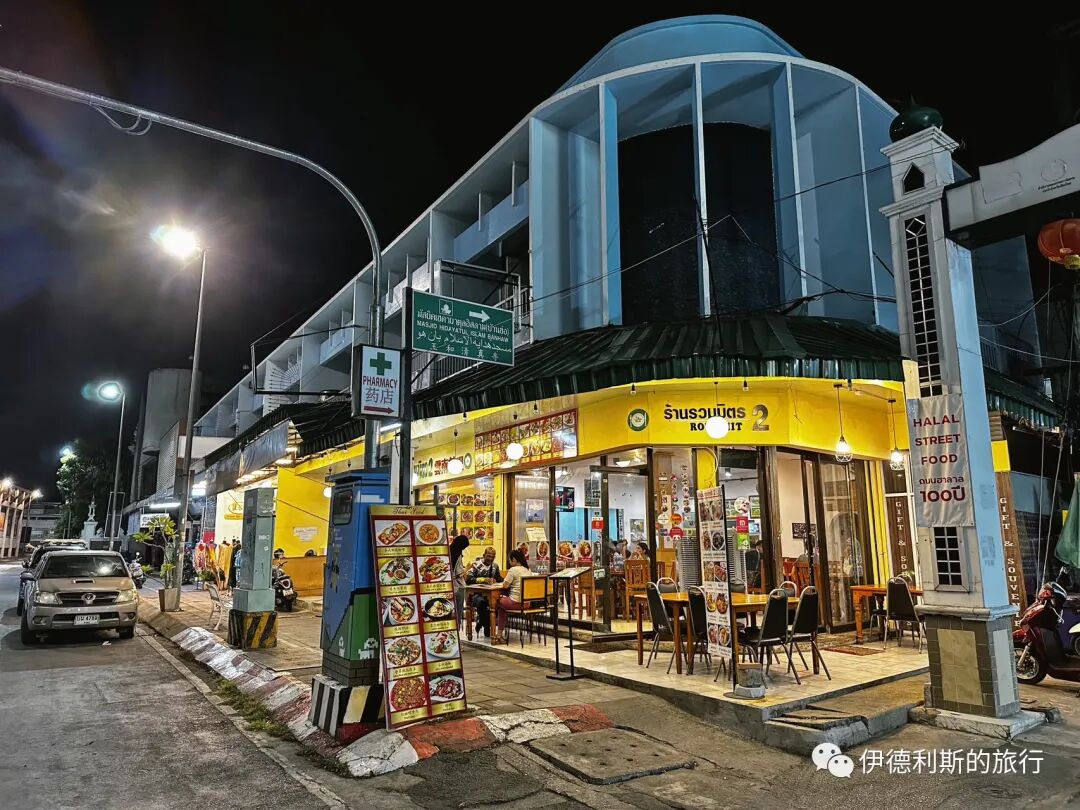
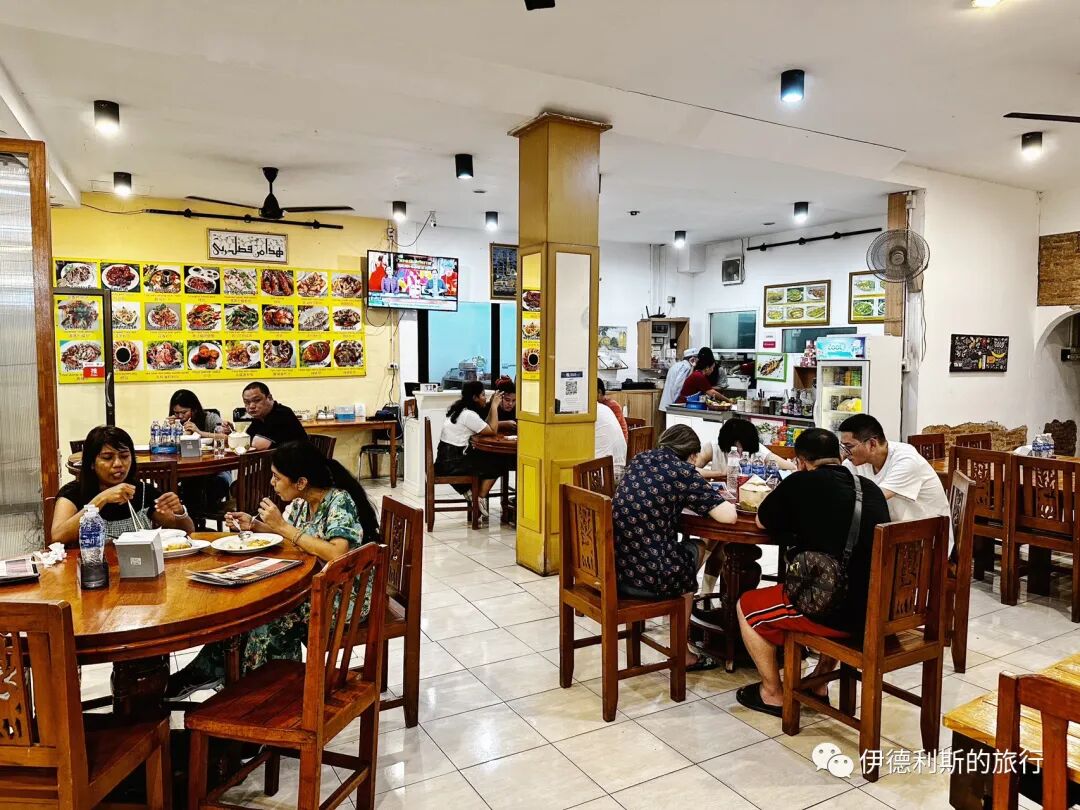
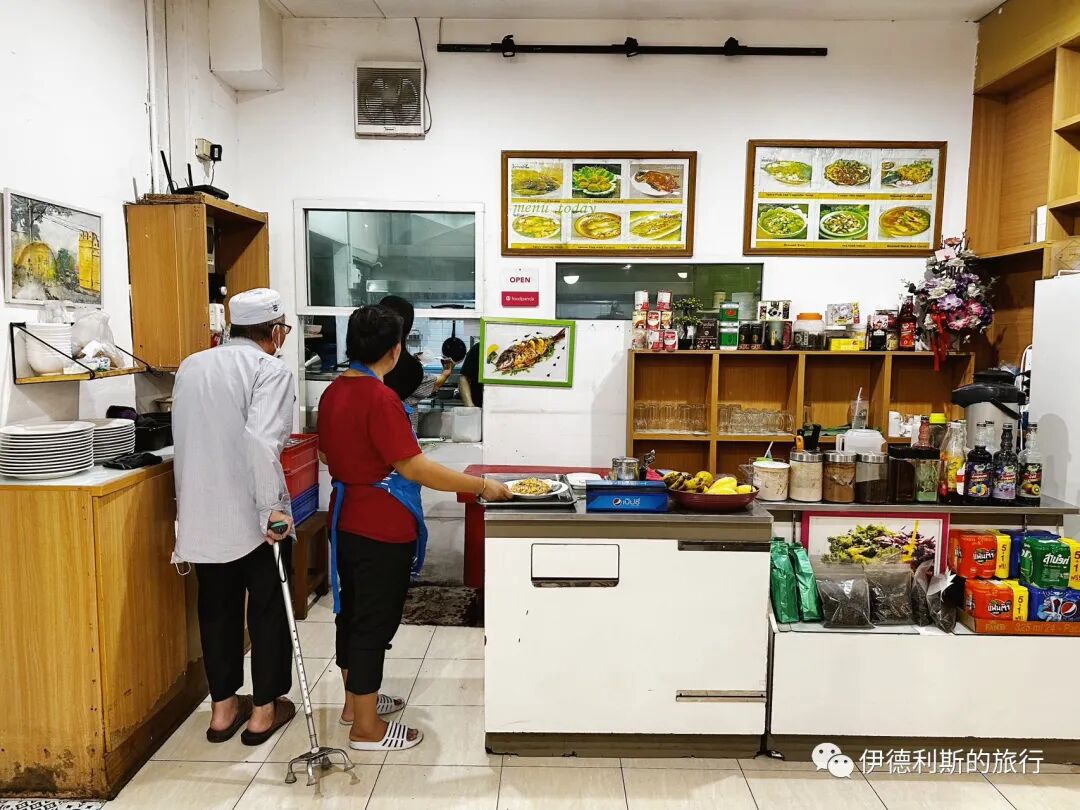
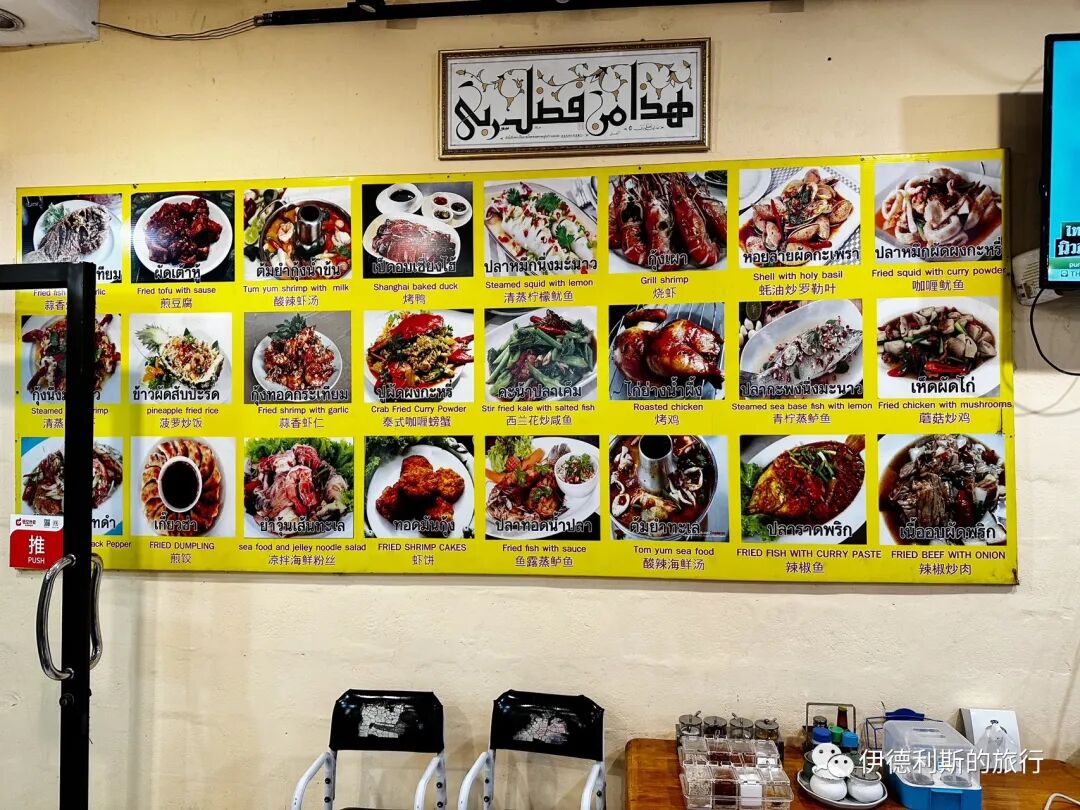
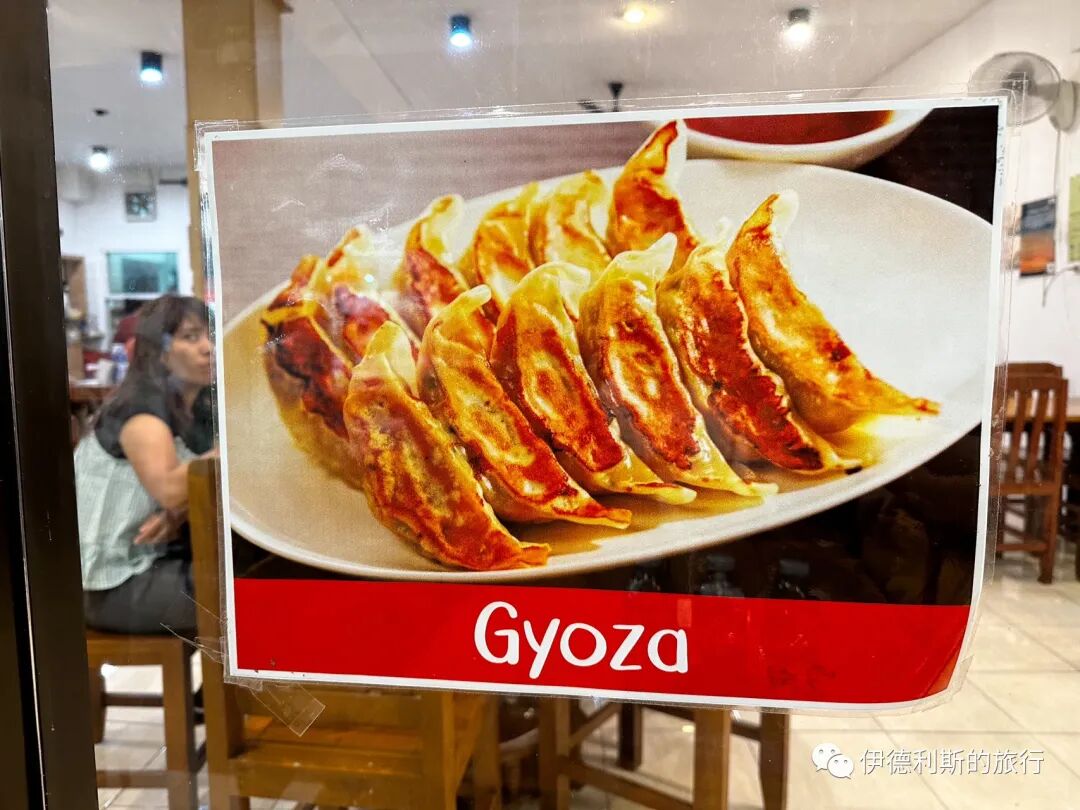
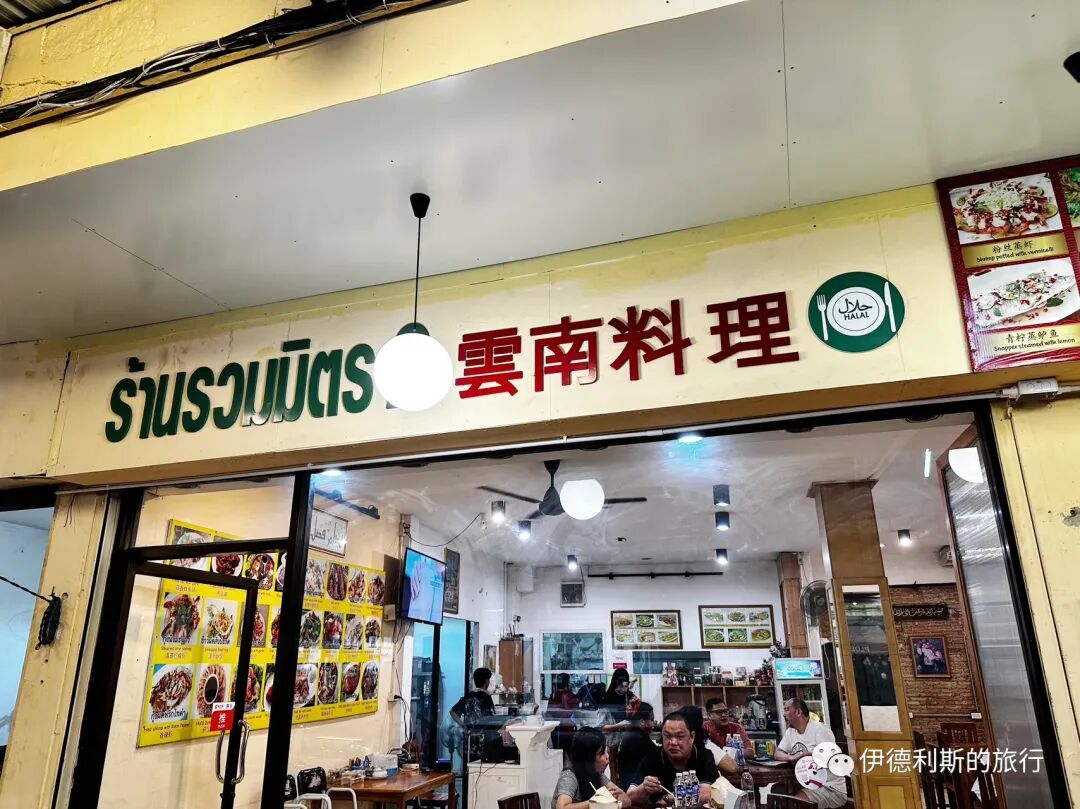
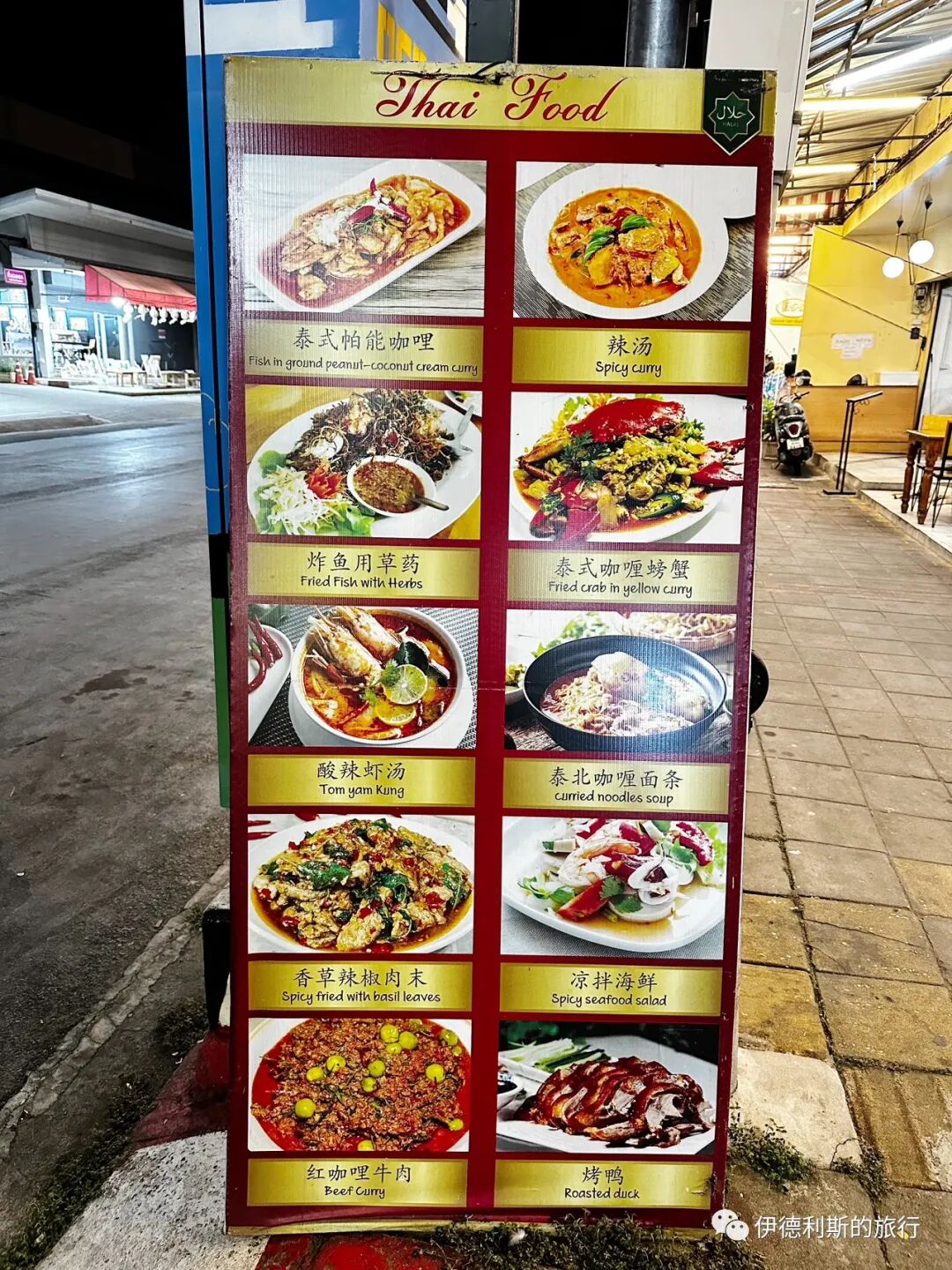
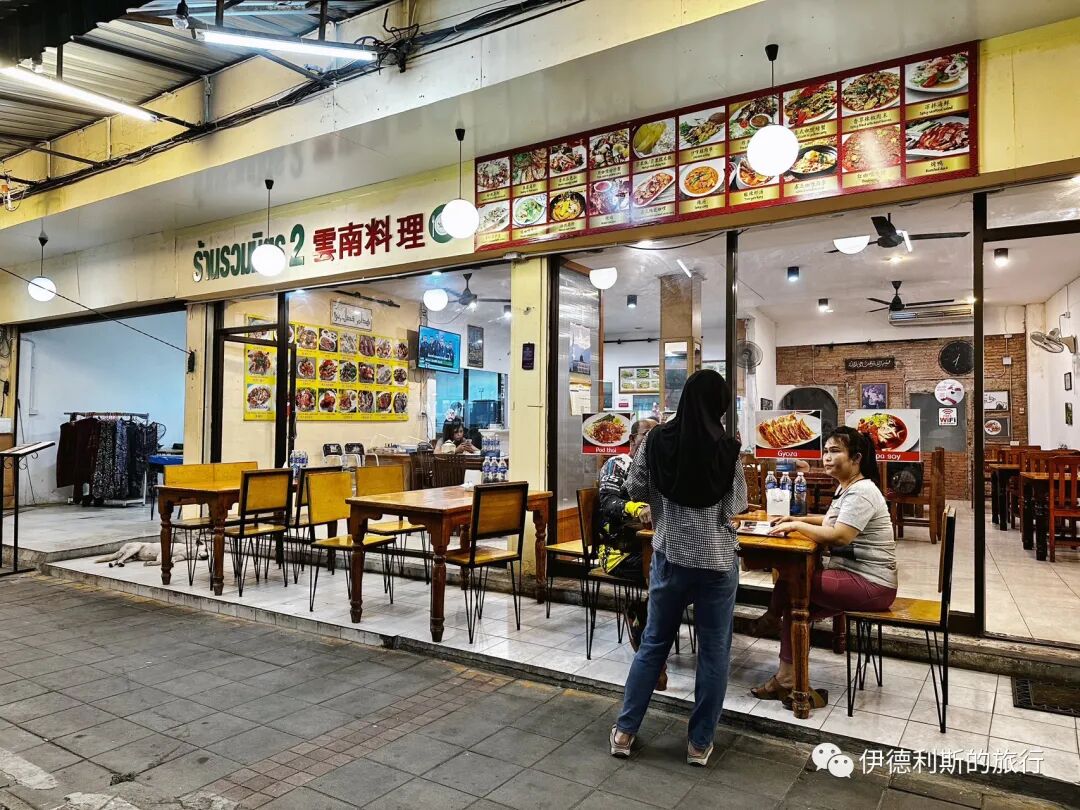
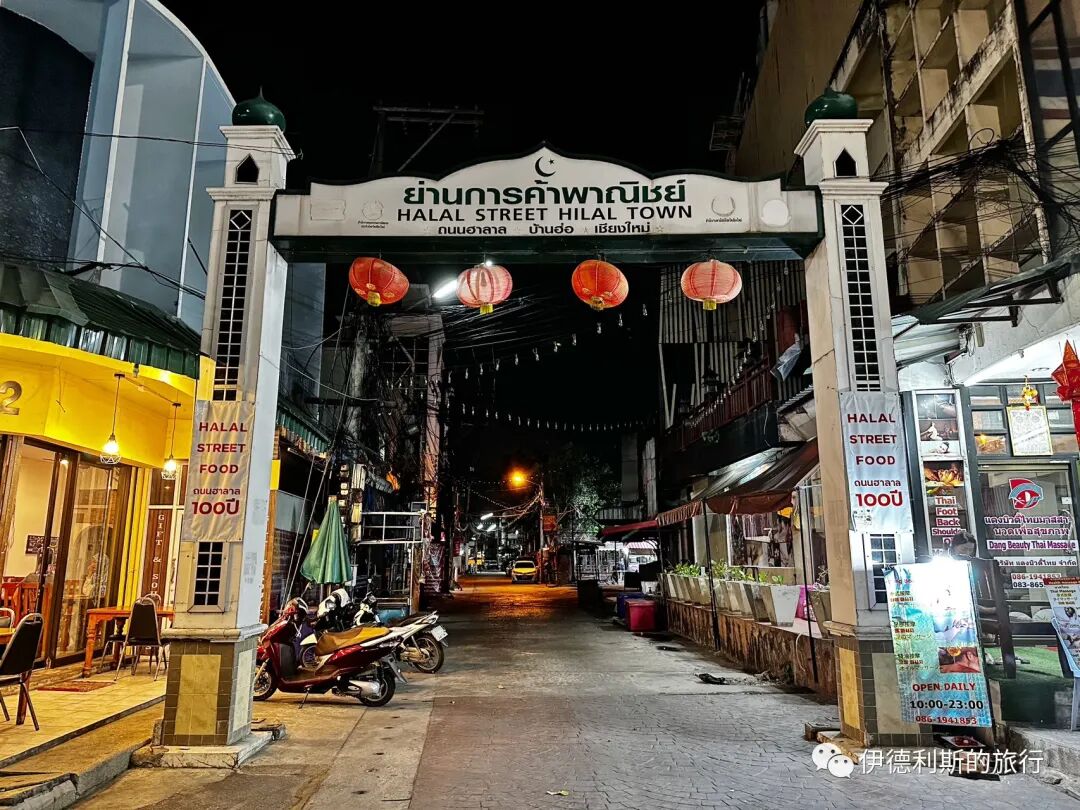
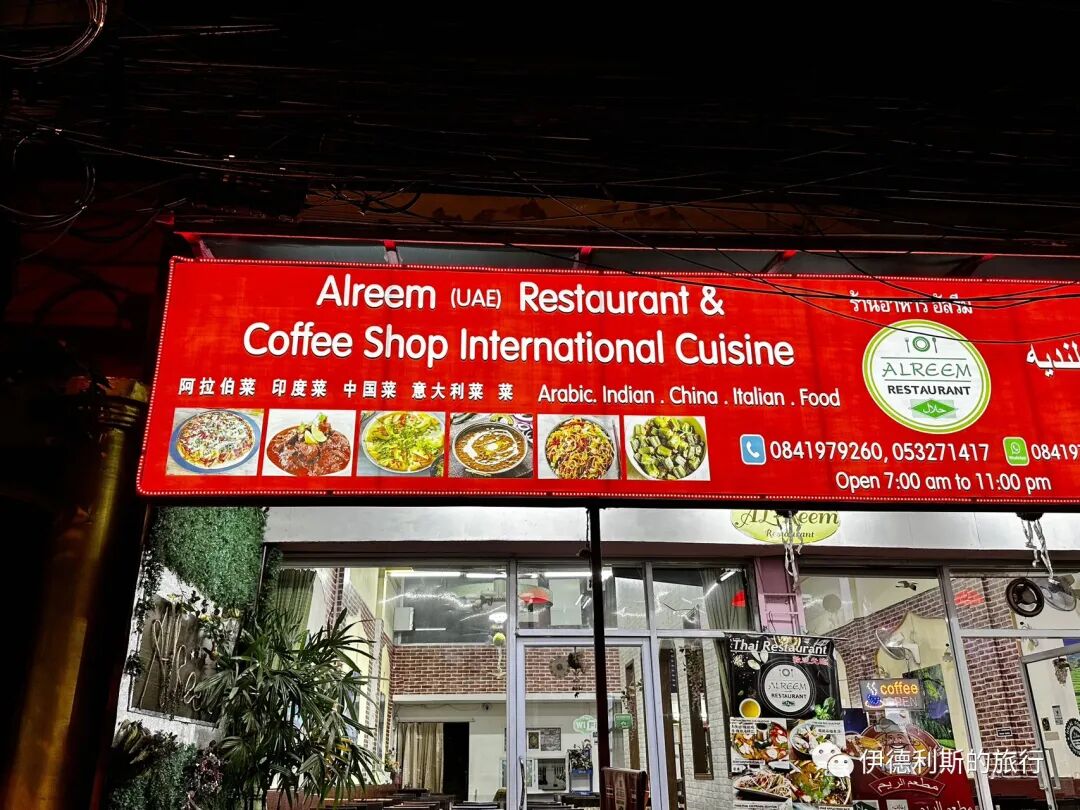
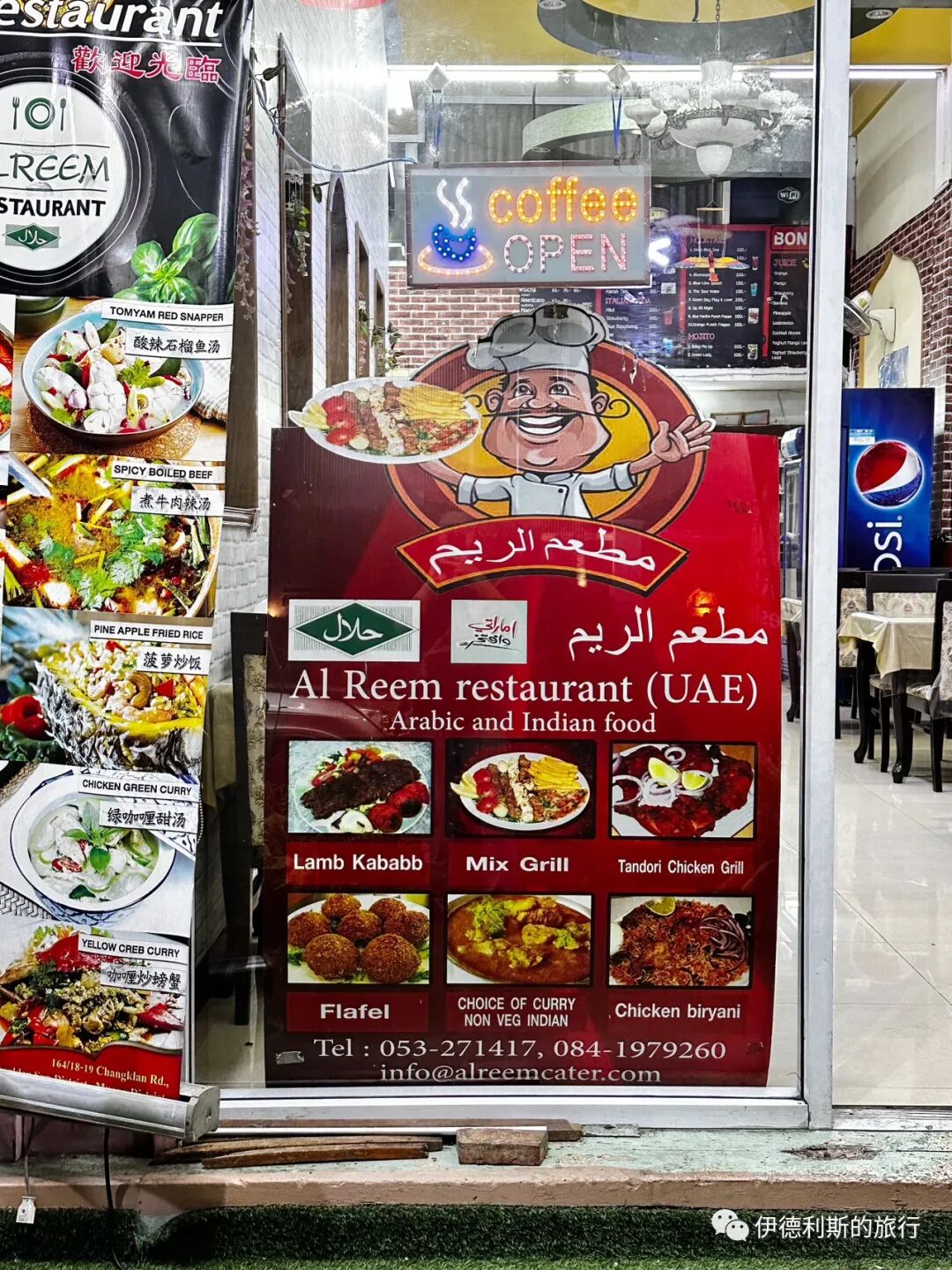
Then, on Chang Khlan Road, we found an Emirati restaurant. It had a sign in Chinese that read 'Arabic food, Indian food, Chinese food, Italian food.' It is the most 'Maritime Silk Road' restaurant I have ever seen, haha.
Summary: Northern Thailand — Yunnan-Style Mosques and Hui Muslims is presented here as a firsthand travel account in clear English, beginning with this scene: During the May Day holiday in 2023, I traveled to Thailand. A key part of my trip was visiting the mosques (si-fang) of the Yunnanese Hui Muslims in Northern Thailand. The account keeps its focus on Northern Thailand, Yunnan Mosques, Hui Muslims while preserving the names, places, food, and historical details from the Chinese source.
During the May Day holiday in 2023, I traveled to Thailand. A key part of my trip was visiting the mosques (si-fang) of the Yunnanese Hui Muslims in Northern Thailand. I visited Chiang Mai in 2017 and went to four mosques in the city, where I also caught the lively Friday market (Jumu'ah bazaar). I am very grateful that this time we connected with Ma Ruqi, a local Yunnanese Hui Muslim driver in Northern Thailand. He will drive us on a tour of the Yunnanese mosques in the region.
Master Ma is a third-generation Yunnanese Hui Muslim immigrant. His grandparents came from Yunnan to Northern Myanmar for business in the early 20th century and later settled there. After the military government took power in Myanmar in 1962, they closed the borders and the economy stalled. Master Ma's parents then moved from Northern Myanmar to settle in Santikhiri (Manxingdie) in Northern Thailand. Santikhiri is located on a transport route along the Thai-Myanmar border and was once the base for the drug lord Khun Sa. Master Ma was born there. Master Ma's family lived in Santikhiri until 1996, when they moved to the Thai-Myanmar border city of Mae Sai at the foot of the mountain. Master Ma lived in Taiwan for nearly twenty years, where he married and had children. However, he felt that life in Taiwan did not suit his habits as well as Thailand, so he eventually returned.
We arrived in Chiang Mai on the afternoon of April 30. Master Ma took us to a restaurant in the Chang Khlan mosque neighborhood to eat Northern Thai curry noodles (khao soi) and Thai-style chicken rice (khao mok gai). They also served tamarind juice and roselle juice.
Master Ma explained that the owner of this shop is of Pakistani descent and has lived in Chiang Mai for five generations. The grandmother in the picture is from the third generation. Her descendants have married local Thai people and are fully integrated into Thai society.
Northern Thai curry noodles are the most famous yellow egg noodles in Chiang Mai. Research suggests they were created when the Shan people from Northern Myanmar migrated to Chiang Mai and combined their food culture with that of the Yunnanese Hui Muslims. The dish contains both fried egg noodles and boiled egg noodles; the fried ones are sprinkled on top, while the boiled ones are in the soup. The soup is like a mild yellow curry. It uses turmeric, ginger, coconut milk, soy sauce, and palm sugar. When eating, you add pickled mustard greens, lime, and shallots.
Thai-style chicken rice (khao mok gai) was formed when South Asian Muslims brought the method of making South Asian biryani rice to Thailand and blended it with local spices, resulting in a lighter flavor. To make it, you marinate the chicken overnight in yogurt, turmeric, and various spices. Then, you fry the chicken until golden brown, add stewing spices, and cook it with the rice. It is served with cucumber, Thai sweet chili sauce, and a bowl of chicken soup.
Besides South Asian and Malay residents, a few Hui Muslim families from Yunnan also live in the Chang Khlan mosque neighborhood. The owner of the grocery store across from the mosque is a relative of Master Ma. It is fascinating to hear them chat, switching seamlessly between Thai, Yunnan dialect, and Mandarin.
Due to the unstable situation in Myanmar in recent years, some Burmese Muslims have also moved to the Chang Khlan mosque neighborhood to live. We happened to run into some young Burmese Muslim men buying drinks at the grocery store. On Chang Khlan Road next to the mosque, there is a row of halal snack shops mostly run by Burmese Muslims. They love to chew betel nut, and the women apply a paste made from ground yellow wood branches and water called thanaka to their faces to prevent mosquito bites and cool down.
We visited the center of the Chang Khlan mosque neighborhood in Chiang Mai, Thailand—the Chang Khlan Mosque. The Chang Khlan mosque neighborhood is mainly made up of South Asian and Malay Muslims. Between 1826 and 1885, Britain gradually incorporated Myanmar into British India. During this period, South Asian Muslims under British Indian rule continuously traveled to Myanmar to make a living, and they arrived in Chiang Mai to settle in the mid-19th century. From 1891 to 1895, the Pahang Uprising occurred on the Malay Peninsula. The rebel army eventually failed and retreated into Siam, and some Malay Muslims were exiled to Chiang Mai. They intermarried with the local South Asian Muslims, and their descendants speak Thai and have integrated into Thai society. After the 20th century, the Thai people's name for these Thai-speaking Muslims gradually changed from Khaek (foreigner) to Thai-Islam (Thai Muslim).
In the afternoon, we went from Chang Khlan Mosque to Ban Ho Mosque. We first looked at the old house of Haji Zheng Chonglin across from Ban Ho Mosque, which is the most important historical site for Hui Muslims in Chiang Mai. Every Friday morning, a lively Jumu'ah bazaar is held in the courtyard of the old house, but it is quite quiet at other times.
During this visit, I discovered a new information board in the courtyard that introduces people of Yunnan descent and the Ho (Hò) people in Thai and English. People say when Yunnan horse caravans first communicated with locals in Northern Thailand, they often answered with 'hao, hao' (good, good). The locals used 'Ho' to refer to these Yunnan horse caravan merchants, and it later became the name for all people of Yunnan descent in Northern Thailand.
In the 19th century, Yunnan horse caravans controlled the trade route from Yunnan through Northern Myanmar to Northern Thailand. They transported tea, silk, hardware, and copperware to Northern Thailand and brought cotton and tobacco back to Yunnan. In the late 19th and early 20th centuries, King Rama V of Thailand vigorously developed the economy, which led many Hui Muslim horse caravans to come to Chiang Mai. In 1904, Zheng Chonglin, a caravan merchant from Yuxi, Yunnan, and a descendant of Zheng He, established the Da Ma Dian (Big Horse Inn) east of Chiang Mai city, which became the main base for Yunnanese caravans in Chiang Mai. Many Yunnanese Hui Muslims from the caravans came to live near the inn, and the Wang He community began to form.
Zheng Chonglin was born in 1884 in Daying, Yuxi, Yunnan, and followed his elders in the caravan trade between Yunnan, Thailand, and Myanmar from a young age. He was once commissioned by King Rama VI of Thailand to organize a caravan team in northern Thailand, taking on the transport of all supplies for the railway construction from Bangkok to Lampang. In 1910, when the site for Chiang Mai Airport was chosen, it was the horse farm that the Yunnanese caravans had jointly purchased and used for many years. Zheng Chonglin donated the land on behalf of the Yunnanese caravans, and it is now Thailand's second-largest international airport. Because of his great contributions to Thailand, King Rama VI bestowed the first-rank title of Khun (Tang Kun) upon Zheng Chonglin in 1914, making him the leader of the Yunnanese community in northern Thailand. He married Nu, the daughter of a local chieftain in Tak Province, and they had five sons and five daughters. In 1967, Zheng Chonglin went on the Hajj and passed away peacefully in Mecca at the age of 83.
At the Wang He Mosque (Wang He Si) in Chiang Mai, many of the elders here can speak Mandarin and the Yunnan dialect, and the mihrab features traditional Yunnan-style Arabic calligraphy.
In the early 20th century, Zheng Chonglin was rewarded by the Chiang Mai chieftain with a piece of land east of Chiang Mai city, where he built his residence, the Zheng Mansion (Zheng Fu). In 1907, Zheng Chonglin built a prayer room at the Zheng Mansion, and many Yunnanese Hui Muslims in Chiang Mai would come to the mansion for their worship. In 1917, led by Zheng Chonglin, everyone pooled their money to buy the land opposite the Zheng Mansion and built the Wang He Mosque.
During the 1950s and 1960s, many Yunnanese Hui Muslims arrived in Chiang Mai to settle, and the number of congregants at the Wang He Mosque increased significantly. In 1966, three Hajjis—Hu Ranmao, Ma Ruqi, and Ma Wanzhang—led the effort to rebuild the Wang He Mosque into the current reinforced concrete structure.
Ma Ruqi was the owner of the Ma Ruqi Courtyard in Donglianhua Village, Weishan, Dali. He settled in Chiang Mai after 1954, worked in the local specialty trade, was passionate about public welfare, and was appointed president of the Thai-Chinese Chamber of Commerce in 1974. Today, Ma Ruqi's descendants in Dali still live in the Ma Ruqi Courtyard and have opened a restaurant and guesthouse. I highly recommend visiting to experience it; you can refer to my record from earlier this year, 'The Three Hui Muslim Caravan Courtyards in Donglianhua Village, Weishan, Dali'.
Hu Ranmao was an important leader of the Wang He Mosque community after Zheng Chonglin. He was born in 1914 in Xiaoweigeng Village, Weishan, Dali, and served as the principal of his hometown's Muguang School in 1934. He worked in the horse caravan trade between Thailand and Myanmar in the 1940s and settled in Chiang Mai in 1953. In the 1970s, he helped found the Chiang Mai Islamic Committee and served two consecutive terms as its chairman. During his lifetime, Hu Ranmao was received by the King of Thailand many times and was honored with the royal title of Yong Fooanant.
In the afternoon, I went to the night market at Tha Phae Gate in Chiang Mai. A cultural event was happening in front of Tha Phae Gate, where I saw a performance of the local Chiang Mai victory drum (desheng gu).
Then I went to Chiang Mai's second Yunnan-style mosque, Masjid Attaqwa, located in the San Pa Khoi area east of the Ping River. Many Yunnan Hui Muslims came to Chiang Mai via northern Myanmar in the 1950s and 1960s. As the original Wang He Mosque became crowded, Haji Hu Ranmao led the construction of Masjid Attaqwa to the east of Wang He in 1970. The mihrab inside Masjid Attaqwa features traditional Yunnan-style Arabic calligraphy, and the cartoons drawn by the children in the weekend class are very cute.
There are several Yunnan snack shops at the mosque entrance. In 2017, I ate authentic Yunnan pea jelly (wandoufen) here. This time, I saw a new restaurant that says 'Yunnan Banlong Wanyang Muslim Home Cooking'. Banlong is located in the Wa Mountains of the Kokang region in northern Myanmar. It is a community formed in the 1870s after General Ma Linyu of Du Wenxiu's army led his troops there and were taken in by the Wa tribe. It was later renamed 'Bannong'. Wanyang is a village established in the 1950s after the 93rd Division of the Nationalist Army moved to northern Thailand.
Opposite Masjid Attaqwa is Attaqwa School, the most important Islamic school in Chiang Mai and northern Thailand. Our driver, Mr. Ma, is a graduate of this school. It was summer vacation in May, so most teachers and students were away. We met a teacher who stayed at the school and gave a donation (nietie) to the school. According to Mr. Ma, this teacher is a Malay from southern Thailand and a graduate of the Islamic University of Madinah, and he is a very skilled teacher.
Attaqwa School was initiated by Haji Hu Ranmao in the 1960s and opened in 1970. It teaches Arabic, the Quran and Hadith, and religious knowledge, while providing free food and housing. When Attaqwa School was first established, most students were local Yunnan Hui Muslims from Chiang Mai. Later, because of its high teaching standards and free food and housing, it attracted Muslims from all over northern Thailand, southern Thailand, and Myanmar to study there. For half a century, Jingzhen School has played a vital role in the development of the faith in Thailand. It is a major reason why young and middle-aged Hui Muslims in northern Thailand can still hold fast to their faith today.
In the evening, we performed the evening prayer (namaz) at Nurul Mosque, located outside the White Elephant Gate (Chang Phuak Gate) in northern Chiang Mai. When I visited Chiang Mai in 2017, the mosque was being rebuilt, and now the new building is just finished. We met Grand Imam Mustafa here. He was the teacher of Master Ma when he attended Jingzhen School 30 years ago. He is highly respected throughout the entire Muslim community in Chiang Mai. Grand Imam Mustafa's daughter runs an Islamic bookstore at the entrance of Wang He Mosque. We visited it before we left, and I will share more about it later.
Like the Chang Khlan Mosque community, the Nurul Mosque community is a South Asian one. Many ancestors of the Haw Muslims (gaomu) came from Bangladesh. They arrived in Chiang Mai via Myanmar to trade during the British India period in the 19th century and later made a living by raising cattle. During the Partition of India and Pakistan in 1947, more Bengali Muslims moved here to escape the chaos. After the 1960s, Chiang Mai banned cattle from entering the city. Some Haw Muslims moved to the Chang Khlan Mosque community, which is further from the old city. Because of this, the number of Haw Muslims at Nurul Mosque is now the smallest among the four mosque communities in downtown Chiang Mai.
We had dinner at a Yunnan-style restaurant next to Wang He Mosque. The restaurant is owned by Na Zhongwei, a board member of Wang He Mosque, and the building itself is property of the mosque. Although the Yunnan restaurant has been open for many years, it only moved to its current location recently. It is very convenient to eat there after visiting Wang He Mosque.
We ordered stir-fried holy basil beef (dapao niurou), steamed sea bass, pumpkin tips, and stir-fried tofu puffs. You can choose the portion size for dishes here, and some even come in small, medium, or large sizes, which is perfect for tourists. Hui Muslims from Yunnan have lived in Chiang Mai for over a hundred years, and their tastes have changed. For example, the sour and spicy levels are much stronger than what you would find in Yunnan. In Yunnan, a purely vegetarian dish like pumpkin tips usually wouldn't have chili, but in Thailand, they definitely add chili to it.
Besides being a bit spicy, I really love the food of the Yunnan Hui Muslims in Thailand. I especially love the stir-fried holy basil beef; it goes so well with rice. Holy basil (dapao) is also known as sacred basil. It is native to South Asia and widely grown in the tropical regions of Southeast Asia. Stir-frying meat with holy basil leaves is a famous Thai dish. This tofu stir-fried in a sour and spicy sauce is also delicious. The balance of sour, sweet, and spicy is just right.
Then, on Chang Khlan Road, we found an Emirati restaurant. It had a sign in Chinese that read 'Arabic food, Indian food, Chinese food, Italian food.' It is the most 'Maritime Silk Road' restaurant I have ever seen, haha.
