
Halal Travel Guide: Northern Thailand — Yunnan Mosques and Hui Communities (Part 2)
Reposted from the web
Summary: Northern Thailand has old Yunnanese Hui Muslim communities whose mosque neighborhoods still carry the memory of migration, trade, and borderland life. This firsthand account follows the second day of the route through local mosques, village streets, and community history while preserving the original photos and sequence.
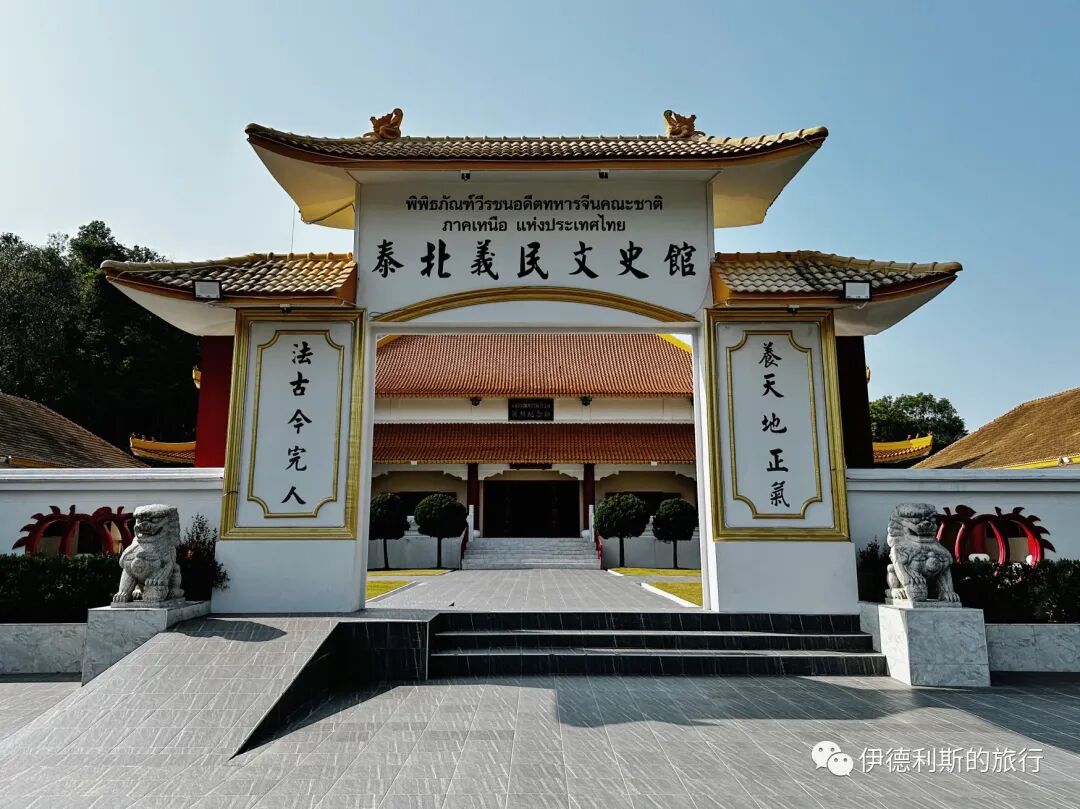
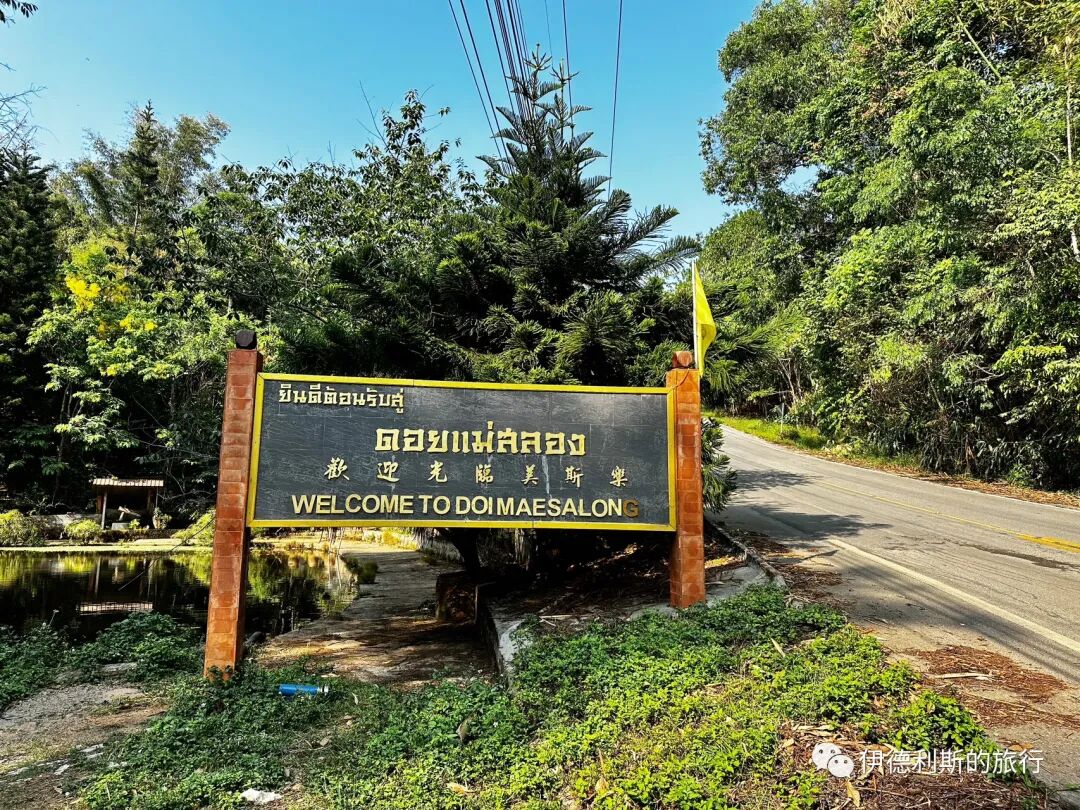
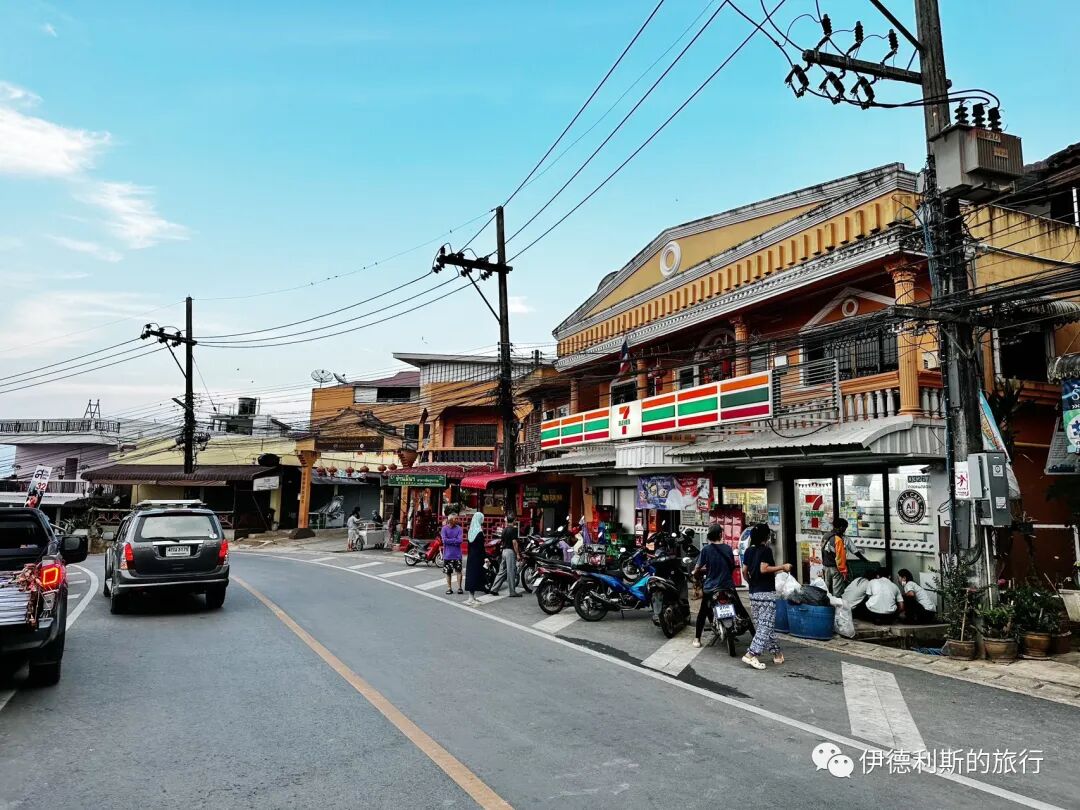
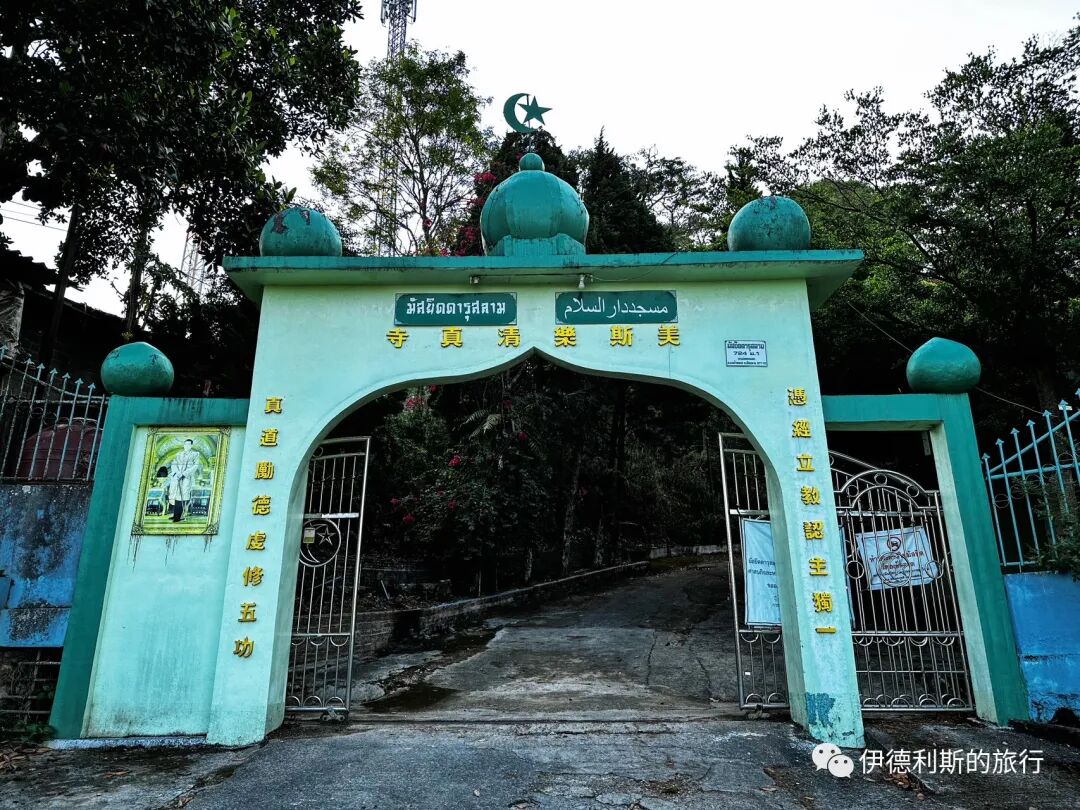
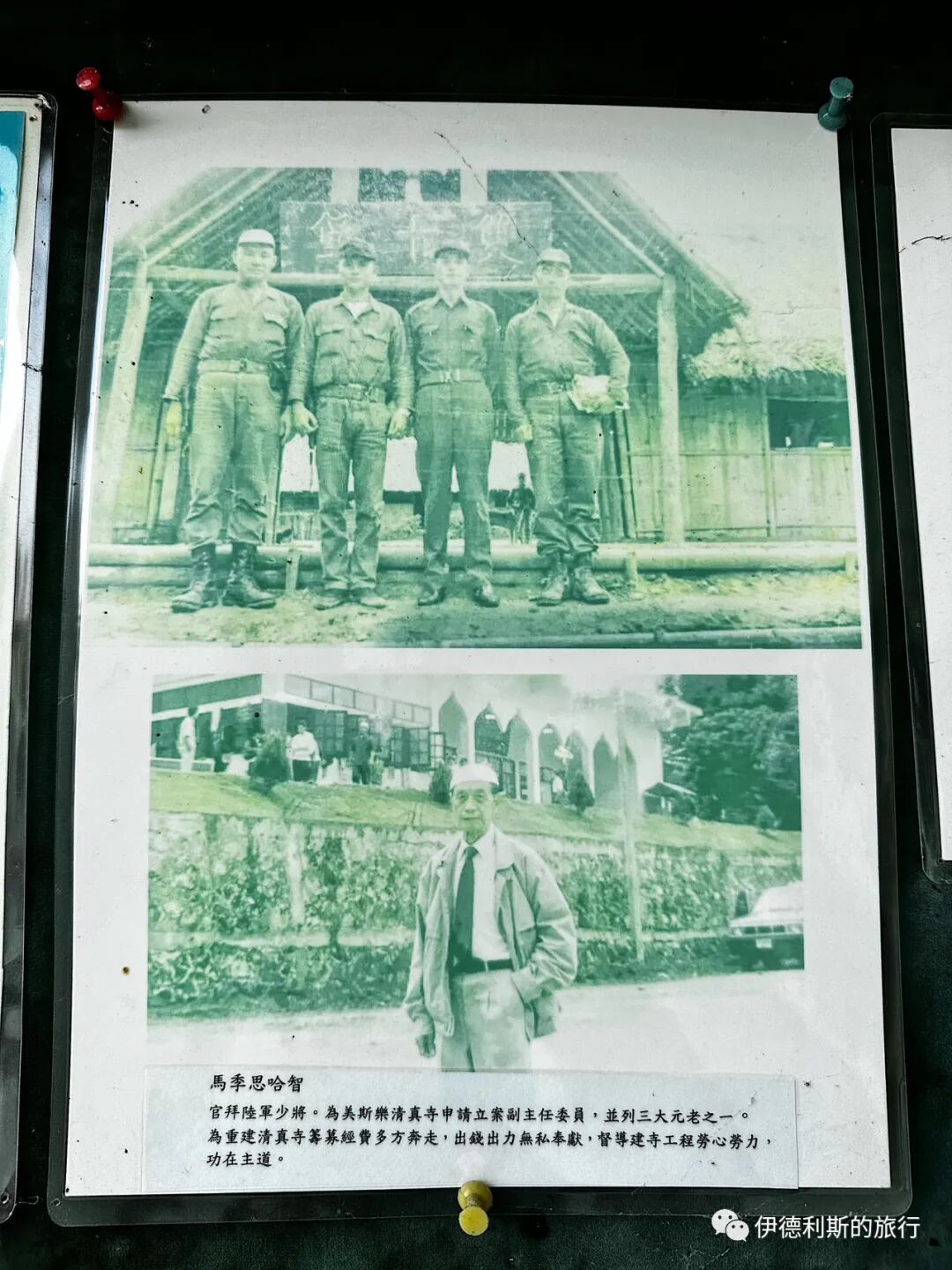
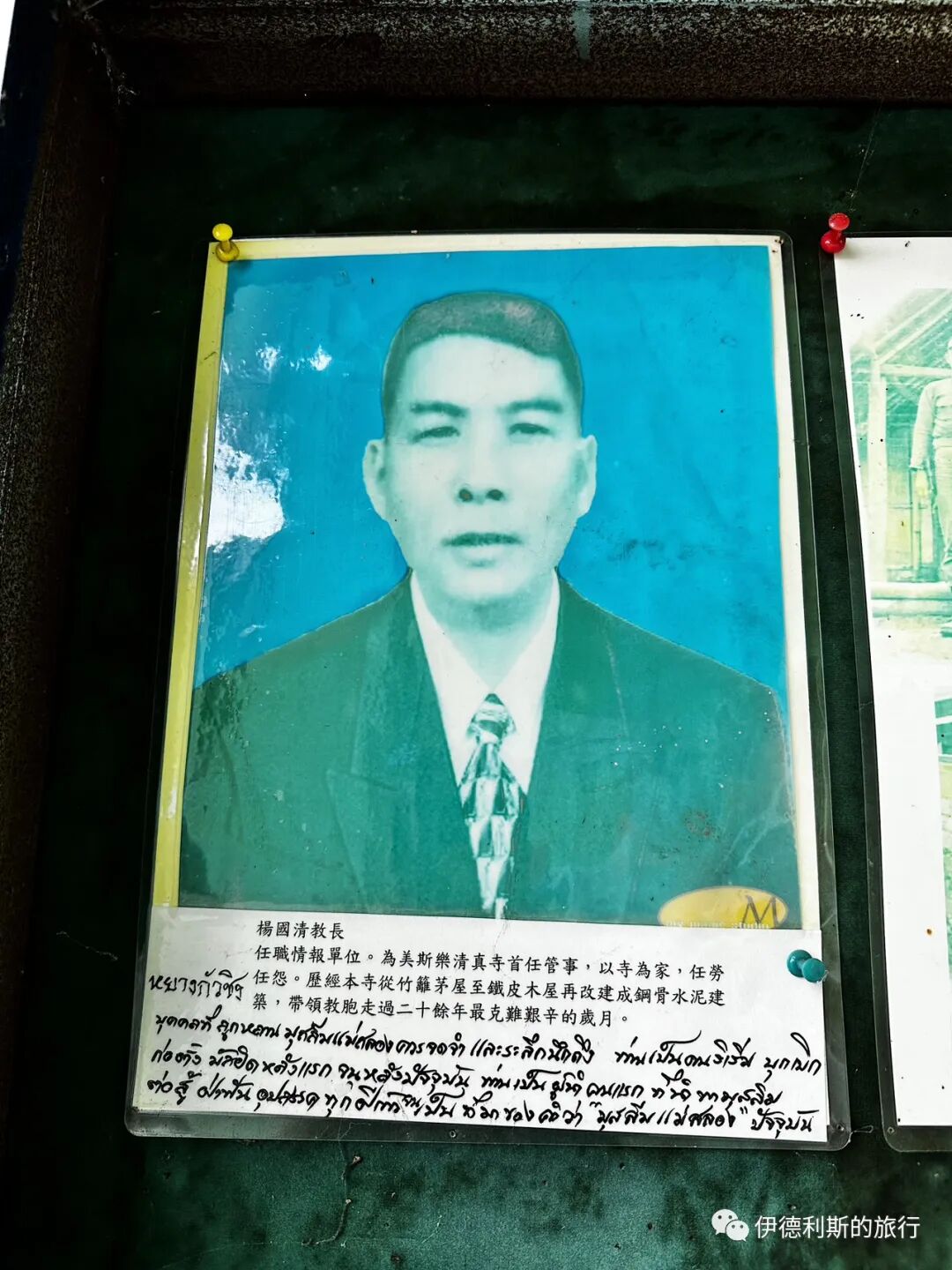
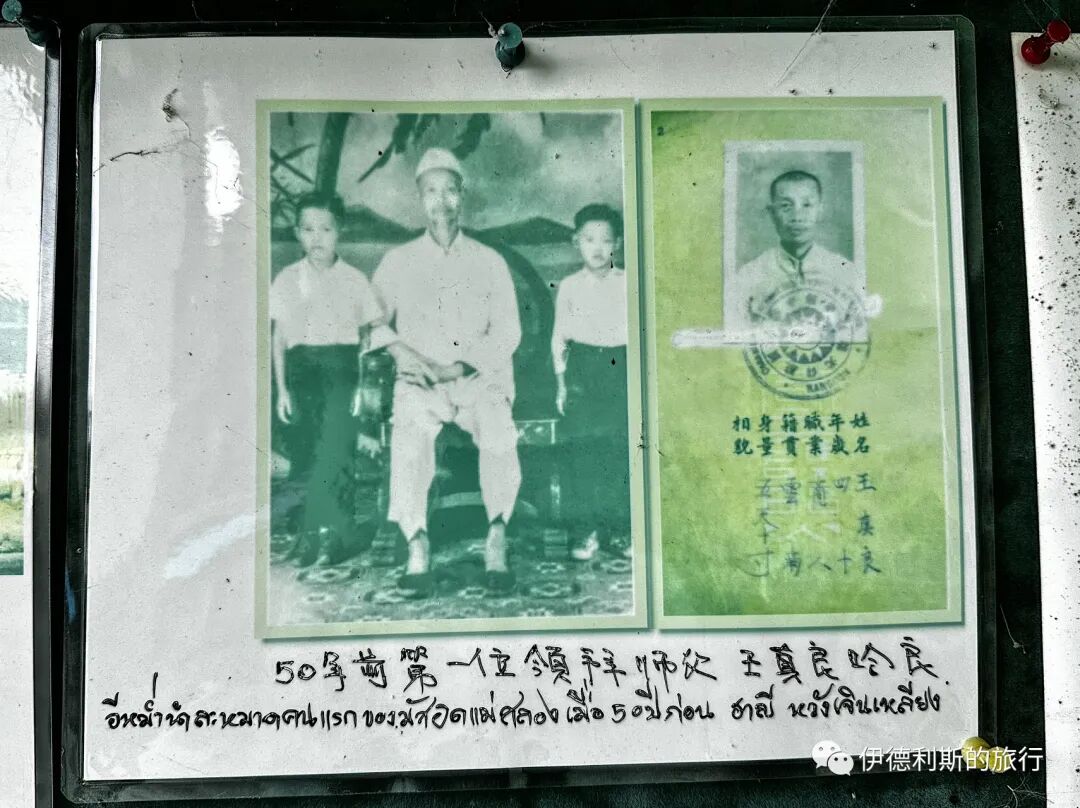
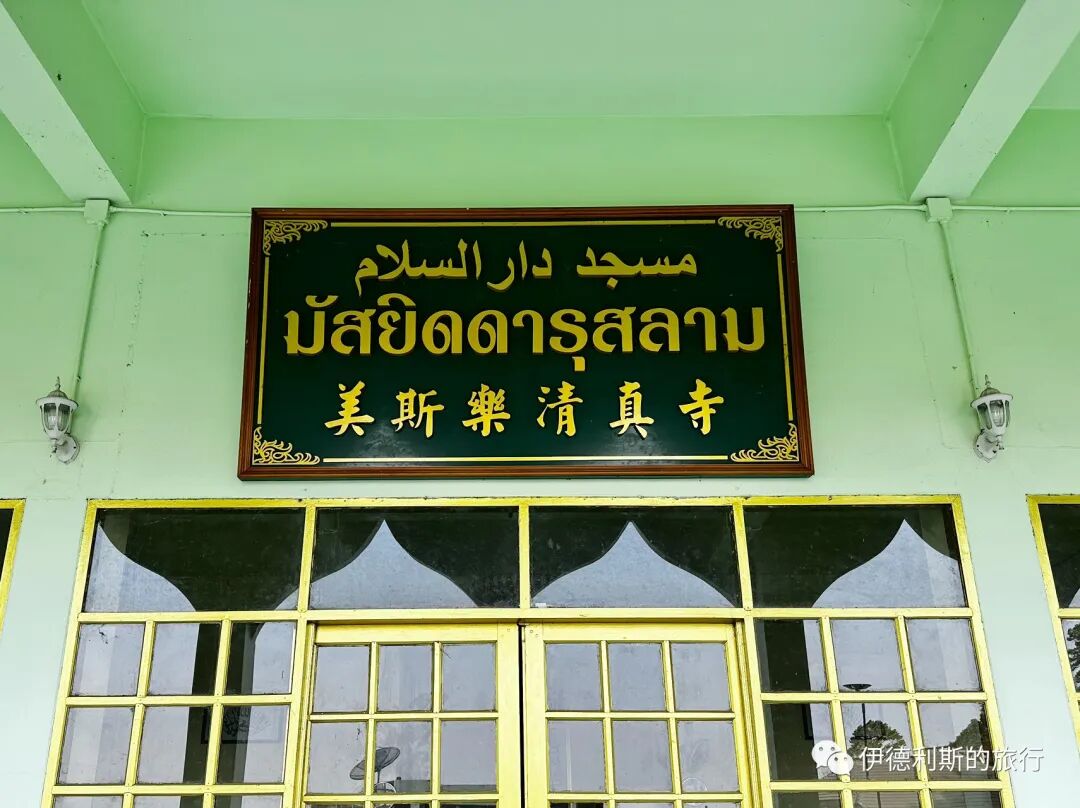
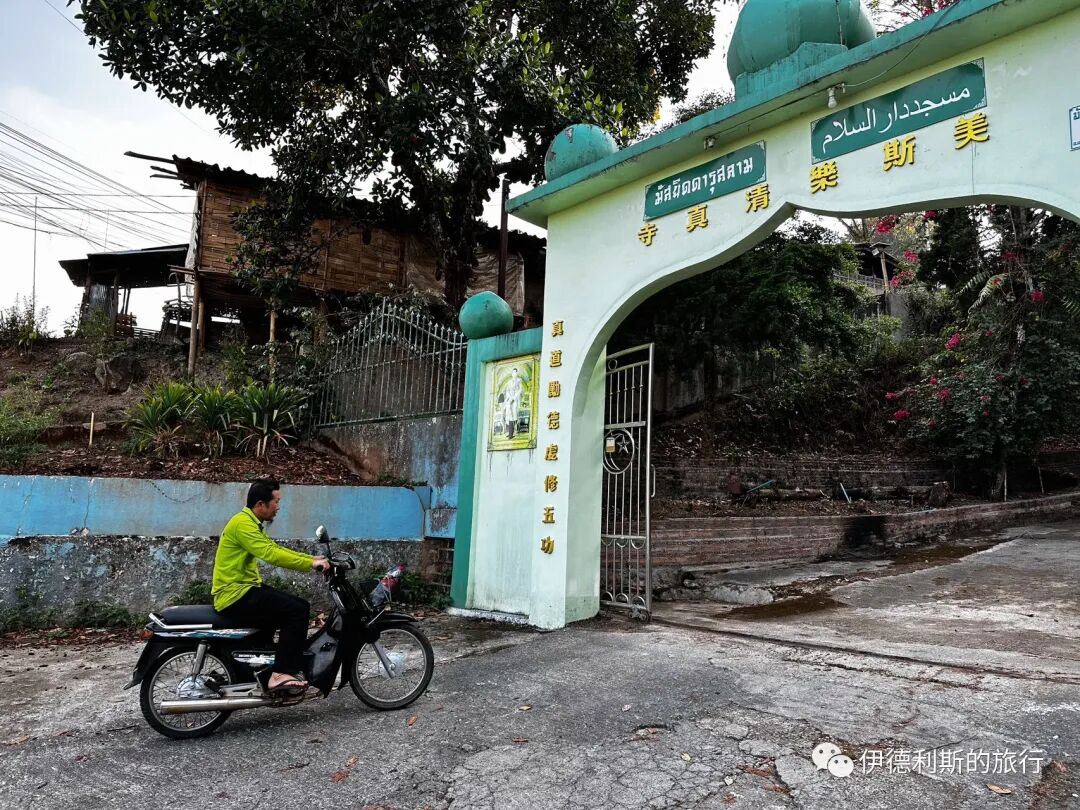
The Mae Salong Mosque was built in the 1960s by Hui Muslims from Yunnan who were part of the 5th Division of the Lost Army in Northern Thailand. The first imam, Yang Guoqing, worked in the 5th Division's intelligence department. He led the community through the toughest years from the 1960s to the 1980s, seeing the mosque evolve from a bamboo hut to a tin-roofed wooden structure, and finally to the current reinforced concrete building. Haji Majisi, who held the rank of Major General in the army, was one of the three founding elders of the Mae Salong Mosque. He worked tirelessly to raise funds for the mosque's reconstruction, contributing both his own money and effort selflessly. The first imam to lead prayers at the mosque was Haji Wang Zhenliang, who was originally a merchant from Yunnan.
Today, there are still over a dozen households of the mosque's community (gaomu) in Mae Salong, though many live in Taiwan during the tourism off-season. The current imam is a Hmong convert to Islam. He is very grateful that fellow believers (dost) have come to preach in the deep mountains of Northern Thailand, which has led some local Hmong people to return to the faith.
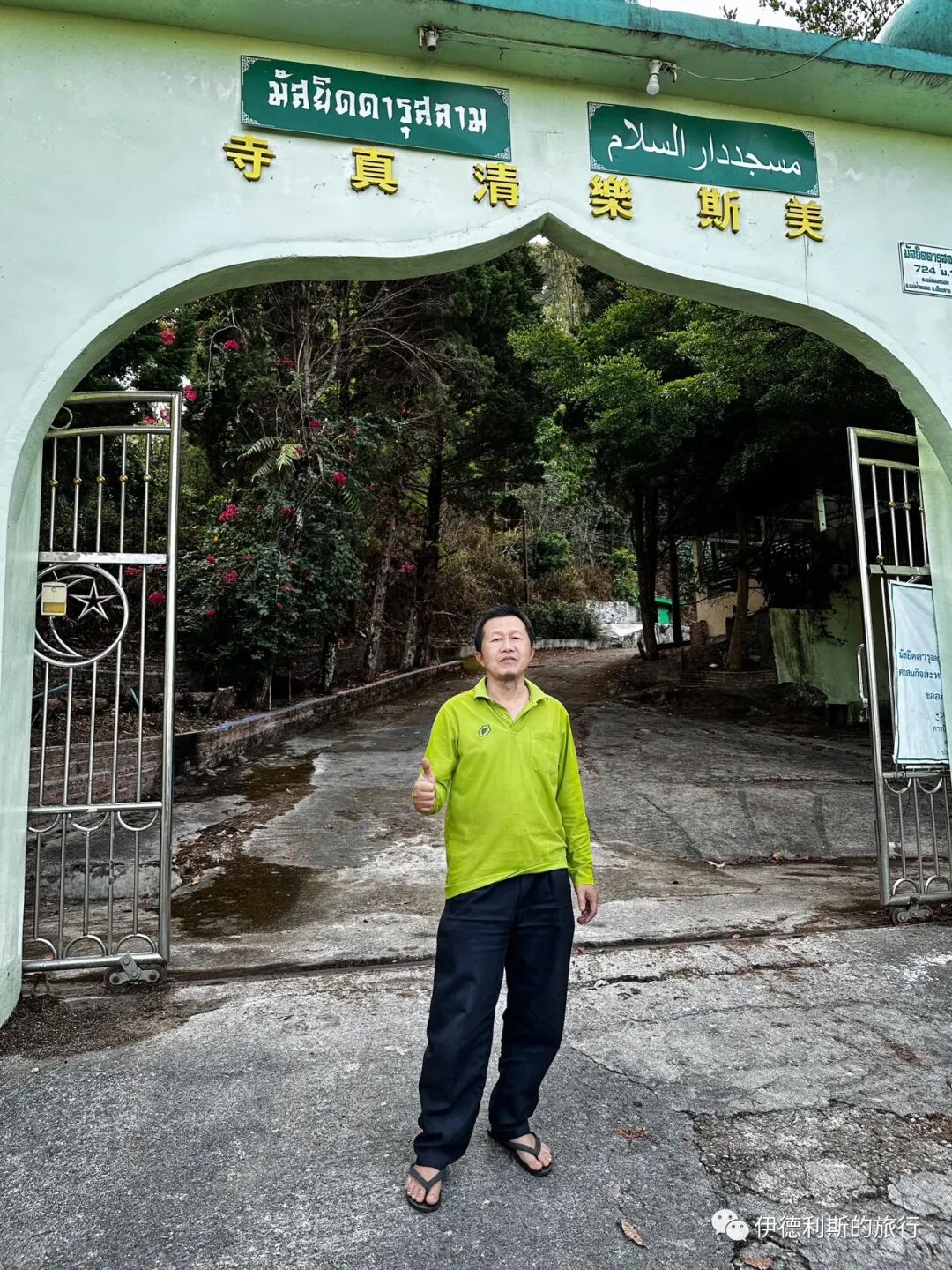
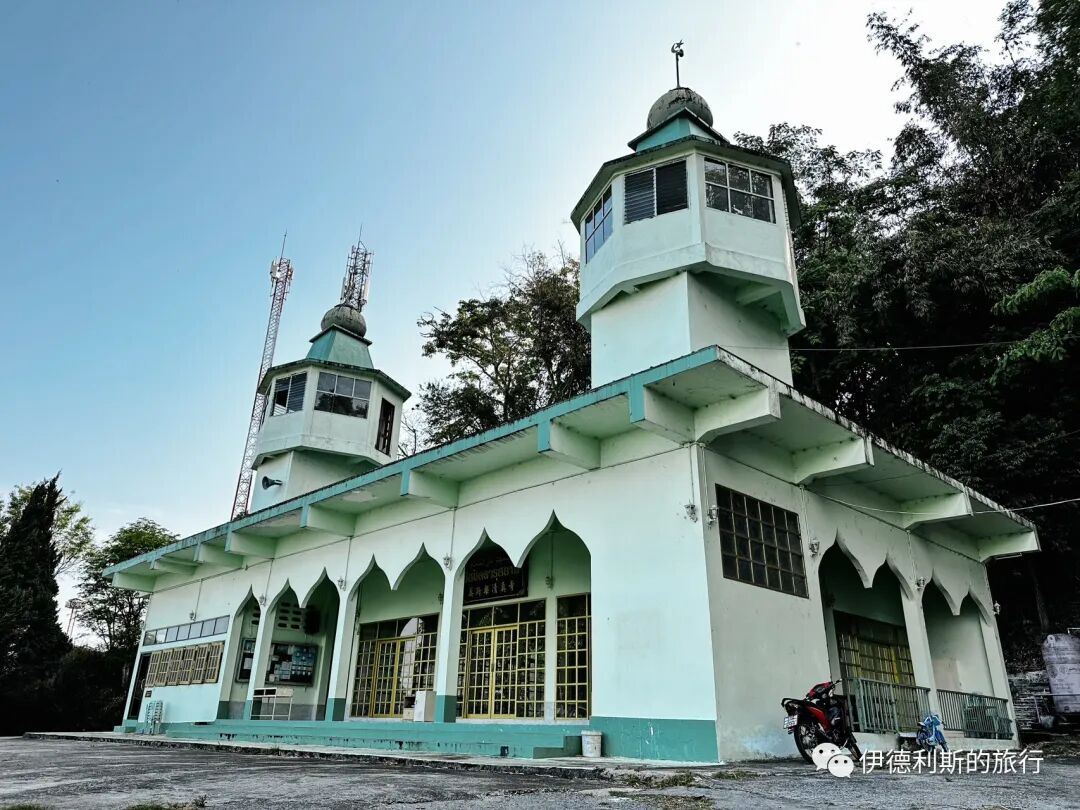
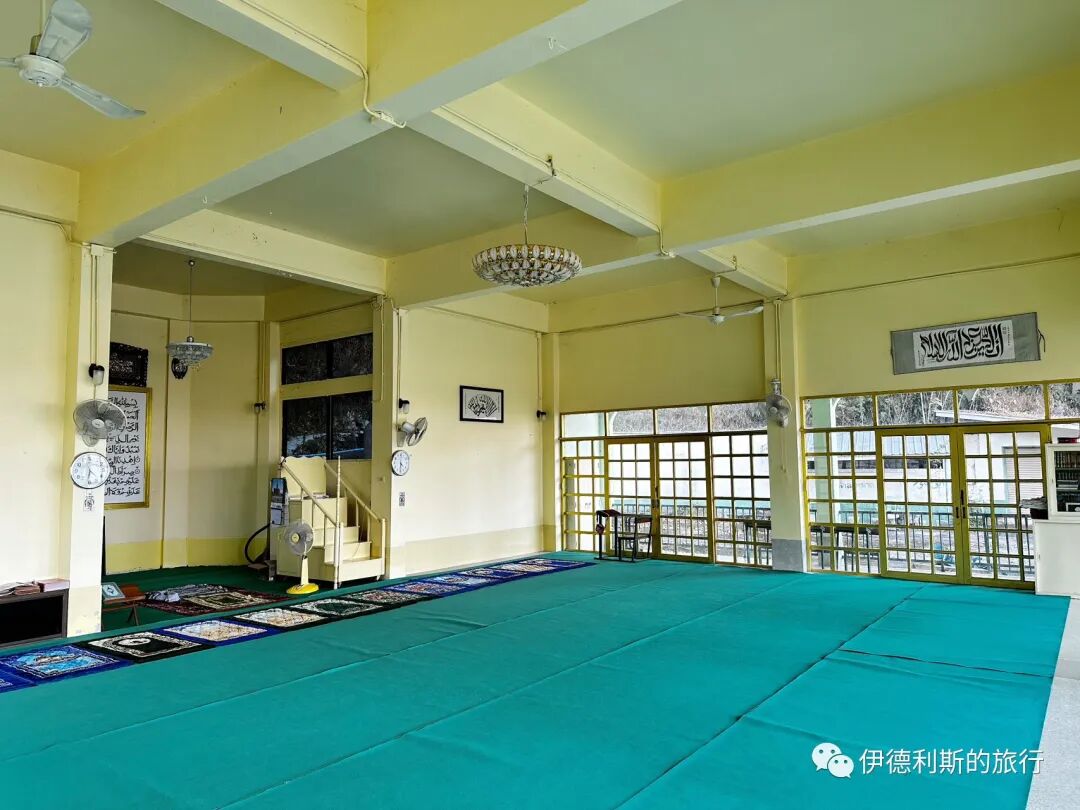
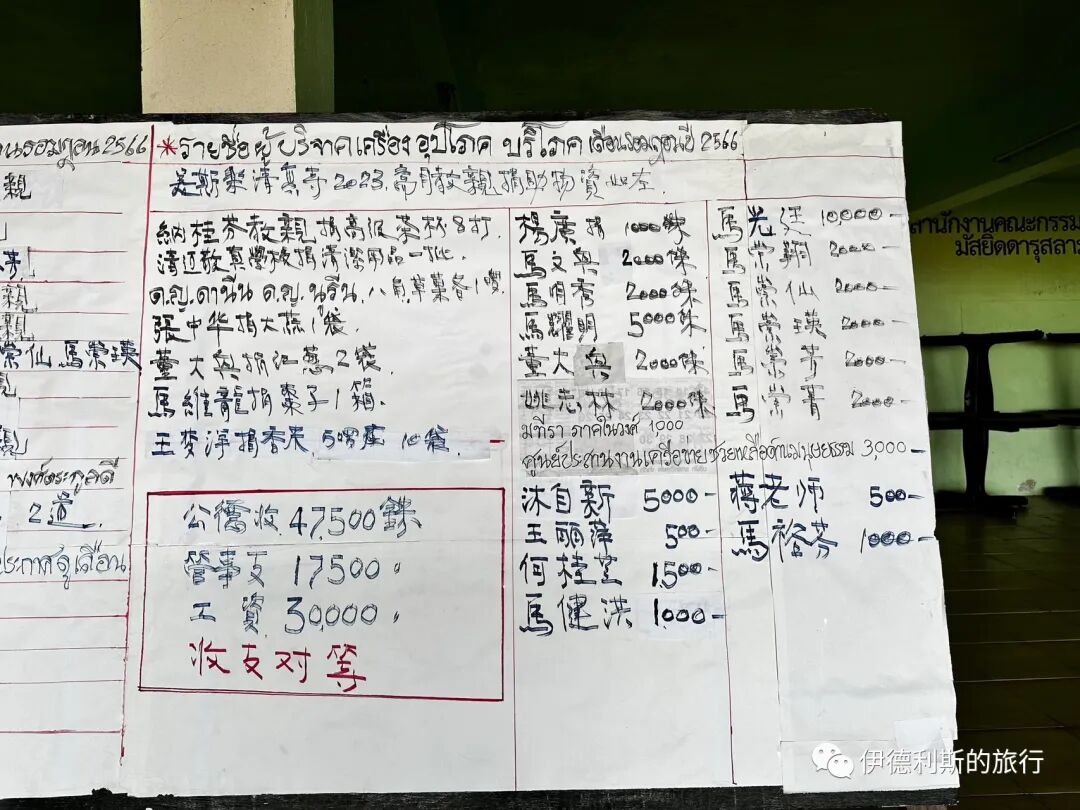
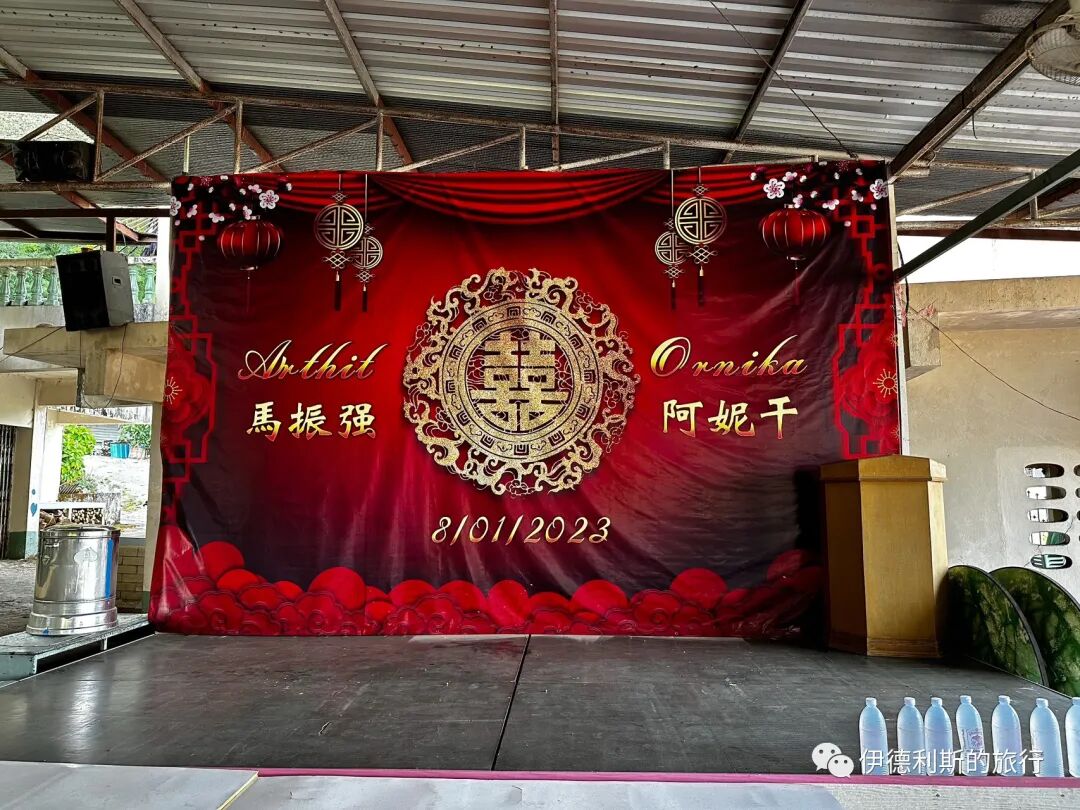
Inside the mosque, there is a Ramadan donation record (nieti bu) posted on the wall. It shows that the community is primarily made up of people with the surname Ma, along with others named Yang, Dong, Yao, Mu, Wang, He, Jiang, and Zhang. The mosque also displays the wedding stage from earlier this year, where local community member Ma Zhenqiang married Ani, a Thai convert to Islam. It must have been a very lively event, and if Allah wills, I hope to attend a wedding of the Yunnanese Hui Muslims in Thailand one day.
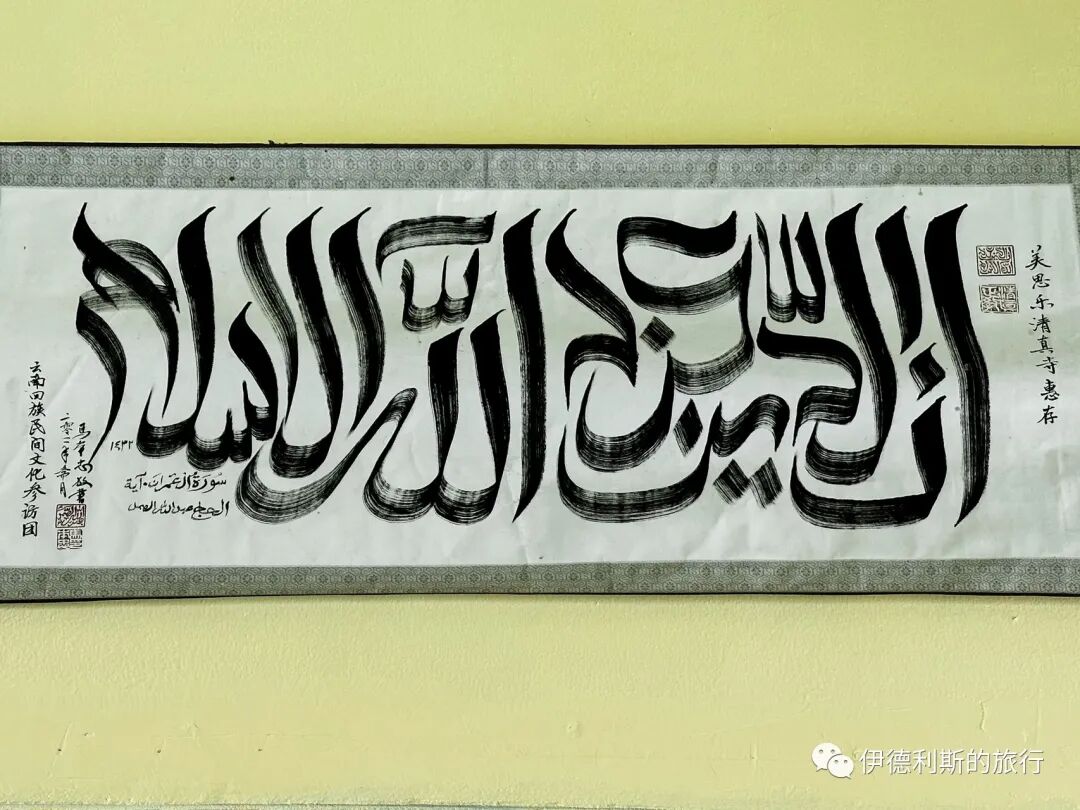
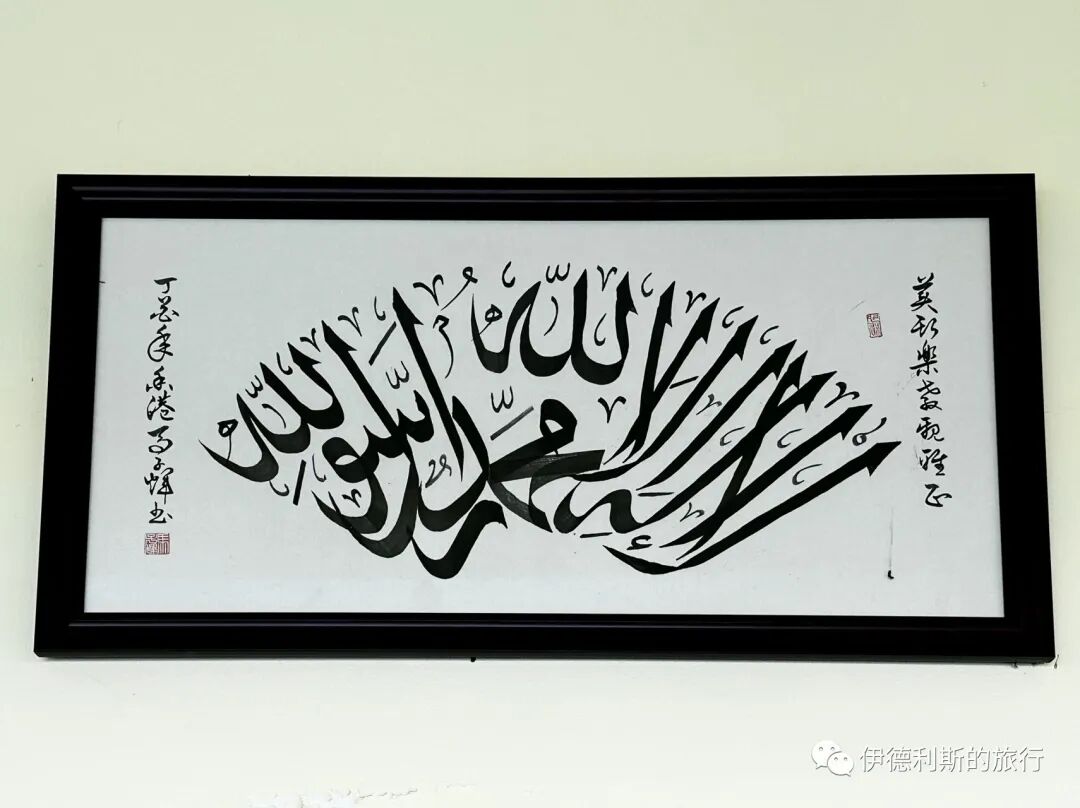
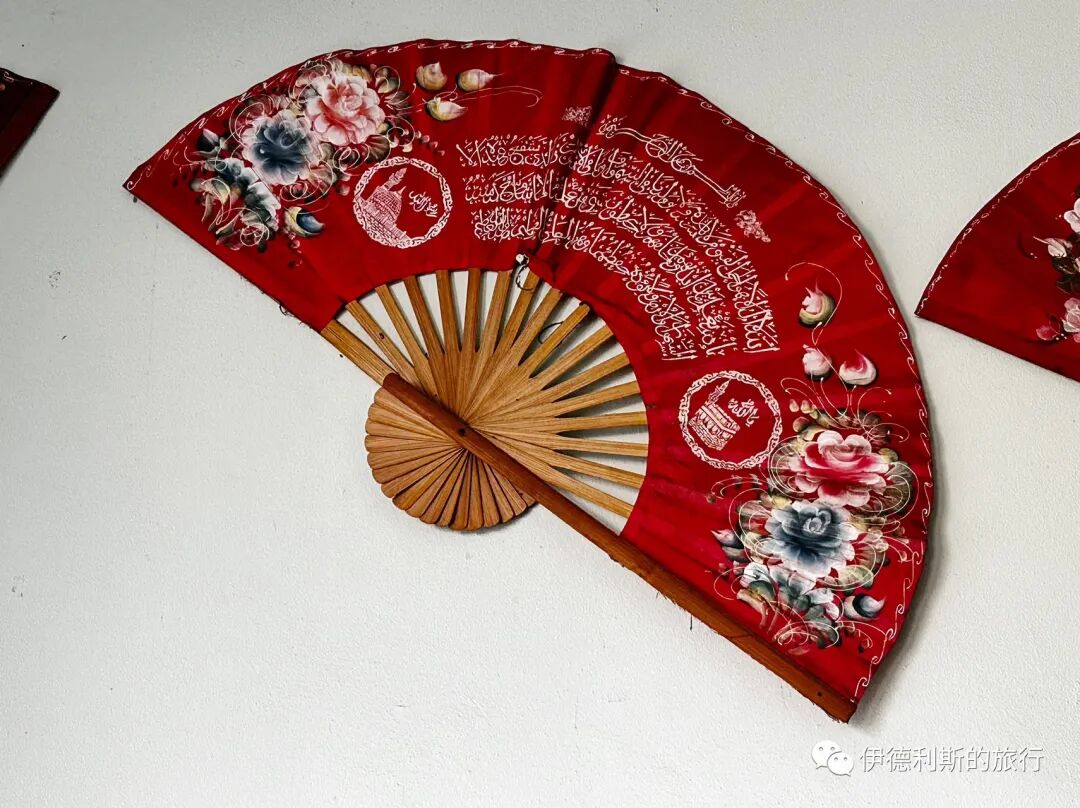
Inside the main prayer hall of the Mae Salong Mosque, there is Arabic calligraphy gifted by a folk culture delegation of Yunnan Hui Muslims.
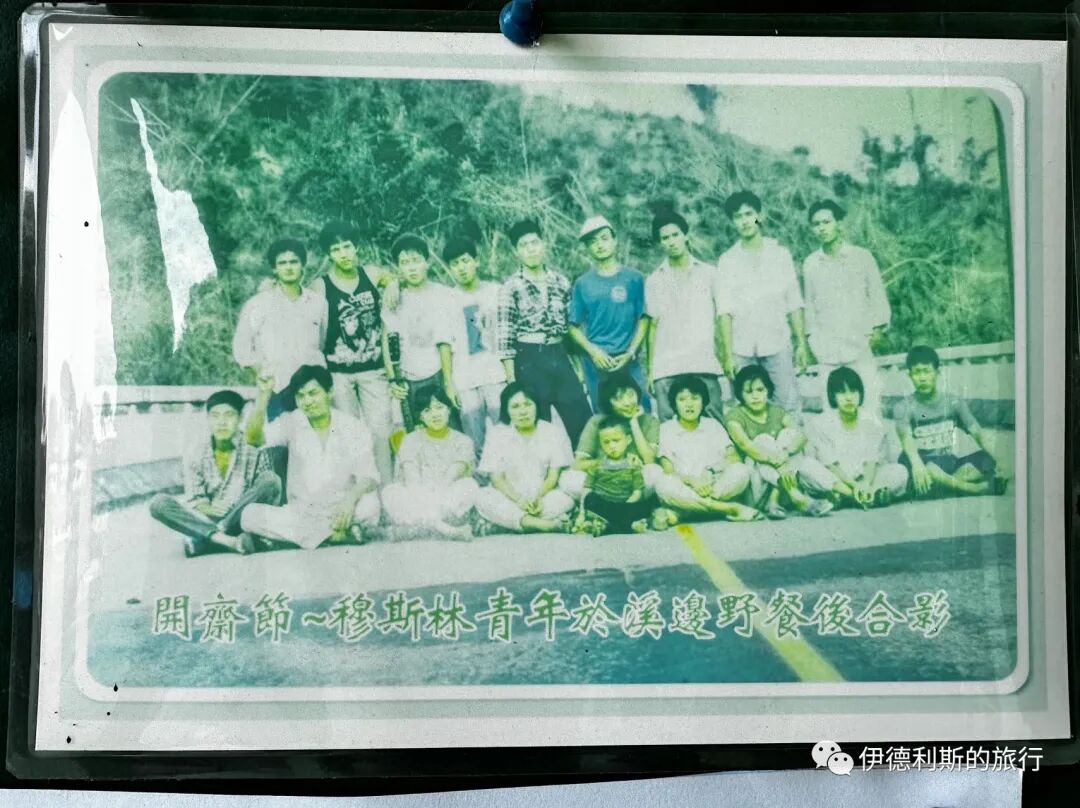
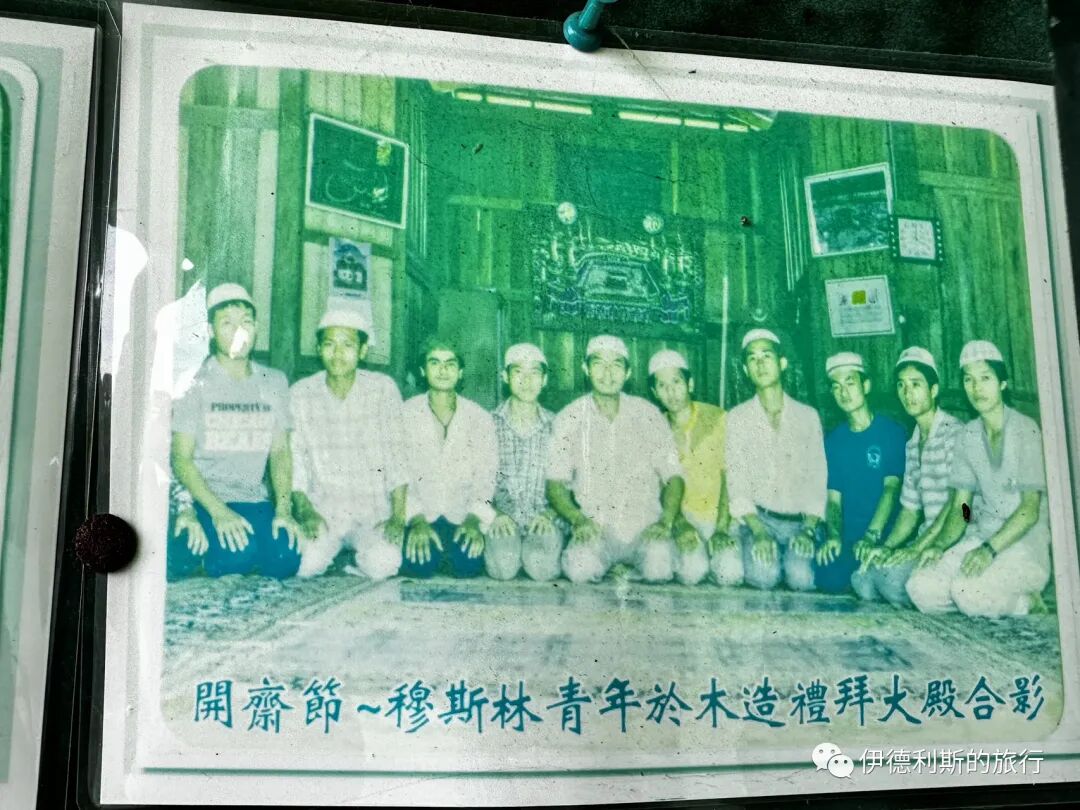
There is also a group photo of local youth taken in the old wooden prayer hall during a past Eid al-Fitr.
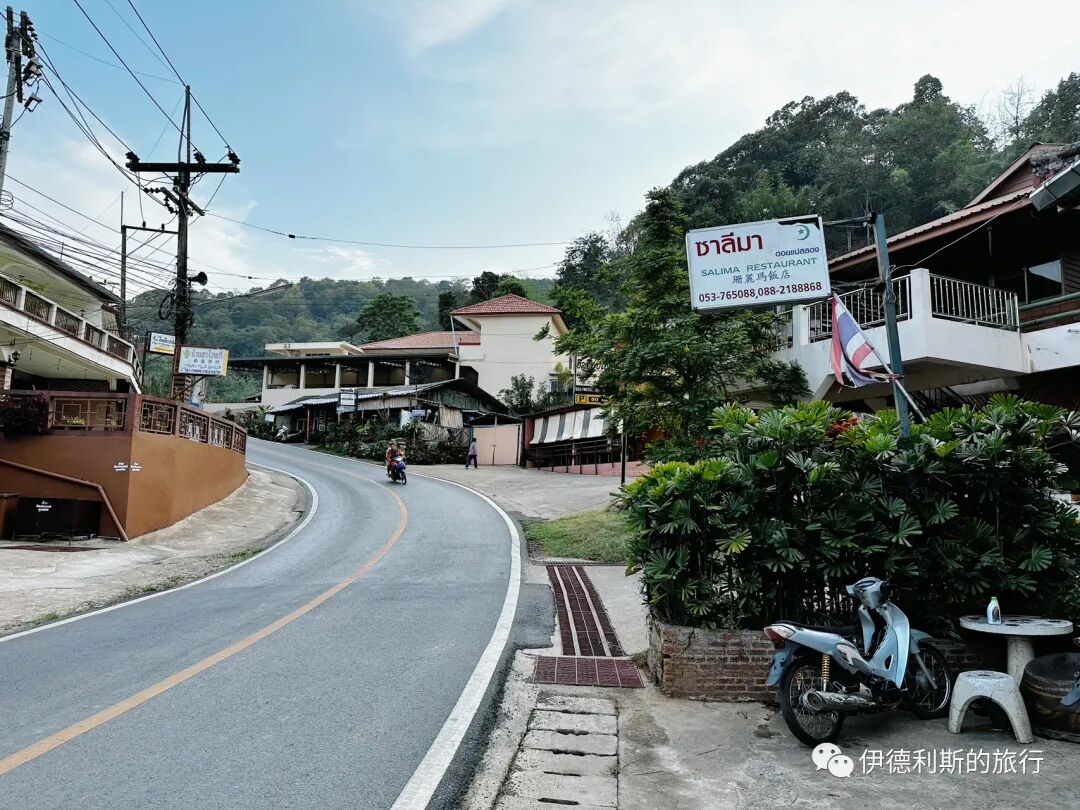
There are two Yunnanese Hui Muslim restaurants in Mae Salong, and we had dinner at one of them, the Shanlima Restaurant. Our driver, Mr. Ma, and the owner's son were classmates at the Jingzhen School in Chiang Mai. The owner was away when we visited, so we only met his wife and son-in-law, both of whom are Thai converts to Islam. The owner's wife can speak a little Yunnanese, so at first, we thought she was a Yunnanese Hui Muslim.
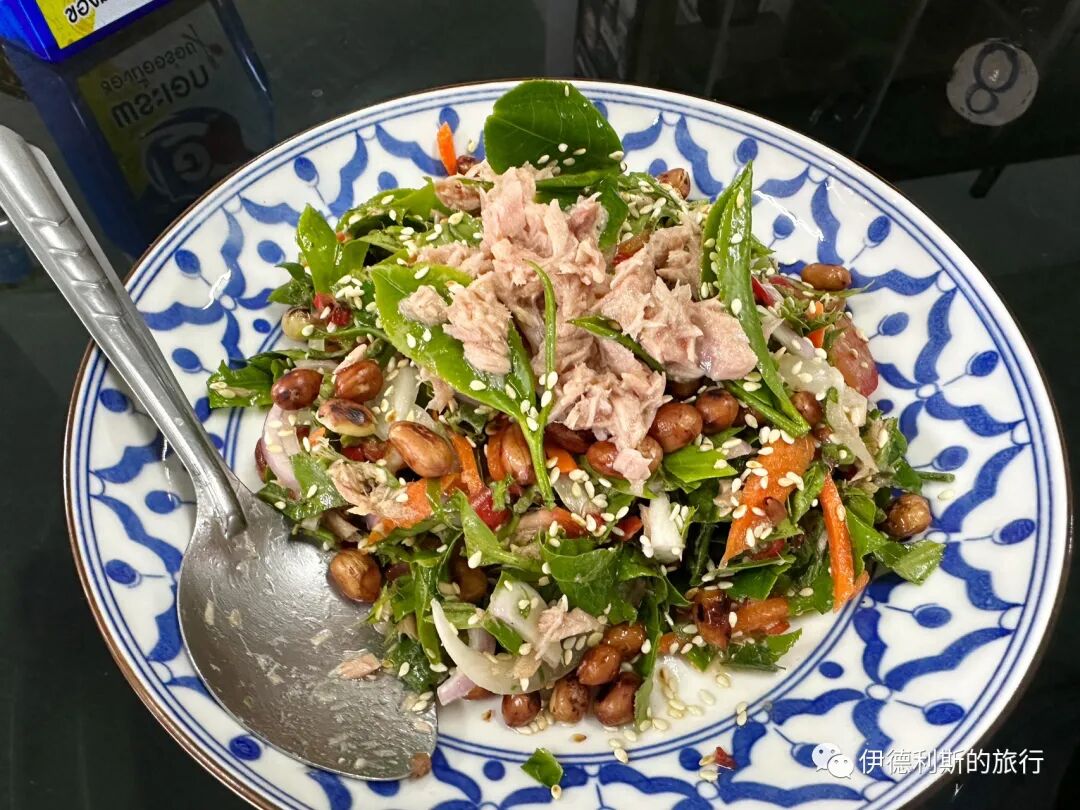
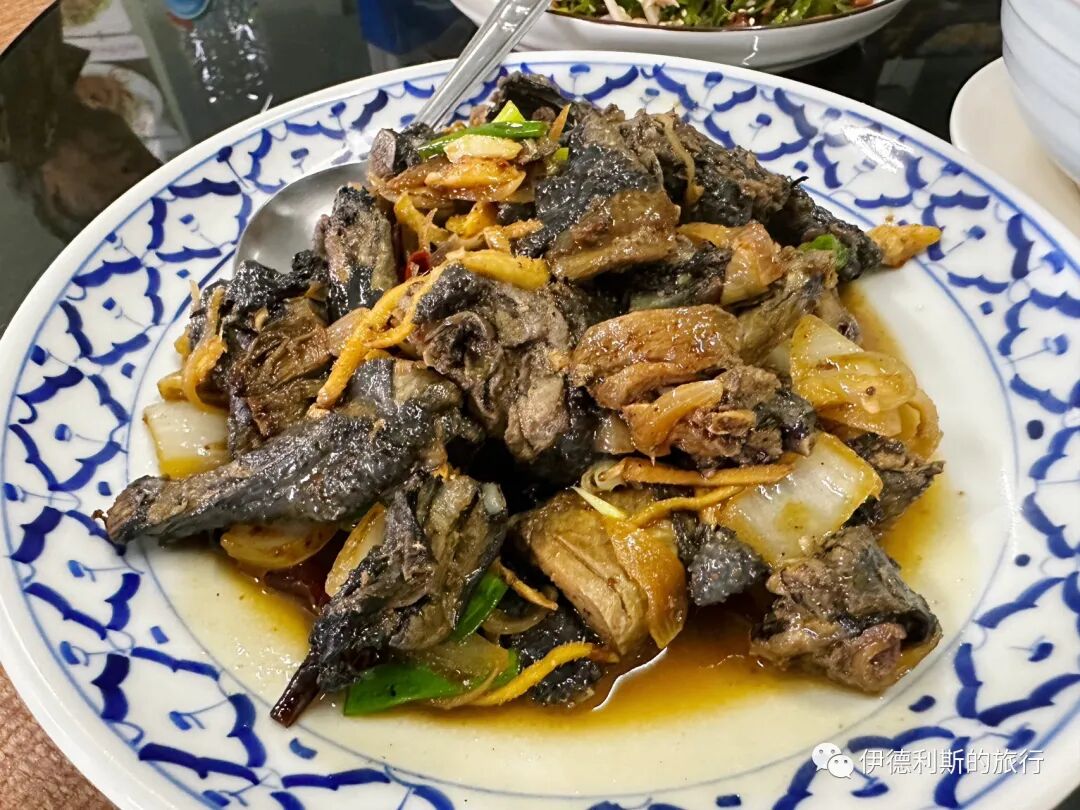
Dining in Mae Salong, deep in the mountains, is all about fresh ingredients. We ordered stir-fried black-bone chicken with ginger strips, braised beef offal (niuzapa hu), a cold salad of fresh tea leaves, and luffa tips. Many families in Mae Salong village raise black-bone chickens. You can usually only find this type of chicken in the mountains; the meat is very firm and tastes delicious. The cold salad of fresh tea leaves is a specialty of Mae Salong, and it was my first time trying it. The fresh tea leaves are crisp, and the light tea fragrance is very refreshing.
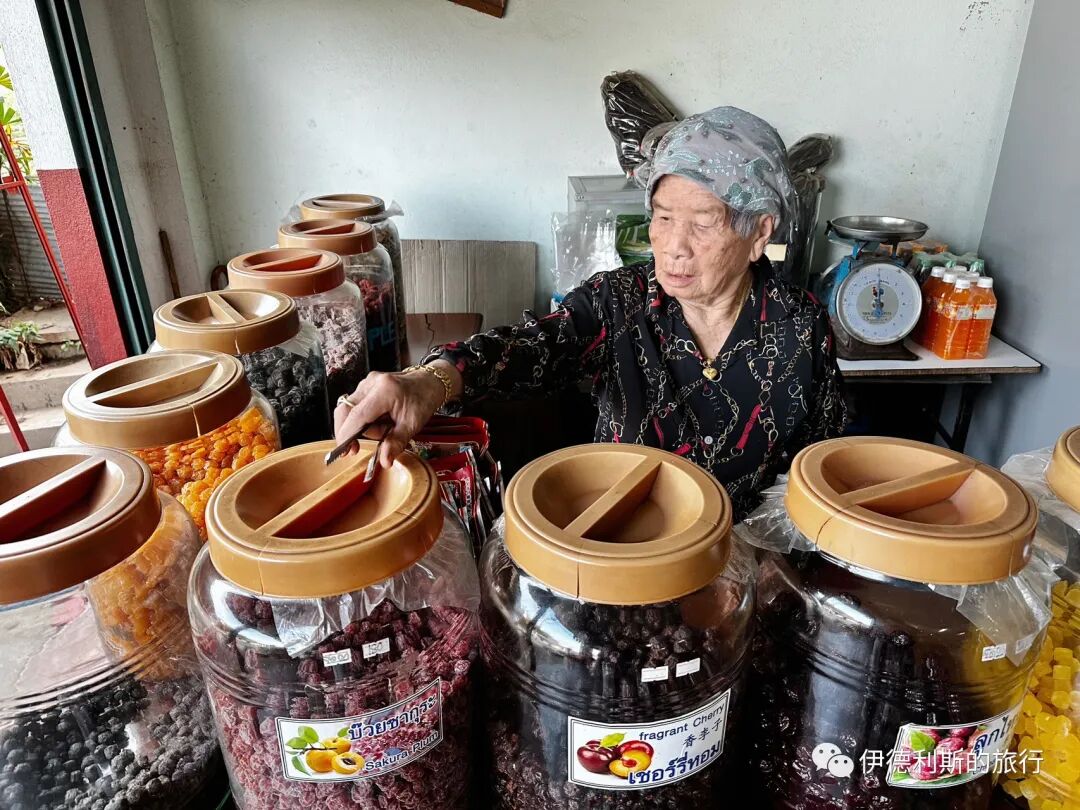
We also didn't expect to find fried milk curd (rushan) in Thailand. It was fried thin and crispy, not greasy at all, and even better than what I had eaten in Weishan, Dali before! Master Ma said this was likely brought over by Yunnan Hui Muslims from Myanmar, who still keep the craft of frying milk curd.
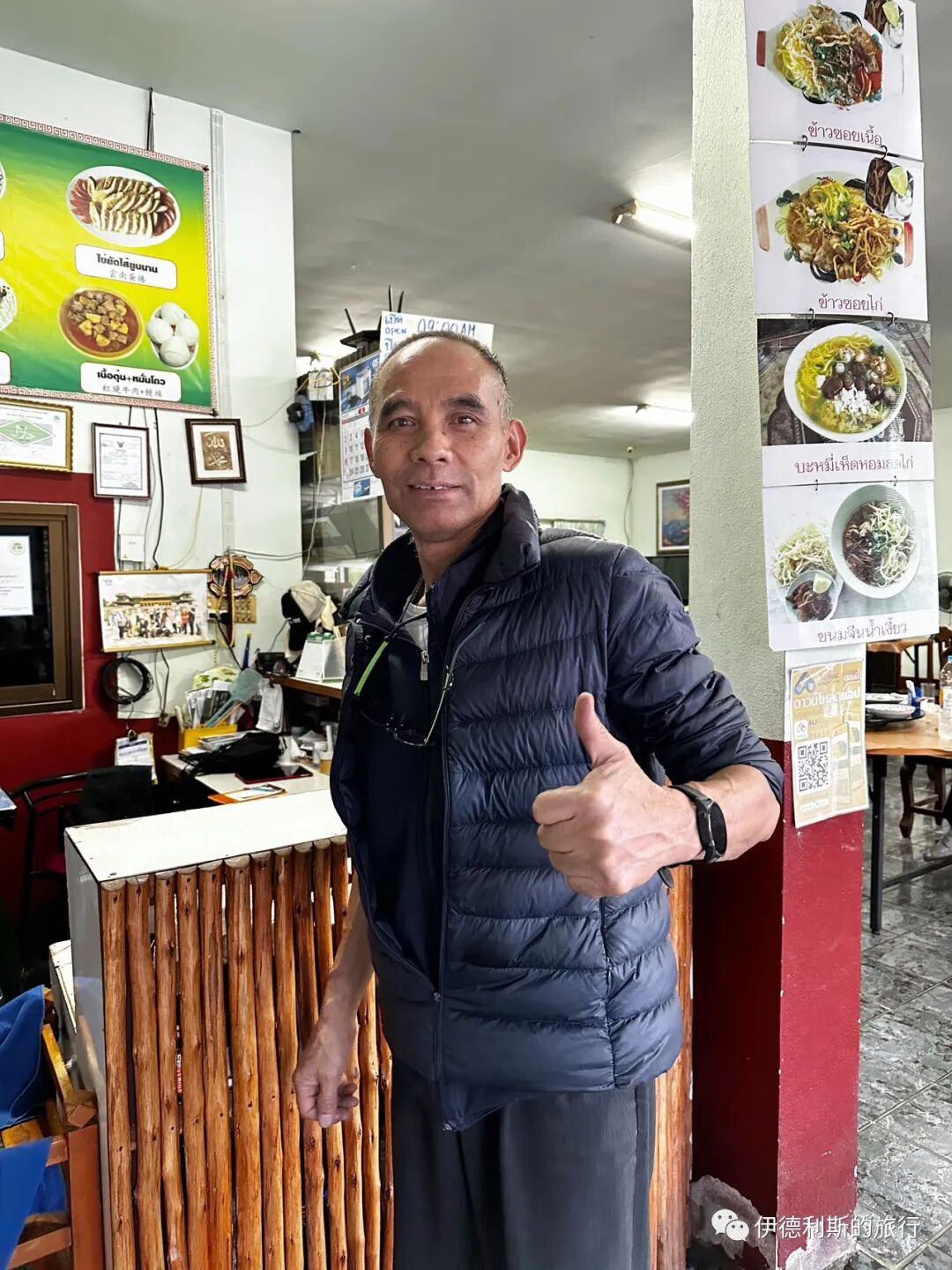
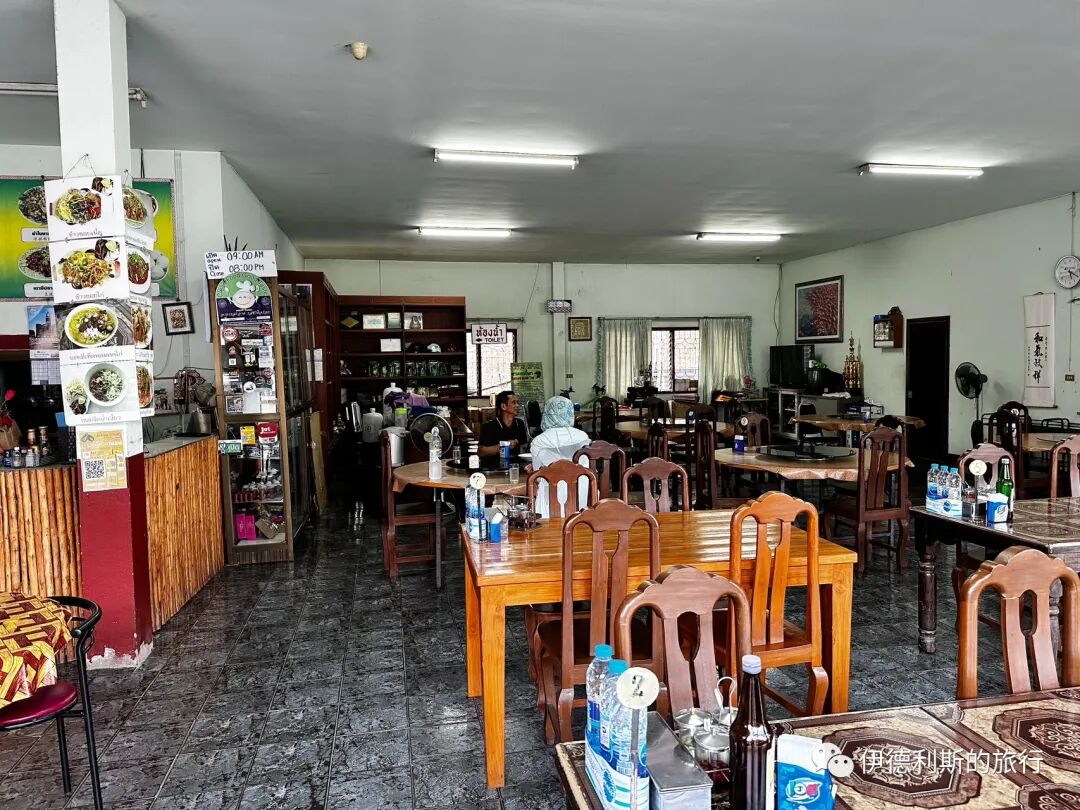
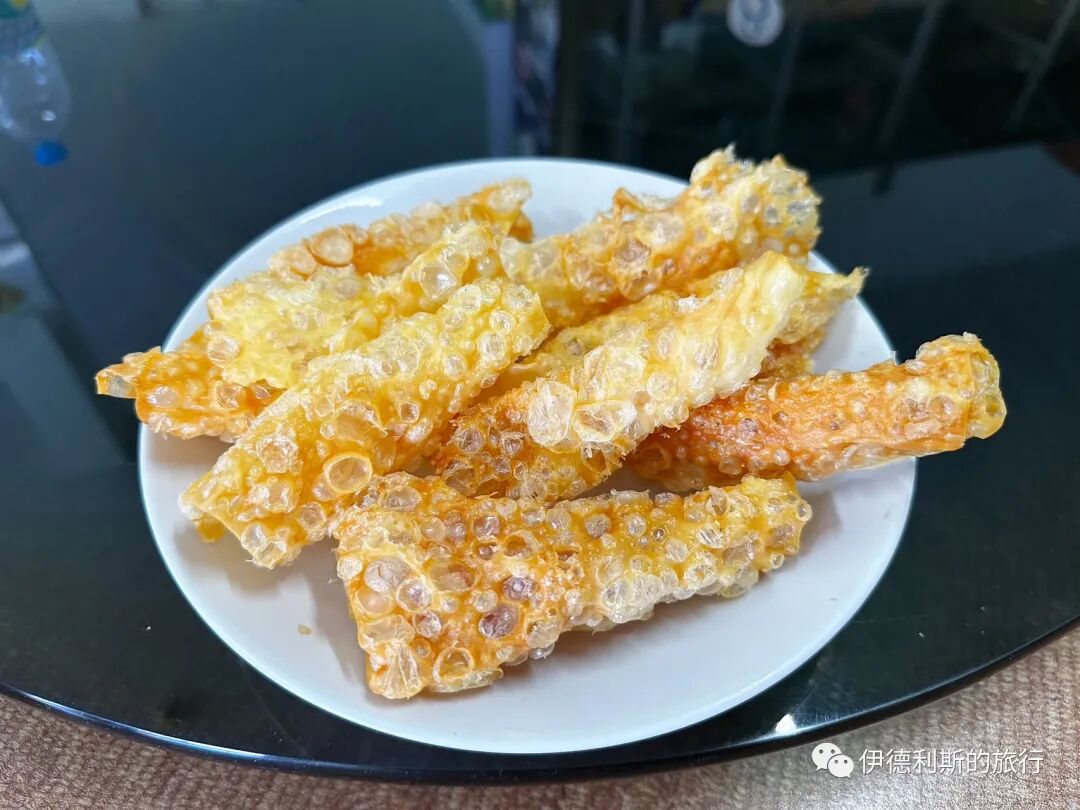
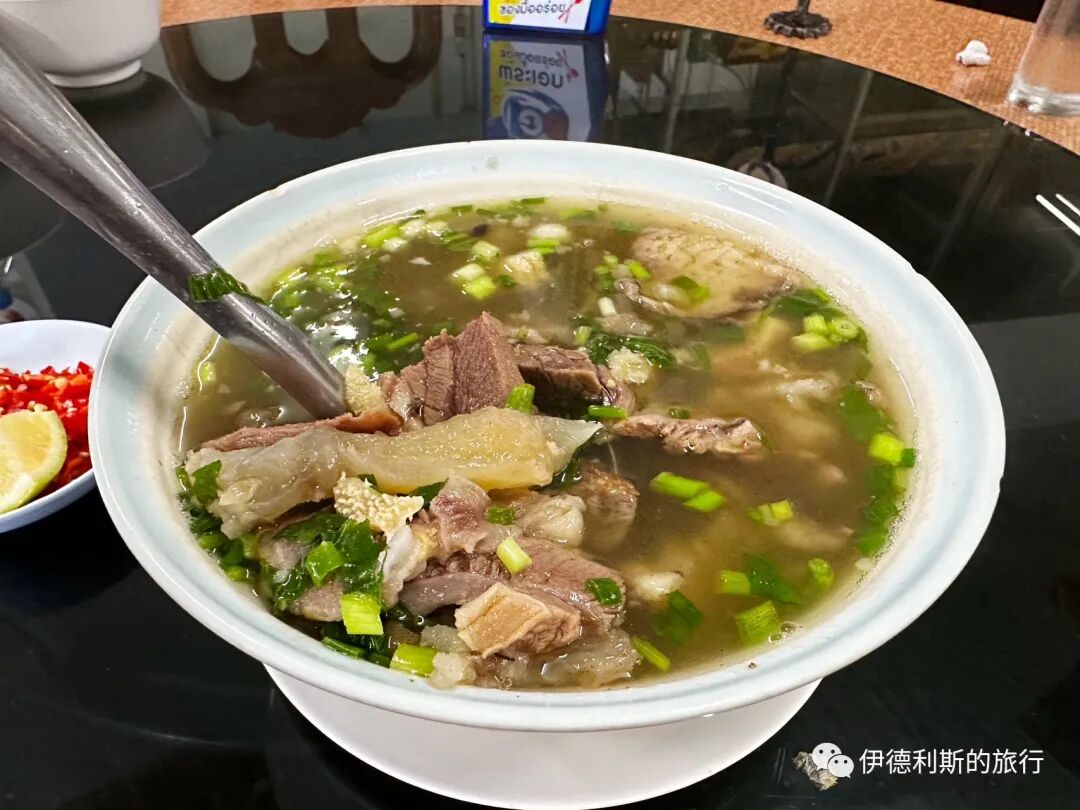
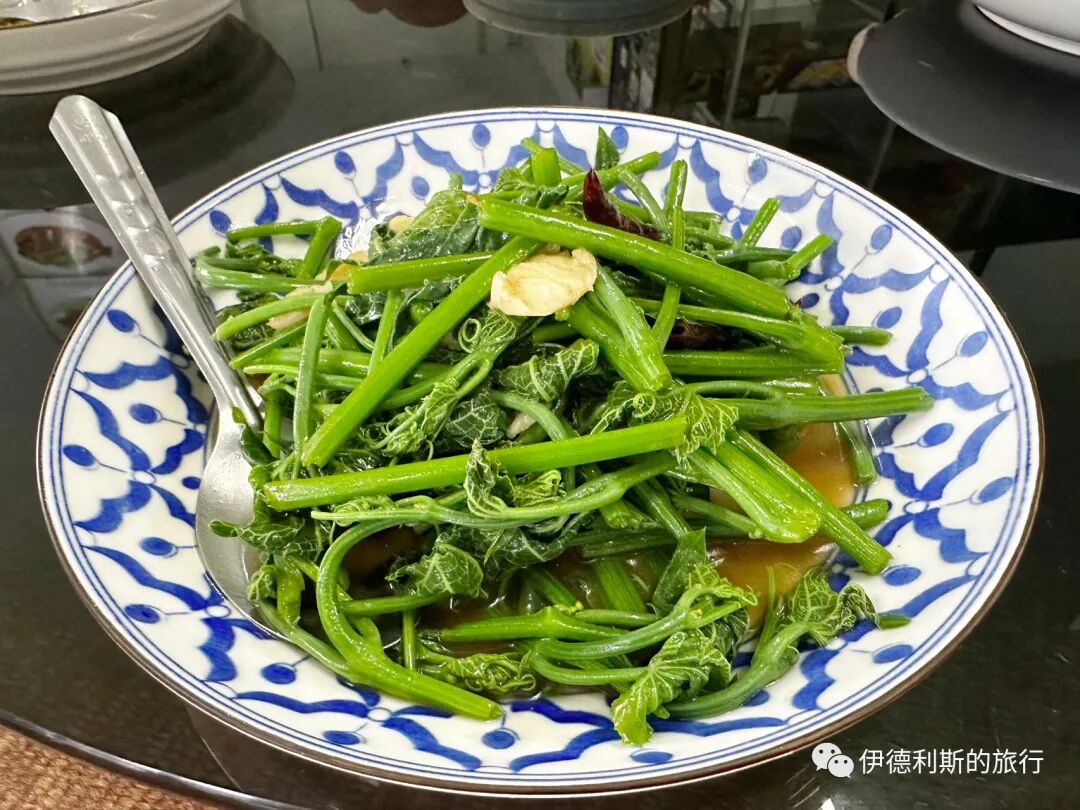
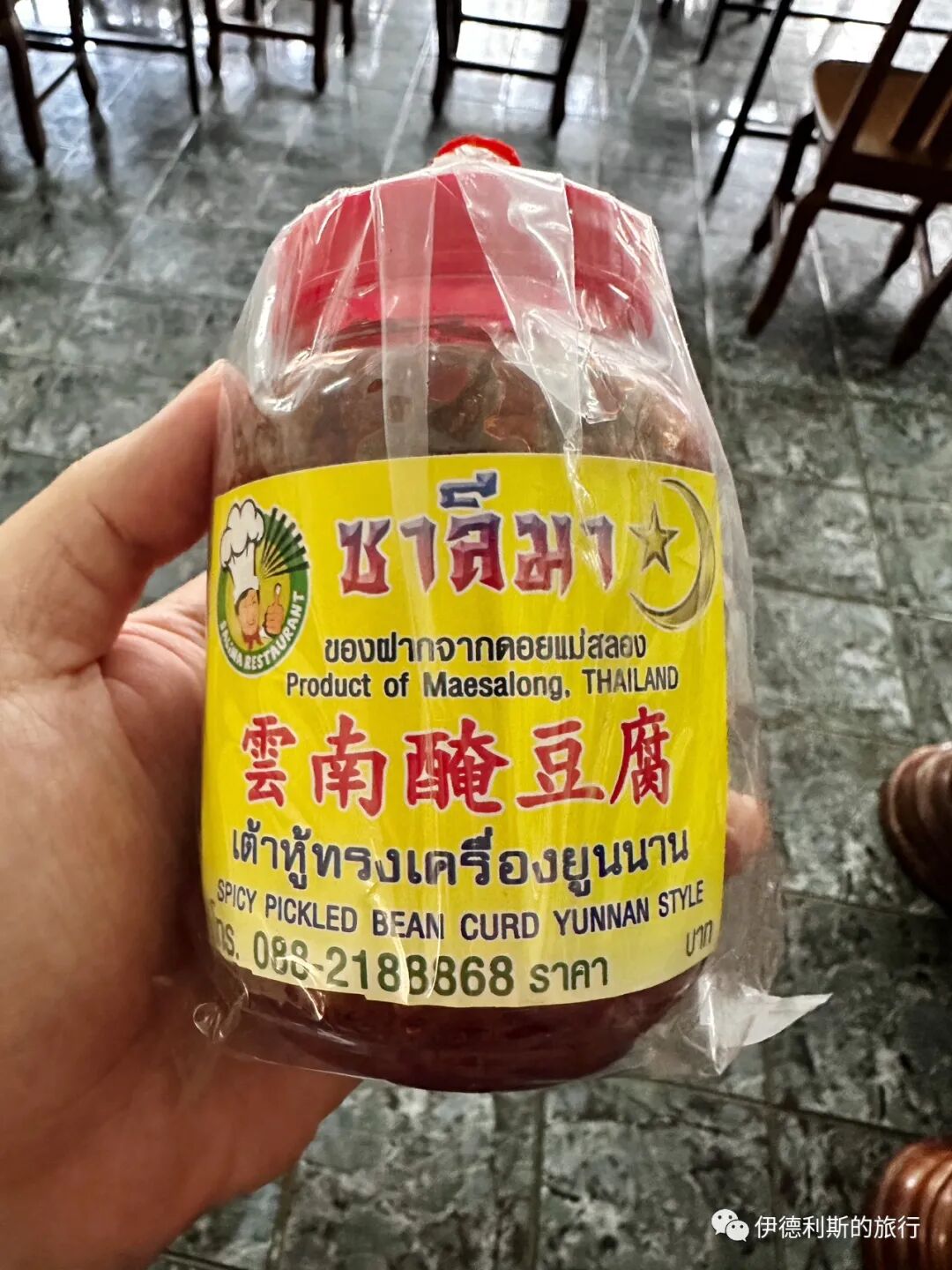
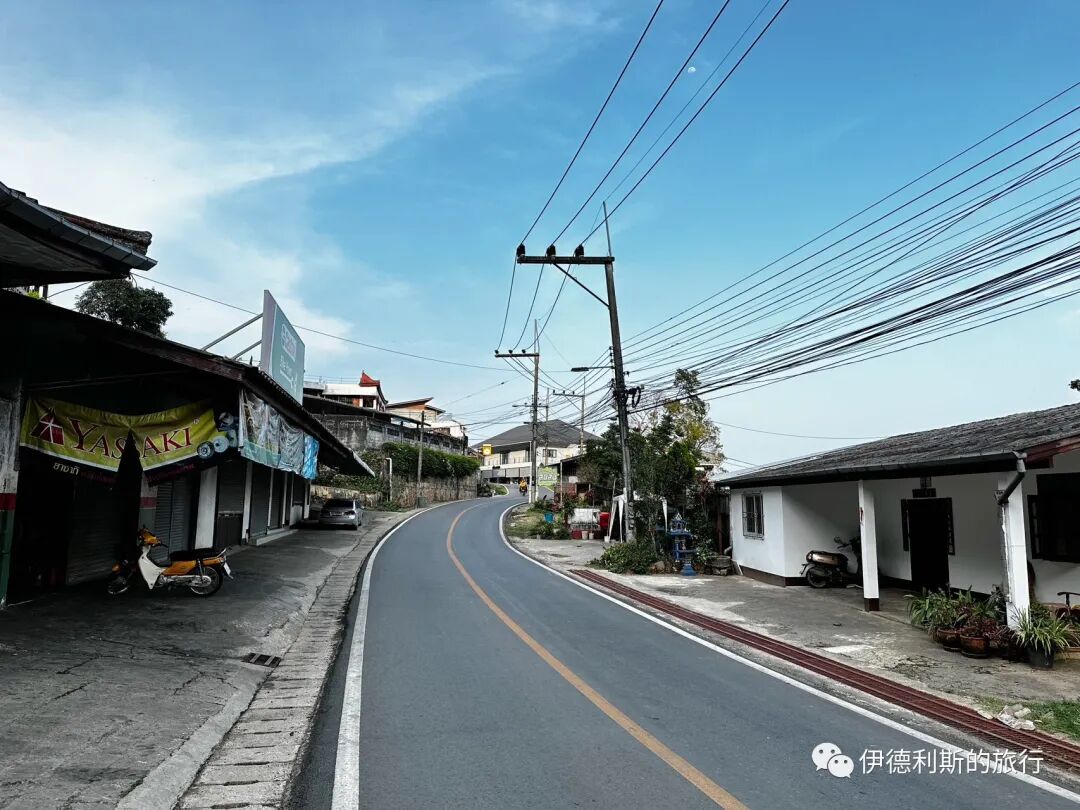
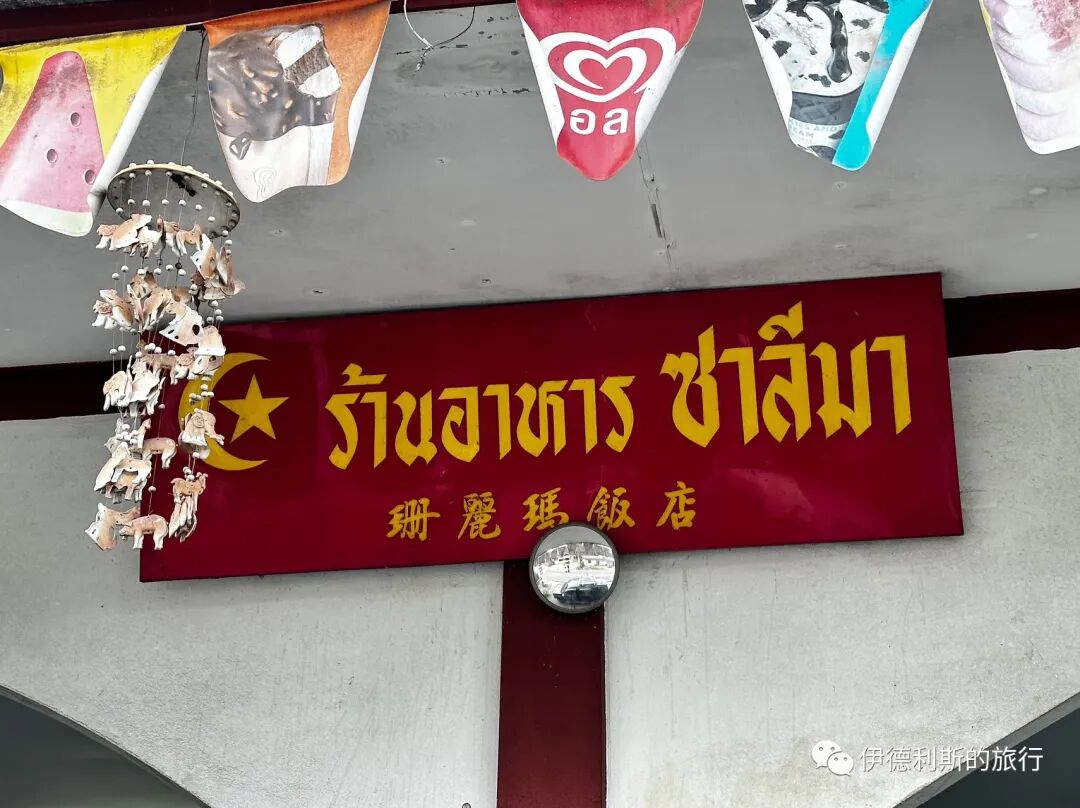
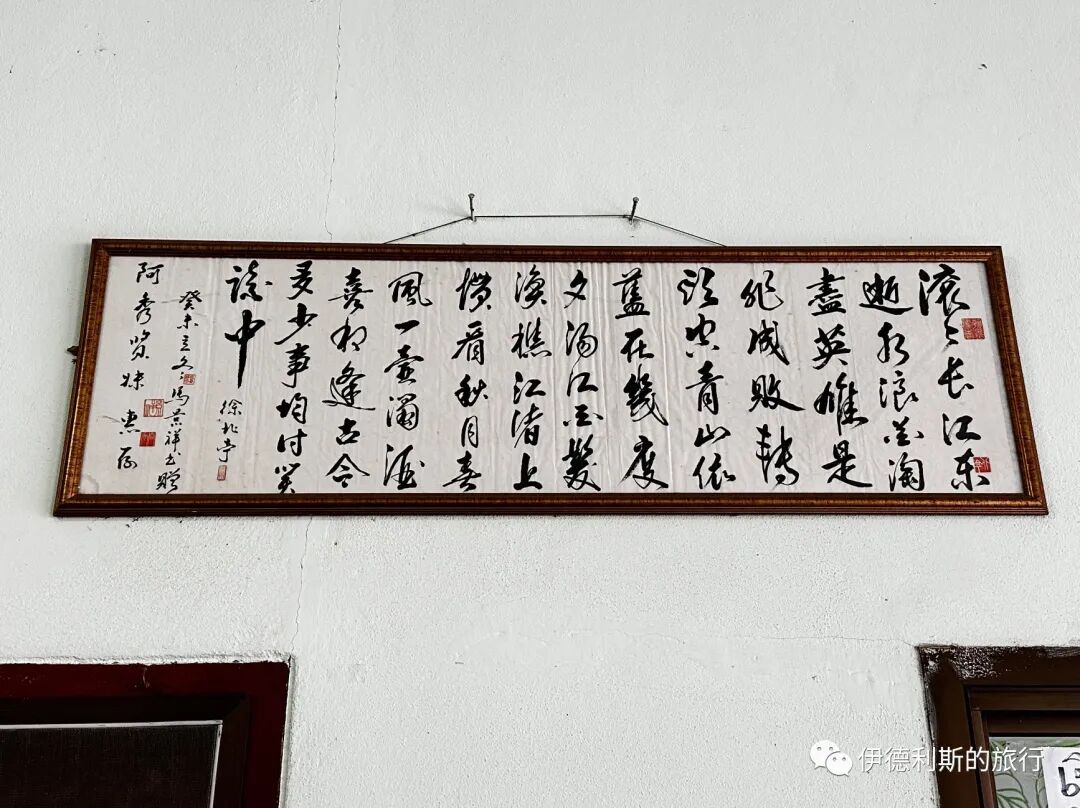
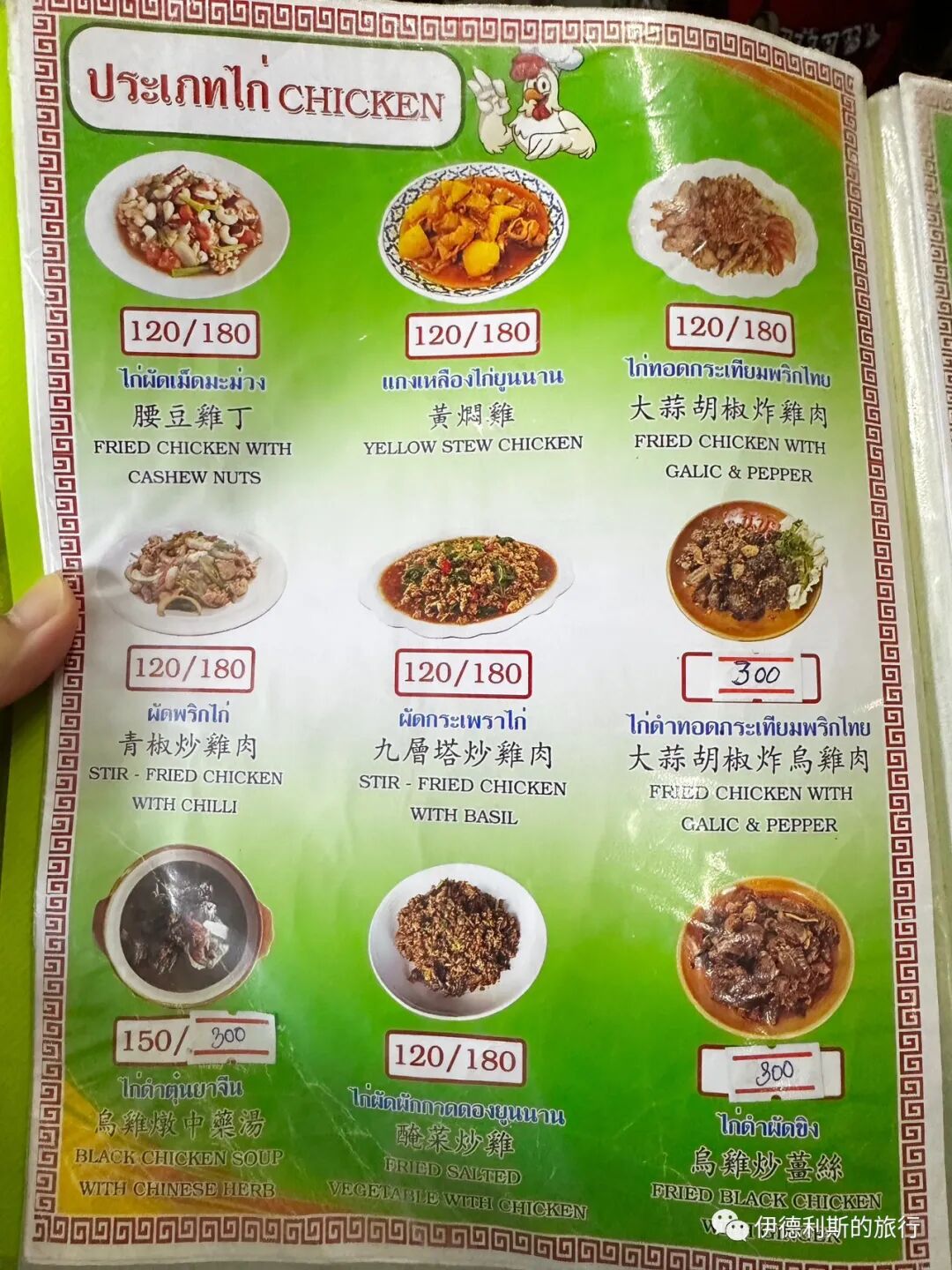
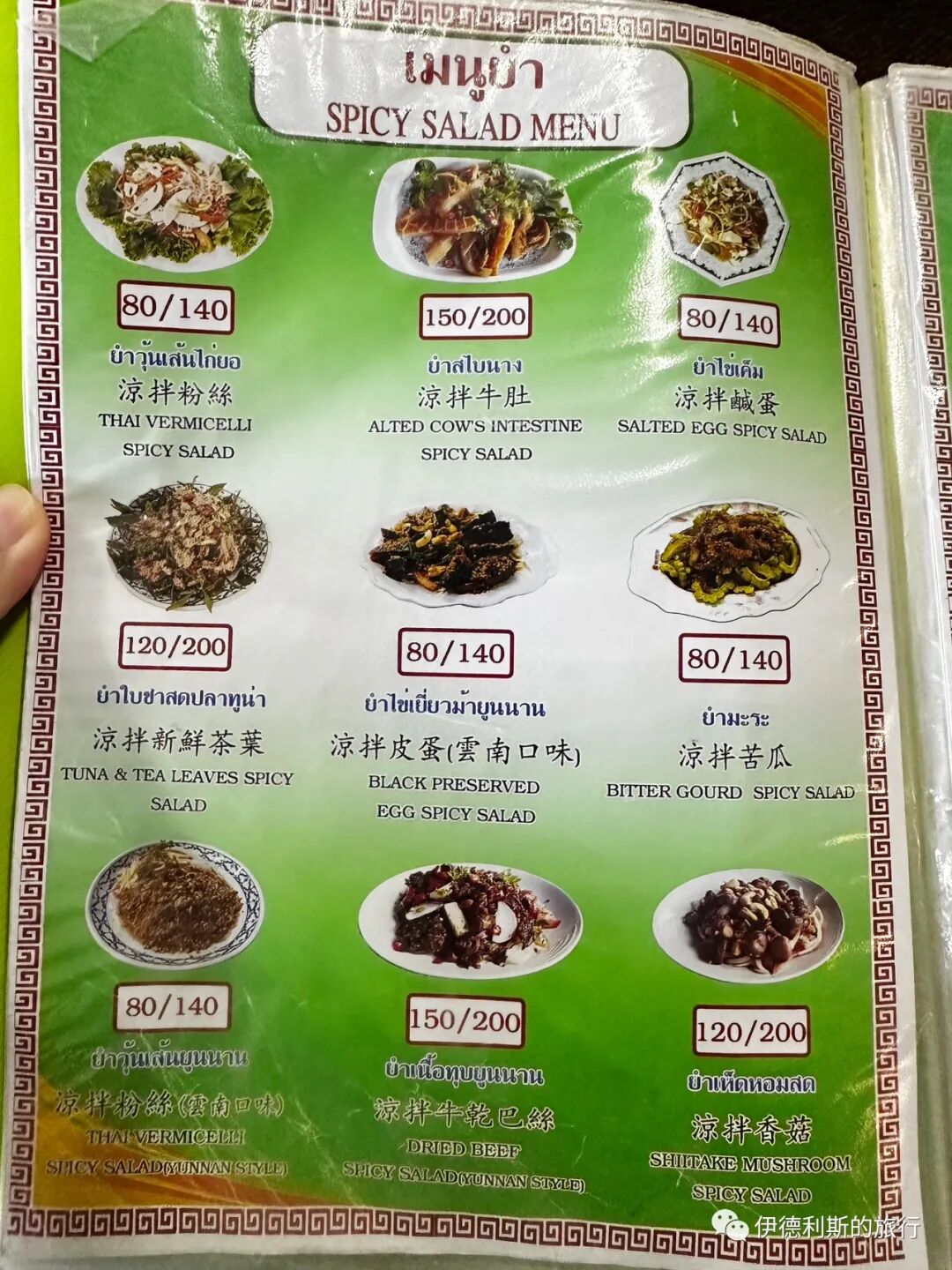
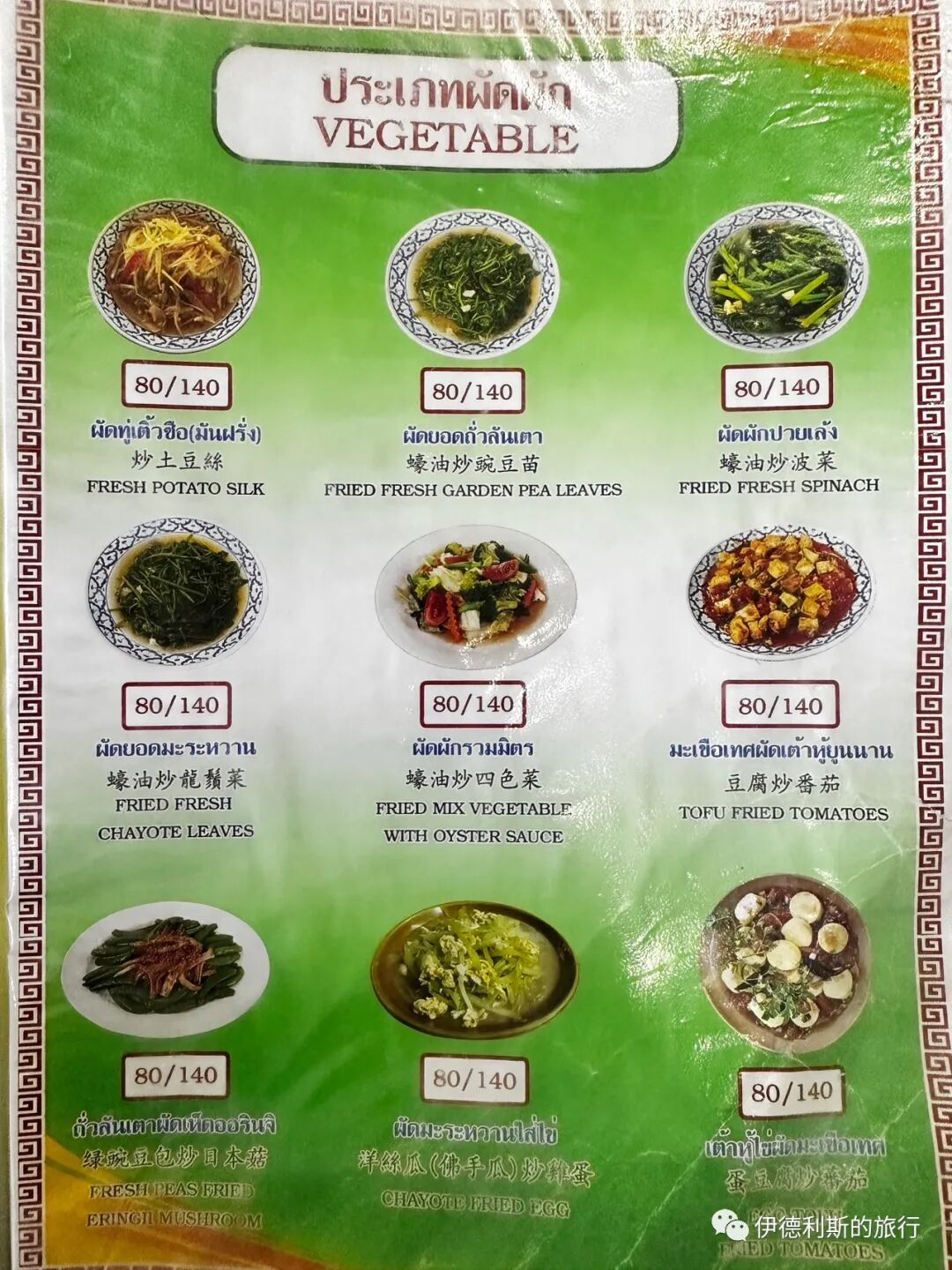
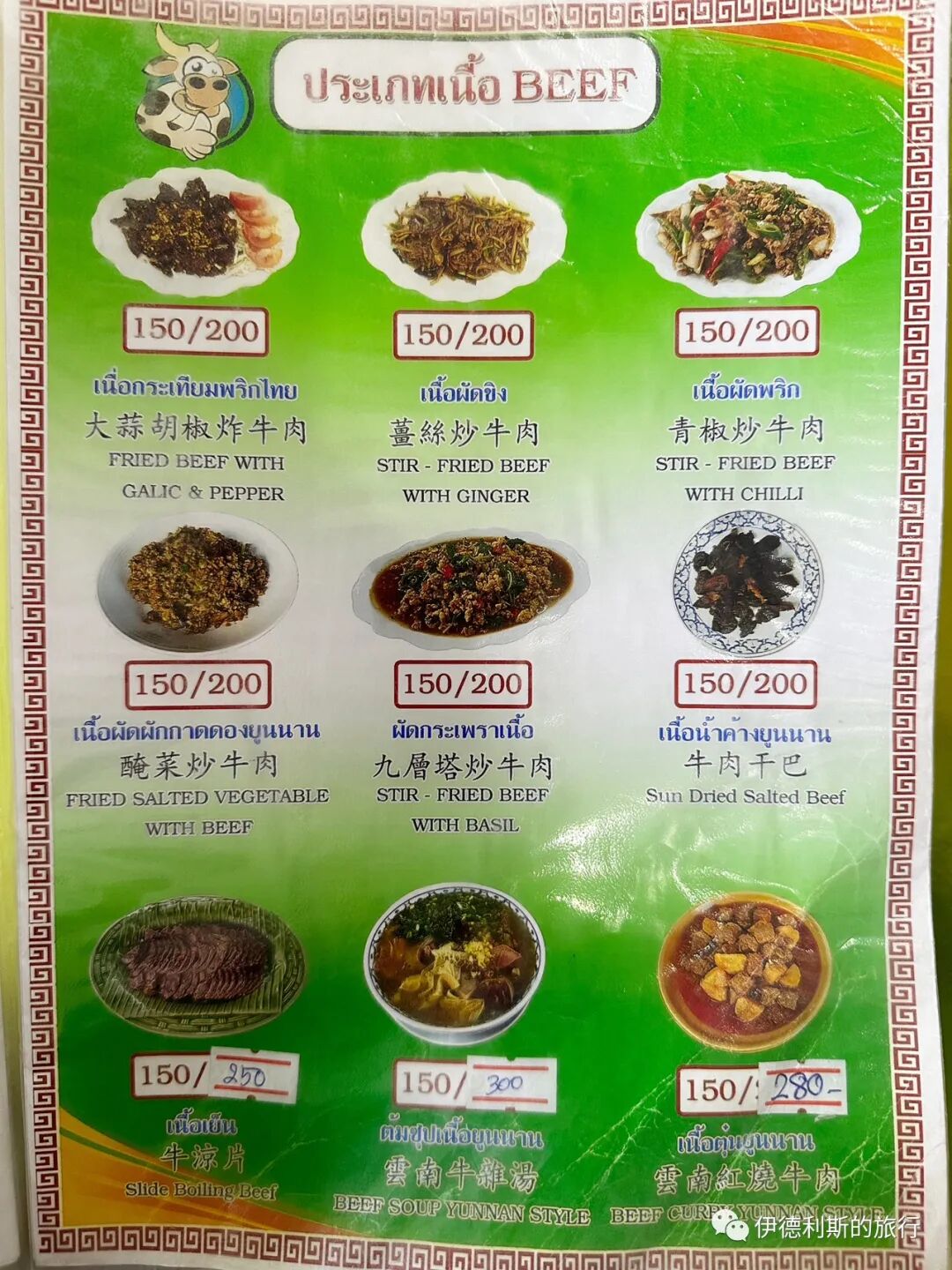
Sharing the menu from Shanlima Restaurant in Mae Salong; wild bitter melon is also one of their specialties.
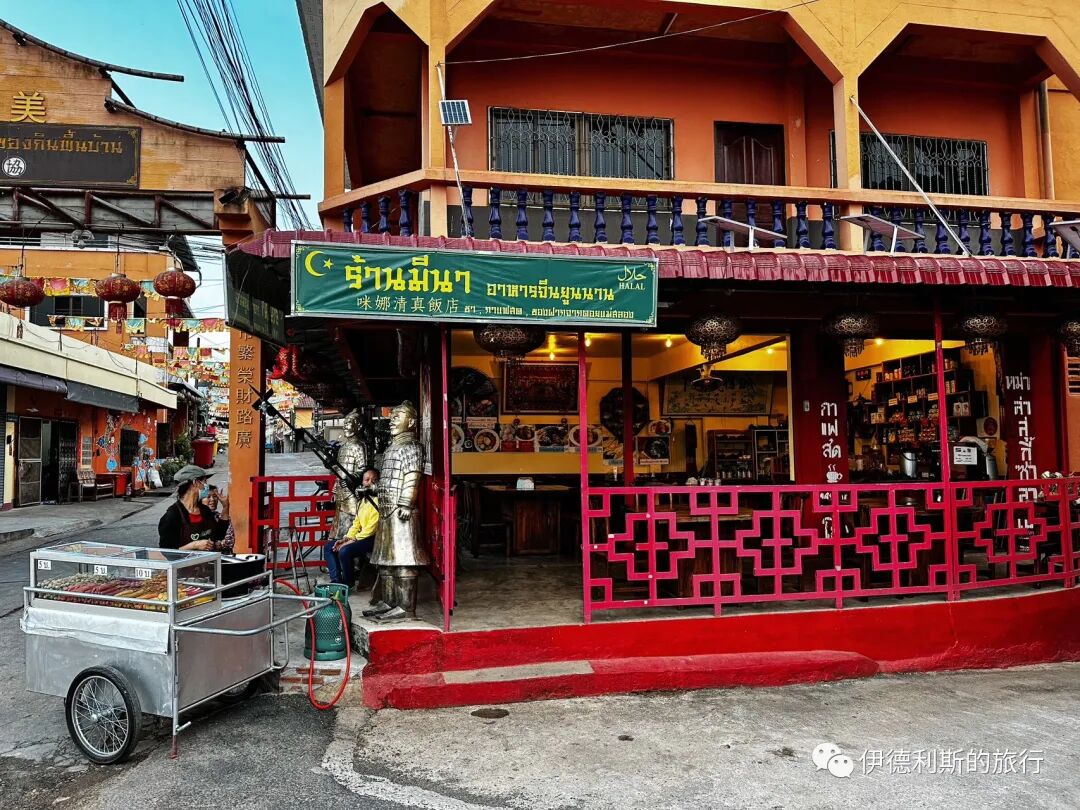
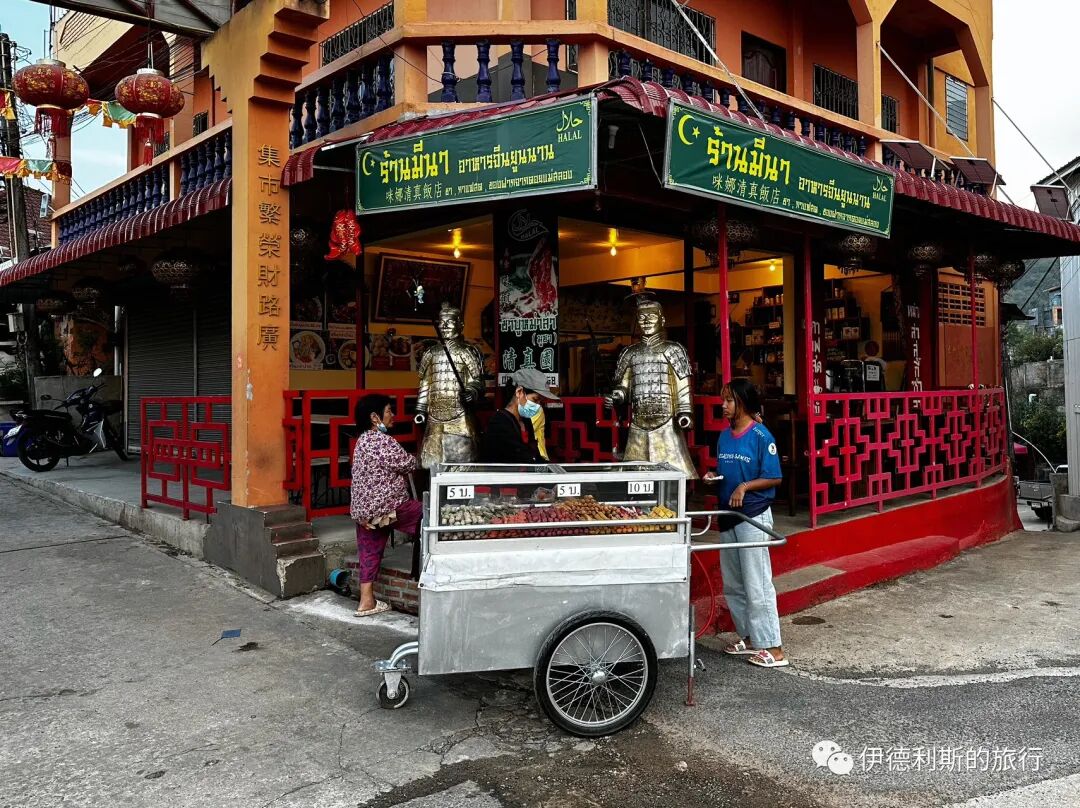
Besides Shanlima, Mae Salong has another Yunnan Hui Muslim restaurant called Mina Halal Restaurant. Since it is the off-season, the owner went to Taiwan. She will likely return after the Mid-Autumn Festival when the peak tourist season begins, so only the staff are running it now. If I have the chance to visit Mae Salong again, I will go and try their food.
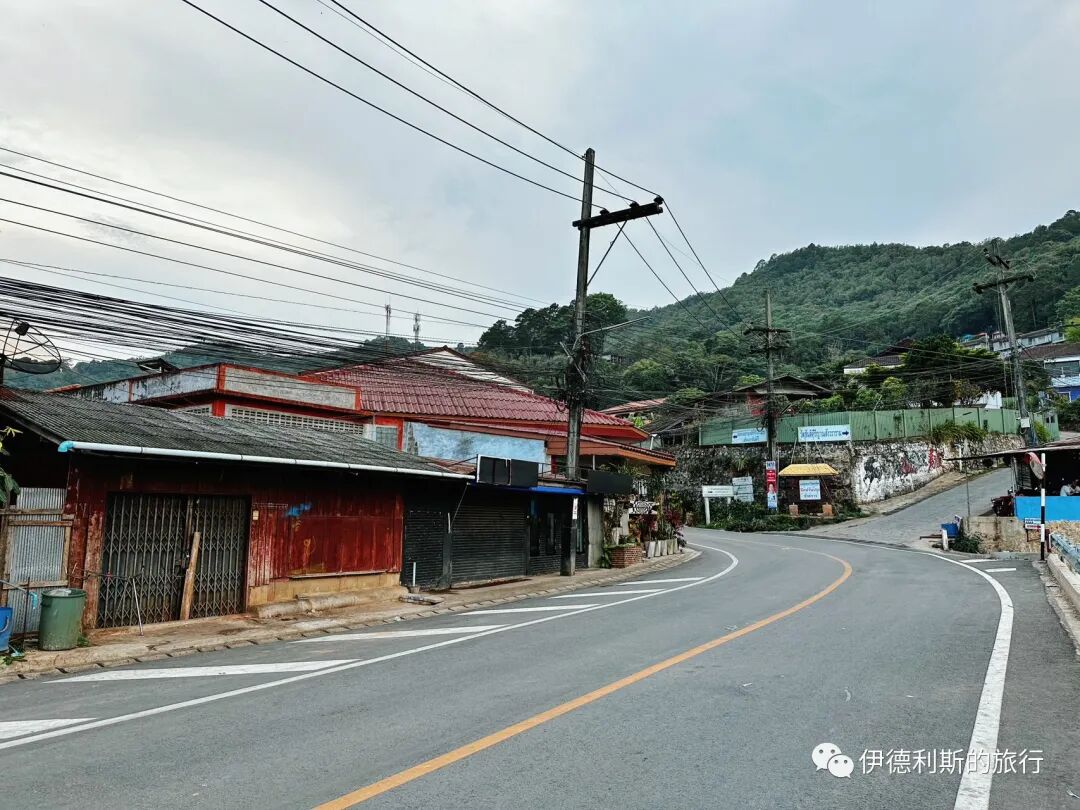
Mae Sai
In the evening, we traveled from Mae Salong to Mae Sai, a border port city on the Thai-Myanmar border at the northernmost tip of Thailand. Mae Sai now has over 200 households of Yunnan Hui Muslims, making it the second-largest settlement of Yunnan Hui Muslims in Northern Thailand outside of Chiang Mai.
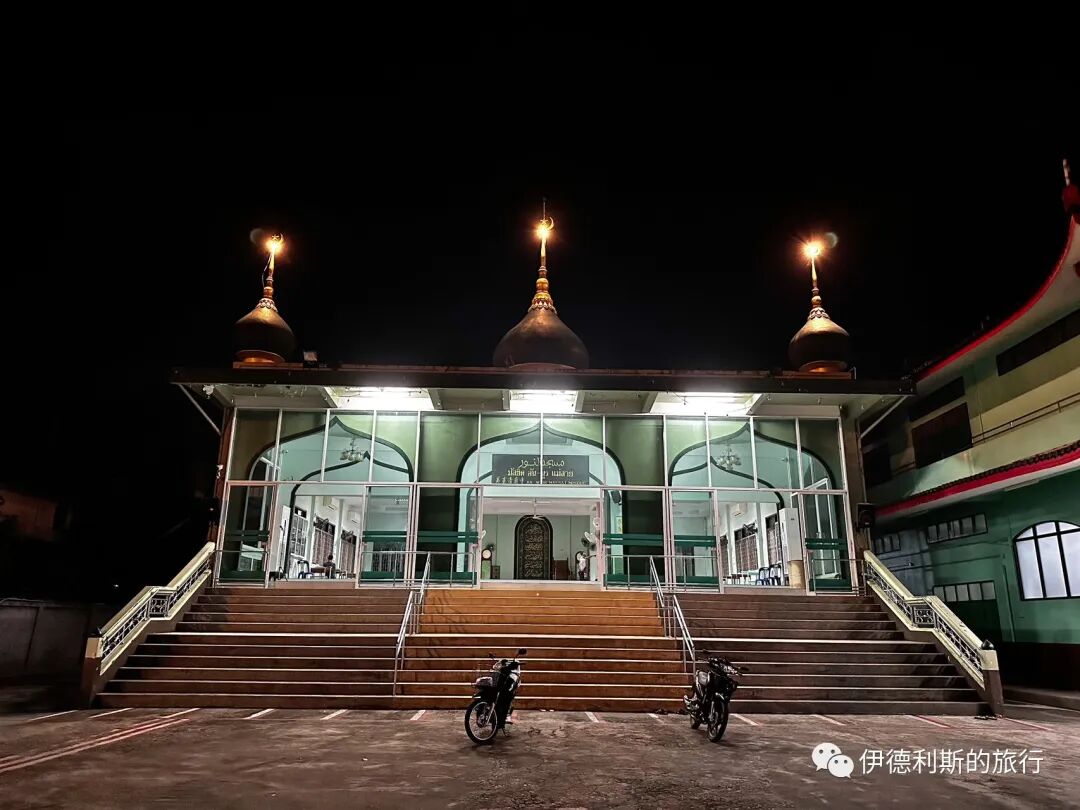
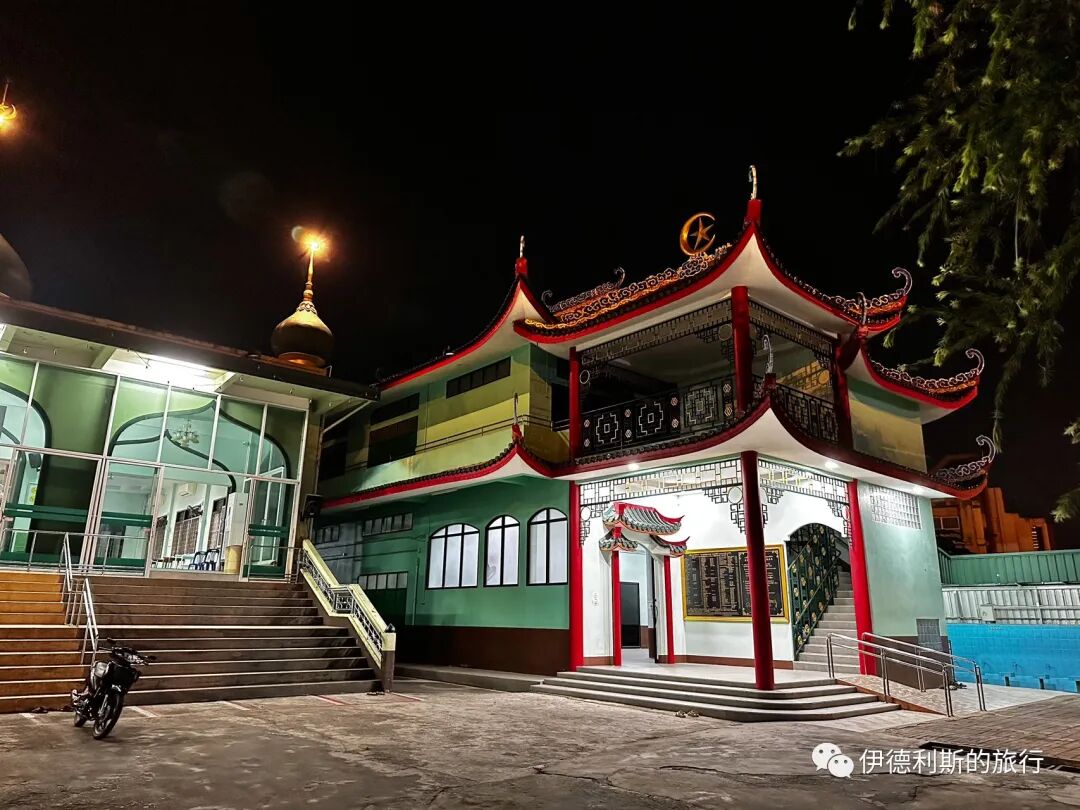
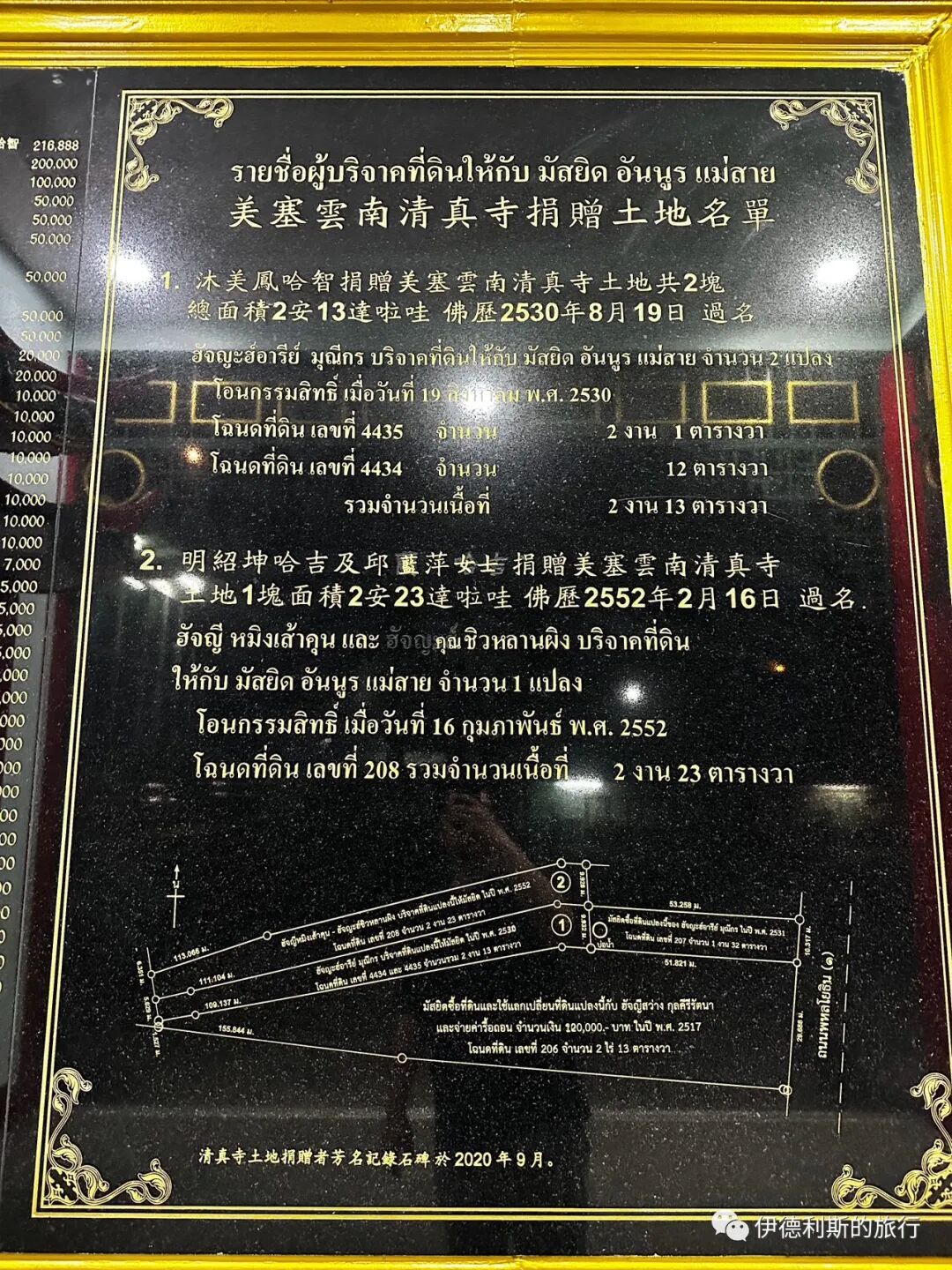
We drank tea and chatted with the elders at the Yunnan Mosque in Mae Sai, and we had no trouble communicating in Mandarin. Although Mae Sai has been a necessary stop for Yunnan horse caravans heading south to Chiang Mai since the late Qing Dynasty, the mosque was not initiated and built until 1952 by Yunnan Hui Muslims Ma Xianglin and Ma Enshou. The original mosque was just a thatched hut, but it was later rebuilt into a wooden structure under the supervision of Ma Zixing, thanks to donations from Qian Yizhai and fellow believers in Chiang Mai. In 1975, as the number of Yunnan Hui Muslims in Mae Sai grew, the old mosque could no longer accommodate everyone. Mu Chengfang initiated a move to the current location next to the main road, and Ma Weijing and Na Caikui oversaw the construction of the current steel and concrete building.
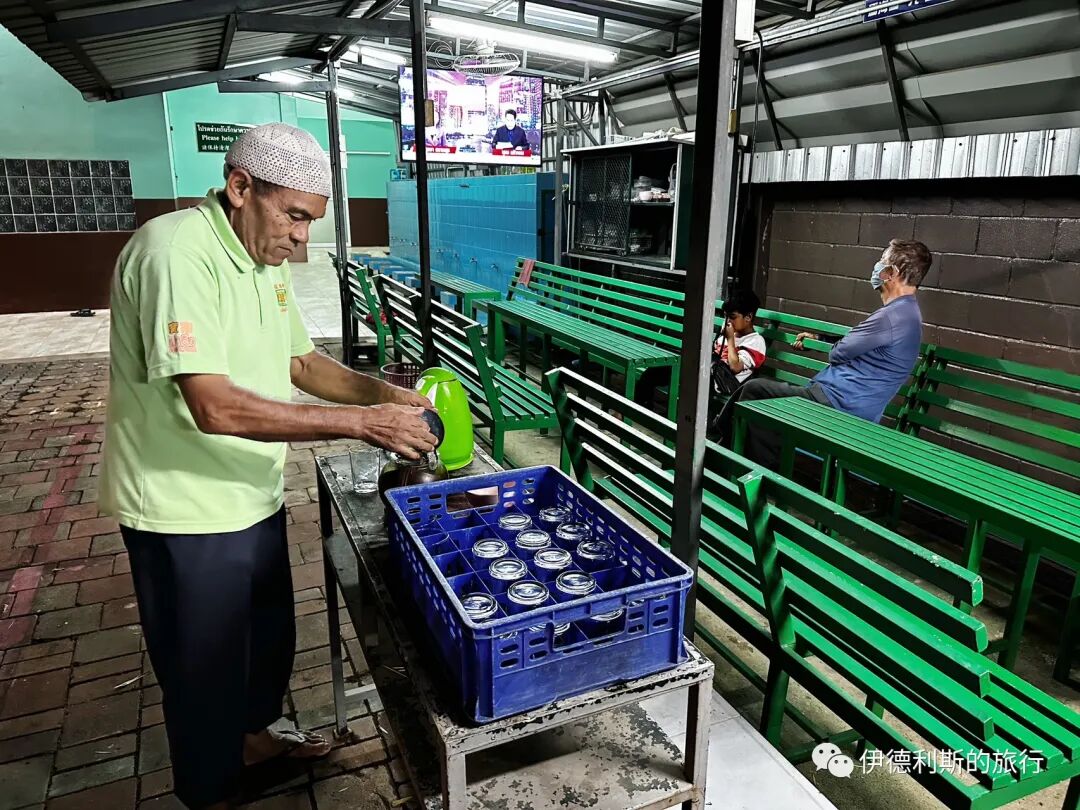
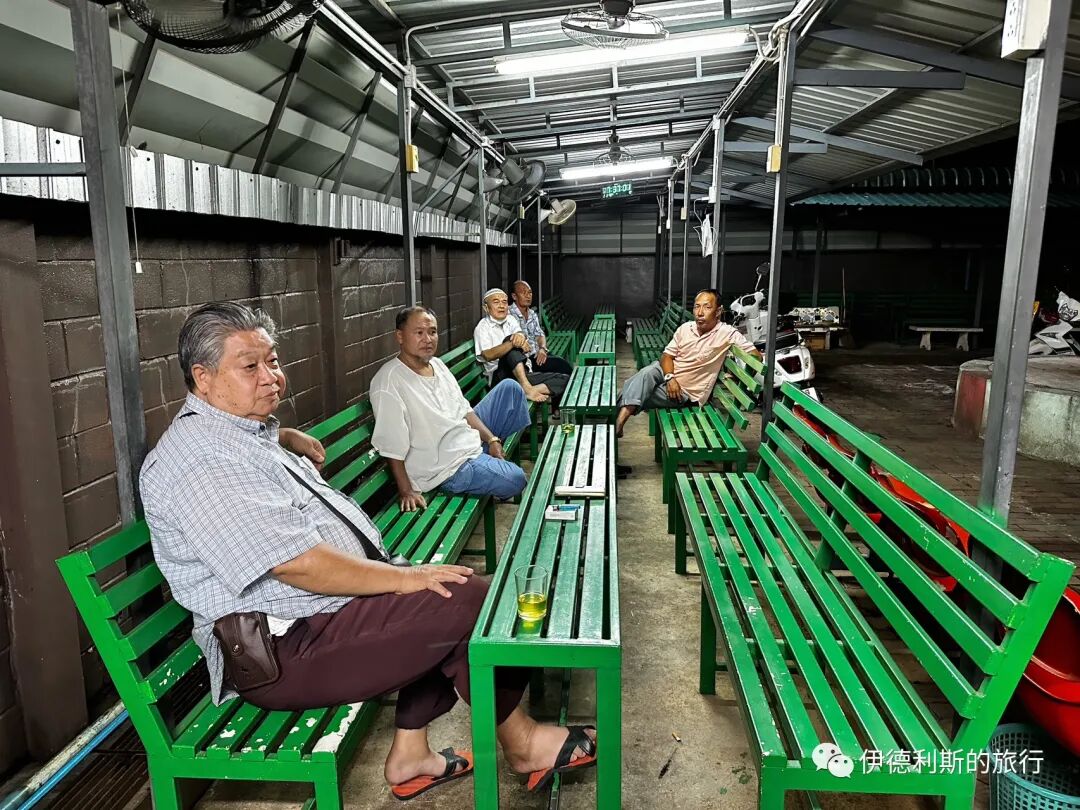
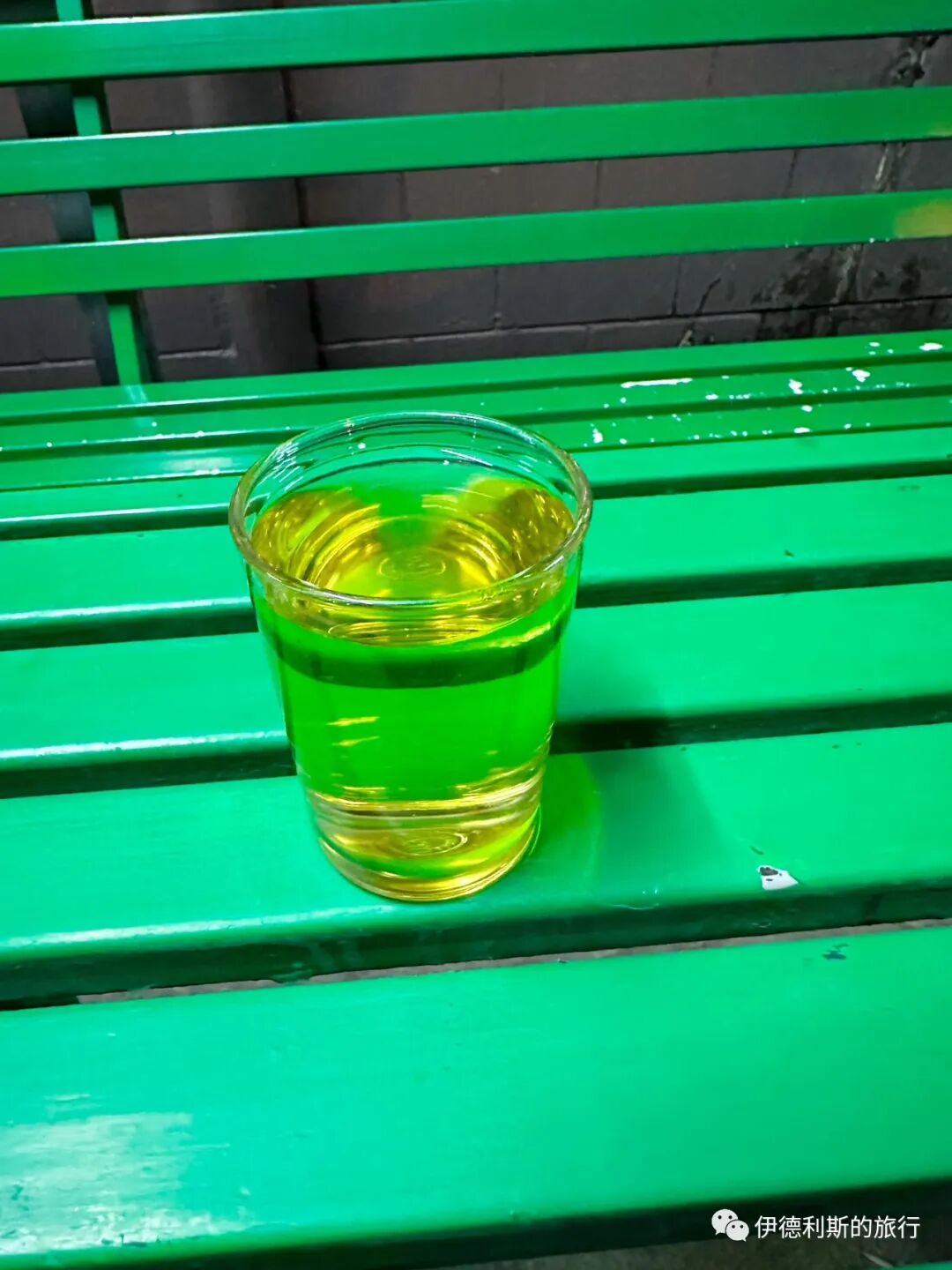
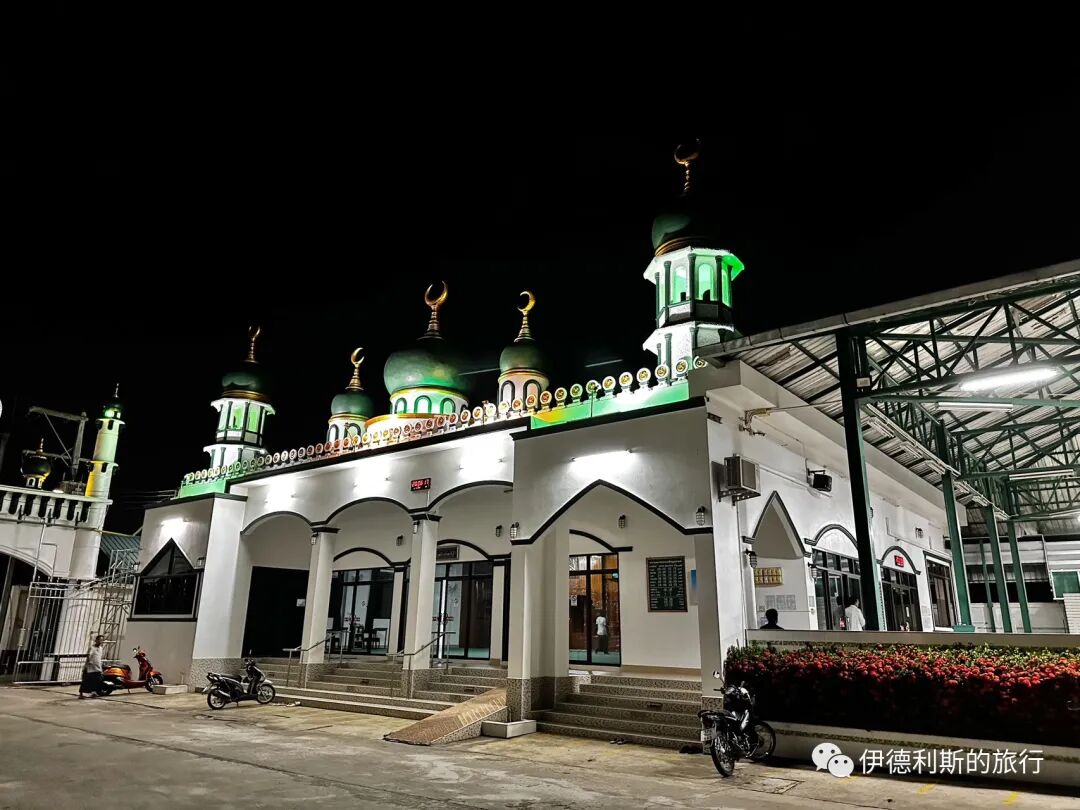
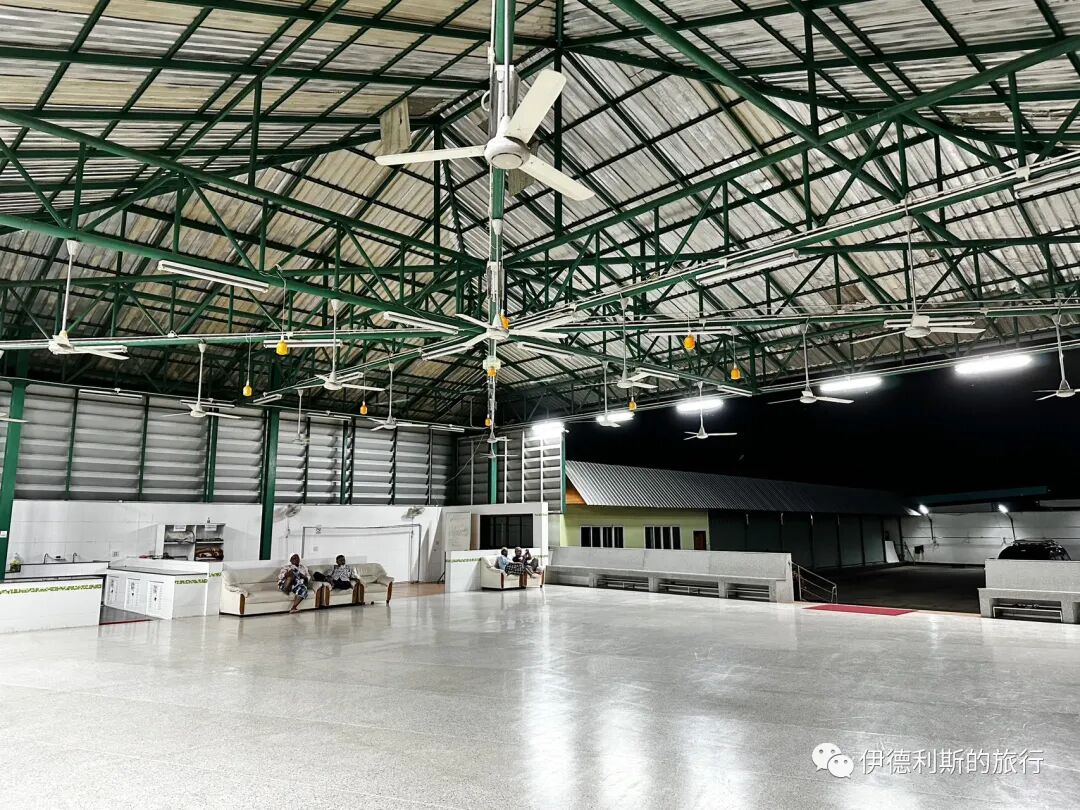
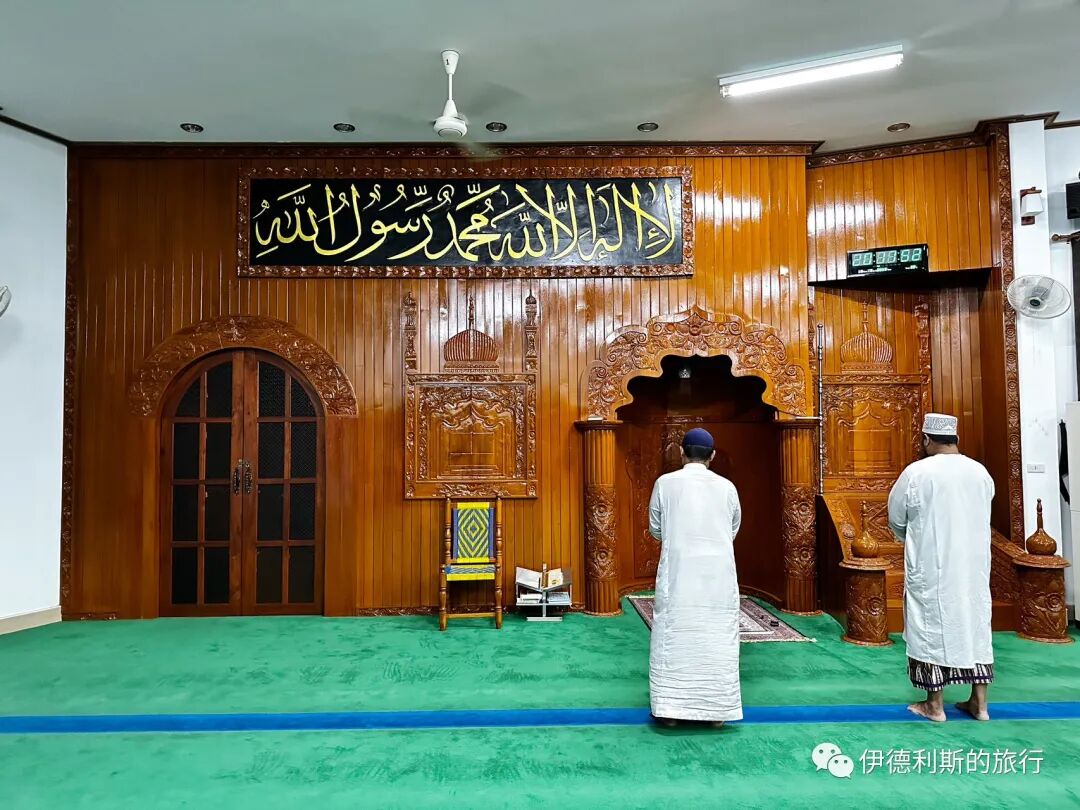
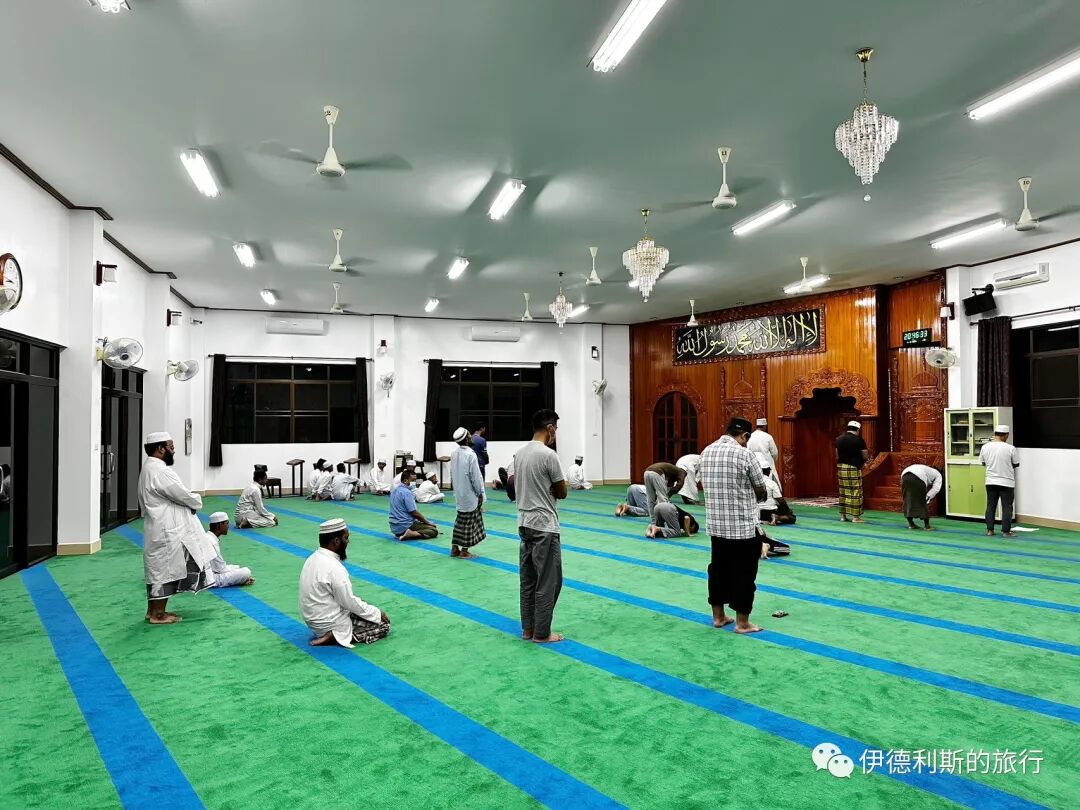
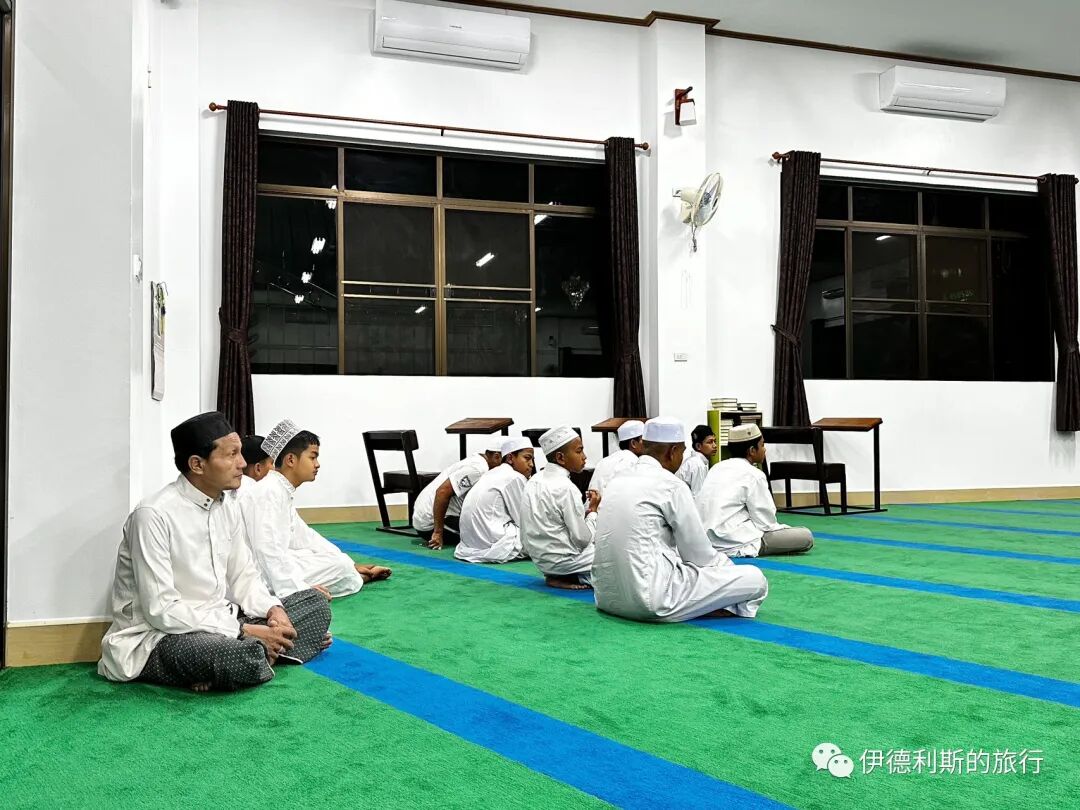
In the evening, we visited the South Asian Mosque in Mae Sai for namaz. According to Master Ma, there are currently 70 to 80 local South Asian Muslim households in Mae Sai, plus over 200 households of Myanmar-born Muslims who moved here from Myanmar to make a living due to poverty. There are about 50 poor students from Myanmar in this mosque. The mosque provides them with free food, housing, and education, which is very moving.
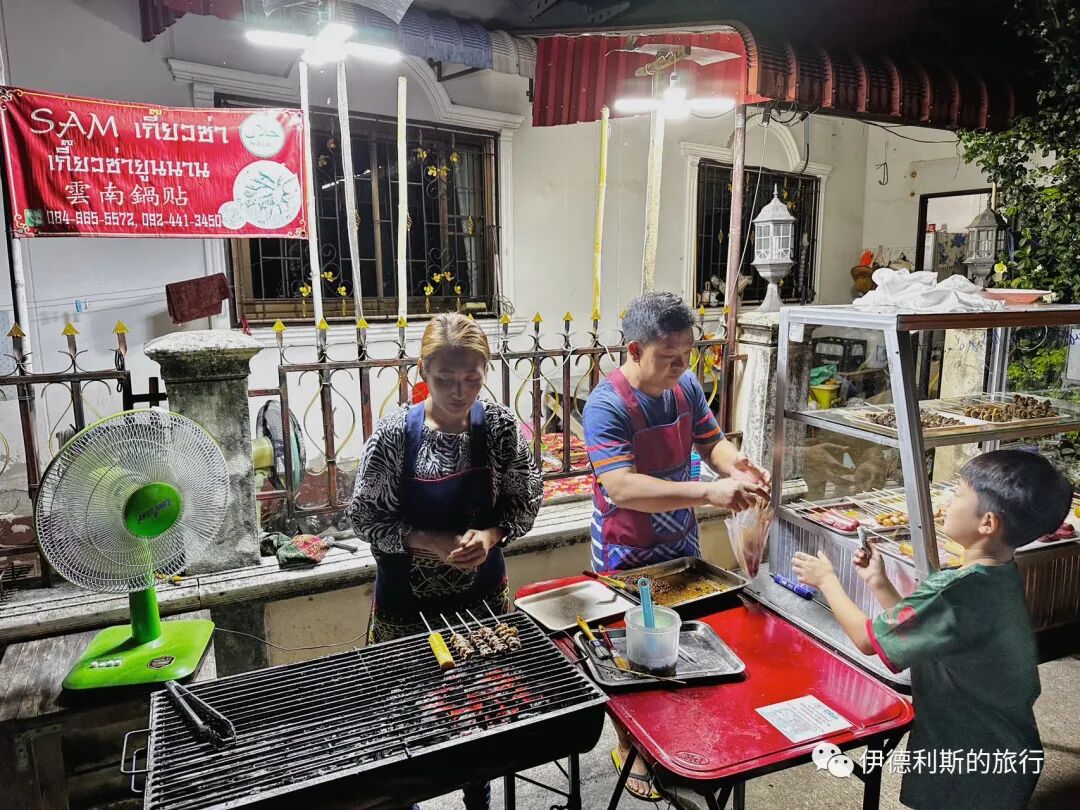
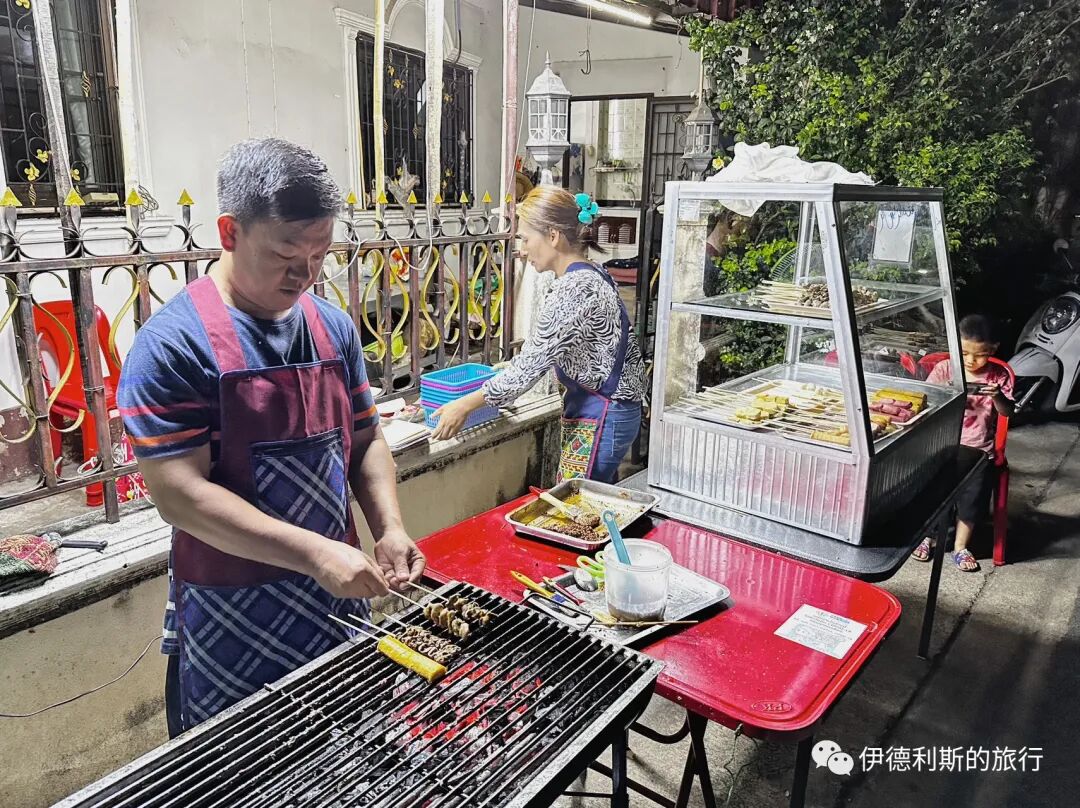
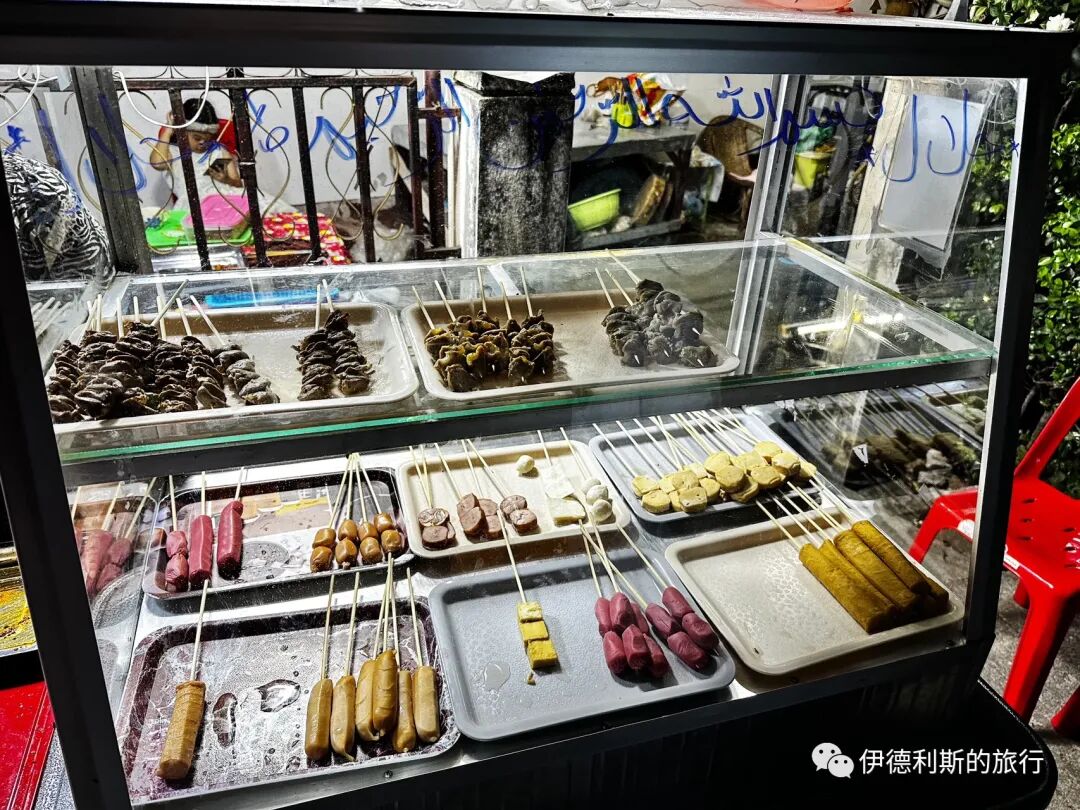
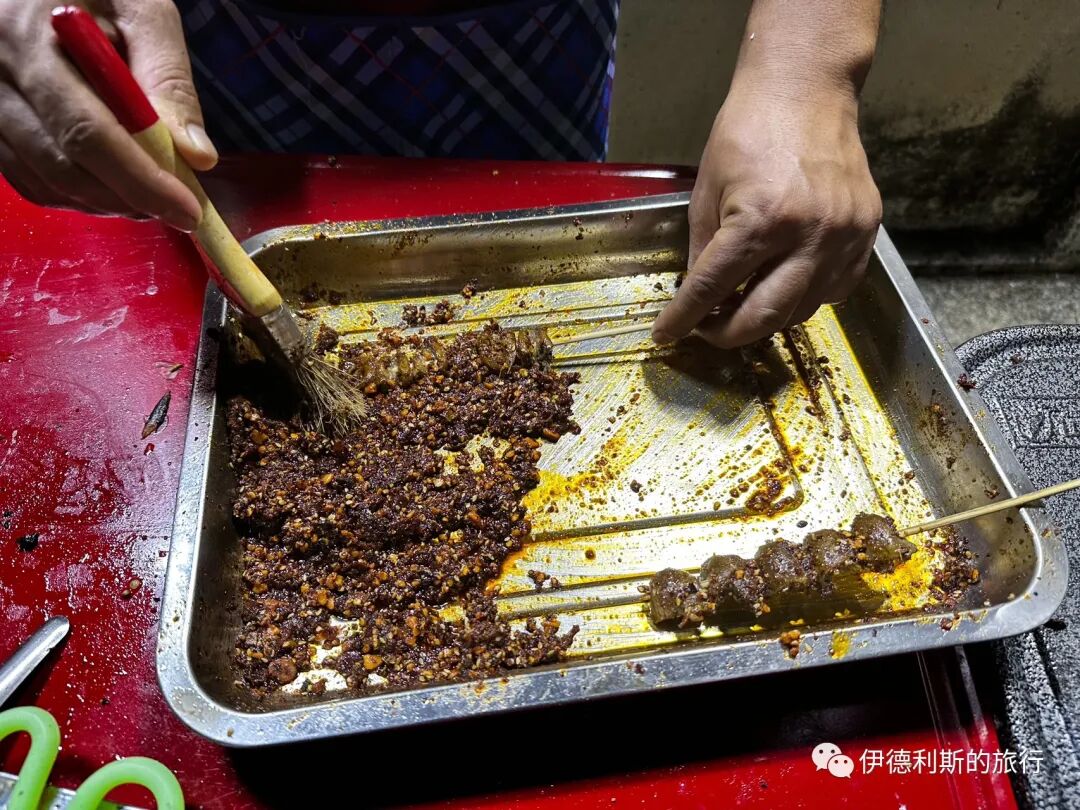
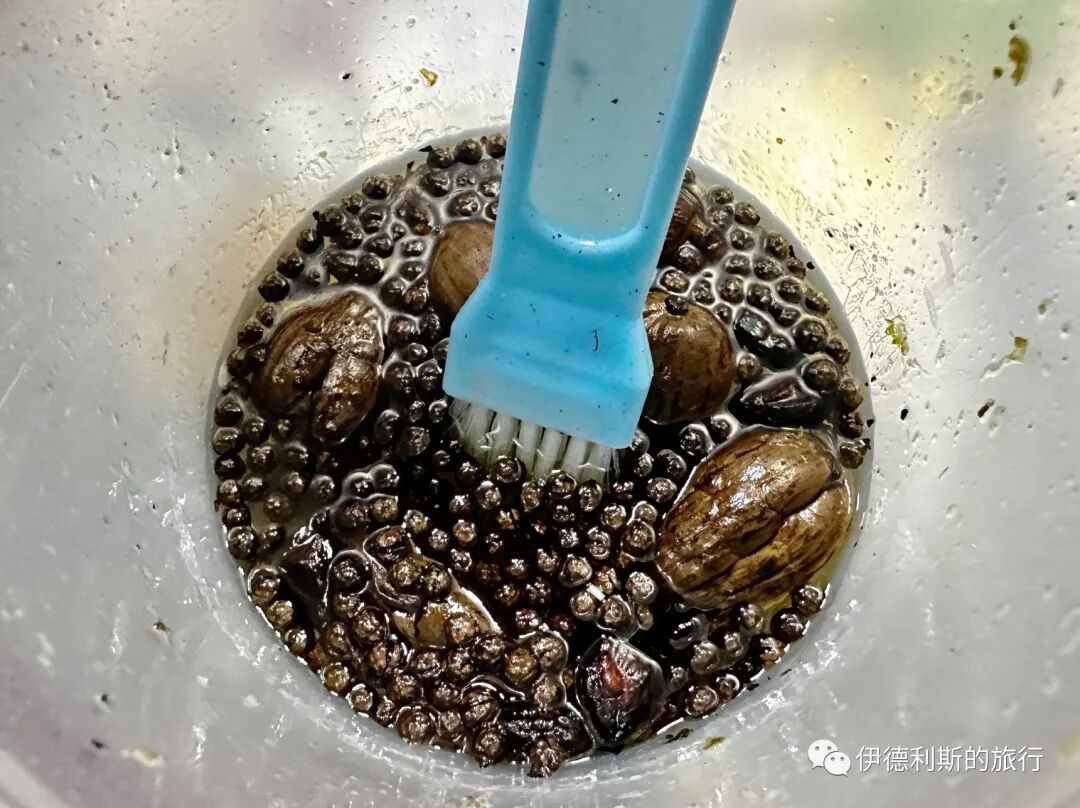
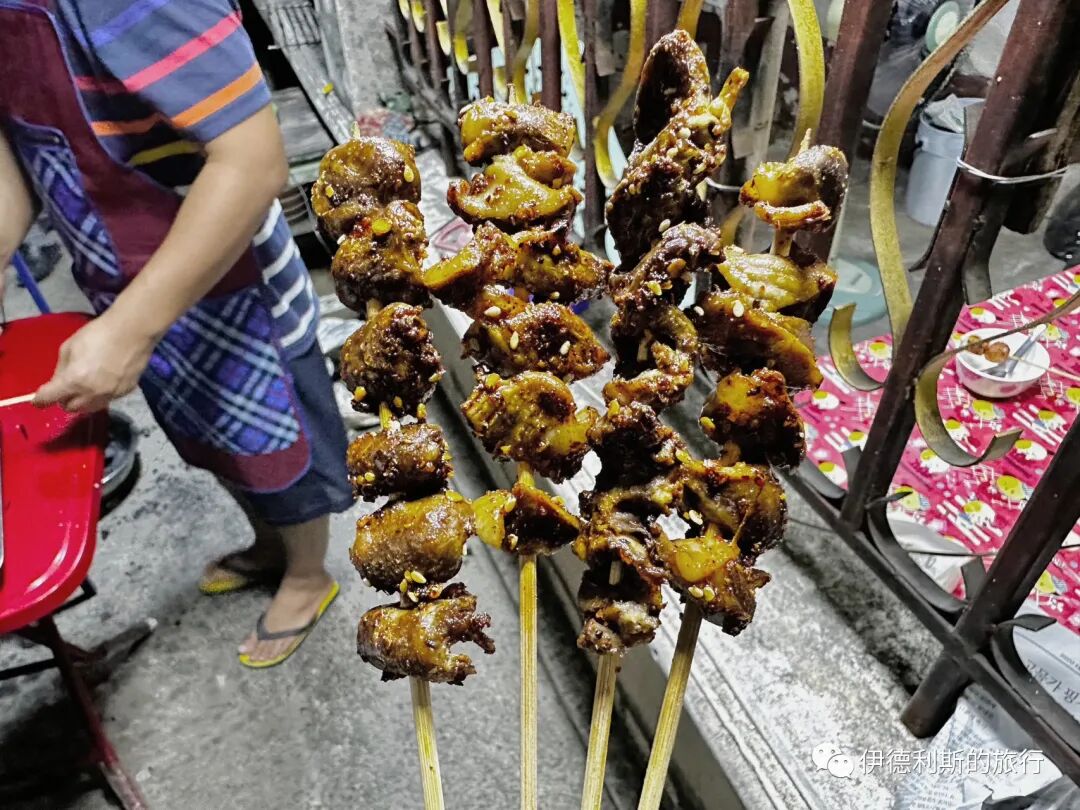
After coming down from Hufu Beach, we had spicy barbecue (shaokao) from a Yunnan Hui Muslim shop in Mae Sai for a late-night snack. We had no trouble communicating in Mandarin. They run the shop right at their own front door. You have to make several turns off the main road to find it, and we never would have spotted it without Master Ma leading the way. The barbecue doesn't have beef or lamb. It is mostly chicken gizzards, chicken hearts, and various types of sausages. They brush on plenty of Sichuan peppercorn water and chili sauce. We chose the mild spice level, and it was still very satisfying.
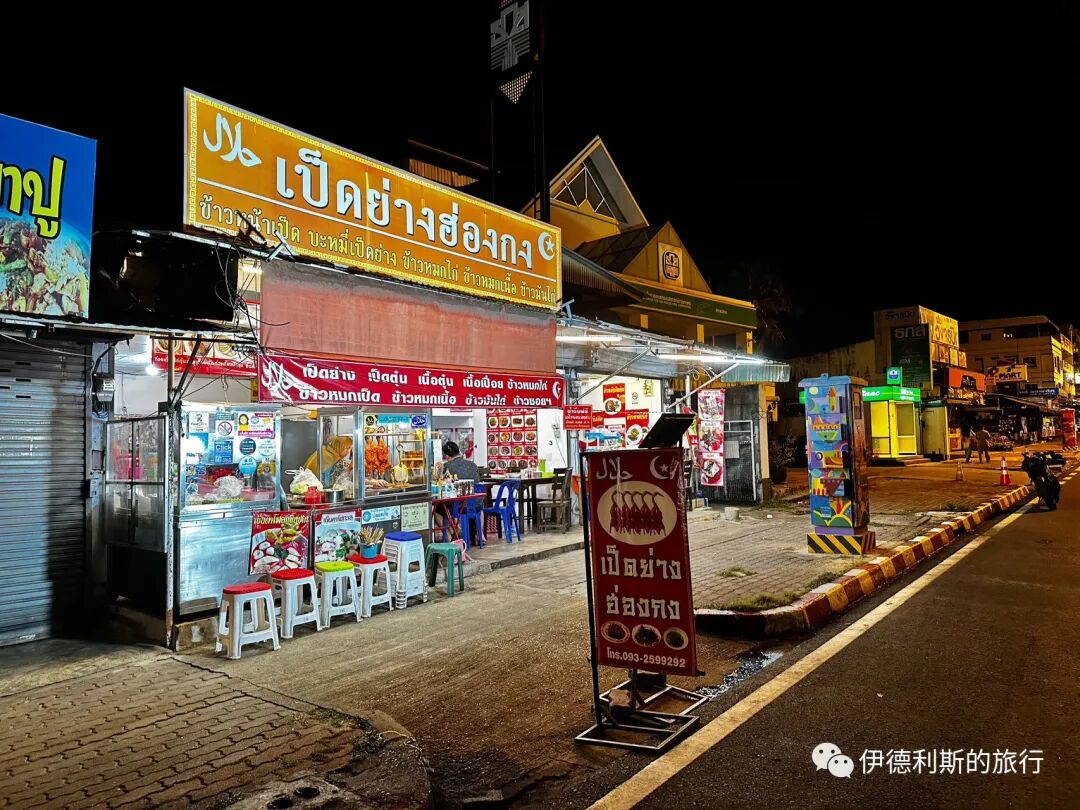
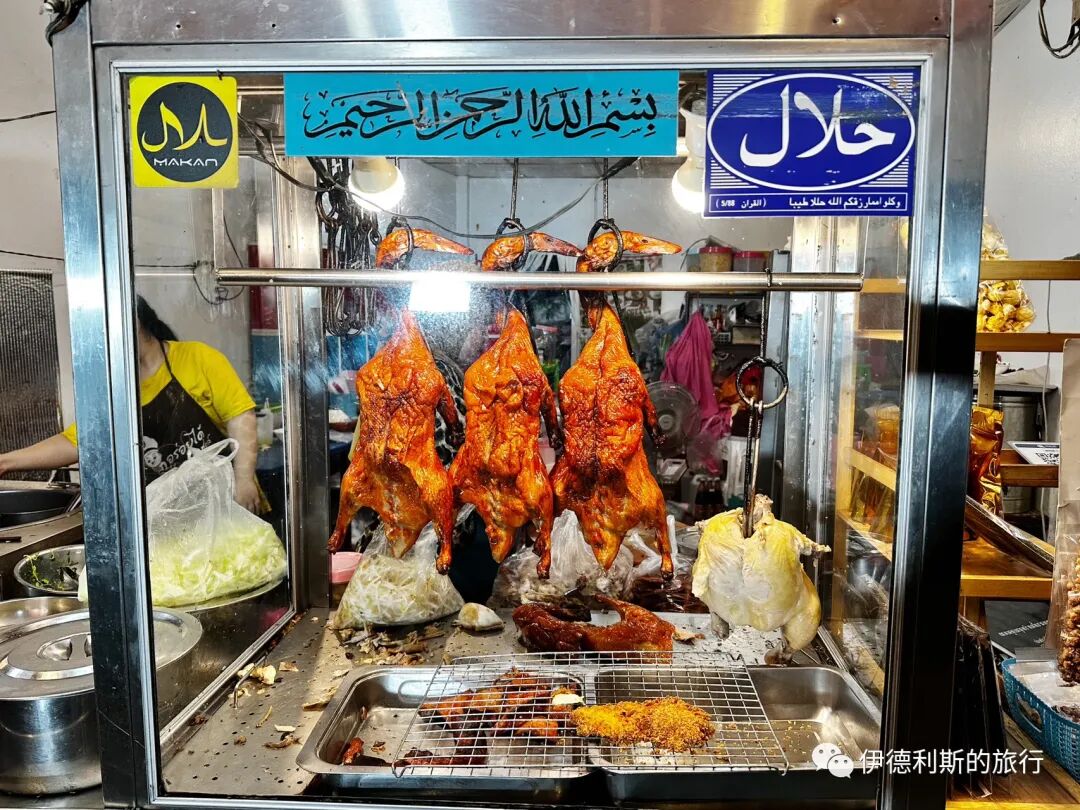
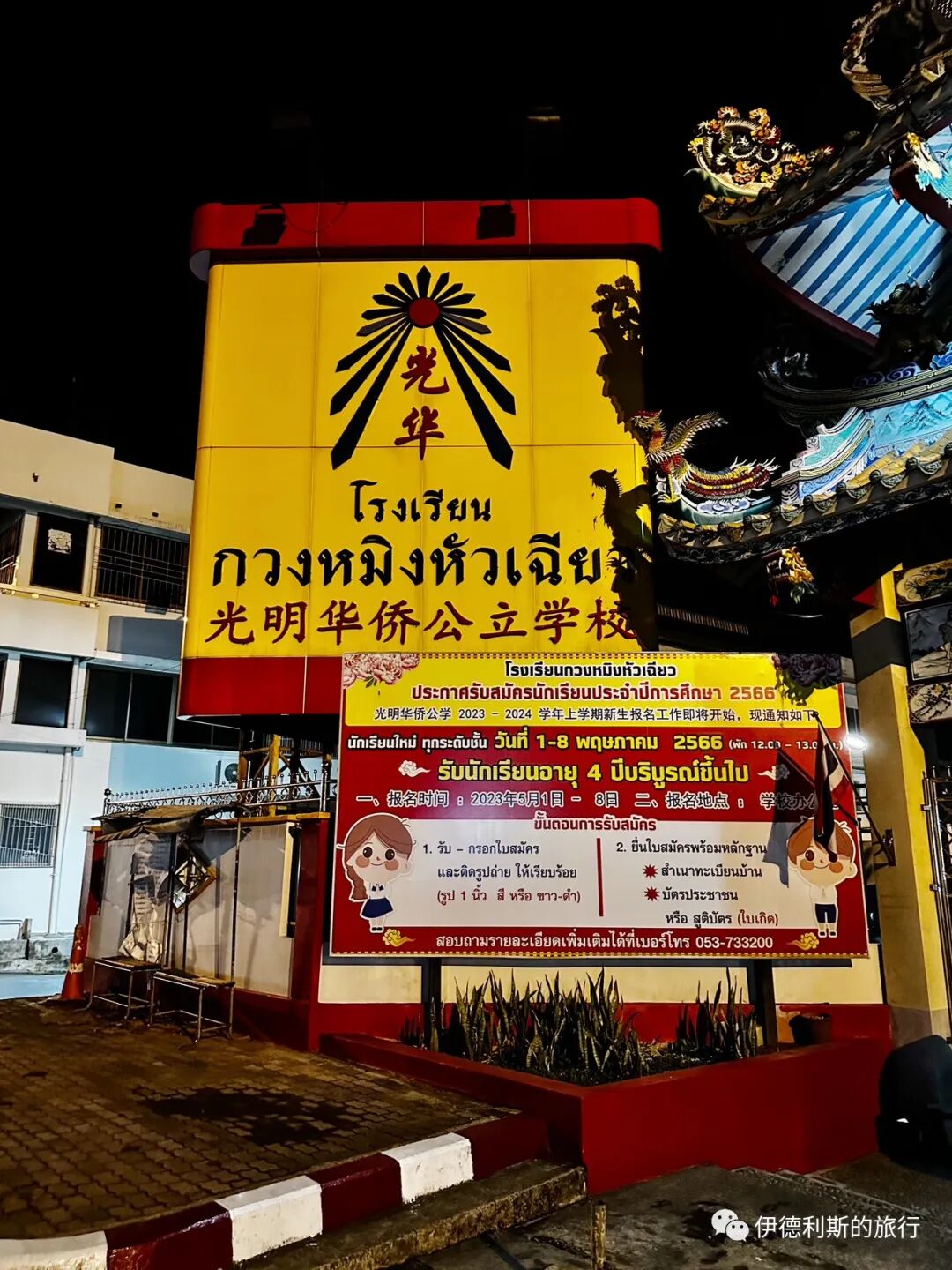
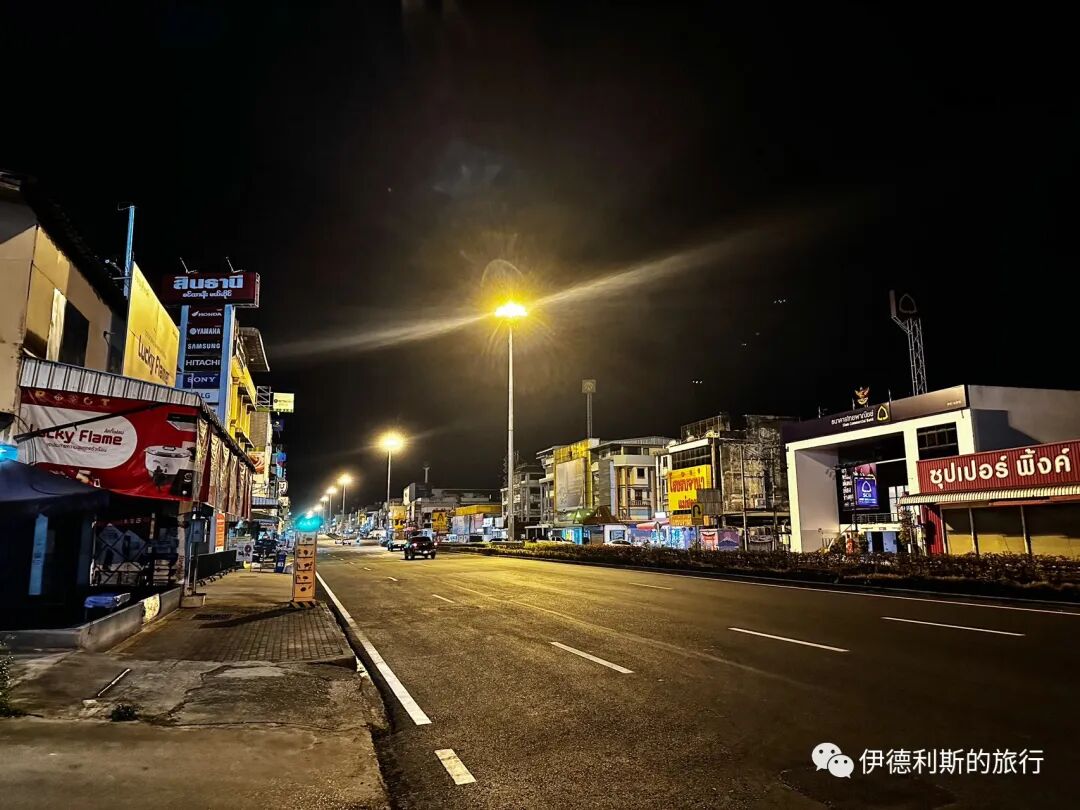
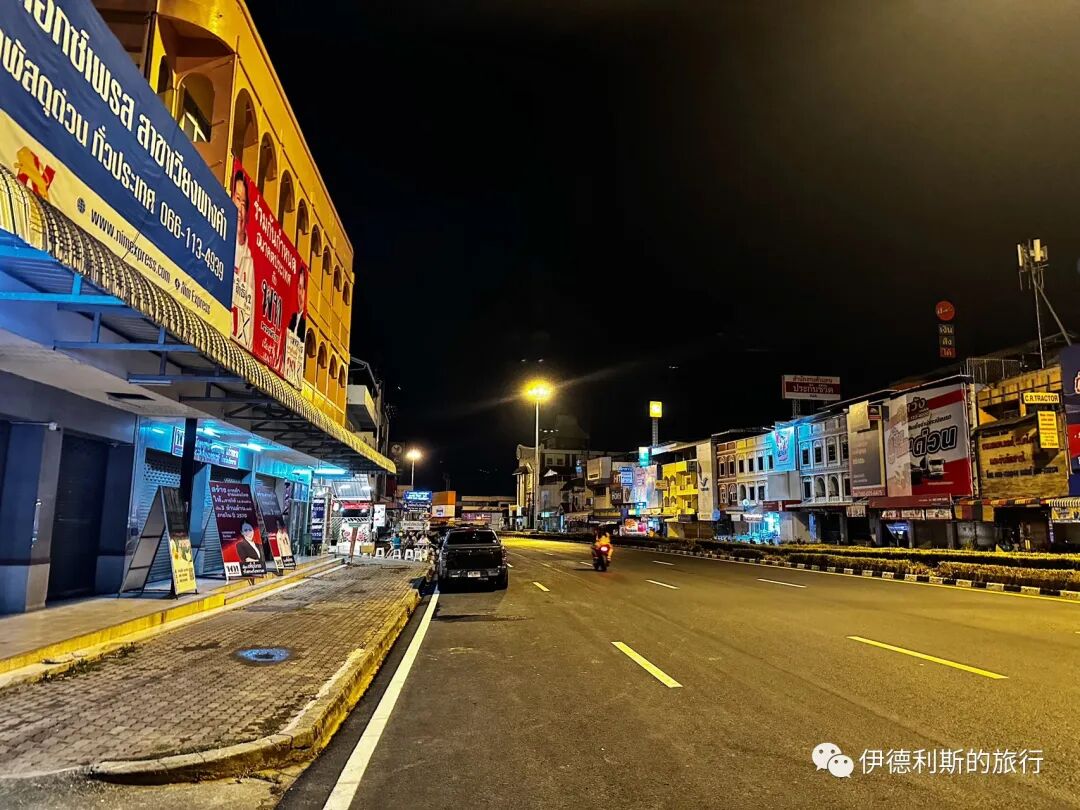
While walking around the streets of Mae Sai at night, we saw a Thai Muslim roast duck shop across from the Yunnan mosque. It was still busy at midnight. It turns out Thai people really love eating roast duck too. The Chinese community in Mae Sai is mainly made up of three groups: Yunnan Han people, Yunnan Hui Muslims, and Chaoshan people. Both the Yunnan and Chaoshan groups have their own Chinese-language schools. The Yunnan Hui Muslims here attend three types of schools: Thai schools, Chinese schools, and religious schools (jingxue). Because of this, they grow up knowing Thai, Chinese, and Arabic.
Summary: Northern Thailand has old Yunnanese Hui Muslim communities whose mosque neighborhoods still carry the memory of migration, trade, and borderland life. This firsthand account follows the second day of the route through local mosques, village streets, and community history while preserving the original photos and sequence.
The Mae Salong Mosque was built in the 1960s by Hui Muslims from Yunnan who were part of the 5th Division of the Lost Army in Northern Thailand. The first imam, Yang Guoqing, worked in the 5th Division's intelligence department. He led the community through the toughest years from the 1960s to the 1980s, seeing the mosque evolve from a bamboo hut to a tin-roofed wooden structure, and finally to the current reinforced concrete building. Haji Majisi, who held the rank of Major General in the army, was one of the three founding elders of the Mae Salong Mosque. He worked tirelessly to raise funds for the mosque's reconstruction, contributing both his own money and effort selflessly. The first imam to lead prayers at the mosque was Haji Wang Zhenliang, who was originally a merchant from Yunnan.
Today, there are still over a dozen households of the mosque's community (gaomu) in Mae Salong, though many live in Taiwan during the tourism off-season. The current imam is a Hmong convert to Islam. He is very grateful that fellow believers (dost) have come to preach in the deep mountains of Northern Thailand, which has led some local Hmong people to return to the faith.
Inside the mosque, there is a Ramadan donation record (nieti bu) posted on the wall. It shows that the community is primarily made up of people with the surname Ma, along with others named Yang, Dong, Yao, Mu, Wang, He, Jiang, and Zhang. The mosque also displays the wedding stage from earlier this year, where local community member Ma Zhenqiang married Ani, a Thai convert to Islam. It must have been a very lively event, and if Allah wills, I hope to attend a wedding of the Yunnanese Hui Muslims in Thailand one day.
Inside the main prayer hall of the Mae Salong Mosque, there is Arabic calligraphy gifted by a folk culture delegation of Yunnan Hui Muslims.
There is also a group photo of local youth taken in the old wooden prayer hall during a past Eid al-Fitr.
There are two Yunnanese Hui Muslim restaurants in Mae Salong, and we had dinner at one of them, the Shanlima Restaurant. Our driver, Mr. Ma, and the owner's son were classmates at the Jingzhen School in Chiang Mai. The owner was away when we visited, so we only met his wife and son-in-law, both of whom are Thai converts to Islam. The owner's wife can speak a little Yunnanese, so at first, we thought she was a Yunnanese Hui Muslim.
Dining in Mae Salong, deep in the mountains, is all about fresh ingredients. We ordered stir-fried black-bone chicken with ginger strips, braised beef offal (niuzapa hu), a cold salad of fresh tea leaves, and luffa tips. Many families in Mae Salong village raise black-bone chickens. You can usually only find this type of chicken in the mountains; the meat is very firm and tastes delicious. The cold salad of fresh tea leaves is a specialty of Mae Salong, and it was my first time trying it. The fresh tea leaves are crisp, and the light tea fragrance is very refreshing.
We also didn't expect to find fried milk curd (rushan) in Thailand. It was fried thin and crispy, not greasy at all, and even better than what I had eaten in Weishan, Dali before! Master Ma said this was likely brought over by Yunnan Hui Muslims from Myanmar, who still keep the craft of frying milk curd.
Sharing the menu from Shanlima Restaurant in Mae Salong; wild bitter melon is also one of their specialties.
Besides Shanlima, Mae Salong has another Yunnan Hui Muslim restaurant called Mina Halal Restaurant. Since it is the off-season, the owner went to Taiwan. She will likely return after the Mid-Autumn Festival when the peak tourist season begins, so only the staff are running it now. If I have the chance to visit Mae Salong again, I will go and try their food.
Mae Sai
In the evening, we traveled from Mae Salong to Mae Sai, a border port city on the Thai-Myanmar border at the northernmost tip of Thailand. Mae Sai now has over 200 households of Yunnan Hui Muslims, making it the second-largest settlement of Yunnan Hui Muslims in Northern Thailand outside of Chiang Mai.
We drank tea and chatted with the elders at the Yunnan Mosque in Mae Sai, and we had no trouble communicating in Mandarin. Although Mae Sai has been a necessary stop for Yunnan horse caravans heading south to Chiang Mai since the late Qing Dynasty, the mosque was not initiated and built until 1952 by Yunnan Hui Muslims Ma Xianglin and Ma Enshou. The original mosque was just a thatched hut, but it was later rebuilt into a wooden structure under the supervision of Ma Zixing, thanks to donations from Qian Yizhai and fellow believers in Chiang Mai. In 1975, as the number of Yunnan Hui Muslims in Mae Sai grew, the old mosque could no longer accommodate everyone. Mu Chengfang initiated a move to the current location next to the main road, and Ma Weijing and Na Caikui oversaw the construction of the current steel and concrete building.
In the evening, we visited the South Asian Mosque in Mae Sai for namaz. According to Master Ma, there are currently 70 to 80 local South Asian Muslim households in Mae Sai, plus over 200 households of Myanmar-born Muslims who moved here from Myanmar to make a living due to poverty. There are about 50 poor students from Myanmar in this mosque. The mosque provides them with free food, housing, and education, which is very moving.
After coming down from Hufu Beach, we had spicy barbecue (shaokao) from a Yunnan Hui Muslim shop in Mae Sai for a late-night snack. We had no trouble communicating in Mandarin. They run the shop right at their own front door. You have to make several turns off the main road to find it, and we never would have spotted it without Master Ma leading the way. The barbecue doesn't have beef or lamb. It is mostly chicken gizzards, chicken hearts, and various types of sausages. They brush on plenty of Sichuan peppercorn water and chili sauce. We chose the mild spice level, and it was still very satisfying.
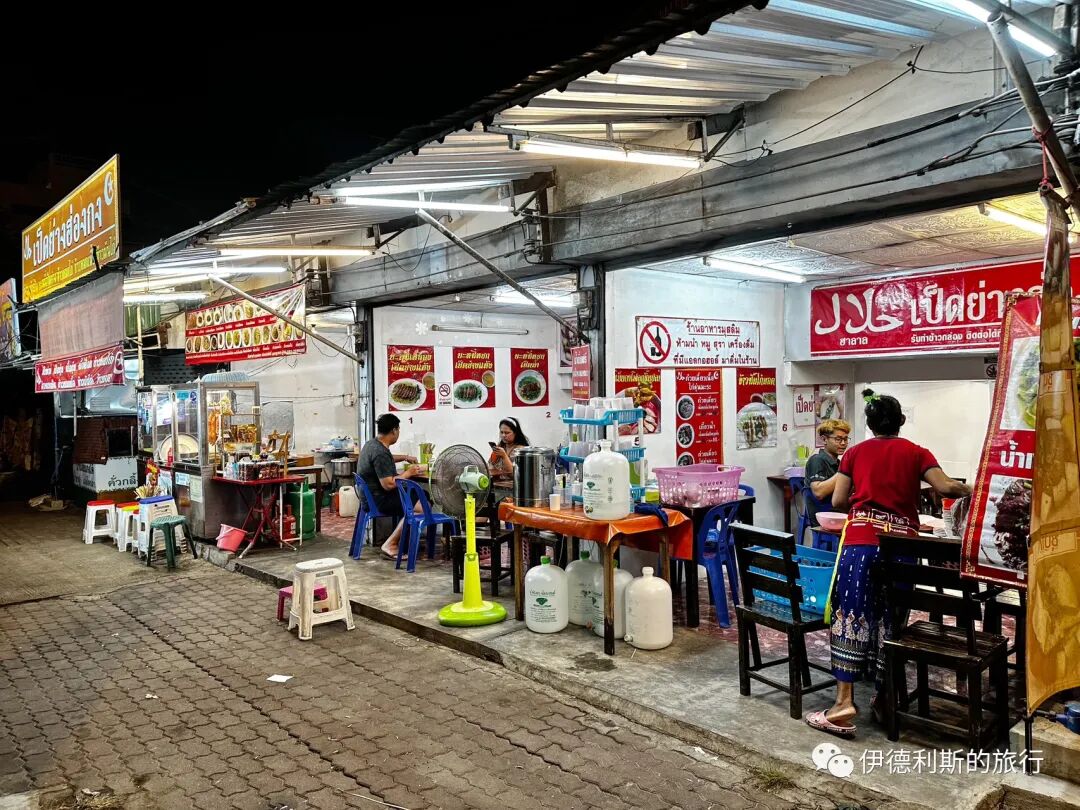
While walking around the streets of Mae Sai at night, we saw a Thai Muslim roast duck shop across from the Yunnan mosque. It was still busy at midnight. It turns out Thai people really love eating roast duck too. The Chinese community in Mae Sai is mainly made up of three groups: Yunnan Han people, Yunnan Hui Muslims, and Chaoshan people. Both the Yunnan and Chaoshan groups have their own Chinese-language schools. The Yunnan Hui Muslims here attend three types of schools: Thai schools, Chinese schools, and religious schools (jingxue). Because of this, they grow up knowing Thai, Chinese, and Arabic.
