
Halal Travel Guide: Northern Thailand — Yunnan Mosques and Hui Communities (Part 1)
Reposted from the web
Summary: Northern Thailand has old Yunnanese Hui Muslim communities whose mosque neighborhoods still carry the memory of migration, trade, and borderland life. This firsthand account follows the first half of the second day through mosques, settlements, and local Muslim community scenes while preserving the original photos and sequence.
During the May Day holiday in 2023, I visited the mosque communities (sifang) of Hui Muslims from Yunnan in Northern Thailand. On the first day, led by Master Ma Ruqi, a third-generation Thai Hui Muslim from Yunnan, we visited four mosque communities in the Chiang Mai city area: Chang Khlan, Wat Ket, Jingzhen, and Nurul. I posted about this in 'A Pilgrimage to Northern Thai Yunnan Mosque Communities (Day 1)'. On the second day, Master Ma drove us north to visit several mosque communities in the refugee villages of the former isolated army. We went to Mae Salong, the main base of the isolated army, and finally reached Mae Sai, the northernmost border crossing between Thailand and Myanmar, which is also the second-largest settlement for Hui Muslims from Yunnan in Northern Thailand.
Breakfast in Chiang Mai
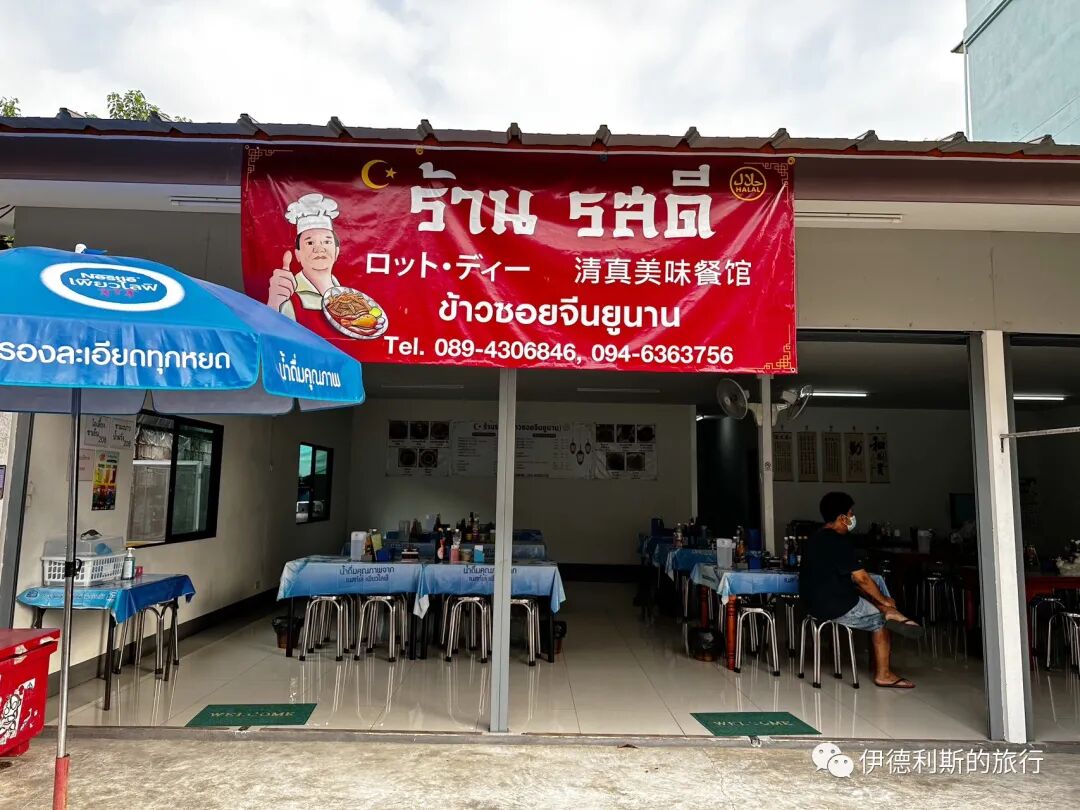
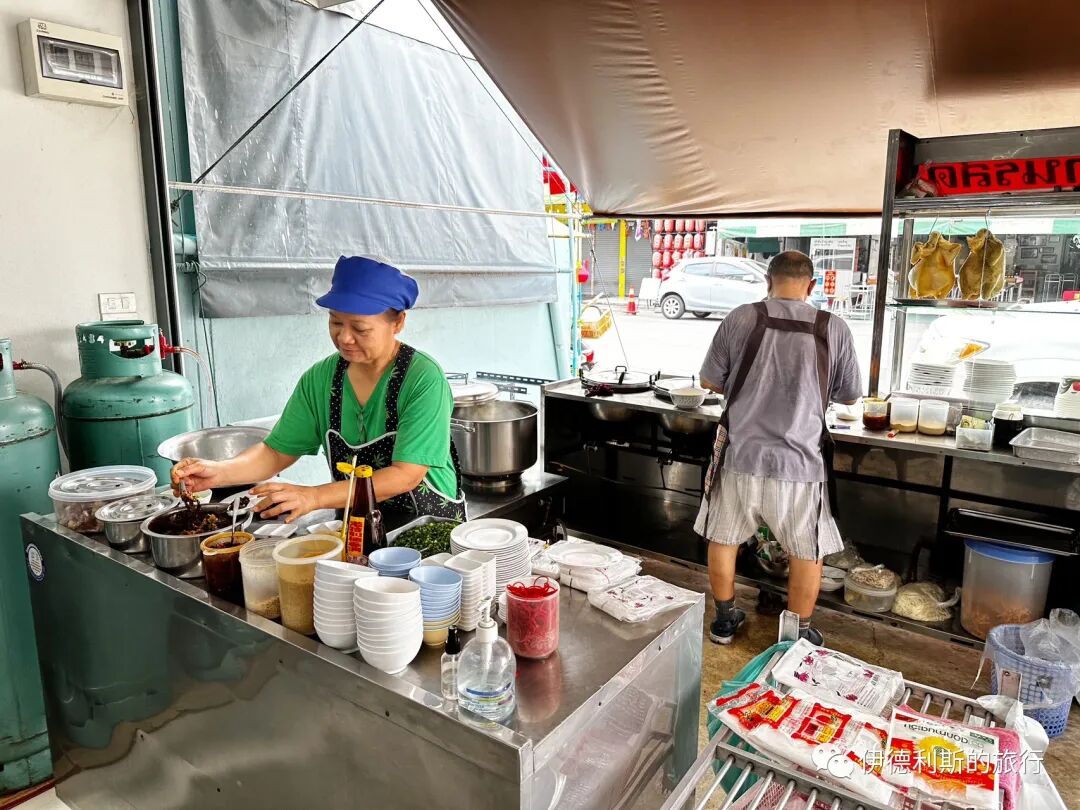
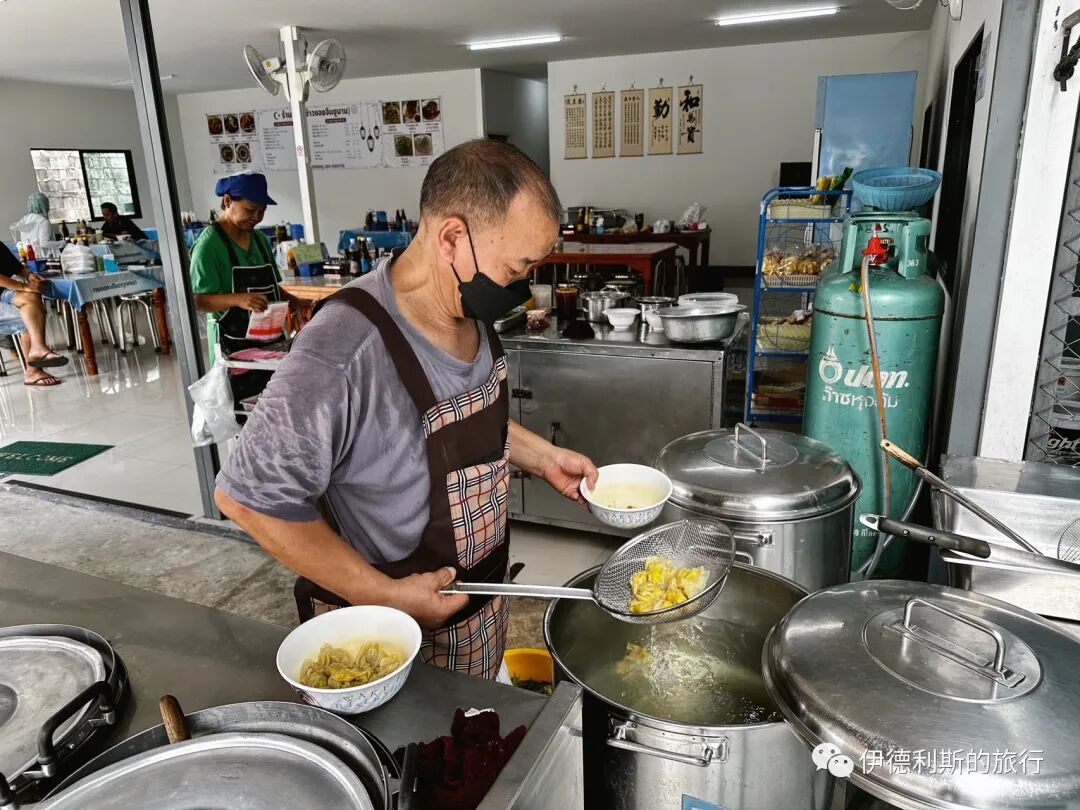
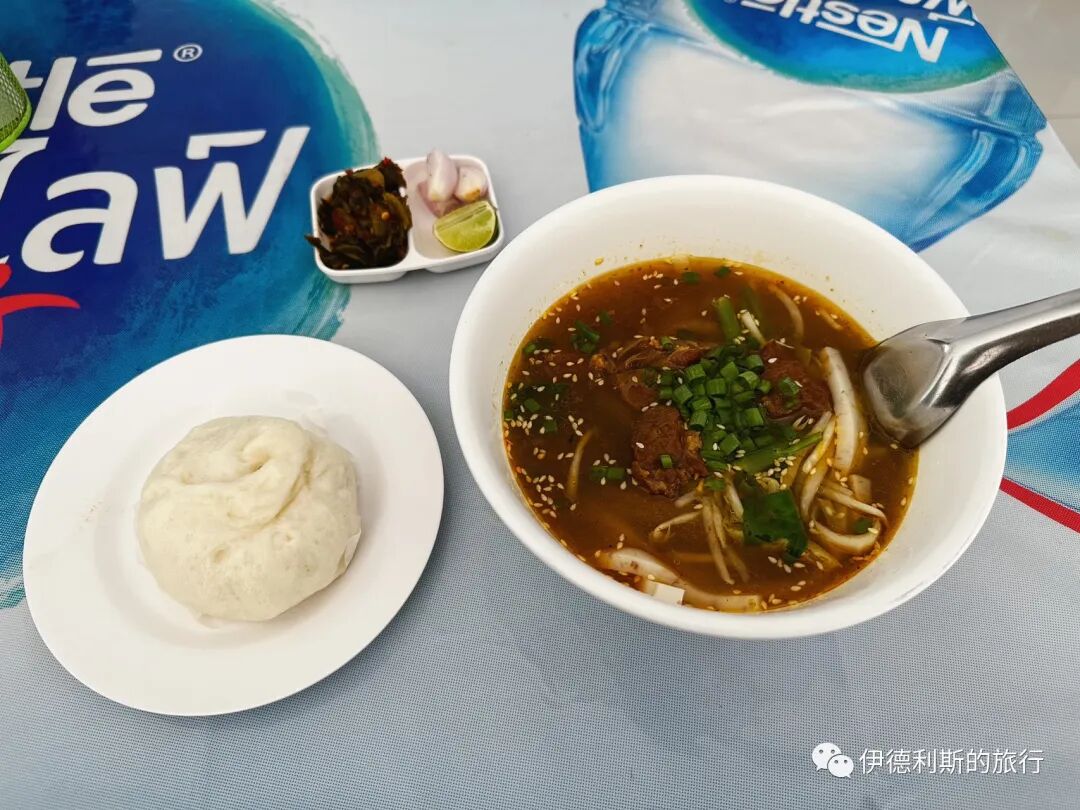
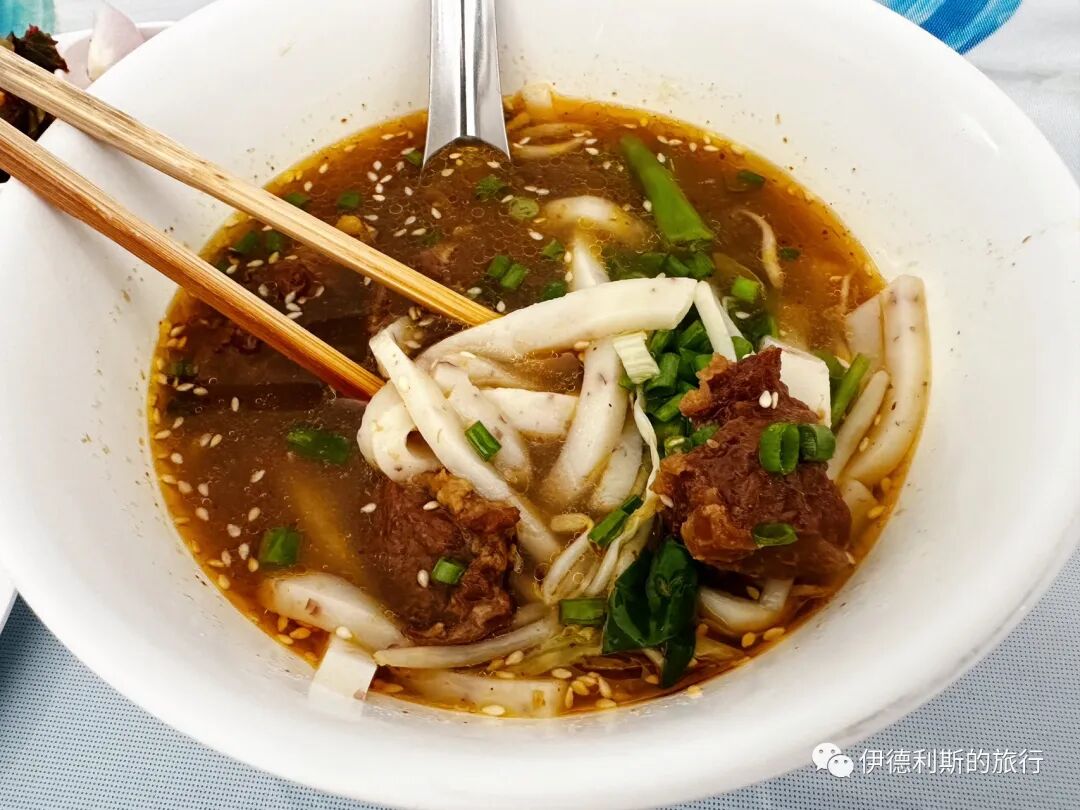
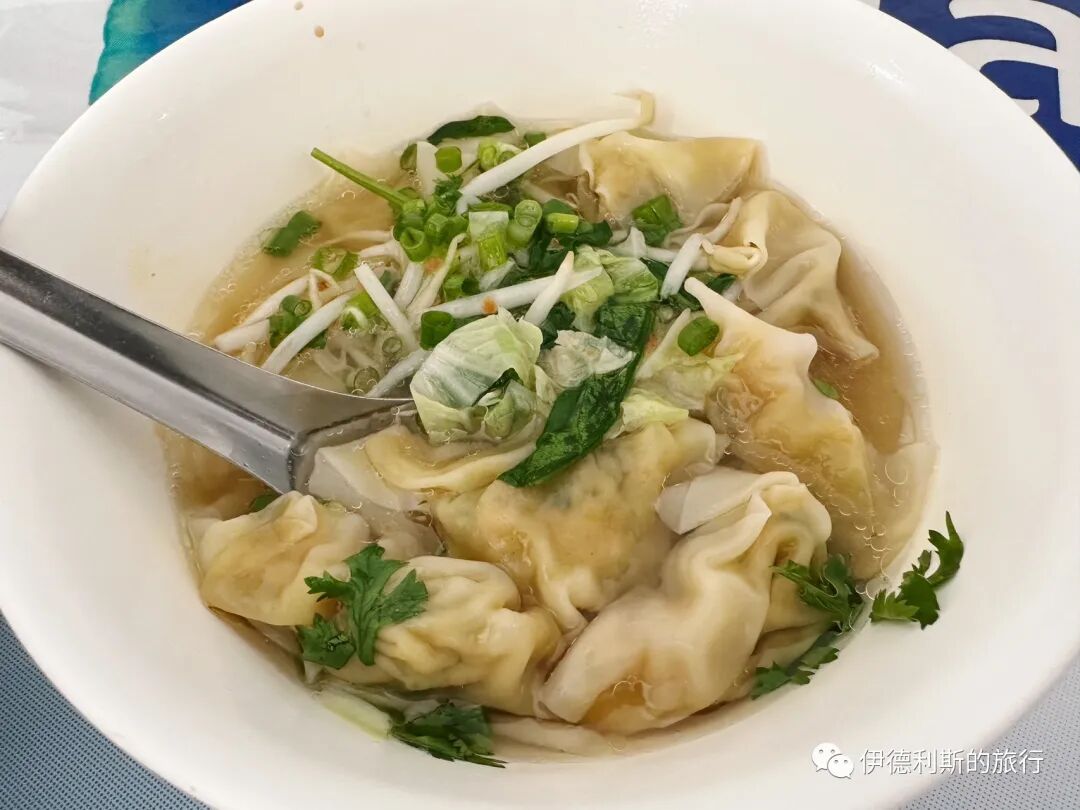
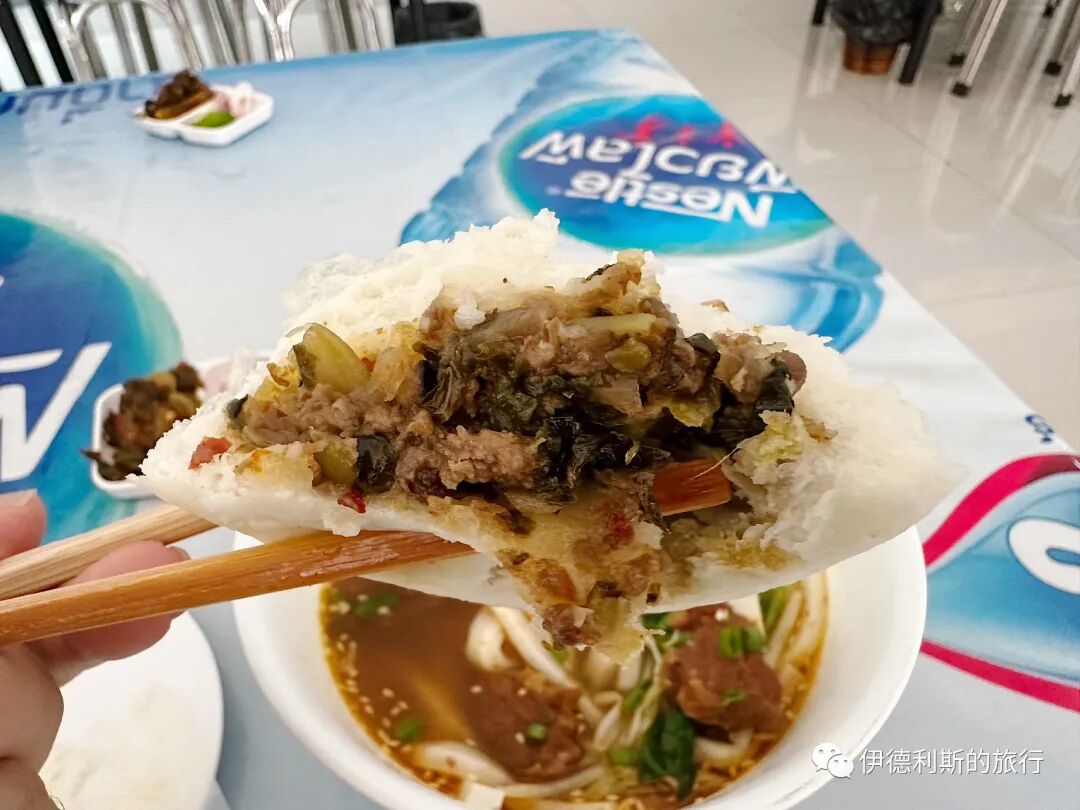
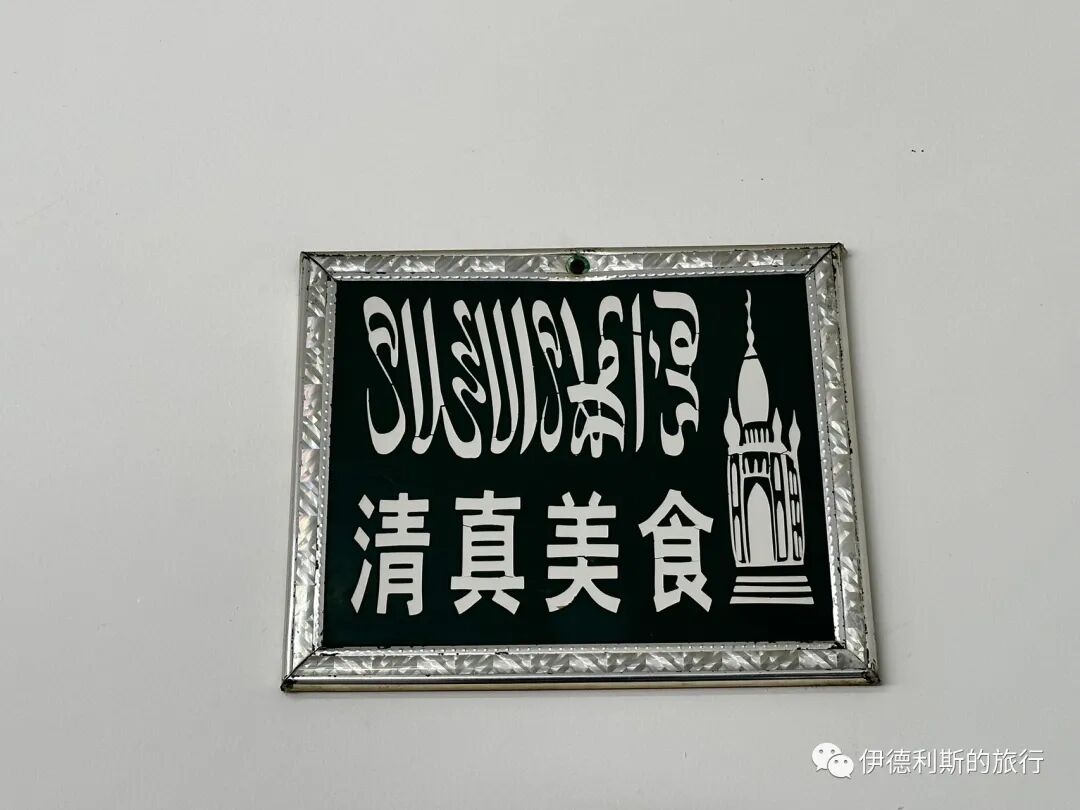
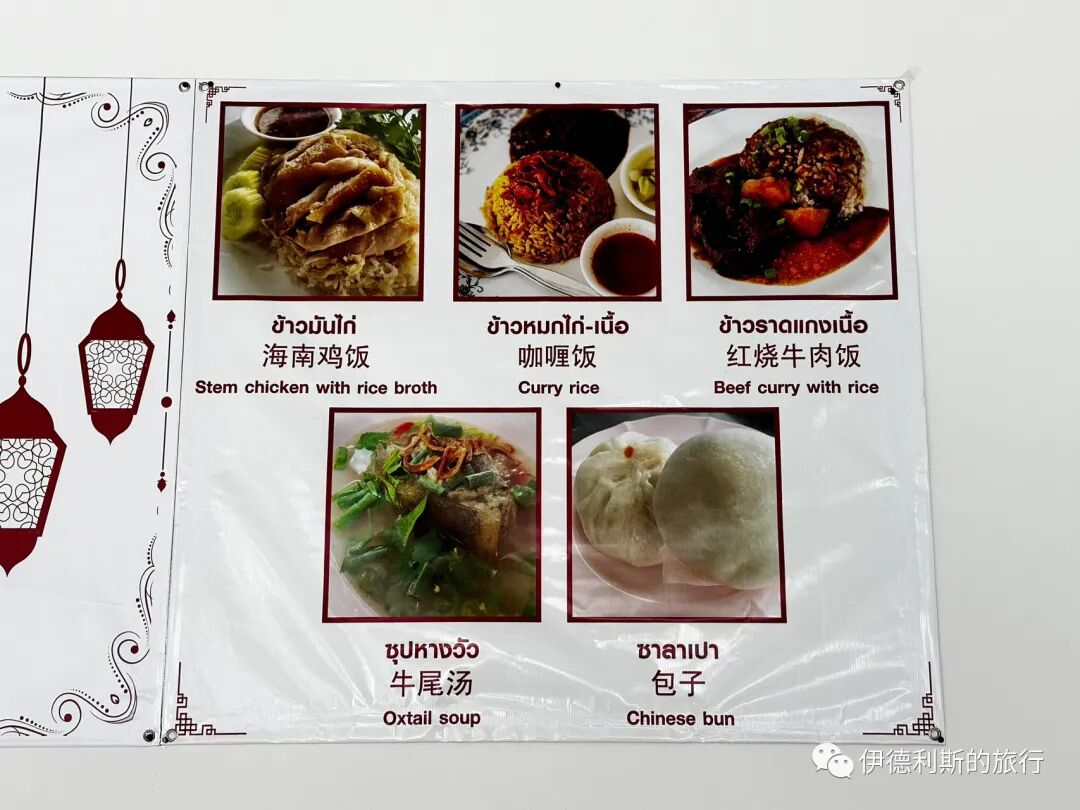
On the second morning, we first had breakfast at a halal restaurant run by Hui Muslims from Yunnan in the southeast of Chiang Mai's old city. The owner's Yunnan dialect sounded very familiar, and we had no trouble ordering in Mandarin. I ate their chicken fat rice (ji you fan) back in 2017. This time, I had rice cakes (erkua), wontons (huntun), and steamed buns (baozi). The rice cakes were topped with braised beef, the wontons were in chicken soup, and the steamed buns were filled with pickled vegetables and meat. The standard side dishes here are limes, small shallots, and pickled vegetables. I found them very refreshing and appetizing.
Date Palm Plantation
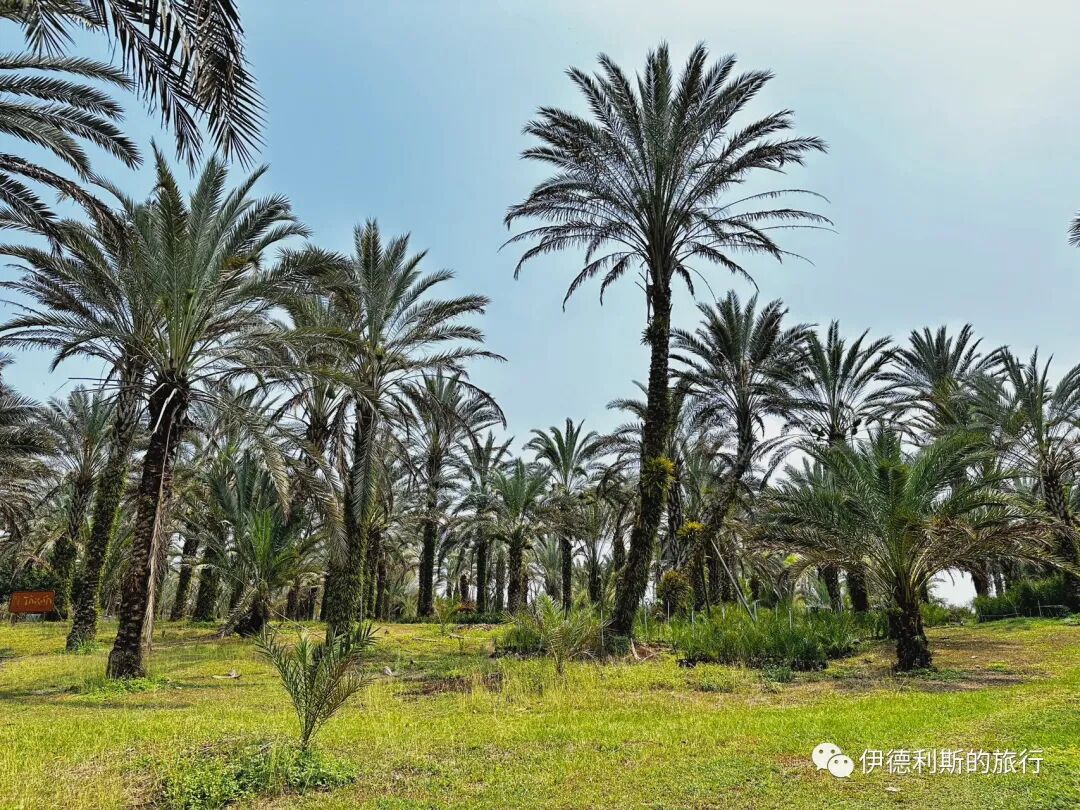
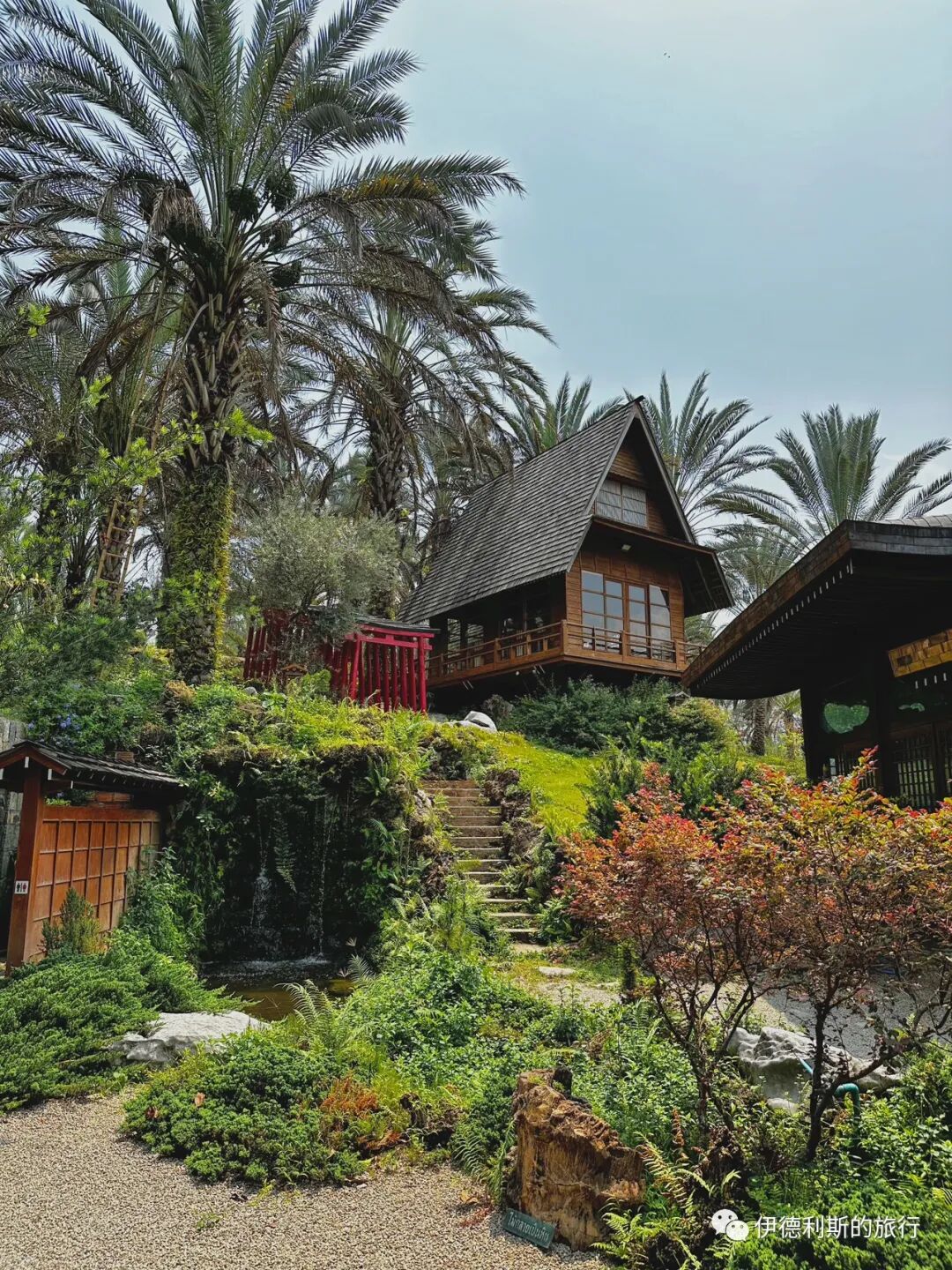
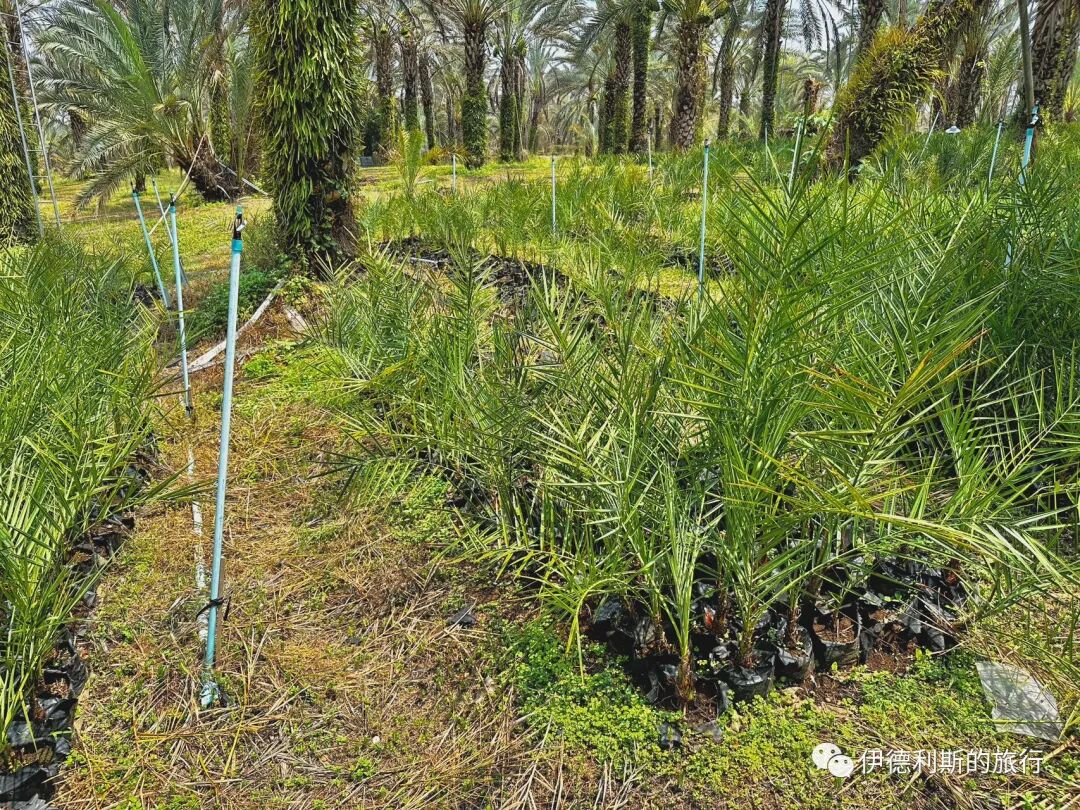
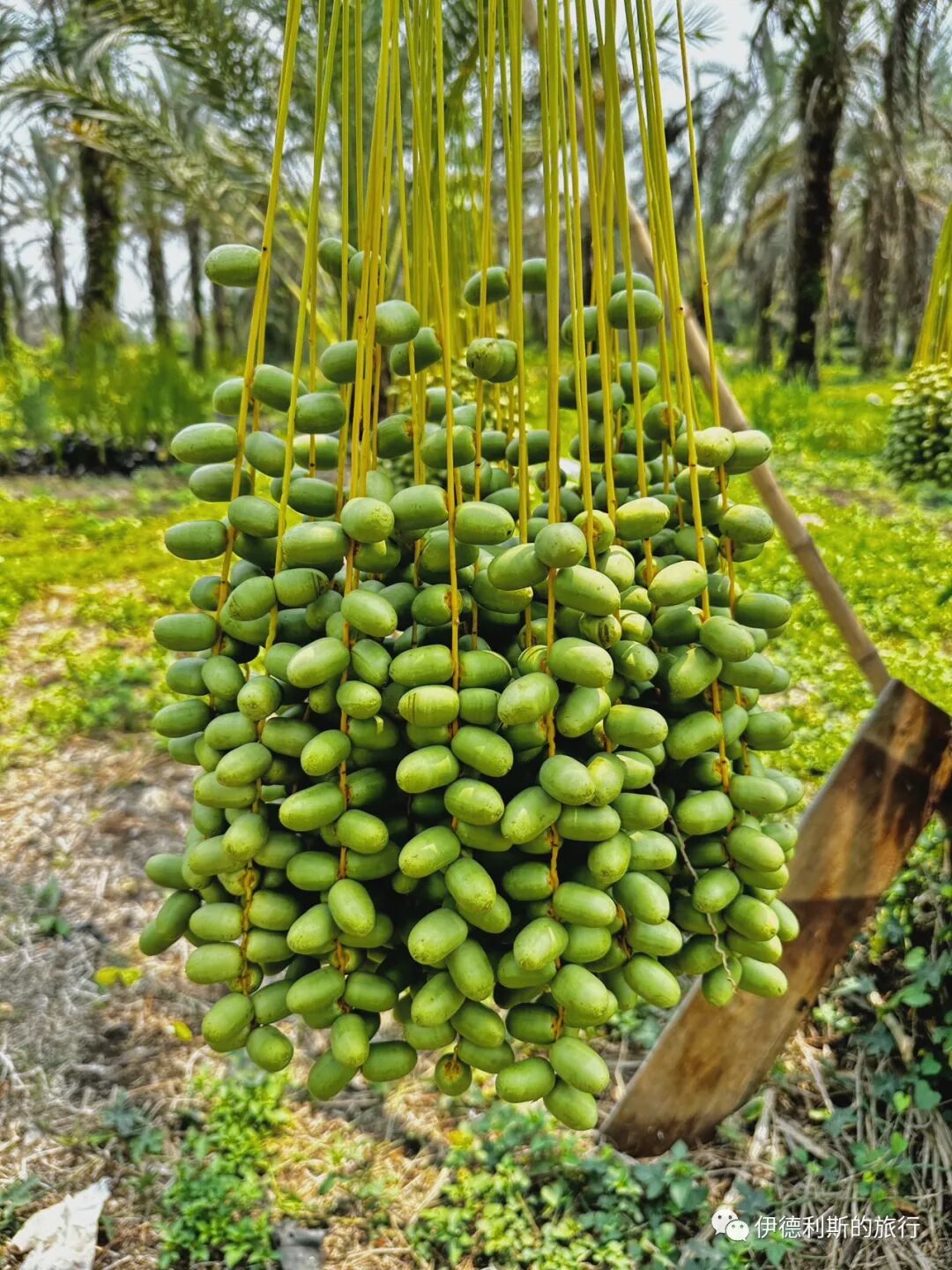
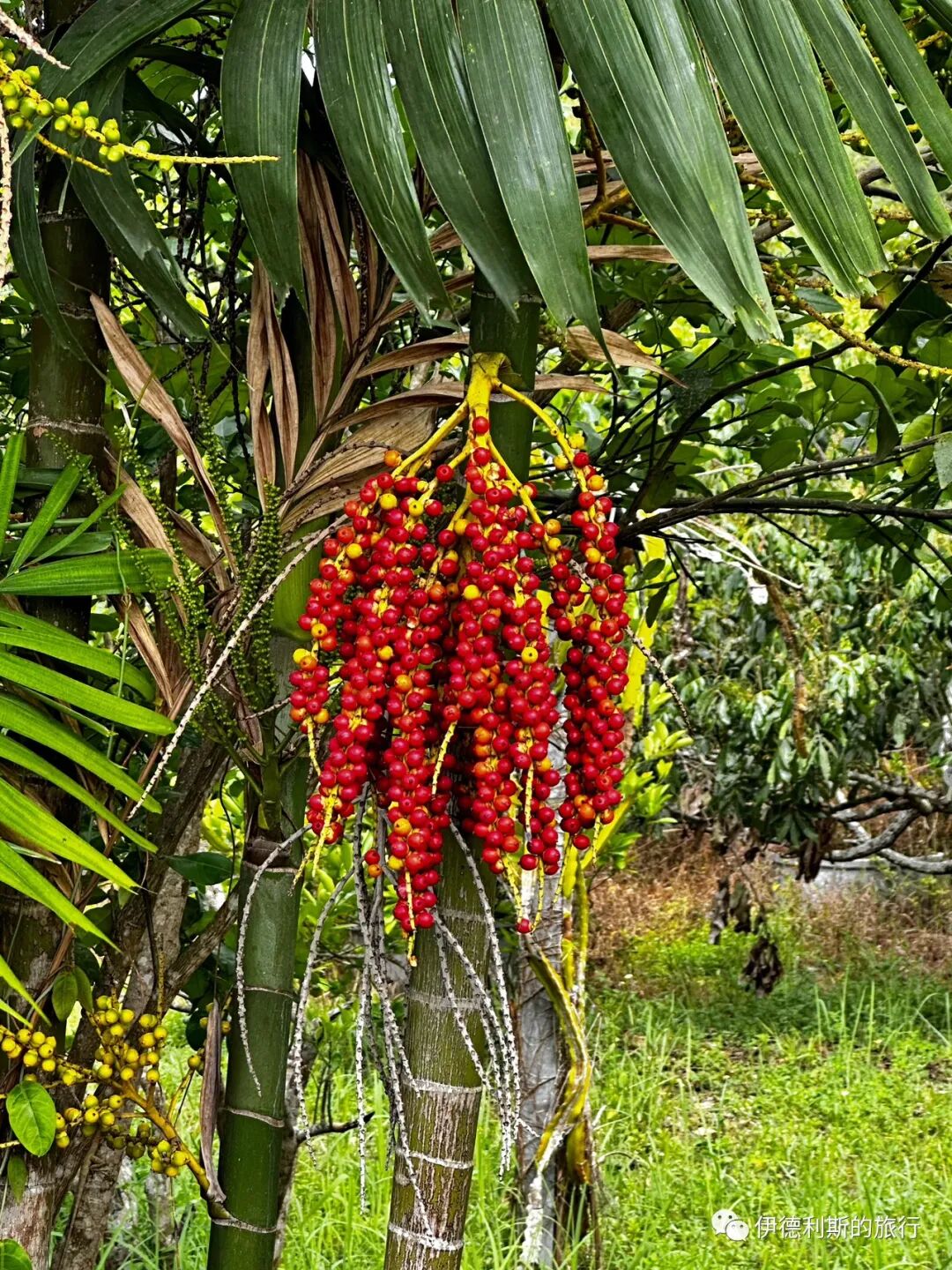
Driving north from Chiang Mai through a mountainous area, you will see a date palm plantation by the side of the road, not far from the Wang Pha National Park. Praise be to Allah, after constant efforts and attempts, Thai people have successfully grown date palms in Chiang Mai. Now Thai Muslims can eat locally grown dates. This was also my first time seeing a date palm orchard up close.
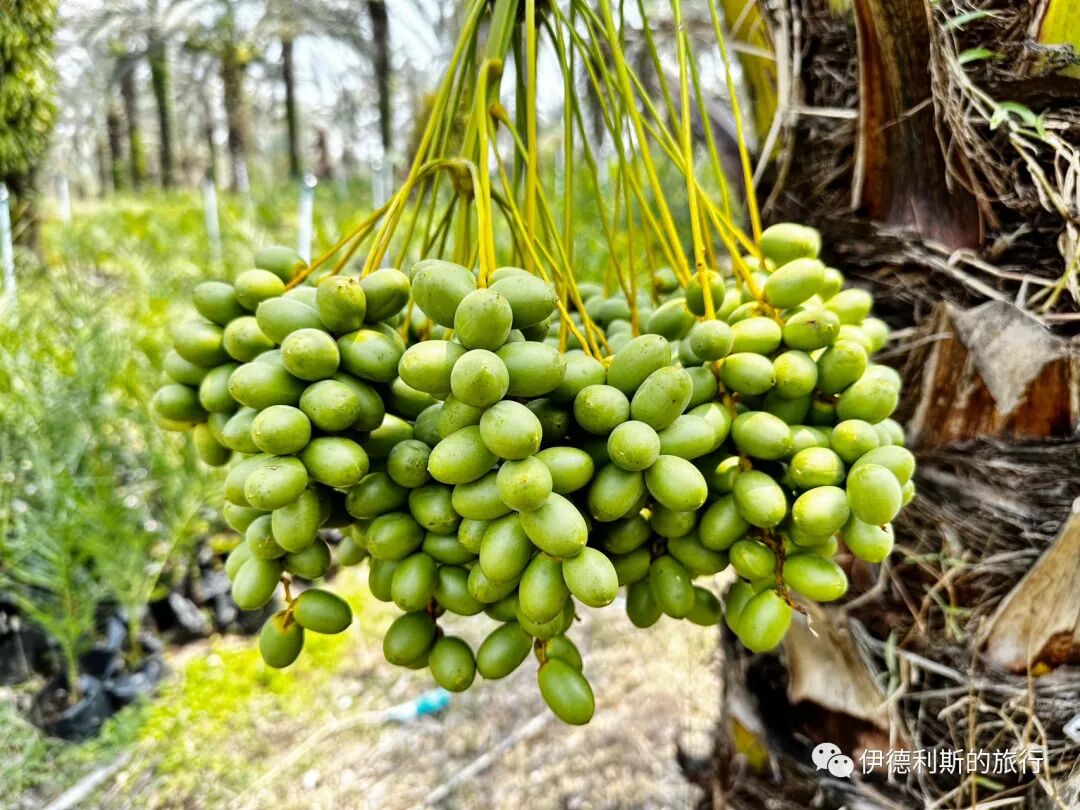
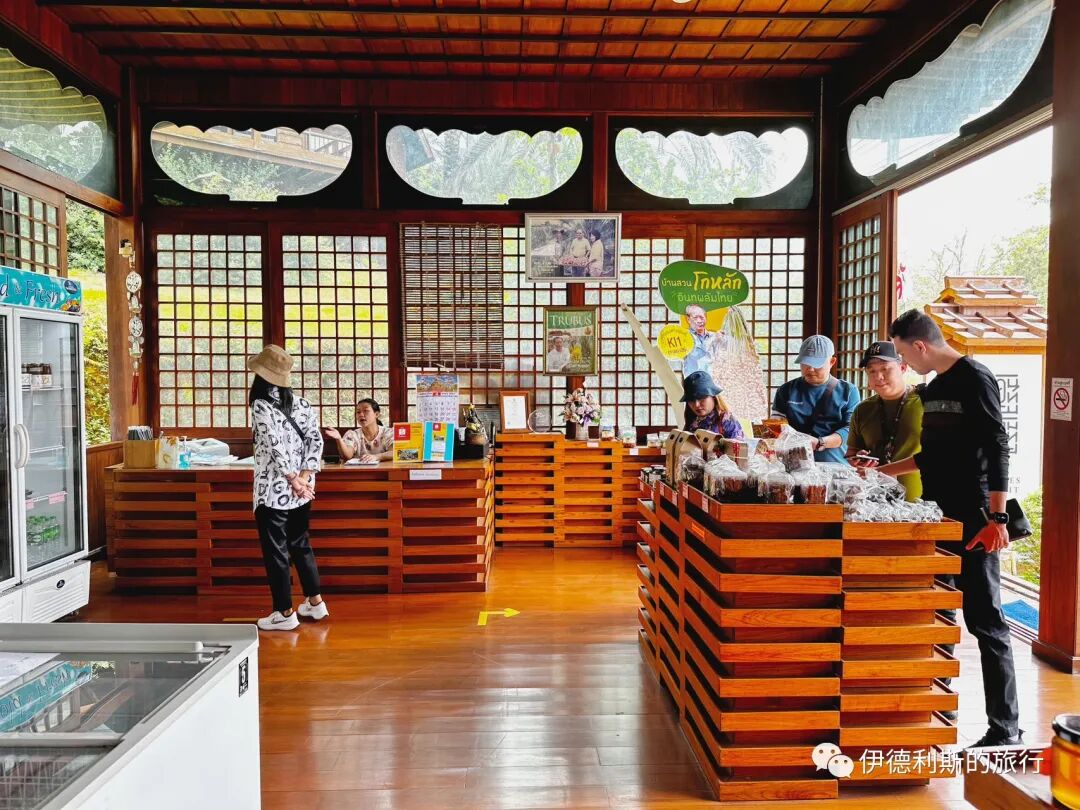
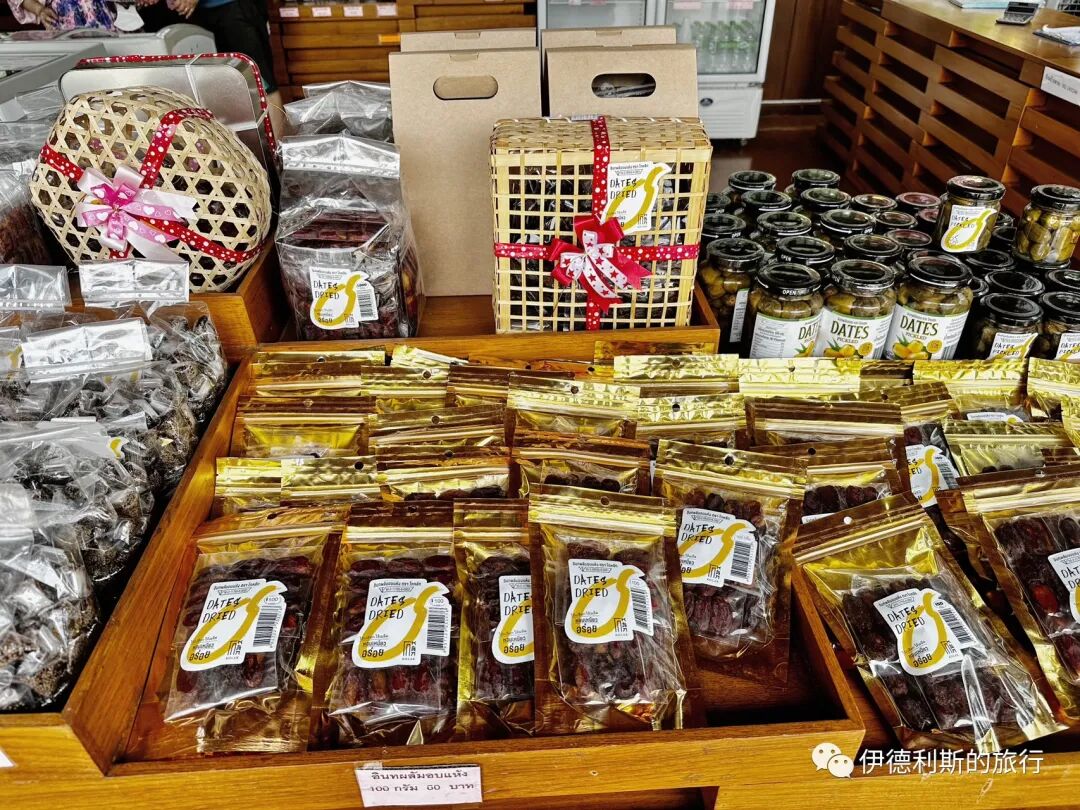
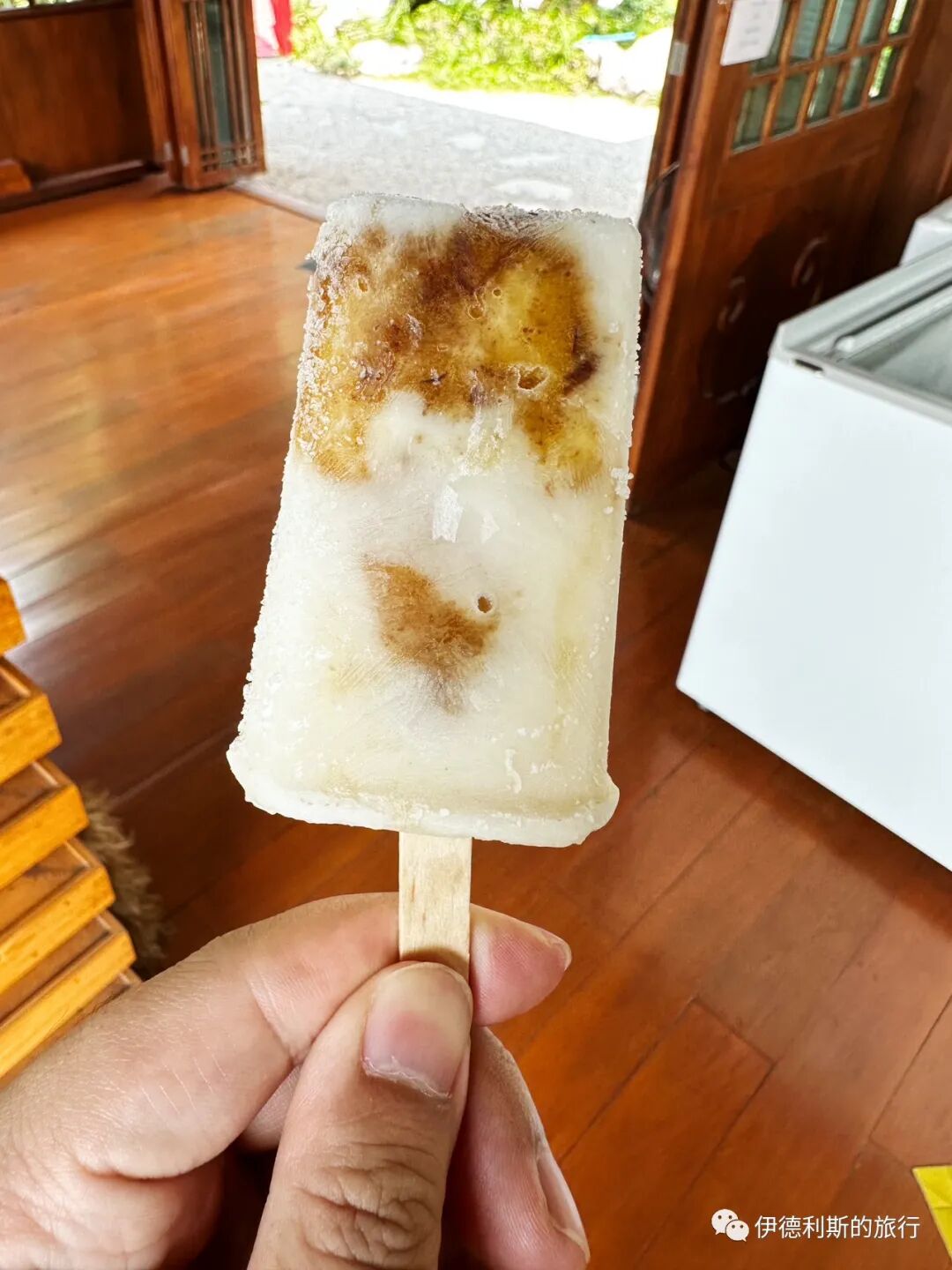
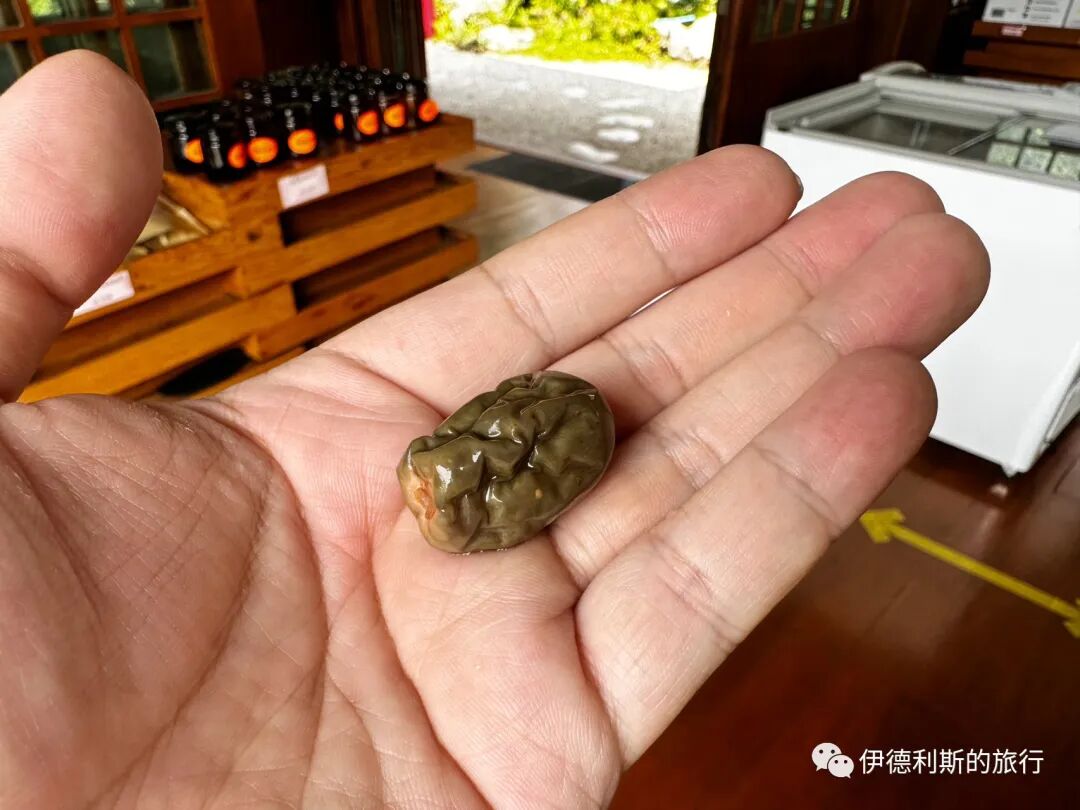
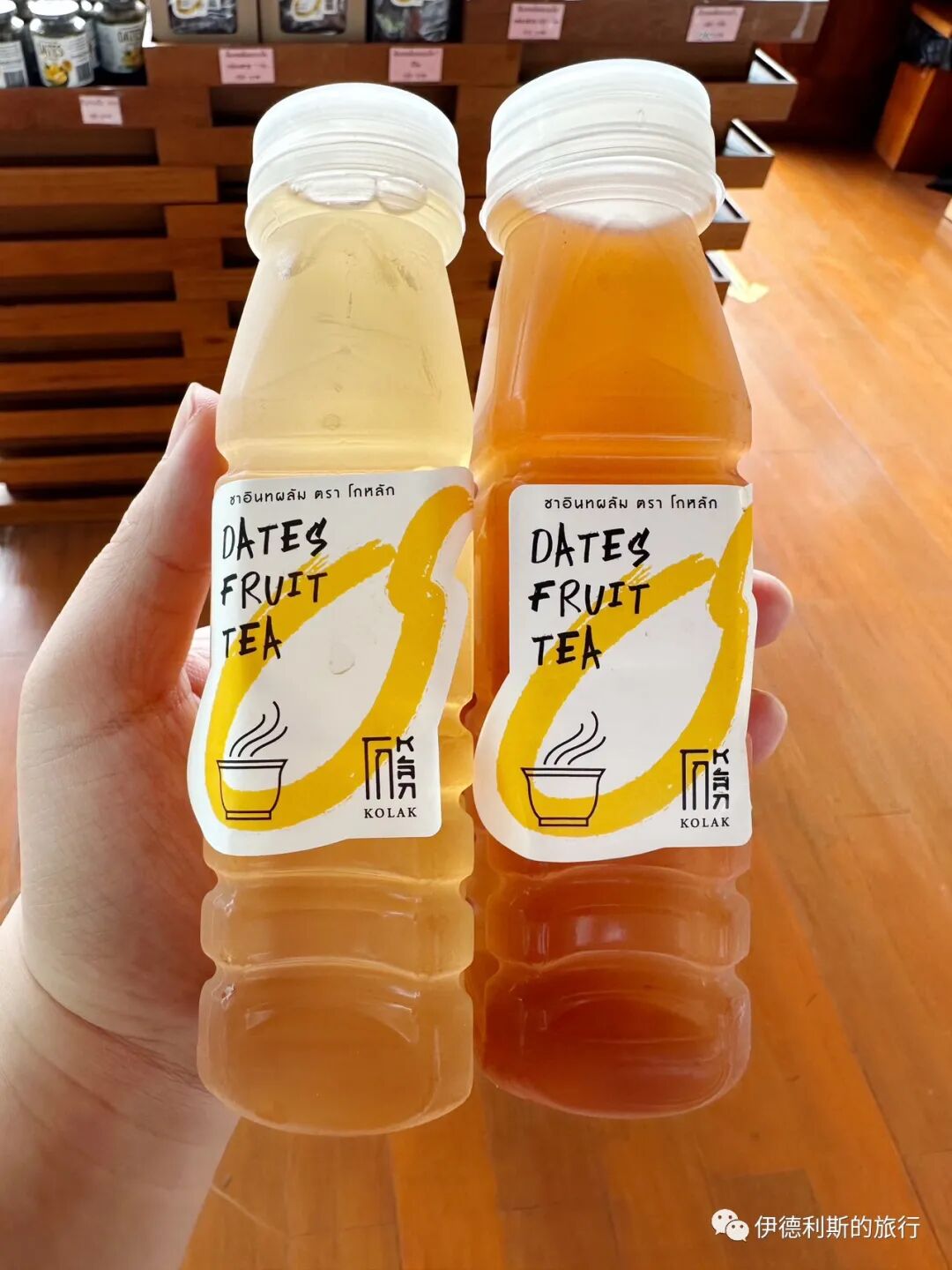
Although the dates in Chiang Mai do not ripen until July or August and I could not eat fresh ones this time, the orchard had a wide variety of date products. There were dried dates, date juice, date ice cream, canned dates, and more. We tried the date juice and date ice cream, and both were quite delicious! The dates in the canned dates were crunchy and had a light fragrance, which was a bit of a surprise.
Wanyang Village
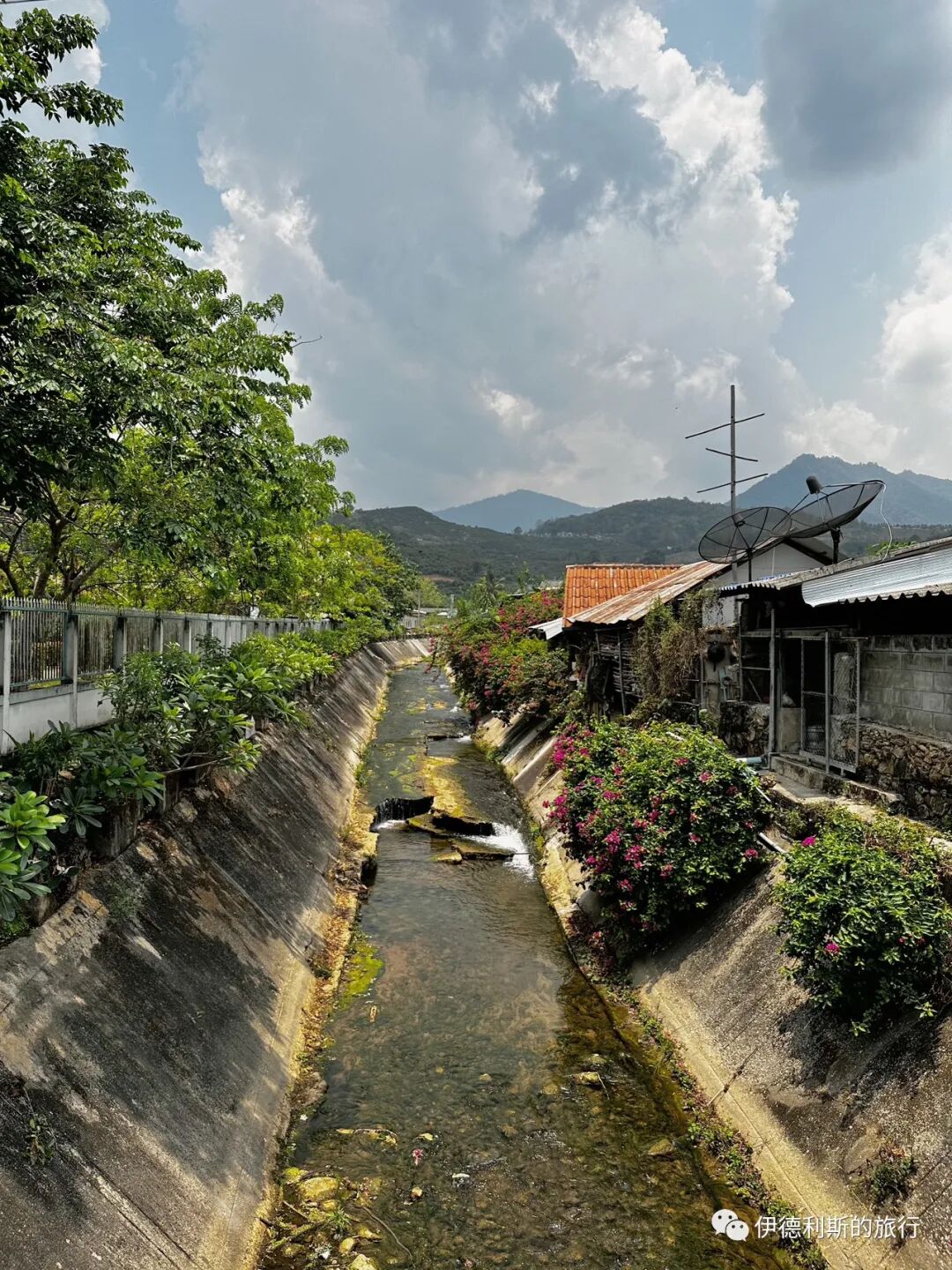
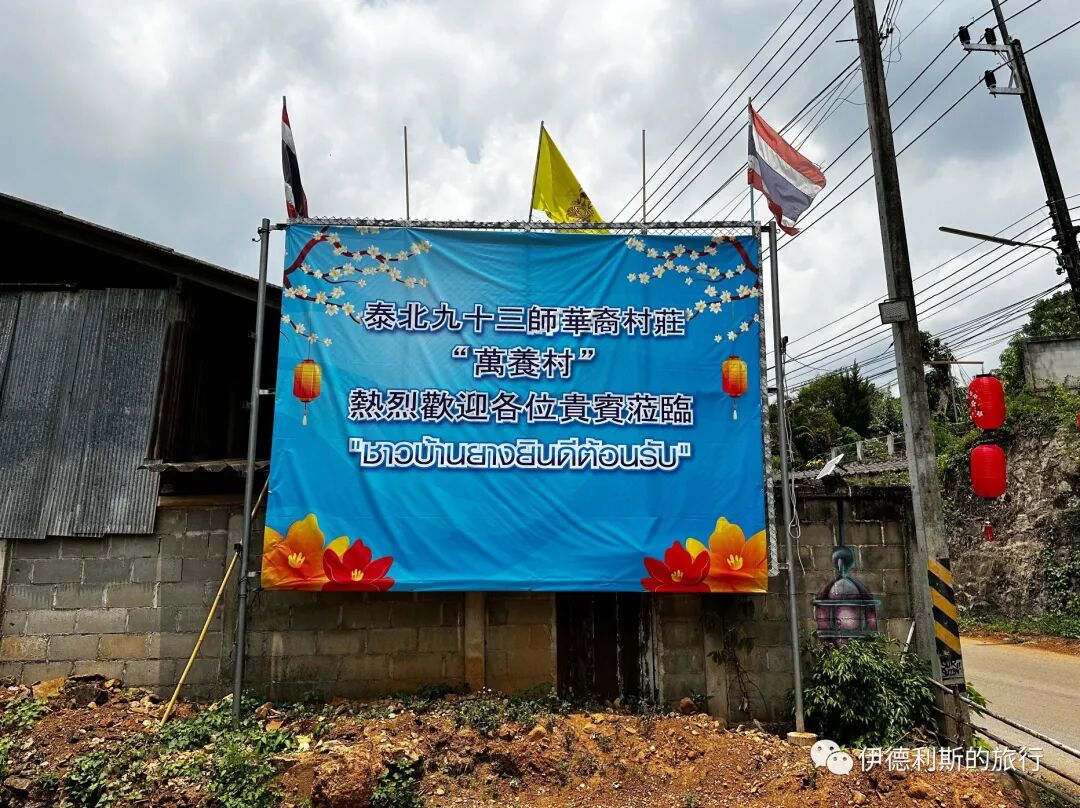
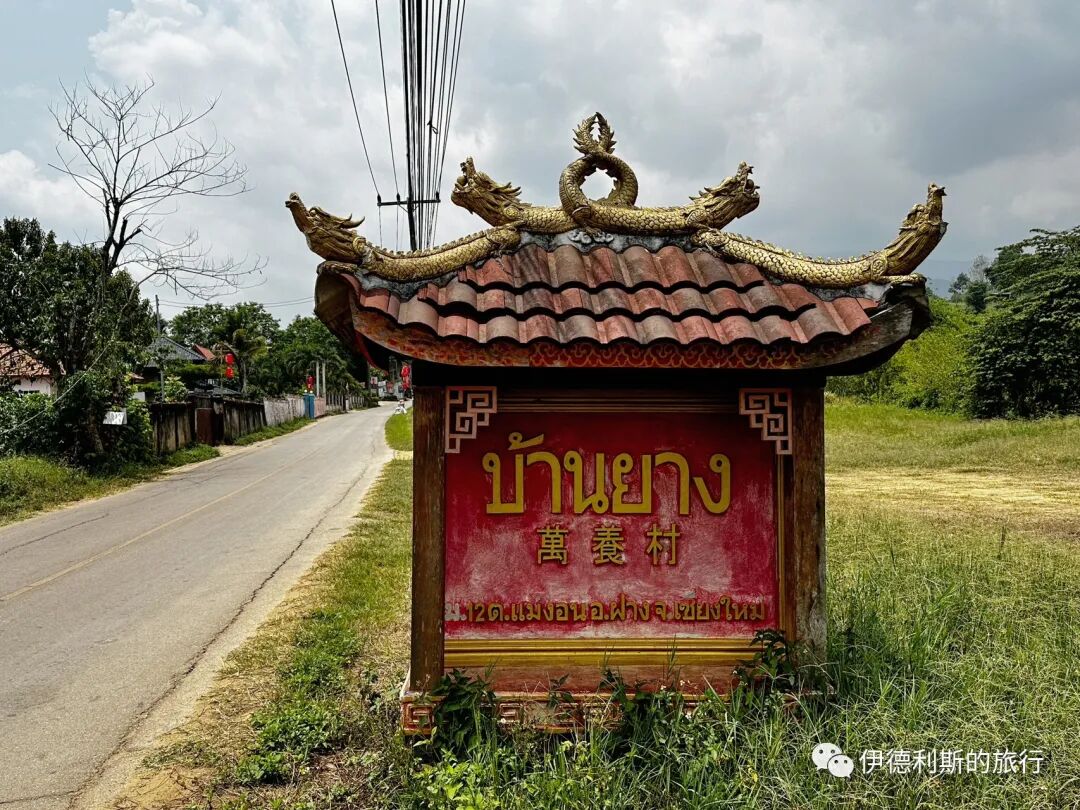
Heading north, I reached the first Hui mosque community on the Thai-Myanmar border: Wanyang Village in Fang District, founded by the descendants of refugees who followed the 93rd Division of the Lost Army in Northern Thailand. The Lost Army in Northern Thailand began in 1950 with the 237th and 93rd Divisions of the Nationalist Army, who retreated from Yunnan into Myanmar along with their families and many refugees.
After 1951, the number of families, merchants, horse caravans, and civilians arriving from Yunnan grew, but constant attacks by the Myanmar military forced them to retreat into the mountains along the Thai border, which is when Wanyang was established. These refugees first lived in bamboo and thatch huts, relying on primitive slash-and-burn farming to grow corn and rice. They were not allowed to enter or leave towns freely, making it very difficult to earn a living.
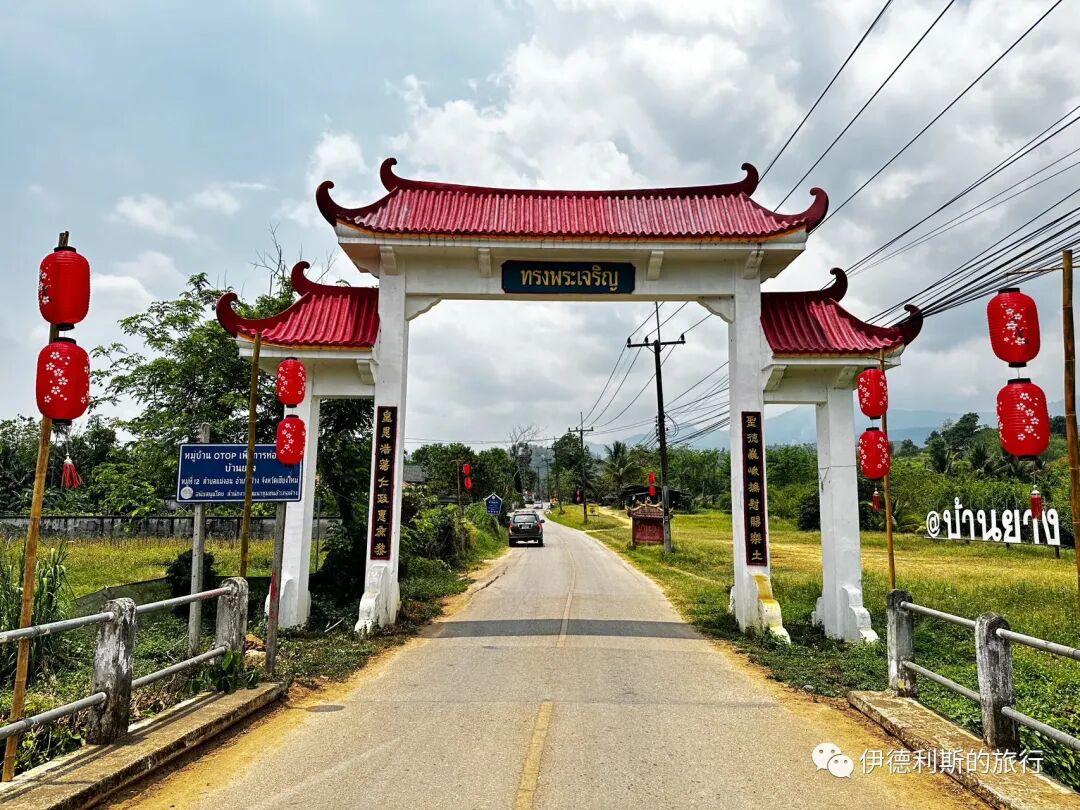
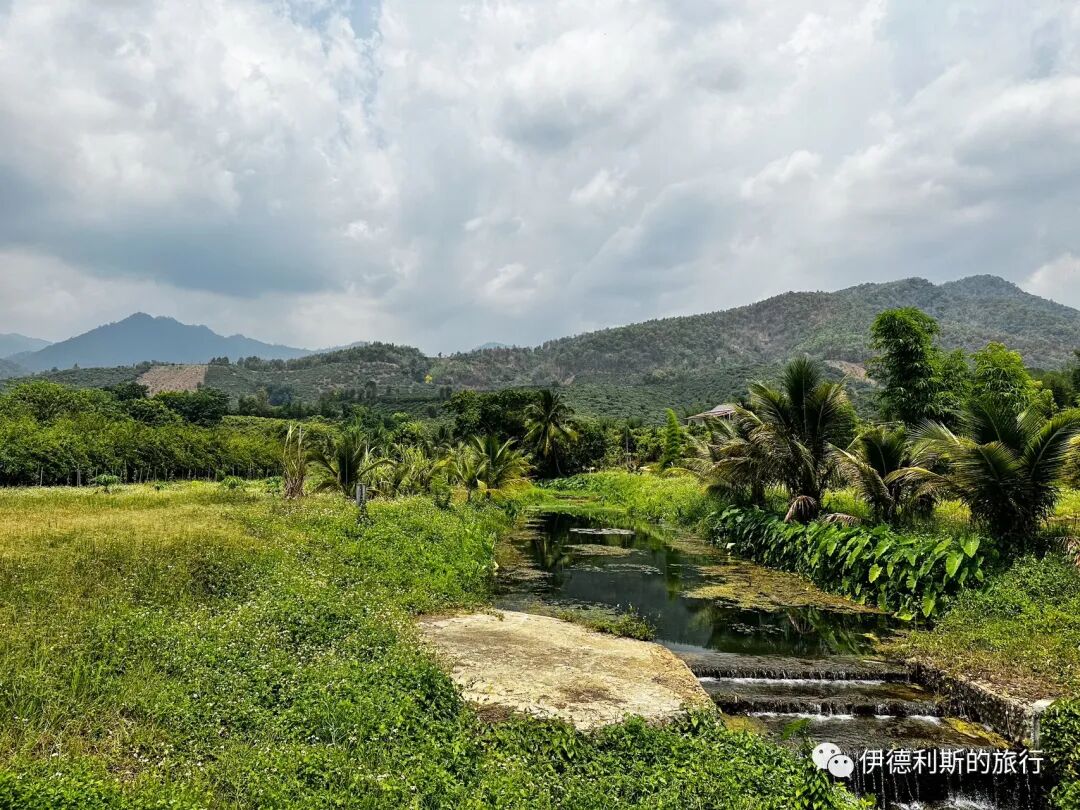
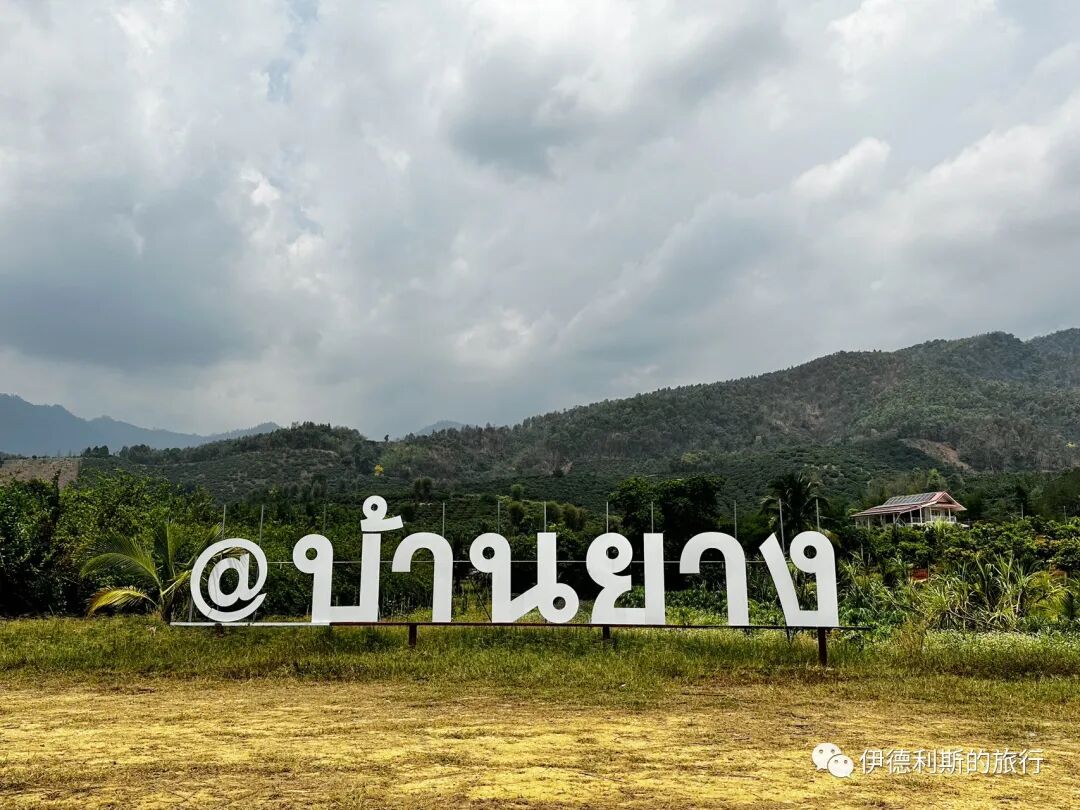
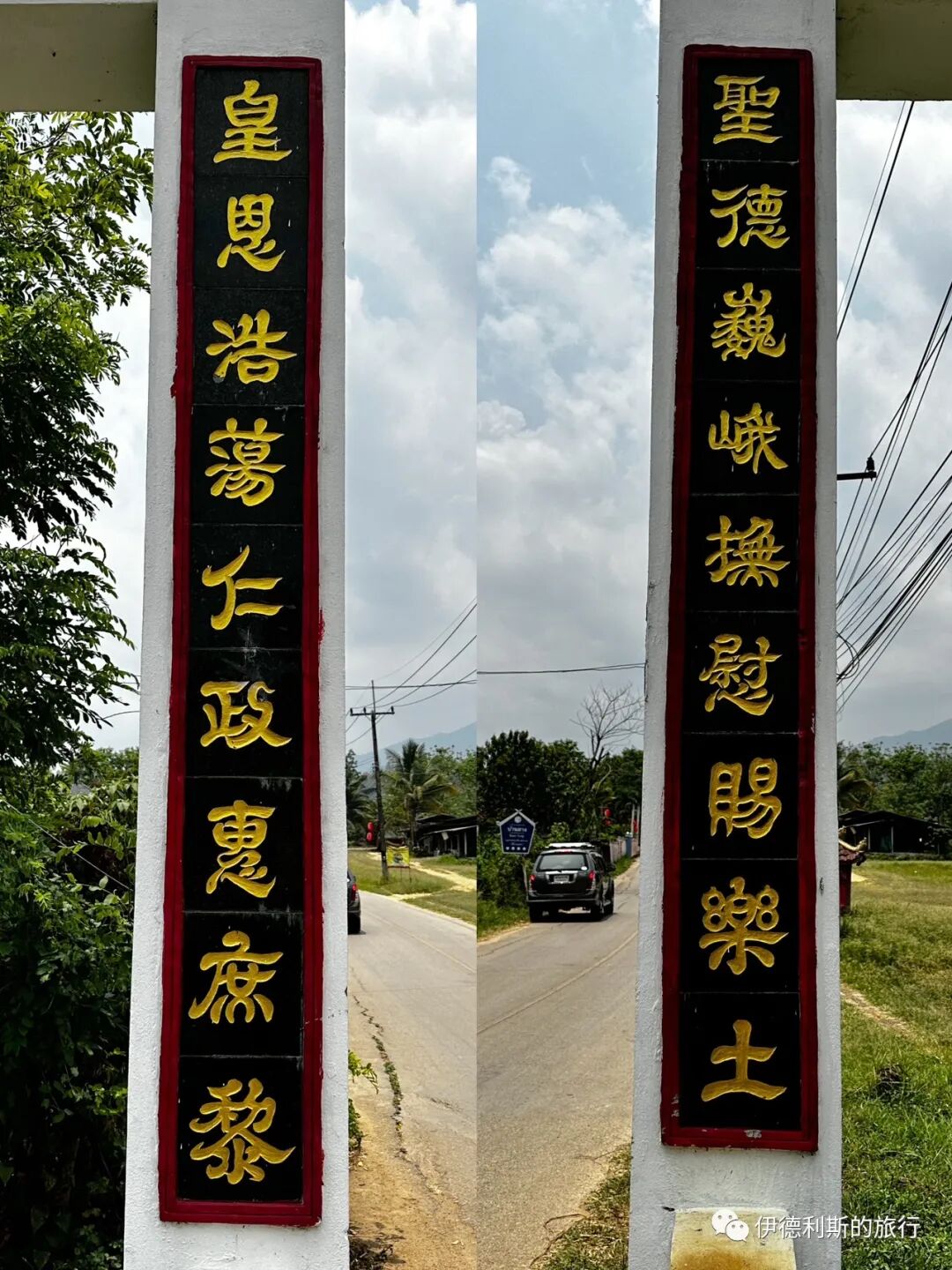
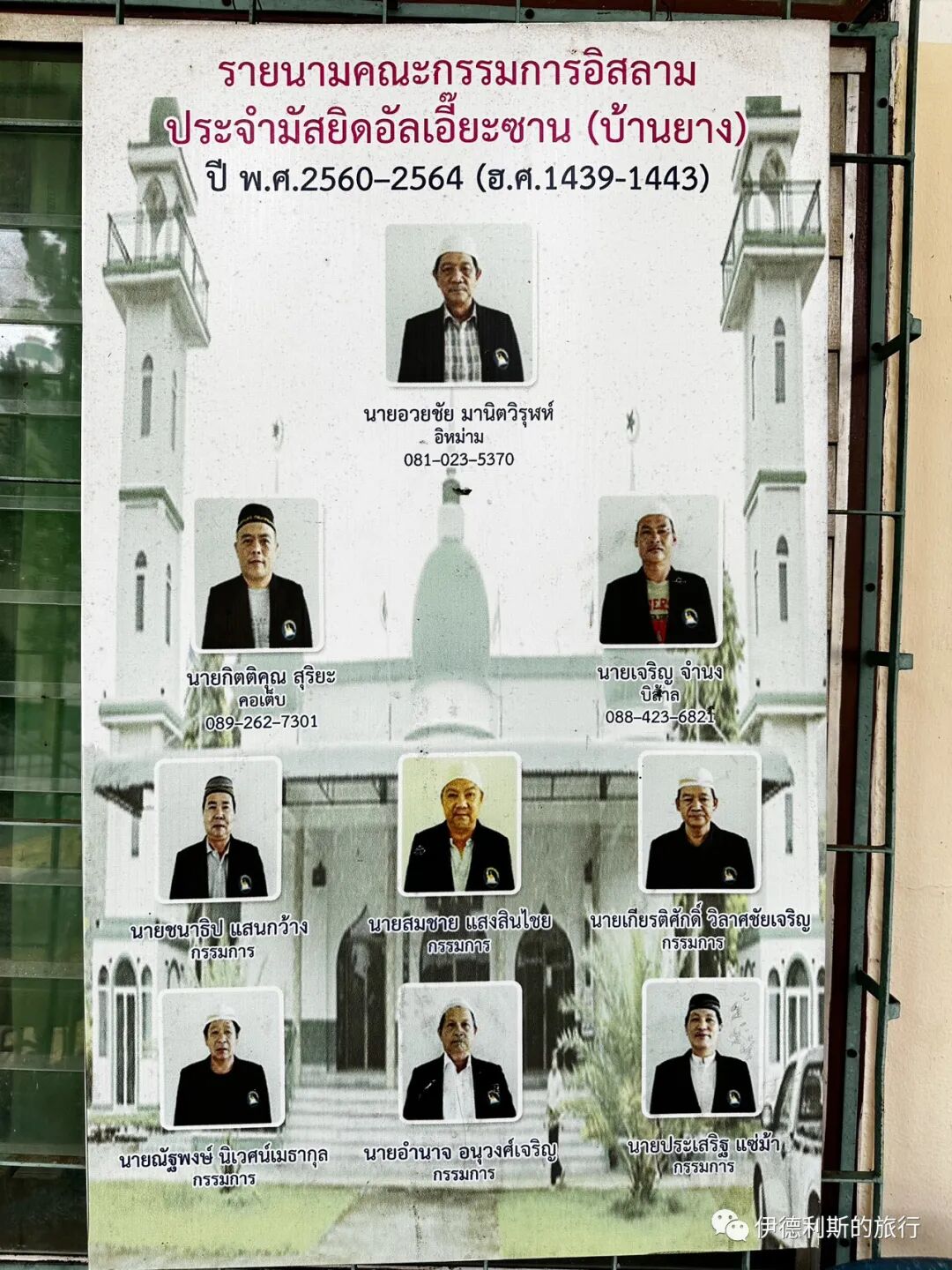
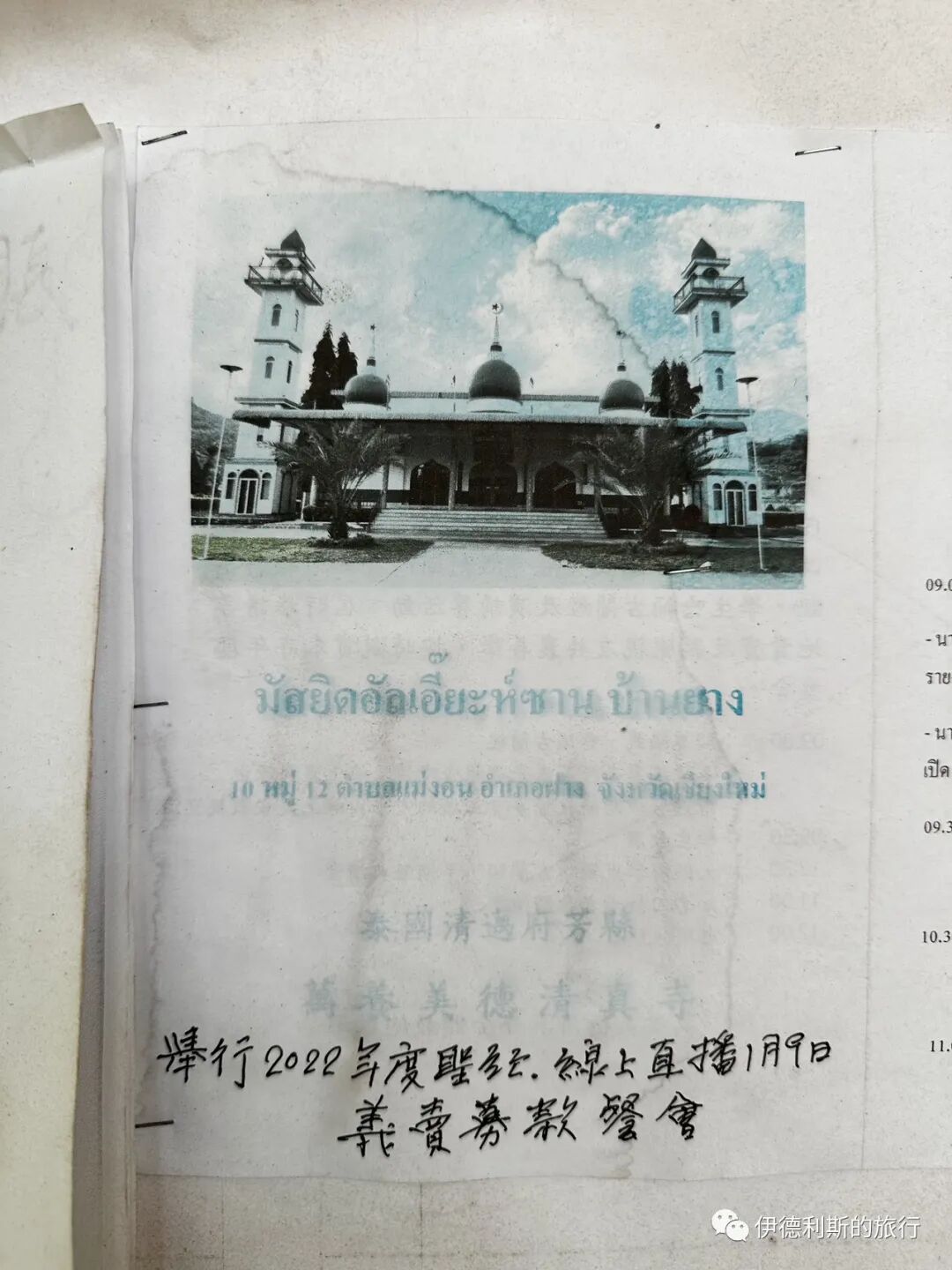
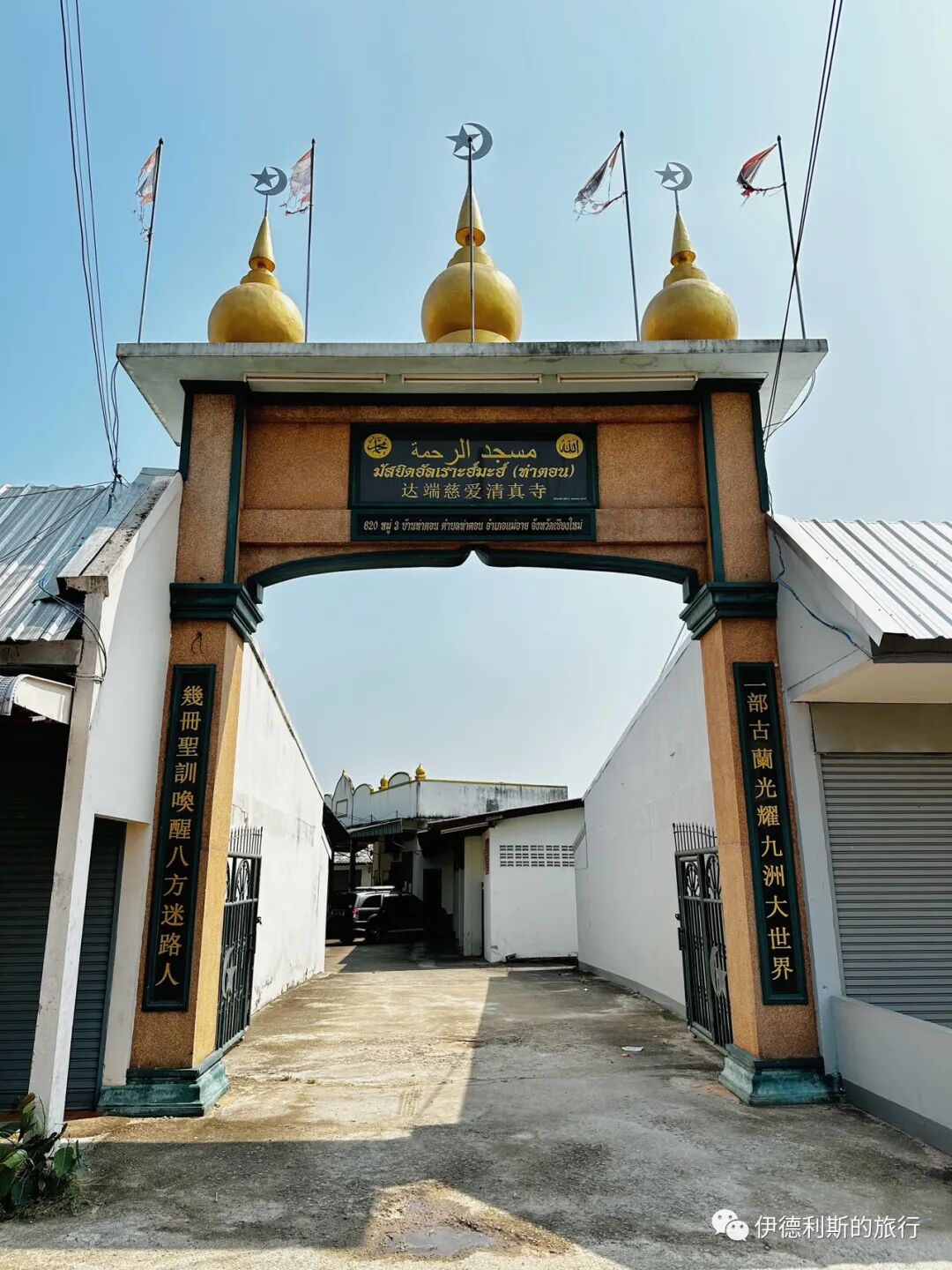
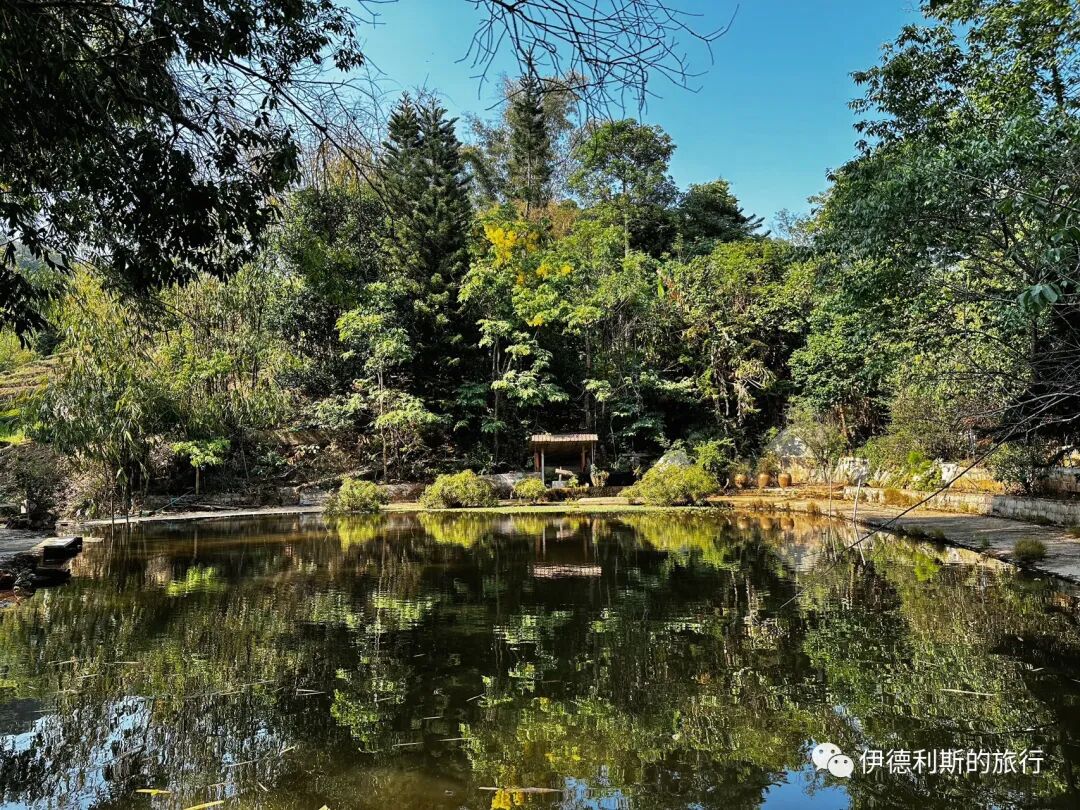
Some Yunnan Hui Muslim mosques in Northern Thailand like to use pleasant two-character religious terms for their names, such as Jingzhen Mosque in Chiang Mai, Meide Mosque in Wanyang, Jiqing Mosque in Hefei, Chengxin Mosque in Fang District, and Ciai Mosque in Daduan, all of which sound very auspicious. Among these Yunnan mosques, I think Wanyang's Meide Mosque is the most beautiful; the environment is excellent, with lush greenery that makes it feel like a garden.
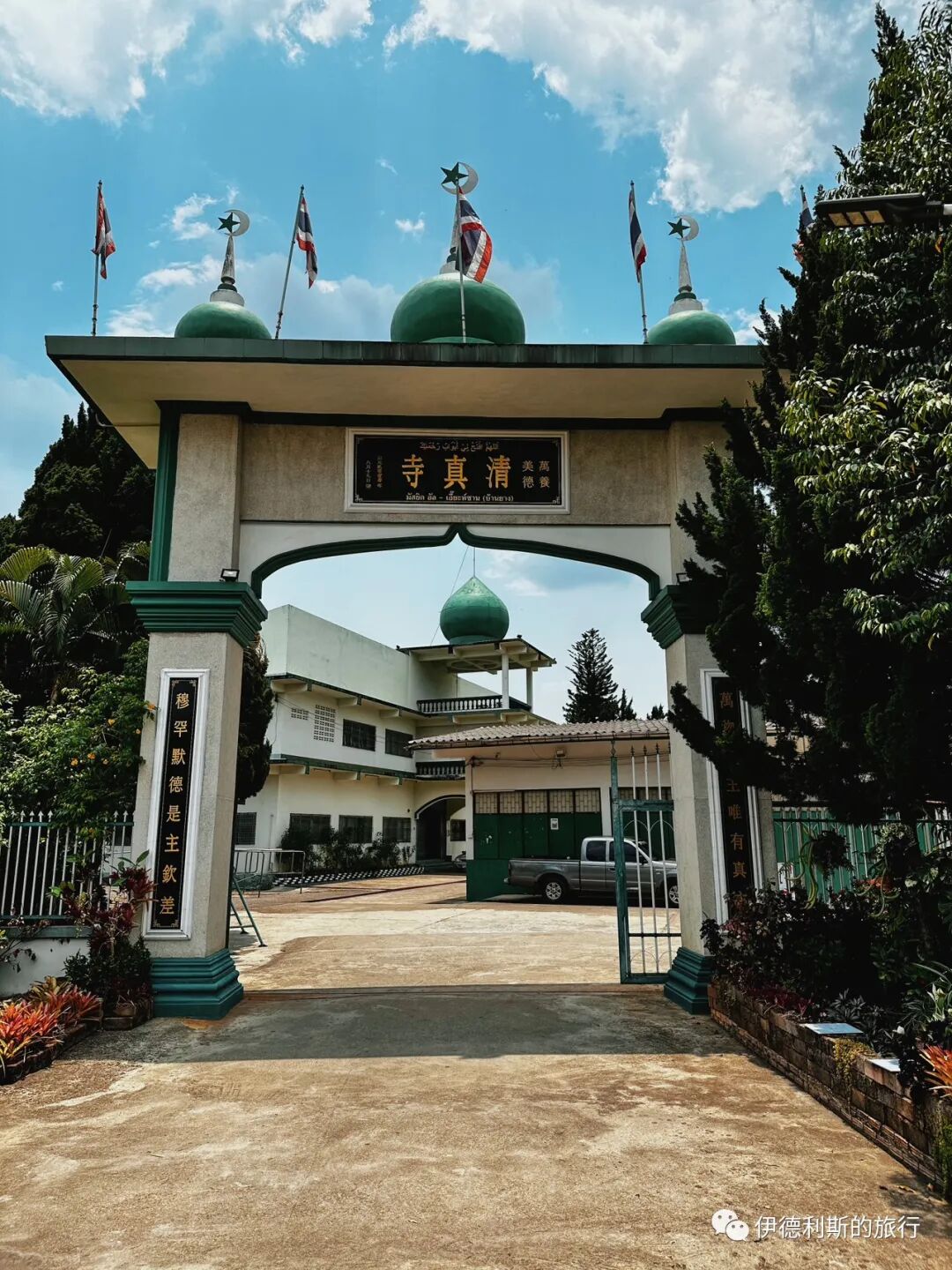
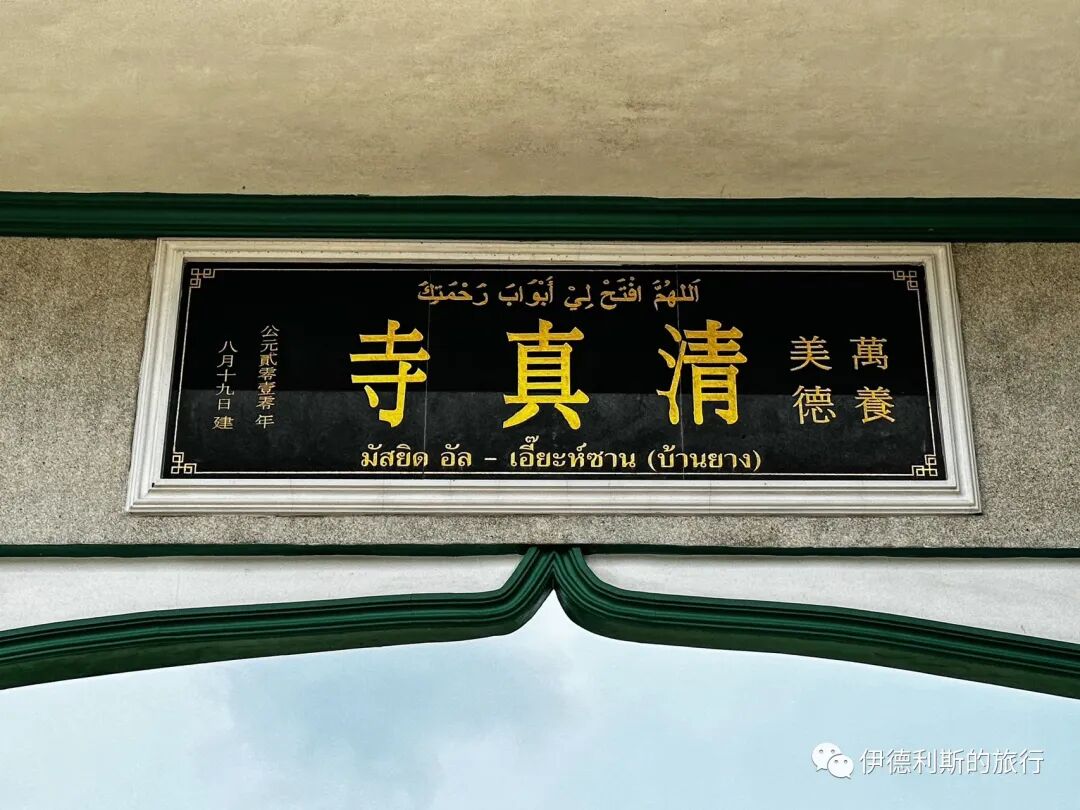
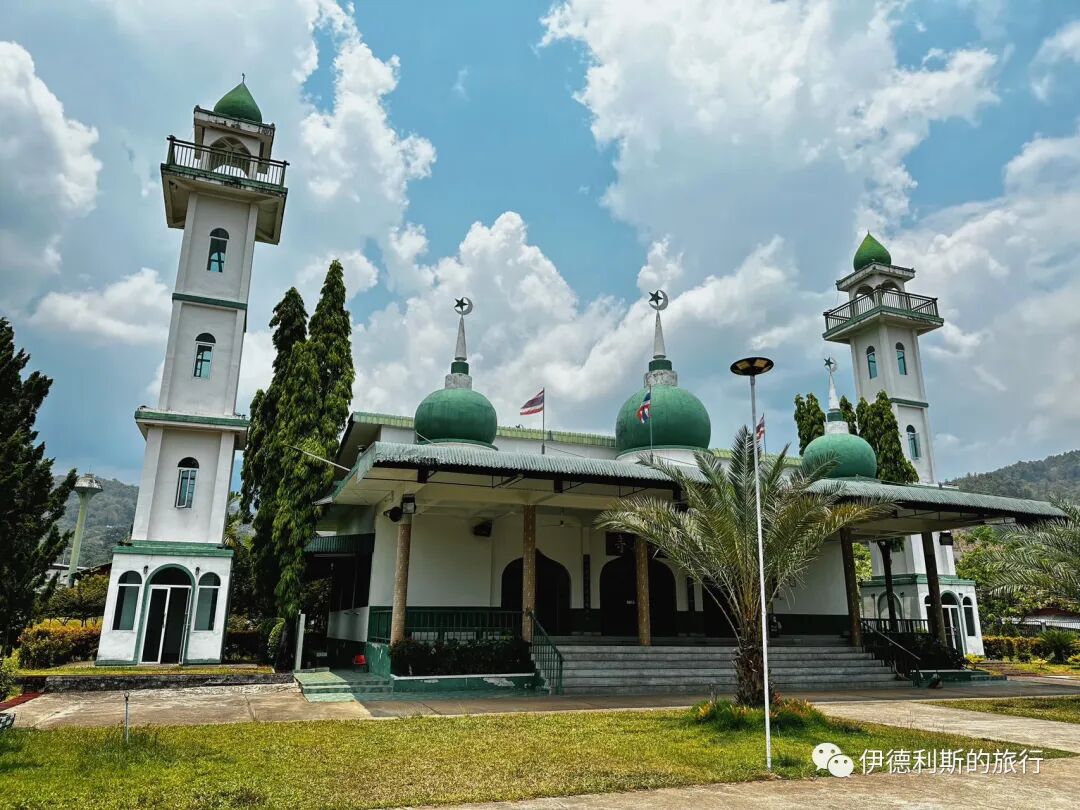
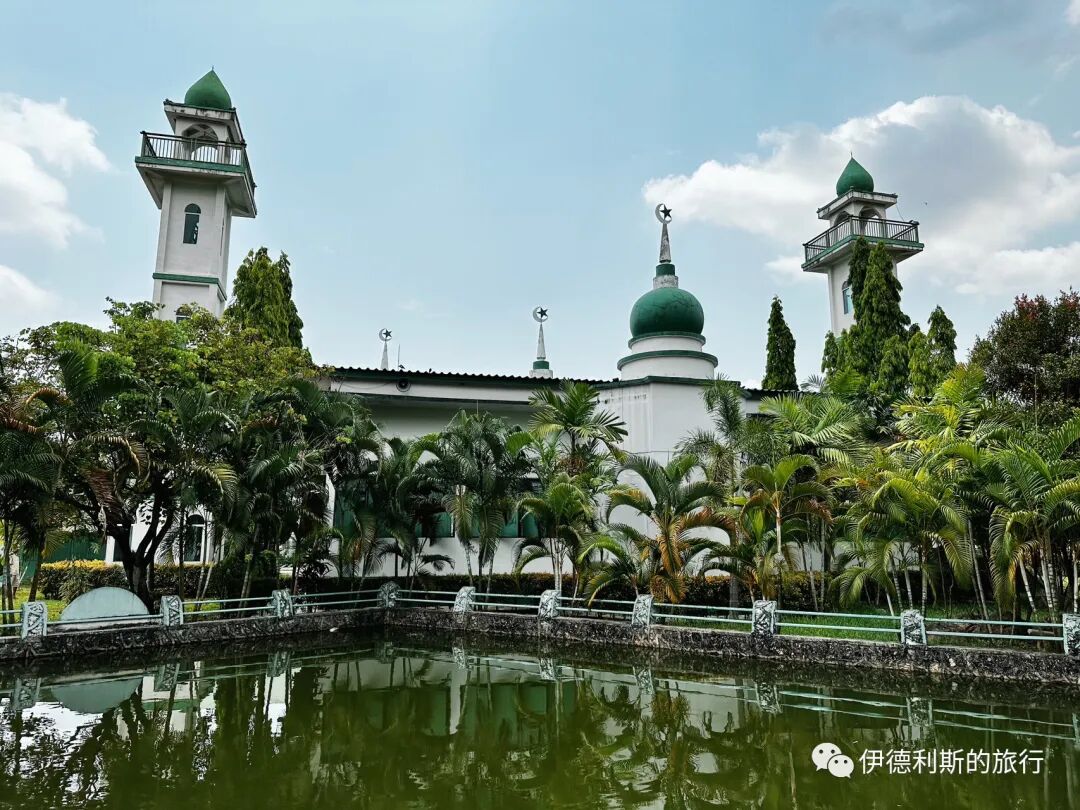
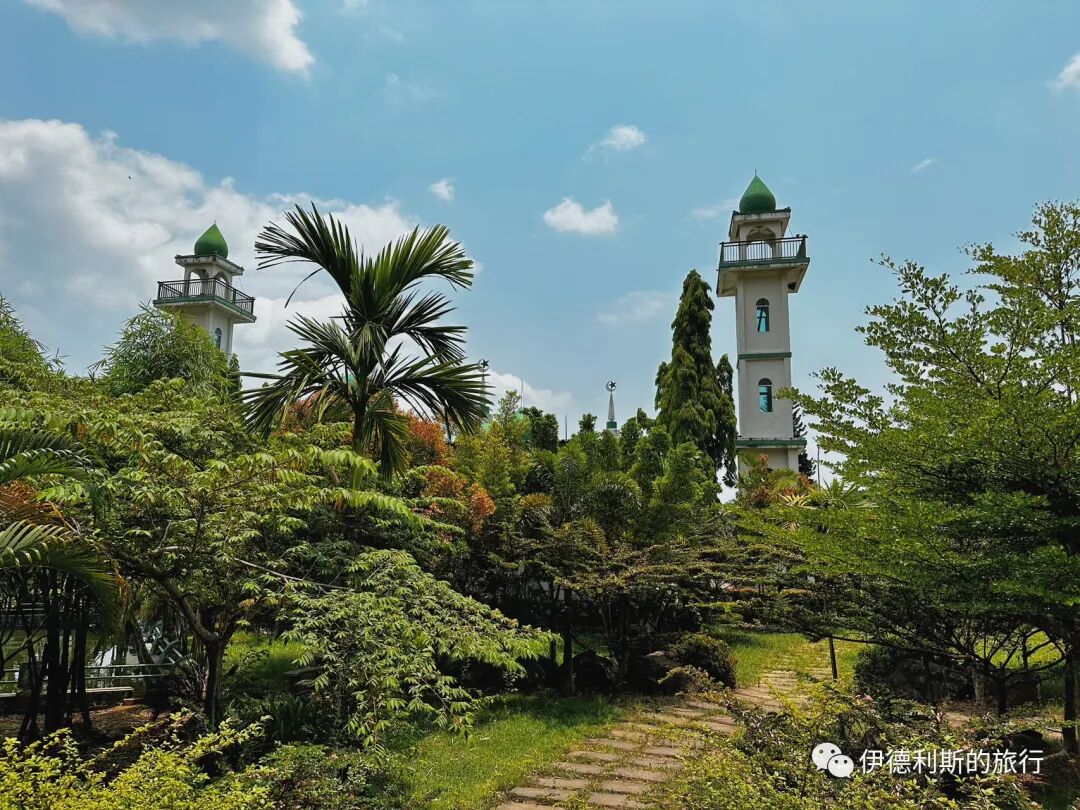
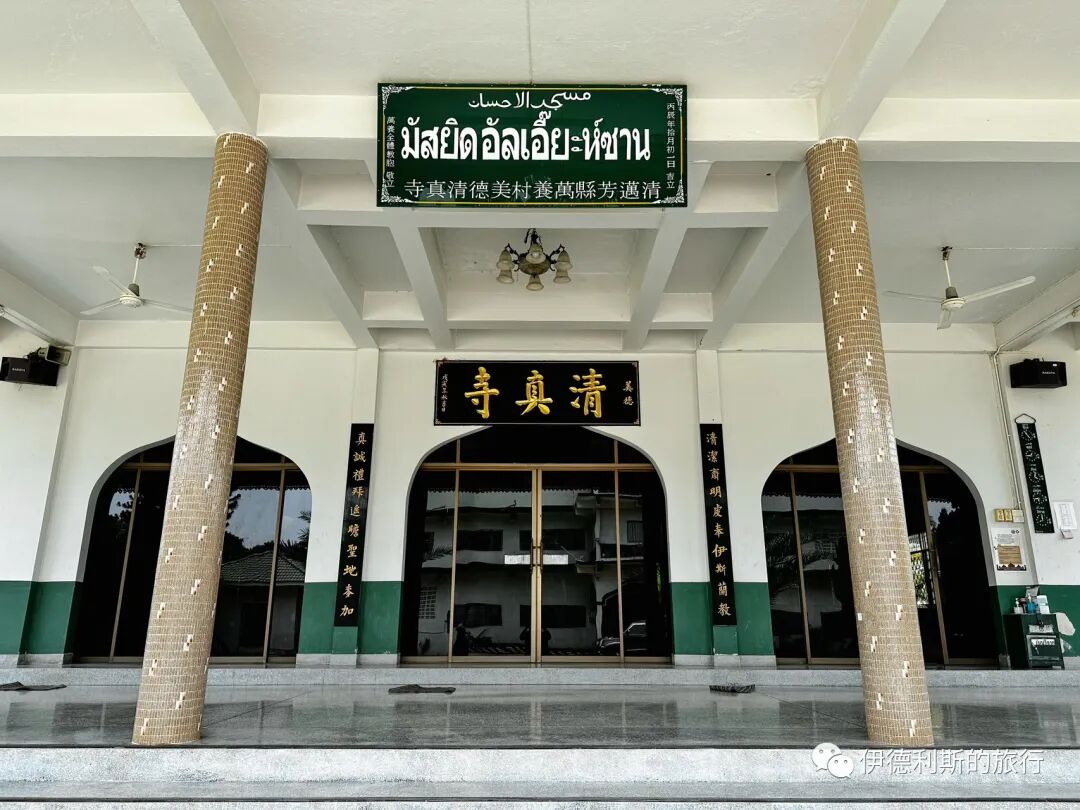
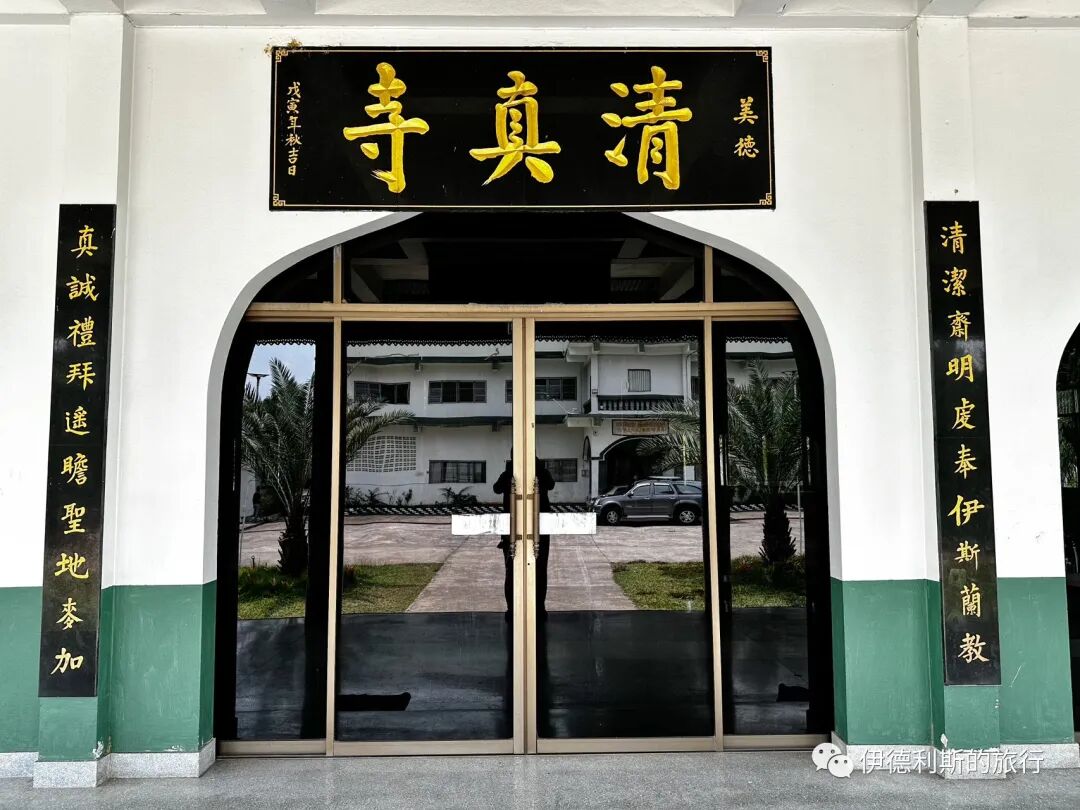
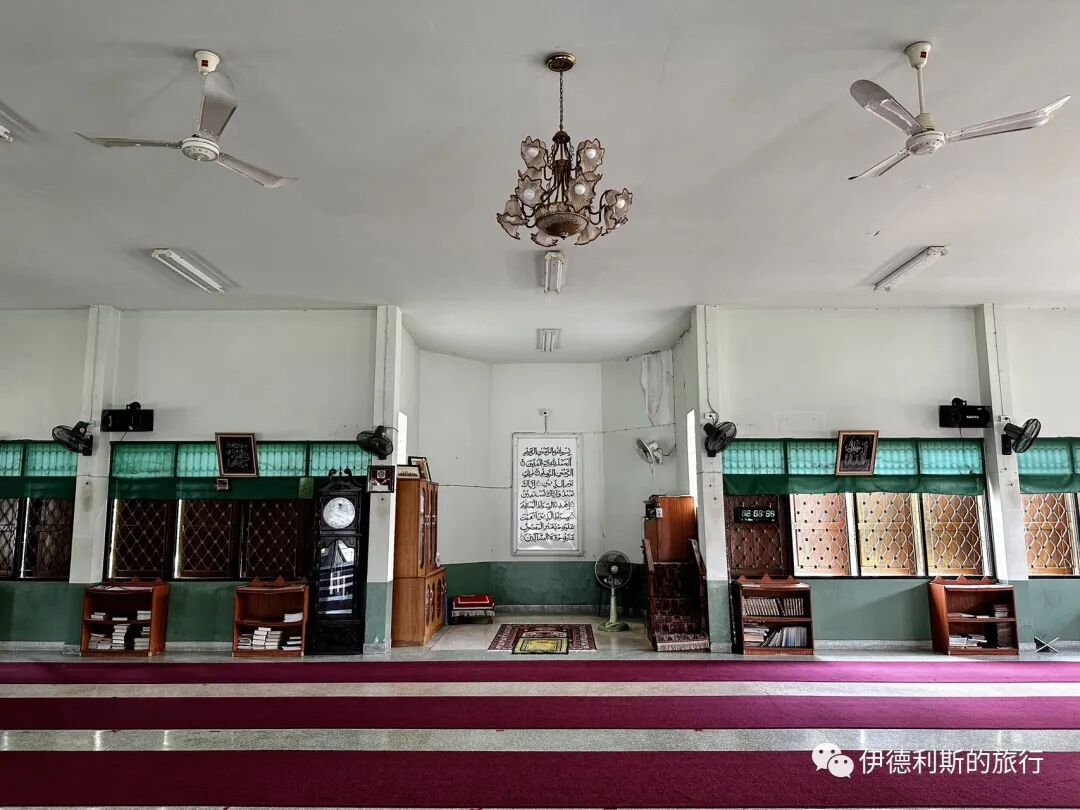
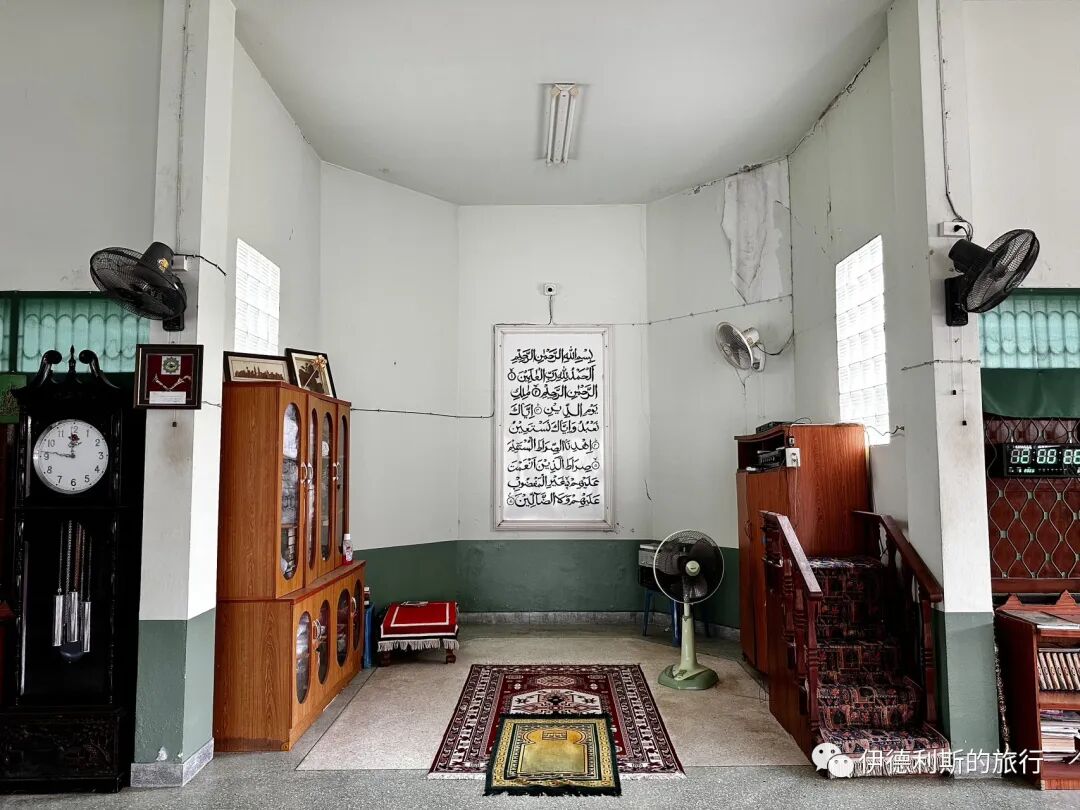
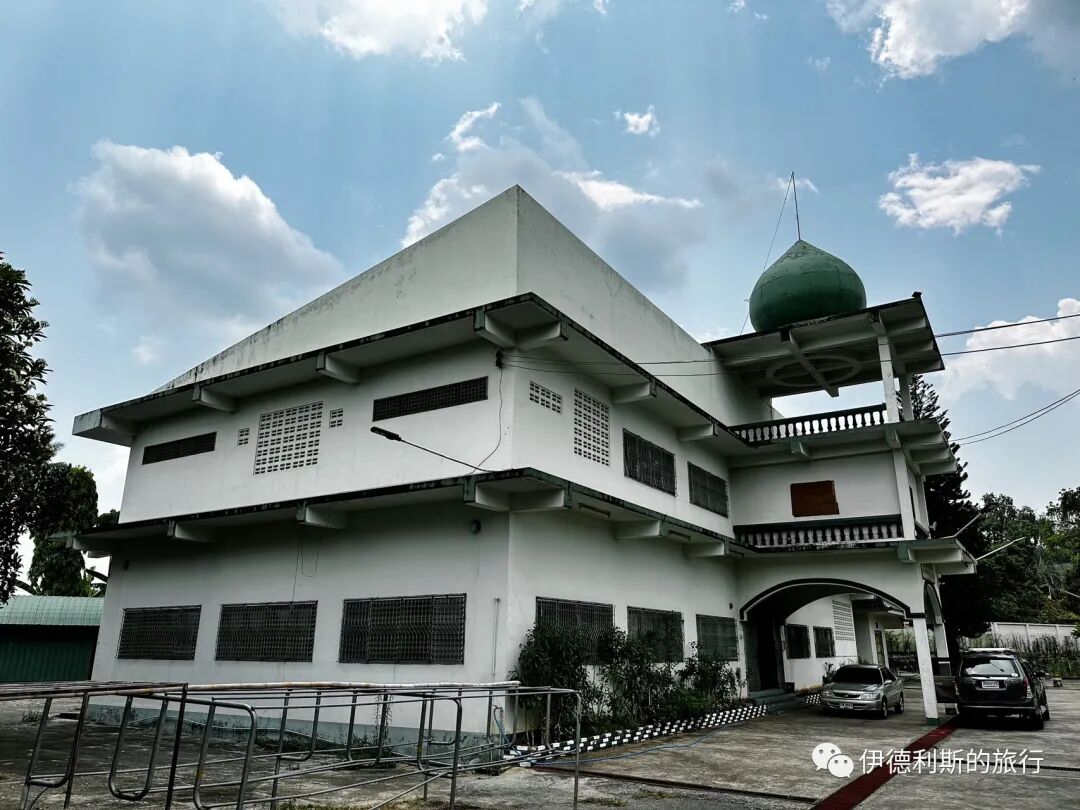
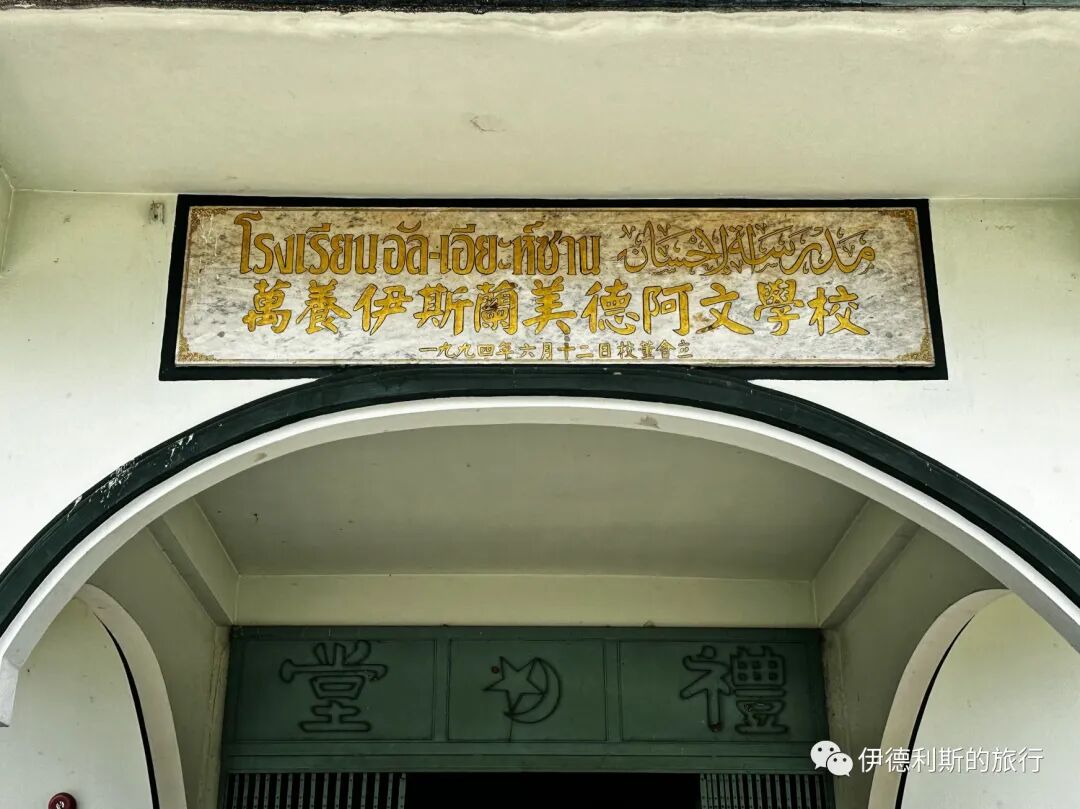
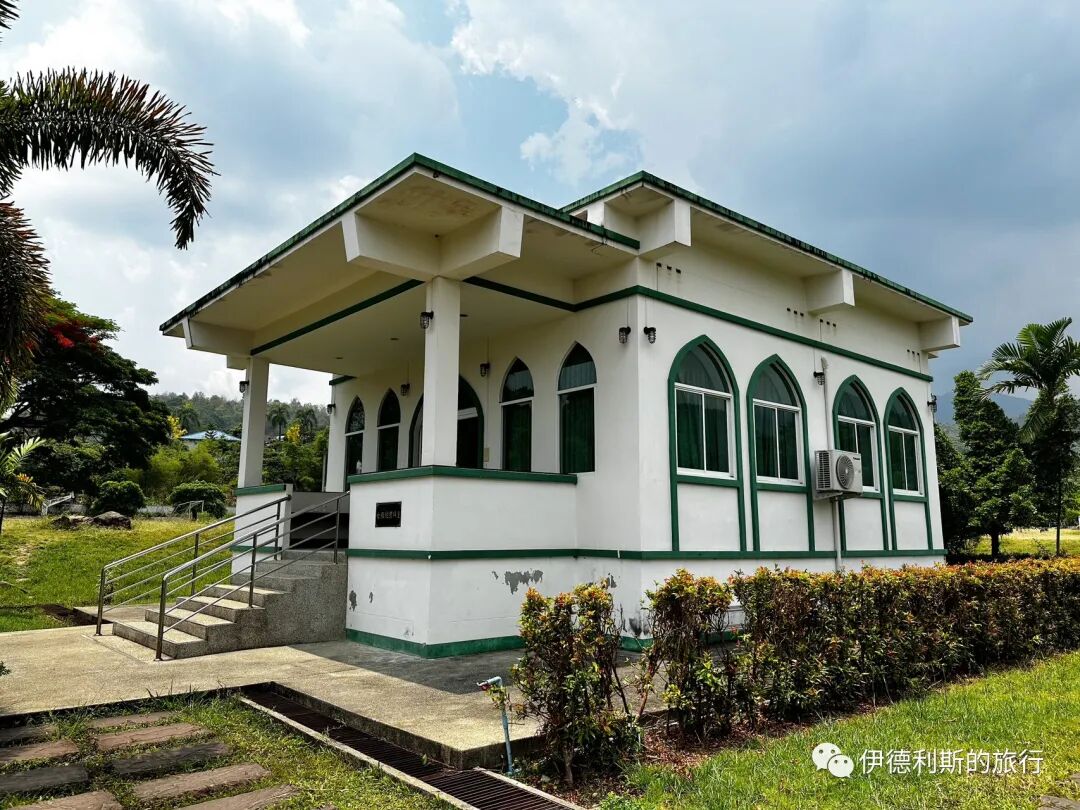
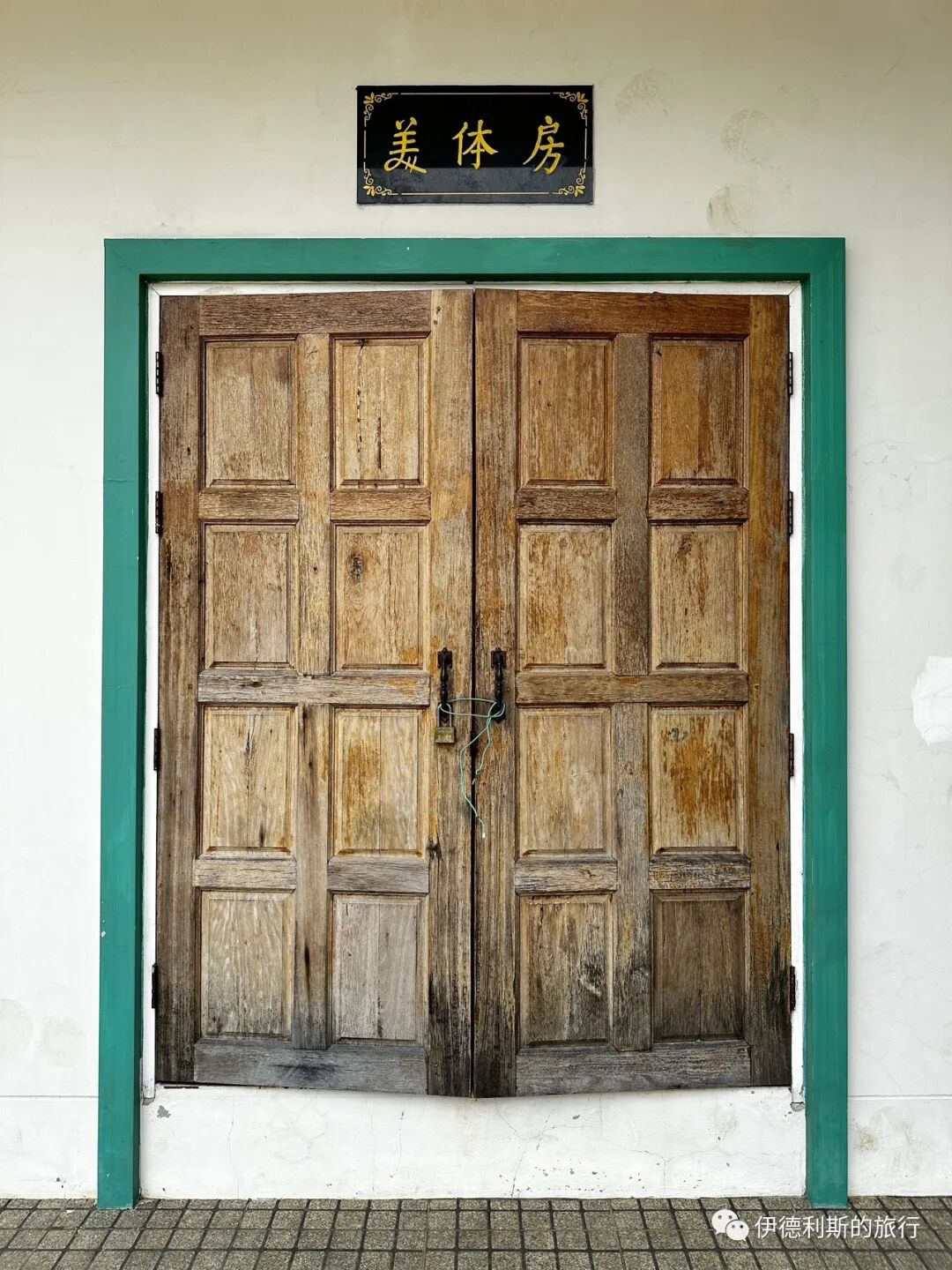
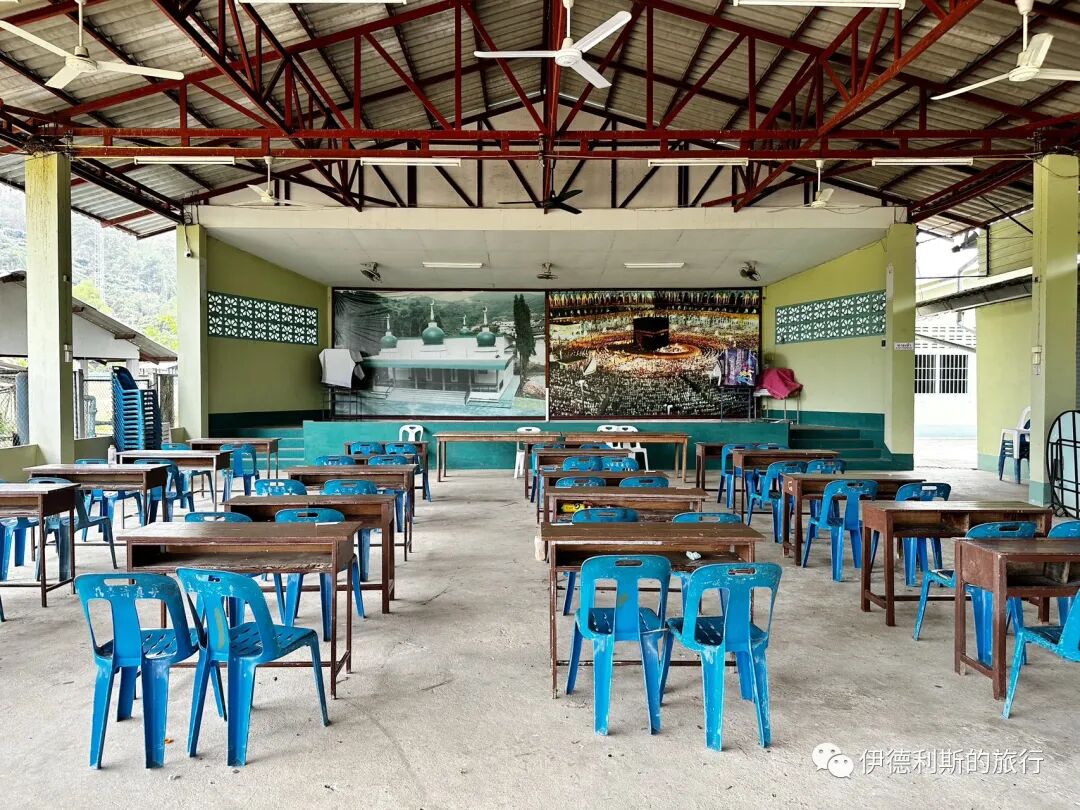
At Wanyang Meide Mosque, I saw the Arabic school, the women's prayer hall, the funeral room (meiti fang), and the event hall; it was my first time seeing the word for funeral (maiti) written as meiti, and I think this translation is quite good.
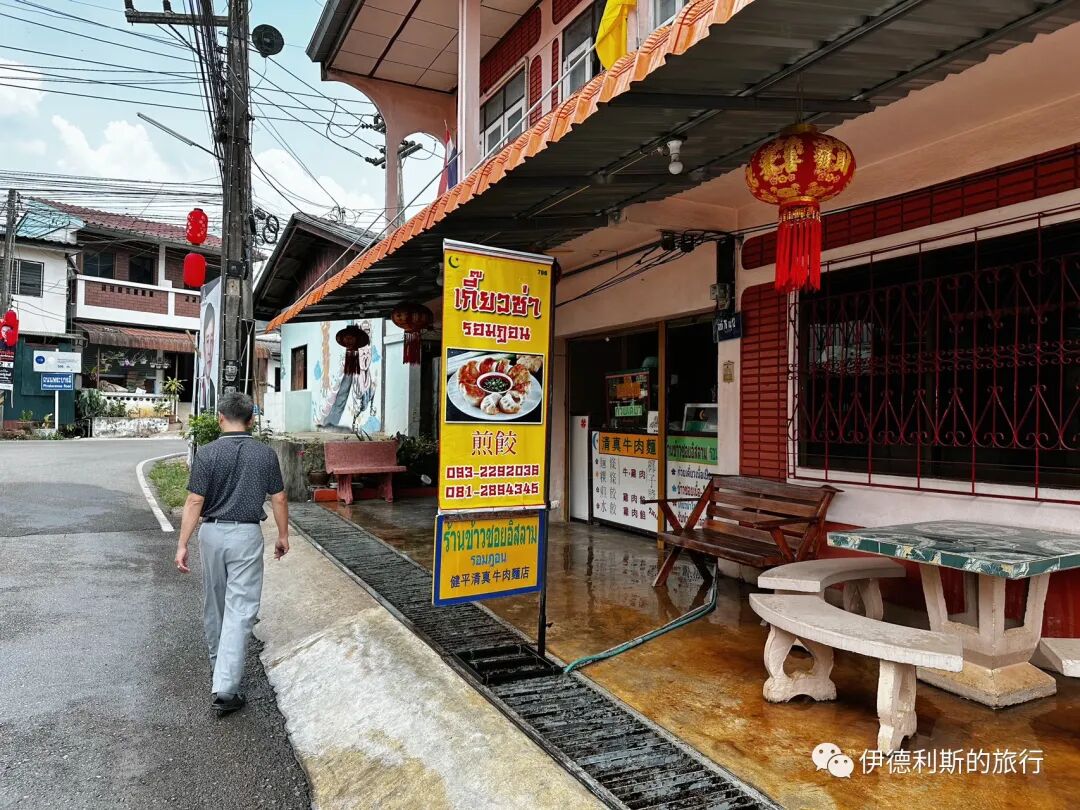
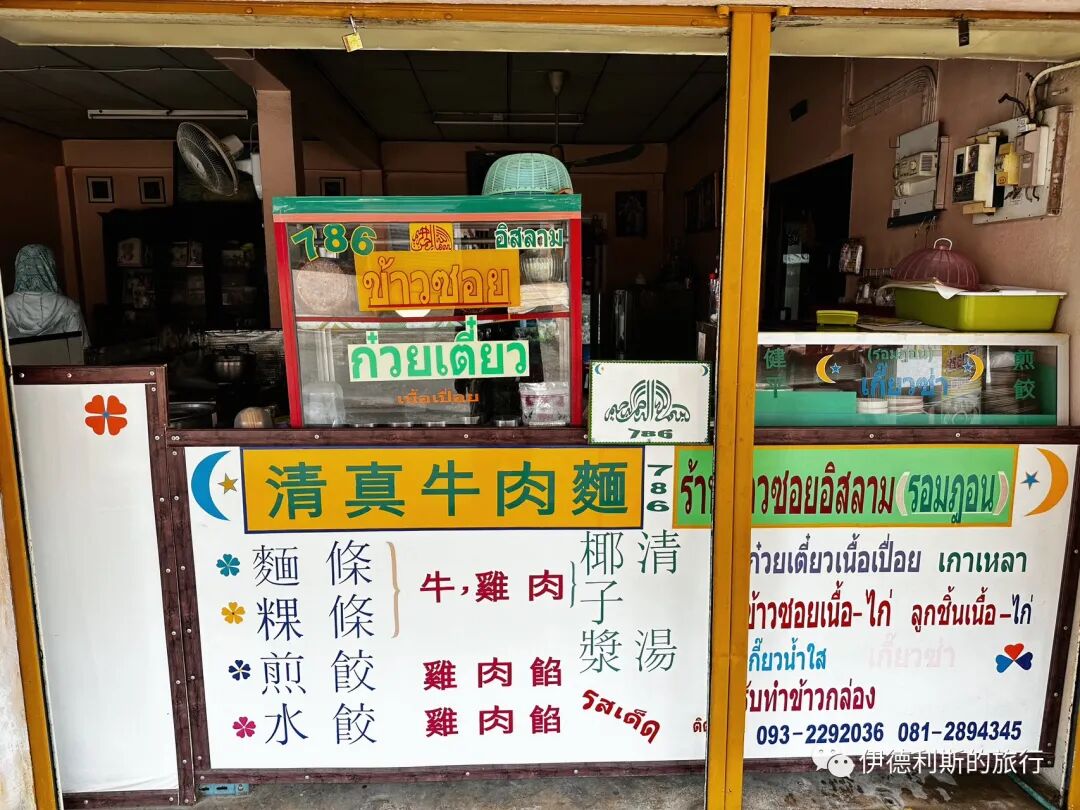
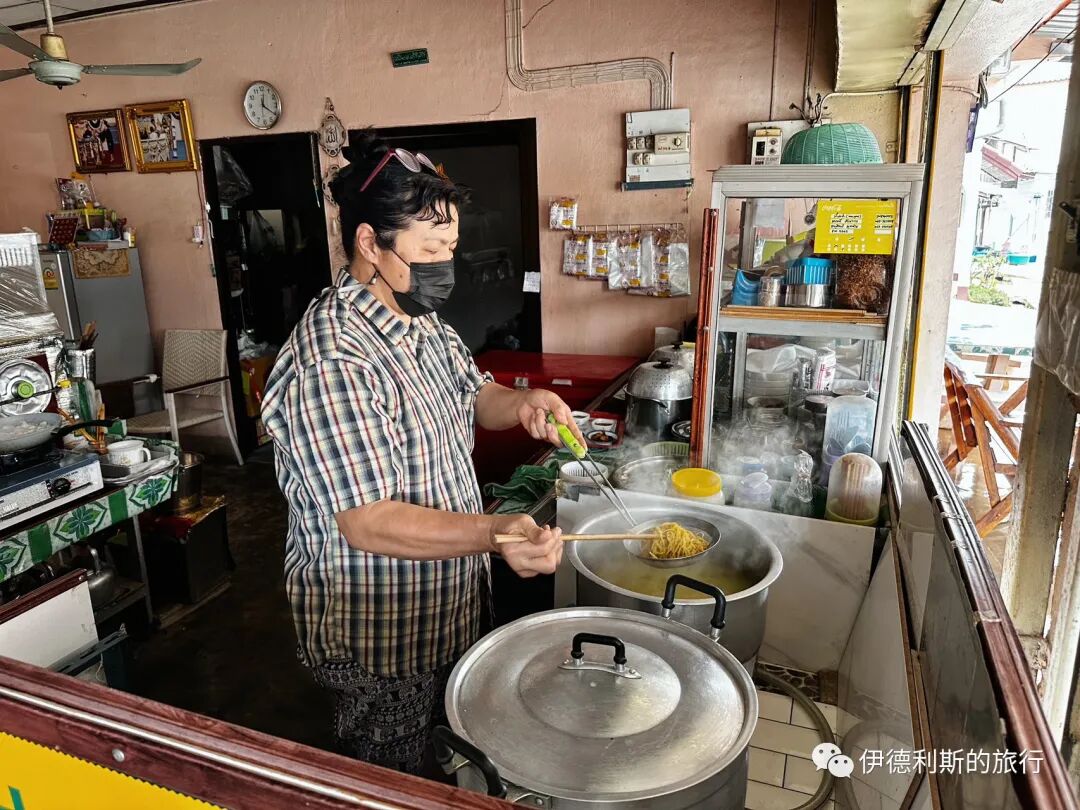
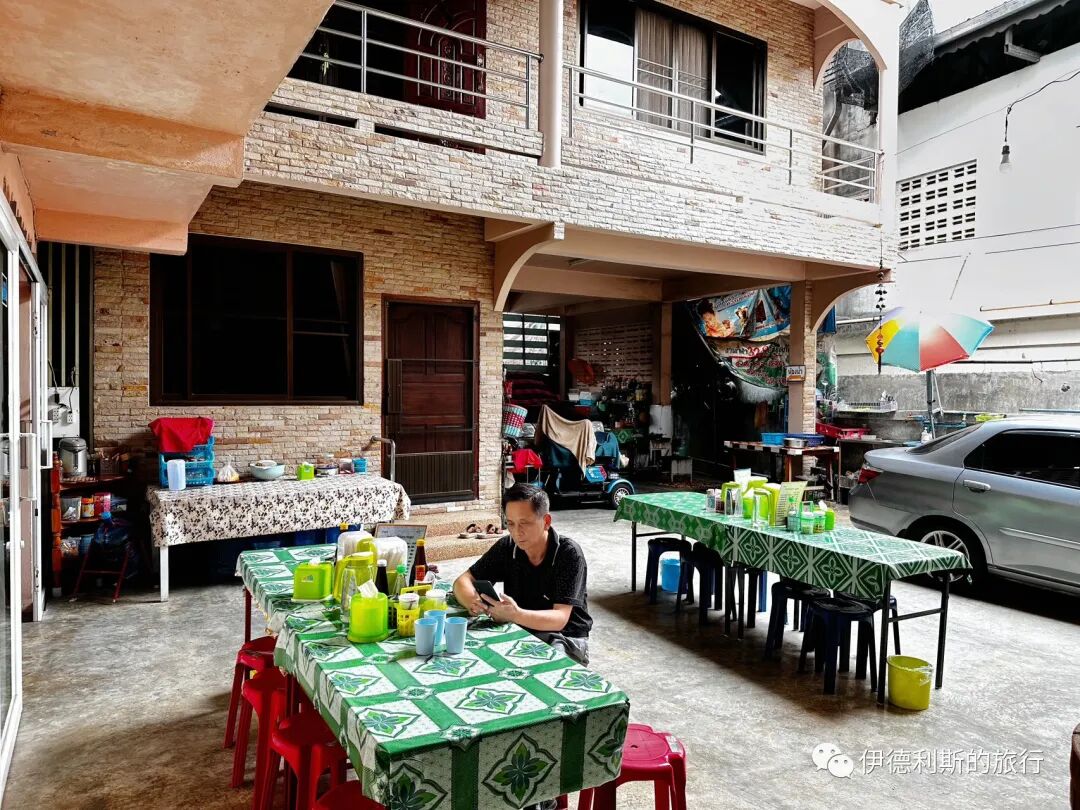
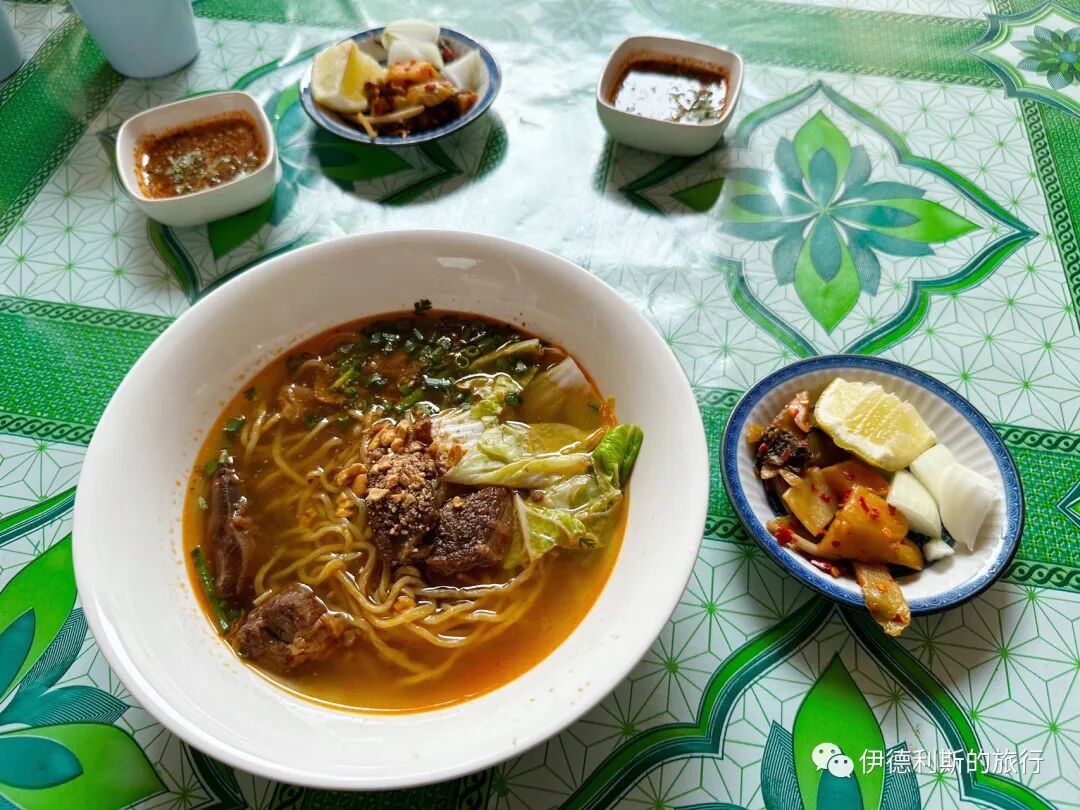
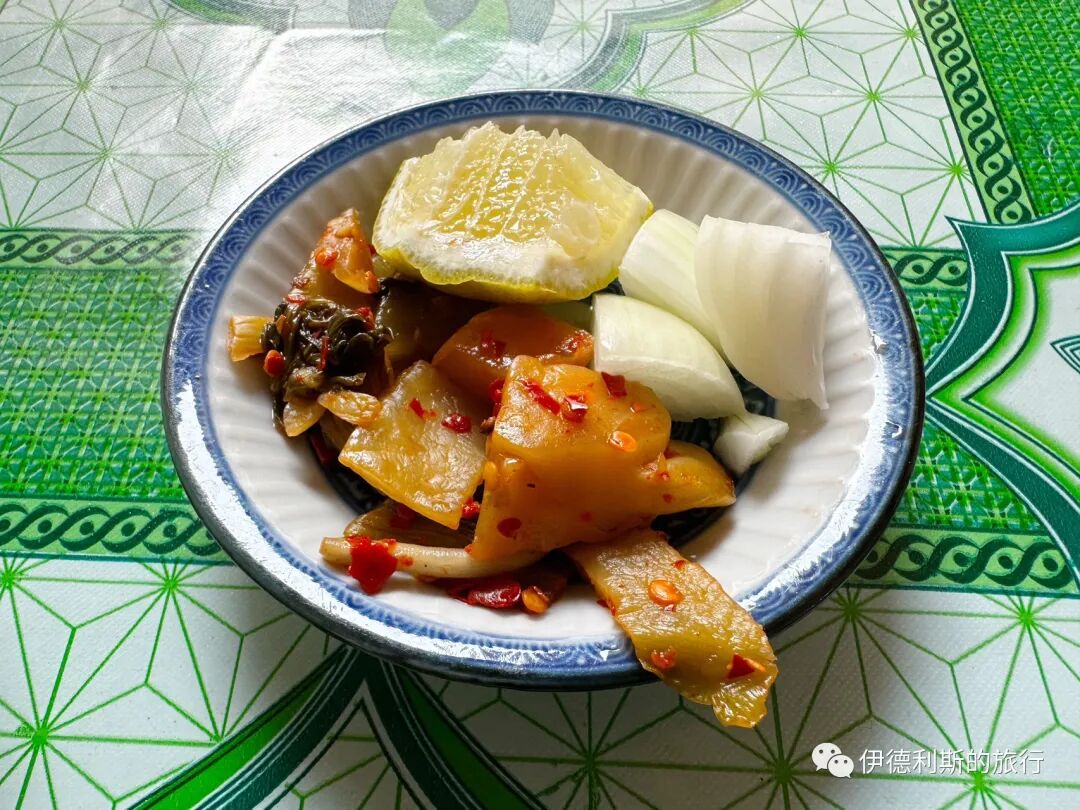
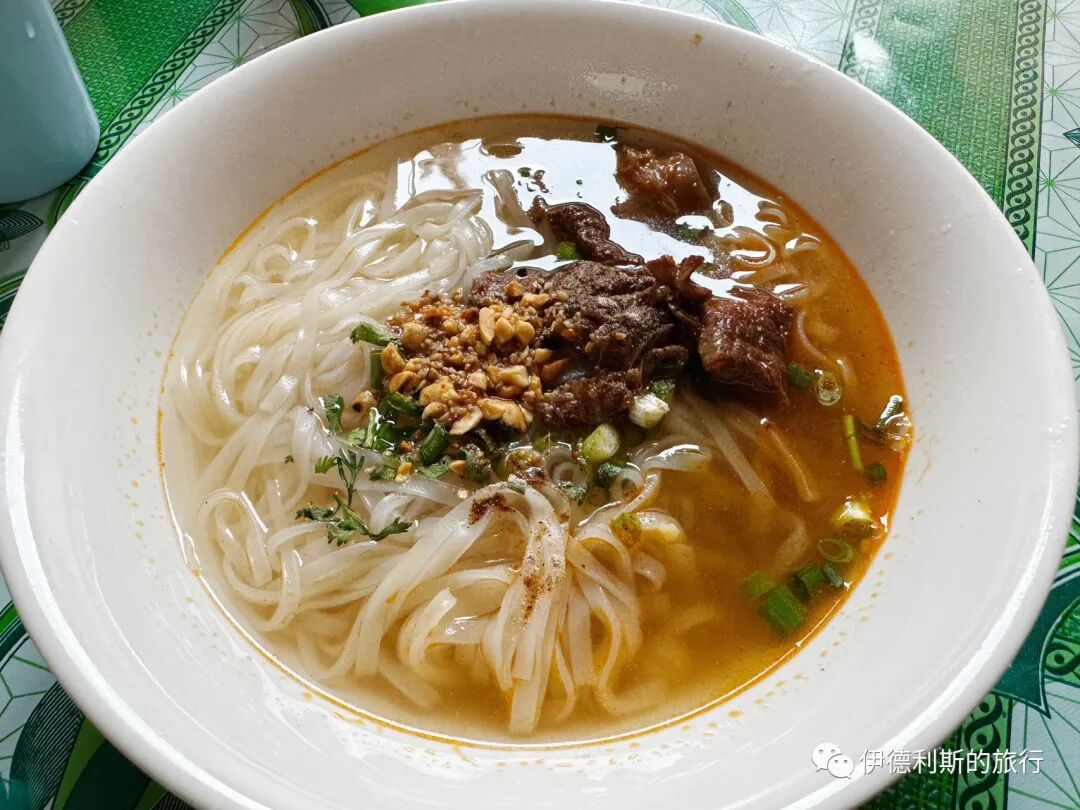
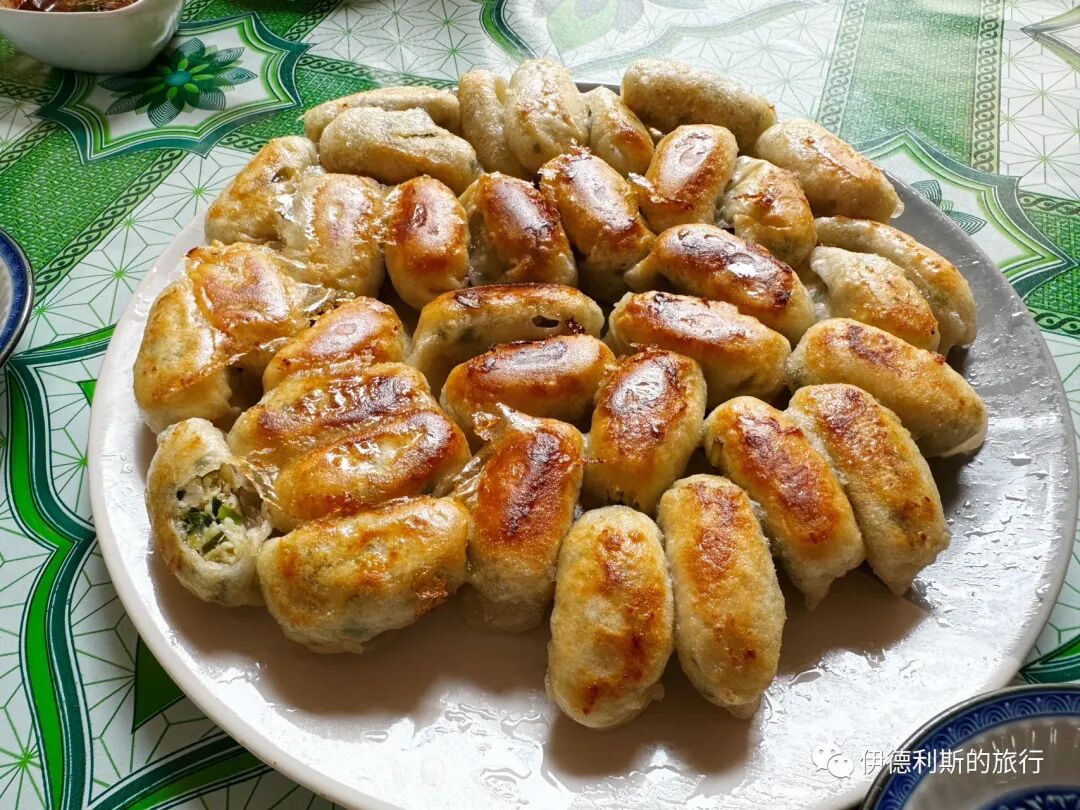
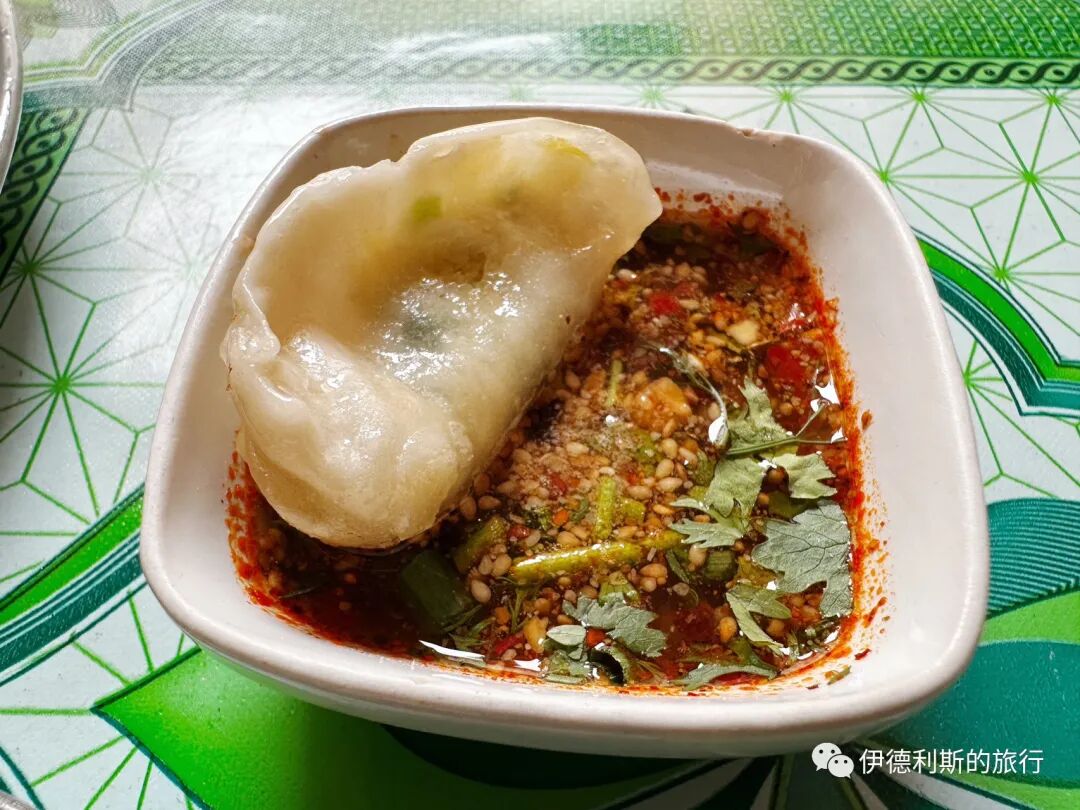
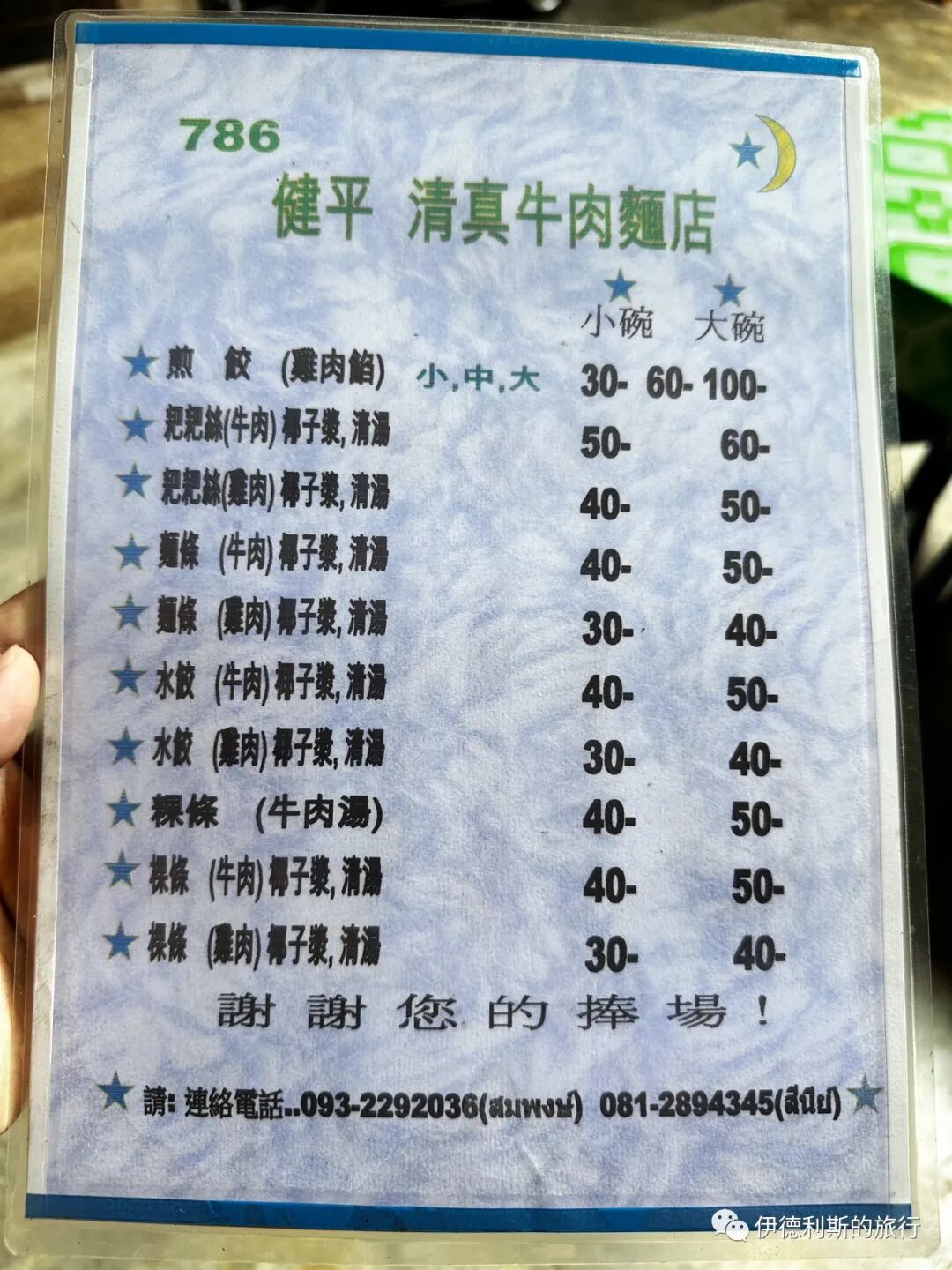
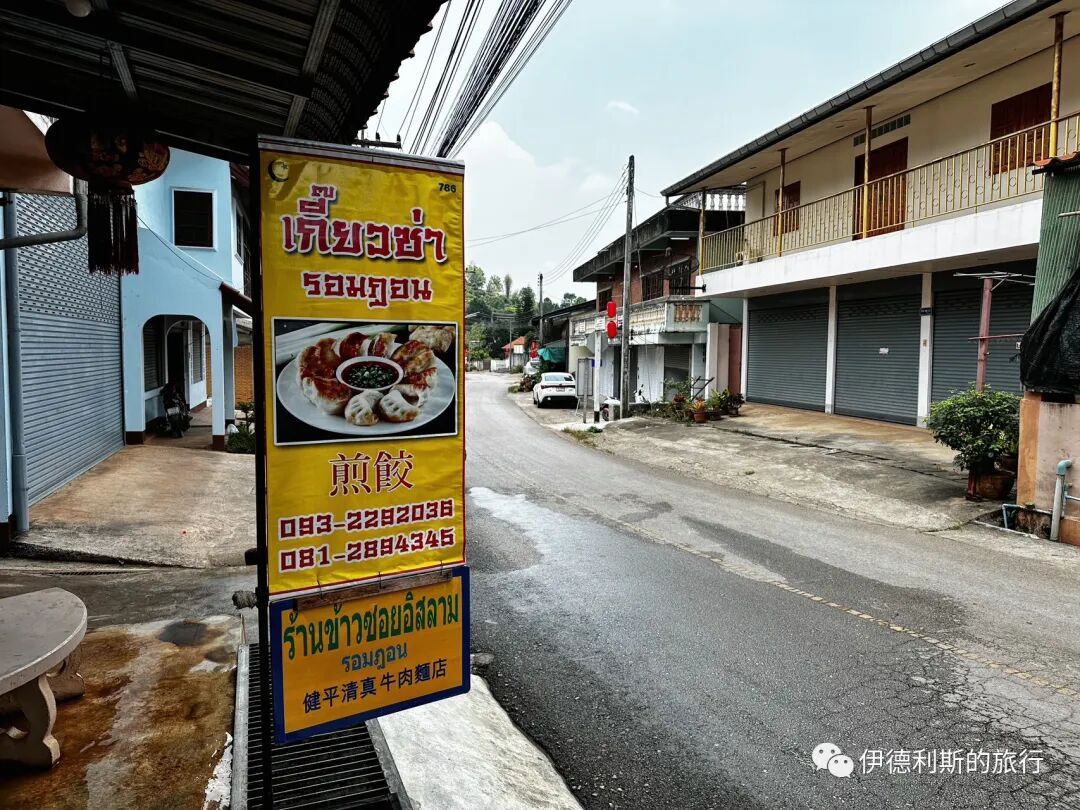
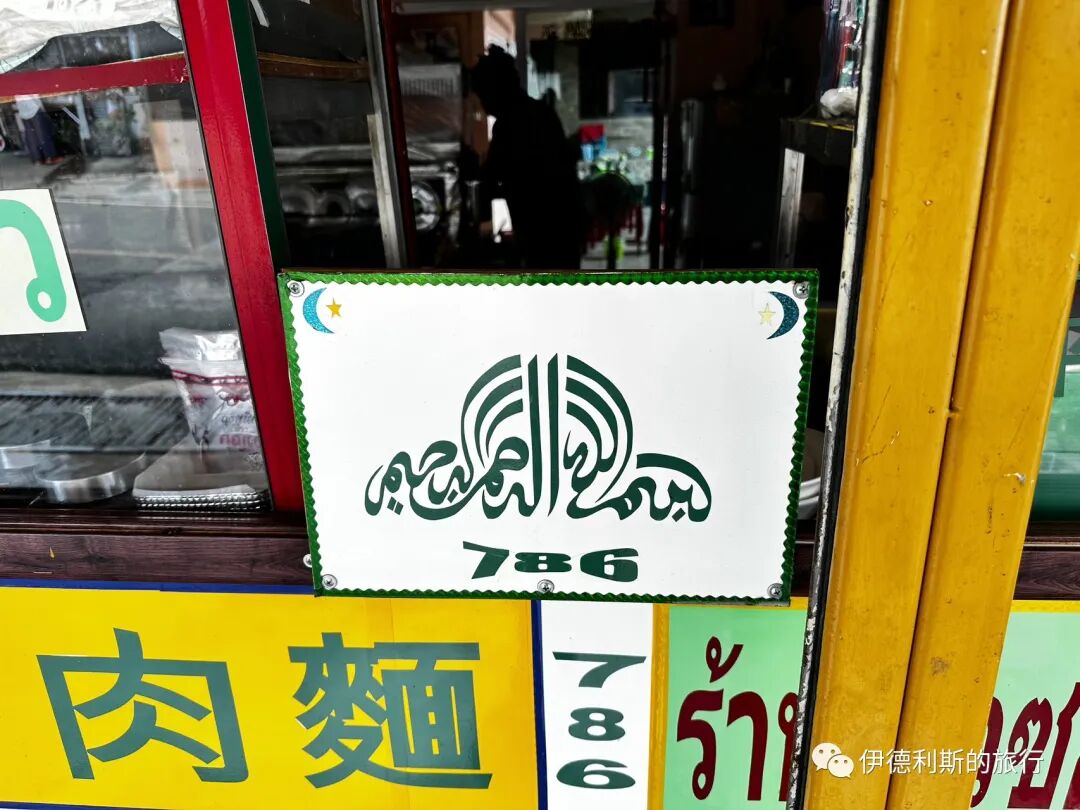
At noon, I went to a Yunnan Hui Muslim restaurant in Wanyang Village called Jianping Beef Noodle Shop and ate pan-fried dumplings (jianjiao), rice noodles (babasi), and beef noodles, served with the standard Northern Thai sides of pickled vegetables, onions, and lime. The rice noodles (babasi) are a type of flat rice noodle topped with traditional beef sauce, and you can choose between the traditional Yunnan Hui Muslim clear broth or the Northern Thai coconut milk broth. The pan-fried dumplings (jianjiao) were filled with chicken and chives, and I feel that pan-fried dumplings are also very common in Yunnan communities in Northern Thailand.
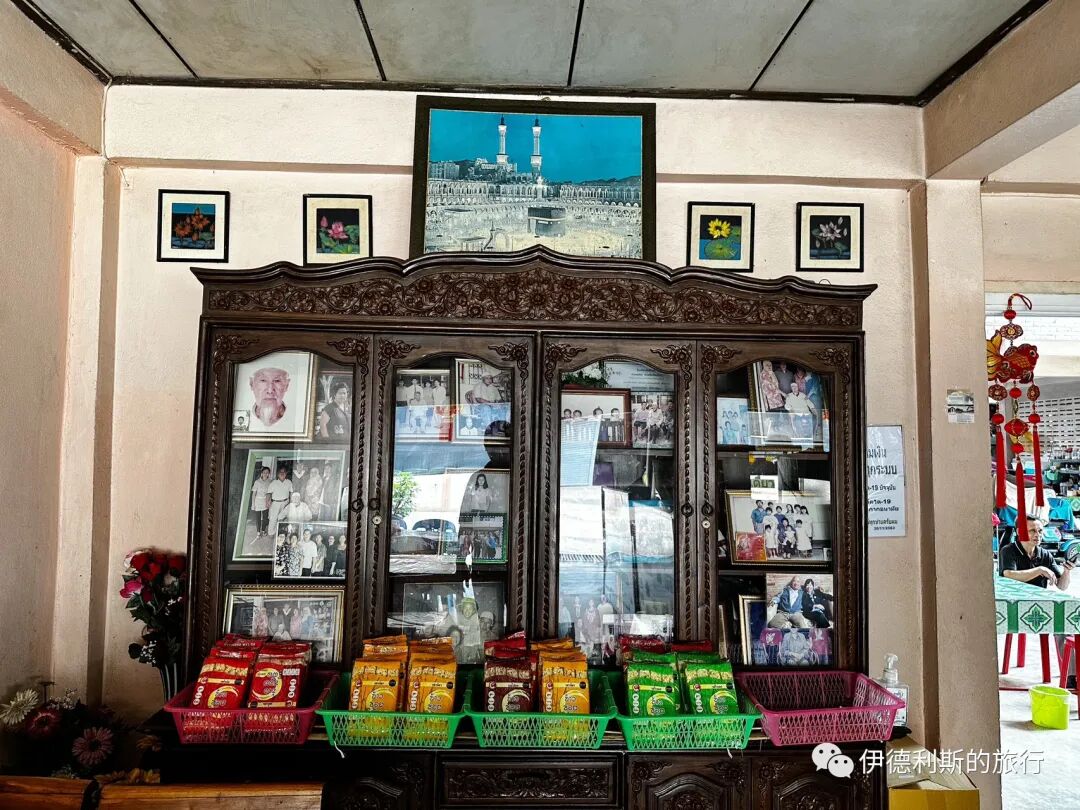
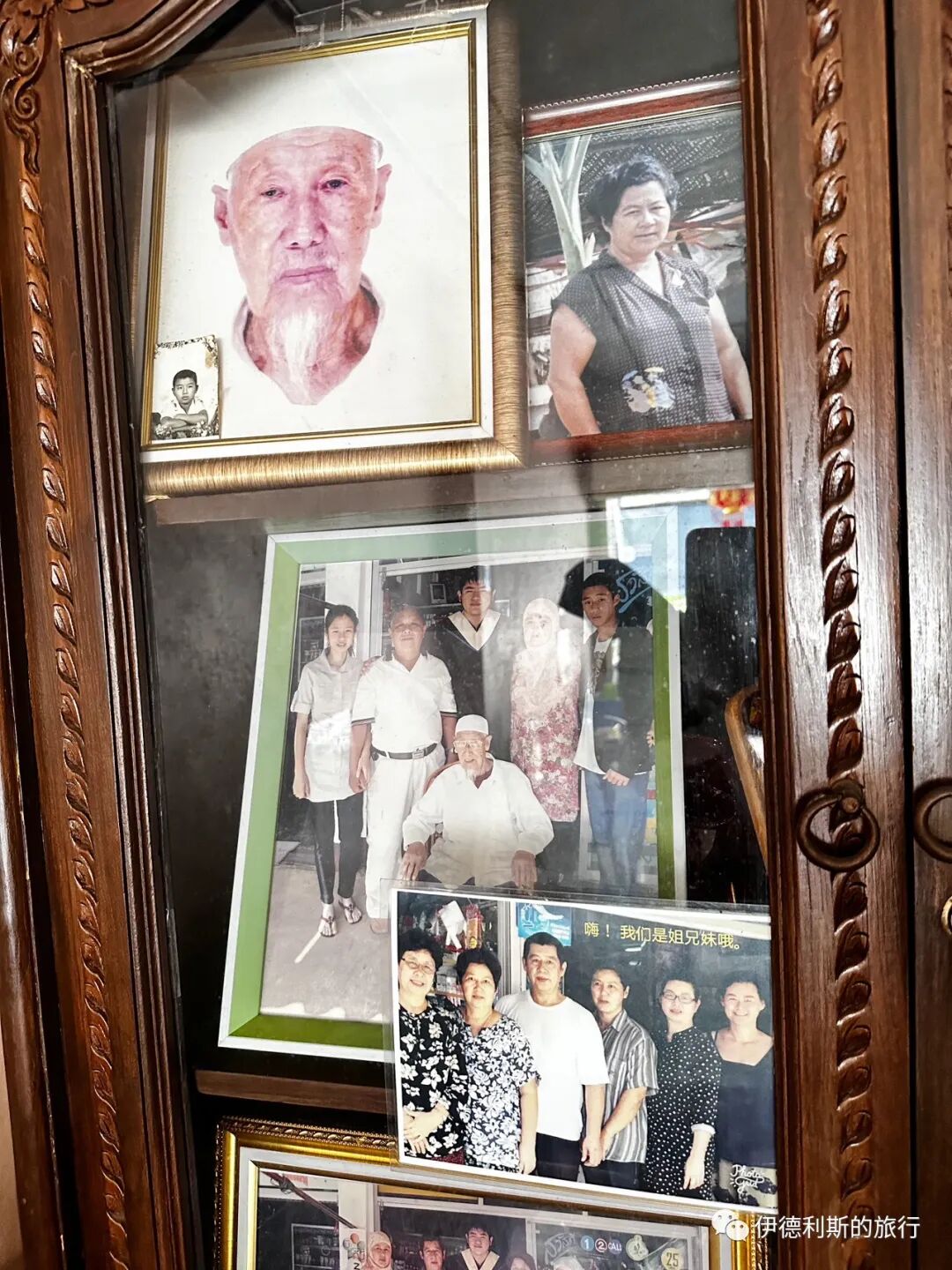
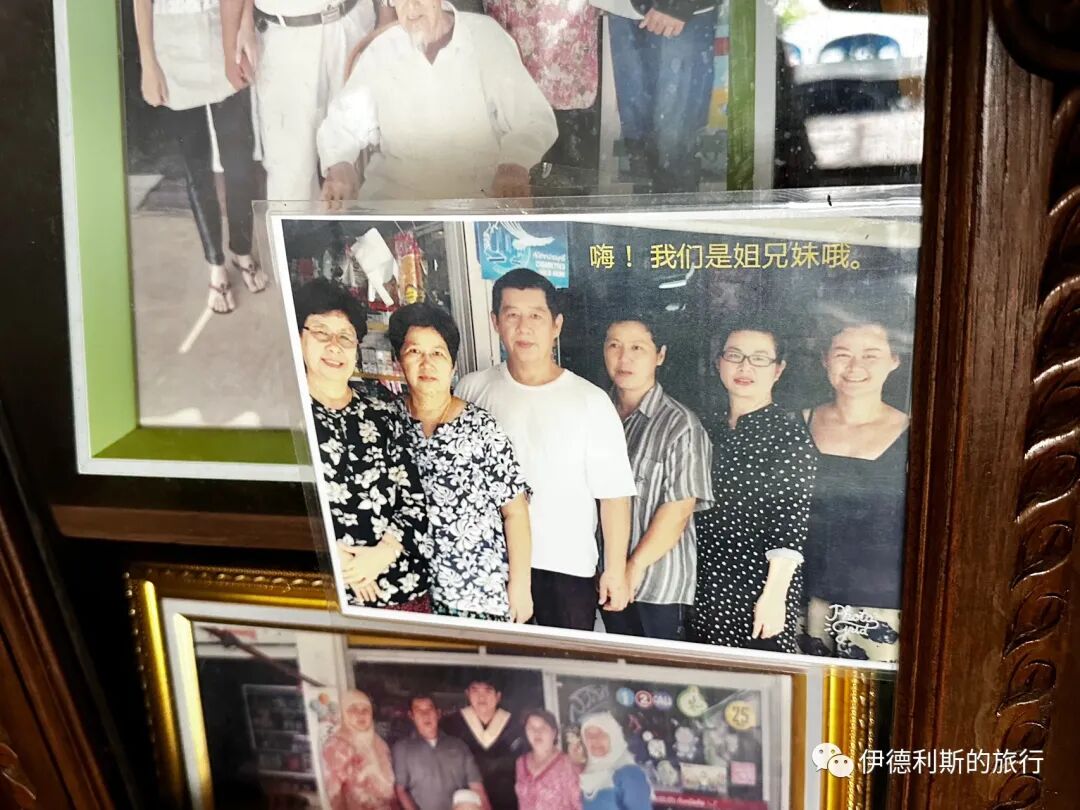
The shop displays family photos of the owner.
Hefei Village
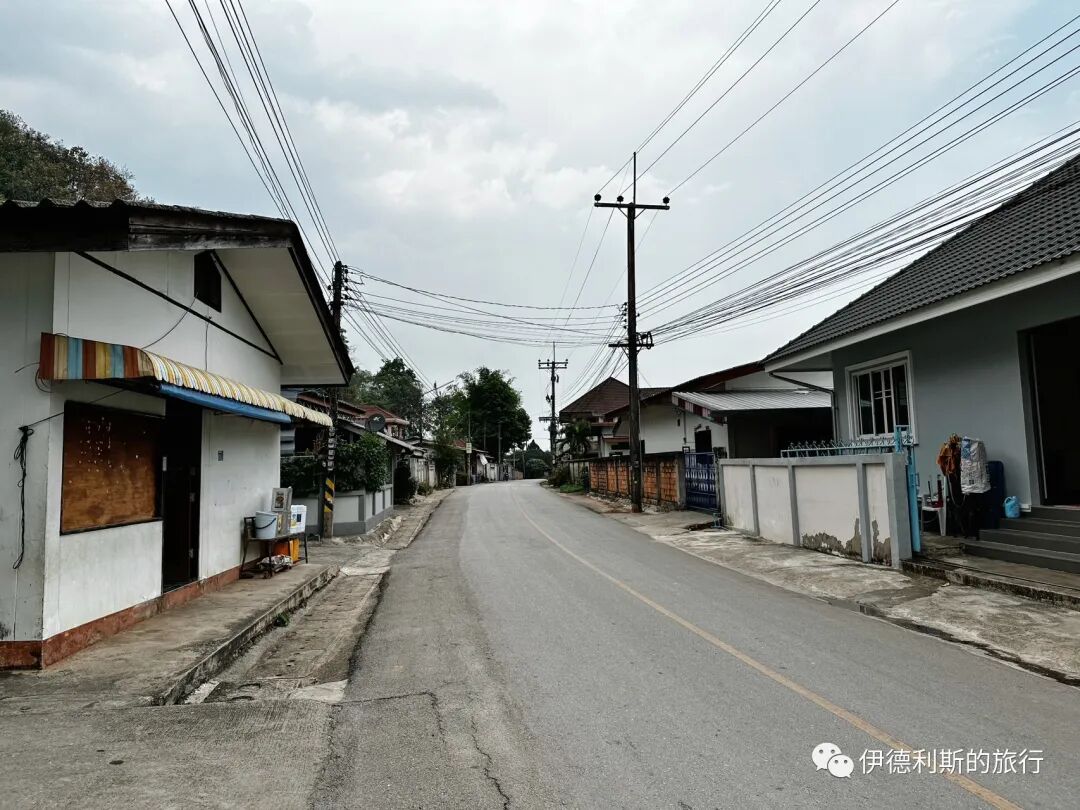
After leaving Wanyang Village, we arrived at the second Yunnan Hui mosque community on the Thai-Myanmar border, Hefei Village, to pray at the village's Jiqing Mosque. Like Wanyang Village, Hefei Village was established after the 1950s by refugees who fled here from Yunnan through Myanmar.
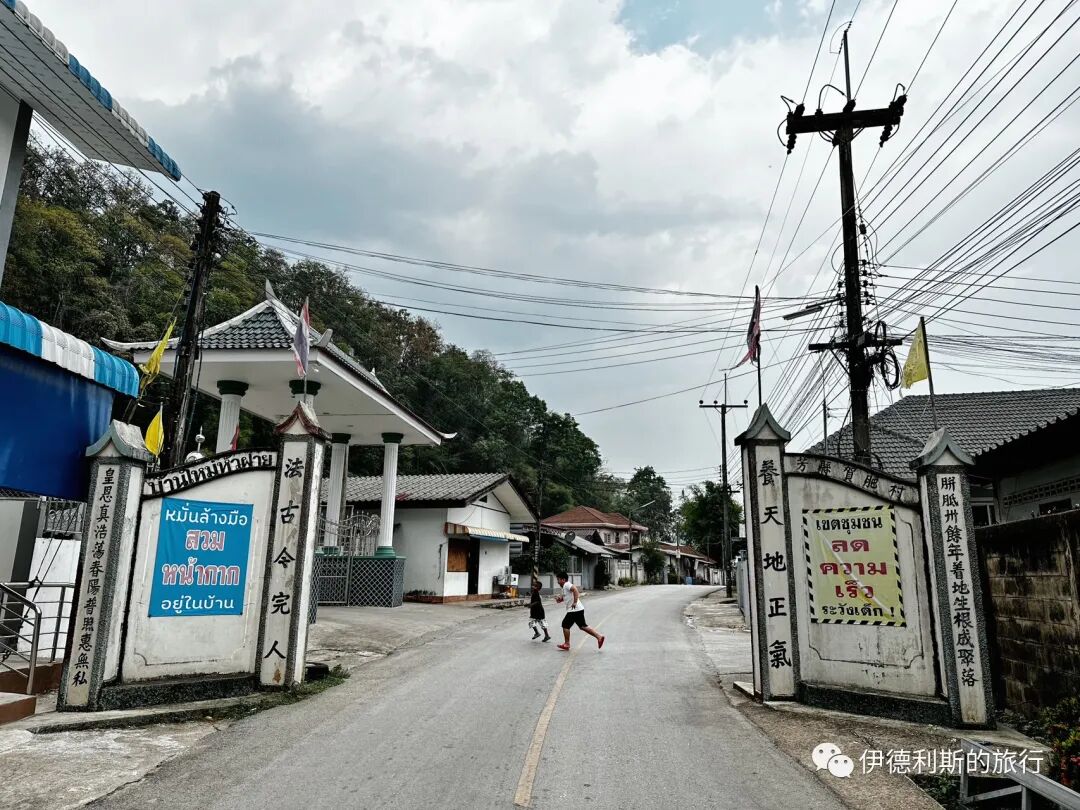
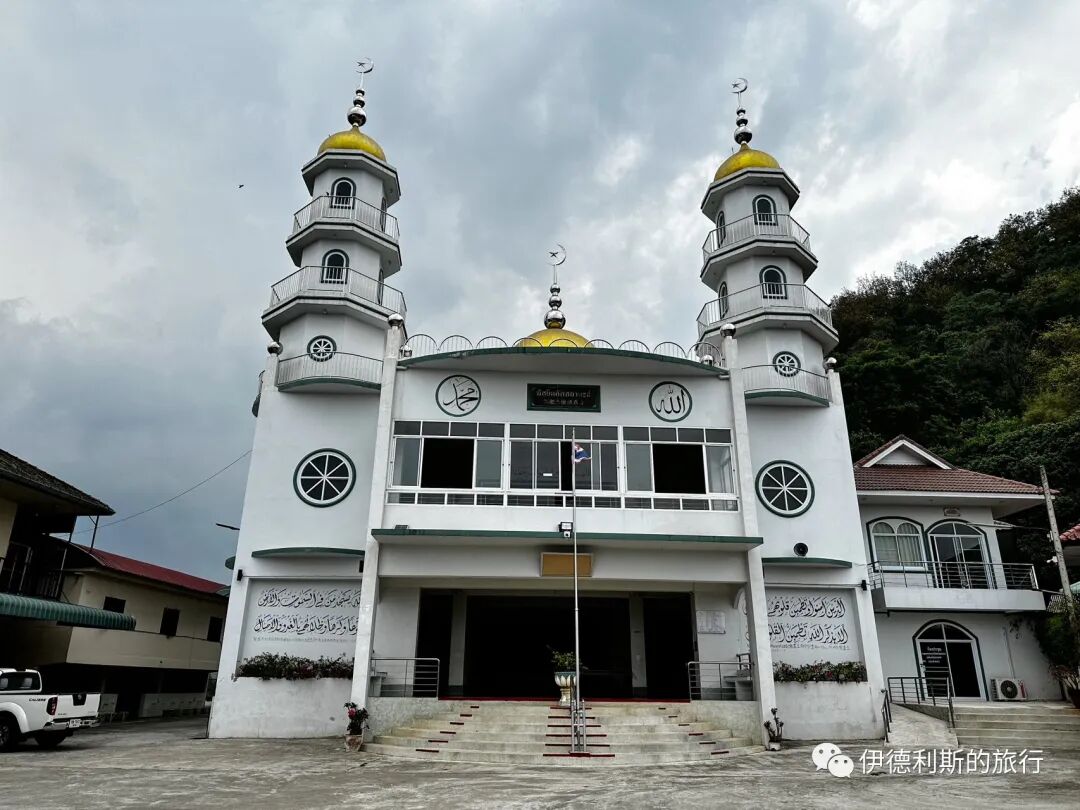
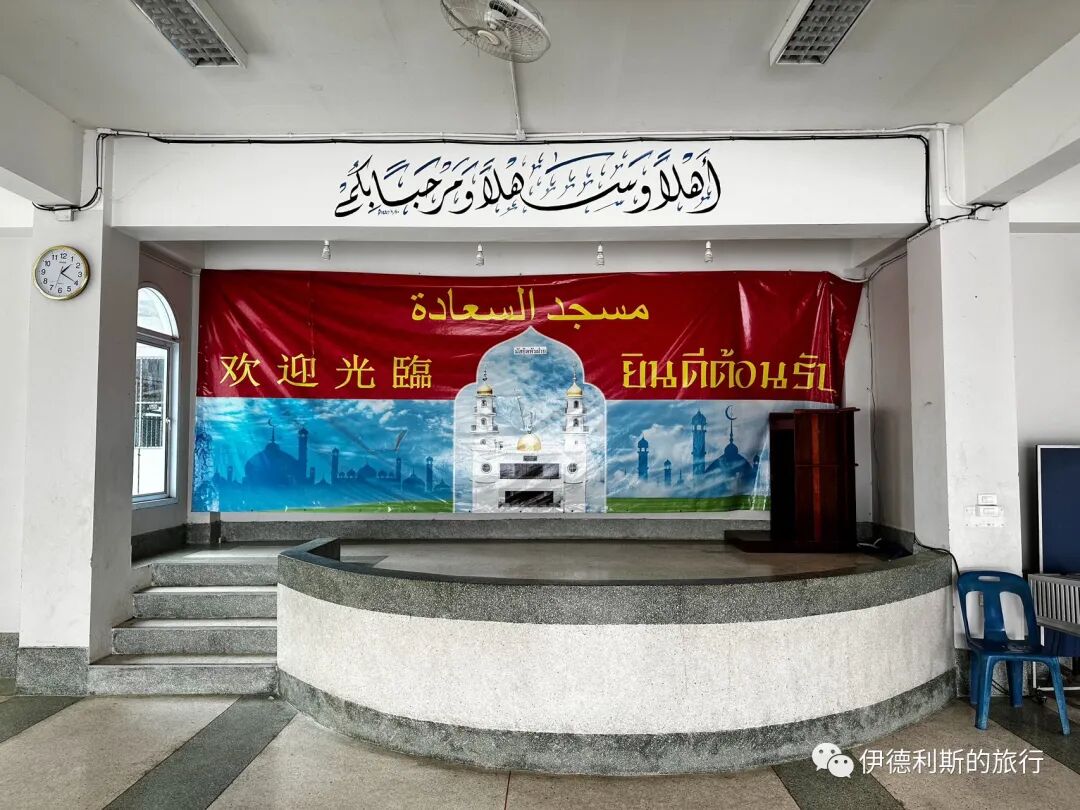
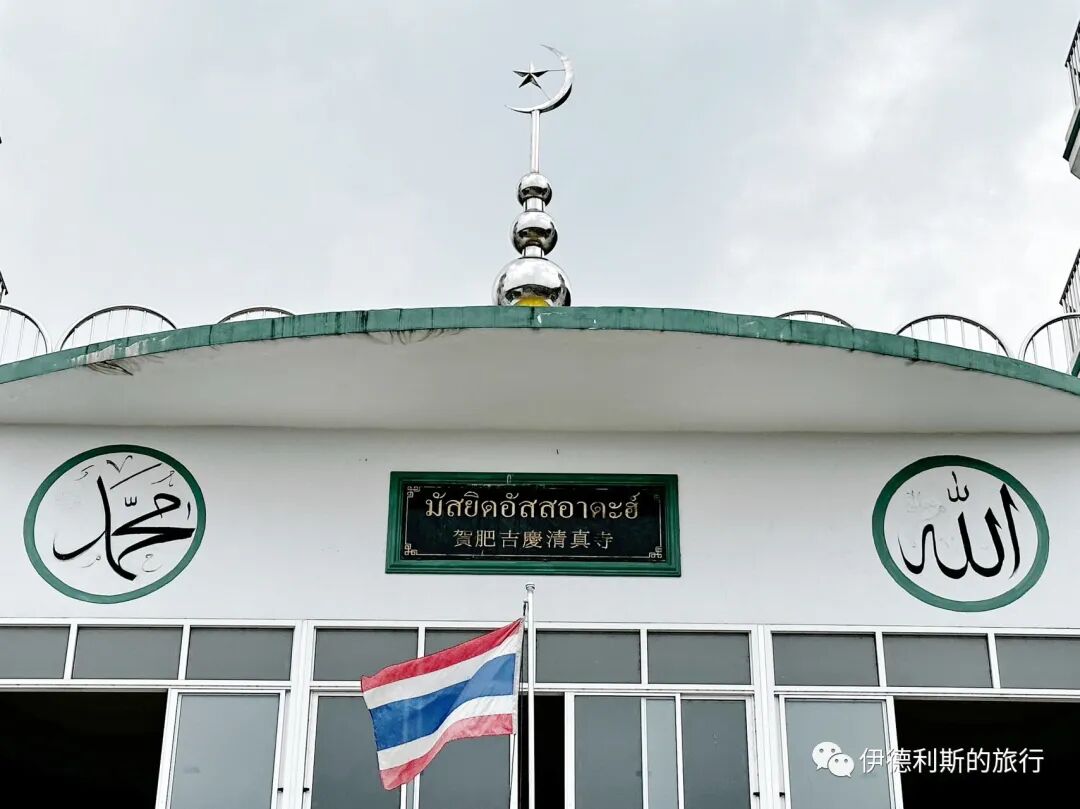
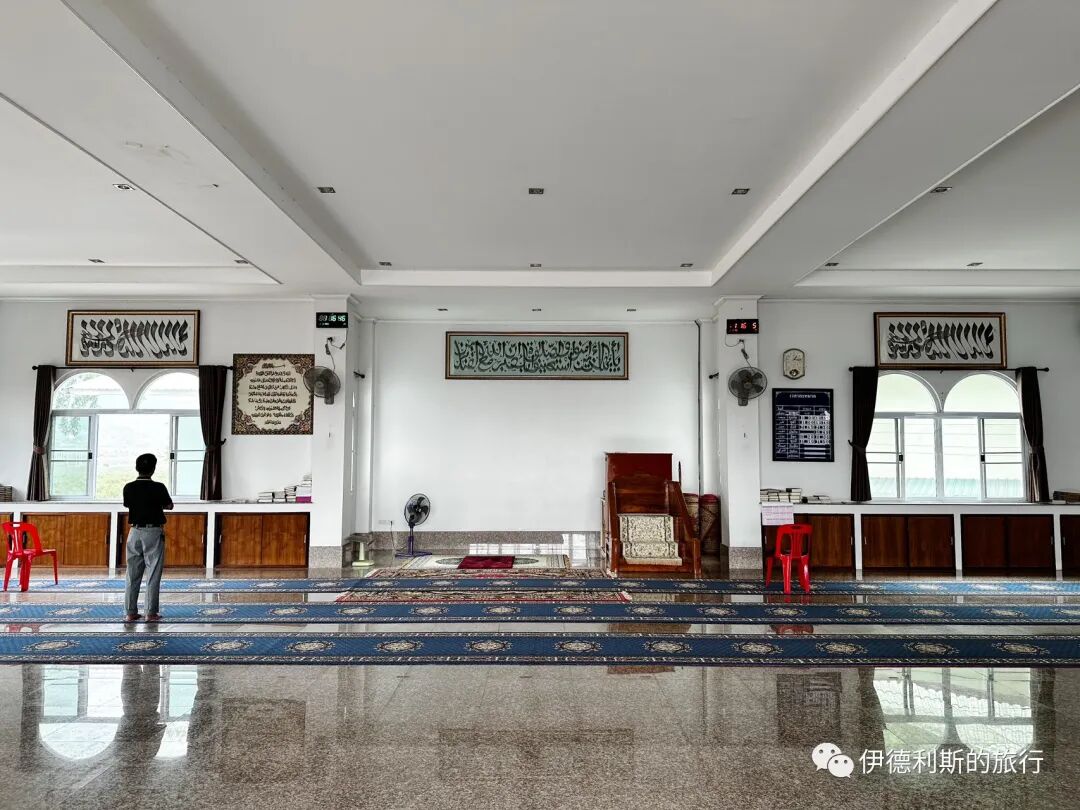
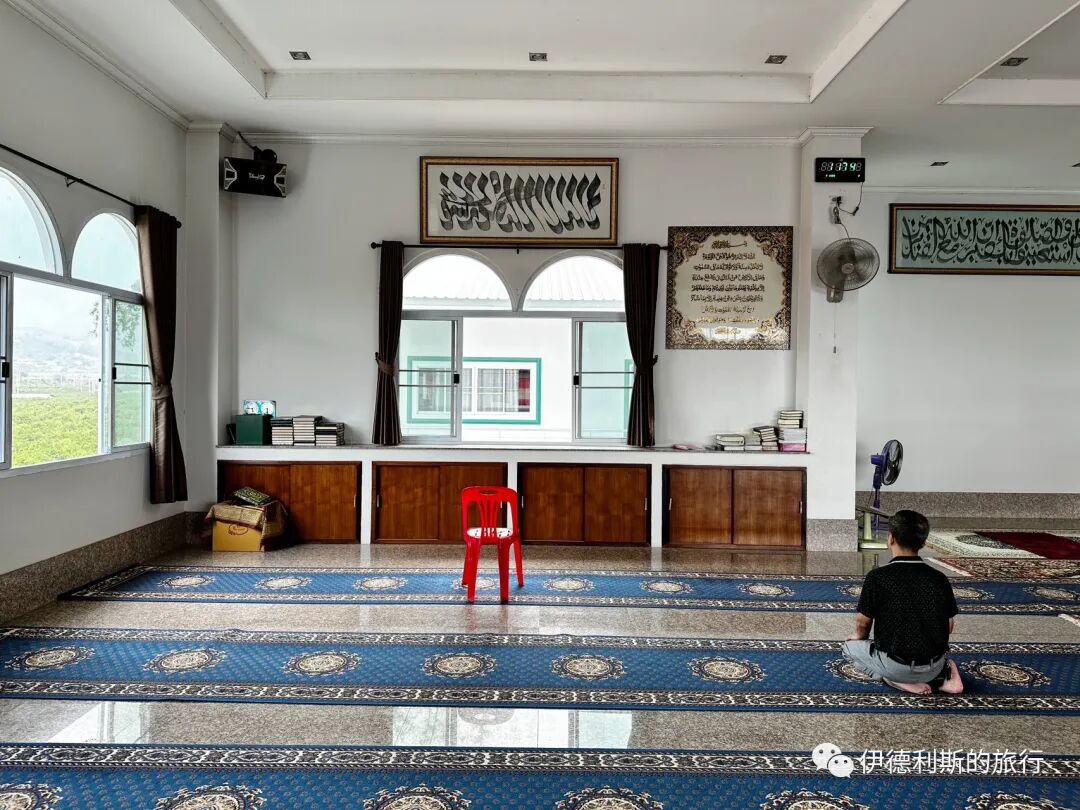
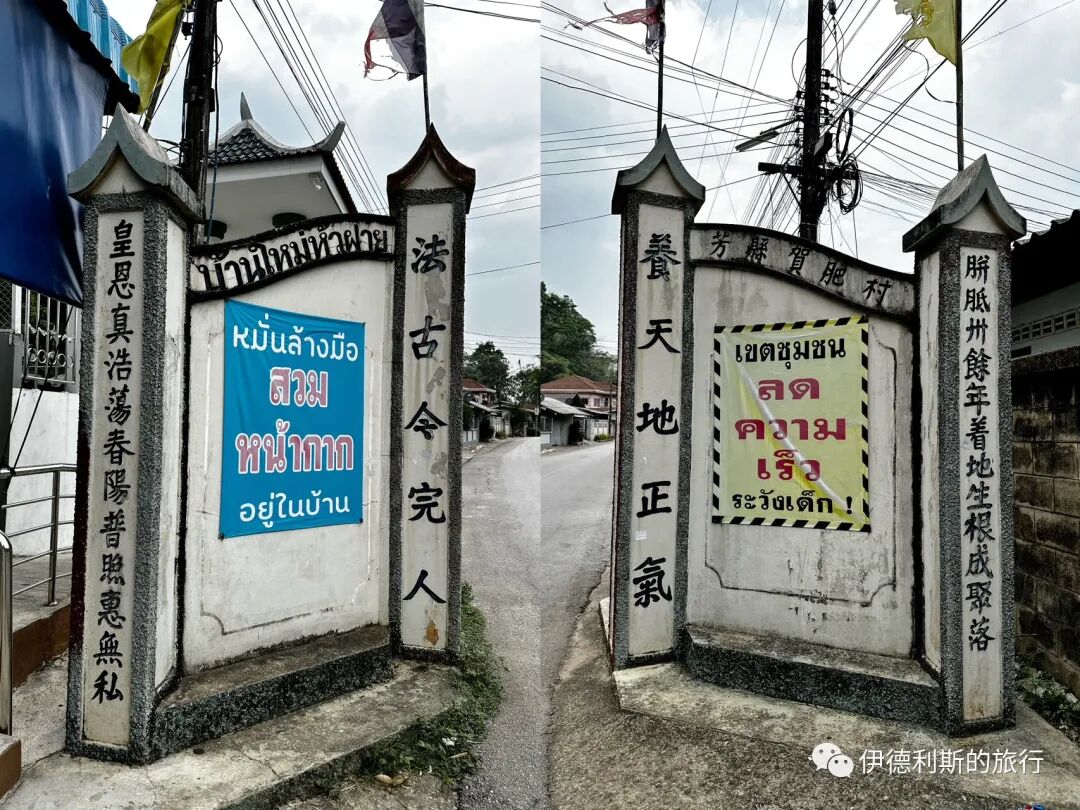
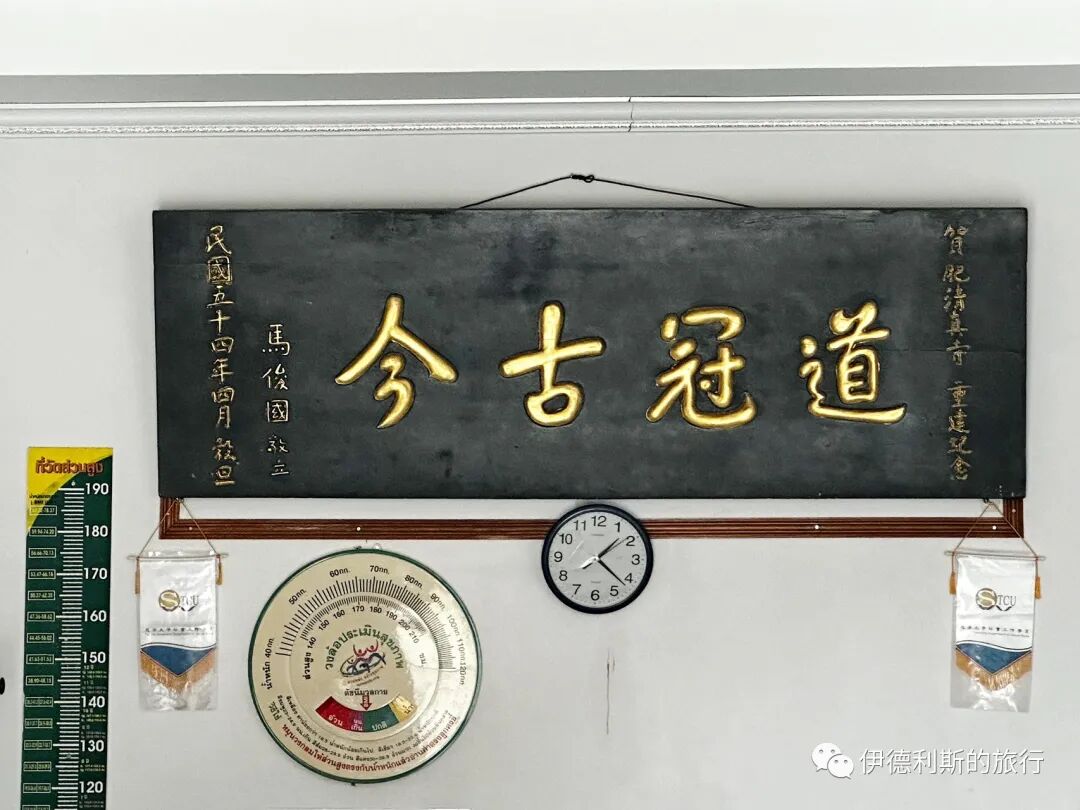
Hefei Jiqing Mosque features Chinese calligraphy and traditional Chinese-style Arabic calligraphy, including a plaque that reads 'The Way Spans Past and Present' (Dao Guan Gu Jin), which was respectfully erected by Ma Junguo when the mosque was rebuilt in 1965.
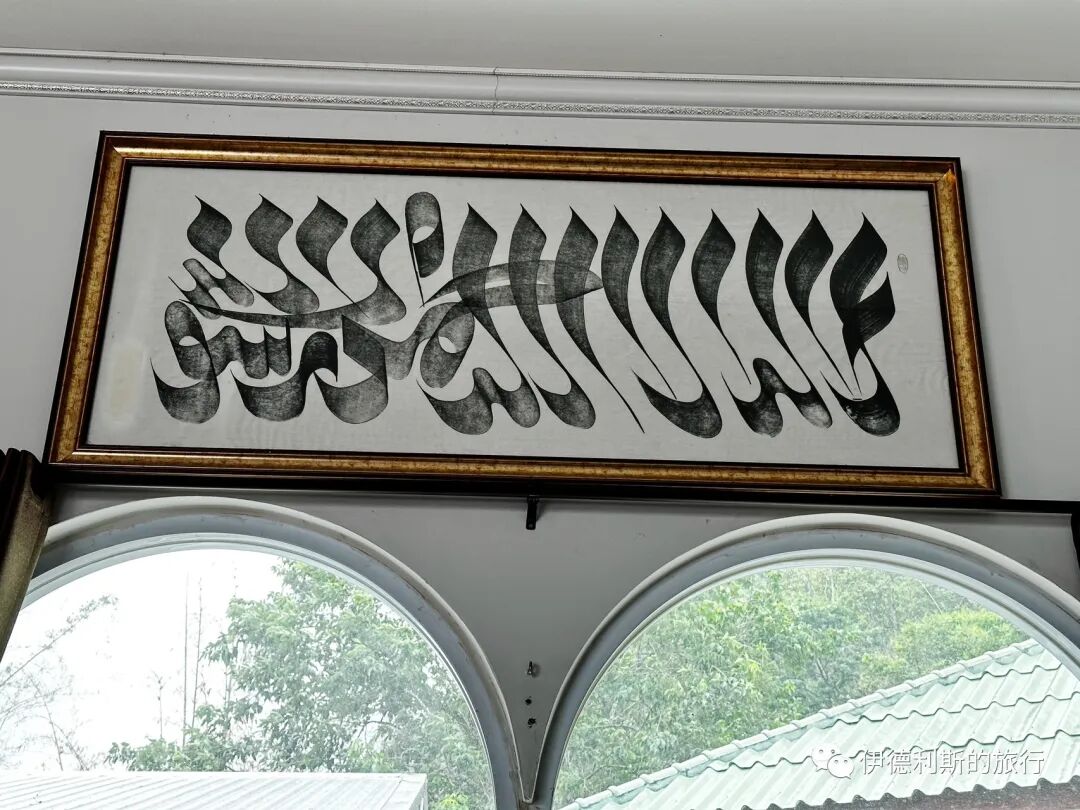
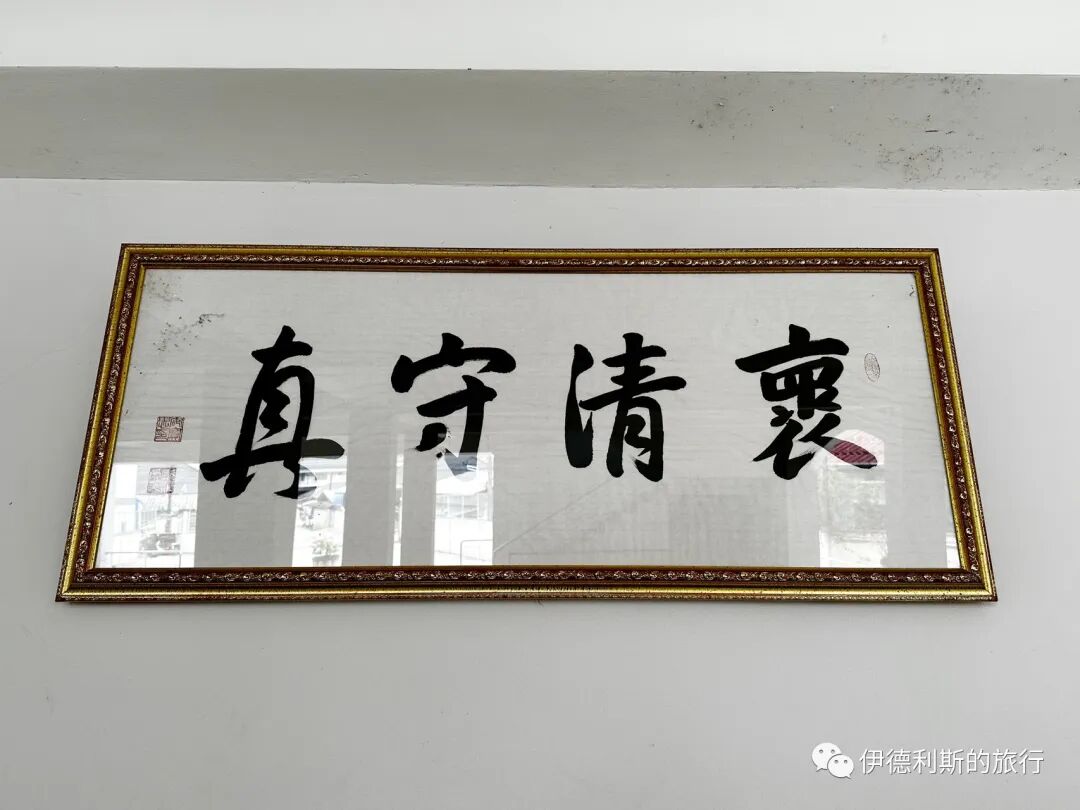
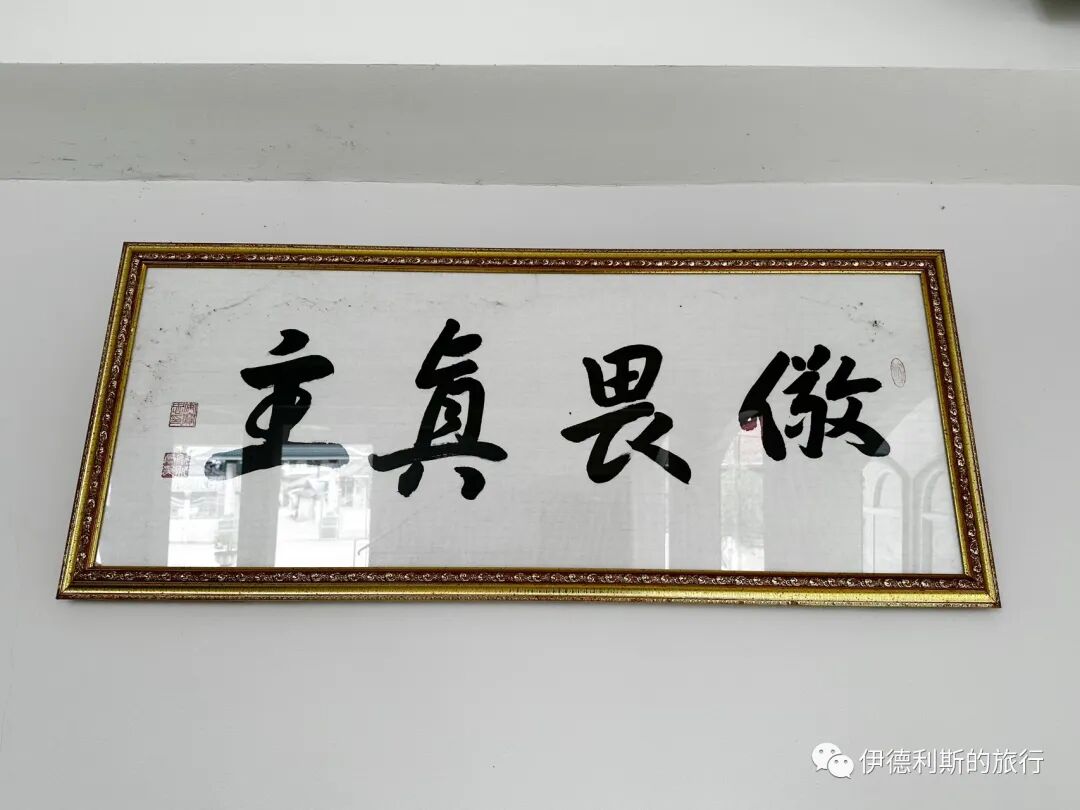
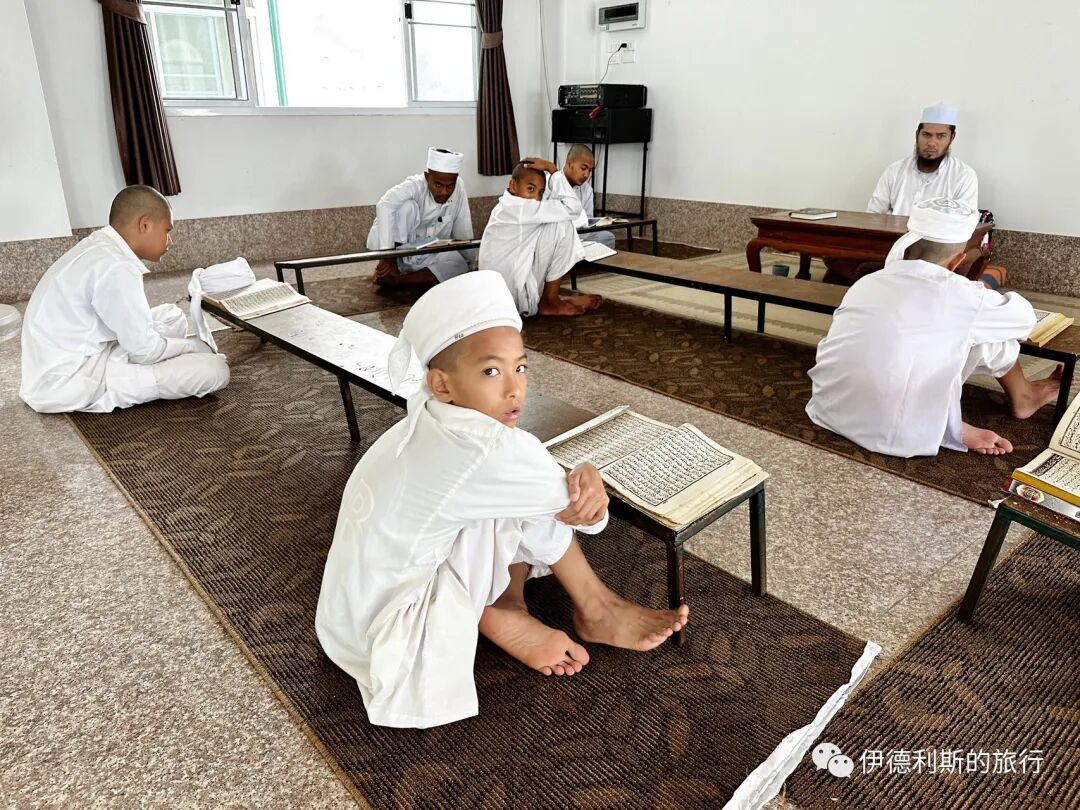
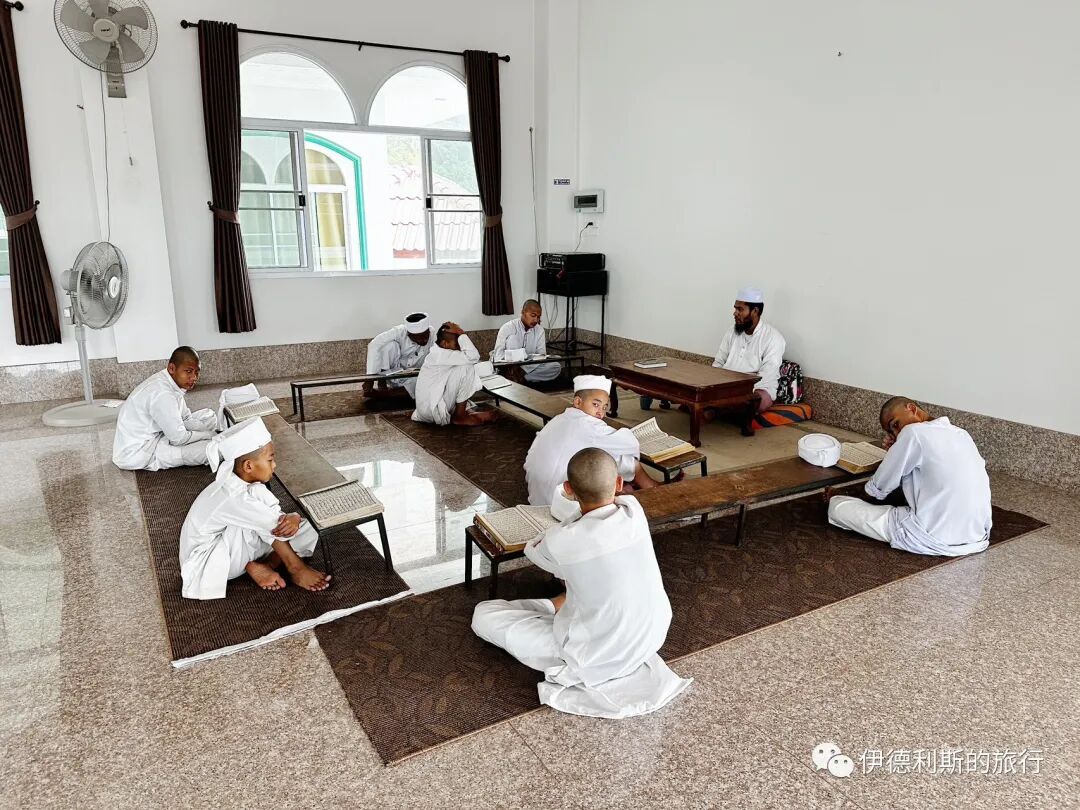
I met a group of young Hafiz reciting the Quran in the mosque. Life has been hard in northern Myanmar recently, so some Burmese Muslims send their children to study at Jiqing Mosque. These children spend several years practicing constantly to become qualified Hafiz.
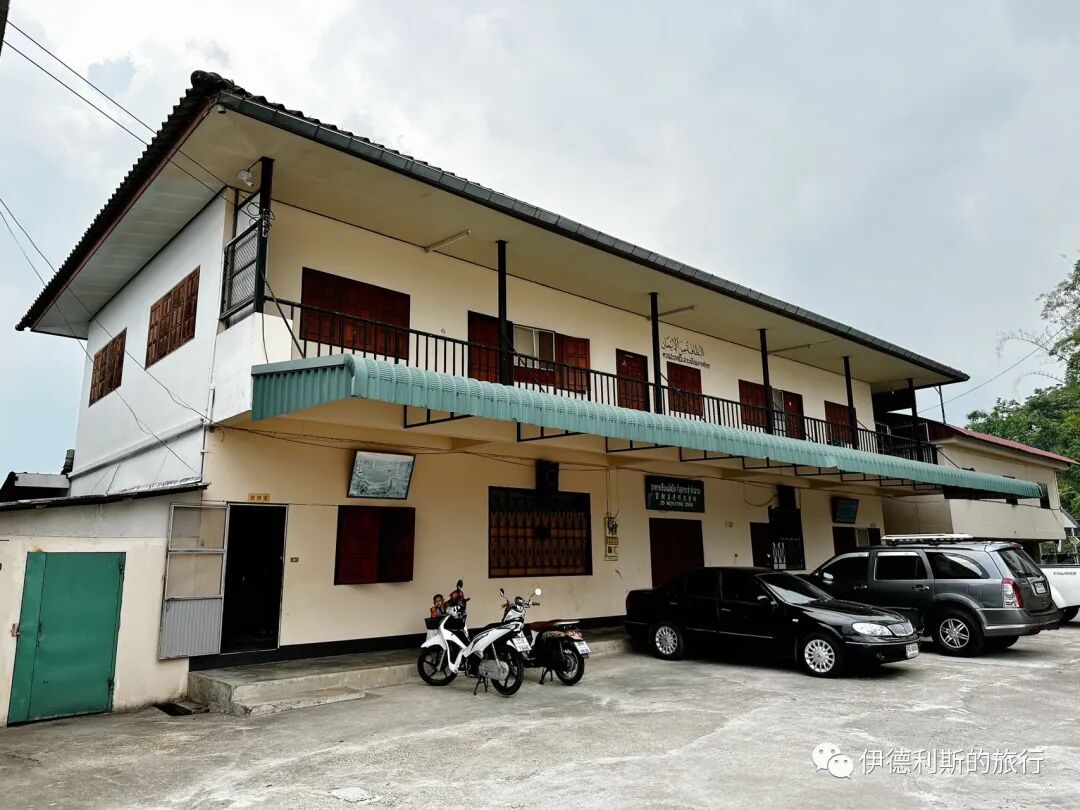
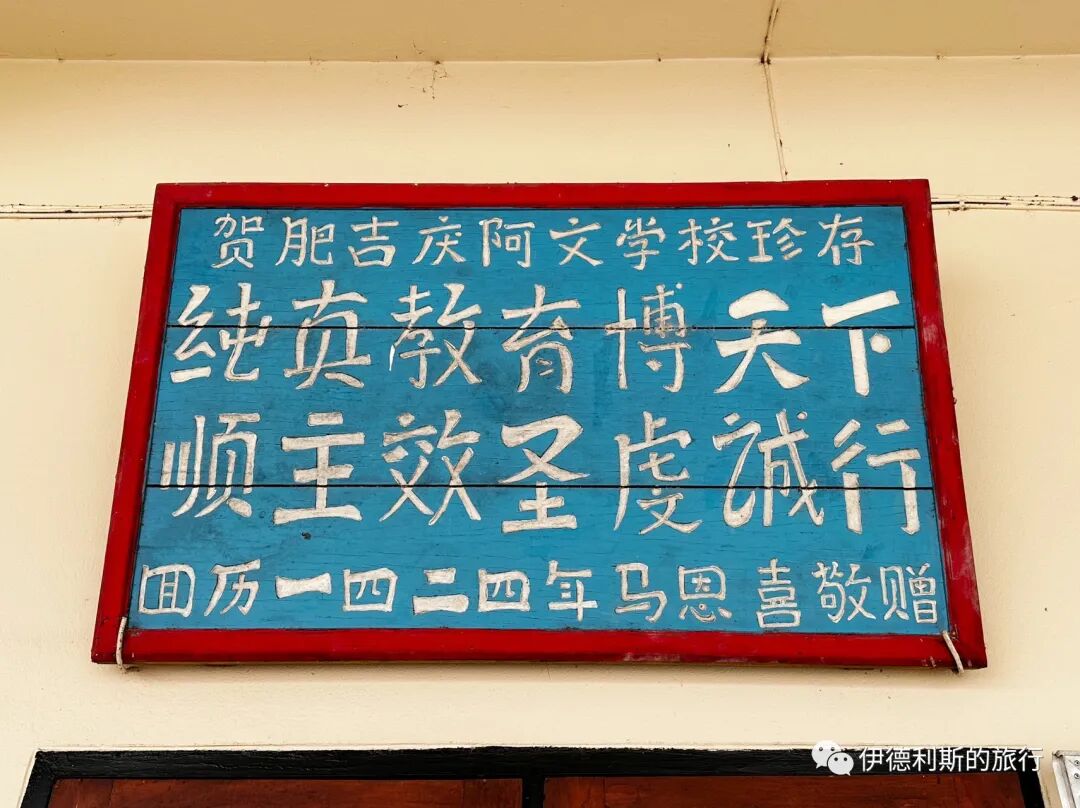
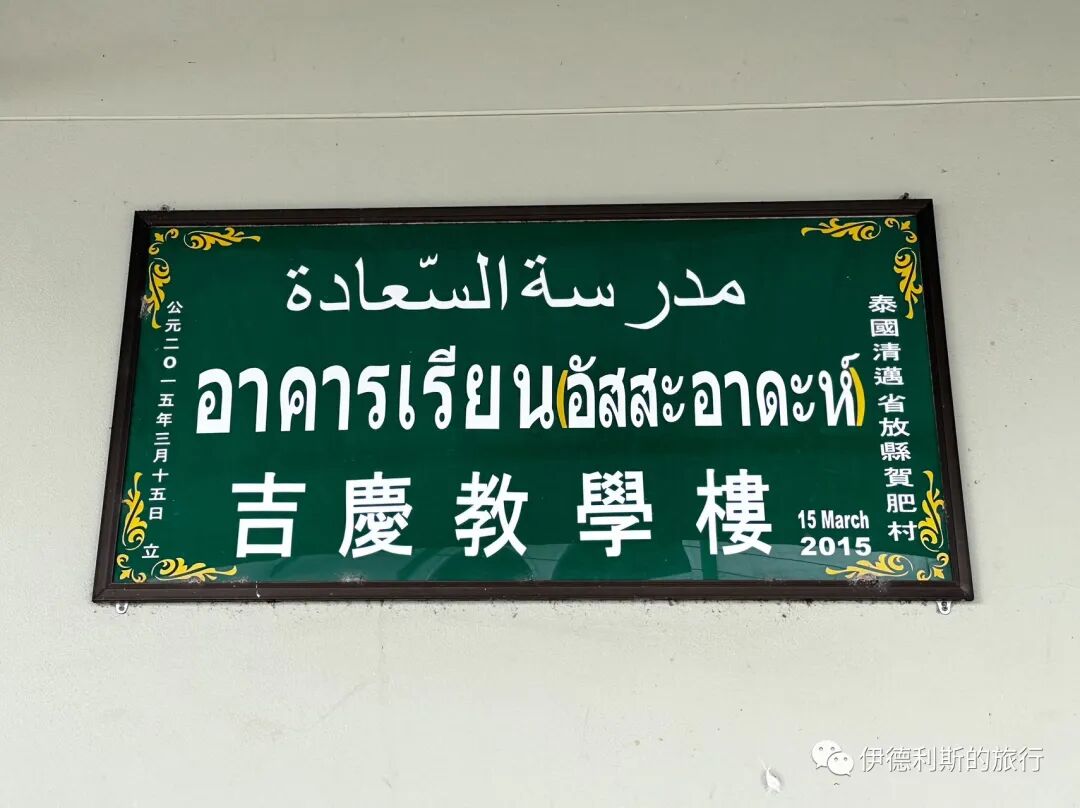
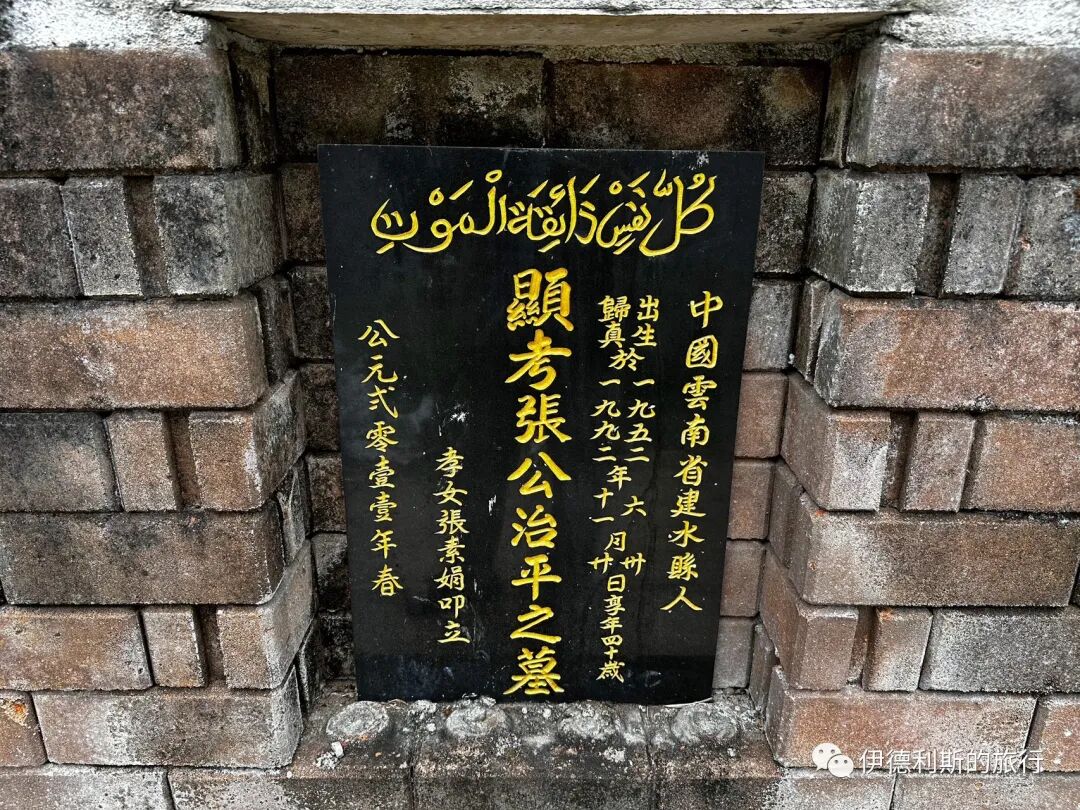
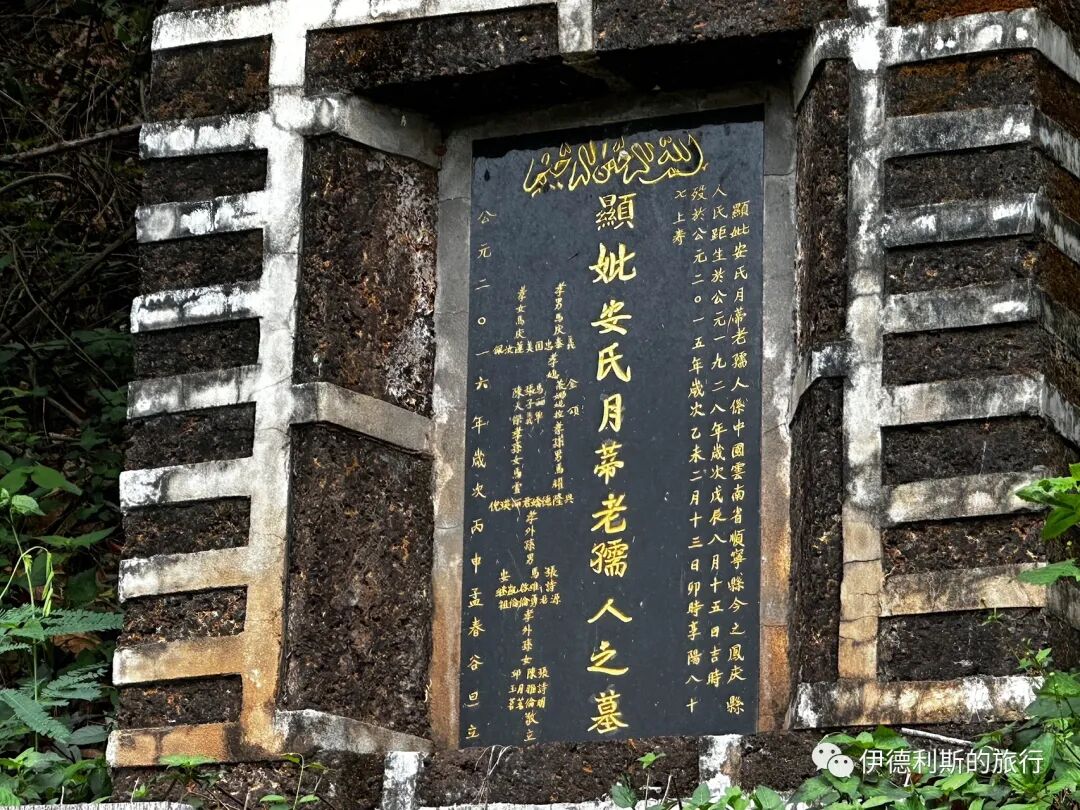
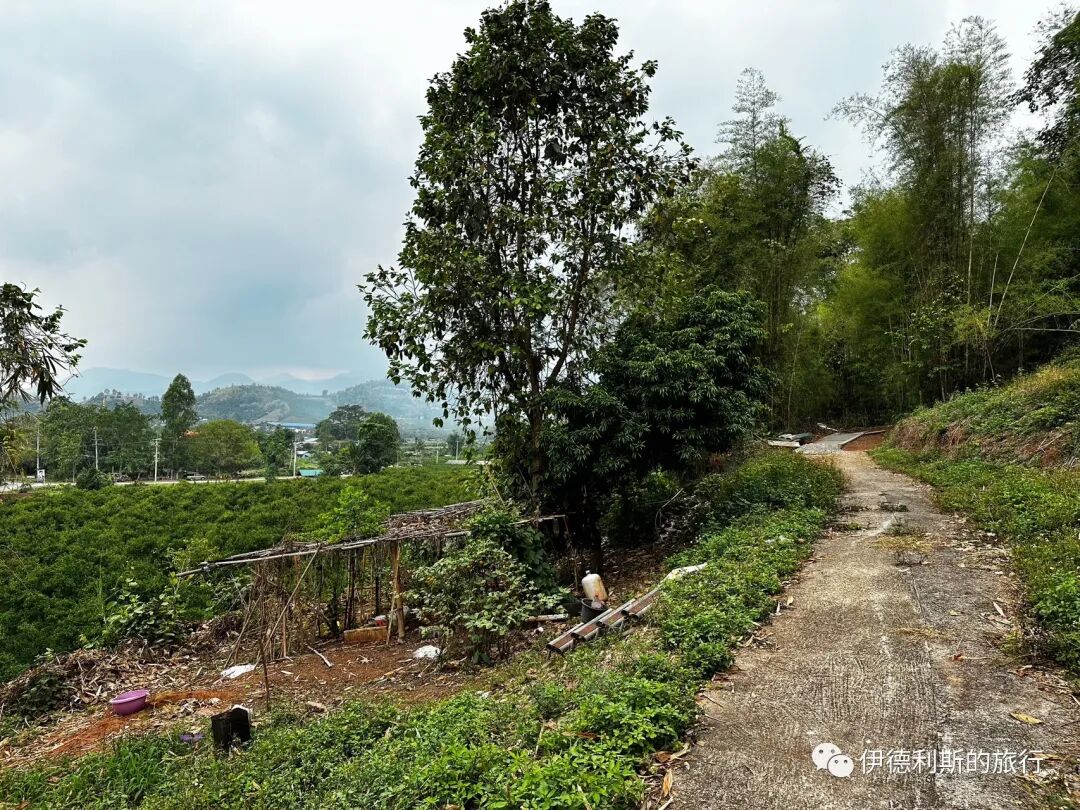
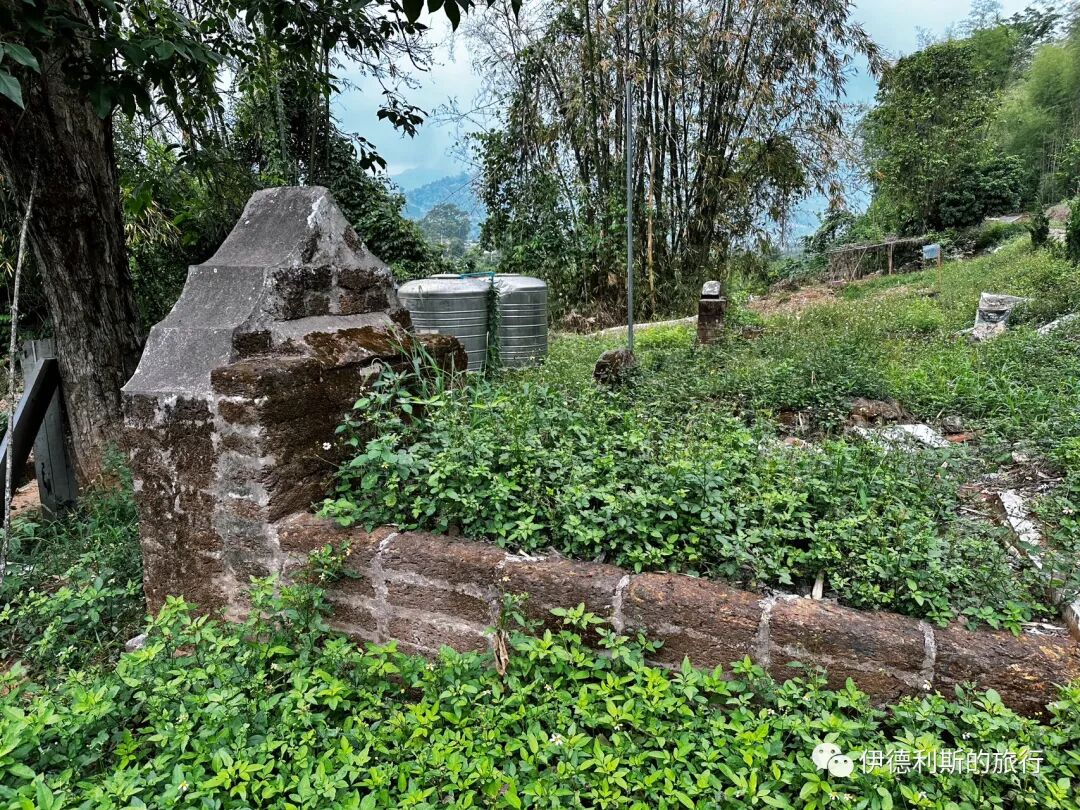
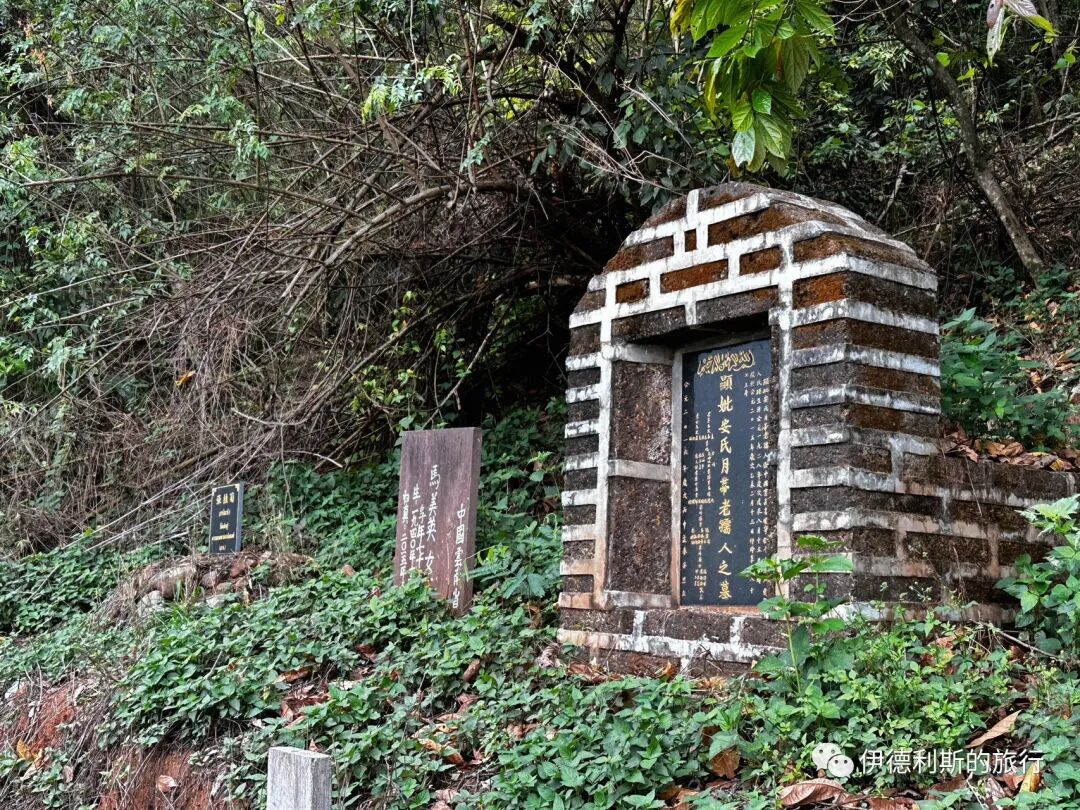
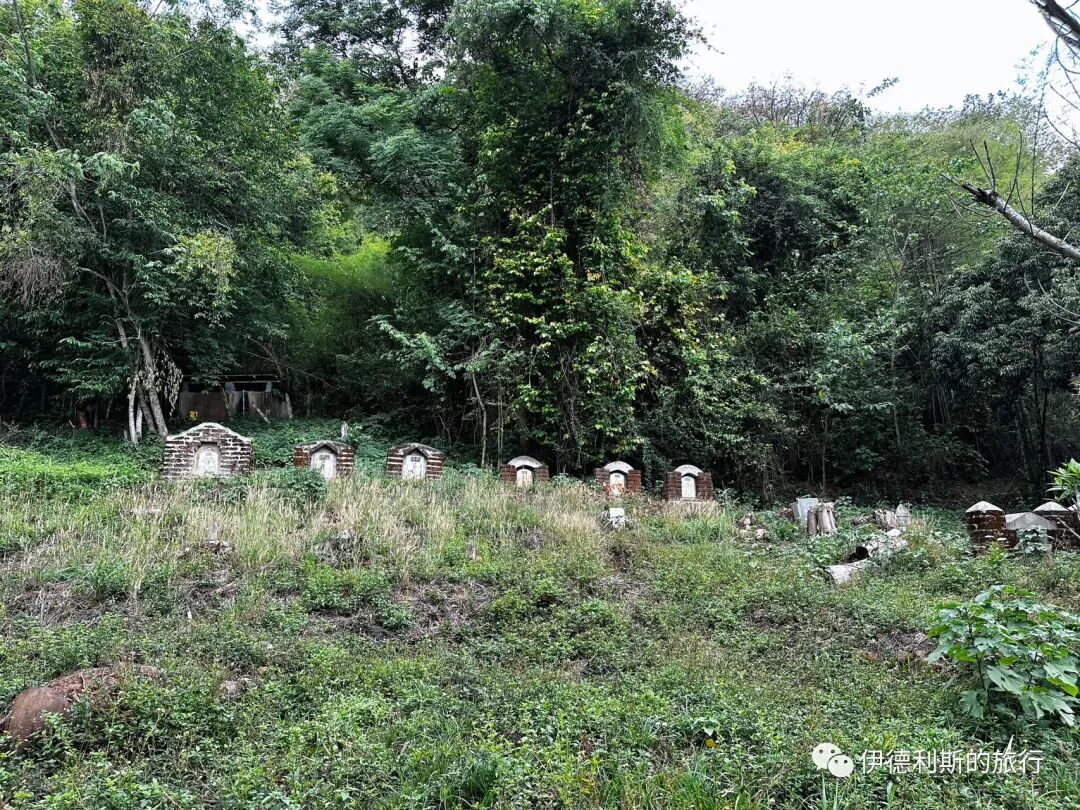
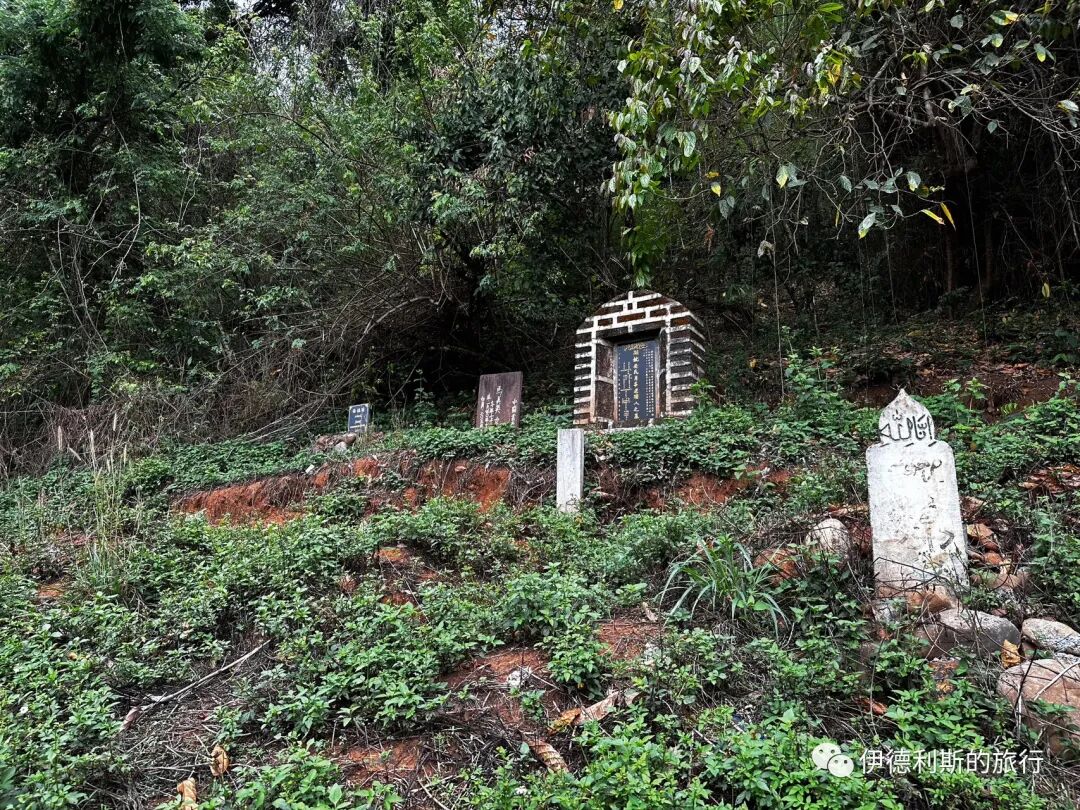
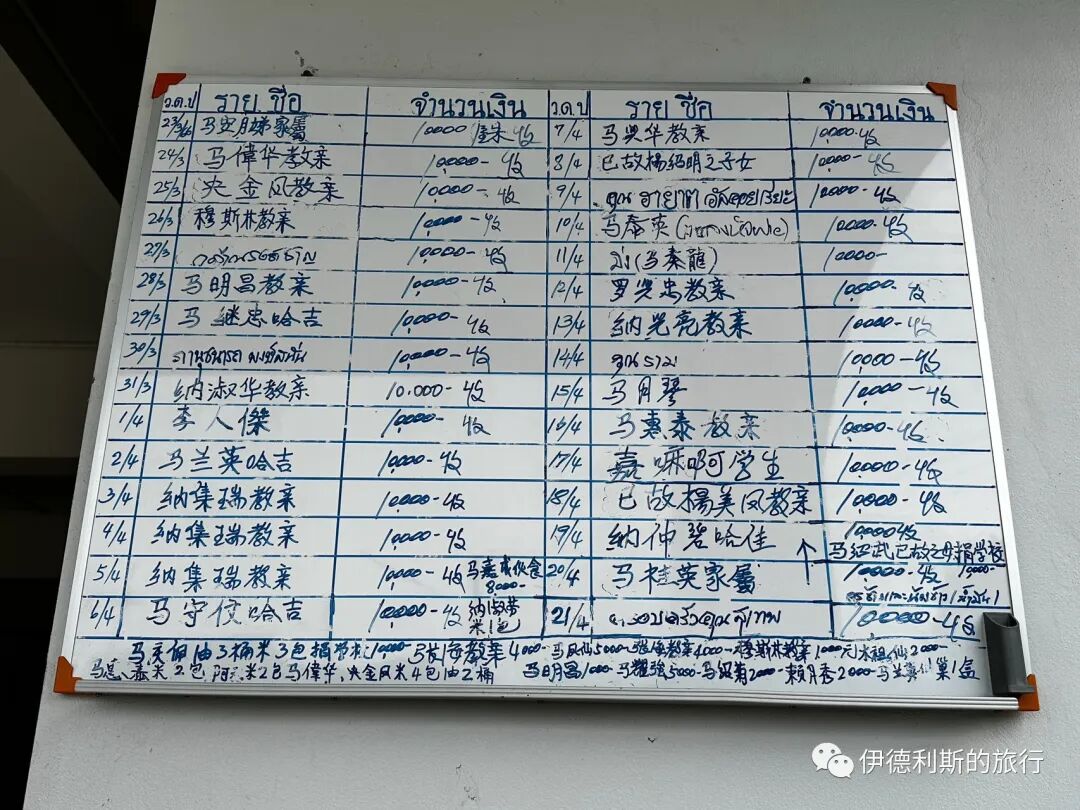
The back door of Hefei Jiqing Mosque leads to a cemetery. You can see that the ancestors of the local community came from places like Shadian, Jianshui, and Fengqing County in Lancang, Yunnan. The mosque's donation record book (nietiebu) shows that the main family names in this community are Ma, Na, Li, and Yang.
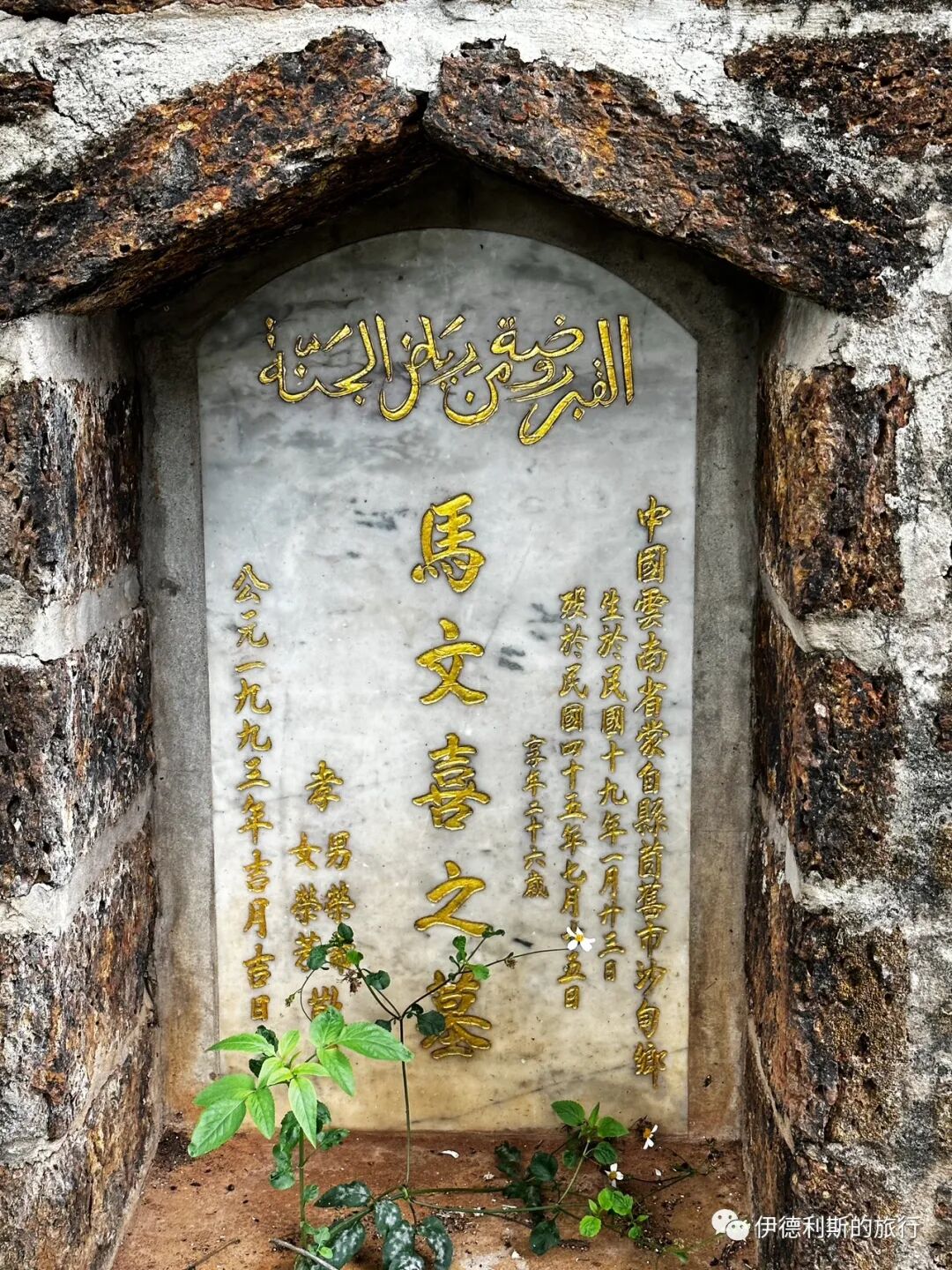
Fang District town
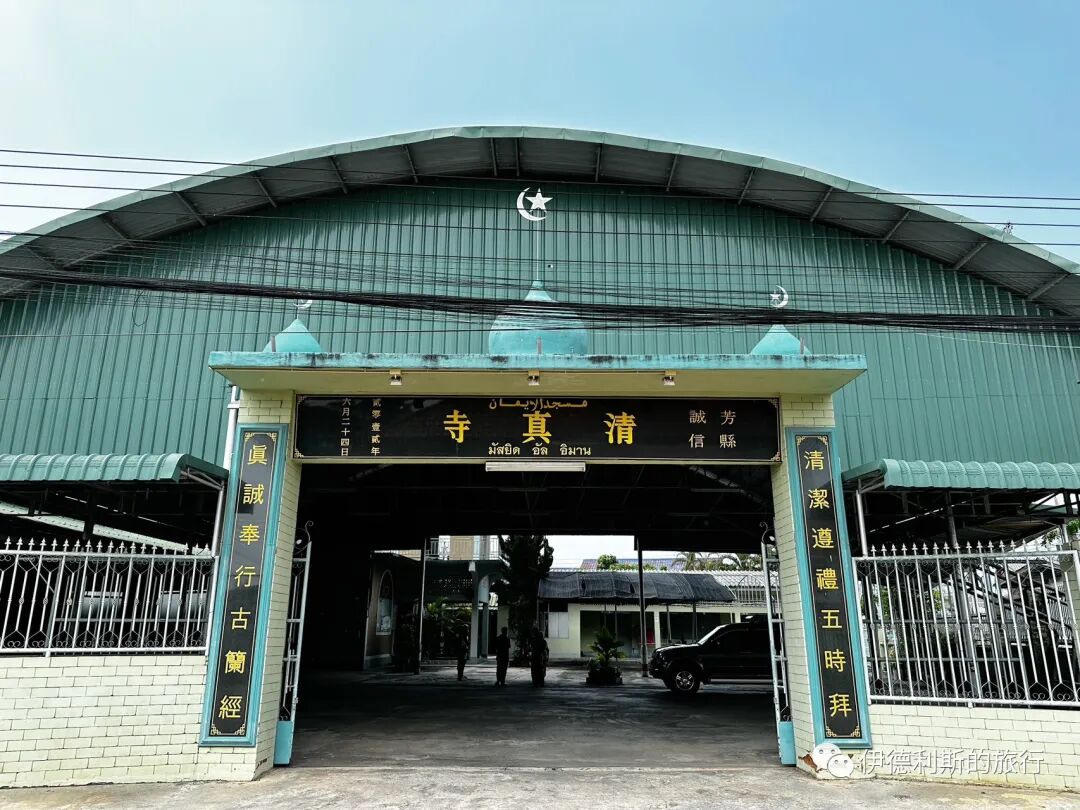
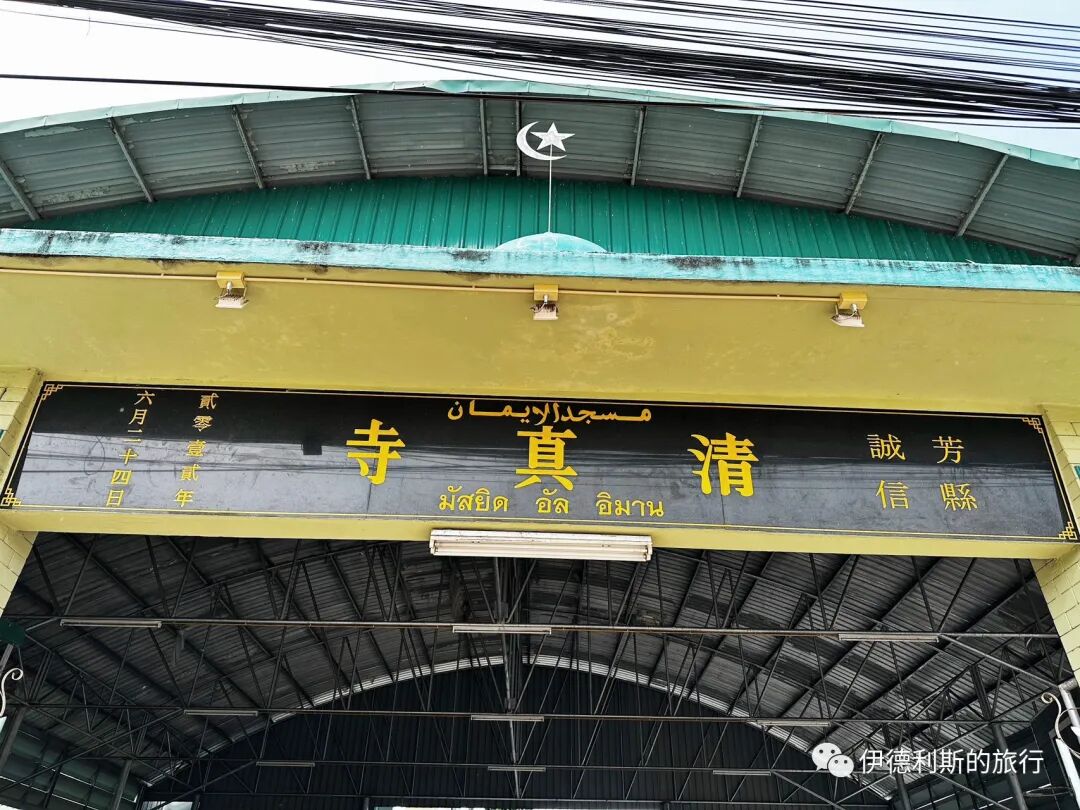
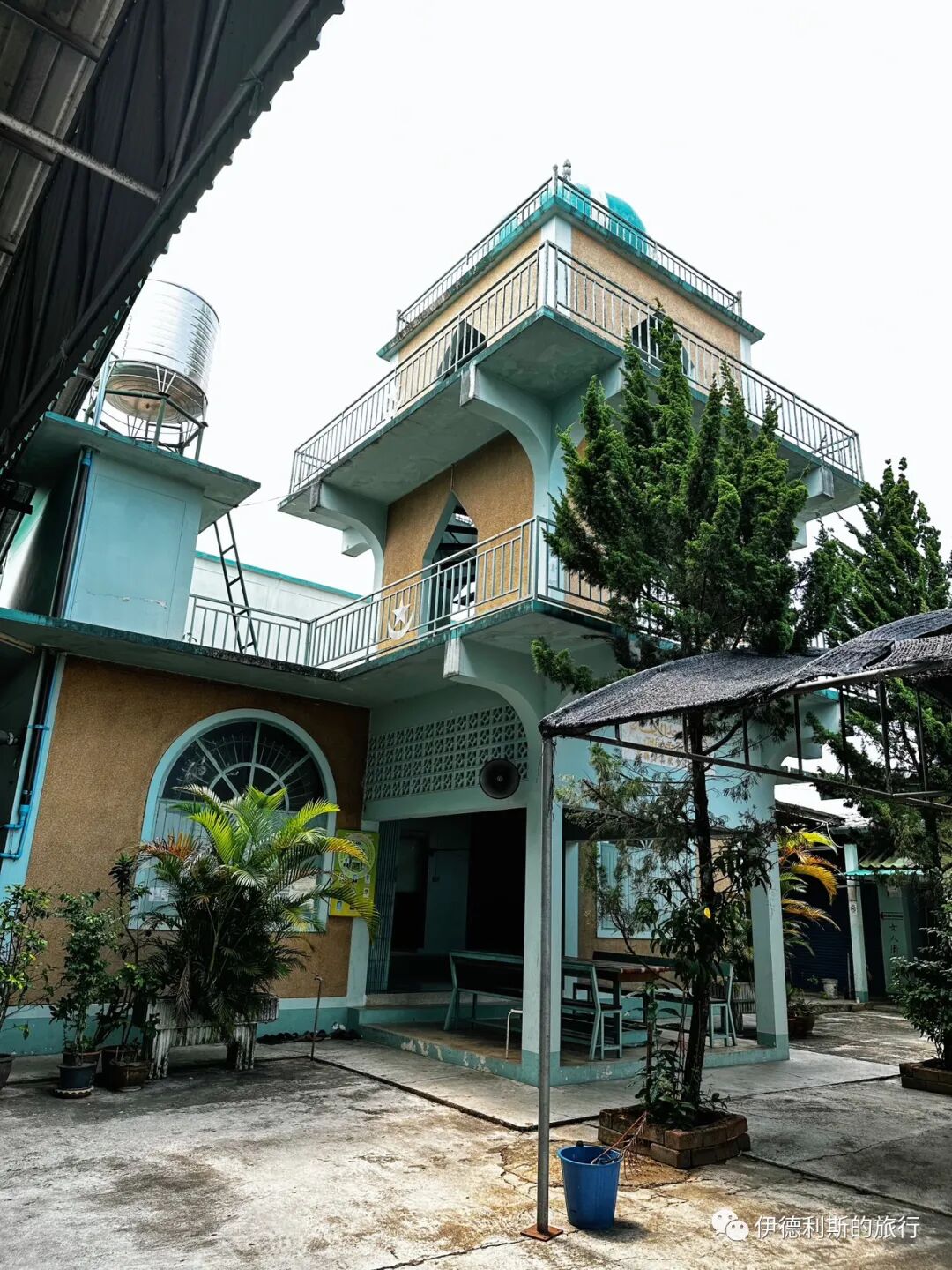
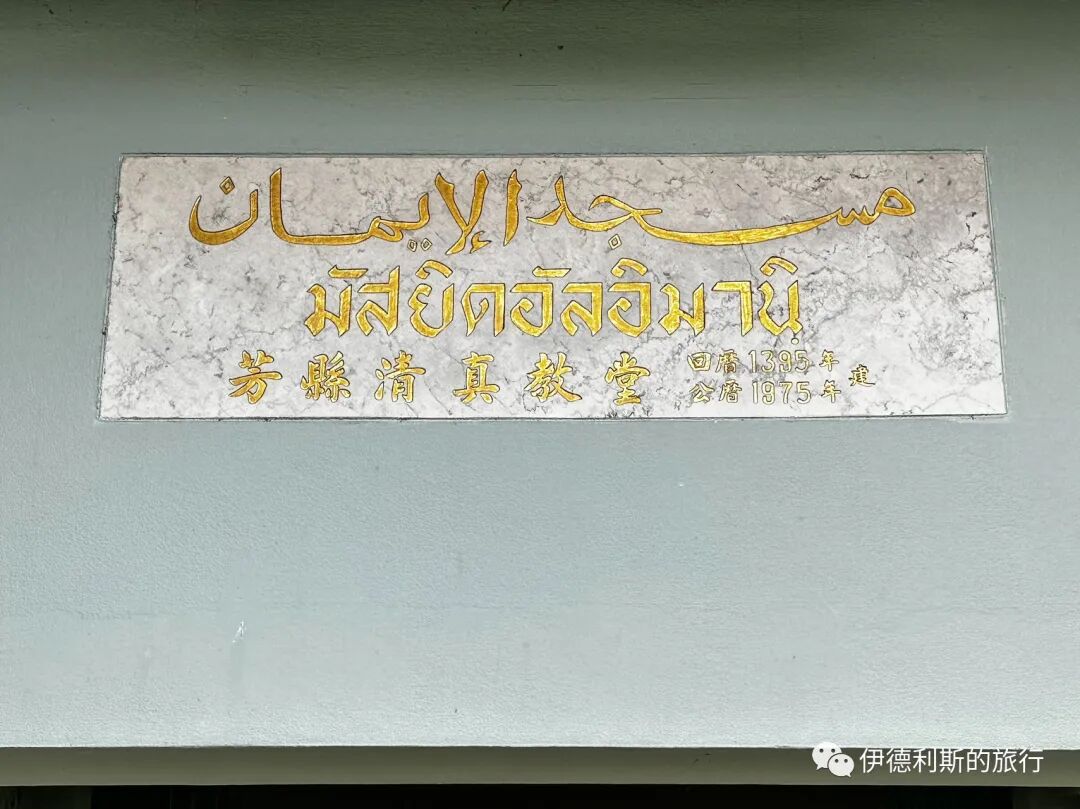
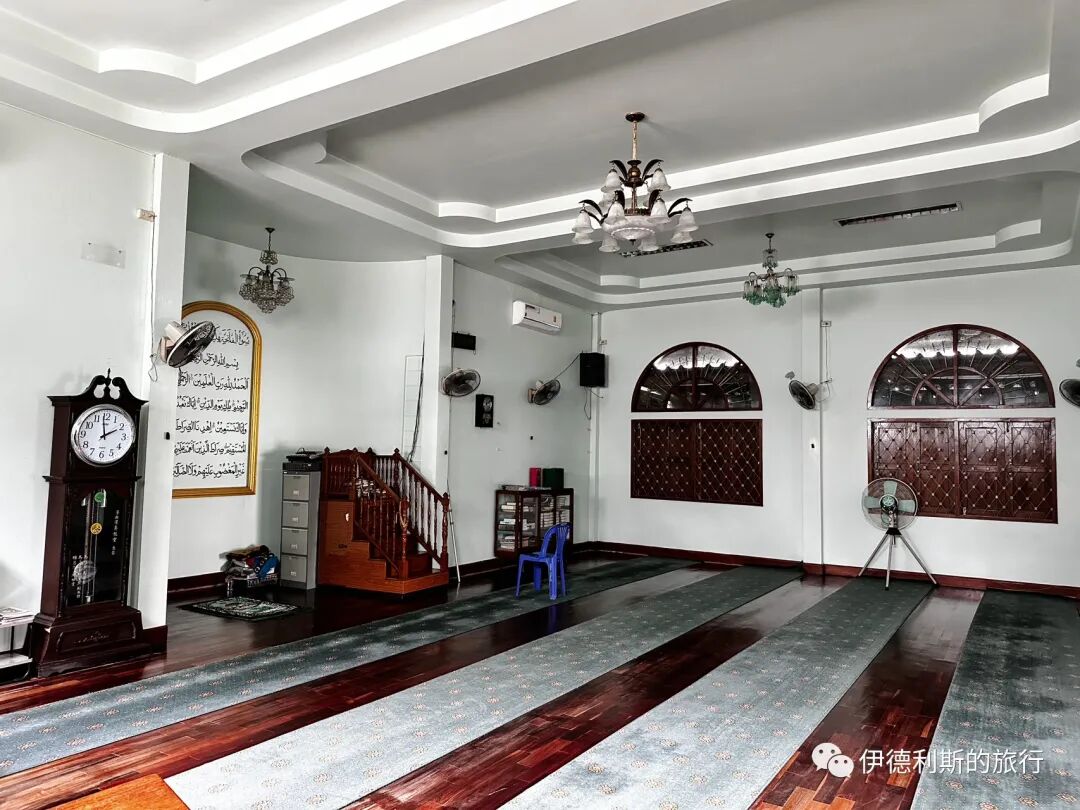
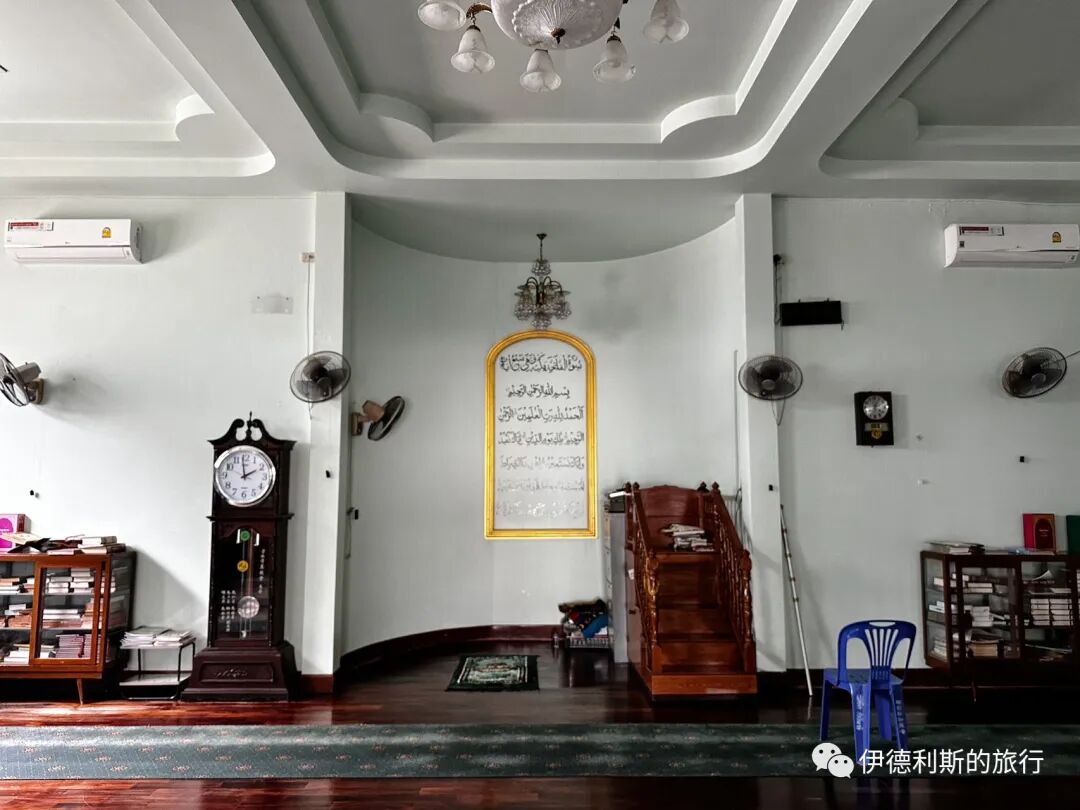
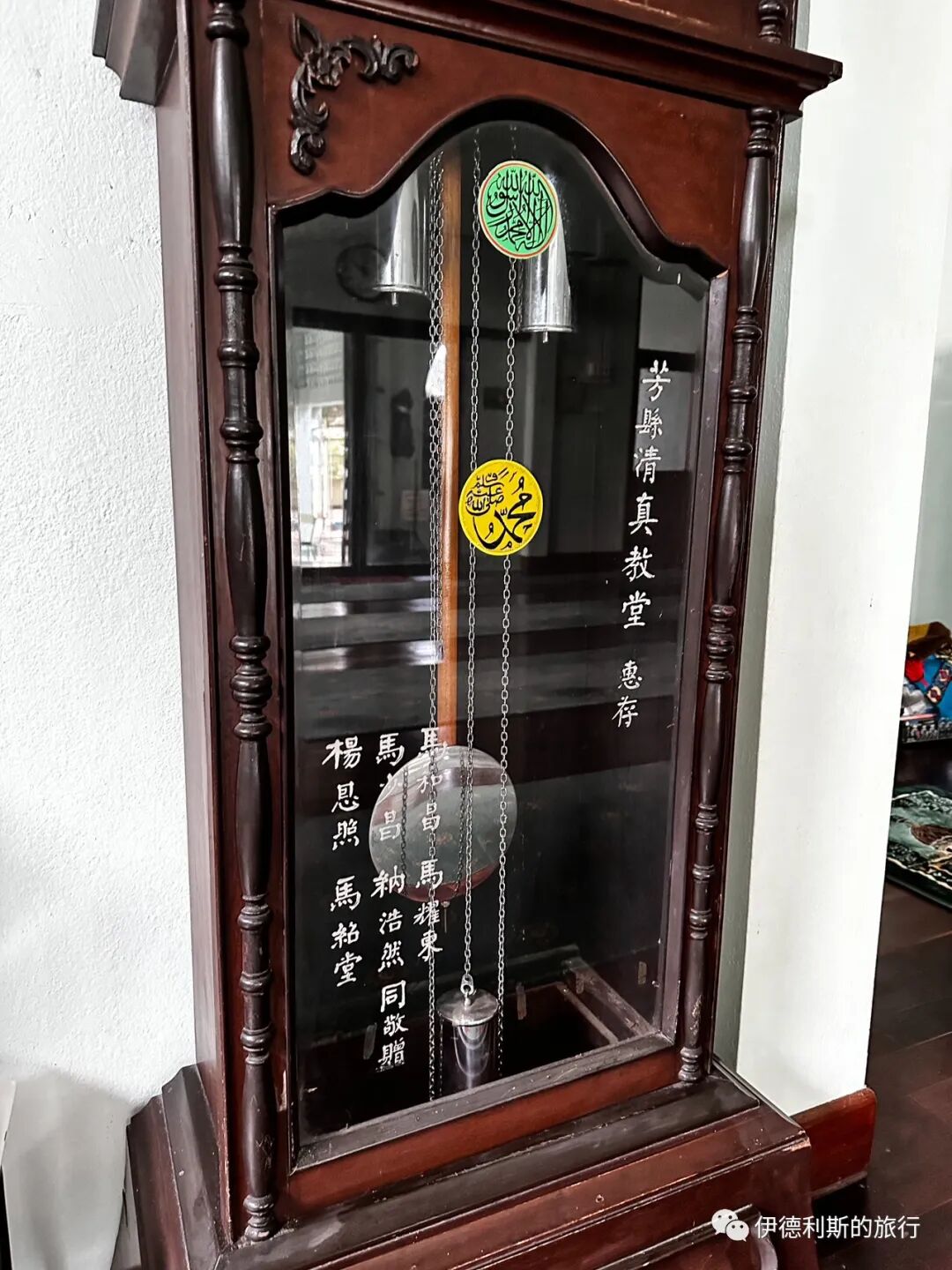
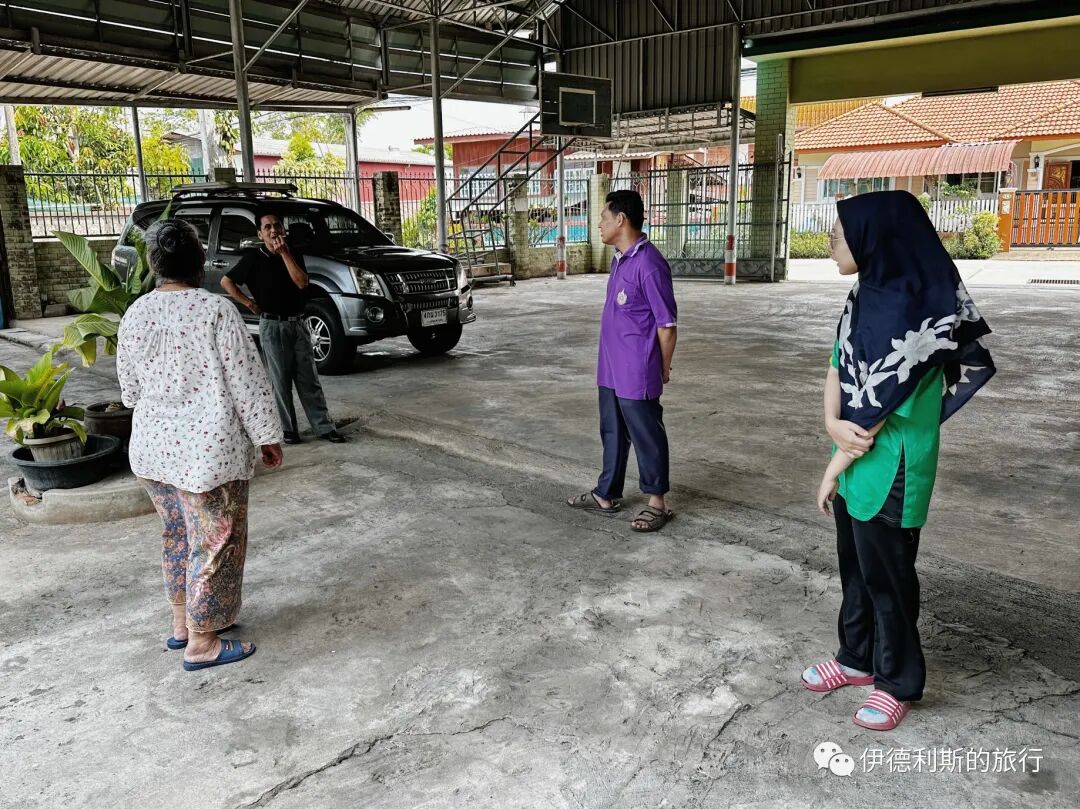
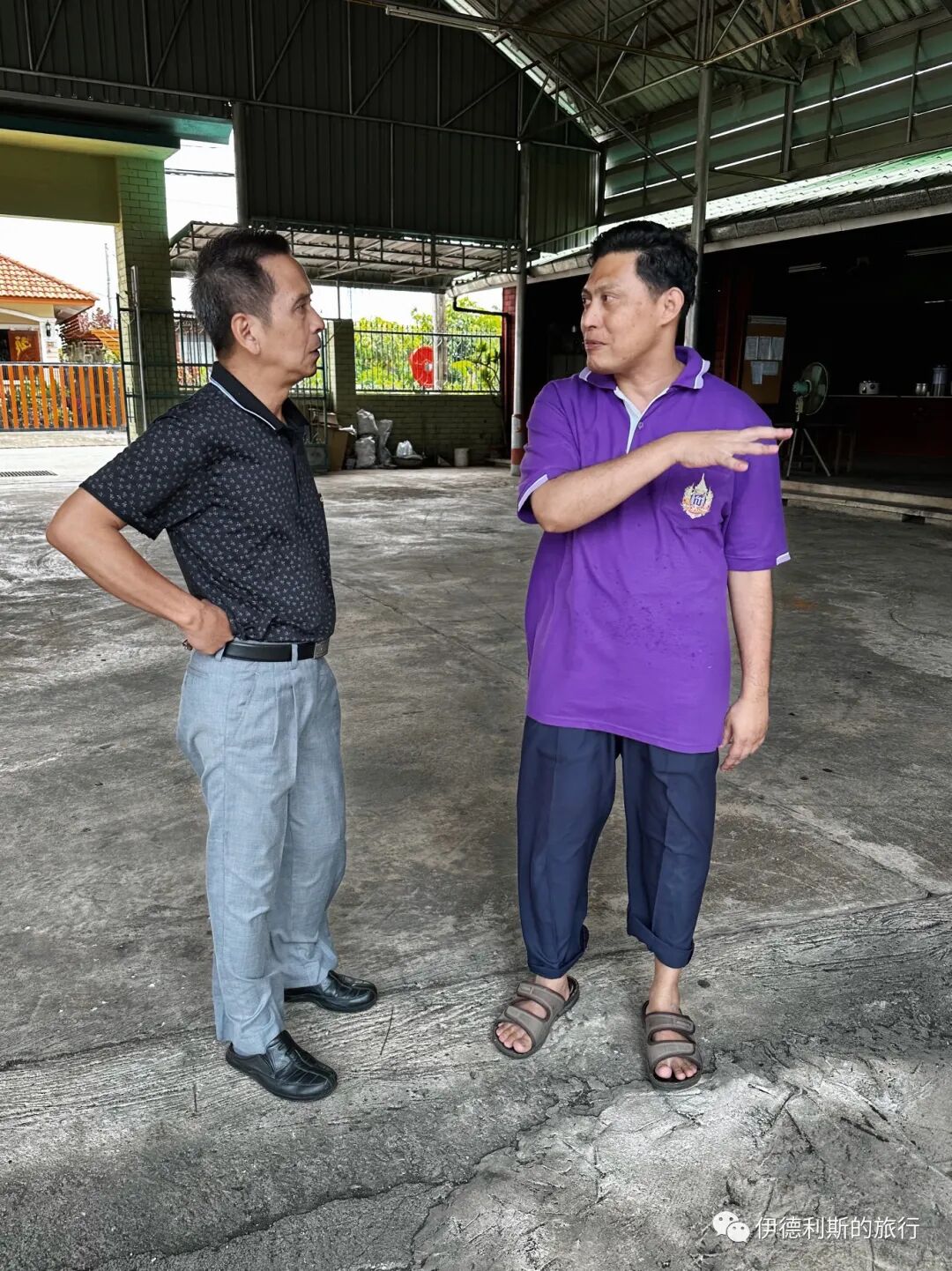
After leaving Hefei, we went to the third Yunnan-style mosque on the Thai-Myanmar border, Chengxin Mosque in the town of Fang District, Chiang Mai Province. Chengxin Mosque was built in 1975 by Yunnan Hui Muslims living in Fang District town. It makes it easier for Yunnan Hui Muslims from nearby villages to attend to business in town. Chengxin Mosque has fewer ancestral records (gaomu) than the surrounding villages, and the mosque itself is quite small. It is currently led by an imam who moved from Myanmar, and his family lives right in the mosque. The imam's daughter speaks Mandarin. We chatted with her about daily life, which was very interesting.
Similar to Thailand, the origins of Muslims in Myanmar vary from north to south. In the far north live the Panthay people, descendants of Yunnan Hui Muslim caravans. In the far south live the Pashu people, who are of Malay descent. The central region is mainly home to Burmese Muslims, formed by intermarriage between South Asians and local Burmese people. In 1660, some Mughal soldiers followed the son of Emperor Shah Jahan to Arakan. They later became royal archers for the Mrauk U Kingdom of Arakan and ruled the area for decades between the late 17th and early 18th centuries. The descendants of these Mughal troops are known as the Kaman people, one of the ethnic groups officially recognized by Myanmar.
Daduan Village
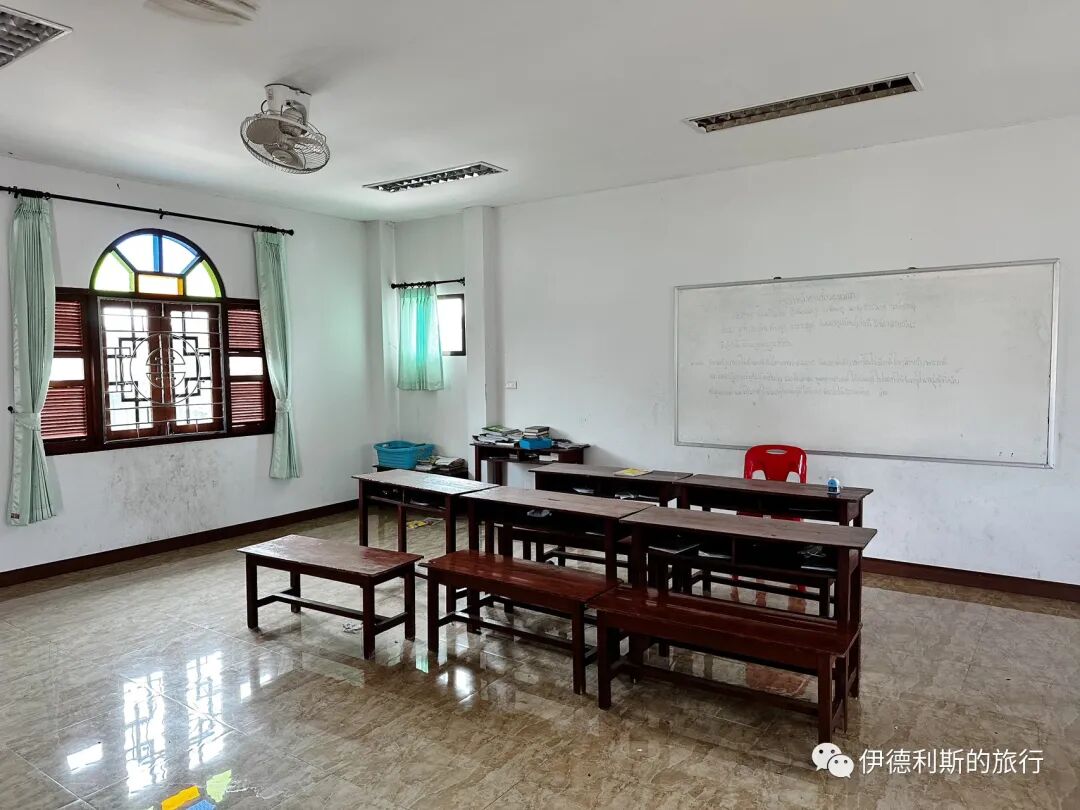
Leaving Fang District town, we arrived at the northernmost Yunnan-style mosque in Chiang Mai, Ciai Mosque in Daduan. We are now just a stone's throw from Myanmar. The newly built women's hall at Ciai Mosque is beautiful. The first floor is a prayer hall, and the second floor is a classroom.
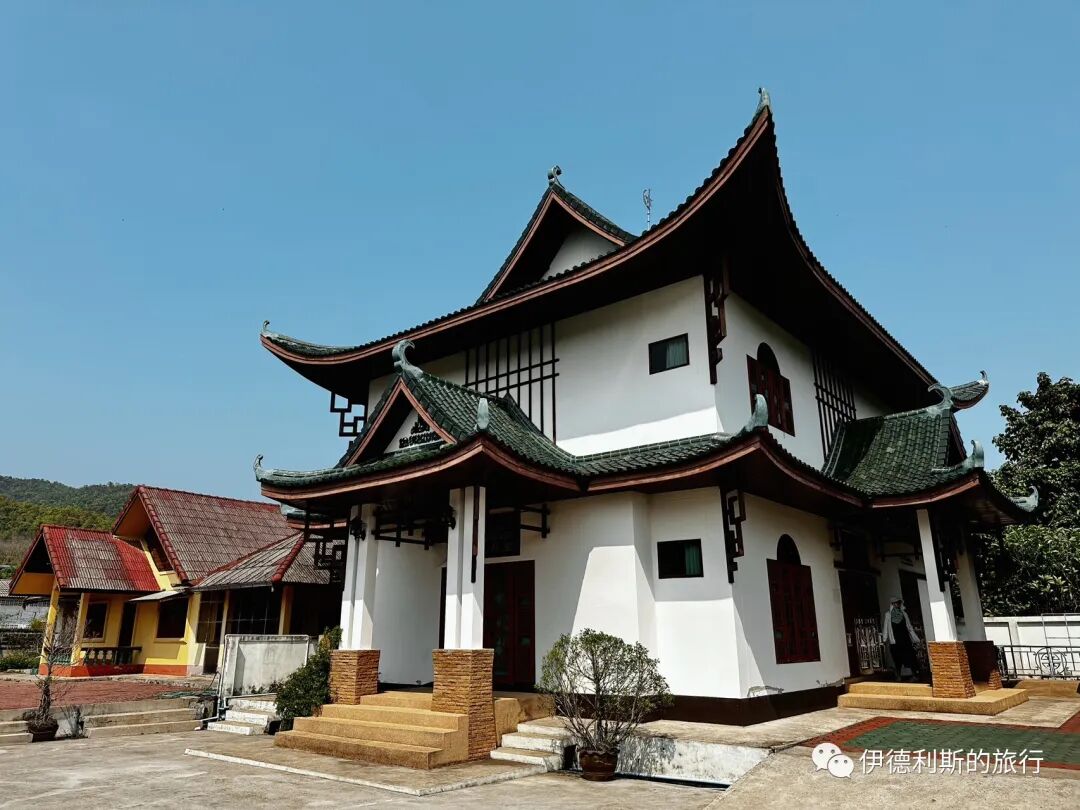
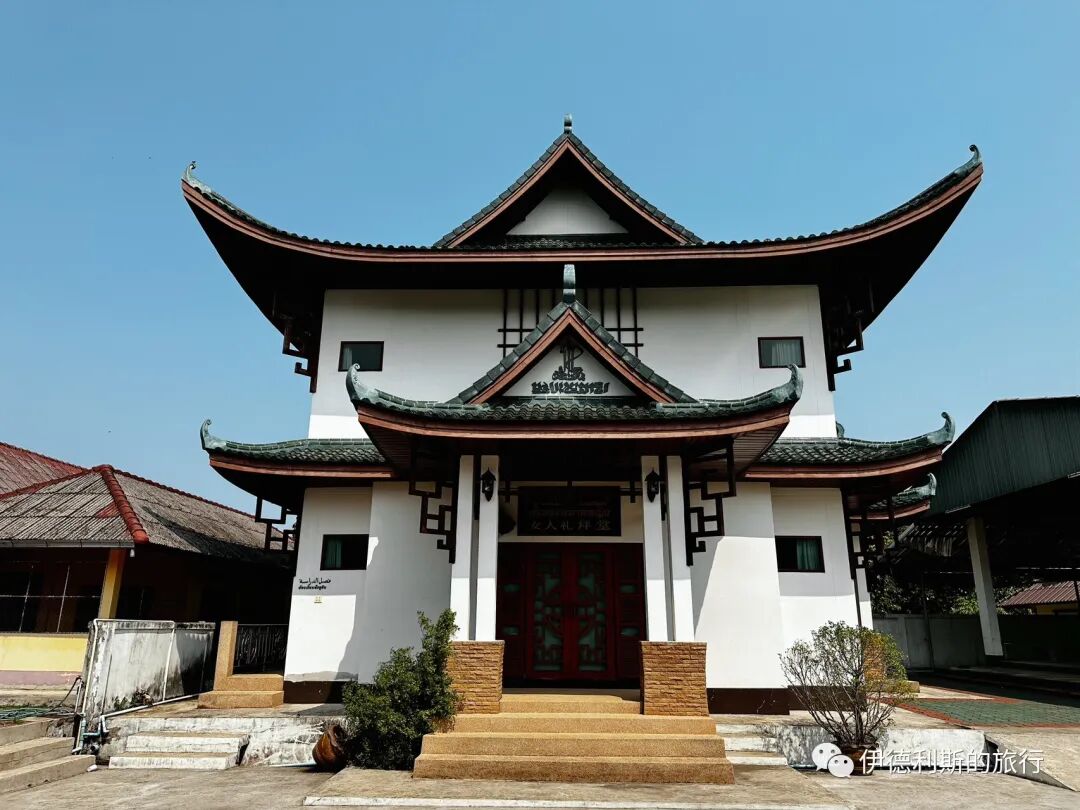
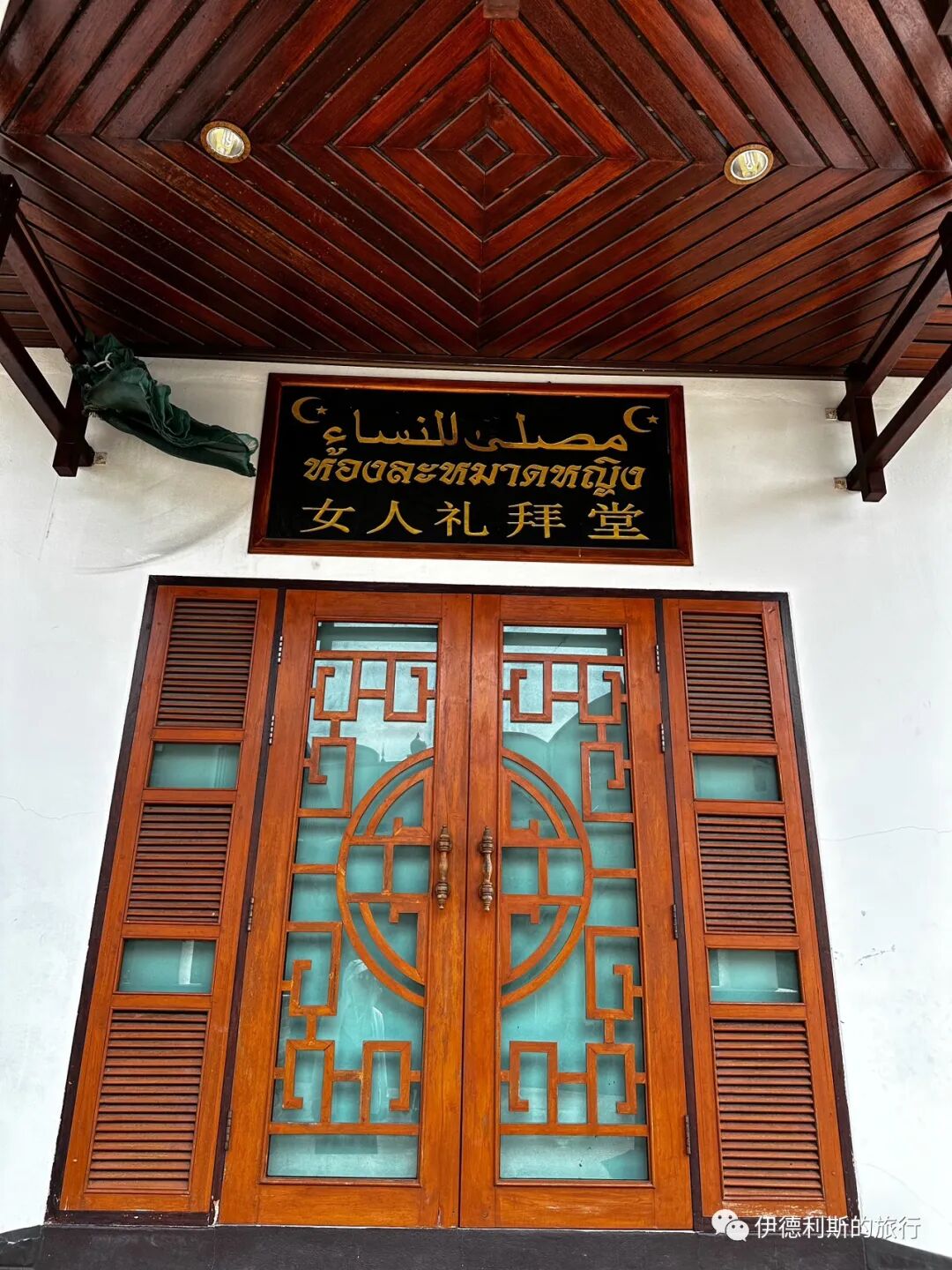
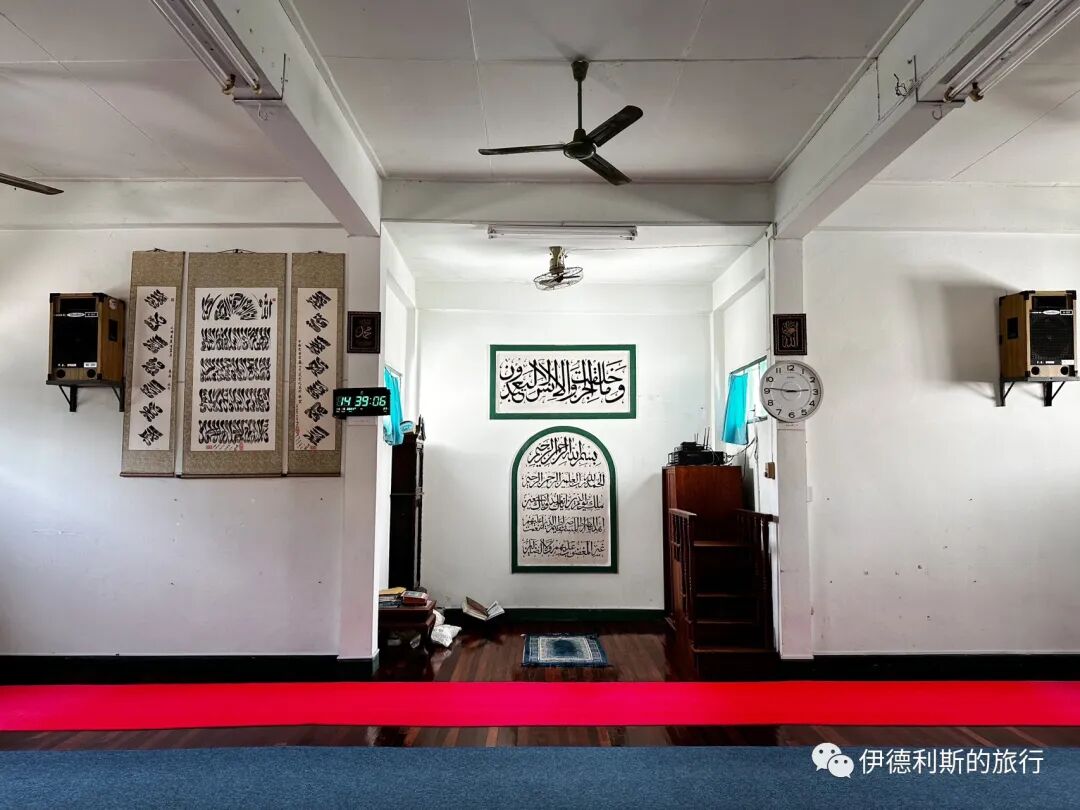
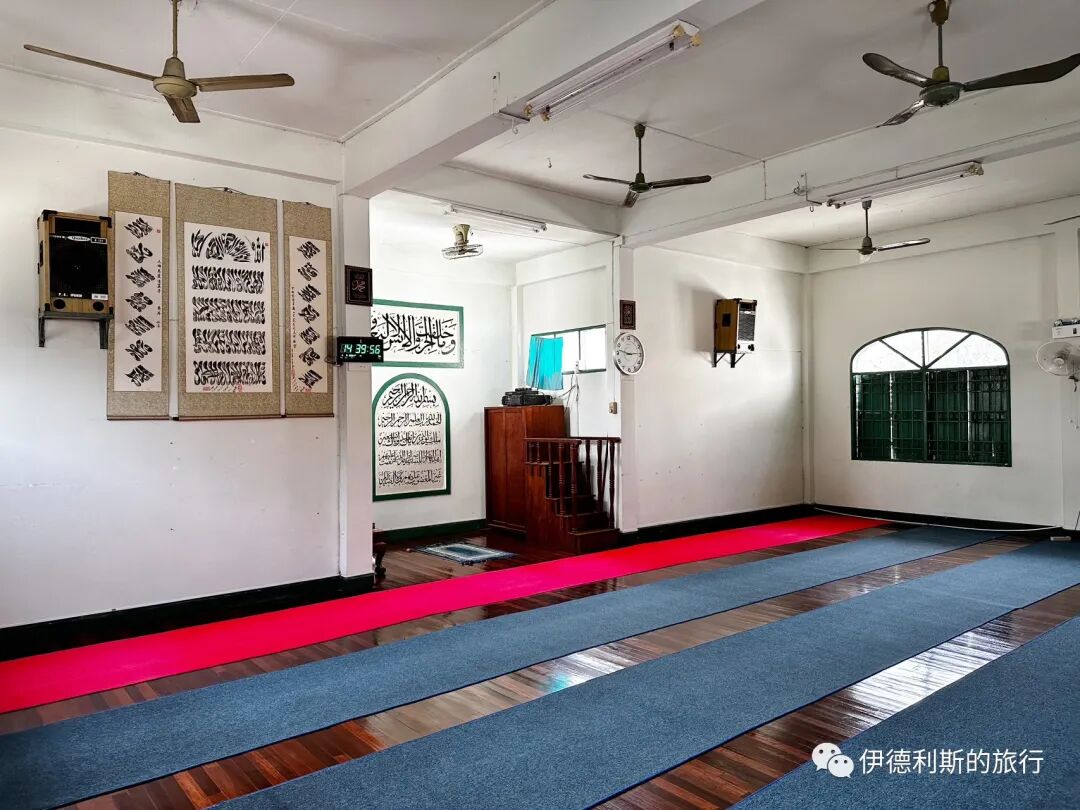
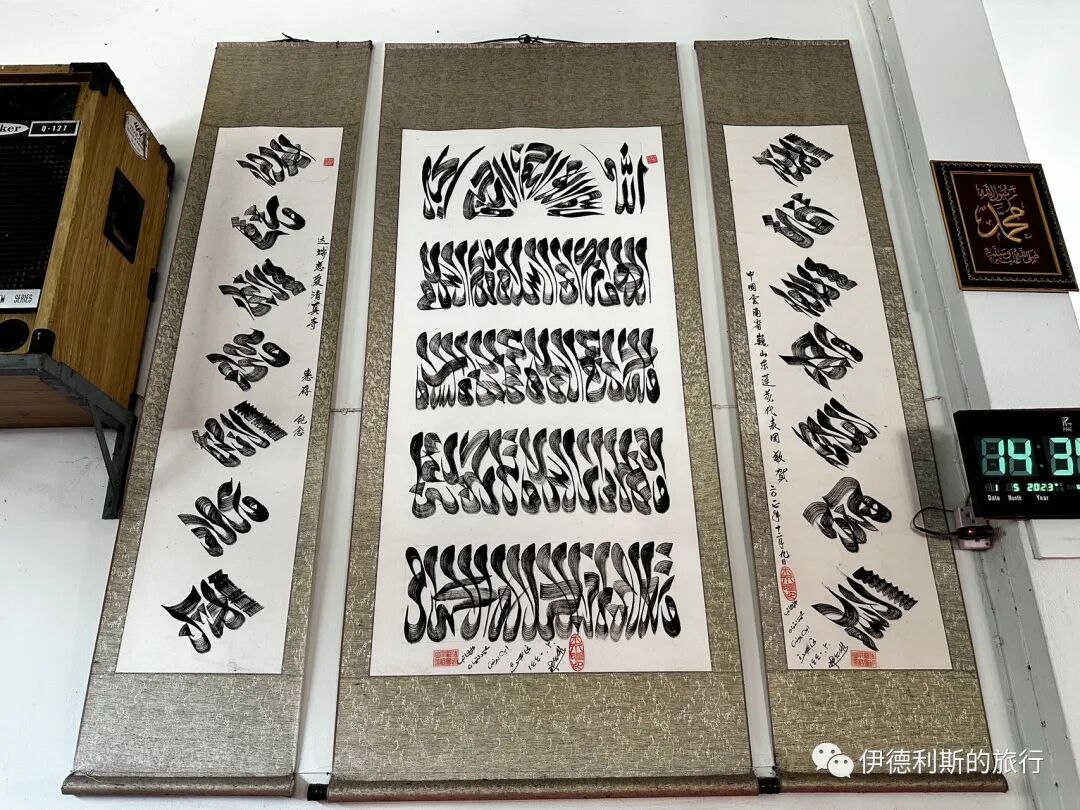
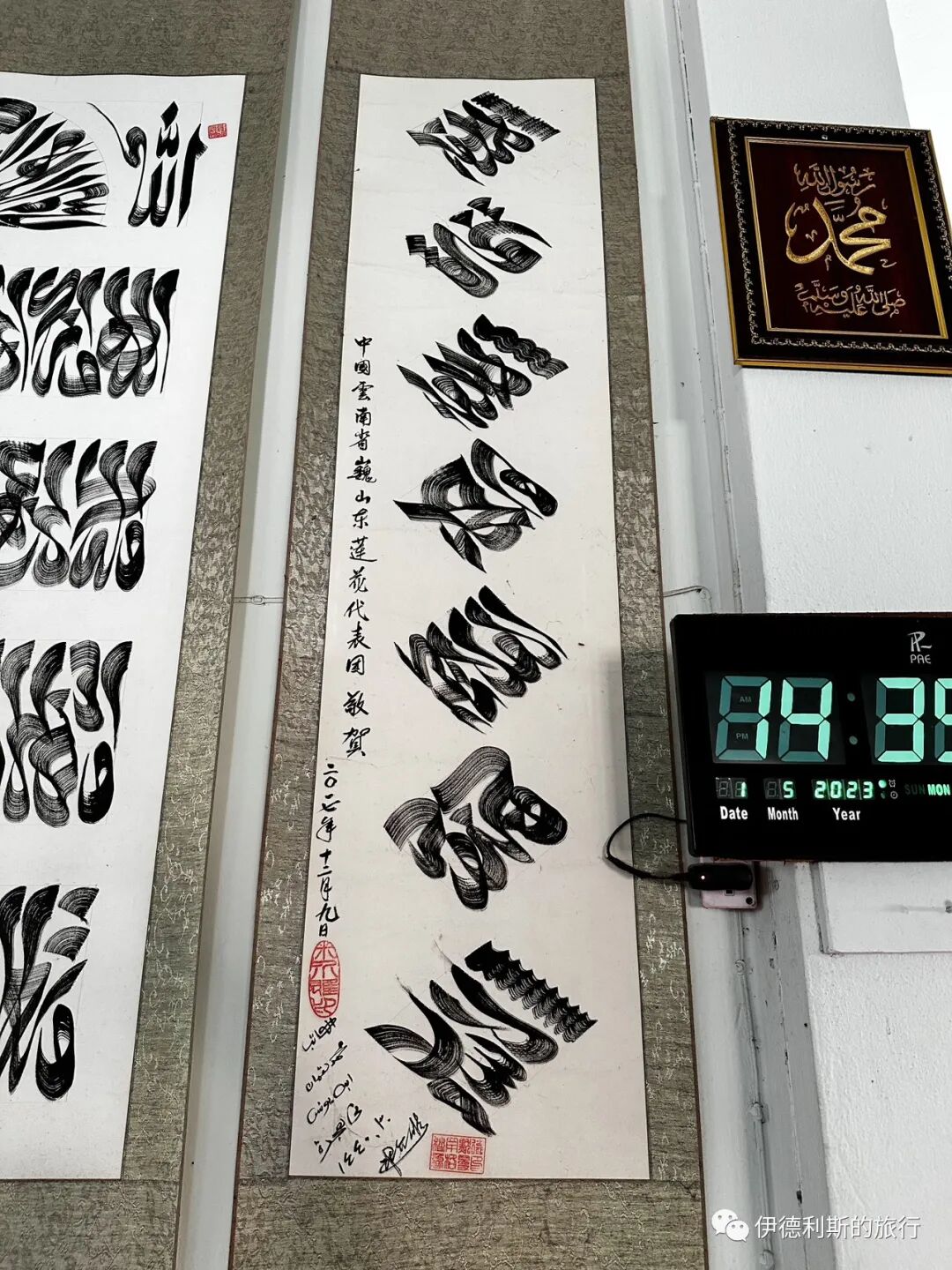
Inside the main hall of Daduan Ciai Mosque, there is a traditional Weishan-style Arabic calligraphy scroll gifted in 2017 by Donglianhua Village in Weishan, Dali. Thanks to the internet, many Hui Muslims from Yunnan living in Northern Thailand have reconnected with their relatives back home, and the two sides are now in closer contact. Among the Hui Muslims from Yunnan living along the Thai-Myanmar border, Weishan in Dali, Tonghai in Yuxi, and Shadian in Honghe are the main ancestral homes.
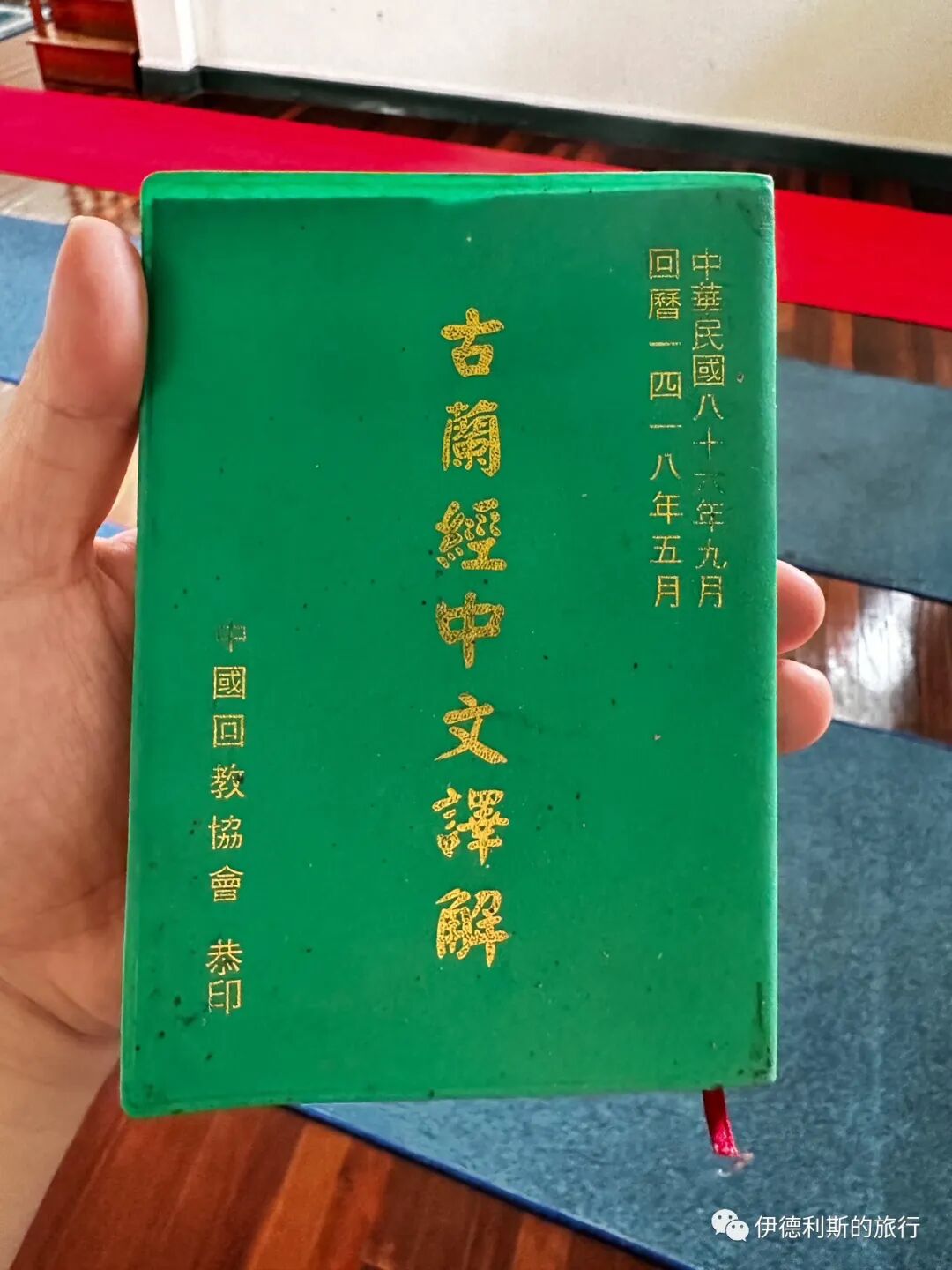
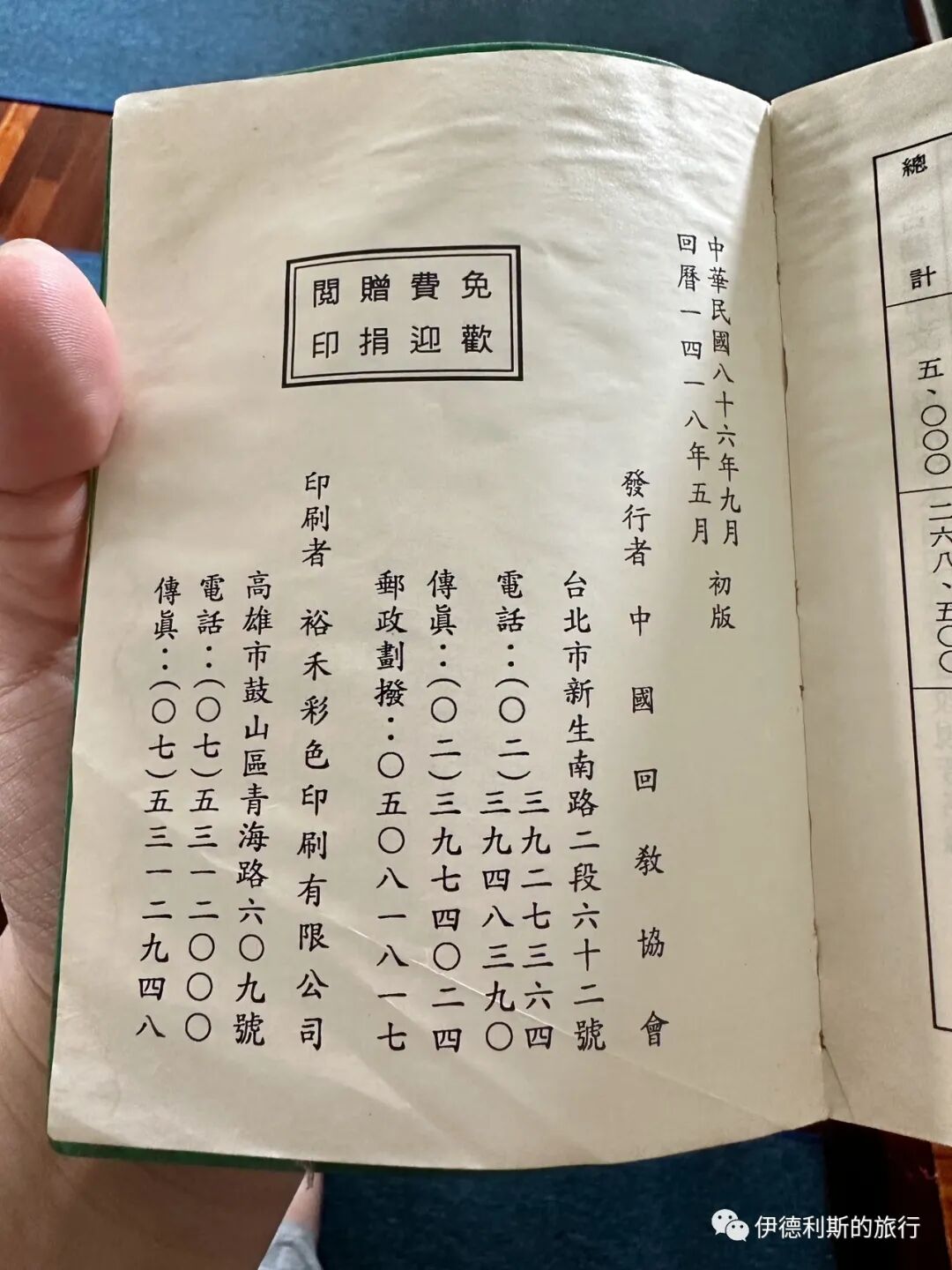
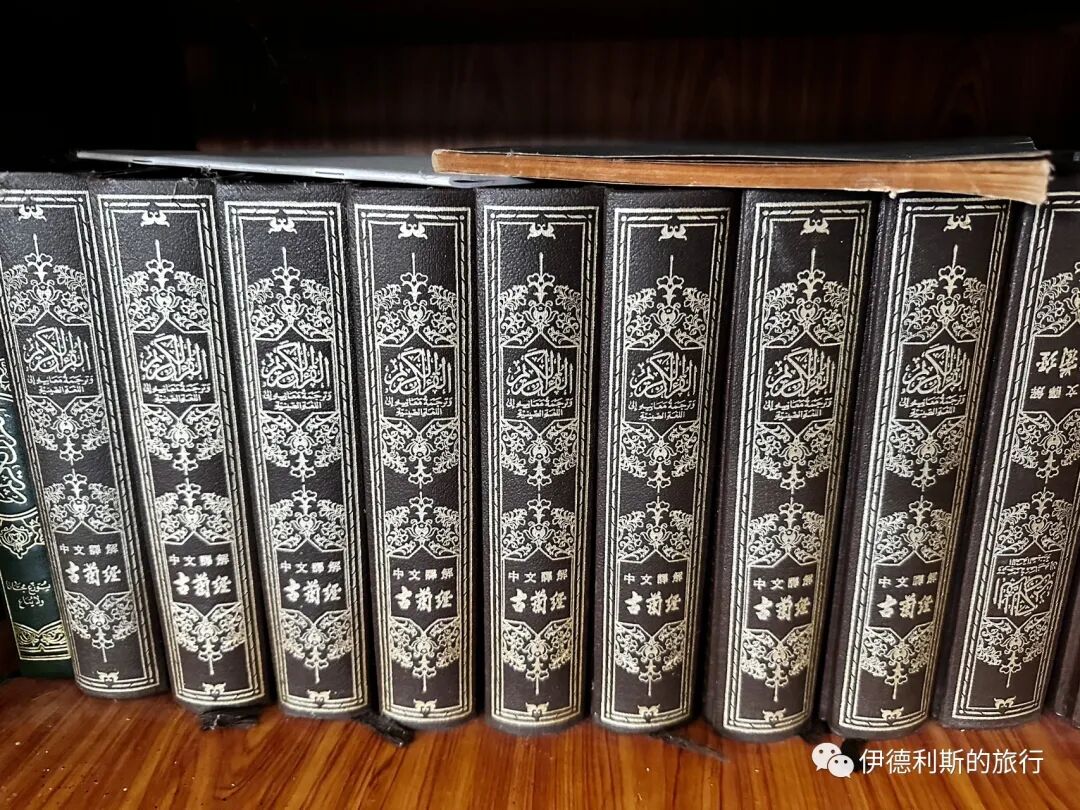
The mosque also has copies of scriptures translated into Chinese that were donated by Taiwan. In 1984, Thailand ordered the isolated army in Northern Thailand to disarm and placed them under military control. They banned Chinese-language education and replaced Chinese schools with Thai-language schools. However, the refugees insisted on learning Chinese. They sent their children to Thai schools during the day, but still had them secretly study Chinese in the early morning and at night. Over time, Thailand stopped strictly enforcing these restrictions.
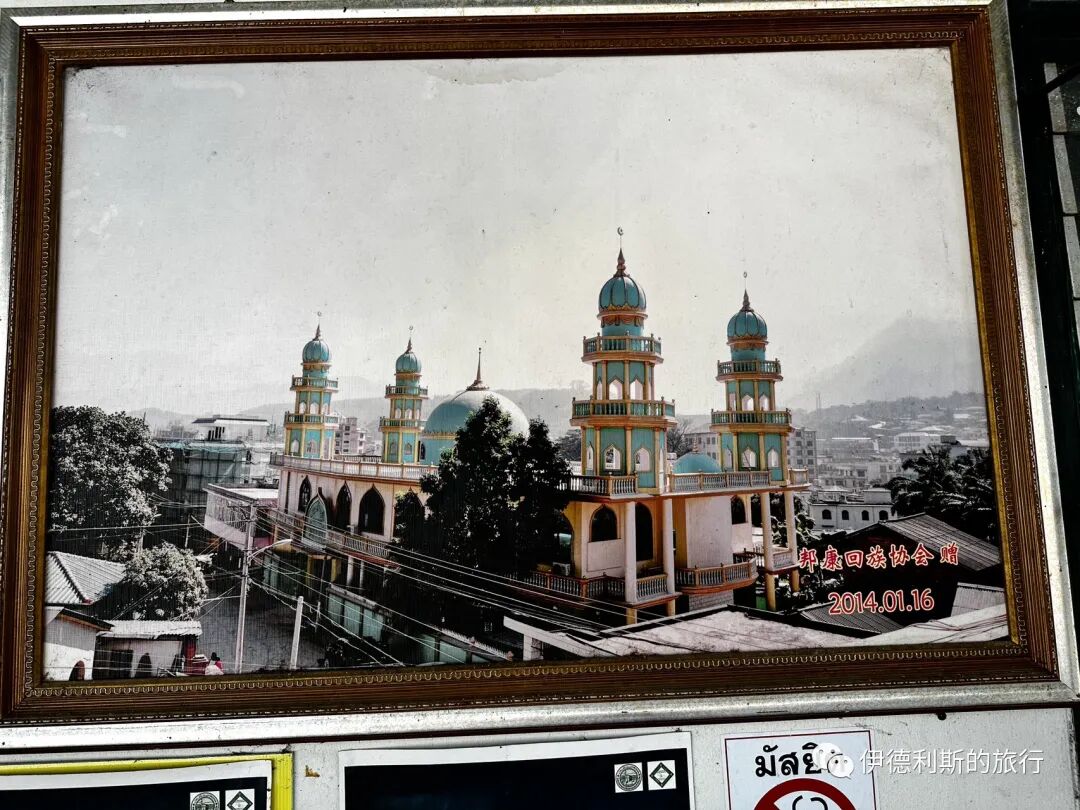
Inside the mosque hangs a photo of Panghsang Mosque, which was gifted by the Panghsang Hui Muslim Association in Myanmar in 2014. Master Ma told me that in 2014, various Yunnan-style mosques in Northern Thailand were invited by Panghsang Mosque to attend their mosque renovation celebration. Panghsang is the capital of the Wa State in Myanmar. It connects to the Meng'a border crossing in Yunnan and is one of the places where Myanmar-based Hui Muslims from Yunnan live.
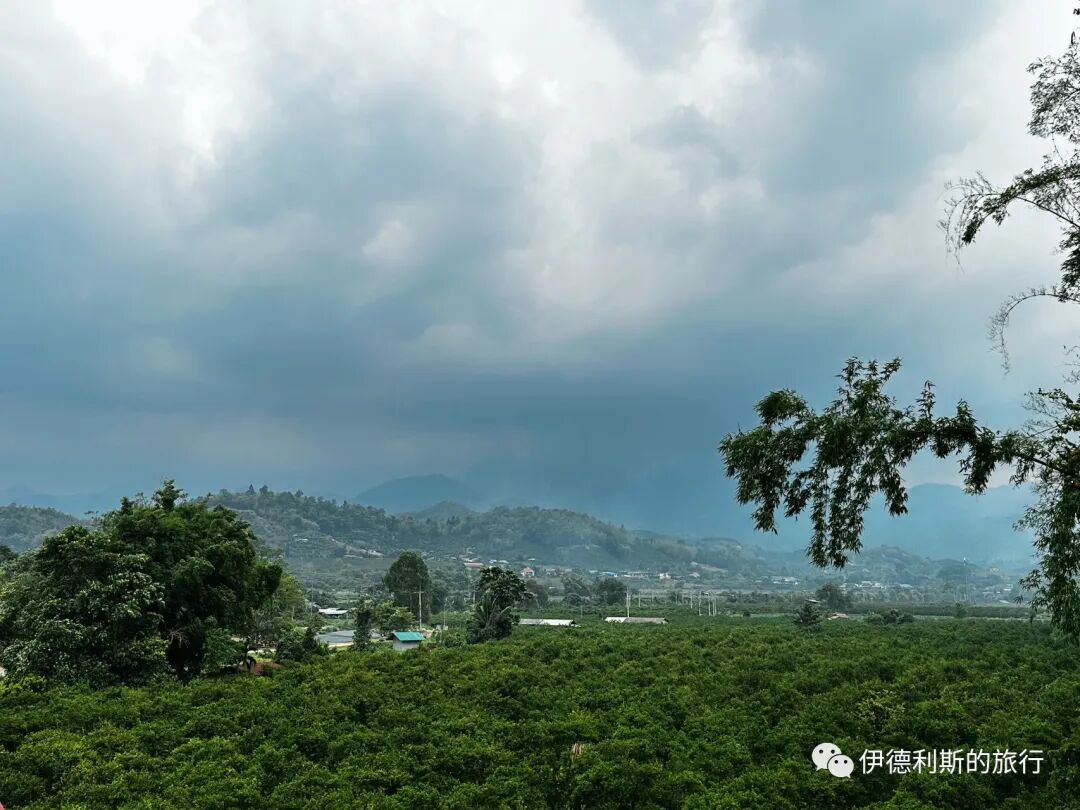
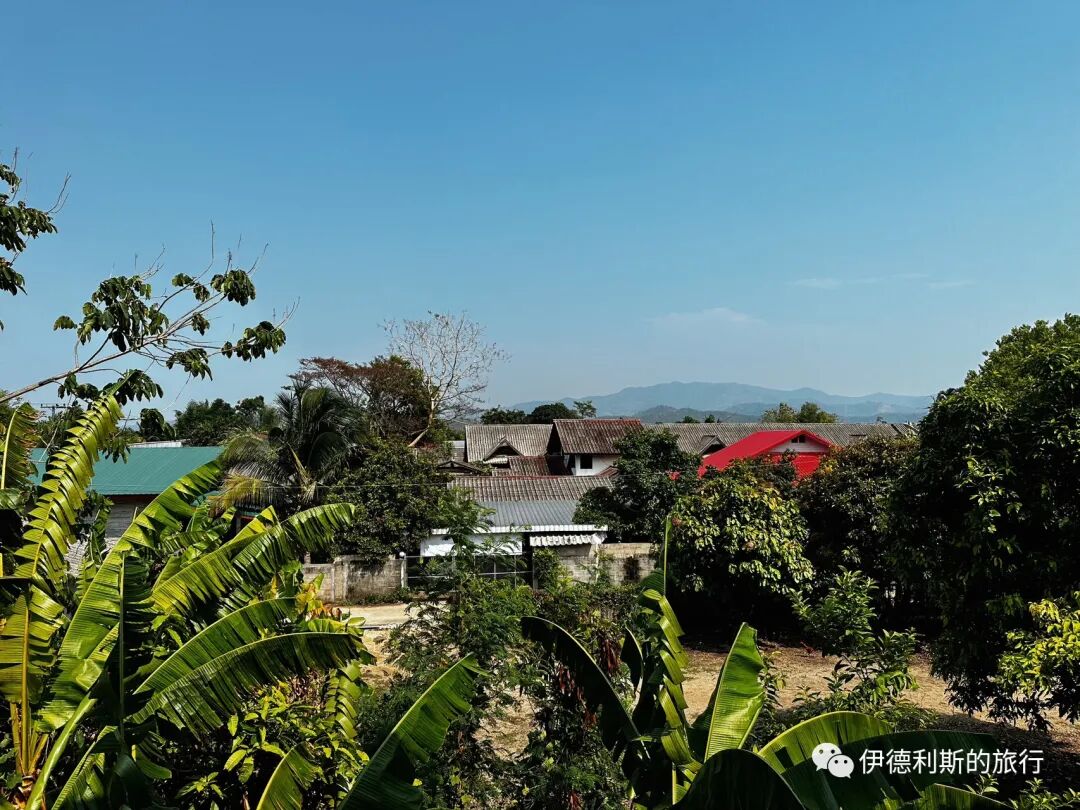
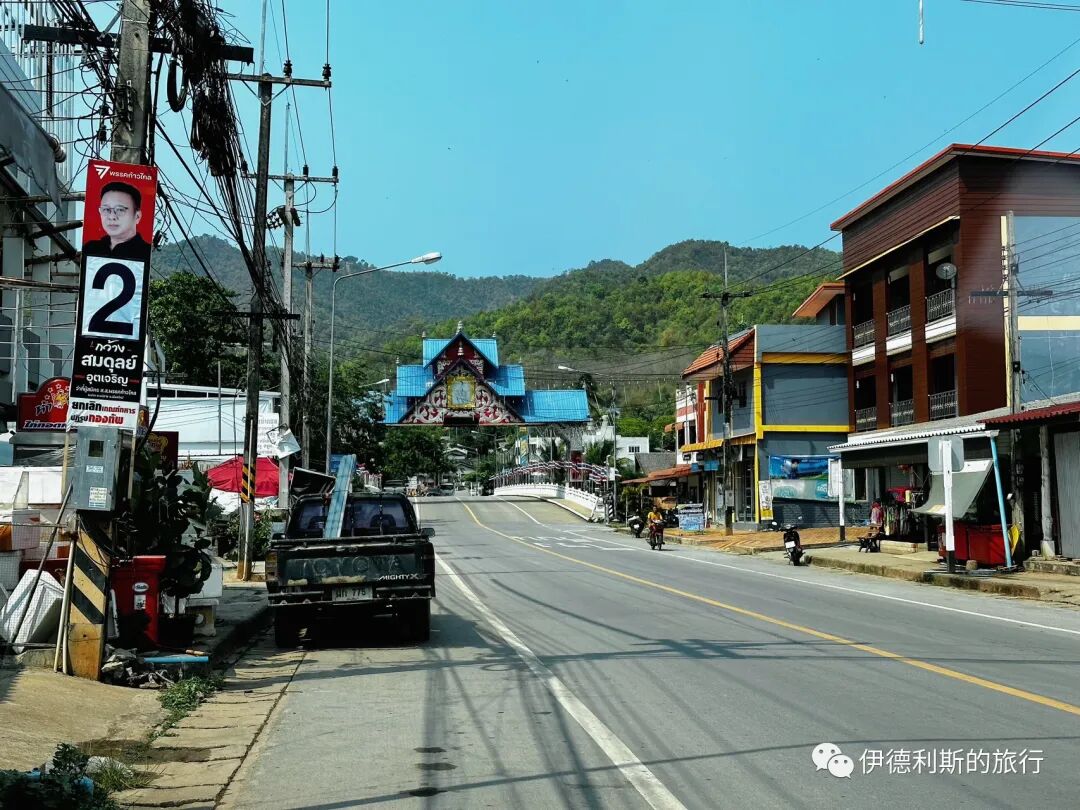
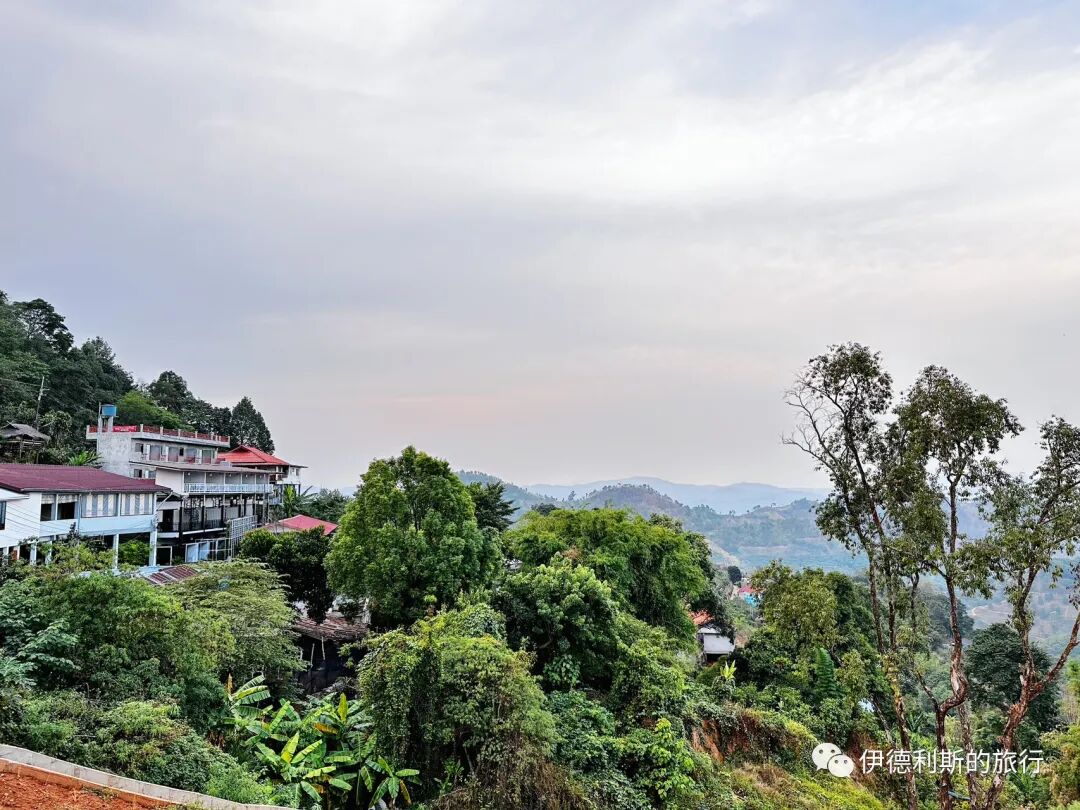
At the Thai-Myanmar border, the mountain on the other side is in Myanmar.
Mae Salong
Continuing north, we left Chiang Mai Province and entered Chiang Rai Province.
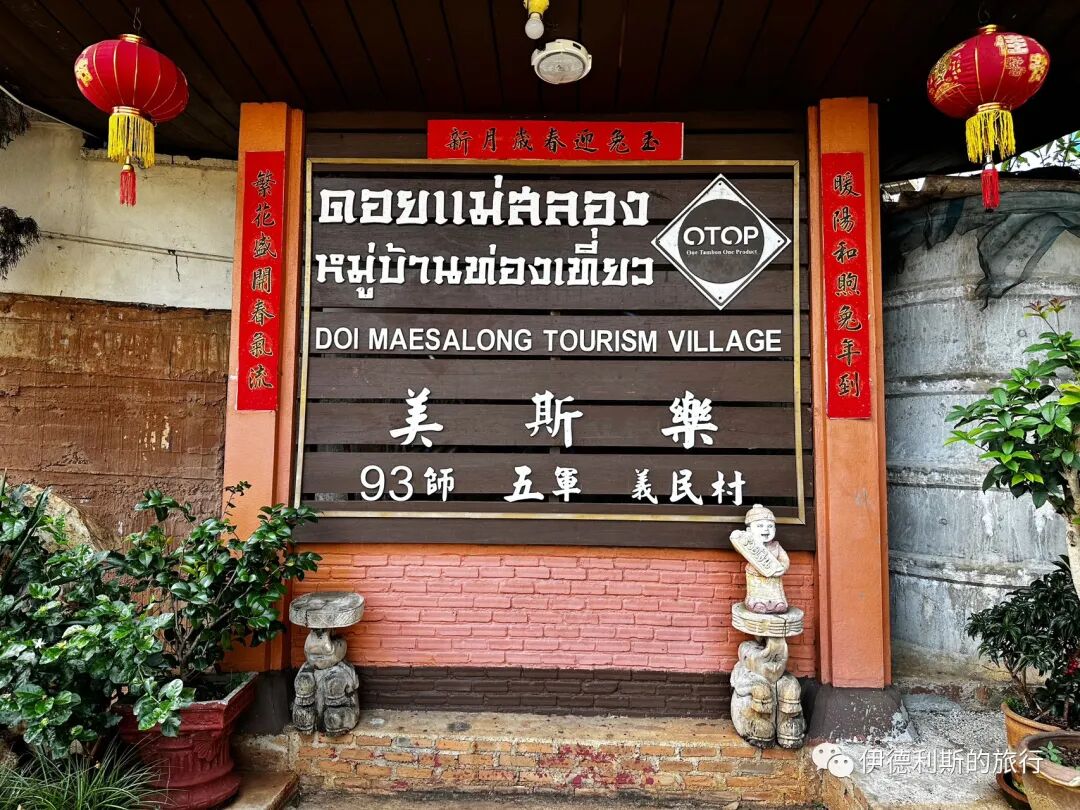
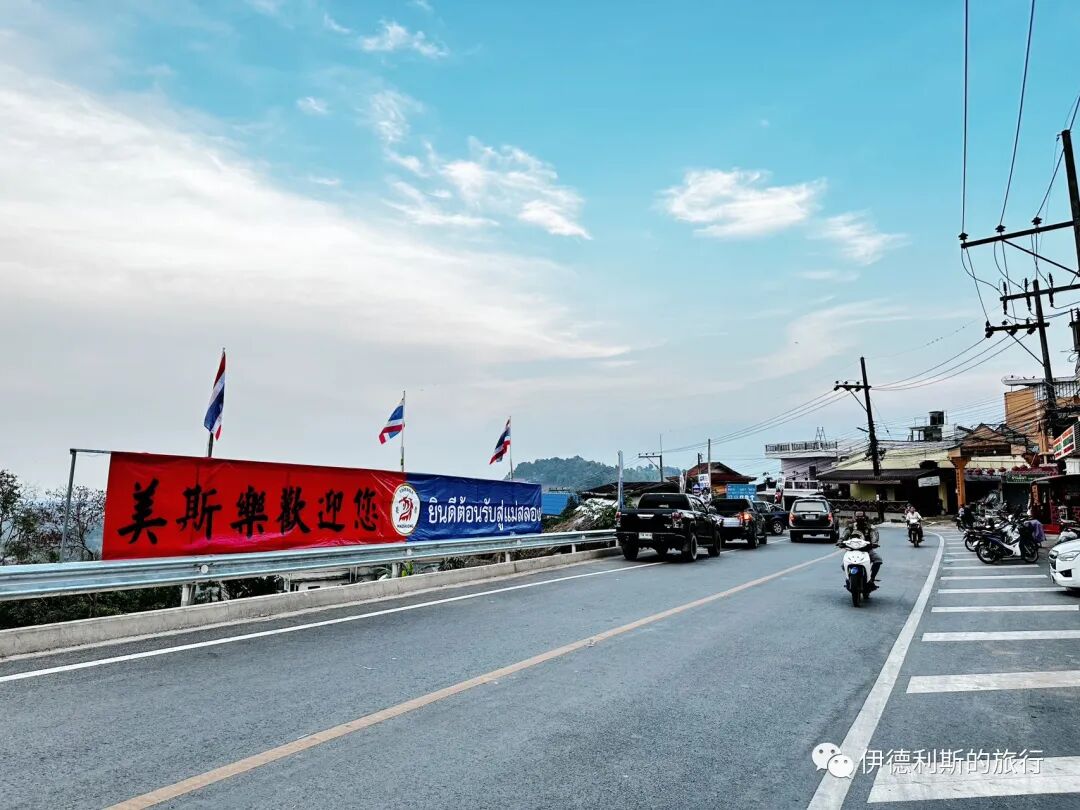
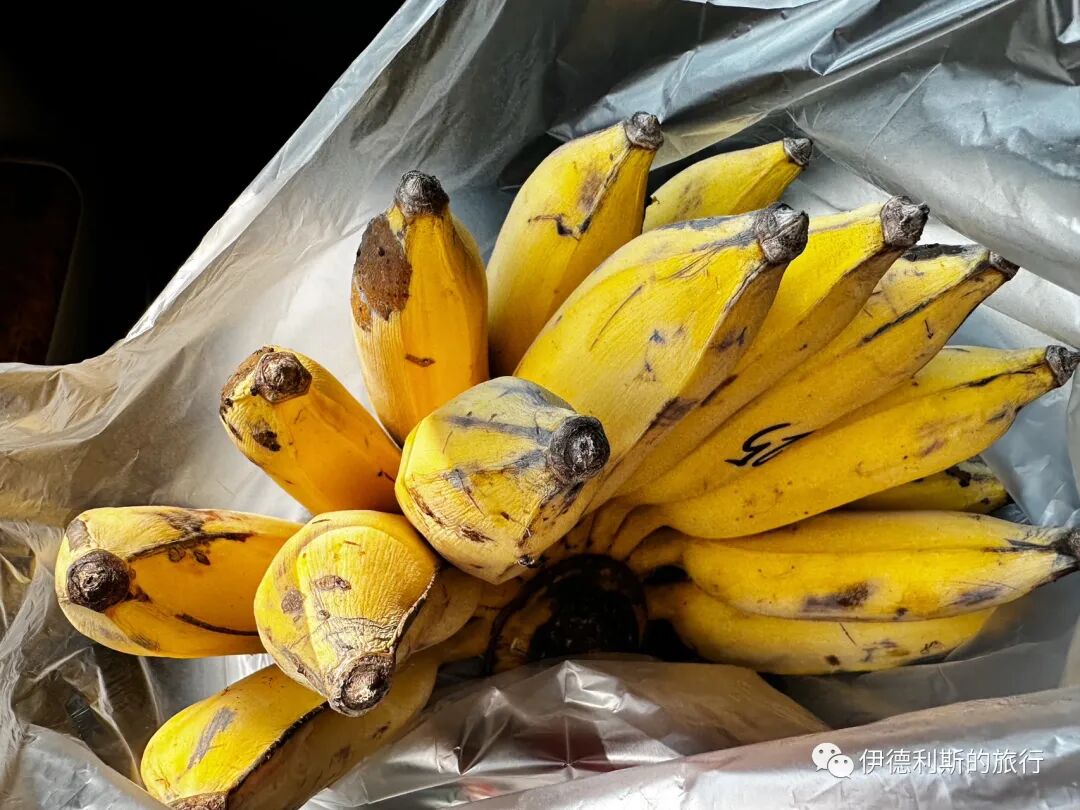
We drove deep into the jungle along the steep, winding roads of the Thai-Myanmar border. Along the way, I bought a huge bunch of super sweet bananas from a local grandmother for one yuan. We finally arrived at Mae Salong, the base camp of the isolated army in Northern Thailand. Master Ma said he has been driving this mountain road for 30 years. At first, it was all dirt, and you had to use tire chains in the winter. It is much easier to drive now that the road has been paved, but it still requires extreme caution if you are not used to it.
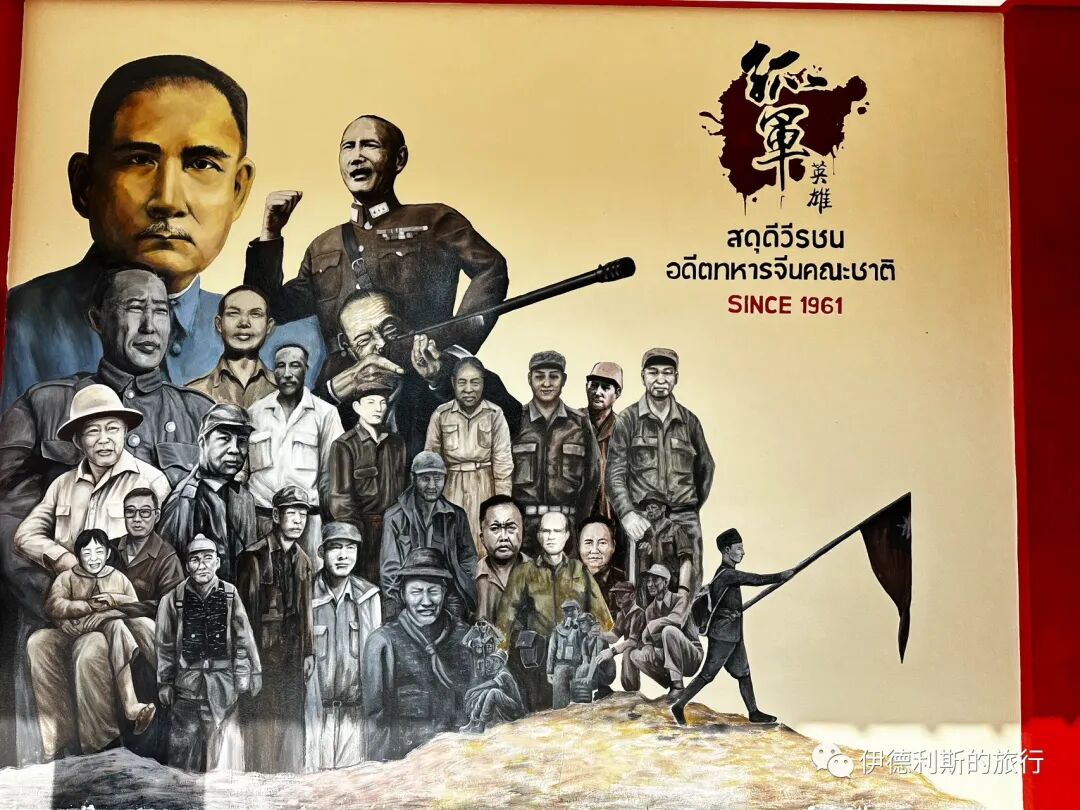
After the isolated army withdrew to Taiwan for the second time in 1961, the remaining 3rd and 5th Armies gave up their status as Nationalist soldiers and retreated from Myanmar into the border area of Northern Thailand near Myanmar. From then on, they were known as the isolated army in Northern Thailand.
At that time, the 3rd and 5th Armies did not command each other. Their supplies were cut off, and each had to find a place to live in the jungles of Northern Thailand. Unlike the 3rd Army commander Li Wenhuan, who had a background as a businessman, the 5th Army commander Duan Xiwen was a graduate of the Yunnan Military Academy and did not know how to do business. This caused the 5th Army to fall into a desperate situation for a time. In 1963, Myanmar confiscated the property of overseas Chinese. The Tachileik Special Goods Company at the Thai-Myanmar border crossing had a large amount of stock that they asked the 5th Army to transport. The 5th Army used this to collect escort fees and also bought and sold goods for profit, which temporarily solved their supply problem. After this, the 5th Army headquarters moved into Mae Salong, which guards the mountain pass. They built bamboo and grass huts there for the soldiers and their families to live in.
Because the soil in Mae Salong was not fertile, the terraced fields they cleared could not provide enough food for the soldiers, so life was very difficult in the early days. By the 1980s, most houses were built with bamboo and mud walls and topped with tin roofs. In 1981, the isolated army defeated the Thai Communist Party at Doi Khao Ya. They finally gained legal status, with the soldiers becoming Thai citizens and their families becoming legal resident immigrants. After that, the isolated army laid down their weapons, and Mae Salong changed from a military camp into a northern Thai Chinese village.
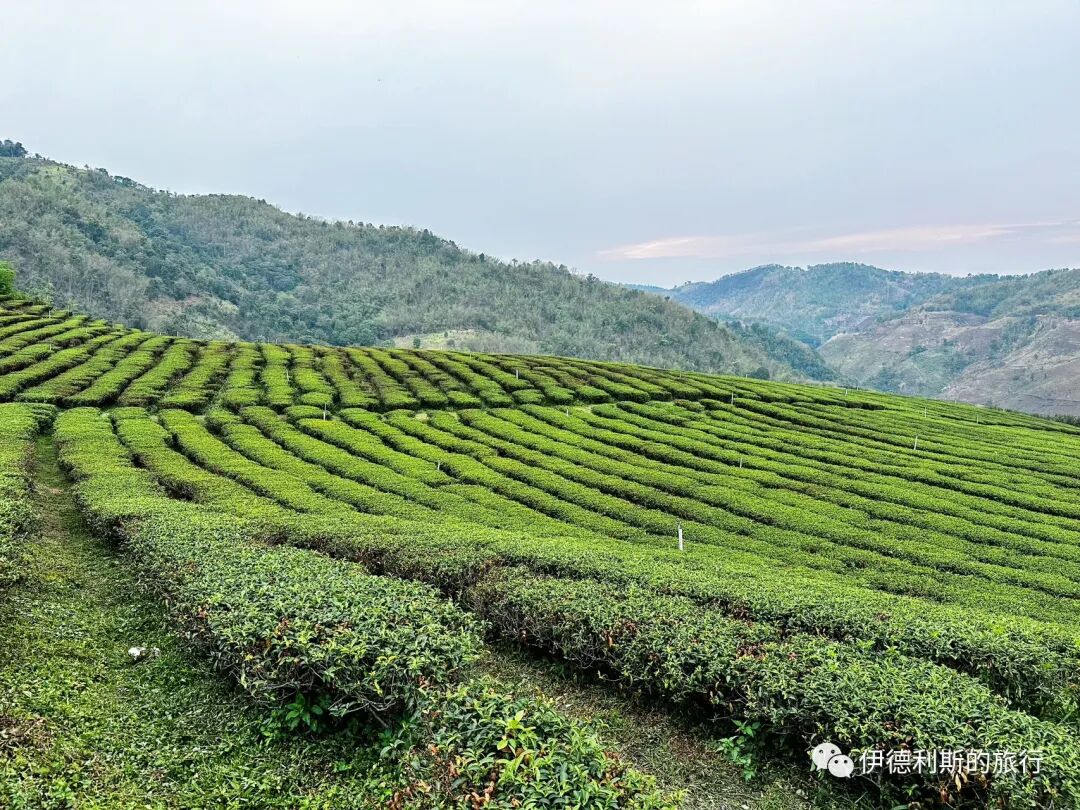
The people of Mae Salong put down their guns and started tea plantation businesses. The climate in the northern Thai mountains is perfect for growing tea, and there were already many wild Assam black tea trees there. Since some of the soldiers had been tea merchants back home in Yunnan and knew how to grow tea, they quickly started many tea plantations in Mae Salong. Besides the local wild tea trees, they introduced many varieties like Pu'er and Oolong. Today, Mae Salong has become a tourist destination filled with tea plantations. Every year between the Mid-Autumn Festival and the Spring Festival, many Thai people enjoy coming here to escape the heat and go on vacation.
Summary: Northern Thailand has old Yunnanese Hui Muslim communities whose mosque neighborhoods still carry the memory of migration, trade, and borderland life. This firsthand account follows the first half of the second day through mosques, settlements, and local Muslim community scenes while preserving the original photos and sequence.
During the May Day holiday in 2023, I visited the mosque communities (sifang) of Hui Muslims from Yunnan in Northern Thailand. On the first day, led by Master Ma Ruqi, a third-generation Thai Hui Muslim from Yunnan, we visited four mosque communities in the Chiang Mai city area: Chang Khlan, Wat Ket, Jingzhen, and Nurul. I posted about this in 'A Pilgrimage to Northern Thai Yunnan Mosque Communities (Day 1)'. On the second day, Master Ma drove us north to visit several mosque communities in the refugee villages of the former isolated army. We went to Mae Salong, the main base of the isolated army, and finally reached Mae Sai, the northernmost border crossing between Thailand and Myanmar, which is also the second-largest settlement for Hui Muslims from Yunnan in Northern Thailand.
Breakfast in Chiang Mai
On the second morning, we first had breakfast at a halal restaurant run by Hui Muslims from Yunnan in the southeast of Chiang Mai's old city. The owner's Yunnan dialect sounded very familiar, and we had no trouble ordering in Mandarin. I ate their chicken fat rice (ji you fan) back in 2017. This time, I had rice cakes (erkua), wontons (huntun), and steamed buns (baozi). The rice cakes were topped with braised beef, the wontons were in chicken soup, and the steamed buns were filled with pickled vegetables and meat. The standard side dishes here are limes, small shallots, and pickled vegetables. I found them very refreshing and appetizing.
Date Palm Plantation
Driving north from Chiang Mai through a mountainous area, you will see a date palm plantation by the side of the road, not far from the Wang Pha National Park. Praise be to Allah, after constant efforts and attempts, Thai people have successfully grown date palms in Chiang Mai. Now Thai Muslims can eat locally grown dates. This was also my first time seeing a date palm orchard up close.
Although the dates in Chiang Mai do not ripen until July or August and I could not eat fresh ones this time, the orchard had a wide variety of date products. There were dried dates, date juice, date ice cream, canned dates, and more. We tried the date juice and date ice cream, and both were quite delicious! The dates in the canned dates were crunchy and had a light fragrance, which was a bit of a surprise.
Wanyang Village
Heading north, I reached the first Hui mosque community on the Thai-Myanmar border: Wanyang Village in Fang District, founded by the descendants of refugees who followed the 93rd Division of the Lost Army in Northern Thailand. The Lost Army in Northern Thailand began in 1950 with the 237th and 93rd Divisions of the Nationalist Army, who retreated from Yunnan into Myanmar along with their families and many refugees.
After 1951, the number of families, merchants, horse caravans, and civilians arriving from Yunnan grew, but constant attacks by the Myanmar military forced them to retreat into the mountains along the Thai border, which is when Wanyang was established. These refugees first lived in bamboo and thatch huts, relying on primitive slash-and-burn farming to grow corn and rice. They were not allowed to enter or leave towns freely, making it very difficult to earn a living.
Some Yunnan Hui Muslim mosques in Northern Thailand like to use pleasant two-character religious terms for their names, such as Jingzhen Mosque in Chiang Mai, Meide Mosque in Wanyang, Jiqing Mosque in Hefei, Chengxin Mosque in Fang District, and Ciai Mosque in Daduan, all of which sound very auspicious. Among these Yunnan mosques, I think Wanyang's Meide Mosque is the most beautiful; the environment is excellent, with lush greenery that makes it feel like a garden.
At Wanyang Meide Mosque, I saw the Arabic school, the women's prayer hall, the funeral room (meiti fang), and the event hall; it was my first time seeing the word for funeral (maiti) written as meiti, and I think this translation is quite good.
At noon, I went to a Yunnan Hui Muslim restaurant in Wanyang Village called Jianping Beef Noodle Shop and ate pan-fried dumplings (jianjiao), rice noodles (babasi), and beef noodles, served with the standard Northern Thai sides of pickled vegetables, onions, and lime. The rice noodles (babasi) are a type of flat rice noodle topped with traditional beef sauce, and you can choose between the traditional Yunnan Hui Muslim clear broth or the Northern Thai coconut milk broth. The pan-fried dumplings (jianjiao) were filled with chicken and chives, and I feel that pan-fried dumplings are also very common in Yunnan communities in Northern Thailand.
The shop displays family photos of the owner.
Hefei Village
After leaving Wanyang Village, we arrived at the second Yunnan Hui mosque community on the Thai-Myanmar border, Hefei Village, to pray at the village's Jiqing Mosque. Like Wanyang Village, Hefei Village was established after the 1950s by refugees who fled here from Yunnan through Myanmar.
Hefei Jiqing Mosque features Chinese calligraphy and traditional Chinese-style Arabic calligraphy, including a plaque that reads 'The Way Spans Past and Present' (Dao Guan Gu Jin), which was respectfully erected by Ma Junguo when the mosque was rebuilt in 1965.
I met a group of young Hafiz reciting the Quran in the mosque. Life has been hard in northern Myanmar recently, so some Burmese Muslims send their children to study at Jiqing Mosque. These children spend several years practicing constantly to become qualified Hafiz.
The back door of Hefei Jiqing Mosque leads to a cemetery. You can see that the ancestors of the local community came from places like Shadian, Jianshui, and Fengqing County in Lancang, Yunnan. The mosque's donation record book (nietiebu) shows that the main family names in this community are Ma, Na, Li, and Yang.
Fang District town
After leaving Hefei, we went to the third Yunnan-style mosque on the Thai-Myanmar border, Chengxin Mosque in the town of Fang District, Chiang Mai Province. Chengxin Mosque was built in 1975 by Yunnan Hui Muslims living in Fang District town. It makes it easier for Yunnan Hui Muslims from nearby villages to attend to business in town. Chengxin Mosque has fewer ancestral records (gaomu) than the surrounding villages, and the mosque itself is quite small. It is currently led by an imam who moved from Myanmar, and his family lives right in the mosque. The imam's daughter speaks Mandarin. We chatted with her about daily life, which was very interesting.
Similar to Thailand, the origins of Muslims in Myanmar vary from north to south. In the far north live the Panthay people, descendants of Yunnan Hui Muslim caravans. In the far south live the Pashu people, who are of Malay descent. The central region is mainly home to Burmese Muslims, formed by intermarriage between South Asians and local Burmese people. In 1660, some Mughal soldiers followed the son of Emperor Shah Jahan to Arakan. They later became royal archers for the Mrauk U Kingdom of Arakan and ruled the area for decades between the late 17th and early 18th centuries. The descendants of these Mughal troops are known as the Kaman people, one of the ethnic groups officially recognized by Myanmar.
Daduan Village
Leaving Fang District town, we arrived at the northernmost Yunnan-style mosque in Chiang Mai, Ciai Mosque in Daduan. We are now just a stone's throw from Myanmar. The newly built women's hall at Ciai Mosque is beautiful. The first floor is a prayer hall, and the second floor is a classroom.
Inside the main hall of Daduan Ciai Mosque, there is a traditional Weishan-style Arabic calligraphy scroll gifted in 2017 by Donglianhua Village in Weishan, Dali. Thanks to the internet, many Hui Muslims from Yunnan living in Northern Thailand have reconnected with their relatives back home, and the two sides are now in closer contact. Among the Hui Muslims from Yunnan living along the Thai-Myanmar border, Weishan in Dali, Tonghai in Yuxi, and Shadian in Honghe are the main ancestral homes.
The mosque also has copies of scriptures translated into Chinese that were donated by Taiwan. In 1984, Thailand ordered the isolated army in Northern Thailand to disarm and placed them under military control. They banned Chinese-language education and replaced Chinese schools with Thai-language schools. However, the refugees insisted on learning Chinese. They sent their children to Thai schools during the day, but still had them secretly study Chinese in the early morning and at night. Over time, Thailand stopped strictly enforcing these restrictions.
Inside the mosque hangs a photo of Panghsang Mosque, which was gifted by the Panghsang Hui Muslim Association in Myanmar in 2014. Master Ma told me that in 2014, various Yunnan-style mosques in Northern Thailand were invited by Panghsang Mosque to attend their mosque renovation celebration. Panghsang is the capital of the Wa State in Myanmar. It connects to the Meng'a border crossing in Yunnan and is one of the places where Myanmar-based Hui Muslims from Yunnan live.
At the Thai-Myanmar border, the mountain on the other side is in Myanmar.
Mae Salong
Continuing north, we left Chiang Mai Province and entered Chiang Rai Province.
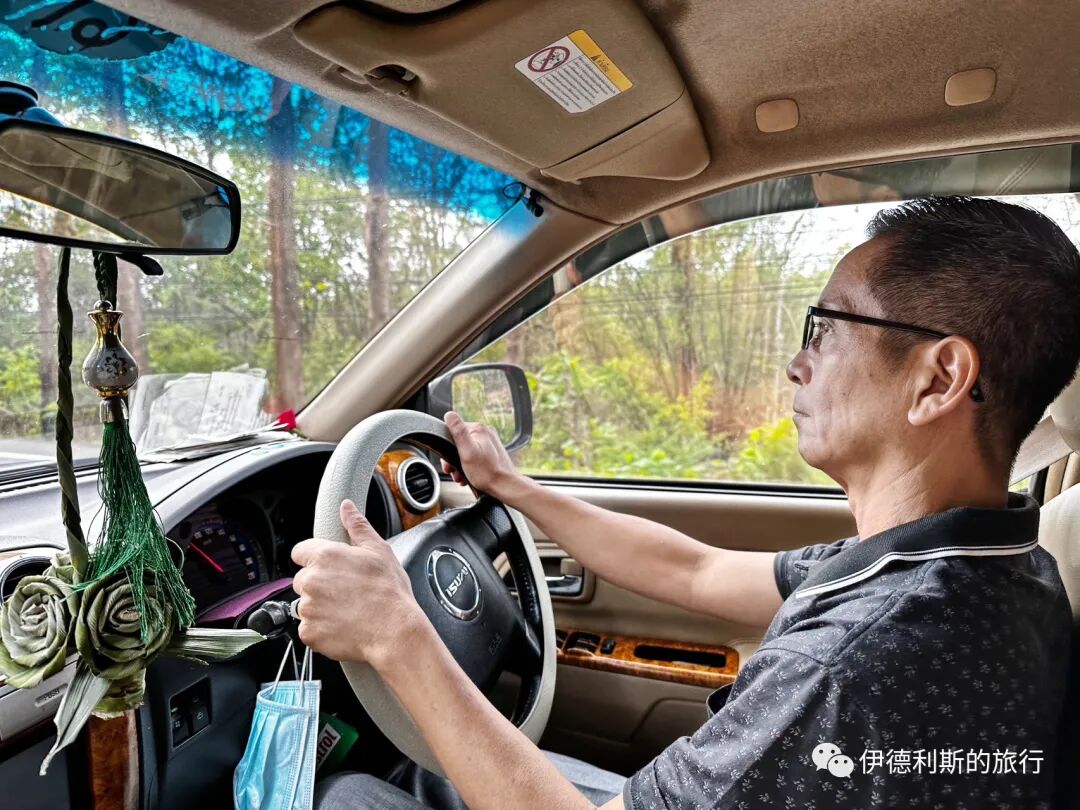
We drove deep into the jungle along the steep, winding roads of the Thai-Myanmar border. Along the way, I bought a huge bunch of super sweet bananas from a local grandmother for one yuan. We finally arrived at Mae Salong, the base camp of the isolated army in Northern Thailand. Master Ma said he has been driving this mountain road for 30 years. At first, it was all dirt, and you had to use tire chains in the winter. It is much easier to drive now that the road has been paved, but it still requires extreme caution if you are not used to it.
After the isolated army withdrew to Taiwan for the second time in 1961, the remaining 3rd and 5th Armies gave up their status as Nationalist soldiers and retreated from Myanmar into the border area of Northern Thailand near Myanmar. From then on, they were known as the isolated army in Northern Thailand.
At that time, the 3rd and 5th Armies did not command each other. Their supplies were cut off, and each had to find a place to live in the jungles of Northern Thailand. Unlike the 3rd Army commander Li Wenhuan, who had a background as a businessman, the 5th Army commander Duan Xiwen was a graduate of the Yunnan Military Academy and did not know how to do business. This caused the 5th Army to fall into a desperate situation for a time. In 1963, Myanmar confiscated the property of overseas Chinese. The Tachileik Special Goods Company at the Thai-Myanmar border crossing had a large amount of stock that they asked the 5th Army to transport. The 5th Army used this to collect escort fees and also bought and sold goods for profit, which temporarily solved their supply problem. After this, the 5th Army headquarters moved into Mae Salong, which guards the mountain pass. They built bamboo and grass huts there for the soldiers and their families to live in.
Because the soil in Mae Salong was not fertile, the terraced fields they cleared could not provide enough food for the soldiers, so life was very difficult in the early days. By the 1980s, most houses were built with bamboo and mud walls and topped with tin roofs. In 1981, the isolated army defeated the Thai Communist Party at Doi Khao Ya. They finally gained legal status, with the soldiers becoming Thai citizens and their families becoming legal resident immigrants. After that, the isolated army laid down their weapons, and Mae Salong changed from a military camp into a northern Thai Chinese village.
The people of Mae Salong put down their guns and started tea plantation businesses. The climate in the northern Thai mountains is perfect for growing tea, and there were already many wild Assam black tea trees there. Since some of the soldiers had been tea merchants back home in Yunnan and knew how to grow tea, they quickly started many tea plantations in Mae Salong. Besides the local wild tea trees, they introduced many varieties like Pu'er and Oolong. Today, Mae Salong has become a tourist destination filled with tea plantations. Every year between the Mid-Autumn Festival and the Spring Festival, many Thai people enjoy coming here to escape the heat and go on vacation.
