
Halal Travel Guide: Mardin — Mosques, Stone City and Mesopotamian History
Reposted from the web
Summary: Mardin stands on a rocky slope above the Mesopotamian plain and is known for stone architecture, old mosques, churches, and layered local history. This travel account focuses on the city historic sites, religious buildings, and street-level observations in the original order.
In the previous article, 'Mardin: A Rocky Mountain City Where Kurds, Arabs, and Assyrians Live Together - Food and Lodging,' we visited the ancient city of Mardin in southeastern Turkey, near the borders of Syria and Iraq, and ate Kurdish and Assyrian food. In this article, I will continue to share the ancient buildings in the old city of Mardin, which is famous for its architecture from the Artuqid dynasty (12th-14th centuries).
The Artuqid dynasty was an Oghuz Turkic tribal dynasty that ruled southeastern Turkey, northern Iraq, and northern Syria from the 12th to the 14th century, named after the Seljuk commander Artuk Beg. Artuk Beg's sons began ruling Mardin in 1101, and for the next 300 years, Mardin served as the capital of the Mardin branch of the Artuqid dynasty. After the 13th century, the Artuqid dynasty became a vassal state of the Ilkhanate and the Timurid Empire, until it was destroyed by the Kara Koyunlu in 1409.
Great Mosque of Mardin
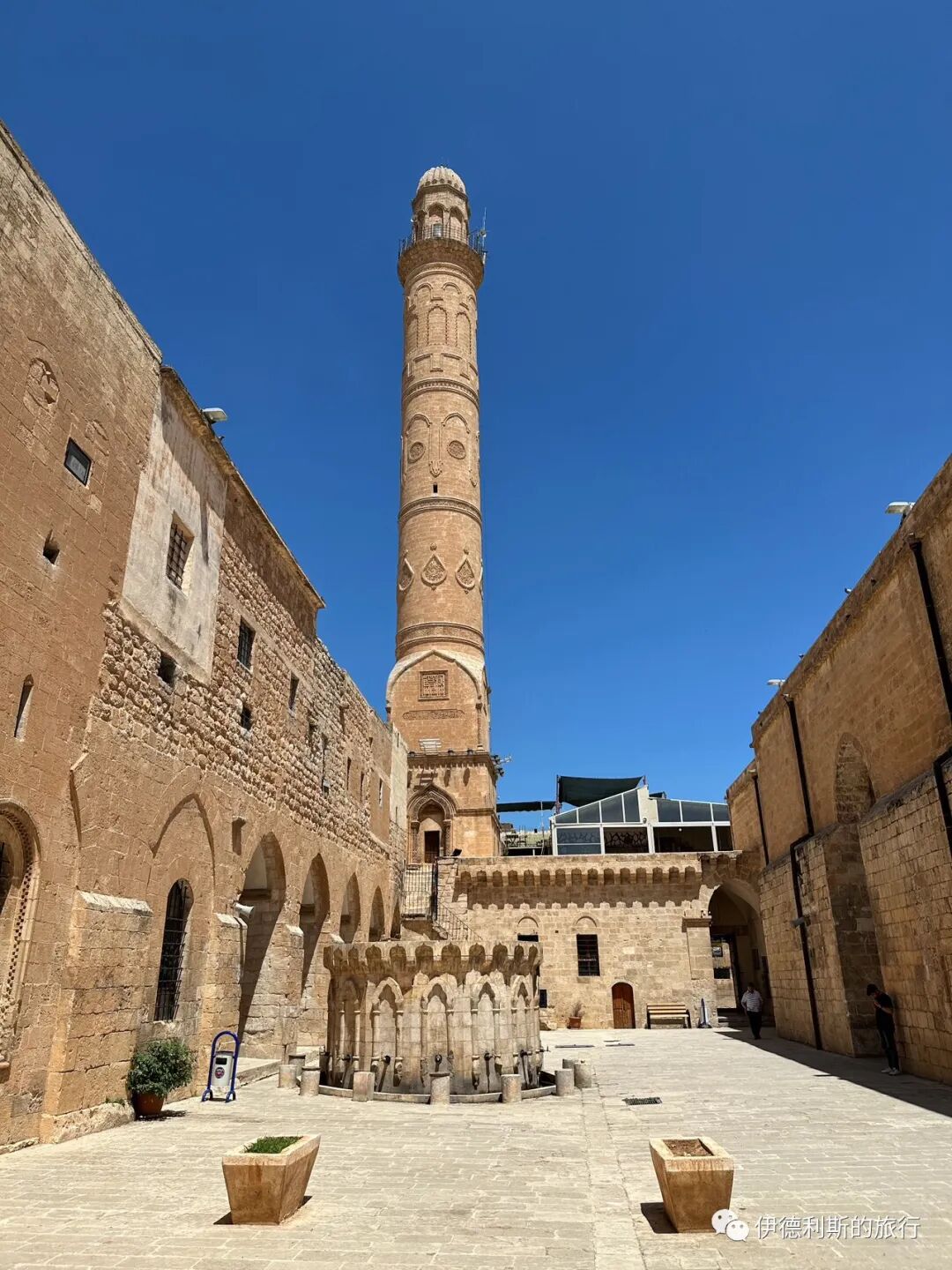
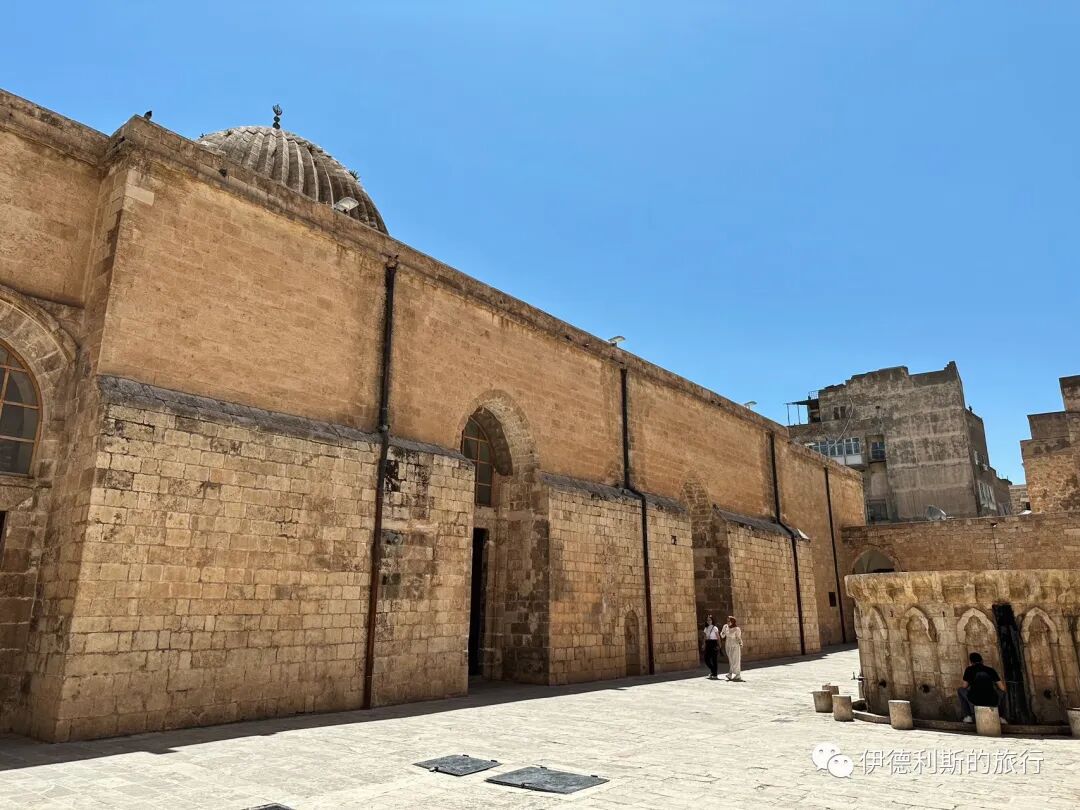
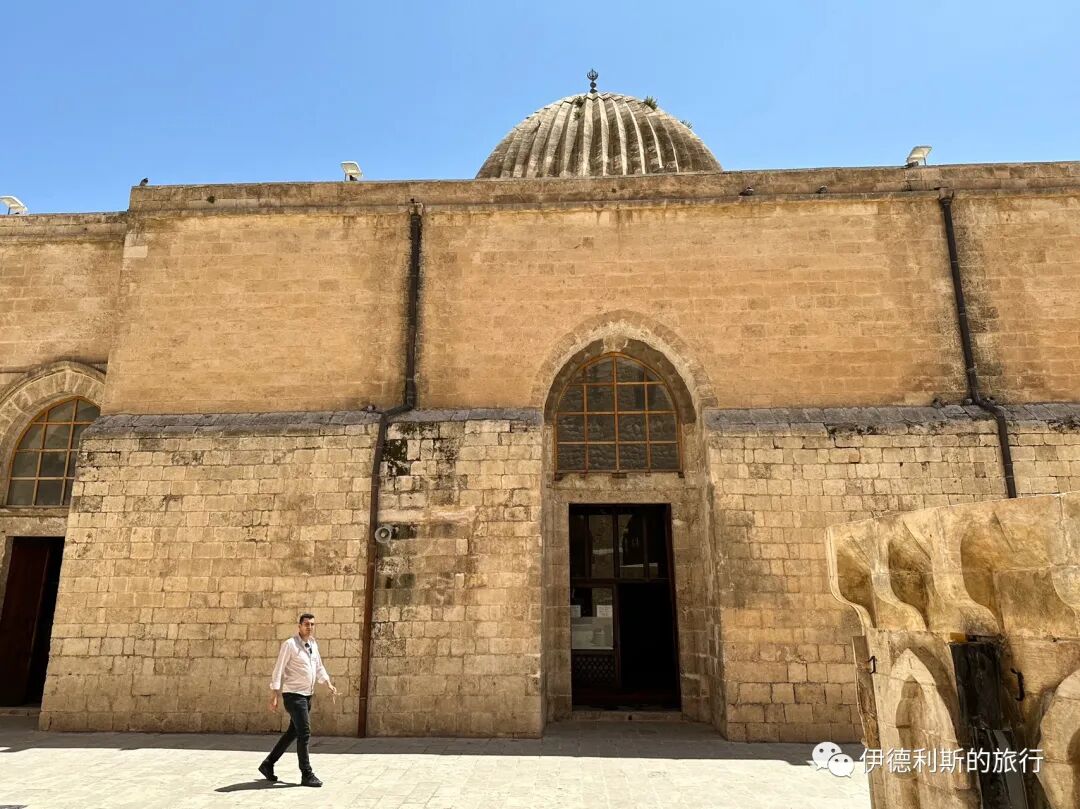
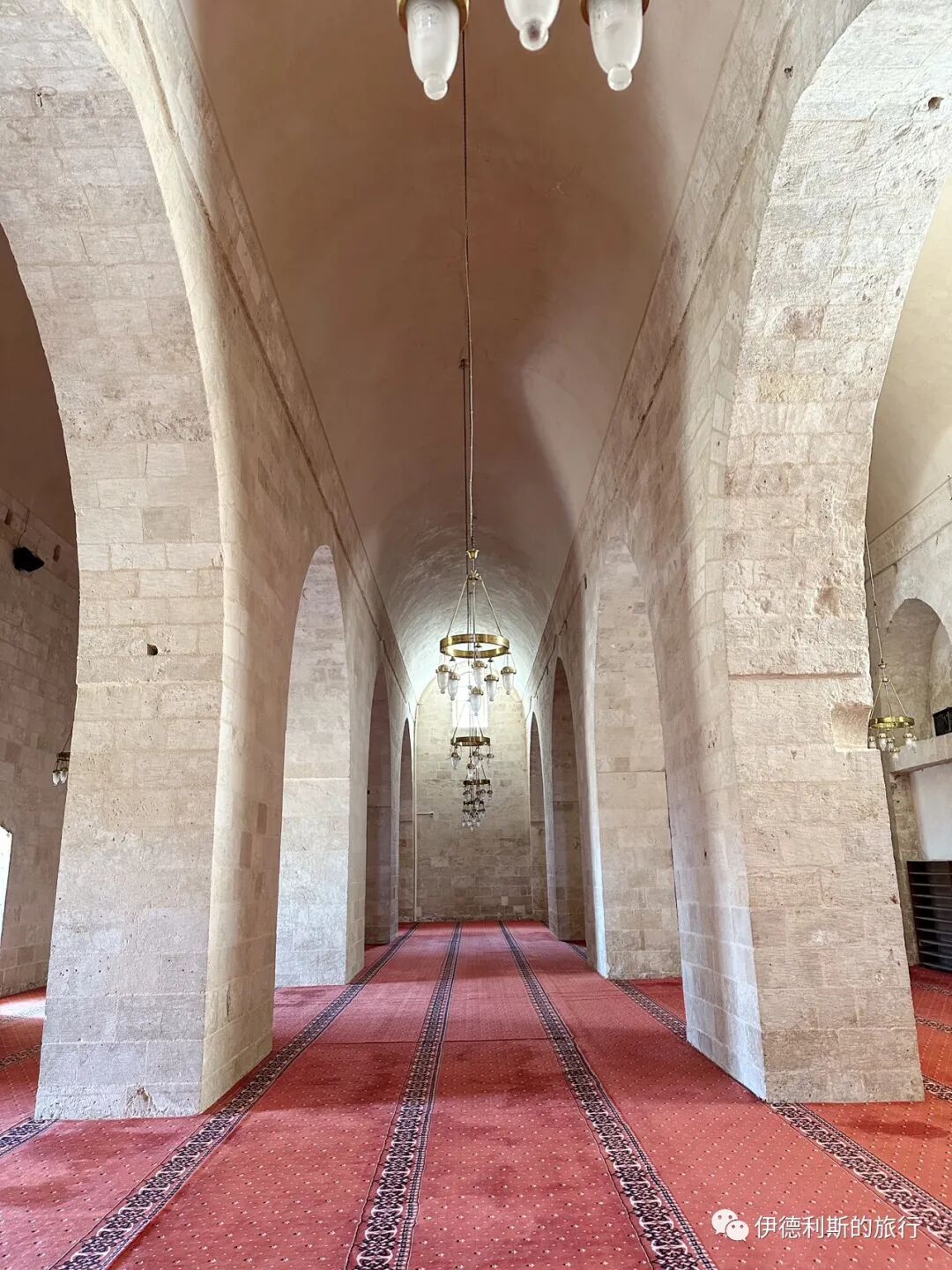
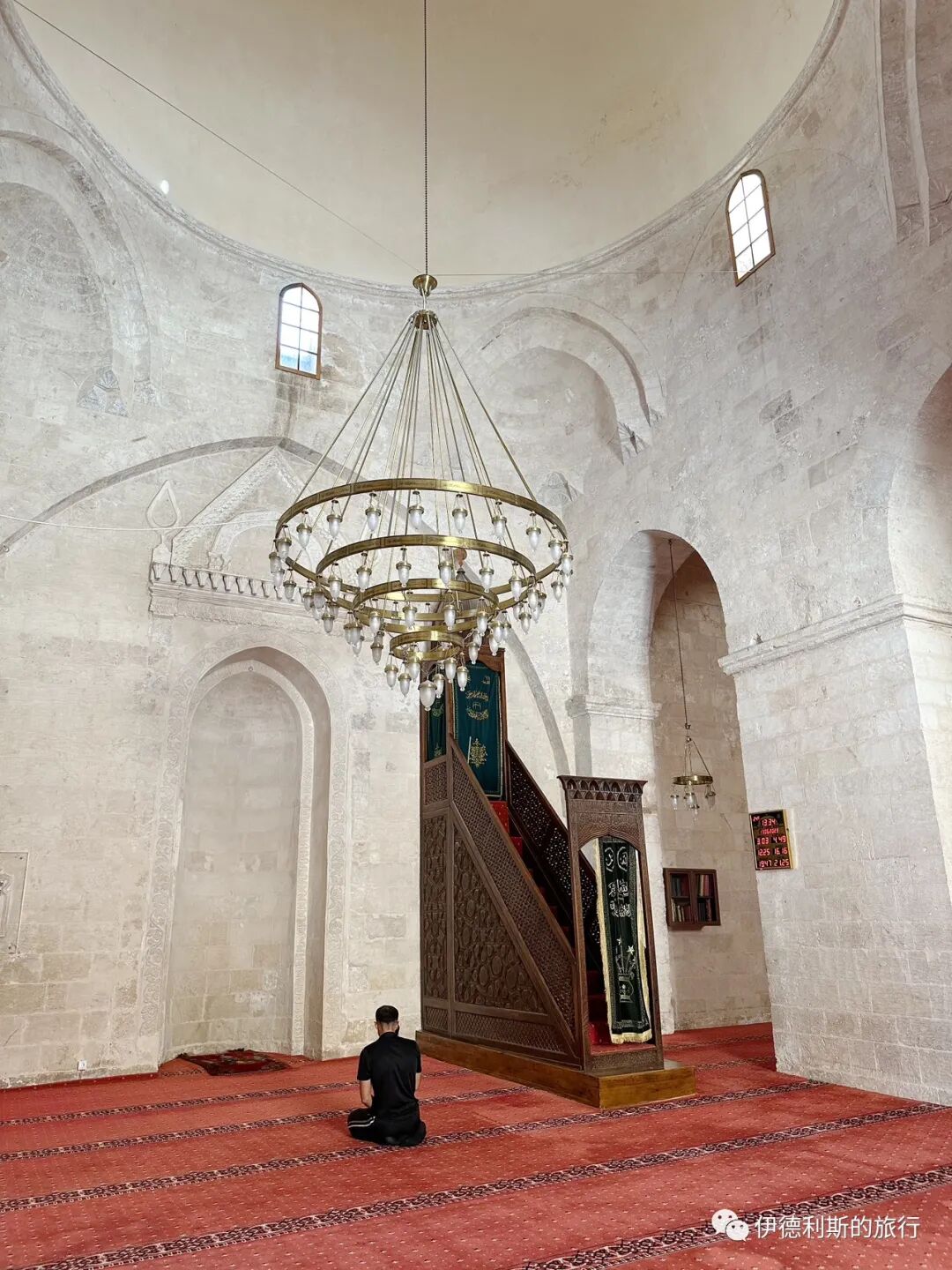
The Great Mosque of Mardin (Mardin Ulu Camii) dates back to the 10th century. It is one of the earliest mosques in the Anatolia region and set the foundation for later Mardin architectural styles. The mosque currently houses 16 stone inscriptions from the Seljuk, Artuqid, Kara Koyunlu, and Ottoman periods, spanning nearly a thousand years.
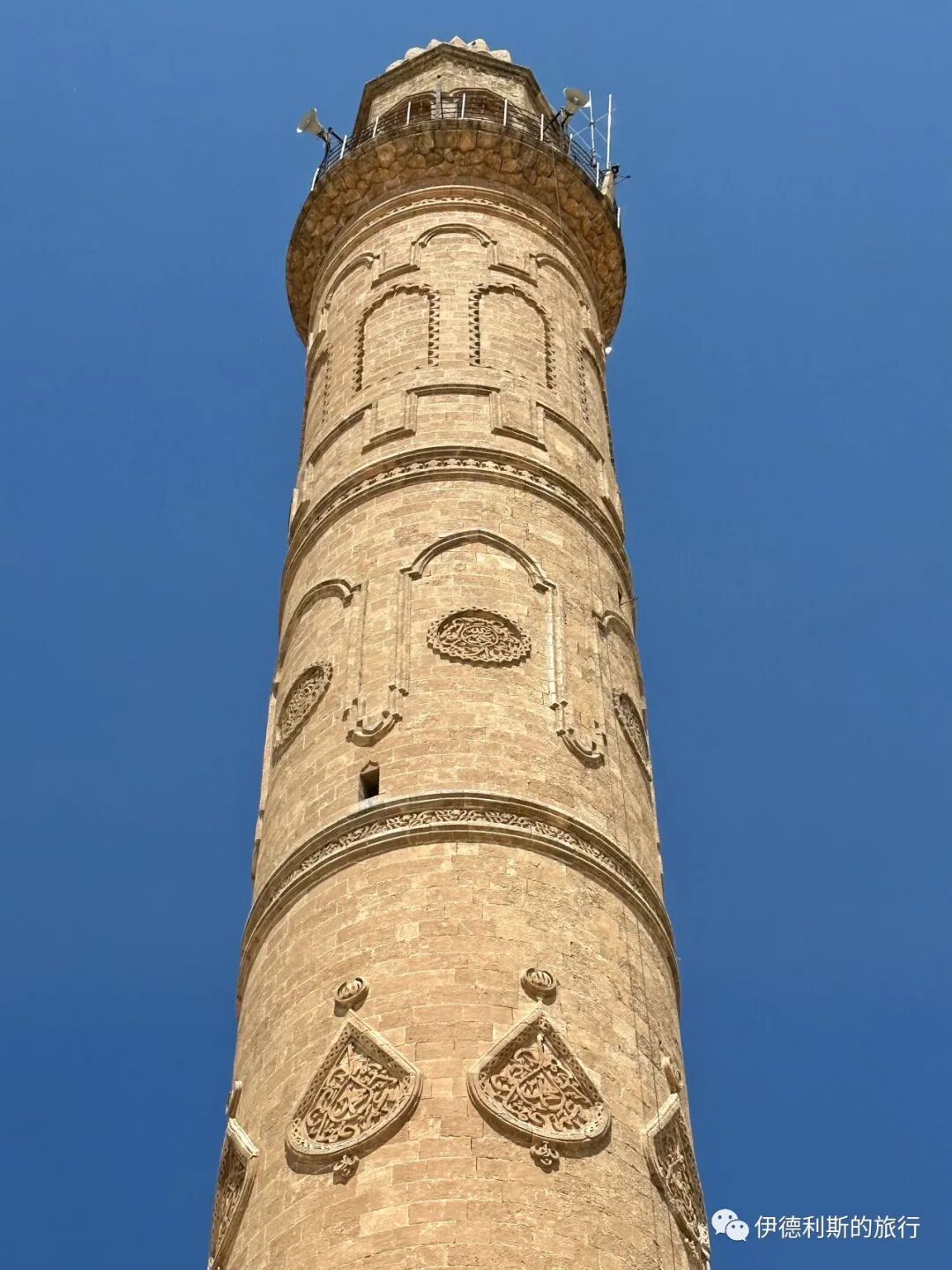
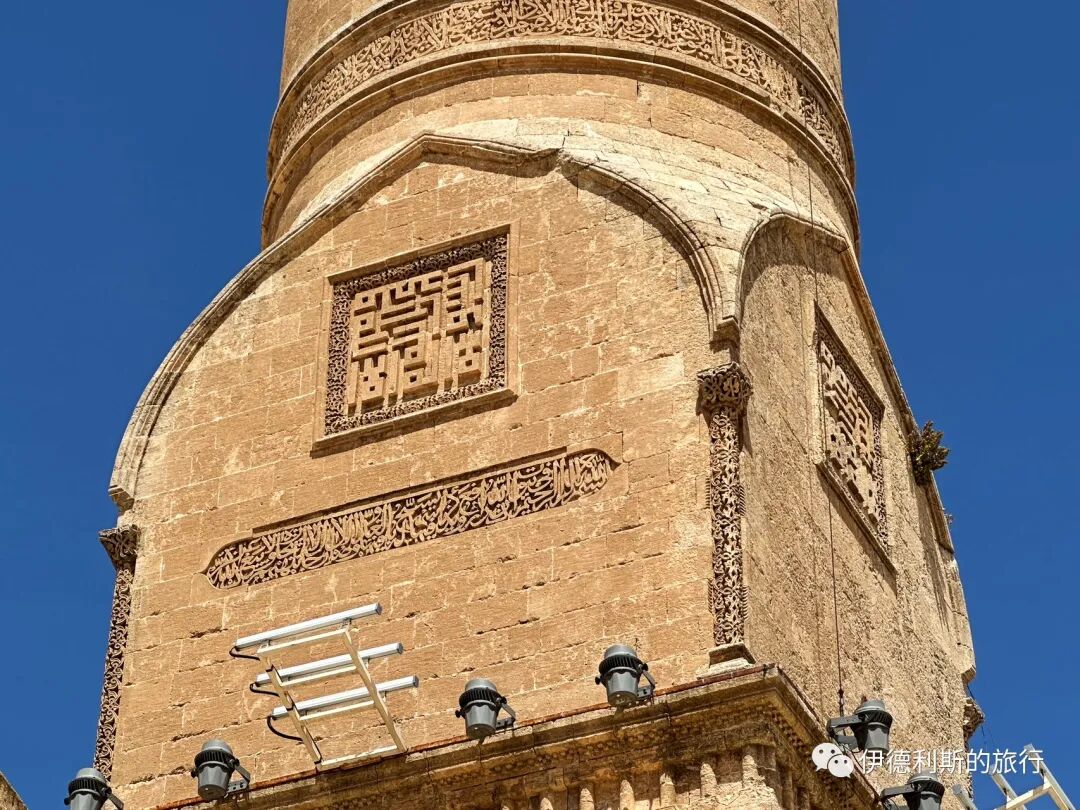
The mosque once had two minarets, but only the eastern one remains today. The inscription at its base shows it was built in 1176 and is a classic example of Artuqid architecture.
The Great Mosque has been renovated many times throughout history. Most of what we see today is from the Ottoman-era renovation in 1889, but it still keeps its early architectural style.
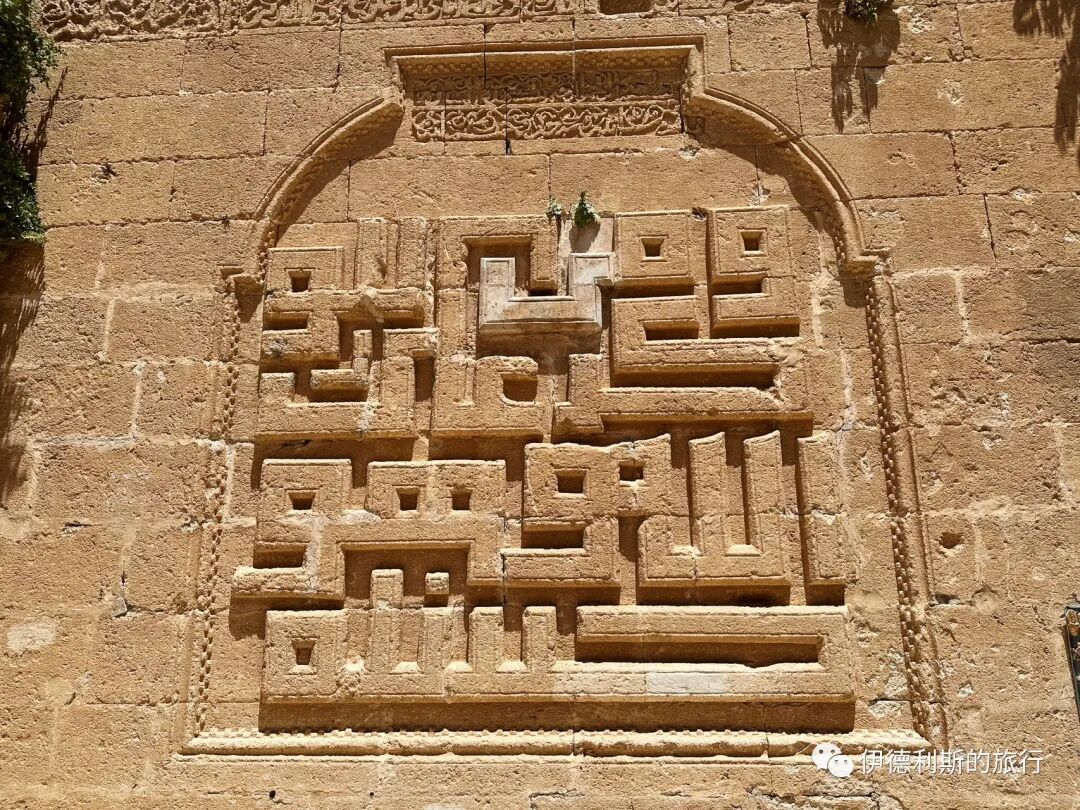
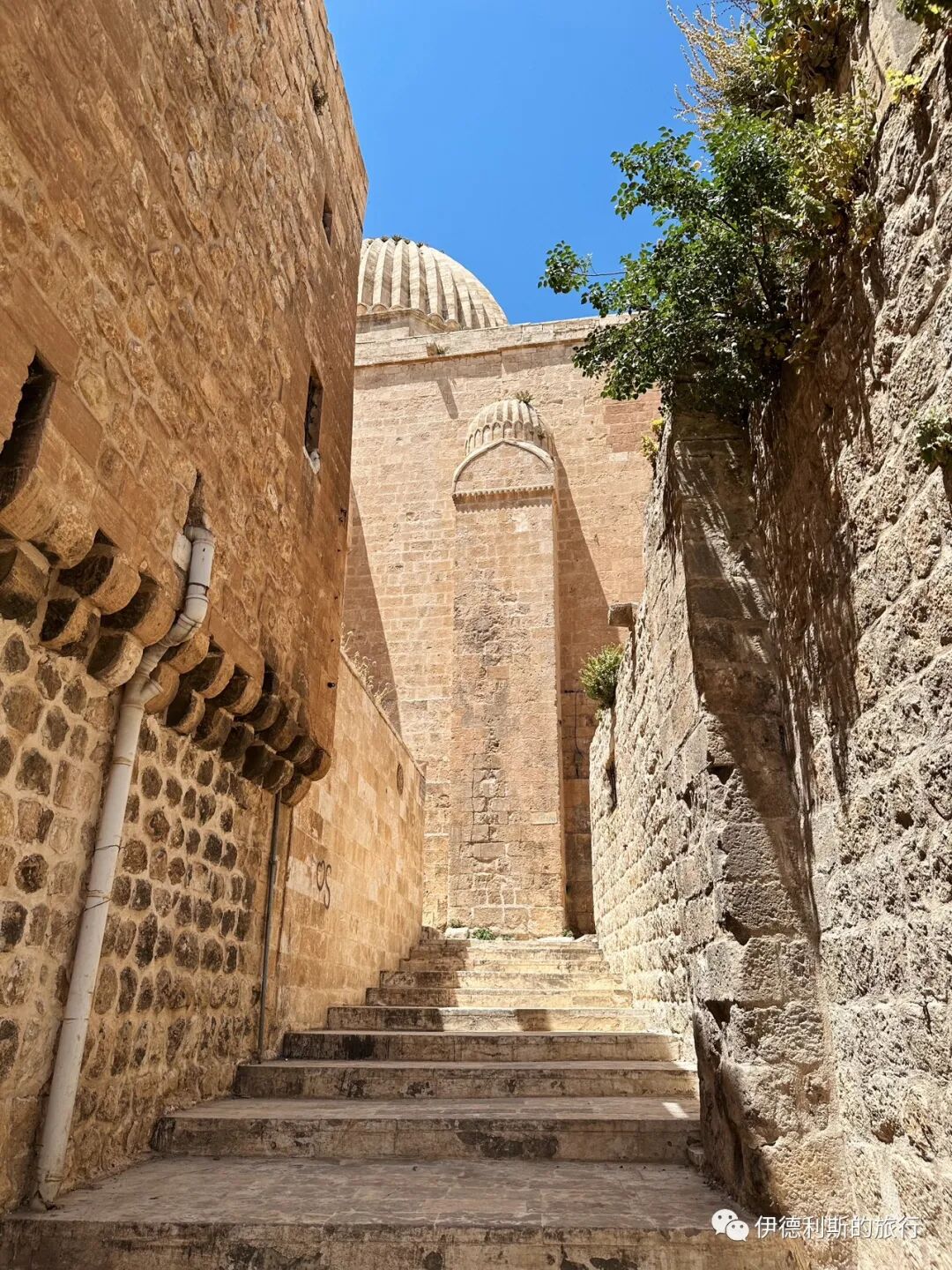
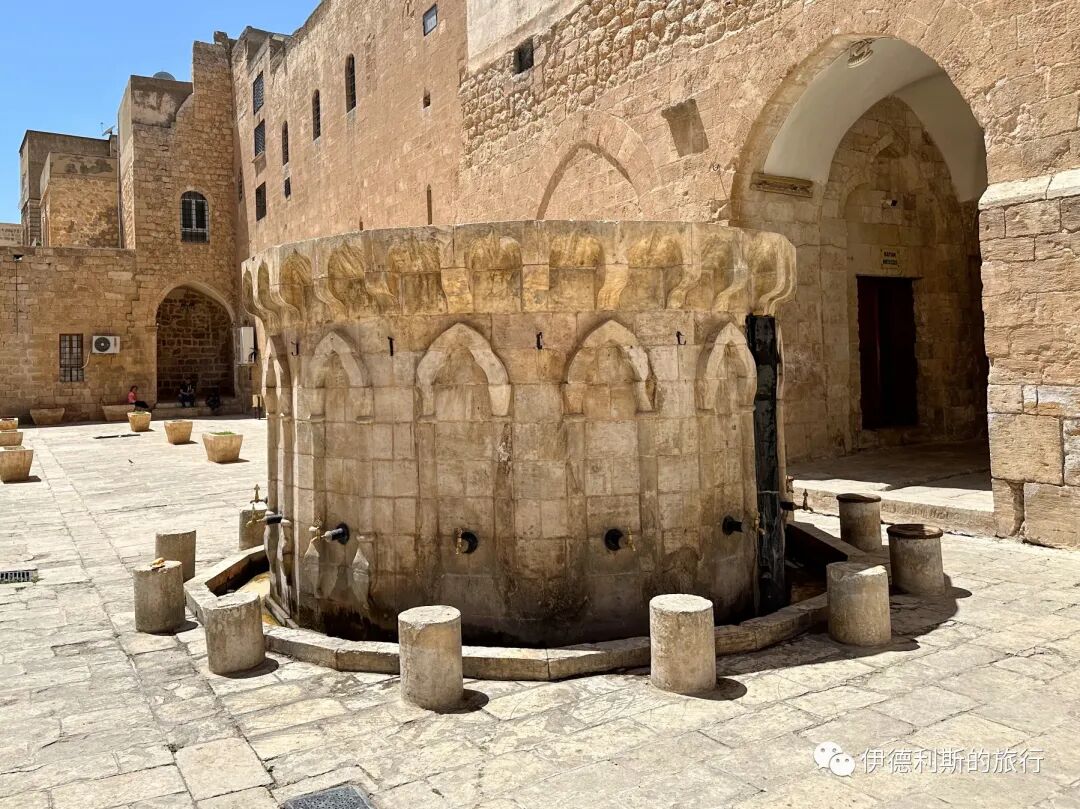
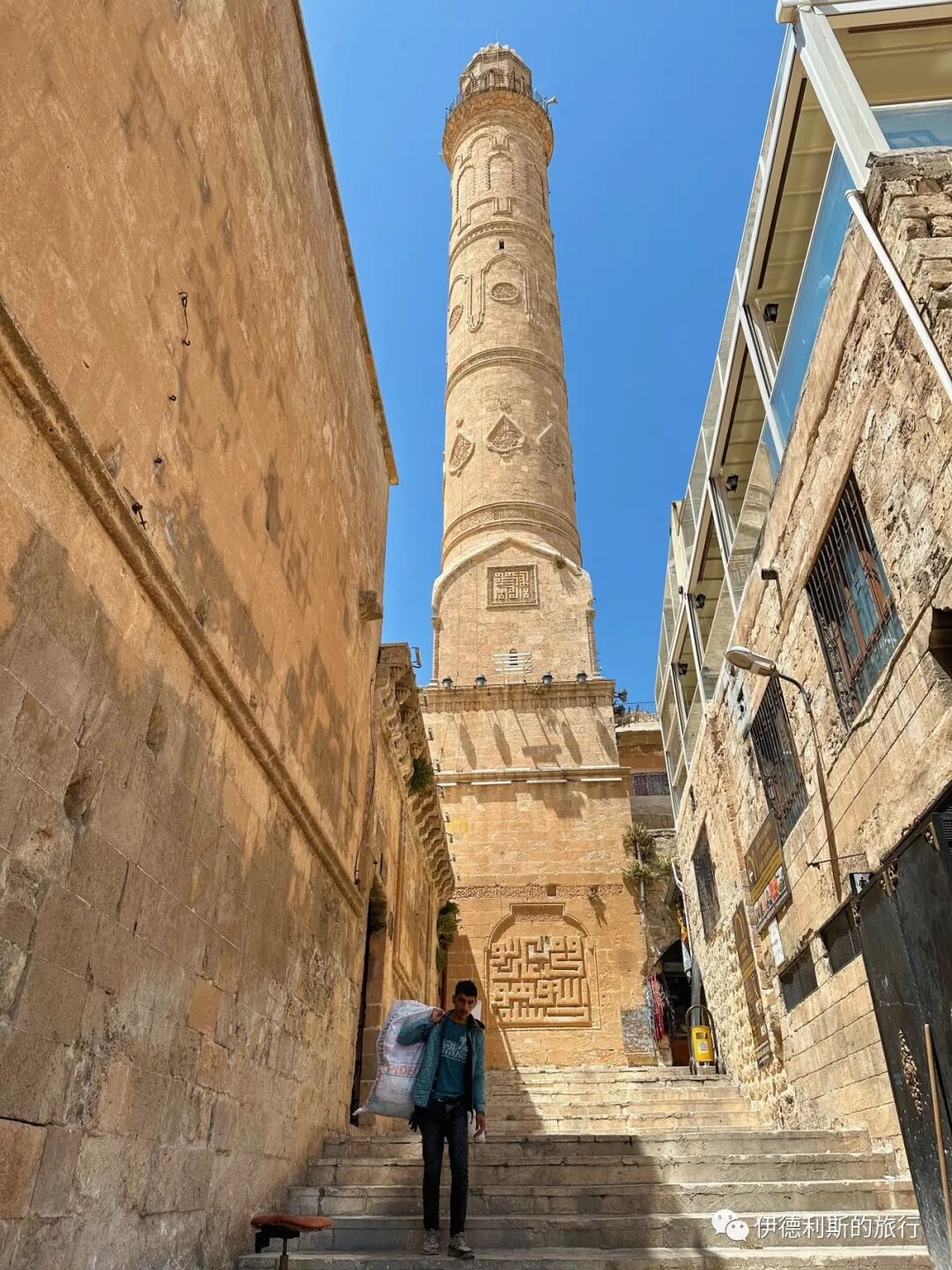
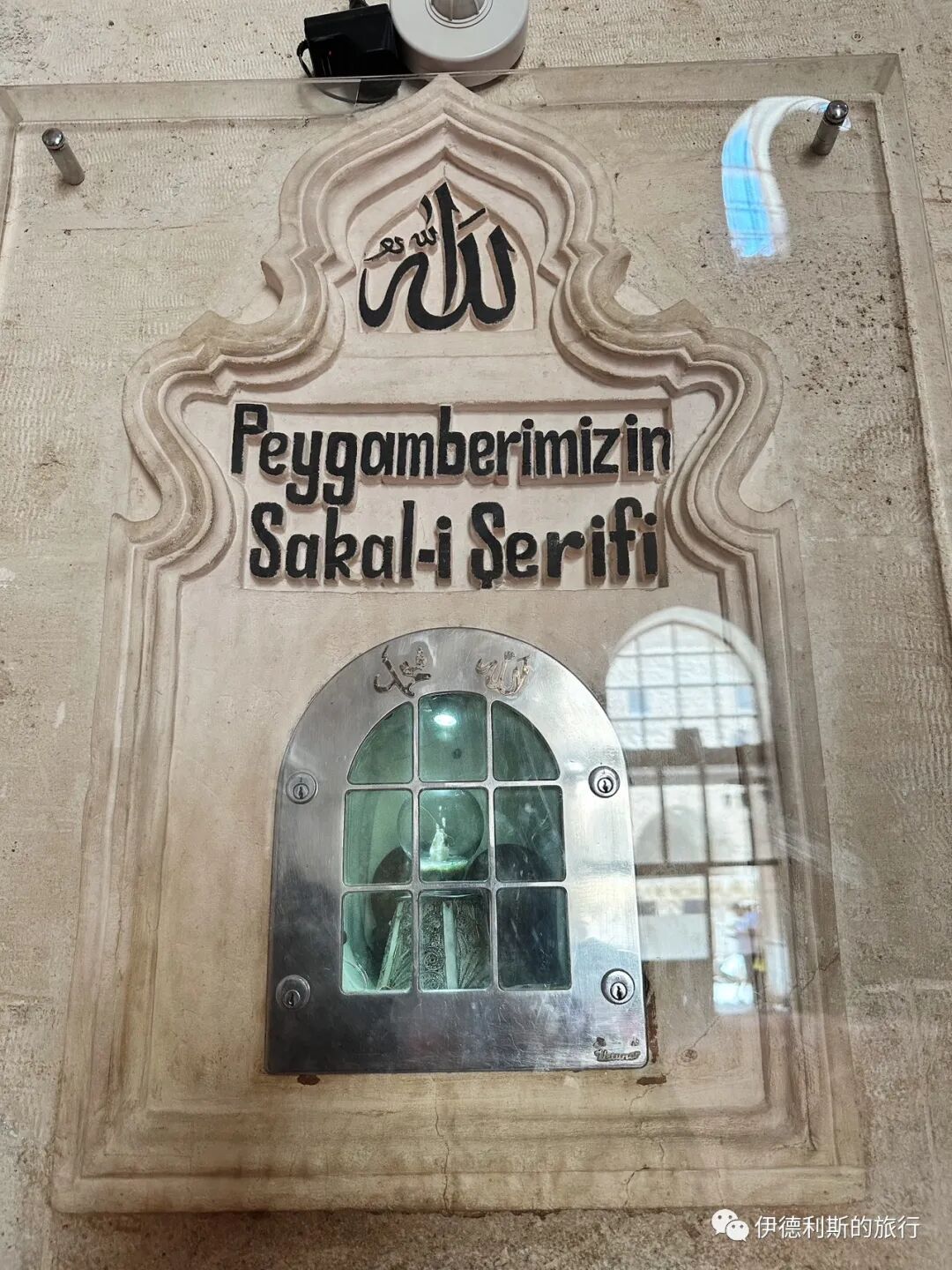
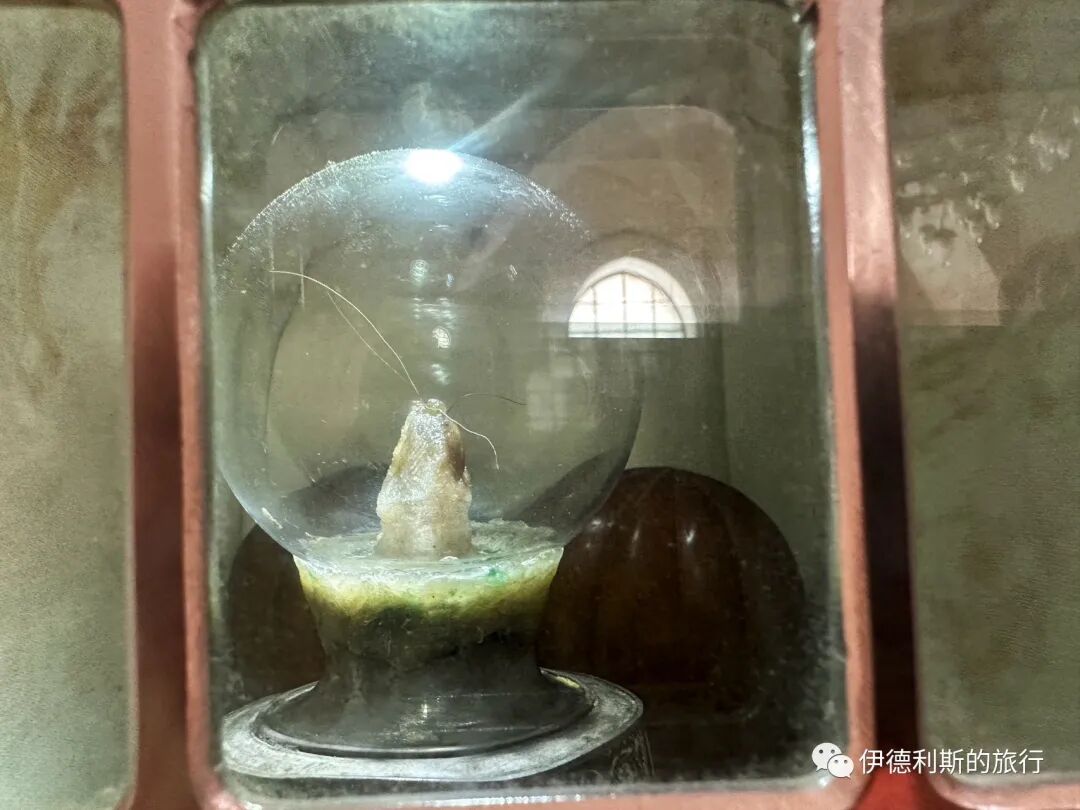
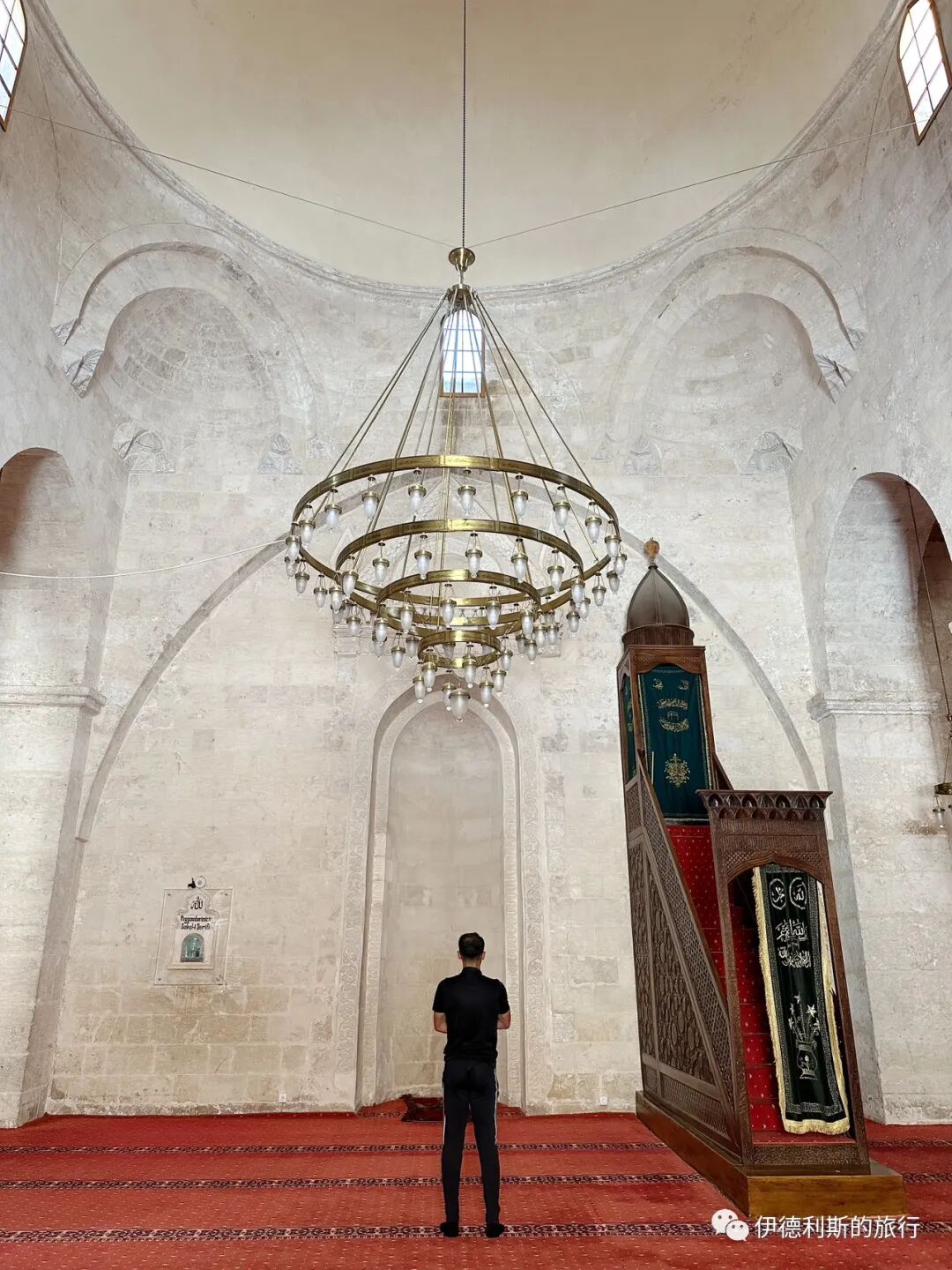
Next to the mihrab in the Great Mosque of Mardin, there is a preserved beard hair of the Prophet (Sakal-i Serifi). It is said to have been cut by the Prophet's favorite barber in the presence of Abu Bakr, Ali, and others.
Zinciriye Madrasa
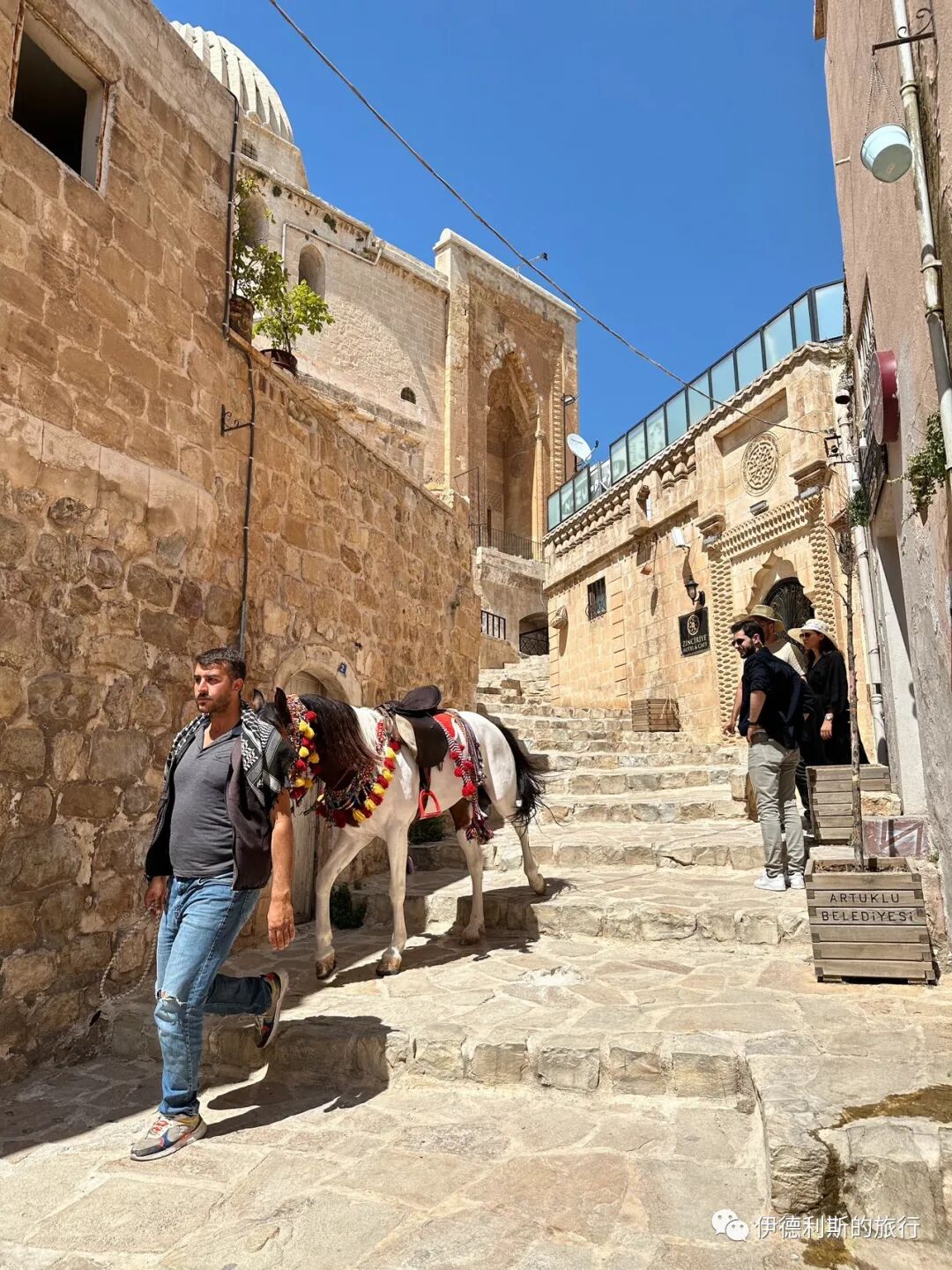
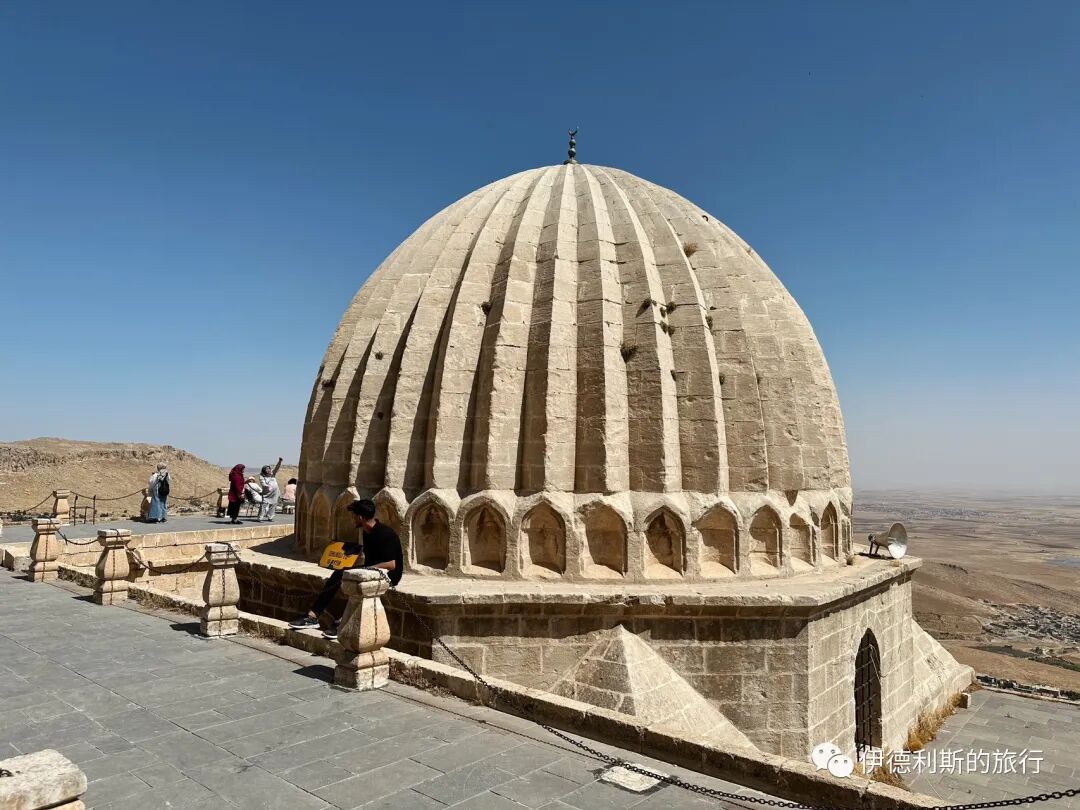
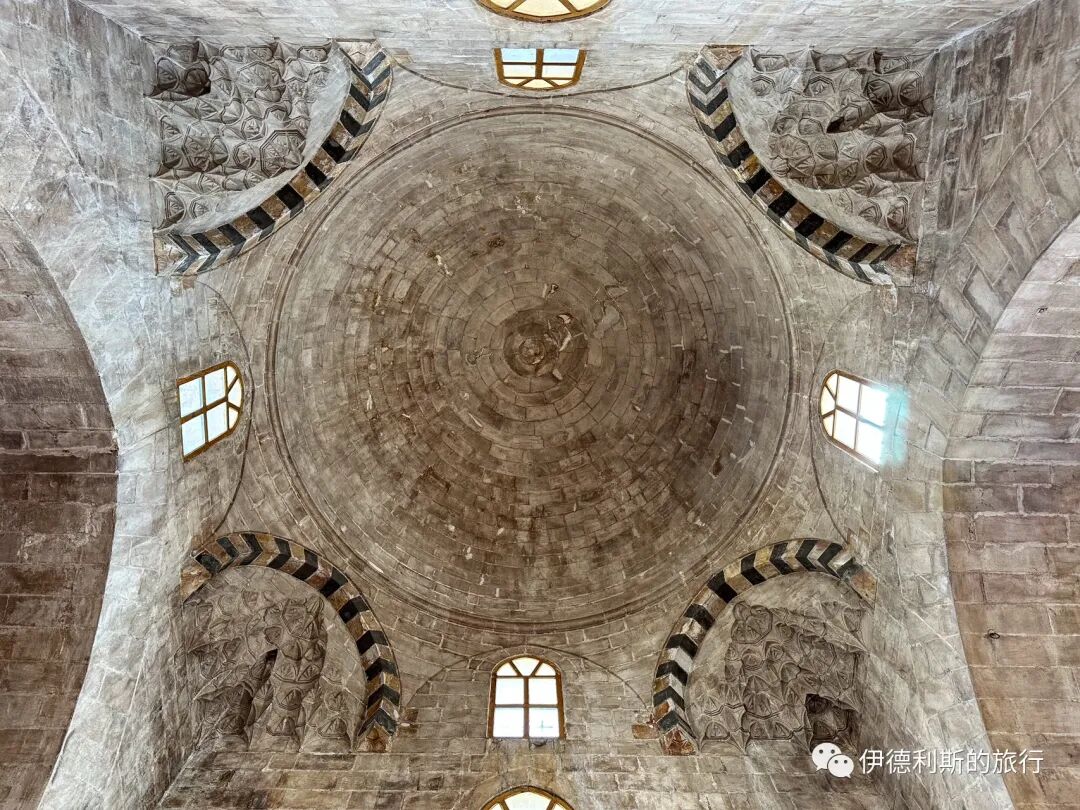
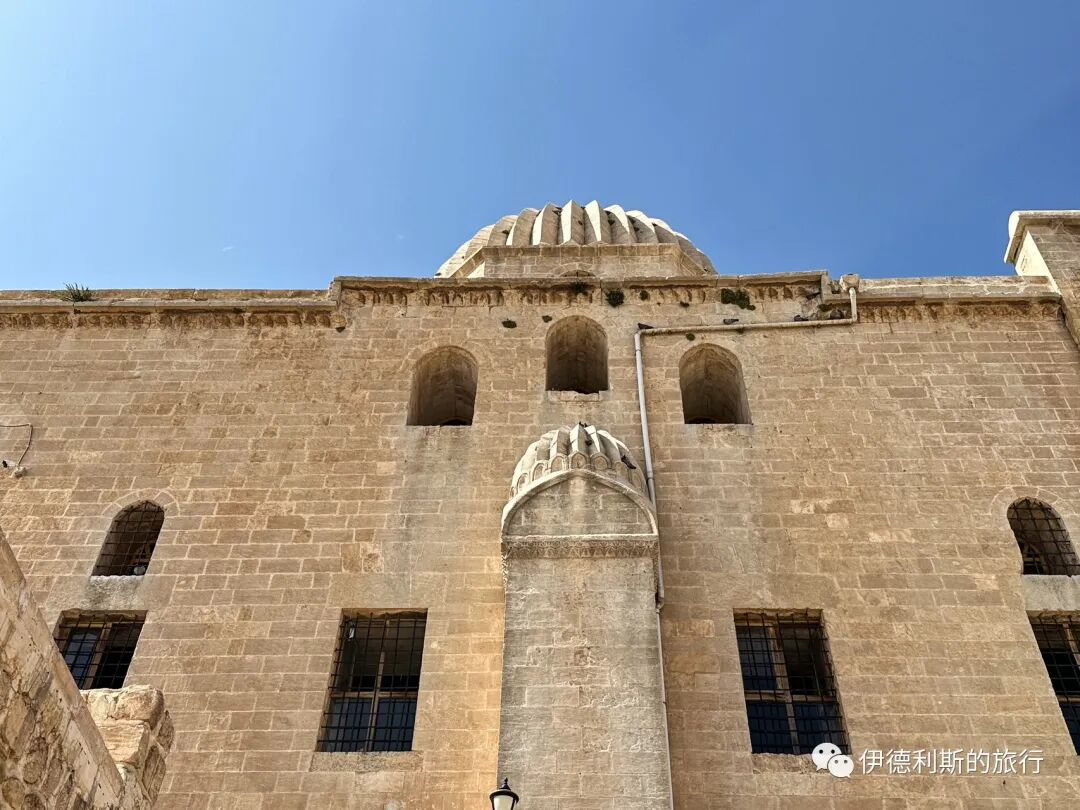
Zinciriye Madrasa was built in 1385 and is another historic Artuqid-era building in the old city of Mardin. Zinciriye Madrasa is actually a complex (külliye) consisting of a madrasa, a mosque, a tomb, and two courtyards. The mosque and the tomb each have a fluted dome, matching the style of the dome at the Great Mosque of Mardin.
At the southeast corner of the madrasa is a 12-meter-high gate featuring an exquisite stalactite vault (muqarnas), decorated with geometric vine patterns and Kufic and Thuluth calligraphy.
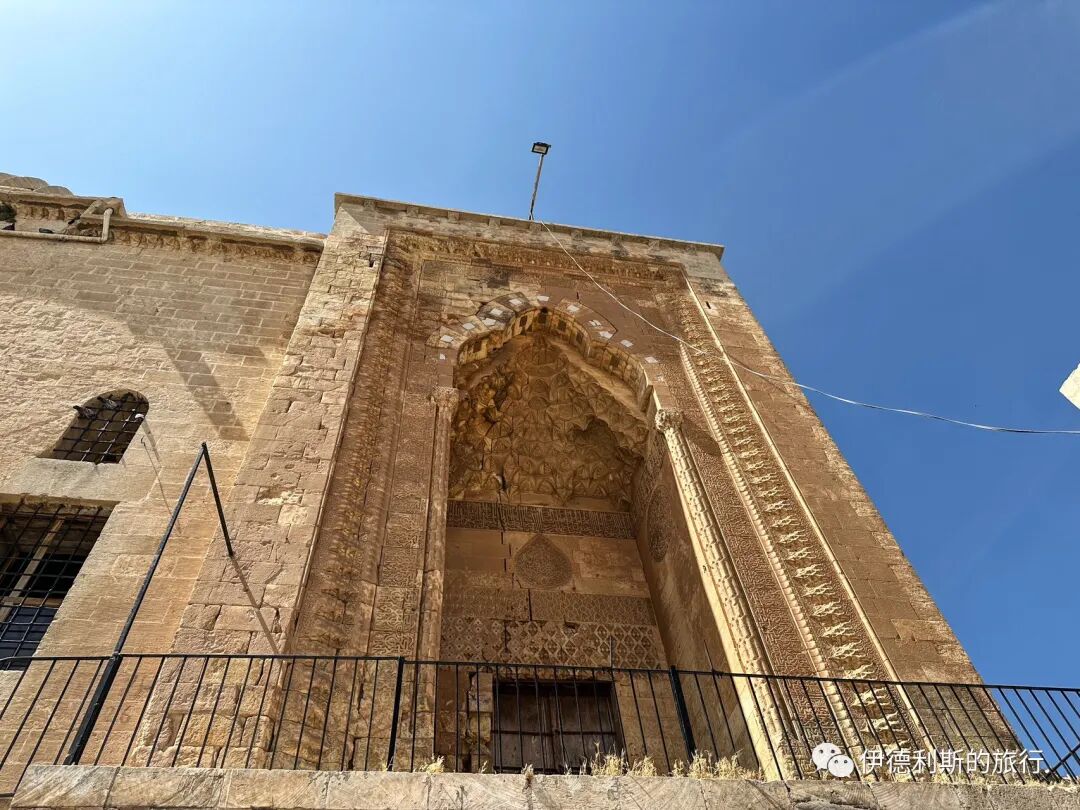
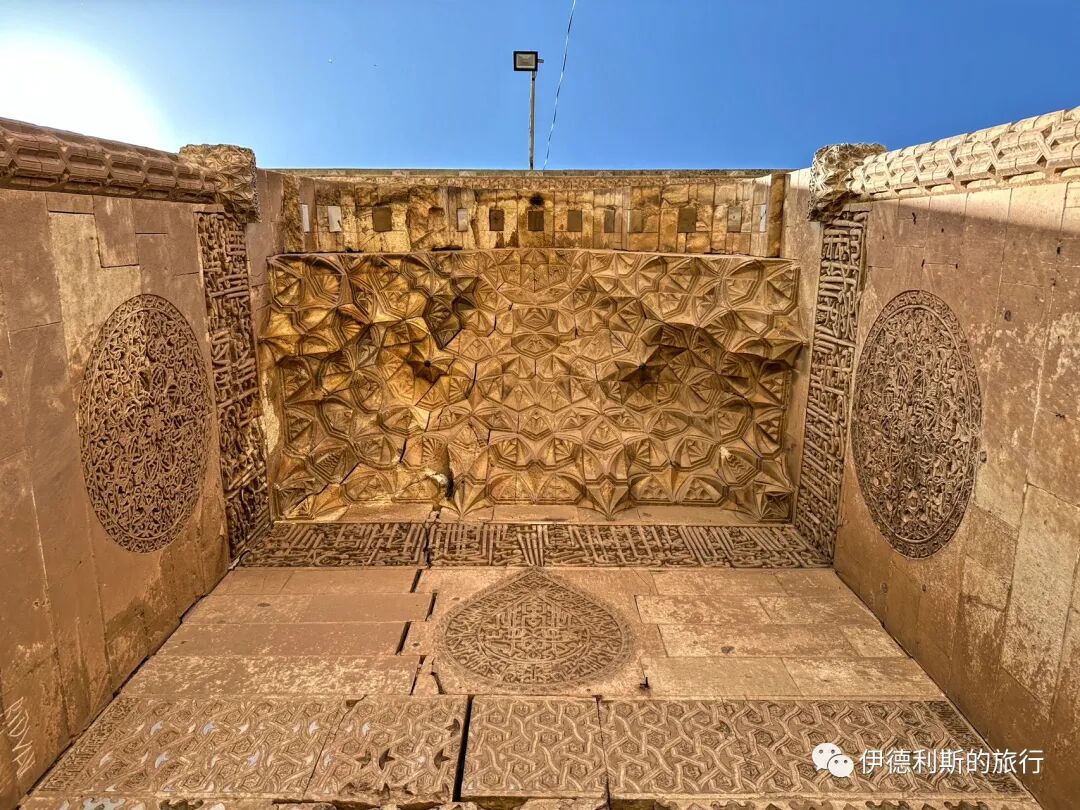
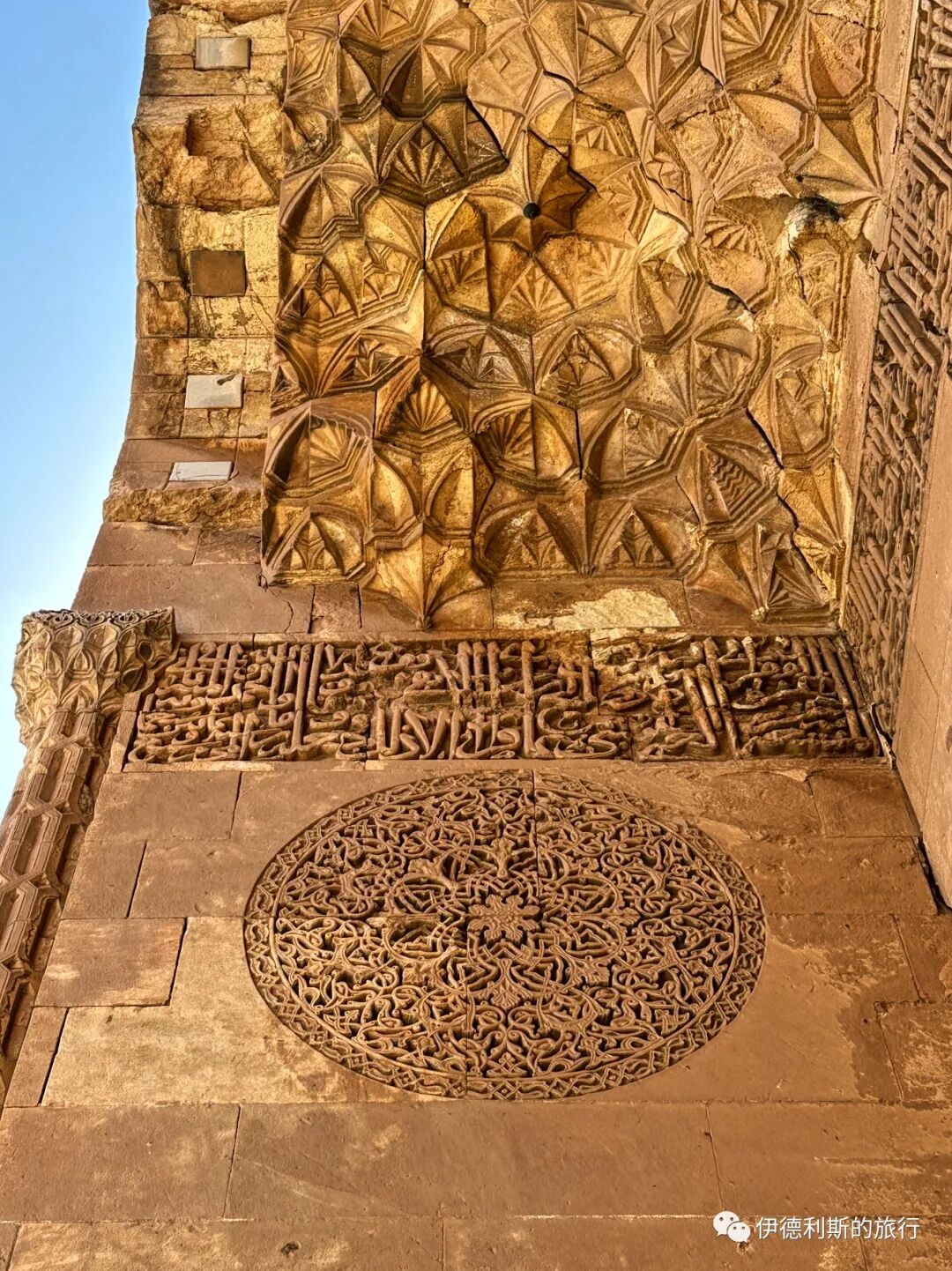
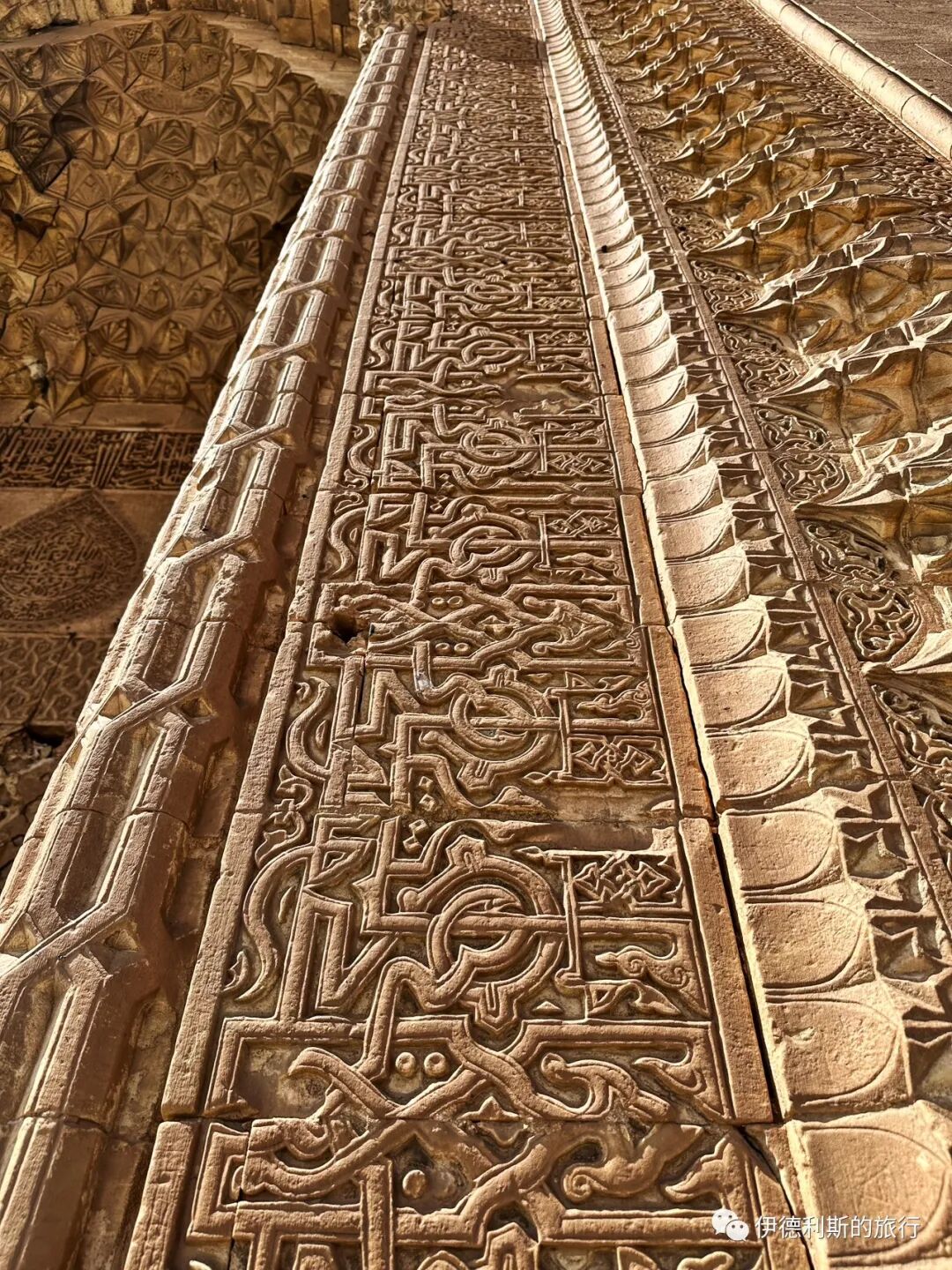
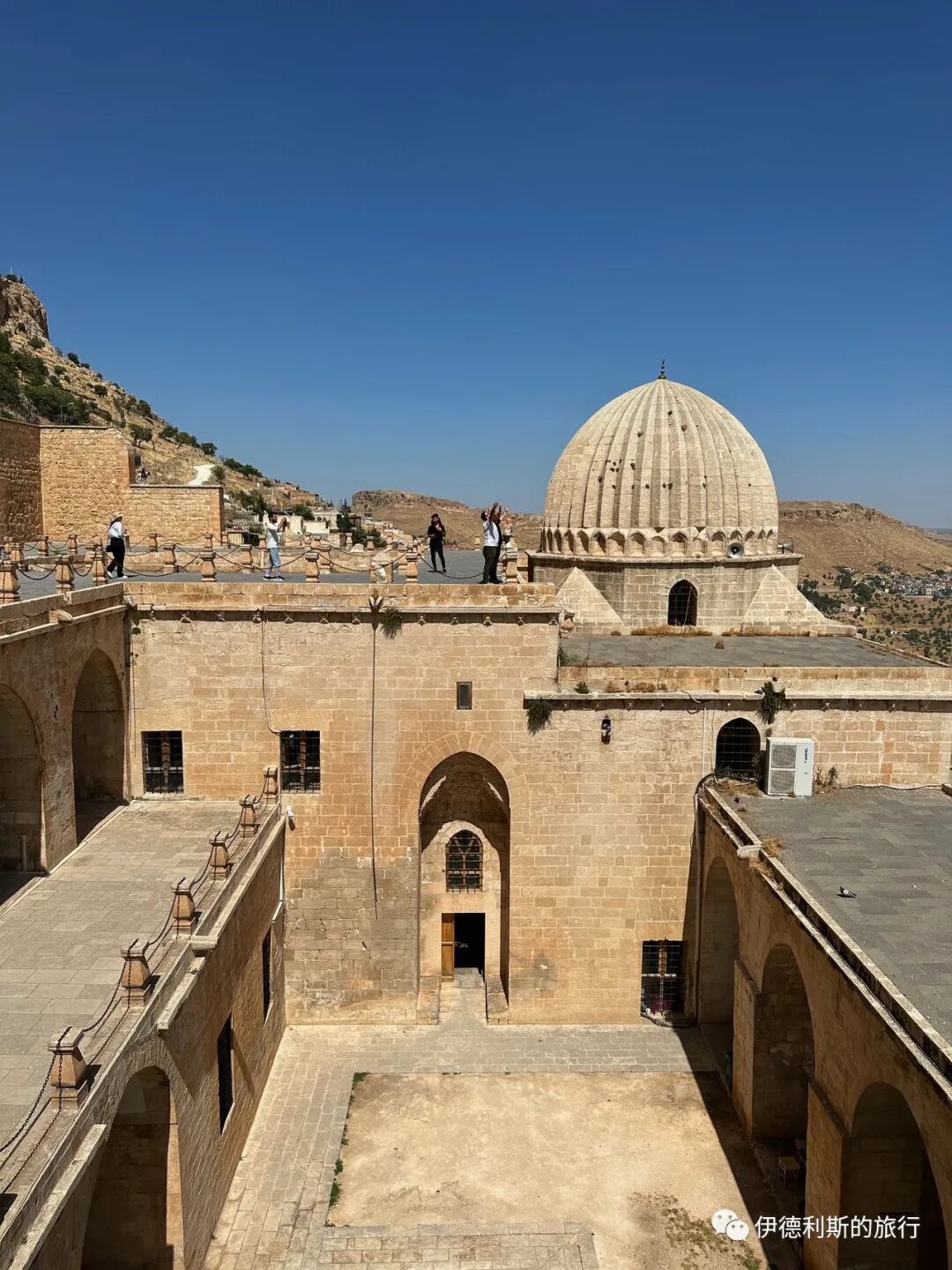
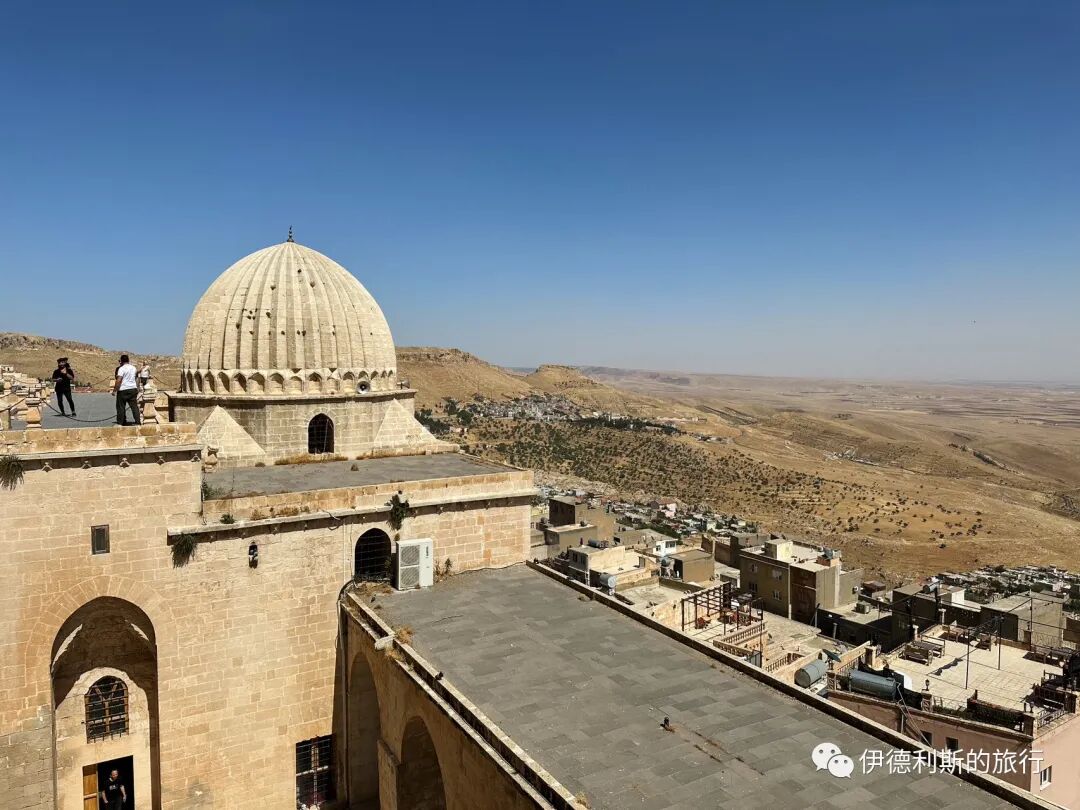
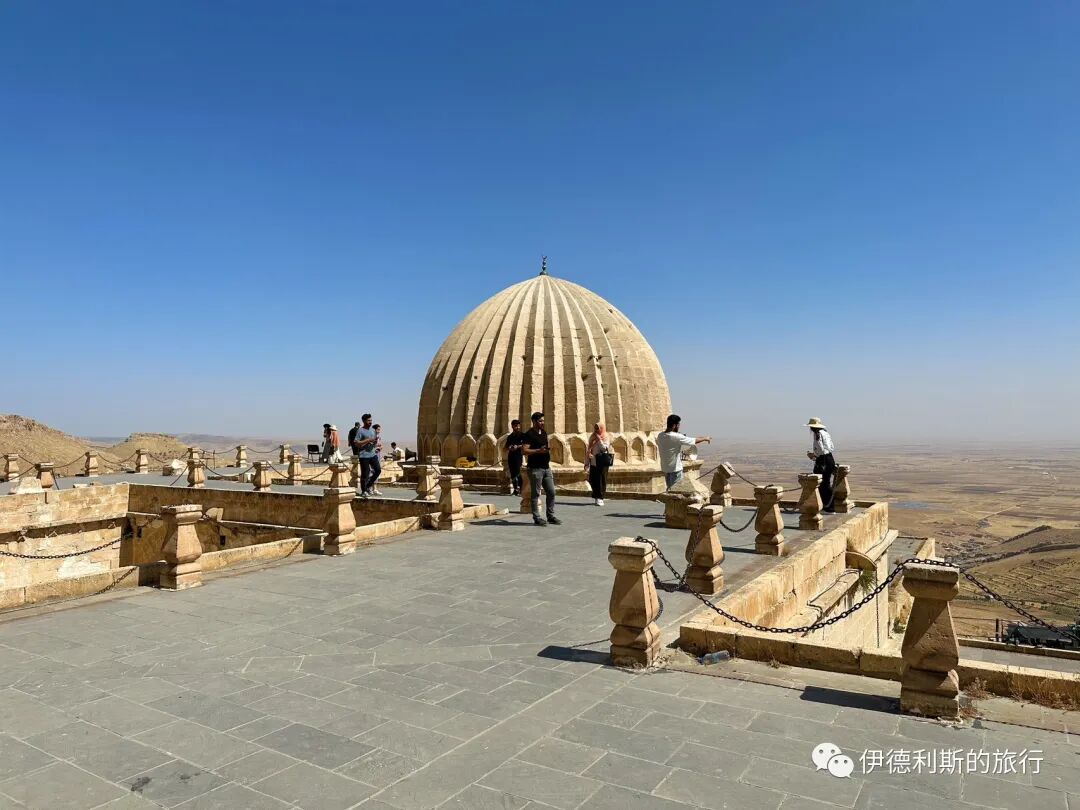
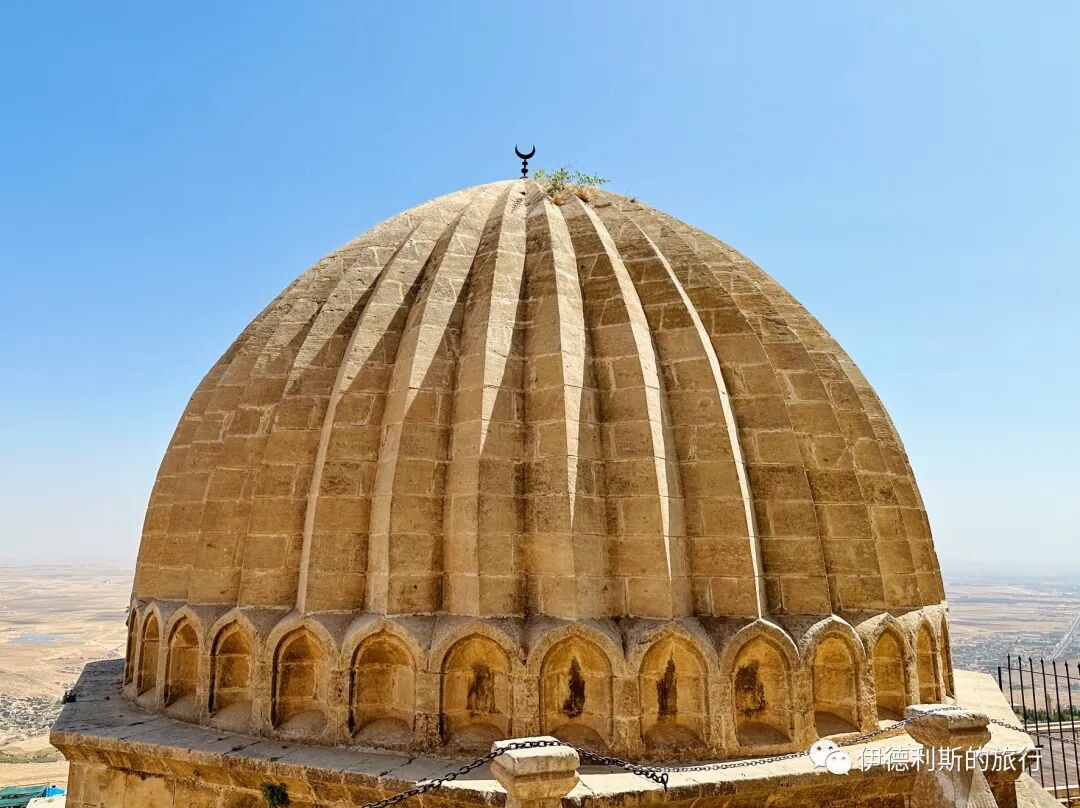
There is a fountain pool in the center of the Zinciriye Madrasa courtyard. In Sufi philosophy, the flow of water symbolizes a person's journey from this life to the afterlife, and this pool is a physical representation of that symbol. The fountain's source symbolizes birth, then flows through stages representing infancy, childhood, and youth. The long water channel symbolizes entering old age, and the final pool represents the arrival of the Day of Judgment.
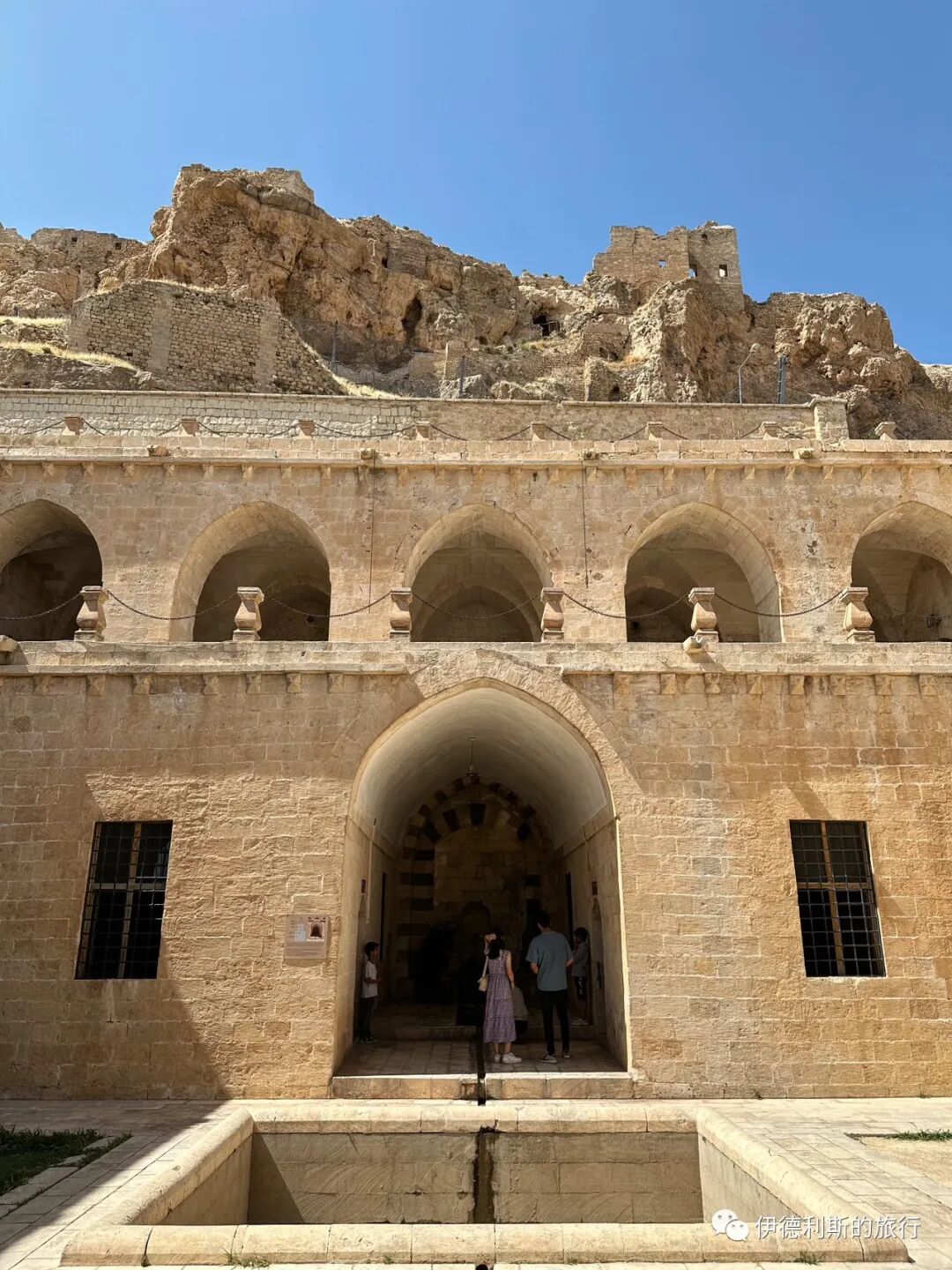
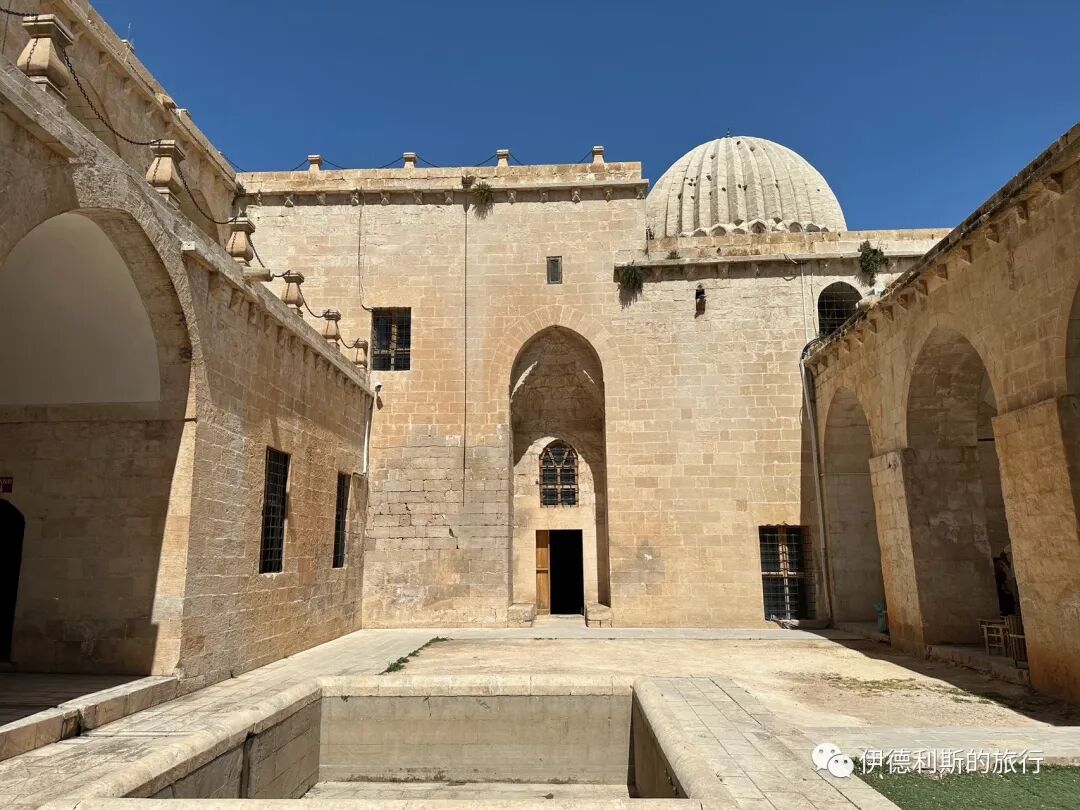
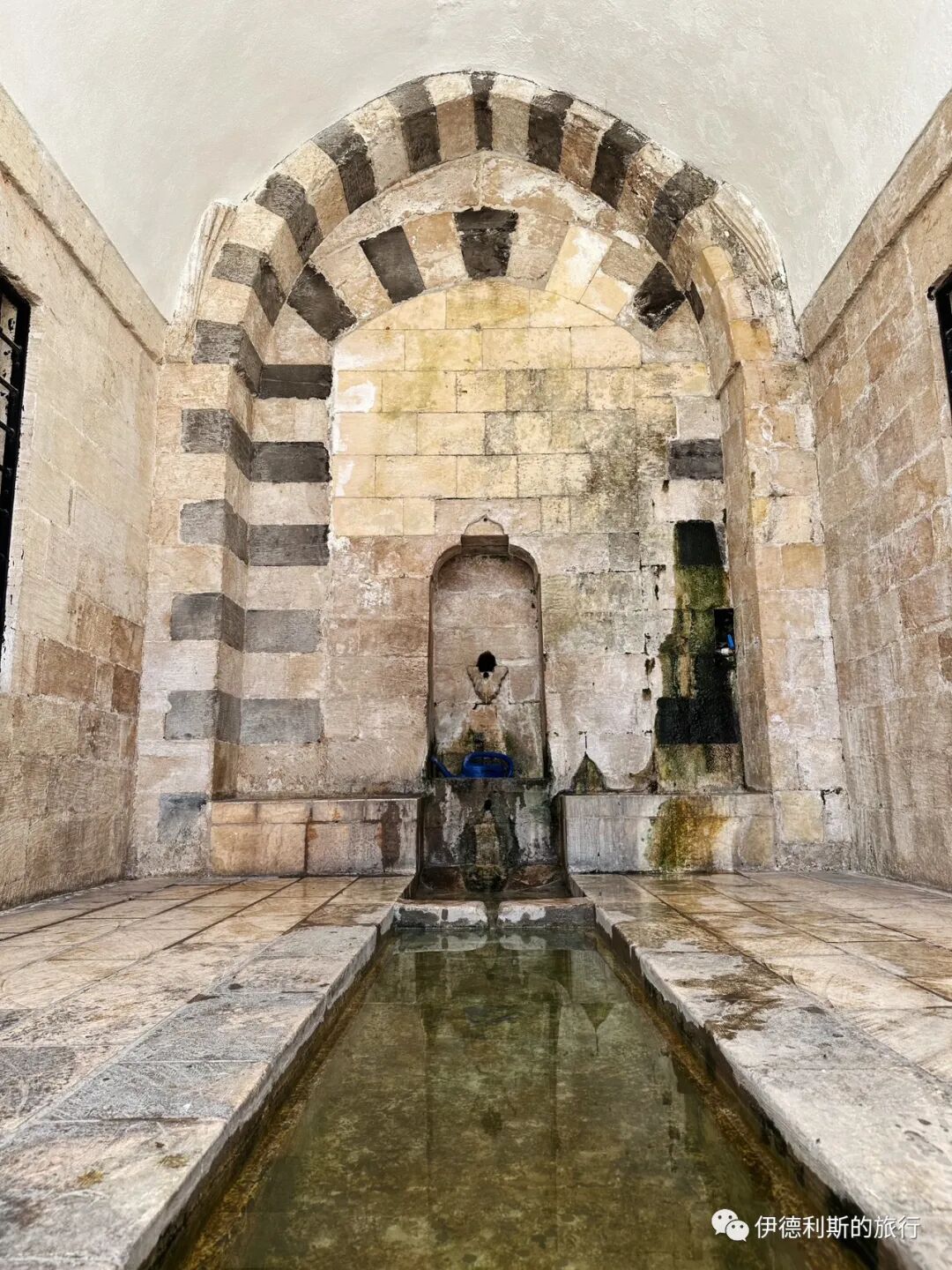
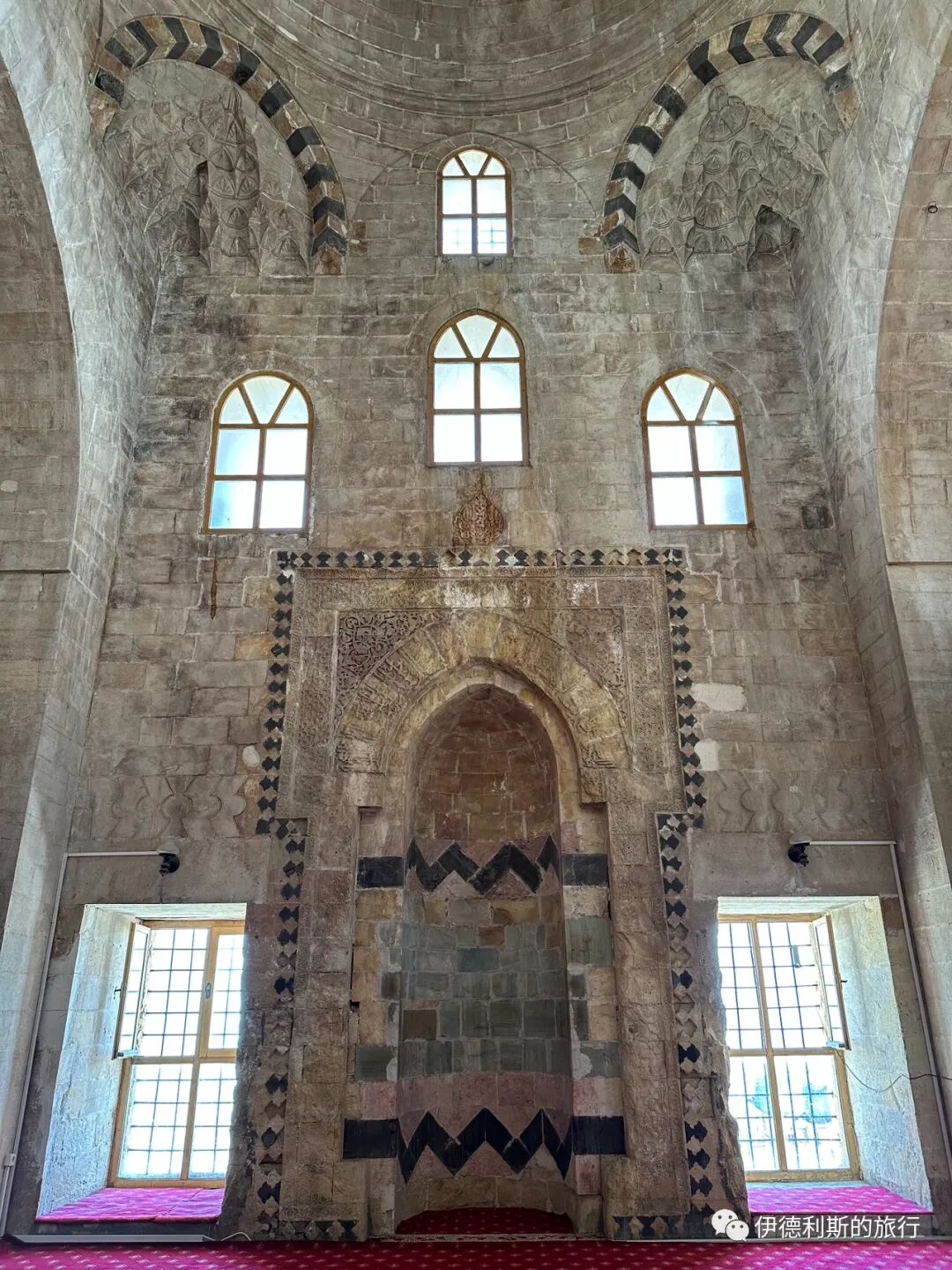
The area around the fountain and the main hall of the mosque are decorated with classic two-toned brickwork known as ablaq. This brick decoration likely originated in the Syrian region under the Eastern Roman Empire. Muslim craftsmen later used it in early Islamic buildings like the Dome of the Rock in Jerusalem, the Umayyad Mosque in Damascus, and the Great Mosque of Cordoba. Because the Syrian region has plenty of black basalt and white limestone, most local ablaq is black and white. The Mardin region mostly has beige limestone, so the ablaq there is beige and black.
Mardin Castle
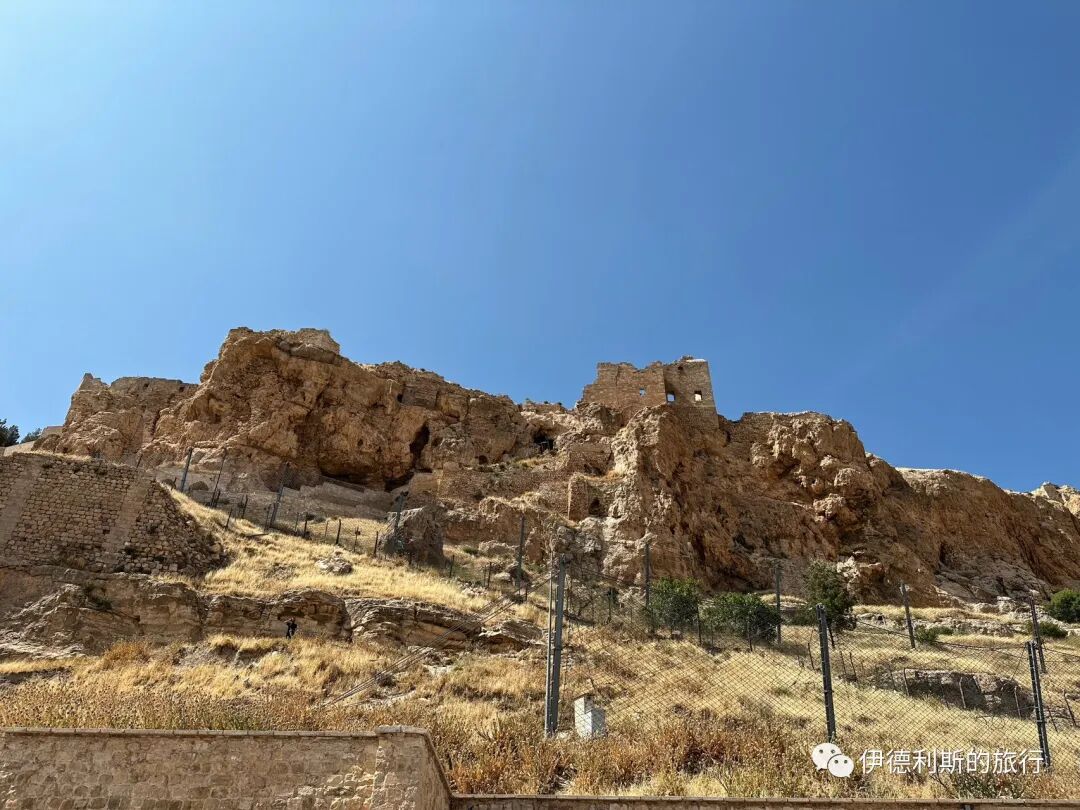
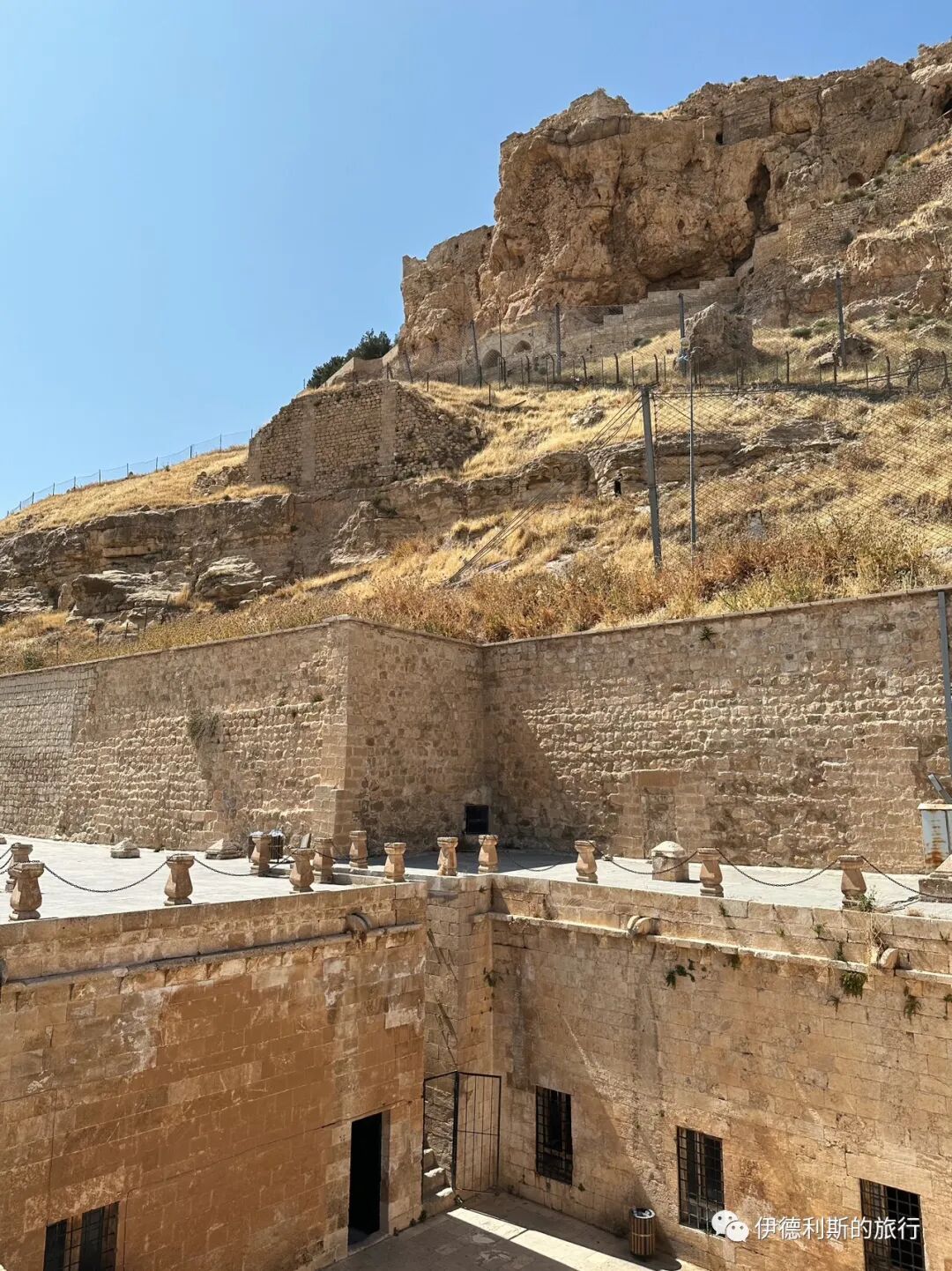
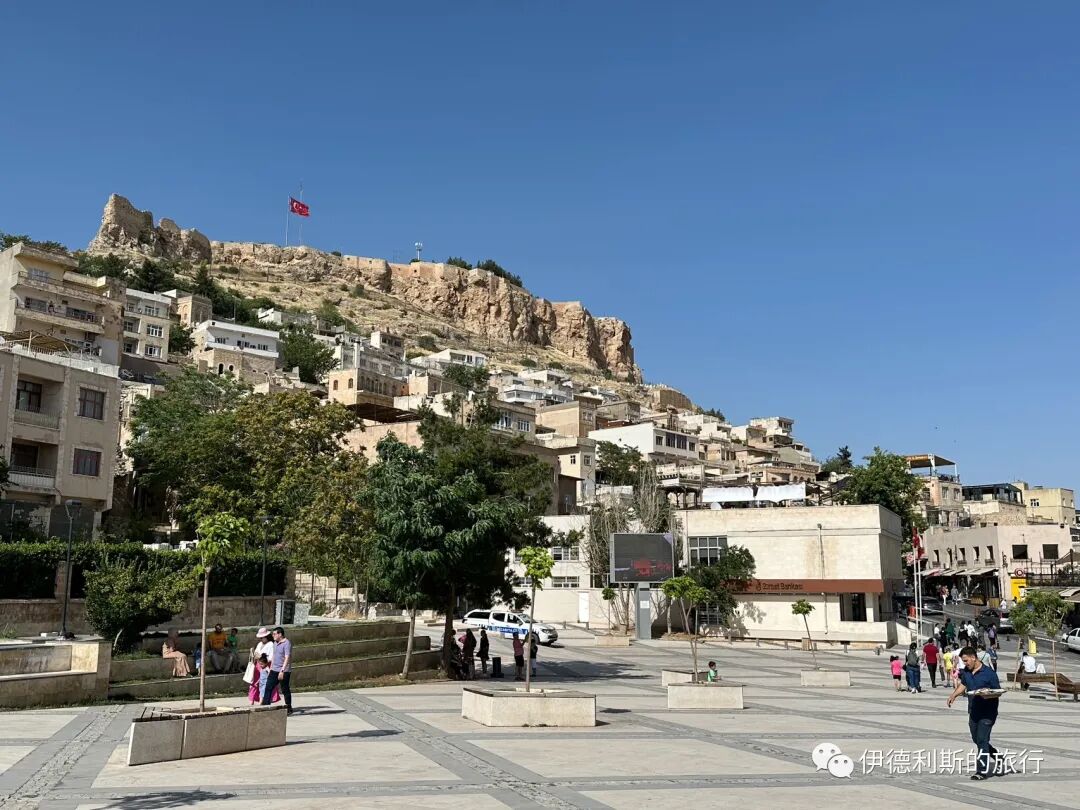
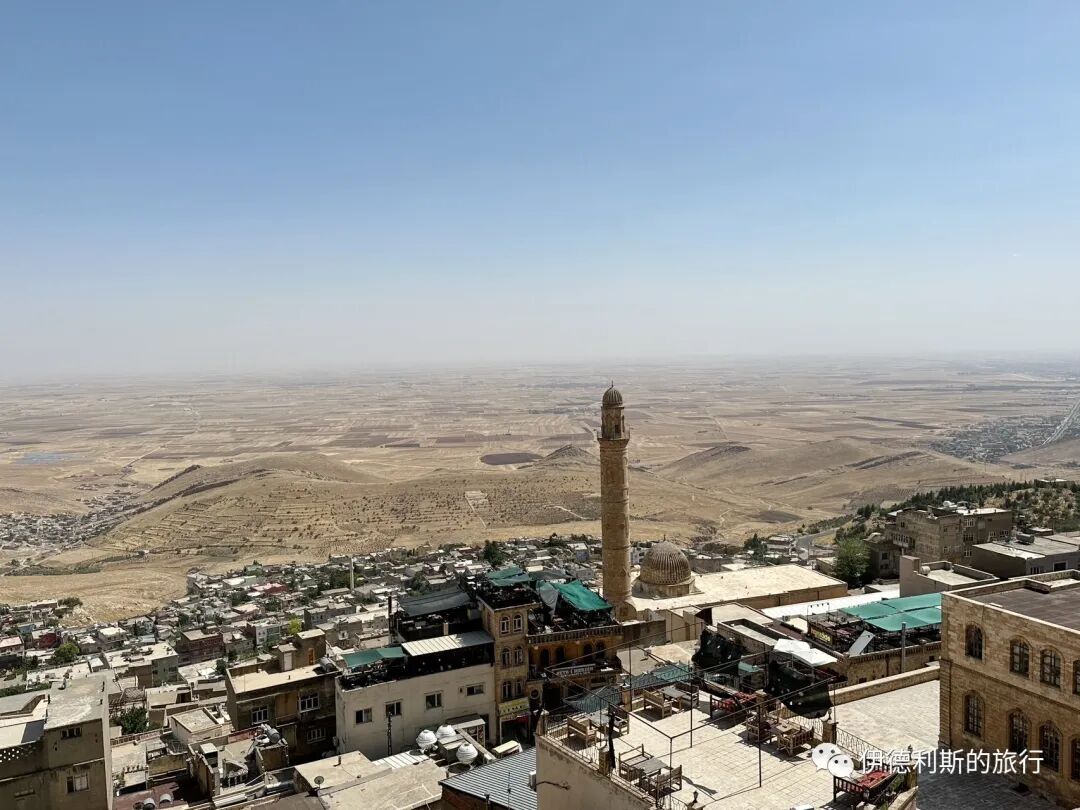
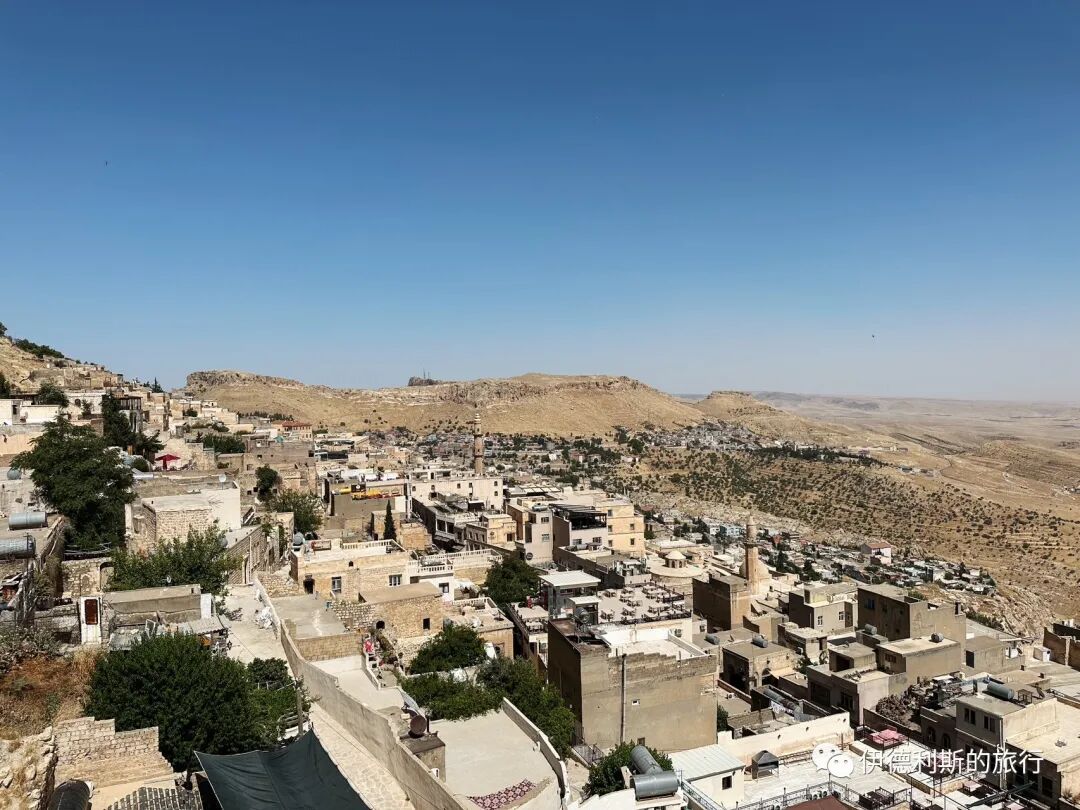
You can clearly see the remaining walls of Mardin Castle from the Zinciriye Madrasa. Mardin Castle is thought to be 3,000 years old, dating back to the Babylonian period. The existing structures were built between the 10th-century Hamdanid dynasty (al-Hamdaniyyun) and the Artuqid dynasty from the 11th to 13th centuries. The Hamdanid dynasty was an Arab tribal dynasty from Mesopotamia. Ottoman Sultan Selim III, who reigned from 1789 to 1807, repaired it, but it fell into disrepair by the early 20th century.
Today, a military radar station occupies the site. The city of Mardin has repeatedly asked the military to leave and open it to tourism. In 2015, former Mardin mayor Ahmet Turk helped launch a campaign called 'Mardin Castle belongs to the people of Mardin' to demand the castle be opened to visitors, but it has not succeeded yet.
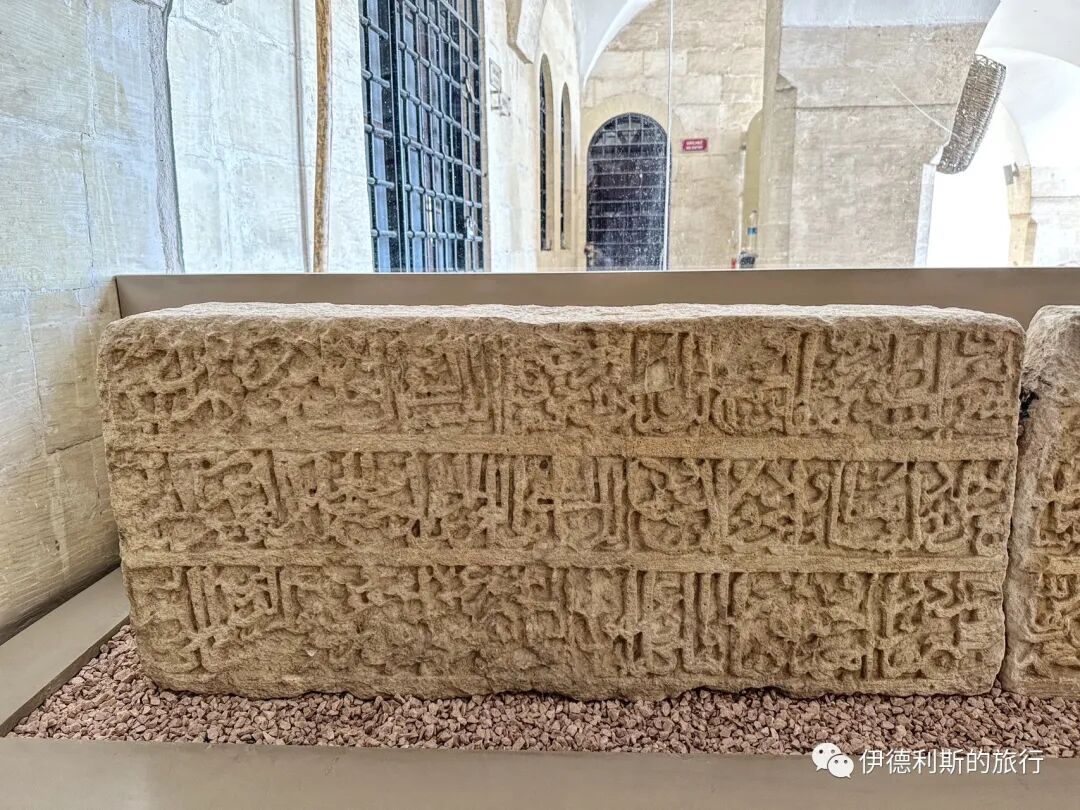
The Mardin Museum holds a stone carving from 1302, found at the gate of Mardin Castle during the Artuqid period. It records the income of the foundation (waqf) that supported the castle's mosque, making it a very precious document.
Abdullatif Mosque
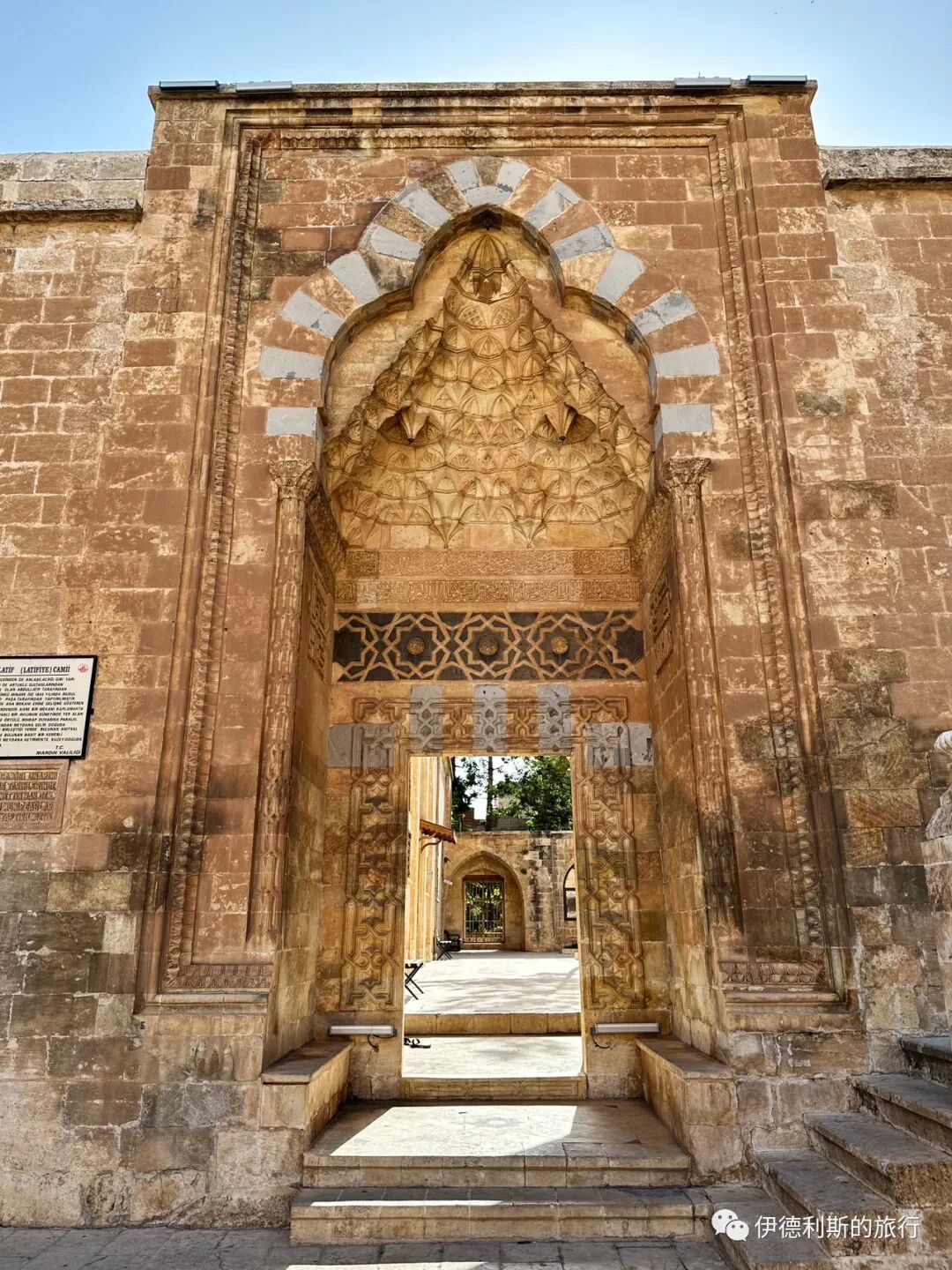
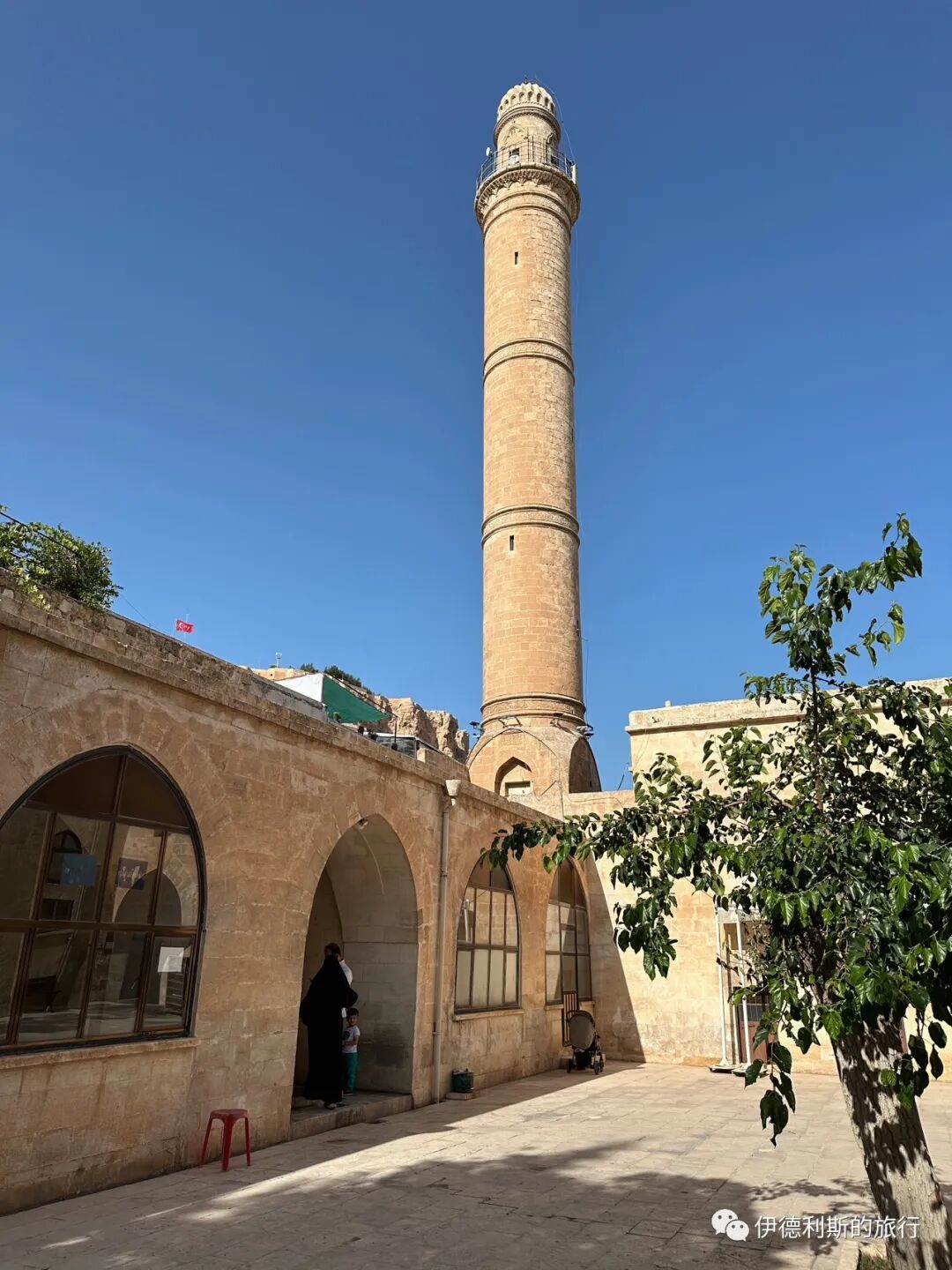
I caught the Dhuhr prayer (namaz) at Abdullatif Mosque. Abdullatif Mosque, also called Latifiye Mosque, was started in 1371 by the Artuqid minister Abdullatif. The minaret was built in 1845 by the Ottoman governor of Mosul, Muhammad Pasha.
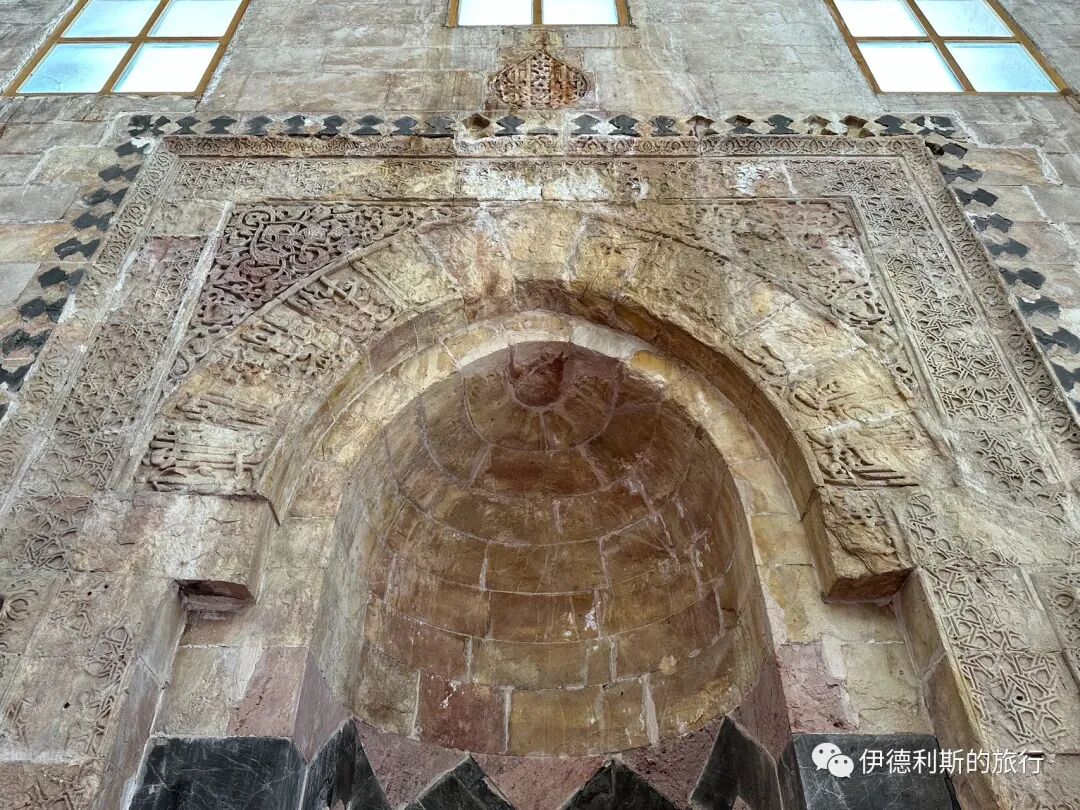
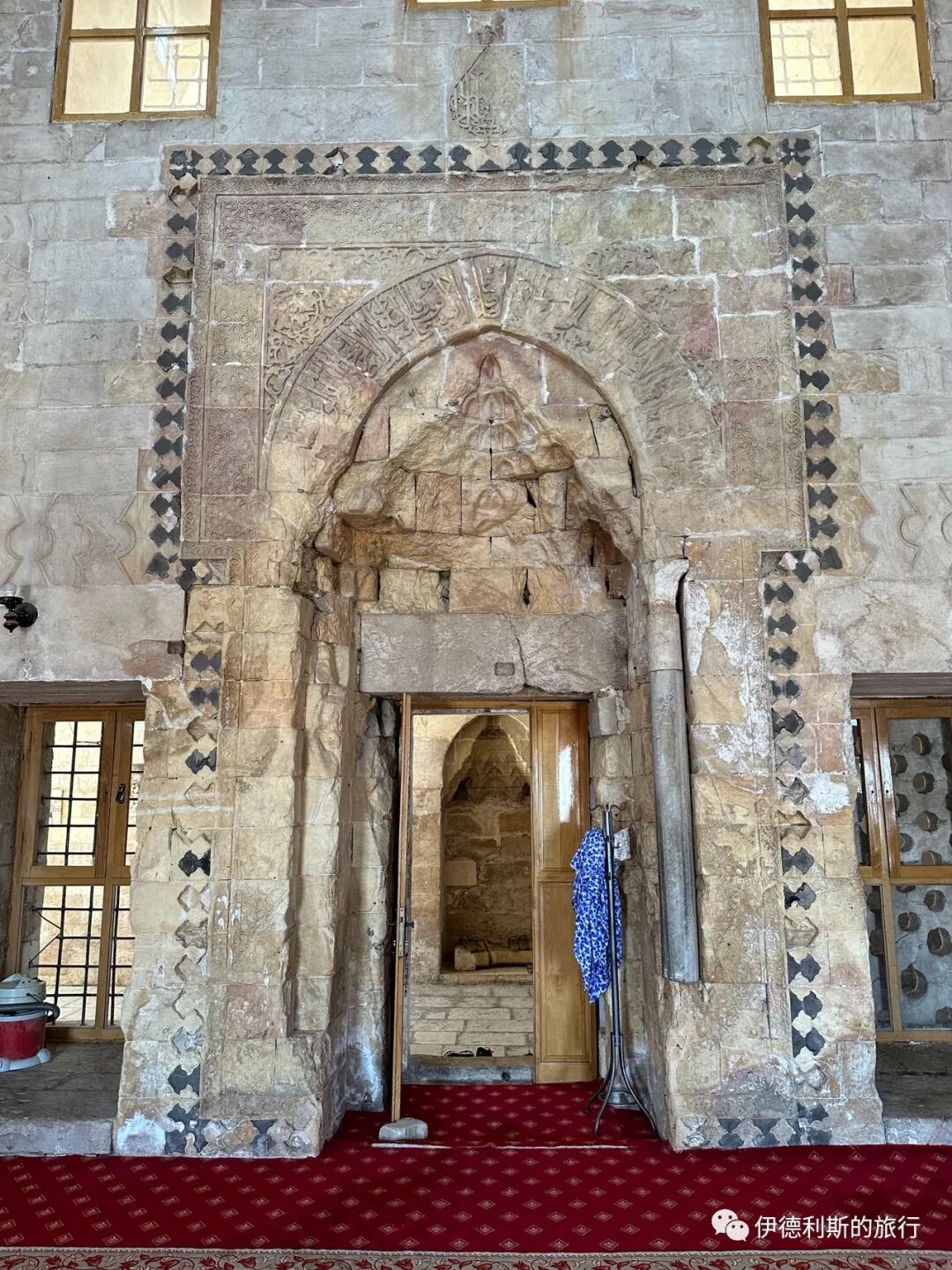
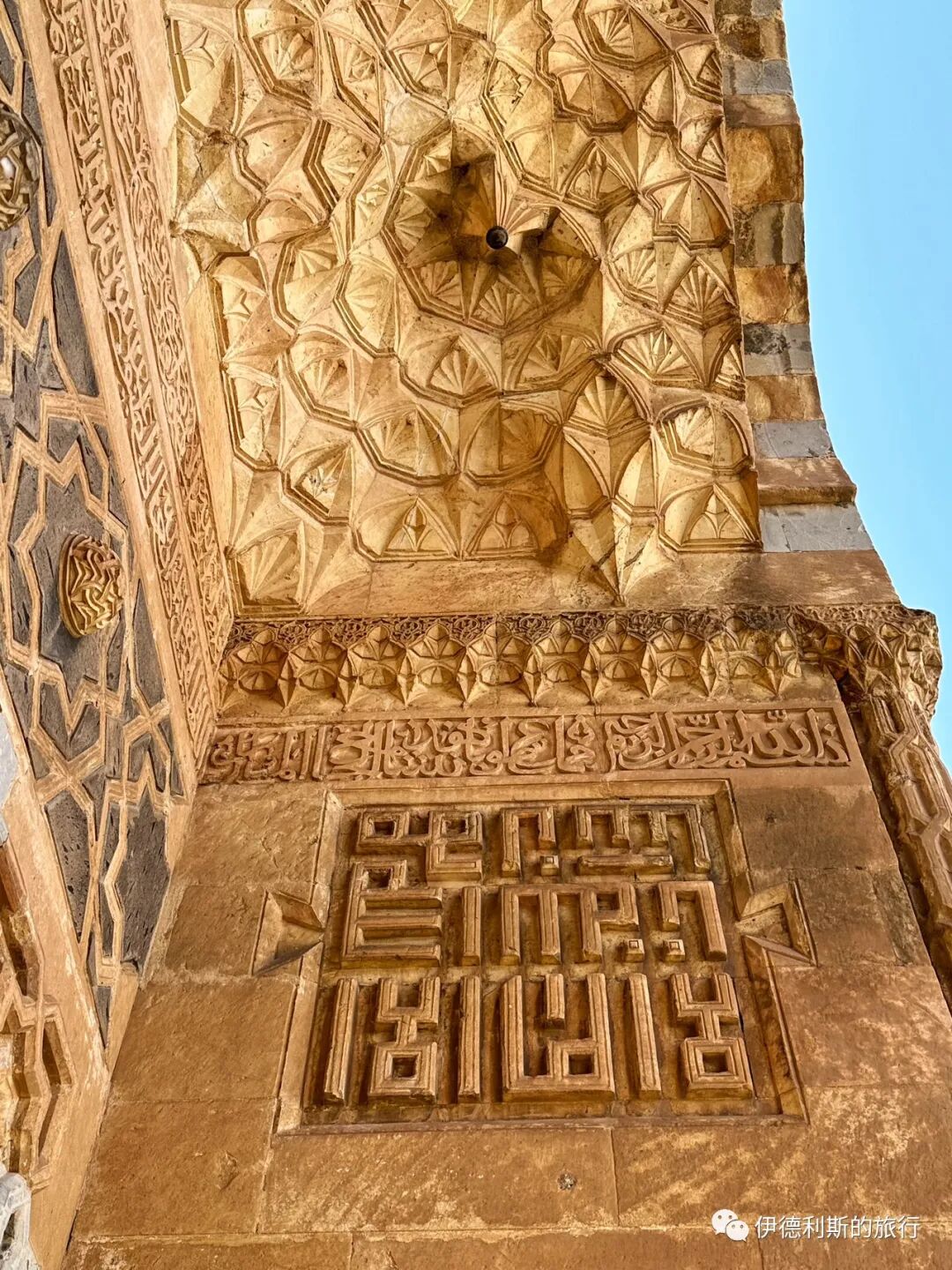
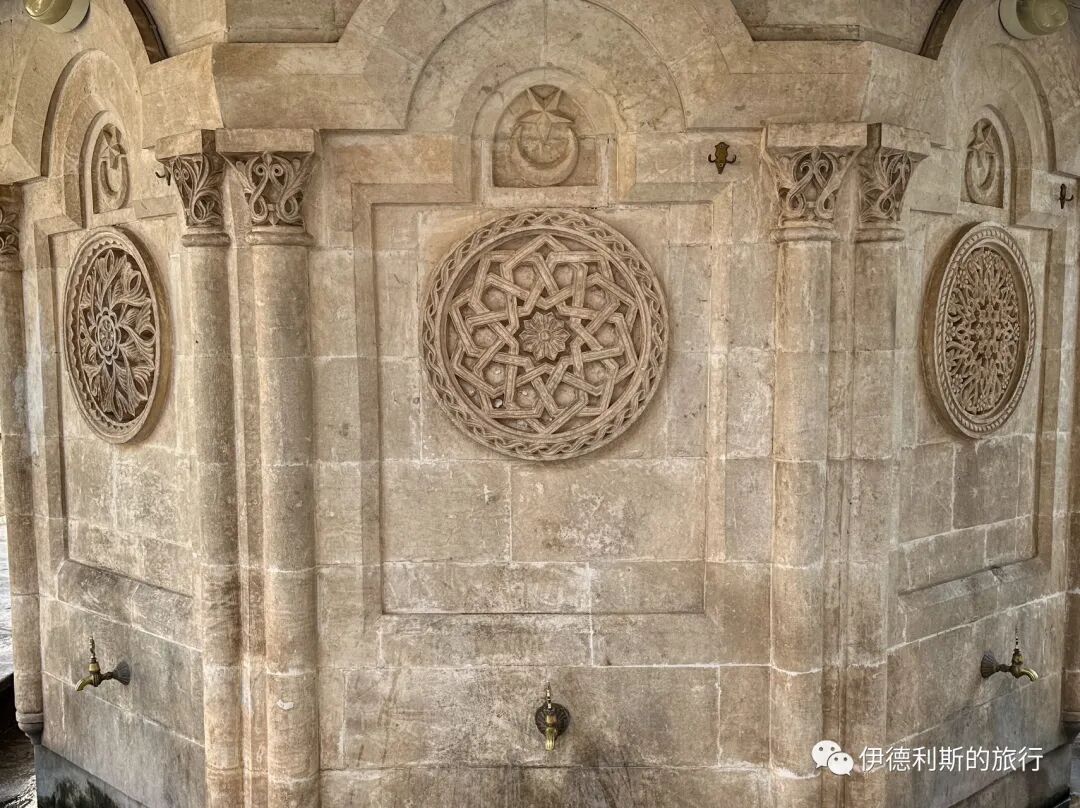
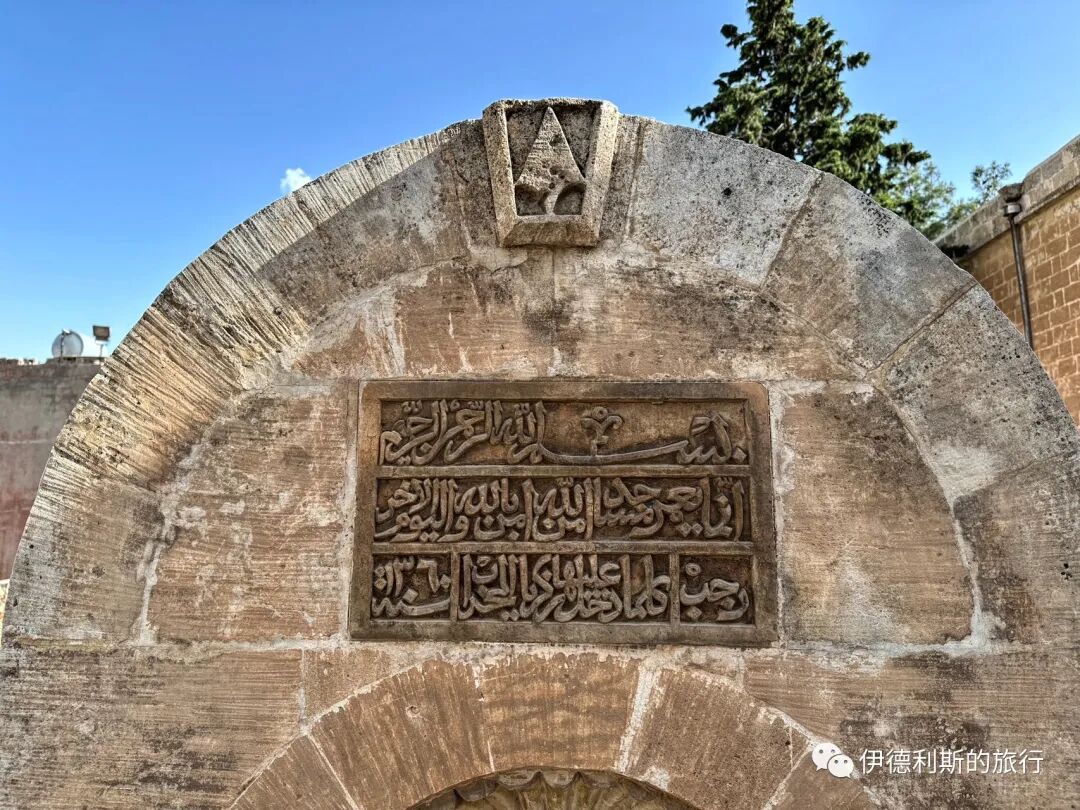
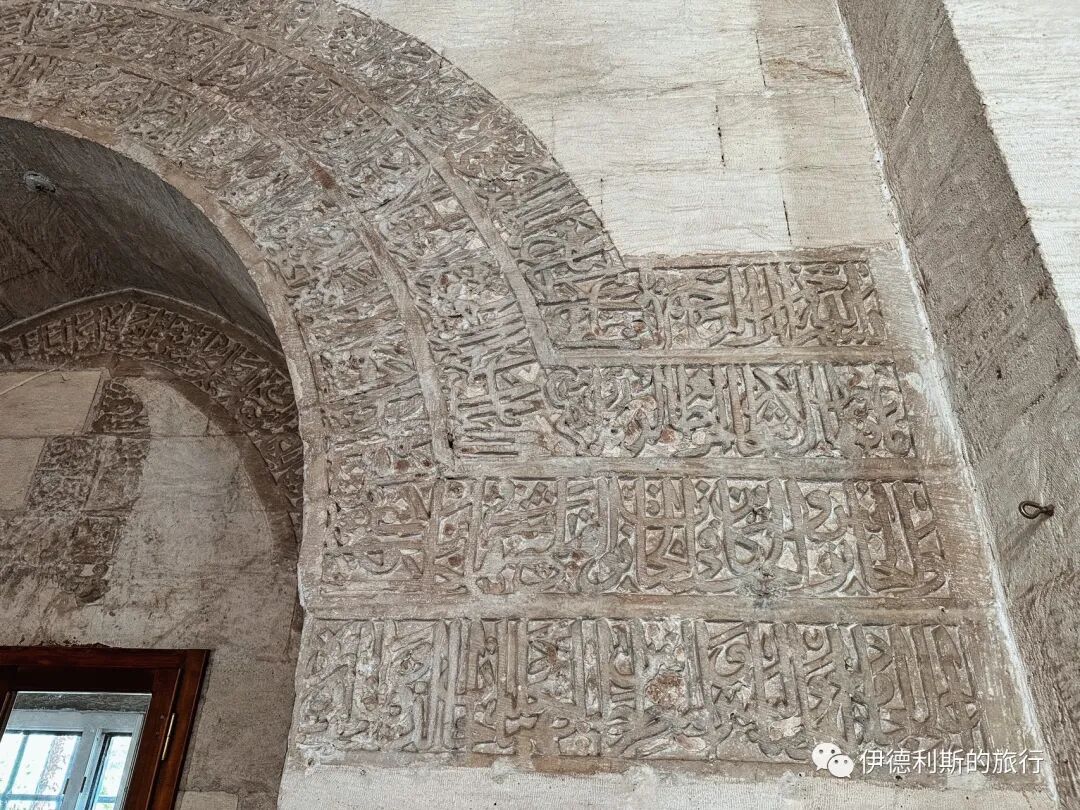
The mosque's gate still looks as it did when it was built in 1371 and is considered the last classic work of the Artuqid dynasty. Below the exquisite stalactite-style vaulted ceiling (muqarnas), the area is decorated with Kufic and Thuluth calligraphy alongside various geometric patterns.
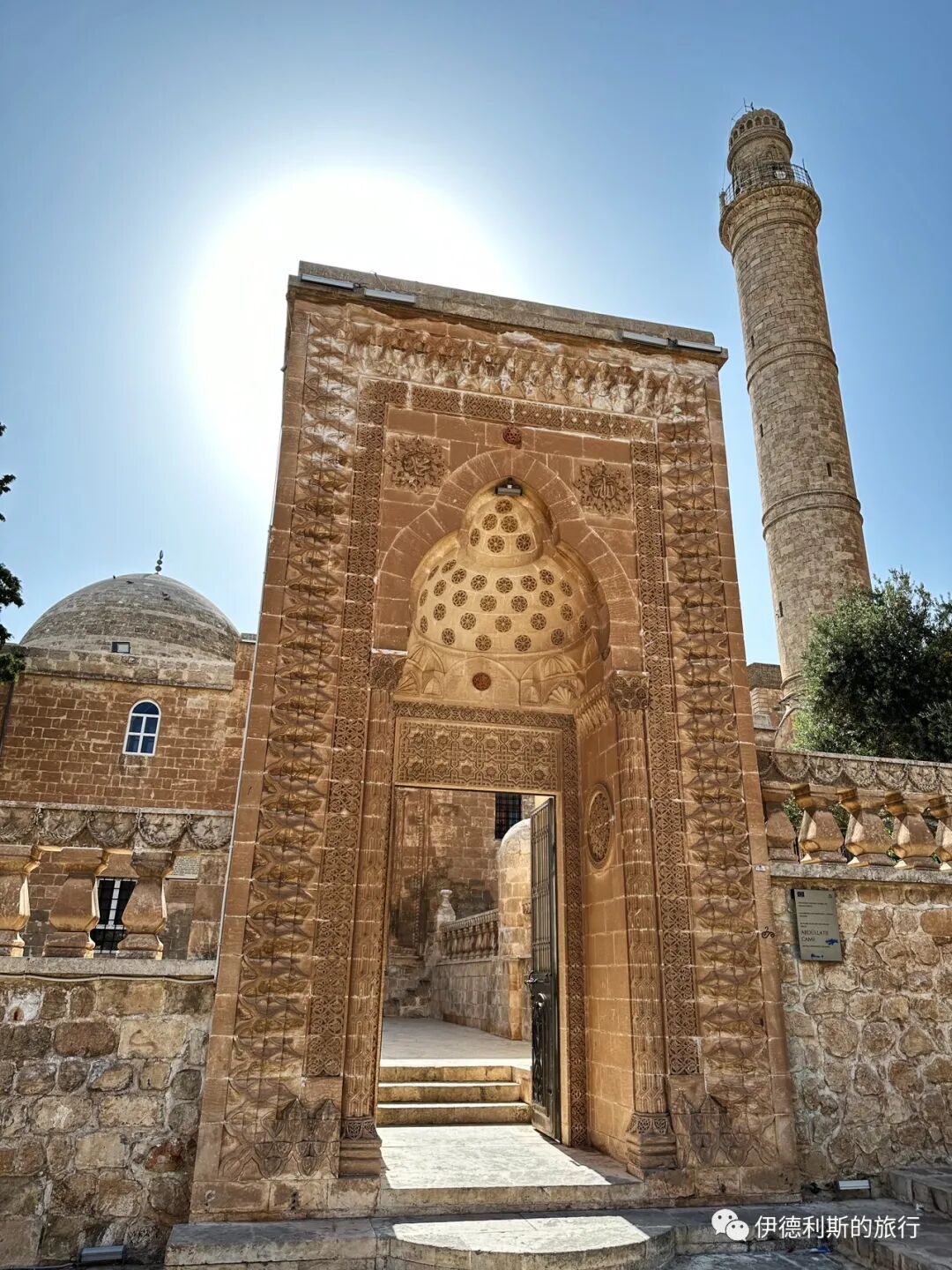
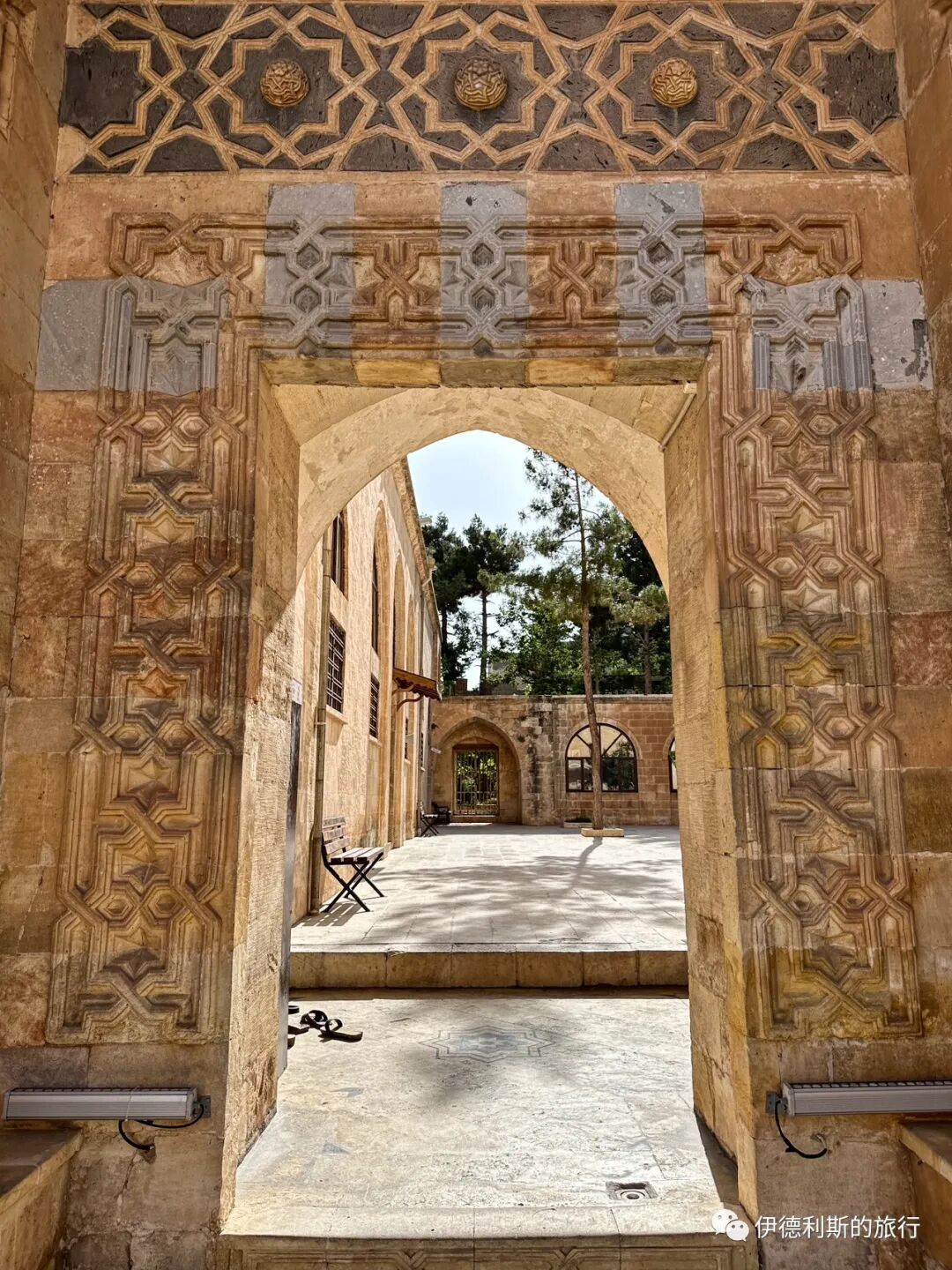
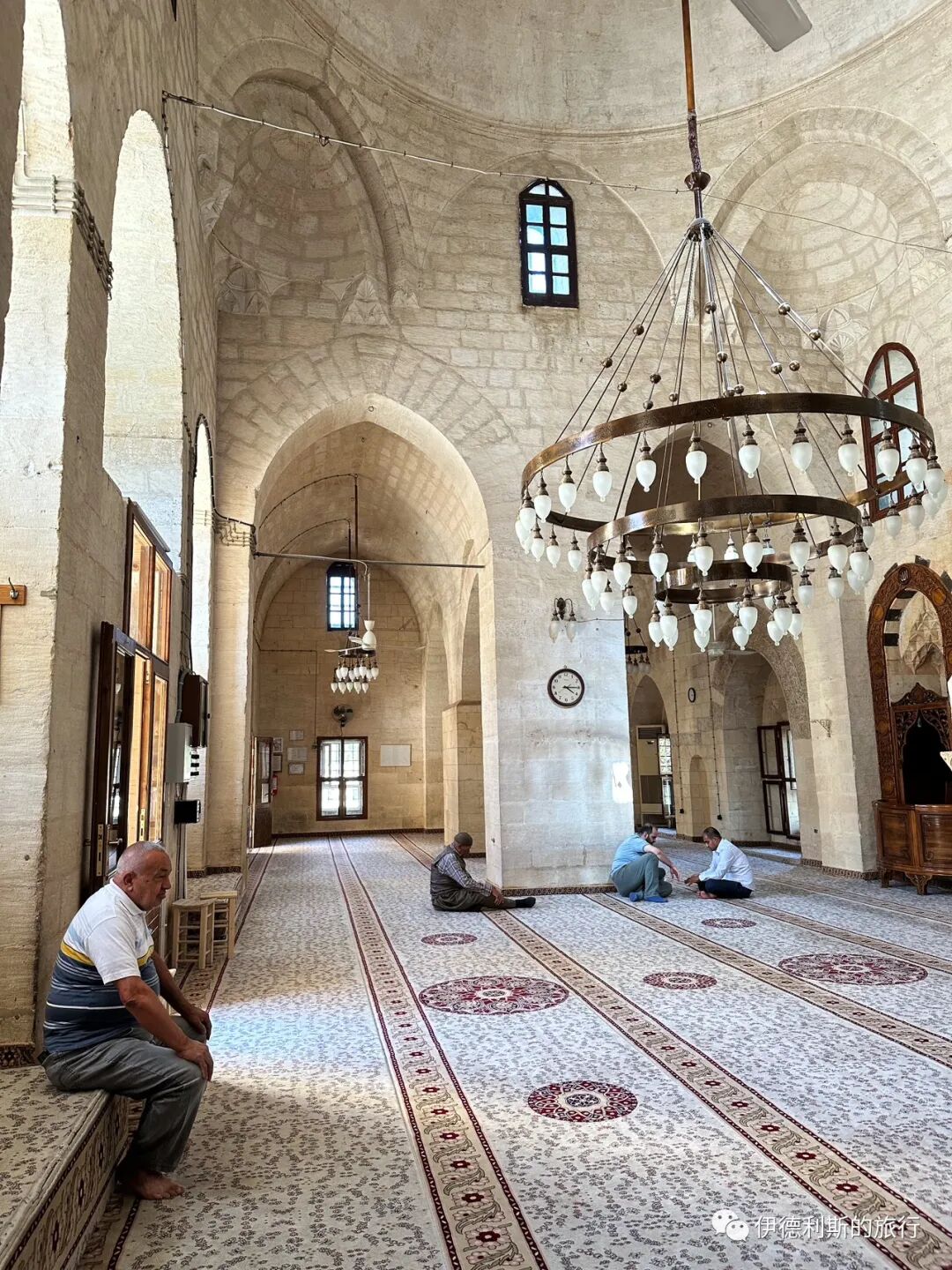
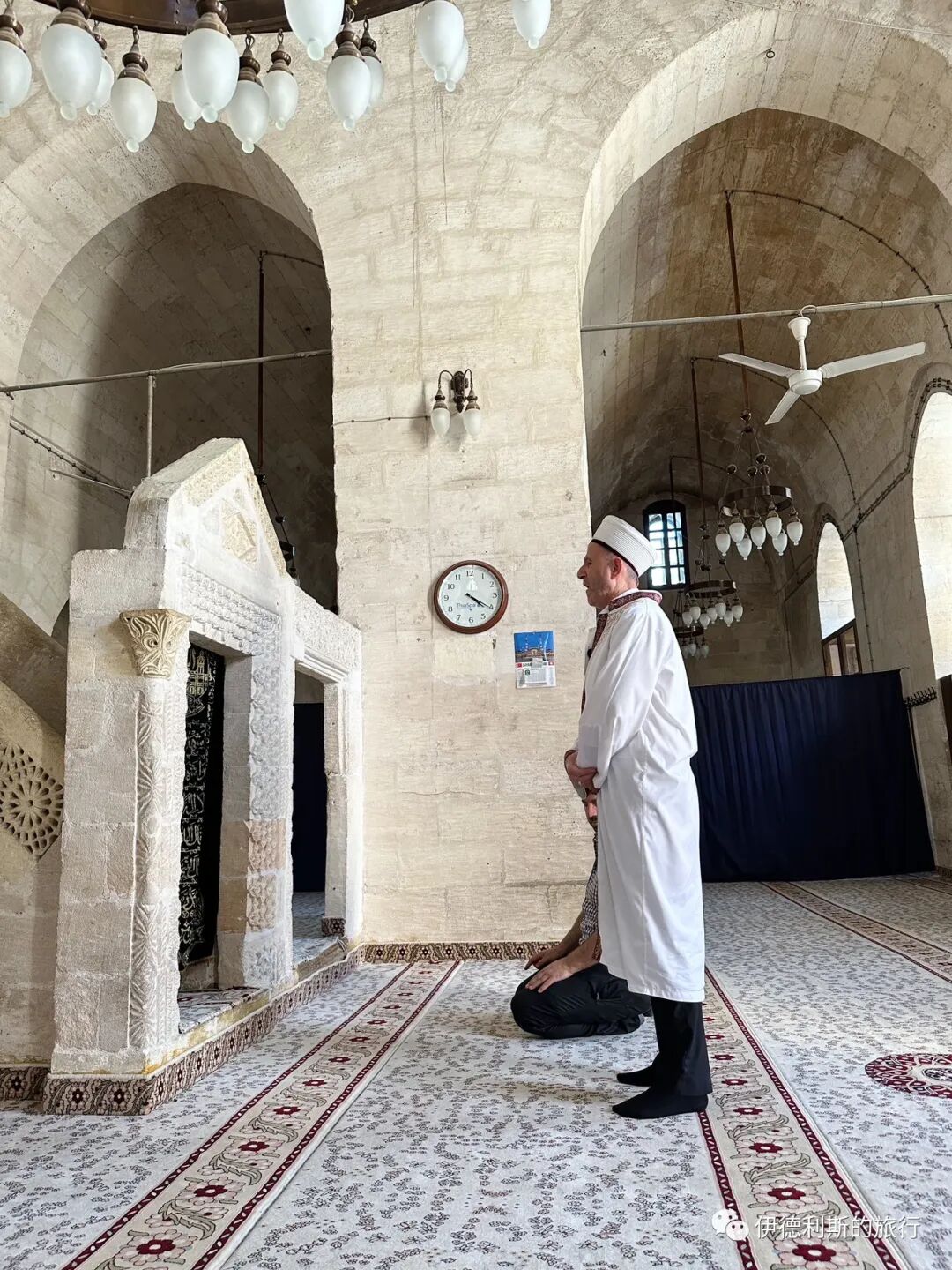
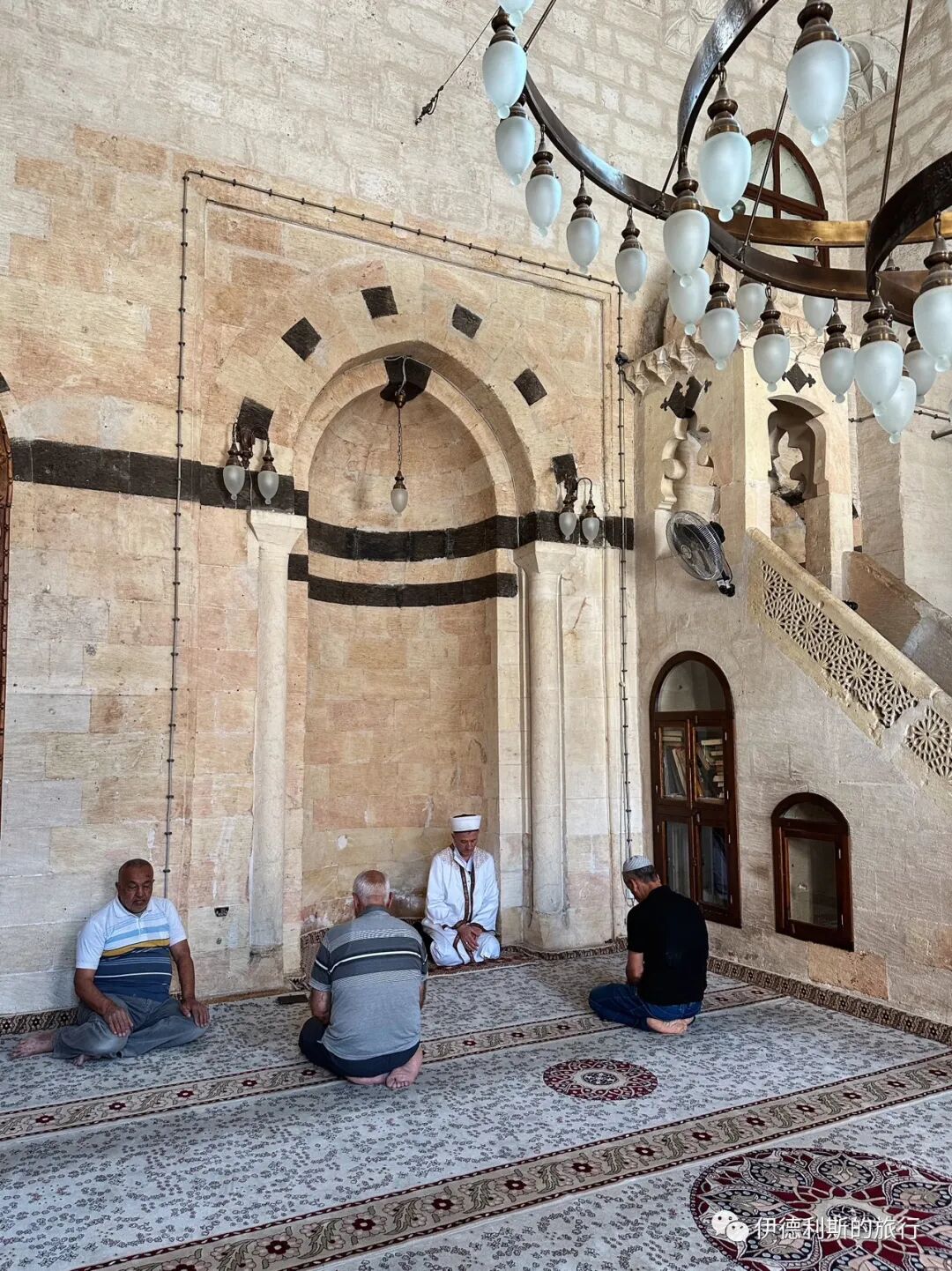
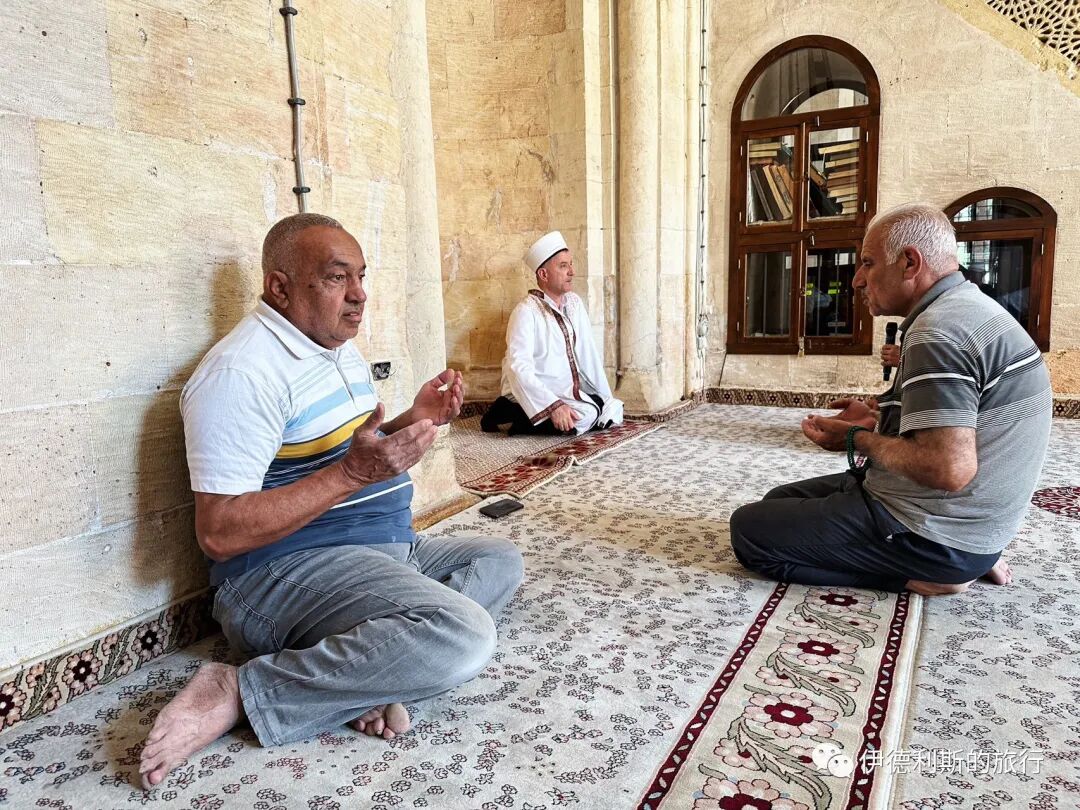
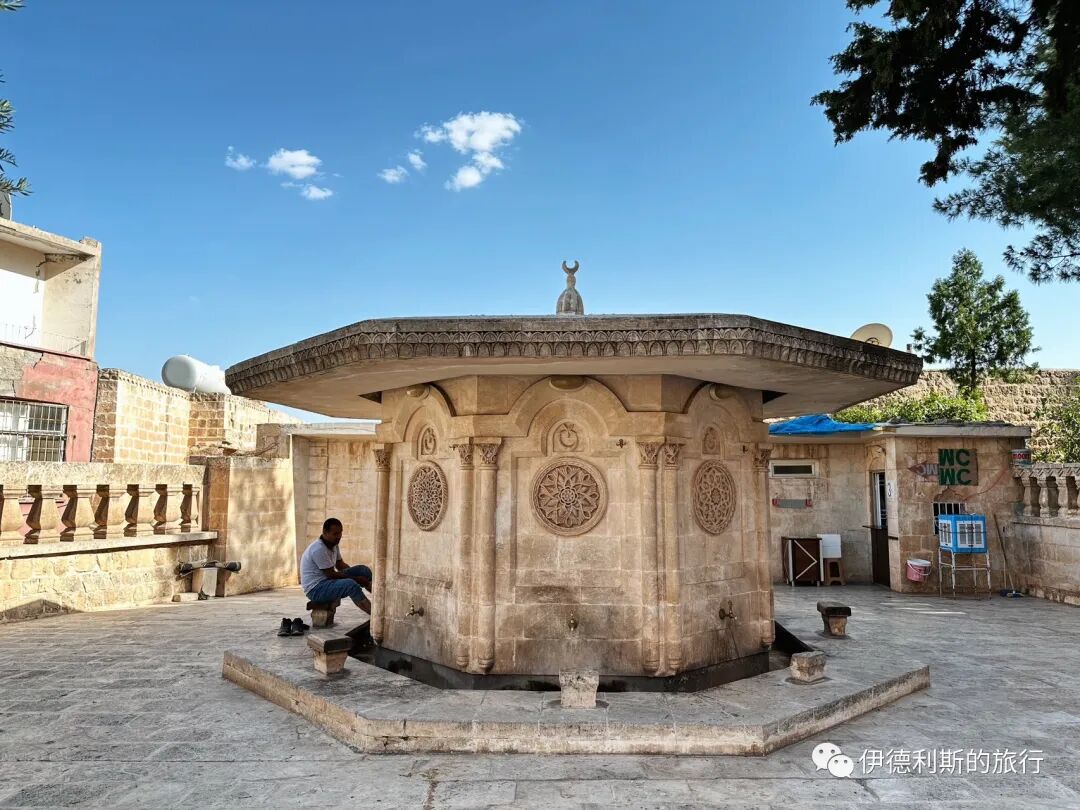
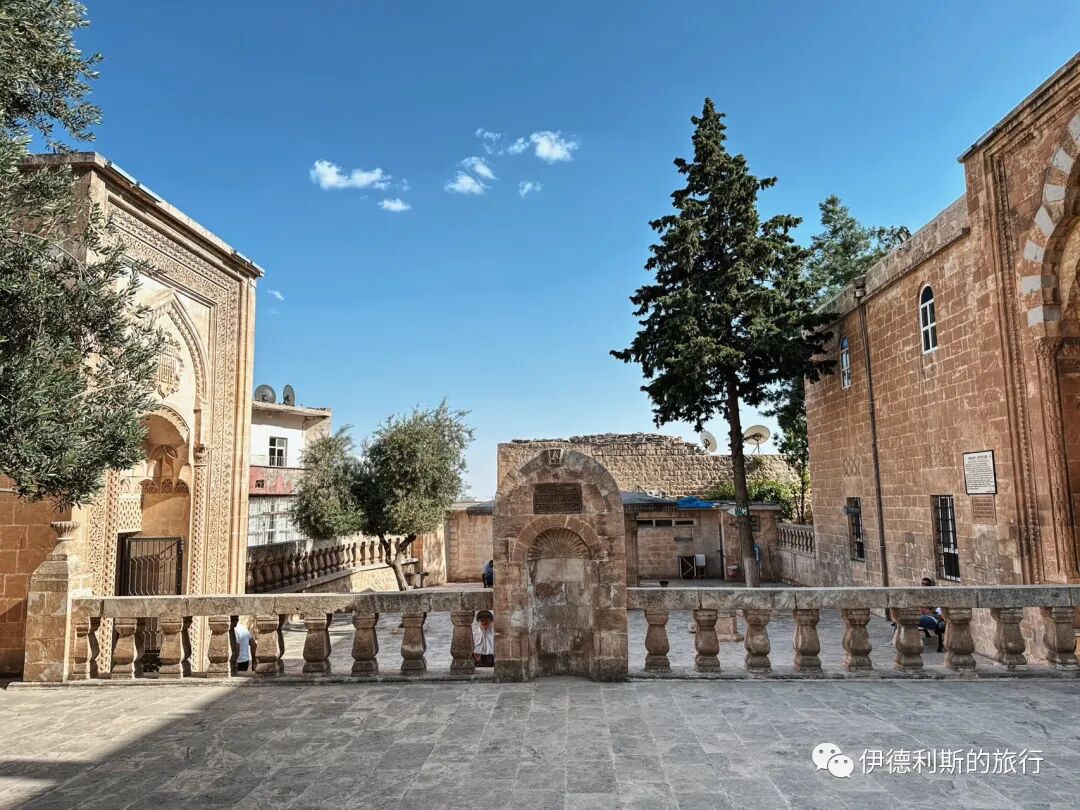
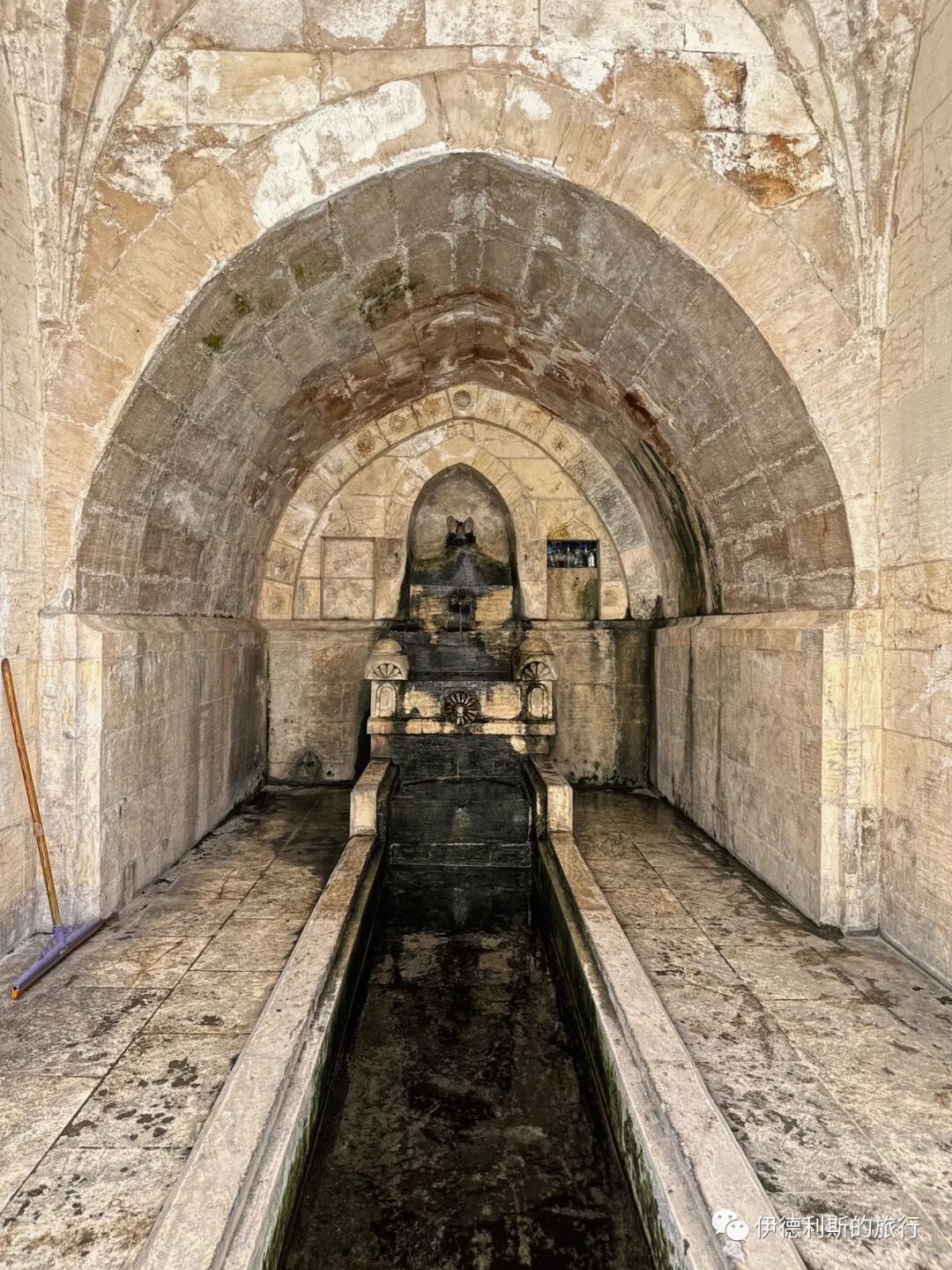
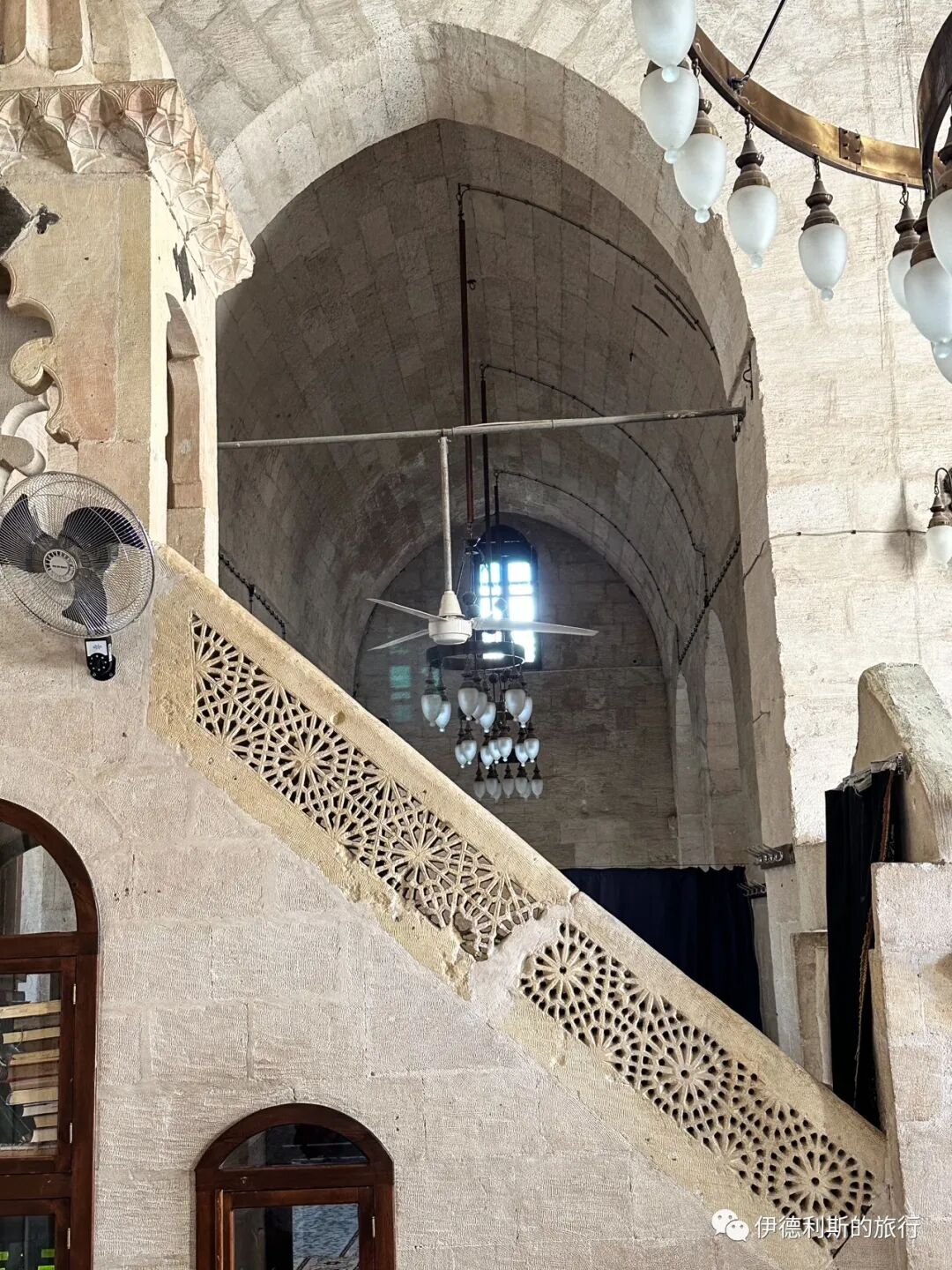
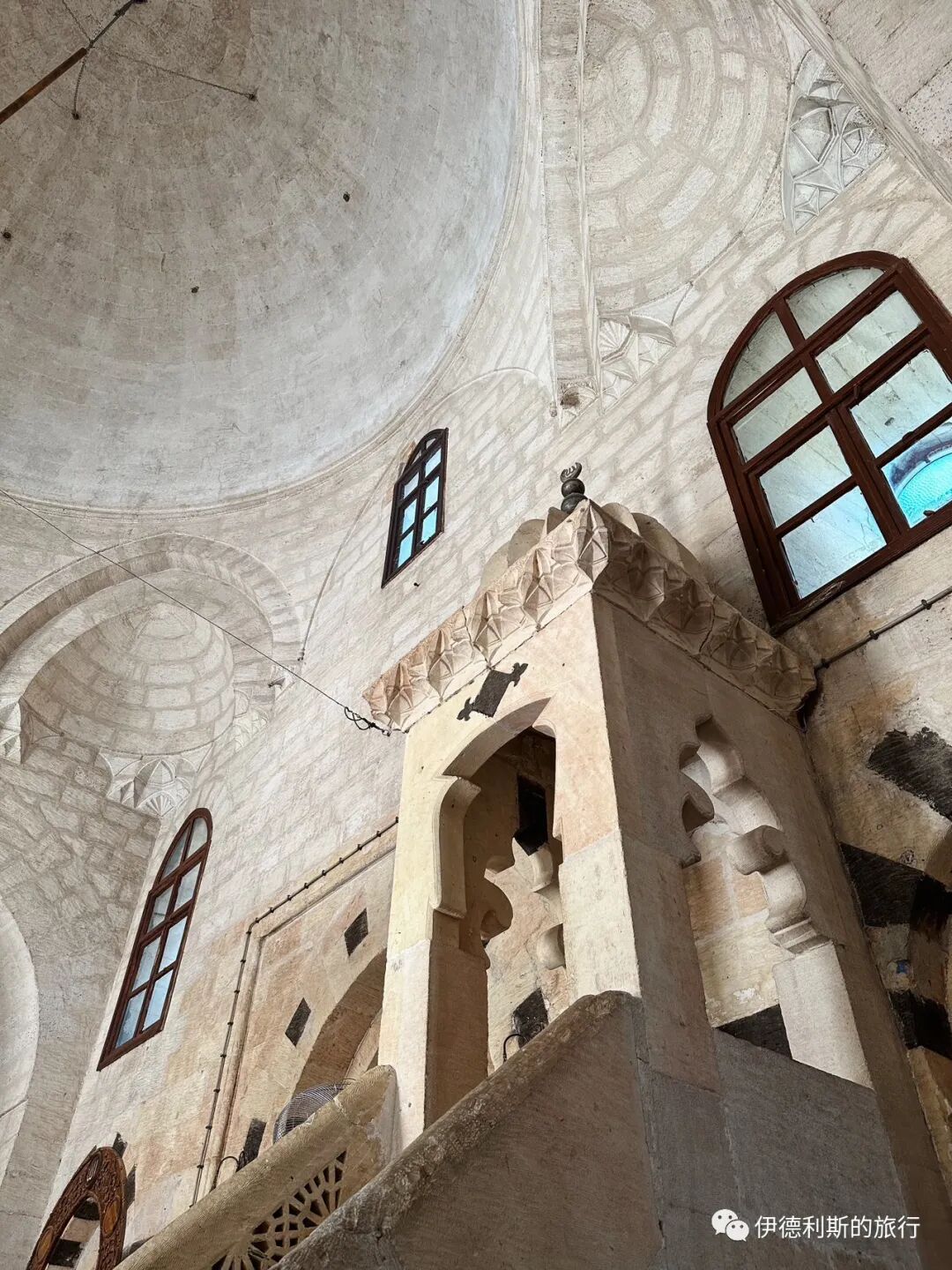
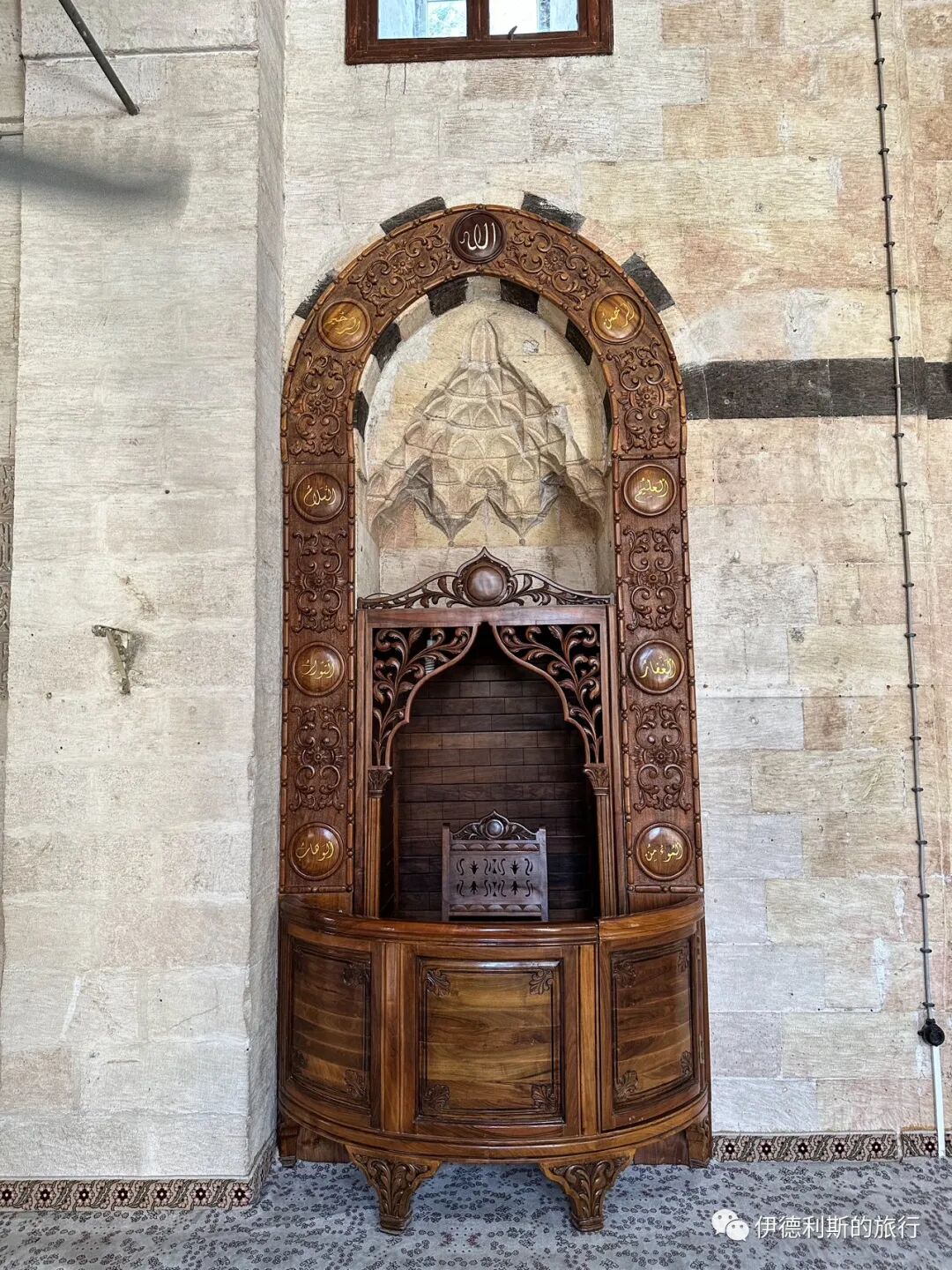
The ablution pool in the outer courtyard of the Abdullatif mosque, the open-air space prepared for dhikr, the fountain pool in the inner courtyard, and the original structural elements on the pulpit (minbar) and the walls of the main prayer hall.
Kasimiye Madrasa
Kasimiye Madrasa, also known as Kasim Pasha Madrasa, sits on a hillside in the western suburbs of the old city of Mardin. Construction began under Al-Zahir Majd al-Din 'Isā (reigned 1376–1407), the second-to-last sultan of the Artuqid dynasty, but it was left unfinished due to the invasion of the Timurid Empire. It was finally completed at the end of the 15th century by the Black Sheep Turkmen (Qara Qoyunlu) sultan Kasim ibn Cihangir (reigned 1487–1507).
Kasimiye Madrasa was the most powerful school in Mardin's history. It taught not only religious studies but also medicine, astronomy, mathematics, and other sciences. The madrasa stayed open until 1924, when all madrasas in Turkey were closed. Today, it is a famous tourist spot in Mardin. It attracts many visitors and is a beautiful place where many young couples come to take wedding photos.
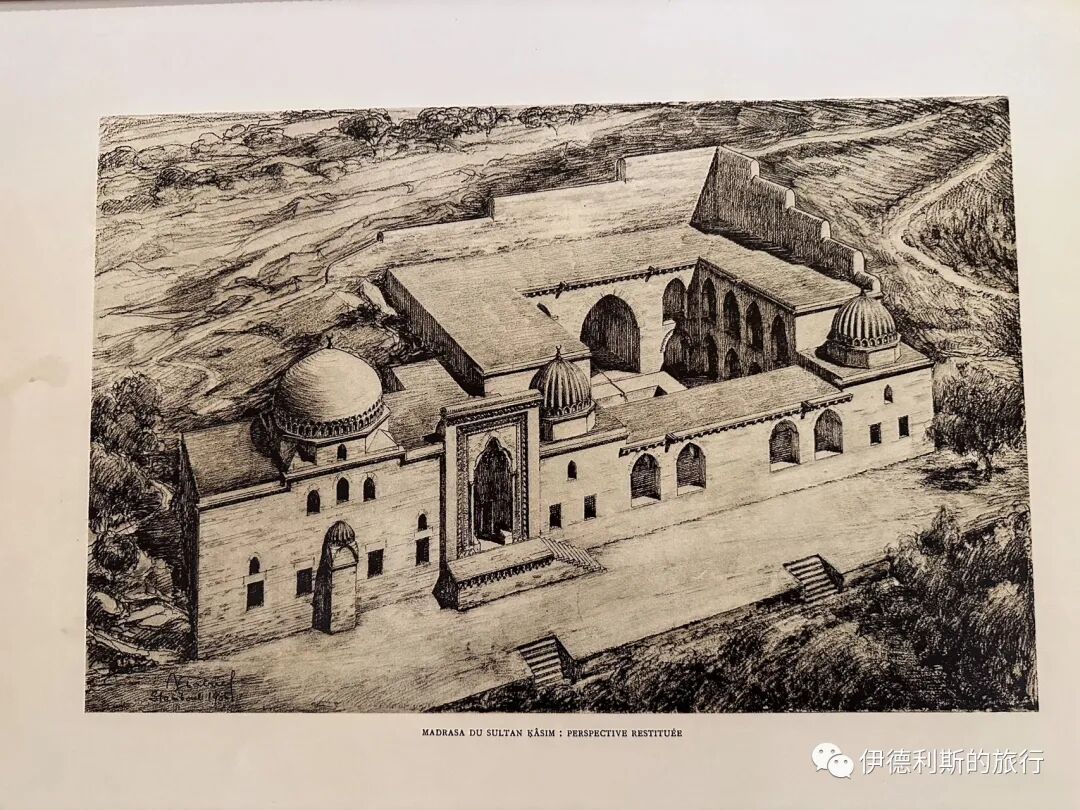
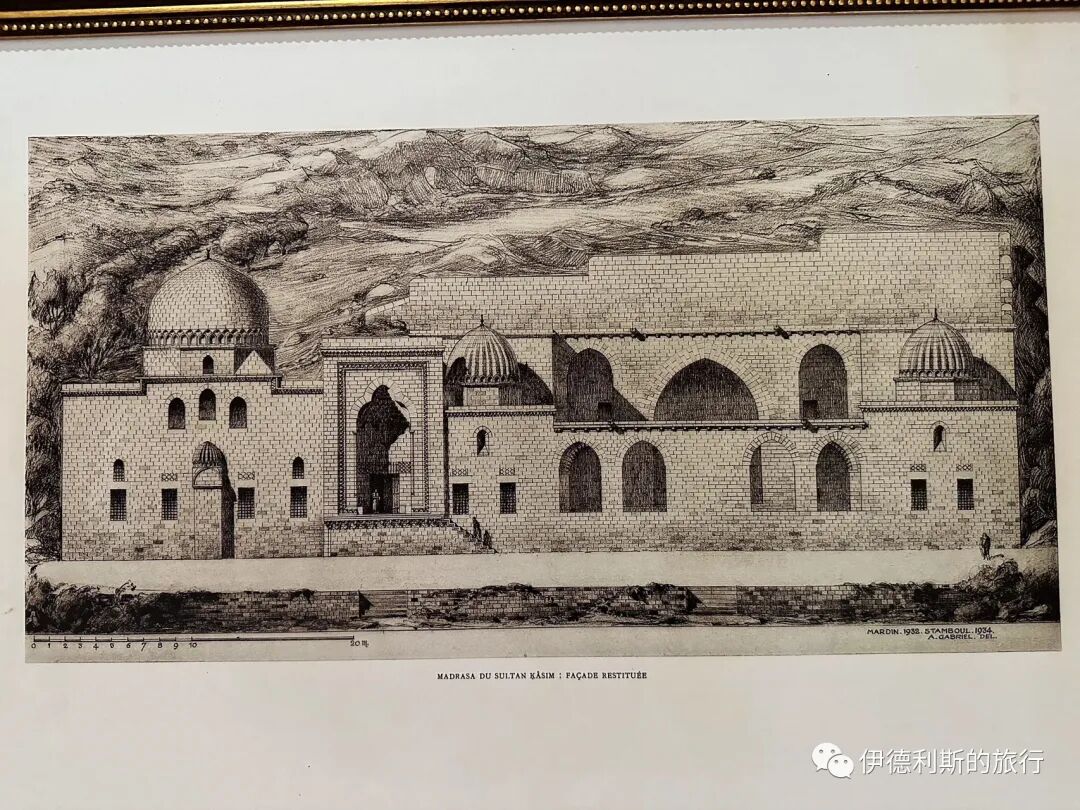
The madrasa has a rectangular structure with a vaulted dome on each side—one for the mosque and one for the tomb. In the middle is a courtyard surrounded by two floors of classrooms. The central fountain pool is the classic Mardin "Fountain of Life," which symbolizes the journey from birth through childhood, youth, and old age, finally reaching the Day of Judgment. The classroom doors are only one meter high. This design forces students to bow respectfully to their teachers as they enter.
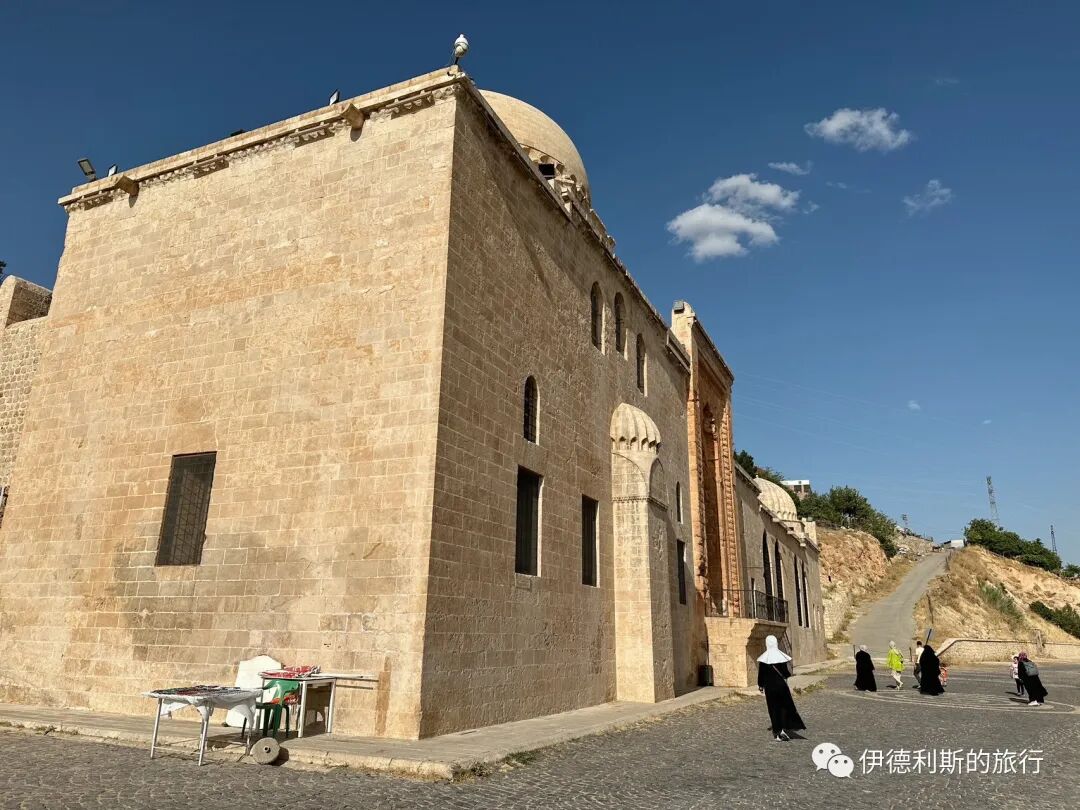
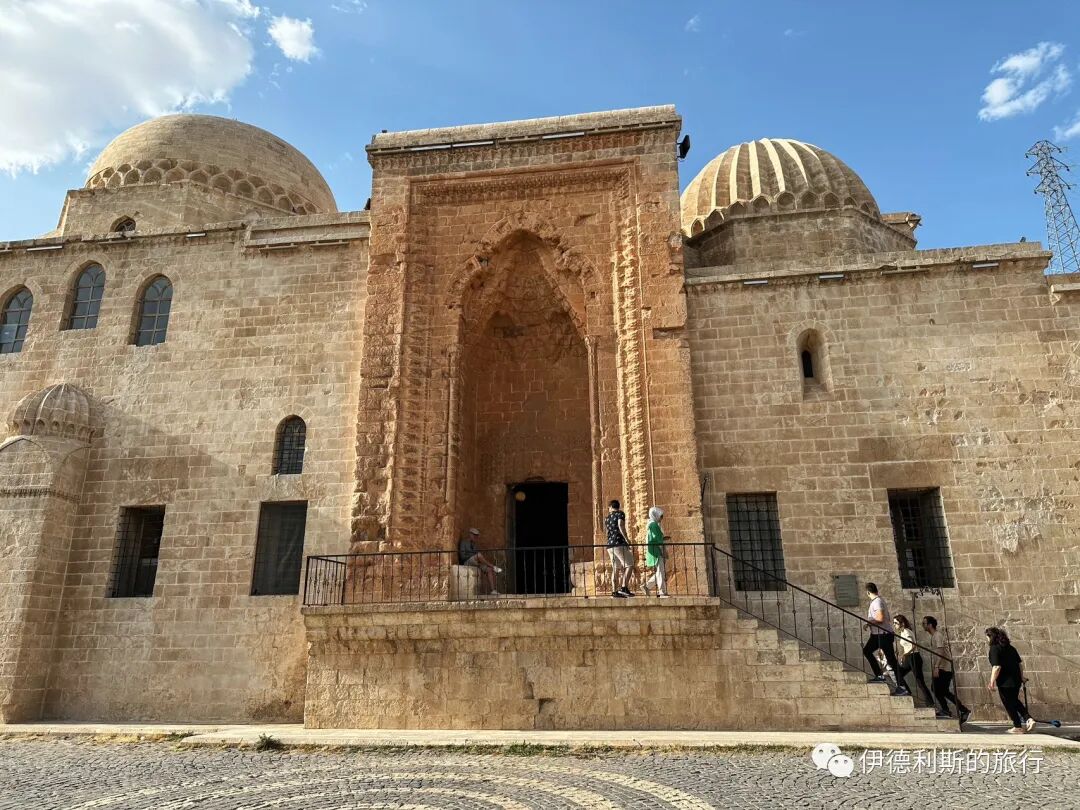
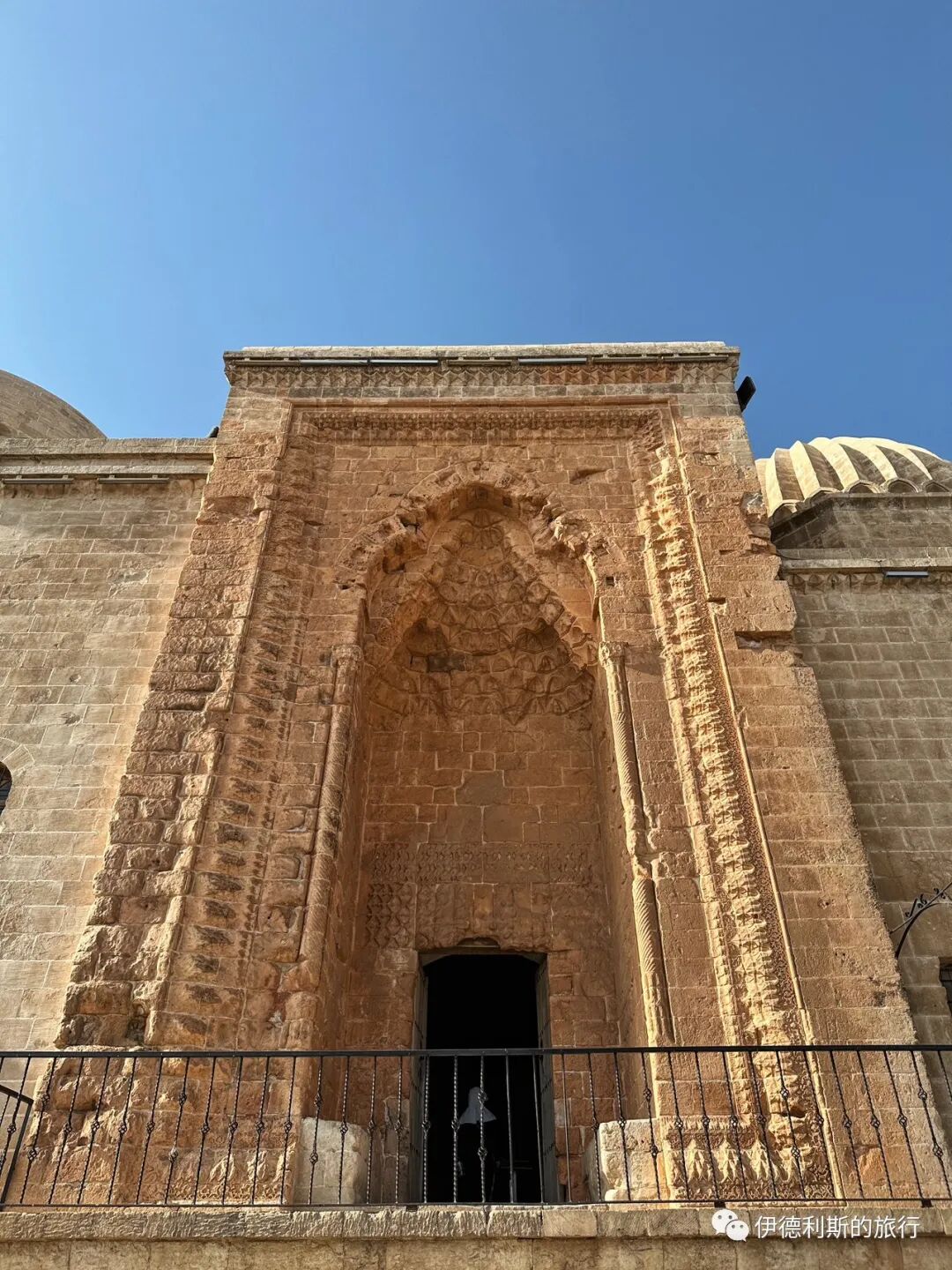
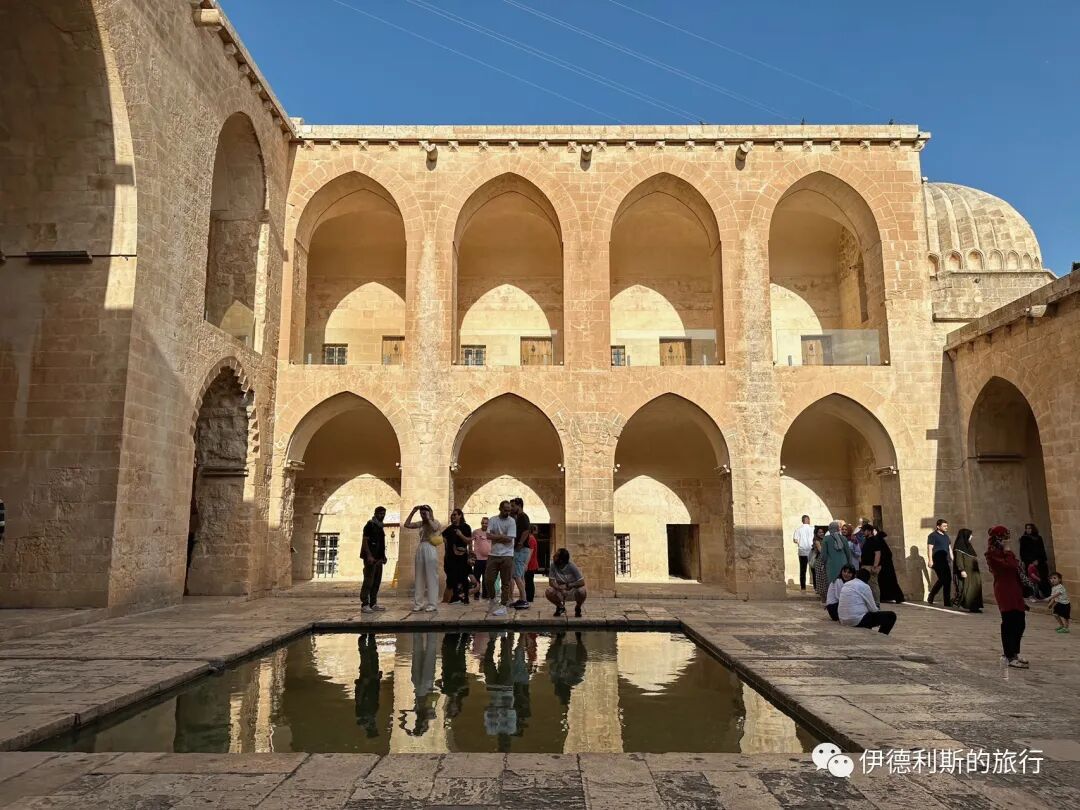
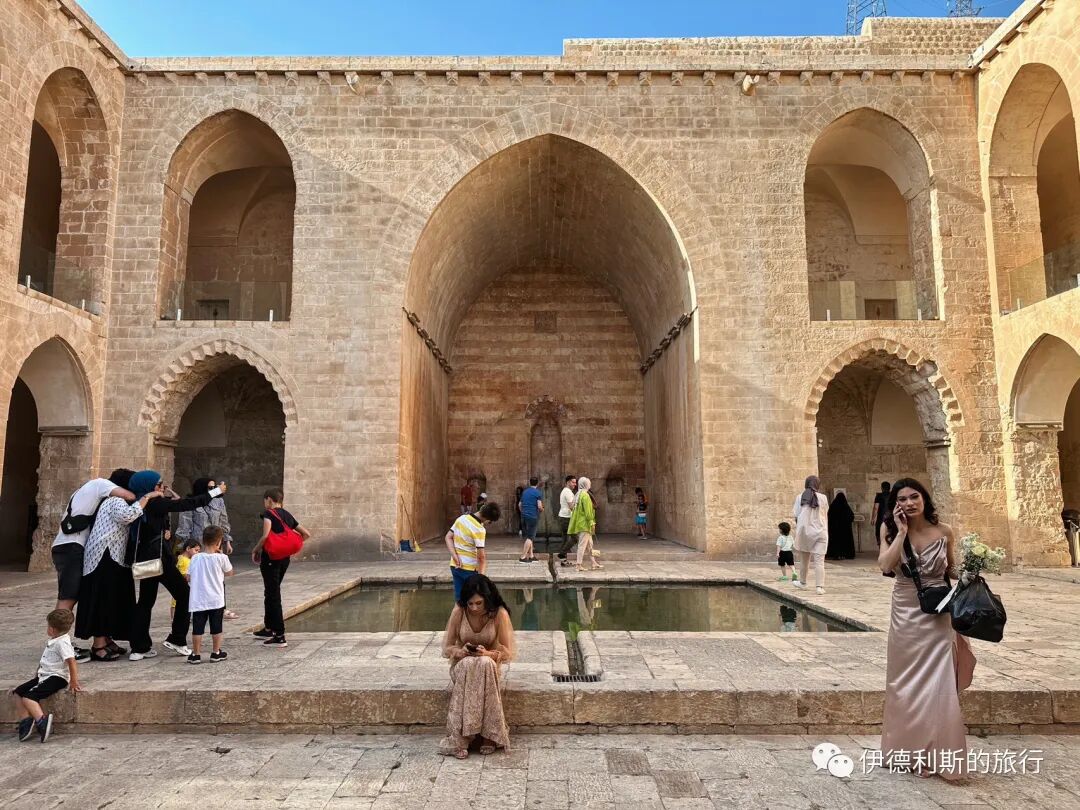
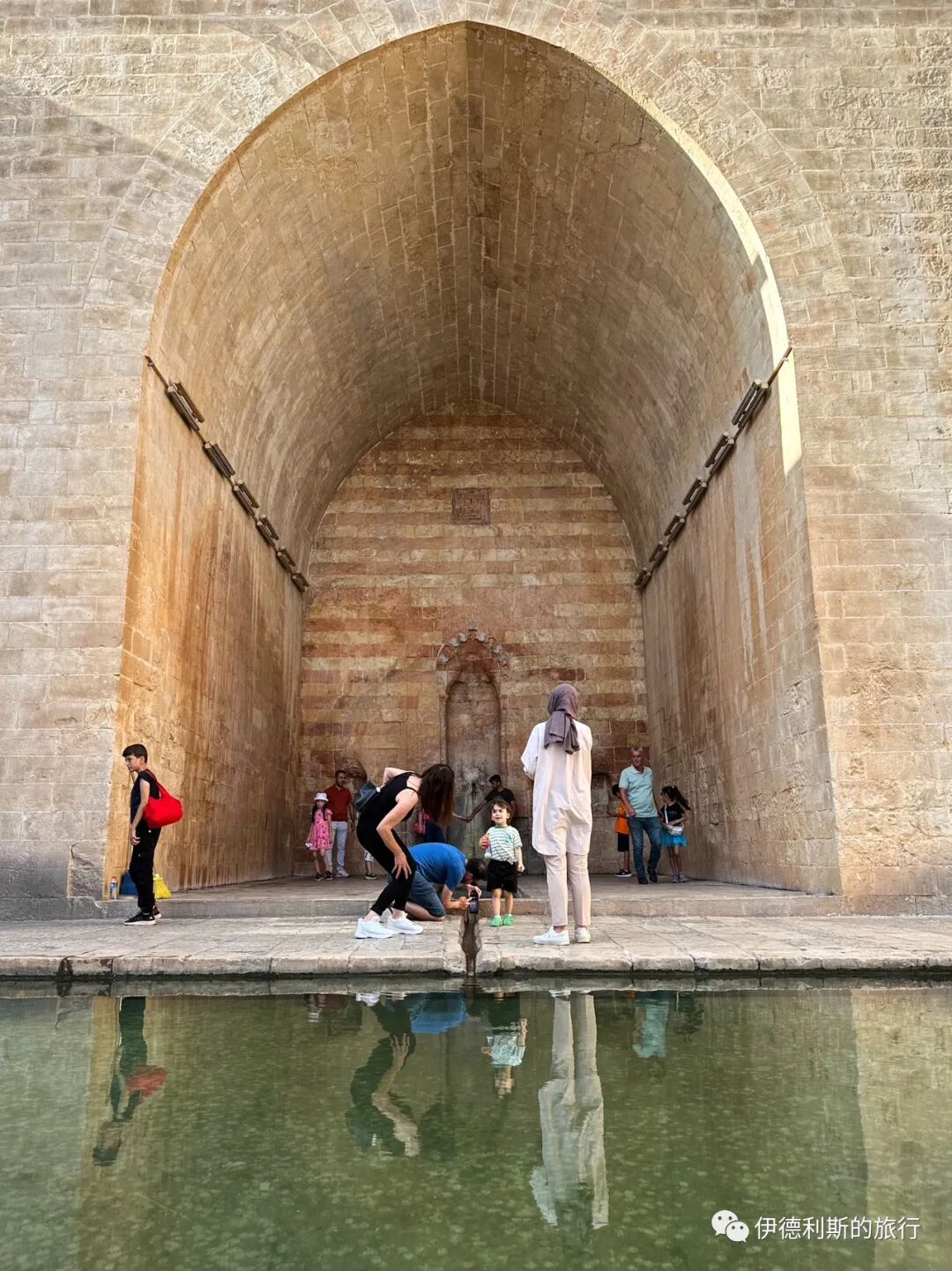
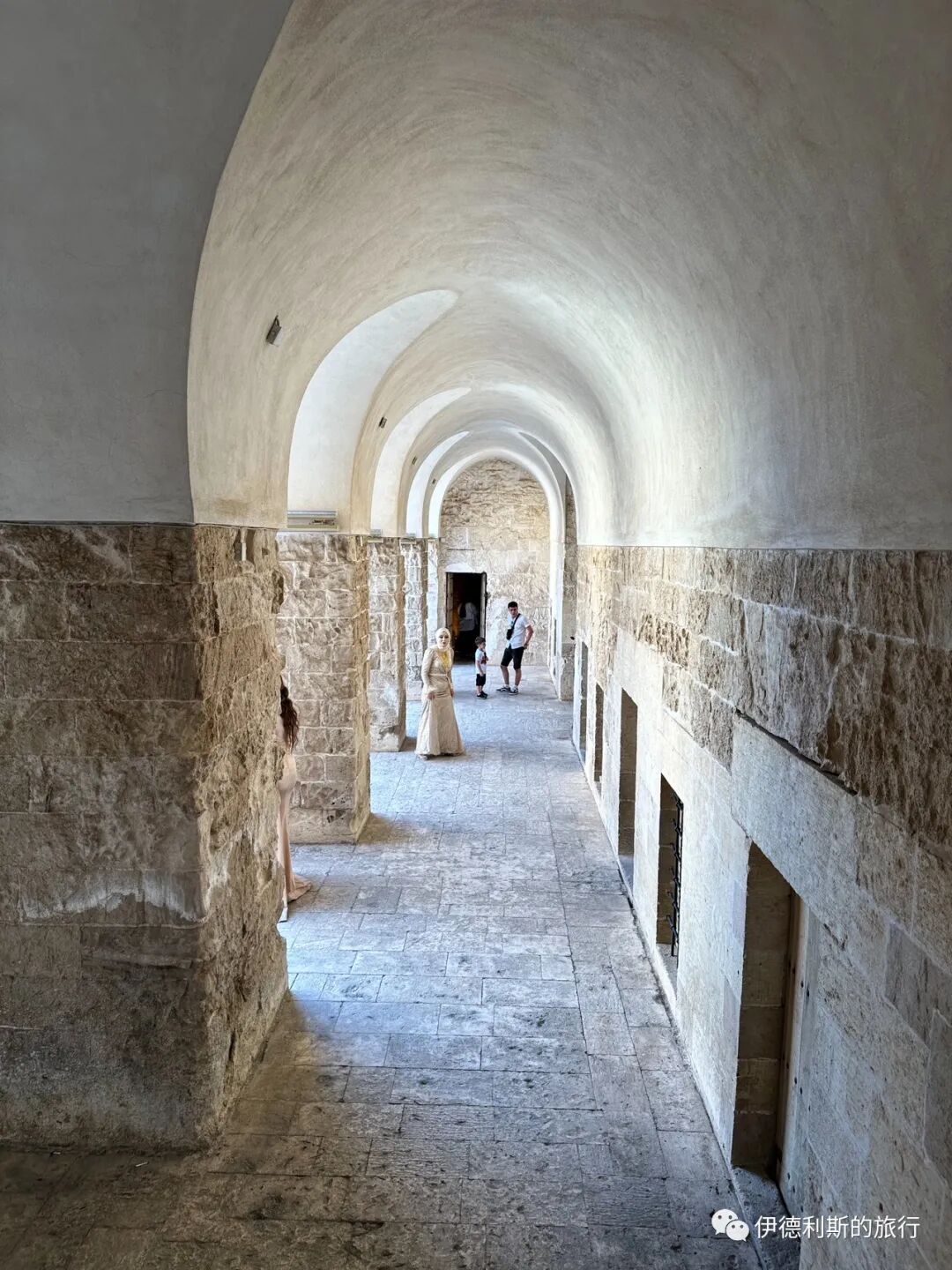
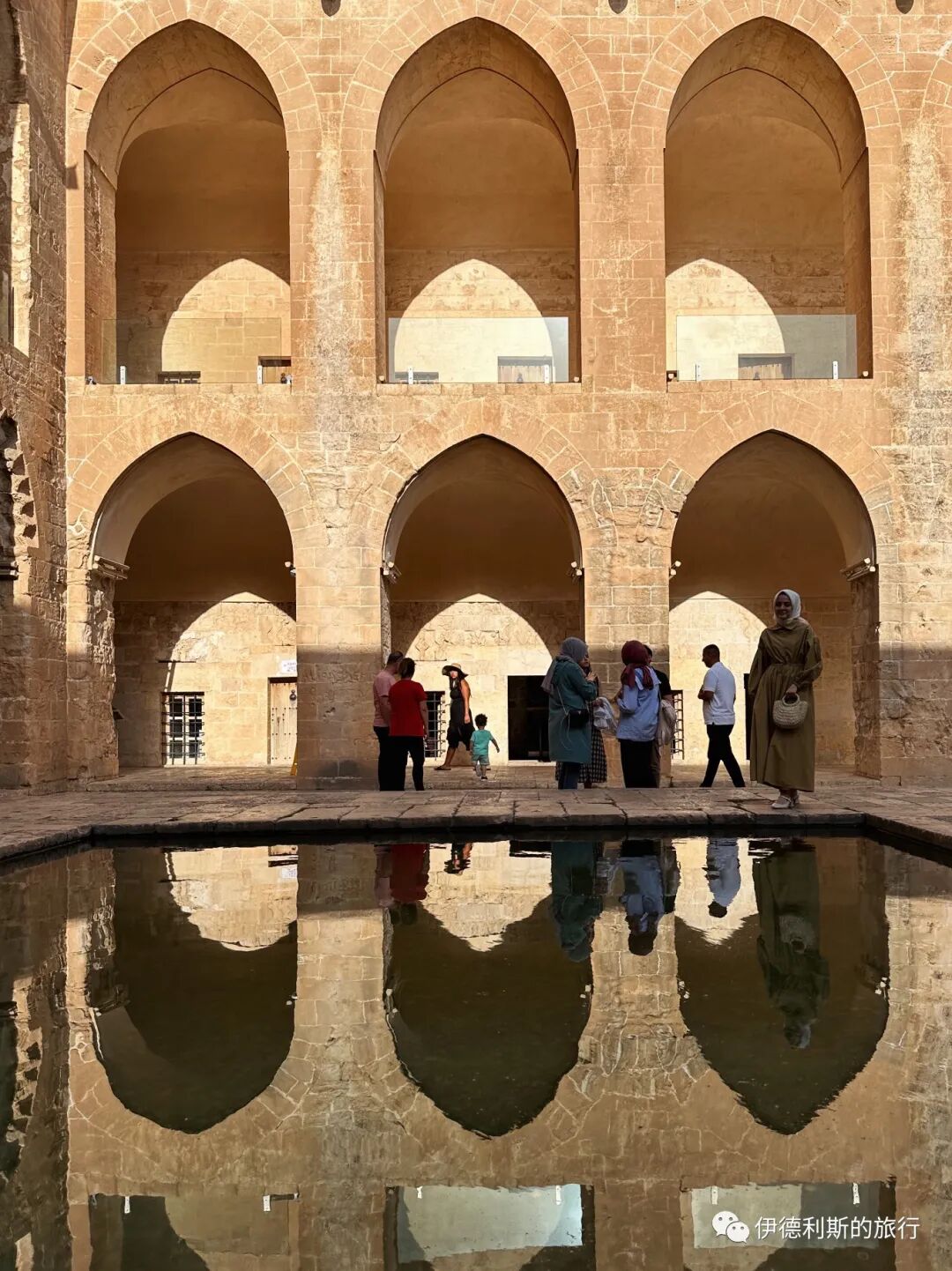
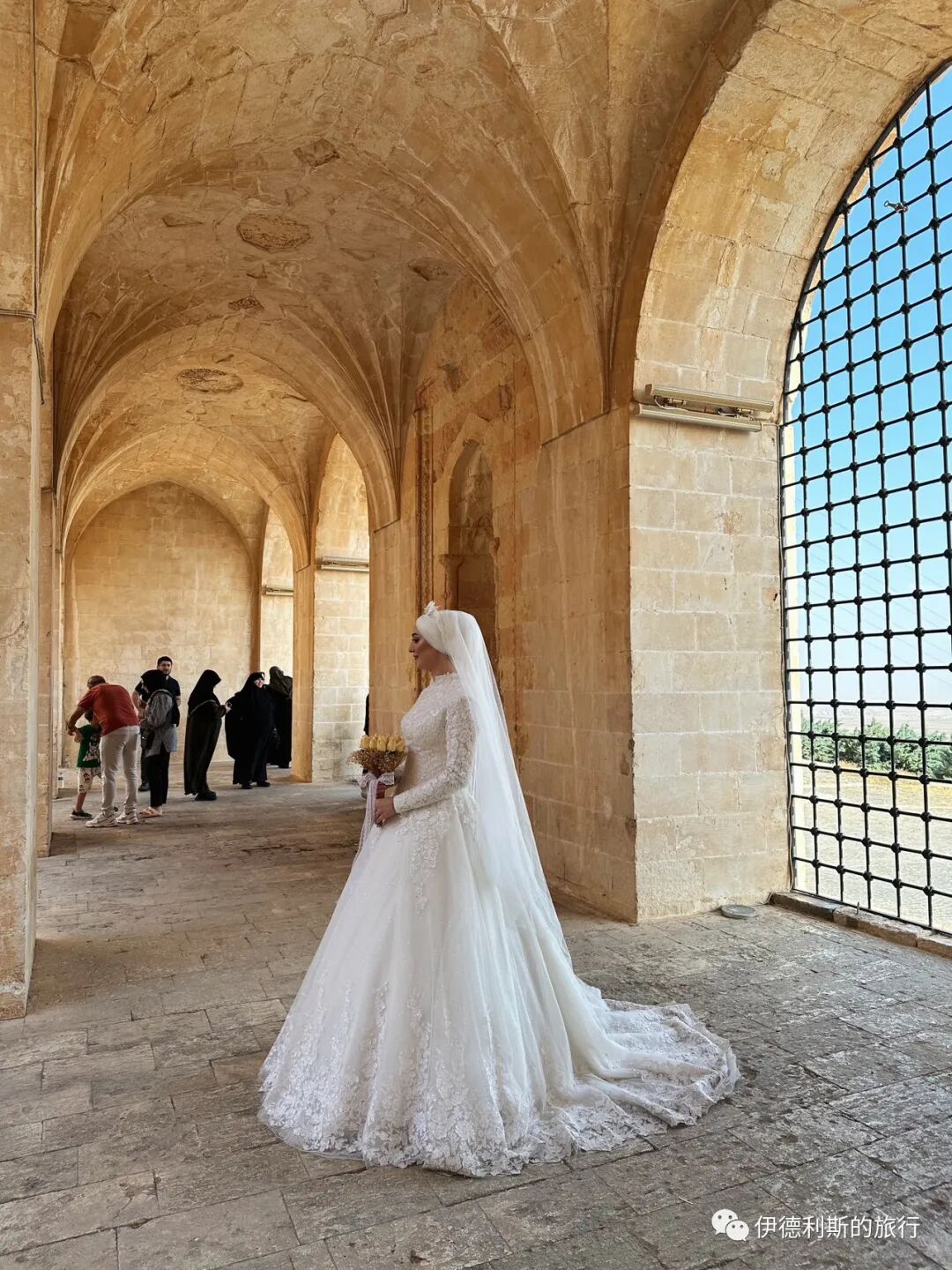
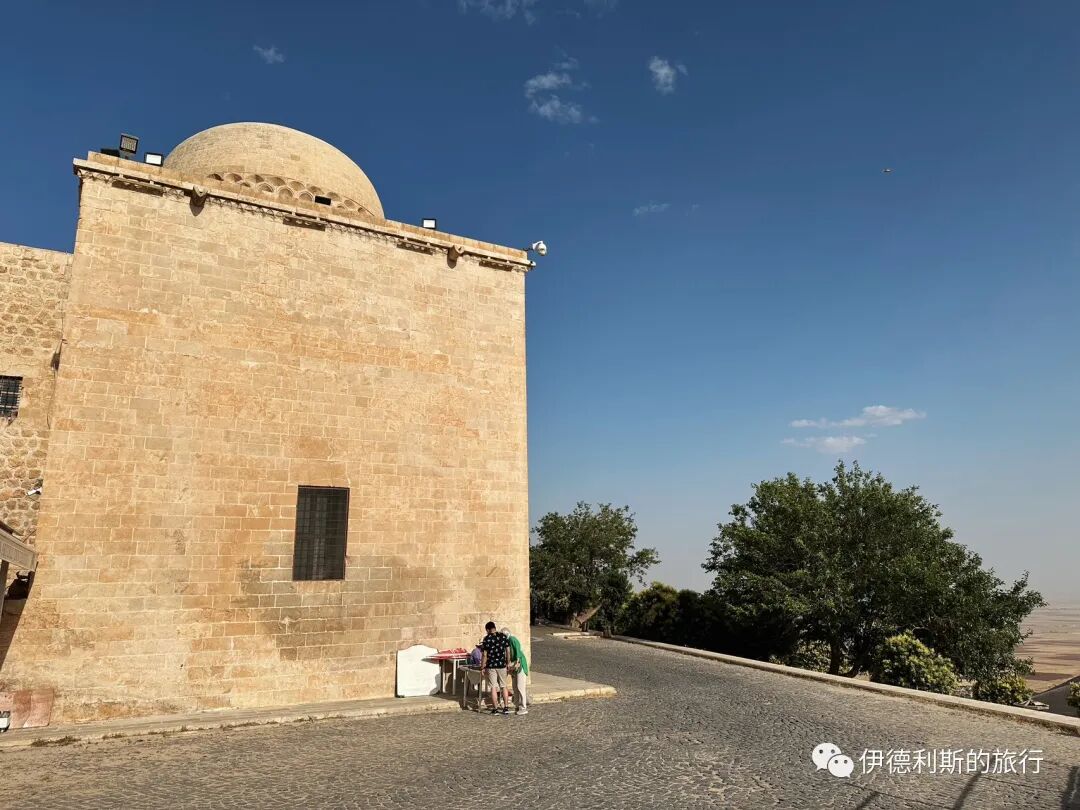
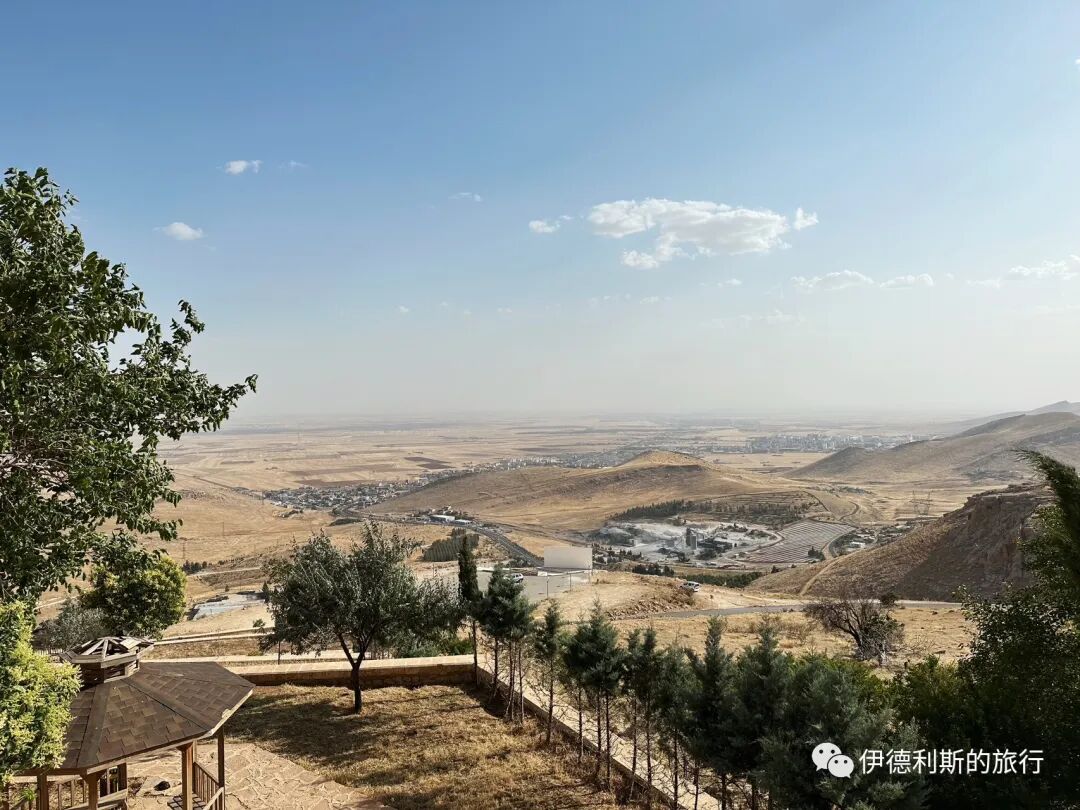
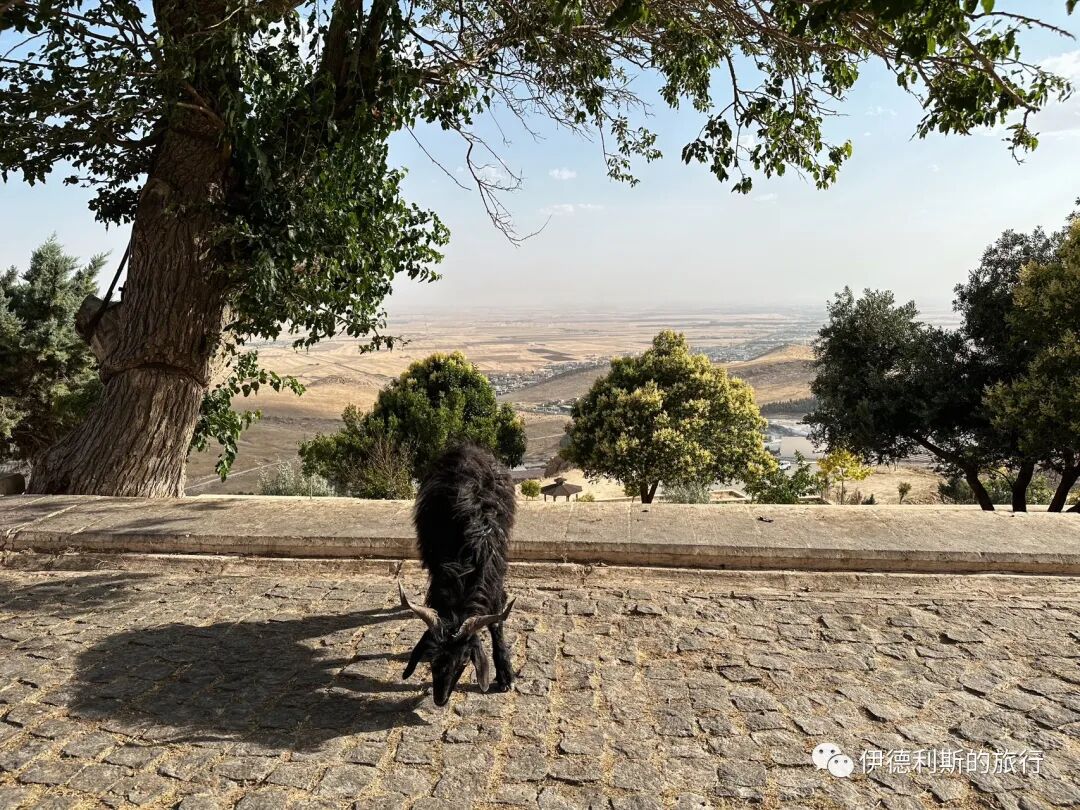
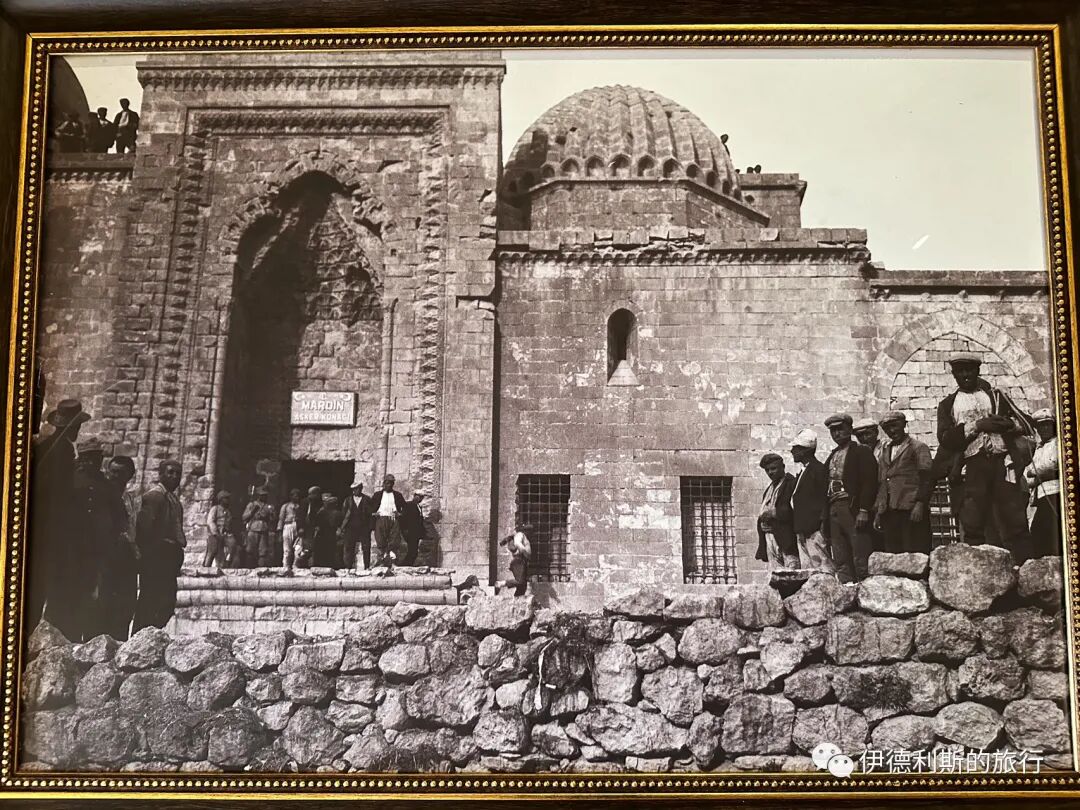
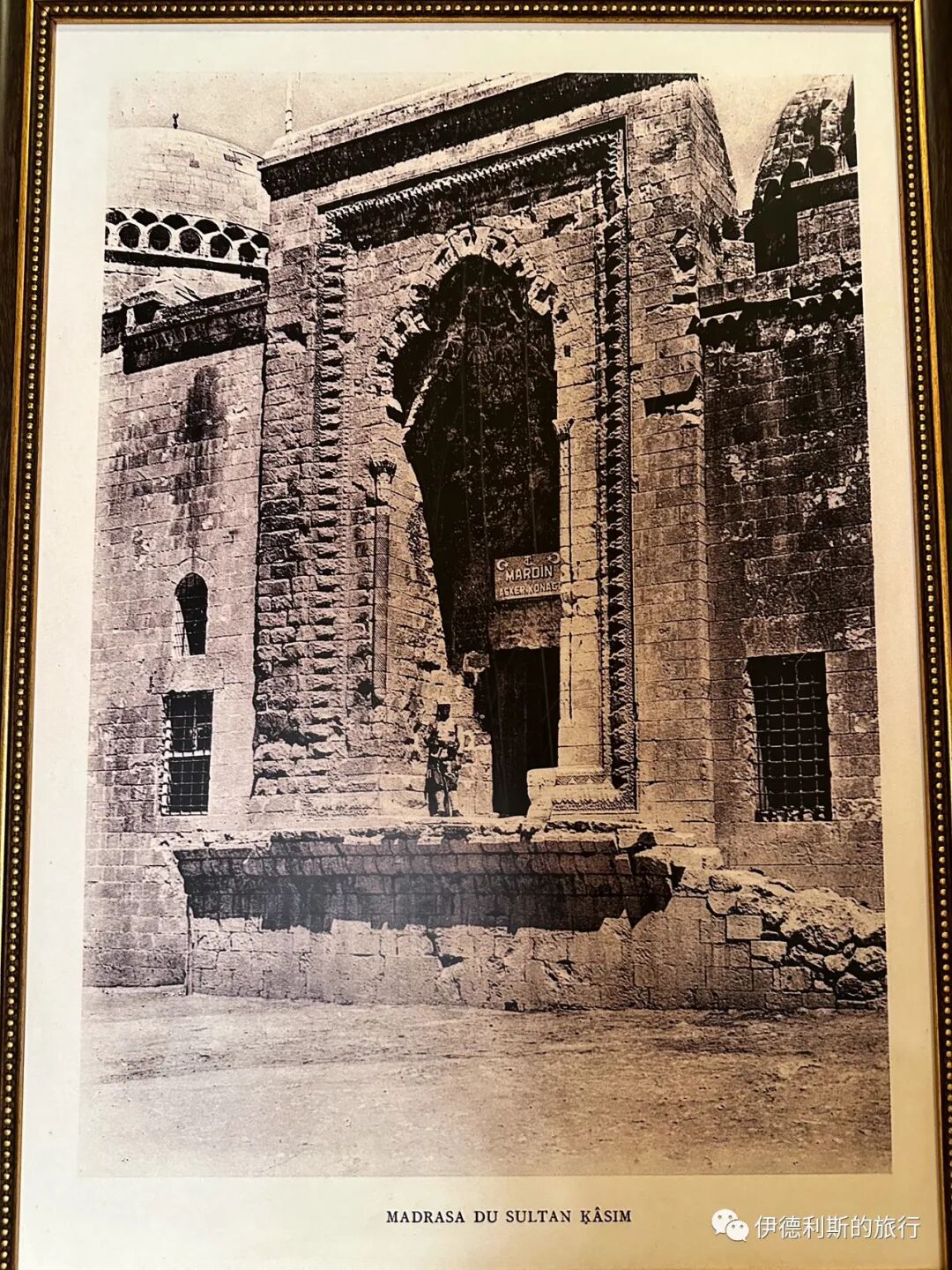
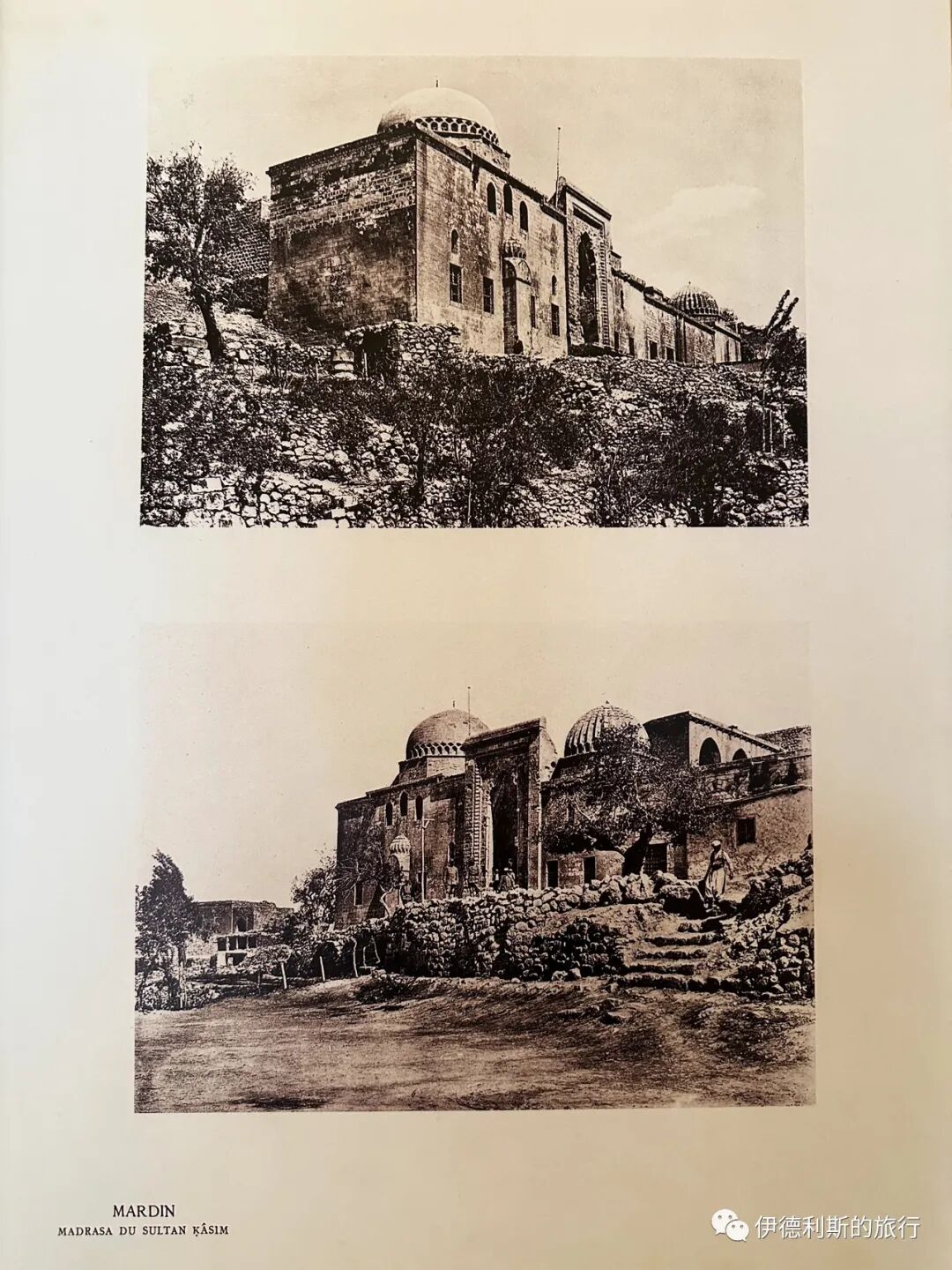
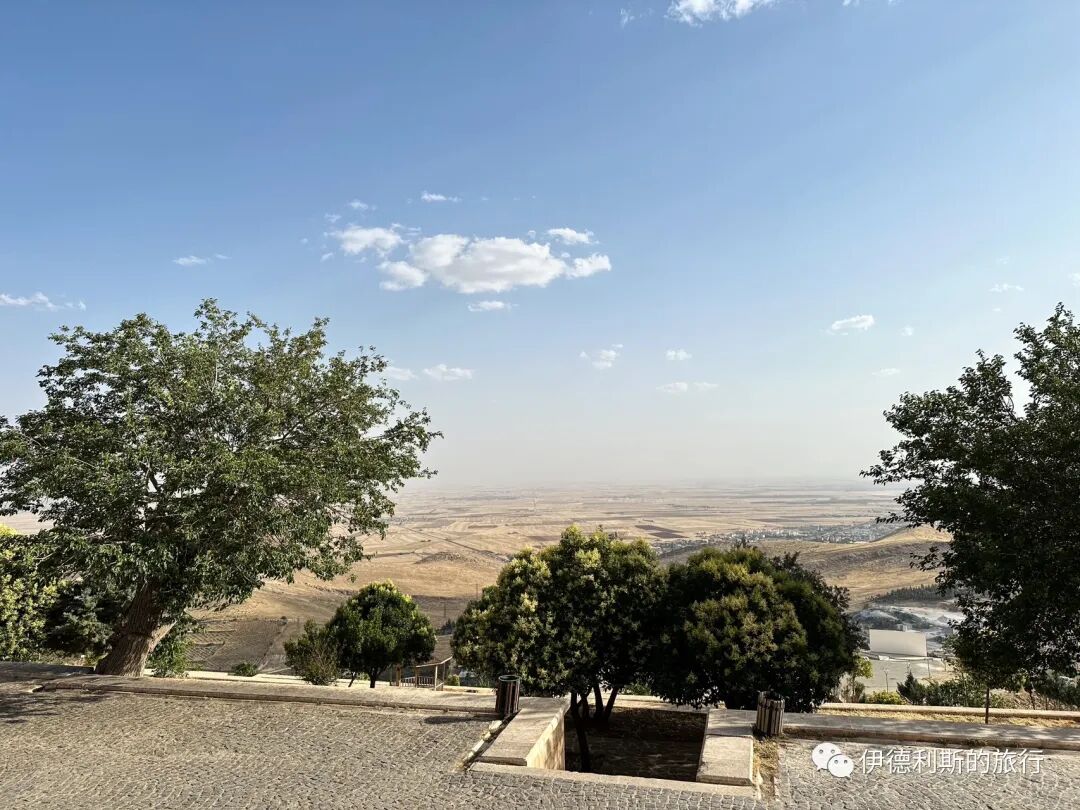
Old photos of Kasimiye Madrasa and the view overlooking the Mesopotamian plains from the school.
Seyh Cabuk Mosque
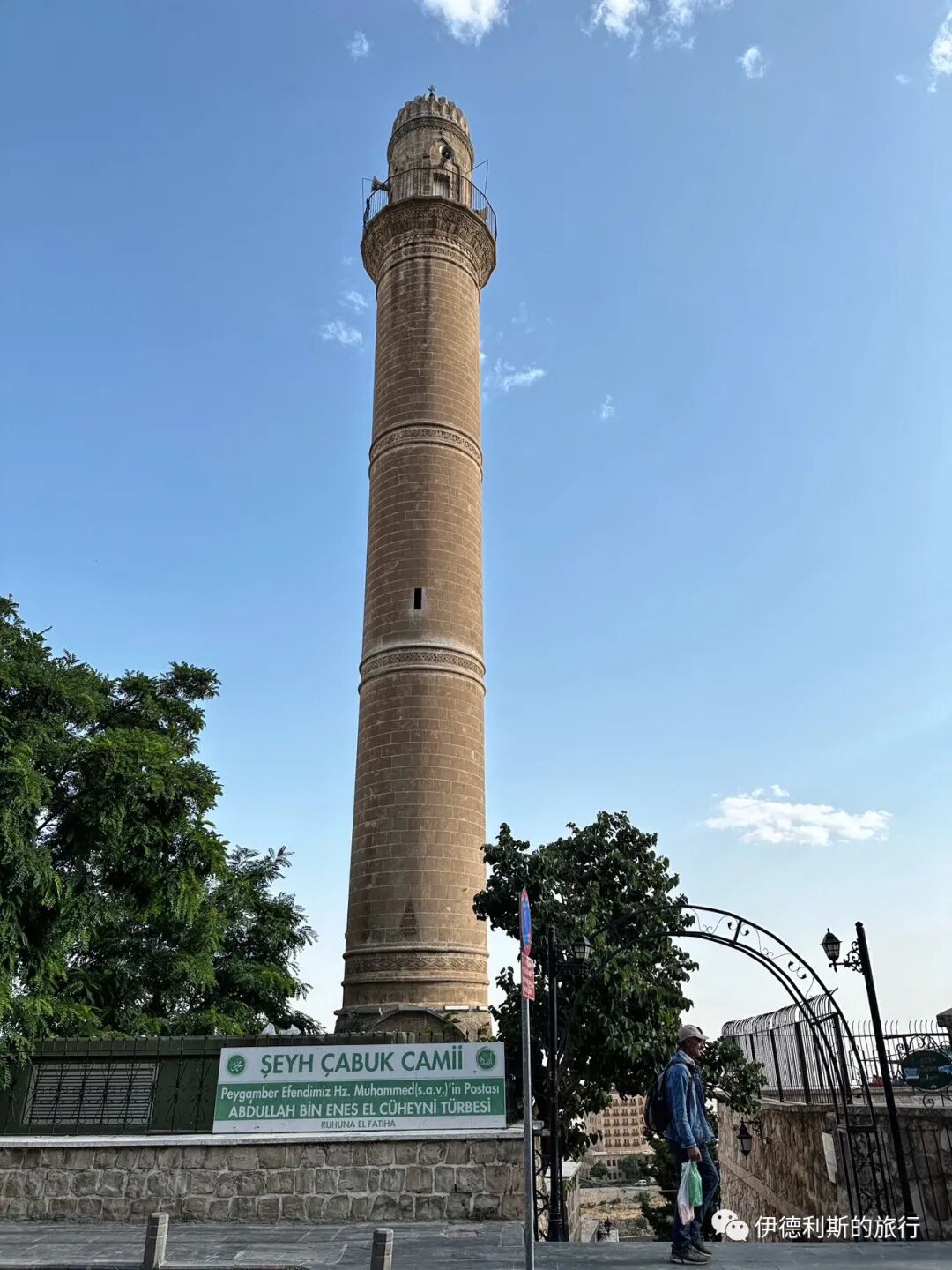
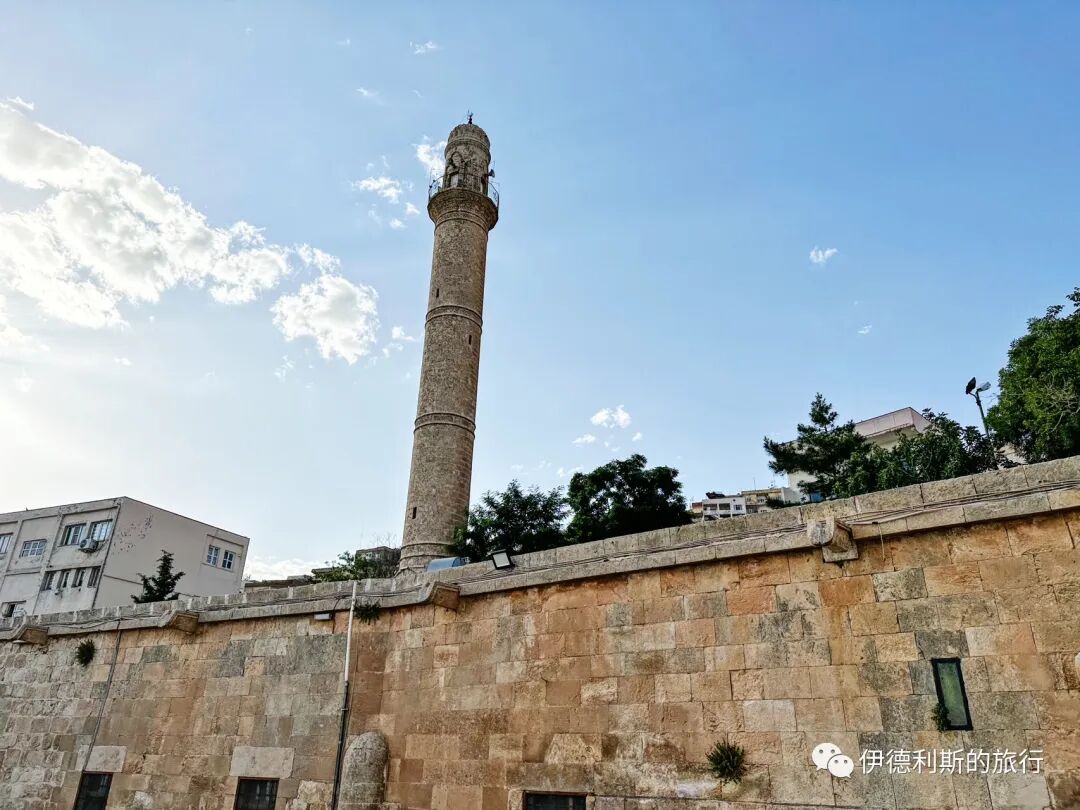
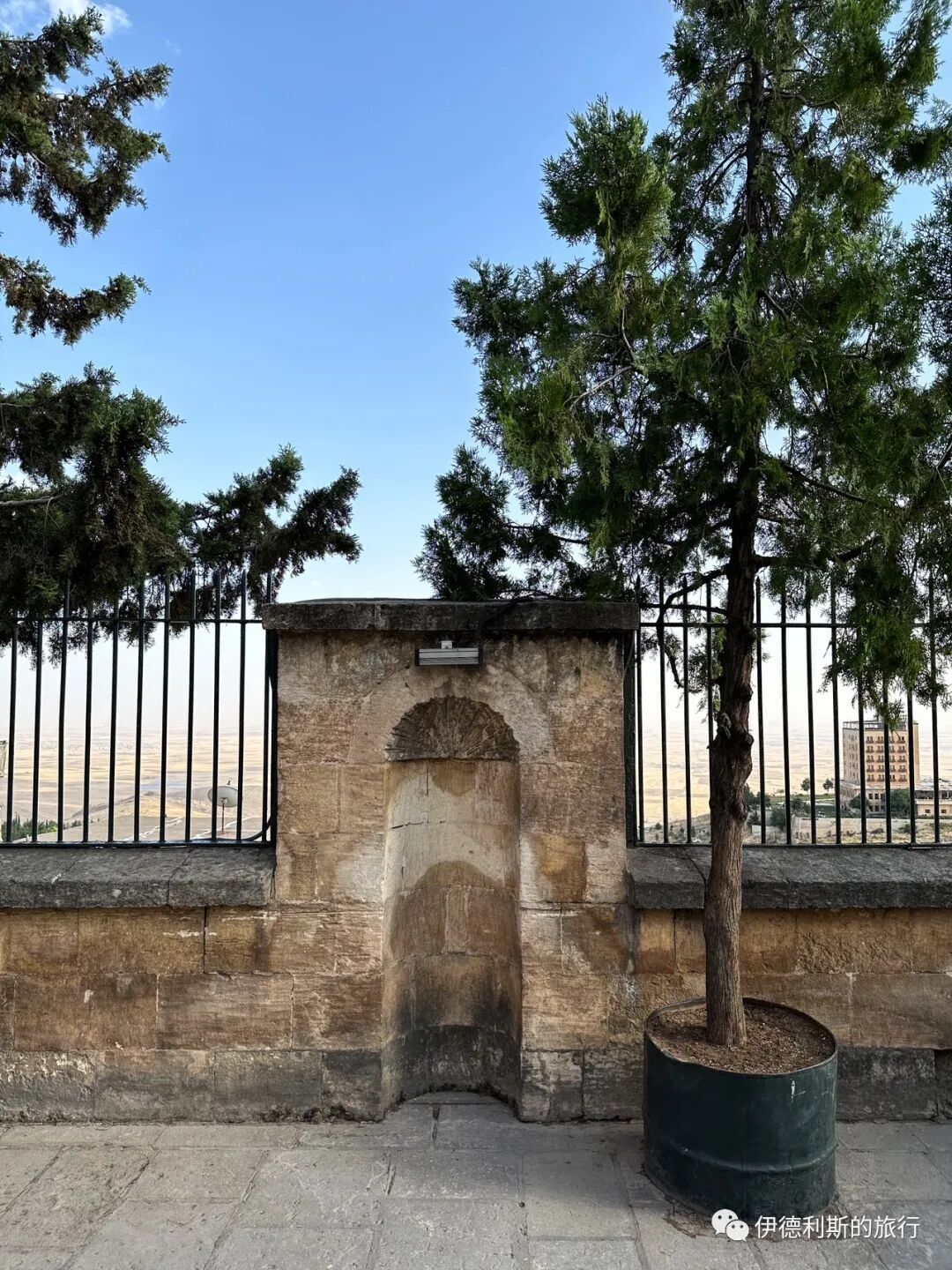
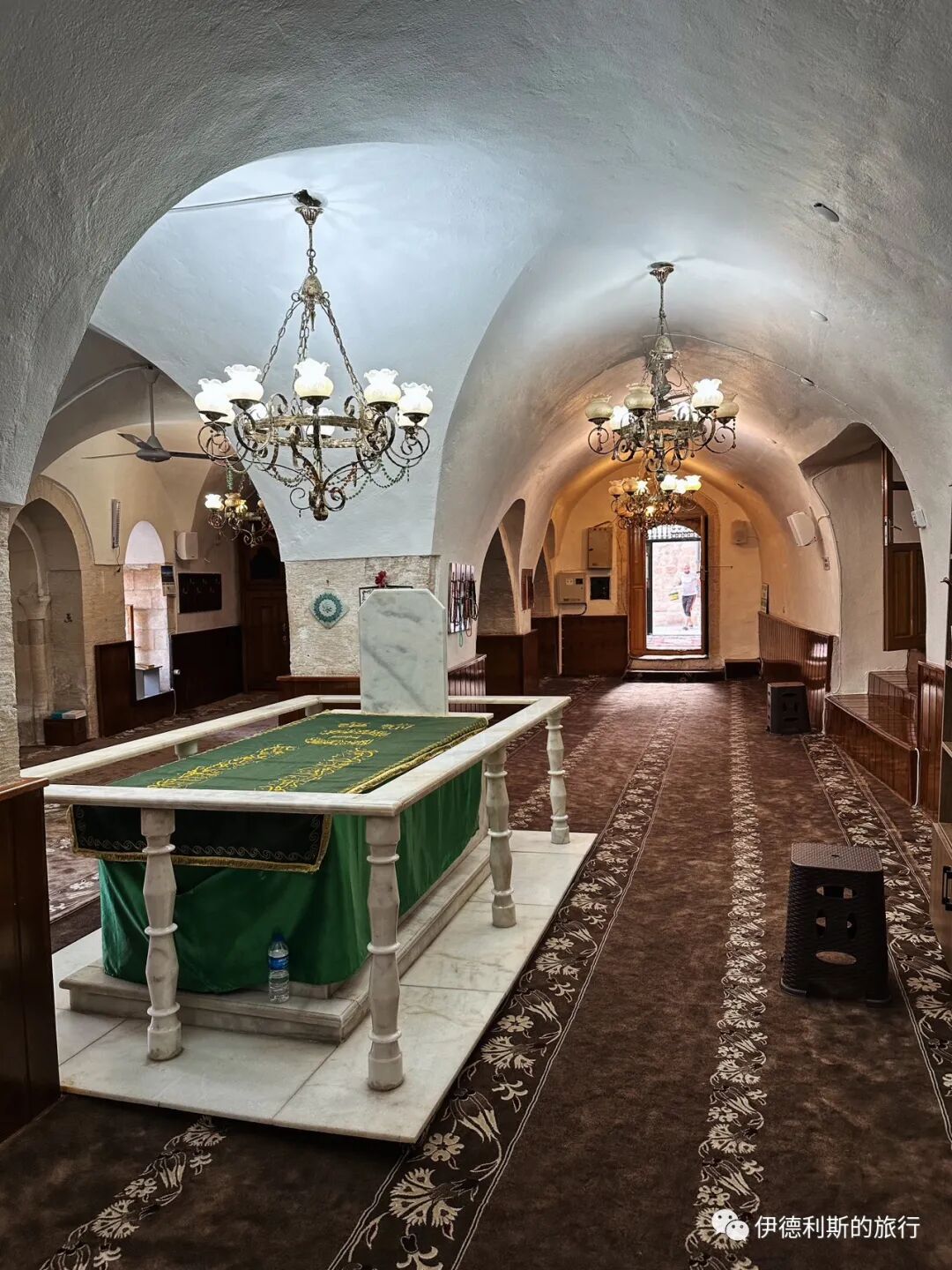
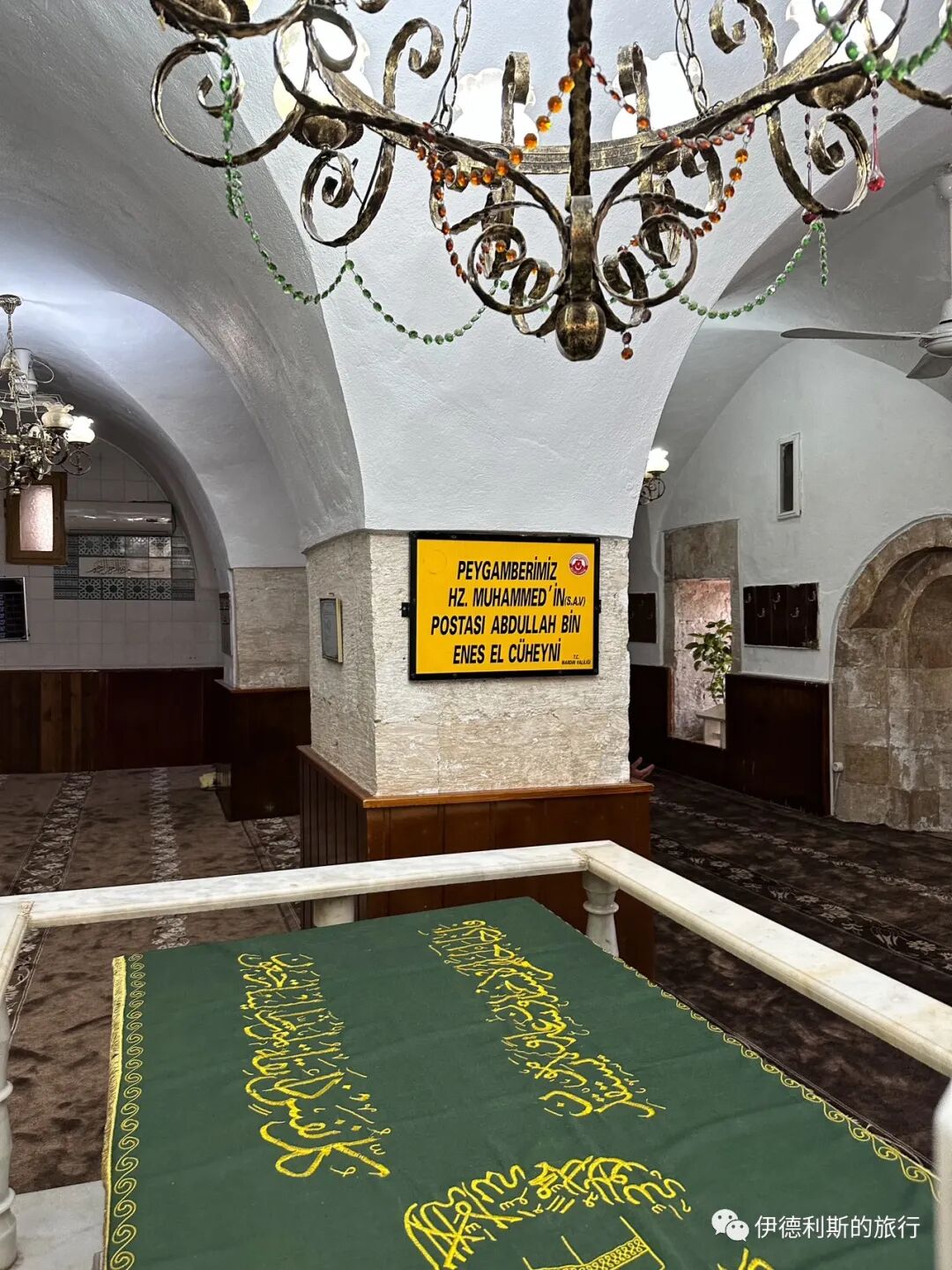
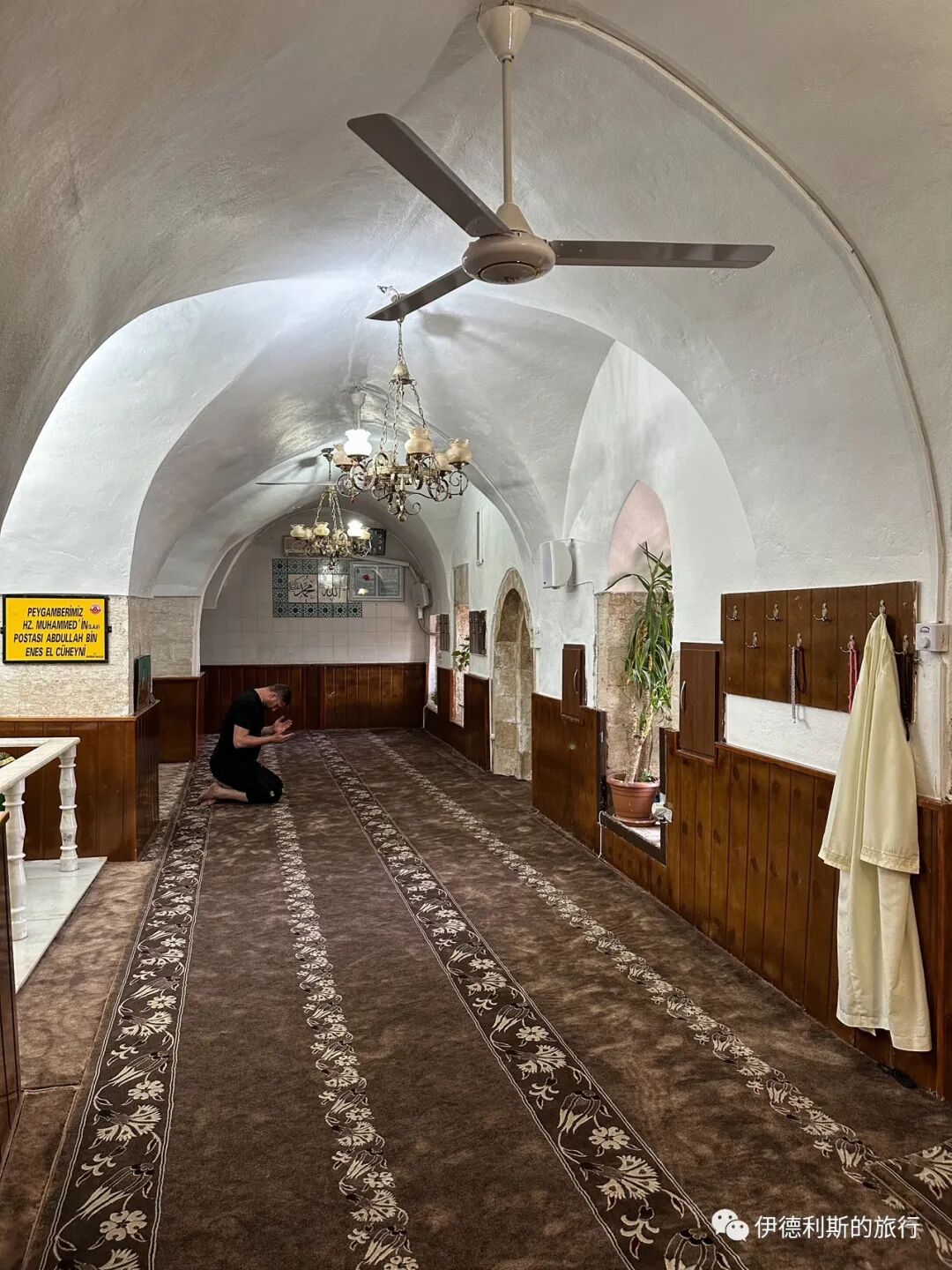
Seyh Cabuk Mosque is believed to have been built during the 15th-century Black Sheep Turkmen (Qara Qoyunlu) period and was renovated in the 19th century. Legend says that Abdullah bin Anas al-Juhayni, a companion of the Prophet Muhammad, was sent to Constantinople to deliver a letter. He passed away in Mardin on his return journey and was buried here, and the mosque was built because of his tomb.
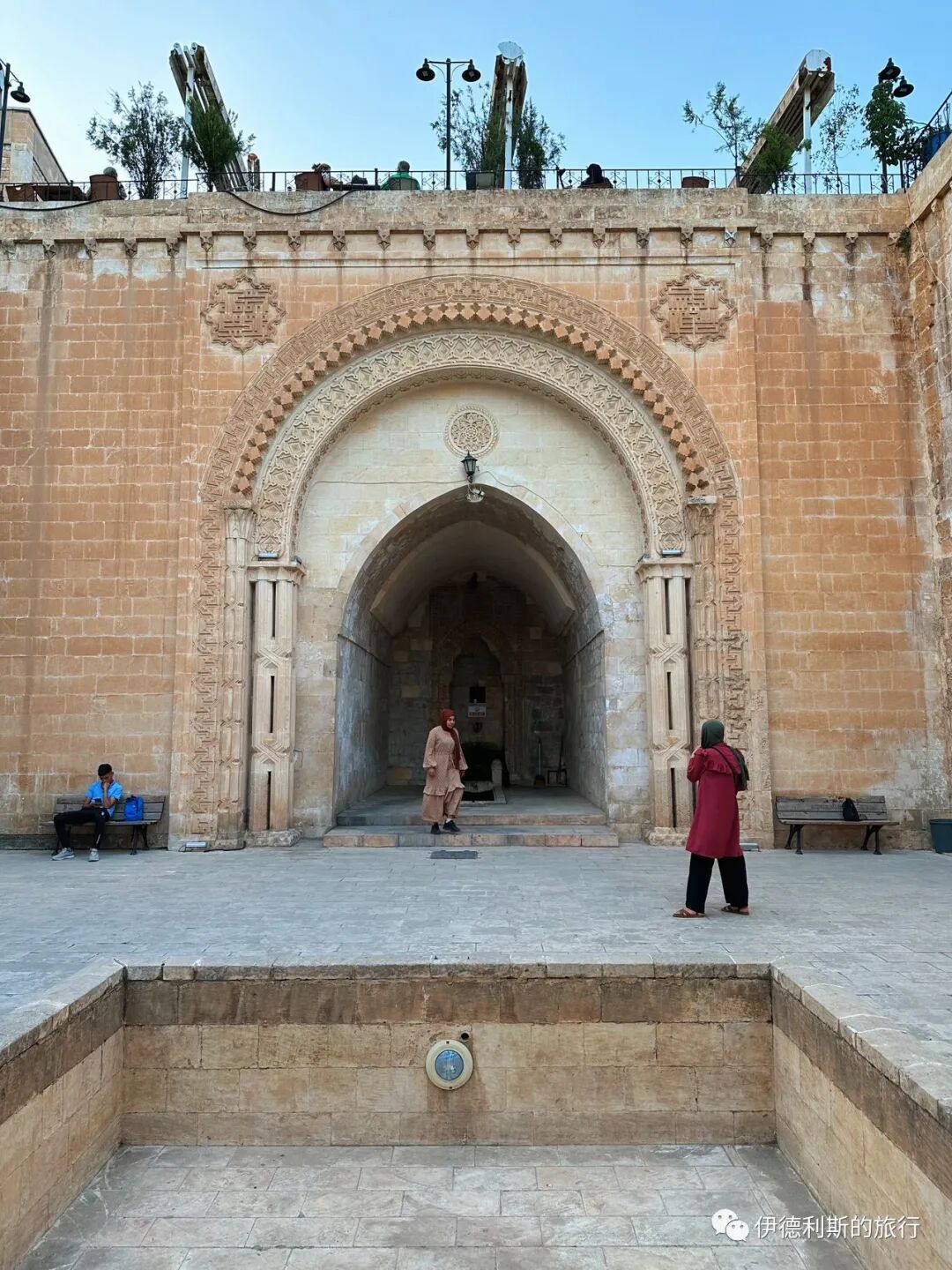
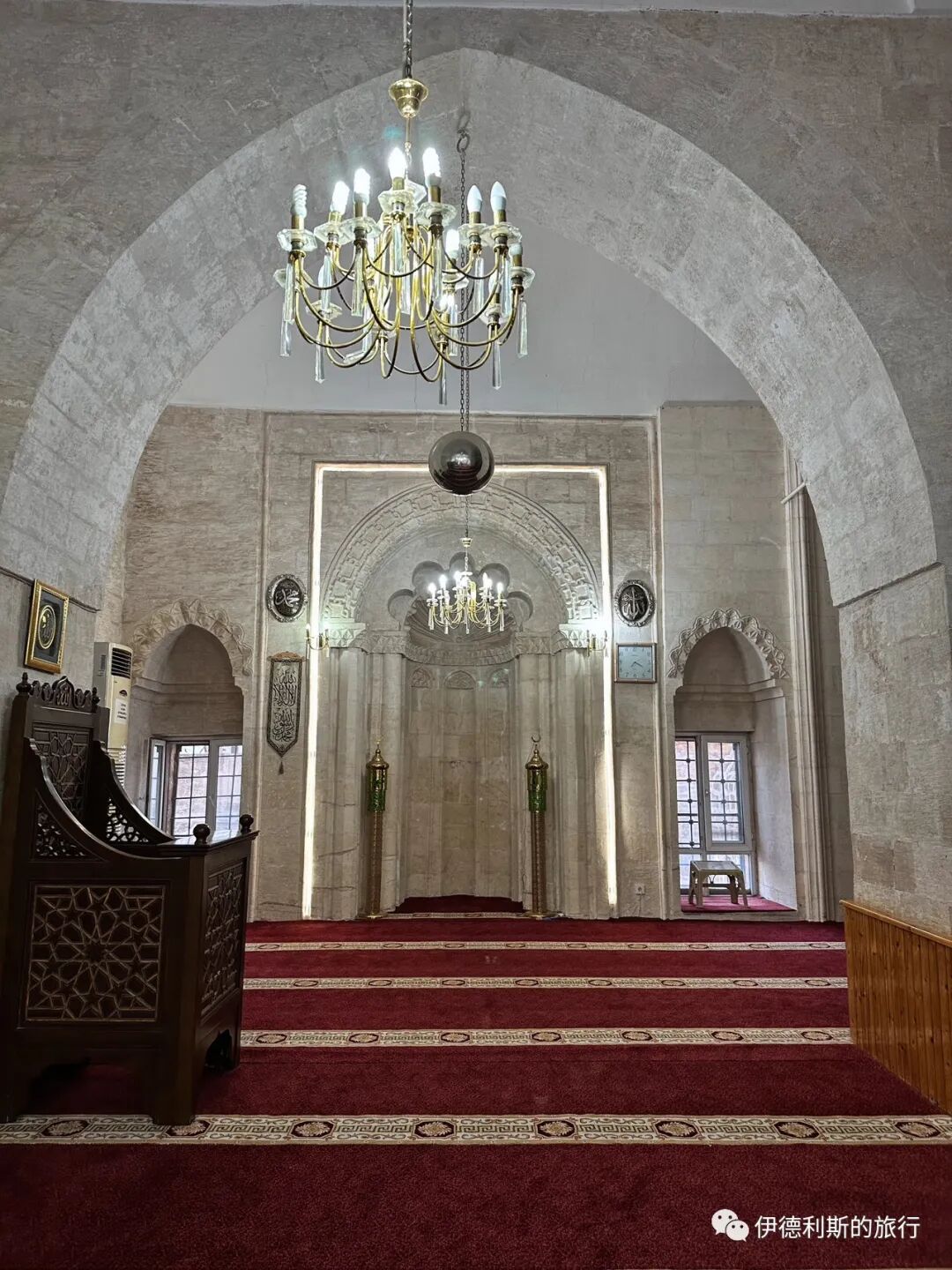
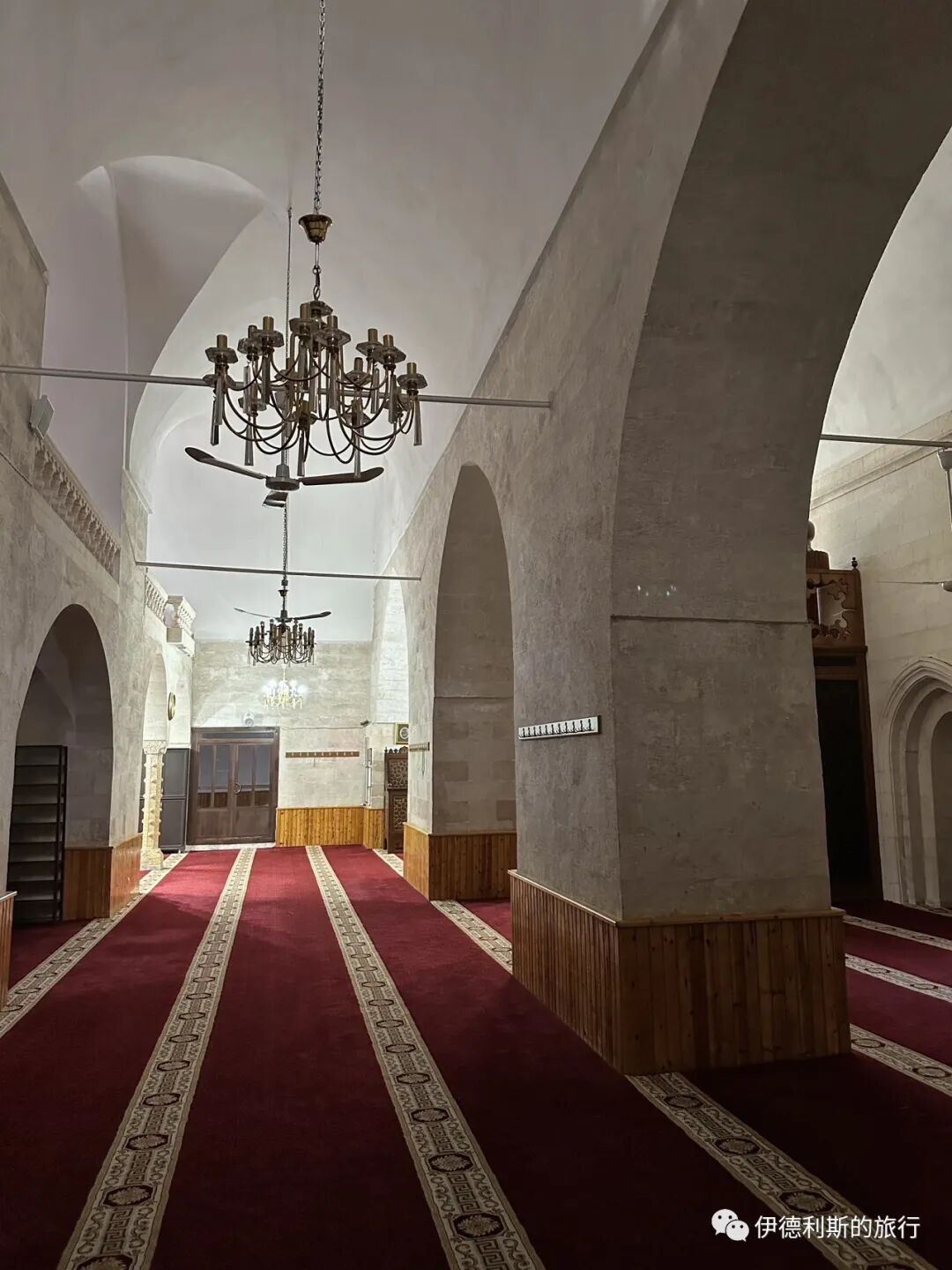
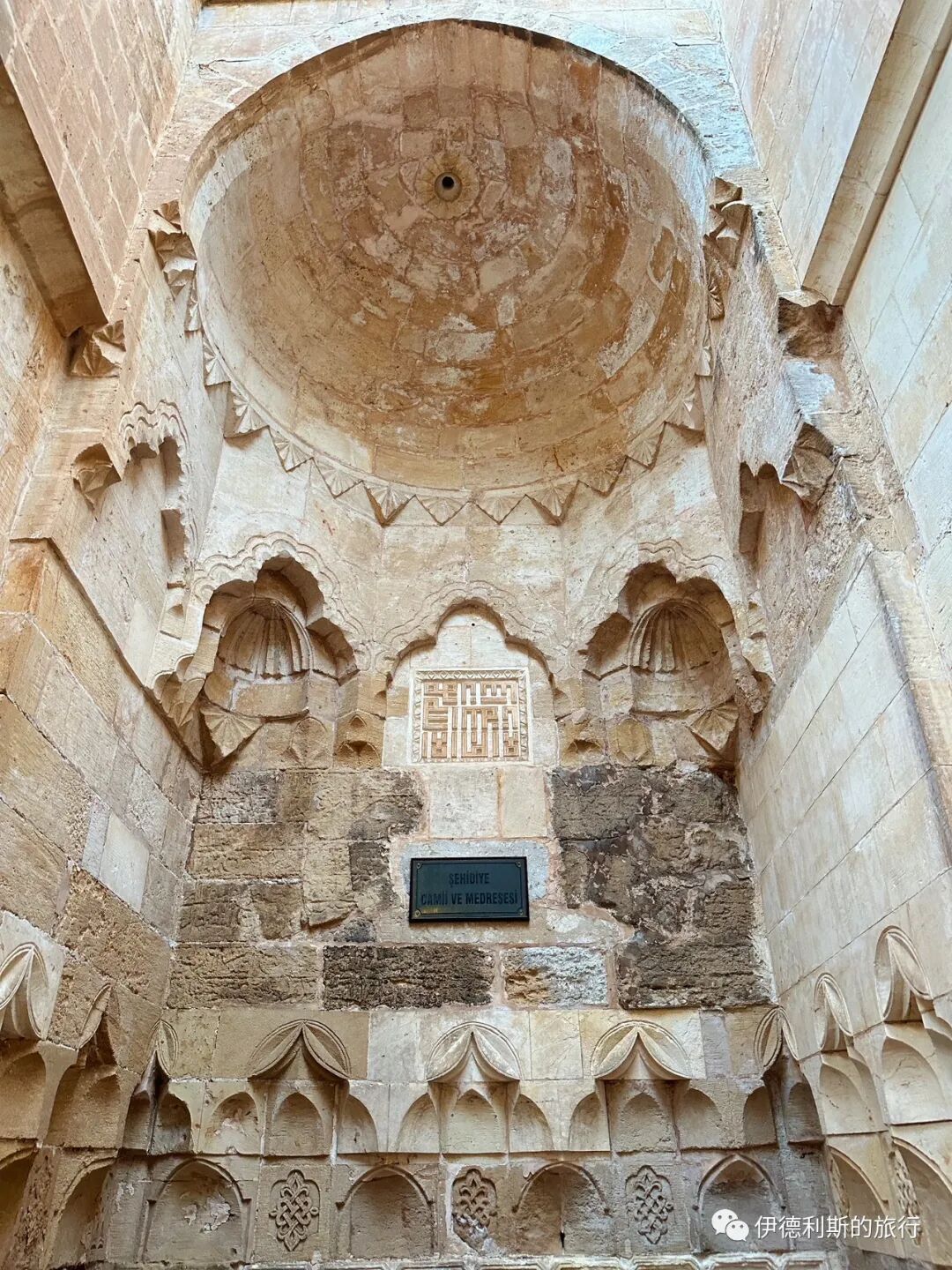
Sehidiye Mosque
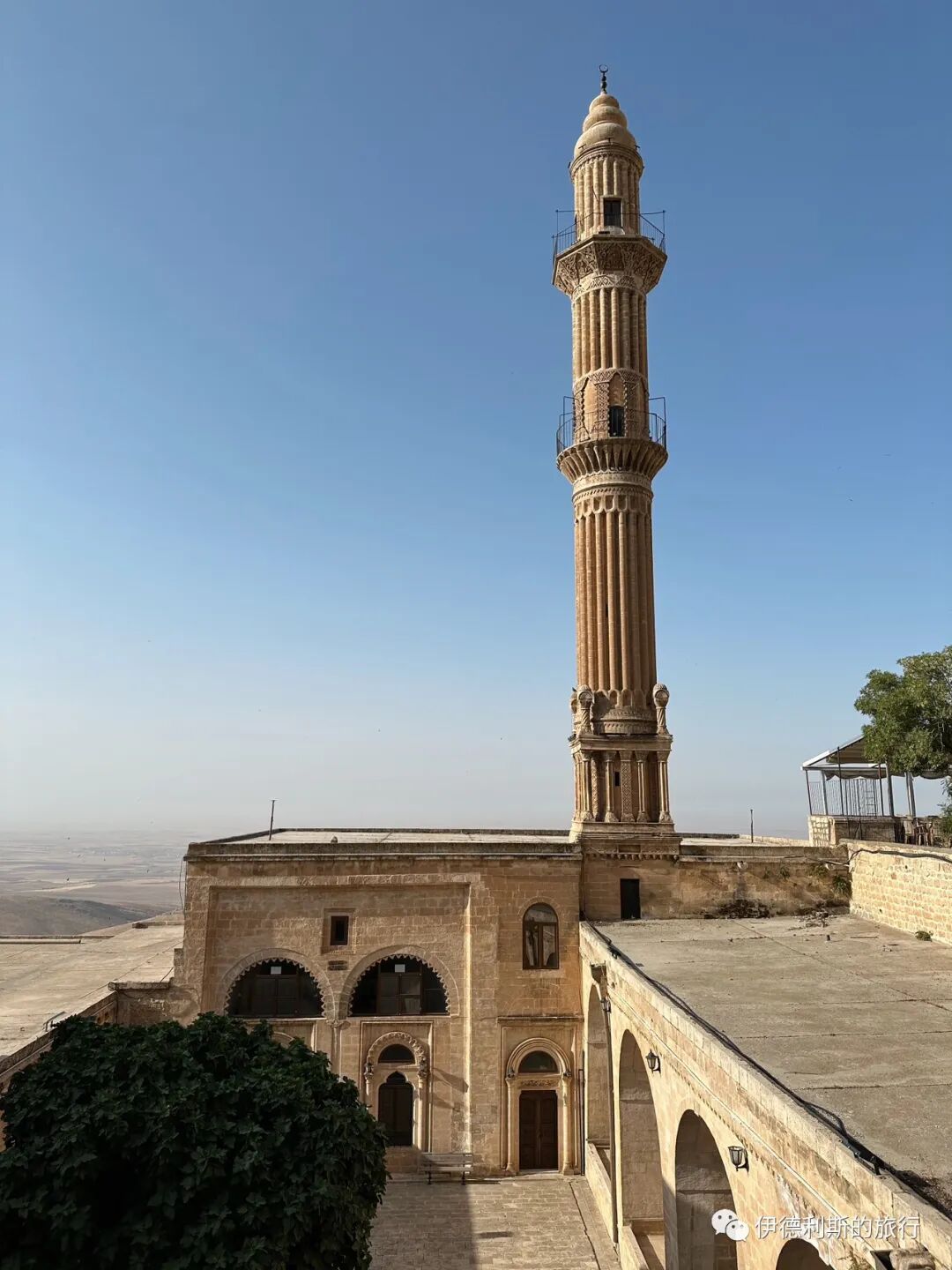
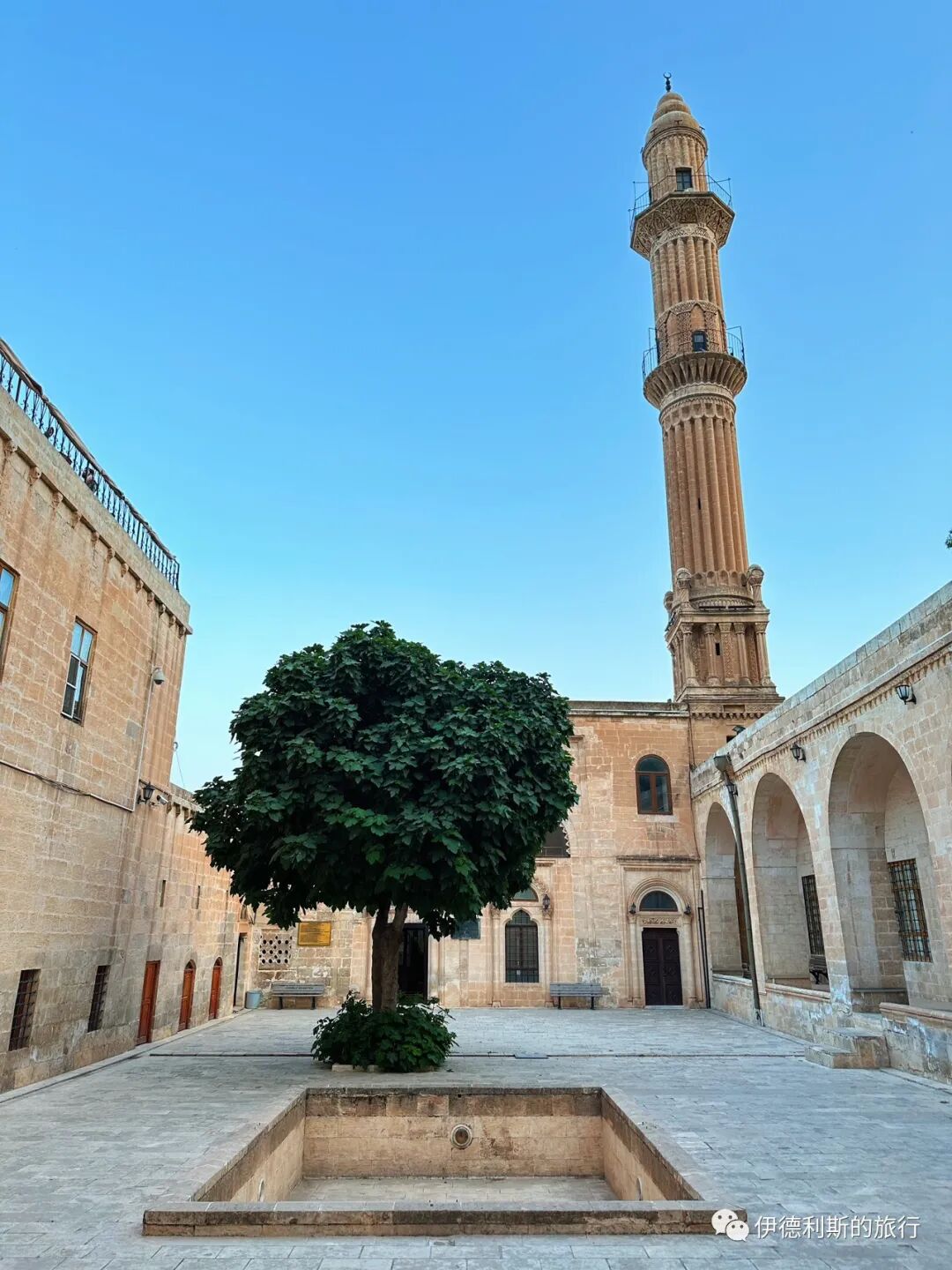
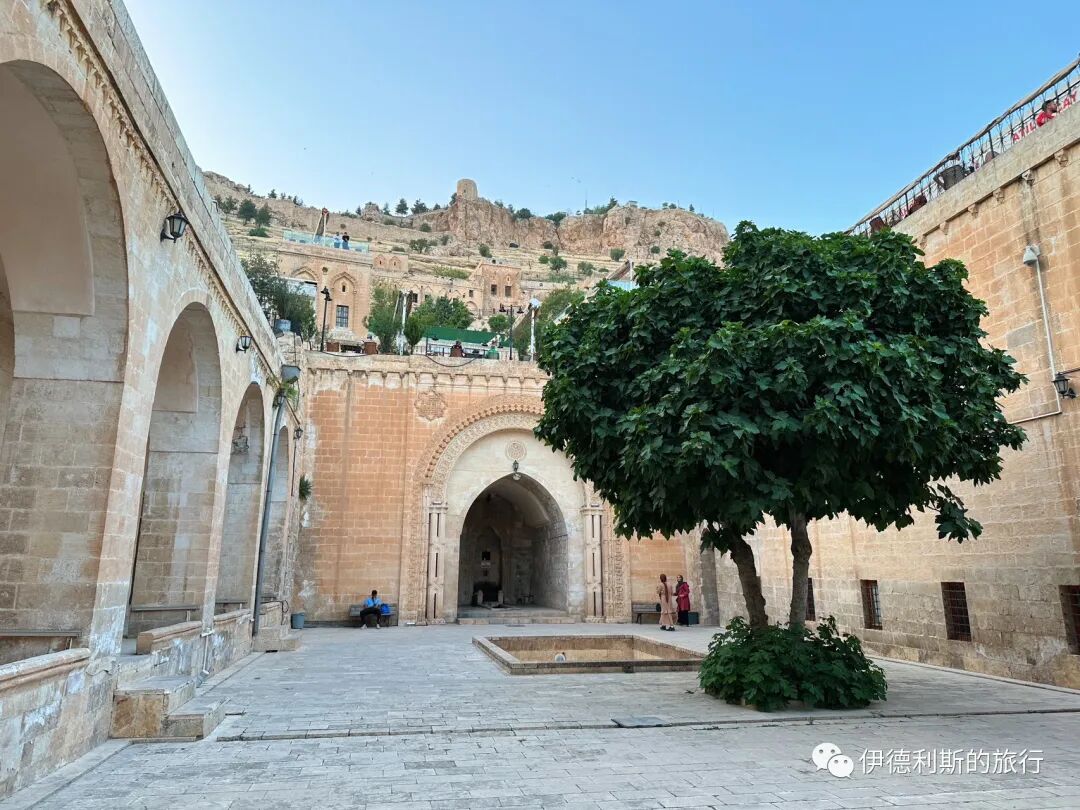
Sehidiye Mosque was ordered to be built in 1214 by the Artuqid sultan Melik Nasreddin Aslan. The current minaret was rebuilt in 1914 by the Armenian architect Serkis Lole in an eclectic style, which is very characteristic of that era.
Dinari Pamuk Mosque
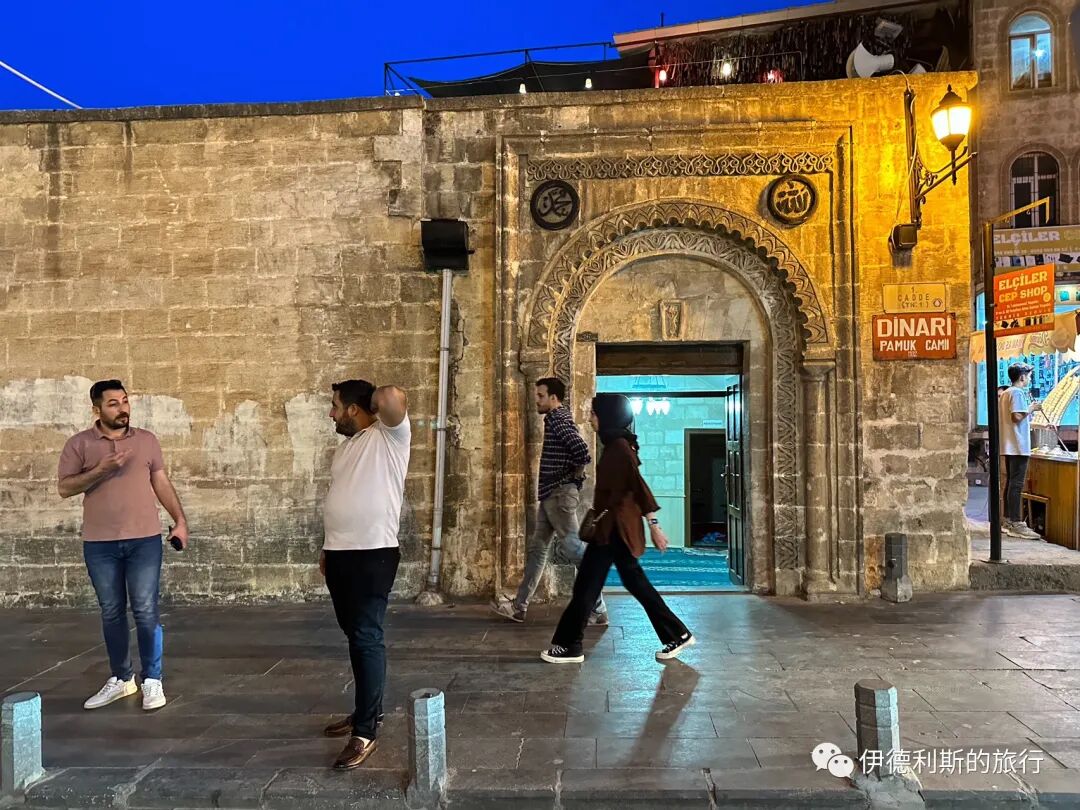
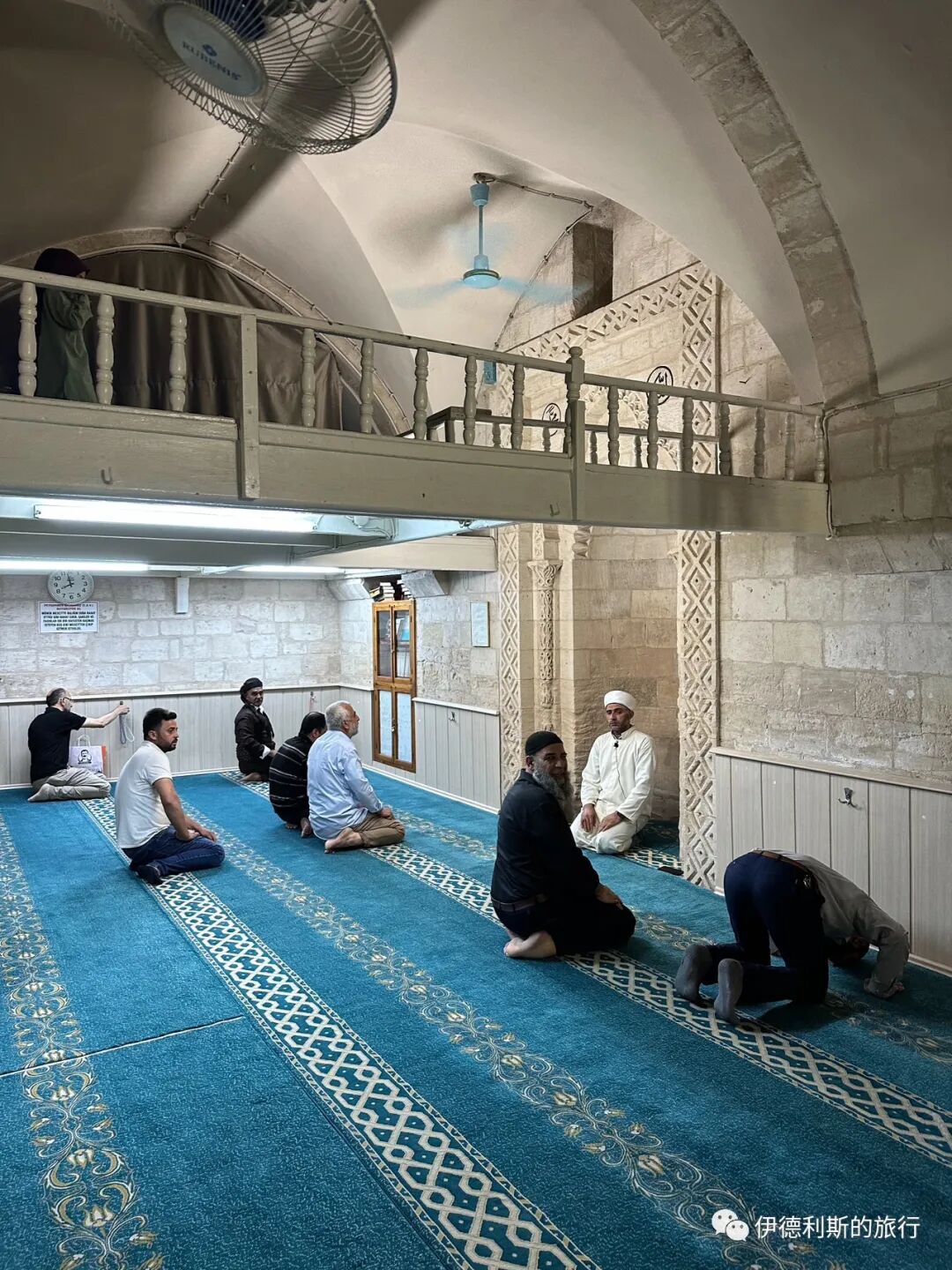
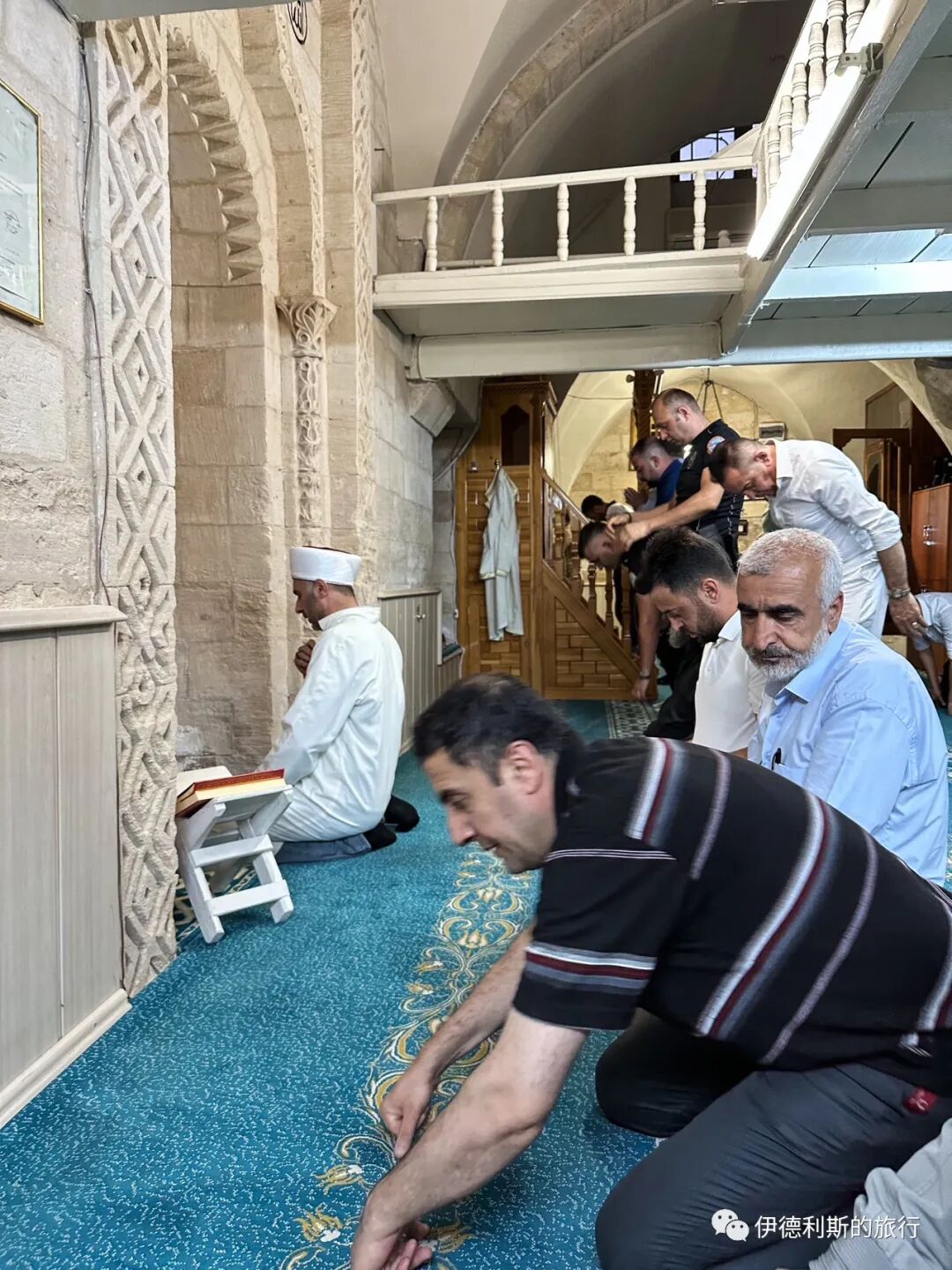
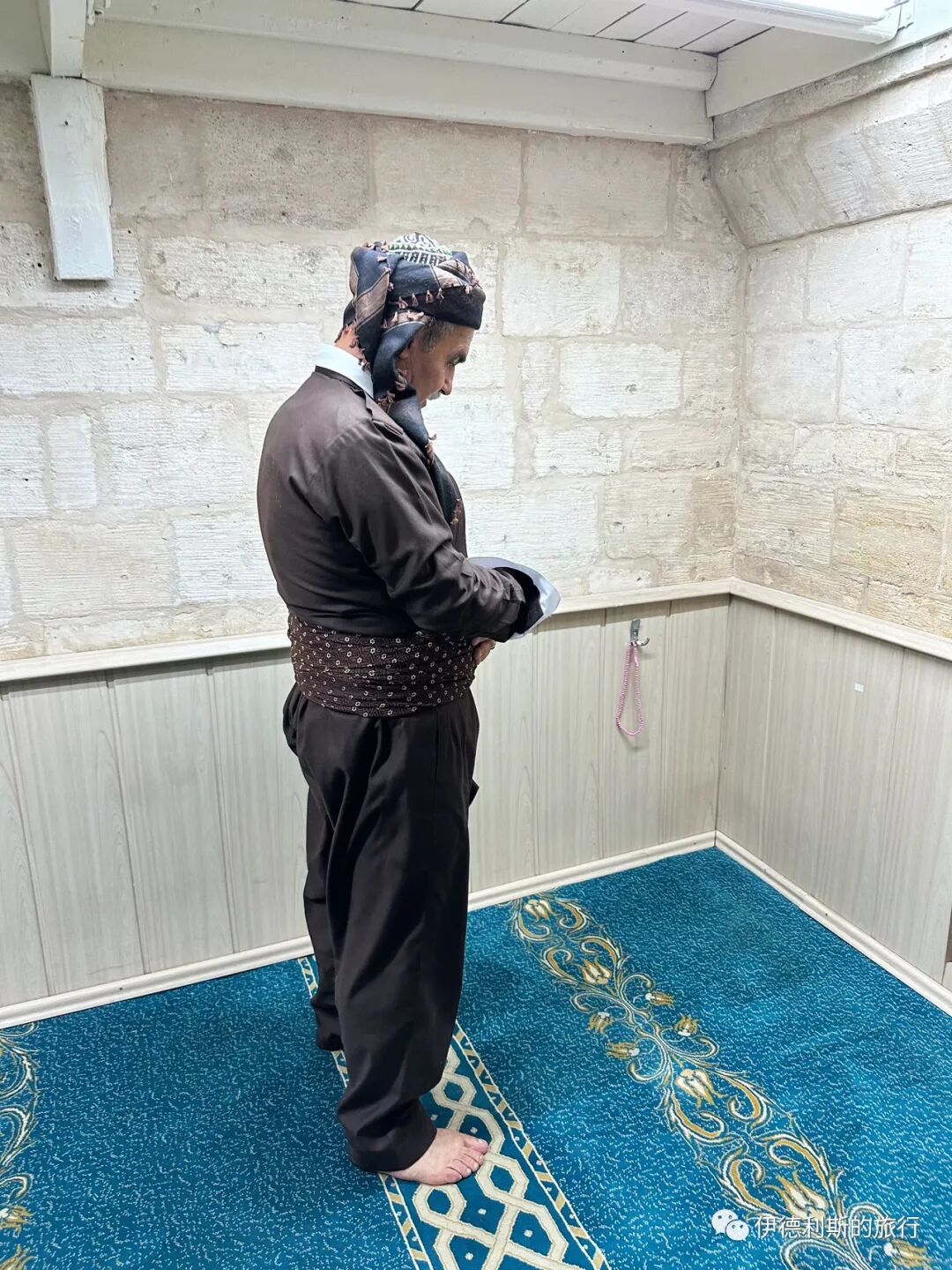
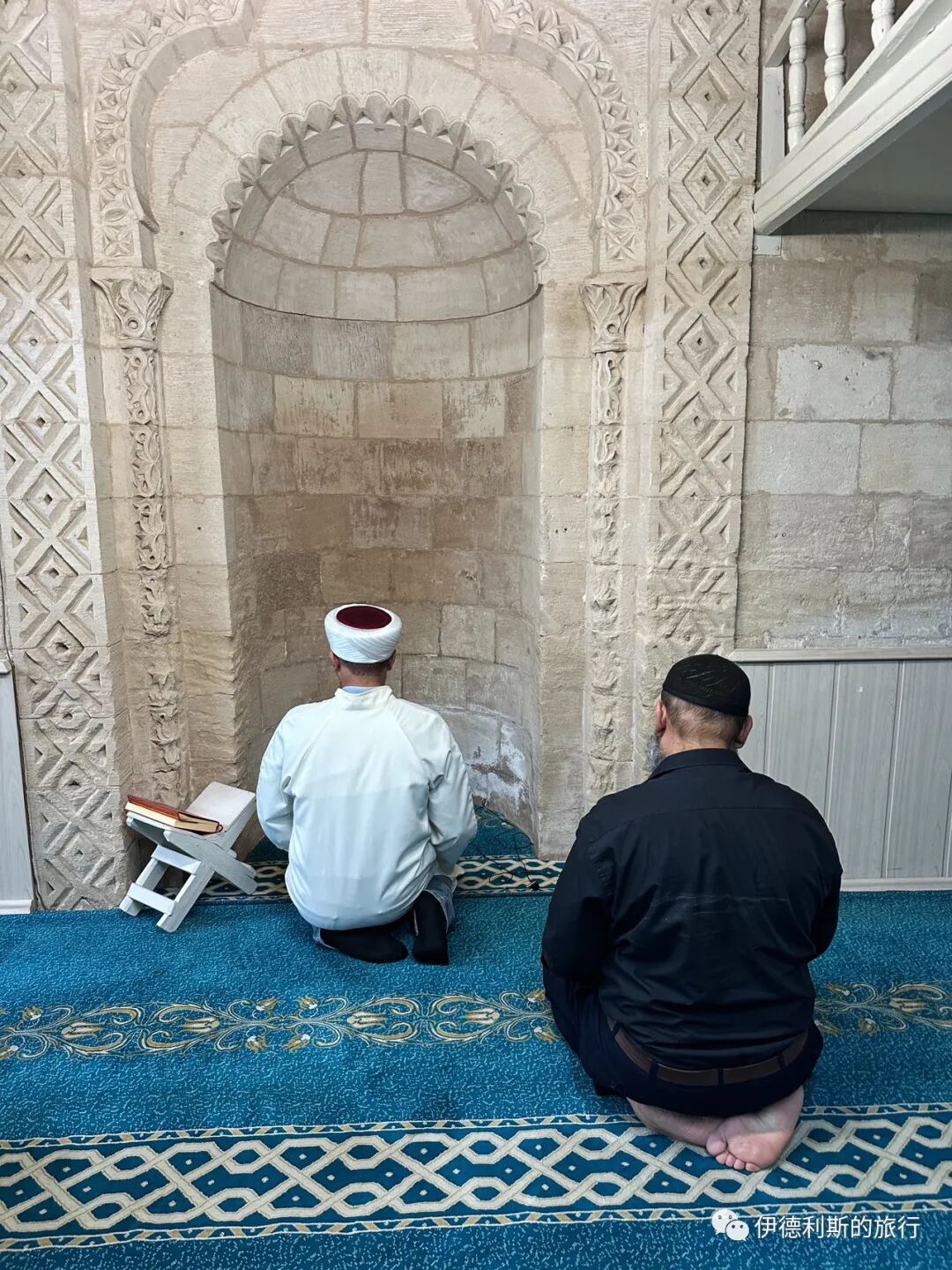
While eating barbecue in the evening, I heard the adhan, so the barbecue shop owner and I both stepped out to pray Maghrib at the nearby Dinari Pamuk mosque. It is a small mosque, but it is very crowded because it sits on the main road of the old city.
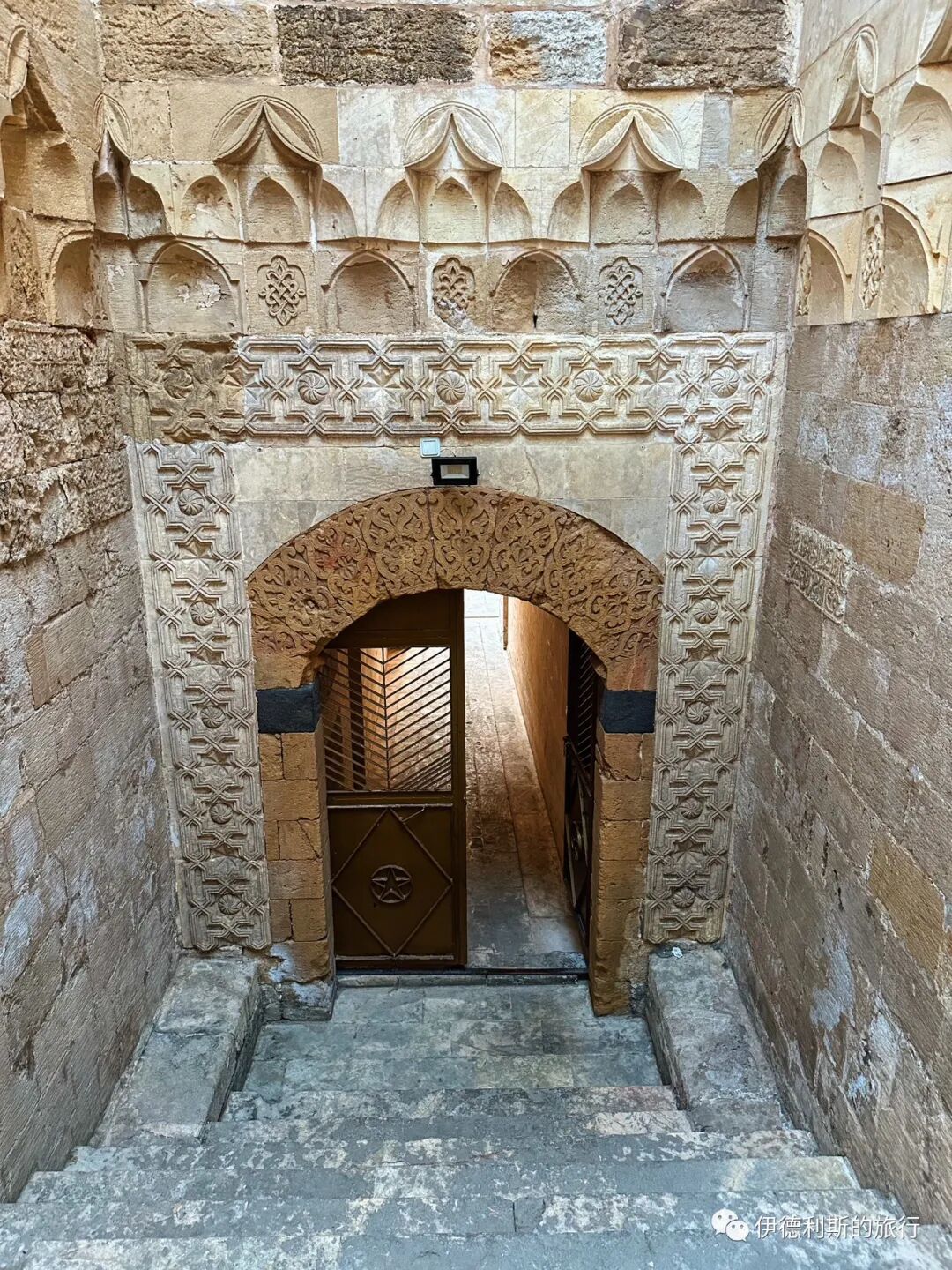
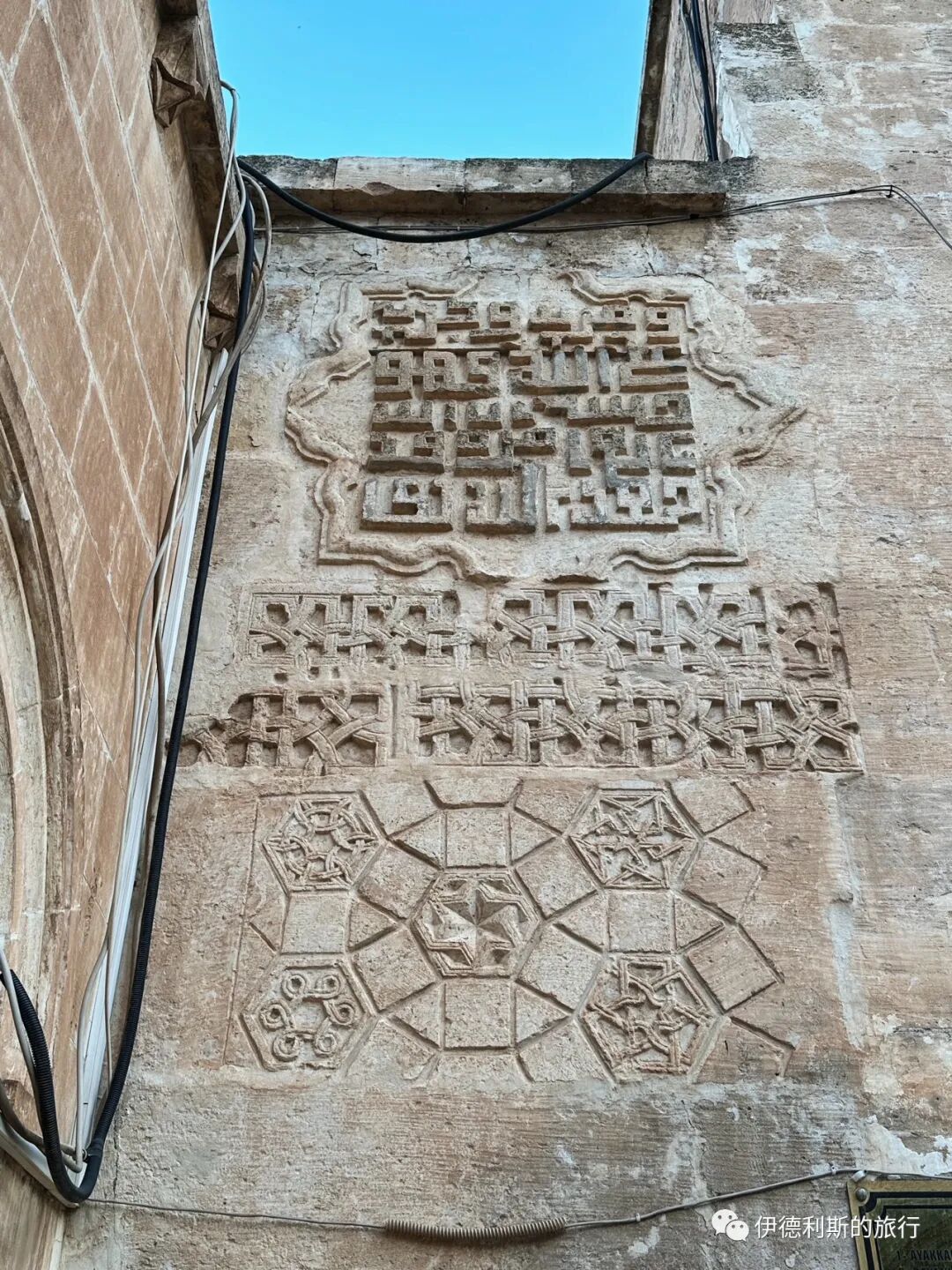
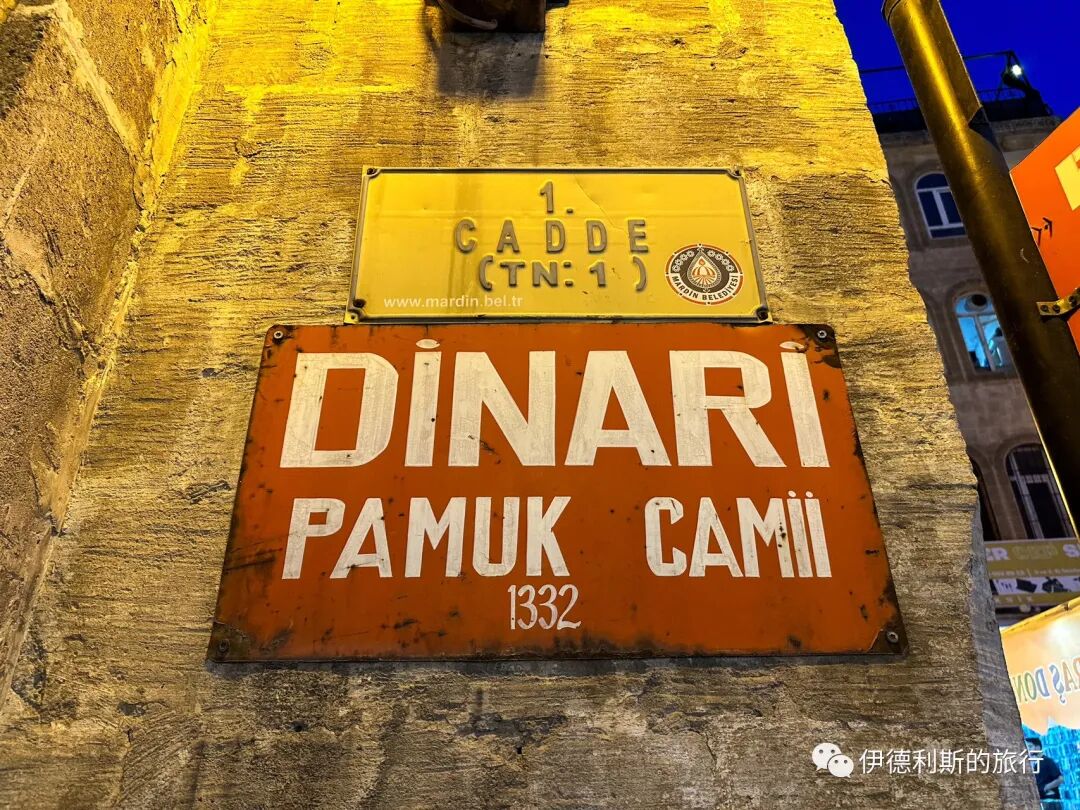
Dinari Pamuk mosque was reportedly built in the 11th century by Sheikh Mehmet Dinari on the site of a Byzantine church, while the current structure dates back to the Artuqid dynasty in 1332.
Other ancient buildings from the Artuqid dynasty.
There are many more historical sites in the old city of Mardin, but I could not visit them all this time due to limited. Visually, the stone houses made of beige limestone are very different from the red-roofed wooden houses common in the Ottoman old cities of central and western Turkey, making them quite rare in Turkey and offering a unique experience.
Finally, I will share a few Artuqid-era historical sites I passed while walking in the early morning, though it is a pity I arrived too early to go inside.
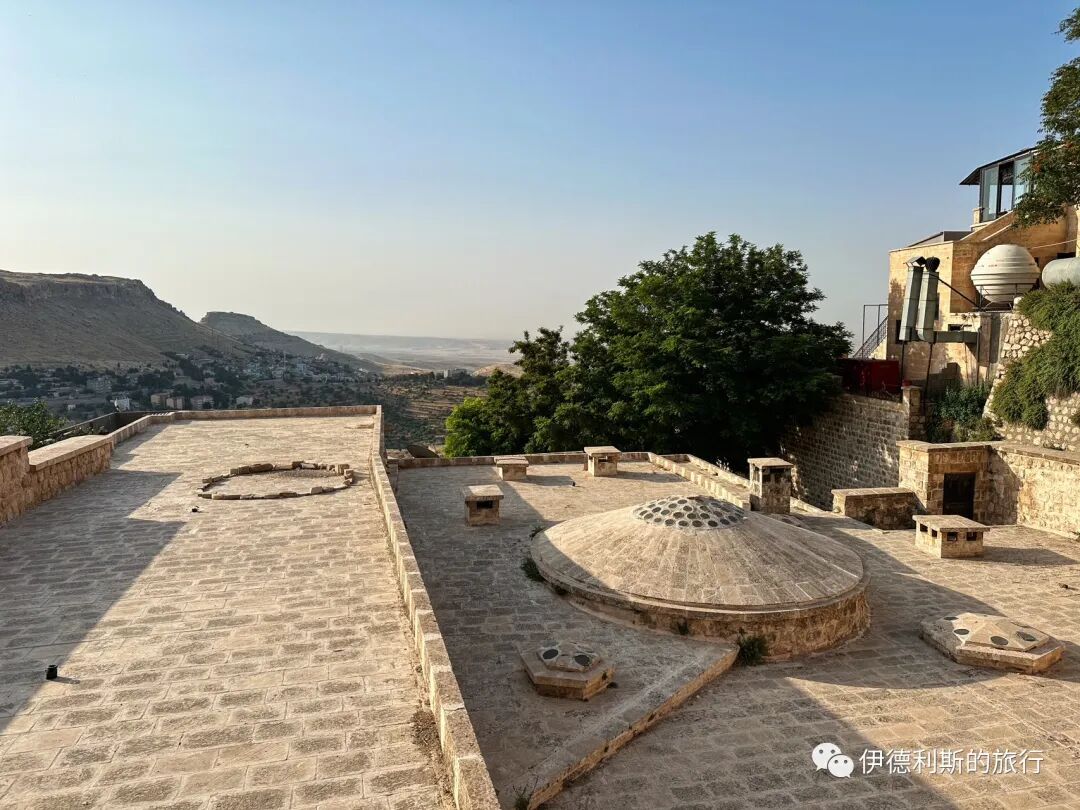
The first is the Savurkapi bathhouse, built in 1176.
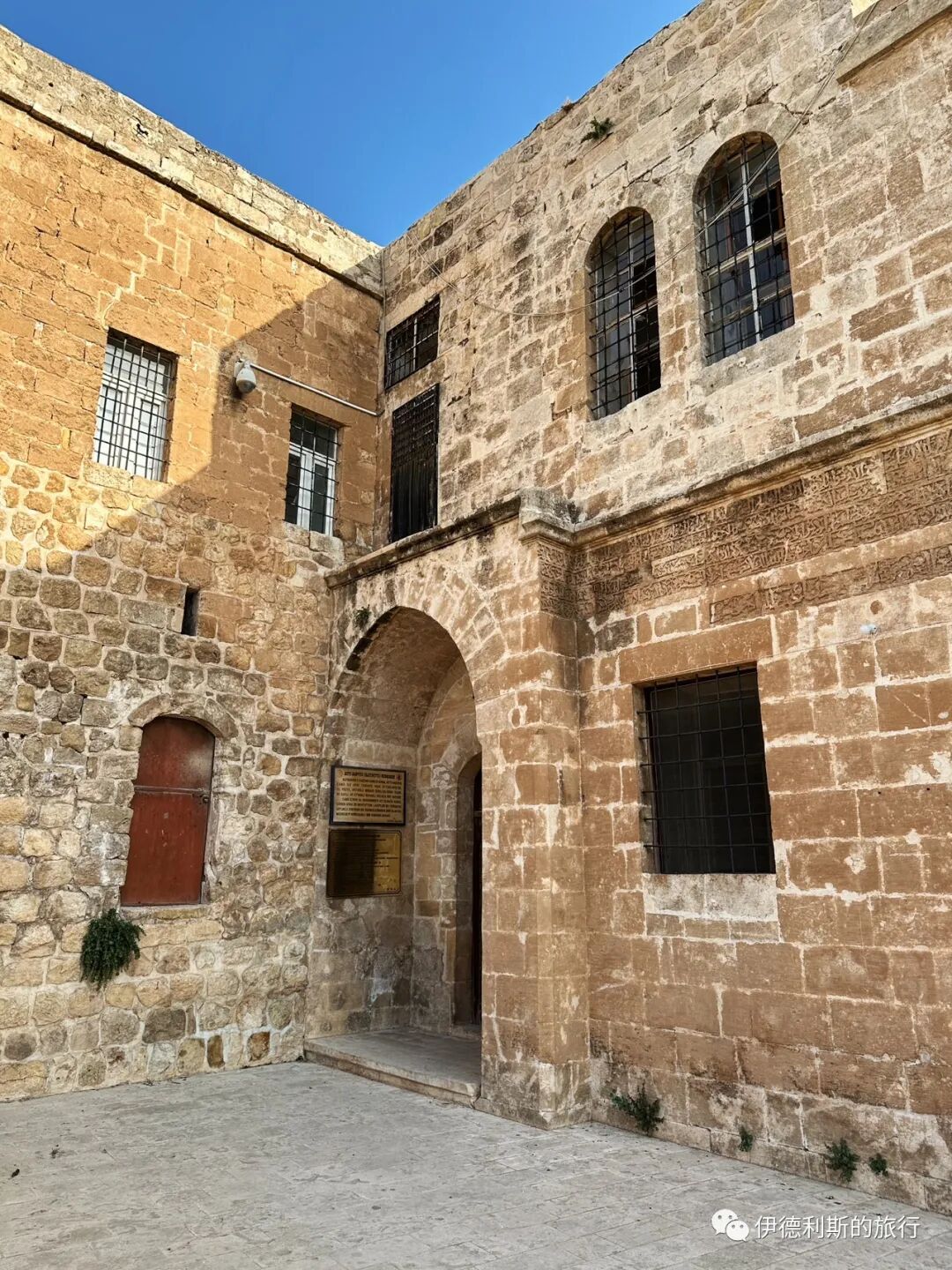
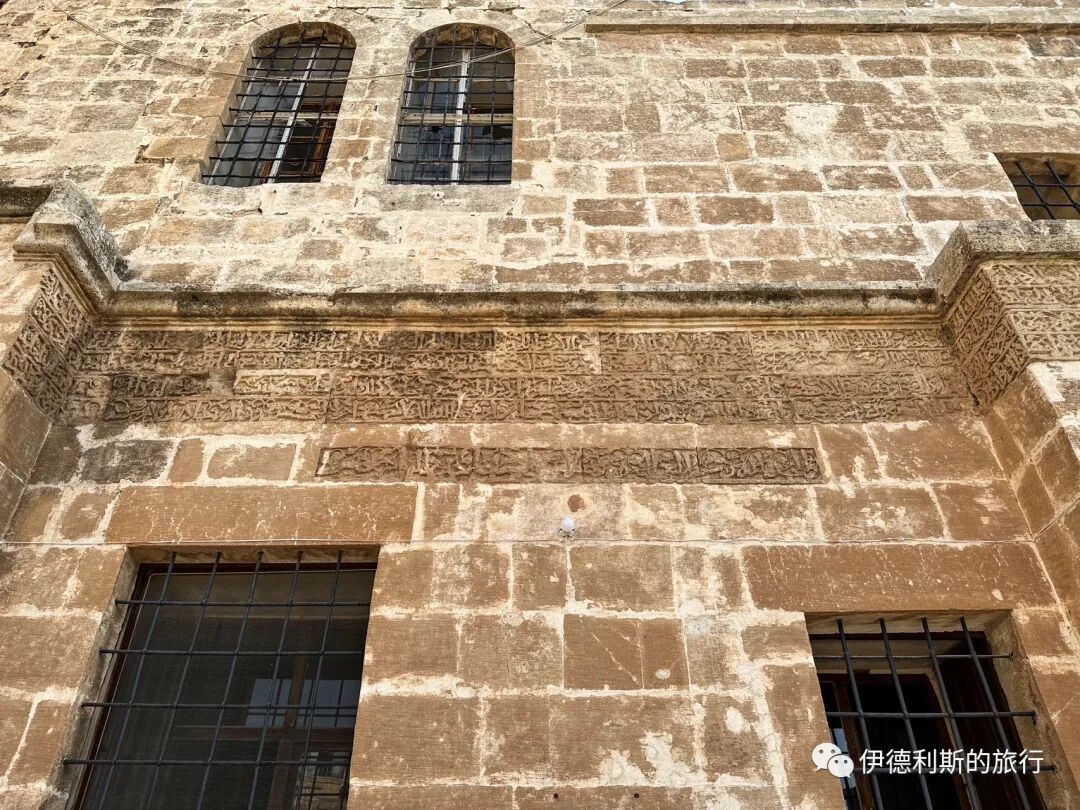
The second is the Hatuniye Madrasa, built between 1176 and 1184, which houses the footprint of the Prophet.
The third is the Savur Kapi Madrasa, built in the 13th to 14th centuries.
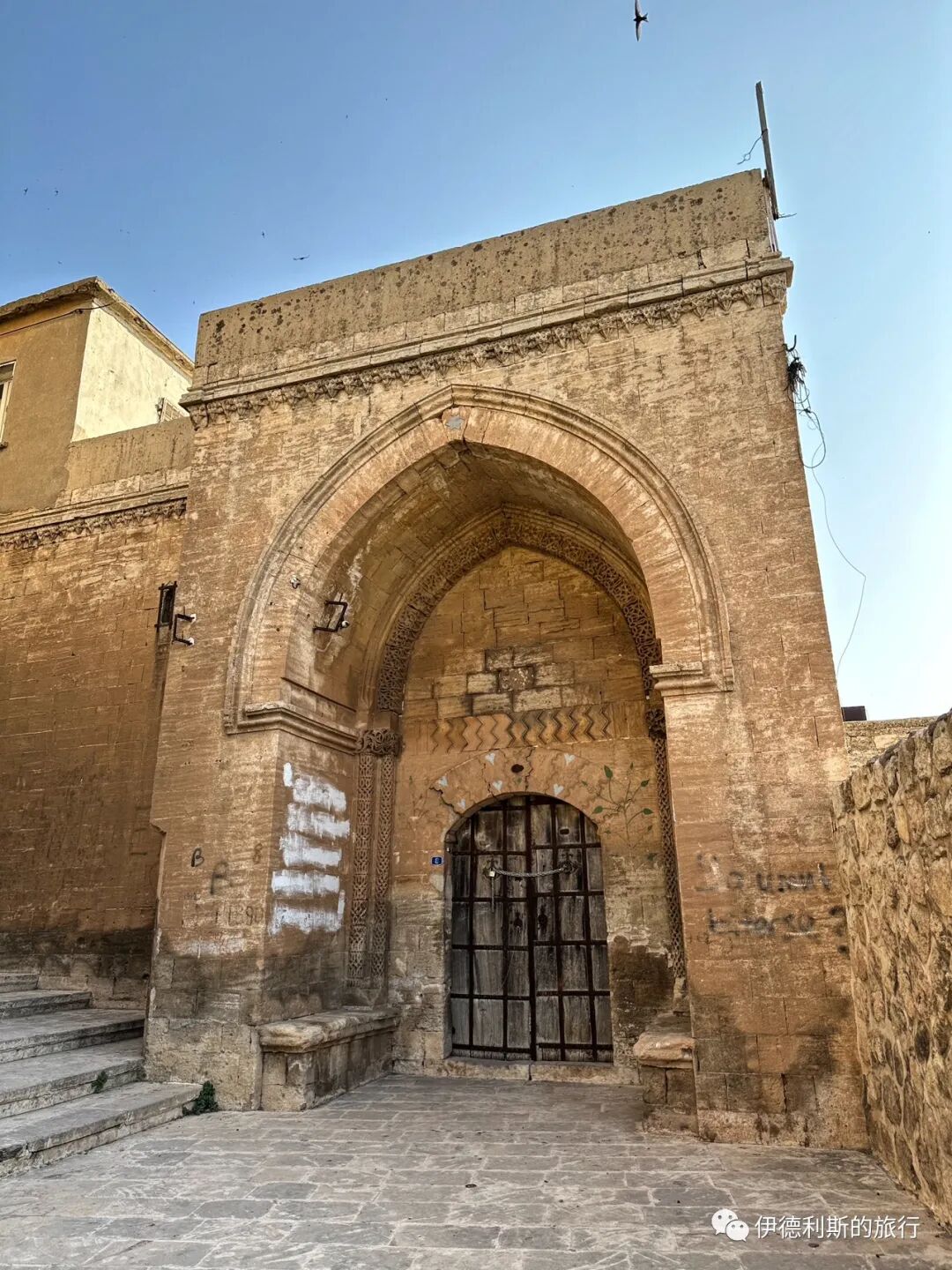
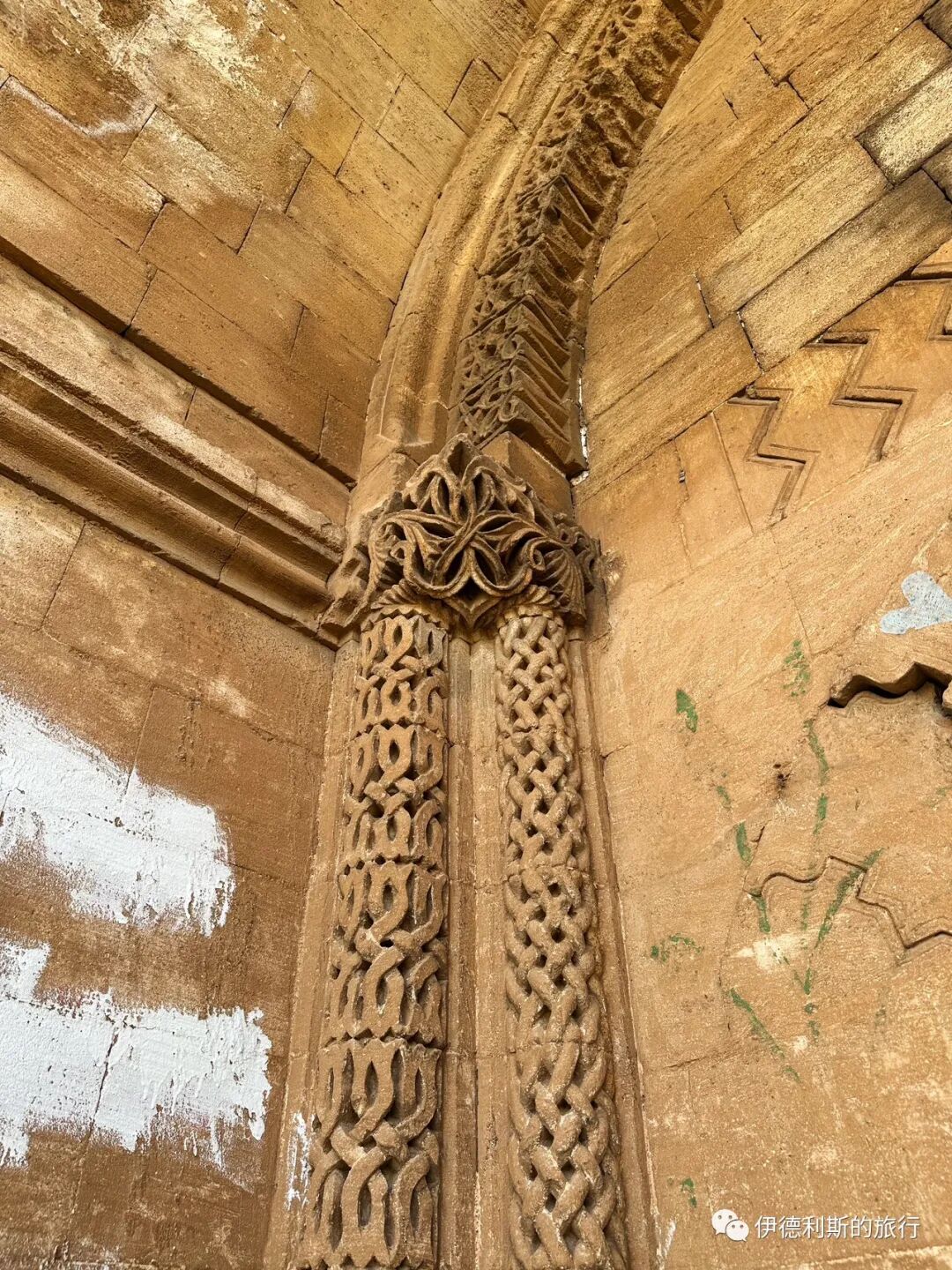
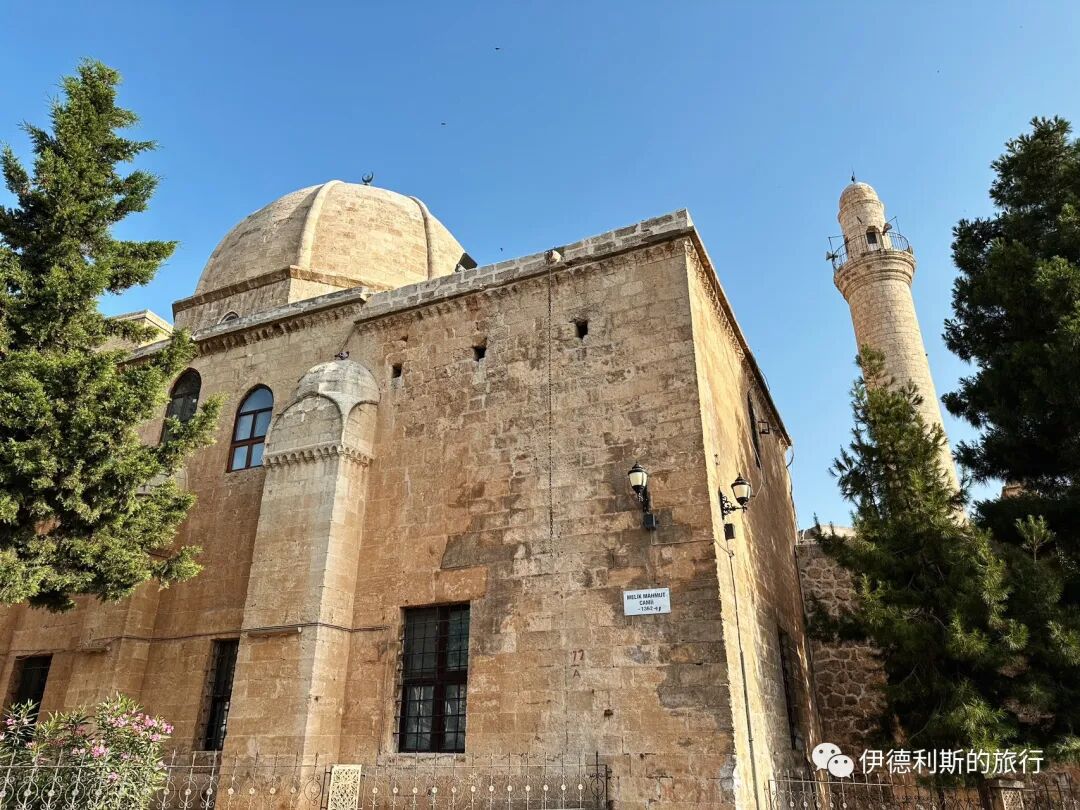
The fourth is the Melik Mahmut mosque, built in 1362.
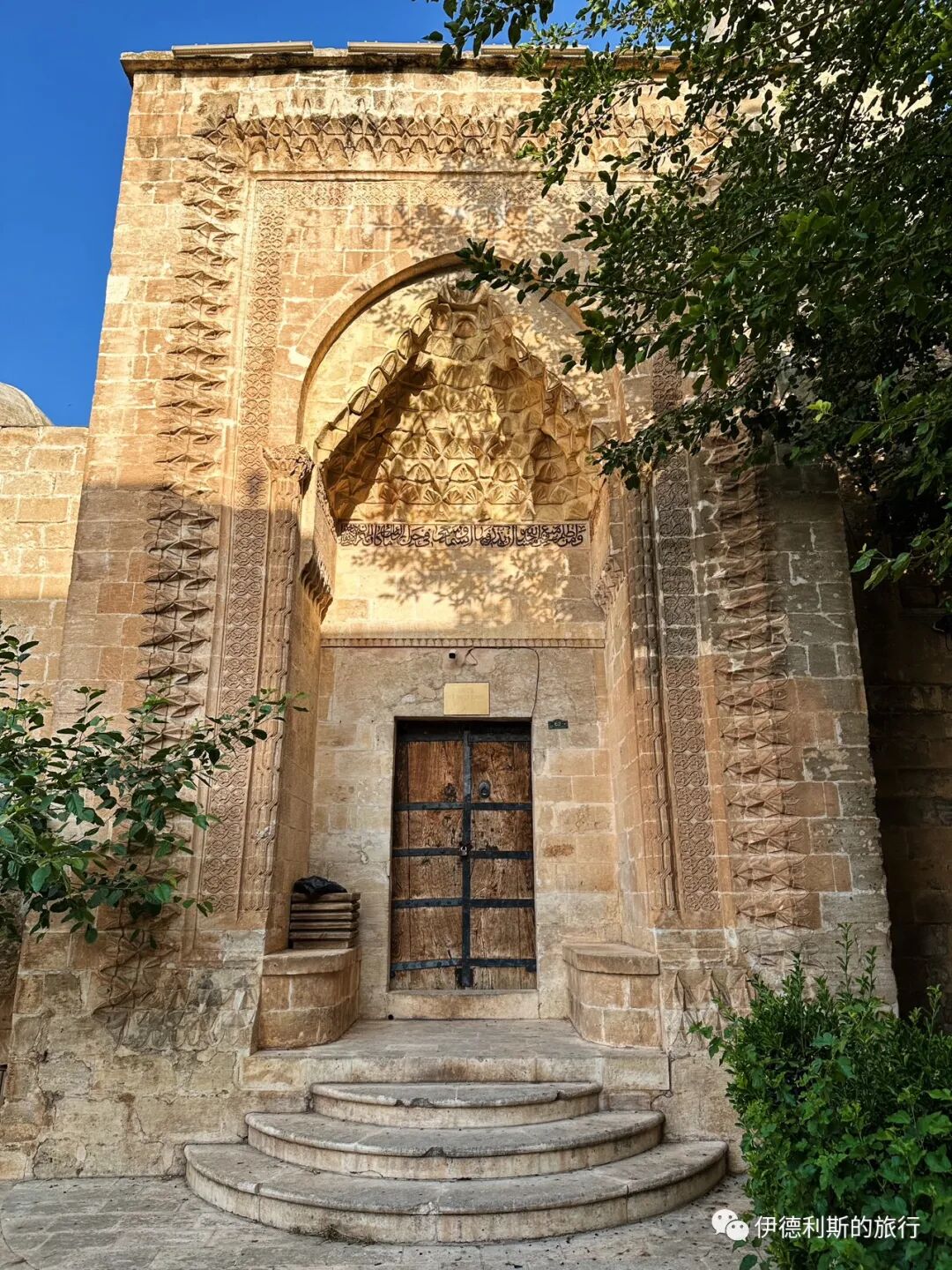
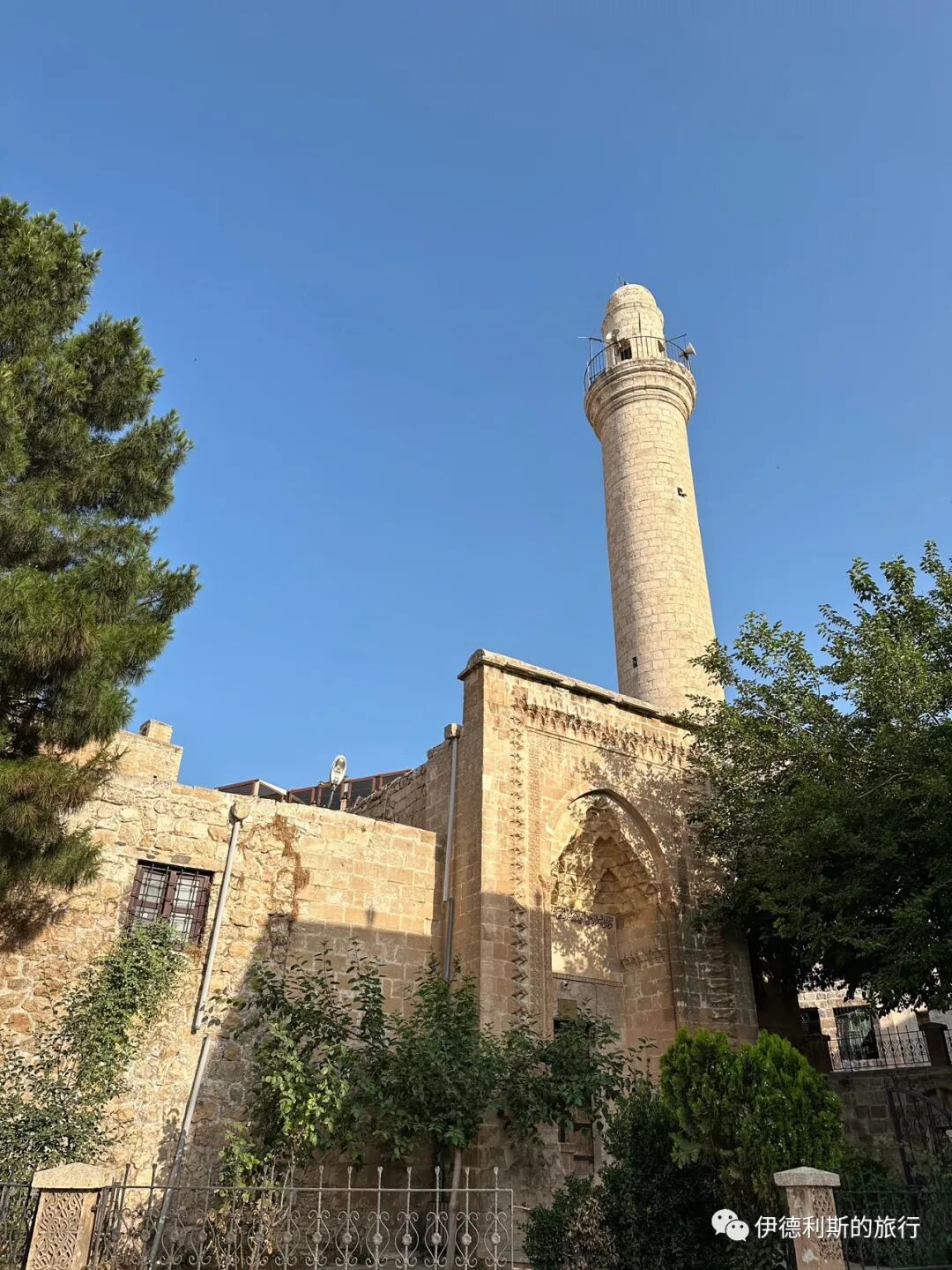
Summary: Mardin stands on a rocky slope above the Mesopotamian plain and is known for stone architecture, old mosques, churches, and layered local history. This travel account focuses on the city historic sites, religious buildings, and street-level observations in the original order.
In the previous article, 'Mardin: A Rocky Mountain City Where Kurds, Arabs, and Assyrians Live Together - Food and Lodging,' we visited the ancient city of Mardin in southeastern Turkey, near the borders of Syria and Iraq, and ate Kurdish and Assyrian food. In this article, I will continue to share the ancient buildings in the old city of Mardin, which is famous for its architecture from the Artuqid dynasty (12th-14th centuries).
The Artuqid dynasty was an Oghuz Turkic tribal dynasty that ruled southeastern Turkey, northern Iraq, and northern Syria from the 12th to the 14th century, named after the Seljuk commander Artuk Beg. Artuk Beg's sons began ruling Mardin in 1101, and for the next 300 years, Mardin served as the capital of the Mardin branch of the Artuqid dynasty. After the 13th century, the Artuqid dynasty became a vassal state of the Ilkhanate and the Timurid Empire, until it was destroyed by the Kara Koyunlu in 1409.
Great Mosque of Mardin
The Great Mosque of Mardin (Mardin Ulu Camii) dates back to the 10th century. It is one of the earliest mosques in the Anatolia region and set the foundation for later Mardin architectural styles. The mosque currently houses 16 stone inscriptions from the Seljuk, Artuqid, Kara Koyunlu, and Ottoman periods, spanning nearly a thousand years.
The mosque once had two minarets, but only the eastern one remains today. The inscription at its base shows it was built in 1176 and is a classic example of Artuqid architecture.
The Great Mosque has been renovated many times throughout history. Most of what we see today is from the Ottoman-era renovation in 1889, but it still keeps its early architectural style.
Next to the mihrab in the Great Mosque of Mardin, there is a preserved beard hair of the Prophet (Sakal-i Serifi). It is said to have been cut by the Prophet's favorite barber in the presence of Abu Bakr, Ali, and others.
Zinciriye Madrasa
Zinciriye Madrasa was built in 1385 and is another historic Artuqid-era building in the old city of Mardin. Zinciriye Madrasa is actually a complex (külliye) consisting of a madrasa, a mosque, a tomb, and two courtyards. The mosque and the tomb each have a fluted dome, matching the style of the dome at the Great Mosque of Mardin.
At the southeast corner of the madrasa is a 12-meter-high gate featuring an exquisite stalactite vault (muqarnas), decorated with geometric vine patterns and Kufic and Thuluth calligraphy.
There is a fountain pool in the center of the Zinciriye Madrasa courtyard. In Sufi philosophy, the flow of water symbolizes a person's journey from this life to the afterlife, and this pool is a physical representation of that symbol. The fountain's source symbolizes birth, then flows through stages representing infancy, childhood, and youth. The long water channel symbolizes entering old age, and the final pool represents the arrival of the Day of Judgment.
The area around the fountain and the main hall of the mosque are decorated with classic two-toned brickwork known as ablaq. This brick decoration likely originated in the Syrian region under the Eastern Roman Empire. Muslim craftsmen later used it in early Islamic buildings like the Dome of the Rock in Jerusalem, the Umayyad Mosque in Damascus, and the Great Mosque of Cordoba. Because the Syrian region has plenty of black basalt and white limestone, most local ablaq is black and white. The Mardin region mostly has beige limestone, so the ablaq there is beige and black.
Mardin Castle
You can clearly see the remaining walls of Mardin Castle from the Zinciriye Madrasa. Mardin Castle is thought to be 3,000 years old, dating back to the Babylonian period. The existing structures were built between the 10th-century Hamdanid dynasty (al-Hamdaniyyun) and the Artuqid dynasty from the 11th to 13th centuries. The Hamdanid dynasty was an Arab tribal dynasty from Mesopotamia. Ottoman Sultan Selim III, who reigned from 1789 to 1807, repaired it, but it fell into disrepair by the early 20th century.
Today, a military radar station occupies the site. The city of Mardin has repeatedly asked the military to leave and open it to tourism. In 2015, former Mardin mayor Ahmet Turk helped launch a campaign called 'Mardin Castle belongs to the people of Mardin' to demand the castle be opened to visitors, but it has not succeeded yet.
The Mardin Museum holds a stone carving from 1302, found at the gate of Mardin Castle during the Artuqid period. It records the income of the foundation (waqf) that supported the castle's mosque, making it a very precious document.
Abdullatif Mosque
I caught the Dhuhr prayer (namaz) at Abdullatif Mosque. Abdullatif Mosque, also called Latifiye Mosque, was started in 1371 by the Artuqid minister Abdullatif. The minaret was built in 1845 by the Ottoman governor of Mosul, Muhammad Pasha.
The mosque's gate still looks as it did when it was built in 1371 and is considered the last classic work of the Artuqid dynasty. Below the exquisite stalactite-style vaulted ceiling (muqarnas), the area is decorated with Kufic and Thuluth calligraphy alongside various geometric patterns.
The ablution pool in the outer courtyard of the Abdullatif mosque, the open-air space prepared for dhikr, the fountain pool in the inner courtyard, and the original structural elements on the pulpit (minbar) and the walls of the main prayer hall.
Kasimiye Madrasa
Kasimiye Madrasa, also known as Kasim Pasha Madrasa, sits on a hillside in the western suburbs of the old city of Mardin. Construction began under Al-Zahir Majd al-Din 'Isā (reigned 1376–1407), the second-to-last sultan of the Artuqid dynasty, but it was left unfinished due to the invasion of the Timurid Empire. It was finally completed at the end of the 15th century by the Black Sheep Turkmen (Qara Qoyunlu) sultan Kasim ibn Cihangir (reigned 1487–1507).
Kasimiye Madrasa was the most powerful school in Mardin's history. It taught not only religious studies but also medicine, astronomy, mathematics, and other sciences. The madrasa stayed open until 1924, when all madrasas in Turkey were closed. Today, it is a famous tourist spot in Mardin. It attracts many visitors and is a beautiful place where many young couples come to take wedding photos.
The madrasa has a rectangular structure with a vaulted dome on each side—one for the mosque and one for the tomb. In the middle is a courtyard surrounded by two floors of classrooms. The central fountain pool is the classic Mardin "Fountain of Life," which symbolizes the journey from birth through childhood, youth, and old age, finally reaching the Day of Judgment. The classroom doors are only one meter high. This design forces students to bow respectfully to their teachers as they enter.
Old photos of Kasimiye Madrasa and the view overlooking the Mesopotamian plains from the school.
Seyh Cabuk Mosque
Seyh Cabuk Mosque is believed to have been built during the 15th-century Black Sheep Turkmen (Qara Qoyunlu) period and was renovated in the 19th century. Legend says that Abdullah bin Anas al-Juhayni, a companion of the Prophet Muhammad, was sent to Constantinople to deliver a letter. He passed away in Mardin on his return journey and was buried here, and the mosque was built because of his tomb.
Sehidiye Mosque
Sehidiye Mosque was ordered to be built in 1214 by the Artuqid sultan Melik Nasreddin Aslan. The current minaret was rebuilt in 1914 by the Armenian architect Serkis Lole in an eclectic style, which is very characteristic of that era.
Dinari Pamuk Mosque
While eating barbecue in the evening, I heard the adhan, so the barbecue shop owner and I both stepped out to pray Maghrib at the nearby Dinari Pamuk mosque. It is a small mosque, but it is very crowded because it sits on the main road of the old city.
Dinari Pamuk mosque was reportedly built in the 11th century by Sheikh Mehmet Dinari on the site of a Byzantine church, while the current structure dates back to the Artuqid dynasty in 1332.
Other ancient buildings from the Artuqid dynasty.
There are many more historical sites in the old city of Mardin, but I could not visit them all this time due to limited. Visually, the stone houses made of beige limestone are very different from the red-roofed wooden houses common in the Ottoman old cities of central and western Turkey, making them quite rare in Turkey and offering a unique experience.
Finally, I will share a few Artuqid-era historical sites I passed while walking in the early morning, though it is a pity I arrived too early to go inside.
The first is the Savurkapi bathhouse, built in 1176.
The second is the Hatuniye Madrasa, built between 1176 and 1184, which houses the footprint of the Prophet.
The third is the Savur Kapi Madrasa, built in the 13th to 14th centuries.
The fourth is the Melik Mahmut mosque, built in 1362.
