
Halal Travel Guide: Dali, Yunnan — Binju Mosque and Hui Muslim Heritage
Reposted from the web
Summary: Binju Mosque in Dali, Yunnan, is part of the local Hui Muslim landscape and carries the everyday history of a Muslim community in western Yunnan. This travel note follows the mosque visit through its original facts, photos, and observations.
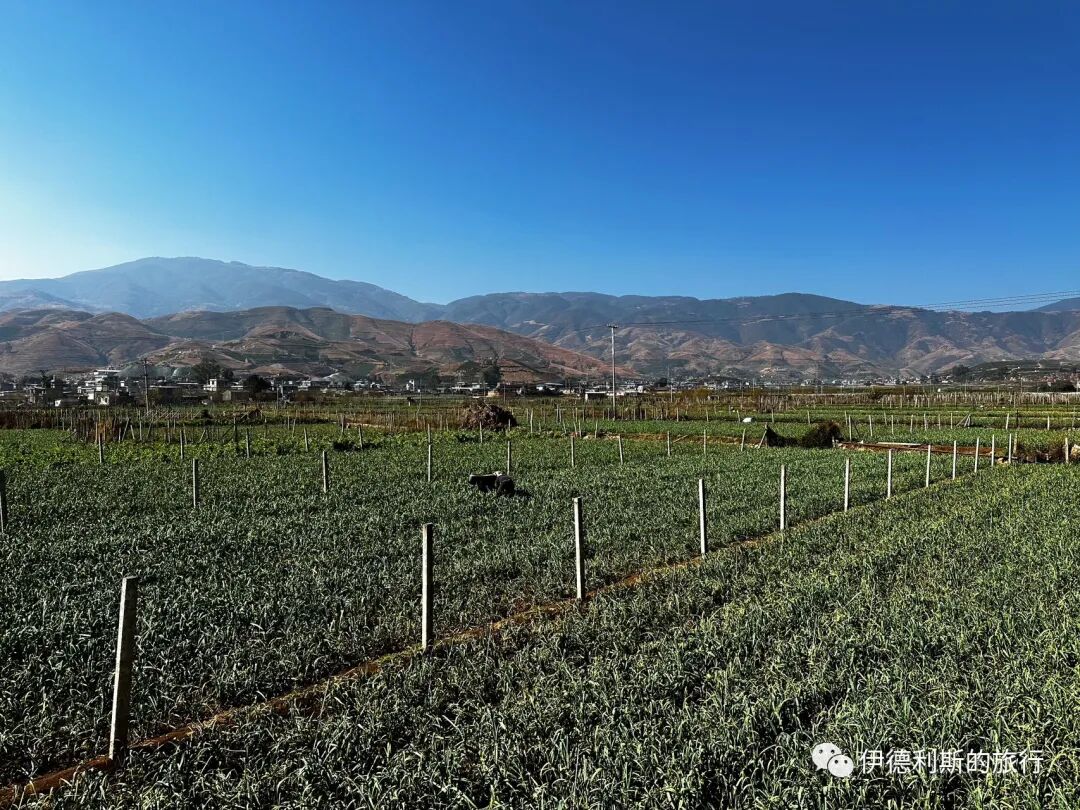
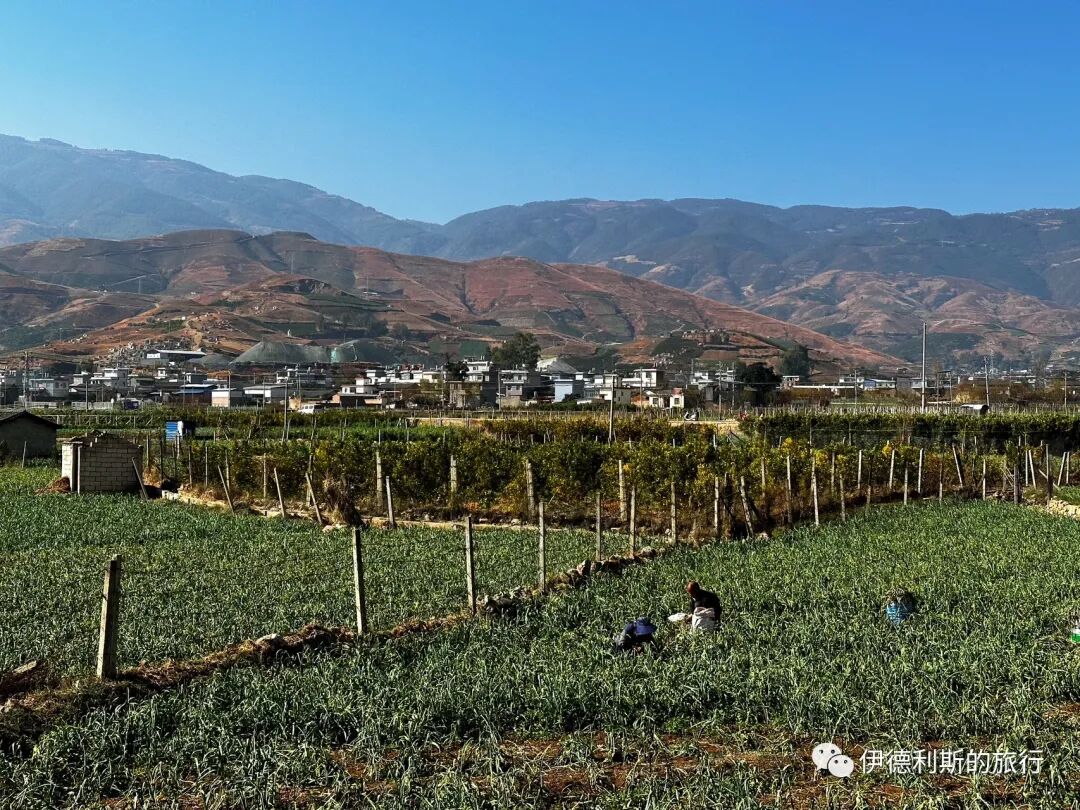
On January 31, 2023, I rode an electric scooter from Xiaguan in Dali to Binju Town. The sky was bright blue the whole way, and the valley was filled with lush green farmland where people worked hard. The photos I took look just like landscape paintings.
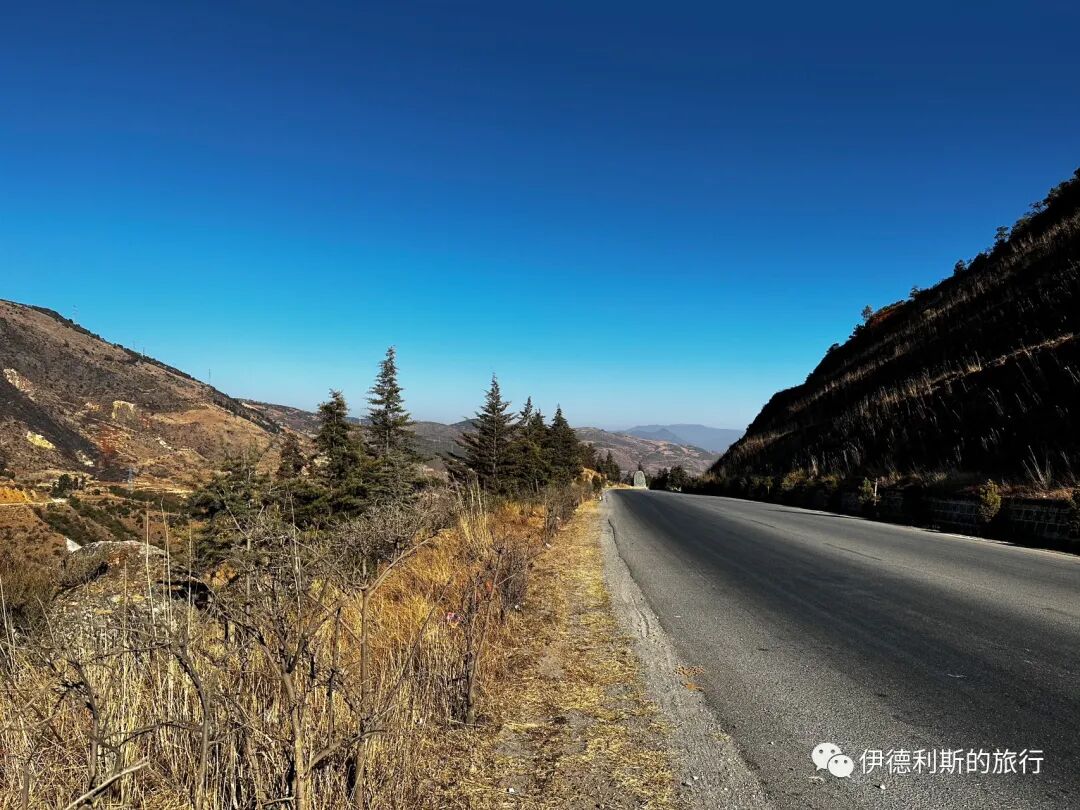
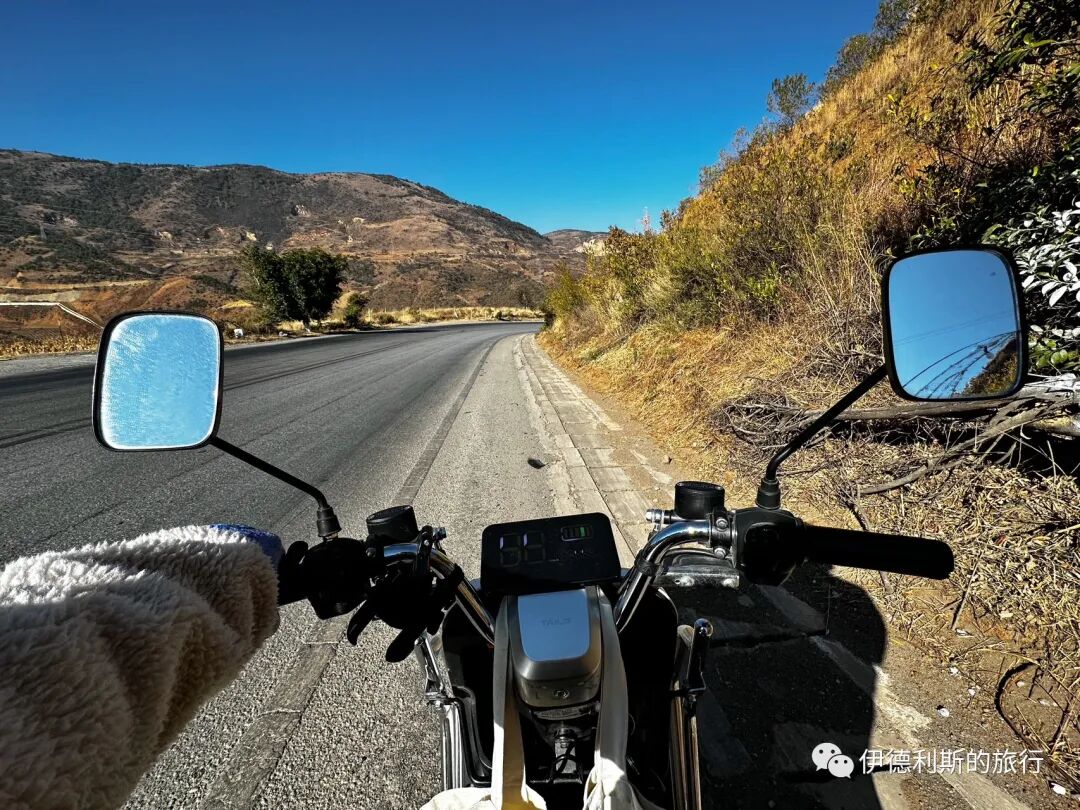
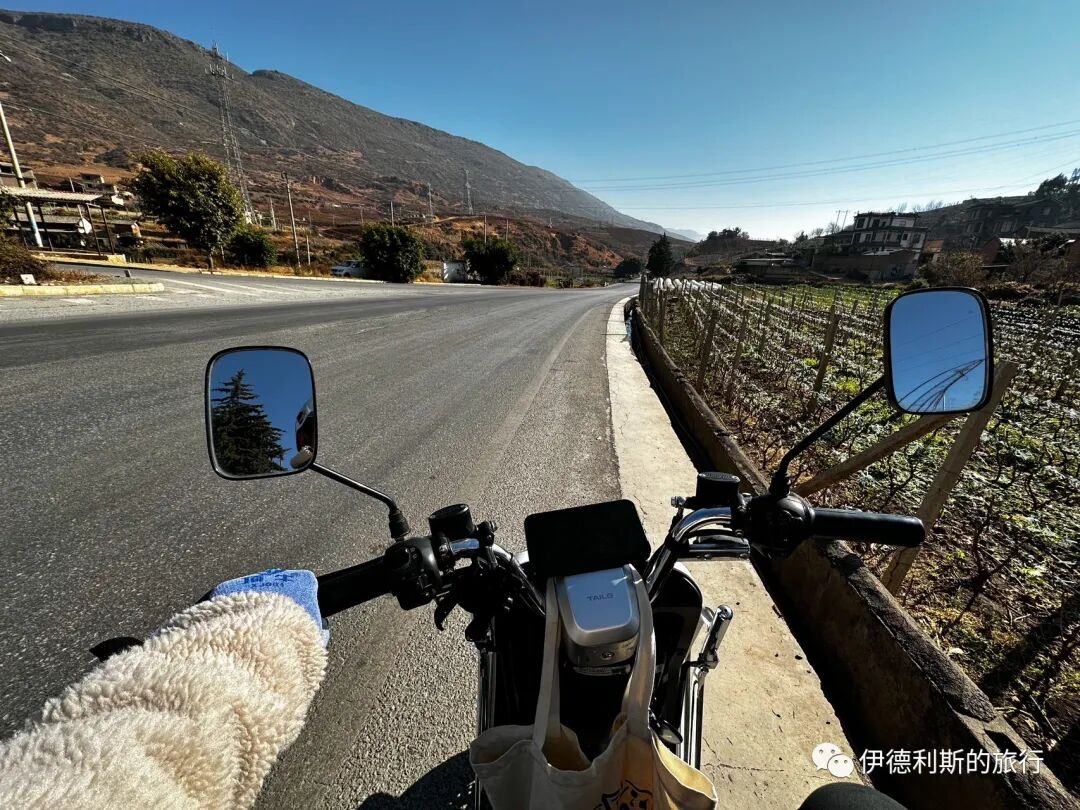
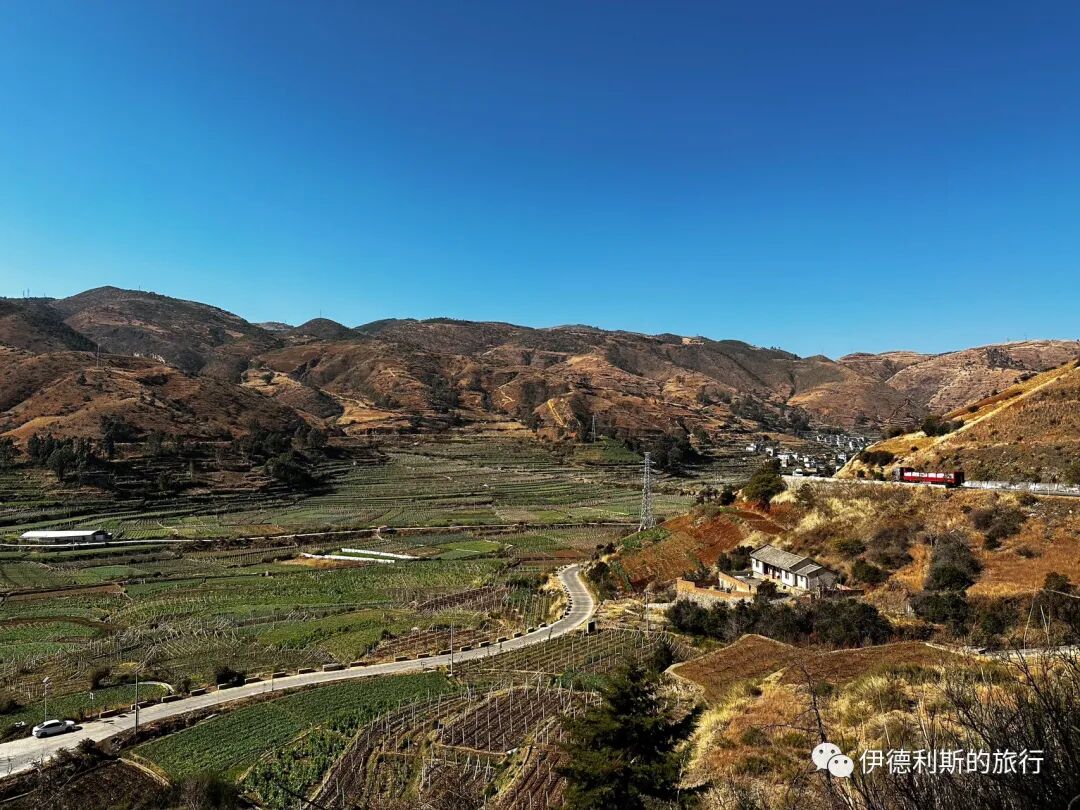
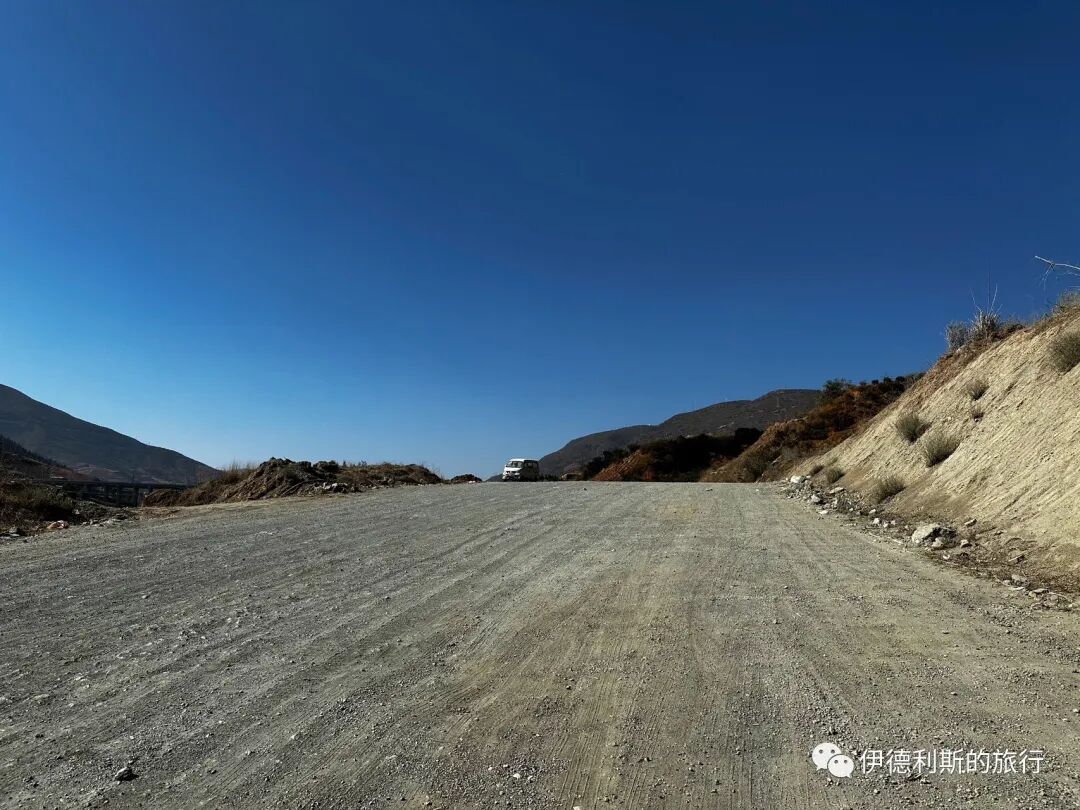
The mountain road here is not very steep, making for a comfortable ride, though there is a short section marked as a geological hazard zone with gravel left behind by a landslide.
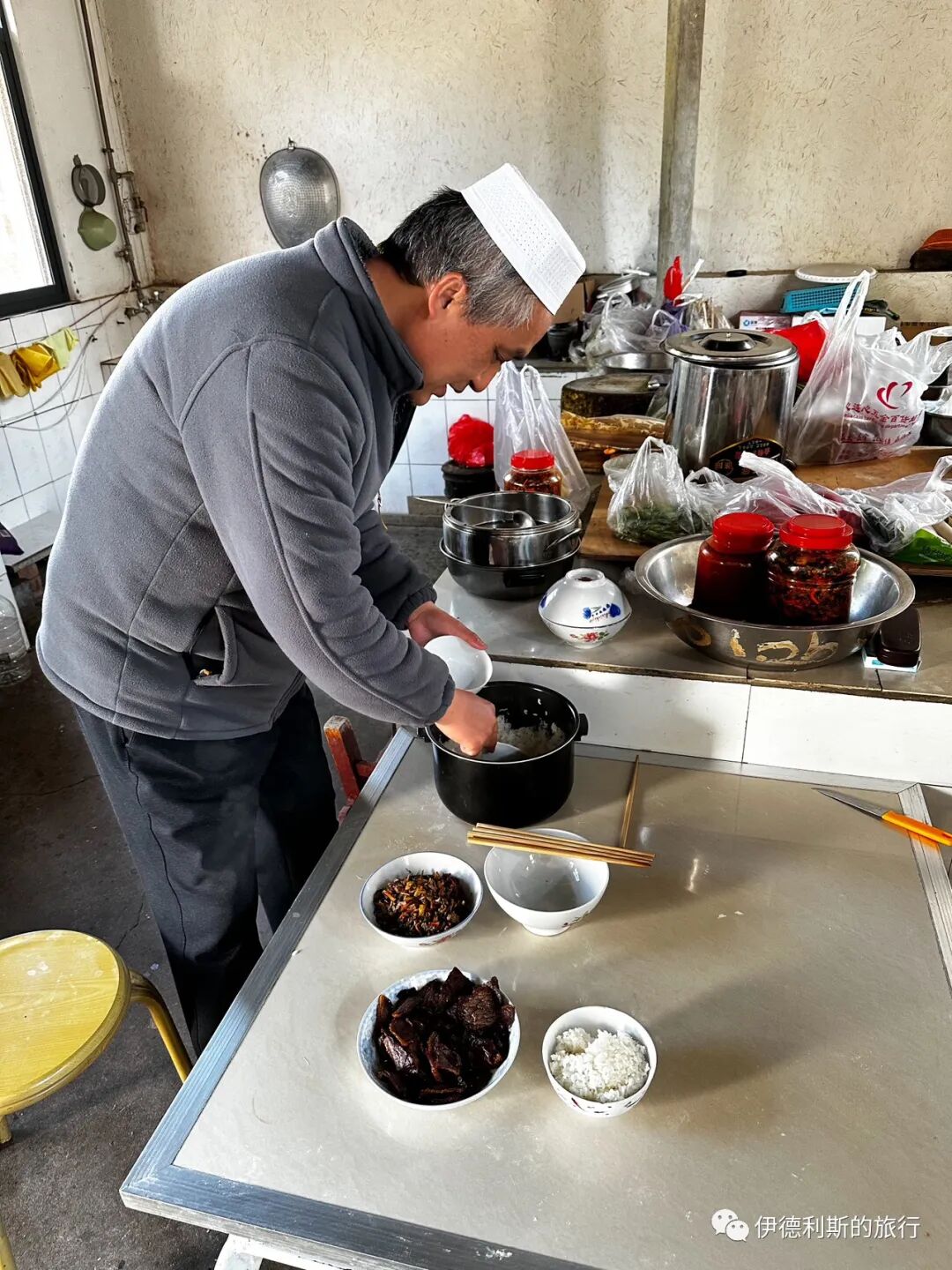
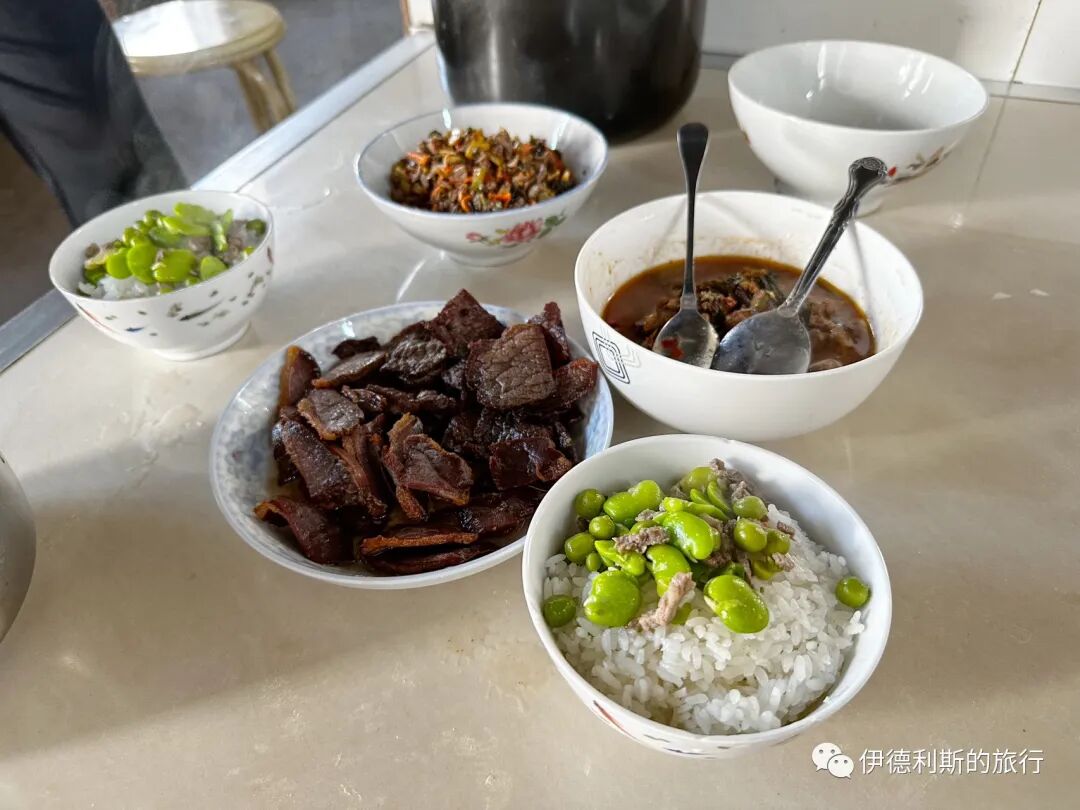
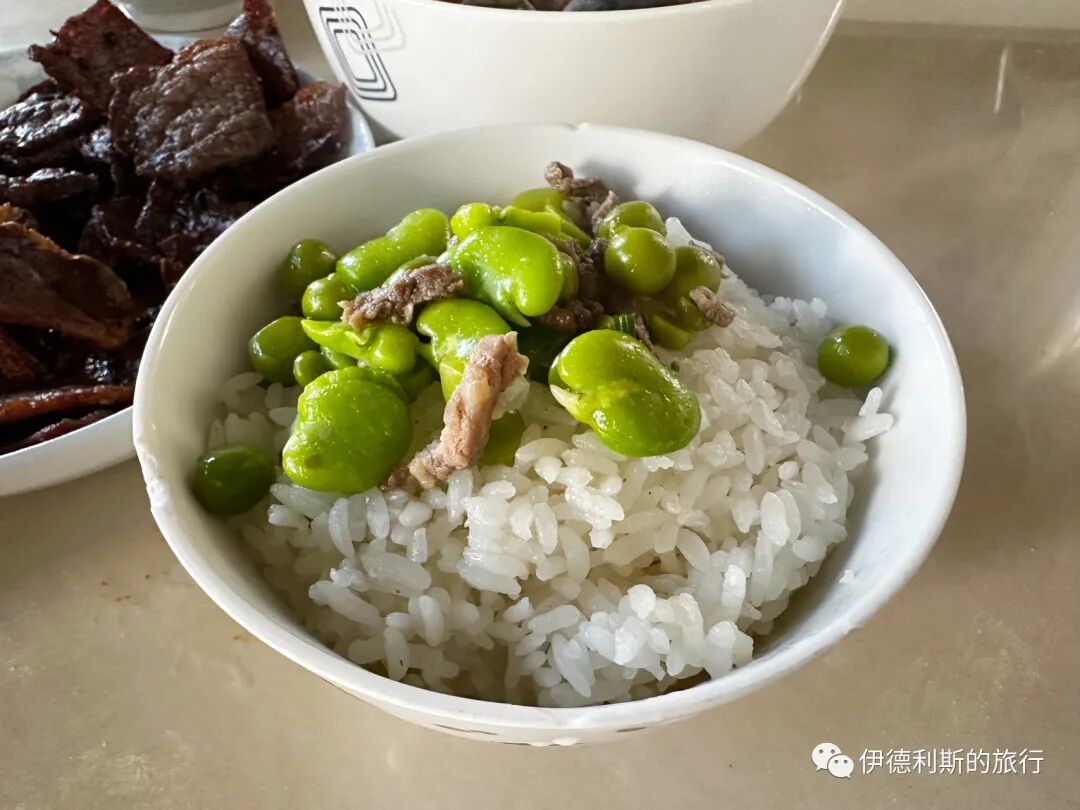
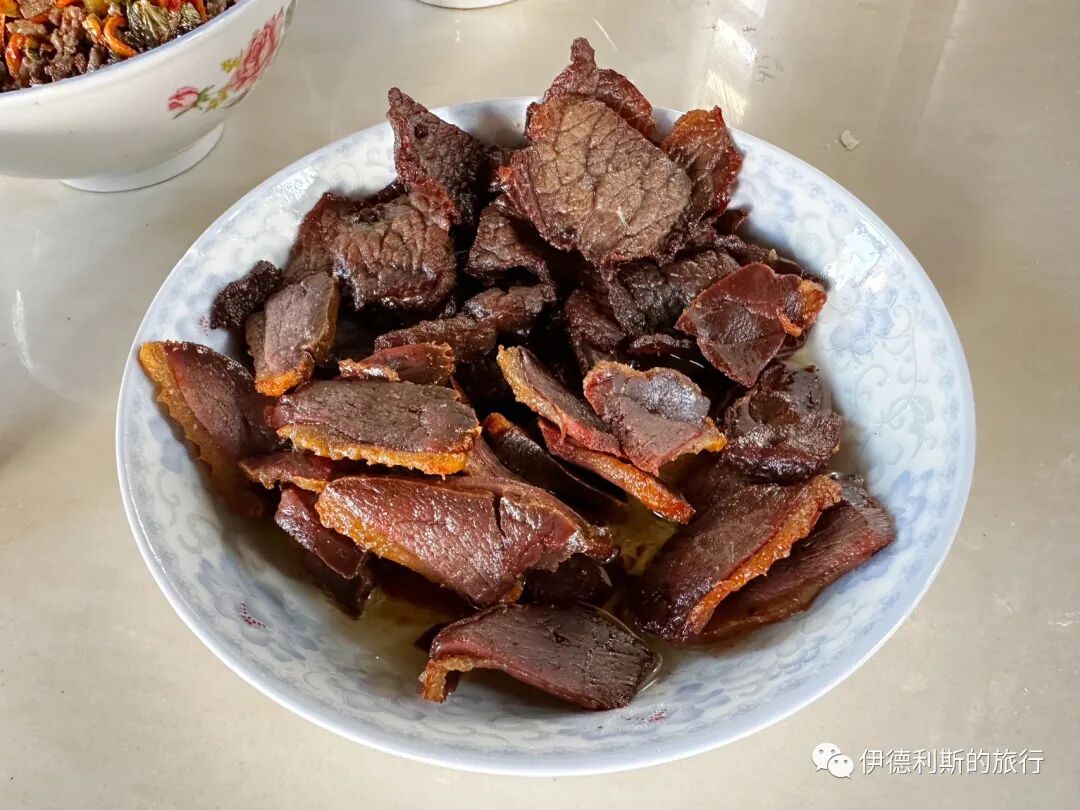
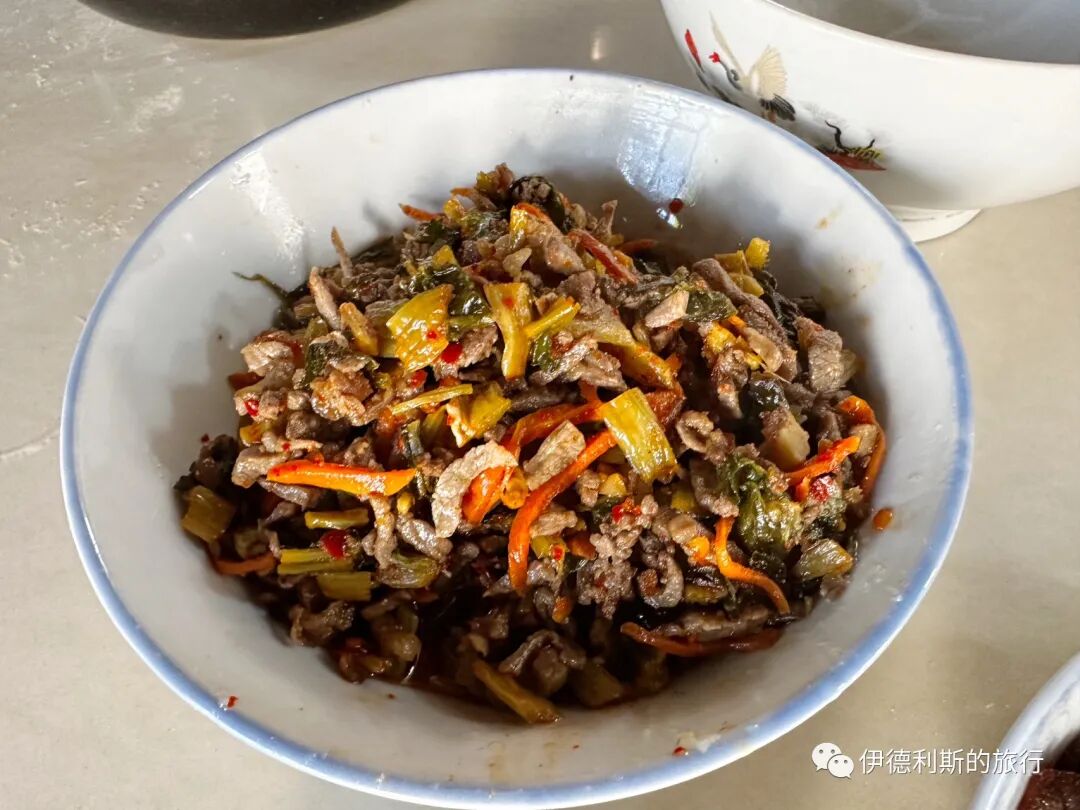
After riding 50 kilometers, I arrived in Binju Town. Wusuo’s family hosted me at the mosque with dried beef (niuganba), stir-stir-fried meat with pickled vegetables (suancai chaorou), stir-stir-fried meat with broad beans (candou chaorou), and fish with pickled vegetables (suancai yu). I really love the home-cooked meals of Yunnan’s Hui Muslims.
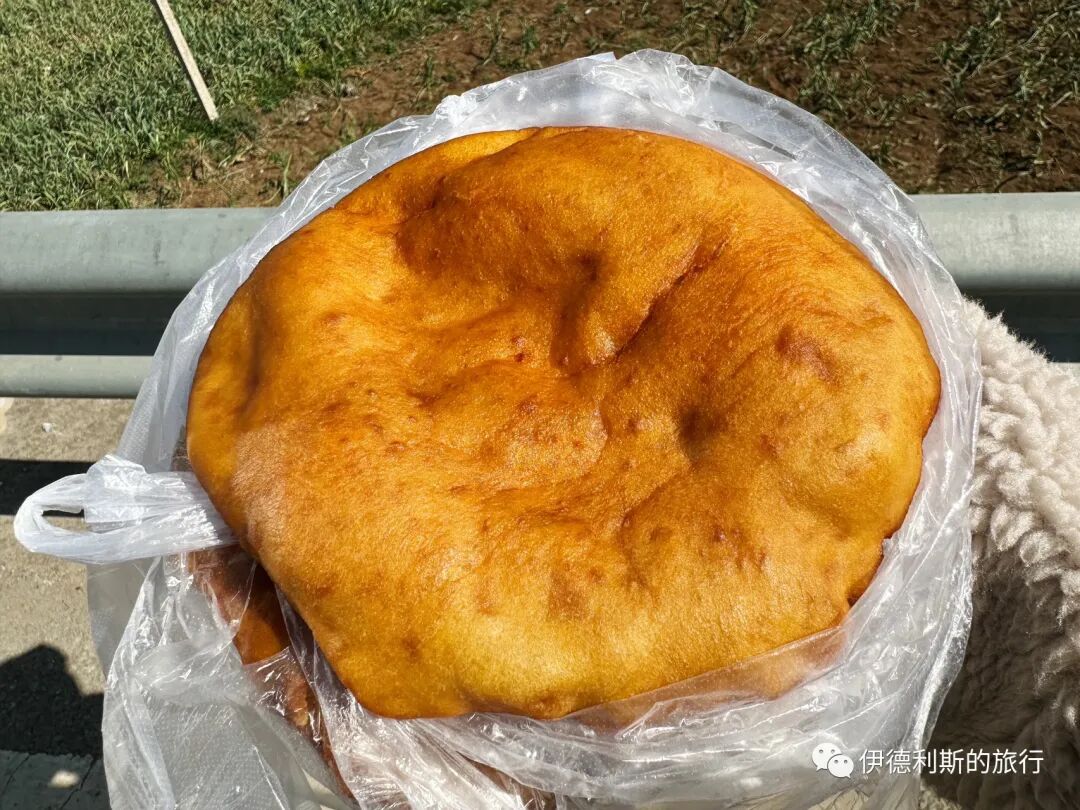
Every Tuesday is the big market day in Binju Town, and Wusuo’s family sells fried dough cakes (youxiang) there. The fried dough cakes (youxiang) in Yunnan are sweet and taste great even when eaten plain.
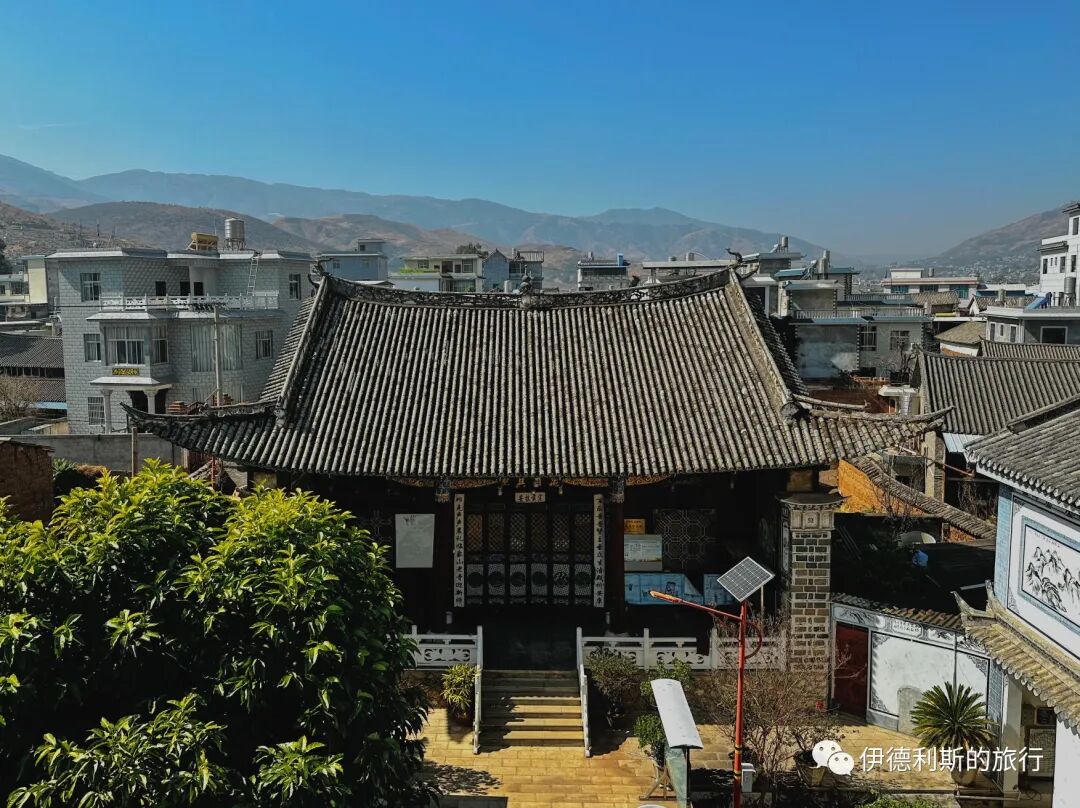
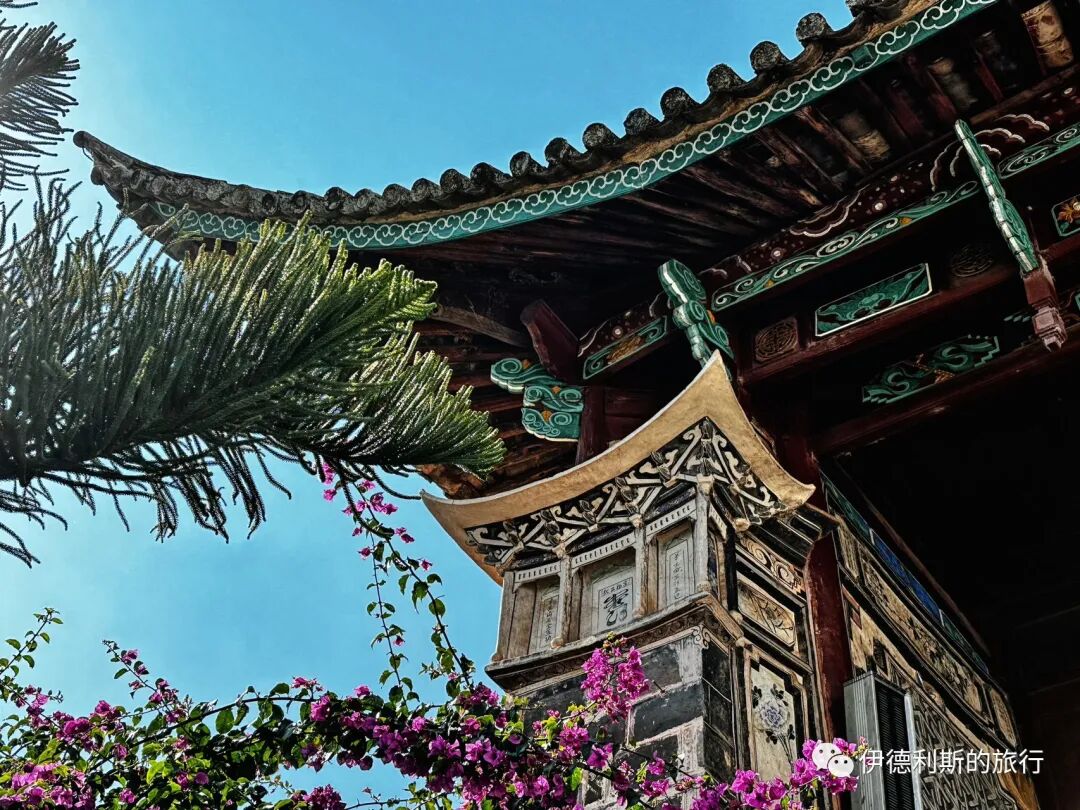
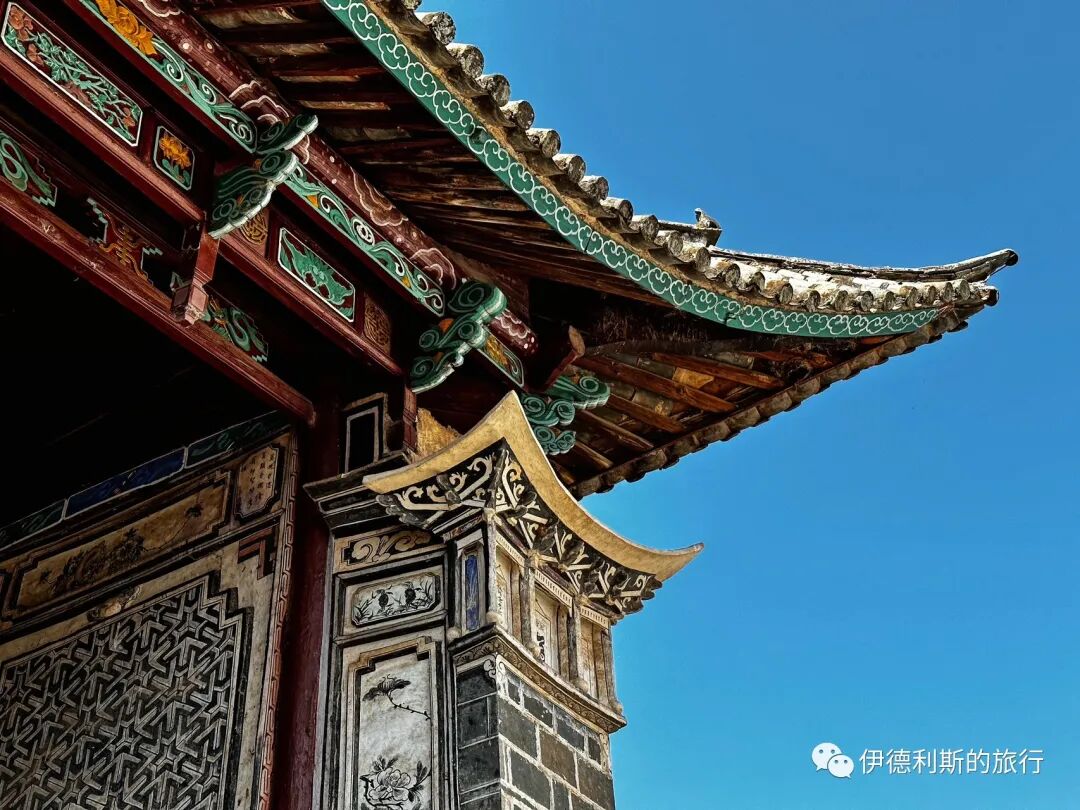
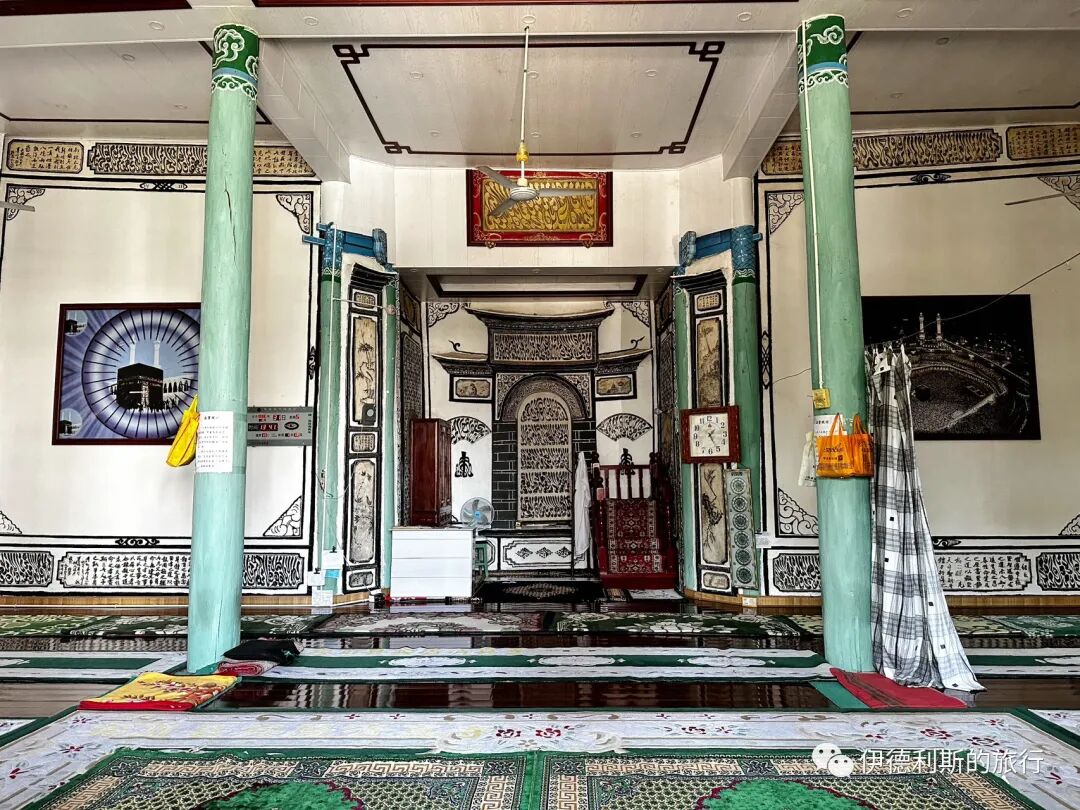
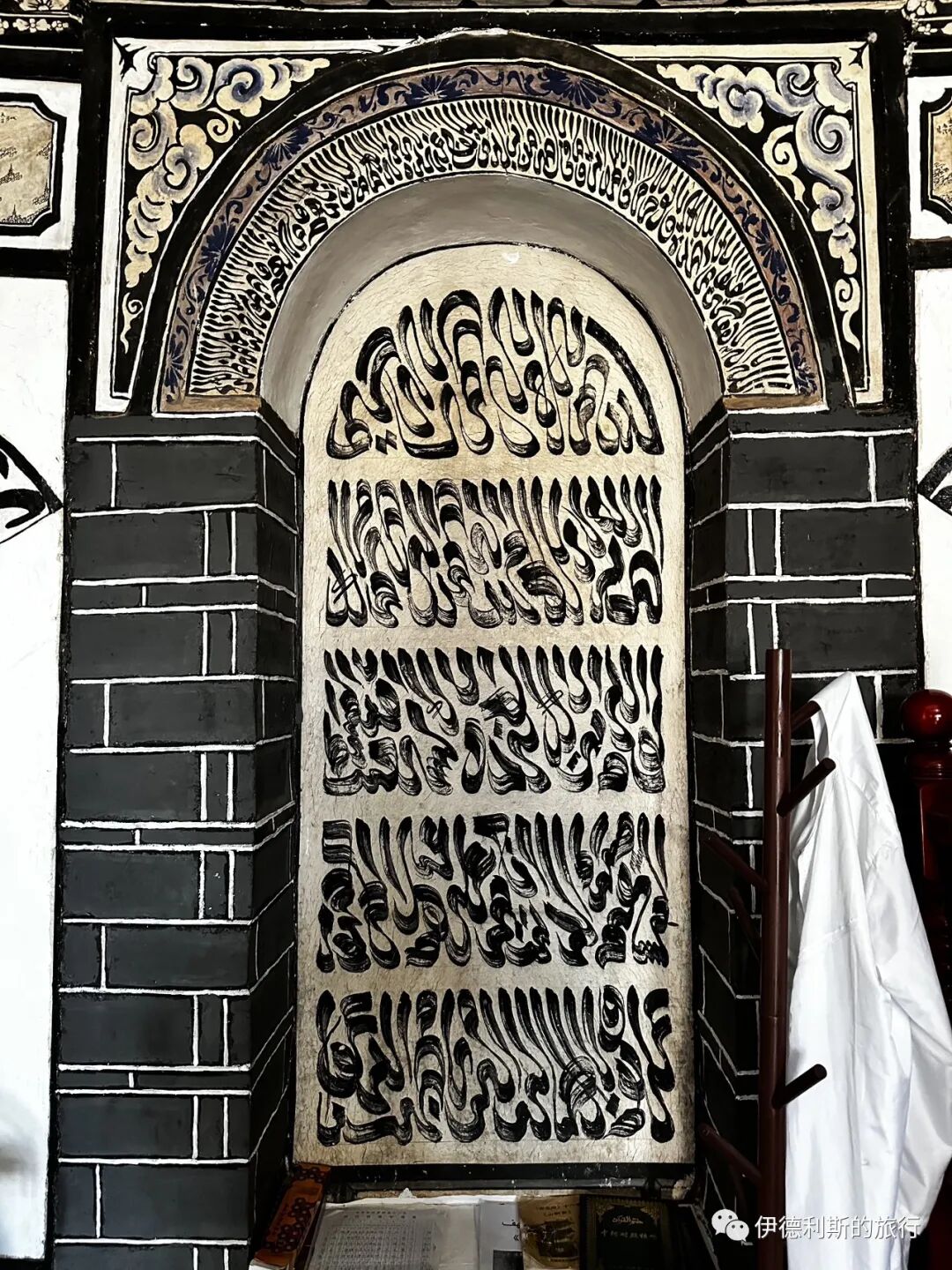
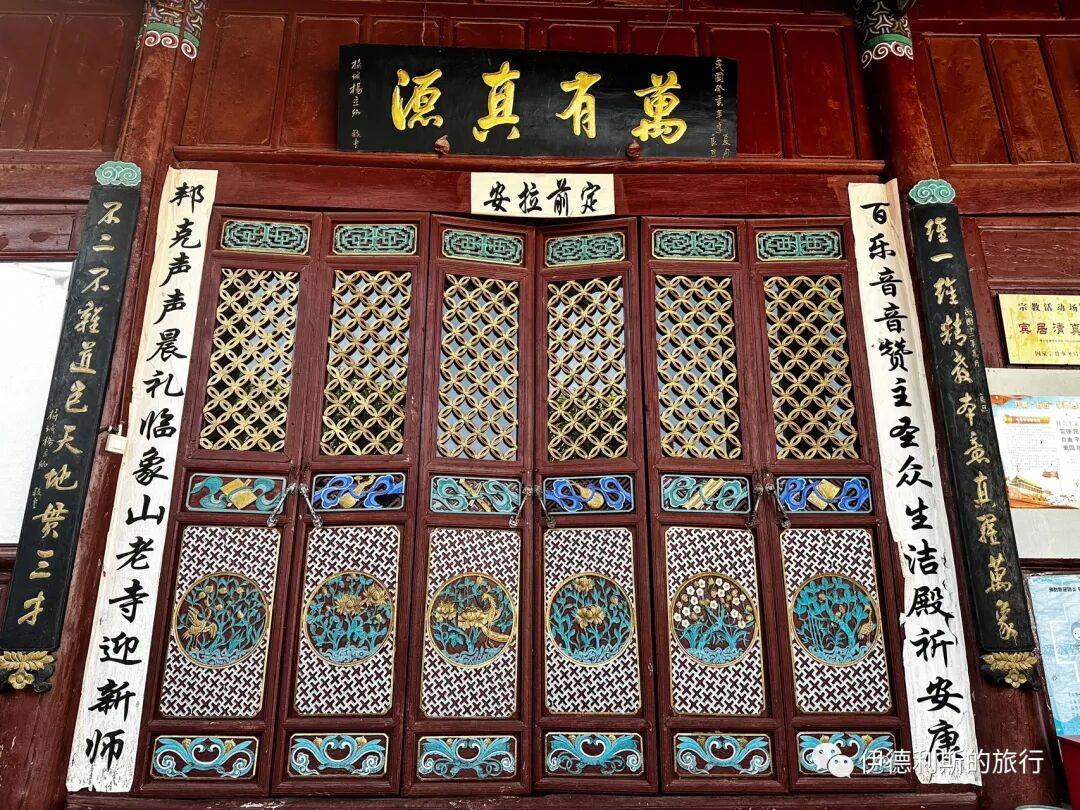
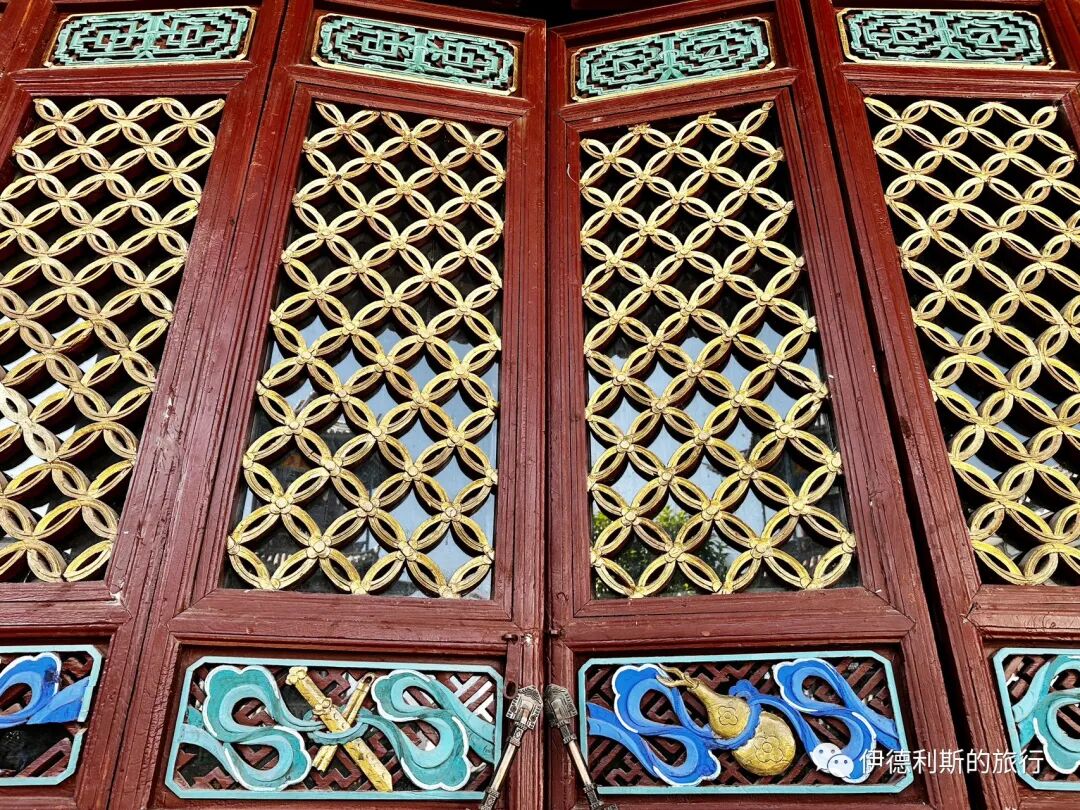
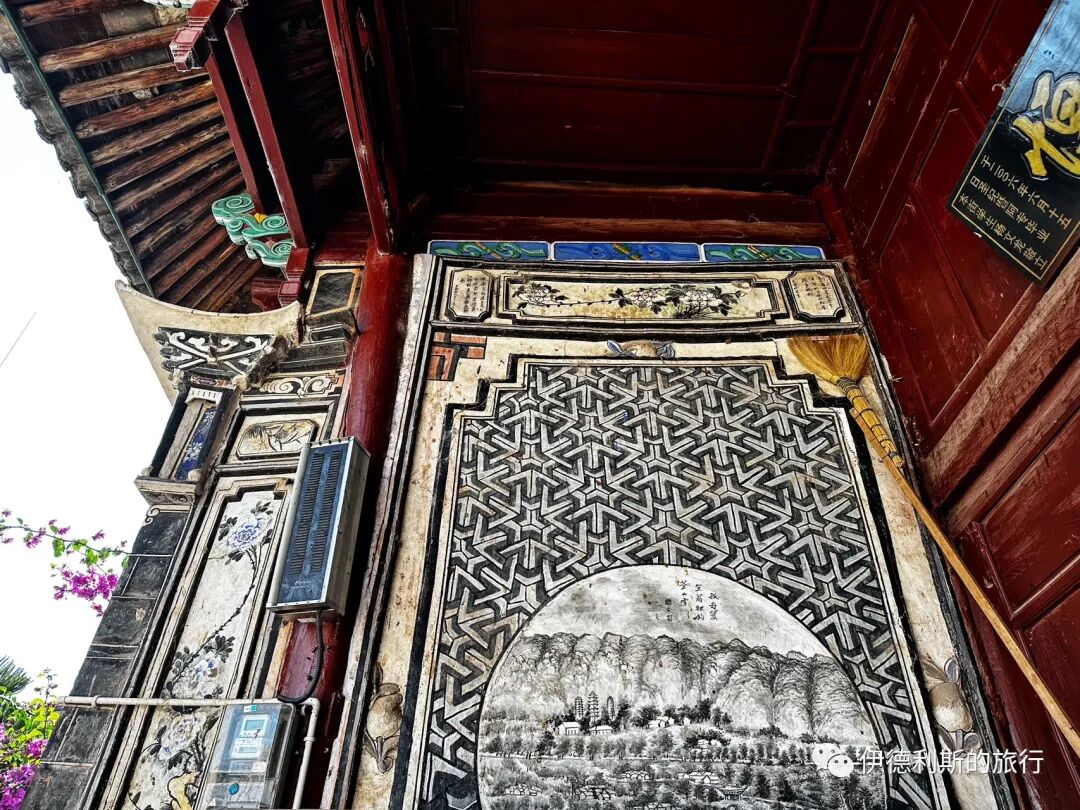
Binju Mosque was first built in the mid-Qing Dynasty, destroyed during the Tongzhi reign, and rebuilt in 1923. This is a history shared by most old mosques in Yunnan. The existing main hall with its gabled and hipped roof (xieshanding) is a century old and features typical Dali-style architecture. It preserves precious calligraphy and murals from the Republic of China era.
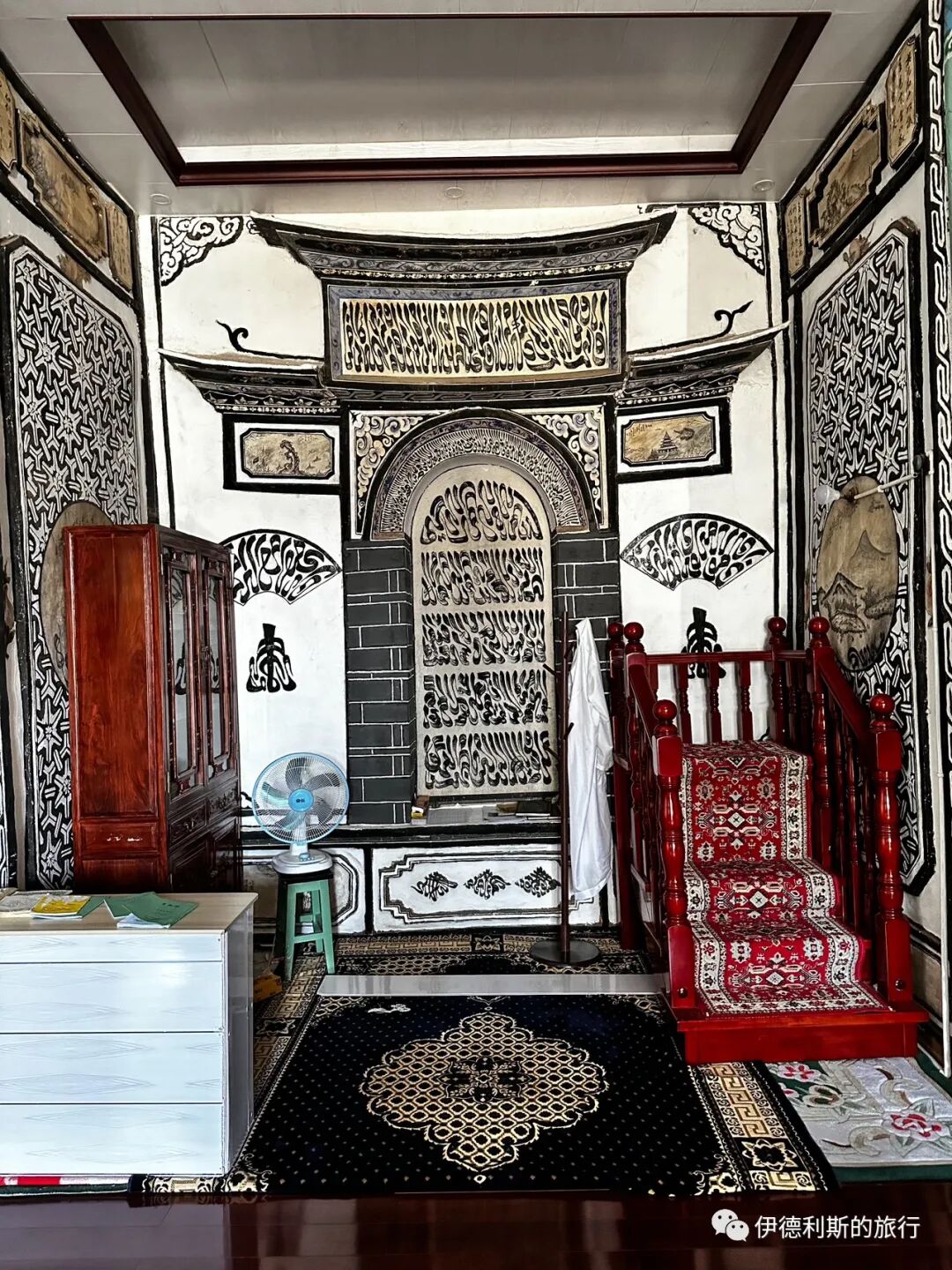
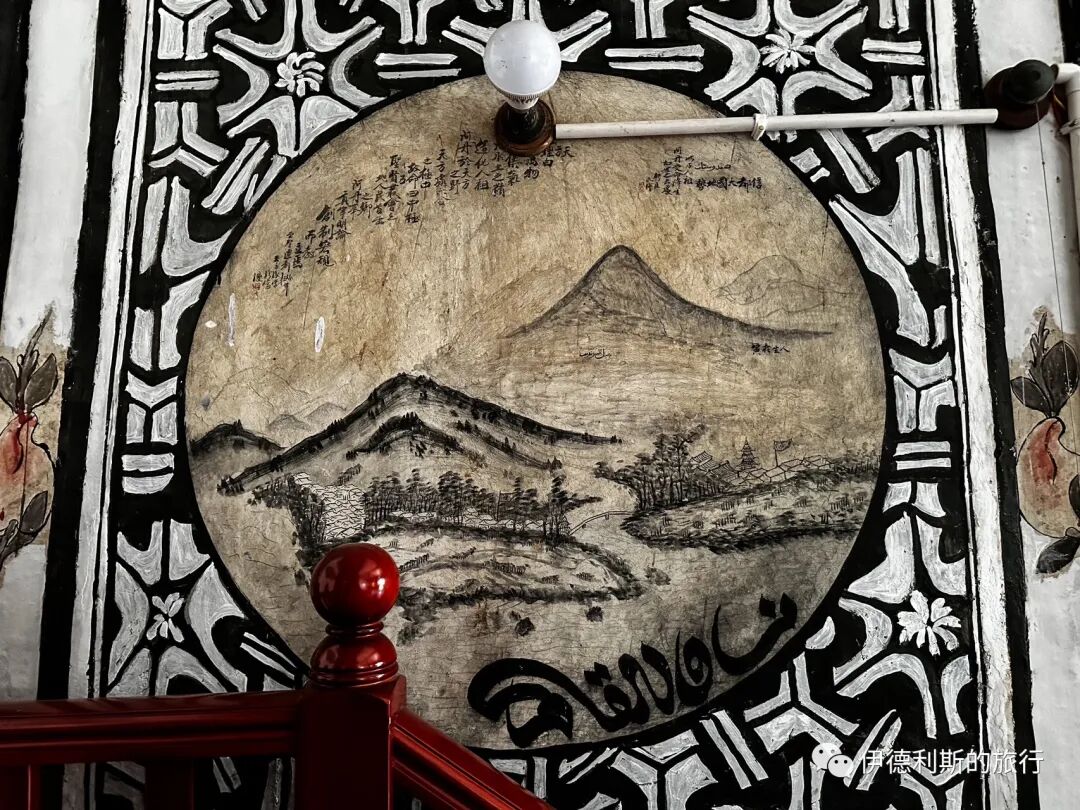
The birthplace of the Prophet Adam is depicted here using the style of traditional landscape painting.
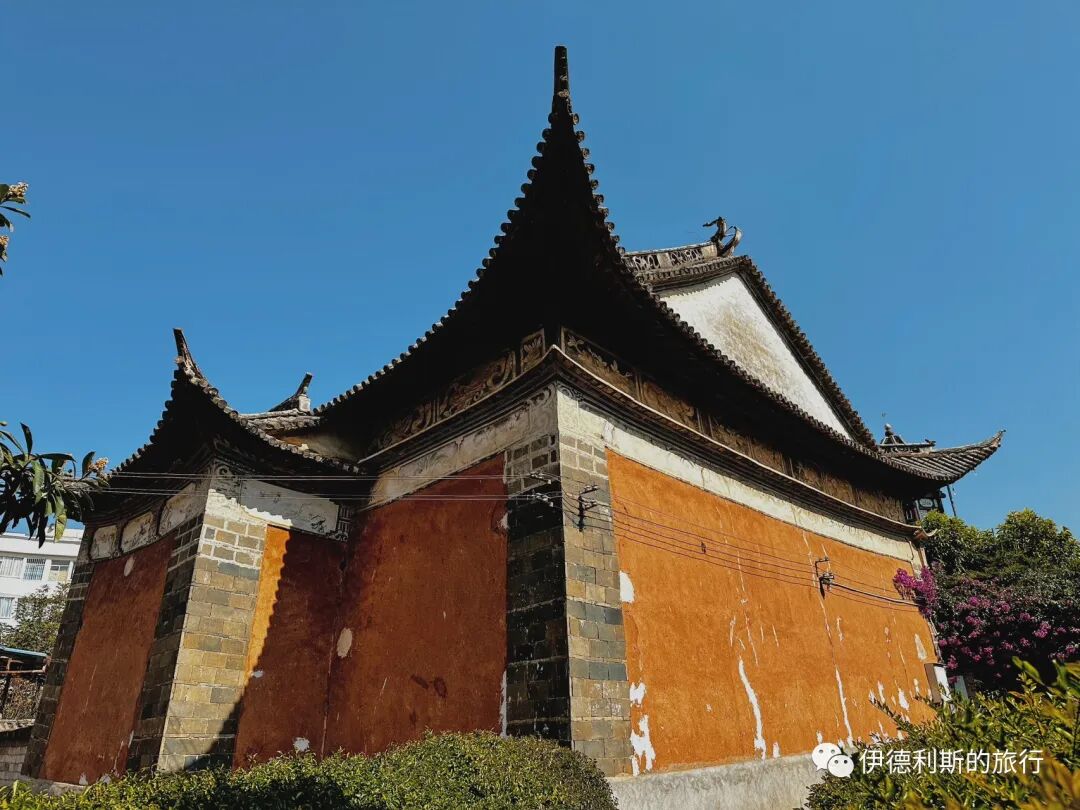
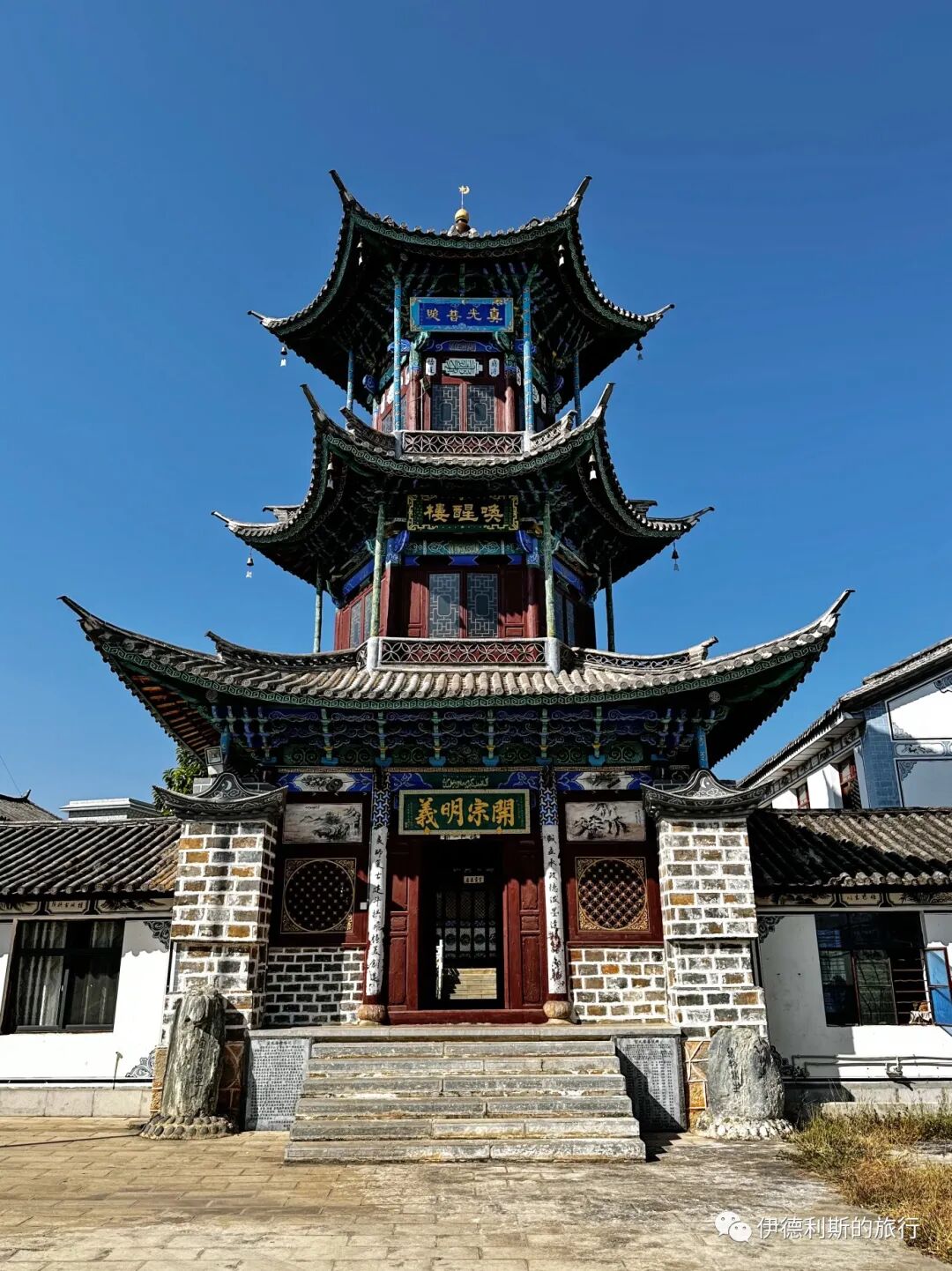
The mosque’s three-tiered, pointed-roof minaret was rebuilt between 1993 and 1994, but it still keeps the traditional architectural style of the Dali region and is very beautiful.
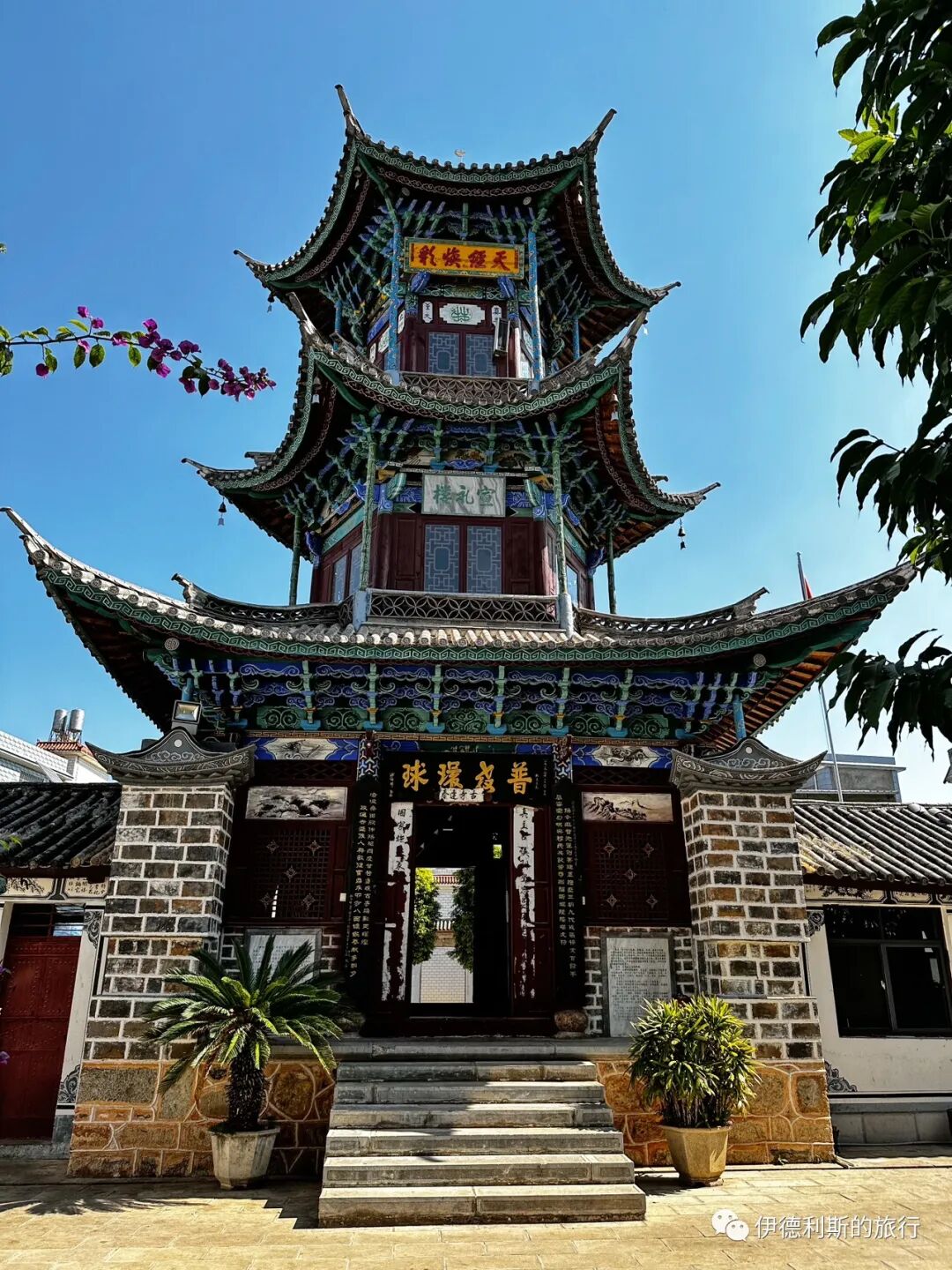
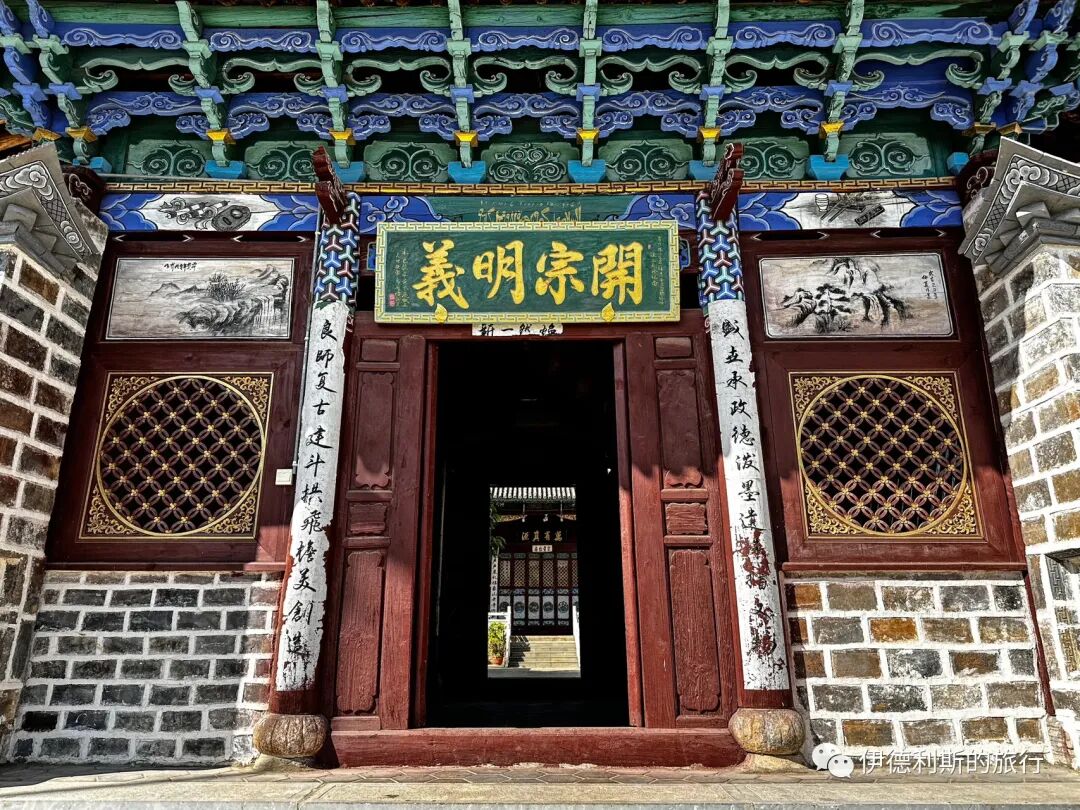
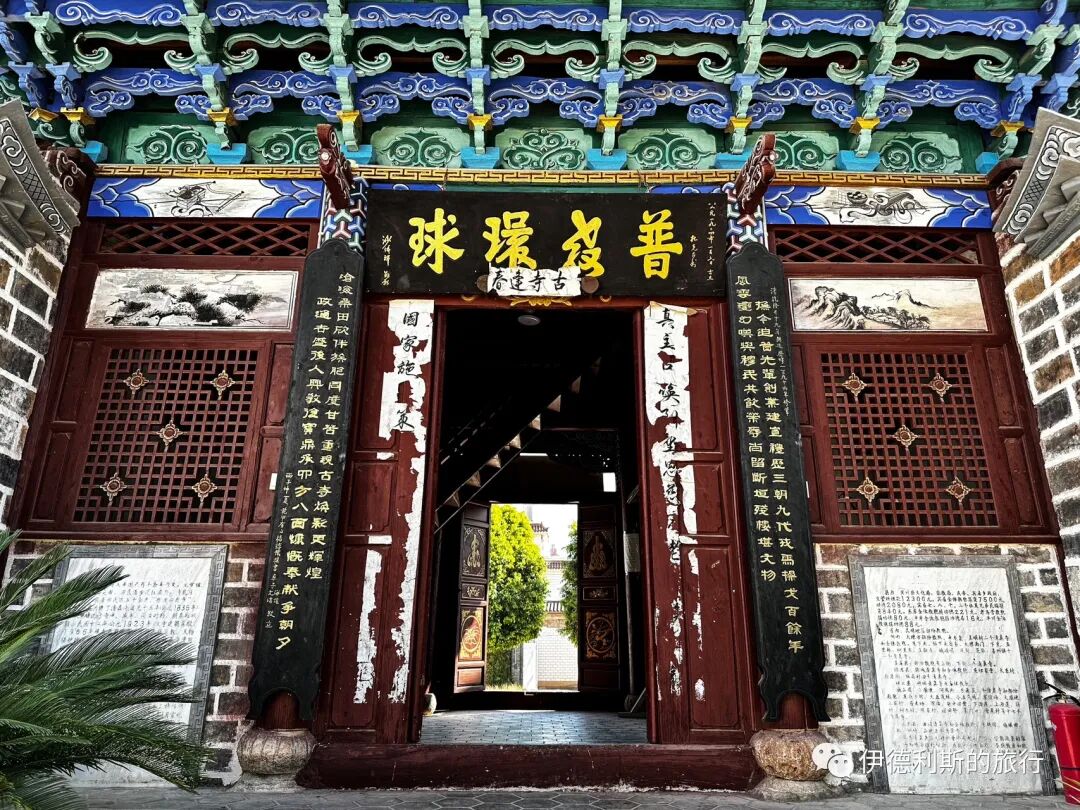
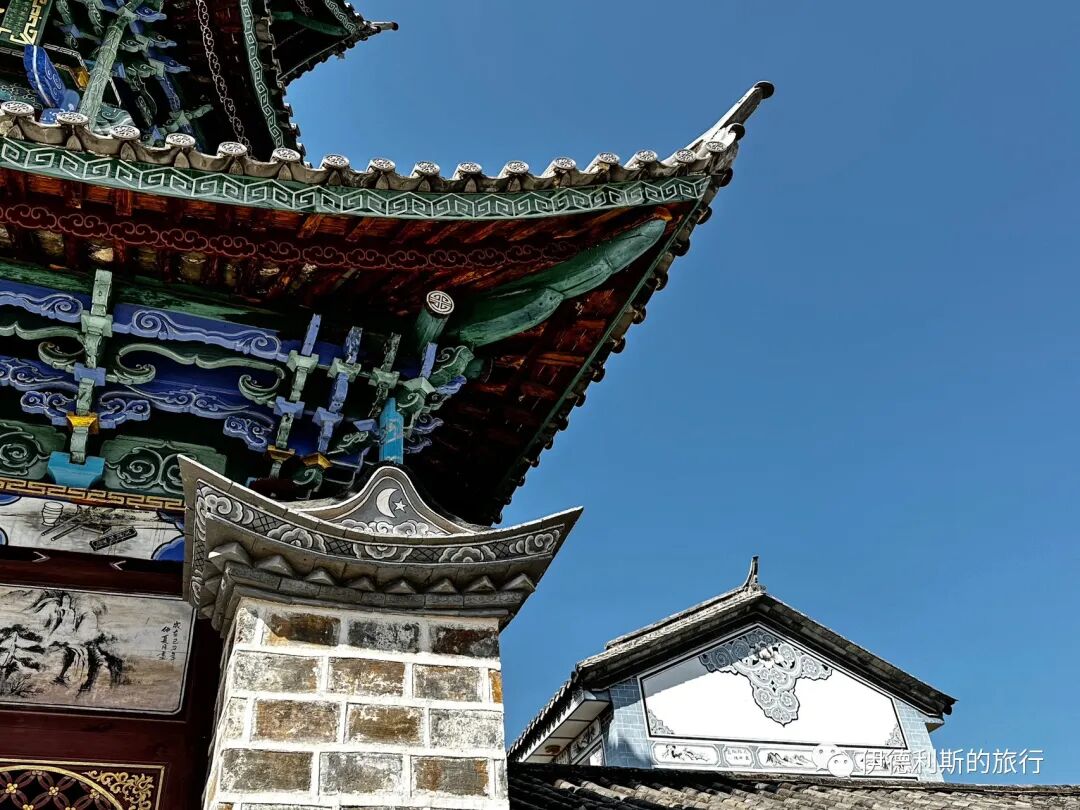
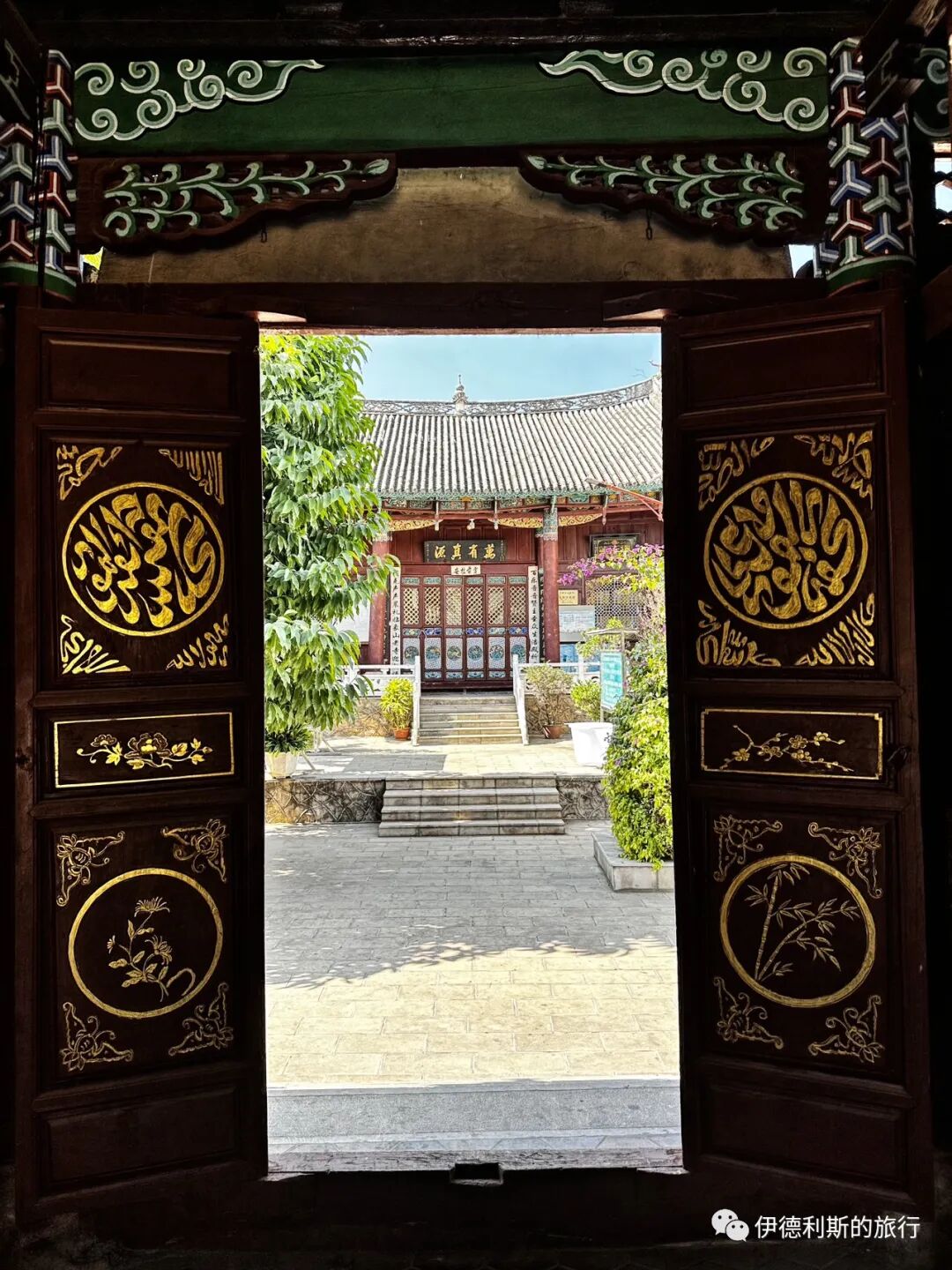
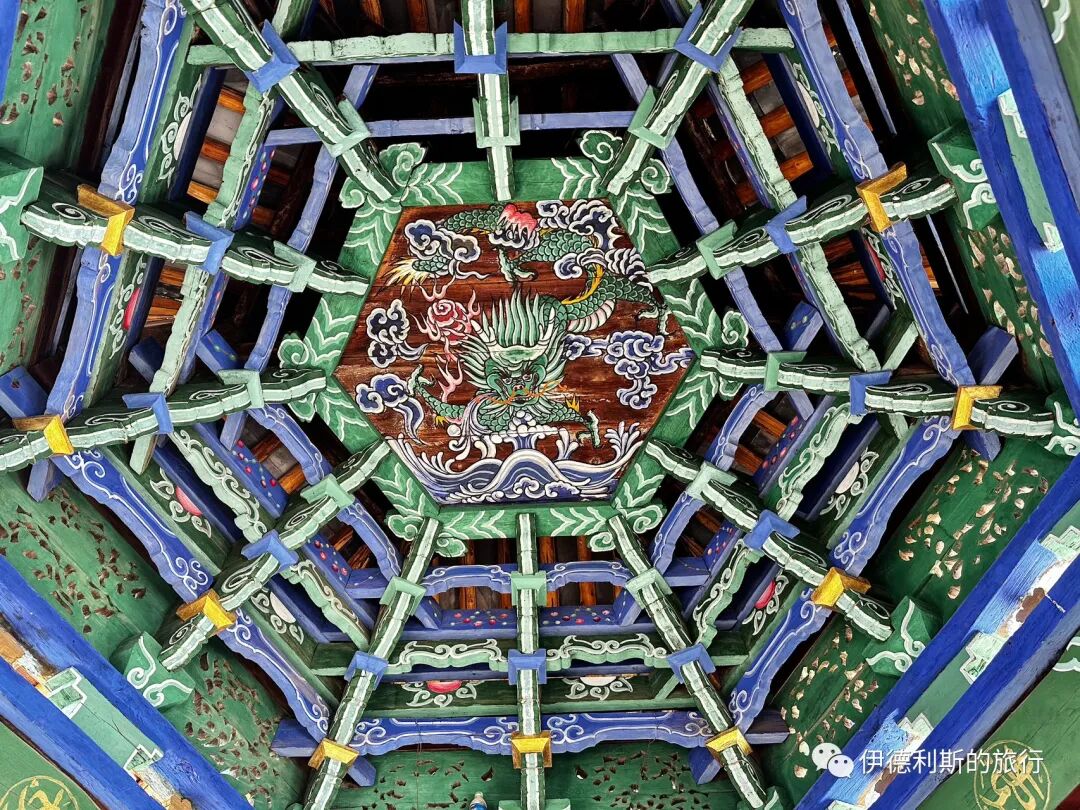
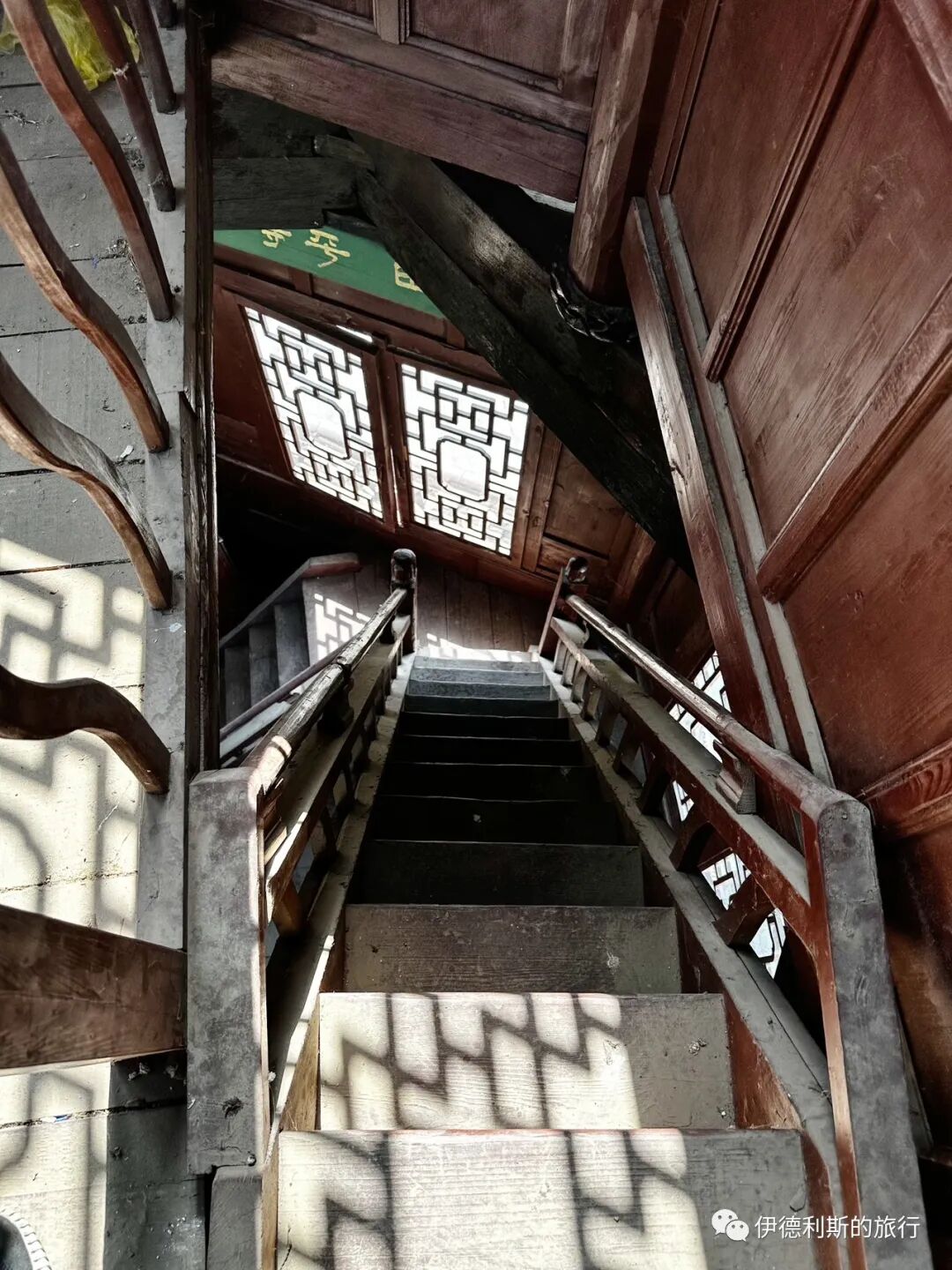
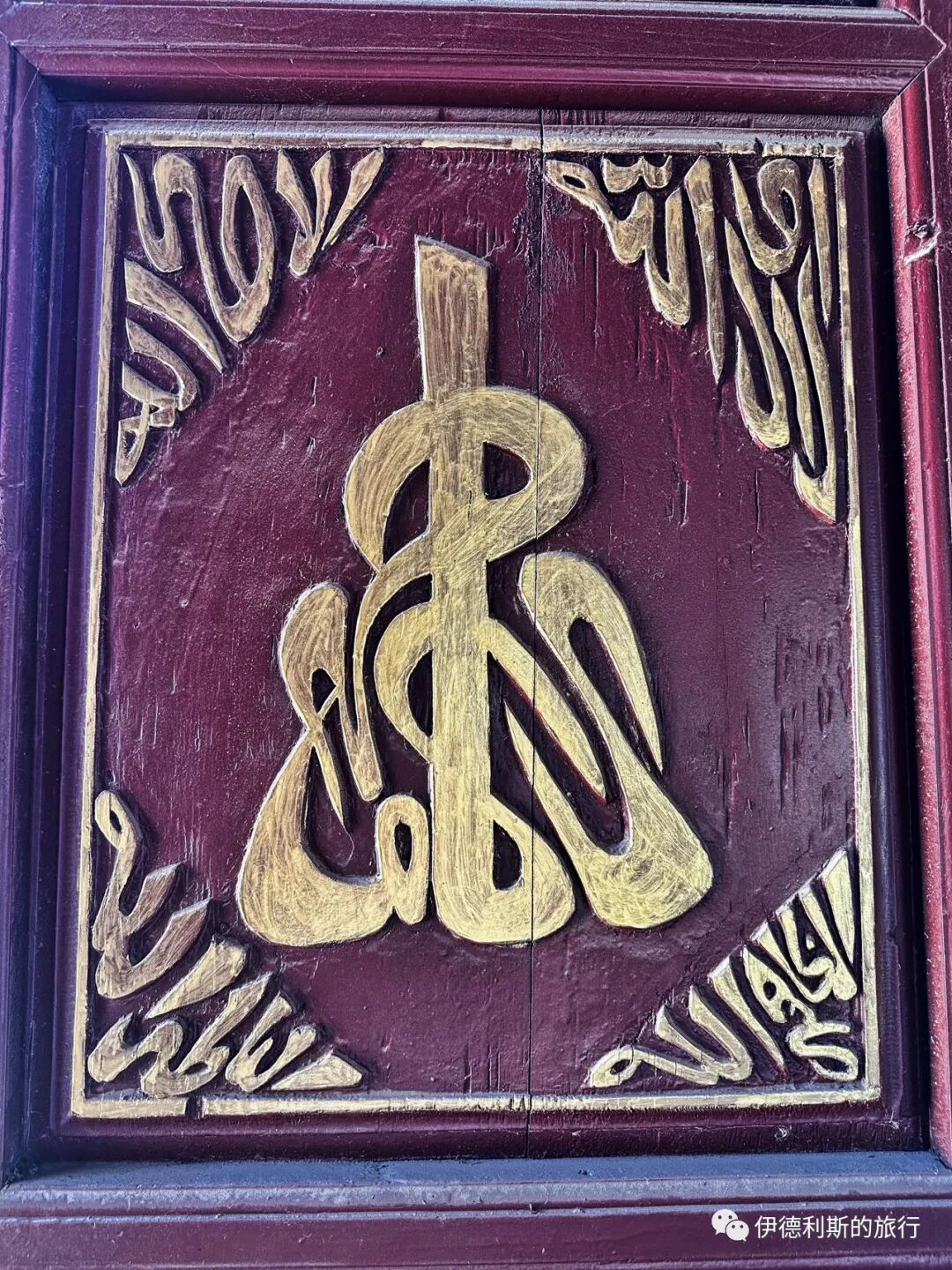
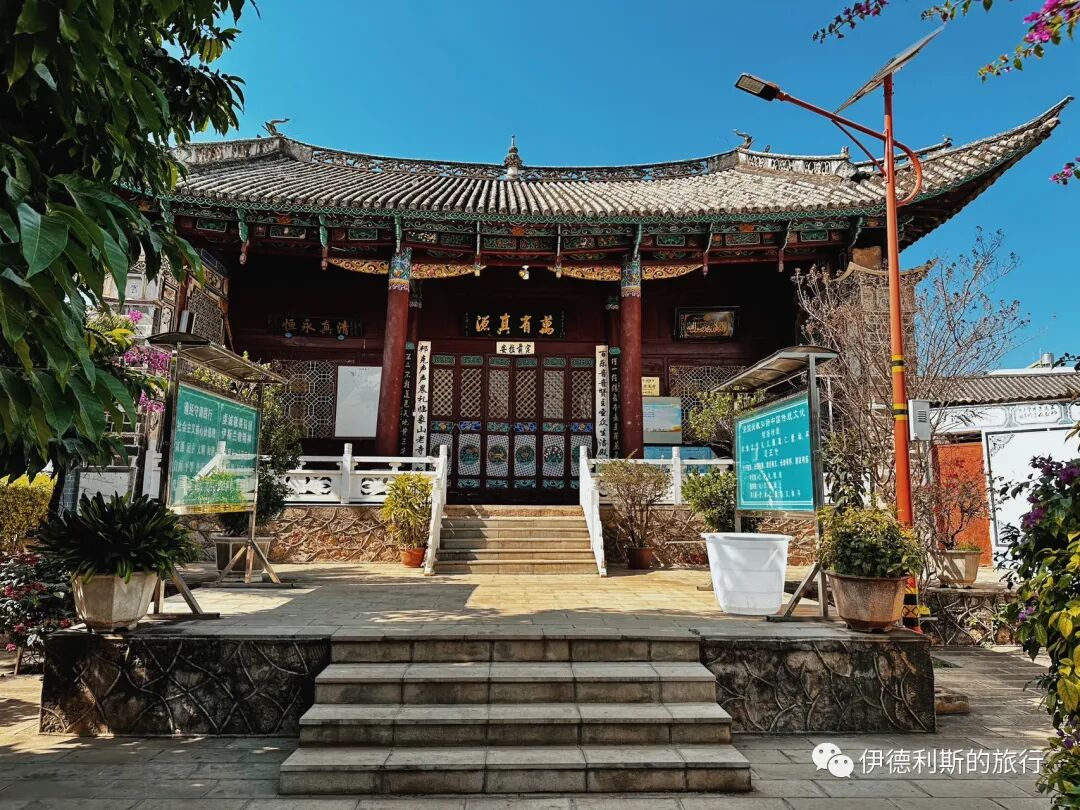
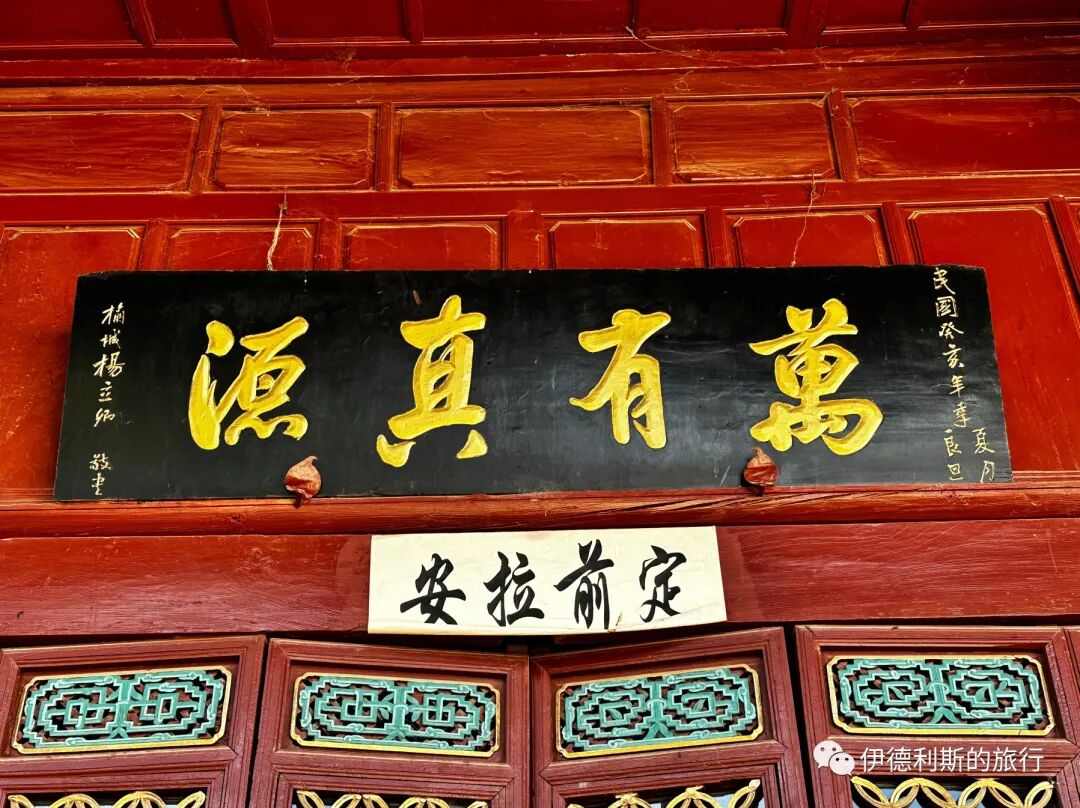
The mosque still keeps the plaques and couplets inscribed during the 1923 reconstruction, which is very rare.
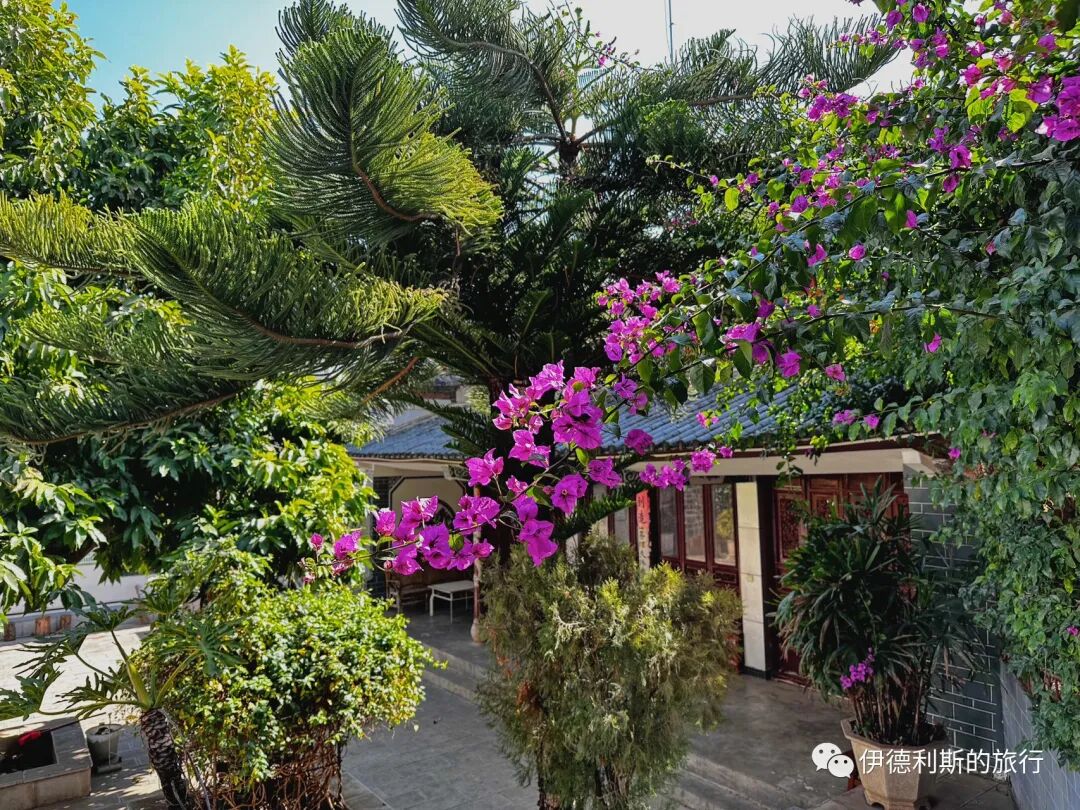
The environment inside the mosque is also very nice, with flowers in full bloom and lush greenery.
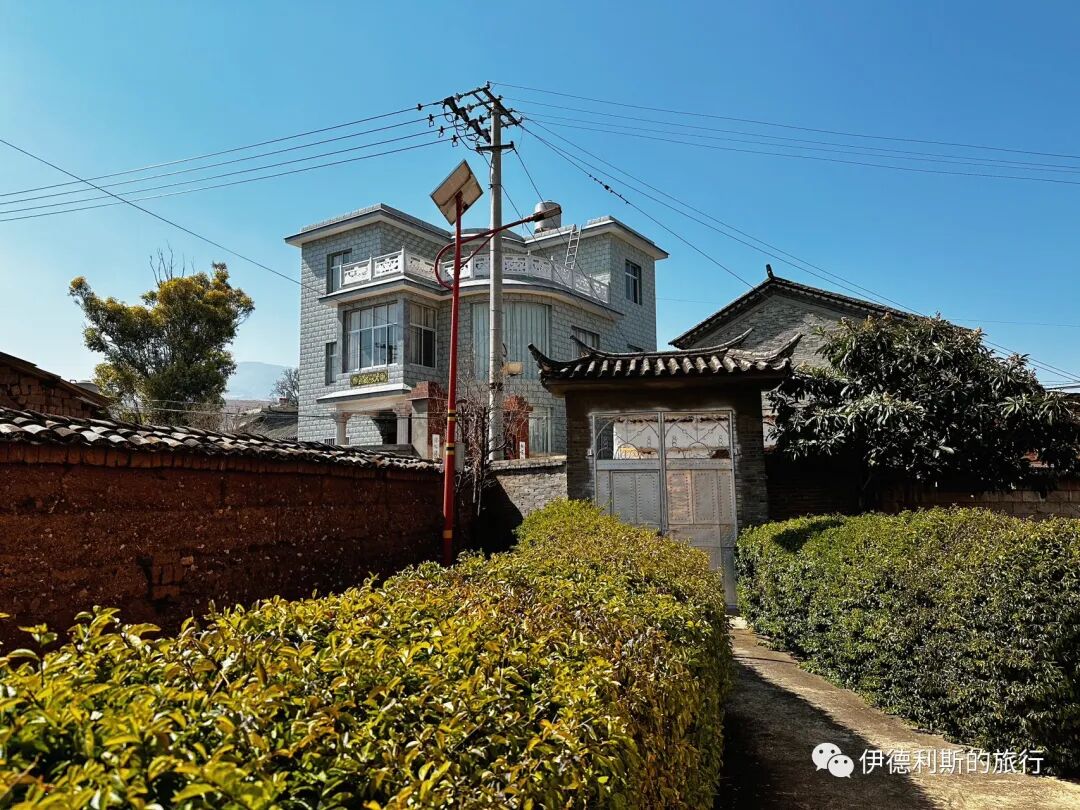
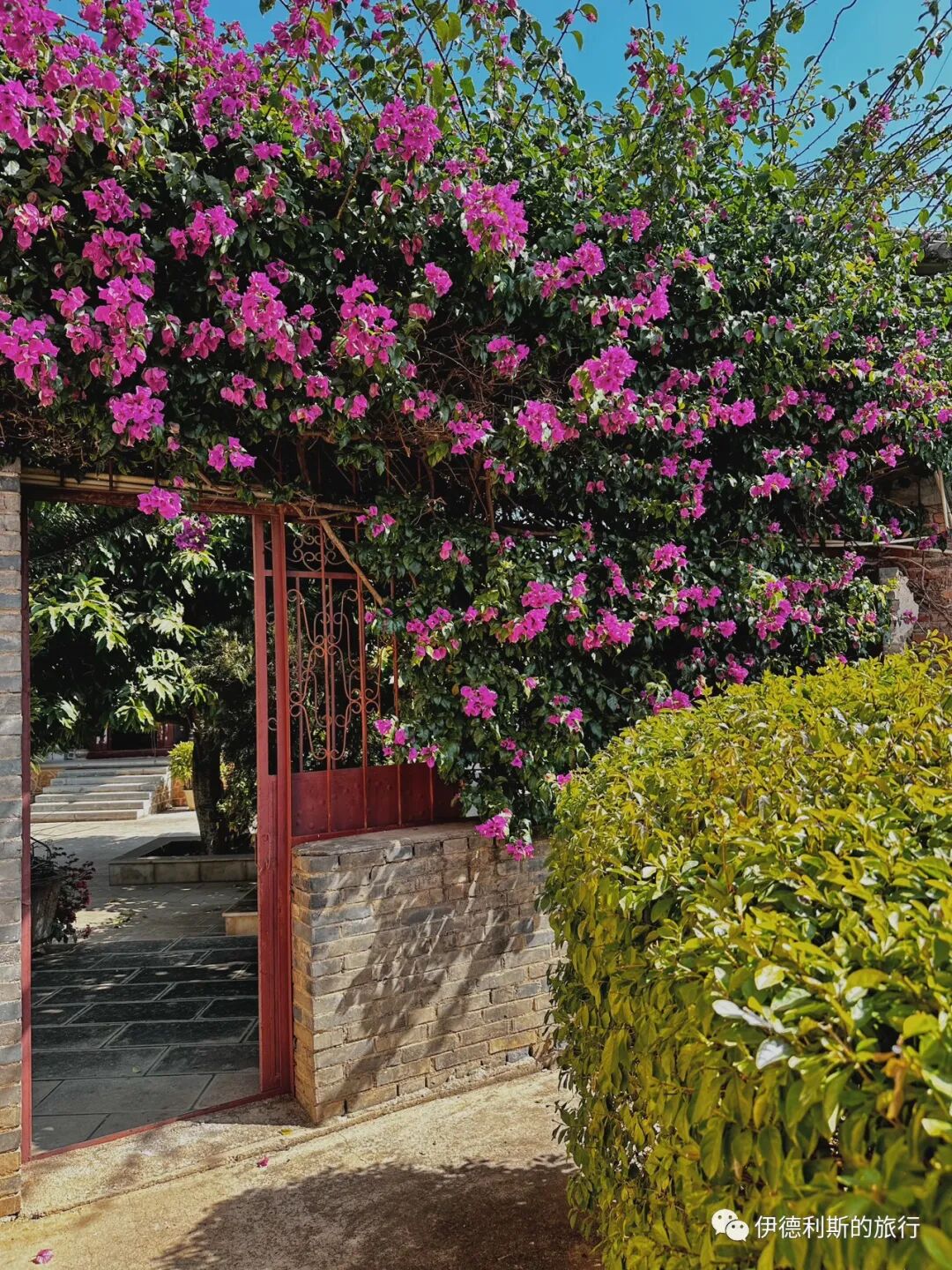
An old street is still preserved behind the mosque, but most young people have moved away, leaving mostly elderly residents behind.
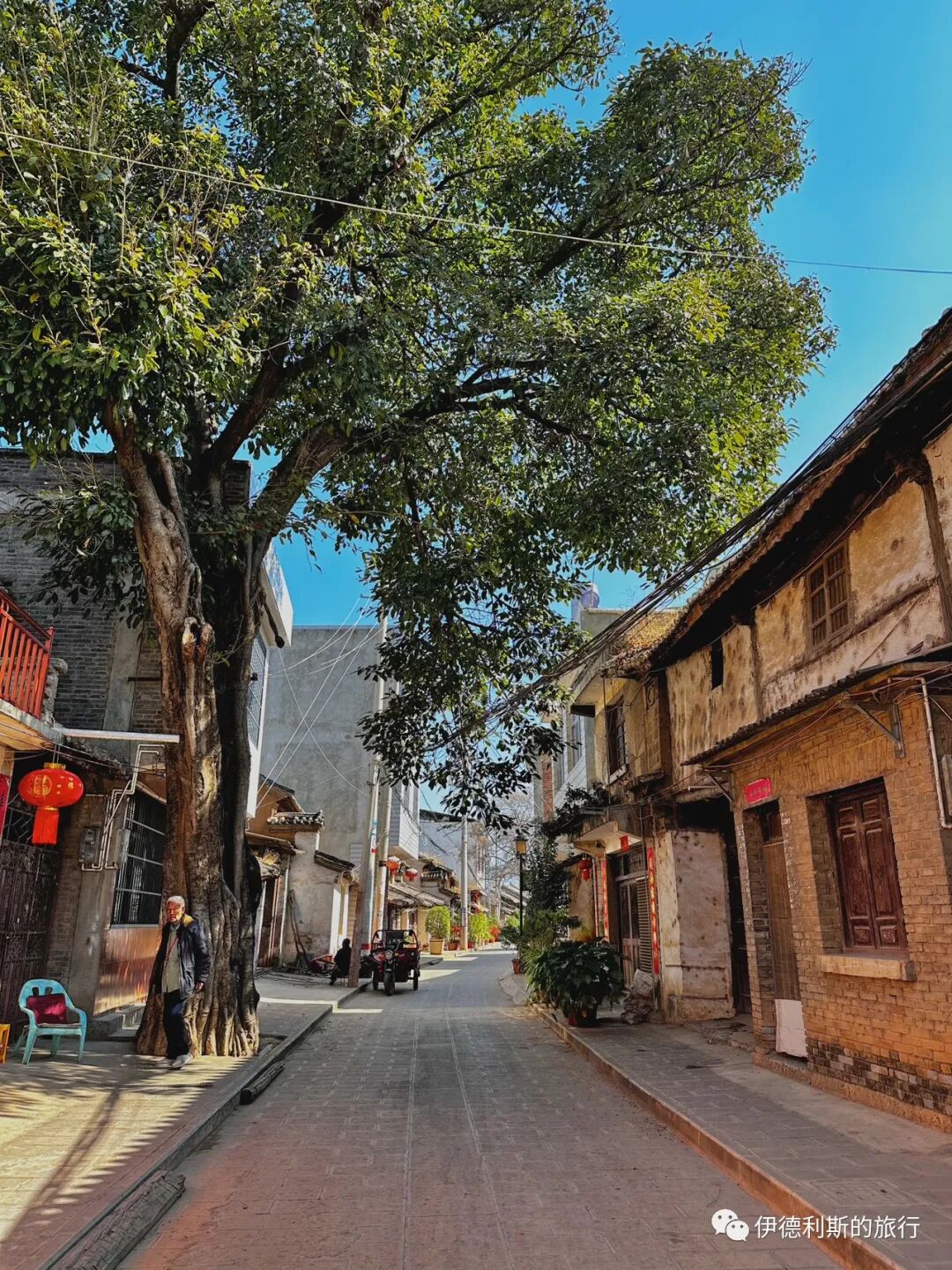
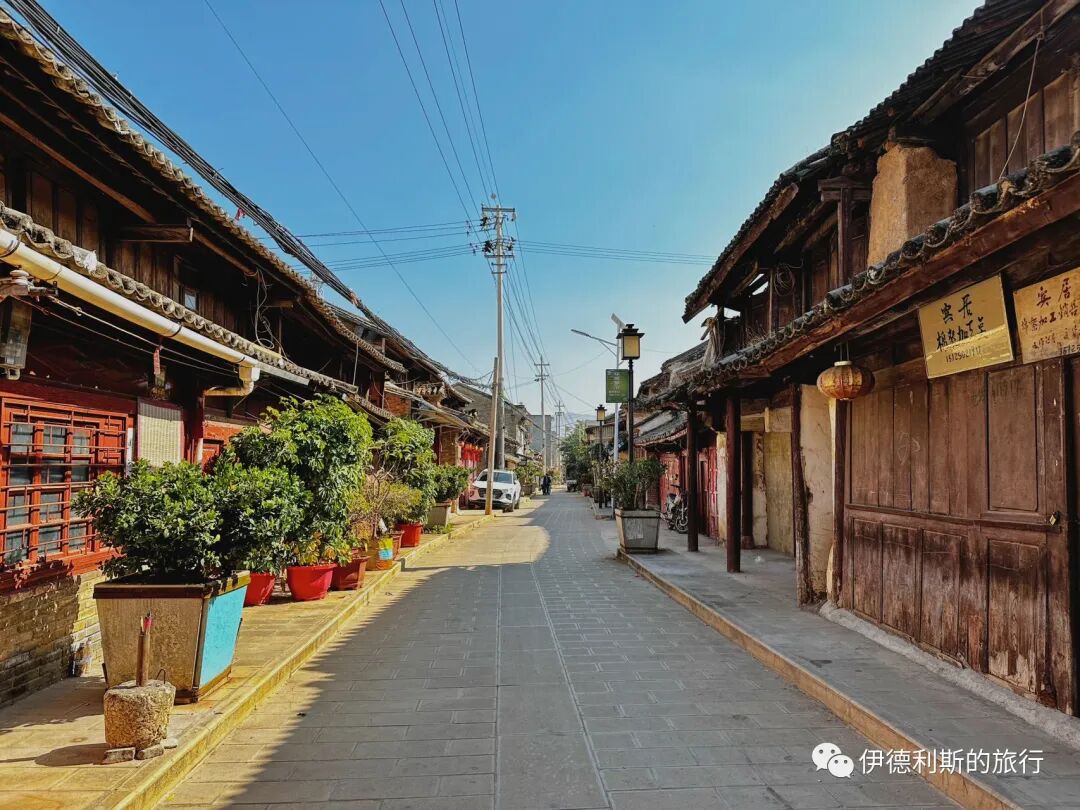
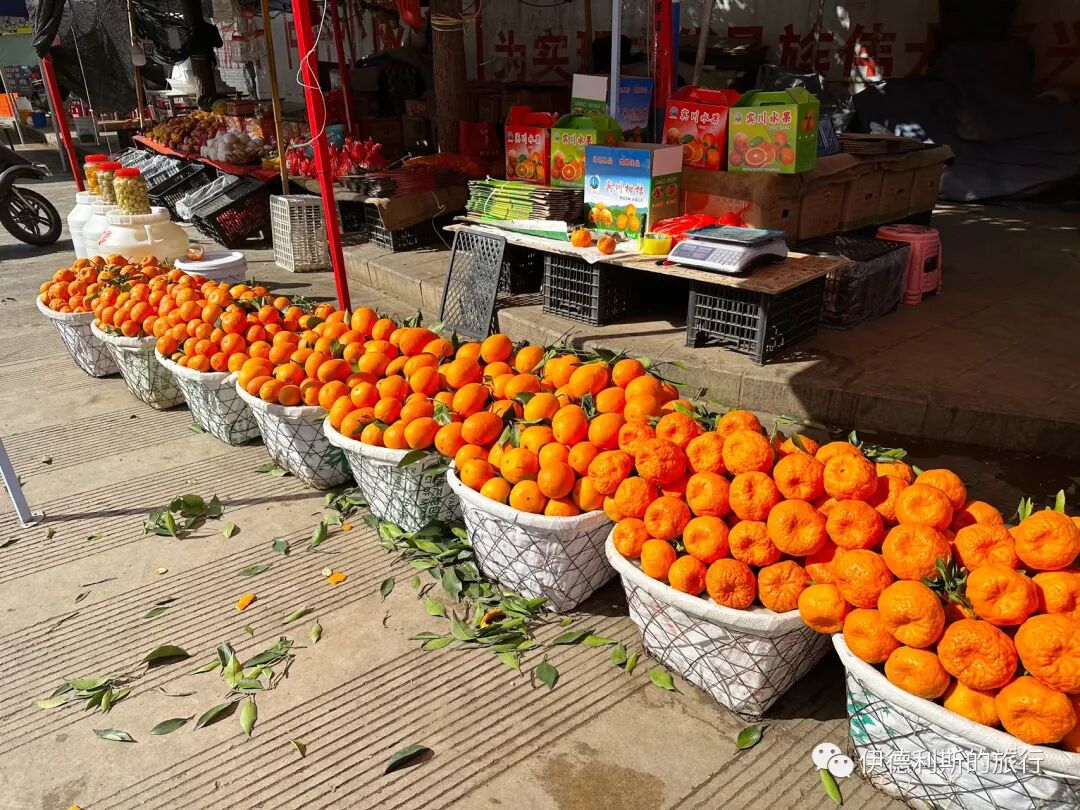
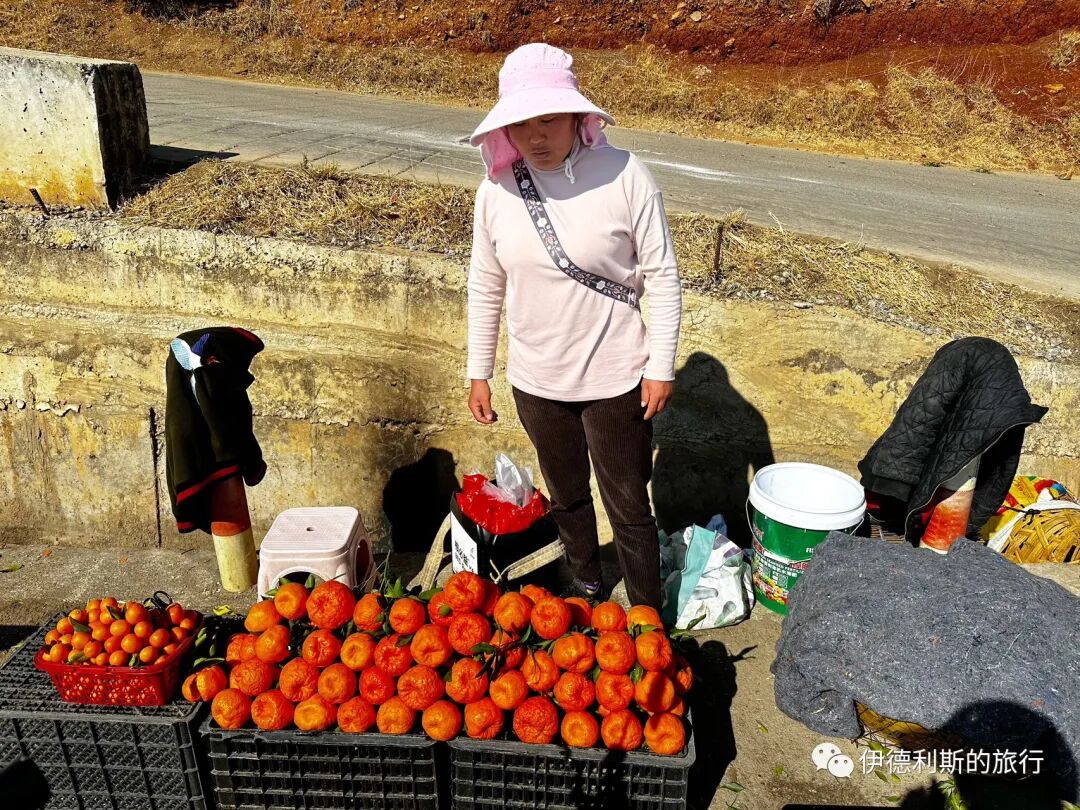
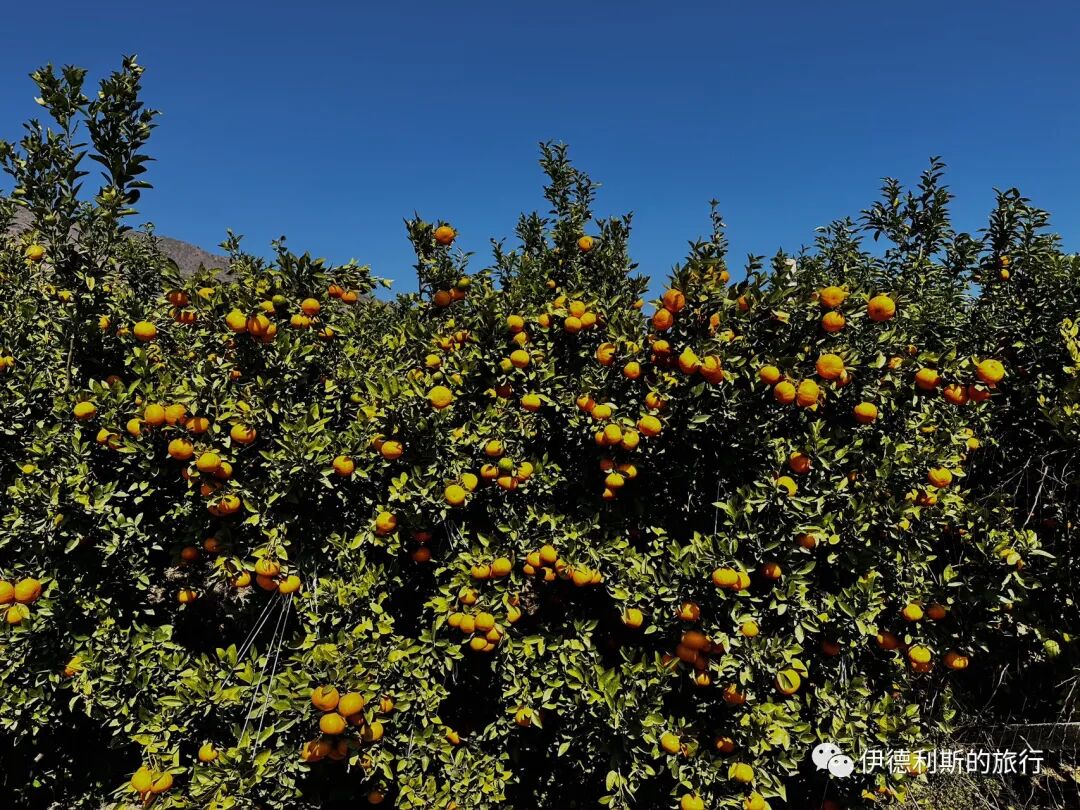
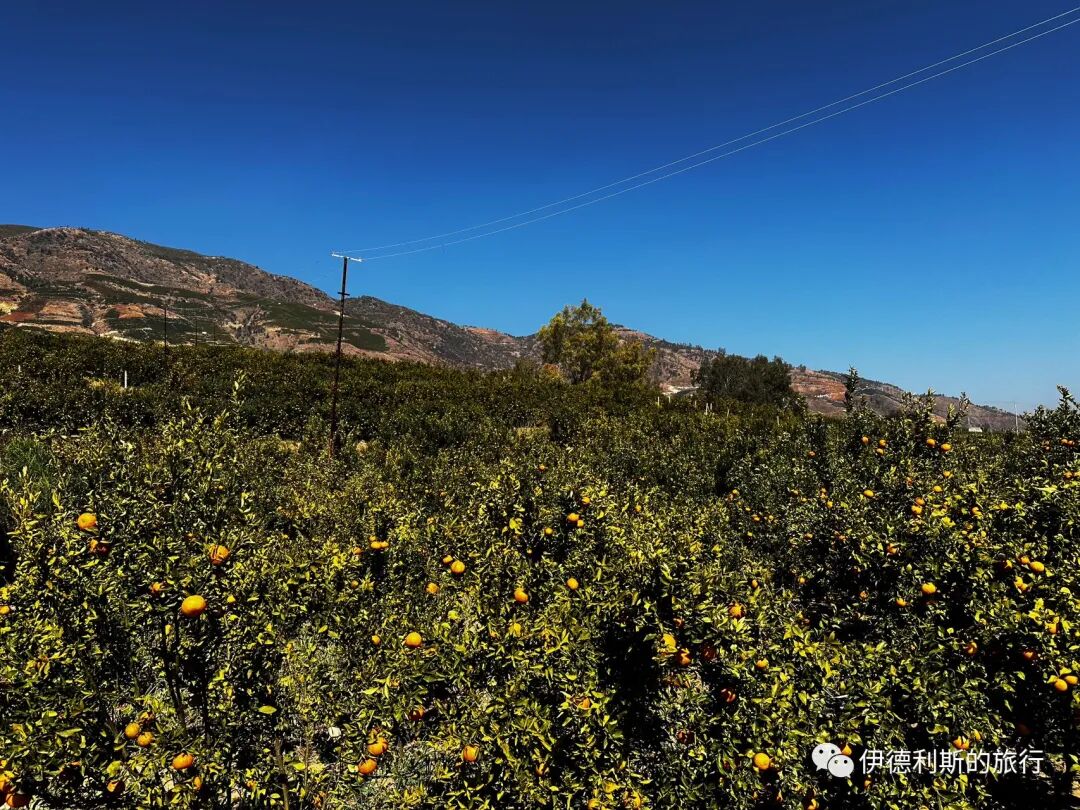
On the ride back from Binchuan Town to Xiaguan, the mountains and fields were covered in mandarin oranges (penggan), which looked beautiful in their bright yellow color. Many people from the orange orchards sell them right by the side of the road. I asked which ones were the sweetest, bought some to eat on the road, and they tasted quite good.
Summary: Binju Mosque in Dali, Yunnan, is part of the local Hui Muslim landscape and carries the everyday history of a Muslim community in western Yunnan. This travel note follows the mosque visit through its original facts, photos, and observations.
On January 31, 2023, I rode an electric scooter from Xiaguan in Dali to Binju Town. The sky was bright blue the whole way, and the valley was filled with lush green farmland where people worked hard. The photos I took look just like landscape paintings.
The mountain road here is not very steep, making for a comfortable ride, though there is a short section marked as a geological hazard zone with gravel left behind by a landslide.
After riding 50 kilometers, I arrived in Binju Town. Wusuo’s family hosted me at the mosque with dried beef (niuganba), stir-stir-fried meat with pickled vegetables (suancai chaorou), stir-stir-fried meat with broad beans (candou chaorou), and fish with pickled vegetables (suancai yu). I really love the home-cooked meals of Yunnan’s Hui Muslims.
Every Tuesday is the big market day in Binju Town, and Wusuo’s family sells fried dough cakes (youxiang) there. The fried dough cakes (youxiang) in Yunnan are sweet and taste great even when eaten plain.
Binju Mosque was first built in the mid-Qing Dynasty, destroyed during the Tongzhi reign, and rebuilt in 1923. This is a history shared by most old mosques in Yunnan. The existing main hall with its gabled and hipped roof (xieshanding) is a century old and features typical Dali-style architecture. It preserves precious calligraphy and murals from the Republic of China era.
The birthplace of the Prophet Adam is depicted here using the style of traditional landscape painting.
The mosque’s three-tiered, pointed-roof minaret was rebuilt between 1993 and 1994, but it still keeps the traditional architectural style of the Dali region and is very beautiful.
The mosque still keeps the plaques and couplets inscribed during the 1923 reconstruction, which is very rare.
The environment inside the mosque is also very nice, with flowers in full bloom and lush greenery.
An old street is still preserved behind the mosque, but most young people have moved away, leaving mostly elderly residents behind.
On the ride back from Binchuan Town to Xiaguan, the mountains and fields were covered in mandarin oranges (penggan), which looked beautiful in their bright yellow color. Many people from the orange orchards sell them right by the side of the road. I asked which ones were the sweetest, bought some to eat on the road, and they tasted quite good.
