
Halal Travel Guide: Northern Thailand — Yunnan Mosques and Hui Communities (Part 1)
Reposted from the web
Summary: Northern Thailand has Yunnanese Hui Muslim communities whose mosque neighborhoods still show the memory of migration, trade, and borderland life. This first part of Day 3 records the mosques, settlements, and local community details in clear English while keeping the source facts and images.
During the May Day holiday in 2023, I visited the mosque communities (fang) of the Yunnan Hui Muslims in Northern Thailand. On the first day, led by Master Ma Ruqi, a third-generation Thai Yunnan Hui Muslim, we visited four mosque communities in the Chiang Mai city area: Chang Khlan, Wang He, Jing Zhen, and Nurul. I posted about this in 'A Pilgrimage to Northern Thai Yunnan Mosque Communities (Day 1)'. On the second day, Master Ma drove us north to visit several mosque communities in the refugee villages of the former Northern Thai isolated army. We went to Mae Salong, the main base of the isolated army, and finally reached Mae Sai, the second-largest settlement of Yunnan Hui Muslims in Northern Thailand. I posted about this in 'A Pilgrimage to Northern Thai Yunnan Mosque Communities (Day 2)'. On the third day, we left Mae Sai and headed south back to Chiang Mai, visiting several mosque communities in Chiang Rai to wrap up this pilgrimage to the Yunnan mosque communities of Northern Thailand.
Mae Sai
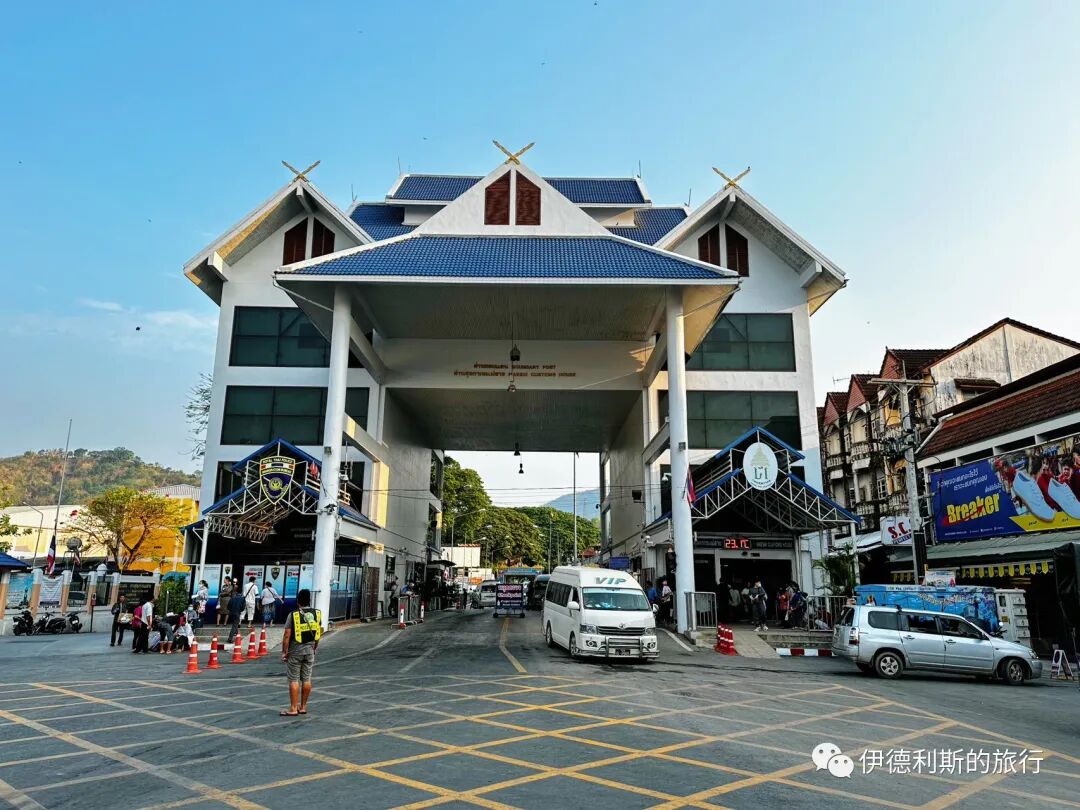
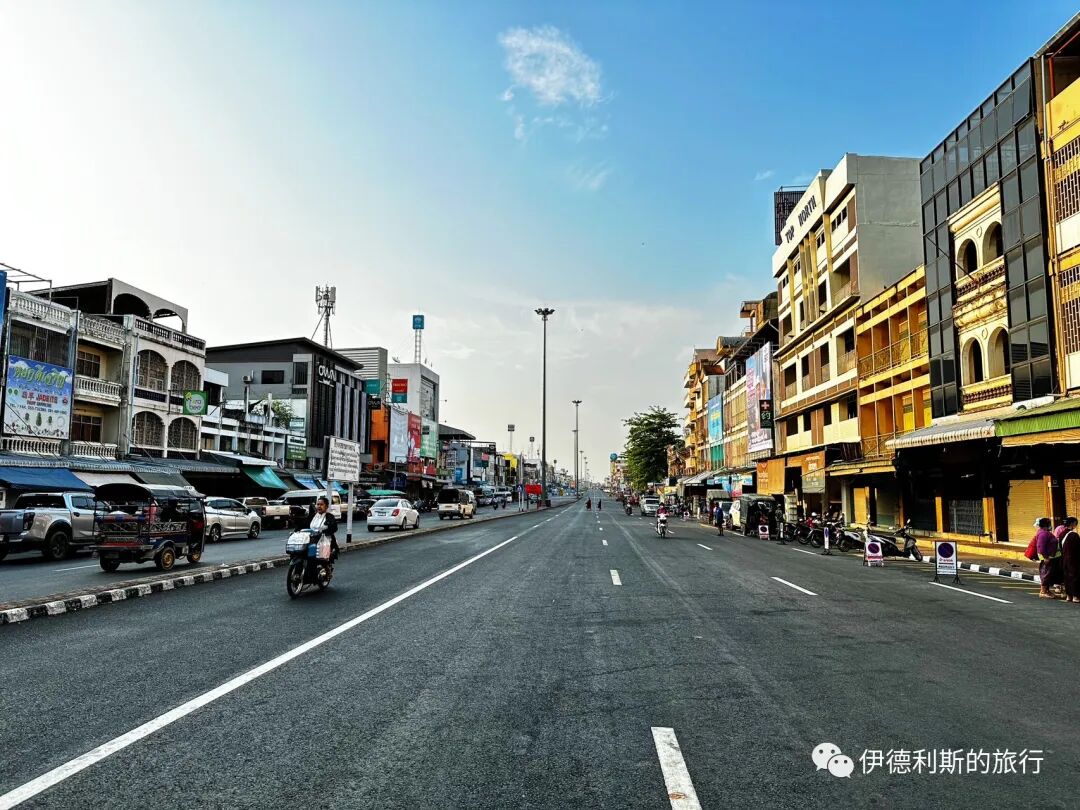
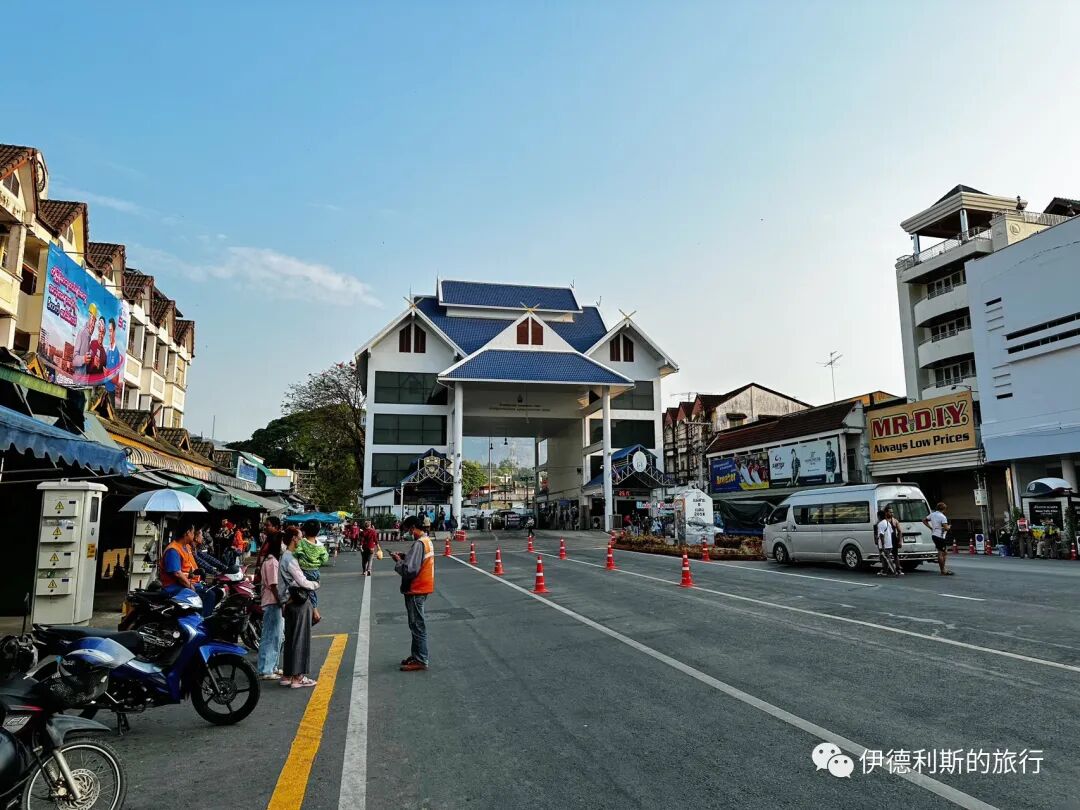
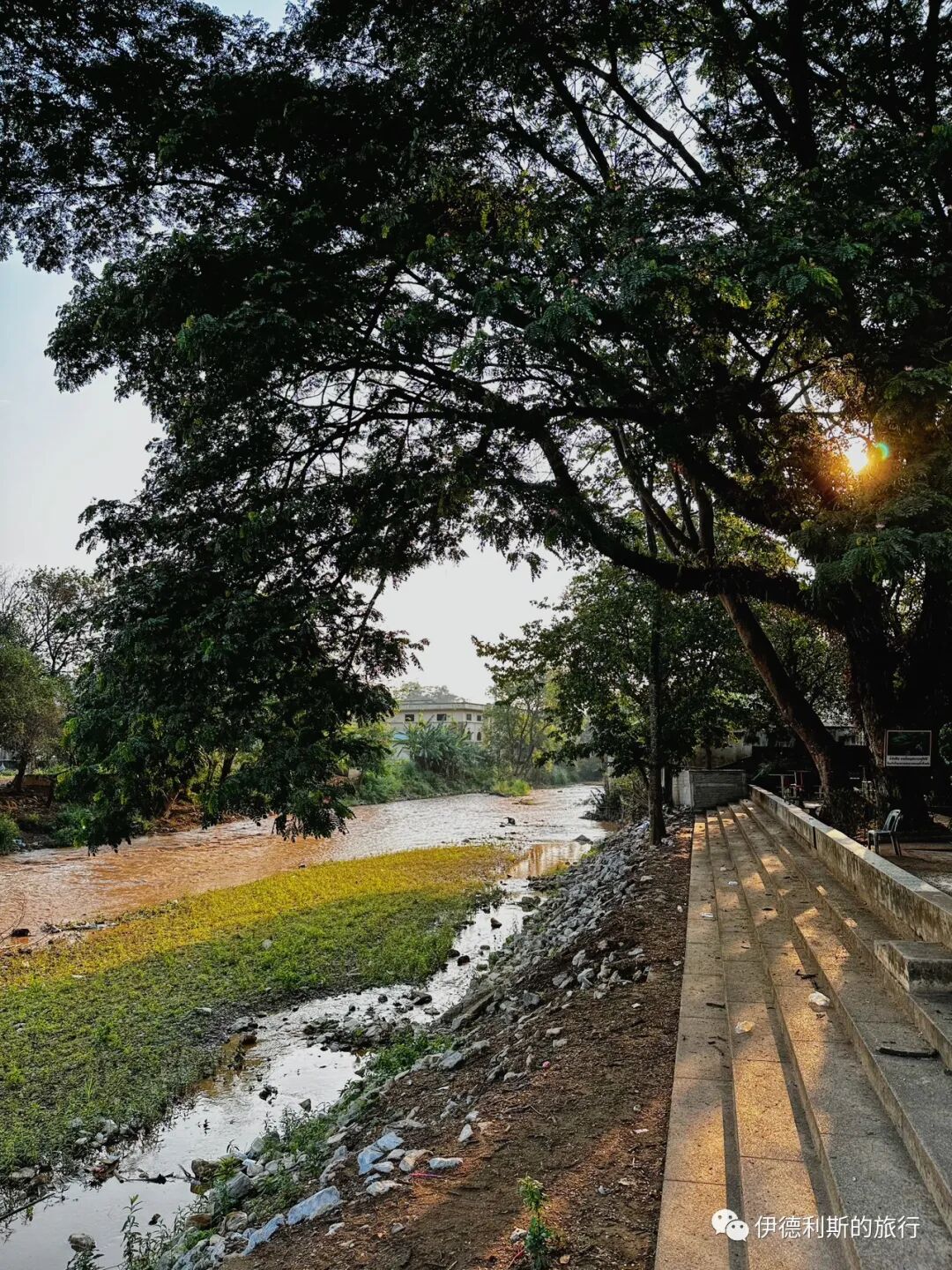
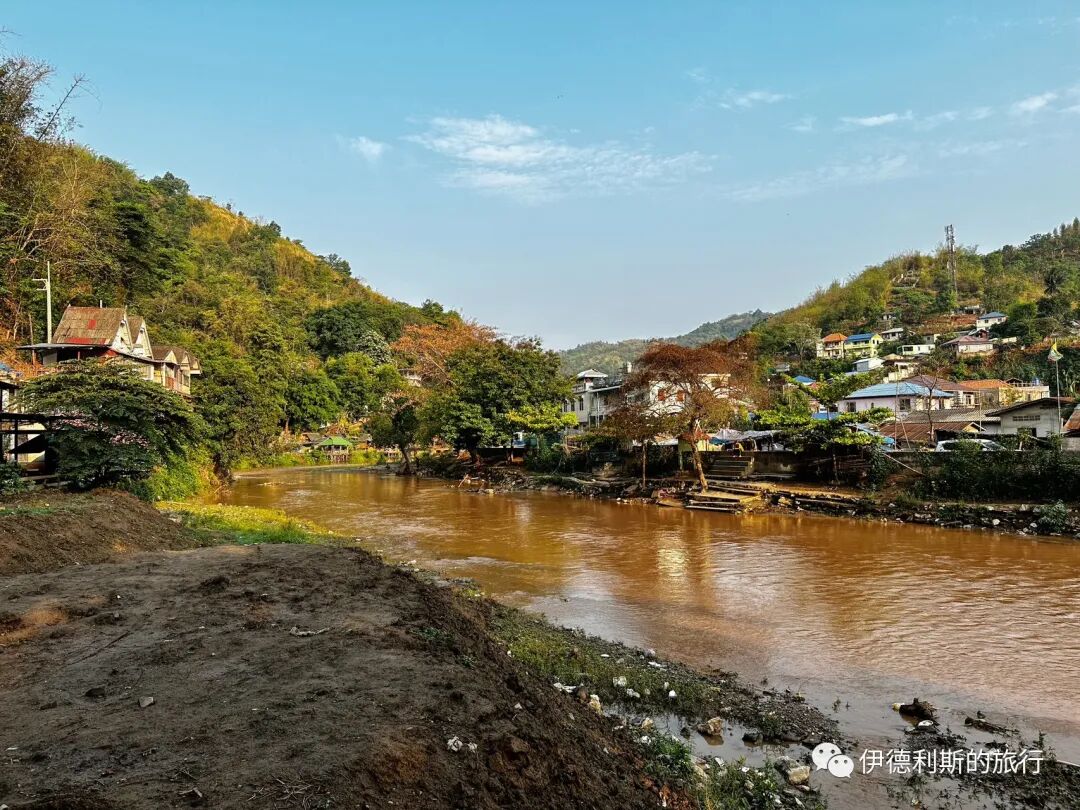
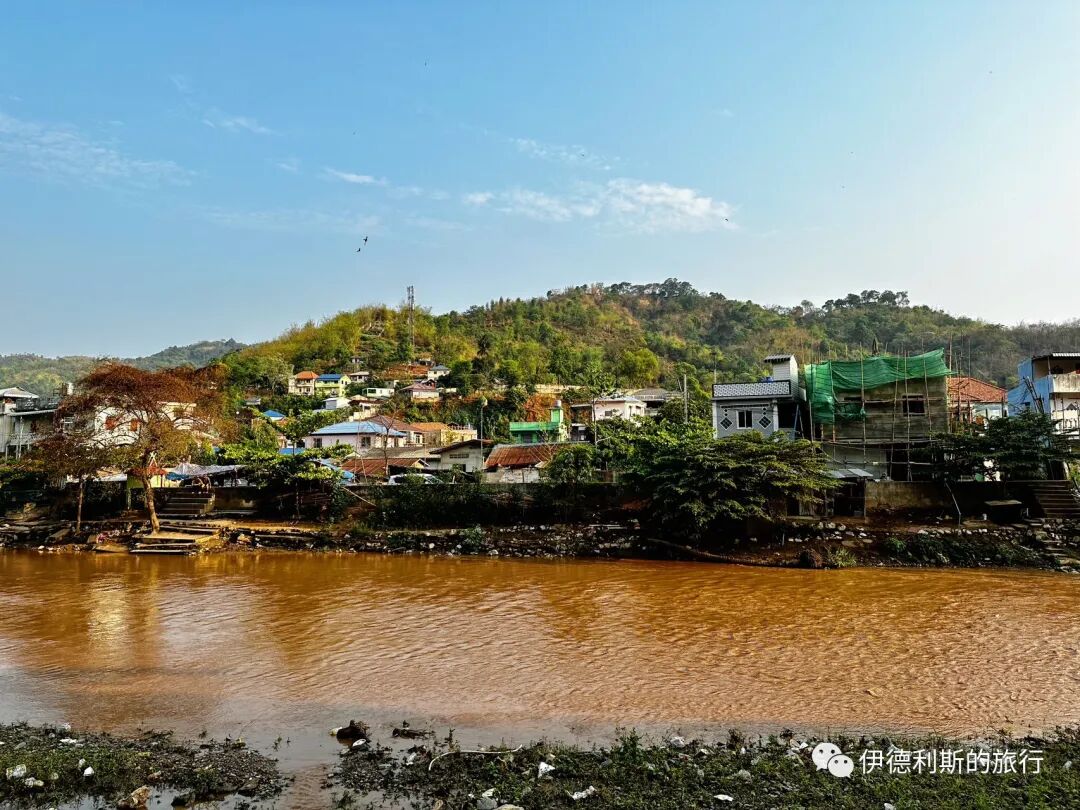
The third day of our journey began in Mae Sai, the northernmost town in Thailand. Early in the morning, we went to see the Mae Sai border crossing to Myanmar. It was closed for over two years and only reopened this February, so it is busy again now. Not far to the west of the border, you can see the Myanmar town of Tachileik across the Mae Sai River. Development there is clearly a bit behind Thailand. Many Yunnan Hui Muslims also live in Tachileik, and there is a Yunnan mosque there. I hope to have the chance to visit it in the future.
Next, we went to visit the Mae Sai Yunnan Mosque. Although Mae Sai has been a necessary stop for Yunnan horse caravans heading south to Chiang Mai since the late Qing Dynasty, it was not until 1952 that Yunnan Hui Muslims Ma Xianglin and Ma Enshou initiated the construction of a mosque. The original mosque was just a thatched hut. Later, with donations from Qian Yizhai and fellow Muslims in Chiang Mai, Ma Zixing oversaw its reconstruction into a wooden building. In 1975, because the number of Yunnan Hui Muslims in Mae Sai was growing, the old mosque could not hold everyone. Mu Chengfang, a Hui Muslim from Dazhuang, Kaiyuan, Yunnan, initiated a move to the current location next to the main road. Ma Weijing and Na Caikui oversaw the construction of the current steel and concrete building.
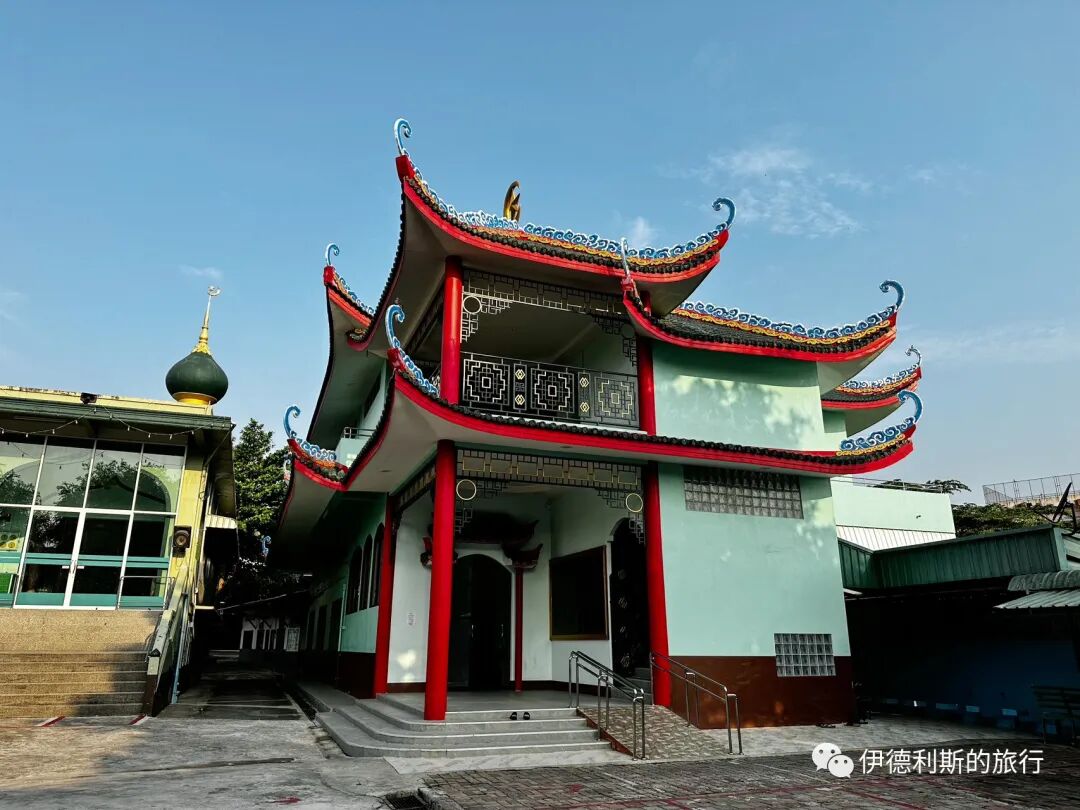
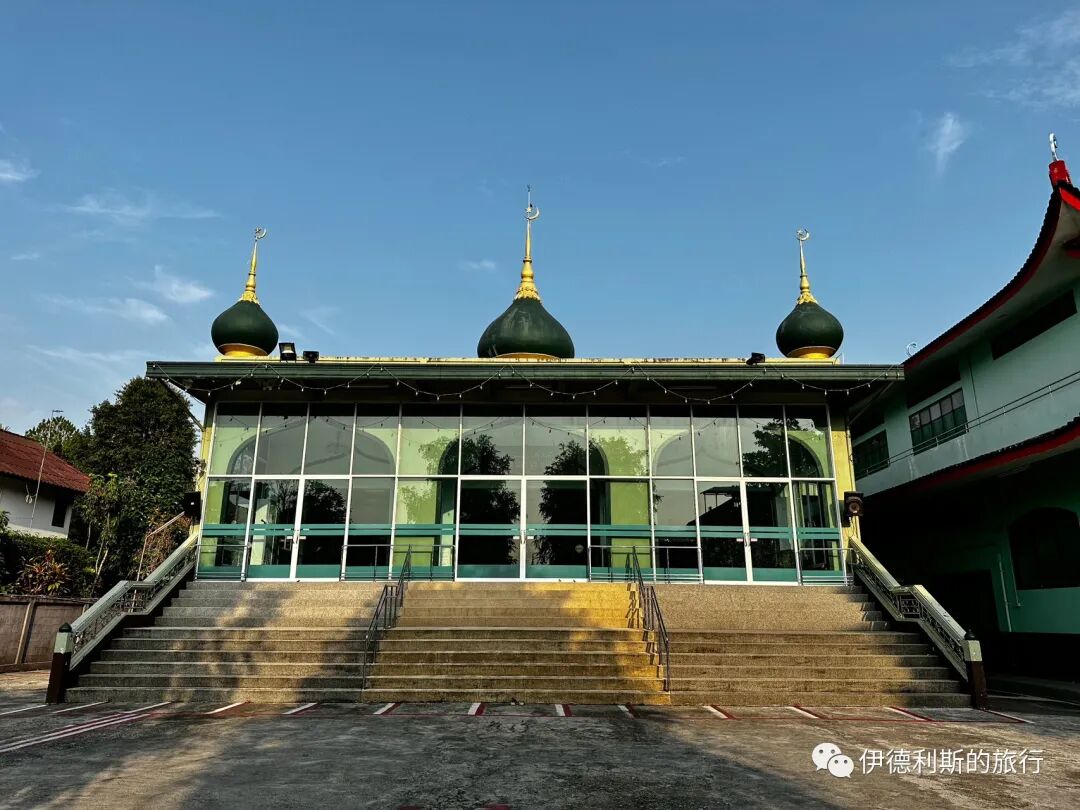
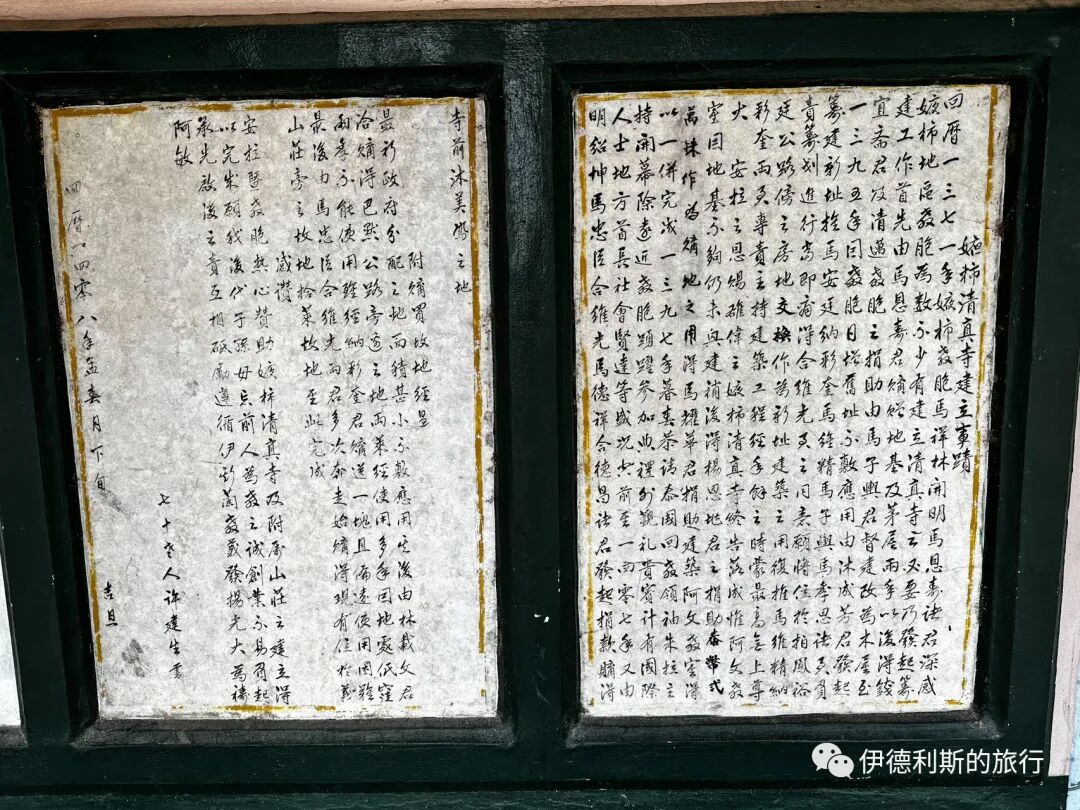
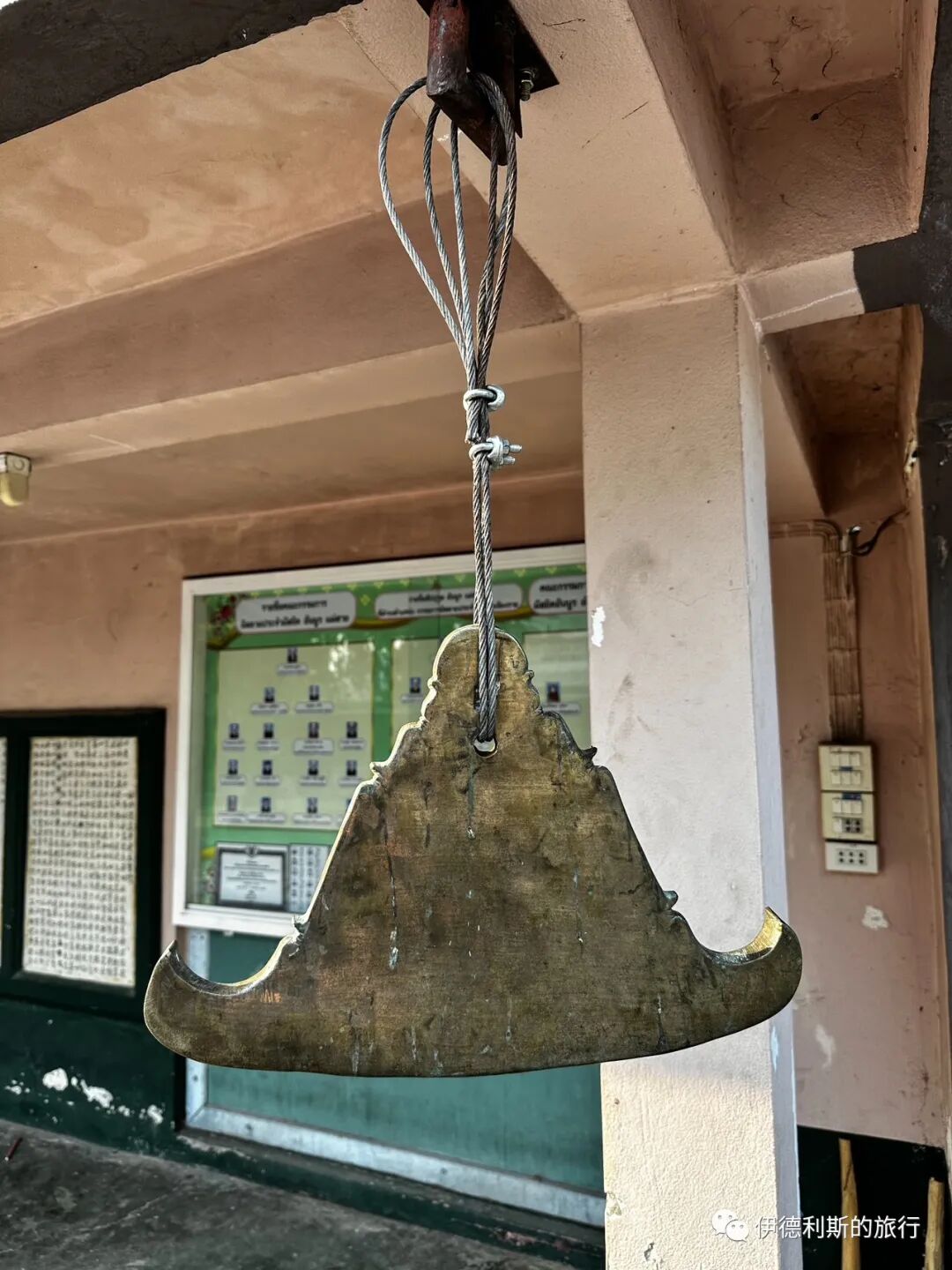
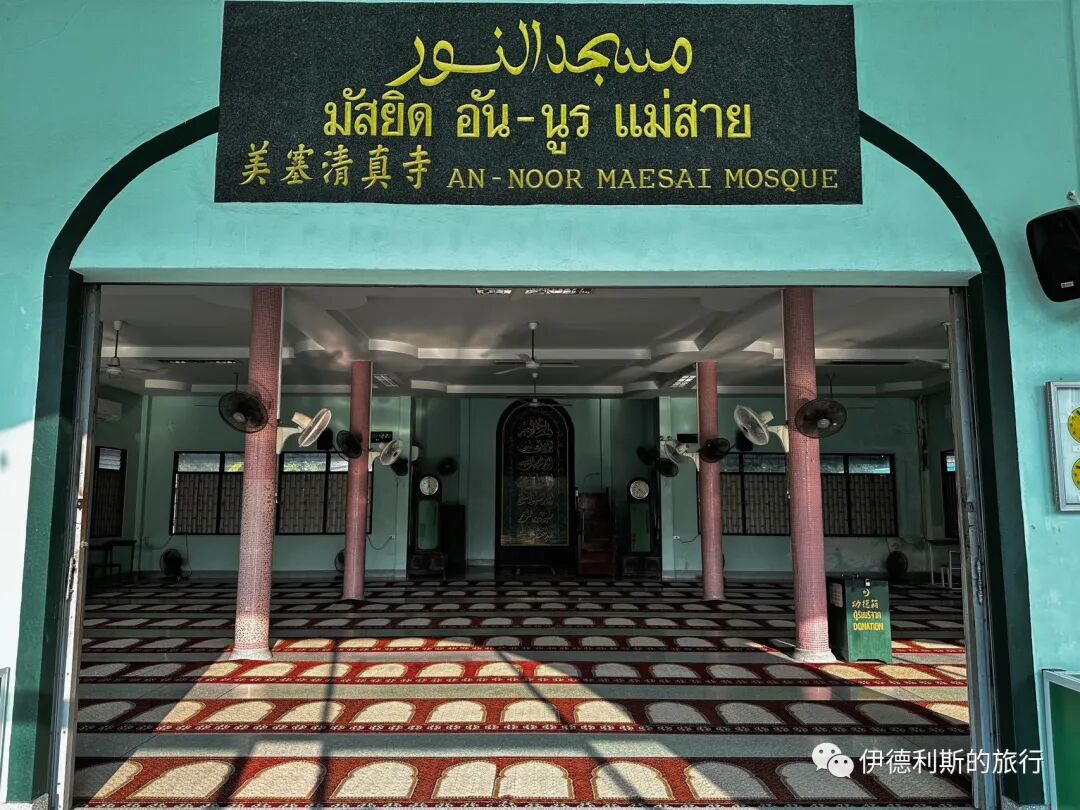
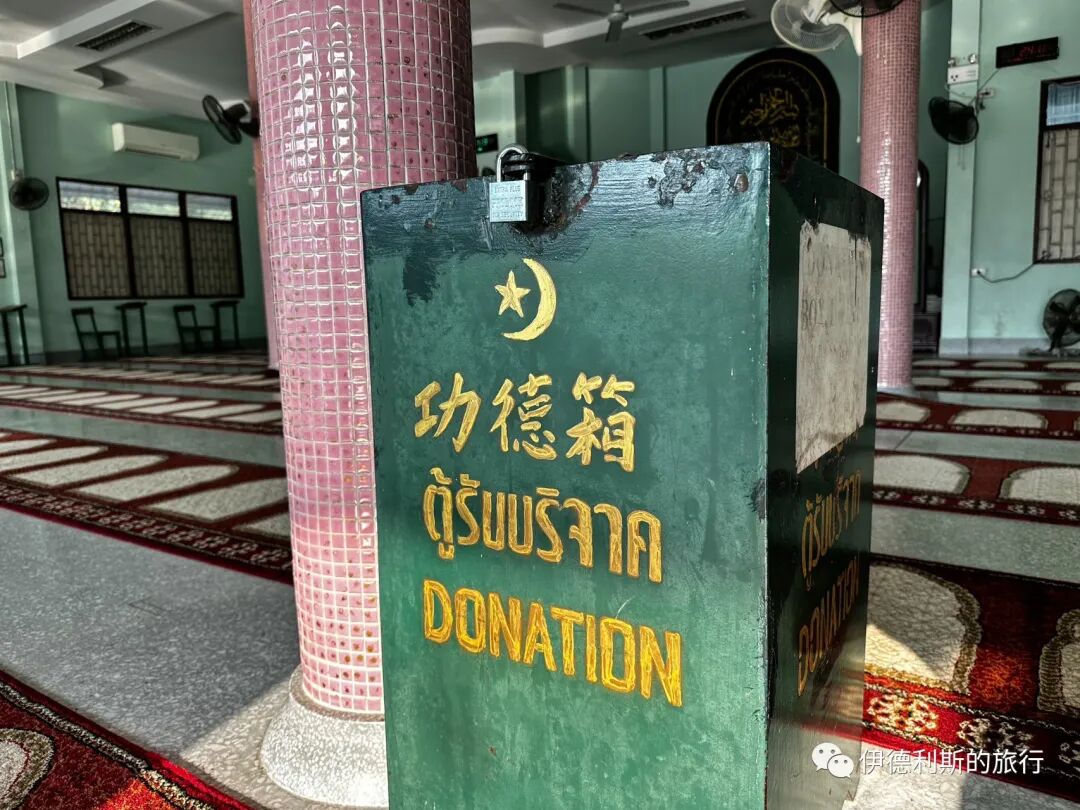
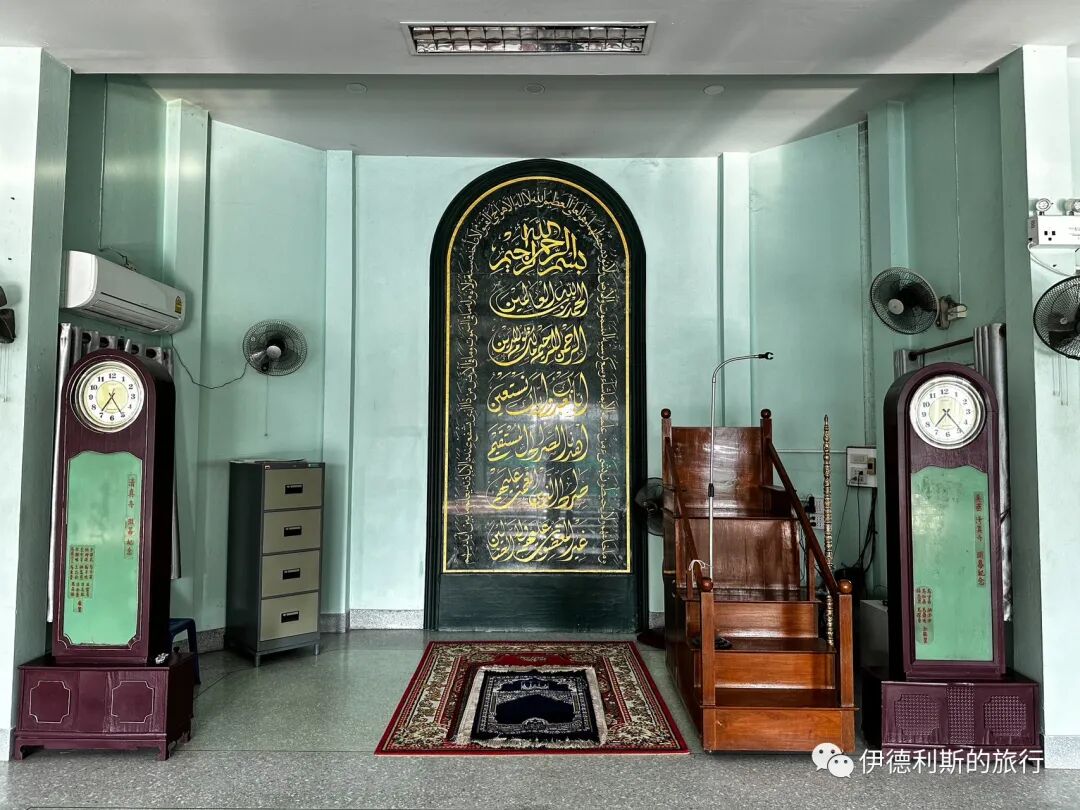
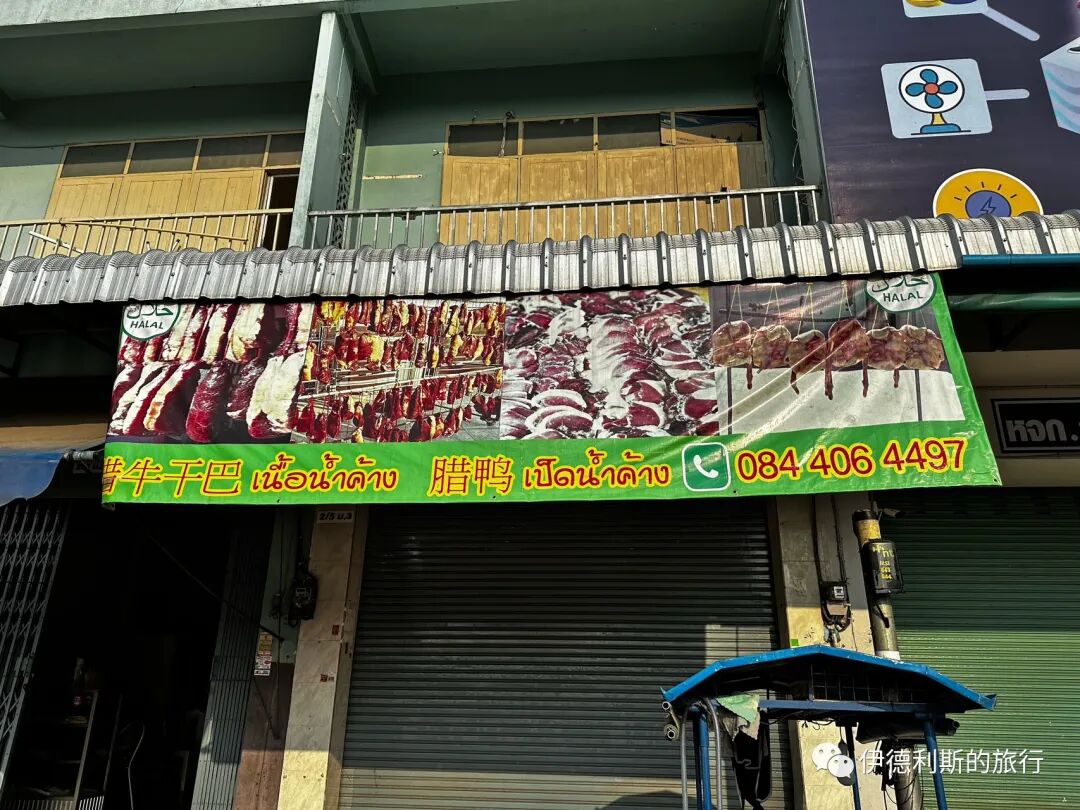
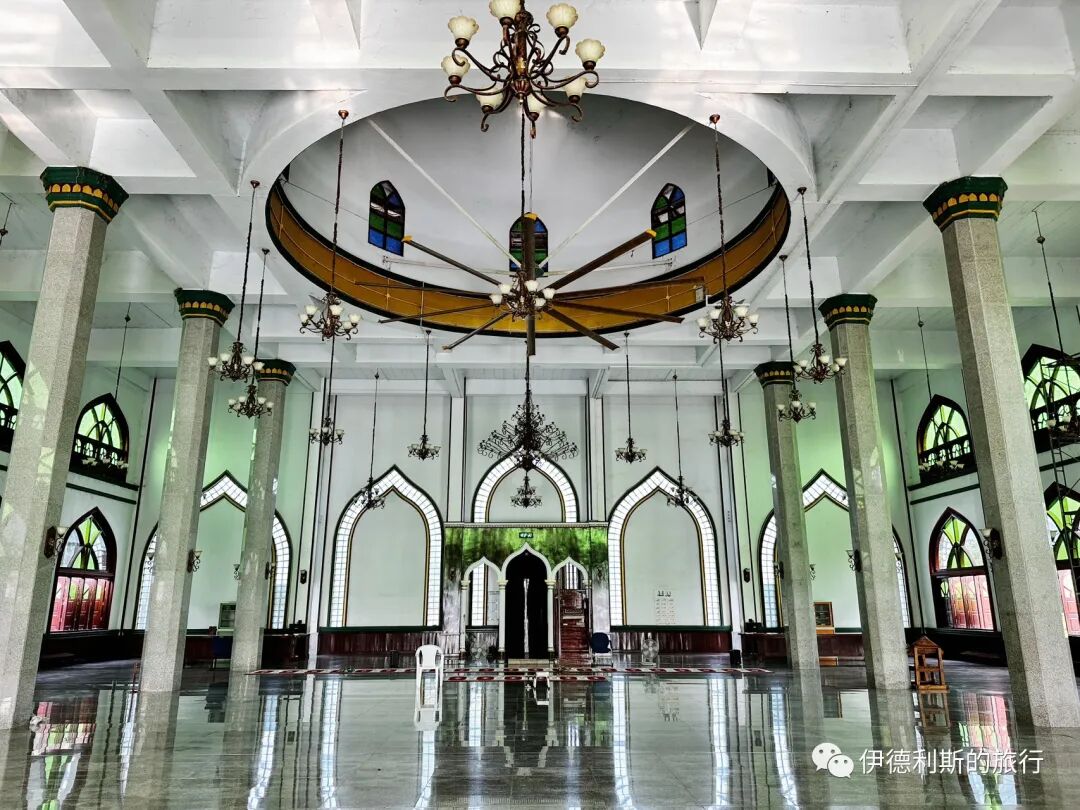
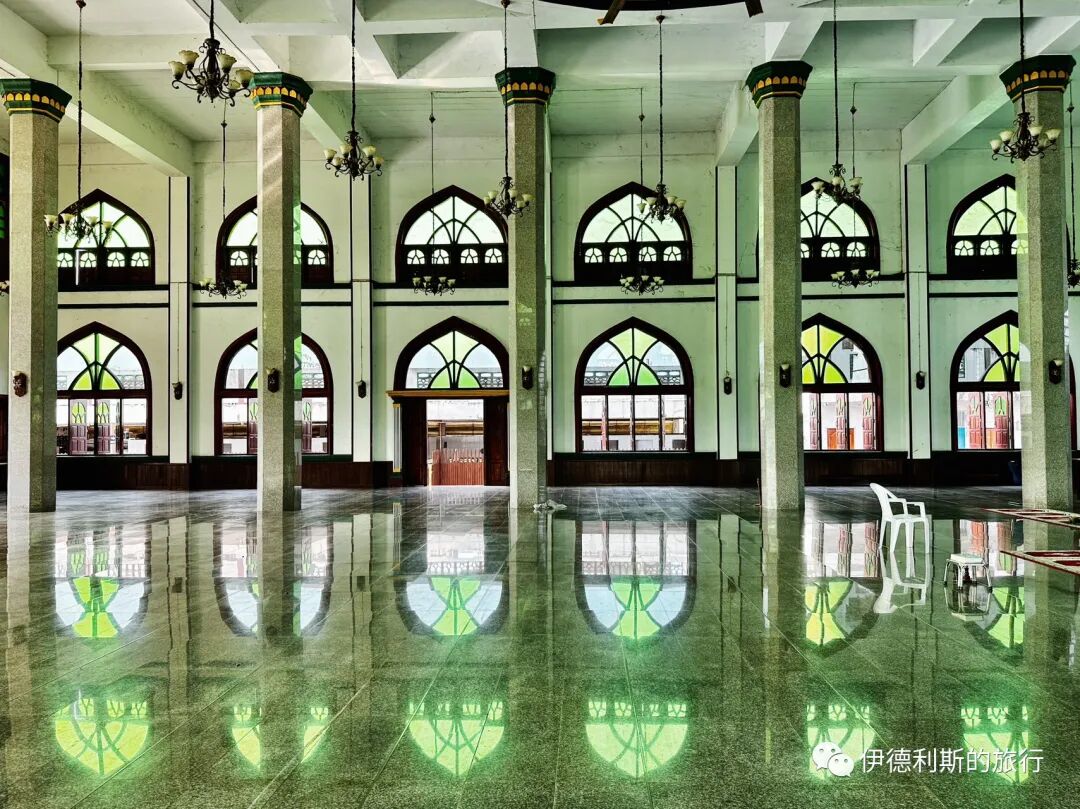
The prayer hall of the Mae Sai Yunnan Mosque, with shops selling dried beef jerky (la niuganba) and dried duck (la ya) at the entrance.
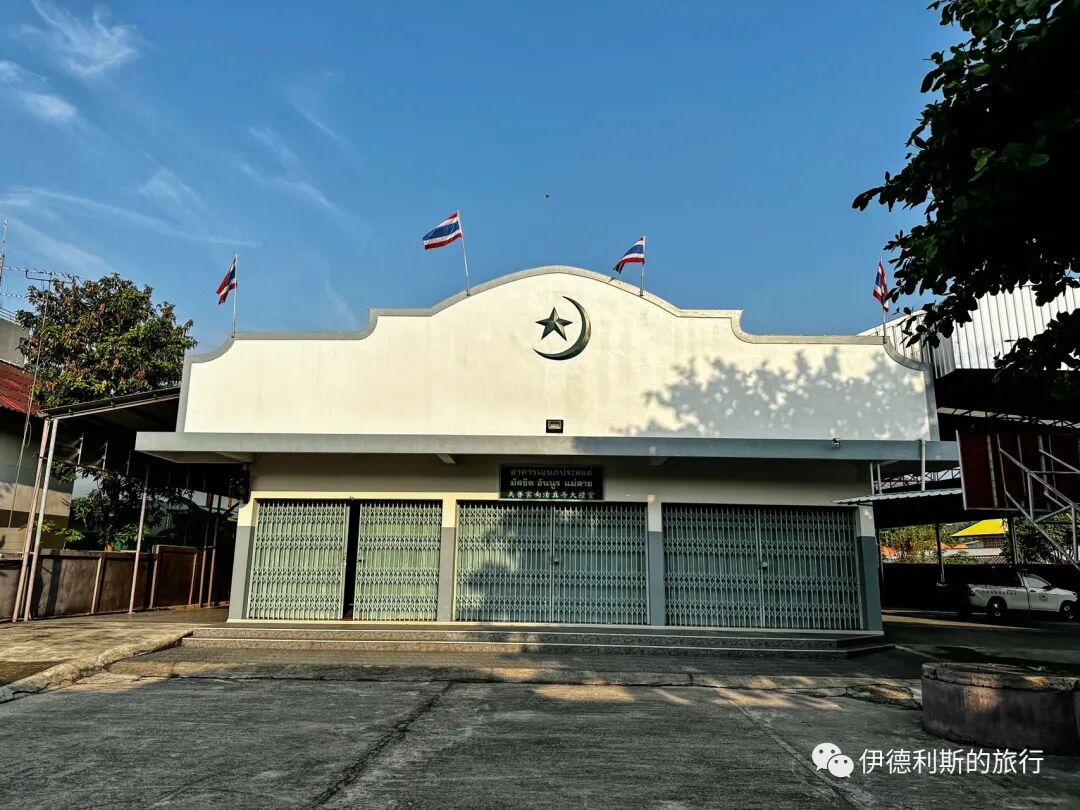
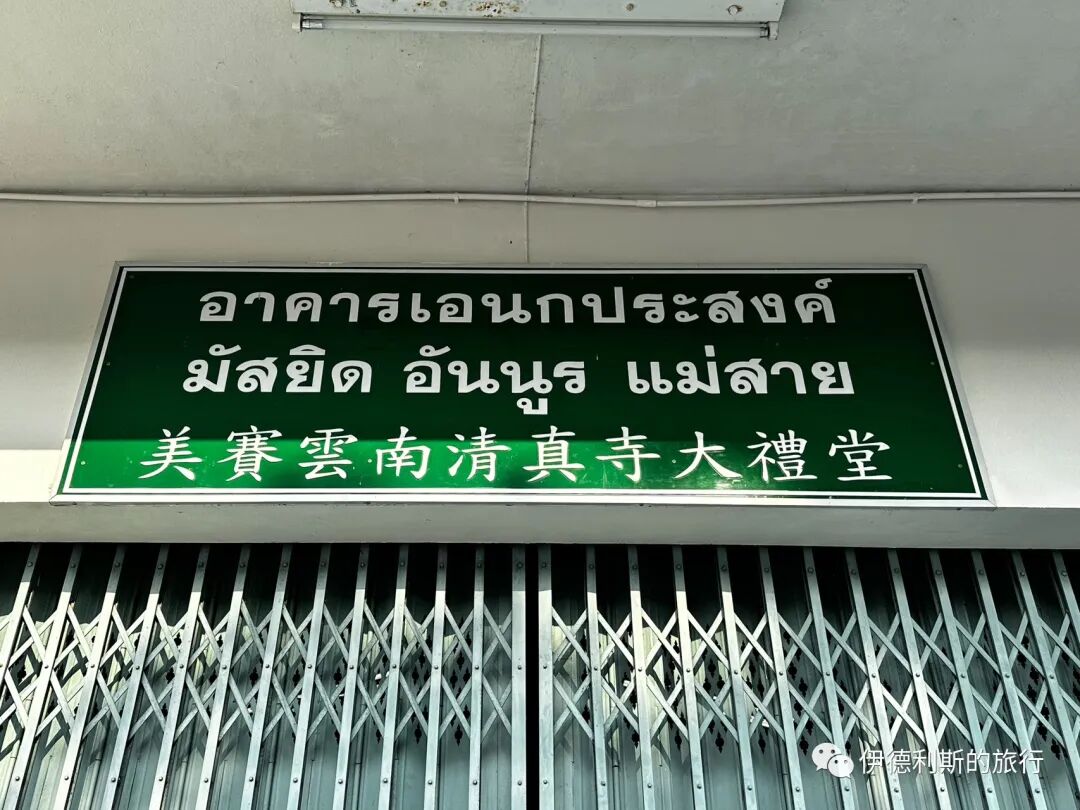
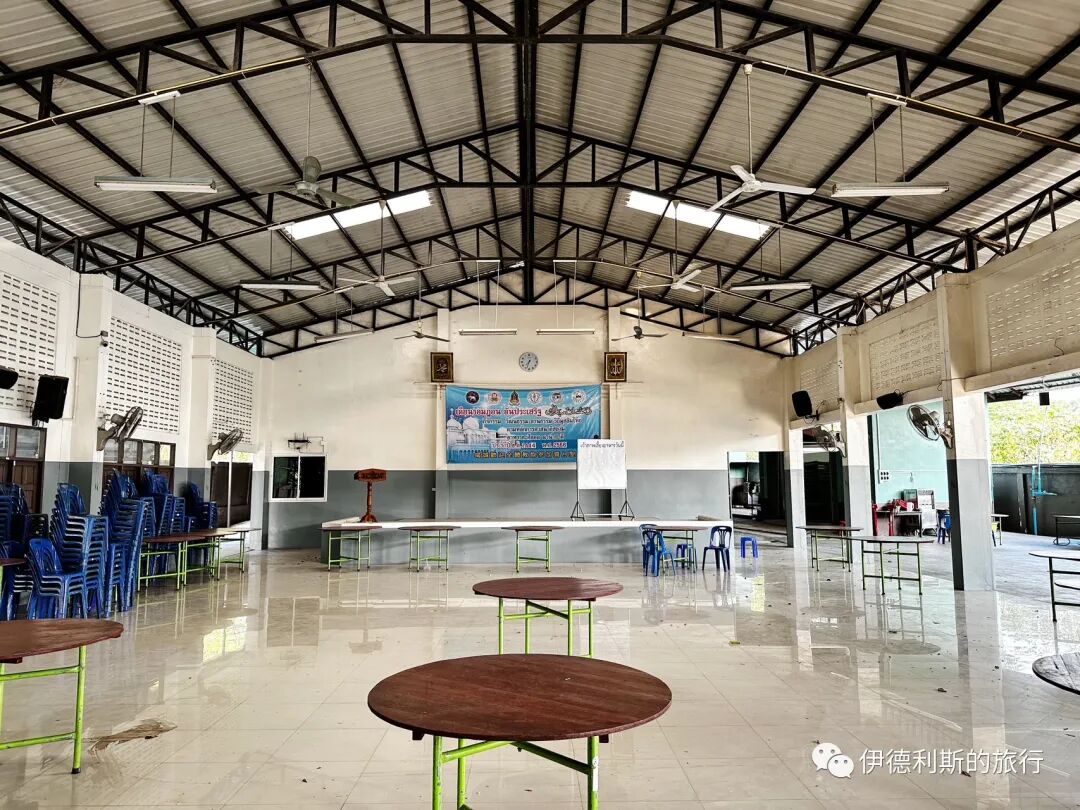
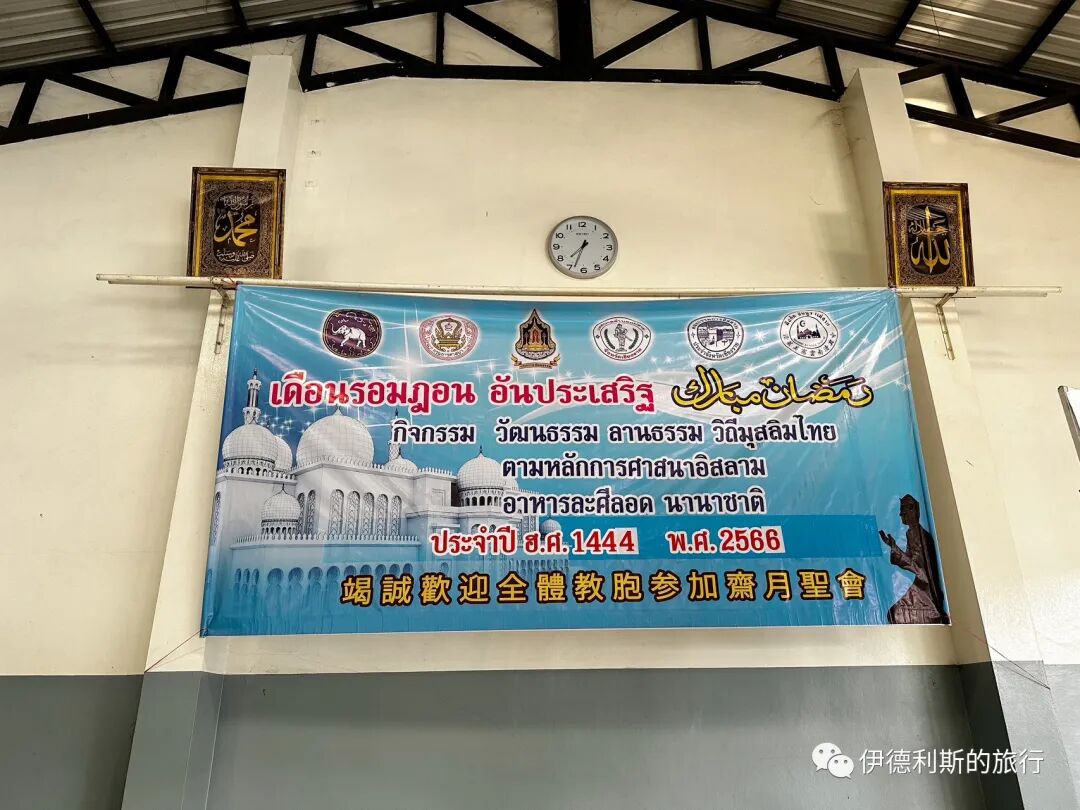
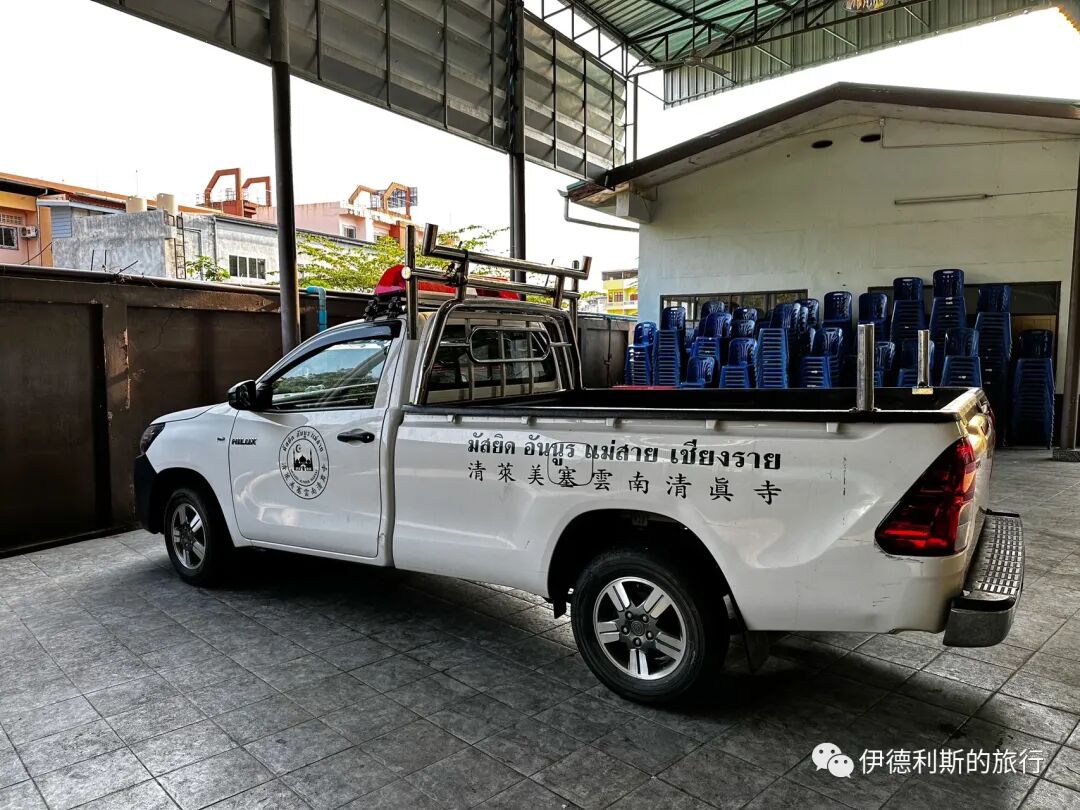
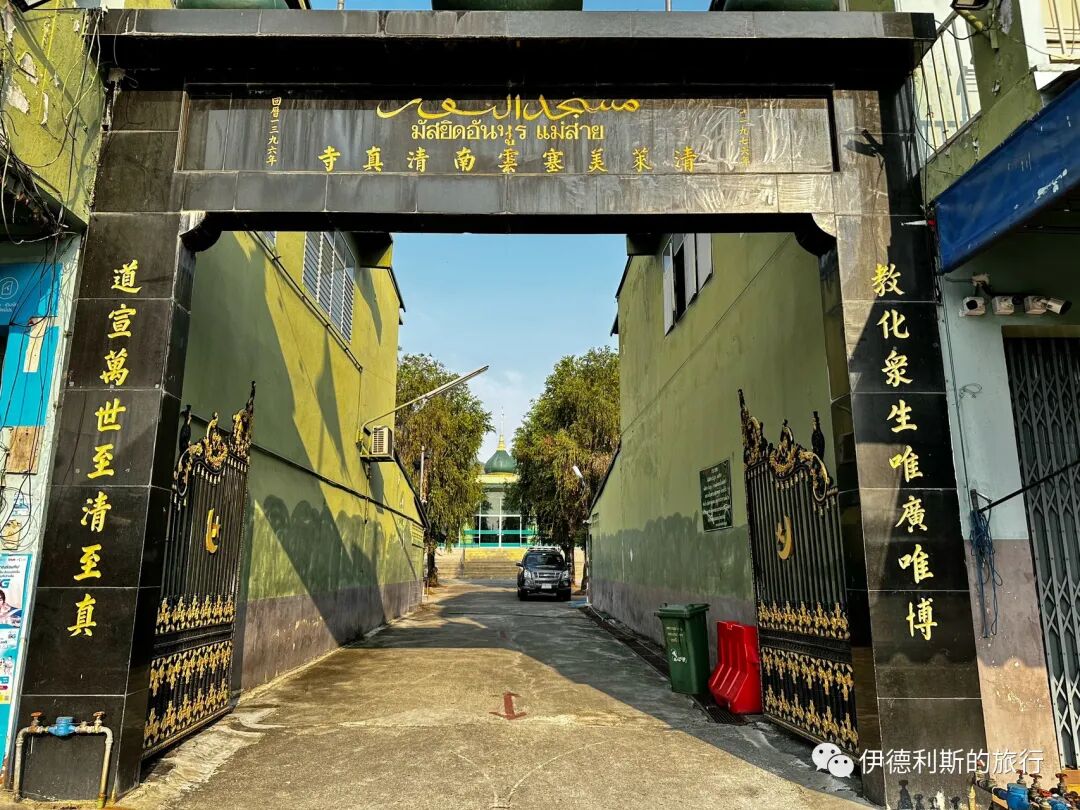
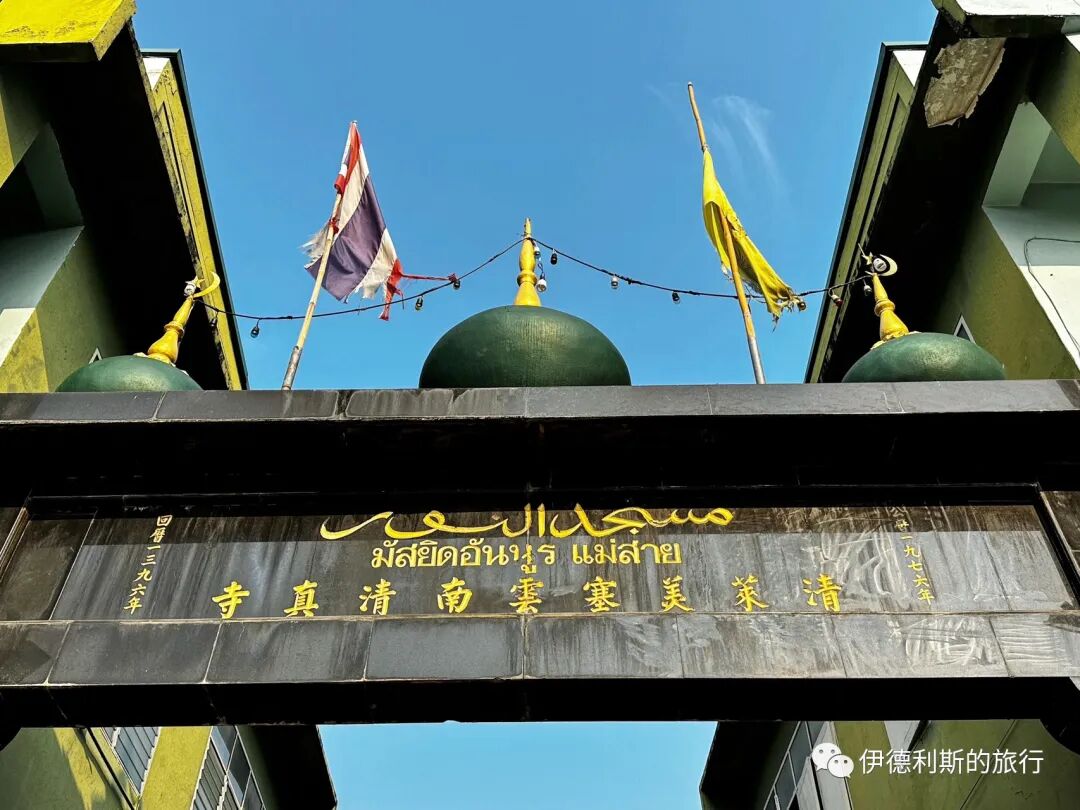
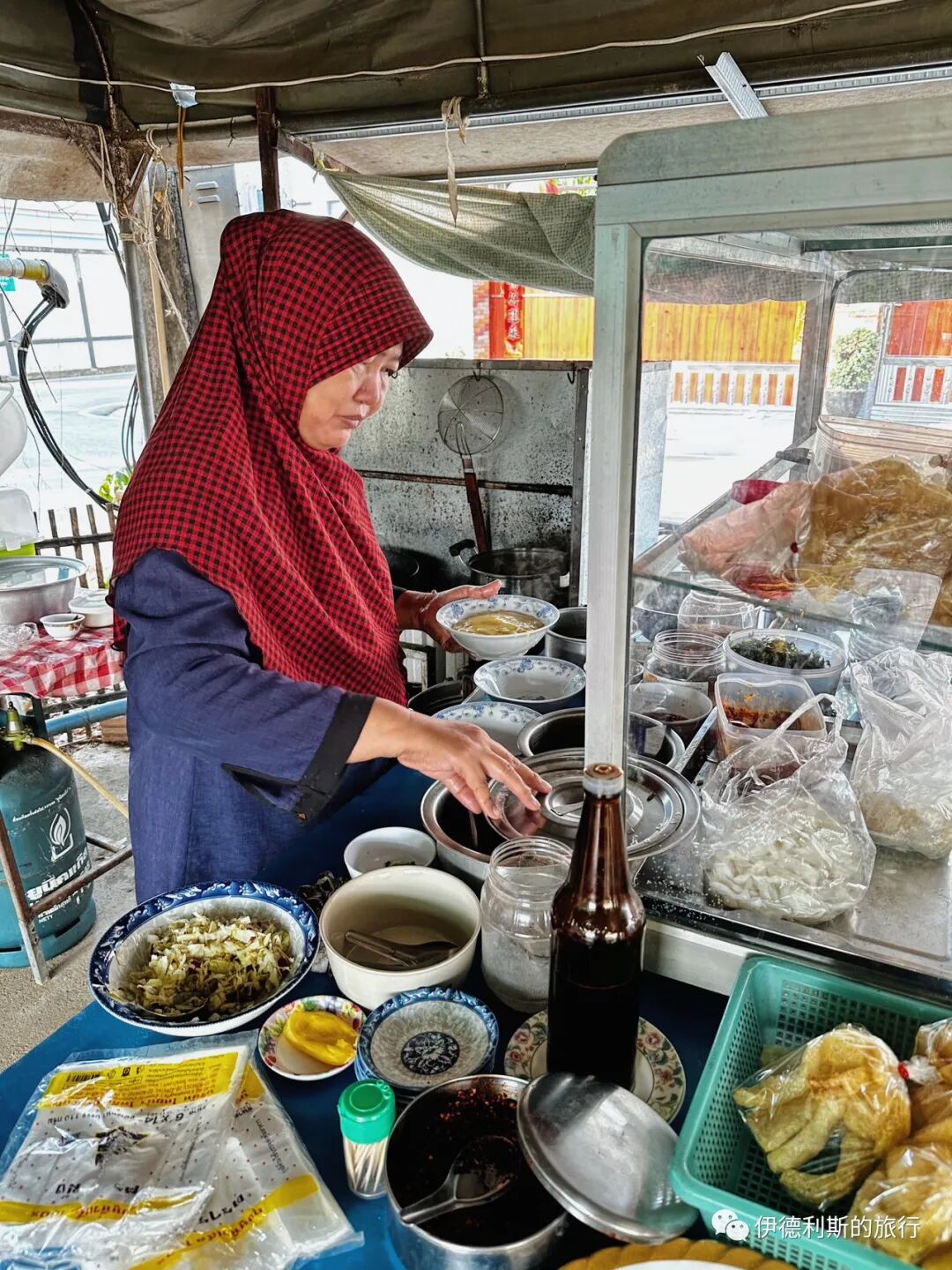
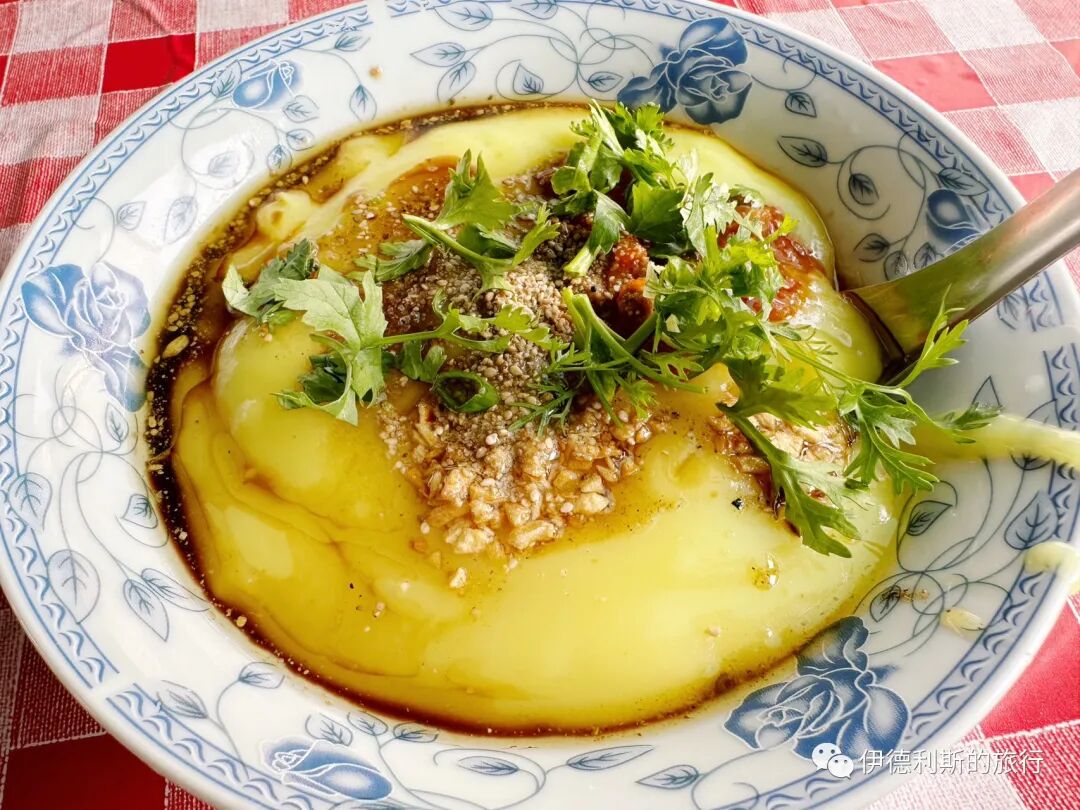
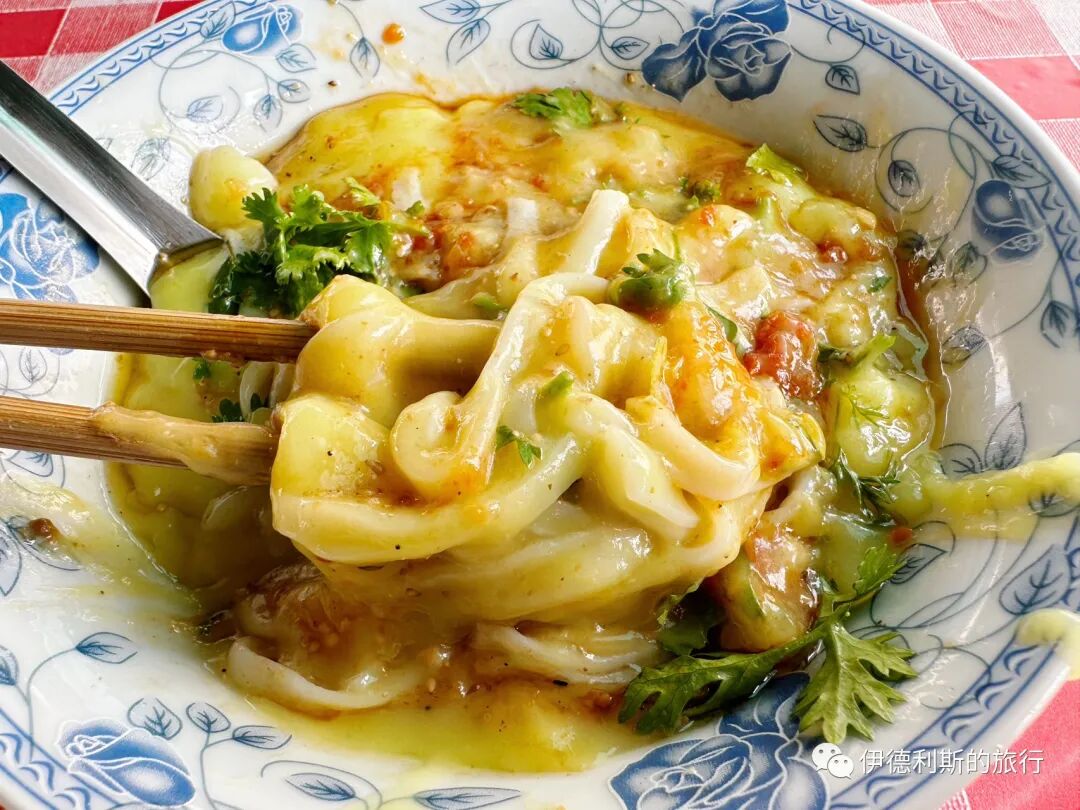
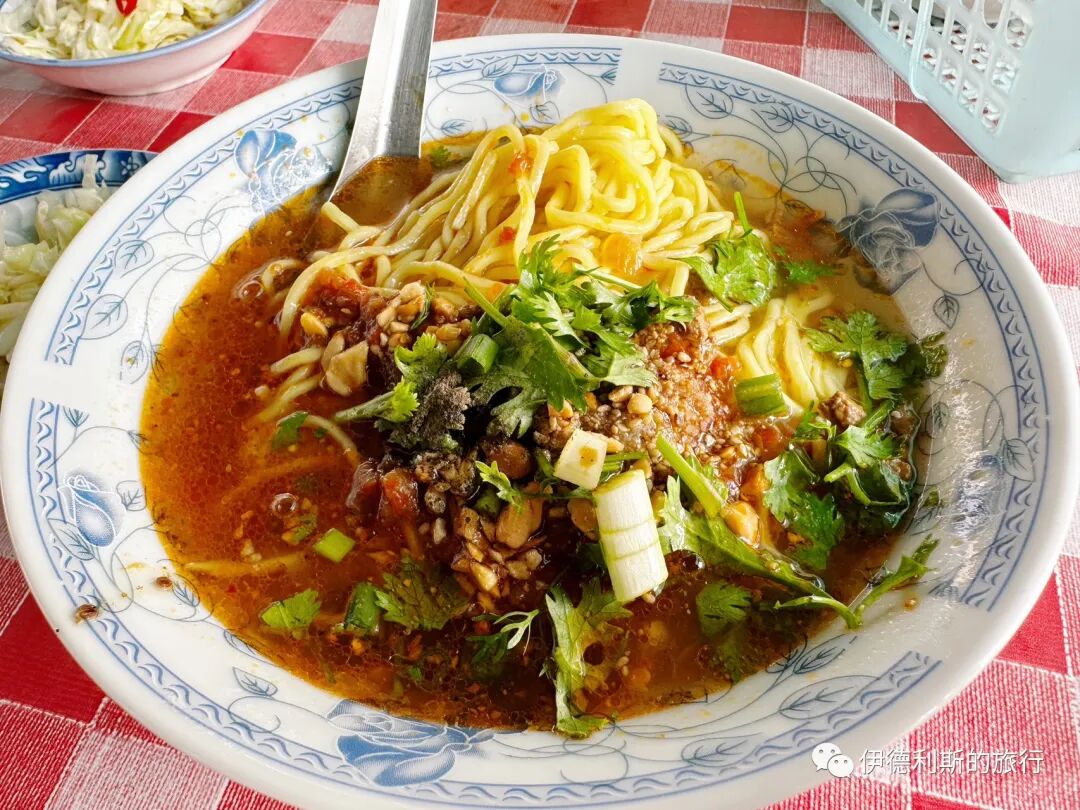
We had breakfast in an alley where Yunnan Hui Muslims live in Mae Sai. We could order in Mandarin, as the Yunnan Hui Muslims here speak both the Yunnan dialect and Mandarin fluently. We ate thick pea porridge (xi doufen) with rice noodles (migan) and braised beef noodles, which used minced meat (rou saozi) instead of chunks of meat. The owner's son is young but has already graduated as a hafiz. Hui Muslims here start systematic religious studies from a young age, which helps pass their faith down from generation to generation.
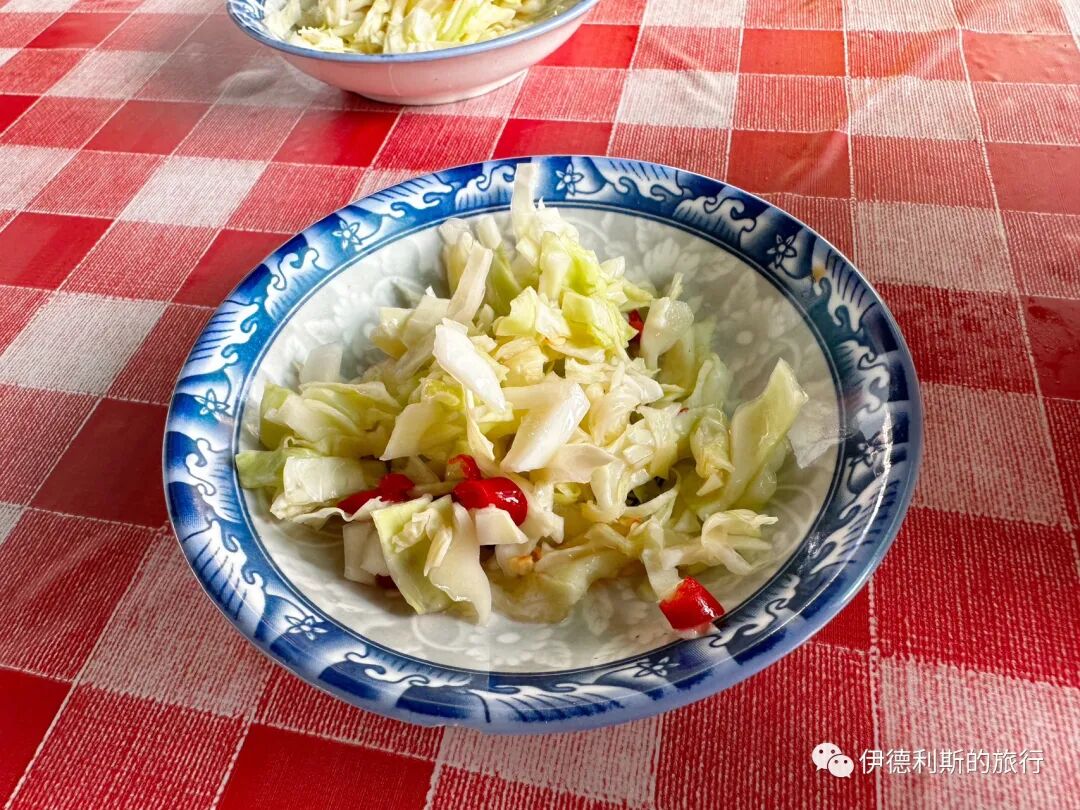
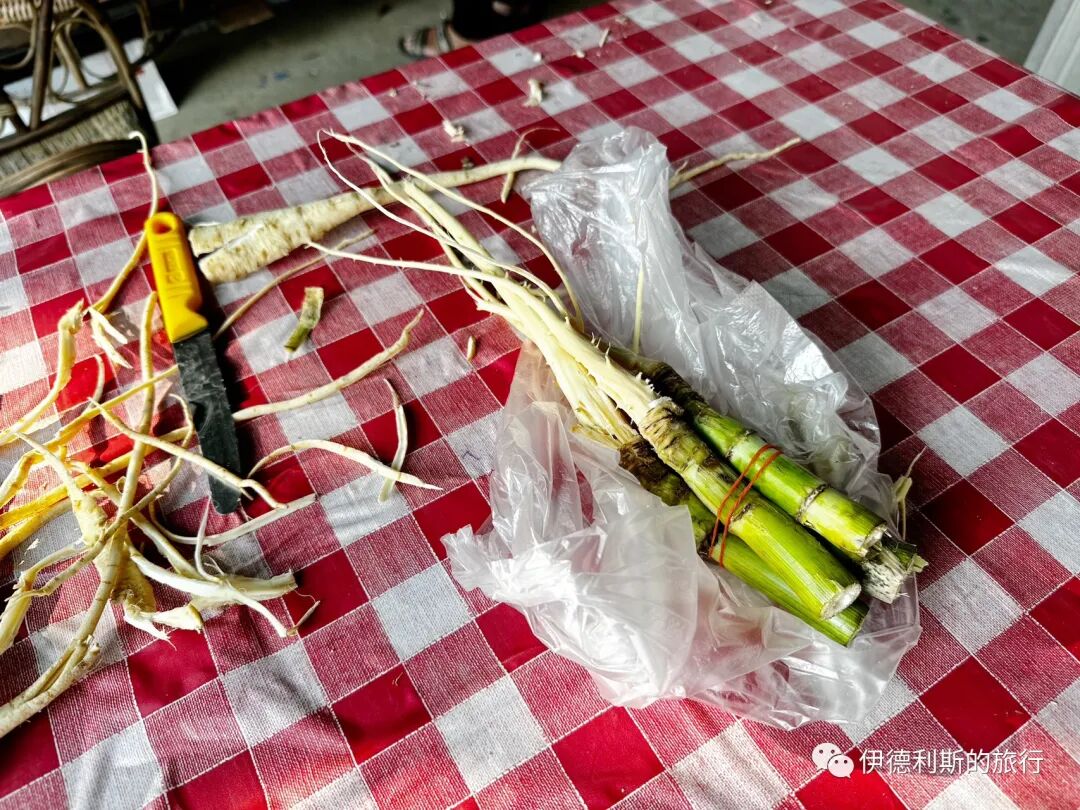
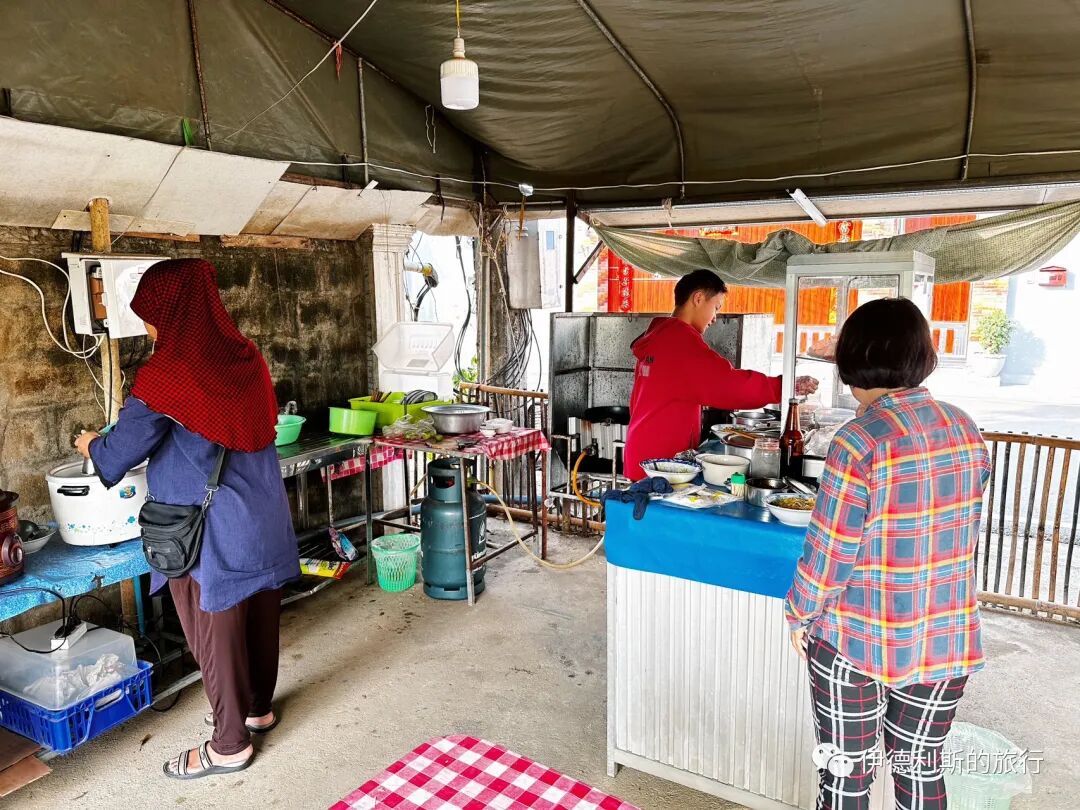
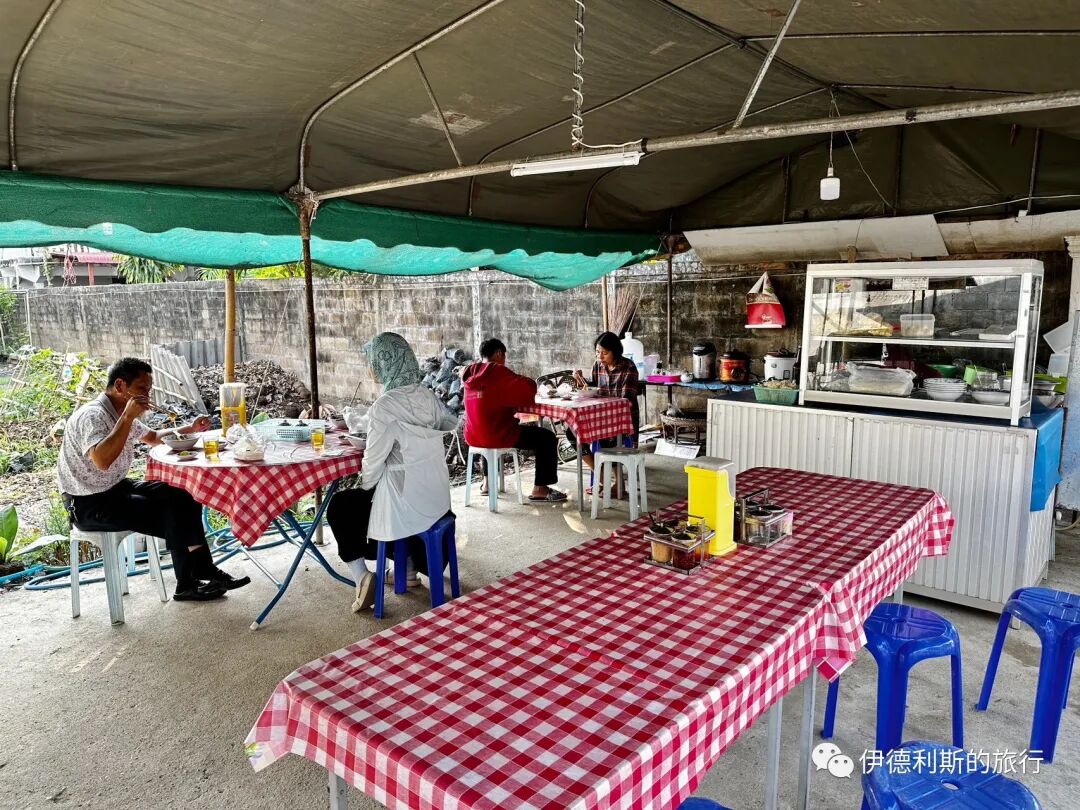
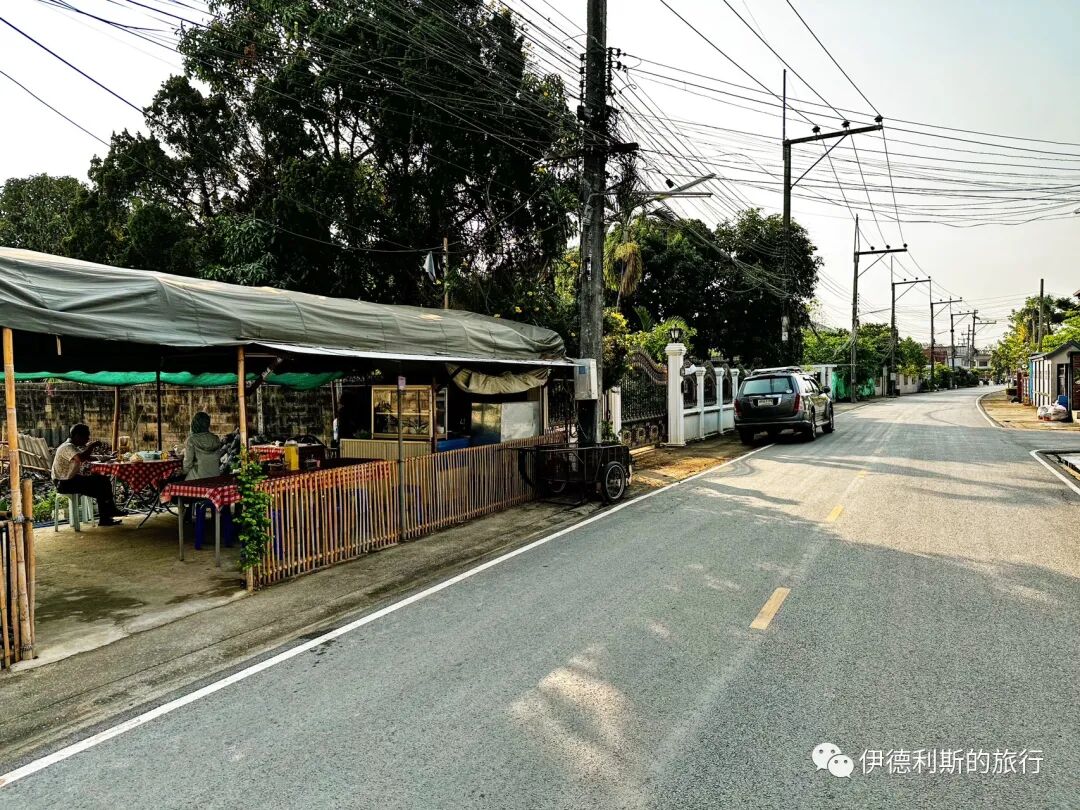
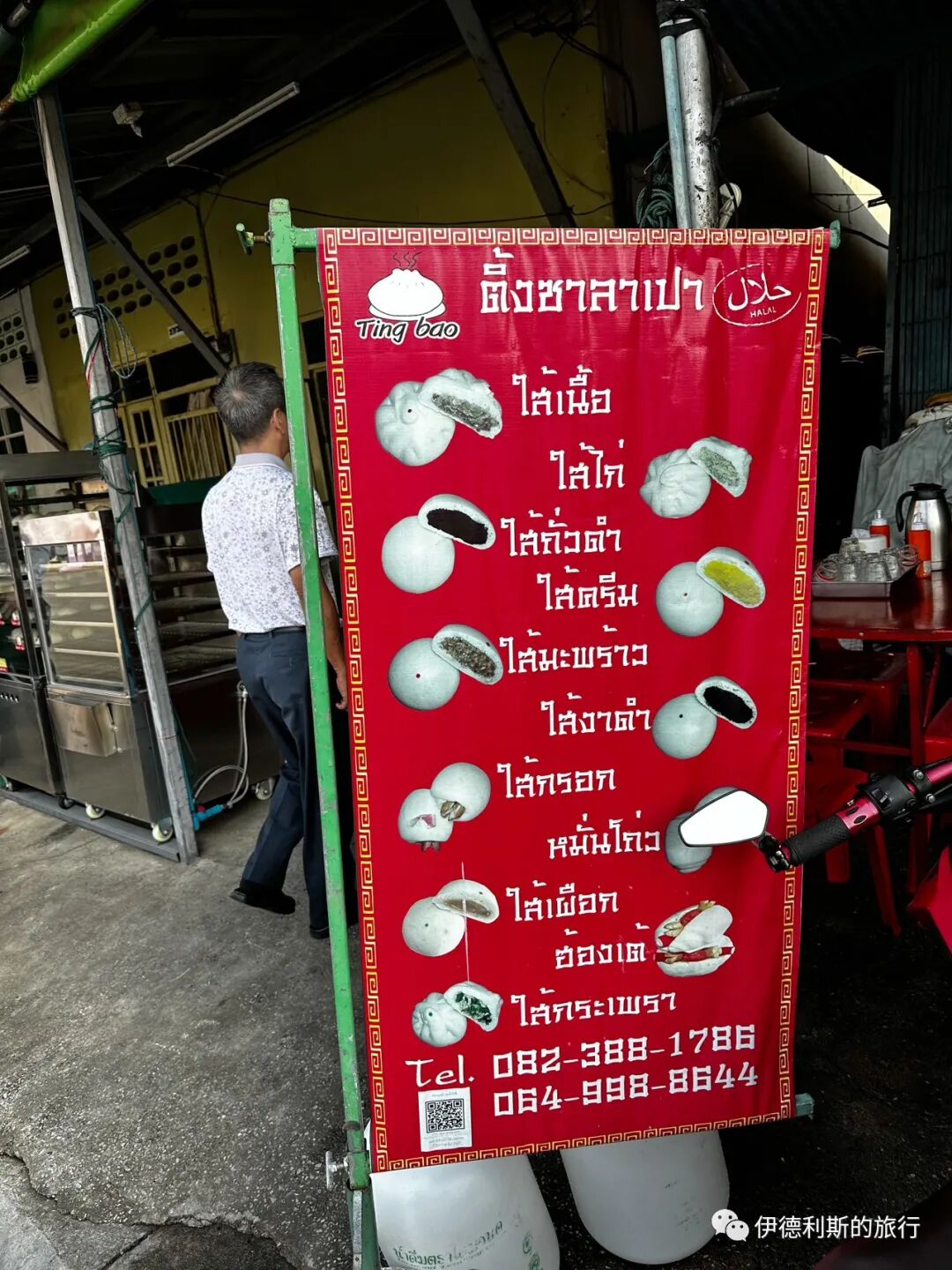
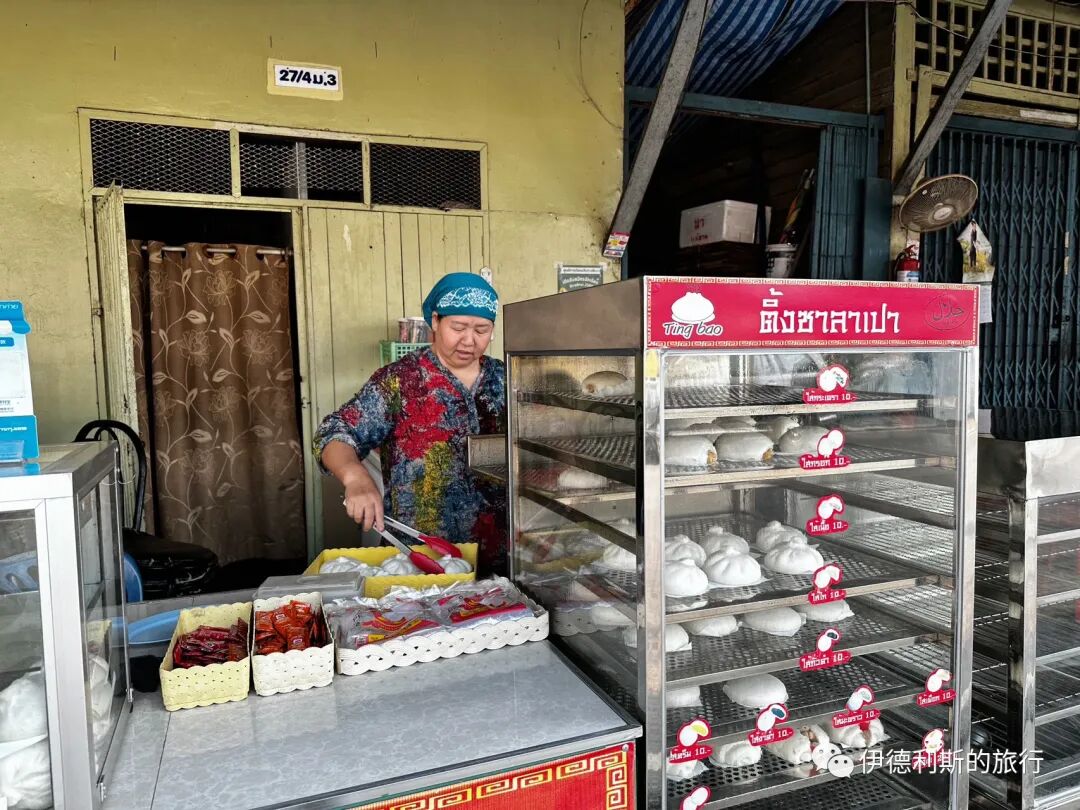
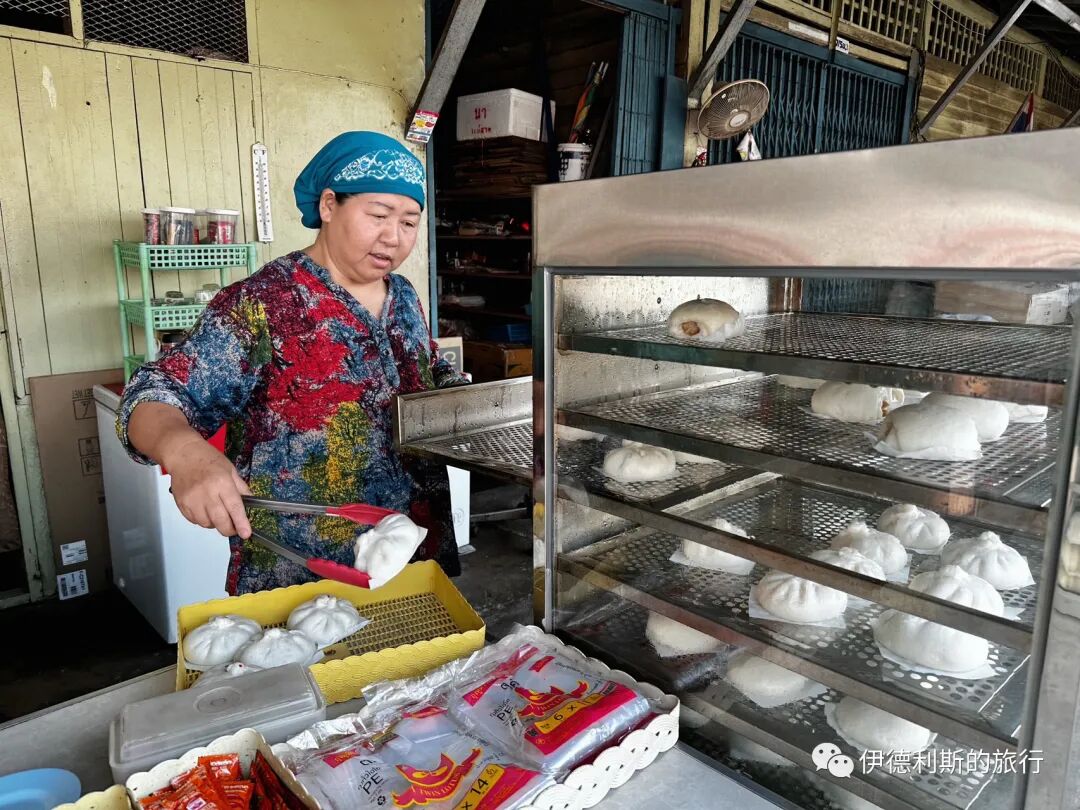
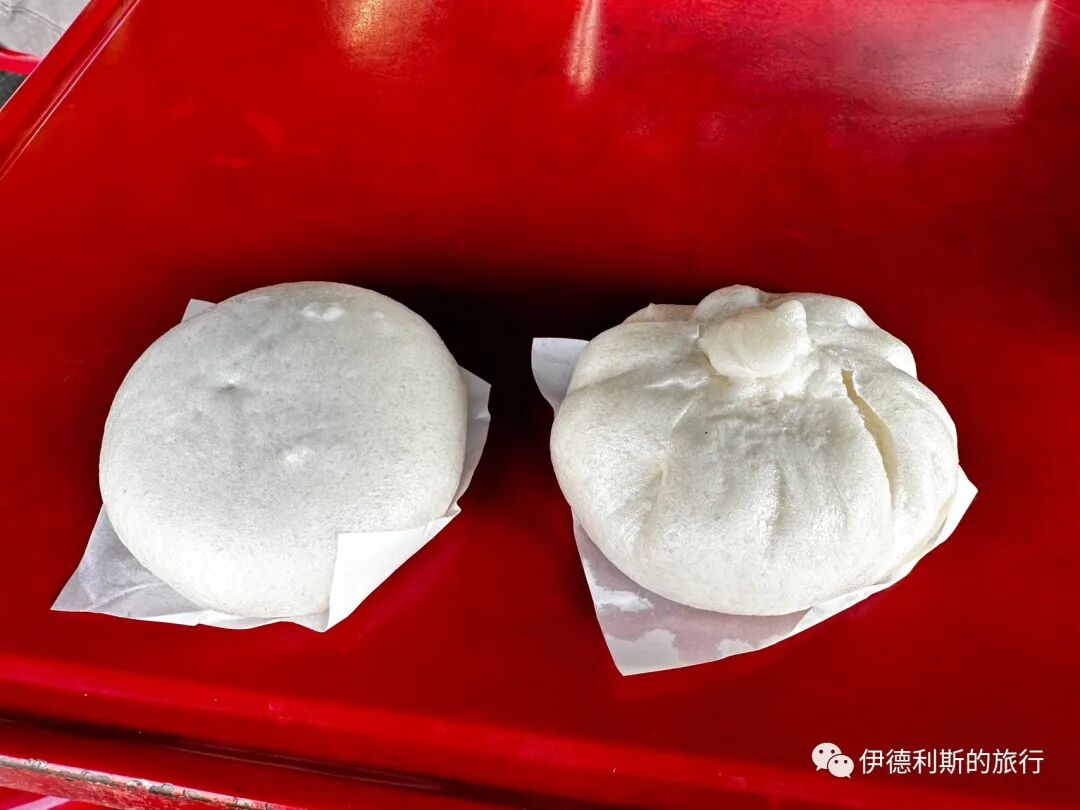
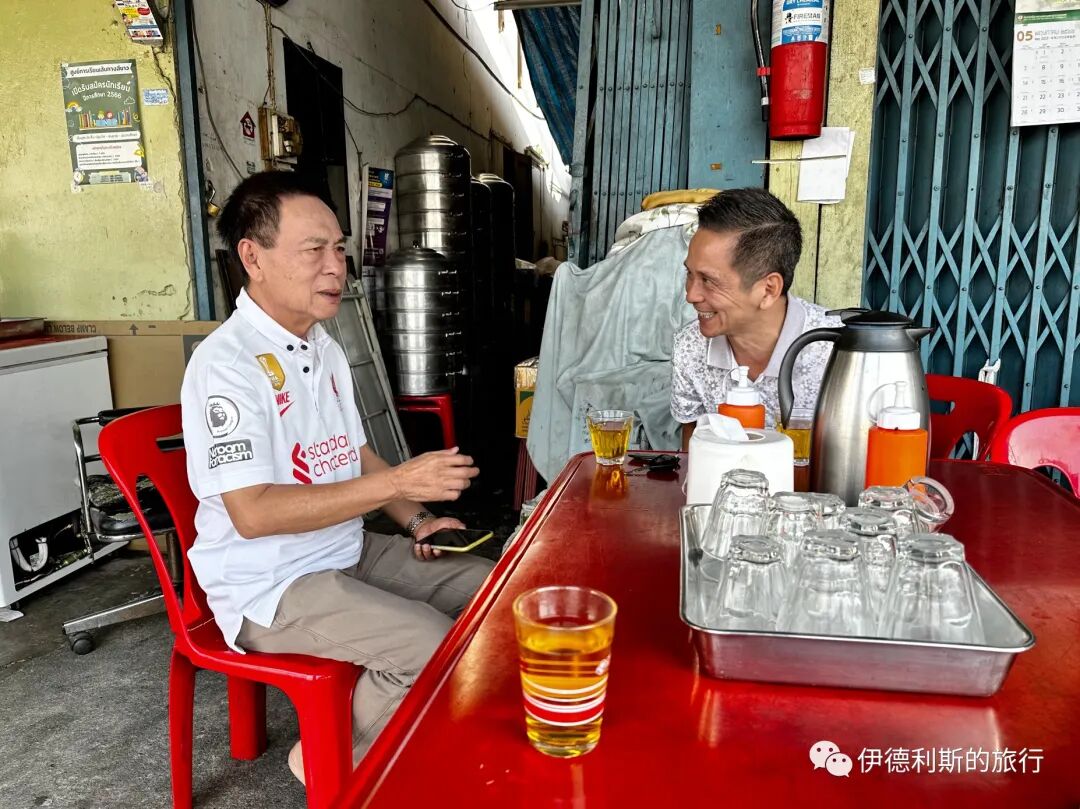
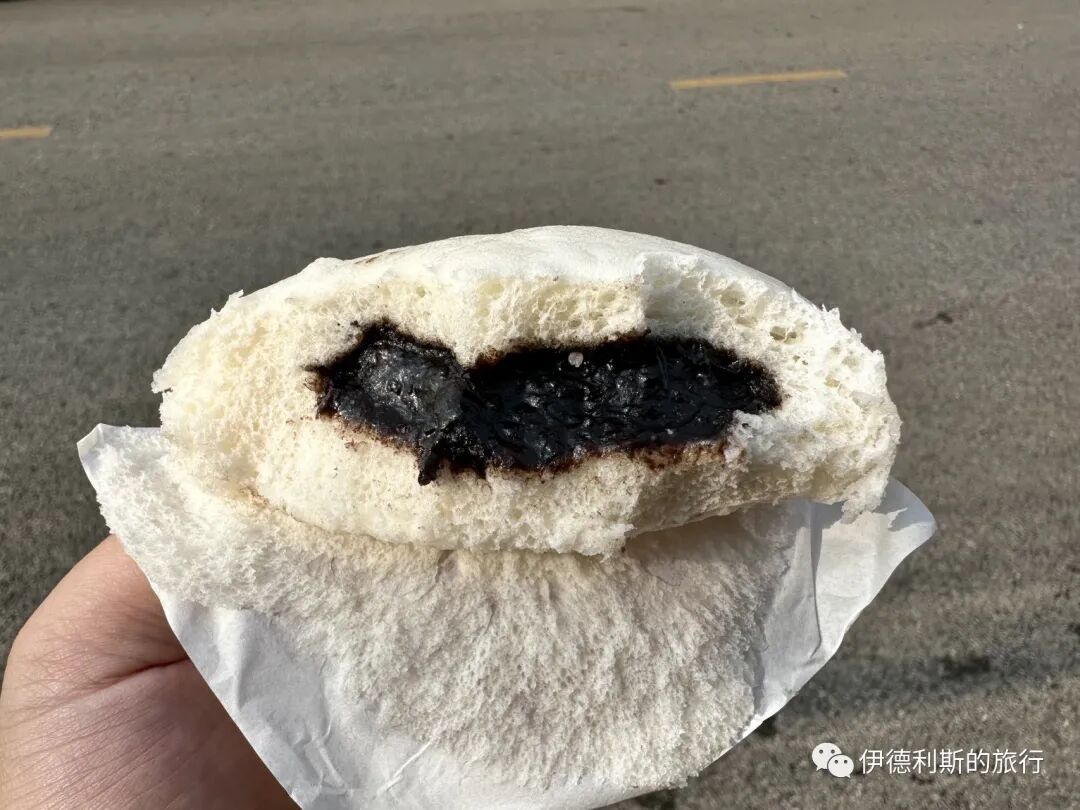
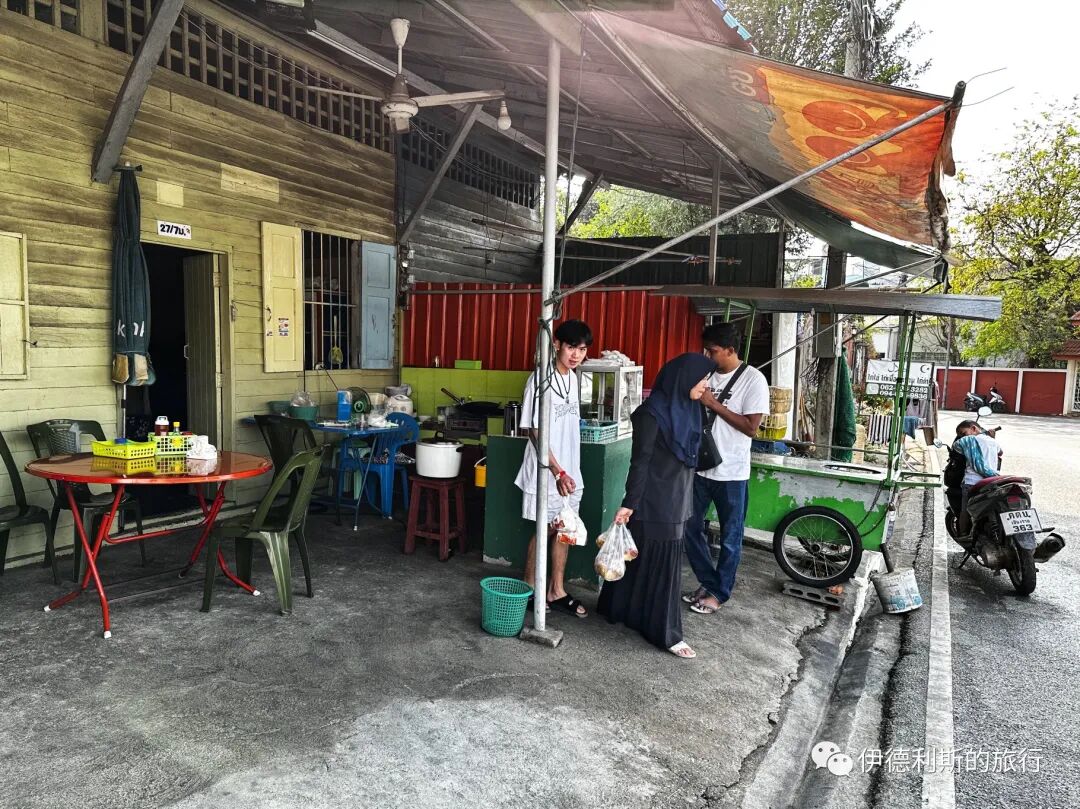
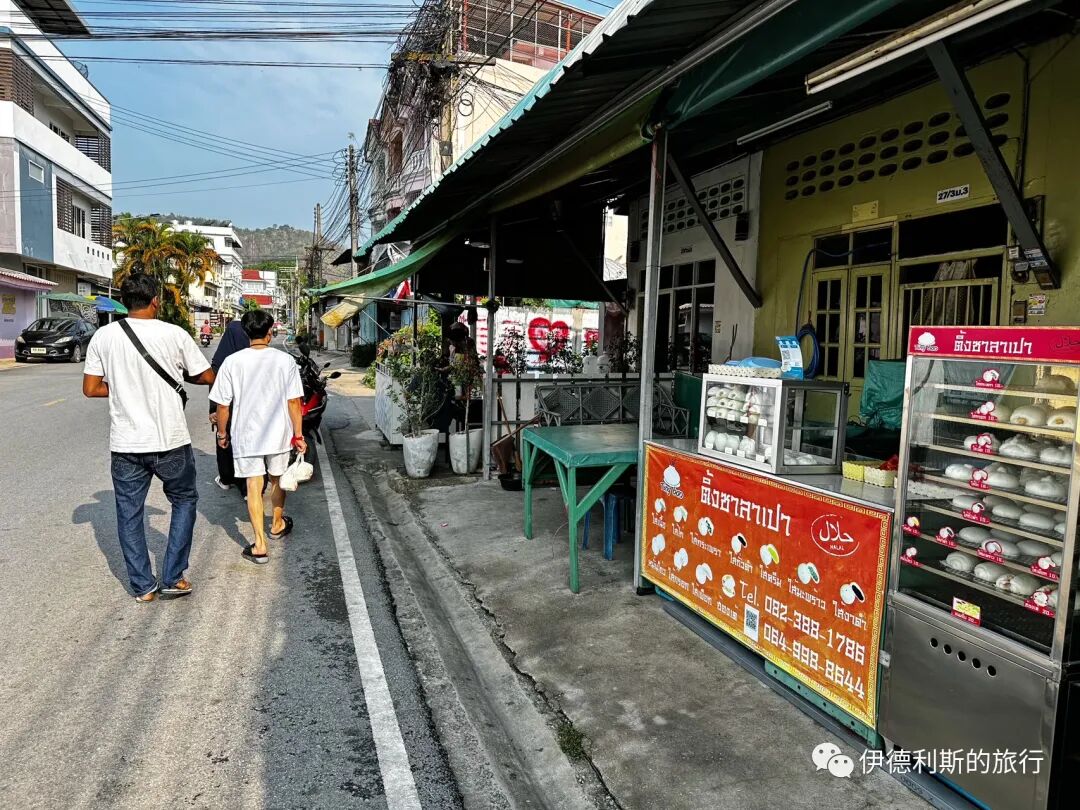
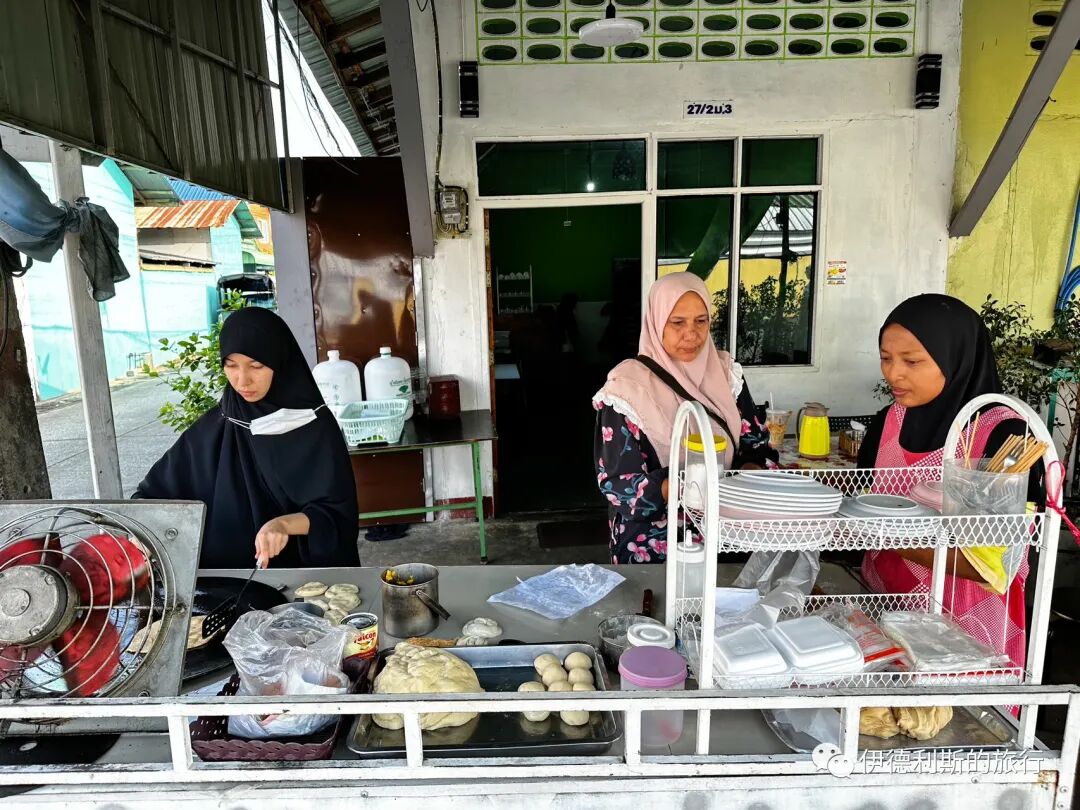
Then we went to the old site of the Yunnan Mosque in Mae Sai to eat sweet buns (tangbao). After the Yunnan Mosque moved to its new location in 1975, the old site remained mosque property, and the storefronts along the street still sell snacks. We ate brown sugar and perilla seed-filled sweet buns (tangbao) at a Hui Muslim shop in the middle of the street, and we drank tea and chatted with everyone for a while. Also, the shop next door run by a South Asian friend (dosti) selling roti flatbread is doing very well.
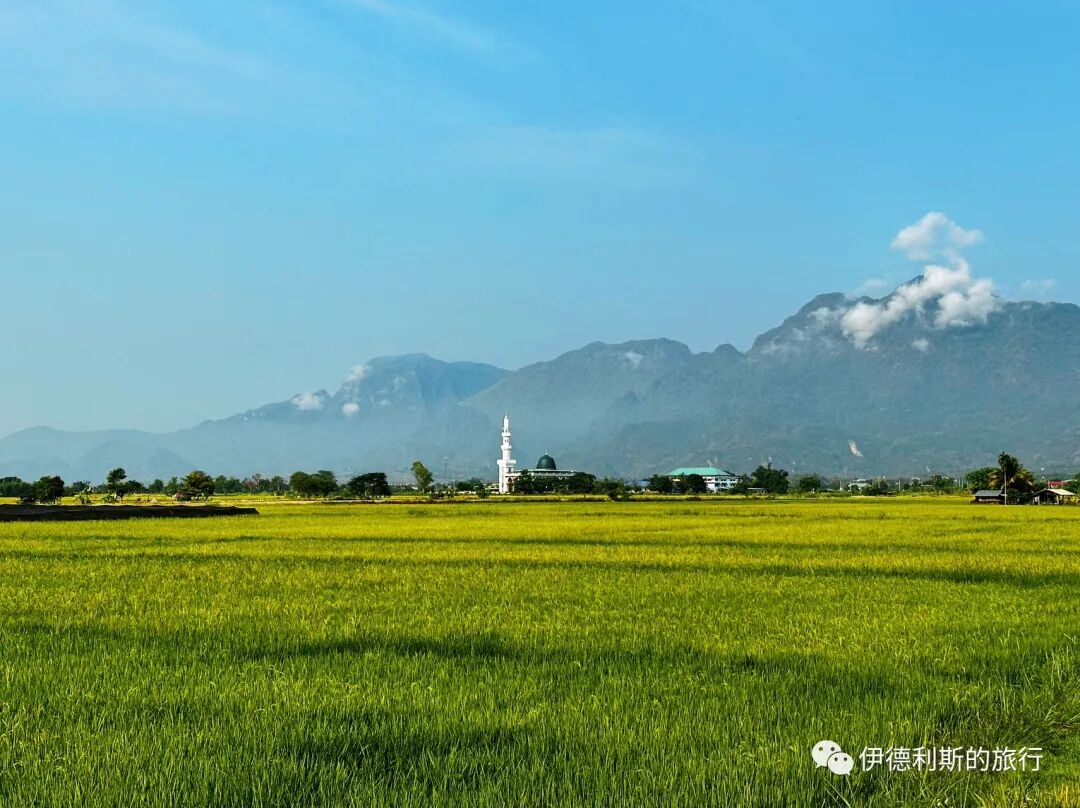
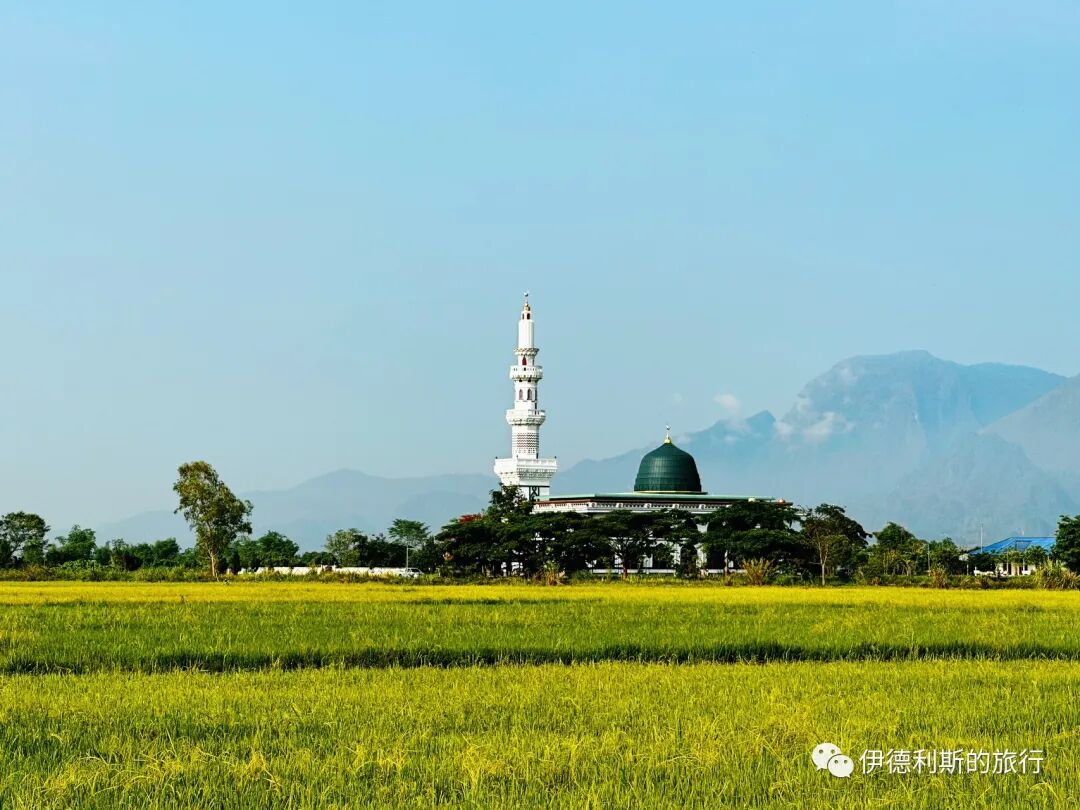
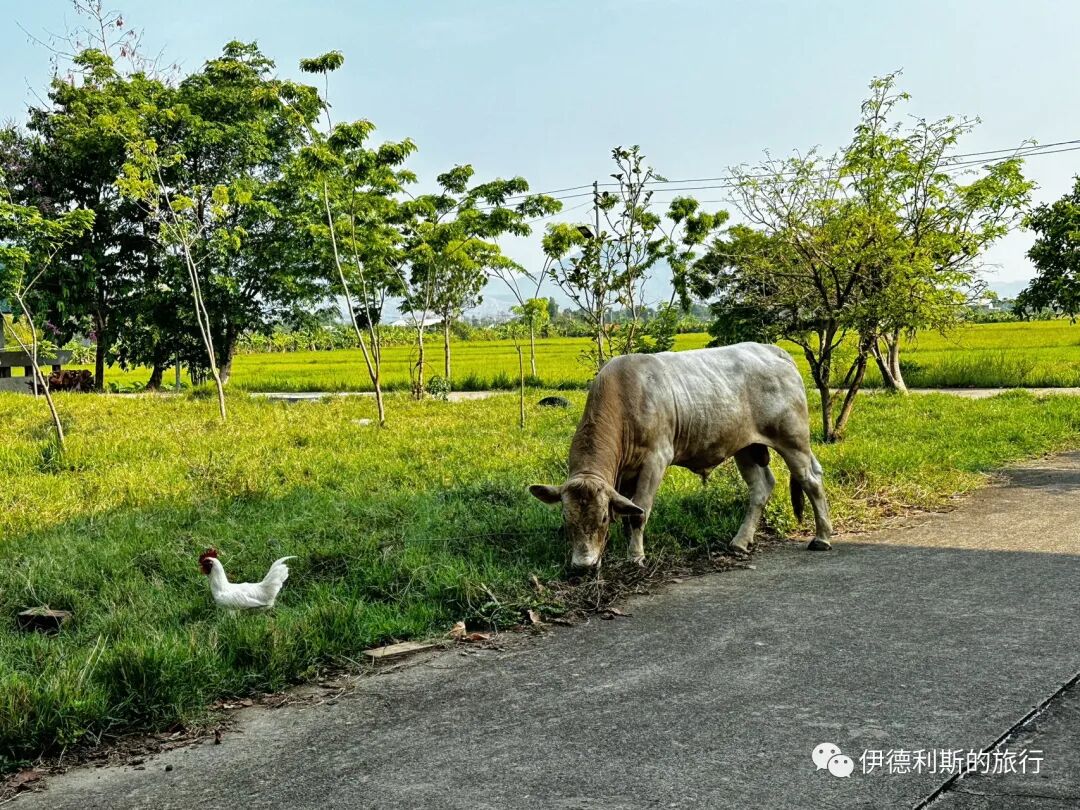
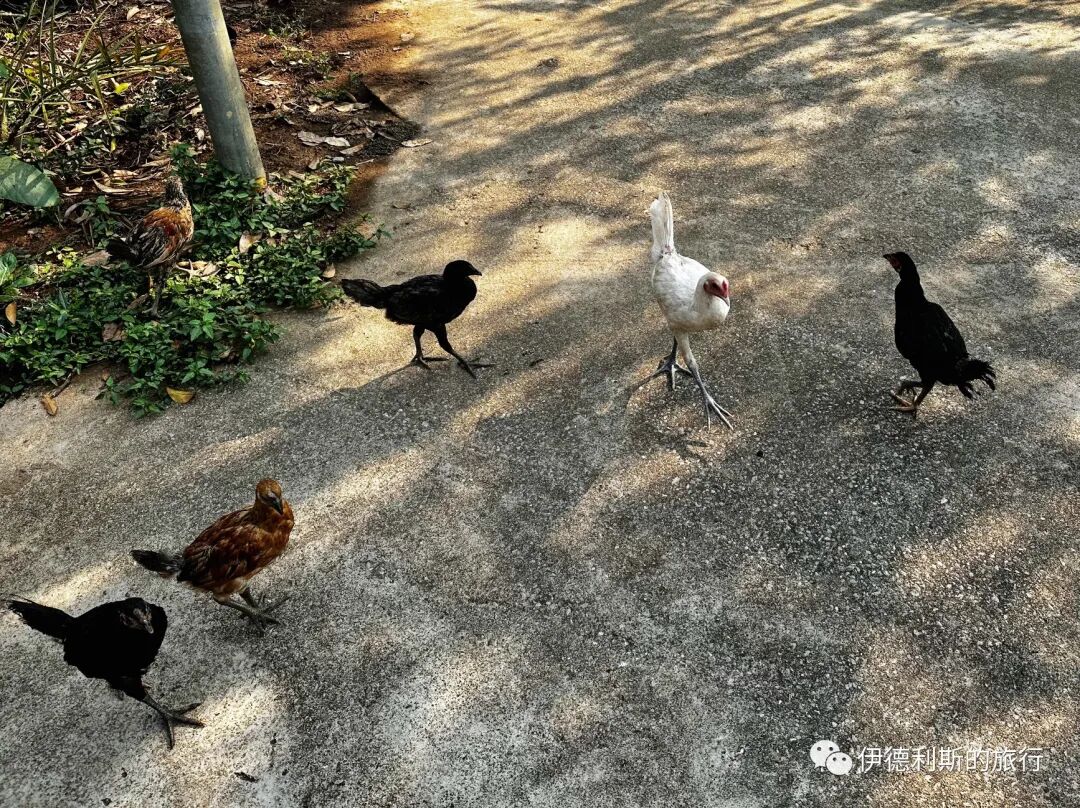
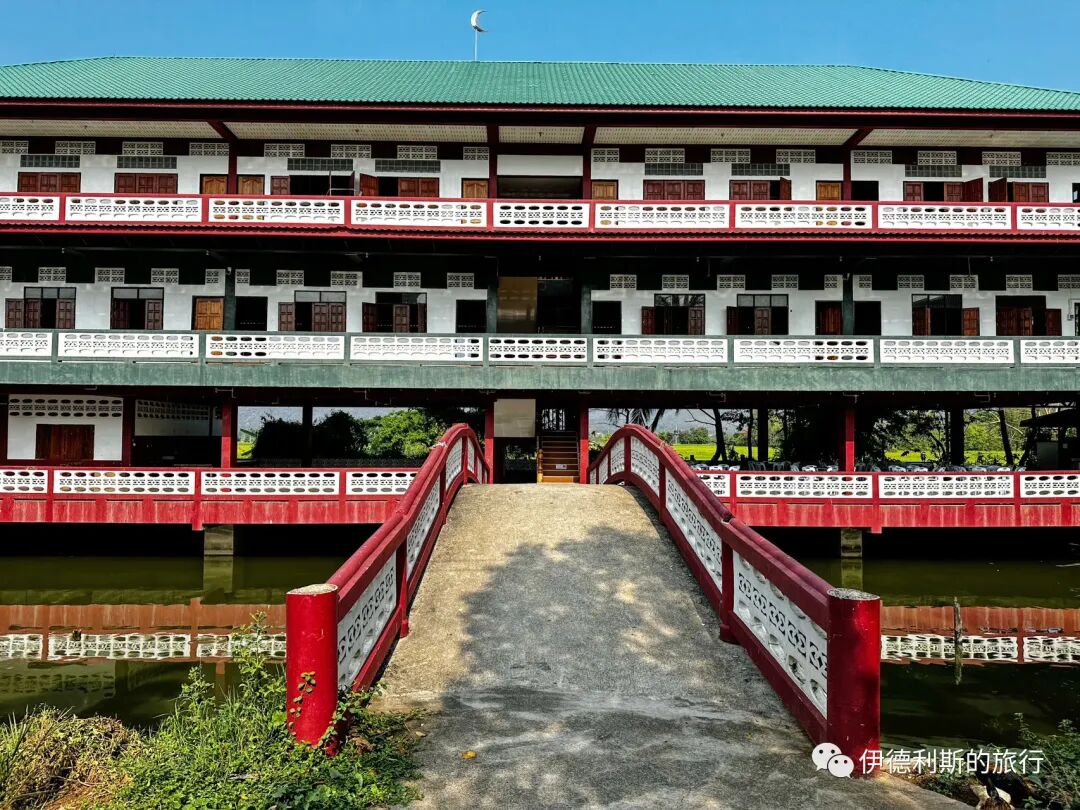
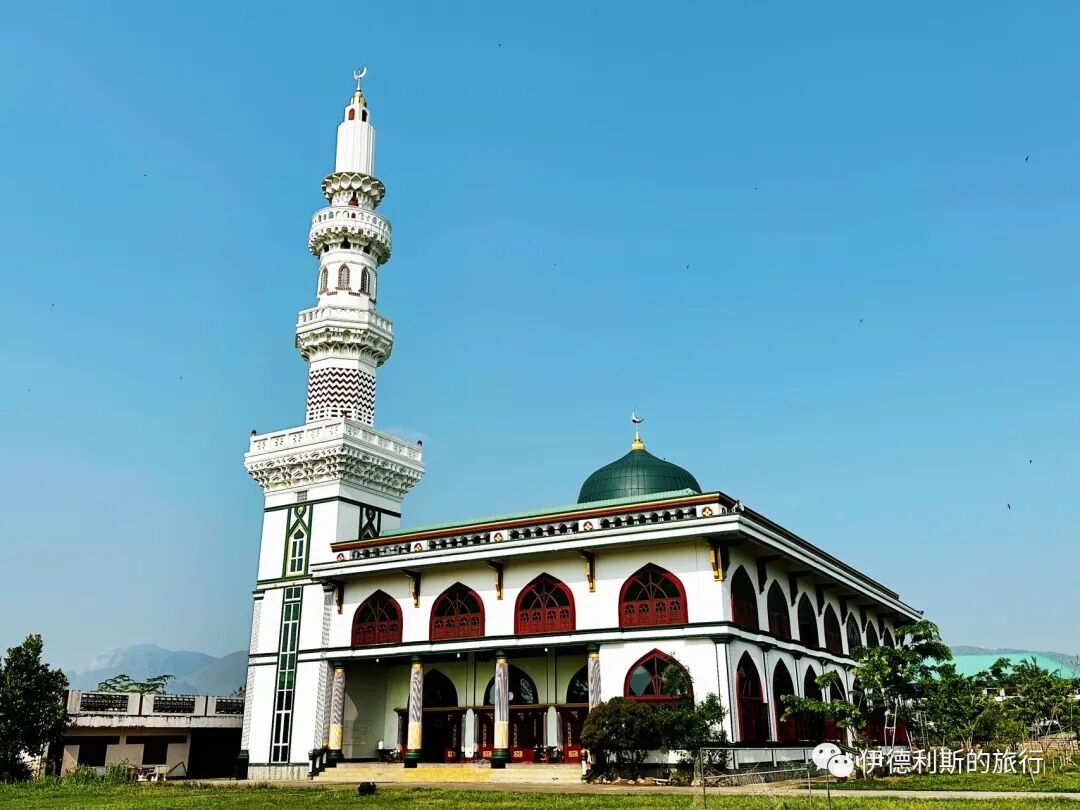
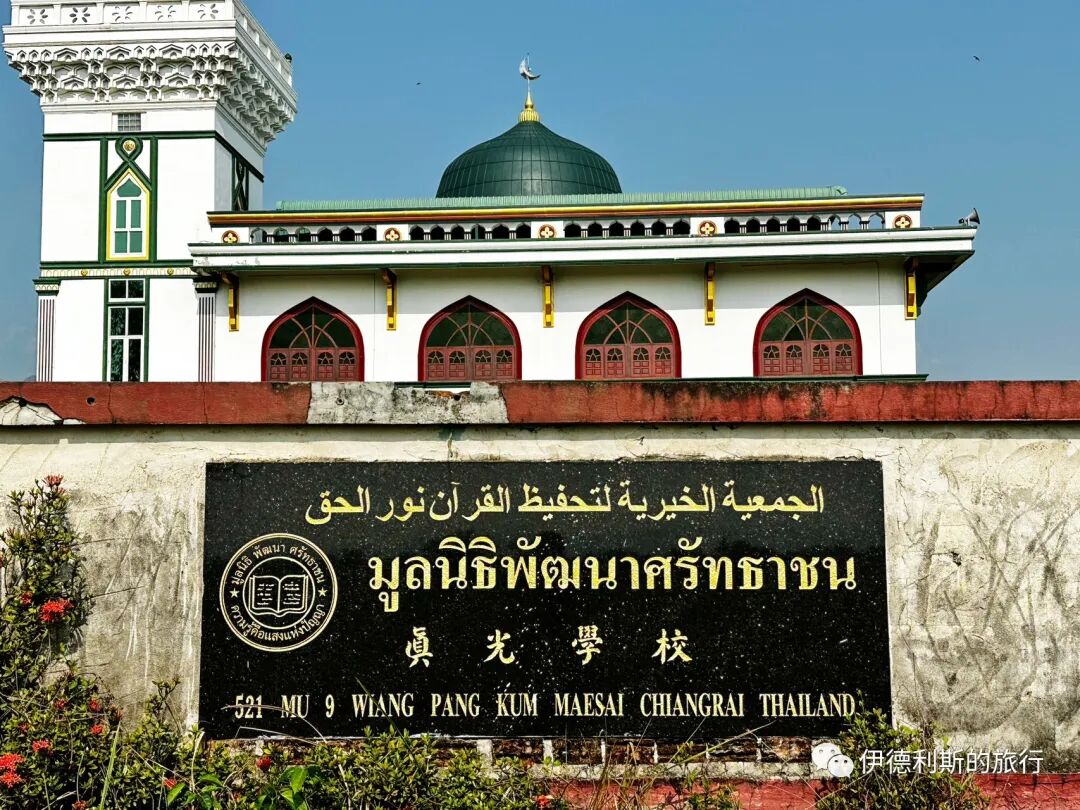
After breakfast, we arrived at Zhenguang School on the outskirts of Mae Sai. This is a school founded by Hui Muslims specifically to train hafiz. The students here include not only local Muslims but also many from other parts of Thailand and even China. It was summer break when we visited, so the students were away. Only the cows being prepared for Eid al-Adha and the chickens the students usually eat were wandering leisurely around the courtyard. The environment here is truly wonderful. Surrounded by endless rice fields and far from the noise of the city, it is a perfect place to focus on studies.
Golden Triangle
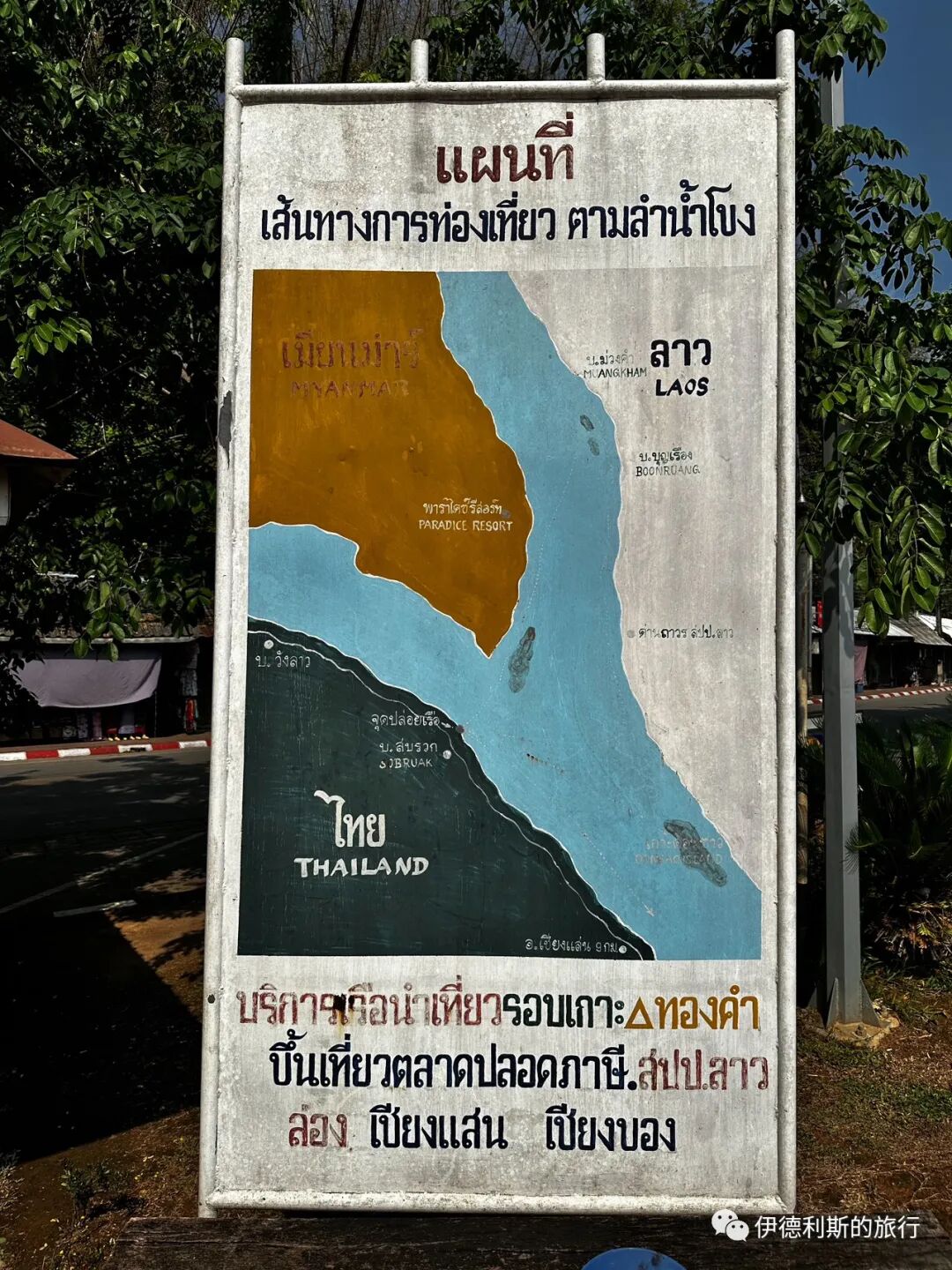
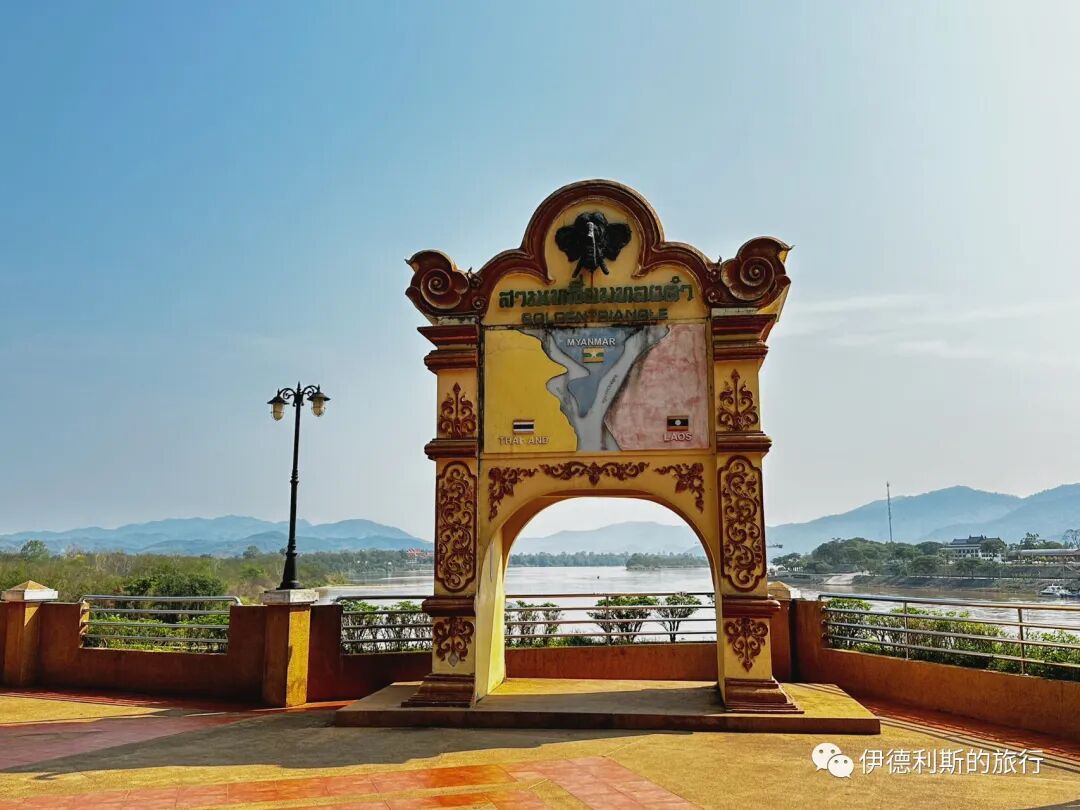
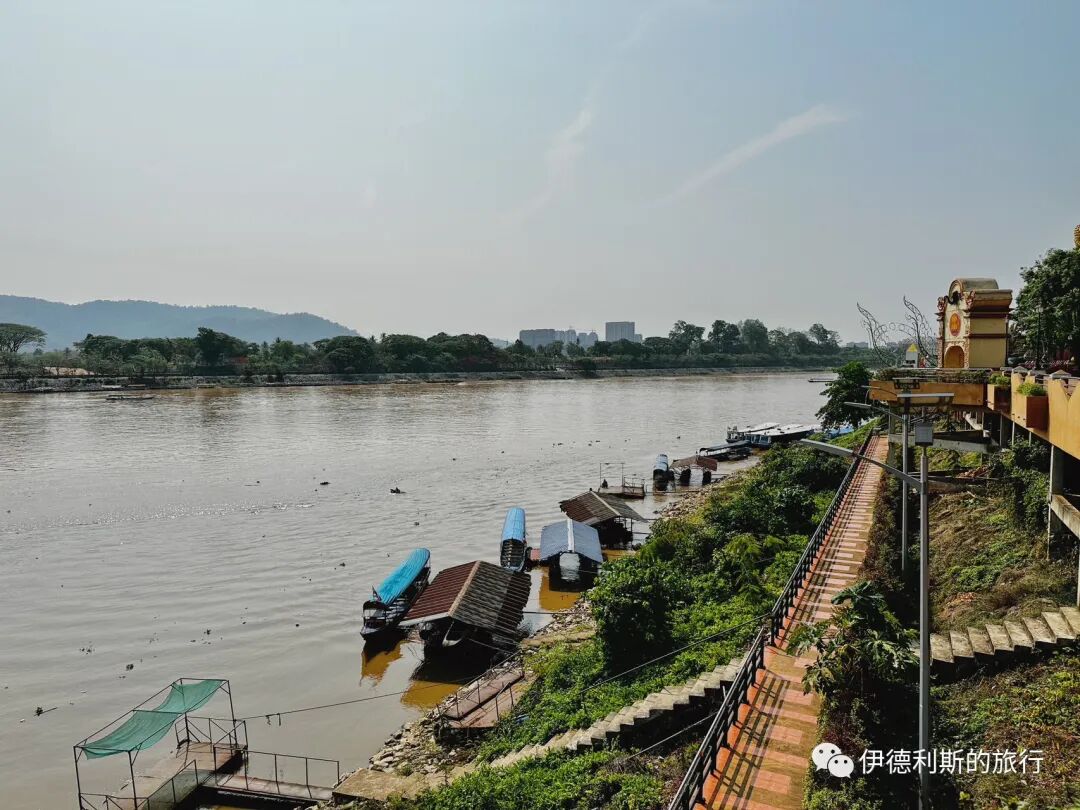
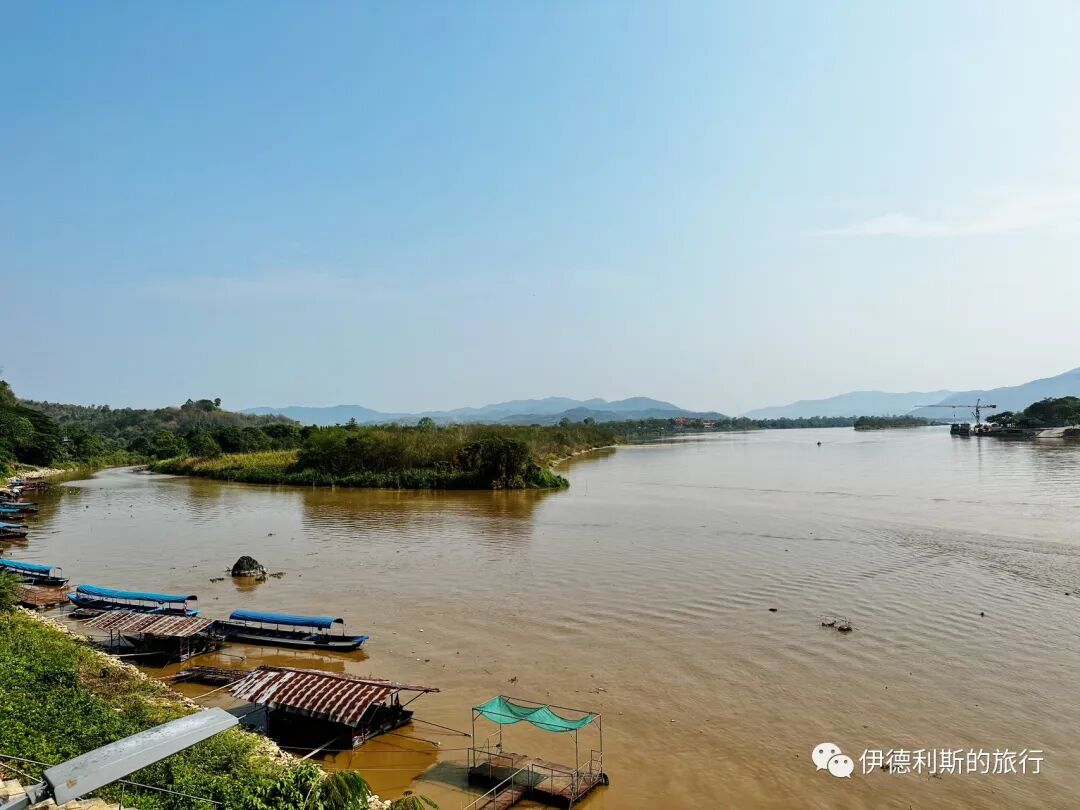
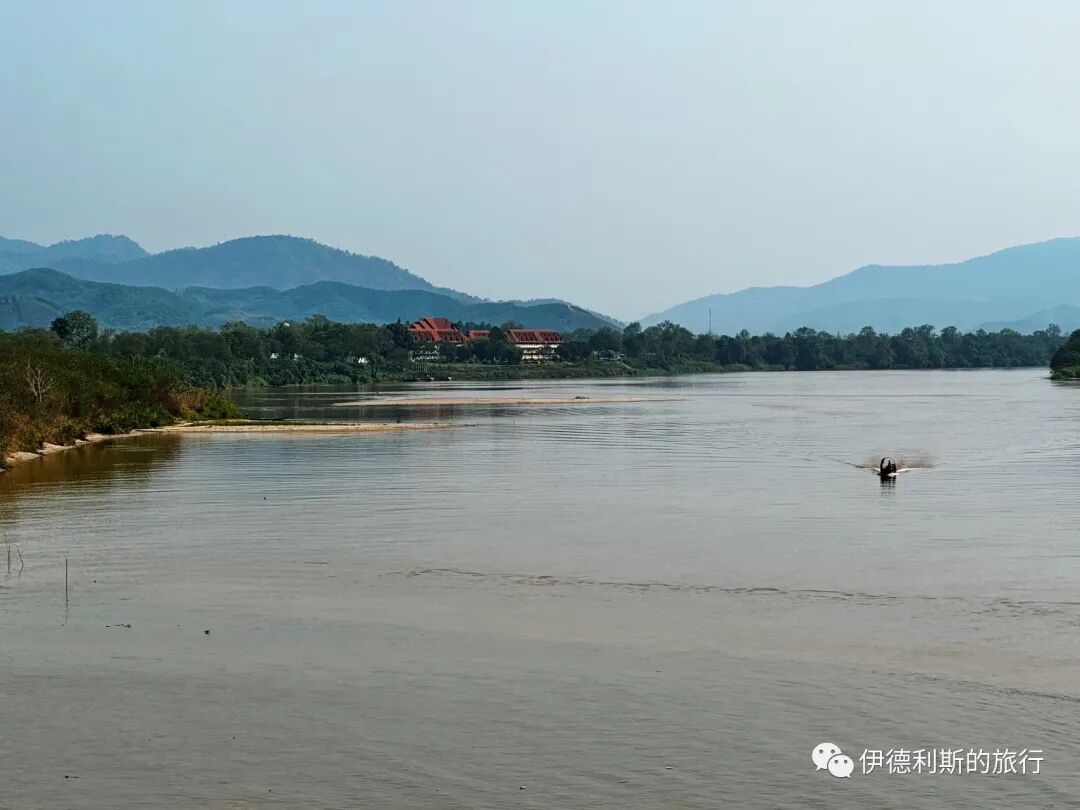
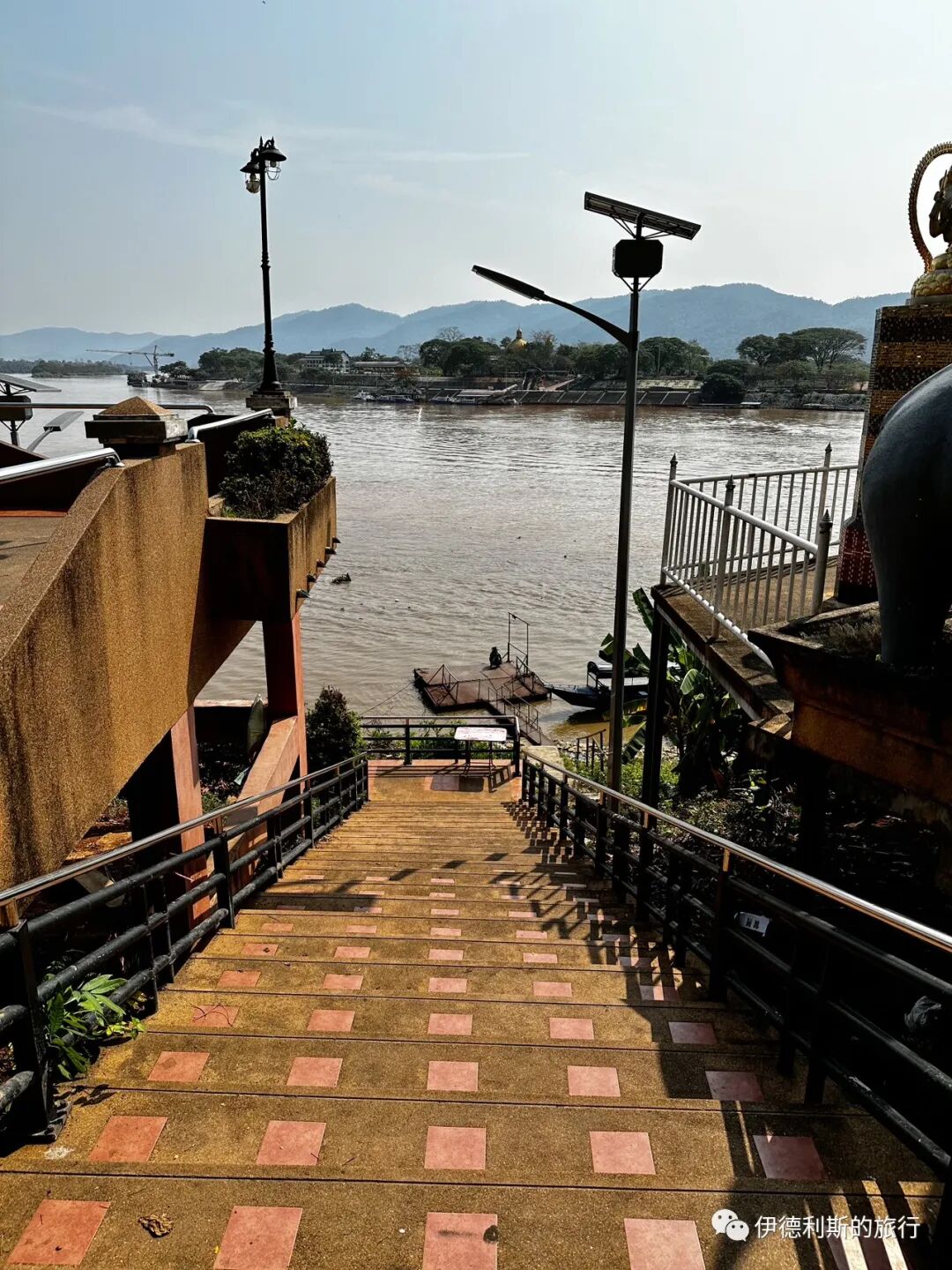
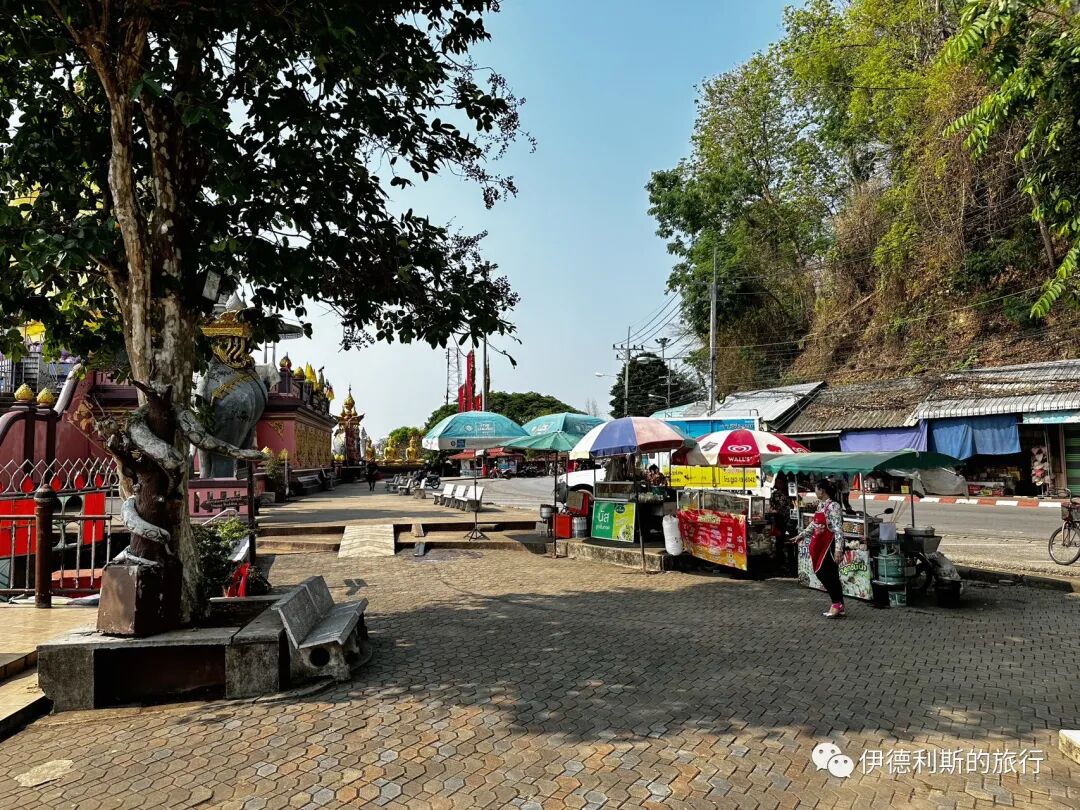
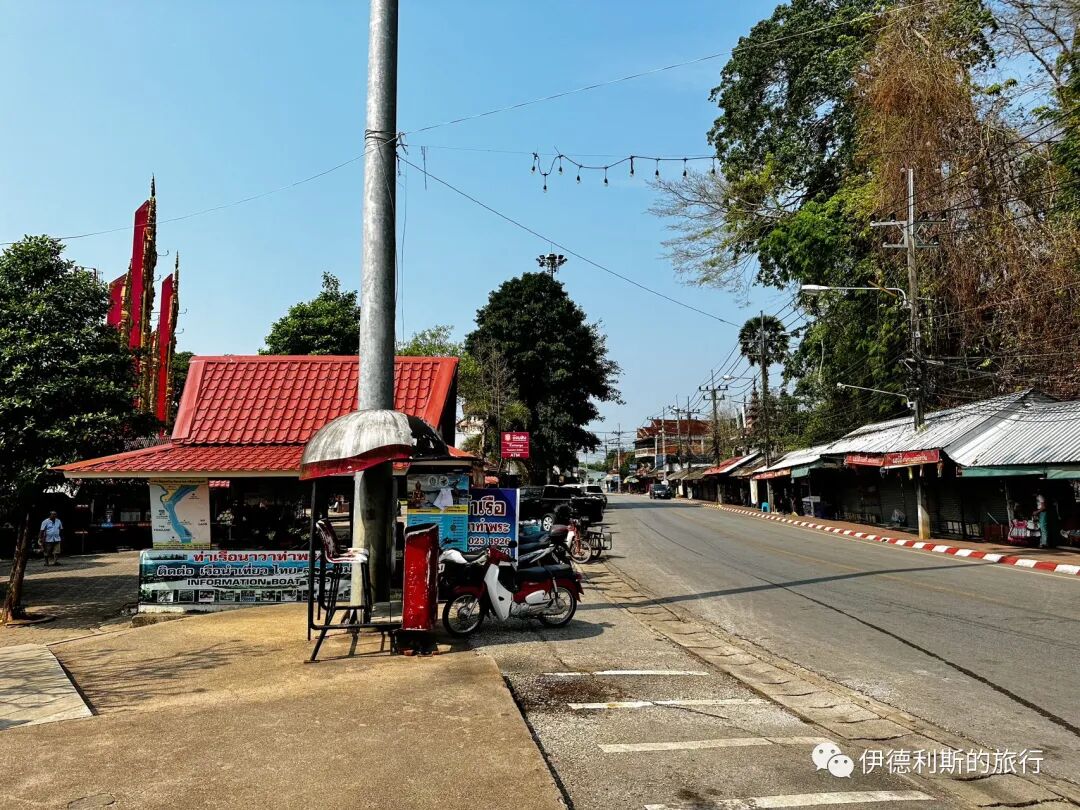
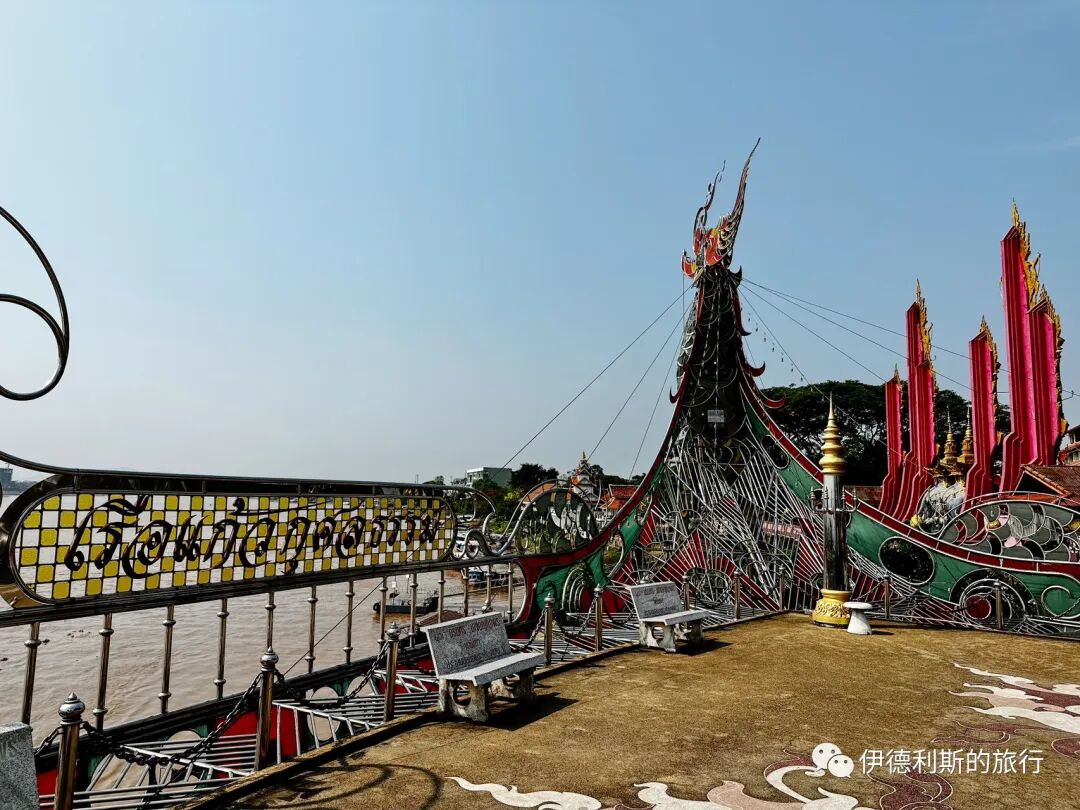
Leaving Zhenguang School, we went to the border where Thailand, Laos, and Myanmar meet, which is the famous Golden Triangle. Standing on the banks of the Mekong River, you can see casinos in Myanmar and Laos on the opposite side. Since gambling is banned in Thailand, there is only a Golden Triangle Park here, where many tourists stop to take photos.
Chiang Rai
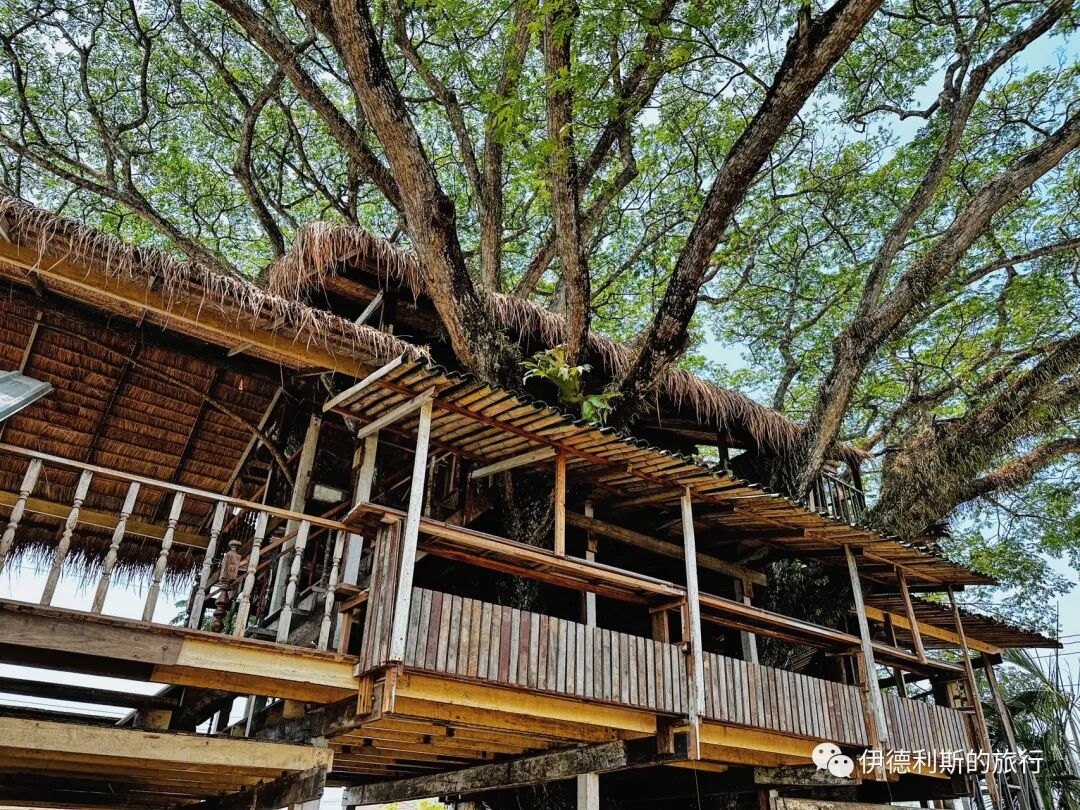
Leaving the Golden Triangle, we headed toward Chiang Rai city. We first visited a South Asian Fatima Pakuk mosque near the Chiang Rai airport. Although it looks like a residential courtyard from the outside, it is decorated very beautifully once you step inside. It is very interesting that there is a large treehouse at the mosque entrance. This is my first time seeing a treehouse inside a mosque, a sight you only find in tropical regions.
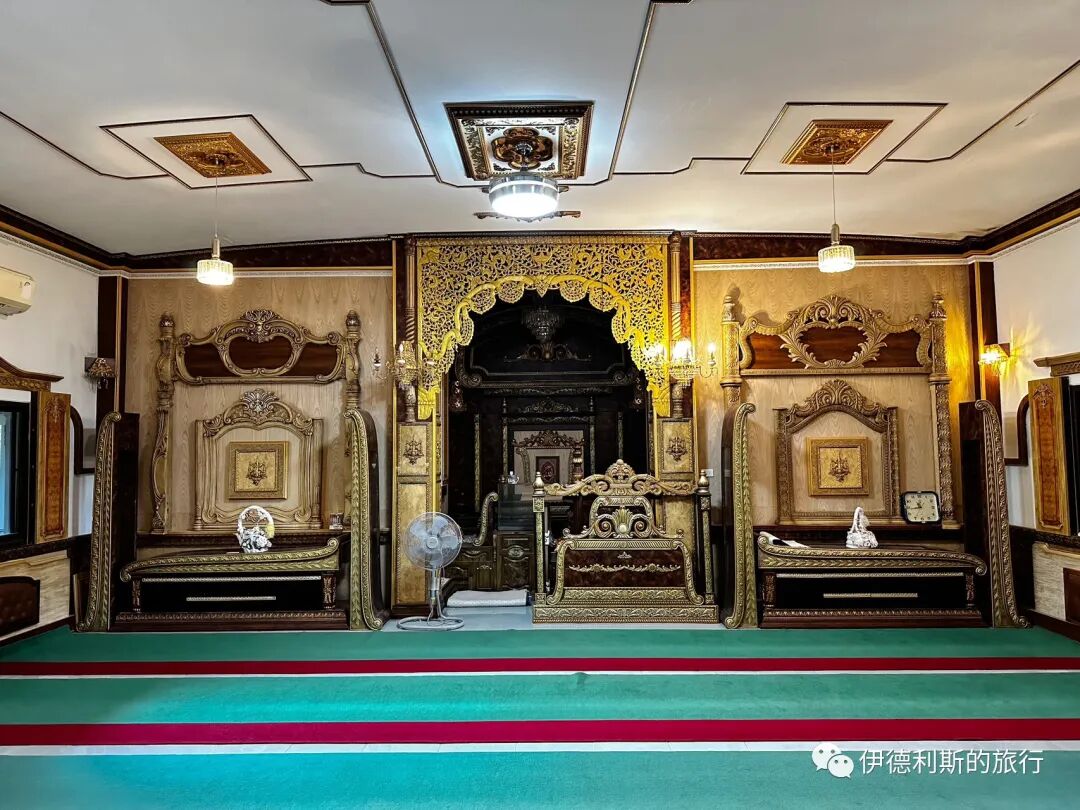
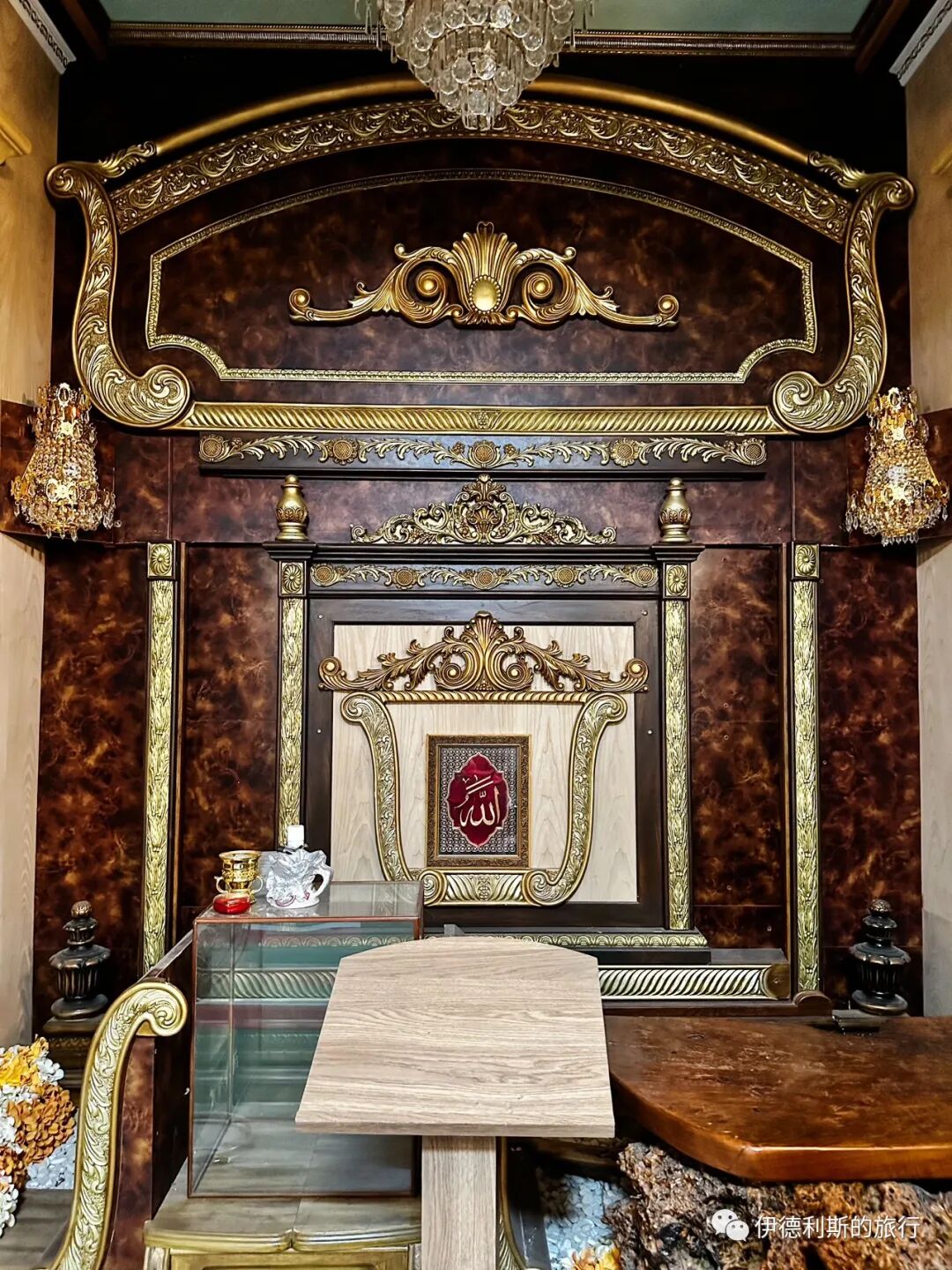
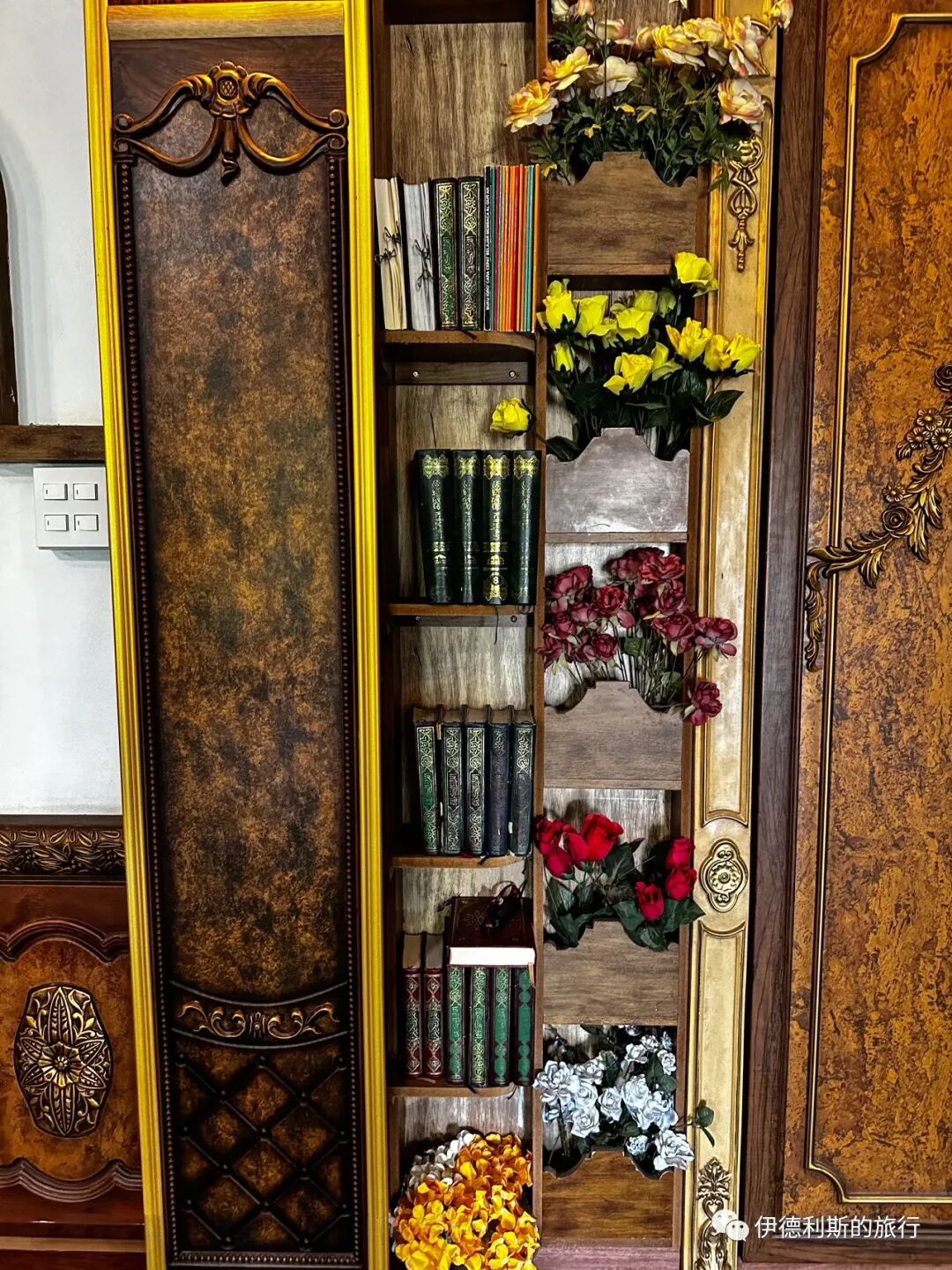
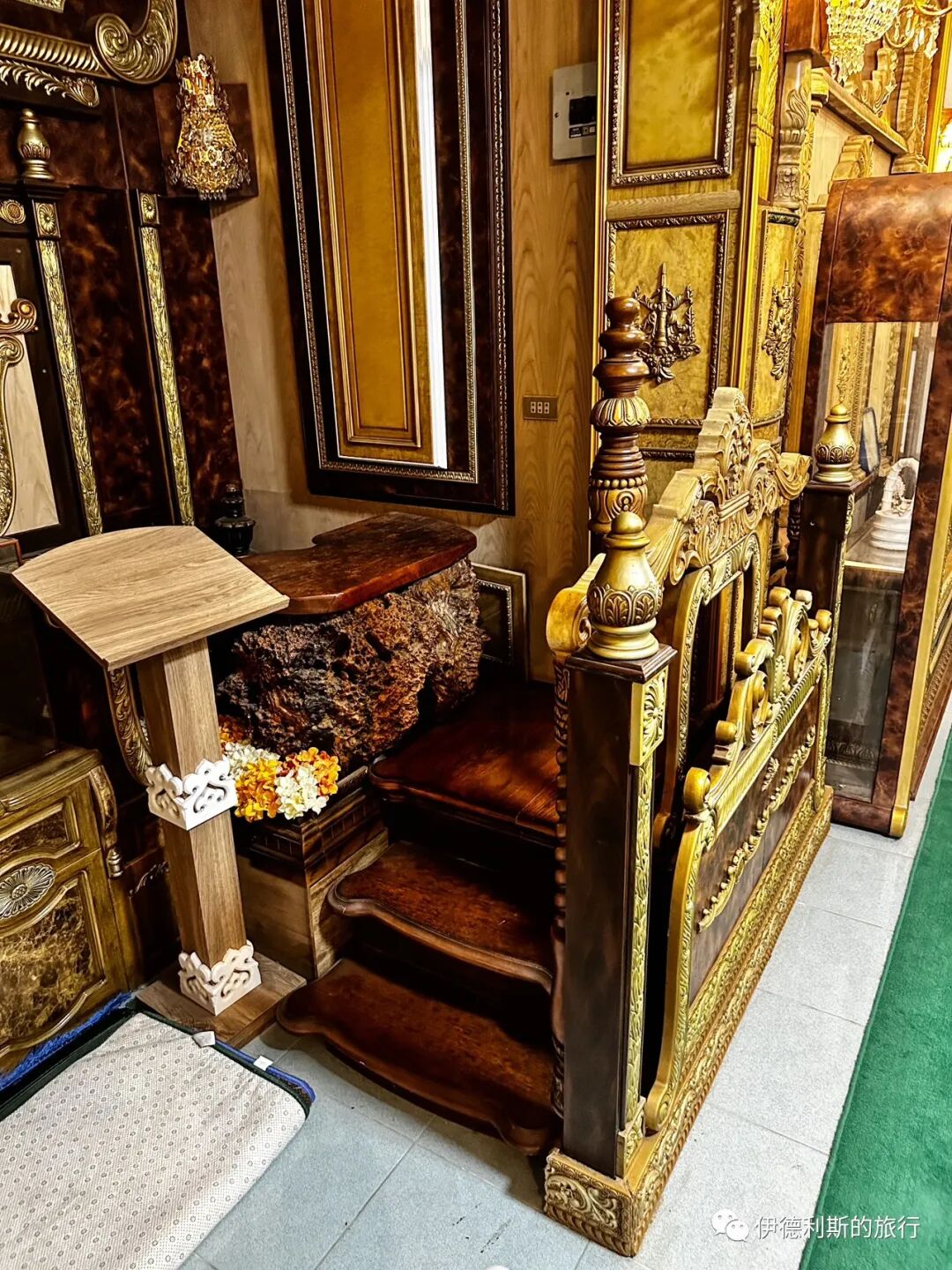
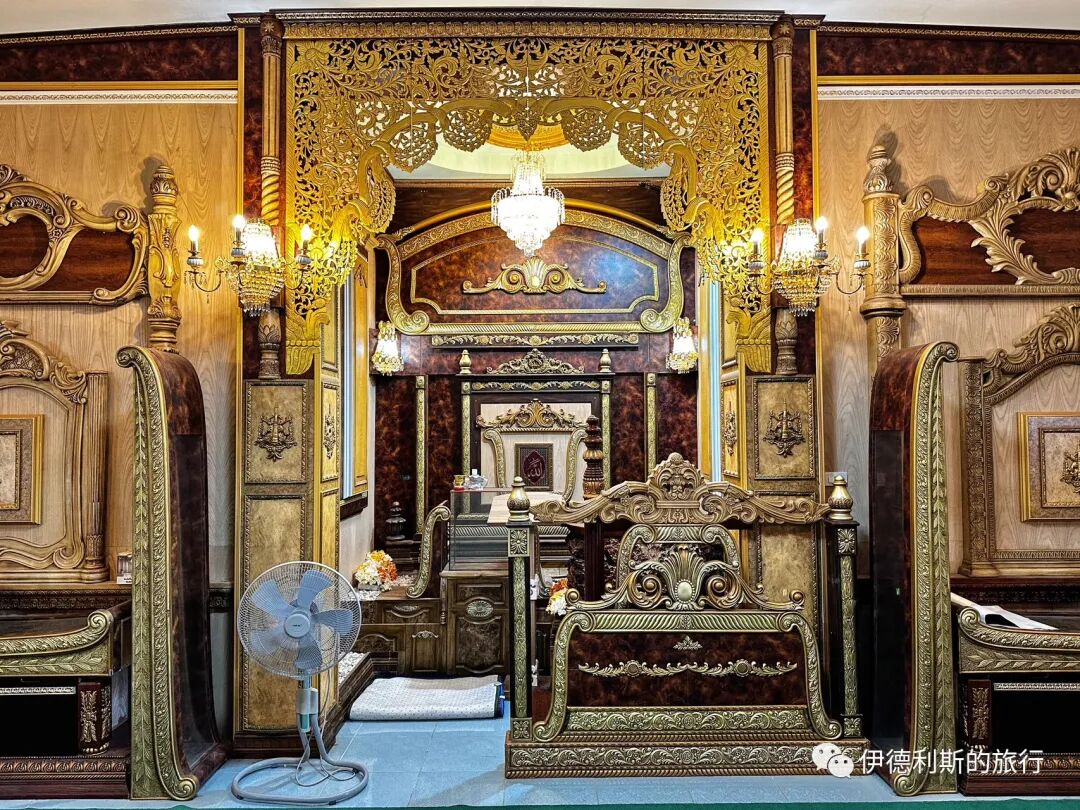
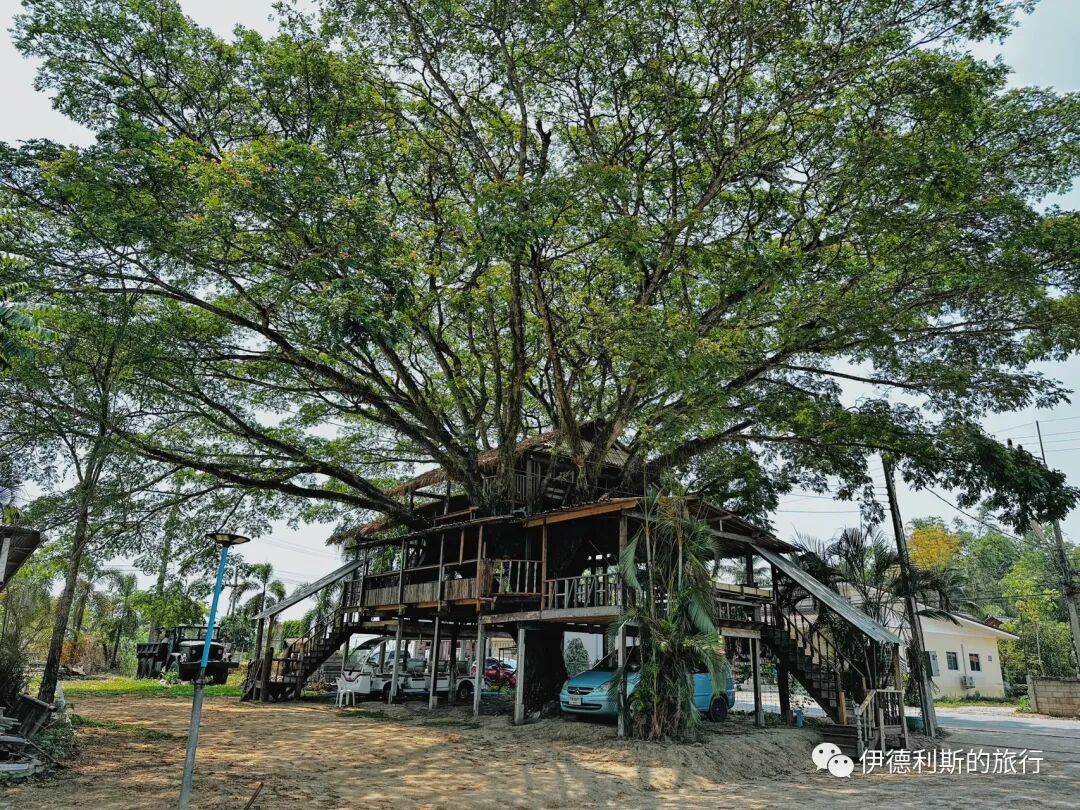
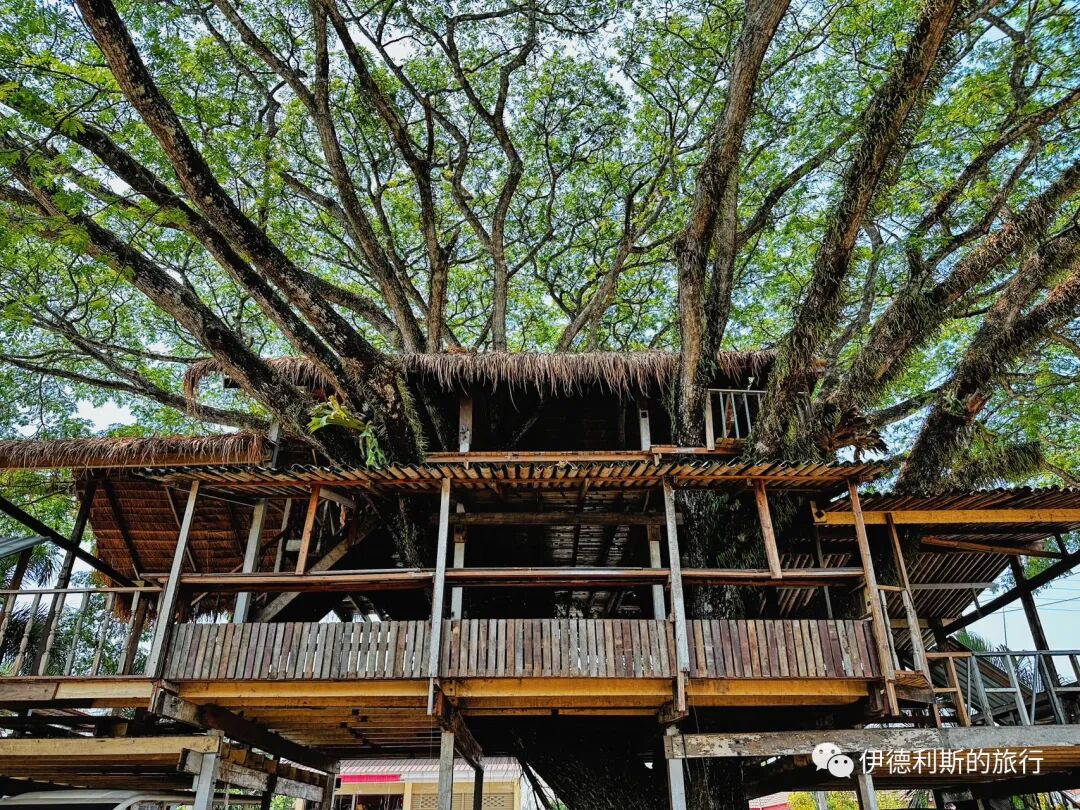
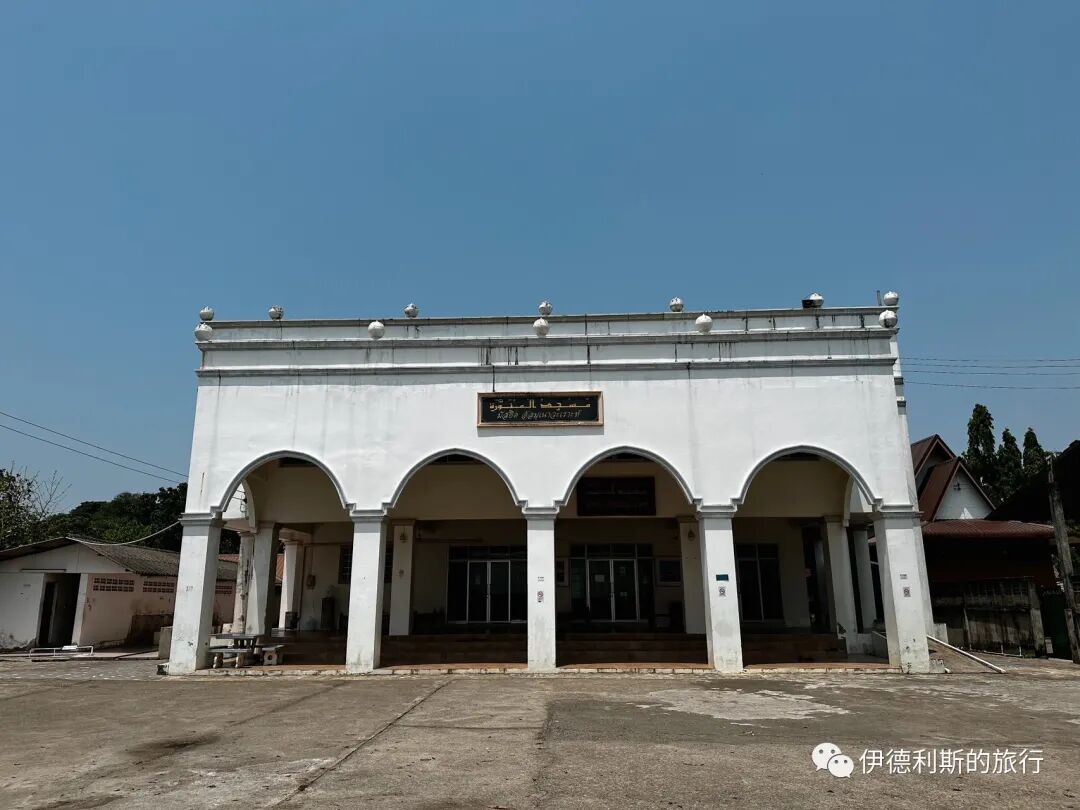
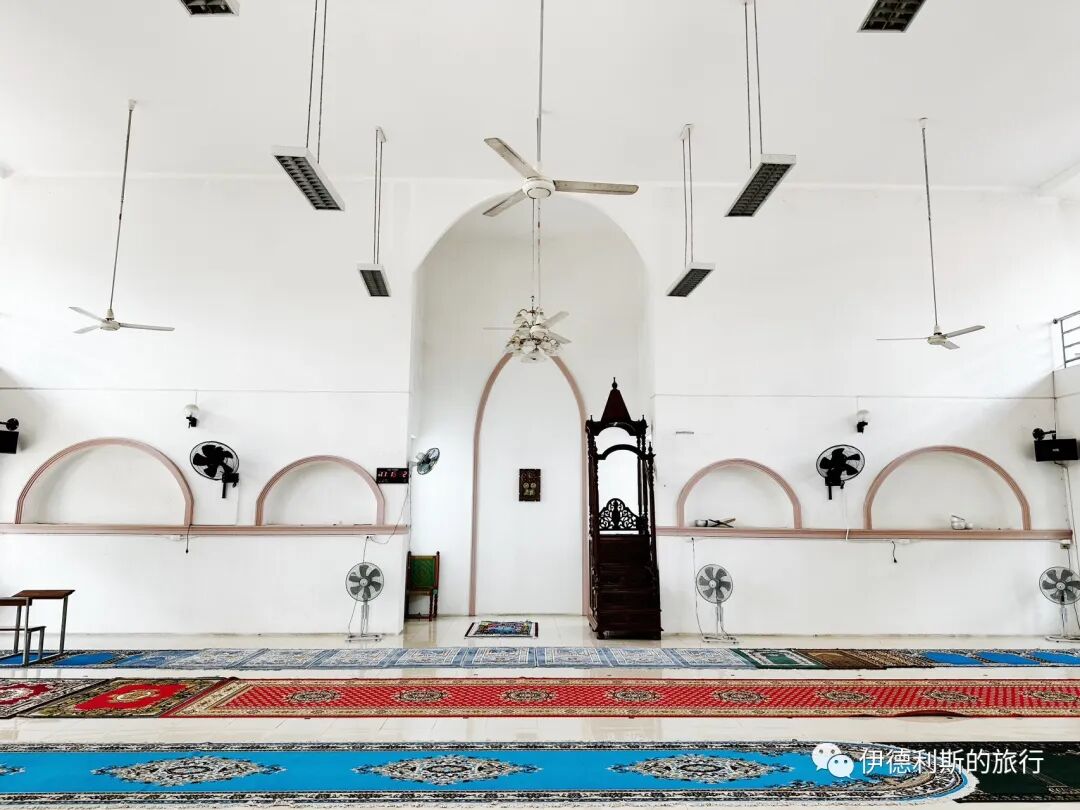
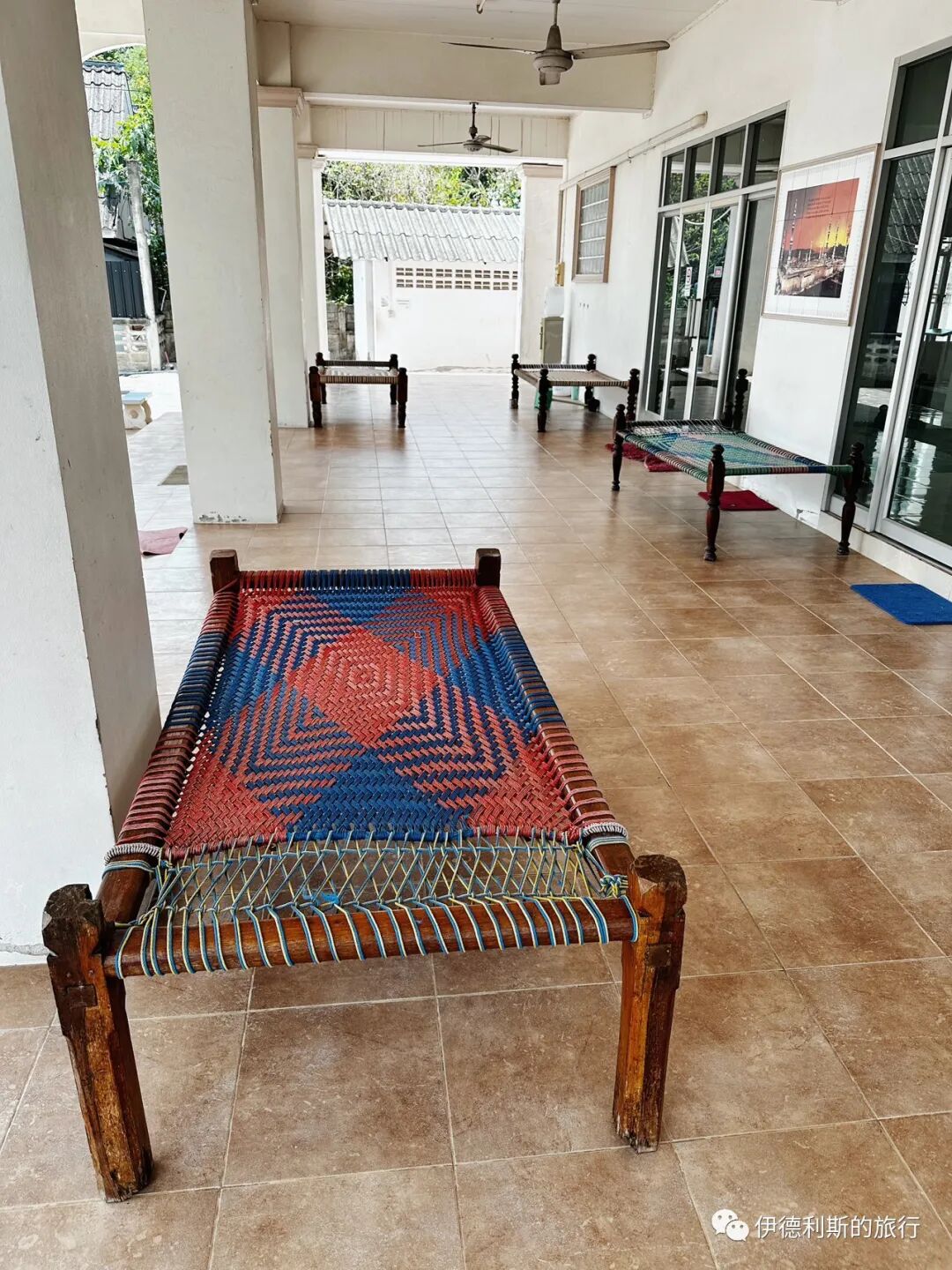
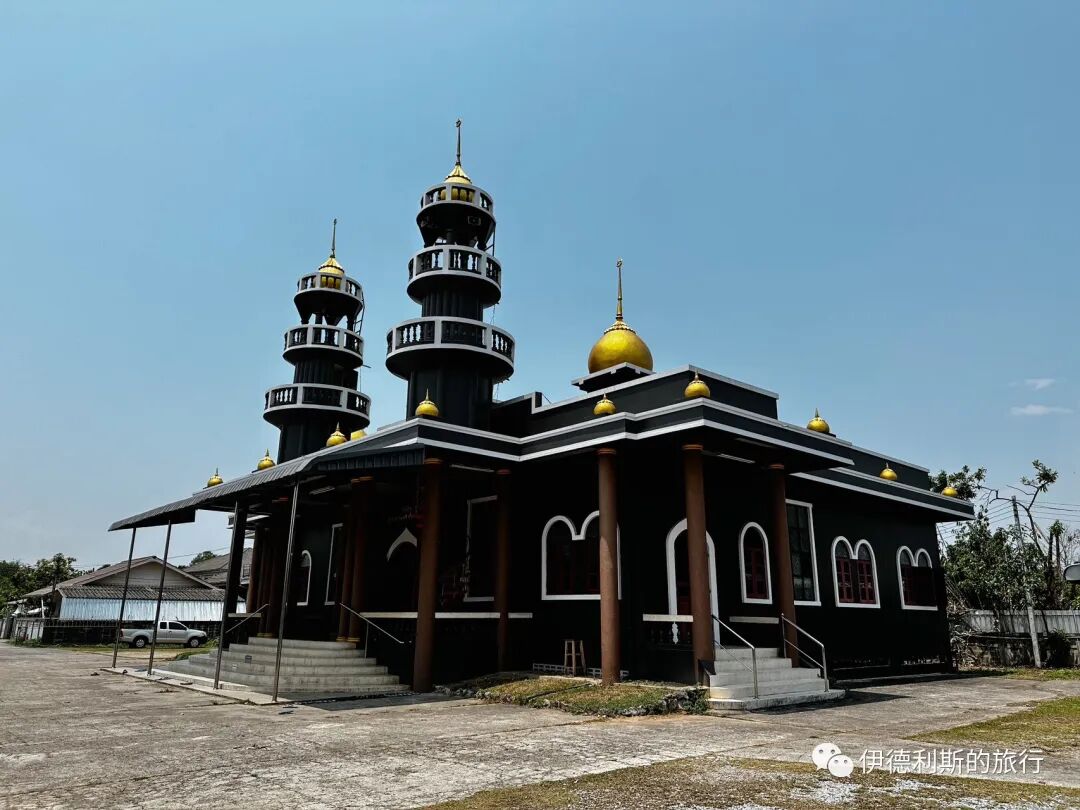
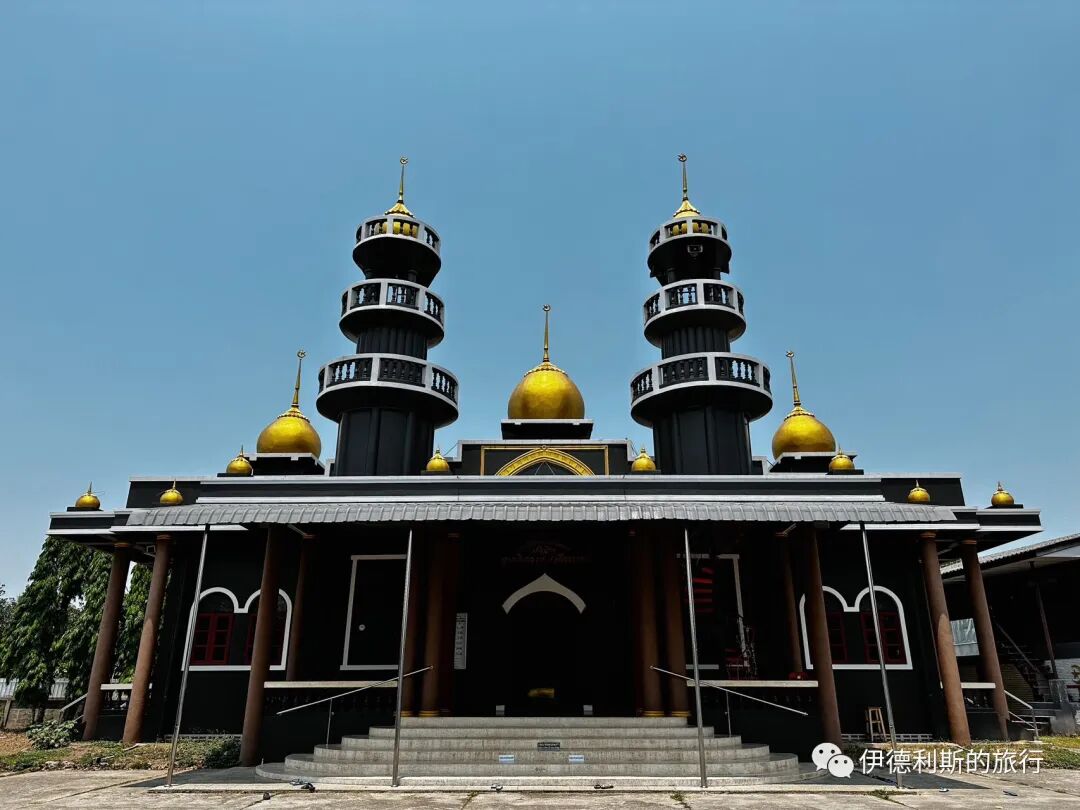
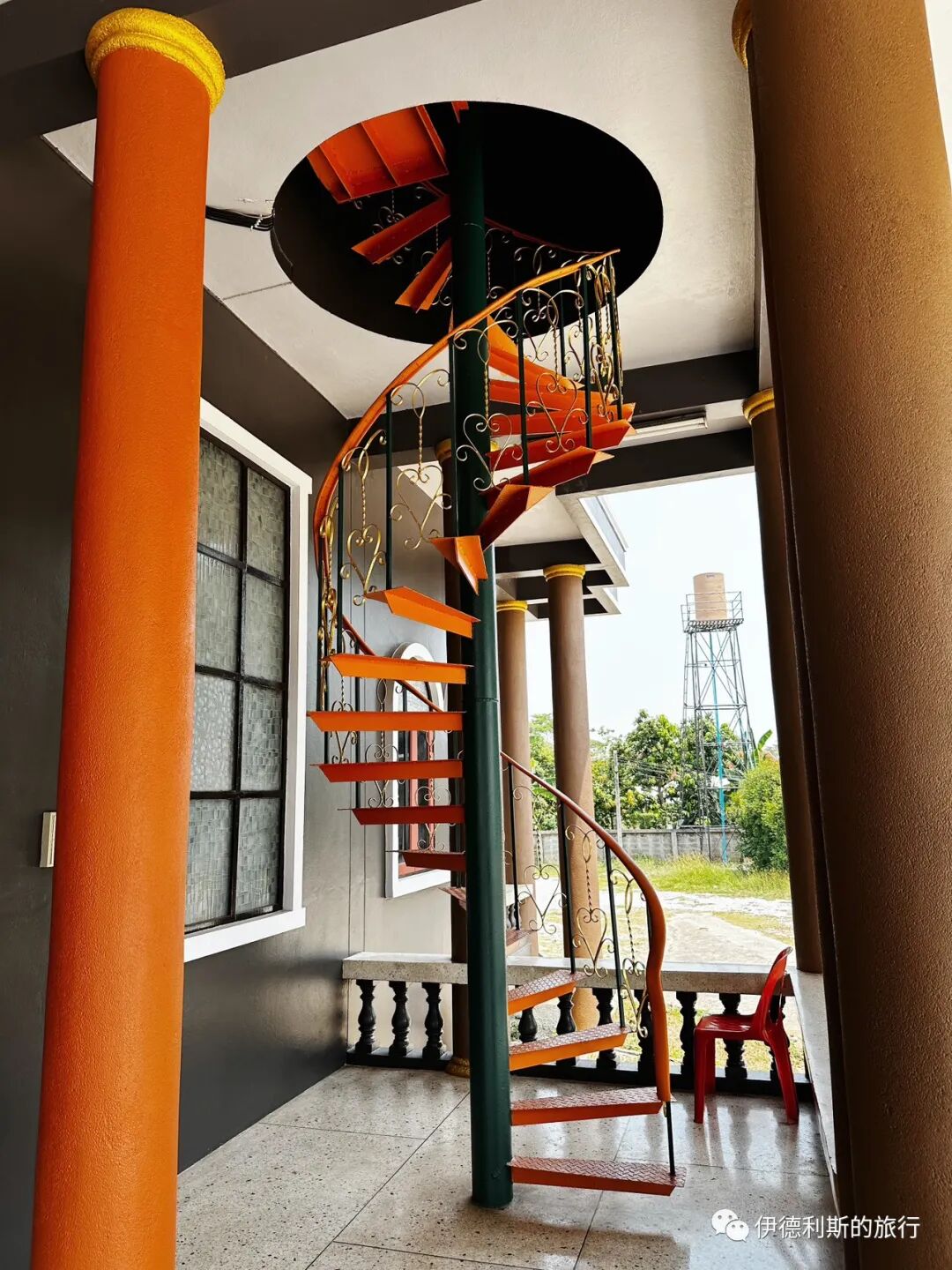
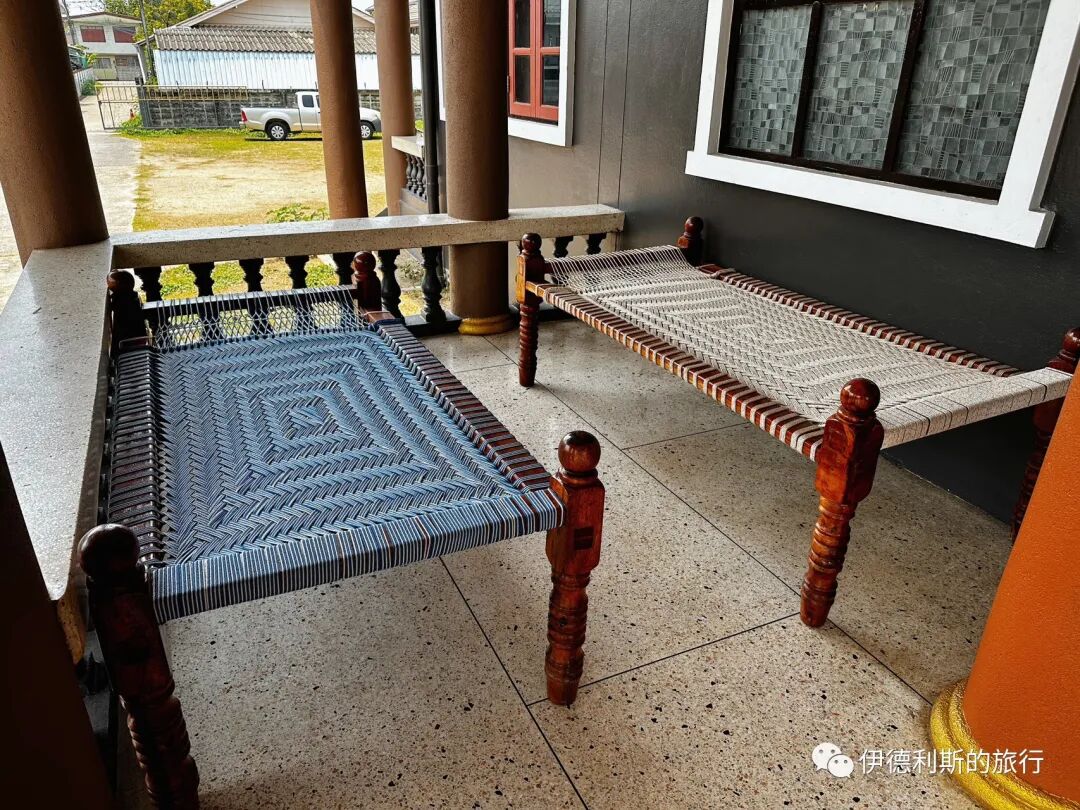
I visited two other South Asian mosques in Chiang Rai city; one is black and one is white, both clean and tidy. The black one was built by Pakistani descendants, and it is really rare to see a black mosque around here. Both mosques have lounge chairs on the front porch of the main hall. It feels so comfortable to lie there and catch the breeze.
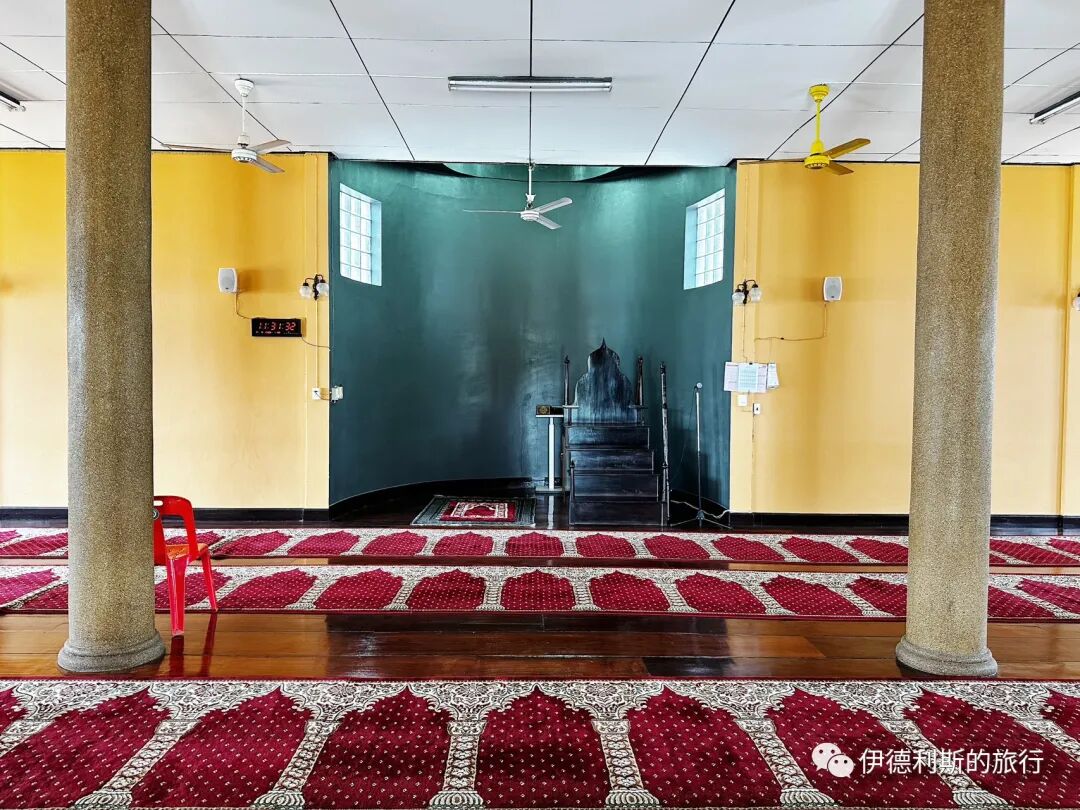
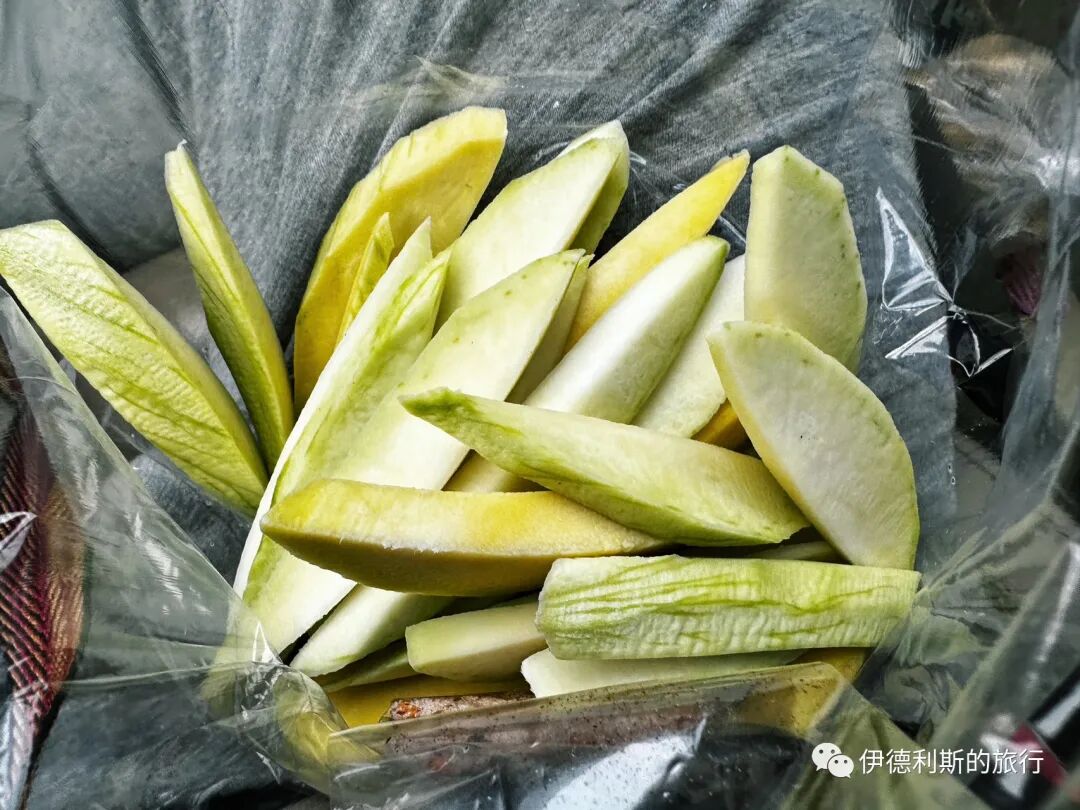
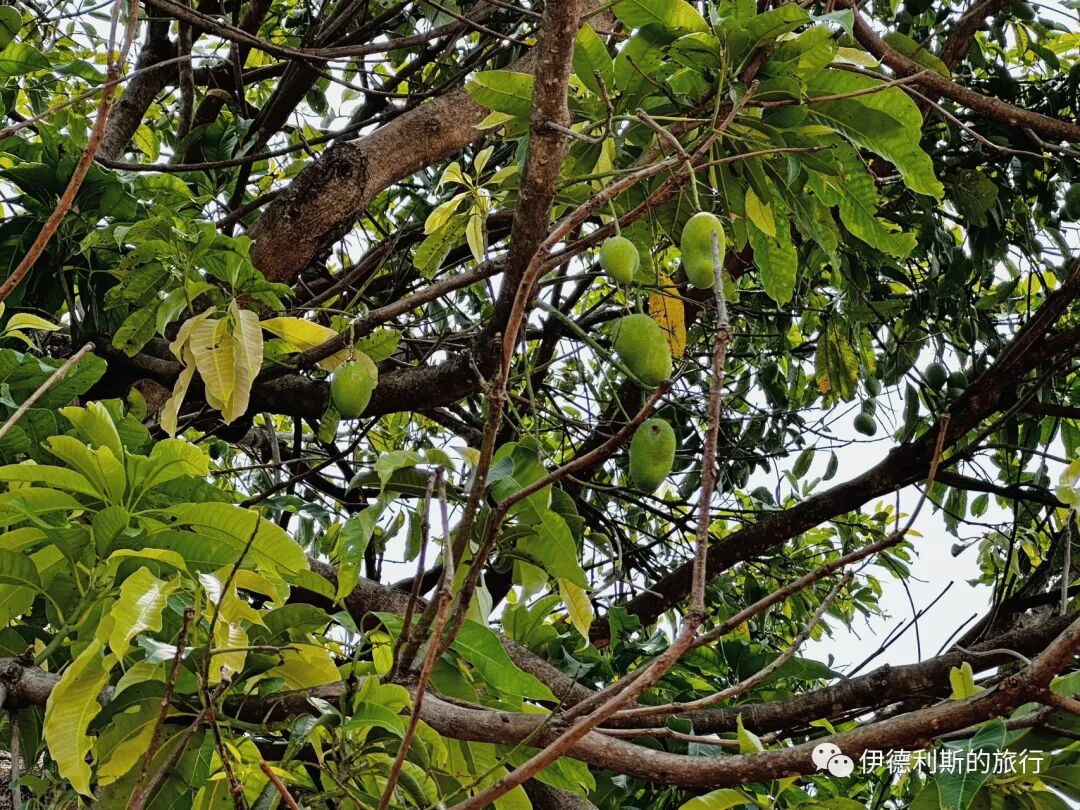
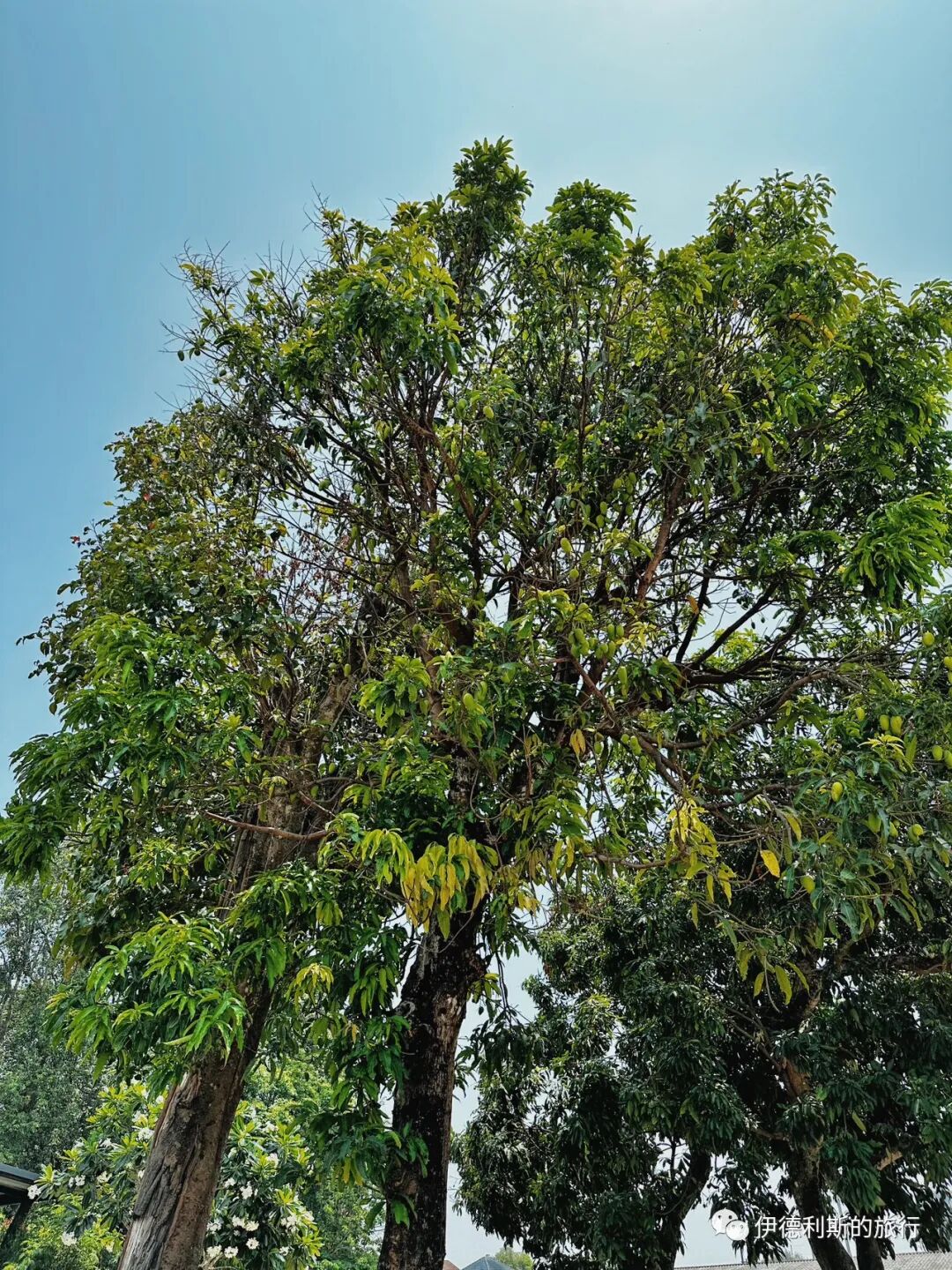
There are mango trees everywhere in Chiang Rai. Inside the Pakistani mosque, you can look up and see green mangoes filling the trees. We bought a bag of sliced green mangoes on the street. Dipping them in dry seasoning is delicious, crisp, and tasty.
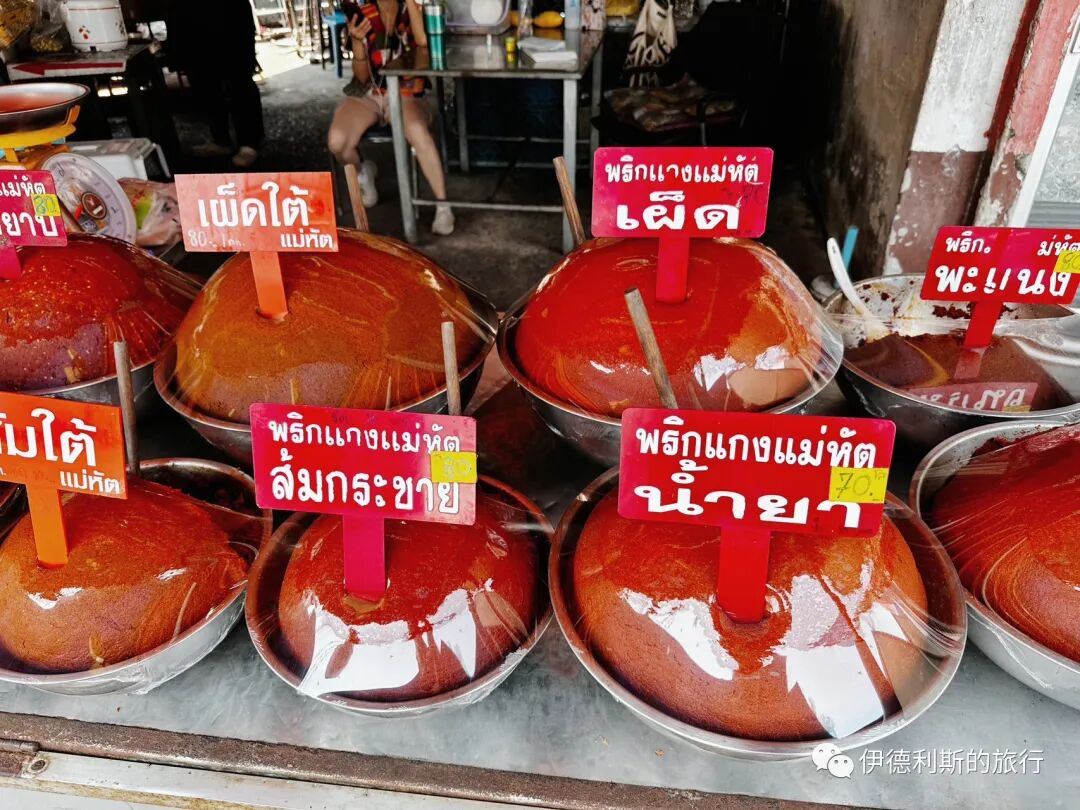
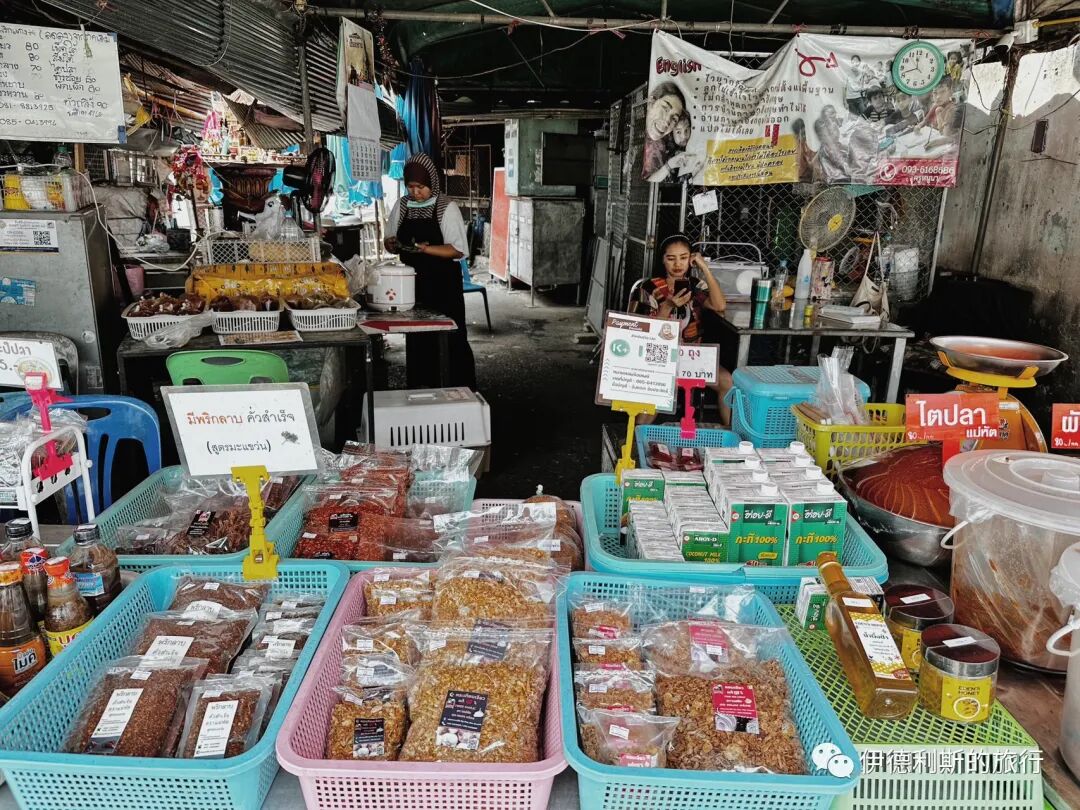
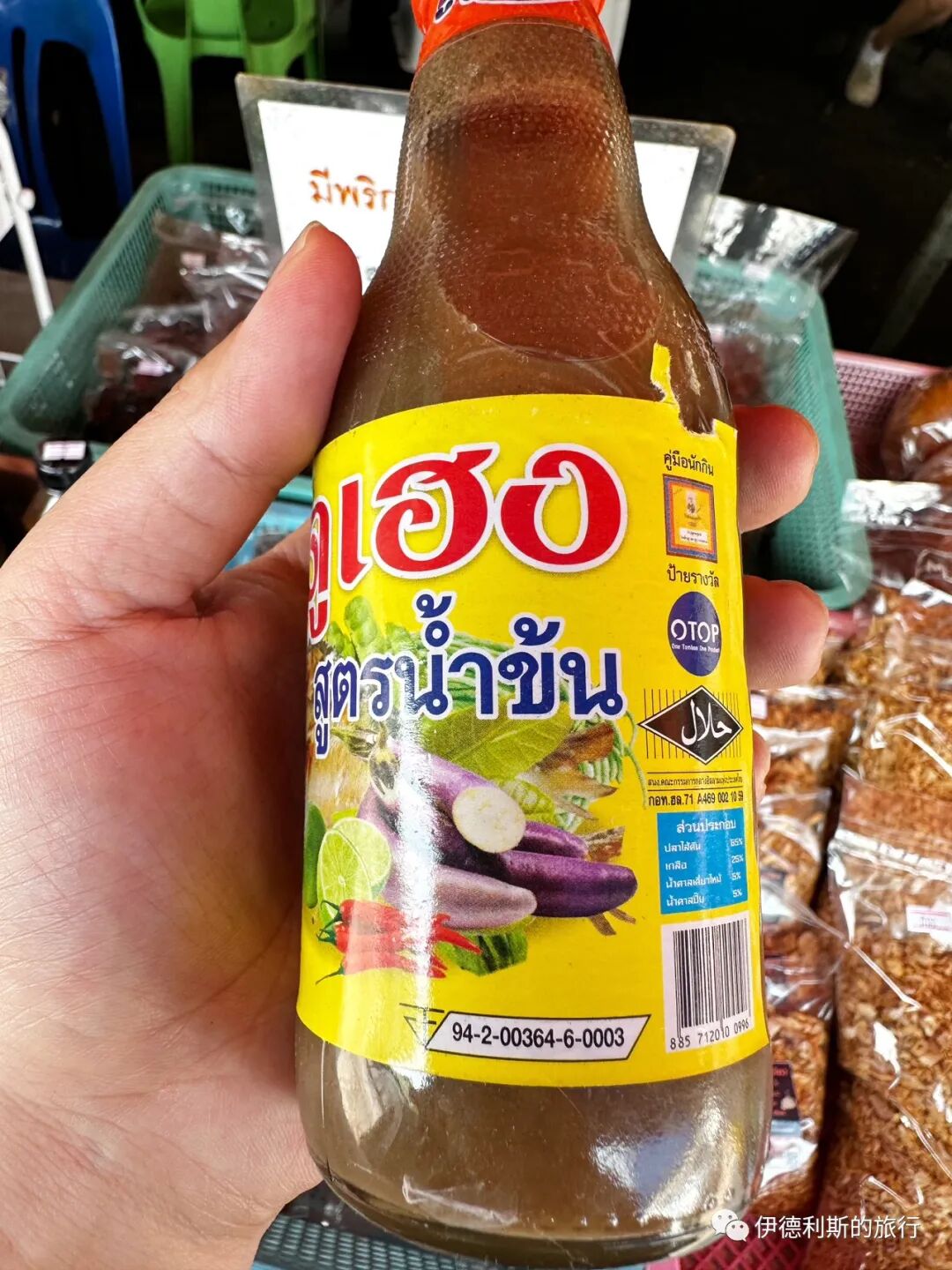
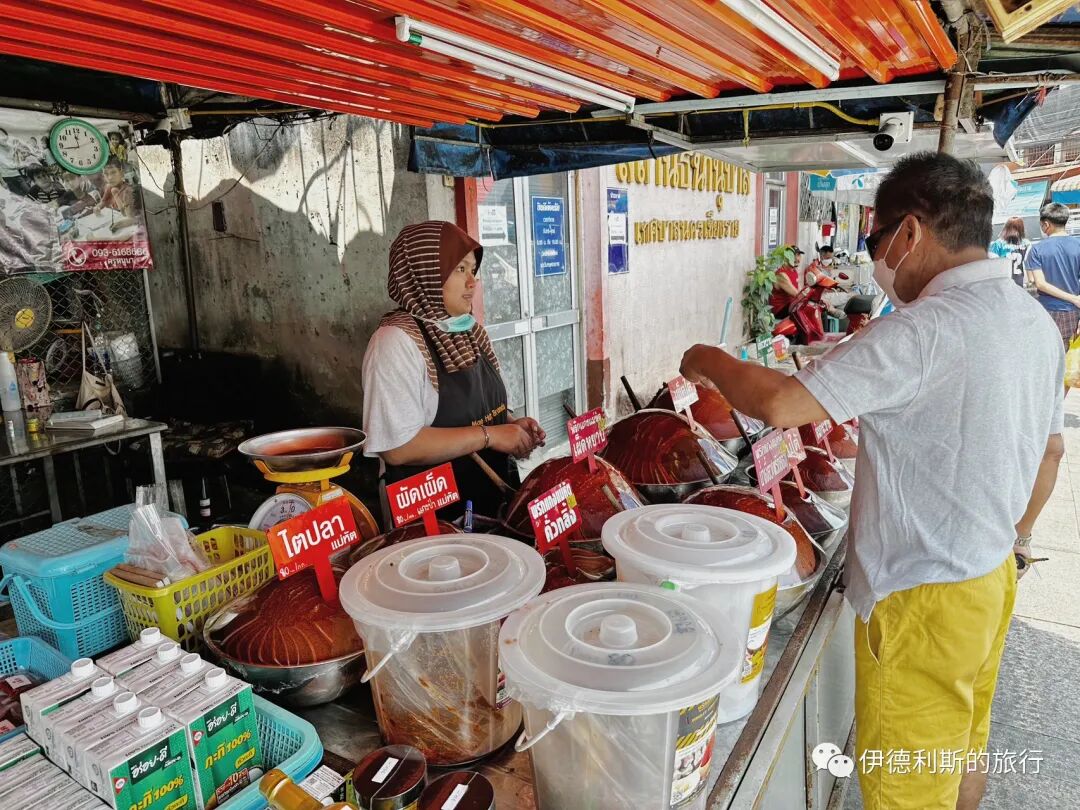
We arrived in downtown Chiang Rai and found a halal stall specializing in various spicy sauces. The variety of spicy sauces in Thai food is amazing. They are mostly sweet and spicy, which I quite enjoy.
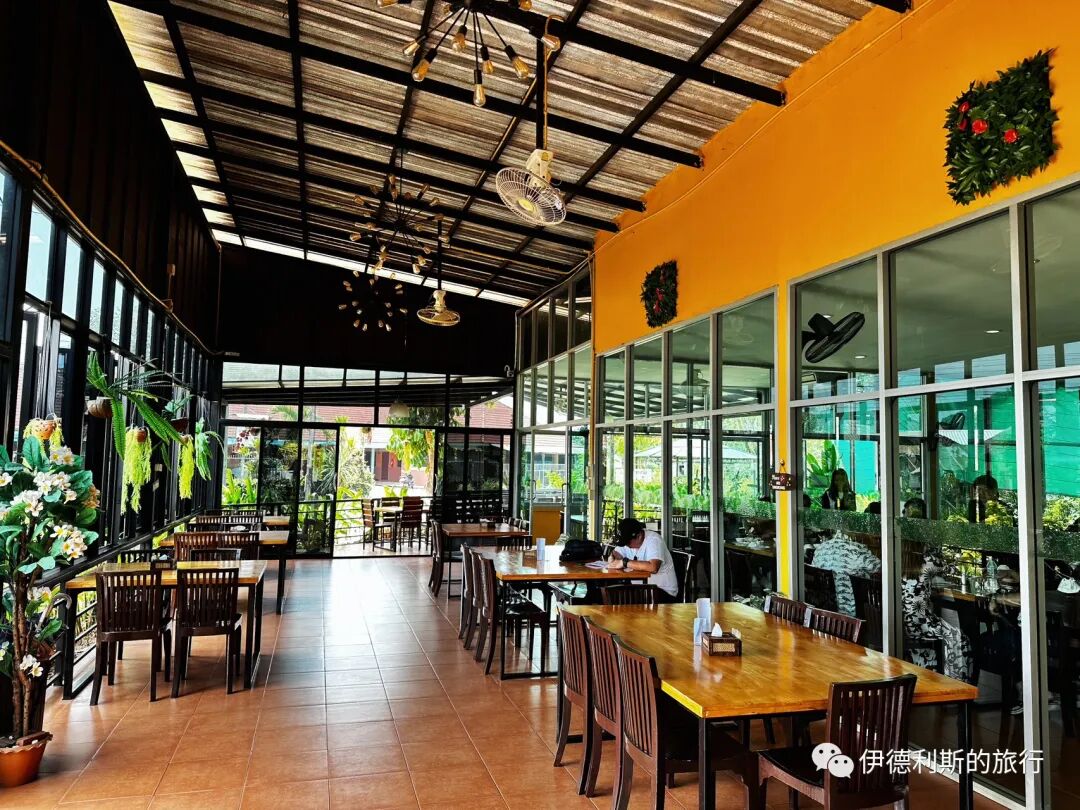
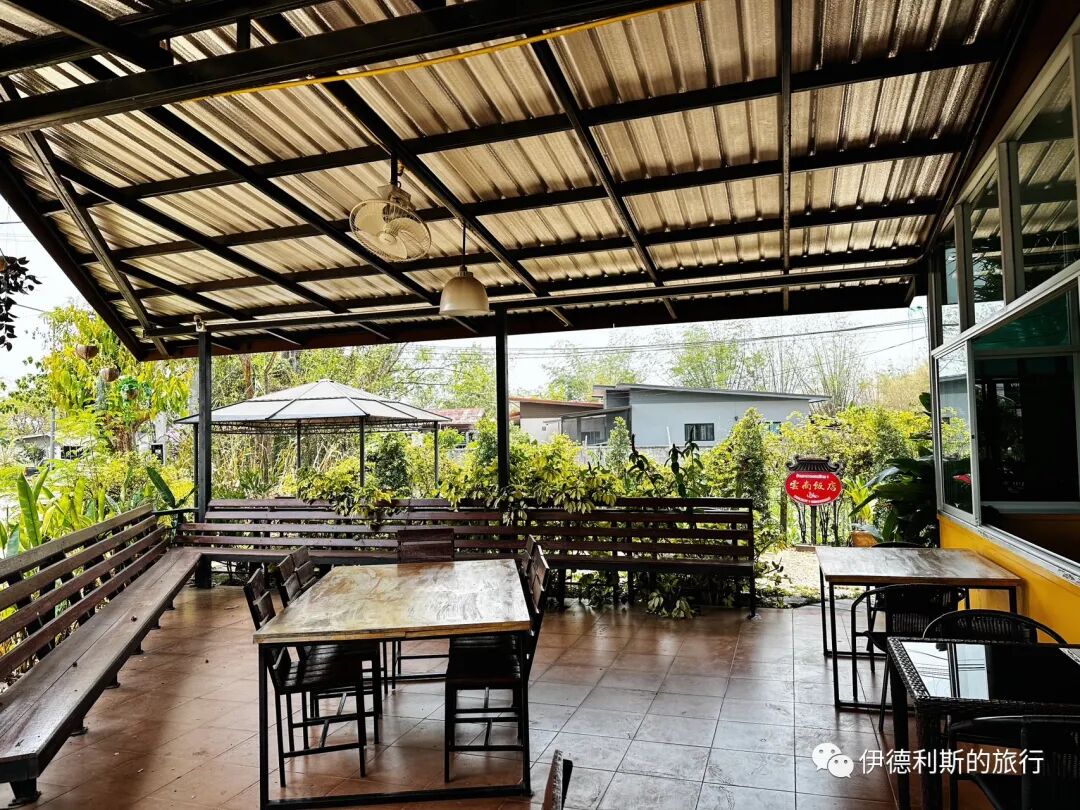
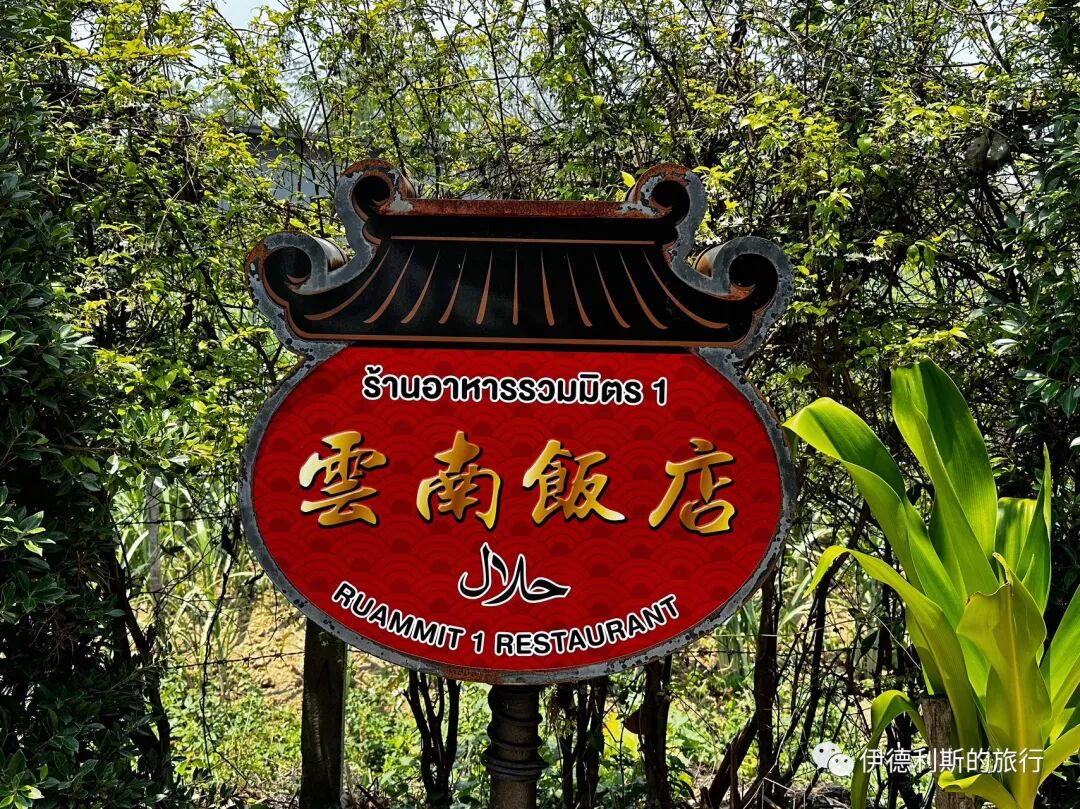
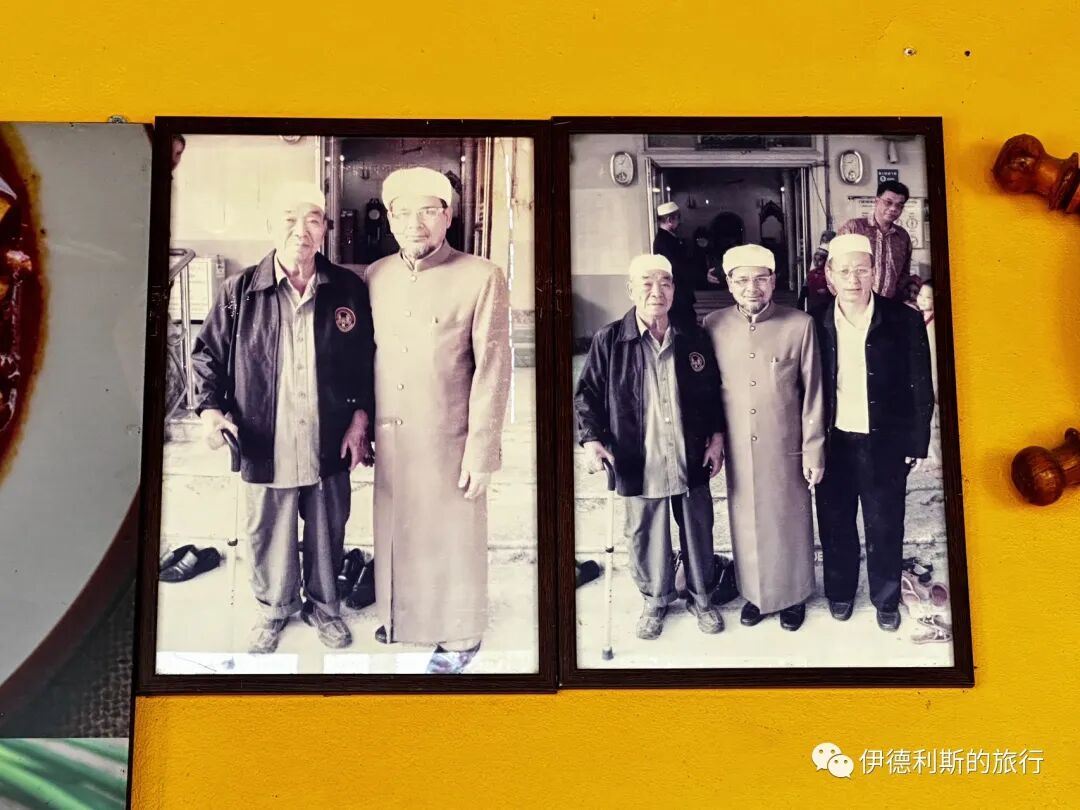
At noon, we had lunch at the largest Yunnan Hui Muslim restaurant in Chiang Rai city. The restaurant is called Yunnan Restaurant. The owner's surname is Na, and his ancestral home is Guanyi in Jianshui. The founder of the restaurant was surnamed Ma, who was owner Na's father-in-law. He spent 50 years preparing Yunnan halal banquets in Northern Thailand. Most Yunnan Hui Muslims in Northern Thailand, including our chartered driver Master Ma, have eaten at owner Ma's banquets and helped out in the kitchen. Owner Ma had two daughters who both married two brothers. Both sons-in-law inherited owner Ma's business, running two Yunnan restaurants in Chiang Mai and Chiang Rai respectively. The one we ate at in Chiang Rai is run by the younger brother.
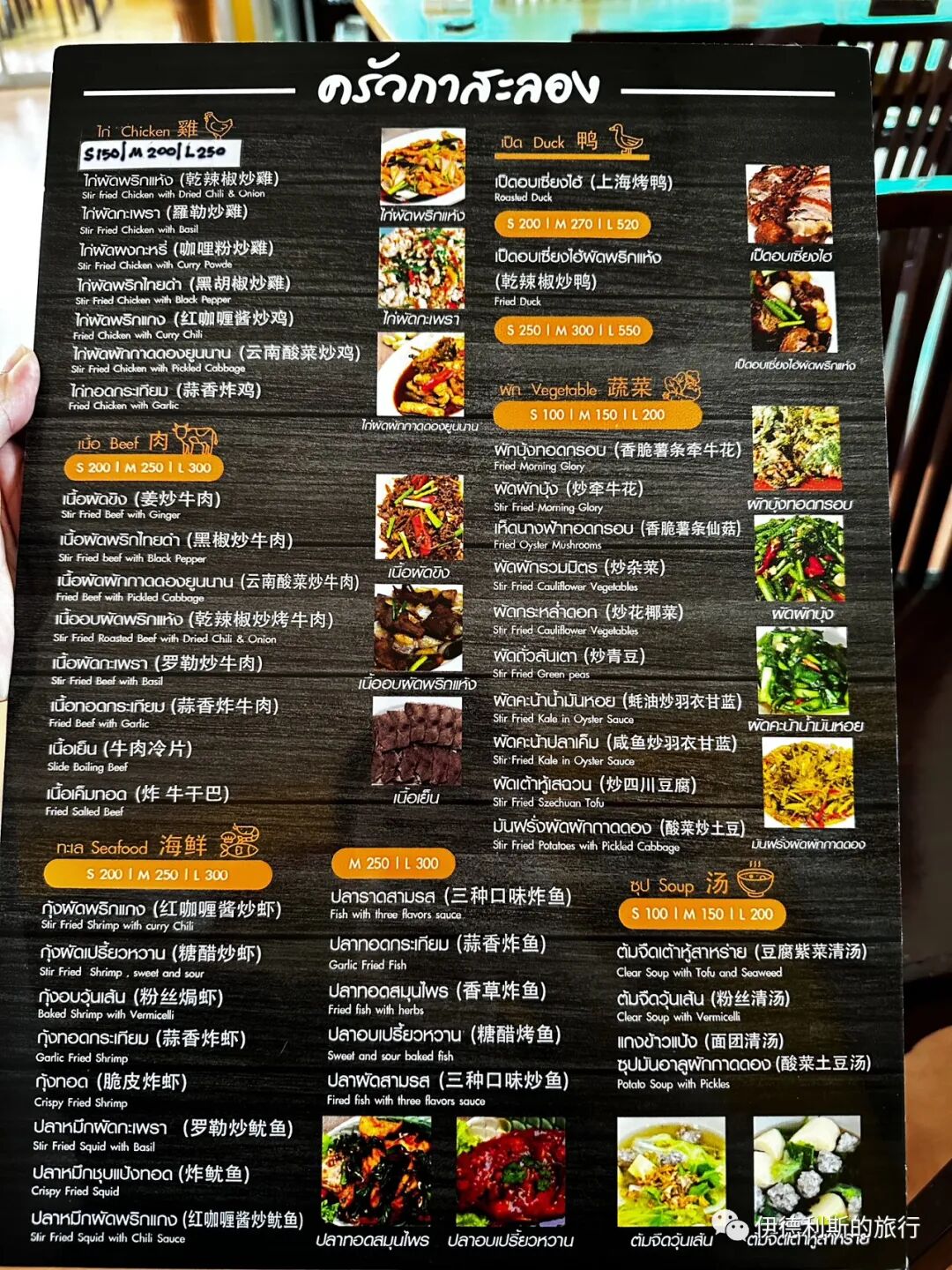
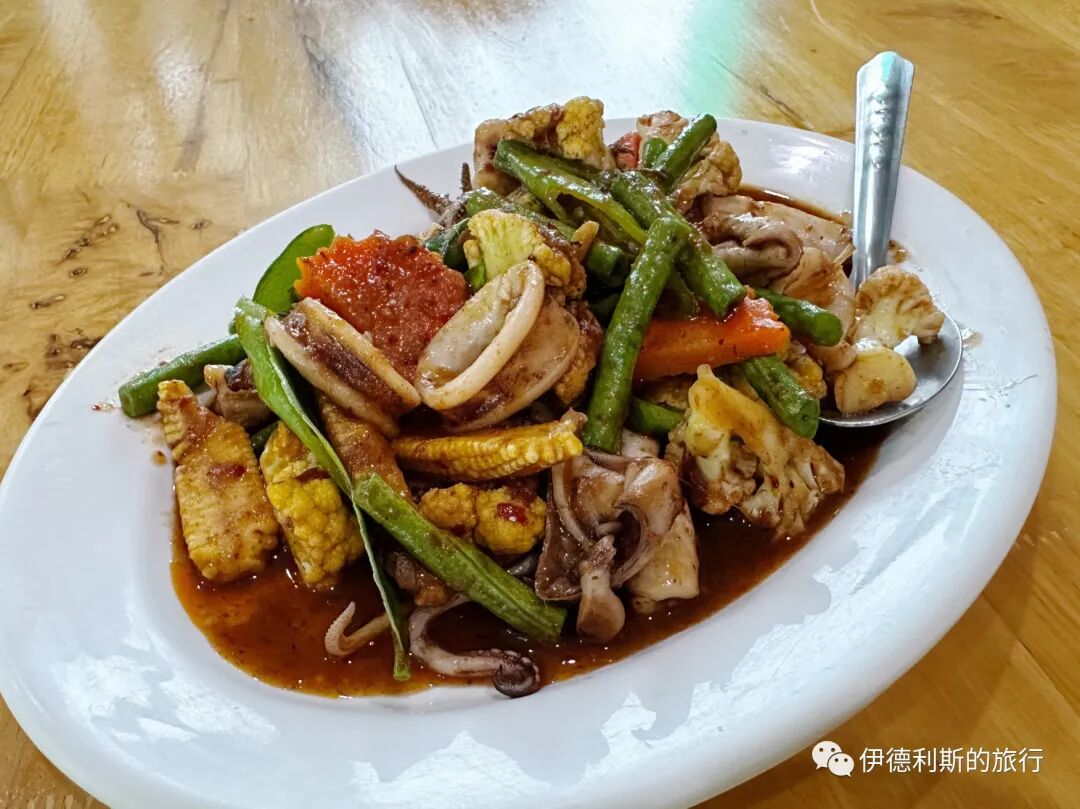
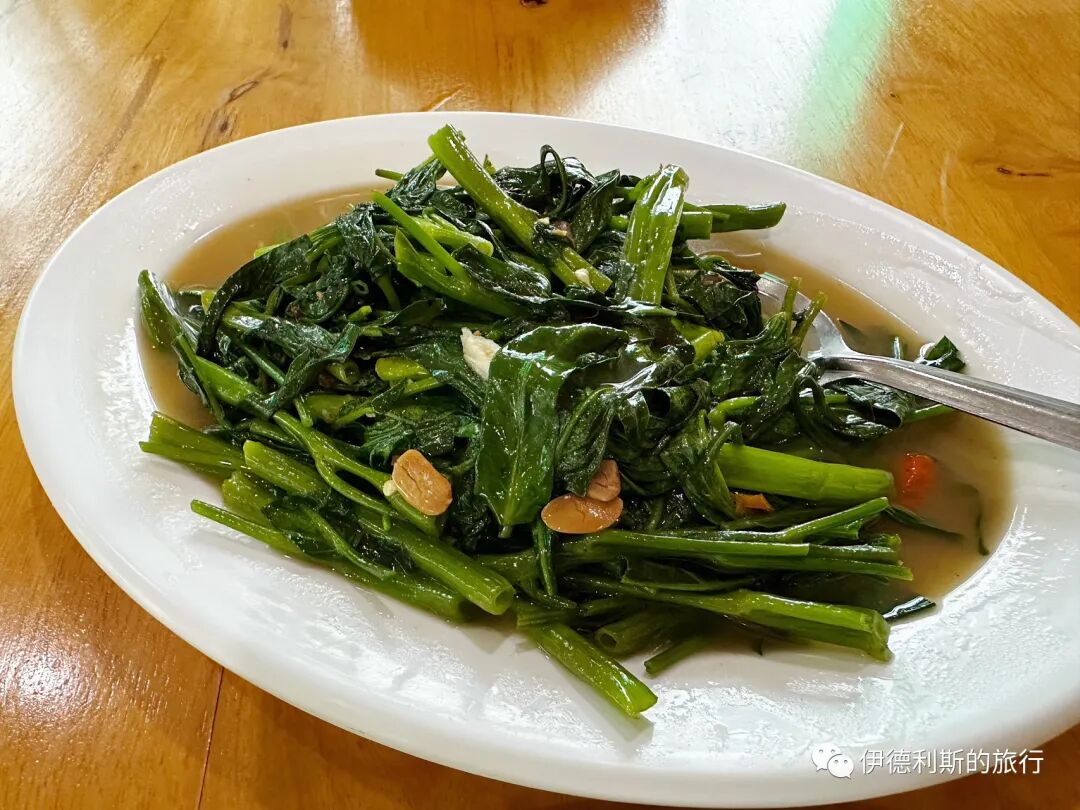
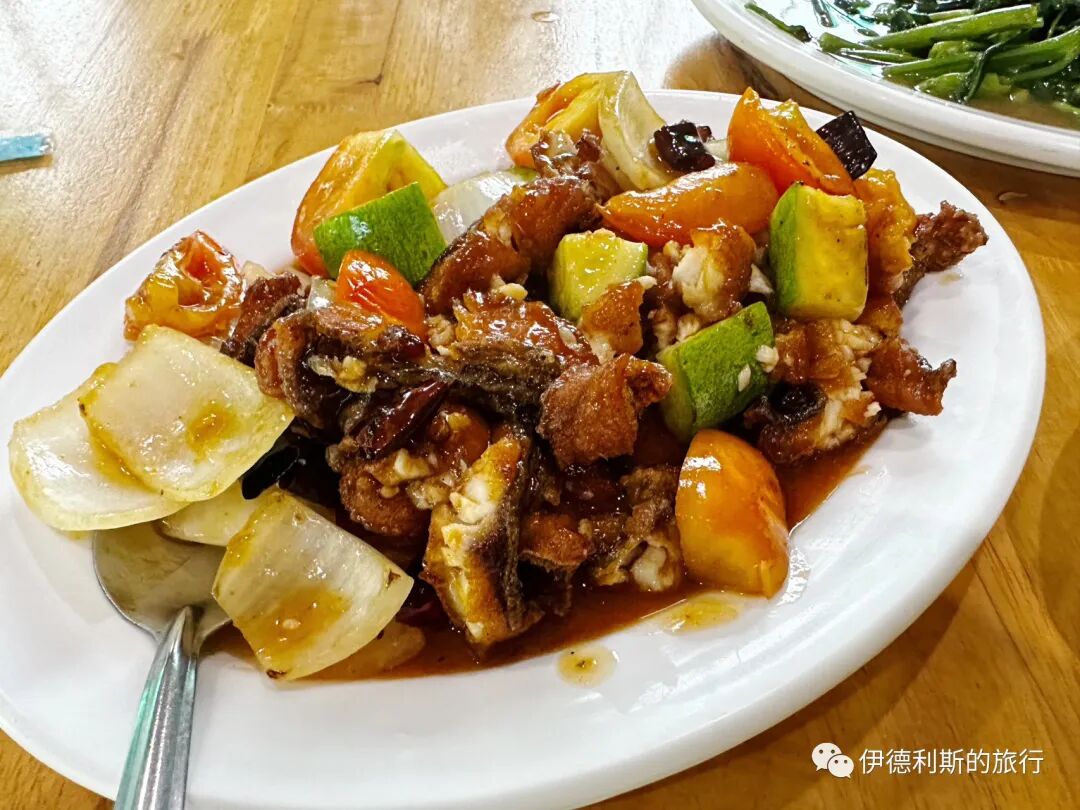
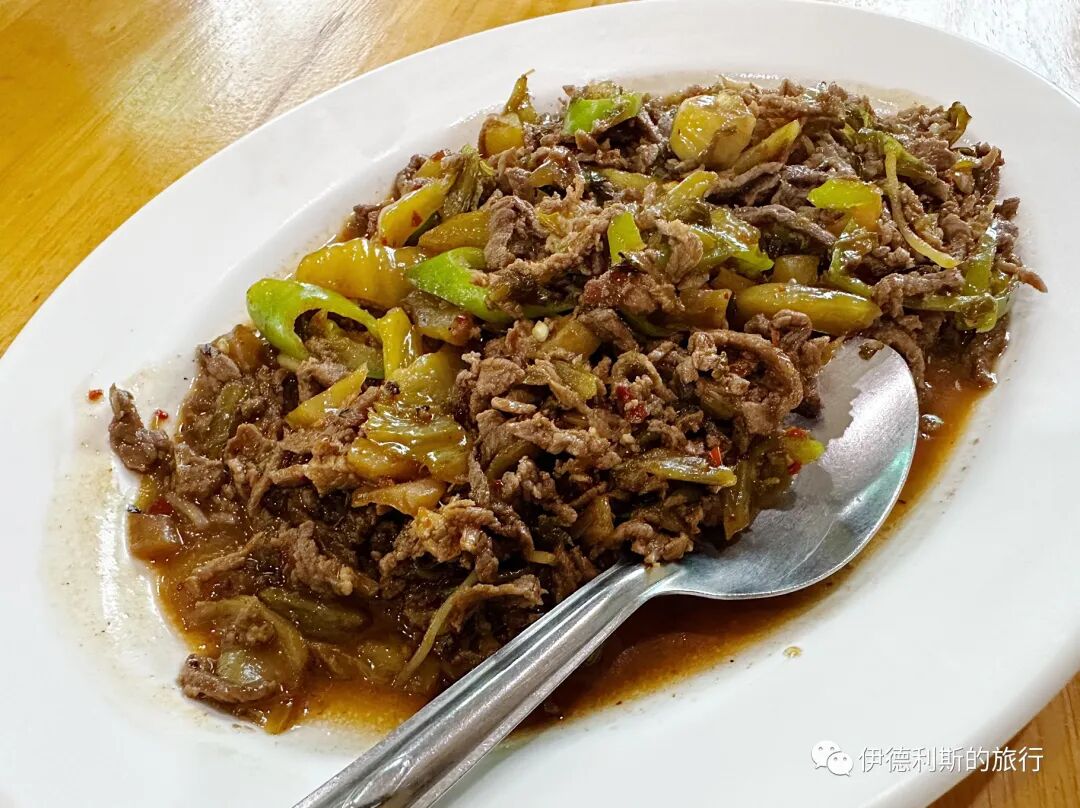
The restaurant menu has Chinese, which makes ordering very convenient. We ordered stir-fried squid with red curry paste, stir-fried morning glory, fried fish with three kinds of sauces, and stir-fried beef with ginger strips. Hui Muslims here have kept traditional Yunnan halal food but added many Thai spices and cooking methods. They have developed a unique style of Northern Thai Yunnan halal cuisine that tastes different from the halal food we ate in Yunnan.
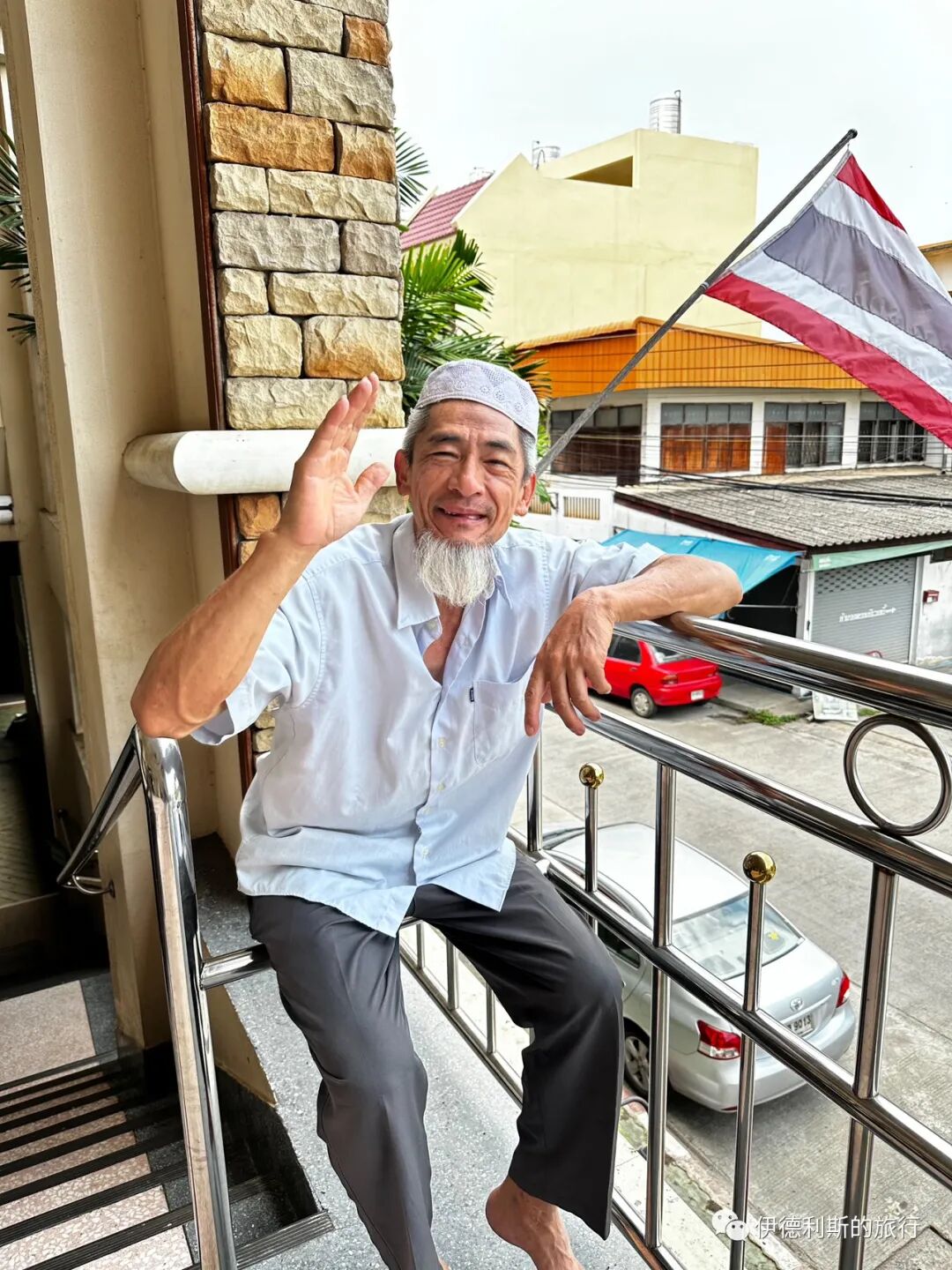
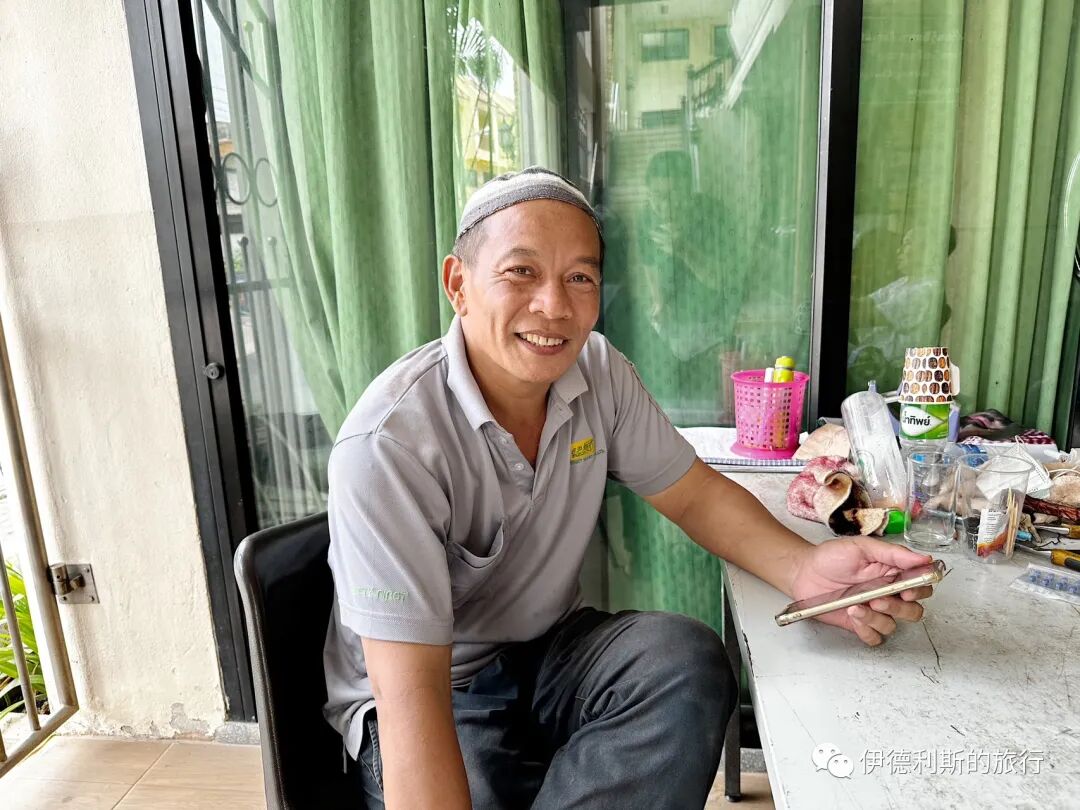
We arrived at the Yunnan mosque (lishen) in Chiang Rai city, and the elders at the mosque greeted us warmly.
Although the total number of Hui Muslims in Chiang Rai city is much smaller than in Chiang Mai or Mae Sai, this was an important hub for the Yunnan Hui Muslim horse caravans trading in Northern Thailand. It is the oldest existing Yunnan mosque in Northern Thailand.
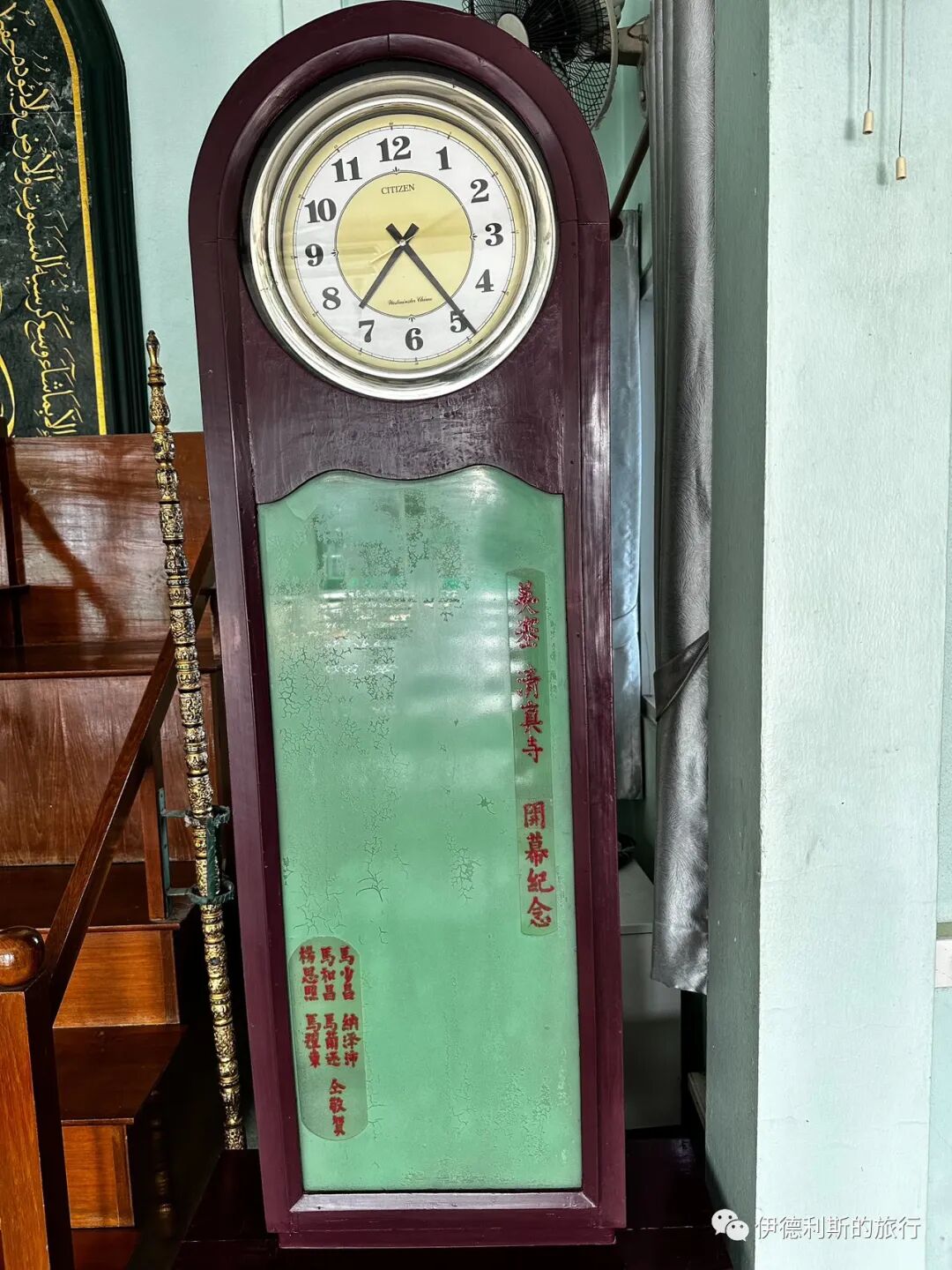
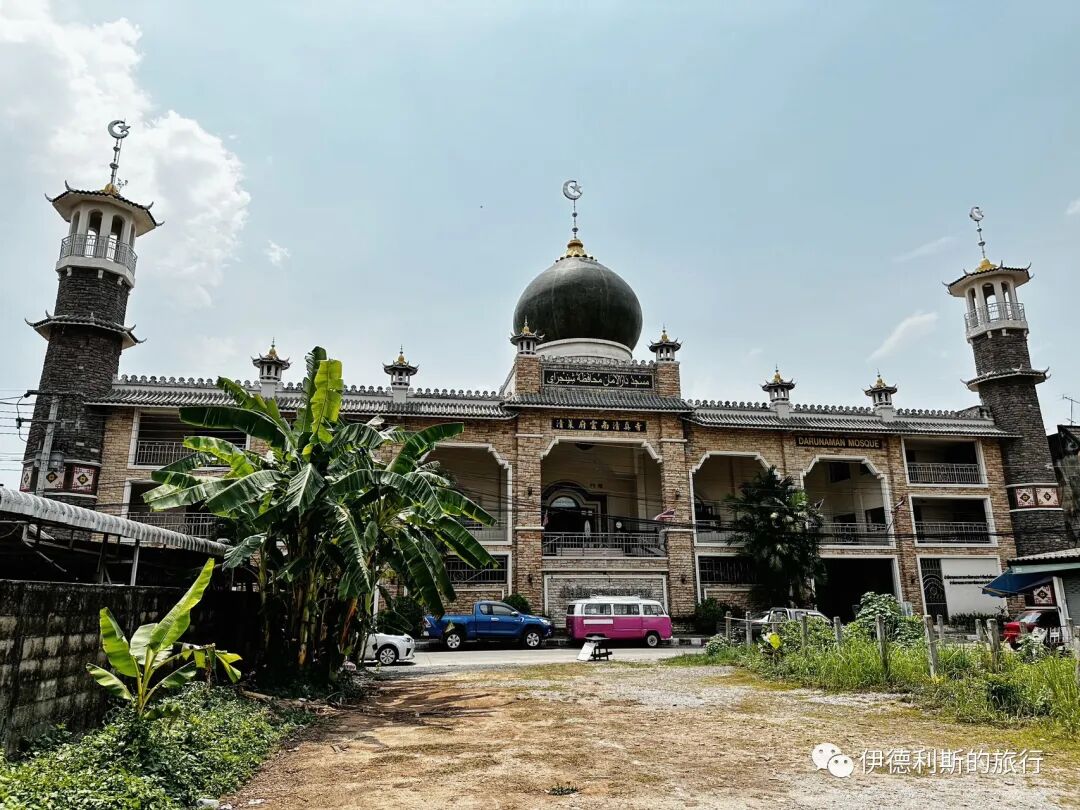
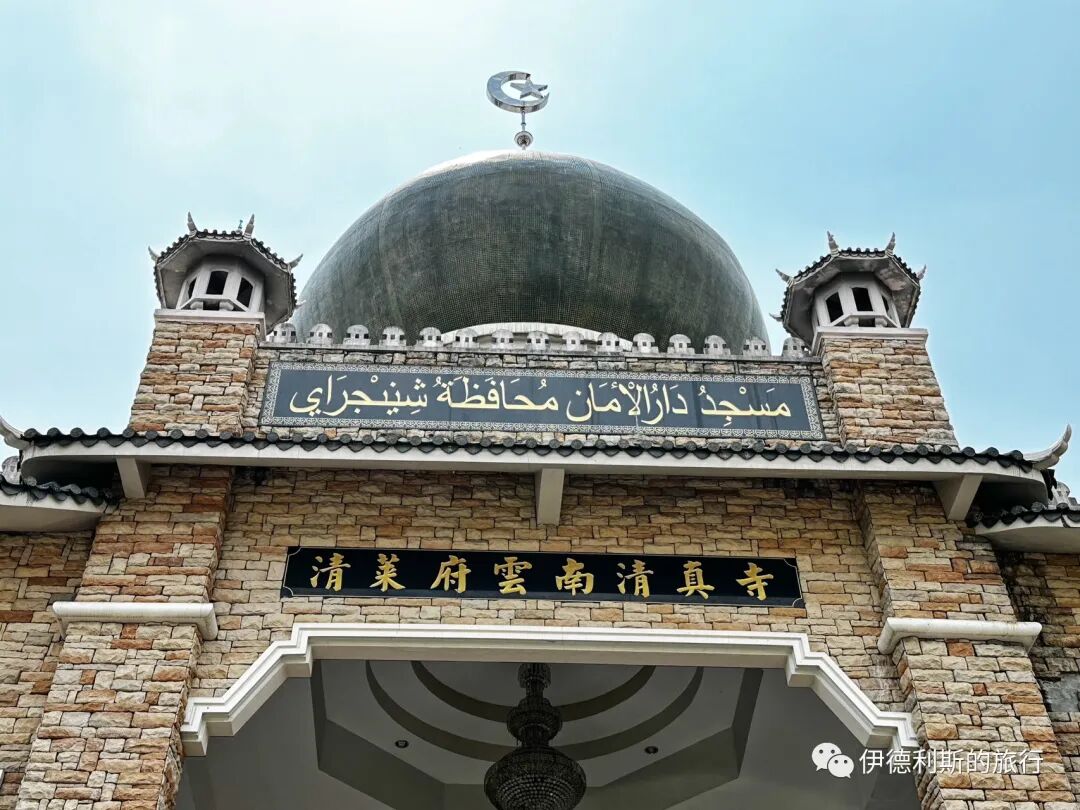
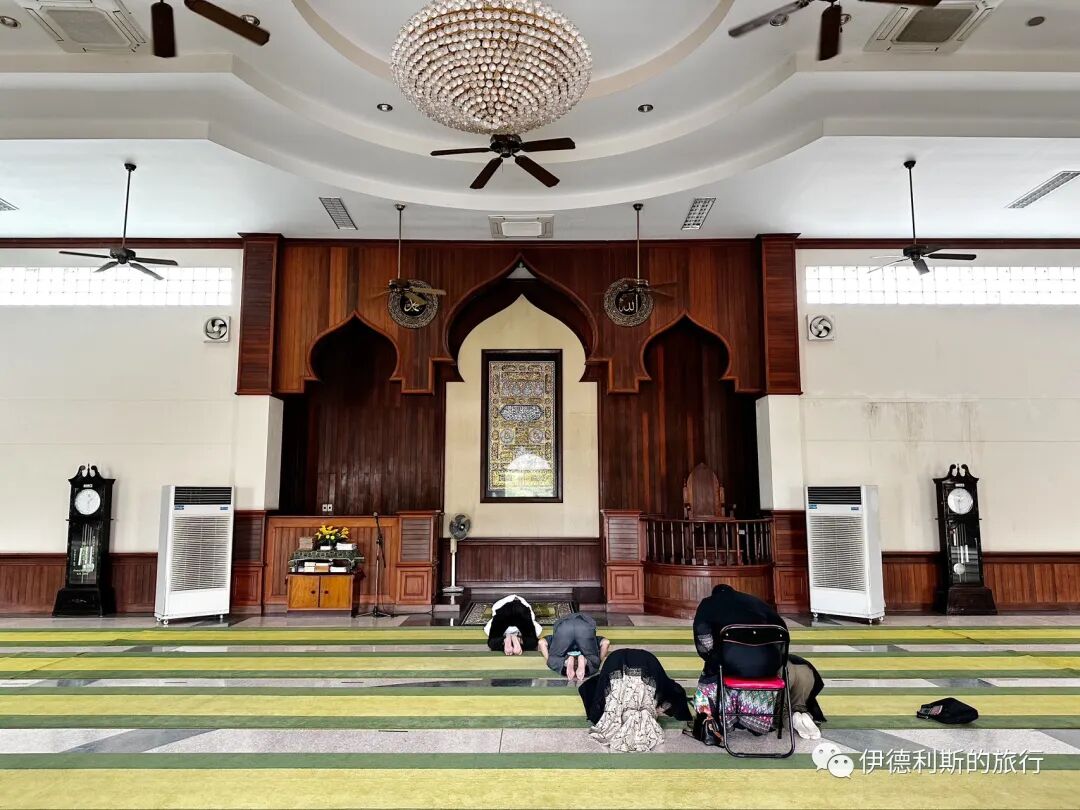
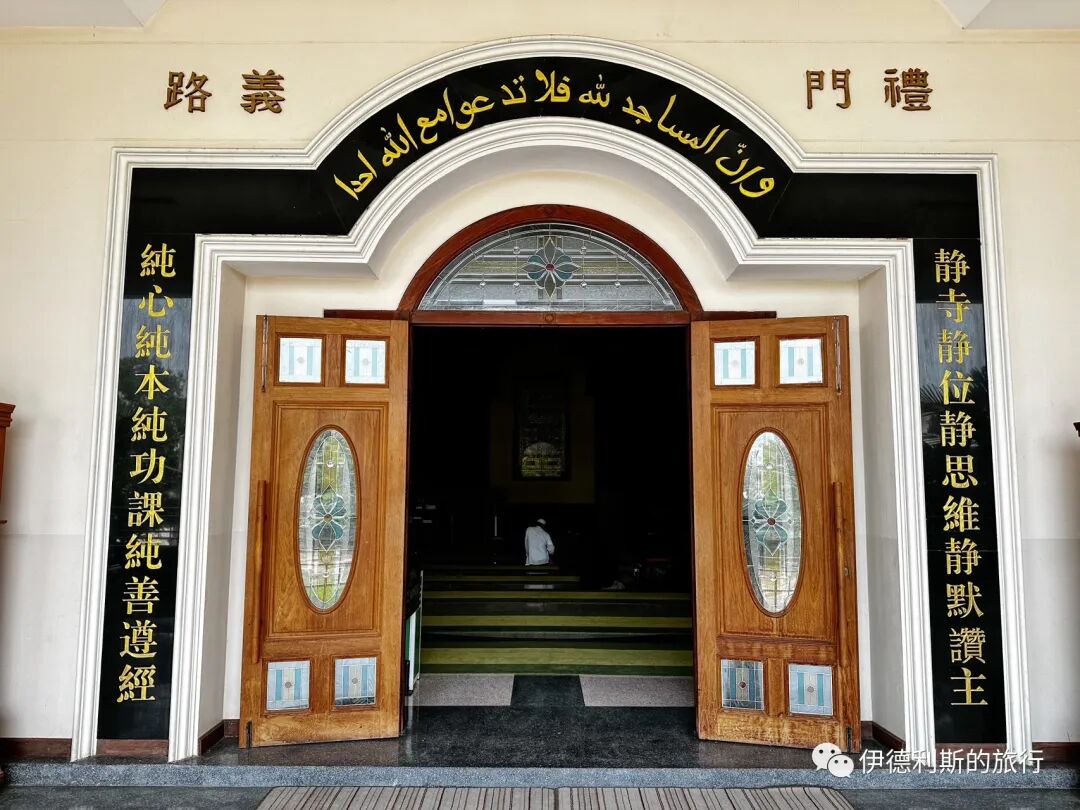
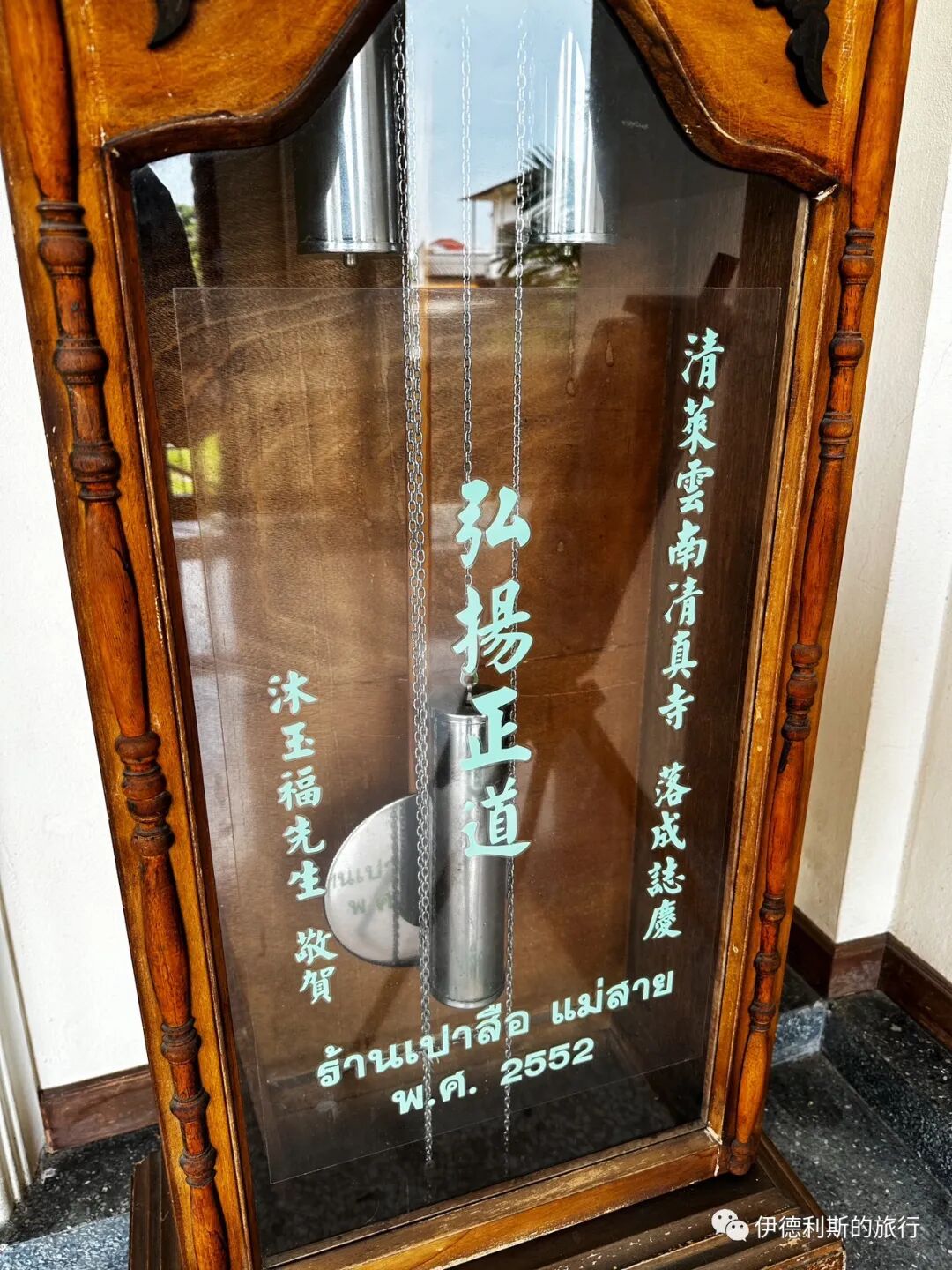
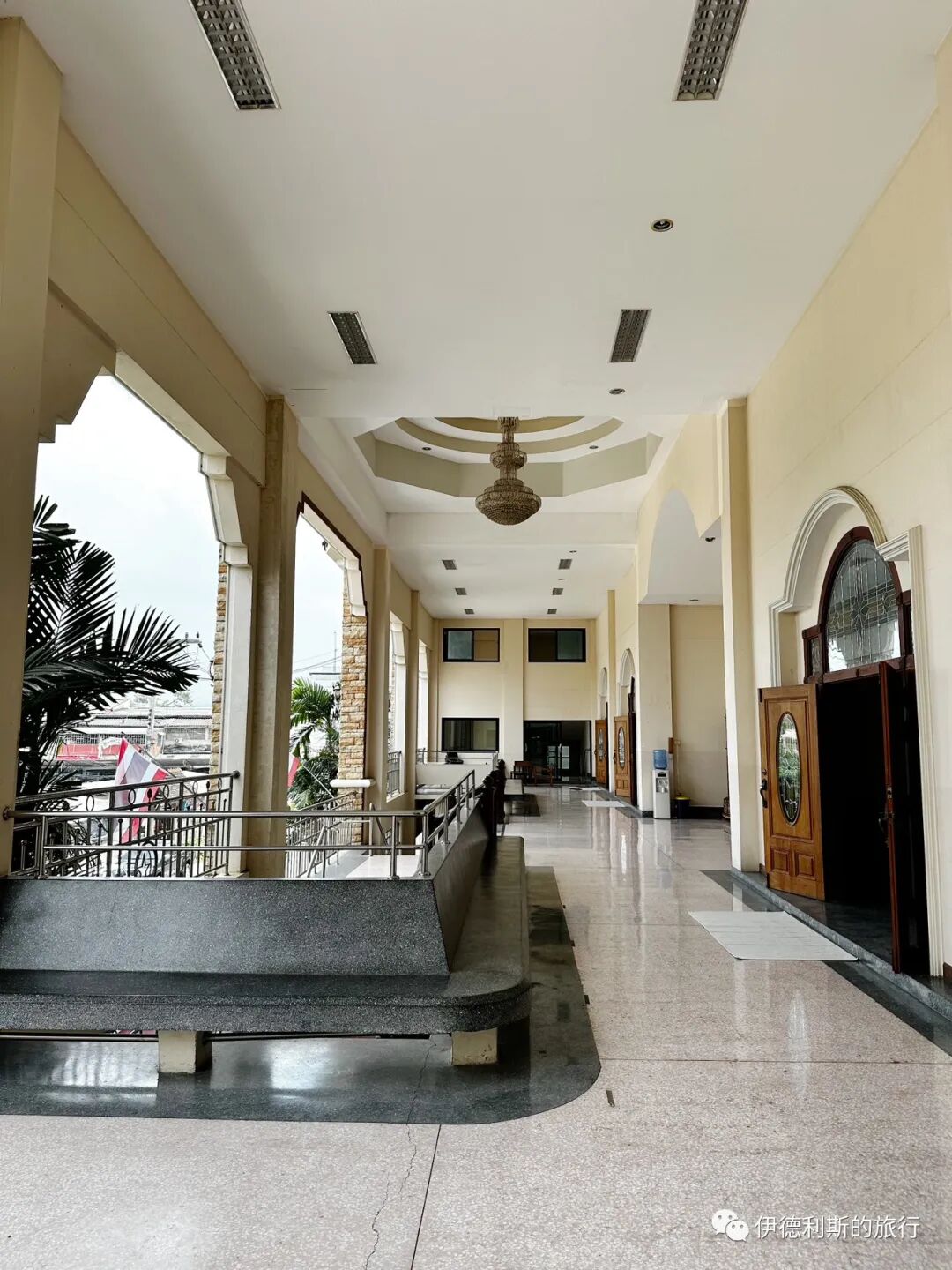
The Chiang Rai Yunnan mosque was built in 1910, seven years earlier than the Chiang Mai Wang He mosque built in 1917. The current building was rebuilt in 2009 and is the largest of all the Yunnan mosques in Northern Thailand. The dome in the center of the mosque is in Mughal style, and the tops of the minarets on both sides are Chinese-style pavilions. This represents the harmony between South Asian Muslims and Chinese Muslims in Northern Thailand. The entrance to the main hall has the words 'Gate of Ritual' and 'Path of Etiquette' written on it, along with a couplet that reads: 'Quiet mosque, quiet place, quiet thoughts, silently praise Allah; pure heart, pure origin, pure worship, purely follow the scriptures.' In front of the main hall door is a grandfather clock donated to the mosque by Mr. Mu Yufu, inscribed with the words 'Promote the Righteous Path'.
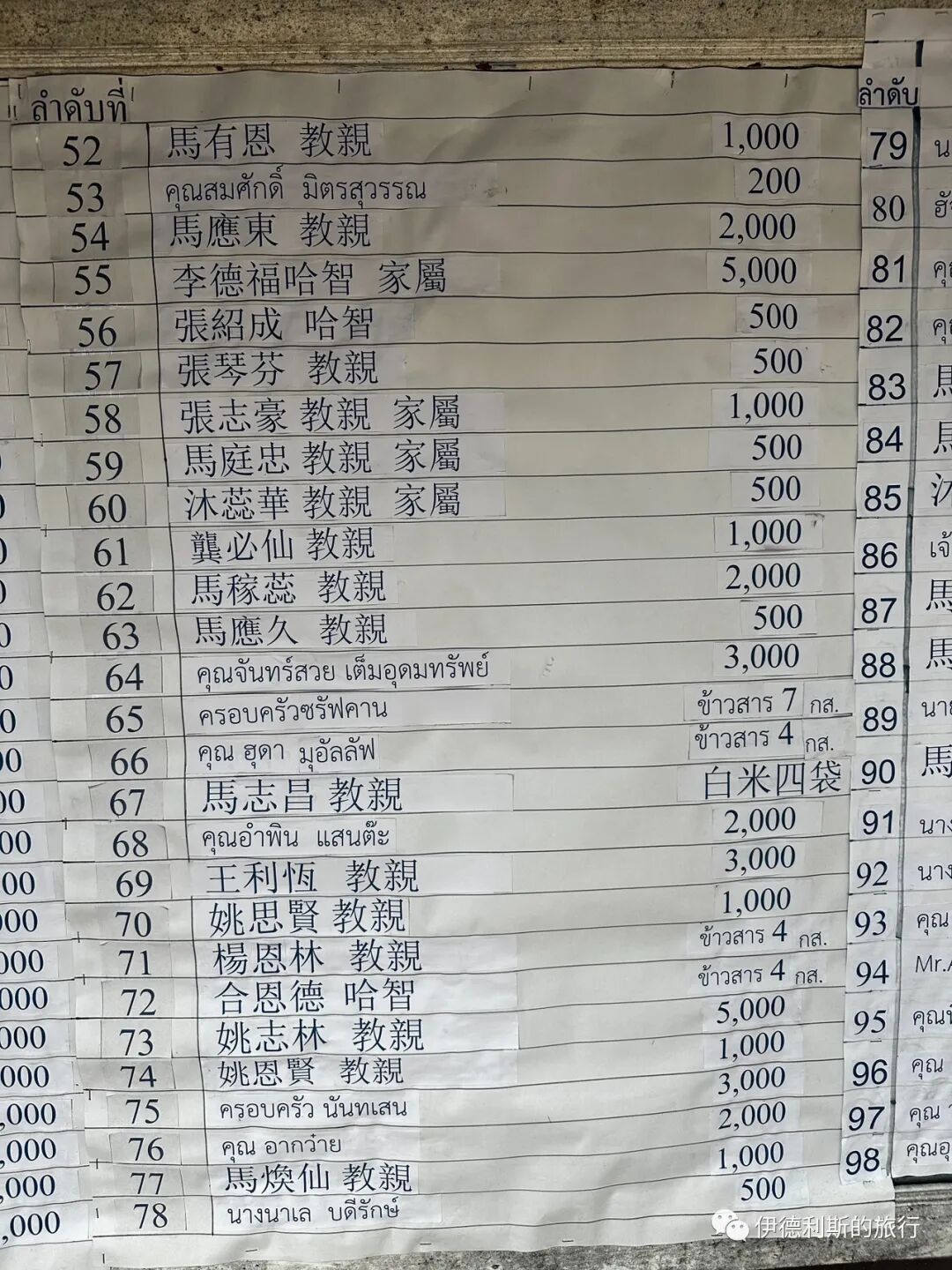
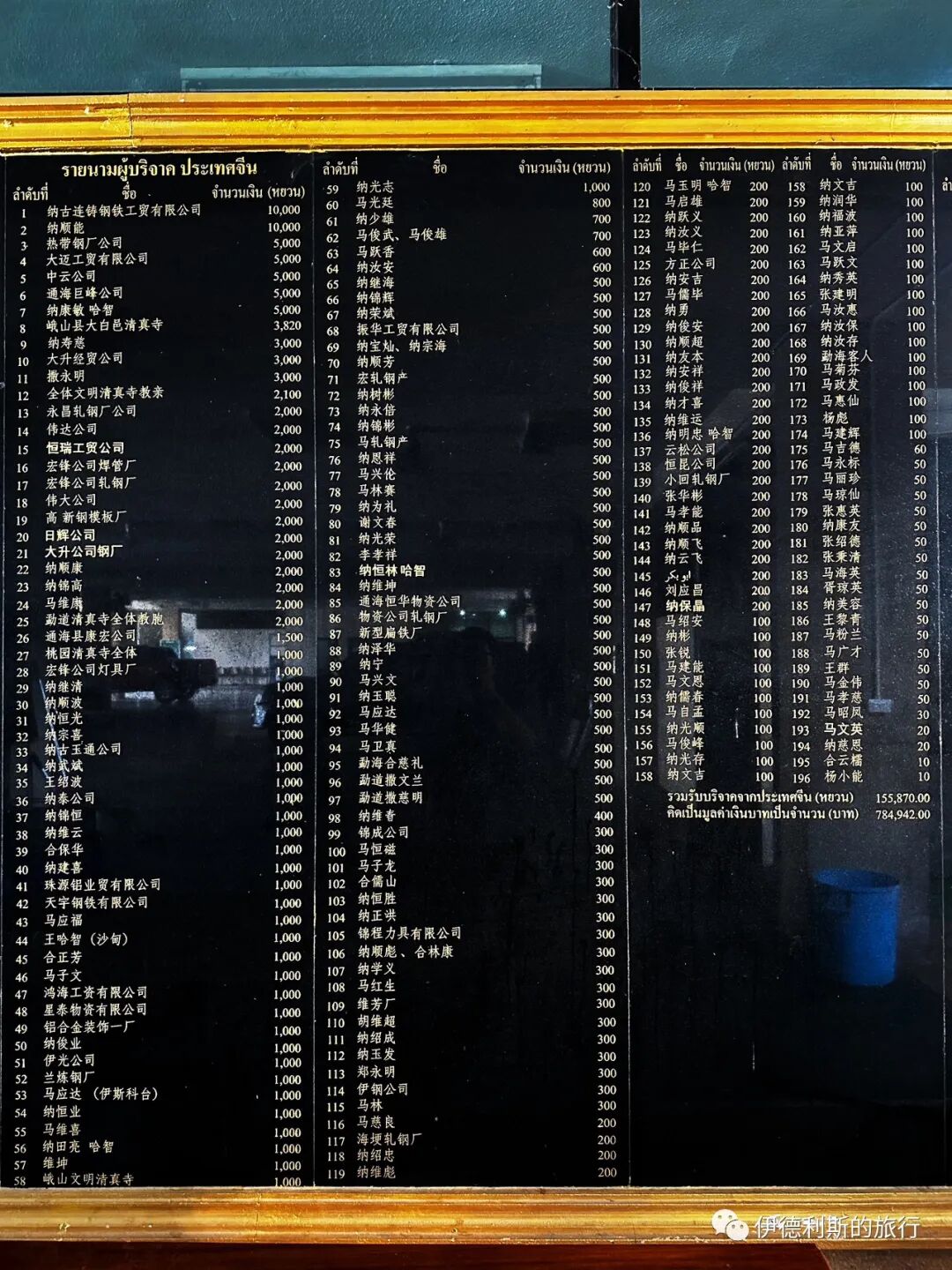
The first floor of the mosque is engraved with the names of those who donated to the reconstruction. Among them, 196 people are from Yunnan, many of whom are from Najiaying, Tonghai, and Menghai.
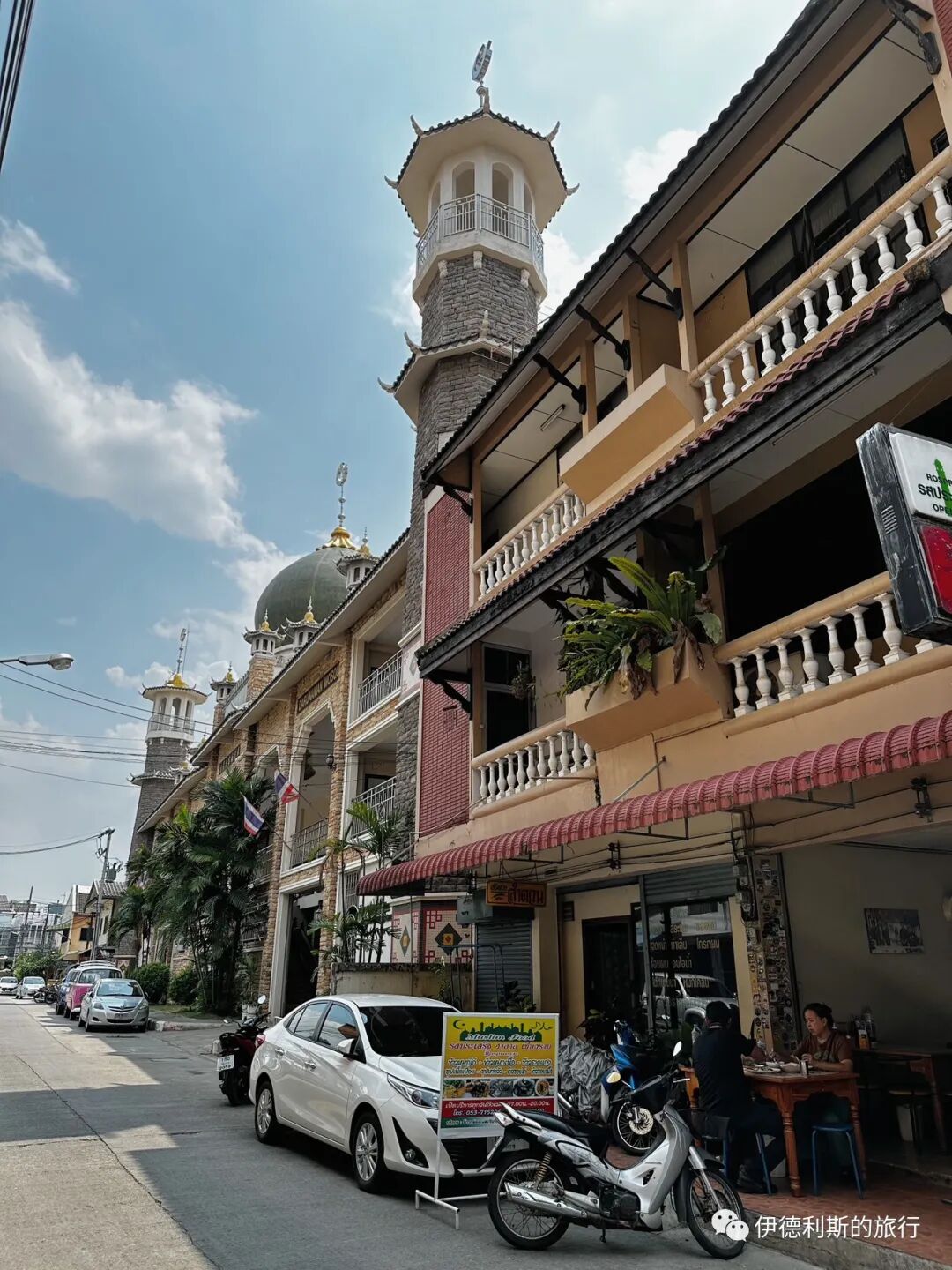
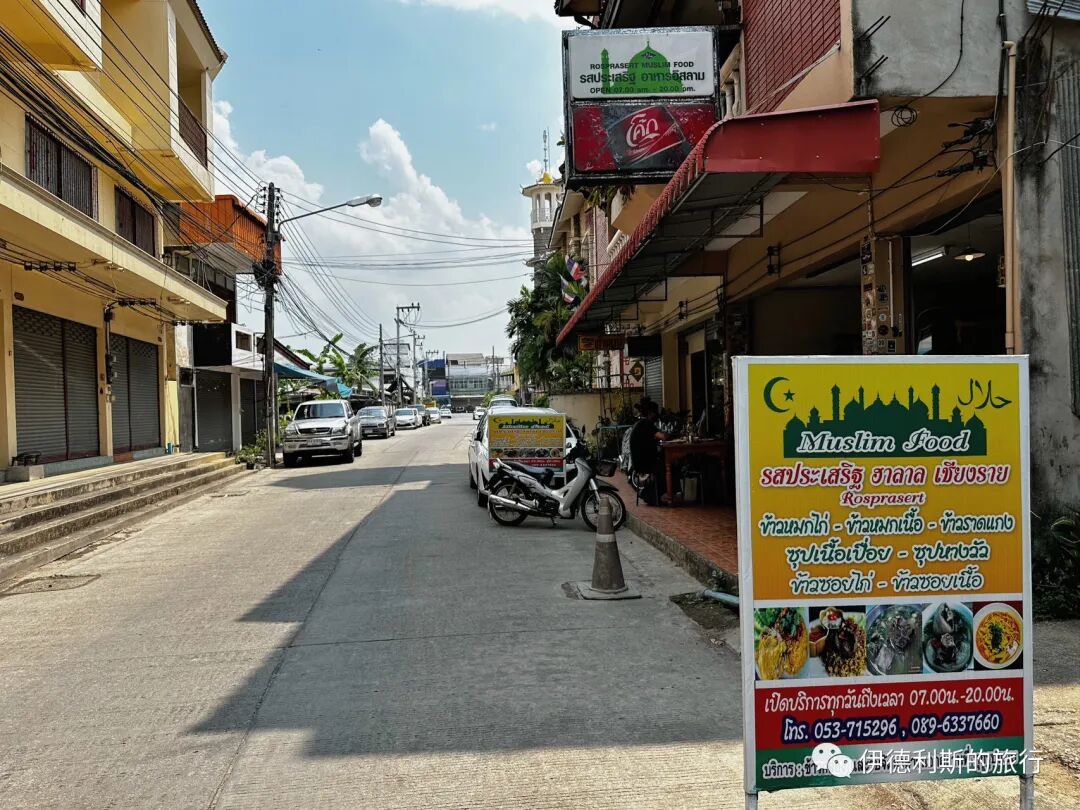
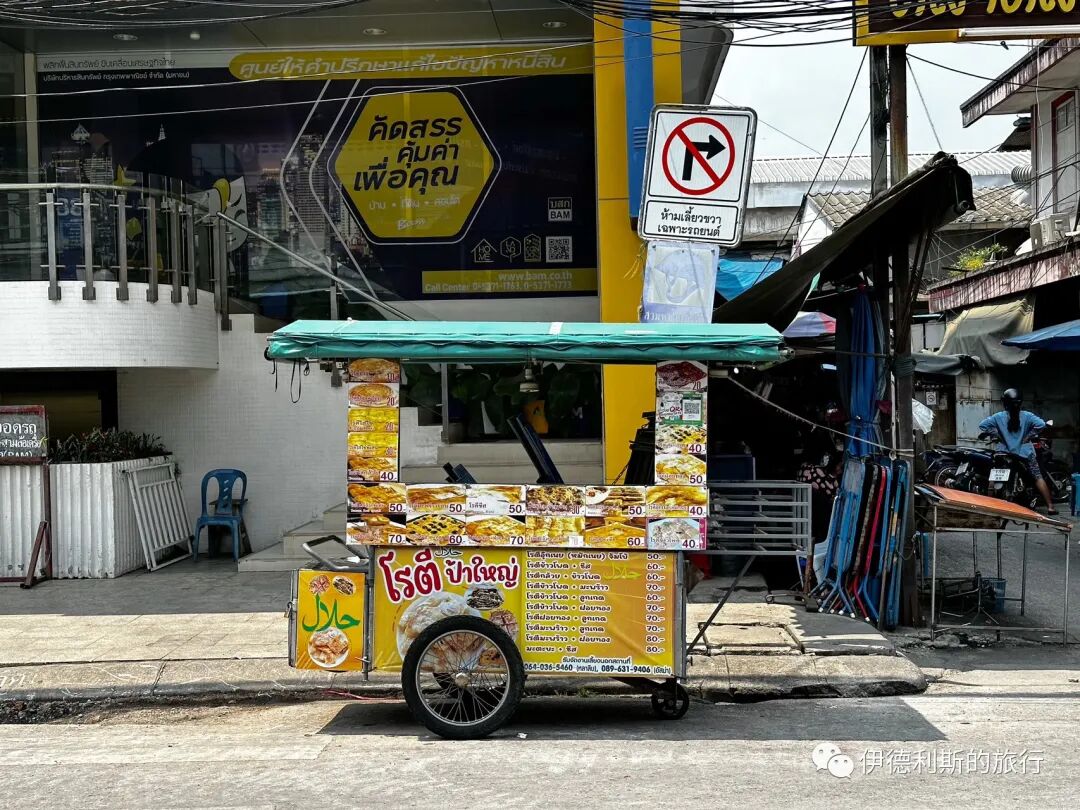
The alley and snack stalls at the entrance of the Chiang Rai Yunnan mosque.
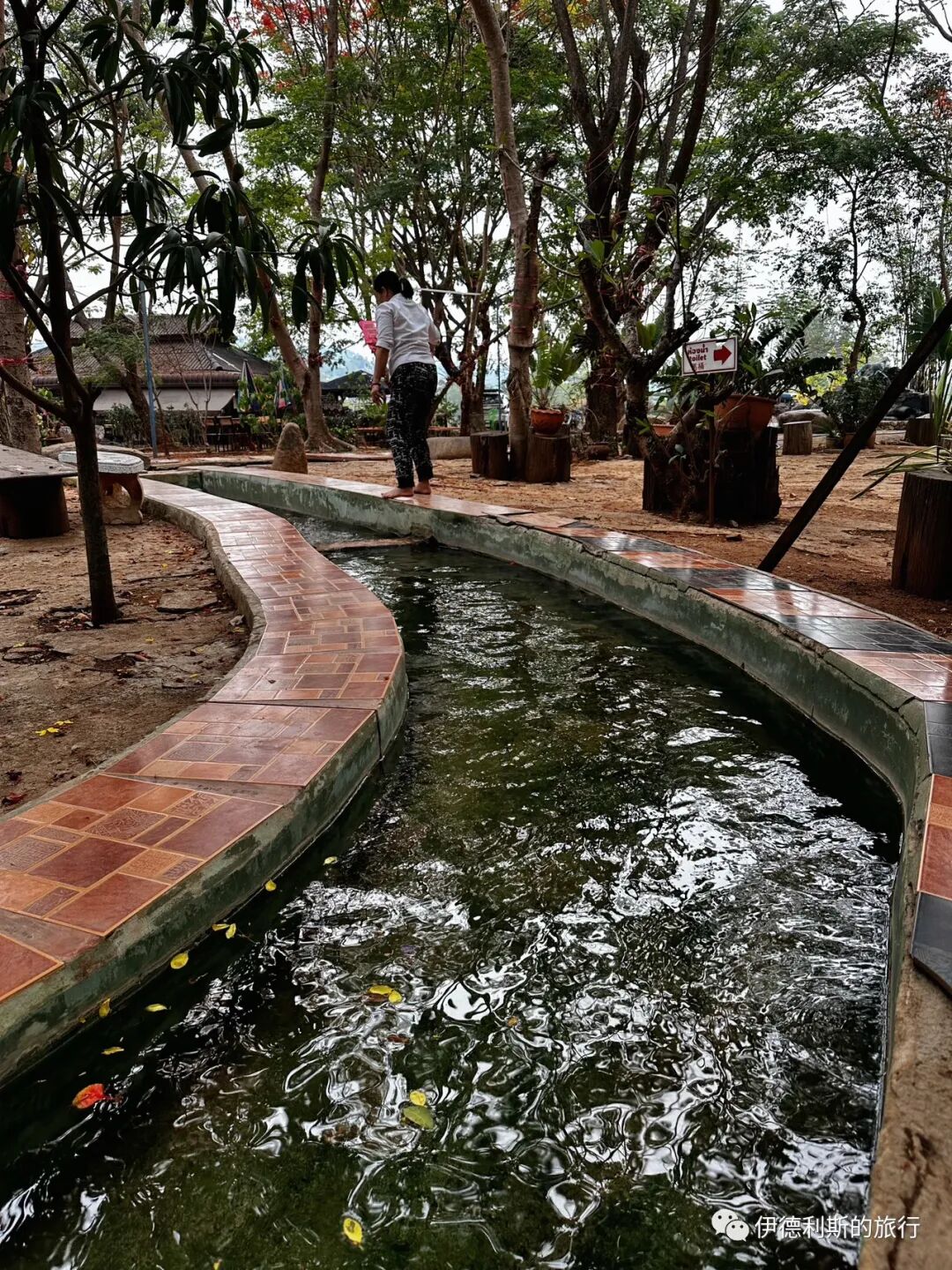
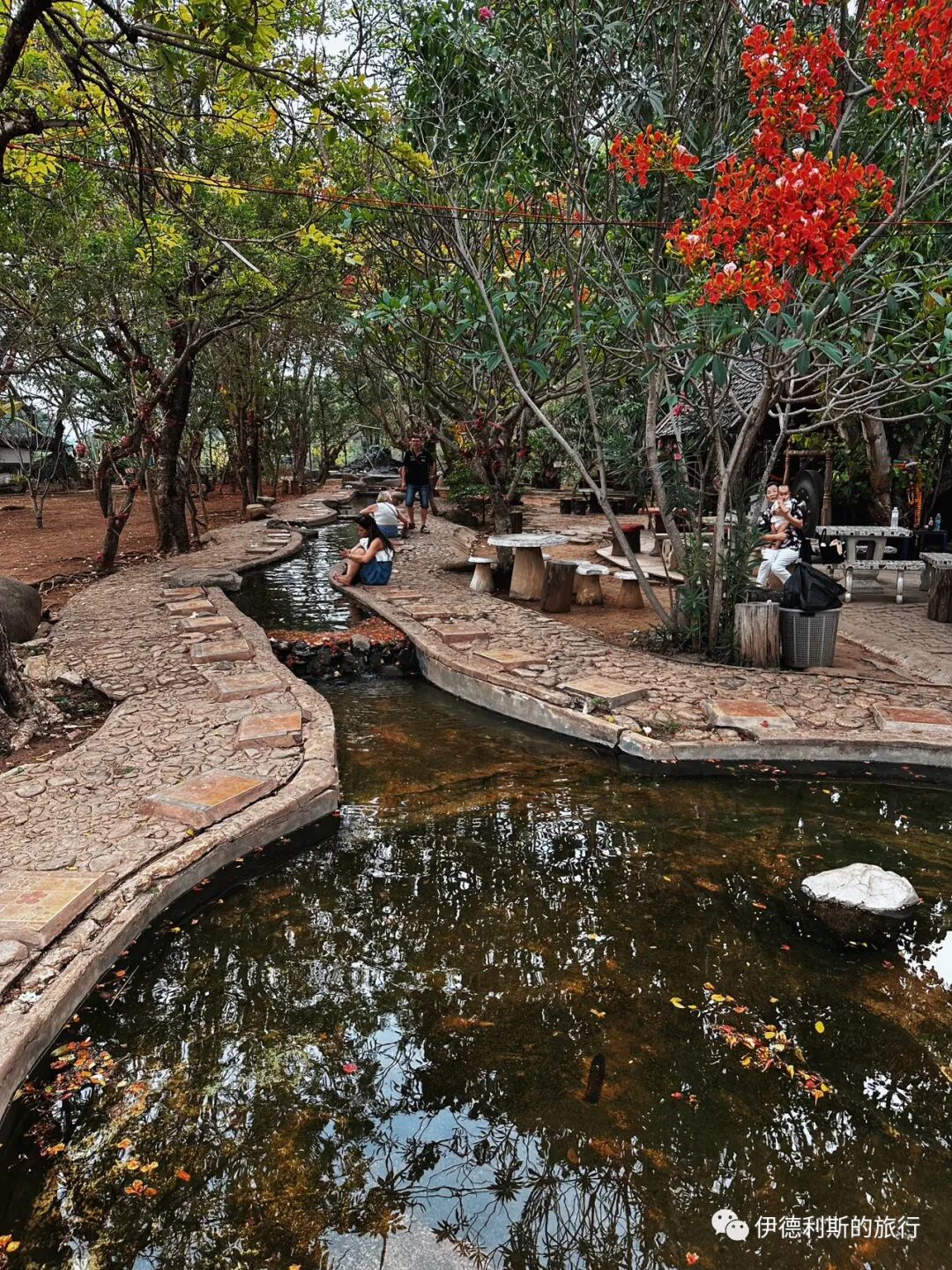
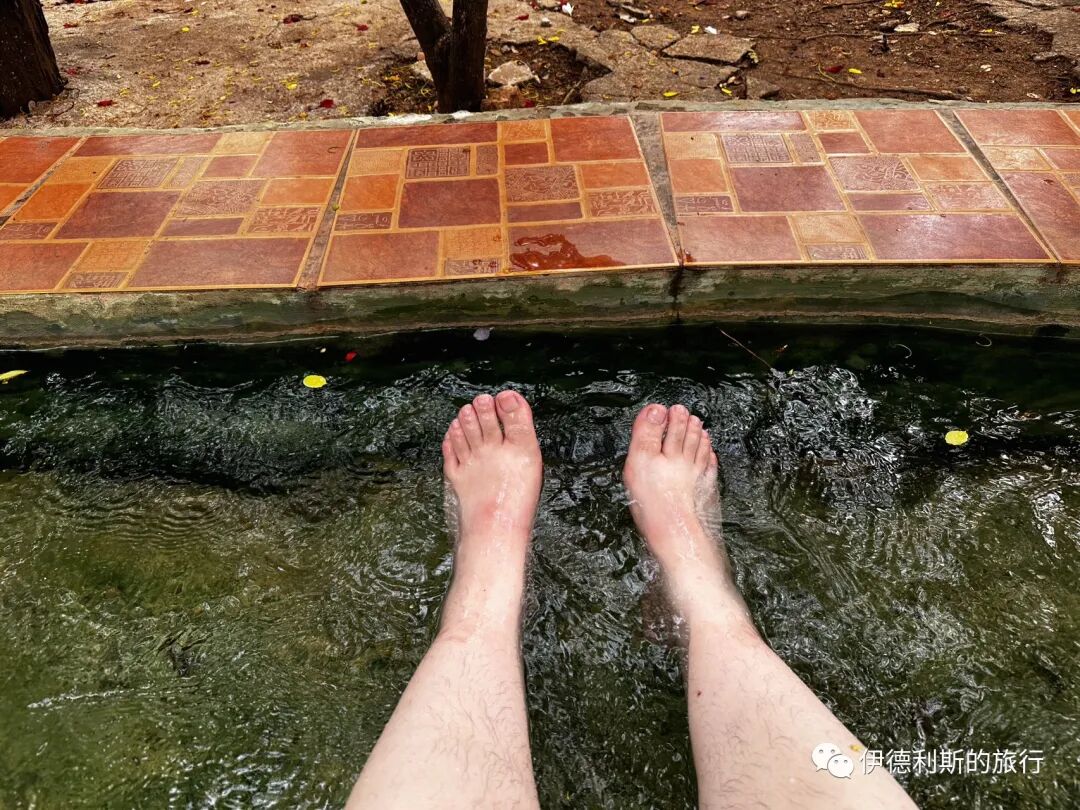
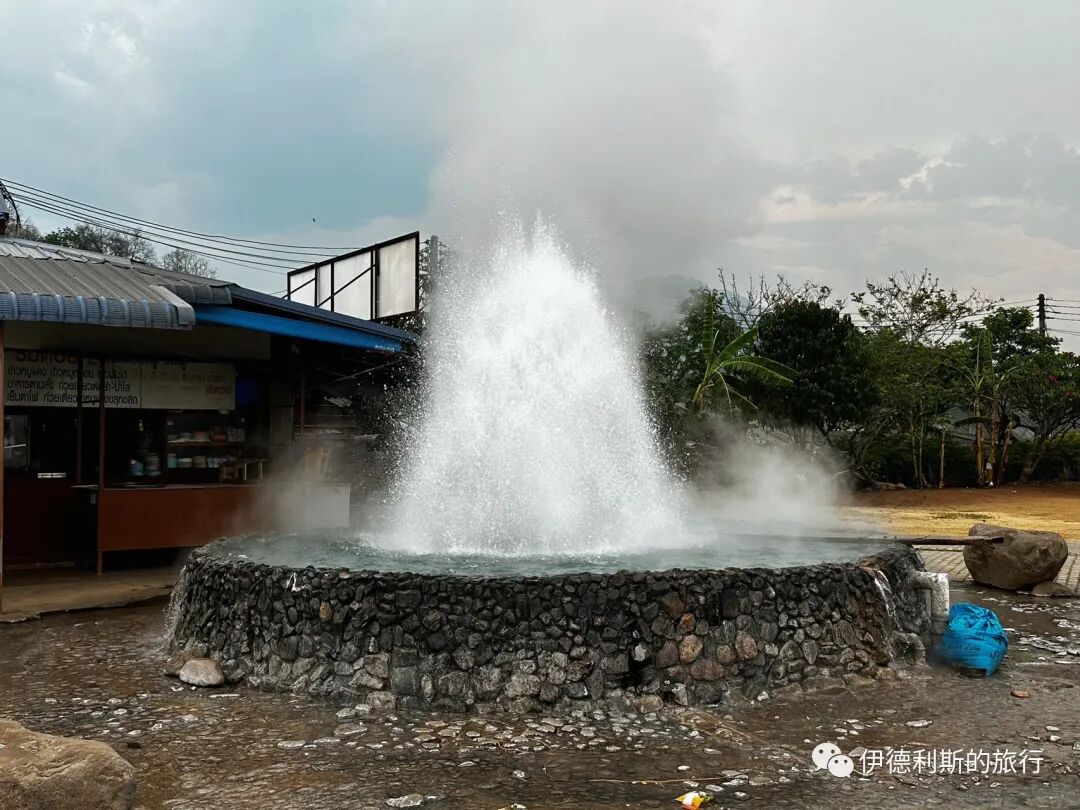
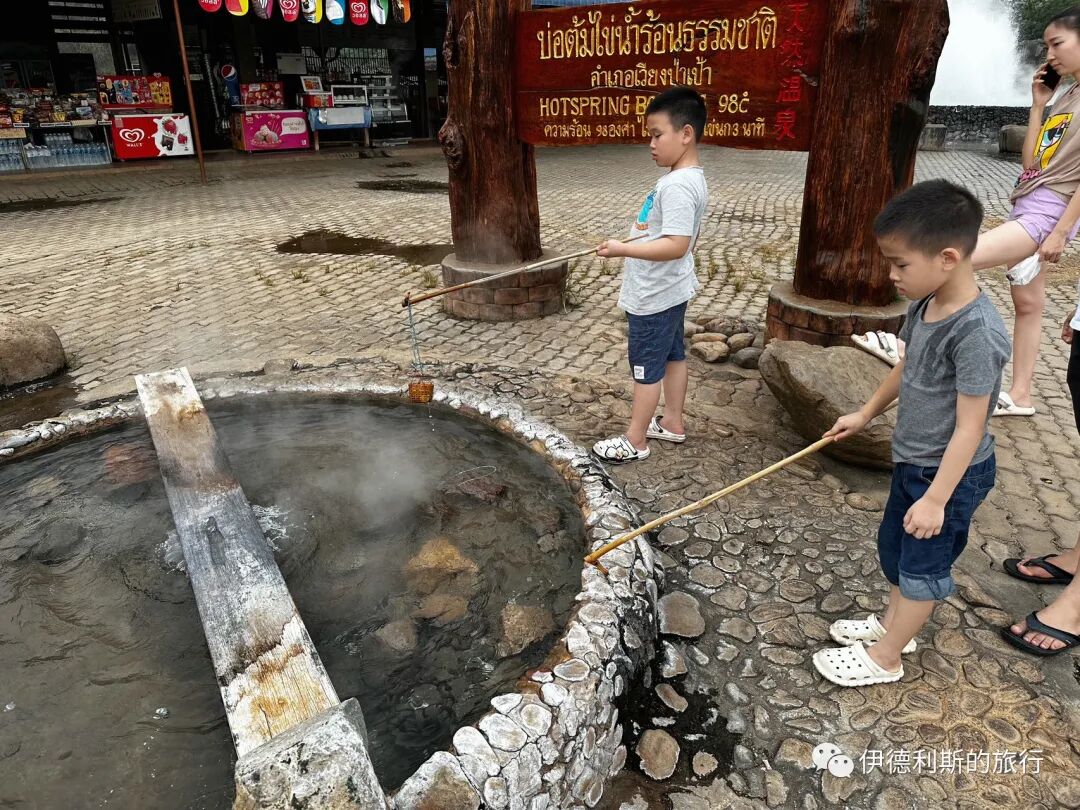
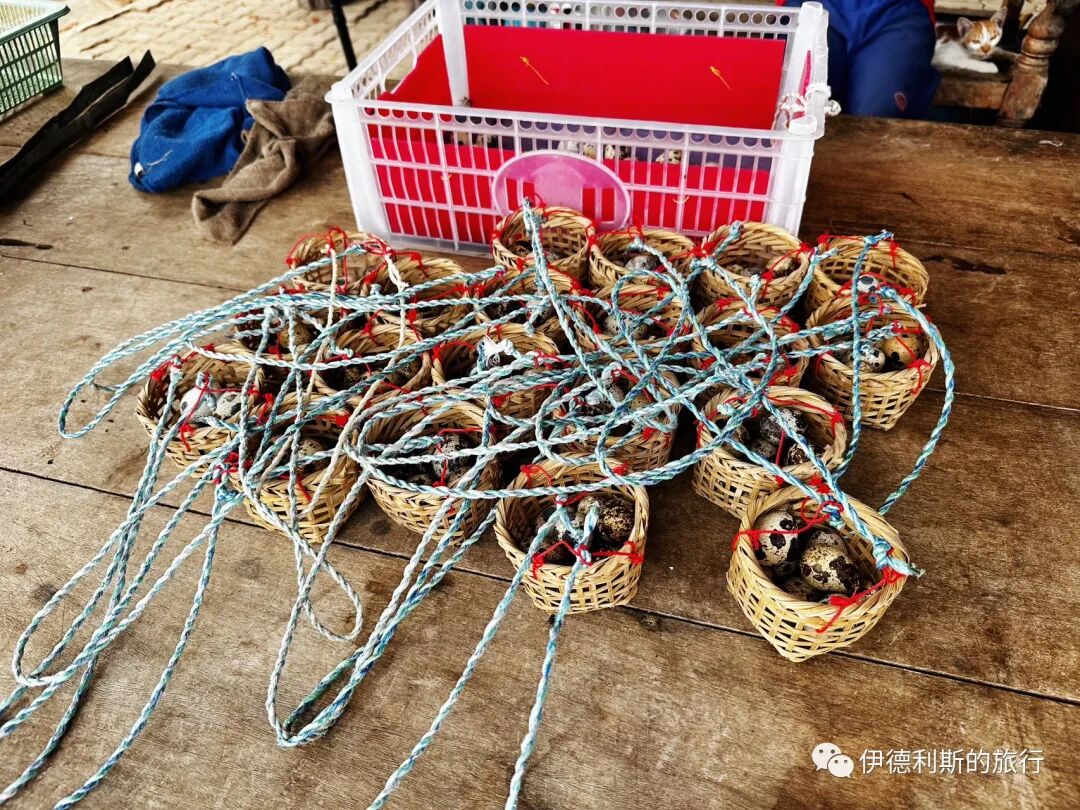
On the way from Chiang Rai to Chiang Mai, you will pass the Chiang Rai hot springs, where many people stop to take a break. The hot springs here are right by the side of the road, and you do not need to buy a ticket. There are springs of various temperatures. The hottest ones gush out like boiling water, and you can boil chicken eggs and quail eggs in them, which children really enjoy. You can soak your feet in the cooler springs. The water temperature drops as it flows from the source, so it is very comfortable to find a spot with the perfect temperature and soak for a while.
Back to Chiang Mai.
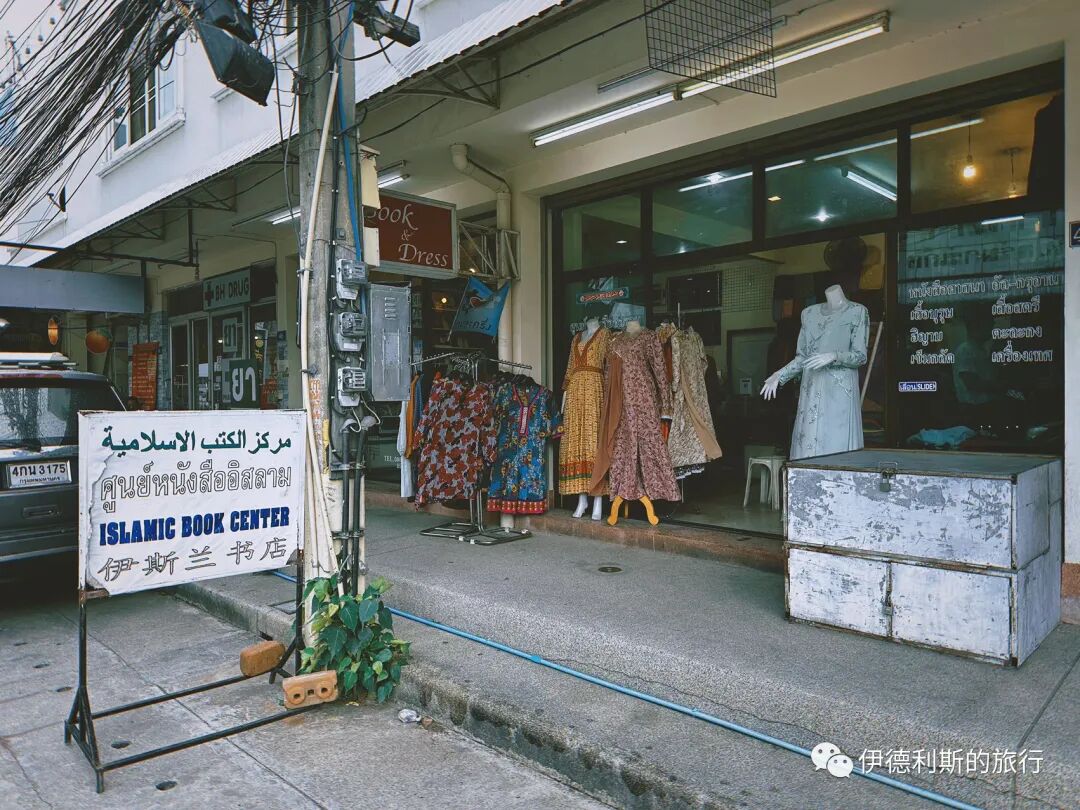
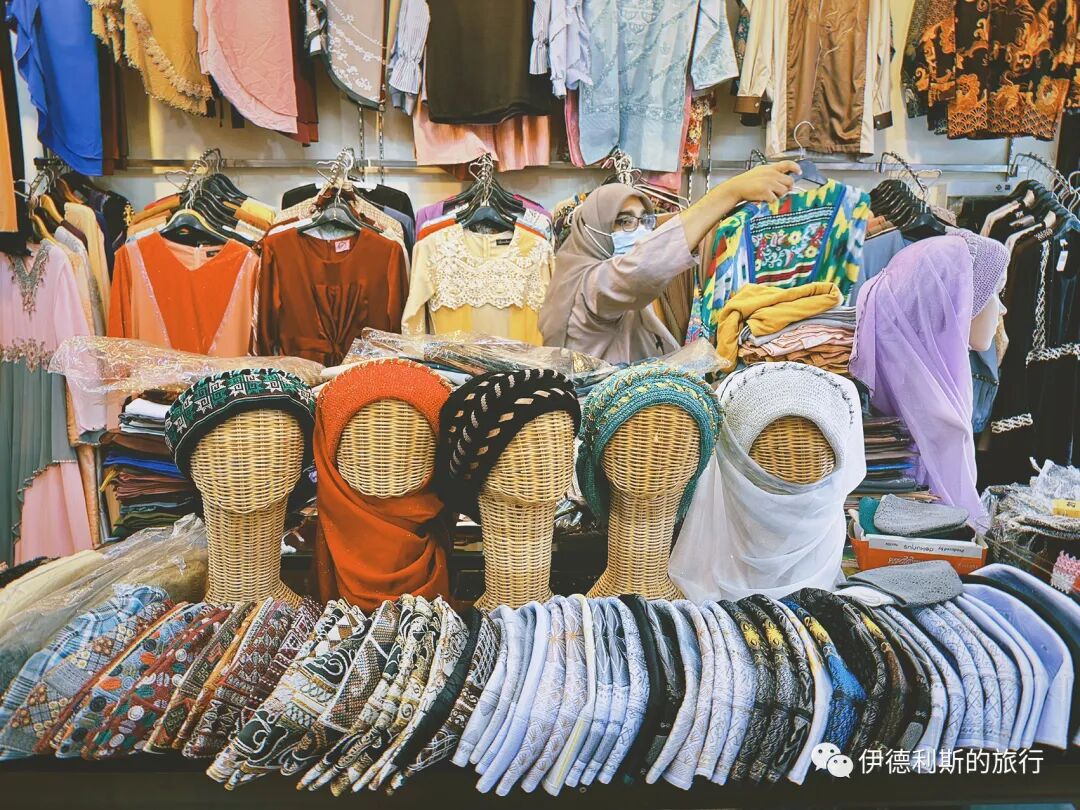
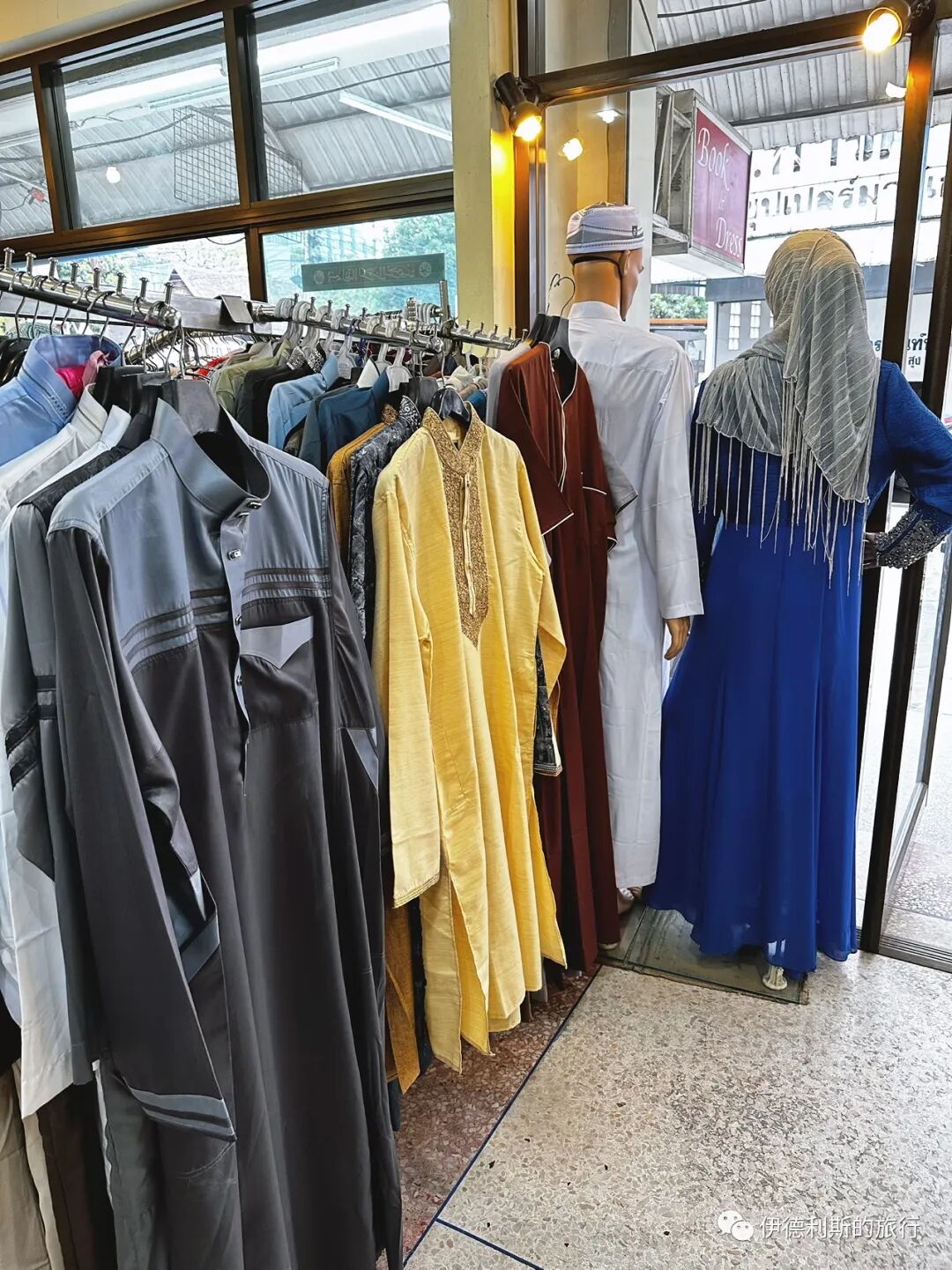
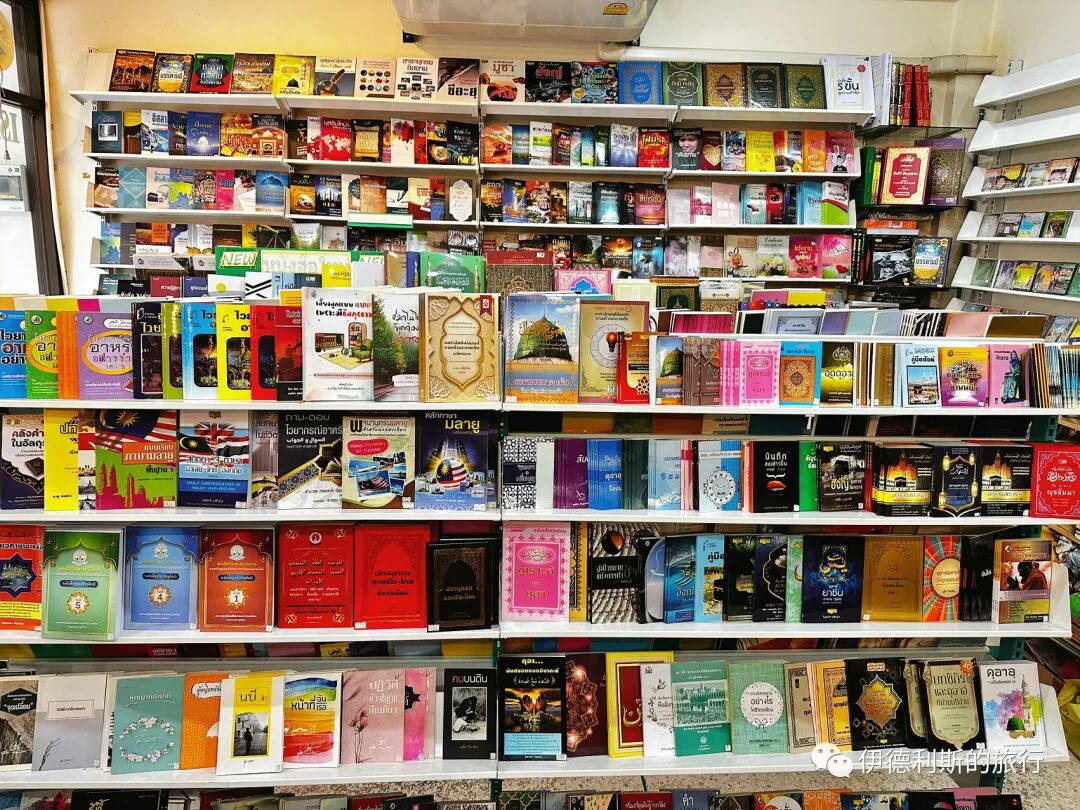
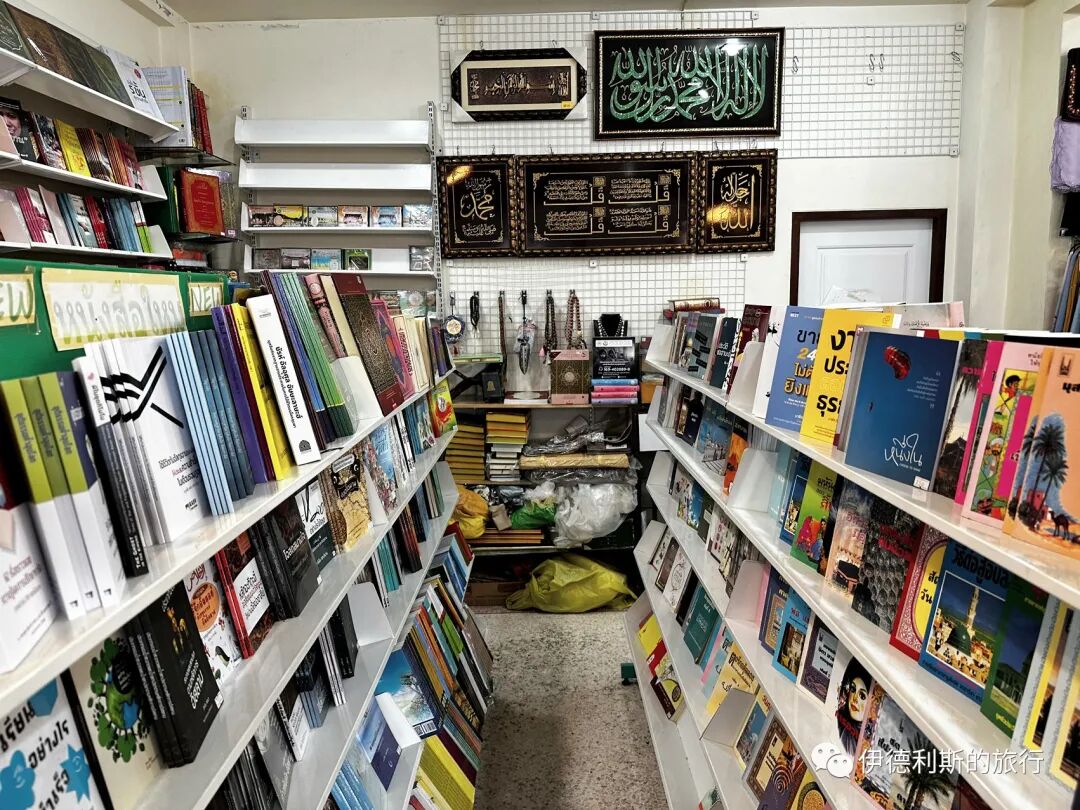
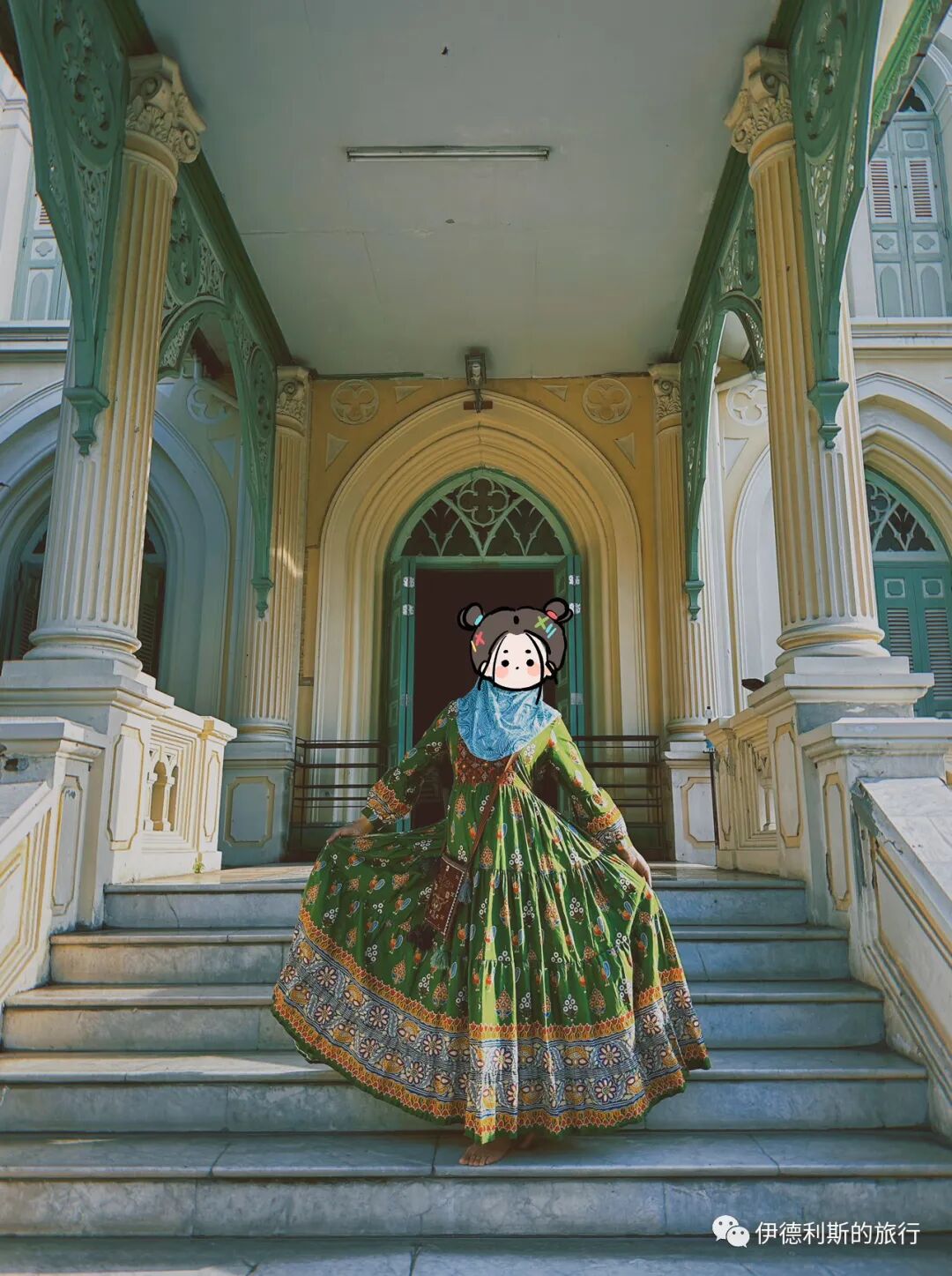
At noon, we returned to the Chiang Mai Wang He mosque (lishen) and then walked around the shops at the entrance. This shop is run by the daughter of Mustafa, the grand imam of the Nurul mosque in Chiang Mai. I bought CDs and hats here back in 2017. This time, Zainab bought a beautiful long dress made from local fabric that is very high quality. We took some lovely photos in it in Bangkok.
Summary: Northern Thailand has Yunnanese Hui Muslim communities whose mosque neighborhoods still show the memory of migration, trade, and borderland life. This first part of Day 3 records the mosques, settlements, and local community details in clear English while keeping the source facts and images.
During the May Day holiday in 2023, I visited the mosque communities (fang) of the Yunnan Hui Muslims in Northern Thailand. On the first day, led by Master Ma Ruqi, a third-generation Thai Yunnan Hui Muslim, we visited four mosque communities in the Chiang Mai city area: Chang Khlan, Wang He, Jing Zhen, and Nurul. I posted about this in 'A Pilgrimage to Northern Thai Yunnan Mosque Communities (Day 1)'. On the second day, Master Ma drove us north to visit several mosque communities in the refugee villages of the former Northern Thai isolated army. We went to Mae Salong, the main base of the isolated army, and finally reached Mae Sai, the second-largest settlement of Yunnan Hui Muslims in Northern Thailand. I posted about this in 'A Pilgrimage to Northern Thai Yunnan Mosque Communities (Day 2)'. On the third day, we left Mae Sai and headed south back to Chiang Mai, visiting several mosque communities in Chiang Rai to wrap up this pilgrimage to the Yunnan mosque communities of Northern Thailand.
Mae Sai
The third day of our journey began in Mae Sai, the northernmost town in Thailand. Early in the morning, we went to see the Mae Sai border crossing to Myanmar. It was closed for over two years and only reopened this February, so it is busy again now. Not far to the west of the border, you can see the Myanmar town of Tachileik across the Mae Sai River. Development there is clearly a bit behind Thailand. Many Yunnan Hui Muslims also live in Tachileik, and there is a Yunnan mosque there. I hope to have the chance to visit it in the future.
Next, we went to visit the Mae Sai Yunnan Mosque. Although Mae Sai has been a necessary stop for Yunnan horse caravans heading south to Chiang Mai since the late Qing Dynasty, it was not until 1952 that Yunnan Hui Muslims Ma Xianglin and Ma Enshou initiated the construction of a mosque. The original mosque was just a thatched hut. Later, with donations from Qian Yizhai and fellow Muslims in Chiang Mai, Ma Zixing oversaw its reconstruction into a wooden building. In 1975, because the number of Yunnan Hui Muslims in Mae Sai was growing, the old mosque could not hold everyone. Mu Chengfang, a Hui Muslim from Dazhuang, Kaiyuan, Yunnan, initiated a move to the current location next to the main road. Ma Weijing and Na Caikui oversaw the construction of the current steel and concrete building.
The prayer hall of the Mae Sai Yunnan Mosque, with shops selling dried beef jerky (la niuganba) and dried duck (la ya) at the entrance.
We had breakfast in an alley where Yunnan Hui Muslims live in Mae Sai. We could order in Mandarin, as the Yunnan Hui Muslims here speak both the Yunnan dialect and Mandarin fluently. We ate thick pea porridge (xi doufen) with rice noodles (migan) and braised beef noodles, which used minced meat (rou saozi) instead of chunks of meat. The owner's son is young but has already graduated as a hafiz. Hui Muslims here start systematic religious studies from a young age, which helps pass their faith down from generation to generation.
Then we went to the old site of the Yunnan Mosque in Mae Sai to eat sweet buns (tangbao). After the Yunnan Mosque moved to its new location in 1975, the old site remained mosque property, and the storefronts along the street still sell snacks. We ate brown sugar and perilla seed-filled sweet buns (tangbao) at a Hui Muslim shop in the middle of the street, and we drank tea and chatted with everyone for a while. Also, the shop next door run by a South Asian friend (dosti) selling roti flatbread is doing very well.
After breakfast, we arrived at Zhenguang School on the outskirts of Mae Sai. This is a school founded by Hui Muslims specifically to train hafiz. The students here include not only local Muslims but also many from other parts of Thailand and even China. It was summer break when we visited, so the students were away. Only the cows being prepared for Eid al-Adha and the chickens the students usually eat were wandering leisurely around the courtyard. The environment here is truly wonderful. Surrounded by endless rice fields and far from the noise of the city, it is a perfect place to focus on studies.
Golden Triangle
Leaving Zhenguang School, we went to the border where Thailand, Laos, and Myanmar meet, which is the famous Golden Triangle. Standing on the banks of the Mekong River, you can see casinos in Myanmar and Laos on the opposite side. Since gambling is banned in Thailand, there is only a Golden Triangle Park here, where many tourists stop to take photos.
Chiang Rai
Leaving the Golden Triangle, we headed toward Chiang Rai city. We first visited a South Asian Fatima Pakuk mosque near the Chiang Rai airport. Although it looks like a residential courtyard from the outside, it is decorated very beautifully once you step inside. It is very interesting that there is a large treehouse at the mosque entrance. This is my first time seeing a treehouse inside a mosque, a sight you only find in tropical regions.
I visited two other South Asian mosques in Chiang Rai city; one is black and one is white, both clean and tidy. The black one was built by Pakistani descendants, and it is really rare to see a black mosque around here. Both mosques have lounge chairs on the front porch of the main hall. It feels so comfortable to lie there and catch the breeze.
There are mango trees everywhere in Chiang Rai. Inside the Pakistani mosque, you can look up and see green mangoes filling the trees. We bought a bag of sliced green mangoes on the street. Dipping them in dry seasoning is delicious, crisp, and tasty.
We arrived in downtown Chiang Rai and found a halal stall specializing in various spicy sauces. The variety of spicy sauces in Thai food is amazing. They are mostly sweet and spicy, which I quite enjoy.
At noon, we had lunch at the largest Yunnan Hui Muslim restaurant in Chiang Rai city. The restaurant is called Yunnan Restaurant. The owner's surname is Na, and his ancestral home is Guanyi in Jianshui. The founder of the restaurant was surnamed Ma, who was owner Na's father-in-law. He spent 50 years preparing Yunnan halal banquets in Northern Thailand. Most Yunnan Hui Muslims in Northern Thailand, including our chartered driver Master Ma, have eaten at owner Ma's banquets and helped out in the kitchen. Owner Ma had two daughters who both married two brothers. Both sons-in-law inherited owner Ma's business, running two Yunnan restaurants in Chiang Mai and Chiang Rai respectively. The one we ate at in Chiang Rai is run by the younger brother.
The restaurant menu has Chinese, which makes ordering very convenient. We ordered stir-fried squid with red curry paste, stir-fried morning glory, fried fish with three kinds of sauces, and stir-fried beef with ginger strips. Hui Muslims here have kept traditional Yunnan halal food but added many Thai spices and cooking methods. They have developed a unique style of Northern Thai Yunnan halal cuisine that tastes different from the halal food we ate in Yunnan.
We arrived at the Yunnan mosque (lishen) in Chiang Rai city, and the elders at the mosque greeted us warmly.
Although the total number of Hui Muslims in Chiang Rai city is much smaller than in Chiang Mai or Mae Sai, this was an important hub for the Yunnan Hui Muslim horse caravans trading in Northern Thailand. It is the oldest existing Yunnan mosque in Northern Thailand.
The Chiang Rai Yunnan mosque was built in 1910, seven years earlier than the Chiang Mai Wang He mosque built in 1917. The current building was rebuilt in 2009 and is the largest of all the Yunnan mosques in Northern Thailand. The dome in the center of the mosque is in Mughal style, and the tops of the minarets on both sides are Chinese-style pavilions. This represents the harmony between South Asian Muslims and Chinese Muslims in Northern Thailand. The entrance to the main hall has the words 'Gate of Ritual' and 'Path of Etiquette' written on it, along with a couplet that reads: 'Quiet mosque, quiet place, quiet thoughts, silently praise Allah; pure heart, pure origin, pure worship, purely follow the scriptures.' In front of the main hall door is a grandfather clock donated to the mosque by Mr. Mu Yufu, inscribed with the words 'Promote the Righteous Path'.
The first floor of the mosque is engraved with the names of those who donated to the reconstruction. Among them, 196 people are from Yunnan, many of whom are from Najiaying, Tonghai, and Menghai.
The alley and snack stalls at the entrance of the Chiang Rai Yunnan mosque.
On the way from Chiang Rai to Chiang Mai, you will pass the Chiang Rai hot springs, where many people stop to take a break. The hot springs here are right by the side of the road, and you do not need to buy a ticket. There are springs of various temperatures. The hottest ones gush out like boiling water, and you can boil chicken eggs and quail eggs in them, which children really enjoy. You can soak your feet in the cooler springs. The water temperature drops as it flows from the source, so it is very comfortable to find a spot with the perfect temperature and soak for a while.
Back to Chiang Mai.
At noon, we returned to the Chiang Mai Wang He mosque (lishen) and then walked around the shops at the entrance. This shop is run by the daughter of Mustafa, the grand imam of the Nurul mosque in Chiang Mai. I bought CDs and hats here back in 2017. This time, Zainab bought a beautiful long dress made from local fabric that is very high quality. We took some lovely photos in it in Bangkok.
