
Halal Travel Guide: Diyarbakir, Turkey — Tigris River City and Historic Mosques (Part 2)
Reposted from the web
Summary: Diyarbakir is a thousand-year-old city by the Tigris River with layered Kurdish, Islamic, and regional history. This second part continues through its historic mosques, streets, and old city scenes while keeping the source order and image mapping.
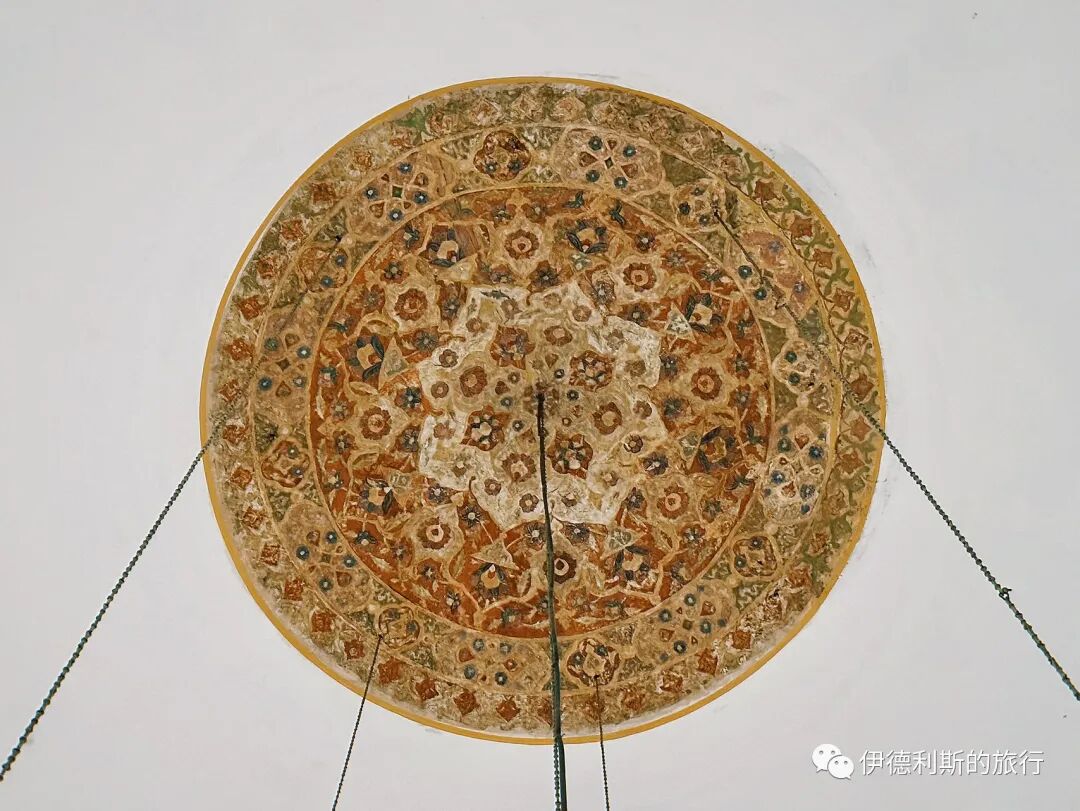
Behrem Pasha Mosque: 1564-72.
Walk west from the main road to reach the Behrem Pasha Mosque, built by the Ottoman governor Behrem Pasha between 1564 and 1572. Behrem Pasha served as the governor of Diyarbakır in the 1560s. The great Ottoman architect Mimar Sinan mentioned this mosque in one of his autobiographies, Tuḥfetü'l-Miʿmārīn. Experts believe Sinan did not supervise the construction himself but likely delegated it to another royal architect.
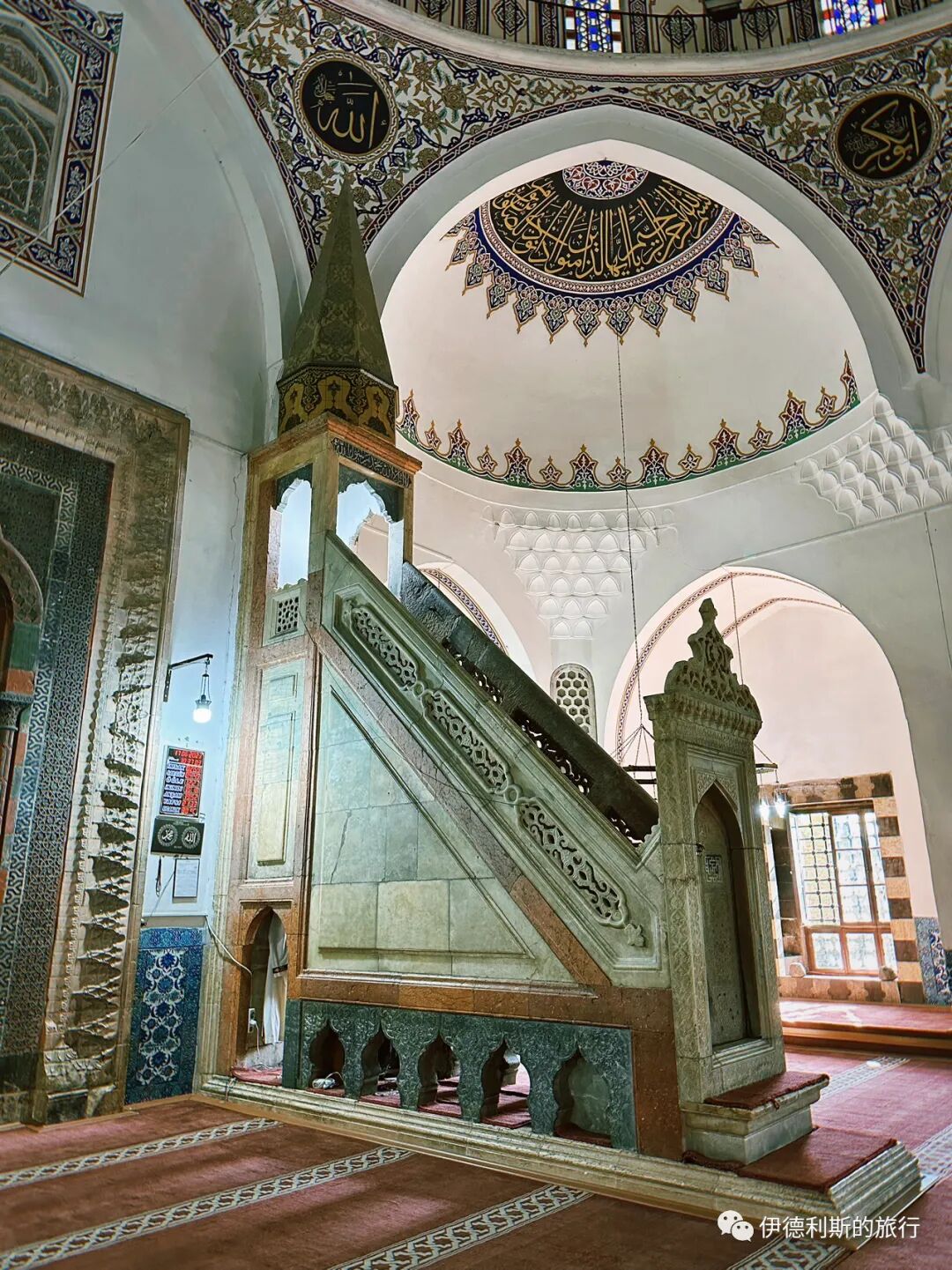
The mosque features the traditional Diyarbakır exterior of alternating black basalt and white limestone, with a beautiful stalactite-style cornice (muqarnas) above the main gate. The main dome of the prayer hall stands 15.9 meters high and rests on eight pointed arches. The interior follows a classic Ottoman style.
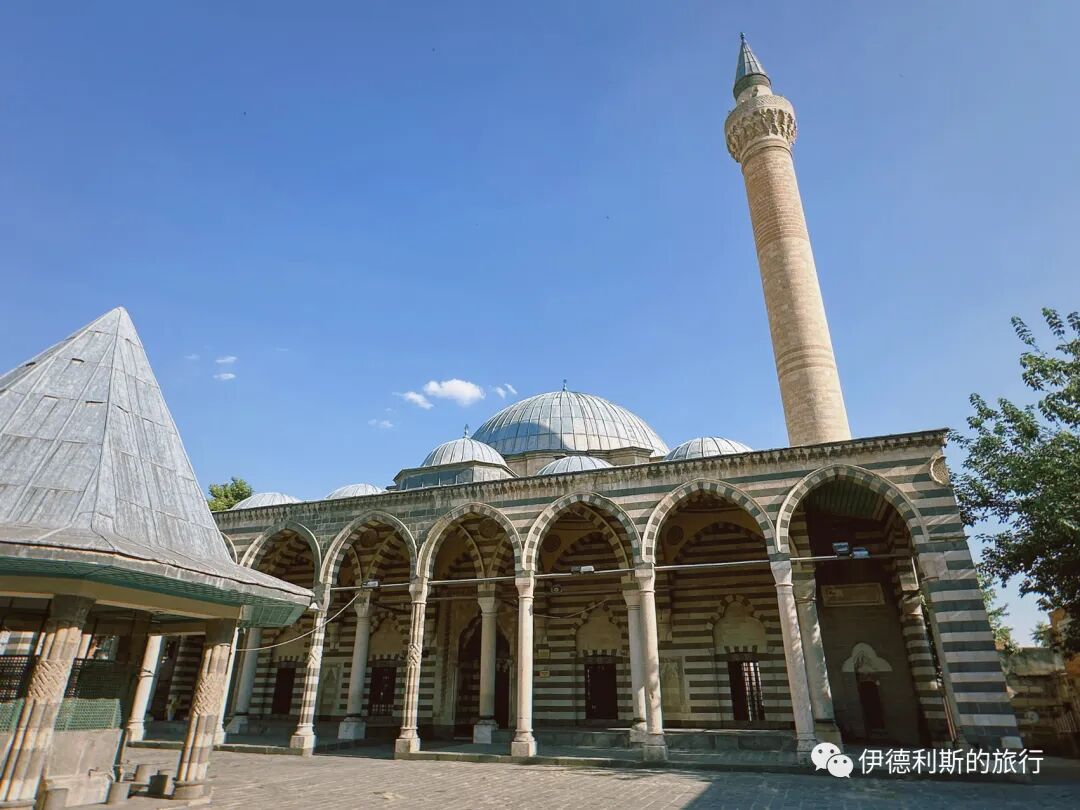
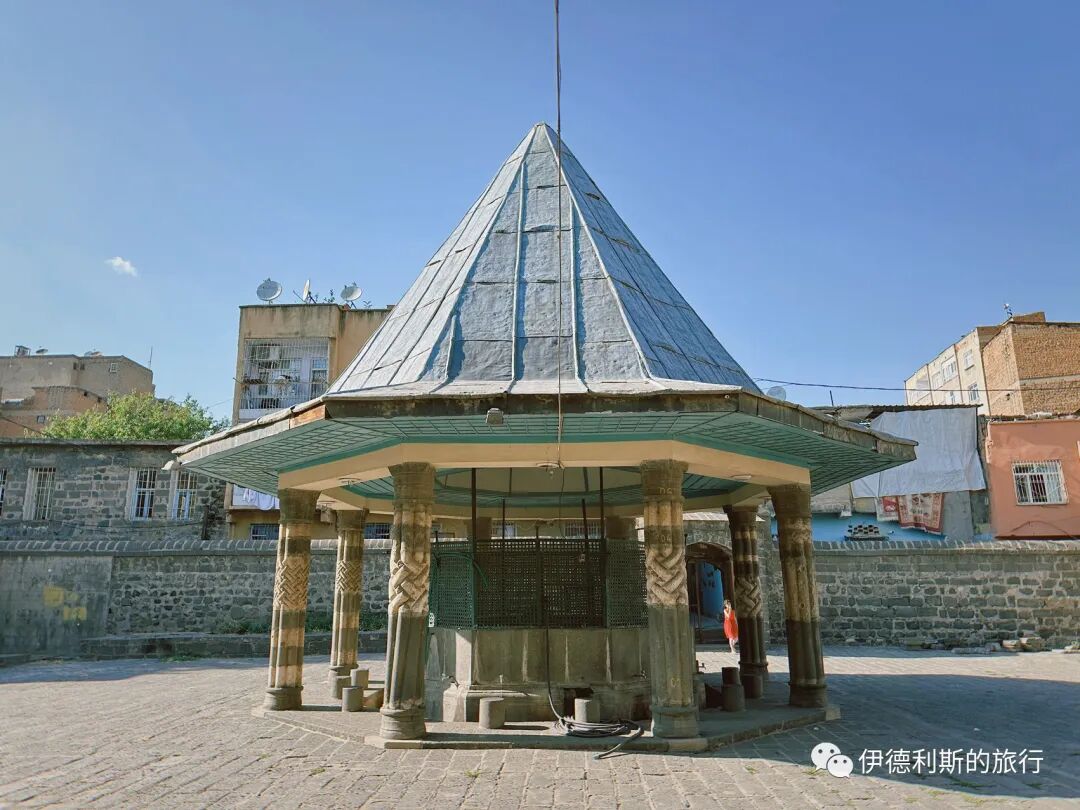
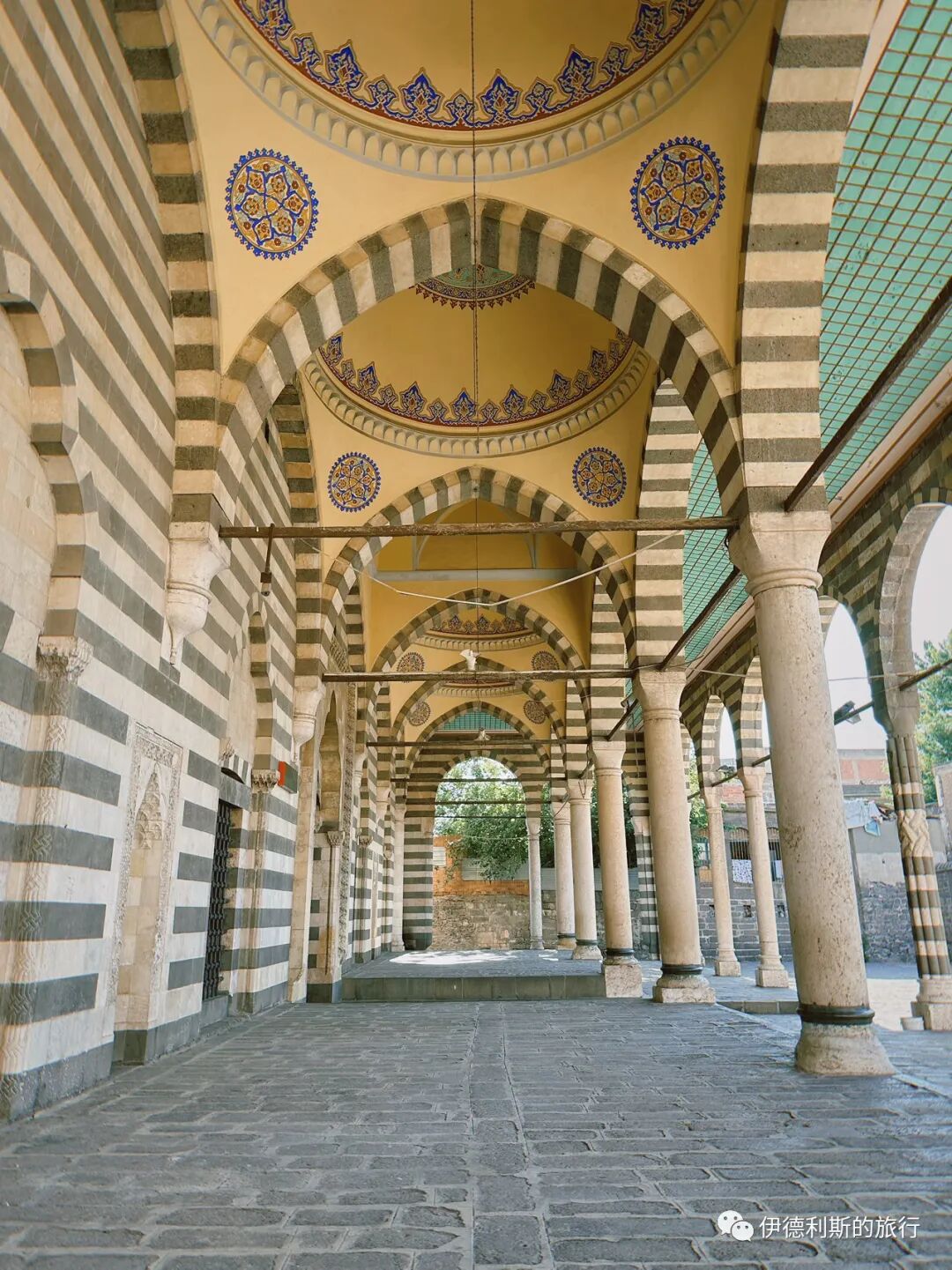
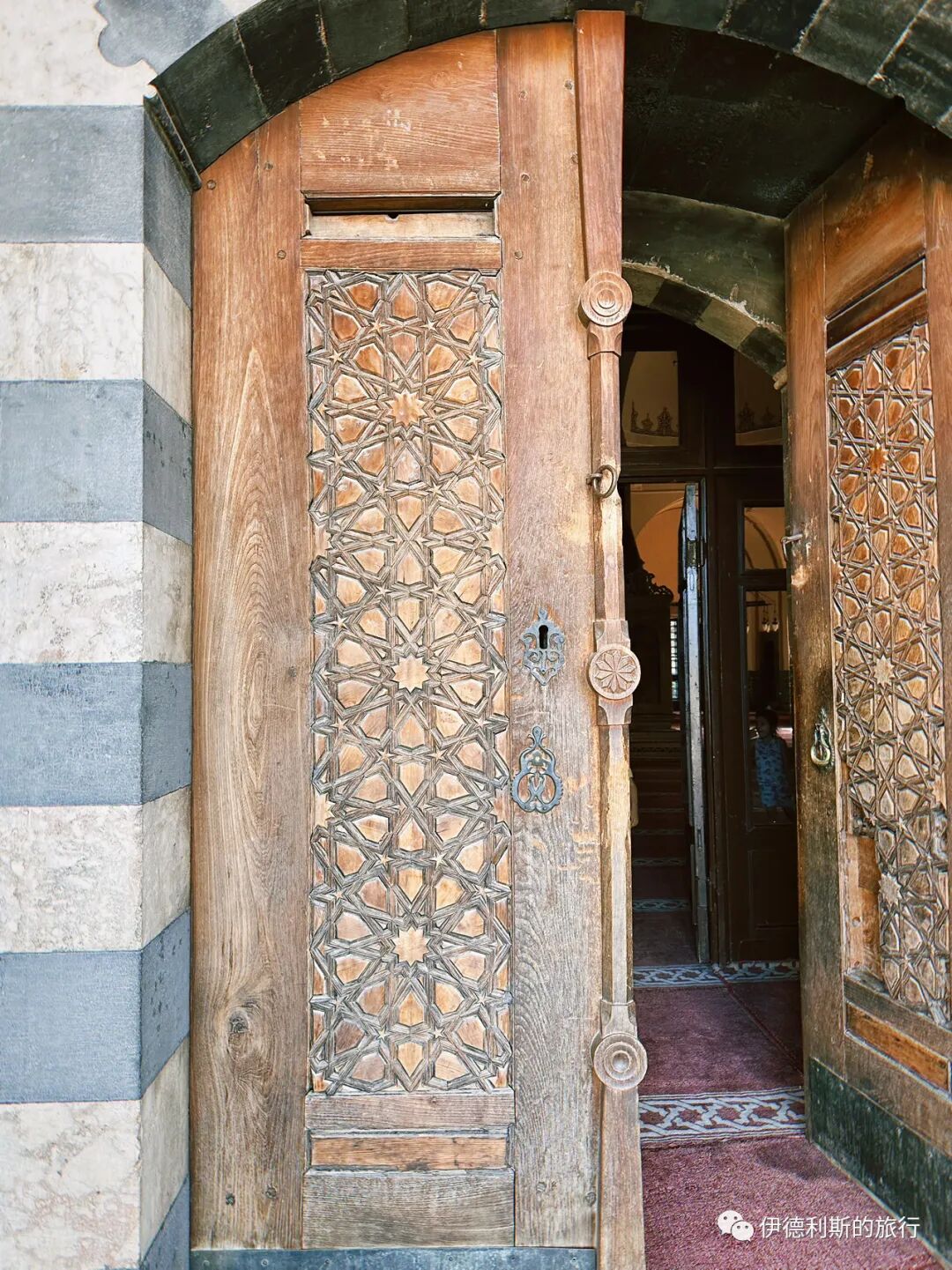
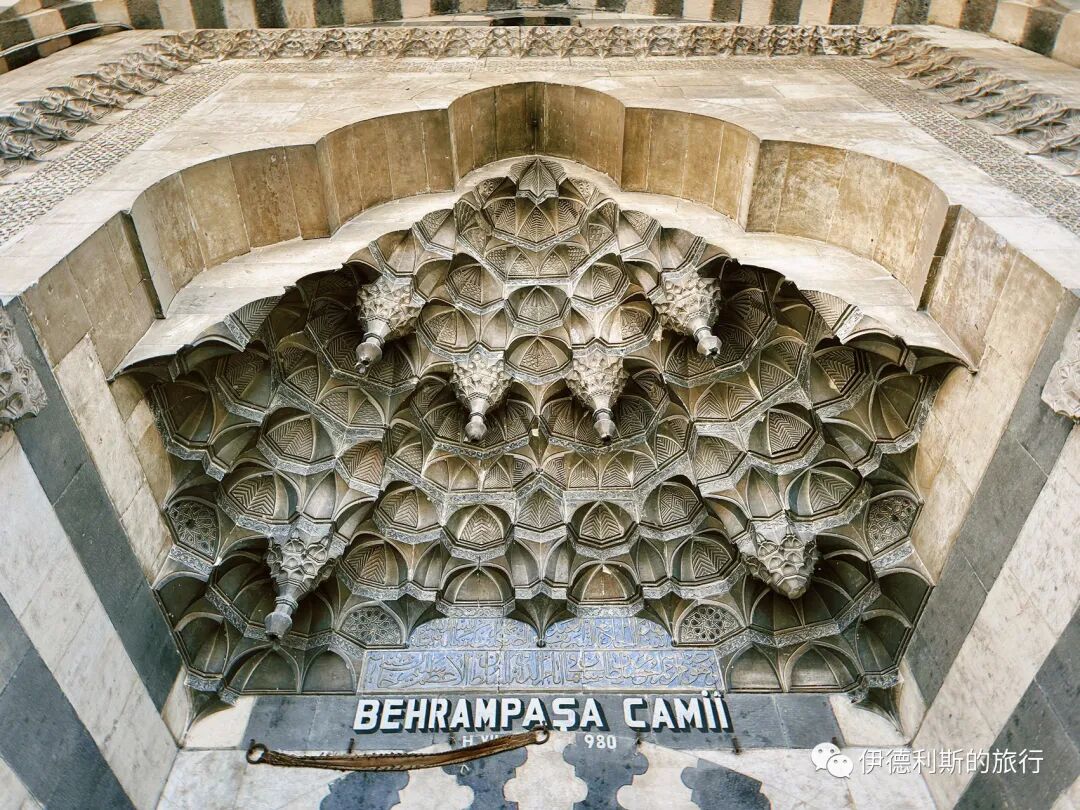
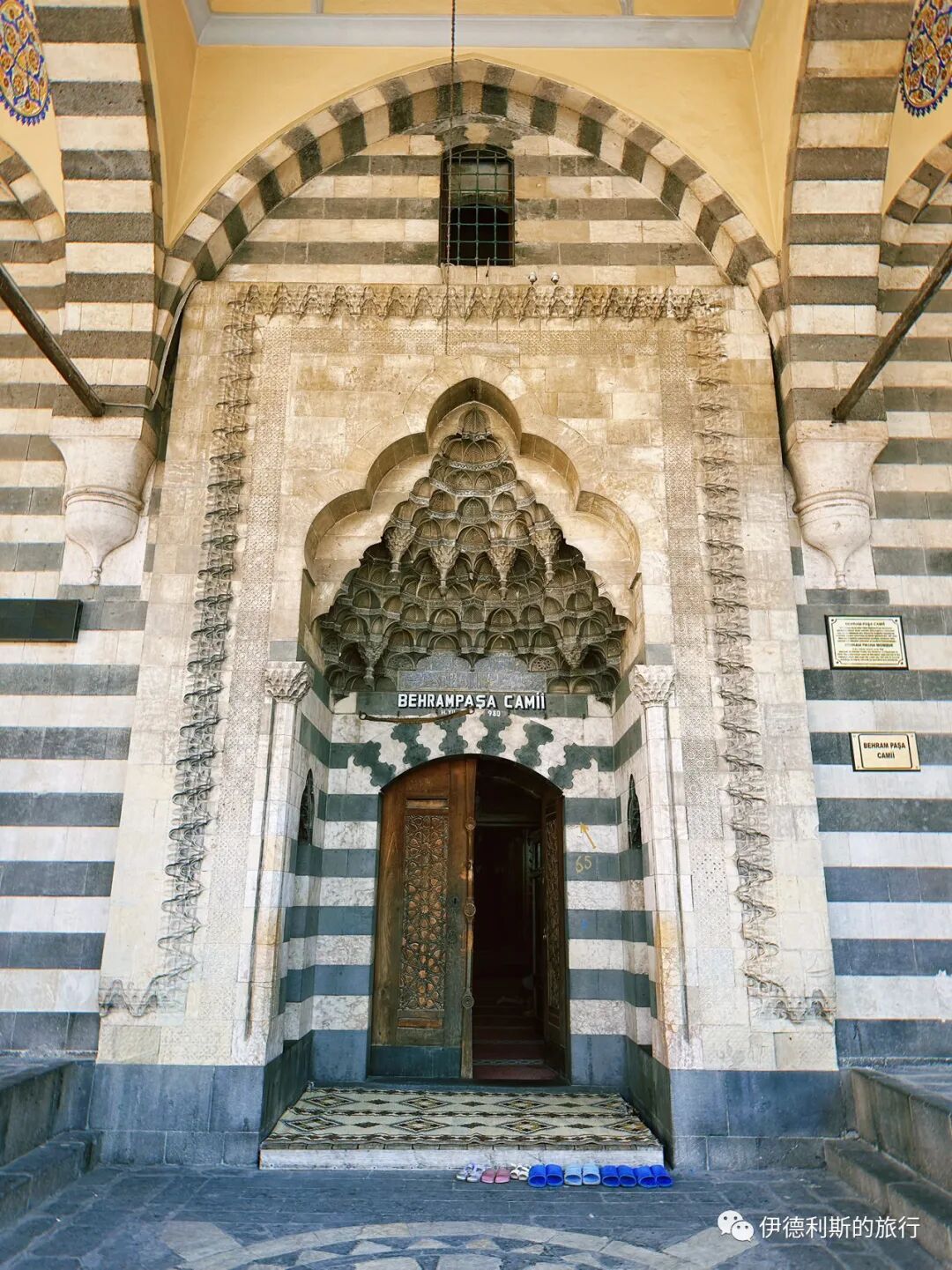
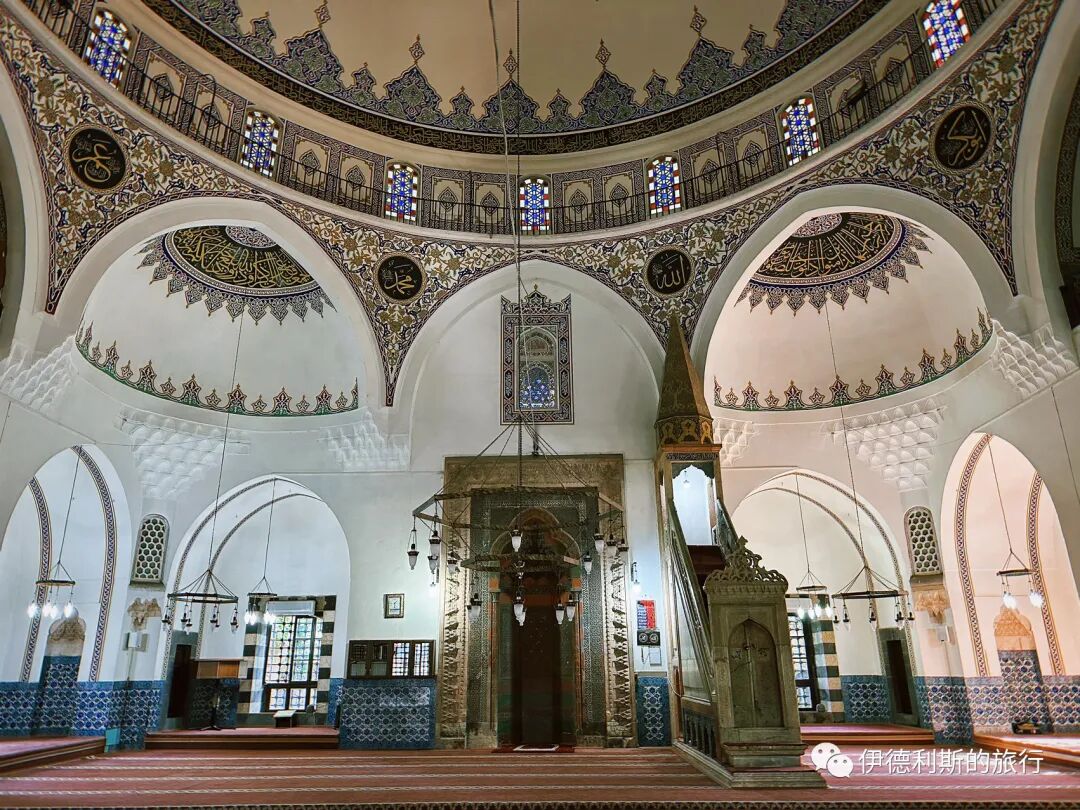
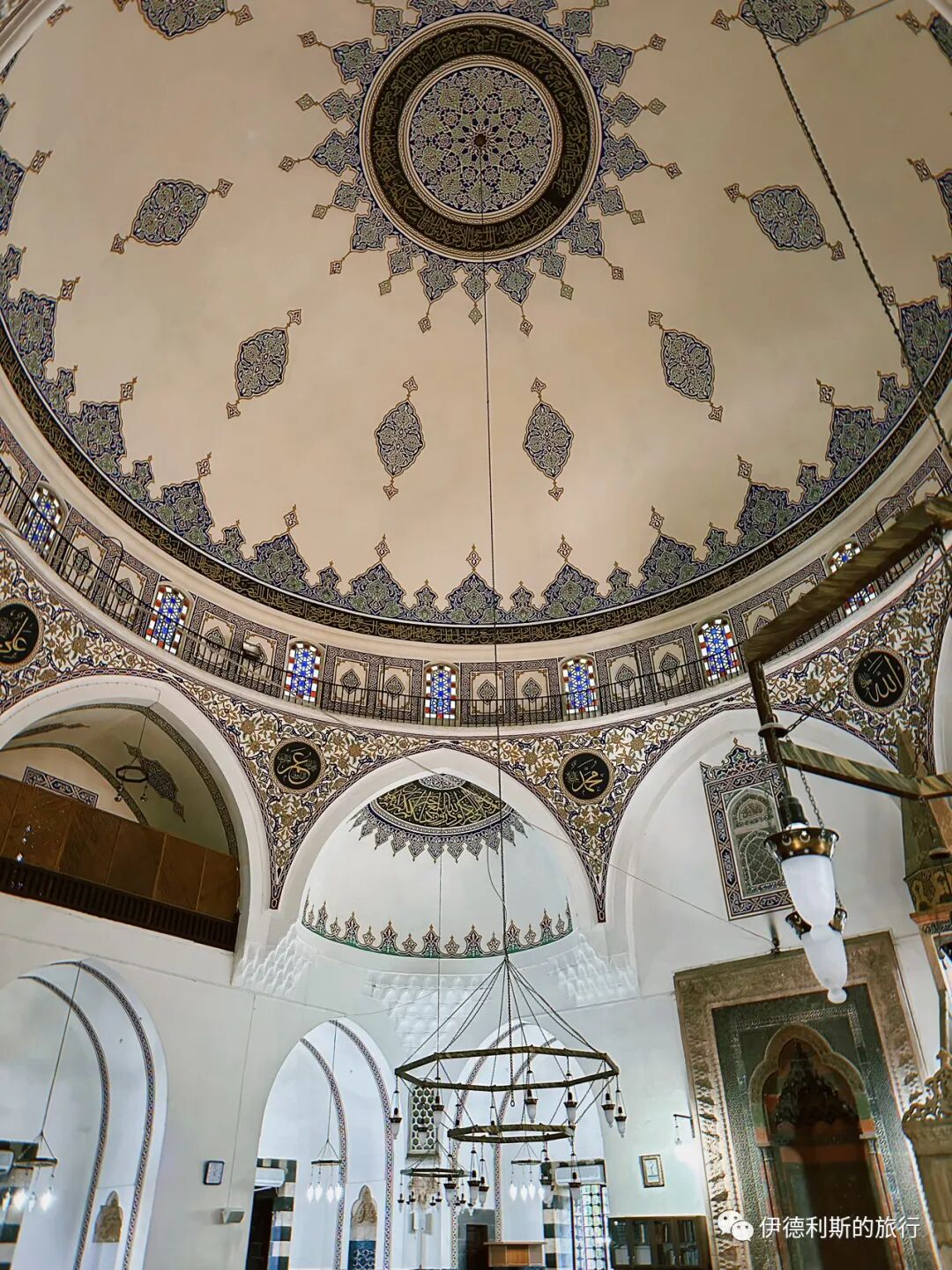
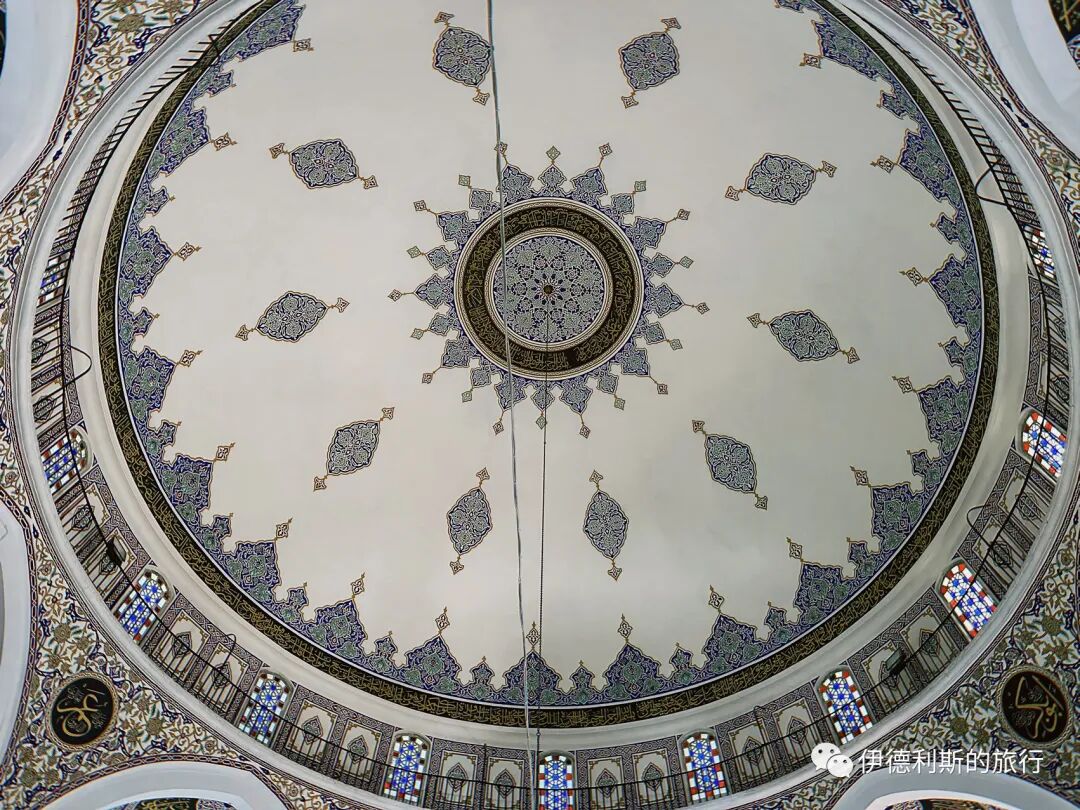
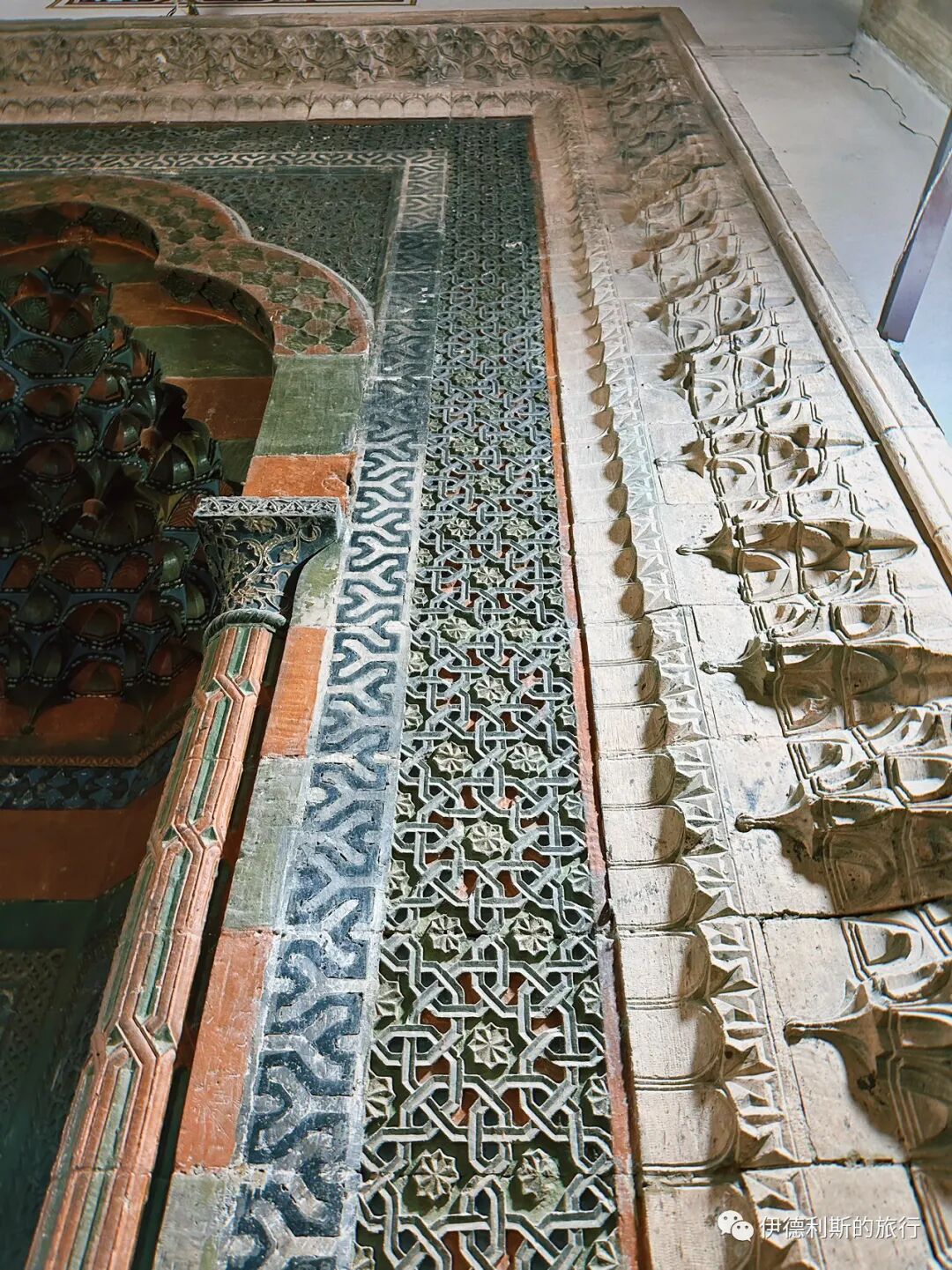
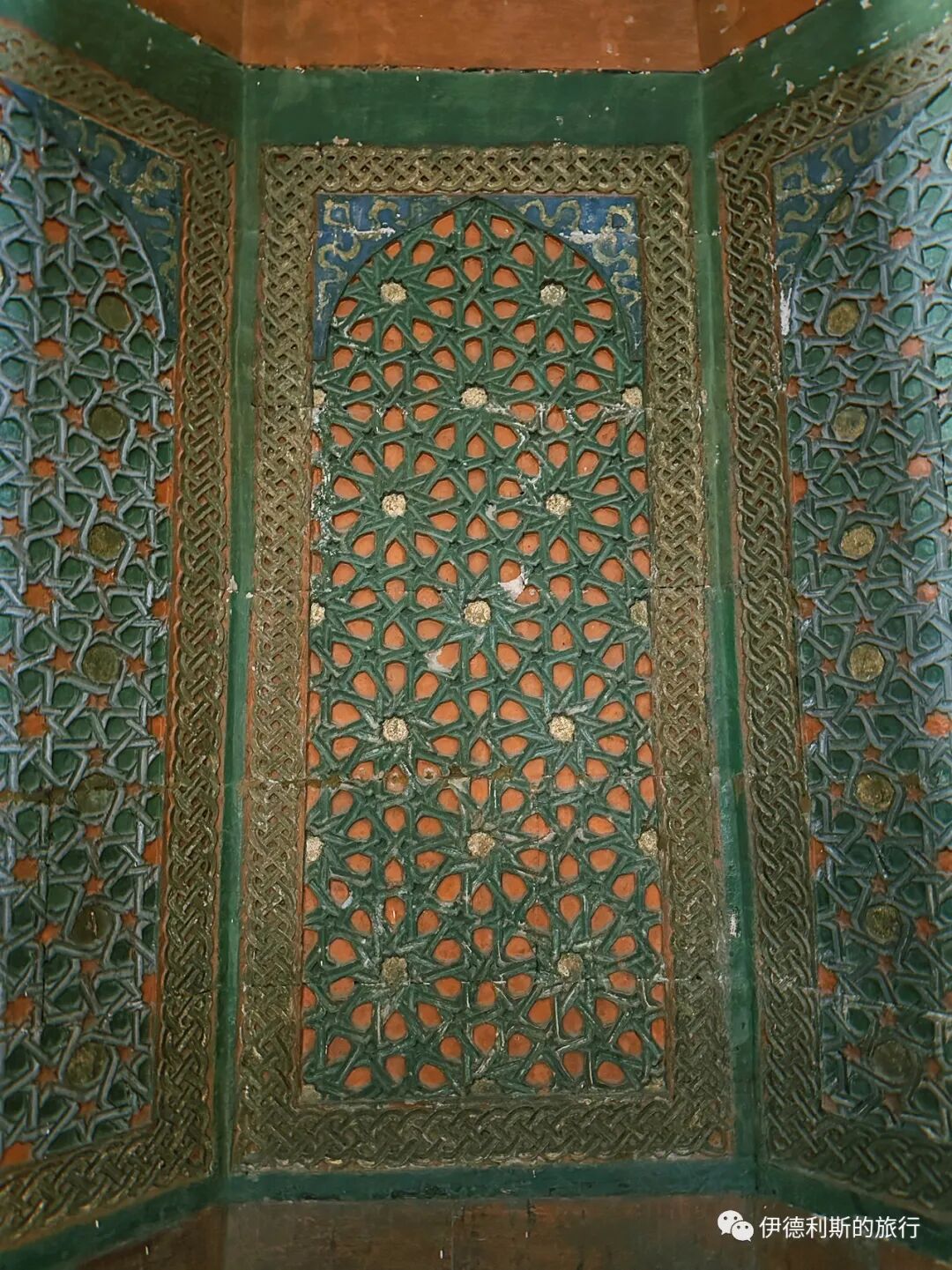
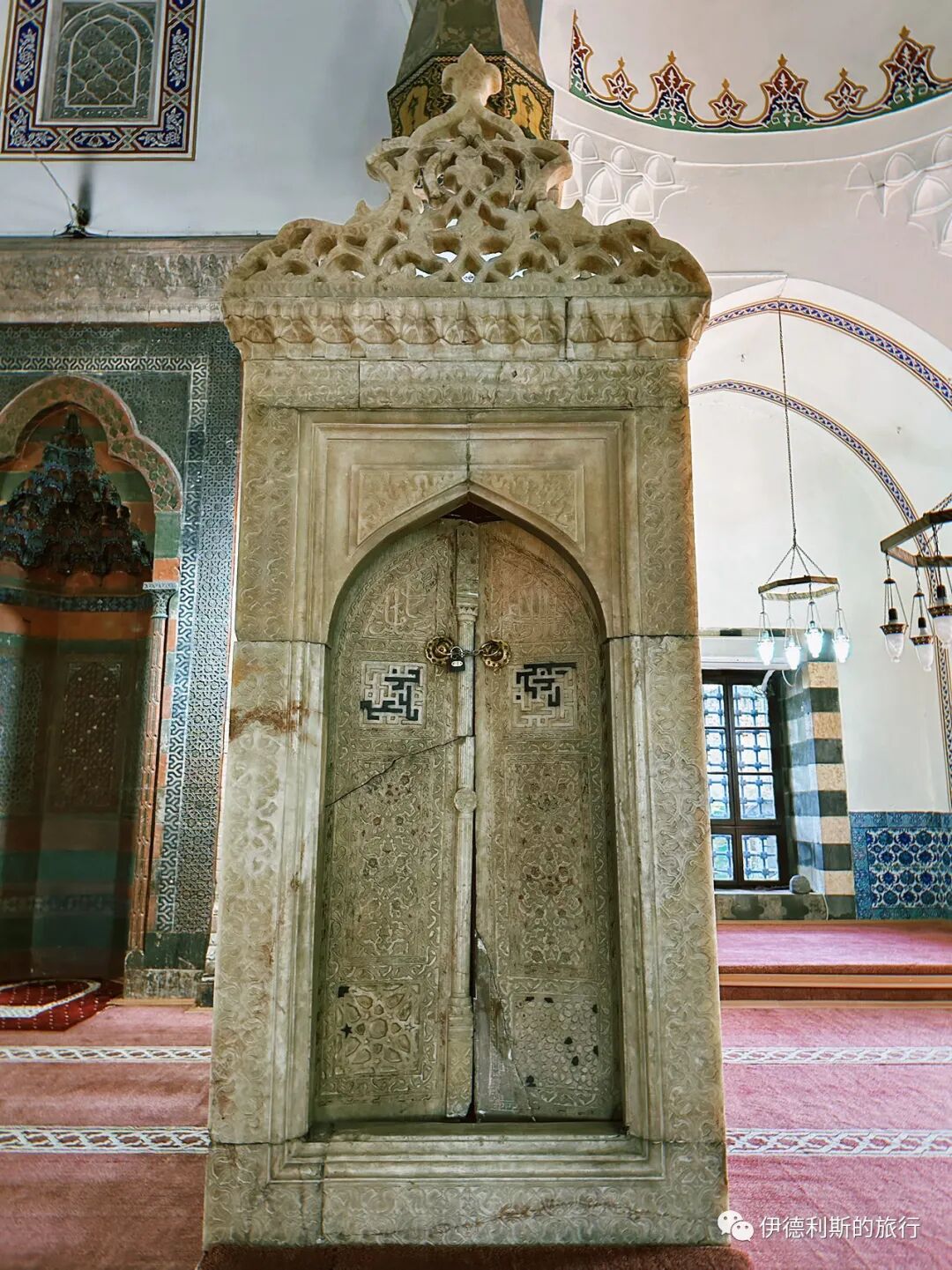
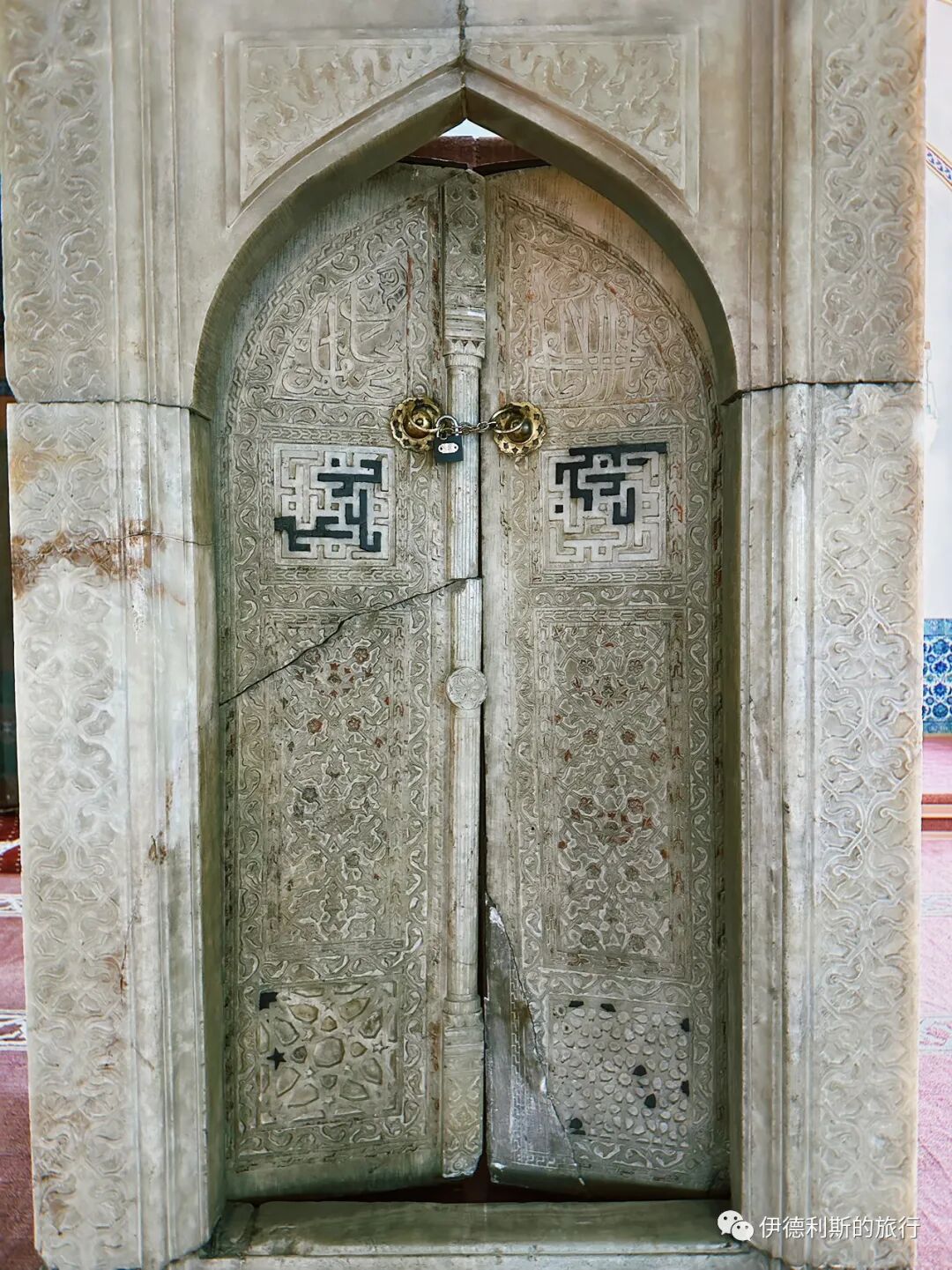
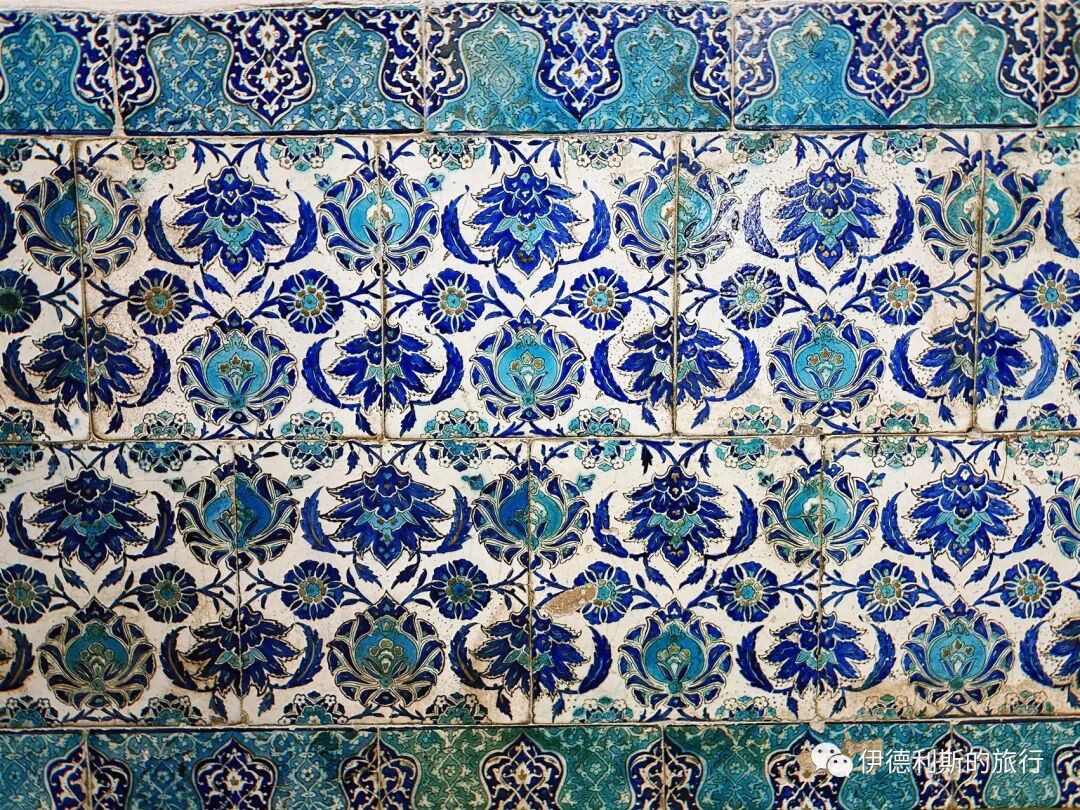
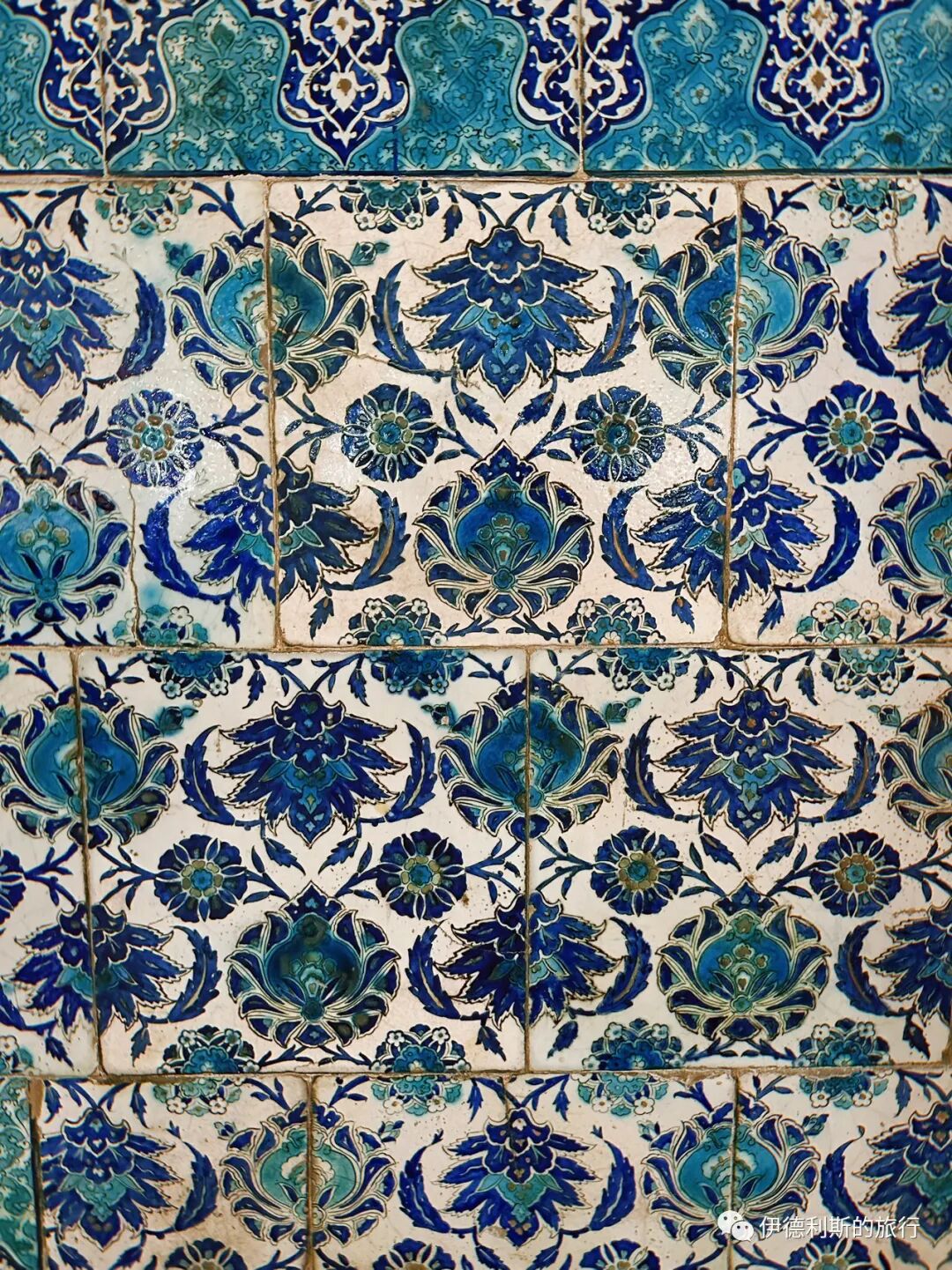
The Behrem Pasha Mosque has a beautiful prayer niche (mihrab) and a pulpit (minbar), with intricate Arabic calligraphy on the minbar door. The prayer hall is decorated with beautiful tiles. Analysis suggests these were fired locally in Diyarbakır, but they are just as fine as the popular Iznik tiles of that time.
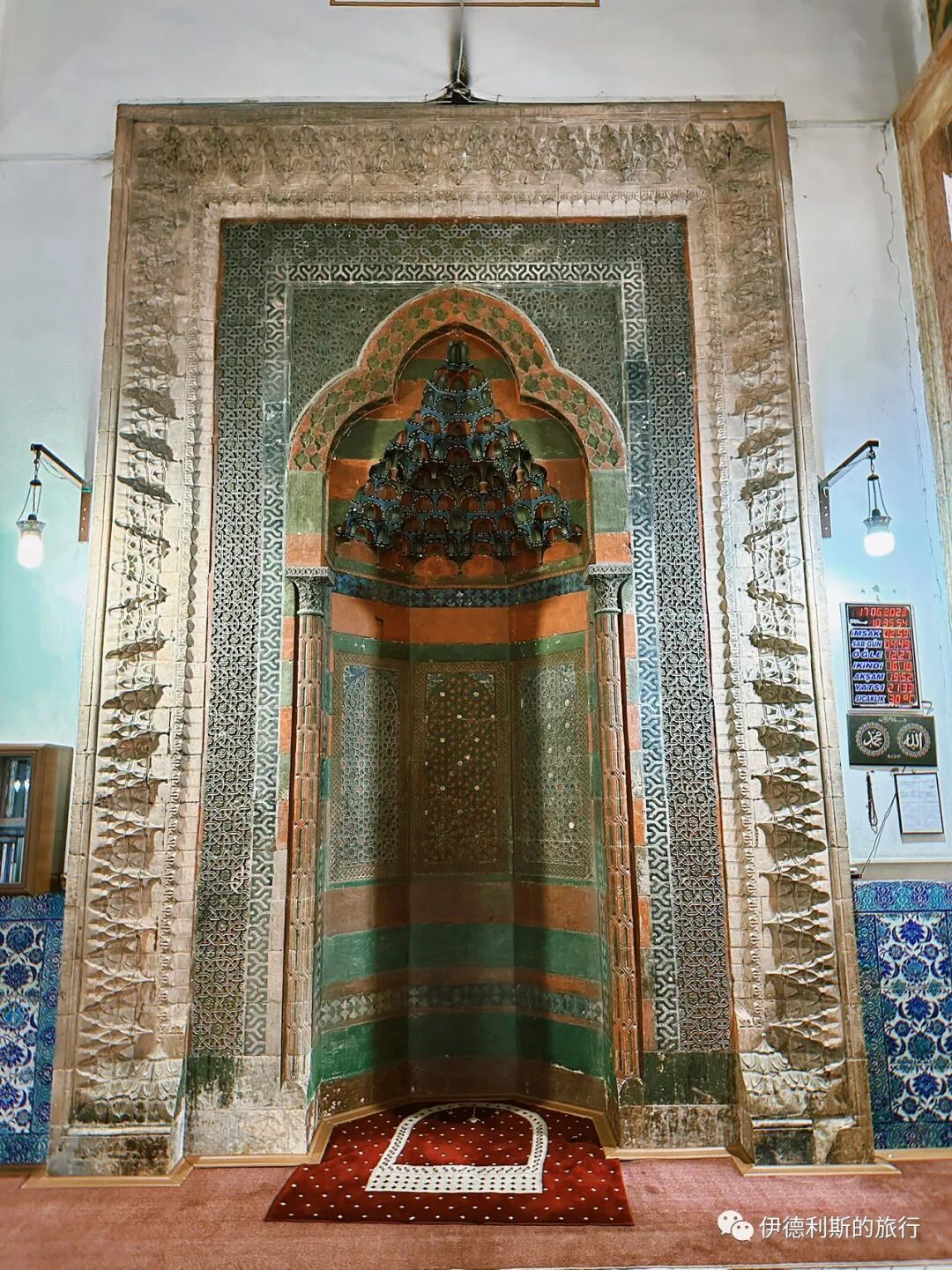
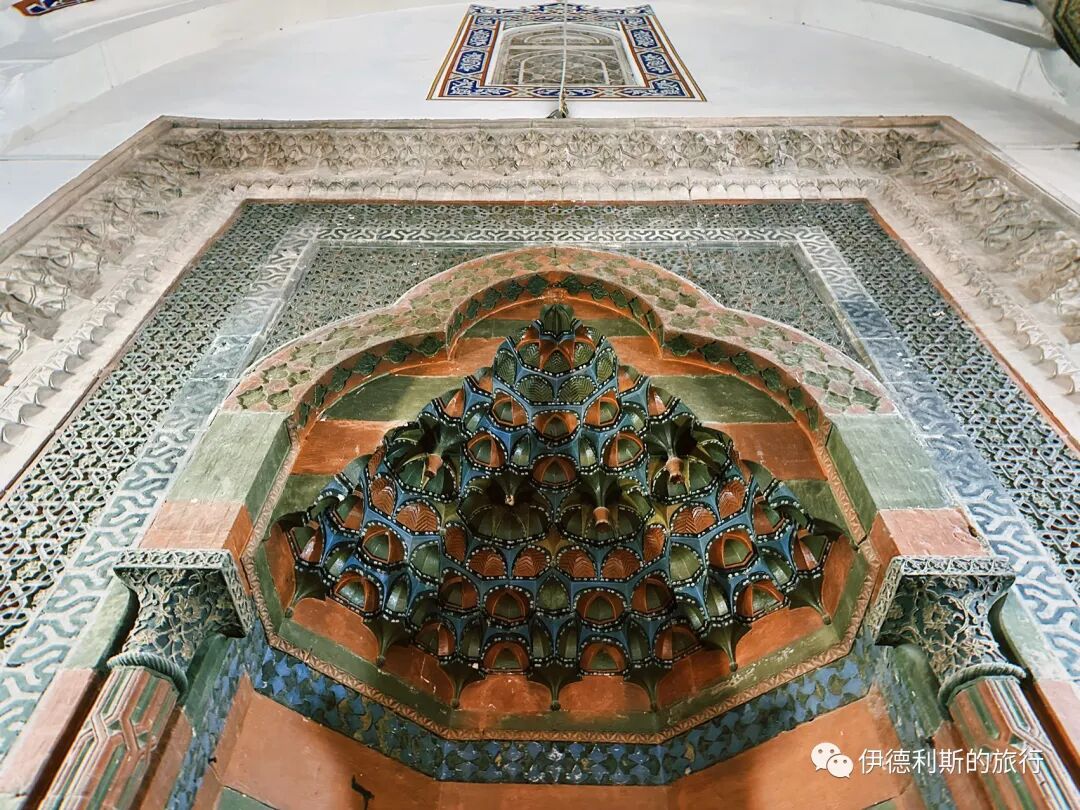
Cemil Pasha Mansion: 1888-1902.
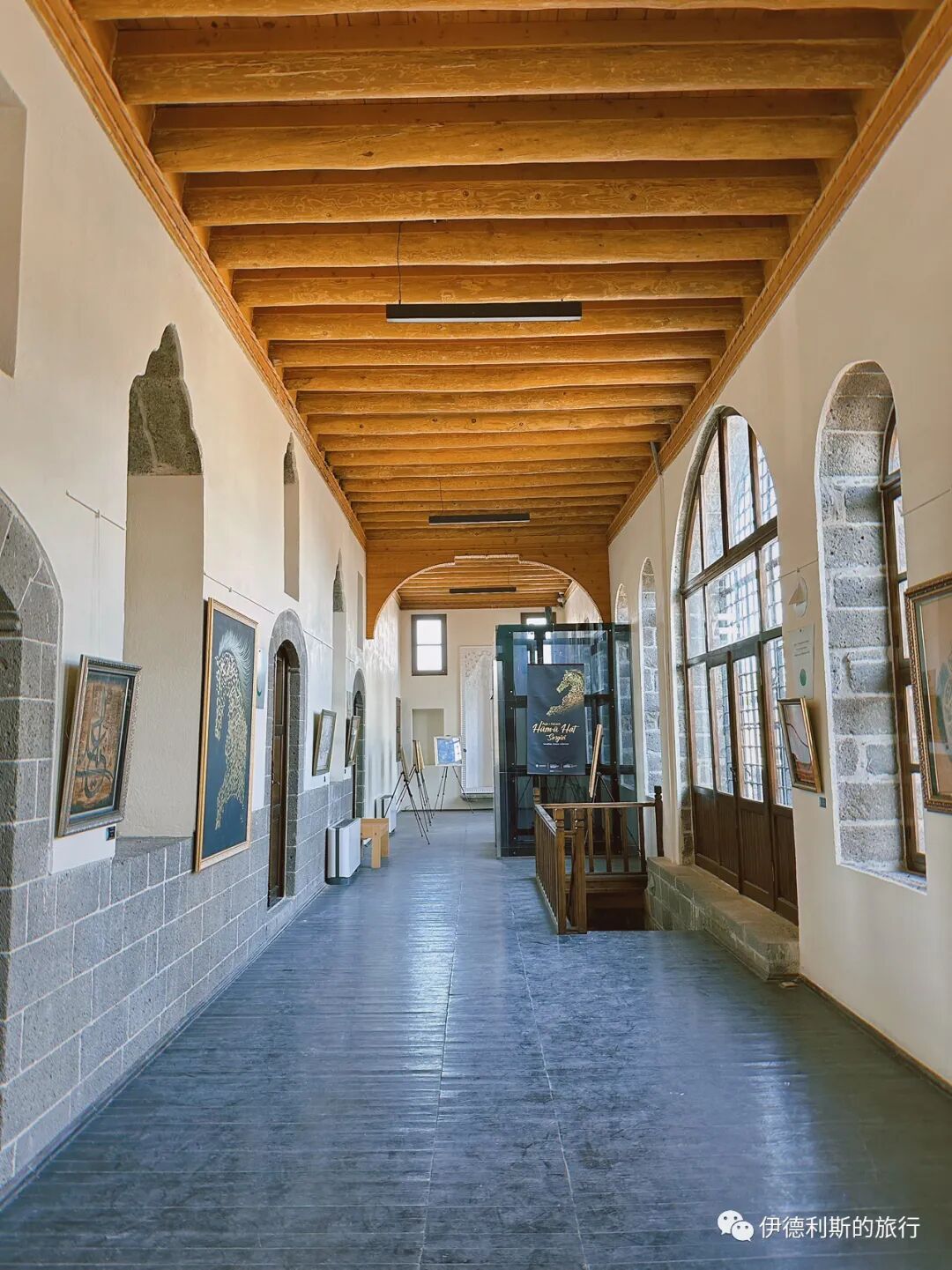
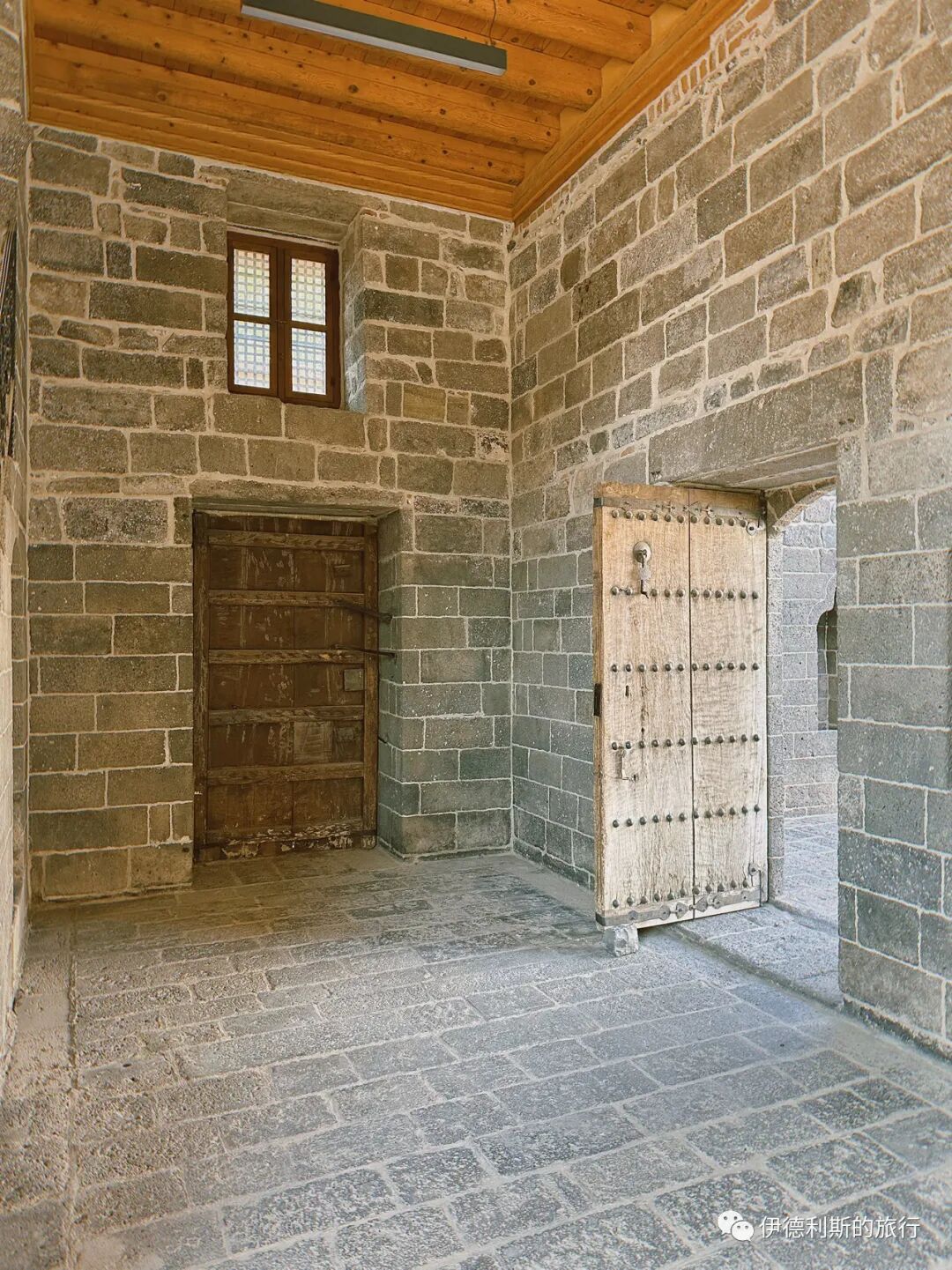
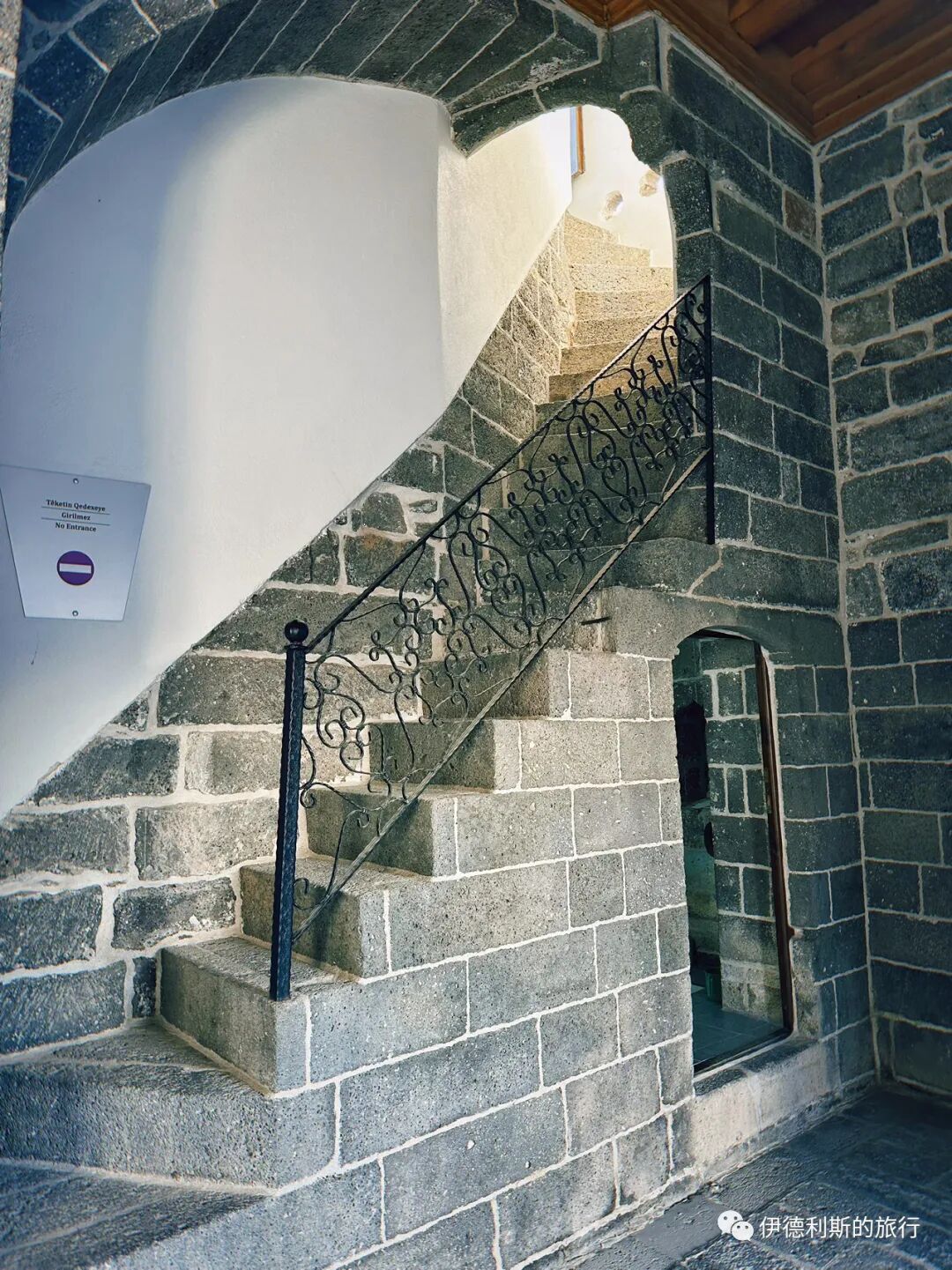
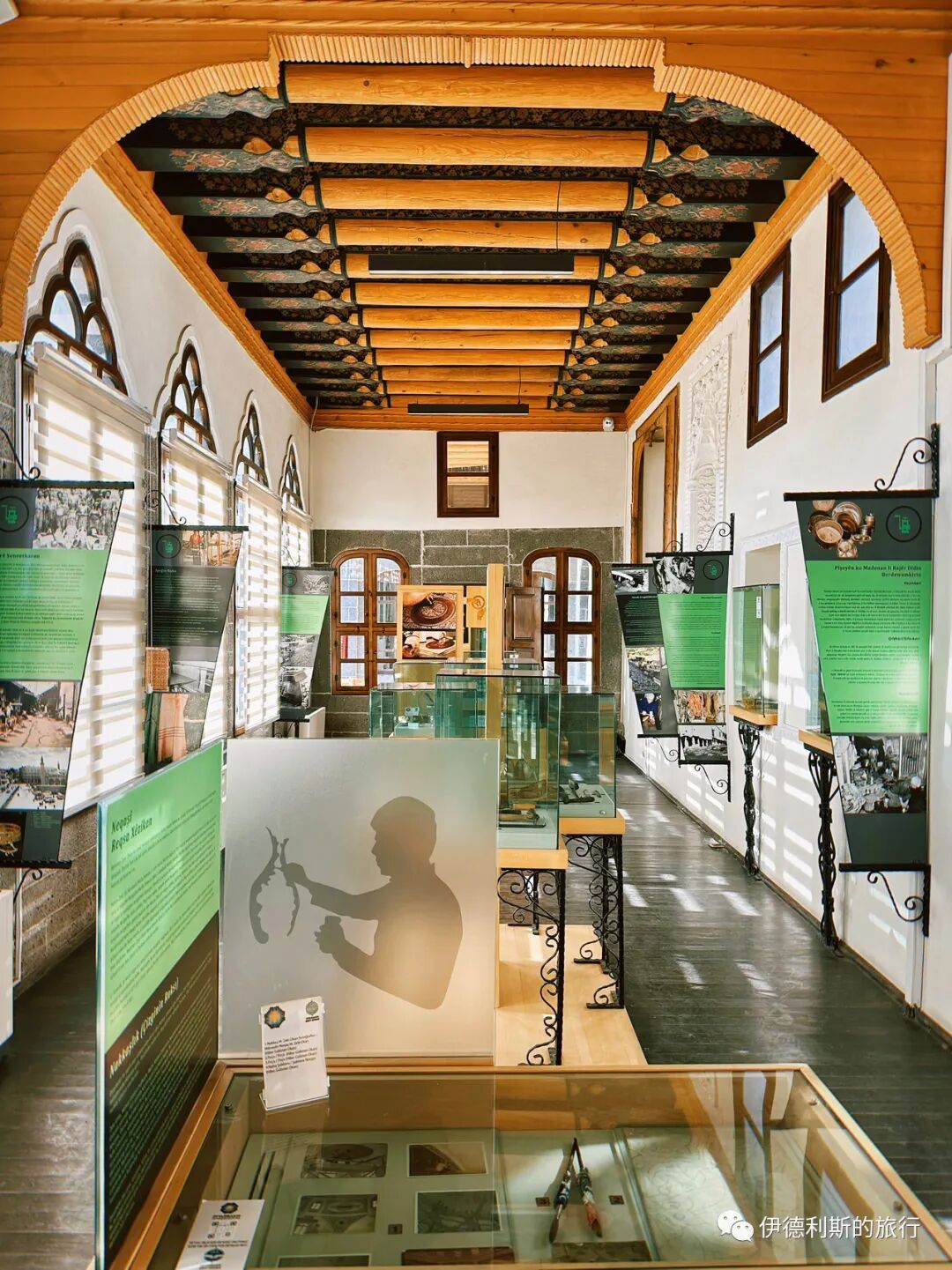
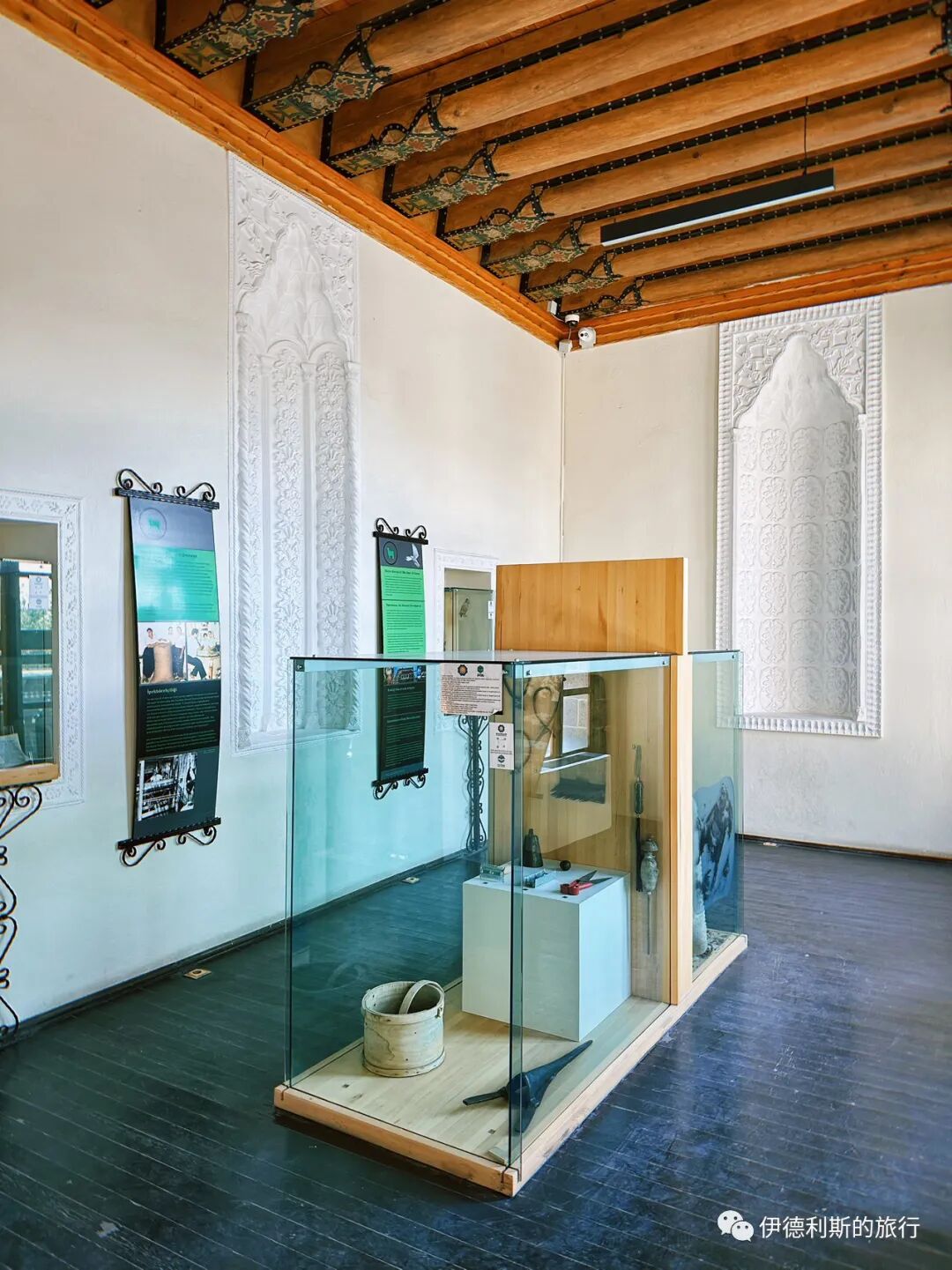
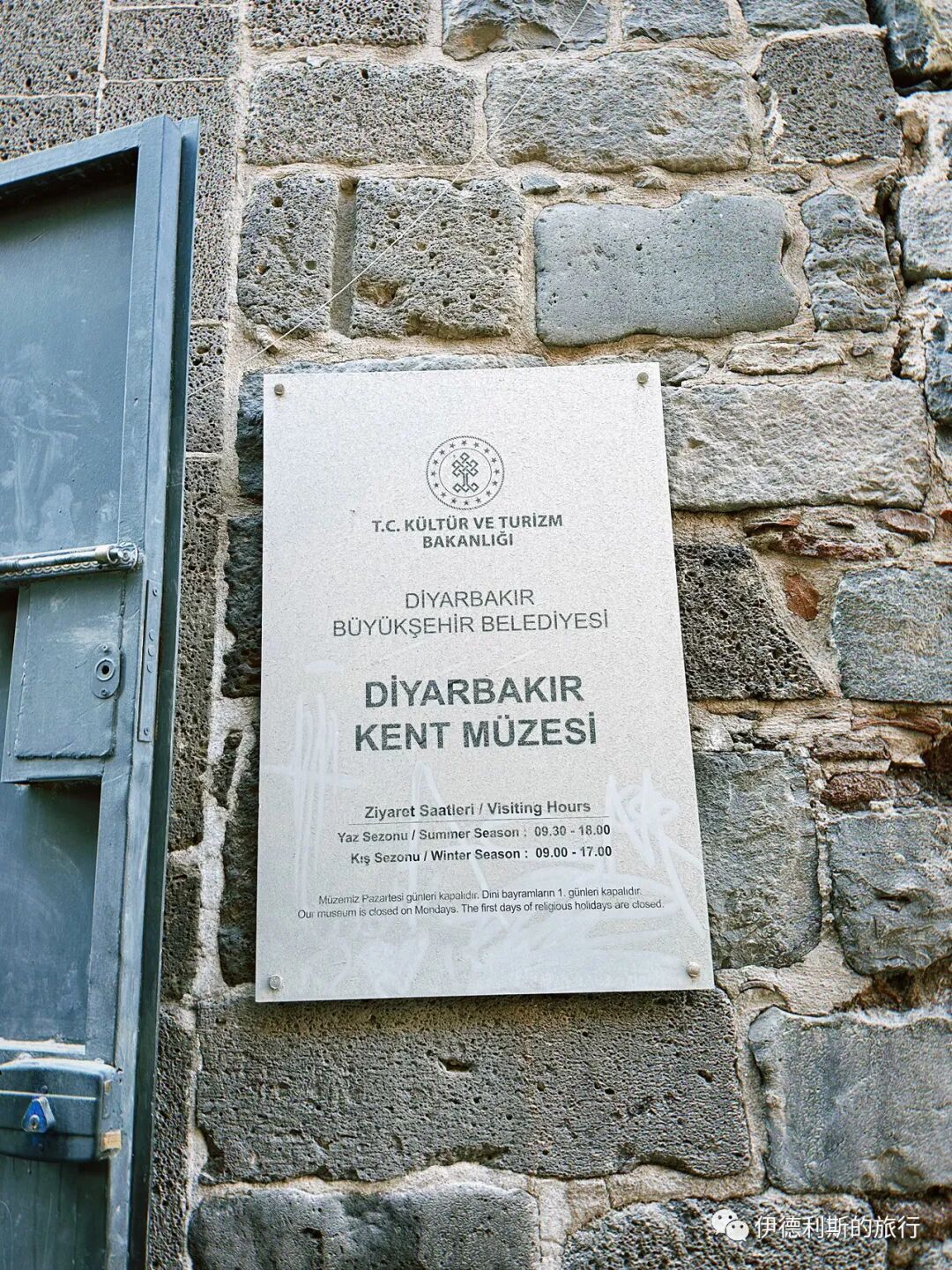
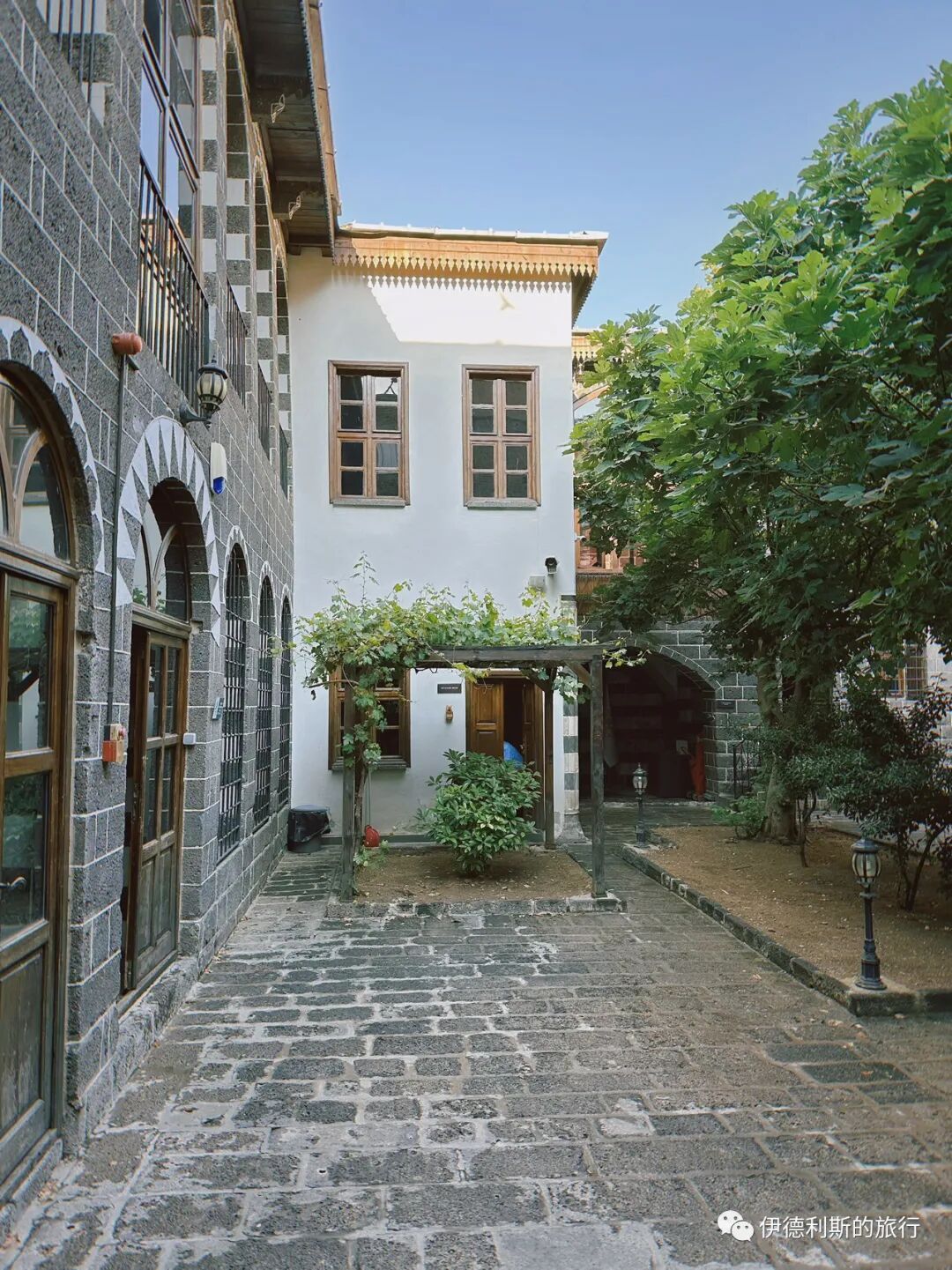
Continue south to reach the Cemil Pasha Mansion (Cemil Paşa Konağı), the best-preserved mansion in Diyarbakır, which now serves as the Diyarbakır City Museum.
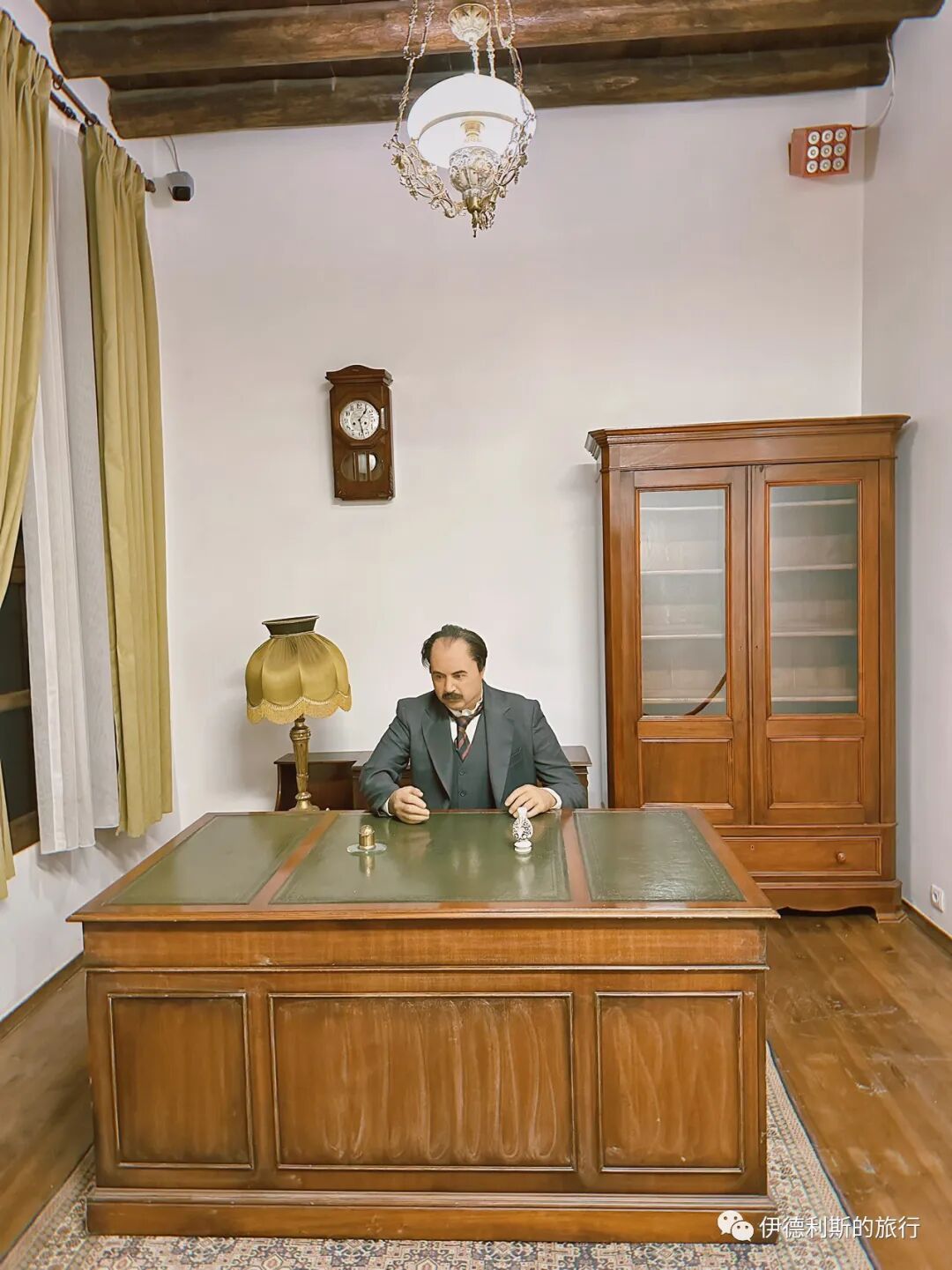
Cemil Pasha served as the Ottoman governor of Yemen and Siirt. He built this mansion between 1888 and 1902 and lived there until 1927. In 2012, the Diyarbakır municipal government reached an agreement with the descendants of Cemil Pasha to restore the mansion, and it officially opened as a city museum in 2014.
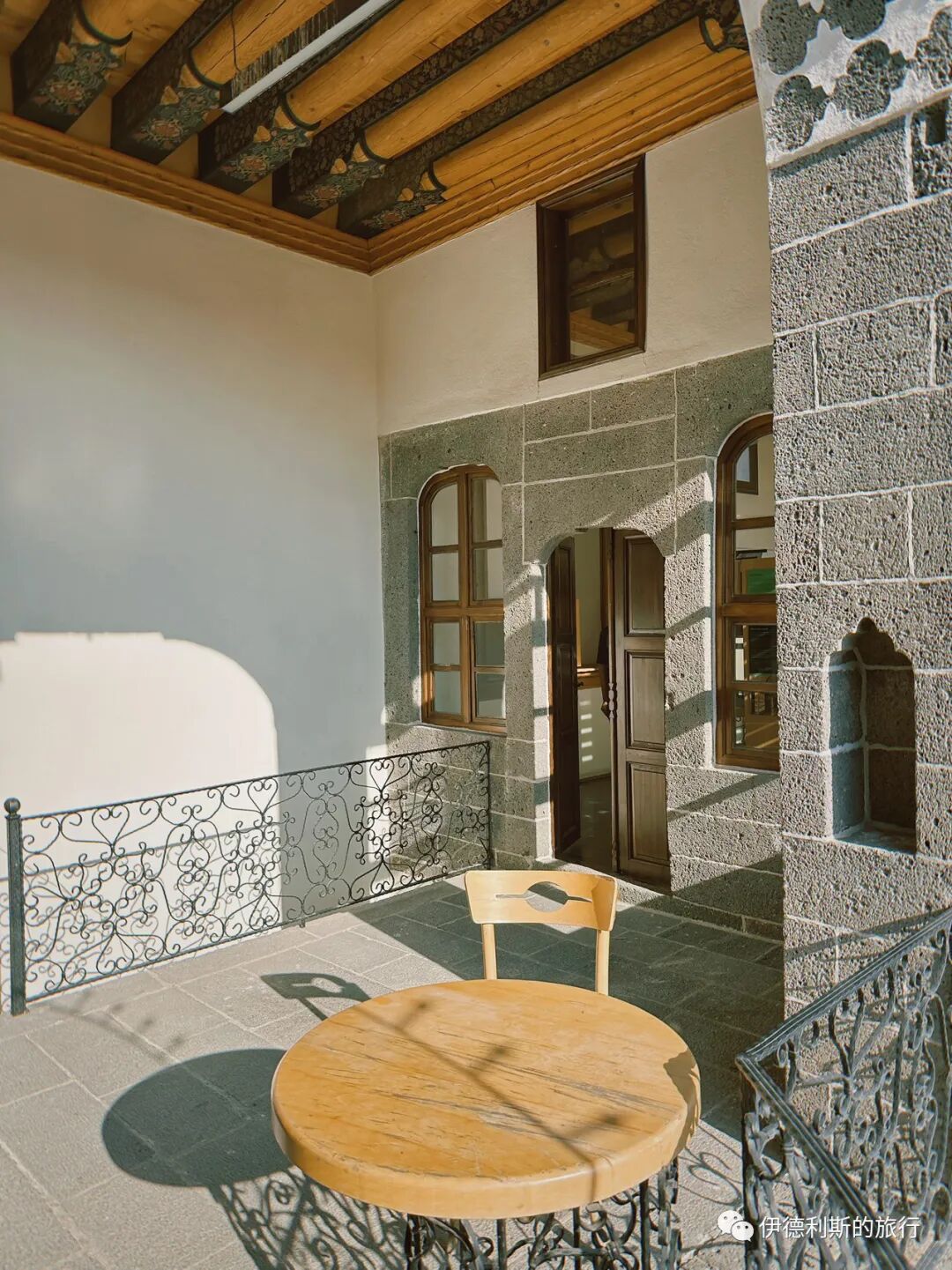
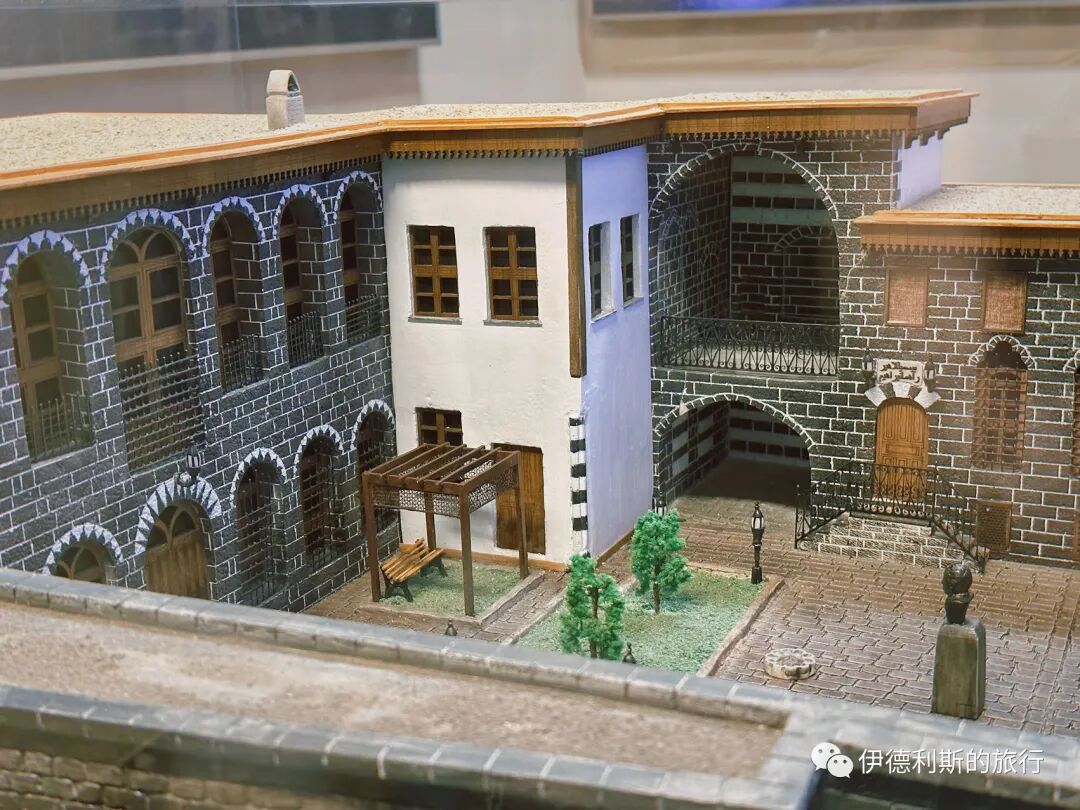
The Cemil Pasha Mansion consists of two large courtyards. One is the private family area known as the harem (harem), and the other is the public area for receiving guests and business known as the reception hall (selamlık). This layout was standard for the mansions of high-ranking Ottoman officials. The north side of the harem served as winter quarters to catch the sun, while the south side served as summer quarters to stay in the shade. The selamlık includes stables, servant rooms, reception rooms, a coffee room, and a water pool.
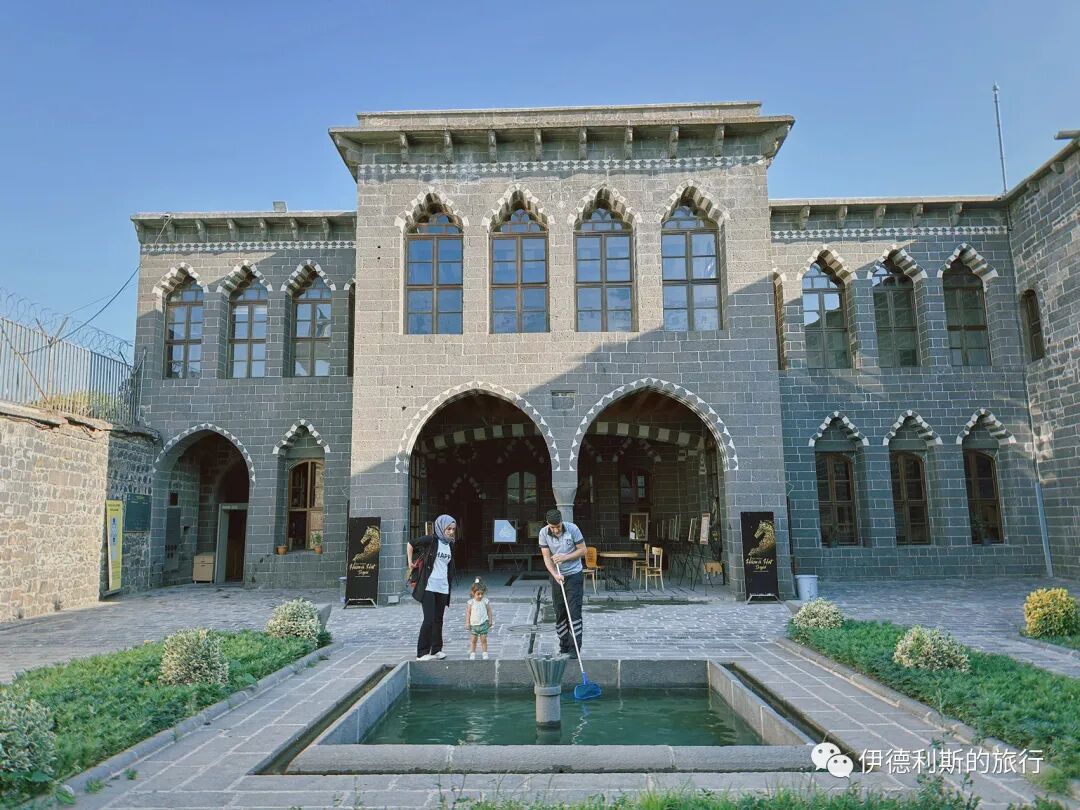
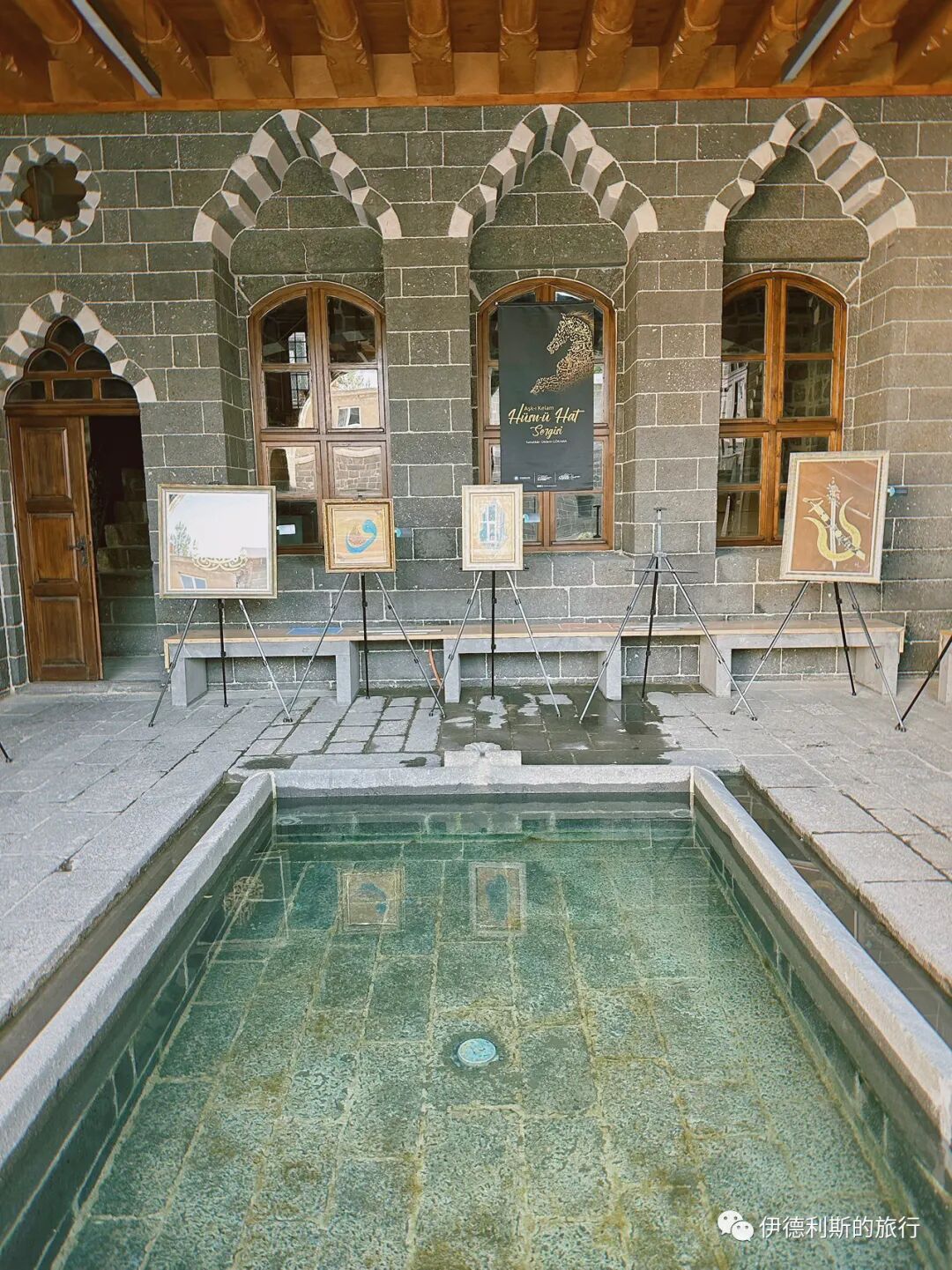
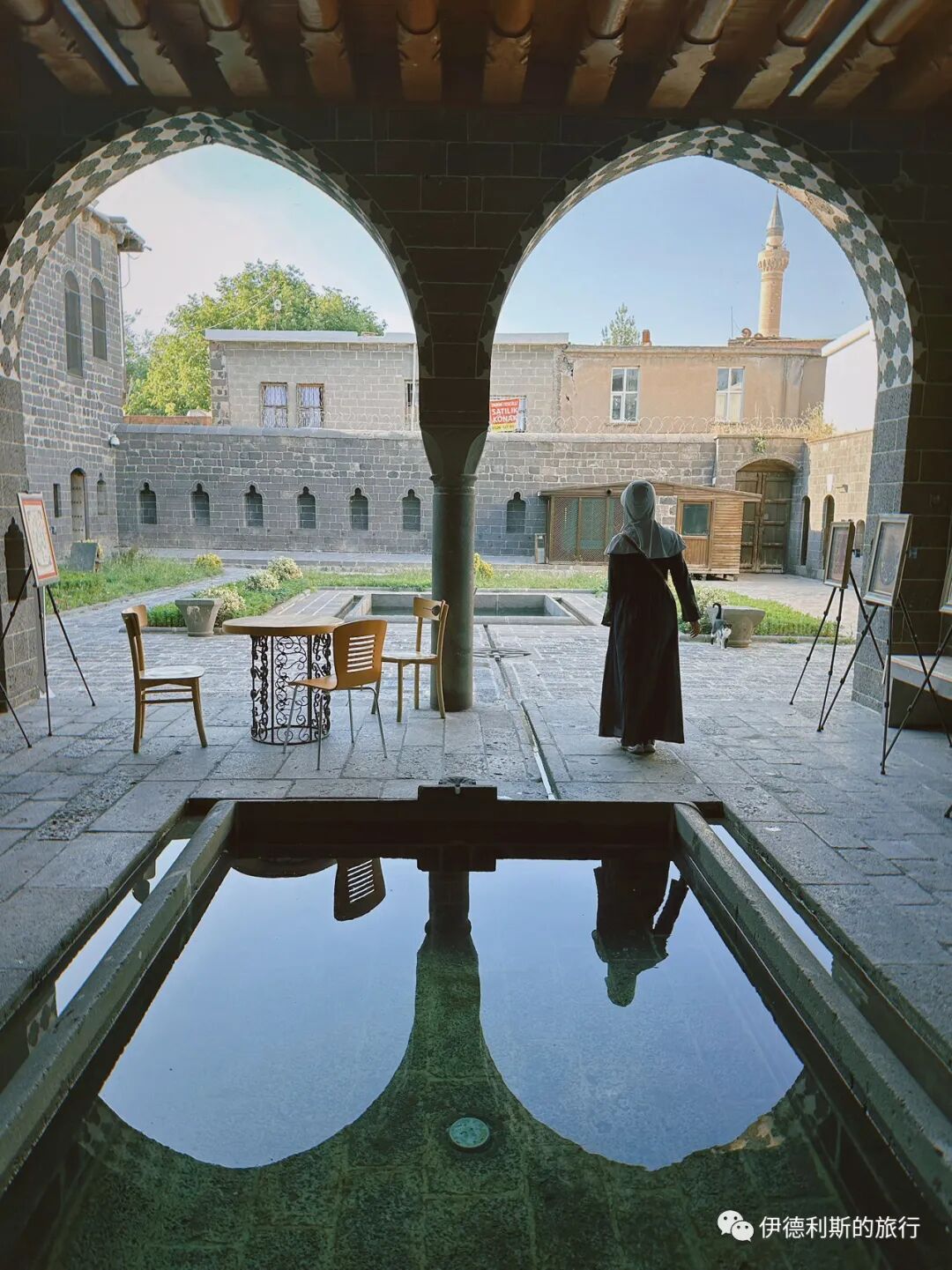
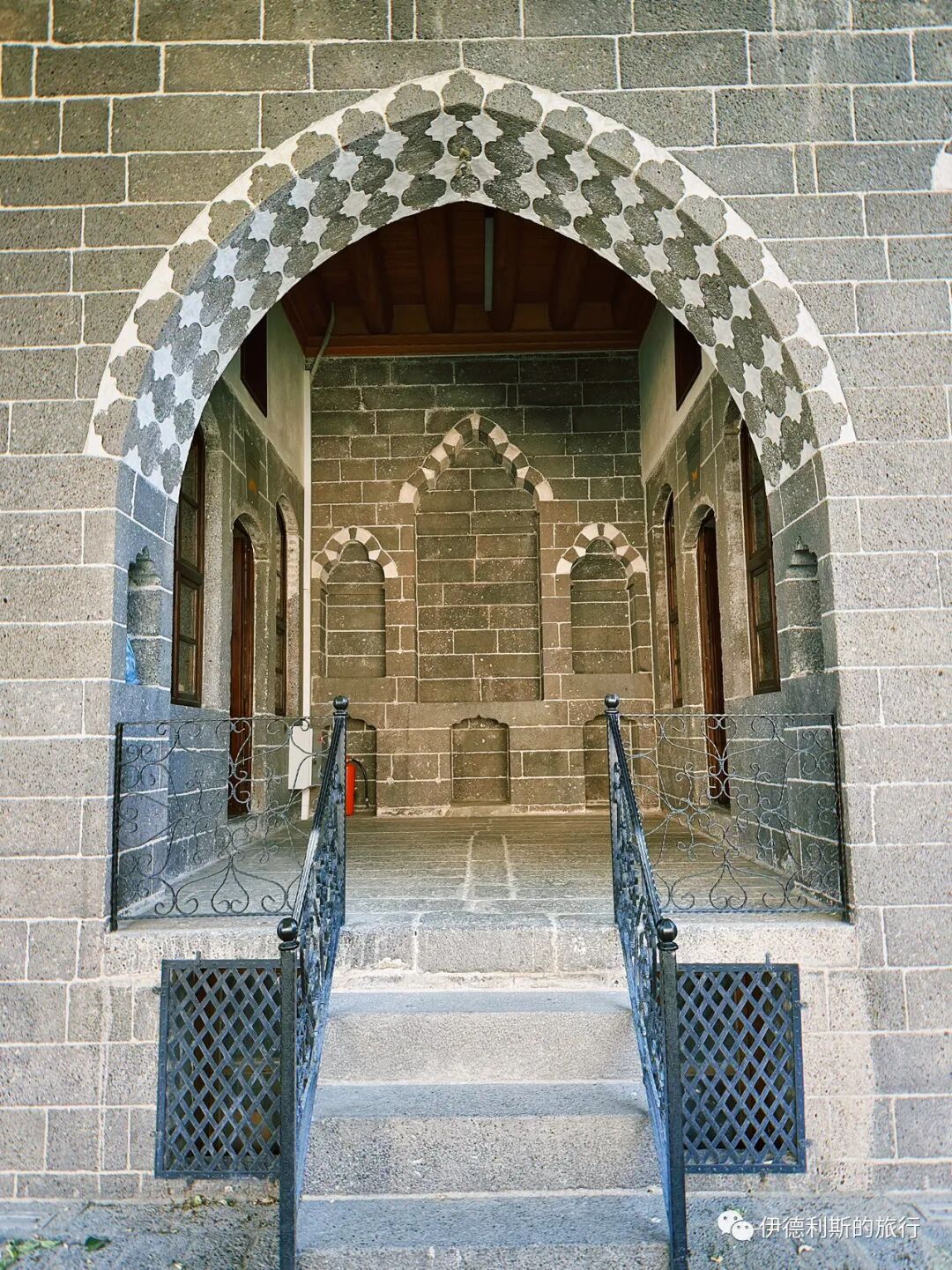
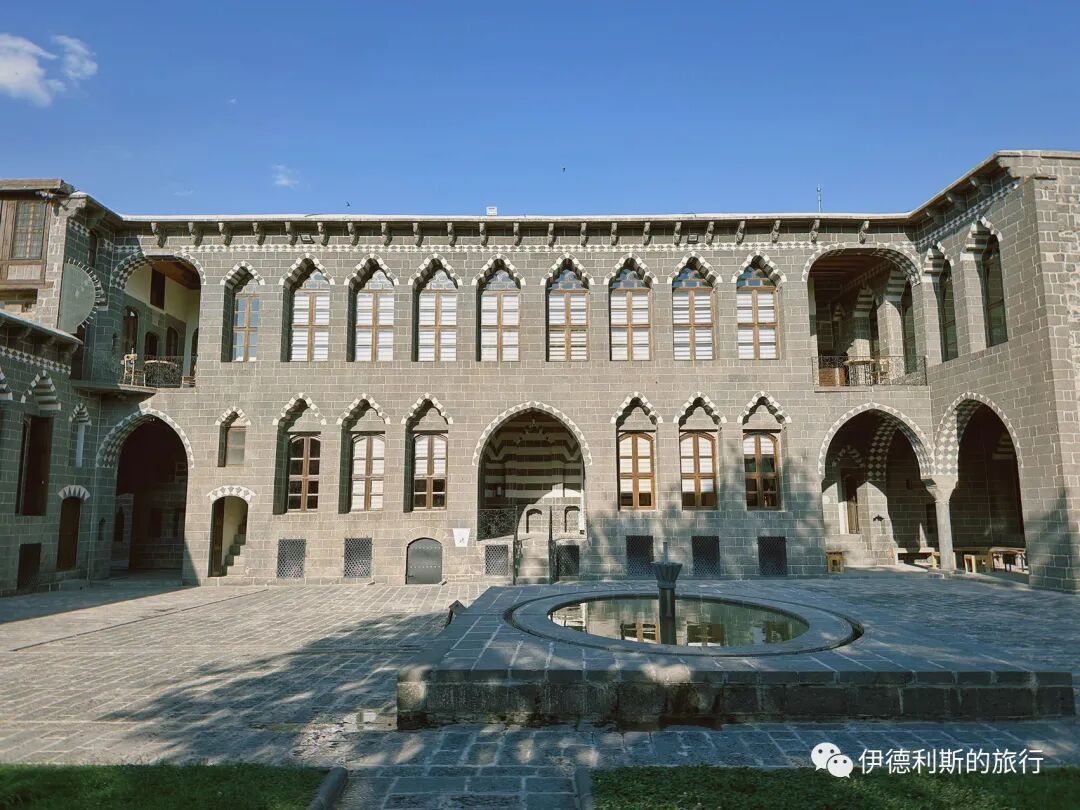
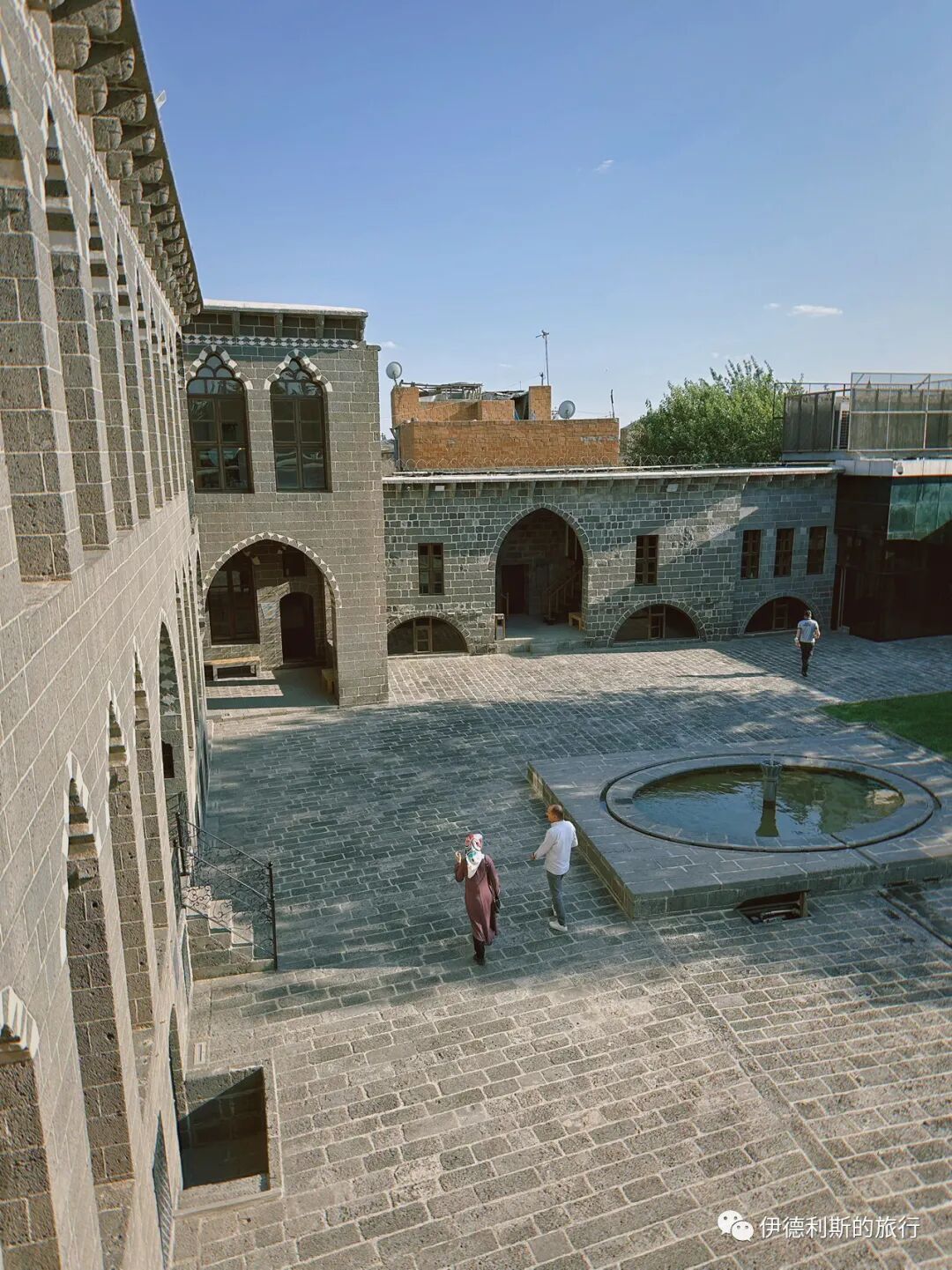
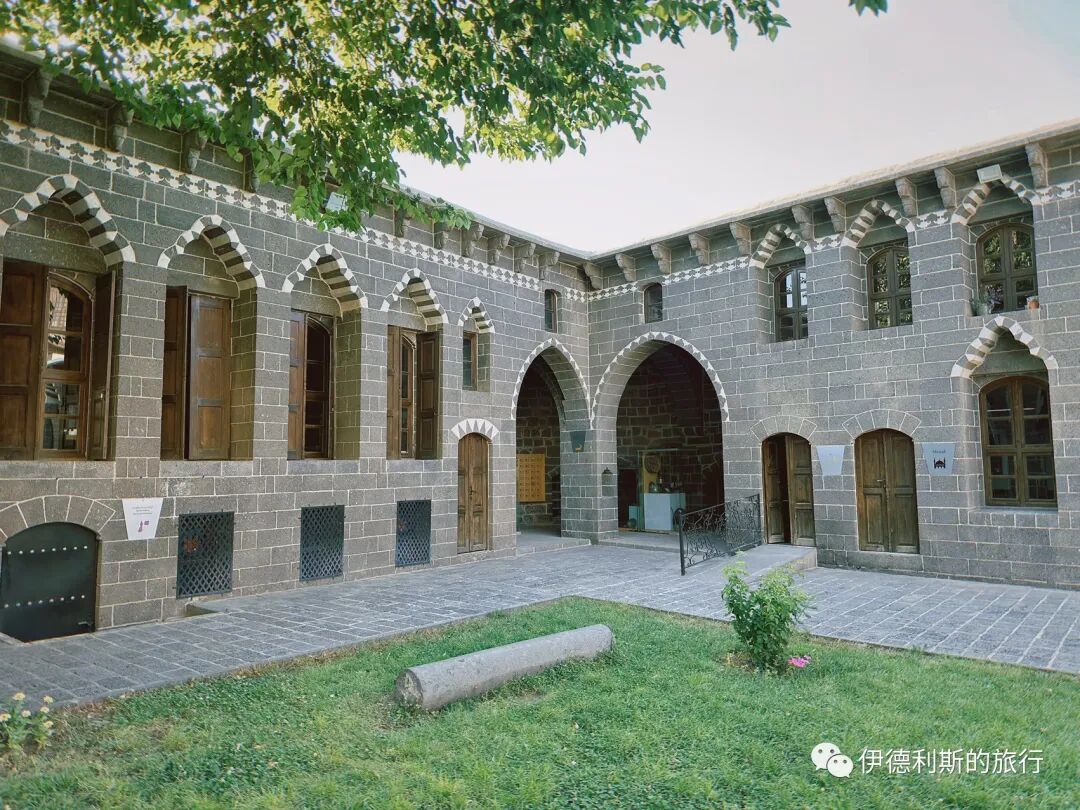
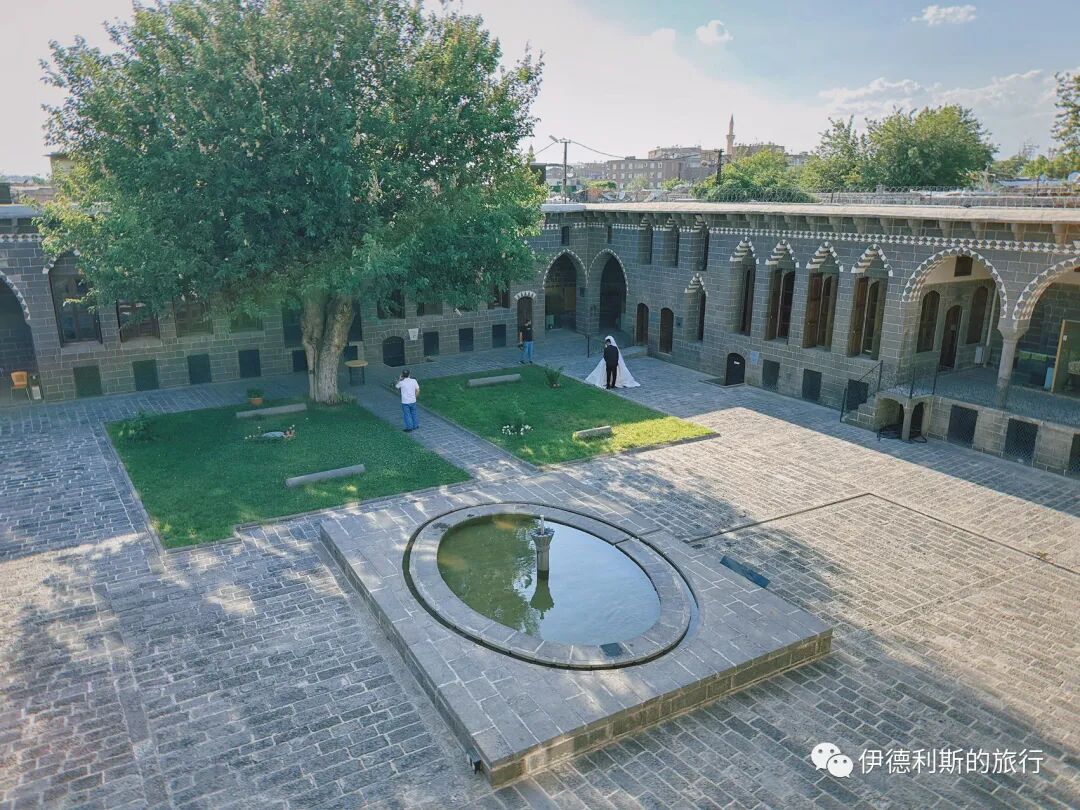
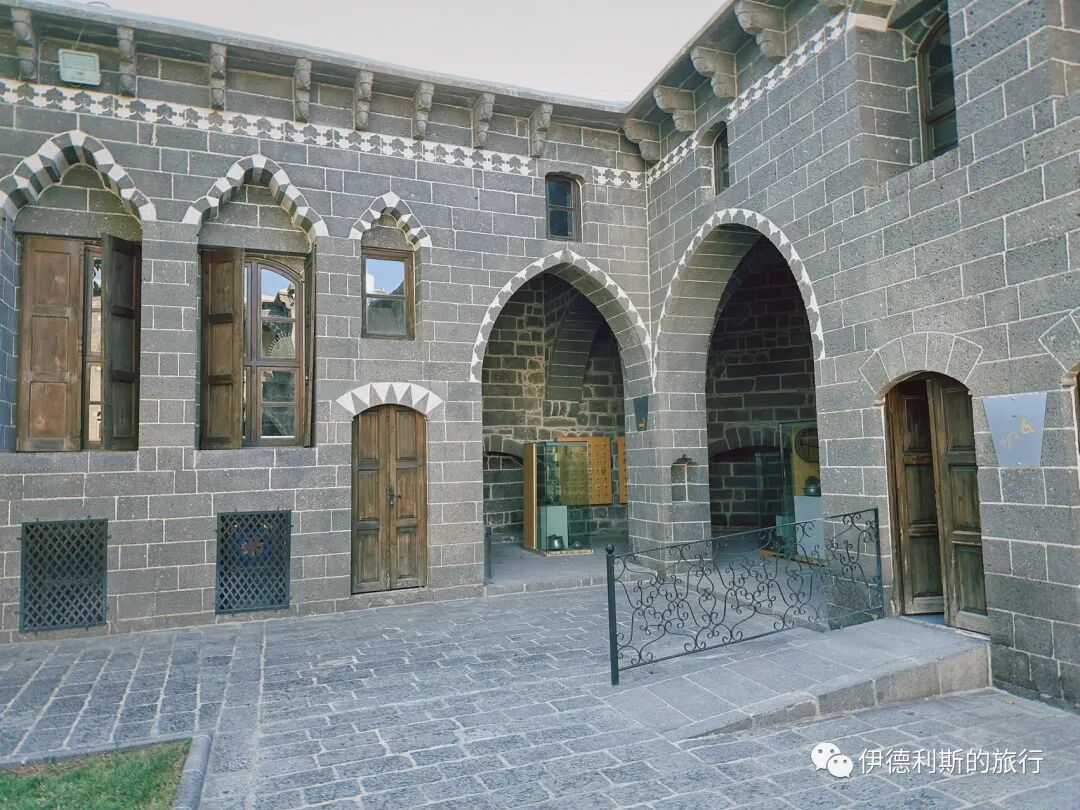
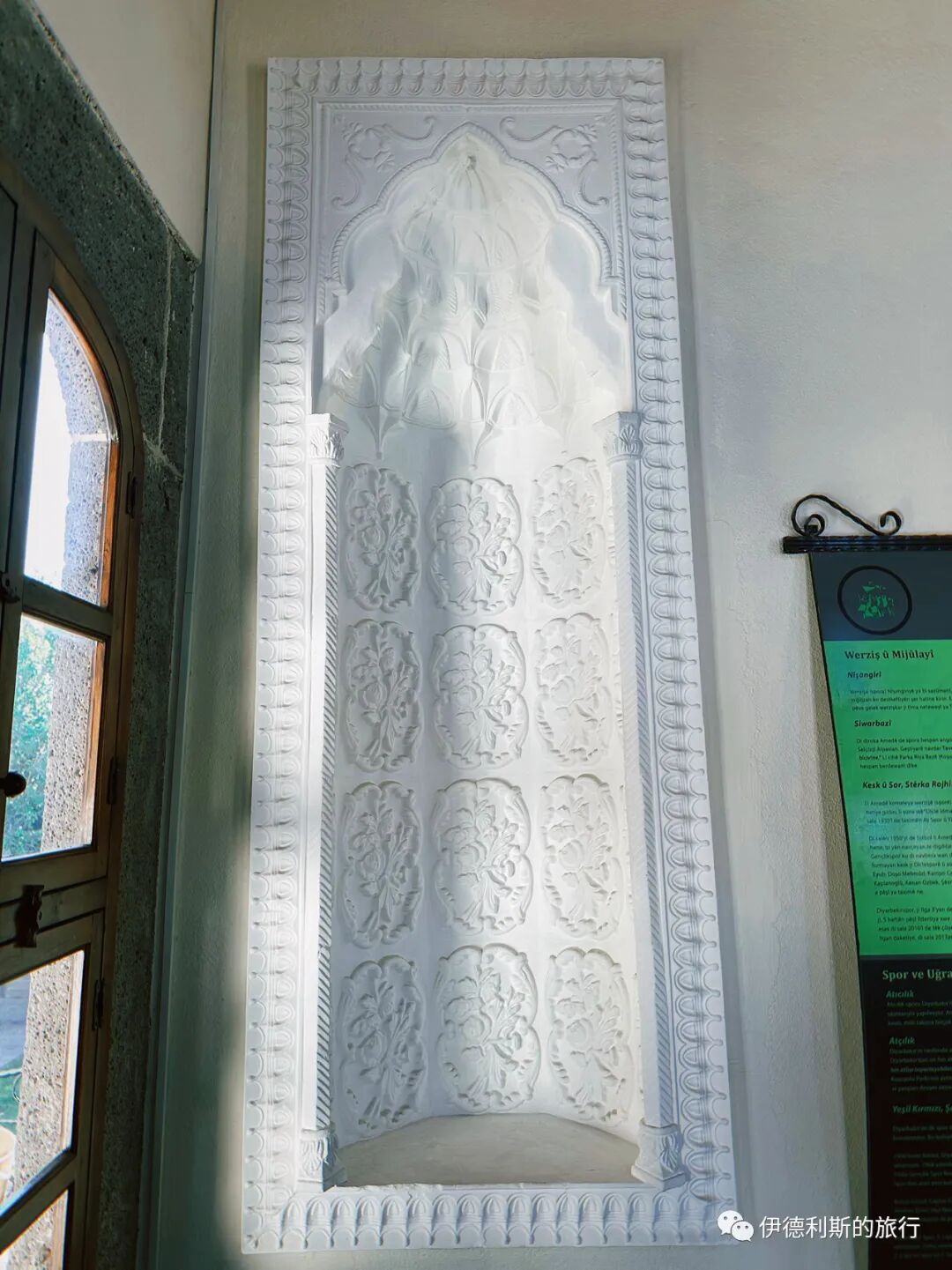
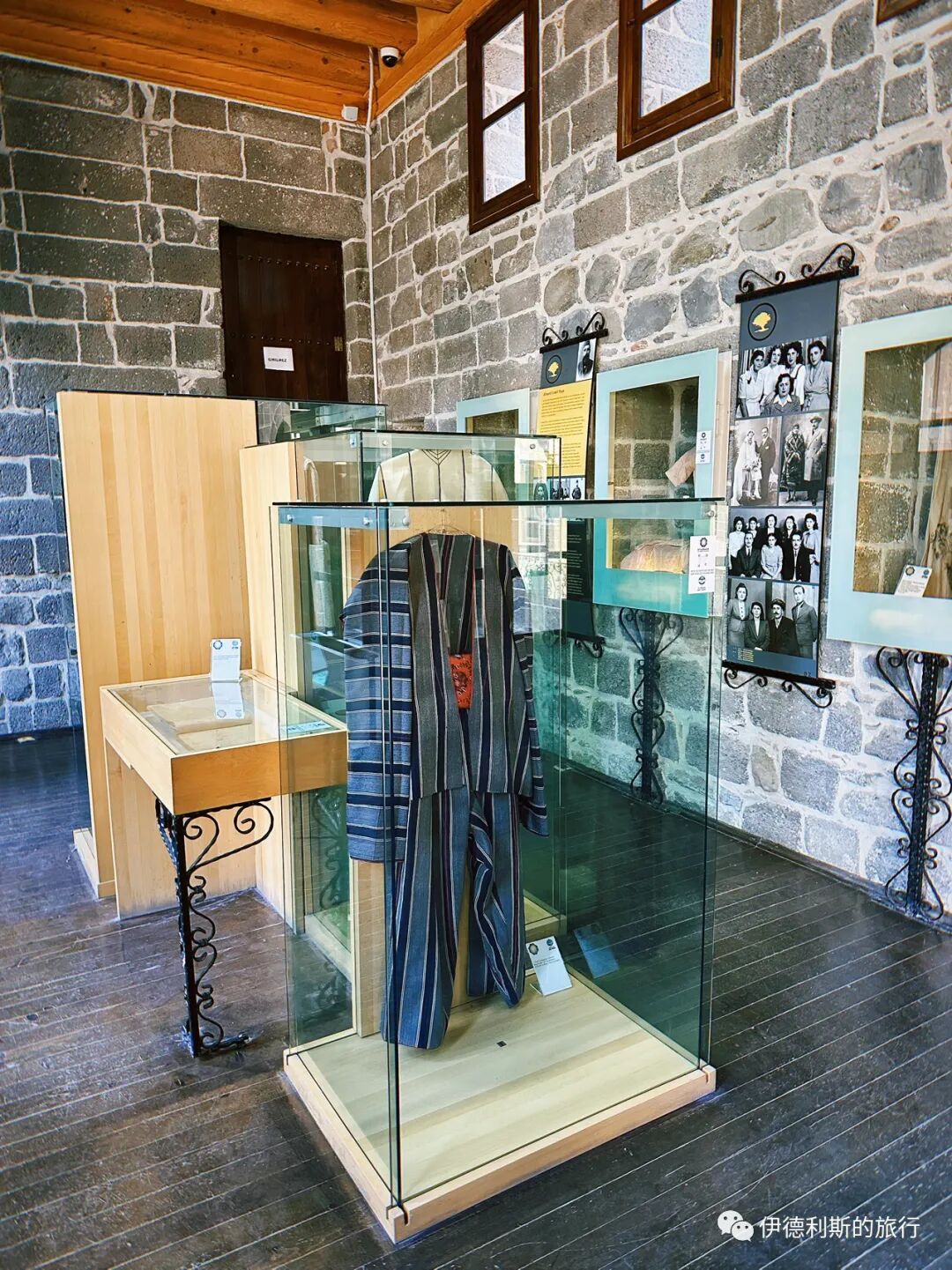
The interior of the Cemil Pasha Mansion (Cemil Paşa Konağı), now the Diyarbakır City Museum, displays every aspect of life for the Kurds in Turkey.
Ziya Gökalp Museum: early 19th century
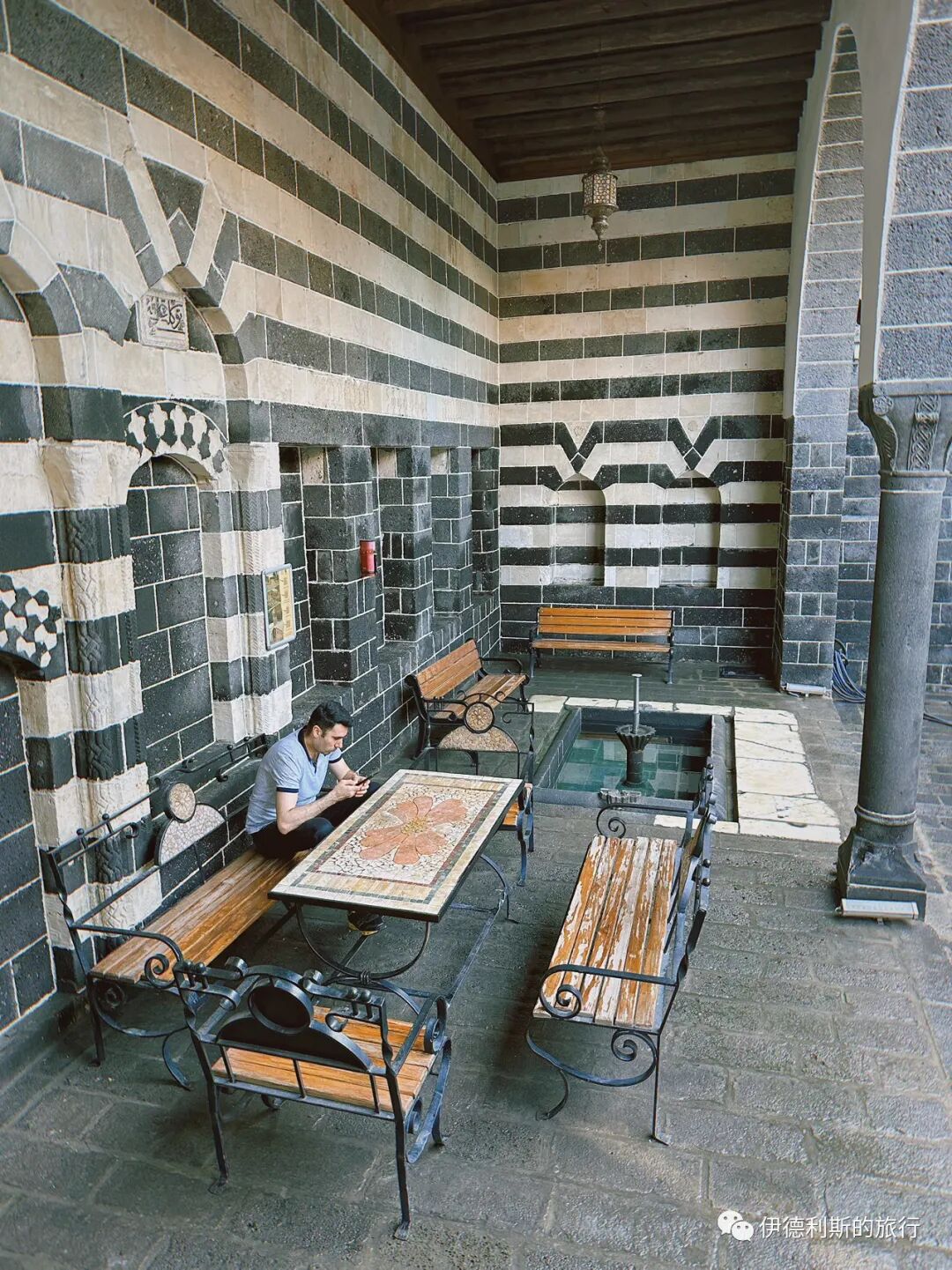
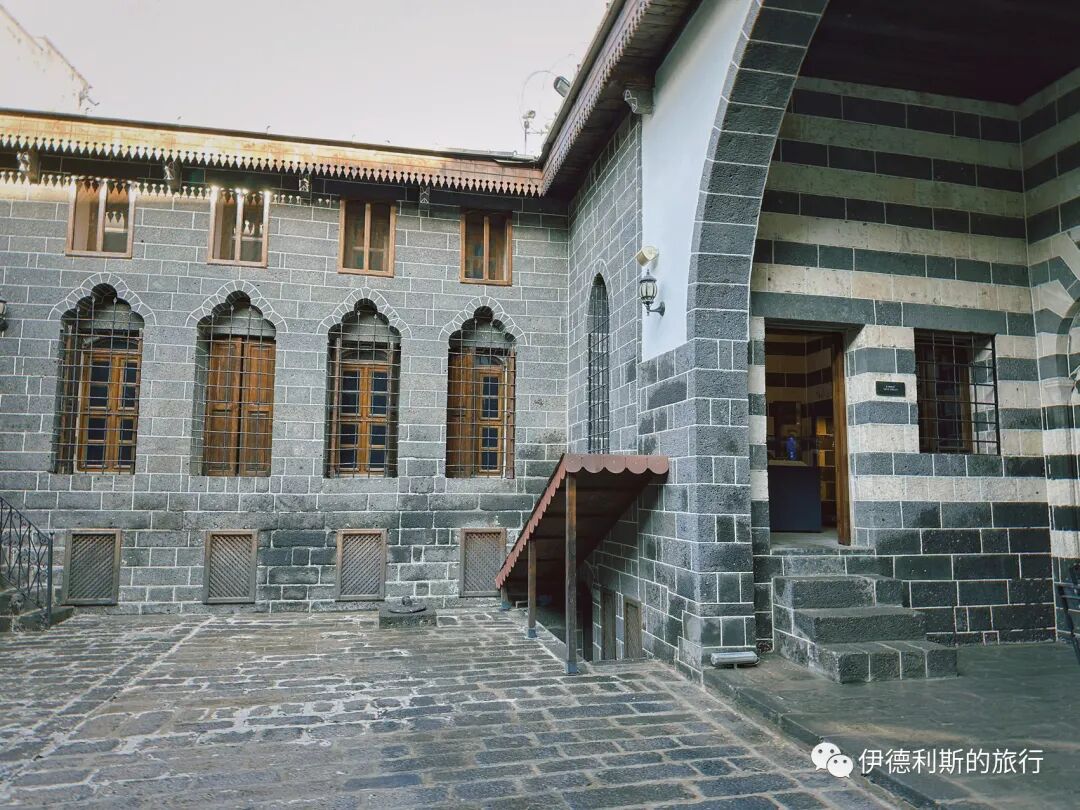
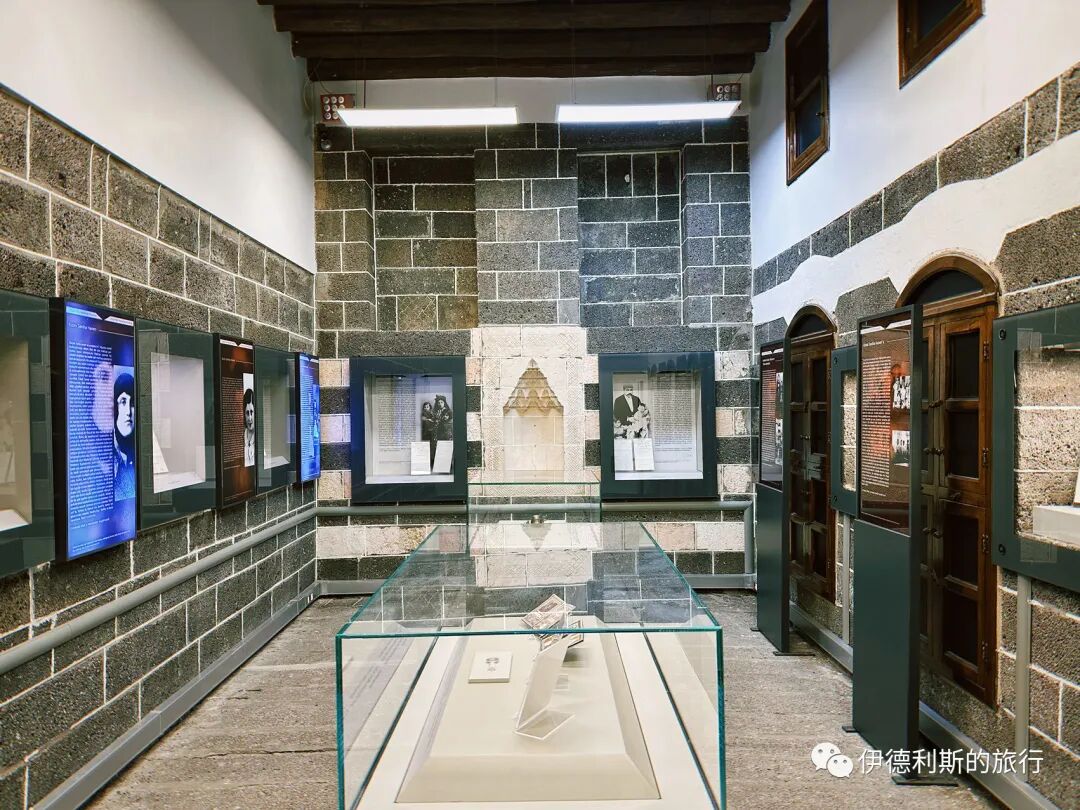
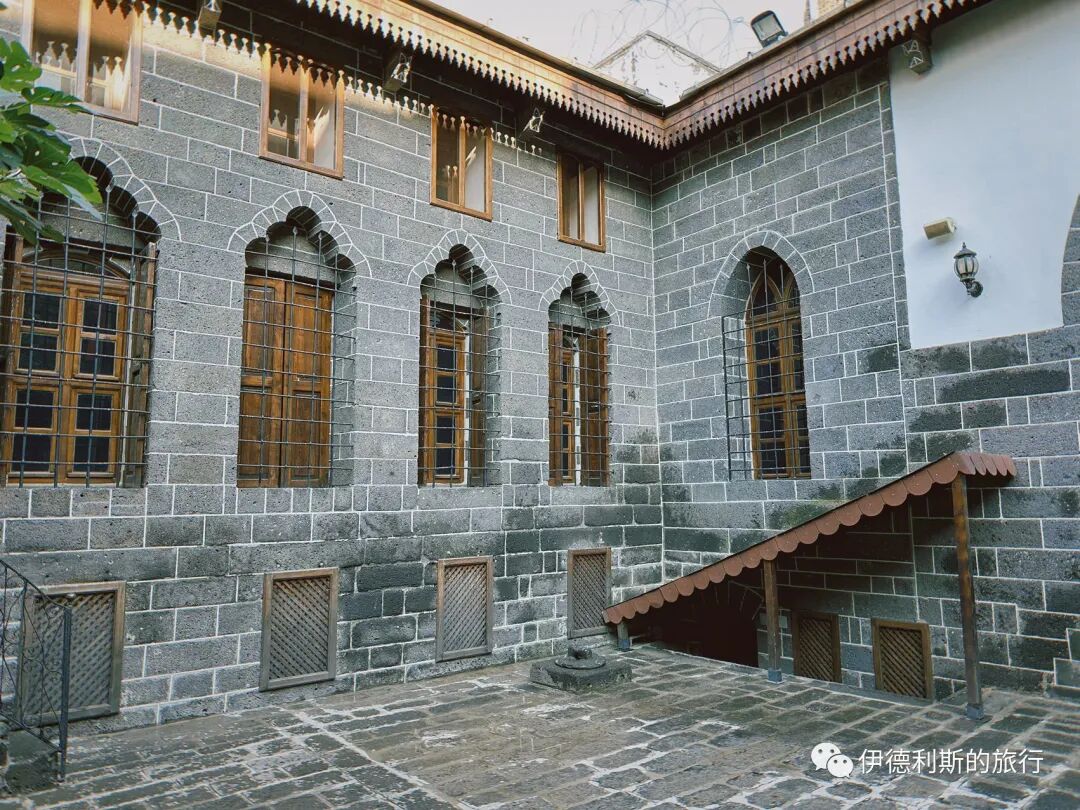
We arrived at the northwest side of the old city of Diyarbakır and first visited the Ziya Gökalp Museum, dedicated to the father of Turkish nationalism. The museum is housed in a black basalt home built in the early 19th century. The Ziya Gökalp family bought it in 1824, and he was born there in 1876.
In 2014, ISIS besieged the Syrian Kurdish city of Kobani, forcing many Kurds to flee their homes. Because the Turkish government viewed the Kurdish People's Protection Units (YPG) defending Kobani as a threat, it blocked Turkish Kurds from helping them, which led to large-scale protests by Turkish Kurds. During the clashes, the Ziya Gökalp Museum was damaged, and some archives and books were destroyed. It was later restored by the Association of Turkish Travel Agencies (TÜRSAB).
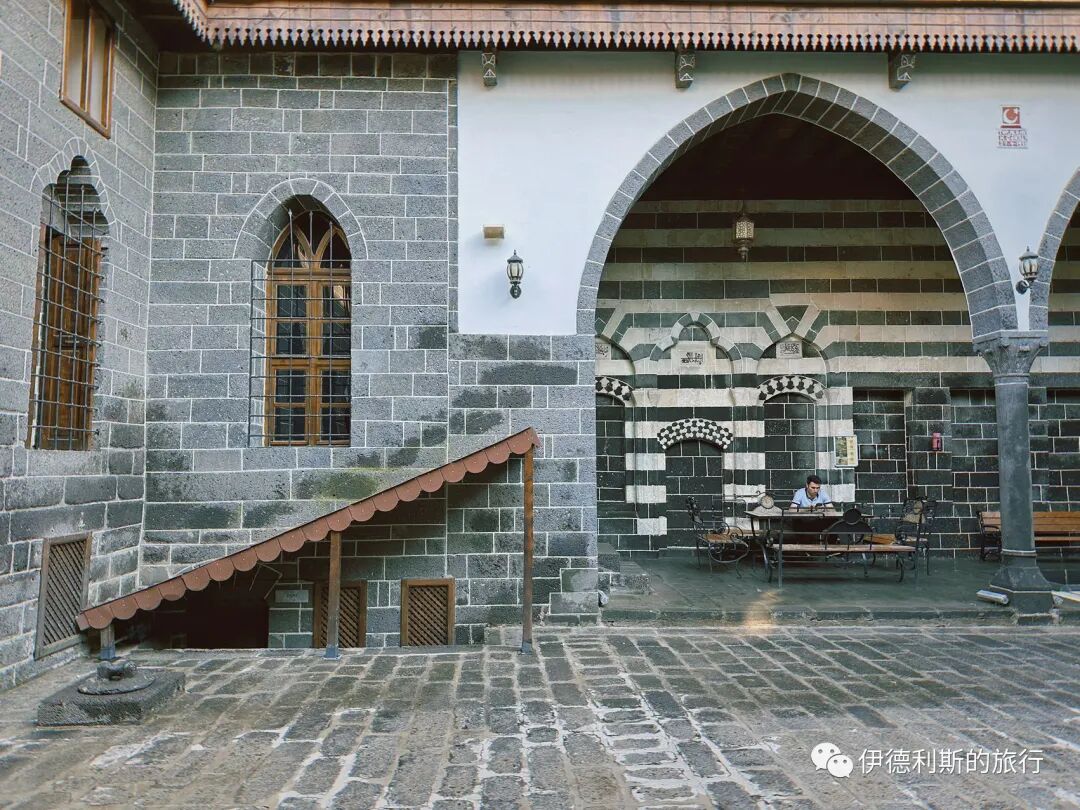
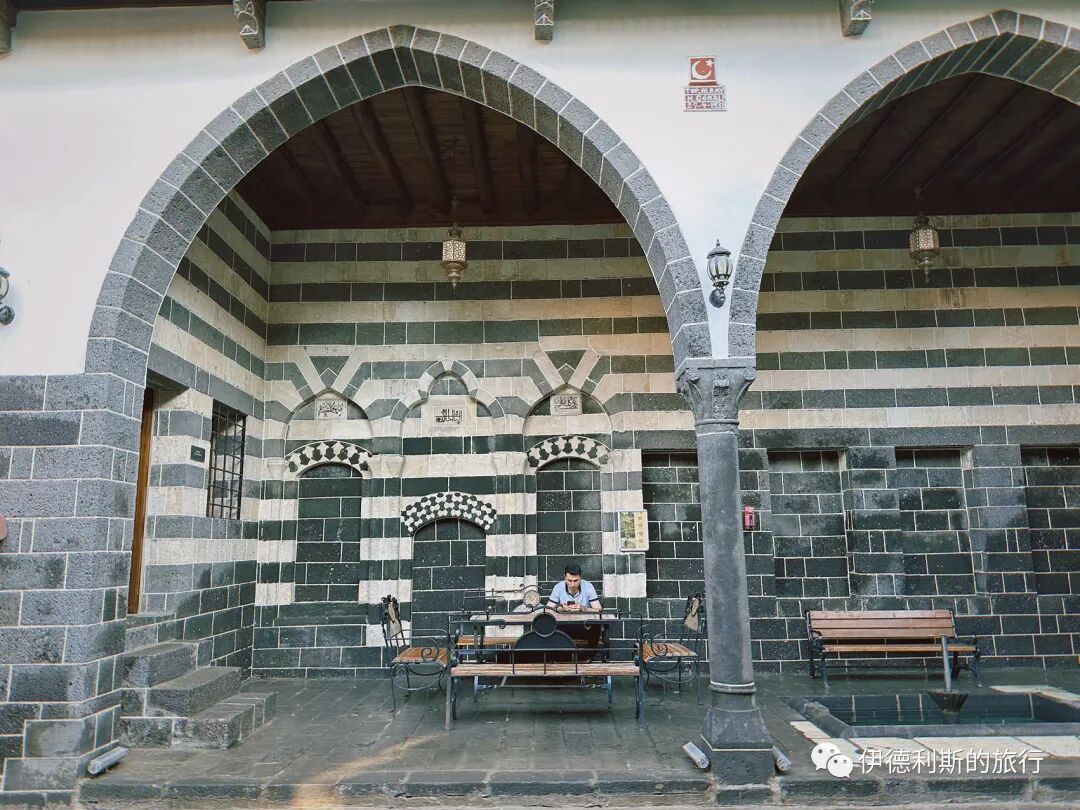
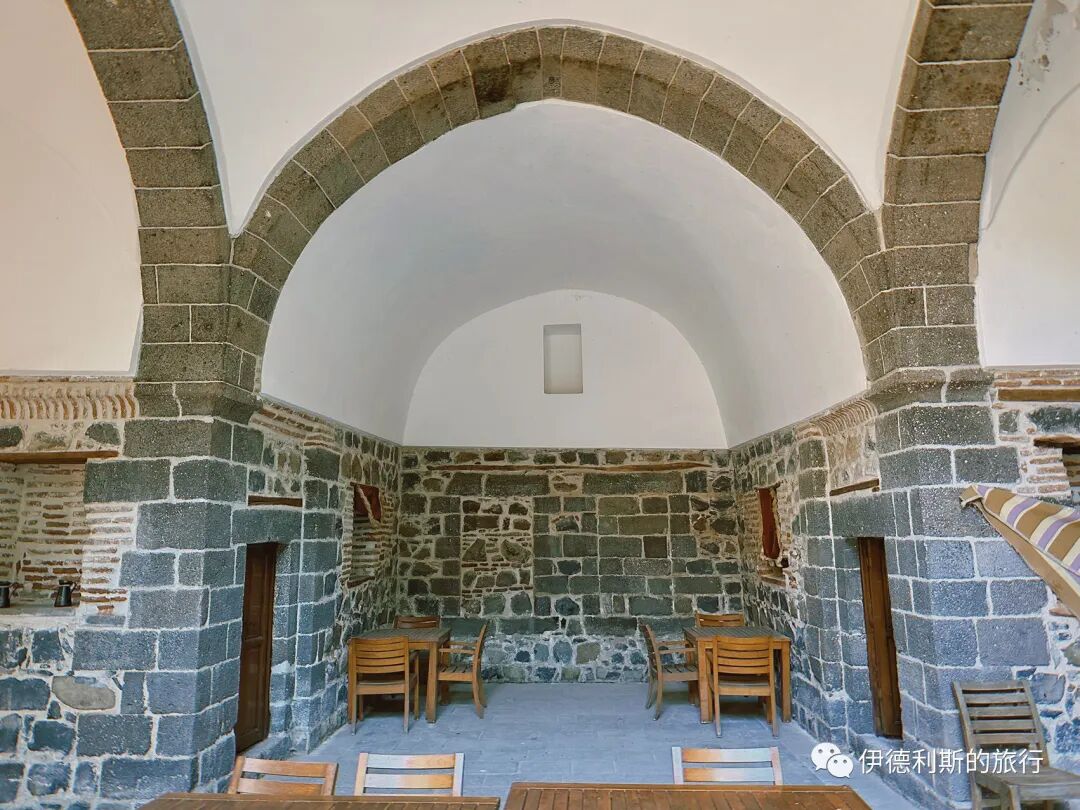
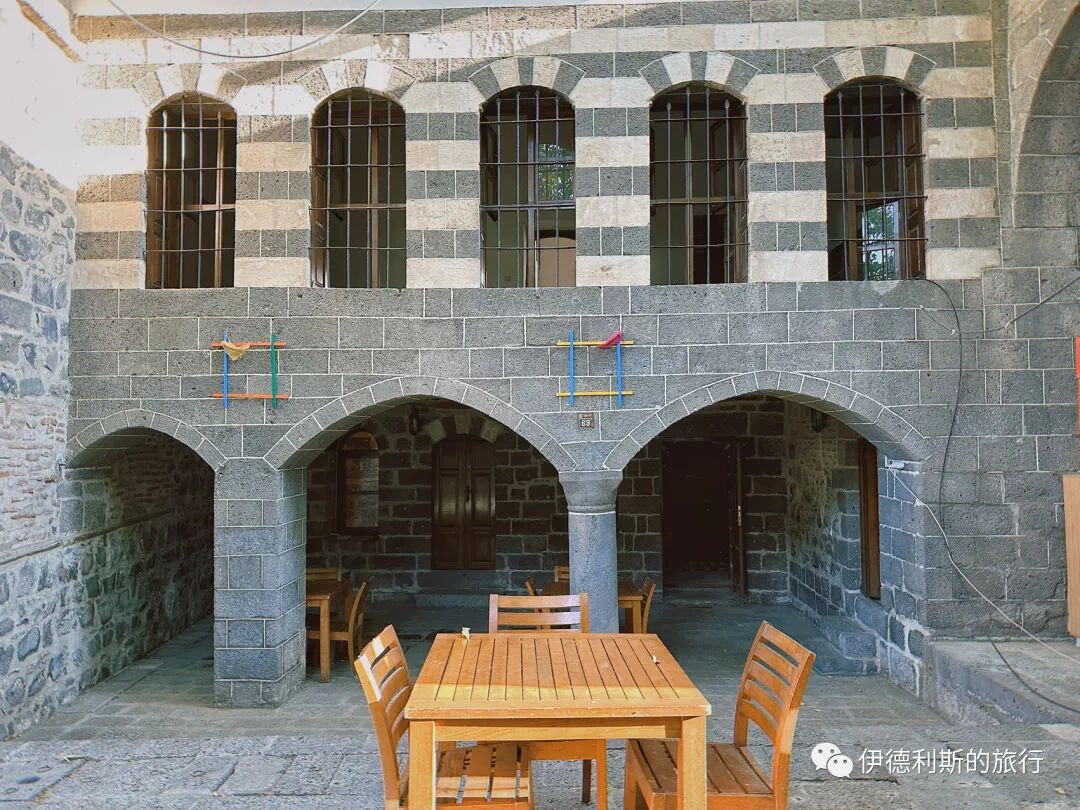
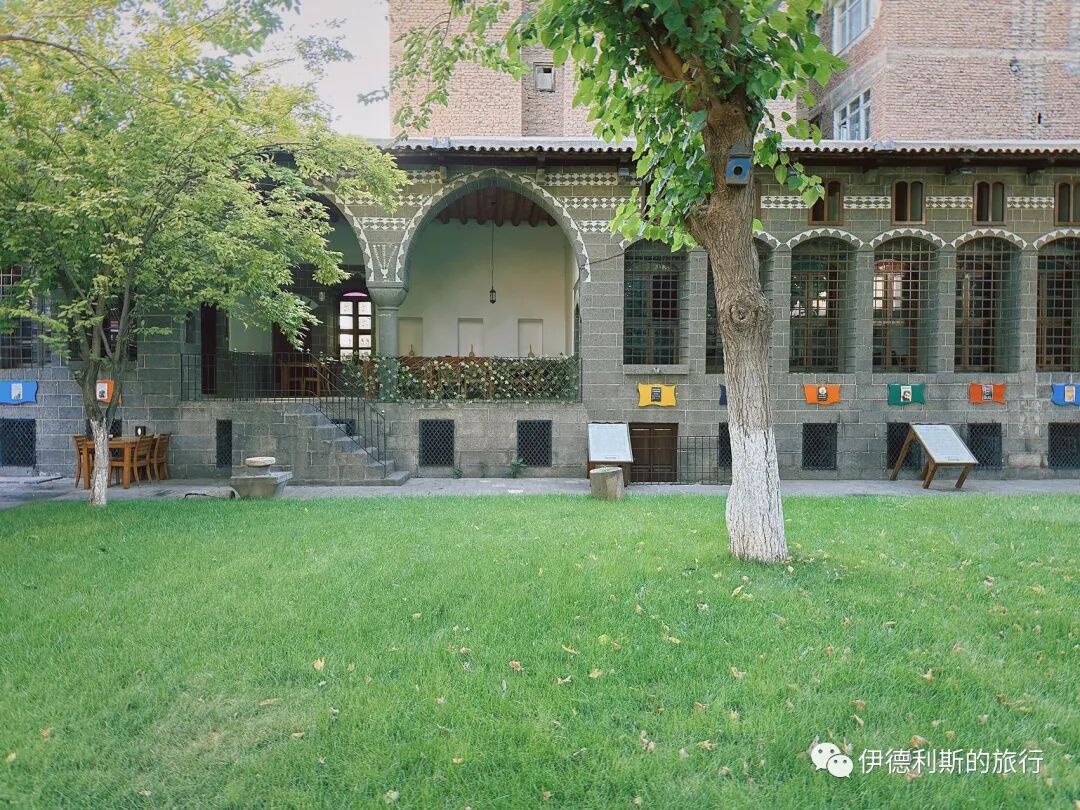
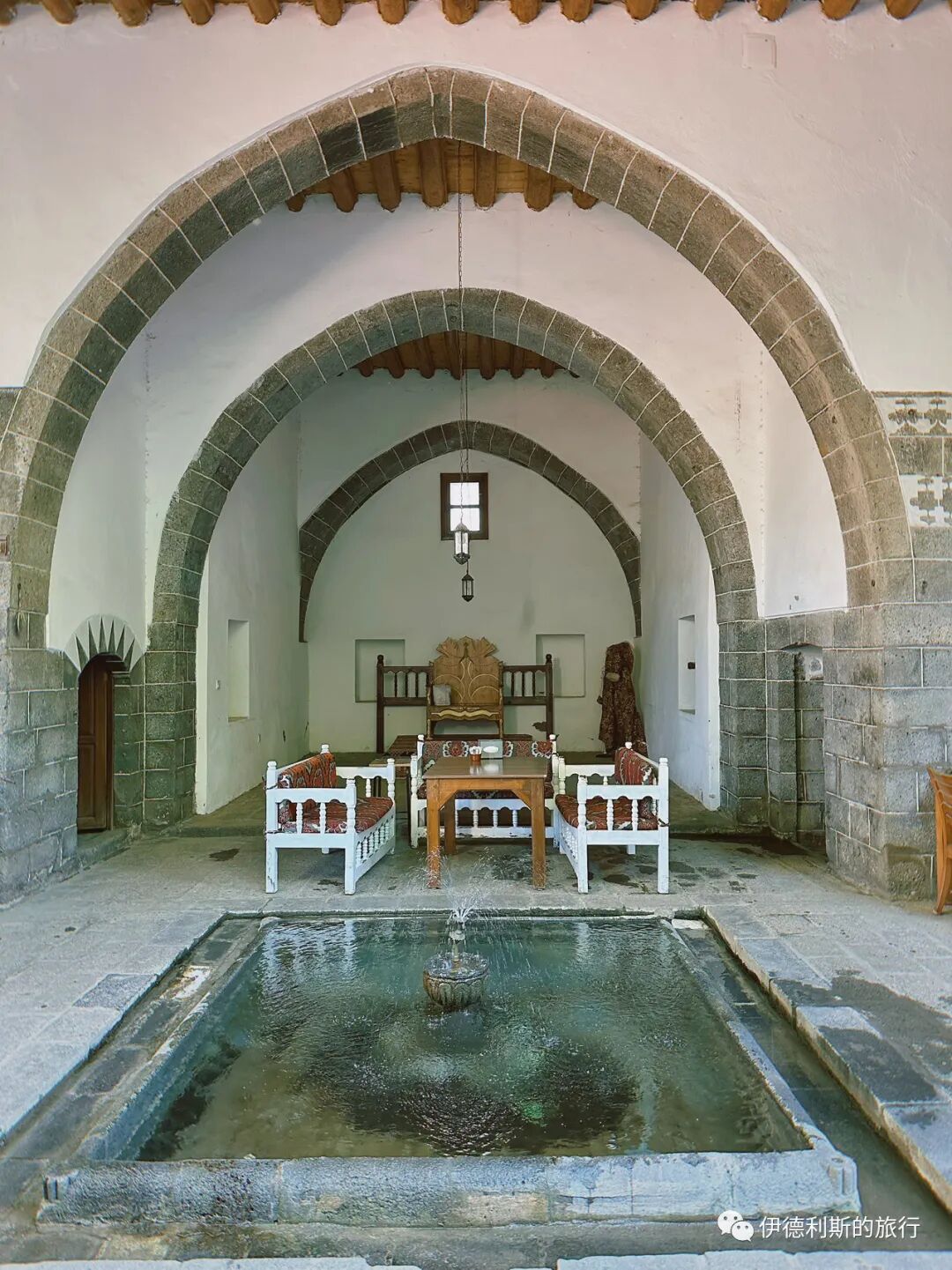
Iskender Pasha Mansion: 1551
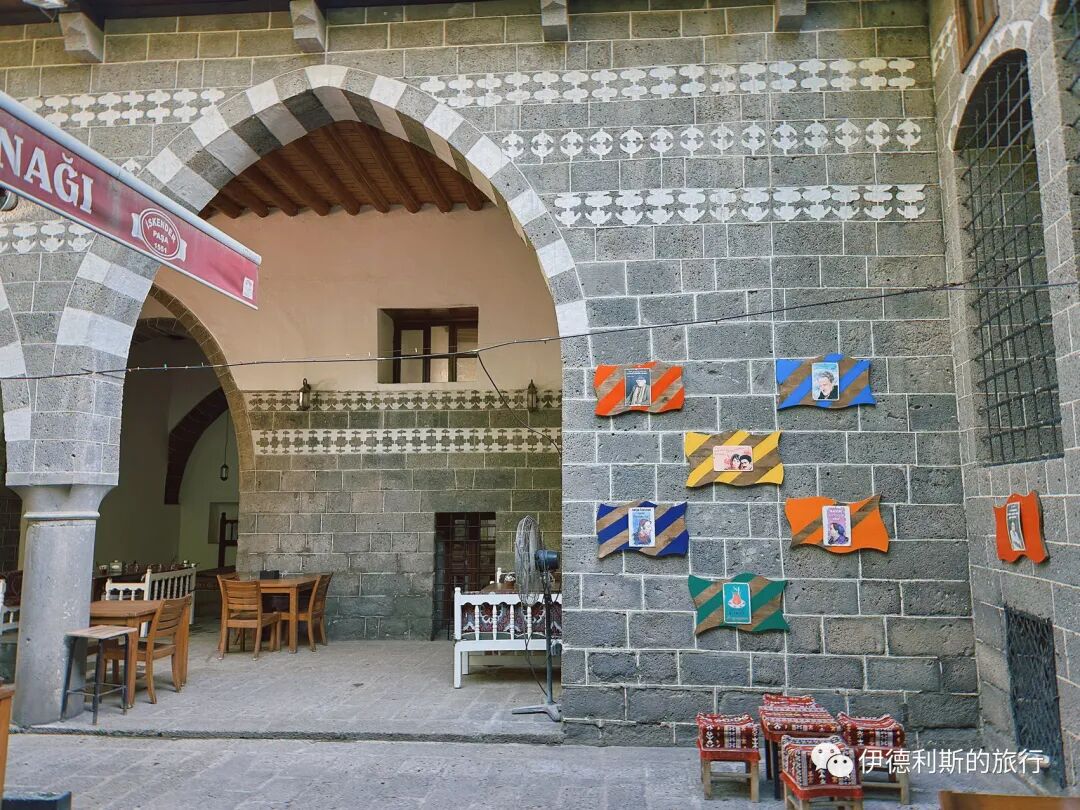
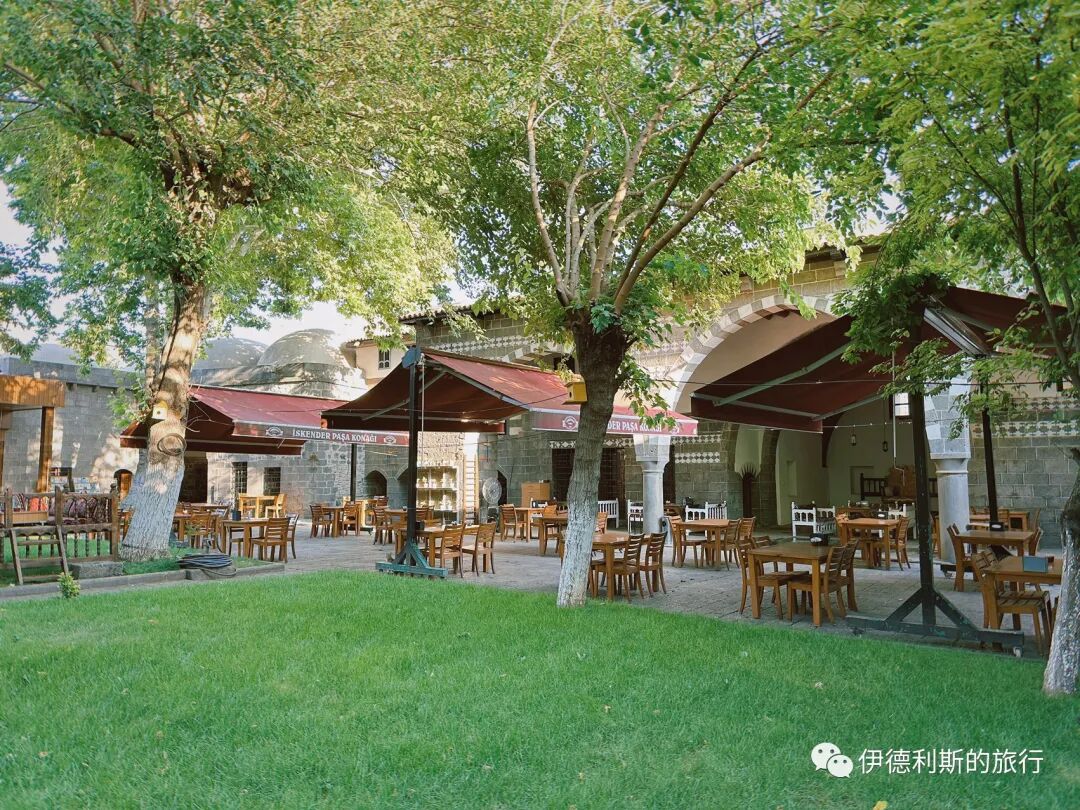
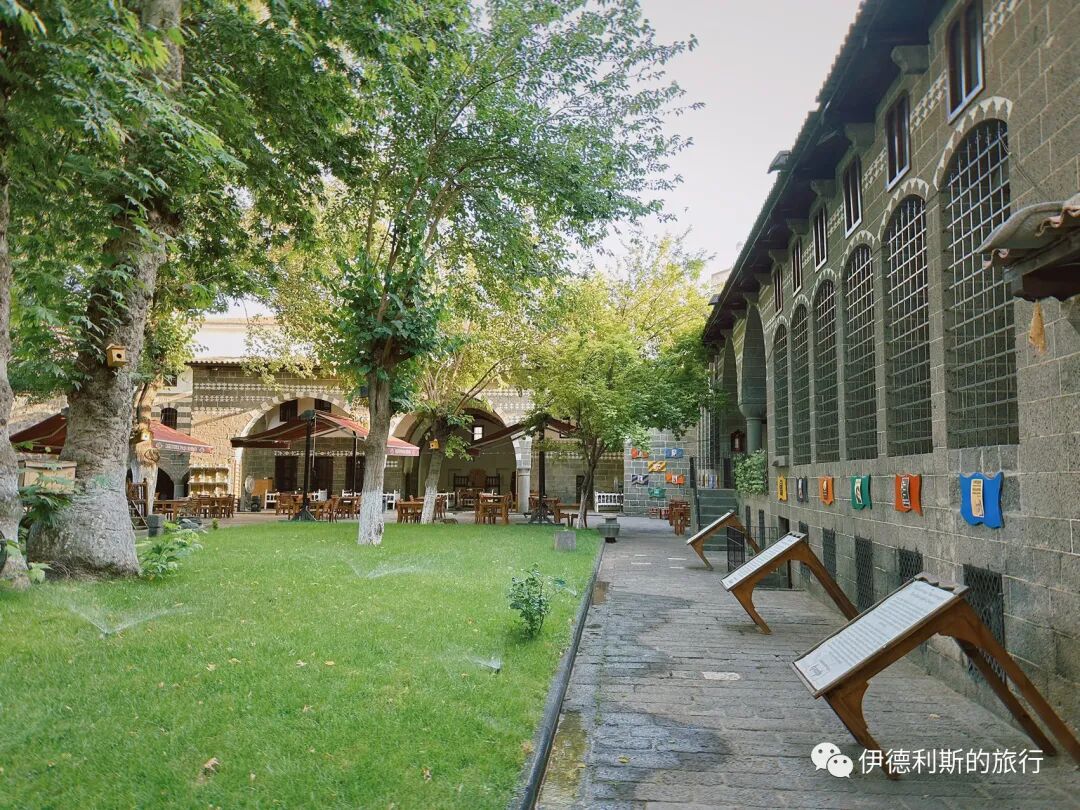
Walking north from the Ziya Gökalp Museum, you reach the Iskender Pasha Mansion (İskender paşa Konağı). Iskender Pasha, the 12th governor of the Ottoman Empire in Diyarbakır, built this in 1551 during the peak of Suleiman the Magnificent's reign. Today, the mansion is a breakfast restaurant, and a plane tree over 400 years old still stands in the courtyard.
In the 1540s and 1550s, Iskender Pasha spent years on the eastern Ottoman border fighting the Georgians and the Persian Safavid Empire, successfully stopping the Safavids from moving west.
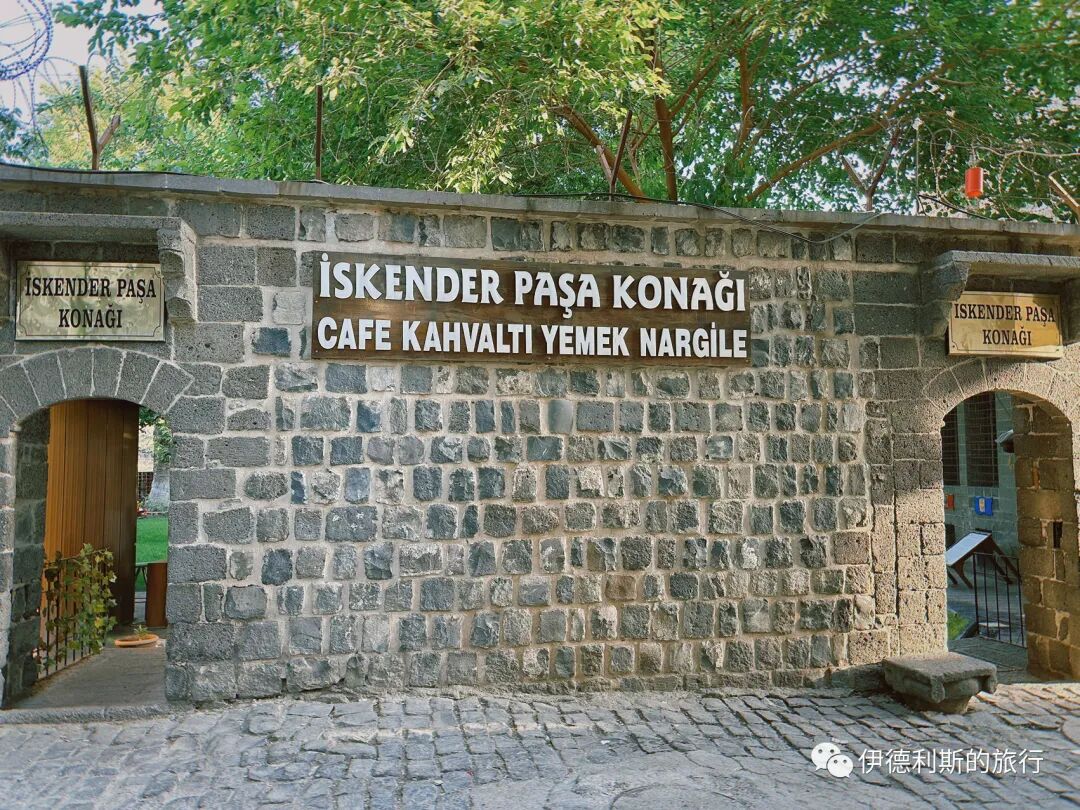
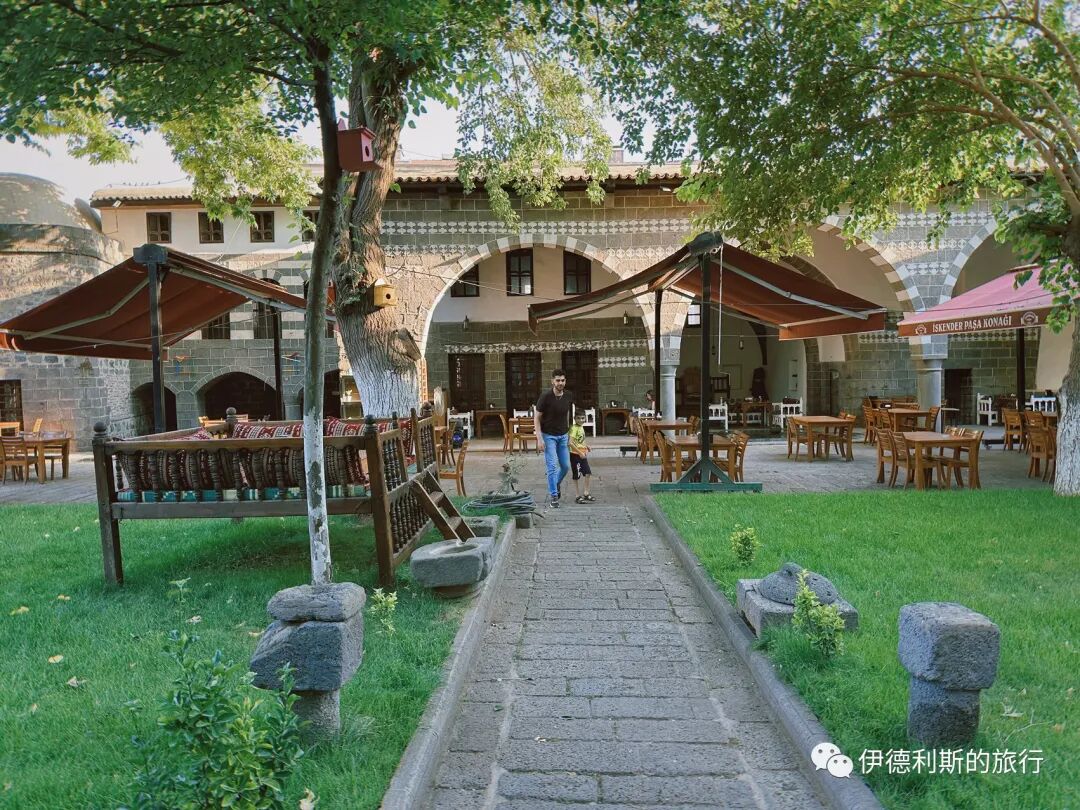
Iskender Pasha Mosque: 1557
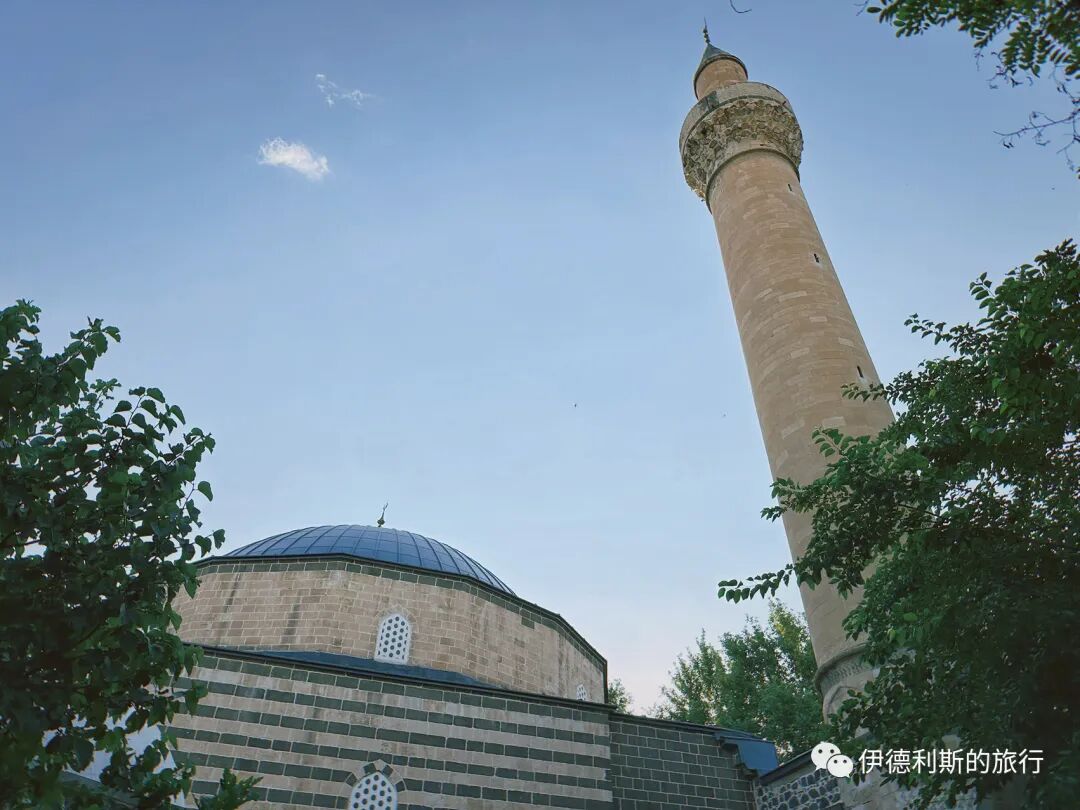
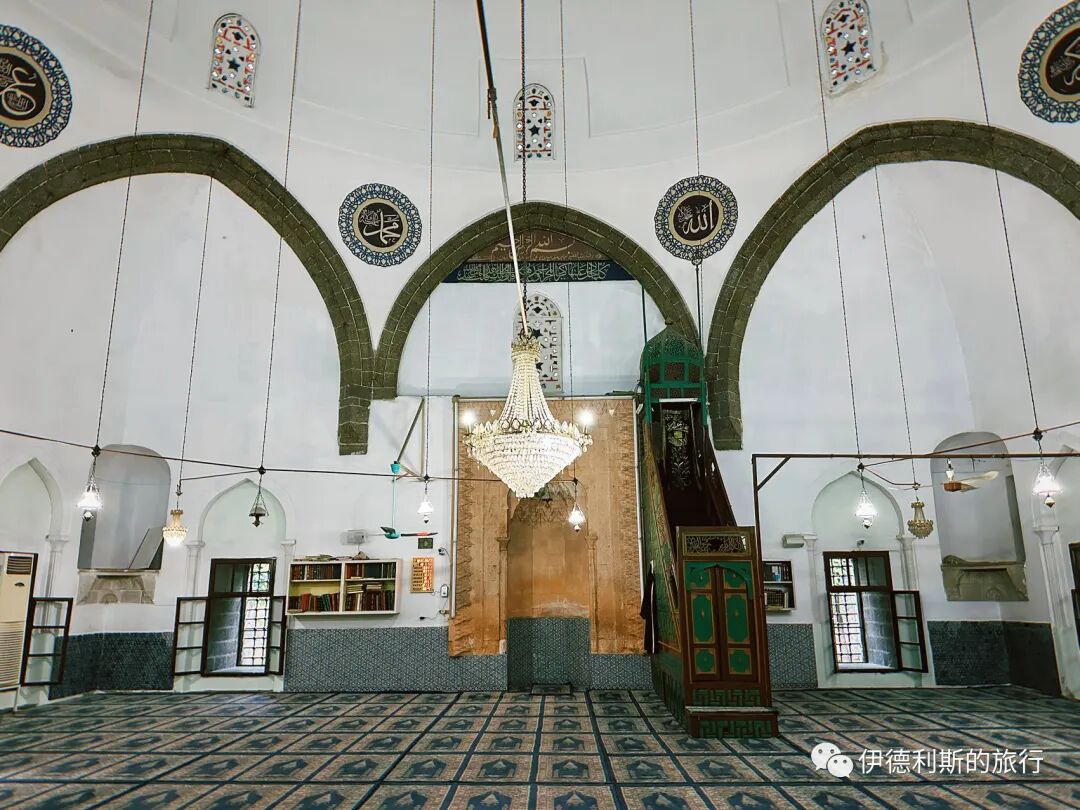
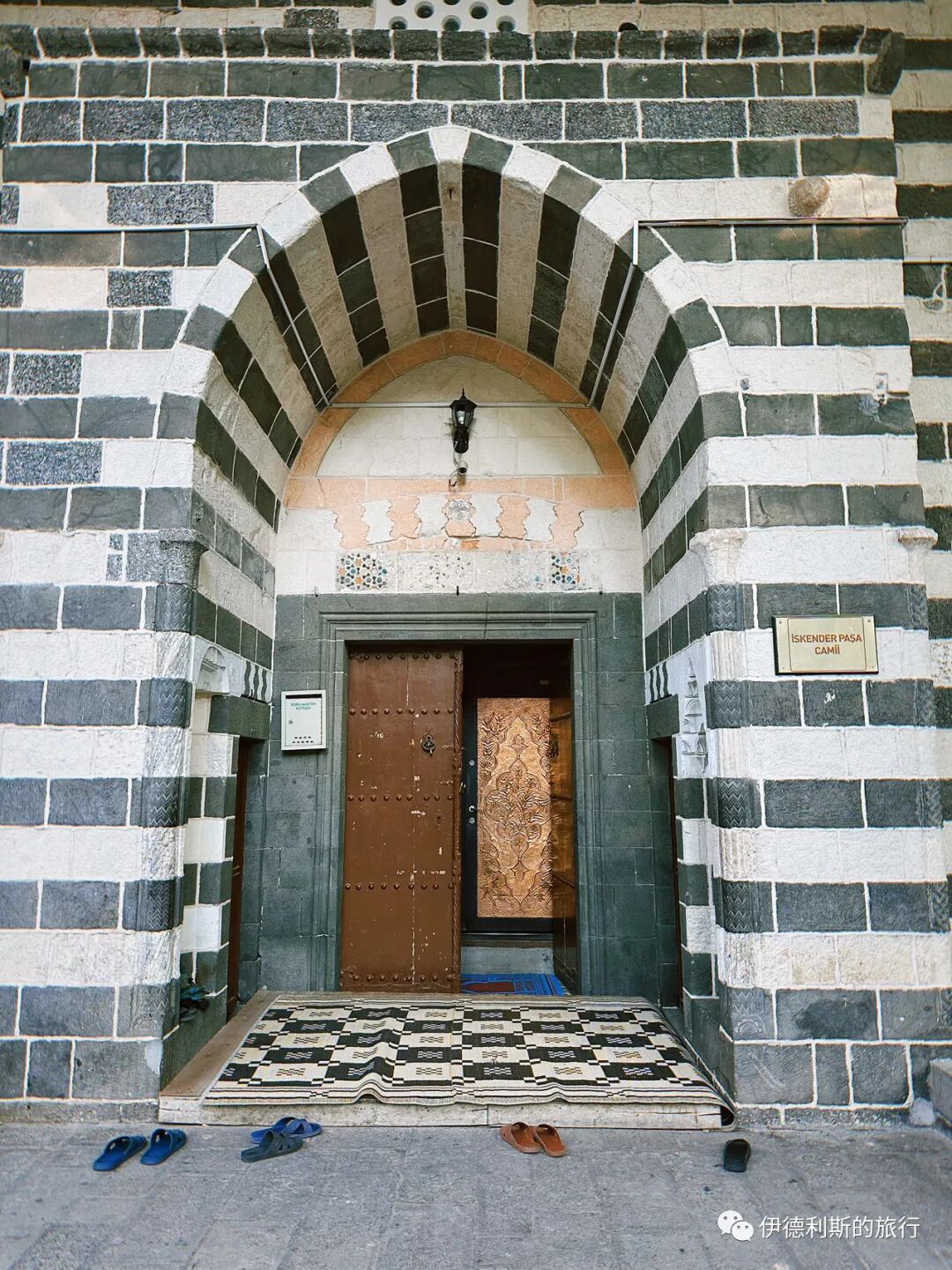
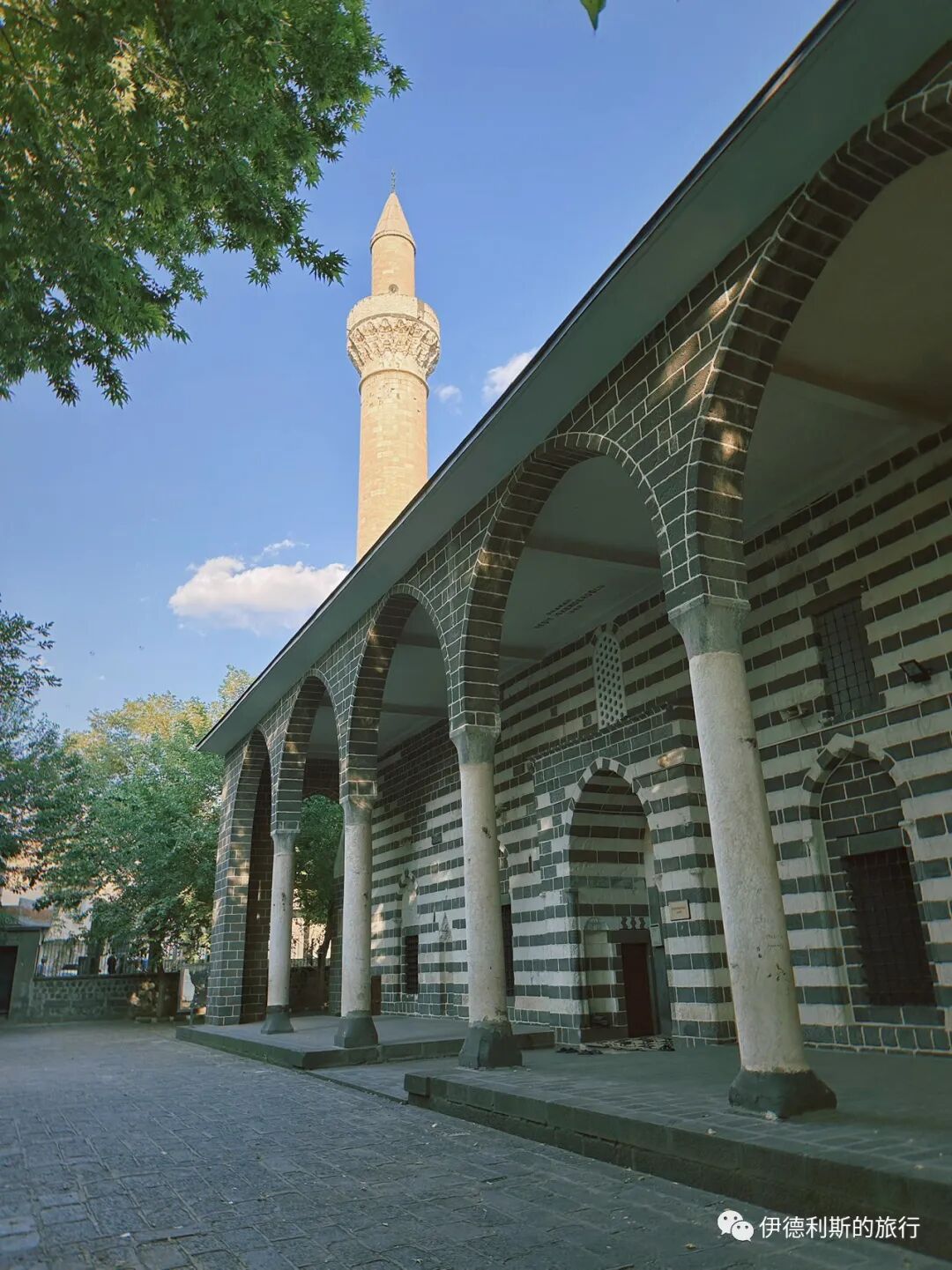
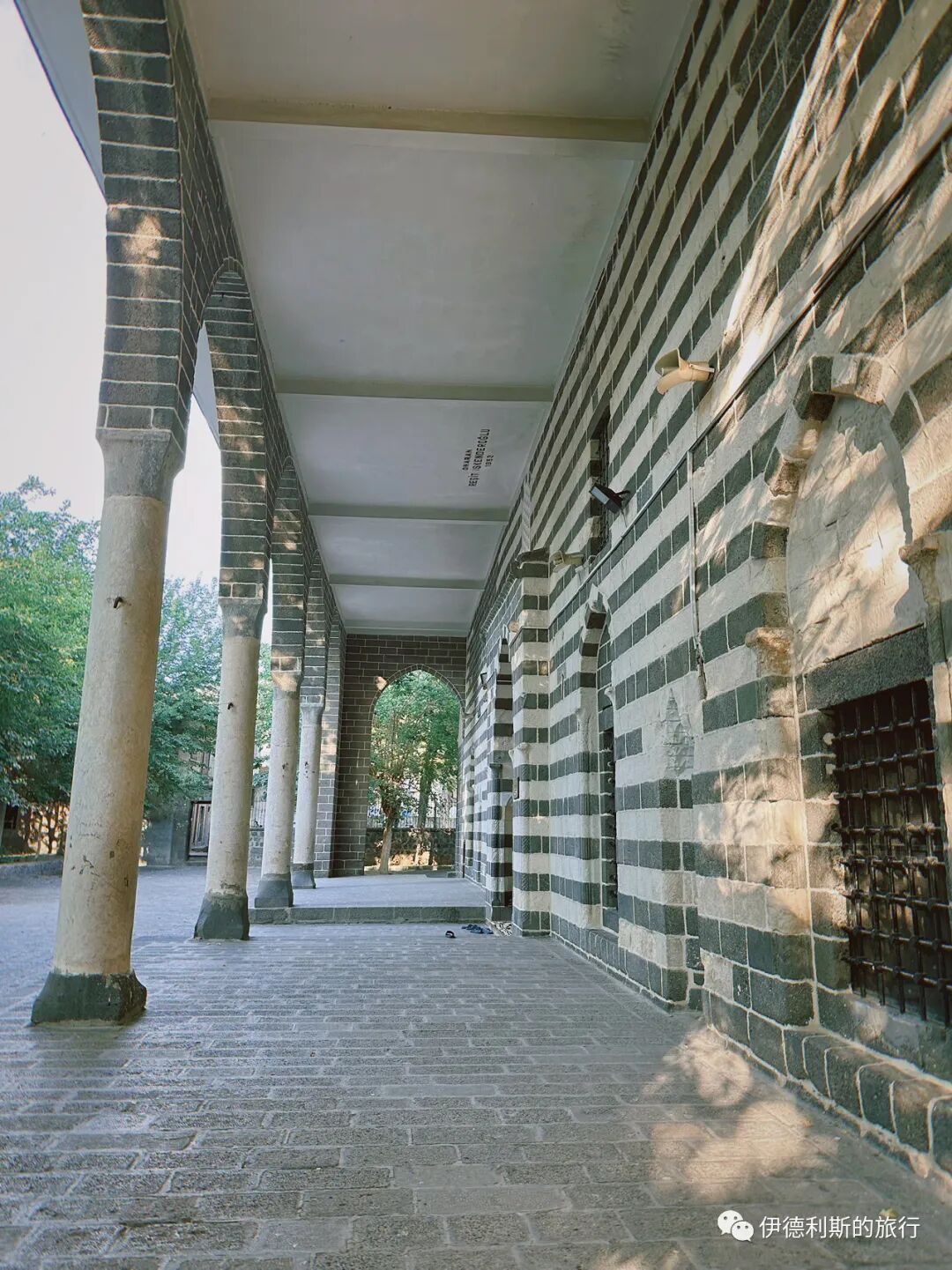
Next to the Iskender Pasha Mansion is another building he commissioned, the Iskender Pasha Mosque (İskender Paşa Camii). Construction began in 1551 or 1554 and finished in 1557. This is a typical Ottoman single-dome mosque, but the front porch and minaret are built very tall.
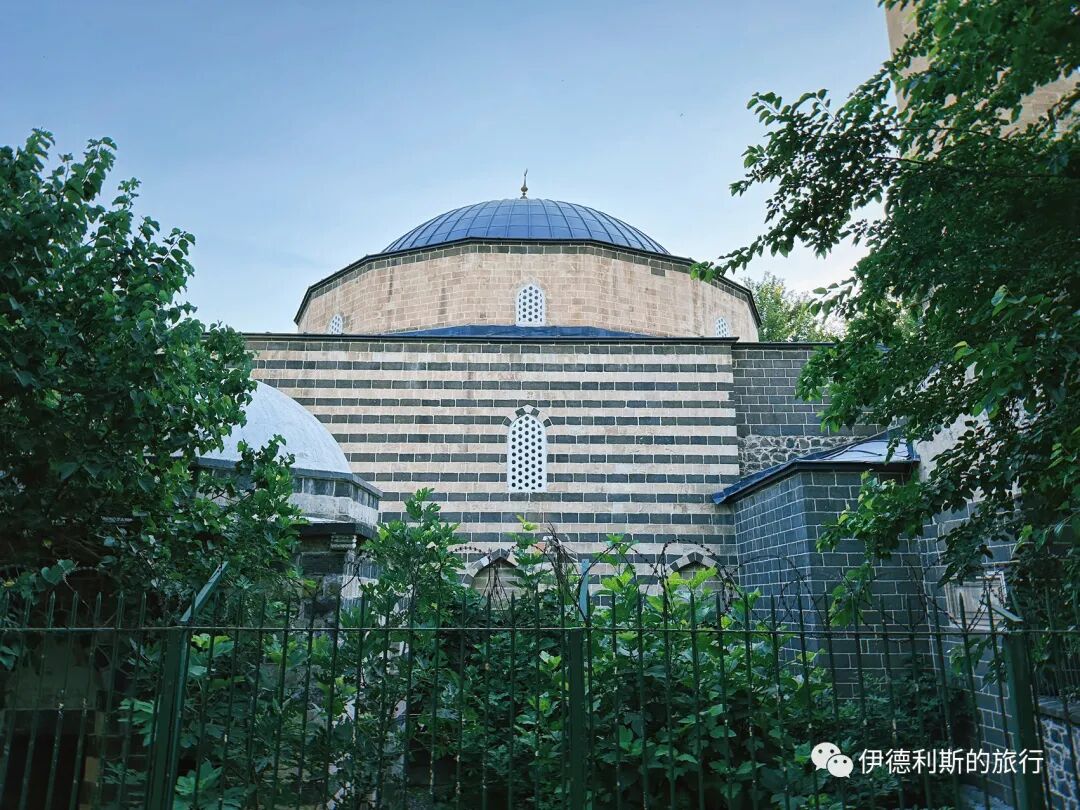
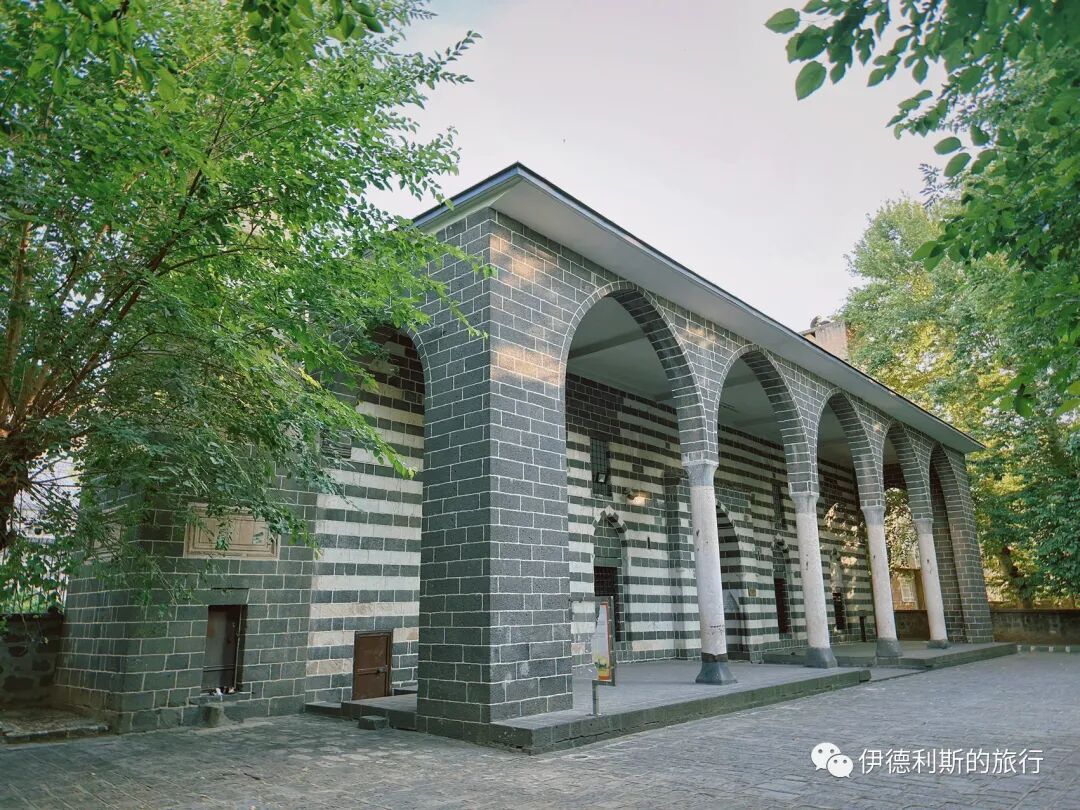
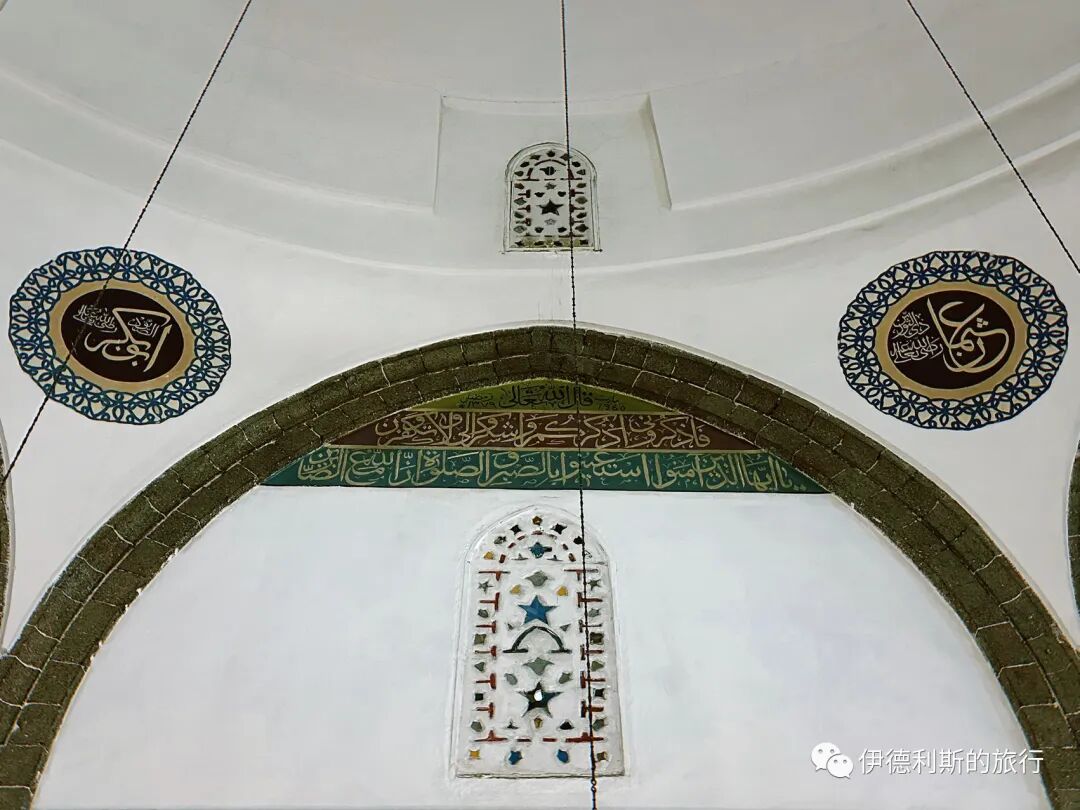
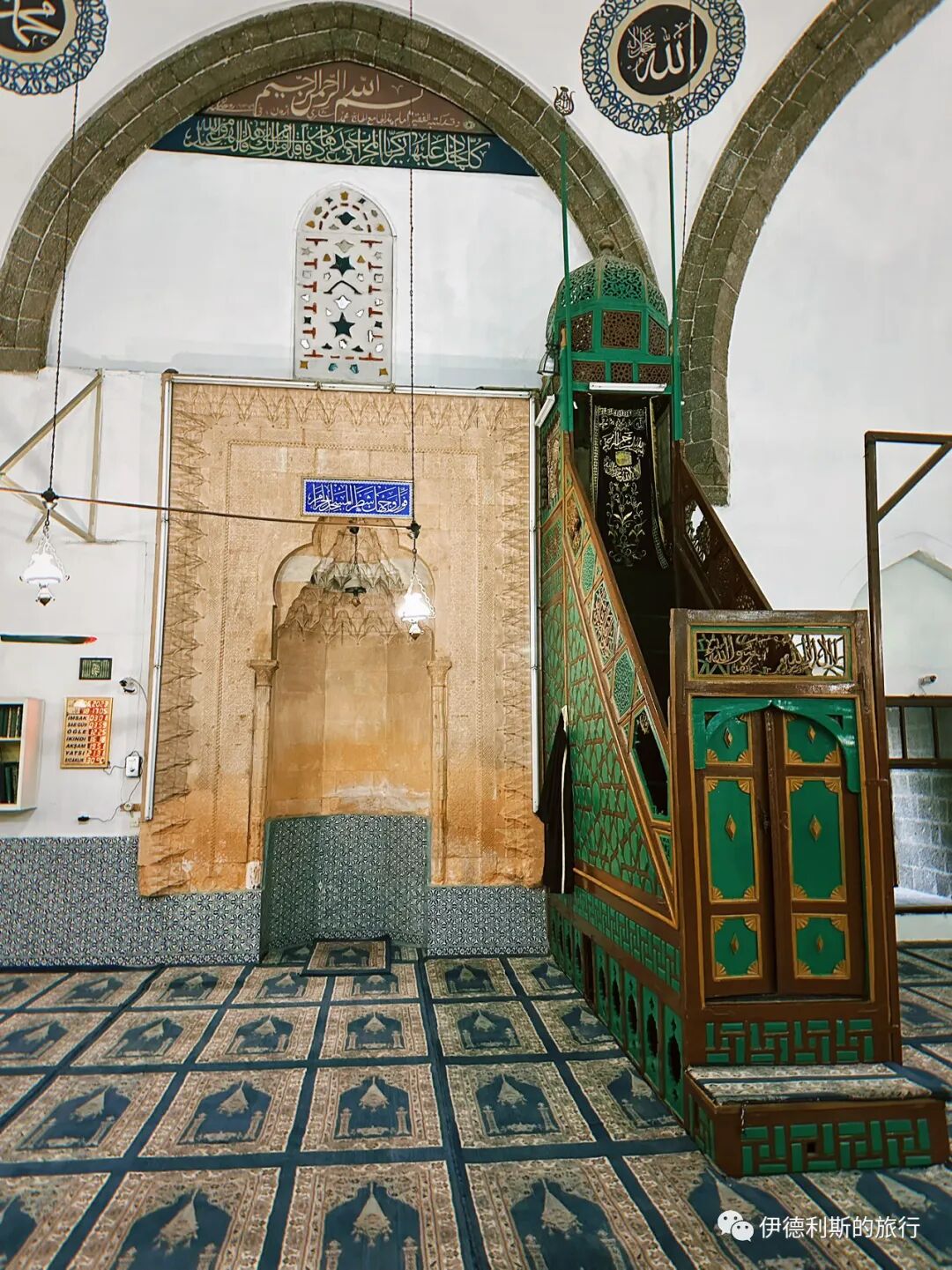
Ömer Şeddat Mosque: mid-12th century
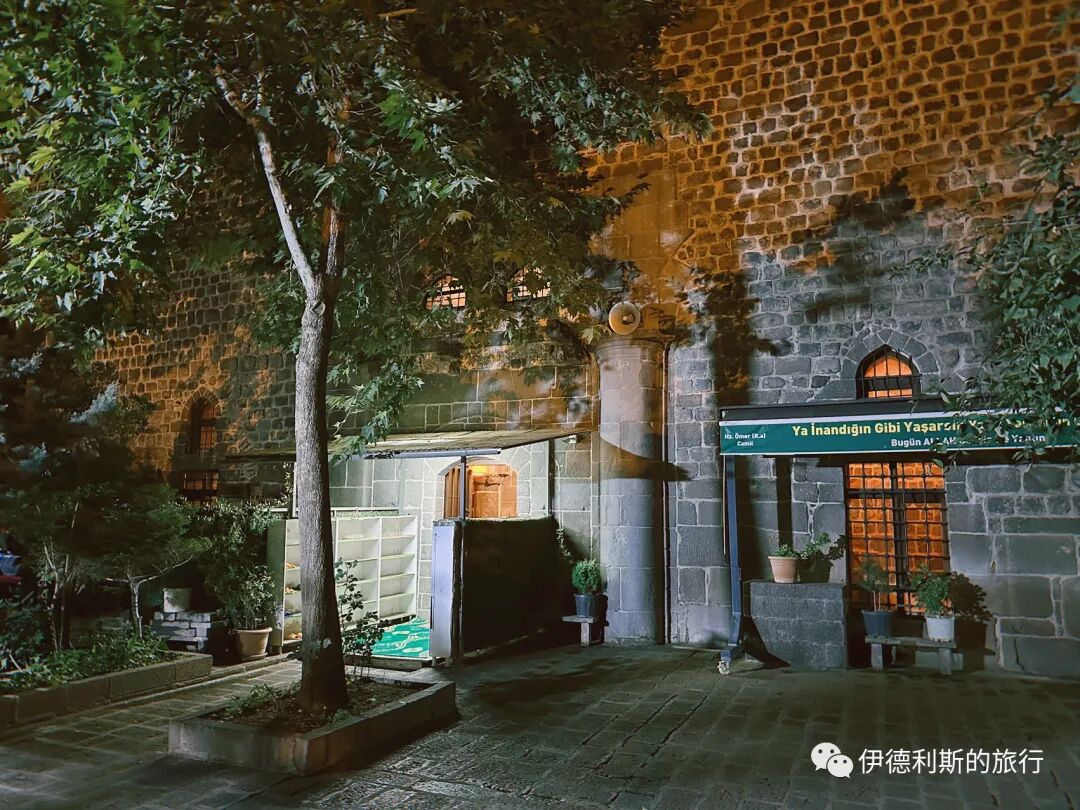
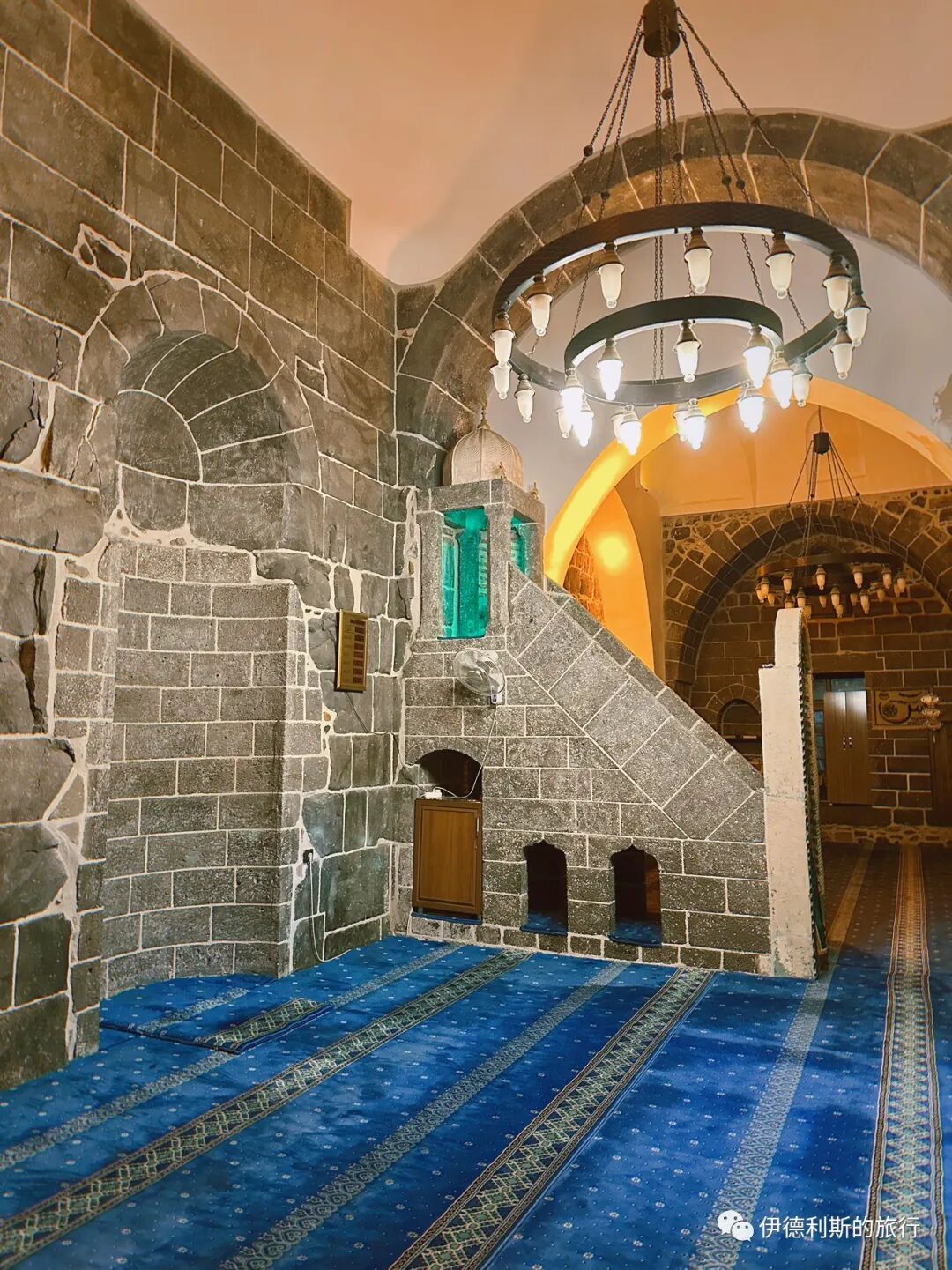
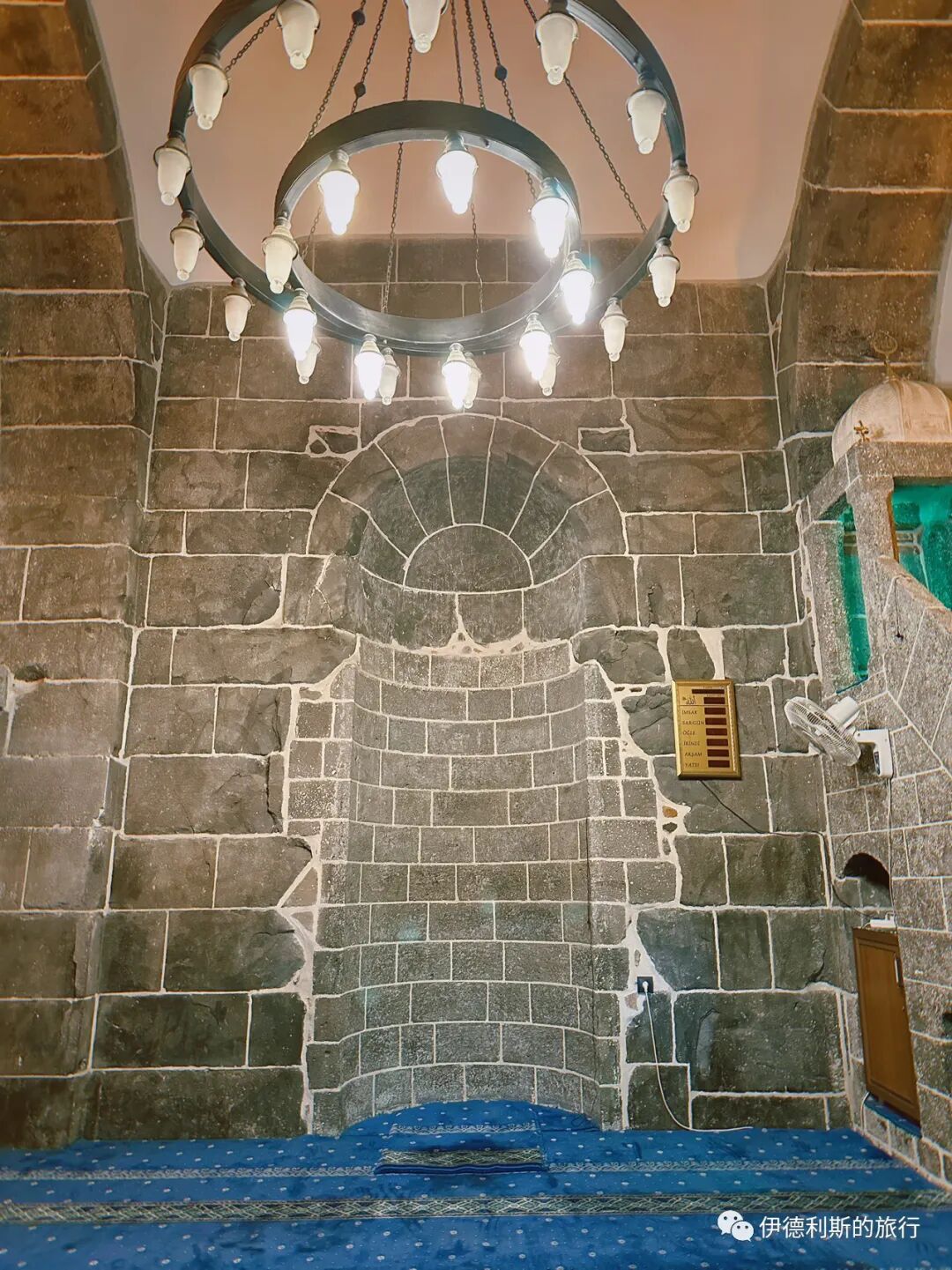
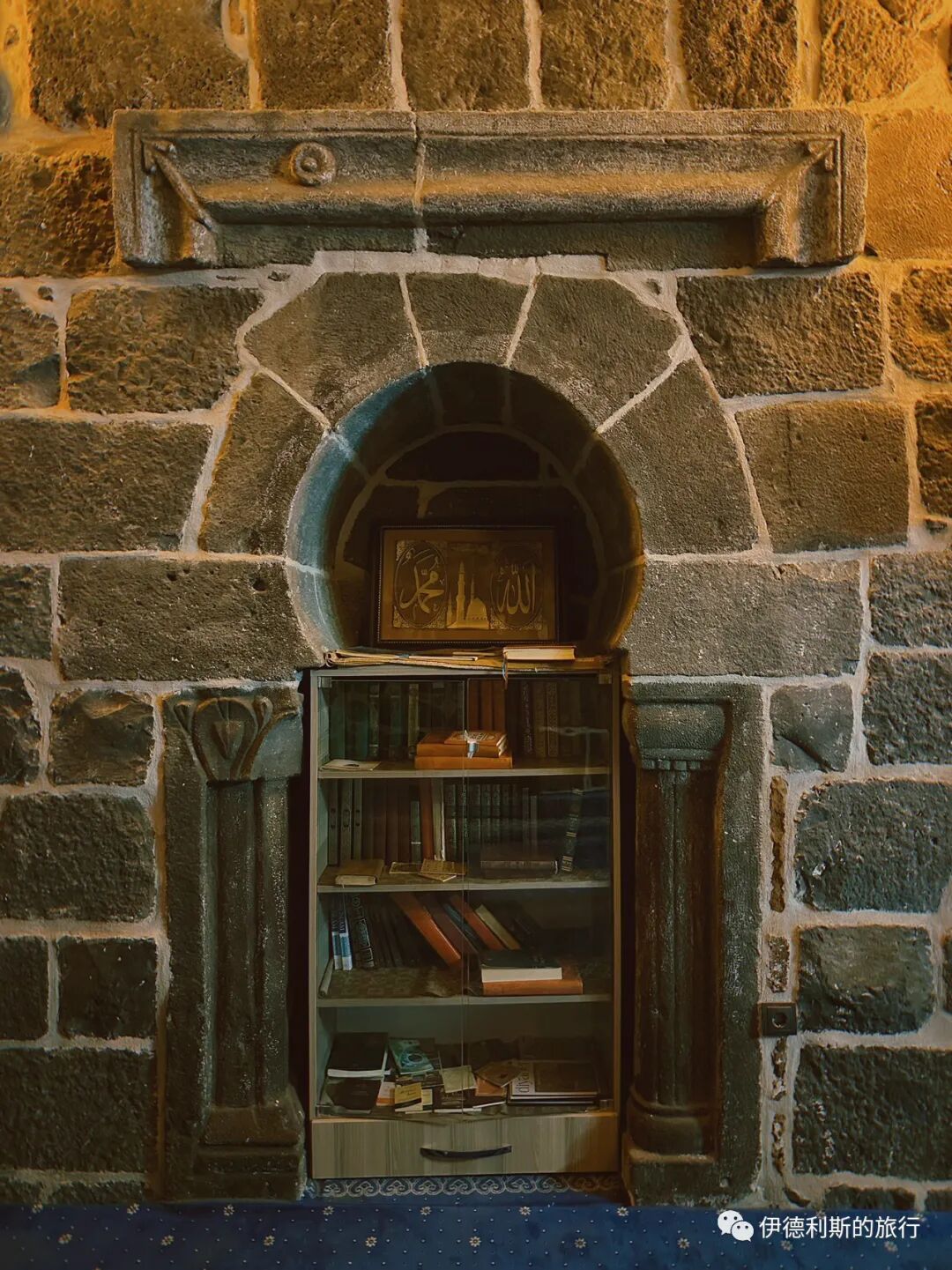
After dinner, we kept walking through the old city and arrived at the Ömer Şeddat mosque, which sits right next to the south gate of the old city. According to the inscription on the wall, this mosque was built in the mid-12th century during the Inalid Beylik period, making it over 800 years old.
Sultan Şuca Tomb: early 13th century
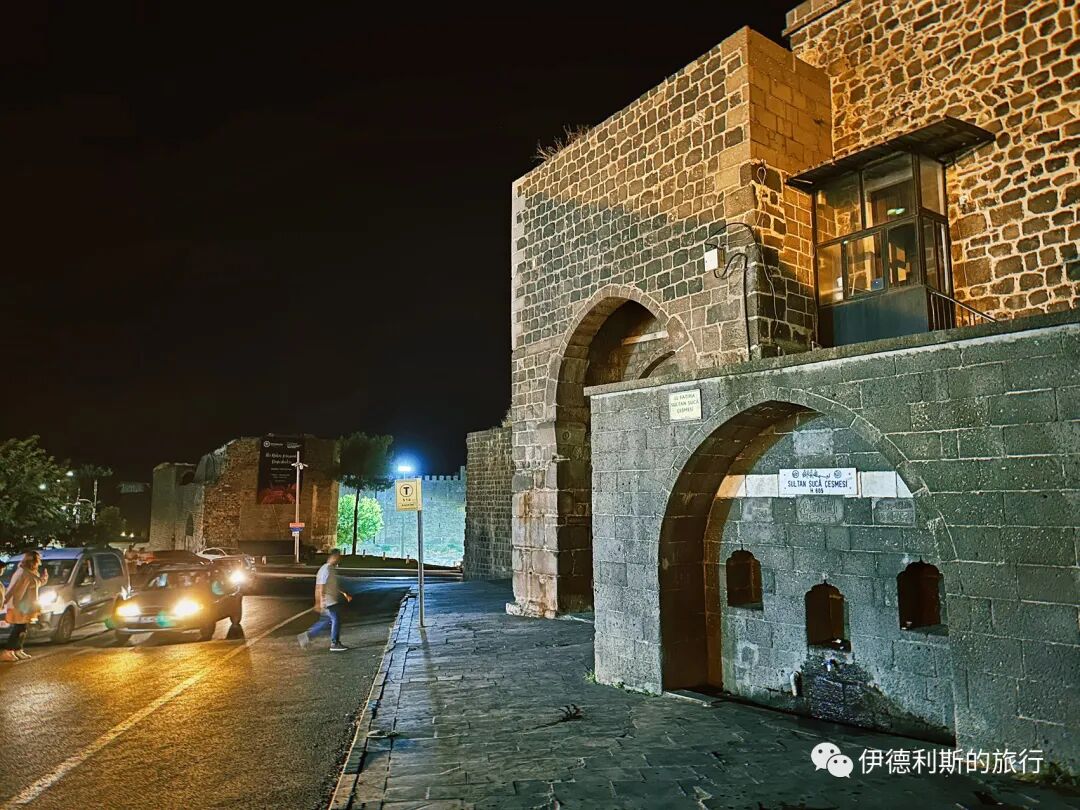
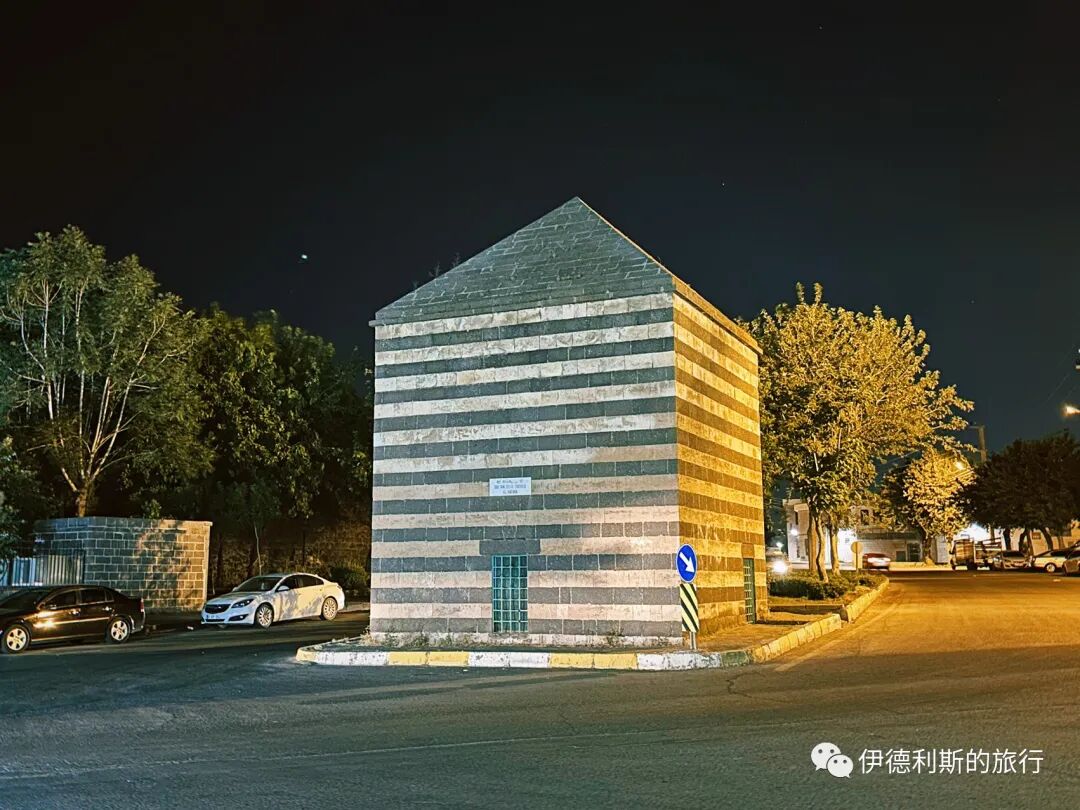
The Sultan Şuca Tomb (Sultan Şuca Türbesi) stands in the middle of the road directly across from the Ömer Şeddat mosque. The tomb itself has no inscription, but the fountain in front of it is carved with an inscription dating to 1208-09. Historical records show that Sultan Şuca built a madrasa, a tomb, and a fountain near the south gate of Diyarbakır, so it is believed this tomb is one of them.
Mardin Gate: 909-10
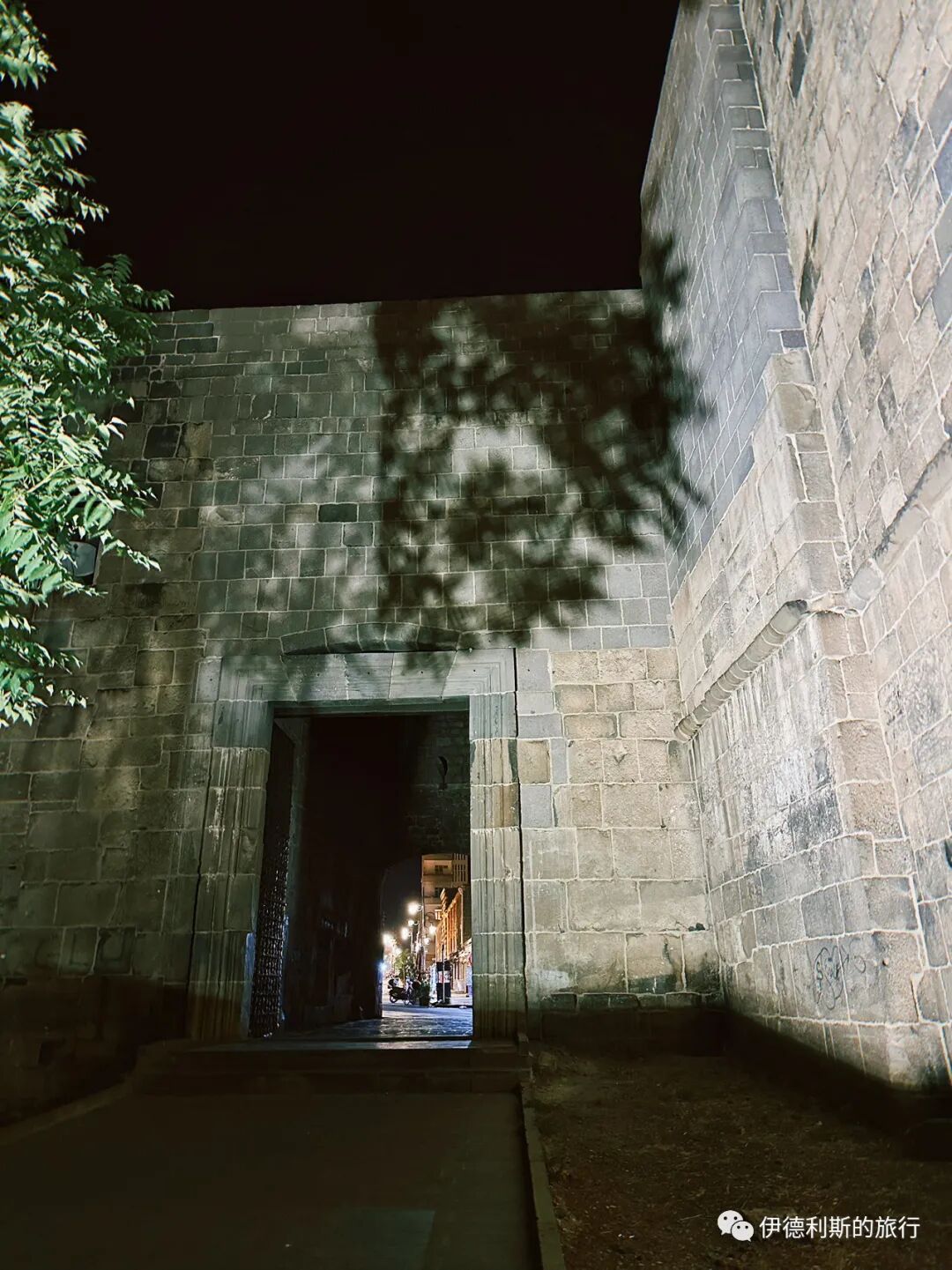
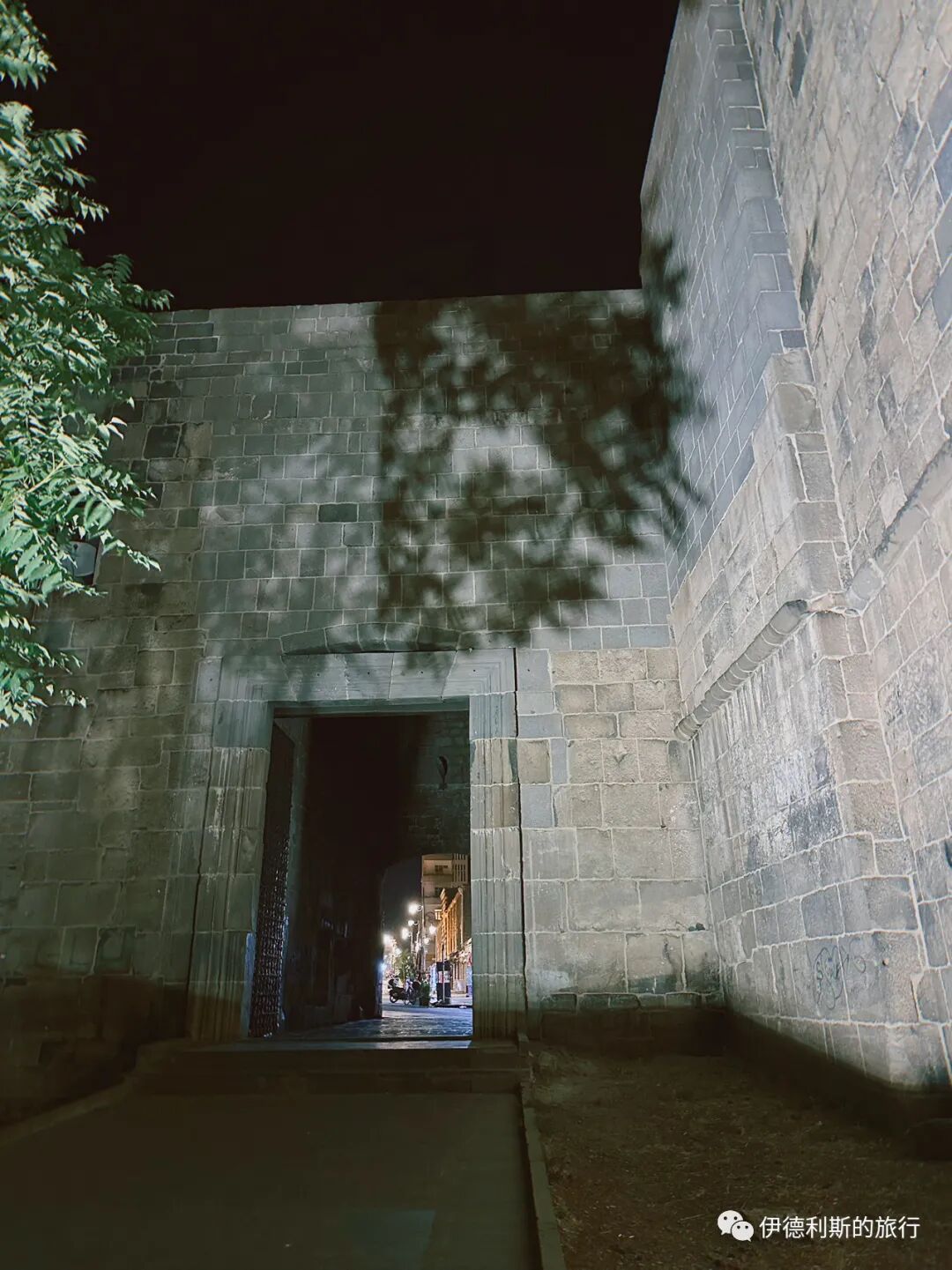
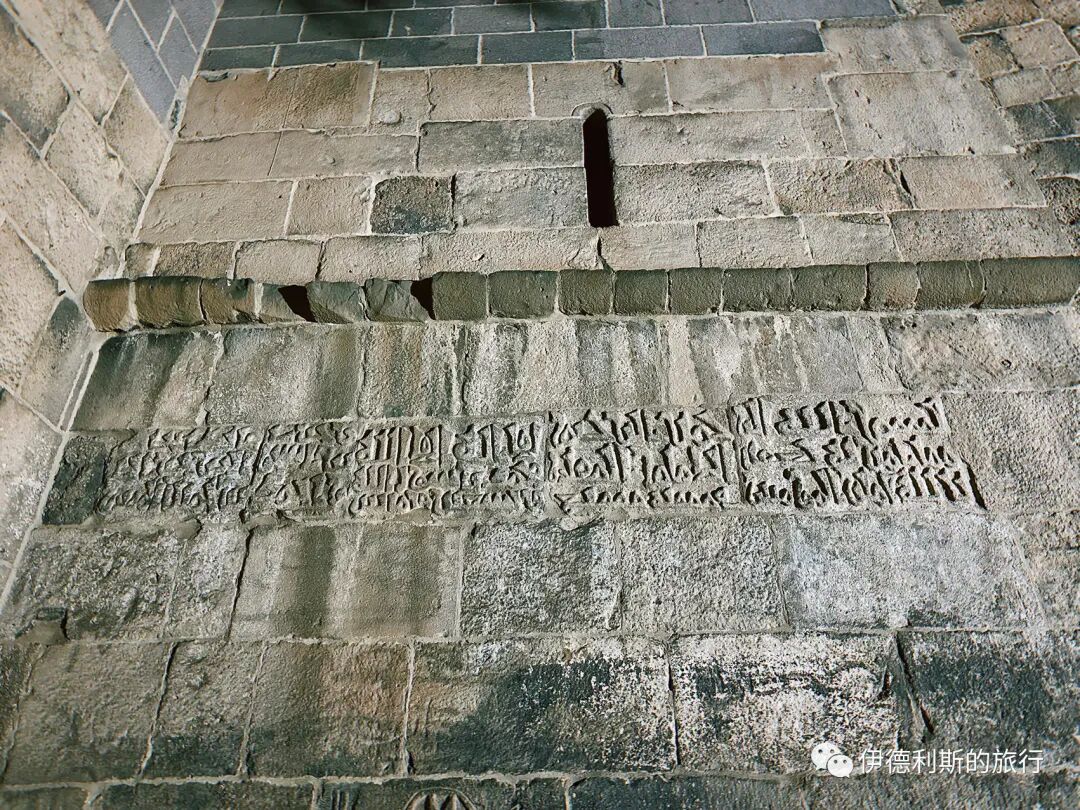
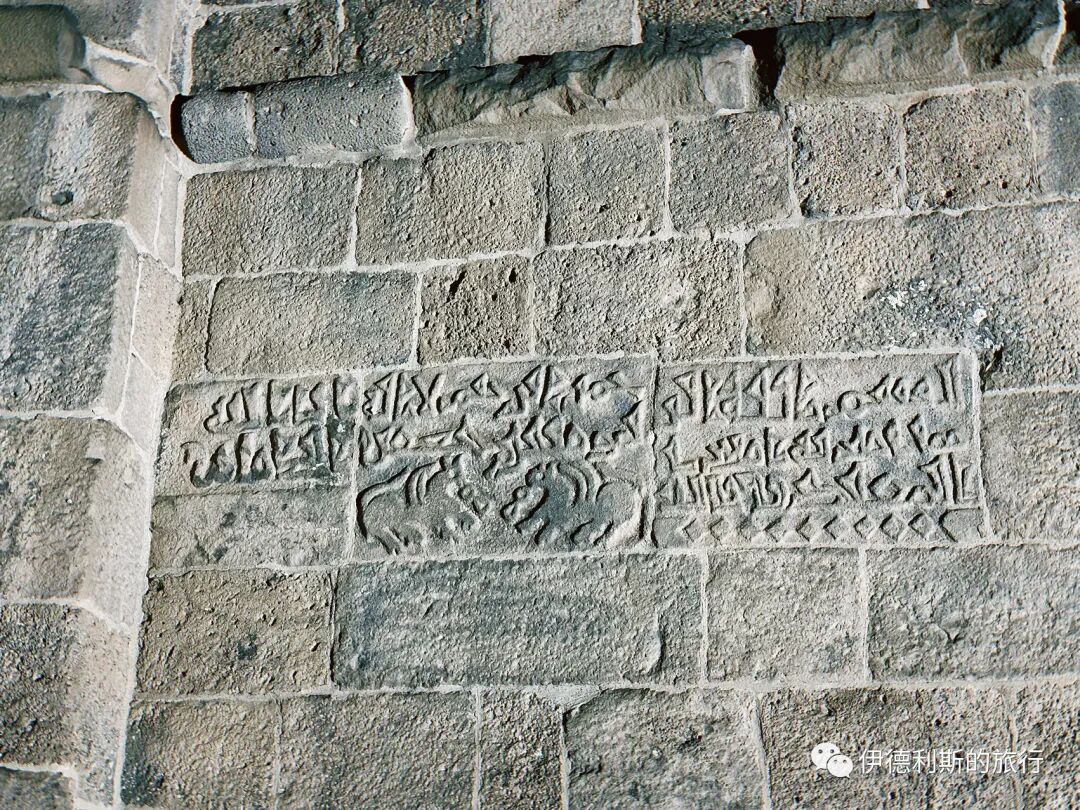
We took a night tour of the Mardin Gate, the south gate of the old city of Diyarbakır, which is named for the road leading south to the city of Mardin. The Mardin Gate was destroyed and rebuilt many times due to war. During the 9th-century Şeyhoğulları dynasty (869-899), the gate was destroyed to defend against attacks from the Byzantine Empire. The Şeyhoğulları was an Arab tribal dynasty that was annexed by the Abbasid Caliphate after a short 30-year rule. According to the inscription on the gate, the current structure was rebuilt by the Abbasid Caliphate in 909-910.
Keçi Tower: Byzantine period
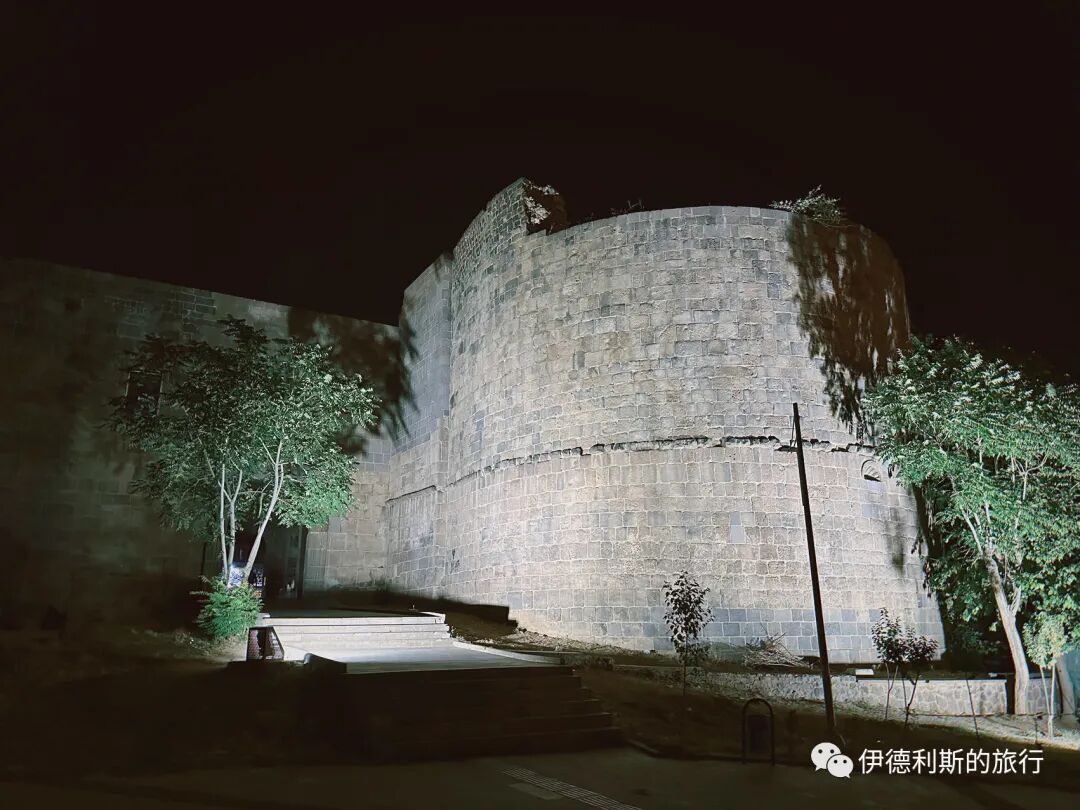
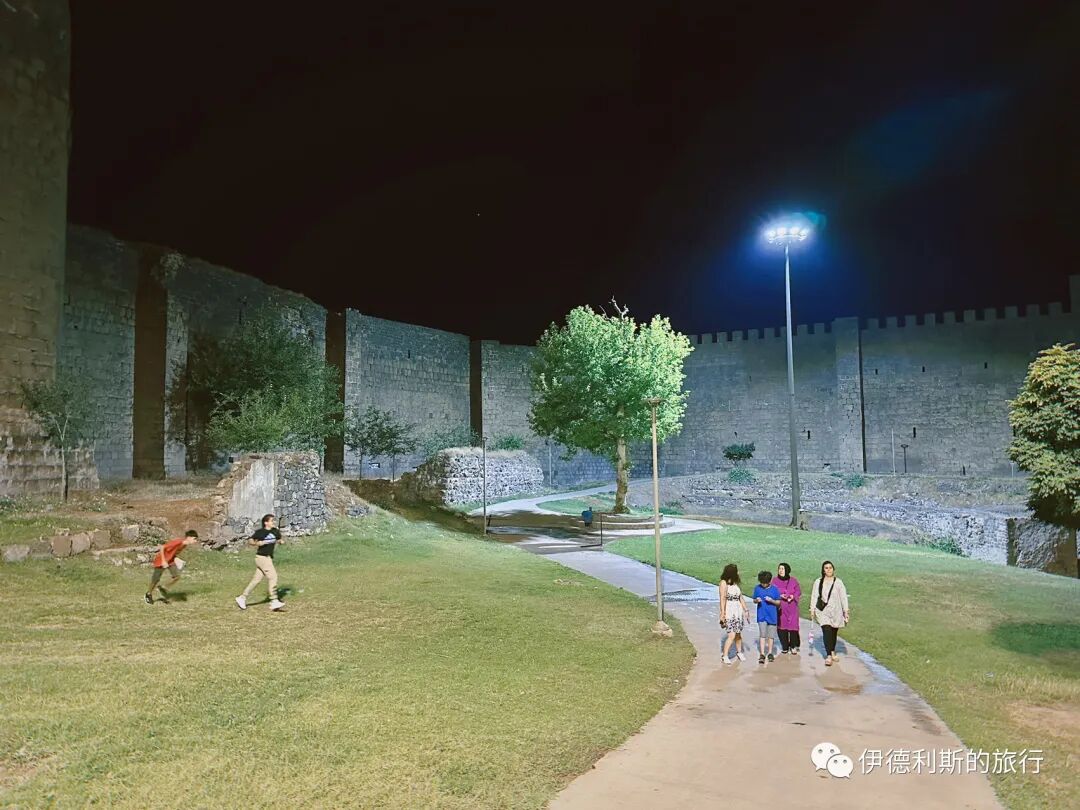
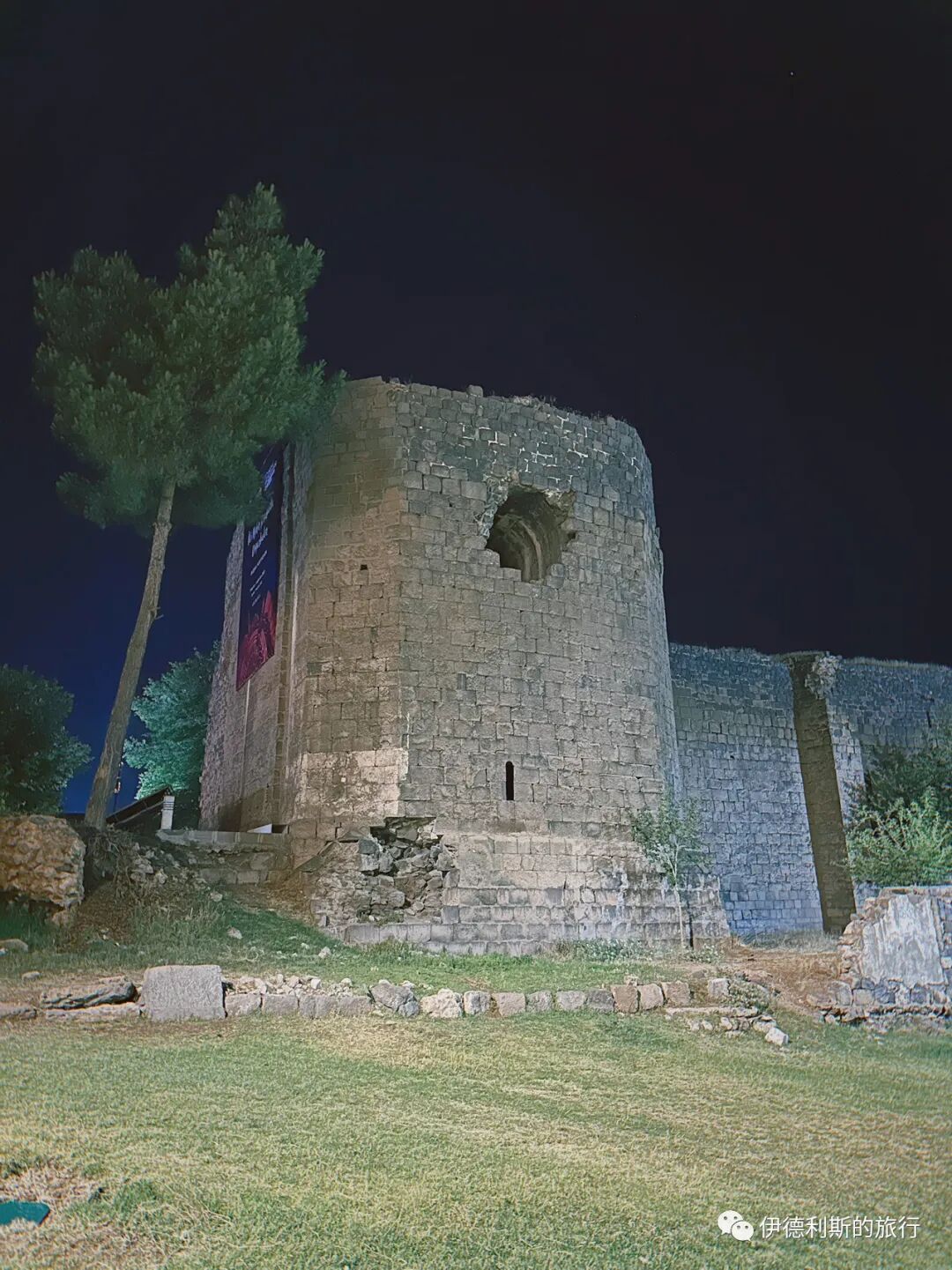
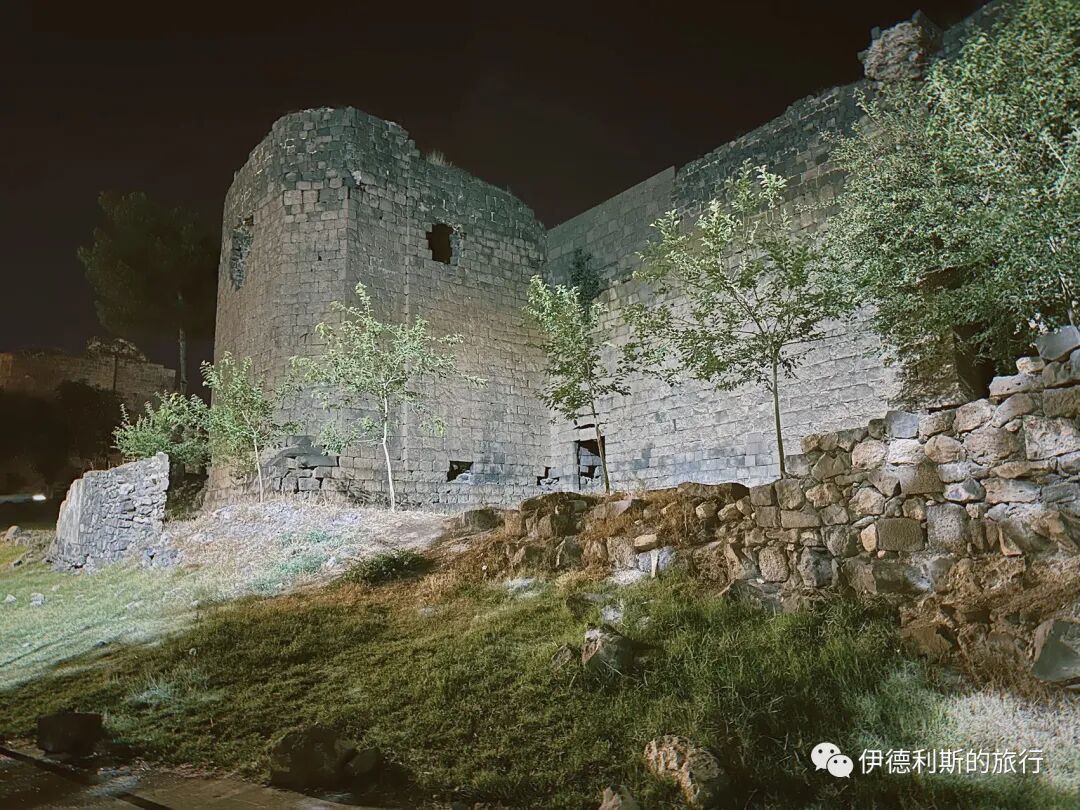
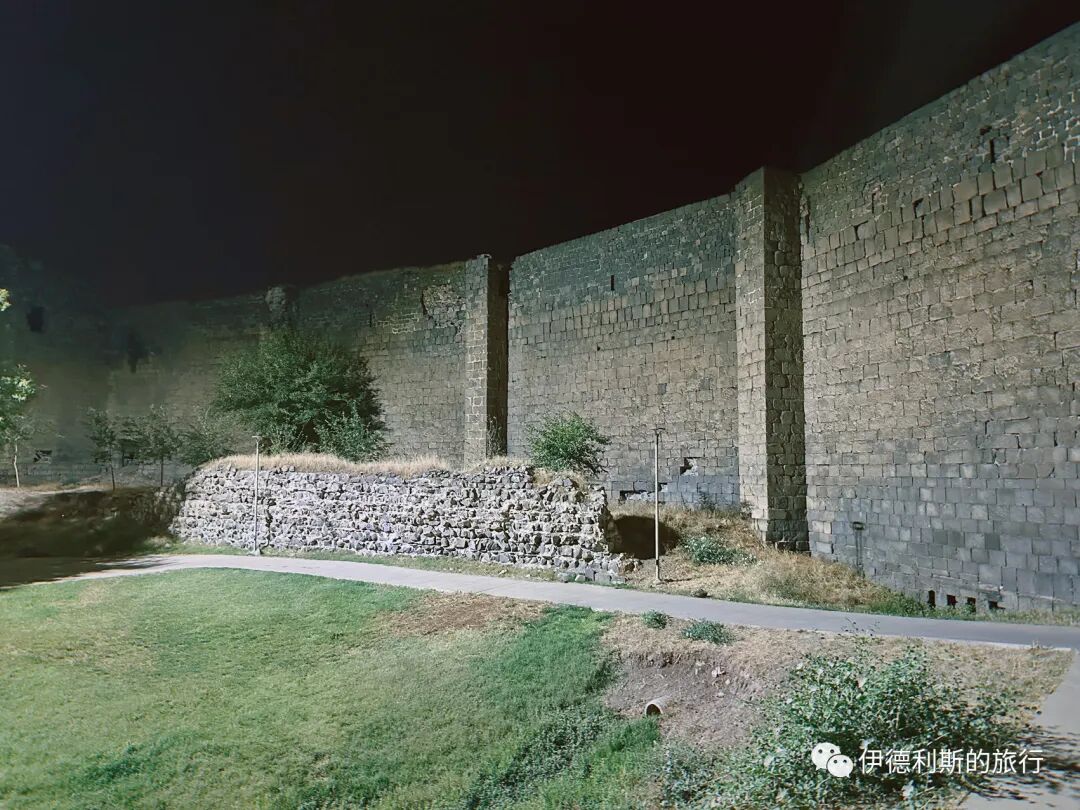
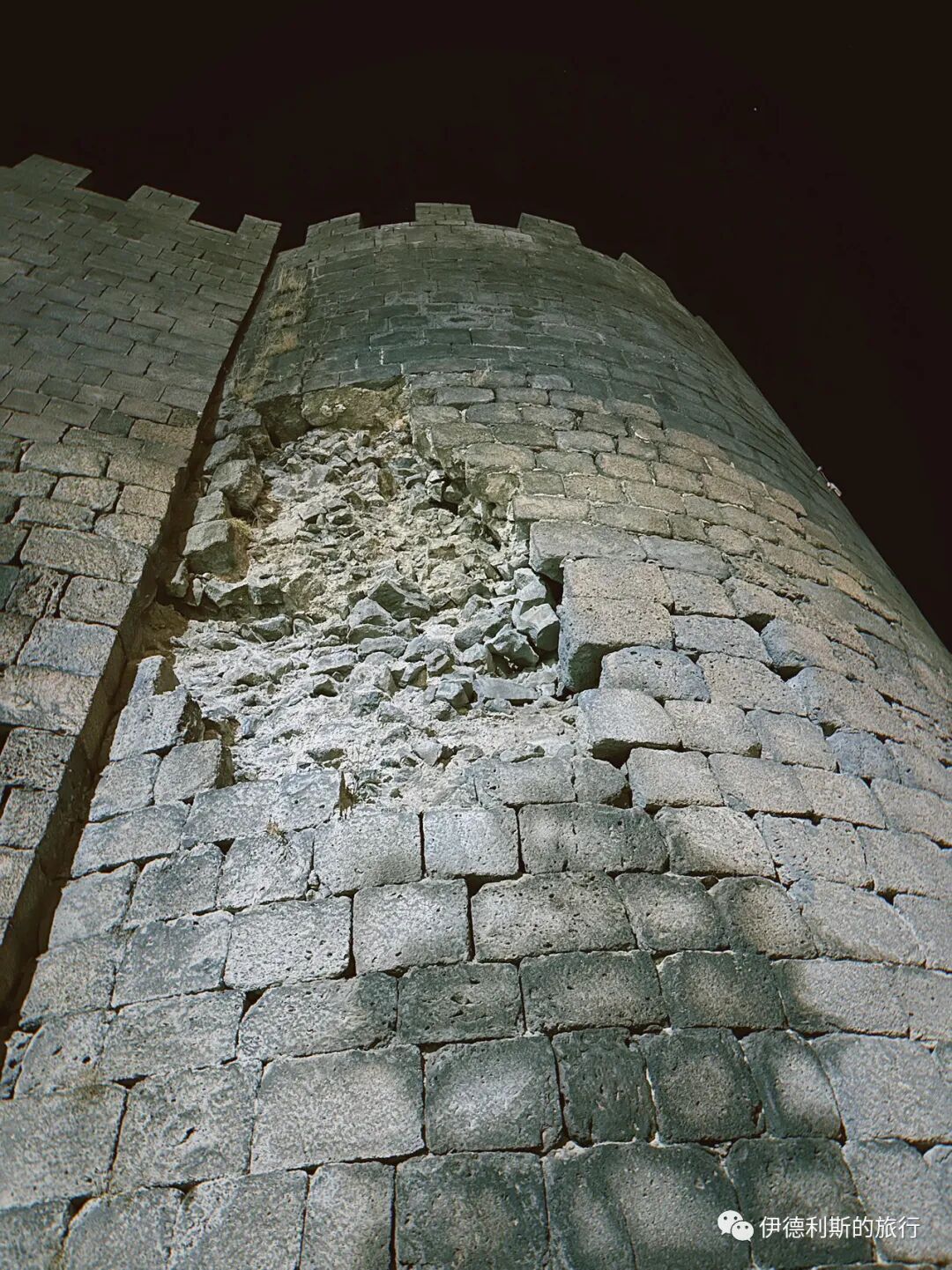
South of the Mardin Gate is the Keçi Tower, the southernmost point of the old city of Diyarbakır. The entire tower is built on a rock and overlooks the Tigris River valley to the south of the old city. Keçi was built around the Byzantine period and expanded during the Umayyad Caliphate to help it strongly guard the Mardin Gate. We saw some bricks and stones scattered below the tower that fell during the Turkey-Syria earthquake on February 6, 2023.
Deliller Inn: 1521-27
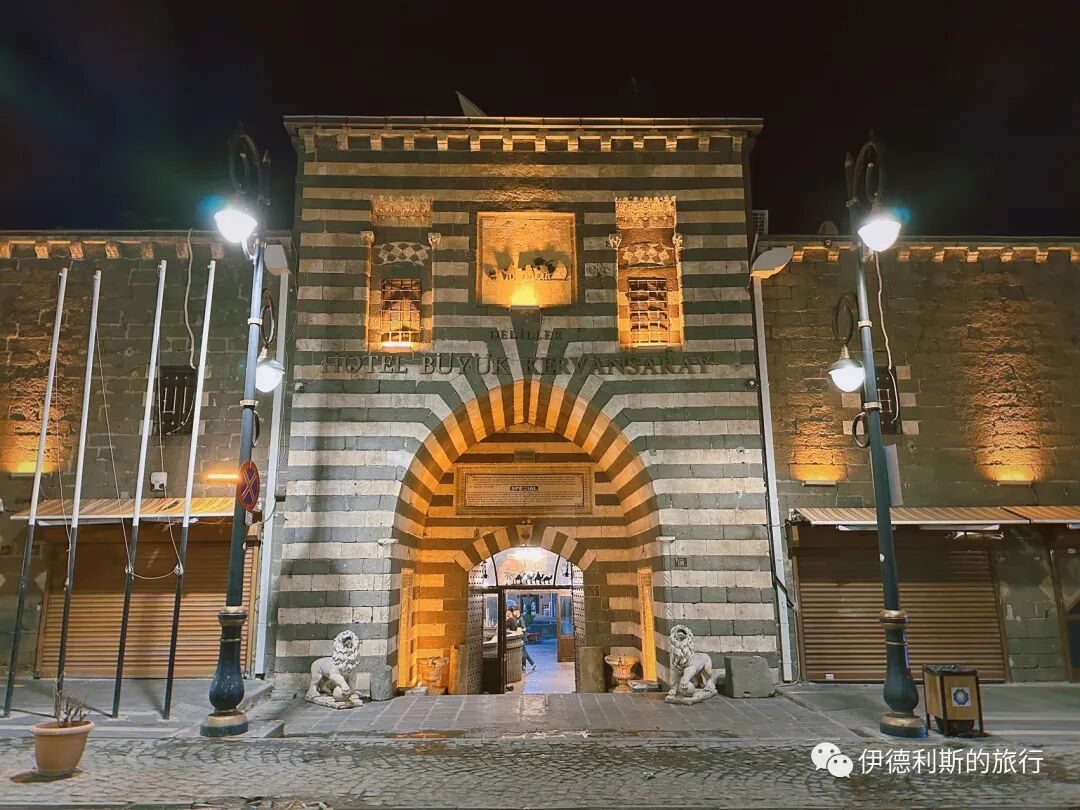
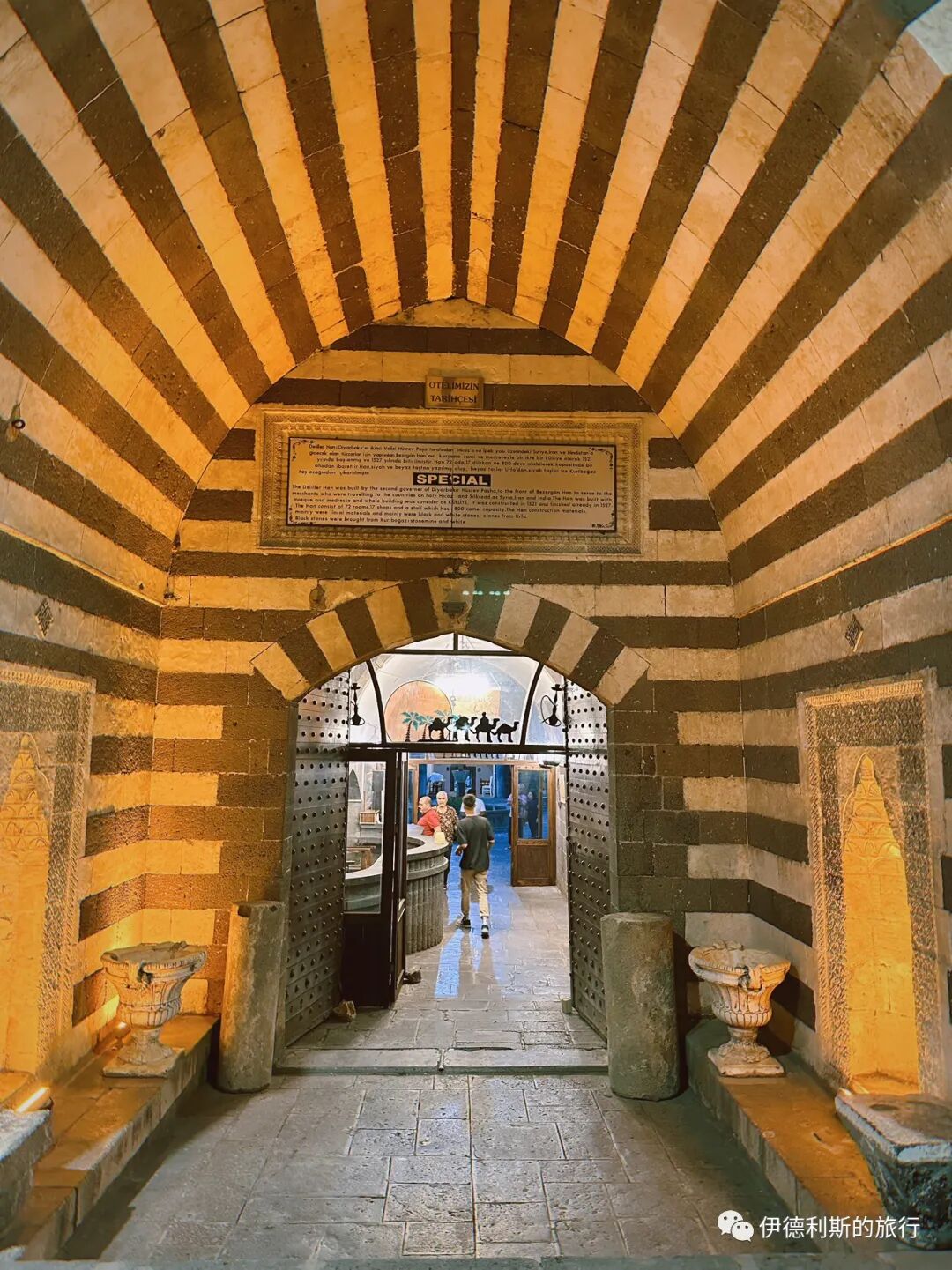
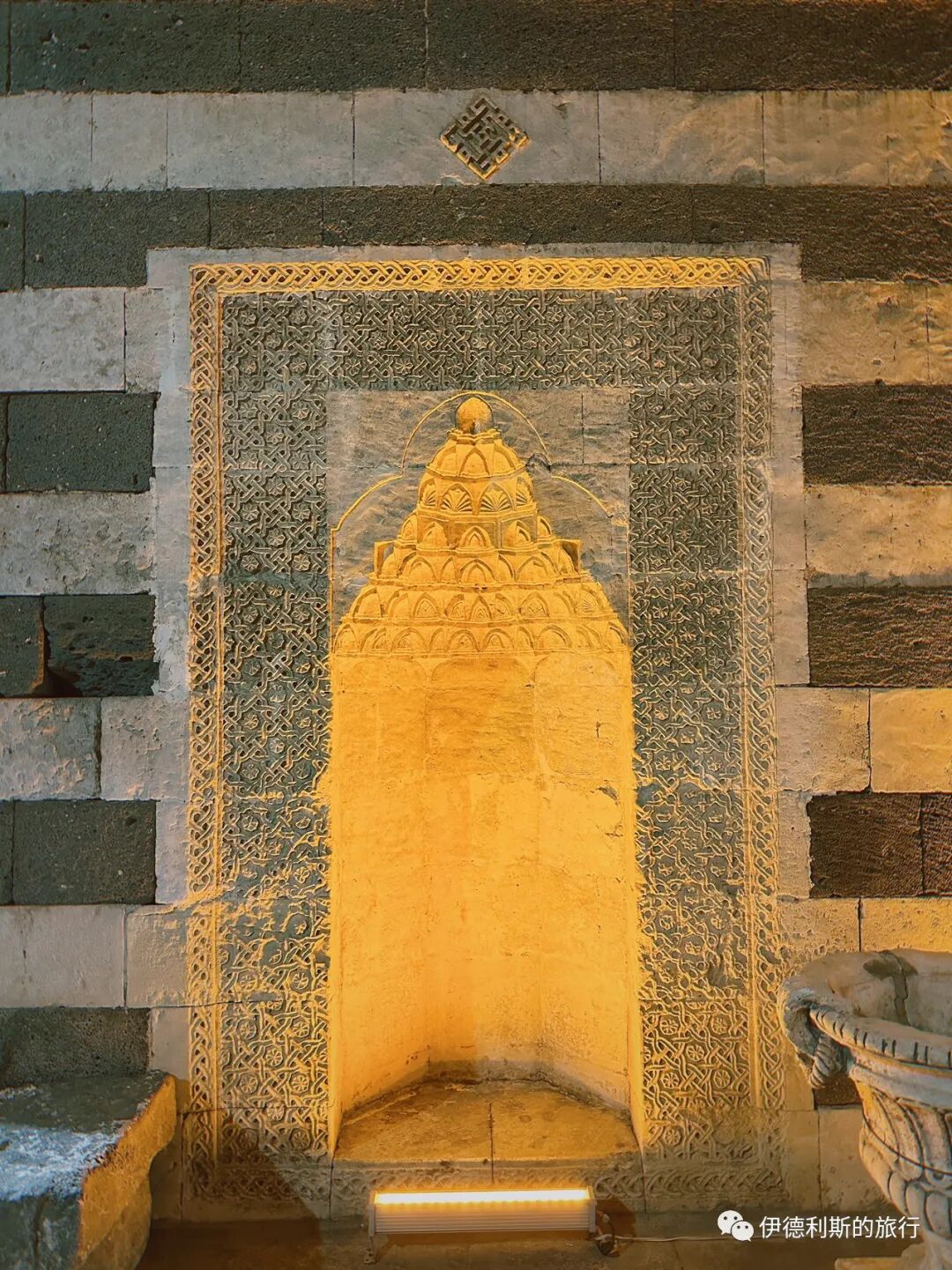
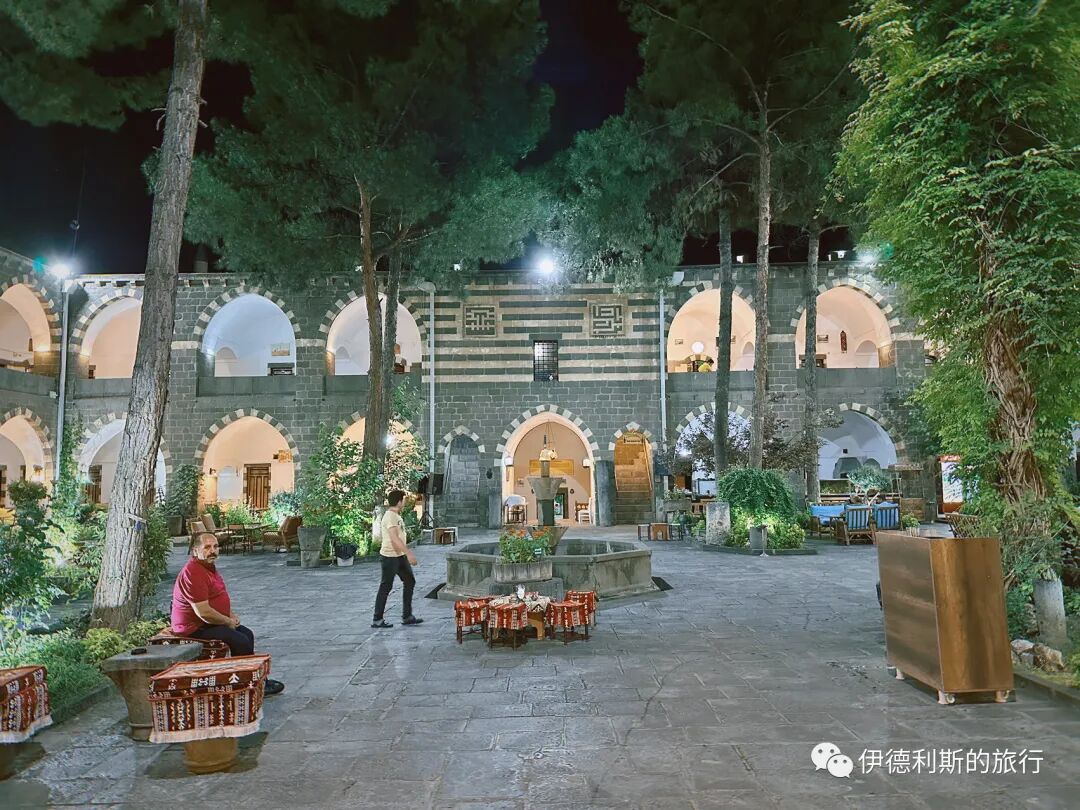
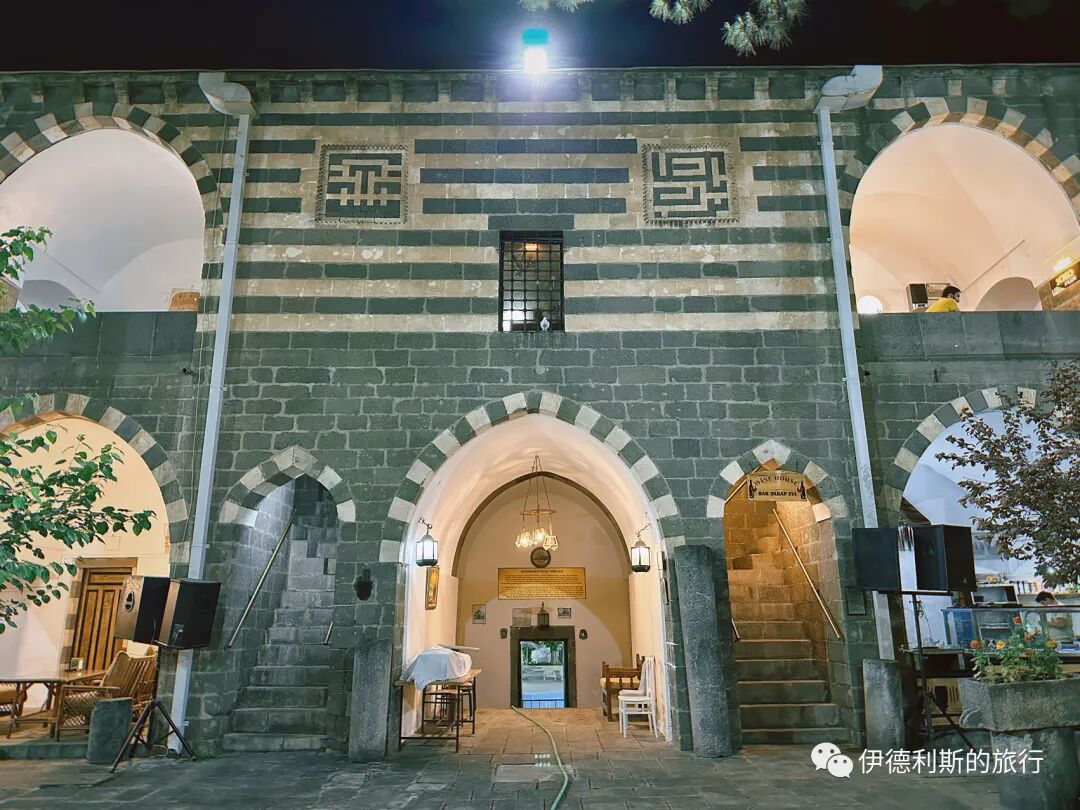
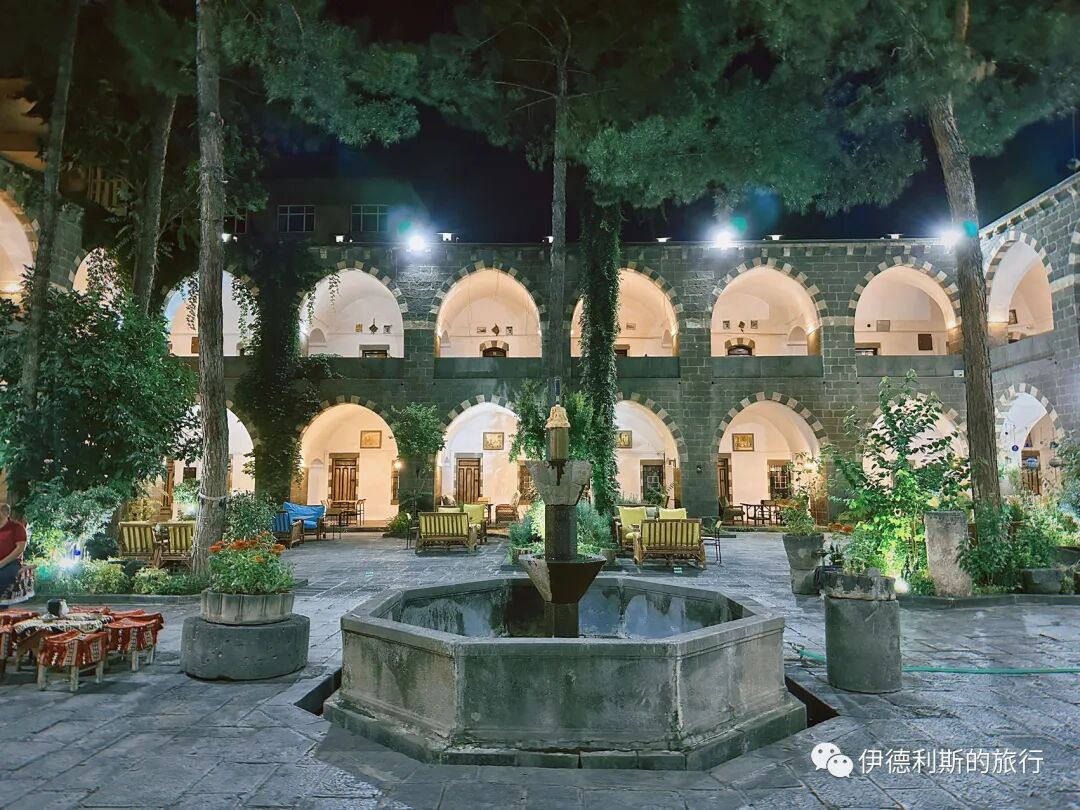
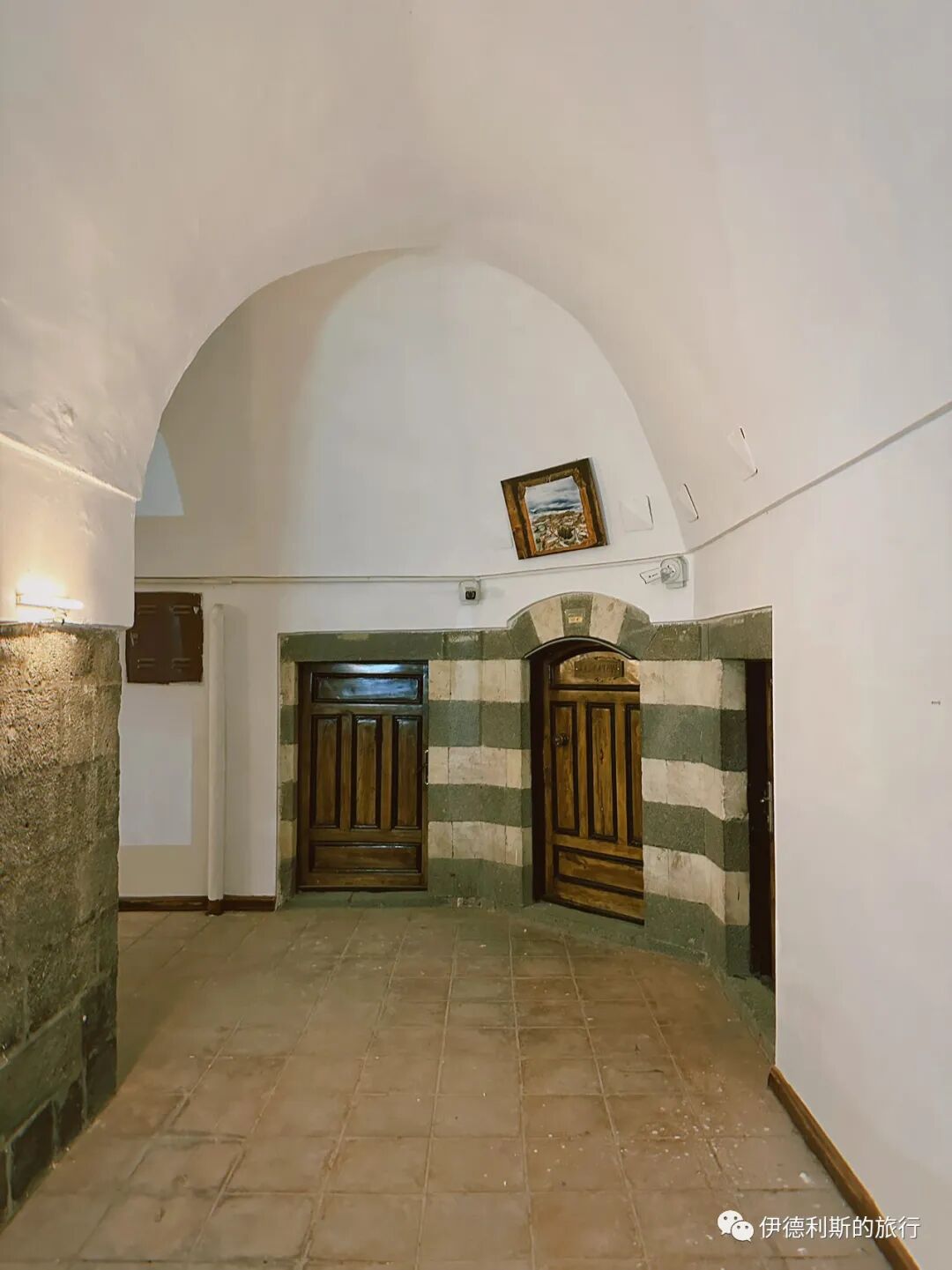
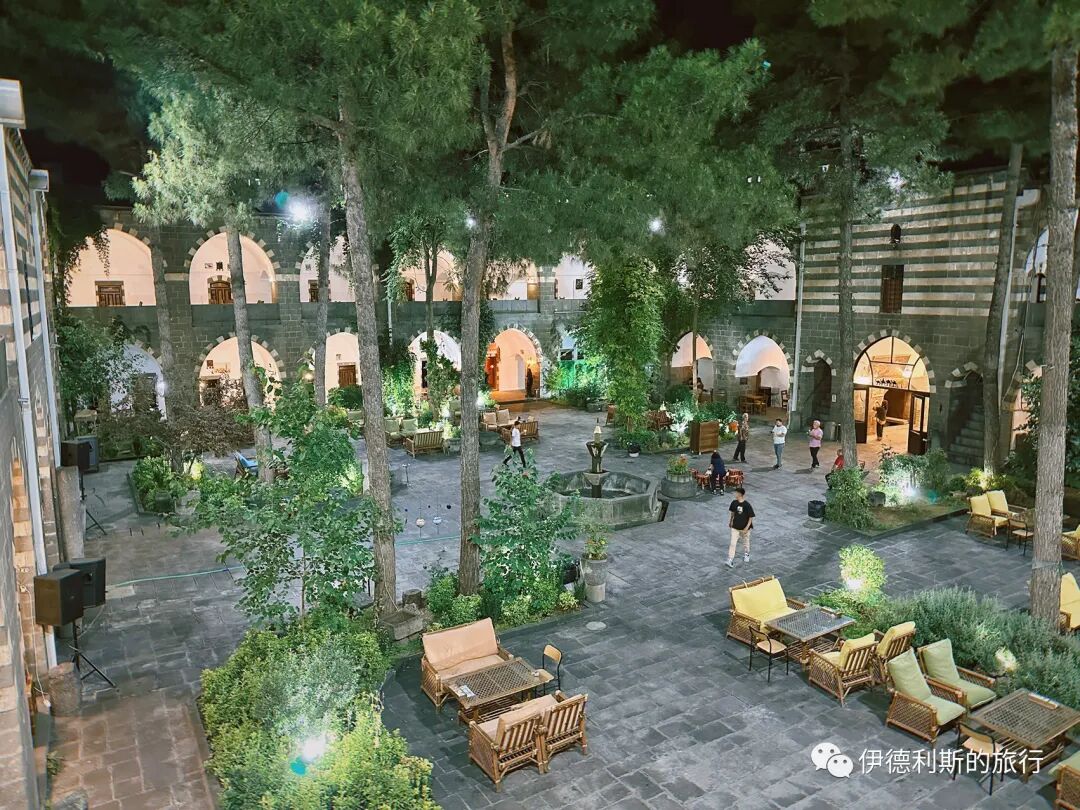
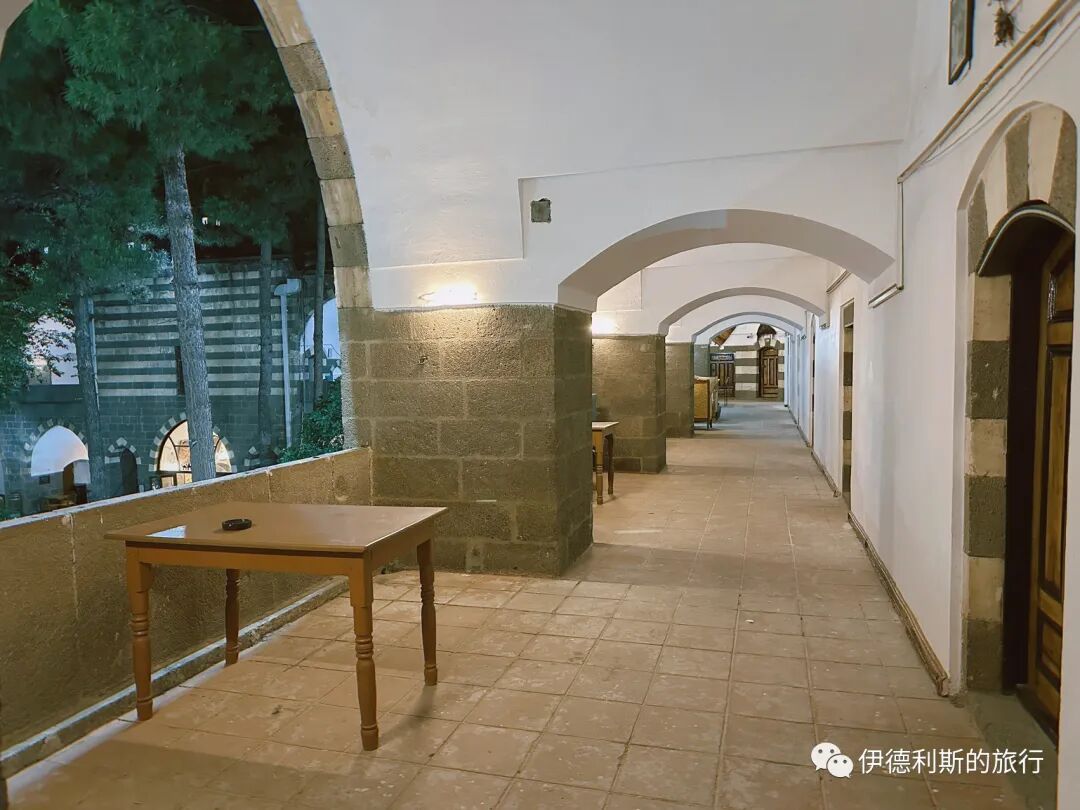
We finished our trip by visiting the Deliller Inn (Hanı) inside the south gate of the old city. Deli Hüsrev Paşa, the second Ottoman governor of Diyarbakır, built this caravanserai between 1521 and 1527. It has the look of an early Ottoman inn but keeps the building traditions of the Seljuk era. The open courtyard is surrounded by two floors of galleries, with 72 rooms, 17 shops, and a stable that could hold 800 camels.
In the past, many caravans from Syria, Iran, India, and other places stayed here. It is still used as a hotel today, but I could not find a way to book it online before I arrived.
Summary: Diyarbakir is a thousand-year-old city by the Tigris River with layered Kurdish, Islamic, and regional history. This second part continues through its historic mosques, streets, and old city scenes while keeping the source order and image mapping.
Behrem Pasha Mosque: 1564-72.
Walk west from the main road to reach the Behrem Pasha Mosque, built by the Ottoman governor Behrem Pasha between 1564 and 1572. Behrem Pasha served as the governor of Diyarbakır in the 1560s. The great Ottoman architect Mimar Sinan mentioned this mosque in one of his autobiographies, Tuḥfetü'l-Miʿmārīn. Experts believe Sinan did not supervise the construction himself but likely delegated it to another royal architect.
The mosque features the traditional Diyarbakır exterior of alternating black basalt and white limestone, with a beautiful stalactite-style cornice (muqarnas) above the main gate. The main dome of the prayer hall stands 15.9 meters high and rests on eight pointed arches. The interior follows a classic Ottoman style.
The Behrem Pasha Mosque has a beautiful prayer niche (mihrab) and a pulpit (minbar), with intricate Arabic calligraphy on the minbar door. The prayer hall is decorated with beautiful tiles. Analysis suggests these were fired locally in Diyarbakır, but they are just as fine as the popular Iznik tiles of that time.
Cemil Pasha Mansion: 1888-1902.
Continue south to reach the Cemil Pasha Mansion (Cemil Paşa Konağı), the best-preserved mansion in Diyarbakır, which now serves as the Diyarbakır City Museum.
Cemil Pasha served as the Ottoman governor of Yemen and Siirt. He built this mansion between 1888 and 1902 and lived there until 1927. In 2012, the Diyarbakır municipal government reached an agreement with the descendants of Cemil Pasha to restore the mansion, and it officially opened as a city museum in 2014.
The Cemil Pasha Mansion consists of two large courtyards. One is the private family area known as the harem (harem), and the other is the public area for receiving guests and business known as the reception hall (selamlık). This layout was standard for the mansions of high-ranking Ottoman officials. The north side of the harem served as winter quarters to catch the sun, while the south side served as summer quarters to stay in the shade. The selamlık includes stables, servant rooms, reception rooms, a coffee room, and a water pool.
The interior of the Cemil Pasha Mansion (Cemil Paşa Konağı), now the Diyarbakır City Museum, displays every aspect of life for the Kurds in Turkey.
Ziya Gökalp Museum: early 19th century
We arrived at the northwest side of the old city of Diyarbakır and first visited the Ziya Gökalp Museum, dedicated to the father of Turkish nationalism. The museum is housed in a black basalt home built in the early 19th century. The Ziya Gökalp family bought it in 1824, and he was born there in 1876.
In 2014, ISIS besieged the Syrian Kurdish city of Kobani, forcing many Kurds to flee their homes. Because the Turkish government viewed the Kurdish People's Protection Units (YPG) defending Kobani as a threat, it blocked Turkish Kurds from helping them, which led to large-scale protests by Turkish Kurds. During the clashes, the Ziya Gökalp Museum was damaged, and some archives and books were destroyed. It was later restored by the Association of Turkish Travel Agencies (TÜRSAB).
Iskender Pasha Mansion: 1551
Walking north from the Ziya Gökalp Museum, you reach the Iskender Pasha Mansion (İskender paşa Konağı). Iskender Pasha, the 12th governor of the Ottoman Empire in Diyarbakır, built this in 1551 during the peak of Suleiman the Magnificent's reign. Today, the mansion is a breakfast restaurant, and a plane tree over 400 years old still stands in the courtyard.
In the 1540s and 1550s, Iskender Pasha spent years on the eastern Ottoman border fighting the Georgians and the Persian Safavid Empire, successfully stopping the Safavids from moving west.
Iskender Pasha Mosque: 1557
Next to the Iskender Pasha Mansion is another building he commissioned, the Iskender Pasha Mosque (İskender Paşa Camii). Construction began in 1551 or 1554 and finished in 1557. This is a typical Ottoman single-dome mosque, but the front porch and minaret are built very tall.
Ömer Şeddat Mosque: mid-12th century
After dinner, we kept walking through the old city and arrived at the Ömer Şeddat mosque, which sits right next to the south gate of the old city. According to the inscription on the wall, this mosque was built in the mid-12th century during the Inalid Beylik period, making it over 800 years old.
Sultan Şuca Tomb: early 13th century
The Sultan Şuca Tomb (Sultan Şuca Türbesi) stands in the middle of the road directly across from the Ömer Şeddat mosque. The tomb itself has no inscription, but the fountain in front of it is carved with an inscription dating to 1208-09. Historical records show that Sultan Şuca built a madrasa, a tomb, and a fountain near the south gate of Diyarbakır, so it is believed this tomb is one of them.
Mardin Gate: 909-10
We took a night tour of the Mardin Gate, the south gate of the old city of Diyarbakır, which is named for the road leading south to the city of Mardin. The Mardin Gate was destroyed and rebuilt many times due to war. During the 9th-century Şeyhoğulları dynasty (869-899), the gate was destroyed to defend against attacks from the Byzantine Empire. The Şeyhoğulları was an Arab tribal dynasty that was annexed by the Abbasid Caliphate after a short 30-year rule. According to the inscription on the gate, the current structure was rebuilt by the Abbasid Caliphate in 909-910.
Keçi Tower: Byzantine period
South of the Mardin Gate is the Keçi Tower, the southernmost point of the old city of Diyarbakır. The entire tower is built on a rock and overlooks the Tigris River valley to the south of the old city. Keçi was built around the Byzantine period and expanded during the Umayyad Caliphate to help it strongly guard the Mardin Gate. We saw some bricks and stones scattered below the tower that fell during the Turkey-Syria earthquake on February 6, 2023.
Deliller Inn: 1521-27
We finished our trip by visiting the Deliller Inn (Hanı) inside the south gate of the old city. Deli Hüsrev Paşa, the second Ottoman governor of Diyarbakır, built this caravanserai between 1521 and 1527. It has the look of an early Ottoman inn but keeps the building traditions of the Seljuk era. The open courtyard is surrounded by two floors of galleries, with 72 rooms, 17 shops, and a stable that could hold 800 camels.
In the past, many caravans from Syria, Iran, India, and other places stayed here. It is still used as a hotel today, but I could not find a way to book it online before I arrived.
