

Diyarbakir
Halal Travel Guide: Diyarbakir, Turkey — Tigris River City and Historic Mosques (Part 1)
Articles • ali2007fr posted the article • 0 comments • 232 views • 2026-05-19 03:00
Reposted from the web
Summary: Diyarbakir is a thousand-year-old city by the Tigris River with old walls, mosques, and layers of Kurdish and Islamic history. This first part introduces the city, its historic sites, and its street-level details while preserving the Chinese source facts and photos.
In my last article, "Diyarbakir: A Kurdish City in Southeastern Turkey," I tried many local snacks and drinks in Diyarbakir, the largest Kurdish city in Turkey. In this article, I will introduce the colorful ancient monuments of Diyarbakir that span over a thousand years.
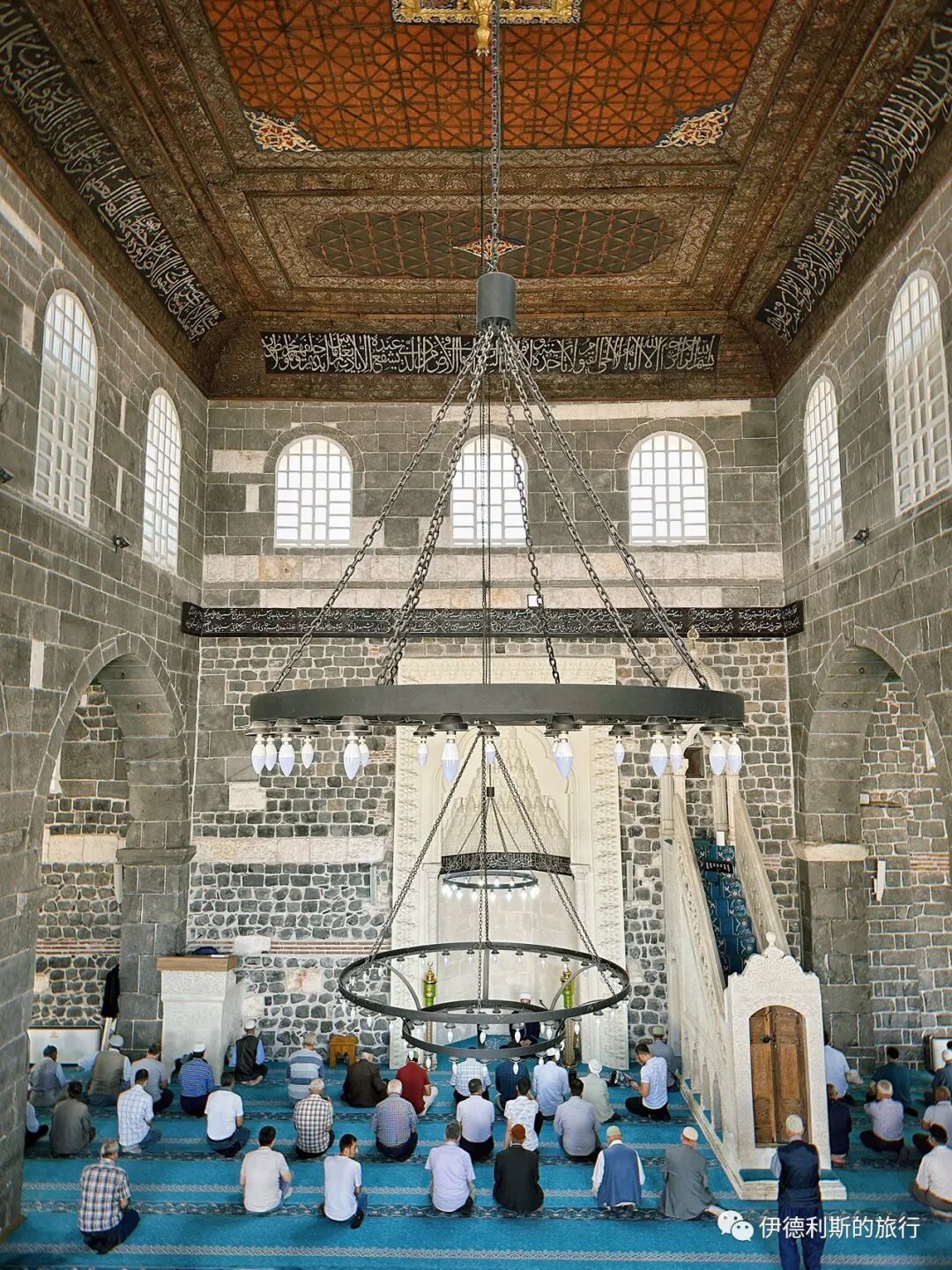
Great Mosque of Diyarbakir: 1092.
I performed namaz at the Great Mosque of Diyarbakir at noon and met a warm and hospitable local friend (dosti). He told me a lot about the mosque and even gave me a book.
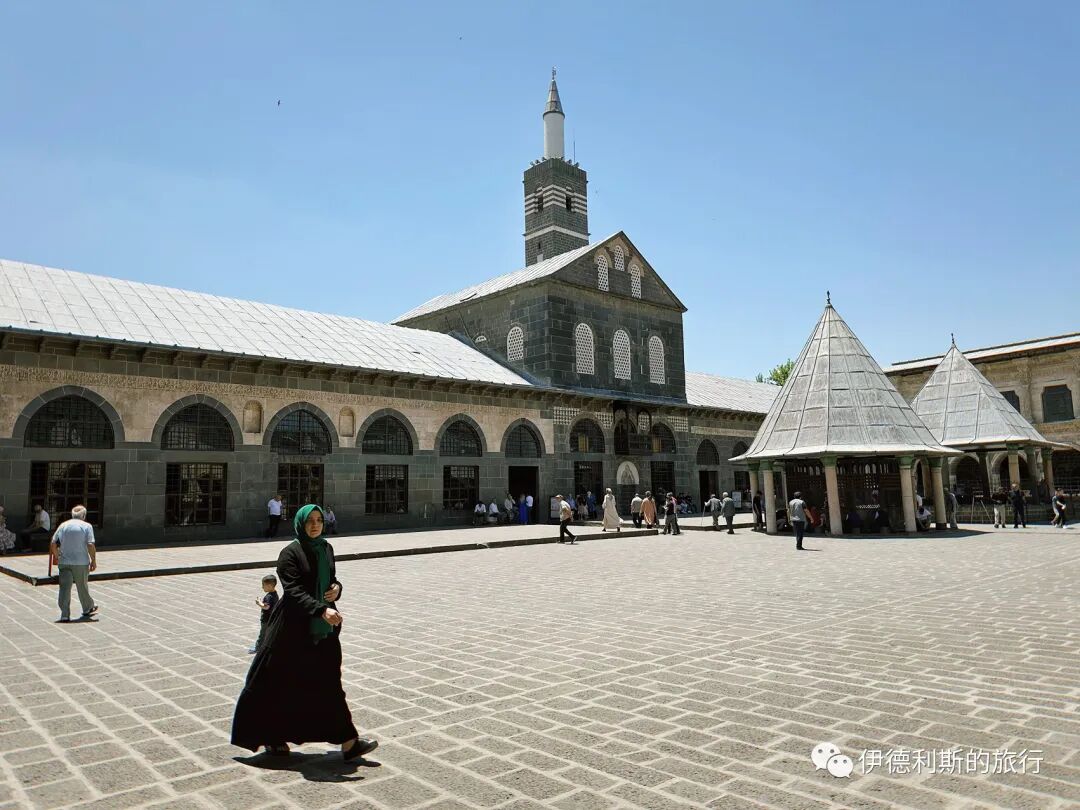
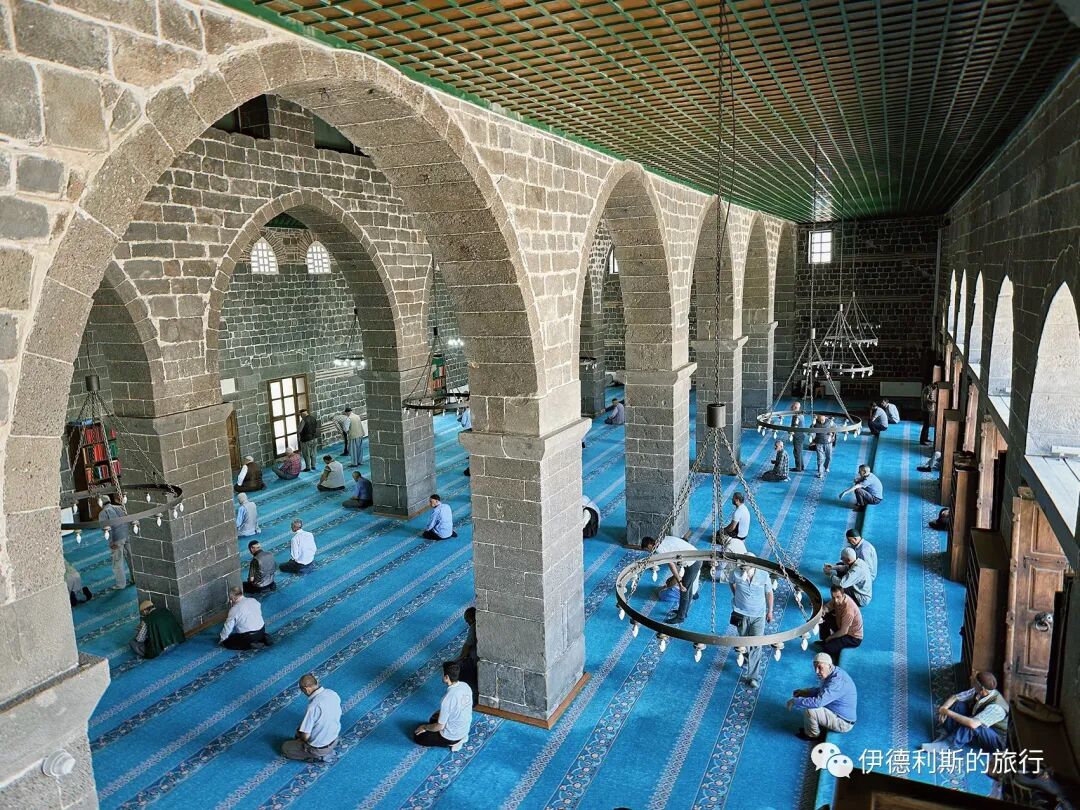
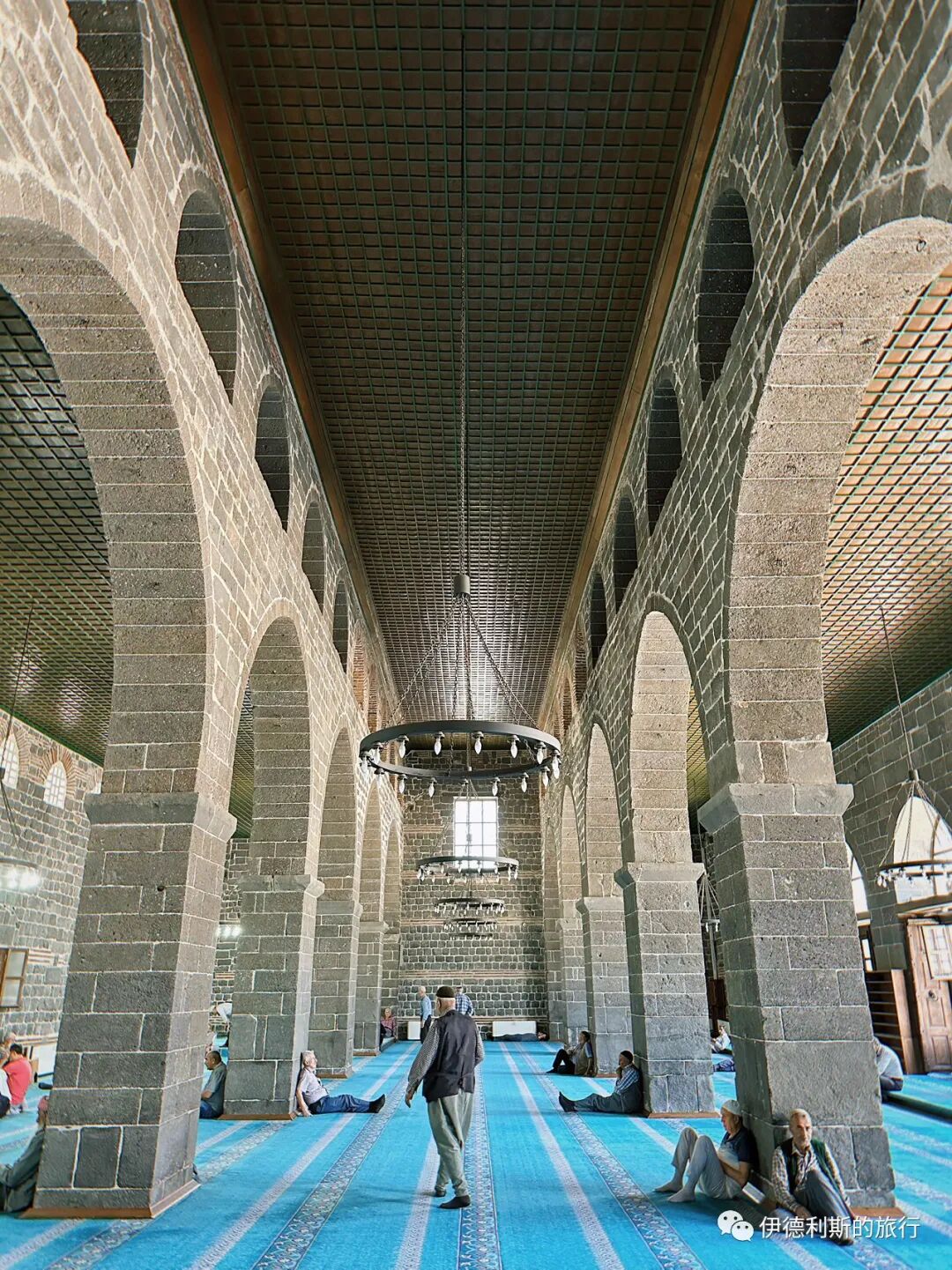
The Great Mosque of Diyarbakir was first built in the 7th century. The current structure was ordered by Malik-Shah I, the third sultan of the Seljuk Empire, in 1092, and it has a history of over nine hundred years. The architectural style of the Great Mosque of Diyarbakir was deeply influenced by the Umayyad Mosque in Damascus. Sultan Malik-Shah I oversaw the restoration of the Umayyad Mosque between 1082 and 1083, and he wanted to bring the prestige and glory of Damascus to Diyarbakir.
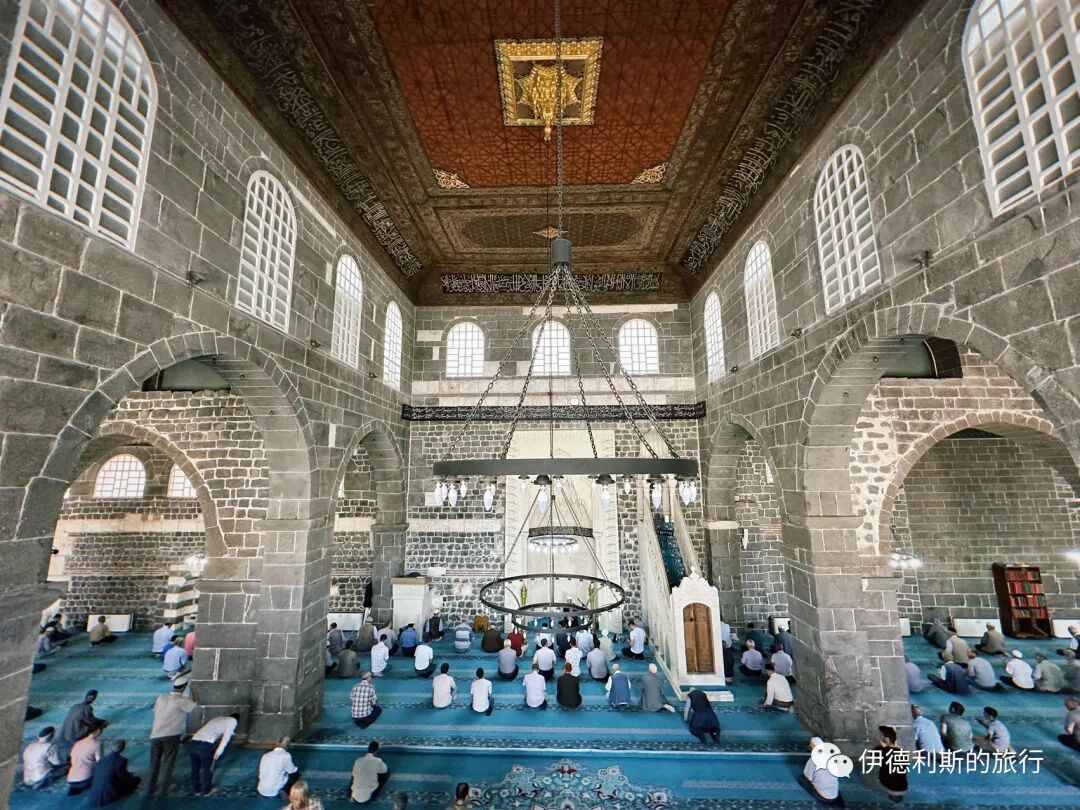
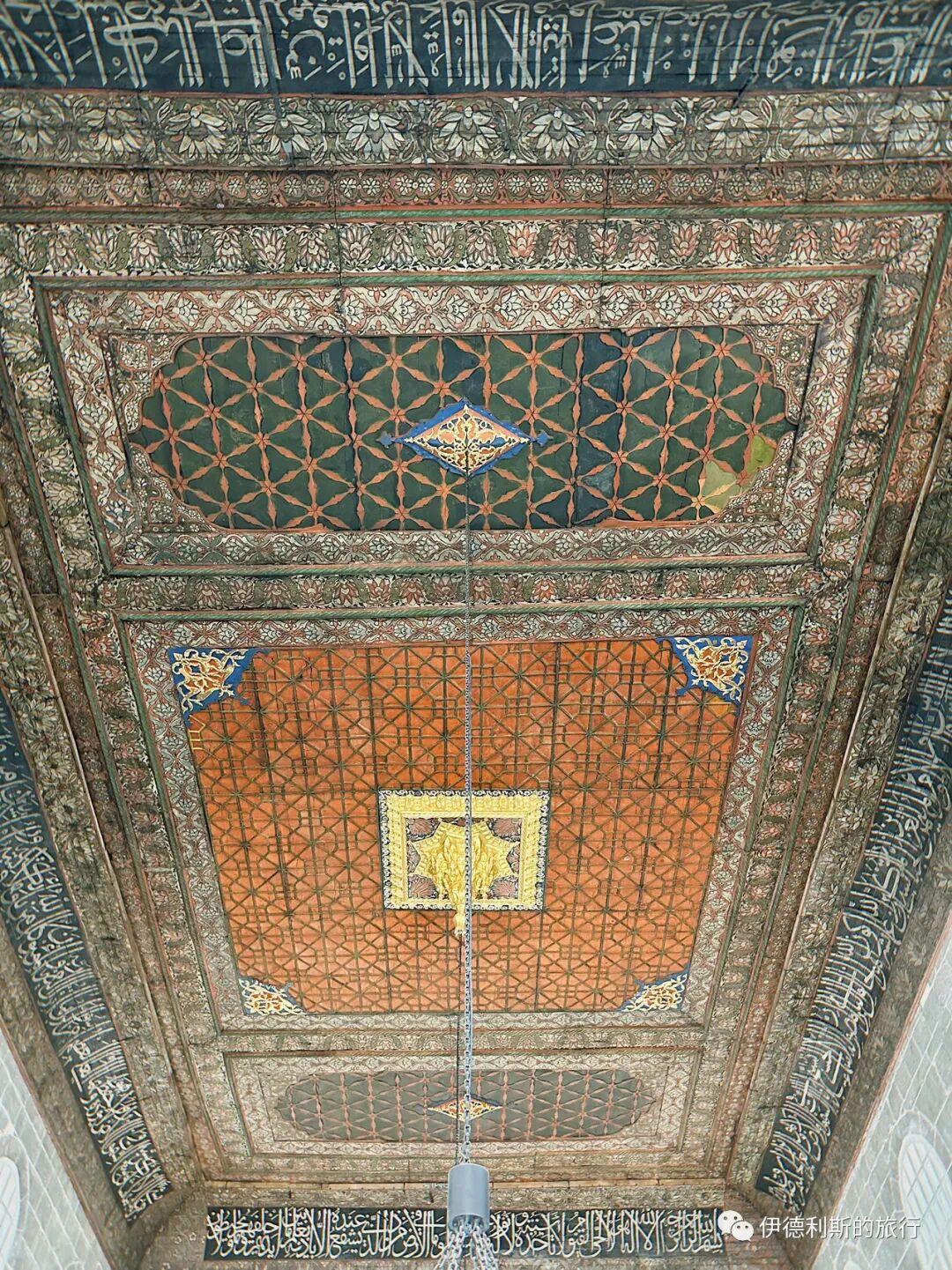
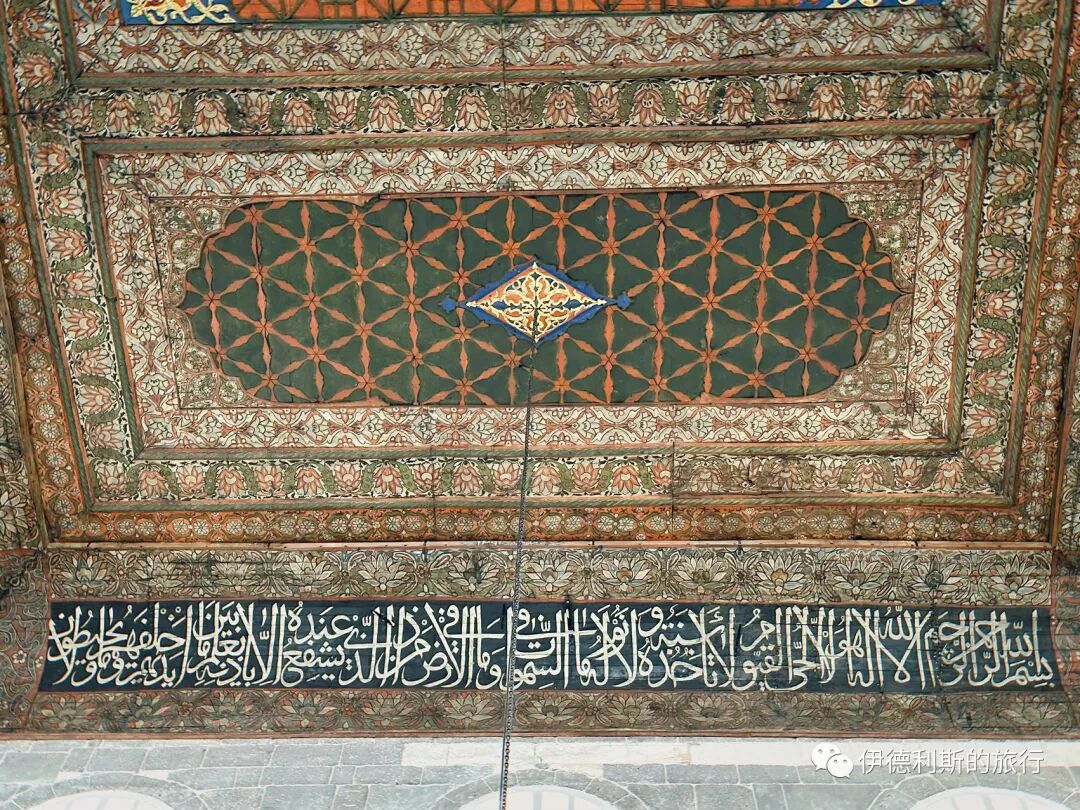
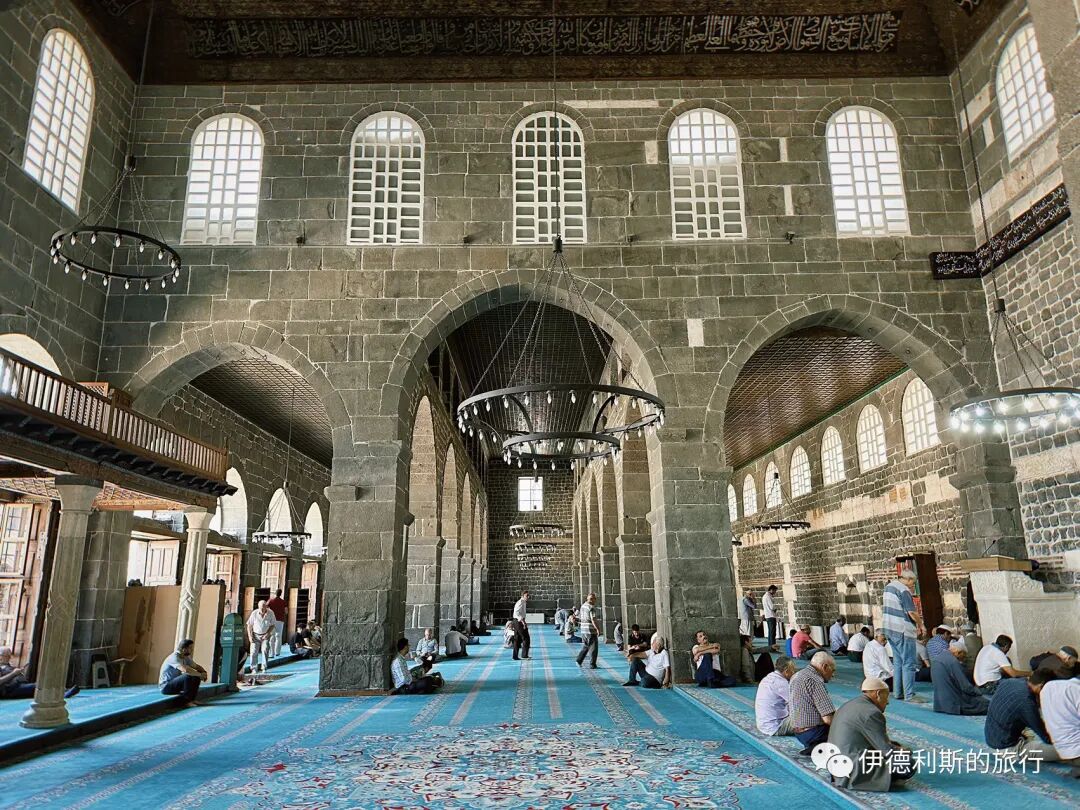
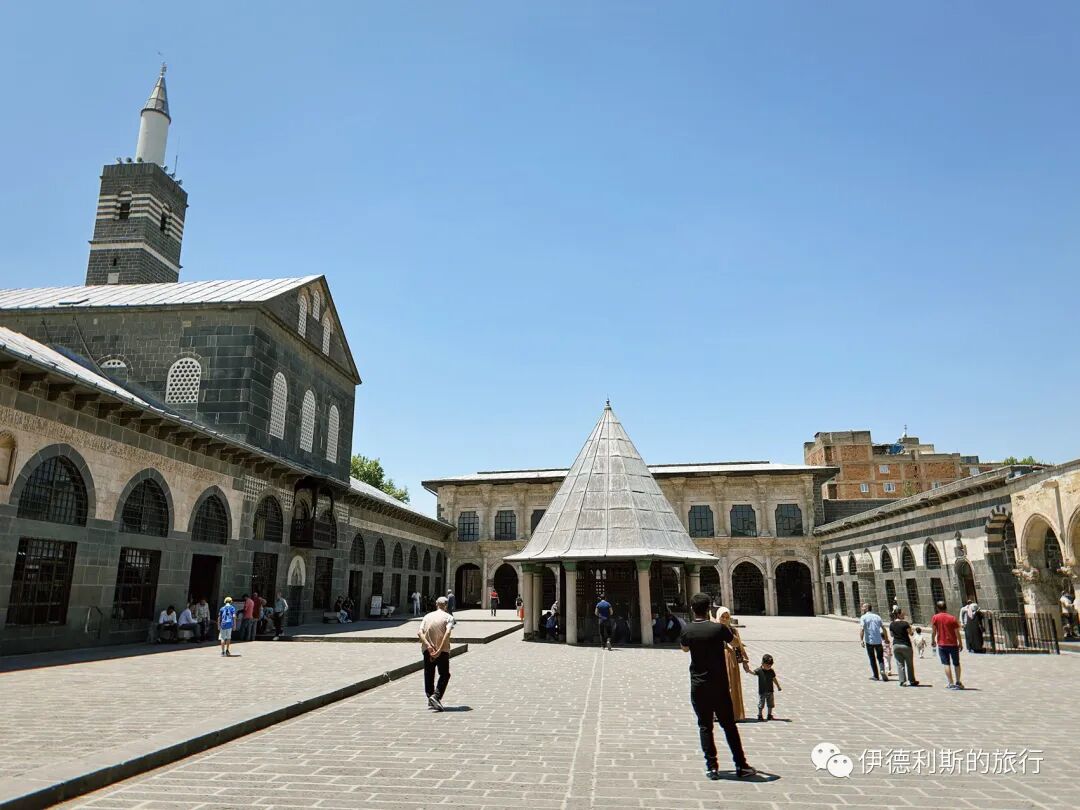
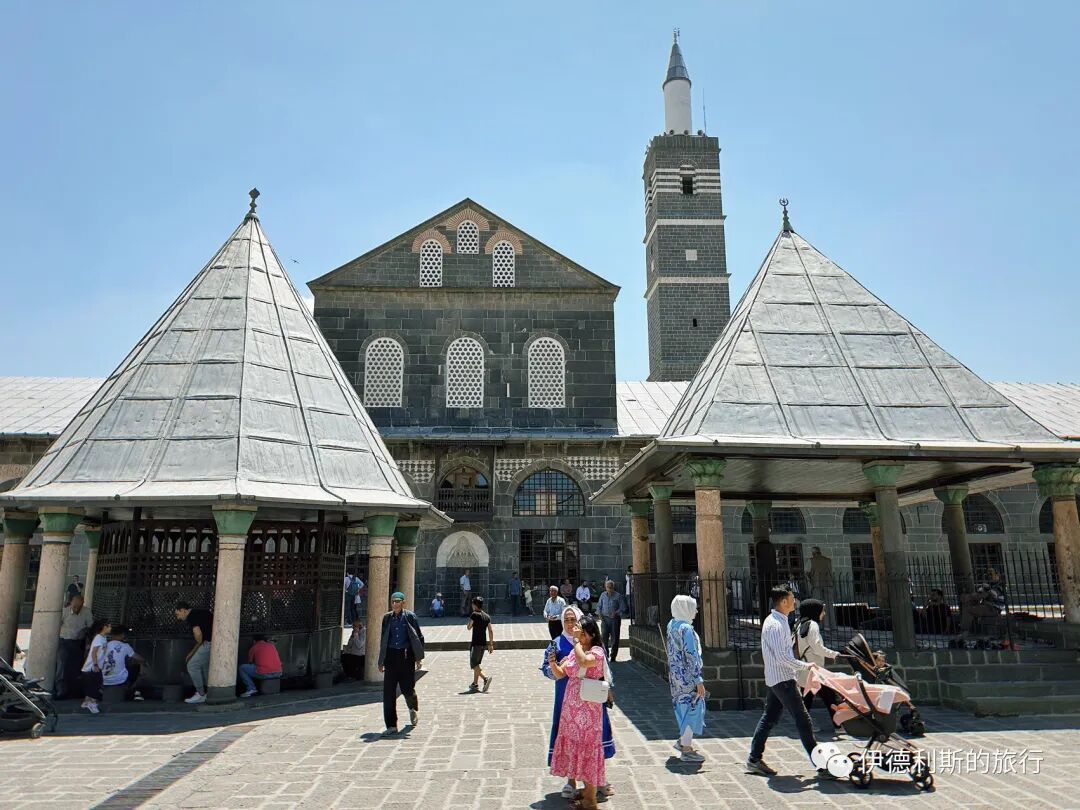
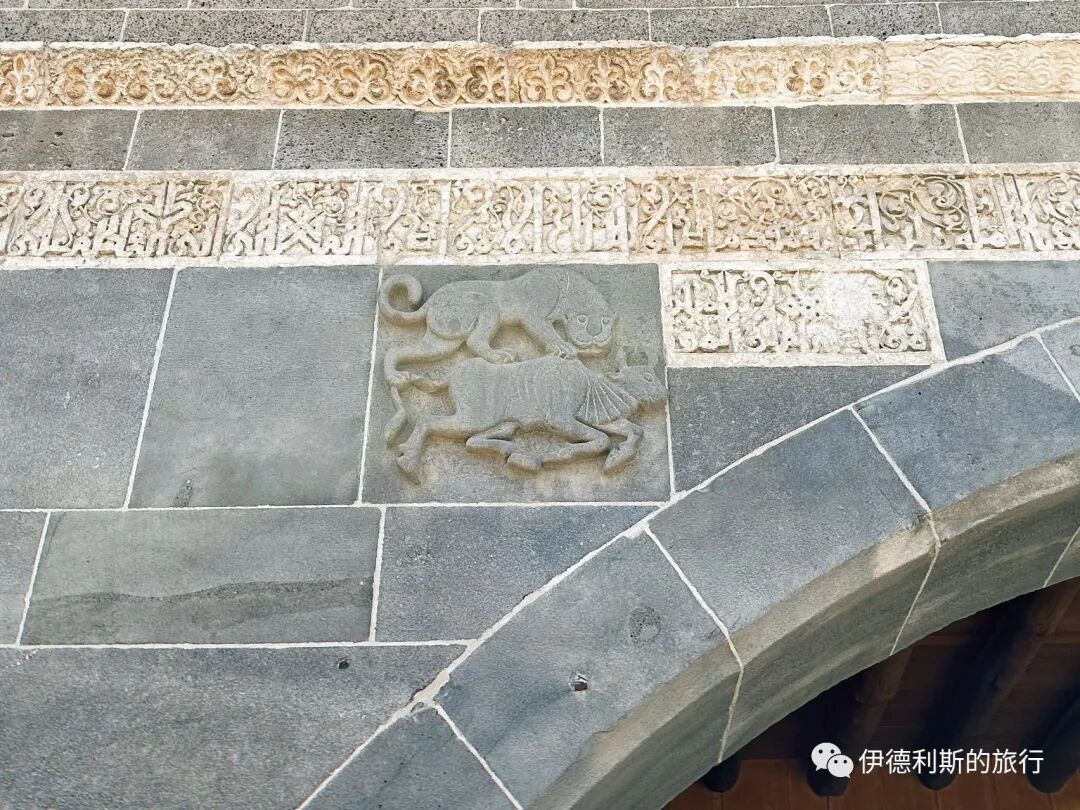
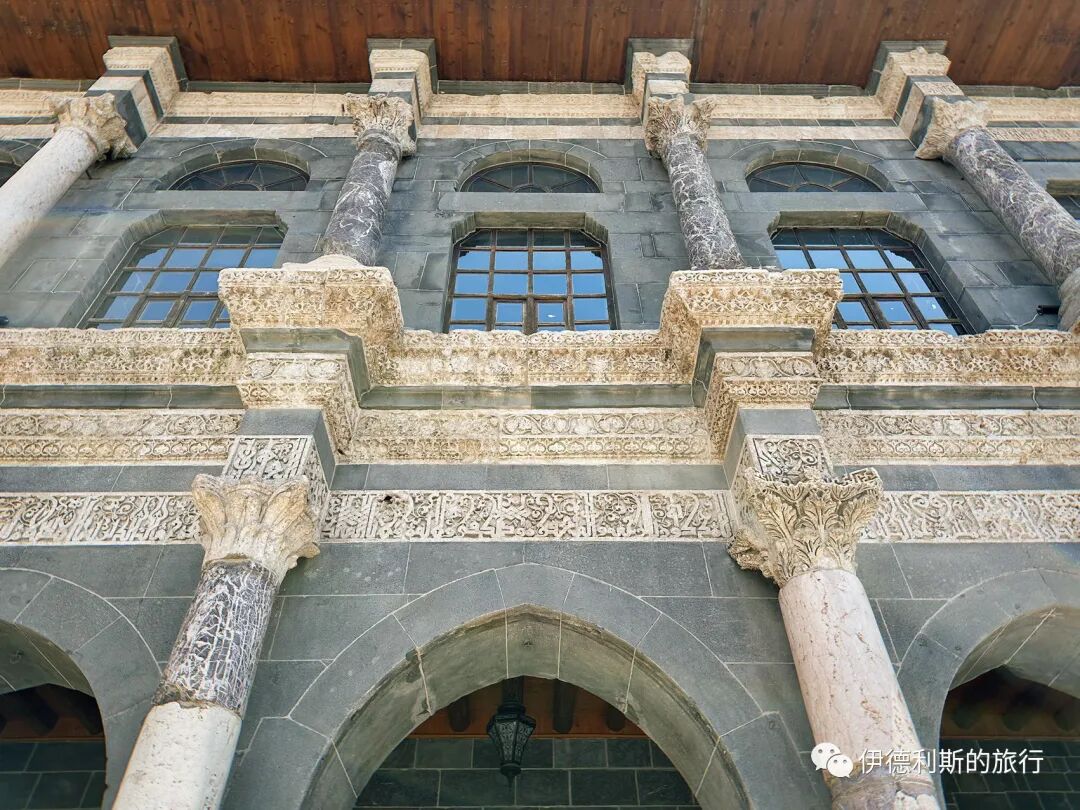
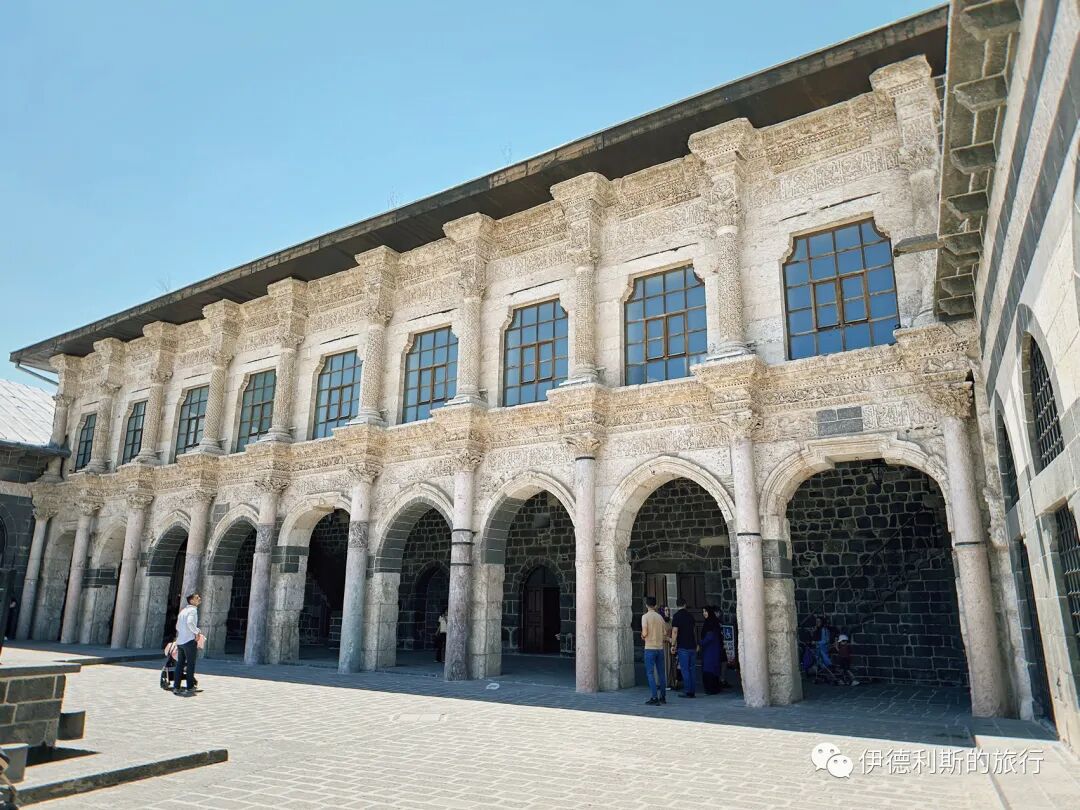
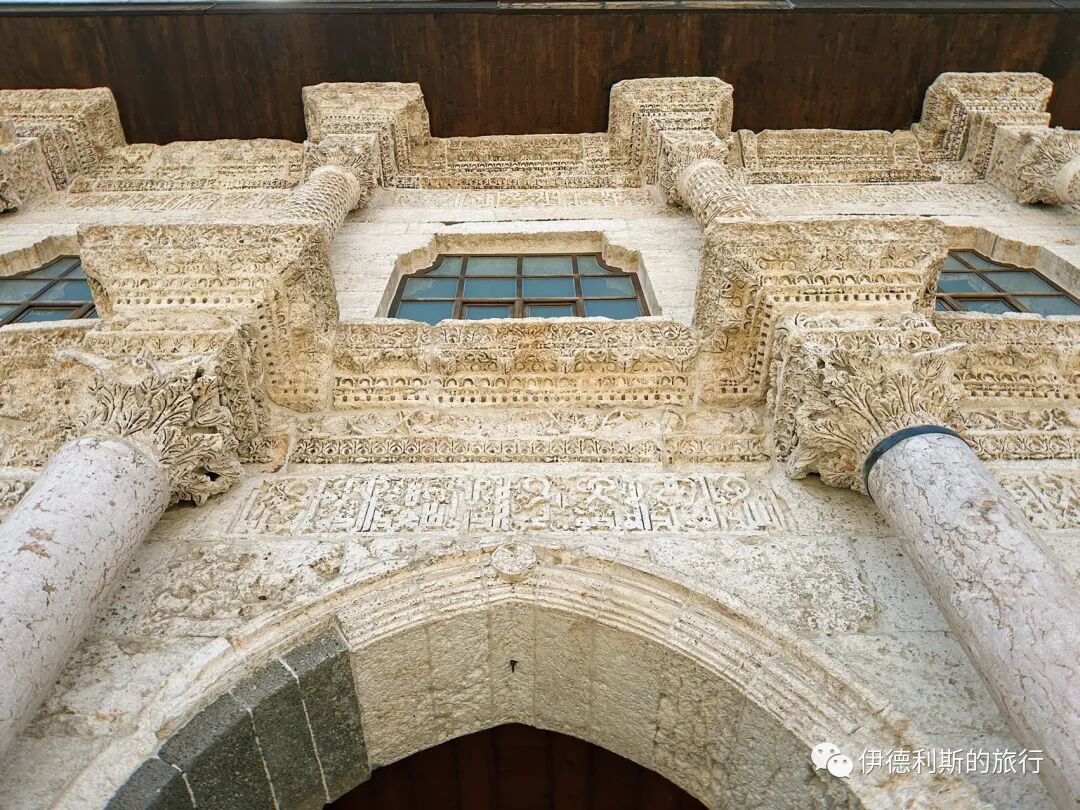
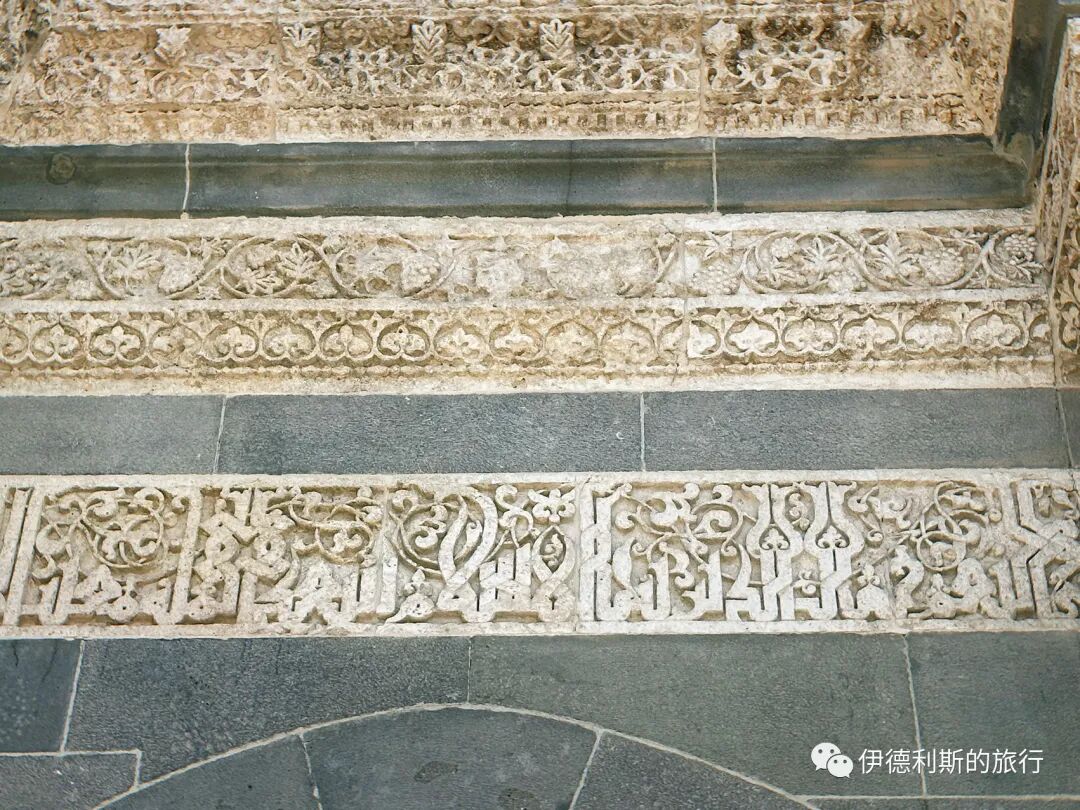
Inside the main hall, there are three aisles parallel to the qibla wall, separated by a central nave perpendicular to the qibla wall. The ceiling of the nave is decorated with rich paintings. The exterior facade of the main hall is decorated with floral patterns and ornate Kufic inscriptions. Unlike the Umayyad Mosque in Damascus, the Great Mosque of Diyarbakir does not have a central dome. The existing sloped roof was rebuilt during the Ottoman period, which is a Turkish style different from Arab architecture.
After the 12th century, the Seljuk Empire began to collapse, and a Seljuk governor established the Inalids Beylik (1098-1183) in Diyarbakir. The Inalids Beylik carried out a series of renovations and expansions on the Great Mosque of Diyarbakir in the 12th century, which is recorded on many inscriptions in the mosque today.
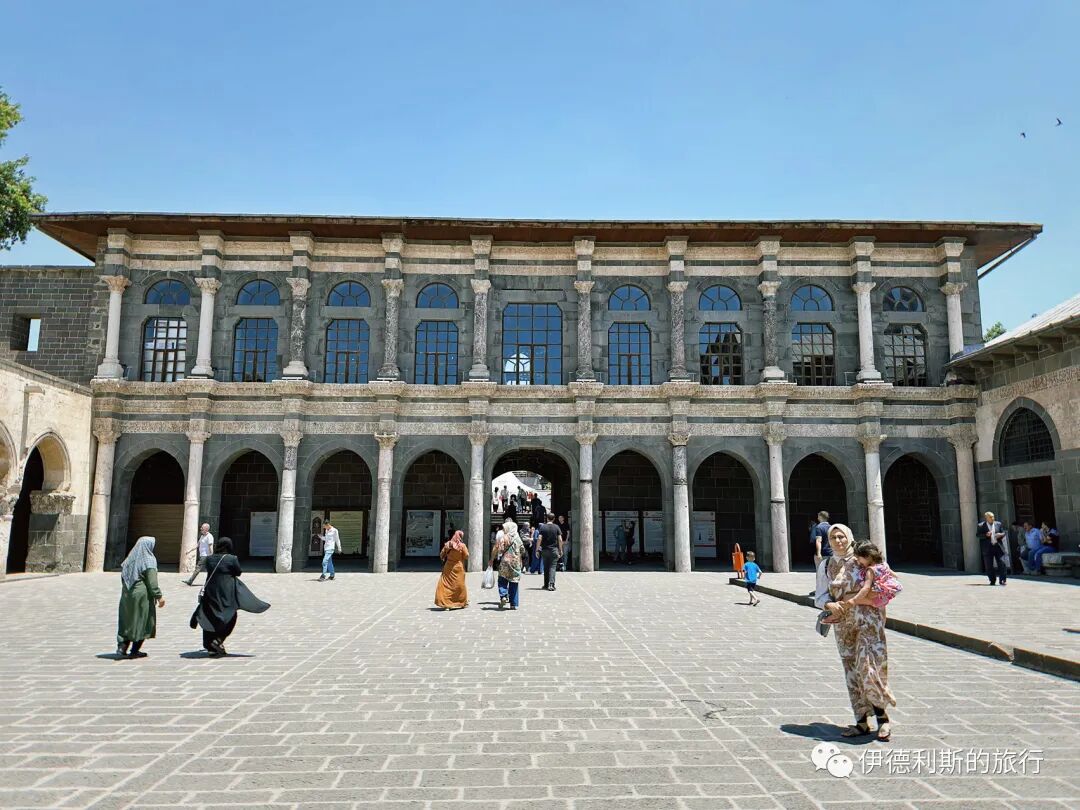
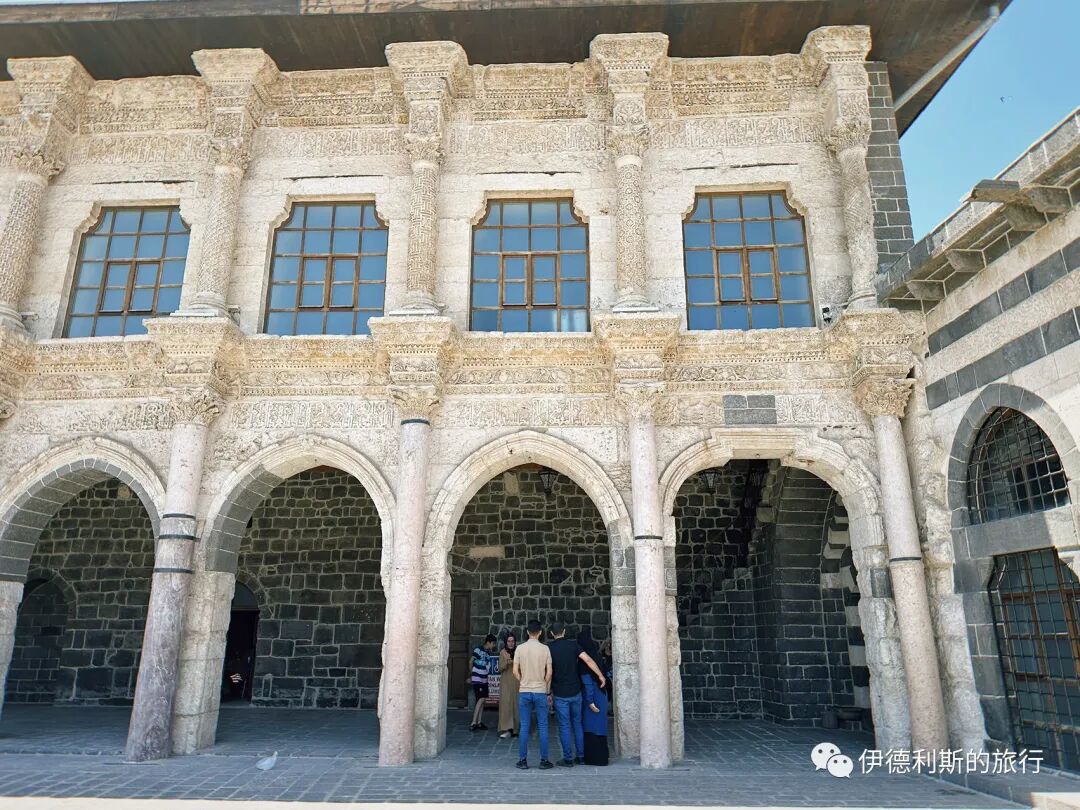
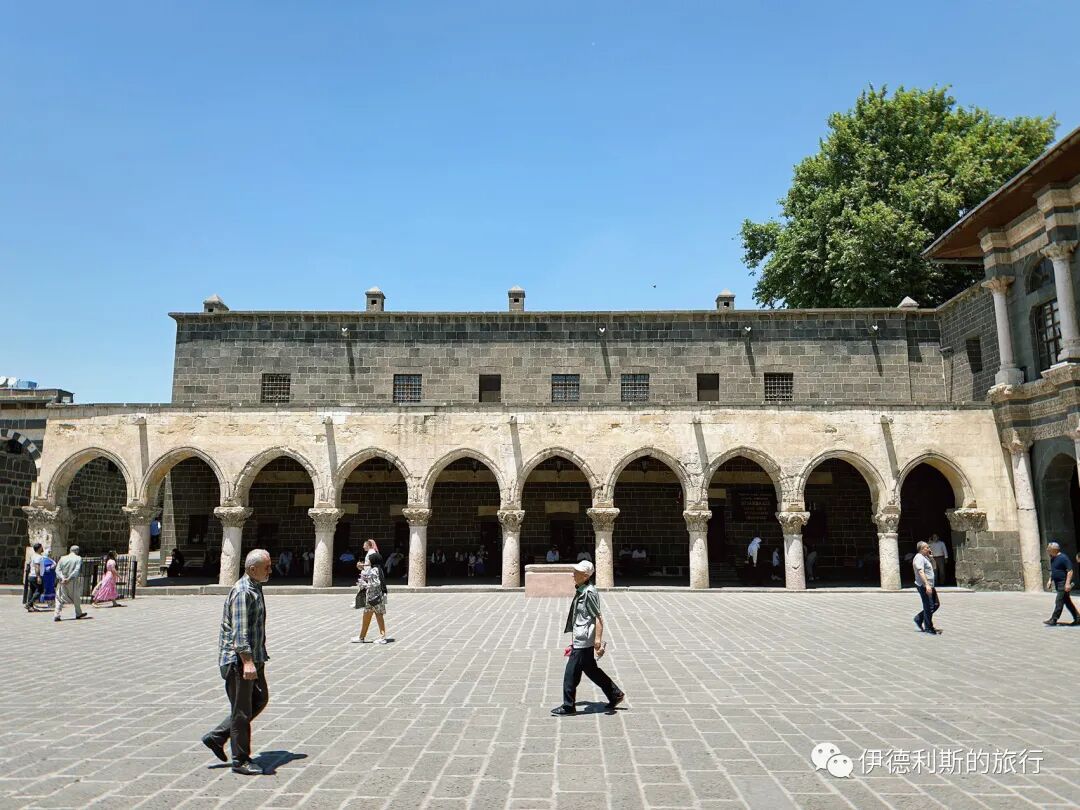
The Great Mosque of Diyarbakir was damaged by a fire caused by lightning in 1115. It was later restored by the Inalids Beylik. The building on the west side of the courtyard was built during this period, and you can see inscriptions dated 1117-18 and 1124-25 on it. The east gate of the Great Mosque of Diyarbakir bears the date 1163-64 and mentions that it was built under the supervision of Hibatallah of Gurgan. He is the only architect recorded in the Great Mosque of Diyarbakir, and he also oversaw the restoration of the main hall in 1155-56.
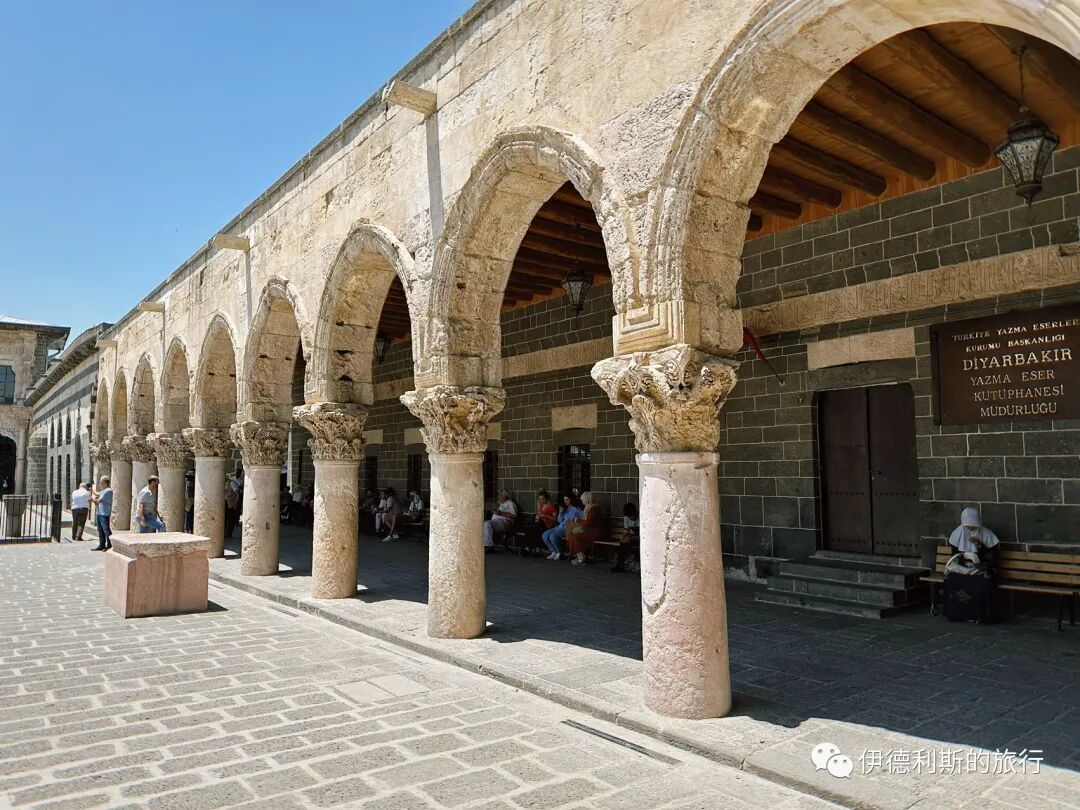
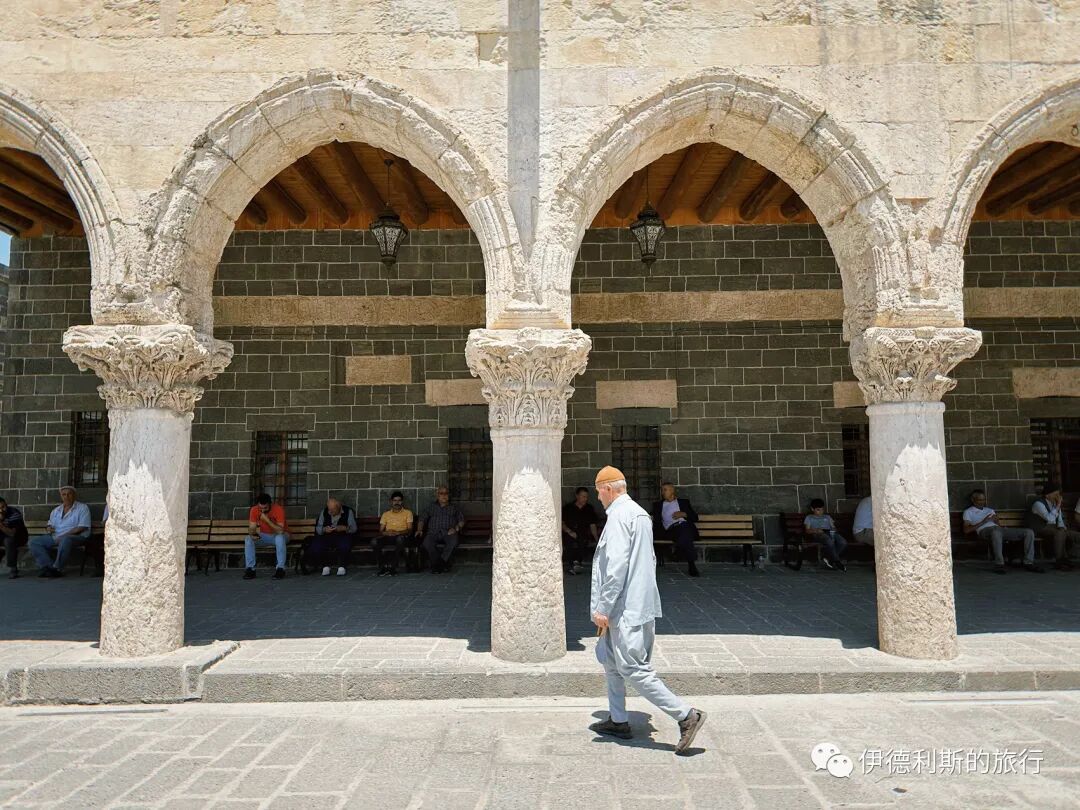
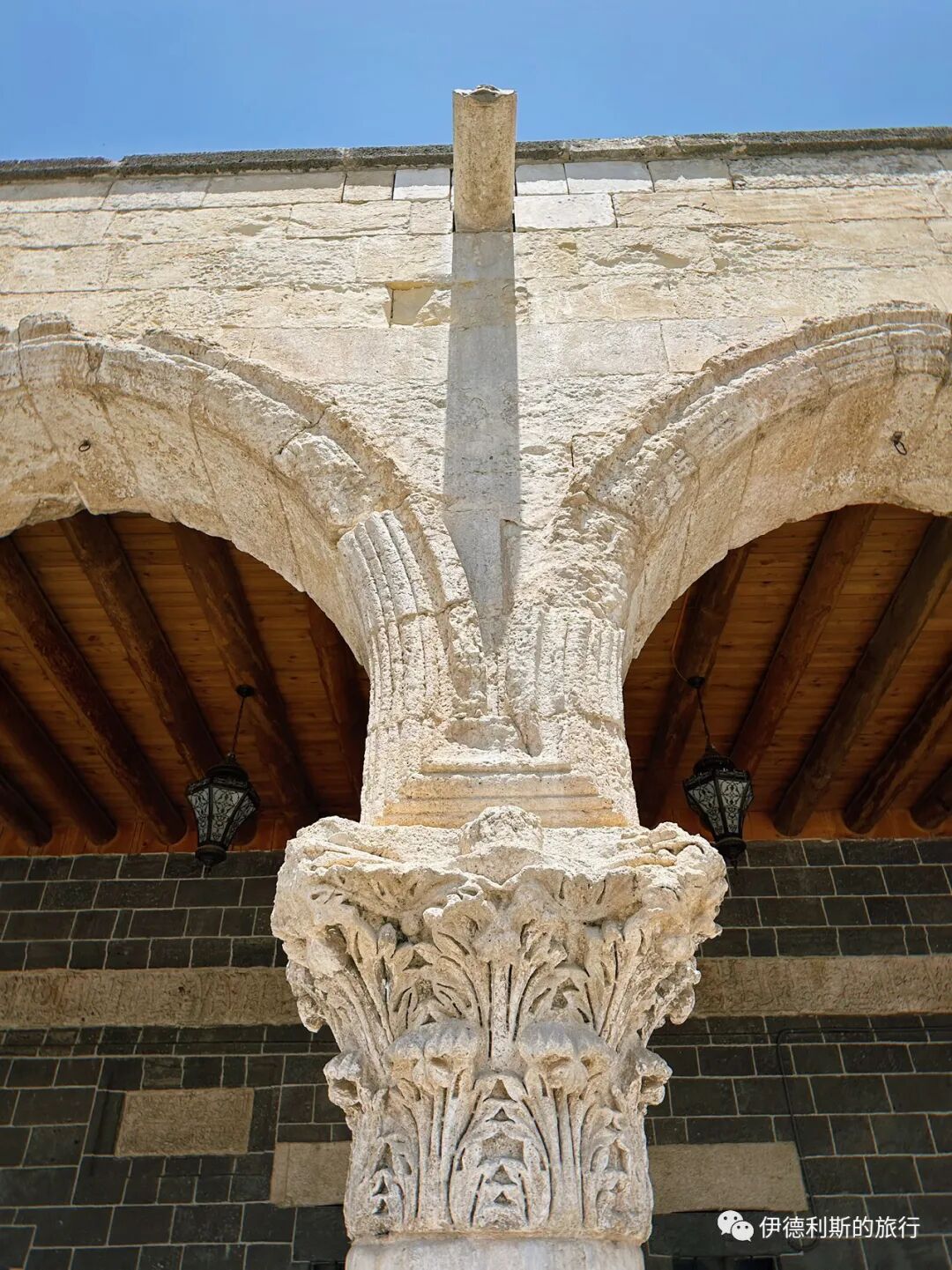
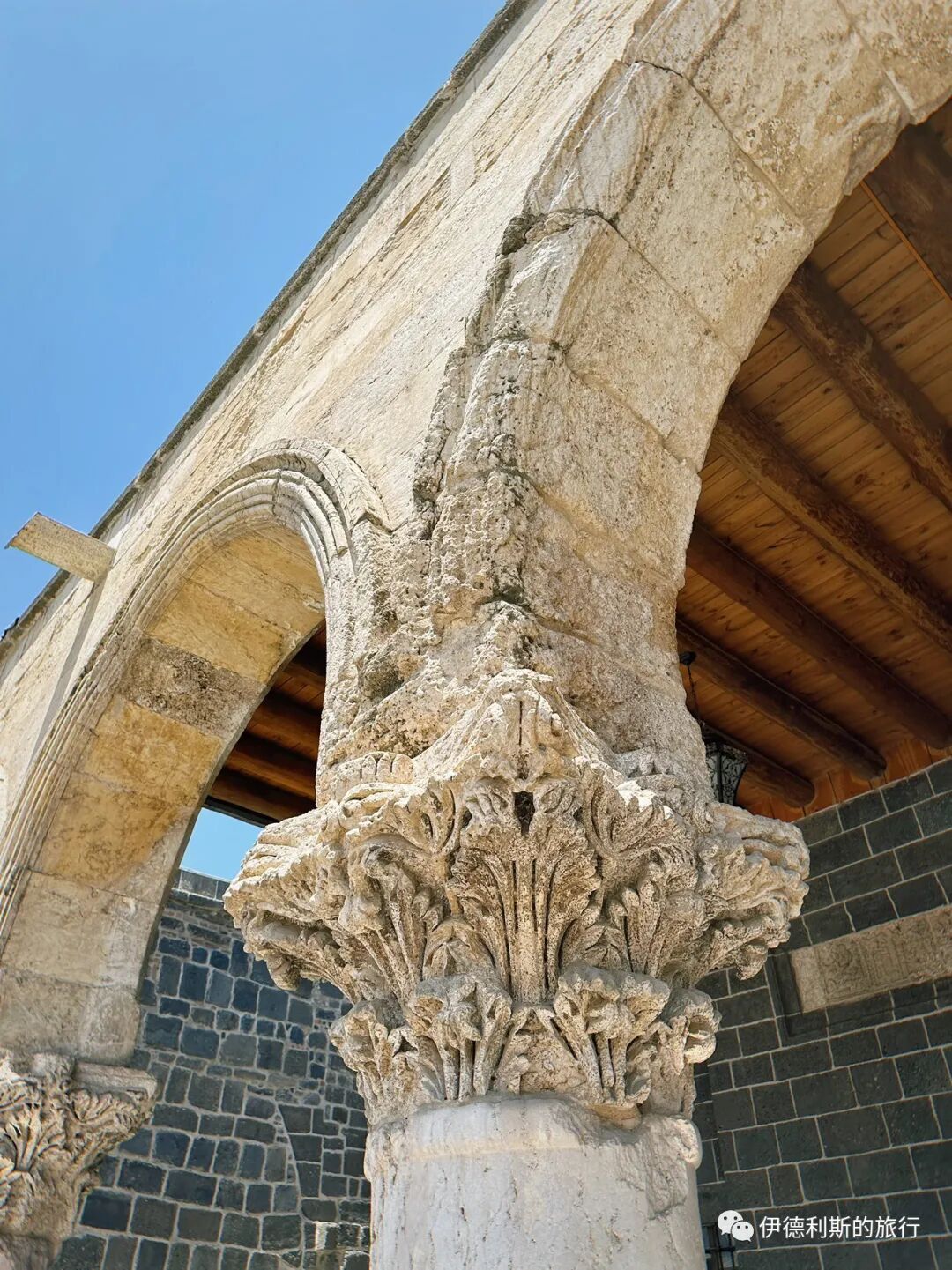
The buildings on the east and west sides of the mosque are known for using stone components from the Byzantine period, including Corinthian columns and friezes with vine patterns. This method of using components from old buildings to build new ones is called spolia. The term originally meant "spoils of war" in Latin. It is an ancient and common architectural technique found in many ancient buildings in Europe and the Islamic world. A classic example in China is the Kaiyuan Mosque in Quanzhou, which used stone components from a former Hindu mosque. From an archaeological perspective, the use of spolia gives a building archaeological value that transcends the building itself.
On the main gate, you can see a stone carving of a lion eating a bull. It is very much in the Seljuk art style of the Anatolia region, which suggests that the art style of the Inalid Beylik was a continuation of the Seljuk Empire.
After the 12th century, the Artuqid dynasty (1102–1409), founded by another Seljuk governor, developed in eastern Anatolia. In 1183, the Artuqid dynasty joined forces with Saladin to destroy the Inalid Beylik and began their rule over Diyarbakir.
The Artuqid dynasty built two madrasas next to the Great Mosque of Diyarbakir. The Mesudiye Madrasa is on the north side of the mosque courtyard. It was built between 1193 and 1223, and its outer wall is decorated with many Corinthian capitals. The Zinciriye Madrasa was built in 1198 on the west side of the mosque. It is a separate small courtyard, but it was closed when I visited, so I could not go inside.
Haci Halid Mansion: late 19th century
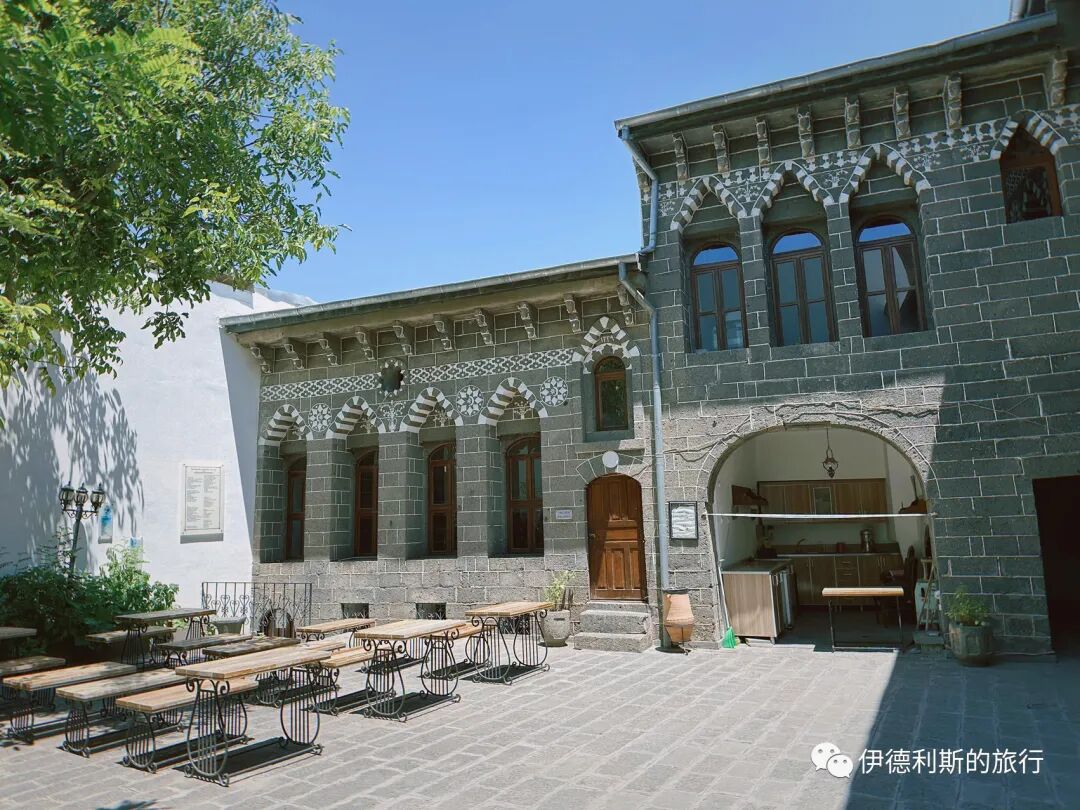
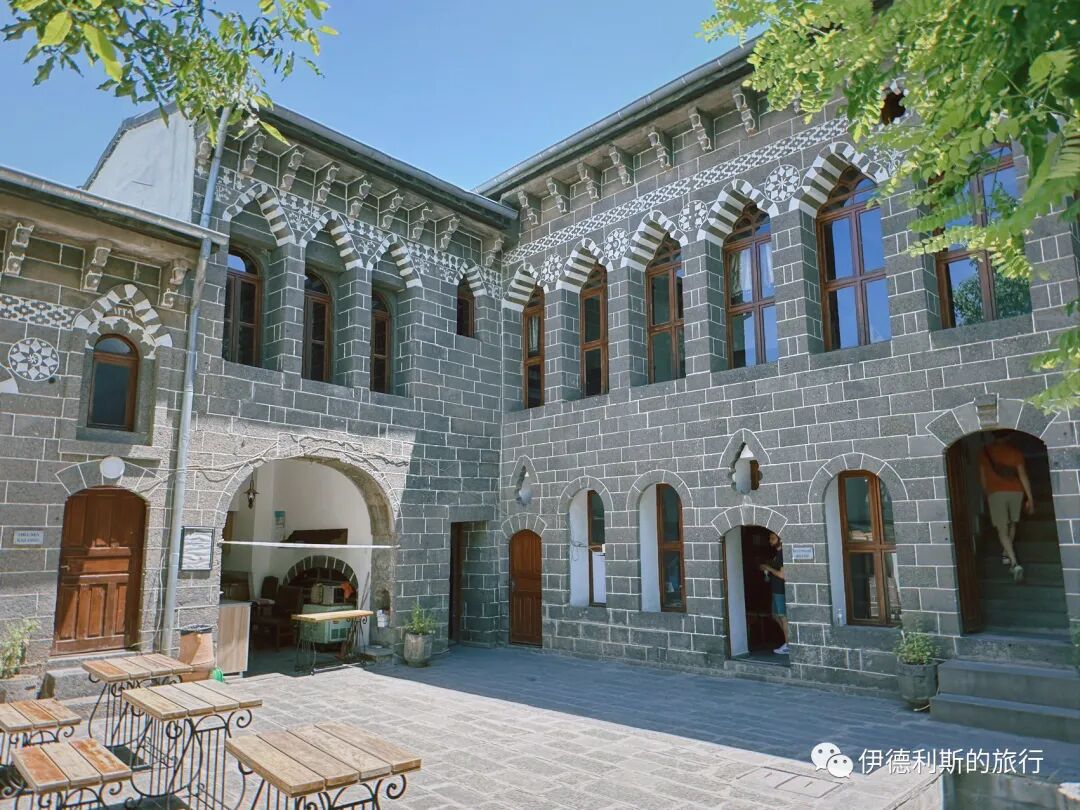
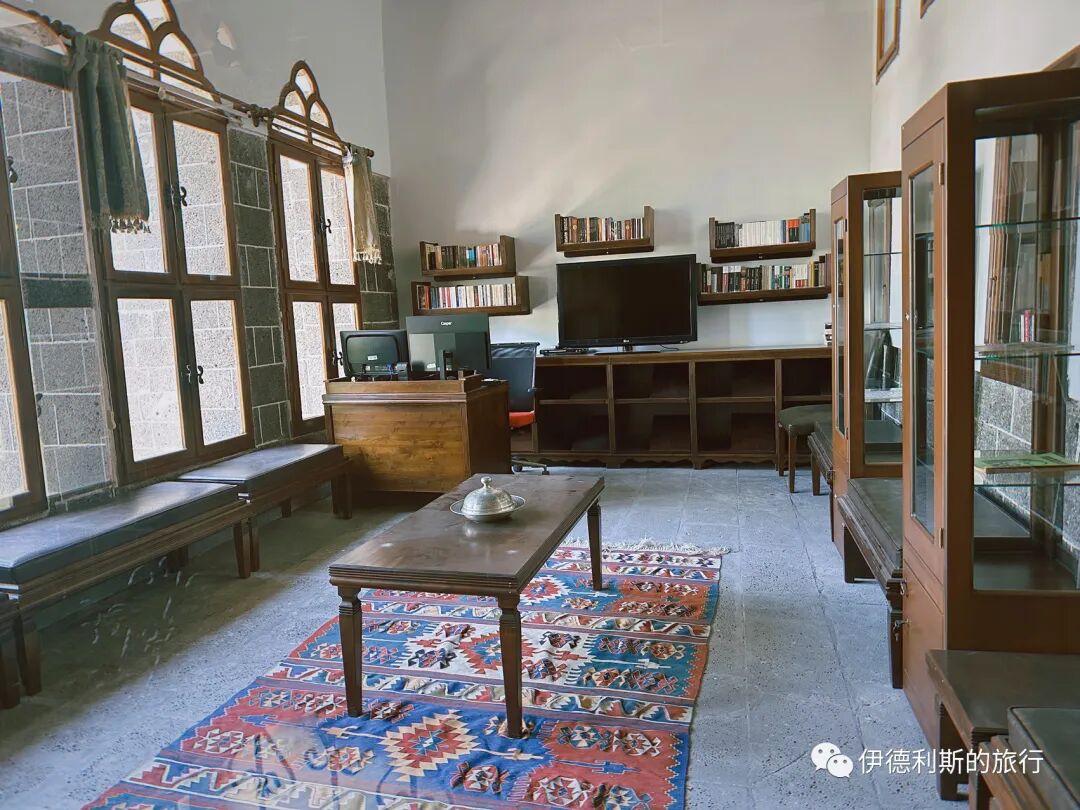
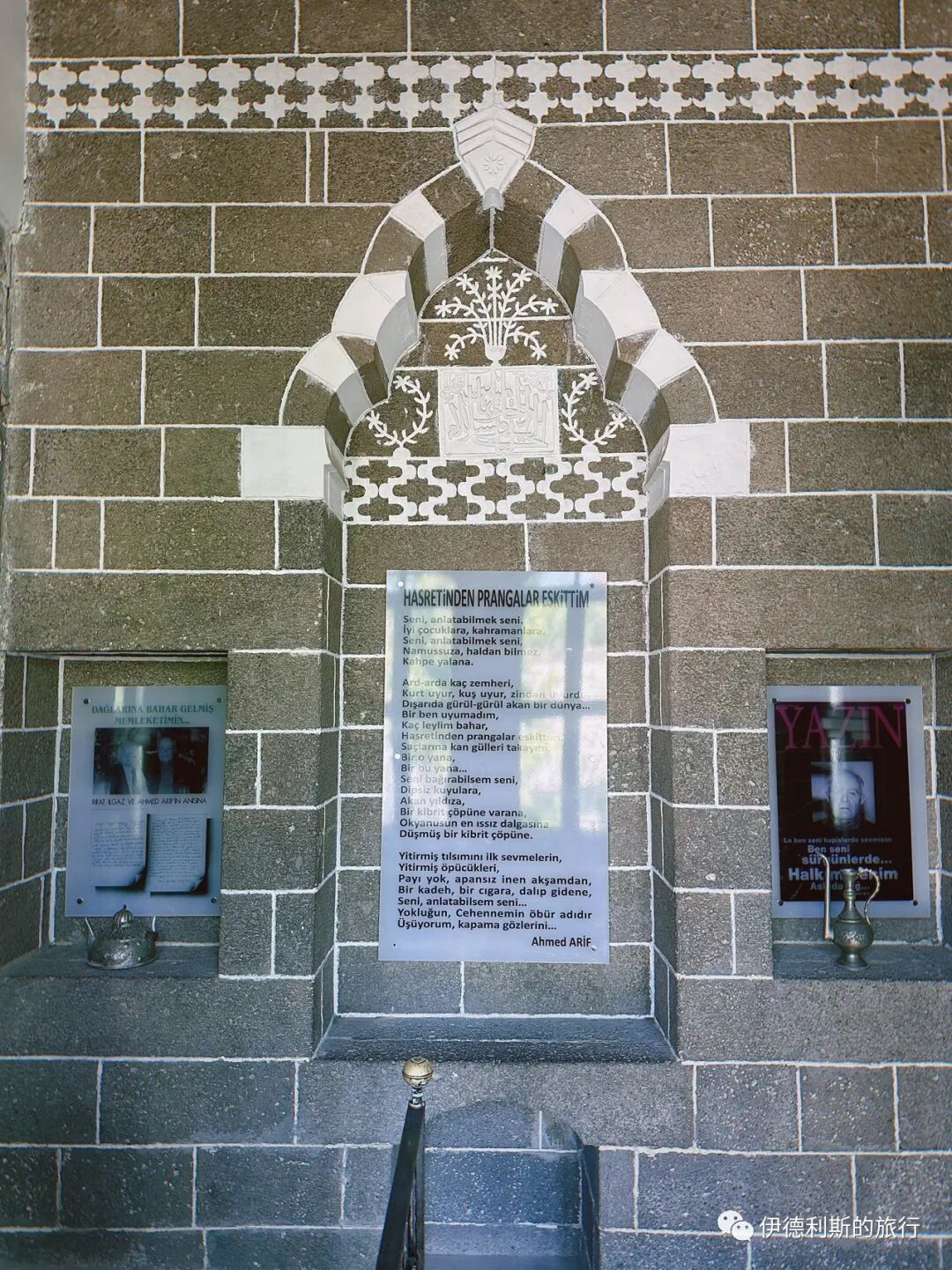
On the north side of the Great Mosque of Diyarbakir stands the Haci Halid Mansion (Hacı Halid Konağı), a traditional house over 120 years old. It is now open to the public as the Ahmed Arif Literature Museum. Ahmed Arif (1927–1991) was a famous poet from Diyarbakir. His father was a Turkmen from Iraq, and his mother was Kurdish. His poetry was deeply influenced by Anatolian folk literature and is widely loved in Turkey.
Nebi Mosque: 15th century
Nebi Mosque is located inside the north gate of the ancient city of Diyarbakir. It was first built in the 15th century during the Aq Qoyunlu period, and its minaret was rebuilt by Haci Huseyin in 1530.
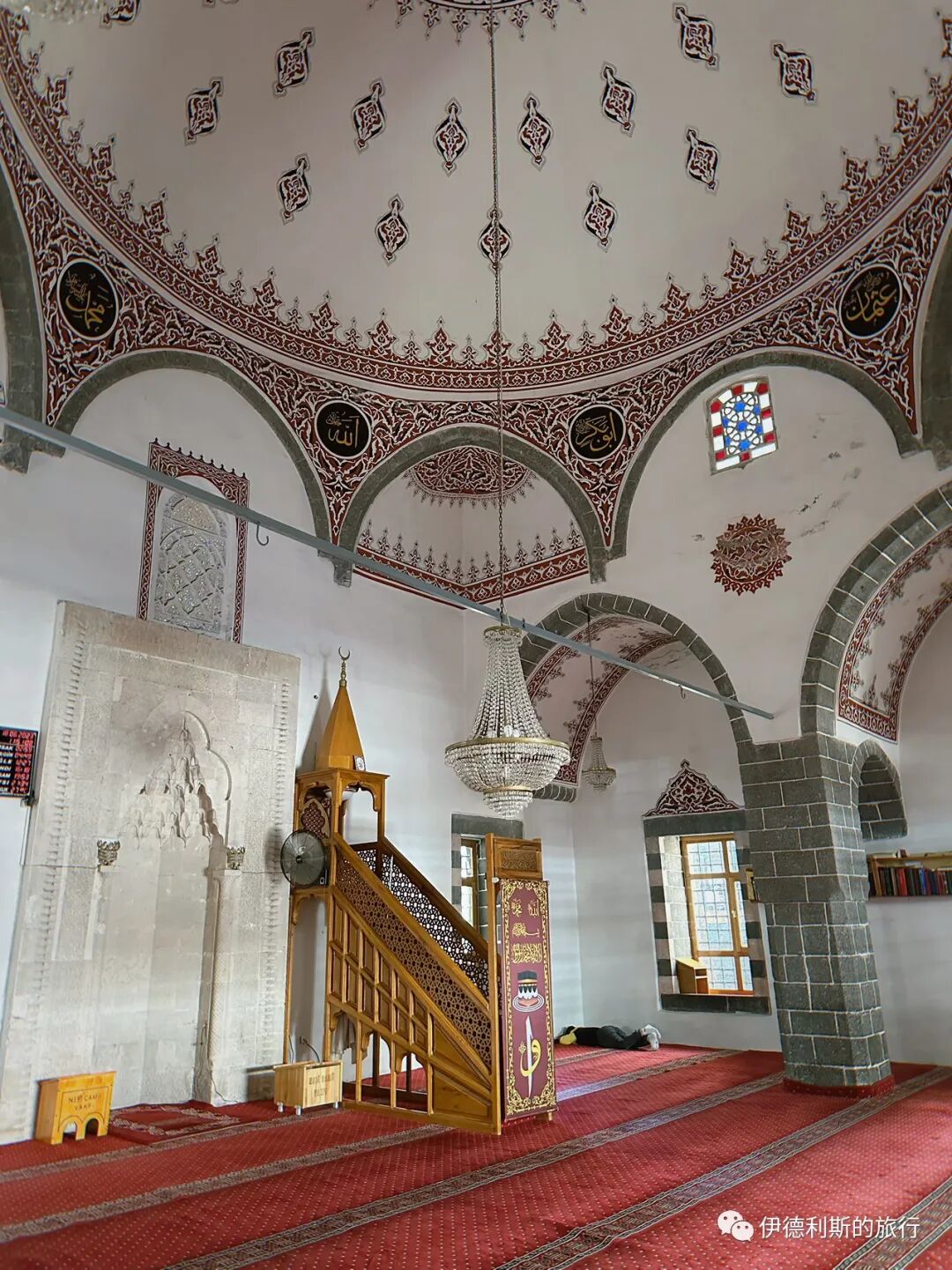
Nebi Mosque was originally made up of two main halls, which belonged to the Shafi'i and Hanafi schools of thought respectively. During World War I, the part belonging to the Hanafi school was used as a military barracks until it collapsed in 1927. Today, only the part belonging to the Shafi'i school remains. Besides the Kurds, most Muslims in East Africa and Southeast Asia also belong to the Shafi'i school.
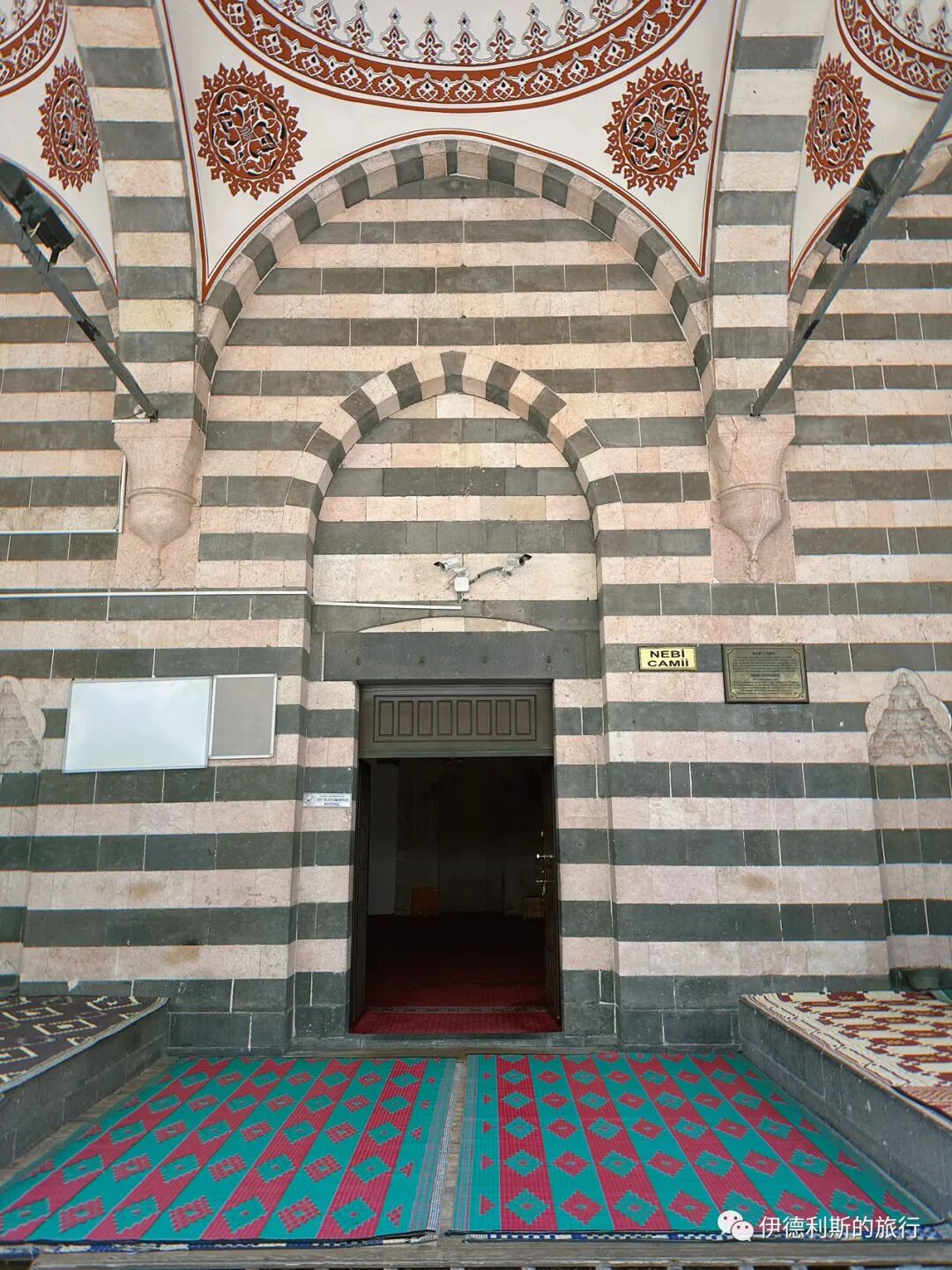
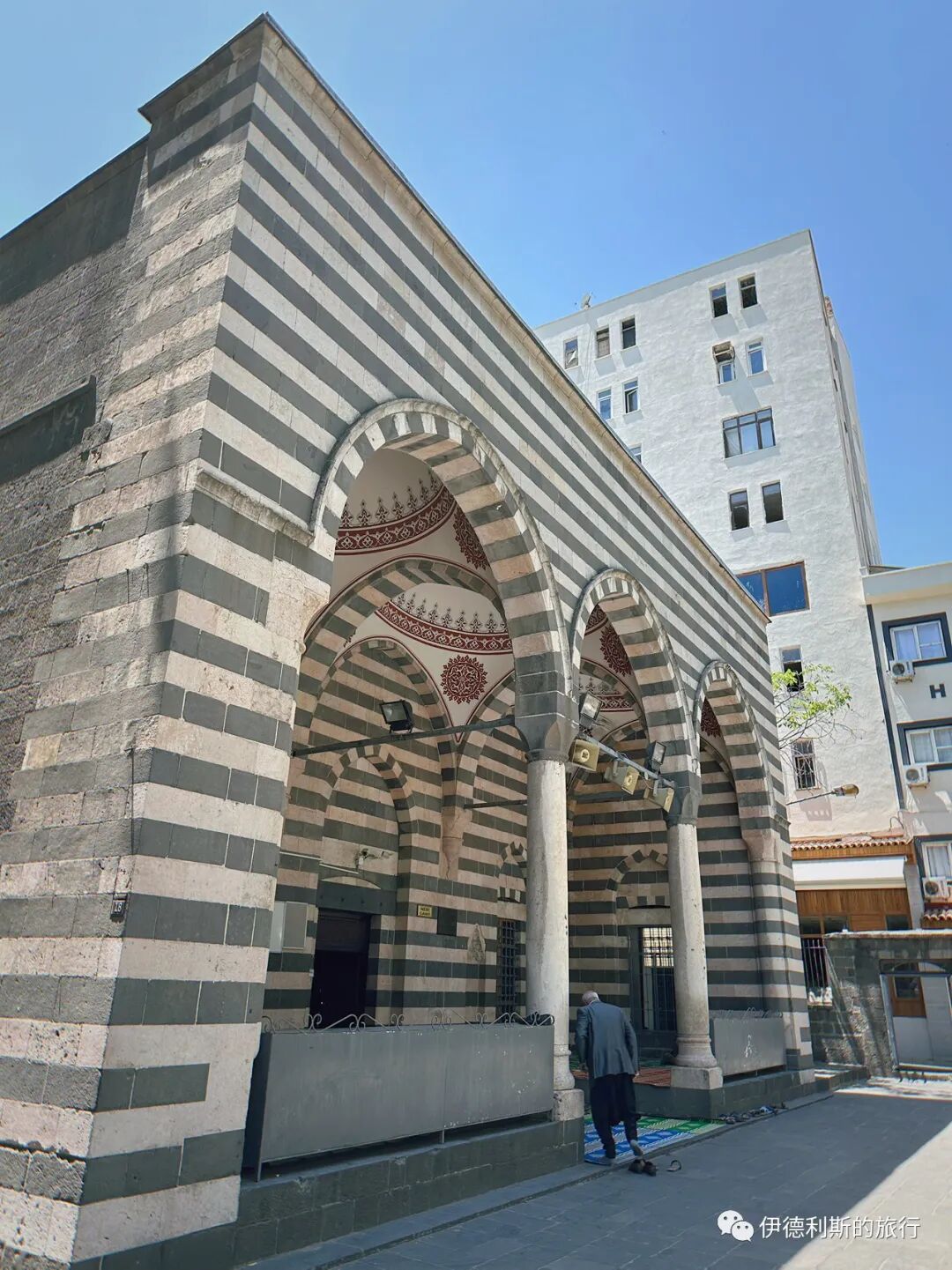
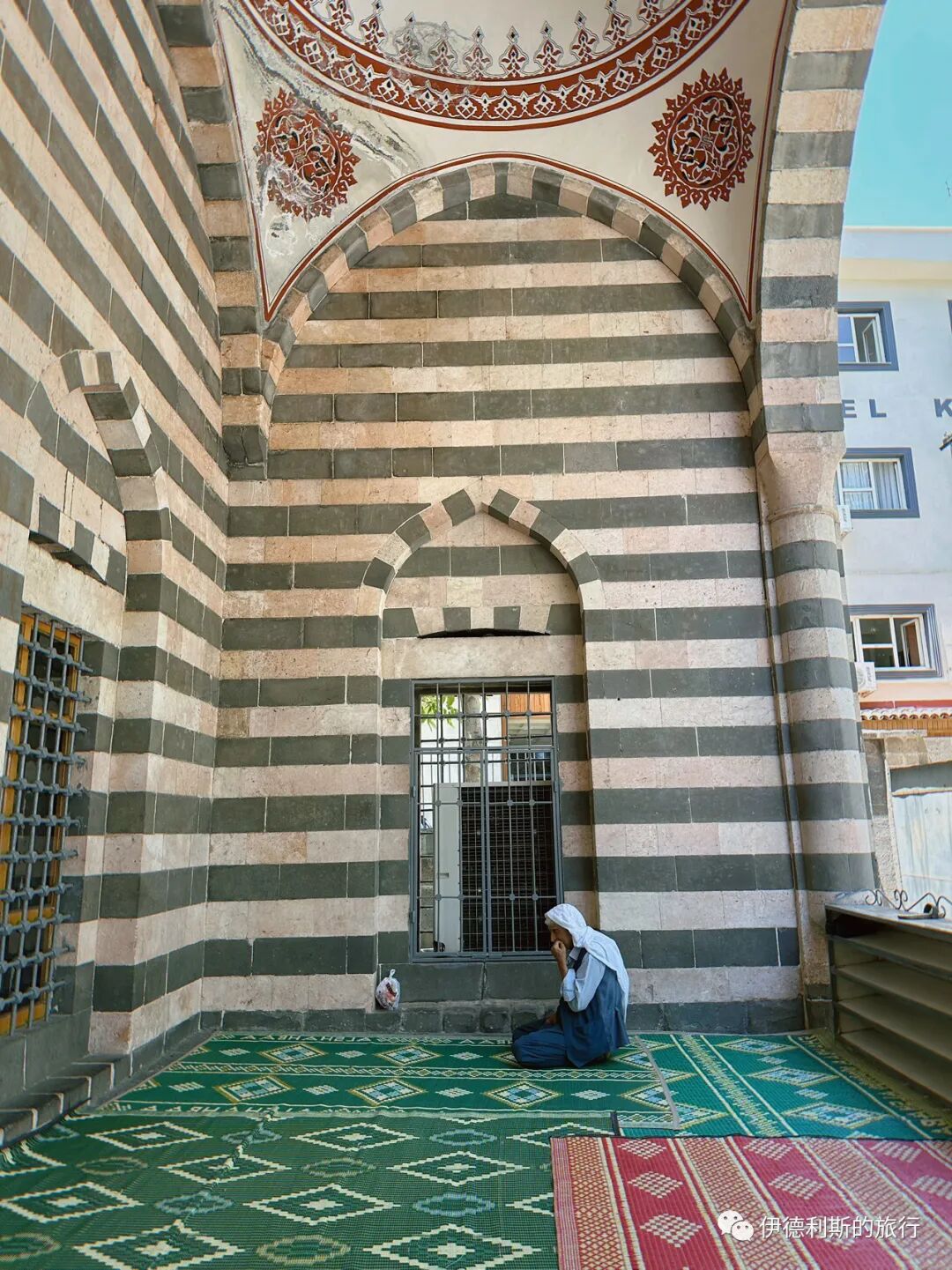
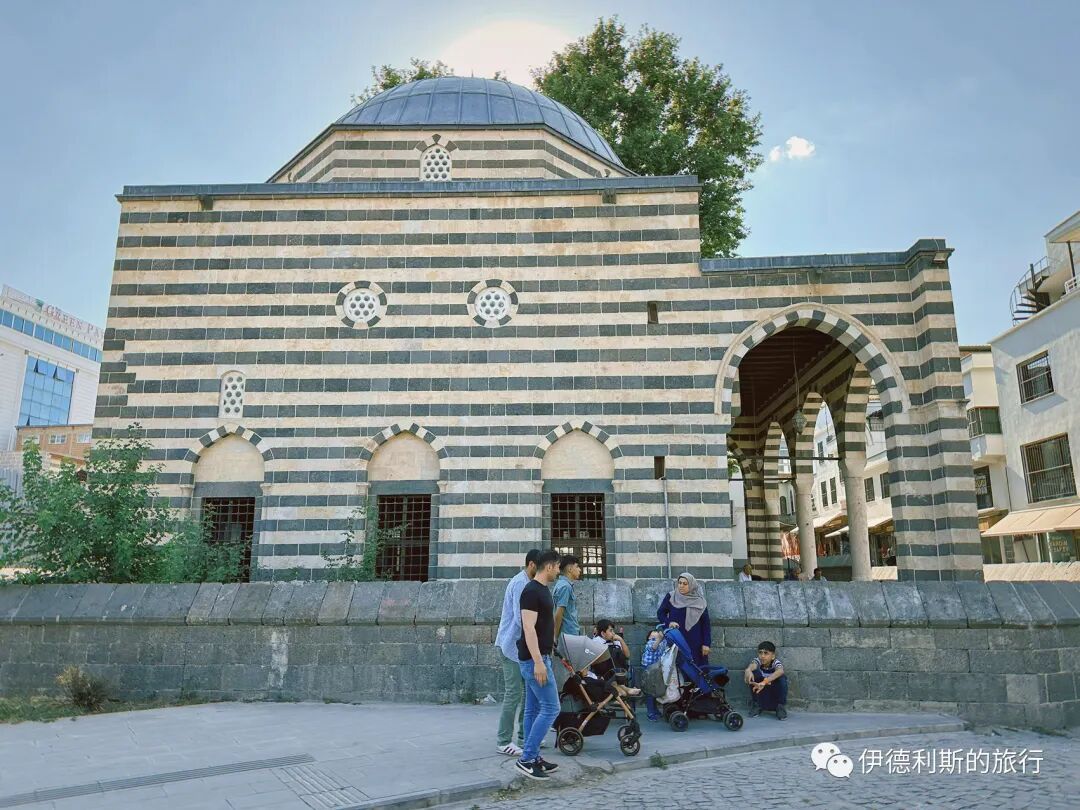
The mosque is built with alternating black basalt and white limestone. This is a masonry decoration technique called ablaq, which creates an architectural style unique to Diyarbakir.
Diyarbakir City Walls: mid-4th century.
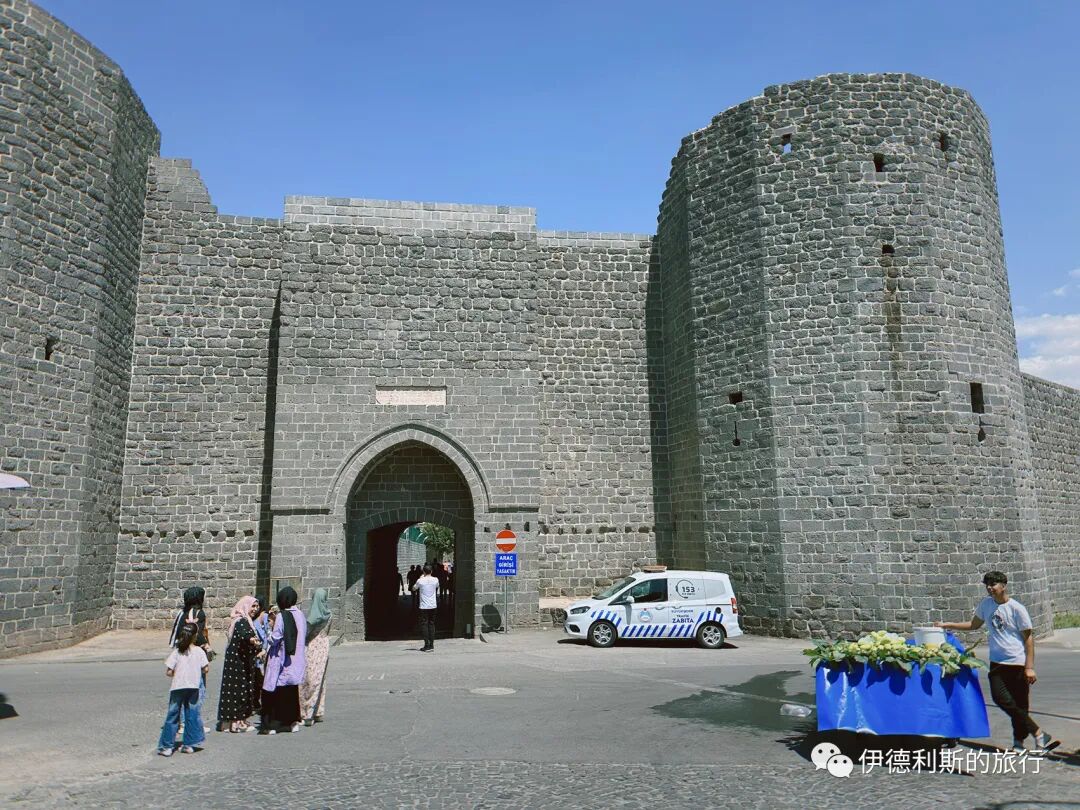
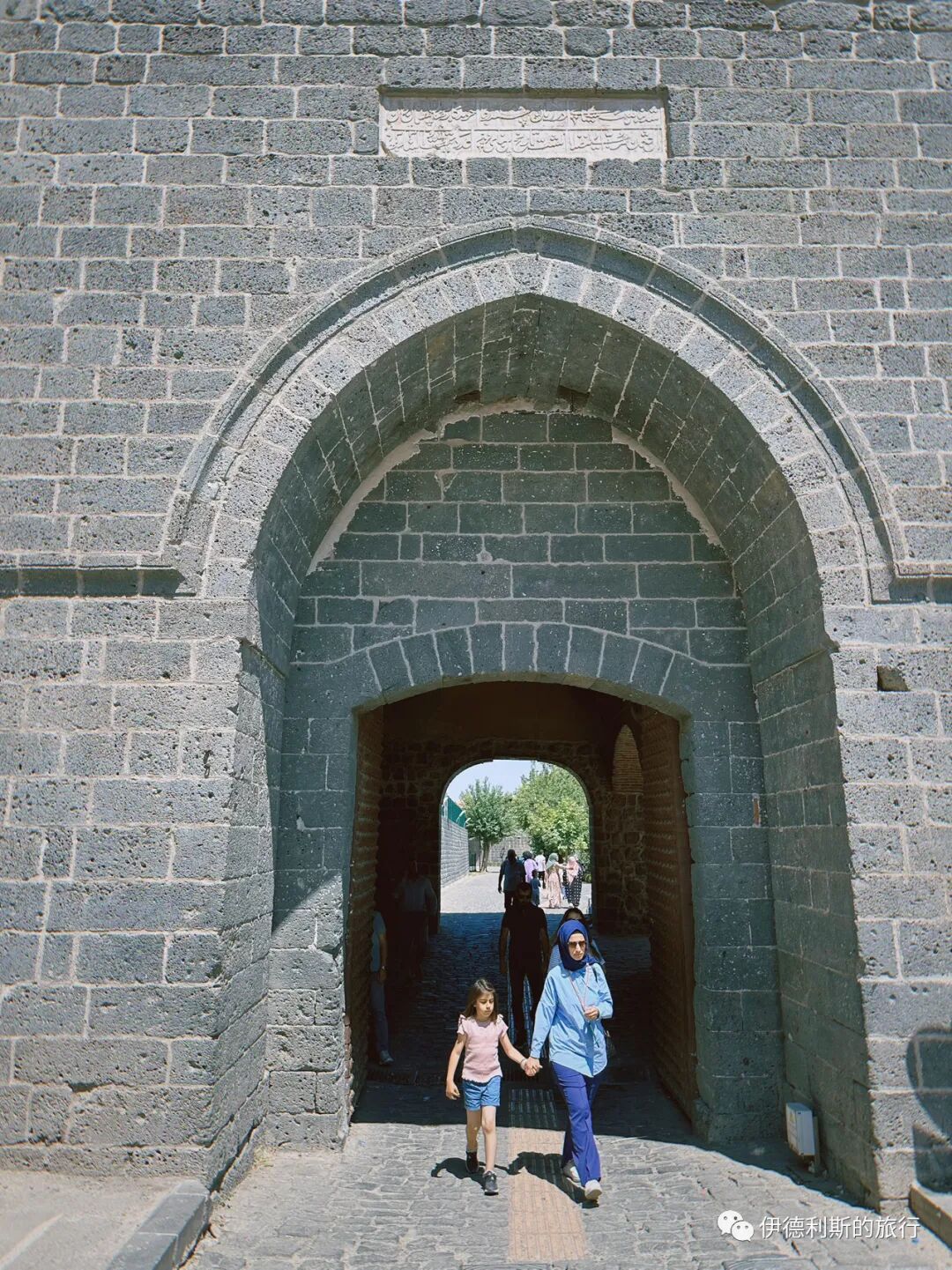
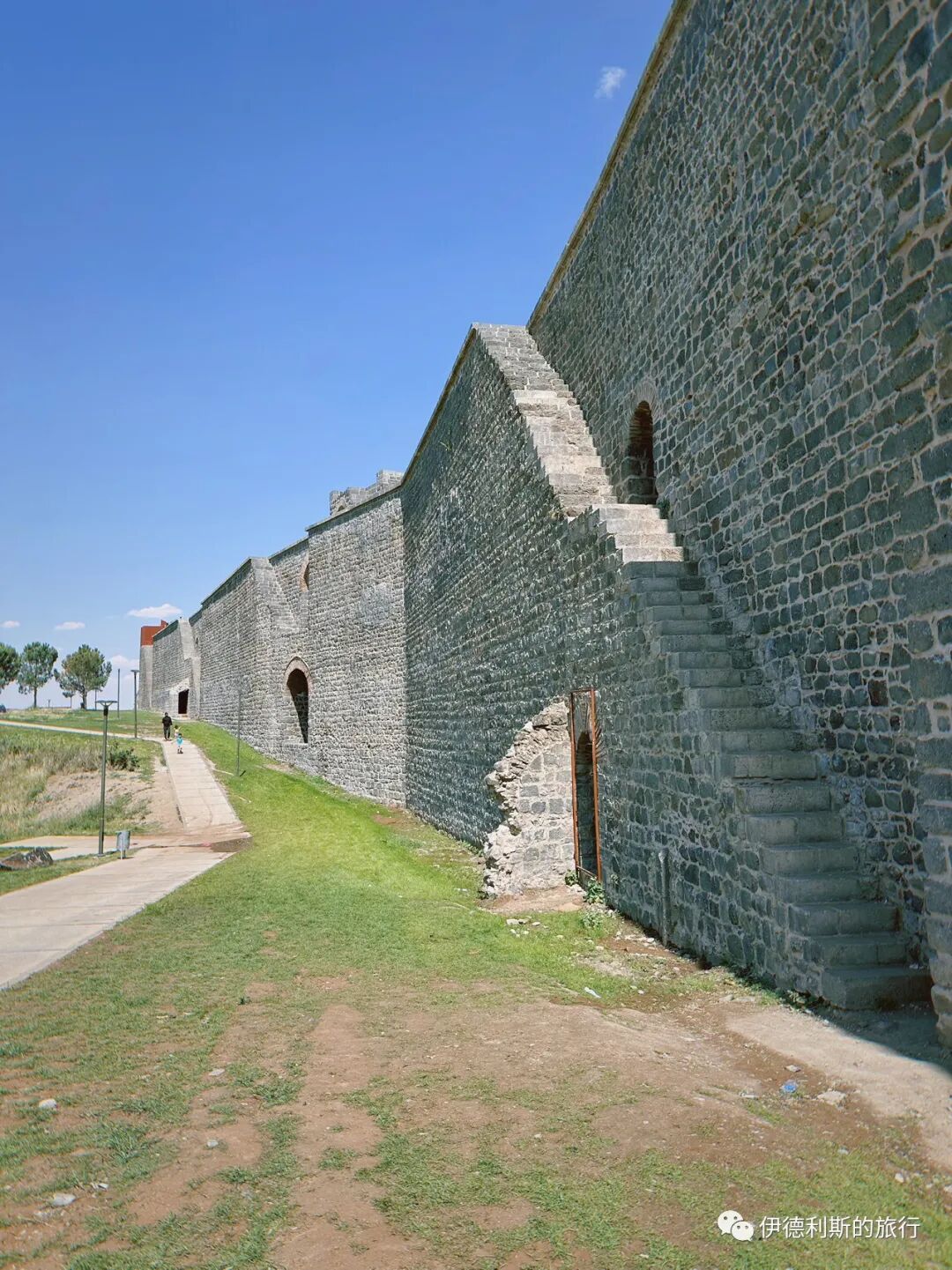
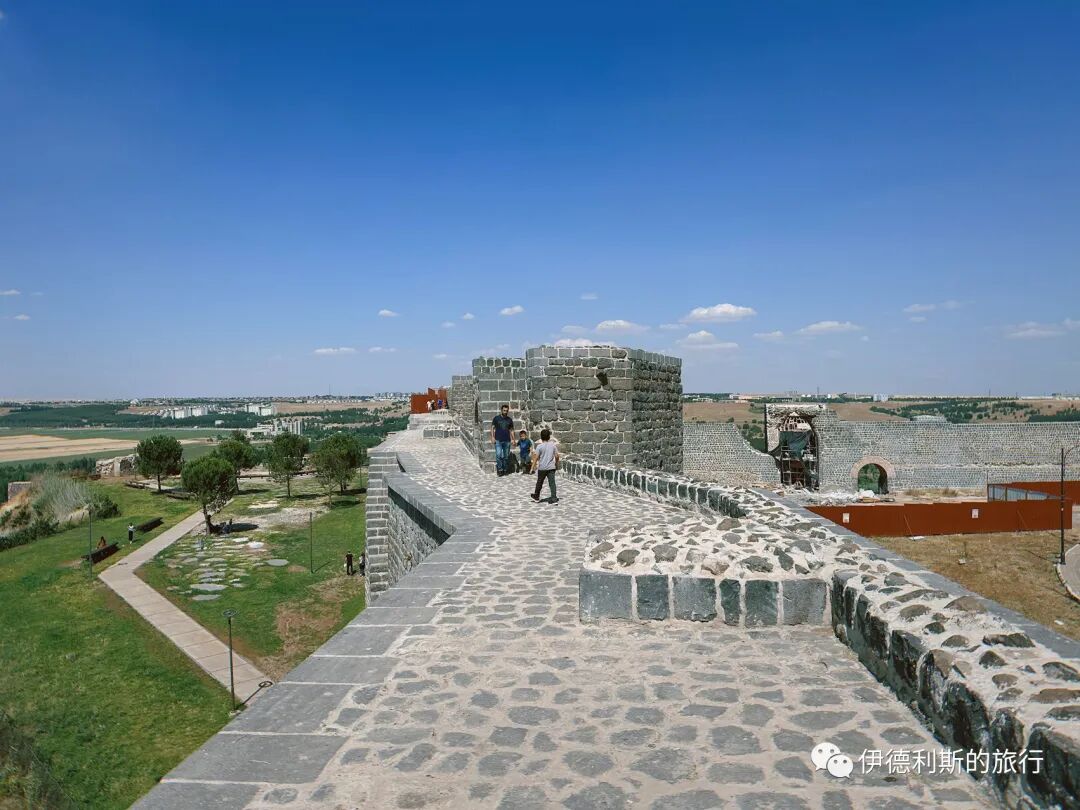
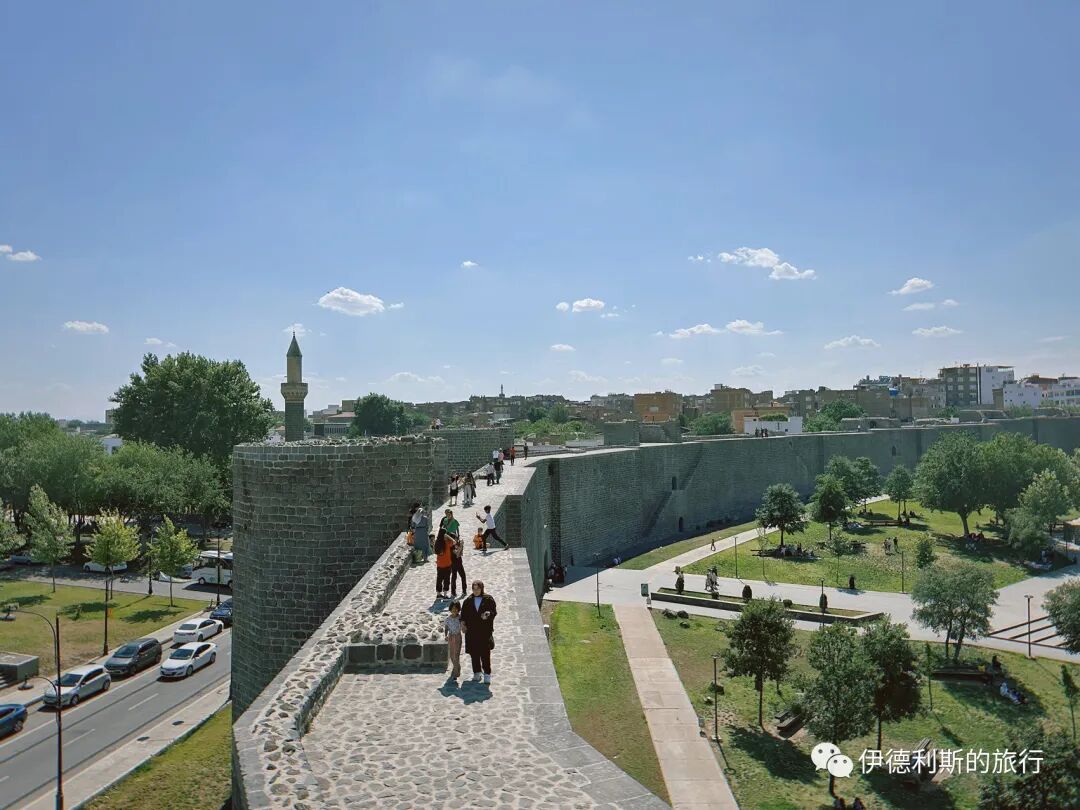
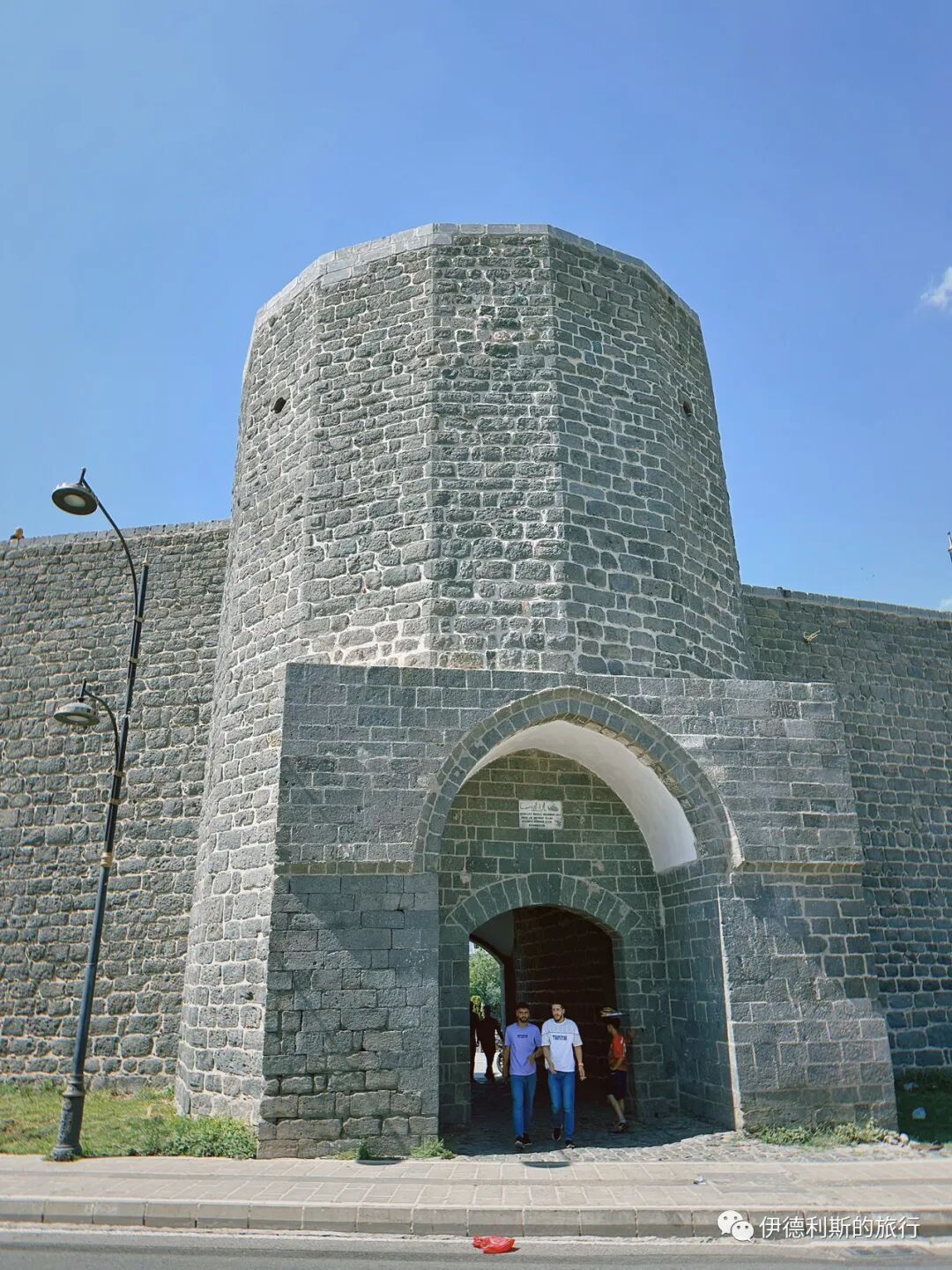
The Diyarbakir City Walls were built by the Roman Emperor Constantius II in the mid-4th century. Over the next thousand years, they were rebuilt by the Byzantine, Abbasid, Seljuk, Inalid, Artuqid, Kara Koyunlu, and Ottoman dynasties. The walls were added to the UNESCO World Heritage list in 2015.
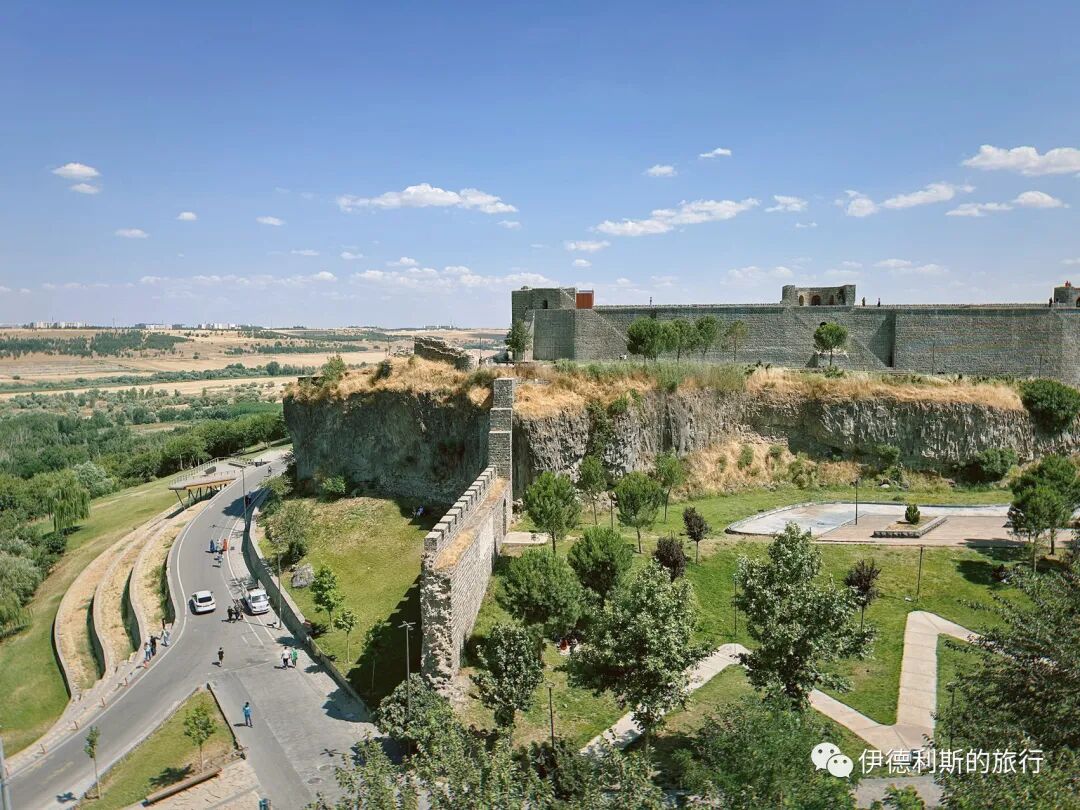
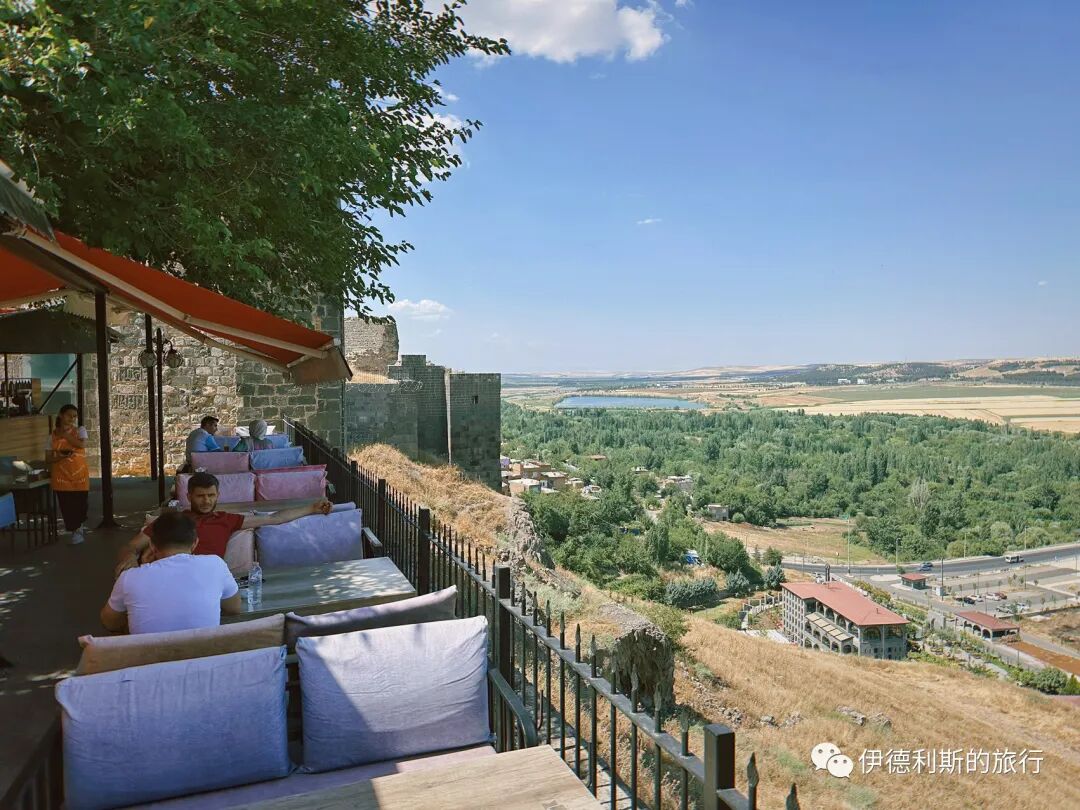
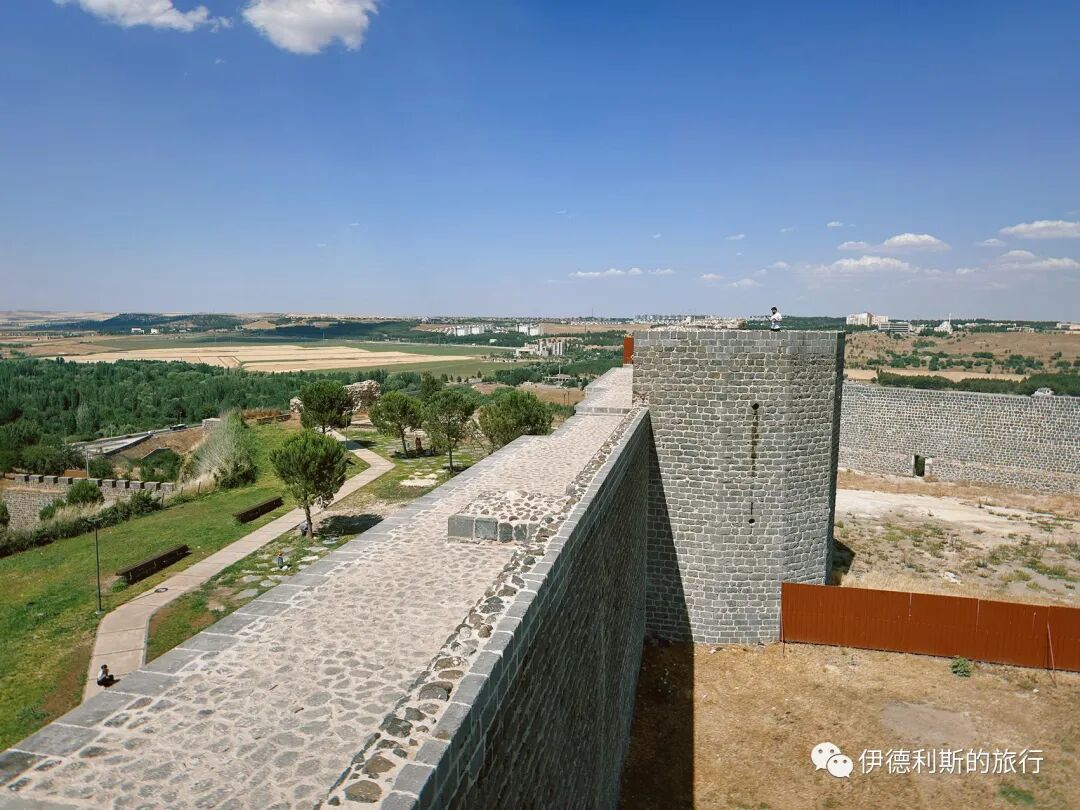
The city of Diyarbakir has two sets of walls: the inner castle (İçkale) and the outer castle (Dış Kale). The inner castle, located on a cliff in the northeast, is the oldest part of Diyarbakir. It has plenty of spring water and overlooks the Tigris River valley, which is why rulers lived there for generations.
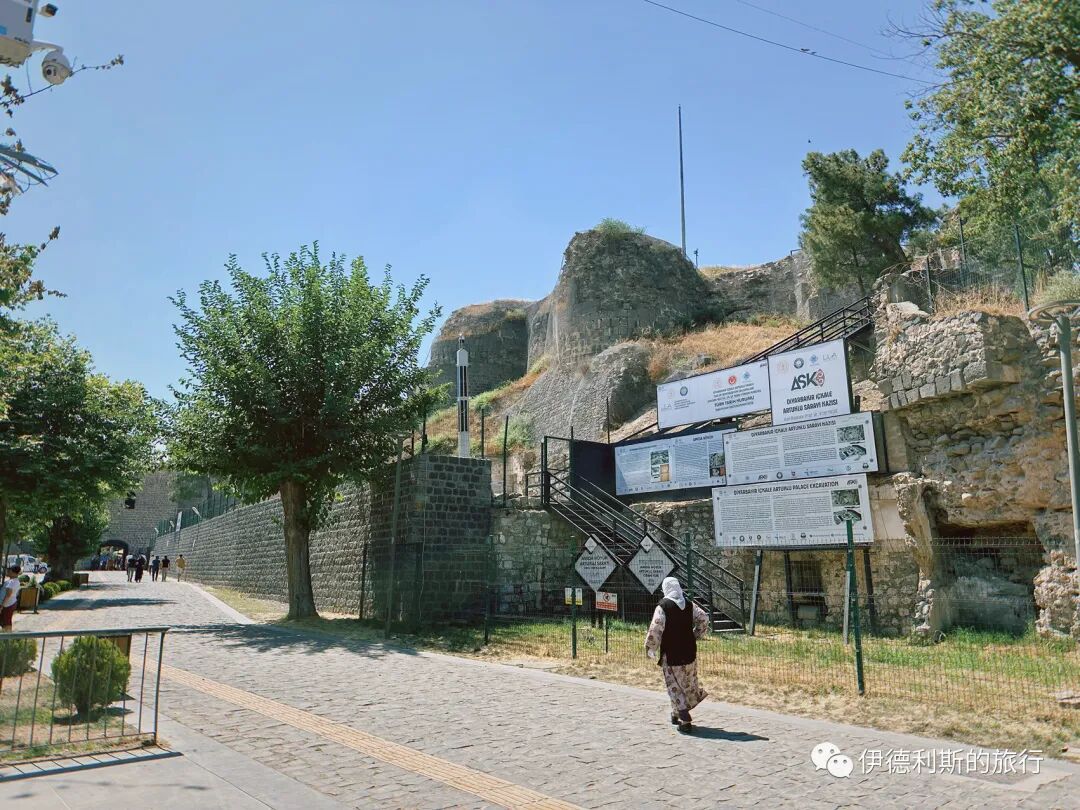
The heart of the inner castle is the Amida Mound, which stands 20 to 30 meters high in the northwest. This is the oldest settlement in Diyarbakir, with a history spanning over 5,000 years. In 1957, palace walls from the early 13th-century Artuqid dynasty were discovered here. Many more Artuqid palace ruins were found later, but the site is currently closed to protect them.
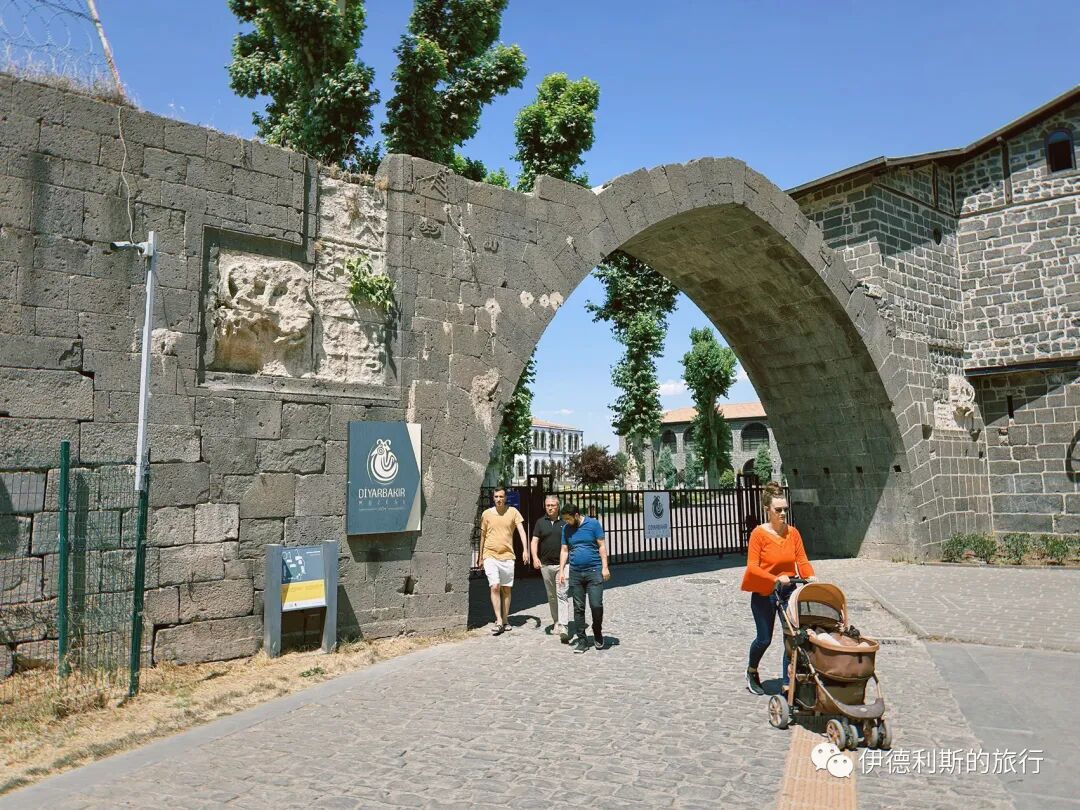
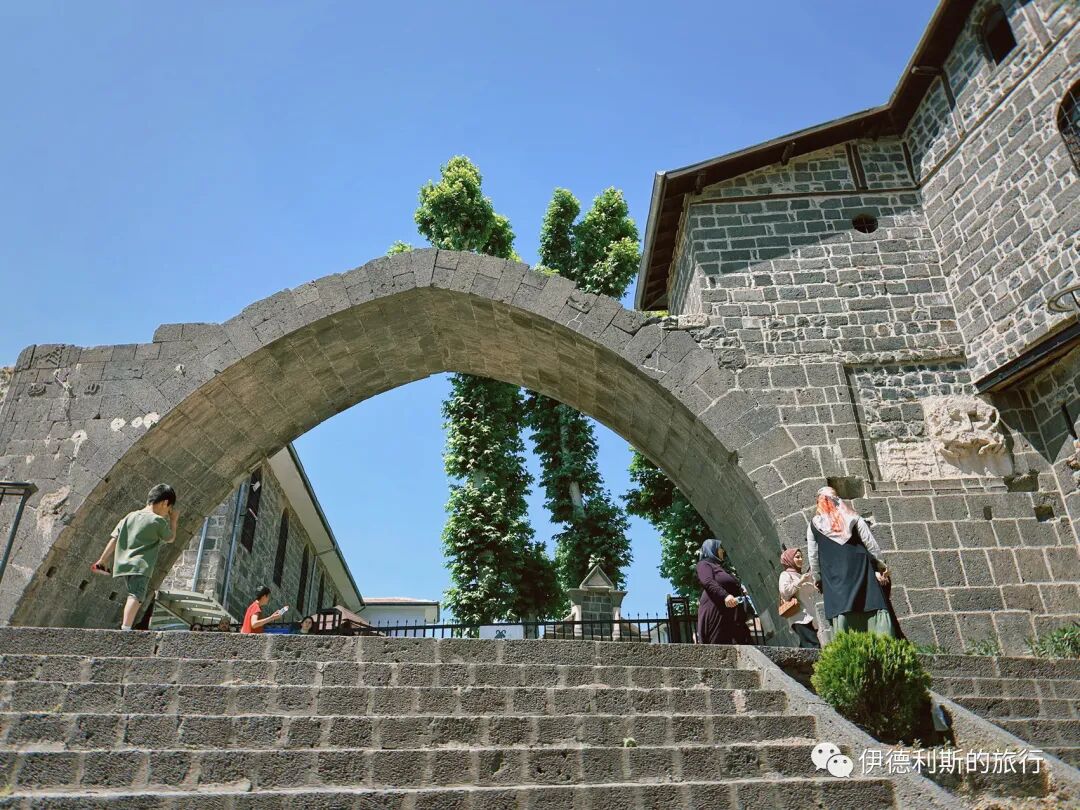
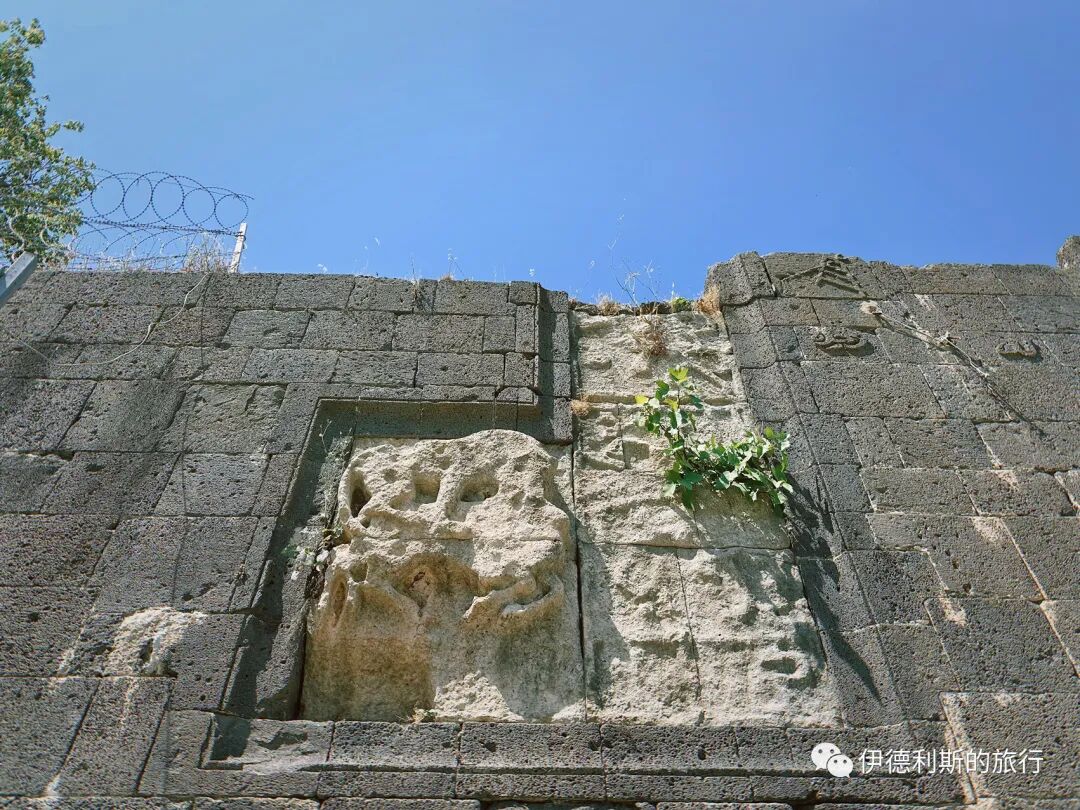
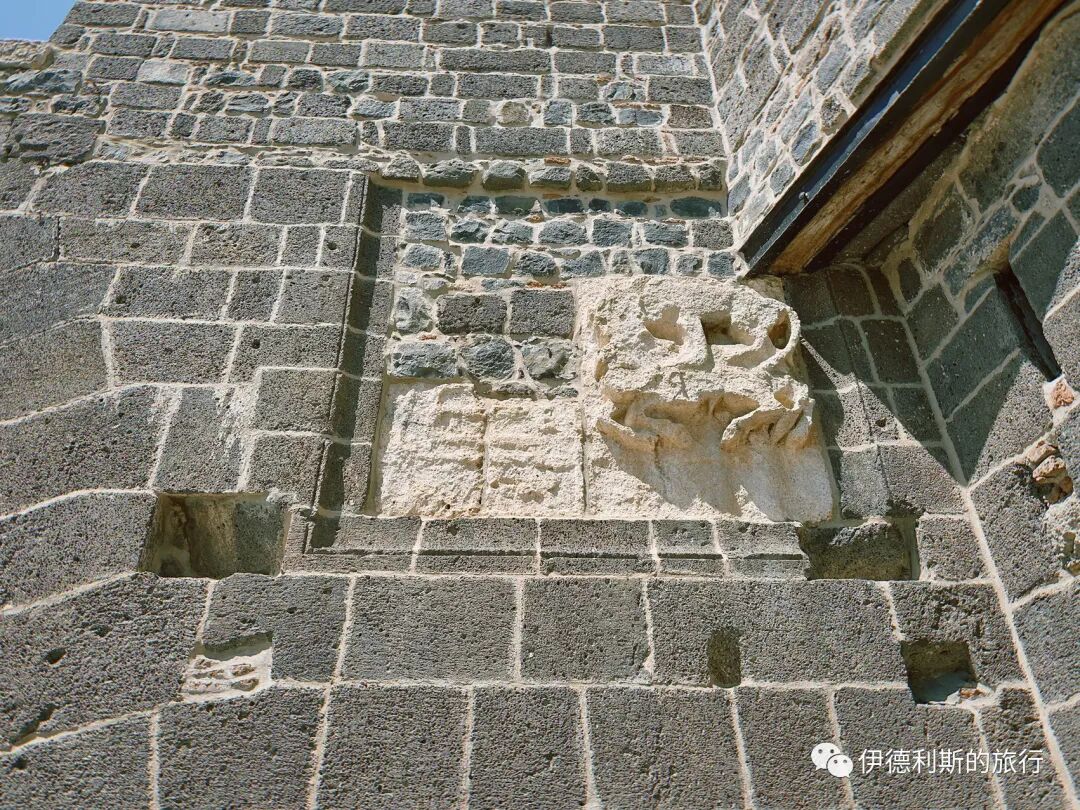
The Diyarbakir Museum is in the northeast part of the inner castle. Its gate is an arch built by the Artuqid Sultan Mahmud between 1206 and 1207. It features Naskh script inscriptions and a stone carving of a lion hunting a bull, which looks almost identical to the carving on the gate of the Great Mosque of Diyarbakir.
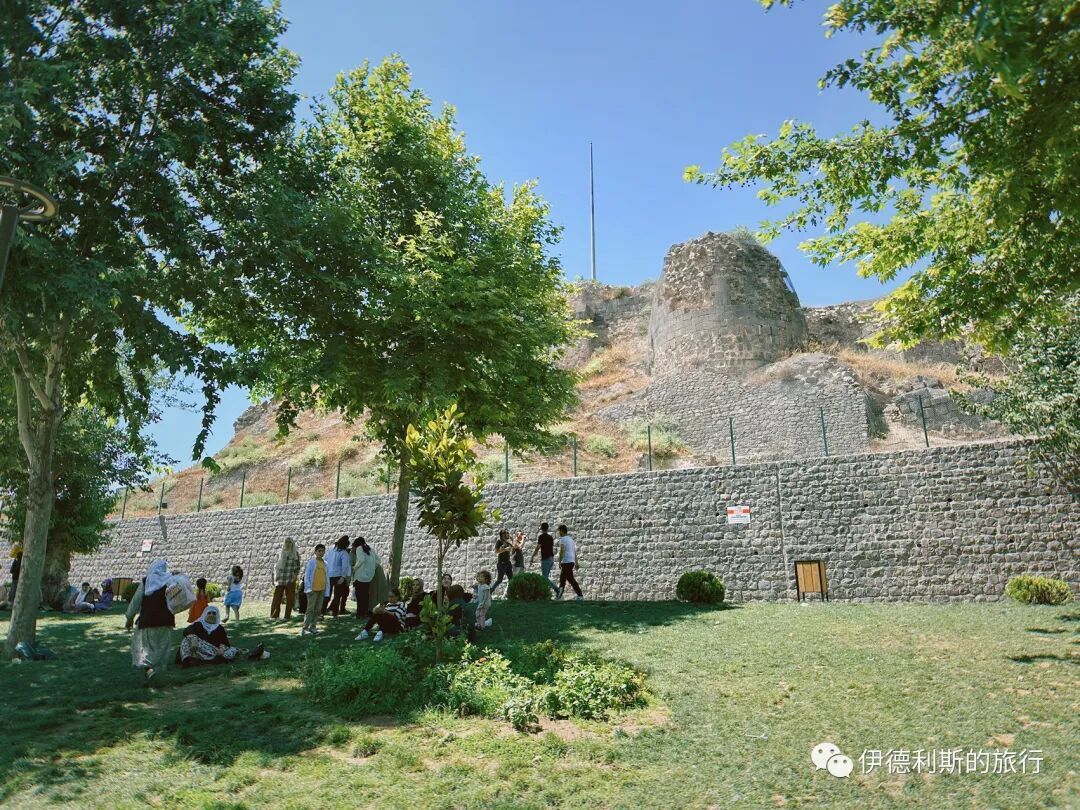
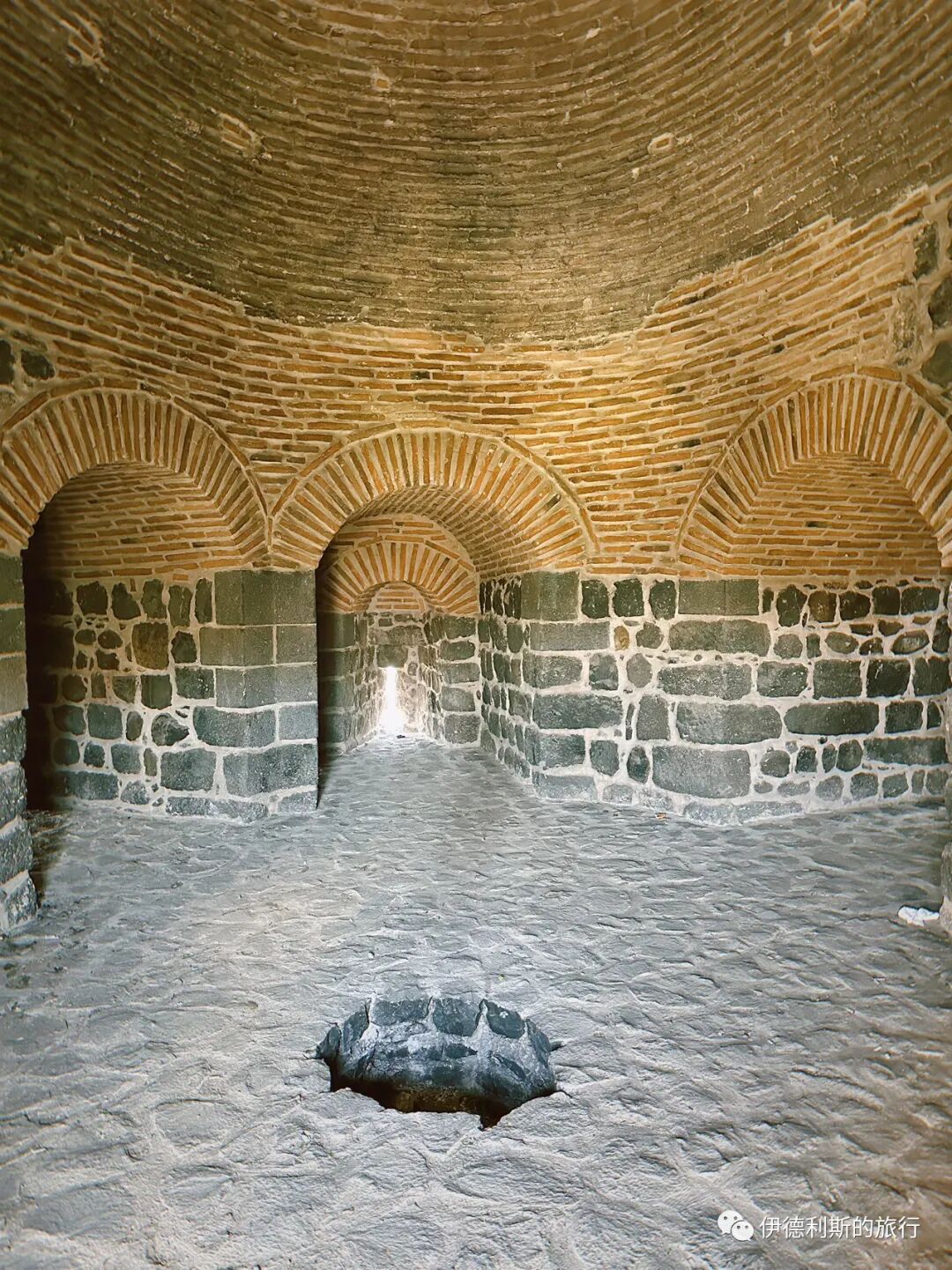
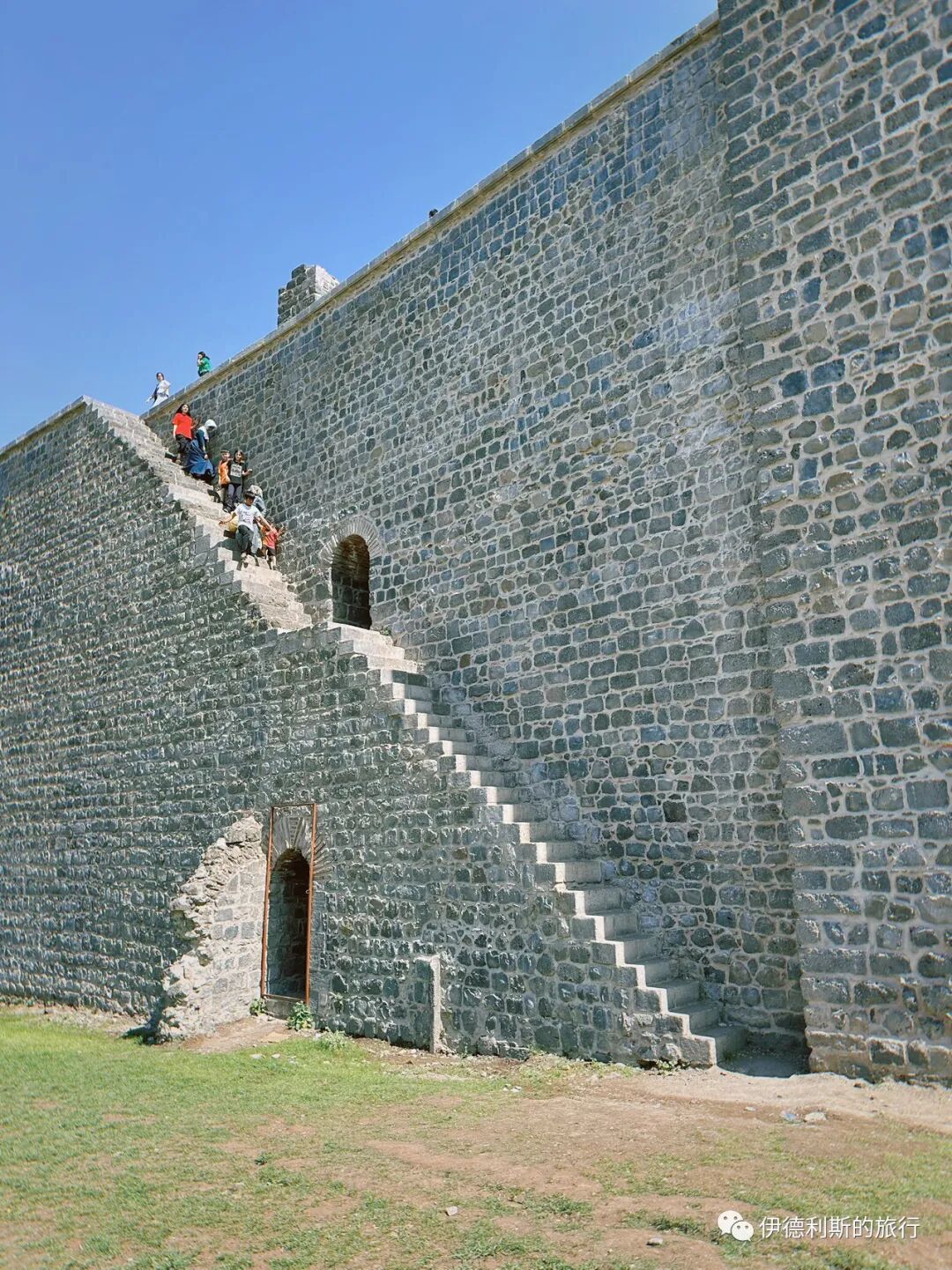
The southern part of the inner castle was expanded during the Ottoman period. The main entrance gate, known as the Palace (Saray) Gate, and the Küpeli Gate built under a tower both date from this time. If you follow the stairs inside the city walls to the top, you can see the arrow slits inside the towers. There are no safety railings on these stairs, so I felt a bit nervous coming back down.
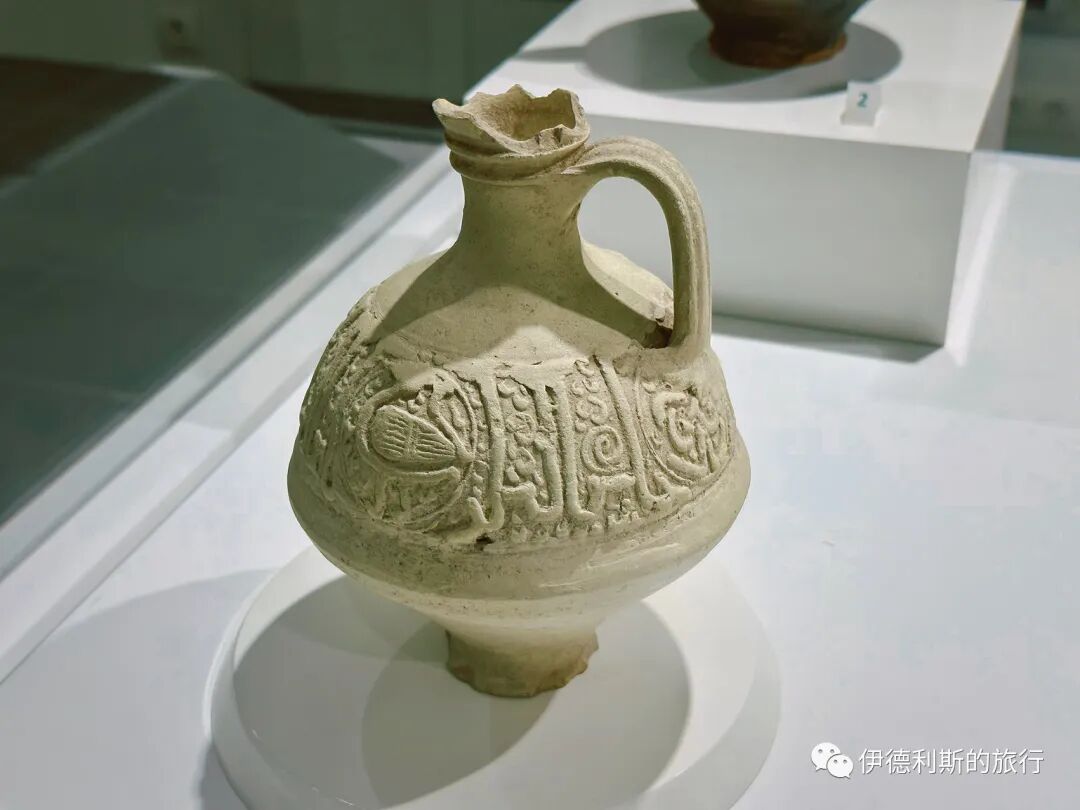
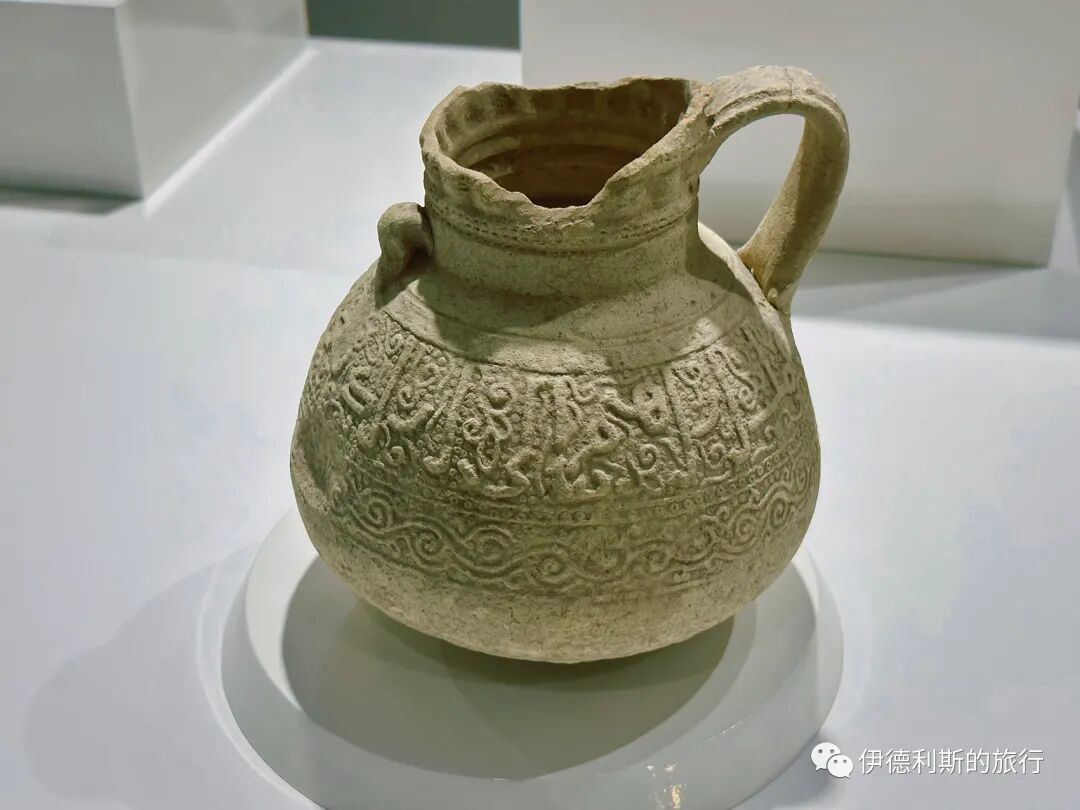
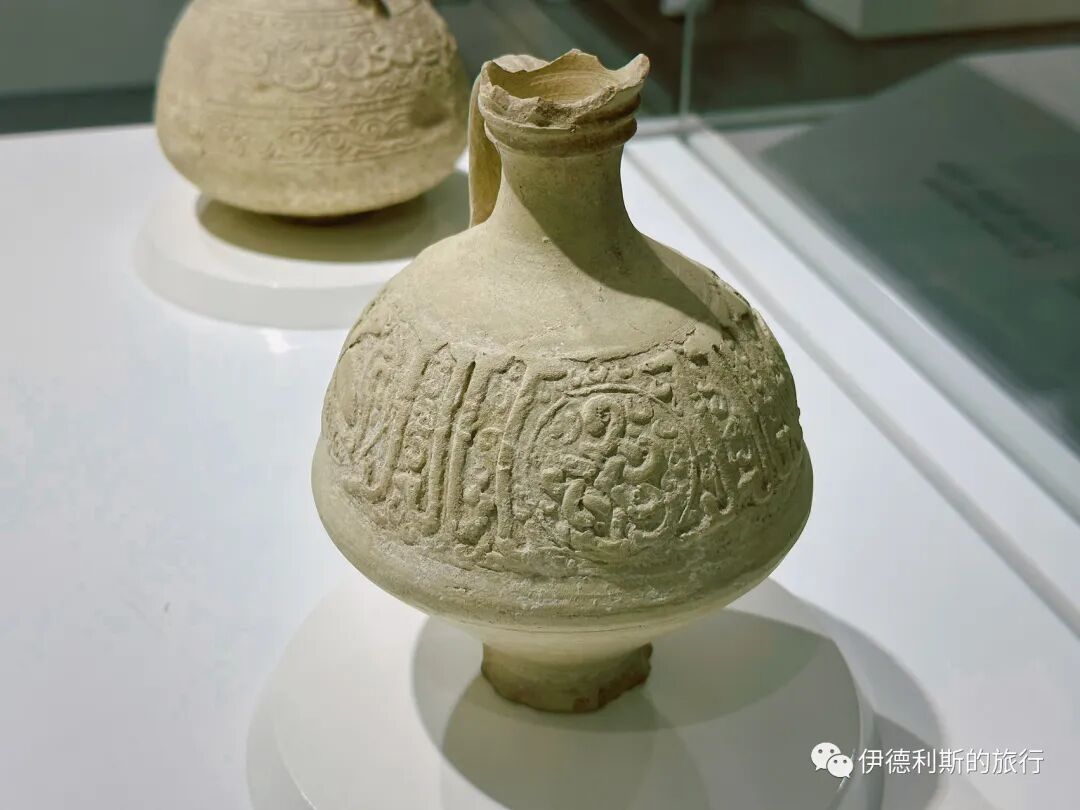
13th-century pottery collected in the Diyarbakir Museum.
Hazreti Süleyman Mosque: 1160.
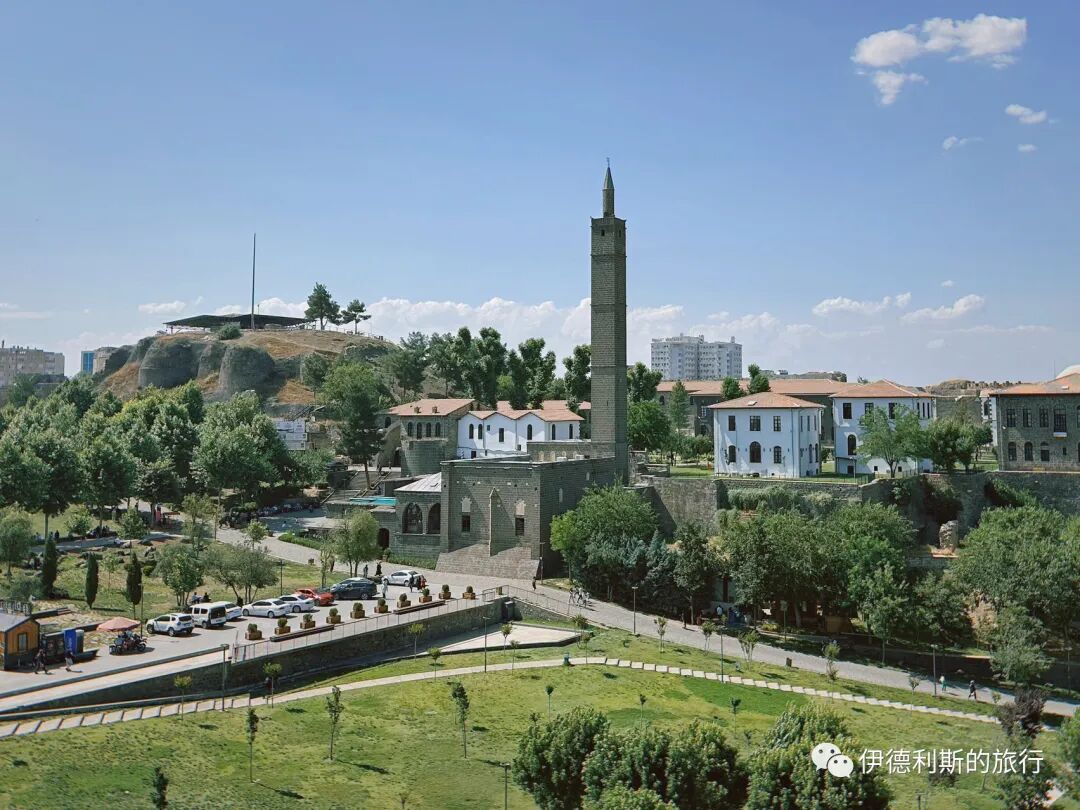
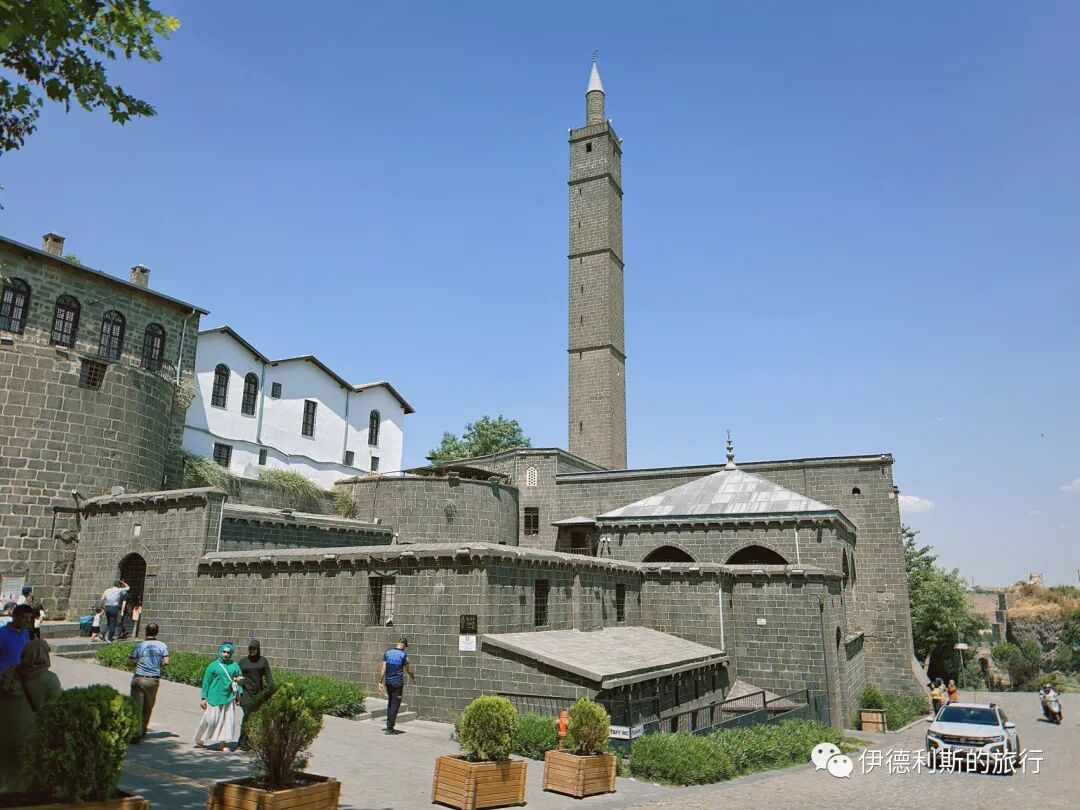
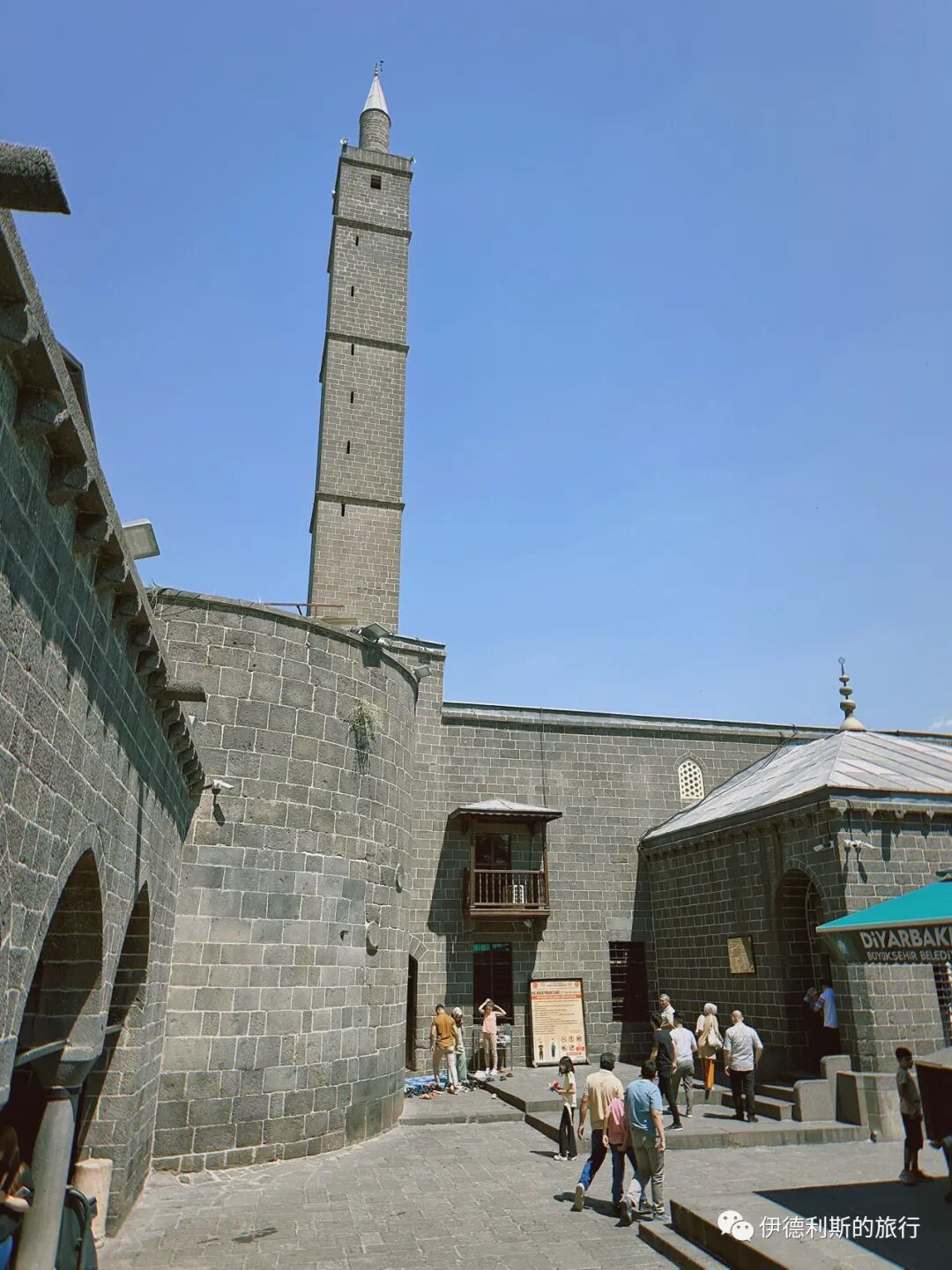
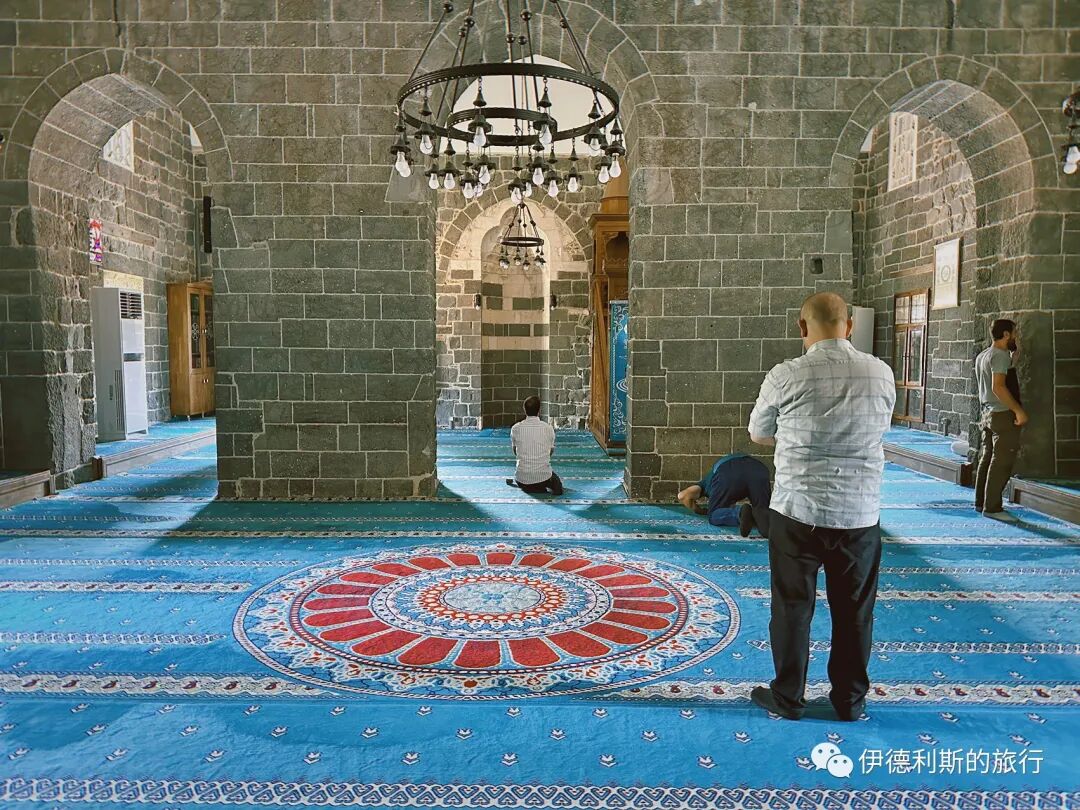
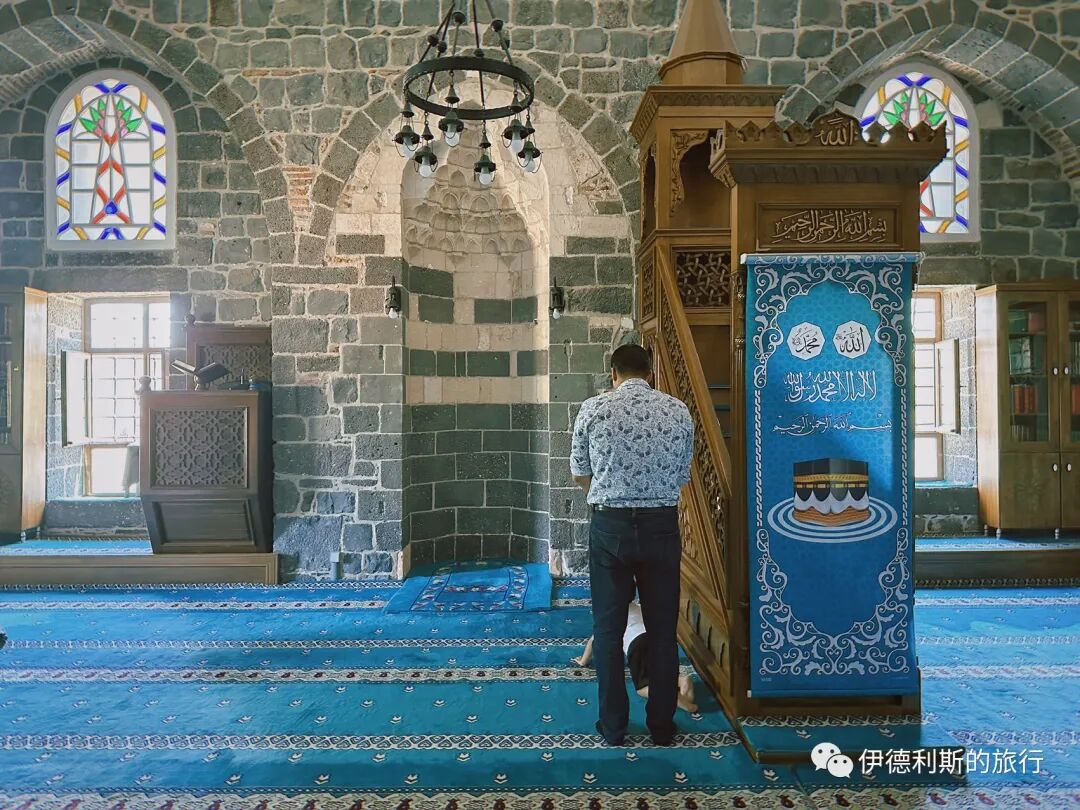
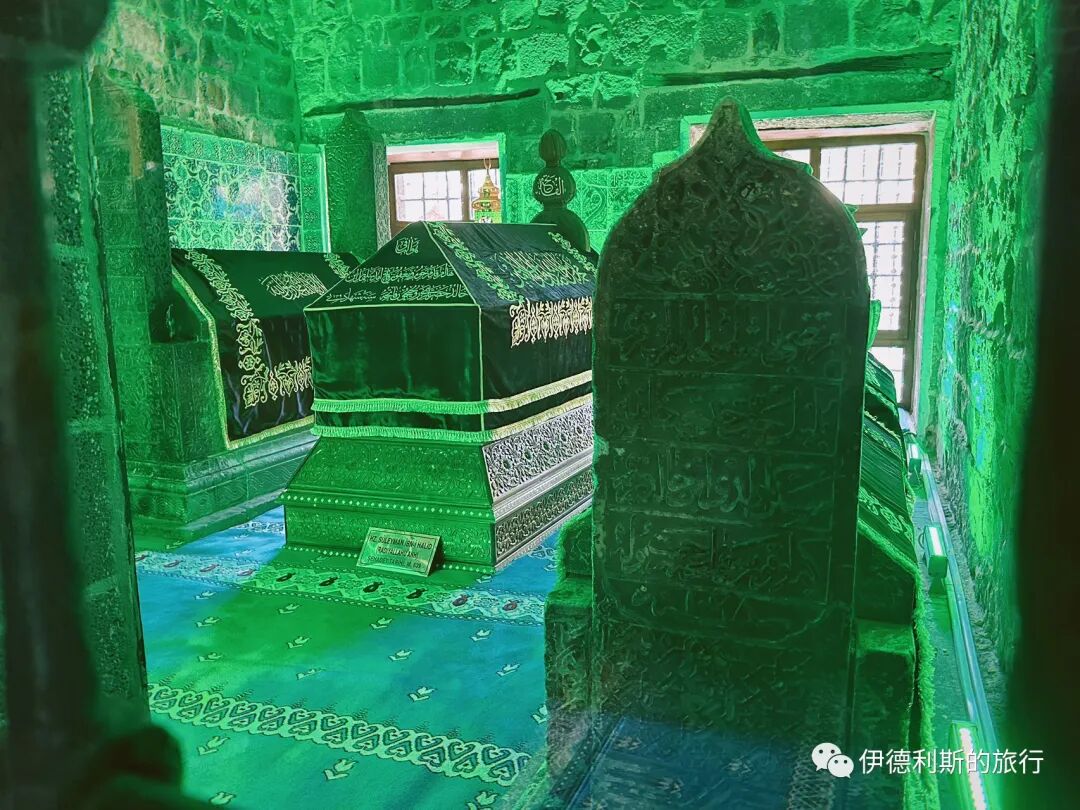
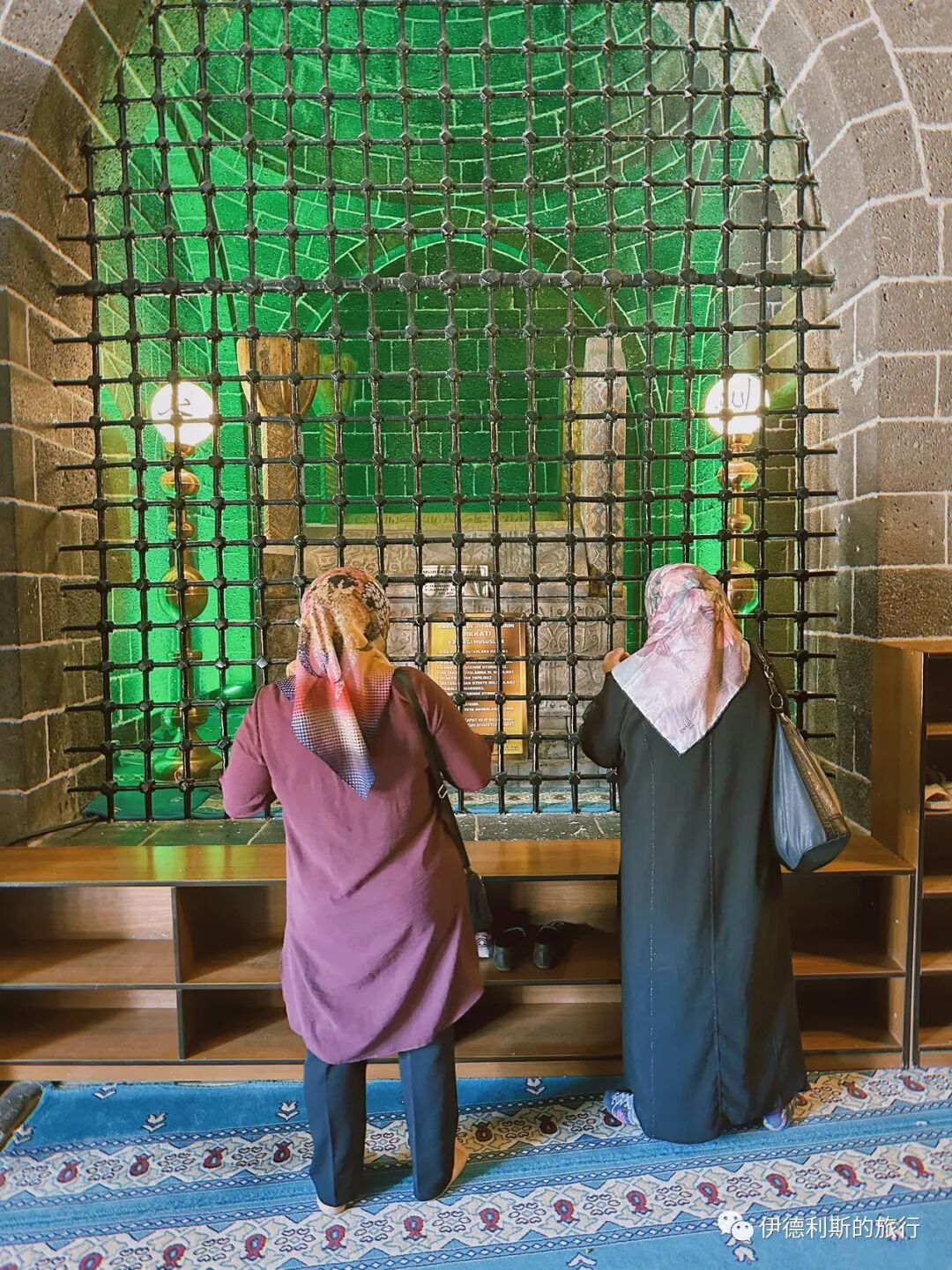
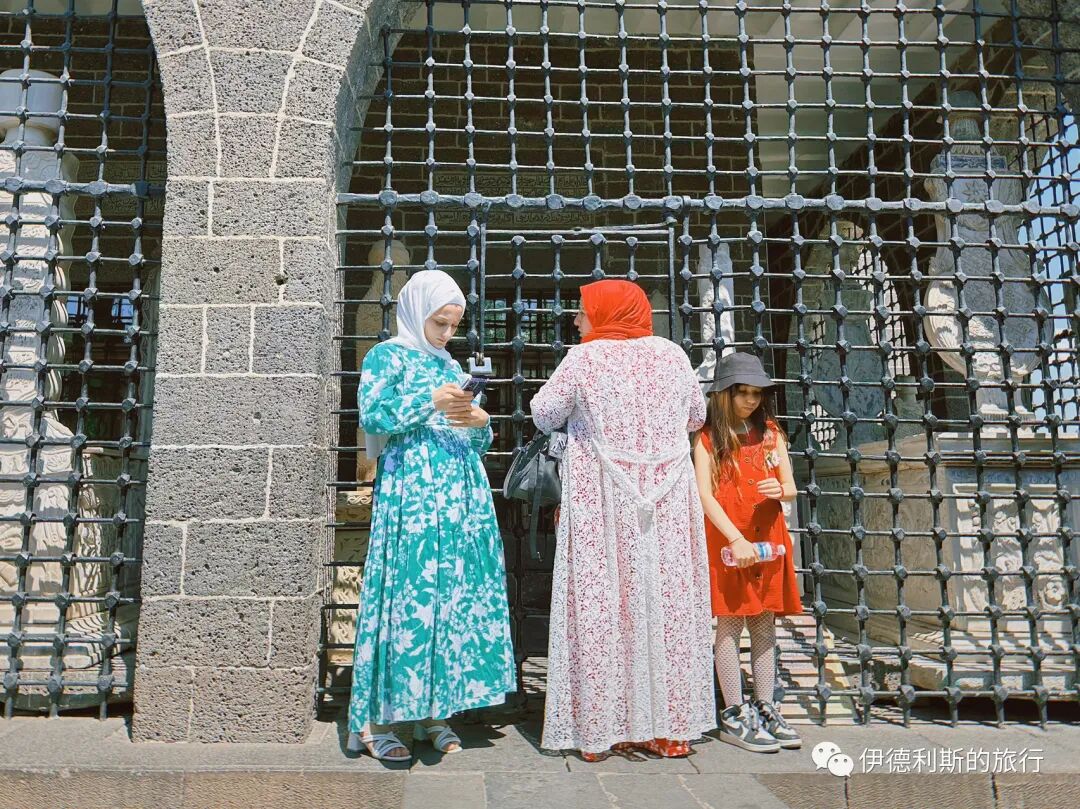
The Hazreti Süleyman Mosque is in the center of the inner castle and is the most important religious site in Diyarbakir. The mosque was first built by the Inalid dynasty in 1160. It was expanded in the 16th century by order of the Ottoman Sultan Suleiman the Magnificent and renovated again between 1631 and 1633.
On the west side of the main hall are the graves of Suleiman, the son of the famous Arab general Khalid ibn al-Walid, and his 27 followers. They passed away in 639 when the Arab army captured Diyarbakir.
Nasuh Pasha Mosque: early 17th century.
Walk out of the inner city of Diyarbakir from the South Gate, and the first thing you see is the Nasuh Pasha Mosque, built in the early 17th century. Nasuh Pasha became the governor of Diyarbakir in 1606, later became the Grand Vizier of the Ottoman Empire in 1611, and married the daughter of Sultan Ahmed I. He was executed by the Sultan in 1614 for excessive greed.
The minaret of the mosque is divided into two parts. The lower section of black basalt was built in the 17th century. During the Diyarbakir uprising in 1819, the upper part of the minaret was destroyed by cannon fire and later rebuilt with white limestone. During the 2015-16 conflict between Turkey and the Kurdistan Workers' Party in the old city of Diyarbakir, the Nasuh Pasha Mosque was damaged, but it has now been fully restored.
Kurşunlu Mosque: 1516-20
Continue south from the Nasuh Pasha Mosque to reach the Kurşunlu Mosque. It was built between 1516 and 1520 by Bıyıklı Mehmed Pasha, the first Ottoman governor of Diyarbakir, and is the city's first Ottoman mosque. Bıyıklı Mehmed Pasha commanded the Ottoman army against the Persian Safavid dynasty from 1515 to 1521, winning many victories and capturing cities including Diyarbakir, Mardin, and Mosul.
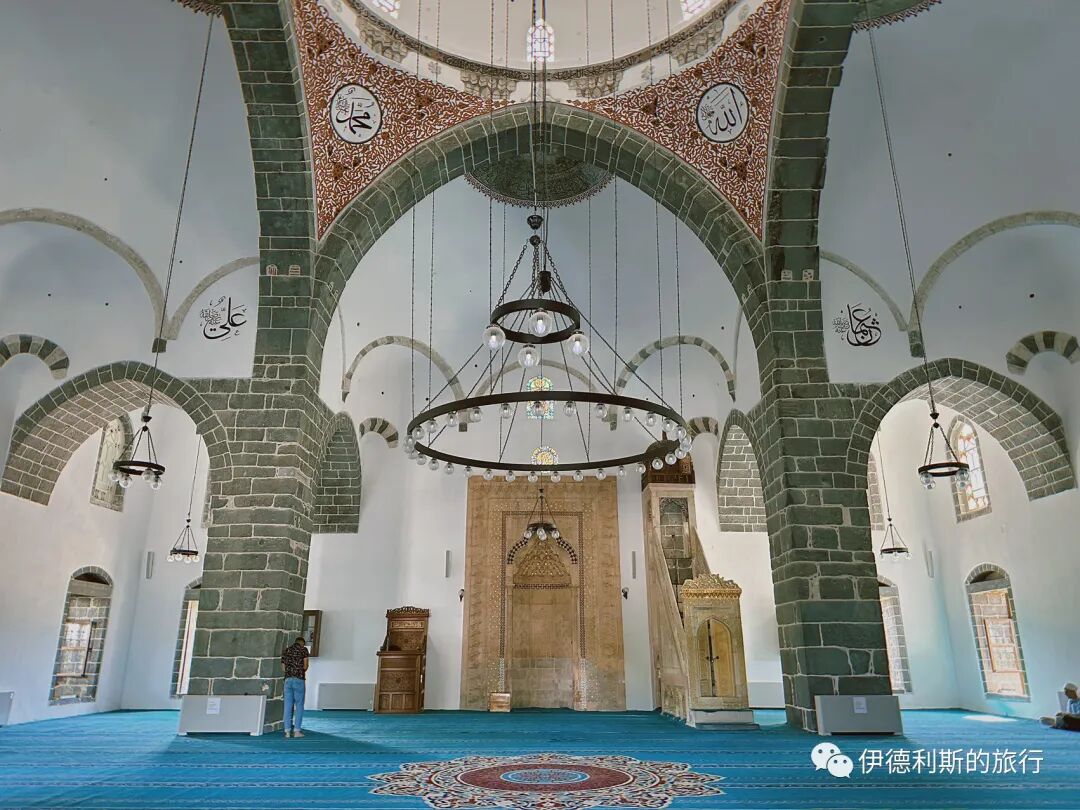
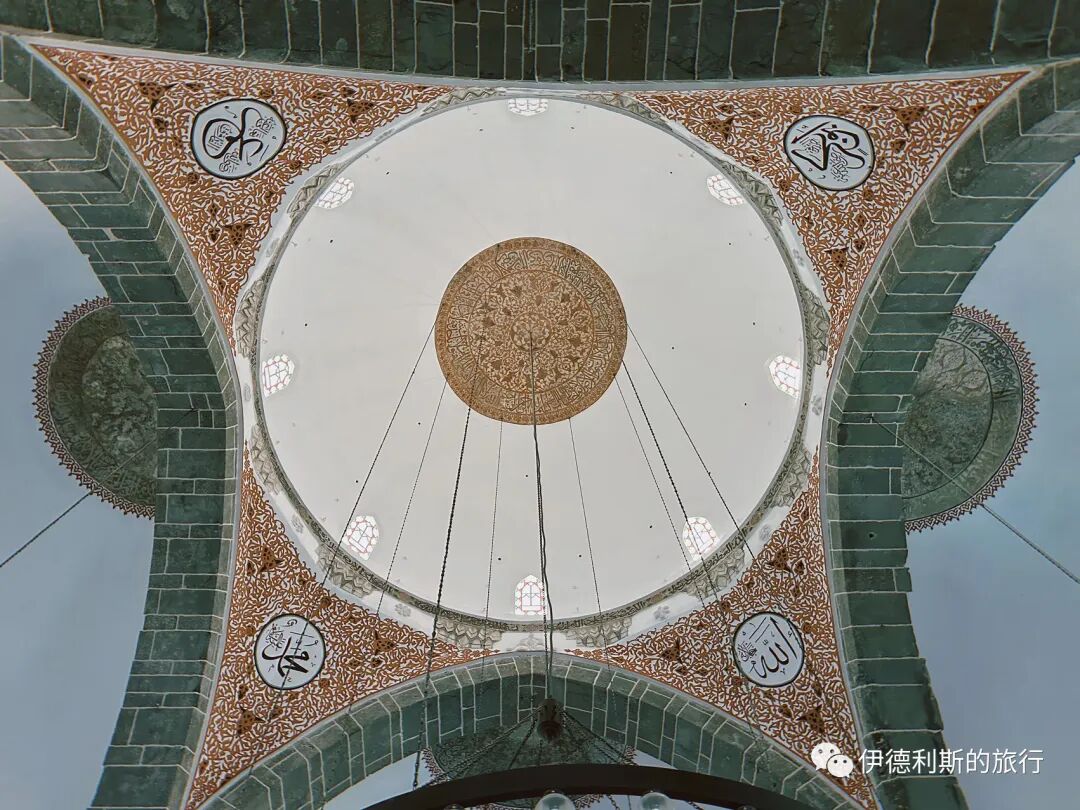
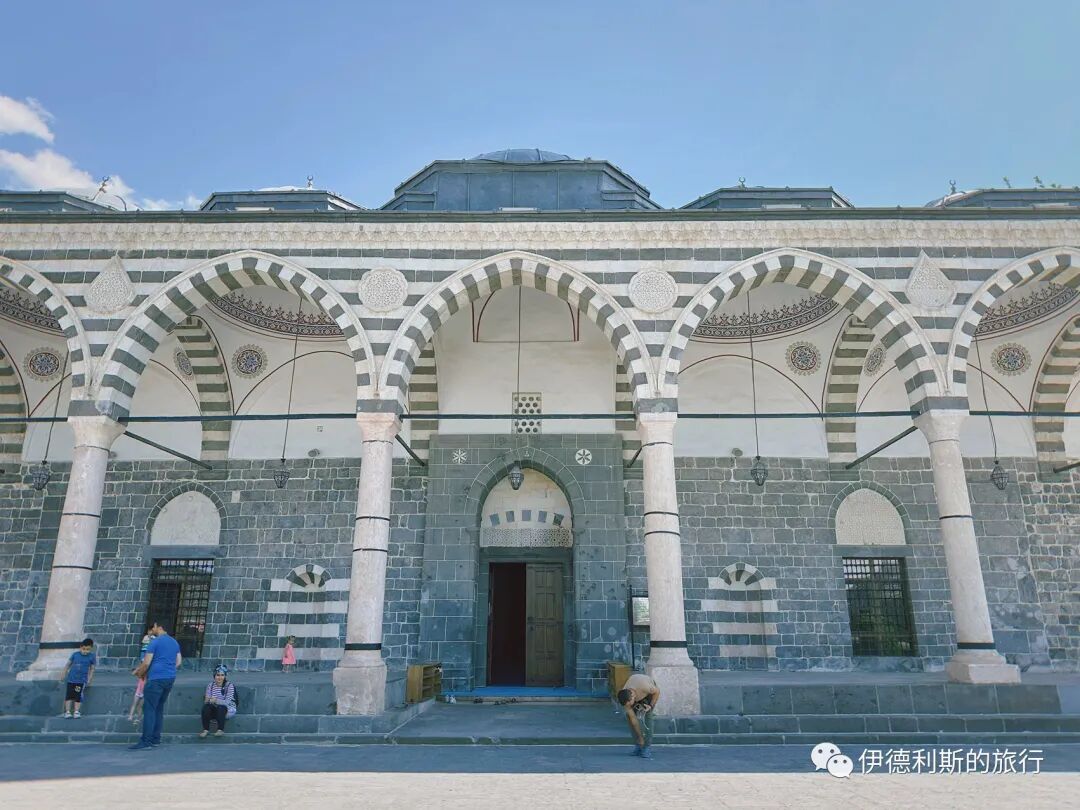
The main hall of the mosque consists of one main dome and four semi-domes. The domes are all covered in lead, which is a typical Ottoman style. However, the use of black basalt makes the main color very different from the red and white tones found in the western part of the Ottoman Empire.
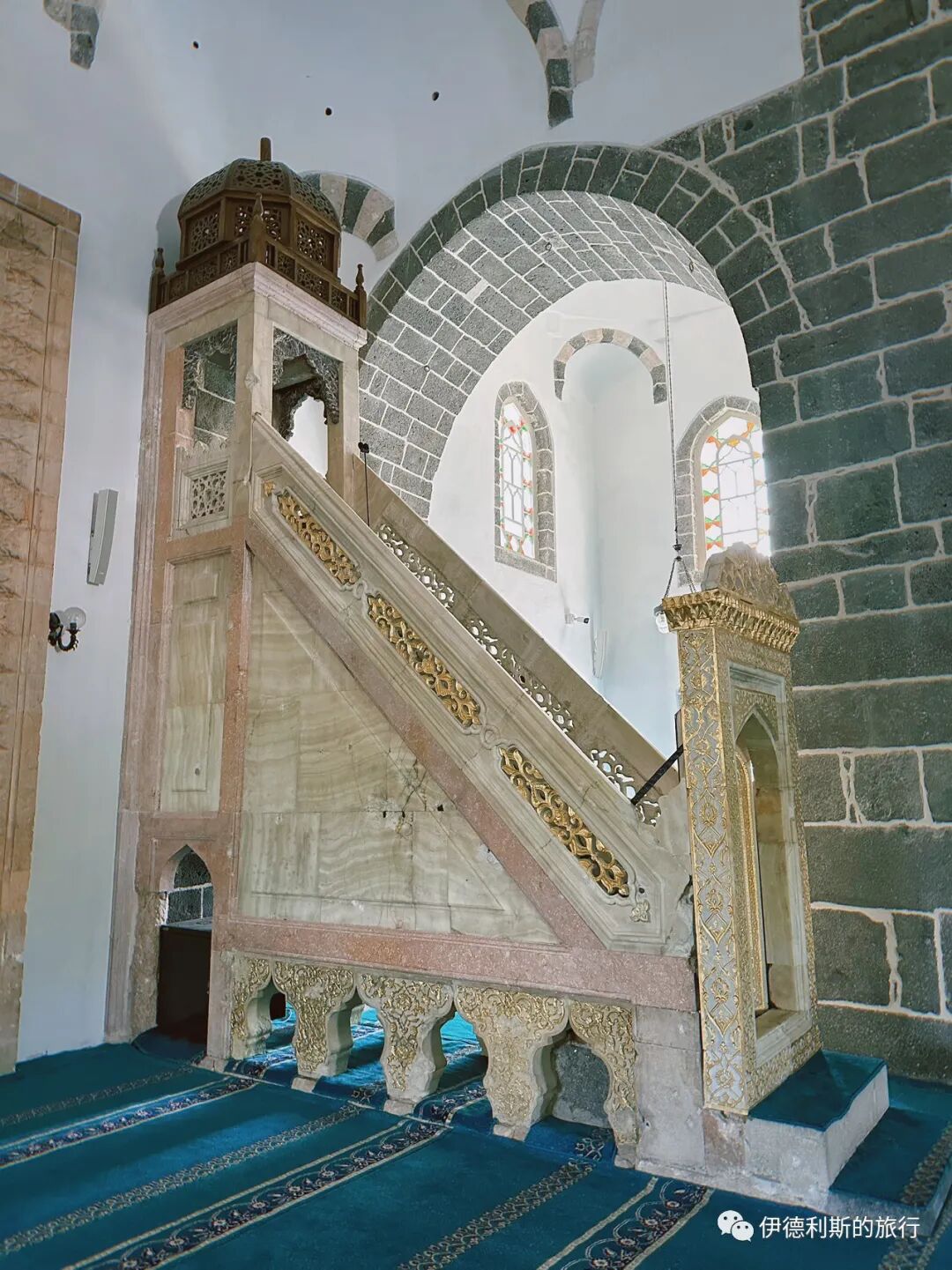
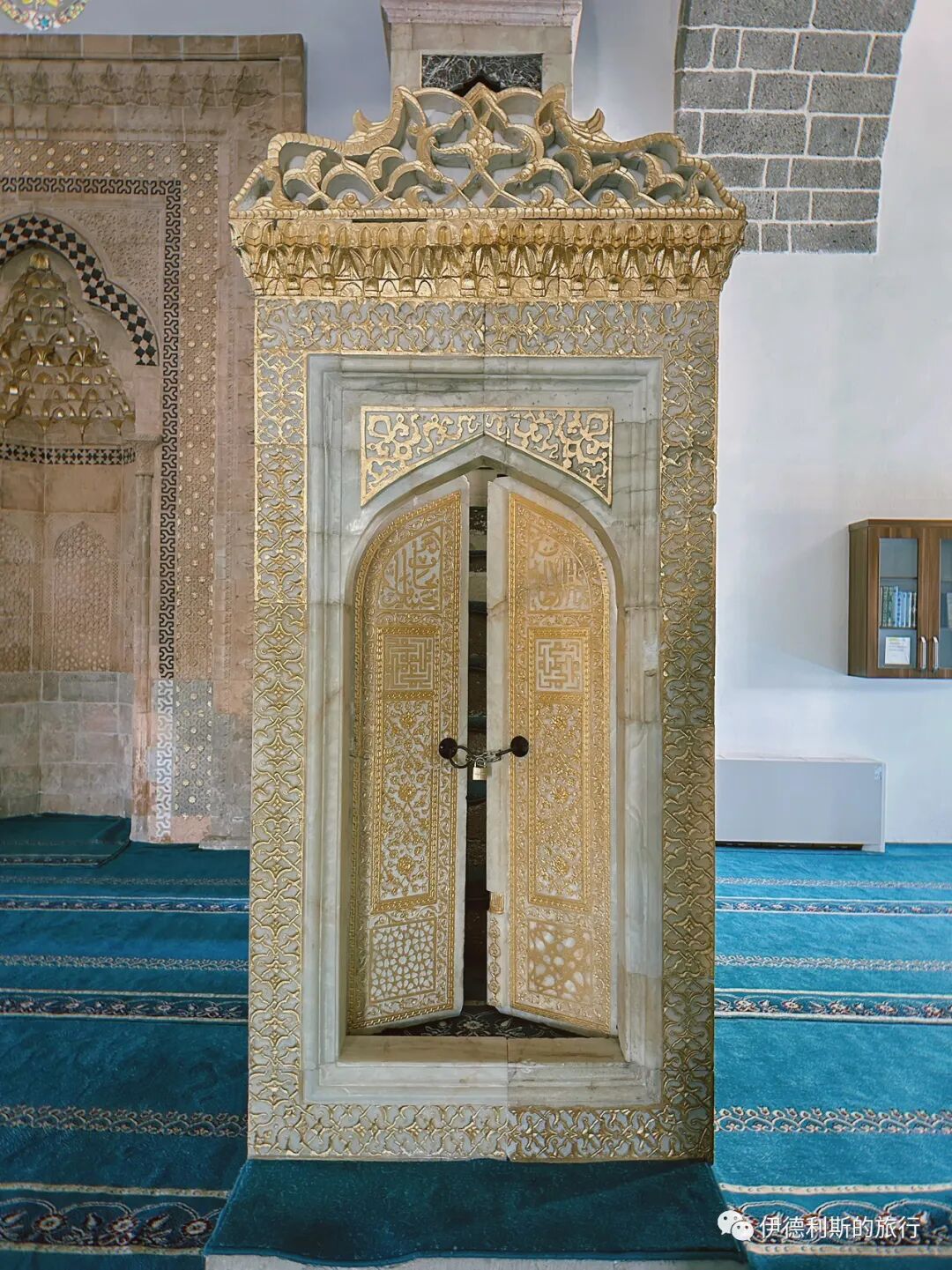
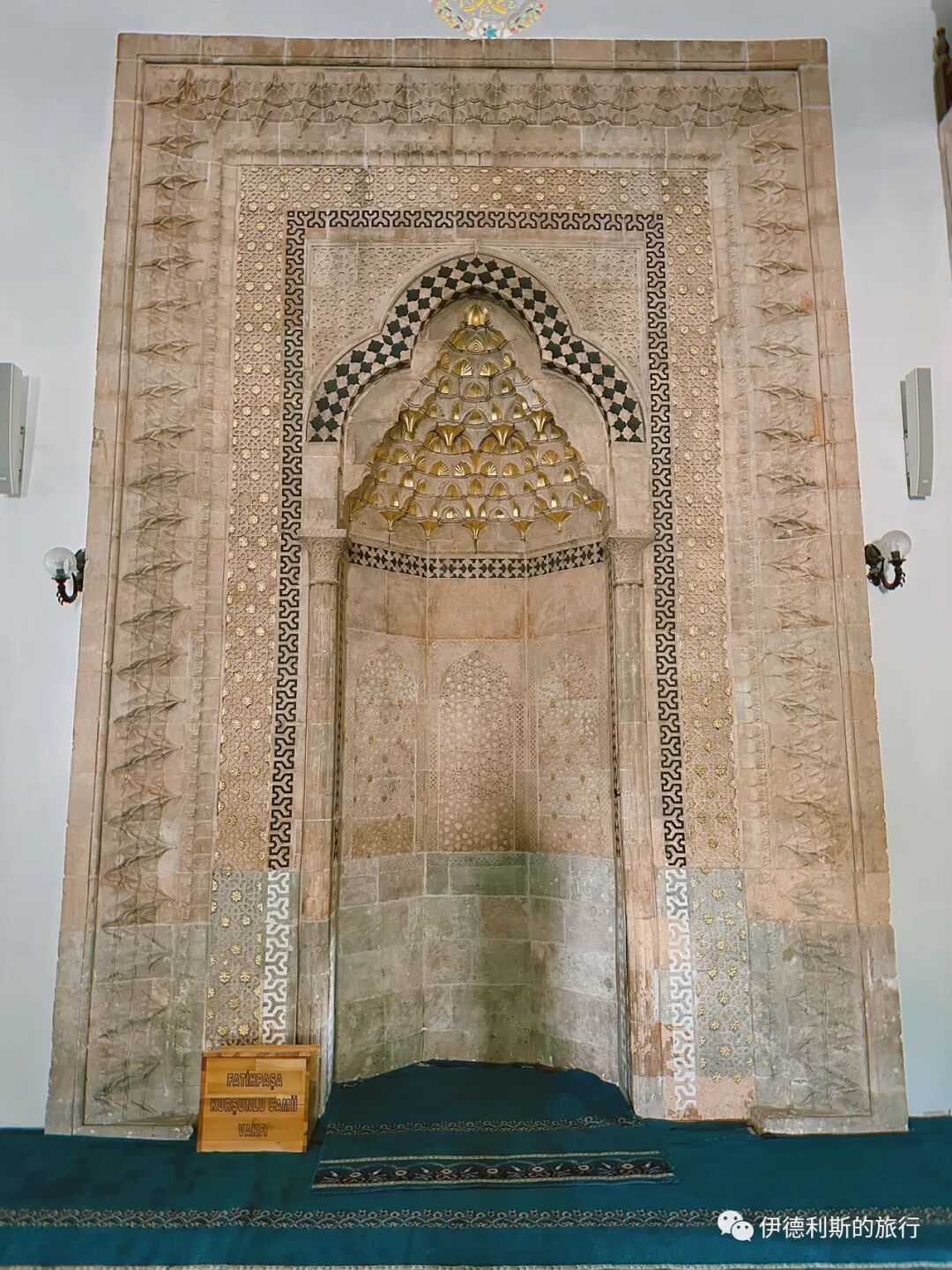
Inside the main hall, there is an exquisite marble minbar (pulpit), and the doors feature intricate Arabic calligraphy.
The Kurşunlu Mosque was also hit by artillery fire during the 1819 Diyarbakir uprising. During the 2015-16 conflict between Turkey and the Kurdistan Workers' Party in the old city of Diyarbakir, the Kurşunlu Mosque suffered severe damage and fire. Different sources blame either Turkey or the Kurdistan Workers' Party for the destruction. After several years of restoration, the mosque reopened in 2019.
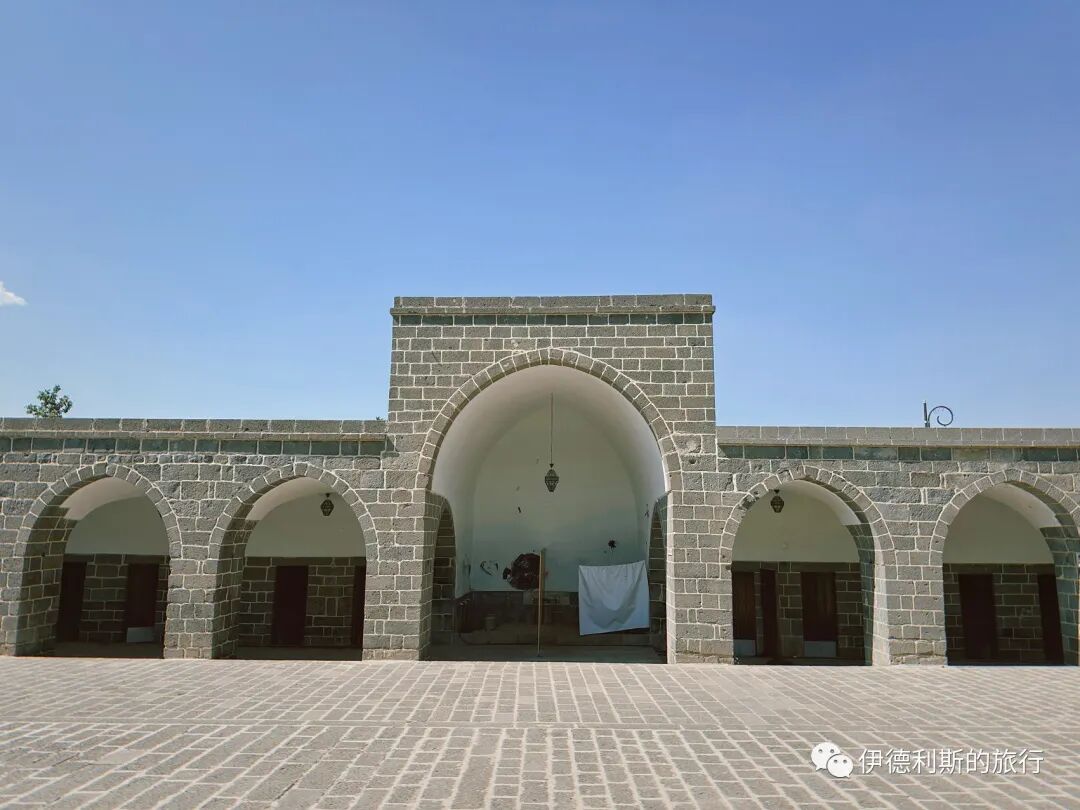
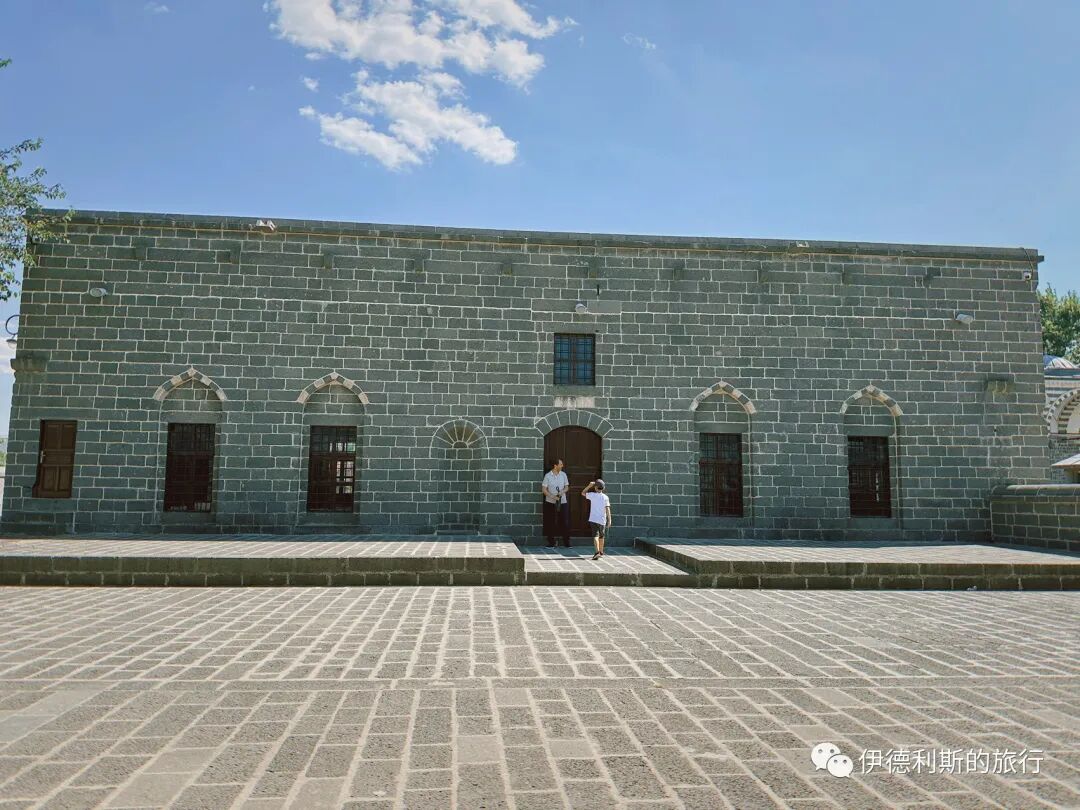
On the northeast side of the Kurşunlu Mosque is a smaller flat-roofed building, which is the Shafi'i hall built in the late 16th century. Because the Ottoman rulers at the time belonged to the Hanafi school, while the Kurds living in Diyarbakir mainly belonged to the Shafi'i school, some mosques were built with halls for both schools. Currently, all schools of thought pray together here, and the site has also become an education center for women and children.
Prince's Mansion (Şehzadeler Konağı): late 16th century
Northwest of Kurşunlu Mosque stands an Ottoman mansion built in the late 16th century called the Prince's Mansion (Şehzadeler Konağı). This building was severely damaged during the 2015 conflict between Turkey and the Kurdistan Workers' Party, and restoration began in 2021 and is still ongoing. We met a friend (dost) at Kurşunlu Mosque who works right here, and he warmly invited us for tea.
After the restoration is finished, it is expected to open as a literary youth center named after the famous Diyarbakır poet Sezai Karakoç, who passed away in 2021, serving as a home for literature for young people.
Kadı Mosque: 1533
Continuing west, you will pass the Kadı Mosque built in 1533, which, like the Prince's Mansion before it, is built with alternating layers of black basalt and white limestone.
Hasan Pasha Inn (Hasan Paşa Hanı): 1573-75
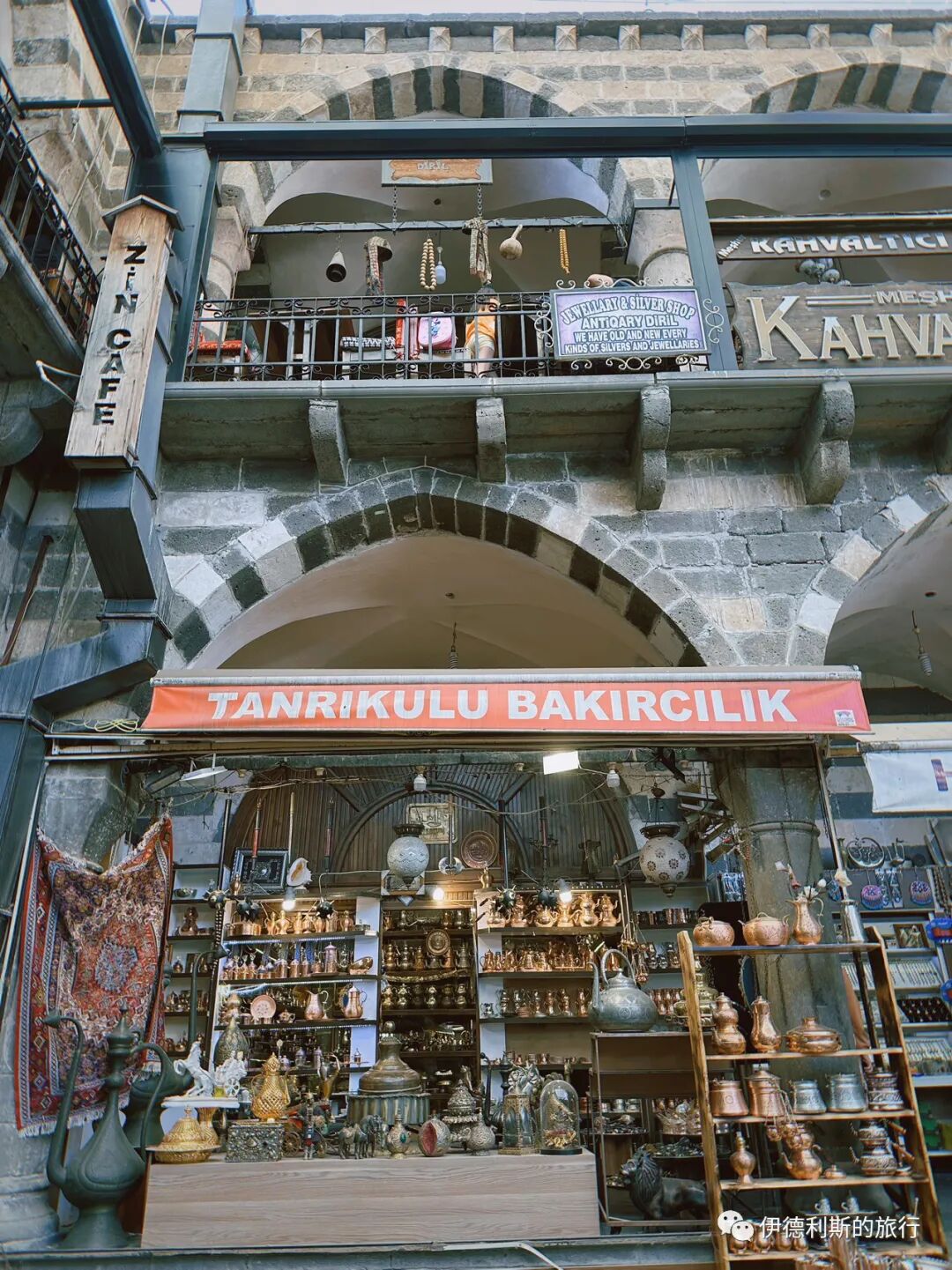
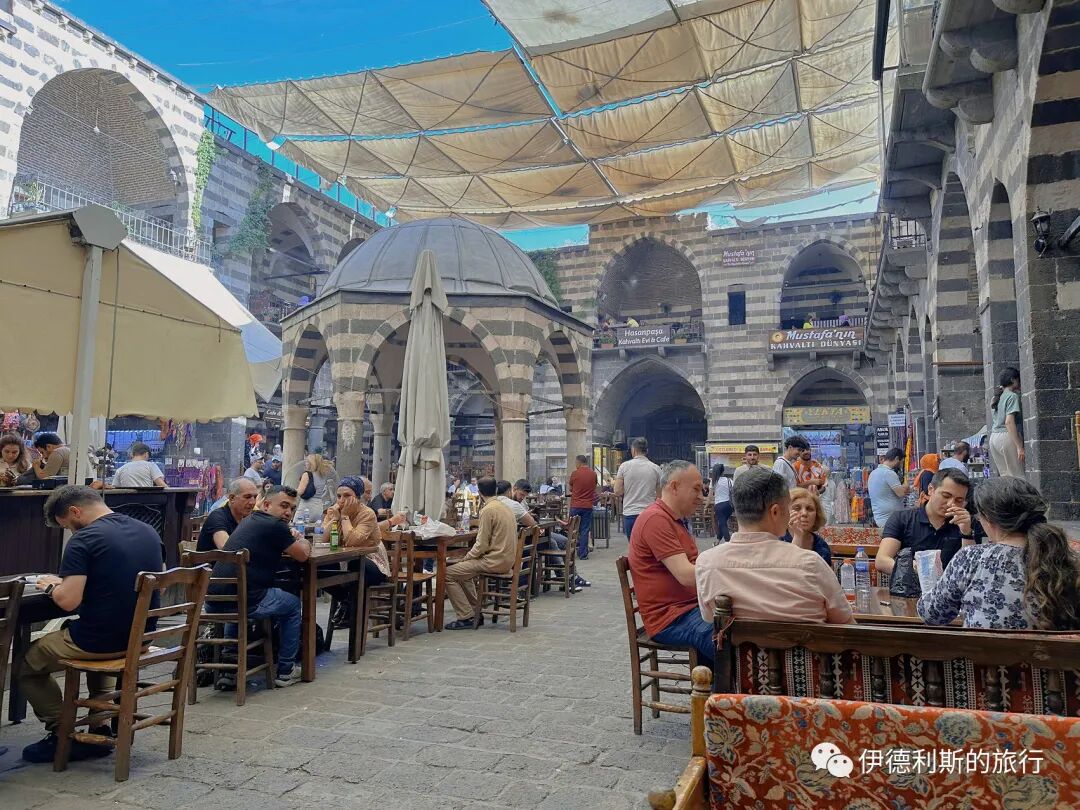
Walk back west to the main road and take a break with some tea at the Hasan Pasha Inn (Hasan Paşa Hanı), located directly across from the Great Mosque of Diyarbakır. The Hasan Pasha Inn was built between 1573 and 1575 by Hasan Pasha, the eldest son of the Ottoman Grand Vizier Sokollu Mehmed Pasha, and it is a very important Ottoman caravanserai in Diyarbakır. Like a typical Ottoman caravanserai, the first floor was used to store goods and horses, while the second floor provided lodging for travelers. A Polish traveler who visited in 1613 recorded that the site could accommodate 500 horses. After being restored in 2006, it opened with cafes, restaurants, and shops, becoming a place for people to relax.
Sheikh Matar Mosque (Şeyh Matar Camii): 1500
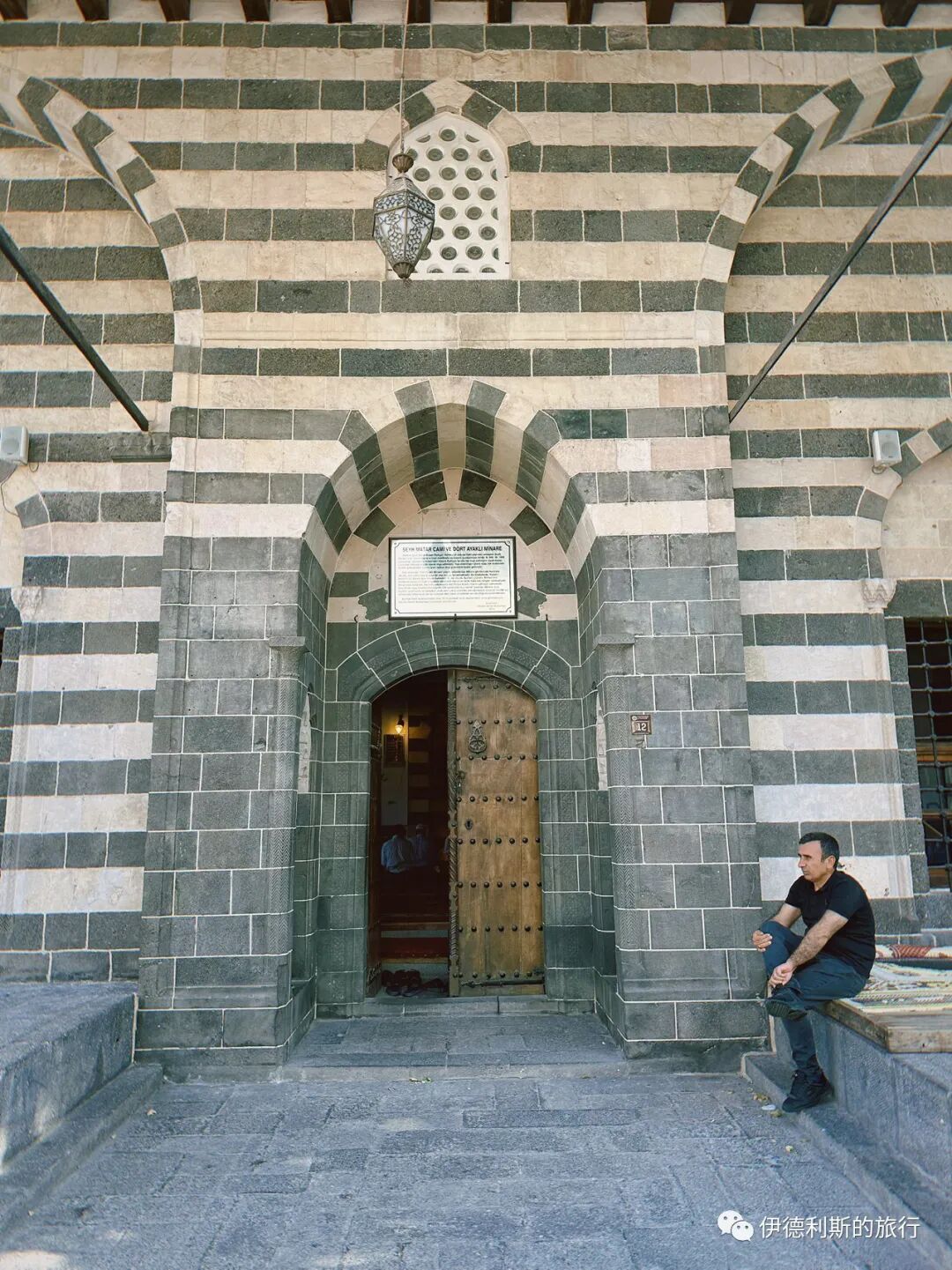
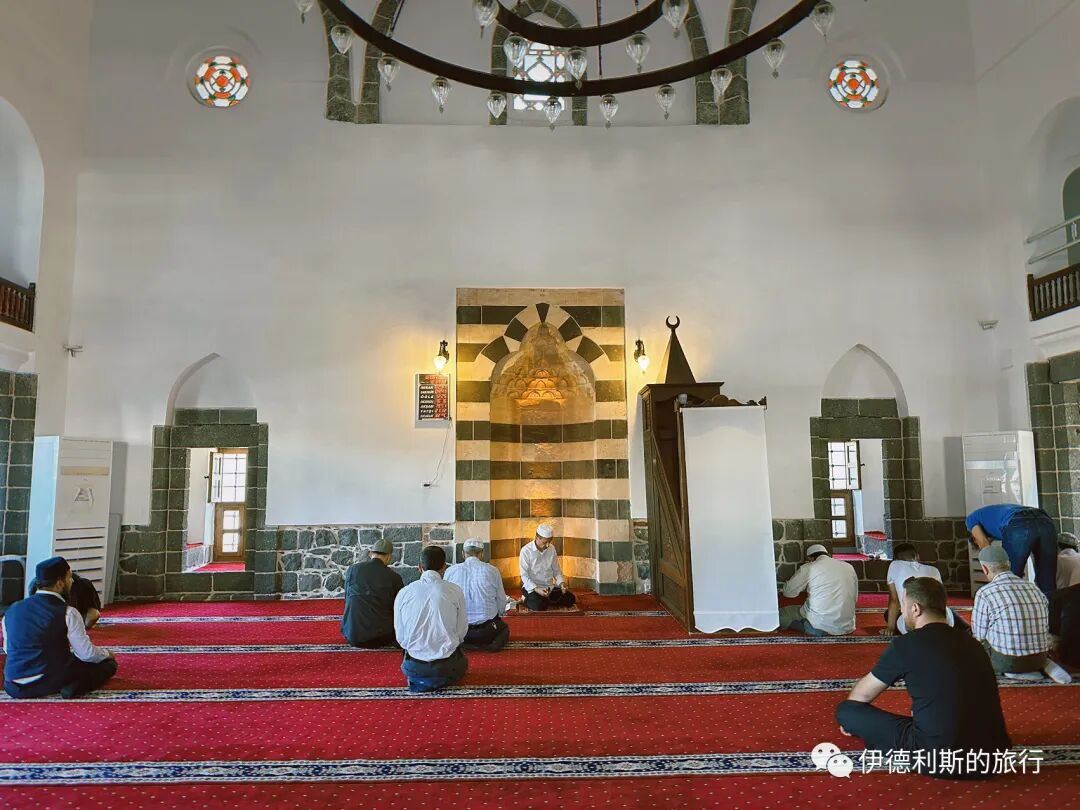
After leaving the Hasan Pasha Inn, we went south to the Sheikh Matar (Şeyh Matar) Mosque. Haji Hussein built this mosque in 1500 during the late White Sheep dynasty. It is named after the tomb of Sheikh Matar, which sits next to the mosque.
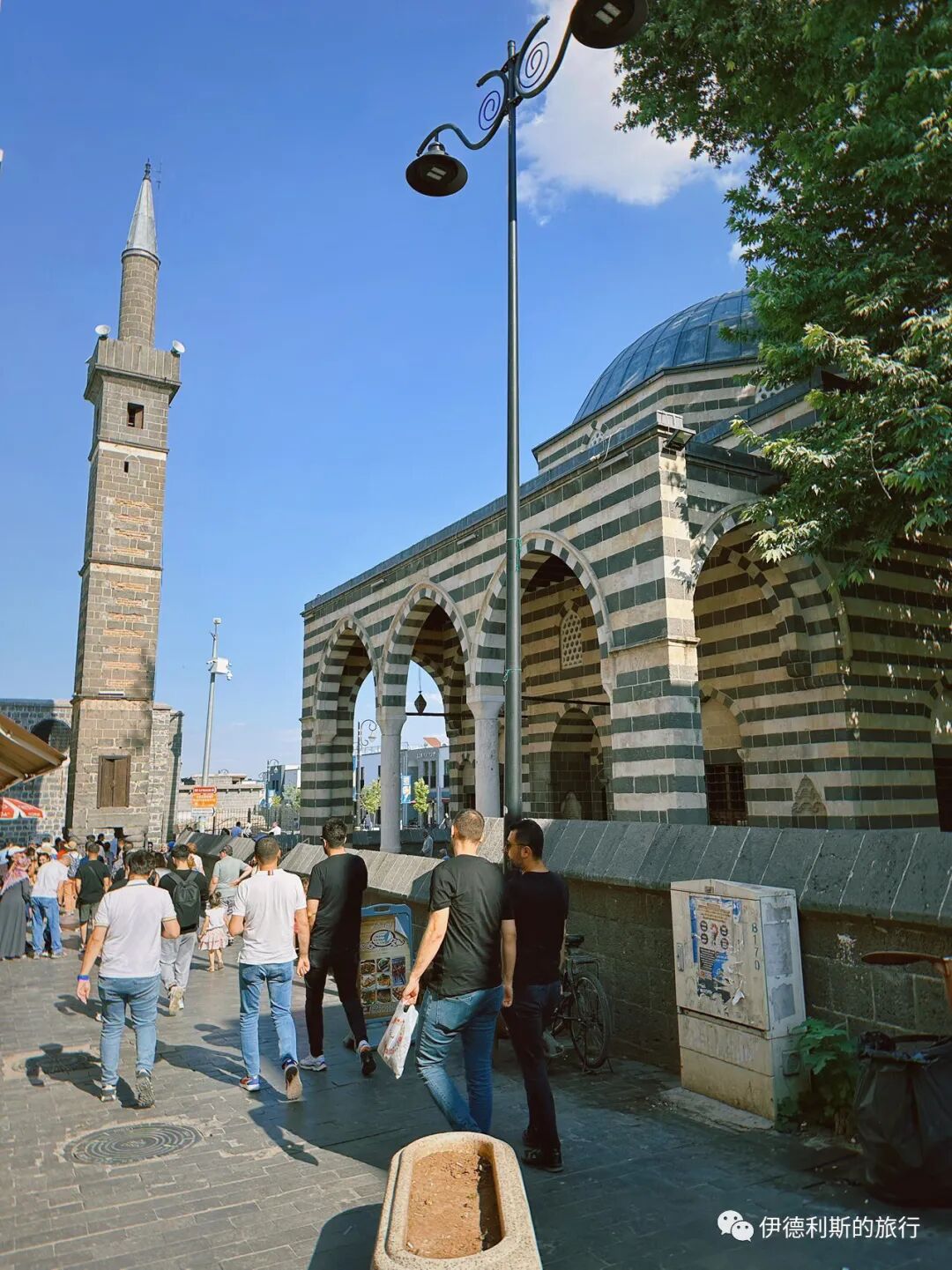
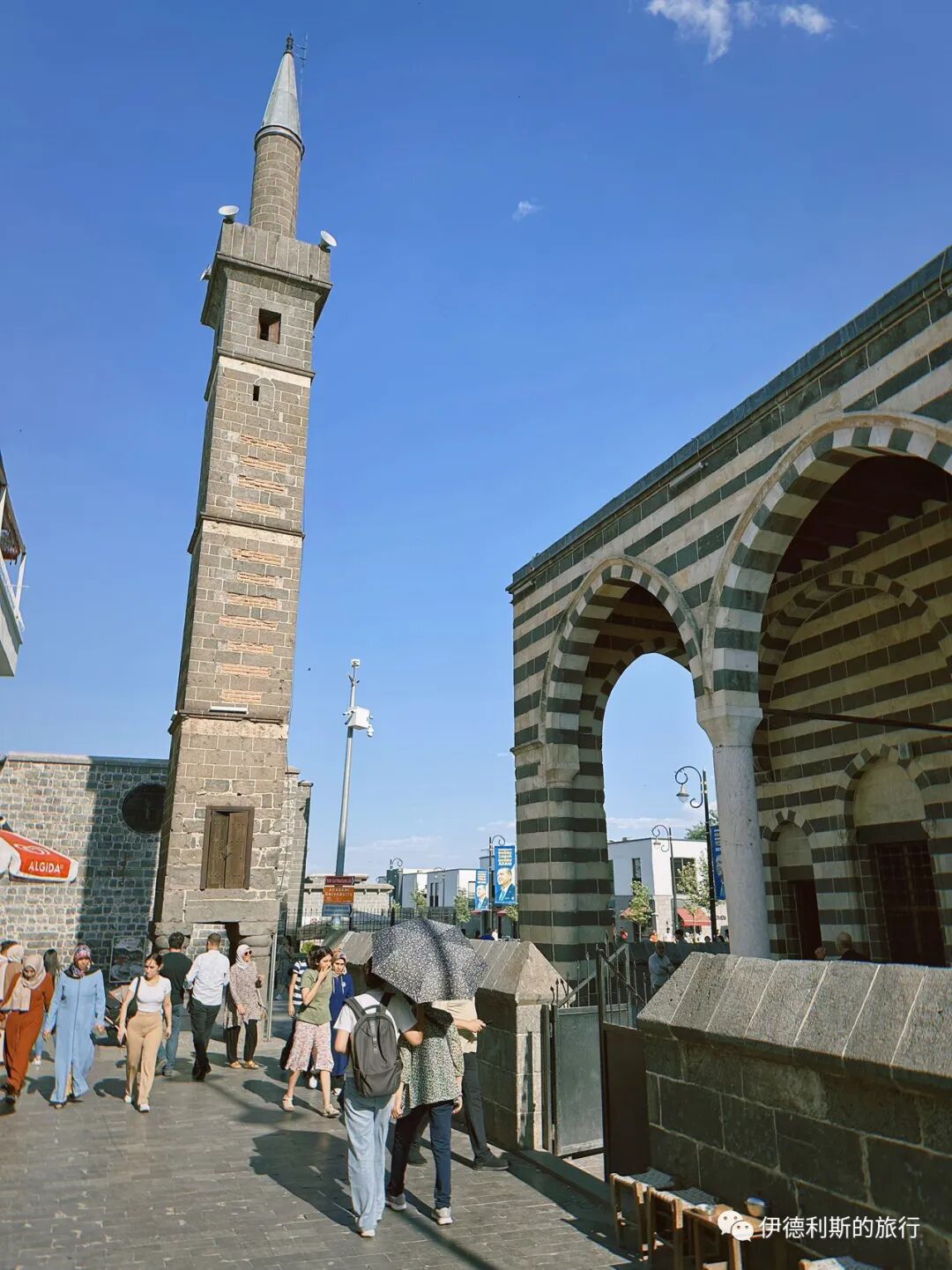
The mosque is famous for its four-legged minaret (bangke ta) that stands in the middle of the road. The minaret sits on four stone pillars. According to the Diyarbakır Salnâmeleri, the tower was built in 906 and became a minaret only after the mosque was finished. Local Kurds believe the four stone pillars at the base represent the four schools of Sunni jurisprudence: Hanafi, Hanbali, Maliki, and Shafi'i.
On the night of November 25, 2015, the Patriotic Revolutionary Youth Movement (YDG-H) fought a gun battle with police here, damaging two of the minaret's pillars. On November 28, Tahir Elçi, the head of the Diyarbakır Bar Association, made a statement next to the minaret calling for an end to the violence. A gun battle broke out again shortly after, and Tahir Elçi, along with the plainclothes police and private guards near him, were all killed in the fighting. view all
Summary: Diyarbakir is a thousand-year-old city by the Tigris River with old walls, mosques, and layers of Kurdish and Islamic history. This first part introduces the city, its historic sites, and its street-level details while preserving the Chinese source facts and photos.
In my last article, "Diyarbakir: A Kurdish City in Southeastern Turkey," I tried many local snacks and drinks in Diyarbakir, the largest Kurdish city in Turkey. In this article, I will introduce the colorful ancient monuments of Diyarbakir that span over a thousand years.
Great Mosque of Diyarbakir: 1092.
I performed namaz at the Great Mosque of Diyarbakir at noon and met a warm and hospitable local friend (dosti). He told me a lot about the mosque and even gave me a book.
The Great Mosque of Diyarbakir was first built in the 7th century. The current structure was ordered by Malik-Shah I, the third sultan of the Seljuk Empire, in 1092, and it has a history of over nine hundred years. The architectural style of the Great Mosque of Diyarbakir was deeply influenced by the Umayyad Mosque in Damascus. Sultan Malik-Shah I oversaw the restoration of the Umayyad Mosque between 1082 and 1083, and he wanted to bring the prestige and glory of Damascus to Diyarbakir.
Inside the main hall, there are three aisles parallel to the qibla wall, separated by a central nave perpendicular to the qibla wall. The ceiling of the nave is decorated with rich paintings. The exterior facade of the main hall is decorated with floral patterns and ornate Kufic inscriptions. Unlike the Umayyad Mosque in Damascus, the Great Mosque of Diyarbakir does not have a central dome. The existing sloped roof was rebuilt during the Ottoman period, which is a Turkish style different from Arab architecture.
After the 12th century, the Seljuk Empire began to collapse, and a Seljuk governor established the Inalids Beylik (1098-1183) in Diyarbakir. The Inalids Beylik carried out a series of renovations and expansions on the Great Mosque of Diyarbakir in the 12th century, which is recorded on many inscriptions in the mosque today.
The Great Mosque of Diyarbakir was damaged by a fire caused by lightning in 1115. It was later restored by the Inalids Beylik. The building on the west side of the courtyard was built during this period, and you can see inscriptions dated 1117-18 and 1124-25 on it. The east gate of the Great Mosque of Diyarbakir bears the date 1163-64 and mentions that it was built under the supervision of Hibatallah of Gurgan. He is the only architect recorded in the Great Mosque of Diyarbakir, and he also oversaw the restoration of the main hall in 1155-56.
The buildings on the east and west sides of the mosque are known for using stone components from the Byzantine period, including Corinthian columns and friezes with vine patterns. This method of using components from old buildings to build new ones is called spolia. The term originally meant "spoils of war" in Latin. It is an ancient and common architectural technique found in many ancient buildings in Europe and the Islamic world. A classic example in China is the Kaiyuan Mosque in Quanzhou, which used stone components from a former Hindu mosque. From an archaeological perspective, the use of spolia gives a building archaeological value that transcends the building itself.
On the main gate, you can see a stone carving of a lion eating a bull. It is very much in the Seljuk art style of the Anatolia region, which suggests that the art style of the Inalid Beylik was a continuation of the Seljuk Empire.
After the 12th century, the Artuqid dynasty (1102–1409), founded by another Seljuk governor, developed in eastern Anatolia. In 1183, the Artuqid dynasty joined forces with Saladin to destroy the Inalid Beylik and began their rule over Diyarbakir.
The Artuqid dynasty built two madrasas next to the Great Mosque of Diyarbakir. The Mesudiye Madrasa is on the north side of the mosque courtyard. It was built between 1193 and 1223, and its outer wall is decorated with many Corinthian capitals. The Zinciriye Madrasa was built in 1198 on the west side of the mosque. It is a separate small courtyard, but it was closed when I visited, so I could not go inside.
Haci Halid Mansion: late 19th century
On the north side of the Great Mosque of Diyarbakir stands the Haci Halid Mansion (Hacı Halid Konağı), a traditional house over 120 years old. It is now open to the public as the Ahmed Arif Literature Museum. Ahmed Arif (1927–1991) was a famous poet from Diyarbakir. His father was a Turkmen from Iraq, and his mother was Kurdish. His poetry was deeply influenced by Anatolian folk literature and is widely loved in Turkey.
Nebi Mosque: 15th century
Nebi Mosque is located inside the north gate of the ancient city of Diyarbakir. It was first built in the 15th century during the Aq Qoyunlu period, and its minaret was rebuilt by Haci Huseyin in 1530.
Nebi Mosque was originally made up of two main halls, which belonged to the Shafi'i and Hanafi schools of thought respectively. During World War I, the part belonging to the Hanafi school was used as a military barracks until it collapsed in 1927. Today, only the part belonging to the Shafi'i school remains. Besides the Kurds, most Muslims in East Africa and Southeast Asia also belong to the Shafi'i school.
The mosque is built with alternating black basalt and white limestone. This is a masonry decoration technique called ablaq, which creates an architectural style unique to Diyarbakir.
Diyarbakir City Walls: mid-4th century.
The Diyarbakir City Walls were built by the Roman Emperor Constantius II in the mid-4th century. Over the next thousand years, they were rebuilt by the Byzantine, Abbasid, Seljuk, Inalid, Artuqid, Kara Koyunlu, and Ottoman dynasties. The walls were added to the UNESCO World Heritage list in 2015.
The city of Diyarbakir has two sets of walls: the inner castle (İçkale) and the outer castle (Dış Kale). The inner castle, located on a cliff in the northeast, is the oldest part of Diyarbakir. It has plenty of spring water and overlooks the Tigris River valley, which is why rulers lived there for generations.
The heart of the inner castle is the Amida Mound, which stands 20 to 30 meters high in the northwest. This is the oldest settlement in Diyarbakir, with a history spanning over 5,000 years. In 1957, palace walls from the early 13th-century Artuqid dynasty were discovered here. Many more Artuqid palace ruins were found later, but the site is currently closed to protect them.
The Diyarbakir Museum is in the northeast part of the inner castle. Its gate is an arch built by the Artuqid Sultan Mahmud between 1206 and 1207. It features Naskh script inscriptions and a stone carving of a lion hunting a bull, which looks almost identical to the carving on the gate of the Great Mosque of Diyarbakir.
The southern part of the inner castle was expanded during the Ottoman period. The main entrance gate, known as the Palace (Saray) Gate, and the Küpeli Gate built under a tower both date from this time. If you follow the stairs inside the city walls to the top, you can see the arrow slits inside the towers. There are no safety railings on these stairs, so I felt a bit nervous coming back down.
13th-century pottery collected in the Diyarbakir Museum.
Hazreti Süleyman Mosque: 1160.
The Hazreti Süleyman Mosque is in the center of the inner castle and is the most important religious site in Diyarbakir. The mosque was first built by the Inalid dynasty in 1160. It was expanded in the 16th century by order of the Ottoman Sultan Suleiman the Magnificent and renovated again between 1631 and 1633.
On the west side of the main hall are the graves of Suleiman, the son of the famous Arab general Khalid ibn al-Walid, and his 27 followers. They passed away in 639 when the Arab army captured Diyarbakir.
Nasuh Pasha Mosque: early 17th century.
Walk out of the inner city of Diyarbakir from the South Gate, and the first thing you see is the Nasuh Pasha Mosque, built in the early 17th century. Nasuh Pasha became the governor of Diyarbakir in 1606, later became the Grand Vizier of the Ottoman Empire in 1611, and married the daughter of Sultan Ahmed I. He was executed by the Sultan in 1614 for excessive greed.
The minaret of the mosque is divided into two parts. The lower section of black basalt was built in the 17th century. During the Diyarbakir uprising in 1819, the upper part of the minaret was destroyed by cannon fire and later rebuilt with white limestone. During the 2015-16 conflict between Turkey and the Kurdistan Workers' Party in the old city of Diyarbakir, the Nasuh Pasha Mosque was damaged, but it has now been fully restored.
Kurşunlu Mosque: 1516-20
Continue south from the Nasuh Pasha Mosque to reach the Kurşunlu Mosque. It was built between 1516 and 1520 by Bıyıklı Mehmed Pasha, the first Ottoman governor of Diyarbakir, and is the city's first Ottoman mosque. Bıyıklı Mehmed Pasha commanded the Ottoman army against the Persian Safavid dynasty from 1515 to 1521, winning many victories and capturing cities including Diyarbakir, Mardin, and Mosul.
The main hall of the mosque consists of one main dome and four semi-domes. The domes are all covered in lead, which is a typical Ottoman style. However, the use of black basalt makes the main color very different from the red and white tones found in the western part of the Ottoman Empire.
Inside the main hall, there is an exquisite marble minbar (pulpit), and the doors feature intricate Arabic calligraphy.
The Kurşunlu Mosque was also hit by artillery fire during the 1819 Diyarbakir uprising. During the 2015-16 conflict between Turkey and the Kurdistan Workers' Party in the old city of Diyarbakir, the Kurşunlu Mosque suffered severe damage and fire. Different sources blame either Turkey or the Kurdistan Workers' Party for the destruction. After several years of restoration, the mosque reopened in 2019.
On the northeast side of the Kurşunlu Mosque is a smaller flat-roofed building, which is the Shafi'i hall built in the late 16th century. Because the Ottoman rulers at the time belonged to the Hanafi school, while the Kurds living in Diyarbakir mainly belonged to the Shafi'i school, some mosques were built with halls for both schools. Currently, all schools of thought pray together here, and the site has also become an education center for women and children.
Prince's Mansion (Şehzadeler Konağı): late 16th century
Northwest of Kurşunlu Mosque stands an Ottoman mansion built in the late 16th century called the Prince's Mansion (Şehzadeler Konağı). This building was severely damaged during the 2015 conflict between Turkey and the Kurdistan Workers' Party, and restoration began in 2021 and is still ongoing. We met a friend (dost) at Kurşunlu Mosque who works right here, and he warmly invited us for tea.
After the restoration is finished, it is expected to open as a literary youth center named after the famous Diyarbakır poet Sezai Karakoç, who passed away in 2021, serving as a home for literature for young people.
Kadı Mosque: 1533
Continuing west, you will pass the Kadı Mosque built in 1533, which, like the Prince's Mansion before it, is built with alternating layers of black basalt and white limestone.
Hasan Pasha Inn (Hasan Paşa Hanı): 1573-75
Walk back west to the main road and take a break with some tea at the Hasan Pasha Inn (Hasan Paşa Hanı), located directly across from the Great Mosque of Diyarbakır. The Hasan Pasha Inn was built between 1573 and 1575 by Hasan Pasha, the eldest son of the Ottoman Grand Vizier Sokollu Mehmed Pasha, and it is a very important Ottoman caravanserai in Diyarbakır. Like a typical Ottoman caravanserai, the first floor was used to store goods and horses, while the second floor provided lodging for travelers. A Polish traveler who visited in 1613 recorded that the site could accommodate 500 horses. After being restored in 2006, it opened with cafes, restaurants, and shops, becoming a place for people to relax.
Sheikh Matar Mosque (Şeyh Matar Camii): 1500
After leaving the Hasan Pasha Inn, we went south to the Sheikh Matar (Şeyh Matar) Mosque. Haji Hussein built this mosque in 1500 during the late White Sheep dynasty. It is named after the tomb of Sheikh Matar, which sits next to the mosque.
The mosque is famous for its four-legged minaret (bangke ta) that stands in the middle of the road. The minaret sits on four stone pillars. According to the Diyarbakır Salnâmeleri, the tower was built in 906 and became a minaret only after the mosque was finished. Local Kurds believe the four stone pillars at the base represent the four schools of Sunni jurisprudence: Hanafi, Hanbali, Maliki, and Shafi'i.
On the night of November 25, 2015, the Patriotic Revolutionary Youth Movement (YDG-H) fought a gun battle with police here, damaging two of the minaret's pillars. On November 28, Tahir Elçi, the head of the Diyarbakır Bar Association, made a statement next to the minaret calling for an end to the violence. A gun battle broke out again shortly after, and Tahir Elçi, along with the plainclothes police and private guards near him, were all killed in the fighting. view all
Reposted from the web
Summary: Diyarbakir is a thousand-year-old city by the Tigris River with old walls, mosques, and layers of Kurdish and Islamic history. This first part introduces the city, its historic sites, and its street-level details while preserving the Chinese source facts and photos.
In my last article, "Diyarbakir: A Kurdish City in Southeastern Turkey," I tried many local snacks and drinks in Diyarbakir, the largest Kurdish city in Turkey. In this article, I will introduce the colorful ancient monuments of Diyarbakir that span over a thousand years.
Great Mosque of Diyarbakir: 1092.
I performed namaz at the Great Mosque of Diyarbakir at noon and met a warm and hospitable local friend (dosti). He told me a lot about the mosque and even gave me a book.
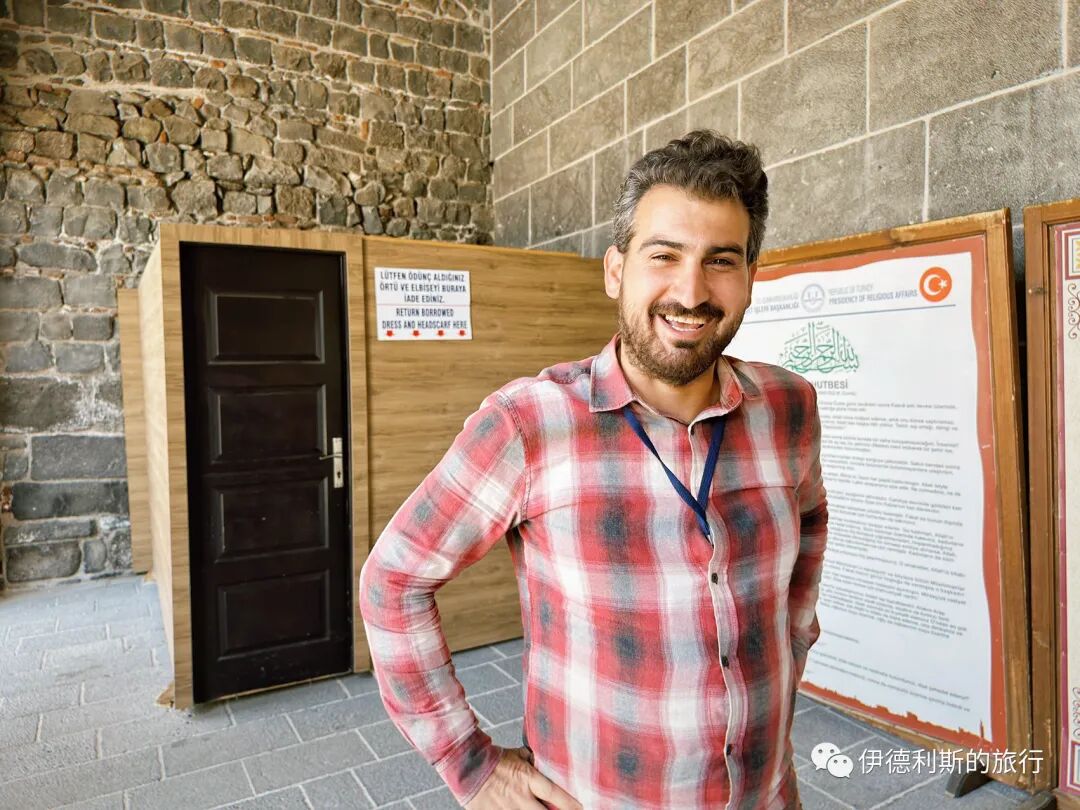
The Great Mosque of Diyarbakir was first built in the 7th century. The current structure was ordered by Malik-Shah I, the third sultan of the Seljuk Empire, in 1092, and it has a history of over nine hundred years. The architectural style of the Great Mosque of Diyarbakir was deeply influenced by the Umayyad Mosque in Damascus. Sultan Malik-Shah I oversaw the restoration of the Umayyad Mosque between 1082 and 1083, and he wanted to bring the prestige and glory of Damascus to Diyarbakir.
Inside the main hall, there are three aisles parallel to the qibla wall, separated by a central nave perpendicular to the qibla wall. The ceiling of the nave is decorated with rich paintings. The exterior facade of the main hall is decorated with floral patterns and ornate Kufic inscriptions. Unlike the Umayyad Mosque in Damascus, the Great Mosque of Diyarbakir does not have a central dome. The existing sloped roof was rebuilt during the Ottoman period, which is a Turkish style different from Arab architecture.
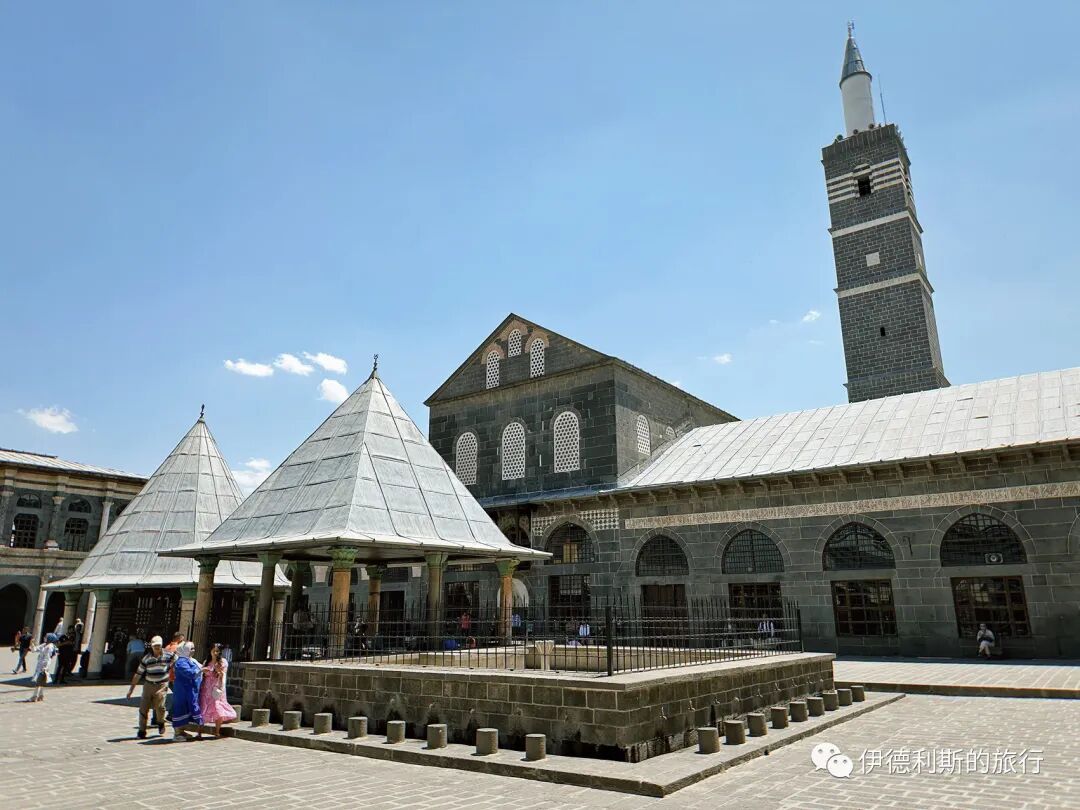
After the 12th century, the Seljuk Empire began to collapse, and a Seljuk governor established the Inalids Beylik (1098-1183) in Diyarbakir. The Inalids Beylik carried out a series of renovations and expansions on the Great Mosque of Diyarbakir in the 12th century, which is recorded on many inscriptions in the mosque today.
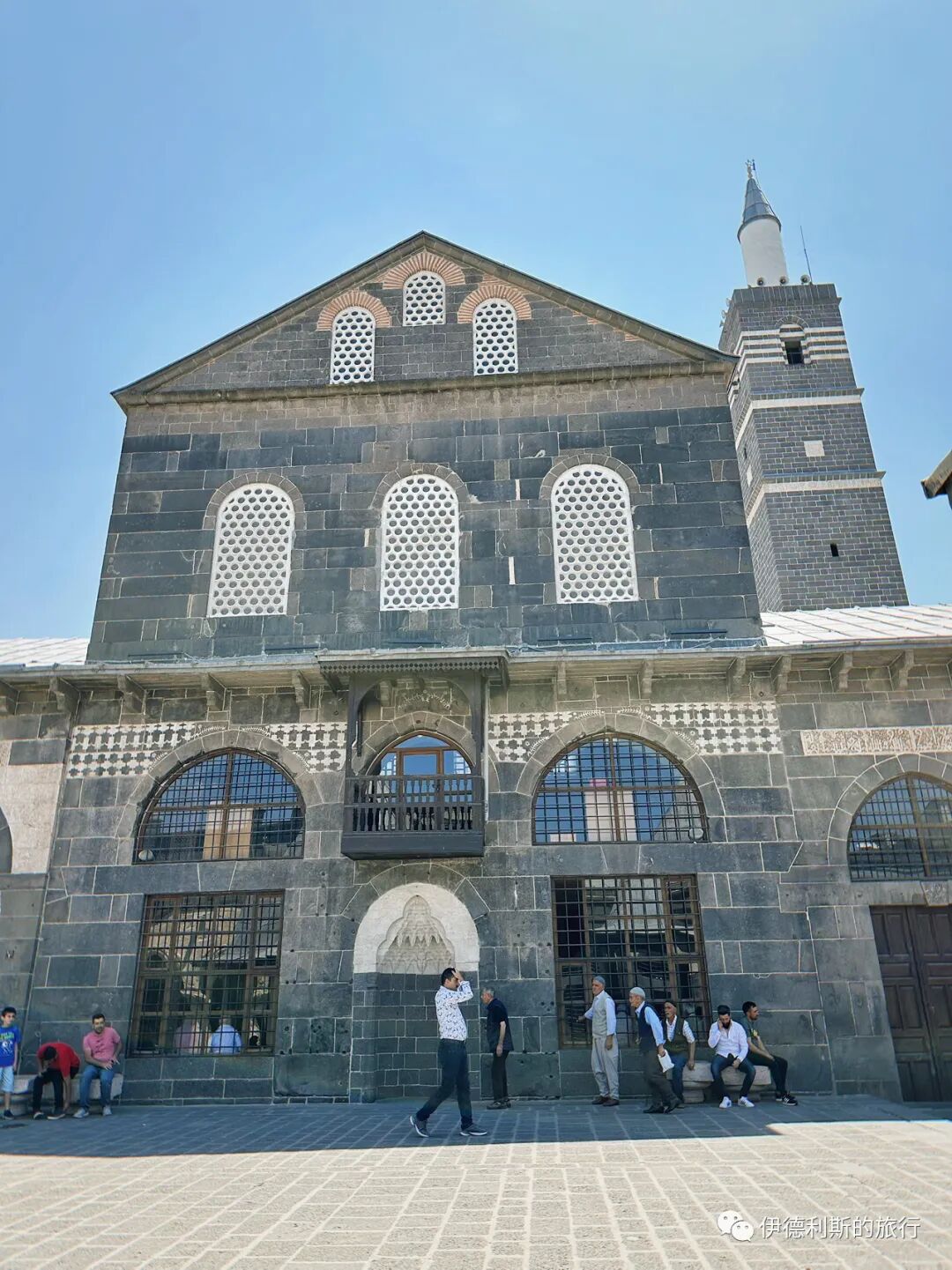
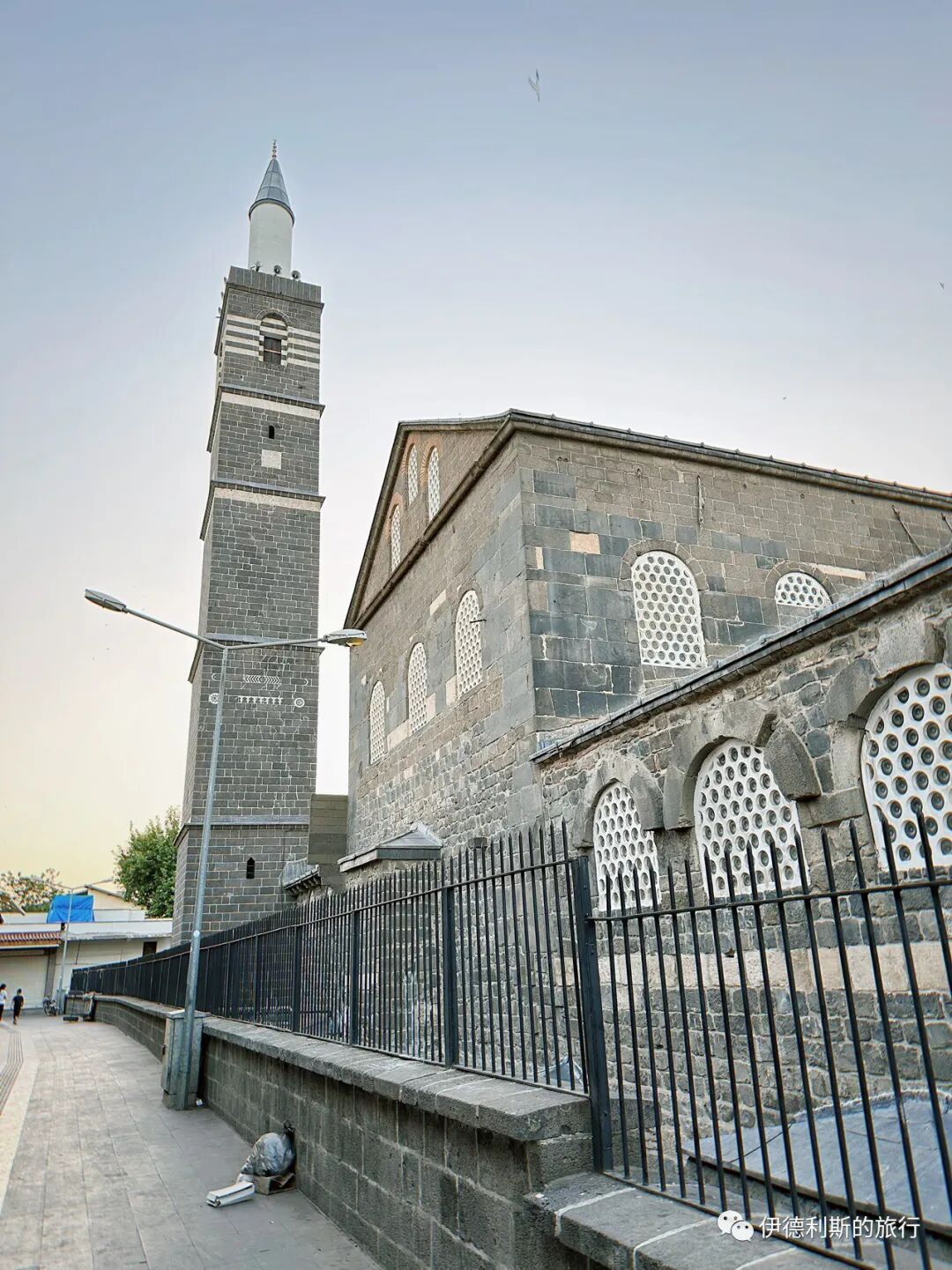
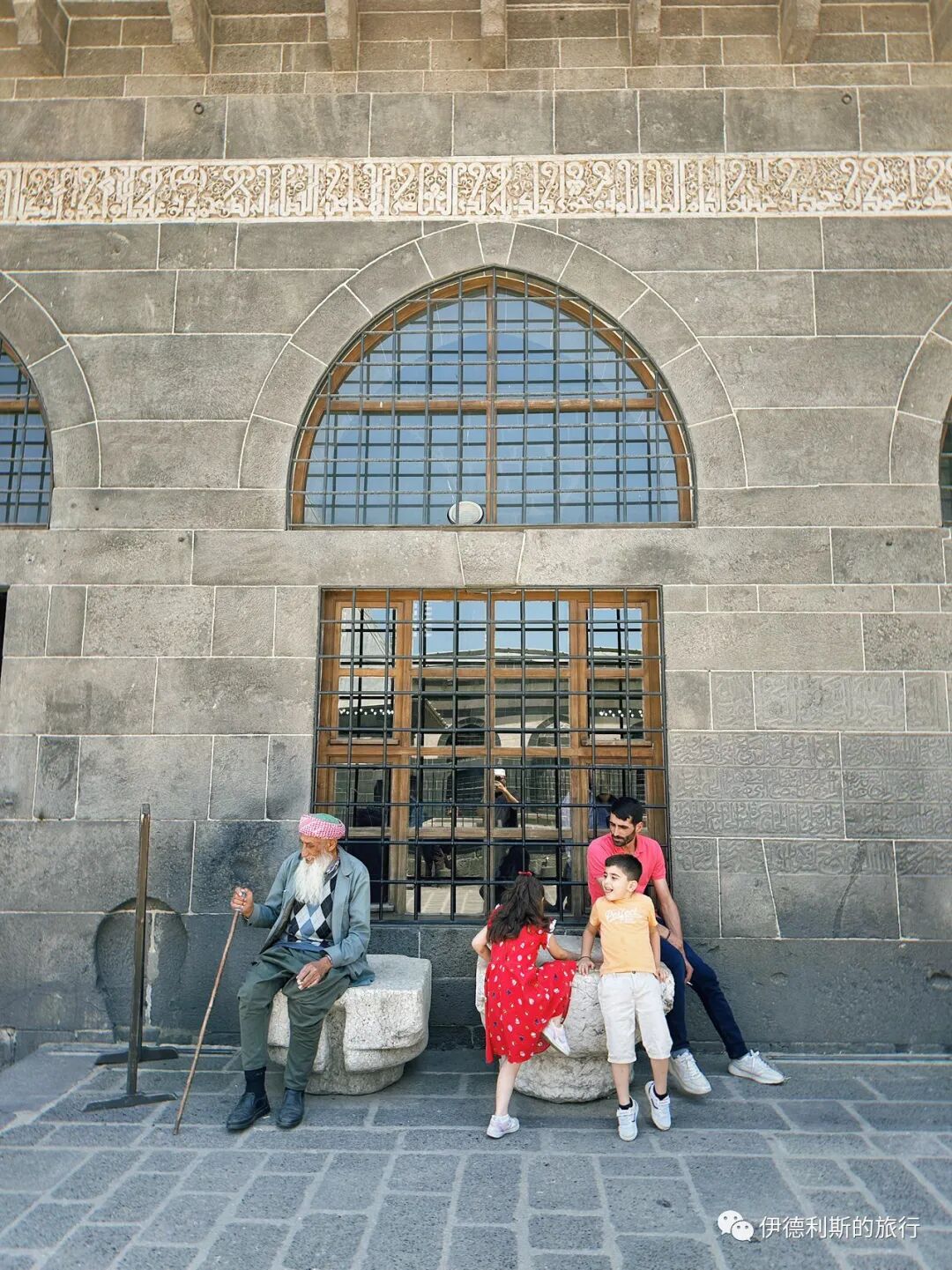
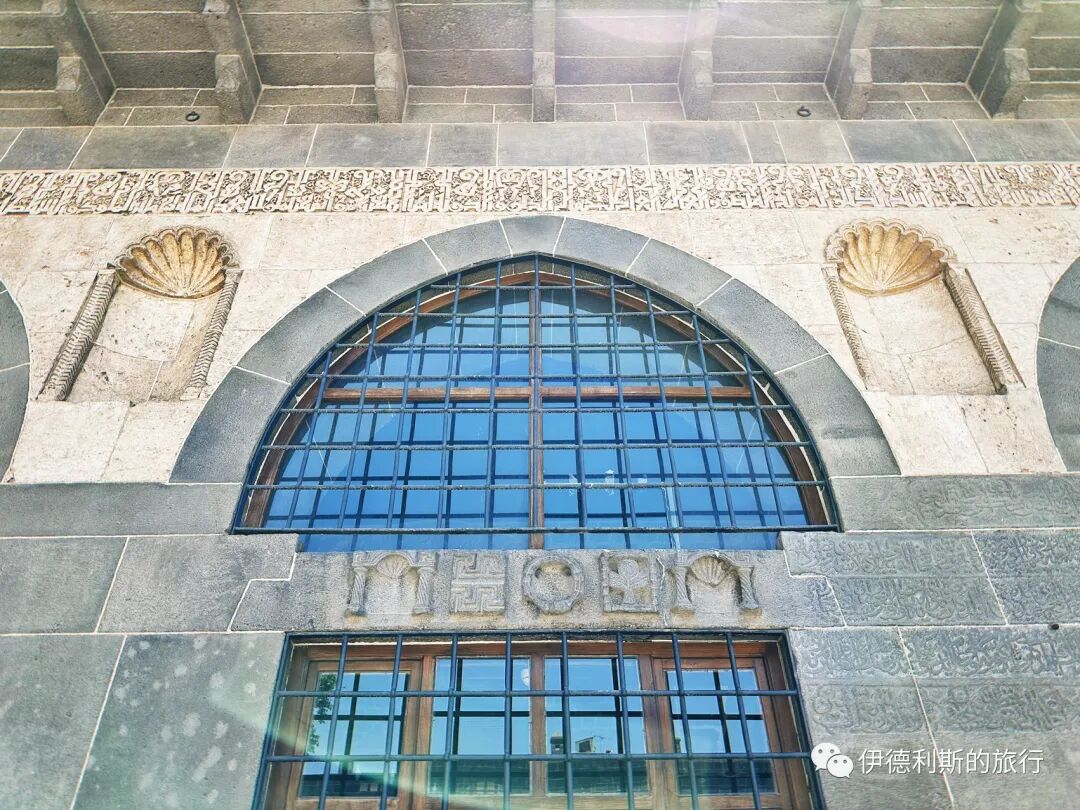
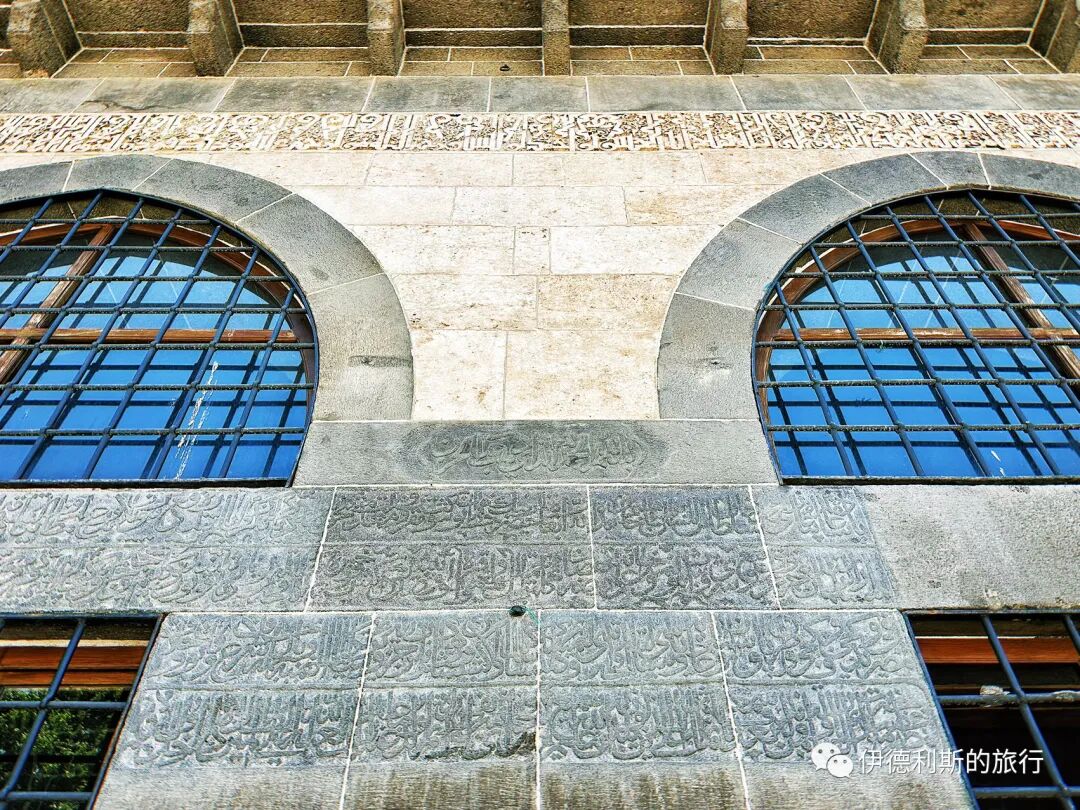
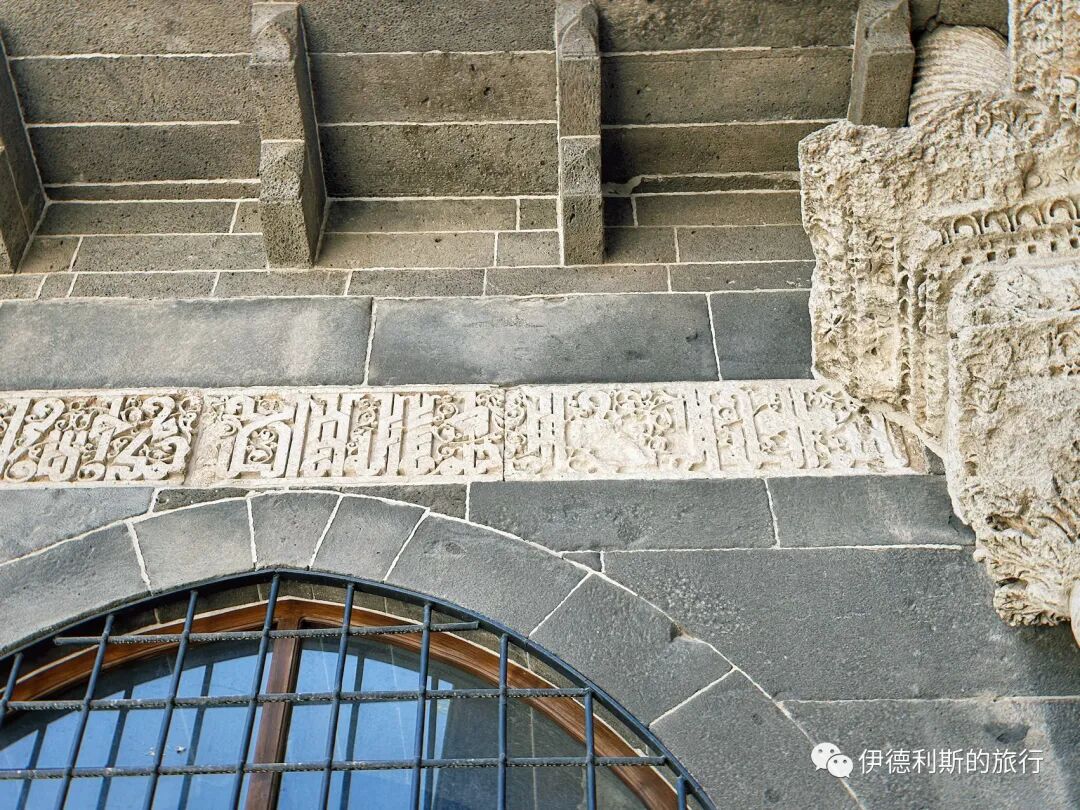
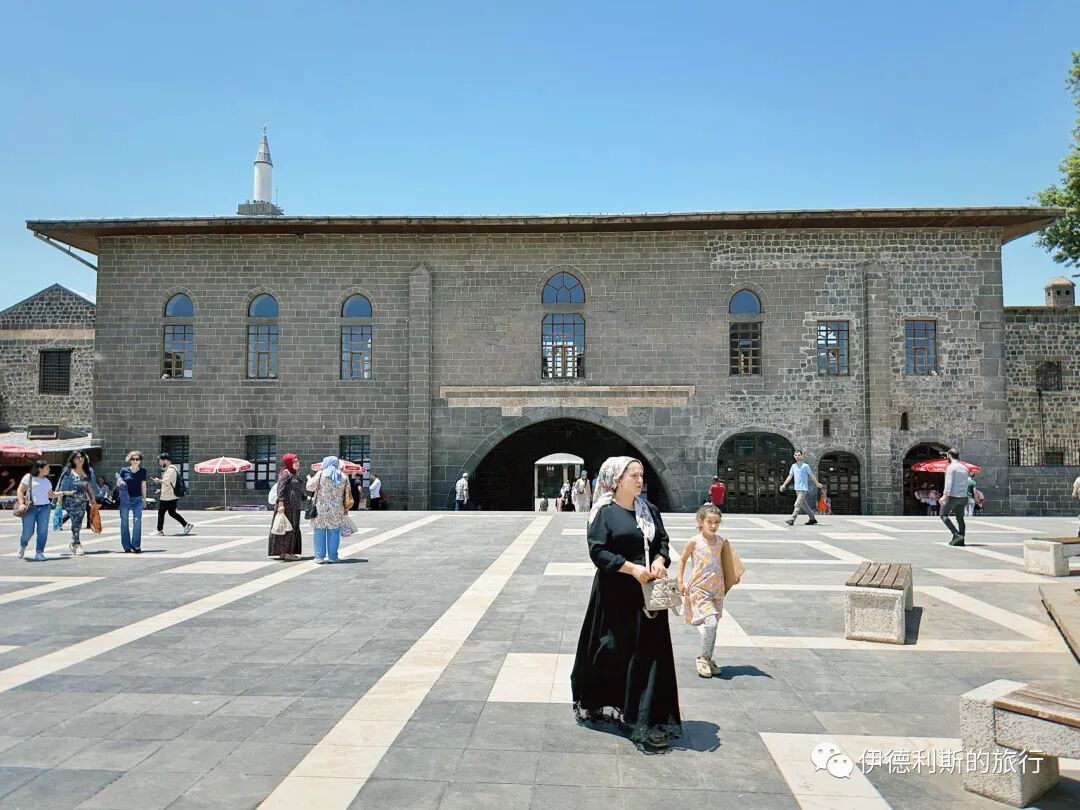
The Great Mosque of Diyarbakir was damaged by a fire caused by lightning in 1115. It was later restored by the Inalids Beylik. The building on the west side of the courtyard was built during this period, and you can see inscriptions dated 1117-18 and 1124-25 on it. The east gate of the Great Mosque of Diyarbakir bears the date 1163-64 and mentions that it was built under the supervision of Hibatallah of Gurgan. He is the only architect recorded in the Great Mosque of Diyarbakir, and he also oversaw the restoration of the main hall in 1155-56.
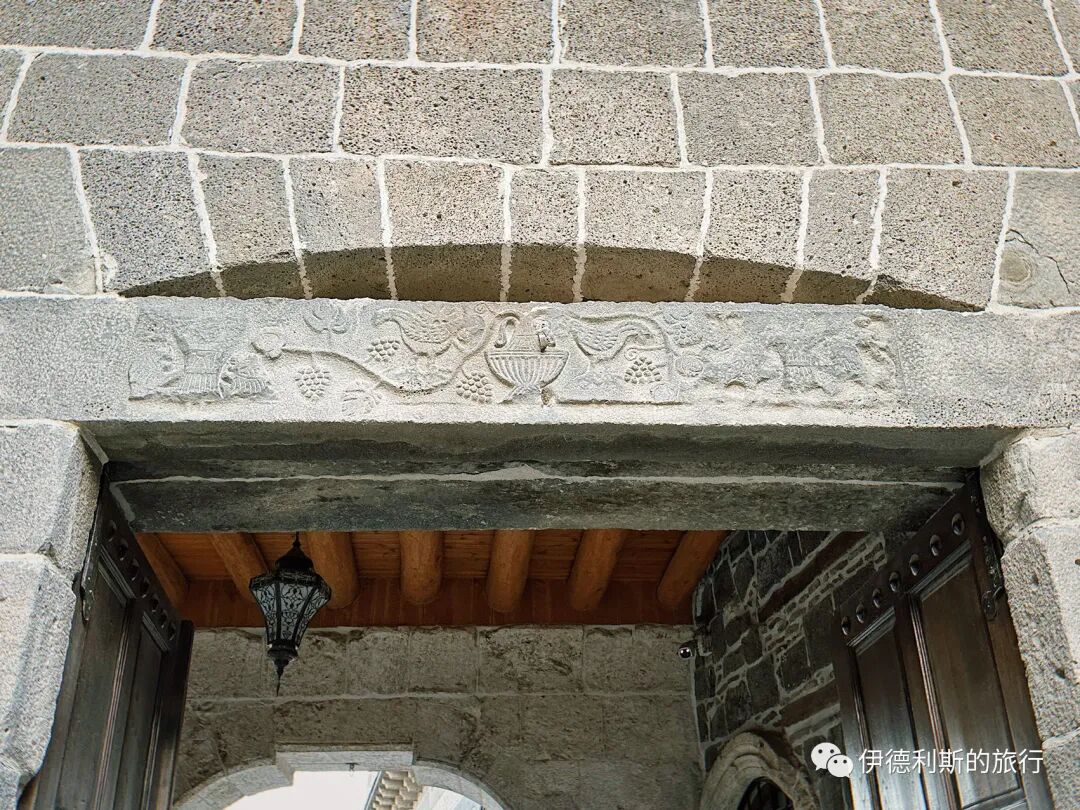
The buildings on the east and west sides of the mosque are known for using stone components from the Byzantine period, including Corinthian columns and friezes with vine patterns. This method of using components from old buildings to build new ones is called spolia. The term originally meant "spoils of war" in Latin. It is an ancient and common architectural technique found in many ancient buildings in Europe and the Islamic world. A classic example in China is the Kaiyuan Mosque in Quanzhou, which used stone components from a former Hindu mosque. From an archaeological perspective, the use of spolia gives a building archaeological value that transcends the building itself.
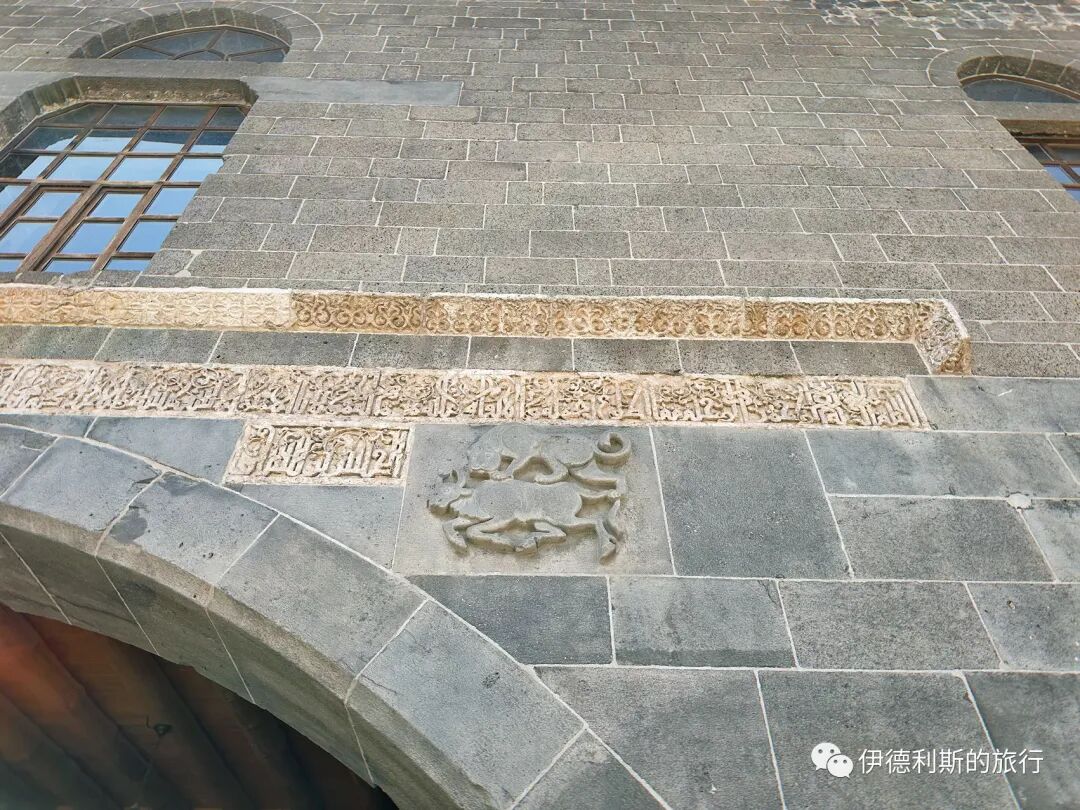
On the main gate, you can see a stone carving of a lion eating a bull. It is very much in the Seljuk art style of the Anatolia region, which suggests that the art style of the Inalid Beylik was a continuation of the Seljuk Empire.
After the 12th century, the Artuqid dynasty (1102–1409), founded by another Seljuk governor, developed in eastern Anatolia. In 1183, the Artuqid dynasty joined forces with Saladin to destroy the Inalid Beylik and began their rule over Diyarbakir.
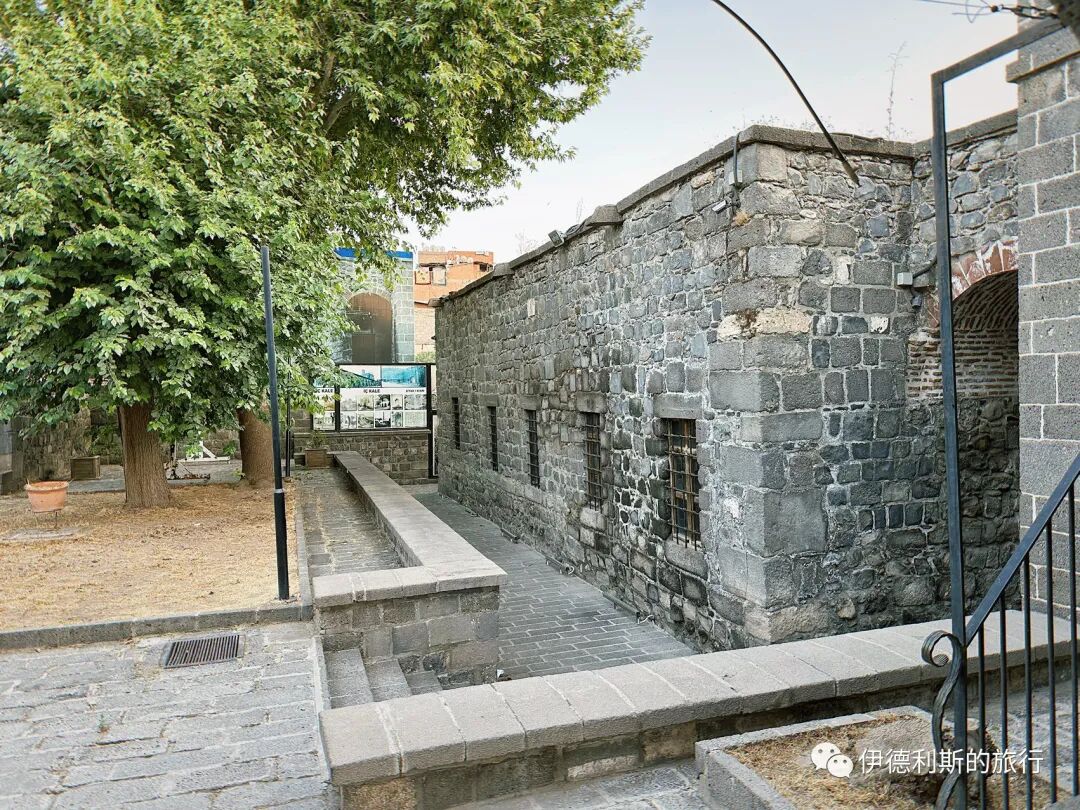
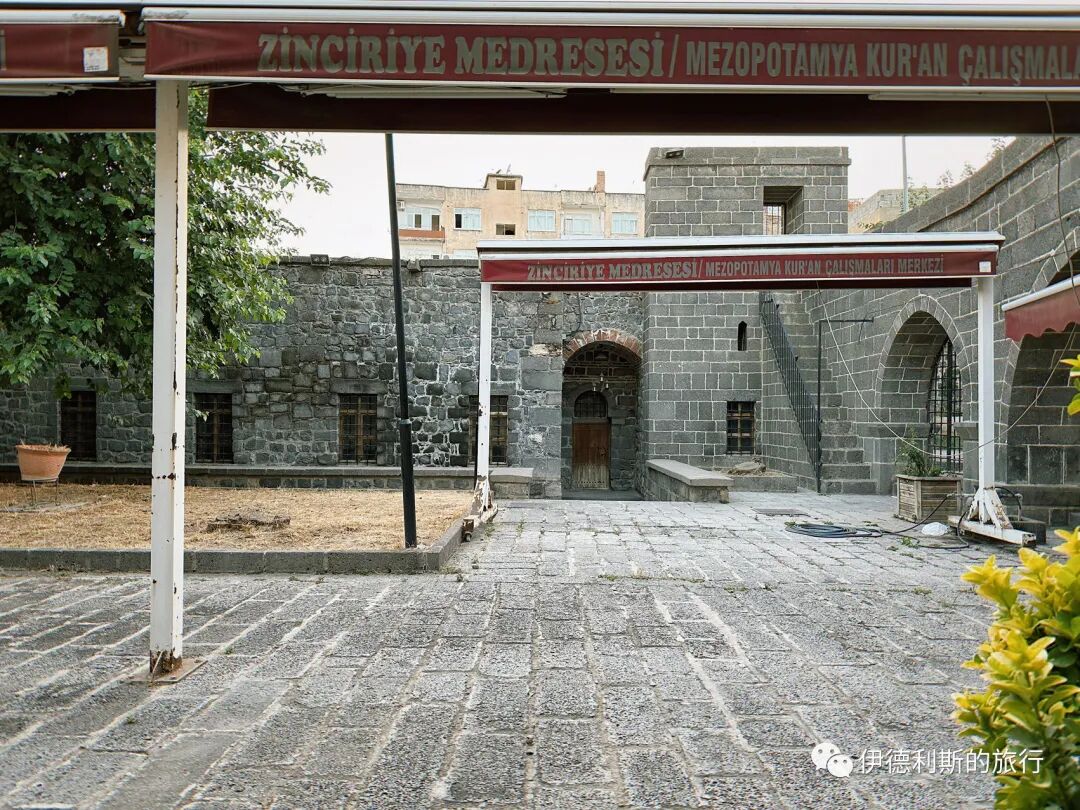
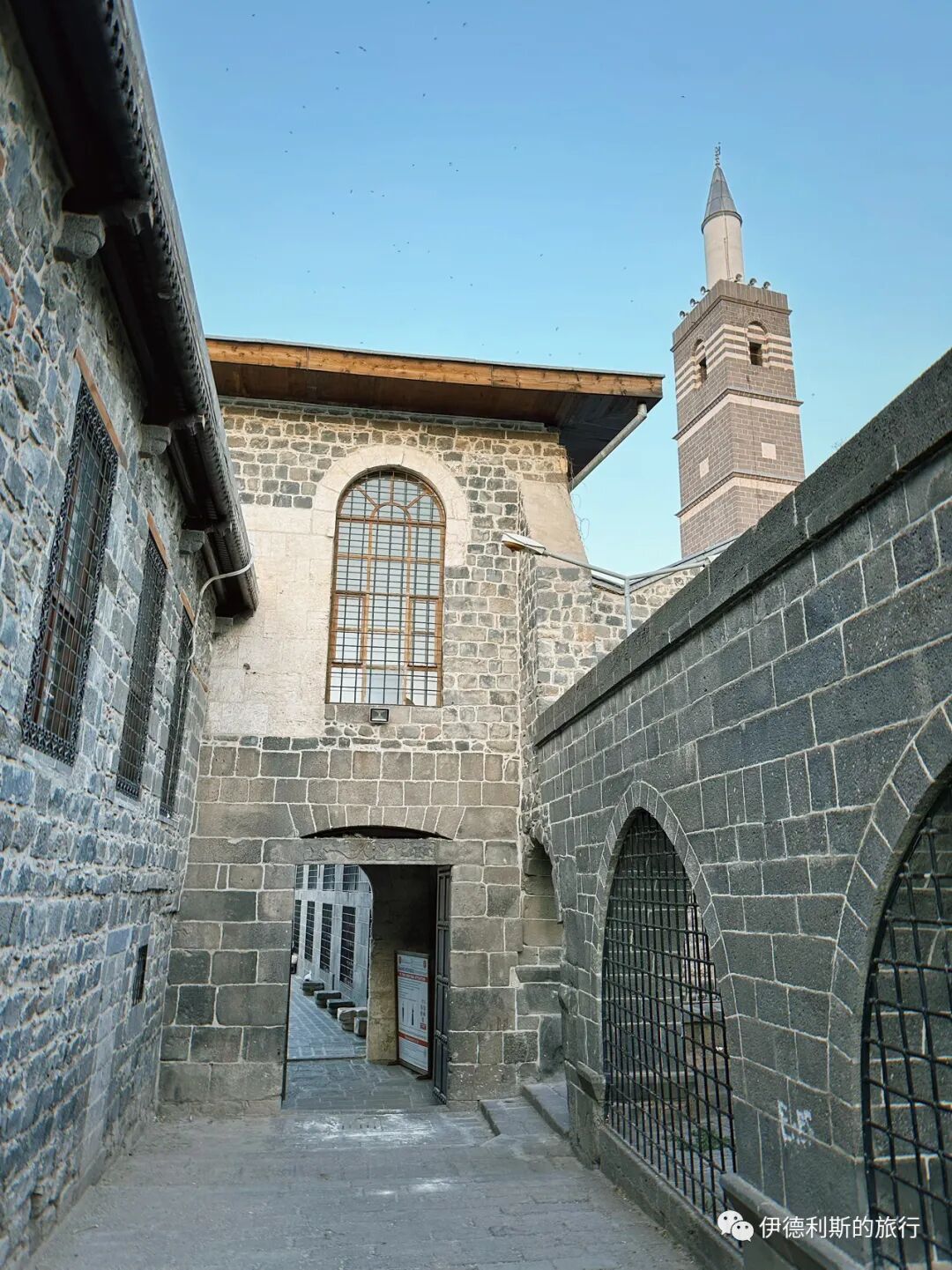
The Artuqid dynasty built two madrasas next to the Great Mosque of Diyarbakir. The Mesudiye Madrasa is on the north side of the mosque courtyard. It was built between 1193 and 1223, and its outer wall is decorated with many Corinthian capitals. The Zinciriye Madrasa was built in 1198 on the west side of the mosque. It is a separate small courtyard, but it was closed when I visited, so I could not go inside.
Haci Halid Mansion: late 19th century
On the north side of the Great Mosque of Diyarbakir stands the Haci Halid Mansion (Hacı Halid Konağı), a traditional house over 120 years old. It is now open to the public as the Ahmed Arif Literature Museum. Ahmed Arif (1927–1991) was a famous poet from Diyarbakir. His father was a Turkmen from Iraq, and his mother was Kurdish. His poetry was deeply influenced by Anatolian folk literature and is widely loved in Turkey.
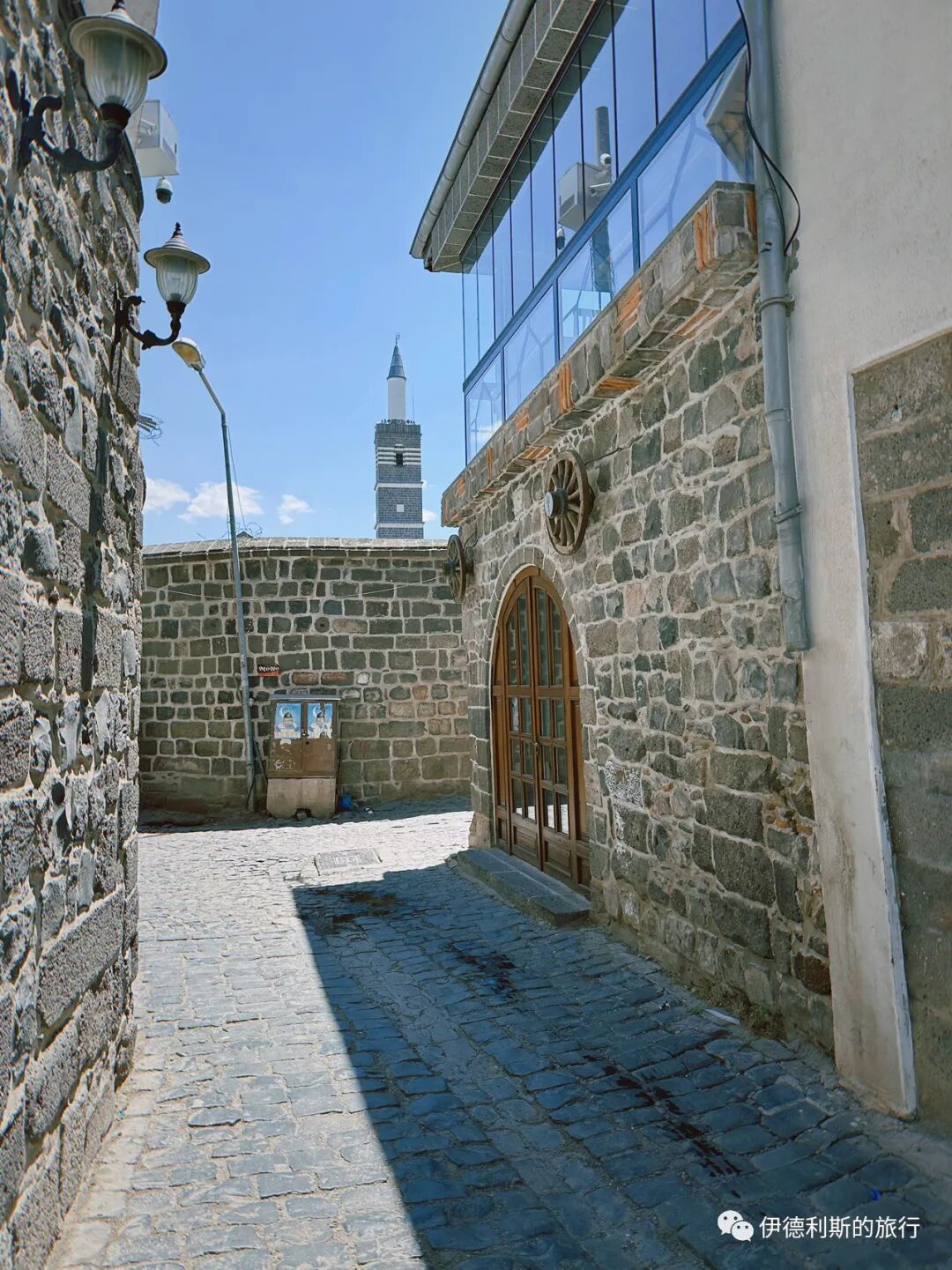
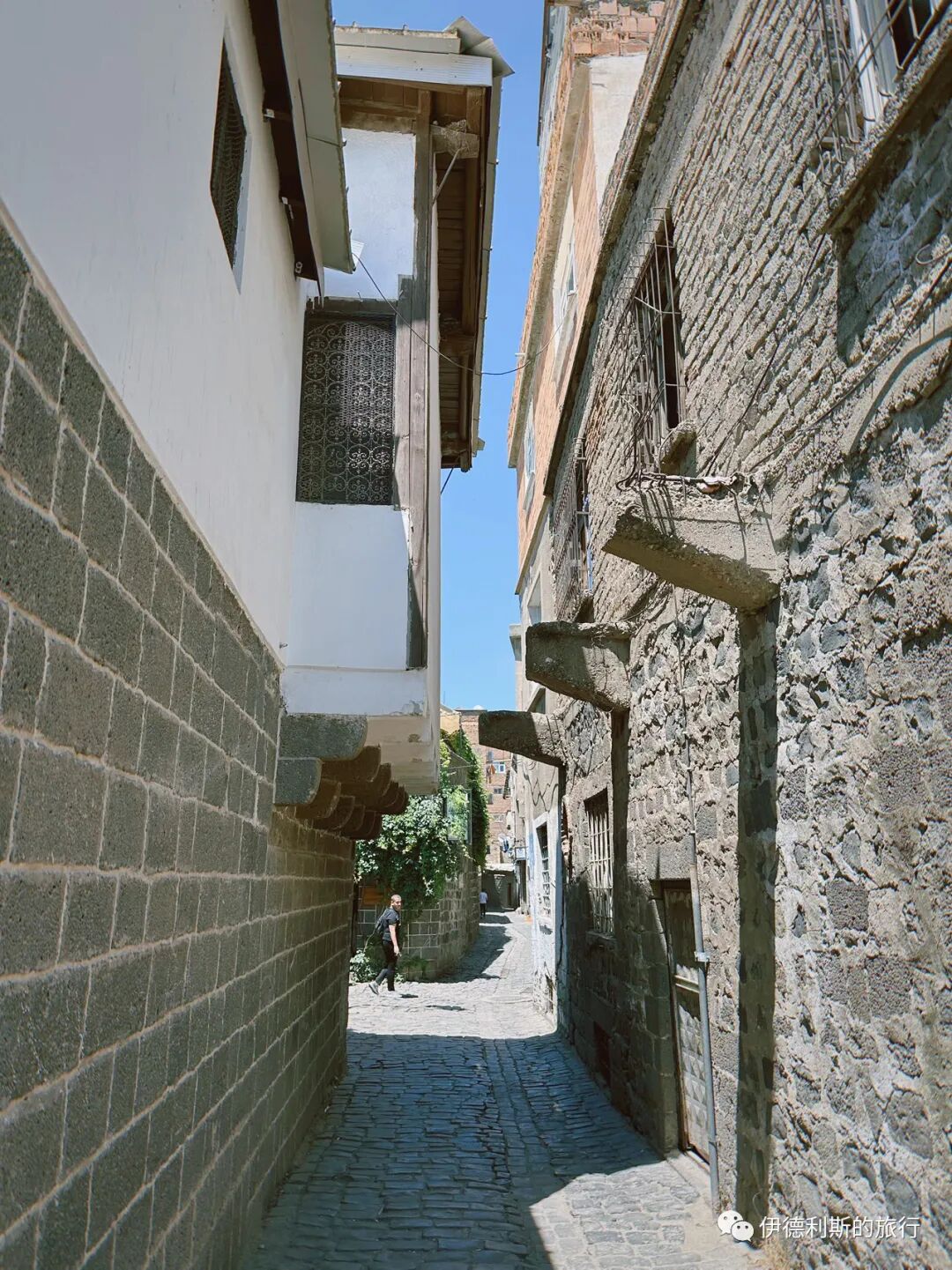
Nebi Mosque: 15th century
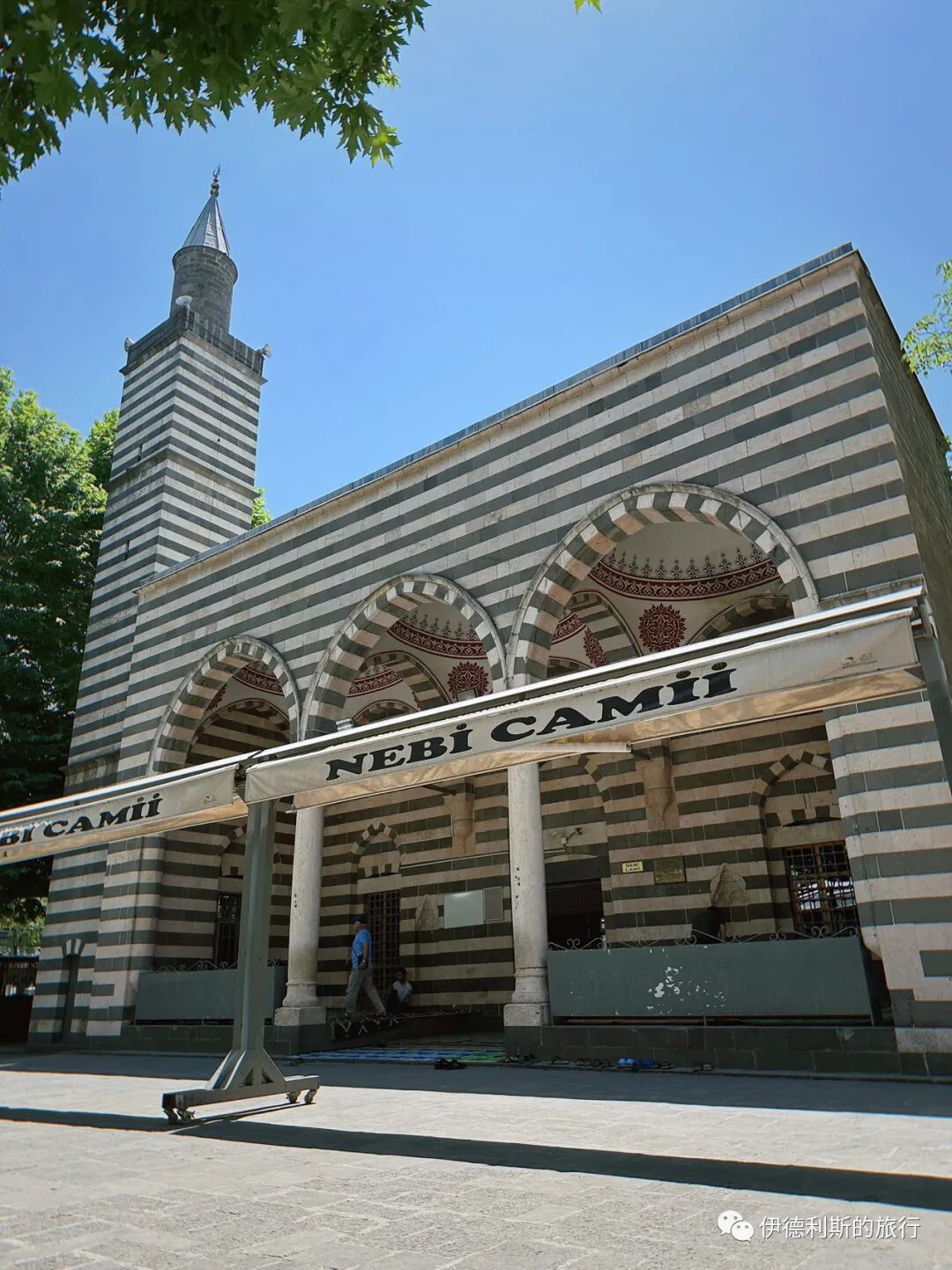
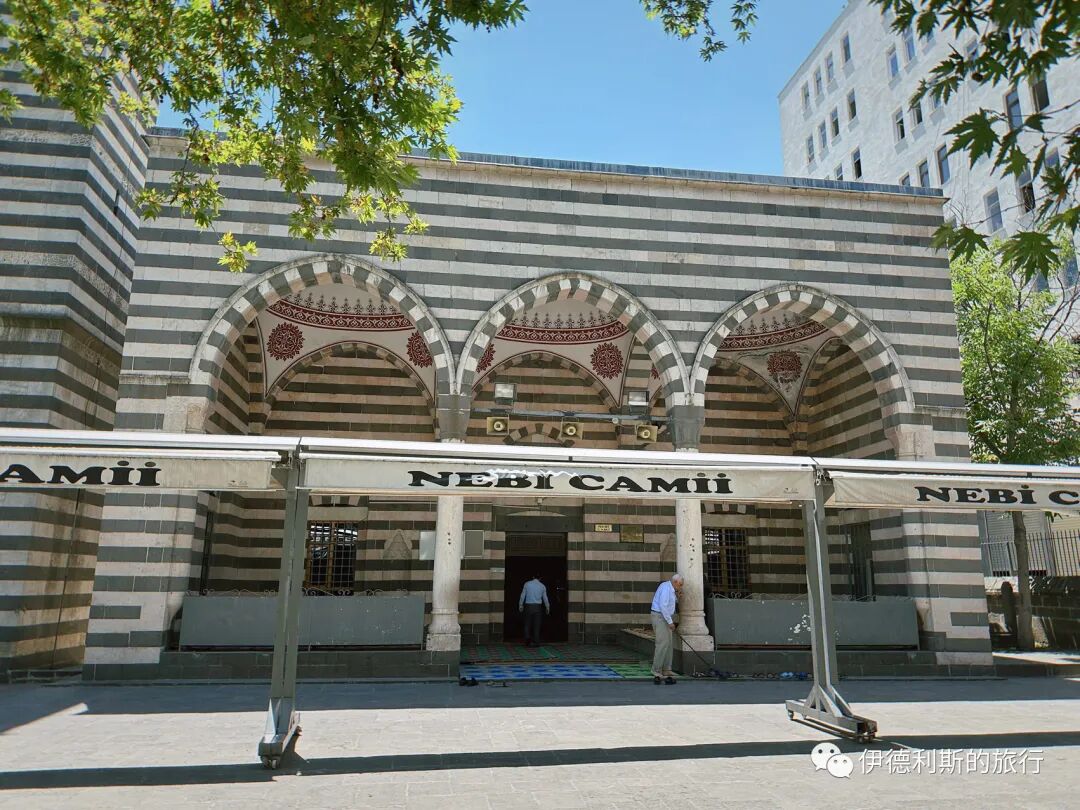
Nebi Mosque is located inside the north gate of the ancient city of Diyarbakir. It was first built in the 15th century during the Aq Qoyunlu period, and its minaret was rebuilt by Haci Huseyin in 1530.
Nebi Mosque was originally made up of two main halls, which belonged to the Shafi'i and Hanafi schools of thought respectively. During World War I, the part belonging to the Hanafi school was used as a military barracks until it collapsed in 1927. Today, only the part belonging to the Shafi'i school remains. Besides the Kurds, most Muslims in East Africa and Southeast Asia also belong to the Shafi'i school.
The mosque is built with alternating black basalt and white limestone. This is a masonry decoration technique called ablaq, which creates an architectural style unique to Diyarbakir.
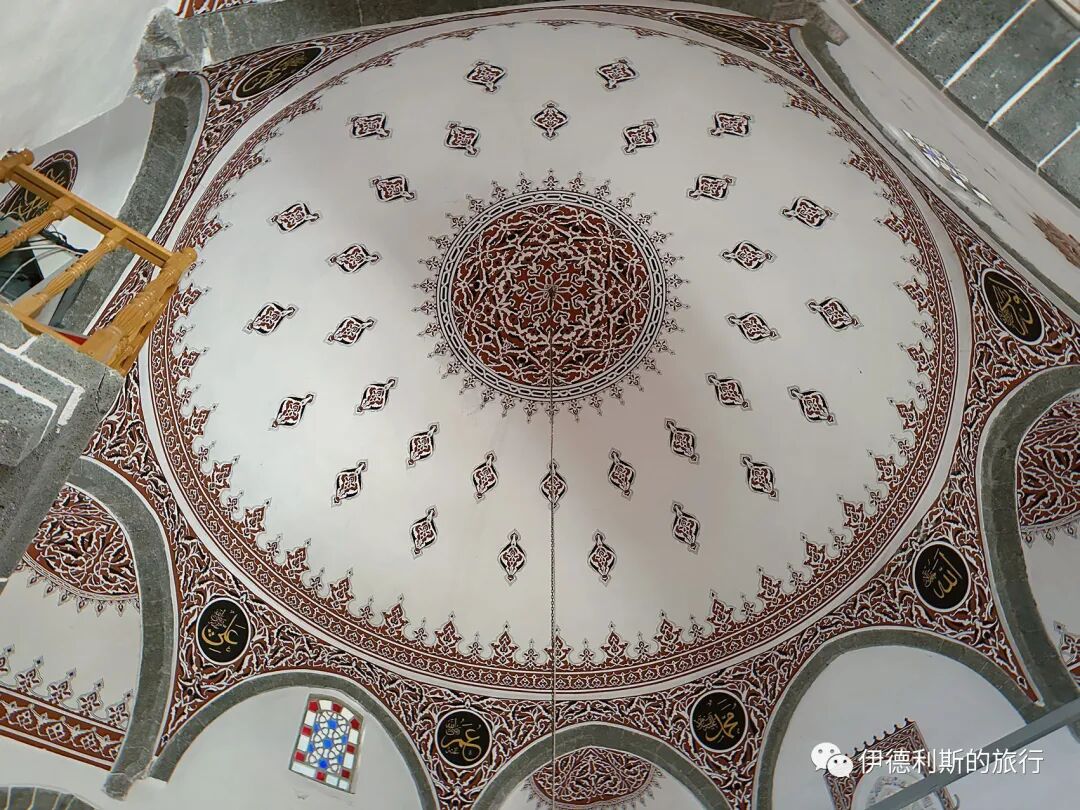
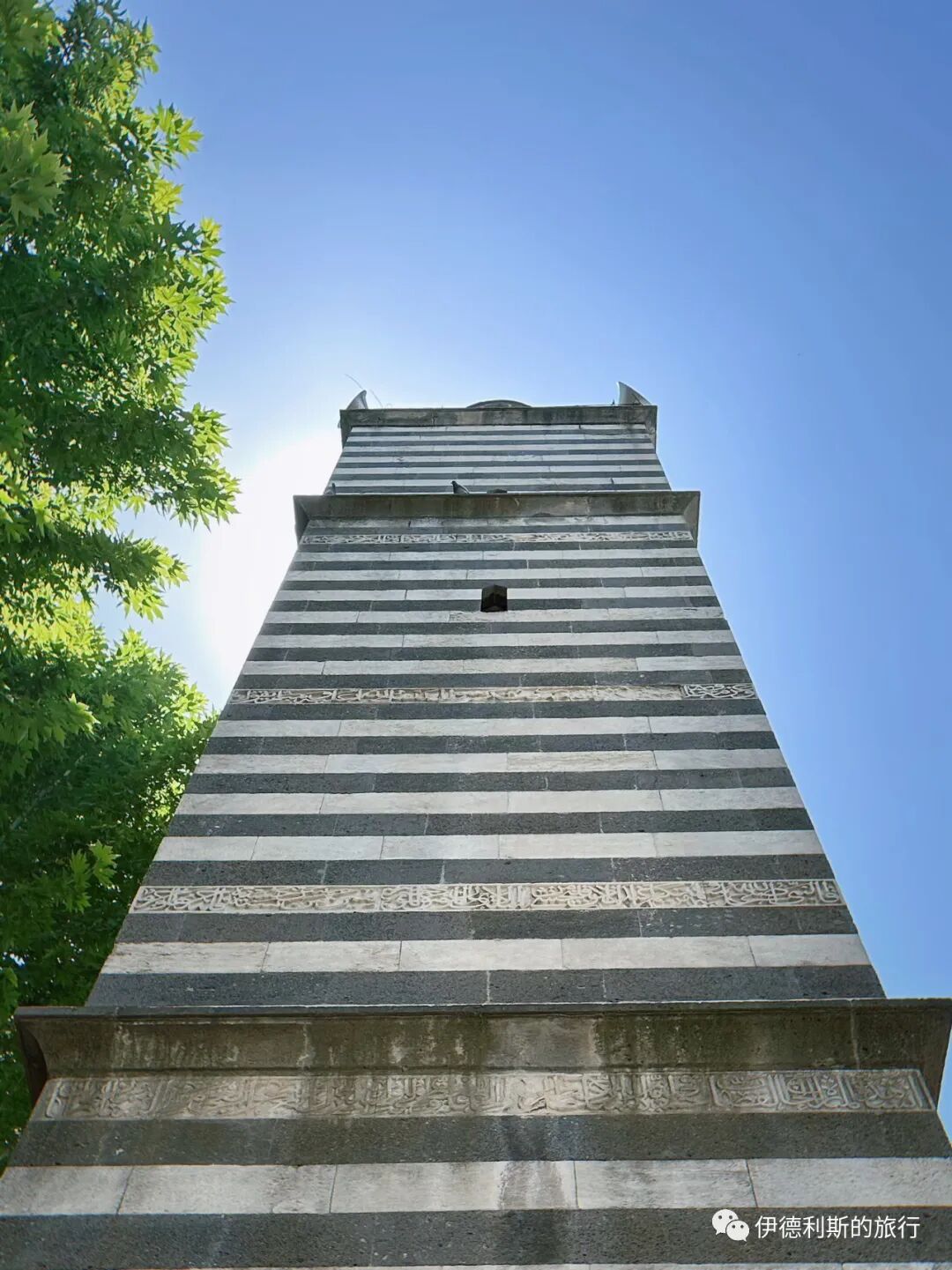
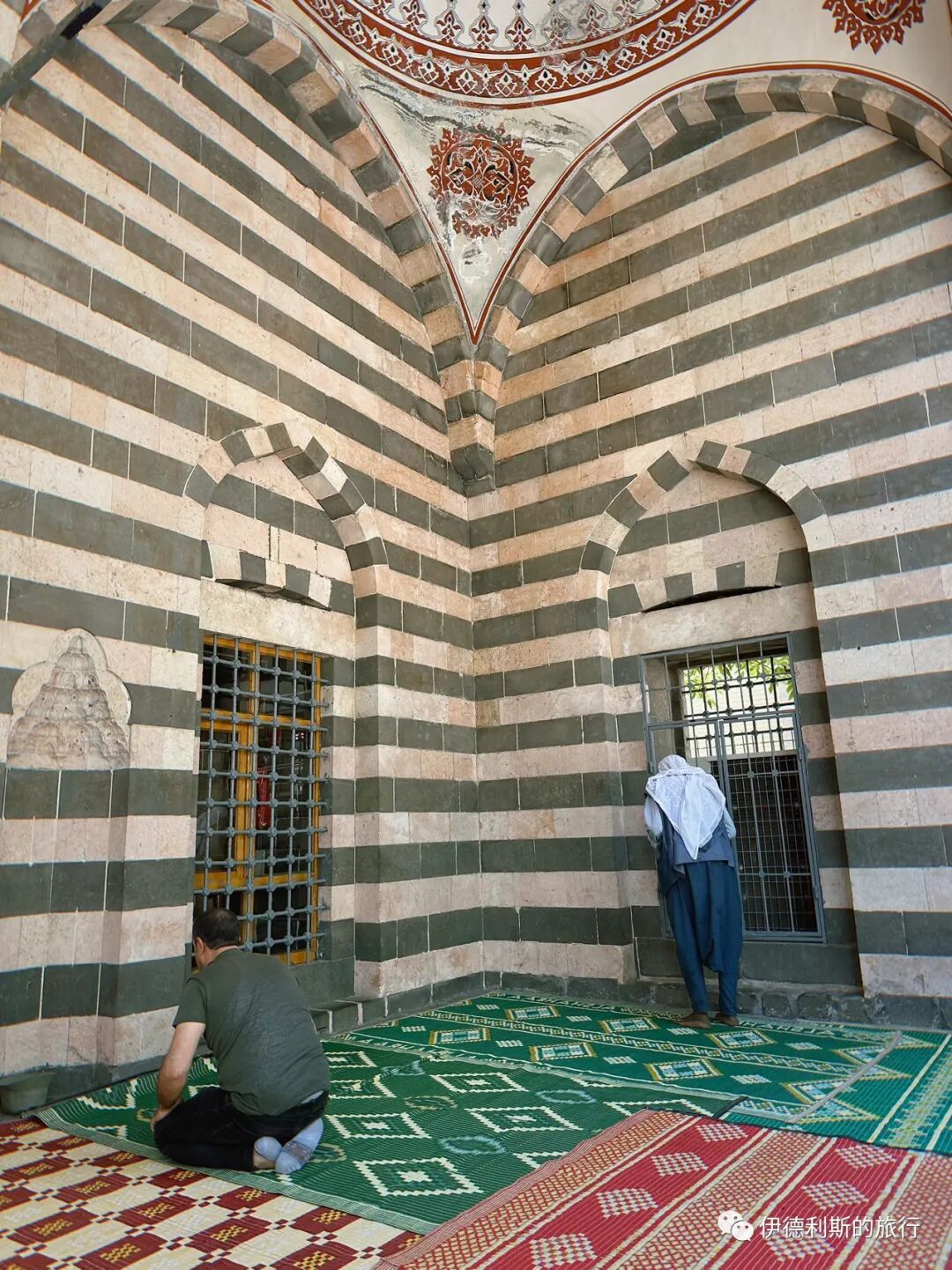
Diyarbakir City Walls: mid-4th century.
The Diyarbakir City Walls were built by the Roman Emperor Constantius II in the mid-4th century. Over the next thousand years, they were rebuilt by the Byzantine, Abbasid, Seljuk, Inalid, Artuqid, Kara Koyunlu, and Ottoman dynasties. The walls were added to the UNESCO World Heritage list in 2015.
The city of Diyarbakir has two sets of walls: the inner castle (İçkale) and the outer castle (Dış Kale). The inner castle, located on a cliff in the northeast, is the oldest part of Diyarbakir. It has plenty of spring water and overlooks the Tigris River valley, which is why rulers lived there for generations.
The heart of the inner castle is the Amida Mound, which stands 20 to 30 meters high in the northwest. This is the oldest settlement in Diyarbakir, with a history spanning over 5,000 years. In 1957, palace walls from the early 13th-century Artuqid dynasty were discovered here. Many more Artuqid palace ruins were found later, but the site is currently closed to protect them.
The Diyarbakir Museum is in the northeast part of the inner castle. Its gate is an arch built by the Artuqid Sultan Mahmud between 1206 and 1207. It features Naskh script inscriptions and a stone carving of a lion hunting a bull, which looks almost identical to the carving on the gate of the Great Mosque of Diyarbakir.
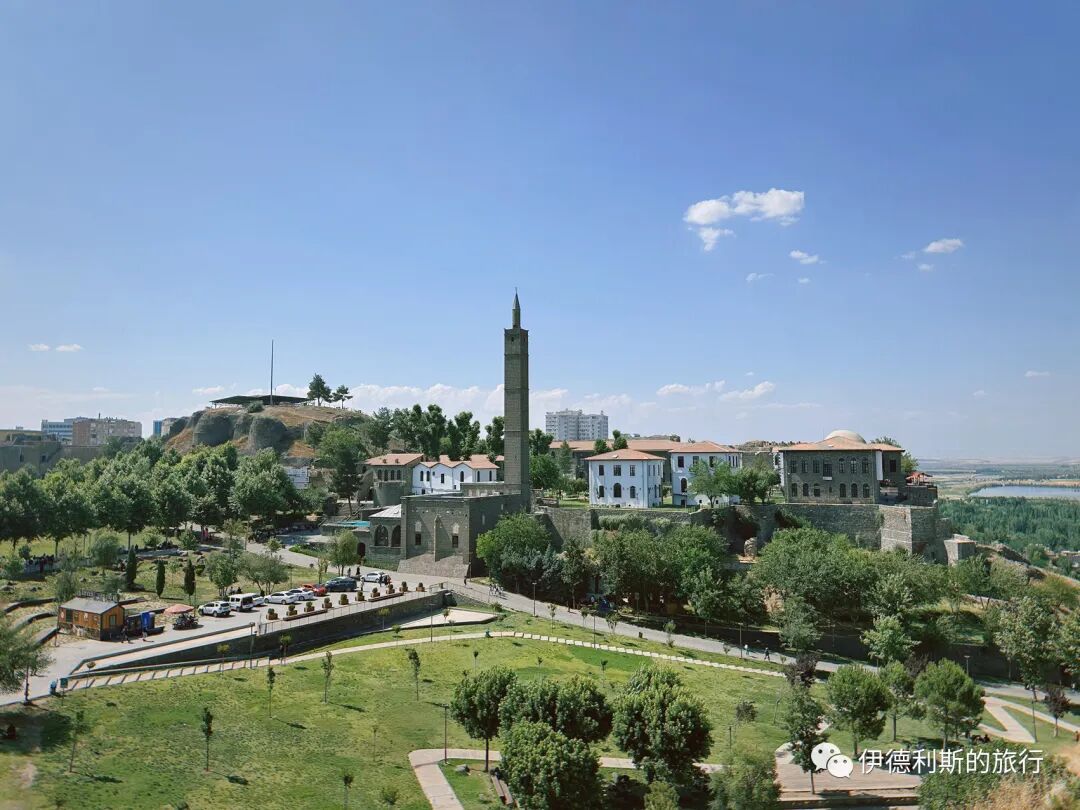
The southern part of the inner castle was expanded during the Ottoman period. The main entrance gate, known as the Palace (Saray) Gate, and the Küpeli Gate built under a tower both date from this time. If you follow the stairs inside the city walls to the top, you can see the arrow slits inside the towers. There are no safety railings on these stairs, so I felt a bit nervous coming back down.
13th-century pottery collected in the Diyarbakir Museum.
Hazreti Süleyman Mosque: 1160.
The Hazreti Süleyman Mosque is in the center of the inner castle and is the most important religious site in Diyarbakir. The mosque was first built by the Inalid dynasty in 1160. It was expanded in the 16th century by order of the Ottoman Sultan Suleiman the Magnificent and renovated again between 1631 and 1633.
On the west side of the main hall are the graves of Suleiman, the son of the famous Arab general Khalid ibn al-Walid, and his 27 followers. They passed away in 639 when the Arab army captured Diyarbakir.
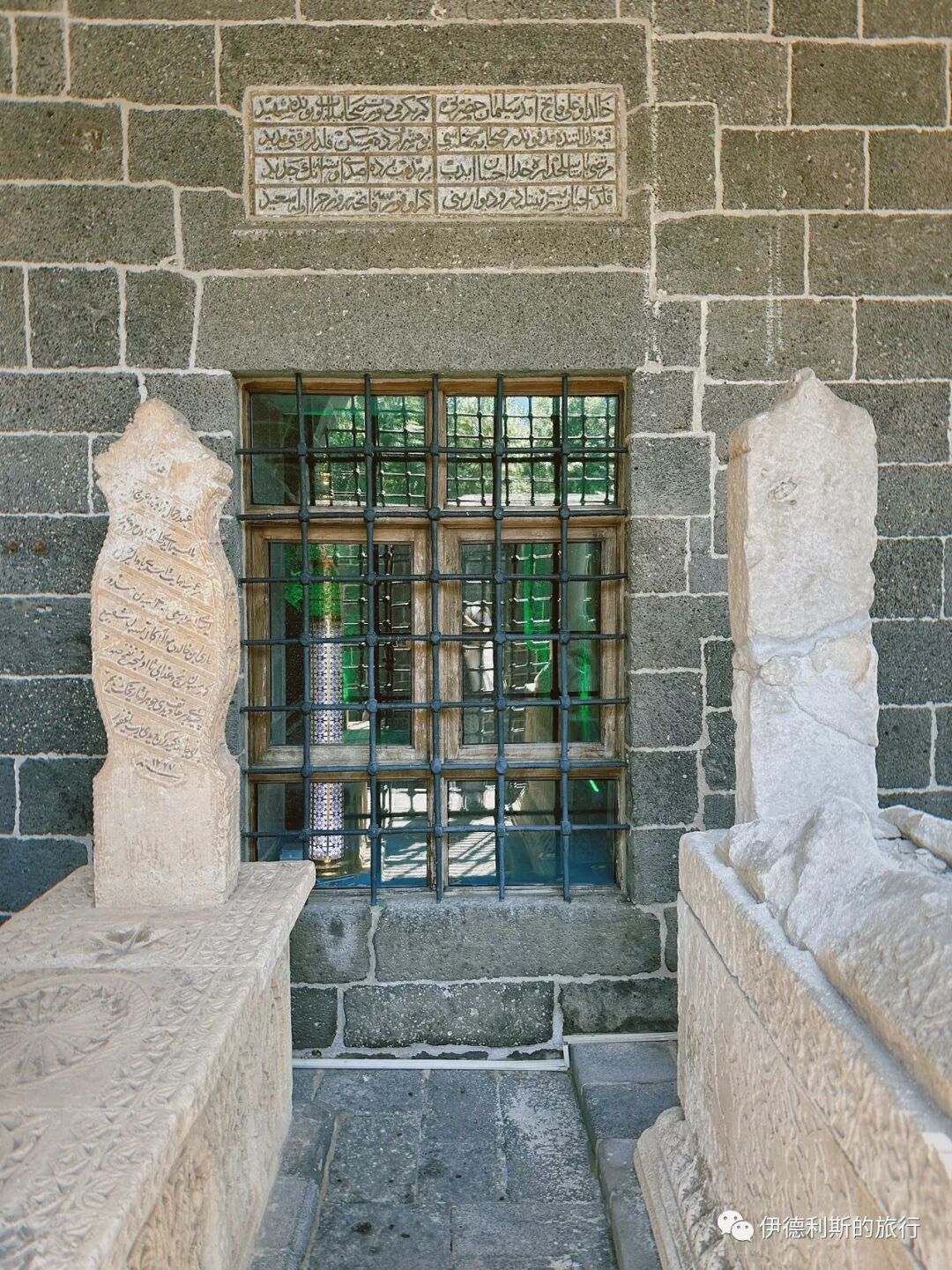
Nasuh Pasha Mosque: early 17th century.
Walk out of the inner city of Diyarbakir from the South Gate, and the first thing you see is the Nasuh Pasha Mosque, built in the early 17th century. Nasuh Pasha became the governor of Diyarbakir in 1606, later became the Grand Vizier of the Ottoman Empire in 1611, and married the daughter of Sultan Ahmed I. He was executed by the Sultan in 1614 for excessive greed.
The minaret of the mosque is divided into two parts. The lower section of black basalt was built in the 17th century. During the Diyarbakir uprising in 1819, the upper part of the minaret was destroyed by cannon fire and later rebuilt with white limestone. During the 2015-16 conflict between Turkey and the Kurdistan Workers' Party in the old city of Diyarbakir, the Nasuh Pasha Mosque was damaged, but it has now been fully restored.
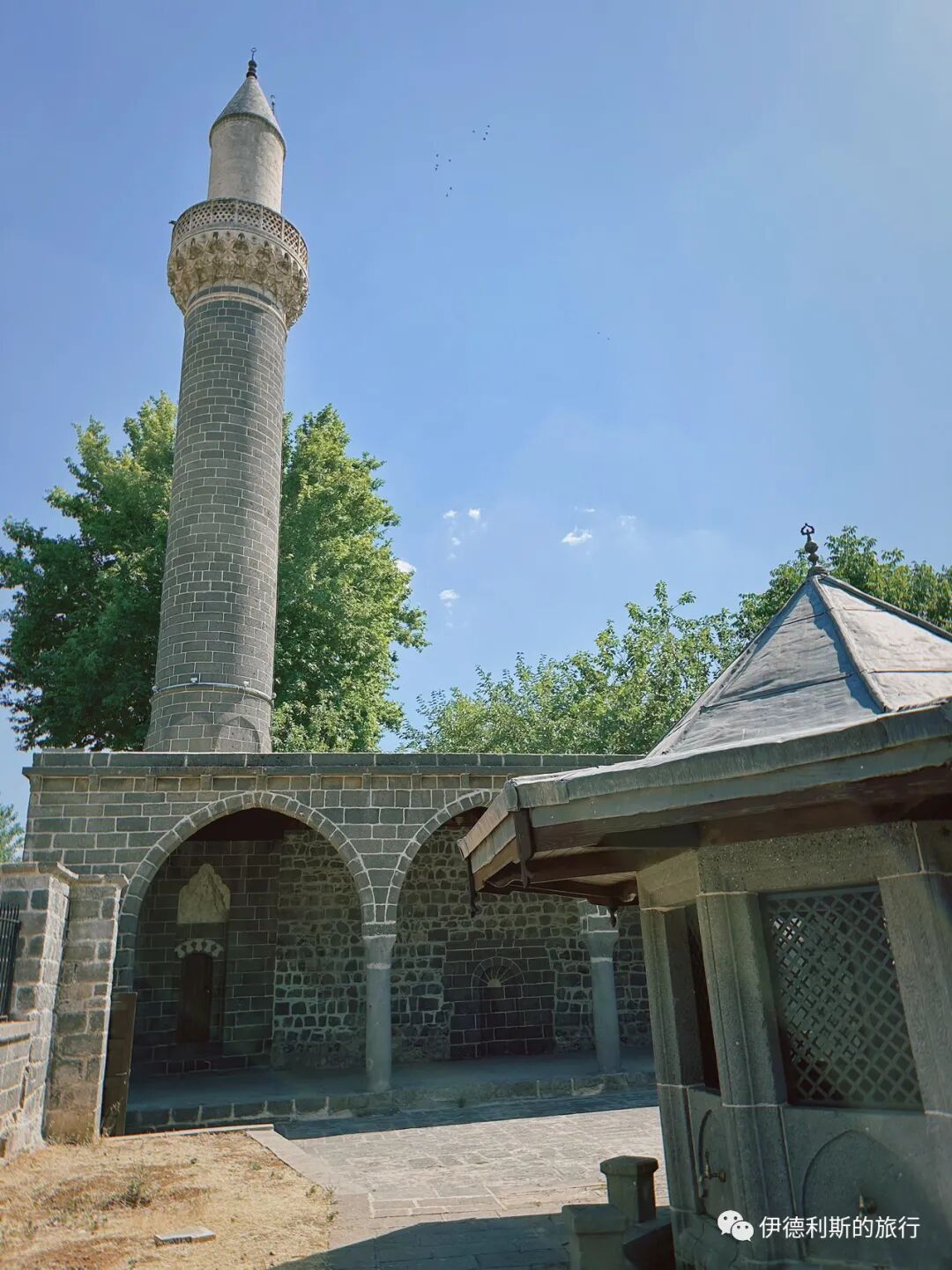
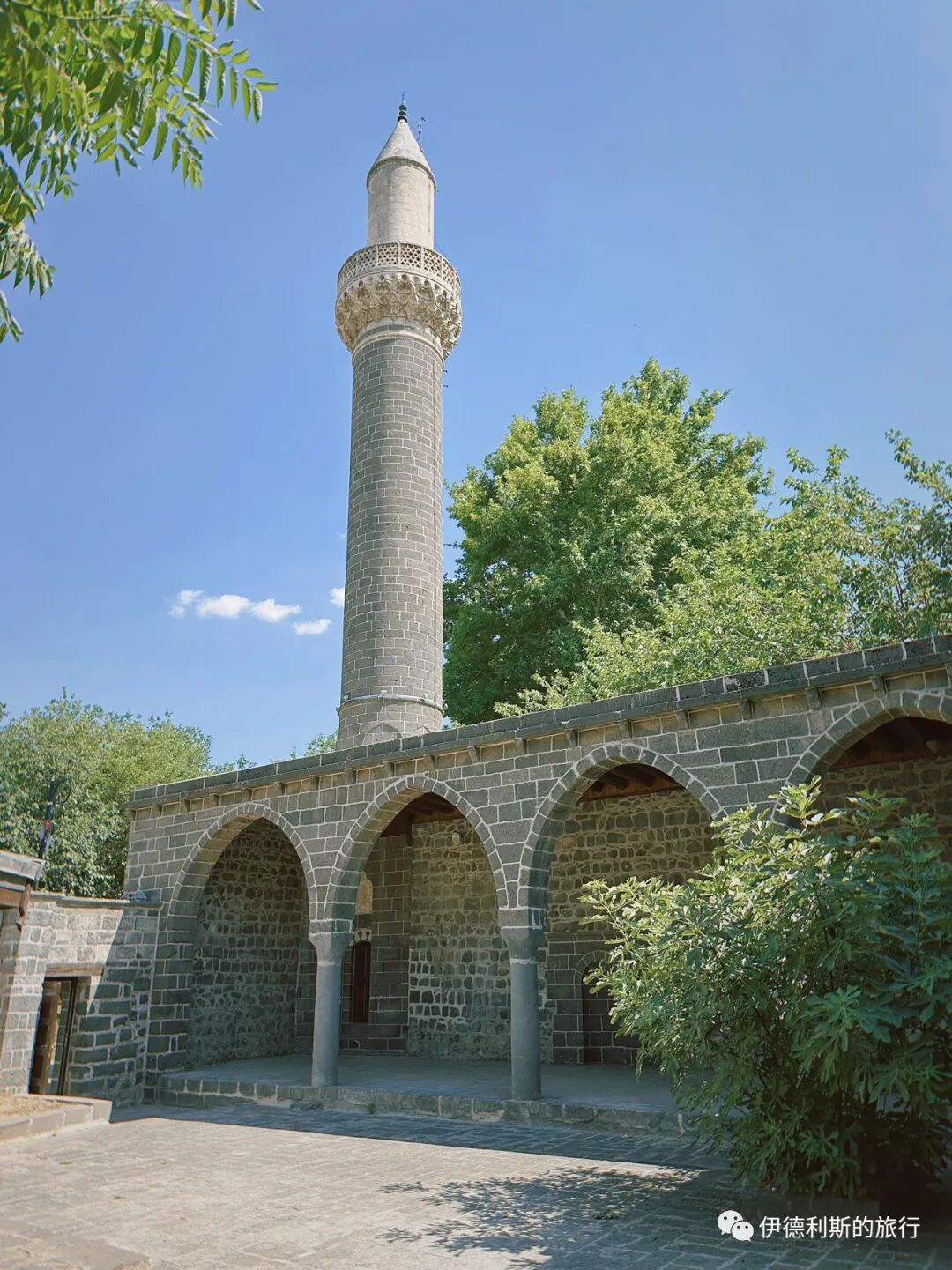
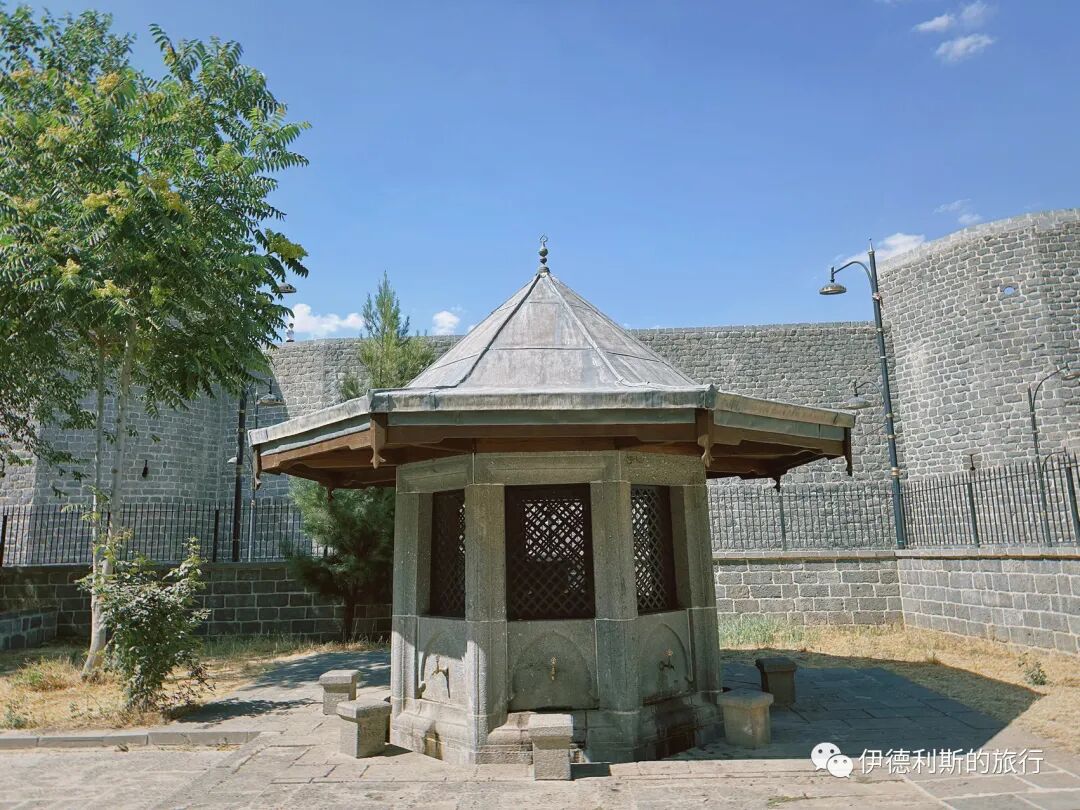
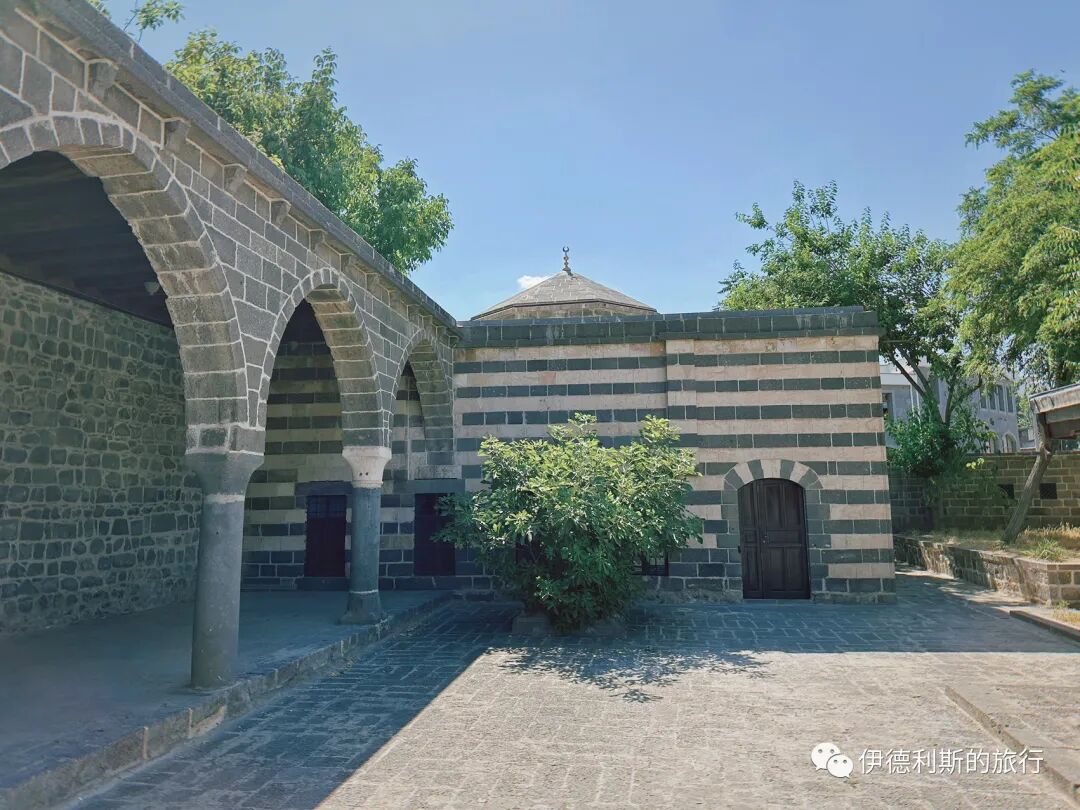
Kurşunlu Mosque: 1516-20
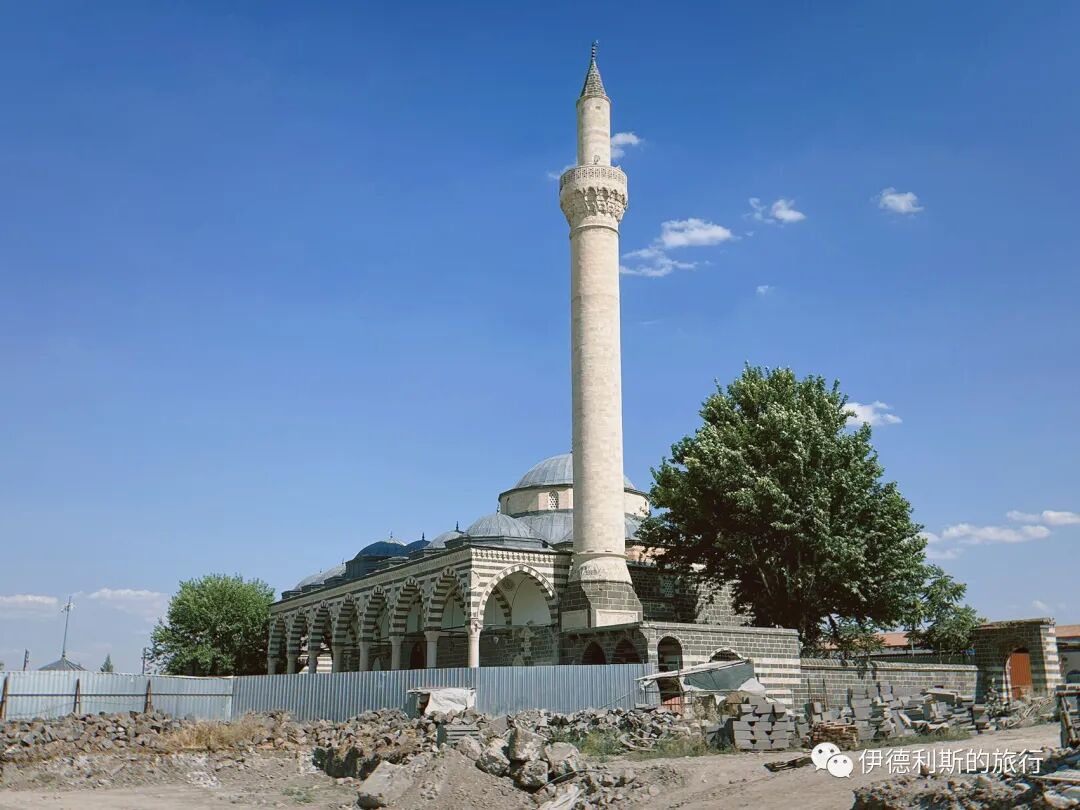
Continue south from the Nasuh Pasha Mosque to reach the Kurşunlu Mosque. It was built between 1516 and 1520 by Bıyıklı Mehmed Pasha, the first Ottoman governor of Diyarbakir, and is the city's first Ottoman mosque. Bıyıklı Mehmed Pasha commanded the Ottoman army against the Persian Safavid dynasty from 1515 to 1521, winning many victories and capturing cities including Diyarbakir, Mardin, and Mosul.
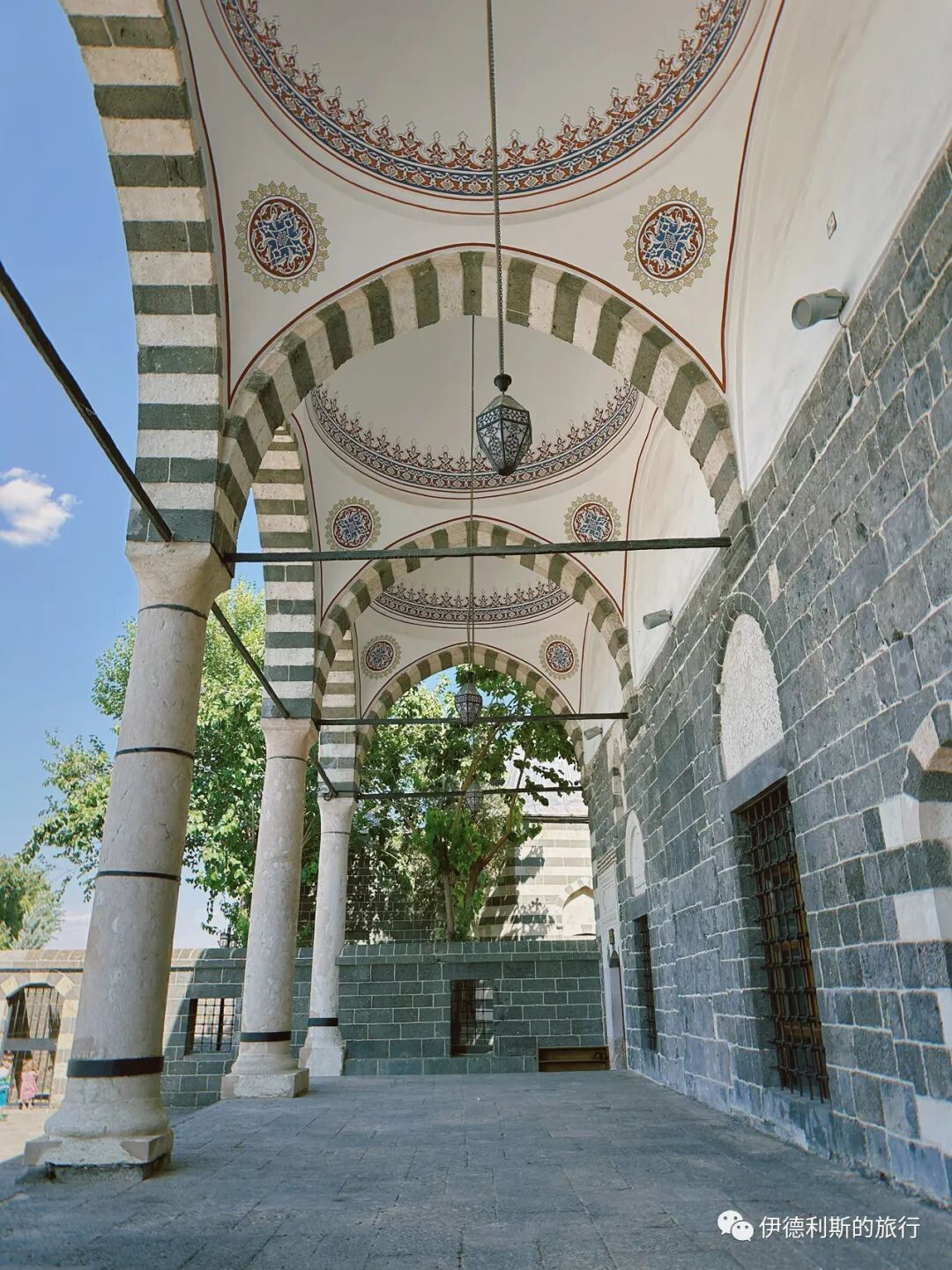
The main hall of the mosque consists of one main dome and four semi-domes. The domes are all covered in lead, which is a typical Ottoman style. However, the use of black basalt makes the main color very different from the red and white tones found in the western part of the Ottoman Empire.
Inside the main hall, there is an exquisite marble minbar (pulpit), and the doors feature intricate Arabic calligraphy.
The Kurşunlu Mosque was also hit by artillery fire during the 1819 Diyarbakir uprising. During the 2015-16 conflict between Turkey and the Kurdistan Workers' Party in the old city of Diyarbakir, the Kurşunlu Mosque suffered severe damage and fire. Different sources blame either Turkey or the Kurdistan Workers' Party for the destruction. After several years of restoration, the mosque reopened in 2019.
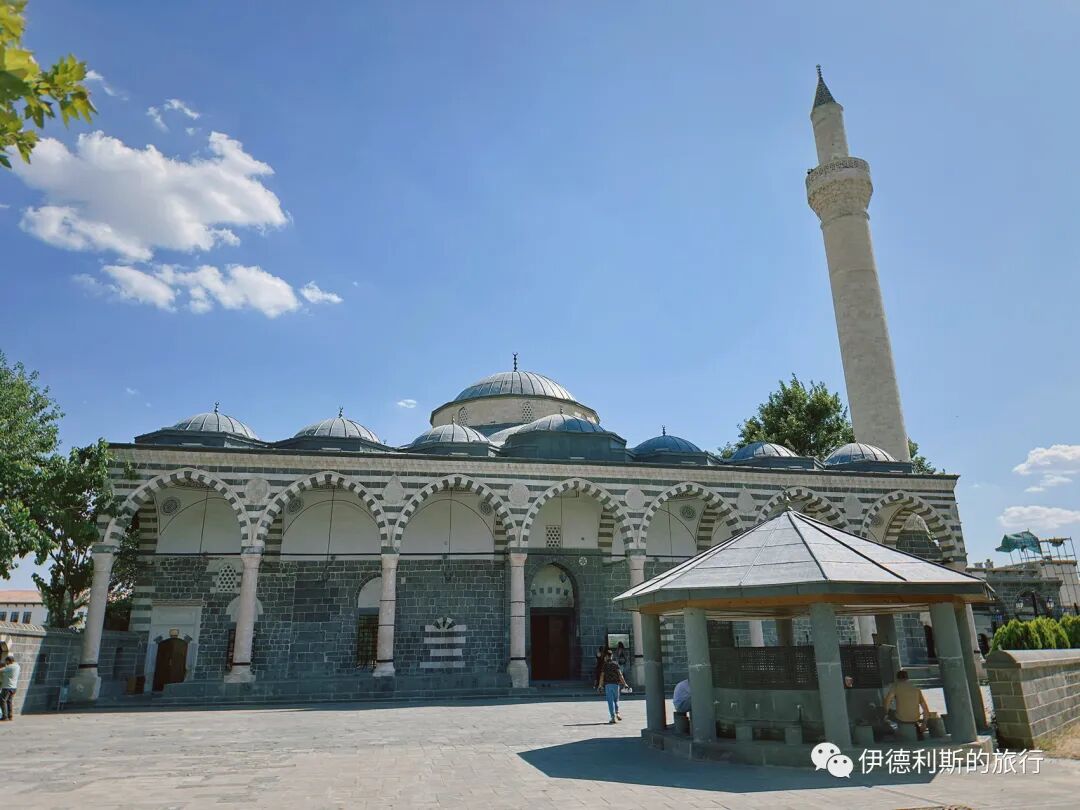
On the northeast side of the Kurşunlu Mosque is a smaller flat-roofed building, which is the Shafi'i hall built in the late 16th century. Because the Ottoman rulers at the time belonged to the Hanafi school, while the Kurds living in Diyarbakir mainly belonged to the Shafi'i school, some mosques were built with halls for both schools. Currently, all schools of thought pray together here, and the site has also become an education center for women and children.
Prince's Mansion (Şehzadeler Konağı): late 16th century
Northwest of Kurşunlu Mosque stands an Ottoman mansion built in the late 16th century called the Prince's Mansion (Şehzadeler Konağı). This building was severely damaged during the 2015 conflict between Turkey and the Kurdistan Workers' Party, and restoration began in 2021 and is still ongoing. We met a friend (dost) at Kurşunlu Mosque who works right here, and he warmly invited us for tea.
After the restoration is finished, it is expected to open as a literary youth center named after the famous Diyarbakır poet Sezai Karakoç, who passed away in 2021, serving as a home for literature for young people.
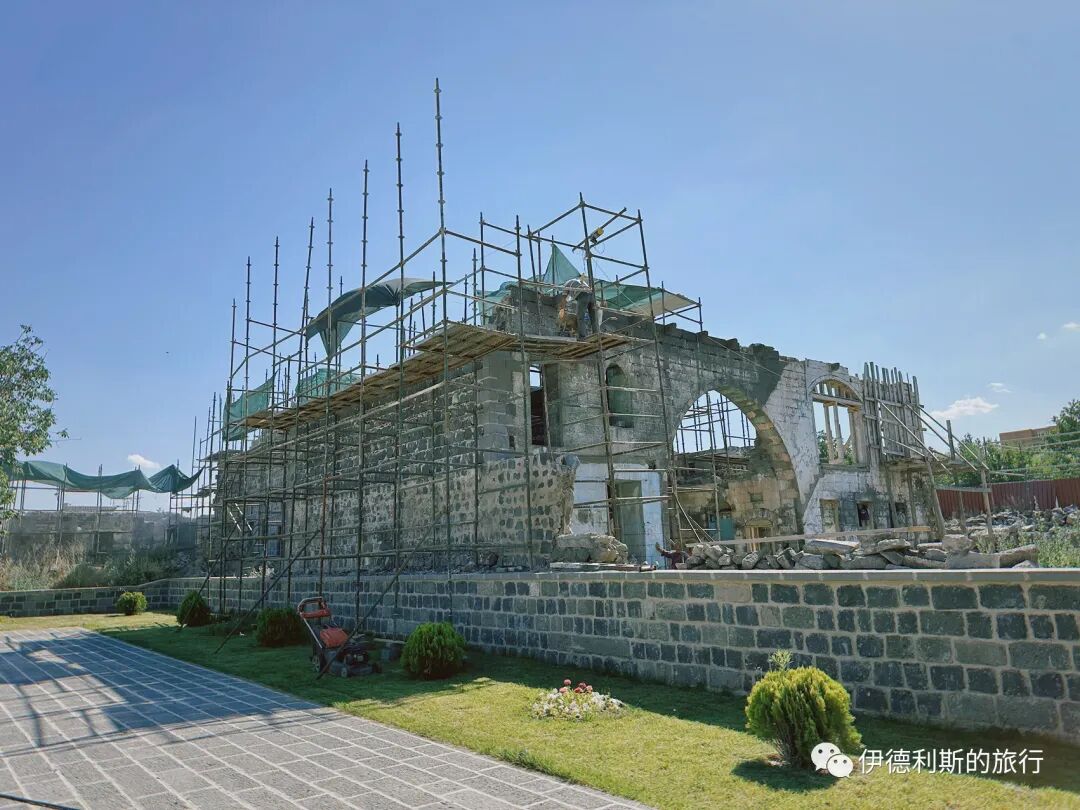
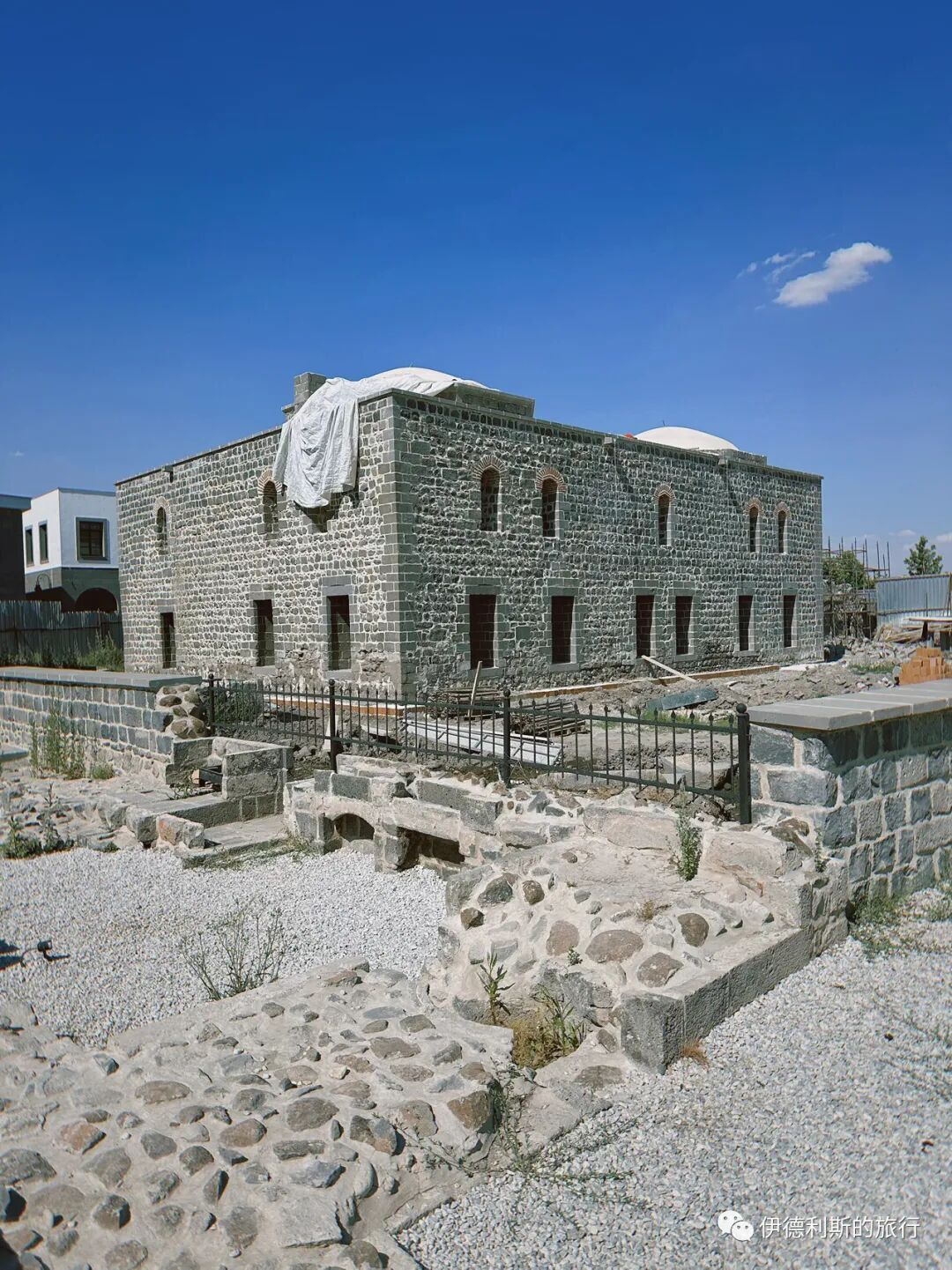
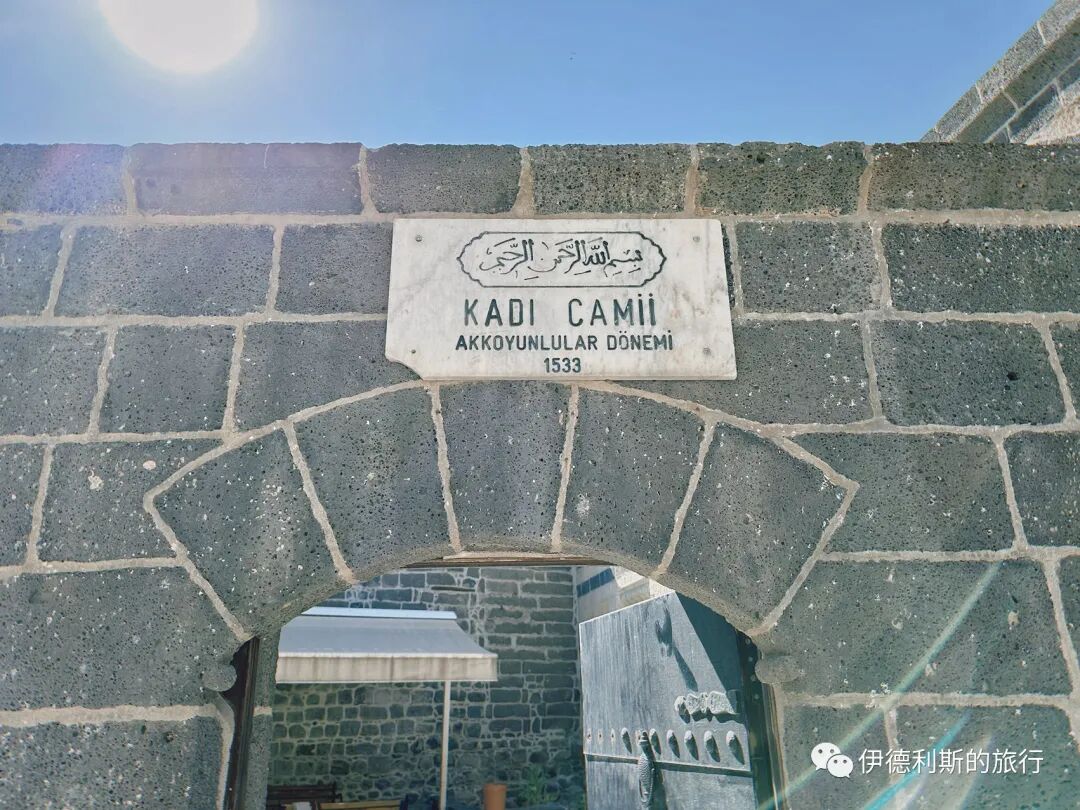
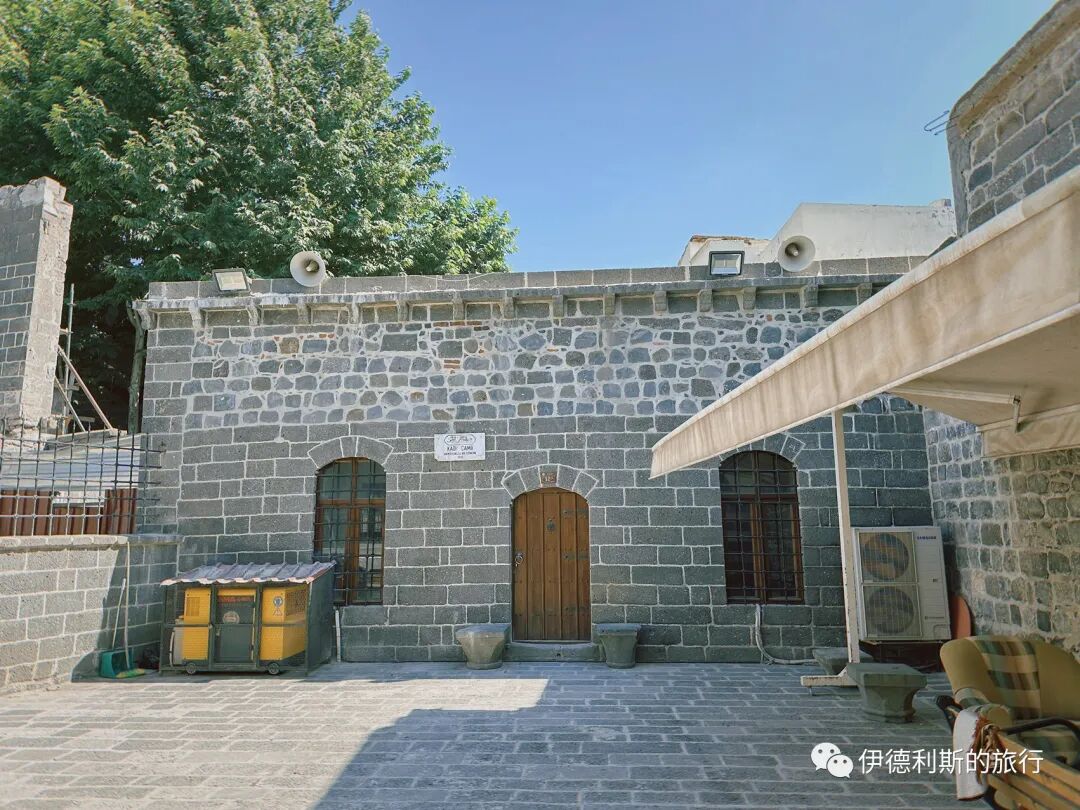
Kadı Mosque: 1533
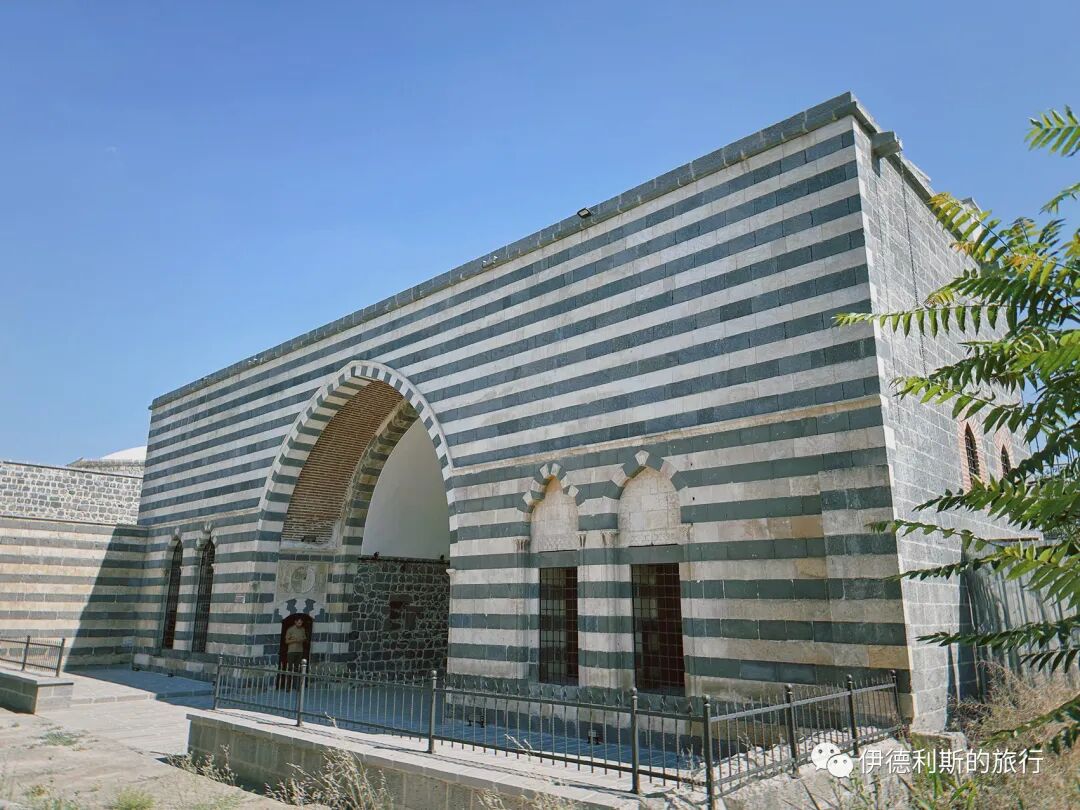
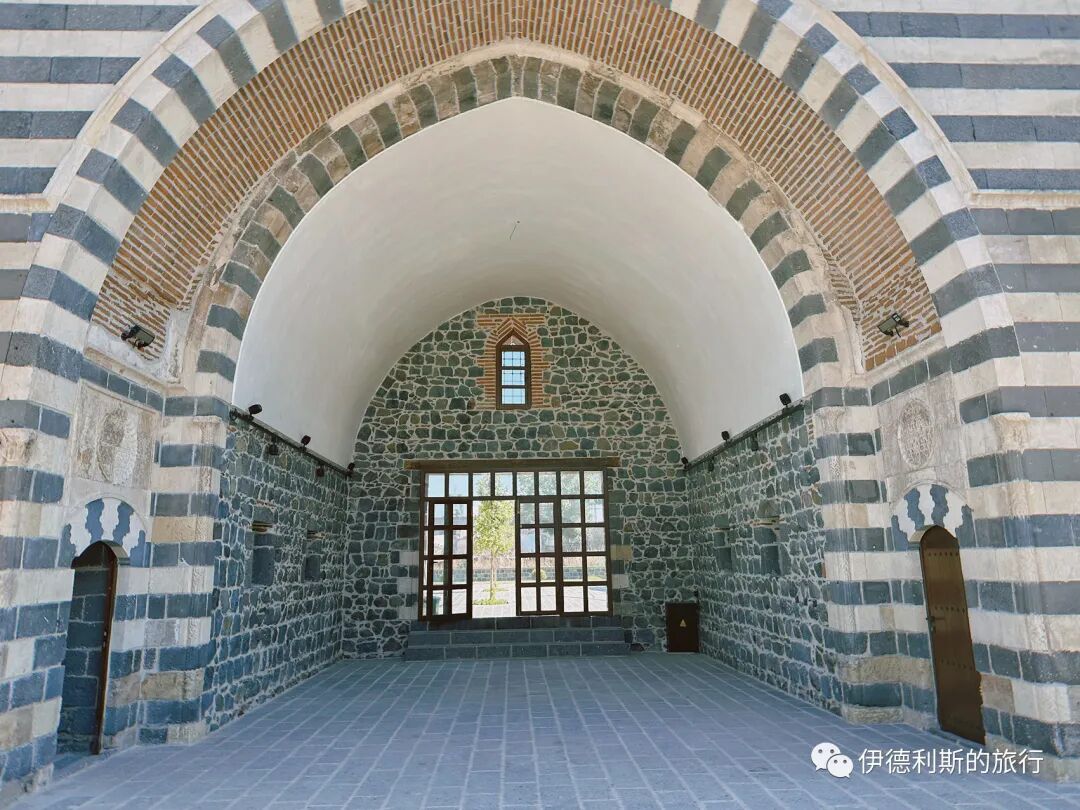
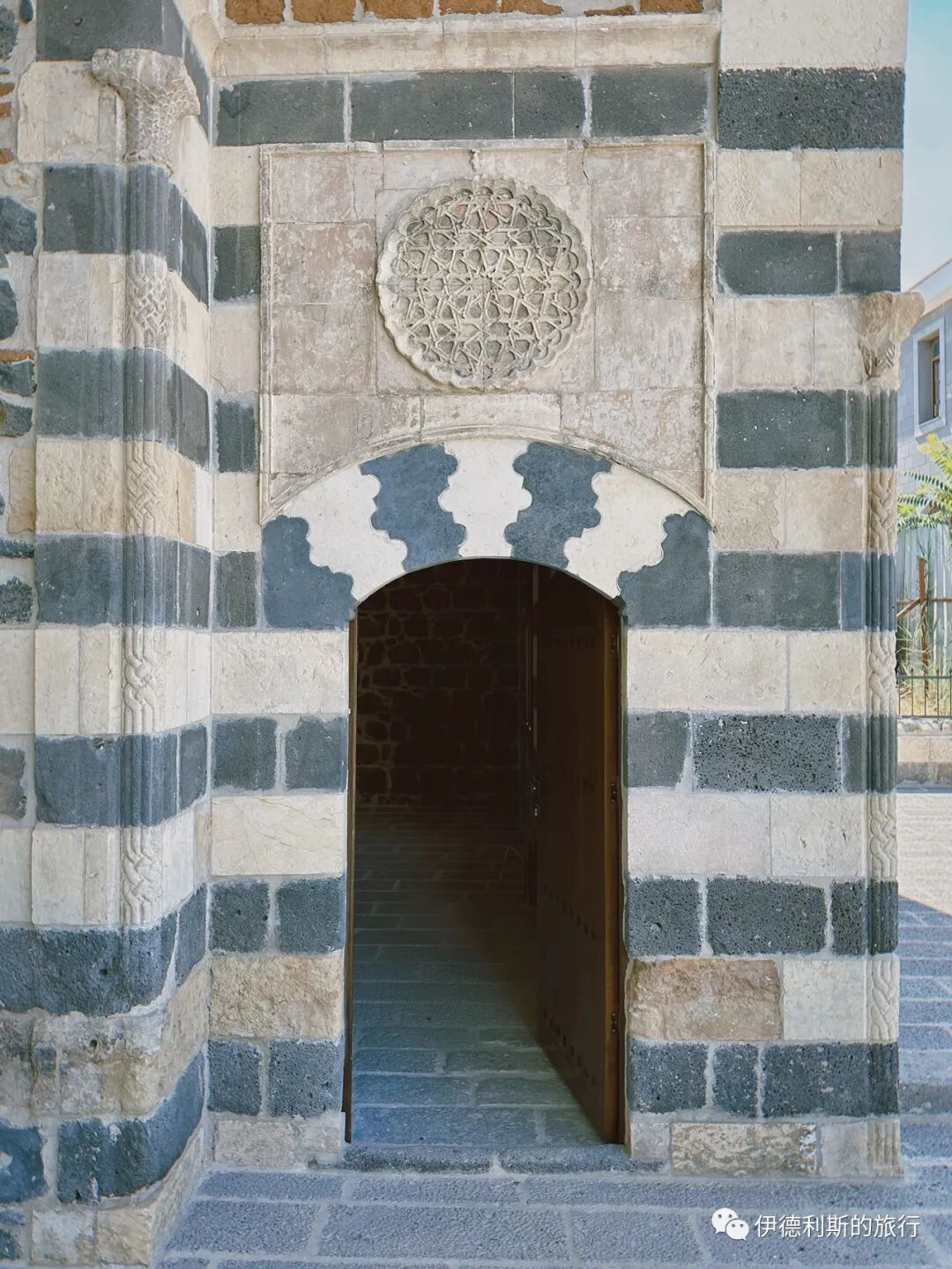
Continuing west, you will pass the Kadı Mosque built in 1533, which, like the Prince's Mansion before it, is built with alternating layers of black basalt and white limestone.
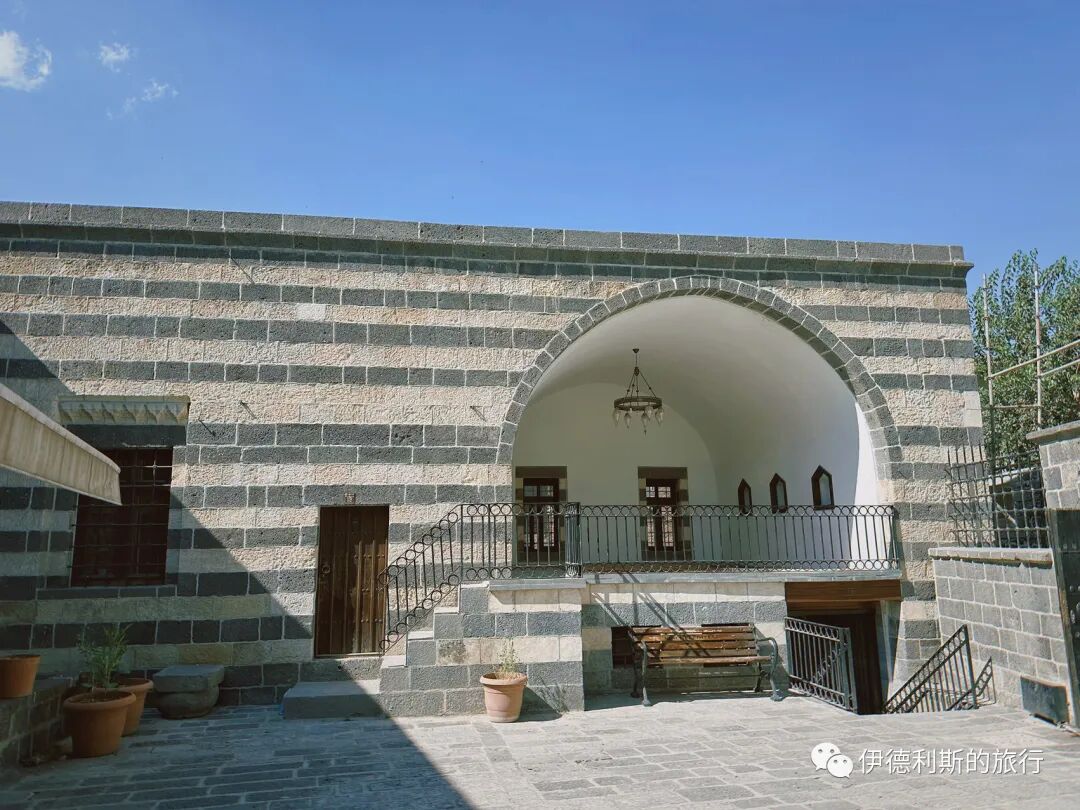
Hasan Pasha Inn (Hasan Paşa Hanı): 1573-75
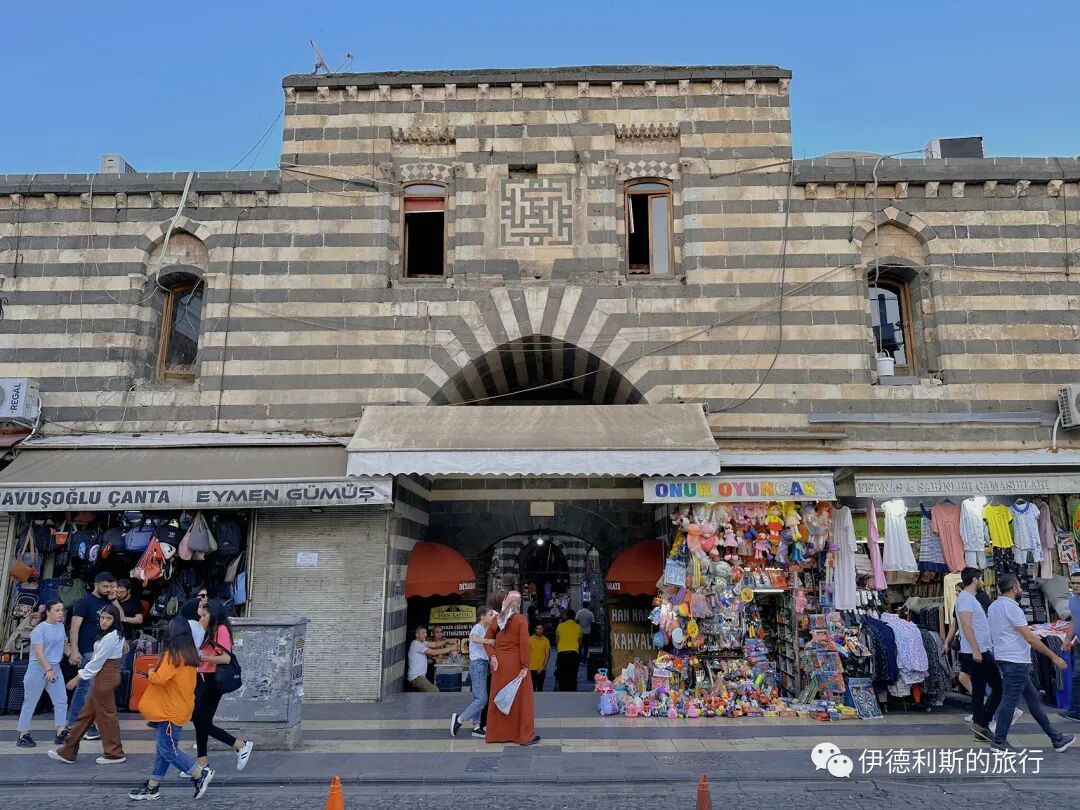
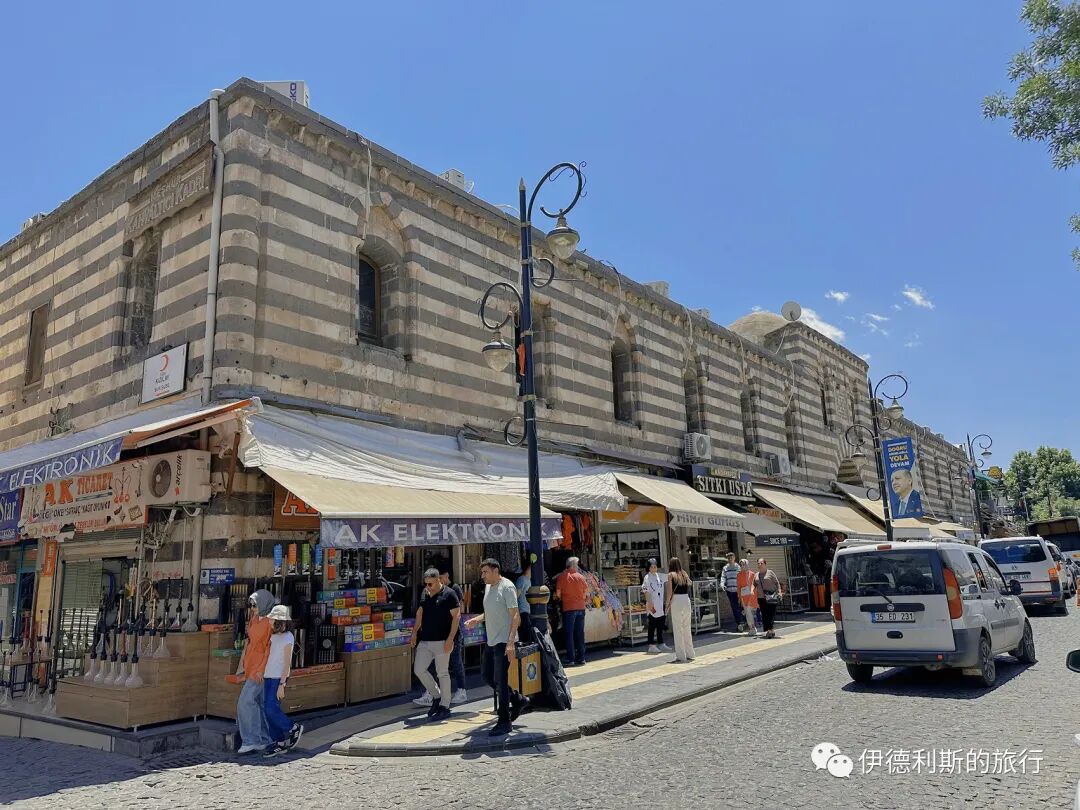
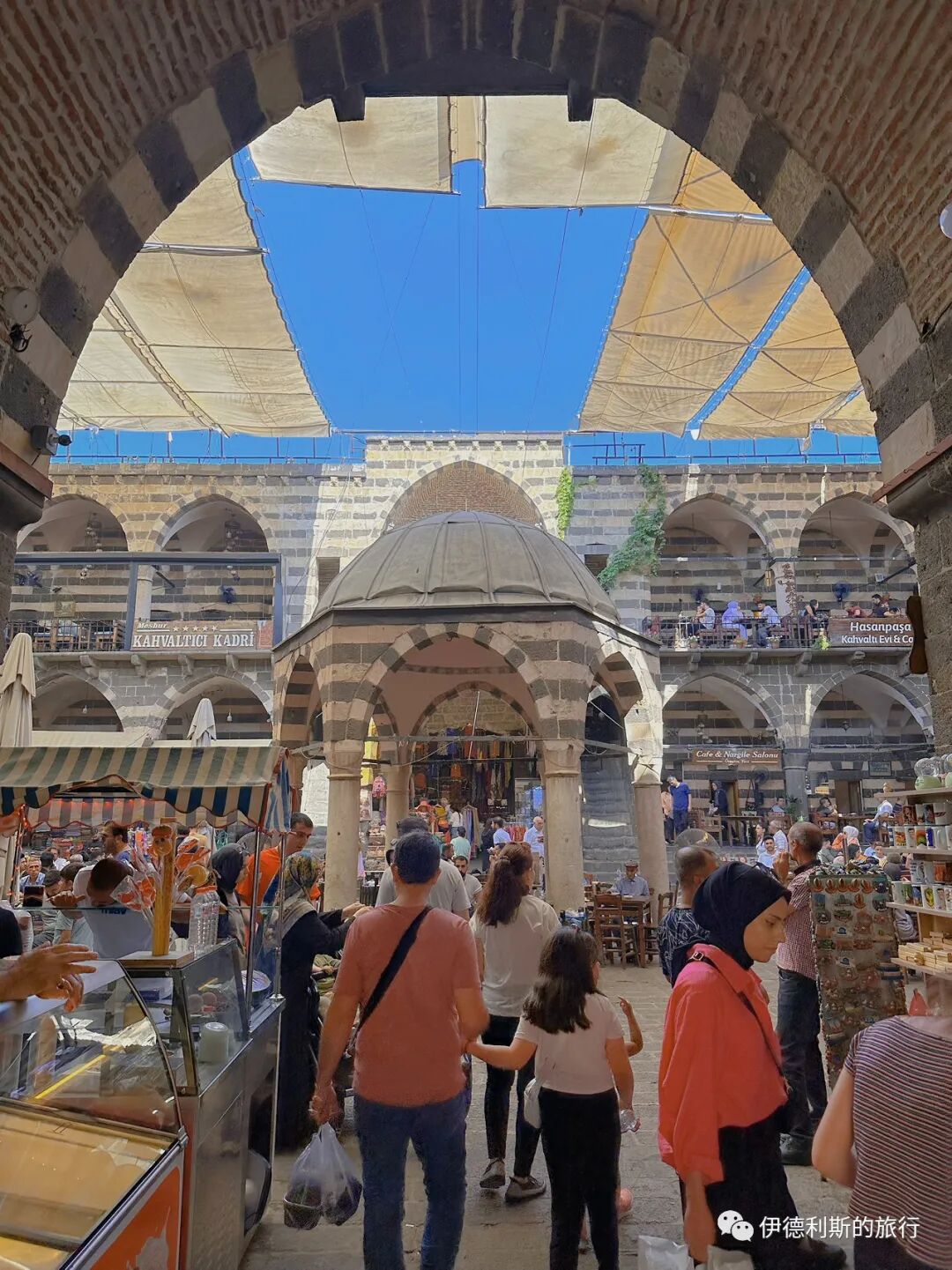
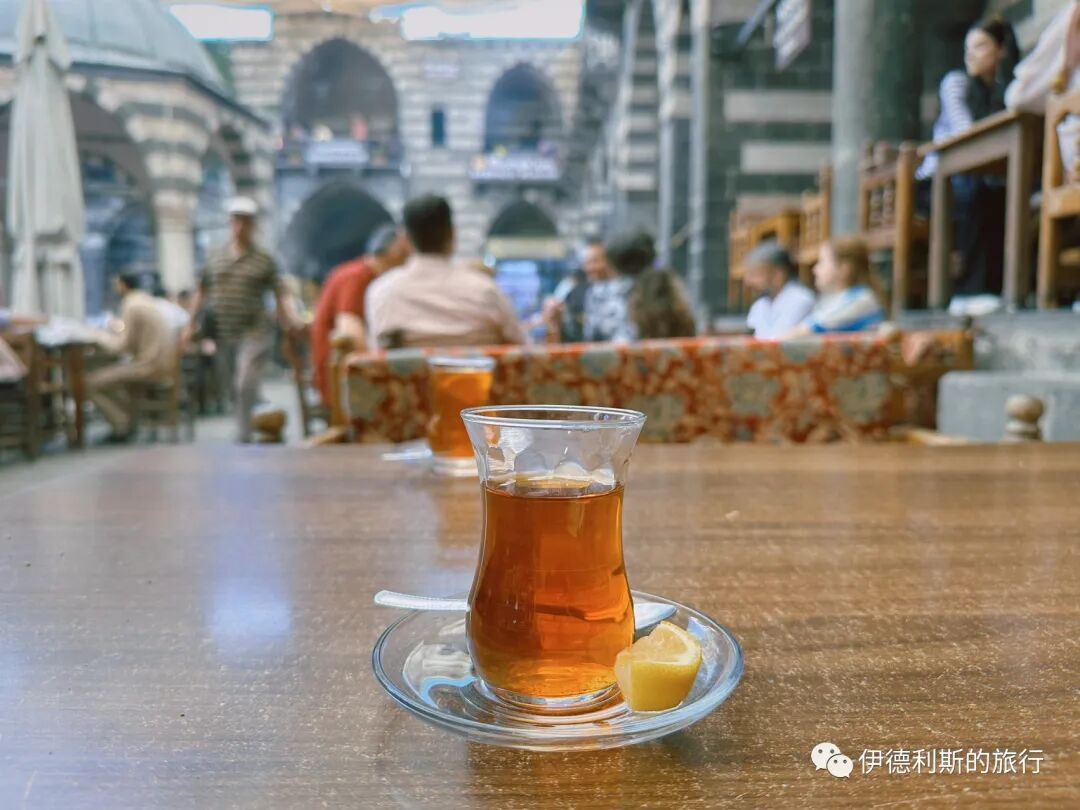
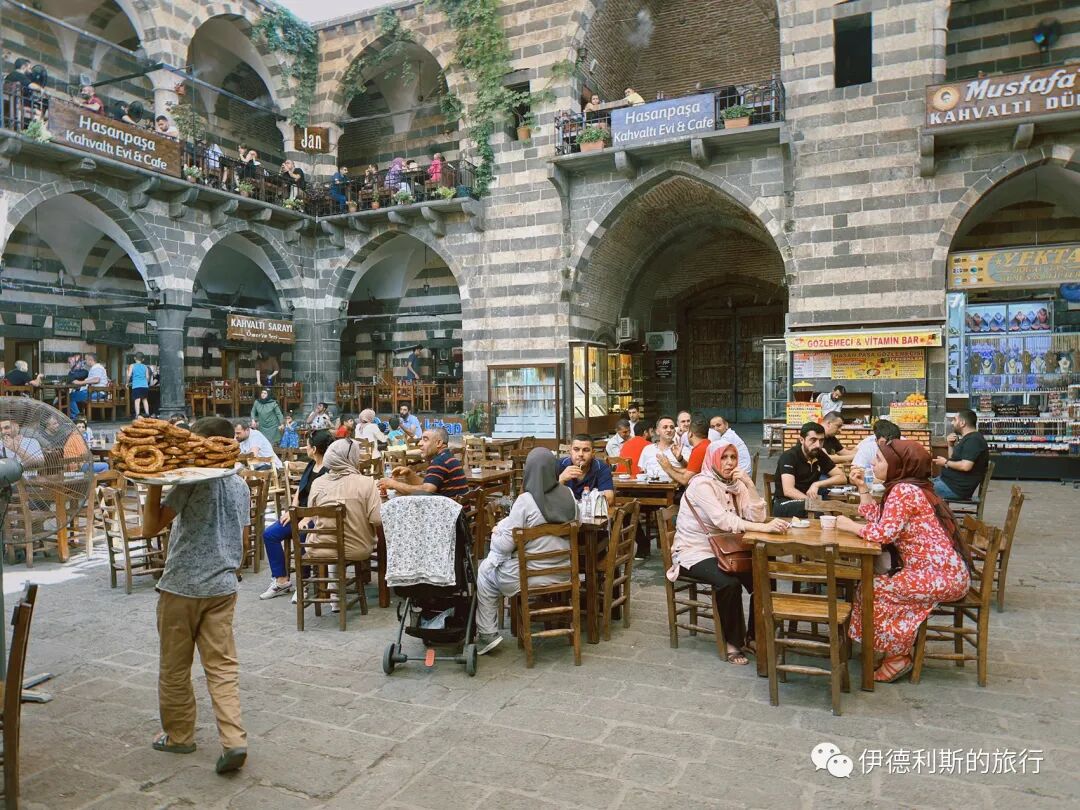
Walk back west to the main road and take a break with some tea at the Hasan Pasha Inn (Hasan Paşa Hanı), located directly across from the Great Mosque of Diyarbakır. The Hasan Pasha Inn was built between 1573 and 1575 by Hasan Pasha, the eldest son of the Ottoman Grand Vizier Sokollu Mehmed Pasha, and it is a very important Ottoman caravanserai in Diyarbakır. Like a typical Ottoman caravanserai, the first floor was used to store goods and horses, while the second floor provided lodging for travelers. A Polish traveler who visited in 1613 recorded that the site could accommodate 500 horses. After being restored in 2006, it opened with cafes, restaurants, and shops, becoming a place for people to relax.
Sheikh Matar Mosque (Şeyh Matar Camii): 1500
After leaving the Hasan Pasha Inn, we went south to the Sheikh Matar (Şeyh Matar) Mosque. Haji Hussein built this mosque in 1500 during the late White Sheep dynasty. It is named after the tomb of Sheikh Matar, which sits next to the mosque.
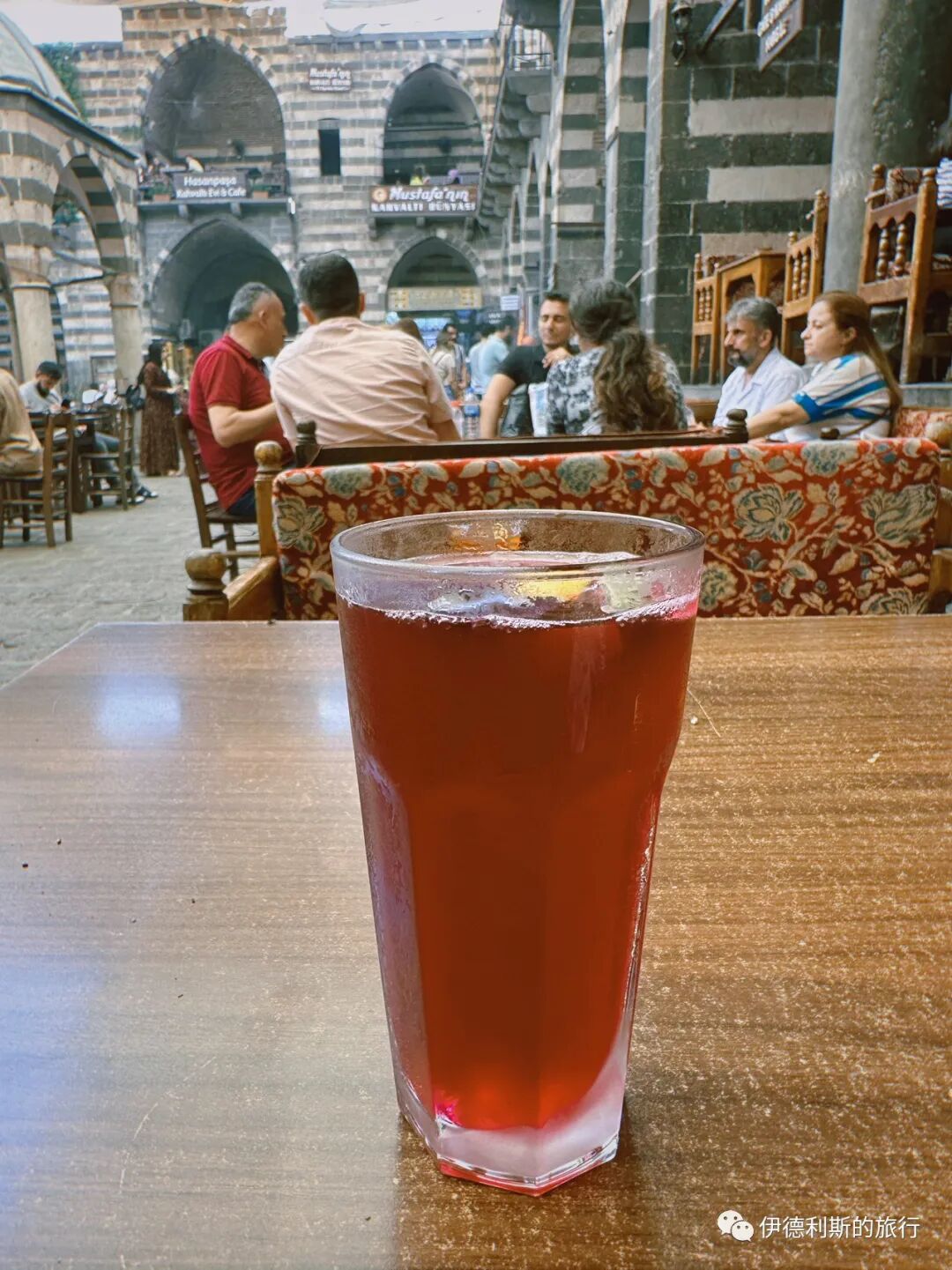
The mosque is famous for its four-legged minaret (bangke ta) that stands in the middle of the road. The minaret sits on four stone pillars. According to the Diyarbakır Salnâmeleri, the tower was built in 906 and became a minaret only after the mosque was finished. Local Kurds believe the four stone pillars at the base represent the four schools of Sunni jurisprudence: Hanafi, Hanbali, Maliki, and Shafi'i.
On the night of November 25, 2015, the Patriotic Revolutionary Youth Movement (YDG-H) fought a gun battle with police here, damaging two of the minaret's pillars. On November 28, Tahir Elçi, the head of the Diyarbakır Bar Association, made a statement next to the minaret calling for an end to the violence. A gun battle broke out again shortly after, and Tahir Elçi, along with the plainclothes police and private guards near him, were all killed in the fighting.
Summary: Diyarbakir is a thousand-year-old city by the Tigris River with old walls, mosques, and layers of Kurdish and Islamic history. This first part introduces the city, its historic sites, and its street-level details while preserving the Chinese source facts and photos.
In my last article, "Diyarbakir: A Kurdish City in Southeastern Turkey," I tried many local snacks and drinks in Diyarbakir, the largest Kurdish city in Turkey. In this article, I will introduce the colorful ancient monuments of Diyarbakir that span over a thousand years.
Great Mosque of Diyarbakir: 1092.
I performed namaz at the Great Mosque of Diyarbakir at noon and met a warm and hospitable local friend (dosti). He told me a lot about the mosque and even gave me a book.
The Great Mosque of Diyarbakir was first built in the 7th century. The current structure was ordered by Malik-Shah I, the third sultan of the Seljuk Empire, in 1092, and it has a history of over nine hundred years. The architectural style of the Great Mosque of Diyarbakir was deeply influenced by the Umayyad Mosque in Damascus. Sultan Malik-Shah I oversaw the restoration of the Umayyad Mosque between 1082 and 1083, and he wanted to bring the prestige and glory of Damascus to Diyarbakir.
Inside the main hall, there are three aisles parallel to the qibla wall, separated by a central nave perpendicular to the qibla wall. The ceiling of the nave is decorated with rich paintings. The exterior facade of the main hall is decorated with floral patterns and ornate Kufic inscriptions. Unlike the Umayyad Mosque in Damascus, the Great Mosque of Diyarbakir does not have a central dome. The existing sloped roof was rebuilt during the Ottoman period, which is a Turkish style different from Arab architecture.
After the 12th century, the Seljuk Empire began to collapse, and a Seljuk governor established the Inalids Beylik (1098-1183) in Diyarbakir. The Inalids Beylik carried out a series of renovations and expansions on the Great Mosque of Diyarbakir in the 12th century, which is recorded on many inscriptions in the mosque today.
The Great Mosque of Diyarbakir was damaged by a fire caused by lightning in 1115. It was later restored by the Inalids Beylik. The building on the west side of the courtyard was built during this period, and you can see inscriptions dated 1117-18 and 1124-25 on it. The east gate of the Great Mosque of Diyarbakir bears the date 1163-64 and mentions that it was built under the supervision of Hibatallah of Gurgan. He is the only architect recorded in the Great Mosque of Diyarbakir, and he also oversaw the restoration of the main hall in 1155-56.
The buildings on the east and west sides of the mosque are known for using stone components from the Byzantine period, including Corinthian columns and friezes with vine patterns. This method of using components from old buildings to build new ones is called spolia. The term originally meant "spoils of war" in Latin. It is an ancient and common architectural technique found in many ancient buildings in Europe and the Islamic world. A classic example in China is the Kaiyuan Mosque in Quanzhou, which used stone components from a former Hindu mosque. From an archaeological perspective, the use of spolia gives a building archaeological value that transcends the building itself.
On the main gate, you can see a stone carving of a lion eating a bull. It is very much in the Seljuk art style of the Anatolia region, which suggests that the art style of the Inalid Beylik was a continuation of the Seljuk Empire.
After the 12th century, the Artuqid dynasty (1102–1409), founded by another Seljuk governor, developed in eastern Anatolia. In 1183, the Artuqid dynasty joined forces with Saladin to destroy the Inalid Beylik and began their rule over Diyarbakir.
The Artuqid dynasty built two madrasas next to the Great Mosque of Diyarbakir. The Mesudiye Madrasa is on the north side of the mosque courtyard. It was built between 1193 and 1223, and its outer wall is decorated with many Corinthian capitals. The Zinciriye Madrasa was built in 1198 on the west side of the mosque. It is a separate small courtyard, but it was closed when I visited, so I could not go inside.
Haci Halid Mansion: late 19th century
On the north side of the Great Mosque of Diyarbakir stands the Haci Halid Mansion (Hacı Halid Konağı), a traditional house over 120 years old. It is now open to the public as the Ahmed Arif Literature Museum. Ahmed Arif (1927–1991) was a famous poet from Diyarbakir. His father was a Turkmen from Iraq, and his mother was Kurdish. His poetry was deeply influenced by Anatolian folk literature and is widely loved in Turkey.
Nebi Mosque: 15th century
Nebi Mosque is located inside the north gate of the ancient city of Diyarbakir. It was first built in the 15th century during the Aq Qoyunlu period, and its minaret was rebuilt by Haci Huseyin in 1530.
Nebi Mosque was originally made up of two main halls, which belonged to the Shafi'i and Hanafi schools of thought respectively. During World War I, the part belonging to the Hanafi school was used as a military barracks until it collapsed in 1927. Today, only the part belonging to the Shafi'i school remains. Besides the Kurds, most Muslims in East Africa and Southeast Asia also belong to the Shafi'i school.
The mosque is built with alternating black basalt and white limestone. This is a masonry decoration technique called ablaq, which creates an architectural style unique to Diyarbakir.
Diyarbakir City Walls: mid-4th century.
The Diyarbakir City Walls were built by the Roman Emperor Constantius II in the mid-4th century. Over the next thousand years, they were rebuilt by the Byzantine, Abbasid, Seljuk, Inalid, Artuqid, Kara Koyunlu, and Ottoman dynasties. The walls were added to the UNESCO World Heritage list in 2015.
The city of Diyarbakir has two sets of walls: the inner castle (İçkale) and the outer castle (Dış Kale). The inner castle, located on a cliff in the northeast, is the oldest part of Diyarbakir. It has plenty of spring water and overlooks the Tigris River valley, which is why rulers lived there for generations.
The heart of the inner castle is the Amida Mound, which stands 20 to 30 meters high in the northwest. This is the oldest settlement in Diyarbakir, with a history spanning over 5,000 years. In 1957, palace walls from the early 13th-century Artuqid dynasty were discovered here. Many more Artuqid palace ruins were found later, but the site is currently closed to protect them.
The Diyarbakir Museum is in the northeast part of the inner castle. Its gate is an arch built by the Artuqid Sultan Mahmud between 1206 and 1207. It features Naskh script inscriptions and a stone carving of a lion hunting a bull, which looks almost identical to the carving on the gate of the Great Mosque of Diyarbakir.
The southern part of the inner castle was expanded during the Ottoman period. The main entrance gate, known as the Palace (Saray) Gate, and the Küpeli Gate built under a tower both date from this time. If you follow the stairs inside the city walls to the top, you can see the arrow slits inside the towers. There are no safety railings on these stairs, so I felt a bit nervous coming back down.
13th-century pottery collected in the Diyarbakir Museum.
Hazreti Süleyman Mosque: 1160.
The Hazreti Süleyman Mosque is in the center of the inner castle and is the most important religious site in Diyarbakir. The mosque was first built by the Inalid dynasty in 1160. It was expanded in the 16th century by order of the Ottoman Sultan Suleiman the Magnificent and renovated again between 1631 and 1633.
On the west side of the main hall are the graves of Suleiman, the son of the famous Arab general Khalid ibn al-Walid, and his 27 followers. They passed away in 639 when the Arab army captured Diyarbakir.
Nasuh Pasha Mosque: early 17th century.
Walk out of the inner city of Diyarbakir from the South Gate, and the first thing you see is the Nasuh Pasha Mosque, built in the early 17th century. Nasuh Pasha became the governor of Diyarbakir in 1606, later became the Grand Vizier of the Ottoman Empire in 1611, and married the daughter of Sultan Ahmed I. He was executed by the Sultan in 1614 for excessive greed.
The minaret of the mosque is divided into two parts. The lower section of black basalt was built in the 17th century. During the Diyarbakir uprising in 1819, the upper part of the minaret was destroyed by cannon fire and later rebuilt with white limestone. During the 2015-16 conflict between Turkey and the Kurdistan Workers' Party in the old city of Diyarbakir, the Nasuh Pasha Mosque was damaged, but it has now been fully restored.
Kurşunlu Mosque: 1516-20
Continue south from the Nasuh Pasha Mosque to reach the Kurşunlu Mosque. It was built between 1516 and 1520 by Bıyıklı Mehmed Pasha, the first Ottoman governor of Diyarbakir, and is the city's first Ottoman mosque. Bıyıklı Mehmed Pasha commanded the Ottoman army against the Persian Safavid dynasty from 1515 to 1521, winning many victories and capturing cities including Diyarbakir, Mardin, and Mosul.
The main hall of the mosque consists of one main dome and four semi-domes. The domes are all covered in lead, which is a typical Ottoman style. However, the use of black basalt makes the main color very different from the red and white tones found in the western part of the Ottoman Empire.
Inside the main hall, there is an exquisite marble minbar (pulpit), and the doors feature intricate Arabic calligraphy.
The Kurşunlu Mosque was also hit by artillery fire during the 1819 Diyarbakir uprising. During the 2015-16 conflict between Turkey and the Kurdistan Workers' Party in the old city of Diyarbakir, the Kurşunlu Mosque suffered severe damage and fire. Different sources blame either Turkey or the Kurdistan Workers' Party for the destruction. After several years of restoration, the mosque reopened in 2019.
On the northeast side of the Kurşunlu Mosque is a smaller flat-roofed building, which is the Shafi'i hall built in the late 16th century. Because the Ottoman rulers at the time belonged to the Hanafi school, while the Kurds living in Diyarbakir mainly belonged to the Shafi'i school, some mosques were built with halls for both schools. Currently, all schools of thought pray together here, and the site has also become an education center for women and children.
Prince's Mansion (Şehzadeler Konağı): late 16th century
Northwest of Kurşunlu Mosque stands an Ottoman mansion built in the late 16th century called the Prince's Mansion (Şehzadeler Konağı). This building was severely damaged during the 2015 conflict between Turkey and the Kurdistan Workers' Party, and restoration began in 2021 and is still ongoing. We met a friend (dost) at Kurşunlu Mosque who works right here, and he warmly invited us for tea.
After the restoration is finished, it is expected to open as a literary youth center named after the famous Diyarbakır poet Sezai Karakoç, who passed away in 2021, serving as a home for literature for young people.
Kadı Mosque: 1533
Continuing west, you will pass the Kadı Mosque built in 1533, which, like the Prince's Mansion before it, is built with alternating layers of black basalt and white limestone.
Hasan Pasha Inn (Hasan Paşa Hanı): 1573-75
Walk back west to the main road and take a break with some tea at the Hasan Pasha Inn (Hasan Paşa Hanı), located directly across from the Great Mosque of Diyarbakır. The Hasan Pasha Inn was built between 1573 and 1575 by Hasan Pasha, the eldest son of the Ottoman Grand Vizier Sokollu Mehmed Pasha, and it is a very important Ottoman caravanserai in Diyarbakır. Like a typical Ottoman caravanserai, the first floor was used to store goods and horses, while the second floor provided lodging for travelers. A Polish traveler who visited in 1613 recorded that the site could accommodate 500 horses. After being restored in 2006, it opened with cafes, restaurants, and shops, becoming a place for people to relax.
Sheikh Matar Mosque (Şeyh Matar Camii): 1500
After leaving the Hasan Pasha Inn, we went south to the Sheikh Matar (Şeyh Matar) Mosque. Haji Hussein built this mosque in 1500 during the late White Sheep dynasty. It is named after the tomb of Sheikh Matar, which sits next to the mosque.
The mosque is famous for its four-legged minaret (bangke ta) that stands in the middle of the road. The minaret sits on four stone pillars. According to the Diyarbakır Salnâmeleri, the tower was built in 906 and became a minaret only after the mosque was finished. Local Kurds believe the four stone pillars at the base represent the four schools of Sunni jurisprudence: Hanafi, Hanbali, Maliki, and Shafi'i.
On the night of November 25, 2015, the Patriotic Revolutionary Youth Movement (YDG-H) fought a gun battle with police here, damaging two of the minaret's pillars. On November 28, Tahir Elçi, the head of the Diyarbakır Bar Association, made a statement next to the minaret calling for an end to the violence. A gun battle broke out again shortly after, and Tahir Elçi, along with the plainclothes police and private guards near him, were all killed in the fighting.
Halal Travel Guide: Diyarbakir, Turkey — Tigris River City and Historic Mosques (Part 2)
Articles • ali2007fr posted the article • 0 comments • 186 views • 2026-05-19 03:00
Reposted from the web
Summary: Diyarbakir is a thousand-year-old city by the Tigris River with layered Kurdish, Islamic, and regional history. This second part continues through its historic mosques, streets, and old city scenes while keeping the source order and image mapping.
Behrem Pasha Mosque: 1564-72.
Walk west from the main road to reach the Behrem Pasha Mosque, built by the Ottoman governor Behrem Pasha between 1564 and 1572. Behrem Pasha served as the governor of Diyarbakır in the 1560s. The great Ottoman architect Mimar Sinan mentioned this mosque in one of his autobiographies, Tuḥfetü'l-Miʿmārīn. Experts believe Sinan did not supervise the construction himself but likely delegated it to another royal architect.
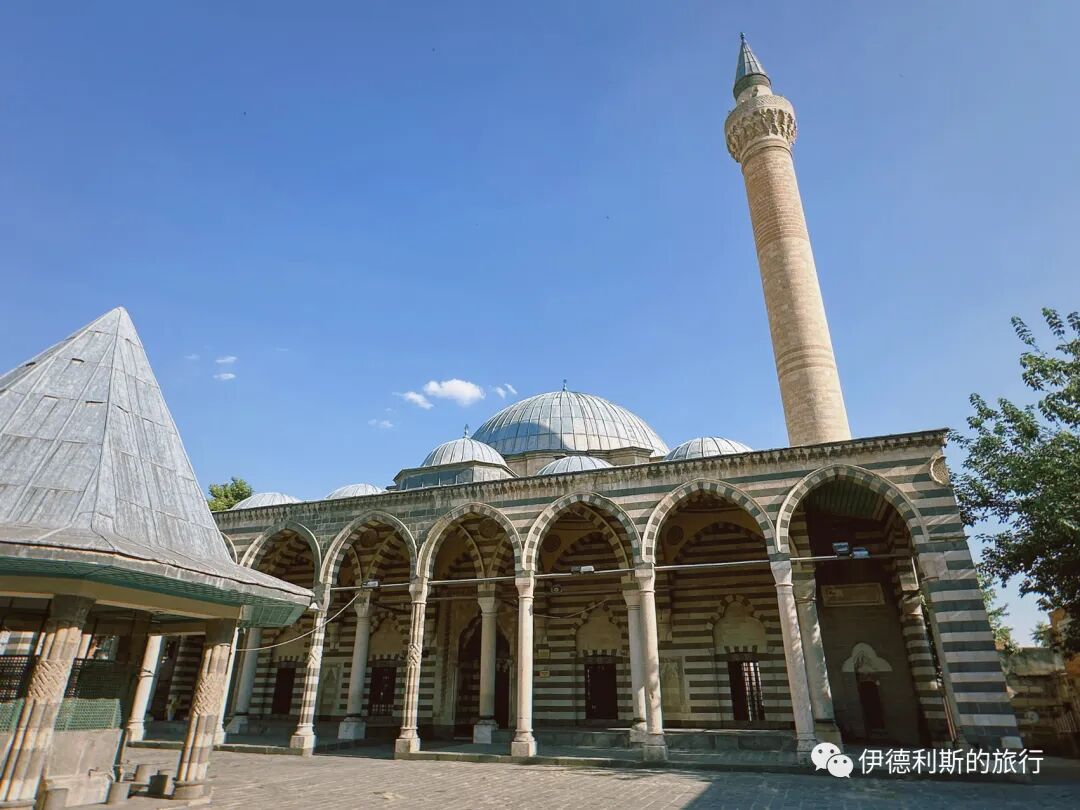
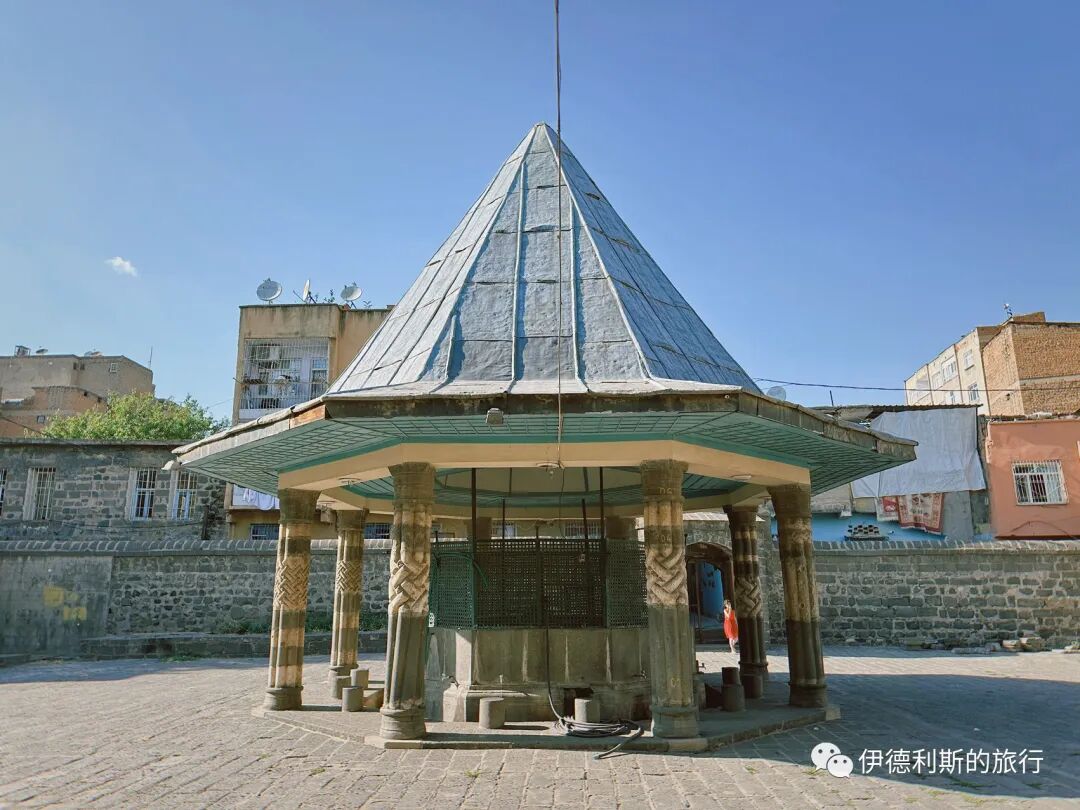
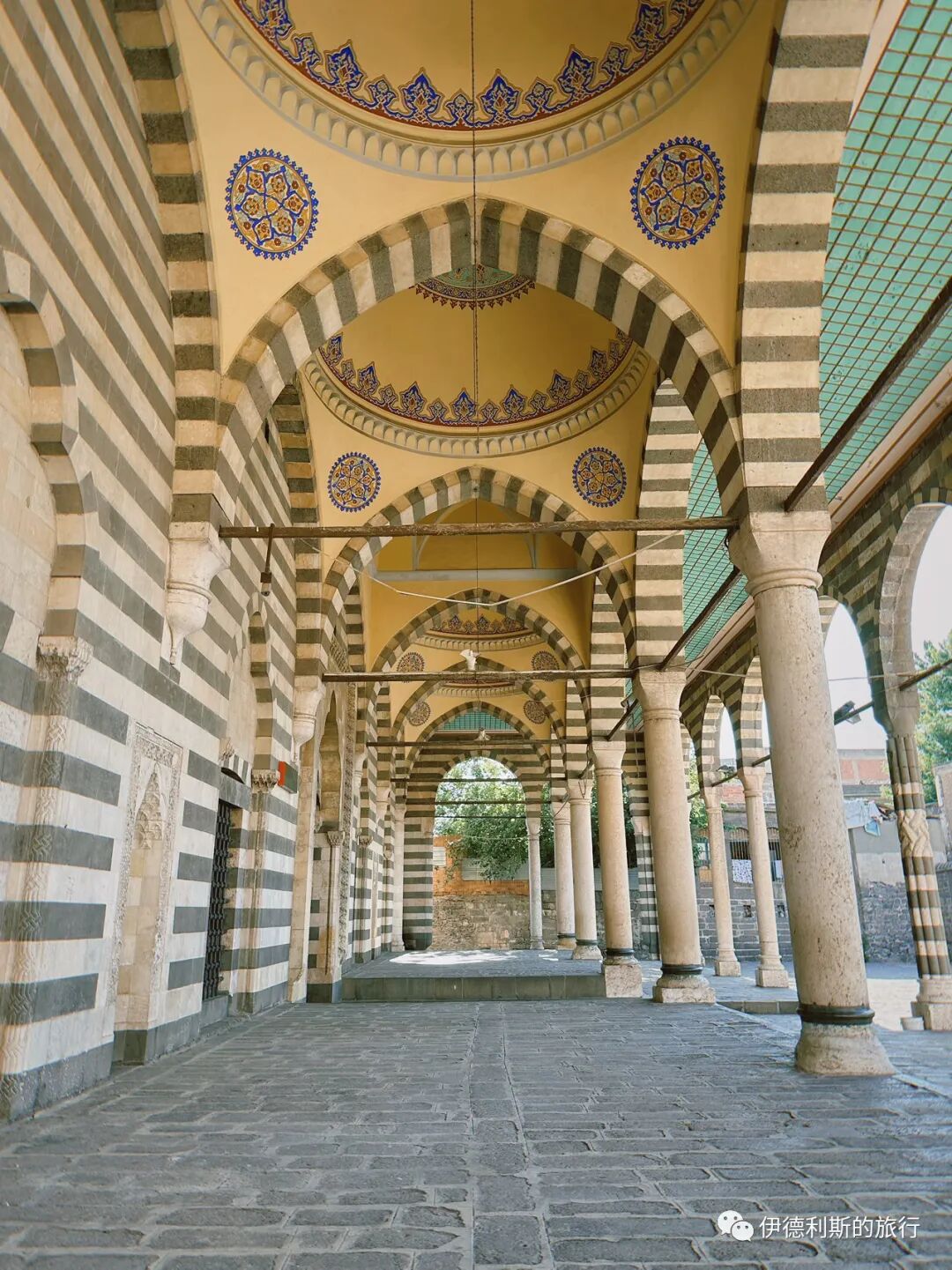
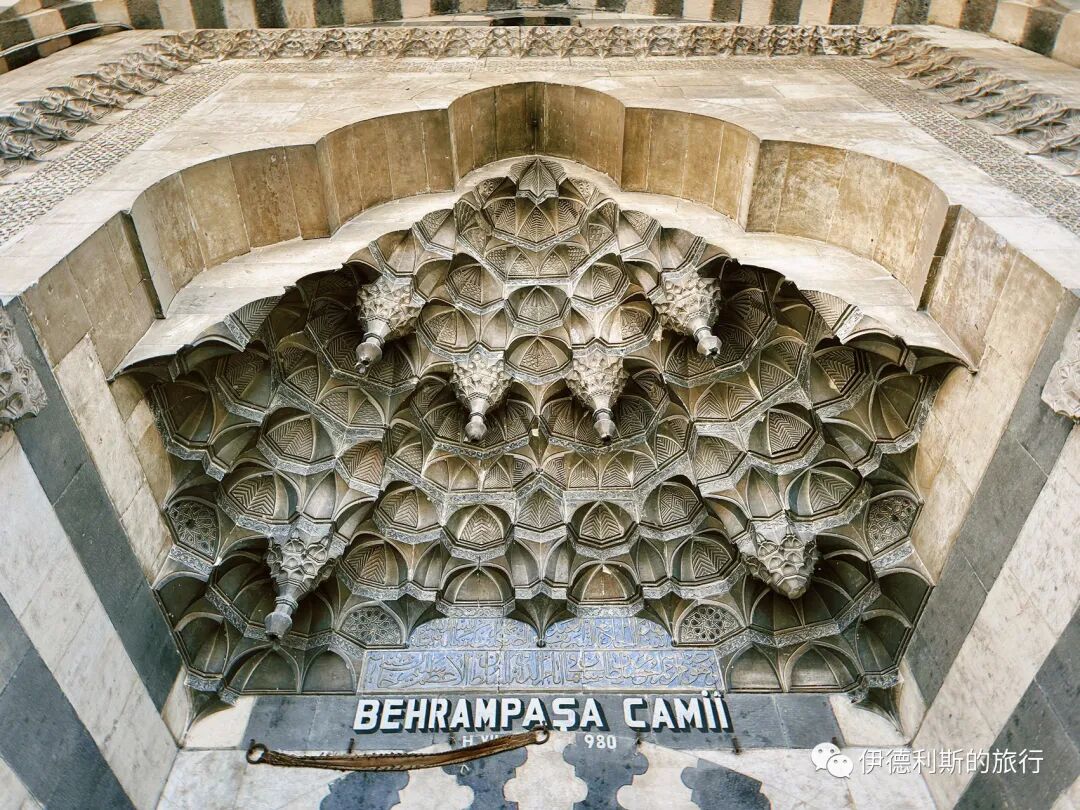
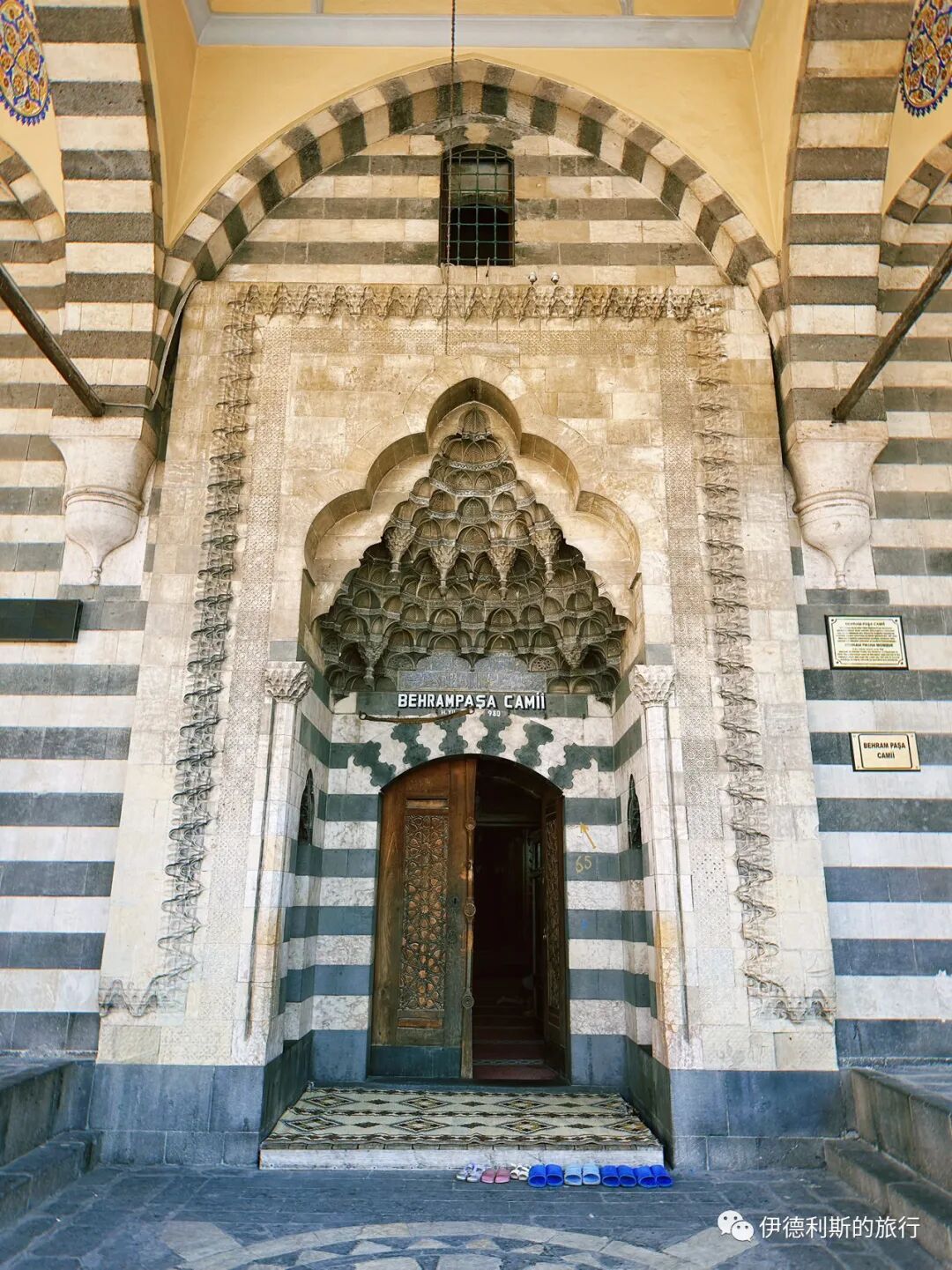
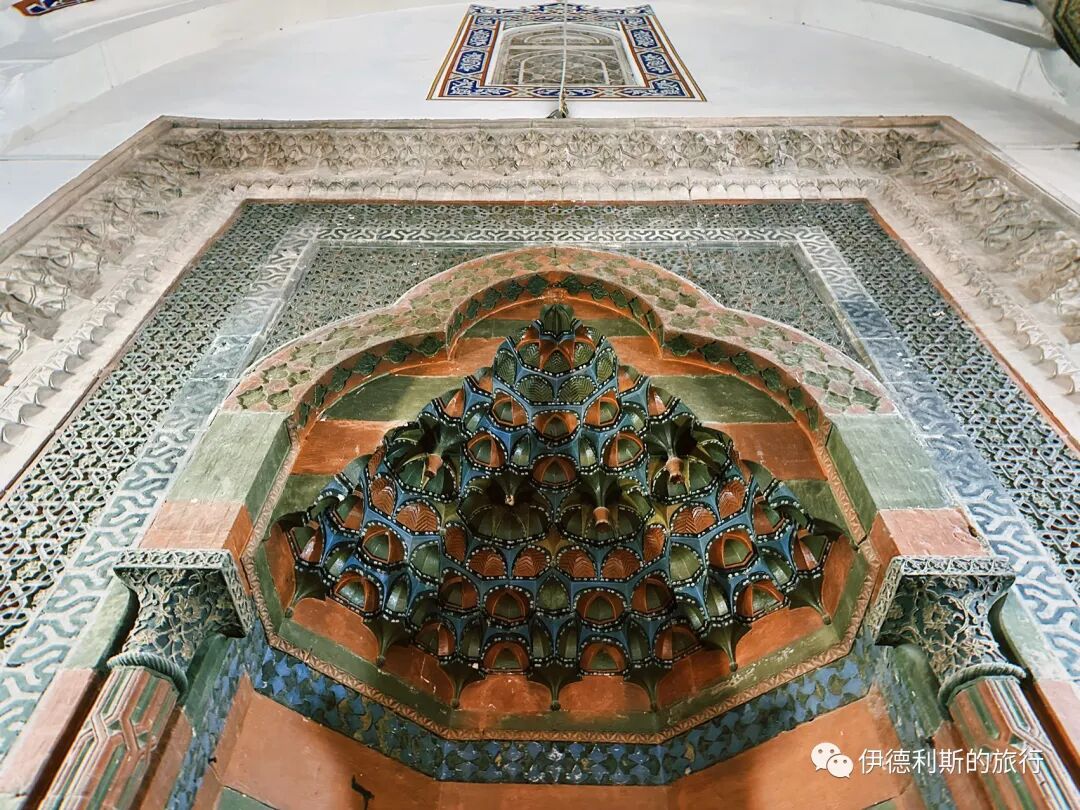
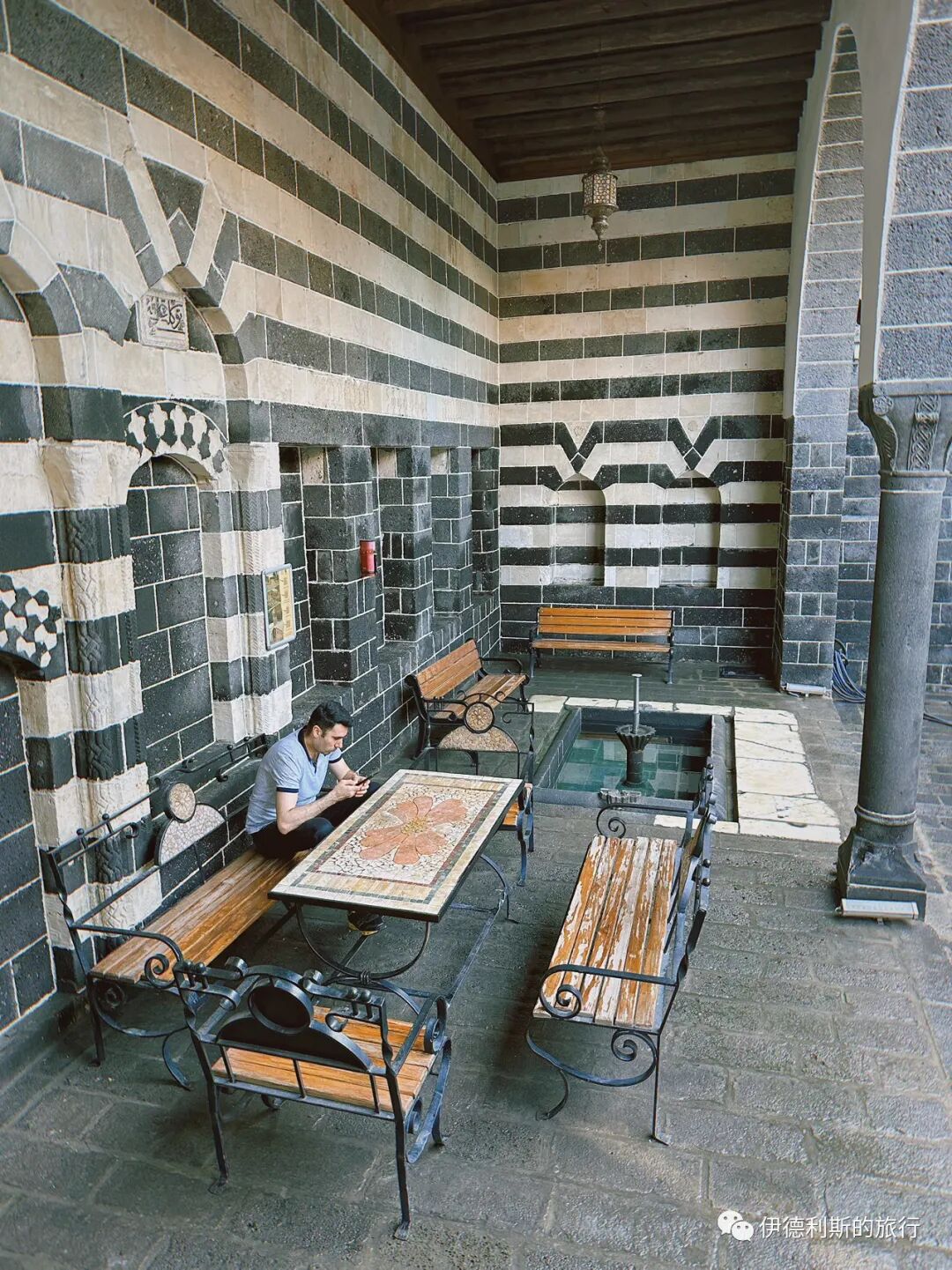
The mosque features the traditional Diyarbakır exterior of alternating black basalt and white limestone, with a beautiful stalactite-style cornice (muqarnas) above the main gate. The main dome of the prayer hall stands 15.9 meters high and rests on eight pointed arches. The interior follows a classic Ottoman style.
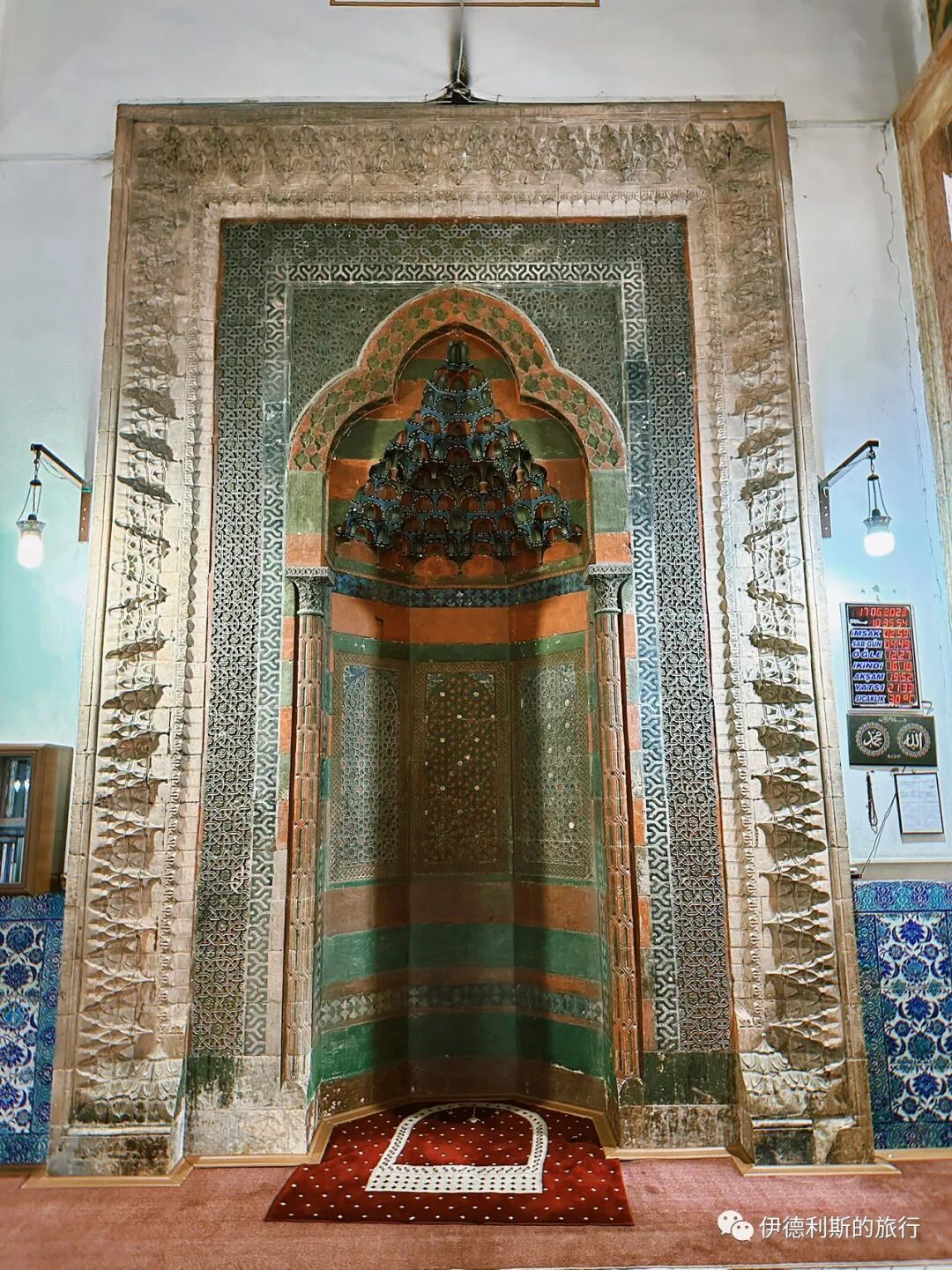
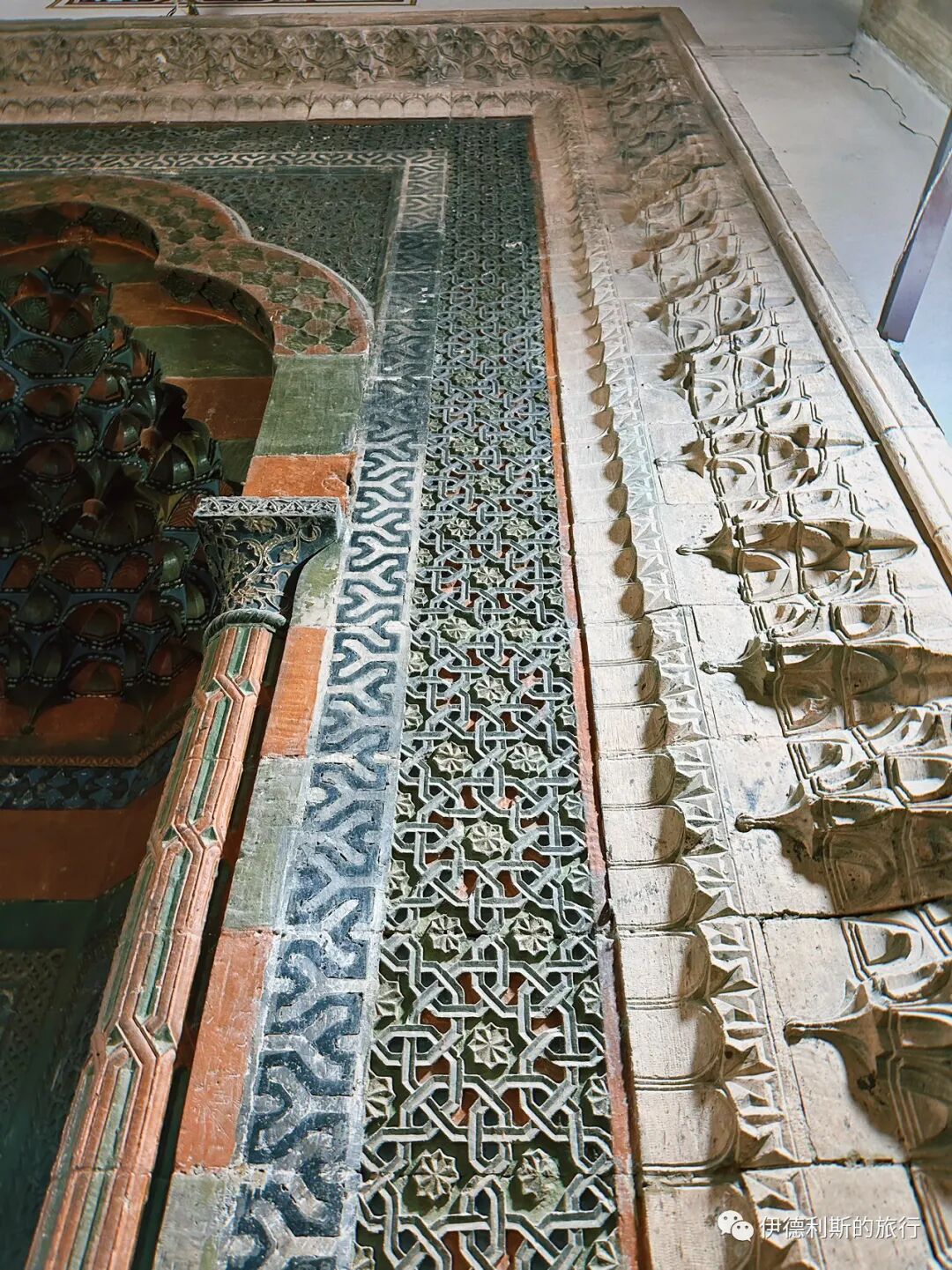
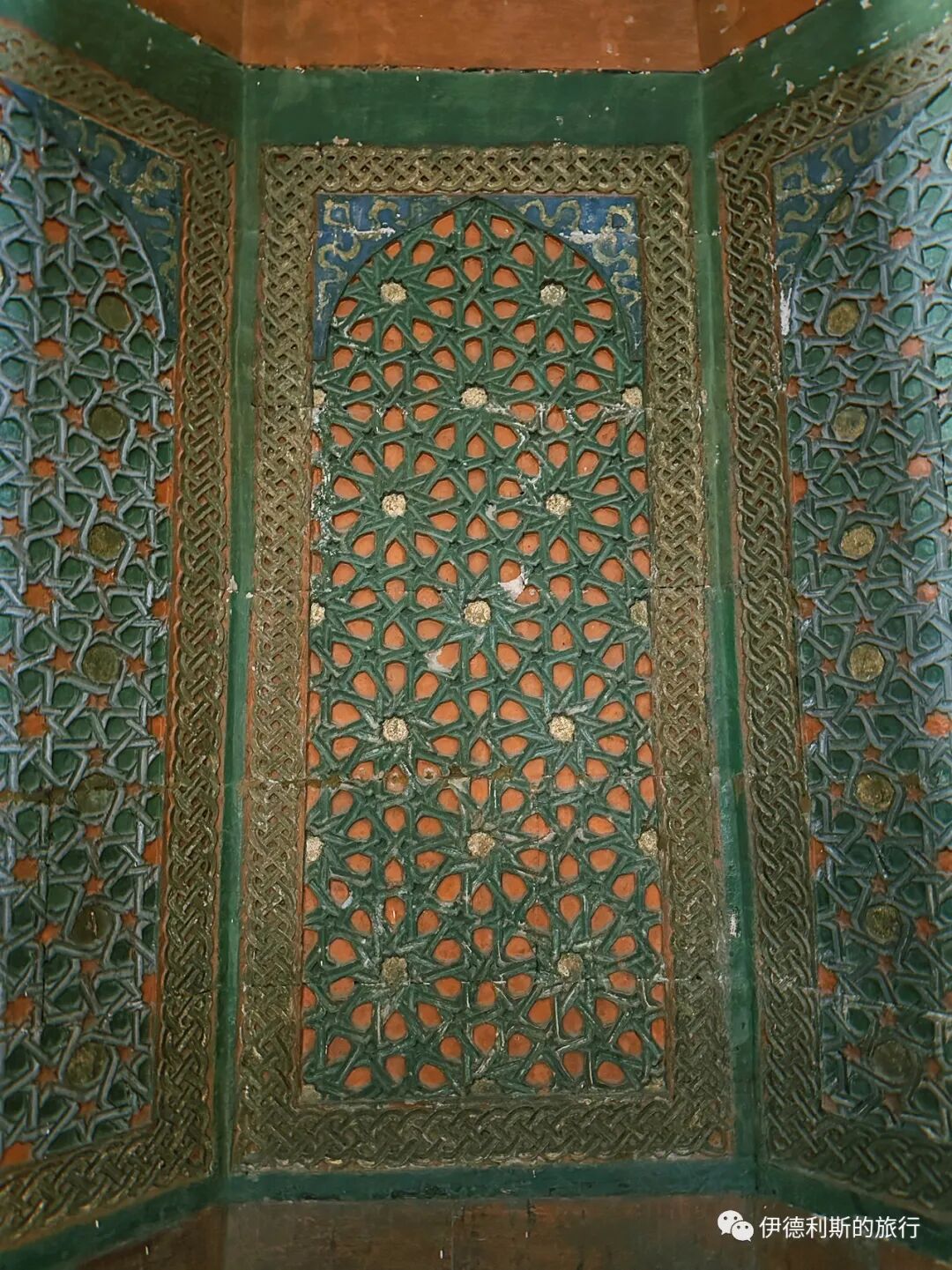
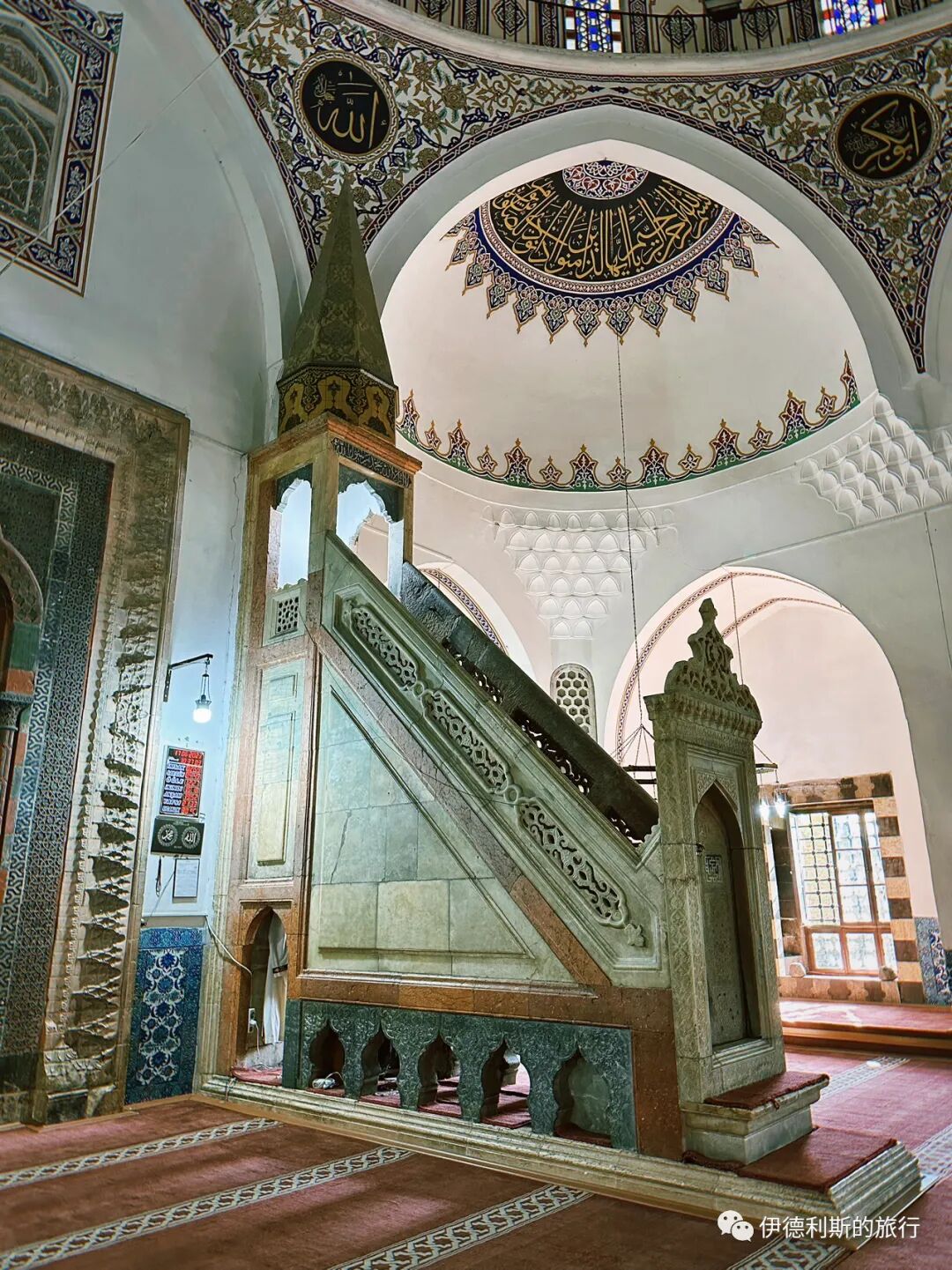
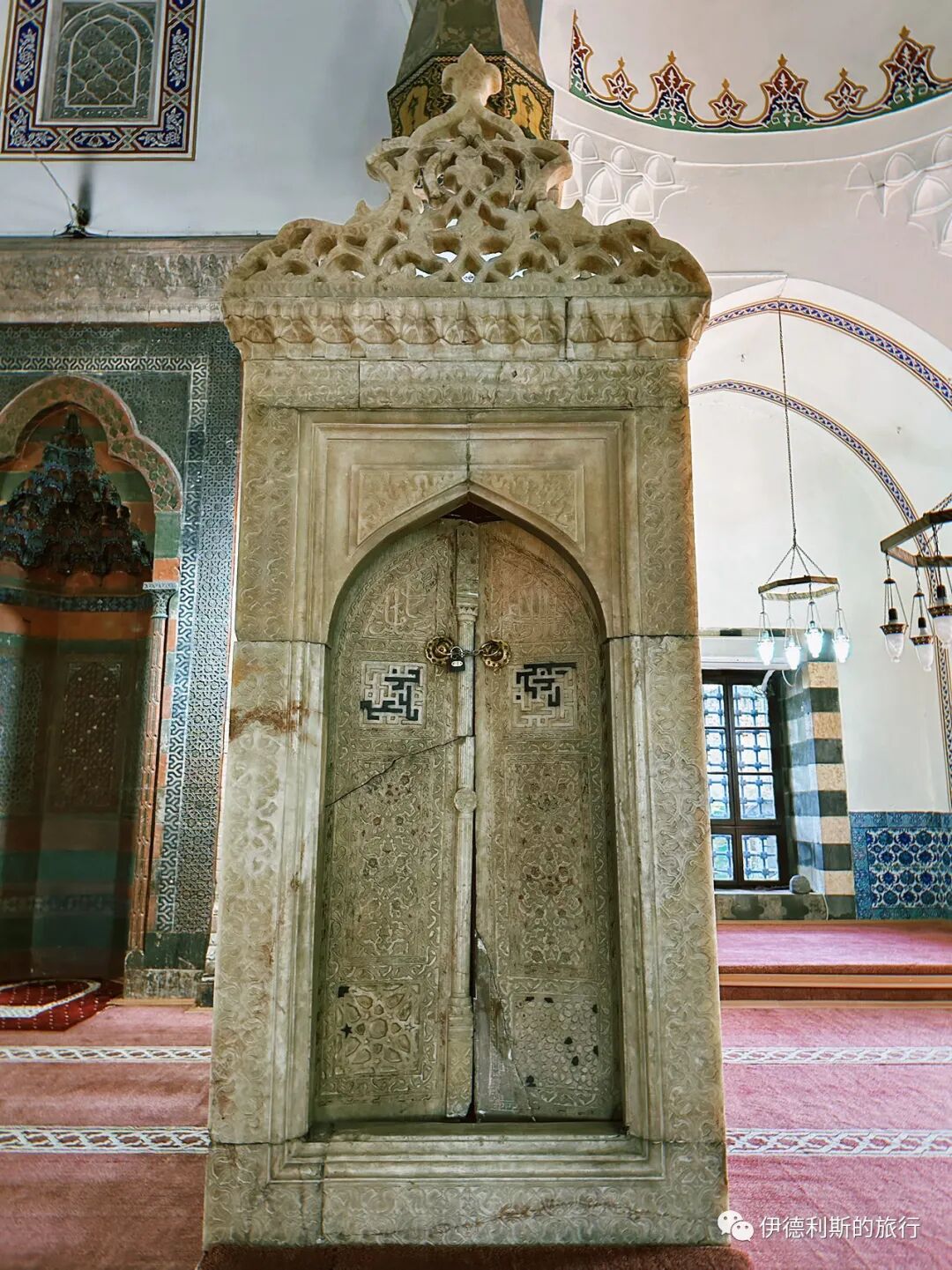
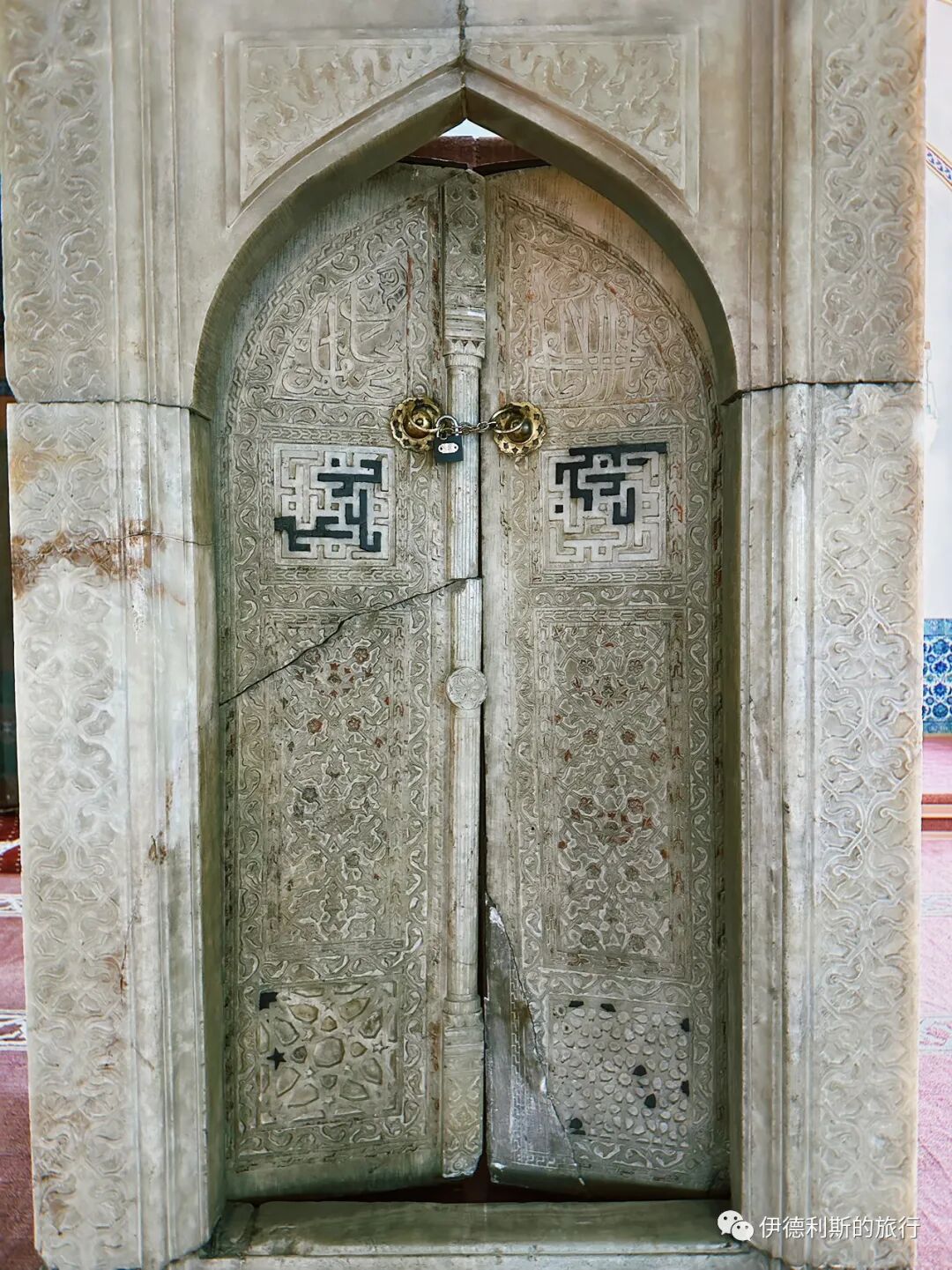
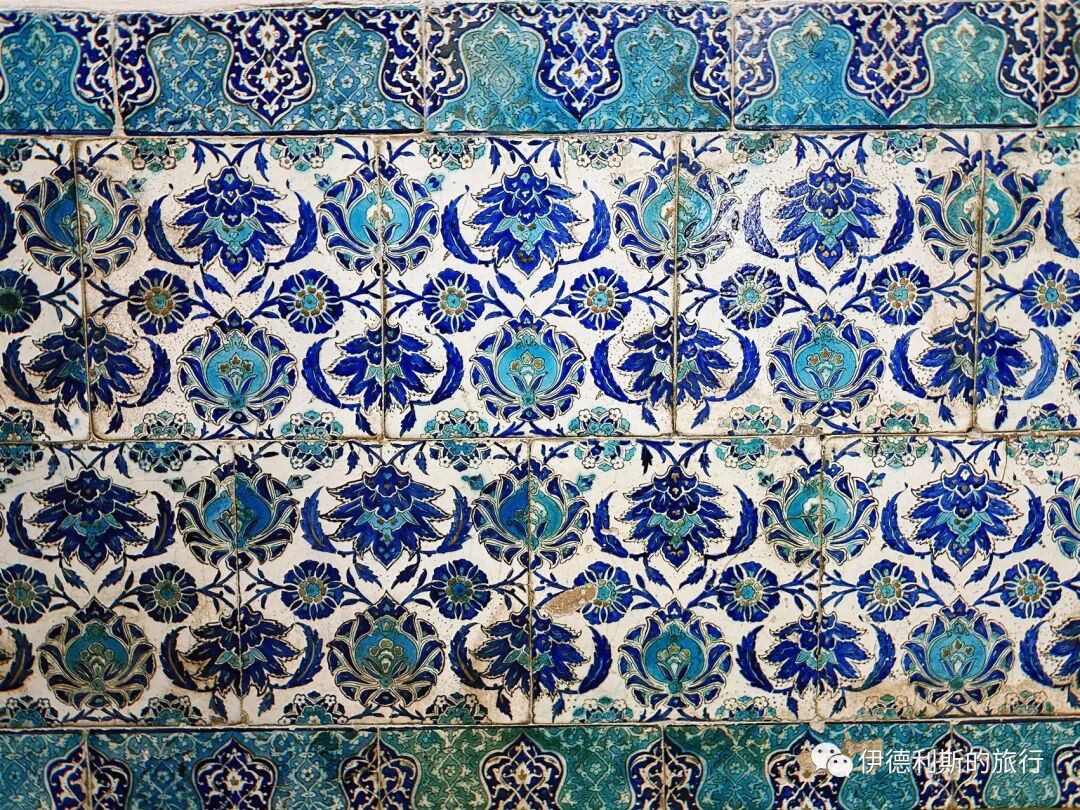
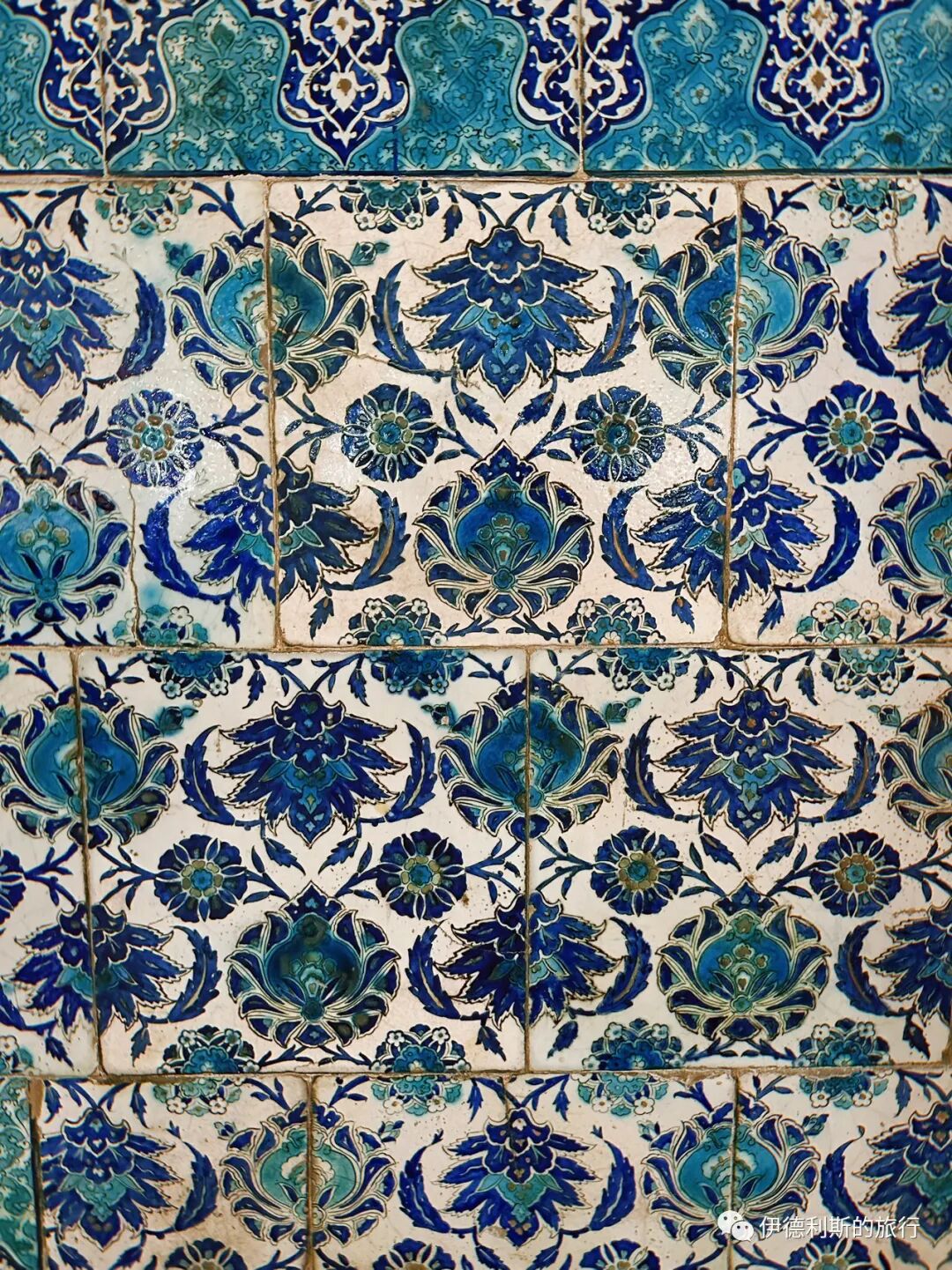
The Behrem Pasha Mosque has a beautiful prayer niche (mihrab) and a pulpit (minbar), with intricate Arabic calligraphy on the minbar door. The prayer hall is decorated with beautiful tiles. Analysis suggests these were fired locally in Diyarbakır, but they are just as fine as the popular Iznik tiles of that time.
Cemil Pasha Mansion: 1888-1902.
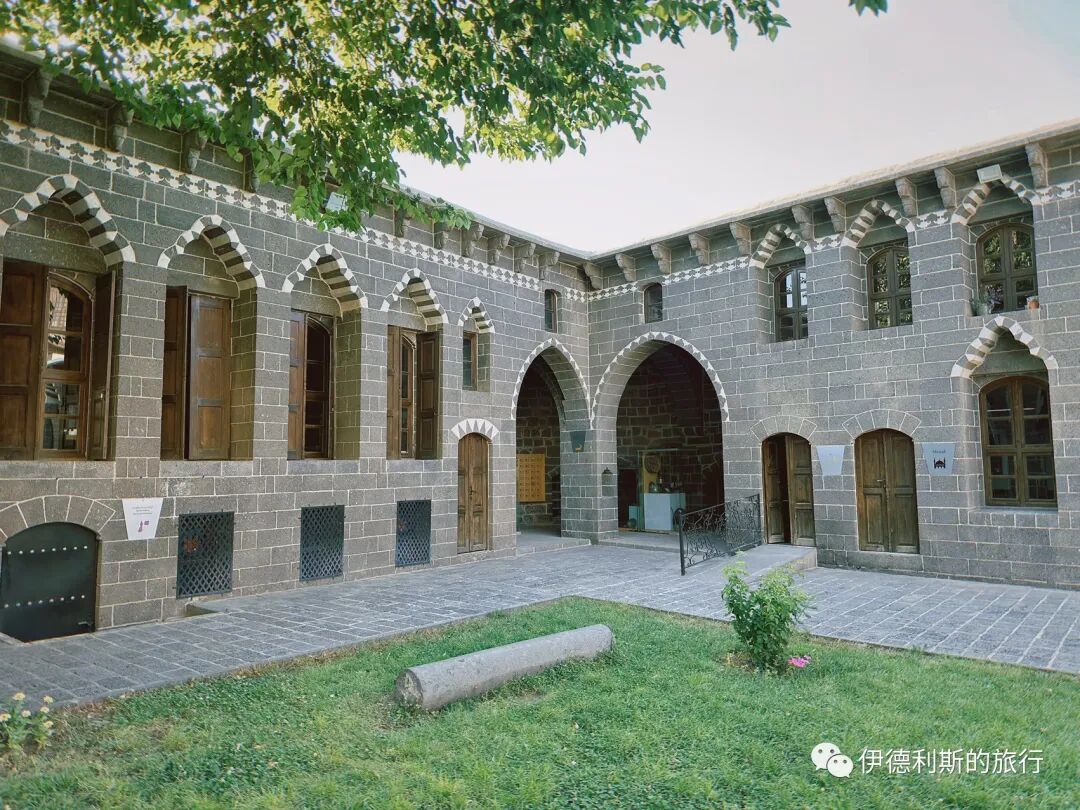
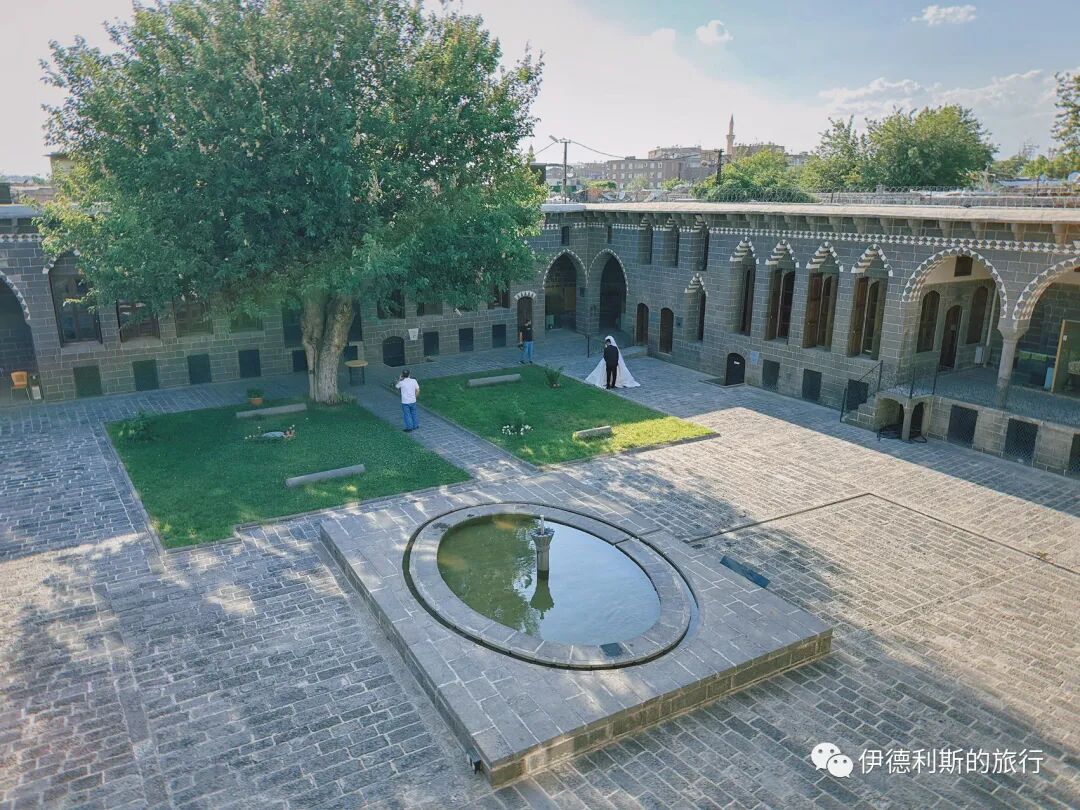
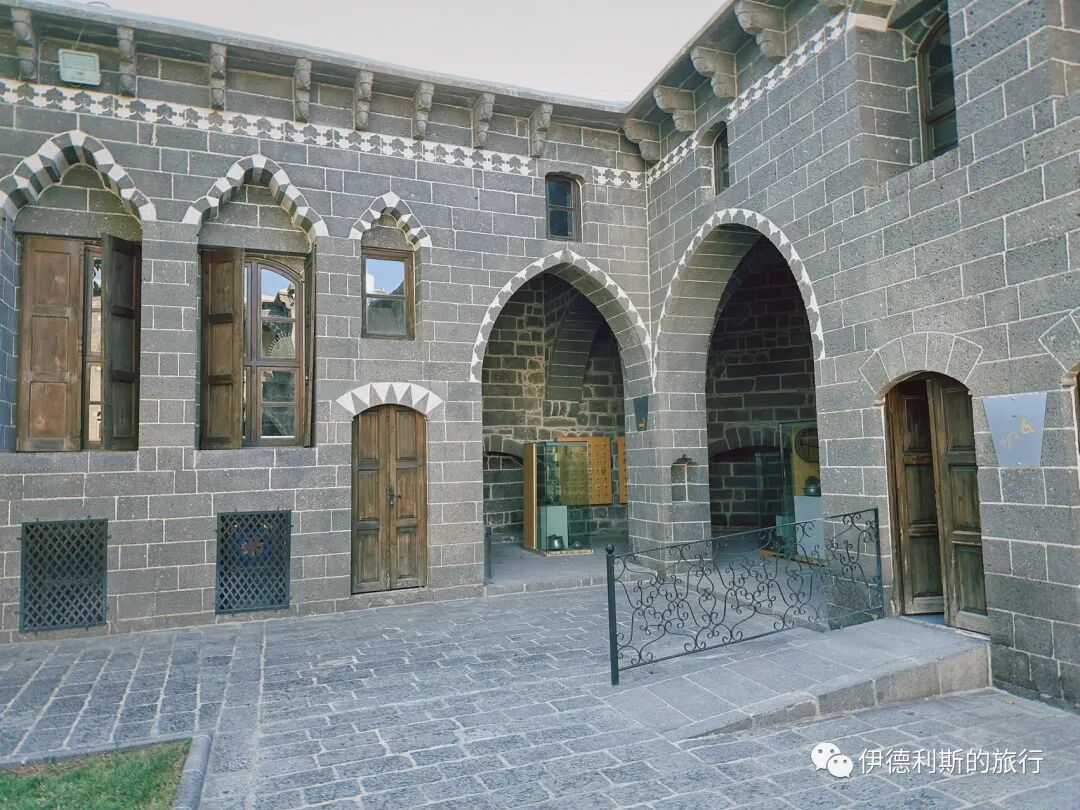
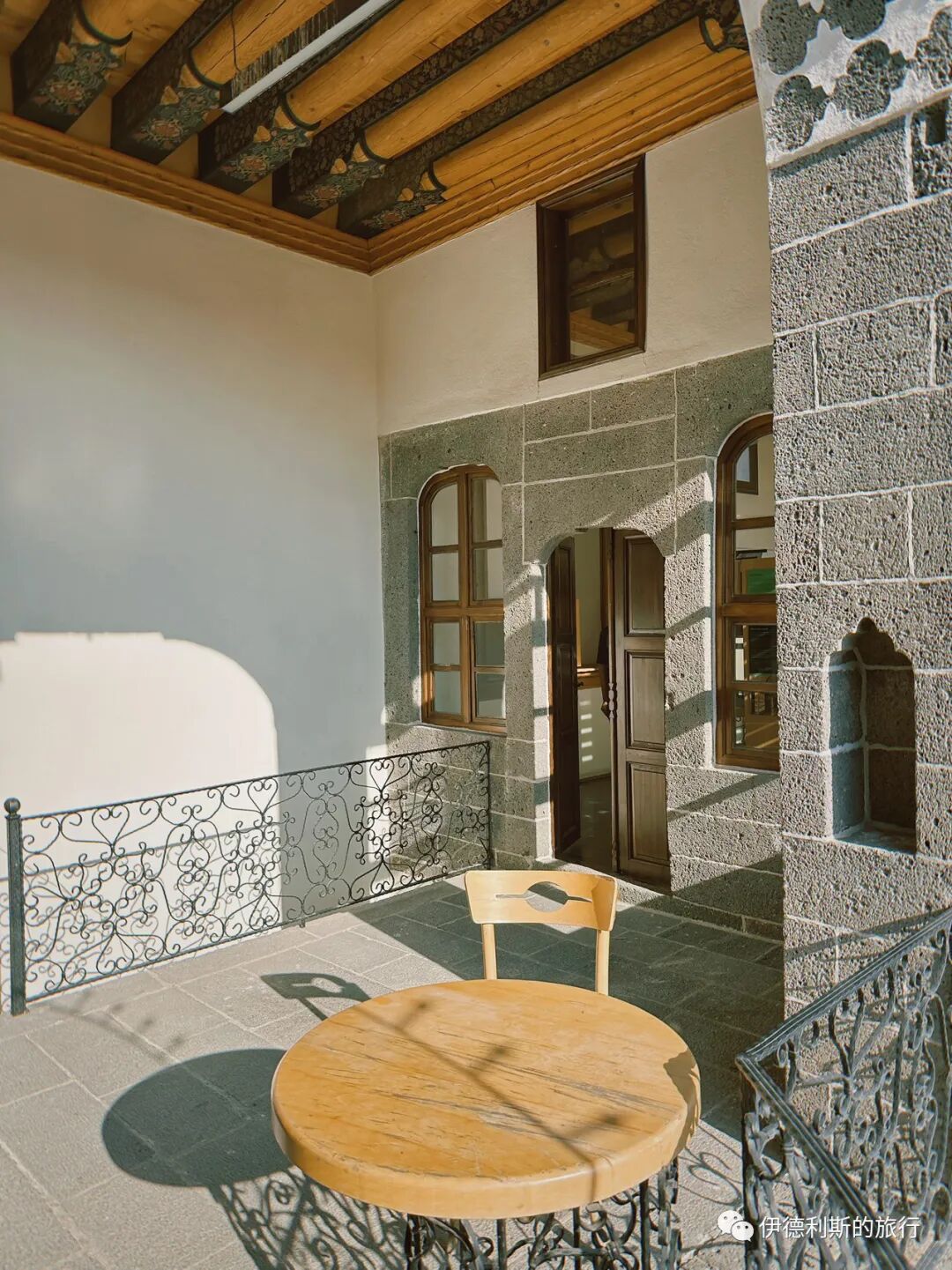
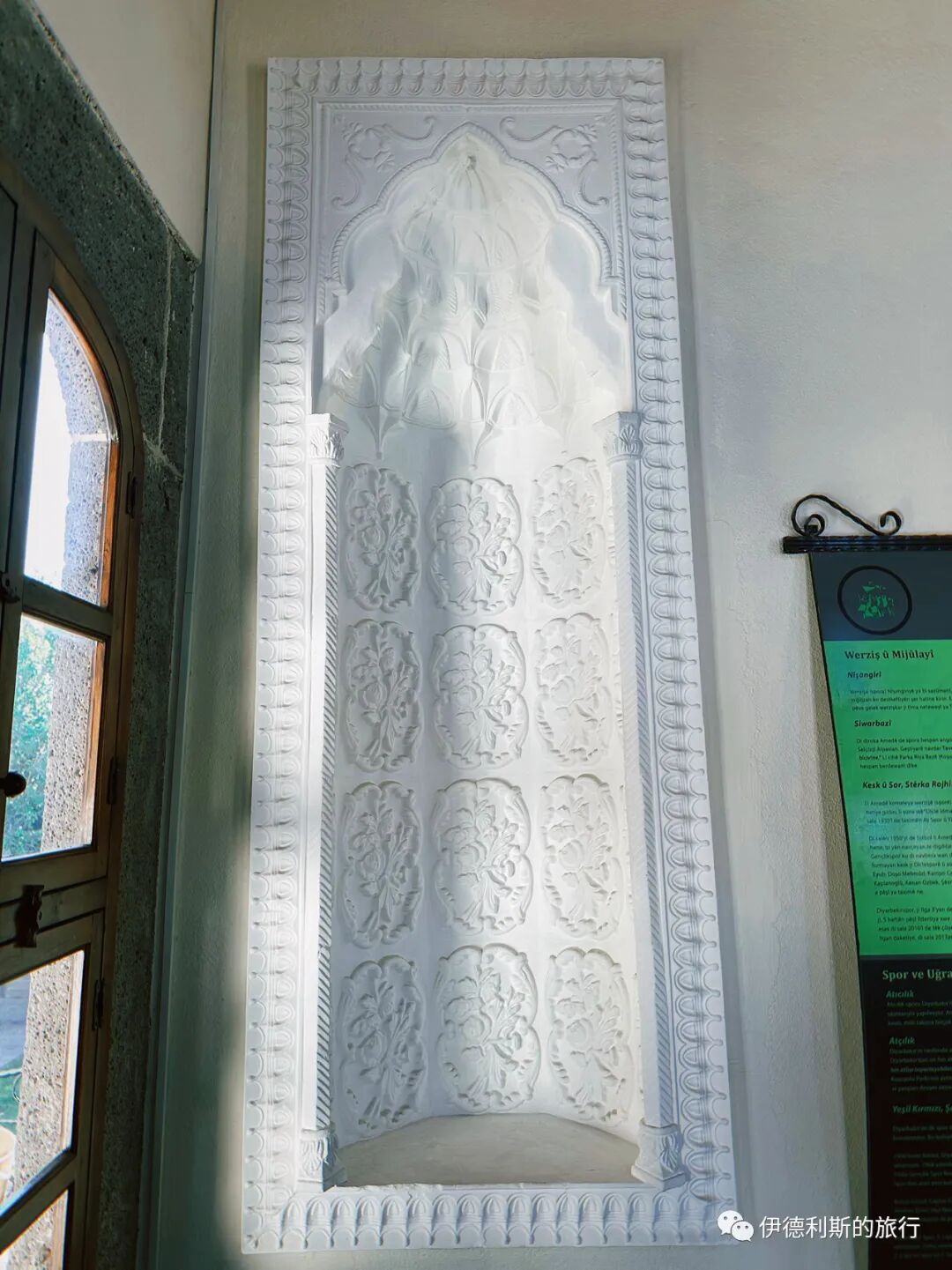
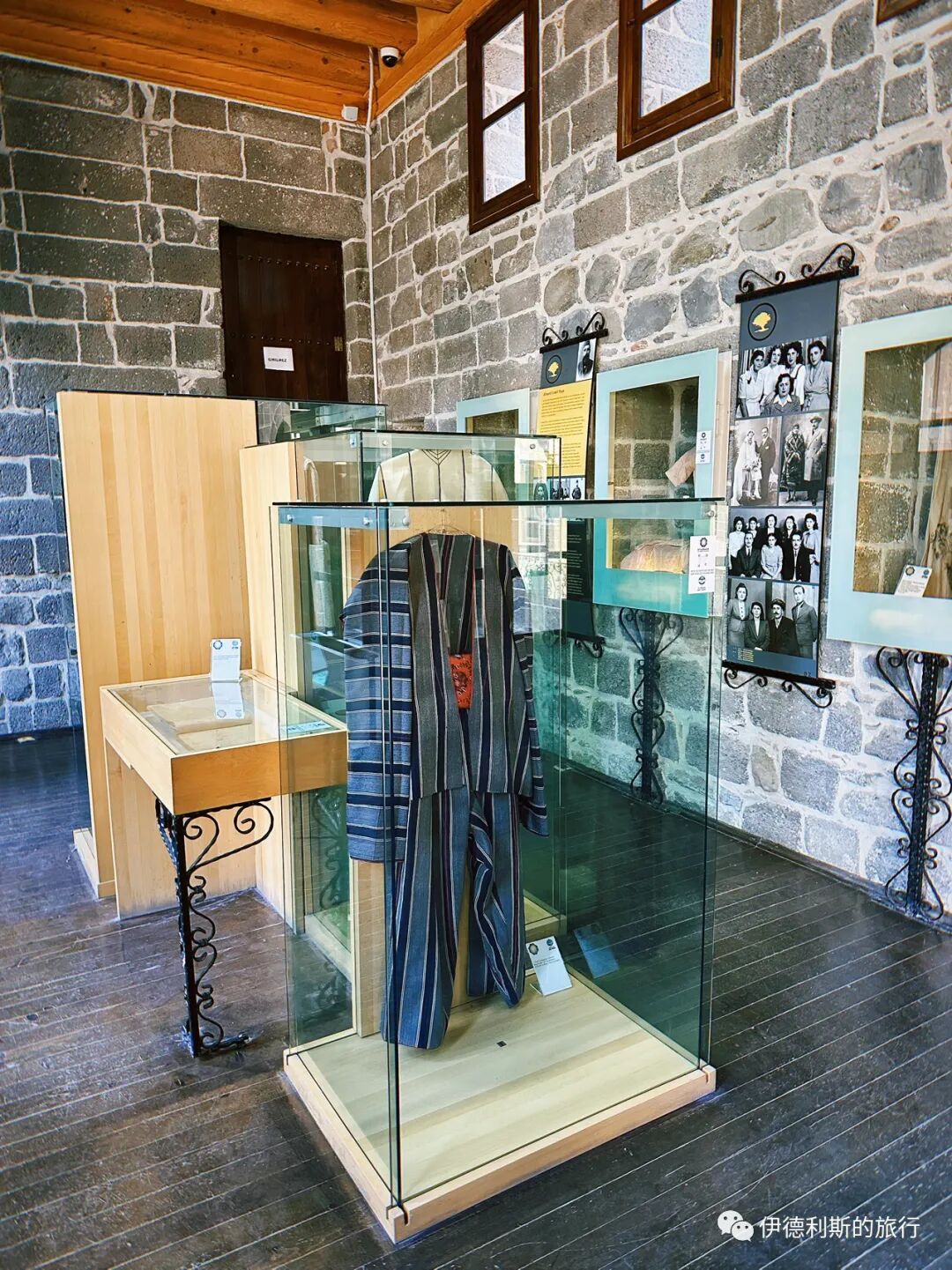
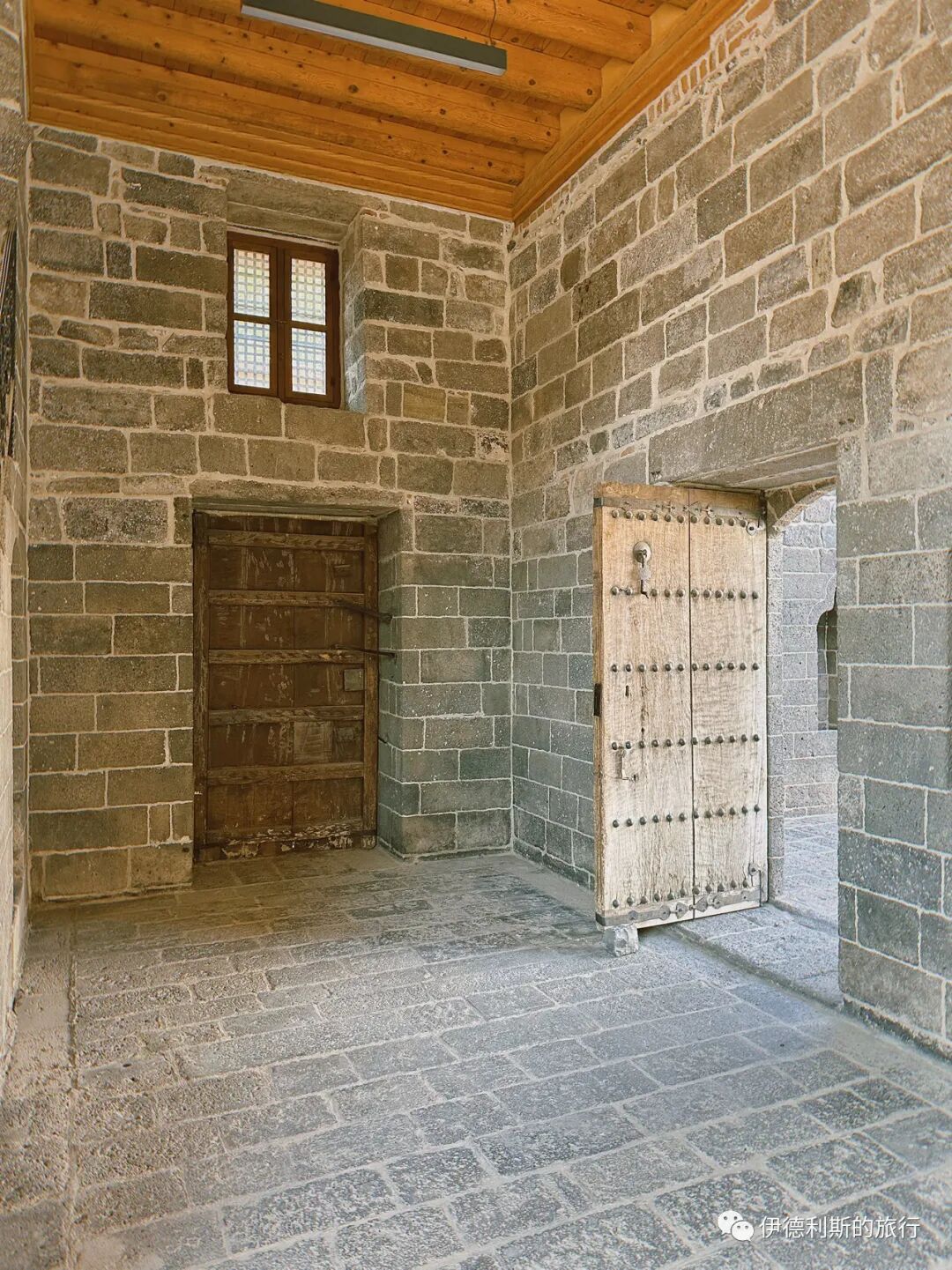
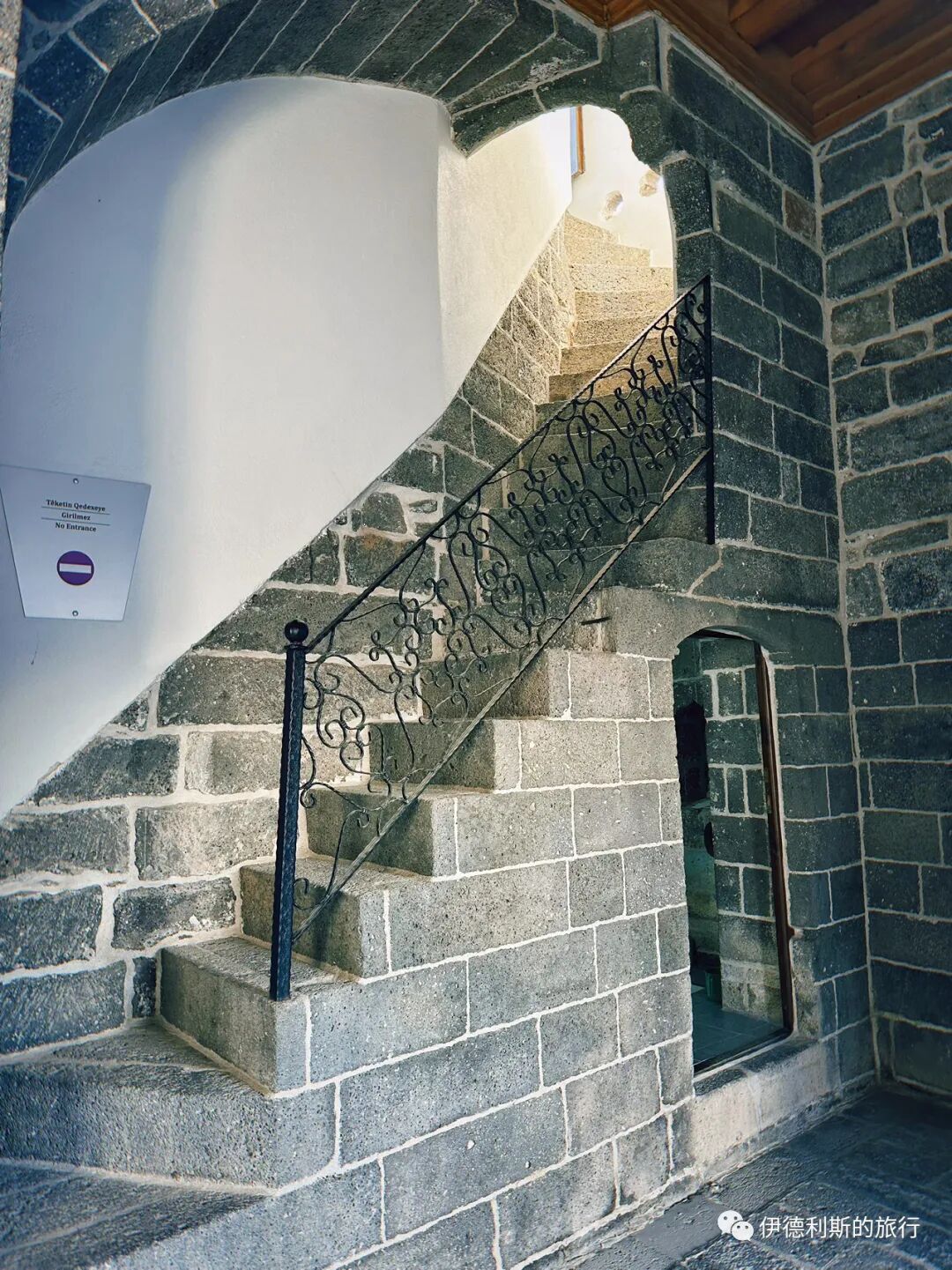
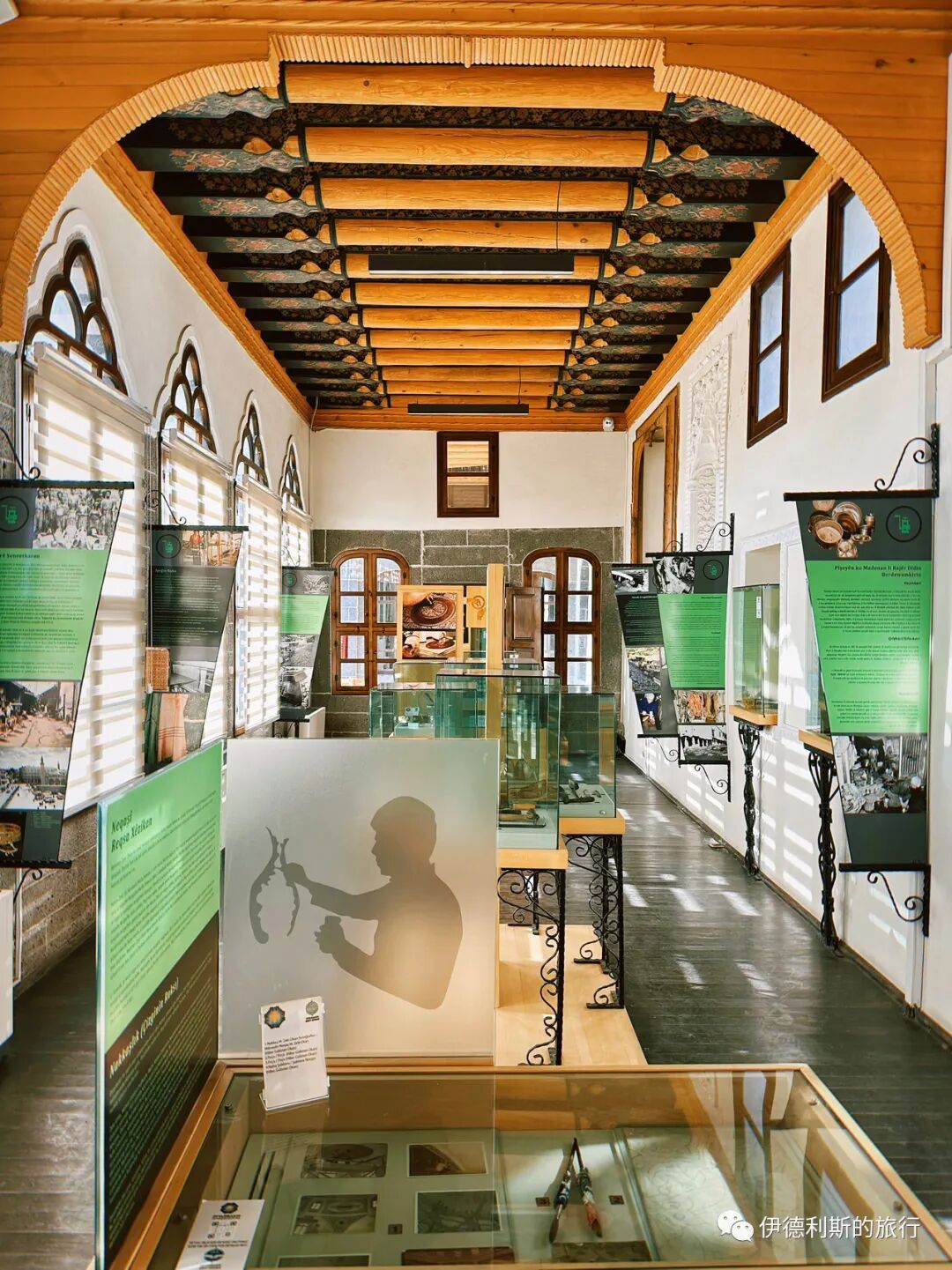
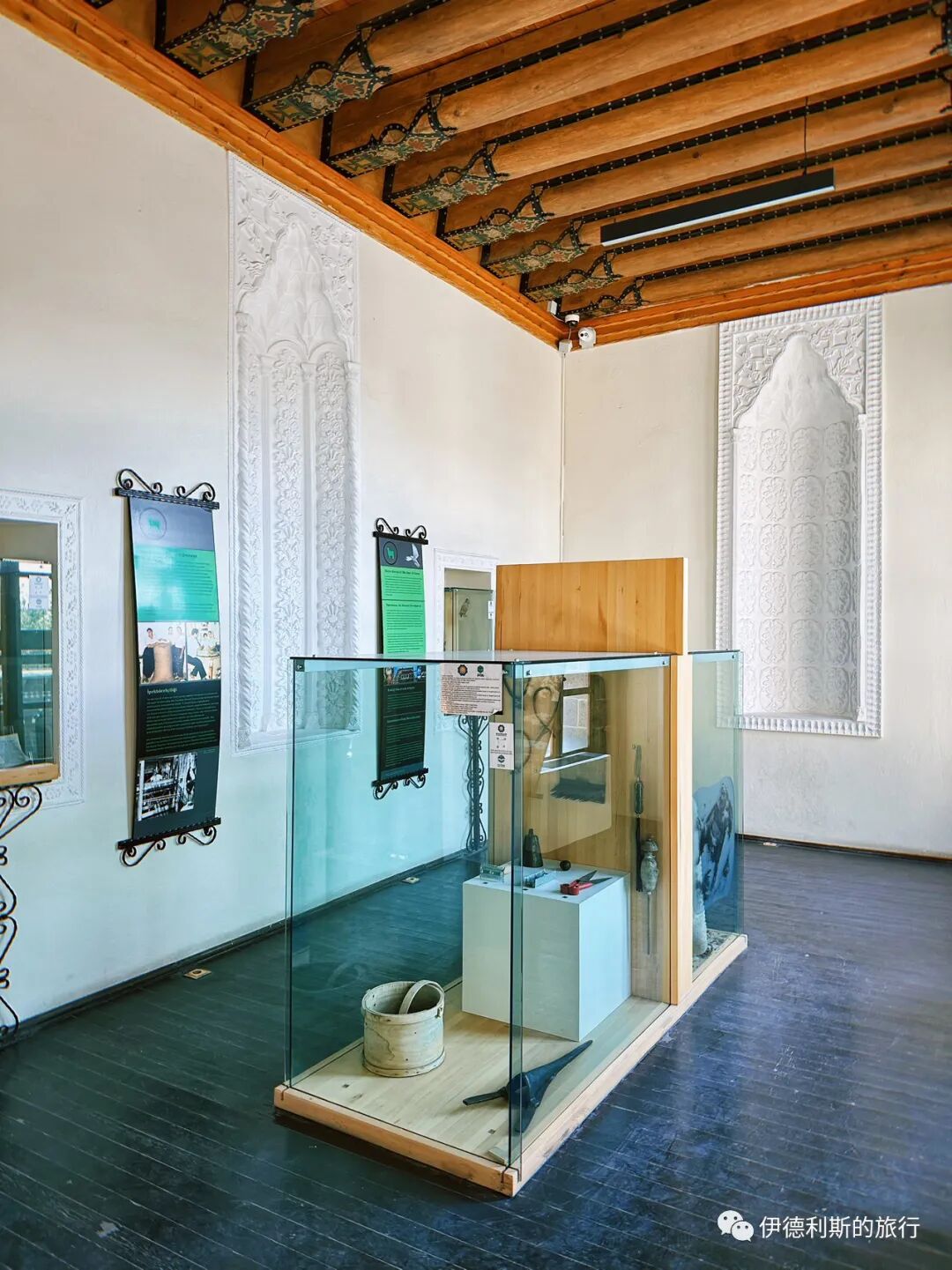
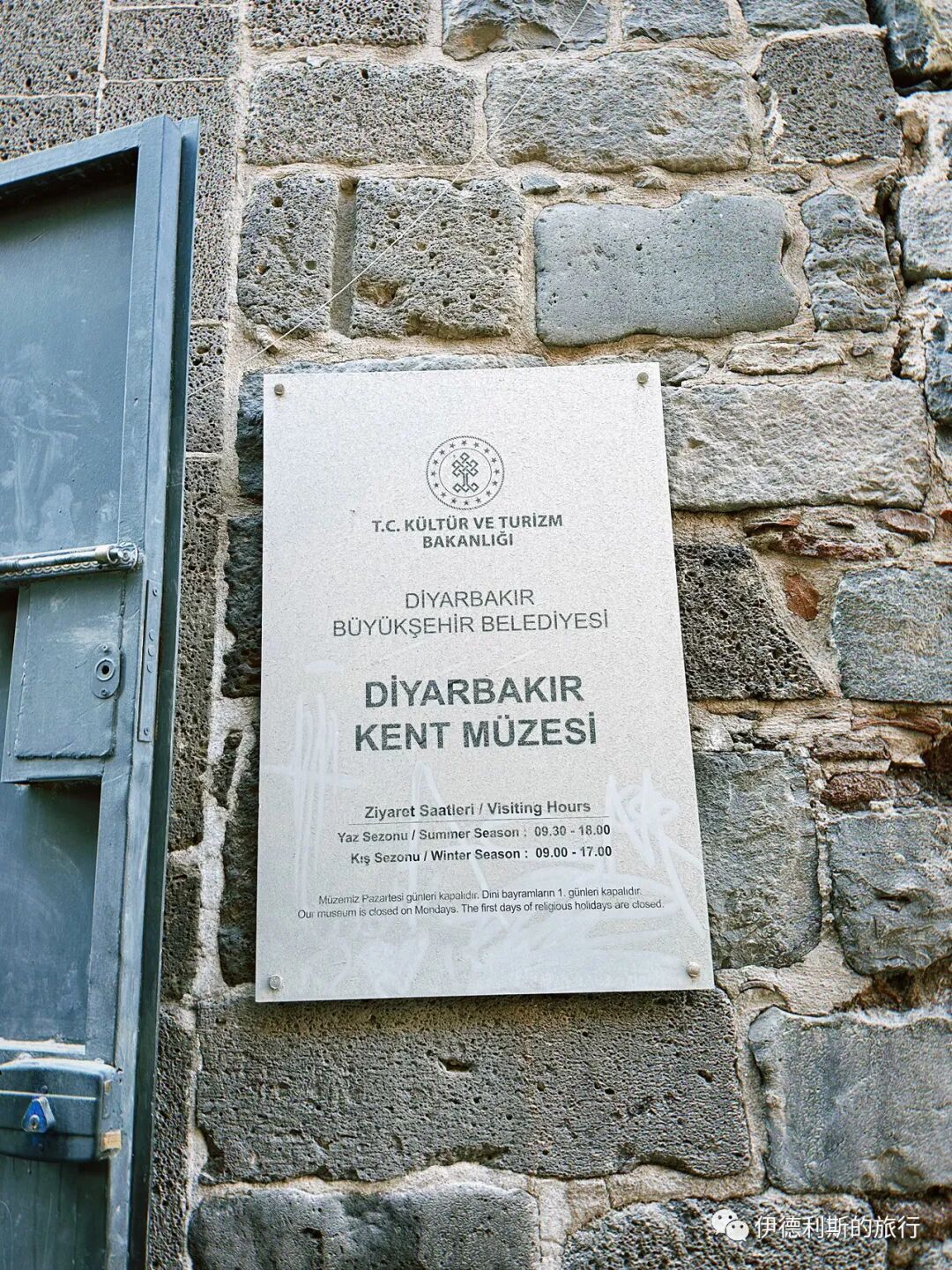
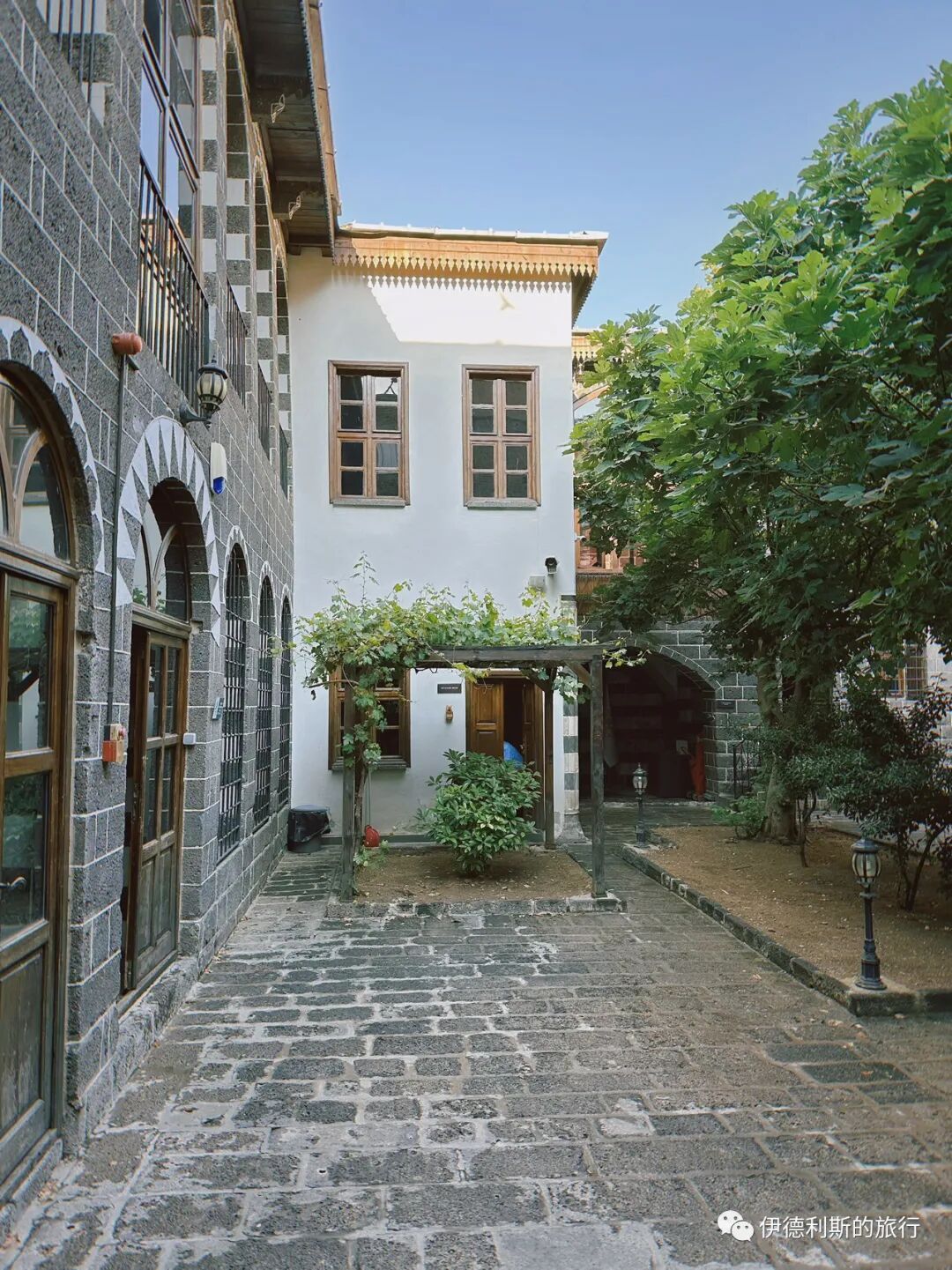
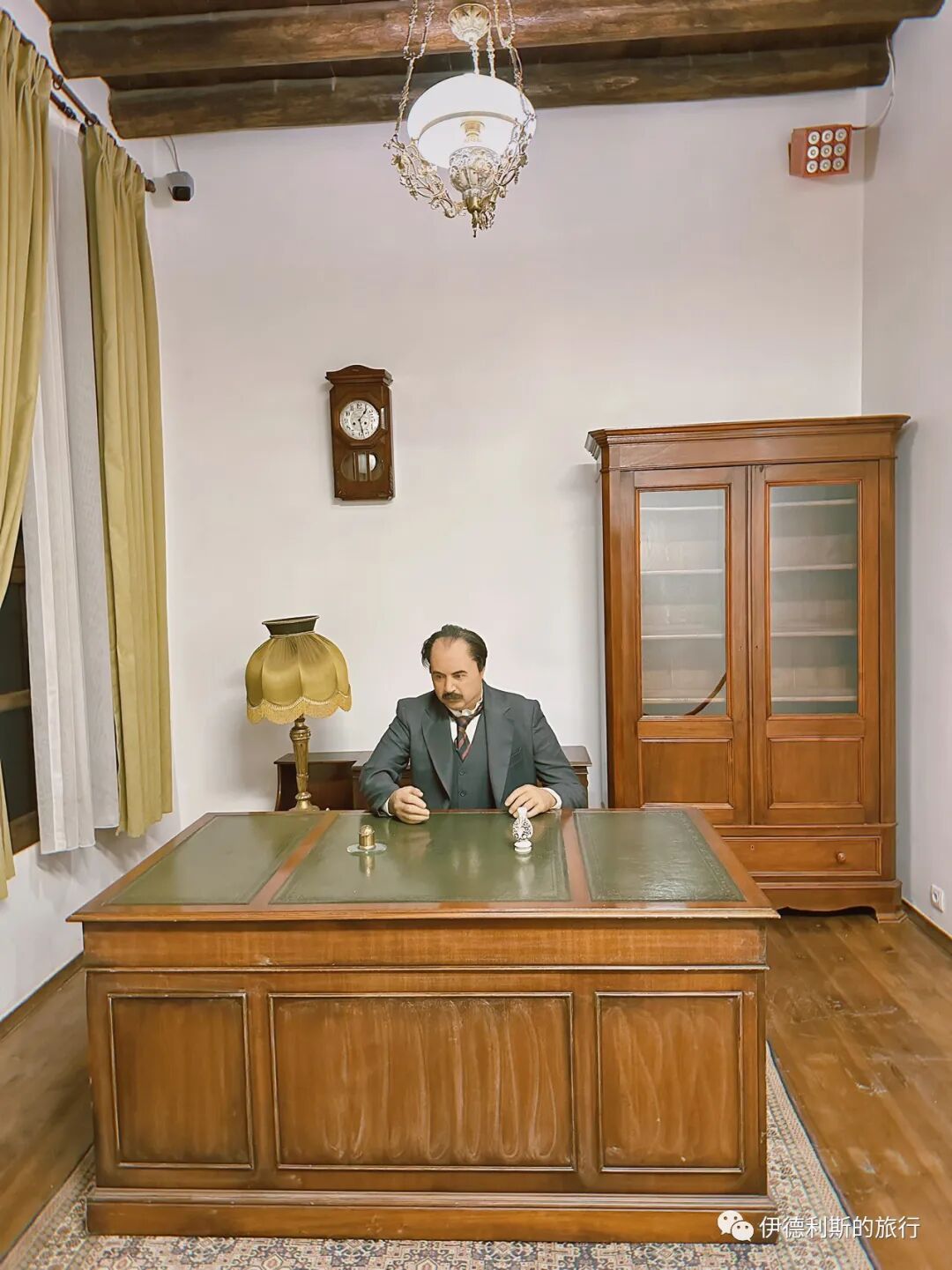
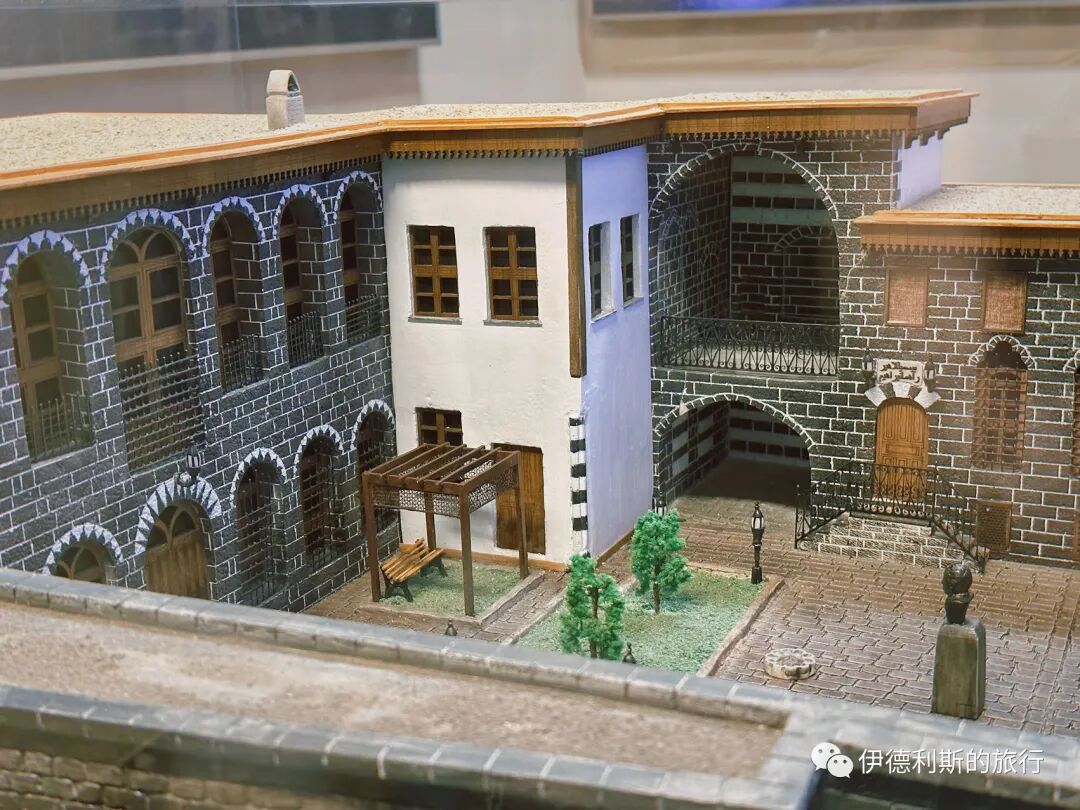
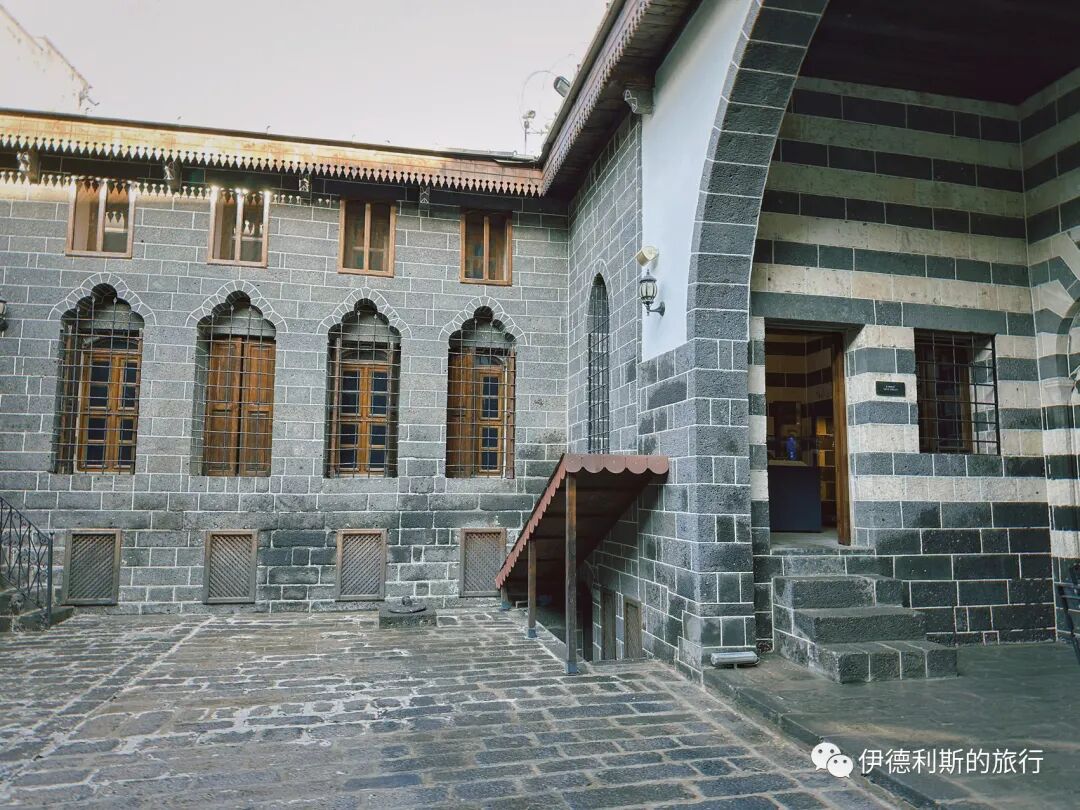
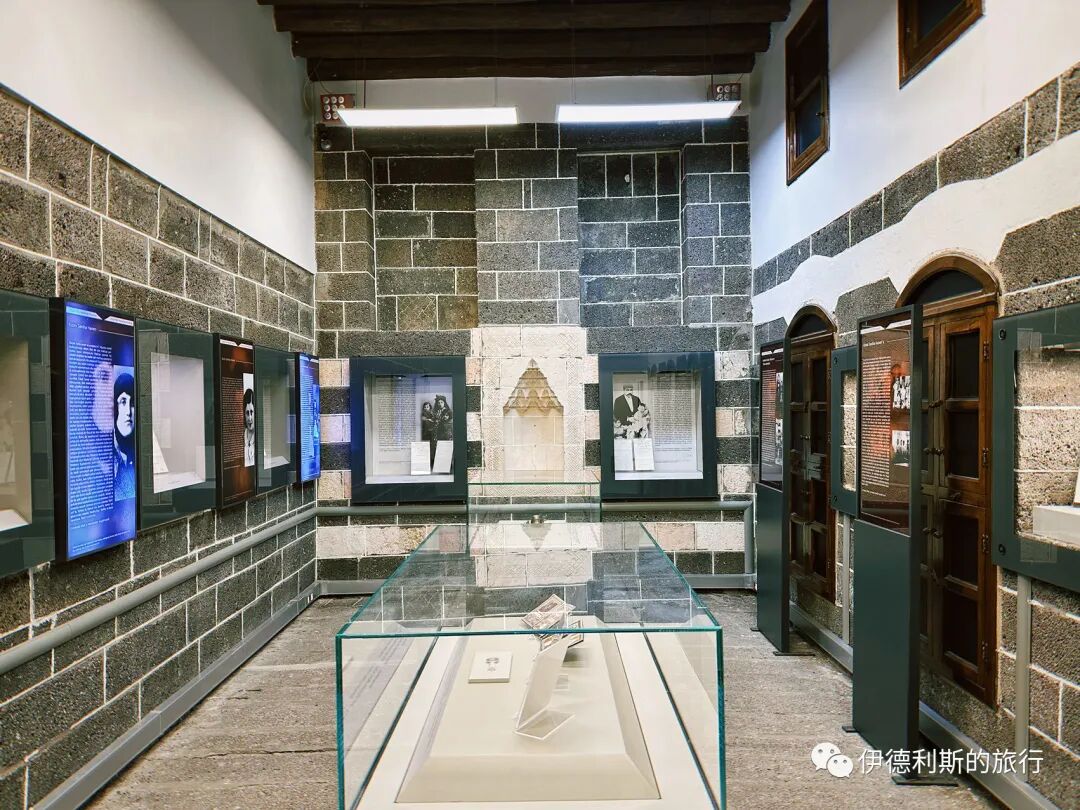
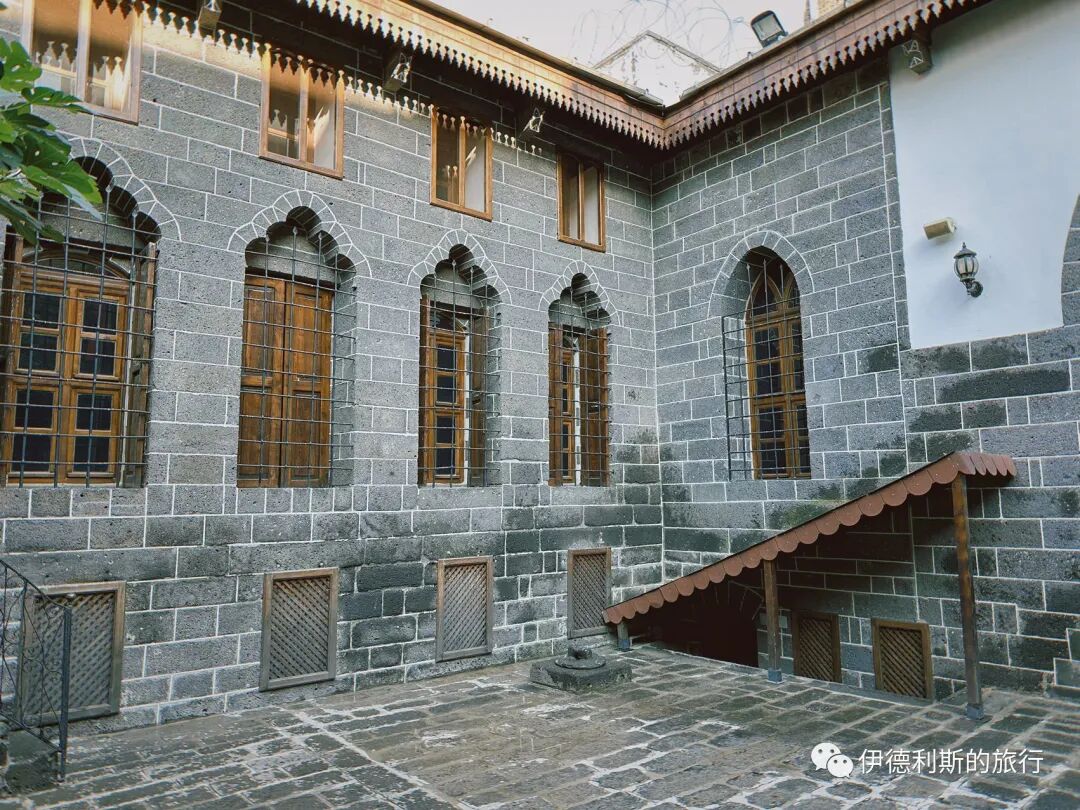
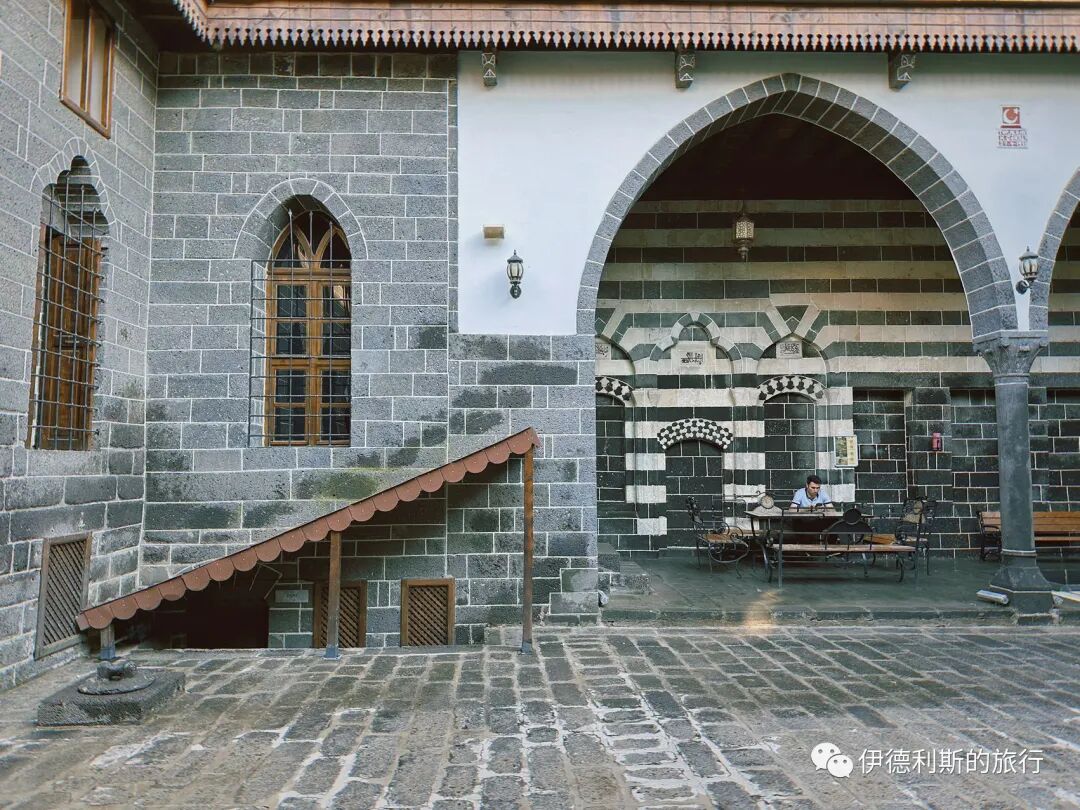
Continue south to reach the Cemil Pasha Mansion (Cemil Paşa Konağı), the best-preserved mansion in Diyarbakır, which now serves as the Diyarbakır City Museum.
Cemil Pasha served as the Ottoman governor of Yemen and Siirt. He built this mansion between 1888 and 1902 and lived there until 1927. In 2012, the Diyarbakır municipal government reached an agreement with the descendants of Cemil Pasha to restore the mansion, and it officially opened as a city museum in 2014.
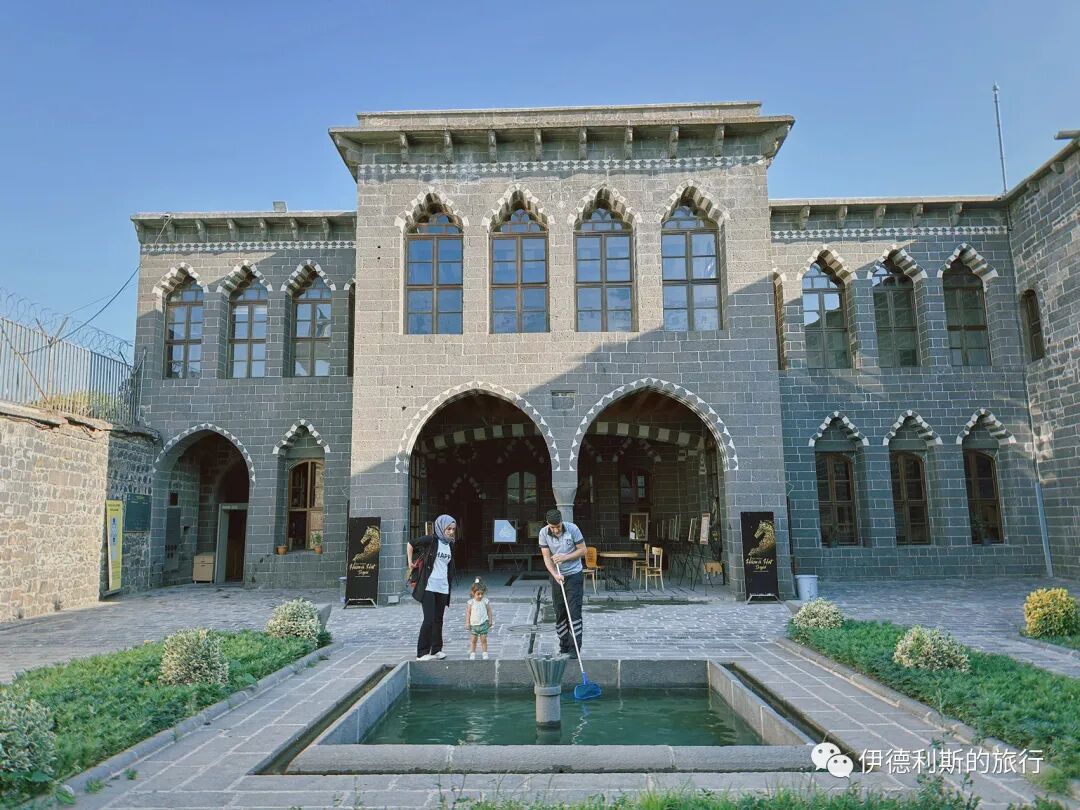
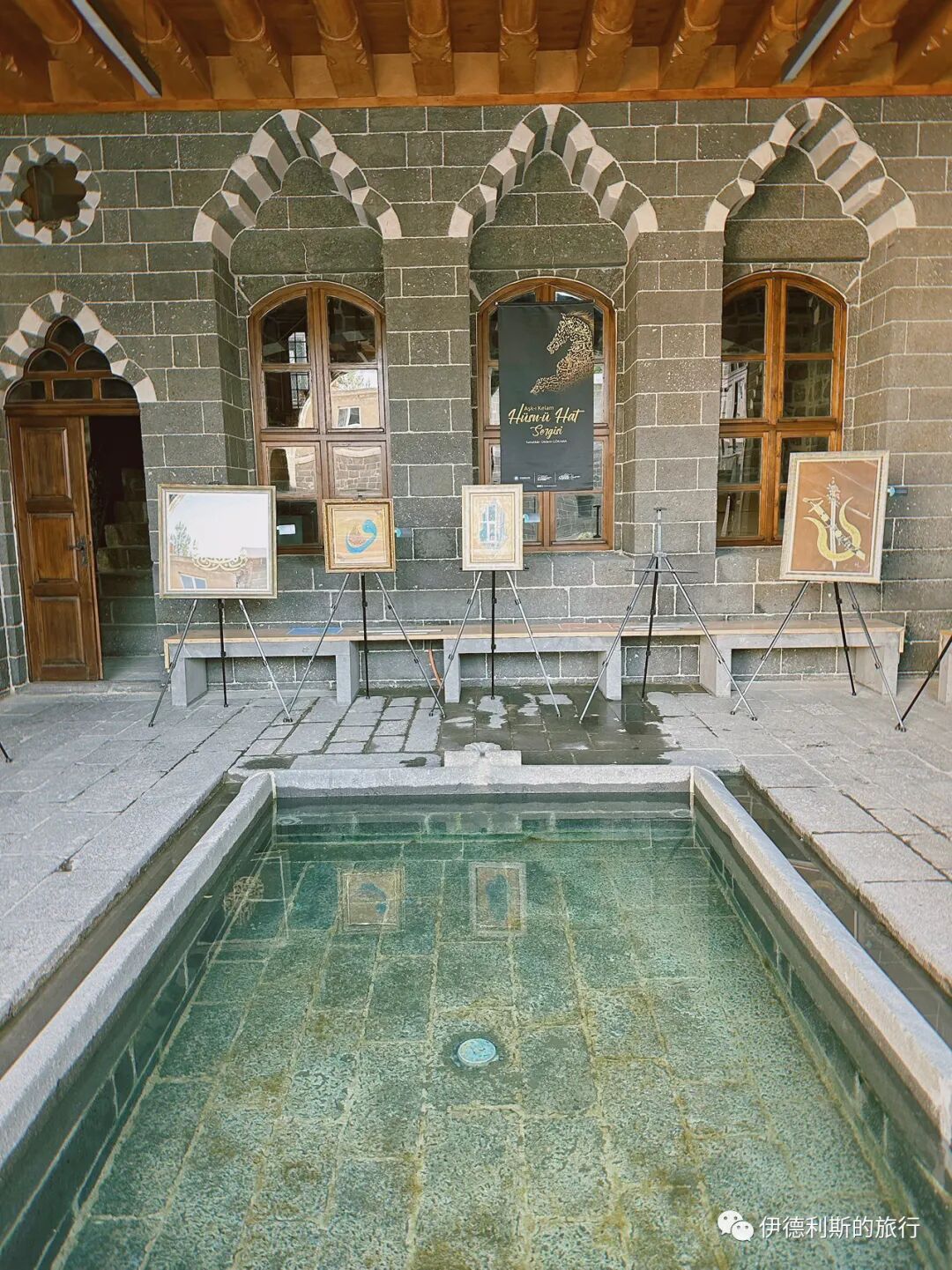
The Cemil Pasha Mansion consists of two large courtyards. One is the private family area known as the harem (harem), and the other is the public area for receiving guests and business known as the reception hall (selamlık). This layout was standard for the mansions of high-ranking Ottoman officials. The north side of the harem served as winter quarters to catch the sun, while the south side served as summer quarters to stay in the shade. The selamlık includes stables, servant rooms, reception rooms, a coffee room, and a water pool.
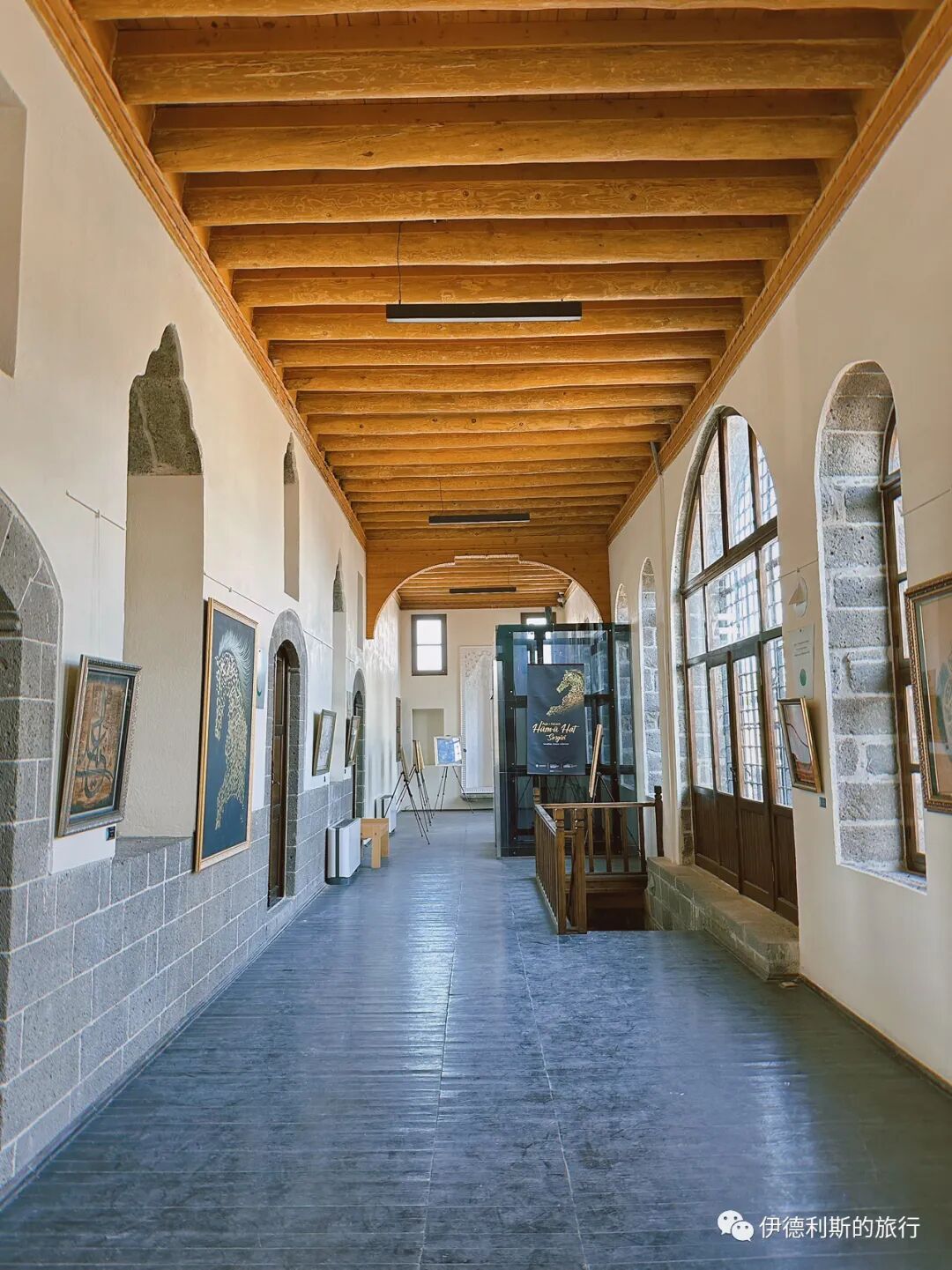
The interior of the Cemil Pasha Mansion (Cemil Paşa Konağı), now the Diyarbakır City Museum, displays every aspect of life for the Kurds in Turkey.
Ziya Gökalp Museum: early 19th century
We arrived at the northwest side of the old city of Diyarbakır and first visited the Ziya Gökalp Museum, dedicated to the father of Turkish nationalism. The museum is housed in a black basalt home built in the early 19th century. The Ziya Gökalp family bought it in 1824, and he was born there in 1876.
In 2014, ISIS besieged the Syrian Kurdish city of Kobani, forcing many Kurds to flee their homes. Because the Turkish government viewed the Kurdish People's Protection Units (YPG) defending Kobani as a threat, it blocked Turkish Kurds from helping them, which led to large-scale protests by Turkish Kurds. During the clashes, the Ziya Gökalp Museum was damaged, and some archives and books were destroyed. It was later restored by the Association of Turkish Travel Agencies (TÜRSAB).
Iskender Pasha Mansion: 1551
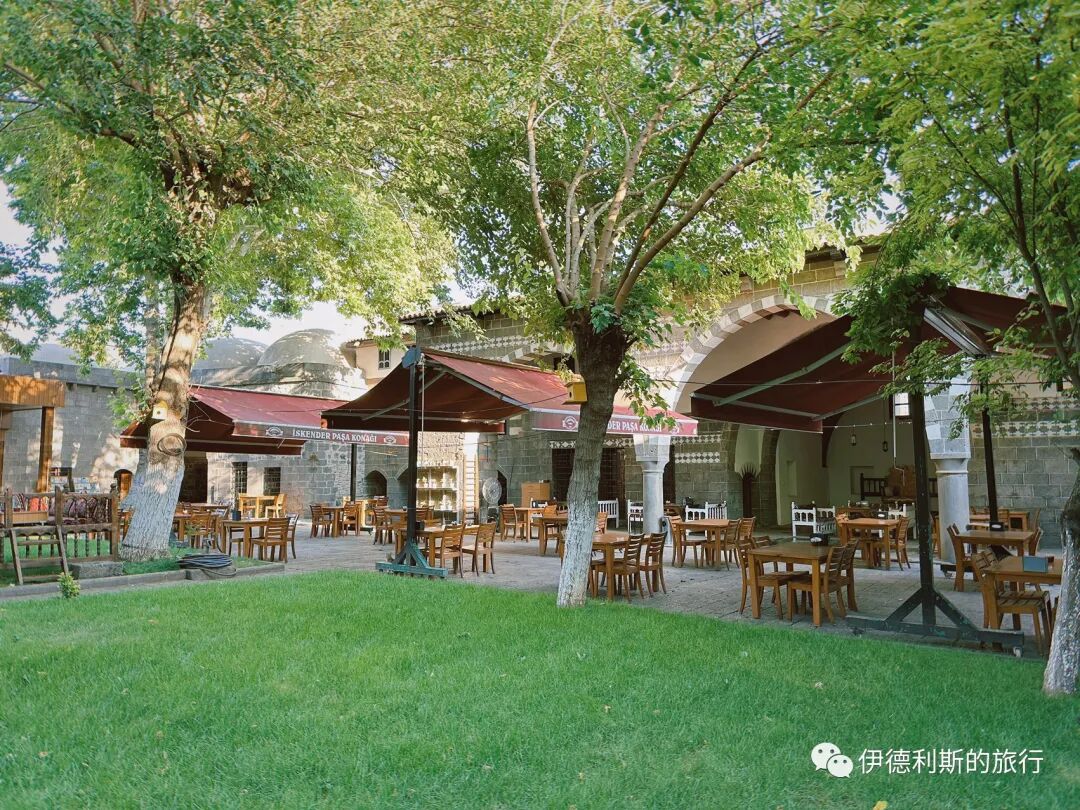
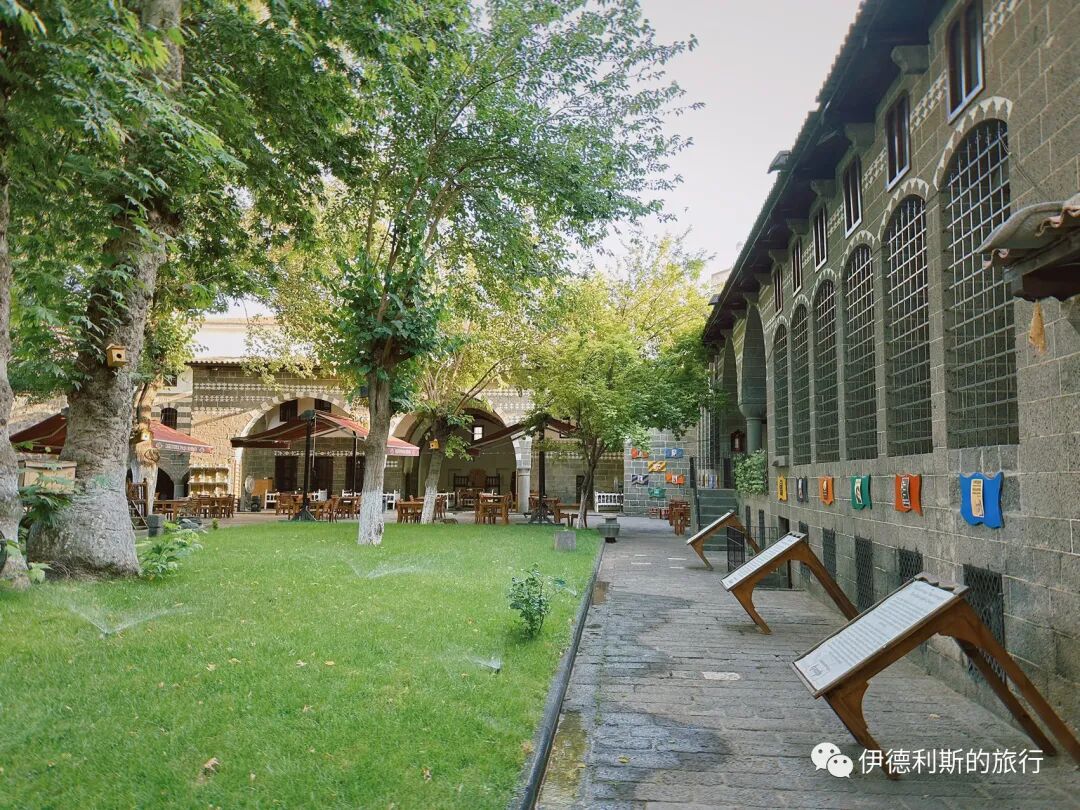
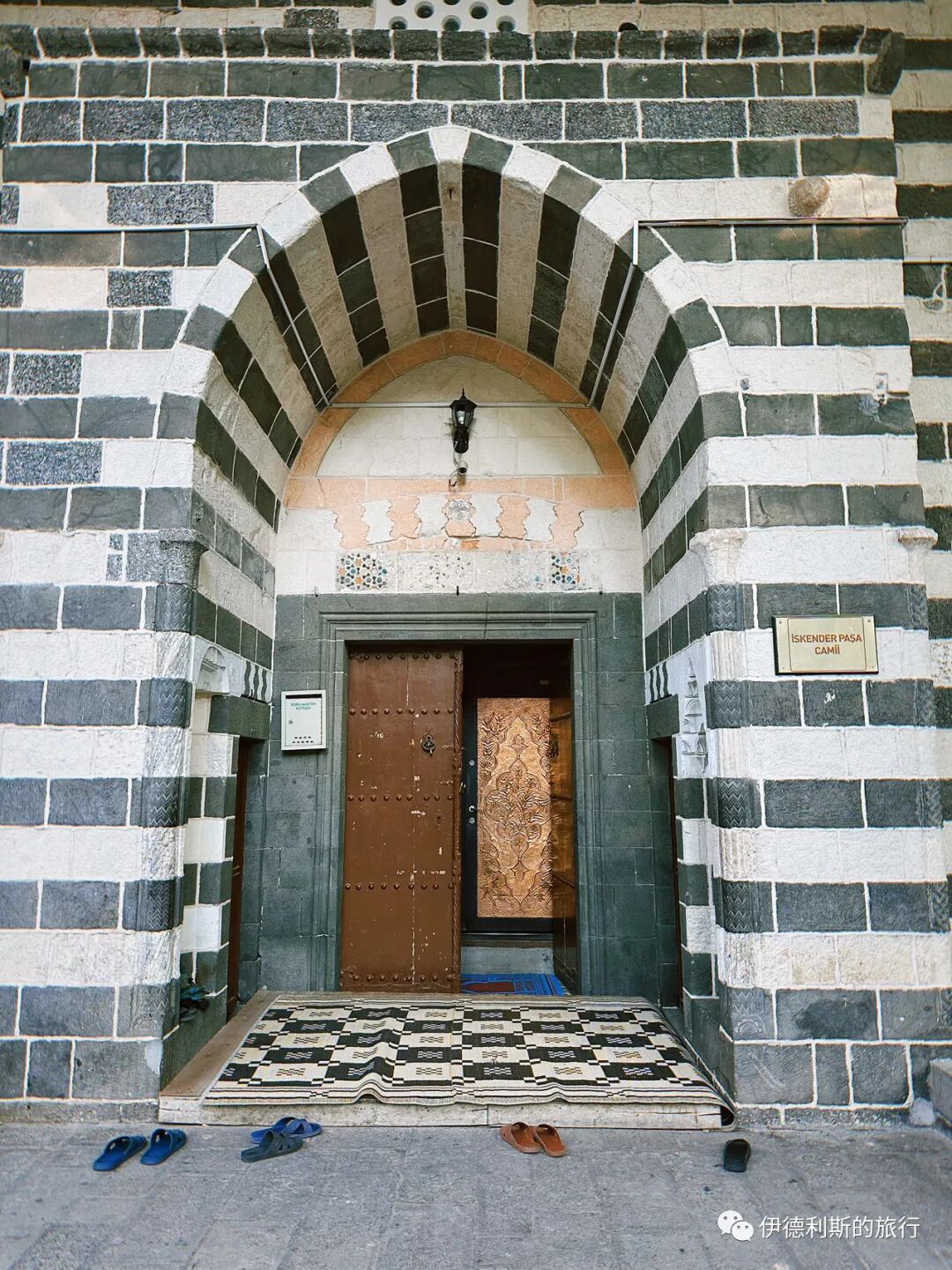
Walking north from the Ziya Gökalp Museum, you reach the Iskender Pasha Mansion (İskender paşa Konağı). Iskender Pasha, the 12th governor of the Ottoman Empire in Diyarbakır, built this in 1551 during the peak of Suleiman the Magnificent's reign. Today, the mansion is a breakfast restaurant, and a plane tree over 400 years old still stands in the courtyard.
In the 1540s and 1550s, Iskender Pasha spent years on the eastern Ottoman border fighting the Georgians and the Persian Safavid Empire, successfully stopping the Safavids from moving west.
Iskender Pasha Mosque: 1557
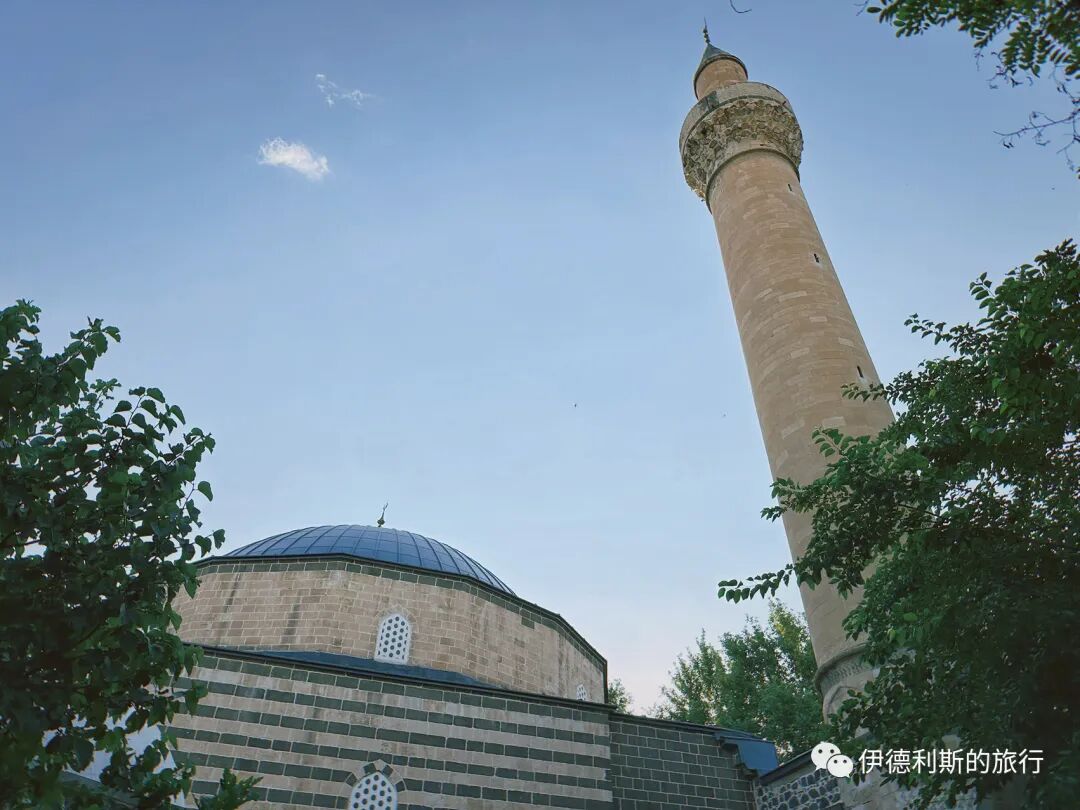
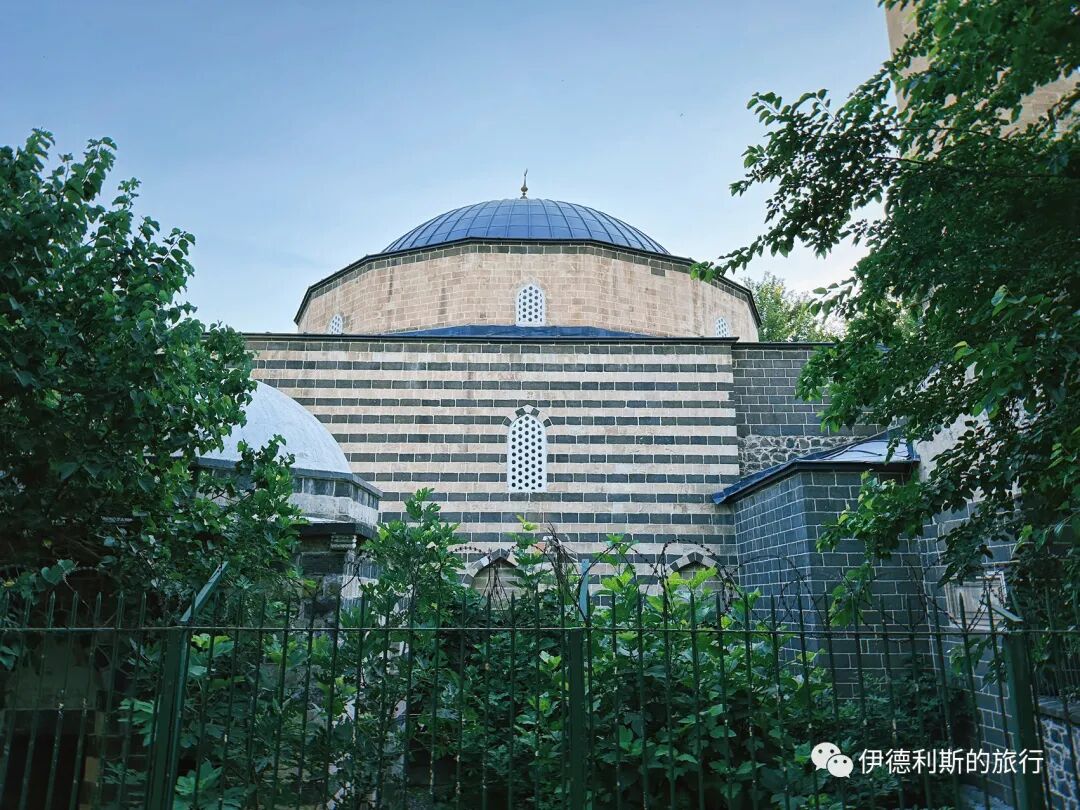
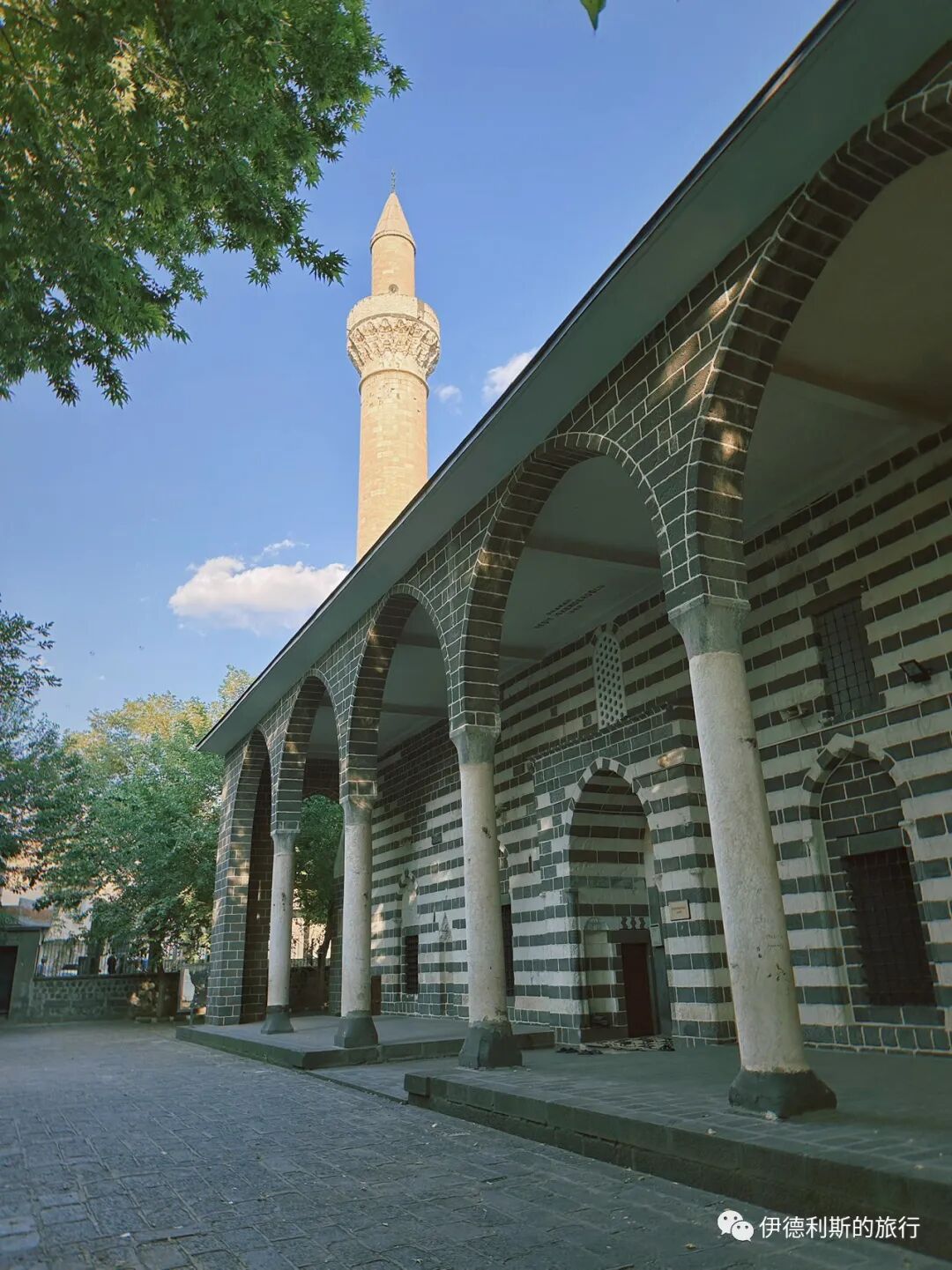
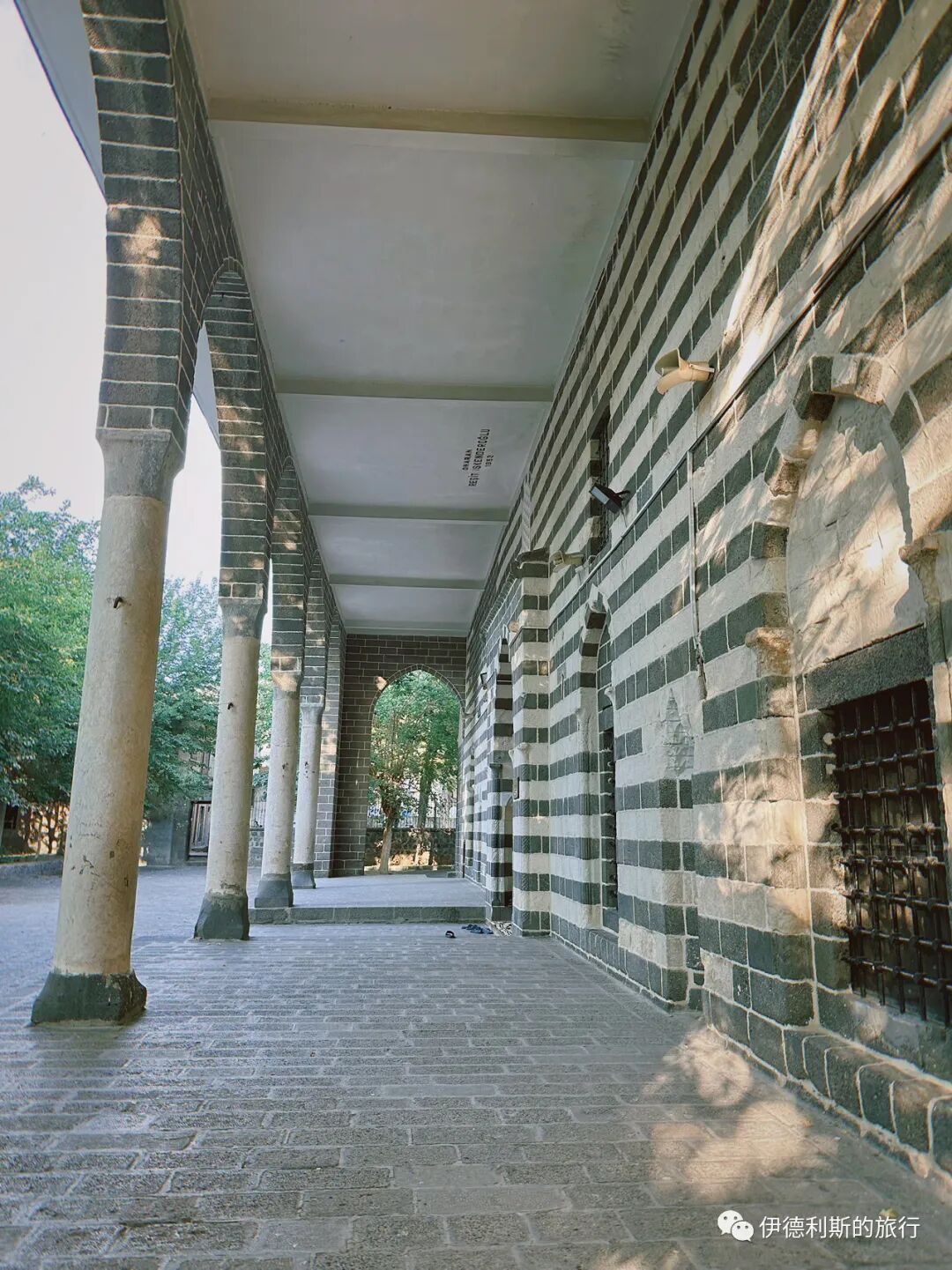
Next to the Iskender Pasha Mansion is another building he commissioned, the Iskender Pasha Mosque (İskender Paşa Camii). Construction began in 1551 or 1554 and finished in 1557. This is a typical Ottoman single-dome mosque, but the front porch and minaret are built very tall.
Ömer Şeddat Mosque: mid-12th century
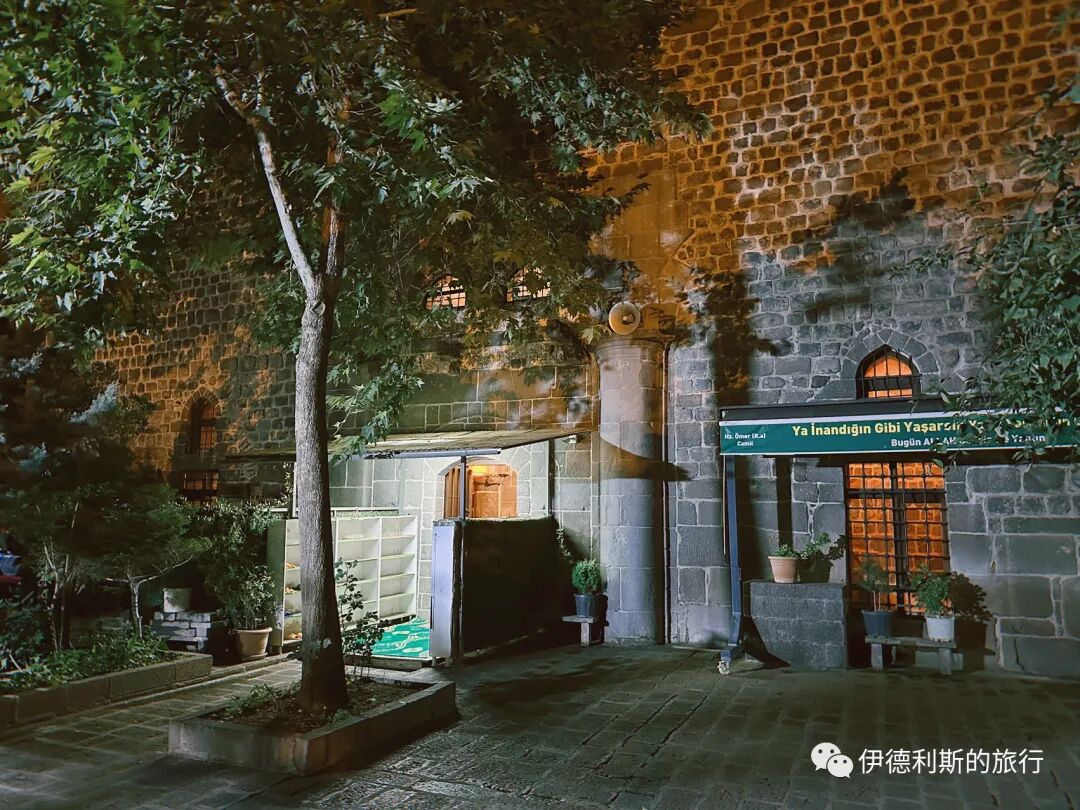
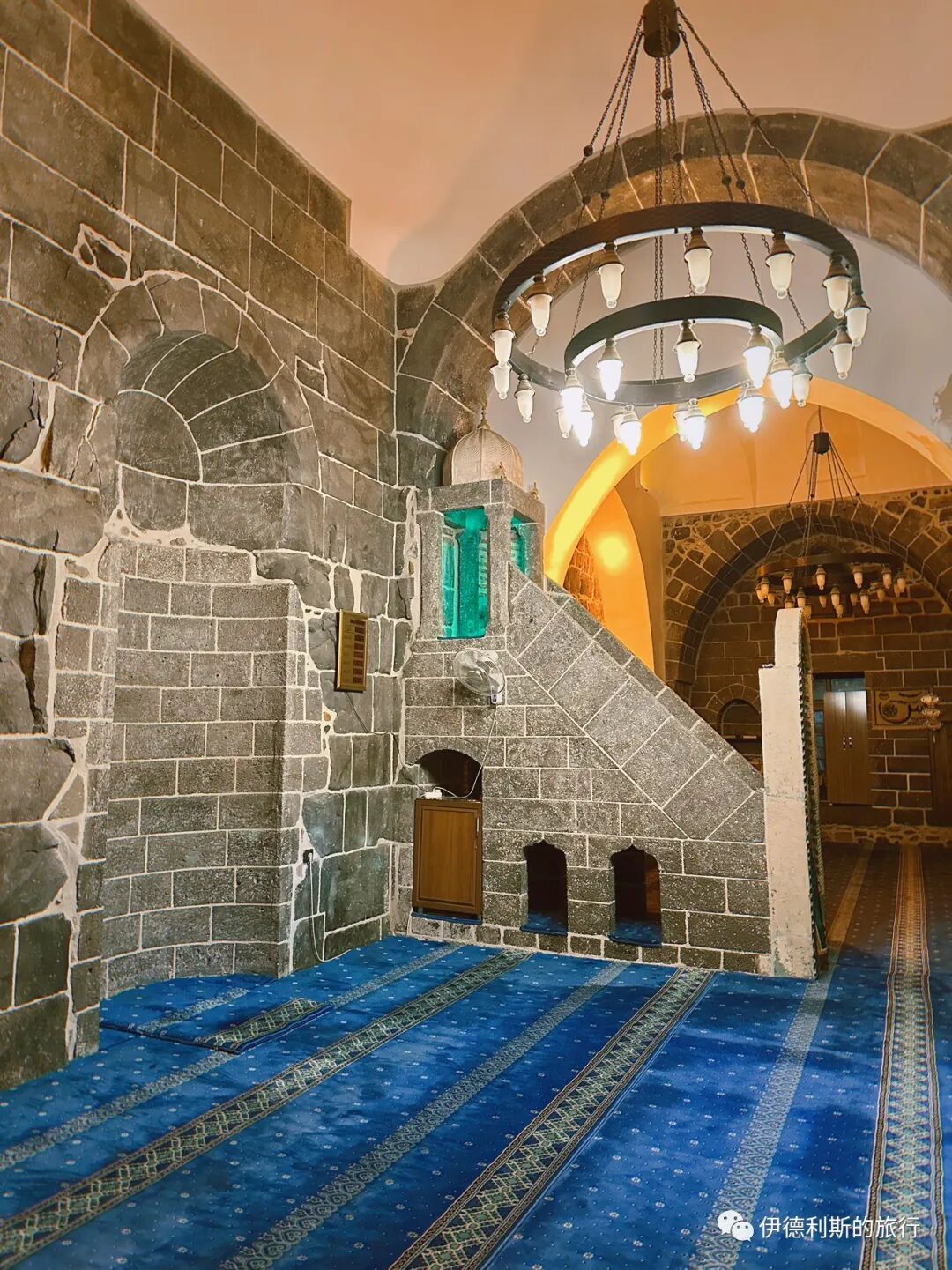
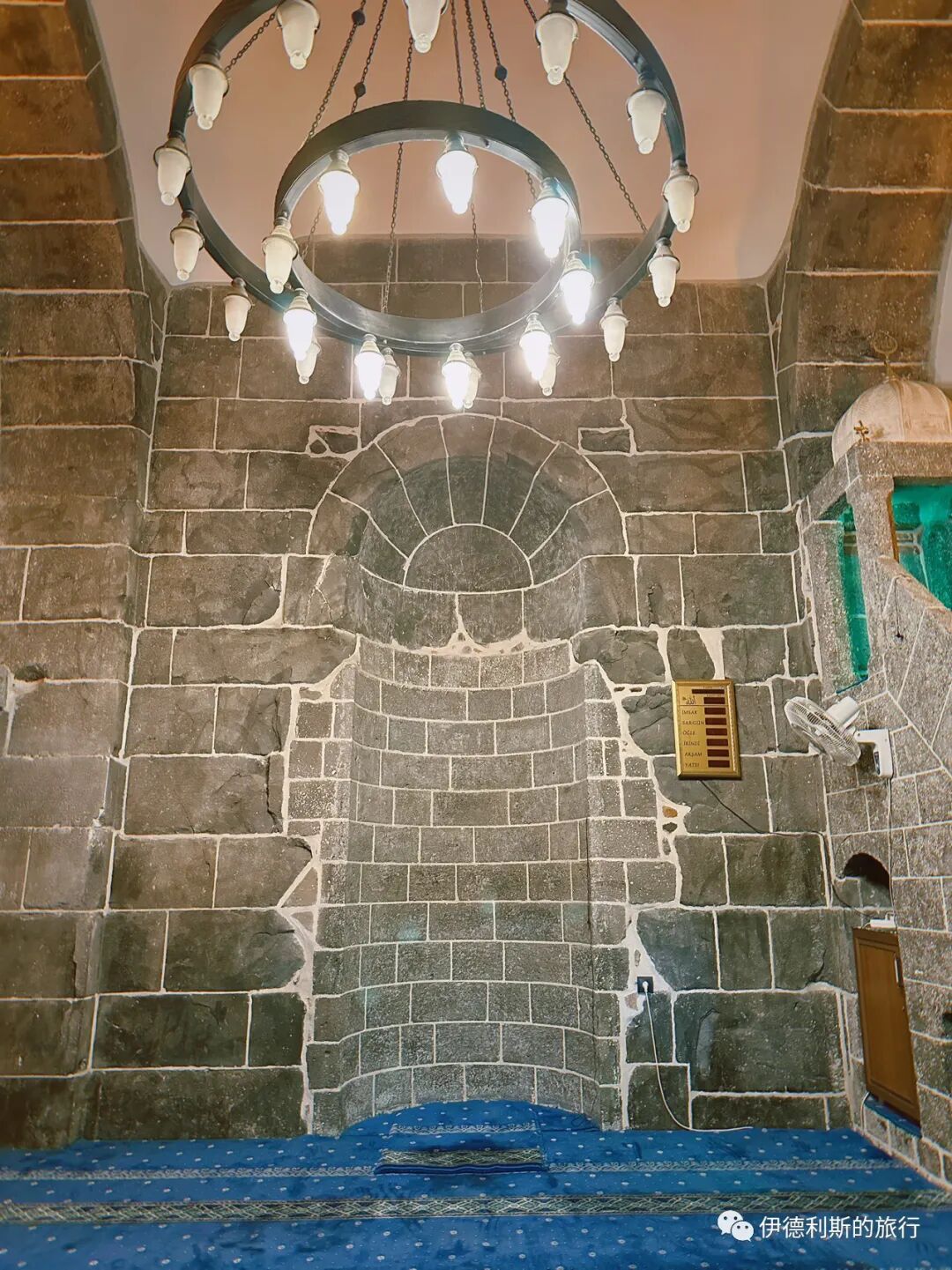
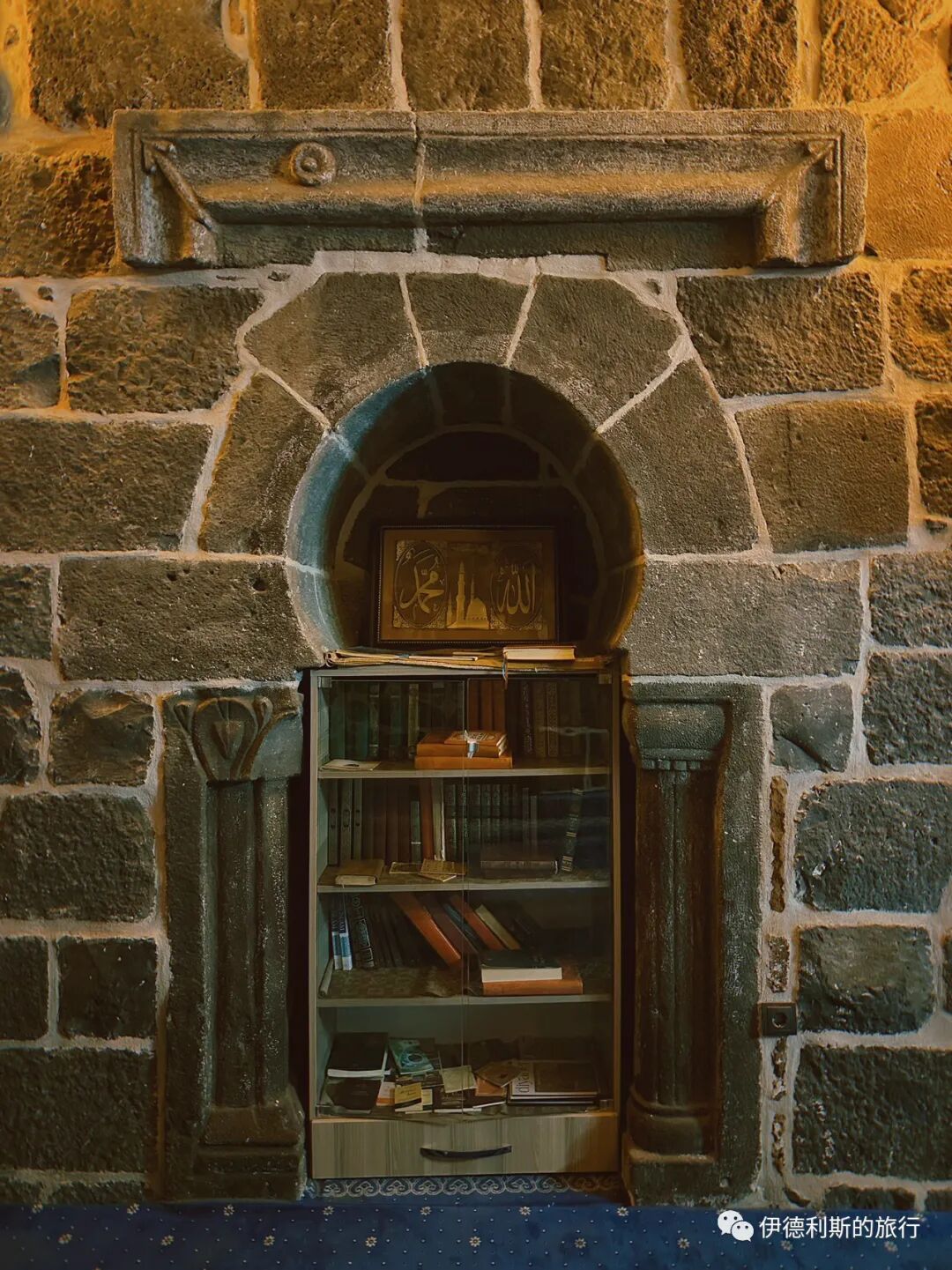
After dinner, we kept walking through the old city and arrived at the Ömer Şeddat mosque, which sits right next to the south gate of the old city. According to the inscription on the wall, this mosque was built in the mid-12th century during the Inalid Beylik period, making it over 800 years old.
Sultan Şuca Tomb: early 13th century
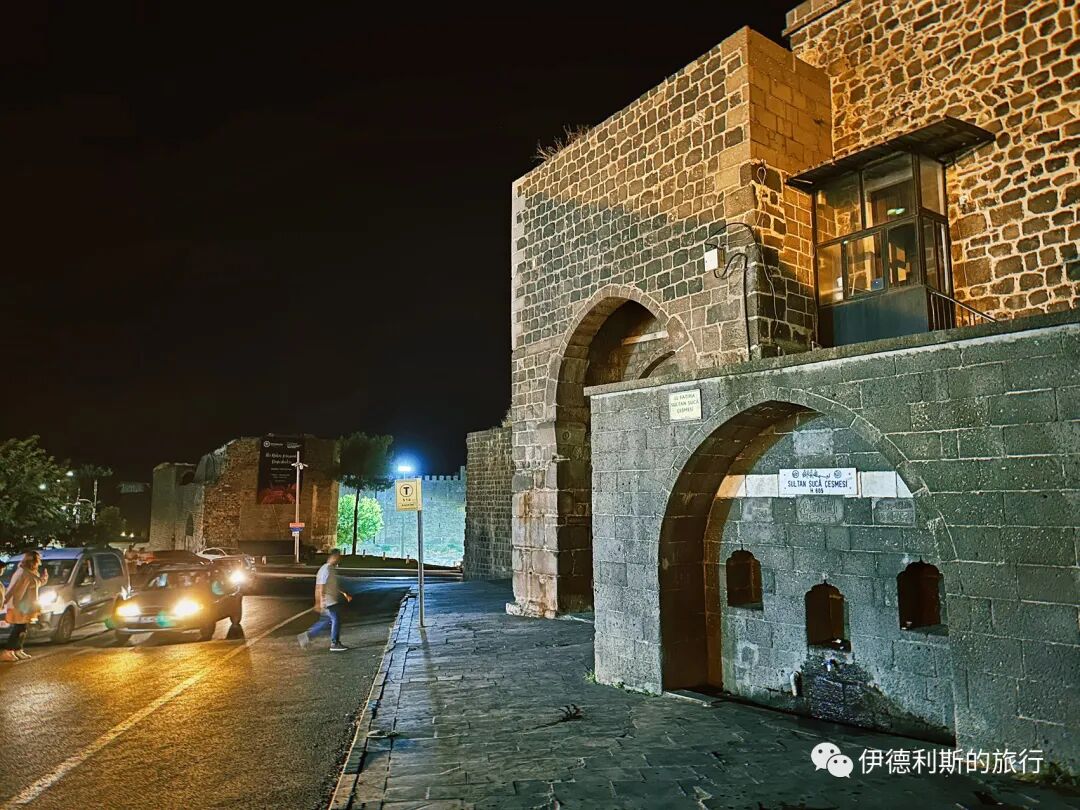
The Sultan Şuca Tomb (Sultan Şuca Türbesi) stands in the middle of the road directly across from the Ömer Şeddat mosque. The tomb itself has no inscription, but the fountain in front of it is carved with an inscription dating to 1208-09. Historical records show that Sultan Şuca built a madrasa, a tomb, and a fountain near the south gate of Diyarbakır, so it is believed this tomb is one of them.
Mardin Gate: 909-10
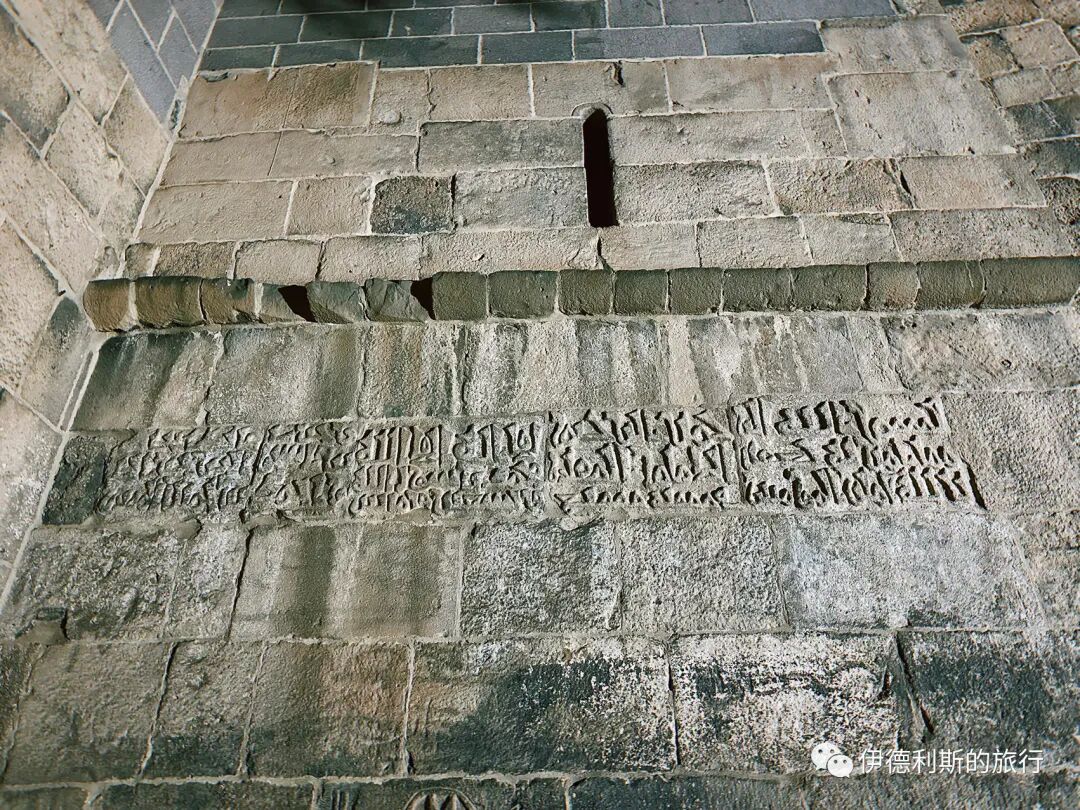
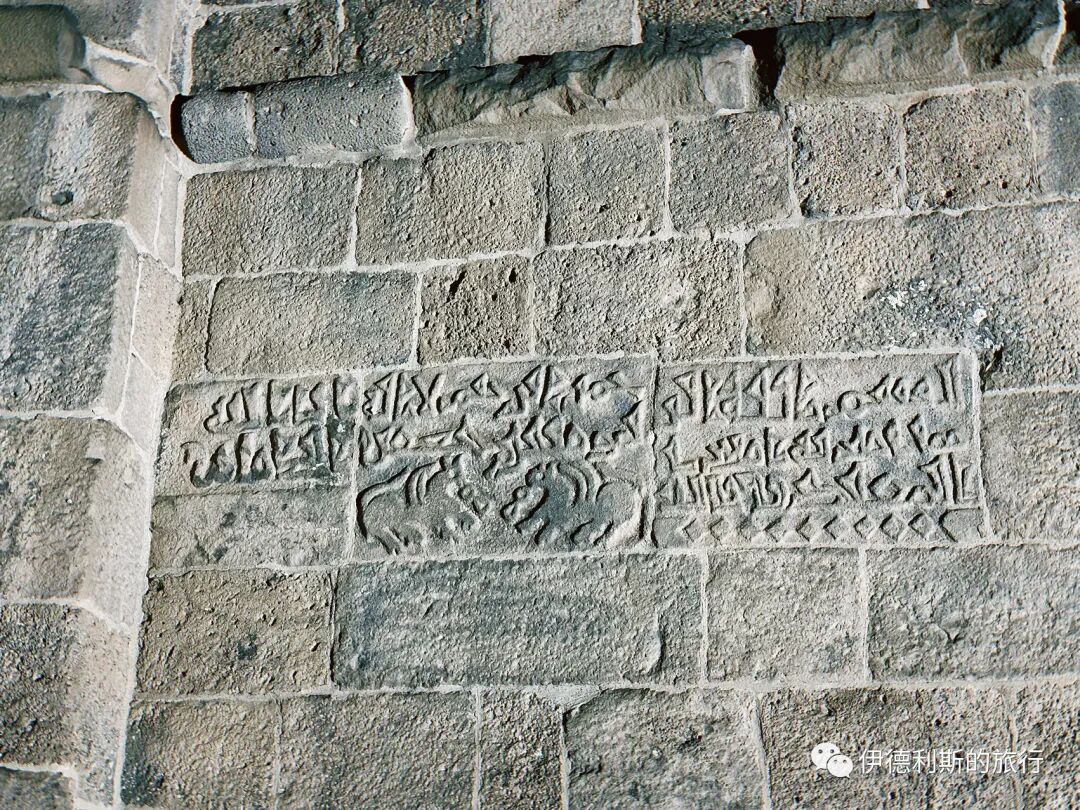
We took a night tour of the Mardin Gate, the south gate of the old city of Diyarbakır, which is named for the road leading south to the city of Mardin. The Mardin Gate was destroyed and rebuilt many times due to war. During the 9th-century Şeyhoğulları dynasty (869-899), the gate was destroyed to defend against attacks from the Byzantine Empire. The Şeyhoğulları was an Arab tribal dynasty that was annexed by the Abbasid Caliphate after a short 30-year rule. According to the inscription on the gate, the current structure was rebuilt by the Abbasid Caliphate in 909-910.
Keçi Tower: Byzantine period
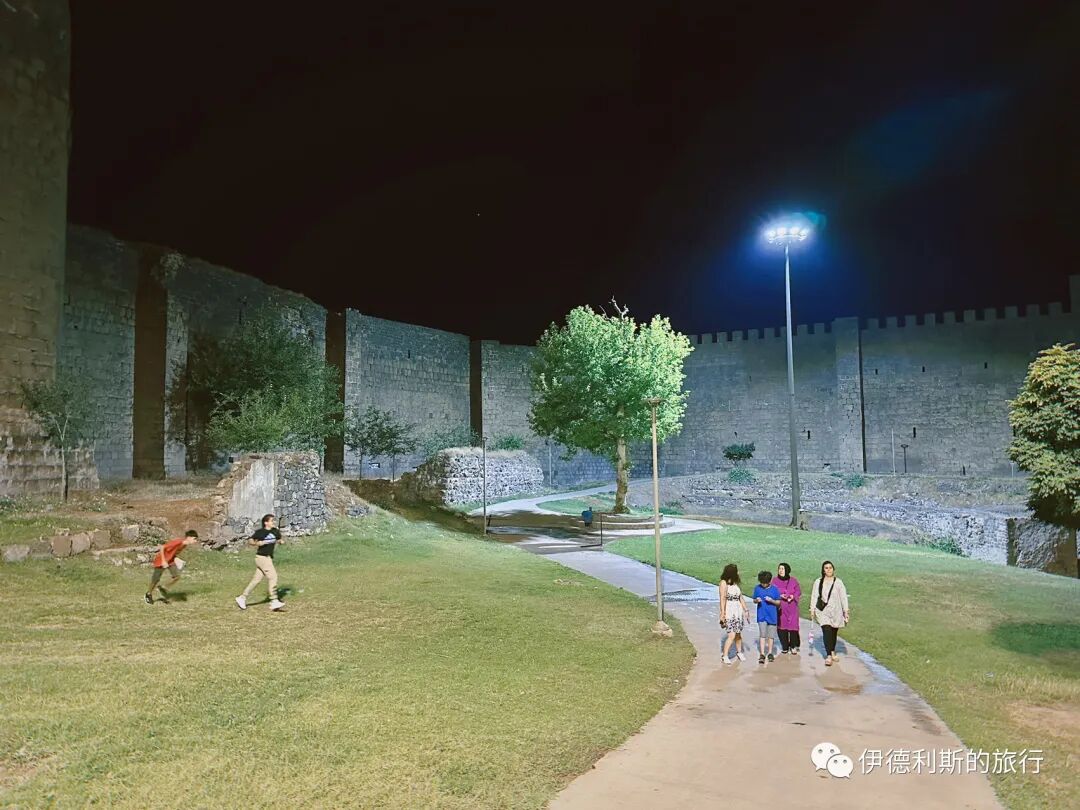
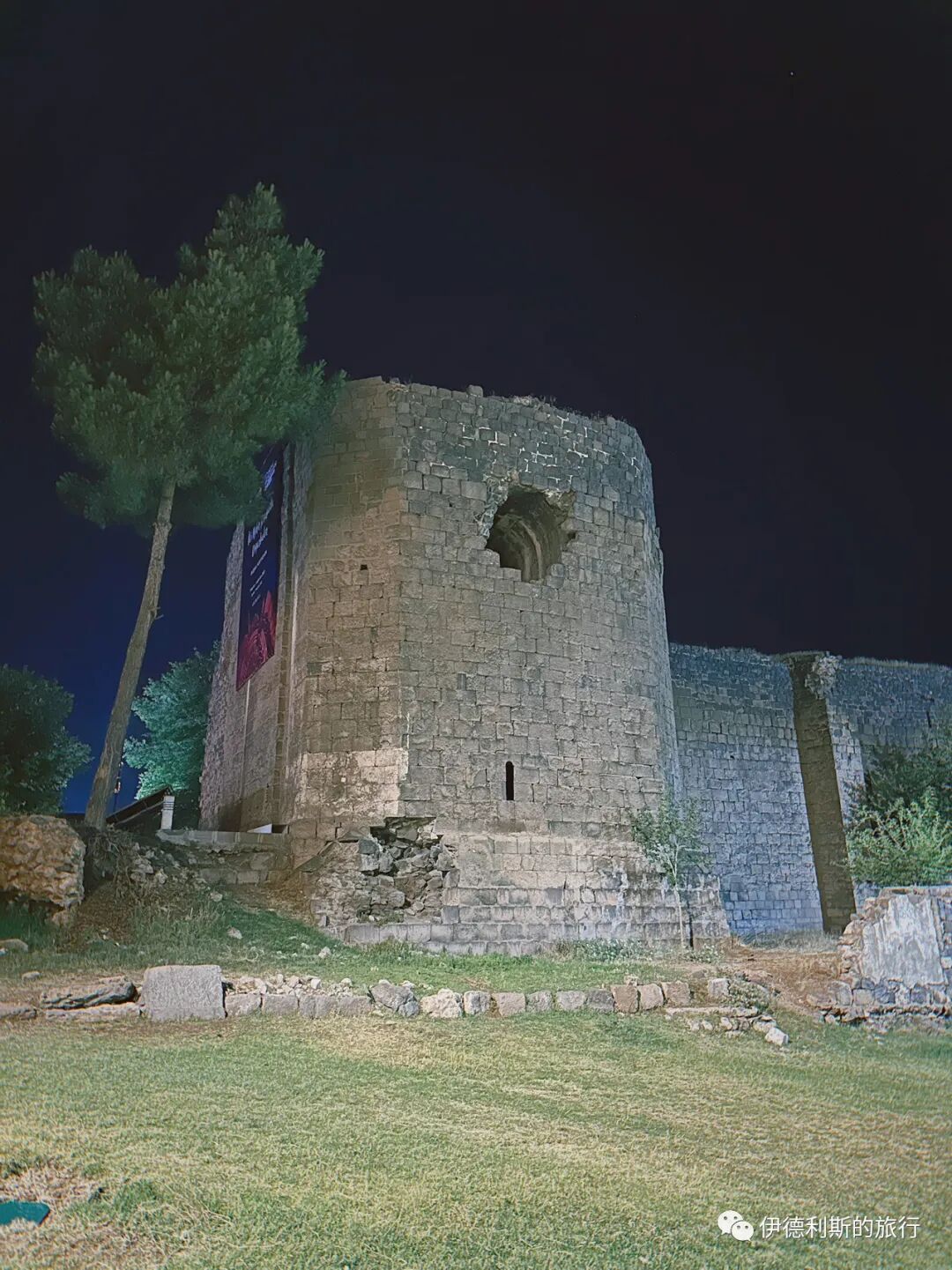
South of the Mardin Gate is the Keçi Tower, the southernmost point of the old city of Diyarbakır. The entire tower is built on a rock and overlooks the Tigris River valley to the south of the old city. Keçi was built around the Byzantine period and expanded during the Umayyad Caliphate to help it strongly guard the Mardin Gate. We saw some bricks and stones scattered below the tower that fell during the Turkey-Syria earthquake on February 6, 2023.
Deliller Inn: 1521-27
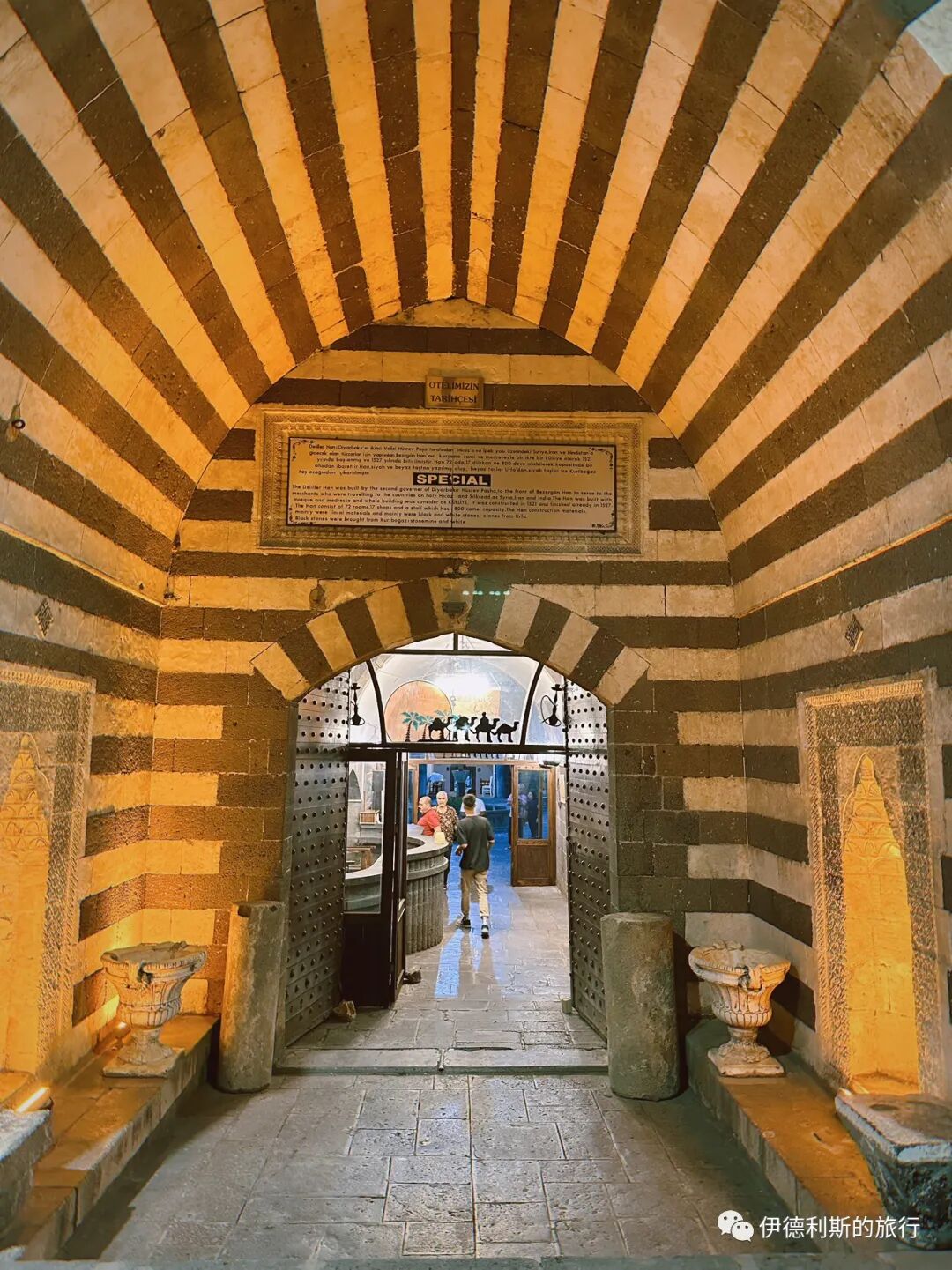
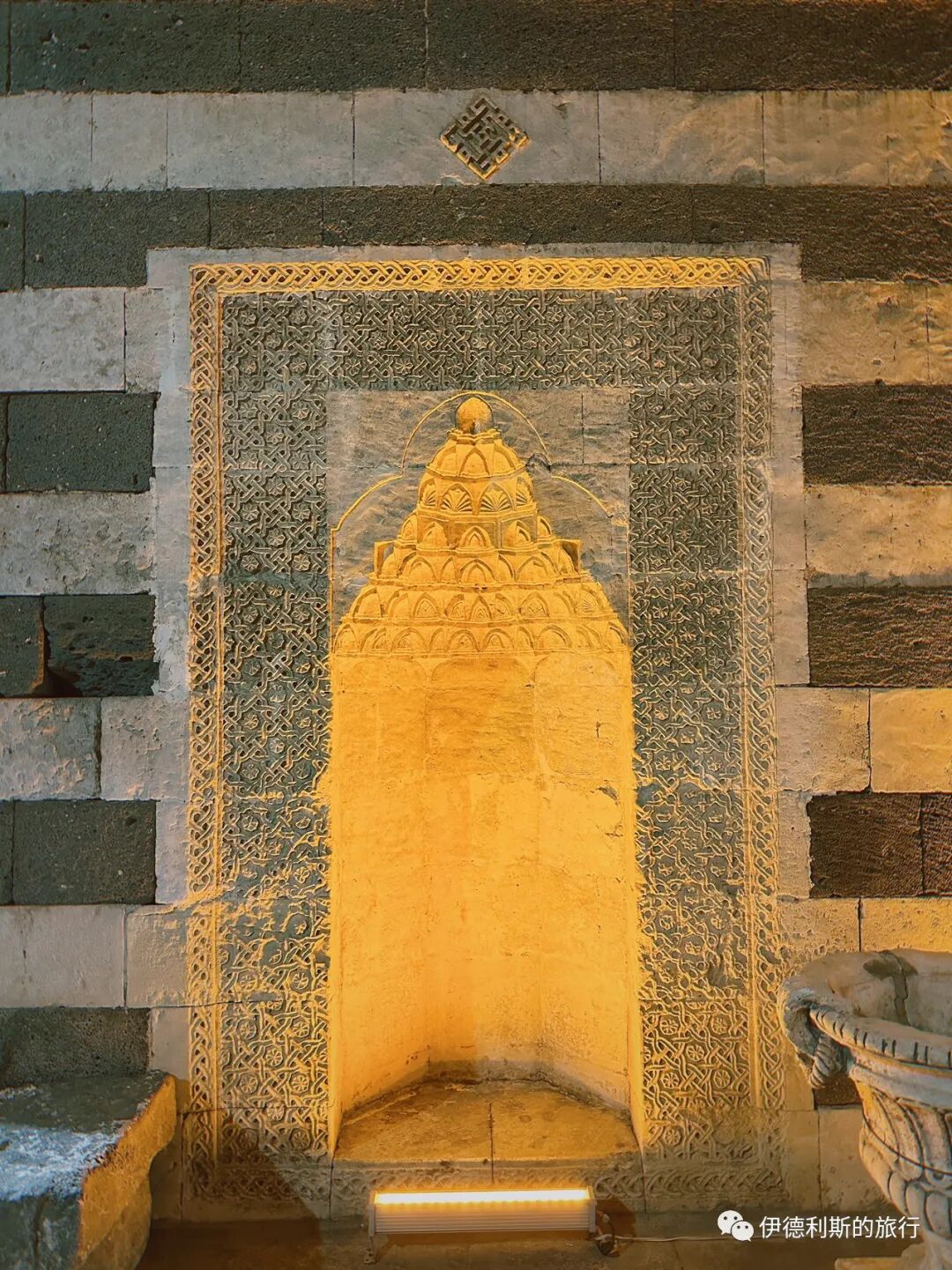
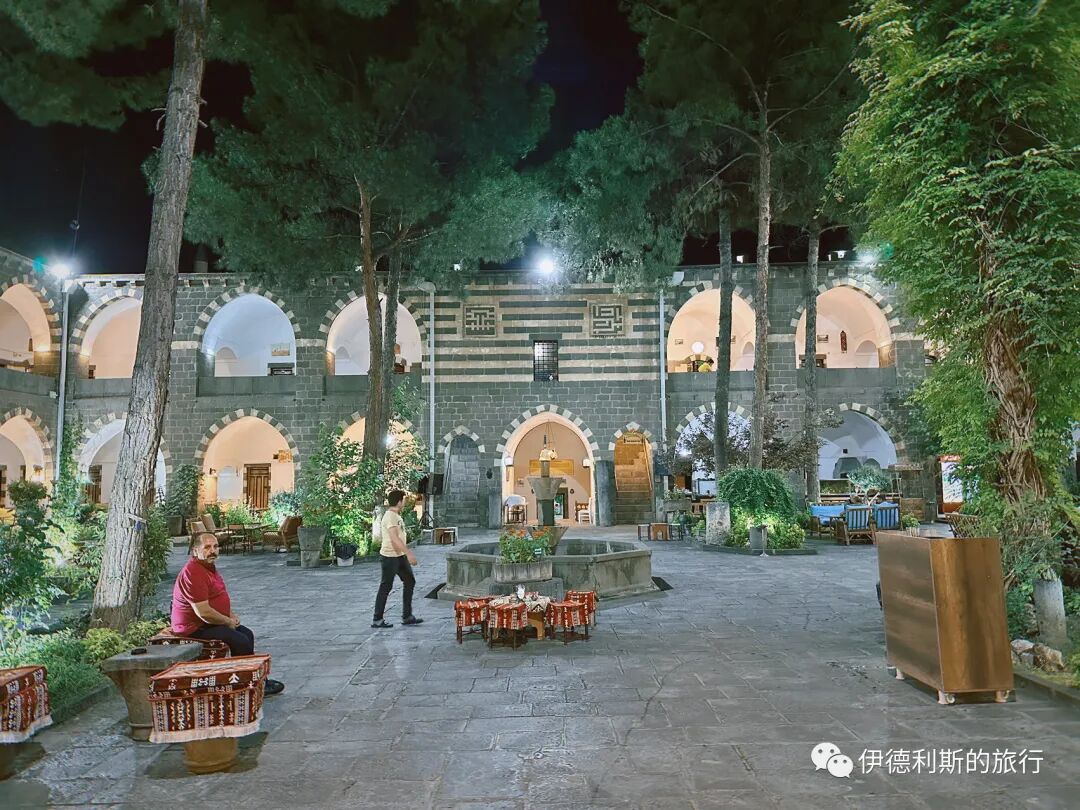
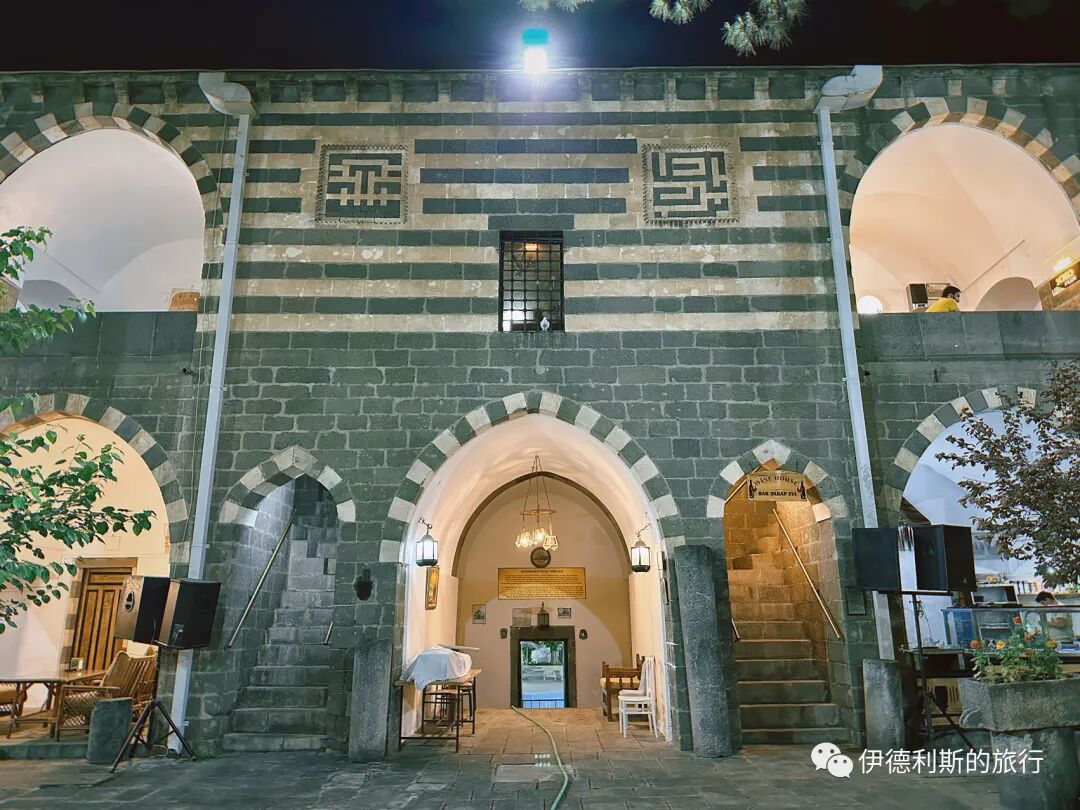
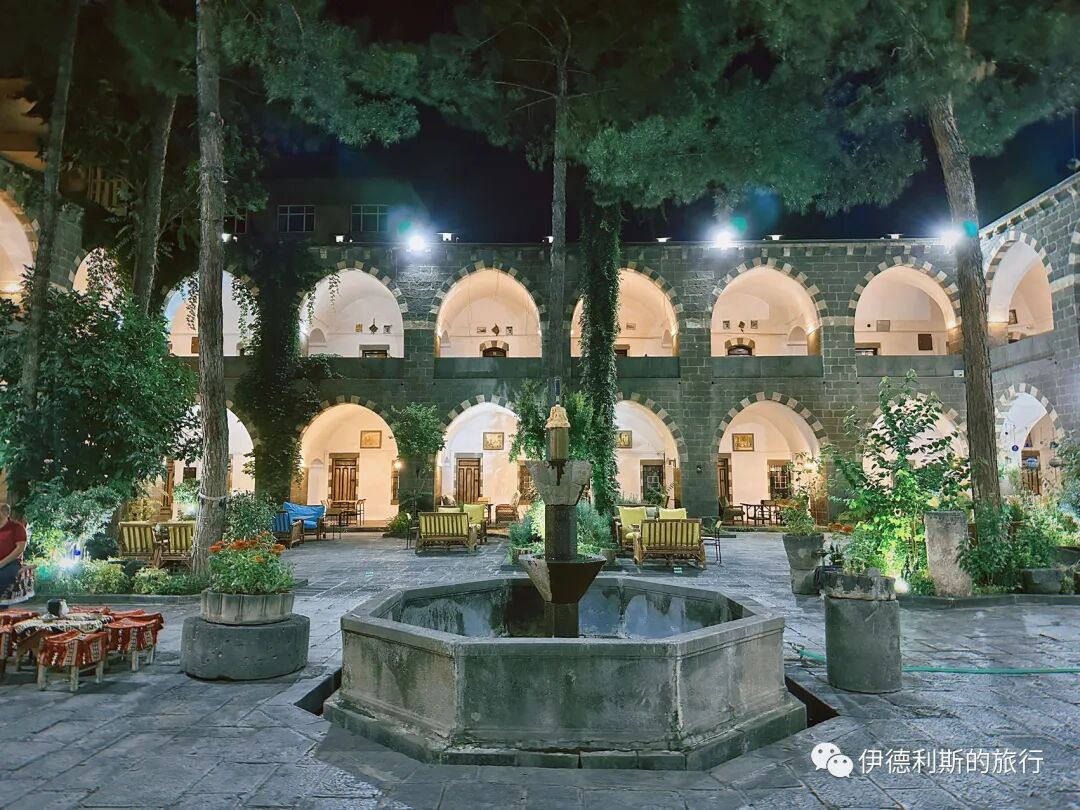
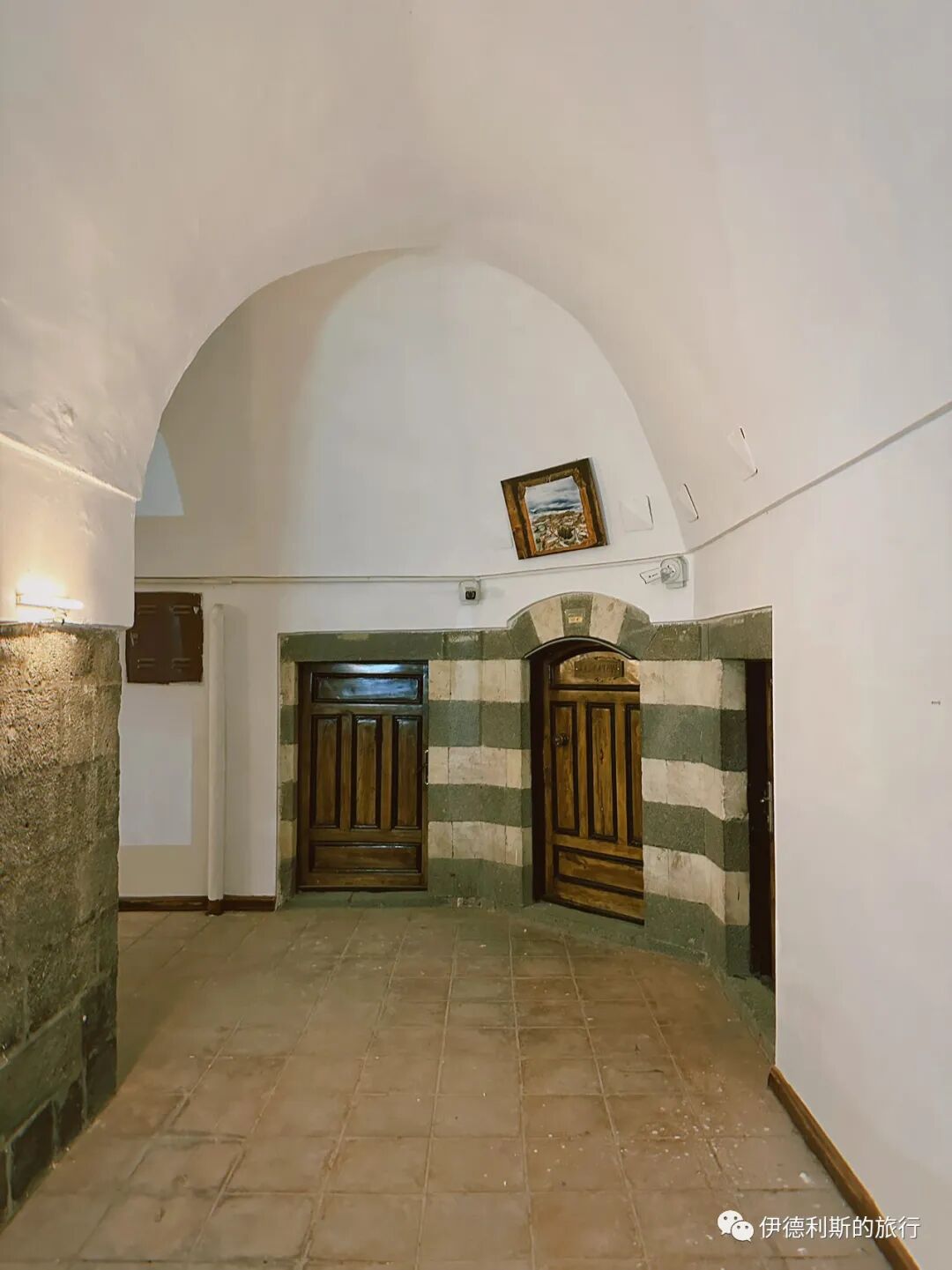
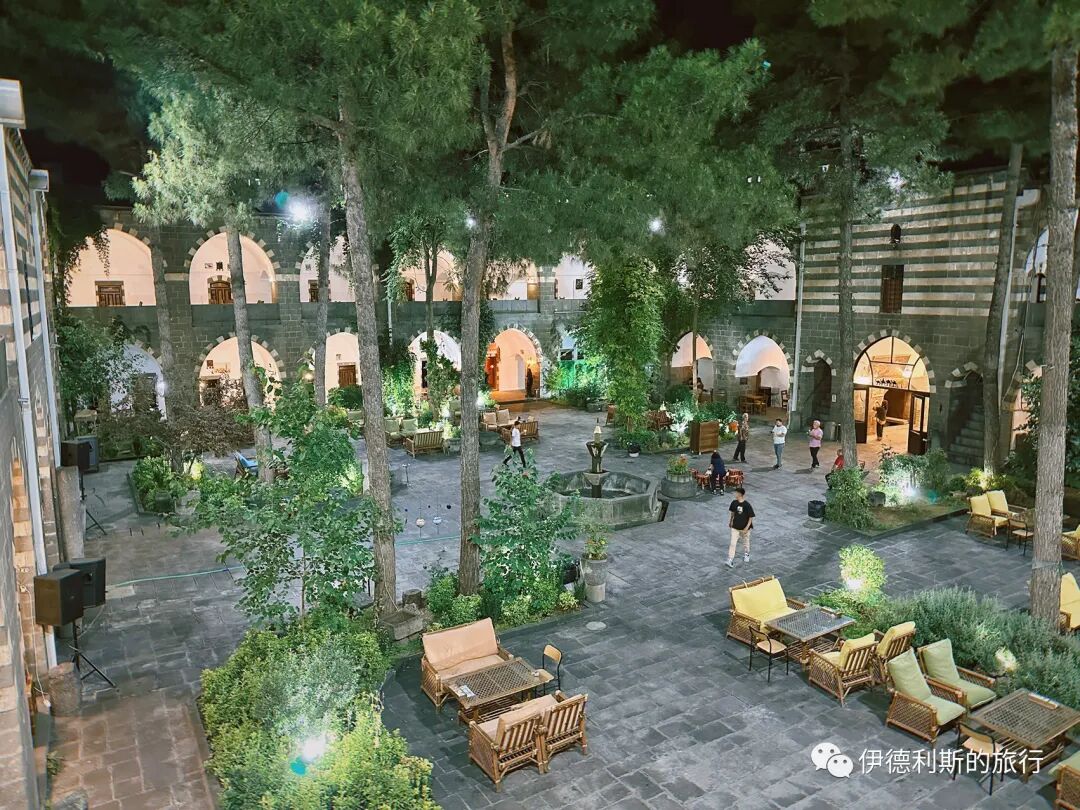
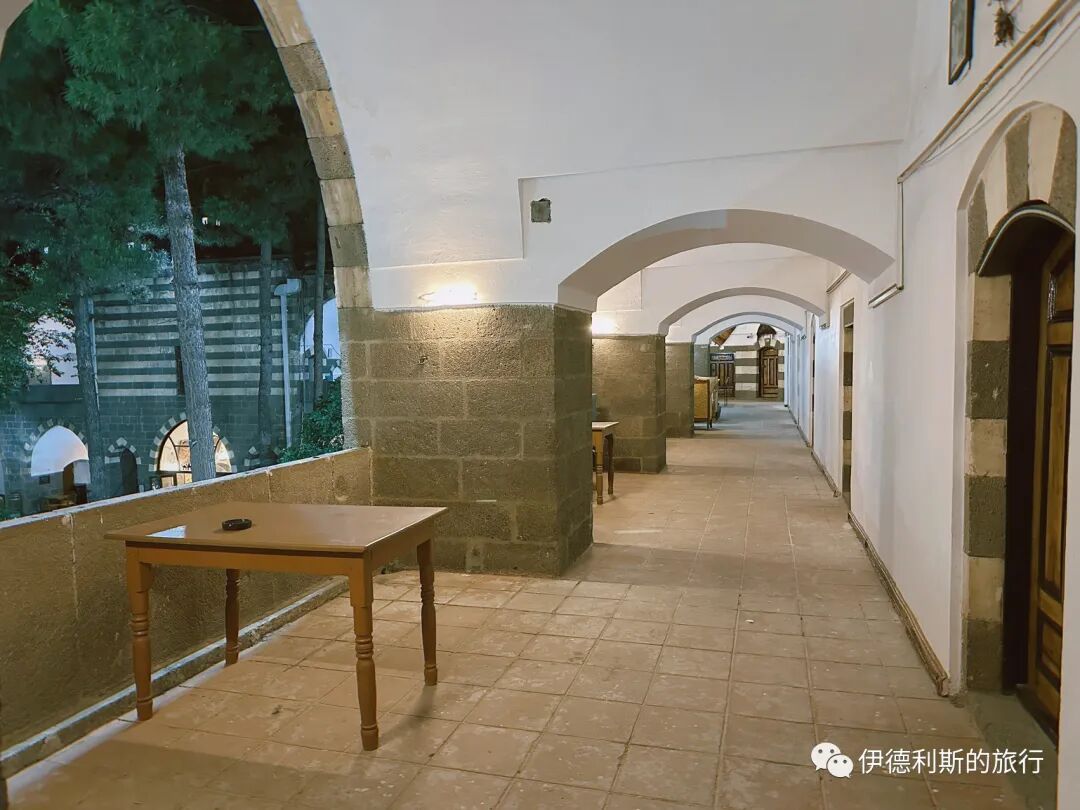
We finished our trip by visiting the Deliller Inn (Hanı) inside the south gate of the old city. Deli Hüsrev Paşa, the second Ottoman governor of Diyarbakır, built this caravanserai between 1521 and 1527. It has the look of an early Ottoman inn but keeps the building traditions of the Seljuk era. The open courtyard is surrounded by two floors of galleries, with 72 rooms, 17 shops, and a stable that could hold 800 camels.
In the past, many caravans from Syria, Iran, India, and other places stayed here. It is still used as a hotel today, but I could not find a way to book it online before I arrived. view all
Summary: Diyarbakir is a thousand-year-old city by the Tigris River with layered Kurdish, Islamic, and regional history. This second part continues through its historic mosques, streets, and old city scenes while keeping the source order and image mapping.
Behrem Pasha Mosque: 1564-72.
Walk west from the main road to reach the Behrem Pasha Mosque, built by the Ottoman governor Behrem Pasha between 1564 and 1572. Behrem Pasha served as the governor of Diyarbakır in the 1560s. The great Ottoman architect Mimar Sinan mentioned this mosque in one of his autobiographies, Tuḥfetü'l-Miʿmārīn. Experts believe Sinan did not supervise the construction himself but likely delegated it to another royal architect.
The mosque features the traditional Diyarbakır exterior of alternating black basalt and white limestone, with a beautiful stalactite-style cornice (muqarnas) above the main gate. The main dome of the prayer hall stands 15.9 meters high and rests on eight pointed arches. The interior follows a classic Ottoman style.
The Behrem Pasha Mosque has a beautiful prayer niche (mihrab) and a pulpit (minbar), with intricate Arabic calligraphy on the minbar door. The prayer hall is decorated with beautiful tiles. Analysis suggests these were fired locally in Diyarbakır, but they are just as fine as the popular Iznik tiles of that time.
Cemil Pasha Mansion: 1888-1902.
Continue south to reach the Cemil Pasha Mansion (Cemil Paşa Konağı), the best-preserved mansion in Diyarbakır, which now serves as the Diyarbakır City Museum.
Cemil Pasha served as the Ottoman governor of Yemen and Siirt. He built this mansion between 1888 and 1902 and lived there until 1927. In 2012, the Diyarbakır municipal government reached an agreement with the descendants of Cemil Pasha to restore the mansion, and it officially opened as a city museum in 2014.
The Cemil Pasha Mansion consists of two large courtyards. One is the private family area known as the harem (harem), and the other is the public area for receiving guests and business known as the reception hall (selamlık). This layout was standard for the mansions of high-ranking Ottoman officials. The north side of the harem served as winter quarters to catch the sun, while the south side served as summer quarters to stay in the shade. The selamlık includes stables, servant rooms, reception rooms, a coffee room, and a water pool.
The interior of the Cemil Pasha Mansion (Cemil Paşa Konağı), now the Diyarbakır City Museum, displays every aspect of life for the Kurds in Turkey.
Ziya Gökalp Museum: early 19th century
We arrived at the northwest side of the old city of Diyarbakır and first visited the Ziya Gökalp Museum, dedicated to the father of Turkish nationalism. The museum is housed in a black basalt home built in the early 19th century. The Ziya Gökalp family bought it in 1824, and he was born there in 1876.
In 2014, ISIS besieged the Syrian Kurdish city of Kobani, forcing many Kurds to flee their homes. Because the Turkish government viewed the Kurdish People's Protection Units (YPG) defending Kobani as a threat, it blocked Turkish Kurds from helping them, which led to large-scale protests by Turkish Kurds. During the clashes, the Ziya Gökalp Museum was damaged, and some archives and books were destroyed. It was later restored by the Association of Turkish Travel Agencies (TÜRSAB).
Iskender Pasha Mansion: 1551
Walking north from the Ziya Gökalp Museum, you reach the Iskender Pasha Mansion (İskender paşa Konağı). Iskender Pasha, the 12th governor of the Ottoman Empire in Diyarbakır, built this in 1551 during the peak of Suleiman the Magnificent's reign. Today, the mansion is a breakfast restaurant, and a plane tree over 400 years old still stands in the courtyard.
In the 1540s and 1550s, Iskender Pasha spent years on the eastern Ottoman border fighting the Georgians and the Persian Safavid Empire, successfully stopping the Safavids from moving west.
Iskender Pasha Mosque: 1557
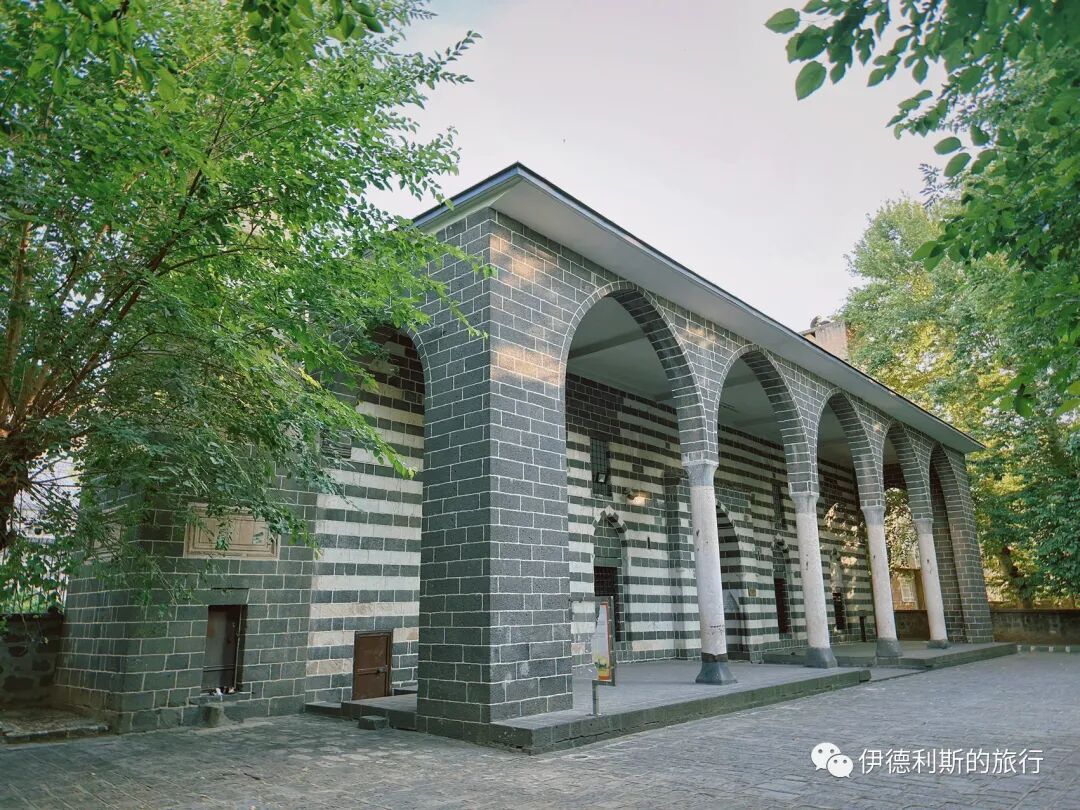
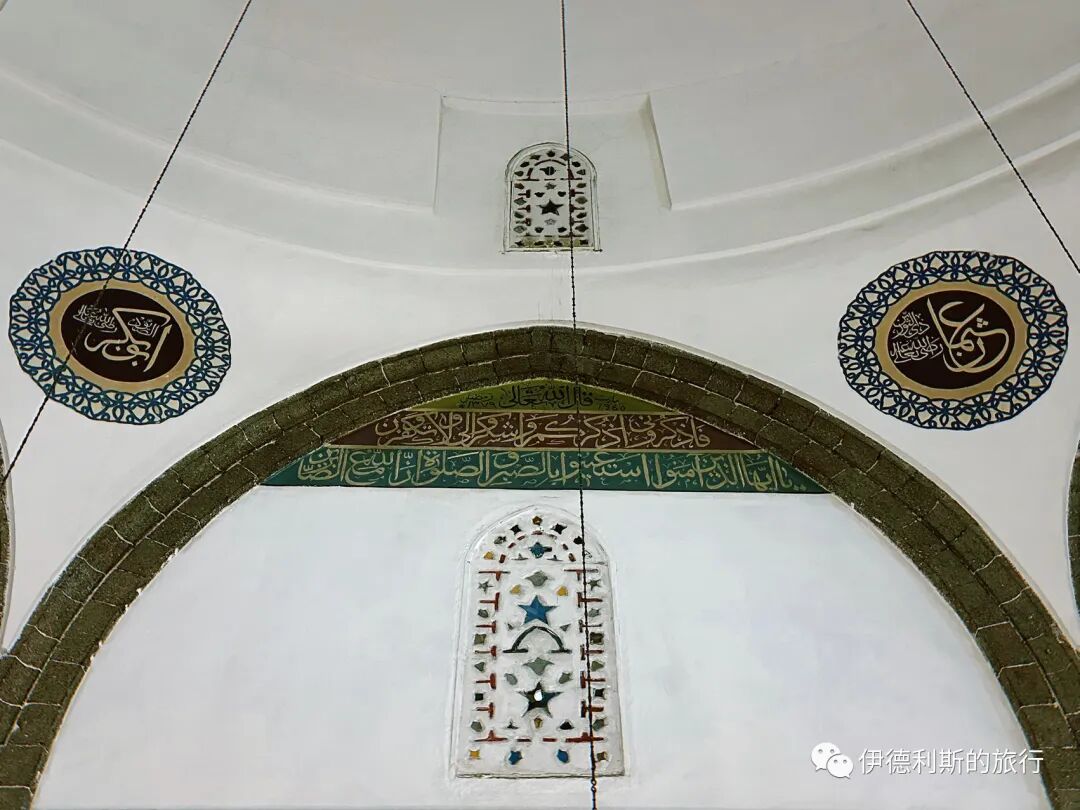
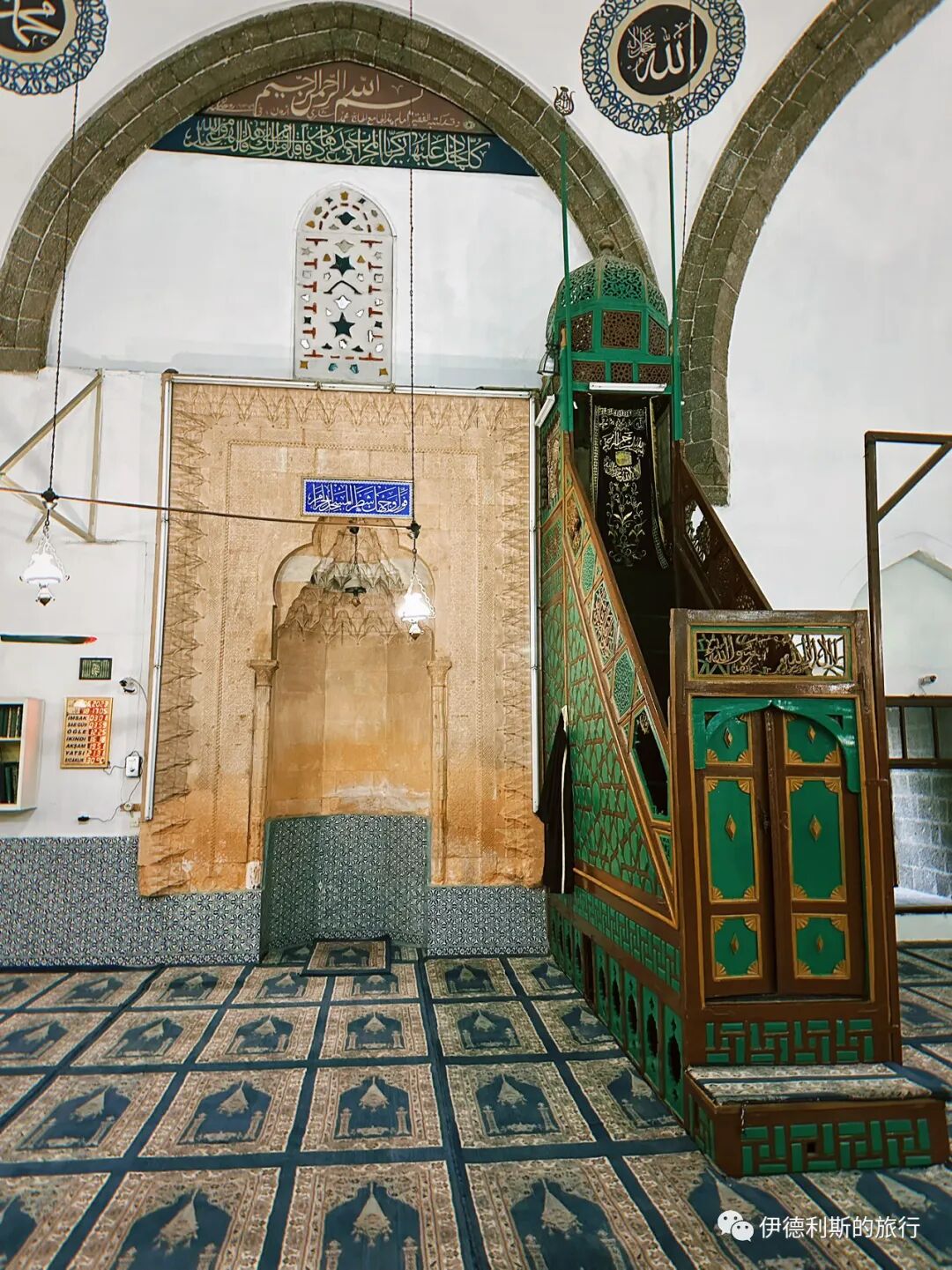
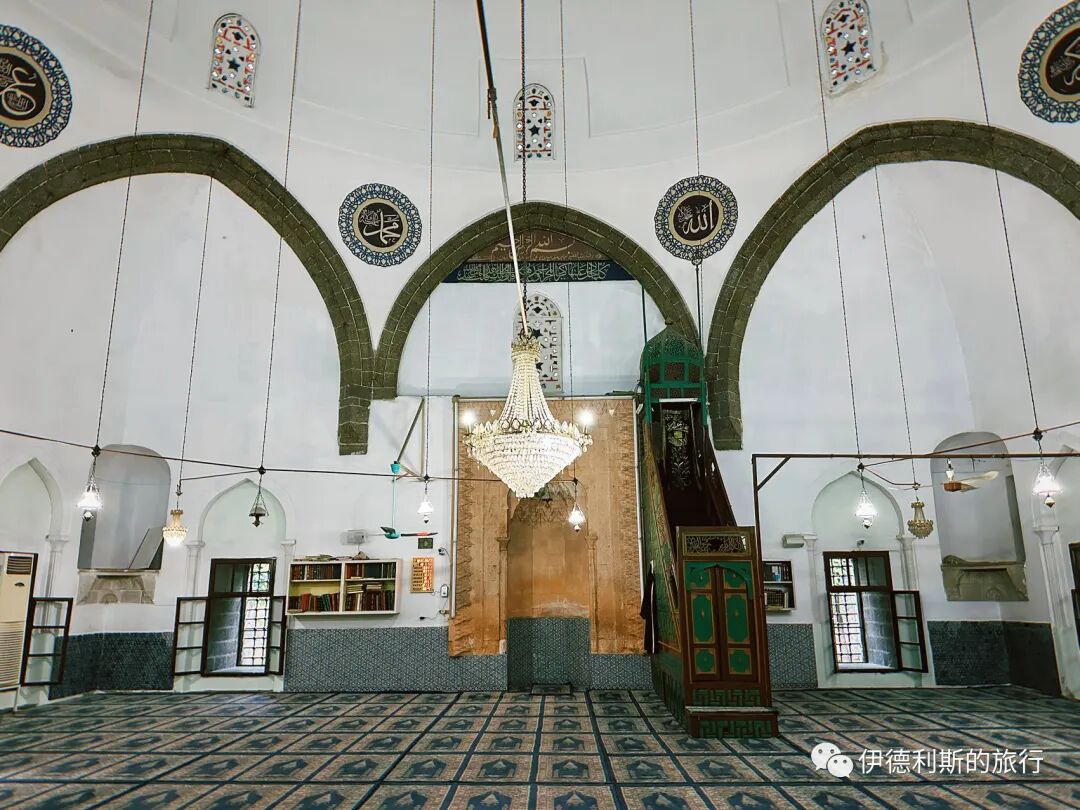
Next to the Iskender Pasha Mansion is another building he commissioned, the Iskender Pasha Mosque (İskender Paşa Camii). Construction began in 1551 or 1554 and finished in 1557. This is a typical Ottoman single-dome mosque, but the front porch and minaret are built very tall.
Ömer Şeddat Mosque: mid-12th century
After dinner, we kept walking through the old city and arrived at the Ömer Şeddat mosque, which sits right next to the south gate of the old city. According to the inscription on the wall, this mosque was built in the mid-12th century during the Inalid Beylik period, making it over 800 years old.
Sultan Şuca Tomb: early 13th century
The Sultan Şuca Tomb (Sultan Şuca Türbesi) stands in the middle of the road directly across from the Ömer Şeddat mosque. The tomb itself has no inscription, but the fountain in front of it is carved with an inscription dating to 1208-09. Historical records show that Sultan Şuca built a madrasa, a tomb, and a fountain near the south gate of Diyarbakır, so it is believed this tomb is one of them.
Mardin Gate: 909-10
We took a night tour of the Mardin Gate, the south gate of the old city of Diyarbakır, which is named for the road leading south to the city of Mardin. The Mardin Gate was destroyed and rebuilt many times due to war. During the 9th-century Şeyhoğulları dynasty (869-899), the gate was destroyed to defend against attacks from the Byzantine Empire. The Şeyhoğulları was an Arab tribal dynasty that was annexed by the Abbasid Caliphate after a short 30-year rule. According to the inscription on the gate, the current structure was rebuilt by the Abbasid Caliphate in 909-910.
Keçi Tower: Byzantine period
South of the Mardin Gate is the Keçi Tower, the southernmost point of the old city of Diyarbakır. The entire tower is built on a rock and overlooks the Tigris River valley to the south of the old city. Keçi was built around the Byzantine period and expanded during the Umayyad Caliphate to help it strongly guard the Mardin Gate. We saw some bricks and stones scattered below the tower that fell during the Turkey-Syria earthquake on February 6, 2023.
Deliller Inn: 1521-27
We finished our trip by visiting the Deliller Inn (Hanı) inside the south gate of the old city. Deli Hüsrev Paşa, the second Ottoman governor of Diyarbakır, built this caravanserai between 1521 and 1527. It has the look of an early Ottoman inn but keeps the building traditions of the Seljuk era. The open courtyard is surrounded by two floors of galleries, with 72 rooms, 17 shops, and a stable that could hold 800 camels.
In the past, many caravans from Syria, Iran, India, and other places stayed here. It is still used as a hotel today, but I could not find a way to book it online before I arrived. view all
Reposted from the web
Summary: Diyarbakir is a thousand-year-old city by the Tigris River with layered Kurdish, Islamic, and regional history. This second part continues through its historic mosques, streets, and old city scenes while keeping the source order and image mapping.
Behrem Pasha Mosque: 1564-72.
Walk west from the main road to reach the Behrem Pasha Mosque, built by the Ottoman governor Behrem Pasha between 1564 and 1572. Behrem Pasha served as the governor of Diyarbakır in the 1560s. The great Ottoman architect Mimar Sinan mentioned this mosque in one of his autobiographies, Tuḥfetü'l-Miʿmārīn. Experts believe Sinan did not supervise the construction himself but likely delegated it to another royal architect.
The mosque features the traditional Diyarbakır exterior of alternating black basalt and white limestone, with a beautiful stalactite-style cornice (muqarnas) above the main gate. The main dome of the prayer hall stands 15.9 meters high and rests on eight pointed arches. The interior follows a classic Ottoman style.
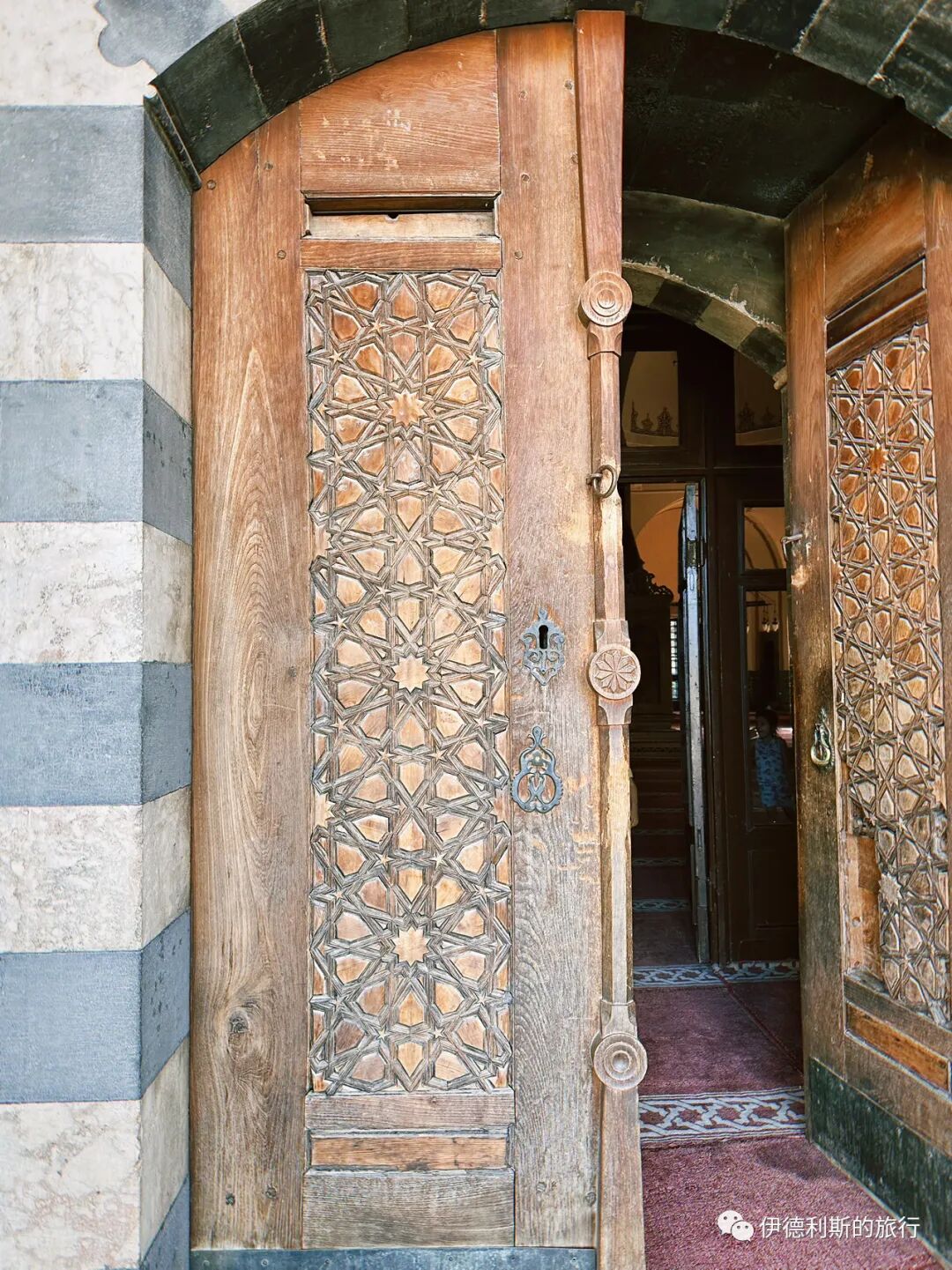
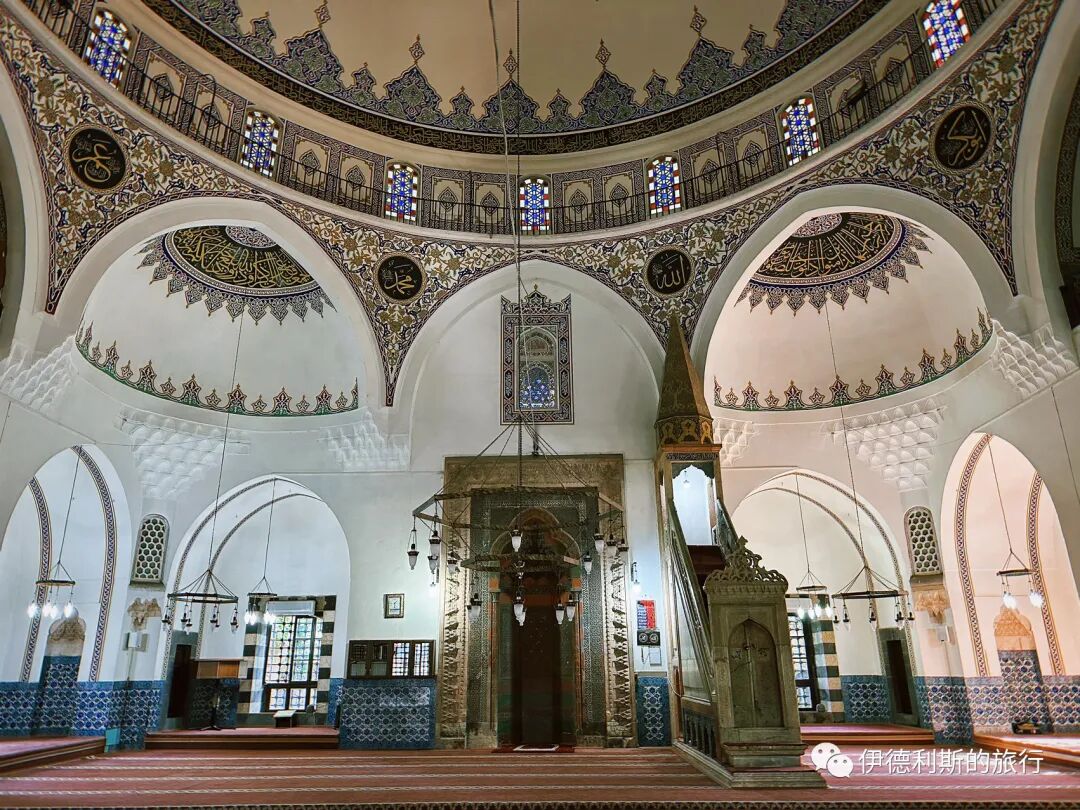
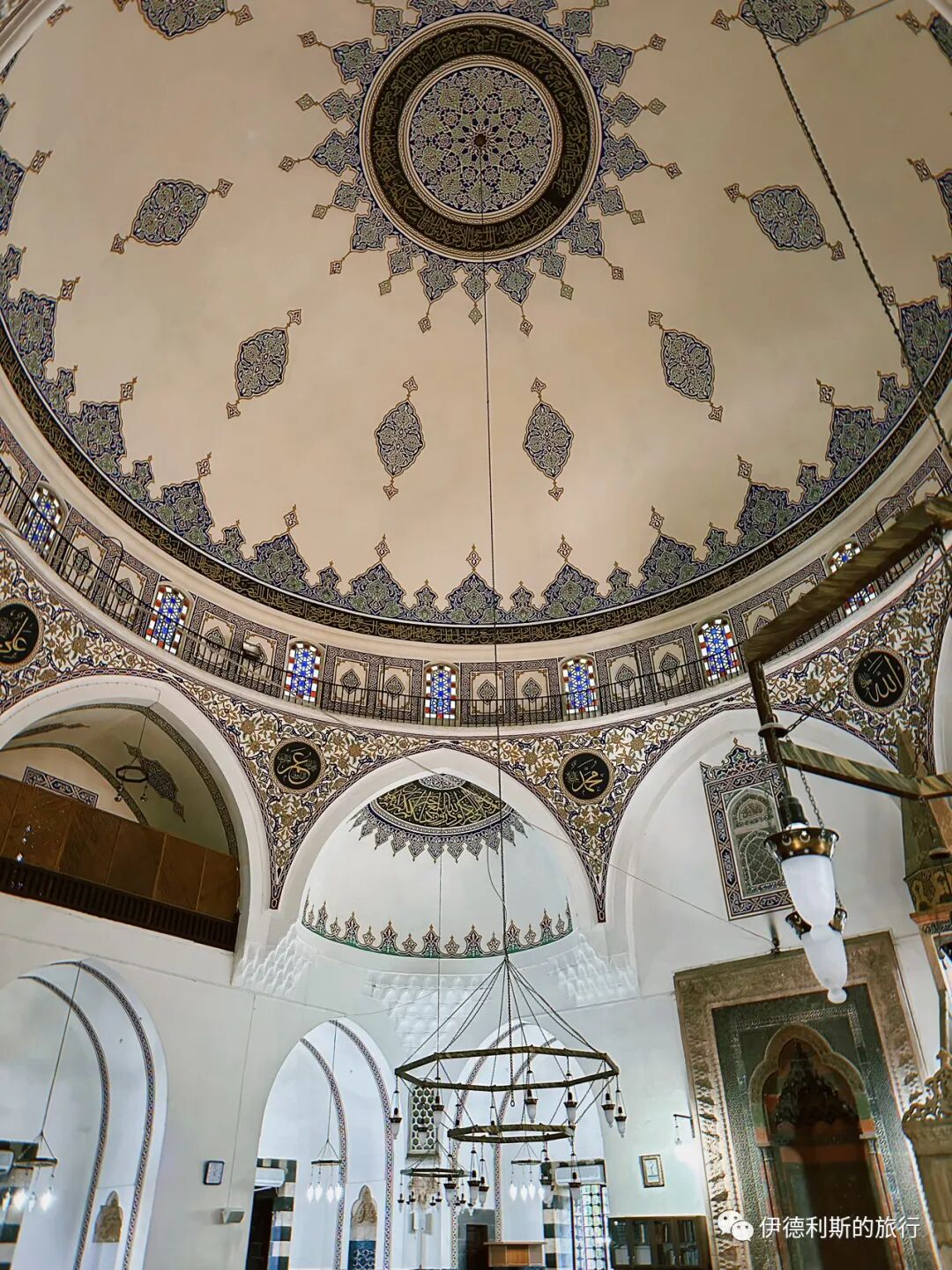
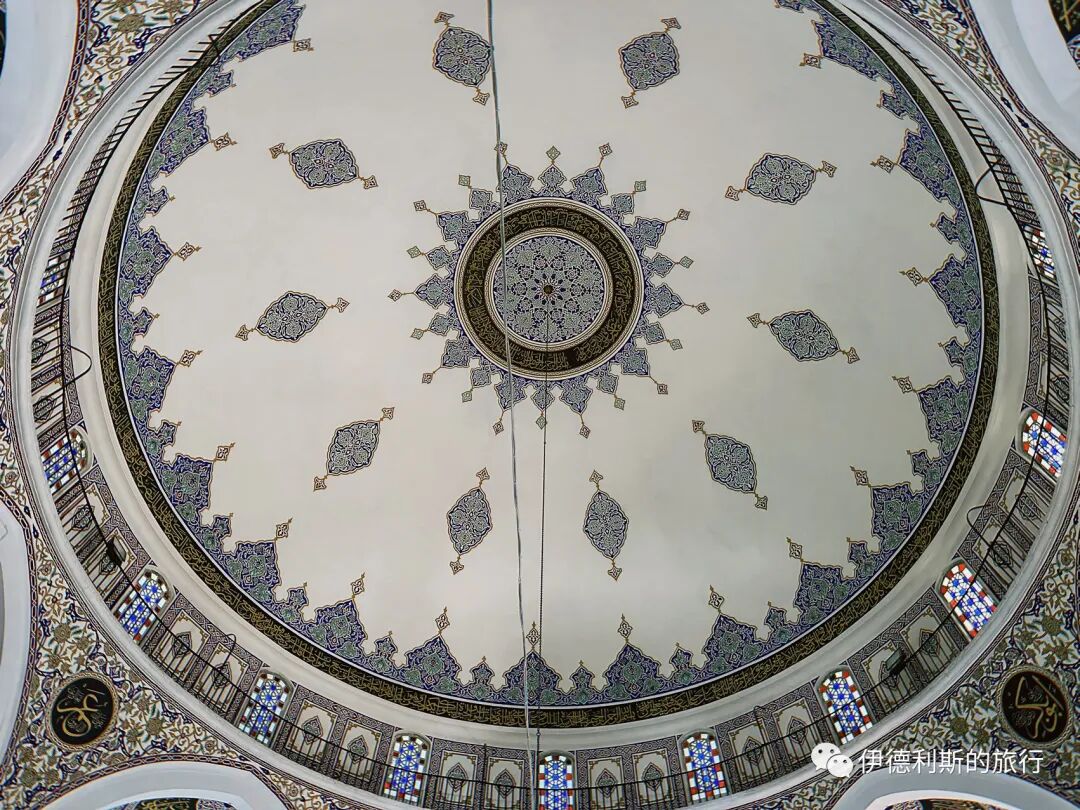
The Behrem Pasha Mosque has a beautiful prayer niche (mihrab) and a pulpit (minbar), with intricate Arabic calligraphy on the minbar door. The prayer hall is decorated with beautiful tiles. Analysis suggests these were fired locally in Diyarbakır, but they are just as fine as the popular Iznik tiles of that time.
Cemil Pasha Mansion: 1888-1902.
Continue south to reach the Cemil Pasha Mansion (Cemil Paşa Konağı), the best-preserved mansion in Diyarbakır, which now serves as the Diyarbakır City Museum.
Cemil Pasha served as the Ottoman governor of Yemen and Siirt. He built this mansion between 1888 and 1902 and lived there until 1927. In 2012, the Diyarbakır municipal government reached an agreement with the descendants of Cemil Pasha to restore the mansion, and it officially opened as a city museum in 2014.
The Cemil Pasha Mansion consists of two large courtyards. One is the private family area known as the harem (harem), and the other is the public area for receiving guests and business known as the reception hall (selamlık). This layout was standard for the mansions of high-ranking Ottoman officials. The north side of the harem served as winter quarters to catch the sun, while the south side served as summer quarters to stay in the shade. The selamlık includes stables, servant rooms, reception rooms, a coffee room, and a water pool.
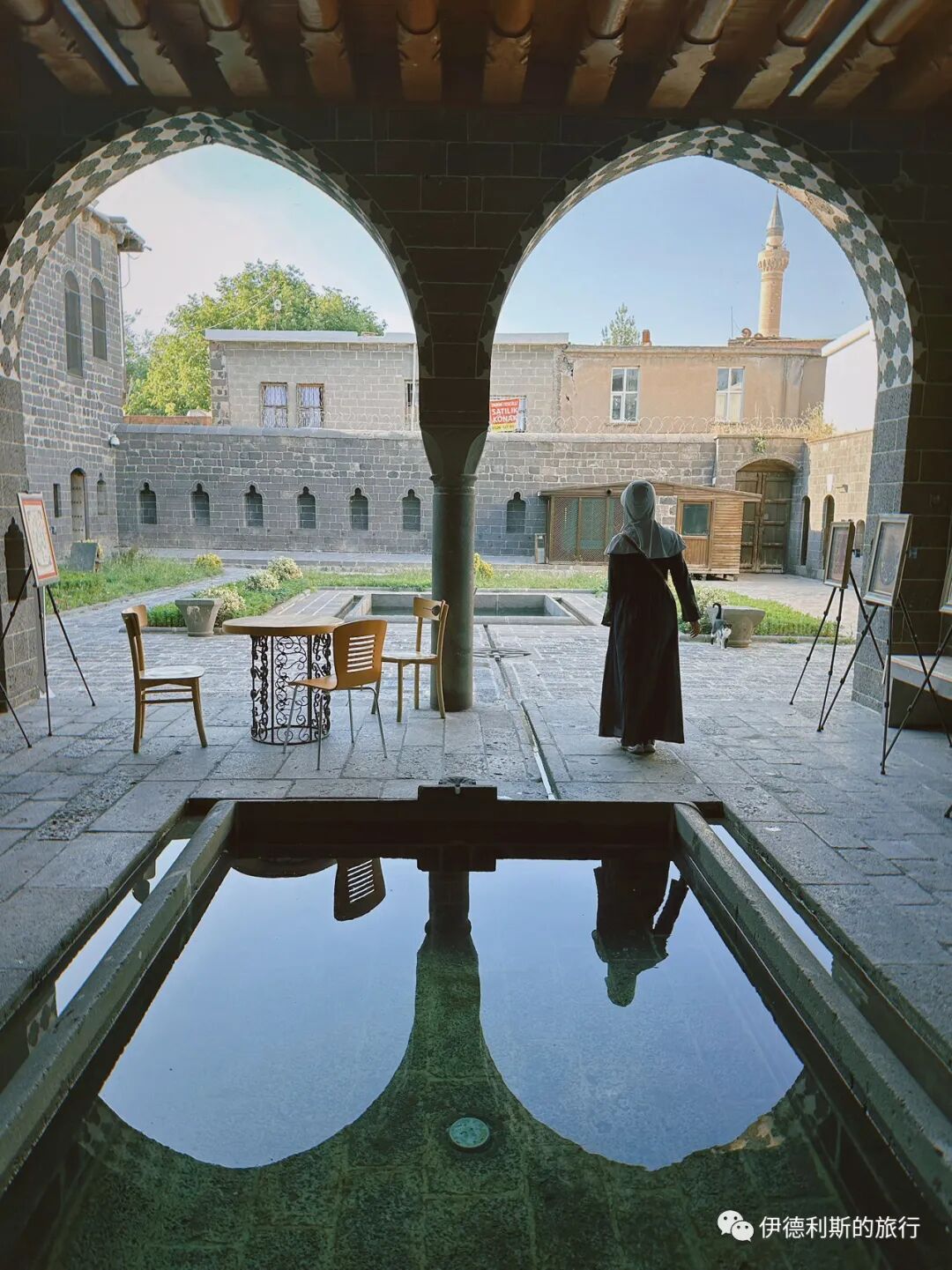
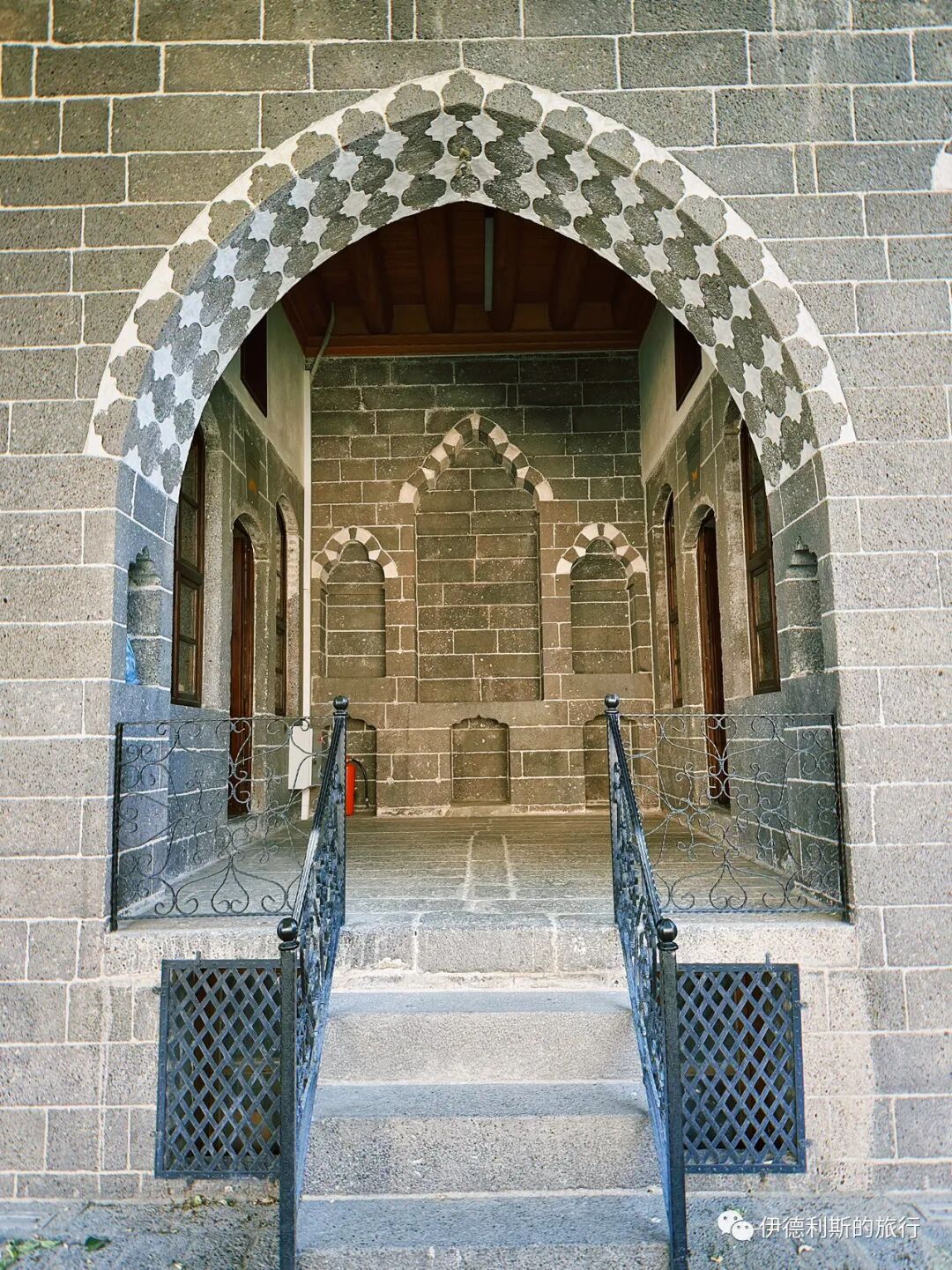
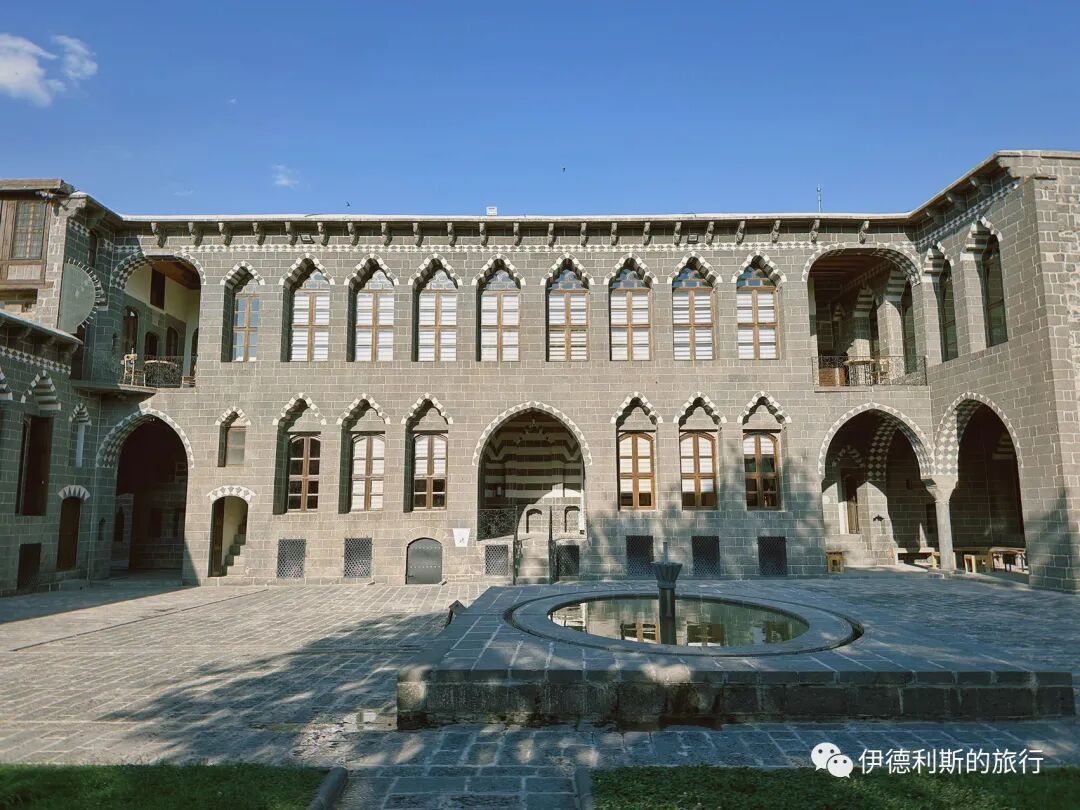
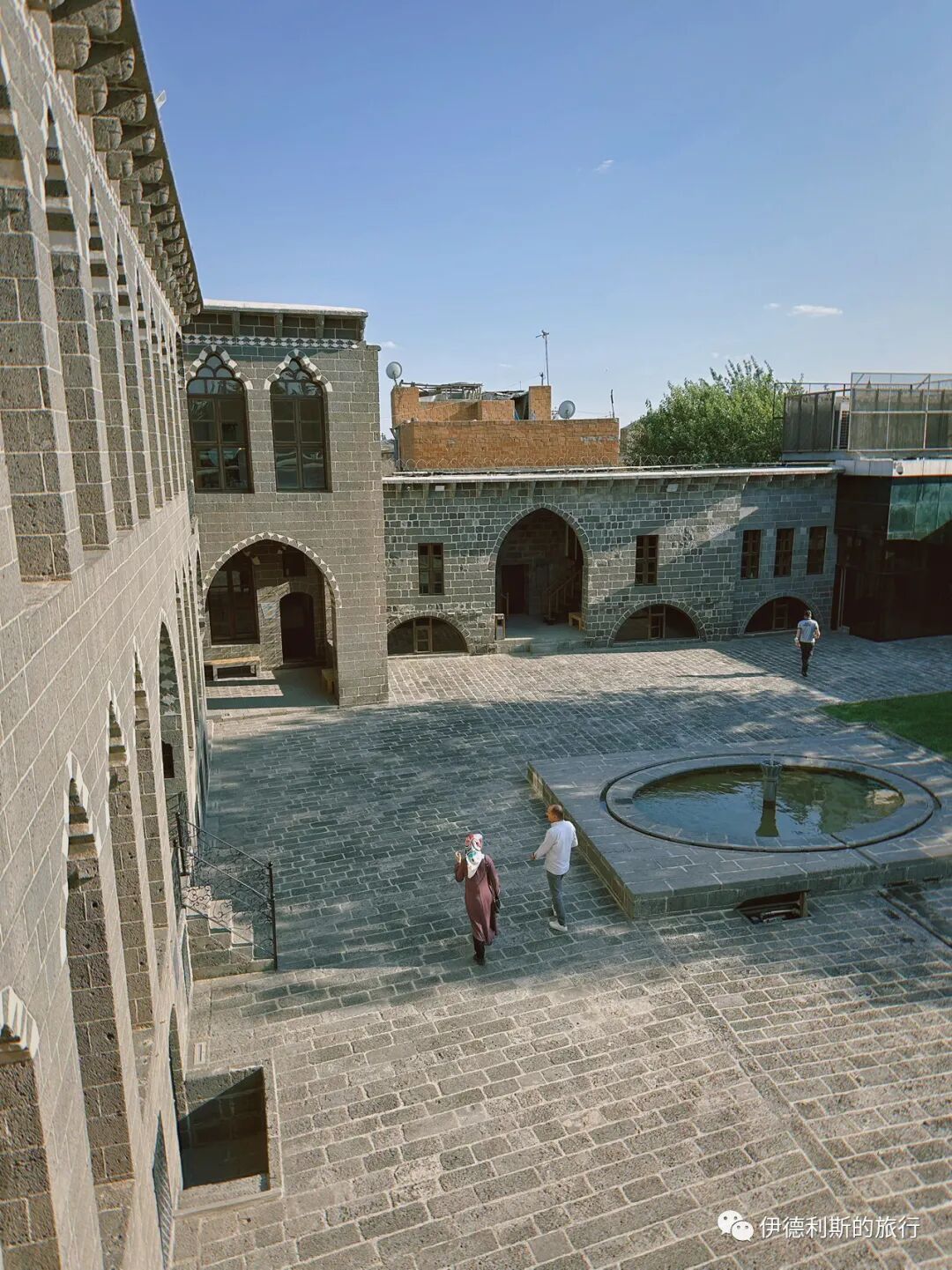
The interior of the Cemil Pasha Mansion (Cemil Paşa Konağı), now the Diyarbakır City Museum, displays every aspect of life for the Kurds in Turkey.
Ziya Gökalp Museum: early 19th century
We arrived at the northwest side of the old city of Diyarbakır and first visited the Ziya Gökalp Museum, dedicated to the father of Turkish nationalism. The museum is housed in a black basalt home built in the early 19th century. The Ziya Gökalp family bought it in 1824, and he was born there in 1876.
In 2014, ISIS besieged the Syrian Kurdish city of Kobani, forcing many Kurds to flee their homes. Because the Turkish government viewed the Kurdish People's Protection Units (YPG) defending Kobani as a threat, it blocked Turkish Kurds from helping them, which led to large-scale protests by Turkish Kurds. During the clashes, the Ziya Gökalp Museum was damaged, and some archives and books were destroyed. It was later restored by the Association of Turkish Travel Agencies (TÜRSAB).
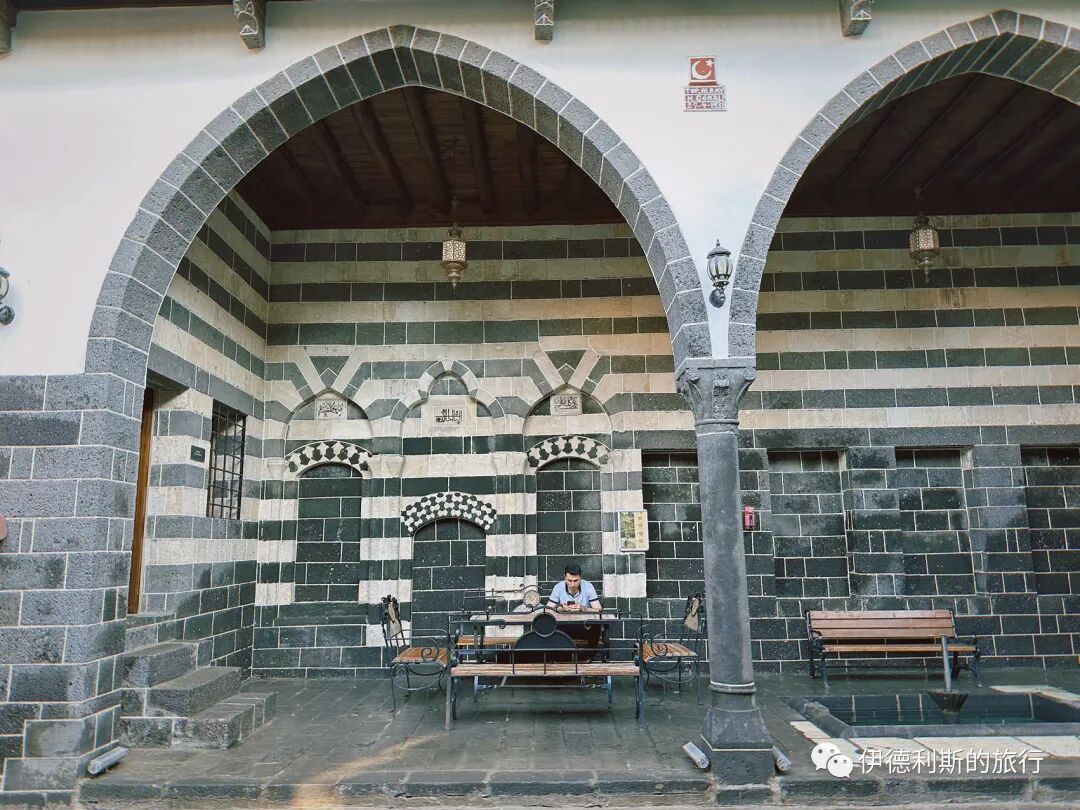
Iskender Pasha Mansion: 1551
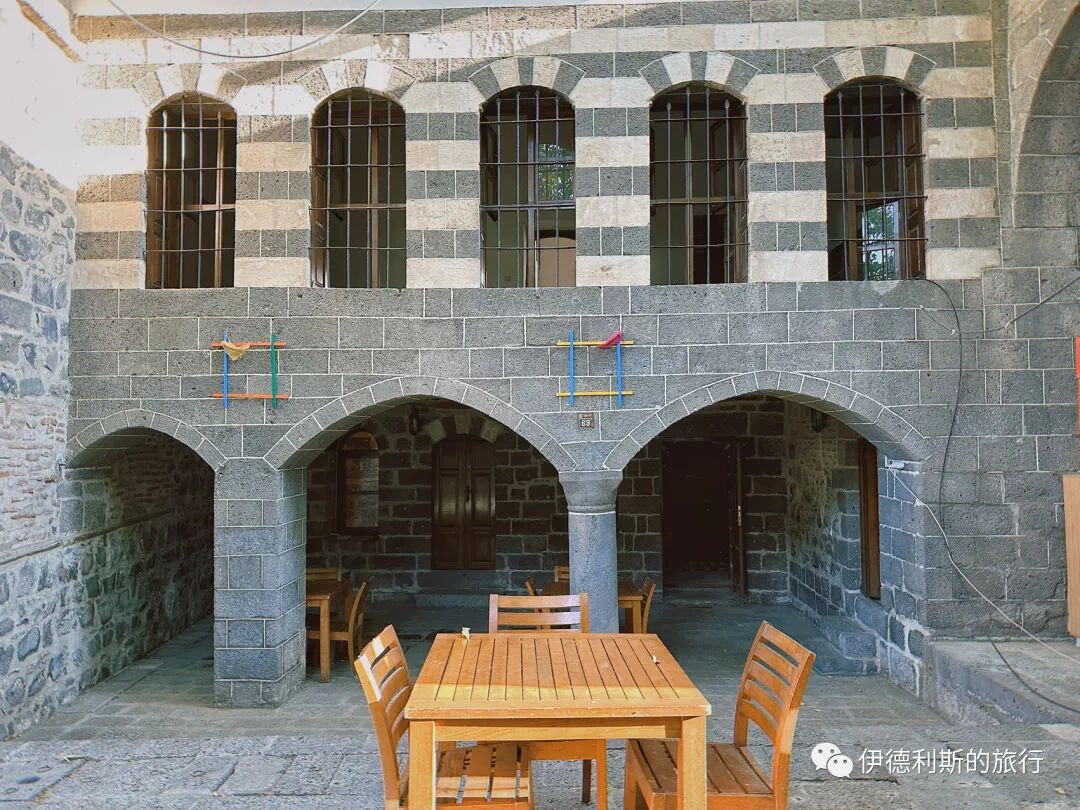
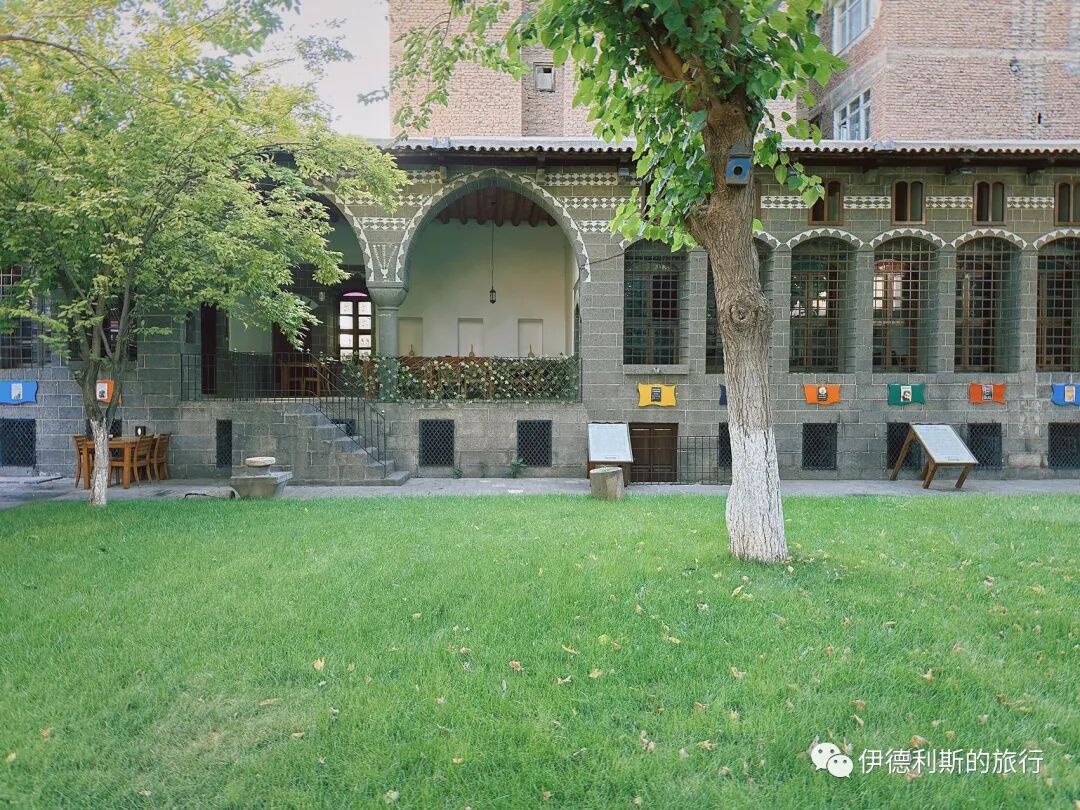
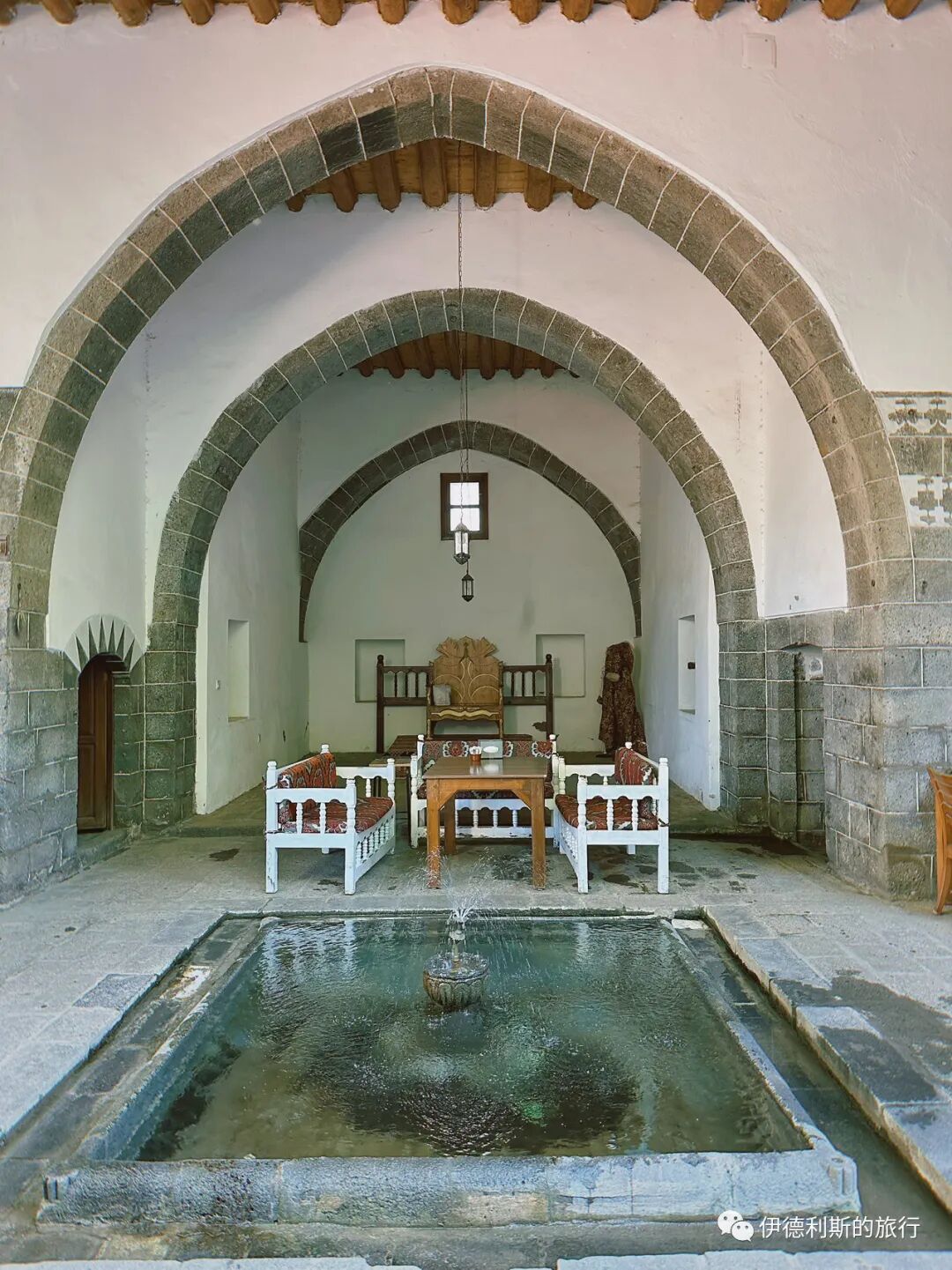
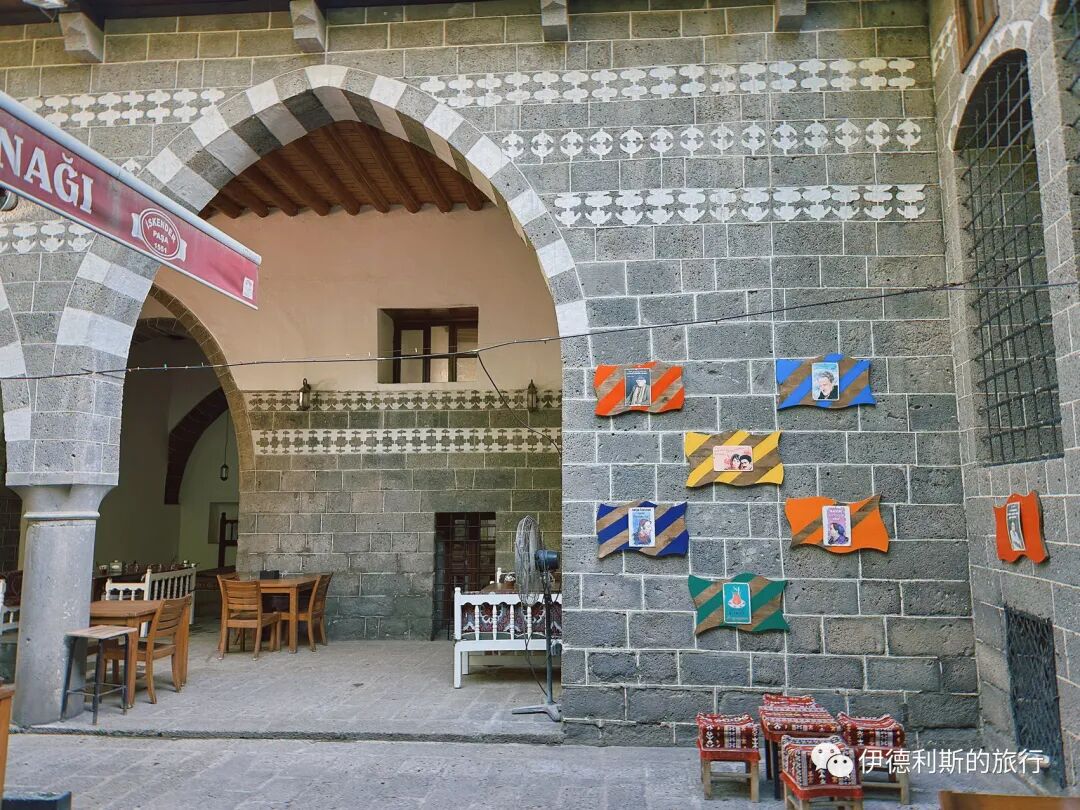
Walking north from the Ziya Gökalp Museum, you reach the Iskender Pasha Mansion (İskender paşa Konağı). Iskender Pasha, the 12th governor of the Ottoman Empire in Diyarbakır, built this in 1551 during the peak of Suleiman the Magnificent's reign. Today, the mansion is a breakfast restaurant, and a plane tree over 400 years old still stands in the courtyard.
In the 1540s and 1550s, Iskender Pasha spent years on the eastern Ottoman border fighting the Georgians and the Persian Safavid Empire, successfully stopping the Safavids from moving west.
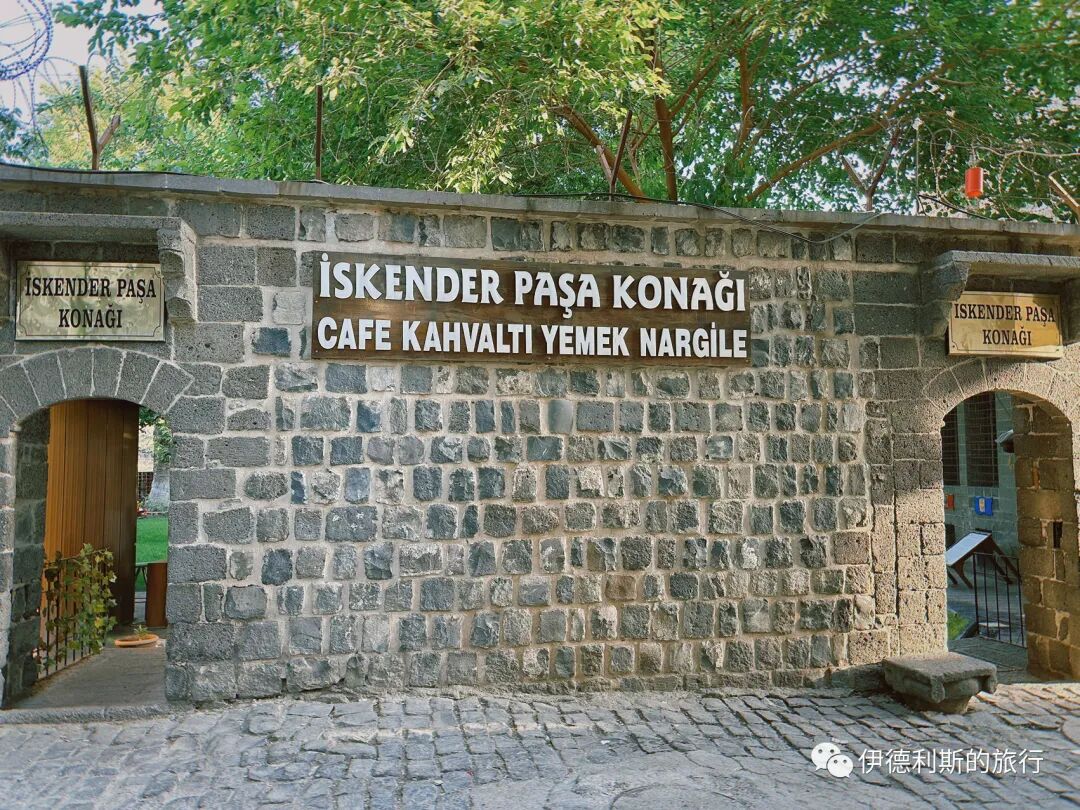
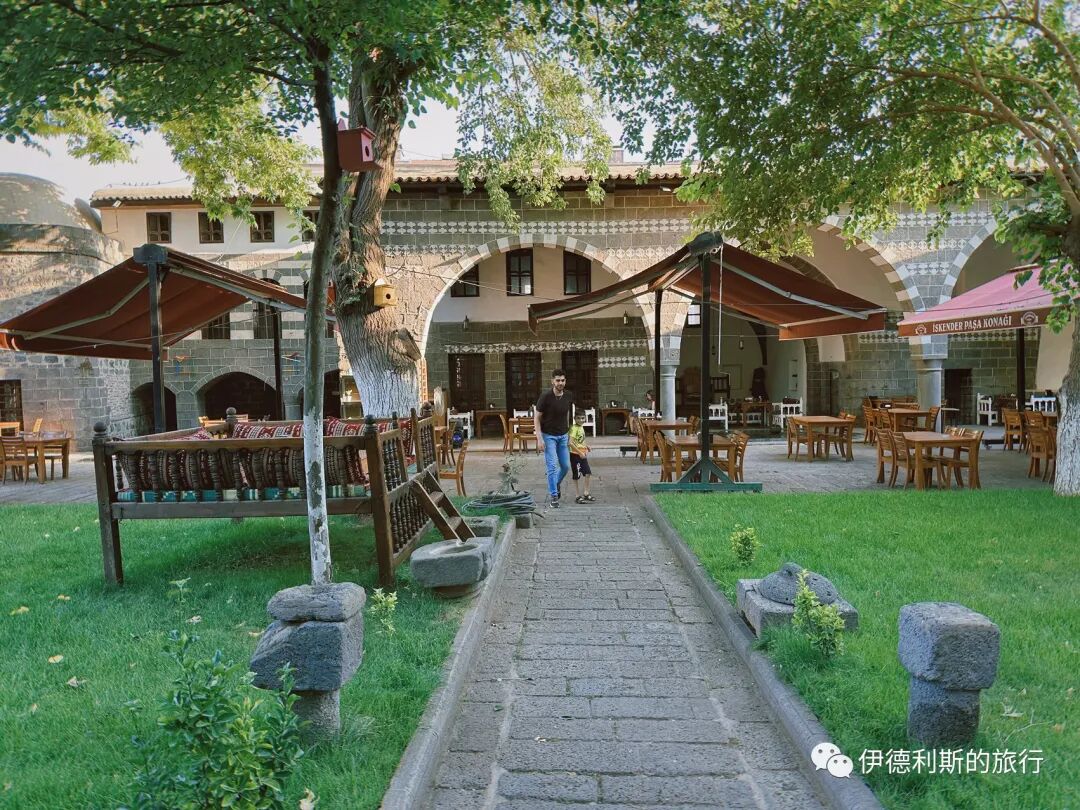
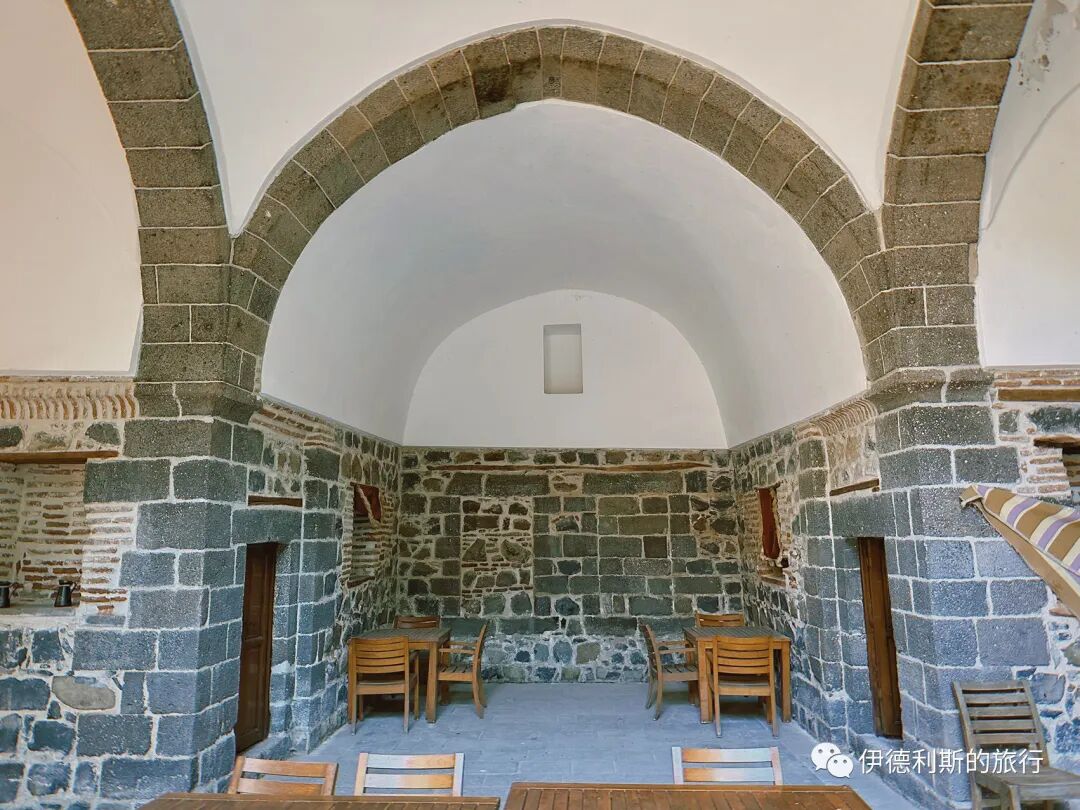
Iskender Pasha Mosque: 1557
Next to the Iskender Pasha Mansion is another building he commissioned, the Iskender Pasha Mosque (İskender Paşa Camii). Construction began in 1551 or 1554 and finished in 1557. This is a typical Ottoman single-dome mosque, but the front porch and minaret are built very tall.
Ömer Şeddat Mosque: mid-12th century
After dinner, we kept walking through the old city and arrived at the Ömer Şeddat mosque, which sits right next to the south gate of the old city. According to the inscription on the wall, this mosque was built in the mid-12th century during the Inalid Beylik period, making it over 800 years old.
Sultan Şuca Tomb: early 13th century
The Sultan Şuca Tomb (Sultan Şuca Türbesi) stands in the middle of the road directly across from the Ömer Şeddat mosque. The tomb itself has no inscription, but the fountain in front of it is carved with an inscription dating to 1208-09. Historical records show that Sultan Şuca built a madrasa, a tomb, and a fountain near the south gate of Diyarbakır, so it is believed this tomb is one of them.
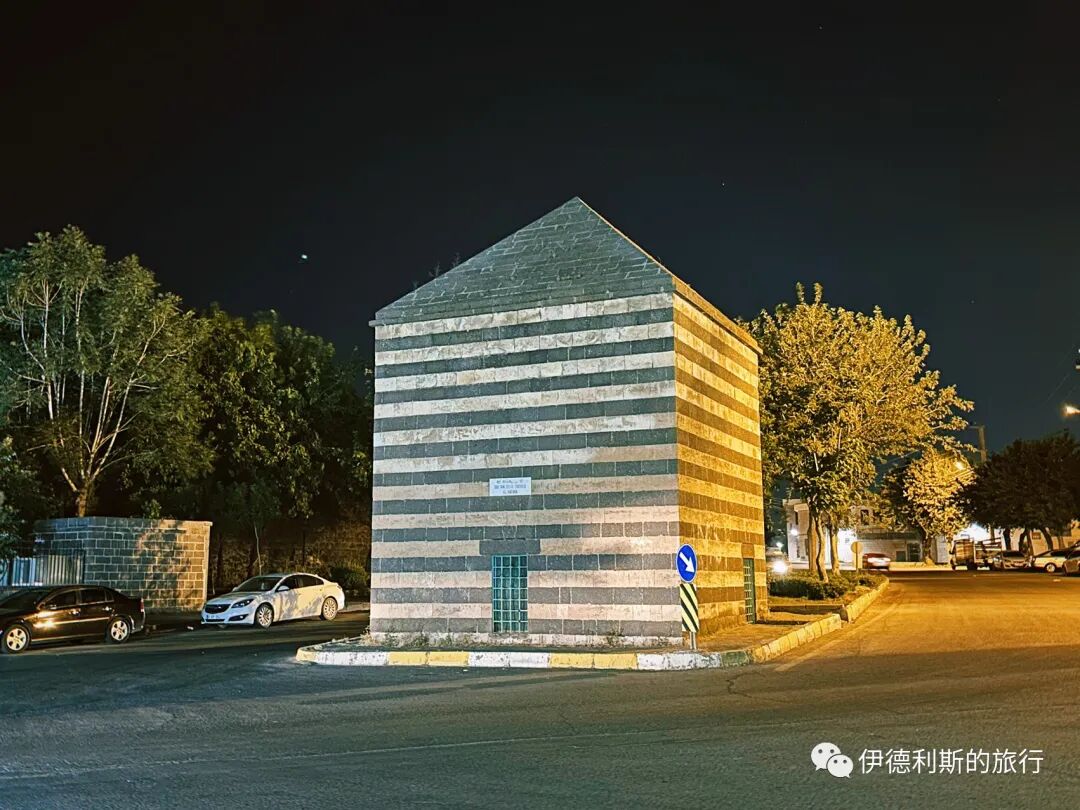
Mardin Gate: 909-10
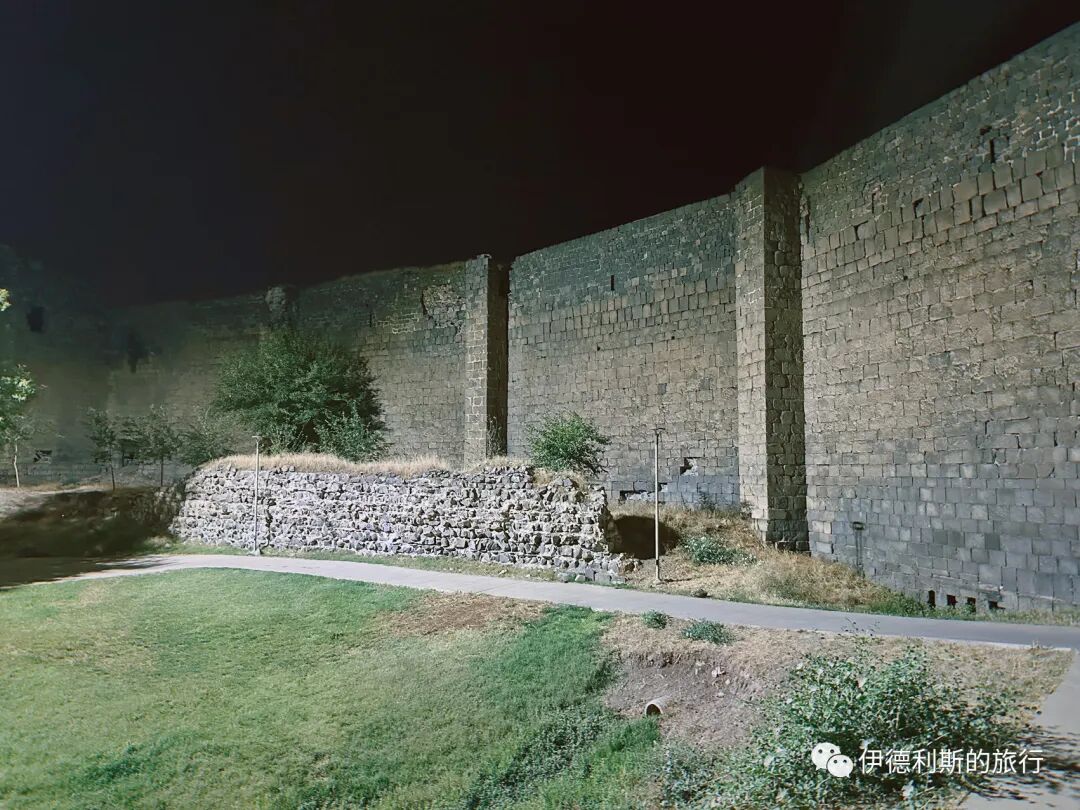
We took a night tour of the Mardin Gate, the south gate of the old city of Diyarbakır, which is named for the road leading south to the city of Mardin. The Mardin Gate was destroyed and rebuilt many times due to war. During the 9th-century Şeyhoğulları dynasty (869-899), the gate was destroyed to defend against attacks from the Byzantine Empire. The Şeyhoğulları was an Arab tribal dynasty that was annexed by the Abbasid Caliphate after a short 30-year rule. According to the inscription on the gate, the current structure was rebuilt by the Abbasid Caliphate in 909-910.
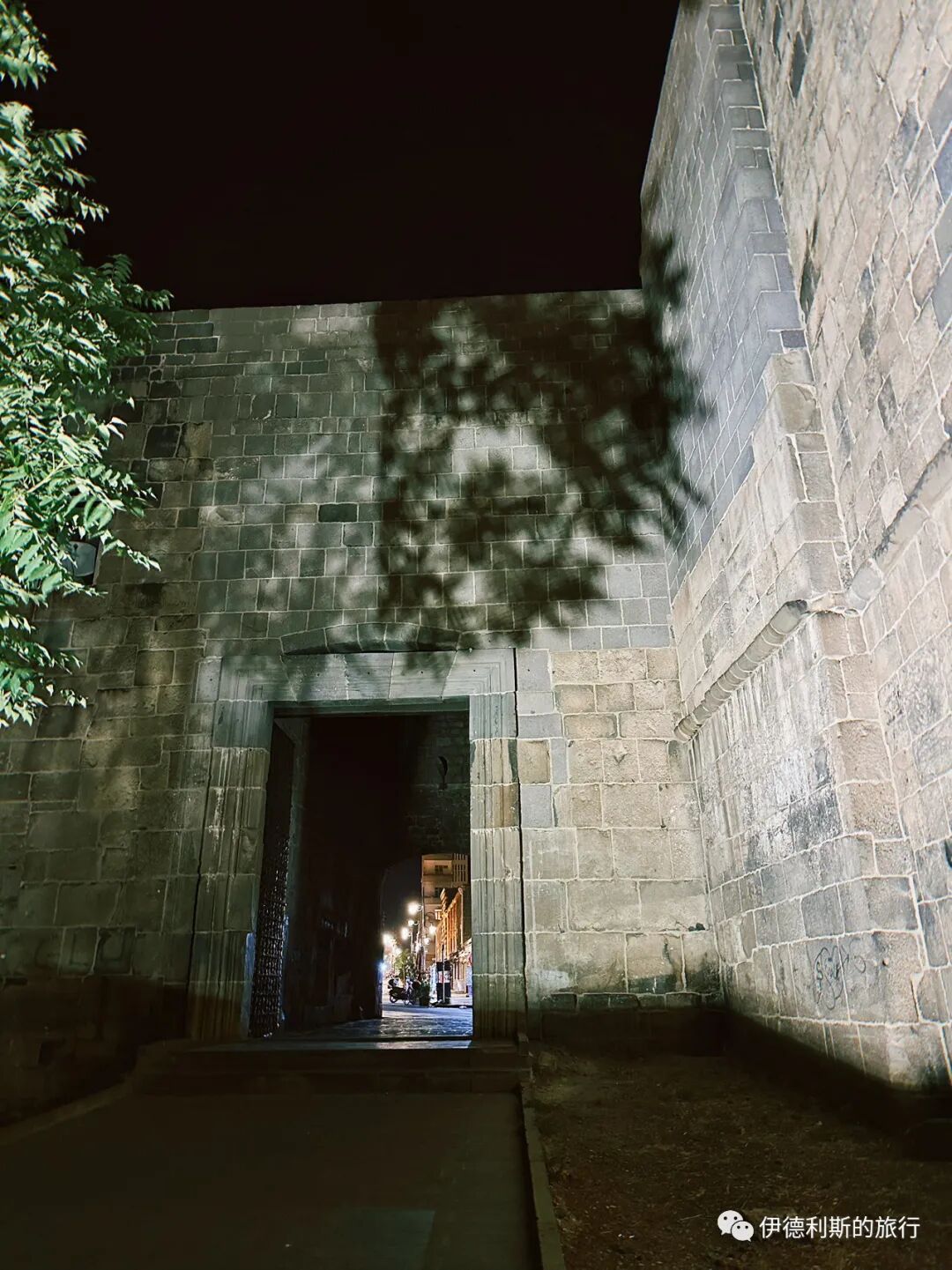
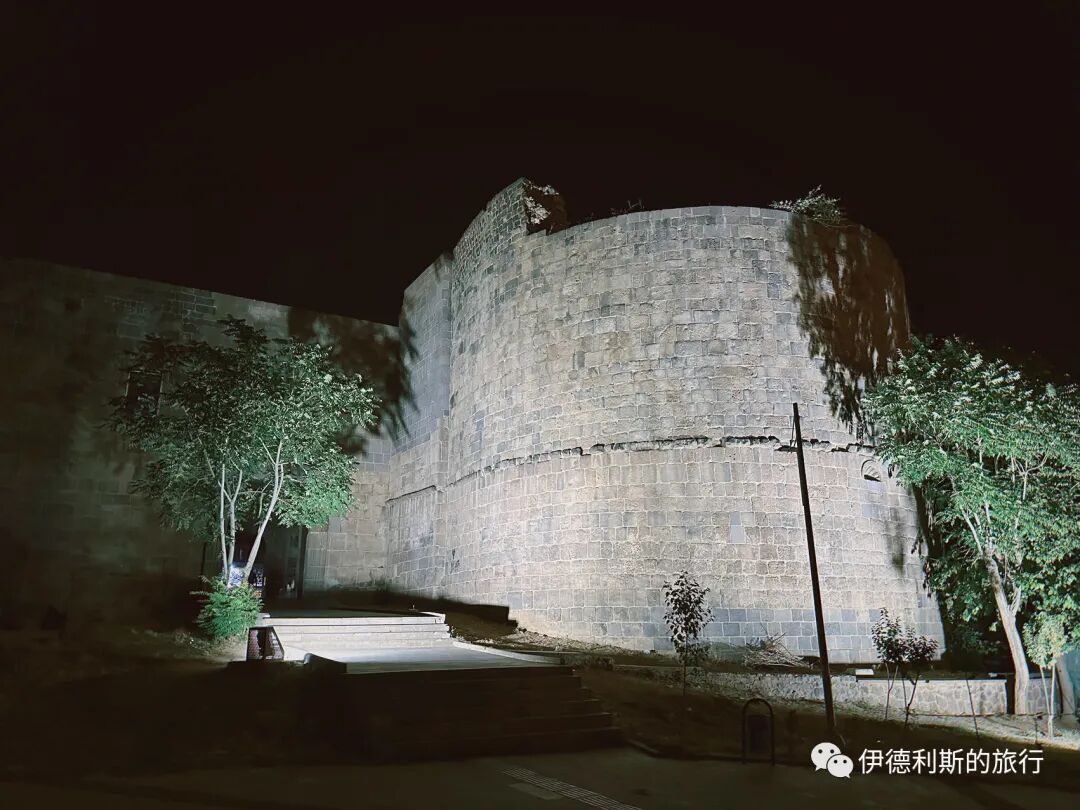
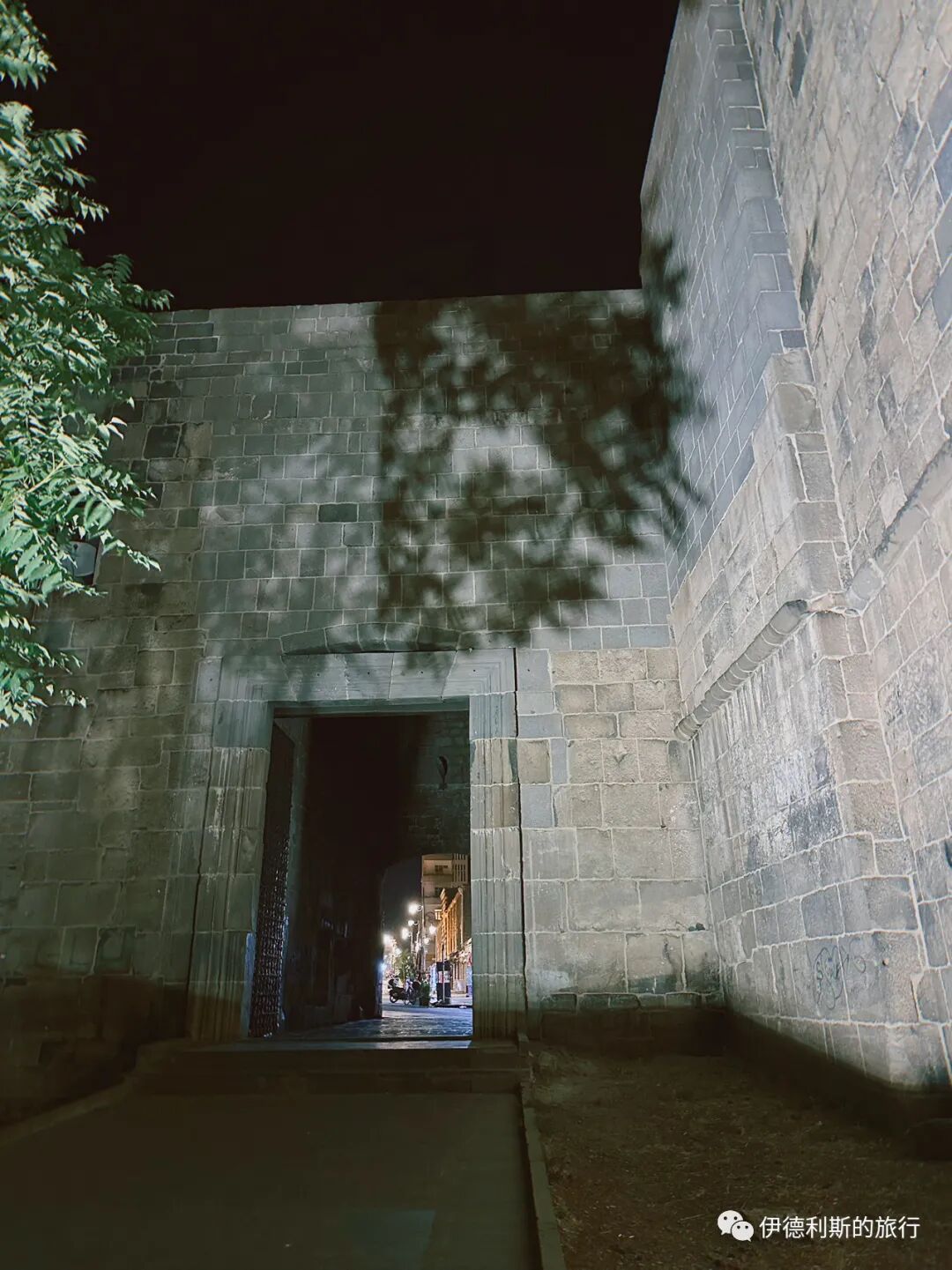
Keçi Tower: Byzantine period
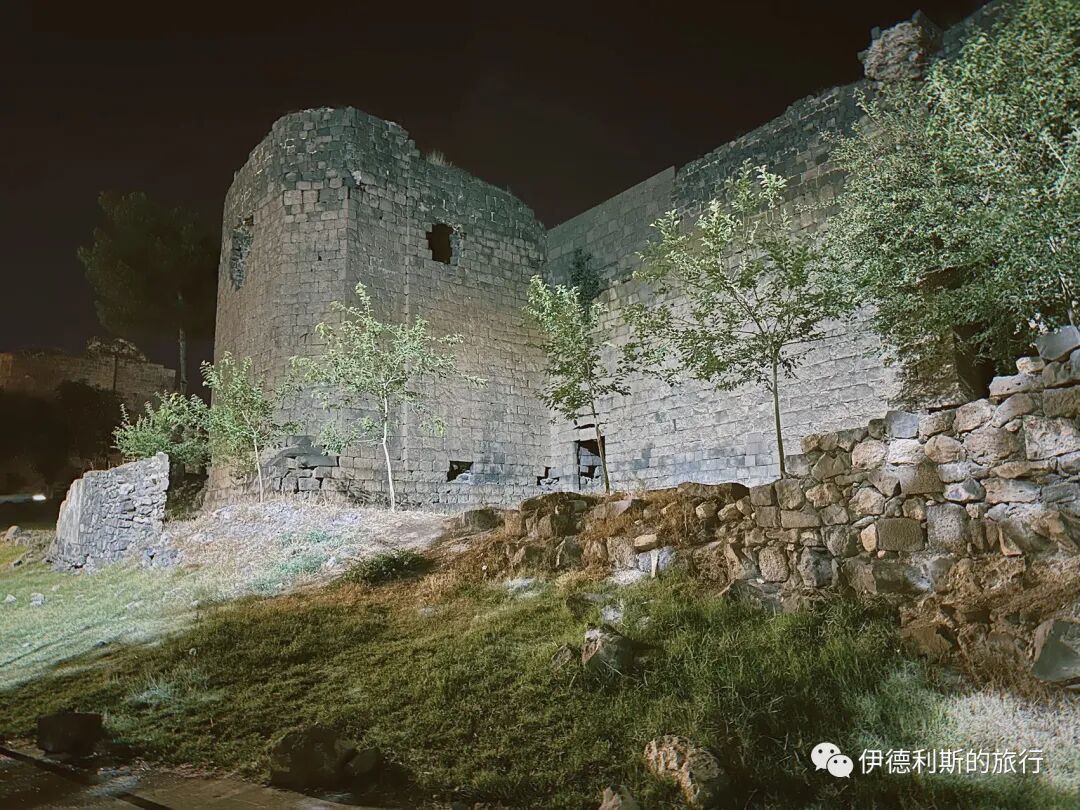
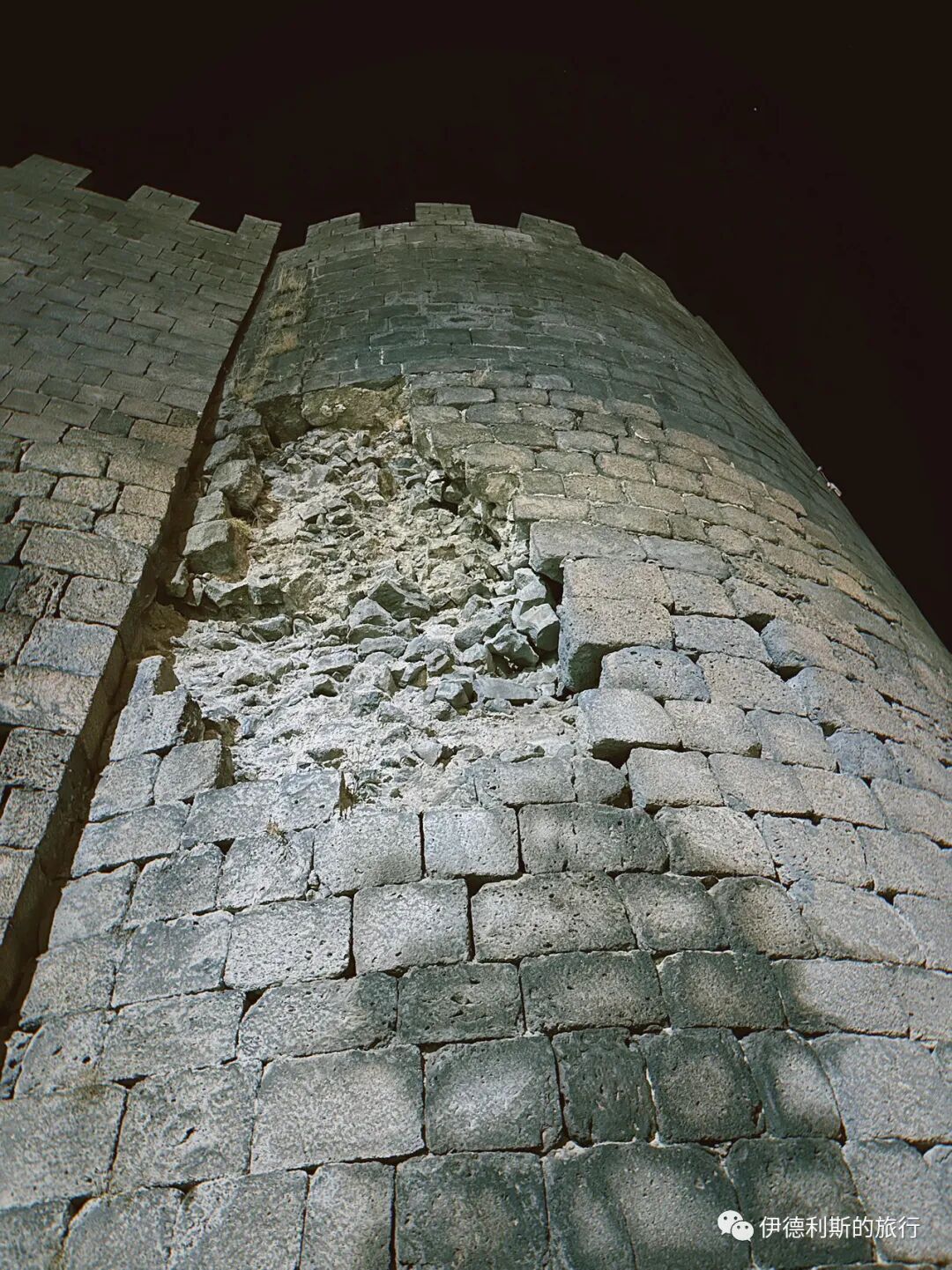
South of the Mardin Gate is the Keçi Tower, the southernmost point of the old city of Diyarbakır. The entire tower is built on a rock and overlooks the Tigris River valley to the south of the old city. Keçi was built around the Byzantine period and expanded during the Umayyad Caliphate to help it strongly guard the Mardin Gate. We saw some bricks and stones scattered below the tower that fell during the Turkey-Syria earthquake on February 6, 2023.
Deliller Inn: 1521-27
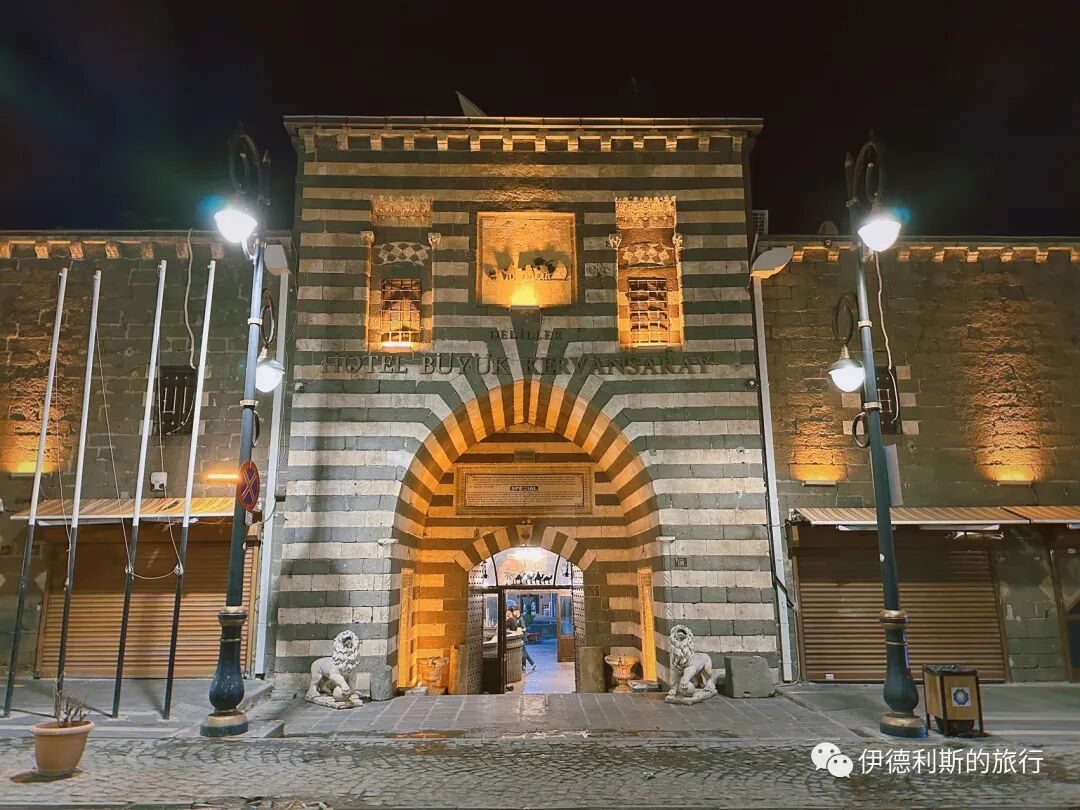
We finished our trip by visiting the Deliller Inn (Hanı) inside the south gate of the old city. Deli Hüsrev Paşa, the second Ottoman governor of Diyarbakır, built this caravanserai between 1521 and 1527. It has the look of an early Ottoman inn but keeps the building traditions of the Seljuk era. The open courtyard is surrounded by two floors of galleries, with 72 rooms, 17 shops, and a stable that could hold 800 camels.
In the past, many caravans from Syria, Iran, India, and other places stayed here. It is still used as a hotel today, but I could not find a way to book it online before I arrived.
Summary: Diyarbakir is a thousand-year-old city by the Tigris River with layered Kurdish, Islamic, and regional history. This second part continues through its historic mosques, streets, and old city scenes while keeping the source order and image mapping.
Behrem Pasha Mosque: 1564-72.
Walk west from the main road to reach the Behrem Pasha Mosque, built by the Ottoman governor Behrem Pasha between 1564 and 1572. Behrem Pasha served as the governor of Diyarbakır in the 1560s. The great Ottoman architect Mimar Sinan mentioned this mosque in one of his autobiographies, Tuḥfetü'l-Miʿmārīn. Experts believe Sinan did not supervise the construction himself but likely delegated it to another royal architect.
The mosque features the traditional Diyarbakır exterior of alternating black basalt and white limestone, with a beautiful stalactite-style cornice (muqarnas) above the main gate. The main dome of the prayer hall stands 15.9 meters high and rests on eight pointed arches. The interior follows a classic Ottoman style.
The Behrem Pasha Mosque has a beautiful prayer niche (mihrab) and a pulpit (minbar), with intricate Arabic calligraphy on the minbar door. The prayer hall is decorated with beautiful tiles. Analysis suggests these were fired locally in Diyarbakır, but they are just as fine as the popular Iznik tiles of that time.
Cemil Pasha Mansion: 1888-1902.
Continue south to reach the Cemil Pasha Mansion (Cemil Paşa Konağı), the best-preserved mansion in Diyarbakır, which now serves as the Diyarbakır City Museum.
Cemil Pasha served as the Ottoman governor of Yemen and Siirt. He built this mansion between 1888 and 1902 and lived there until 1927. In 2012, the Diyarbakır municipal government reached an agreement with the descendants of Cemil Pasha to restore the mansion, and it officially opened as a city museum in 2014.
The Cemil Pasha Mansion consists of two large courtyards. One is the private family area known as the harem (harem), and the other is the public area for receiving guests and business known as the reception hall (selamlık). This layout was standard for the mansions of high-ranking Ottoman officials. The north side of the harem served as winter quarters to catch the sun, while the south side served as summer quarters to stay in the shade. The selamlık includes stables, servant rooms, reception rooms, a coffee room, and a water pool.
The interior of the Cemil Pasha Mansion (Cemil Paşa Konağı), now the Diyarbakır City Museum, displays every aspect of life for the Kurds in Turkey.
Ziya Gökalp Museum: early 19th century
We arrived at the northwest side of the old city of Diyarbakır and first visited the Ziya Gökalp Museum, dedicated to the father of Turkish nationalism. The museum is housed in a black basalt home built in the early 19th century. The Ziya Gökalp family bought it in 1824, and he was born there in 1876.
In 2014, ISIS besieged the Syrian Kurdish city of Kobani, forcing many Kurds to flee their homes. Because the Turkish government viewed the Kurdish People's Protection Units (YPG) defending Kobani as a threat, it blocked Turkish Kurds from helping them, which led to large-scale protests by Turkish Kurds. During the clashes, the Ziya Gökalp Museum was damaged, and some archives and books were destroyed. It was later restored by the Association of Turkish Travel Agencies (TÜRSAB).
Iskender Pasha Mansion: 1551
Walking north from the Ziya Gökalp Museum, you reach the Iskender Pasha Mansion (İskender paşa Konağı). Iskender Pasha, the 12th governor of the Ottoman Empire in Diyarbakır, built this in 1551 during the peak of Suleiman the Magnificent's reign. Today, the mansion is a breakfast restaurant, and a plane tree over 400 years old still stands in the courtyard.
In the 1540s and 1550s, Iskender Pasha spent years on the eastern Ottoman border fighting the Georgians and the Persian Safavid Empire, successfully stopping the Safavids from moving west.
Iskender Pasha Mosque: 1557
Next to the Iskender Pasha Mansion is another building he commissioned, the Iskender Pasha Mosque (İskender Paşa Camii). Construction began in 1551 or 1554 and finished in 1557. This is a typical Ottoman single-dome mosque, but the front porch and minaret are built very tall.
Ömer Şeddat Mosque: mid-12th century
After dinner, we kept walking through the old city and arrived at the Ömer Şeddat mosque, which sits right next to the south gate of the old city. According to the inscription on the wall, this mosque was built in the mid-12th century during the Inalid Beylik period, making it over 800 years old.
Sultan Şuca Tomb: early 13th century
The Sultan Şuca Tomb (Sultan Şuca Türbesi) stands in the middle of the road directly across from the Ömer Şeddat mosque. The tomb itself has no inscription, but the fountain in front of it is carved with an inscription dating to 1208-09. Historical records show that Sultan Şuca built a madrasa, a tomb, and a fountain near the south gate of Diyarbakır, so it is believed this tomb is one of them.
Mardin Gate: 909-10
We took a night tour of the Mardin Gate, the south gate of the old city of Diyarbakır, which is named for the road leading south to the city of Mardin. The Mardin Gate was destroyed and rebuilt many times due to war. During the 9th-century Şeyhoğulları dynasty (869-899), the gate was destroyed to defend against attacks from the Byzantine Empire. The Şeyhoğulları was an Arab tribal dynasty that was annexed by the Abbasid Caliphate after a short 30-year rule. According to the inscription on the gate, the current structure was rebuilt by the Abbasid Caliphate in 909-910.
Keçi Tower: Byzantine period
South of the Mardin Gate is the Keçi Tower, the southernmost point of the old city of Diyarbakır. The entire tower is built on a rock and overlooks the Tigris River valley to the south of the old city. Keçi was built around the Byzantine period and expanded during the Umayyad Caliphate to help it strongly guard the Mardin Gate. We saw some bricks and stones scattered below the tower that fell during the Turkey-Syria earthquake on February 6, 2023.
Deliller Inn: 1521-27
We finished our trip by visiting the Deliller Inn (Hanı) inside the south gate of the old city. Deli Hüsrev Paşa, the second Ottoman governor of Diyarbakır, built this caravanserai between 1521 and 1527. It has the look of an early Ottoman inn but keeps the building traditions of the Seljuk era. The open courtyard is surrounded by two floors of galleries, with 72 rooms, 17 shops, and a stable that could hold 800 camels.
In the past, many caravans from Syria, Iran, India, and other places stayed here. It is still used as a hotel today, but I could not find a way to book it online before I arrived.
Halal Travel Guide: Diyarbakir, Turkey — Kurdish City, Mosques and History
Articles • ali2007fr posted the article • 0 comments • 163 views • 2026-05-19 02:59
Reposted from the web
Summary: Diyarbakir in southeastern Turkey is a Kurdish city shaped by old walls, mosques, bazaars, and life along the Tigris River. This travel account introduces its streets, Muslim heritage, and local history while keeping the Chinese source details and photos in order.
We left Mardin in the morning and took a minibus to Diyarbakir, the largest Kurdish city in Turkey, which is also known as the unofficial capital of Turkish Kurdistan. We stayed in the heart of the old city of Diyarbakir, right next to a busy main road filled with all kinds of shops.
We first drank a local Turkish Kurdistan specialty, licorice root water (Meyan şerbeti). It is a classic Ramadan drink for the Kurds in Turkey. It tastes slightly bitter, and they describe it as a cure-all (Her Derde Deva). This drink is made from the roots of the licorice plant (guangguo gancao). Kurds drink it by soaking the roots in water, but it can also be refined and added to candies and cola.
Then we had a mix of pomegranate juice and orange juice, which had a very rich flavor.
The street had many fruit vendors, mostly selling mulberries and a small melon that tastes like a cucumber. Kurds cut this small melon open, sprinkle salt inside, and eat it for a very refreshing snack.
For lunch, we ate grilled lamb liver at a restaurant in the center of the old city. We had four large skewers of liver served with five side dishes and a plate of thin flatbread (bing). We wrapped the liver in the bread, making for a perfect balance of meat and vegetables. The restaurant had a great view, with the street scene of Diyarbakir right outside the window.
Among the side dishes, the most unique was the appetizer from southeastern Turkey called raw meatballs (Cig Kofte), which is loved by local Kurds, Armenians, and Turks alike. To make these meatballs, you knead crushed bulgur wheat and chopped onions with water until soft, then add tomato paste, pepper paste, various spices, fresh mint, green onions, and parsley.
The word Cig originally means raw, because traditional Cig Kofte requires adding very fine, lean raw lamb or beef. However, due to food safety regulations, all legitimate restaurants in Turkey no longer add raw meat to Cig Kofte, usually replacing it with crushed walnuts, hazelnuts, and potatoes.
Opposite the Great Mosque of Diyarbakir is the Hasan Pasha Caravanserai (Hasan Pasha Han), built in 1575. It is now home to many shops and cafes. We drank tea and pomegranate juice at one of them, and Zaynab bought a beautiful headscarf at a shop. The owner of the headscarf shop chatted with us for a while. He spoke fluent English and said we were the first Chinese guests he had ever hosted. He lived in Germany for a long time and has traveled to many countries. He has always wanted to visit China but has not gone yet because he is worried about finding halal food.
Many ancient cities in Turkey have turned Ottoman-era caravan inns (han) into shops, restaurants, and cafes. Sitting inside for a drink gives you a special sense of history.
In the evening, we ate at a canteen (lokantasi) next to the north gate of the ancient city of Diyarbakir. A lokantasi is a lot like a canteen back home. Various stews and mixed salads are prepared and laid out together, so you just point at what you want to eat. I think it is perfect for tourists. Besides stews, they have a grill area where they make various kebabs, flatbreads with toppings (pide), and meat flatbreads (lahmacun). The open kitchen looks very clean.
We ordered the stewed kidney bean dish (kuru fasulye), which is known as Turkey's national dish, lamb rice pilaf (pilav), and a stew of eggplant, green peppers, and meat. Everything tasted great. As usual, they served four large plates of free side dishes and baked flatbread (naan). Everything laid out together looked very hearty!
Kuru fasulye is made by stewing kidney beans with lean beef, olive oil, onions, and tomato paste. Turkish rice pilaf dates back to the Ottoman court in the 15th century. At that time, rice was very rare and was only used as a garnish in Ottoman royal meals. Until the 18th century, only the rich in Turkey could afford to eat rice pilaf. It only became popular later on.
When making Turkish rice pilaf, it is important that the grains stay separate and do not stick together. They also like to add a type of rice-shaped pasta (arpa sehriye), which is made from coarse flour shaped like rice grains.
Walking through the alleys of the old city of Diyarbakir, it is calm and peaceful now, but this place suffered a catastrophe in 2015. At that time, peace talks between Turkey and the Kurdistan Workers' Party (PKK) broke down. In May 2015, the Kurds declared autonomy in the Sur district of the old city of Diyarbakir, and Turkish police began a crackdown. To counter the Kurds, Turkey demolished a large number of buildings in the old city. Except for a few ancient structures, the residential areas in the eastern half of the old city were basically razed to the ground.
When we visited in 2023, the eastern part of the old city had still not recovered from the conflict. The surviving ancient buildings in the east are being restored, and we hope they can return to their former appearance.
On the streets of the old city of Diyarbakir, there are all kinds of desserts to sample and coffee to taste, and the quality is excellent! Zainab especially liked the coffee here. The entrance to the Great Mosque of Diyarbakır, built in 1091, is full of people drinking tea and chatting. It is very relaxed.
In the old city of Diyarbakır at night, Kurds love to sing and dance in the streets. As you walk along, you can feel the charm of Kurdish folk songs, the circle dance (Helperkê), the frame drum (Daf), and improvised singing (Teqsîm). Everyone warmly invited me to have tea and wanted to pull me in to dance with them. view all
Summary: Diyarbakir in southeastern Turkey is a Kurdish city shaped by old walls, mosques, bazaars, and life along the Tigris River. This travel account introduces its streets, Muslim heritage, and local history while keeping the Chinese source details and photos in order.
We left Mardin in the morning and took a minibus to Diyarbakir, the largest Kurdish city in Turkey, which is also known as the unofficial capital of Turkish Kurdistan. We stayed in the heart of the old city of Diyarbakir, right next to a busy main road filled with all kinds of shops.
We first drank a local Turkish Kurdistan specialty, licorice root water (Meyan şerbeti). It is a classic Ramadan drink for the Kurds in Turkey. It tastes slightly bitter, and they describe it as a cure-all (Her Derde Deva). This drink is made from the roots of the licorice plant (guangguo gancao). Kurds drink it by soaking the roots in water, but it can also be refined and added to candies and cola.
Then we had a mix of pomegranate juice and orange juice, which had a very rich flavor.
The street had many fruit vendors, mostly selling mulberries and a small melon that tastes like a cucumber. Kurds cut this small melon open, sprinkle salt inside, and eat it for a very refreshing snack.
For lunch, we ate grilled lamb liver at a restaurant in the center of the old city. We had four large skewers of liver served with five side dishes and a plate of thin flatbread (bing). We wrapped the liver in the bread, making for a perfect balance of meat and vegetables. The restaurant had a great view, with the street scene of Diyarbakir right outside the window.
Among the side dishes, the most unique was the appetizer from southeastern Turkey called raw meatballs (Cig Kofte), which is loved by local Kurds, Armenians, and Turks alike. To make these meatballs, you knead crushed bulgur wheat and chopped onions with water until soft, then add tomato paste, pepper paste, various spices, fresh mint, green onions, and parsley.
The word Cig originally means raw, because traditional Cig Kofte requires adding very fine, lean raw lamb or beef. However, due to food safety regulations, all legitimate restaurants in Turkey no longer add raw meat to Cig Kofte, usually replacing it with crushed walnuts, hazelnuts, and potatoes.
Opposite the Great Mosque of Diyarbakir is the Hasan Pasha Caravanserai (Hasan Pasha Han), built in 1575. It is now home to many shops and cafes. We drank tea and pomegranate juice at one of them, and Zaynab bought a beautiful headscarf at a shop. The owner of the headscarf shop chatted with us for a while. He spoke fluent English and said we were the first Chinese guests he had ever hosted. He lived in Germany for a long time and has traveled to many countries. He has always wanted to visit China but has not gone yet because he is worried about finding halal food.
Many ancient cities in Turkey have turned Ottoman-era caravan inns (han) into shops, restaurants, and cafes. Sitting inside for a drink gives you a special sense of history.
In the evening, we ate at a canteen (lokantasi) next to the north gate of the ancient city of Diyarbakir. A lokantasi is a lot like a canteen back home. Various stews and mixed salads are prepared and laid out together, so you just point at what you want to eat. I think it is perfect for tourists. Besides stews, they have a grill area where they make various kebabs, flatbreads with toppings (pide), and meat flatbreads (lahmacun). The open kitchen looks very clean.
We ordered the stewed kidney bean dish (kuru fasulye), which is known as Turkey's national dish, lamb rice pilaf (pilav), and a stew of eggplant, green peppers, and meat. Everything tasted great. As usual, they served four large plates of free side dishes and baked flatbread (naan). Everything laid out together looked very hearty!
Kuru fasulye is made by stewing kidney beans with lean beef, olive oil, onions, and tomato paste. Turkish rice pilaf dates back to the Ottoman court in the 15th century. At that time, rice was very rare and was only used as a garnish in Ottoman royal meals. Until the 18th century, only the rich in Turkey could afford to eat rice pilaf. It only became popular later on.
When making Turkish rice pilaf, it is important that the grains stay separate and do not stick together. They also like to add a type of rice-shaped pasta (arpa sehriye), which is made from coarse flour shaped like rice grains.
Walking through the alleys of the old city of Diyarbakir, it is calm and peaceful now, but this place suffered a catastrophe in 2015. At that time, peace talks between Turkey and the Kurdistan Workers' Party (PKK) broke down. In May 2015, the Kurds declared autonomy in the Sur district of the old city of Diyarbakir, and Turkish police began a crackdown. To counter the Kurds, Turkey demolished a large number of buildings in the old city. Except for a few ancient structures, the residential areas in the eastern half of the old city were basically razed to the ground.
When we visited in 2023, the eastern part of the old city had still not recovered from the conflict. The surviving ancient buildings in the east are being restored, and we hope they can return to their former appearance.
On the streets of the old city of Diyarbakir, there are all kinds of desserts to sample and coffee to taste, and the quality is excellent! Zainab especially liked the coffee here. The entrance to the Great Mosque of Diyarbakır, built in 1091, is full of people drinking tea and chatting. It is very relaxed.
In the old city of Diyarbakır at night, Kurds love to sing and dance in the streets. As you walk along, you can feel the charm of Kurdish folk songs, the circle dance (Helperkê), the frame drum (Daf), and improvised singing (Teqsîm). Everyone warmly invited me to have tea and wanted to pull me in to dance with them. view all
Reposted from the web
Summary: Diyarbakir in southeastern Turkey is a Kurdish city shaped by old walls, mosques, bazaars, and life along the Tigris River. This travel account introduces its streets, Muslim heritage, and local history while keeping the Chinese source details and photos in order.
We left Mardin in the morning and took a minibus to Diyarbakir, the largest Kurdish city in Turkey, which is also known as the unofficial capital of Turkish Kurdistan. We stayed in the heart of the old city of Diyarbakir, right next to a busy main road filled with all kinds of shops.
We first drank a local Turkish Kurdistan specialty, licorice root water (Meyan şerbeti). It is a classic Ramadan drink for the Kurds in Turkey. It tastes slightly bitter, and they describe it as a cure-all (Her Derde Deva). This drink is made from the roots of the licorice plant (guangguo gancao). Kurds drink it by soaking the roots in water, but it can also be refined and added to candies and cola.
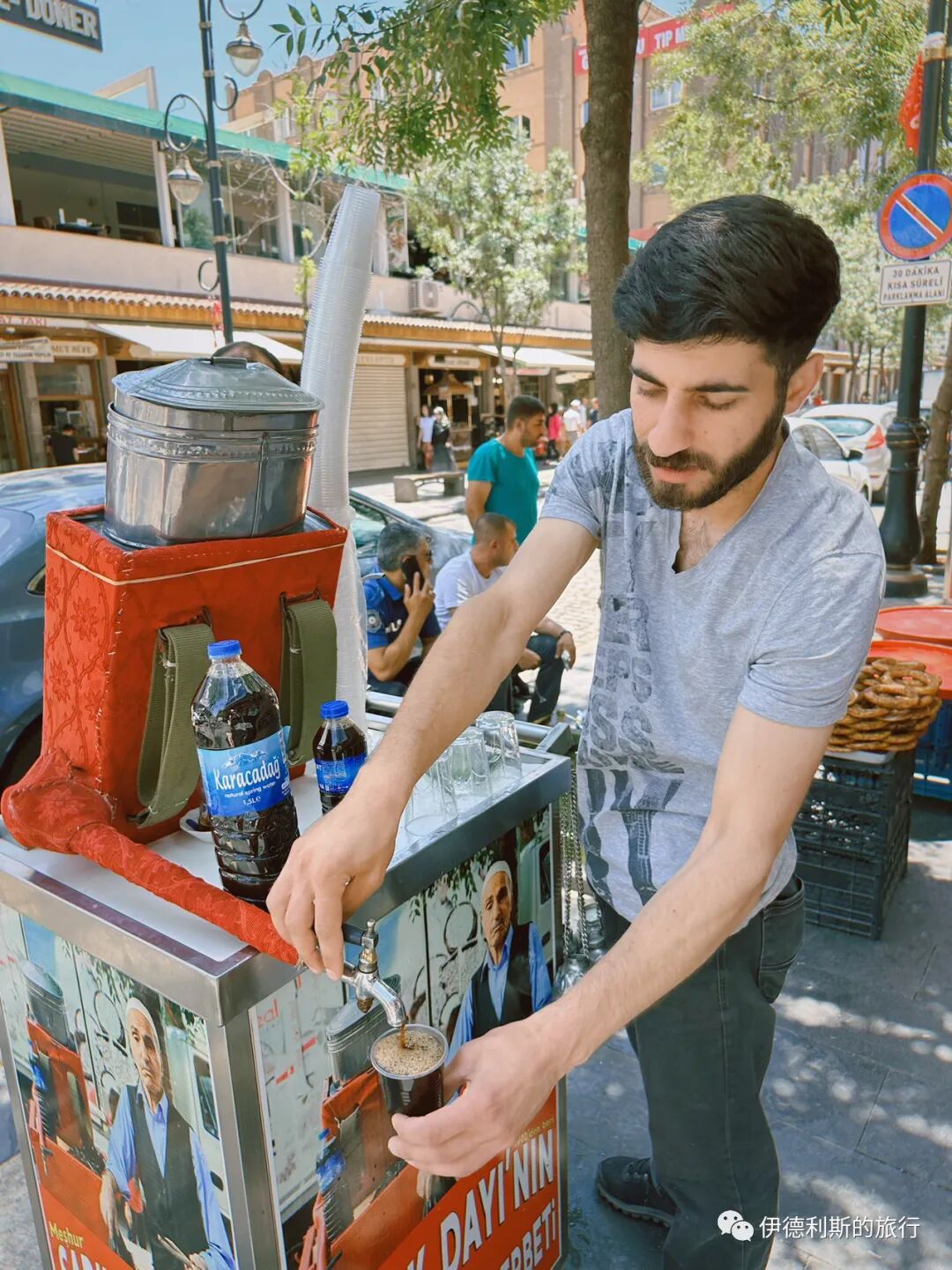
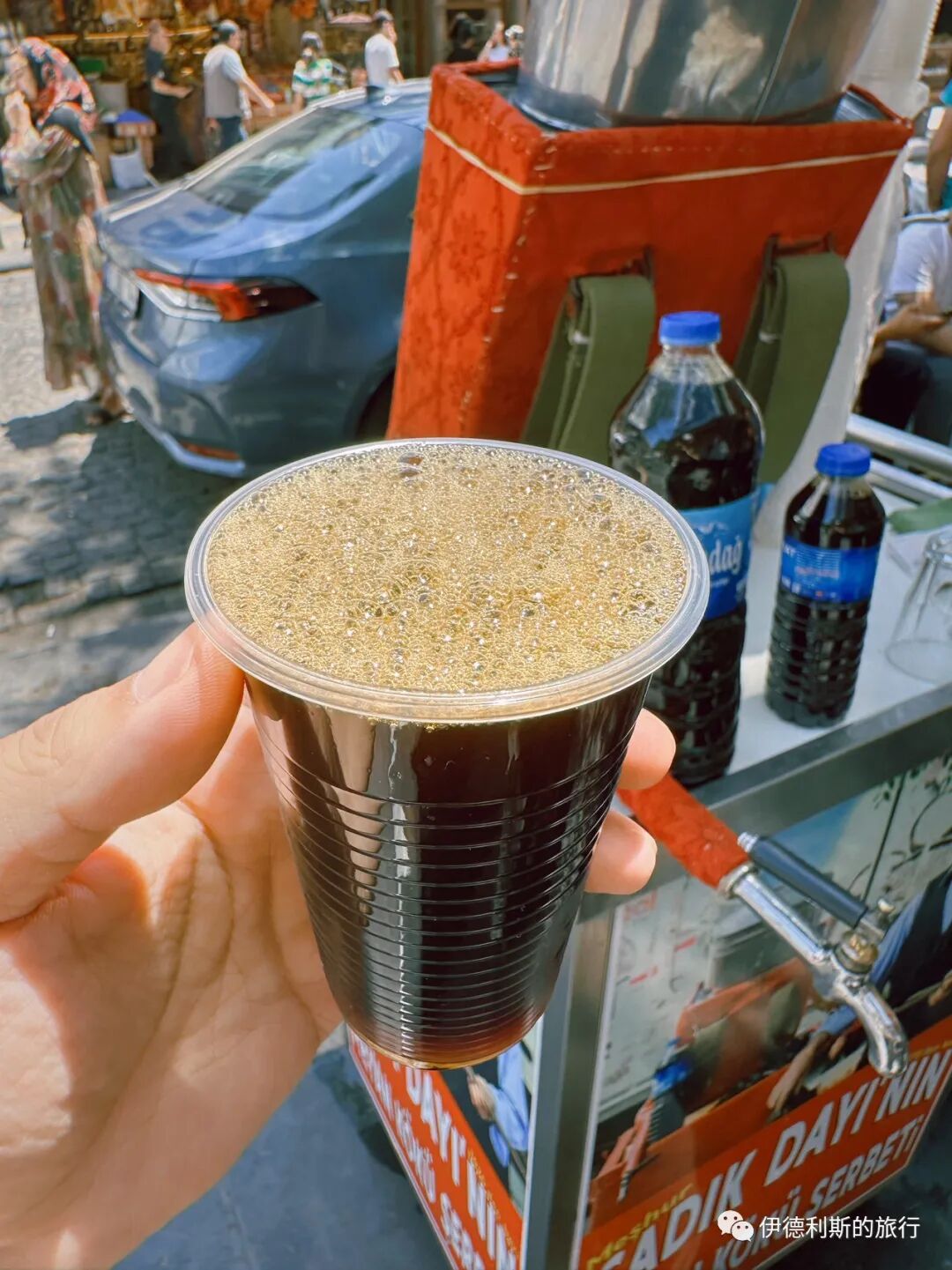
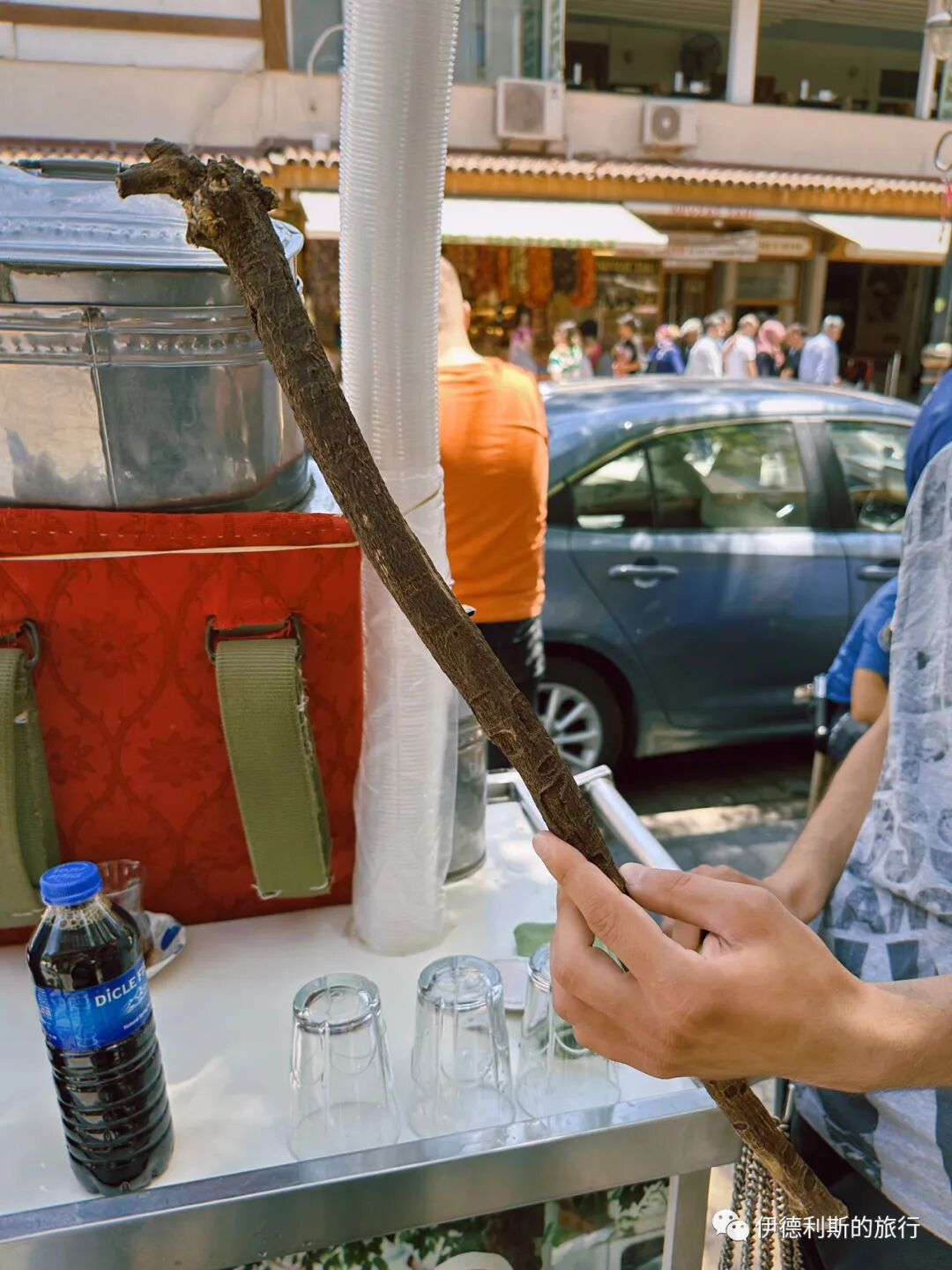
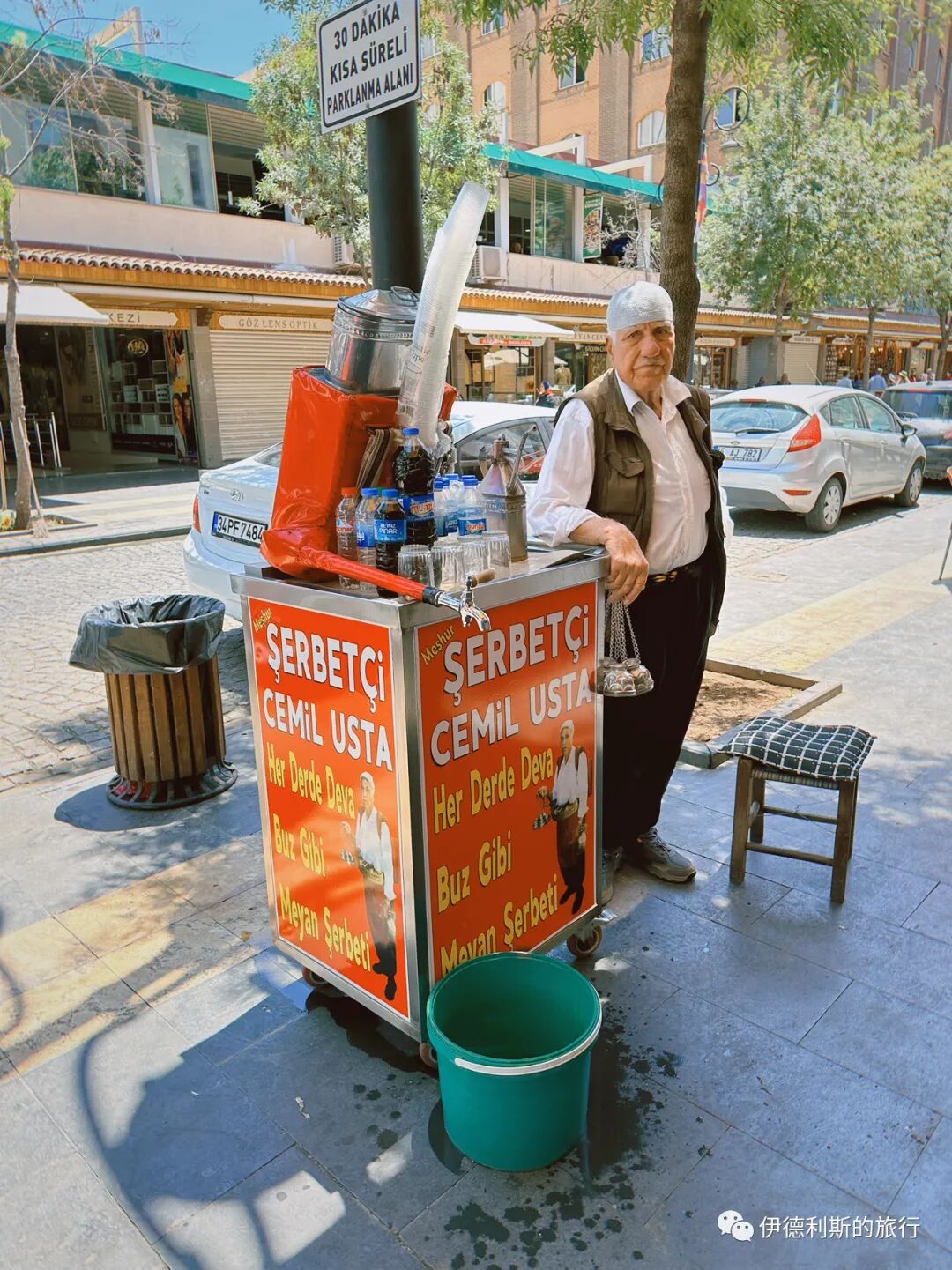
Then we had a mix of pomegranate juice and orange juice, which had a very rich flavor.
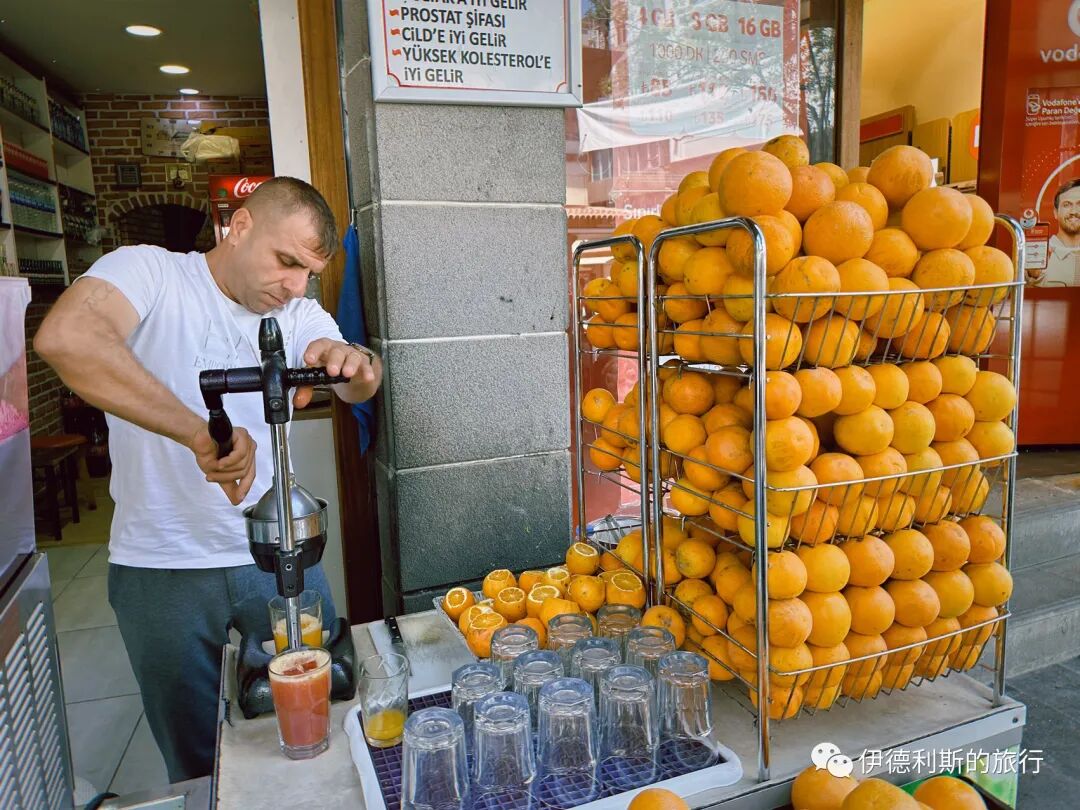
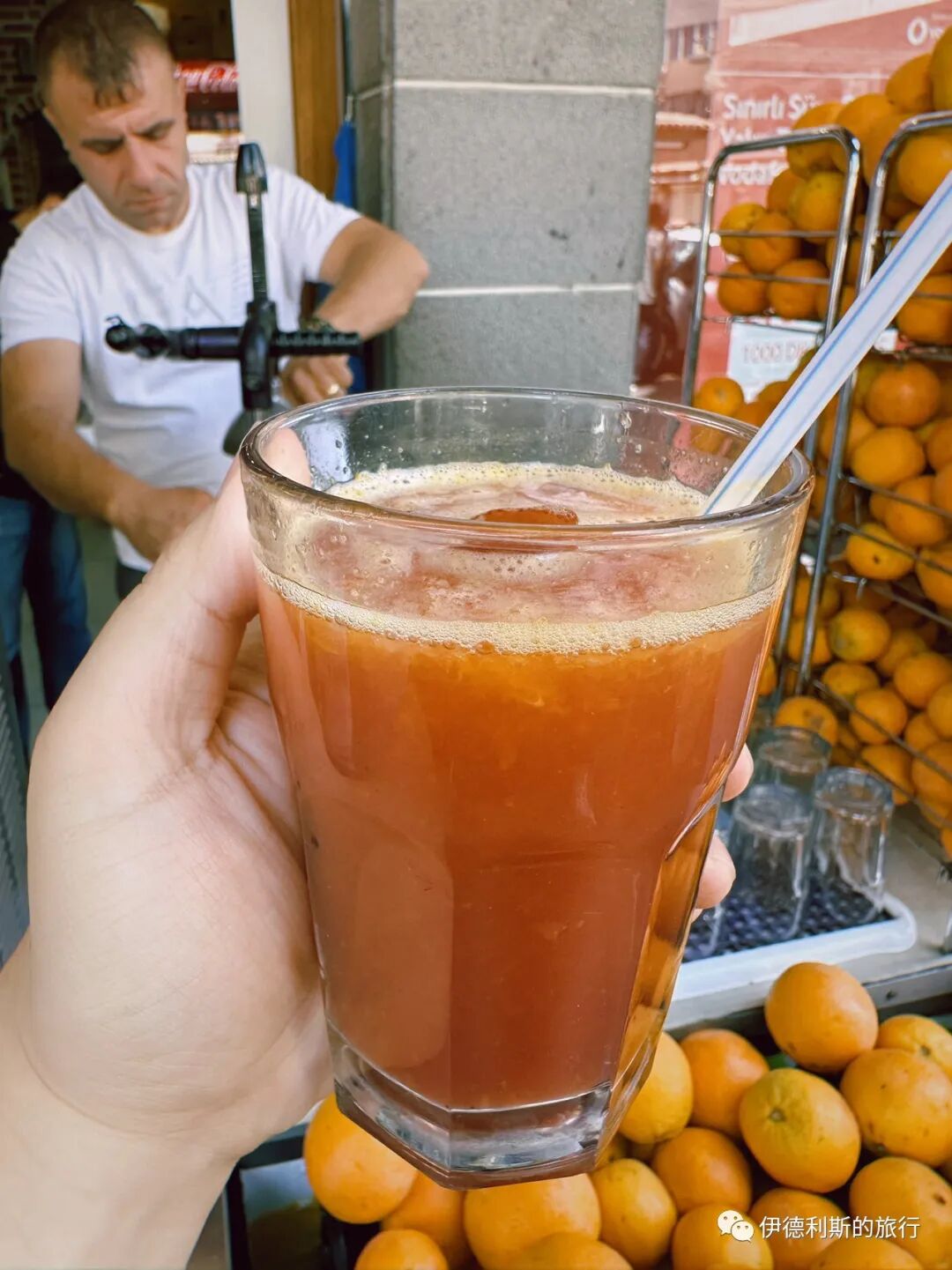
The street had many fruit vendors, mostly selling mulberries and a small melon that tastes like a cucumber. Kurds cut this small melon open, sprinkle salt inside, and eat it for a very refreshing snack.
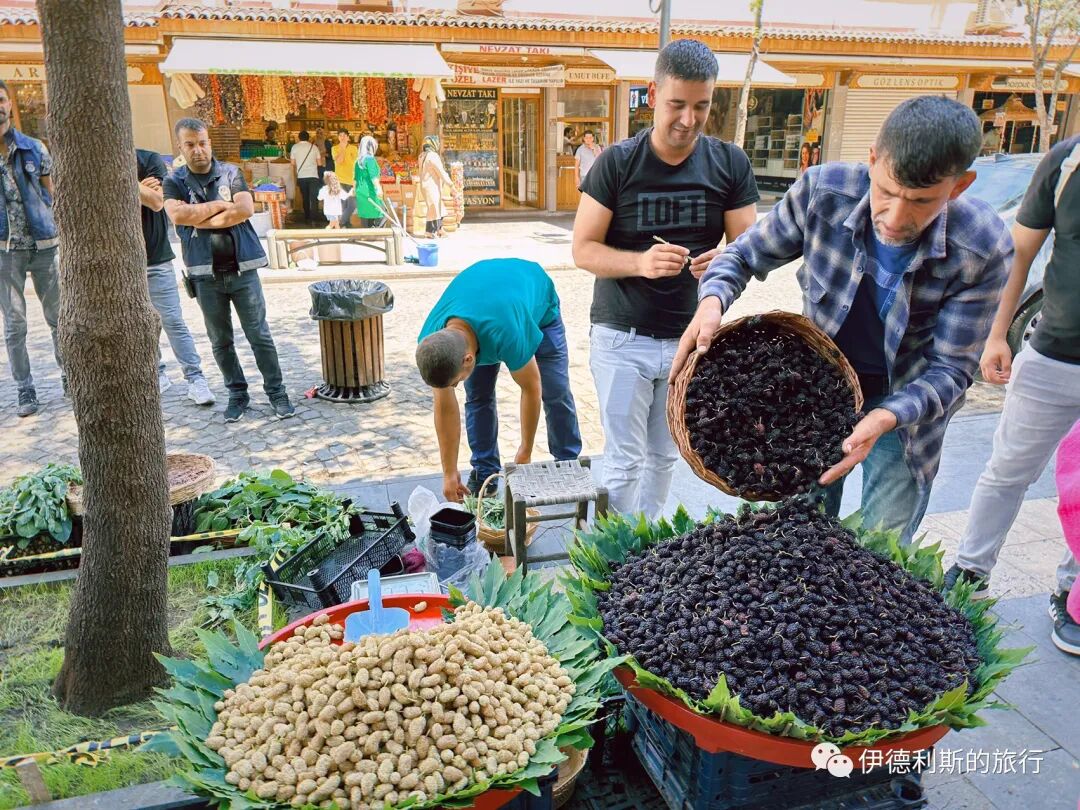

For lunch, we ate grilled lamb liver at a restaurant in the center of the old city. We had four large skewers of liver served with five side dishes and a plate of thin flatbread (bing). We wrapped the liver in the bread, making for a perfect balance of meat and vegetables. The restaurant had a great view, with the street scene of Diyarbakir right outside the window.
Among the side dishes, the most unique was the appetizer from southeastern Turkey called raw meatballs (Cig Kofte), which is loved by local Kurds, Armenians, and Turks alike. To make these meatballs, you knead crushed bulgur wheat and chopped onions with water until soft, then add tomato paste, pepper paste, various spices, fresh mint, green onions, and parsley.
The word Cig originally means raw, because traditional Cig Kofte requires adding very fine, lean raw lamb or beef. However, due to food safety regulations, all legitimate restaurants in Turkey no longer add raw meat to Cig Kofte, usually replacing it with crushed walnuts, hazelnuts, and potatoes.
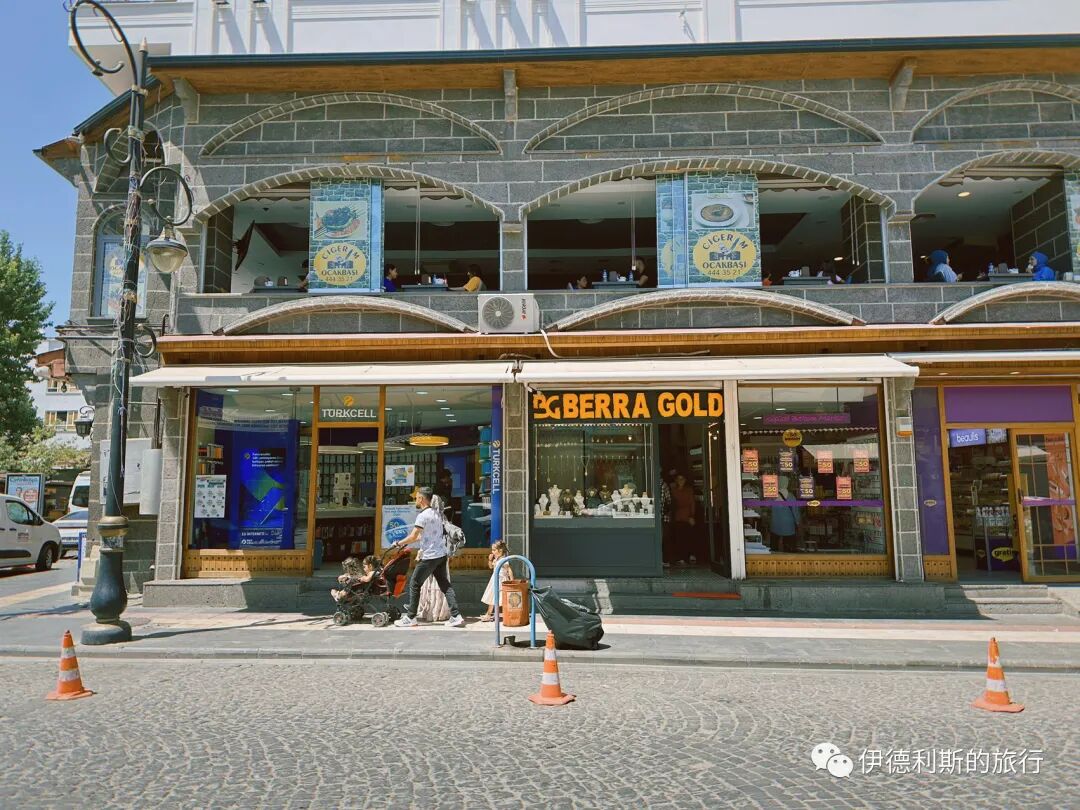
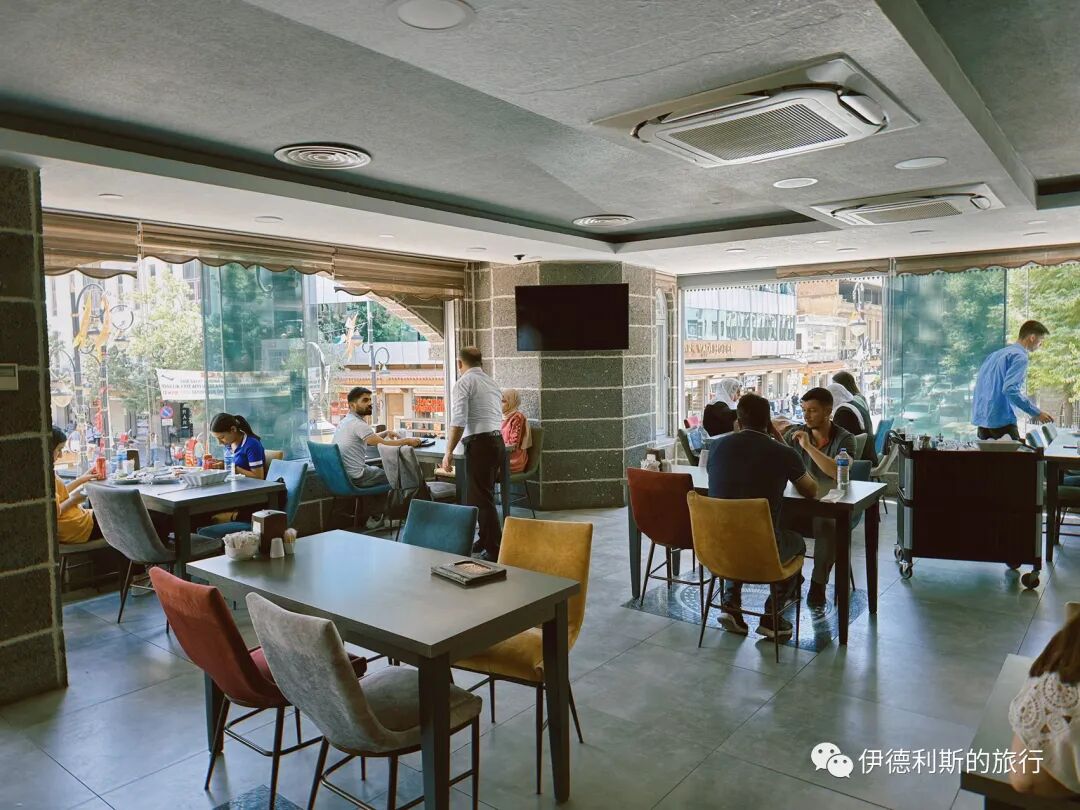
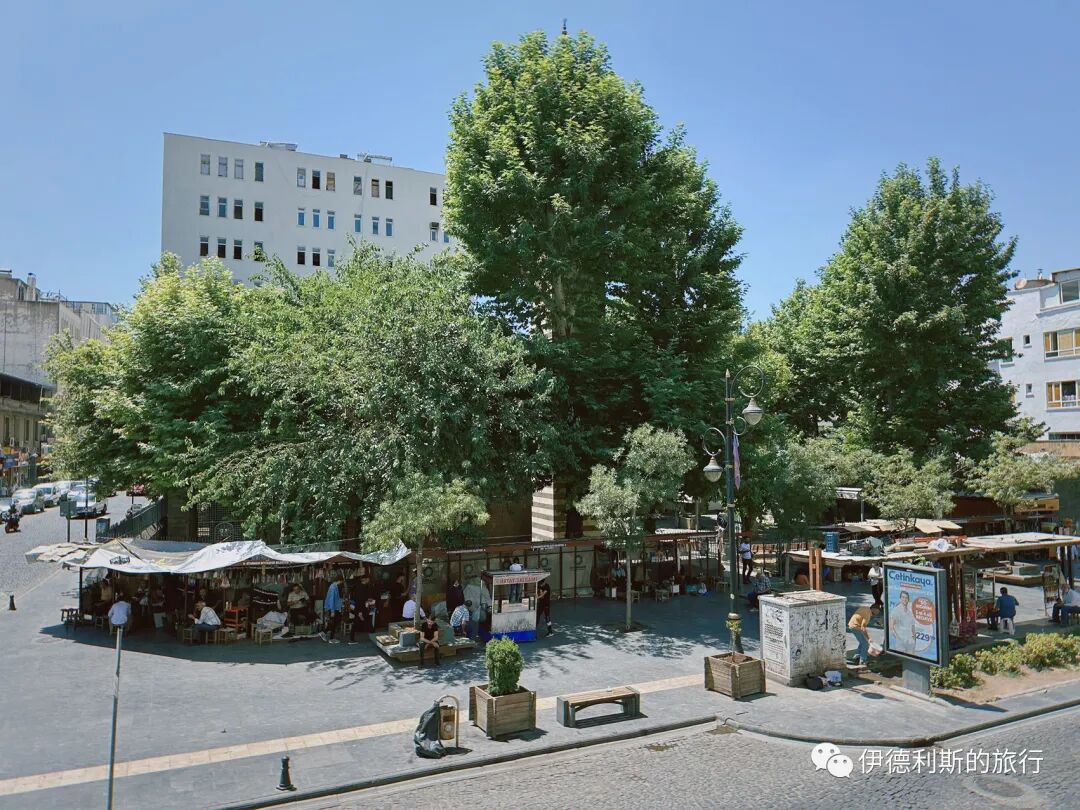
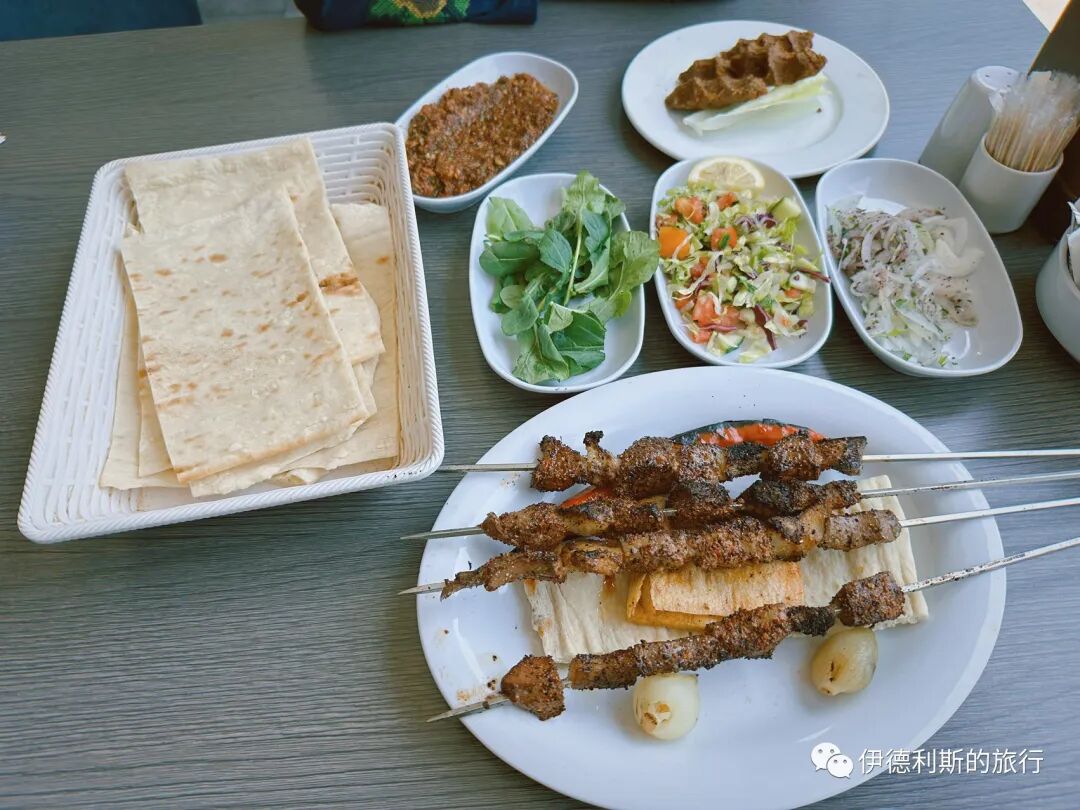

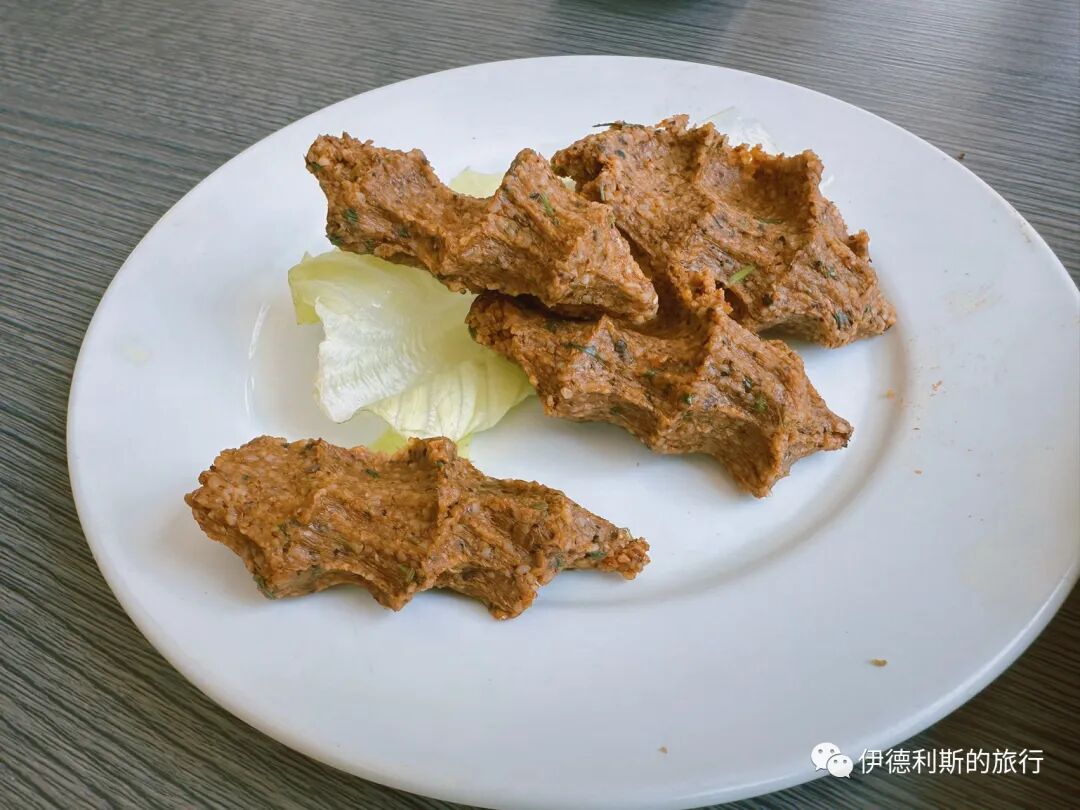
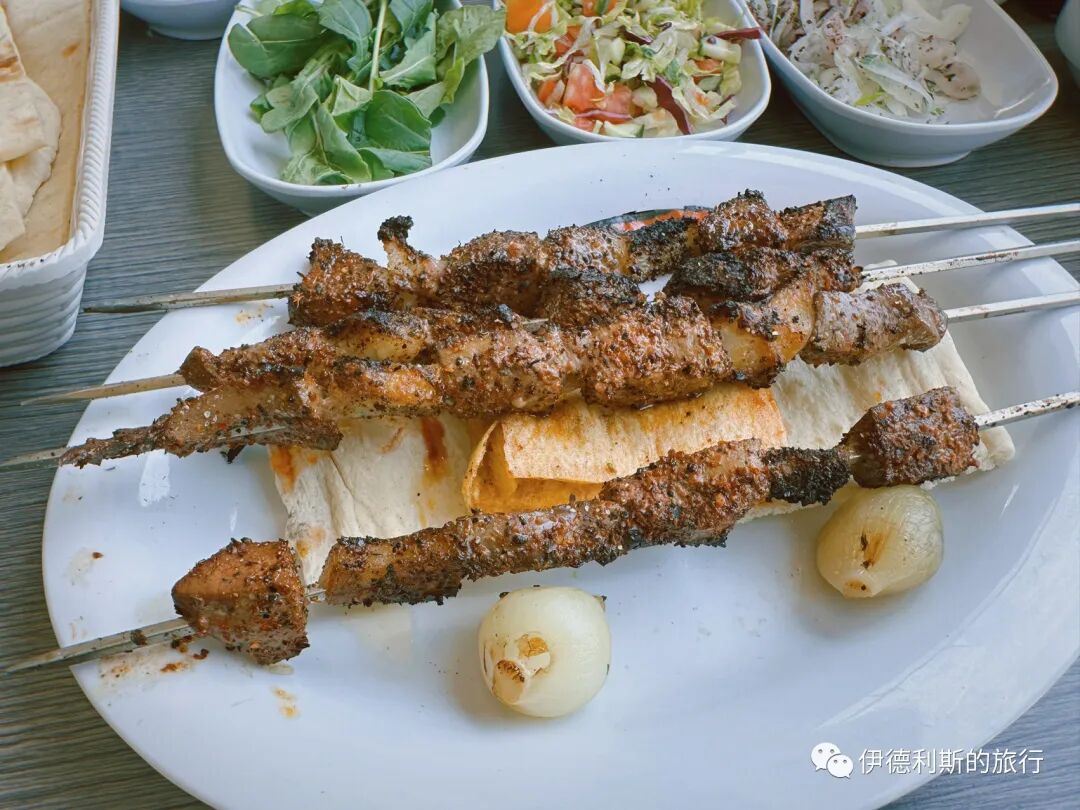
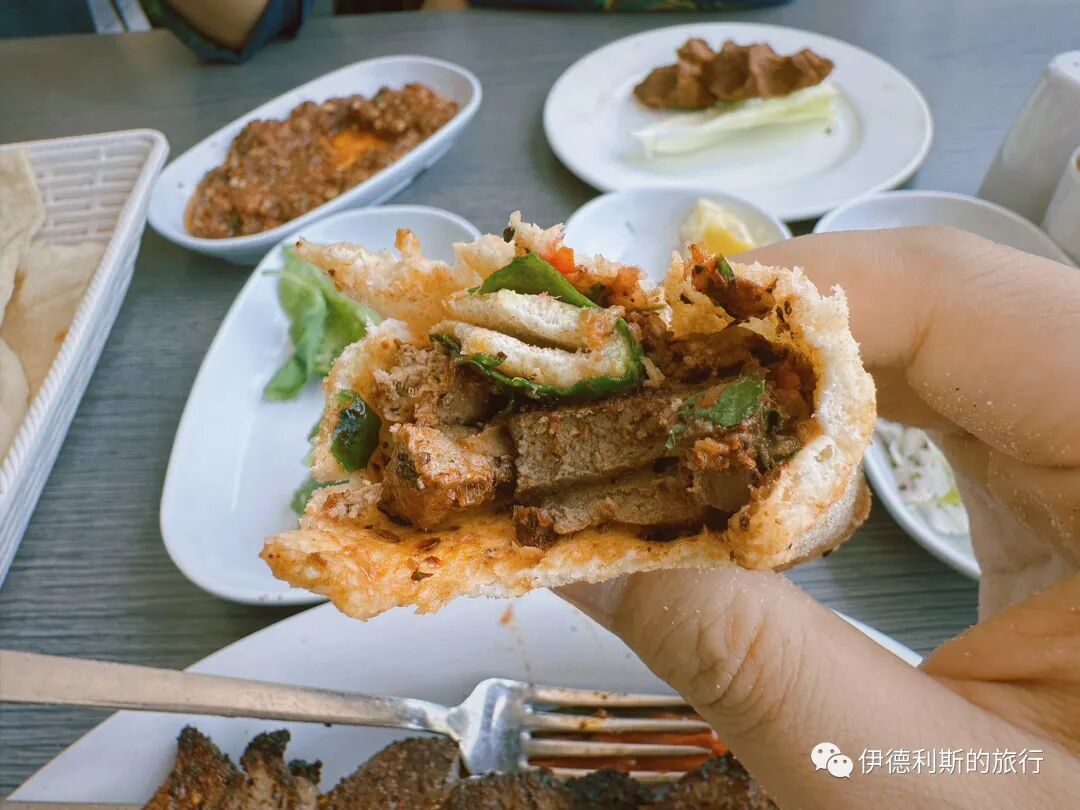
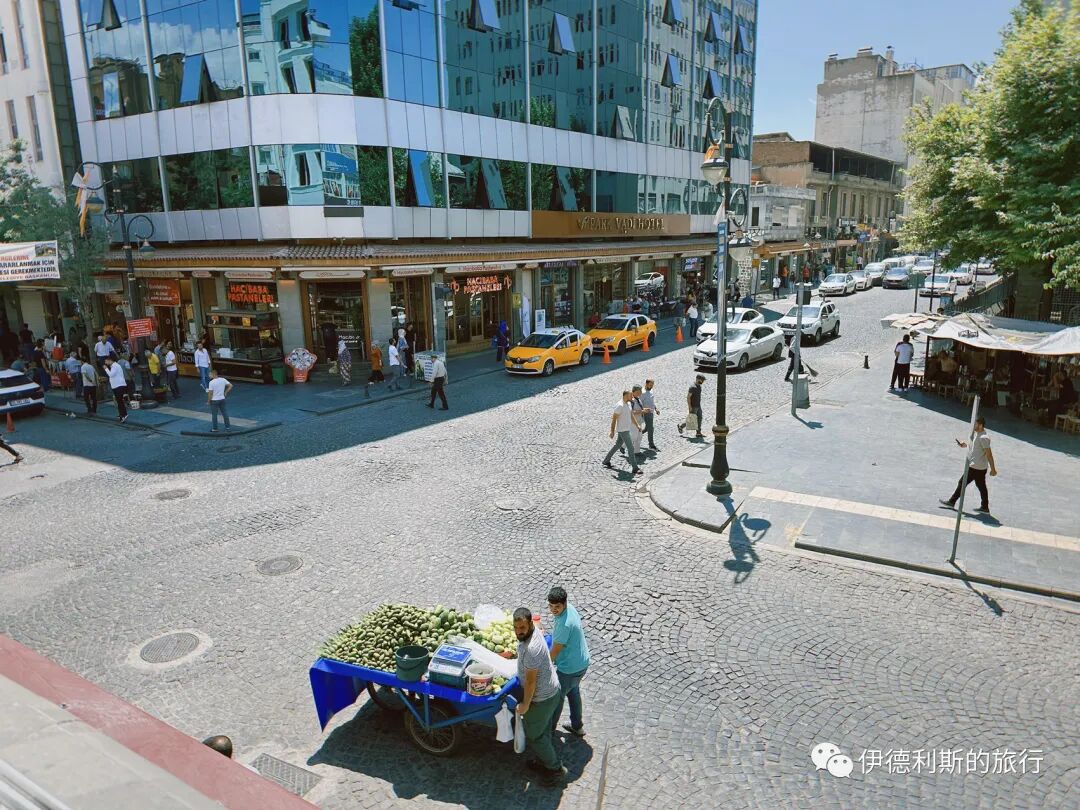
Opposite the Great Mosque of Diyarbakir is the Hasan Pasha Caravanserai (Hasan Pasha Han), built in 1575. It is now home to many shops and cafes. We drank tea and pomegranate juice at one of them, and Zaynab bought a beautiful headscarf at a shop. The owner of the headscarf shop chatted with us for a while. He spoke fluent English and said we were the first Chinese guests he had ever hosted. He lived in Germany for a long time and has traveled to many countries. He has always wanted to visit China but has not gone yet because he is worried about finding halal food.
Many ancient cities in Turkey have turned Ottoman-era caravan inns (han) into shops, restaurants, and cafes. Sitting inside for a drink gives you a special sense of history.
In the evening, we ate at a canteen (lokantasi) next to the north gate of the ancient city of Diyarbakir. A lokantasi is a lot like a canteen back home. Various stews and mixed salads are prepared and laid out together, so you just point at what you want to eat. I think it is perfect for tourists. Besides stews, they have a grill area where they make various kebabs, flatbreads with toppings (pide), and meat flatbreads (lahmacun). The open kitchen looks very clean.
We ordered the stewed kidney bean dish (kuru fasulye), which is known as Turkey's national dish, lamb rice pilaf (pilav), and a stew of eggplant, green peppers, and meat. Everything tasted great. As usual, they served four large plates of free side dishes and baked flatbread (naan). Everything laid out together looked very hearty!
Kuru fasulye is made by stewing kidney beans with lean beef, olive oil, onions, and tomato paste. Turkish rice pilaf dates back to the Ottoman court in the 15th century. At that time, rice was very rare and was only used as a garnish in Ottoman royal meals. Until the 18th century, only the rich in Turkey could afford to eat rice pilaf. It only became popular later on.
When making Turkish rice pilaf, it is important that the grains stay separate and do not stick together. They also like to add a type of rice-shaped pasta (arpa sehriye), which is made from coarse flour shaped like rice grains.
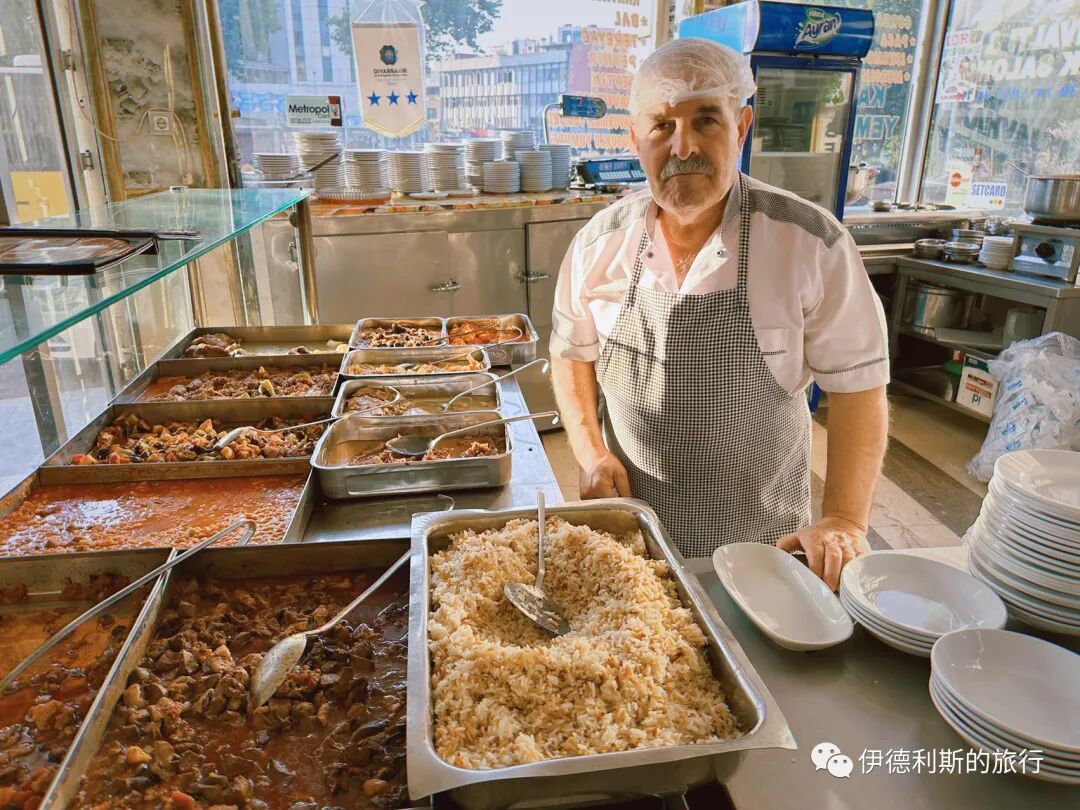
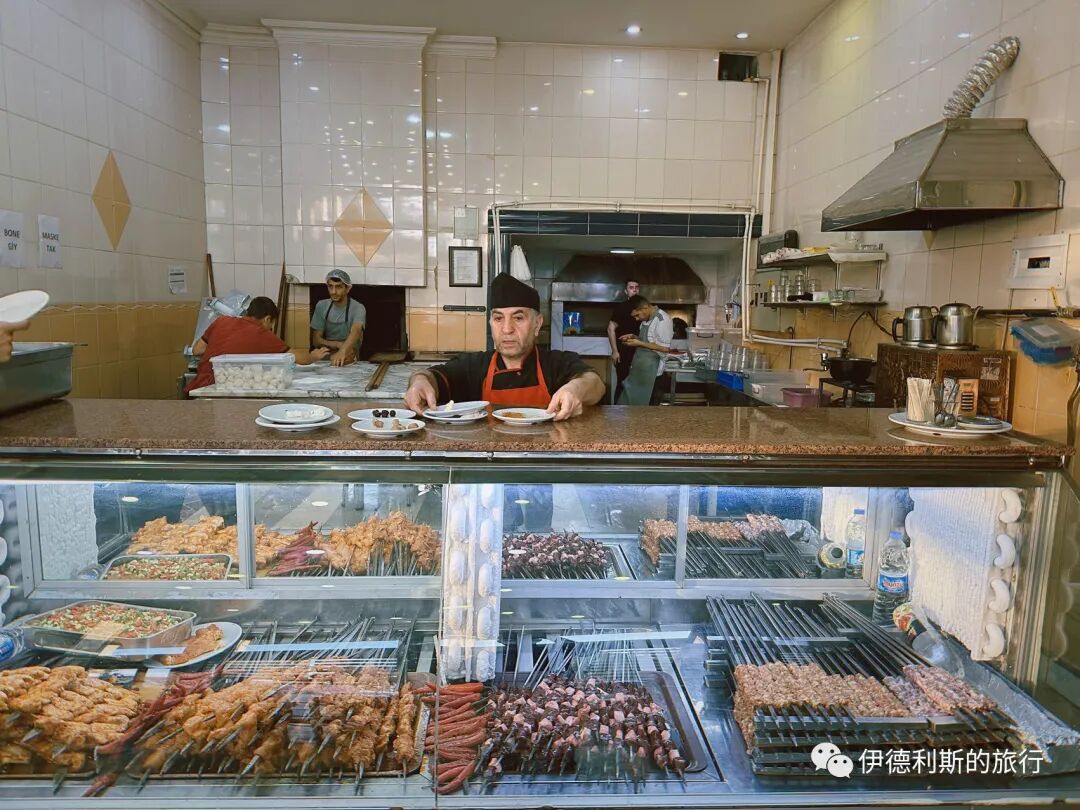
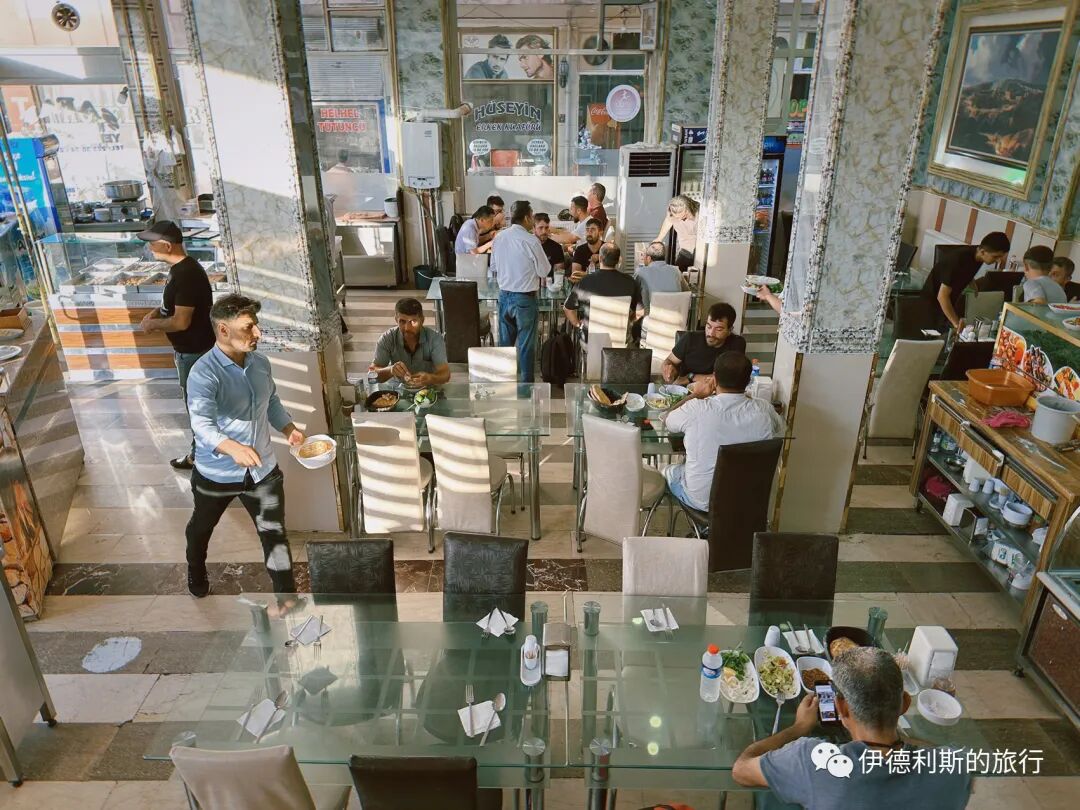
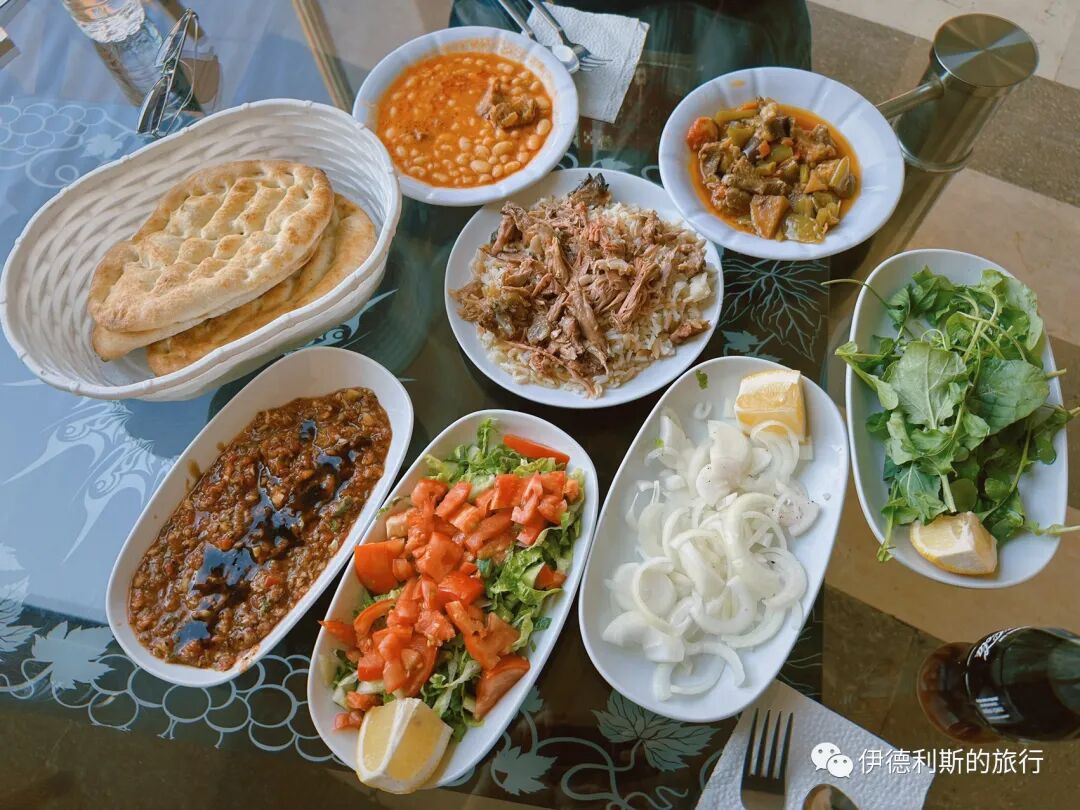
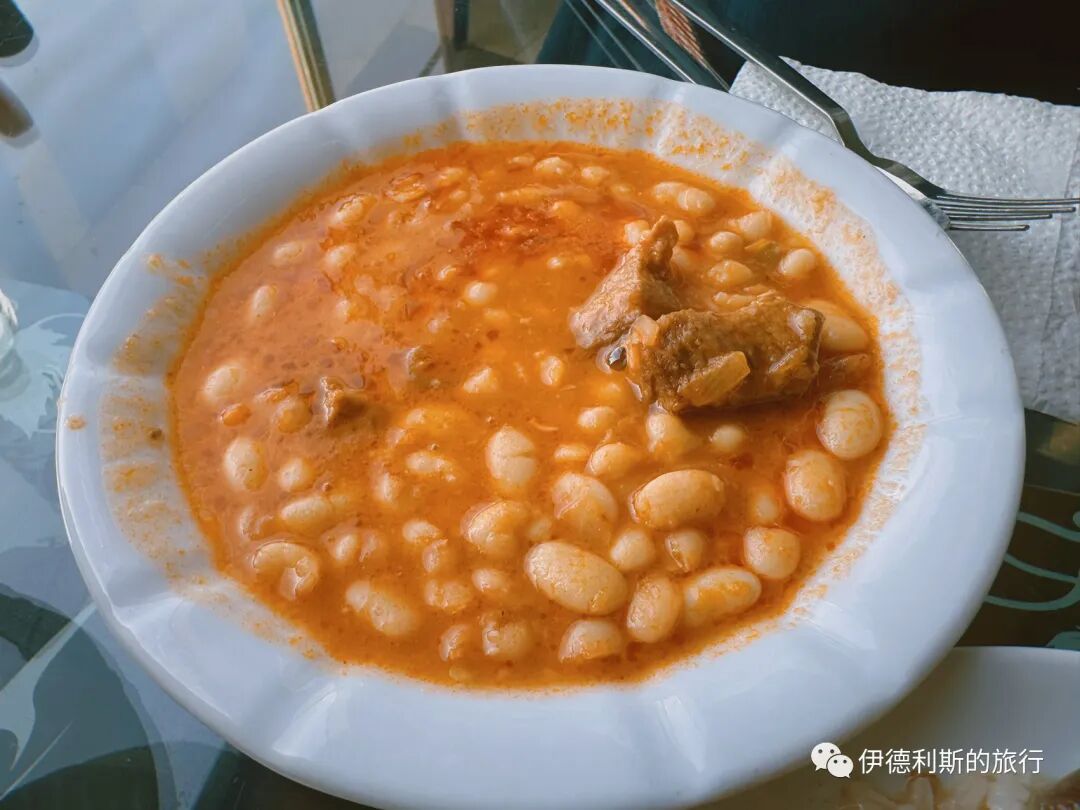
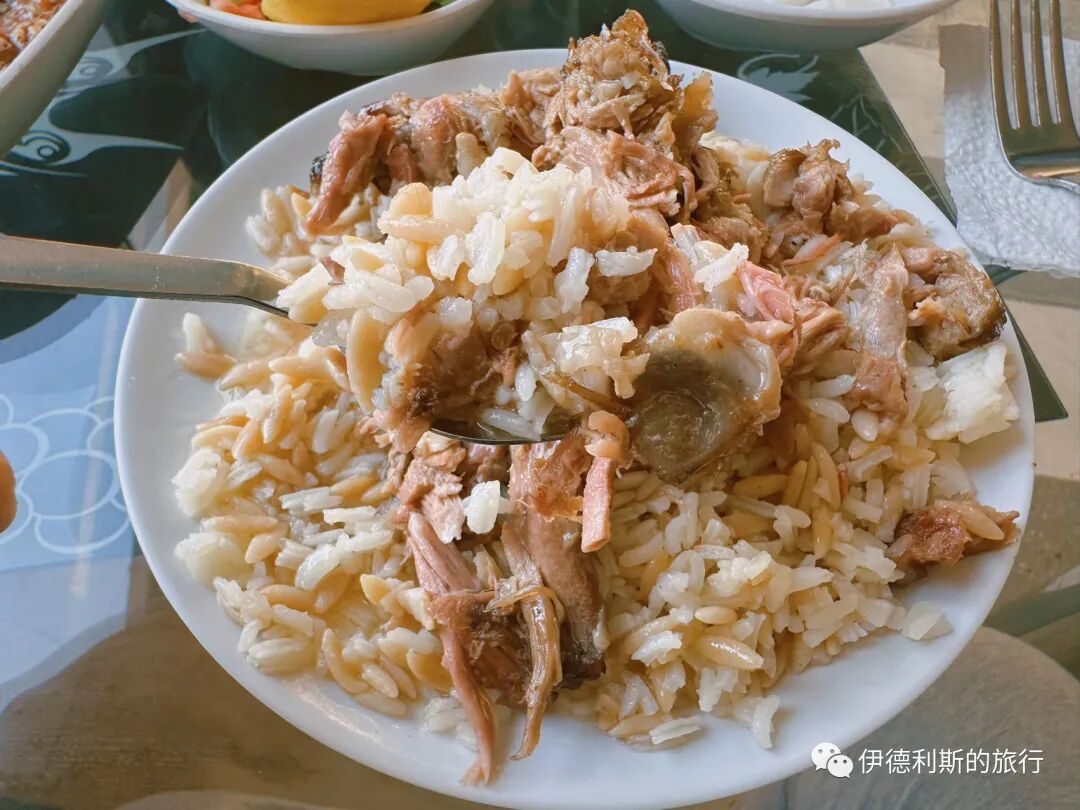
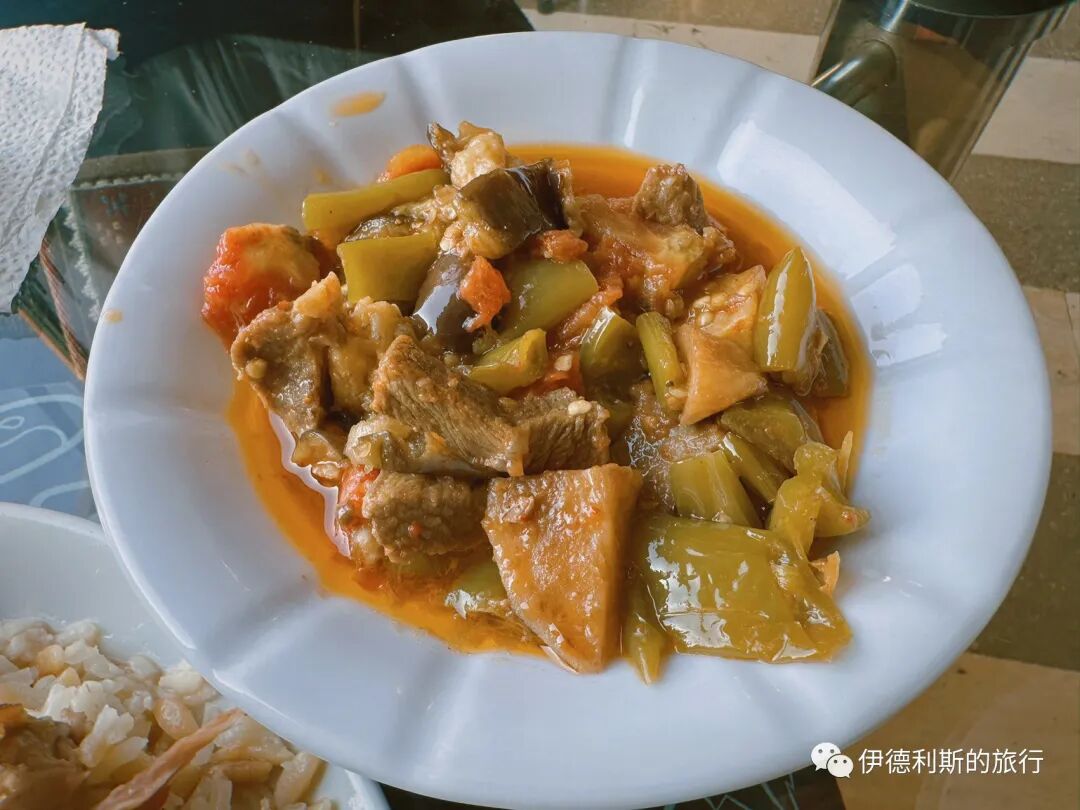
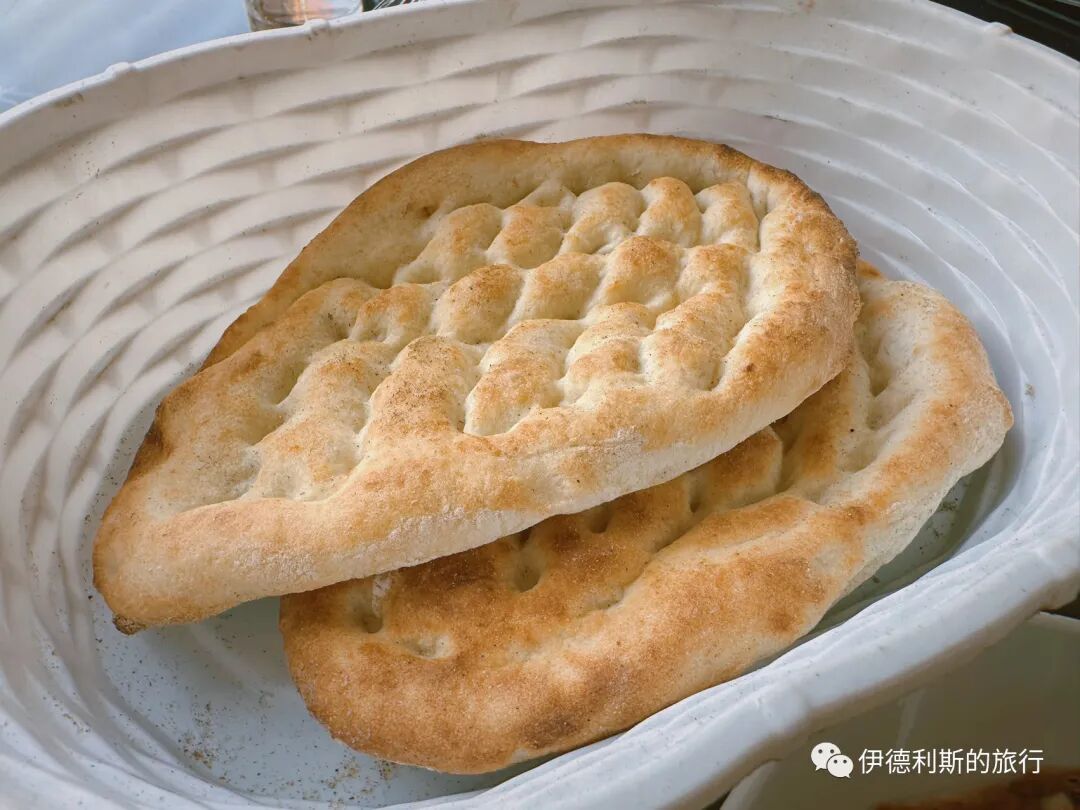
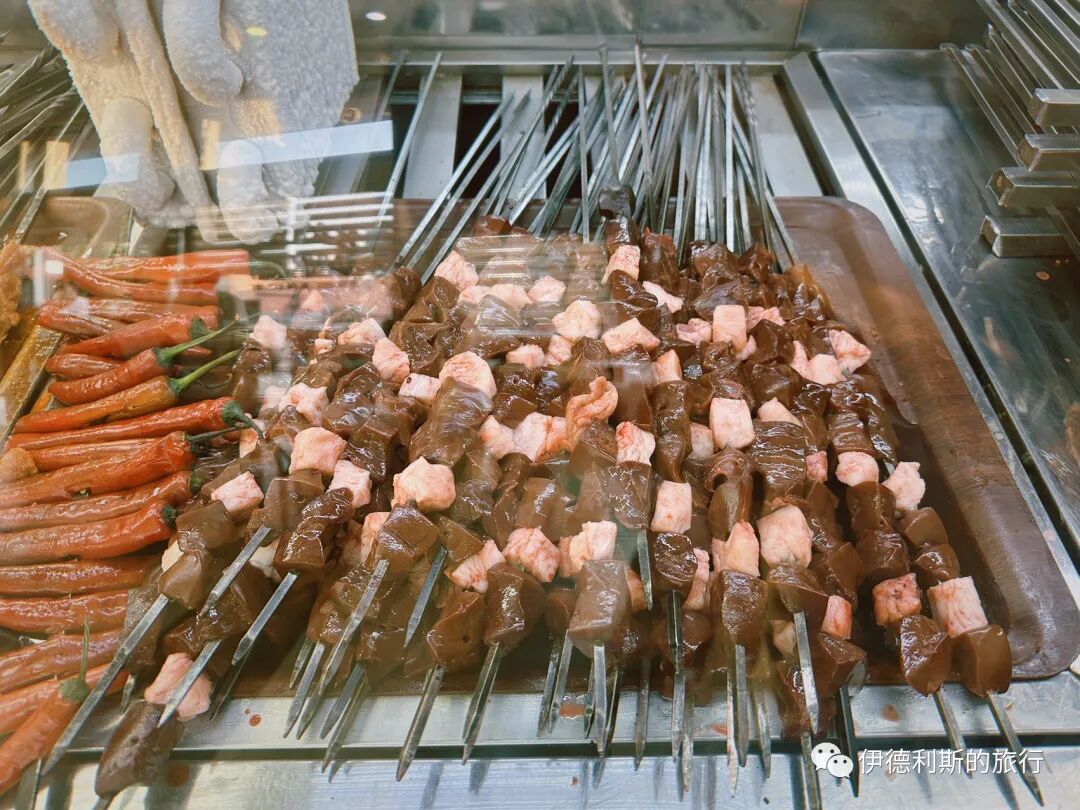
Walking through the alleys of the old city of Diyarbakir, it is calm and peaceful now, but this place suffered a catastrophe in 2015. At that time, peace talks between Turkey and the Kurdistan Workers' Party (PKK) broke down. In May 2015, the Kurds declared autonomy in the Sur district of the old city of Diyarbakir, and Turkish police began a crackdown. To counter the Kurds, Turkey demolished a large number of buildings in the old city. Except for a few ancient structures, the residential areas in the eastern half of the old city were basically razed to the ground.
When we visited in 2023, the eastern part of the old city had still not recovered from the conflict. The surviving ancient buildings in the east are being restored, and we hope they can return to their former appearance.
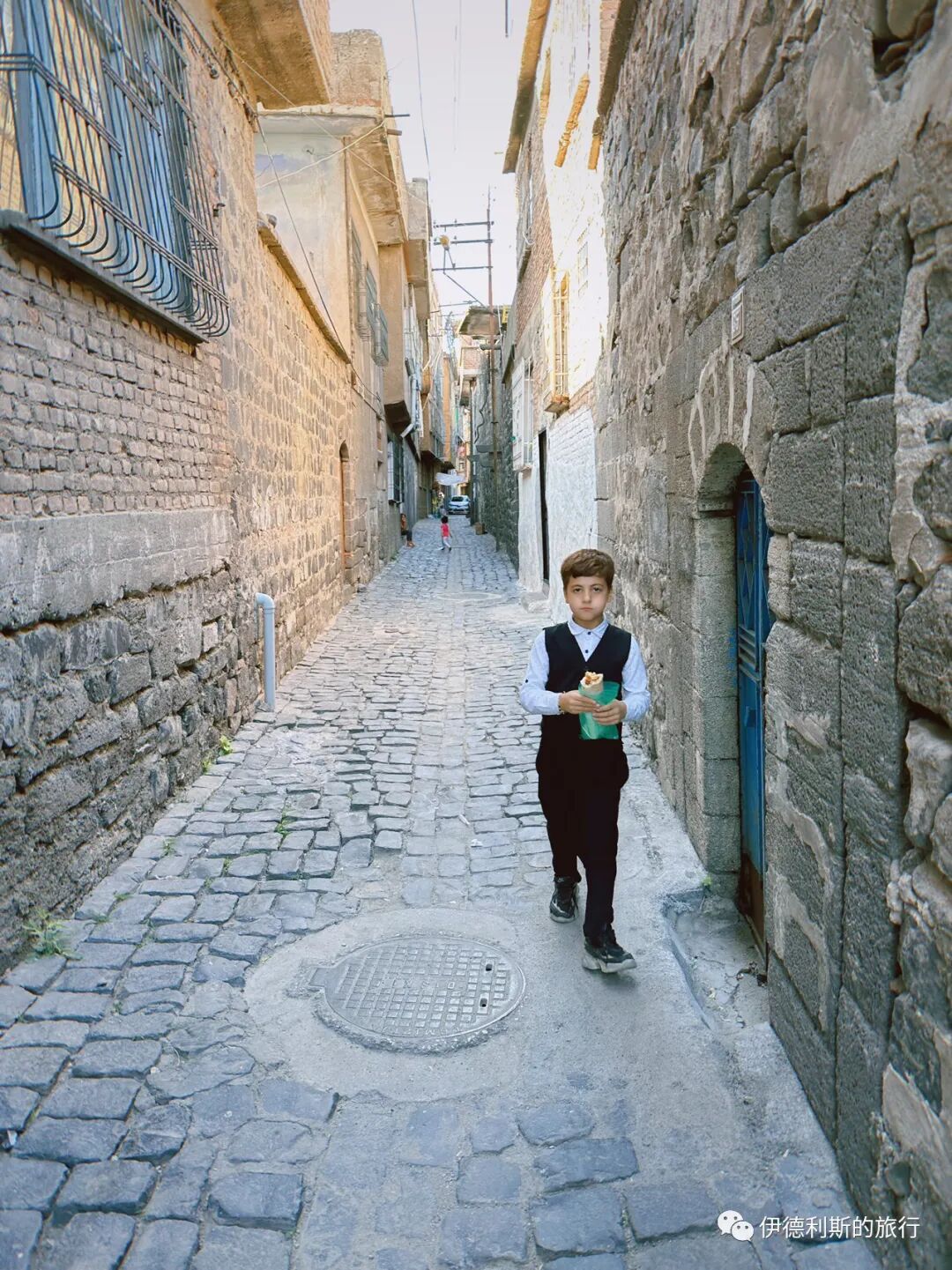
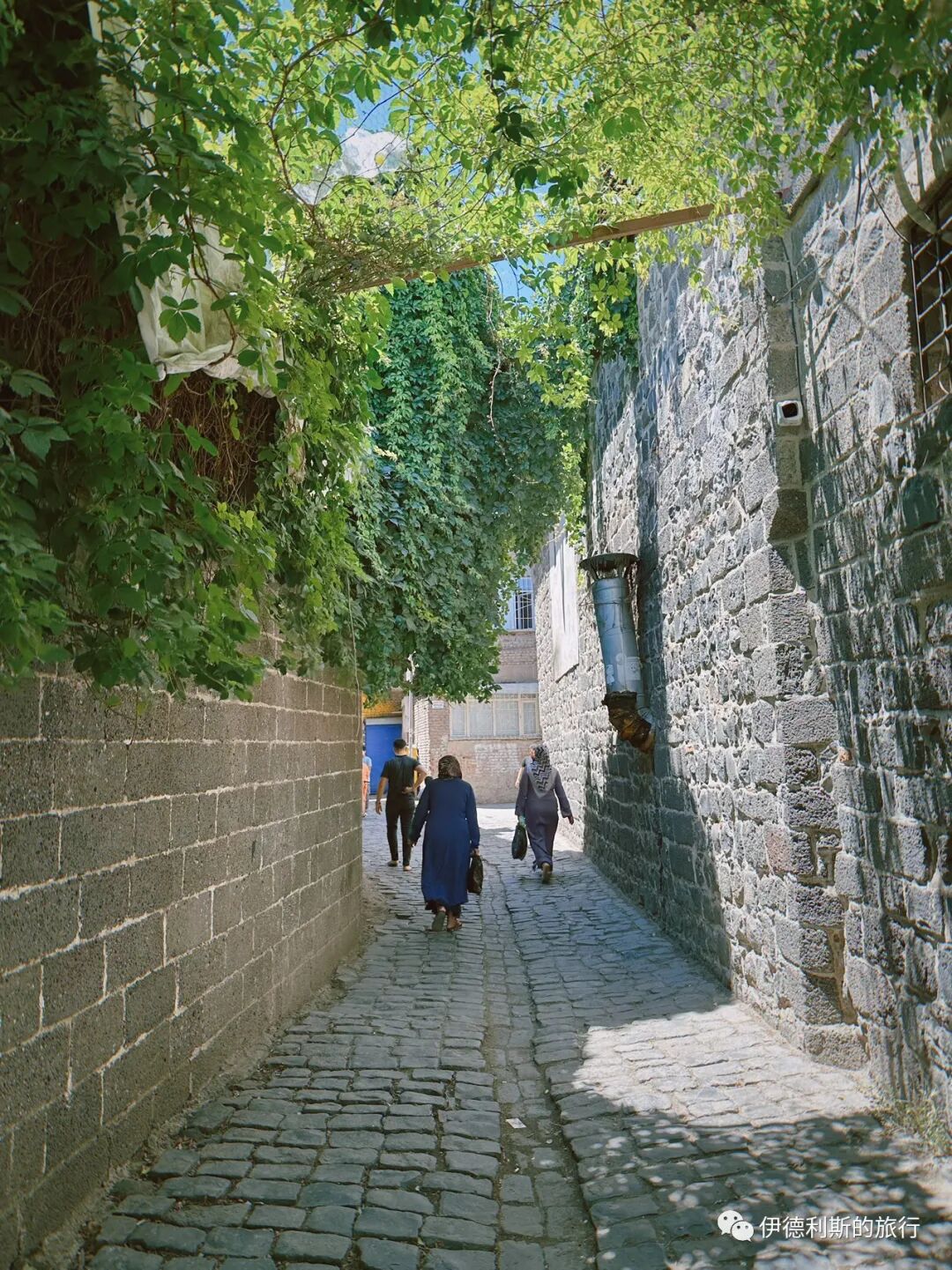
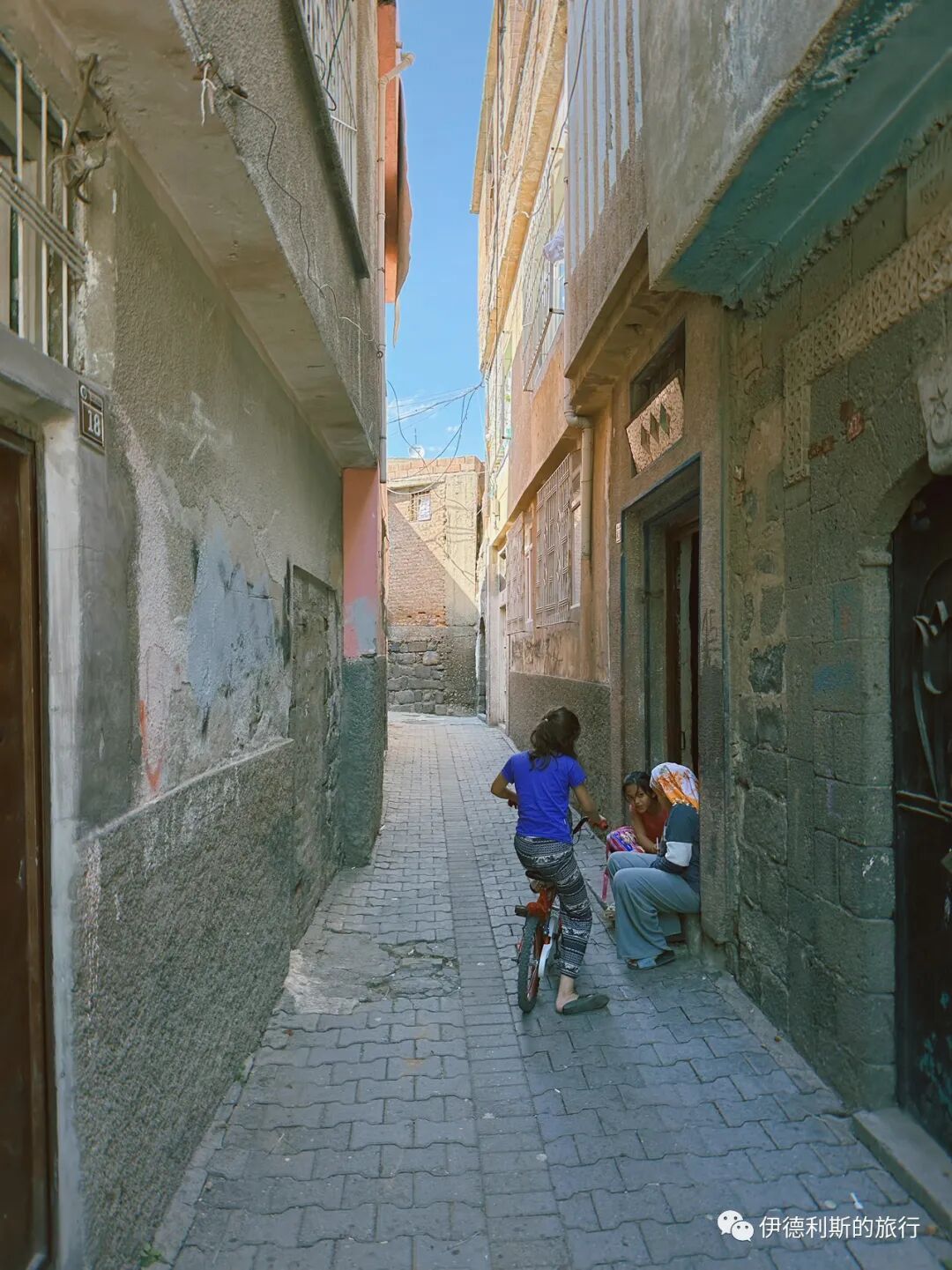
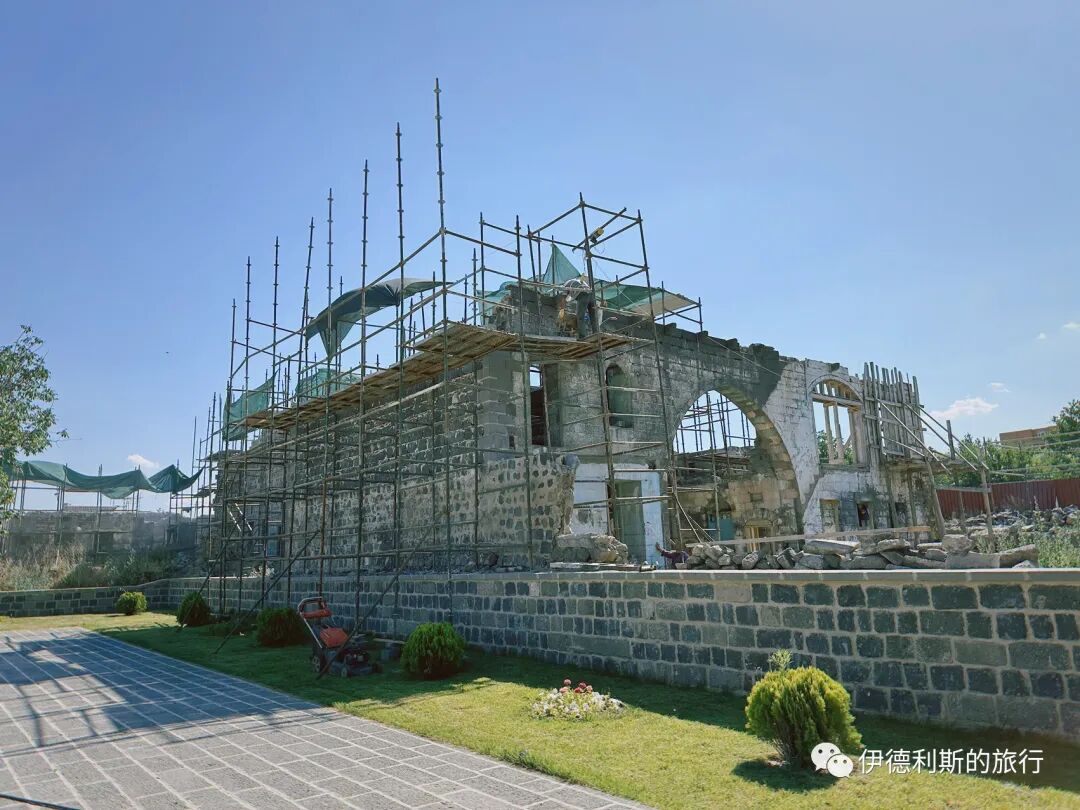
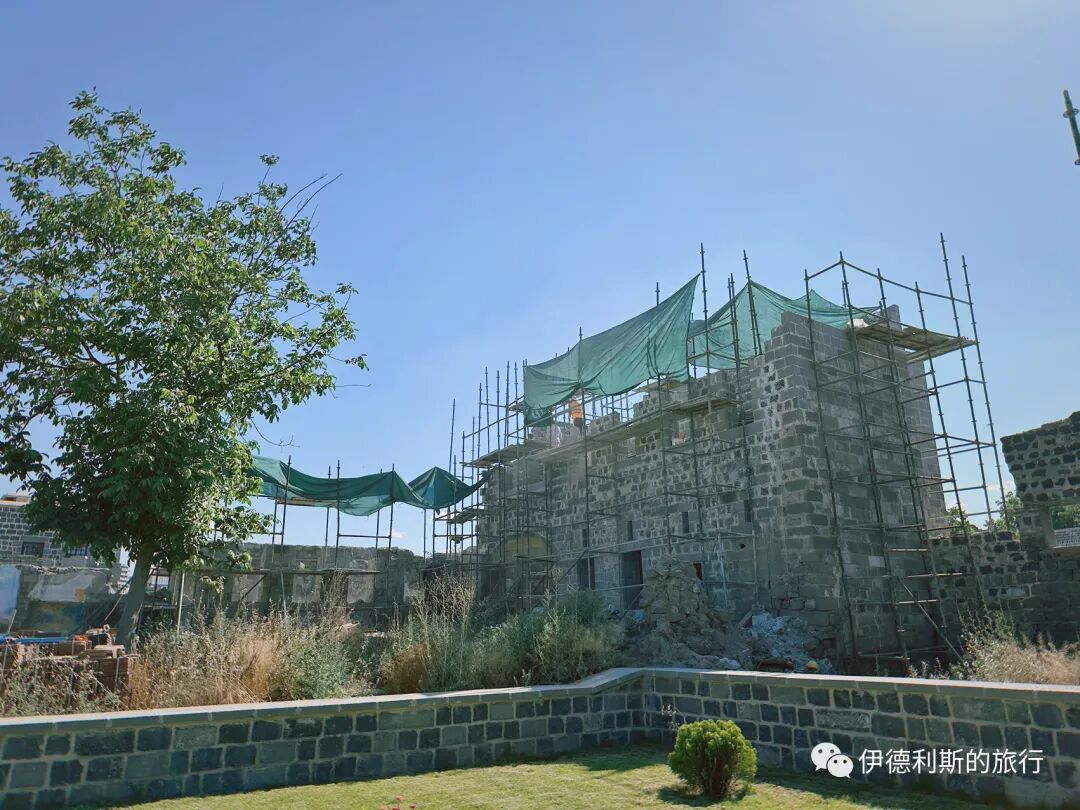
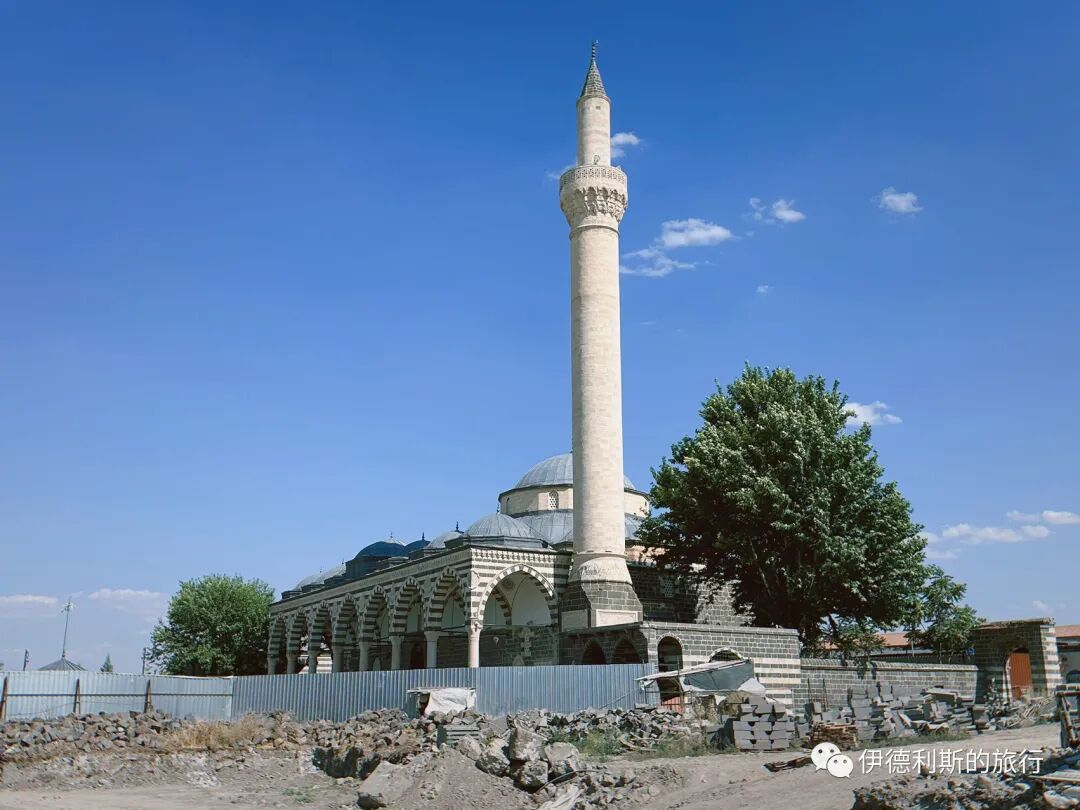
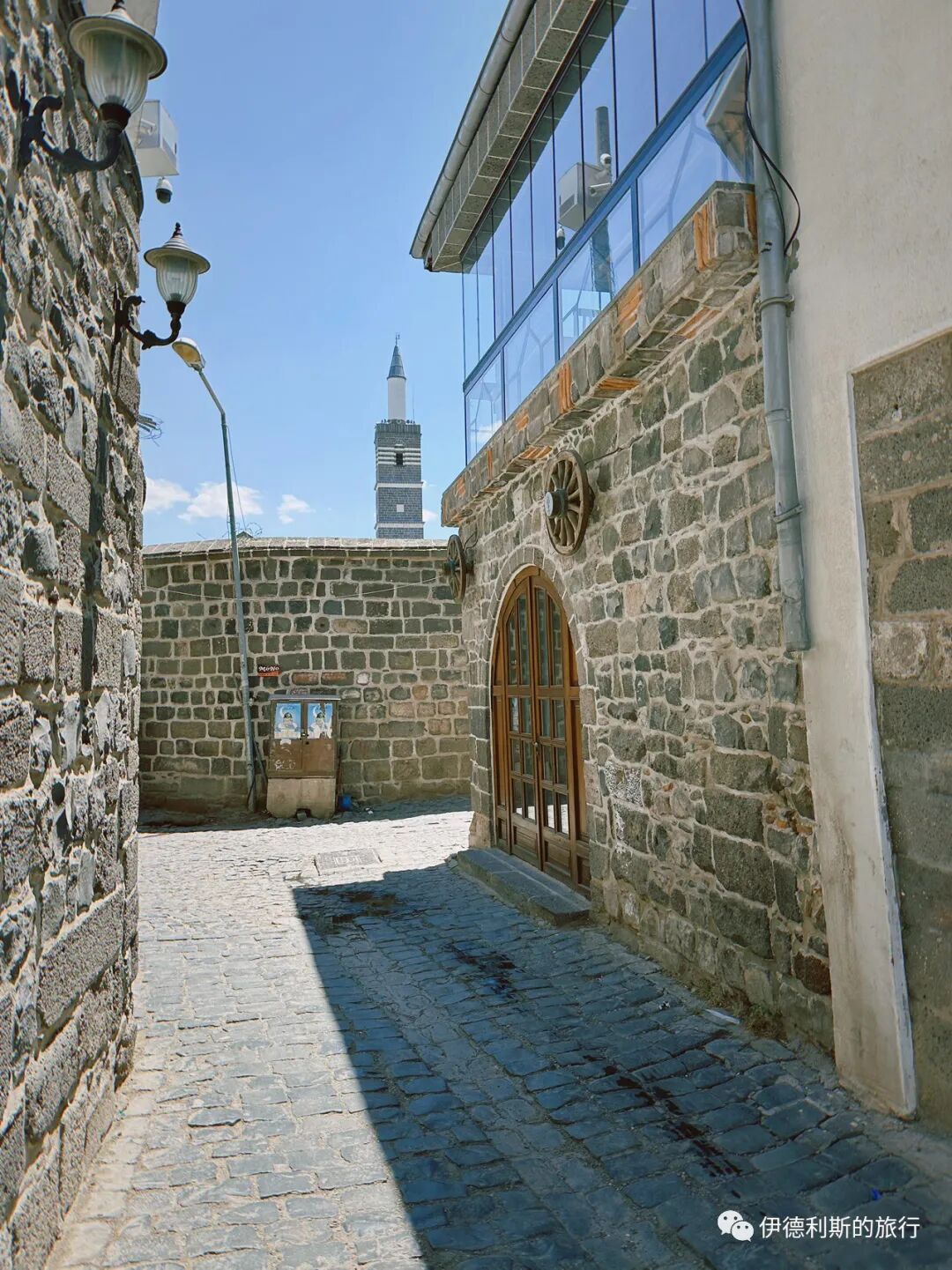
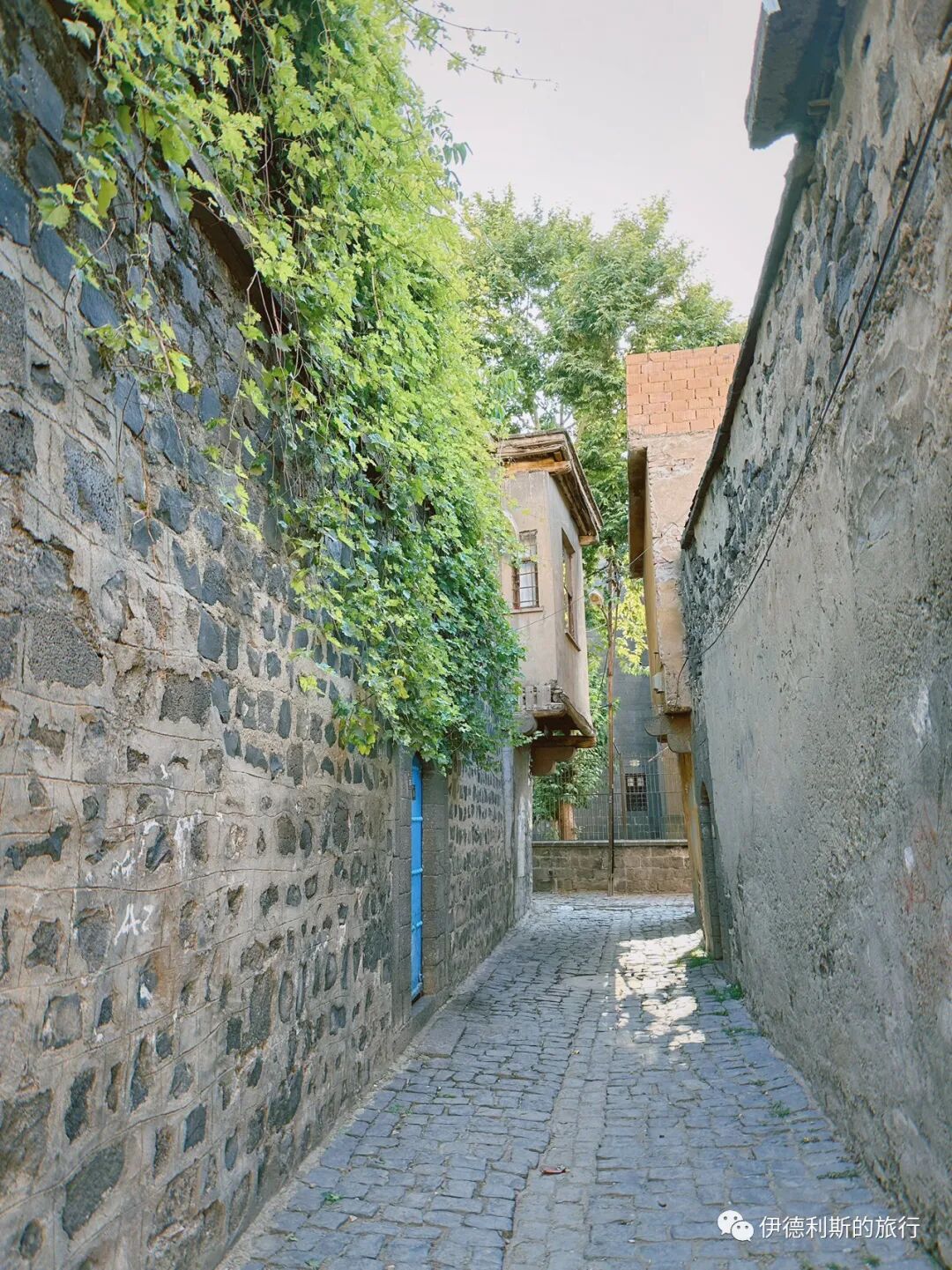
On the streets of the old city of Diyarbakir, there are all kinds of desserts to sample and coffee to taste, and the quality is excellent! Zainab especially liked the coffee here. The entrance to the Great Mosque of Diyarbakır, built in 1091, is full of people drinking tea and chatting. It is very relaxed.
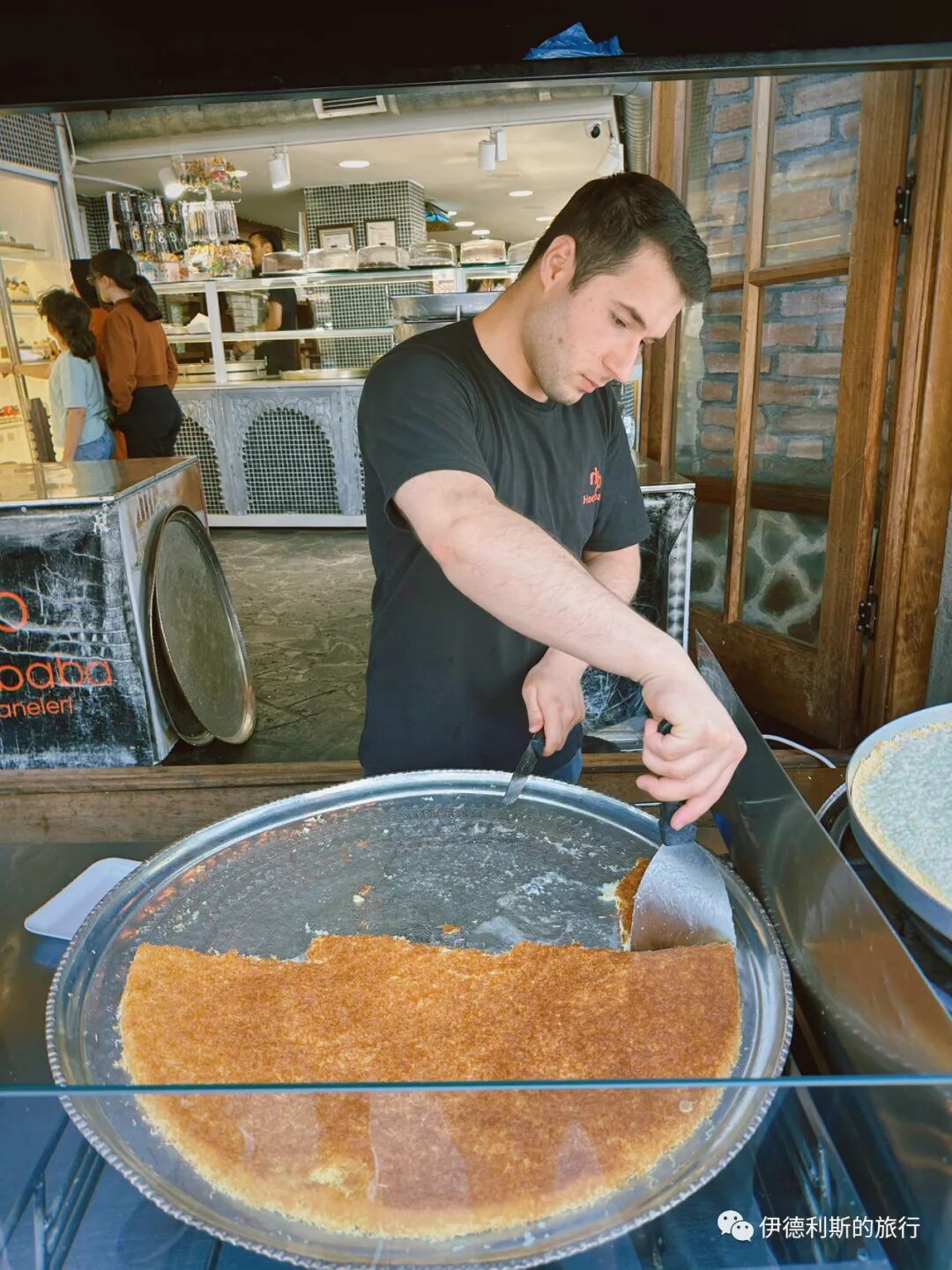
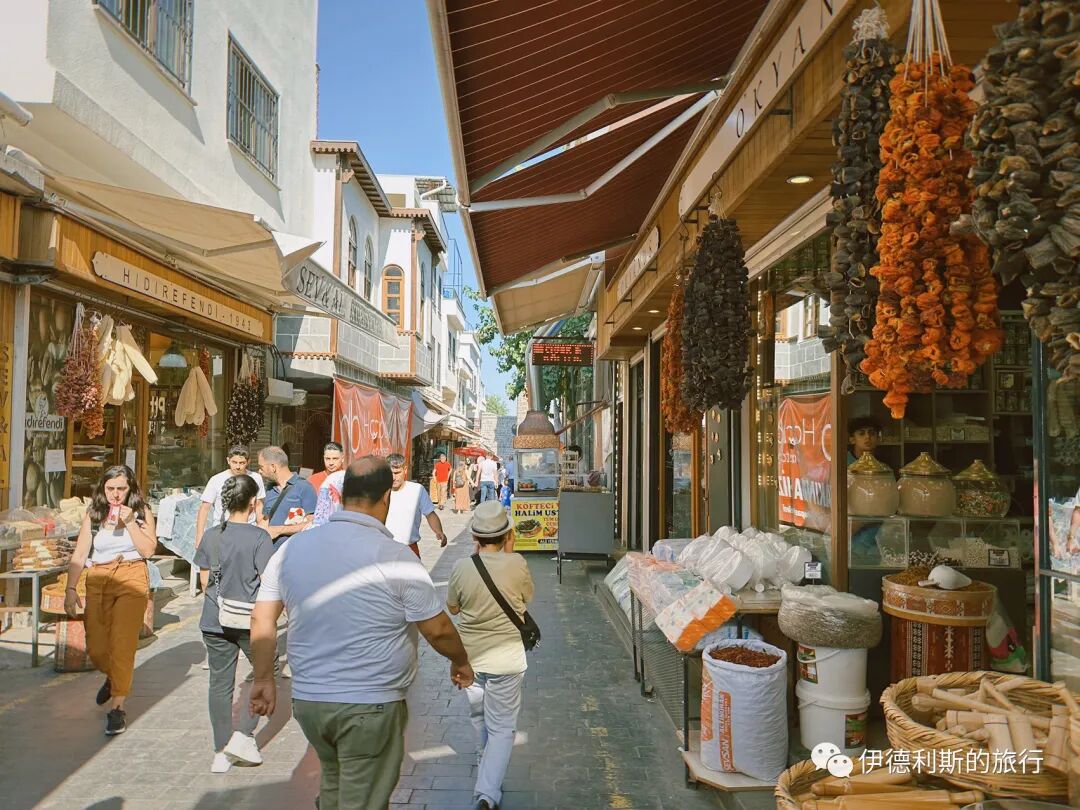
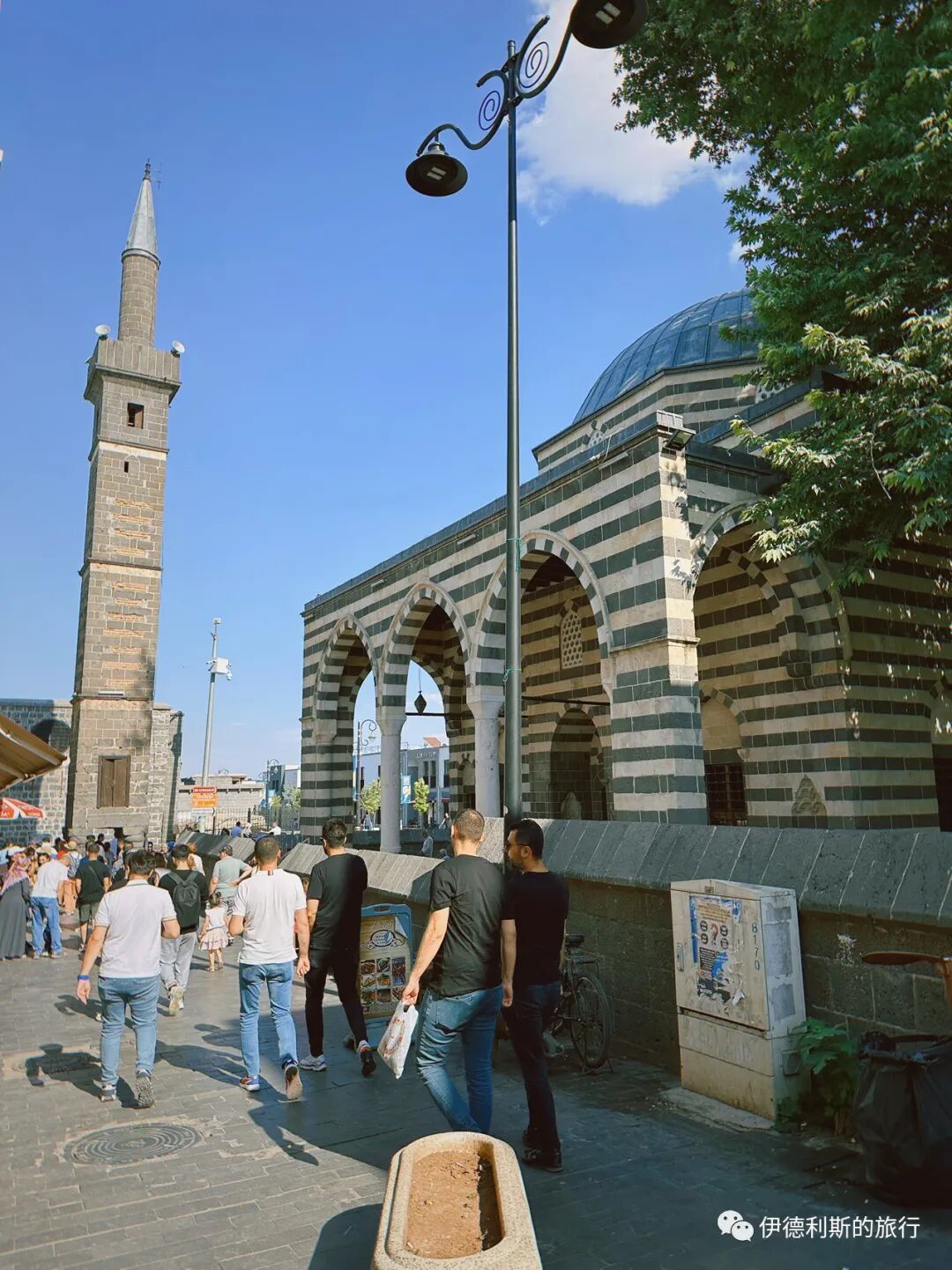
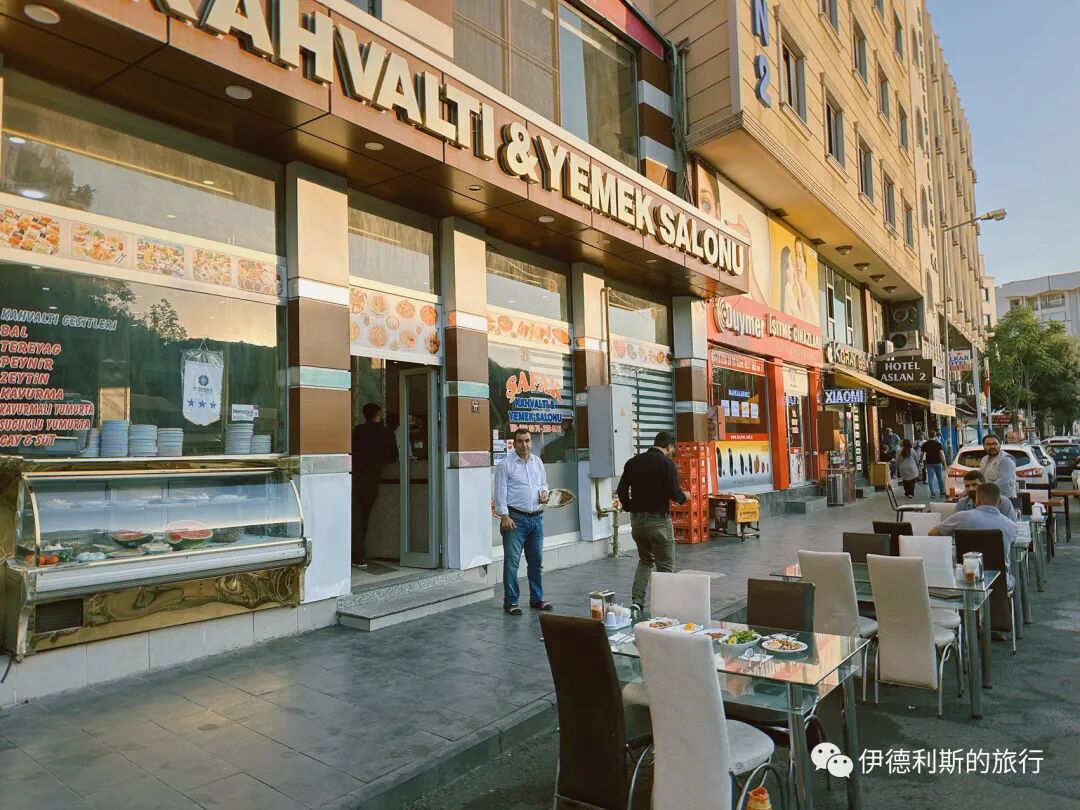
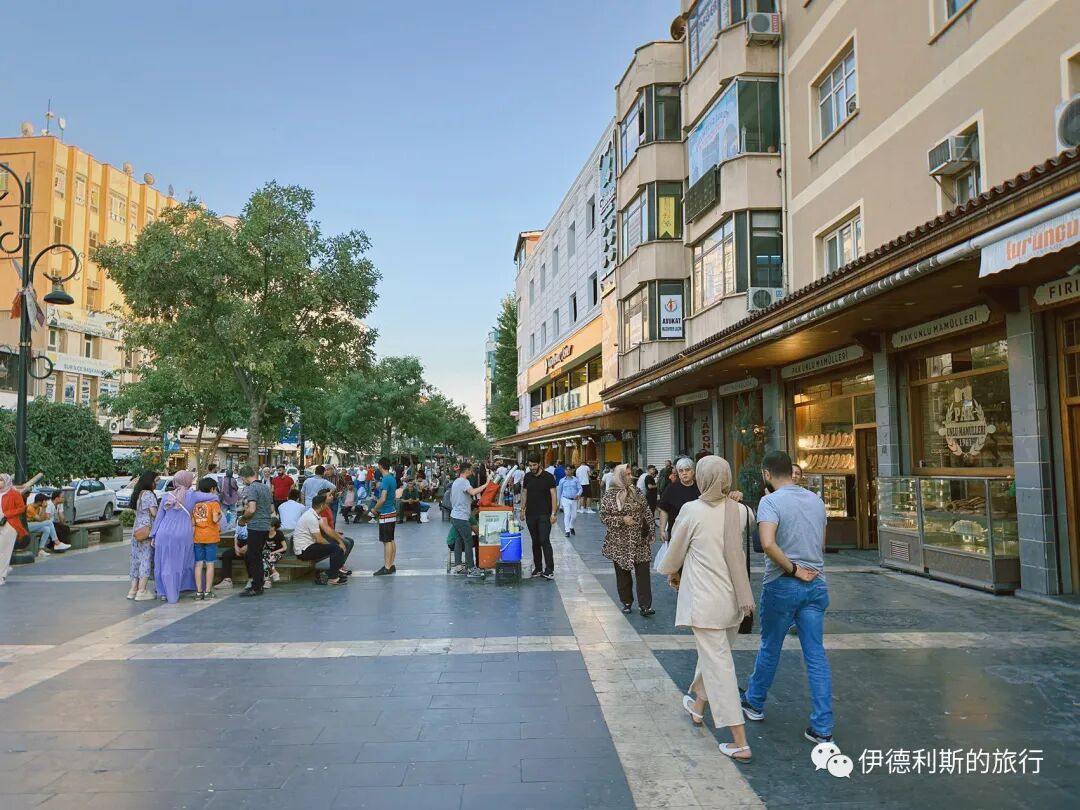
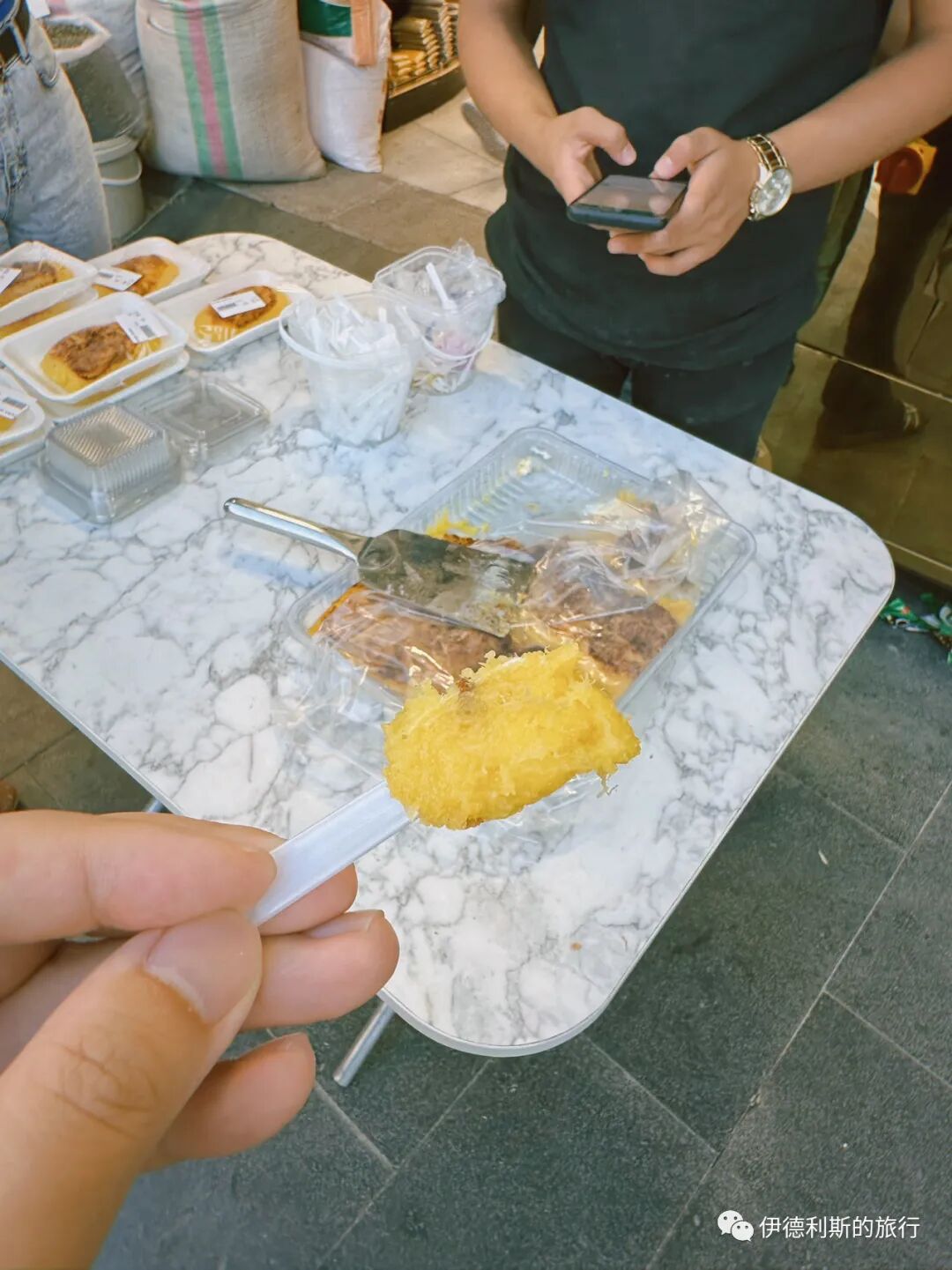
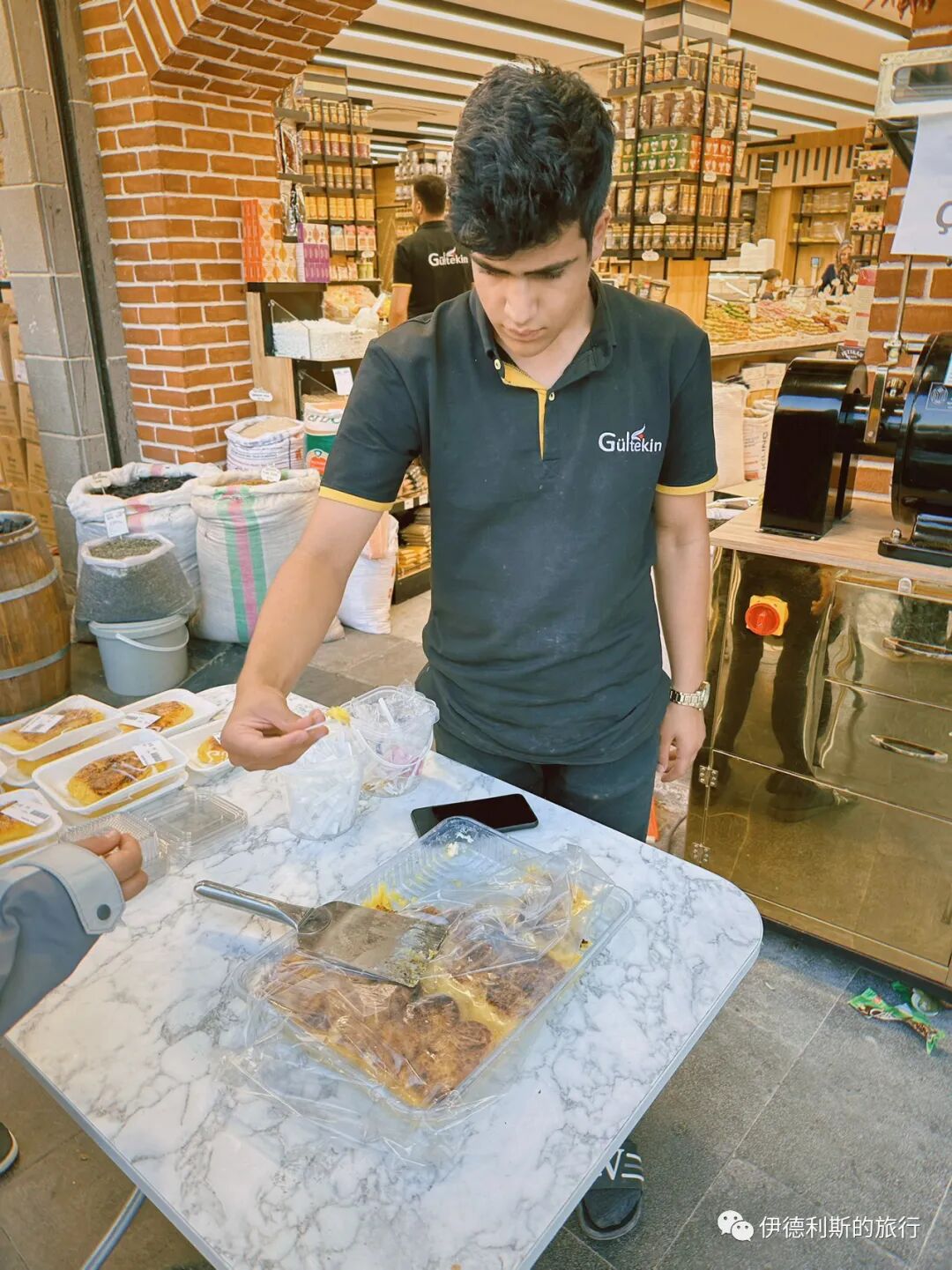
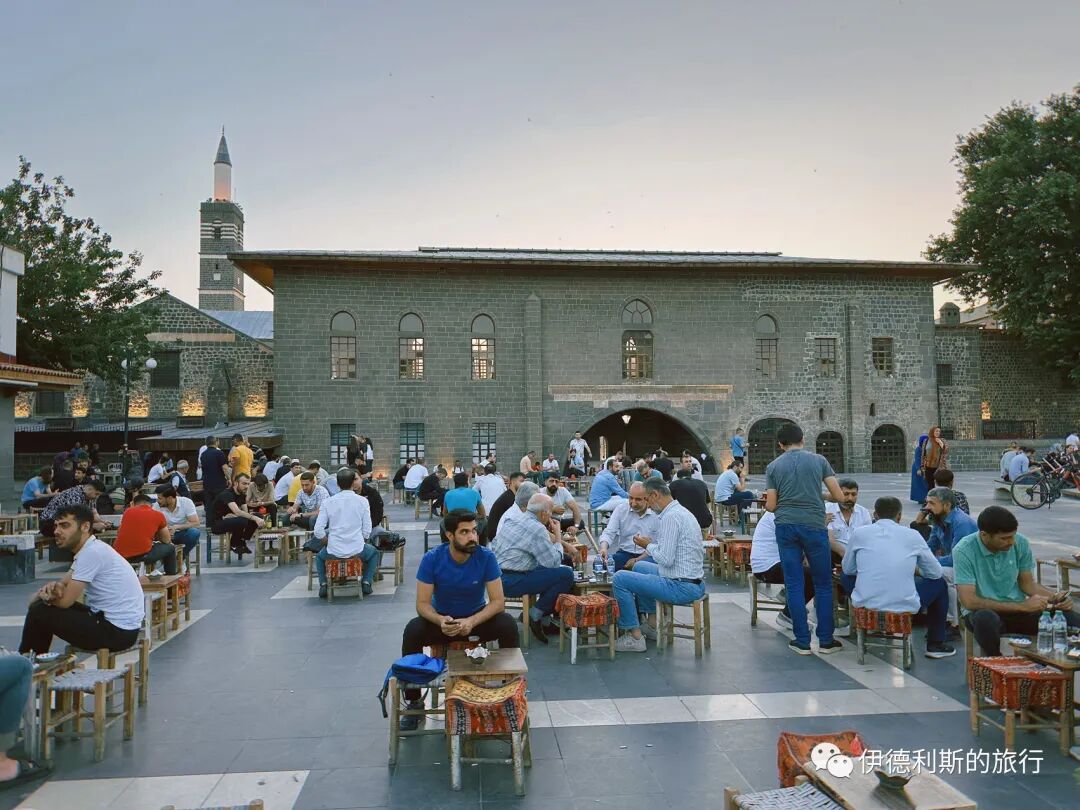
In the old city of Diyarbakır at night, Kurds love to sing and dance in the streets. As you walk along, you can feel the charm of Kurdish folk songs, the circle dance (Helperkê), the frame drum (Daf), and improvised singing (Teqsîm). Everyone warmly invited me to have tea and wanted to pull me in to dance with them.
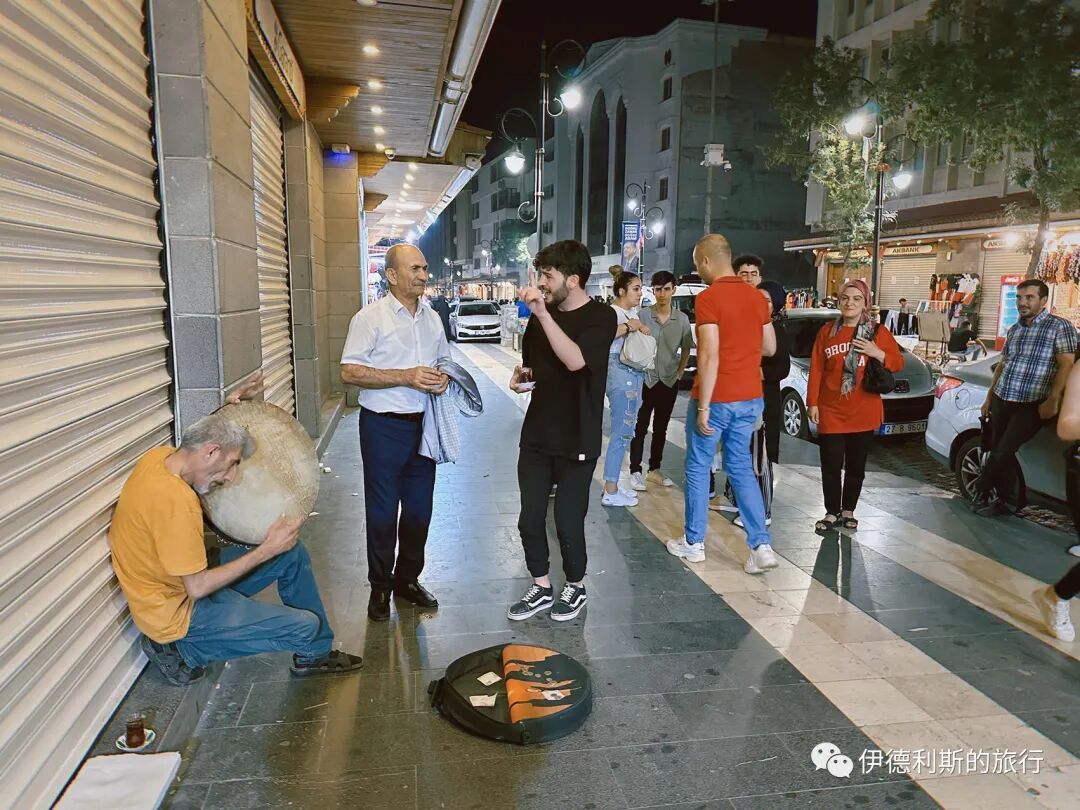
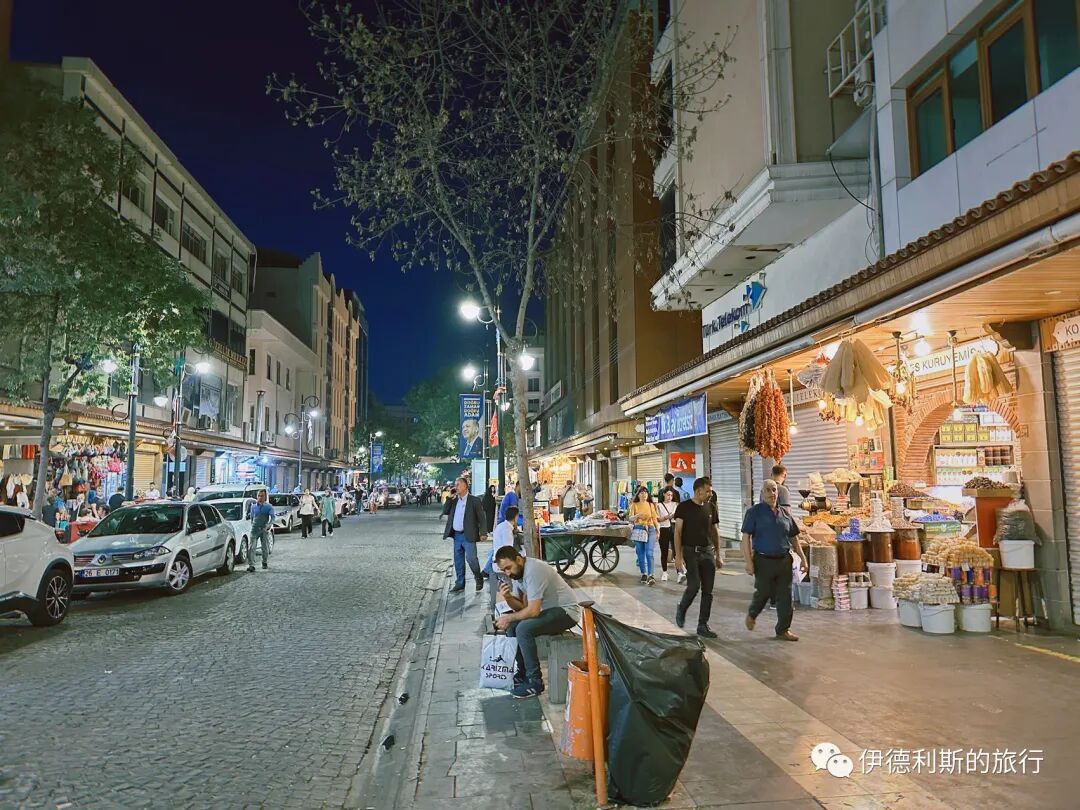
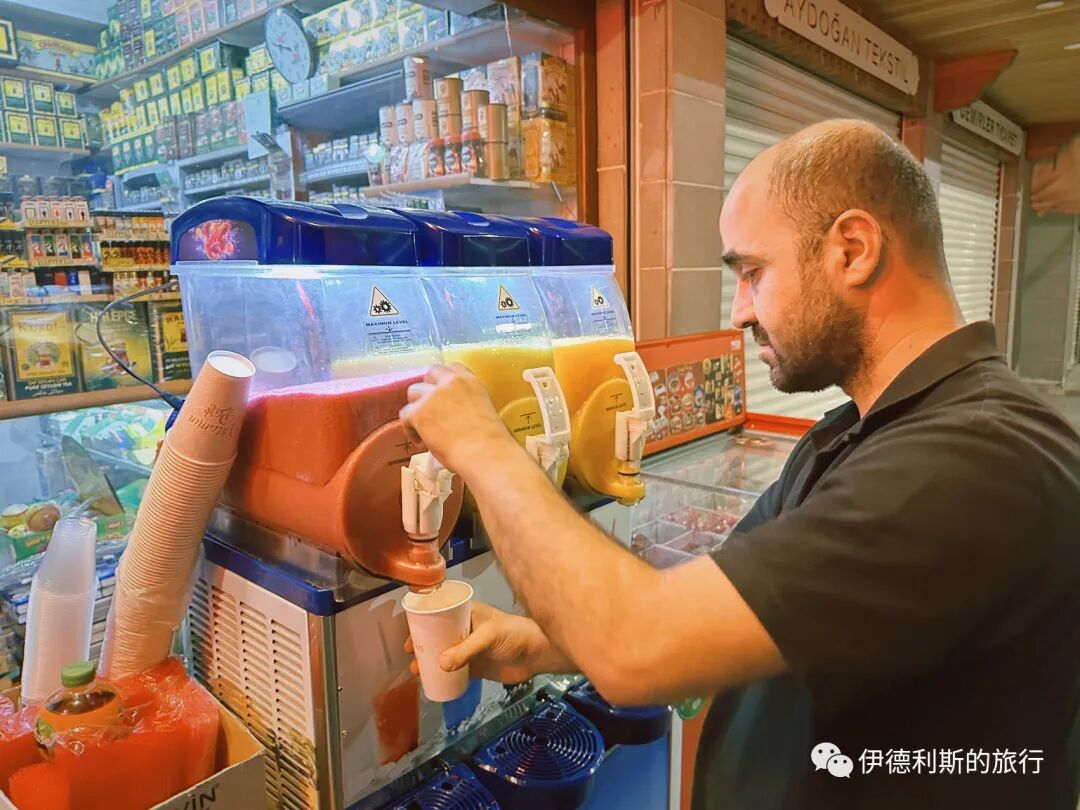

Summary: Diyarbakir in southeastern Turkey is a Kurdish city shaped by old walls, mosques, bazaars, and life along the Tigris River. This travel account introduces its streets, Muslim heritage, and local history while keeping the Chinese source details and photos in order.
We left Mardin in the morning and took a minibus to Diyarbakir, the largest Kurdish city in Turkey, which is also known as the unofficial capital of Turkish Kurdistan. We stayed in the heart of the old city of Diyarbakir, right next to a busy main road filled with all kinds of shops.
We first drank a local Turkish Kurdistan specialty, licorice root water (Meyan şerbeti). It is a classic Ramadan drink for the Kurds in Turkey. It tastes slightly bitter, and they describe it as a cure-all (Her Derde Deva). This drink is made from the roots of the licorice plant (guangguo gancao). Kurds drink it by soaking the roots in water, but it can also be refined and added to candies and cola.
Then we had a mix of pomegranate juice and orange juice, which had a very rich flavor.
The street had many fruit vendors, mostly selling mulberries and a small melon that tastes like a cucumber. Kurds cut this small melon open, sprinkle salt inside, and eat it for a very refreshing snack.
For lunch, we ate grilled lamb liver at a restaurant in the center of the old city. We had four large skewers of liver served with five side dishes and a plate of thin flatbread (bing). We wrapped the liver in the bread, making for a perfect balance of meat and vegetables. The restaurant had a great view, with the street scene of Diyarbakir right outside the window.
Among the side dishes, the most unique was the appetizer from southeastern Turkey called raw meatballs (Cig Kofte), which is loved by local Kurds, Armenians, and Turks alike. To make these meatballs, you knead crushed bulgur wheat and chopped onions with water until soft, then add tomato paste, pepper paste, various spices, fresh mint, green onions, and parsley.
The word Cig originally means raw, because traditional Cig Kofte requires adding very fine, lean raw lamb or beef. However, due to food safety regulations, all legitimate restaurants in Turkey no longer add raw meat to Cig Kofte, usually replacing it with crushed walnuts, hazelnuts, and potatoes.
Opposite the Great Mosque of Diyarbakir is the Hasan Pasha Caravanserai (Hasan Pasha Han), built in 1575. It is now home to many shops and cafes. We drank tea and pomegranate juice at one of them, and Zaynab bought a beautiful headscarf at a shop. The owner of the headscarf shop chatted with us for a while. He spoke fluent English and said we were the first Chinese guests he had ever hosted. He lived in Germany for a long time and has traveled to many countries. He has always wanted to visit China but has not gone yet because he is worried about finding halal food.
Many ancient cities in Turkey have turned Ottoman-era caravan inns (han) into shops, restaurants, and cafes. Sitting inside for a drink gives you a special sense of history.
In the evening, we ate at a canteen (lokantasi) next to the north gate of the ancient city of Diyarbakir. A lokantasi is a lot like a canteen back home. Various stews and mixed salads are prepared and laid out together, so you just point at what you want to eat. I think it is perfect for tourists. Besides stews, they have a grill area where they make various kebabs, flatbreads with toppings (pide), and meat flatbreads (lahmacun). The open kitchen looks very clean.
We ordered the stewed kidney bean dish (kuru fasulye), which is known as Turkey's national dish, lamb rice pilaf (pilav), and a stew of eggplant, green peppers, and meat. Everything tasted great. As usual, they served four large plates of free side dishes and baked flatbread (naan). Everything laid out together looked very hearty!
Kuru fasulye is made by stewing kidney beans with lean beef, olive oil, onions, and tomato paste. Turkish rice pilaf dates back to the Ottoman court in the 15th century. At that time, rice was very rare and was only used as a garnish in Ottoman royal meals. Until the 18th century, only the rich in Turkey could afford to eat rice pilaf. It only became popular later on.
When making Turkish rice pilaf, it is important that the grains stay separate and do not stick together. They also like to add a type of rice-shaped pasta (arpa sehriye), which is made from coarse flour shaped like rice grains.
Walking through the alleys of the old city of Diyarbakir, it is calm and peaceful now, but this place suffered a catastrophe in 2015. At that time, peace talks between Turkey and the Kurdistan Workers' Party (PKK) broke down. In May 2015, the Kurds declared autonomy in the Sur district of the old city of Diyarbakir, and Turkish police began a crackdown. To counter the Kurds, Turkey demolished a large number of buildings in the old city. Except for a few ancient structures, the residential areas in the eastern half of the old city were basically razed to the ground.
When we visited in 2023, the eastern part of the old city had still not recovered from the conflict. The surviving ancient buildings in the east are being restored, and we hope they can return to their former appearance.
On the streets of the old city of Diyarbakir, there are all kinds of desserts to sample and coffee to taste, and the quality is excellent! Zainab especially liked the coffee here. The entrance to the Great Mosque of Diyarbakır, built in 1091, is full of people drinking tea and chatting. It is very relaxed.
In the old city of Diyarbakır at night, Kurds love to sing and dance in the streets. As you walk along, you can feel the charm of Kurdish folk songs, the circle dance (Helperkê), the frame drum (Daf), and improvised singing (Teqsîm). Everyone warmly invited me to have tea and wanted to pull me in to dance with them.
Halal Travel Guide: Diyarbakir, Turkey — Tigris River City and Historic Mosques (Part 1)
Articles • ali2007fr posted the article • 0 comments • 232 views • 2026-05-19 03:00
Reposted from the web
Summary: Diyarbakir is a thousand-year-old city by the Tigris River with old walls, mosques, and layers of Kurdish and Islamic history. This first part introduces the city, its historic sites, and its street-level details while preserving the Chinese source facts and photos.
In my last article, "Diyarbakir: A Kurdish City in Southeastern Turkey," I tried many local snacks and drinks in Diyarbakir, the largest Kurdish city in Turkey. In this article, I will introduce the colorful ancient monuments of Diyarbakir that span over a thousand years.
Great Mosque of Diyarbakir: 1092.
I performed namaz at the Great Mosque of Diyarbakir at noon and met a warm and hospitable local friend (dosti). He told me a lot about the mosque and even gave me a book.
The Great Mosque of Diyarbakir was first built in the 7th century. The current structure was ordered by Malik-Shah I, the third sultan of the Seljuk Empire, in 1092, and it has a history of over nine hundred years. The architectural style of the Great Mosque of Diyarbakir was deeply influenced by the Umayyad Mosque in Damascus. Sultan Malik-Shah I oversaw the restoration of the Umayyad Mosque between 1082 and 1083, and he wanted to bring the prestige and glory of Damascus to Diyarbakir.
Inside the main hall, there are three aisles parallel to the qibla wall, separated by a central nave perpendicular to the qibla wall. The ceiling of the nave is decorated with rich paintings. The exterior facade of the main hall is decorated with floral patterns and ornate Kufic inscriptions. Unlike the Umayyad Mosque in Damascus, the Great Mosque of Diyarbakir does not have a central dome. The existing sloped roof was rebuilt during the Ottoman period, which is a Turkish style different from Arab architecture.
After the 12th century, the Seljuk Empire began to collapse, and a Seljuk governor established the Inalids Beylik (1098-1183) in Diyarbakir. The Inalids Beylik carried out a series of renovations and expansions on the Great Mosque of Diyarbakir in the 12th century, which is recorded on many inscriptions in the mosque today.
The Great Mosque of Diyarbakir was damaged by a fire caused by lightning in 1115. It was later restored by the Inalids Beylik. The building on the west side of the courtyard was built during this period, and you can see inscriptions dated 1117-18 and 1124-25 on it. The east gate of the Great Mosque of Diyarbakir bears the date 1163-64 and mentions that it was built under the supervision of Hibatallah of Gurgan. He is the only architect recorded in the Great Mosque of Diyarbakir, and he also oversaw the restoration of the main hall in 1155-56.
The buildings on the east and west sides of the mosque are known for using stone components from the Byzantine period, including Corinthian columns and friezes with vine patterns. This method of using components from old buildings to build new ones is called spolia. The term originally meant "spoils of war" in Latin. It is an ancient and common architectural technique found in many ancient buildings in Europe and the Islamic world. A classic example in China is the Kaiyuan Mosque in Quanzhou, which used stone components from a former Hindu mosque. From an archaeological perspective, the use of spolia gives a building archaeological value that transcends the building itself.
On the main gate, you can see a stone carving of a lion eating a bull. It is very much in the Seljuk art style of the Anatolia region, which suggests that the art style of the Inalid Beylik was a continuation of the Seljuk Empire.
After the 12th century, the Artuqid dynasty (1102–1409), founded by another Seljuk governor, developed in eastern Anatolia. In 1183, the Artuqid dynasty joined forces with Saladin to destroy the Inalid Beylik and began their rule over Diyarbakir.
The Artuqid dynasty built two madrasas next to the Great Mosque of Diyarbakir. The Mesudiye Madrasa is on the north side of the mosque courtyard. It was built between 1193 and 1223, and its outer wall is decorated with many Corinthian capitals. The Zinciriye Madrasa was built in 1198 on the west side of the mosque. It is a separate small courtyard, but it was closed when I visited, so I could not go inside.
Haci Halid Mansion: late 19th century
On the north side of the Great Mosque of Diyarbakir stands the Haci Halid Mansion (Hacı Halid Konağı), a traditional house over 120 years old. It is now open to the public as the Ahmed Arif Literature Museum. Ahmed Arif (1927–1991) was a famous poet from Diyarbakir. His father was a Turkmen from Iraq, and his mother was Kurdish. His poetry was deeply influenced by Anatolian folk literature and is widely loved in Turkey.
Nebi Mosque: 15th century
Nebi Mosque is located inside the north gate of the ancient city of Diyarbakir. It was first built in the 15th century during the Aq Qoyunlu period, and its minaret was rebuilt by Haci Huseyin in 1530.
Nebi Mosque was originally made up of two main halls, which belonged to the Shafi'i and Hanafi schools of thought respectively. During World War I, the part belonging to the Hanafi school was used as a military barracks until it collapsed in 1927. Today, only the part belonging to the Shafi'i school remains. Besides the Kurds, most Muslims in East Africa and Southeast Asia also belong to the Shafi'i school.
The mosque is built with alternating black basalt and white limestone. This is a masonry decoration technique called ablaq, which creates an architectural style unique to Diyarbakir.
Diyarbakir City Walls: mid-4th century.
The Diyarbakir City Walls were built by the Roman Emperor Constantius II in the mid-4th century. Over the next thousand years, they were rebuilt by the Byzantine, Abbasid, Seljuk, Inalid, Artuqid, Kara Koyunlu, and Ottoman dynasties. The walls were added to the UNESCO World Heritage list in 2015.
The city of Diyarbakir has two sets of walls: the inner castle (İçkale) and the outer castle (Dış Kale). The inner castle, located on a cliff in the northeast, is the oldest part of Diyarbakir. It has plenty of spring water and overlooks the Tigris River valley, which is why rulers lived there for generations.
The heart of the inner castle is the Amida Mound, which stands 20 to 30 meters high in the northwest. This is the oldest settlement in Diyarbakir, with a history spanning over 5,000 years. In 1957, palace walls from the early 13th-century Artuqid dynasty were discovered here. Many more Artuqid palace ruins were found later, but the site is currently closed to protect them.
The Diyarbakir Museum is in the northeast part of the inner castle. Its gate is an arch built by the Artuqid Sultan Mahmud between 1206 and 1207. It features Naskh script inscriptions and a stone carving of a lion hunting a bull, which looks almost identical to the carving on the gate of the Great Mosque of Diyarbakir.
The southern part of the inner castle was expanded during the Ottoman period. The main entrance gate, known as the Palace (Saray) Gate, and the Küpeli Gate built under a tower both date from this time. If you follow the stairs inside the city walls to the top, you can see the arrow slits inside the towers. There are no safety railings on these stairs, so I felt a bit nervous coming back down.
13th-century pottery collected in the Diyarbakir Museum.
Hazreti Süleyman Mosque: 1160.
The Hazreti Süleyman Mosque is in the center of the inner castle and is the most important religious site in Diyarbakir. The mosque was first built by the Inalid dynasty in 1160. It was expanded in the 16th century by order of the Ottoman Sultan Suleiman the Magnificent and renovated again between 1631 and 1633.
On the west side of the main hall are the graves of Suleiman, the son of the famous Arab general Khalid ibn al-Walid, and his 27 followers. They passed away in 639 when the Arab army captured Diyarbakir.
Nasuh Pasha Mosque: early 17th century.
Walk out of the inner city of Diyarbakir from the South Gate, and the first thing you see is the Nasuh Pasha Mosque, built in the early 17th century. Nasuh Pasha became the governor of Diyarbakir in 1606, later became the Grand Vizier of the Ottoman Empire in 1611, and married the daughter of Sultan Ahmed I. He was executed by the Sultan in 1614 for excessive greed.
The minaret of the mosque is divided into two parts. The lower section of black basalt was built in the 17th century. During the Diyarbakir uprising in 1819, the upper part of the minaret was destroyed by cannon fire and later rebuilt with white limestone. During the 2015-16 conflict between Turkey and the Kurdistan Workers' Party in the old city of Diyarbakir, the Nasuh Pasha Mosque was damaged, but it has now been fully restored.
Kurşunlu Mosque: 1516-20
Continue south from the Nasuh Pasha Mosque to reach the Kurşunlu Mosque. It was built between 1516 and 1520 by Bıyıklı Mehmed Pasha, the first Ottoman governor of Diyarbakir, and is the city's first Ottoman mosque. Bıyıklı Mehmed Pasha commanded the Ottoman army against the Persian Safavid dynasty from 1515 to 1521, winning many victories and capturing cities including Diyarbakir, Mardin, and Mosul.
The main hall of the mosque consists of one main dome and four semi-domes. The domes are all covered in lead, which is a typical Ottoman style. However, the use of black basalt makes the main color very different from the red and white tones found in the western part of the Ottoman Empire.
Inside the main hall, there is an exquisite marble minbar (pulpit), and the doors feature intricate Arabic calligraphy.
The Kurşunlu Mosque was also hit by artillery fire during the 1819 Diyarbakir uprising. During the 2015-16 conflict between Turkey and the Kurdistan Workers' Party in the old city of Diyarbakir, the Kurşunlu Mosque suffered severe damage and fire. Different sources blame either Turkey or the Kurdistan Workers' Party for the destruction. After several years of restoration, the mosque reopened in 2019.
On the northeast side of the Kurşunlu Mosque is a smaller flat-roofed building, which is the Shafi'i hall built in the late 16th century. Because the Ottoman rulers at the time belonged to the Hanafi school, while the Kurds living in Diyarbakir mainly belonged to the Shafi'i school, some mosques were built with halls for both schools. Currently, all schools of thought pray together here, and the site has also become an education center for women and children.
Prince's Mansion (Şehzadeler Konağı): late 16th century
Northwest of Kurşunlu Mosque stands an Ottoman mansion built in the late 16th century called the Prince's Mansion (Şehzadeler Konağı). This building was severely damaged during the 2015 conflict between Turkey and the Kurdistan Workers' Party, and restoration began in 2021 and is still ongoing. We met a friend (dost) at Kurşunlu Mosque who works right here, and he warmly invited us for tea.
After the restoration is finished, it is expected to open as a literary youth center named after the famous Diyarbakır poet Sezai Karakoç, who passed away in 2021, serving as a home for literature for young people.
Kadı Mosque: 1533
Continuing west, you will pass the Kadı Mosque built in 1533, which, like the Prince's Mansion before it, is built with alternating layers of black basalt and white limestone.
Hasan Pasha Inn (Hasan Paşa Hanı): 1573-75
Walk back west to the main road and take a break with some tea at the Hasan Pasha Inn (Hasan Paşa Hanı), located directly across from the Great Mosque of Diyarbakır. The Hasan Pasha Inn was built between 1573 and 1575 by Hasan Pasha, the eldest son of the Ottoman Grand Vizier Sokollu Mehmed Pasha, and it is a very important Ottoman caravanserai in Diyarbakır. Like a typical Ottoman caravanserai, the first floor was used to store goods and horses, while the second floor provided lodging for travelers. A Polish traveler who visited in 1613 recorded that the site could accommodate 500 horses. After being restored in 2006, it opened with cafes, restaurants, and shops, becoming a place for people to relax.
Sheikh Matar Mosque (Şeyh Matar Camii): 1500
After leaving the Hasan Pasha Inn, we went south to the Sheikh Matar (Şeyh Matar) Mosque. Haji Hussein built this mosque in 1500 during the late White Sheep dynasty. It is named after the tomb of Sheikh Matar, which sits next to the mosque.
The mosque is famous for its four-legged minaret (bangke ta) that stands in the middle of the road. The minaret sits on four stone pillars. According to the Diyarbakır Salnâmeleri, the tower was built in 906 and became a minaret only after the mosque was finished. Local Kurds believe the four stone pillars at the base represent the four schools of Sunni jurisprudence: Hanafi, Hanbali, Maliki, and Shafi'i.
On the night of November 25, 2015, the Patriotic Revolutionary Youth Movement (YDG-H) fought a gun battle with police here, damaging two of the minaret's pillars. On November 28, Tahir Elçi, the head of the Diyarbakır Bar Association, made a statement next to the minaret calling for an end to the violence. A gun battle broke out again shortly after, and Tahir Elçi, along with the plainclothes police and private guards near him, were all killed in the fighting. view all
Summary: Diyarbakir is a thousand-year-old city by the Tigris River with old walls, mosques, and layers of Kurdish and Islamic history. This first part introduces the city, its historic sites, and its street-level details while preserving the Chinese source facts and photos.
In my last article, "Diyarbakir: A Kurdish City in Southeastern Turkey," I tried many local snacks and drinks in Diyarbakir, the largest Kurdish city in Turkey. In this article, I will introduce the colorful ancient monuments of Diyarbakir that span over a thousand years.
Great Mosque of Diyarbakir: 1092.
I performed namaz at the Great Mosque of Diyarbakir at noon and met a warm and hospitable local friend (dosti). He told me a lot about the mosque and even gave me a book.
The Great Mosque of Diyarbakir was first built in the 7th century. The current structure was ordered by Malik-Shah I, the third sultan of the Seljuk Empire, in 1092, and it has a history of over nine hundred years. The architectural style of the Great Mosque of Diyarbakir was deeply influenced by the Umayyad Mosque in Damascus. Sultan Malik-Shah I oversaw the restoration of the Umayyad Mosque between 1082 and 1083, and he wanted to bring the prestige and glory of Damascus to Diyarbakir.
Inside the main hall, there are three aisles parallel to the qibla wall, separated by a central nave perpendicular to the qibla wall. The ceiling of the nave is decorated with rich paintings. The exterior facade of the main hall is decorated with floral patterns and ornate Kufic inscriptions. Unlike the Umayyad Mosque in Damascus, the Great Mosque of Diyarbakir does not have a central dome. The existing sloped roof was rebuilt during the Ottoman period, which is a Turkish style different from Arab architecture.
After the 12th century, the Seljuk Empire began to collapse, and a Seljuk governor established the Inalids Beylik (1098-1183) in Diyarbakir. The Inalids Beylik carried out a series of renovations and expansions on the Great Mosque of Diyarbakir in the 12th century, which is recorded on many inscriptions in the mosque today.
The Great Mosque of Diyarbakir was damaged by a fire caused by lightning in 1115. It was later restored by the Inalids Beylik. The building on the west side of the courtyard was built during this period, and you can see inscriptions dated 1117-18 and 1124-25 on it. The east gate of the Great Mosque of Diyarbakir bears the date 1163-64 and mentions that it was built under the supervision of Hibatallah of Gurgan. He is the only architect recorded in the Great Mosque of Diyarbakir, and he also oversaw the restoration of the main hall in 1155-56.
The buildings on the east and west sides of the mosque are known for using stone components from the Byzantine period, including Corinthian columns and friezes with vine patterns. This method of using components from old buildings to build new ones is called spolia. The term originally meant "spoils of war" in Latin. It is an ancient and common architectural technique found in many ancient buildings in Europe and the Islamic world. A classic example in China is the Kaiyuan Mosque in Quanzhou, which used stone components from a former Hindu mosque. From an archaeological perspective, the use of spolia gives a building archaeological value that transcends the building itself.
On the main gate, you can see a stone carving of a lion eating a bull. It is very much in the Seljuk art style of the Anatolia region, which suggests that the art style of the Inalid Beylik was a continuation of the Seljuk Empire.
After the 12th century, the Artuqid dynasty (1102–1409), founded by another Seljuk governor, developed in eastern Anatolia. In 1183, the Artuqid dynasty joined forces with Saladin to destroy the Inalid Beylik and began their rule over Diyarbakir.
The Artuqid dynasty built two madrasas next to the Great Mosque of Diyarbakir. The Mesudiye Madrasa is on the north side of the mosque courtyard. It was built between 1193 and 1223, and its outer wall is decorated with many Corinthian capitals. The Zinciriye Madrasa was built in 1198 on the west side of the mosque. It is a separate small courtyard, but it was closed when I visited, so I could not go inside.
Haci Halid Mansion: late 19th century
On the north side of the Great Mosque of Diyarbakir stands the Haci Halid Mansion (Hacı Halid Konağı), a traditional house over 120 years old. It is now open to the public as the Ahmed Arif Literature Museum. Ahmed Arif (1927–1991) was a famous poet from Diyarbakir. His father was a Turkmen from Iraq, and his mother was Kurdish. His poetry was deeply influenced by Anatolian folk literature and is widely loved in Turkey.
Nebi Mosque: 15th century
Nebi Mosque is located inside the north gate of the ancient city of Diyarbakir. It was first built in the 15th century during the Aq Qoyunlu period, and its minaret was rebuilt by Haci Huseyin in 1530.
Nebi Mosque was originally made up of two main halls, which belonged to the Shafi'i and Hanafi schools of thought respectively. During World War I, the part belonging to the Hanafi school was used as a military barracks until it collapsed in 1927. Today, only the part belonging to the Shafi'i school remains. Besides the Kurds, most Muslims in East Africa and Southeast Asia also belong to the Shafi'i school.
The mosque is built with alternating black basalt and white limestone. This is a masonry decoration technique called ablaq, which creates an architectural style unique to Diyarbakir.
Diyarbakir City Walls: mid-4th century.
The Diyarbakir City Walls were built by the Roman Emperor Constantius II in the mid-4th century. Over the next thousand years, they were rebuilt by the Byzantine, Abbasid, Seljuk, Inalid, Artuqid, Kara Koyunlu, and Ottoman dynasties. The walls were added to the UNESCO World Heritage list in 2015.
The city of Diyarbakir has two sets of walls: the inner castle (İçkale) and the outer castle (Dış Kale). The inner castle, located on a cliff in the northeast, is the oldest part of Diyarbakir. It has plenty of spring water and overlooks the Tigris River valley, which is why rulers lived there for generations.
The heart of the inner castle is the Amida Mound, which stands 20 to 30 meters high in the northwest. This is the oldest settlement in Diyarbakir, with a history spanning over 5,000 years. In 1957, palace walls from the early 13th-century Artuqid dynasty were discovered here. Many more Artuqid palace ruins were found later, but the site is currently closed to protect them.
The Diyarbakir Museum is in the northeast part of the inner castle. Its gate is an arch built by the Artuqid Sultan Mahmud between 1206 and 1207. It features Naskh script inscriptions and a stone carving of a lion hunting a bull, which looks almost identical to the carving on the gate of the Great Mosque of Diyarbakir.
The southern part of the inner castle was expanded during the Ottoman period. The main entrance gate, known as the Palace (Saray) Gate, and the Küpeli Gate built under a tower both date from this time. If you follow the stairs inside the city walls to the top, you can see the arrow slits inside the towers. There are no safety railings on these stairs, so I felt a bit nervous coming back down.
13th-century pottery collected in the Diyarbakir Museum.
Hazreti Süleyman Mosque: 1160.
The Hazreti Süleyman Mosque is in the center of the inner castle and is the most important religious site in Diyarbakir. The mosque was first built by the Inalid dynasty in 1160. It was expanded in the 16th century by order of the Ottoman Sultan Suleiman the Magnificent and renovated again between 1631 and 1633.
On the west side of the main hall are the graves of Suleiman, the son of the famous Arab general Khalid ibn al-Walid, and his 27 followers. They passed away in 639 when the Arab army captured Diyarbakir.
Nasuh Pasha Mosque: early 17th century.
Walk out of the inner city of Diyarbakir from the South Gate, and the first thing you see is the Nasuh Pasha Mosque, built in the early 17th century. Nasuh Pasha became the governor of Diyarbakir in 1606, later became the Grand Vizier of the Ottoman Empire in 1611, and married the daughter of Sultan Ahmed I. He was executed by the Sultan in 1614 for excessive greed.
The minaret of the mosque is divided into two parts. The lower section of black basalt was built in the 17th century. During the Diyarbakir uprising in 1819, the upper part of the minaret was destroyed by cannon fire and later rebuilt with white limestone. During the 2015-16 conflict between Turkey and the Kurdistan Workers' Party in the old city of Diyarbakir, the Nasuh Pasha Mosque was damaged, but it has now been fully restored.
Kurşunlu Mosque: 1516-20
Continue south from the Nasuh Pasha Mosque to reach the Kurşunlu Mosque. It was built between 1516 and 1520 by Bıyıklı Mehmed Pasha, the first Ottoman governor of Diyarbakir, and is the city's first Ottoman mosque. Bıyıklı Mehmed Pasha commanded the Ottoman army against the Persian Safavid dynasty from 1515 to 1521, winning many victories and capturing cities including Diyarbakir, Mardin, and Mosul.
The main hall of the mosque consists of one main dome and four semi-domes. The domes are all covered in lead, which is a typical Ottoman style. However, the use of black basalt makes the main color very different from the red and white tones found in the western part of the Ottoman Empire.
Inside the main hall, there is an exquisite marble minbar (pulpit), and the doors feature intricate Arabic calligraphy.
The Kurşunlu Mosque was also hit by artillery fire during the 1819 Diyarbakir uprising. During the 2015-16 conflict between Turkey and the Kurdistan Workers' Party in the old city of Diyarbakir, the Kurşunlu Mosque suffered severe damage and fire. Different sources blame either Turkey or the Kurdistan Workers' Party for the destruction. After several years of restoration, the mosque reopened in 2019.
On the northeast side of the Kurşunlu Mosque is a smaller flat-roofed building, which is the Shafi'i hall built in the late 16th century. Because the Ottoman rulers at the time belonged to the Hanafi school, while the Kurds living in Diyarbakir mainly belonged to the Shafi'i school, some mosques were built with halls for both schools. Currently, all schools of thought pray together here, and the site has also become an education center for women and children.
Prince's Mansion (Şehzadeler Konağı): late 16th century
Northwest of Kurşunlu Mosque stands an Ottoman mansion built in the late 16th century called the Prince's Mansion (Şehzadeler Konağı). This building was severely damaged during the 2015 conflict between Turkey and the Kurdistan Workers' Party, and restoration began in 2021 and is still ongoing. We met a friend (dost) at Kurşunlu Mosque who works right here, and he warmly invited us for tea.
After the restoration is finished, it is expected to open as a literary youth center named after the famous Diyarbakır poet Sezai Karakoç, who passed away in 2021, serving as a home for literature for young people.
Kadı Mosque: 1533
Continuing west, you will pass the Kadı Mosque built in 1533, which, like the Prince's Mansion before it, is built with alternating layers of black basalt and white limestone.
Hasan Pasha Inn (Hasan Paşa Hanı): 1573-75
Walk back west to the main road and take a break with some tea at the Hasan Pasha Inn (Hasan Paşa Hanı), located directly across from the Great Mosque of Diyarbakır. The Hasan Pasha Inn was built between 1573 and 1575 by Hasan Pasha, the eldest son of the Ottoman Grand Vizier Sokollu Mehmed Pasha, and it is a very important Ottoman caravanserai in Diyarbakır. Like a typical Ottoman caravanserai, the first floor was used to store goods and horses, while the second floor provided lodging for travelers. A Polish traveler who visited in 1613 recorded that the site could accommodate 500 horses. After being restored in 2006, it opened with cafes, restaurants, and shops, becoming a place for people to relax.
Sheikh Matar Mosque (Şeyh Matar Camii): 1500
After leaving the Hasan Pasha Inn, we went south to the Sheikh Matar (Şeyh Matar) Mosque. Haji Hussein built this mosque in 1500 during the late White Sheep dynasty. It is named after the tomb of Sheikh Matar, which sits next to the mosque.
The mosque is famous for its four-legged minaret (bangke ta) that stands in the middle of the road. The minaret sits on four stone pillars. According to the Diyarbakır Salnâmeleri, the tower was built in 906 and became a minaret only after the mosque was finished. Local Kurds believe the four stone pillars at the base represent the four schools of Sunni jurisprudence: Hanafi, Hanbali, Maliki, and Shafi'i.
On the night of November 25, 2015, the Patriotic Revolutionary Youth Movement (YDG-H) fought a gun battle with police here, damaging two of the minaret's pillars. On November 28, Tahir Elçi, the head of the Diyarbakır Bar Association, made a statement next to the minaret calling for an end to the violence. A gun battle broke out again shortly after, and Tahir Elçi, along with the plainclothes police and private guards near him, were all killed in the fighting. view all
Reposted from the web
Summary: Diyarbakir is a thousand-year-old city by the Tigris River with old walls, mosques, and layers of Kurdish and Islamic history. This first part introduces the city, its historic sites, and its street-level details while preserving the Chinese source facts and photos.
In my last article, "Diyarbakir: A Kurdish City in Southeastern Turkey," I tried many local snacks and drinks in Diyarbakir, the largest Kurdish city in Turkey. In this article, I will introduce the colorful ancient monuments of Diyarbakir that span over a thousand years.
Great Mosque of Diyarbakir: 1092.
I performed namaz at the Great Mosque of Diyarbakir at noon and met a warm and hospitable local friend (dosti). He told me a lot about the mosque and even gave me a book.
The Great Mosque of Diyarbakir was first built in the 7th century. The current structure was ordered by Malik-Shah I, the third sultan of the Seljuk Empire, in 1092, and it has a history of over nine hundred years. The architectural style of the Great Mosque of Diyarbakir was deeply influenced by the Umayyad Mosque in Damascus. Sultan Malik-Shah I oversaw the restoration of the Umayyad Mosque between 1082 and 1083, and he wanted to bring the prestige and glory of Damascus to Diyarbakir.
Inside the main hall, there are three aisles parallel to the qibla wall, separated by a central nave perpendicular to the qibla wall. The ceiling of the nave is decorated with rich paintings. The exterior facade of the main hall is decorated with floral patterns and ornate Kufic inscriptions. Unlike the Umayyad Mosque in Damascus, the Great Mosque of Diyarbakir does not have a central dome. The existing sloped roof was rebuilt during the Ottoman period, which is a Turkish style different from Arab architecture.
After the 12th century, the Seljuk Empire began to collapse, and a Seljuk governor established the Inalids Beylik (1098-1183) in Diyarbakir. The Inalids Beylik carried out a series of renovations and expansions on the Great Mosque of Diyarbakir in the 12th century, which is recorded on many inscriptions in the mosque today.
The Great Mosque of Diyarbakir was damaged by a fire caused by lightning in 1115. It was later restored by the Inalids Beylik. The building on the west side of the courtyard was built during this period, and you can see inscriptions dated 1117-18 and 1124-25 on it. The east gate of the Great Mosque of Diyarbakir bears the date 1163-64 and mentions that it was built under the supervision of Hibatallah of Gurgan. He is the only architect recorded in the Great Mosque of Diyarbakir, and he also oversaw the restoration of the main hall in 1155-56.
The buildings on the east and west sides of the mosque are known for using stone components from the Byzantine period, including Corinthian columns and friezes with vine patterns. This method of using components from old buildings to build new ones is called spolia. The term originally meant "spoils of war" in Latin. It is an ancient and common architectural technique found in many ancient buildings in Europe and the Islamic world. A classic example in China is the Kaiyuan Mosque in Quanzhou, which used stone components from a former Hindu mosque. From an archaeological perspective, the use of spolia gives a building archaeological value that transcends the building itself.
On the main gate, you can see a stone carving of a lion eating a bull. It is very much in the Seljuk art style of the Anatolia region, which suggests that the art style of the Inalid Beylik was a continuation of the Seljuk Empire.
After the 12th century, the Artuqid dynasty (1102–1409), founded by another Seljuk governor, developed in eastern Anatolia. In 1183, the Artuqid dynasty joined forces with Saladin to destroy the Inalid Beylik and began their rule over Diyarbakir.
The Artuqid dynasty built two madrasas next to the Great Mosque of Diyarbakir. The Mesudiye Madrasa is on the north side of the mosque courtyard. It was built between 1193 and 1223, and its outer wall is decorated with many Corinthian capitals. The Zinciriye Madrasa was built in 1198 on the west side of the mosque. It is a separate small courtyard, but it was closed when I visited, so I could not go inside.
Haci Halid Mansion: late 19th century
On the north side of the Great Mosque of Diyarbakir stands the Haci Halid Mansion (Hacı Halid Konağı), a traditional house over 120 years old. It is now open to the public as the Ahmed Arif Literature Museum. Ahmed Arif (1927–1991) was a famous poet from Diyarbakir. His father was a Turkmen from Iraq, and his mother was Kurdish. His poetry was deeply influenced by Anatolian folk literature and is widely loved in Turkey.
Nebi Mosque: 15th century
Nebi Mosque is located inside the north gate of the ancient city of Diyarbakir. It was first built in the 15th century during the Aq Qoyunlu period, and its minaret was rebuilt by Haci Huseyin in 1530.
Nebi Mosque was originally made up of two main halls, which belonged to the Shafi'i and Hanafi schools of thought respectively. During World War I, the part belonging to the Hanafi school was used as a military barracks until it collapsed in 1927. Today, only the part belonging to the Shafi'i school remains. Besides the Kurds, most Muslims in East Africa and Southeast Asia also belong to the Shafi'i school.
The mosque is built with alternating black basalt and white limestone. This is a masonry decoration technique called ablaq, which creates an architectural style unique to Diyarbakir.
Diyarbakir City Walls: mid-4th century.
The Diyarbakir City Walls were built by the Roman Emperor Constantius II in the mid-4th century. Over the next thousand years, they were rebuilt by the Byzantine, Abbasid, Seljuk, Inalid, Artuqid, Kara Koyunlu, and Ottoman dynasties. The walls were added to the UNESCO World Heritage list in 2015.
The city of Diyarbakir has two sets of walls: the inner castle (İçkale) and the outer castle (Dış Kale). The inner castle, located on a cliff in the northeast, is the oldest part of Diyarbakir. It has plenty of spring water and overlooks the Tigris River valley, which is why rulers lived there for generations.
The heart of the inner castle is the Amida Mound, which stands 20 to 30 meters high in the northwest. This is the oldest settlement in Diyarbakir, with a history spanning over 5,000 years. In 1957, palace walls from the early 13th-century Artuqid dynasty were discovered here. Many more Artuqid palace ruins were found later, but the site is currently closed to protect them.
The Diyarbakir Museum is in the northeast part of the inner castle. Its gate is an arch built by the Artuqid Sultan Mahmud between 1206 and 1207. It features Naskh script inscriptions and a stone carving of a lion hunting a bull, which looks almost identical to the carving on the gate of the Great Mosque of Diyarbakir.
The southern part of the inner castle was expanded during the Ottoman period. The main entrance gate, known as the Palace (Saray) Gate, and the Küpeli Gate built under a tower both date from this time. If you follow the stairs inside the city walls to the top, you can see the arrow slits inside the towers. There are no safety railings on these stairs, so I felt a bit nervous coming back down.
13th-century pottery collected in the Diyarbakir Museum.
Hazreti Süleyman Mosque: 1160.
The Hazreti Süleyman Mosque is in the center of the inner castle and is the most important religious site in Diyarbakir. The mosque was first built by the Inalid dynasty in 1160. It was expanded in the 16th century by order of the Ottoman Sultan Suleiman the Magnificent and renovated again between 1631 and 1633.
On the west side of the main hall are the graves of Suleiman, the son of the famous Arab general Khalid ibn al-Walid, and his 27 followers. They passed away in 639 when the Arab army captured Diyarbakir.
Nasuh Pasha Mosque: early 17th century.
Walk out of the inner city of Diyarbakir from the South Gate, and the first thing you see is the Nasuh Pasha Mosque, built in the early 17th century. Nasuh Pasha became the governor of Diyarbakir in 1606, later became the Grand Vizier of the Ottoman Empire in 1611, and married the daughter of Sultan Ahmed I. He was executed by the Sultan in 1614 for excessive greed.
The minaret of the mosque is divided into two parts. The lower section of black basalt was built in the 17th century. During the Diyarbakir uprising in 1819, the upper part of the minaret was destroyed by cannon fire and later rebuilt with white limestone. During the 2015-16 conflict between Turkey and the Kurdistan Workers' Party in the old city of Diyarbakir, the Nasuh Pasha Mosque was damaged, but it has now been fully restored.
Kurşunlu Mosque: 1516-20
Continue south from the Nasuh Pasha Mosque to reach the Kurşunlu Mosque. It was built between 1516 and 1520 by Bıyıklı Mehmed Pasha, the first Ottoman governor of Diyarbakir, and is the city's first Ottoman mosque. Bıyıklı Mehmed Pasha commanded the Ottoman army against the Persian Safavid dynasty from 1515 to 1521, winning many victories and capturing cities including Diyarbakir, Mardin, and Mosul.
The main hall of the mosque consists of one main dome and four semi-domes. The domes are all covered in lead, which is a typical Ottoman style. However, the use of black basalt makes the main color very different from the red and white tones found in the western part of the Ottoman Empire.
Inside the main hall, there is an exquisite marble minbar (pulpit), and the doors feature intricate Arabic calligraphy.
The Kurşunlu Mosque was also hit by artillery fire during the 1819 Diyarbakir uprising. During the 2015-16 conflict between Turkey and the Kurdistan Workers' Party in the old city of Diyarbakir, the Kurşunlu Mosque suffered severe damage and fire. Different sources blame either Turkey or the Kurdistan Workers' Party for the destruction. After several years of restoration, the mosque reopened in 2019.
On the northeast side of the Kurşunlu Mosque is a smaller flat-roofed building, which is the Shafi'i hall built in the late 16th century. Because the Ottoman rulers at the time belonged to the Hanafi school, while the Kurds living in Diyarbakir mainly belonged to the Shafi'i school, some mosques were built with halls for both schools. Currently, all schools of thought pray together here, and the site has also become an education center for women and children.
Prince's Mansion (Şehzadeler Konağı): late 16th century
Northwest of Kurşunlu Mosque stands an Ottoman mansion built in the late 16th century called the Prince's Mansion (Şehzadeler Konağı). This building was severely damaged during the 2015 conflict between Turkey and the Kurdistan Workers' Party, and restoration began in 2021 and is still ongoing. We met a friend (dost) at Kurşunlu Mosque who works right here, and he warmly invited us for tea.
After the restoration is finished, it is expected to open as a literary youth center named after the famous Diyarbakır poet Sezai Karakoç, who passed away in 2021, serving as a home for literature for young people.
Kadı Mosque: 1533
Continuing west, you will pass the Kadı Mosque built in 1533, which, like the Prince's Mansion before it, is built with alternating layers of black basalt and white limestone.
Hasan Pasha Inn (Hasan Paşa Hanı): 1573-75
Walk back west to the main road and take a break with some tea at the Hasan Pasha Inn (Hasan Paşa Hanı), located directly across from the Great Mosque of Diyarbakır. The Hasan Pasha Inn was built between 1573 and 1575 by Hasan Pasha, the eldest son of the Ottoman Grand Vizier Sokollu Mehmed Pasha, and it is a very important Ottoman caravanserai in Diyarbakır. Like a typical Ottoman caravanserai, the first floor was used to store goods and horses, while the second floor provided lodging for travelers. A Polish traveler who visited in 1613 recorded that the site could accommodate 500 horses. After being restored in 2006, it opened with cafes, restaurants, and shops, becoming a place for people to relax.
Sheikh Matar Mosque (Şeyh Matar Camii): 1500
After leaving the Hasan Pasha Inn, we went south to the Sheikh Matar (Şeyh Matar) Mosque. Haji Hussein built this mosque in 1500 during the late White Sheep dynasty. It is named after the tomb of Sheikh Matar, which sits next to the mosque.
The mosque is famous for its four-legged minaret (bangke ta) that stands in the middle of the road. The minaret sits on four stone pillars. According to the Diyarbakır Salnâmeleri, the tower was built in 906 and became a minaret only after the mosque was finished. Local Kurds believe the four stone pillars at the base represent the four schools of Sunni jurisprudence: Hanafi, Hanbali, Maliki, and Shafi'i.
On the night of November 25, 2015, the Patriotic Revolutionary Youth Movement (YDG-H) fought a gun battle with police here, damaging two of the minaret's pillars. On November 28, Tahir Elçi, the head of the Diyarbakır Bar Association, made a statement next to the minaret calling for an end to the violence. A gun battle broke out again shortly after, and Tahir Elçi, along with the plainclothes police and private guards near him, were all killed in the fighting.
Summary: Diyarbakir is a thousand-year-old city by the Tigris River with old walls, mosques, and layers of Kurdish and Islamic history. This first part introduces the city, its historic sites, and its street-level details while preserving the Chinese source facts and photos.
In my last article, "Diyarbakir: A Kurdish City in Southeastern Turkey," I tried many local snacks and drinks in Diyarbakir, the largest Kurdish city in Turkey. In this article, I will introduce the colorful ancient monuments of Diyarbakir that span over a thousand years.
Great Mosque of Diyarbakir: 1092.
I performed namaz at the Great Mosque of Diyarbakir at noon and met a warm and hospitable local friend (dosti). He told me a lot about the mosque and even gave me a book.
The Great Mosque of Diyarbakir was first built in the 7th century. The current structure was ordered by Malik-Shah I, the third sultan of the Seljuk Empire, in 1092, and it has a history of over nine hundred years. The architectural style of the Great Mosque of Diyarbakir was deeply influenced by the Umayyad Mosque in Damascus. Sultan Malik-Shah I oversaw the restoration of the Umayyad Mosque between 1082 and 1083, and he wanted to bring the prestige and glory of Damascus to Diyarbakir.
Inside the main hall, there are three aisles parallel to the qibla wall, separated by a central nave perpendicular to the qibla wall. The ceiling of the nave is decorated with rich paintings. The exterior facade of the main hall is decorated with floral patterns and ornate Kufic inscriptions. Unlike the Umayyad Mosque in Damascus, the Great Mosque of Diyarbakir does not have a central dome. The existing sloped roof was rebuilt during the Ottoman period, which is a Turkish style different from Arab architecture.
After the 12th century, the Seljuk Empire began to collapse, and a Seljuk governor established the Inalids Beylik (1098-1183) in Diyarbakir. The Inalids Beylik carried out a series of renovations and expansions on the Great Mosque of Diyarbakir in the 12th century, which is recorded on many inscriptions in the mosque today.
The Great Mosque of Diyarbakir was damaged by a fire caused by lightning in 1115. It was later restored by the Inalids Beylik. The building on the west side of the courtyard was built during this period, and you can see inscriptions dated 1117-18 and 1124-25 on it. The east gate of the Great Mosque of Diyarbakir bears the date 1163-64 and mentions that it was built under the supervision of Hibatallah of Gurgan. He is the only architect recorded in the Great Mosque of Diyarbakir, and he also oversaw the restoration of the main hall in 1155-56.
The buildings on the east and west sides of the mosque are known for using stone components from the Byzantine period, including Corinthian columns and friezes with vine patterns. This method of using components from old buildings to build new ones is called spolia. The term originally meant "spoils of war" in Latin. It is an ancient and common architectural technique found in many ancient buildings in Europe and the Islamic world. A classic example in China is the Kaiyuan Mosque in Quanzhou, which used stone components from a former Hindu mosque. From an archaeological perspective, the use of spolia gives a building archaeological value that transcends the building itself.
On the main gate, you can see a stone carving of a lion eating a bull. It is very much in the Seljuk art style of the Anatolia region, which suggests that the art style of the Inalid Beylik was a continuation of the Seljuk Empire.
After the 12th century, the Artuqid dynasty (1102–1409), founded by another Seljuk governor, developed in eastern Anatolia. In 1183, the Artuqid dynasty joined forces with Saladin to destroy the Inalid Beylik and began their rule over Diyarbakir.
The Artuqid dynasty built two madrasas next to the Great Mosque of Diyarbakir. The Mesudiye Madrasa is on the north side of the mosque courtyard. It was built between 1193 and 1223, and its outer wall is decorated with many Corinthian capitals. The Zinciriye Madrasa was built in 1198 on the west side of the mosque. It is a separate small courtyard, but it was closed when I visited, so I could not go inside.
Haci Halid Mansion: late 19th century
On the north side of the Great Mosque of Diyarbakir stands the Haci Halid Mansion (Hacı Halid Konağı), a traditional house over 120 years old. It is now open to the public as the Ahmed Arif Literature Museum. Ahmed Arif (1927–1991) was a famous poet from Diyarbakir. His father was a Turkmen from Iraq, and his mother was Kurdish. His poetry was deeply influenced by Anatolian folk literature and is widely loved in Turkey.
Nebi Mosque: 15th century
Nebi Mosque is located inside the north gate of the ancient city of Diyarbakir. It was first built in the 15th century during the Aq Qoyunlu period, and its minaret was rebuilt by Haci Huseyin in 1530.
Nebi Mosque was originally made up of two main halls, which belonged to the Shafi'i and Hanafi schools of thought respectively. During World War I, the part belonging to the Hanafi school was used as a military barracks until it collapsed in 1927. Today, only the part belonging to the Shafi'i school remains. Besides the Kurds, most Muslims in East Africa and Southeast Asia also belong to the Shafi'i school.
The mosque is built with alternating black basalt and white limestone. This is a masonry decoration technique called ablaq, which creates an architectural style unique to Diyarbakir.
Diyarbakir City Walls: mid-4th century.
The Diyarbakir City Walls were built by the Roman Emperor Constantius II in the mid-4th century. Over the next thousand years, they were rebuilt by the Byzantine, Abbasid, Seljuk, Inalid, Artuqid, Kara Koyunlu, and Ottoman dynasties. The walls were added to the UNESCO World Heritage list in 2015.
The city of Diyarbakir has two sets of walls: the inner castle (İçkale) and the outer castle (Dış Kale). The inner castle, located on a cliff in the northeast, is the oldest part of Diyarbakir. It has plenty of spring water and overlooks the Tigris River valley, which is why rulers lived there for generations.
The heart of the inner castle is the Amida Mound, which stands 20 to 30 meters high in the northwest. This is the oldest settlement in Diyarbakir, with a history spanning over 5,000 years. In 1957, palace walls from the early 13th-century Artuqid dynasty were discovered here. Many more Artuqid palace ruins were found later, but the site is currently closed to protect them.
The Diyarbakir Museum is in the northeast part of the inner castle. Its gate is an arch built by the Artuqid Sultan Mahmud between 1206 and 1207. It features Naskh script inscriptions and a stone carving of a lion hunting a bull, which looks almost identical to the carving on the gate of the Great Mosque of Diyarbakir.
The southern part of the inner castle was expanded during the Ottoman period. The main entrance gate, known as the Palace (Saray) Gate, and the Küpeli Gate built under a tower both date from this time. If you follow the stairs inside the city walls to the top, you can see the arrow slits inside the towers. There are no safety railings on these stairs, so I felt a bit nervous coming back down.
13th-century pottery collected in the Diyarbakir Museum.
Hazreti Süleyman Mosque: 1160.
The Hazreti Süleyman Mosque is in the center of the inner castle and is the most important religious site in Diyarbakir. The mosque was first built by the Inalid dynasty in 1160. It was expanded in the 16th century by order of the Ottoman Sultan Suleiman the Magnificent and renovated again between 1631 and 1633.
On the west side of the main hall are the graves of Suleiman, the son of the famous Arab general Khalid ibn al-Walid, and his 27 followers. They passed away in 639 when the Arab army captured Diyarbakir.
Nasuh Pasha Mosque: early 17th century.
Walk out of the inner city of Diyarbakir from the South Gate, and the first thing you see is the Nasuh Pasha Mosque, built in the early 17th century. Nasuh Pasha became the governor of Diyarbakir in 1606, later became the Grand Vizier of the Ottoman Empire in 1611, and married the daughter of Sultan Ahmed I. He was executed by the Sultan in 1614 for excessive greed.
The minaret of the mosque is divided into two parts. The lower section of black basalt was built in the 17th century. During the Diyarbakir uprising in 1819, the upper part of the minaret was destroyed by cannon fire and later rebuilt with white limestone. During the 2015-16 conflict between Turkey and the Kurdistan Workers' Party in the old city of Diyarbakir, the Nasuh Pasha Mosque was damaged, but it has now been fully restored.
Kurşunlu Mosque: 1516-20
Continue south from the Nasuh Pasha Mosque to reach the Kurşunlu Mosque. It was built between 1516 and 1520 by Bıyıklı Mehmed Pasha, the first Ottoman governor of Diyarbakir, and is the city's first Ottoman mosque. Bıyıklı Mehmed Pasha commanded the Ottoman army against the Persian Safavid dynasty from 1515 to 1521, winning many victories and capturing cities including Diyarbakir, Mardin, and Mosul.
The main hall of the mosque consists of one main dome and four semi-domes. The domes are all covered in lead, which is a typical Ottoman style. However, the use of black basalt makes the main color very different from the red and white tones found in the western part of the Ottoman Empire.
Inside the main hall, there is an exquisite marble minbar (pulpit), and the doors feature intricate Arabic calligraphy.
The Kurşunlu Mosque was also hit by artillery fire during the 1819 Diyarbakir uprising. During the 2015-16 conflict between Turkey and the Kurdistan Workers' Party in the old city of Diyarbakir, the Kurşunlu Mosque suffered severe damage and fire. Different sources blame either Turkey or the Kurdistan Workers' Party for the destruction. After several years of restoration, the mosque reopened in 2019.
On the northeast side of the Kurşunlu Mosque is a smaller flat-roofed building, which is the Shafi'i hall built in the late 16th century. Because the Ottoman rulers at the time belonged to the Hanafi school, while the Kurds living in Diyarbakir mainly belonged to the Shafi'i school, some mosques were built with halls for both schools. Currently, all schools of thought pray together here, and the site has also become an education center for women and children.
Prince's Mansion (Şehzadeler Konağı): late 16th century
Northwest of Kurşunlu Mosque stands an Ottoman mansion built in the late 16th century called the Prince's Mansion (Şehzadeler Konağı). This building was severely damaged during the 2015 conflict between Turkey and the Kurdistan Workers' Party, and restoration began in 2021 and is still ongoing. We met a friend (dost) at Kurşunlu Mosque who works right here, and he warmly invited us for tea.
After the restoration is finished, it is expected to open as a literary youth center named after the famous Diyarbakır poet Sezai Karakoç, who passed away in 2021, serving as a home for literature for young people.
Kadı Mosque: 1533
Continuing west, you will pass the Kadı Mosque built in 1533, which, like the Prince's Mansion before it, is built with alternating layers of black basalt and white limestone.
Hasan Pasha Inn (Hasan Paşa Hanı): 1573-75
Walk back west to the main road and take a break with some tea at the Hasan Pasha Inn (Hasan Paşa Hanı), located directly across from the Great Mosque of Diyarbakır. The Hasan Pasha Inn was built between 1573 and 1575 by Hasan Pasha, the eldest son of the Ottoman Grand Vizier Sokollu Mehmed Pasha, and it is a very important Ottoman caravanserai in Diyarbakır. Like a typical Ottoman caravanserai, the first floor was used to store goods and horses, while the second floor provided lodging for travelers. A Polish traveler who visited in 1613 recorded that the site could accommodate 500 horses. After being restored in 2006, it opened with cafes, restaurants, and shops, becoming a place for people to relax.
Sheikh Matar Mosque (Şeyh Matar Camii): 1500
After leaving the Hasan Pasha Inn, we went south to the Sheikh Matar (Şeyh Matar) Mosque. Haji Hussein built this mosque in 1500 during the late White Sheep dynasty. It is named after the tomb of Sheikh Matar, which sits next to the mosque.
The mosque is famous for its four-legged minaret (bangke ta) that stands in the middle of the road. The minaret sits on four stone pillars. According to the Diyarbakır Salnâmeleri, the tower was built in 906 and became a minaret only after the mosque was finished. Local Kurds believe the four stone pillars at the base represent the four schools of Sunni jurisprudence: Hanafi, Hanbali, Maliki, and Shafi'i.
On the night of November 25, 2015, the Patriotic Revolutionary Youth Movement (YDG-H) fought a gun battle with police here, damaging two of the minaret's pillars. On November 28, Tahir Elçi, the head of the Diyarbakır Bar Association, made a statement next to the minaret calling for an end to the violence. A gun battle broke out again shortly after, and Tahir Elçi, along with the plainclothes police and private guards near him, were all killed in the fighting.
Halal Travel Guide: Diyarbakir, Turkey — Tigris River City and Historic Mosques (Part 2)
Articles • ali2007fr posted the article • 0 comments • 186 views • 2026-05-19 03:00
Reposted from the web
Summary: Diyarbakir is a thousand-year-old city by the Tigris River with layered Kurdish, Islamic, and regional history. This second part continues through its historic mosques, streets, and old city scenes while keeping the source order and image mapping.
Behrem Pasha Mosque: 1564-72.
Walk west from the main road to reach the Behrem Pasha Mosque, built by the Ottoman governor Behrem Pasha between 1564 and 1572. Behrem Pasha served as the governor of Diyarbakır in the 1560s. The great Ottoman architect Mimar Sinan mentioned this mosque in one of his autobiographies, Tuḥfetü'l-Miʿmārīn. Experts believe Sinan did not supervise the construction himself but likely delegated it to another royal architect.
The mosque features the traditional Diyarbakır exterior of alternating black basalt and white limestone, with a beautiful stalactite-style cornice (muqarnas) above the main gate. The main dome of the prayer hall stands 15.9 meters high and rests on eight pointed arches. The interior follows a classic Ottoman style.
The Behrem Pasha Mosque has a beautiful prayer niche (mihrab) and a pulpit (minbar), with intricate Arabic calligraphy on the minbar door. The prayer hall is decorated with beautiful tiles. Analysis suggests these were fired locally in Diyarbakır, but they are just as fine as the popular Iznik tiles of that time.
Cemil Pasha Mansion: 1888-1902.
Continue south to reach the Cemil Pasha Mansion (Cemil Paşa Konağı), the best-preserved mansion in Diyarbakır, which now serves as the Diyarbakır City Museum.
Cemil Pasha served as the Ottoman governor of Yemen and Siirt. He built this mansion between 1888 and 1902 and lived there until 1927. In 2012, the Diyarbakır municipal government reached an agreement with the descendants of Cemil Pasha to restore the mansion, and it officially opened as a city museum in 2014.
The Cemil Pasha Mansion consists of two large courtyards. One is the private family area known as the harem (harem), and the other is the public area for receiving guests and business known as the reception hall (selamlık). This layout was standard for the mansions of high-ranking Ottoman officials. The north side of the harem served as winter quarters to catch the sun, while the south side served as summer quarters to stay in the shade. The selamlık includes stables, servant rooms, reception rooms, a coffee room, and a water pool.
The interior of the Cemil Pasha Mansion (Cemil Paşa Konağı), now the Diyarbakır City Museum, displays every aspect of life for the Kurds in Turkey.
Ziya Gökalp Museum: early 19th century
We arrived at the northwest side of the old city of Diyarbakır and first visited the Ziya Gökalp Museum, dedicated to the father of Turkish nationalism. The museum is housed in a black basalt home built in the early 19th century. The Ziya Gökalp family bought it in 1824, and he was born there in 1876.
In 2014, ISIS besieged the Syrian Kurdish city of Kobani, forcing many Kurds to flee their homes. Because the Turkish government viewed the Kurdish People's Protection Units (YPG) defending Kobani as a threat, it blocked Turkish Kurds from helping them, which led to large-scale protests by Turkish Kurds. During the clashes, the Ziya Gökalp Museum was damaged, and some archives and books were destroyed. It was later restored by the Association of Turkish Travel Agencies (TÜRSAB).
Iskender Pasha Mansion: 1551
Walking north from the Ziya Gökalp Museum, you reach the Iskender Pasha Mansion (İskender paşa Konağı). Iskender Pasha, the 12th governor of the Ottoman Empire in Diyarbakır, built this in 1551 during the peak of Suleiman the Magnificent's reign. Today, the mansion is a breakfast restaurant, and a plane tree over 400 years old still stands in the courtyard.
In the 1540s and 1550s, Iskender Pasha spent years on the eastern Ottoman border fighting the Georgians and the Persian Safavid Empire, successfully stopping the Safavids from moving west.
Iskender Pasha Mosque: 1557
Next to the Iskender Pasha Mansion is another building he commissioned, the Iskender Pasha Mosque (İskender Paşa Camii). Construction began in 1551 or 1554 and finished in 1557. This is a typical Ottoman single-dome mosque, but the front porch and minaret are built very tall.
Ömer Şeddat Mosque: mid-12th century
After dinner, we kept walking through the old city and arrived at the Ömer Şeddat mosque, which sits right next to the south gate of the old city. According to the inscription on the wall, this mosque was built in the mid-12th century during the Inalid Beylik period, making it over 800 years old.
Sultan Şuca Tomb: early 13th century
The Sultan Şuca Tomb (Sultan Şuca Türbesi) stands in the middle of the road directly across from the Ömer Şeddat mosque. The tomb itself has no inscription, but the fountain in front of it is carved with an inscription dating to 1208-09. Historical records show that Sultan Şuca built a madrasa, a tomb, and a fountain near the south gate of Diyarbakır, so it is believed this tomb is one of them.
Mardin Gate: 909-10
We took a night tour of the Mardin Gate, the south gate of the old city of Diyarbakır, which is named for the road leading south to the city of Mardin. The Mardin Gate was destroyed and rebuilt many times due to war. During the 9th-century Şeyhoğulları dynasty (869-899), the gate was destroyed to defend against attacks from the Byzantine Empire. The Şeyhoğulları was an Arab tribal dynasty that was annexed by the Abbasid Caliphate after a short 30-year rule. According to the inscription on the gate, the current structure was rebuilt by the Abbasid Caliphate in 909-910.
Keçi Tower: Byzantine period
South of the Mardin Gate is the Keçi Tower, the southernmost point of the old city of Diyarbakır. The entire tower is built on a rock and overlooks the Tigris River valley to the south of the old city. Keçi was built around the Byzantine period and expanded during the Umayyad Caliphate to help it strongly guard the Mardin Gate. We saw some bricks and stones scattered below the tower that fell during the Turkey-Syria earthquake on February 6, 2023.
Deliller Inn: 1521-27
We finished our trip by visiting the Deliller Inn (Hanı) inside the south gate of the old city. Deli Hüsrev Paşa, the second Ottoman governor of Diyarbakır, built this caravanserai between 1521 and 1527. It has the look of an early Ottoman inn but keeps the building traditions of the Seljuk era. The open courtyard is surrounded by two floors of galleries, with 72 rooms, 17 shops, and a stable that could hold 800 camels.
In the past, many caravans from Syria, Iran, India, and other places stayed here. It is still used as a hotel today, but I could not find a way to book it online before I arrived. view all
Summary: Diyarbakir is a thousand-year-old city by the Tigris River with layered Kurdish, Islamic, and regional history. This second part continues through its historic mosques, streets, and old city scenes while keeping the source order and image mapping.
Behrem Pasha Mosque: 1564-72.
Walk west from the main road to reach the Behrem Pasha Mosque, built by the Ottoman governor Behrem Pasha between 1564 and 1572. Behrem Pasha served as the governor of Diyarbakır in the 1560s. The great Ottoman architect Mimar Sinan mentioned this mosque in one of his autobiographies, Tuḥfetü'l-Miʿmārīn. Experts believe Sinan did not supervise the construction himself but likely delegated it to another royal architect.
The mosque features the traditional Diyarbakır exterior of alternating black basalt and white limestone, with a beautiful stalactite-style cornice (muqarnas) above the main gate. The main dome of the prayer hall stands 15.9 meters high and rests on eight pointed arches. The interior follows a classic Ottoman style.
The Behrem Pasha Mosque has a beautiful prayer niche (mihrab) and a pulpit (minbar), with intricate Arabic calligraphy on the minbar door. The prayer hall is decorated with beautiful tiles. Analysis suggests these were fired locally in Diyarbakır, but they are just as fine as the popular Iznik tiles of that time.
Cemil Pasha Mansion: 1888-1902.
Continue south to reach the Cemil Pasha Mansion (Cemil Paşa Konağı), the best-preserved mansion in Diyarbakır, which now serves as the Diyarbakır City Museum.
Cemil Pasha served as the Ottoman governor of Yemen and Siirt. He built this mansion between 1888 and 1902 and lived there until 1927. In 2012, the Diyarbakır municipal government reached an agreement with the descendants of Cemil Pasha to restore the mansion, and it officially opened as a city museum in 2014.
The Cemil Pasha Mansion consists of two large courtyards. One is the private family area known as the harem (harem), and the other is the public area for receiving guests and business known as the reception hall (selamlık). This layout was standard for the mansions of high-ranking Ottoman officials. The north side of the harem served as winter quarters to catch the sun, while the south side served as summer quarters to stay in the shade. The selamlık includes stables, servant rooms, reception rooms, a coffee room, and a water pool.
The interior of the Cemil Pasha Mansion (Cemil Paşa Konağı), now the Diyarbakır City Museum, displays every aspect of life for the Kurds in Turkey.
Ziya Gökalp Museum: early 19th century
We arrived at the northwest side of the old city of Diyarbakır and first visited the Ziya Gökalp Museum, dedicated to the father of Turkish nationalism. The museum is housed in a black basalt home built in the early 19th century. The Ziya Gökalp family bought it in 1824, and he was born there in 1876.
In 2014, ISIS besieged the Syrian Kurdish city of Kobani, forcing many Kurds to flee their homes. Because the Turkish government viewed the Kurdish People's Protection Units (YPG) defending Kobani as a threat, it blocked Turkish Kurds from helping them, which led to large-scale protests by Turkish Kurds. During the clashes, the Ziya Gökalp Museum was damaged, and some archives and books were destroyed. It was later restored by the Association of Turkish Travel Agencies (TÜRSAB).
Iskender Pasha Mansion: 1551
Walking north from the Ziya Gökalp Museum, you reach the Iskender Pasha Mansion (İskender paşa Konağı). Iskender Pasha, the 12th governor of the Ottoman Empire in Diyarbakır, built this in 1551 during the peak of Suleiman the Magnificent's reign. Today, the mansion is a breakfast restaurant, and a plane tree over 400 years old still stands in the courtyard.
In the 1540s and 1550s, Iskender Pasha spent years on the eastern Ottoman border fighting the Georgians and the Persian Safavid Empire, successfully stopping the Safavids from moving west.
Iskender Pasha Mosque: 1557
Next to the Iskender Pasha Mansion is another building he commissioned, the Iskender Pasha Mosque (İskender Paşa Camii). Construction began in 1551 or 1554 and finished in 1557. This is a typical Ottoman single-dome mosque, but the front porch and minaret are built very tall.
Ömer Şeddat Mosque: mid-12th century
After dinner, we kept walking through the old city and arrived at the Ömer Şeddat mosque, which sits right next to the south gate of the old city. According to the inscription on the wall, this mosque was built in the mid-12th century during the Inalid Beylik period, making it over 800 years old.
Sultan Şuca Tomb: early 13th century
The Sultan Şuca Tomb (Sultan Şuca Türbesi) stands in the middle of the road directly across from the Ömer Şeddat mosque. The tomb itself has no inscription, but the fountain in front of it is carved with an inscription dating to 1208-09. Historical records show that Sultan Şuca built a madrasa, a tomb, and a fountain near the south gate of Diyarbakır, so it is believed this tomb is one of them.
Mardin Gate: 909-10
We took a night tour of the Mardin Gate, the south gate of the old city of Diyarbakır, which is named for the road leading south to the city of Mardin. The Mardin Gate was destroyed and rebuilt many times due to war. During the 9th-century Şeyhoğulları dynasty (869-899), the gate was destroyed to defend against attacks from the Byzantine Empire. The Şeyhoğulları was an Arab tribal dynasty that was annexed by the Abbasid Caliphate after a short 30-year rule. According to the inscription on the gate, the current structure was rebuilt by the Abbasid Caliphate in 909-910.
Keçi Tower: Byzantine period
South of the Mardin Gate is the Keçi Tower, the southernmost point of the old city of Diyarbakır. The entire tower is built on a rock and overlooks the Tigris River valley to the south of the old city. Keçi was built around the Byzantine period and expanded during the Umayyad Caliphate to help it strongly guard the Mardin Gate. We saw some bricks and stones scattered below the tower that fell during the Turkey-Syria earthquake on February 6, 2023.
Deliller Inn: 1521-27
We finished our trip by visiting the Deliller Inn (Hanı) inside the south gate of the old city. Deli Hüsrev Paşa, the second Ottoman governor of Diyarbakır, built this caravanserai between 1521 and 1527. It has the look of an early Ottoman inn but keeps the building traditions of the Seljuk era. The open courtyard is surrounded by two floors of galleries, with 72 rooms, 17 shops, and a stable that could hold 800 camels.
In the past, many caravans from Syria, Iran, India, and other places stayed here. It is still used as a hotel today, but I could not find a way to book it online before I arrived. view all
Reposted from the web
Summary: Diyarbakir is a thousand-year-old city by the Tigris River with layered Kurdish, Islamic, and regional history. This second part continues through its historic mosques, streets, and old city scenes while keeping the source order and image mapping.
Behrem Pasha Mosque: 1564-72.
Walk west from the main road to reach the Behrem Pasha Mosque, built by the Ottoman governor Behrem Pasha between 1564 and 1572. Behrem Pasha served as the governor of Diyarbakır in the 1560s. The great Ottoman architect Mimar Sinan mentioned this mosque in one of his autobiographies, Tuḥfetü'l-Miʿmārīn. Experts believe Sinan did not supervise the construction himself but likely delegated it to another royal architect.
The mosque features the traditional Diyarbakır exterior of alternating black basalt and white limestone, with a beautiful stalactite-style cornice (muqarnas) above the main gate. The main dome of the prayer hall stands 15.9 meters high and rests on eight pointed arches. The interior follows a classic Ottoman style.
The Behrem Pasha Mosque has a beautiful prayer niche (mihrab) and a pulpit (minbar), with intricate Arabic calligraphy on the minbar door. The prayer hall is decorated with beautiful tiles. Analysis suggests these were fired locally in Diyarbakır, but they are just as fine as the popular Iznik tiles of that time.
Cemil Pasha Mansion: 1888-1902.
Continue south to reach the Cemil Pasha Mansion (Cemil Paşa Konağı), the best-preserved mansion in Diyarbakır, which now serves as the Diyarbakır City Museum.
Cemil Pasha served as the Ottoman governor of Yemen and Siirt. He built this mansion between 1888 and 1902 and lived there until 1927. In 2012, the Diyarbakır municipal government reached an agreement with the descendants of Cemil Pasha to restore the mansion, and it officially opened as a city museum in 2014.
The Cemil Pasha Mansion consists of two large courtyards. One is the private family area known as the harem (harem), and the other is the public area for receiving guests and business known as the reception hall (selamlık). This layout was standard for the mansions of high-ranking Ottoman officials. The north side of the harem served as winter quarters to catch the sun, while the south side served as summer quarters to stay in the shade. The selamlık includes stables, servant rooms, reception rooms, a coffee room, and a water pool.
The interior of the Cemil Pasha Mansion (Cemil Paşa Konağı), now the Diyarbakır City Museum, displays every aspect of life for the Kurds in Turkey.
Ziya Gökalp Museum: early 19th century
We arrived at the northwest side of the old city of Diyarbakır and first visited the Ziya Gökalp Museum, dedicated to the father of Turkish nationalism. The museum is housed in a black basalt home built in the early 19th century. The Ziya Gökalp family bought it in 1824, and he was born there in 1876.
In 2014, ISIS besieged the Syrian Kurdish city of Kobani, forcing many Kurds to flee their homes. Because the Turkish government viewed the Kurdish People's Protection Units (YPG) defending Kobani as a threat, it blocked Turkish Kurds from helping them, which led to large-scale protests by Turkish Kurds. During the clashes, the Ziya Gökalp Museum was damaged, and some archives and books were destroyed. It was later restored by the Association of Turkish Travel Agencies (TÜRSAB).
Iskender Pasha Mansion: 1551
Walking north from the Ziya Gökalp Museum, you reach the Iskender Pasha Mansion (İskender paşa Konağı). Iskender Pasha, the 12th governor of the Ottoman Empire in Diyarbakır, built this in 1551 during the peak of Suleiman the Magnificent's reign. Today, the mansion is a breakfast restaurant, and a plane tree over 400 years old still stands in the courtyard.
In the 1540s and 1550s, Iskender Pasha spent years on the eastern Ottoman border fighting the Georgians and the Persian Safavid Empire, successfully stopping the Safavids from moving west.
Iskender Pasha Mosque: 1557
Next to the Iskender Pasha Mansion is another building he commissioned, the Iskender Pasha Mosque (İskender Paşa Camii). Construction began in 1551 or 1554 and finished in 1557. This is a typical Ottoman single-dome mosque, but the front porch and minaret are built very tall.
Ömer Şeddat Mosque: mid-12th century
After dinner, we kept walking through the old city and arrived at the Ömer Şeddat mosque, which sits right next to the south gate of the old city. According to the inscription on the wall, this mosque was built in the mid-12th century during the Inalid Beylik period, making it over 800 years old.
Sultan Şuca Tomb: early 13th century
The Sultan Şuca Tomb (Sultan Şuca Türbesi) stands in the middle of the road directly across from the Ömer Şeddat mosque. The tomb itself has no inscription, but the fountain in front of it is carved with an inscription dating to 1208-09. Historical records show that Sultan Şuca built a madrasa, a tomb, and a fountain near the south gate of Diyarbakır, so it is believed this tomb is one of them.
Mardin Gate: 909-10
We took a night tour of the Mardin Gate, the south gate of the old city of Diyarbakır, which is named for the road leading south to the city of Mardin. The Mardin Gate was destroyed and rebuilt many times due to war. During the 9th-century Şeyhoğulları dynasty (869-899), the gate was destroyed to defend against attacks from the Byzantine Empire. The Şeyhoğulları was an Arab tribal dynasty that was annexed by the Abbasid Caliphate after a short 30-year rule. According to the inscription on the gate, the current structure was rebuilt by the Abbasid Caliphate in 909-910.
Keçi Tower: Byzantine period
South of the Mardin Gate is the Keçi Tower, the southernmost point of the old city of Diyarbakır. The entire tower is built on a rock and overlooks the Tigris River valley to the south of the old city. Keçi was built around the Byzantine period and expanded during the Umayyad Caliphate to help it strongly guard the Mardin Gate. We saw some bricks and stones scattered below the tower that fell during the Turkey-Syria earthquake on February 6, 2023.
Deliller Inn: 1521-27
We finished our trip by visiting the Deliller Inn (Hanı) inside the south gate of the old city. Deli Hüsrev Paşa, the second Ottoman governor of Diyarbakır, built this caravanserai between 1521 and 1527. It has the look of an early Ottoman inn but keeps the building traditions of the Seljuk era. The open courtyard is surrounded by two floors of galleries, with 72 rooms, 17 shops, and a stable that could hold 800 camels.
In the past, many caravans from Syria, Iran, India, and other places stayed here. It is still used as a hotel today, but I could not find a way to book it online before I arrived.
Summary: Diyarbakir is a thousand-year-old city by the Tigris River with layered Kurdish, Islamic, and regional history. This second part continues through its historic mosques, streets, and old city scenes while keeping the source order and image mapping.
Behrem Pasha Mosque: 1564-72.
Walk west from the main road to reach the Behrem Pasha Mosque, built by the Ottoman governor Behrem Pasha between 1564 and 1572. Behrem Pasha served as the governor of Diyarbakır in the 1560s. The great Ottoman architect Mimar Sinan mentioned this mosque in one of his autobiographies, Tuḥfetü'l-Miʿmārīn. Experts believe Sinan did not supervise the construction himself but likely delegated it to another royal architect.
The mosque features the traditional Diyarbakır exterior of alternating black basalt and white limestone, with a beautiful stalactite-style cornice (muqarnas) above the main gate. The main dome of the prayer hall stands 15.9 meters high and rests on eight pointed arches. The interior follows a classic Ottoman style.
The Behrem Pasha Mosque has a beautiful prayer niche (mihrab) and a pulpit (minbar), with intricate Arabic calligraphy on the minbar door. The prayer hall is decorated with beautiful tiles. Analysis suggests these were fired locally in Diyarbakır, but they are just as fine as the popular Iznik tiles of that time.
Cemil Pasha Mansion: 1888-1902.
Continue south to reach the Cemil Pasha Mansion (Cemil Paşa Konağı), the best-preserved mansion in Diyarbakır, which now serves as the Diyarbakır City Museum.
Cemil Pasha served as the Ottoman governor of Yemen and Siirt. He built this mansion between 1888 and 1902 and lived there until 1927. In 2012, the Diyarbakır municipal government reached an agreement with the descendants of Cemil Pasha to restore the mansion, and it officially opened as a city museum in 2014.
The Cemil Pasha Mansion consists of two large courtyards. One is the private family area known as the harem (harem), and the other is the public area for receiving guests and business known as the reception hall (selamlık). This layout was standard for the mansions of high-ranking Ottoman officials. The north side of the harem served as winter quarters to catch the sun, while the south side served as summer quarters to stay in the shade. The selamlık includes stables, servant rooms, reception rooms, a coffee room, and a water pool.
The interior of the Cemil Pasha Mansion (Cemil Paşa Konağı), now the Diyarbakır City Museum, displays every aspect of life for the Kurds in Turkey.
Ziya Gökalp Museum: early 19th century
We arrived at the northwest side of the old city of Diyarbakır and first visited the Ziya Gökalp Museum, dedicated to the father of Turkish nationalism. The museum is housed in a black basalt home built in the early 19th century. The Ziya Gökalp family bought it in 1824, and he was born there in 1876.
In 2014, ISIS besieged the Syrian Kurdish city of Kobani, forcing many Kurds to flee their homes. Because the Turkish government viewed the Kurdish People's Protection Units (YPG) defending Kobani as a threat, it blocked Turkish Kurds from helping them, which led to large-scale protests by Turkish Kurds. During the clashes, the Ziya Gökalp Museum was damaged, and some archives and books were destroyed. It was later restored by the Association of Turkish Travel Agencies (TÜRSAB).
Iskender Pasha Mansion: 1551
Walking north from the Ziya Gökalp Museum, you reach the Iskender Pasha Mansion (İskender paşa Konağı). Iskender Pasha, the 12th governor of the Ottoman Empire in Diyarbakır, built this in 1551 during the peak of Suleiman the Magnificent's reign. Today, the mansion is a breakfast restaurant, and a plane tree over 400 years old still stands in the courtyard.
In the 1540s and 1550s, Iskender Pasha spent years on the eastern Ottoman border fighting the Georgians and the Persian Safavid Empire, successfully stopping the Safavids from moving west.
Iskender Pasha Mosque: 1557
Next to the Iskender Pasha Mansion is another building he commissioned, the Iskender Pasha Mosque (İskender Paşa Camii). Construction began in 1551 or 1554 and finished in 1557. This is a typical Ottoman single-dome mosque, but the front porch and minaret are built very tall.
Ömer Şeddat Mosque: mid-12th century
After dinner, we kept walking through the old city and arrived at the Ömer Şeddat mosque, which sits right next to the south gate of the old city. According to the inscription on the wall, this mosque was built in the mid-12th century during the Inalid Beylik period, making it over 800 years old.
Sultan Şuca Tomb: early 13th century
The Sultan Şuca Tomb (Sultan Şuca Türbesi) stands in the middle of the road directly across from the Ömer Şeddat mosque. The tomb itself has no inscription, but the fountain in front of it is carved with an inscription dating to 1208-09. Historical records show that Sultan Şuca built a madrasa, a tomb, and a fountain near the south gate of Diyarbakır, so it is believed this tomb is one of them.
Mardin Gate: 909-10
We took a night tour of the Mardin Gate, the south gate of the old city of Diyarbakır, which is named for the road leading south to the city of Mardin. The Mardin Gate was destroyed and rebuilt many times due to war. During the 9th-century Şeyhoğulları dynasty (869-899), the gate was destroyed to defend against attacks from the Byzantine Empire. The Şeyhoğulları was an Arab tribal dynasty that was annexed by the Abbasid Caliphate after a short 30-year rule. According to the inscription on the gate, the current structure was rebuilt by the Abbasid Caliphate in 909-910.
Keçi Tower: Byzantine period
South of the Mardin Gate is the Keçi Tower, the southernmost point of the old city of Diyarbakır. The entire tower is built on a rock and overlooks the Tigris River valley to the south of the old city. Keçi was built around the Byzantine period and expanded during the Umayyad Caliphate to help it strongly guard the Mardin Gate. We saw some bricks and stones scattered below the tower that fell during the Turkey-Syria earthquake on February 6, 2023.
Deliller Inn: 1521-27
We finished our trip by visiting the Deliller Inn (Hanı) inside the south gate of the old city. Deli Hüsrev Paşa, the second Ottoman governor of Diyarbakır, built this caravanserai between 1521 and 1527. It has the look of an early Ottoman inn but keeps the building traditions of the Seljuk era. The open courtyard is surrounded by two floors of galleries, with 72 rooms, 17 shops, and a stable that could hold 800 camels.
In the past, many caravans from Syria, Iran, India, and other places stayed here. It is still used as a hotel today, but I could not find a way to book it online before I arrived.
Halal Travel Guide: Diyarbakir, Turkey — Kurdish City, Mosques and History
Articles • ali2007fr posted the article • 0 comments • 163 views • 2026-05-19 02:59
Reposted from the web
Summary: Diyarbakir in southeastern Turkey is a Kurdish city shaped by old walls, mosques, bazaars, and life along the Tigris River. This travel account introduces its streets, Muslim heritage, and local history while keeping the Chinese source details and photos in order.
We left Mardin in the morning and took a minibus to Diyarbakir, the largest Kurdish city in Turkey, which is also known as the unofficial capital of Turkish Kurdistan. We stayed in the heart of the old city of Diyarbakir, right next to a busy main road filled with all kinds of shops.
We first drank a local Turkish Kurdistan specialty, licorice root water (Meyan şerbeti). It is a classic Ramadan drink for the Kurds in Turkey. It tastes slightly bitter, and they describe it as a cure-all (Her Derde Deva). This drink is made from the roots of the licorice plant (guangguo gancao). Kurds drink it by soaking the roots in water, but it can also be refined and added to candies and cola.
Then we had a mix of pomegranate juice and orange juice, which had a very rich flavor.
The street had many fruit vendors, mostly selling mulberries and a small melon that tastes like a cucumber. Kurds cut this small melon open, sprinkle salt inside, and eat it for a very refreshing snack.
For lunch, we ate grilled lamb liver at a restaurant in the center of the old city. We had four large skewers of liver served with five side dishes and a plate of thin flatbread (bing). We wrapped the liver in the bread, making for a perfect balance of meat and vegetables. The restaurant had a great view, with the street scene of Diyarbakir right outside the window.
Among the side dishes, the most unique was the appetizer from southeastern Turkey called raw meatballs (Cig Kofte), which is loved by local Kurds, Armenians, and Turks alike. To make these meatballs, you knead crushed bulgur wheat and chopped onions with water until soft, then add tomato paste, pepper paste, various spices, fresh mint, green onions, and parsley.
The word Cig originally means raw, because traditional Cig Kofte requires adding very fine, lean raw lamb or beef. However, due to food safety regulations, all legitimate restaurants in Turkey no longer add raw meat to Cig Kofte, usually replacing it with crushed walnuts, hazelnuts, and potatoes.
Opposite the Great Mosque of Diyarbakir is the Hasan Pasha Caravanserai (Hasan Pasha Han), built in 1575. It is now home to many shops and cafes. We drank tea and pomegranate juice at one of them, and Zaynab bought a beautiful headscarf at a shop. The owner of the headscarf shop chatted with us for a while. He spoke fluent English and said we were the first Chinese guests he had ever hosted. He lived in Germany for a long time and has traveled to many countries. He has always wanted to visit China but has not gone yet because he is worried about finding halal food.
Many ancient cities in Turkey have turned Ottoman-era caravan inns (han) into shops, restaurants, and cafes. Sitting inside for a drink gives you a special sense of history.
In the evening, we ate at a canteen (lokantasi) next to the north gate of the ancient city of Diyarbakir. A lokantasi is a lot like a canteen back home. Various stews and mixed salads are prepared and laid out together, so you just point at what you want to eat. I think it is perfect for tourists. Besides stews, they have a grill area where they make various kebabs, flatbreads with toppings (pide), and meat flatbreads (lahmacun). The open kitchen looks very clean.
We ordered the stewed kidney bean dish (kuru fasulye), which is known as Turkey's national dish, lamb rice pilaf (pilav), and a stew of eggplant, green peppers, and meat. Everything tasted great. As usual, they served four large plates of free side dishes and baked flatbread (naan). Everything laid out together looked very hearty!
Kuru fasulye is made by stewing kidney beans with lean beef, olive oil, onions, and tomato paste. Turkish rice pilaf dates back to the Ottoman court in the 15th century. At that time, rice was very rare and was only used as a garnish in Ottoman royal meals. Until the 18th century, only the rich in Turkey could afford to eat rice pilaf. It only became popular later on.
When making Turkish rice pilaf, it is important that the grains stay separate and do not stick together. They also like to add a type of rice-shaped pasta (arpa sehriye), which is made from coarse flour shaped like rice grains.
Walking through the alleys of the old city of Diyarbakir, it is calm and peaceful now, but this place suffered a catastrophe in 2015. At that time, peace talks between Turkey and the Kurdistan Workers' Party (PKK) broke down. In May 2015, the Kurds declared autonomy in the Sur district of the old city of Diyarbakir, and Turkish police began a crackdown. To counter the Kurds, Turkey demolished a large number of buildings in the old city. Except for a few ancient structures, the residential areas in the eastern half of the old city were basically razed to the ground.
When we visited in 2023, the eastern part of the old city had still not recovered from the conflict. The surviving ancient buildings in the east are being restored, and we hope they can return to their former appearance.
On the streets of the old city of Diyarbakir, there are all kinds of desserts to sample and coffee to taste, and the quality is excellent! Zainab especially liked the coffee here. The entrance to the Great Mosque of Diyarbakır, built in 1091, is full of people drinking tea and chatting. It is very relaxed.
In the old city of Diyarbakır at night, Kurds love to sing and dance in the streets. As you walk along, you can feel the charm of Kurdish folk songs, the circle dance (Helperkê), the frame drum (Daf), and improvised singing (Teqsîm). Everyone warmly invited me to have tea and wanted to pull me in to dance with them. view all
Summary: Diyarbakir in southeastern Turkey is a Kurdish city shaped by old walls, mosques, bazaars, and life along the Tigris River. This travel account introduces its streets, Muslim heritage, and local history while keeping the Chinese source details and photos in order.
We left Mardin in the morning and took a minibus to Diyarbakir, the largest Kurdish city in Turkey, which is also known as the unofficial capital of Turkish Kurdistan. We stayed in the heart of the old city of Diyarbakir, right next to a busy main road filled with all kinds of shops.
We first drank a local Turkish Kurdistan specialty, licorice root water (Meyan şerbeti). It is a classic Ramadan drink for the Kurds in Turkey. It tastes slightly bitter, and they describe it as a cure-all (Her Derde Deva). This drink is made from the roots of the licorice plant (guangguo gancao). Kurds drink it by soaking the roots in water, but it can also be refined and added to candies and cola.
Then we had a mix of pomegranate juice and orange juice, which had a very rich flavor.
The street had many fruit vendors, mostly selling mulberries and a small melon that tastes like a cucumber. Kurds cut this small melon open, sprinkle salt inside, and eat it for a very refreshing snack.
For lunch, we ate grilled lamb liver at a restaurant in the center of the old city. We had four large skewers of liver served with five side dishes and a plate of thin flatbread (bing). We wrapped the liver in the bread, making for a perfect balance of meat and vegetables. The restaurant had a great view, with the street scene of Diyarbakir right outside the window.
Among the side dishes, the most unique was the appetizer from southeastern Turkey called raw meatballs (Cig Kofte), which is loved by local Kurds, Armenians, and Turks alike. To make these meatballs, you knead crushed bulgur wheat and chopped onions with water until soft, then add tomato paste, pepper paste, various spices, fresh mint, green onions, and parsley.
The word Cig originally means raw, because traditional Cig Kofte requires adding very fine, lean raw lamb or beef. However, due to food safety regulations, all legitimate restaurants in Turkey no longer add raw meat to Cig Kofte, usually replacing it with crushed walnuts, hazelnuts, and potatoes.
Opposite the Great Mosque of Diyarbakir is the Hasan Pasha Caravanserai (Hasan Pasha Han), built in 1575. It is now home to many shops and cafes. We drank tea and pomegranate juice at one of them, and Zaynab bought a beautiful headscarf at a shop. The owner of the headscarf shop chatted with us for a while. He spoke fluent English and said we were the first Chinese guests he had ever hosted. He lived in Germany for a long time and has traveled to many countries. He has always wanted to visit China but has not gone yet because he is worried about finding halal food.
Many ancient cities in Turkey have turned Ottoman-era caravan inns (han) into shops, restaurants, and cafes. Sitting inside for a drink gives you a special sense of history.
In the evening, we ate at a canteen (lokantasi) next to the north gate of the ancient city of Diyarbakir. A lokantasi is a lot like a canteen back home. Various stews and mixed salads are prepared and laid out together, so you just point at what you want to eat. I think it is perfect for tourists. Besides stews, they have a grill area where they make various kebabs, flatbreads with toppings (pide), and meat flatbreads (lahmacun). The open kitchen looks very clean.
We ordered the stewed kidney bean dish (kuru fasulye), which is known as Turkey's national dish, lamb rice pilaf (pilav), and a stew of eggplant, green peppers, and meat. Everything tasted great. As usual, they served four large plates of free side dishes and baked flatbread (naan). Everything laid out together looked very hearty!
Kuru fasulye is made by stewing kidney beans with lean beef, olive oil, onions, and tomato paste. Turkish rice pilaf dates back to the Ottoman court in the 15th century. At that time, rice was very rare and was only used as a garnish in Ottoman royal meals. Until the 18th century, only the rich in Turkey could afford to eat rice pilaf. It only became popular later on.
When making Turkish rice pilaf, it is important that the grains stay separate and do not stick together. They also like to add a type of rice-shaped pasta (arpa sehriye), which is made from coarse flour shaped like rice grains.
Walking through the alleys of the old city of Diyarbakir, it is calm and peaceful now, but this place suffered a catastrophe in 2015. At that time, peace talks between Turkey and the Kurdistan Workers' Party (PKK) broke down. In May 2015, the Kurds declared autonomy in the Sur district of the old city of Diyarbakir, and Turkish police began a crackdown. To counter the Kurds, Turkey demolished a large number of buildings in the old city. Except for a few ancient structures, the residential areas in the eastern half of the old city were basically razed to the ground.
When we visited in 2023, the eastern part of the old city had still not recovered from the conflict. The surviving ancient buildings in the east are being restored, and we hope they can return to their former appearance.
On the streets of the old city of Diyarbakir, there are all kinds of desserts to sample and coffee to taste, and the quality is excellent! Zainab especially liked the coffee here. The entrance to the Great Mosque of Diyarbakır, built in 1091, is full of people drinking tea and chatting. It is very relaxed.
In the old city of Diyarbakır at night, Kurds love to sing and dance in the streets. As you walk along, you can feel the charm of Kurdish folk songs, the circle dance (Helperkê), the frame drum (Daf), and improvised singing (Teqsîm). Everyone warmly invited me to have tea and wanted to pull me in to dance with them. view all
Reposted from the web
Summary: Diyarbakir in southeastern Turkey is a Kurdish city shaped by old walls, mosques, bazaars, and life along the Tigris River. This travel account introduces its streets, Muslim heritage, and local history while keeping the Chinese source details and photos in order.
We left Mardin in the morning and took a minibus to Diyarbakir, the largest Kurdish city in Turkey, which is also known as the unofficial capital of Turkish Kurdistan. We stayed in the heart of the old city of Diyarbakir, right next to a busy main road filled with all kinds of shops.
We first drank a local Turkish Kurdistan specialty, licorice root water (Meyan şerbeti). It is a classic Ramadan drink for the Kurds in Turkey. It tastes slightly bitter, and they describe it as a cure-all (Her Derde Deva). This drink is made from the roots of the licorice plant (guangguo gancao). Kurds drink it by soaking the roots in water, but it can also be refined and added to candies and cola.
Then we had a mix of pomegranate juice and orange juice, which had a very rich flavor.
The street had many fruit vendors, mostly selling mulberries and a small melon that tastes like a cucumber. Kurds cut this small melon open, sprinkle salt inside, and eat it for a very refreshing snack.
For lunch, we ate grilled lamb liver at a restaurant in the center of the old city. We had four large skewers of liver served with five side dishes and a plate of thin flatbread (bing). We wrapped the liver in the bread, making for a perfect balance of meat and vegetables. The restaurant had a great view, with the street scene of Diyarbakir right outside the window.
Among the side dishes, the most unique was the appetizer from southeastern Turkey called raw meatballs (Cig Kofte), which is loved by local Kurds, Armenians, and Turks alike. To make these meatballs, you knead crushed bulgur wheat and chopped onions with water until soft, then add tomato paste, pepper paste, various spices, fresh mint, green onions, and parsley.
The word Cig originally means raw, because traditional Cig Kofte requires adding very fine, lean raw lamb or beef. However, due to food safety regulations, all legitimate restaurants in Turkey no longer add raw meat to Cig Kofte, usually replacing it with crushed walnuts, hazelnuts, and potatoes.
Opposite the Great Mosque of Diyarbakir is the Hasan Pasha Caravanserai (Hasan Pasha Han), built in 1575. It is now home to many shops and cafes. We drank tea and pomegranate juice at one of them, and Zaynab bought a beautiful headscarf at a shop. The owner of the headscarf shop chatted with us for a while. He spoke fluent English and said we were the first Chinese guests he had ever hosted. He lived in Germany for a long time and has traveled to many countries. He has always wanted to visit China but has not gone yet because he is worried about finding halal food.
Many ancient cities in Turkey have turned Ottoman-era caravan inns (han) into shops, restaurants, and cafes. Sitting inside for a drink gives you a special sense of history.
In the evening, we ate at a canteen (lokantasi) next to the north gate of the ancient city of Diyarbakir. A lokantasi is a lot like a canteen back home. Various stews and mixed salads are prepared and laid out together, so you just point at what you want to eat. I think it is perfect for tourists. Besides stews, they have a grill area where they make various kebabs, flatbreads with toppings (pide), and meat flatbreads (lahmacun). The open kitchen looks very clean.
We ordered the stewed kidney bean dish (kuru fasulye), which is known as Turkey's national dish, lamb rice pilaf (pilav), and a stew of eggplant, green peppers, and meat. Everything tasted great. As usual, they served four large plates of free side dishes and baked flatbread (naan). Everything laid out together looked very hearty!
Kuru fasulye is made by stewing kidney beans with lean beef, olive oil, onions, and tomato paste. Turkish rice pilaf dates back to the Ottoman court in the 15th century. At that time, rice was very rare and was only used as a garnish in Ottoman royal meals. Until the 18th century, only the rich in Turkey could afford to eat rice pilaf. It only became popular later on.
When making Turkish rice pilaf, it is important that the grains stay separate and do not stick together. They also like to add a type of rice-shaped pasta (arpa sehriye), which is made from coarse flour shaped like rice grains.
Walking through the alleys of the old city of Diyarbakir, it is calm and peaceful now, but this place suffered a catastrophe in 2015. At that time, peace talks between Turkey and the Kurdistan Workers' Party (PKK) broke down. In May 2015, the Kurds declared autonomy in the Sur district of the old city of Diyarbakir, and Turkish police began a crackdown. To counter the Kurds, Turkey demolished a large number of buildings in the old city. Except for a few ancient structures, the residential areas in the eastern half of the old city were basically razed to the ground.
When we visited in 2023, the eastern part of the old city had still not recovered from the conflict. The surviving ancient buildings in the east are being restored, and we hope they can return to their former appearance.
On the streets of the old city of Diyarbakir, there are all kinds of desserts to sample and coffee to taste, and the quality is excellent! Zainab especially liked the coffee here. The entrance to the Great Mosque of Diyarbakır, built in 1091, is full of people drinking tea and chatting. It is very relaxed.
In the old city of Diyarbakır at night, Kurds love to sing and dance in the streets. As you walk along, you can feel the charm of Kurdish folk songs, the circle dance (Helperkê), the frame drum (Daf), and improvised singing (Teqsîm). Everyone warmly invited me to have tea and wanted to pull me in to dance with them.
Summary: Diyarbakir in southeastern Turkey is a Kurdish city shaped by old walls, mosques, bazaars, and life along the Tigris River. This travel account introduces its streets, Muslim heritage, and local history while keeping the Chinese source details and photos in order.
We left Mardin in the morning and took a minibus to Diyarbakir, the largest Kurdish city in Turkey, which is also known as the unofficial capital of Turkish Kurdistan. We stayed in the heart of the old city of Diyarbakir, right next to a busy main road filled with all kinds of shops.
We first drank a local Turkish Kurdistan specialty, licorice root water (Meyan şerbeti). It is a classic Ramadan drink for the Kurds in Turkey. It tastes slightly bitter, and they describe it as a cure-all (Her Derde Deva). This drink is made from the roots of the licorice plant (guangguo gancao). Kurds drink it by soaking the roots in water, but it can also be refined and added to candies and cola.
Then we had a mix of pomegranate juice and orange juice, which had a very rich flavor.
The street had many fruit vendors, mostly selling mulberries and a small melon that tastes like a cucumber. Kurds cut this small melon open, sprinkle salt inside, and eat it for a very refreshing snack.
For lunch, we ate grilled lamb liver at a restaurant in the center of the old city. We had four large skewers of liver served with five side dishes and a plate of thin flatbread (bing). We wrapped the liver in the bread, making for a perfect balance of meat and vegetables. The restaurant had a great view, with the street scene of Diyarbakir right outside the window.
Among the side dishes, the most unique was the appetizer from southeastern Turkey called raw meatballs (Cig Kofte), which is loved by local Kurds, Armenians, and Turks alike. To make these meatballs, you knead crushed bulgur wheat and chopped onions with water until soft, then add tomato paste, pepper paste, various spices, fresh mint, green onions, and parsley.
The word Cig originally means raw, because traditional Cig Kofte requires adding very fine, lean raw lamb or beef. However, due to food safety regulations, all legitimate restaurants in Turkey no longer add raw meat to Cig Kofte, usually replacing it with crushed walnuts, hazelnuts, and potatoes.
Opposite the Great Mosque of Diyarbakir is the Hasan Pasha Caravanserai (Hasan Pasha Han), built in 1575. It is now home to many shops and cafes. We drank tea and pomegranate juice at one of them, and Zaynab bought a beautiful headscarf at a shop. The owner of the headscarf shop chatted with us for a while. He spoke fluent English and said we were the first Chinese guests he had ever hosted. He lived in Germany for a long time and has traveled to many countries. He has always wanted to visit China but has not gone yet because he is worried about finding halal food.
Many ancient cities in Turkey have turned Ottoman-era caravan inns (han) into shops, restaurants, and cafes. Sitting inside for a drink gives you a special sense of history.
In the evening, we ate at a canteen (lokantasi) next to the north gate of the ancient city of Diyarbakir. A lokantasi is a lot like a canteen back home. Various stews and mixed salads are prepared and laid out together, so you just point at what you want to eat. I think it is perfect for tourists. Besides stews, they have a grill area where they make various kebabs, flatbreads with toppings (pide), and meat flatbreads (lahmacun). The open kitchen looks very clean.
We ordered the stewed kidney bean dish (kuru fasulye), which is known as Turkey's national dish, lamb rice pilaf (pilav), and a stew of eggplant, green peppers, and meat. Everything tasted great. As usual, they served four large plates of free side dishes and baked flatbread (naan). Everything laid out together looked very hearty!
Kuru fasulye is made by stewing kidney beans with lean beef, olive oil, onions, and tomato paste. Turkish rice pilaf dates back to the Ottoman court in the 15th century. At that time, rice was very rare and was only used as a garnish in Ottoman royal meals. Until the 18th century, only the rich in Turkey could afford to eat rice pilaf. It only became popular later on.
When making Turkish rice pilaf, it is important that the grains stay separate and do not stick together. They also like to add a type of rice-shaped pasta (arpa sehriye), which is made from coarse flour shaped like rice grains.
Walking through the alleys of the old city of Diyarbakir, it is calm and peaceful now, but this place suffered a catastrophe in 2015. At that time, peace talks between Turkey and the Kurdistan Workers' Party (PKK) broke down. In May 2015, the Kurds declared autonomy in the Sur district of the old city of Diyarbakir, and Turkish police began a crackdown. To counter the Kurds, Turkey demolished a large number of buildings in the old city. Except for a few ancient structures, the residential areas in the eastern half of the old city were basically razed to the ground.
When we visited in 2023, the eastern part of the old city had still not recovered from the conflict. The surviving ancient buildings in the east are being restored, and we hope they can return to their former appearance.
On the streets of the old city of Diyarbakir, there are all kinds of desserts to sample and coffee to taste, and the quality is excellent! Zainab especially liked the coffee here. The entrance to the Great Mosque of Diyarbakır, built in 1091, is full of people drinking tea and chatting. It is very relaxed.
In the old city of Diyarbakır at night, Kurds love to sing and dance in the streets. As you walk along, you can feel the charm of Kurdish folk songs, the circle dance (Helperkê), the frame drum (Daf), and improvised singing (Teqsîm). Everyone warmly invited me to have tea and wanted to pull me in to dance with them.