
Halal Travel Guide: Diyarbakir, Turkey — Kurdish City, Mosques and History
Reposted from the web
Summary: Diyarbakir in southeastern Turkey is a Kurdish city shaped by old walls, mosques, bazaars, and life along the Tigris River. This travel account introduces its streets, Muslim heritage, and local history while keeping the Chinese source details and photos in order.
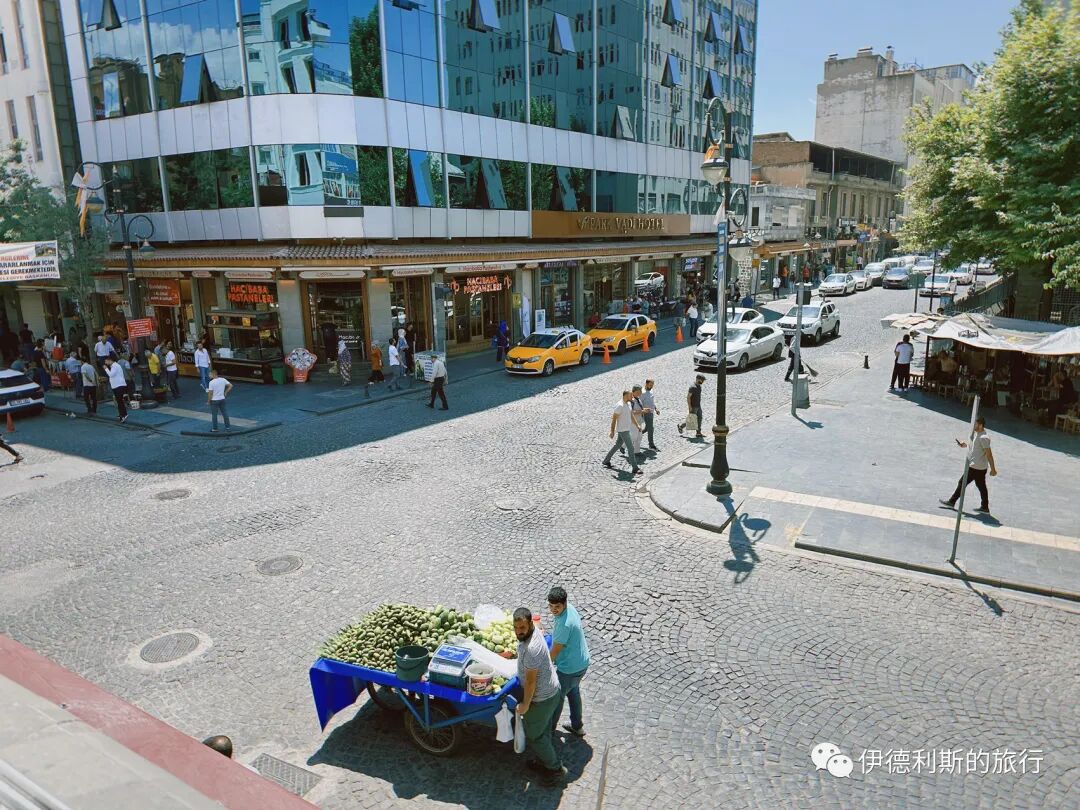
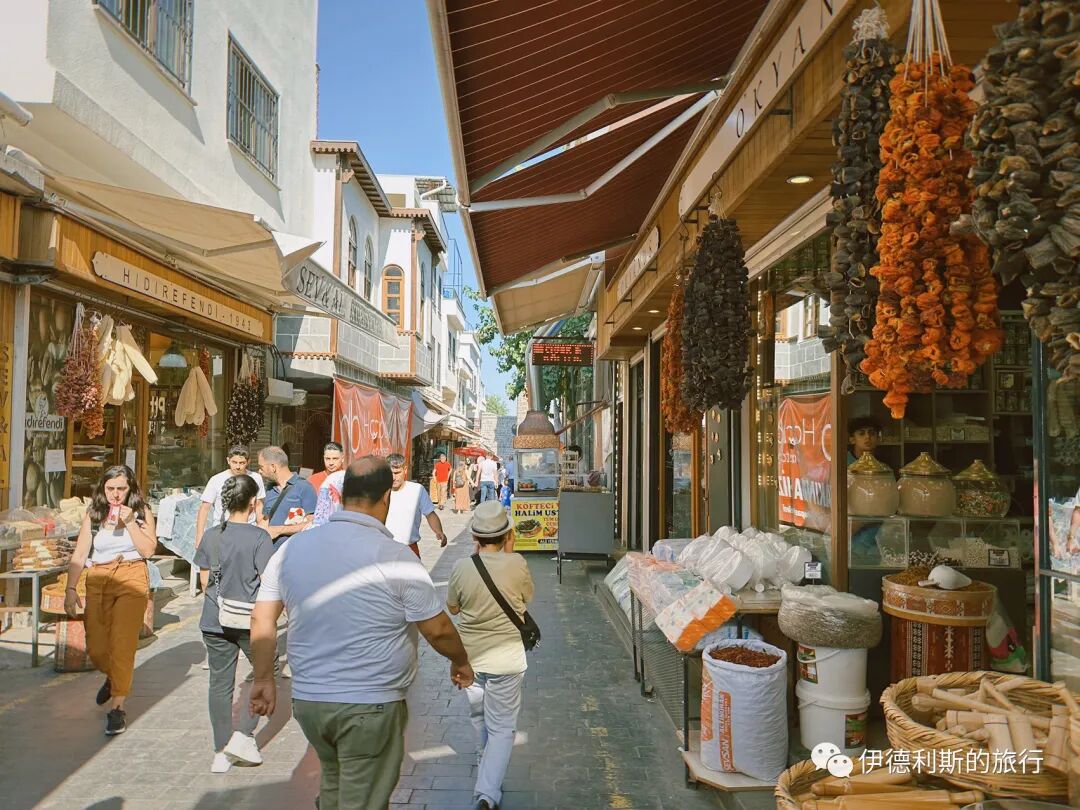
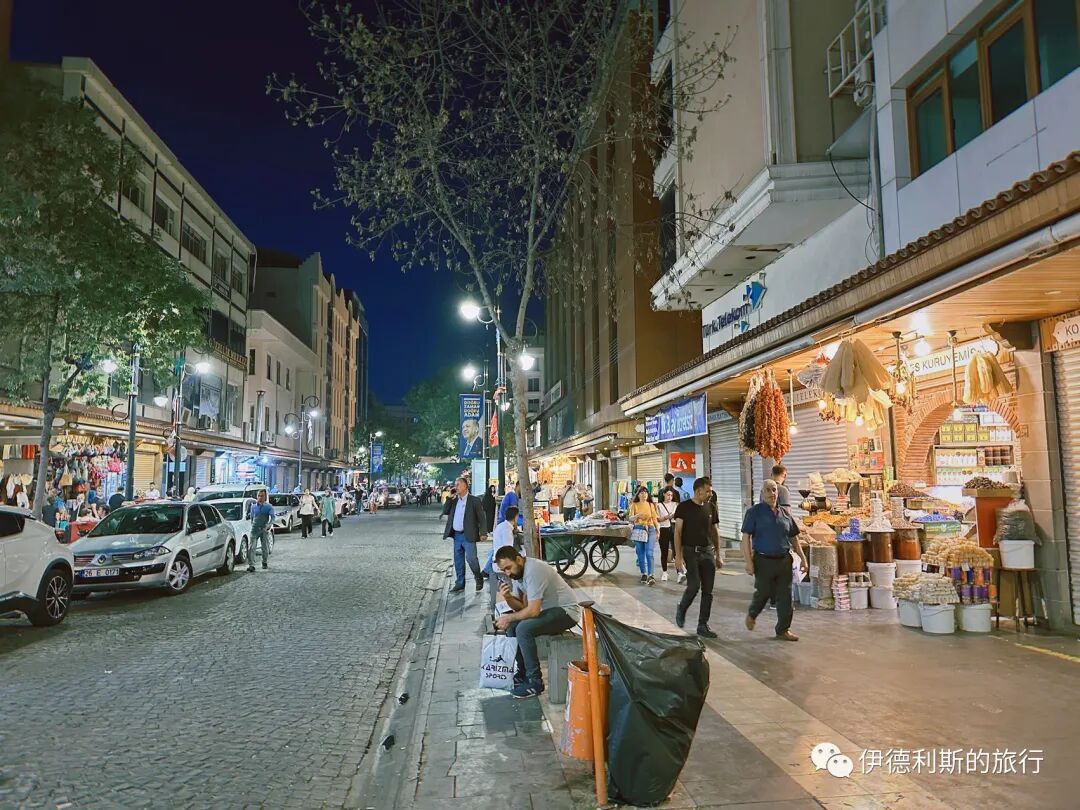
We left Mardin in the morning and took a minibus to Diyarbakir, the largest Kurdish city in Turkey, which is also known as the unofficial capital of Turkish Kurdistan. We stayed in the heart of the old city of Diyarbakir, right next to a busy main road filled with all kinds of shops.
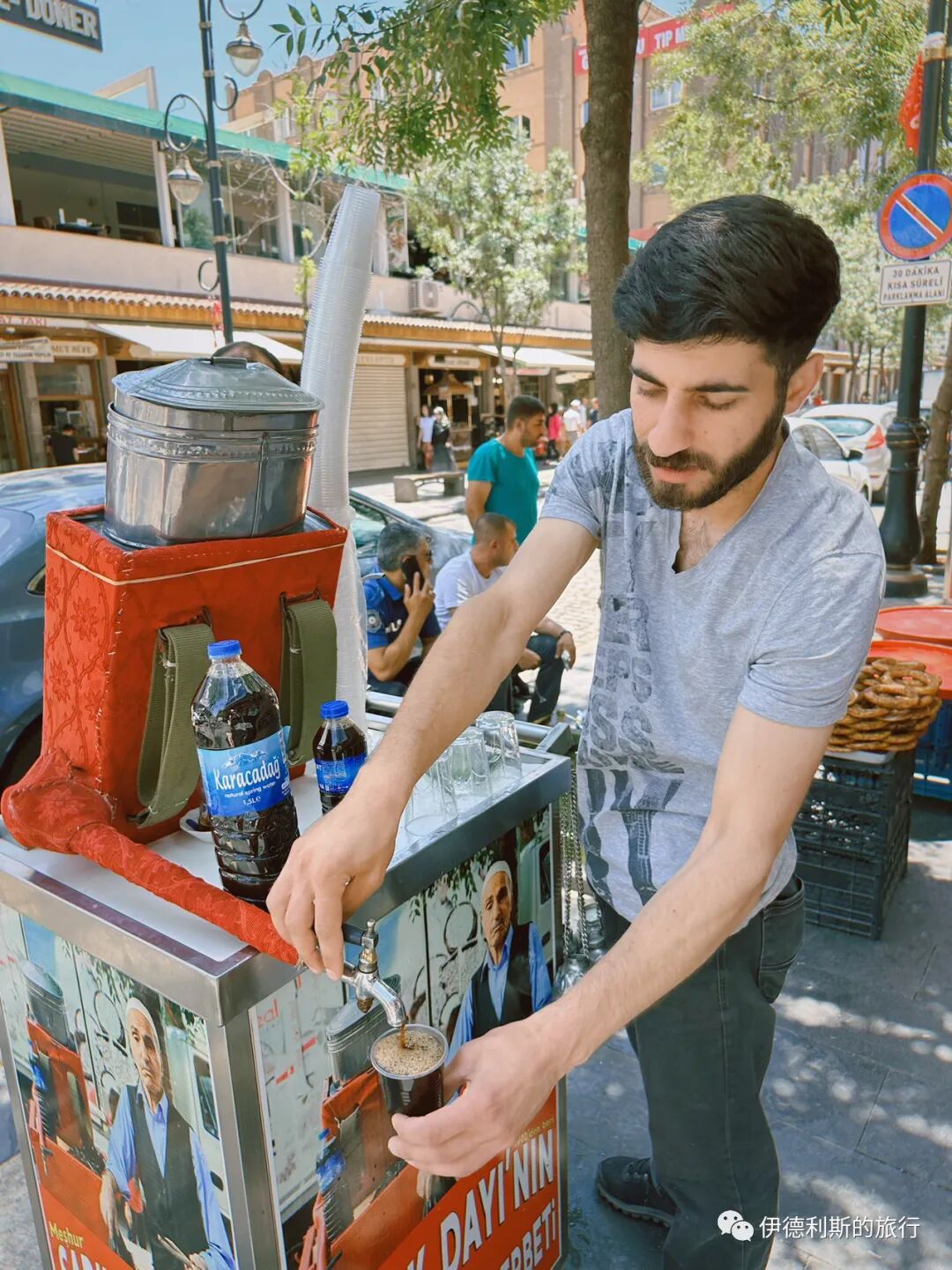
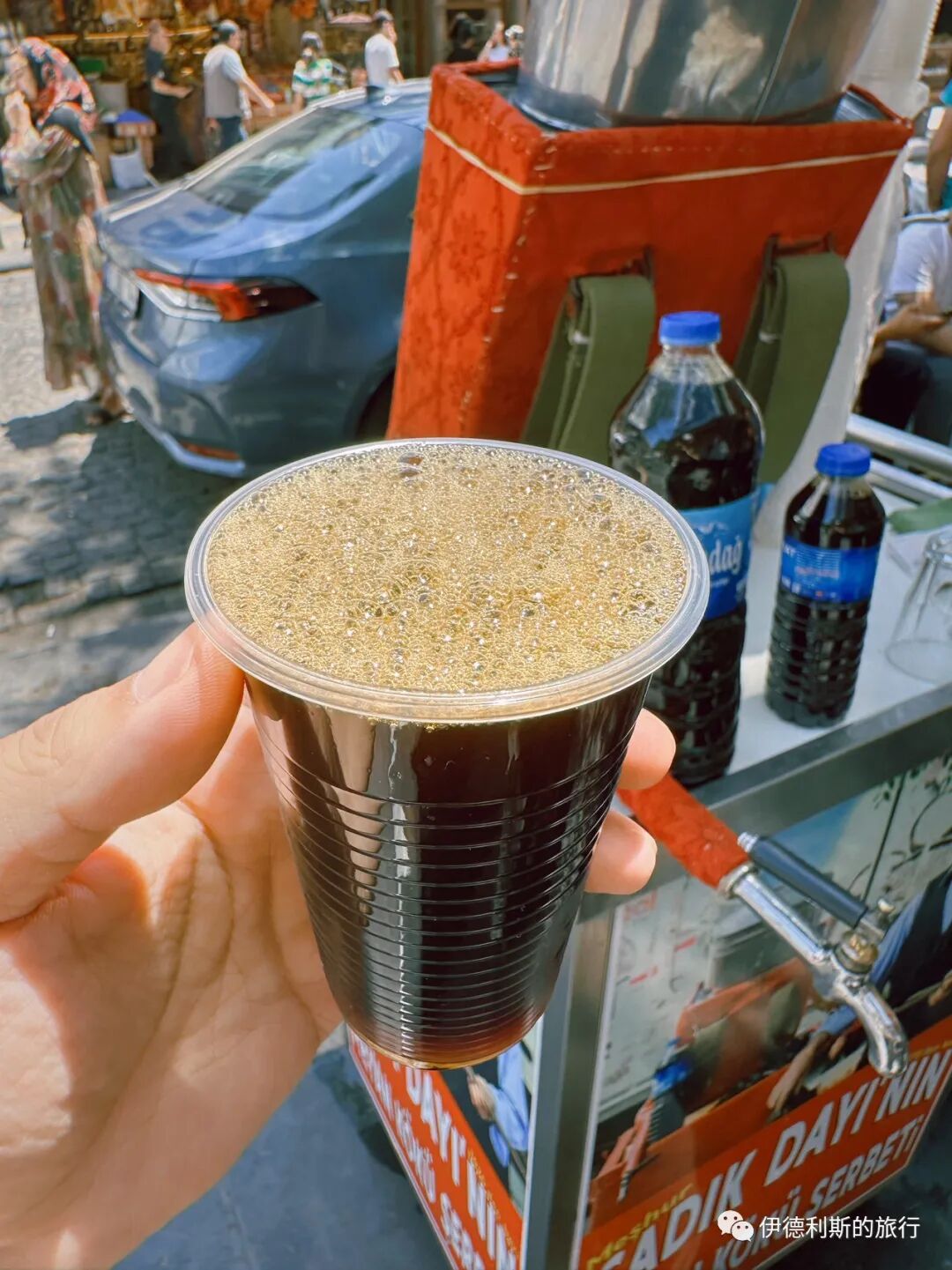
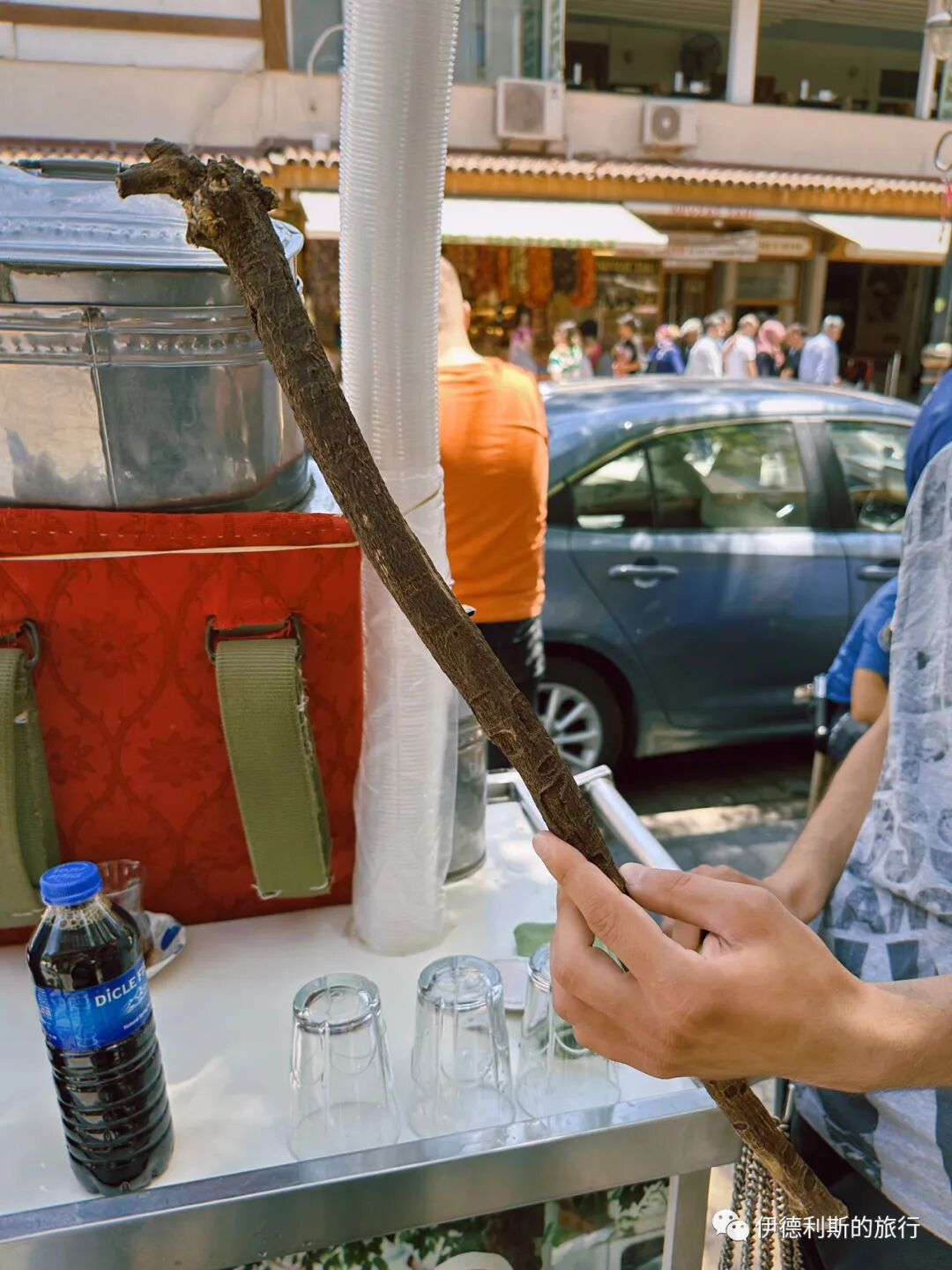
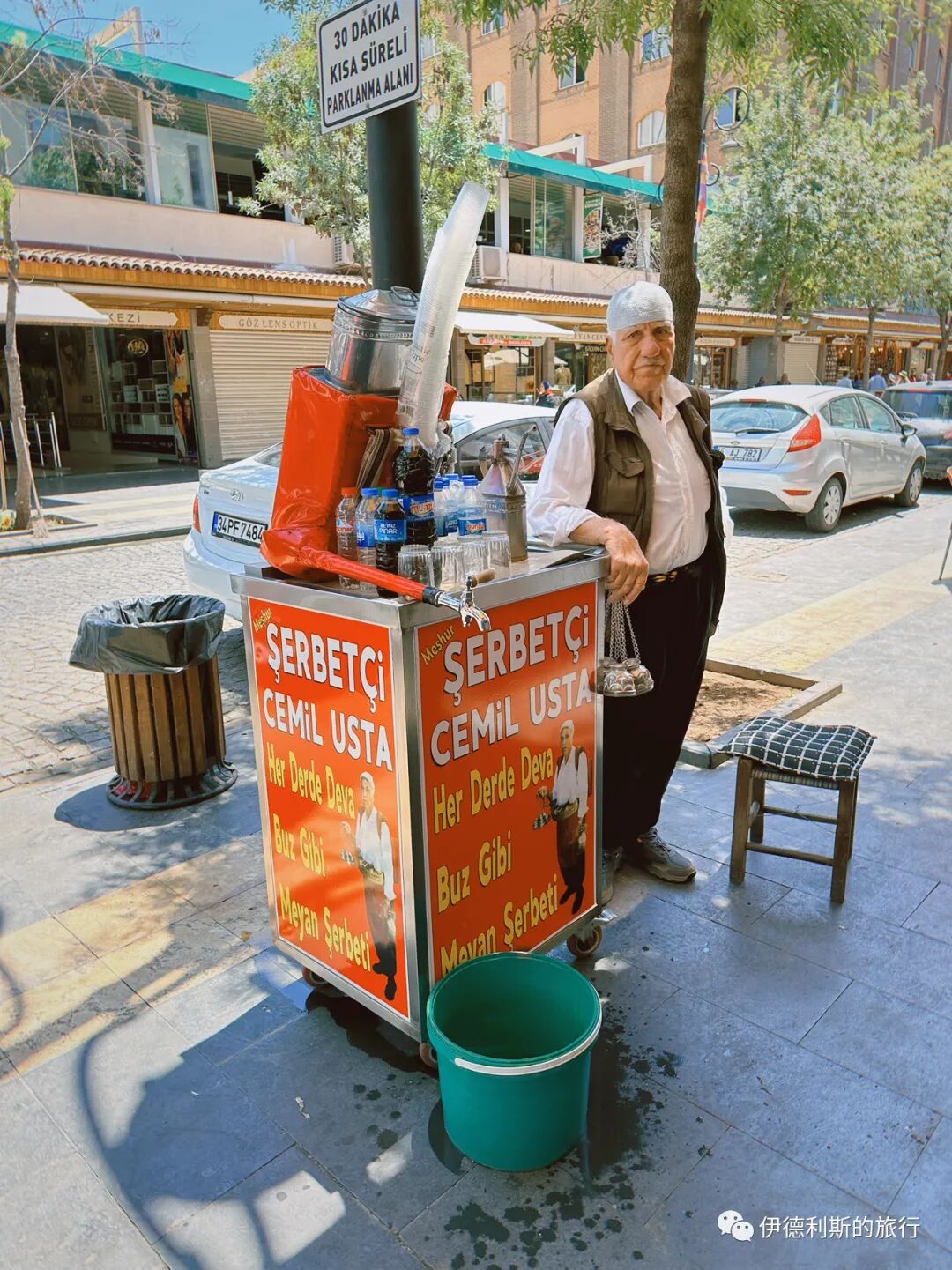
We first drank a local Turkish Kurdistan specialty, licorice root water (Meyan şerbeti). It is a classic Ramadan drink for the Kurds in Turkey. It tastes slightly bitter, and they describe it as a cure-all (Her Derde Deva). This drink is made from the roots of the licorice plant (guangguo gancao). Kurds drink it by soaking the roots in water, but it can also be refined and added to candies and cola.
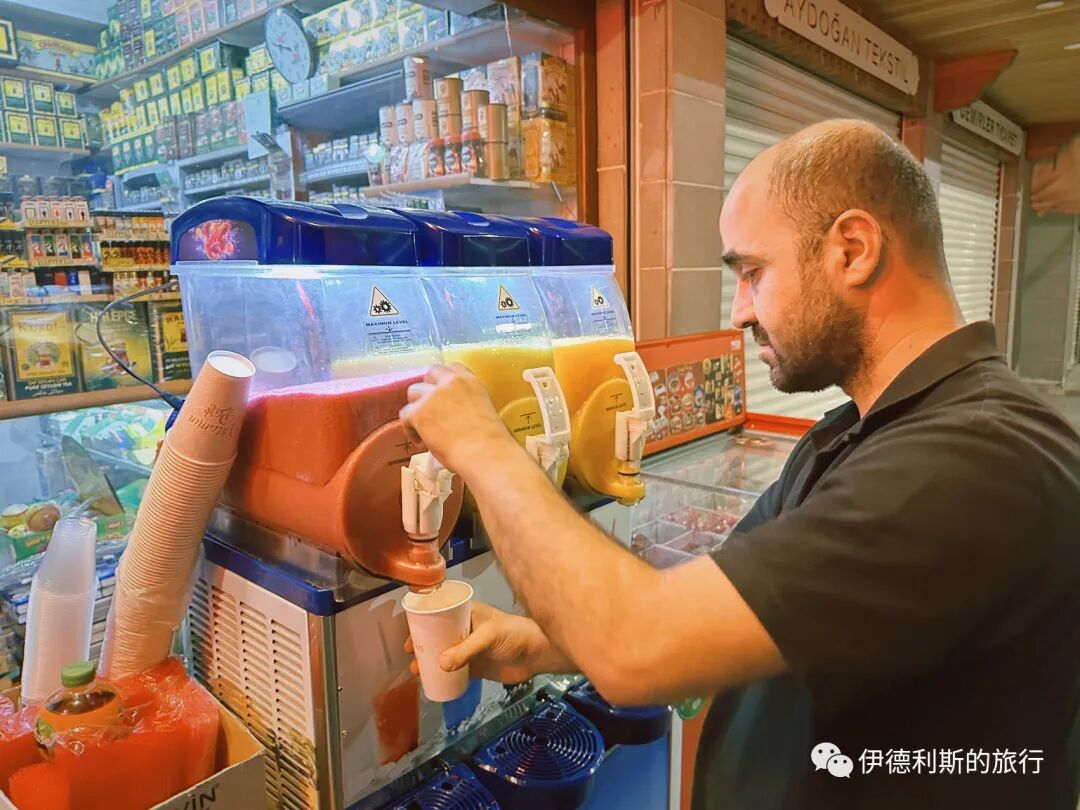
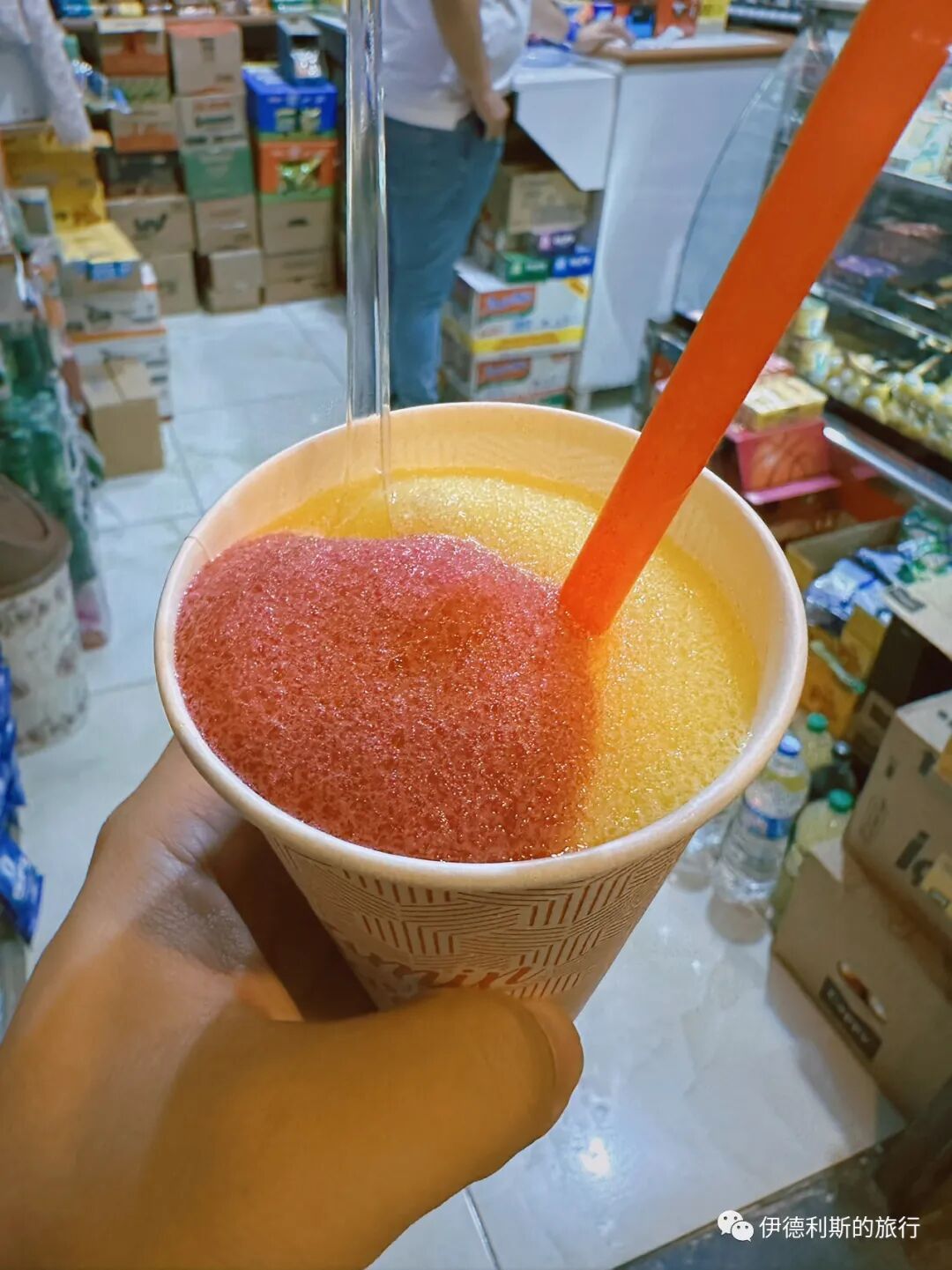
Then we had a mix of pomegranate juice and orange juice, which had a very rich flavor.
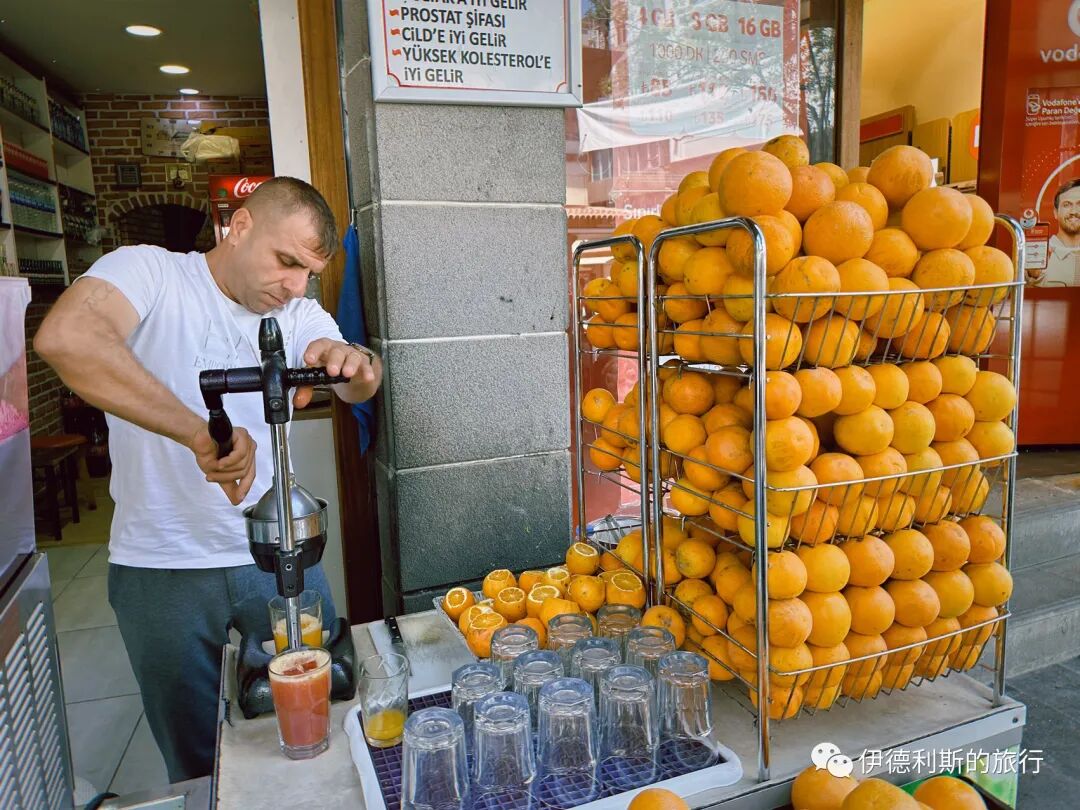
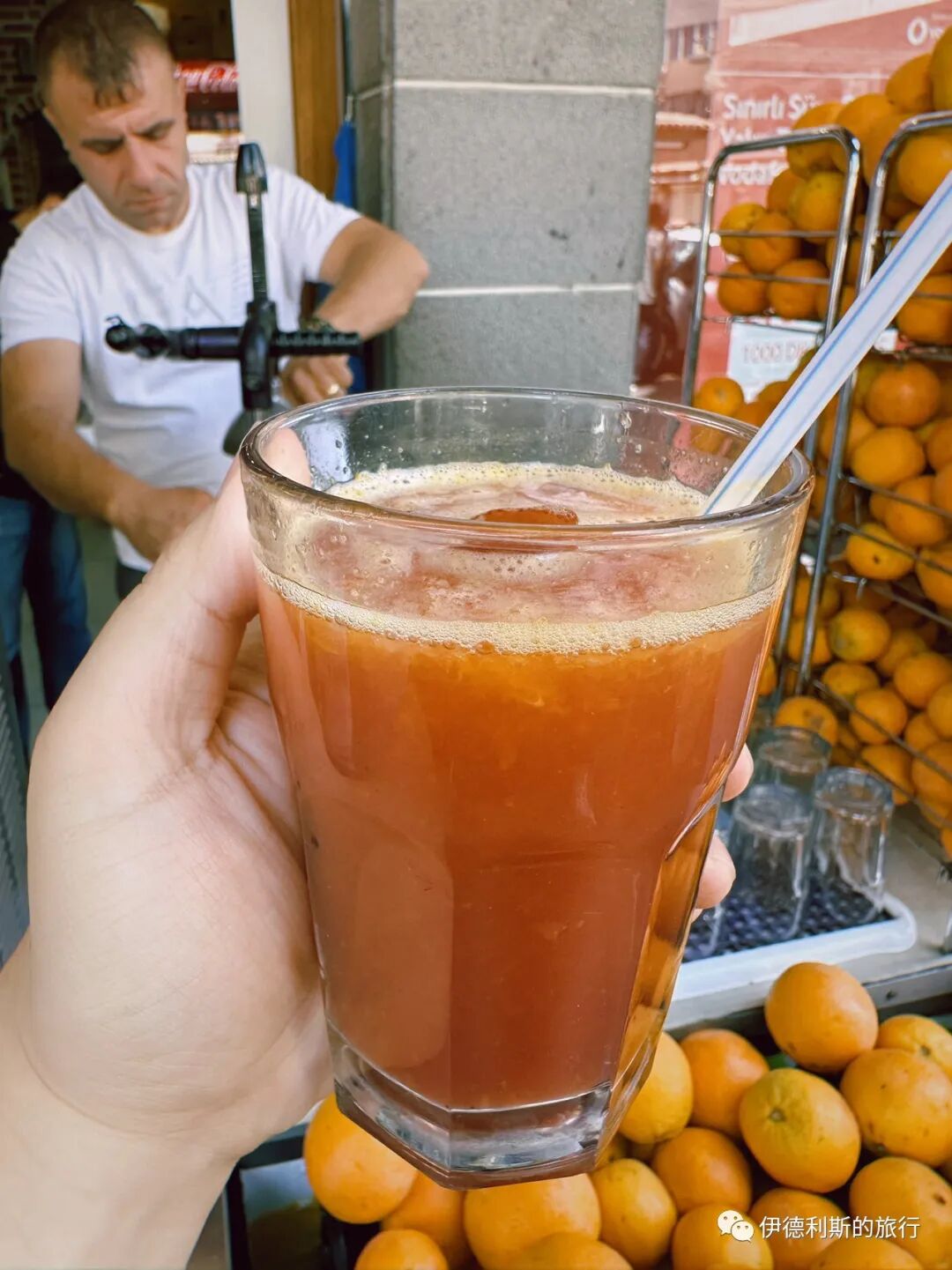
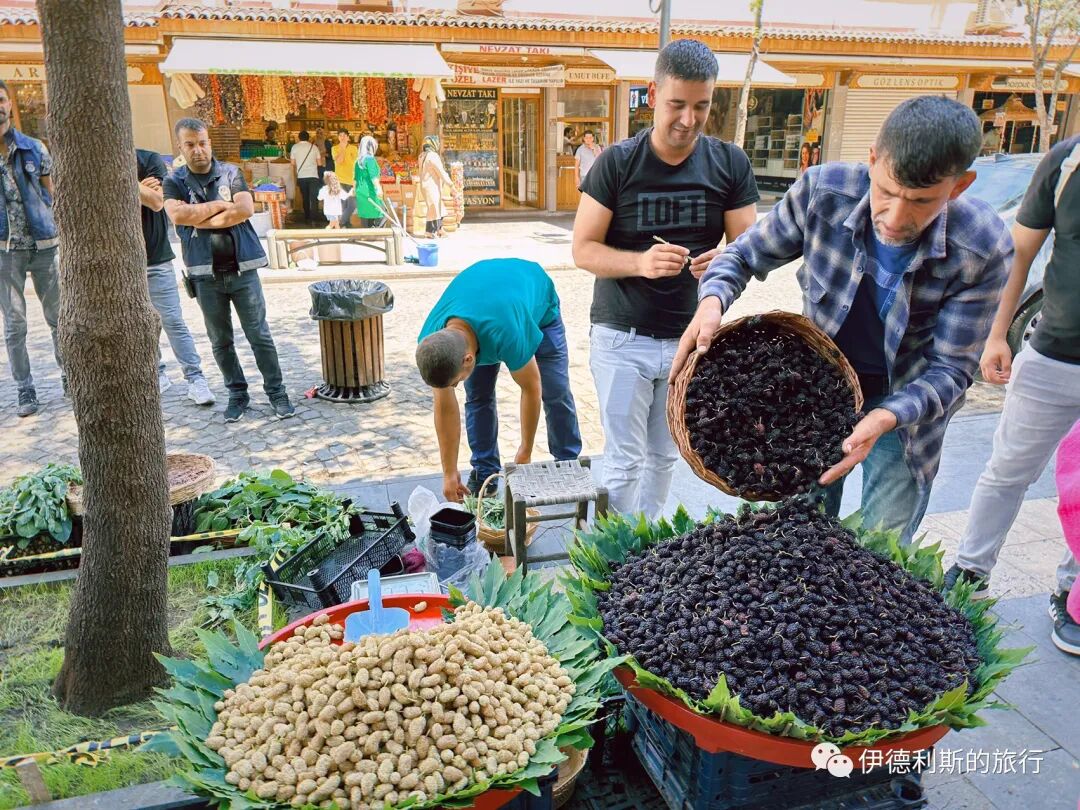
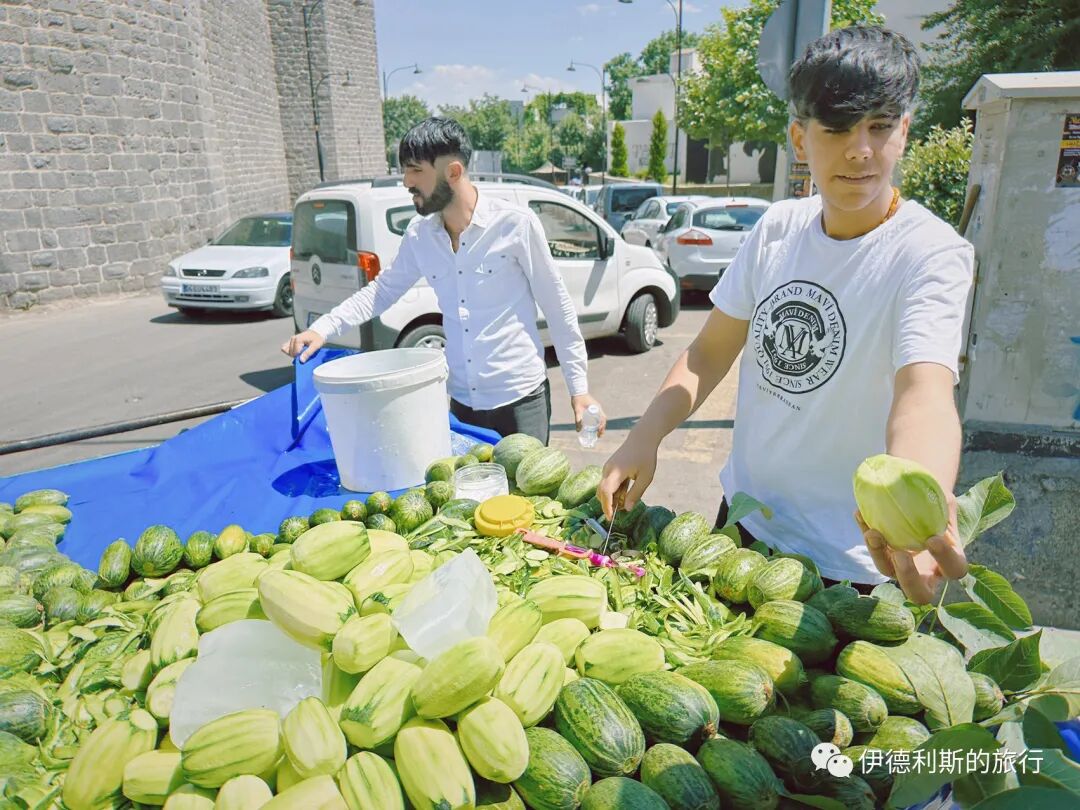
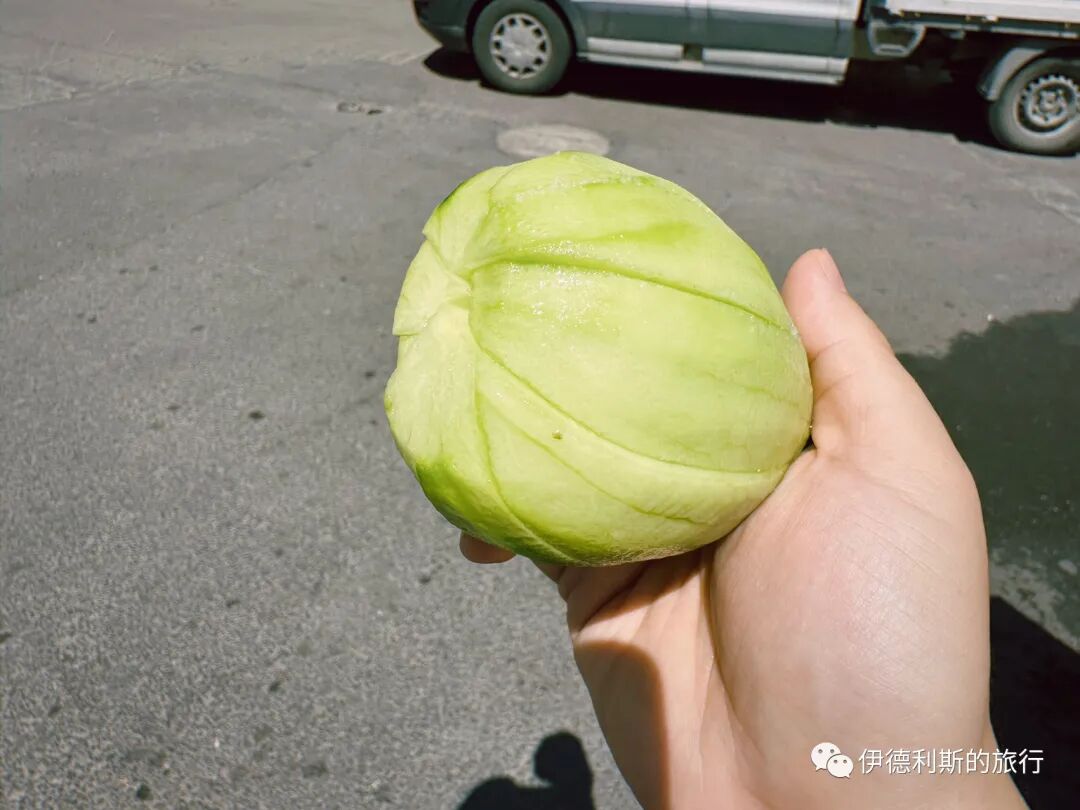
The street had many fruit vendors, mostly selling mulberries and a small melon that tastes like a cucumber. Kurds cut this small melon open, sprinkle salt inside, and eat it for a very refreshing snack.
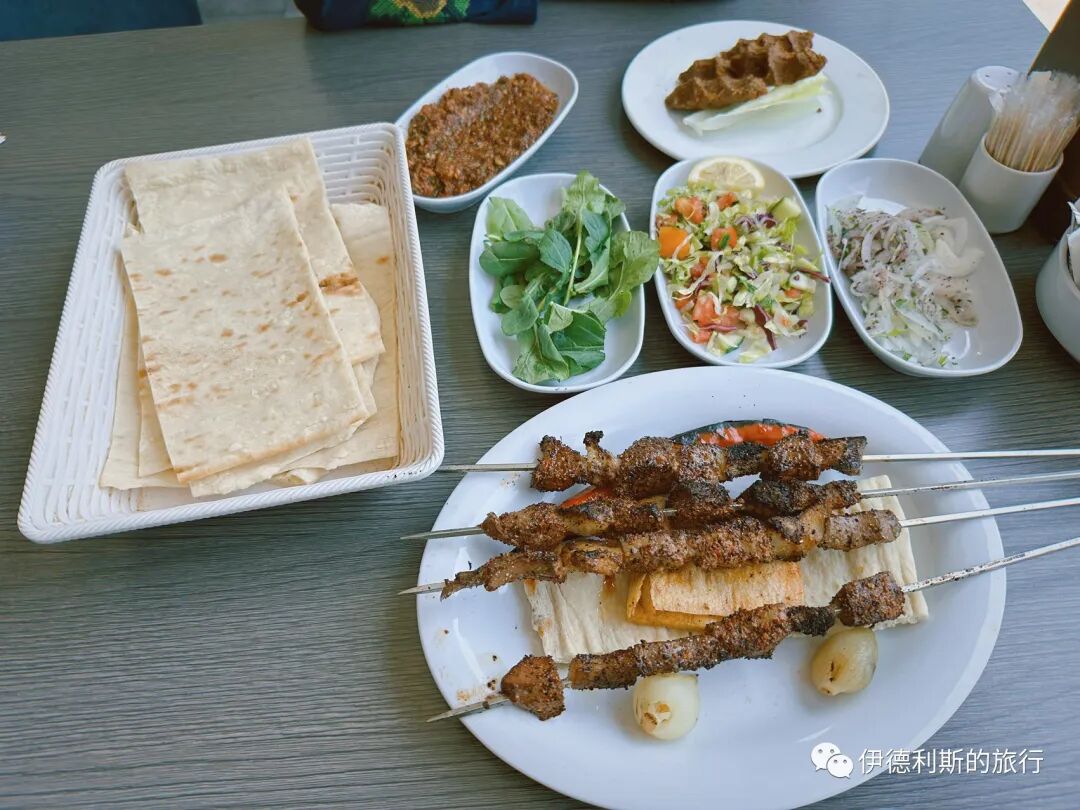
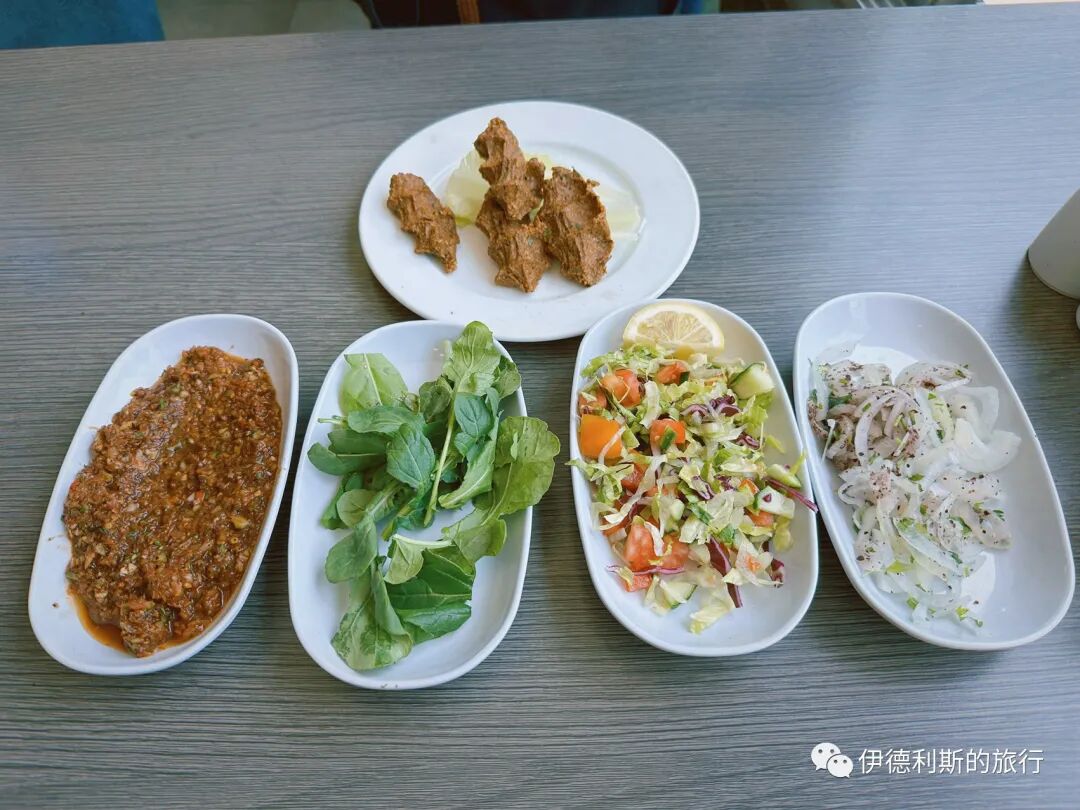
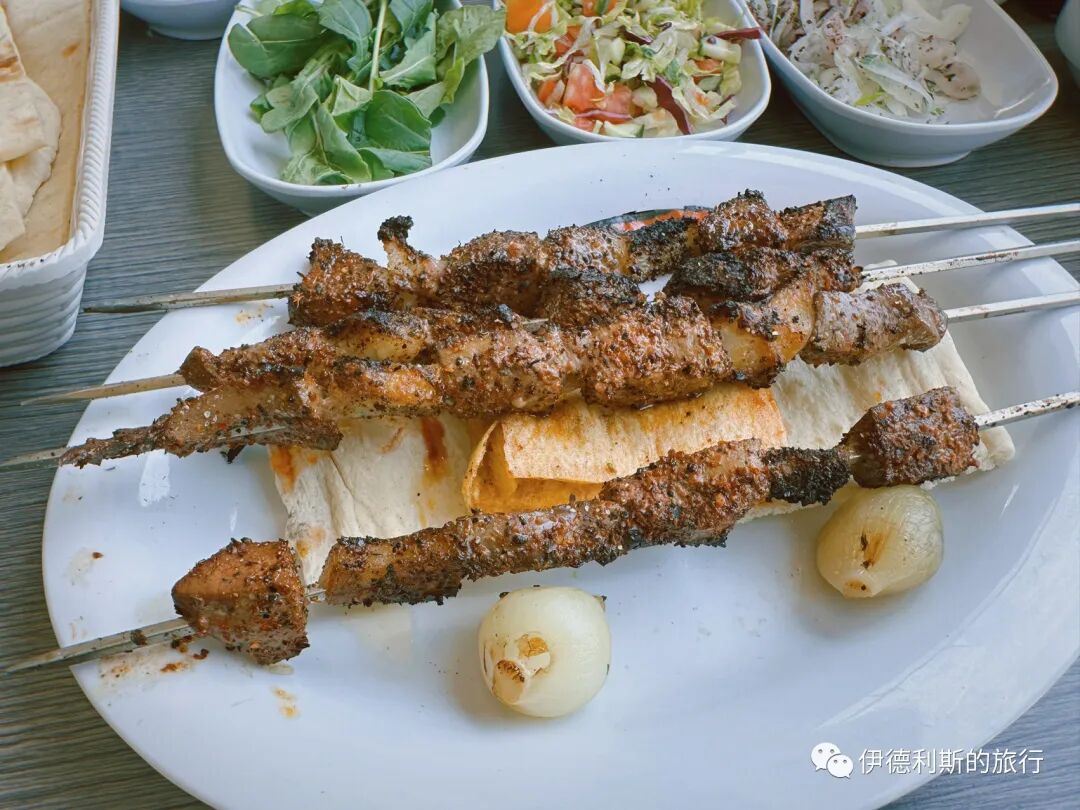
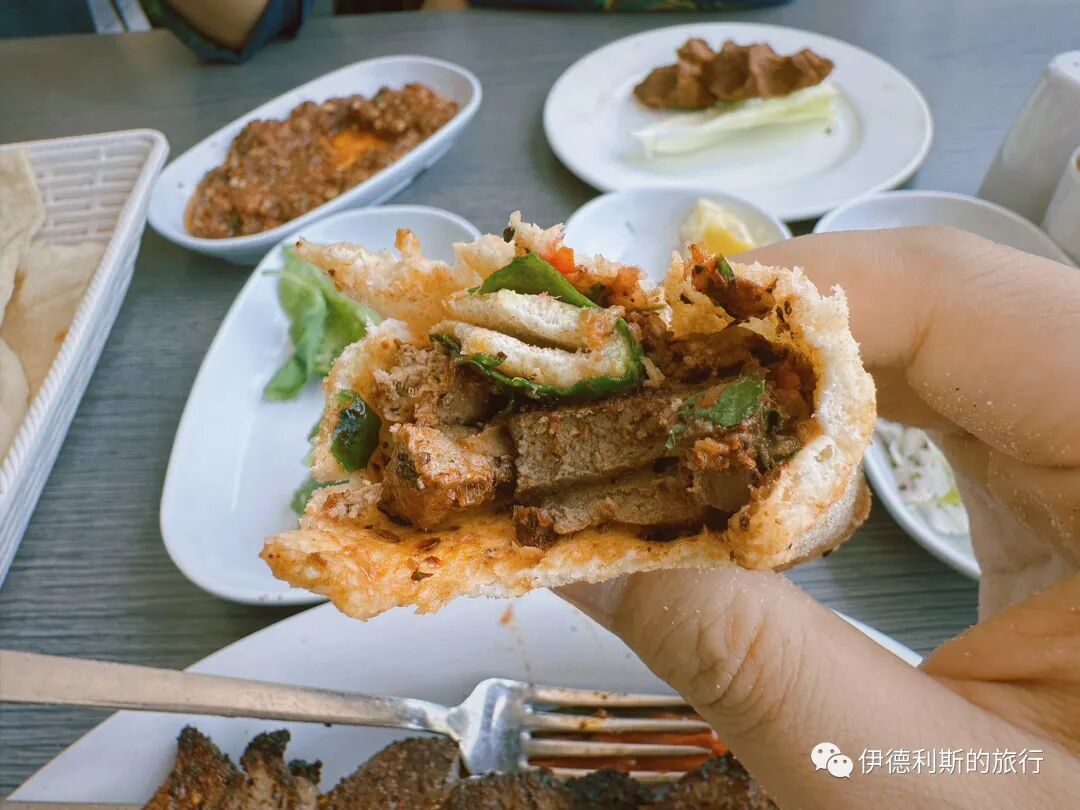
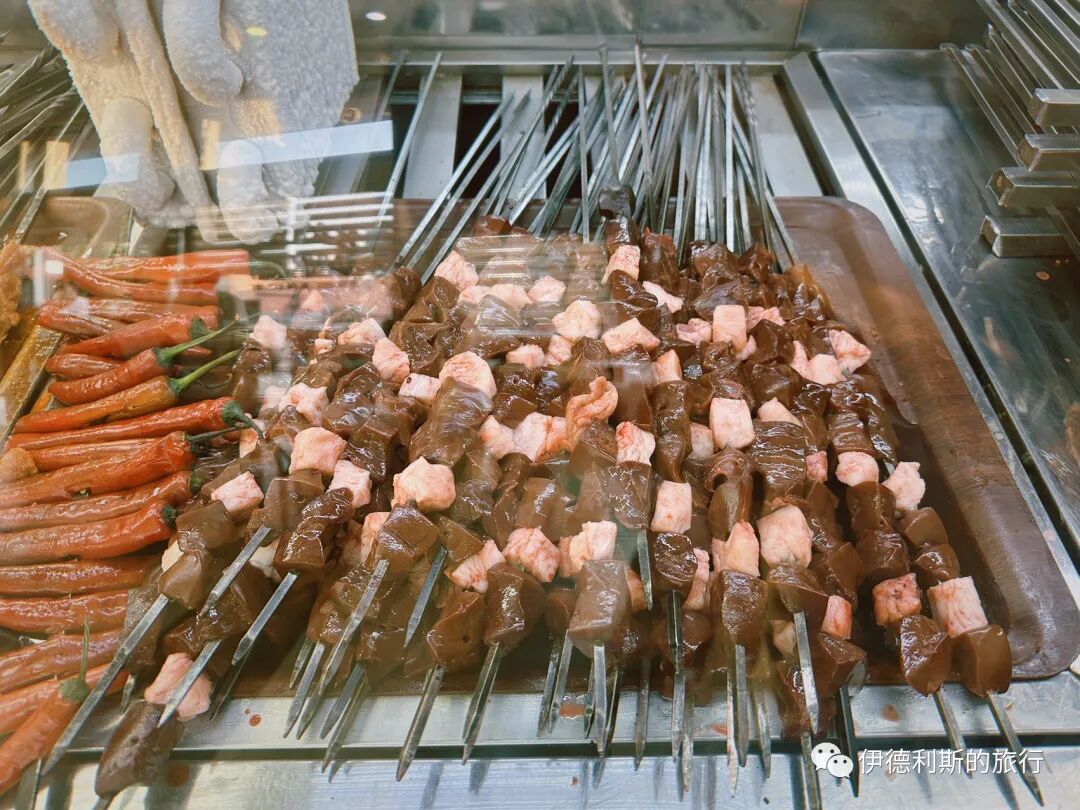
For lunch, we ate grilled lamb liver at a restaurant in the center of the old city. We had four large skewers of liver served with five side dishes and a plate of thin flatbread (bing). We wrapped the liver in the bread, making for a perfect balance of meat and vegetables. The restaurant had a great view, with the street scene of Diyarbakir right outside the window.
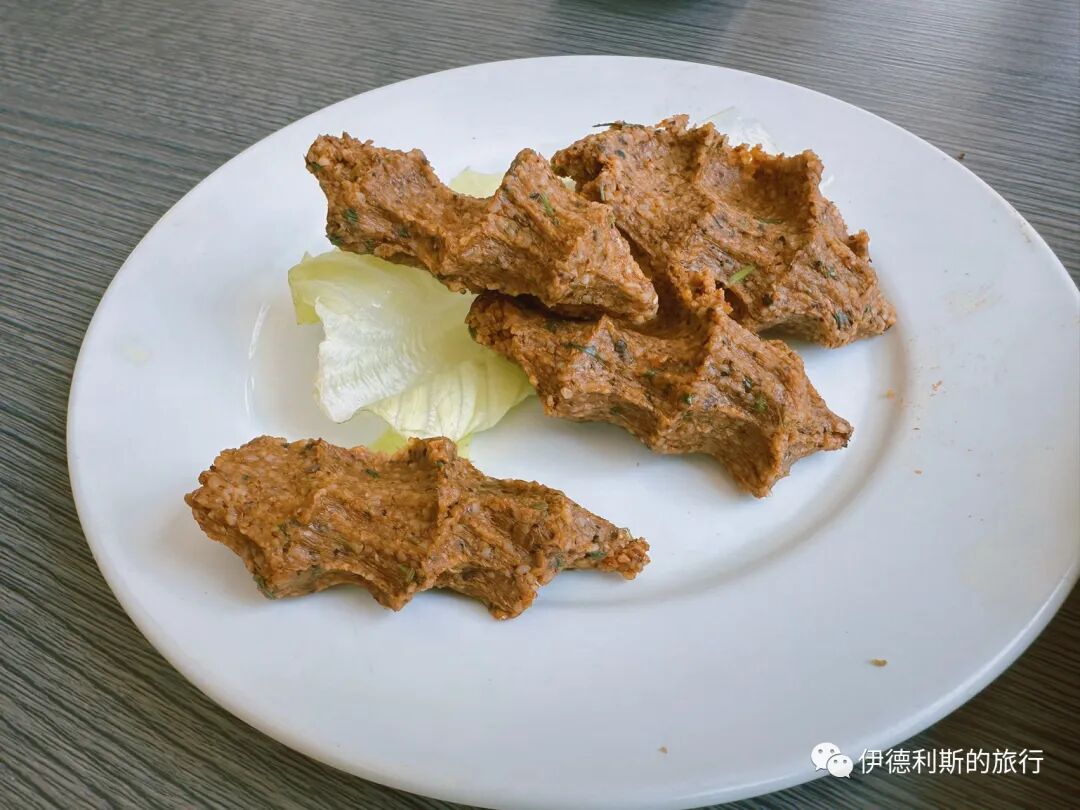
Among the side dishes, the most unique was the appetizer from southeastern Turkey called raw meatballs (Cig Kofte), which is loved by local Kurds, Armenians, and Turks alike. To make these meatballs, you knead crushed bulgur wheat and chopped onions with water until soft, then add tomato paste, pepper paste, various spices, fresh mint, green onions, and parsley.
The word Cig originally means raw, because traditional Cig Kofte requires adding very fine, lean raw lamb or beef. However, due to food safety regulations, all legitimate restaurants in Turkey no longer add raw meat to Cig Kofte, usually replacing it with crushed walnuts, hazelnuts, and potatoes.
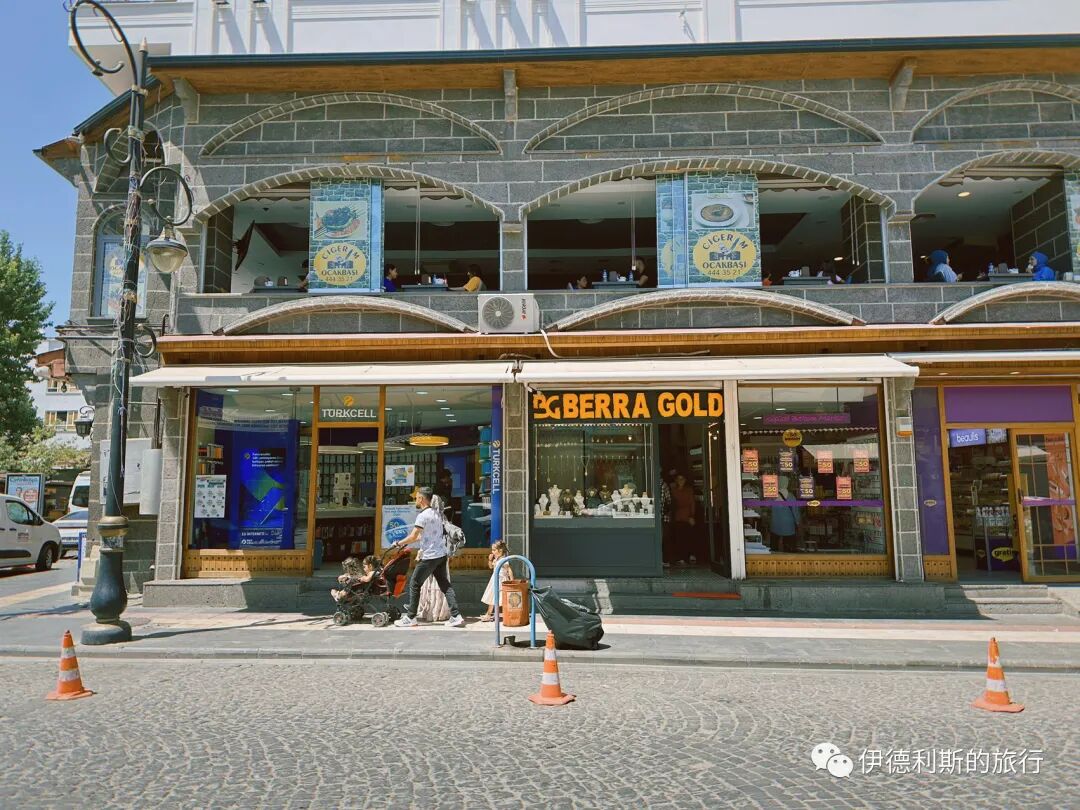
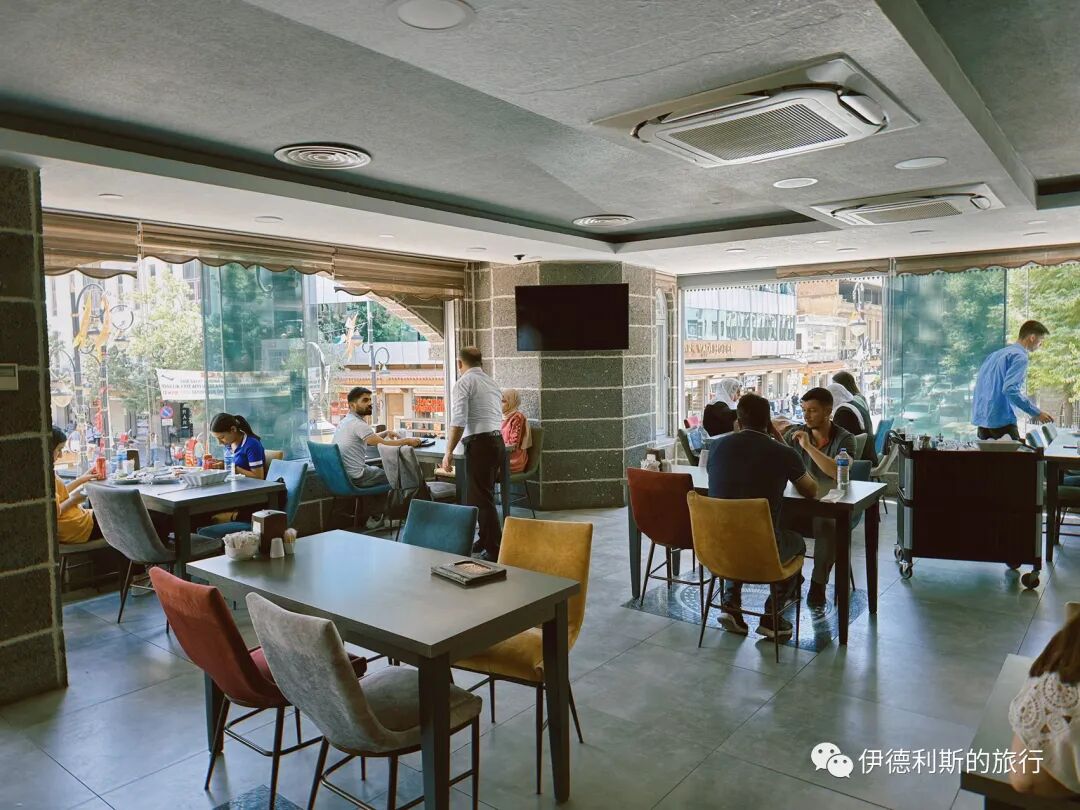
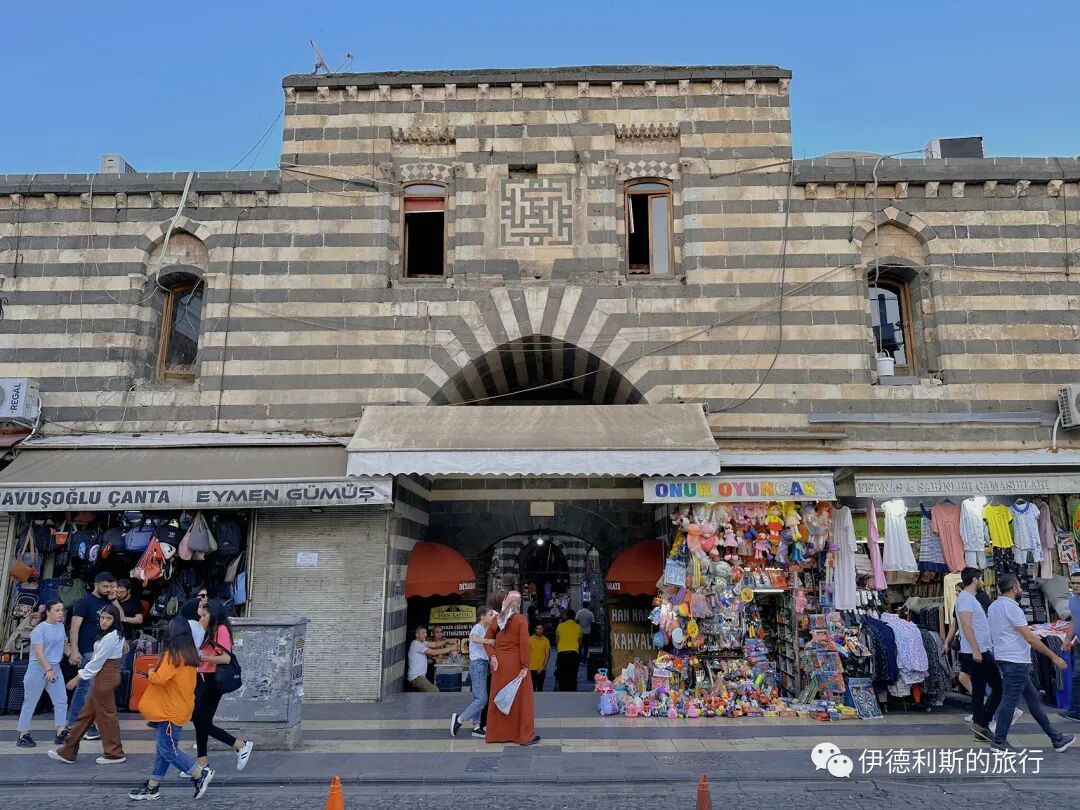
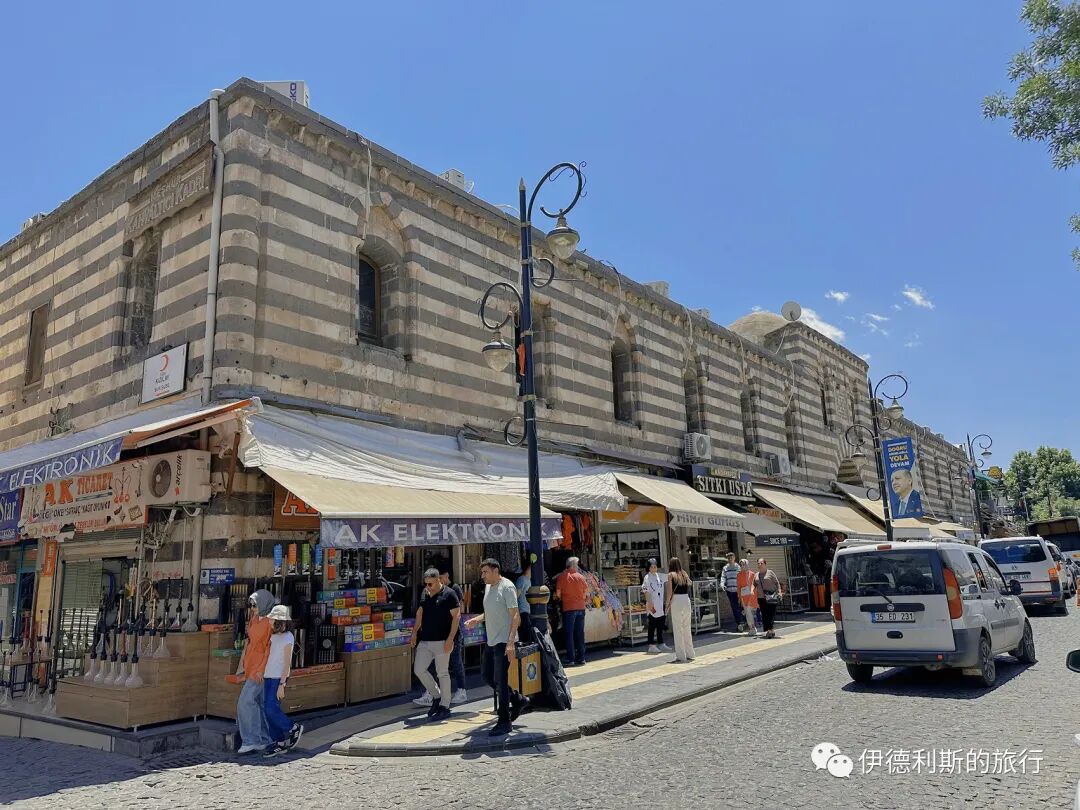
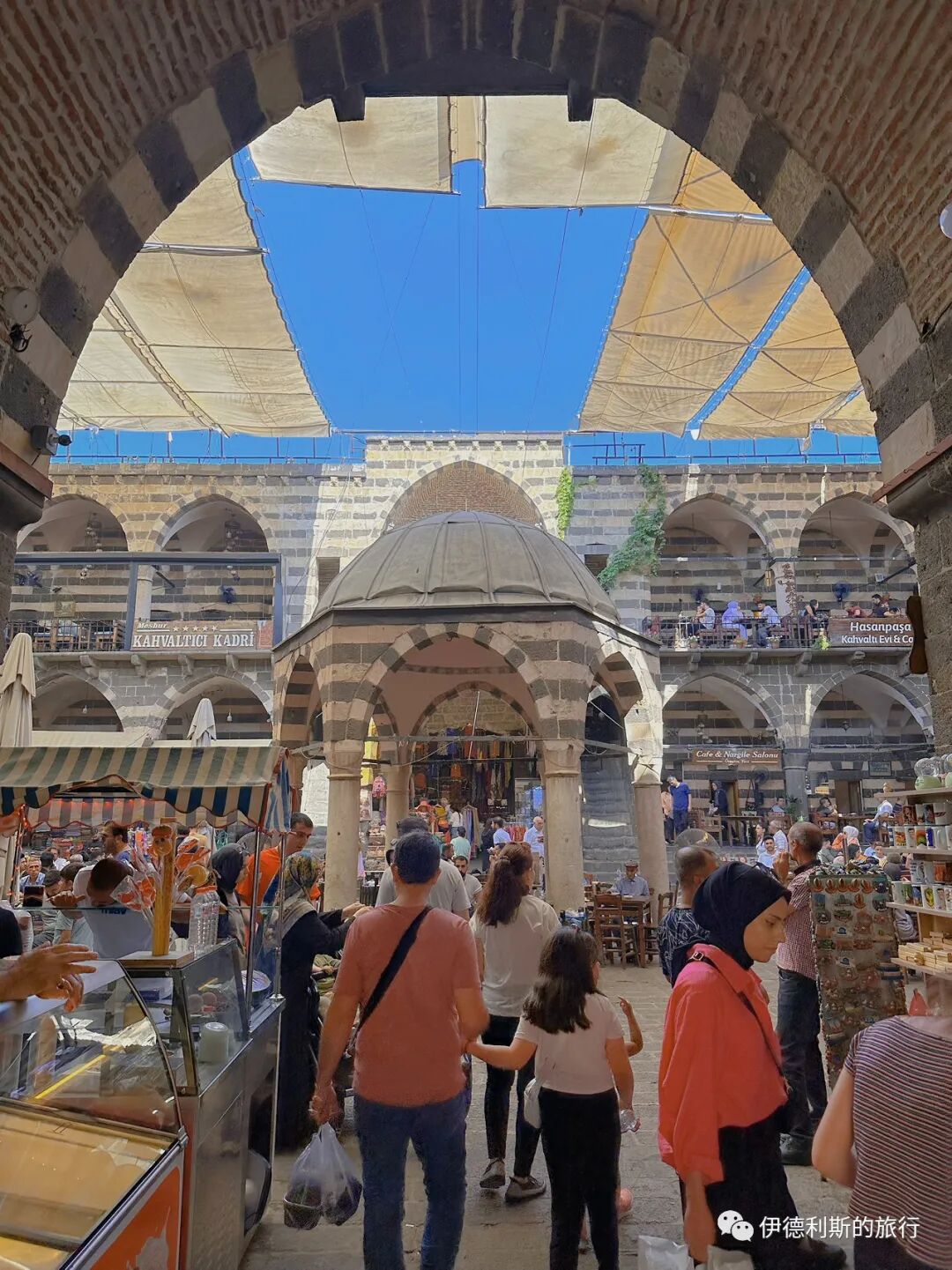
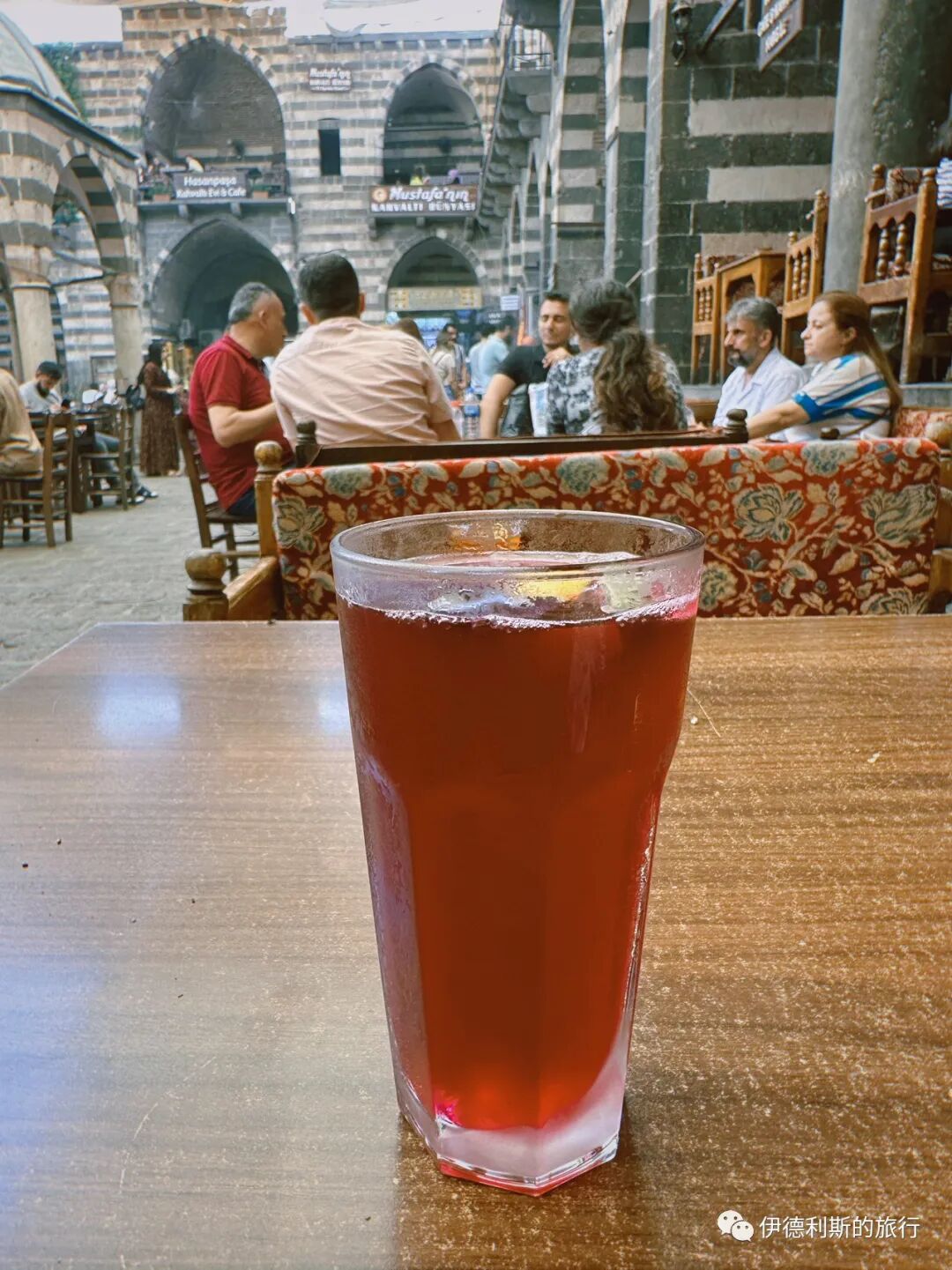
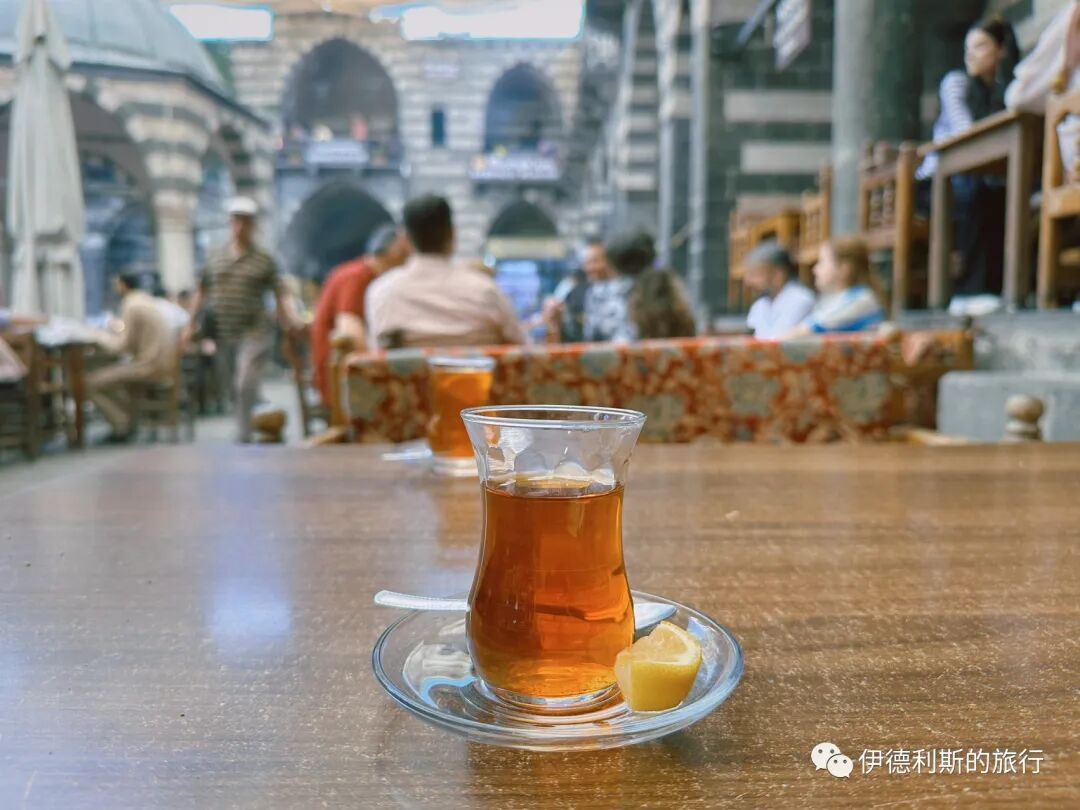
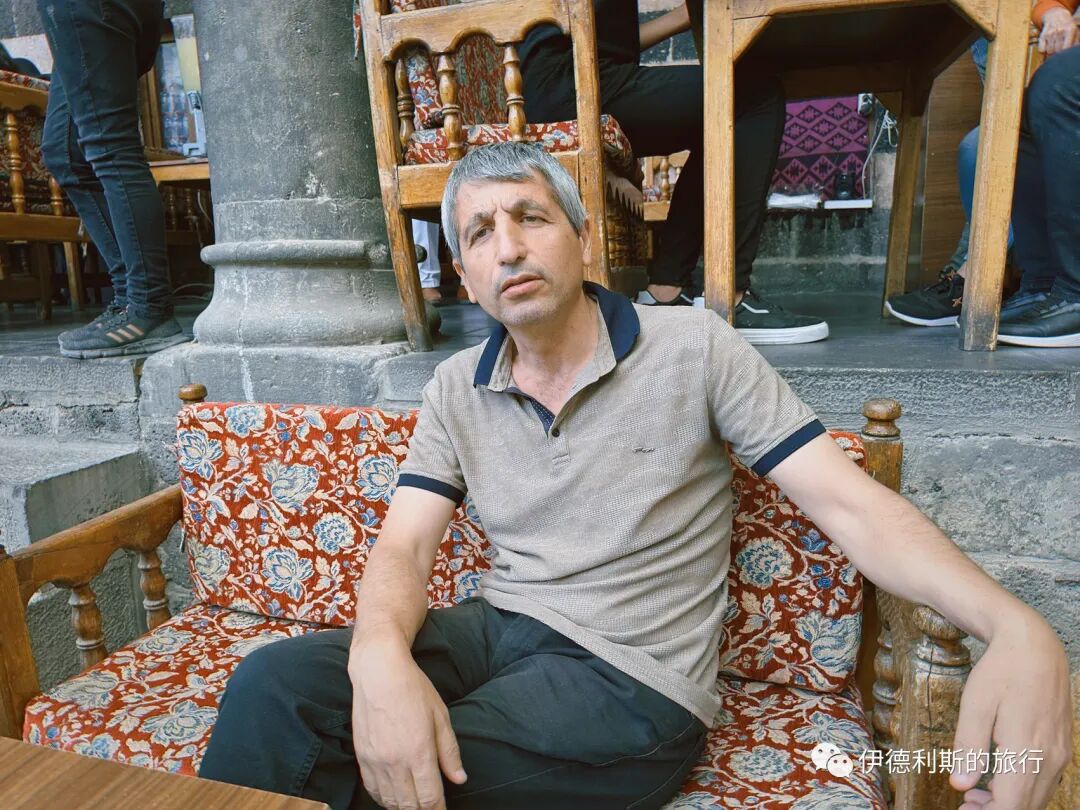
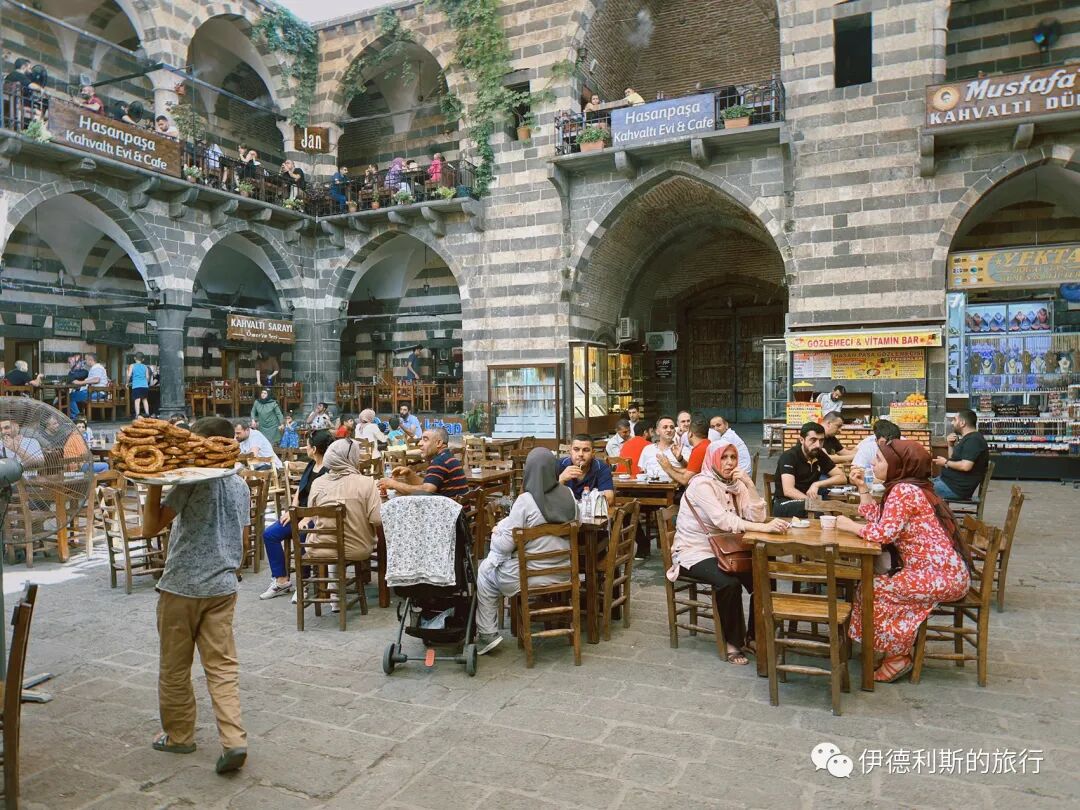
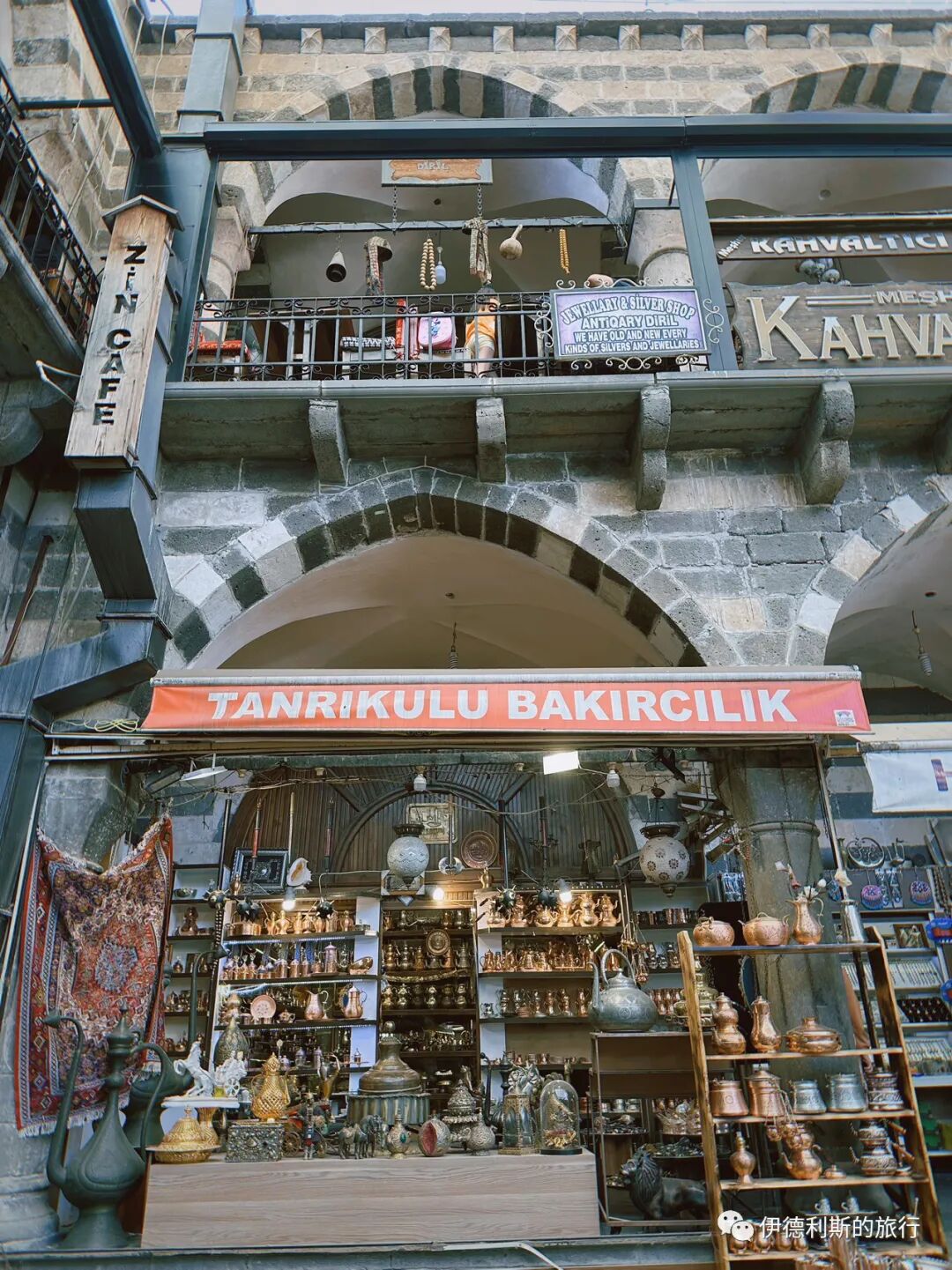
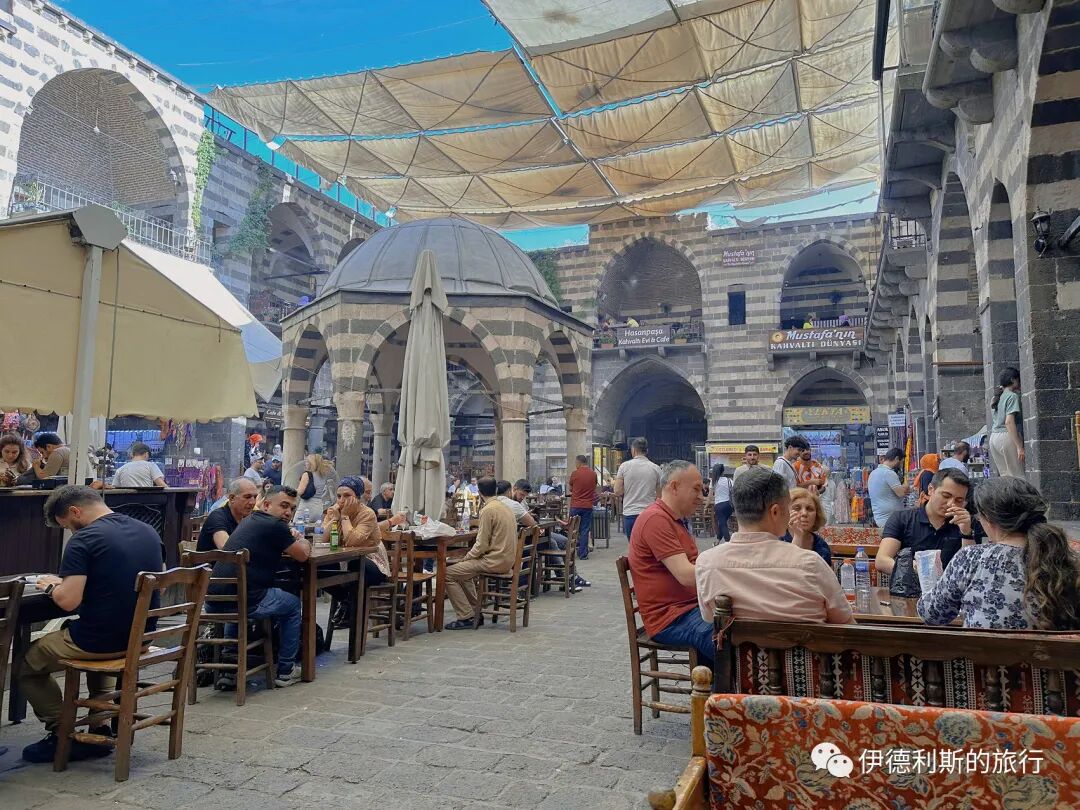
Opposite the Great Mosque of Diyarbakir is the Hasan Pasha Caravanserai (Hasan Pasha Han), built in 1575. It is now home to many shops and cafes. We drank tea and pomegranate juice at one of them, and Zaynab bought a beautiful headscarf at a shop. The owner of the headscarf shop chatted with us for a while. He spoke fluent English and said we were the first Chinese guests he had ever hosted. He lived in Germany for a long time and has traveled to many countries. He has always wanted to visit China but has not gone yet because he is worried about finding halal food.
Many ancient cities in Turkey have turned Ottoman-era caravan inns (han) into shops, restaurants, and cafes. Sitting inside for a drink gives you a special sense of history.
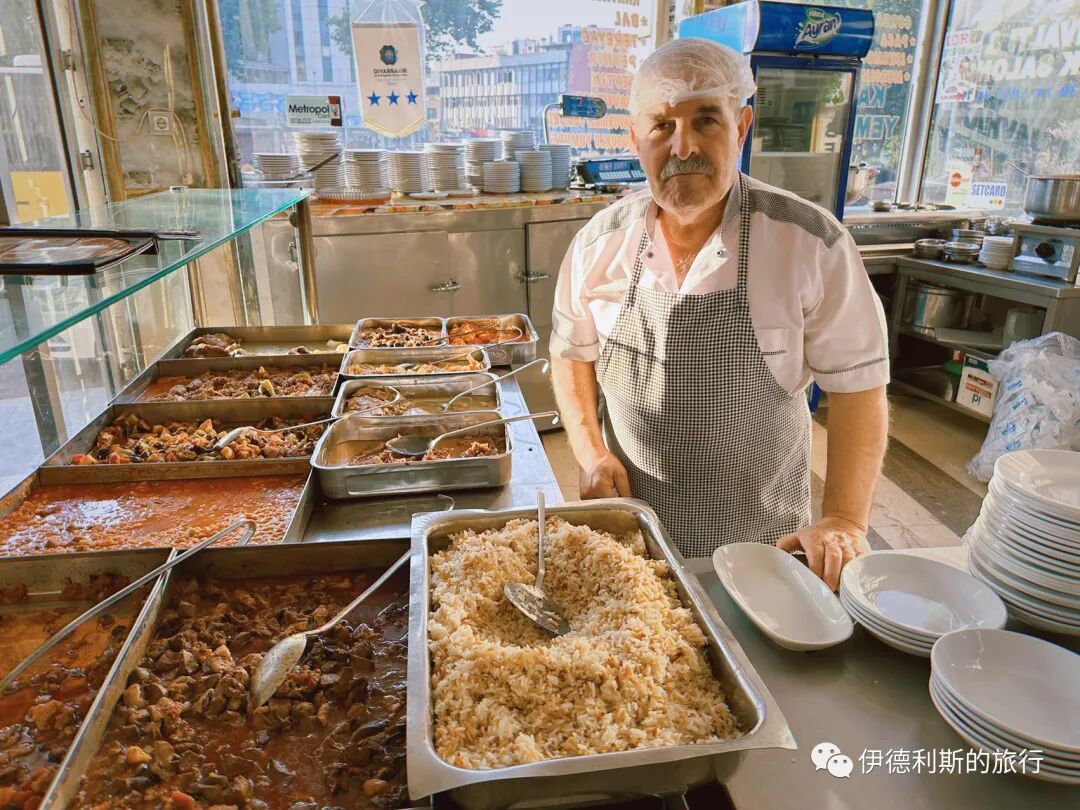
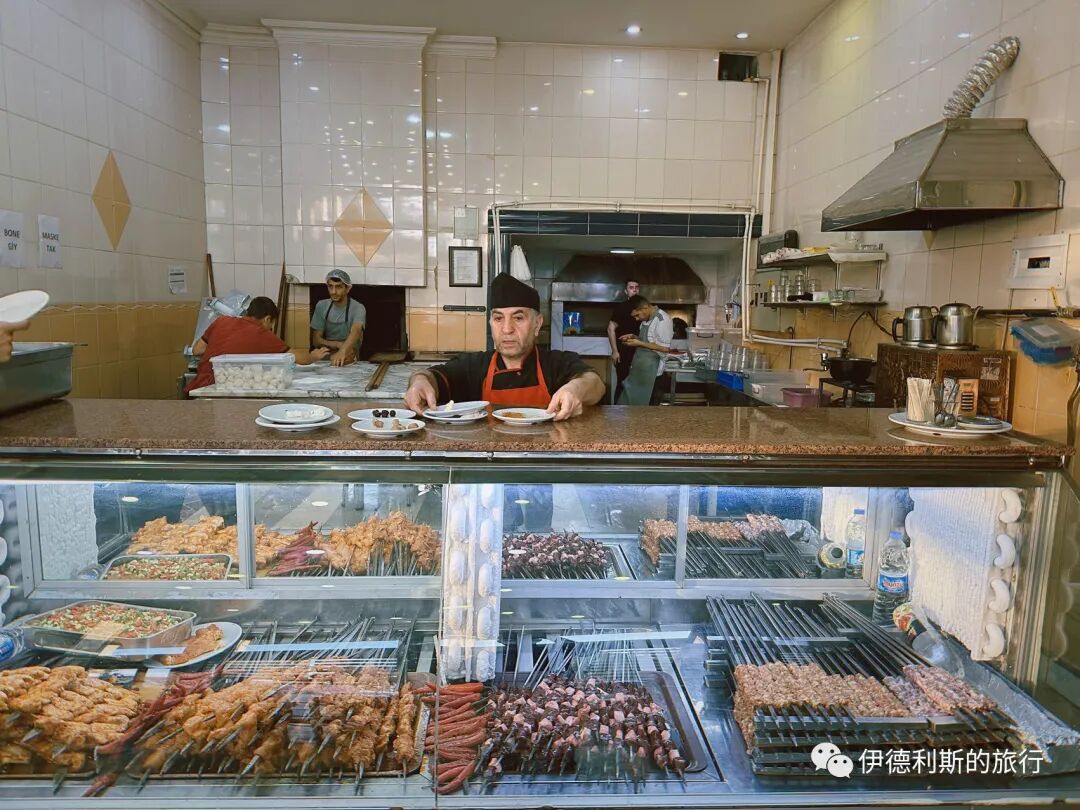
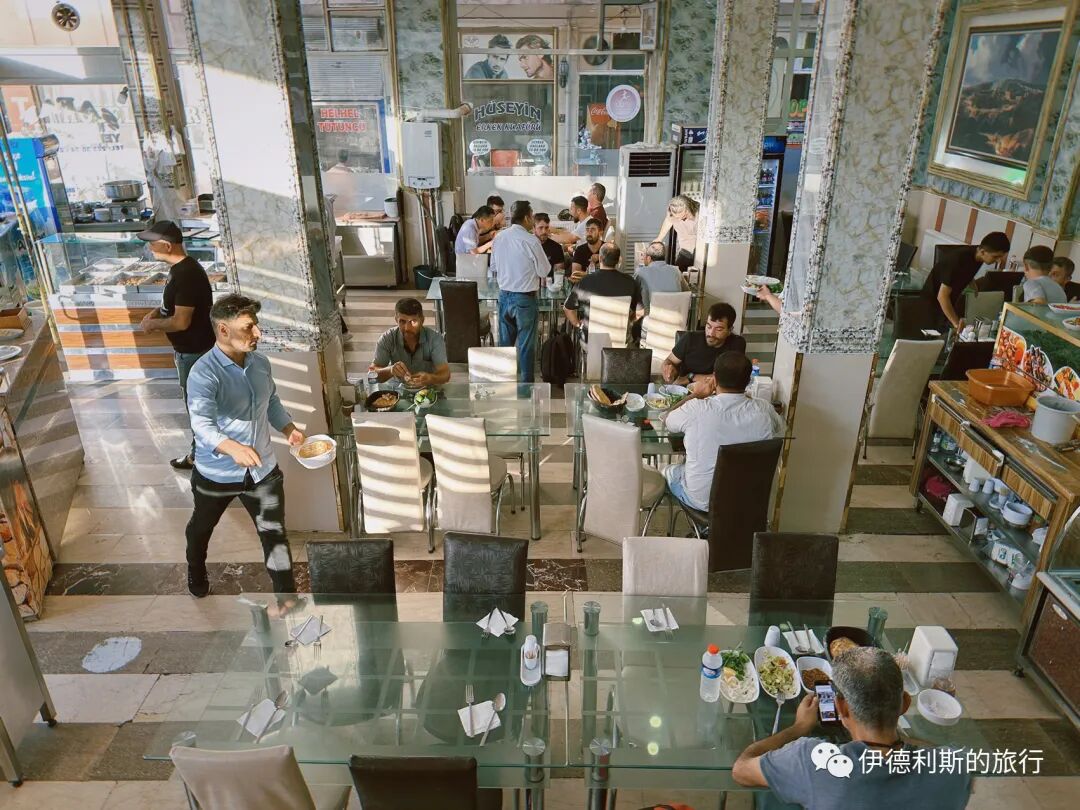
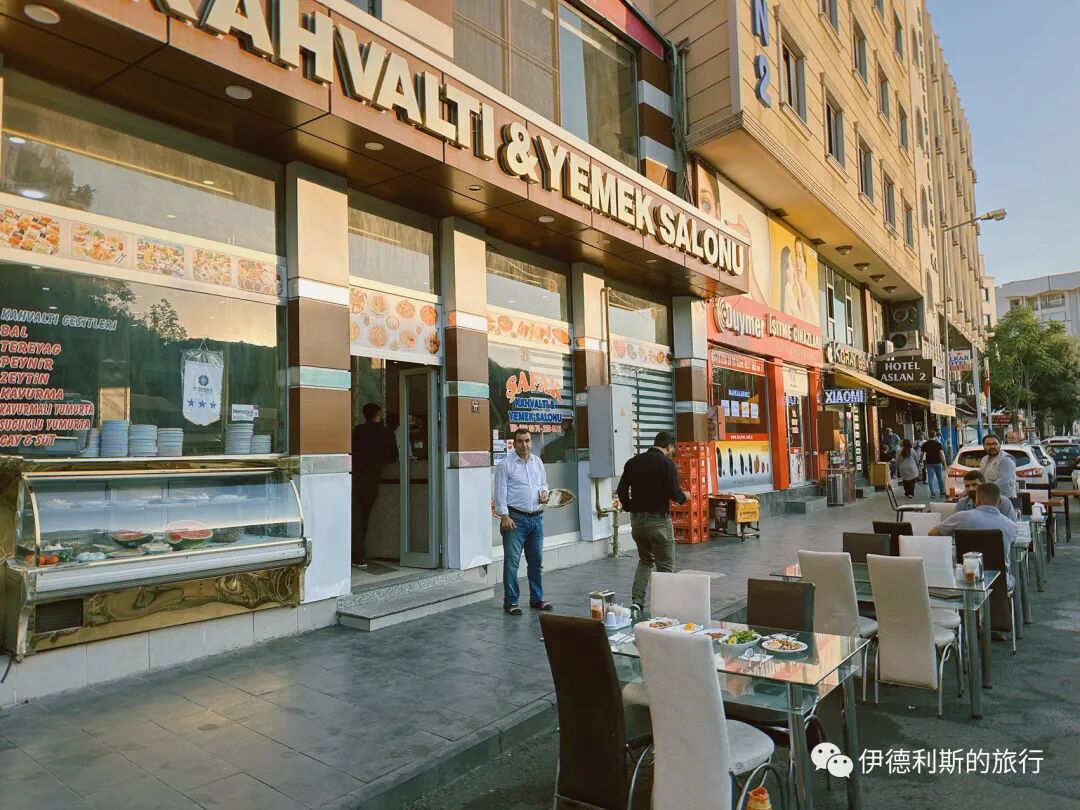
In the evening, we ate at a canteen (lokantasi) next to the north gate of the ancient city of Diyarbakir. A lokantasi is a lot like a canteen back home. Various stews and mixed salads are prepared and laid out together, so you just point at what you want to eat. I think it is perfect for tourists. Besides stews, they have a grill area where they make various kebabs, flatbreads with toppings (pide), and meat flatbreads (lahmacun). The open kitchen looks very clean.
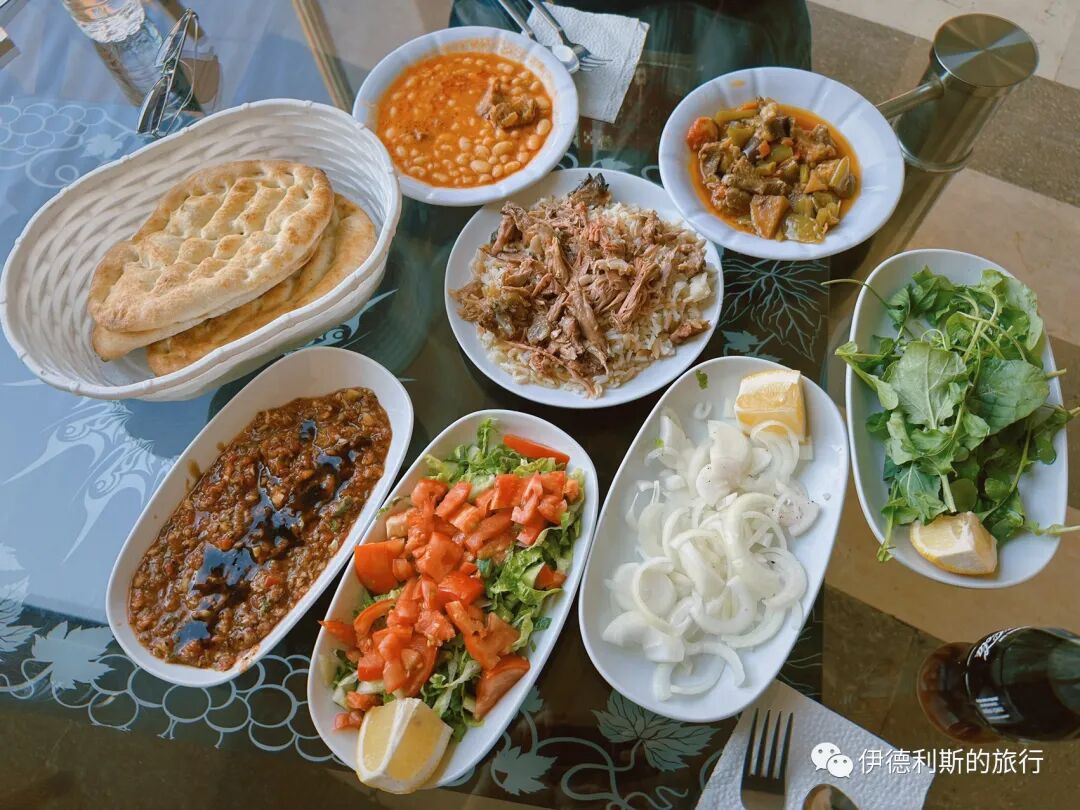
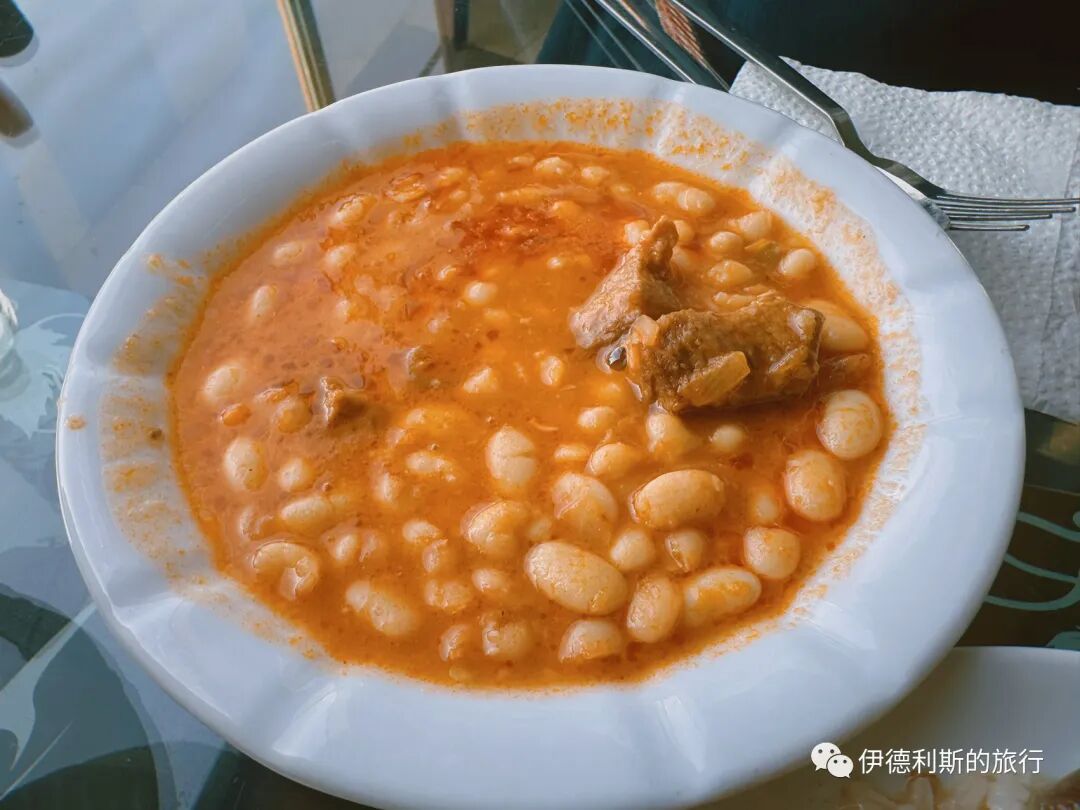
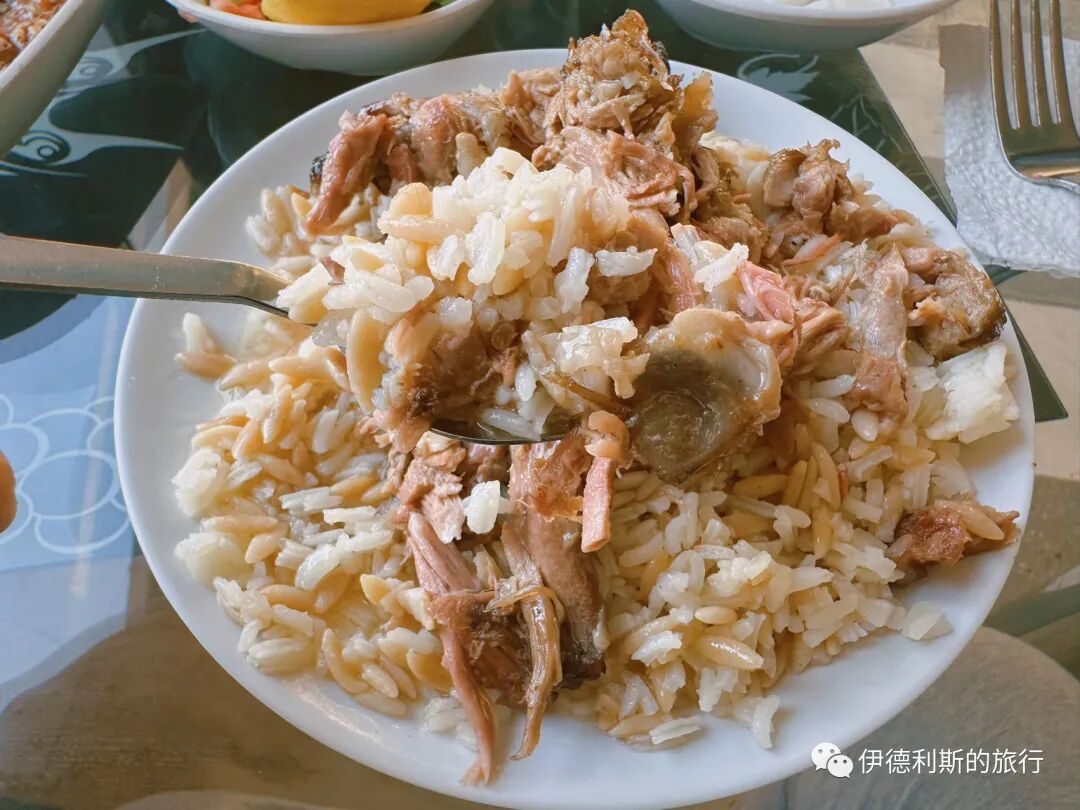
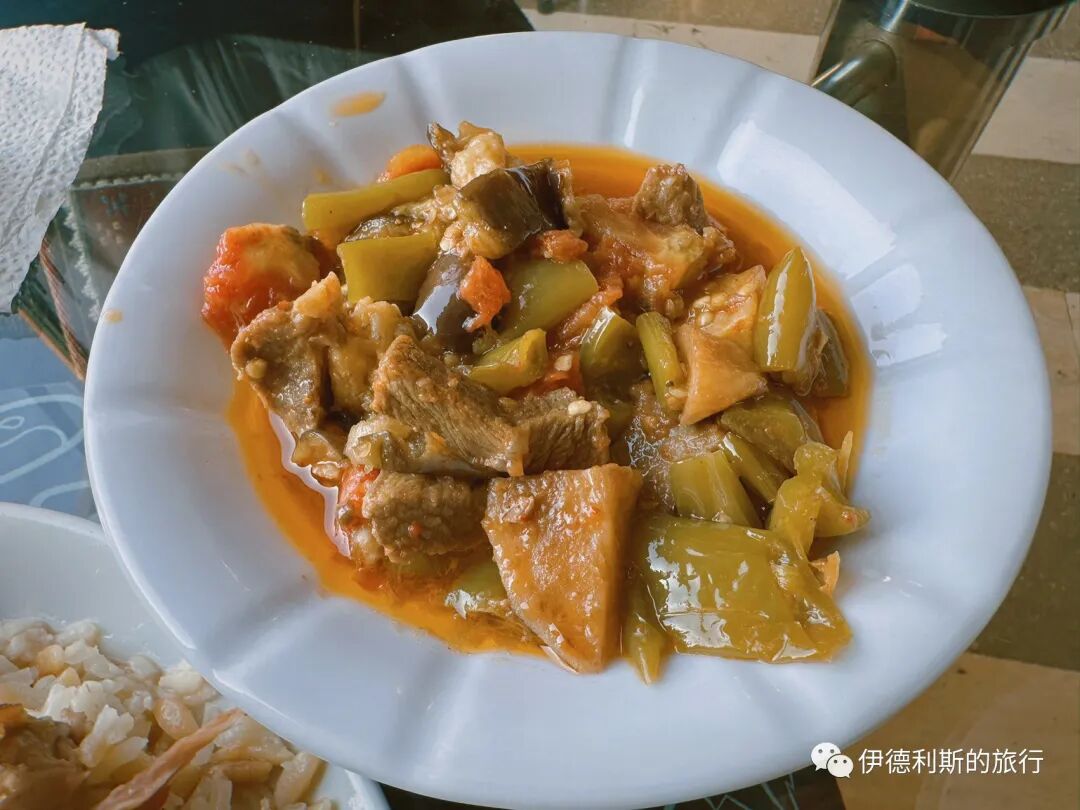
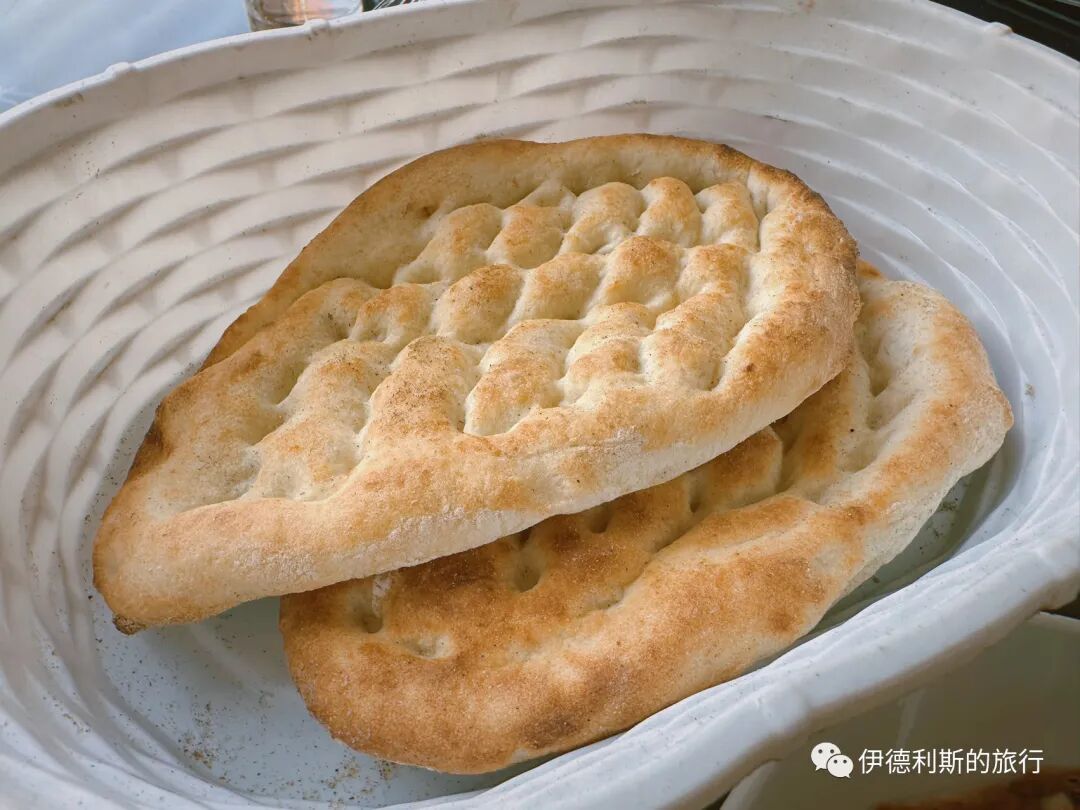
We ordered the stewed kidney bean dish (kuru fasulye), which is known as Turkey's national dish, lamb rice pilaf (pilav), and a stew of eggplant, green peppers, and meat. Everything tasted great. As usual, they served four large plates of free side dishes and baked flatbread (naan). Everything laid out together looked very hearty!
Kuru fasulye is made by stewing kidney beans with lean beef, olive oil, onions, and tomato paste. Turkish rice pilaf dates back to the Ottoman court in the 15th century. At that time, rice was very rare and was only used as a garnish in Ottoman royal meals. Until the 18th century, only the rich in Turkey could afford to eat rice pilaf. It only became popular later on.
When making Turkish rice pilaf, it is important that the grains stay separate and do not stick together. They also like to add a type of rice-shaped pasta (arpa sehriye), which is made from coarse flour shaped like rice grains.
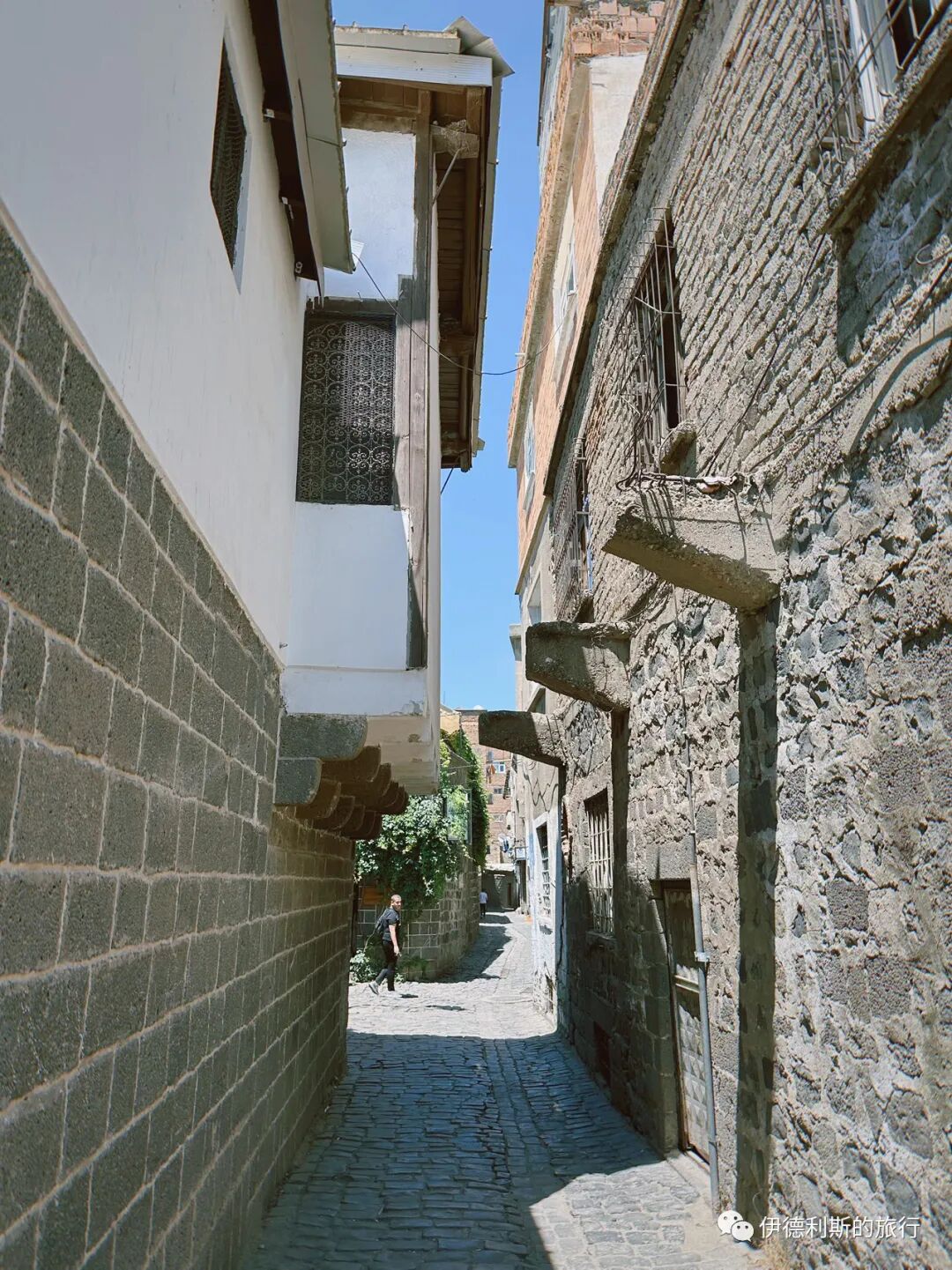
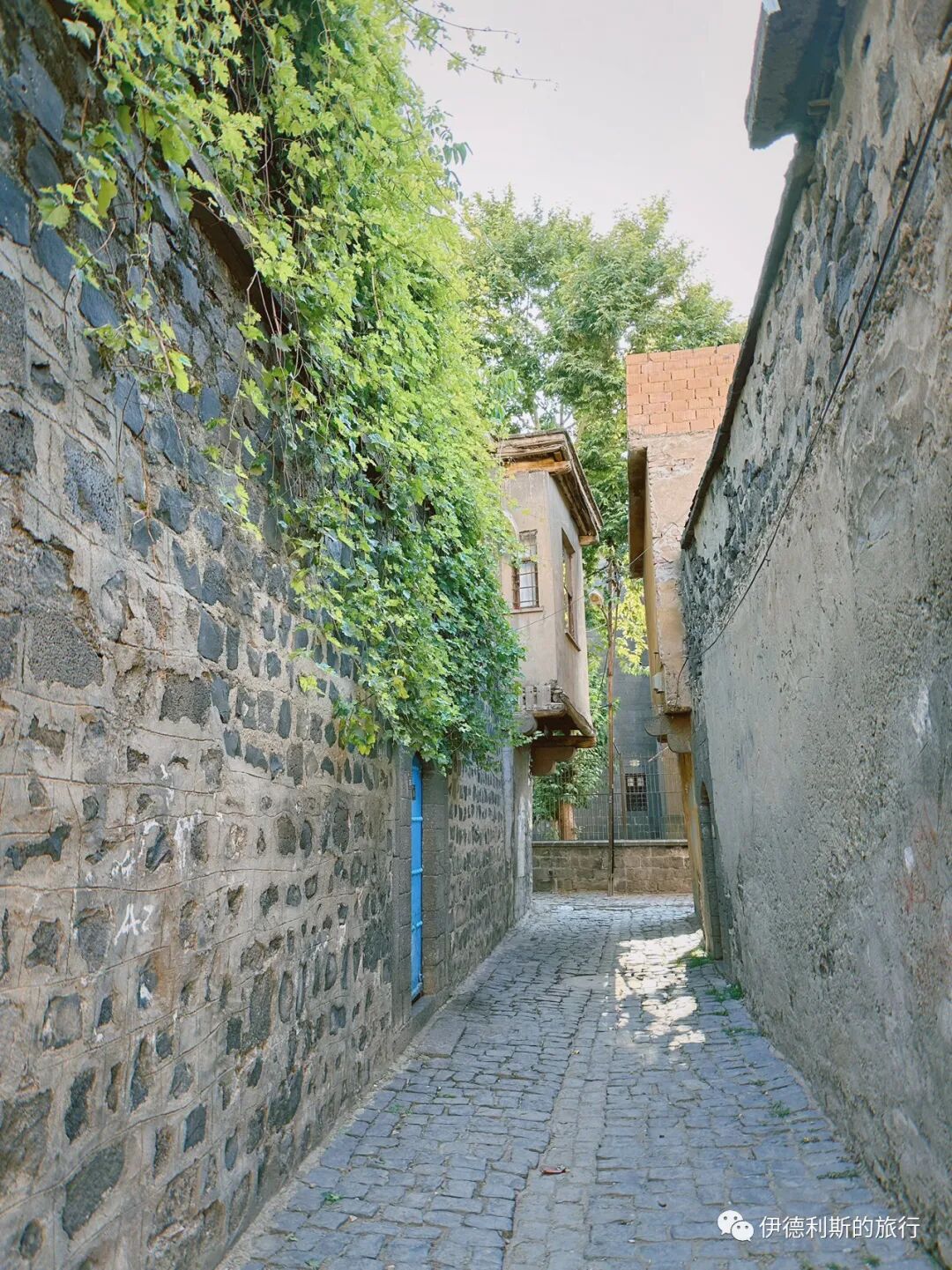
Walking through the alleys of the old city of Diyarbakir, it is calm and peaceful now, but this place suffered a catastrophe in 2015. At that time, peace talks between Turkey and the Kurdistan Workers' Party (PKK) broke down. In May 2015, the Kurds declared autonomy in the Sur district of the old city of Diyarbakir, and Turkish police began a crackdown. To counter the Kurds, Turkey demolished a large number of buildings in the old city. Except for a few ancient structures, the residential areas in the eastern half of the old city were basically razed to the ground.
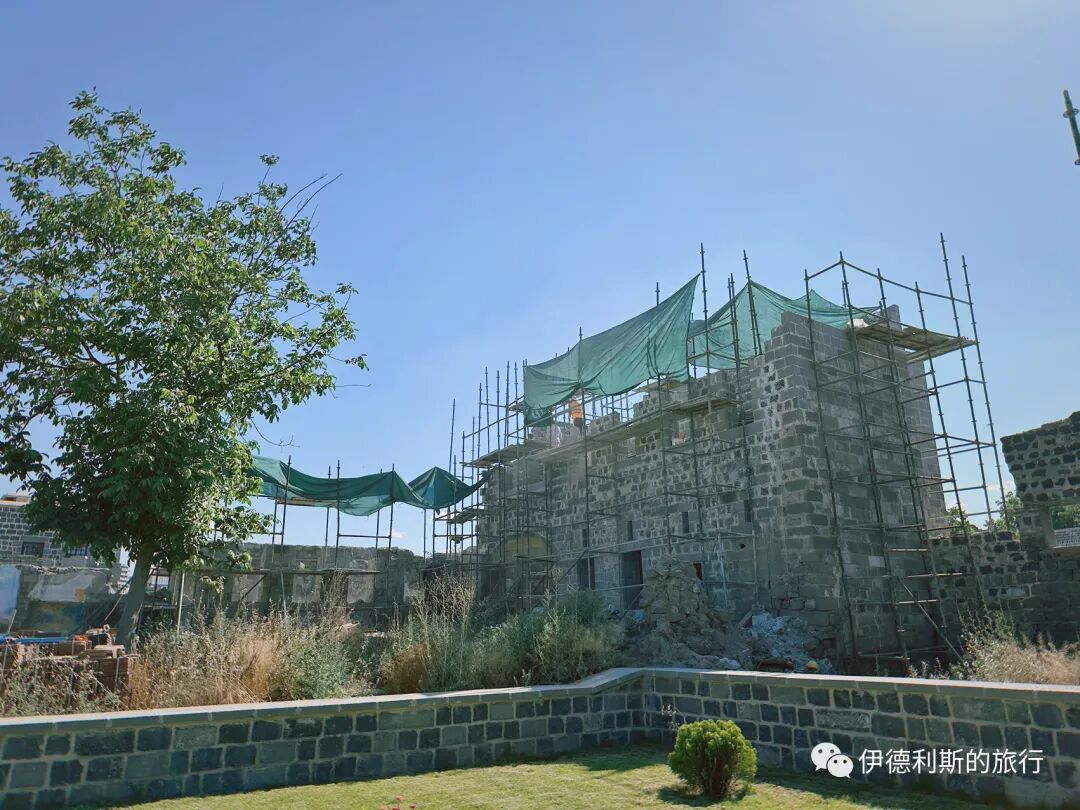
When we visited in 2023, the eastern part of the old city had still not recovered from the conflict. The surviving ancient buildings in the east are being restored, and we hope they can return to their former appearance.
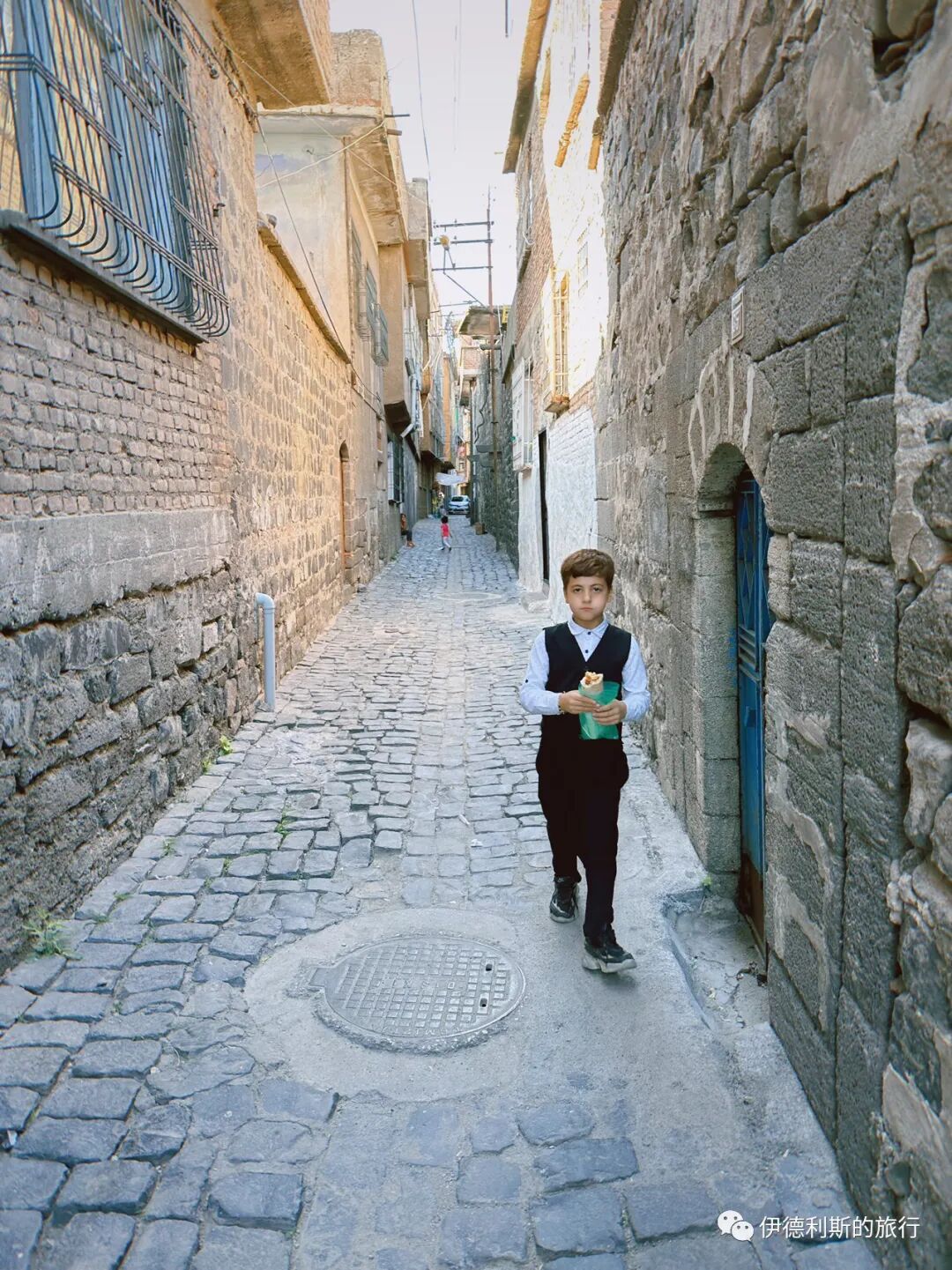
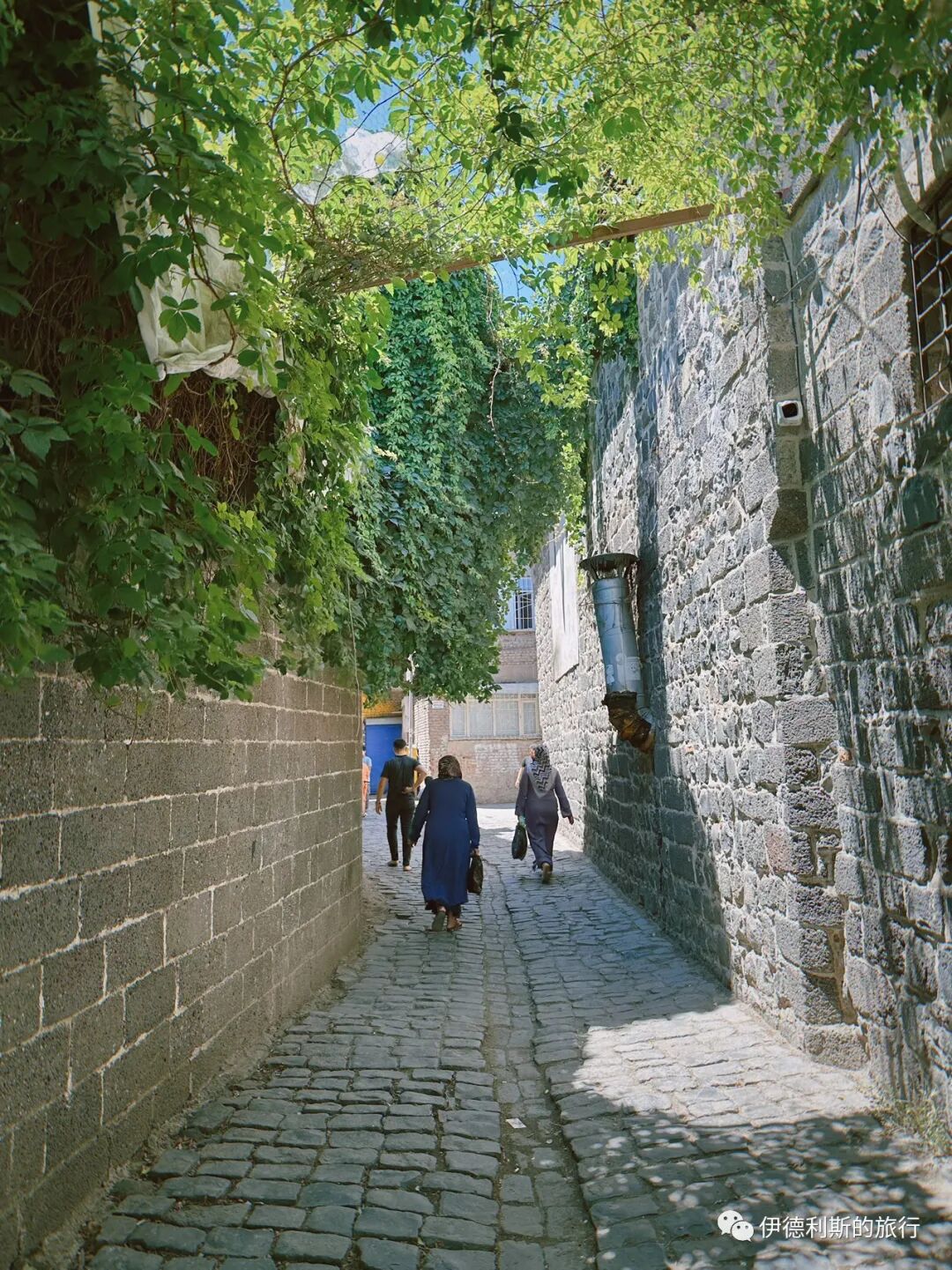
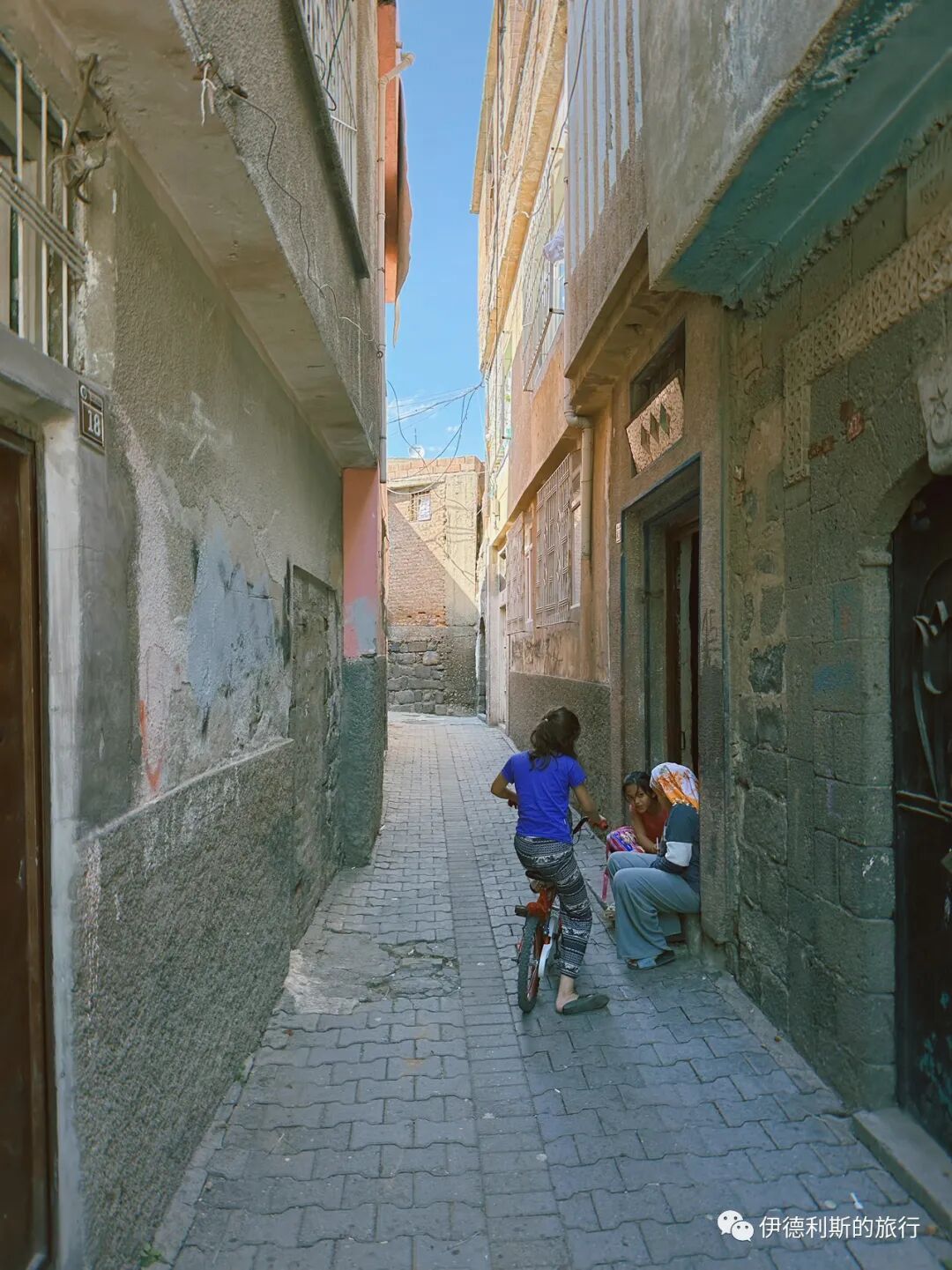
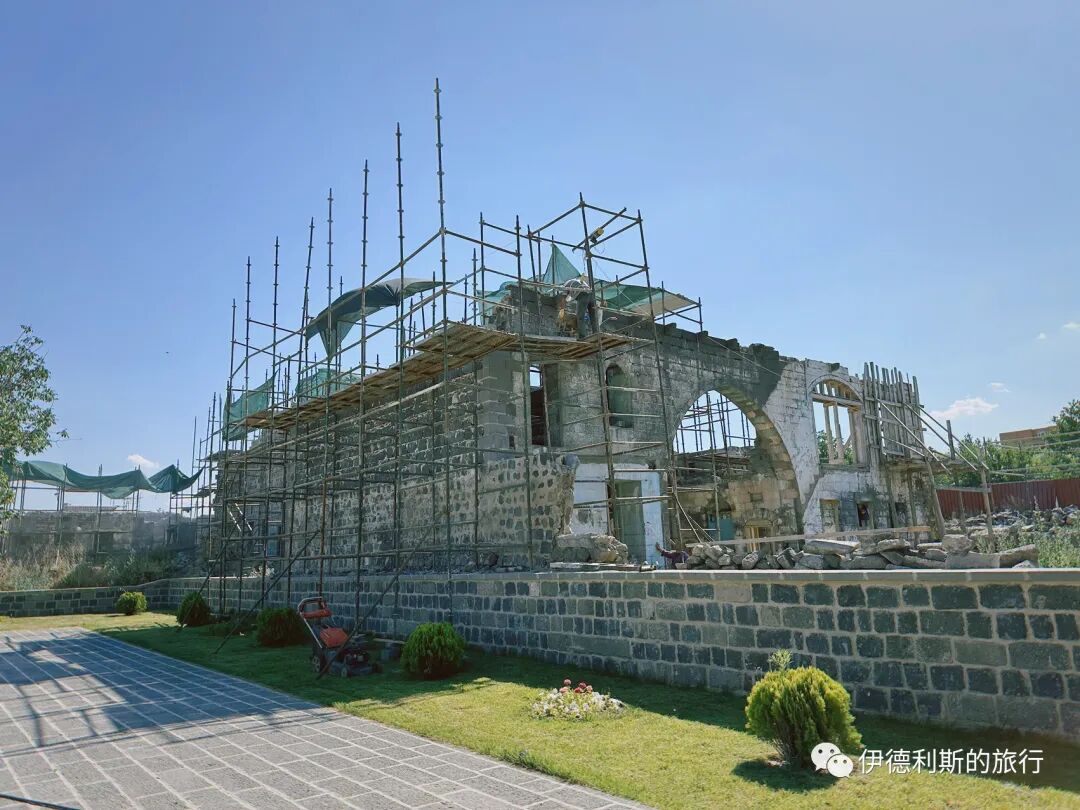
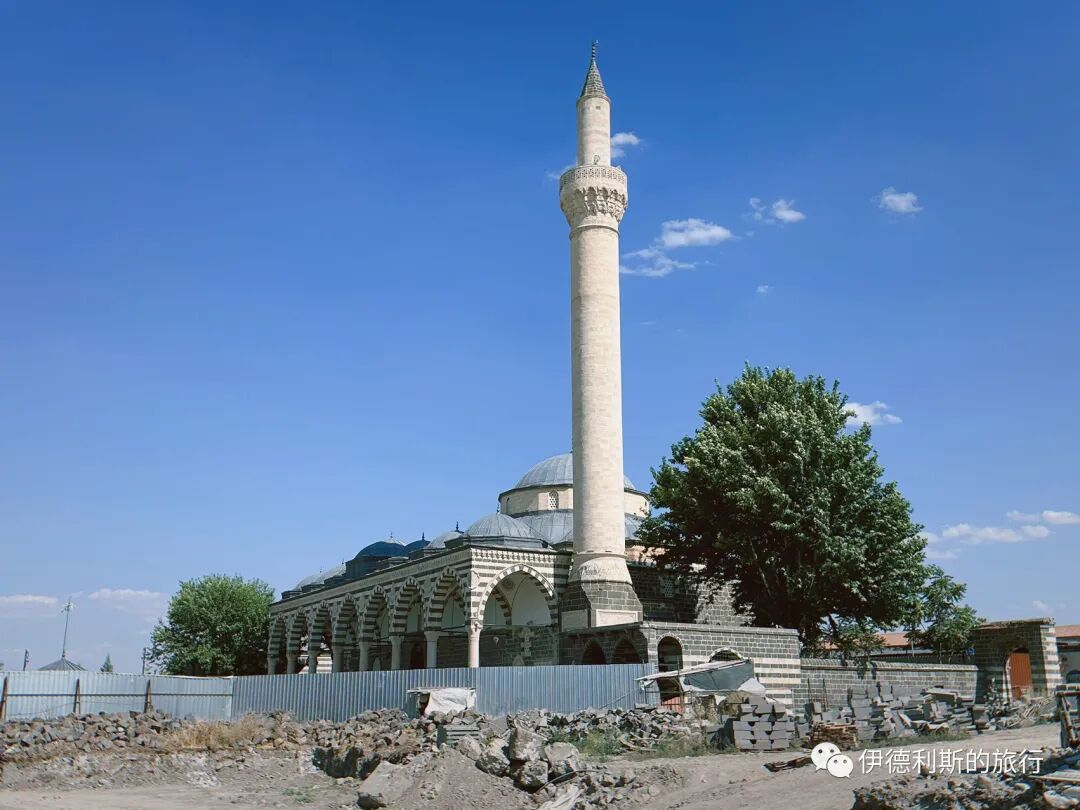
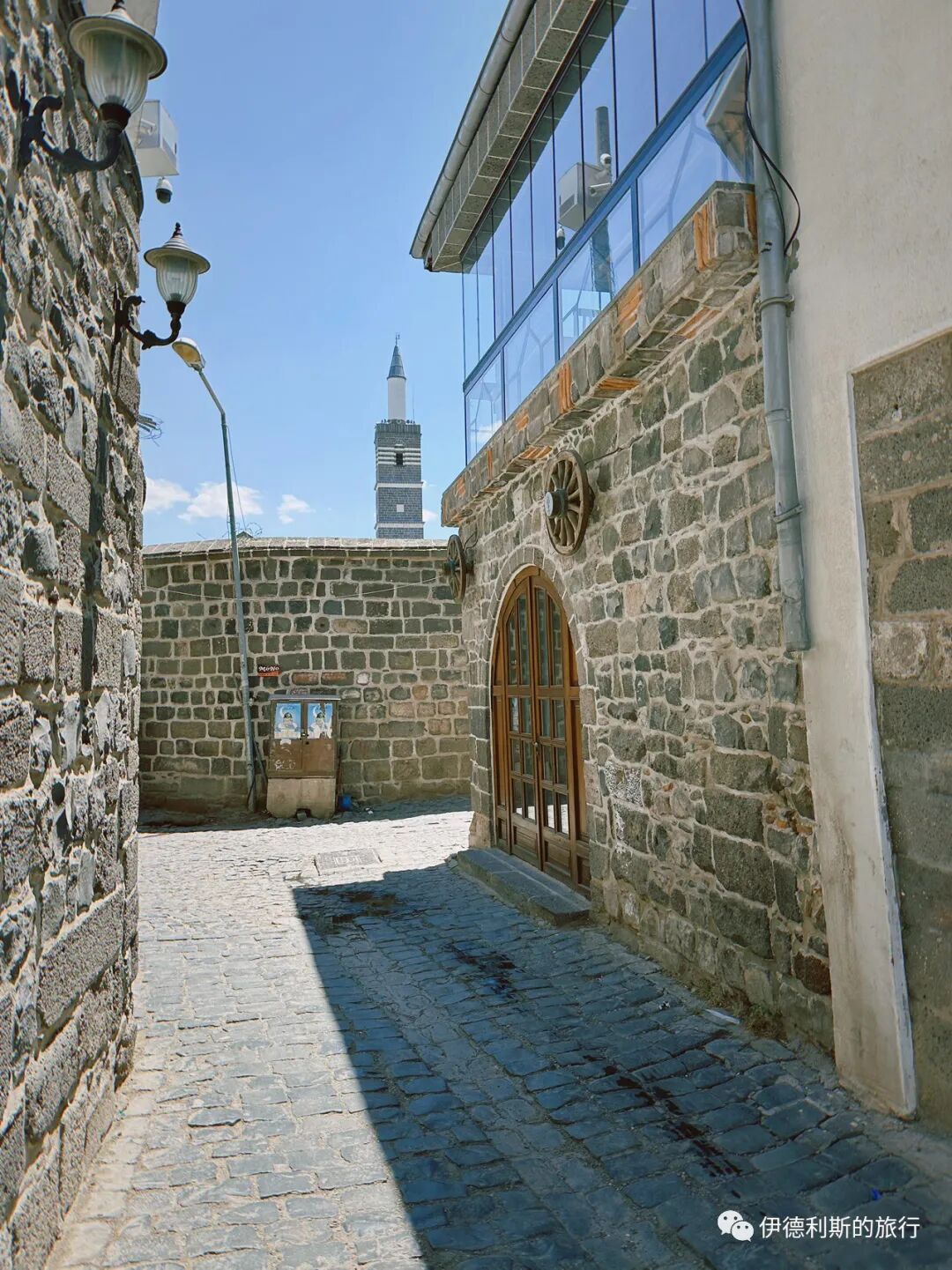
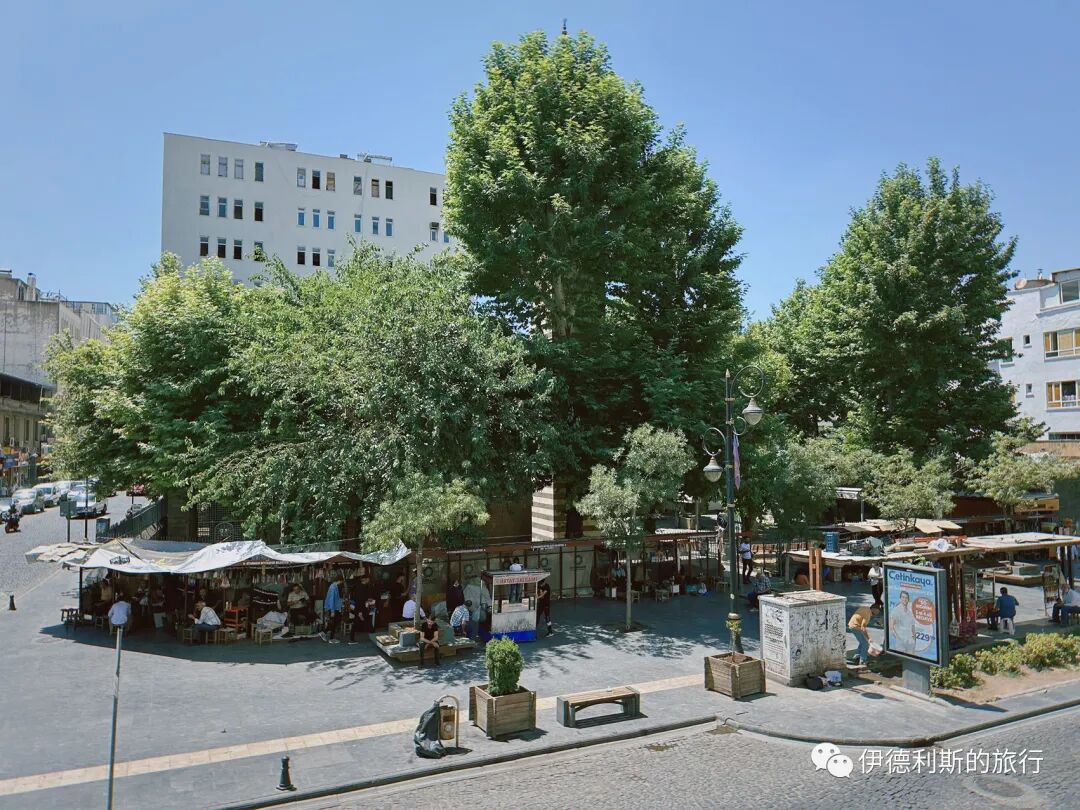
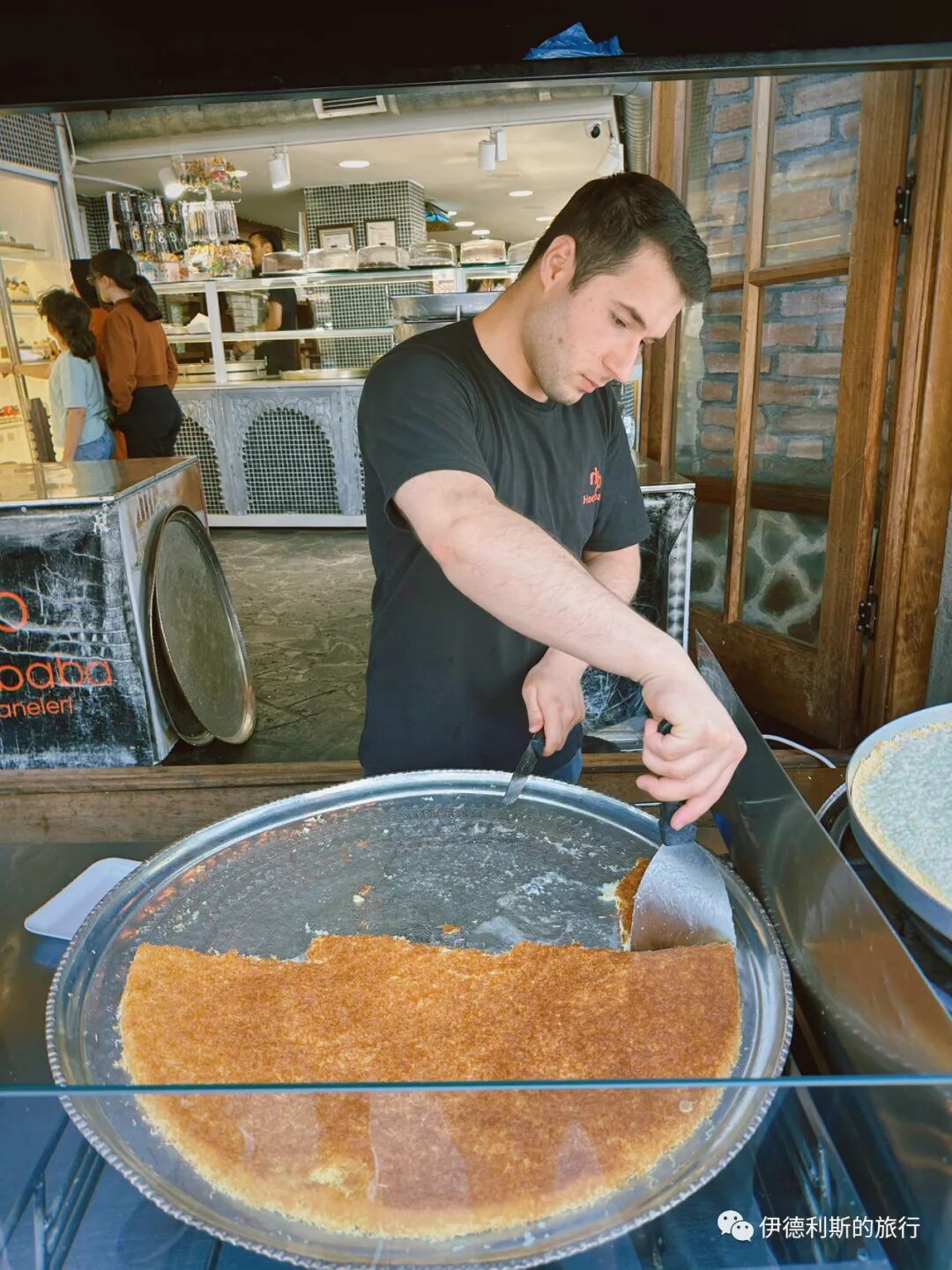
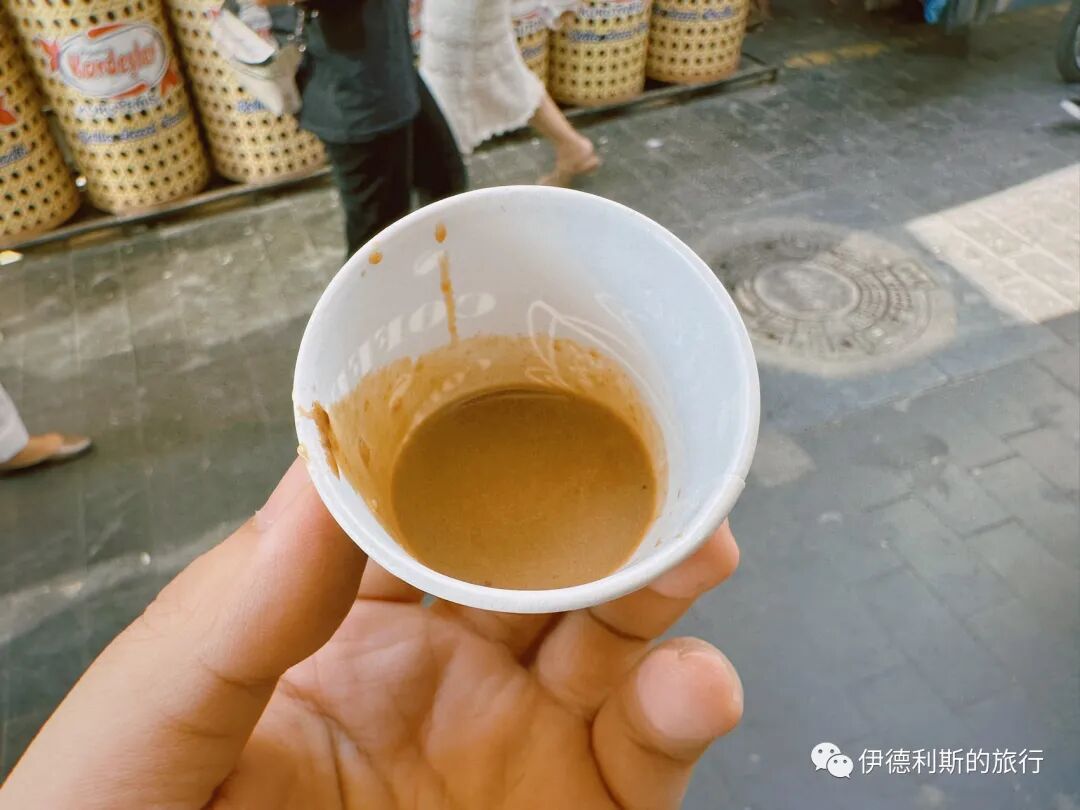
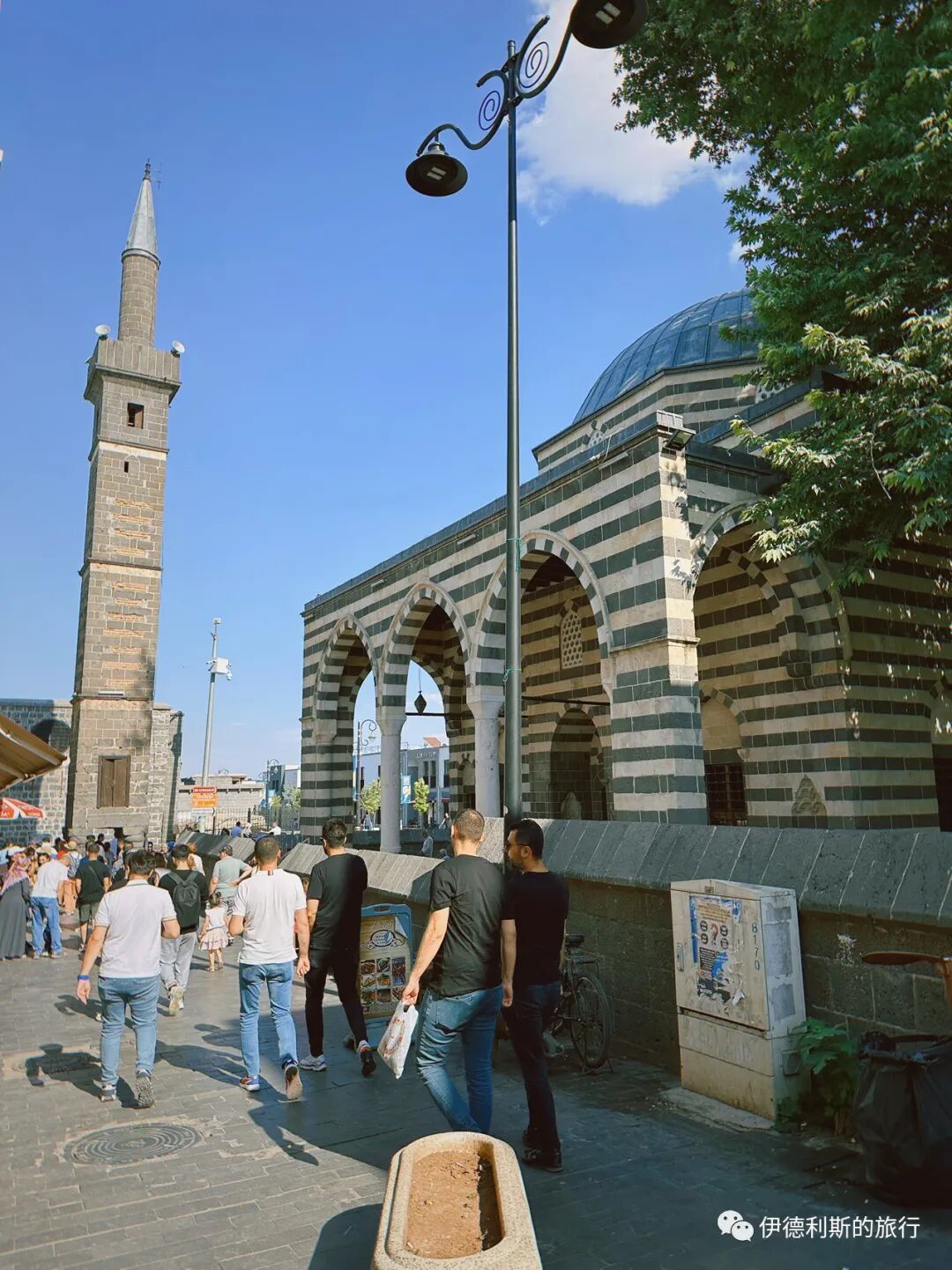
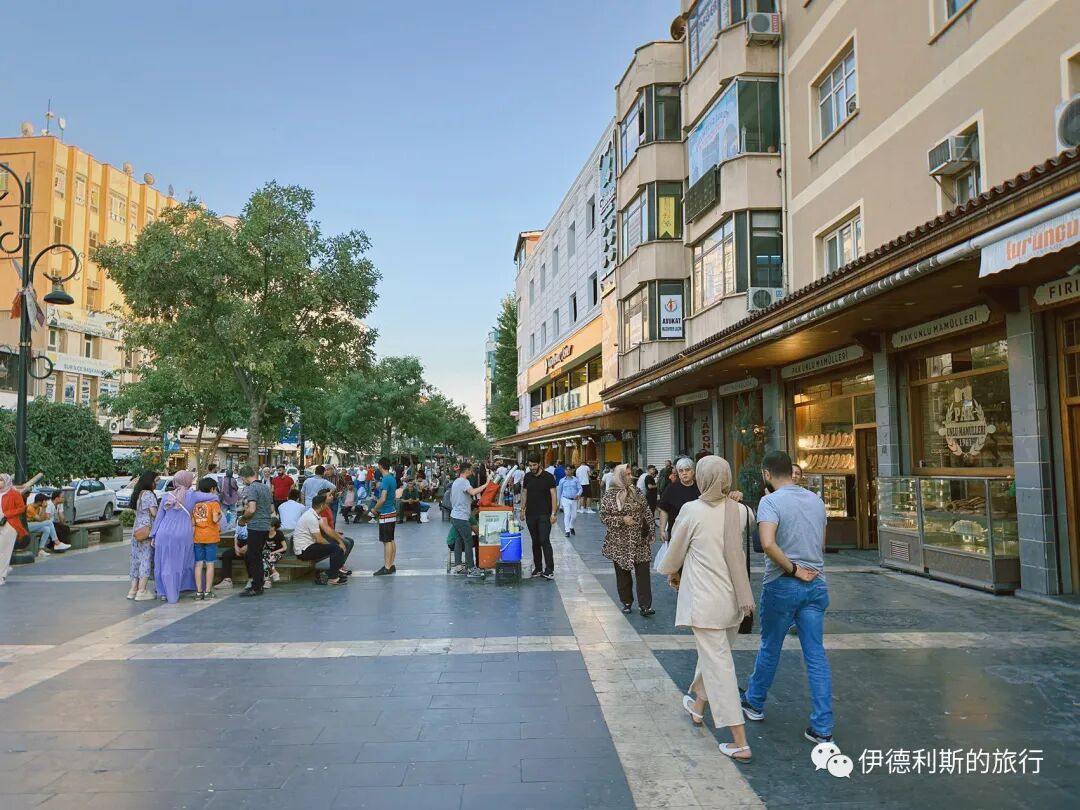
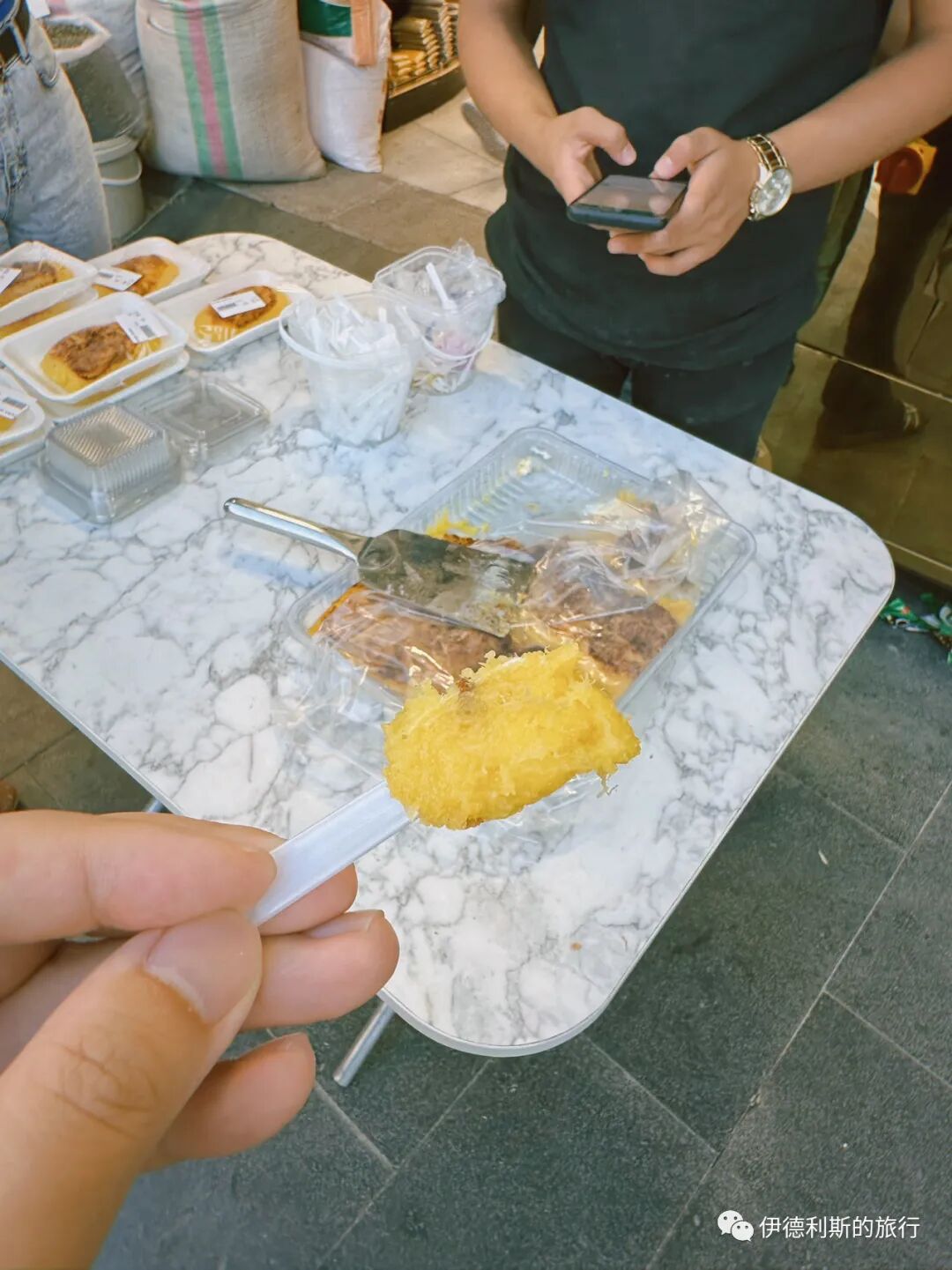
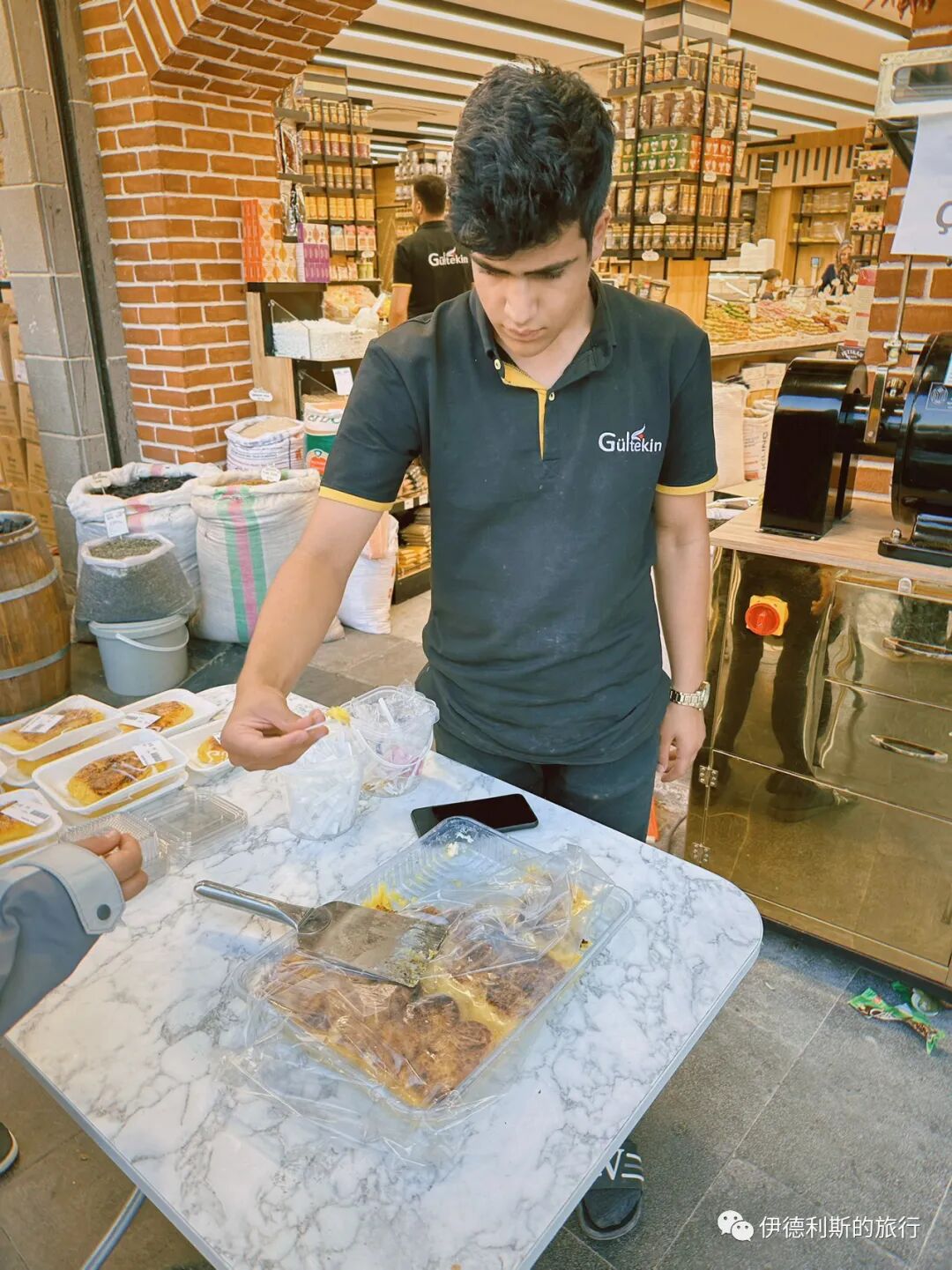
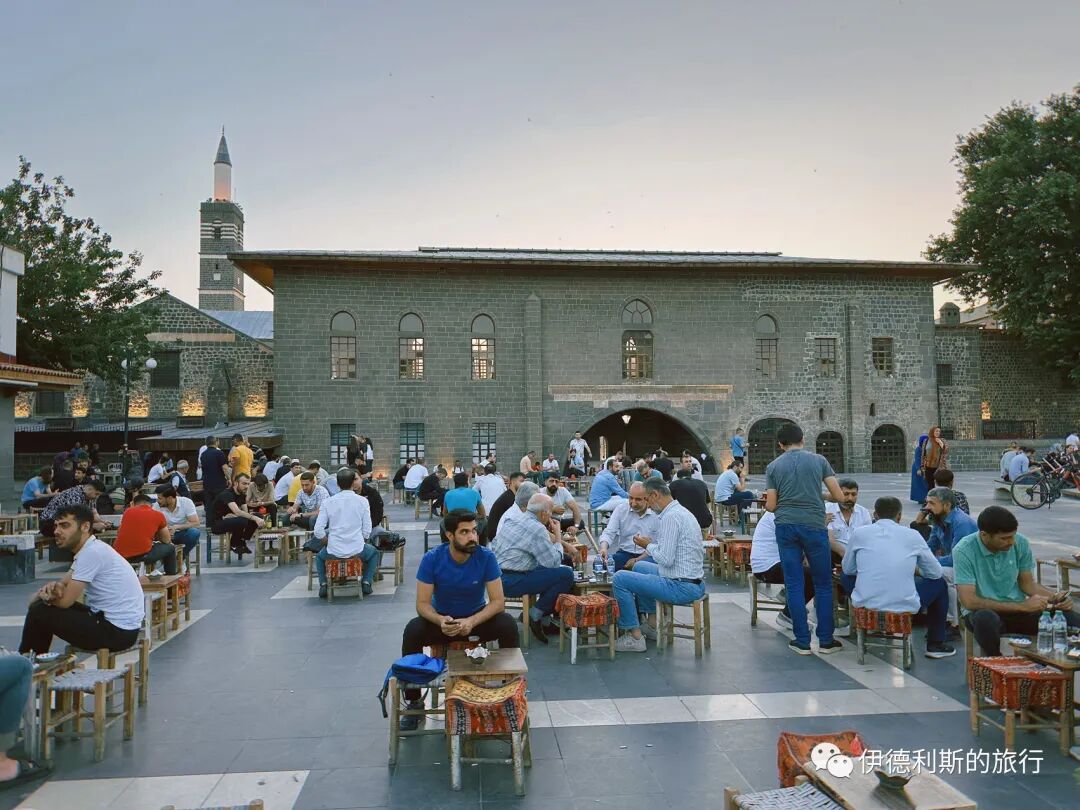
On the streets of the old city of Diyarbakir, there are all kinds of desserts to sample and coffee to taste, and the quality is excellent! Zainab especially liked the coffee here. The entrance to the Great Mosque of Diyarbakır, built in 1091, is full of people drinking tea and chatting. It is very relaxed.
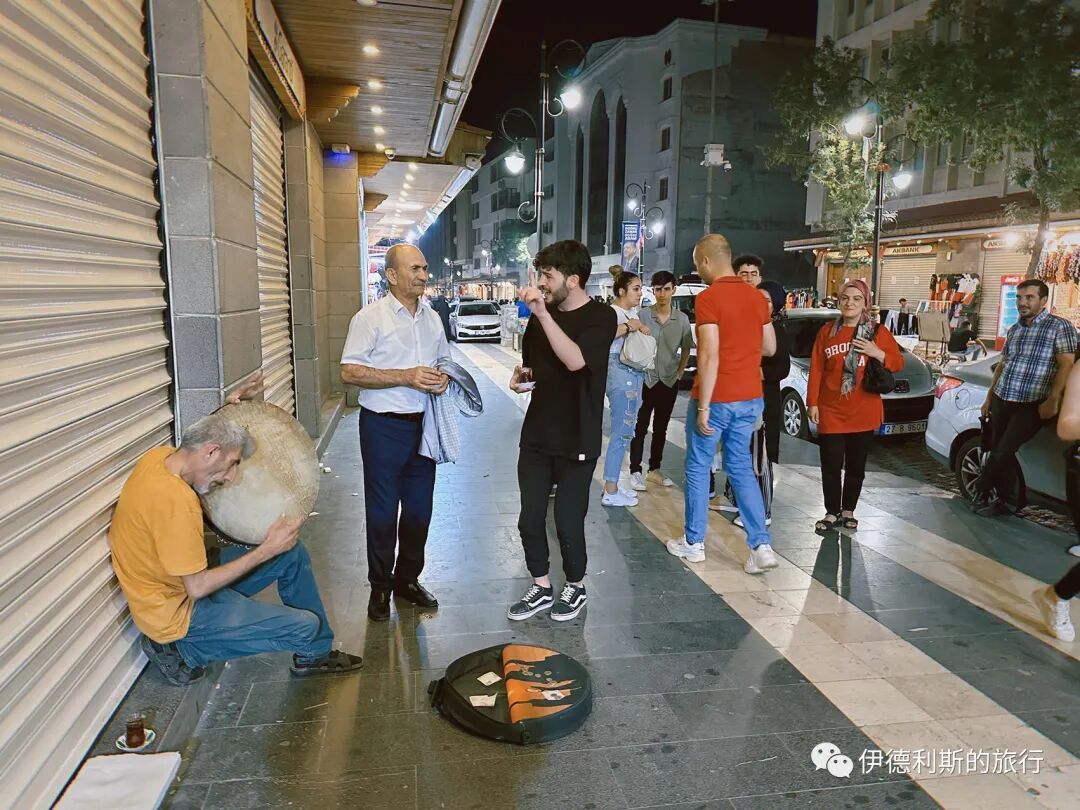
In the old city of Diyarbakır at night, Kurds love to sing and dance in the streets. As you walk along, you can feel the charm of Kurdish folk songs, the circle dance (Helperkê), the frame drum (Daf), and improvised singing (Teqsîm). Everyone warmly invited me to have tea and wanted to pull me in to dance with them.
Summary: Diyarbakir in southeastern Turkey is a Kurdish city shaped by old walls, mosques, bazaars, and life along the Tigris River. This travel account introduces its streets, Muslim heritage, and local history while keeping the Chinese source details and photos in order.
We left Mardin in the morning and took a minibus to Diyarbakir, the largest Kurdish city in Turkey, which is also known as the unofficial capital of Turkish Kurdistan. We stayed in the heart of the old city of Diyarbakir, right next to a busy main road filled with all kinds of shops.
We first drank a local Turkish Kurdistan specialty, licorice root water (Meyan şerbeti). It is a classic Ramadan drink for the Kurds in Turkey. It tastes slightly bitter, and they describe it as a cure-all (Her Derde Deva). This drink is made from the roots of the licorice plant (guangguo gancao). Kurds drink it by soaking the roots in water, but it can also be refined and added to candies and cola.
Then we had a mix of pomegranate juice and orange juice, which had a very rich flavor.
The street had many fruit vendors, mostly selling mulberries and a small melon that tastes like a cucumber. Kurds cut this small melon open, sprinkle salt inside, and eat it for a very refreshing snack.
For lunch, we ate grilled lamb liver at a restaurant in the center of the old city. We had four large skewers of liver served with five side dishes and a plate of thin flatbread (bing). We wrapped the liver in the bread, making for a perfect balance of meat and vegetables. The restaurant had a great view, with the street scene of Diyarbakir right outside the window.
Among the side dishes, the most unique was the appetizer from southeastern Turkey called raw meatballs (Cig Kofte), which is loved by local Kurds, Armenians, and Turks alike. To make these meatballs, you knead crushed bulgur wheat and chopped onions with water until soft, then add tomato paste, pepper paste, various spices, fresh mint, green onions, and parsley.
The word Cig originally means raw, because traditional Cig Kofte requires adding very fine, lean raw lamb or beef. However, due to food safety regulations, all legitimate restaurants in Turkey no longer add raw meat to Cig Kofte, usually replacing it with crushed walnuts, hazelnuts, and potatoes.
Opposite the Great Mosque of Diyarbakir is the Hasan Pasha Caravanserai (Hasan Pasha Han), built in 1575. It is now home to many shops and cafes. We drank tea and pomegranate juice at one of them, and Zaynab bought a beautiful headscarf at a shop. The owner of the headscarf shop chatted with us for a while. He spoke fluent English and said we were the first Chinese guests he had ever hosted. He lived in Germany for a long time and has traveled to many countries. He has always wanted to visit China but has not gone yet because he is worried about finding halal food.
Many ancient cities in Turkey have turned Ottoman-era caravan inns (han) into shops, restaurants, and cafes. Sitting inside for a drink gives you a special sense of history.
In the evening, we ate at a canteen (lokantasi) next to the north gate of the ancient city of Diyarbakir. A lokantasi is a lot like a canteen back home. Various stews and mixed salads are prepared and laid out together, so you just point at what you want to eat. I think it is perfect for tourists. Besides stews, they have a grill area where they make various kebabs, flatbreads with toppings (pide), and meat flatbreads (lahmacun). The open kitchen looks very clean.
We ordered the stewed kidney bean dish (kuru fasulye), which is known as Turkey's national dish, lamb rice pilaf (pilav), and a stew of eggplant, green peppers, and meat. Everything tasted great. As usual, they served four large plates of free side dishes and baked flatbread (naan). Everything laid out together looked very hearty!
Kuru fasulye is made by stewing kidney beans with lean beef, olive oil, onions, and tomato paste. Turkish rice pilaf dates back to the Ottoman court in the 15th century. At that time, rice was very rare and was only used as a garnish in Ottoman royal meals. Until the 18th century, only the rich in Turkey could afford to eat rice pilaf. It only became popular later on.
When making Turkish rice pilaf, it is important that the grains stay separate and do not stick together. They also like to add a type of rice-shaped pasta (arpa sehriye), which is made from coarse flour shaped like rice grains.
Walking through the alleys of the old city of Diyarbakir, it is calm and peaceful now, but this place suffered a catastrophe in 2015. At that time, peace talks between Turkey and the Kurdistan Workers' Party (PKK) broke down. In May 2015, the Kurds declared autonomy in the Sur district of the old city of Diyarbakir, and Turkish police began a crackdown. To counter the Kurds, Turkey demolished a large number of buildings in the old city. Except for a few ancient structures, the residential areas in the eastern half of the old city were basically razed to the ground.
When we visited in 2023, the eastern part of the old city had still not recovered from the conflict. The surviving ancient buildings in the east are being restored, and we hope they can return to their former appearance.
On the streets of the old city of Diyarbakir, there are all kinds of desserts to sample and coffee to taste, and the quality is excellent! Zainab especially liked the coffee here. The entrance to the Great Mosque of Diyarbakır, built in 1091, is full of people drinking tea and chatting. It is very relaxed.
In the old city of Diyarbakır at night, Kurds love to sing and dance in the streets. As you walk along, you can feel the charm of Kurdish folk songs, the circle dance (Helperkê), the frame drum (Daf), and improvised singing (Teqsîm). Everyone warmly invited me to have tea and wanted to pull me in to dance with them.
