
Halal Travel Guide: Medina - Prophet Mosque, Dua and Sacred Travel (Part 1)
Reposted from the web
After finishing the Umrah in Makkah, we took a train to Madinah and caught an Uber straight from the station to the Prophet's Mosque.
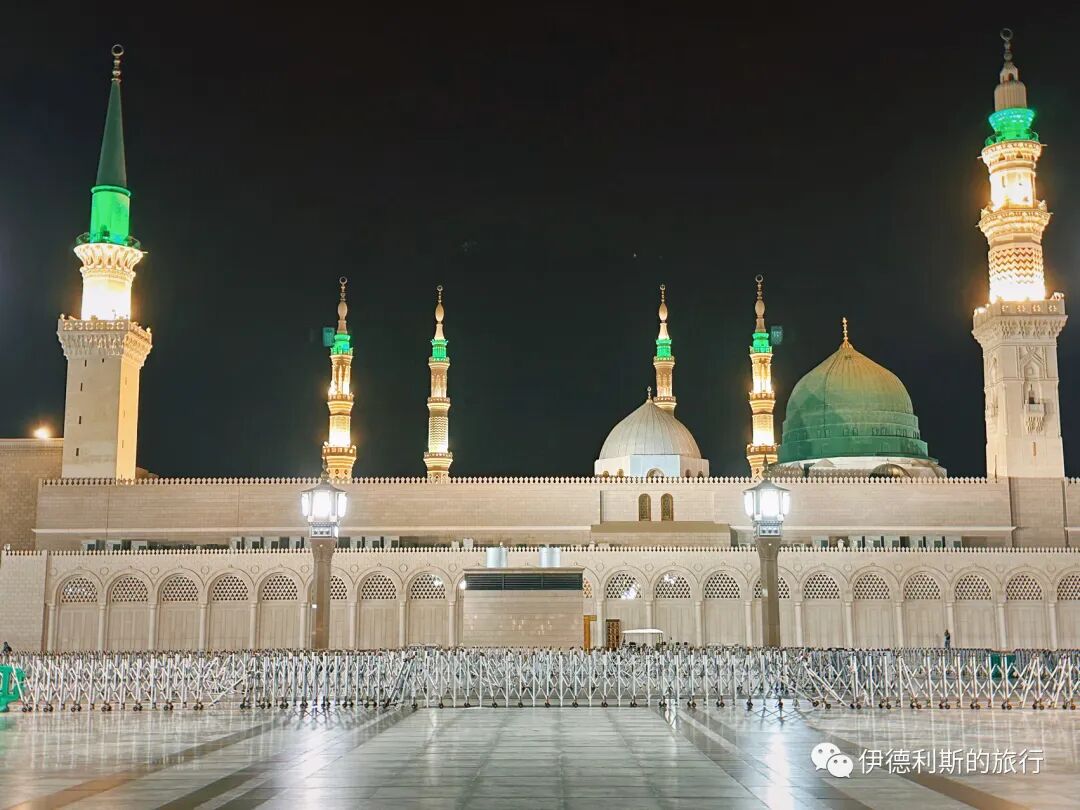
The Prophet's Mosque (al-Masjid an-Nabawī) is the mosque the Prophet built next to his home after arriving in Madinah in 622 AD. It is the second holiest site in the faith, right after the Sacred Mosque. The mosque has been expanded many times throughout history. The central core was built during the Ottoman era, while the surrounding areas were added by the Kingdom of Saudi Arabia after the 20th century.
The most important area of the mosque is called the Rawdah (Garden), which is where the Prophet used to pray. According to a Hadith, 'Between my house and my minbar (pulpit) is one of the gardens of Paradise,' which is why it is also known as the Garden of Paradise.
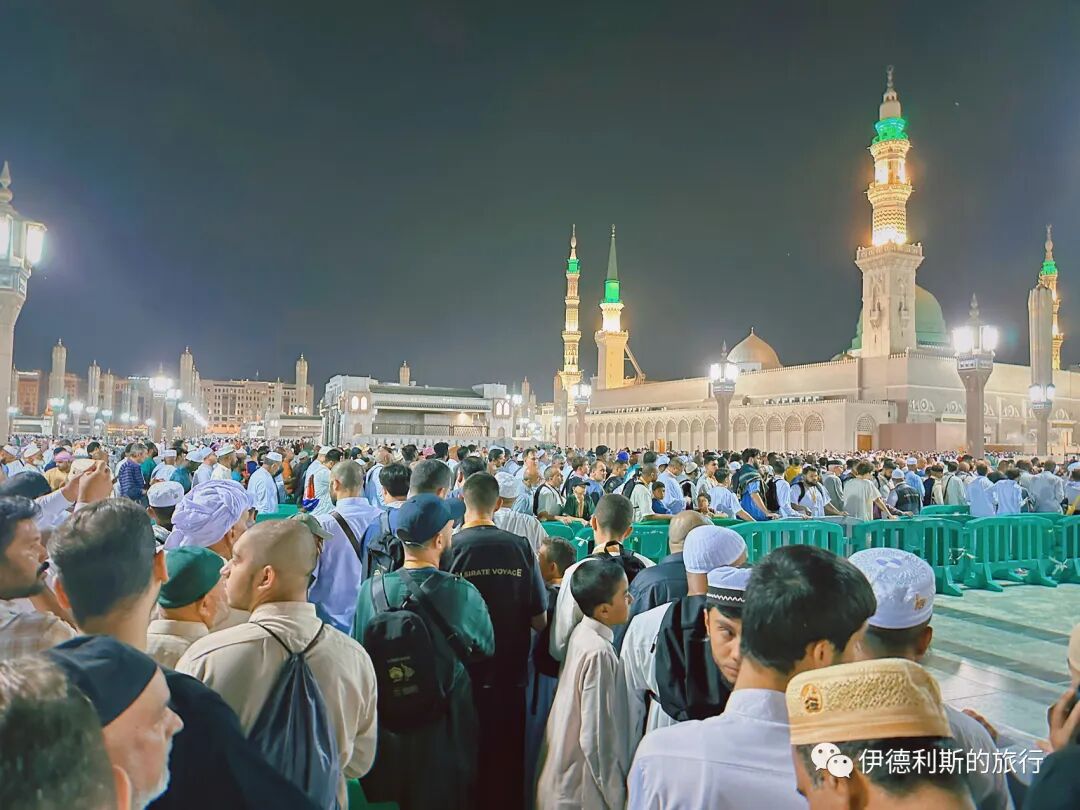
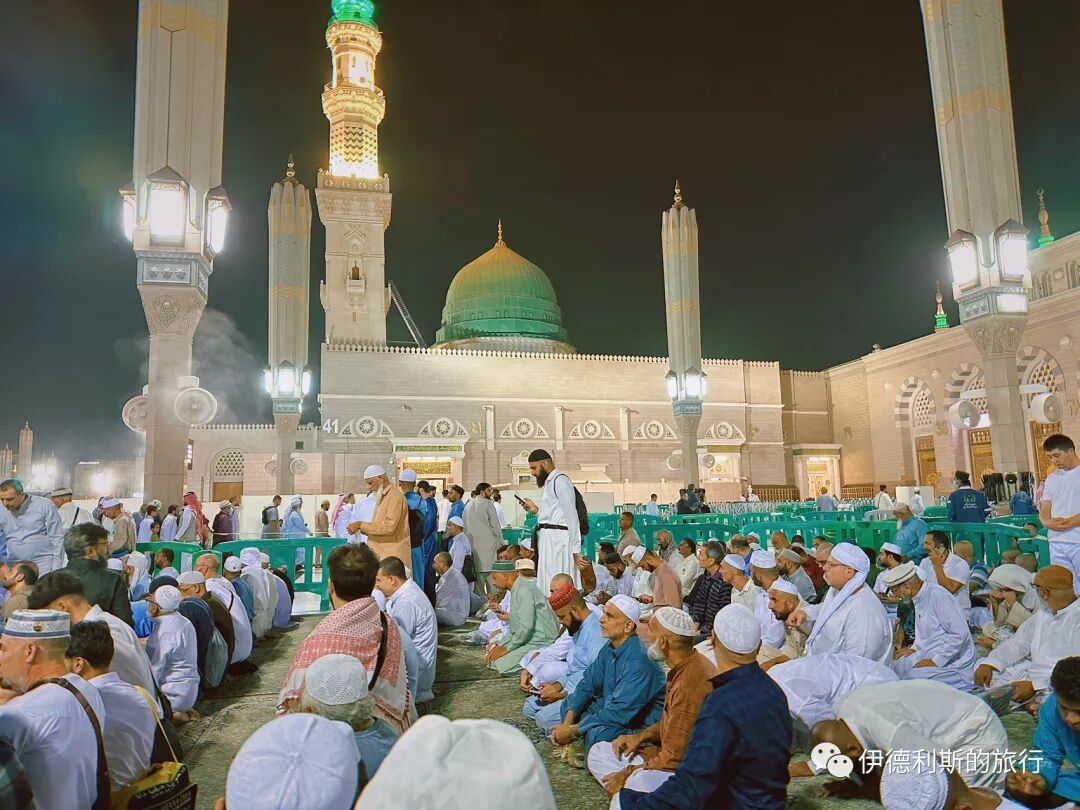
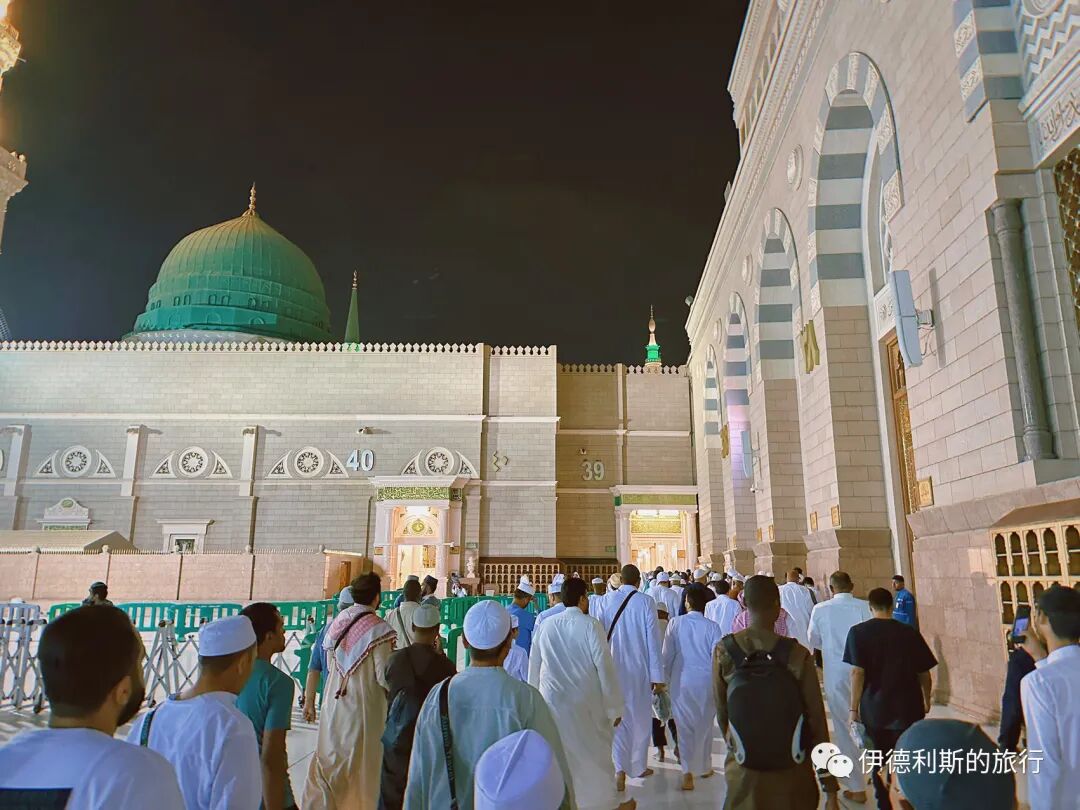
You need to book a slot on the Nusuk app to enter the Garden of Paradise, with separate times for men and women. My appointment was for 6:30 PM. After finishing the Maghrib prayer on the west side of the mosque, I walked a long way around to the east side to line up. After a while, those with a Nusuk booking were directed to wait on the carpets outside Gate 39. Staff handed out plastic bags for our shoes, and after waiting a bit longer, I finally entered the Garden of Paradise.
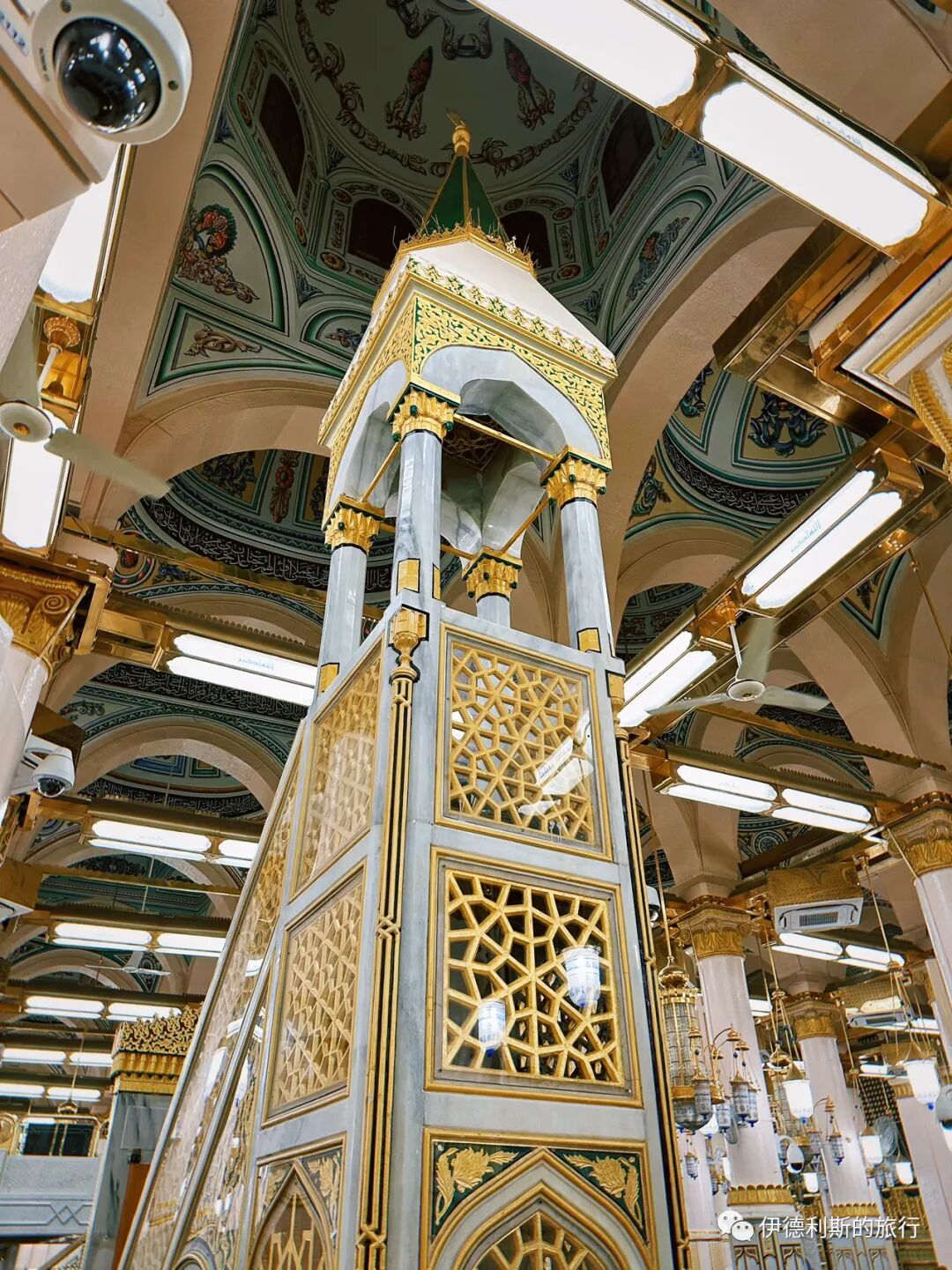
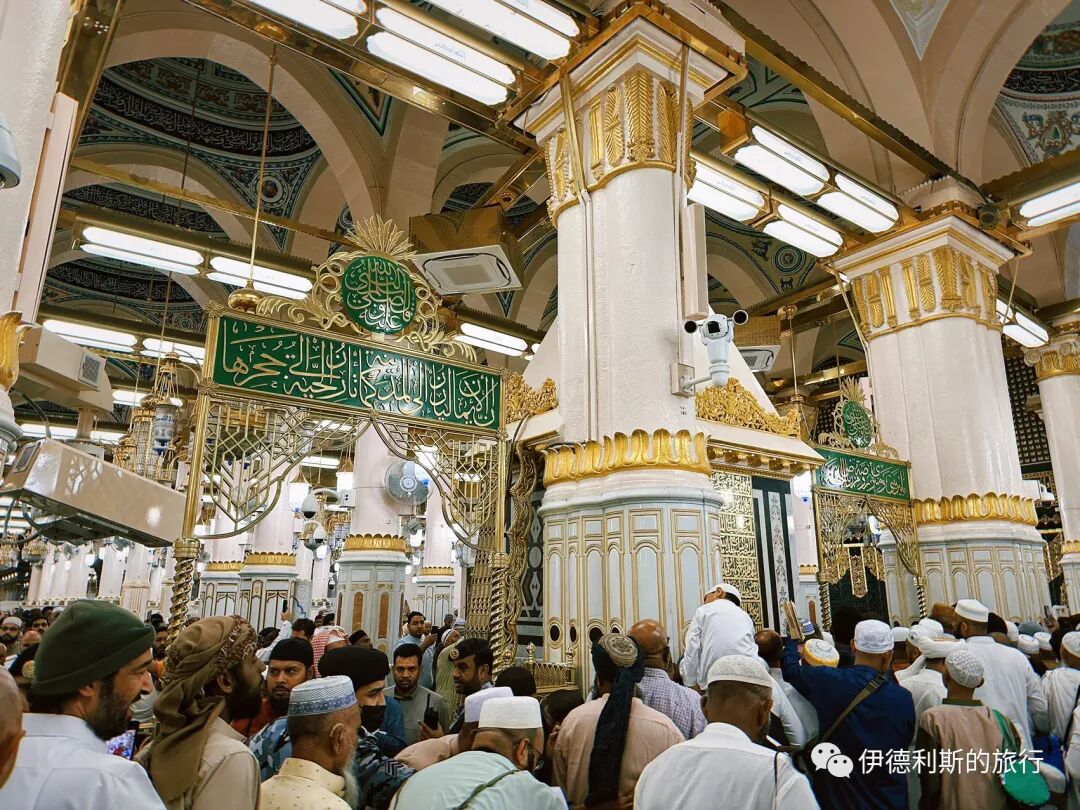
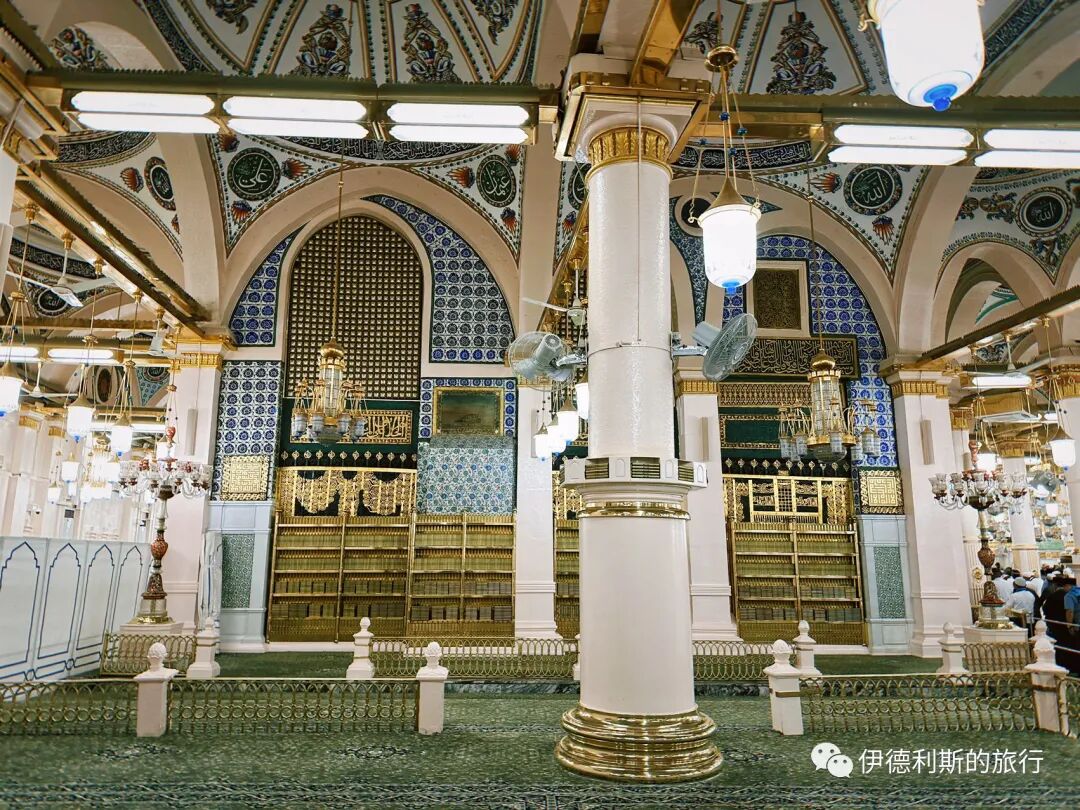
I first performed two rak'ahs of prayer inside the Garden of Paradise, then pushed through the crowd to see the layout. The minbar used by the Prophet was originally made of date palm wood, later changed to tamarisk, and had ebony steps added. The minbar you see today was rebuilt in 1590 by the Ottoman Sultan Murad III using marble. I also saw an imam resting to the right of the minbar. There are six pillars inside the Garden of Paradise that mark the spots where the Prophet used date palm trunks to support the original structure. Each pillar has a special meaning.
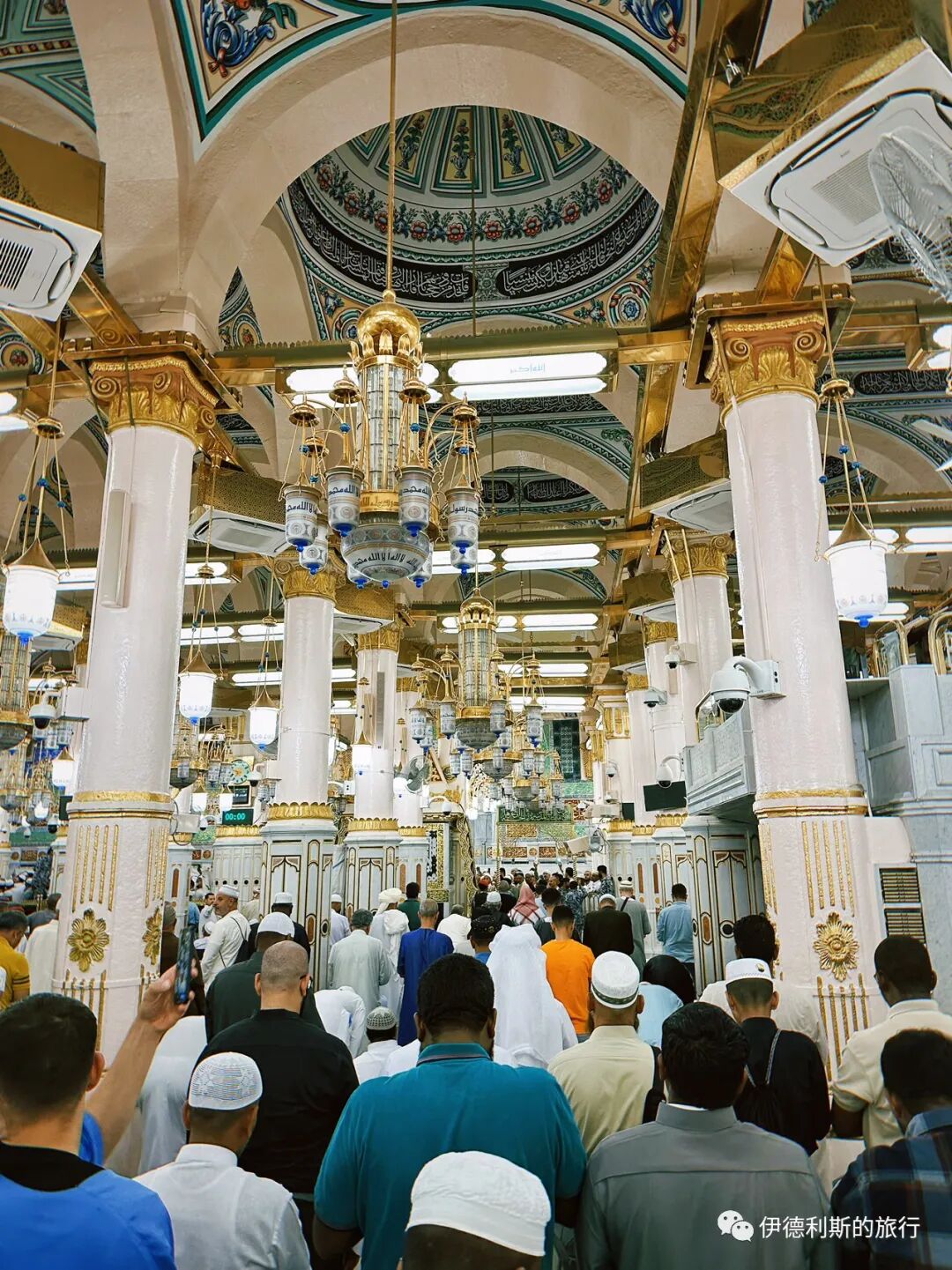
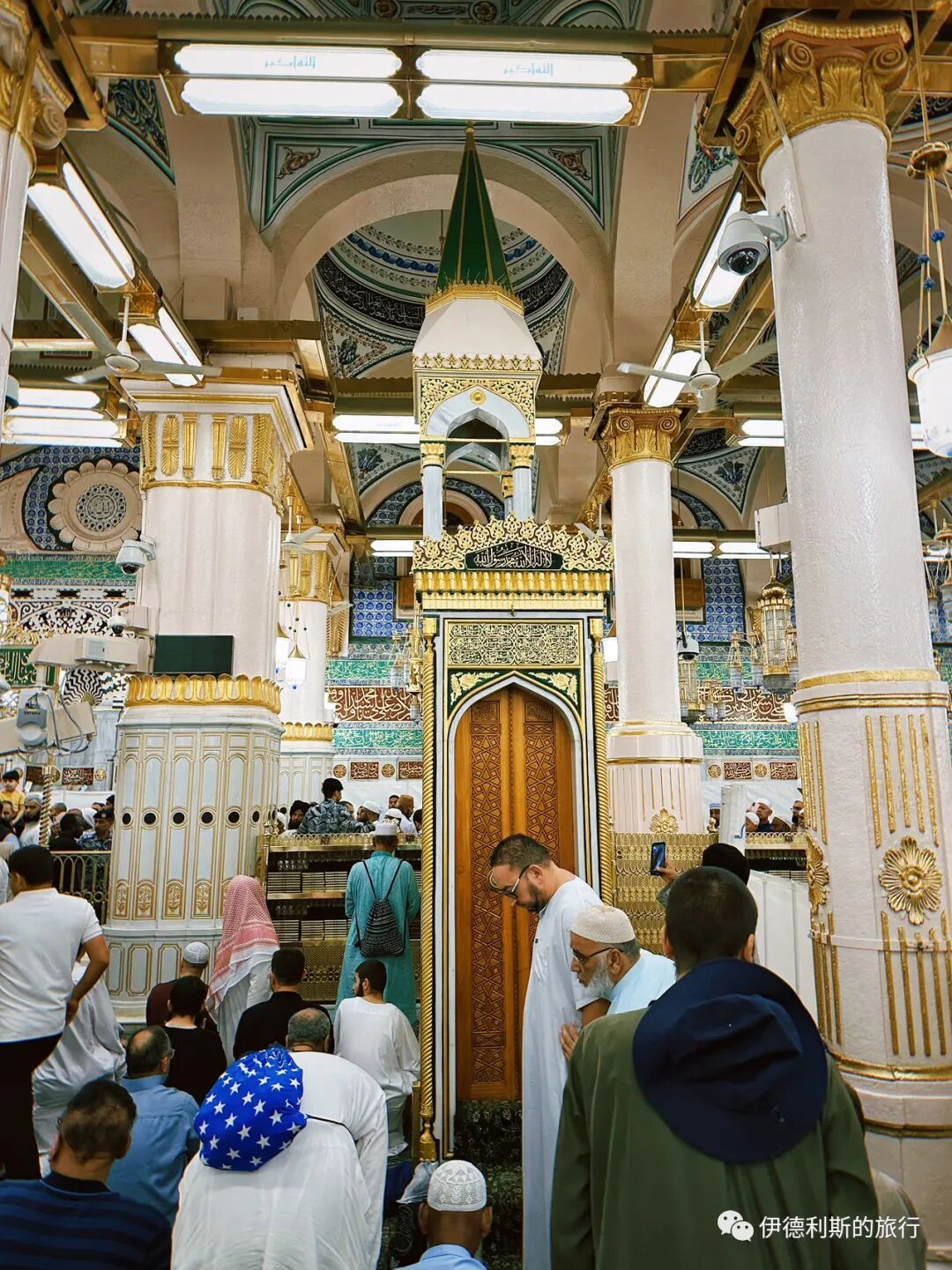
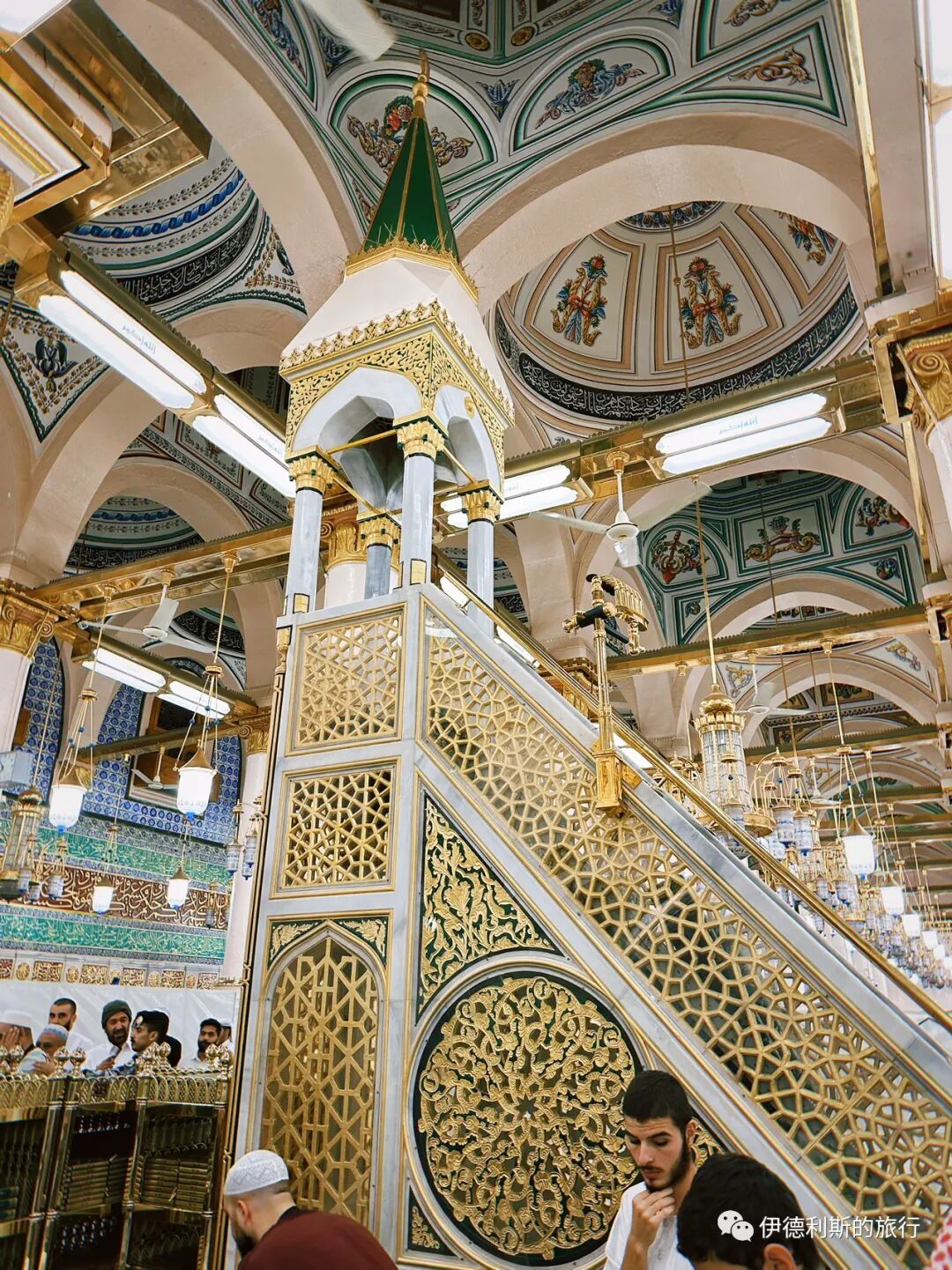
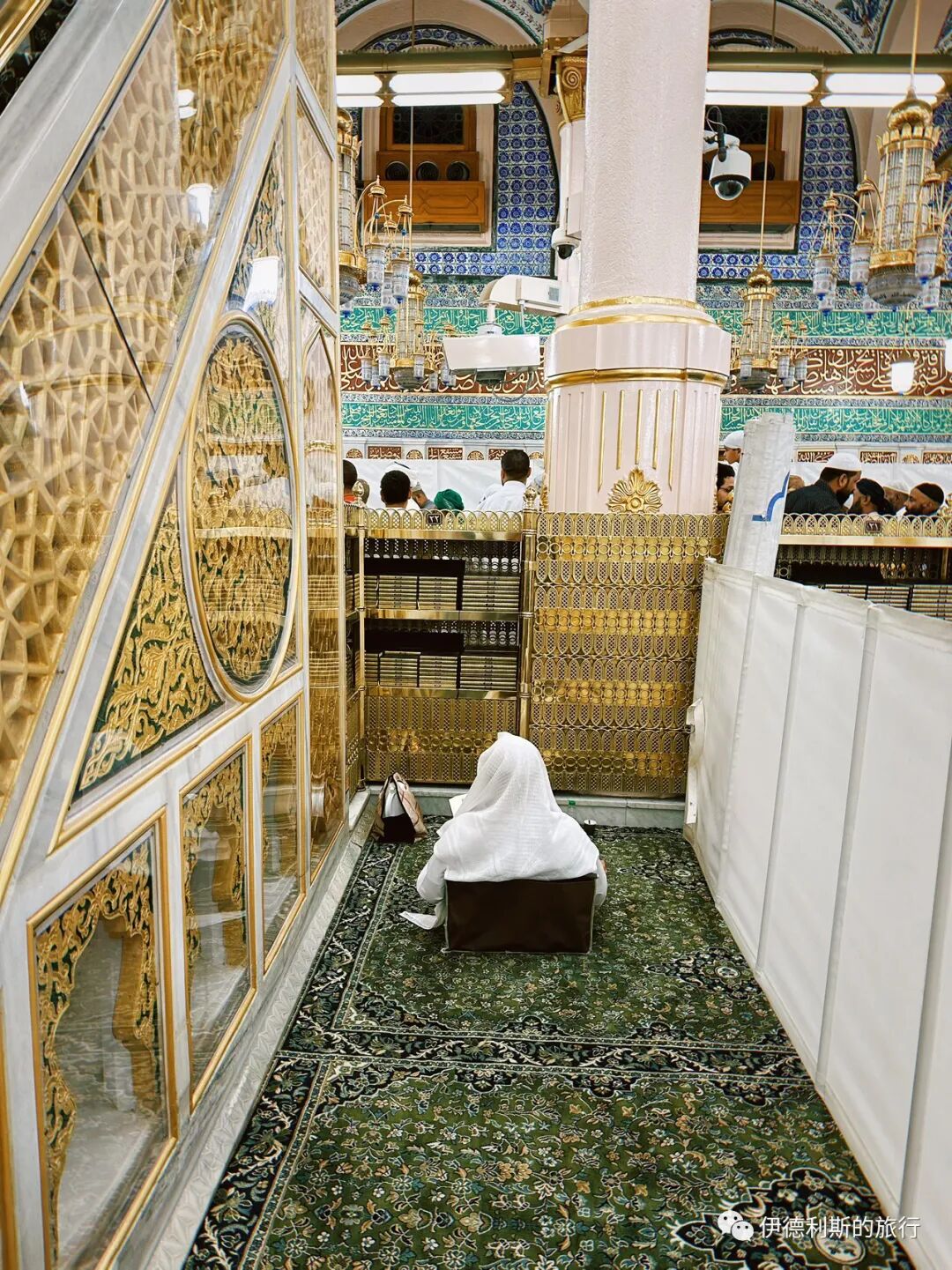
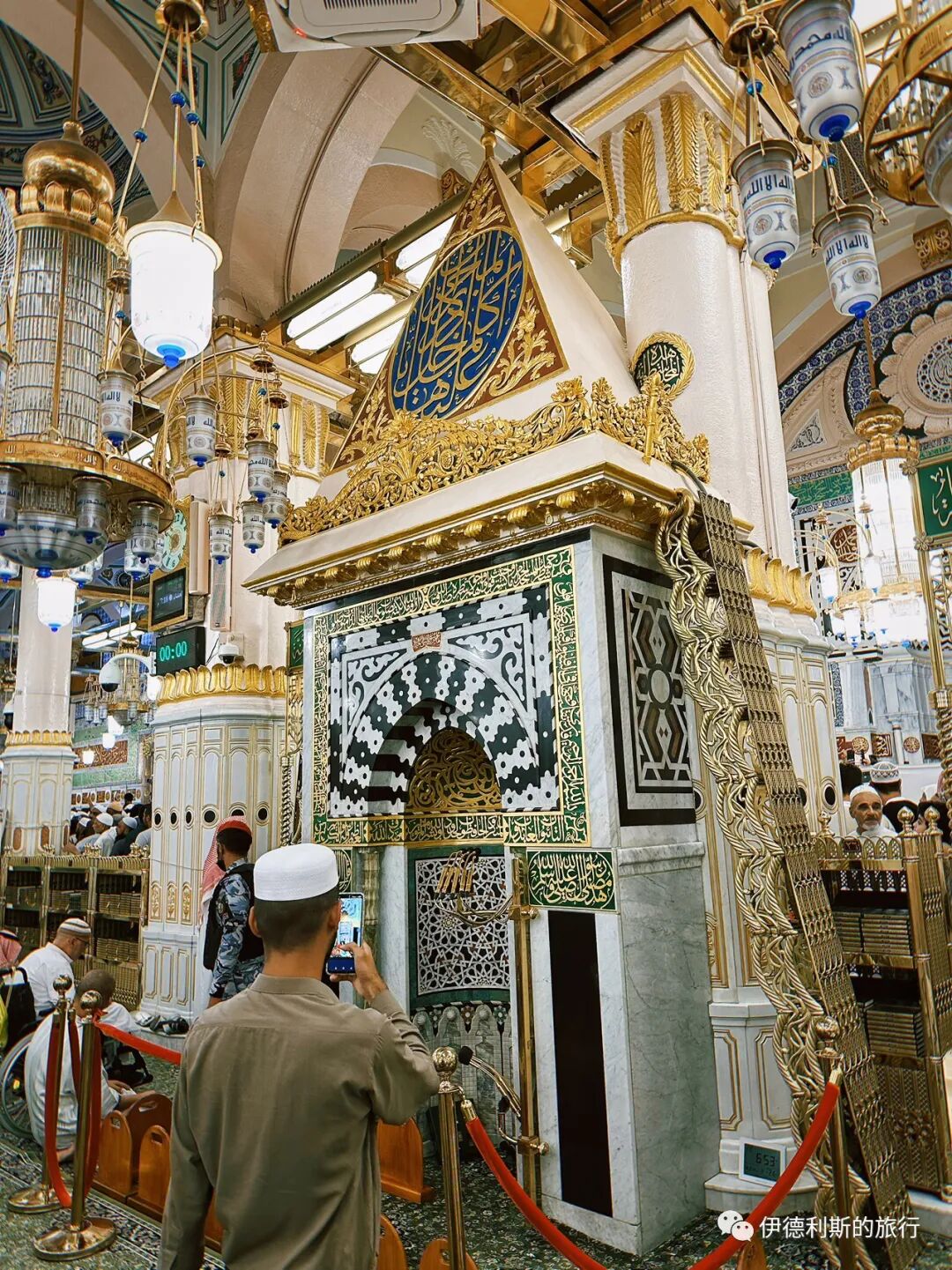
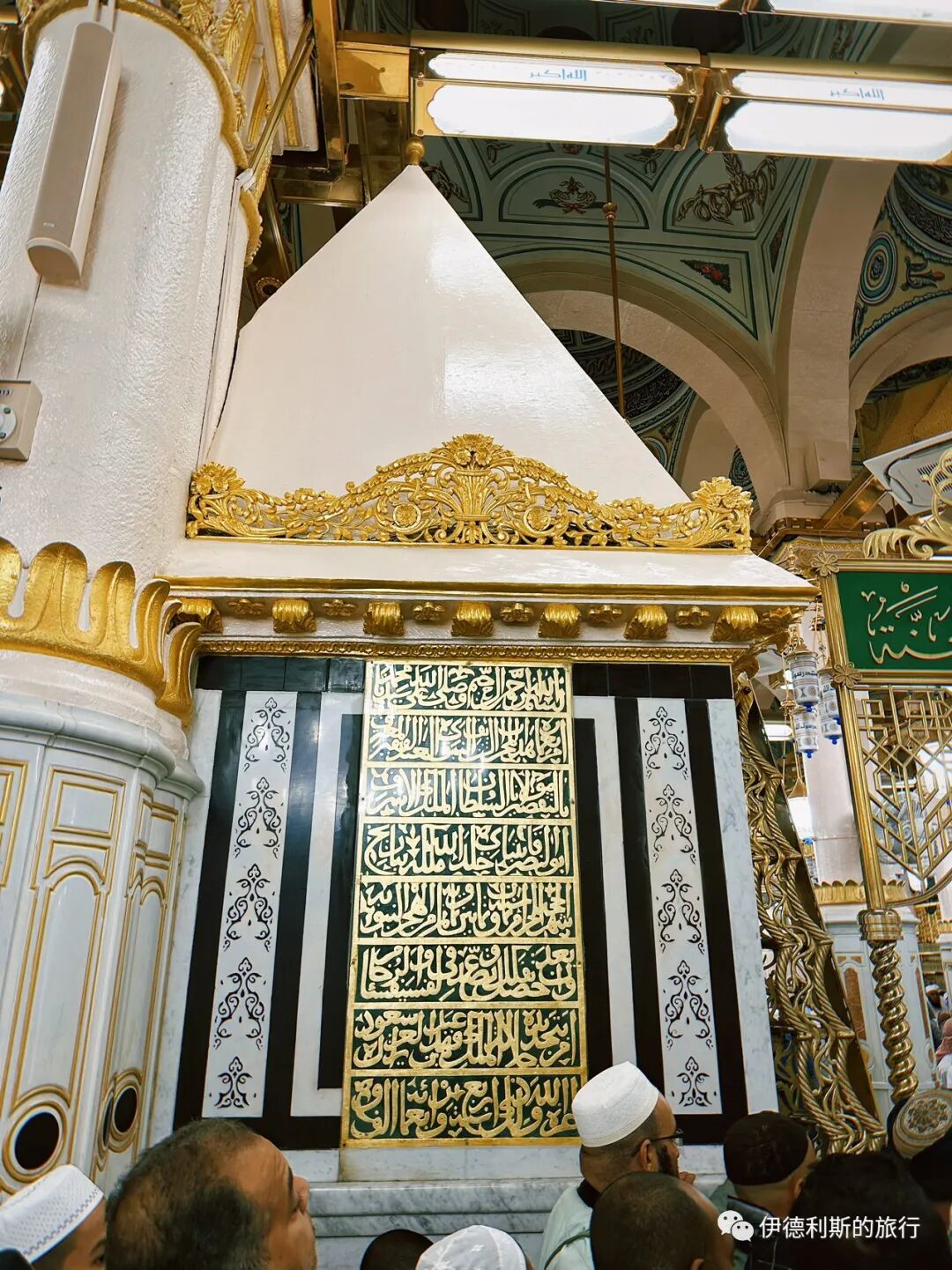
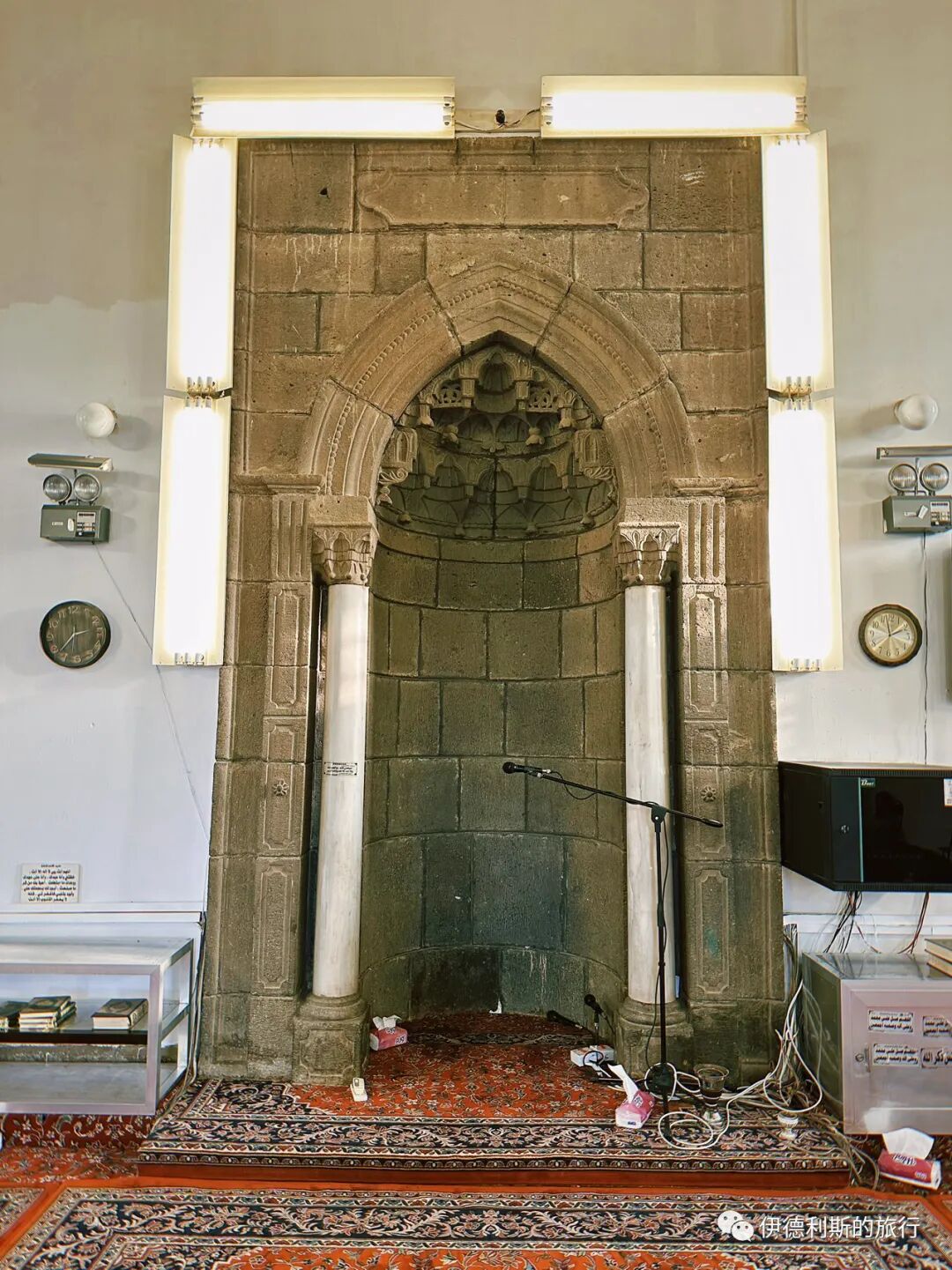
Inside the Garden of Paradise, there are two mihrabs (prayer niches). One was originally built by the Prophet, and the other was built by Caliph Uthman. A walkway separates the two mihrabs.
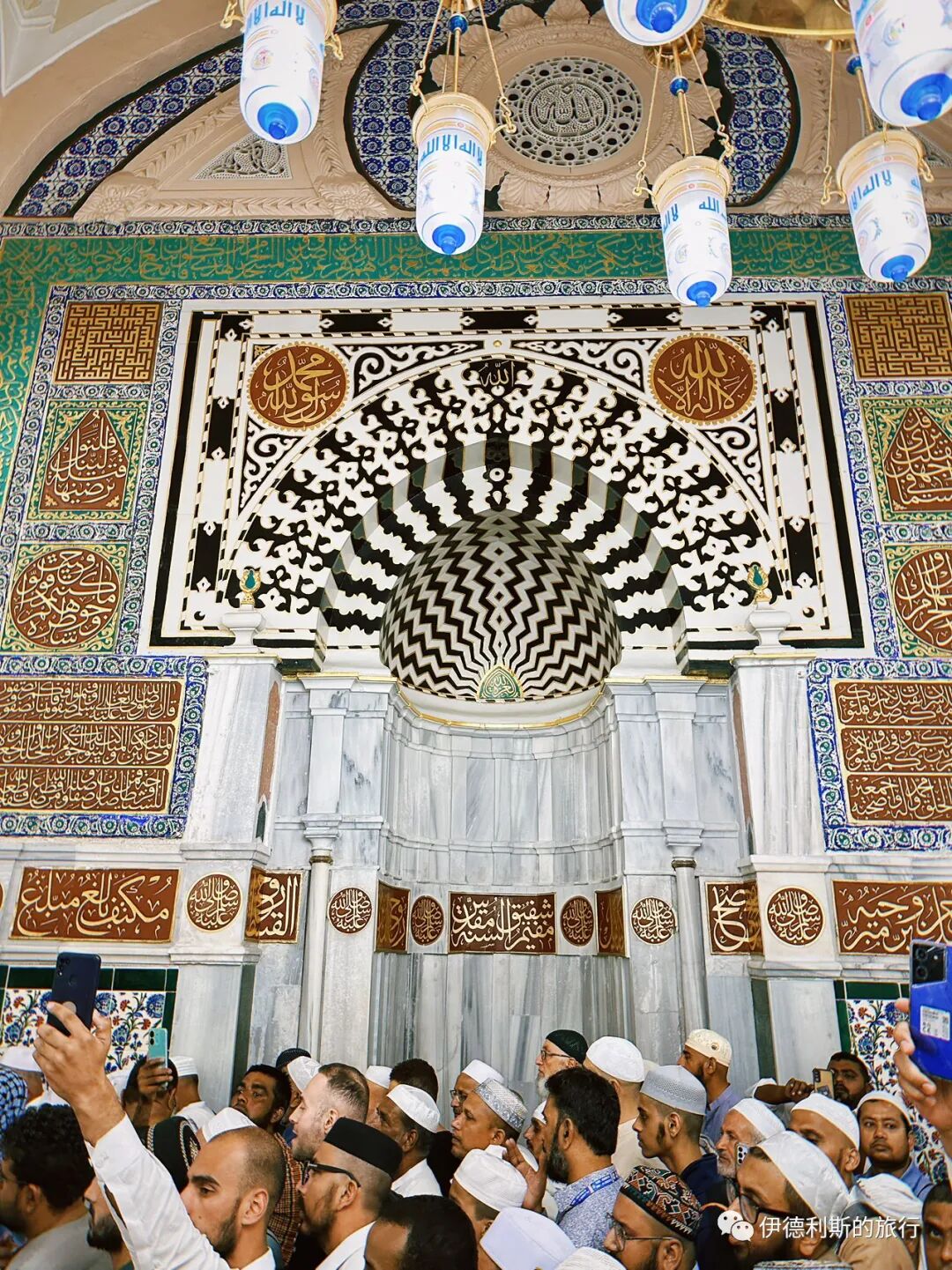
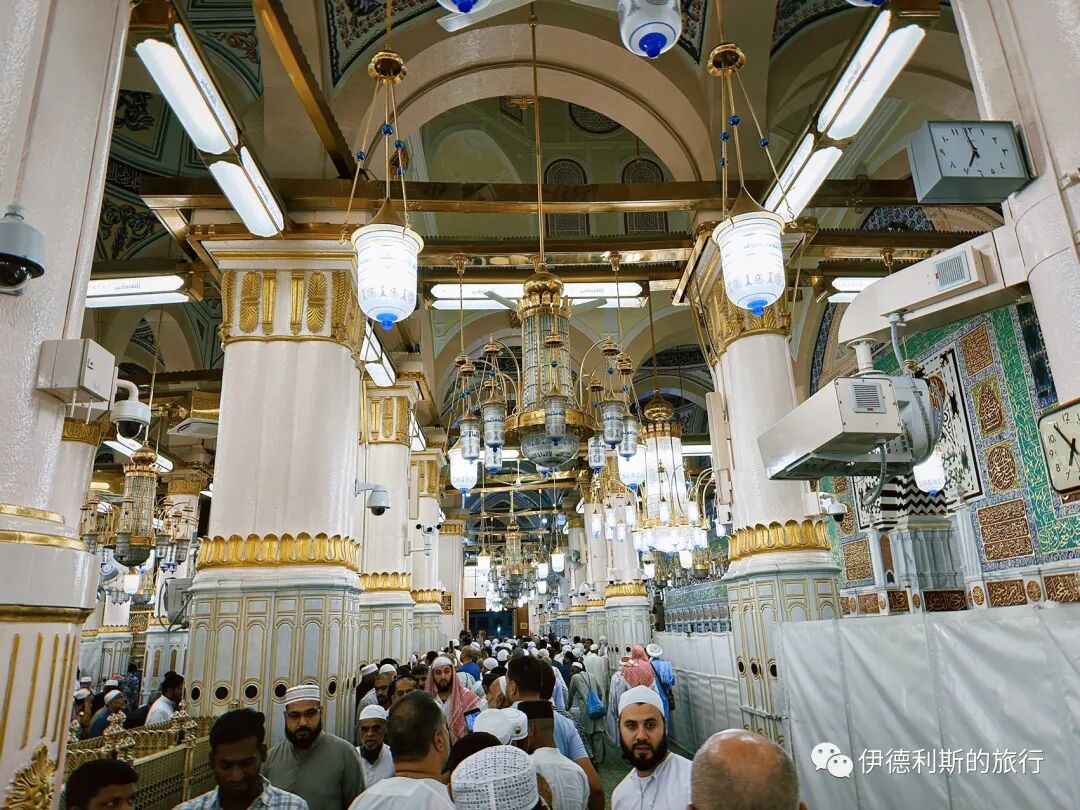
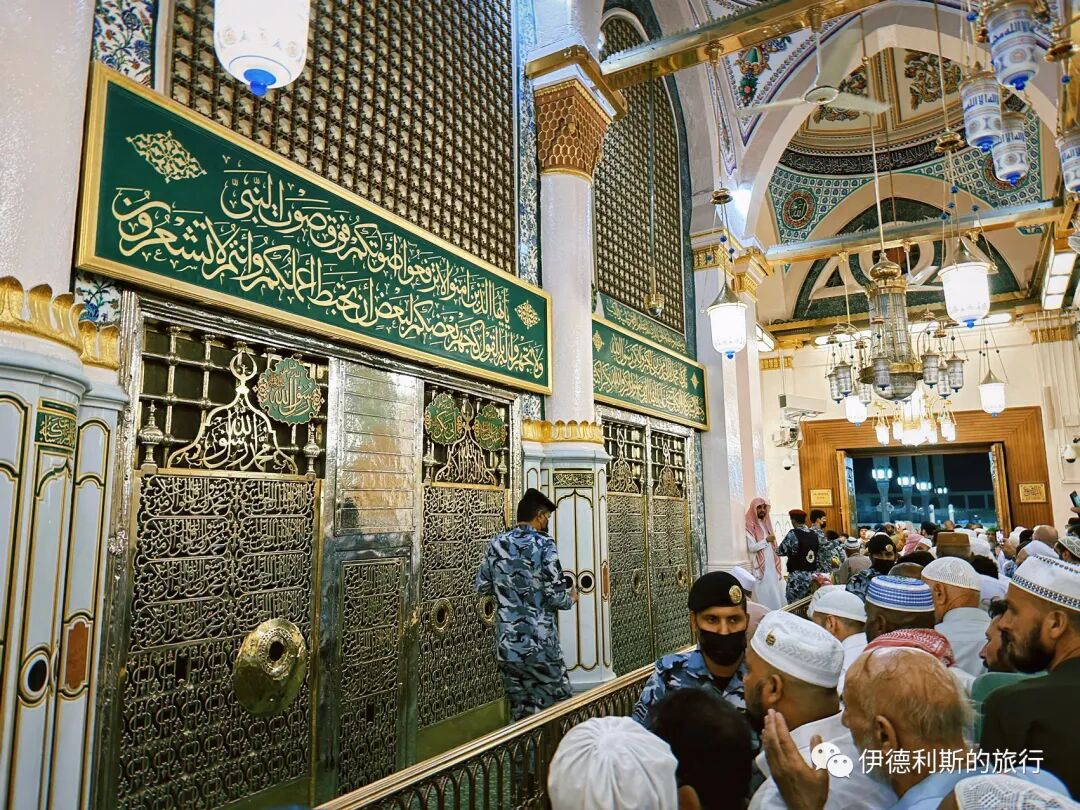
Next to the prayer area is the burial site of the Prophet and the first two caliphs, Abu Bakr and Umar. This was originally the home of the Prophet and his wife, Aisha, and the Prophet passed away here in 632 AD. After a fire at the Prophet's Mosque in 1481, the Egyptian Mamluk Sultan Qaitbay rebuilt the tomb from a wooden structure into a brick one and added metal railings. No one has entered the interior of the tomb in the more than 500 years since. Directly above the tomb is the Green Dome, built in 1817 by the Ottoman Sultan Mahmud II. It got its name after being painted green in 1837.
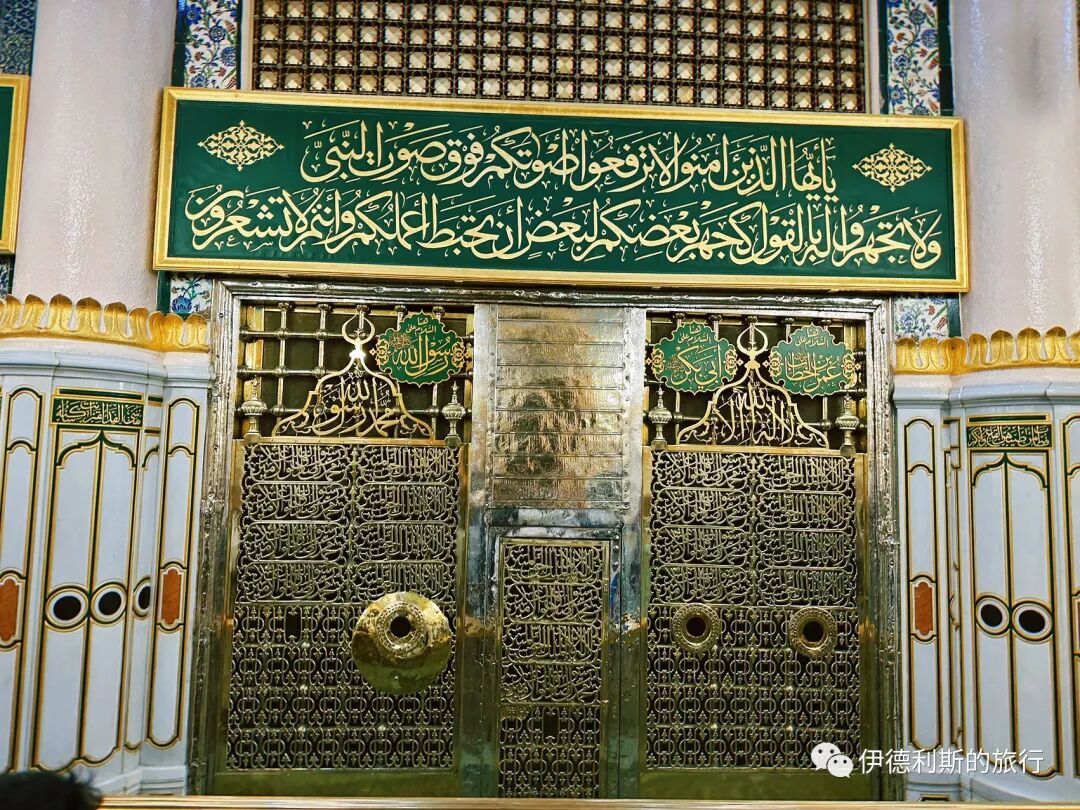
I did not stay in the Garden of Paradise (Rawdah) for long before security guided me to the east side of the tomb, known as the Mawajaha (sacred meeting point). Here, you can offer salaam to the Prophet and the two Caliphs through three circular holes. Between the circular holes is the closed Gate of Aisha, which features a silver plaque added by the Ottoman Sultan Ahmed I in 1617.
I wanted to pray two rak'ahs in the Garden of Paradise, but because of the crowds and entry limits, I had to follow security out of the mosque. I regret not seeing the imam lead the prayer in person.
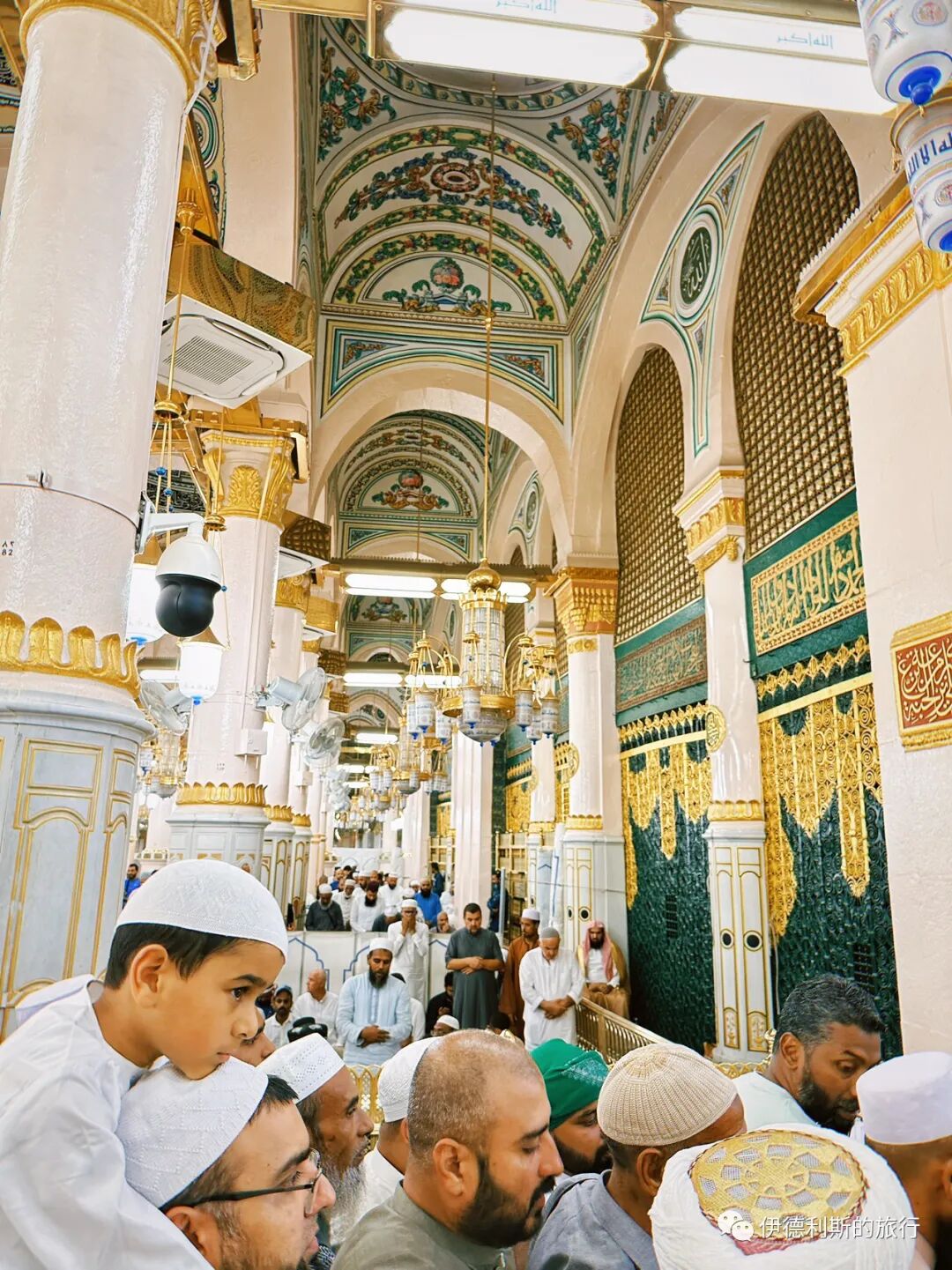
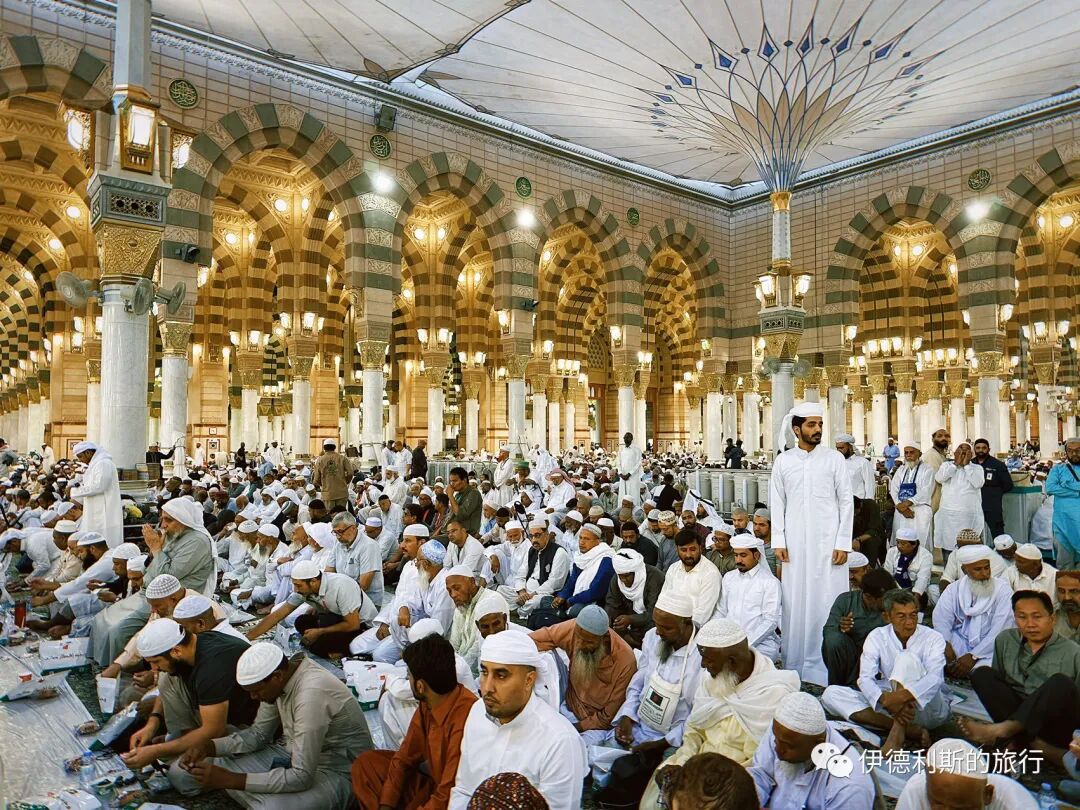
This time in Medina, I stayed at the MIAS HOTEL on the west side of the mosque, so I usually entered through the gates on the west side for prayers. After the Kingdom of Saudi Arabia was established in 1932, the mosque underwent three major expansions: the first from 1951 to 1956, the second from 1985 to 1994, and the third from 2012 to the present. The expanded sections surround the Ottoman-era core from the east, north, and west. They use reinforced concrete, marble, granite, and artificial stone, making them taller and more spacious than the Ottoman area. In 2010, German Muslim architect Mahmoud Bodo Rasch added retractable umbrella-like canopies around the mosque. They open between the Fajr and Maghrib prayers and can spray a cooling mist.
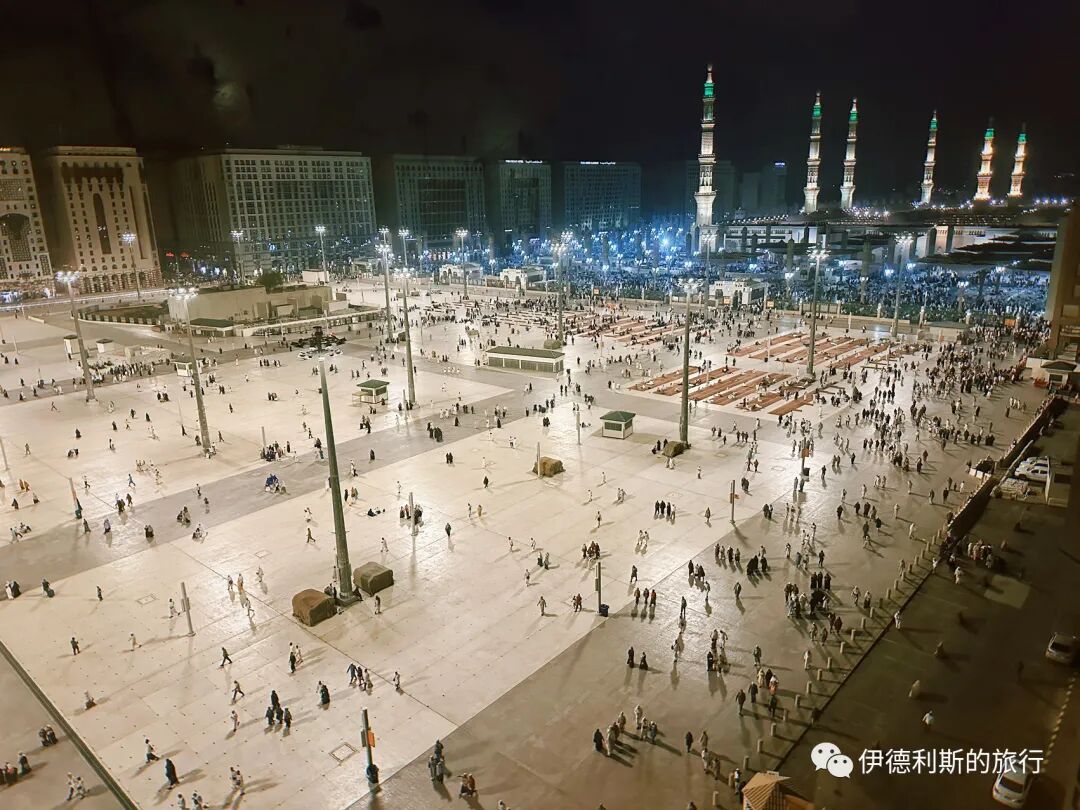
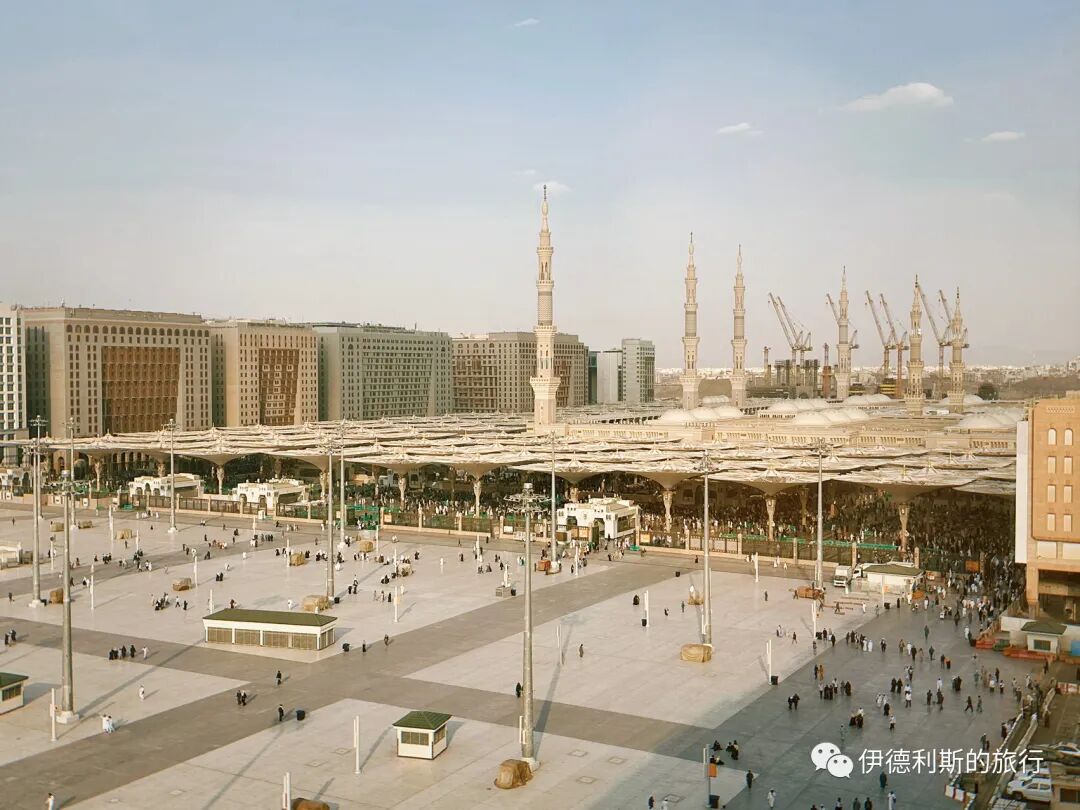
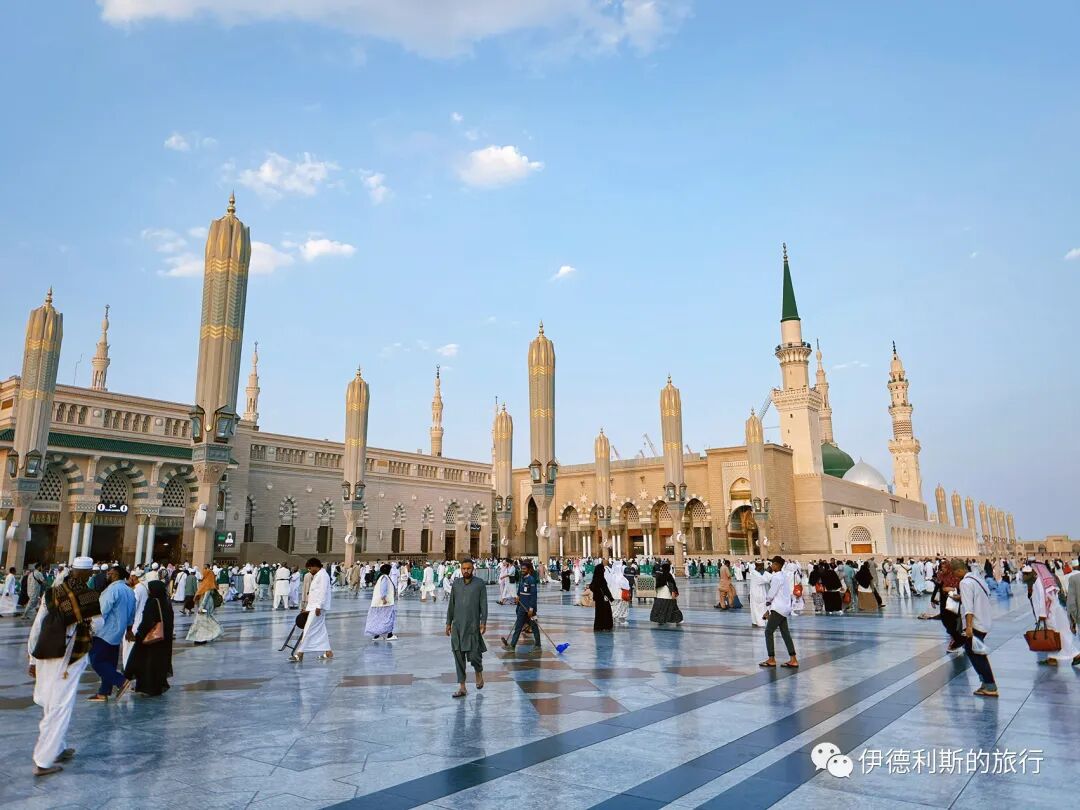
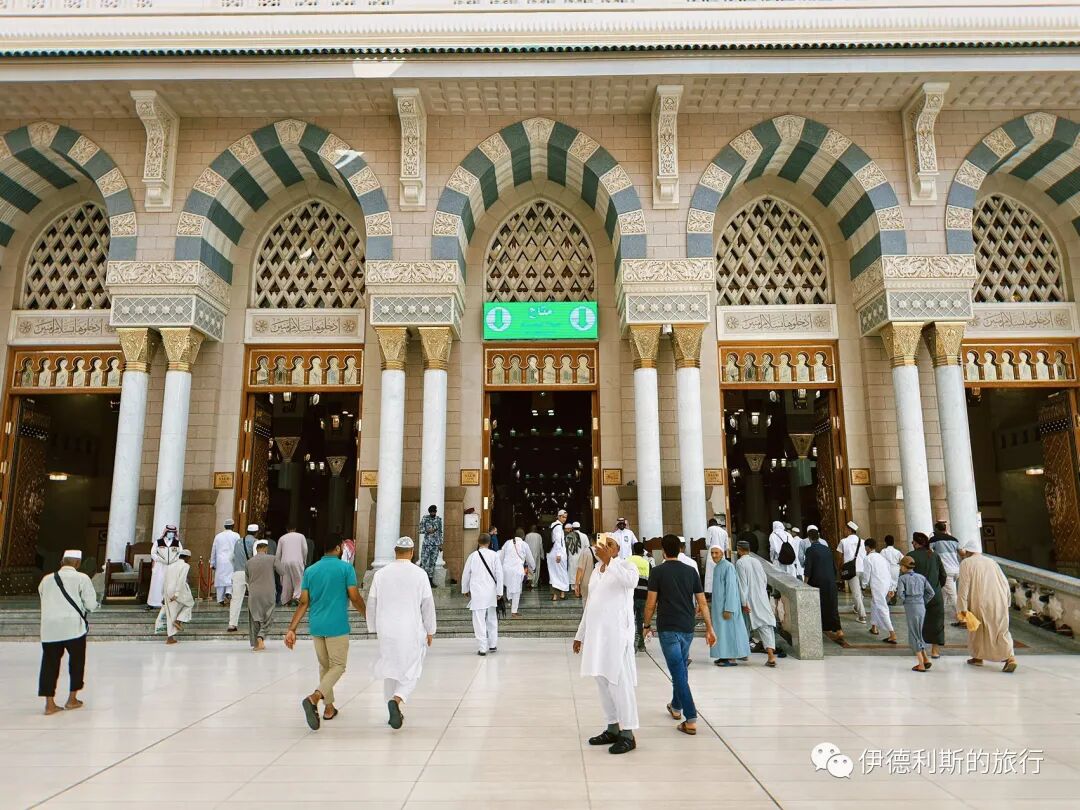
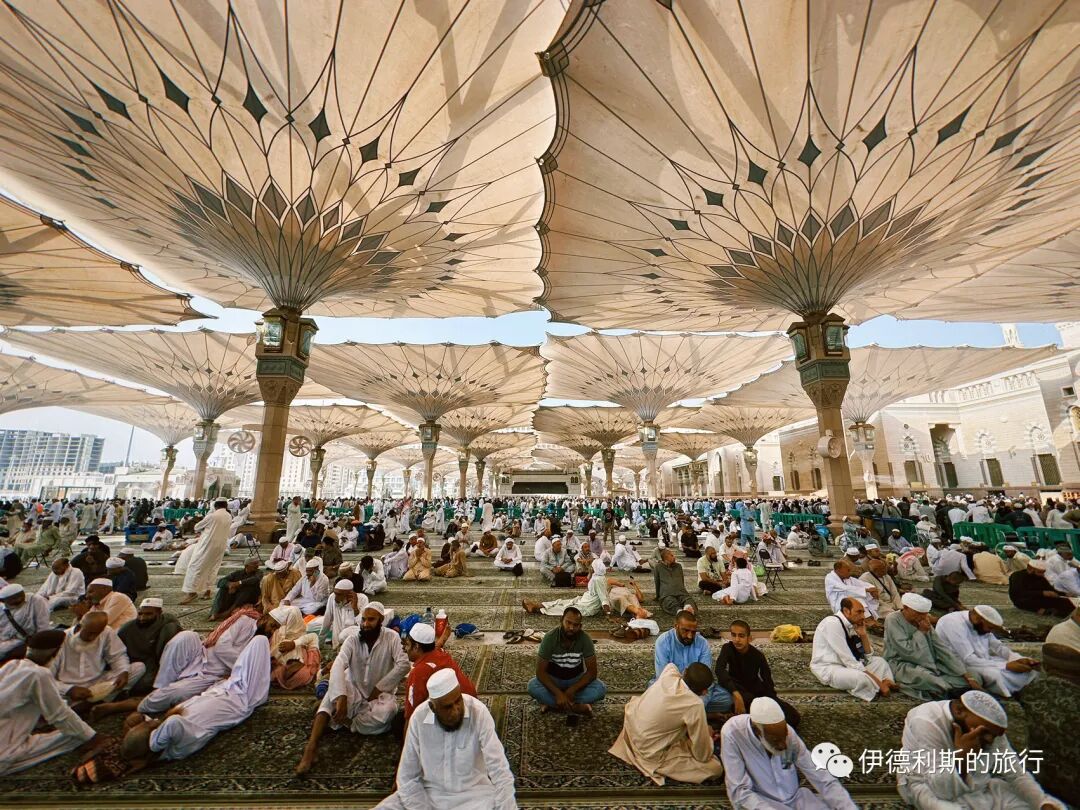
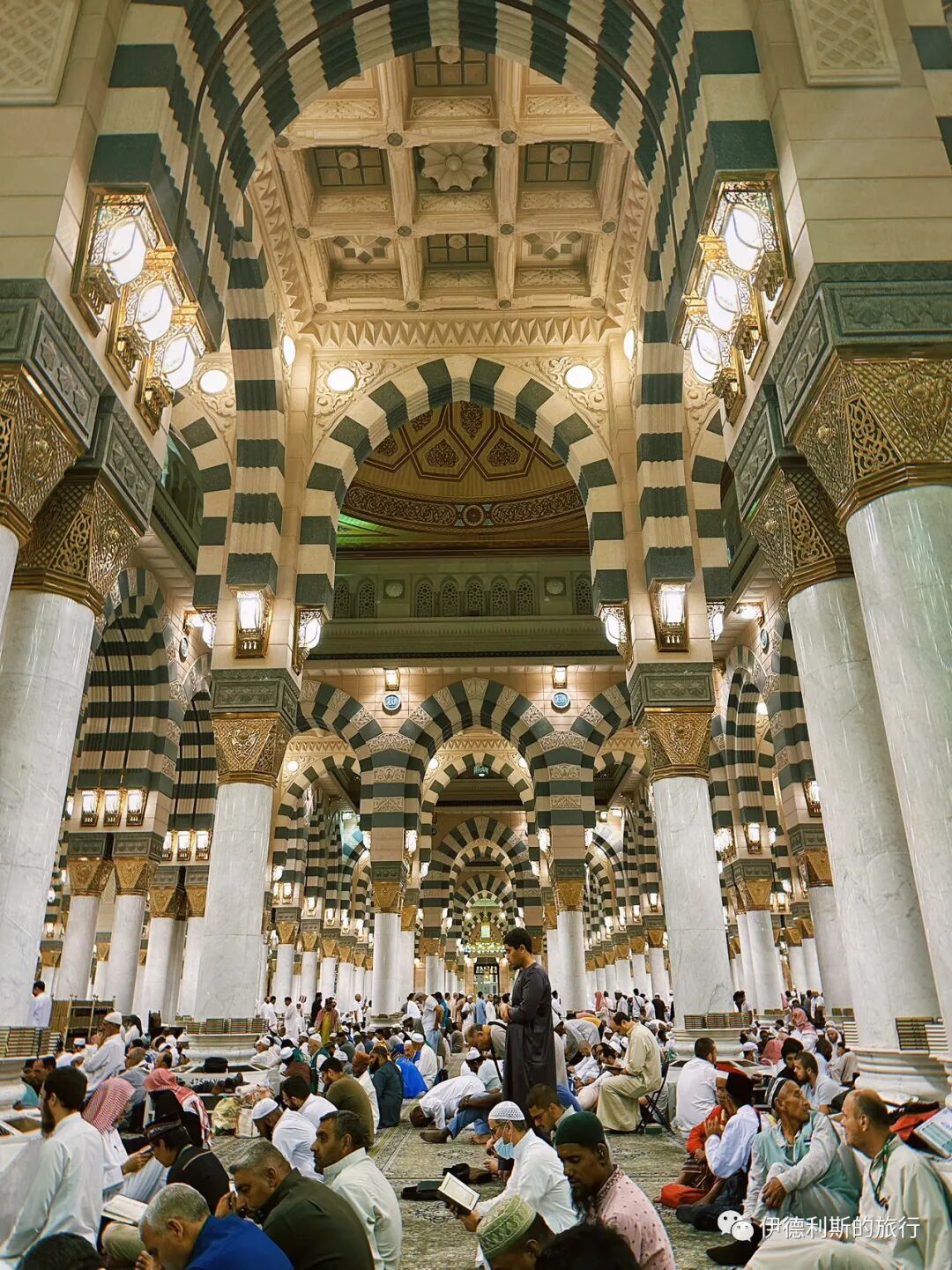
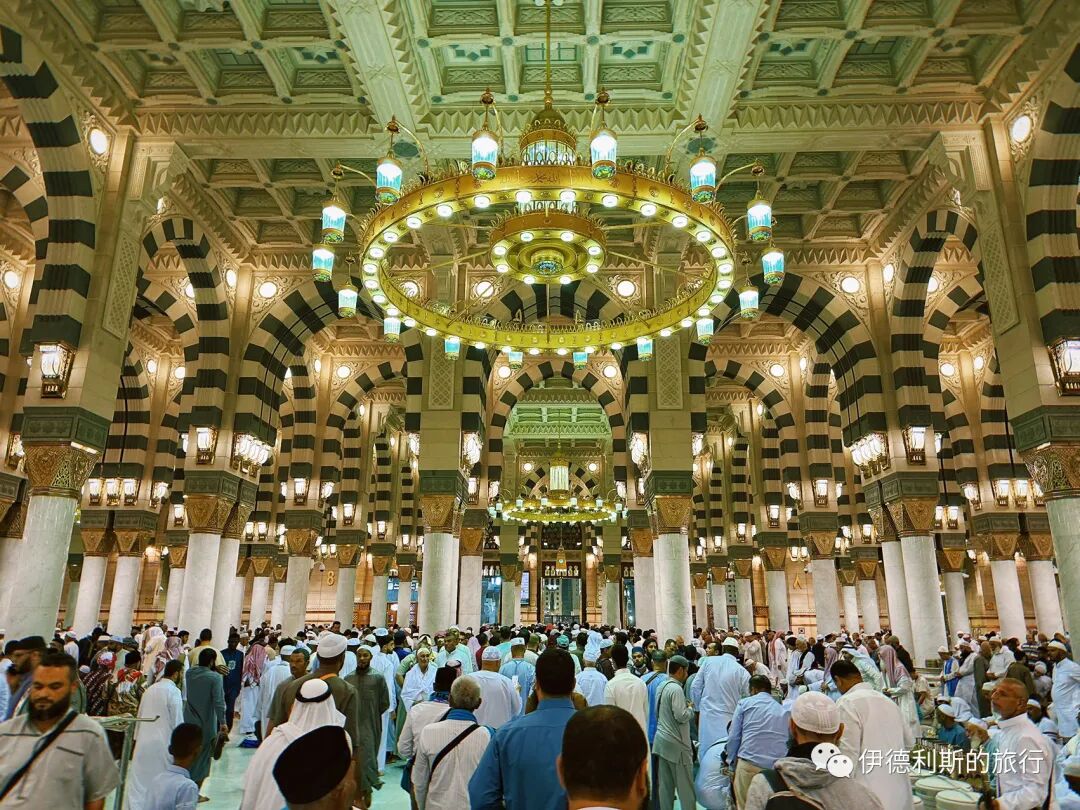
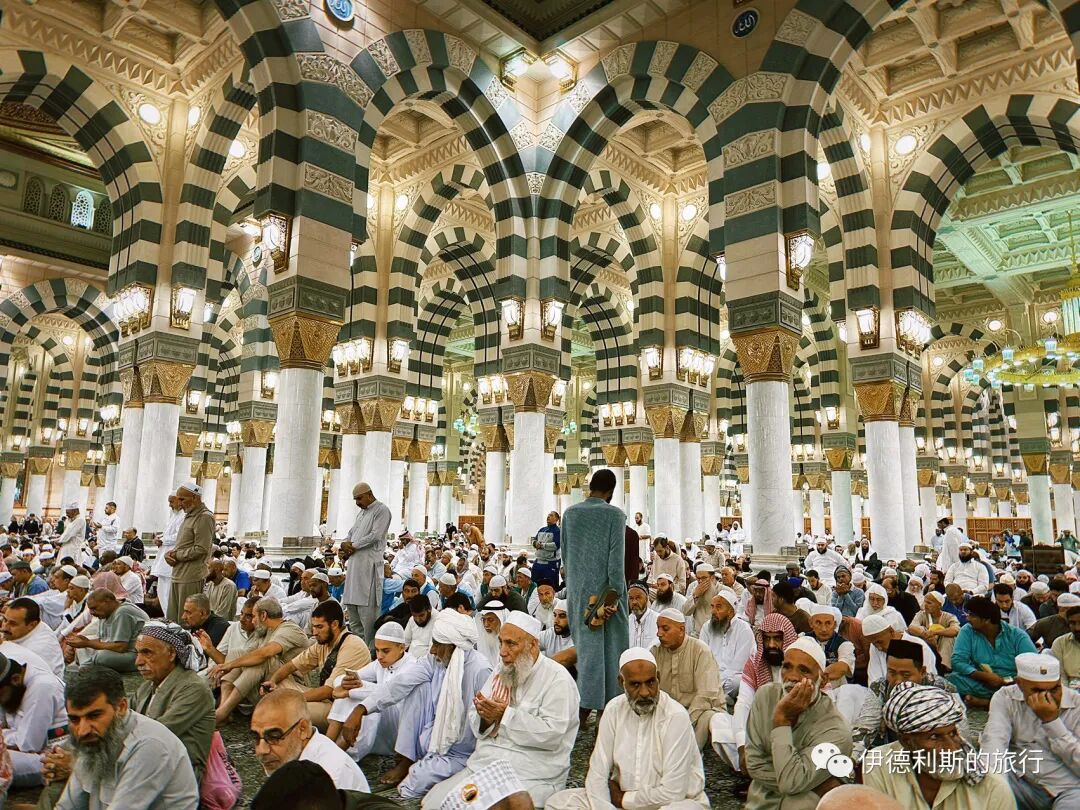
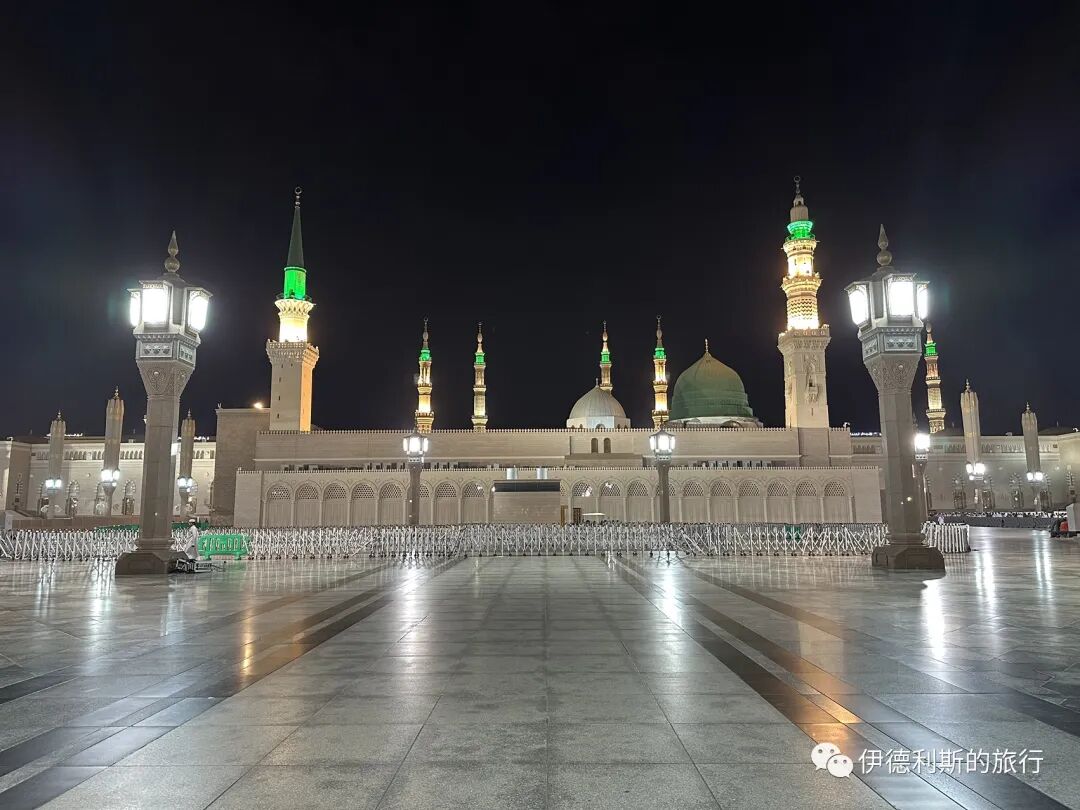
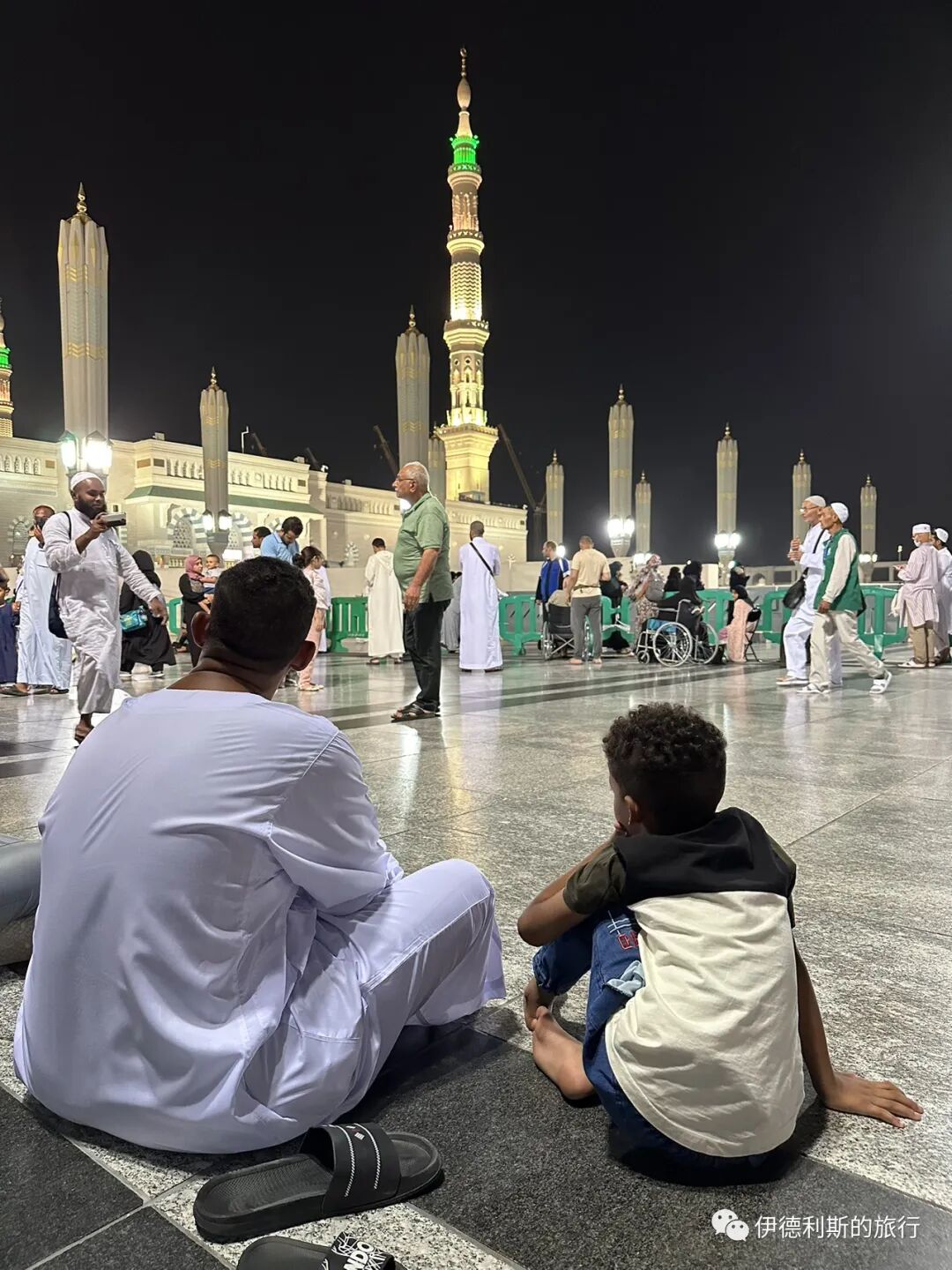
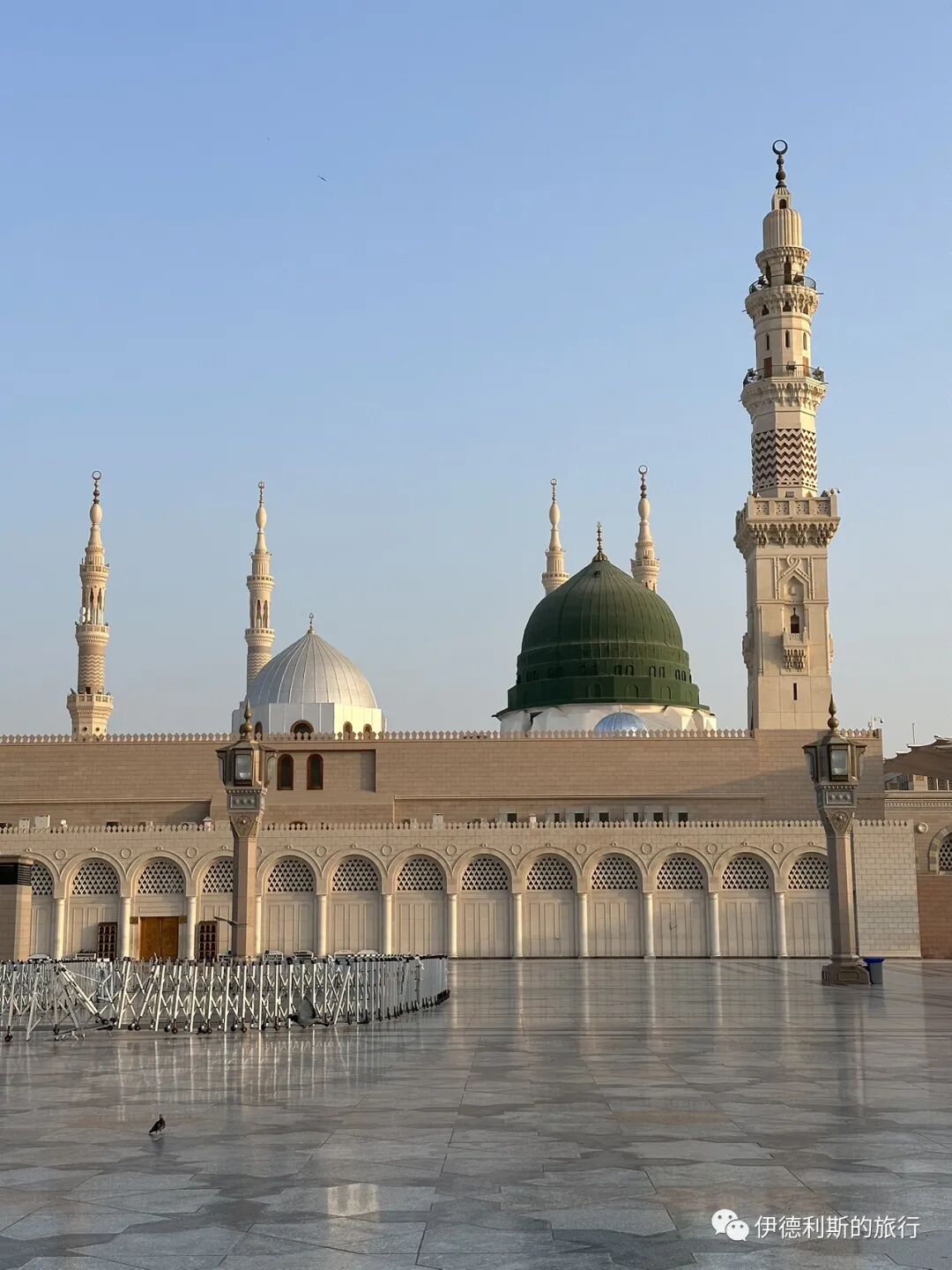
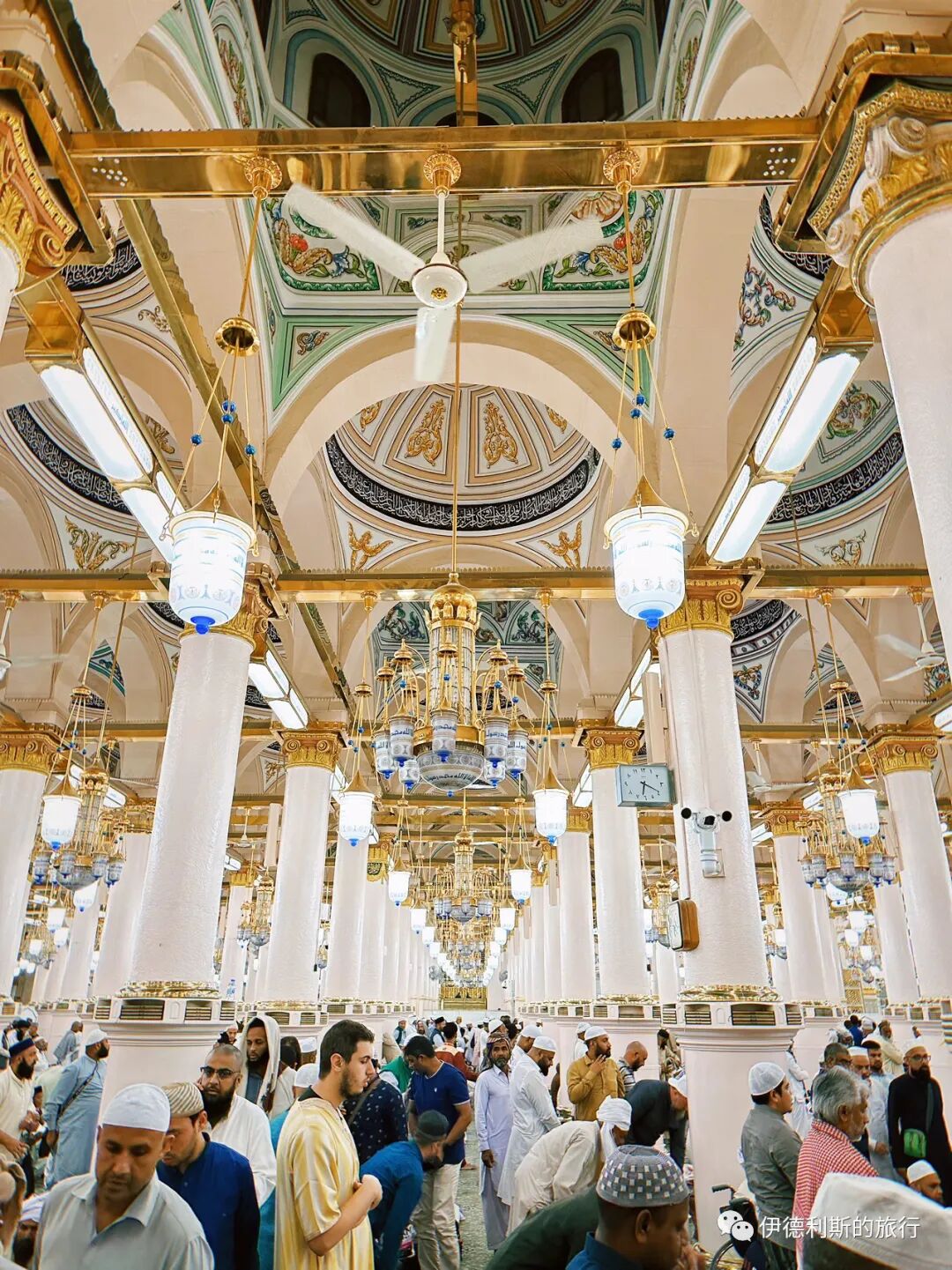
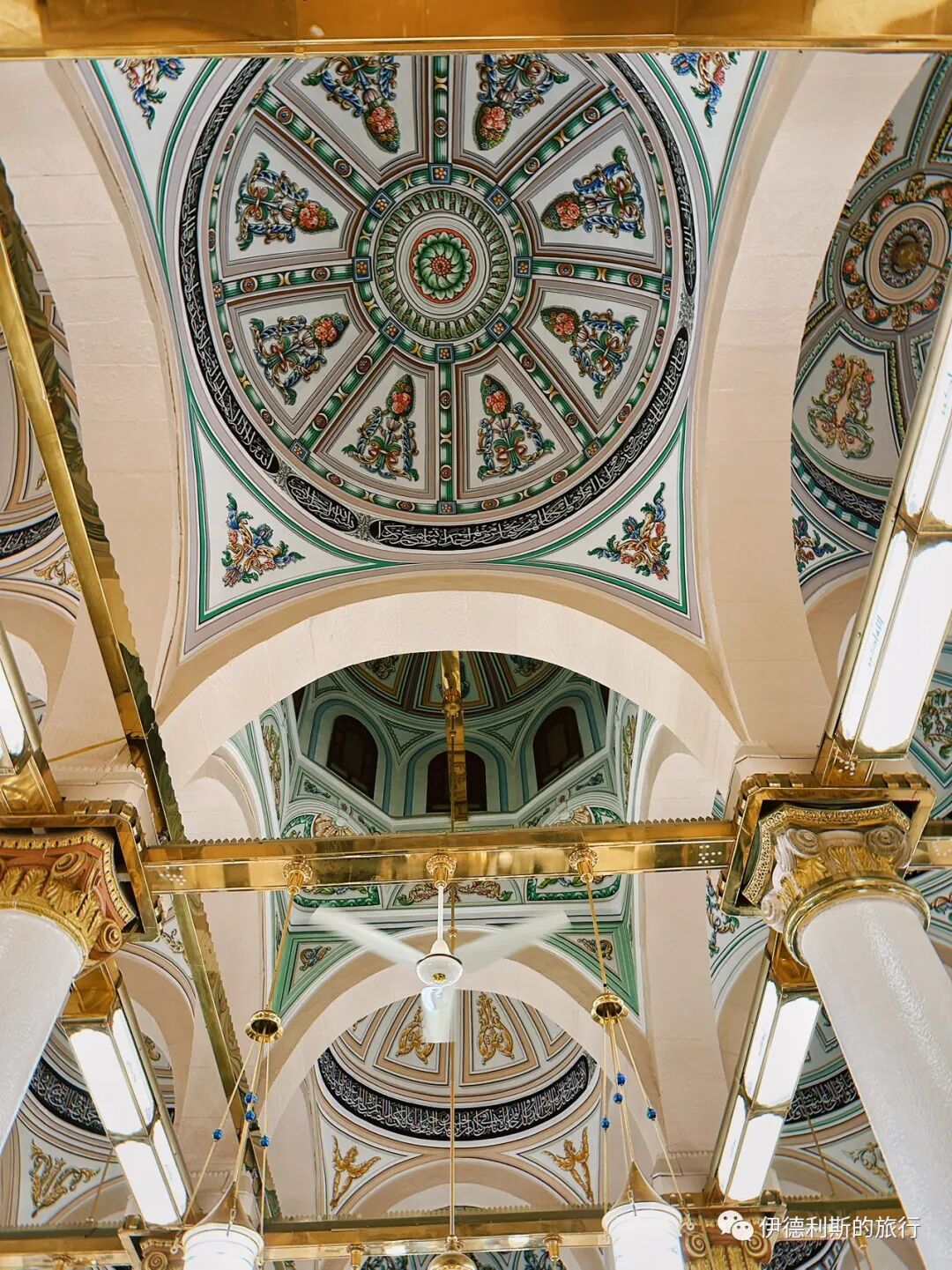
I prayed Maghrib at the mosque, but it was so crowded that the core area was full and closed off half an hour before the adhan. I barely found a spot in a small courtyard on the north side of the core area. The sunshades were open there during the day, so I was not in the sun. From here, you can clearly see the difference between the Ottoman core and the Saudi expansion. The Ottoman area is lower with painted domes on top, while the Saudi area is taller with a flat roof.
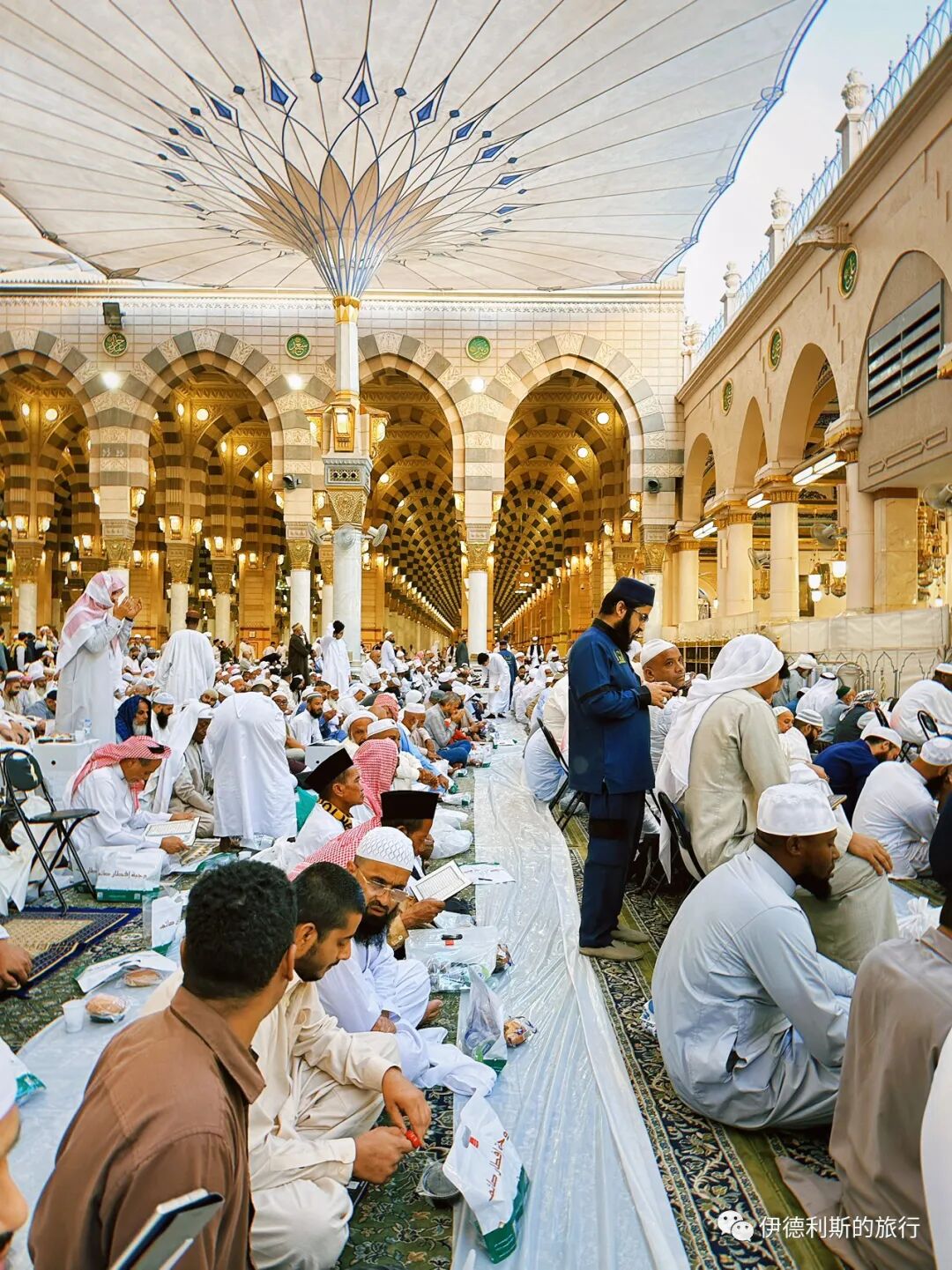
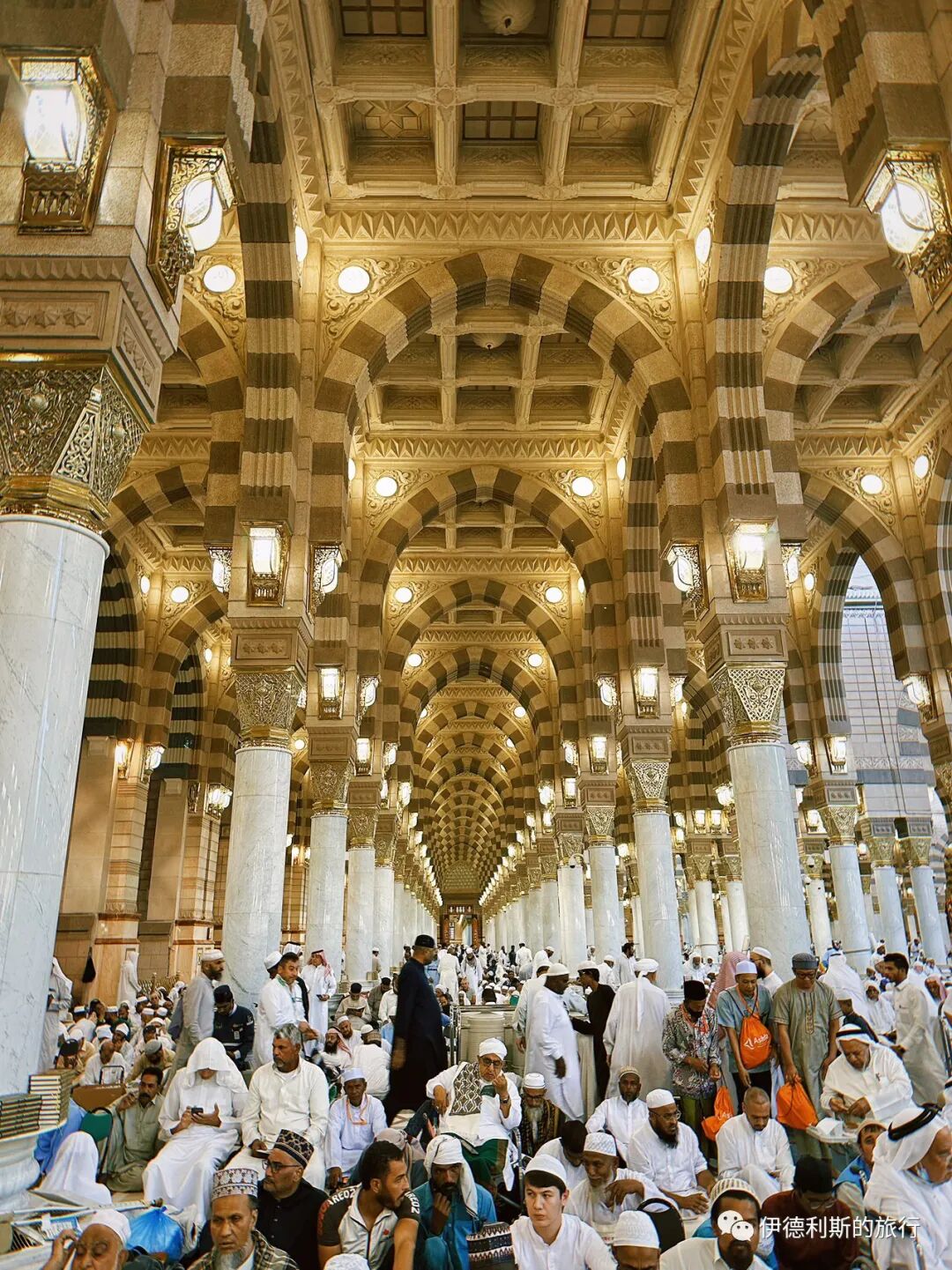
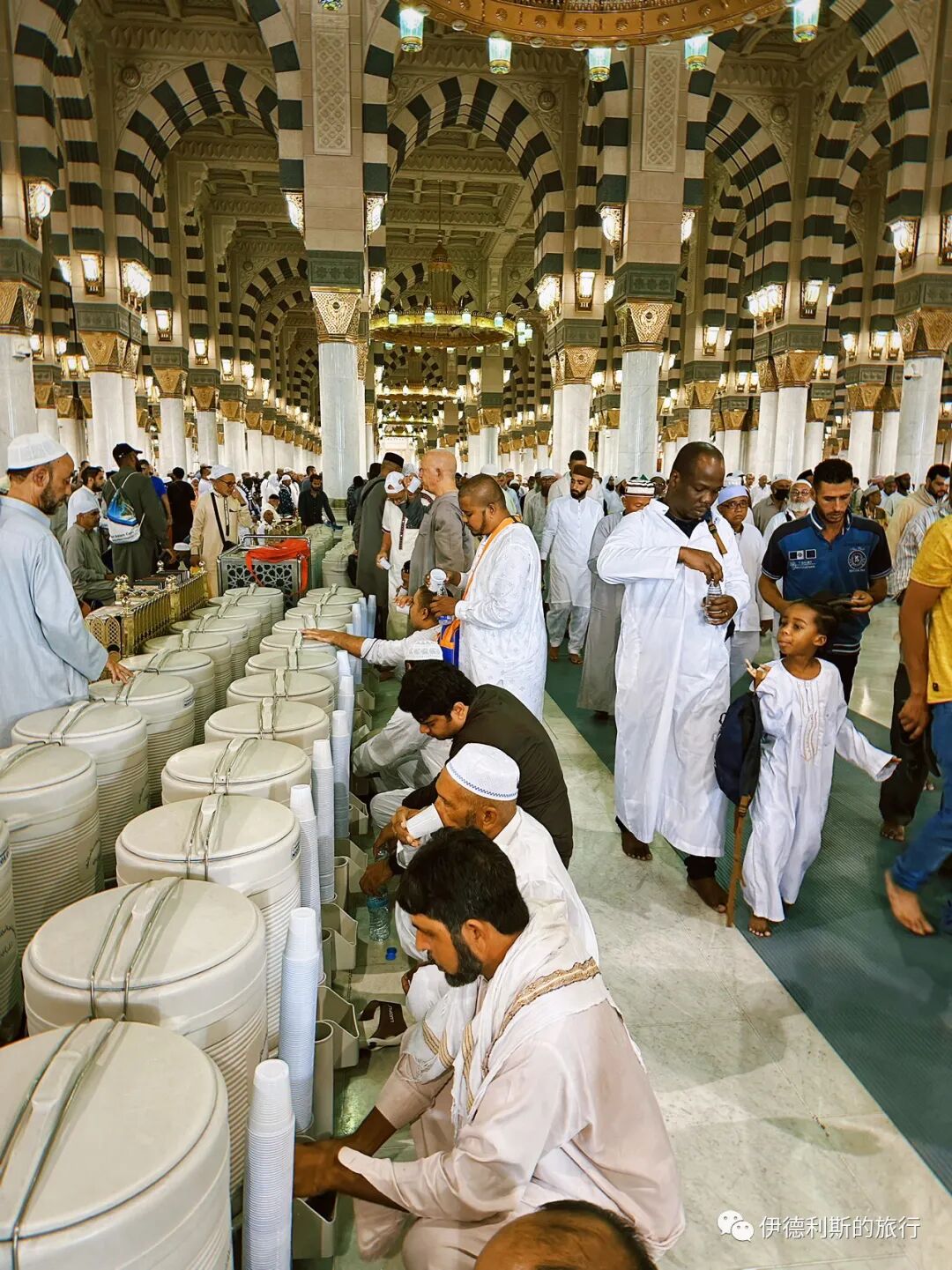
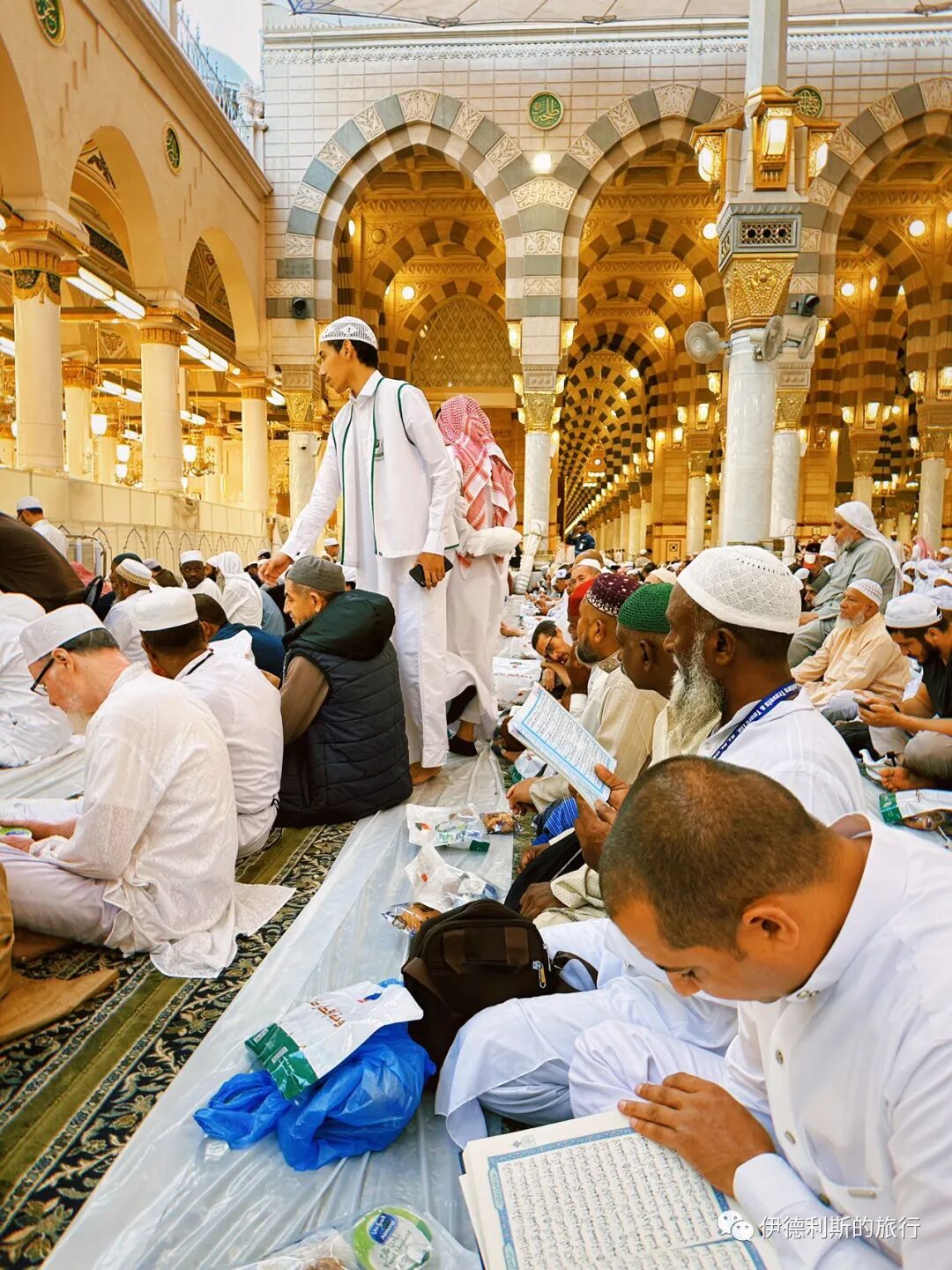
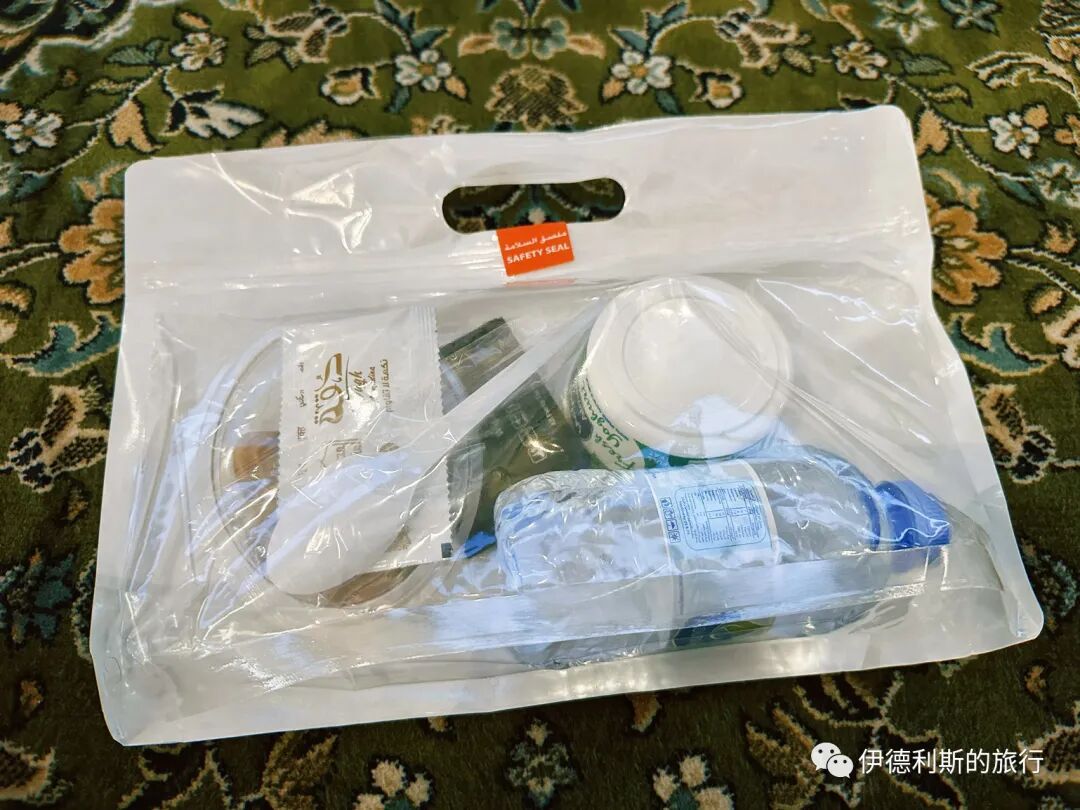
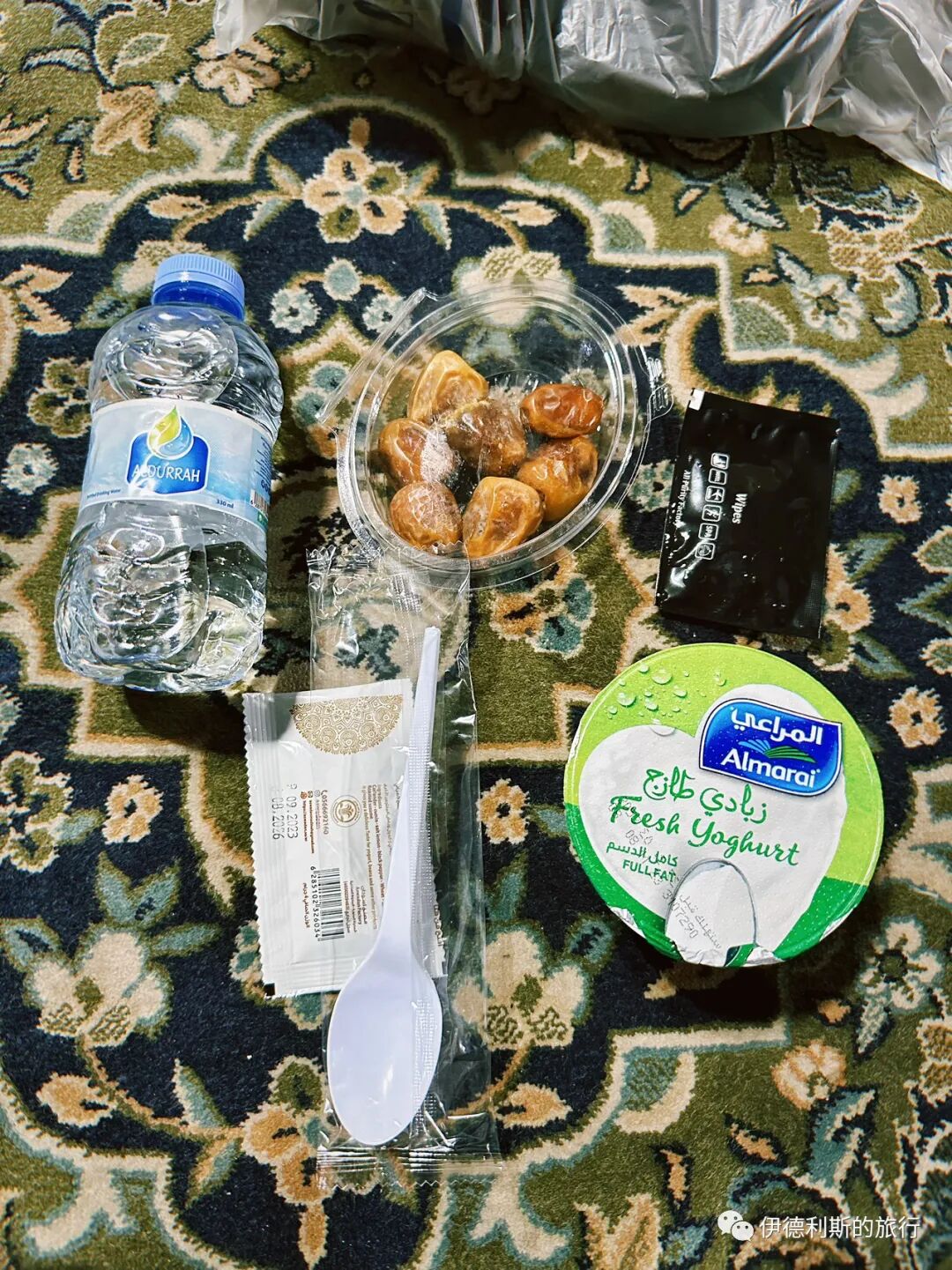
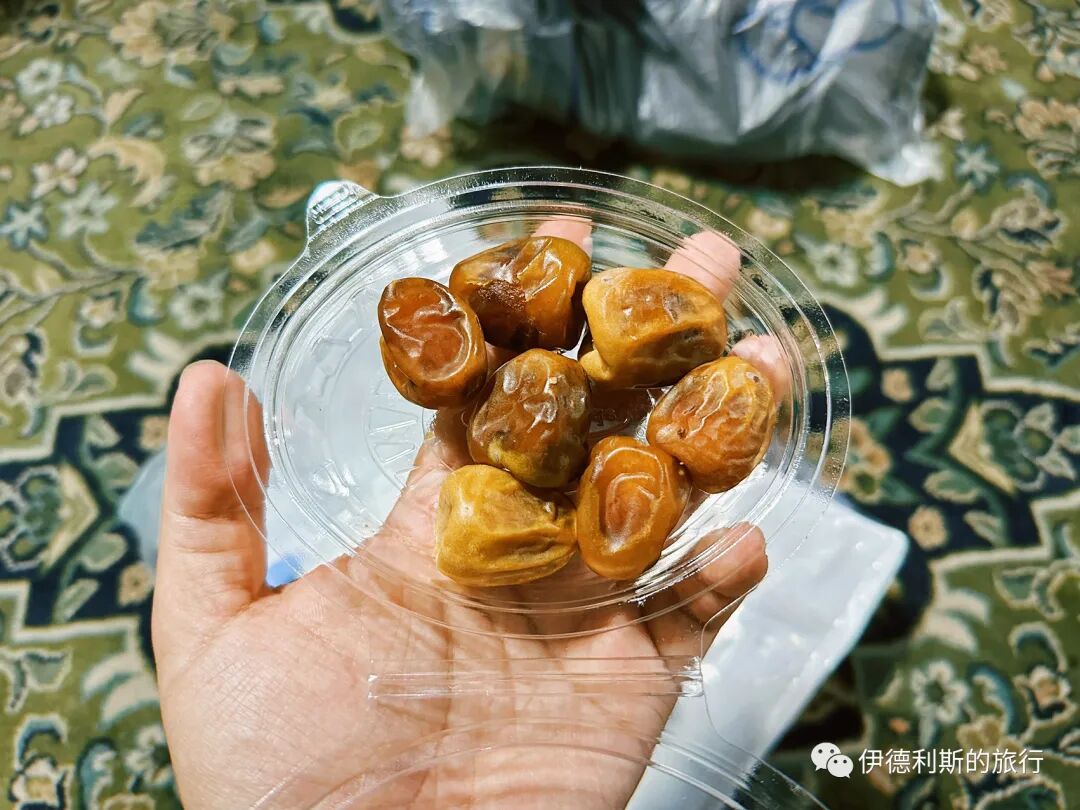
I was very grateful to receive water, dates, and yogurt handed out in the mosque. You can really find dates everywhere here.
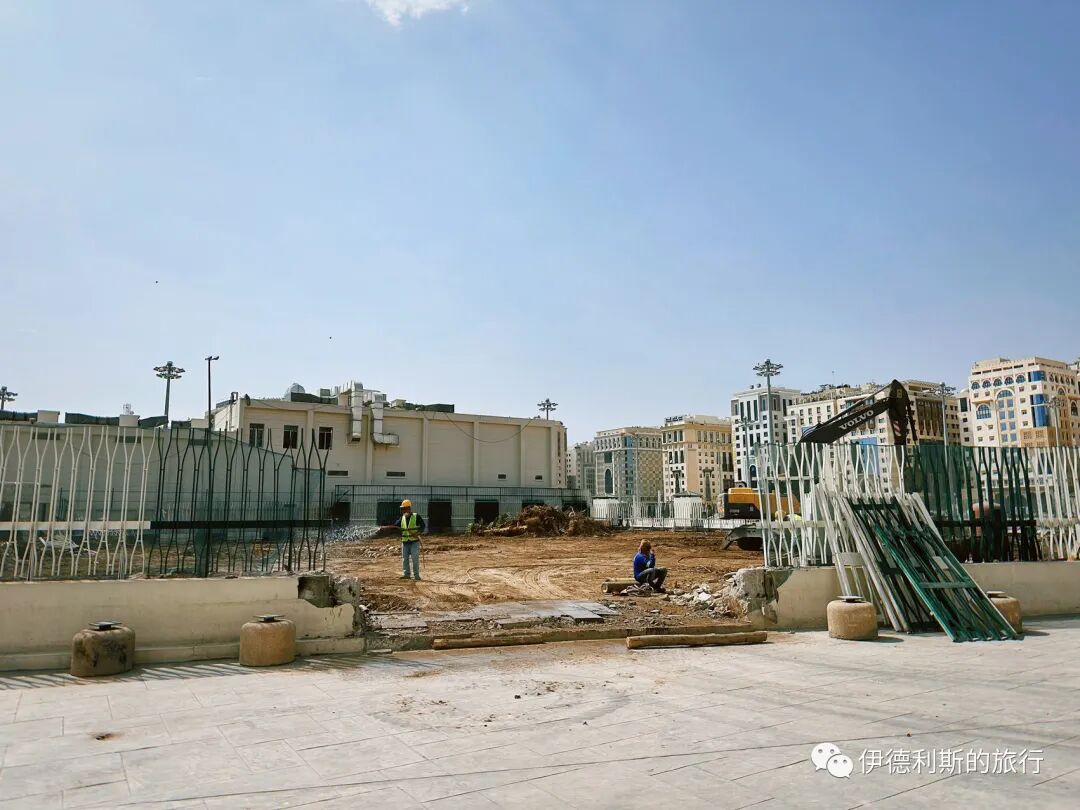
On the square on the west side of the mosque is the site of the famous Saqifa event. After the Prophet passed away in 632 AD, some of his companions gathered at the Saqifa (a covered meeting place) of the Bani Sa'idah tribe. They pledged allegiance to Abu Bakr, making him the successor to the Prophet and the first Caliph.
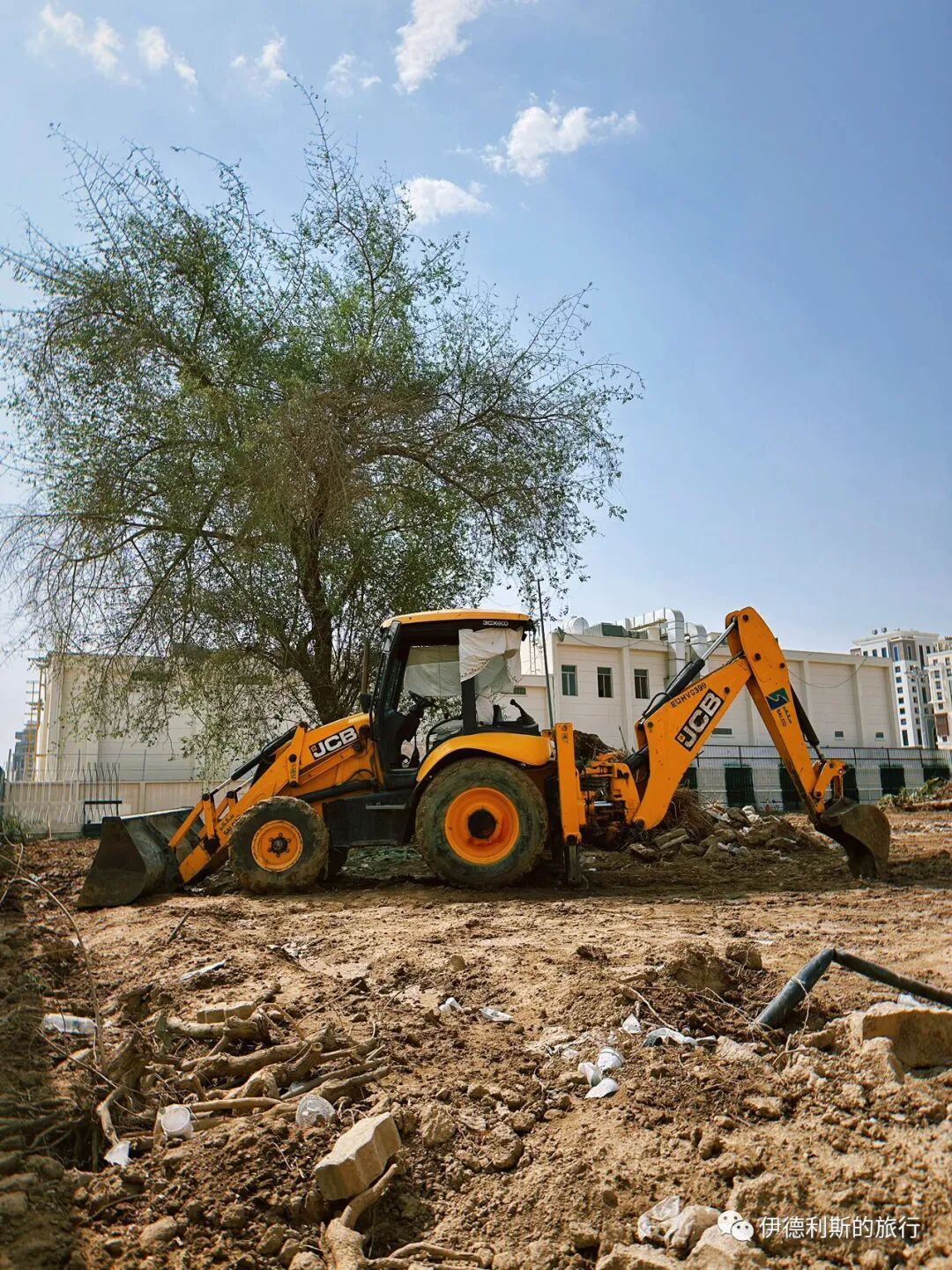
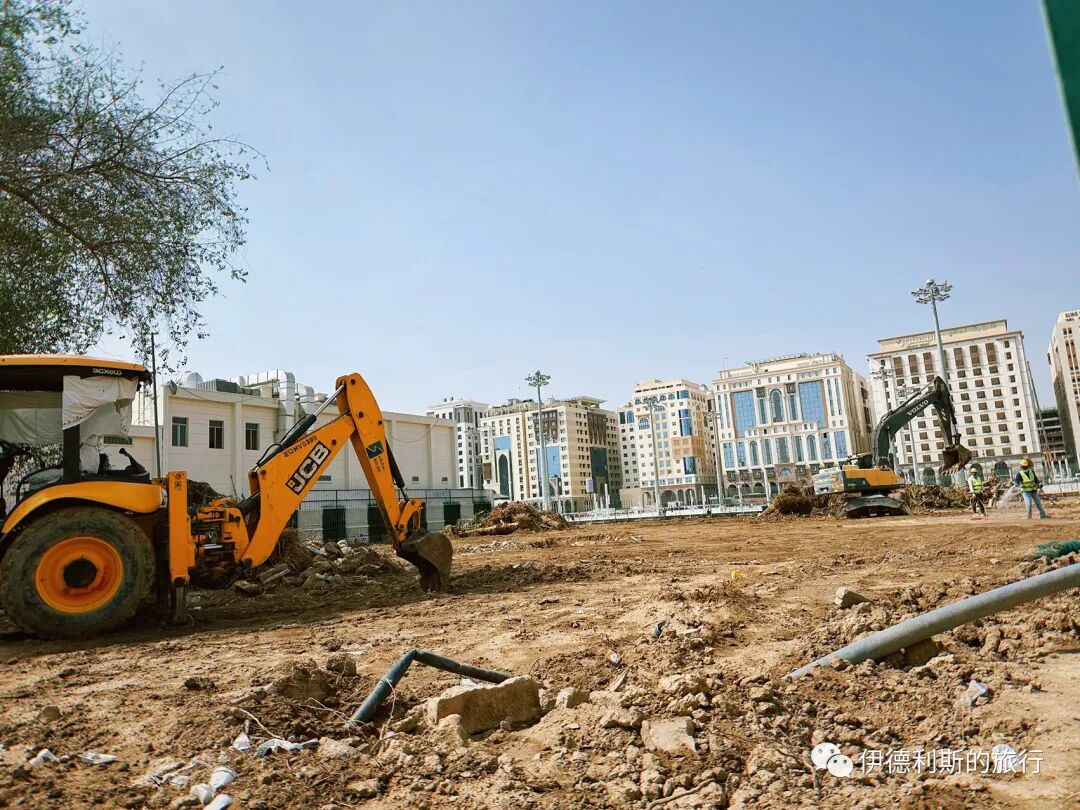
There is almost no record of the later history of the Saqifa, only that a man named Ali Pasha built a structure there during the Ottoman period in 1620. In the 20th century, this was a park, but by the time I visited, the park had been demolished and reconstruction work was underway.
Banda later went to the Al-Baqi cemetery on the east side of the Prophet's Mosque to visit the graves of the Prophet's family and friends. When the Prophet arrived in Medina in 622 AD, this land was covered in Arabian boxthorn (gharqad). The Prophet led everyone to clear the thorns and opened this place as a Muslim cemetery.
The Prophet's family members buried in the cemetery include his wet nurse, most of his wives, his cousin, his children, his uncle, and the wife and descendants of Caliph Ali. Because four Shia Imams are buried here, it has become a famous holy site for Shia Muslims.
Historically, the Al-Baqi cemetery had many domed structures (gongbei), but they were demolished twice by the Wahhabis in 1806 and 1926. Because the Wahhabis consider marking graves to be heresy, even the tombstones with writing on them in the cemetery were completely destroyed. The demolition of Al-Baqi cemetery drew criticism and protests from both Sunni and Shia Muslims. Many Shia Muslims consider the day of the demolition, the 11th of Shawwal in 1926, a 'Day of Sorrow' and hold memorial events every year. To this day, the Saudi authorities ignore all criticism and have blocked many paths in the cemetery, making it difficult for people to visit the graves.
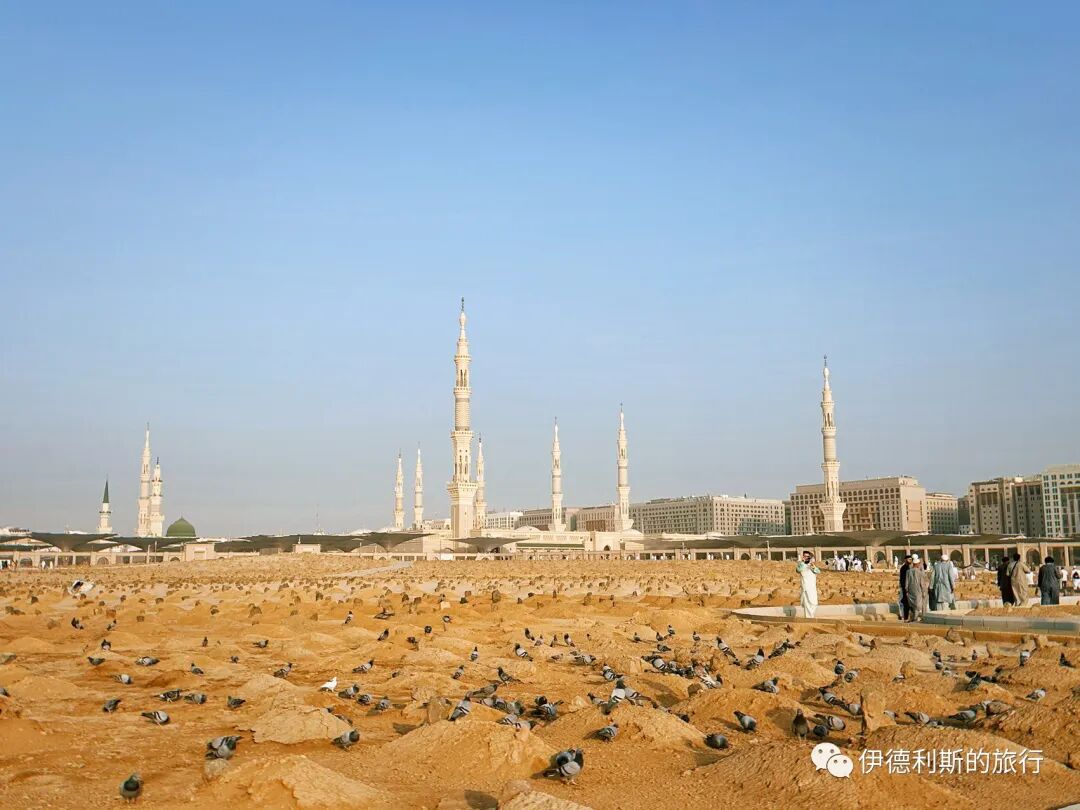
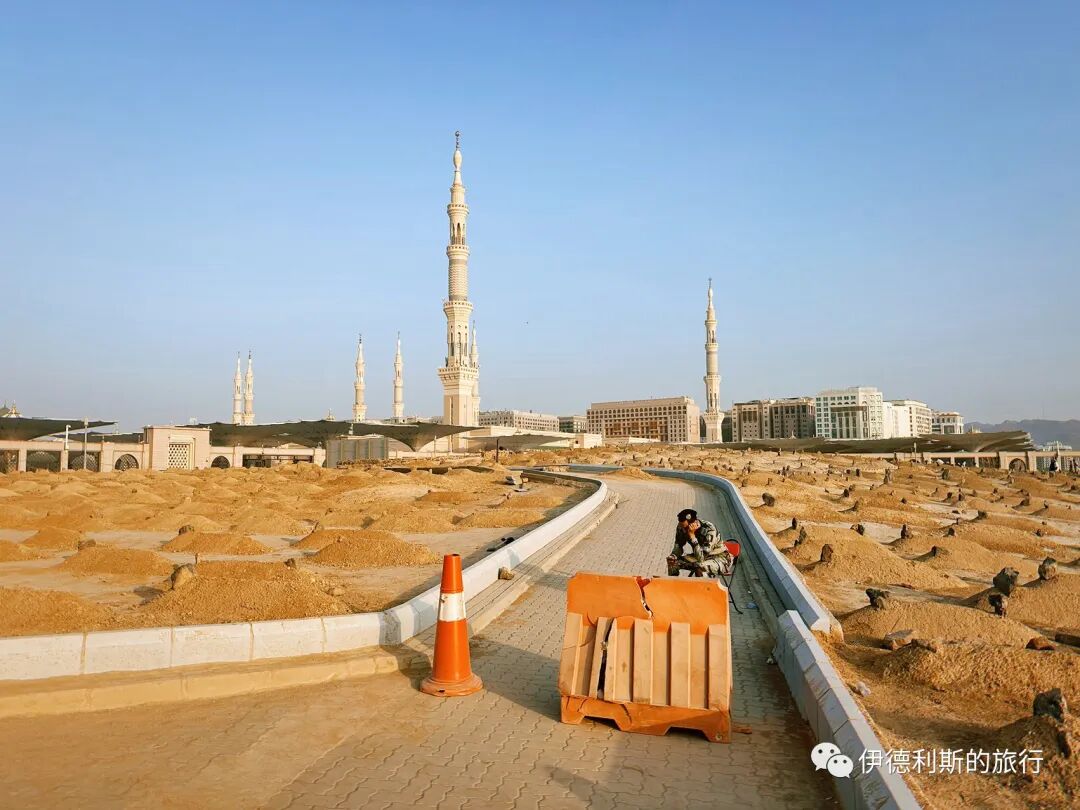
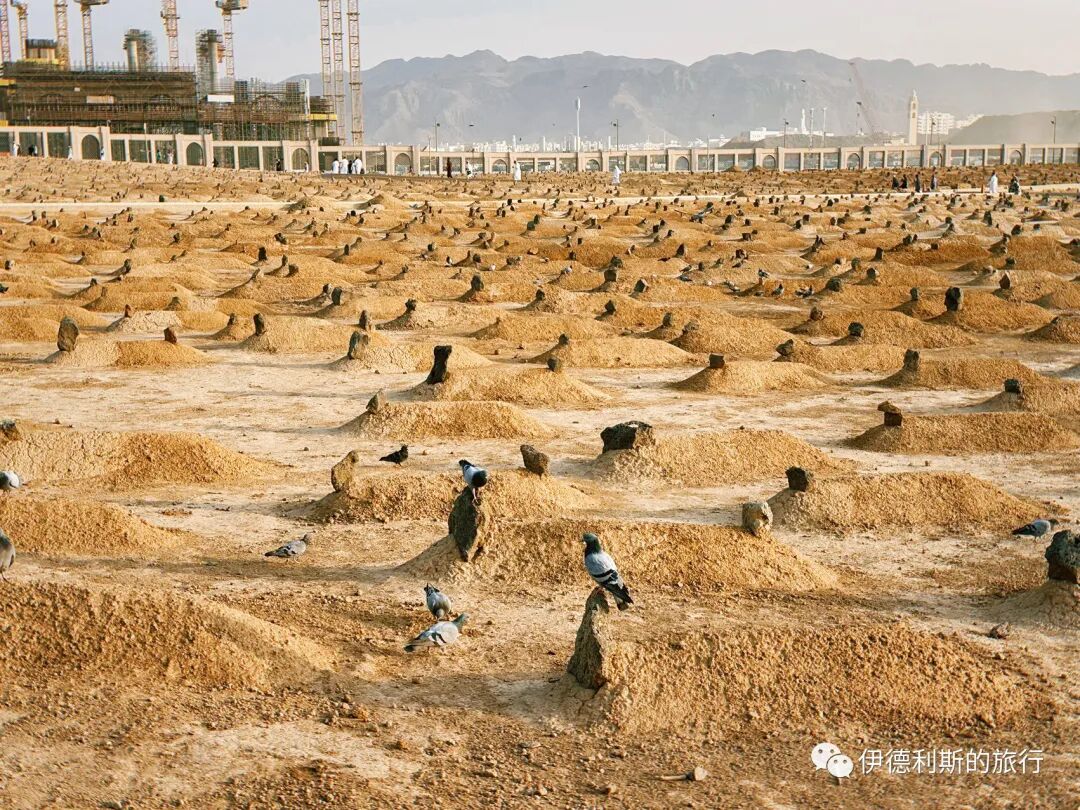
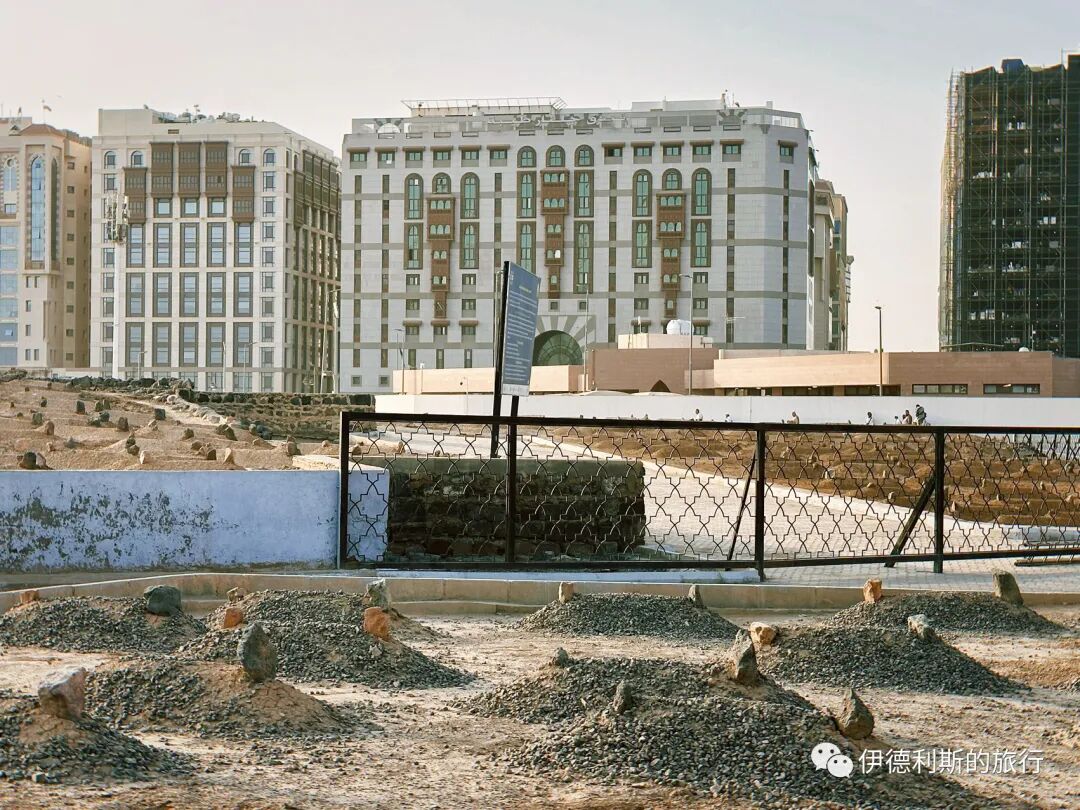
The area with the blue boards in the distance is the grave of Caliph Uthman, and the path leading to it has been blocked. On June 17, 656 AD, Caliph Uthman was assassinated by rebels in his home. Because the rebels would not allow Uthman to be buried in Al-Baqi cemetery, he had to be buried in the Jewish cemetery right next to it on the north side. Decades later, the rulers of the Umayyad Caliphate tore down the walls between the two cemeteries and included Uthman's grave within Al-Baqi cemetery.
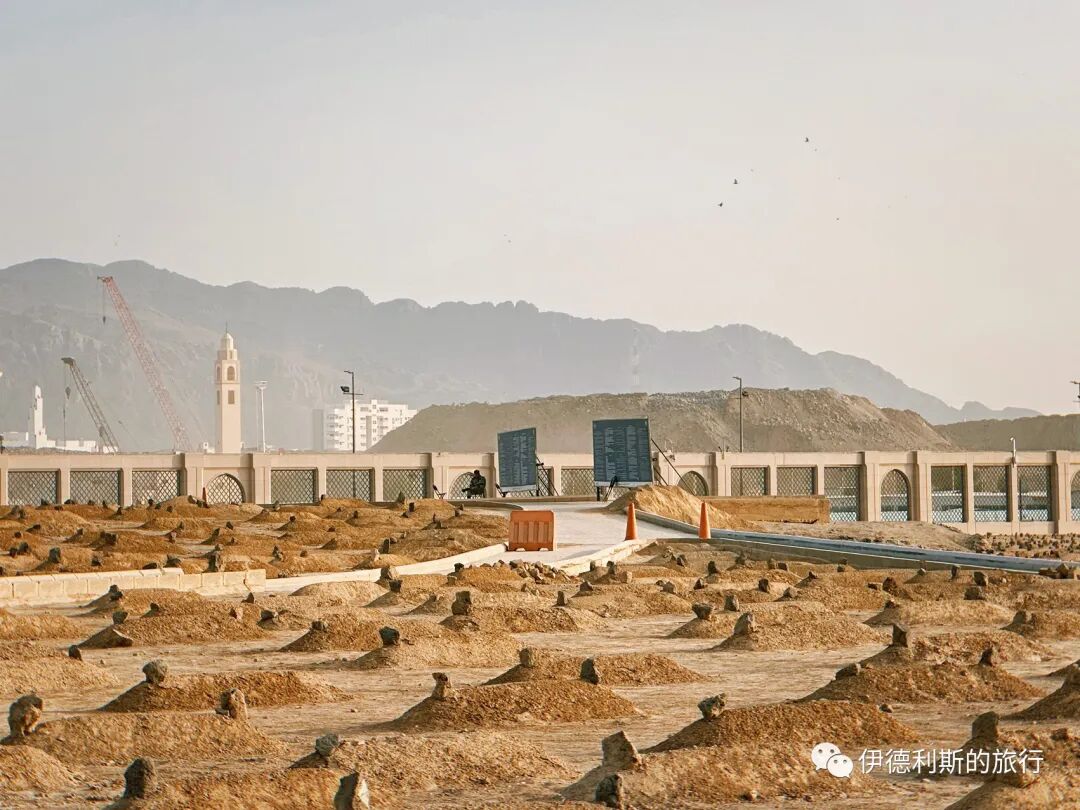
In the distance are the graves of the Prophet's wet nurse Halima, and two companions of the Prophet born in Medina, Sa'd ibn Mu'adh and Saʽid al-Khudri, which are also impossible to approach. Sa'd was the leader of the Banu Aws tribe. He was seriously wounded in the Battle of the Trench in 627 and passed away shortly after returning to Medina. Sa'd was a noble companion recognized for his close relationship with the Prophet, and the Prophet continued to praise him after he passed away.
Abu Sa'id al-Khudri lived his whole life in Medina and reportedly fought in the Battle of al-Harra in 683, where the people of Medina stood against the Umayyad Caliphate. Abu Sa'id narrated 1,170 hadiths, making him the seventh most prolific narrator among the companions of the Prophet.
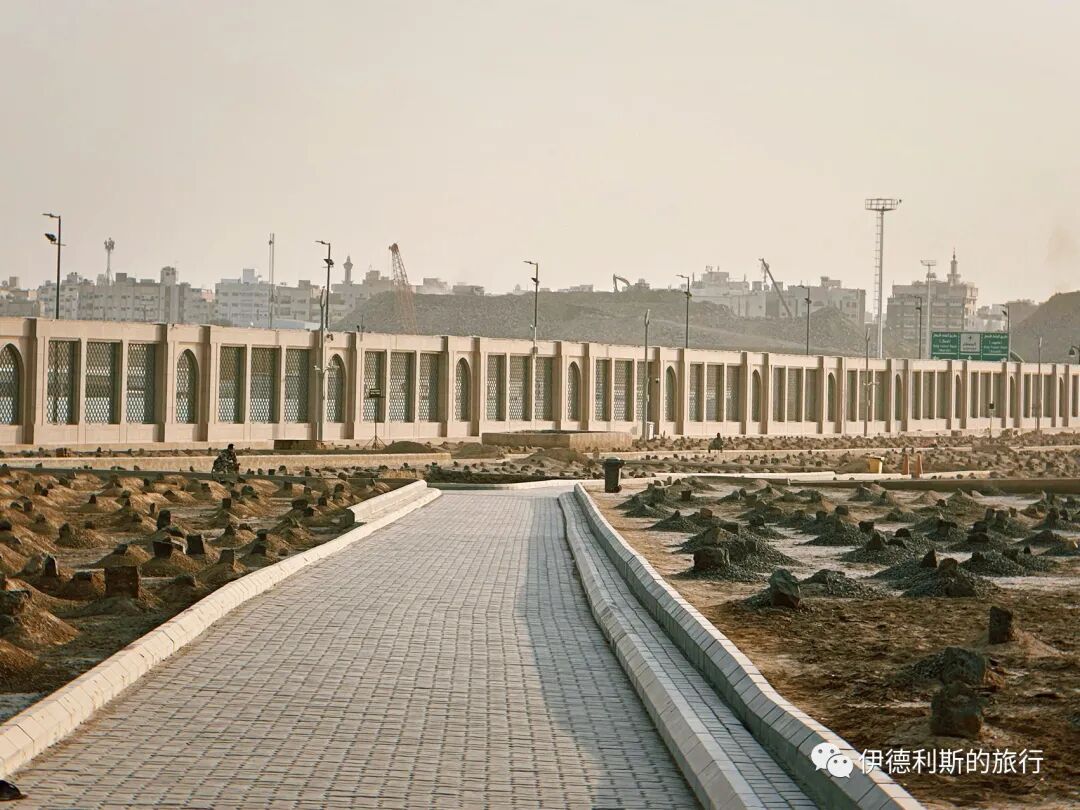
The tomb of the Martyrs of al-Harra. The people of Medina opposed the hereditary rule and policies of the Umayyad Caliphate, so they started a war on August 26, 683. They were quickly defeated, and the Umayyad army looted the city of Medina.
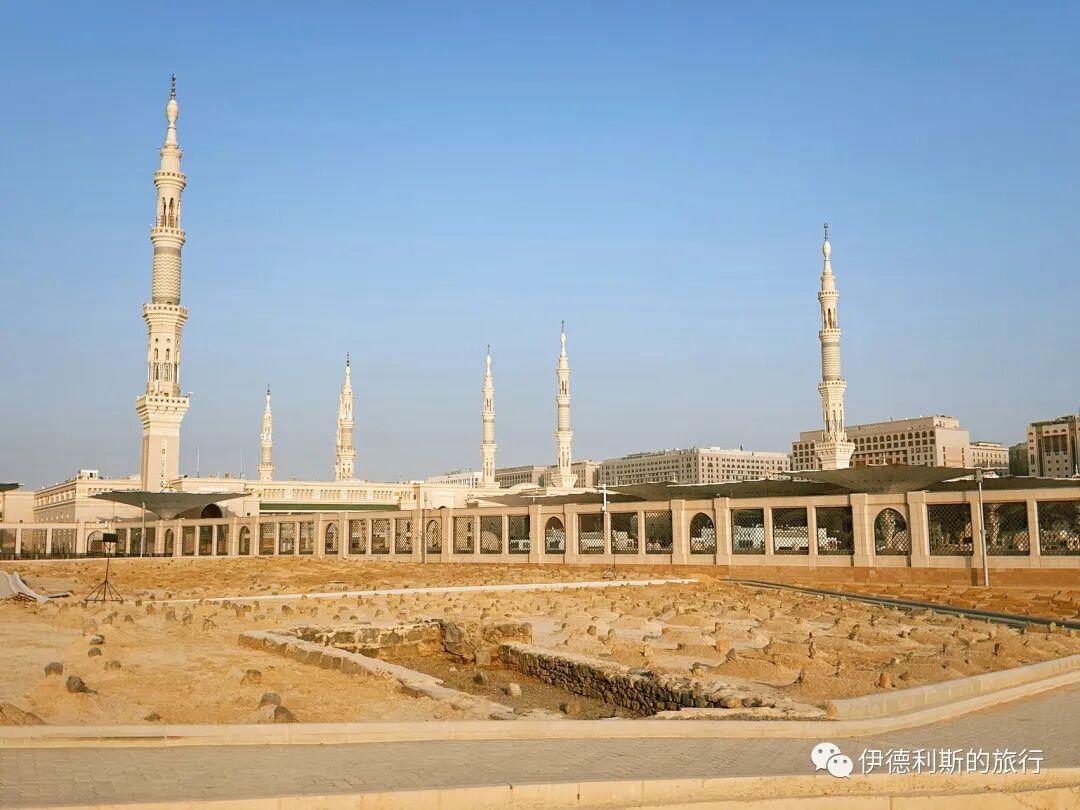
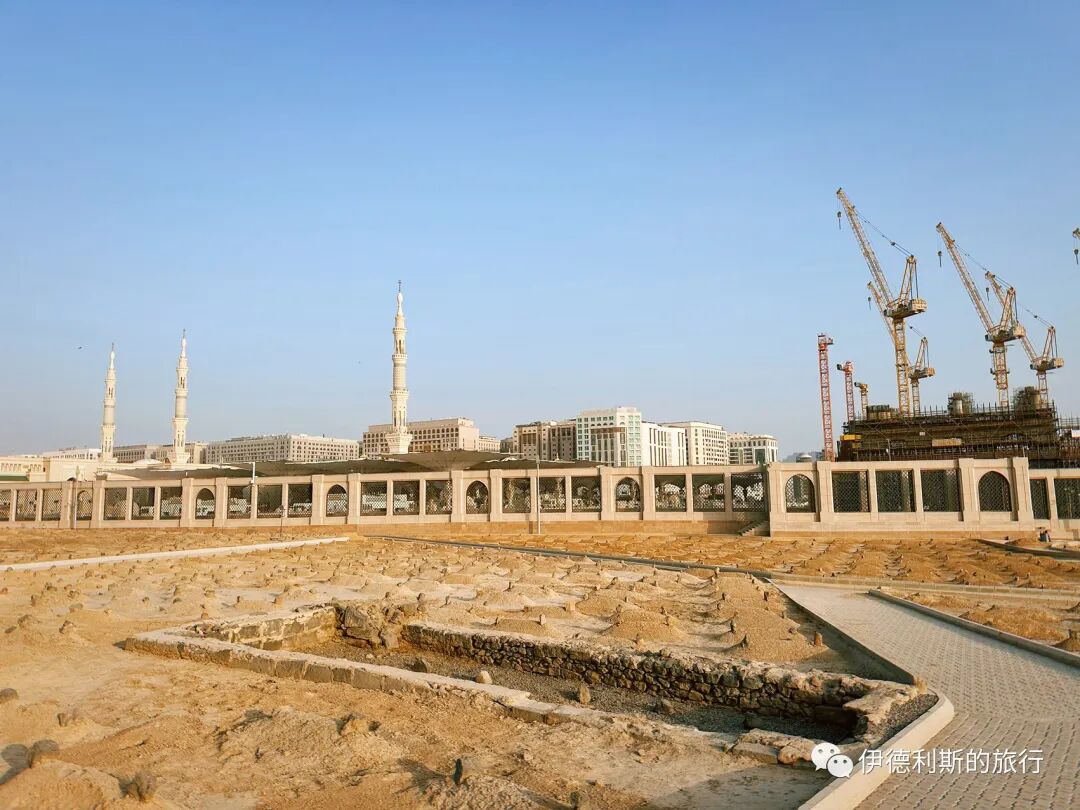
The grave of Ibrahim ibn Muhammad, the young son of the Prophet. Ibrahim died of illness at only two years old, and the Prophet was deeply saddened. The Prophet led Ibrahim's funeral prayer and buried him in the Baqi cemetery. He filled the grave with sand, sprinkled some water on it, and placed a marker.
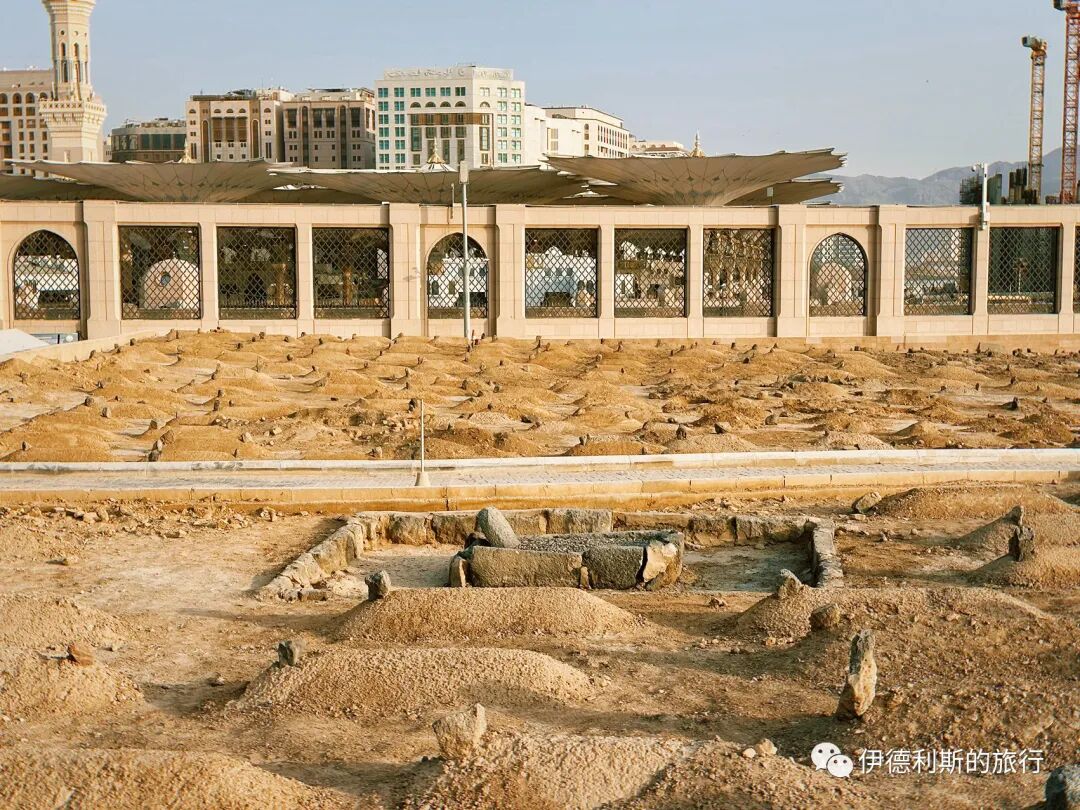
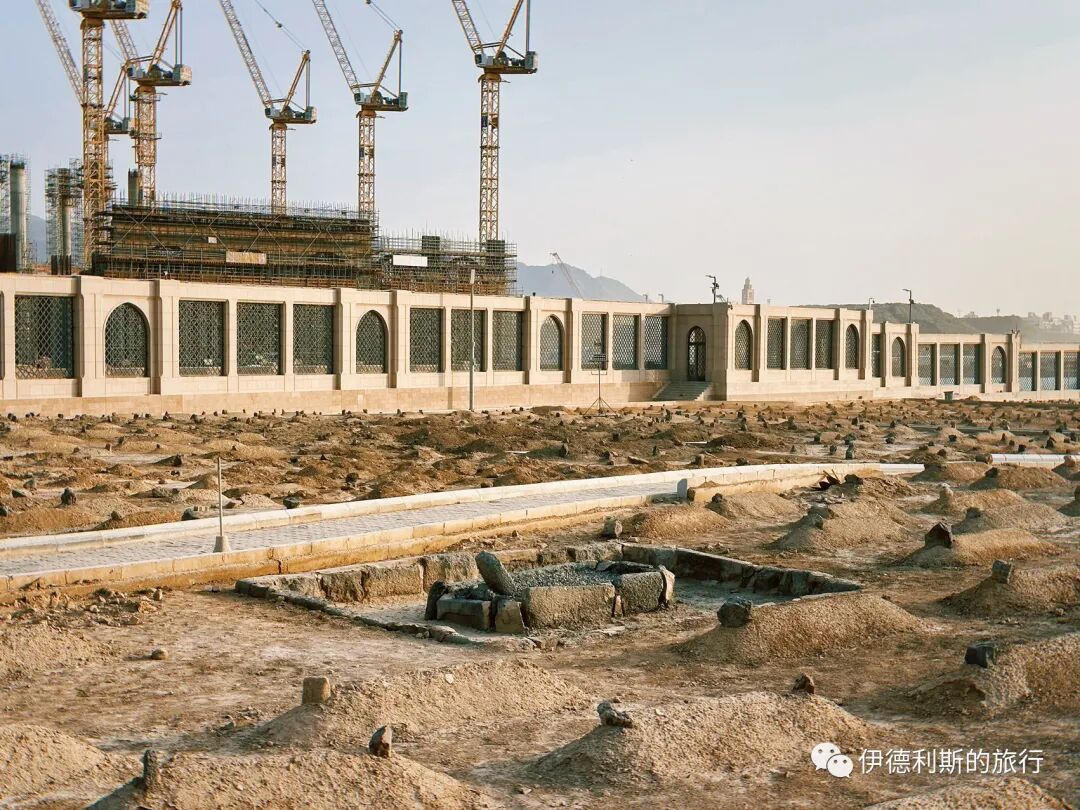
The graves of the 8th-century jurist Malik ibn Anas (711-795) and the Quran reciter Nafiʽ al-Madani (689-785). Imam Malik founded the Maliki school, one of the four major Sunni schools of Islamic law. The Maliki school places great importance on hadiths and is currently found mostly in North Africa, outside of Egypt. After Malik passed away in Medina in 795, the Abbasid governor of Mecca led his funeral prayer.
Nafiʽ al-Madani was originally from Isfahan, but he was born and passed away in Medina. His method of reciting the Quran is the most common style used in North and West Africa today.
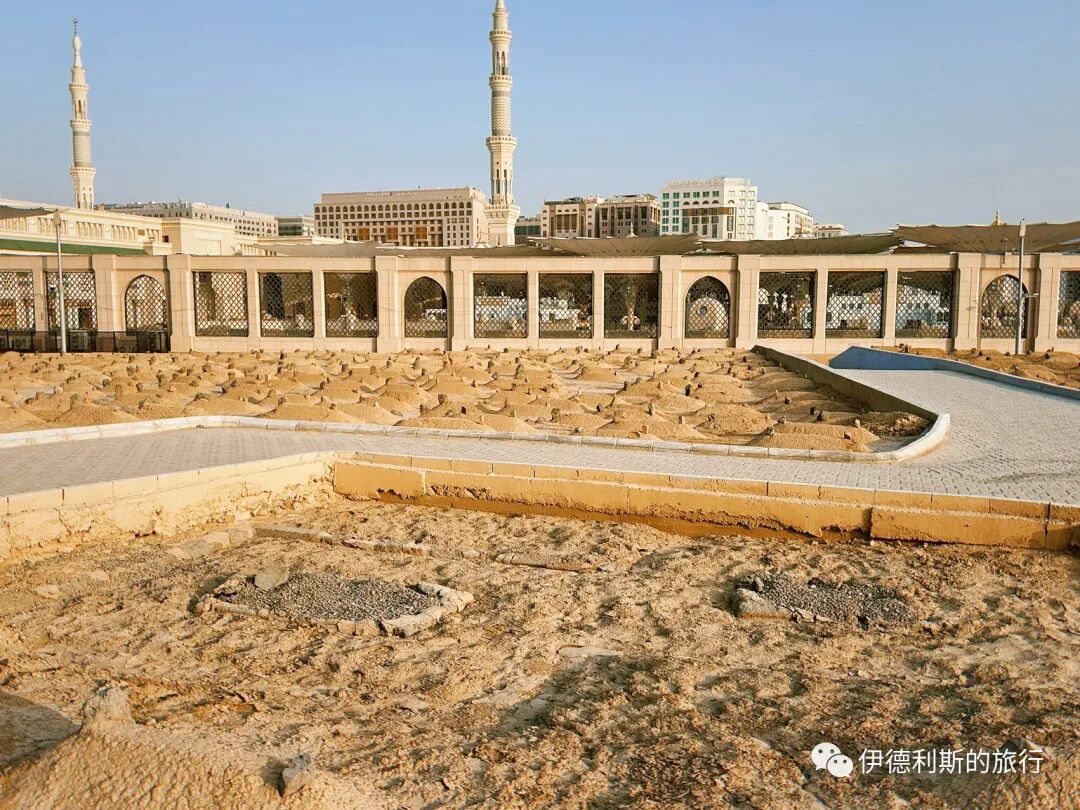
The two nearby graves belong to the Prophet's cousin Aqil ibn Abi Talib and his nephew Abd Allah ibn Ja'far. Aqil was the older brother of Caliph Ali. He fought against the Prophet in the early days but converted to Islam a few years before the Prophet passed away, and he appears in many hadiths.
Abd Allah settled in Medina with his family in 628, and the Prophet once said that his appearance and character were similar to his own. Abdullah Allah was one of the wealthiest men in Medina at the time and a famous philanthropist.
In the distance are the graves of several of the Prophet's wives, including Sawda, Aisha, Hafsa, Zaynab, Umm Salama, Safiyya, Umm Habiba, and Maria. Security guards watch over the graves of the Prophet's wives and do not allow anyone to get close or linger.
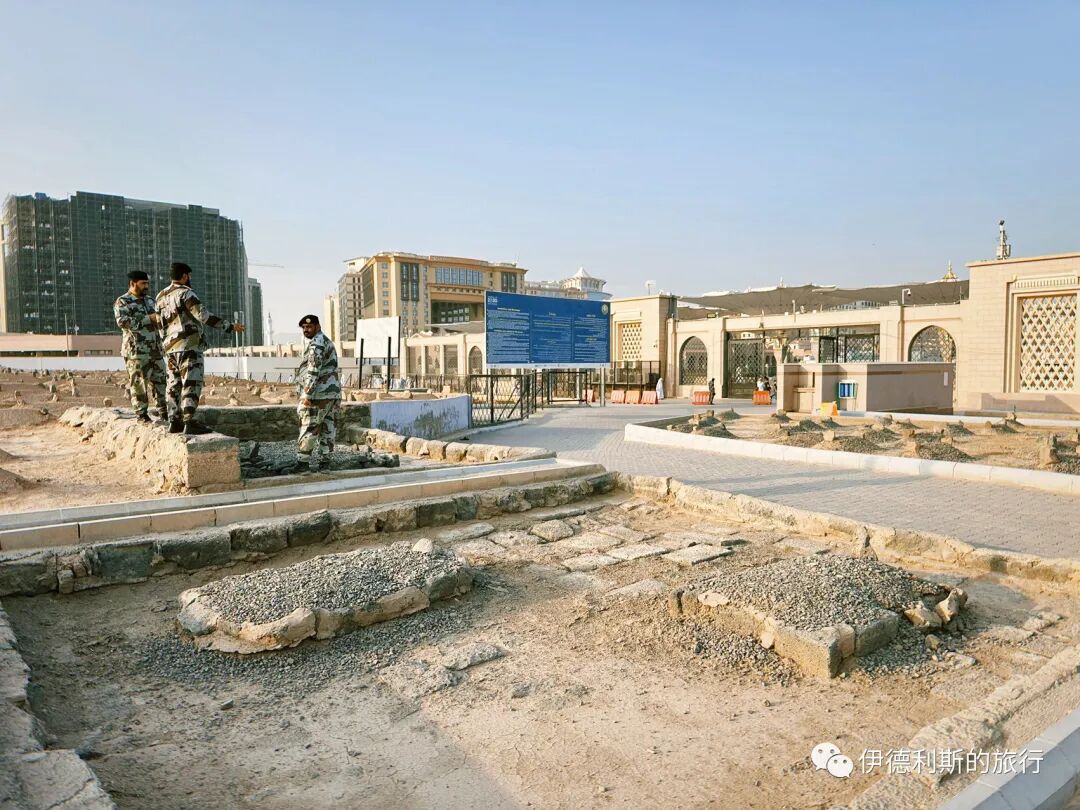
Behind the iron fence in the distance are the graves of several of the Prophet's daughters, and further away are the graves of his daughter Fatima (though this is disputed), his uncle Abbas, and four Shia imams: Hasan, Ali Zayn al-Abidin, Muhammad al-Baqir, and Jafar al-Sadiq. A tall dome (gongbei) once stood over the graves of the four Shia imams, serving as the most prominent landmark in the entire Baqi cemetery, but it was destroyed by the Wahhabis twice, in 1806 and 1926.
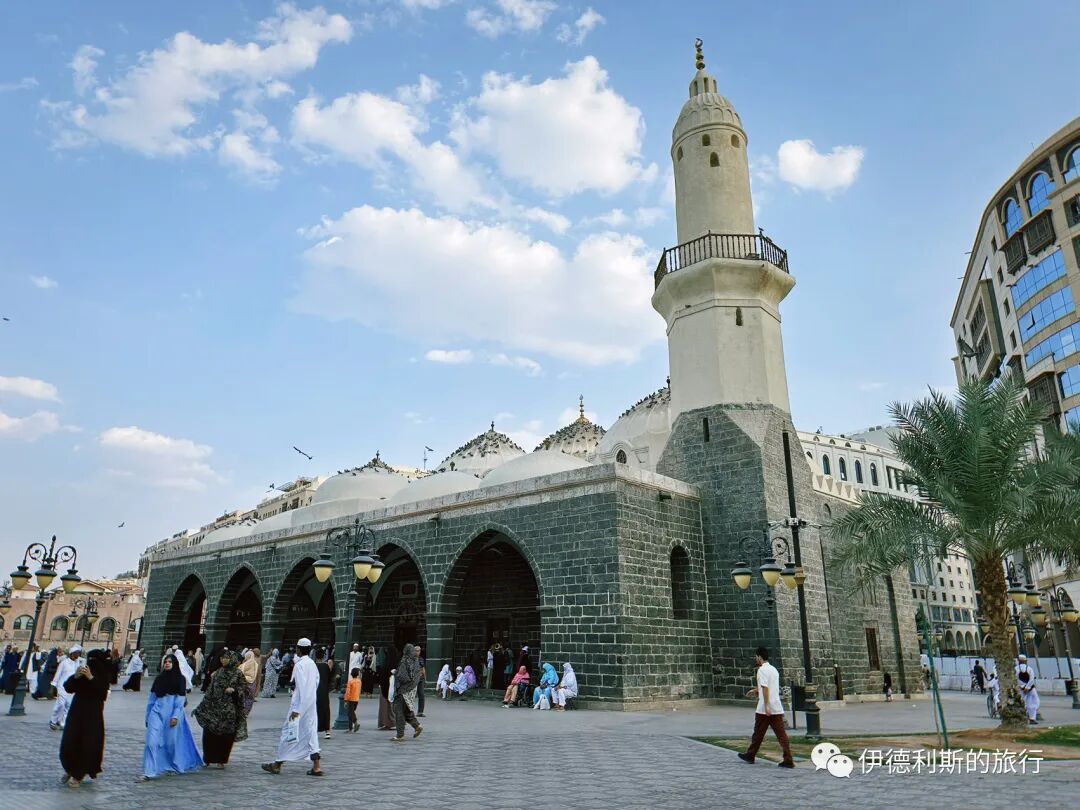
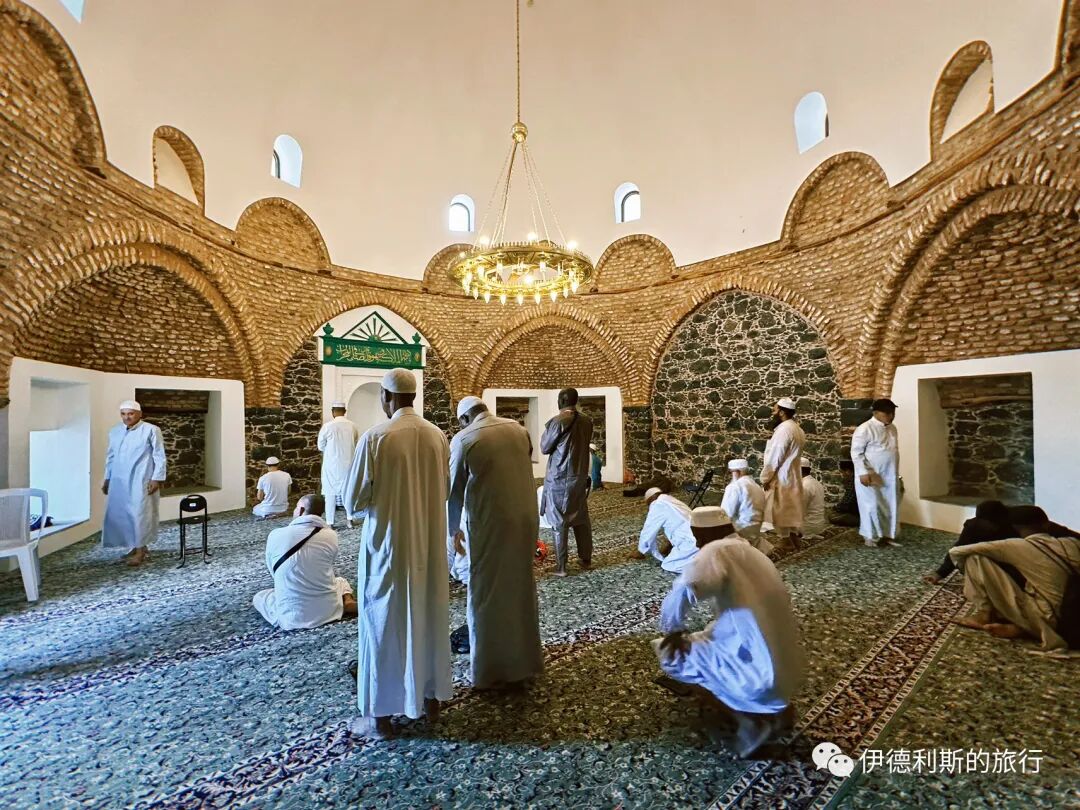
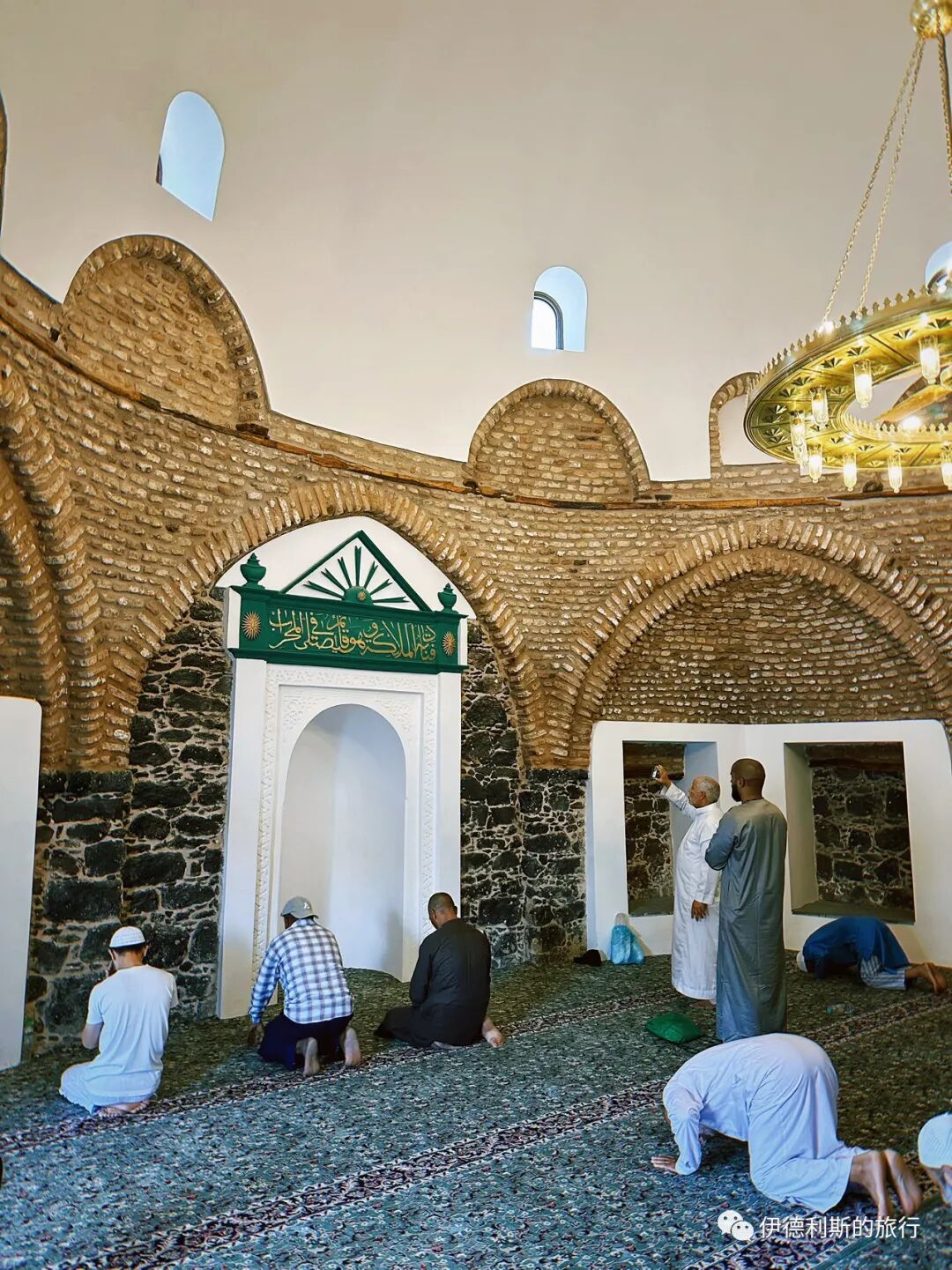
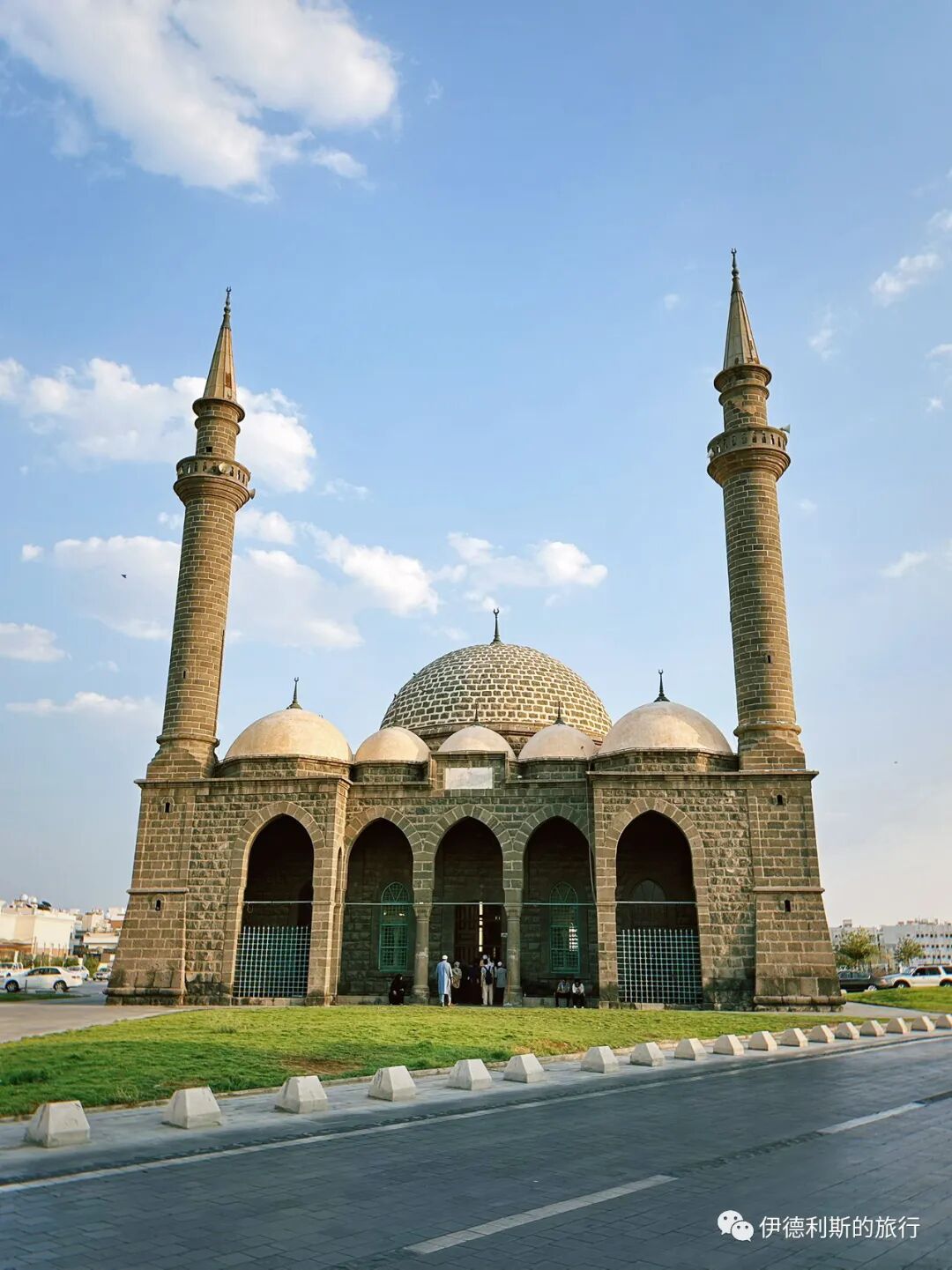
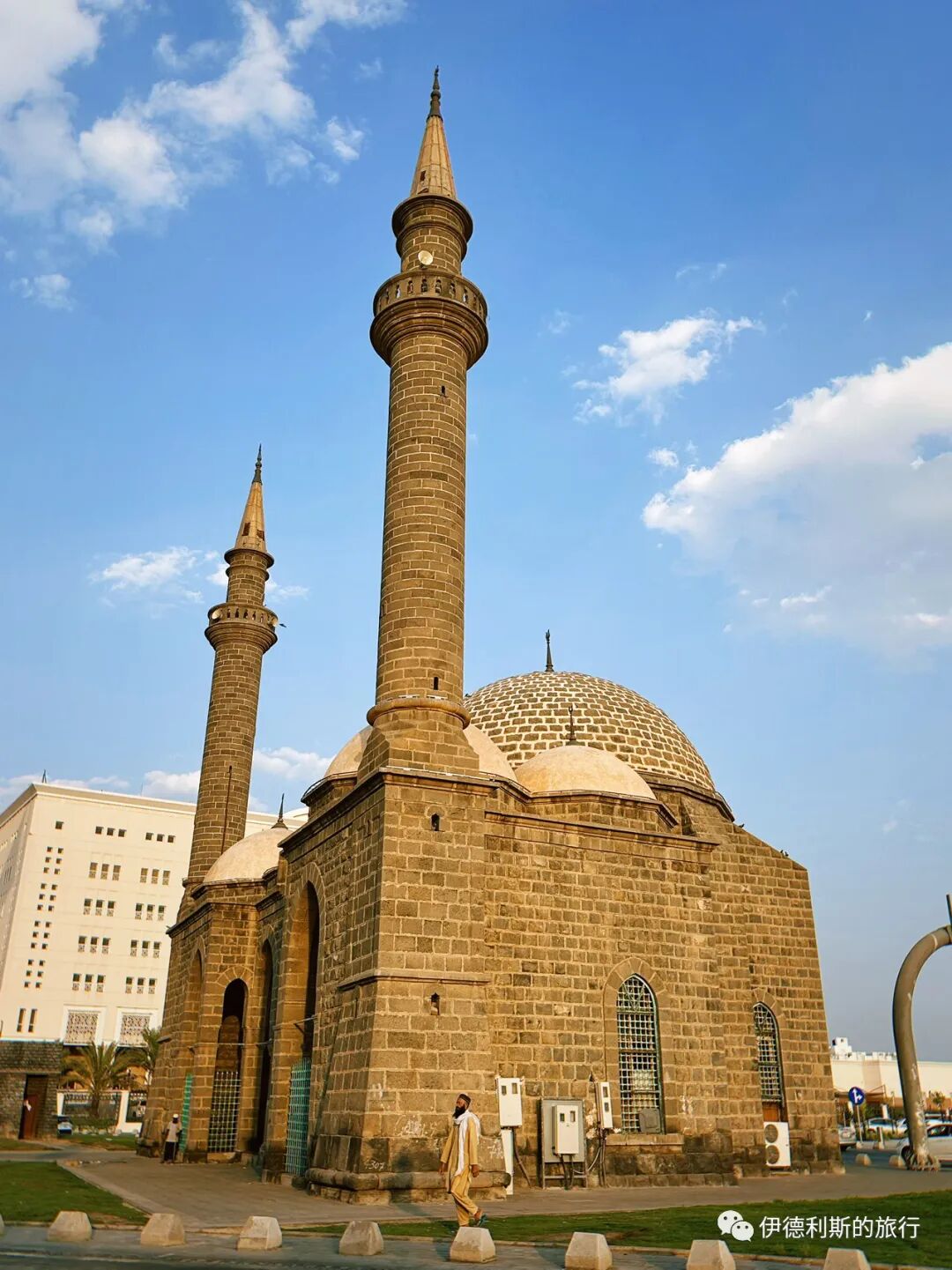
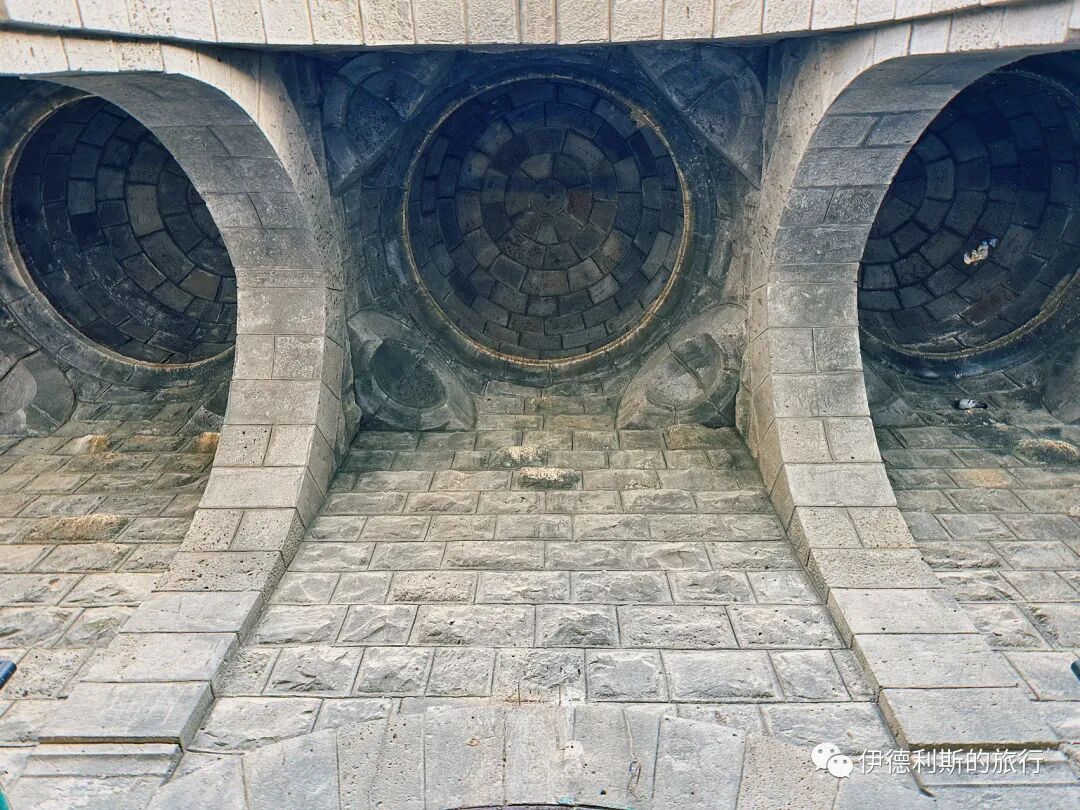
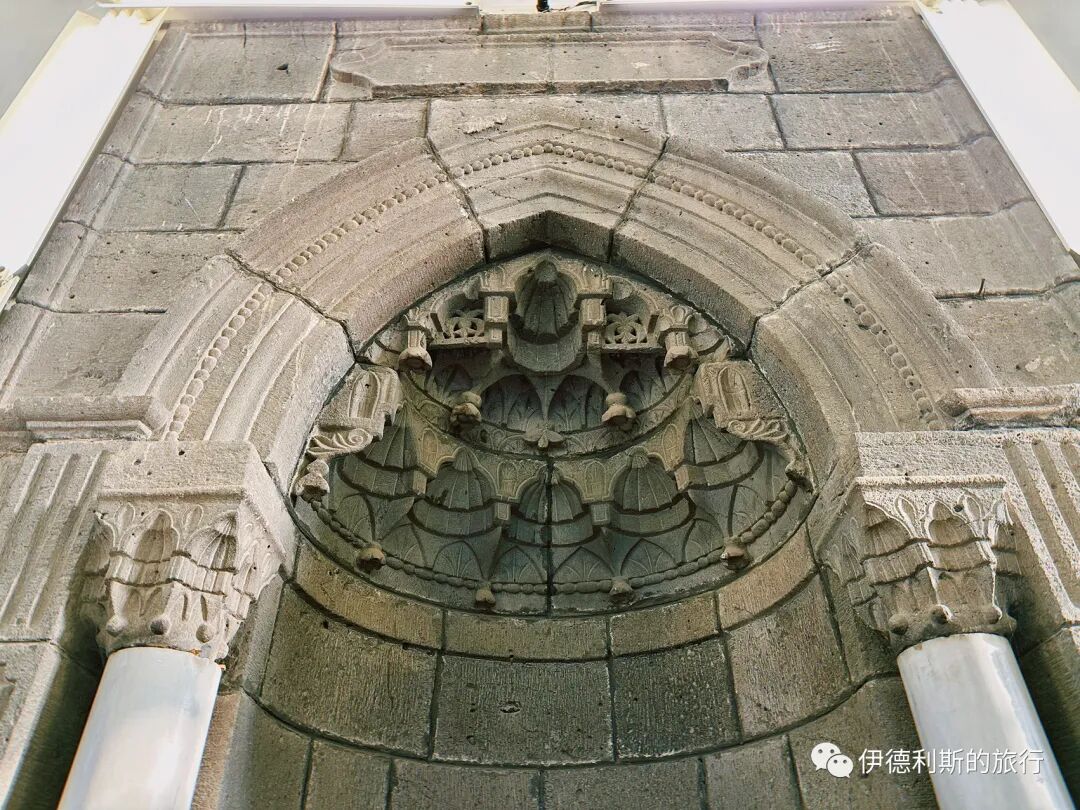
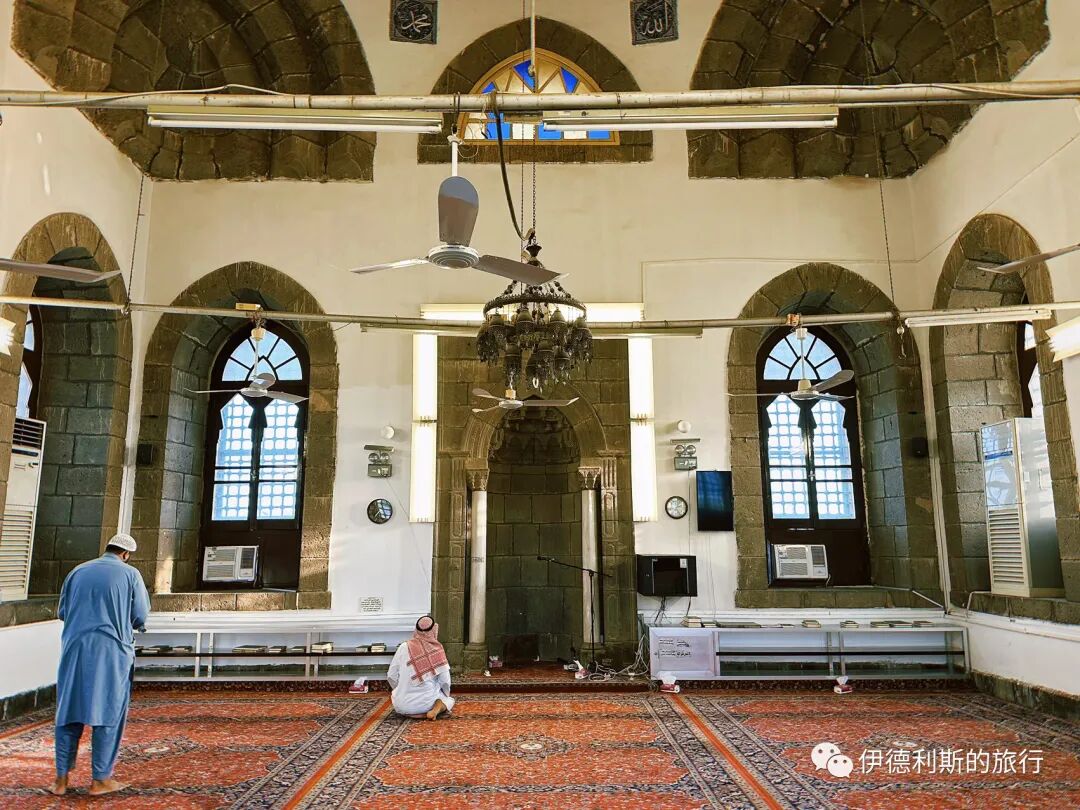
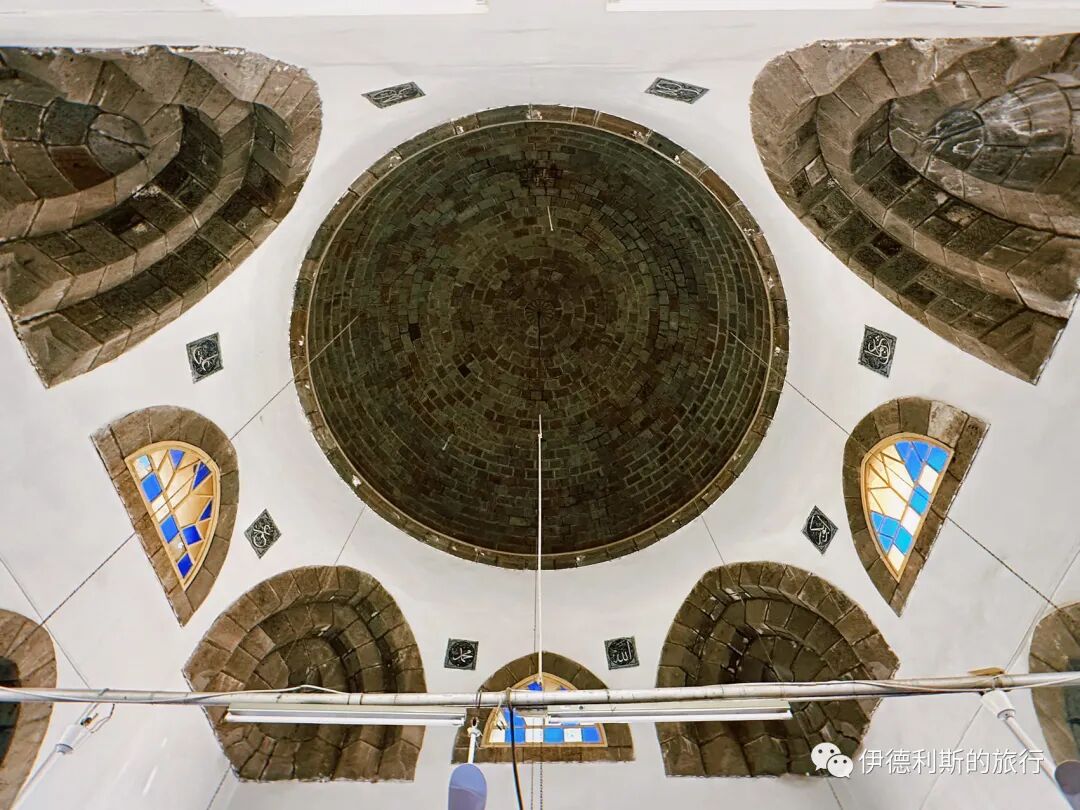
Al-Ghamama Mosque is located southwest of the Prophet's Mosque, on the site where the Prophet led the Eid al-Fitr prayer in 631. Ghamama means cloud. People say the Prophet once performed a prayer for rain here, and then clouds covered the entire city. Al-Ghamama Mosque was first built during the reign of the eighth Umayyad Caliph, Umar ibn Abd al-Aziz (reigned 717-720). It was renovated in 1340 and 1622, and in 1859, Ottoman Sultan Abdulmejid I (reigned 1839-1861) rebuilt it into the black volcanic basalt structure seen today. It is currently one of the very few mosques in Medina that retains its Ottoman-era appearance.
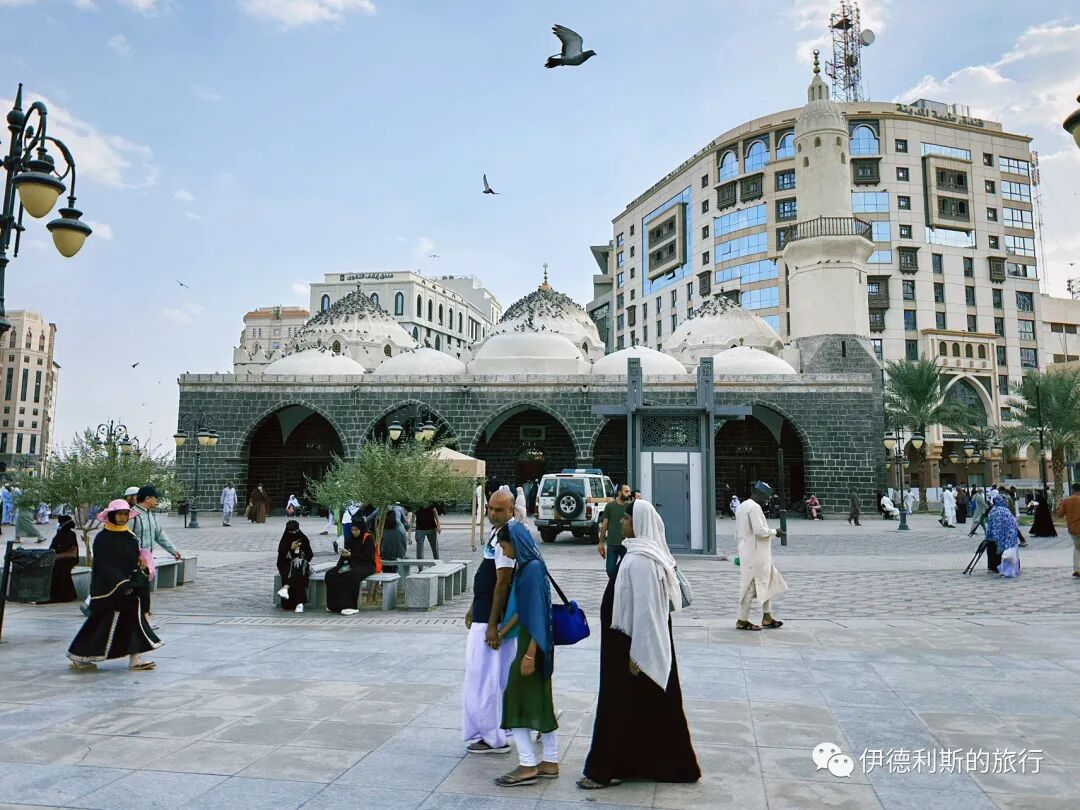
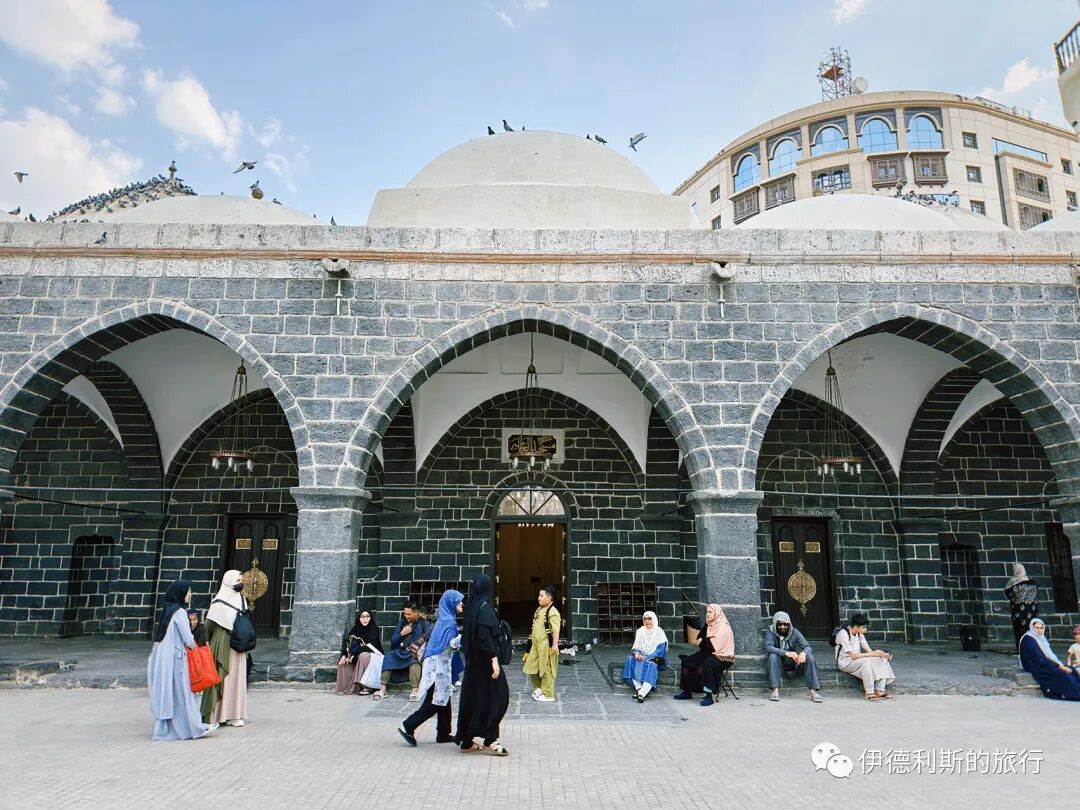
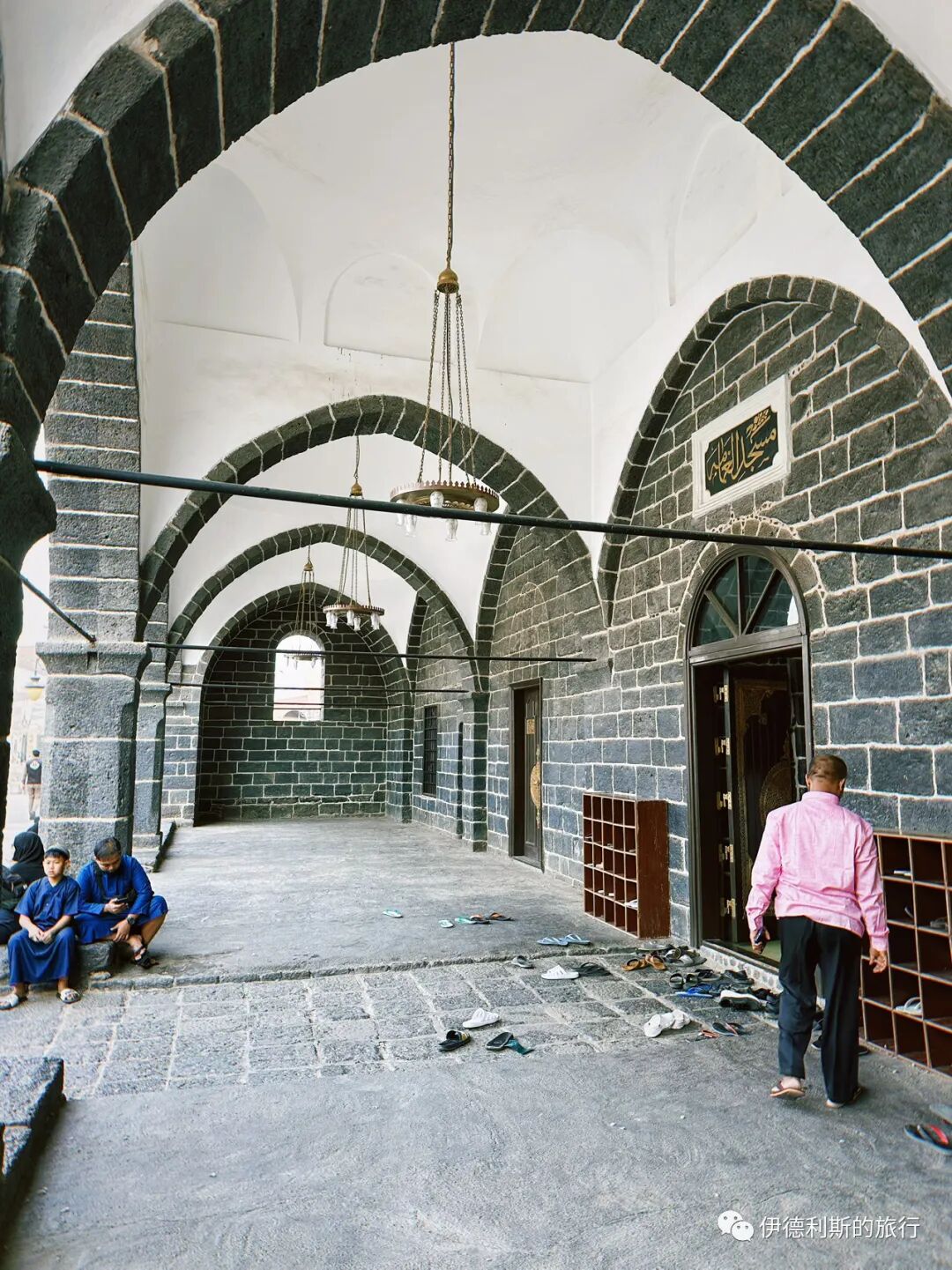
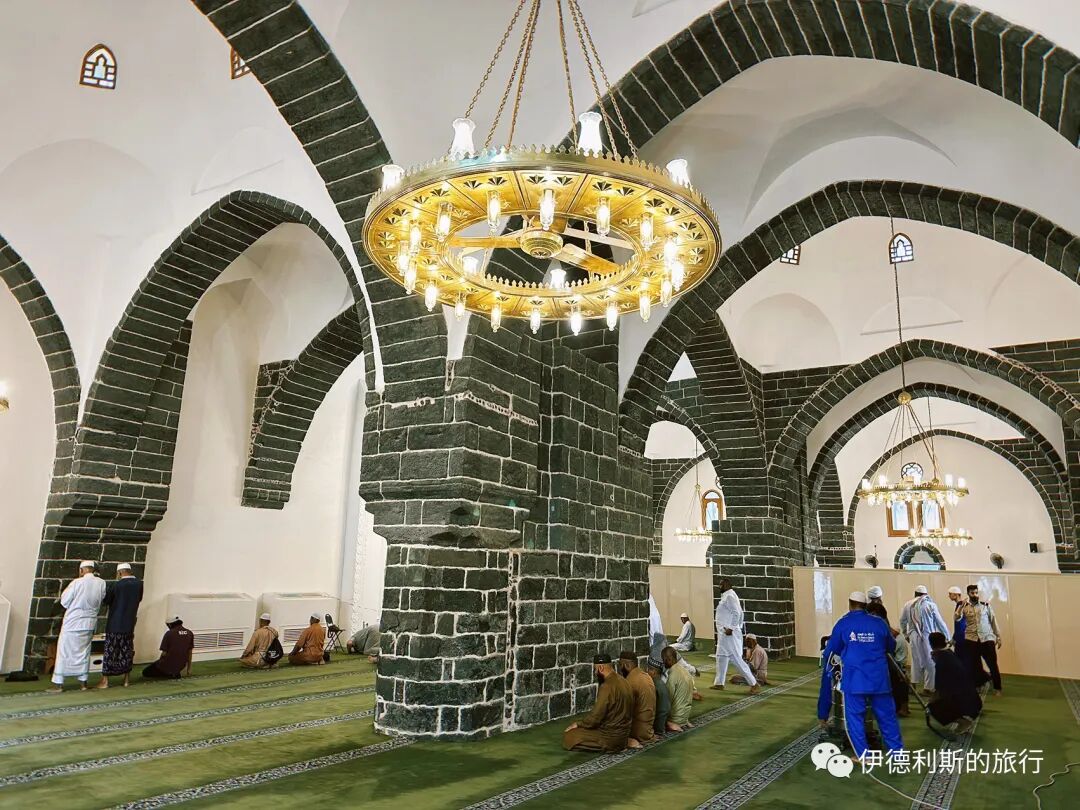
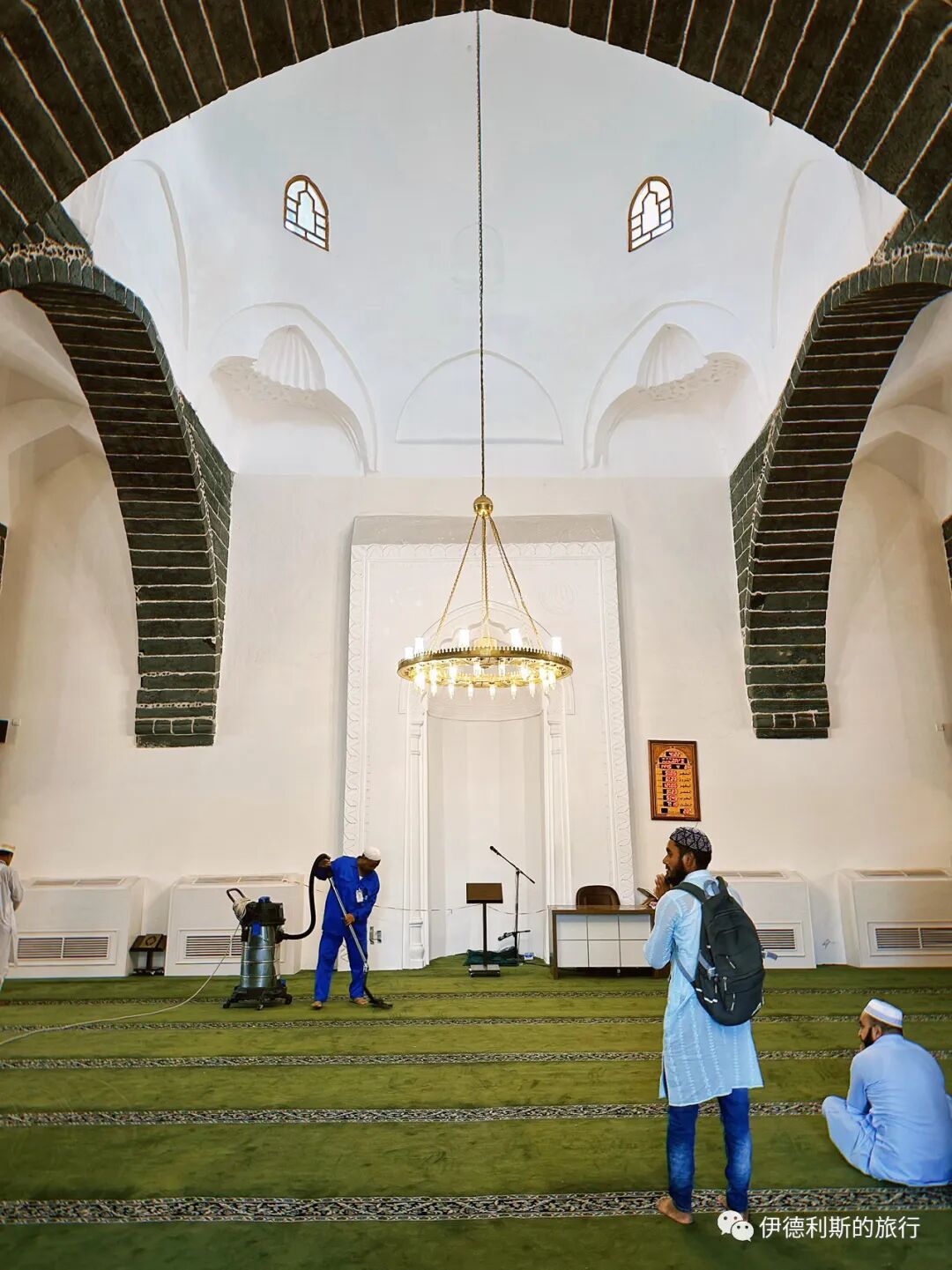
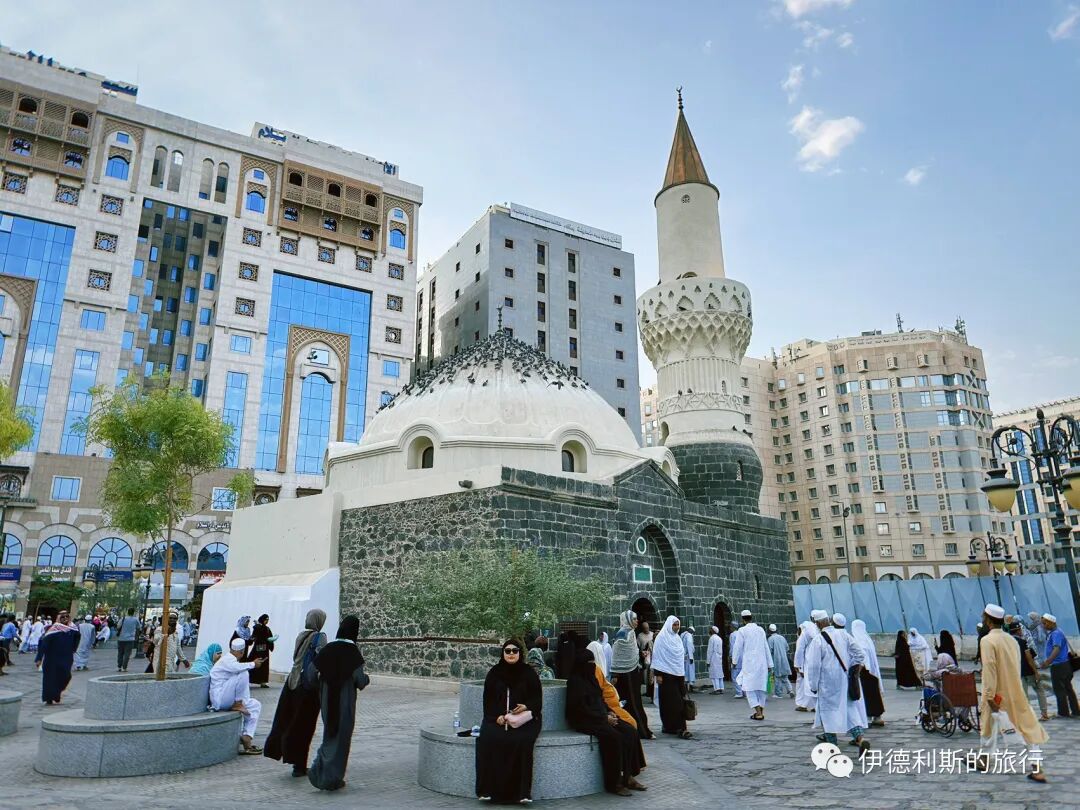
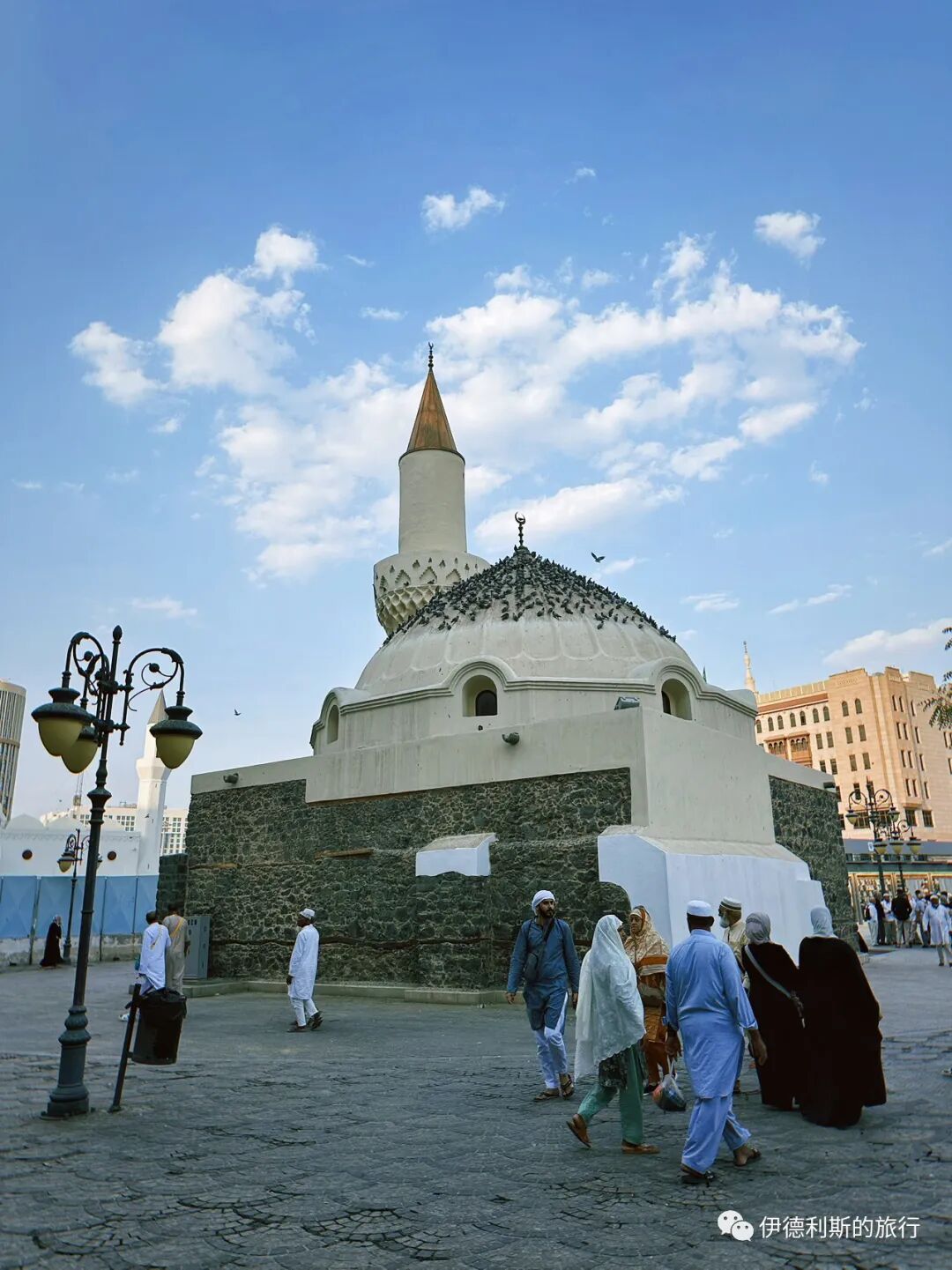
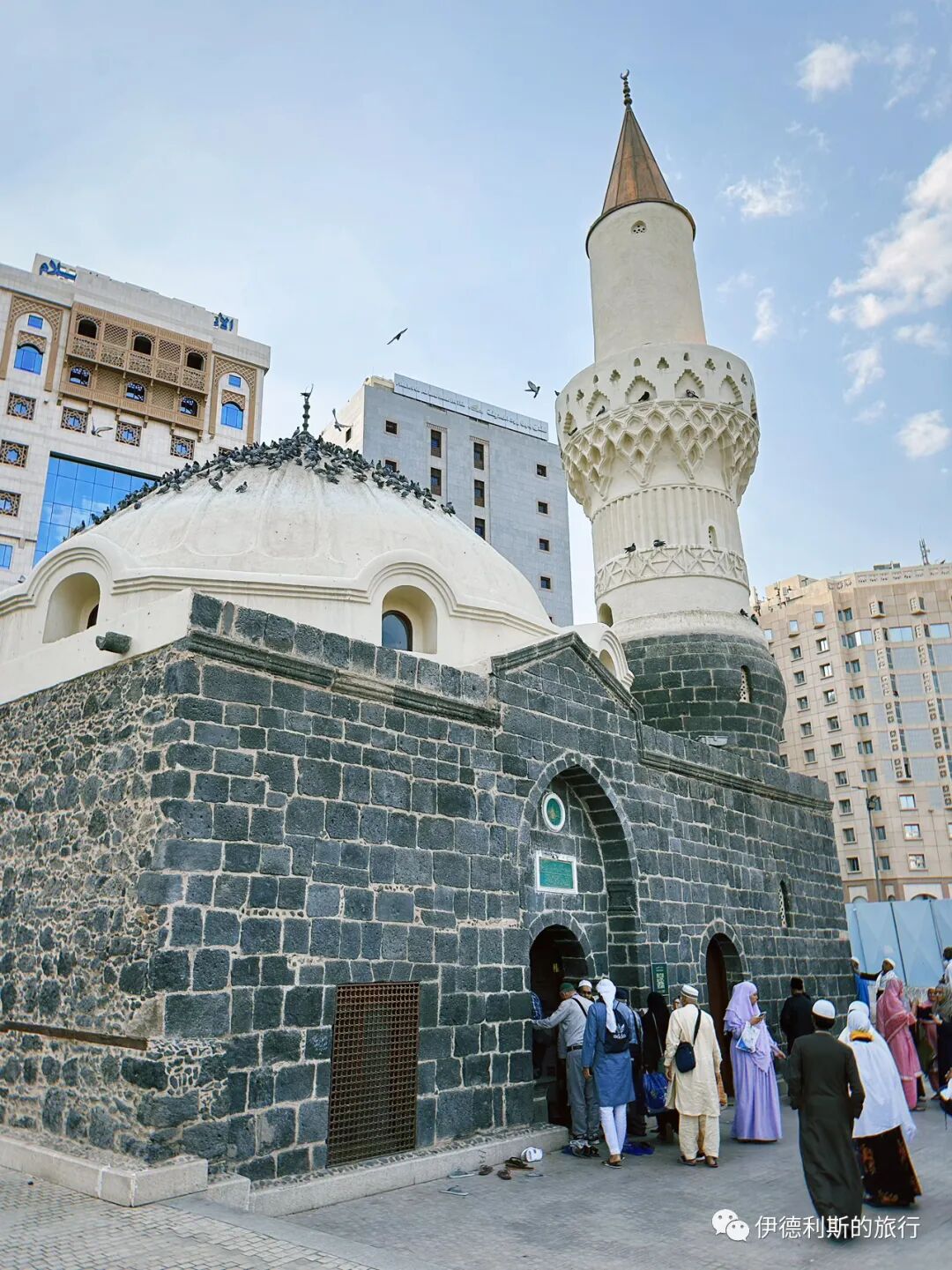
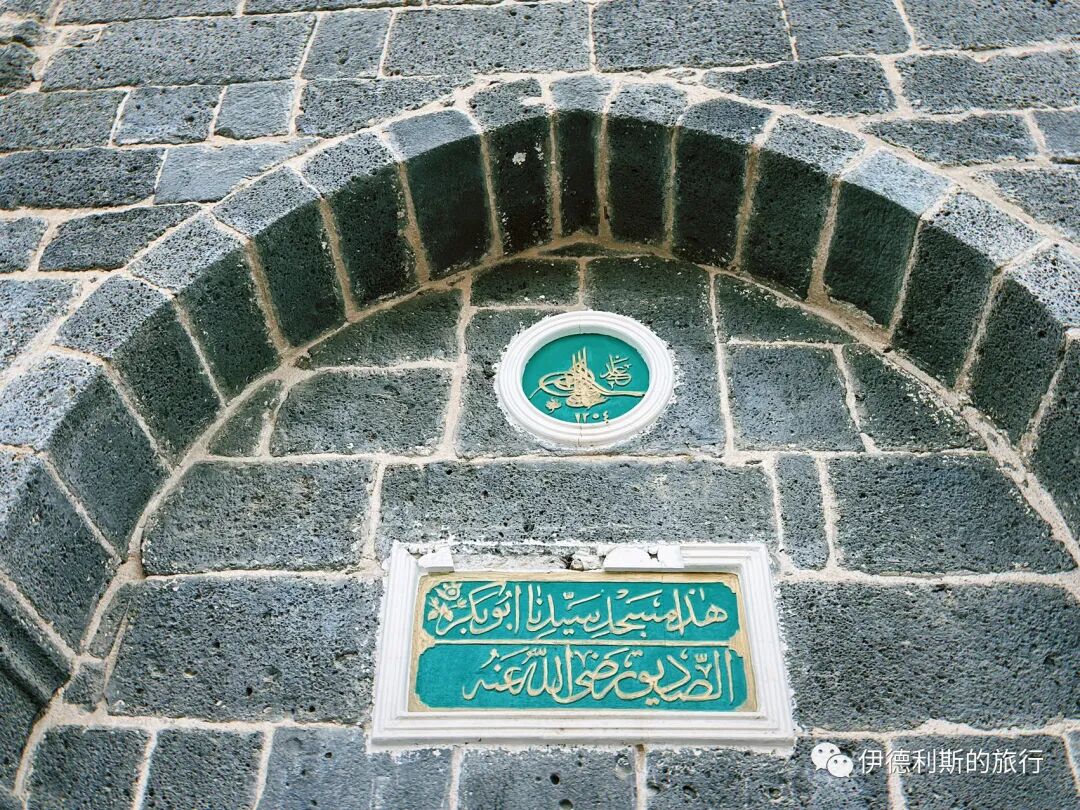
Abu Bakr As-Siddiq Mosque is located next to Al-Ghamama Mosque, also on the site where the Prophet led the Eid al-Fitr prayer in 631. It is named after Caliph Abu Bakr, who continued to lead the Eid al-Fitr prayer there. The current mosque was built in 1838 as a black volcanic basalt structure by order of Ottoman Sultan Mahmud II (reigned 1808-1839), and the Sultan's tughra (calligraphic emblem) is still at the entrance. Because it is small and very close to the Prophet's Mosque, Friday prayers (Jumu'ah) are not held here.
The Medina Hejaz Railway Station was built in 1908 and is an important historical site of the Hejaz Railway constructed by the Ottoman Empire. For thousands of years, the Hejaz region, where Mecca and Medina are located, relied on camel caravans for transport, which had a high mortality rate when crossing difficult mountainous terrain. After the 1860s, a railway construction boom began, and the Ottoman Empire started studying a rail line to connect Damascus with the two holy cities. This line was not only meant to make the Hajj pilgrimage more convenient but also held significant strategic importance. In 1900, the Ziraat Bankasi (Ottoman Agricultural Bank) provided the first loan of 100,000 liras, and construction of the Hejaz Railway officially began.
The construction of the Hejaz Railway faced many difficulties, including labor and resource issues while passing through uninhabited areas, bridge construction in desert terrain, and attacks by Arab tribes along the route. Fearing that the railway construction would ruin their livelihood based on pack animal transport, local Arab tribes organized in 1907 to threaten a work stoppage. The Ottoman Sultan eventually decided to end the railway at Medina. Under the supervision of chief engineer Mouktar Bey, the Hejaz Railway officially reached Medina on September 1, 1908, covering a total length of 1,300 kilometers.
However, less than 10 years after it began operating, the Ottoman Empire collapsed during World War I. The Hejaz Railway was officially abandoned in 1920 due to a lack of maintenance. People say the wreckage of trains destroyed during the Arab Revolt of 1916-1918 still rests where they fell a century ago.
In 2005, Saudi Arabia restored the tracks and sheds of the Medina station of the Hejaz Railway, and in 2006, it opened as the Hejaz Railway Museum. However, it is now closed again, and you can only view the exterior of the Medina station.
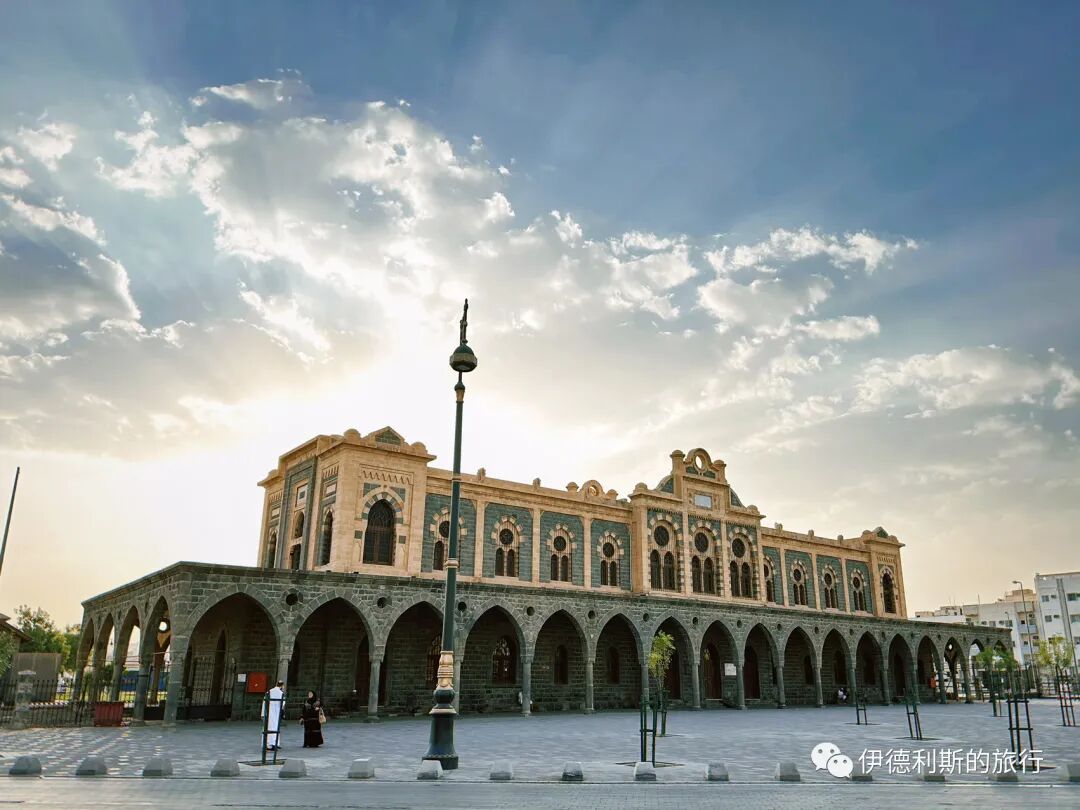
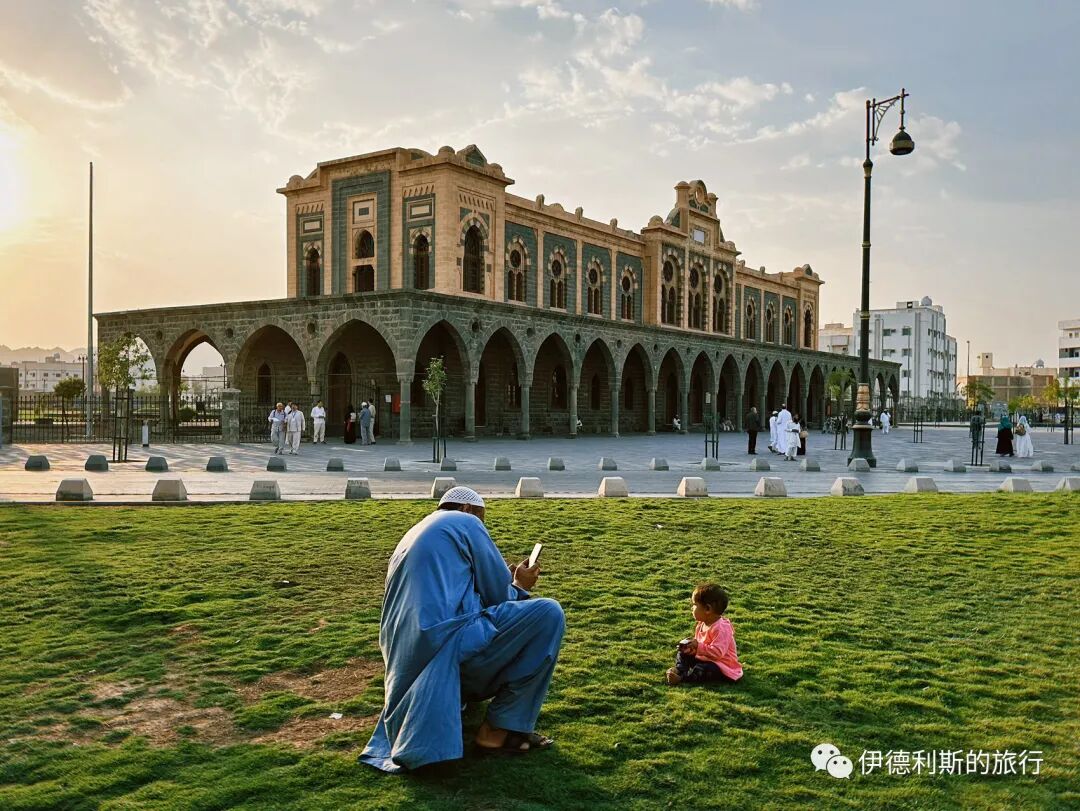
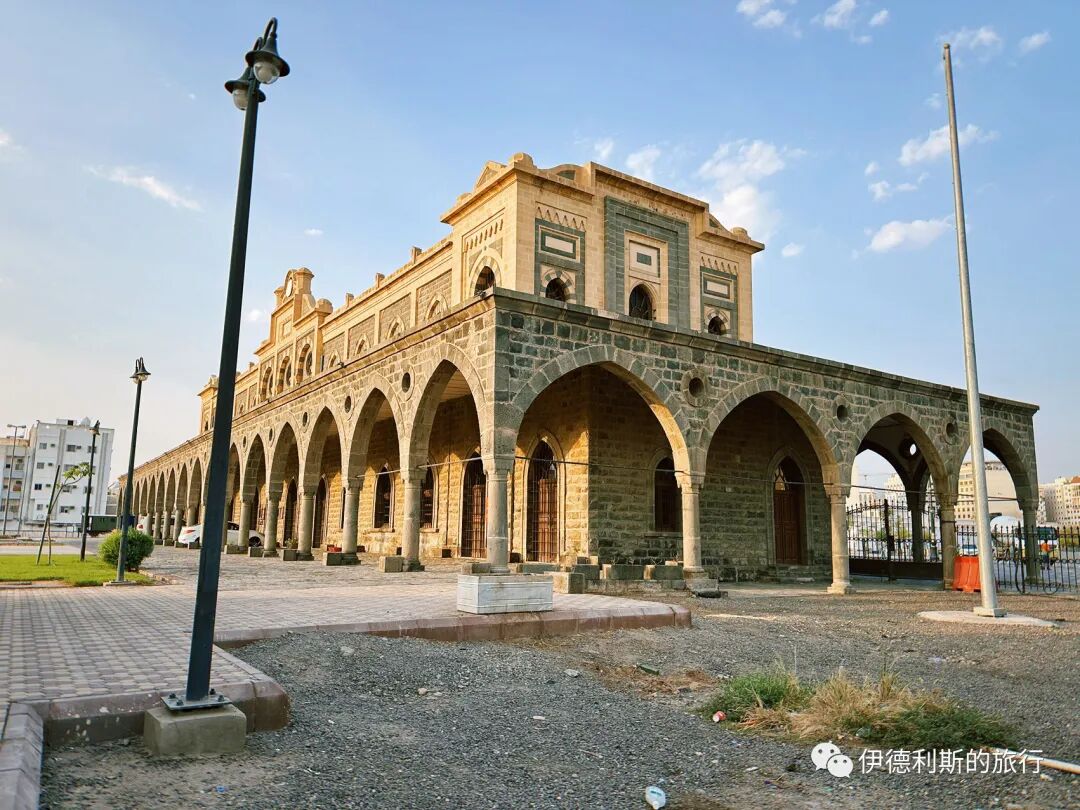
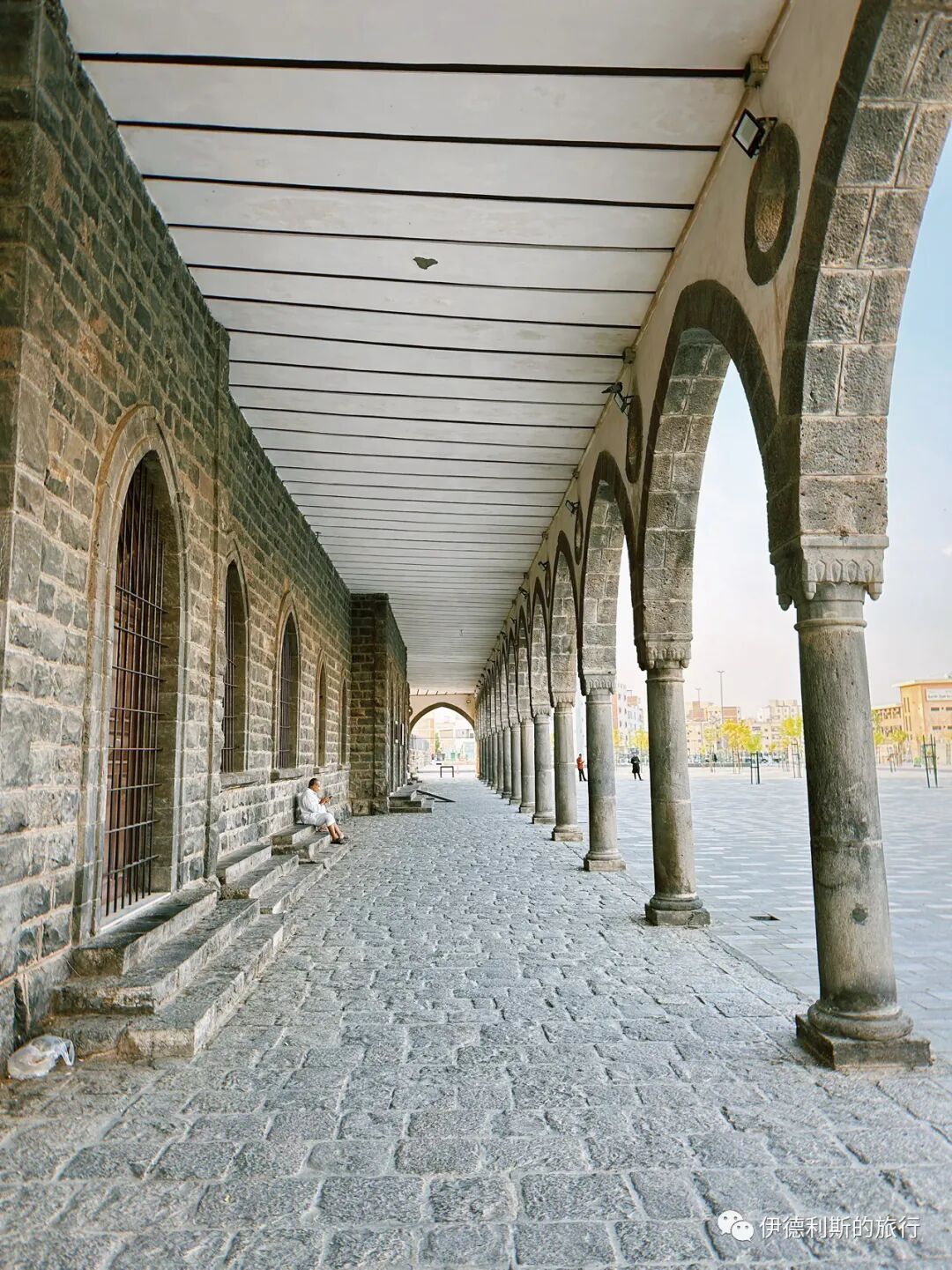
Near the Medina station of the Hejaz Railway are two black volcanic basalt mosques from the Ottoman period. Enclosed within the train station and inaccessible is the As-Saqiya Mosque. It is located where the Prophet inspected his troops before participating in the Battle of Badr in 624. It is said to be the place where the eighth chapter, seventh verse of the Quran was revealed, which is also the first chapter of the Quran revealed in Medina.
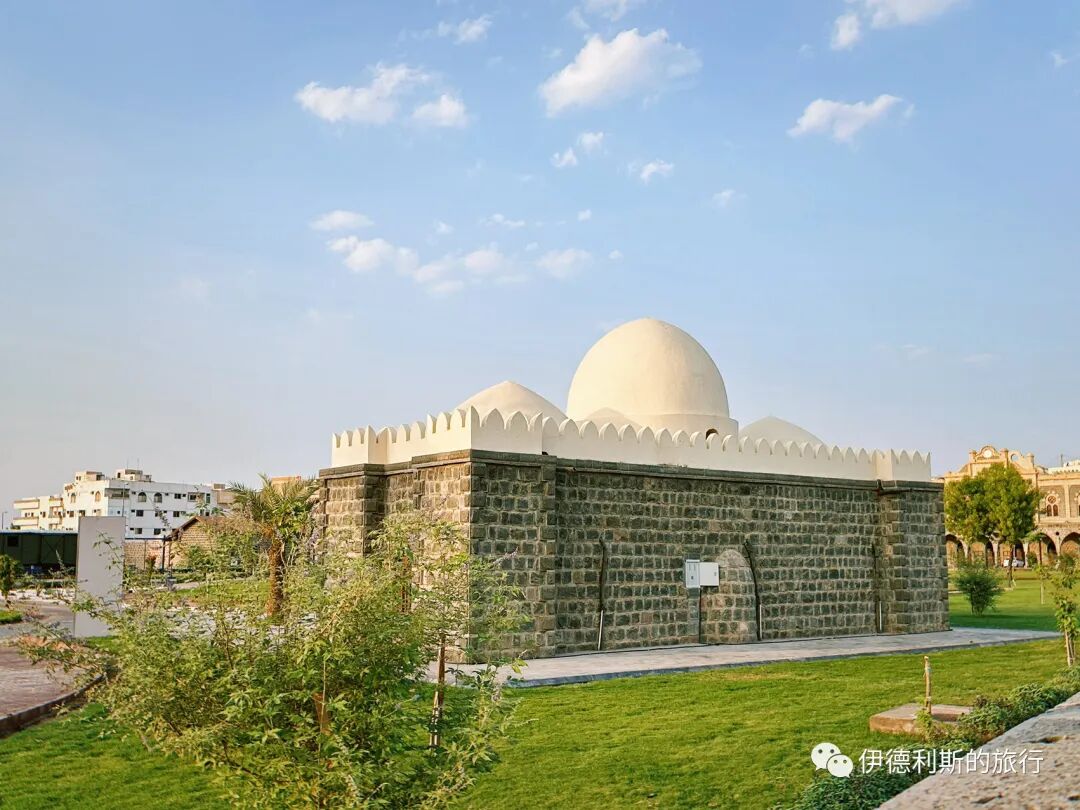
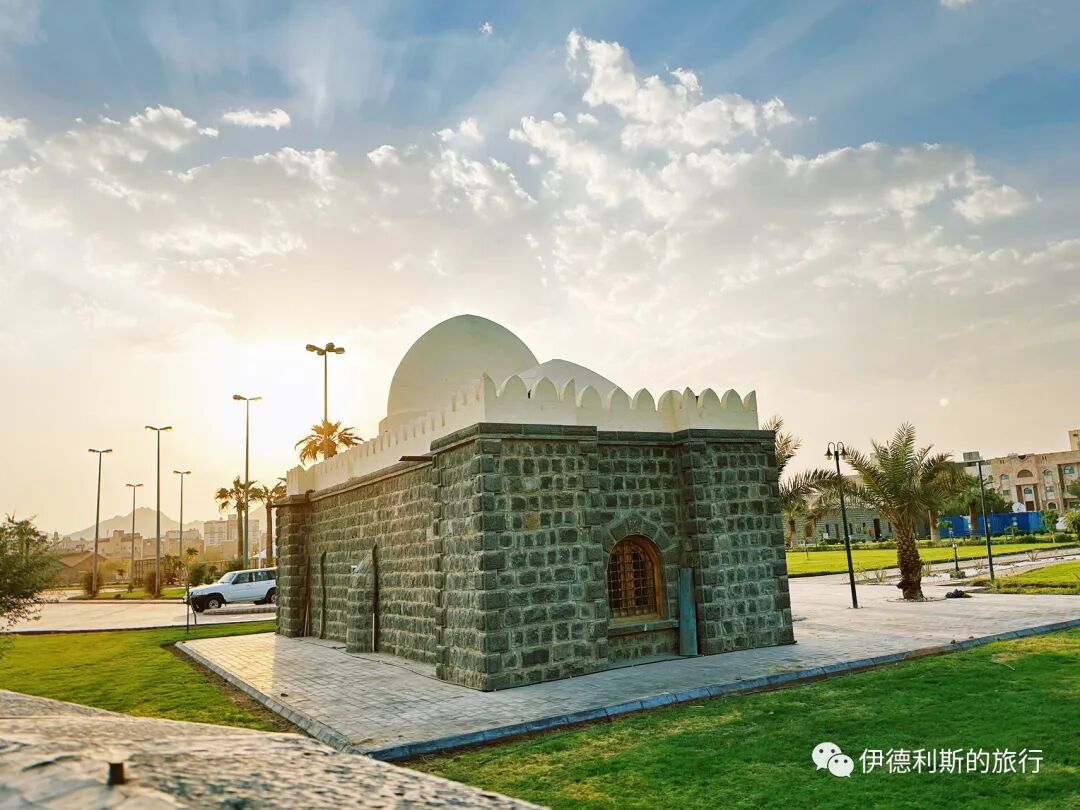
The Anbariya Mosque is a mosque built in 1908 by Ottoman Sultan Abdul Hamid II (reigned 1876-1909) for the Medina station of the Hejaz Railway. The architectural style follows the traditional Ottoman design, but it uses local hard basalt stone. There is no pulpit (minbar) in the main hall because Friday prayers (Jumu'ah) are not held here.
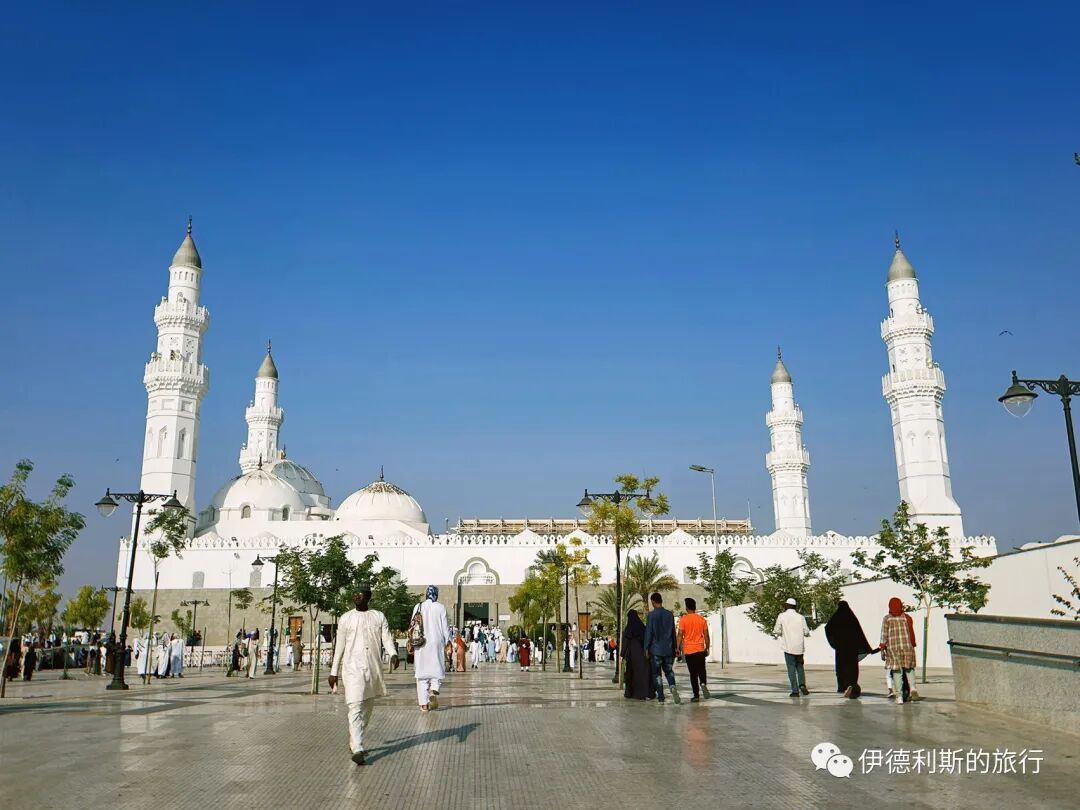
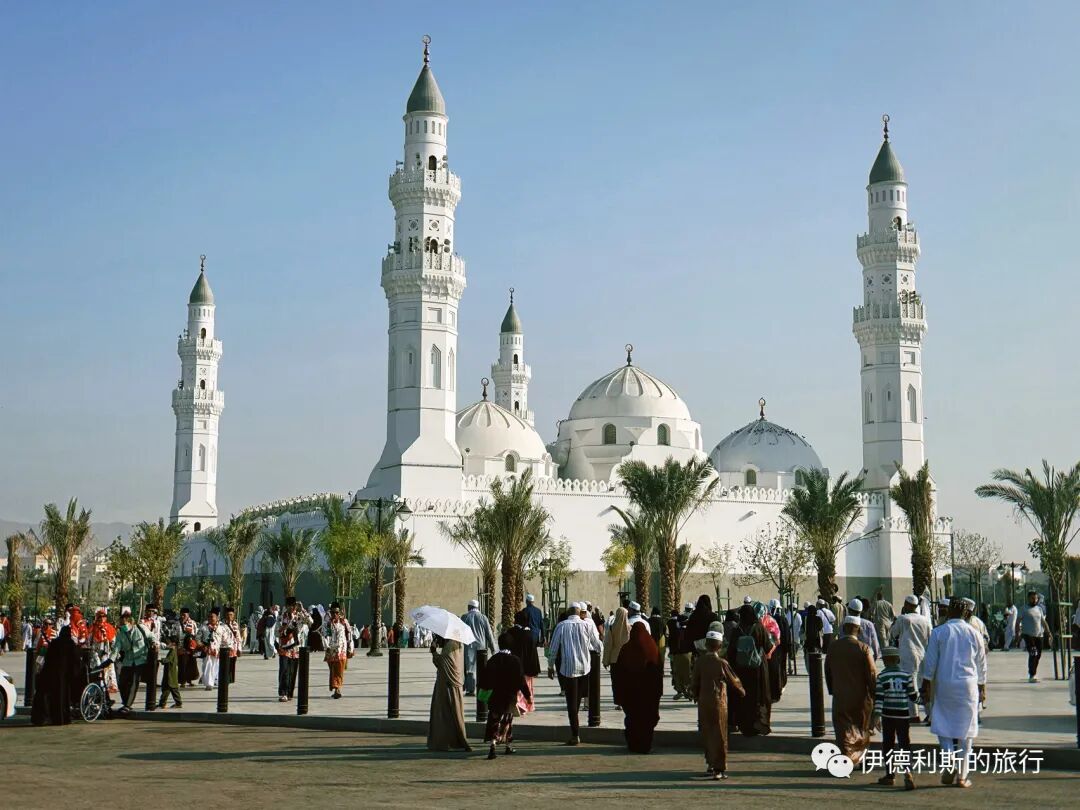
Quba Mosque is located in the southern suburbs of Medina. It was built by the Prophet after he migrated from Mecca to Medina in 622 and is the first mosque in the history of the faith. The Prophet often went to Quba Mosque to perform namaz during his lifetime, which is frequently mentioned in the Hadith. Sahl ibn Hunayf narrated that the Prophet said: 'Whoever leaves his house and comes to Quba Mosque and performs prayer in it, it is equal to performing an Umrah.' This makes it a place that Muslims from all over the world visit when they come to Medina.
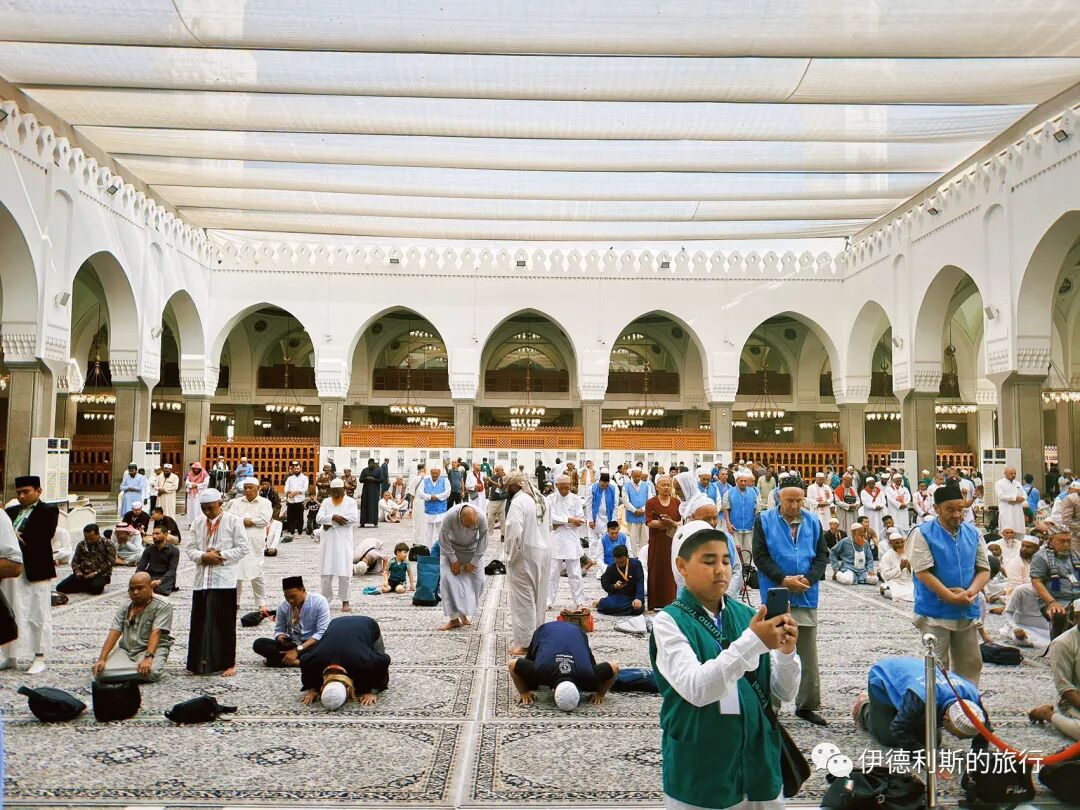
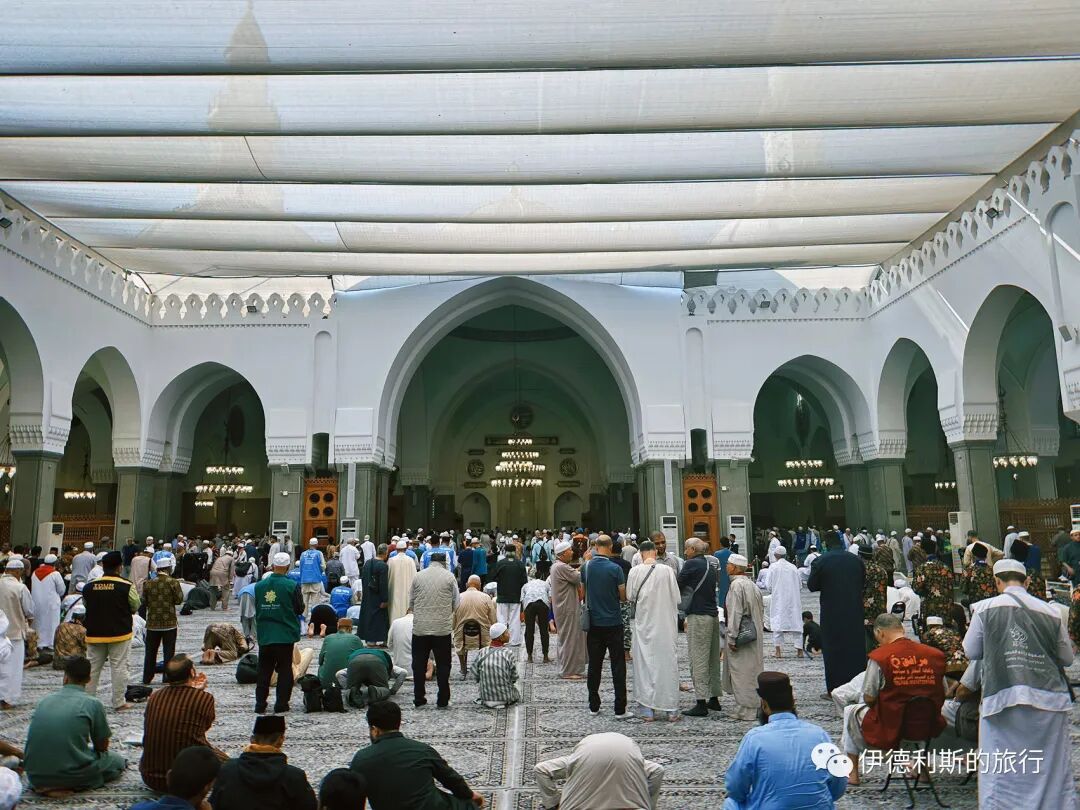
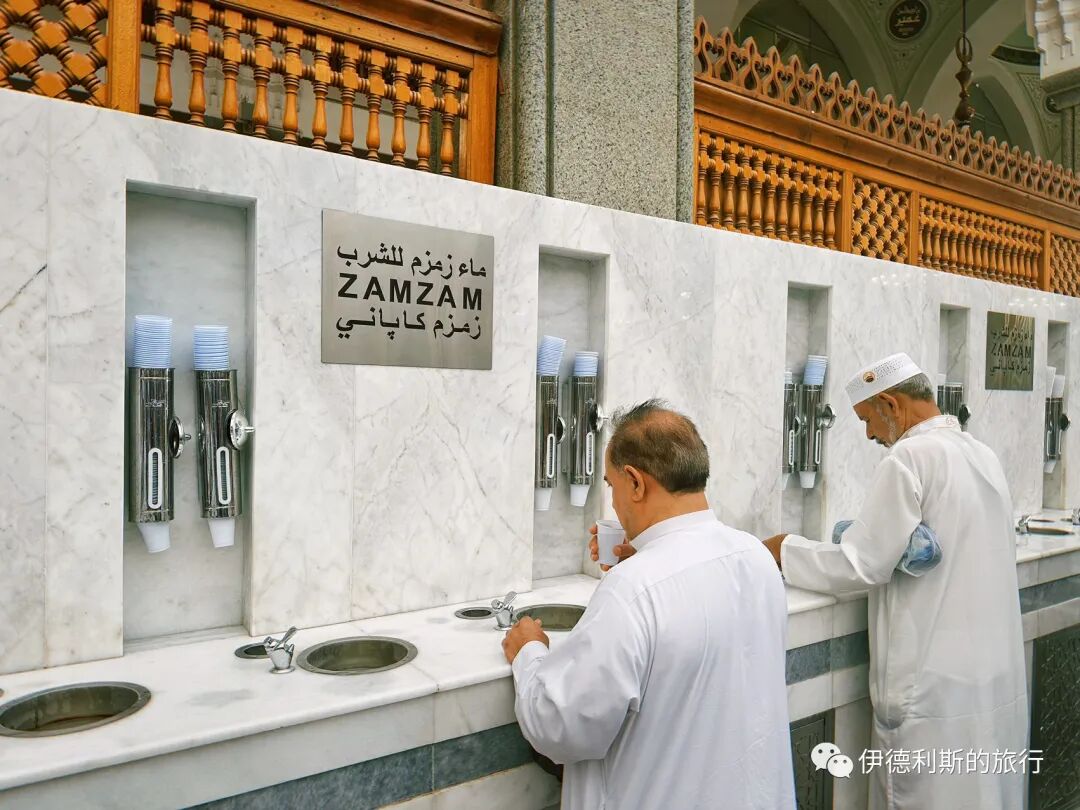
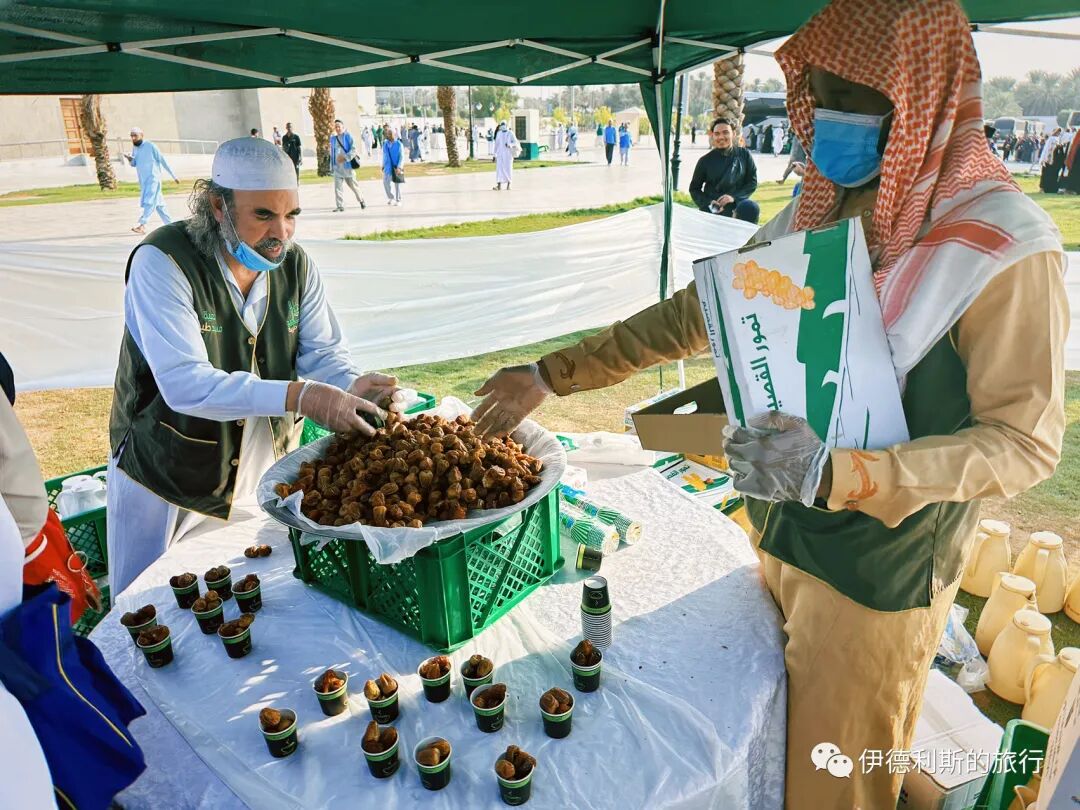
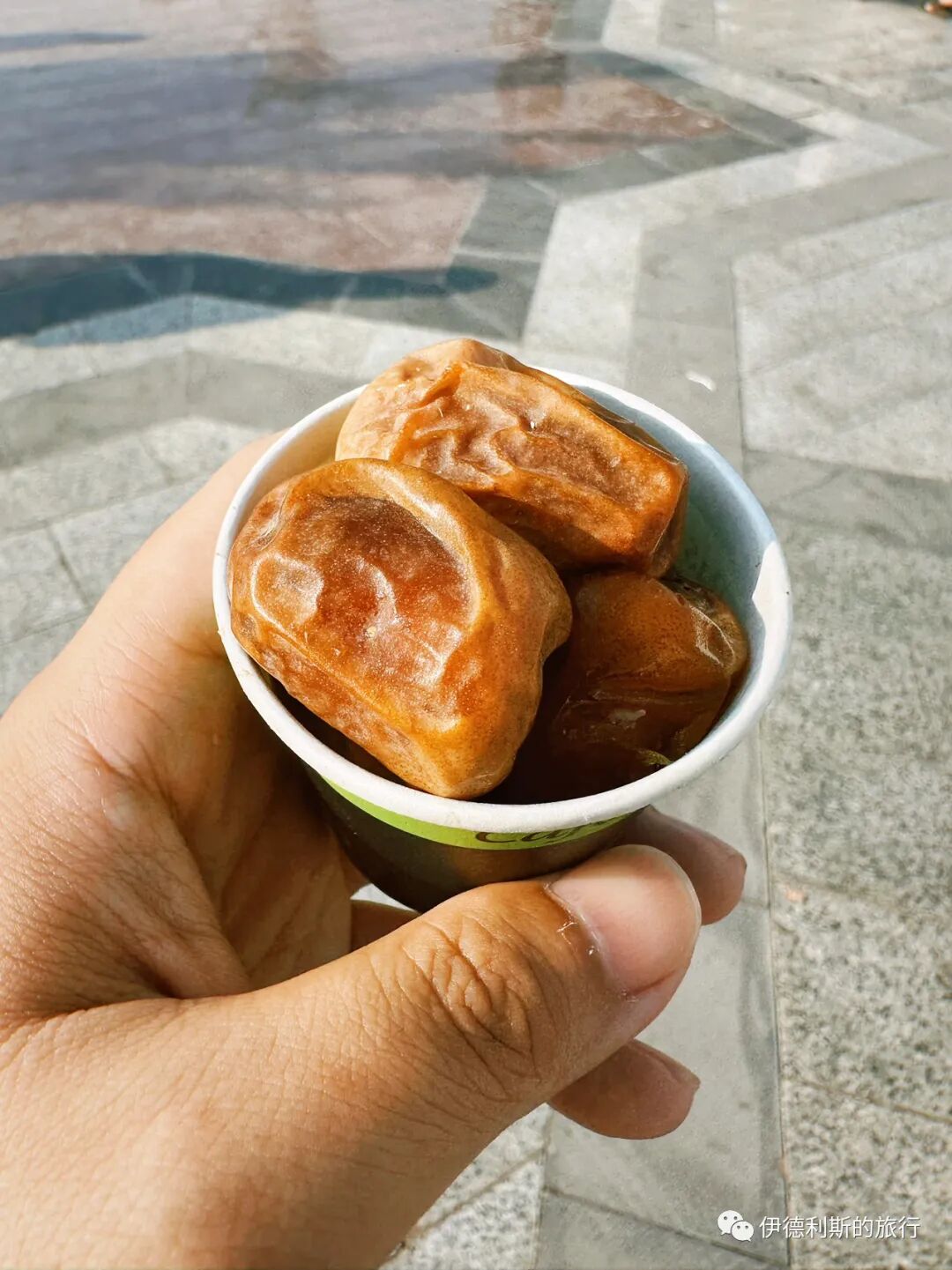
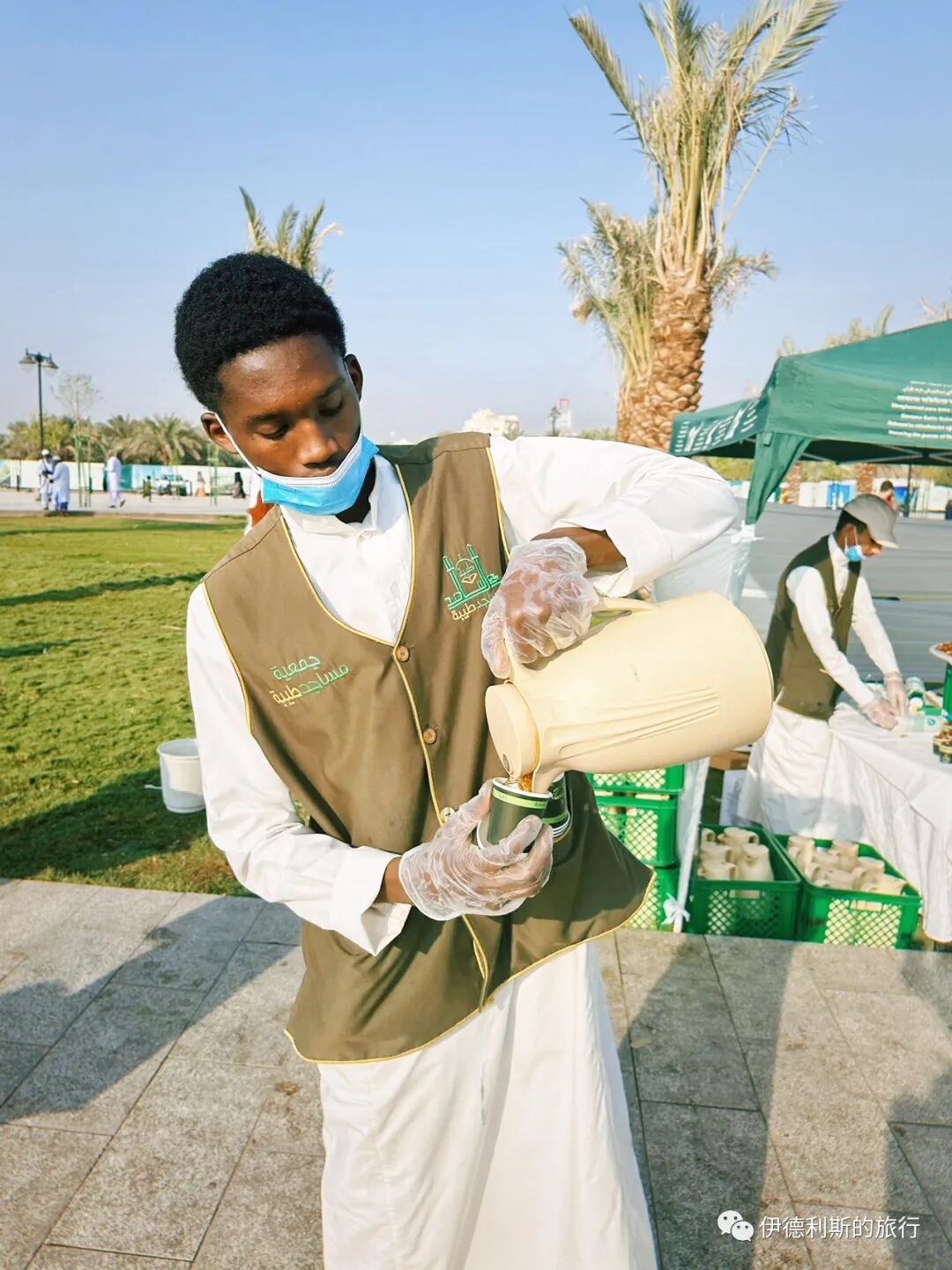
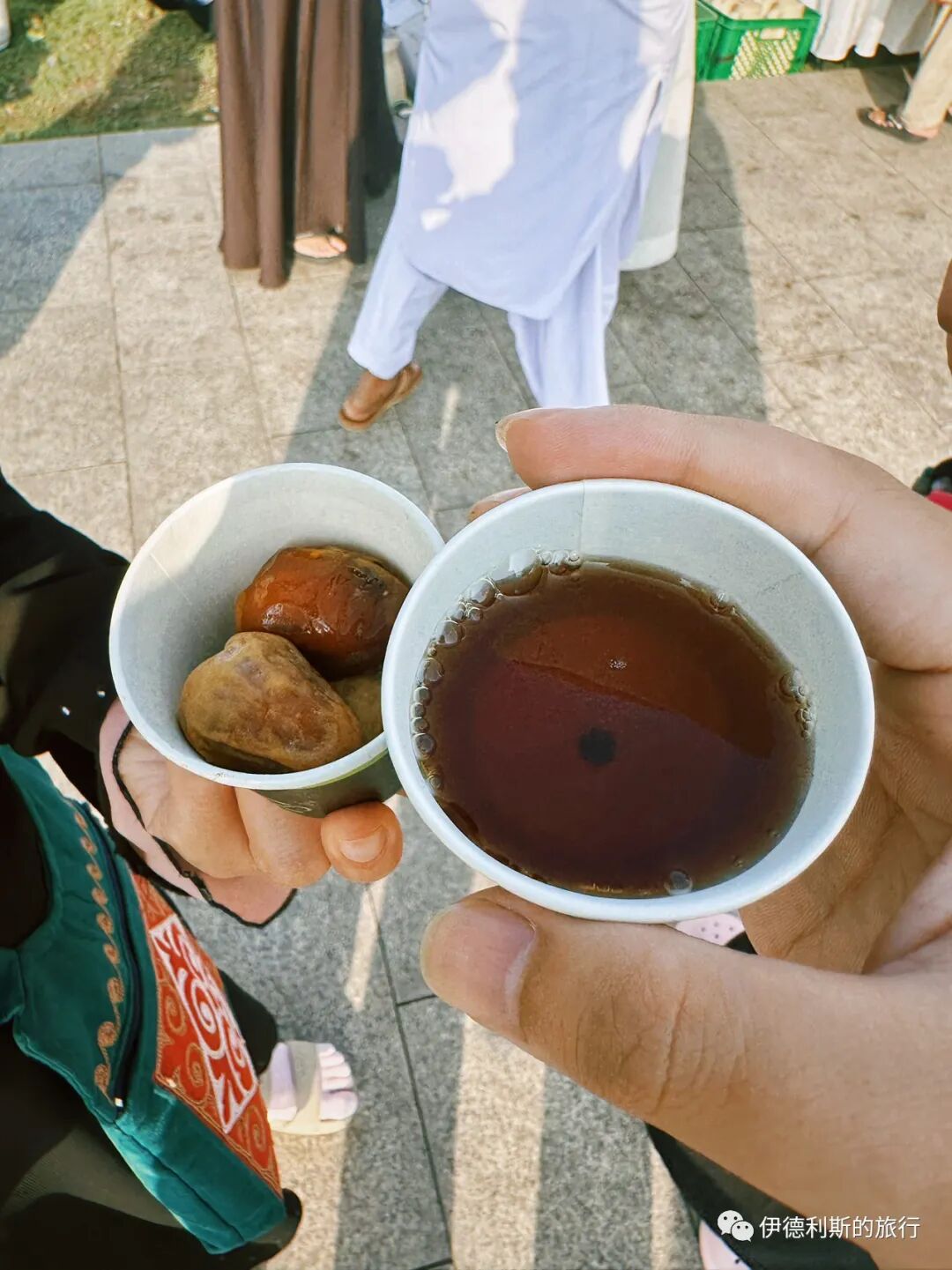
Quba Mosque was originally just a circle of walls. It was expanded several times and rebuilt into its current structure in 1986. Today, Quba Mosque is surrounded by date palm orchards. Beside the mosque, there are people offering dates and black tea (hongcha) as a gesture of hospitality (dawa), and you can drink Zamzam water inside the mosque. It is a great place to rest while following the footsteps of the noble Prophet.
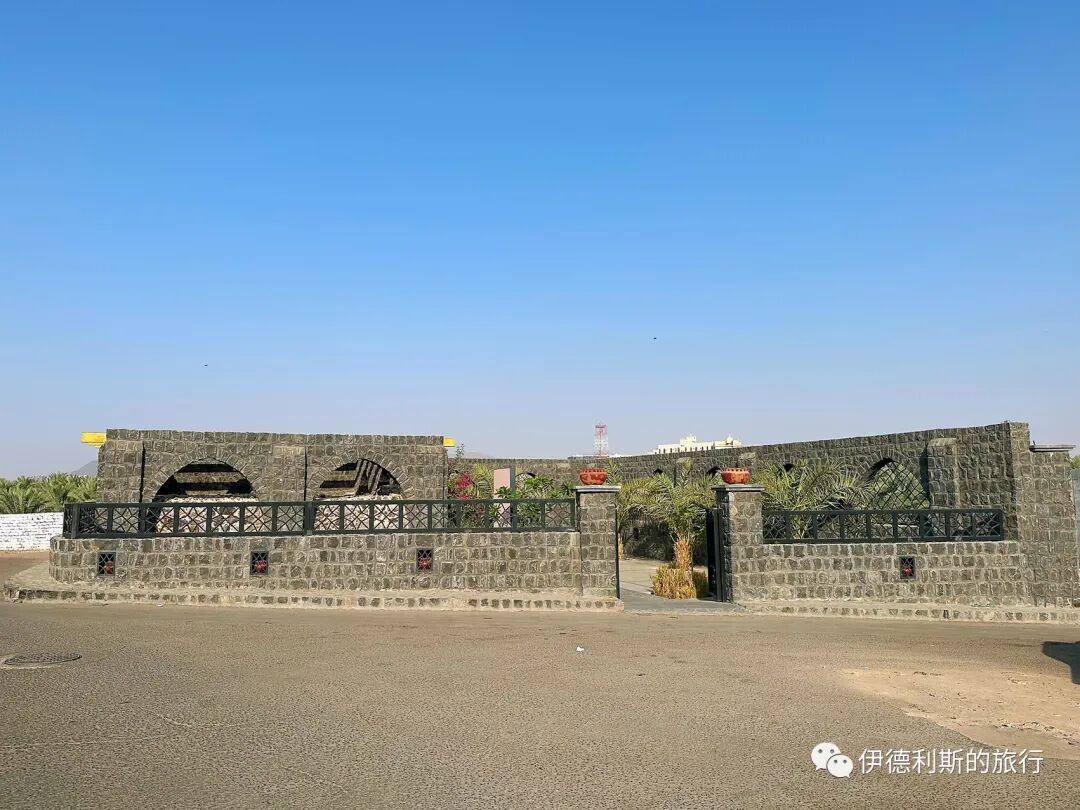
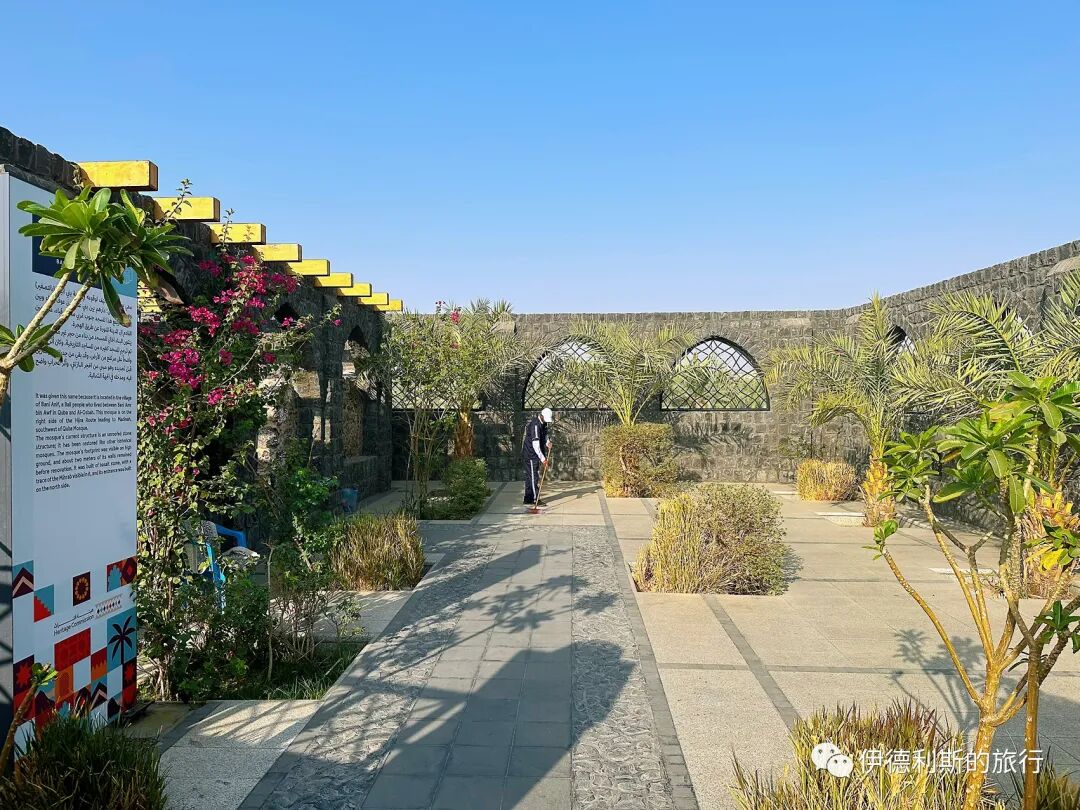
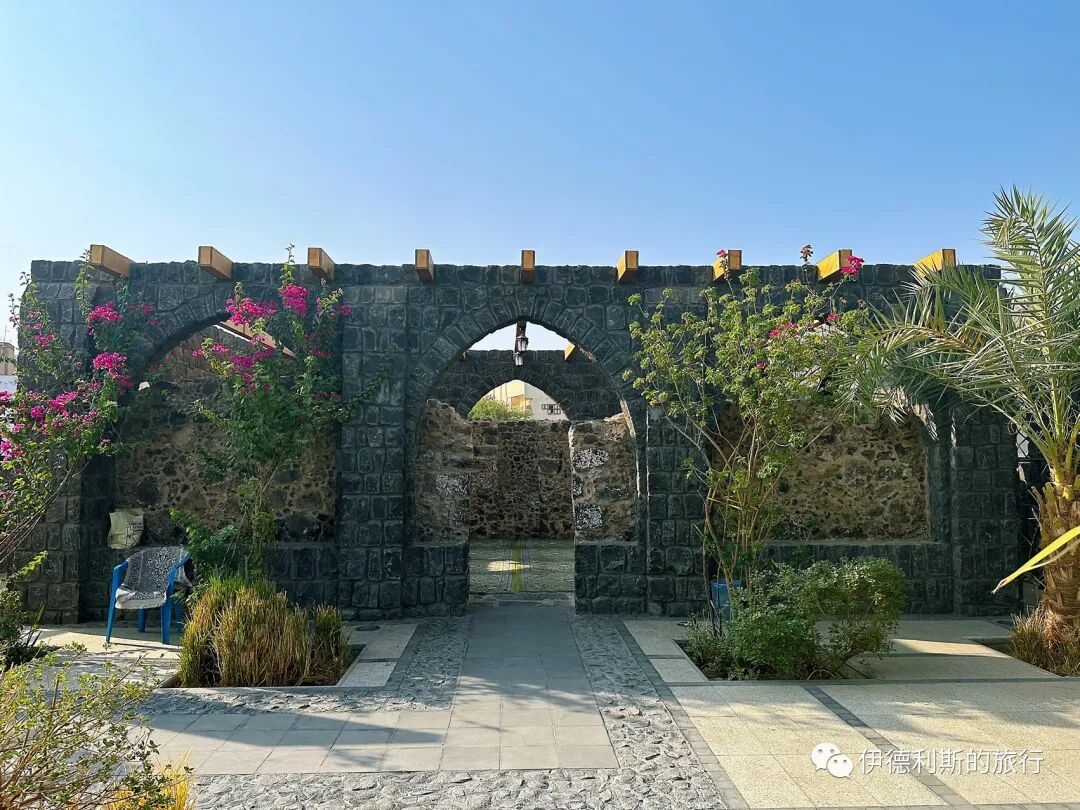
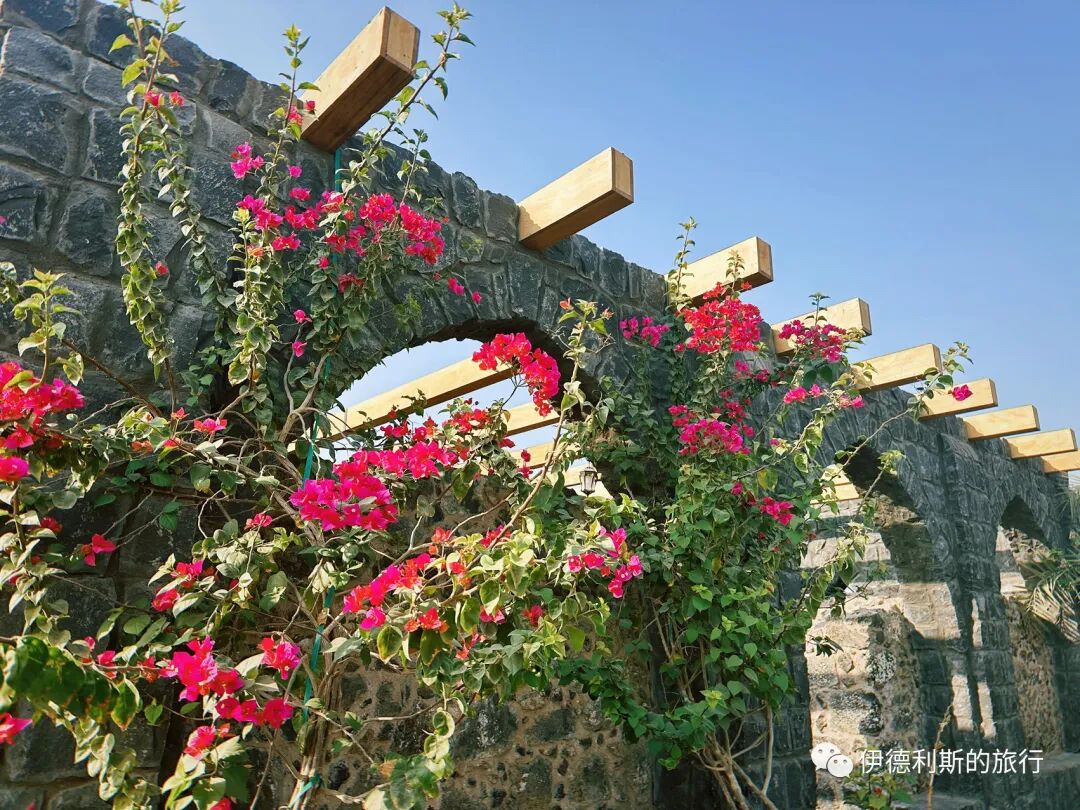
Musabbih Mosque is located southwest of Quba Mosque, and you have to cross a dusty parking lot to reach it. Legend says the Prophet Muhammad prayed namaz here when he first migrated to Medina in 622 AD. The old mosque still keeps its black volcanic basalt walls and contains the remains of a mihrab. The small courtyard is quiet, filled with blooming flowers and a friend (dosti) cleaning the area, which contrasts sharply with the crowded Quba Mosque nearby.
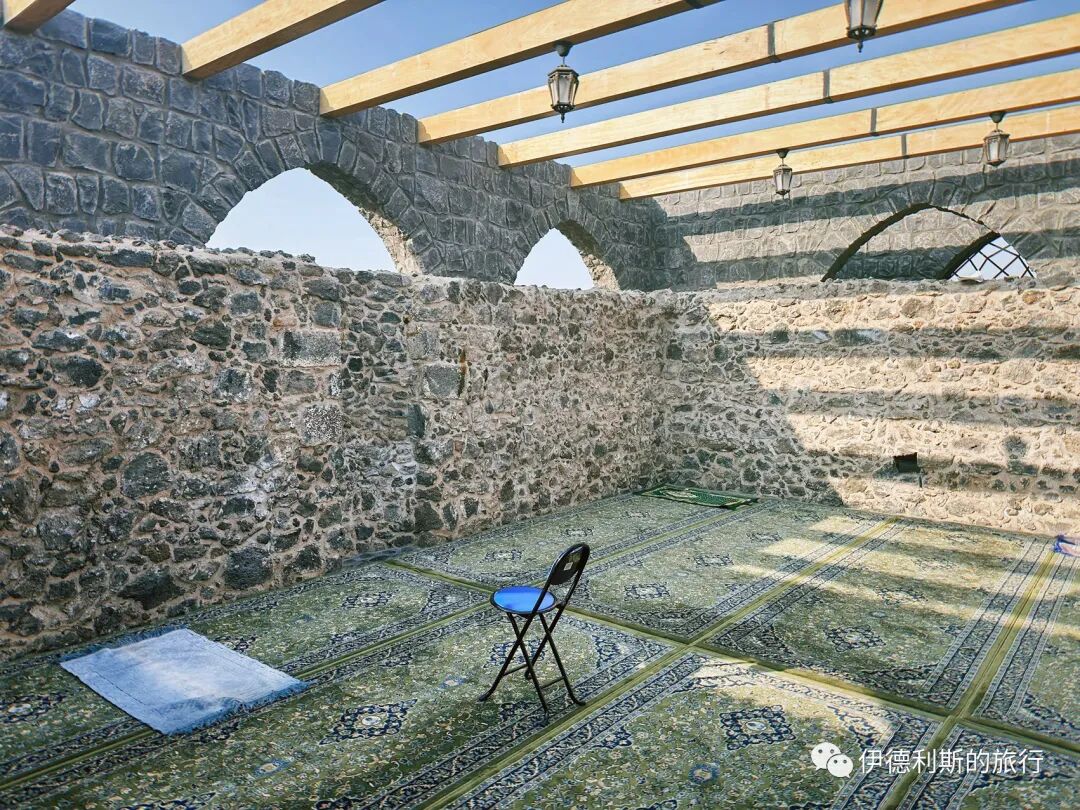
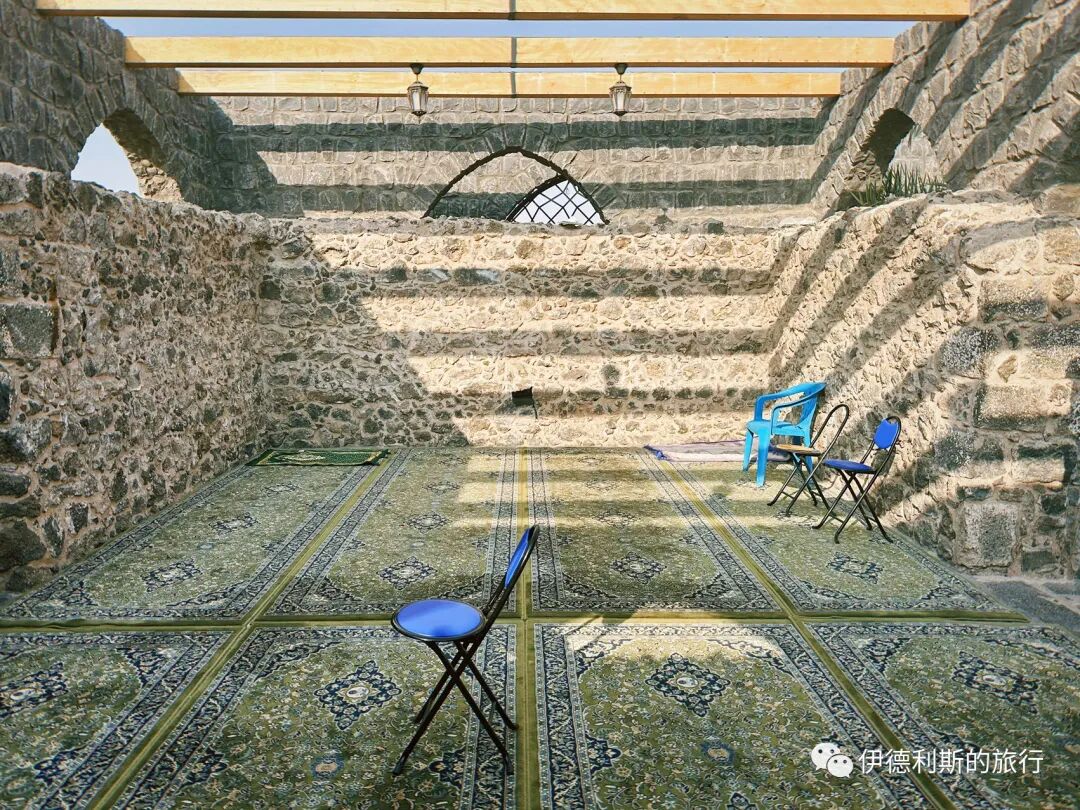
North of Medina is the site of the Battle of Uhud, fought in 624 between the Muslim army led by the Prophet and the Quraish tribe alliance from Mecca. The Muslim army suffered heavy losses, but the Meccans failed to capture Medina.
At the center of the Uhud battlefield is a small hill. Muslim archers stationed there left their posts to collect war spoils, which turned the tide of the battle and led to the Muslim army being surrounded.
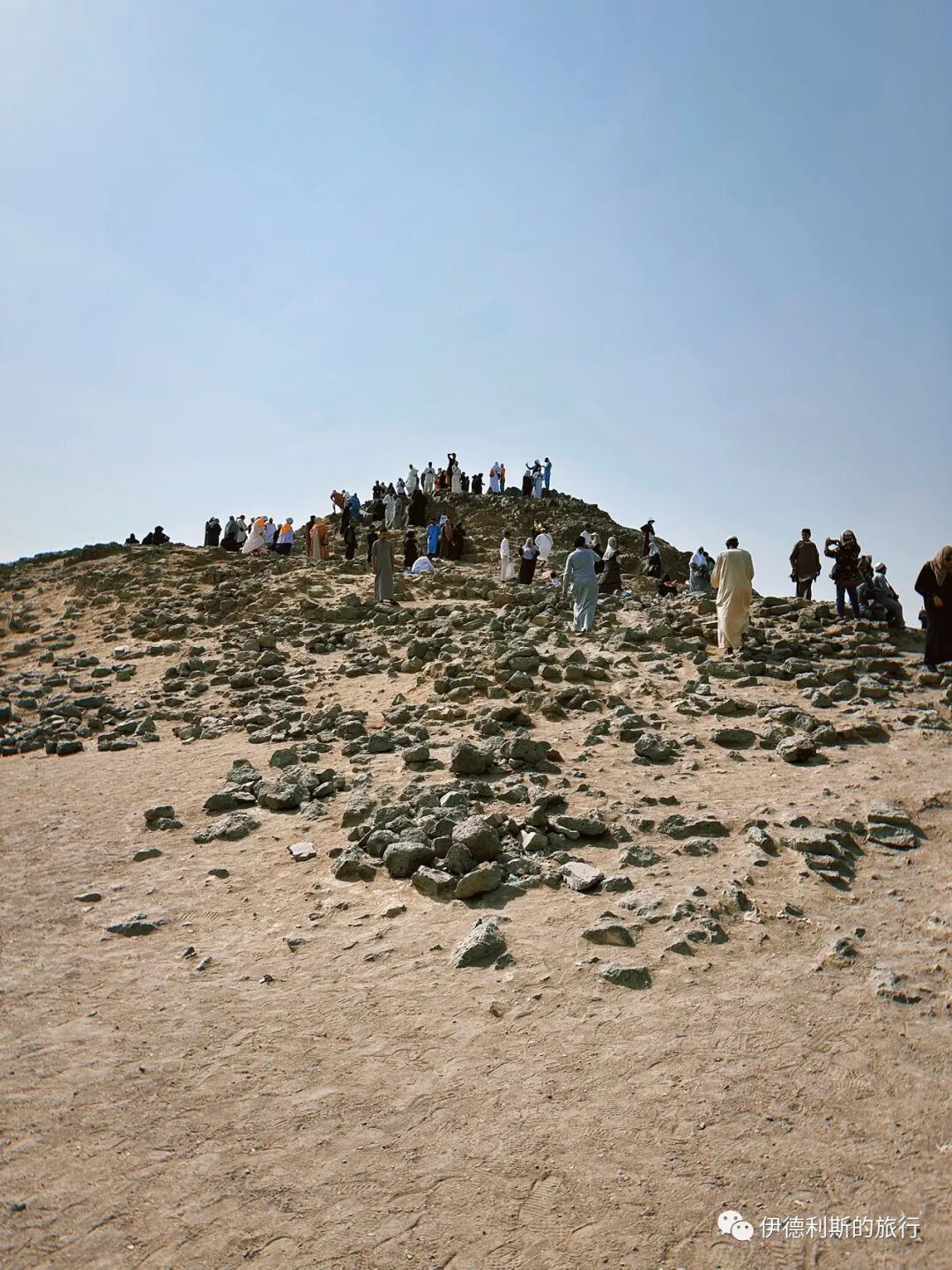
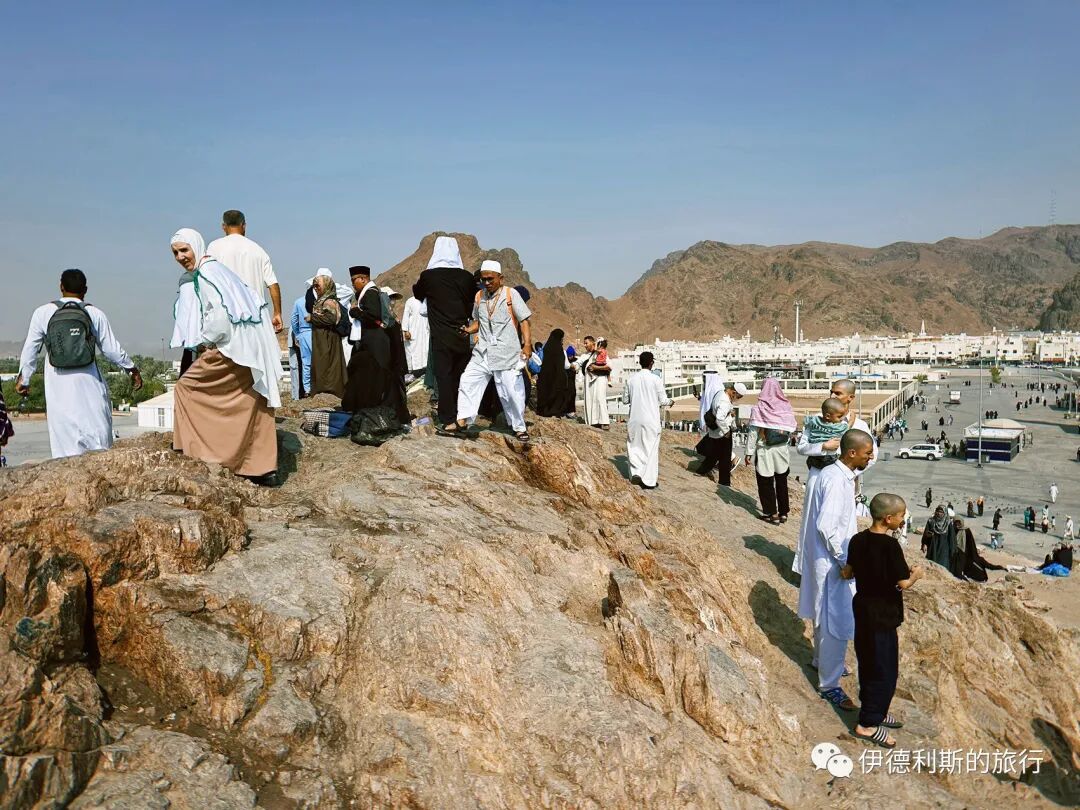
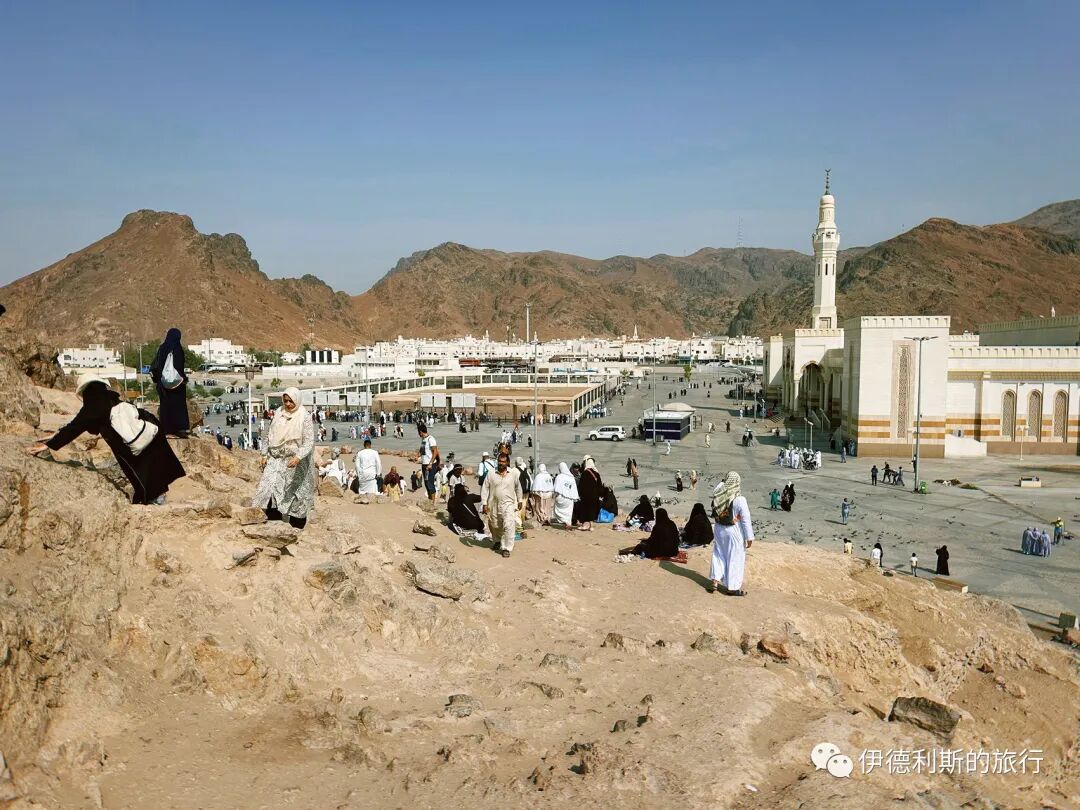
On the north side of the hill is the cemetery for the martyrs of the Battle of Uhud, which is now blocked off by wire mesh and fences. The cemetery holds many of the Prophet's companions and relatives, most importantly his uncle Hamza ibn Abd al-Muttalib. The Prophet once said, 'My best brother is Ali, and my best uncle is Hamza. May Allah be pleased with them.' Buried next to Hamza is the Prophet's cousin, Abd Allah ibn Jahsh.
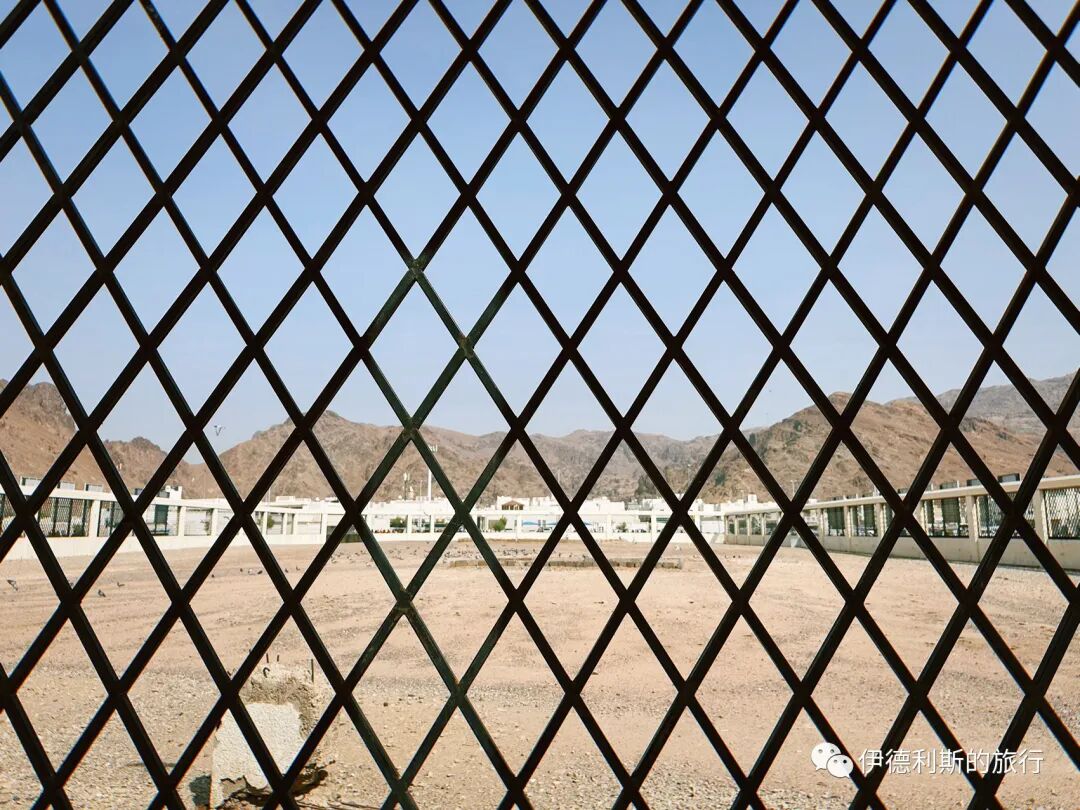
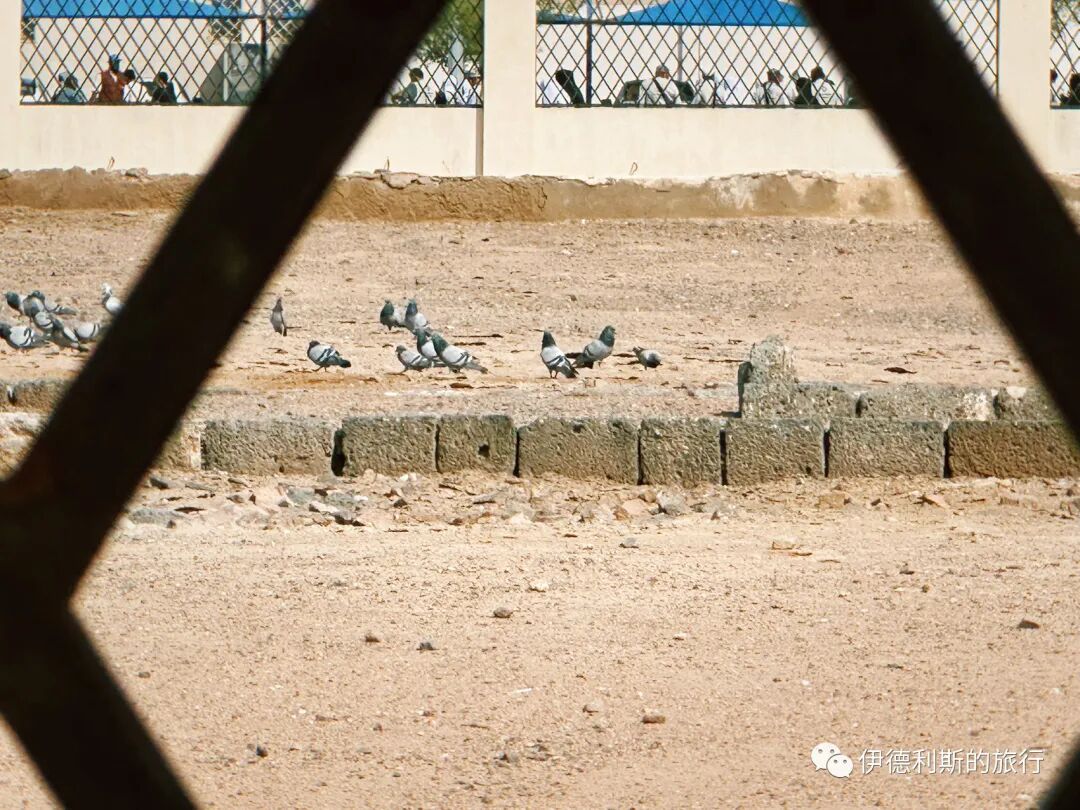
On the east side of the cemetery stands the Sayyid al-Shuhada Mosque, built in 2017 and named after the title the Prophet gave to Hamza.
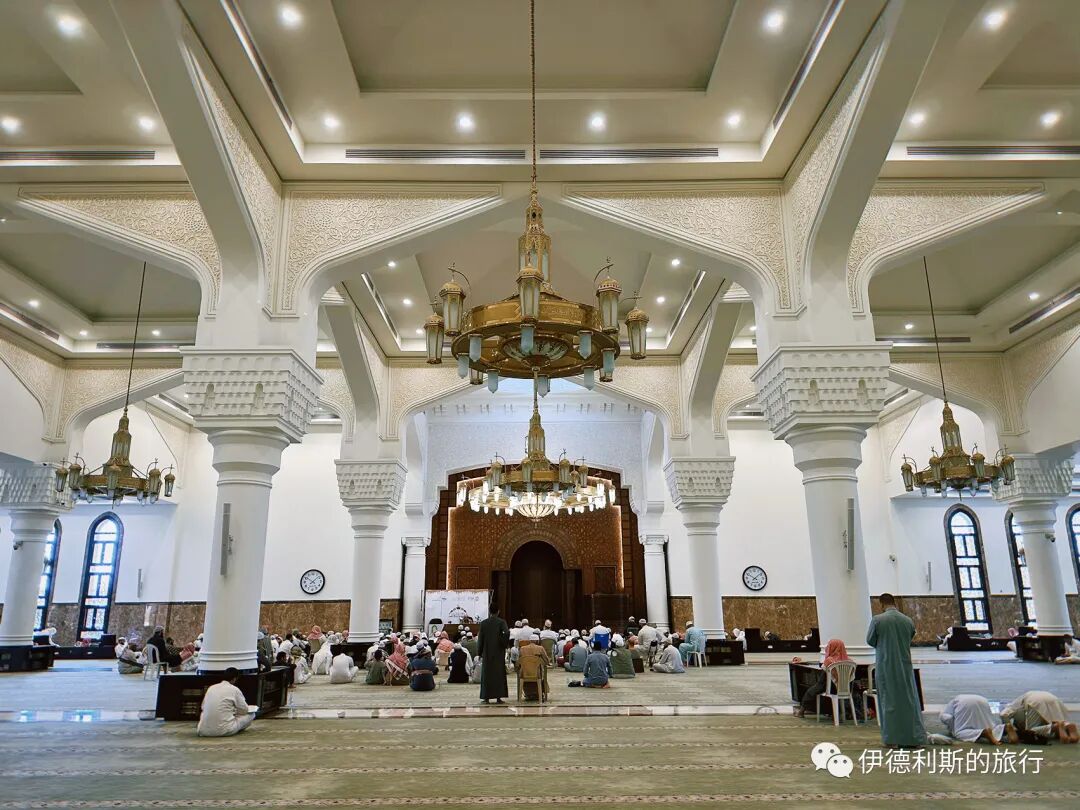
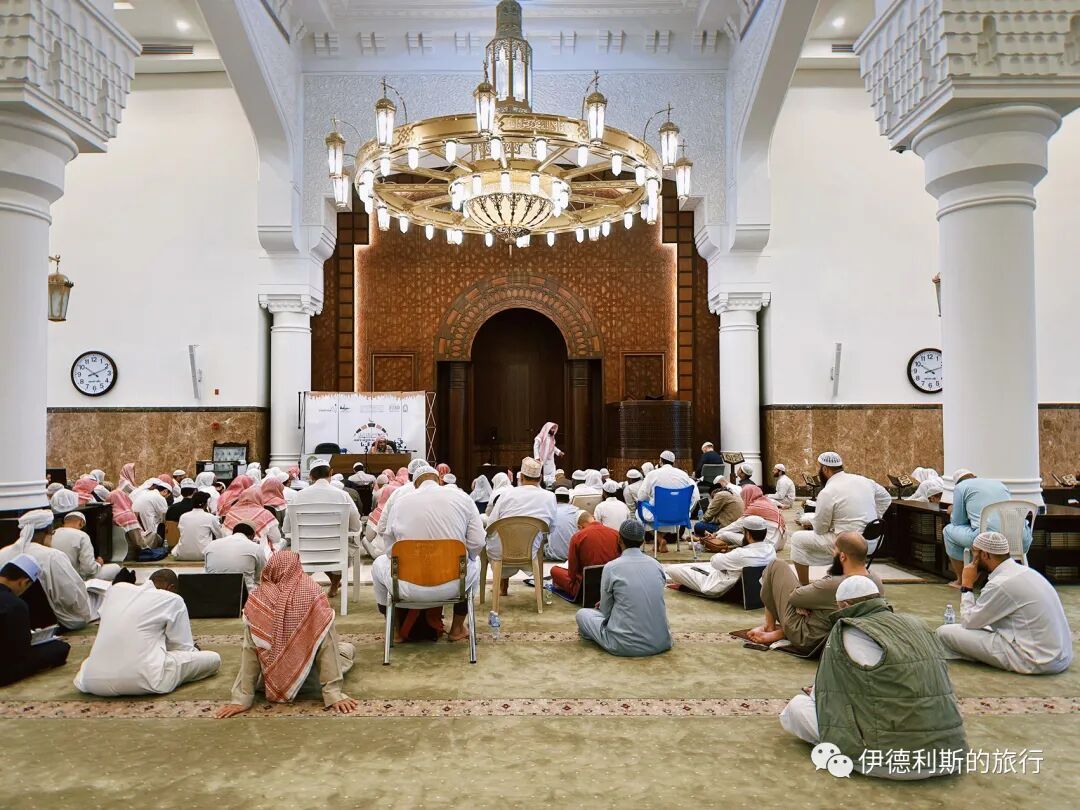
On the west side of the cemetery is a shed where water and bread are given out as charity, and you can rest there.

The Battle of the Trench was a conflict in 627 AD where the Muslim army led by the Prophet defended the northwest of Medina against an alliance of the Quraish and Bedouin tribes. The Prophet followed the advice of Salman the Persian to dig a trench, which eventually helped them defeat the enemy. This event is recorded in detail in the Quran and Sunnah.
Historically, seven mosques were built on the battlefield of the Trench. Five remain today, all built during the reign of the Umayyad Caliph Umar II (who ruled from 717 to 720) and renovated at different times.
The mosque on the northern hillside is called Al-Fath Mosque, and 'Fath' means 'conquest'. This is said to be the place where the Prophet performed namaz during the Battle of the Trench.
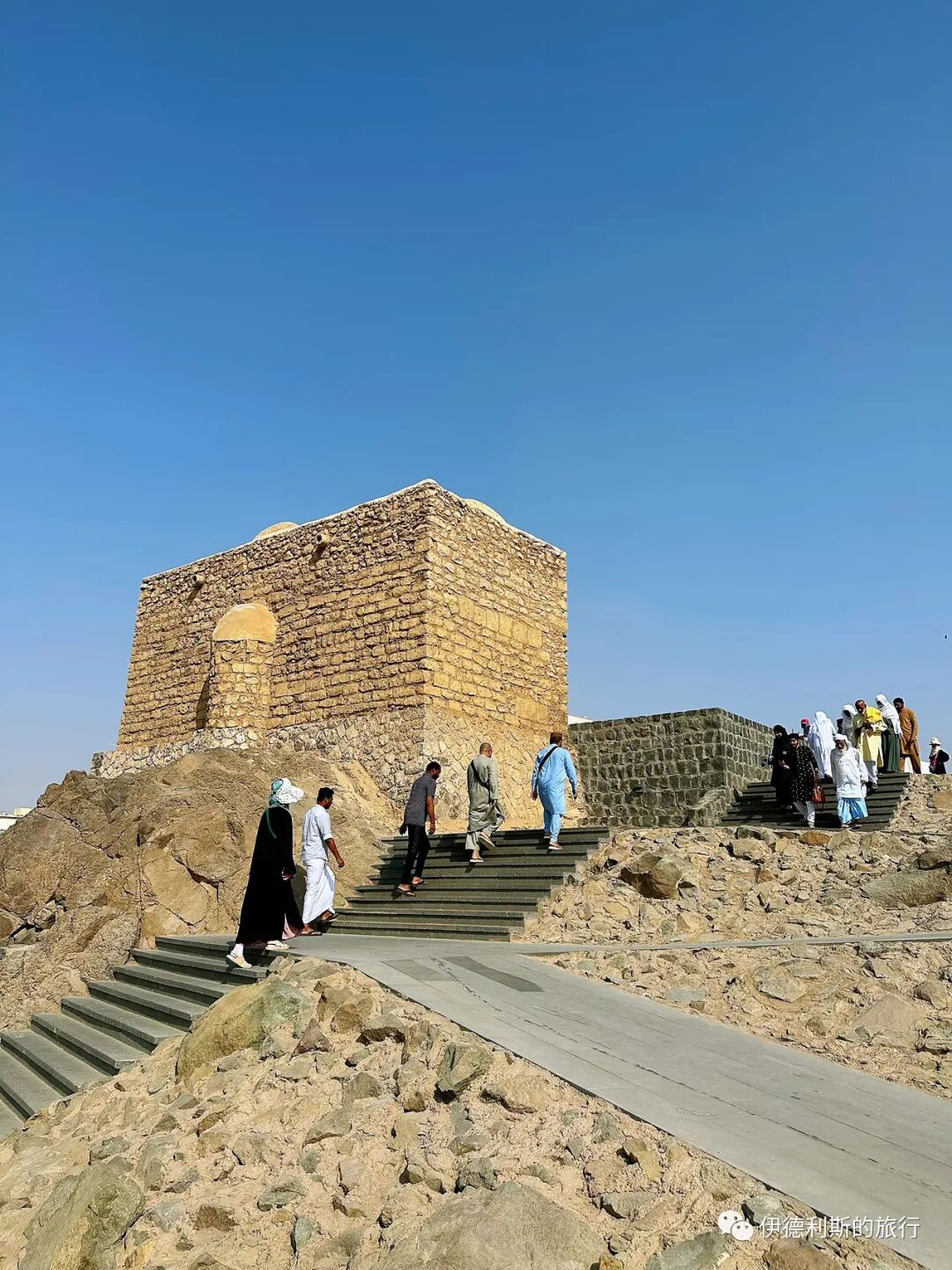
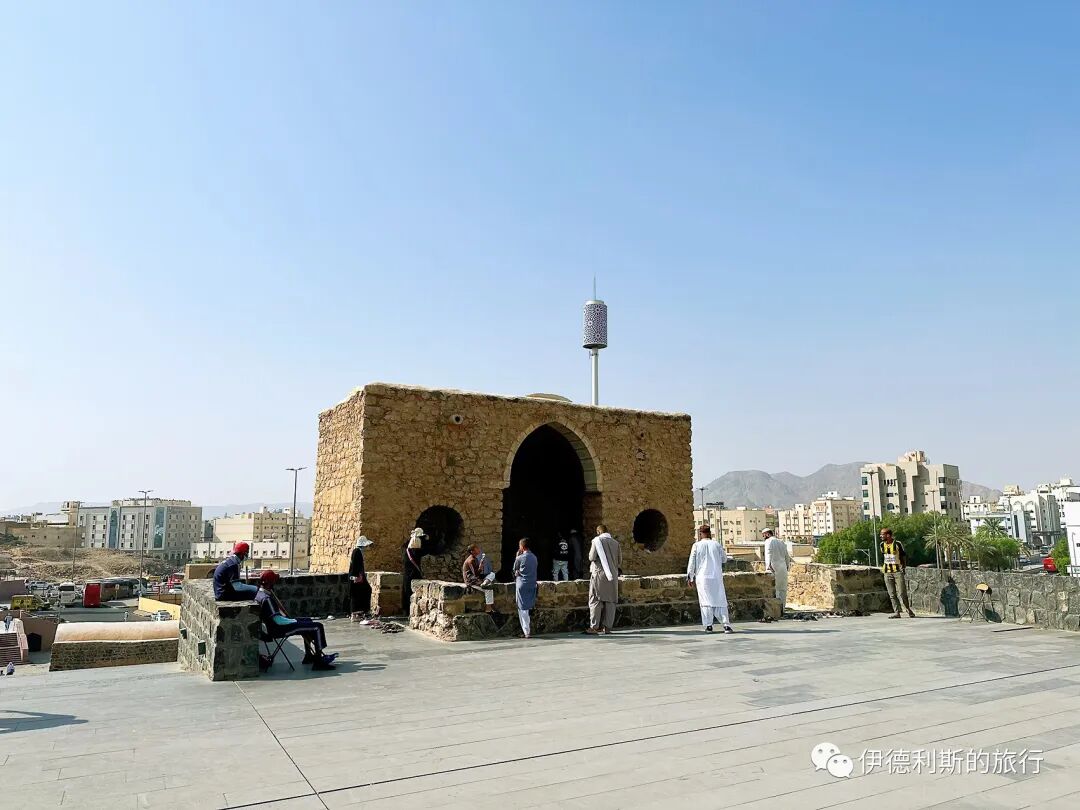
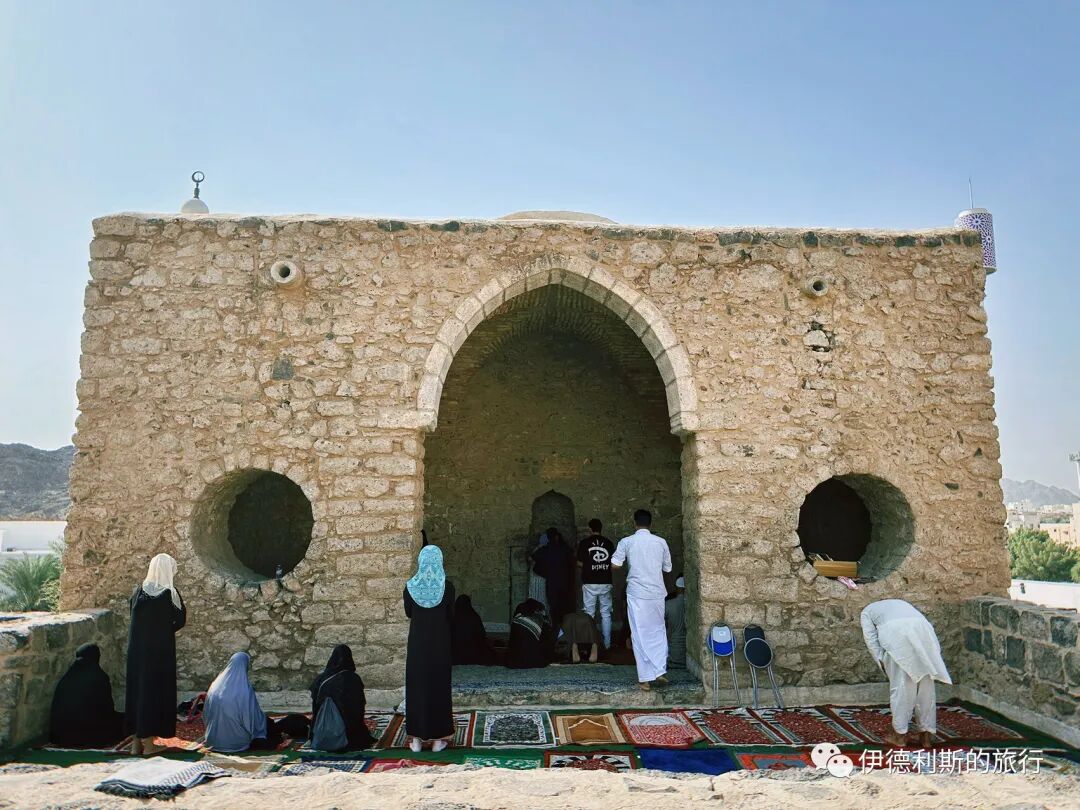
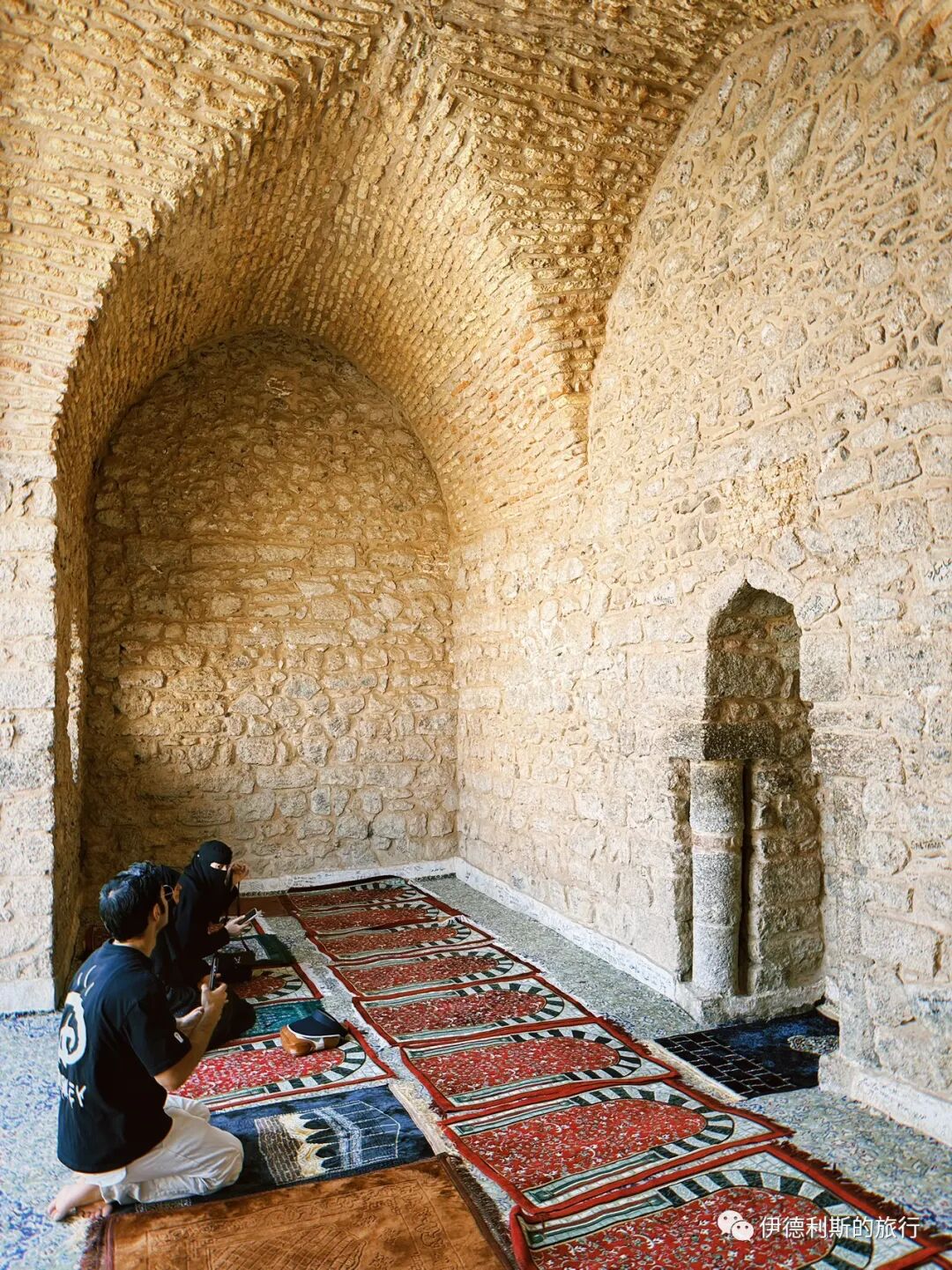
South of the Al-Fath Mosque is the Salman Al-Farsi Mosque, named after the Prophet's companion, Salman the Persian. Salman was originally a Zoroastrian from the Sassanid Empire. He later traveled through the Middle East with a Nestorian group and converted to Islam after meeting the Prophet in Medina. He used the military skills he learned in the Sassanid Empire to dig the trench, which helped the Prophet win the Battle of the Trench.
After the Prophet passed away, Salman took part in the Arab Empire's conquest of the Sassanid Empire and became the first governor of Ctesiphon, the Sassanid capital. He was also the first person to translate the Quran into a foreign language, which was Persian. Salman holds a high status among both Shia and Sufi Muslims. He is honored as the most noble of the four great companions of the Prophet in Shia tradition, and he is even respected in the Druze and Baháʼí faiths.
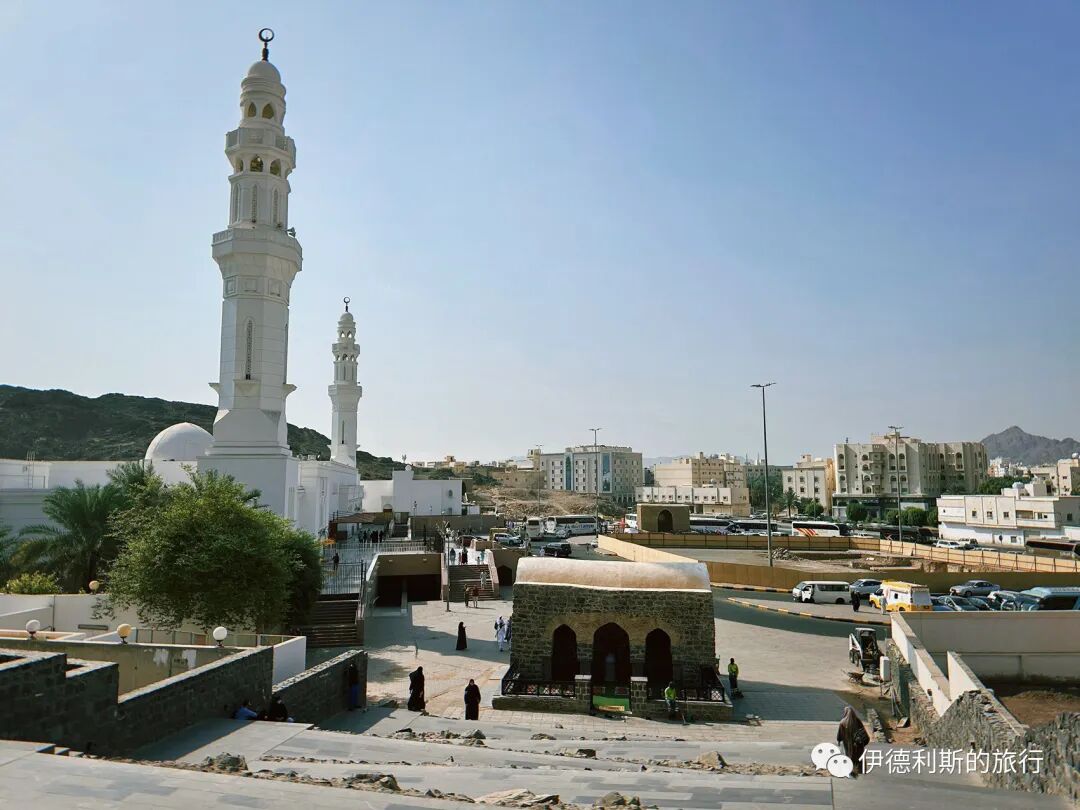
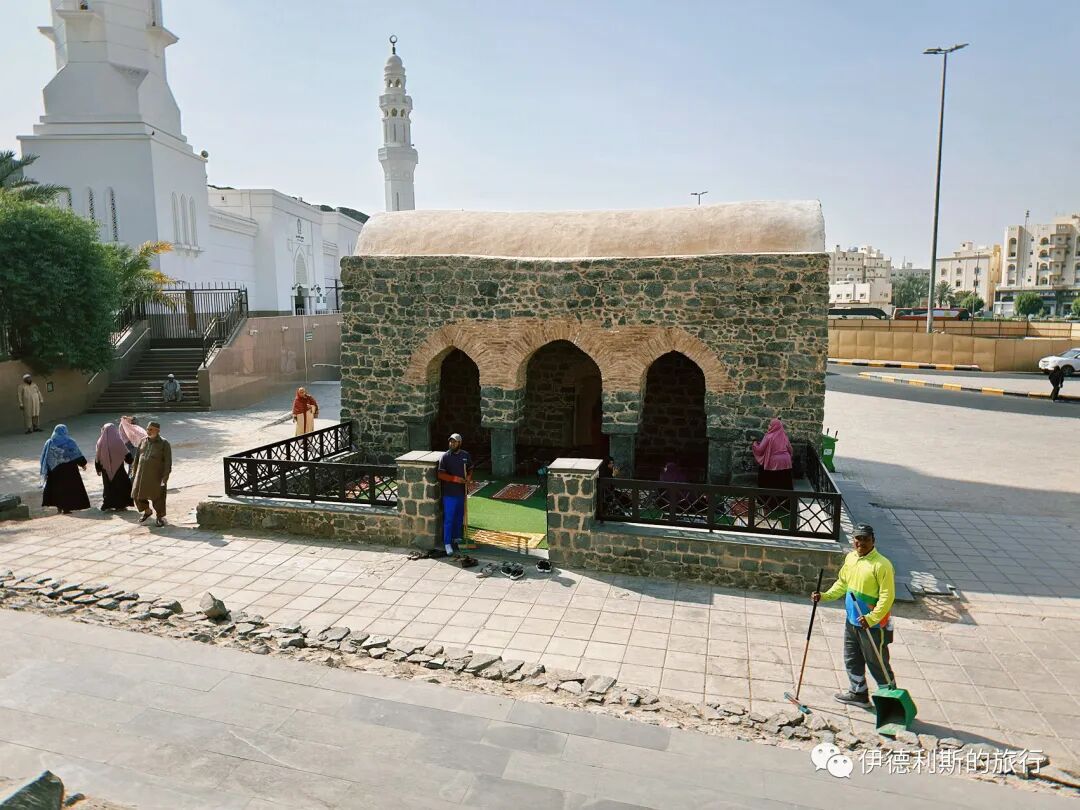
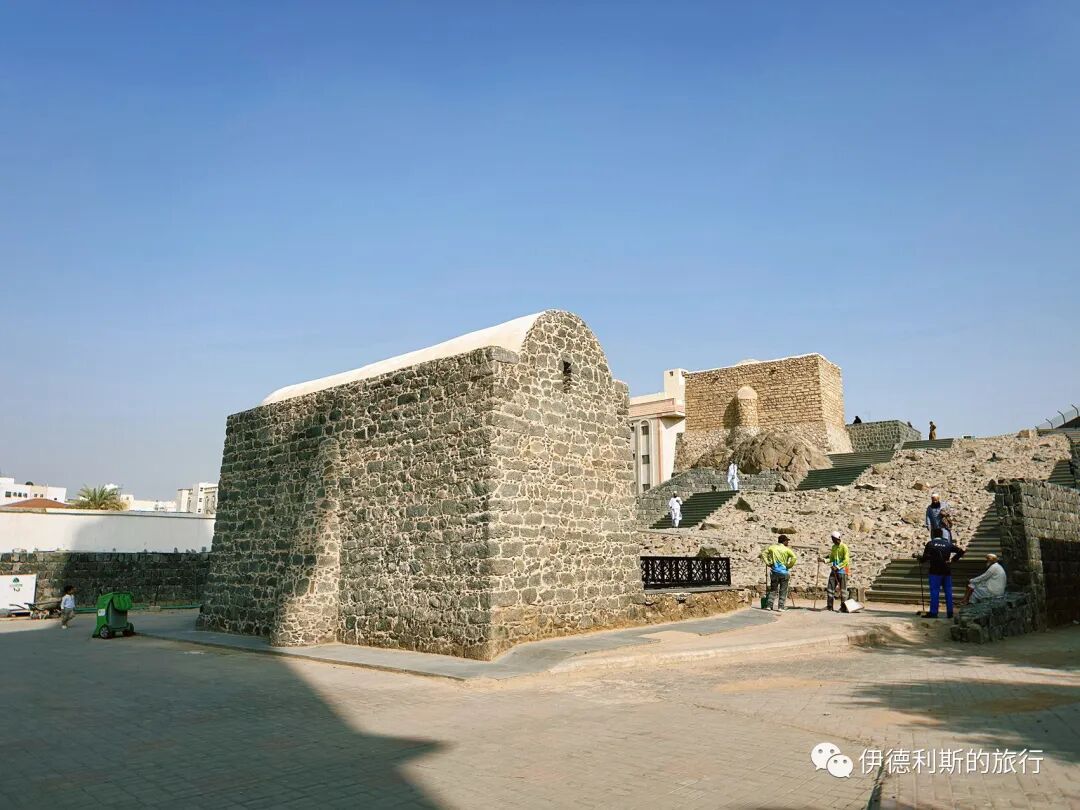
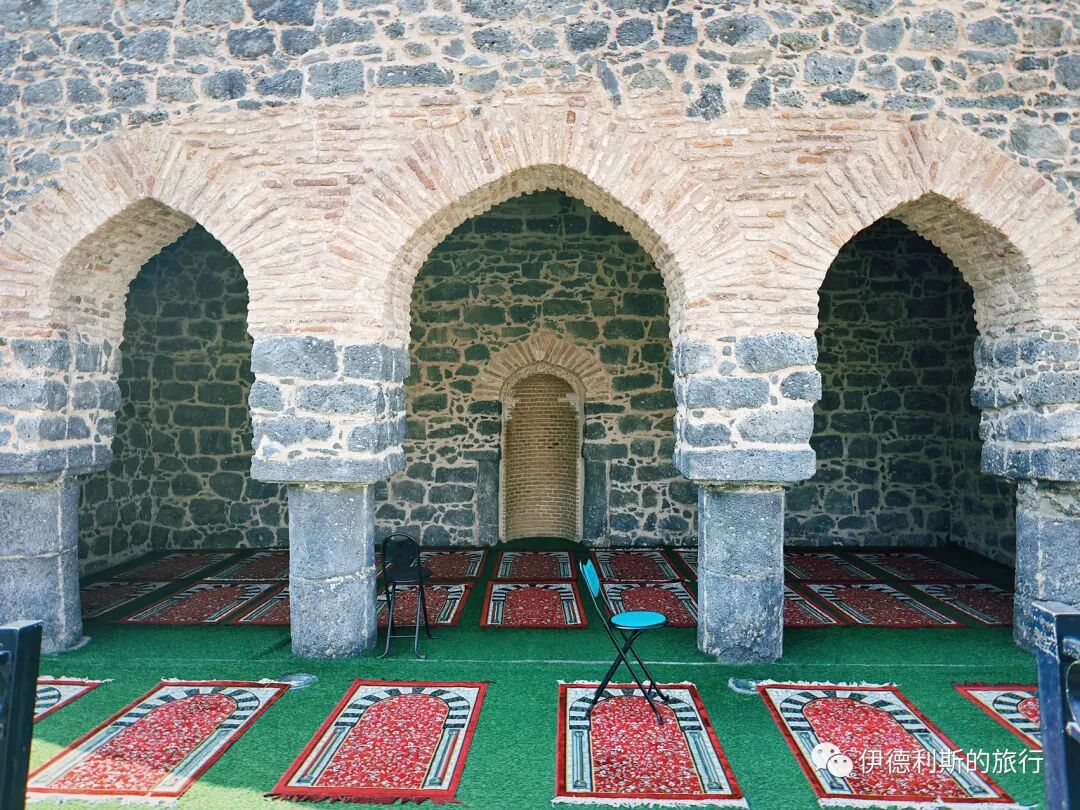
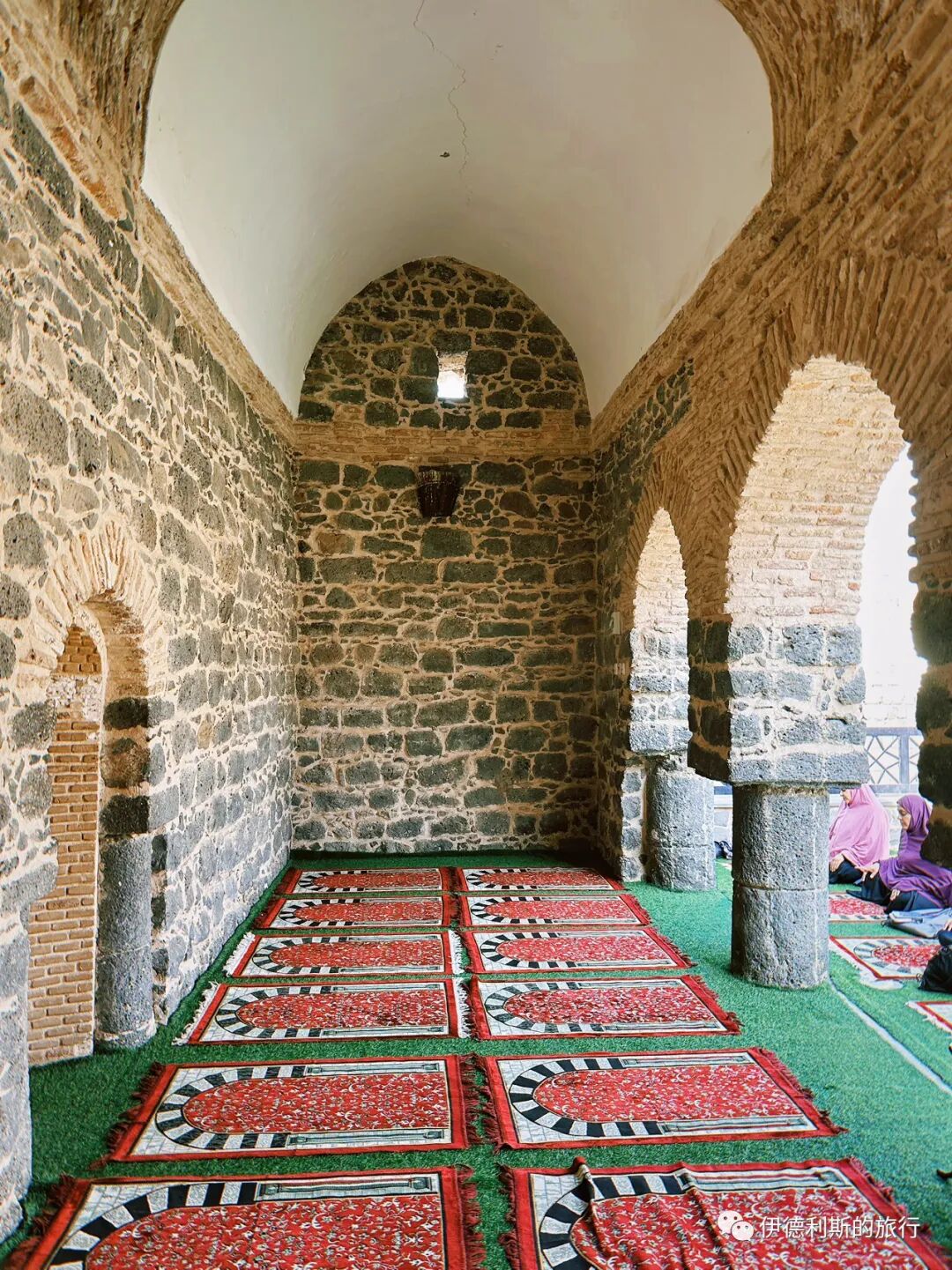
South of the Salman Al-Farsi Mosque is the Abu Bakr Al-Siddiq Mosque, named after Caliph Abu Bakr. In recent years, Saudi Arabia rebuilt this site into a large mosque with a washroom and a courtyard, and the main hall provides bottled ice water.
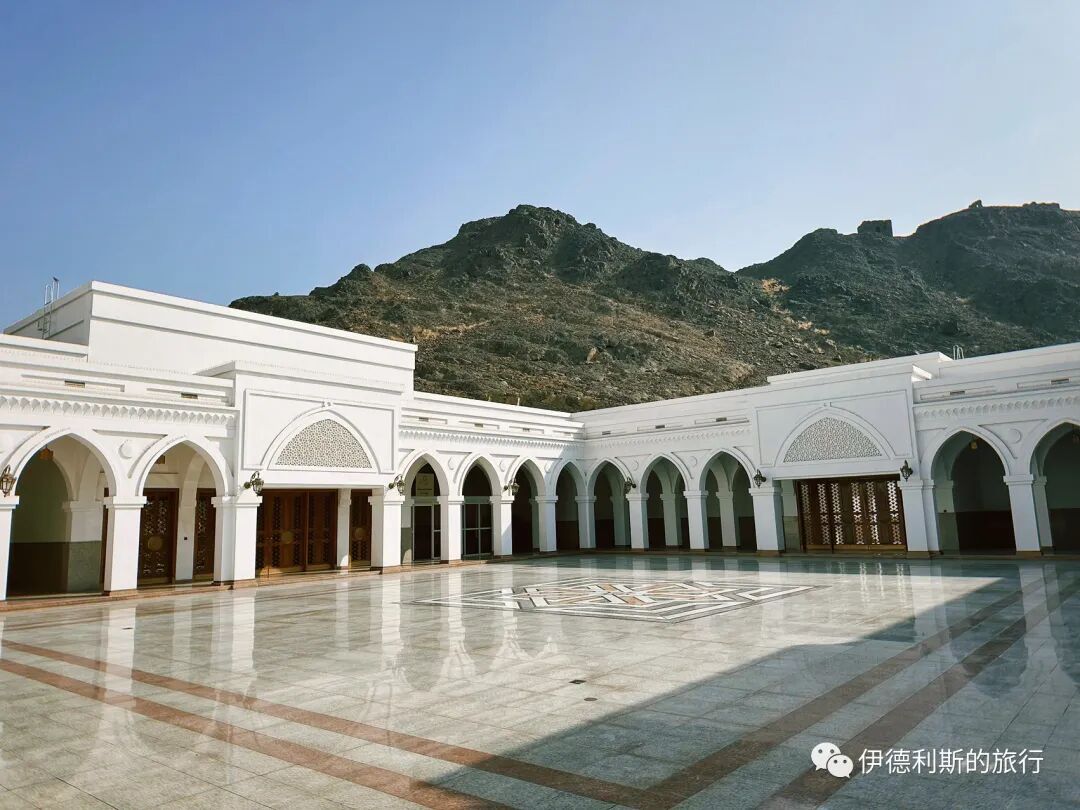
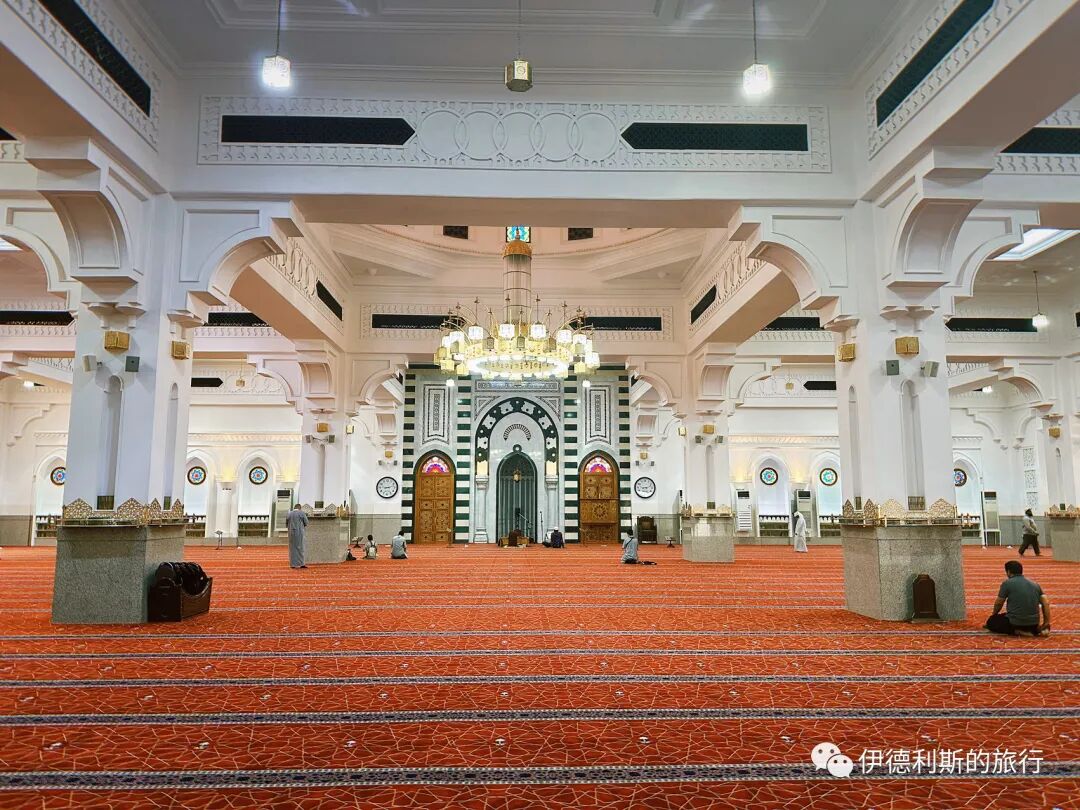
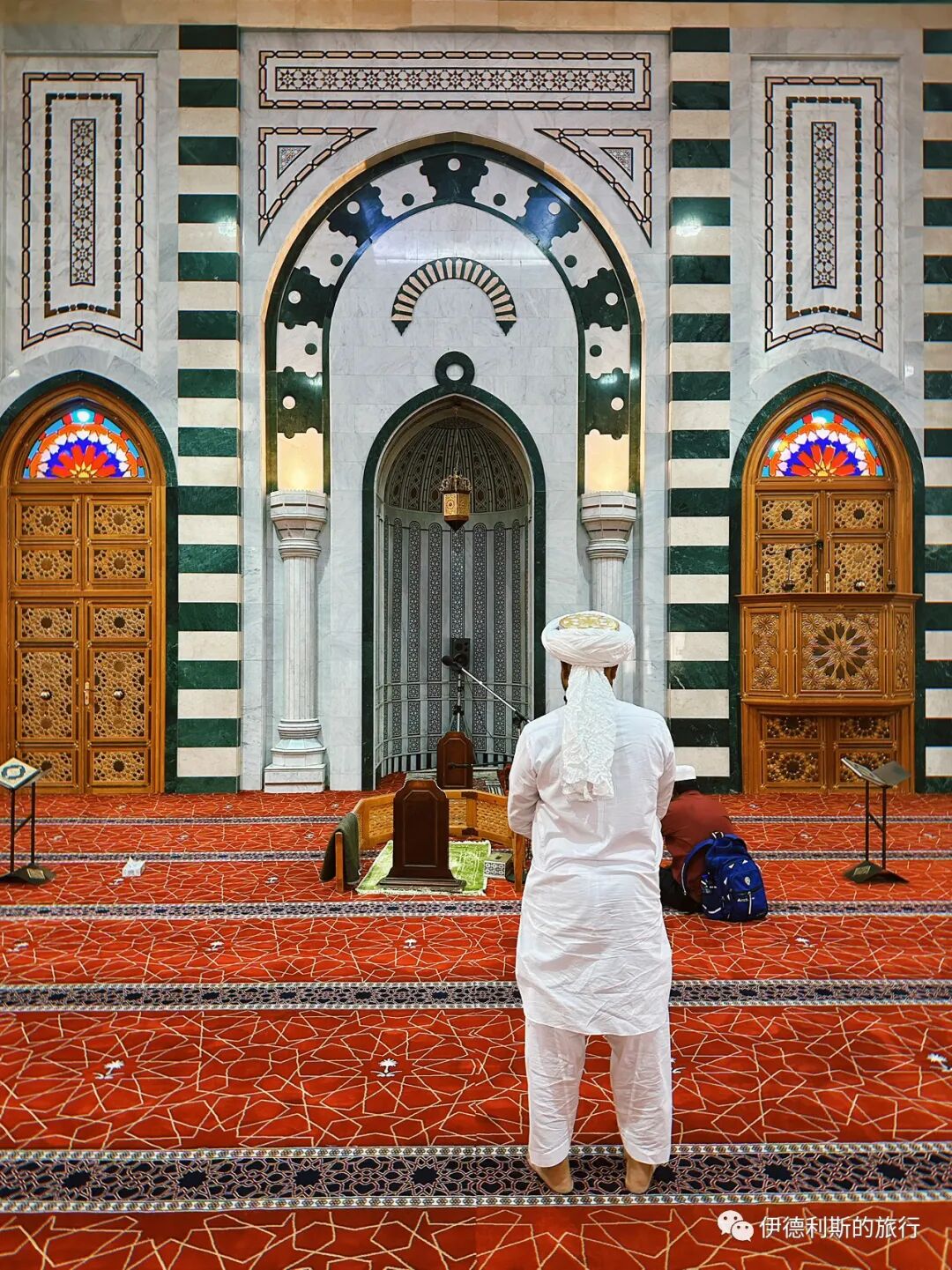
South of the Abu Bakr Al-Siddiq Mosque is the Umar bin Khattab Mosque, named after Caliph Umar.
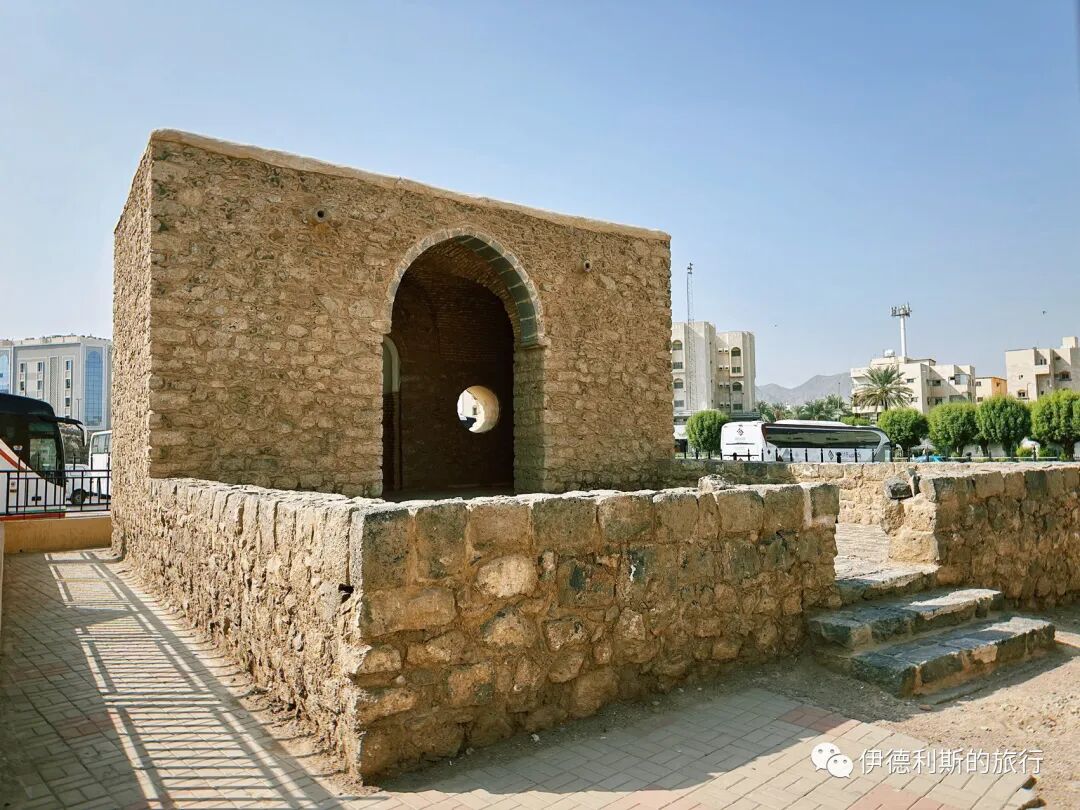
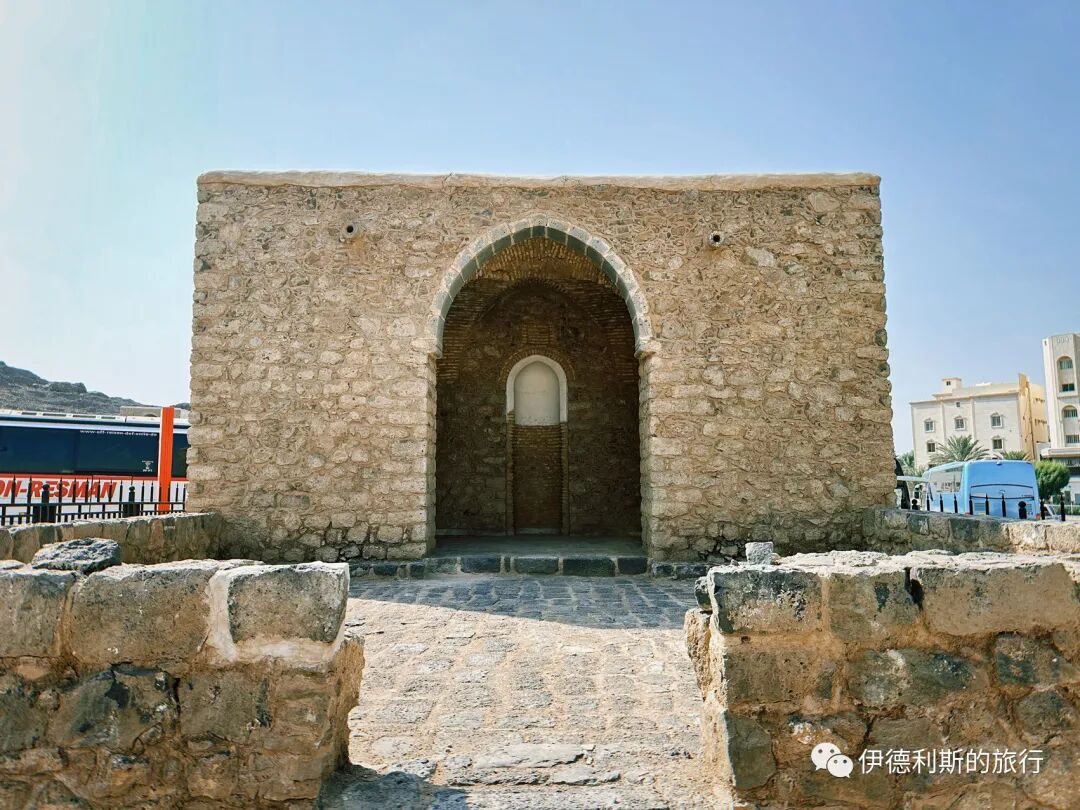
South of the Umar bin Khattab Mosque is the Ali bin Abu Talib Mosque. It sits on a hillside in the south and is named after Caliph Ali, who is said to have joined the Battle of the Trench here.
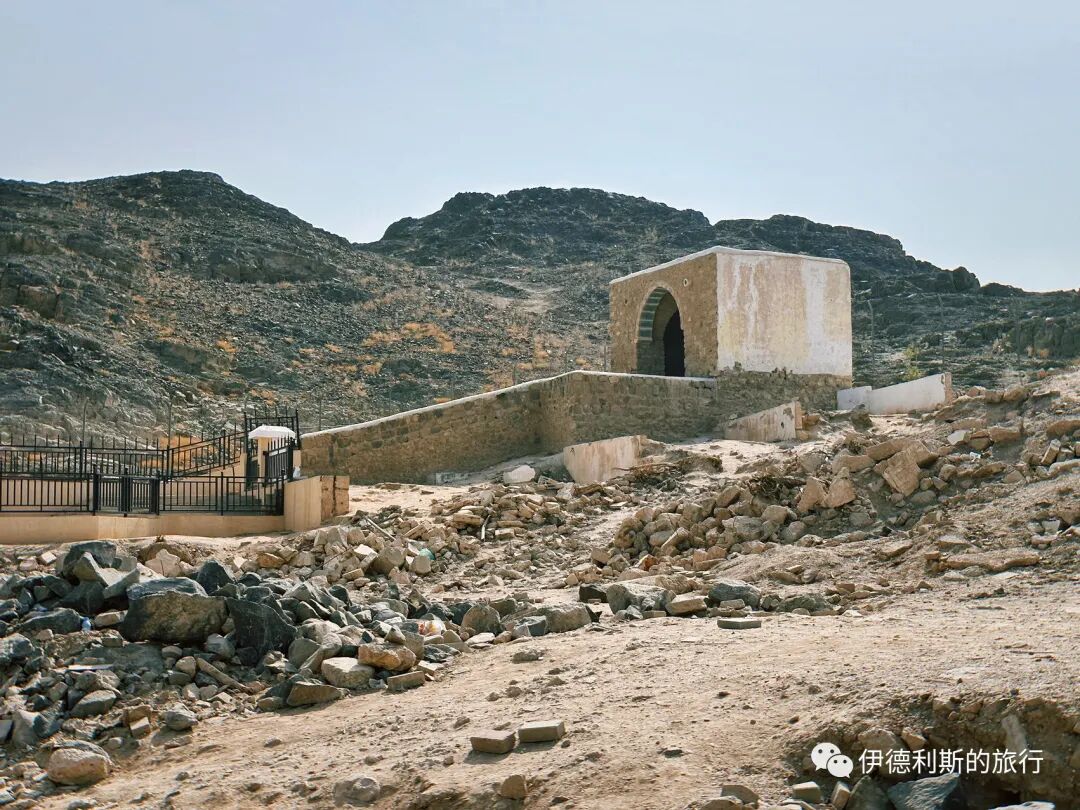
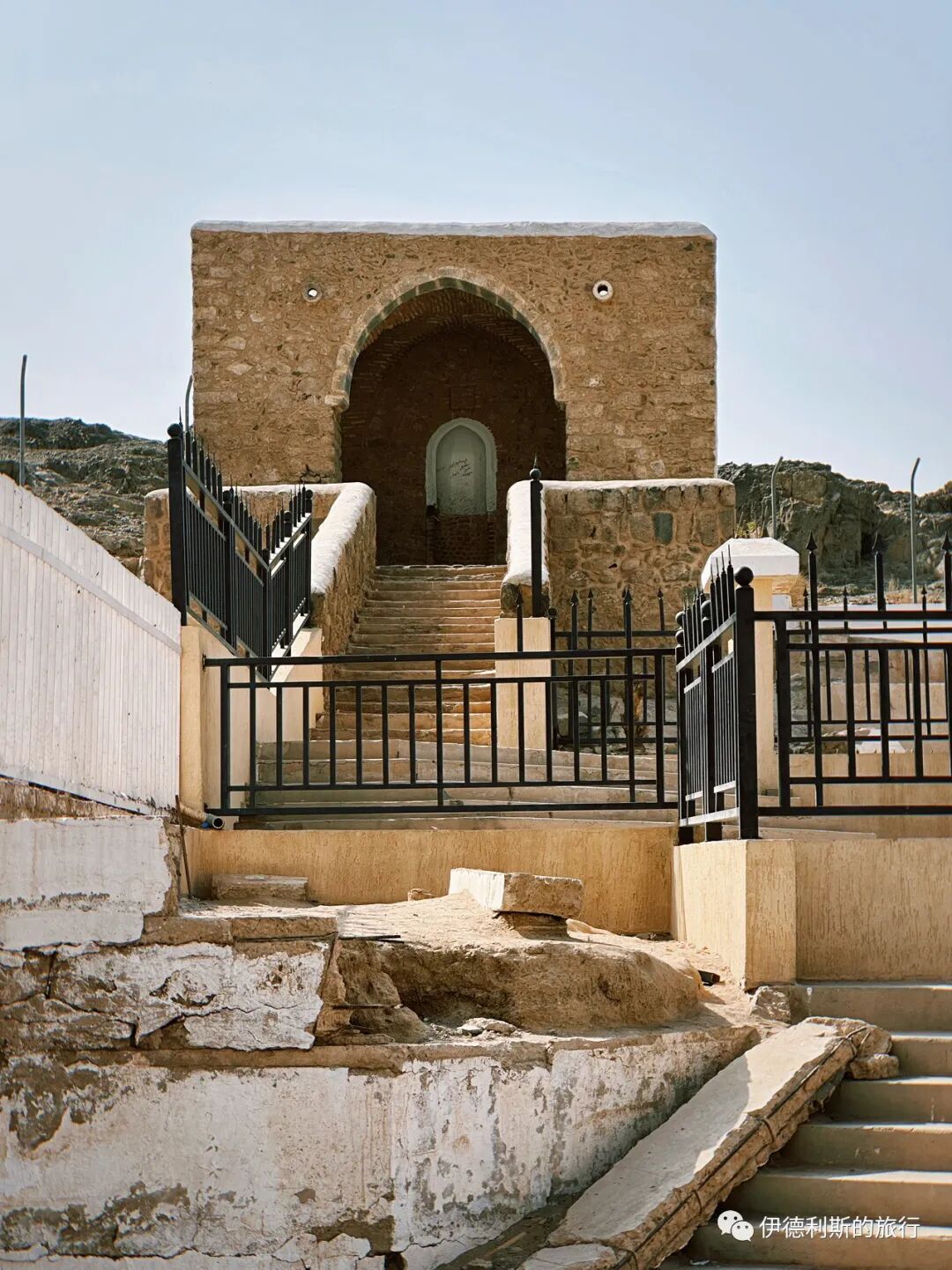
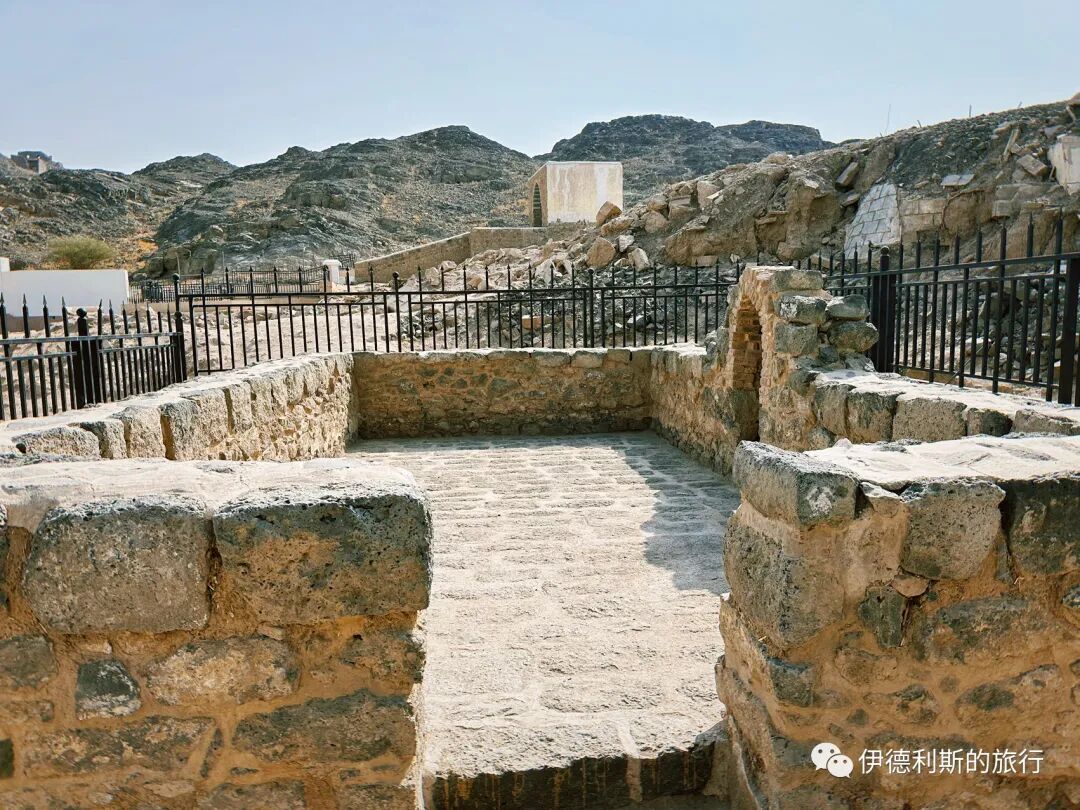
West of the Ali bin Abu Talib Mosque is the Fatimah Az-Zahra Mosque, named after the Prophet's daughter Fatimah. It is a small mosque attached to the other mosques. This mosque was built during the reign of Ottoman Sultan Abdulmejid I (who ruled from 1839 to 1861), and today only the foundation walls remain.
After finishing the Umrah in Makkah, we took a train to Madinah and caught an Uber straight from the station to the Prophet's Mosque.
The Prophet's Mosque (al-Masjid an-Nabawī) is the mosque the Prophet built next to his home after arriving in Madinah in 622 AD. It is the second holiest site in the faith, right after the Sacred Mosque. The mosque has been expanded many times throughout history. The central core was built during the Ottoman era, while the surrounding areas were added by the Kingdom of Saudi Arabia after the 20th century.
The most important area of the mosque is called the Rawdah (Garden), which is where the Prophet used to pray. According to a Hadith, 'Between my house and my minbar (pulpit) is one of the gardens of Paradise,' which is why it is also known as the Garden of Paradise.
You need to book a slot on the Nusuk app to enter the Garden of Paradise, with separate times for men and women. My appointment was for 6:30 PM. After finishing the Maghrib prayer on the west side of the mosque, I walked a long way around to the east side to line up. After a while, those with a Nusuk booking were directed to wait on the carpets outside Gate 39. Staff handed out plastic bags for our shoes, and after waiting a bit longer, I finally entered the Garden of Paradise.
I first performed two rak'ahs of prayer inside the Garden of Paradise, then pushed through the crowd to see the layout. The minbar used by the Prophet was originally made of date palm wood, later changed to tamarisk, and had ebony steps added. The minbar you see today was rebuilt in 1590 by the Ottoman Sultan Murad III using marble. I also saw an imam resting to the right of the minbar. There are six pillars inside the Garden of Paradise that mark the spots where the Prophet used date palm trunks to support the original structure. Each pillar has a special meaning.
Inside the Garden of Paradise, there are two mihrabs (prayer niches). One was originally built by the Prophet, and the other was built by Caliph Uthman. A walkway separates the two mihrabs.
Next to the prayer area is the burial site of the Prophet and the first two caliphs, Abu Bakr and Umar. This was originally the home of the Prophet and his wife, Aisha, and the Prophet passed away here in 632 AD. After a fire at the Prophet's Mosque in 1481, the Egyptian Mamluk Sultan Qaitbay rebuilt the tomb from a wooden structure into a brick one and added metal railings. No one has entered the interior of the tomb in the more than 500 years since. Directly above the tomb is the Green Dome, built in 1817 by the Ottoman Sultan Mahmud II. It got its name after being painted green in 1837.
I did not stay in the Garden of Paradise (Rawdah) for long before security guided me to the east side of the tomb, known as the Mawajaha (sacred meeting point). Here, you can offer salaam to the Prophet and the two Caliphs through three circular holes. Between the circular holes is the closed Gate of Aisha, which features a silver plaque added by the Ottoman Sultan Ahmed I in 1617.
I wanted to pray two rak'ahs in the Garden of Paradise, but because of the crowds and entry limits, I had to follow security out of the mosque. I regret not seeing the imam lead the prayer in person.
This time in Medina, I stayed at the MIAS HOTEL on the west side of the mosque, so I usually entered through the gates on the west side for prayers. After the Kingdom of Saudi Arabia was established in 1932, the mosque underwent three major expansions: the first from 1951 to 1956, the second from 1985 to 1994, and the third from 2012 to the present. The expanded sections surround the Ottoman-era core from the east, north, and west. They use reinforced concrete, marble, granite, and artificial stone, making them taller and more spacious than the Ottoman area. In 2010, German Muslim architect Mahmoud Bodo Rasch added retractable umbrella-like canopies around the mosque. They open between the Fajr and Maghrib prayers and can spray a cooling mist.
I prayed Maghrib at the mosque, but it was so crowded that the core area was full and closed off half an hour before the adhan. I barely found a spot in a small courtyard on the north side of the core area. The sunshades were open there during the day, so I was not in the sun. From here, you can clearly see the difference between the Ottoman core and the Saudi expansion. The Ottoman area is lower with painted domes on top, while the Saudi area is taller with a flat roof.
I was very grateful to receive water, dates, and yogurt handed out in the mosque. You can really find dates everywhere here.
On the square on the west side of the mosque is the site of the famous Saqifa event. After the Prophet passed away in 632 AD, some of his companions gathered at the Saqifa (a covered meeting place) of the Bani Sa'idah tribe. They pledged allegiance to Abu Bakr, making him the successor to the Prophet and the first Caliph.
There is almost no record of the later history of the Saqifa, only that a man named Ali Pasha built a structure there during the Ottoman period in 1620. In the 20th century, this was a park, but by the time I visited, the park had been demolished and reconstruction work was underway.
Banda later went to the Al-Baqi cemetery on the east side of the Prophet's Mosque to visit the graves of the Prophet's family and friends. When the Prophet arrived in Medina in 622 AD, this land was covered in Arabian boxthorn (gharqad). The Prophet led everyone to clear the thorns and opened this place as a Muslim cemetery.
The Prophet's family members buried in the cemetery include his wet nurse, most of his wives, his cousin, his children, his uncle, and the wife and descendants of Caliph Ali. Because four Shia Imams are buried here, it has become a famous holy site for Shia Muslims.
Historically, the Al-Baqi cemetery had many domed structures (gongbei), but they were demolished twice by the Wahhabis in 1806 and 1926. Because the Wahhabis consider marking graves to be heresy, even the tombstones with writing on them in the cemetery were completely destroyed. The demolition of Al-Baqi cemetery drew criticism and protests from both Sunni and Shia Muslims. Many Shia Muslims consider the day of the demolition, the 11th of Shawwal in 1926, a 'Day of Sorrow' and hold memorial events every year. To this day, the Saudi authorities ignore all criticism and have blocked many paths in the cemetery, making it difficult for people to visit the graves.
The area with the blue boards in the distance is the grave of Caliph Uthman, and the path leading to it has been blocked. On June 17, 656 AD, Caliph Uthman was assassinated by rebels in his home. Because the rebels would not allow Uthman to be buried in Al-Baqi cemetery, he had to be buried in the Jewish cemetery right next to it on the north side. Decades later, the rulers of the Umayyad Caliphate tore down the walls between the two cemeteries and included Uthman's grave within Al-Baqi cemetery.
In the distance are the graves of the Prophet's wet nurse Halima, and two companions of the Prophet born in Medina, Sa'd ibn Mu'adh and Saʽid al-Khudri, which are also impossible to approach. Sa'd was the leader of the Banu Aws tribe. He was seriously wounded in the Battle of the Trench in 627 and passed away shortly after returning to Medina. Sa'd was a noble companion recognized for his close relationship with the Prophet, and the Prophet continued to praise him after he passed away.
Abu Sa'id al-Khudri lived his whole life in Medina and reportedly fought in the Battle of al-Harra in 683, where the people of Medina stood against the Umayyad Caliphate. Abu Sa'id narrated 1,170 hadiths, making him the seventh most prolific narrator among the companions of the Prophet.
The tomb of the Martyrs of al-Harra. The people of Medina opposed the hereditary rule and policies of the Umayyad Caliphate, so they started a war on August 26, 683. They were quickly defeated, and the Umayyad army looted the city of Medina.
The grave of Ibrahim ibn Muhammad, the young son of the Prophet. Ibrahim died of illness at only two years old, and the Prophet was deeply saddened. The Prophet led Ibrahim's funeral prayer and buried him in the Baqi cemetery. He filled the grave with sand, sprinkled some water on it, and placed a marker.
The graves of the 8th-century jurist Malik ibn Anas (711-795) and the Quran reciter Nafiʽ al-Madani (689-785). Imam Malik founded the Maliki school, one of the four major Sunni schools of Islamic law. The Maliki school places great importance on hadiths and is currently found mostly in North Africa, outside of Egypt. After Malik passed away in Medina in 795, the Abbasid governor of Mecca led his funeral prayer.
Nafiʽ al-Madani was originally from Isfahan, but he was born and passed away in Medina. His method of reciting the Quran is the most common style used in North and West Africa today.
The two nearby graves belong to the Prophet's cousin Aqil ibn Abi Talib and his nephew Abd Allah ibn Ja'far. Aqil was the older brother of Caliph Ali. He fought against the Prophet in the early days but converted to Islam a few years before the Prophet passed away, and he appears in many hadiths.
Abd Allah settled in Medina with his family in 628, and the Prophet once said that his appearance and character were similar to his own. Abdullah Allah was one of the wealthiest men in Medina at the time and a famous philanthropist.
In the distance are the graves of several of the Prophet's wives, including Sawda, Aisha, Hafsa, Zaynab, Umm Salama, Safiyya, Umm Habiba, and Maria. Security guards watch over the graves of the Prophet's wives and do not allow anyone to get close or linger.
Behind the iron fence in the distance are the graves of several of the Prophet's daughters, and further away are the graves of his daughter Fatima (though this is disputed), his uncle Abbas, and four Shia imams: Hasan, Ali Zayn al-Abidin, Muhammad al-Baqir, and Jafar al-Sadiq. A tall dome (gongbei) once stood over the graves of the four Shia imams, serving as the most prominent landmark in the entire Baqi cemetery, but it was destroyed by the Wahhabis twice, in 1806 and 1926.
Al-Ghamama Mosque is located southwest of the Prophet's Mosque, on the site where the Prophet led the Eid al-Fitr prayer in 631. Ghamama means cloud. People say the Prophet once performed a prayer for rain here, and then clouds covered the entire city. Al-Ghamama Mosque was first built during the reign of the eighth Umayyad Caliph, Umar ibn Abd al-Aziz (reigned 717-720). It was renovated in 1340 and 1622, and in 1859, Ottoman Sultan Abdulmejid I (reigned 1839-1861) rebuilt it into the black volcanic basalt structure seen today. It is currently one of the very few mosques in Medina that retains its Ottoman-era appearance.
Abu Bakr As-Siddiq Mosque is located next to Al-Ghamama Mosque, also on the site where the Prophet led the Eid al-Fitr prayer in 631. It is named after Caliph Abu Bakr, who continued to lead the Eid al-Fitr prayer there. The current mosque was built in 1838 as a black volcanic basalt structure by order of Ottoman Sultan Mahmud II (reigned 1808-1839), and the Sultan's tughra (calligraphic emblem) is still at the entrance. Because it is small and very close to the Prophet's Mosque, Friday prayers (Jumu'ah) are not held here.
The Medina Hejaz Railway Station was built in 1908 and is an important historical site of the Hejaz Railway constructed by the Ottoman Empire. For thousands of years, the Hejaz region, where Mecca and Medina are located, relied on camel caravans for transport, which had a high mortality rate when crossing difficult mountainous terrain. After the 1860s, a railway construction boom began, and the Ottoman Empire started studying a rail line to connect Damascus with the two holy cities. This line was not only meant to make the Hajj pilgrimage more convenient but also held significant strategic importance. In 1900, the Ziraat Bankasi (Ottoman Agricultural Bank) provided the first loan of 100,000 liras, and construction of the Hejaz Railway officially began.
The construction of the Hejaz Railway faced many difficulties, including labor and resource issues while passing through uninhabited areas, bridge construction in desert terrain, and attacks by Arab tribes along the route. Fearing that the railway construction would ruin their livelihood based on pack animal transport, local Arab tribes organized in 1907 to threaten a work stoppage. The Ottoman Sultan eventually decided to end the railway at Medina. Under the supervision of chief engineer Mouktar Bey, the Hejaz Railway officially reached Medina on September 1, 1908, covering a total length of 1,300 kilometers.
However, less than 10 years after it began operating, the Ottoman Empire collapsed during World War I. The Hejaz Railway was officially abandoned in 1920 due to a lack of maintenance. People say the wreckage of trains destroyed during the Arab Revolt of 1916-1918 still rests where they fell a century ago.
In 2005, Saudi Arabia restored the tracks and sheds of the Medina station of the Hejaz Railway, and in 2006, it opened as the Hejaz Railway Museum. However, it is now closed again, and you can only view the exterior of the Medina station.
Near the Medina station of the Hejaz Railway are two black volcanic basalt mosques from the Ottoman period. Enclosed within the train station and inaccessible is the As-Saqiya Mosque. It is located where the Prophet inspected his troops before participating in the Battle of Badr in 624. It is said to be the place where the eighth chapter, seventh verse of the Quran was revealed, which is also the first chapter of the Quran revealed in Medina.
The Anbariya Mosque is a mosque built in 1908 by Ottoman Sultan Abdul Hamid II (reigned 1876-1909) for the Medina station of the Hejaz Railway. The architectural style follows the traditional Ottoman design, but it uses local hard basalt stone. There is no pulpit (minbar) in the main hall because Friday prayers (Jumu'ah) are not held here.
Quba Mosque is located in the southern suburbs of Medina. It was built by the Prophet after he migrated from Mecca to Medina in 622 and is the first mosque in the history of the faith. The Prophet often went to Quba Mosque to perform namaz during his lifetime, which is frequently mentioned in the Hadith. Sahl ibn Hunayf narrated that the Prophet said: 'Whoever leaves his house and comes to Quba Mosque and performs prayer in it, it is equal to performing an Umrah.' This makes it a place that Muslims from all over the world visit when they come to Medina.
Quba Mosque was originally just a circle of walls. It was expanded several times and rebuilt into its current structure in 1986. Today, Quba Mosque is surrounded by date palm orchards. Beside the mosque, there are people offering dates and black tea (hongcha) as a gesture of hospitality (dawa), and you can drink Zamzam water inside the mosque. It is a great place to rest while following the footsteps of the noble Prophet.
Musabbih Mosque is located southwest of Quba Mosque, and you have to cross a dusty parking lot to reach it. Legend says the Prophet Muhammad prayed namaz here when he first migrated to Medina in 622 AD. The old mosque still keeps its black volcanic basalt walls and contains the remains of a mihrab. The small courtyard is quiet, filled with blooming flowers and a friend (dosti) cleaning the area, which contrasts sharply with the crowded Quba Mosque nearby.
North of Medina is the site of the Battle of Uhud, fought in 624 between the Muslim army led by the Prophet and the Quraish tribe alliance from Mecca. The Muslim army suffered heavy losses, but the Meccans failed to capture Medina.
At the center of the Uhud battlefield is a small hill. Muslim archers stationed there left their posts to collect war spoils, which turned the tide of the battle and led to the Muslim army being surrounded.
On the north side of the hill is the cemetery for the martyrs of the Battle of Uhud, which is now blocked off by wire mesh and fences. The cemetery holds many of the Prophet's companions and relatives, most importantly his uncle Hamza ibn Abd al-Muttalib. The Prophet once said, 'My best brother is Ali, and my best uncle is Hamza. May Allah be pleased with them.' Buried next to Hamza is the Prophet's cousin, Abd Allah ibn Jahsh.
On the east side of the cemetery stands the Sayyid al-Shuhada Mosque, built in 2017 and named after the title the Prophet gave to Hamza.
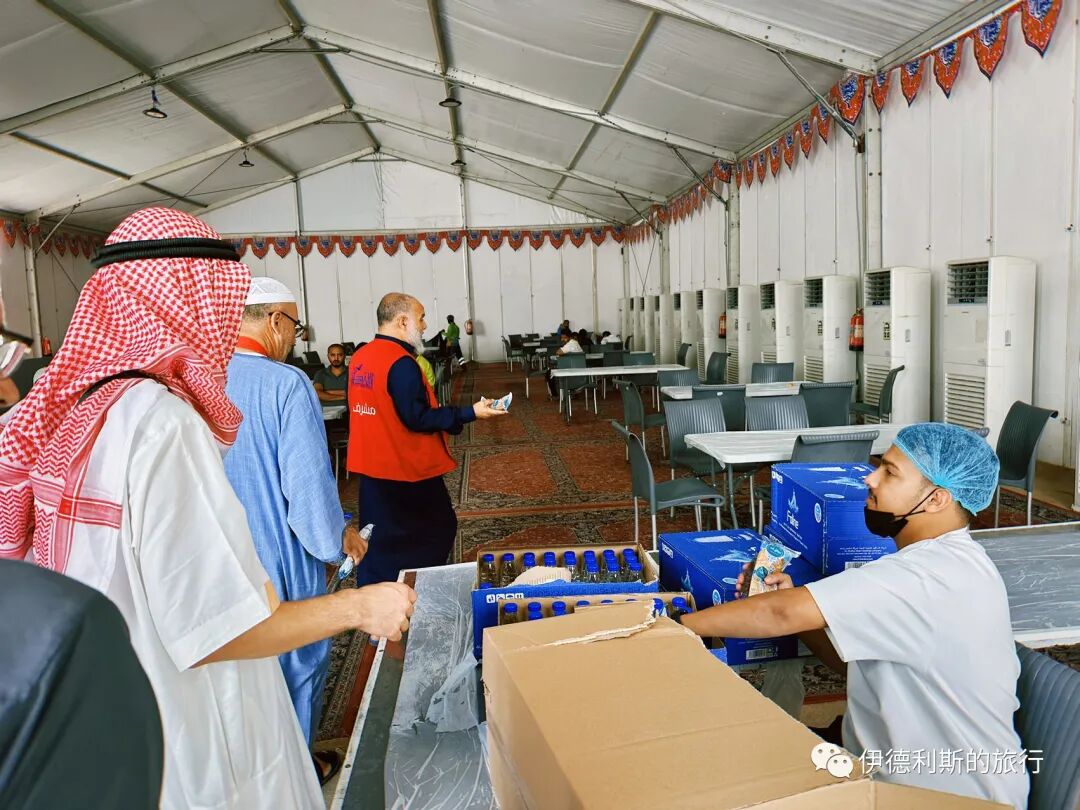
On the west side of the cemetery is a shed where water and bread are given out as charity, and you can rest there.
The Battle of the Trench was a conflict in 627 AD where the Muslim army led by the Prophet defended the northwest of Medina against an alliance of the Quraish and Bedouin tribes. The Prophet followed the advice of Salman the Persian to dig a trench, which eventually helped them defeat the enemy. This event is recorded in detail in the Quran and Sunnah.
Historically, seven mosques were built on the battlefield of the Trench. Five remain today, all built during the reign of the Umayyad Caliph Umar II (who ruled from 717 to 720) and renovated at different times.
The mosque on the northern hillside is called Al-Fath Mosque, and 'Fath' means 'conquest'. This is said to be the place where the Prophet performed namaz during the Battle of the Trench.
South of the Al-Fath Mosque is the Salman Al-Farsi Mosque, named after the Prophet's companion, Salman the Persian. Salman was originally a Zoroastrian from the Sassanid Empire. He later traveled through the Middle East with a Nestorian group and converted to Islam after meeting the Prophet in Medina. He used the military skills he learned in the Sassanid Empire to dig the trench, which helped the Prophet win the Battle of the Trench.
After the Prophet passed away, Salman took part in the Arab Empire's conquest of the Sassanid Empire and became the first governor of Ctesiphon, the Sassanid capital. He was also the first person to translate the Quran into a foreign language, which was Persian. Salman holds a high status among both Shia and Sufi Muslims. He is honored as the most noble of the four great companions of the Prophet in Shia tradition, and he is even respected in the Druze and Baháʼí faiths.
South of the Salman Al-Farsi Mosque is the Abu Bakr Al-Siddiq Mosque, named after Caliph Abu Bakr. In recent years, Saudi Arabia rebuilt this site into a large mosque with a washroom and a courtyard, and the main hall provides bottled ice water.
South of the Abu Bakr Al-Siddiq Mosque is the Umar bin Khattab Mosque, named after Caliph Umar.
South of the Umar bin Khattab Mosque is the Ali bin Abu Talib Mosque. It sits on a hillside in the south and is named after Caliph Ali, who is said to have joined the Battle of the Trench here.
West of the Ali bin Abu Talib Mosque is the Fatimah Az-Zahra Mosque, named after the Prophet's daughter Fatimah. It is a small mosque attached to the other mosques. This mosque was built during the reign of Ottoman Sultan Abdulmejid I (who ruled from 1839 to 1861), and today only the foundation walls remain.
