
Halal Travel Guide: Tripoli, Lebanon - Mamluk Old City and Mosques (Part 2)
Reposted from the web
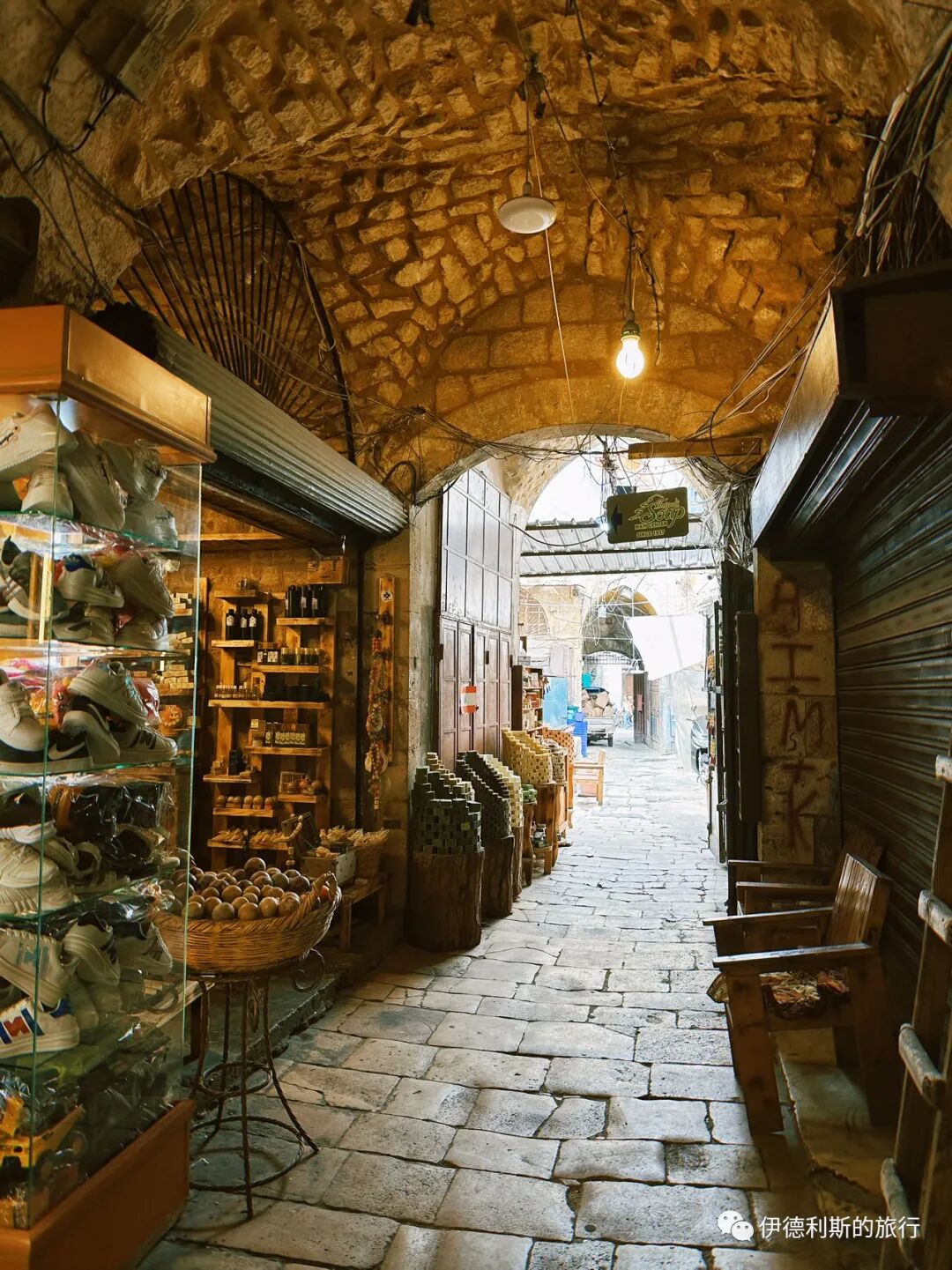
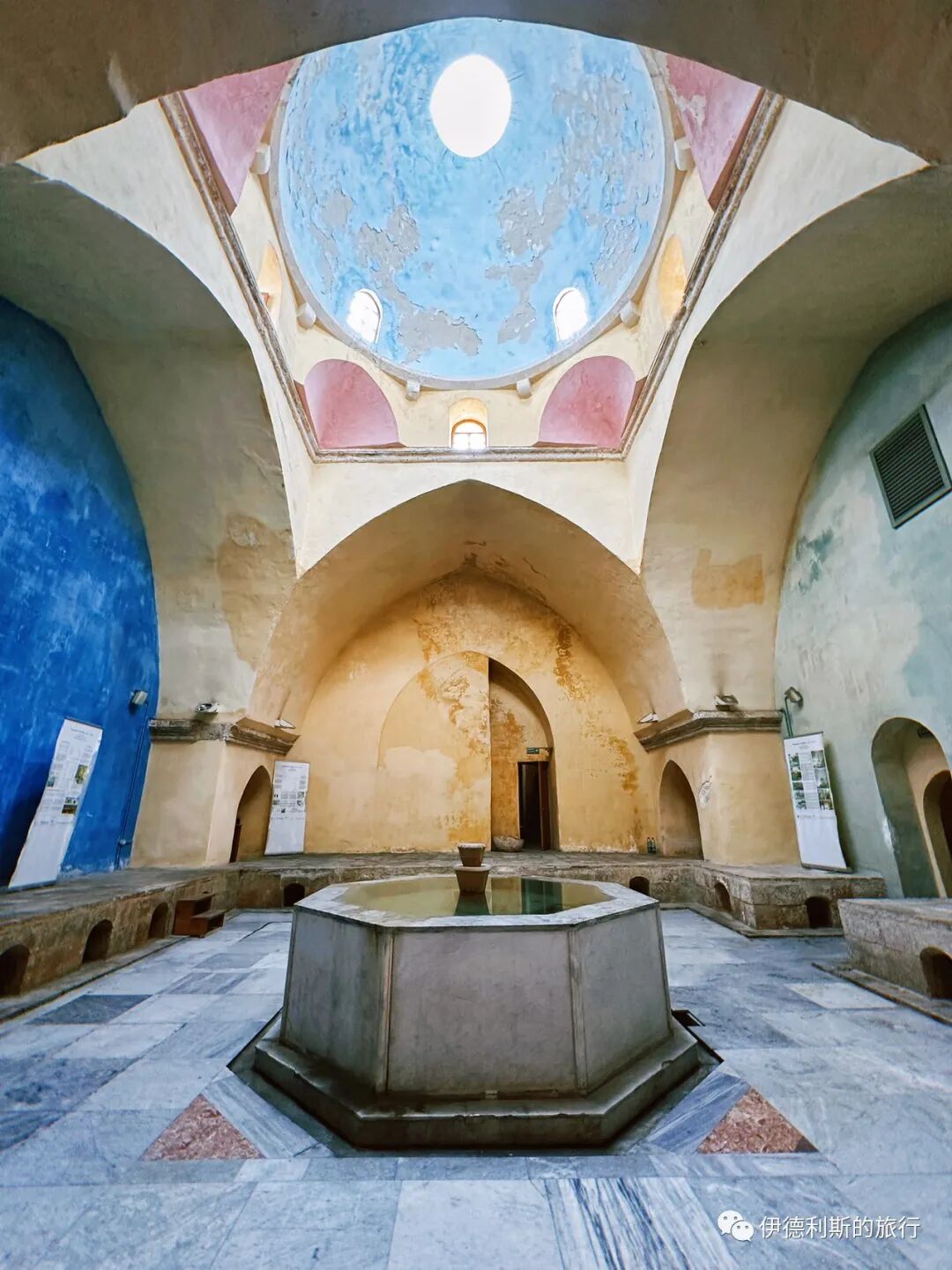
The Ezzedin Bathhouse (Hammam) was the first public bath built by the Mamluk dynasty after they took Tripoli. Emir Ezzedin Aibek, who ruled Tripoli from 1293 to 1298, ordered its construction using many marble pieces from the Byzantine and Crusader eras. This bathhouse operated from the end of the 13th century until 1975, when it closed after the Lebanese Civil War began. It has been restored and is now free to visit.
The Ezzedin Bathhouse follows the classic Roman-Byzantine bath design. It has three parts: a changing room with a central fountain, a warm room with private stalls, and a hot steam room.
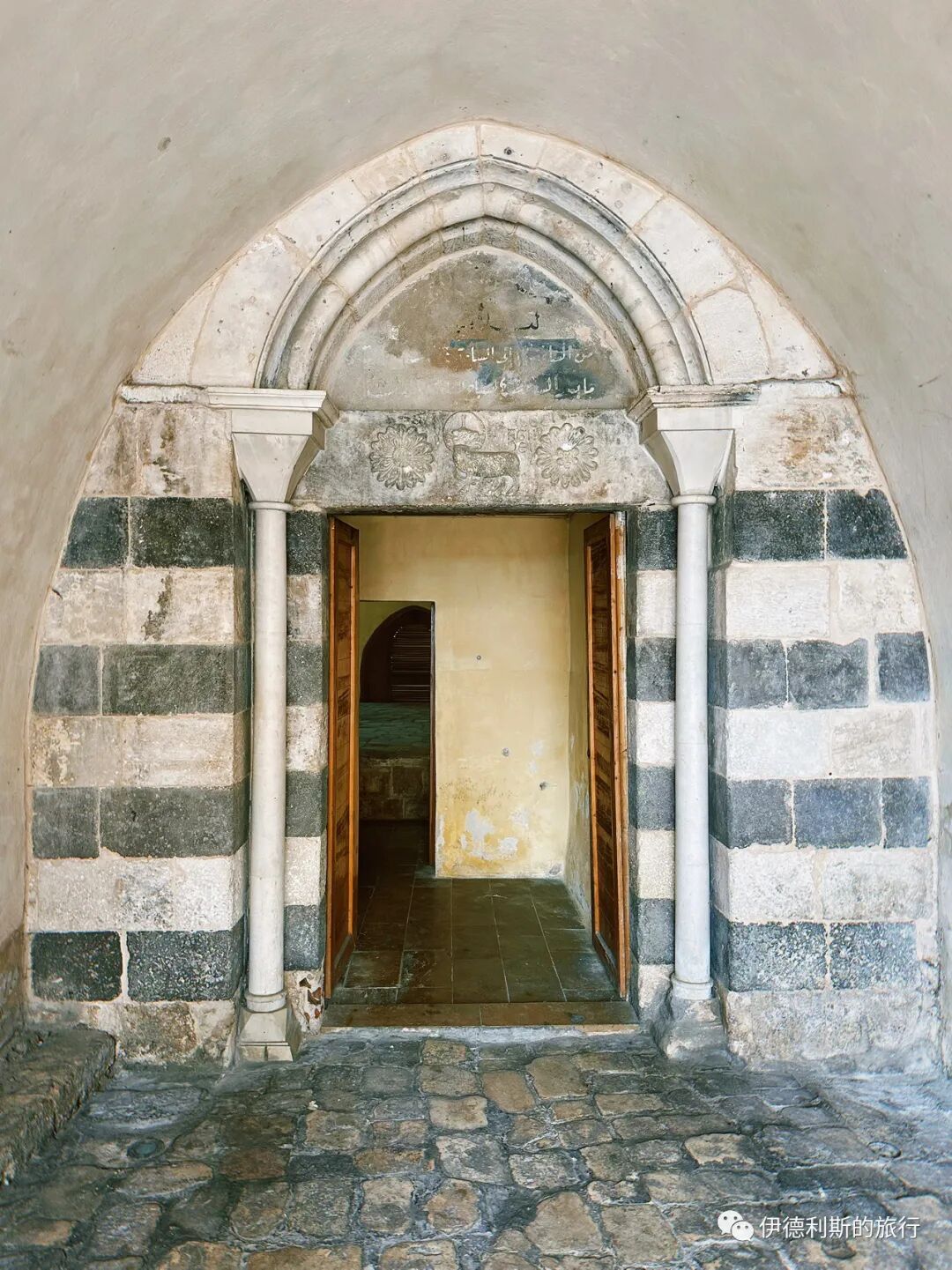
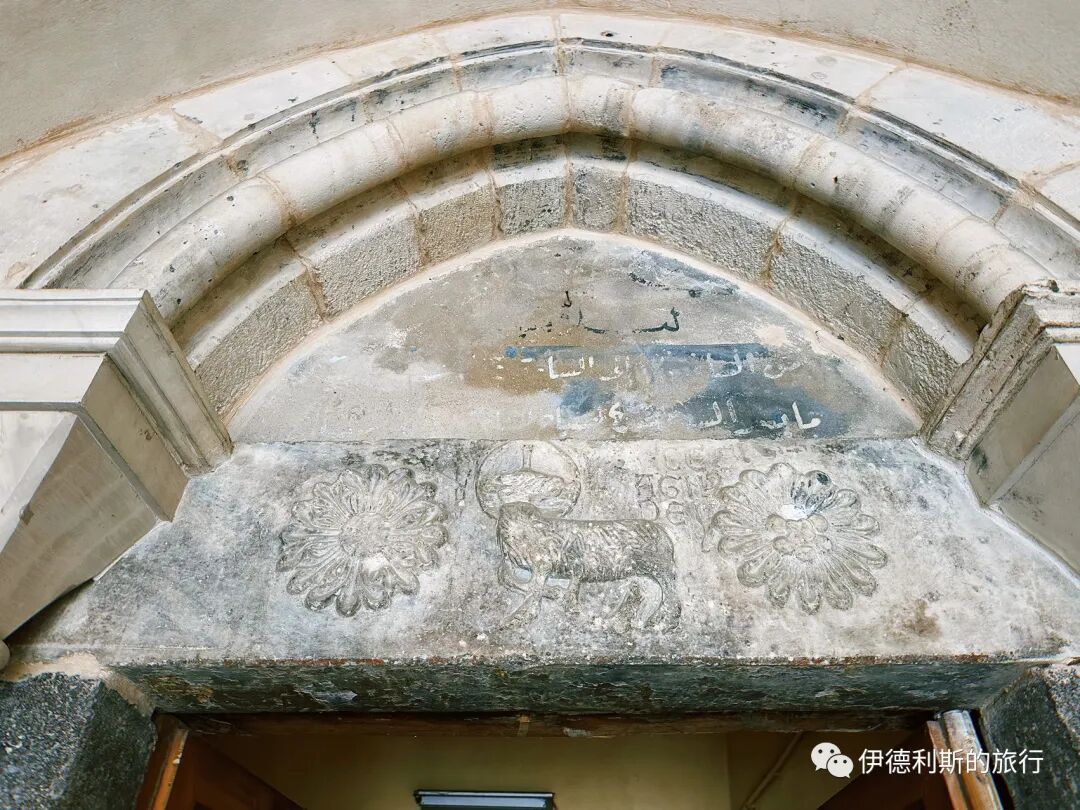
The bathhouse gate likely uses parts from a Crusader church. The lintel features two roses and a Paschal lamb, which are typical Christian symbols. You can still see an Arabic sign written before it closed in 1975: 'Women use it between 12 and 4, and men use it after 4.'
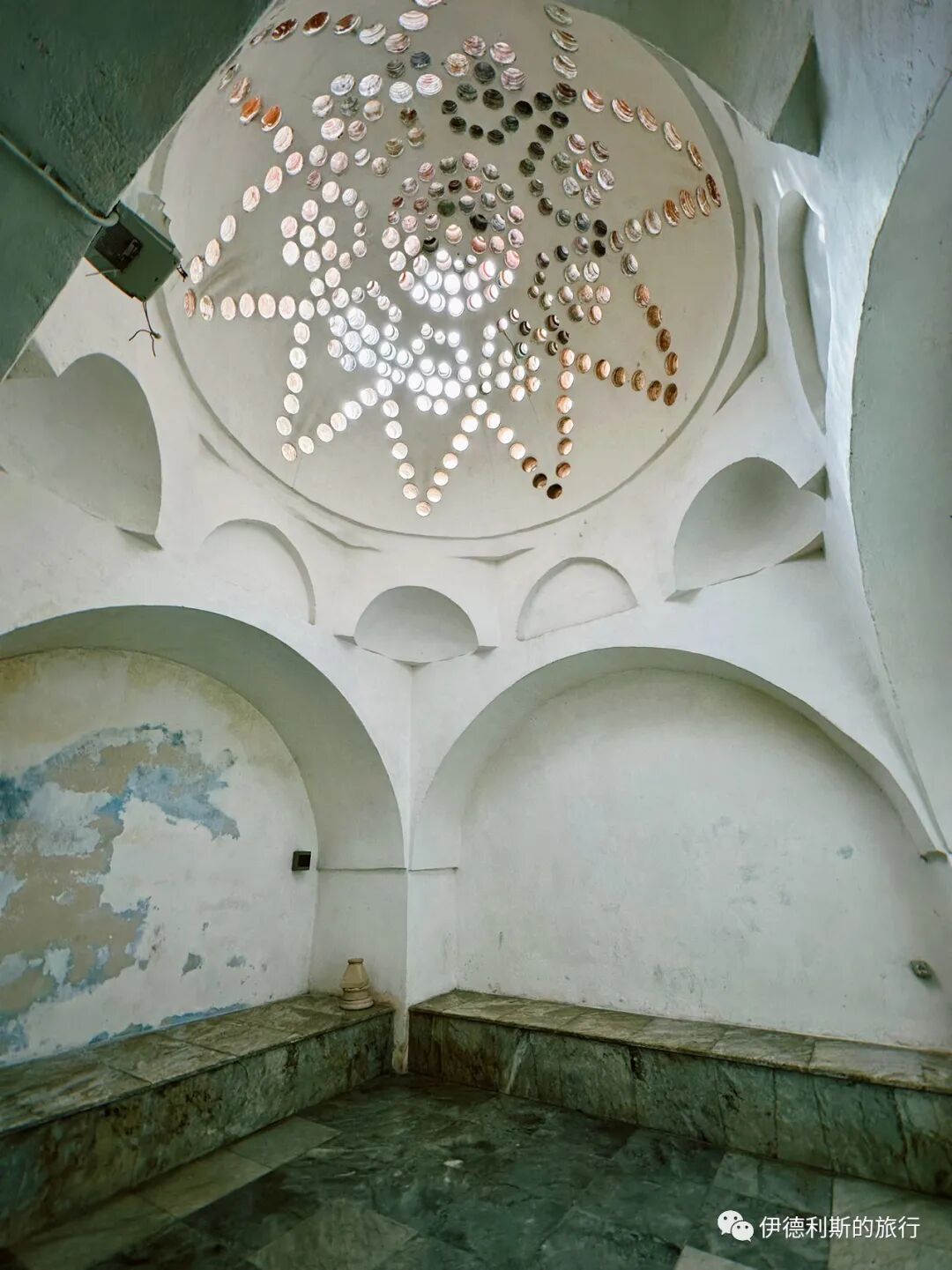
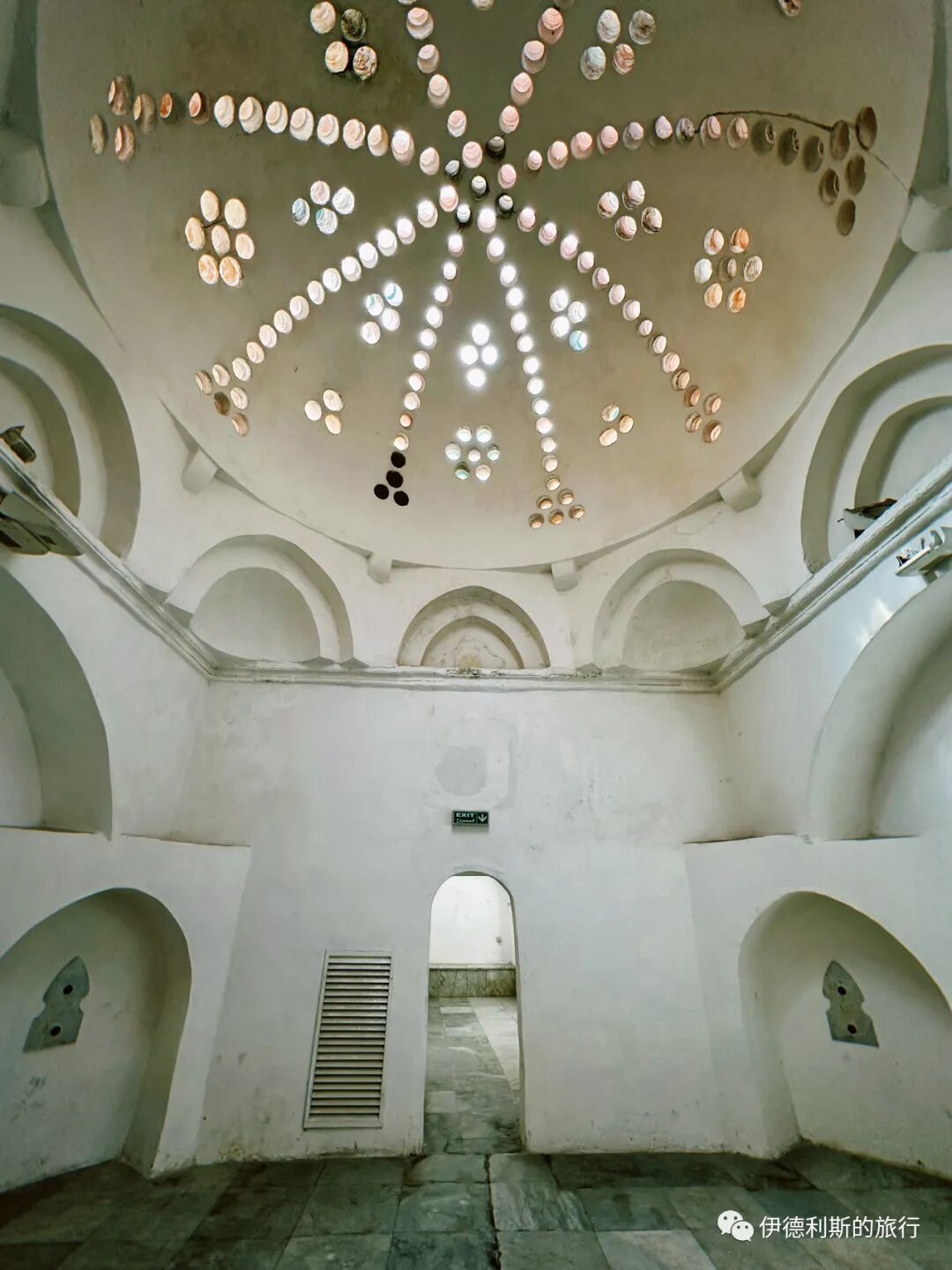
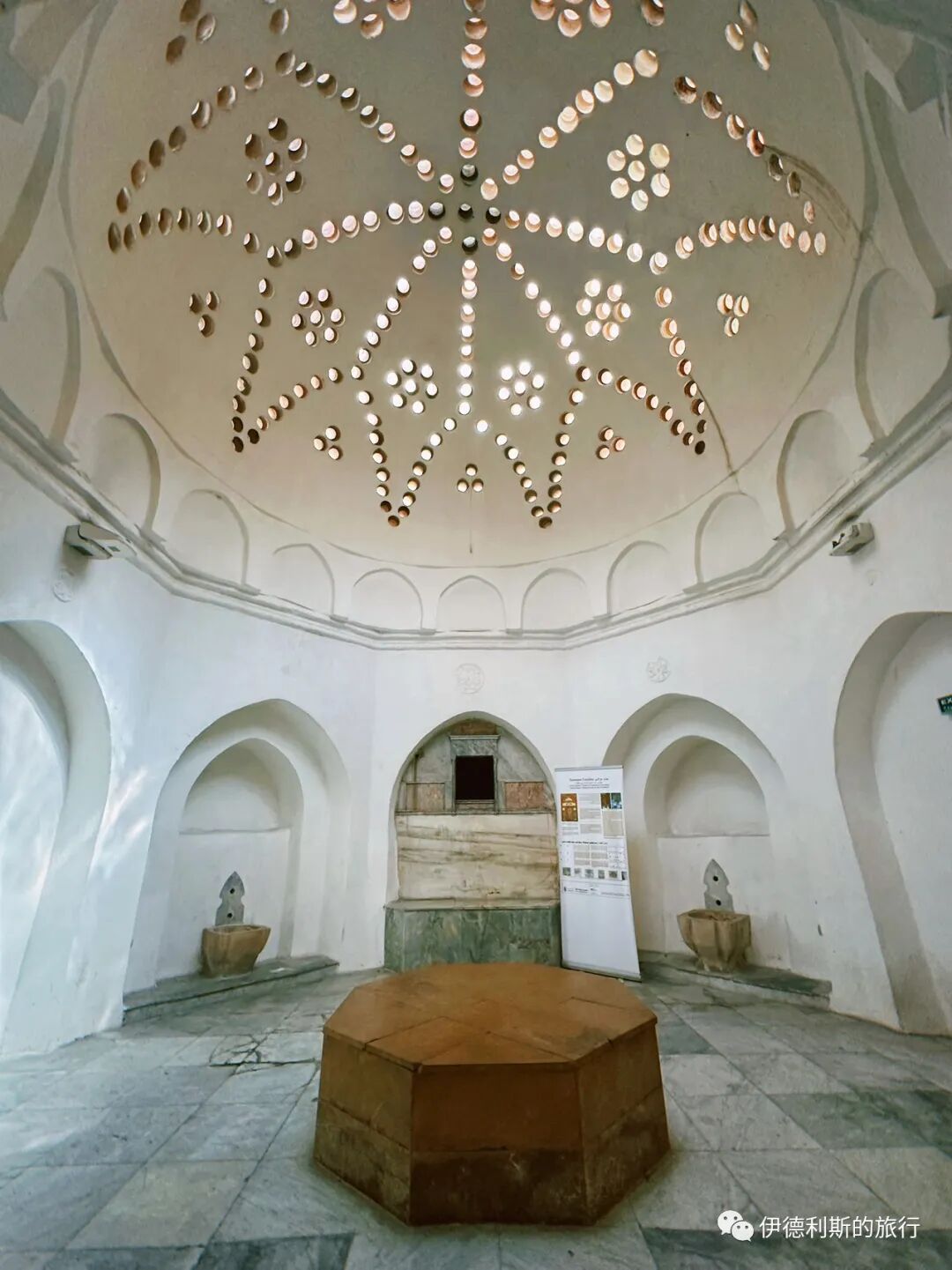
The dome in the main hall has many round holes for light. Blue glass cups cover these holes to keep the heat inside.
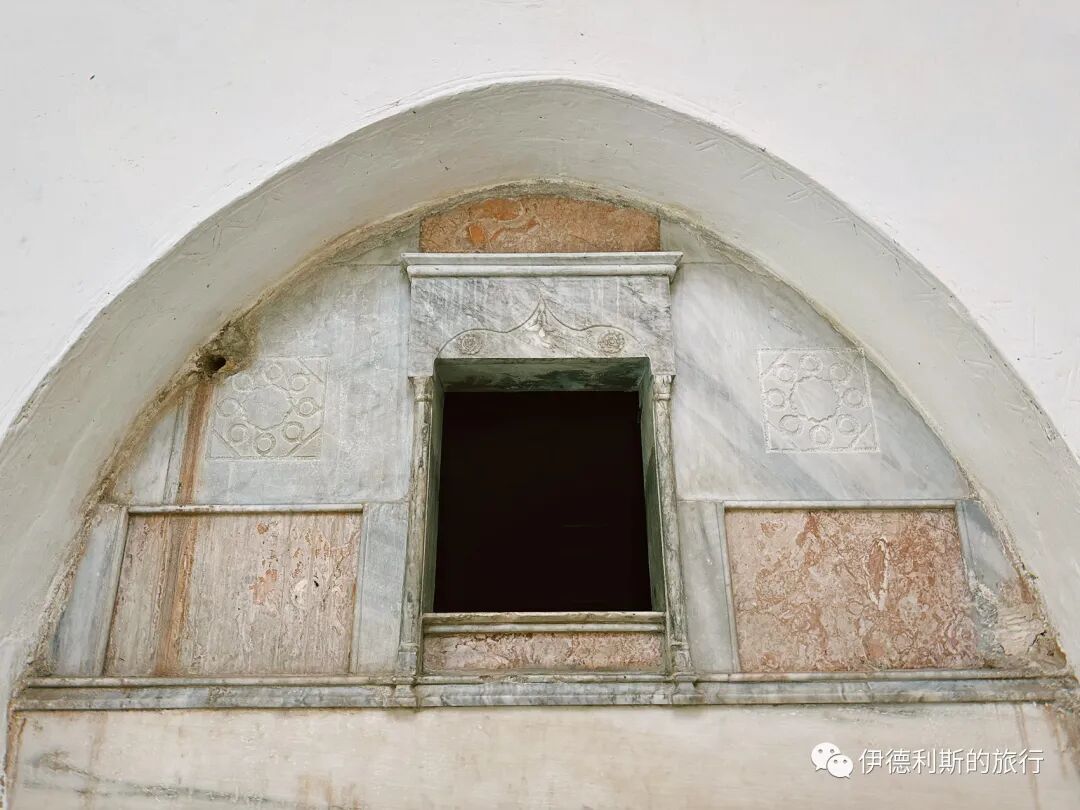
The Jawani Harrara room sits right next to the boiler. It is the hottest and most humid part of the bathhouse and has a delicate window that lets hot steam into the room. The red stone section in the middle is called the Blata. Pipes underneath connect to the boiler, and people can get massages on top of it.
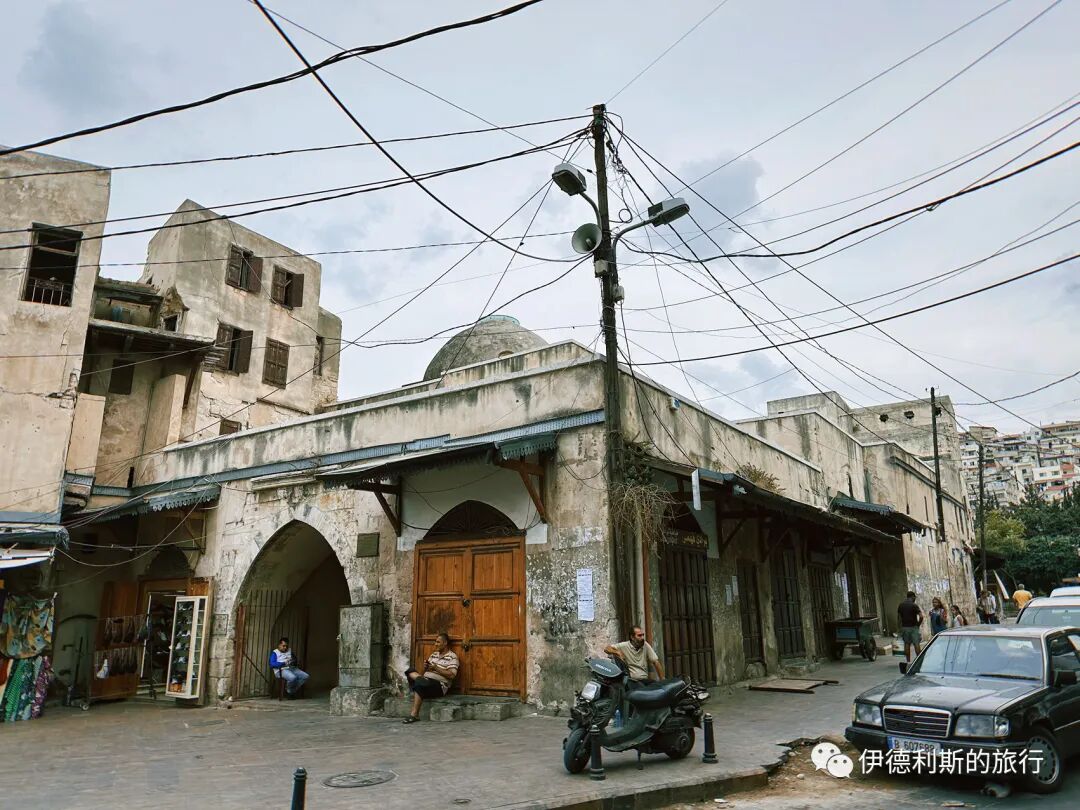
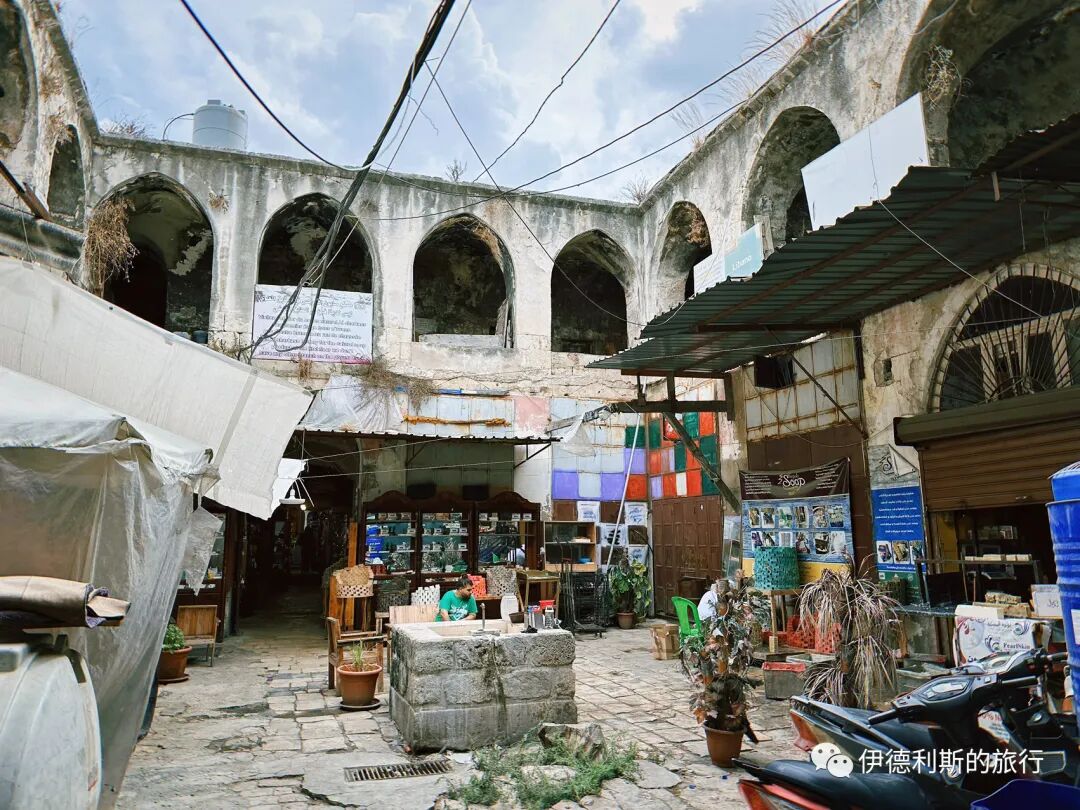
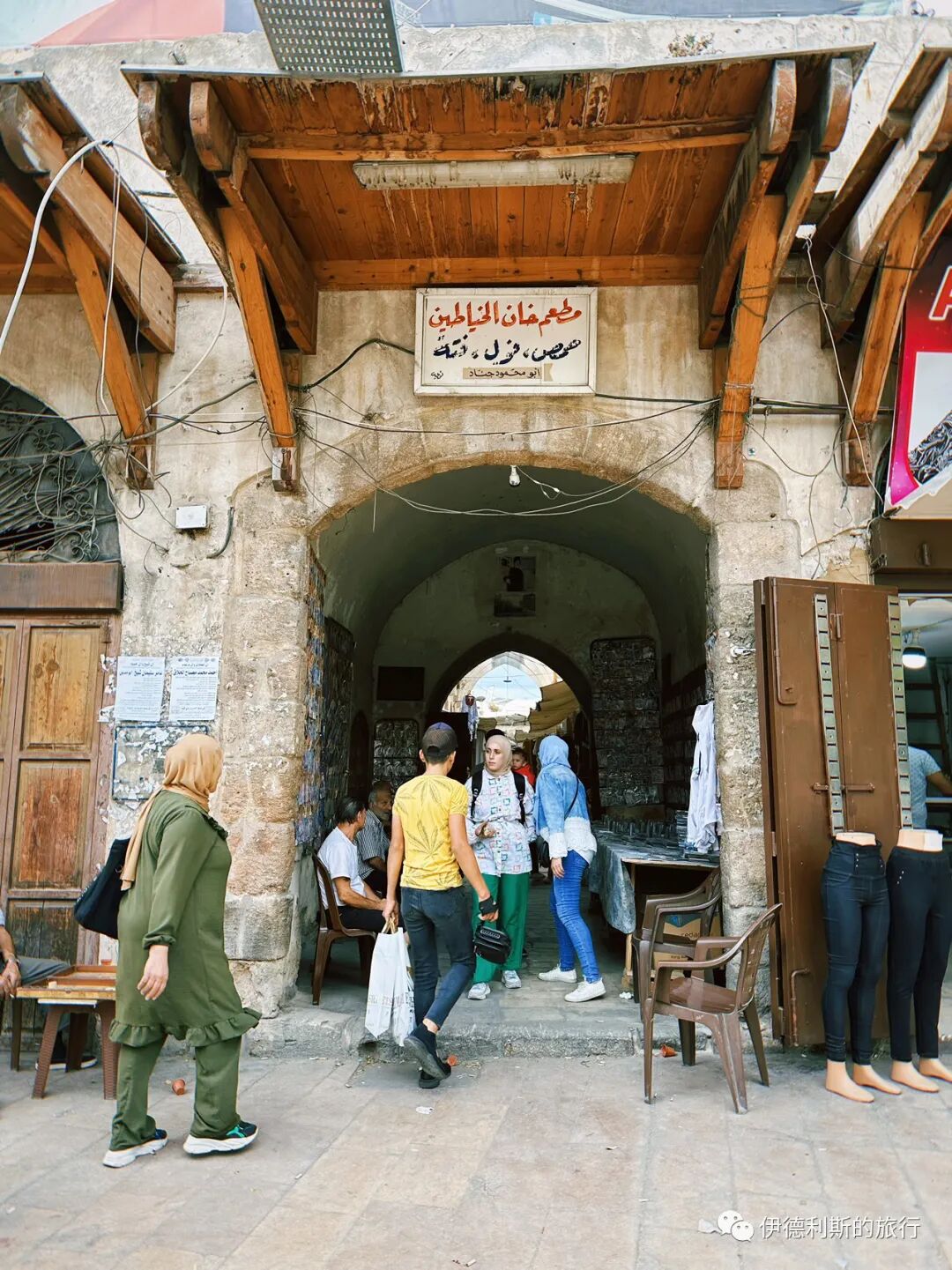
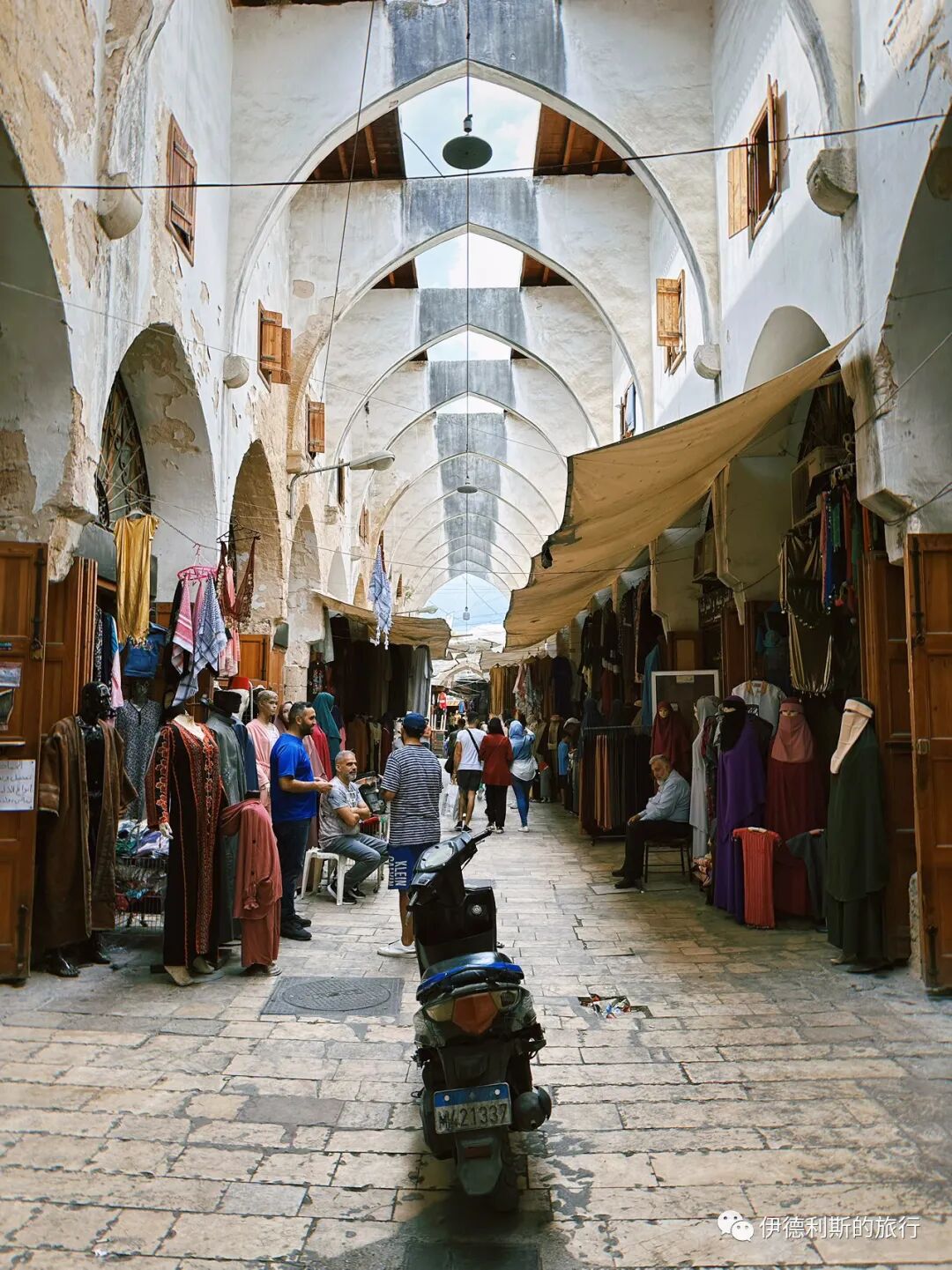
Right next to the Ezzedin Bathhouse is the Tailors' Inn (Khan Khayyatin). Prince Badr al-Din built this Mamluk-era trading inn in 1339. It mainly sold needles, thread, and textiles for tailors. This is not a typical courtyard inn. It consists of two rows of shops with stores on the ground floor and guest rooms on the second floor. The two sides do not connect, and the roof has ten arched sections linked horizontally. People say the inn has this shape because it was built on the foundation of a Byzantine-Crusader building.
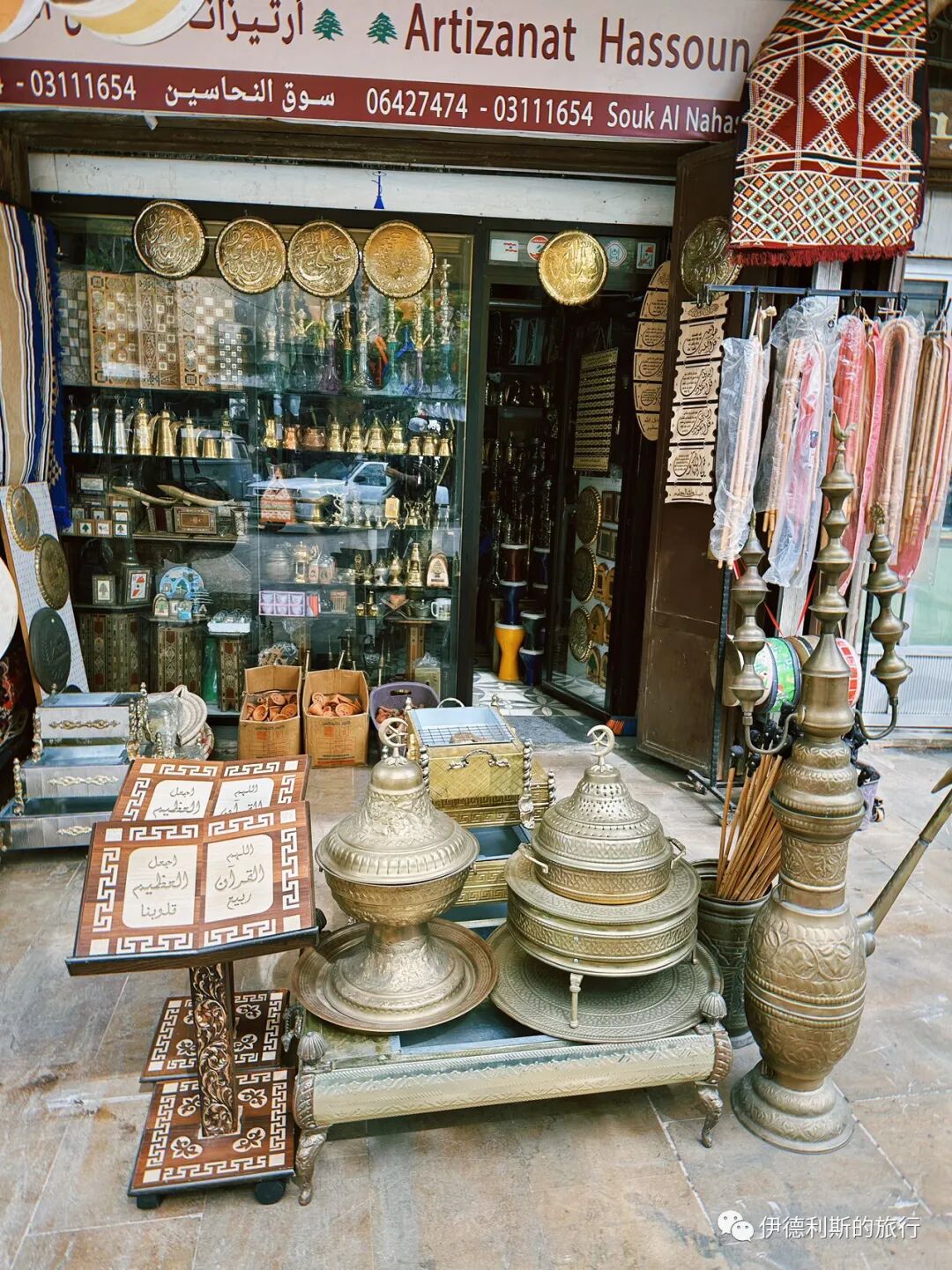
Some historical sites I did not enter.
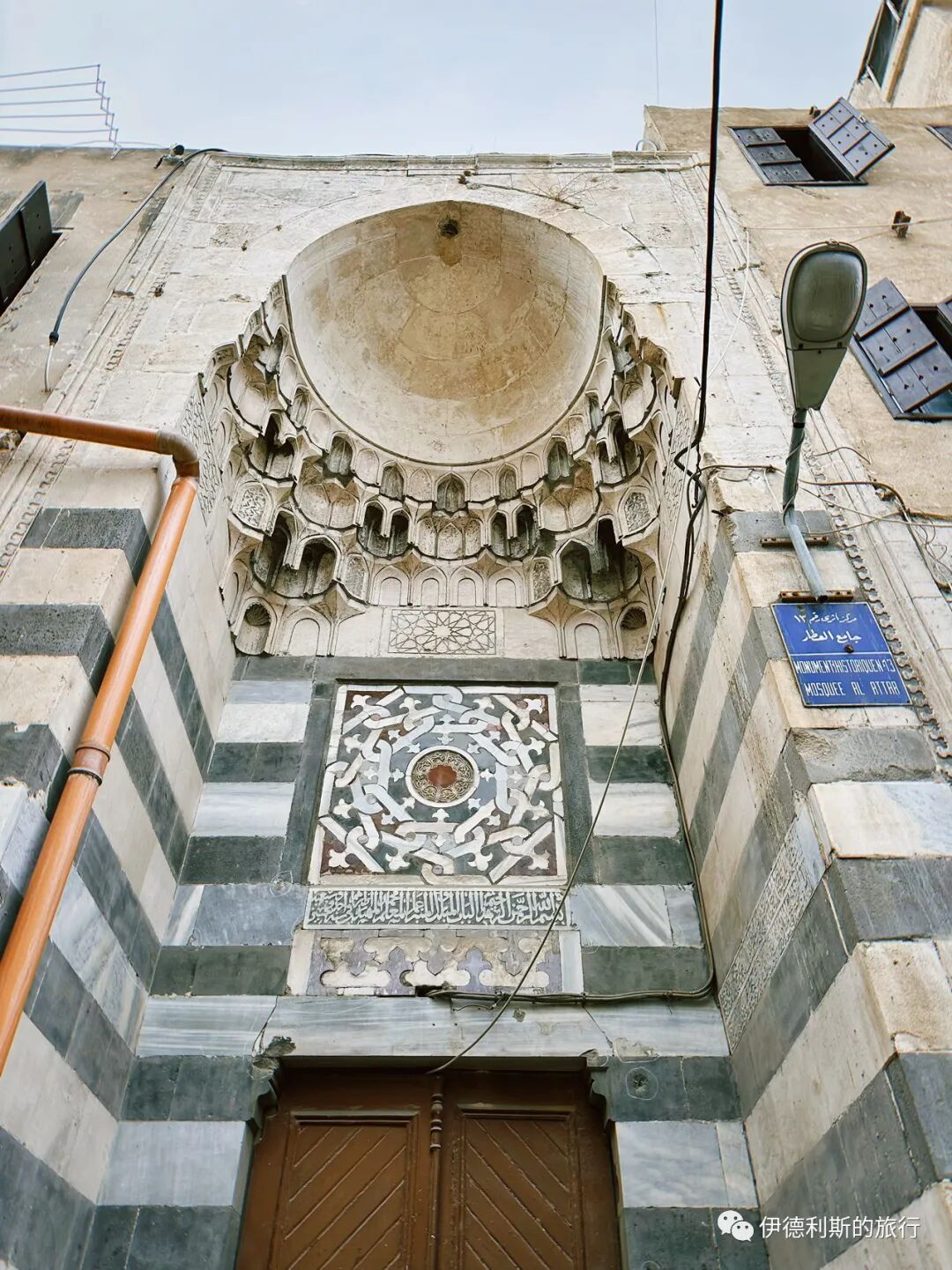
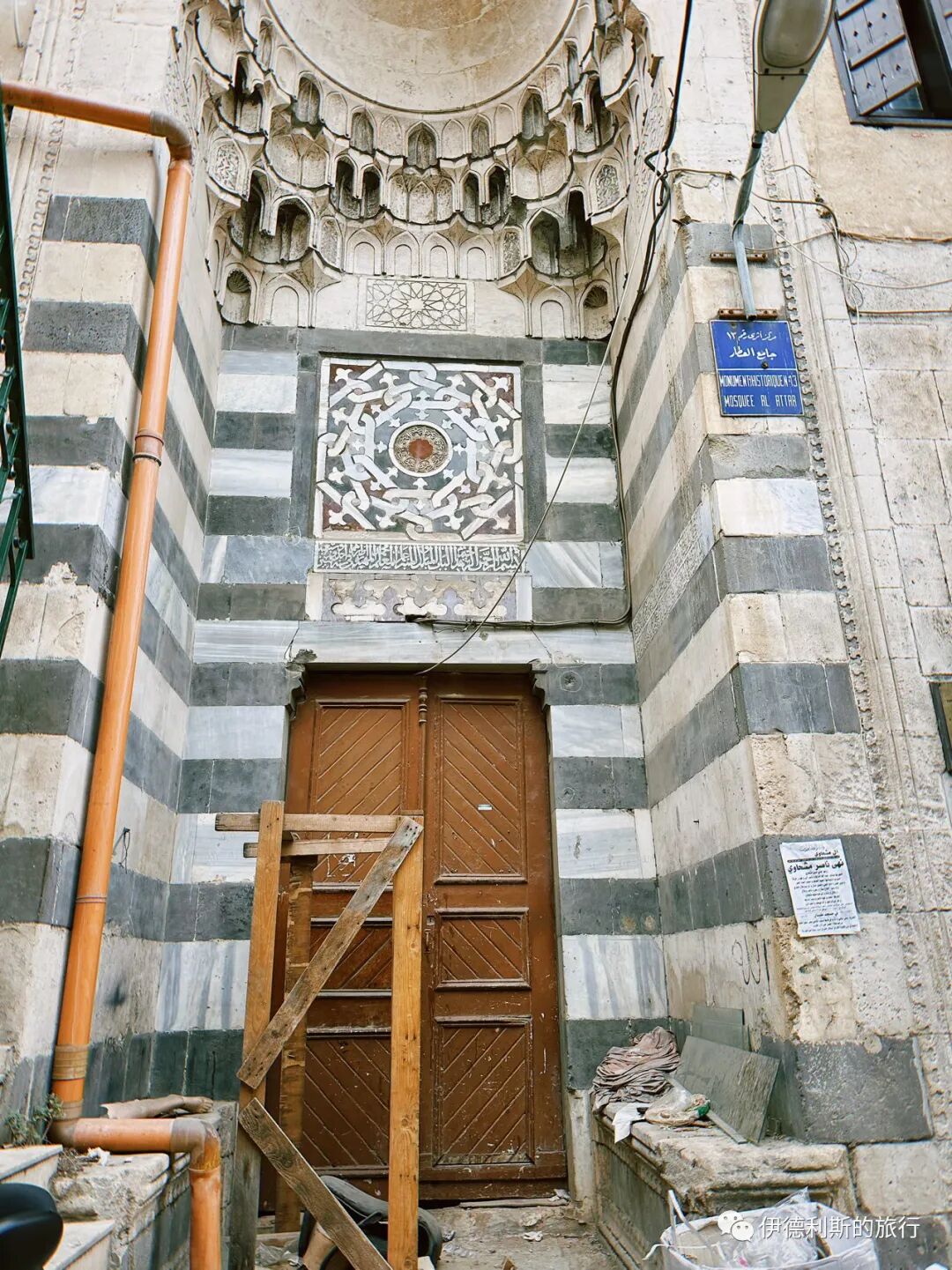
The first is the Attar Mosque. A local Tripoli perfume merchant named Badr al-Din al-Attar built it in the 1350s on the ruins of a Crusader church. It is also the first non-Mamluk mosque in Tripoli. The Attar Mosque is known as one of the most beautiful mosques in Tripoli, but it has been closed for several years for repairs.
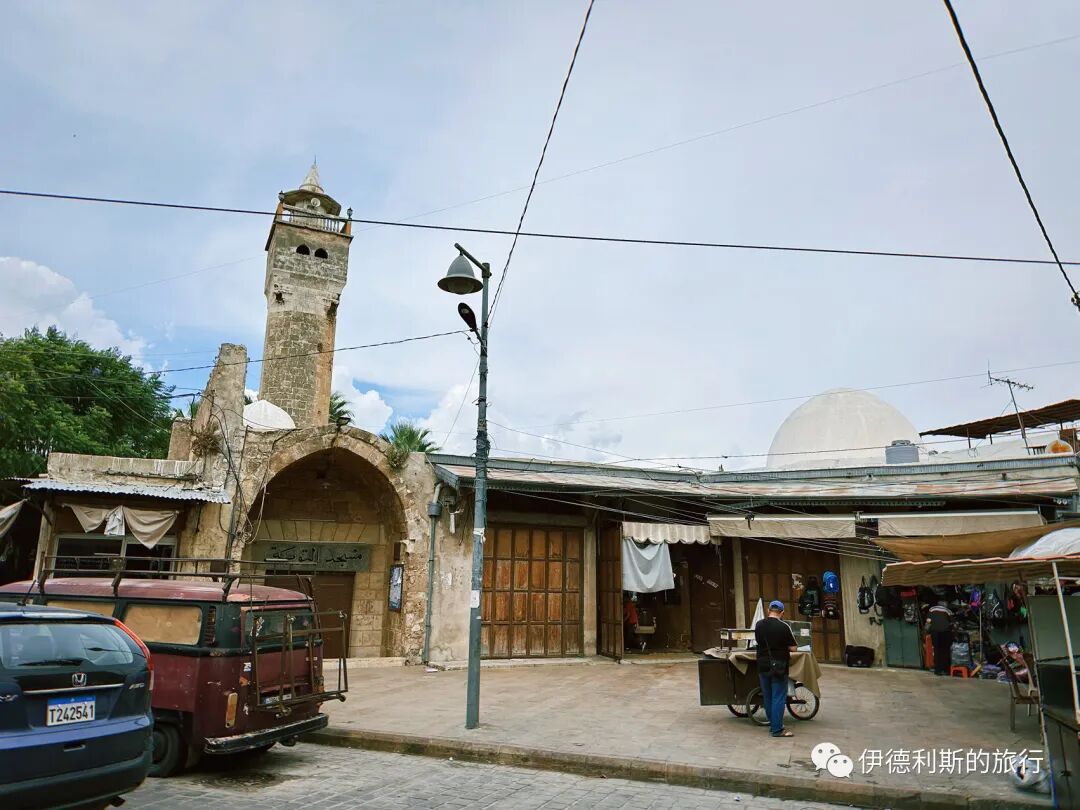
The second is the Tawba Mosque. The exact age of Tawba Mosque is unknown, but it is thought to have been built during the Mamluk period. Because it sits right next to the riverbank, the stone inscription marking its construction was likely washed away in a flood. A stone inscription now at the mosque entrance says it was rebuilt after a flood in 1612. Many mosques in Lebanon lock their doors outside of prayer times, so I could not go inside and only saw the octagonal minaret (bangke ta).
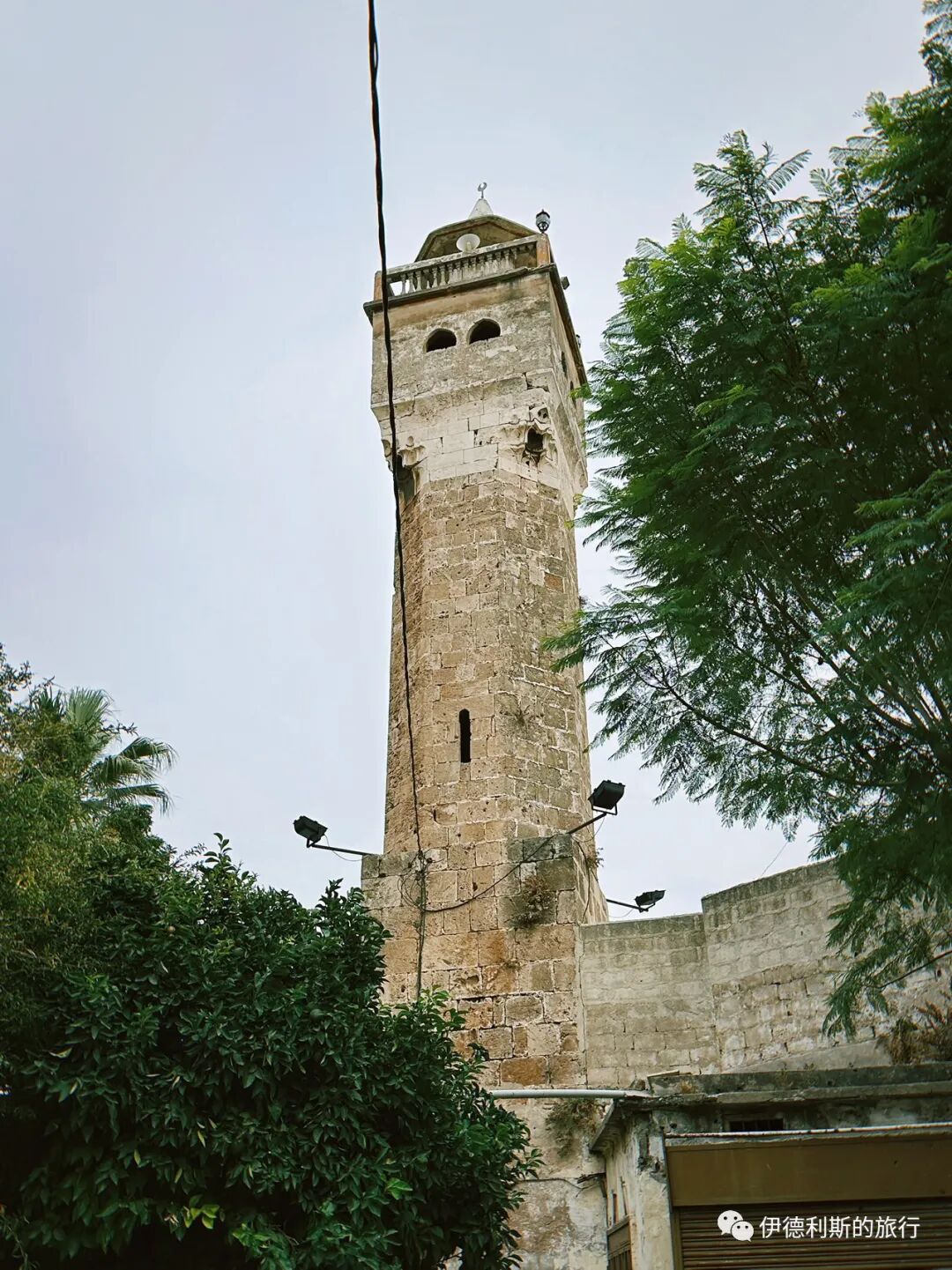
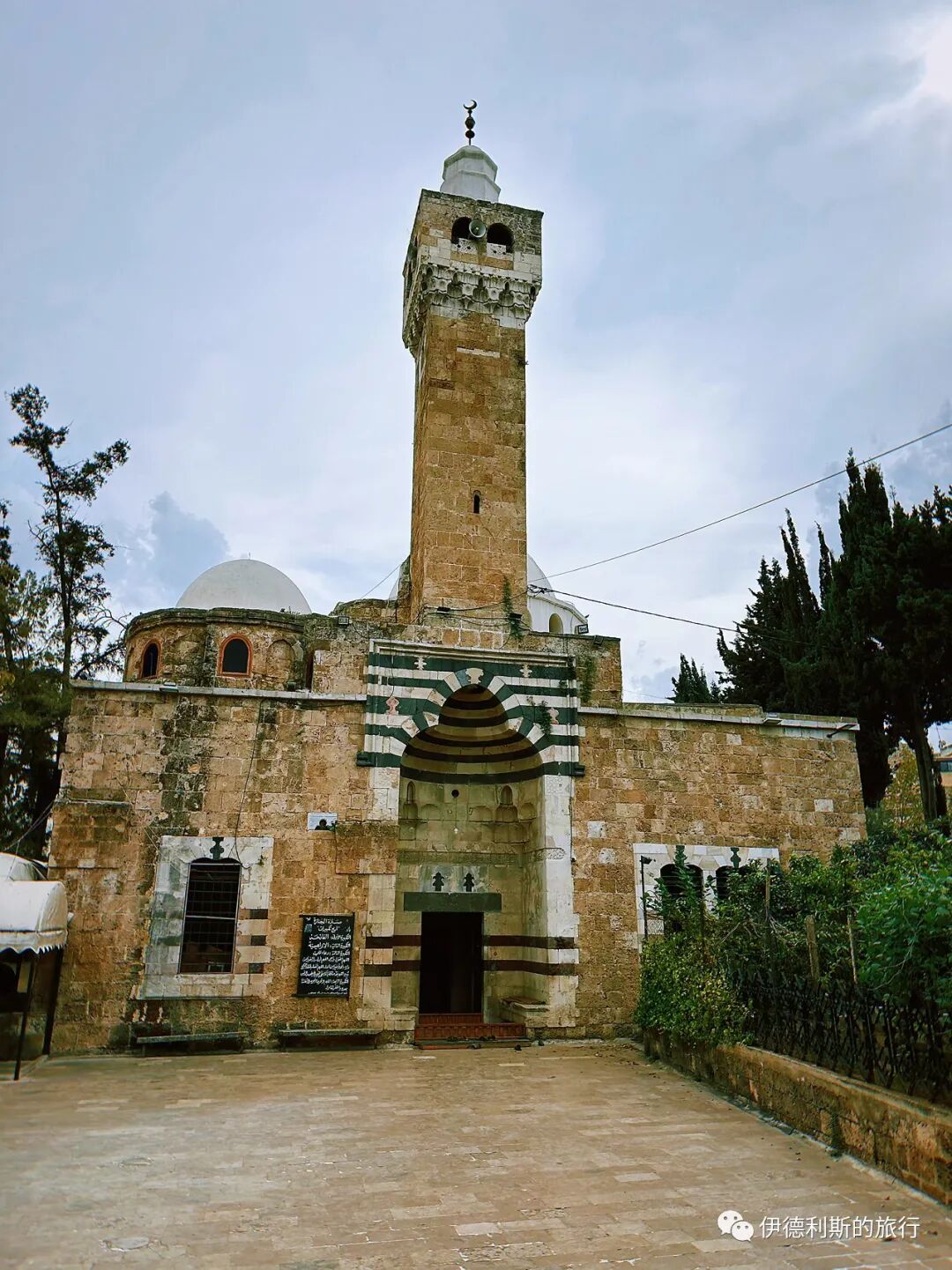
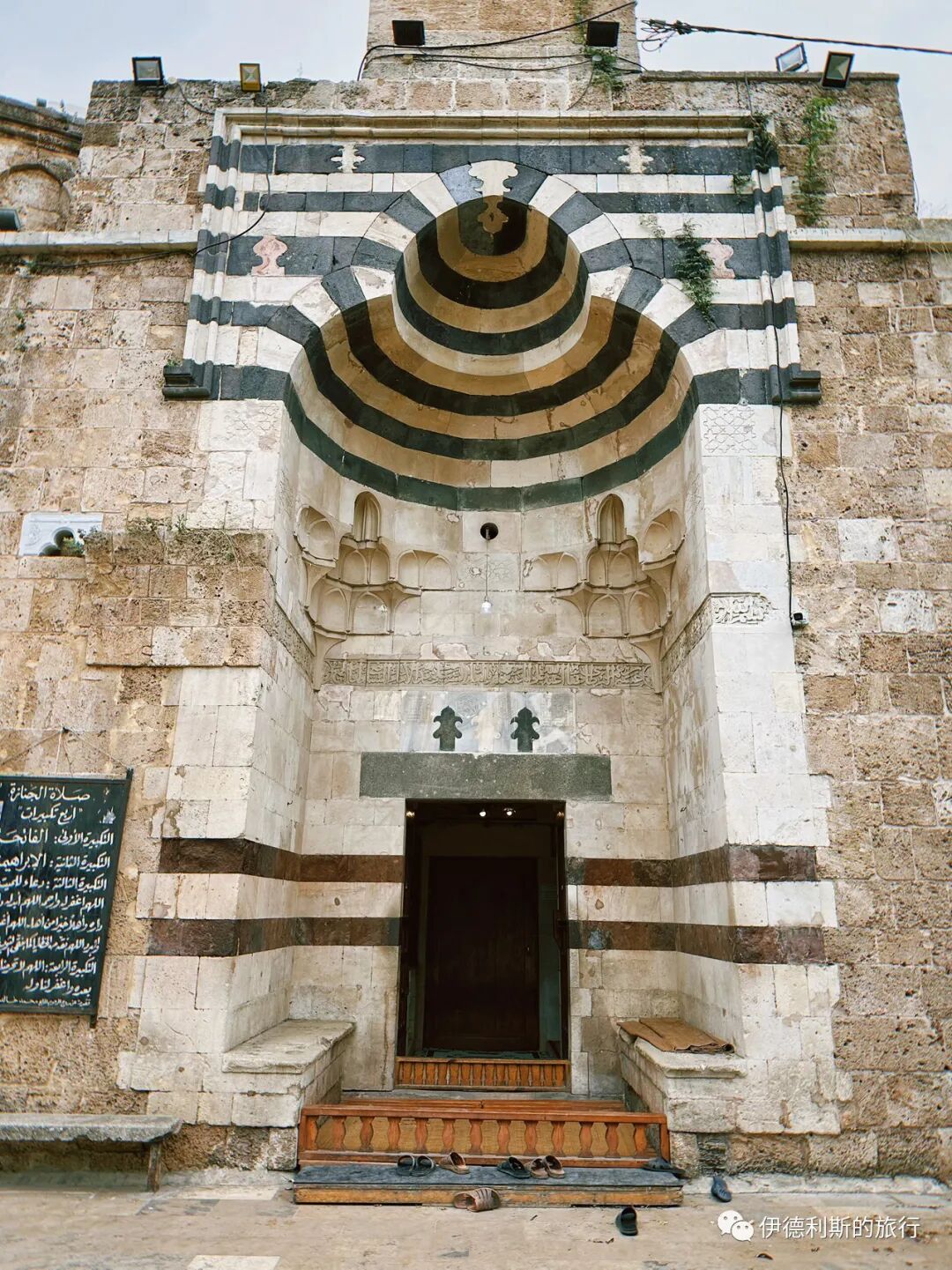
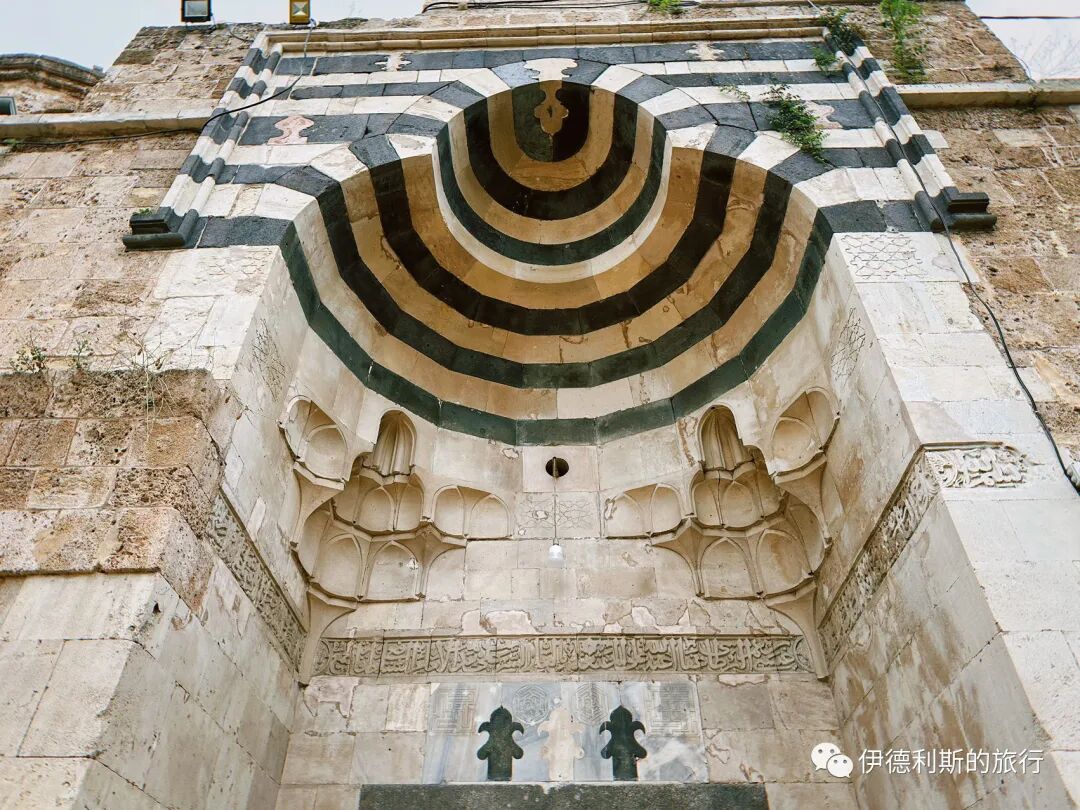
The third one is Burtasi Mosque, built by Isa ibn Umar al-Burtasi during the Mamluk period. Since Isa passed away in 1324, we can guess the mosque was built between the late 13th century and 1324. A flood in 1955 destroyed all the houses around Burtasi Mosque, and it is now the only building left standing on the riverbank. The minaret above the main gate is known as the most beautiful minaret in Tripoli. Above the three-story honeycomb-style decorative carving (muqarnas) is a square balcony with Moorish-style double-arched windows. This type of double arch is a classic feature of Muslim architecture from Andalusia in southern Spain.
The fourth site is Askar Inn (Khan), built in the 14th-century Mamluk period, which is the largest trading inn in Tripoli.
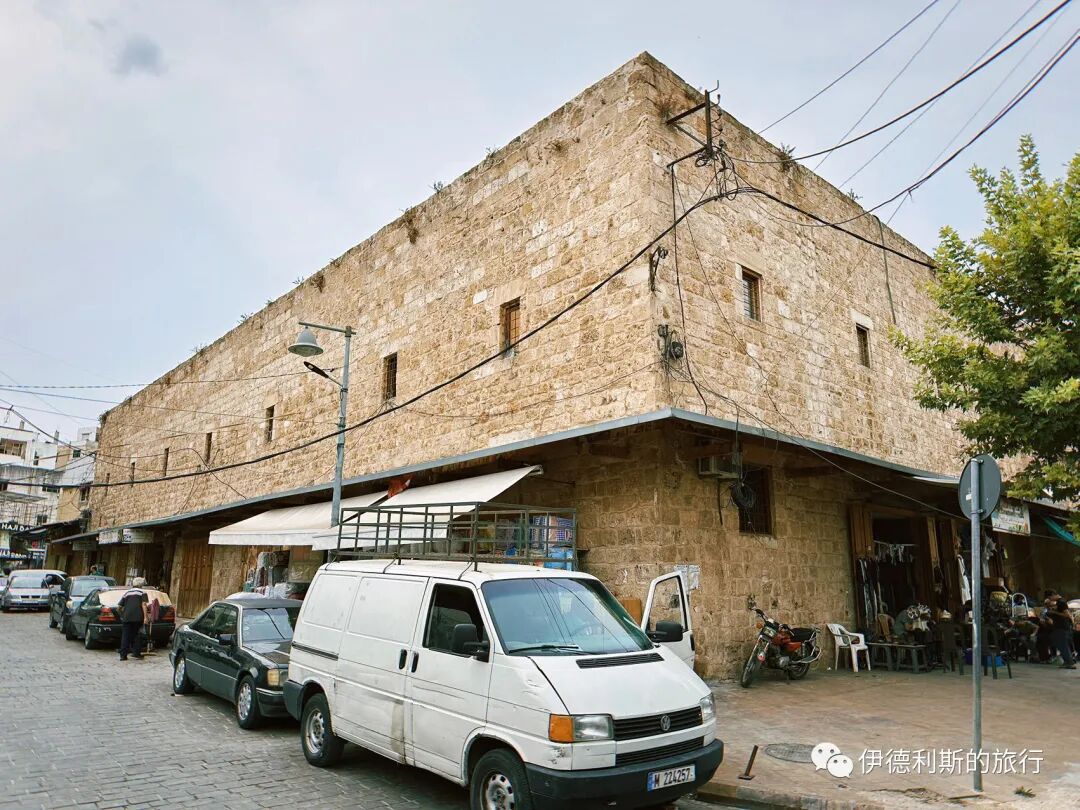
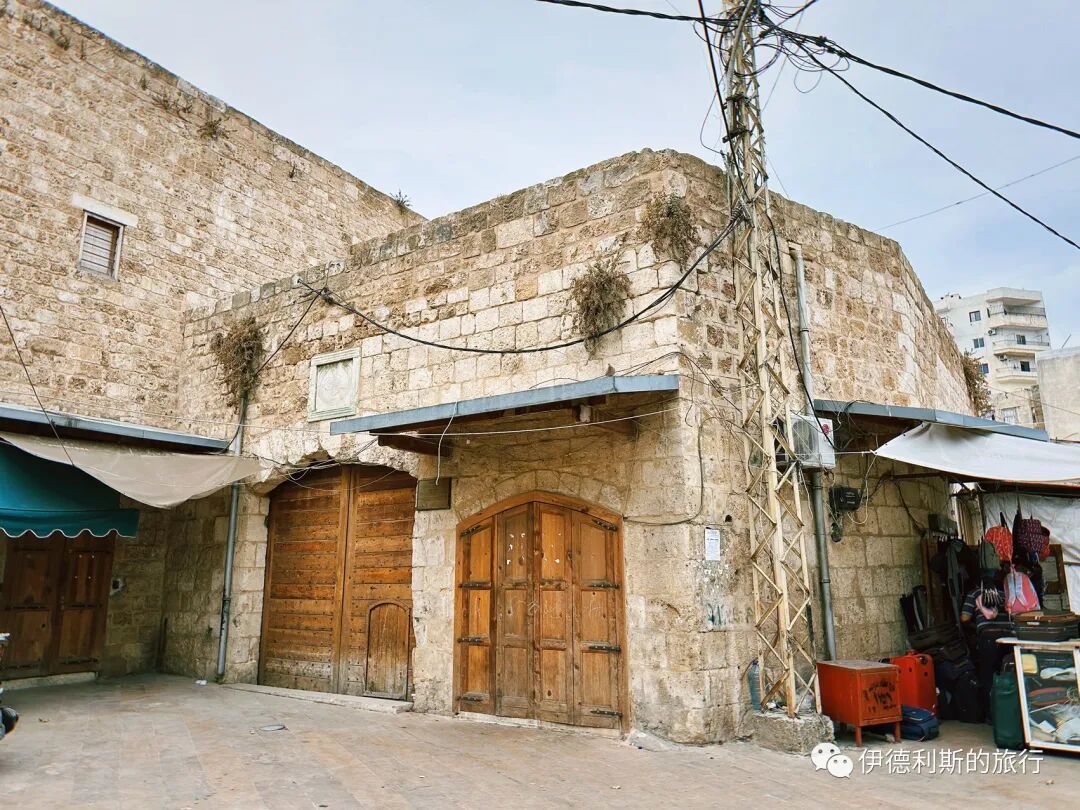
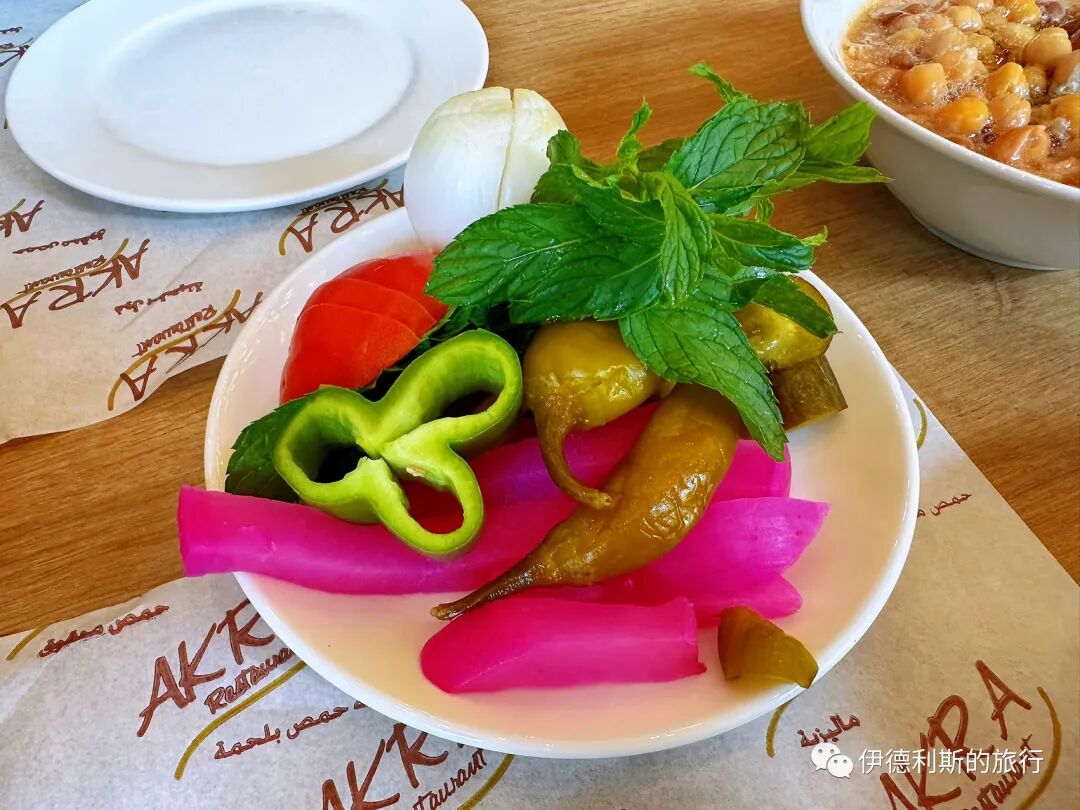
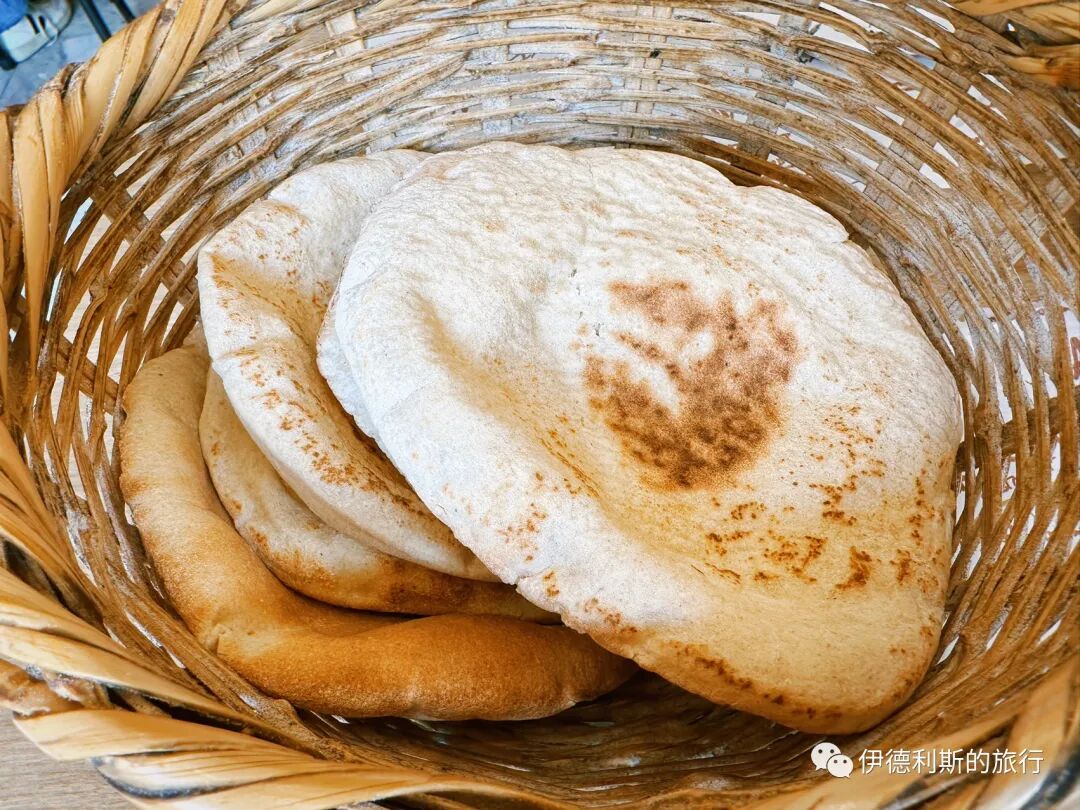
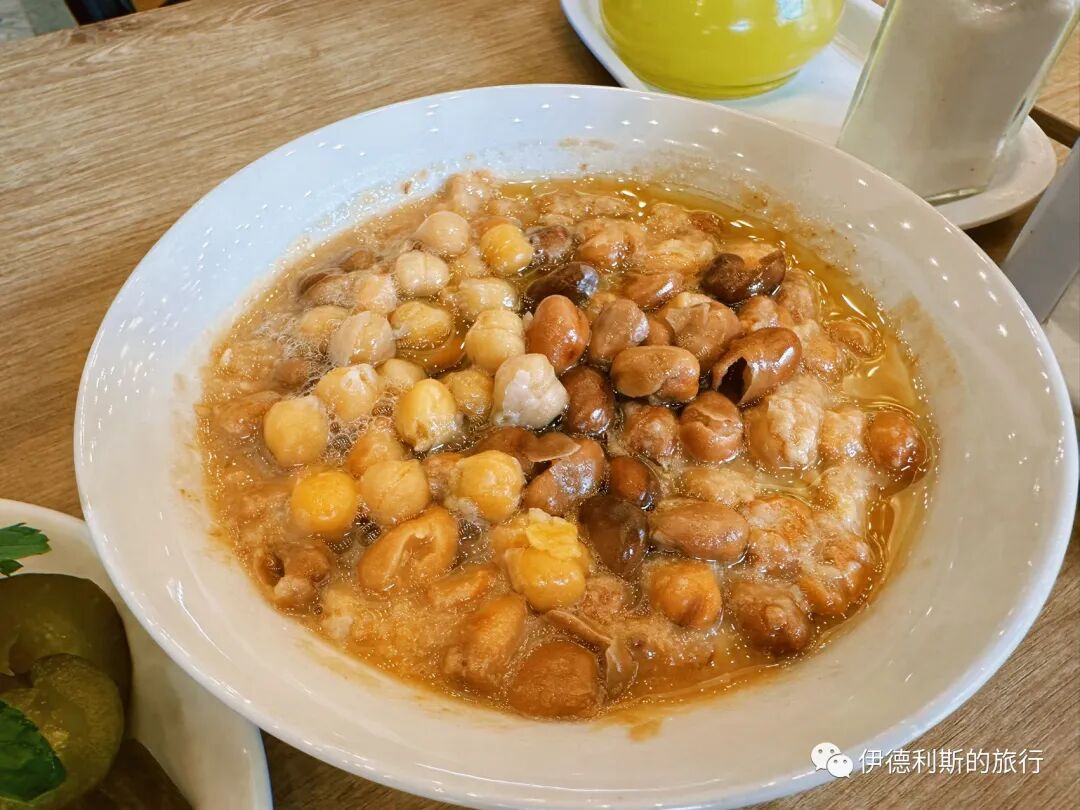
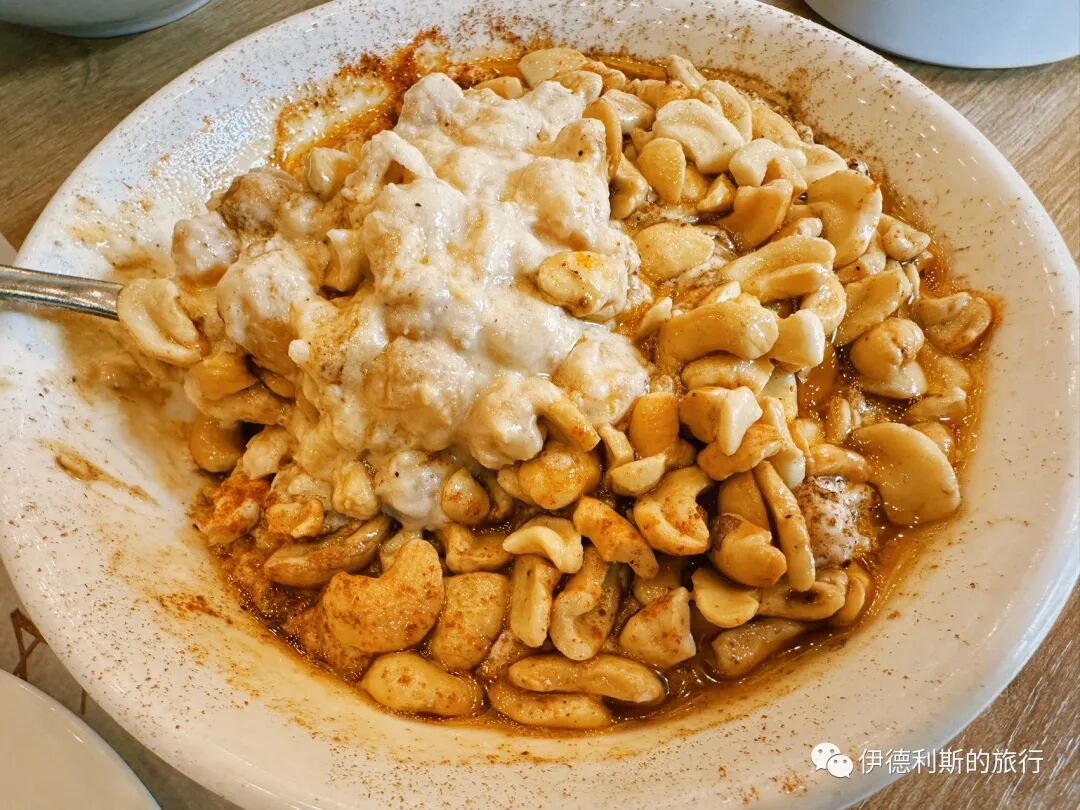
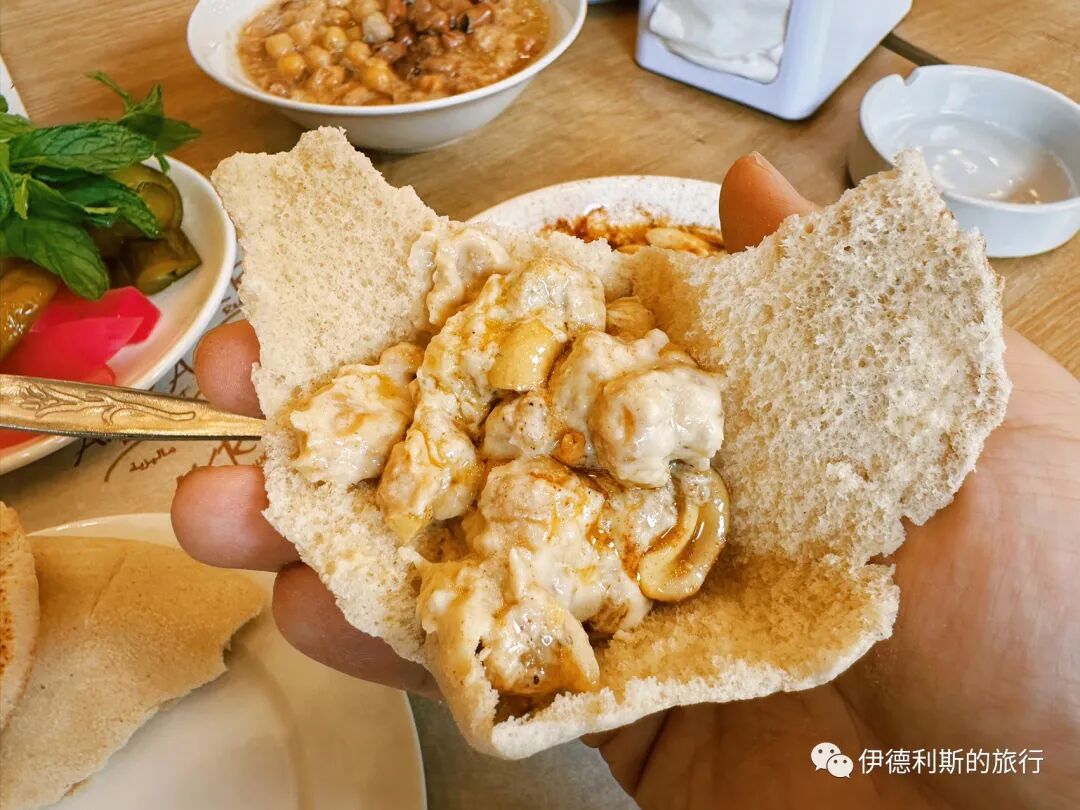
I had a traditional bean stew brunch at Akra Restaurant in the old city of Tripoli. I ordered traditional stewed fava beans and chickpeas, plus hummus topped with cashews and peanuts, all eaten inside pita bread.
The Ezzedin Bathhouse (Hammam) was the first public bath built by the Mamluk dynasty after they took Tripoli. Emir Ezzedin Aibek, who ruled Tripoli from 1293 to 1298, ordered its construction using many marble pieces from the Byzantine and Crusader eras. This bathhouse operated from the end of the 13th century until 1975, when it closed after the Lebanese Civil War began. It has been restored and is now free to visit.
The Ezzedin Bathhouse follows the classic Roman-Byzantine bath design. It has three parts: a changing room with a central fountain, a warm room with private stalls, and a hot steam room.
The bathhouse gate likely uses parts from a Crusader church. The lintel features two roses and a Paschal lamb, which are typical Christian symbols. You can still see an Arabic sign written before it closed in 1975: 'Women use it between 12 and 4, and men use it after 4.'
The dome in the main hall has many round holes for light. Blue glass cups cover these holes to keep the heat inside.
The Jawani Harrara room sits right next to the boiler. It is the hottest and most humid part of the bathhouse and has a delicate window that lets hot steam into the room. The red stone section in the middle is called the Blata. Pipes underneath connect to the boiler, and people can get massages on top of it.
Right next to the Ezzedin Bathhouse is the Tailors' Inn (Khan Khayyatin). Prince Badr al-Din built this Mamluk-era trading inn in 1339. It mainly sold needles, thread, and textiles for tailors. This is not a typical courtyard inn. It consists of two rows of shops with stores on the ground floor and guest rooms on the second floor. The two sides do not connect, and the roof has ten arched sections linked horizontally. People say the inn has this shape because it was built on the foundation of a Byzantine-Crusader building.
Some historical sites I did not enter.
The first is the Attar Mosque. A local Tripoli perfume merchant named Badr al-Din al-Attar built it in the 1350s on the ruins of a Crusader church. It is also the first non-Mamluk mosque in Tripoli. The Attar Mosque is known as one of the most beautiful mosques in Tripoli, but it has been closed for several years for repairs.
The second is the Tawba Mosque. The exact age of Tawba Mosque is unknown, but it is thought to have been built during the Mamluk period. Because it sits right next to the riverbank, the stone inscription marking its construction was likely washed away in a flood. A stone inscription now at the mosque entrance says it was rebuilt after a flood in 1612. Many mosques in Lebanon lock their doors outside of prayer times, so I could not go inside and only saw the octagonal minaret (bangke ta).
The third one is Burtasi Mosque, built by Isa ibn Umar al-Burtasi during the Mamluk period. Since Isa passed away in 1324, we can guess the mosque was built between the late 13th century and 1324. A flood in 1955 destroyed all the houses around Burtasi Mosque, and it is now the only building left standing on the riverbank. The minaret above the main gate is known as the most beautiful minaret in Tripoli. Above the three-story honeycomb-style decorative carving (muqarnas) is a square balcony with Moorish-style double-arched windows. This type of double arch is a classic feature of Muslim architecture from Andalusia in southern Spain.
The fourth site is Askar Inn (Khan), built in the 14th-century Mamluk period, which is the largest trading inn in Tripoli.
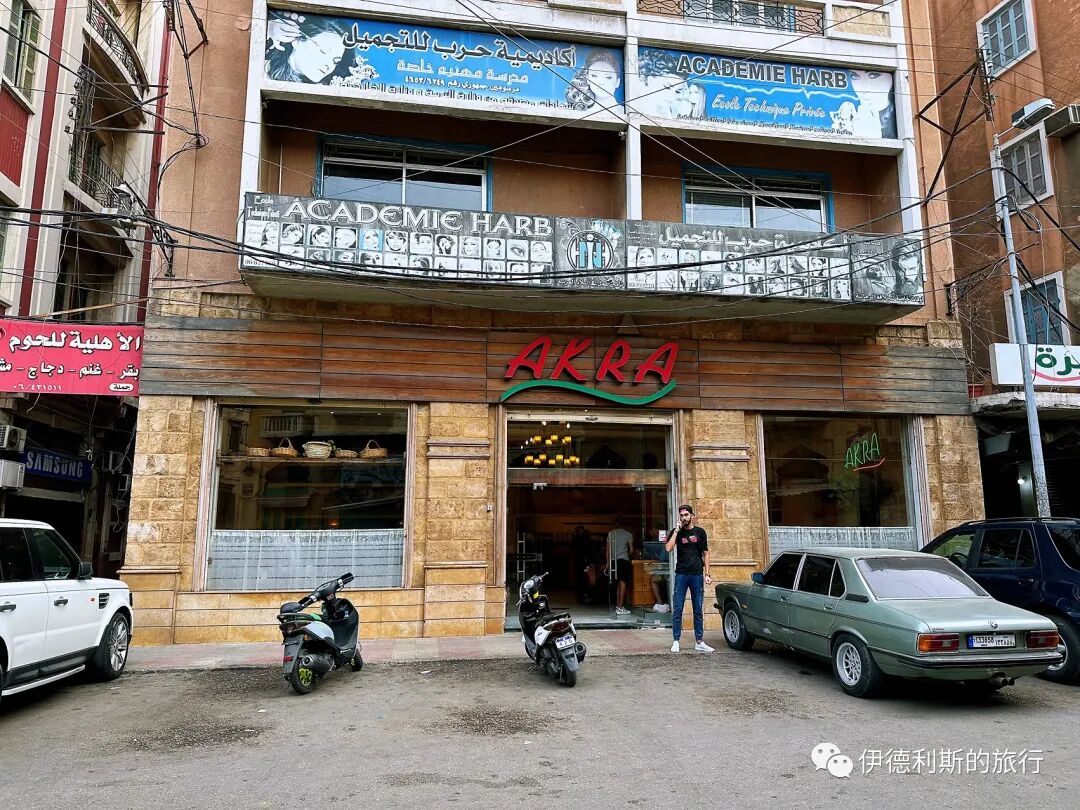
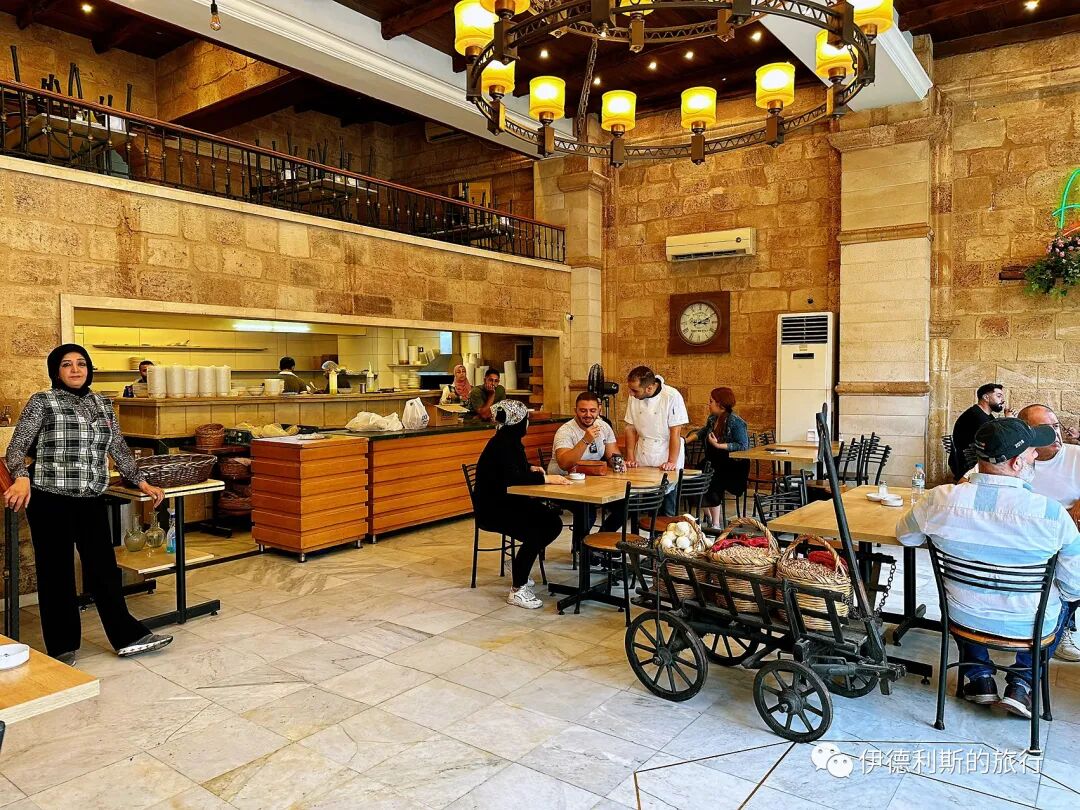
I had a traditional bean stew brunch at Akra Restaurant in the old city of Tripoli. I ordered traditional stewed fava beans and chickpeas, plus hummus topped with cashews and peanuts, all eaten inside pita bread.
