
Halal Travel Guide: Beirut - Lebanon Capital, Mosques and City Life
Reposted from the web
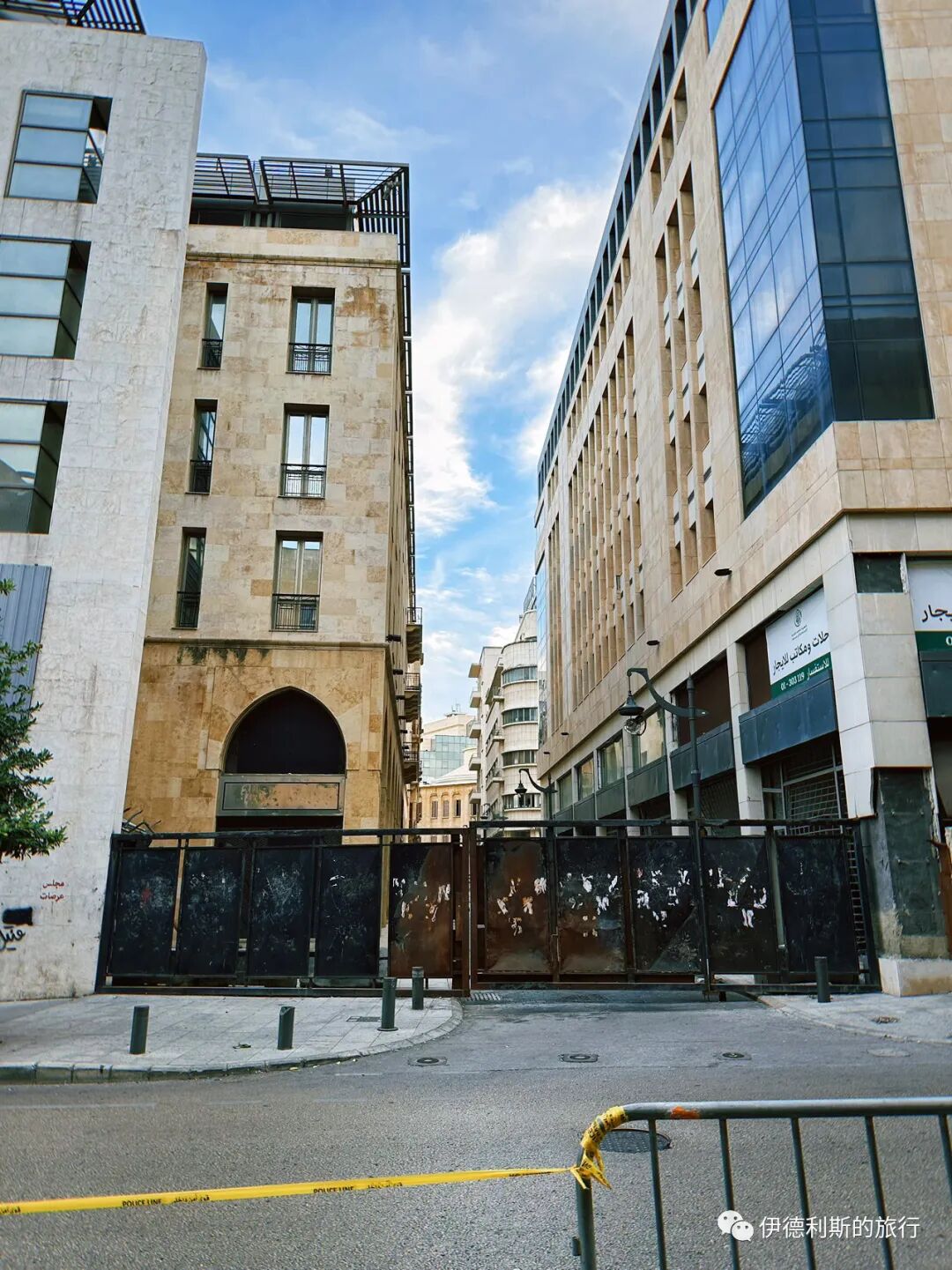
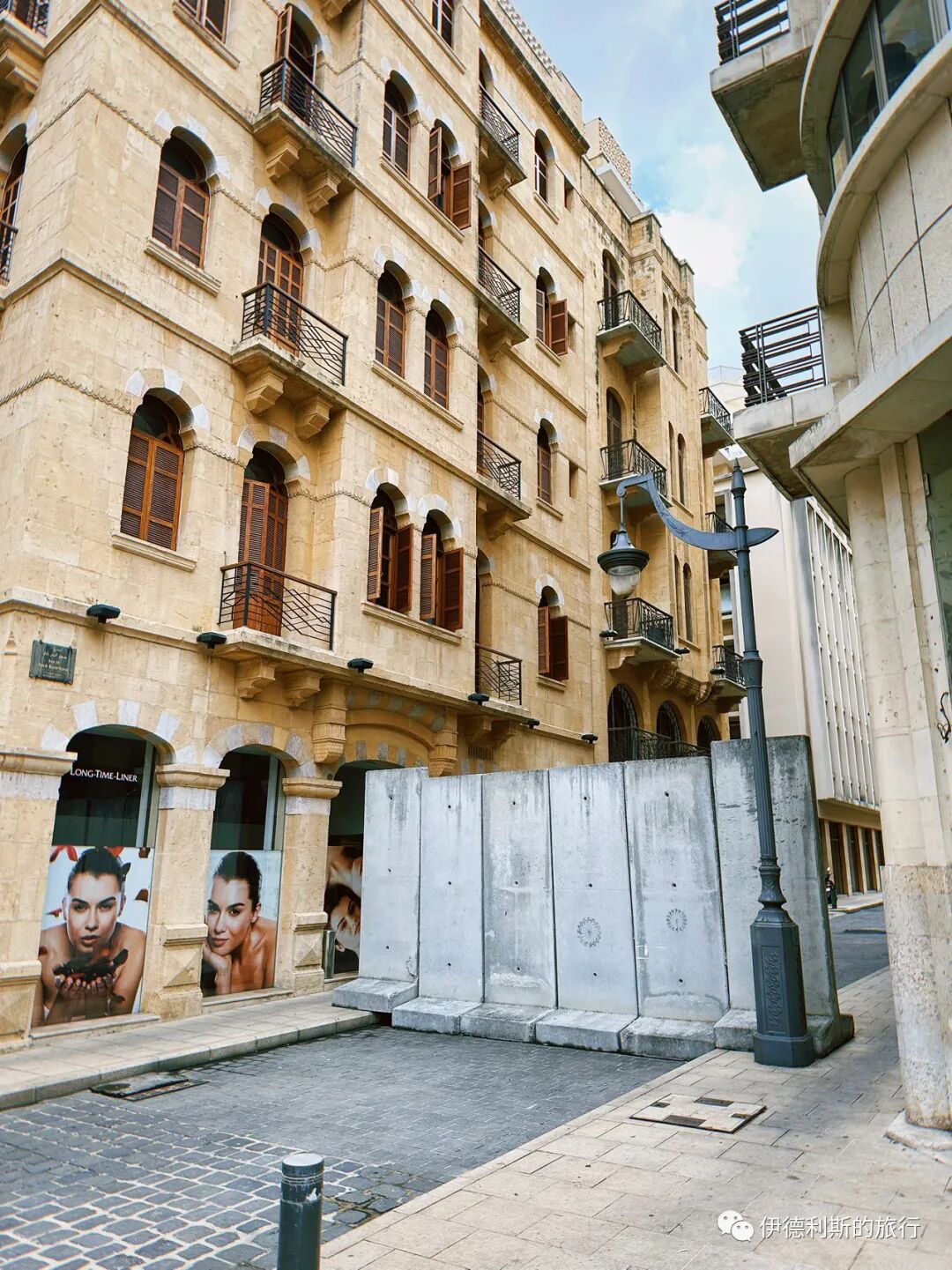
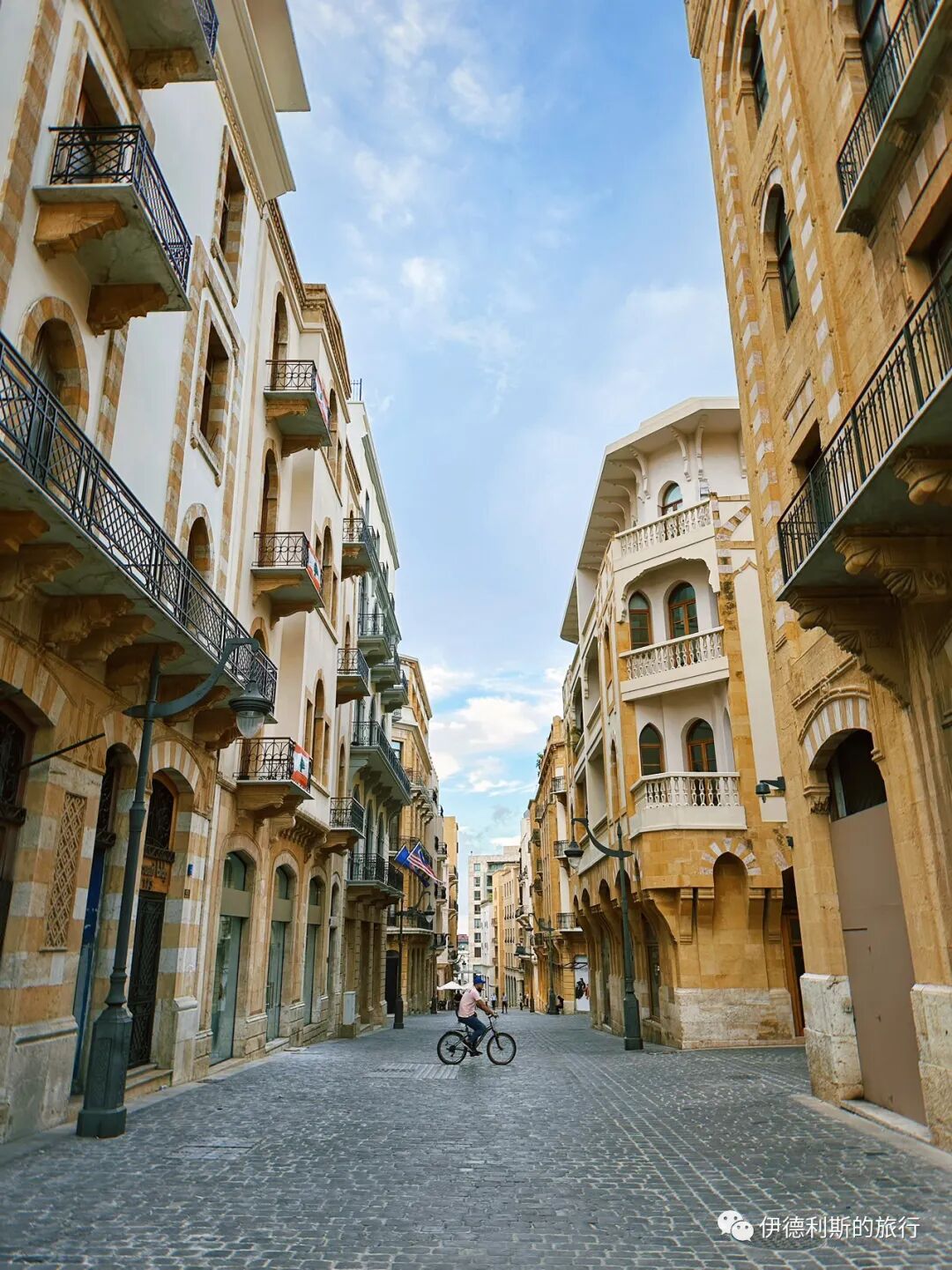
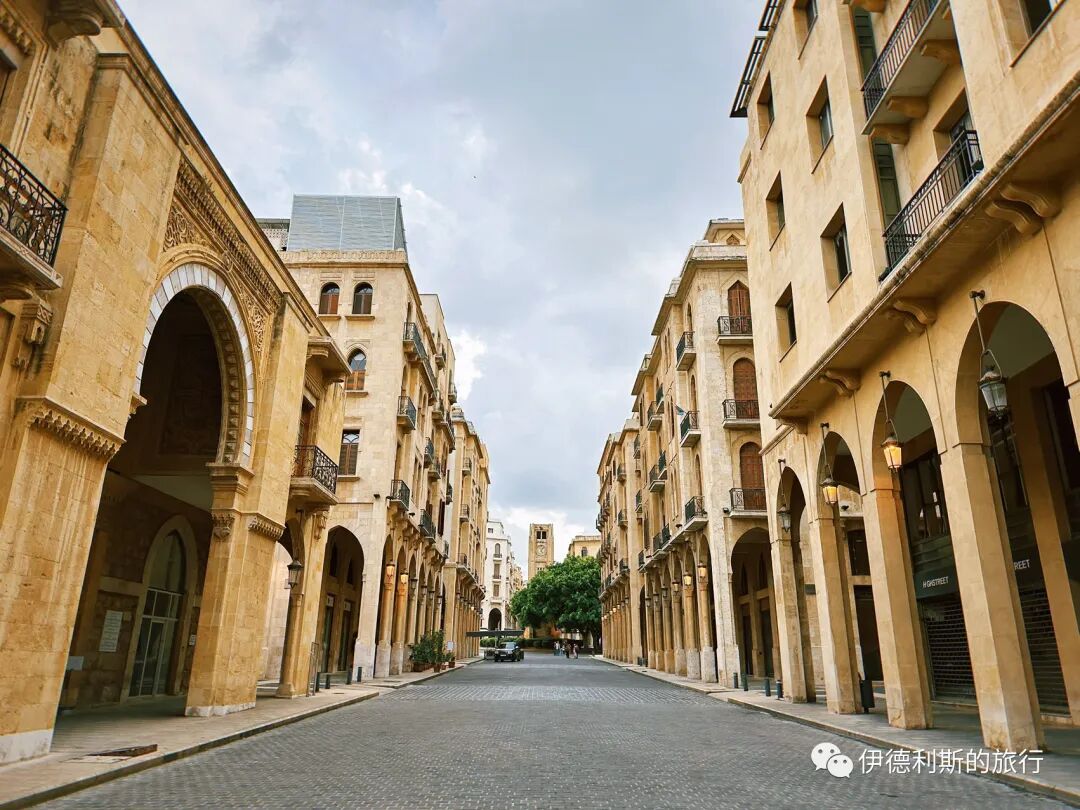
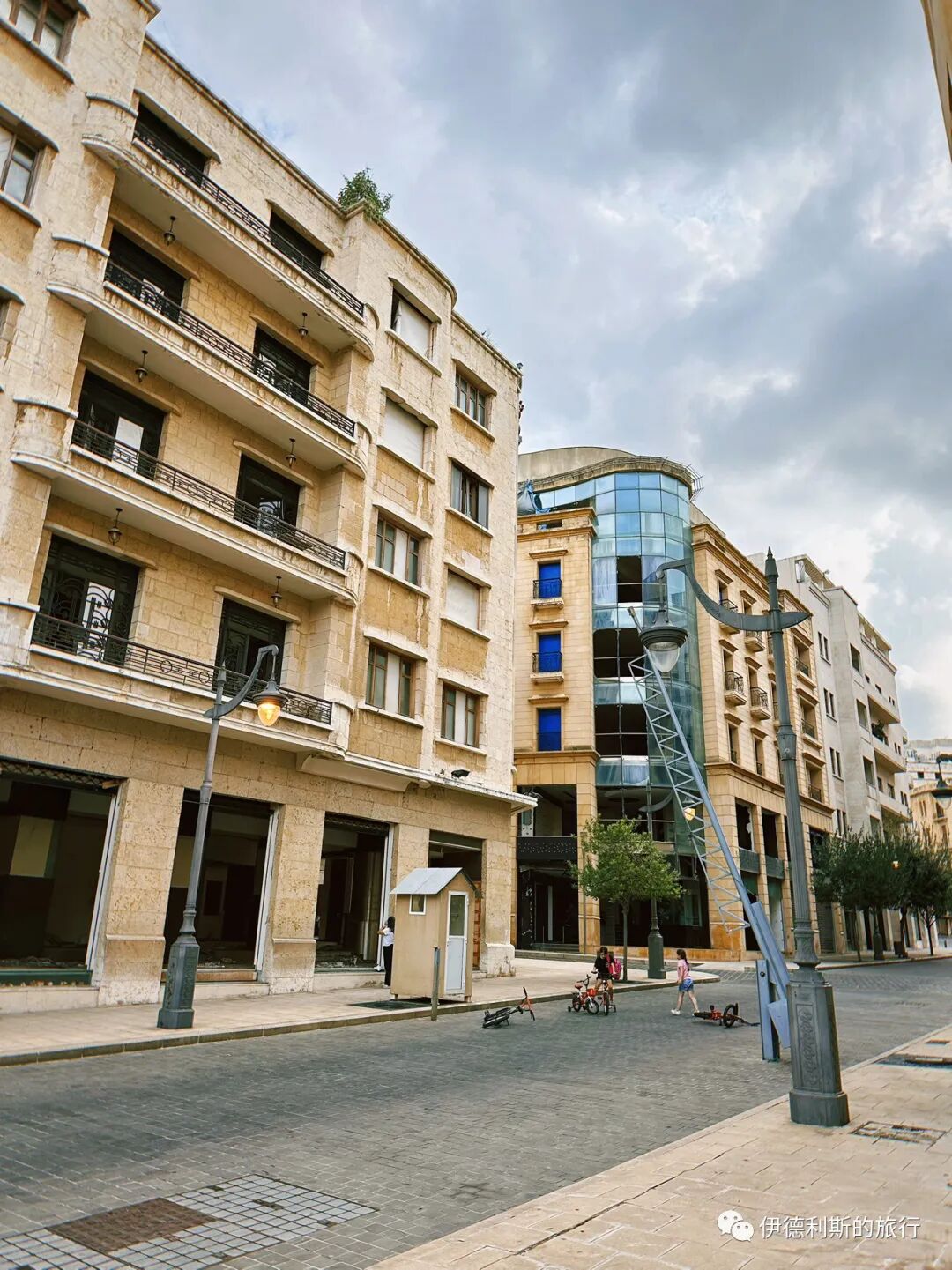
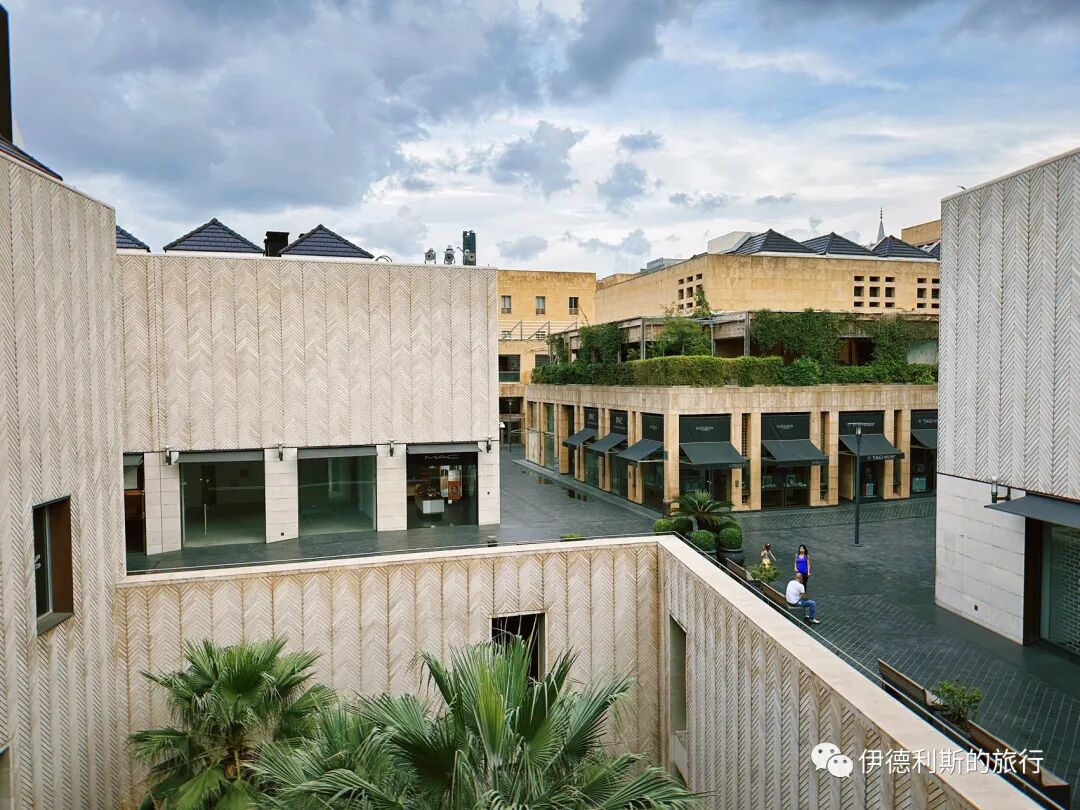
We flew from Istanbul to Beirut, dropped our bags at the hotel, and headed straight to Downtown Beirut. After the 2020 explosion, the military took over this area. The once-busy streets are now almost empty, like a ghost town. Roadblocks guard every entrance, soldiers stand watch, and windows and doors are shattered. The Beirut Souks shopping district, once packed with people, has almost no open shops and only a few people walking around.
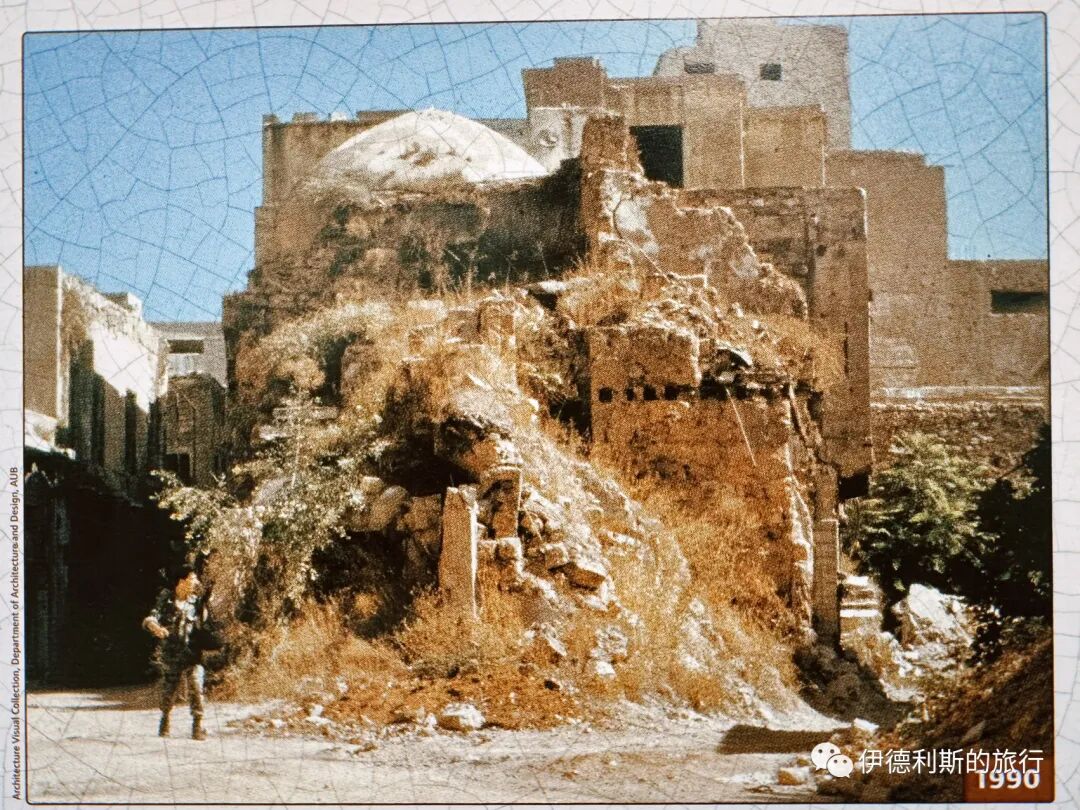
After the Lebanese Civil War began in 1975, downtown Beirut became a no-man's-land known as the Green Line. It suffered heavy damage and reconstruction did not start until 1994. Because of political instability, the rebuilding took many years, and the Beirut Souks shopping district did not officially open until 2009.
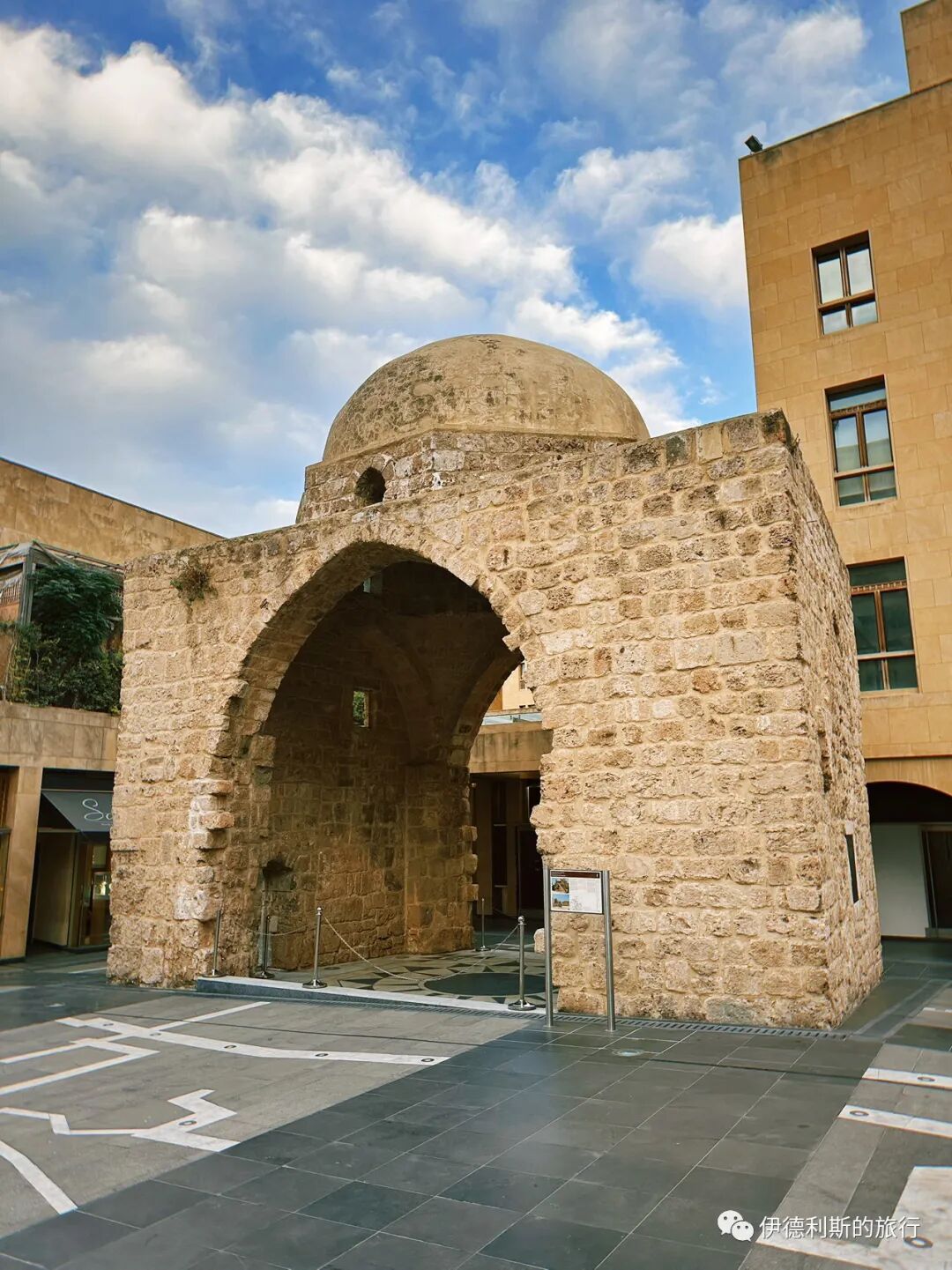
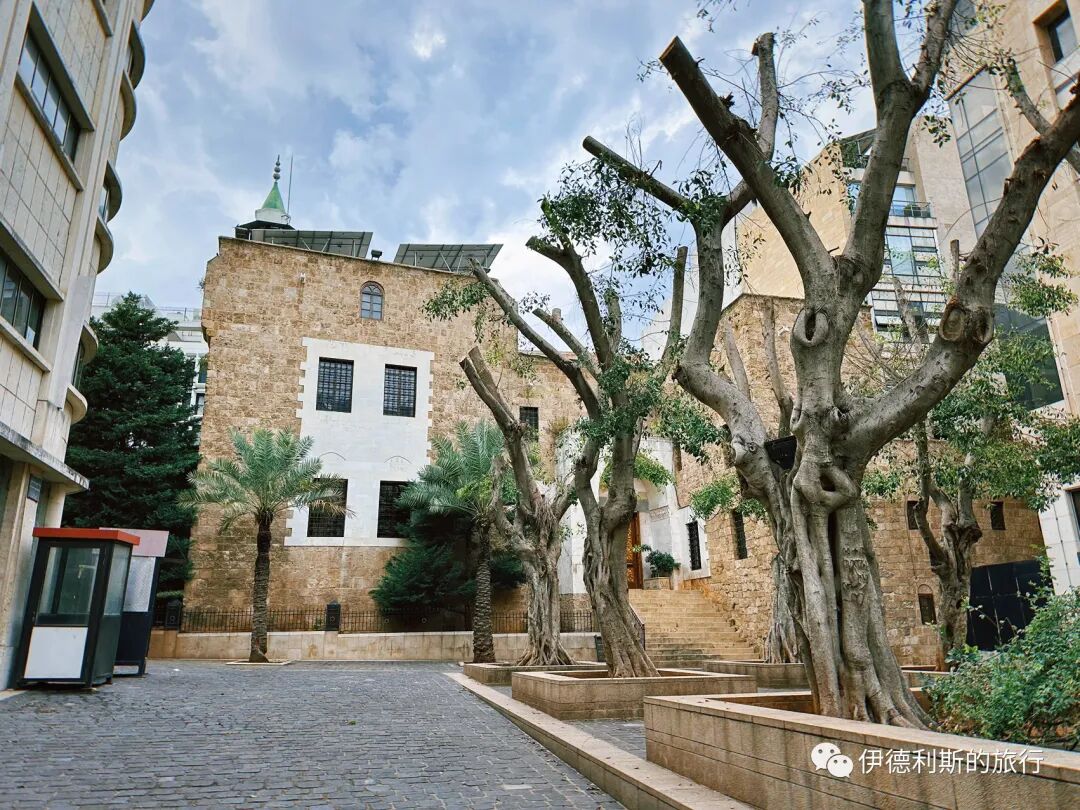
At the entrance to the Beirut Souks stands the Zawiyat Ibn Arraq, the only remaining Mamluk-era building in Beirut. Religious authority Ibn 'Arraq Al-Dimashqi from Damascus built this structure in 1517, originally as a hospice. After Ibn 'Arraq passed away in 1526, the site became a school for Islamic law and a zawiya (small Sufi lodge) for his followers. The remaining vaulted building once connected to other courtyards and rooms.
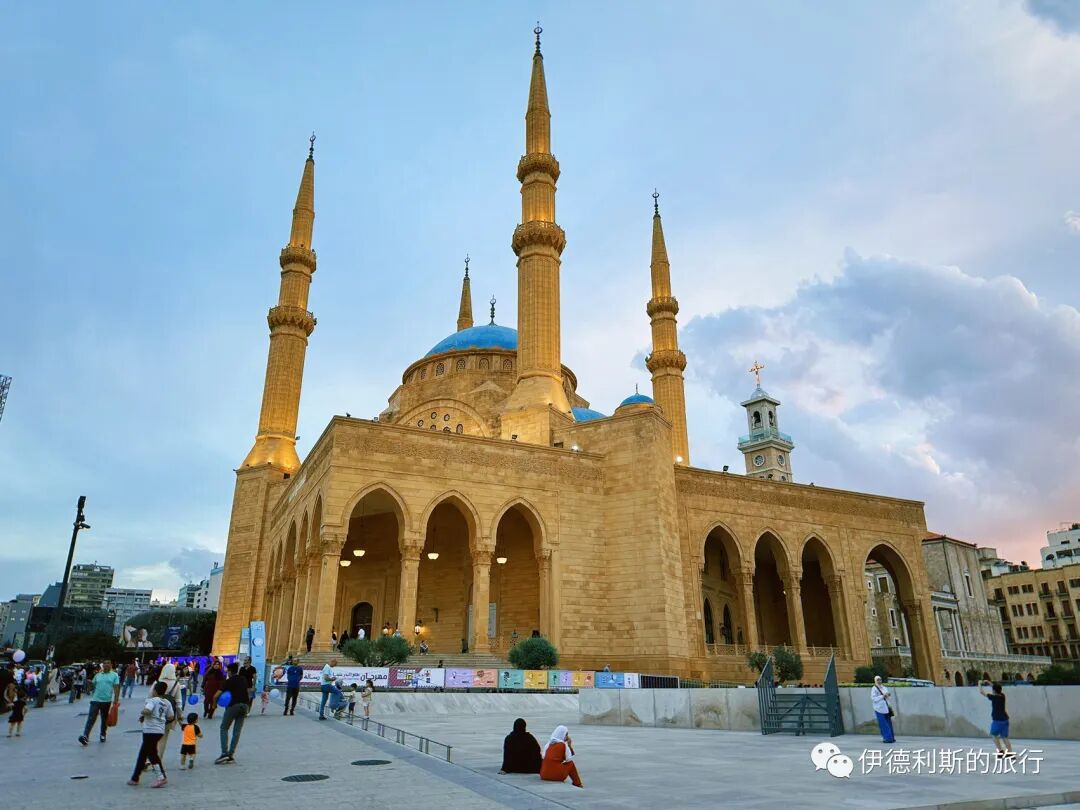
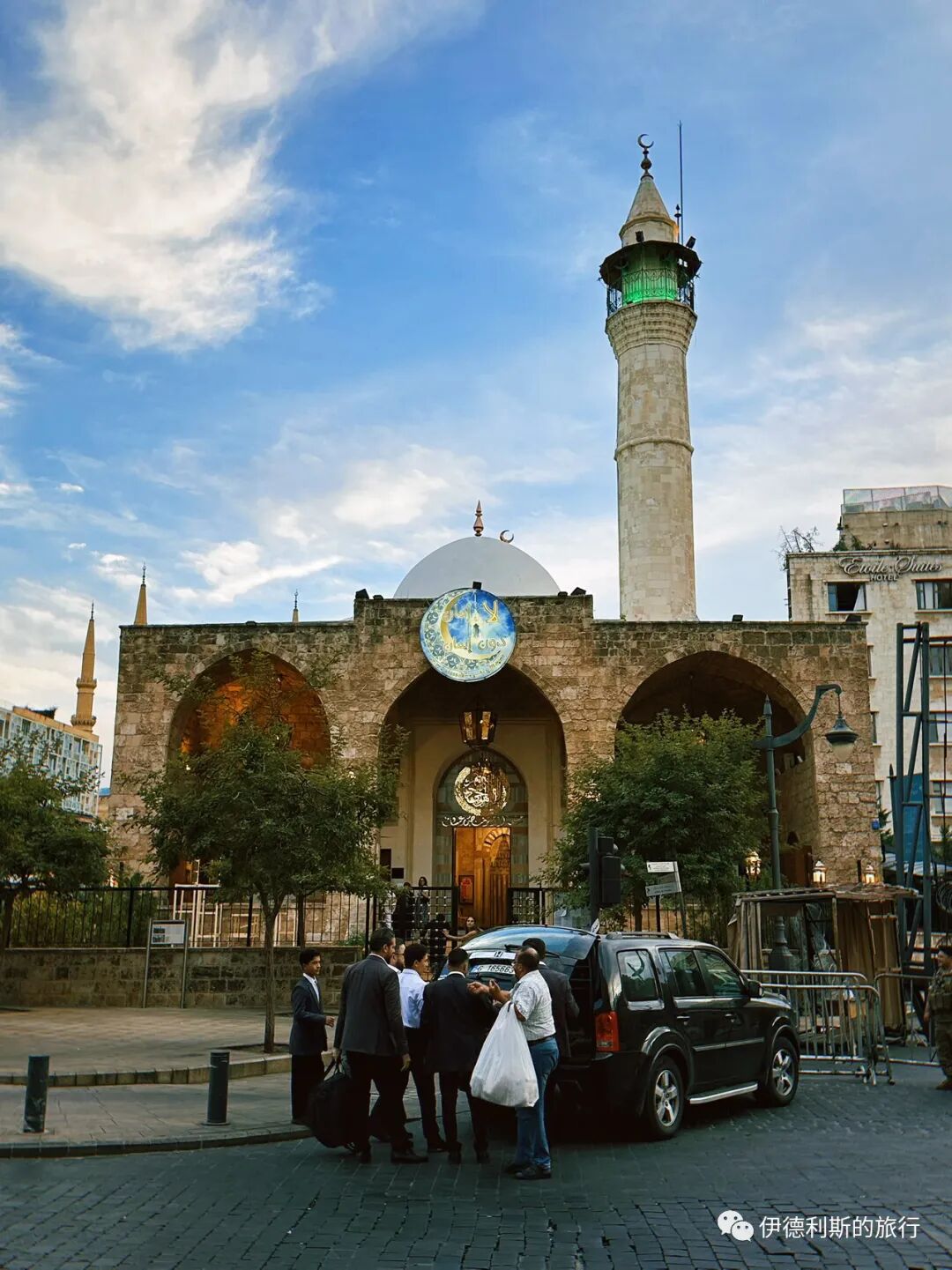
In the evening, I went to the Mohammad Al-Amin Mosque in downtown Beirut. Former Lebanese Prime Minister Rafic Hariri funded this mosque, which was built in the Ottoman style between 2002 and 2008. It is currently the largest mosque in Lebanon.
This is a Sunni mosque, and there were not many people there for namaz. I chatted with an older man for a while. He said the Sunni community in Beirut is not strong enough and suggested I visit Tripoli in the north, calling it a powerful Sunni city. In fact, Lebanon's Sunni population is mainly concentrated in the north, led by Tripoli, and in the eastern Bekaa Valley. In the capital, Beirut, the northwest is mainly Sunni, the southwest is mainly Shia, and the east is mainly Christian. During the civil war, the Mohammad Al-Amin Mosque stood near the dividing line between the Muslim and Christian quarters. This dividing line was called the Green Line because weeds and trees grew over it when no one lived there during the war. It was once full of militia checkpoints and snipers, and many buildings were severely damaged.
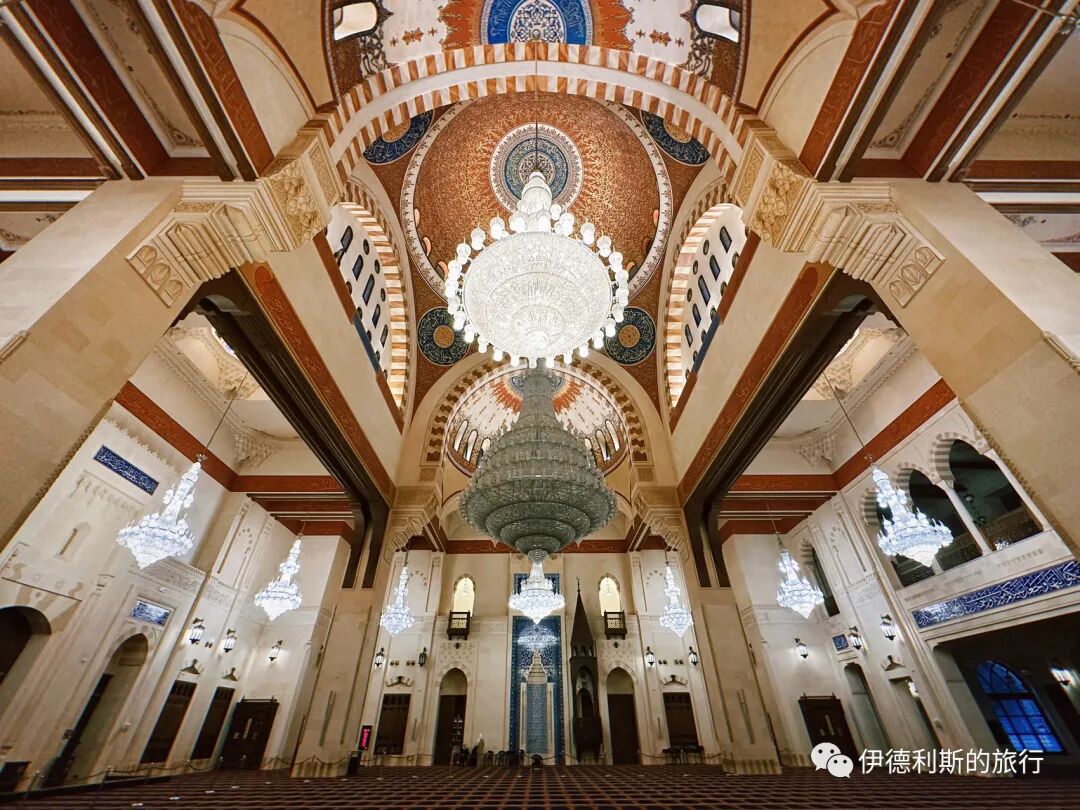
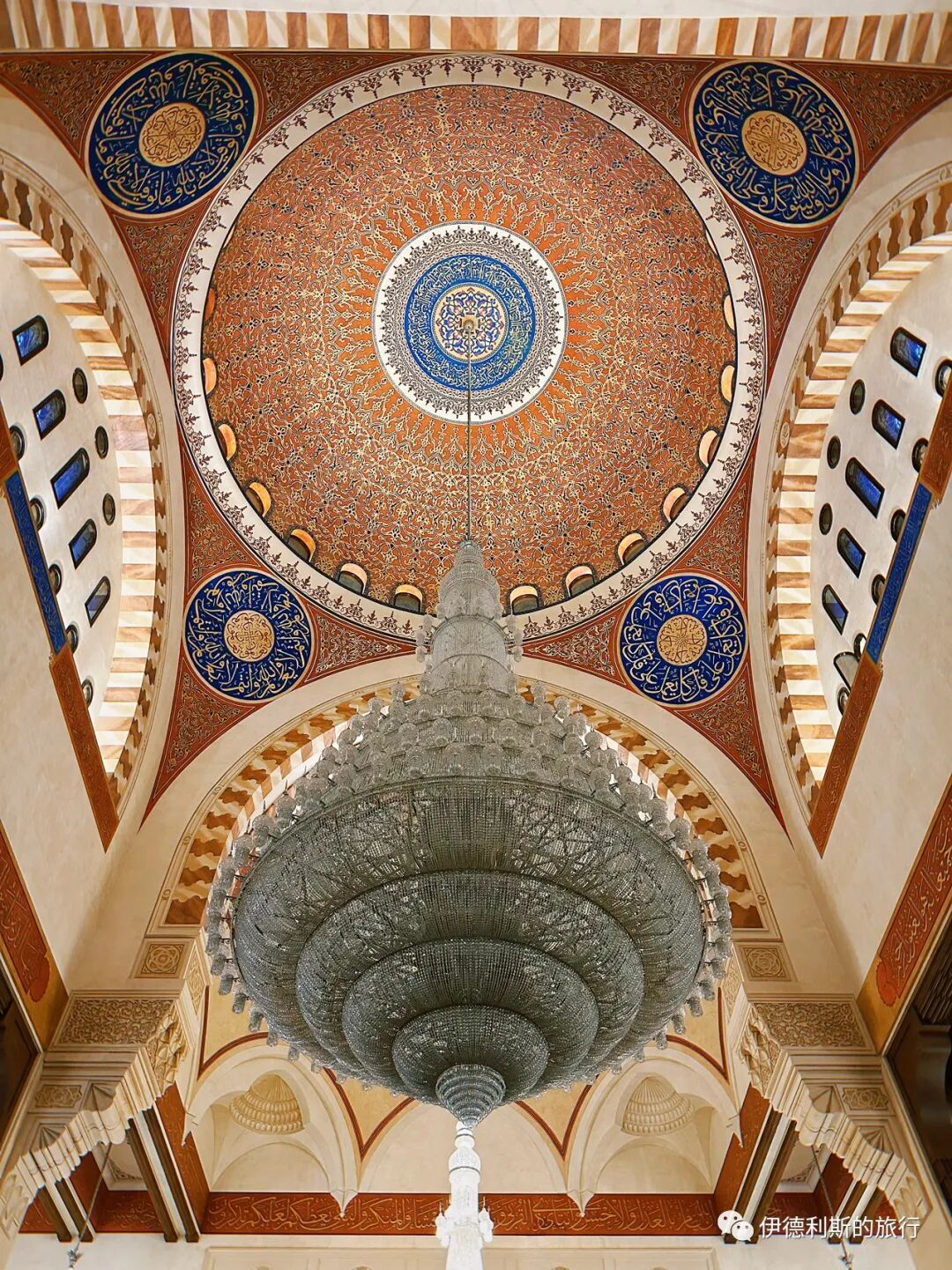
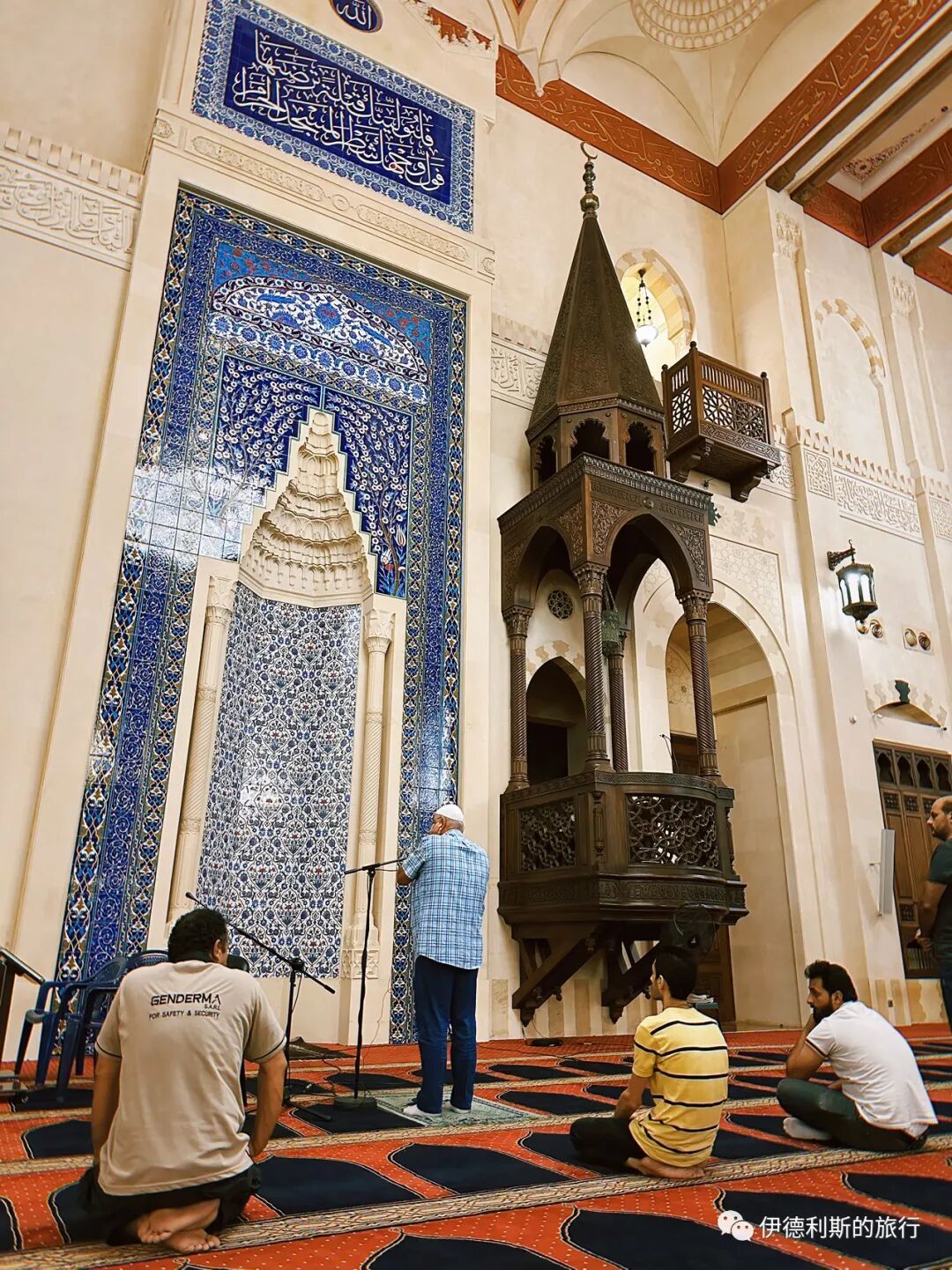
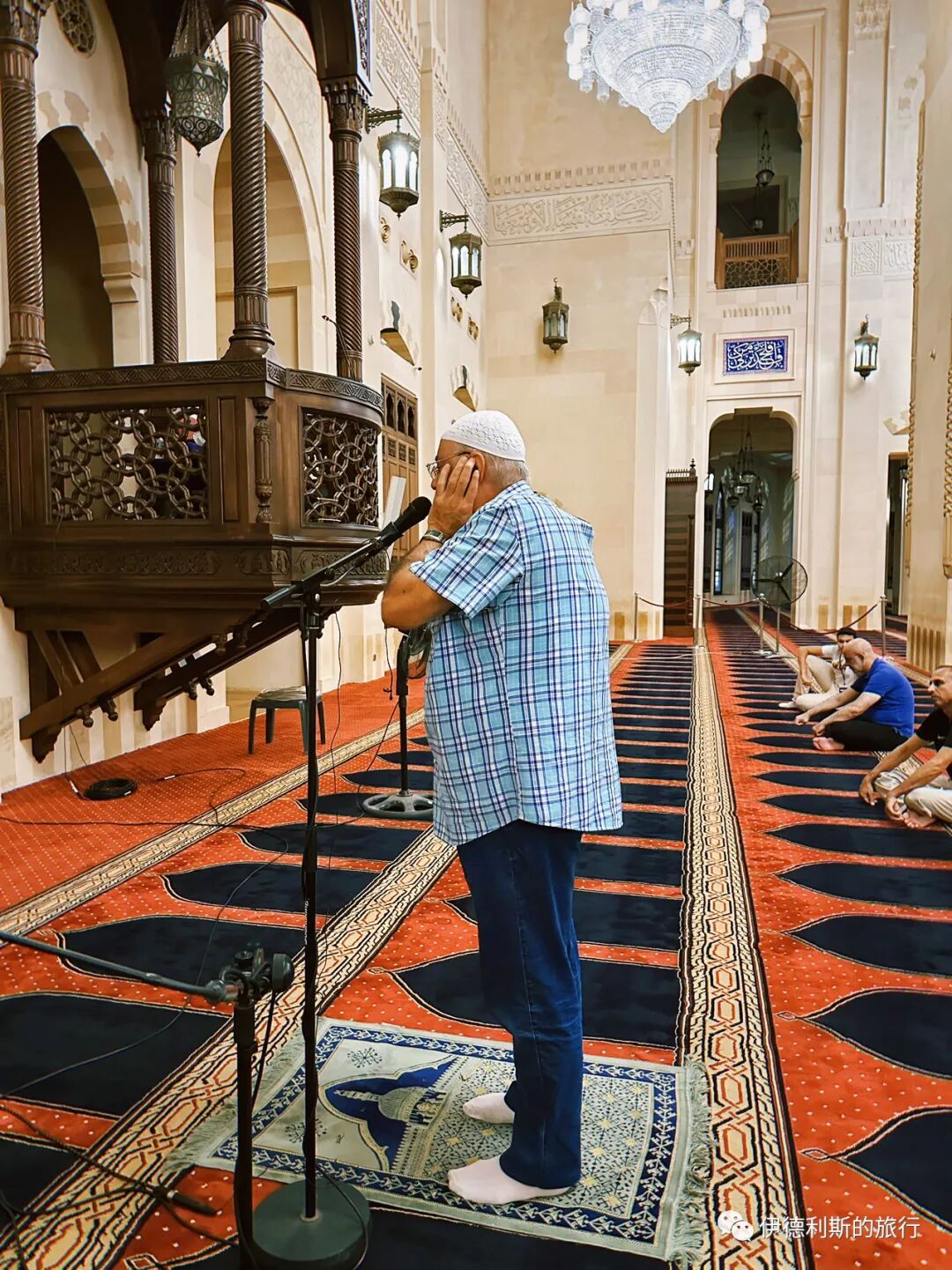
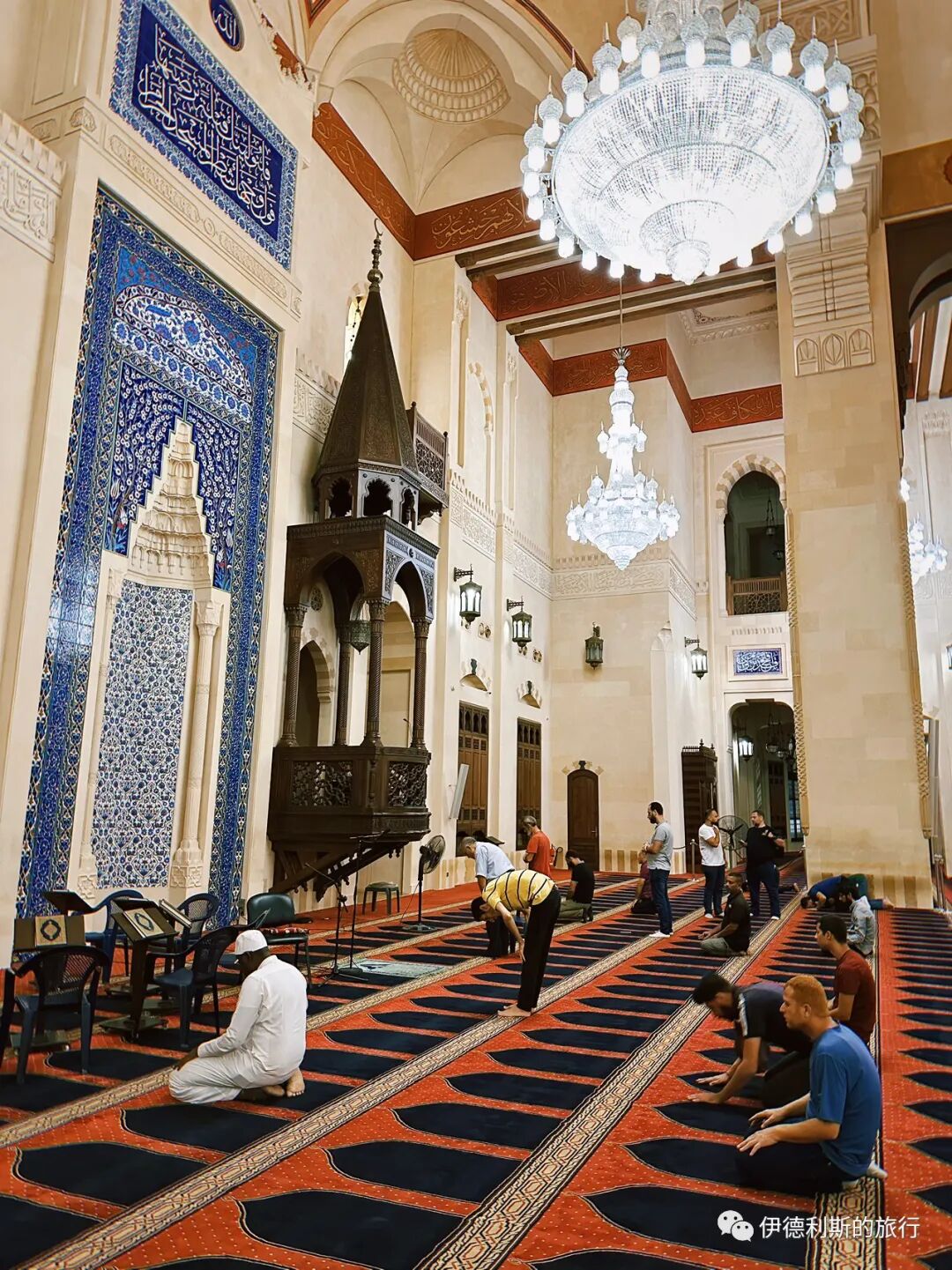
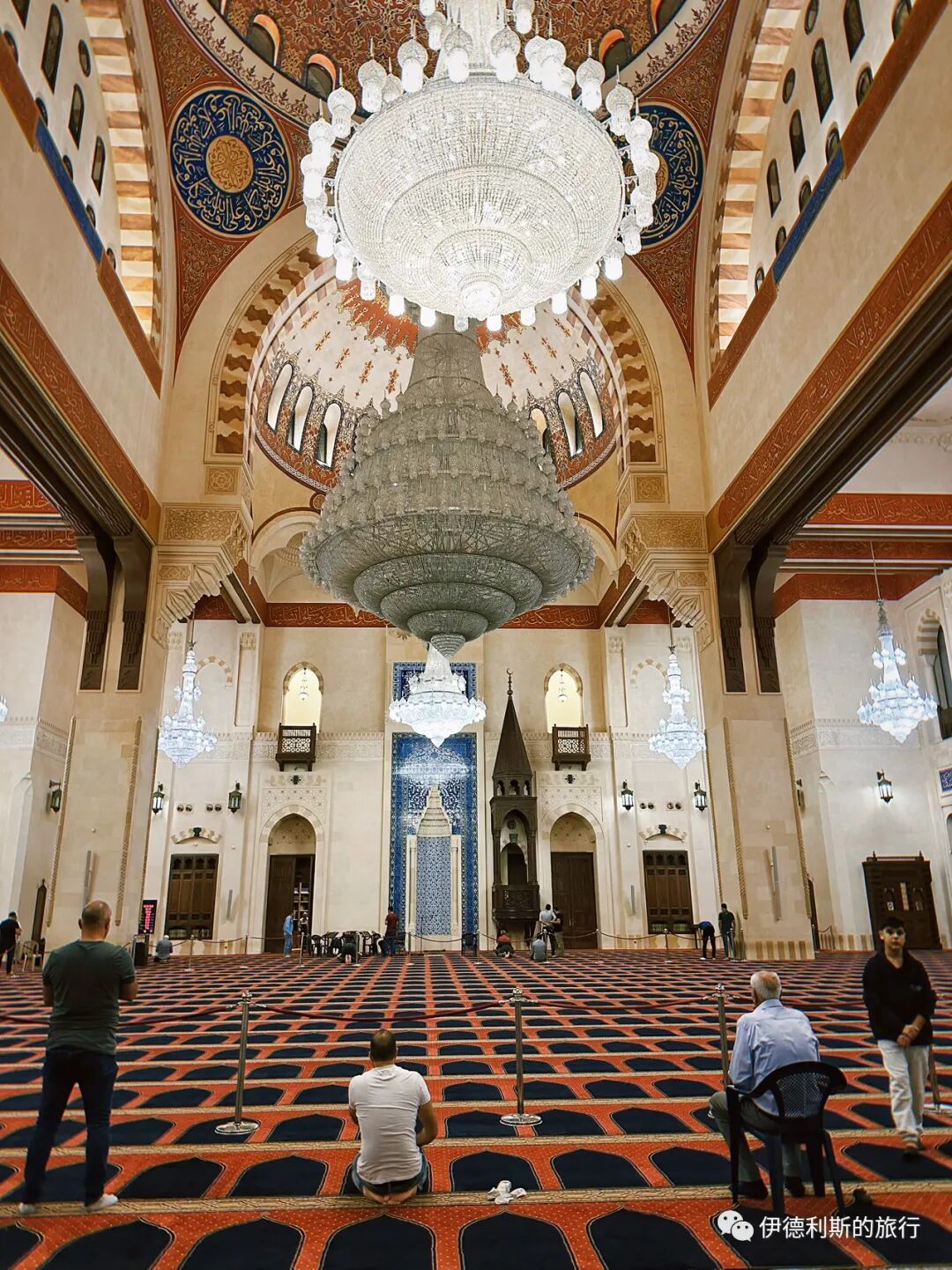
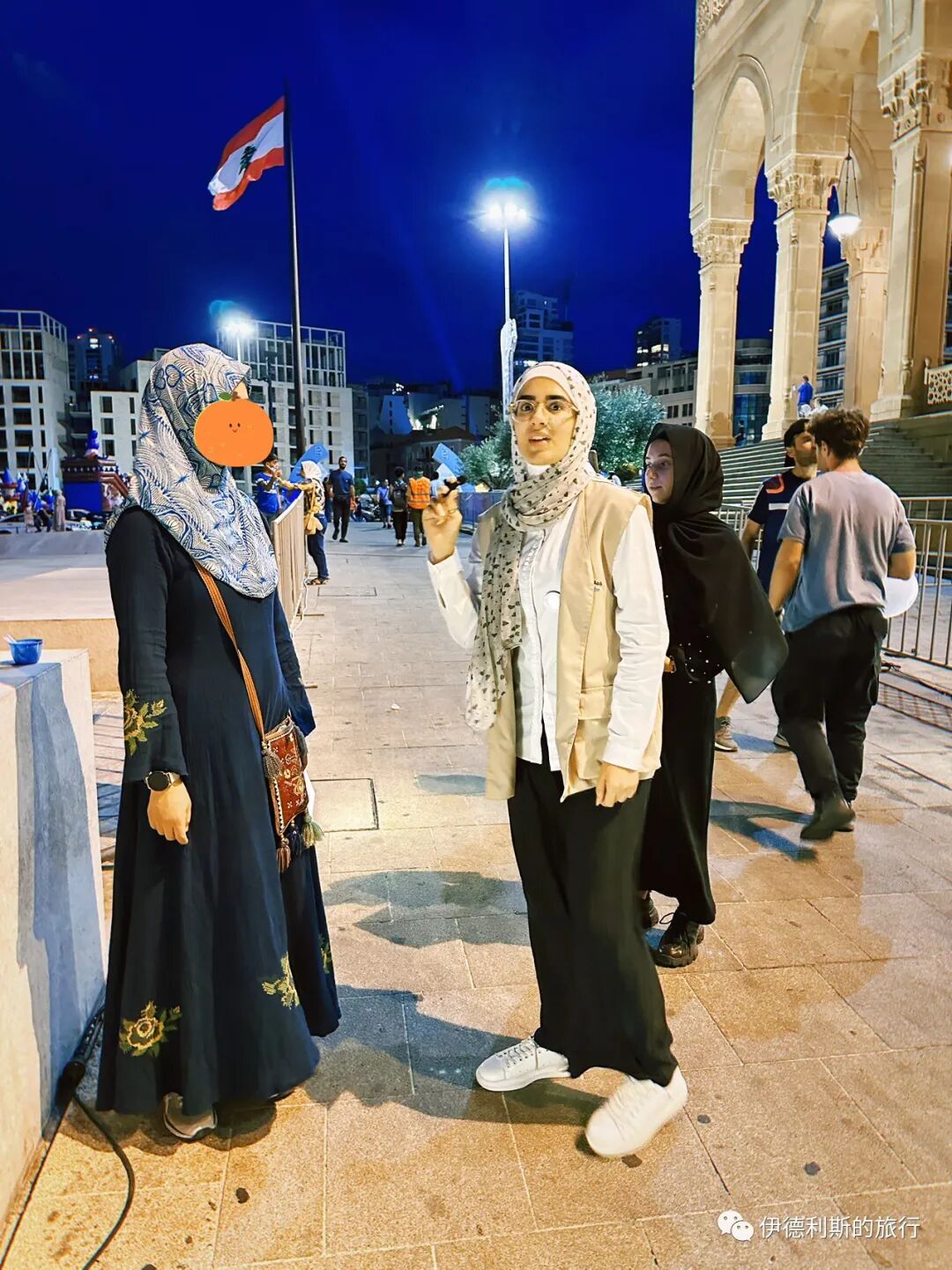
After we came down from the prayer hall, Zainab happened to be interviewed by a local reporter, which was quite a special experience.
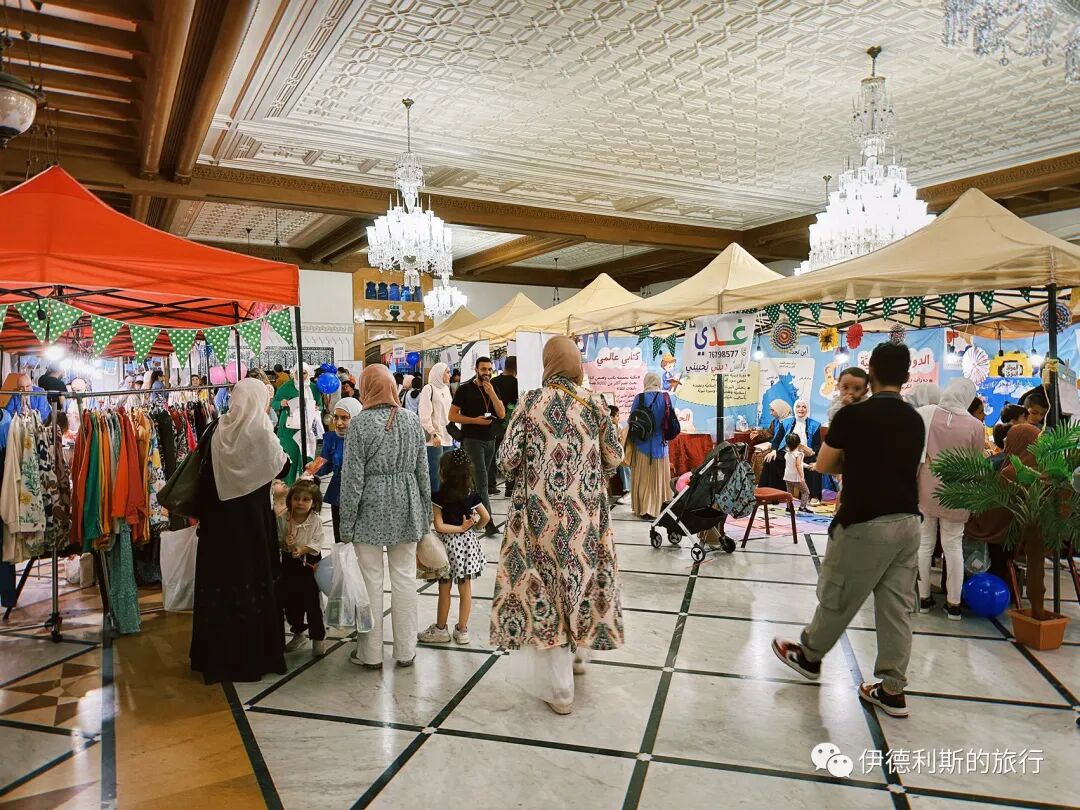
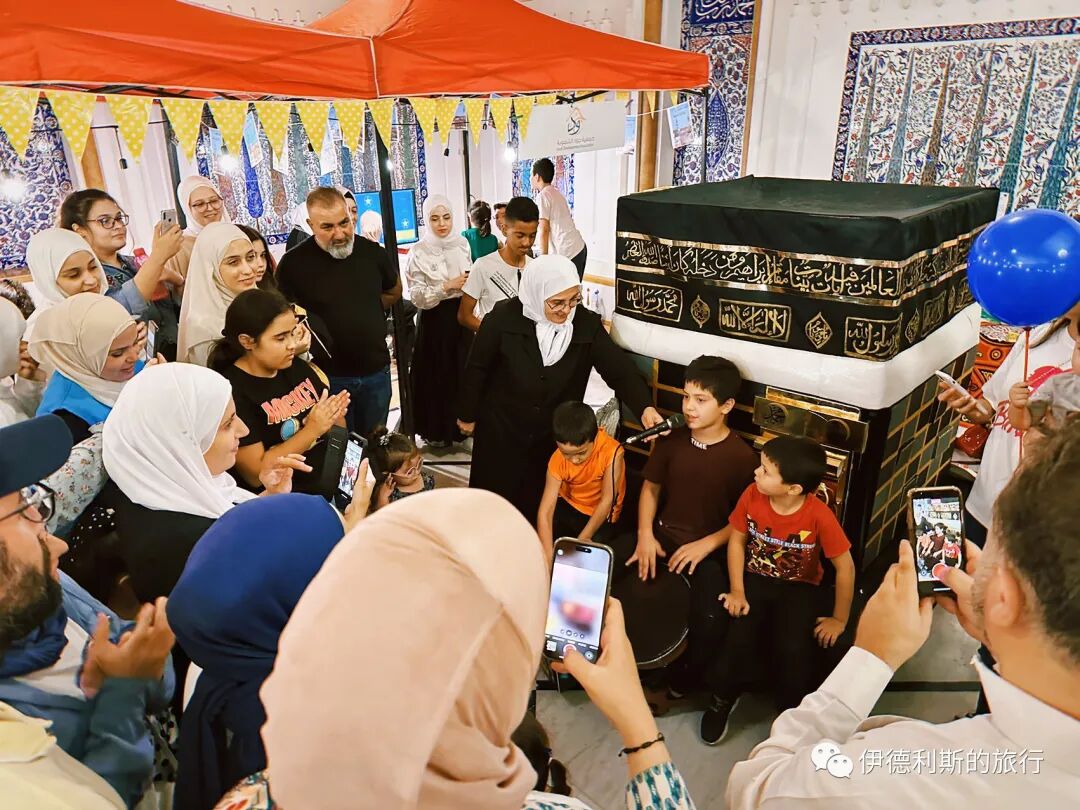
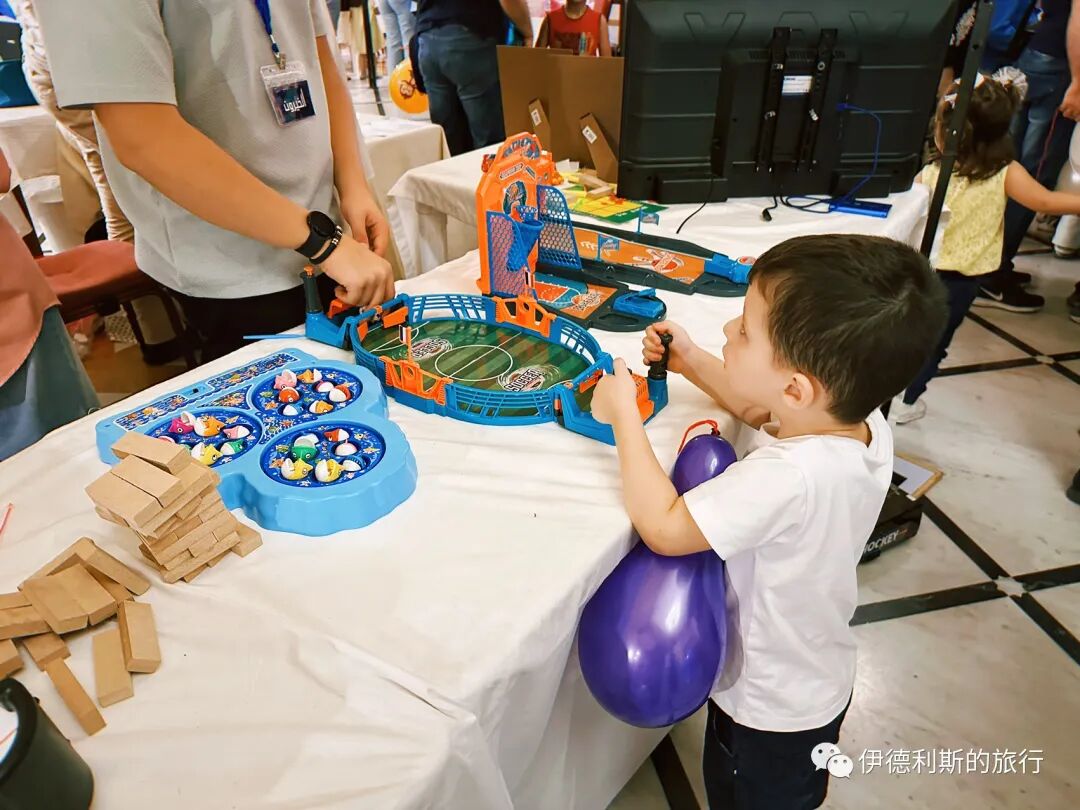
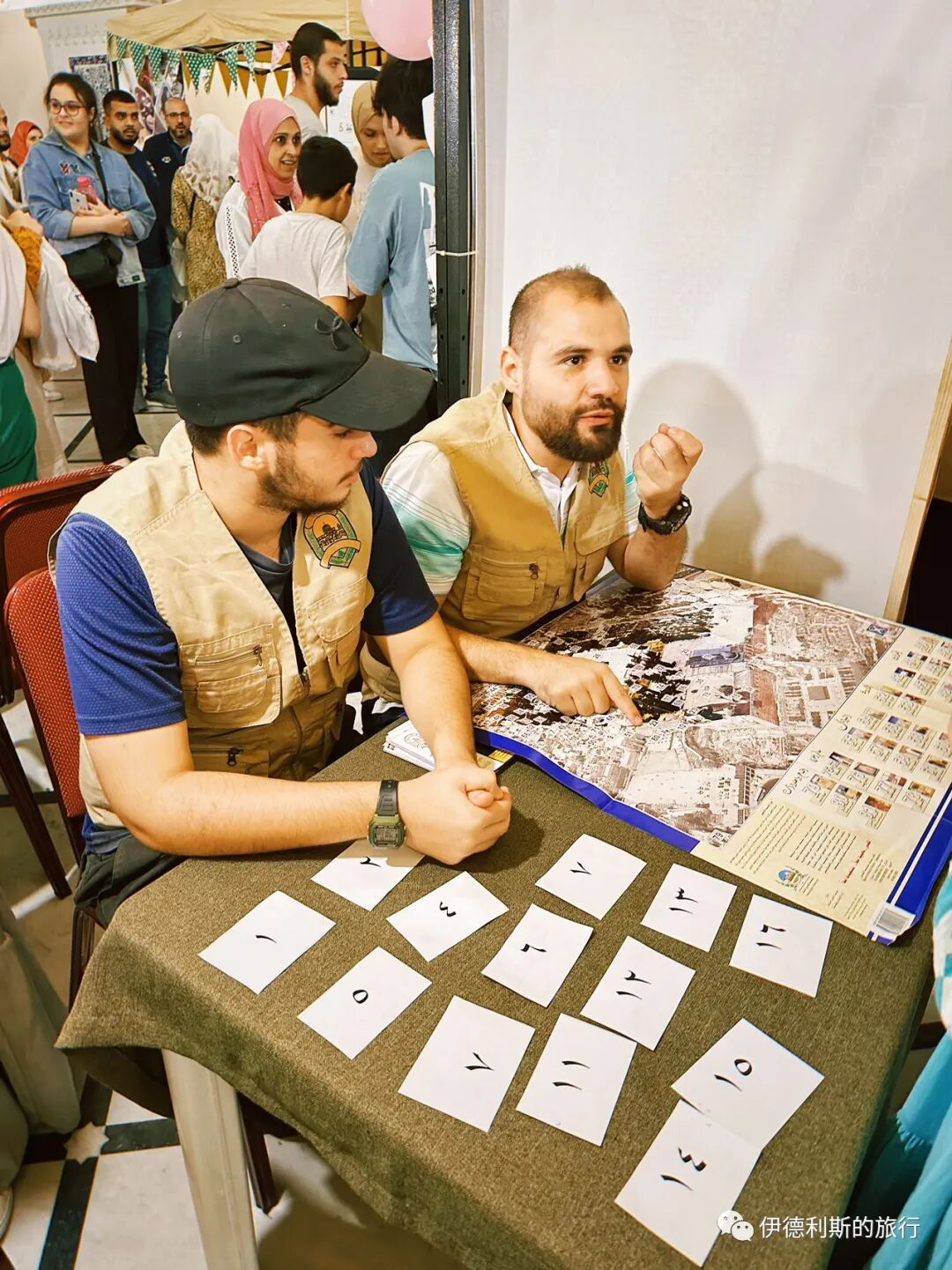
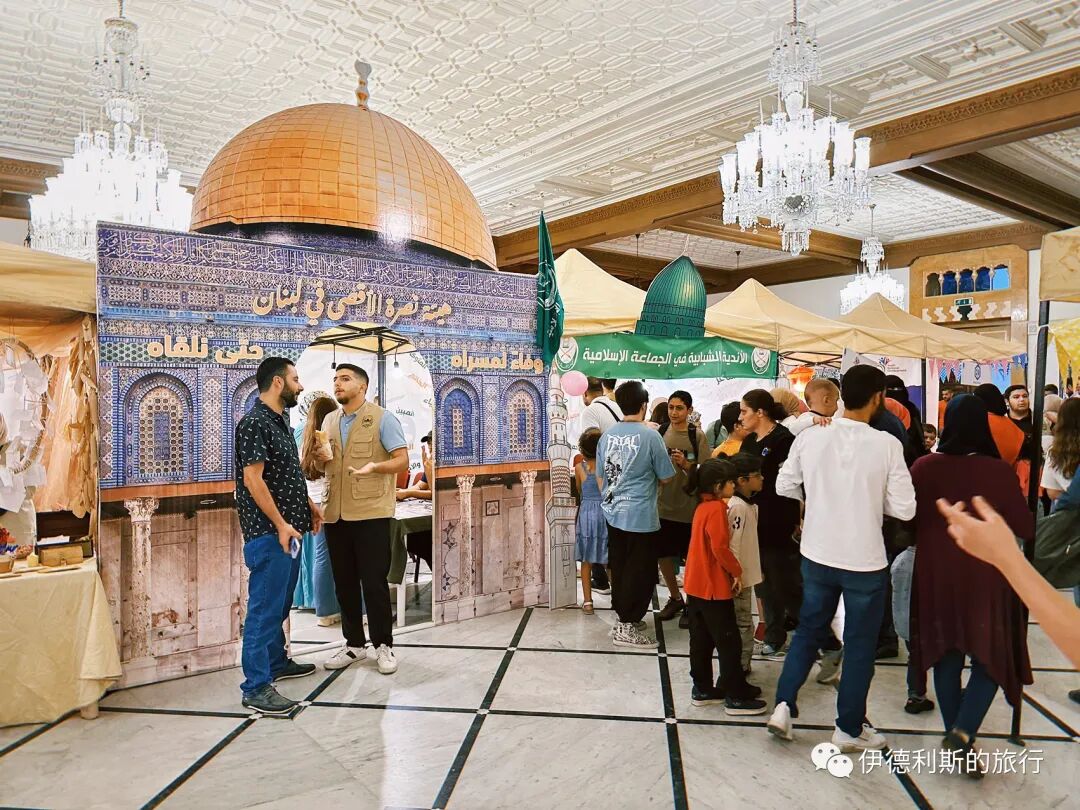
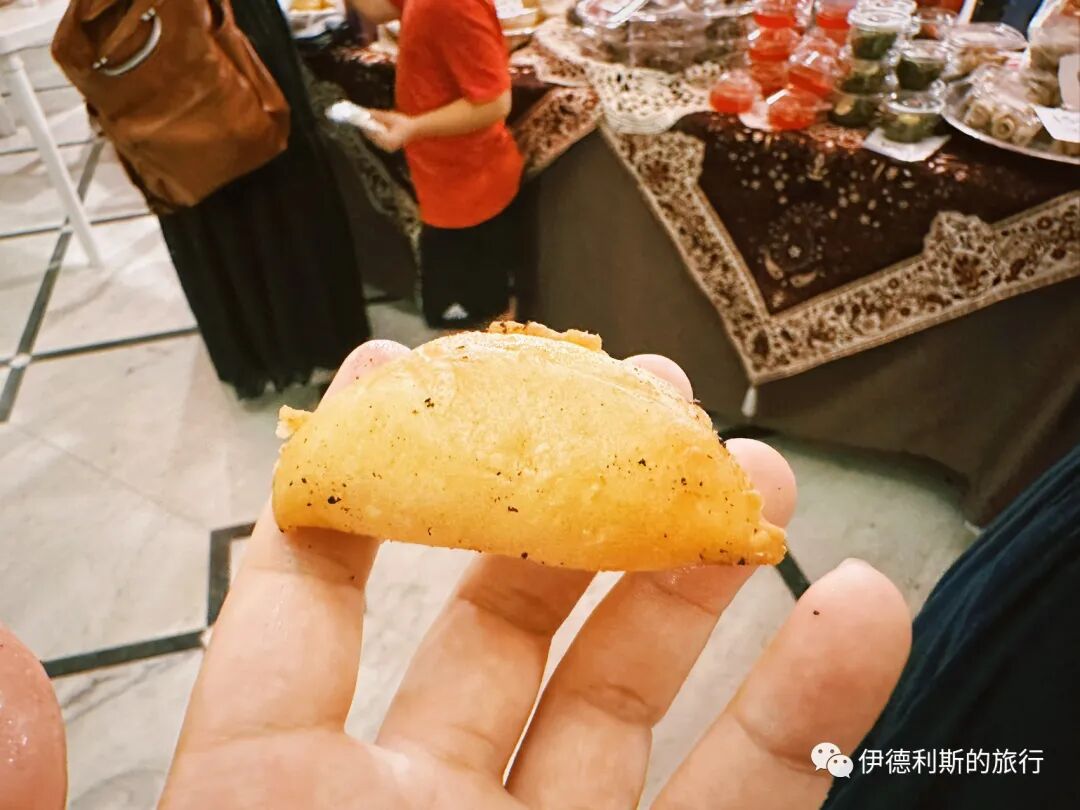
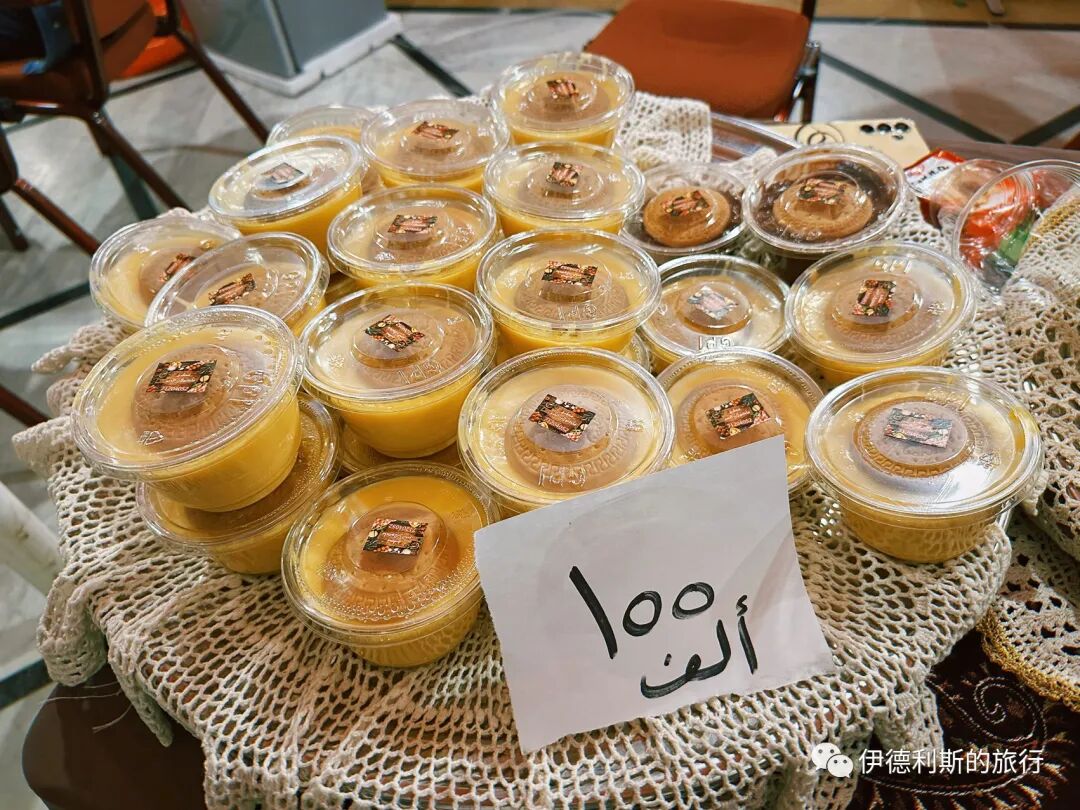
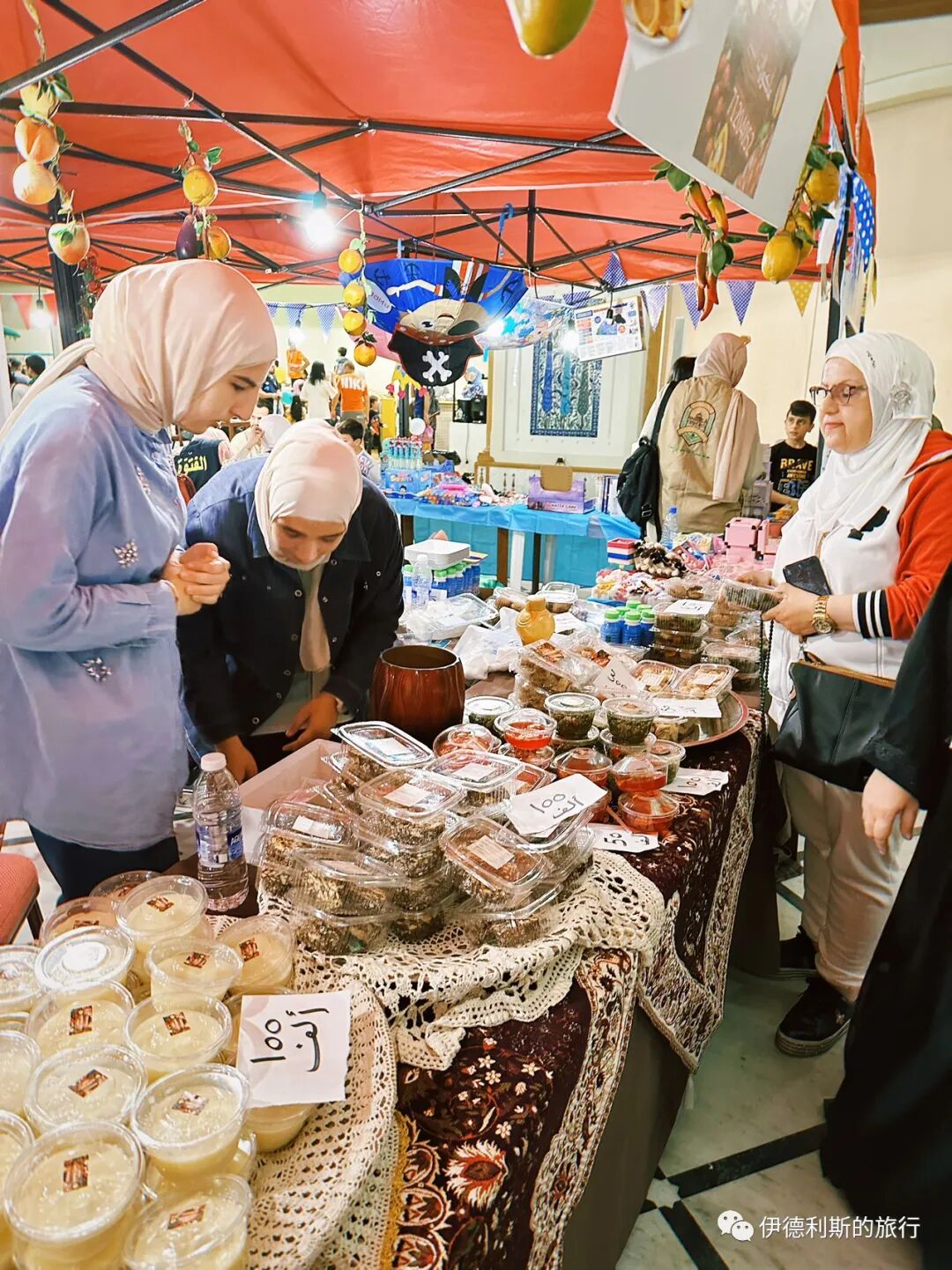
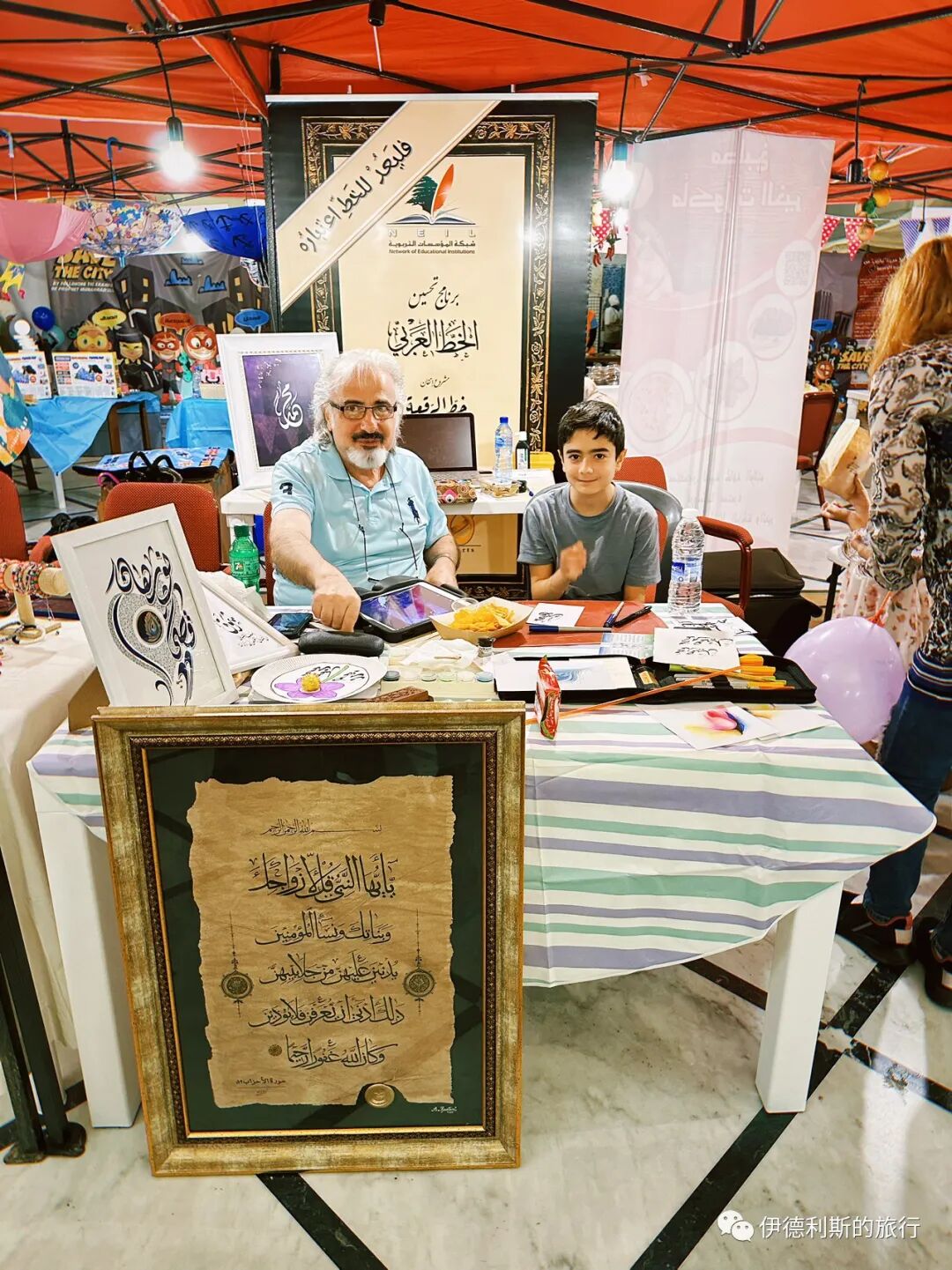
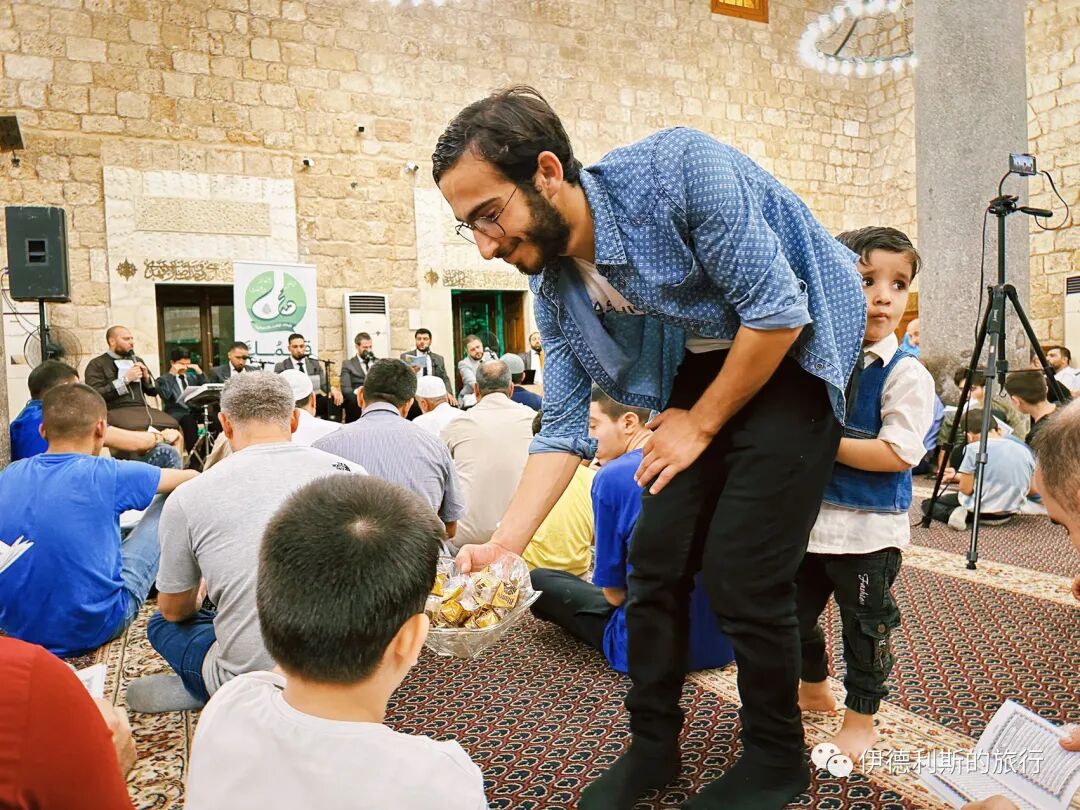
Guided by the reporter, we went to the Mawlid carnival held in the basement of the Mohammad Al-Amin Mosque. This was my first time attending such a colorful Mawlid event abroad. The stalls inside were dazzling and diverse. There were children singing praises to the Prophet, educational games, introductions to the Al-Aqsa Mosque in Jerusalem, Arabic calligraphy displays, and various traditional snacks. The children were having so much fun they did not want to leave.
I did not expect to encounter such a magical scene on my first night in Lebanon. Upstairs was a deserted ghost town, while downstairs was a lively Mawlid celebration. It felt like a glimpse into the current state of a conflicted Lebanon.
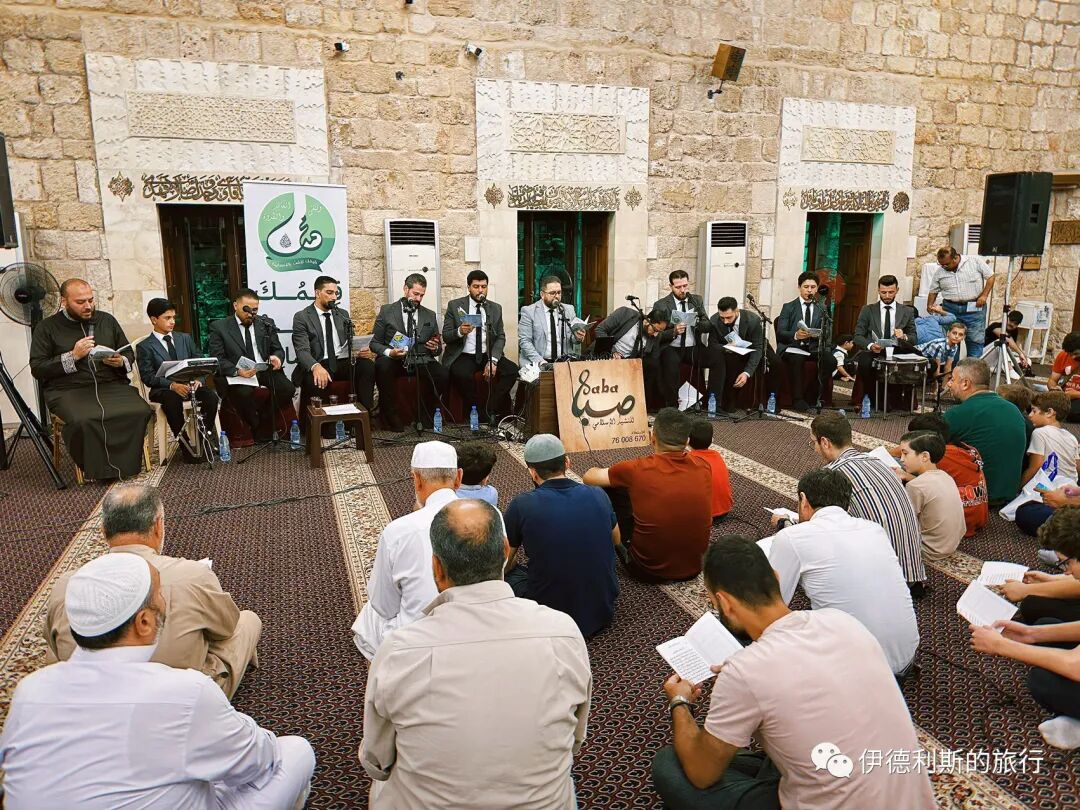
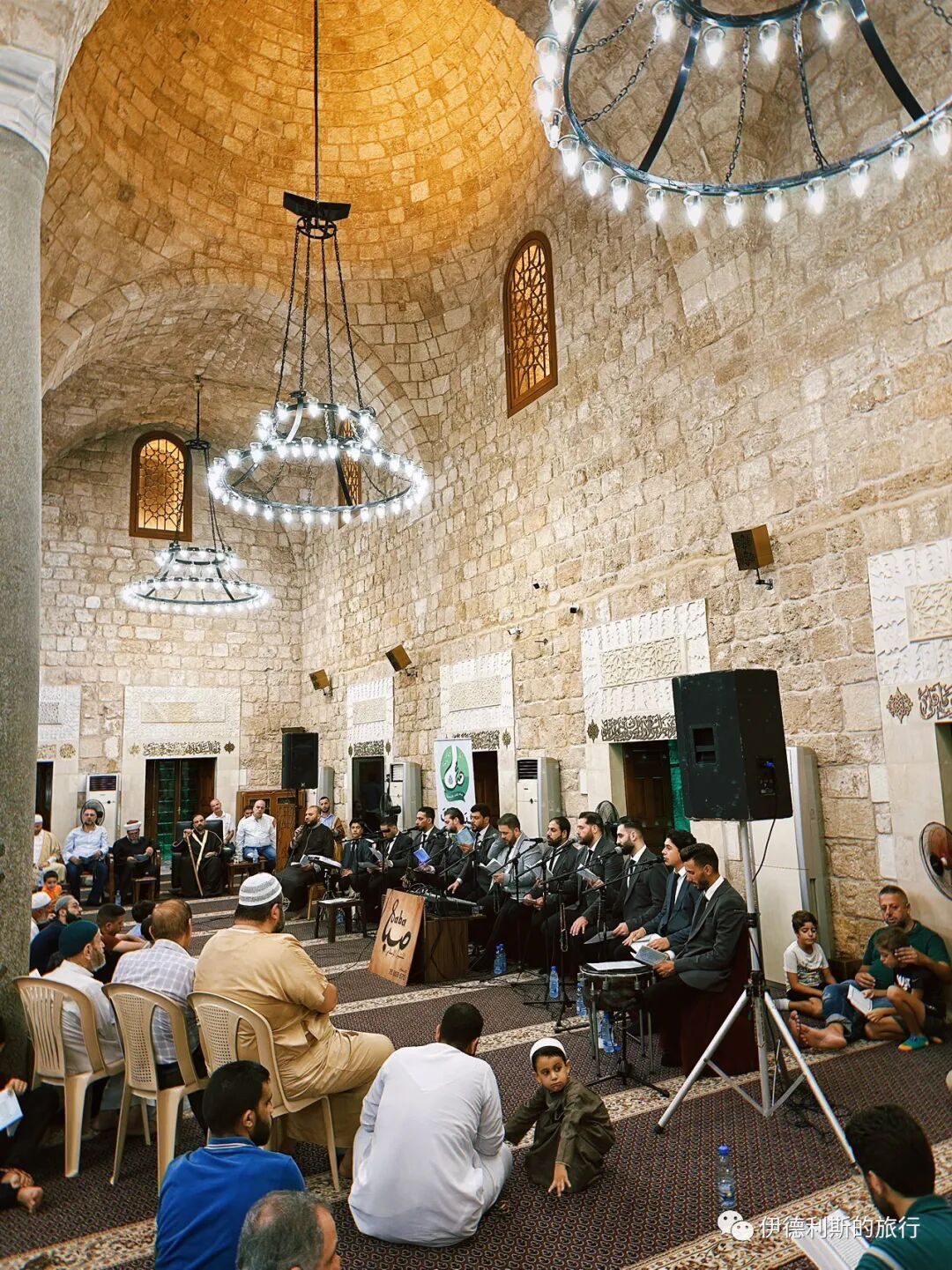
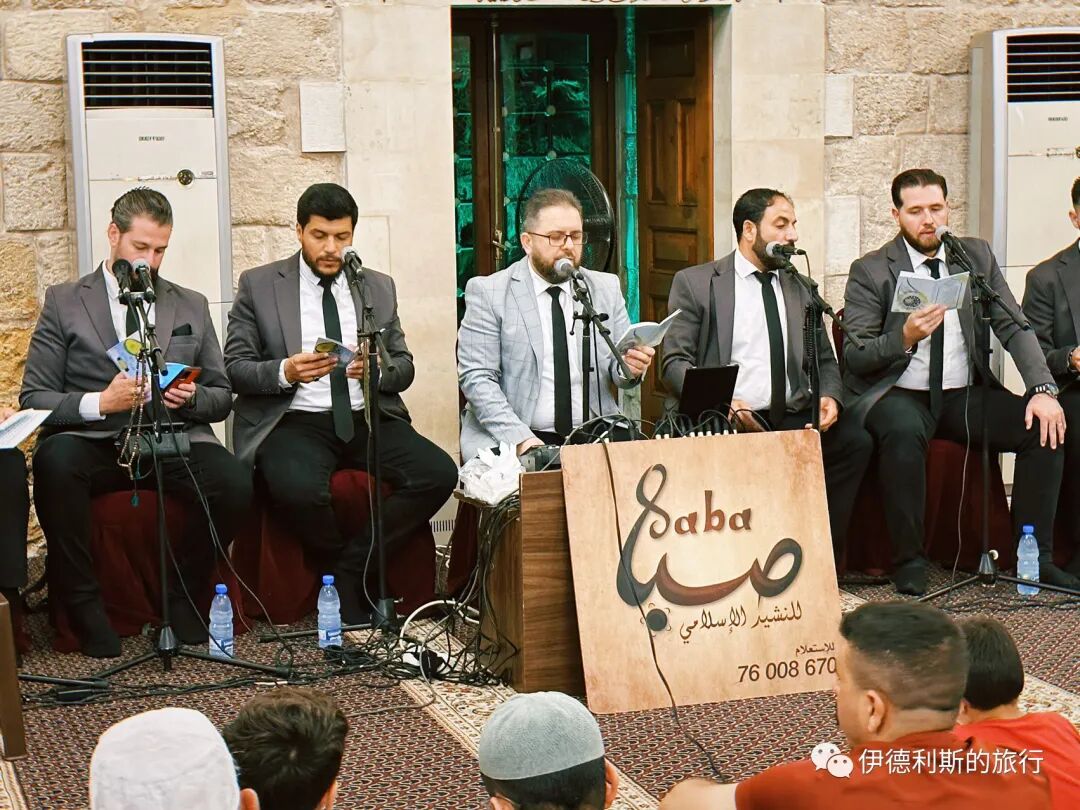
After leaving the Mohammad Al-Amin Mosque, we went to the nearby Emir Assaf Mosque to participate in the praise of the Prophet, which was also part of the Mawlid activities. Twelve men in formal attire sat on the east side of the main hall, chanting praises to the Prophet in unison, with drums accompanying some of the passages. Their voices were deep, loud, and very powerful.
The Emir Assaf Mosque was built in the late 16th century by the Emir rulers of the local Lebanese Assaf dynasty (1306-1591). The Emir's palace and gardens once stood next to the mosque.
The Assaf dynasty was a Sunni Turkmen dynasty. In 1306, the Turkmen tribe led by the Assaf family was sent by the Mamluk governor of Damascus to suppress a rebellion north of Beirut. Later, the Mamluk dynasty appointed them to guard the coastal area north of Beirut and manage the local Shia residents. After the Ottoman Empire seized the Levant from the Mamluk dynasty in 1516, they appointed the Assaf family as the main agents for the Beirut and Tripoli regions. The Assaf dynasty attracted Maronite Christians to settle in northern Beirut by lowering taxes and housing prices to balance the local Sunni and Shia populations. In 1579, the Ottoman Empire established the Tripoli Eyalet to keep the Assaf dynasty in check. In 1591, the last Assaf Emir was shot to death on the orders of the Ottoman governor of Tripoli, marking the end of the Assaf dynasty.
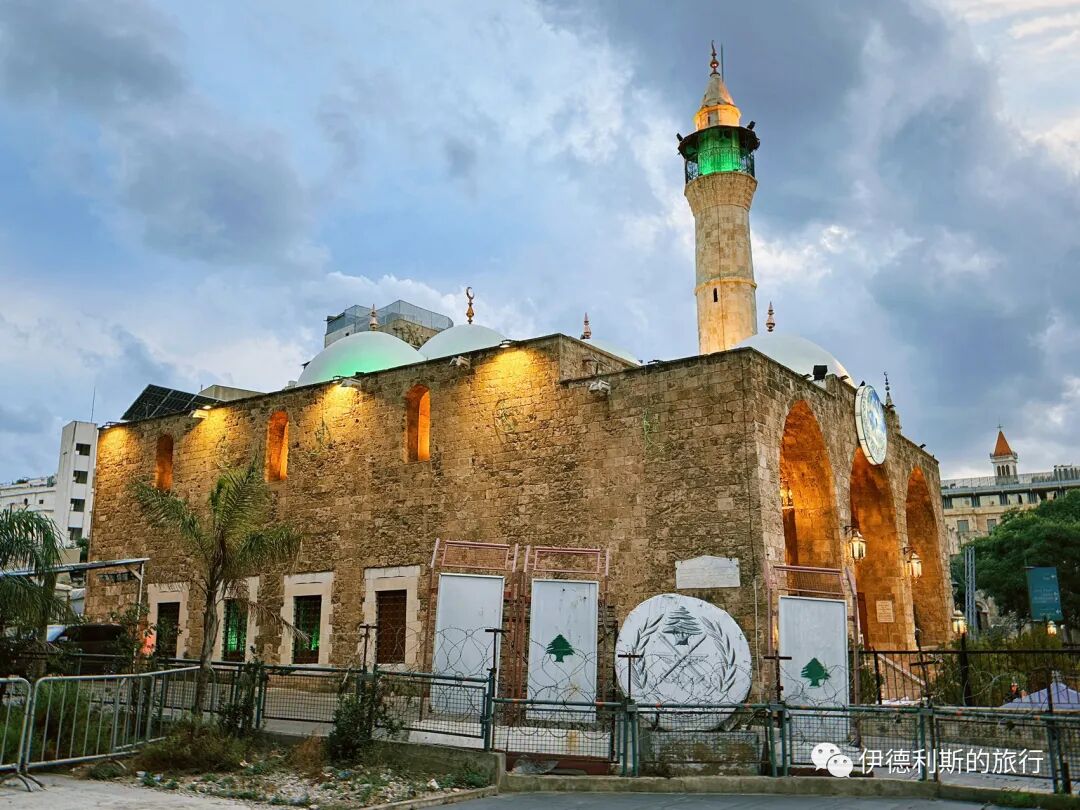
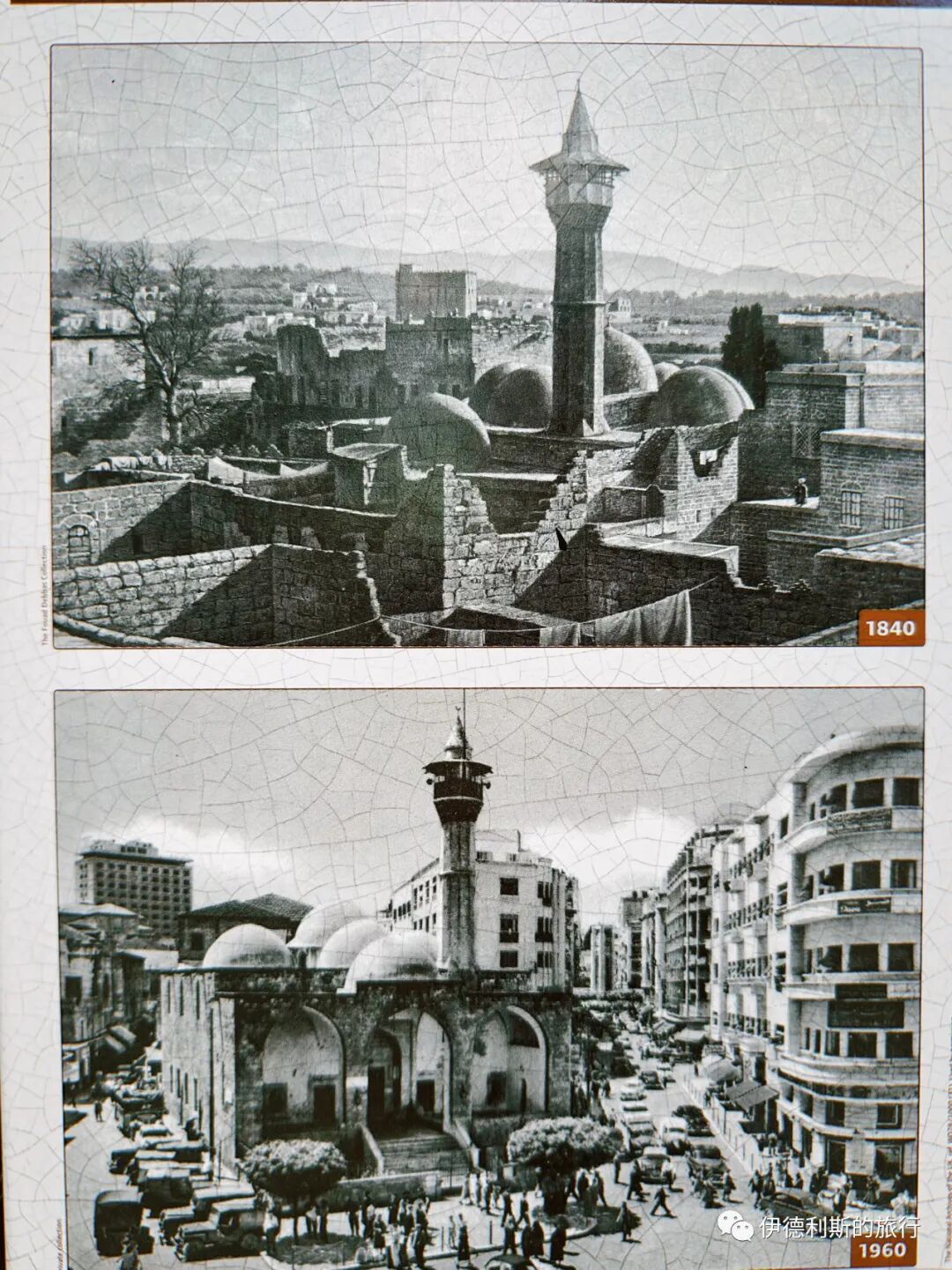
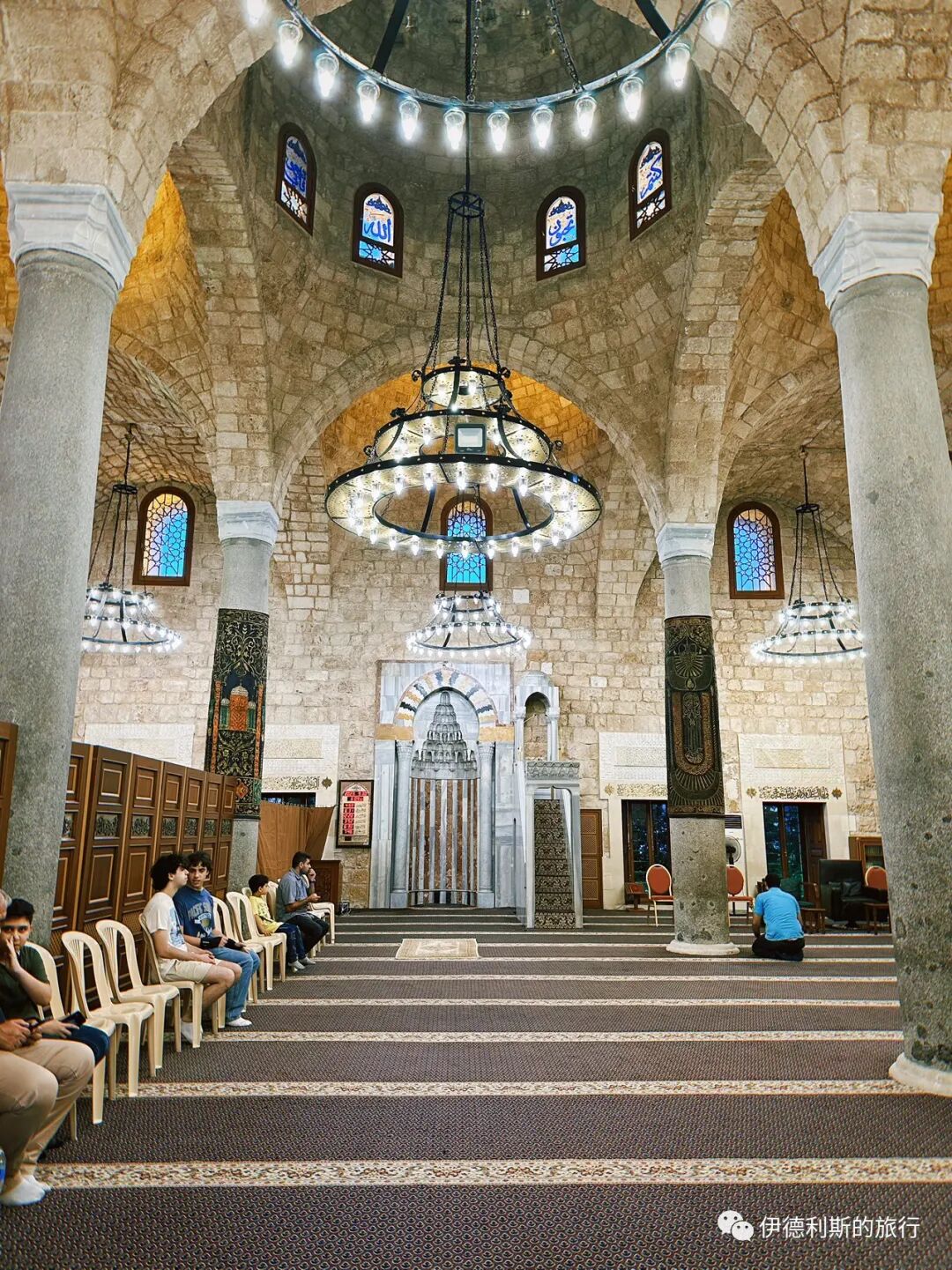
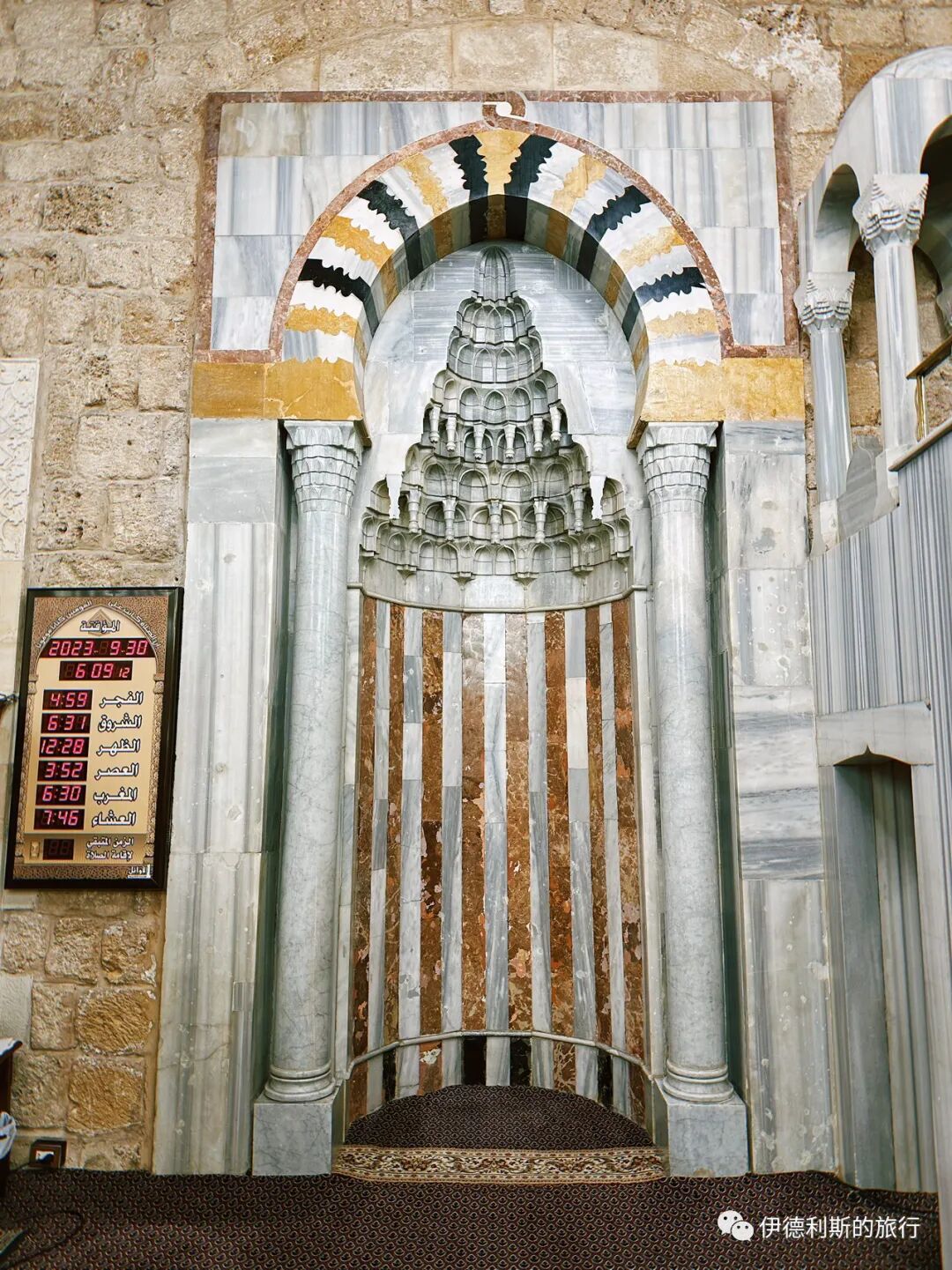
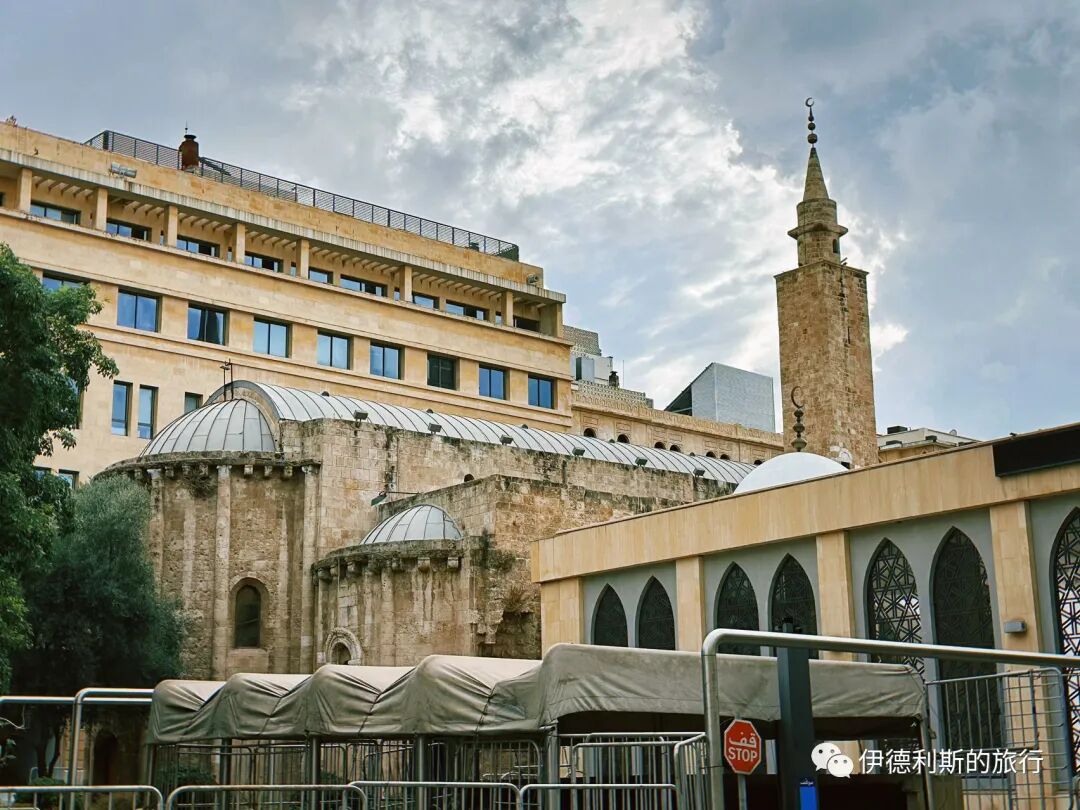
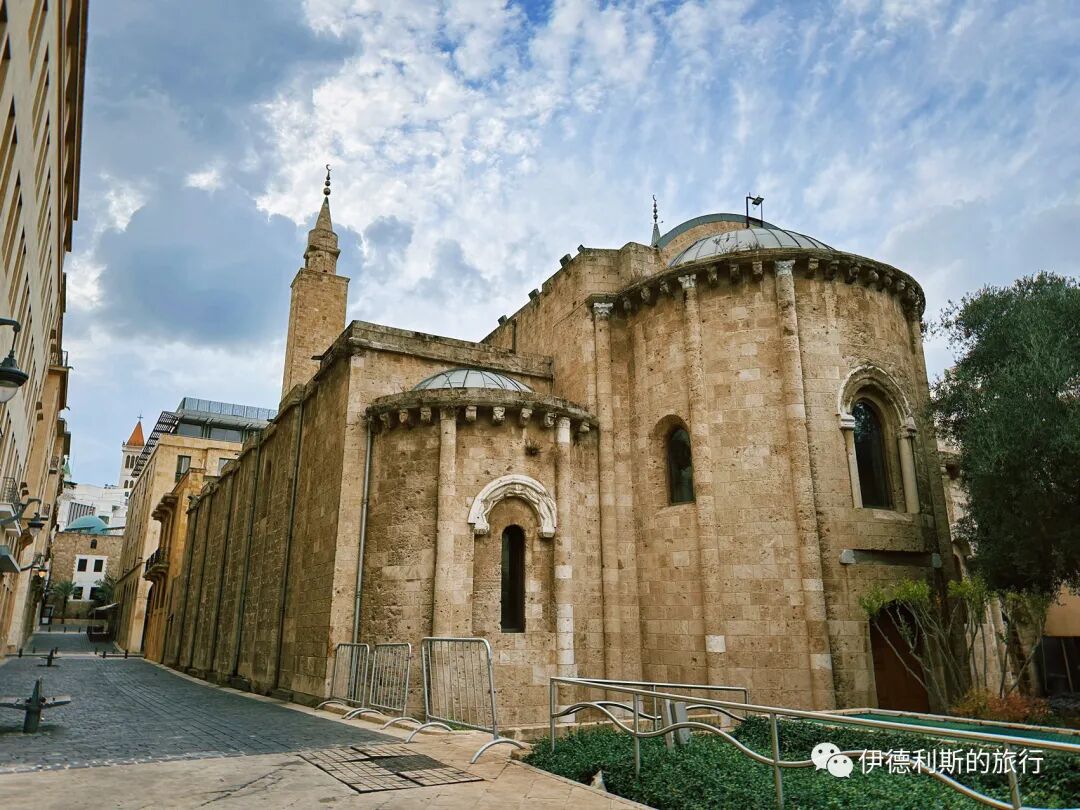
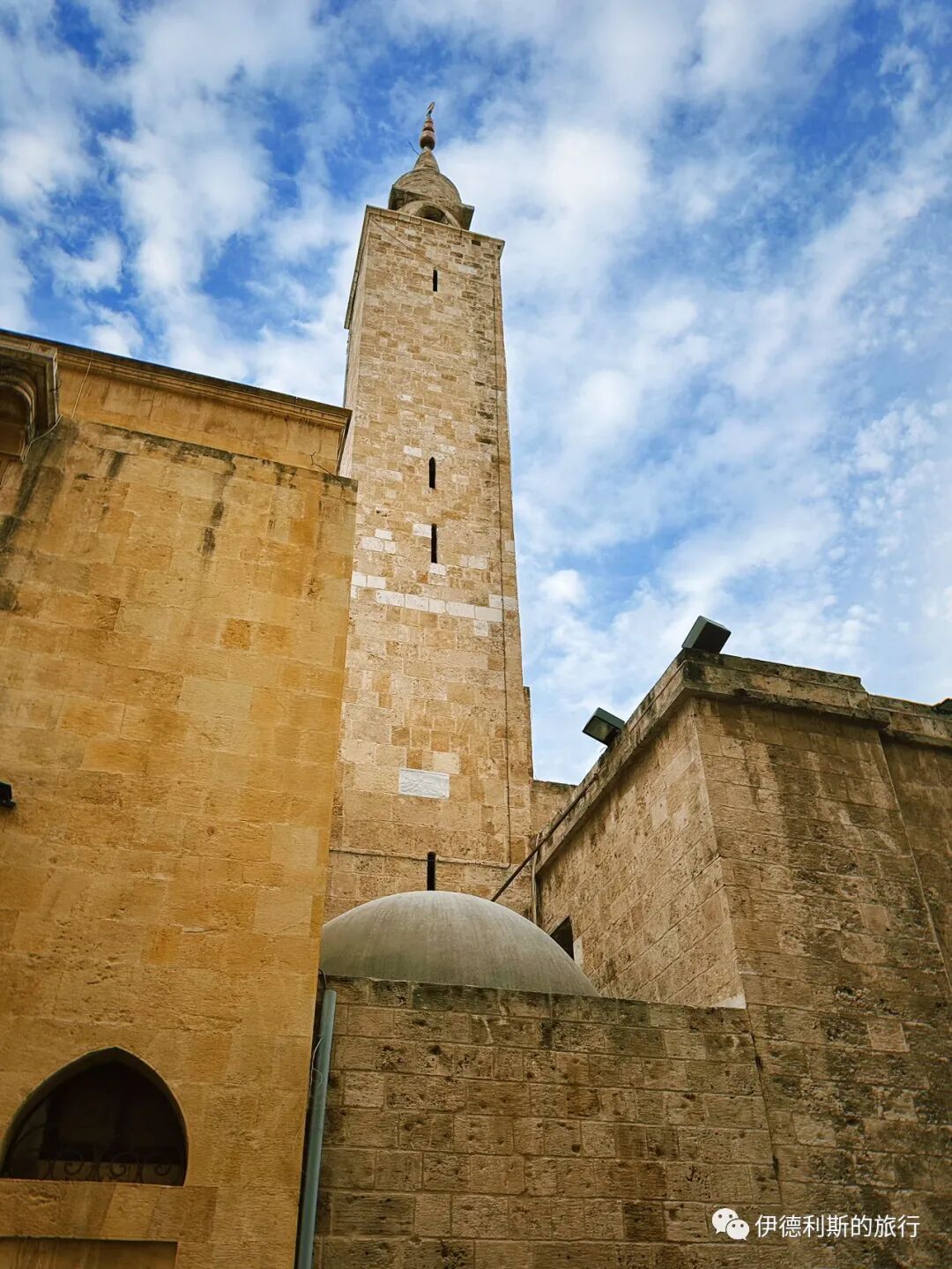
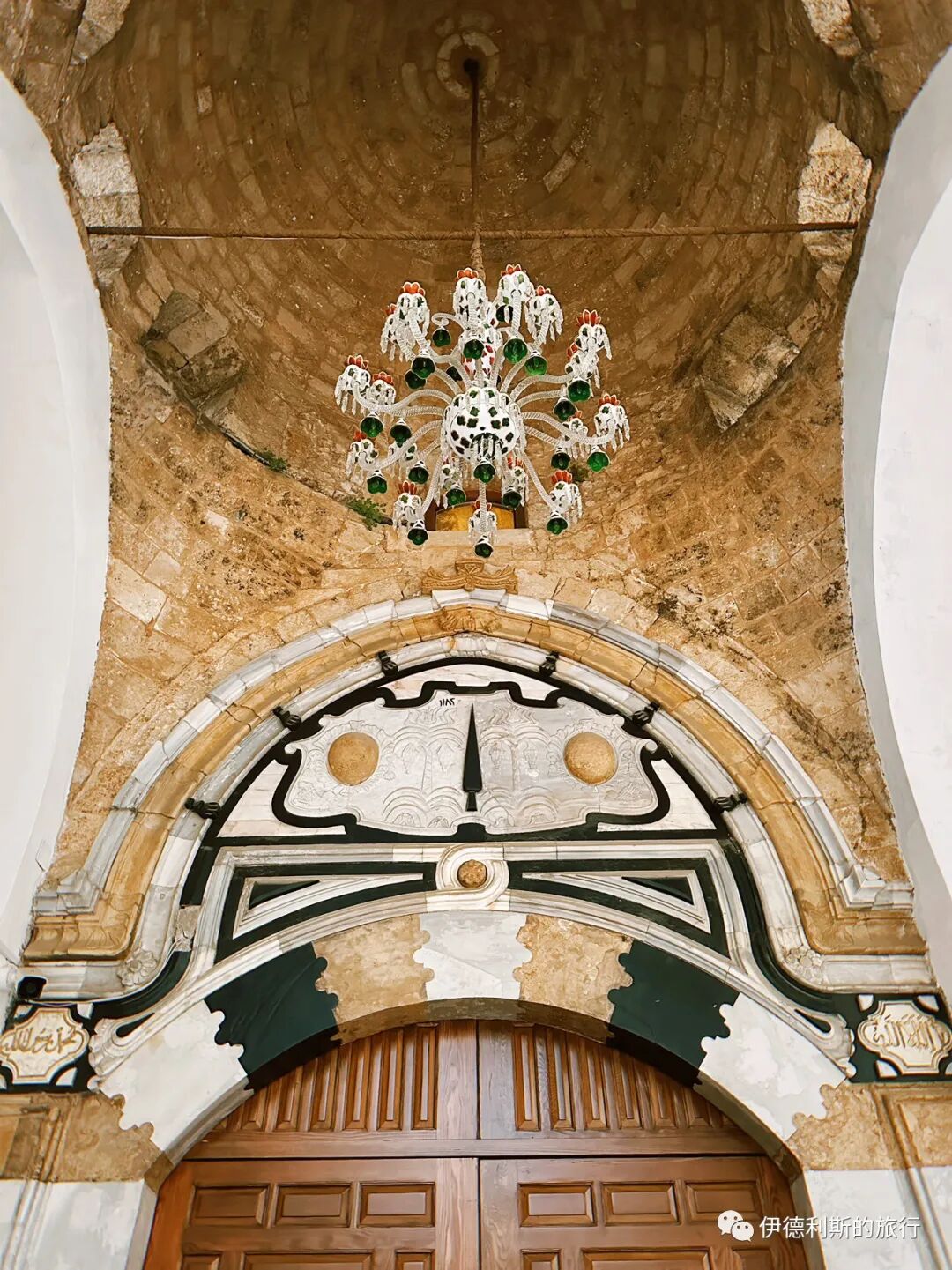
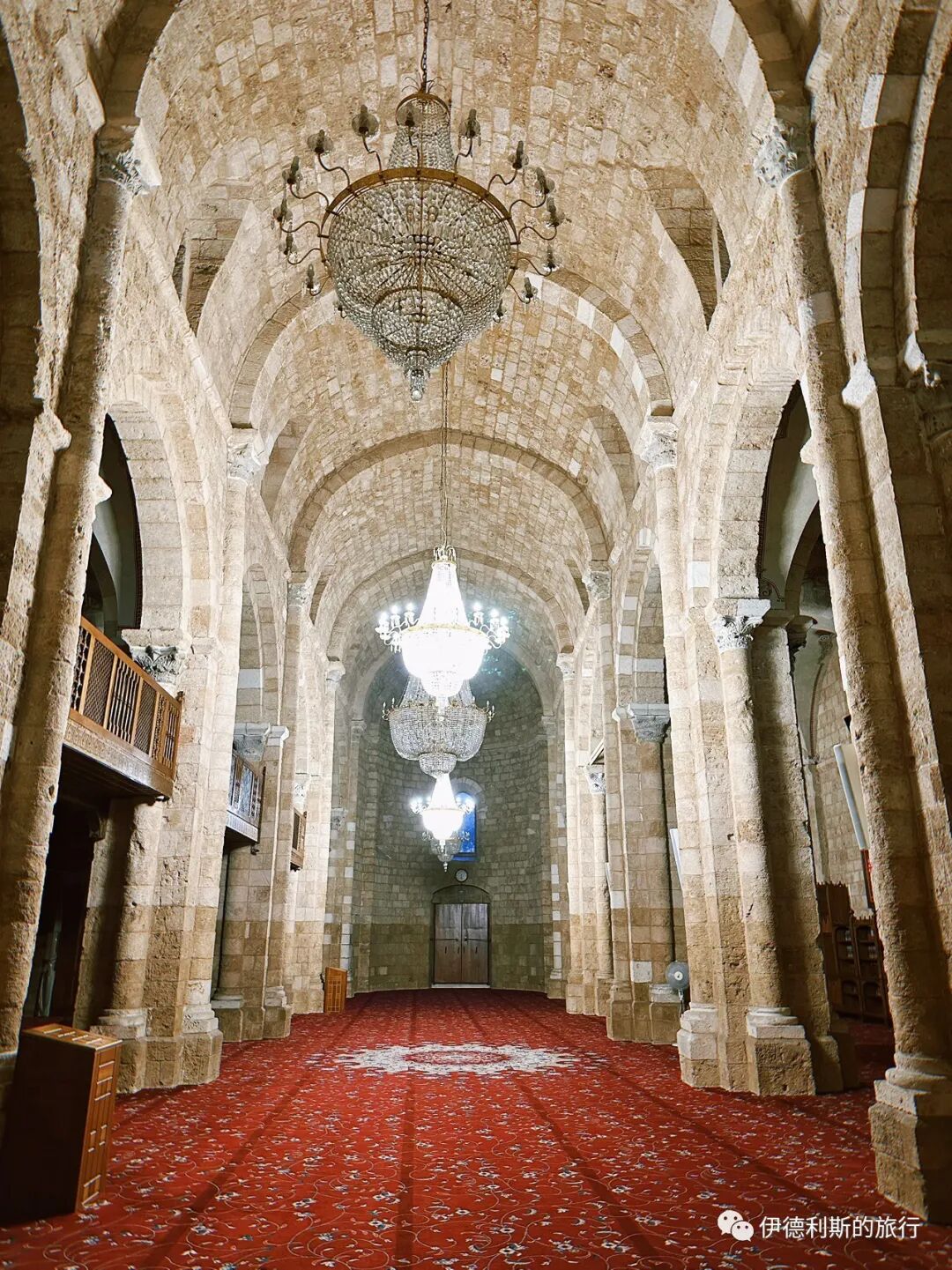
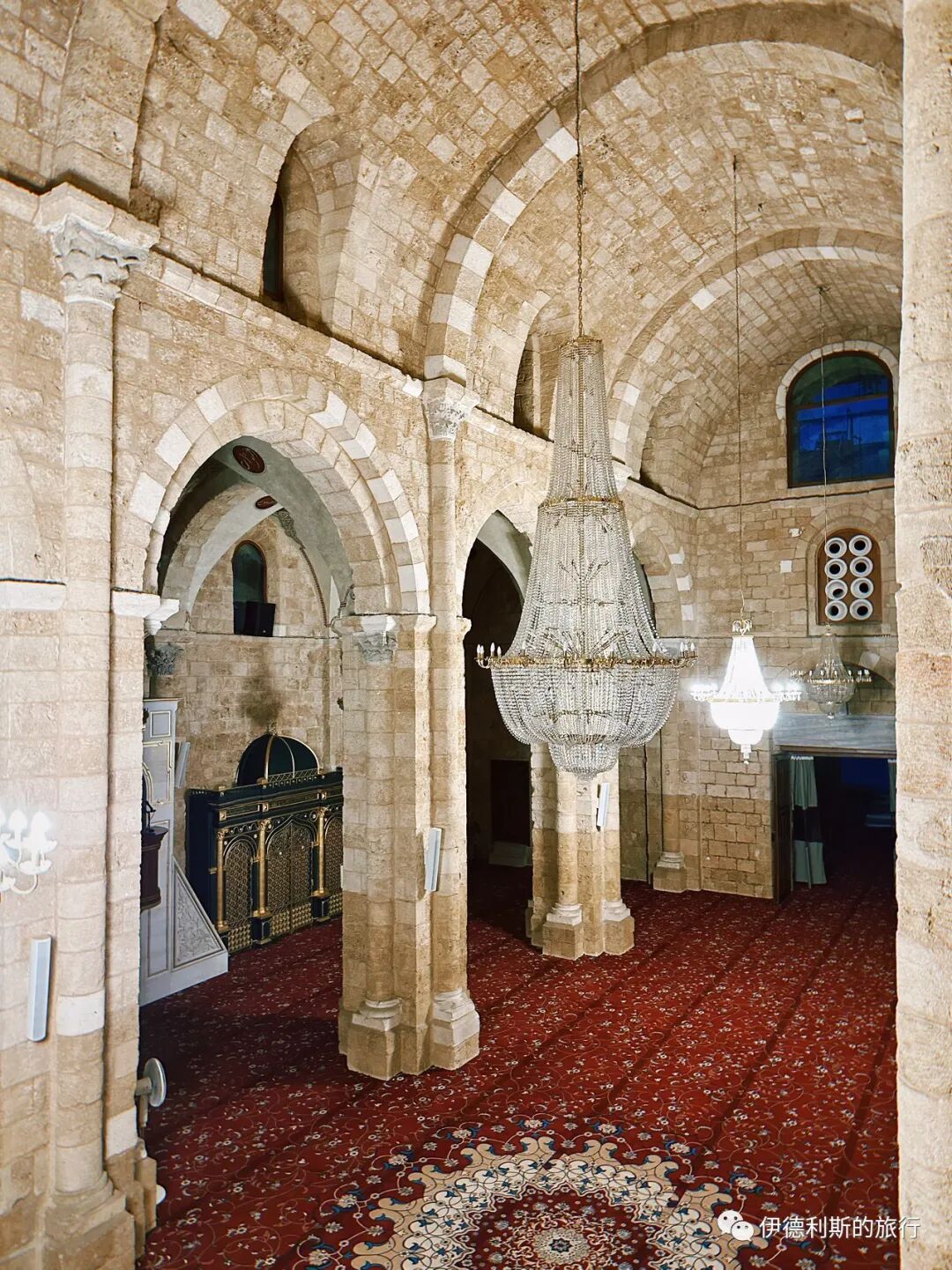
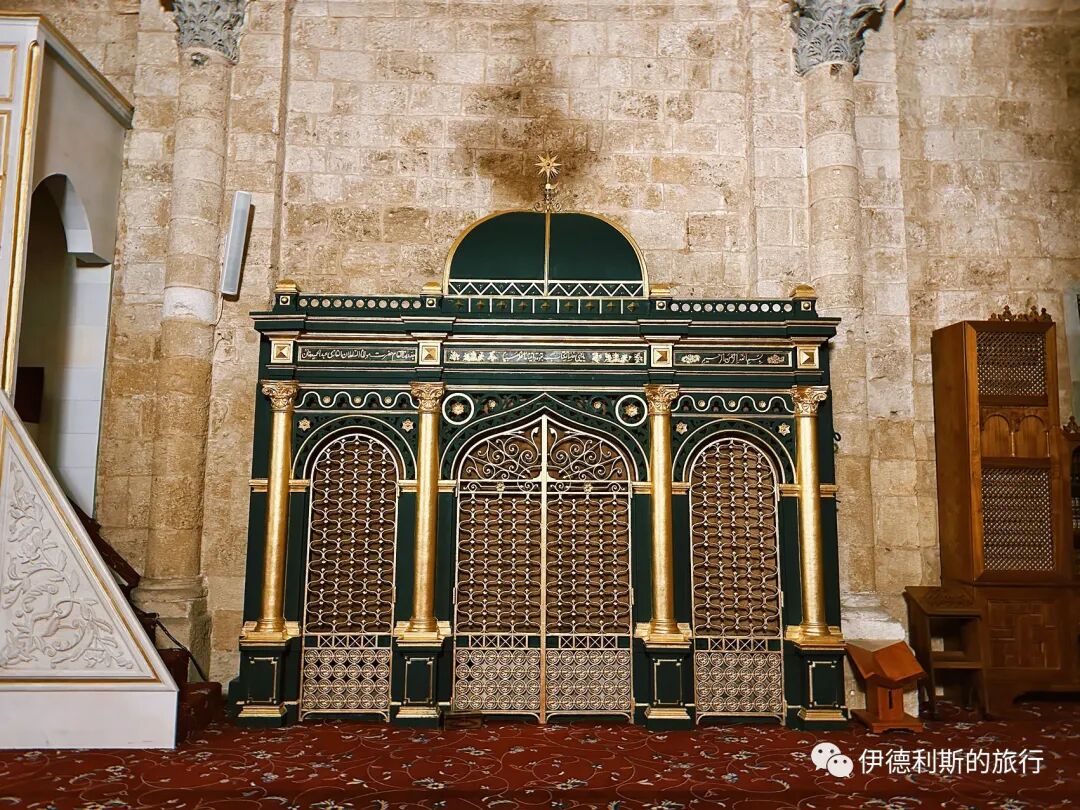
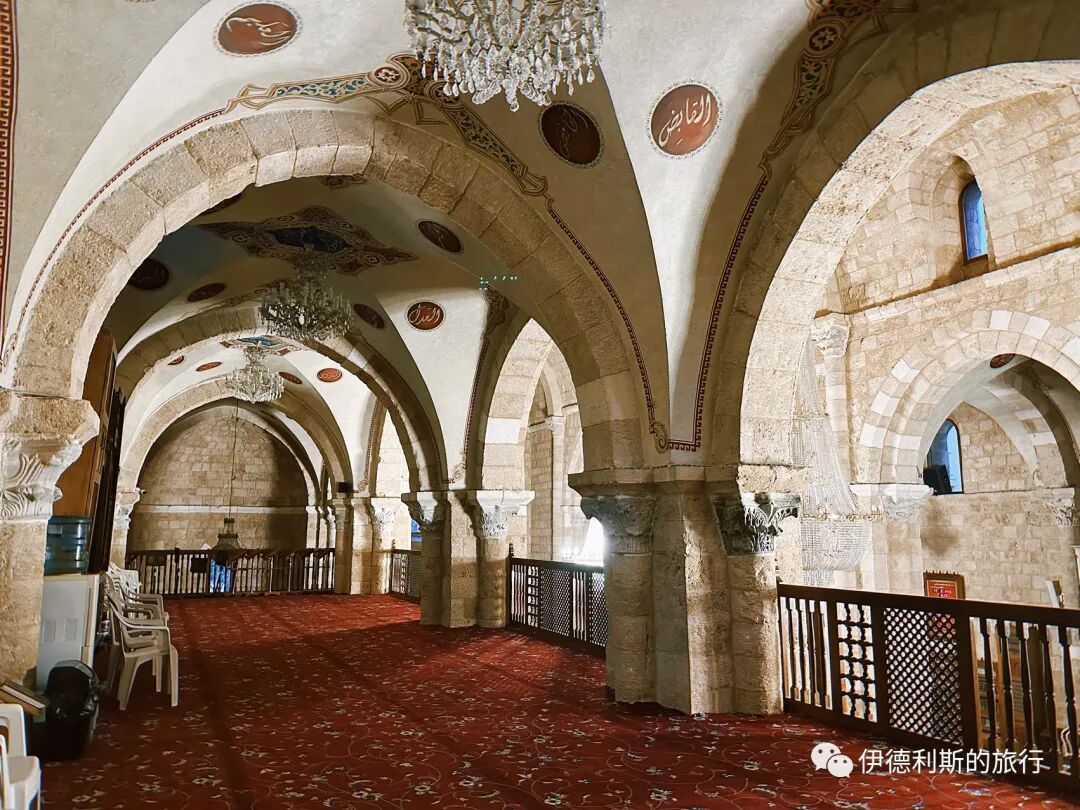
I performed the night prayer (isha) at the Great Mosque of Al-Omari next to the Emir Assaf Mosque. There were very few people inside, and it felt as if time had stood still.
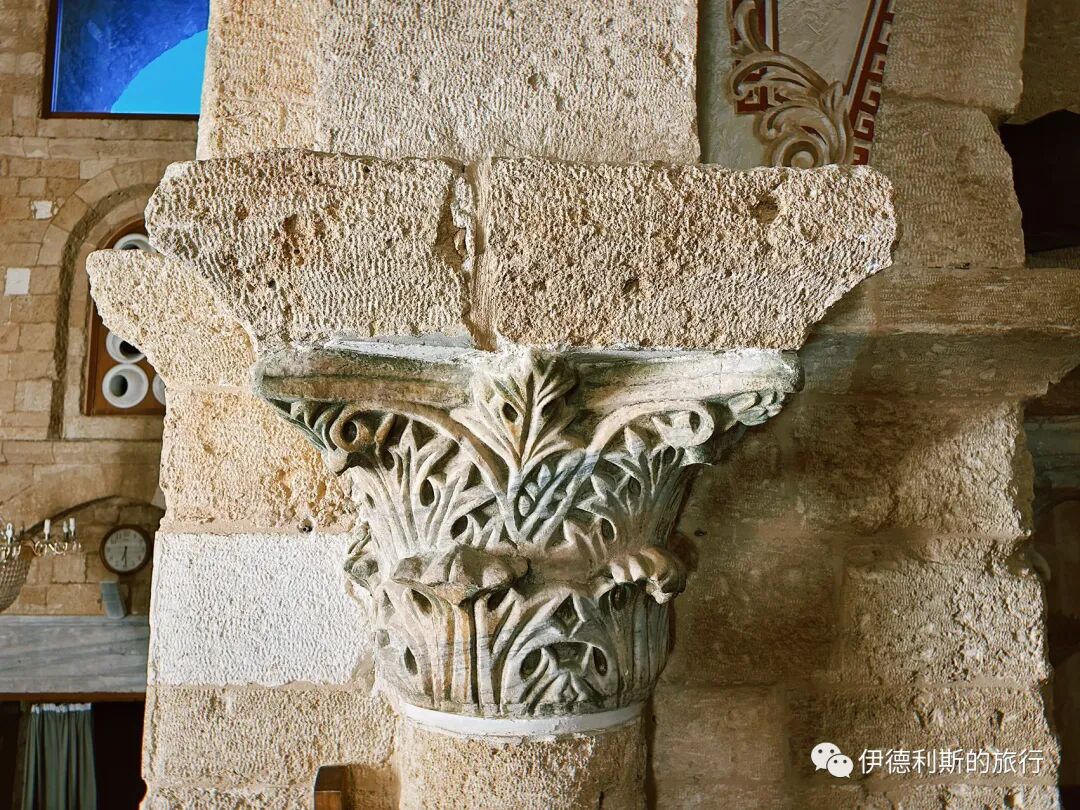
The Great Mosque of Al-Omari was reportedly founded in 635 during the reign of Caliph Umar, and in 1150, the Crusaders built a Romanesque Church of St. John here. After the Mamluk dynasty captured Tripoli in 1291, they converted it into a grand mosque, and in 1350, they added a Mamluk-style gate and minaret. During the French mandate of Lebanon from 1923 to 1946, the street-facing facade of the Great Mosque of Al-Omari was redesigned to match the architectural style of downtown Beirut, and a portico was added. The Great Mosque of Al-Omari suffered severe damage during the Lebanese Civil War, and renovations were completed in 2004.
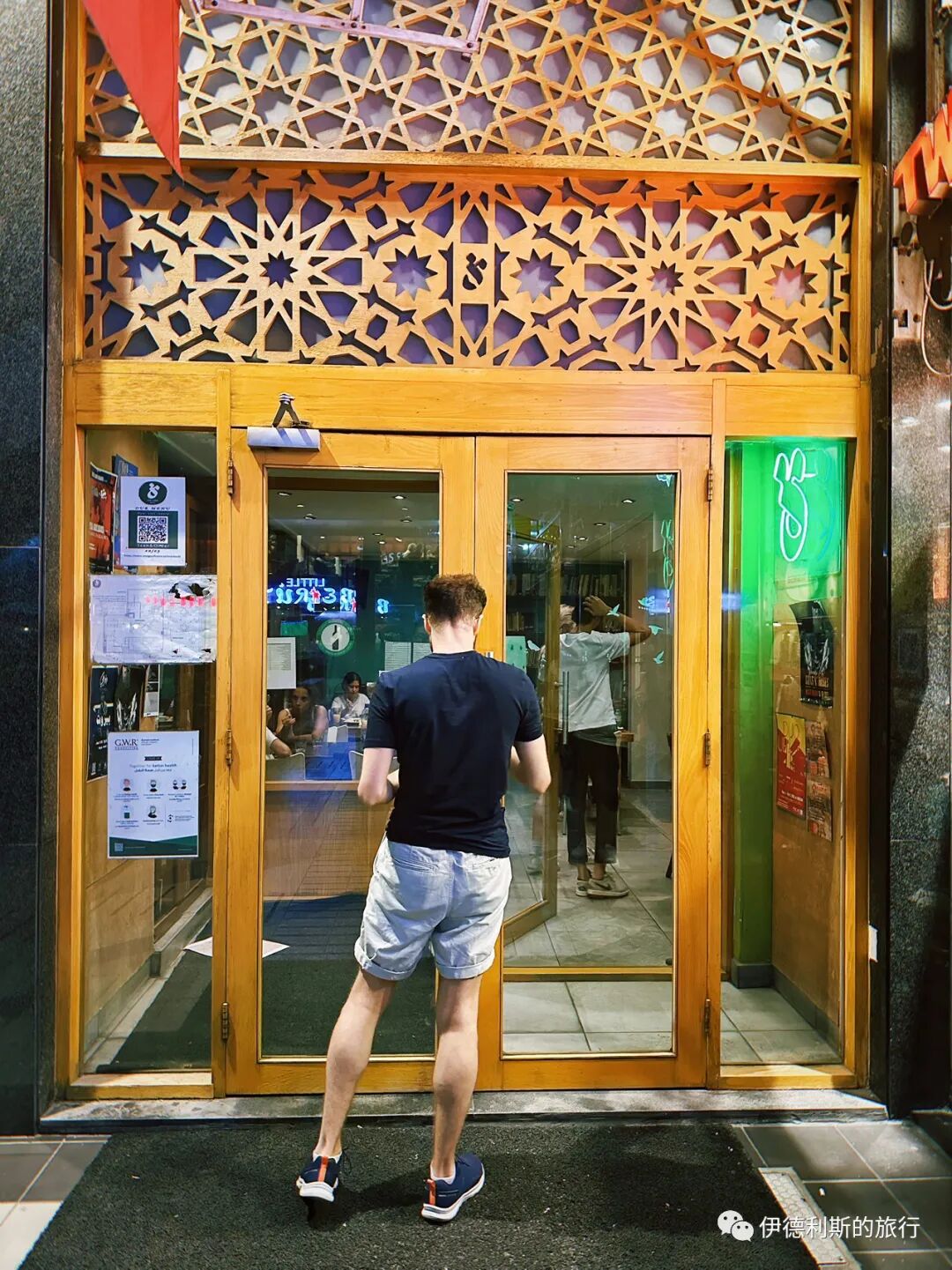
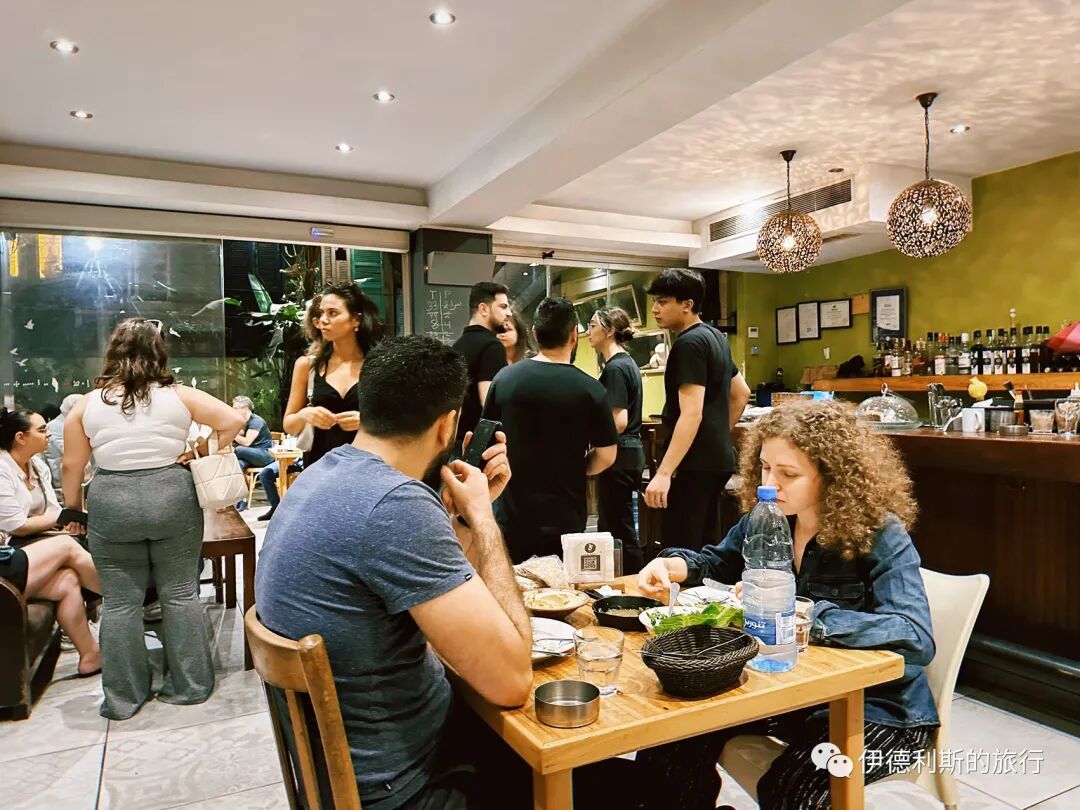
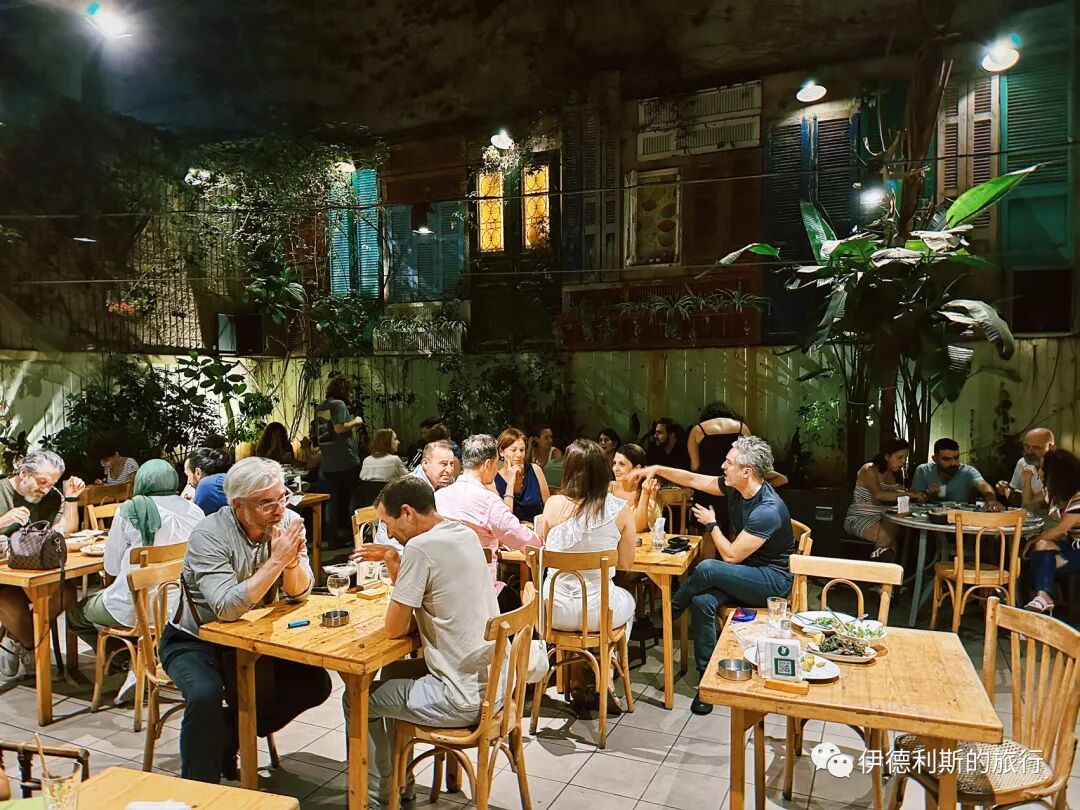
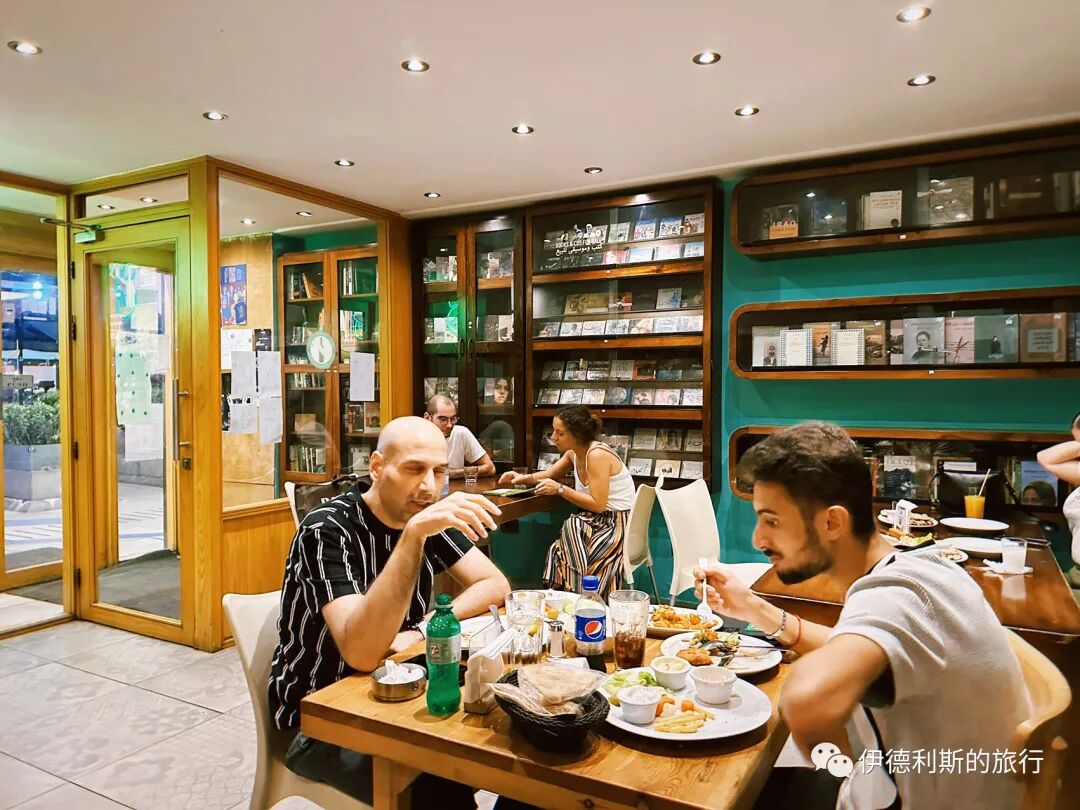
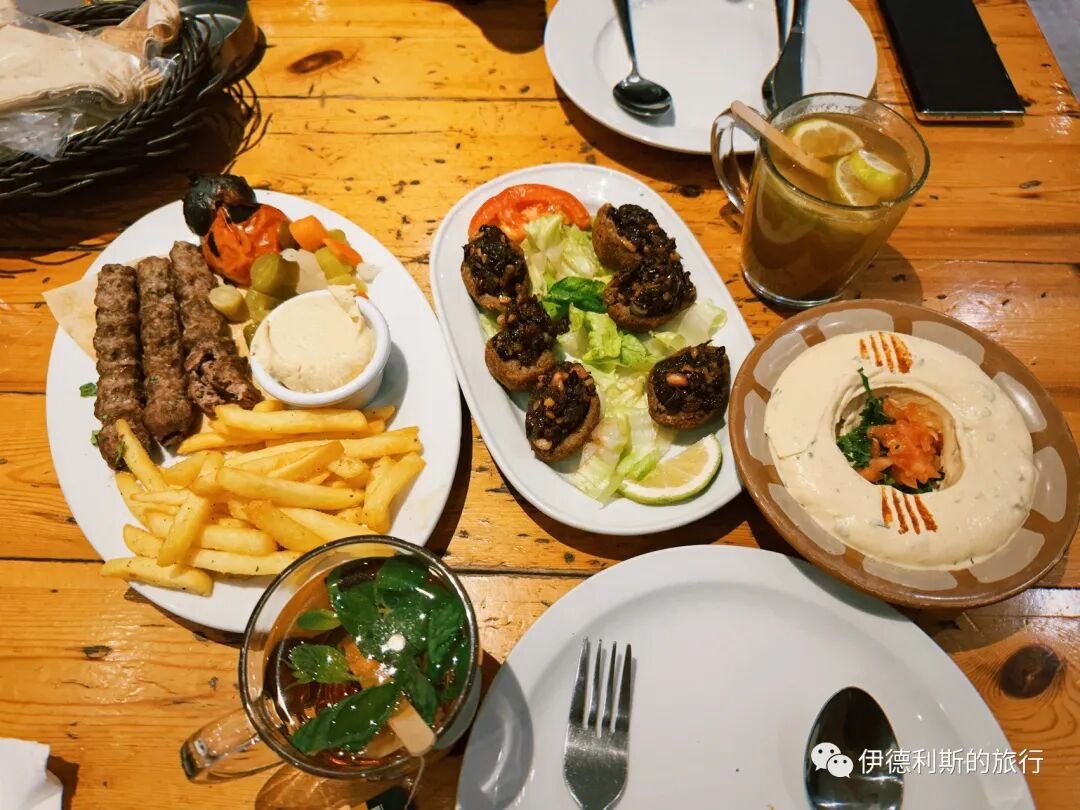
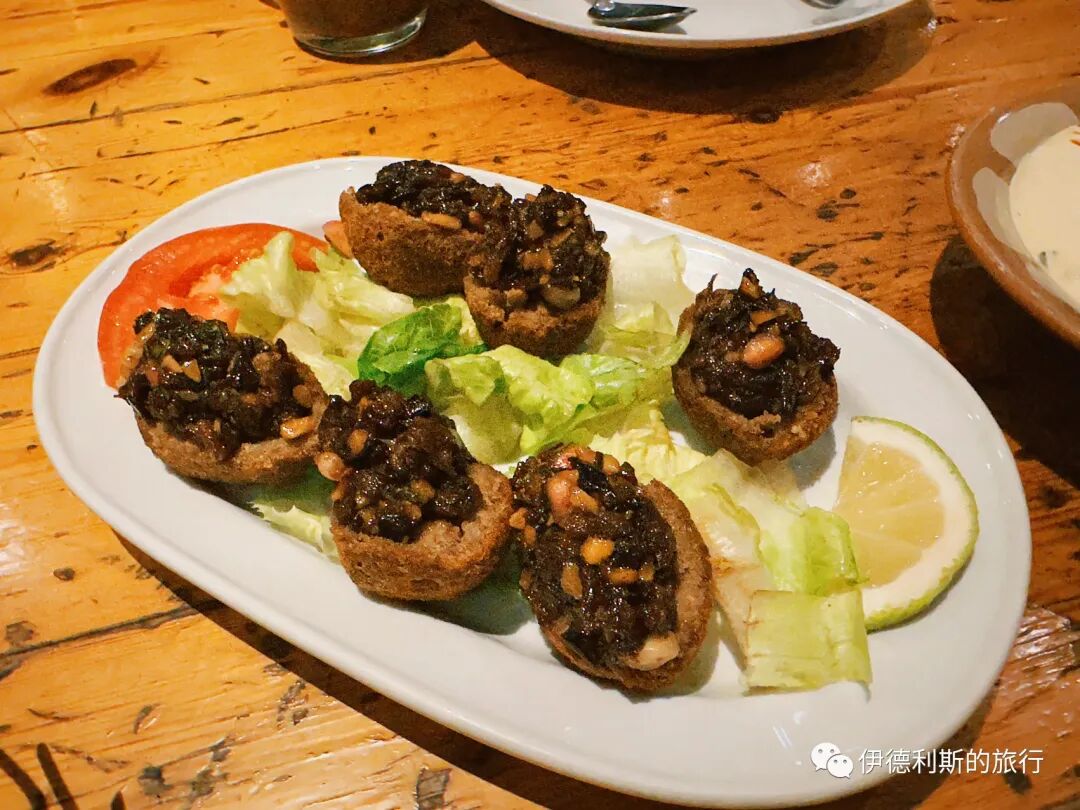
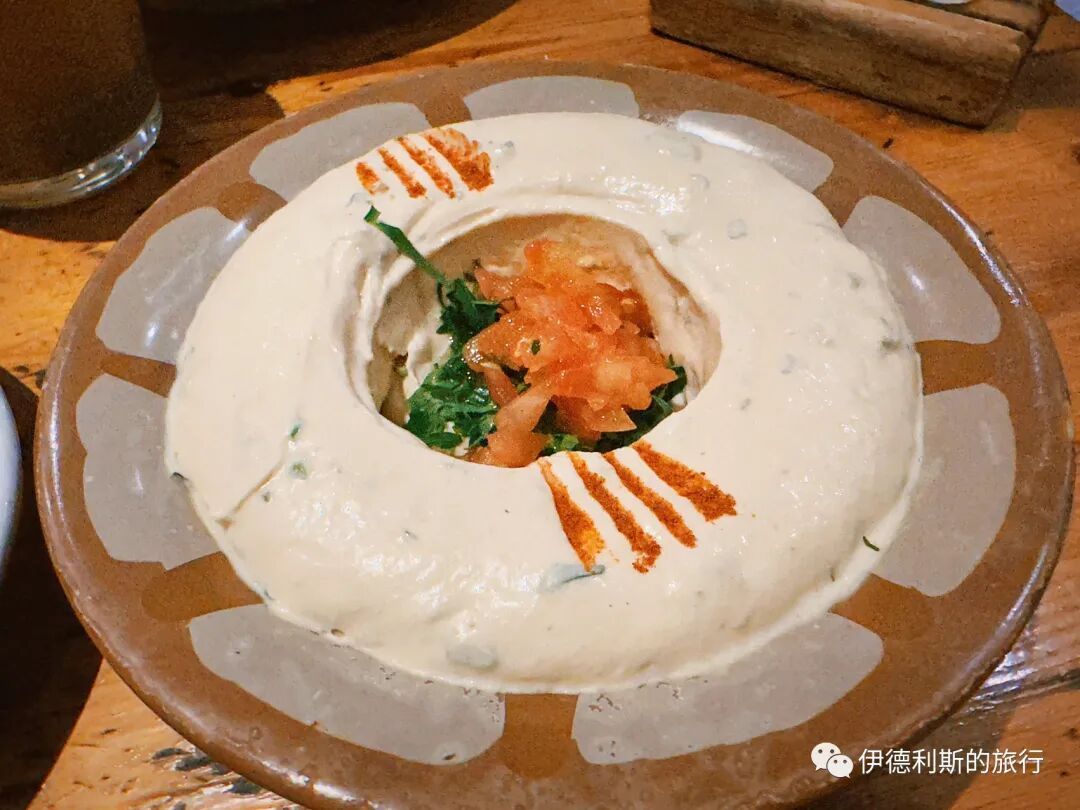
I had dinner at T-Marbouta, a famous local restaurant in the Hamra district of Beirut. I ordered kibbeh mloukiyeh, hommos moutammam, and grilled meat, and drank herbal tea and mint tea. Kibbeh is a fried ball made of cracked wheat and minced lamb, a classic appetizer in the Levant region. The one I ate was topped with mloukiyeh (jute leaves), eggplant, walnuts, and pomegranate. Hommos is another classic Levantine appetizer made of mashed chickpeas.
Hamra is a lively and trendy neighborhood in Beirut near the American University. It is full of young people and has long been the cultural center of Beirut. The environment here is relatively nice, making it a good place for shopping in Beirut.
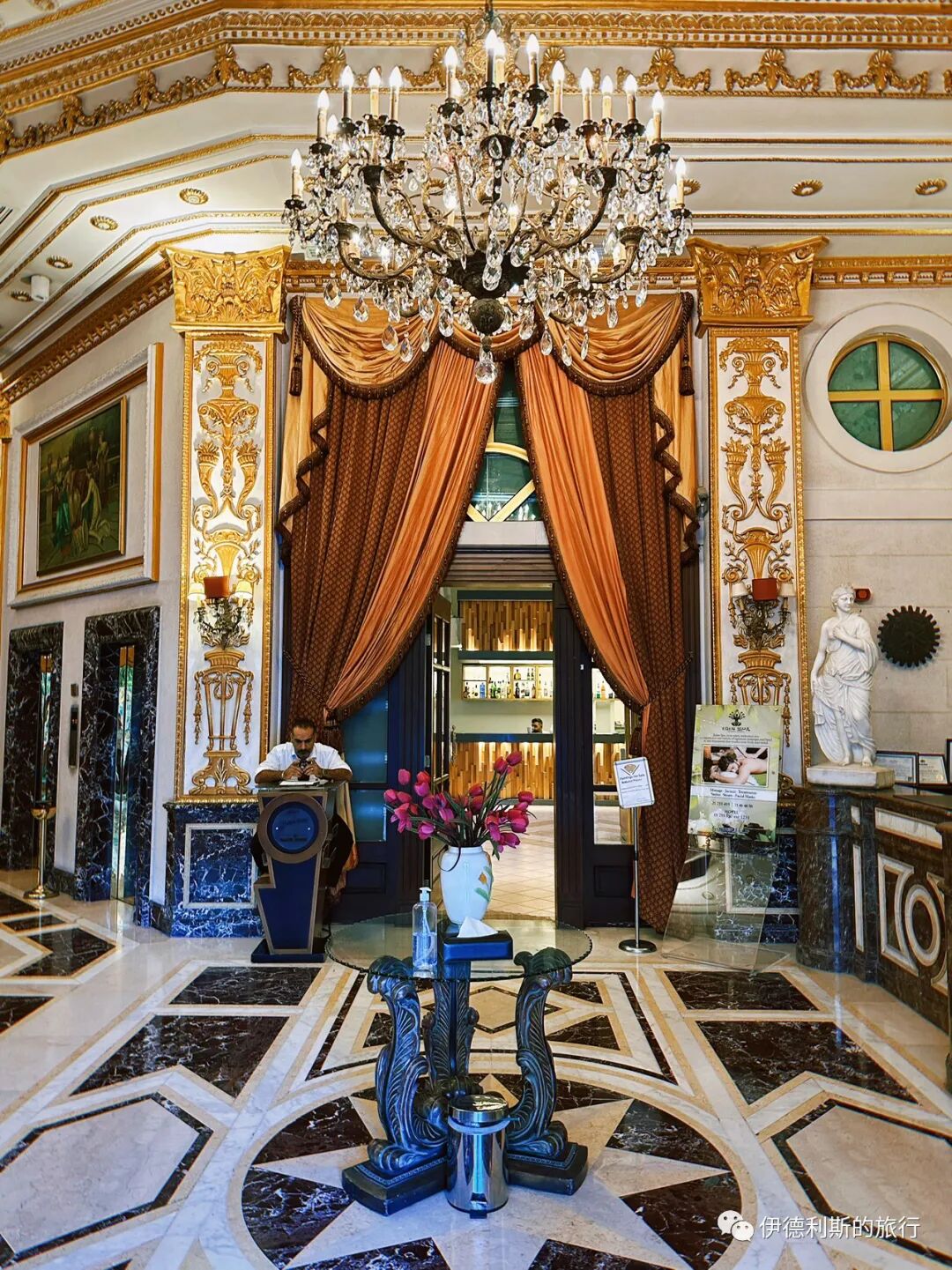
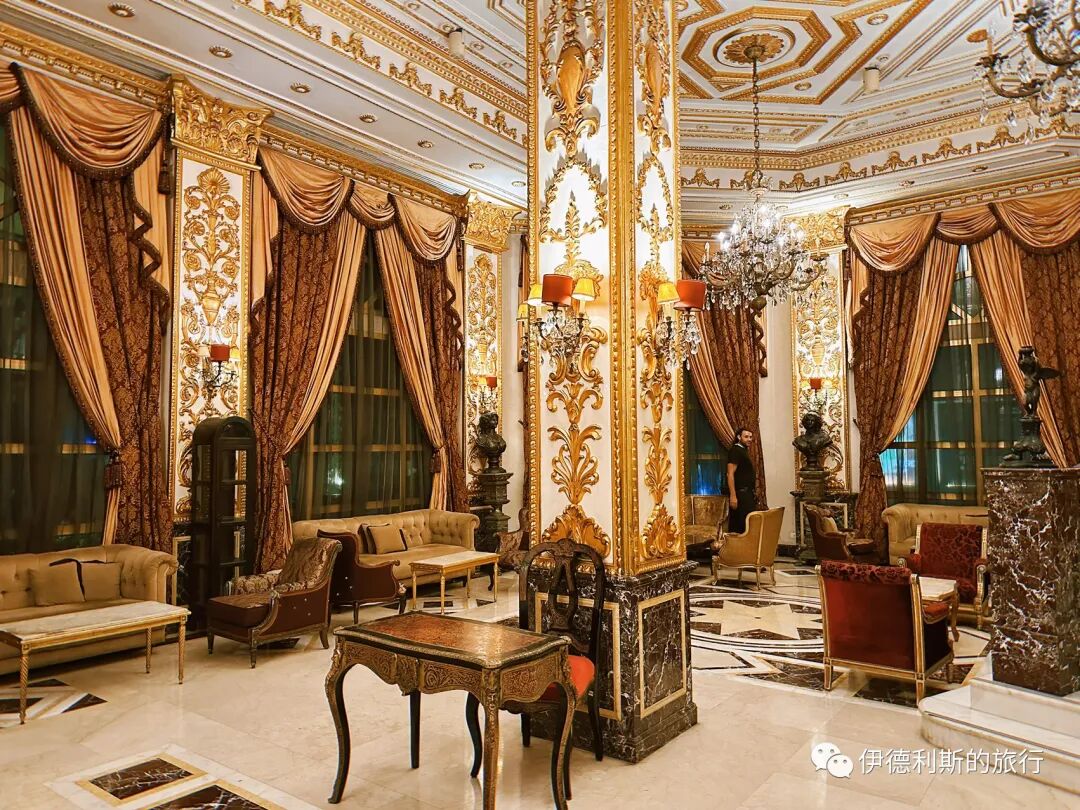
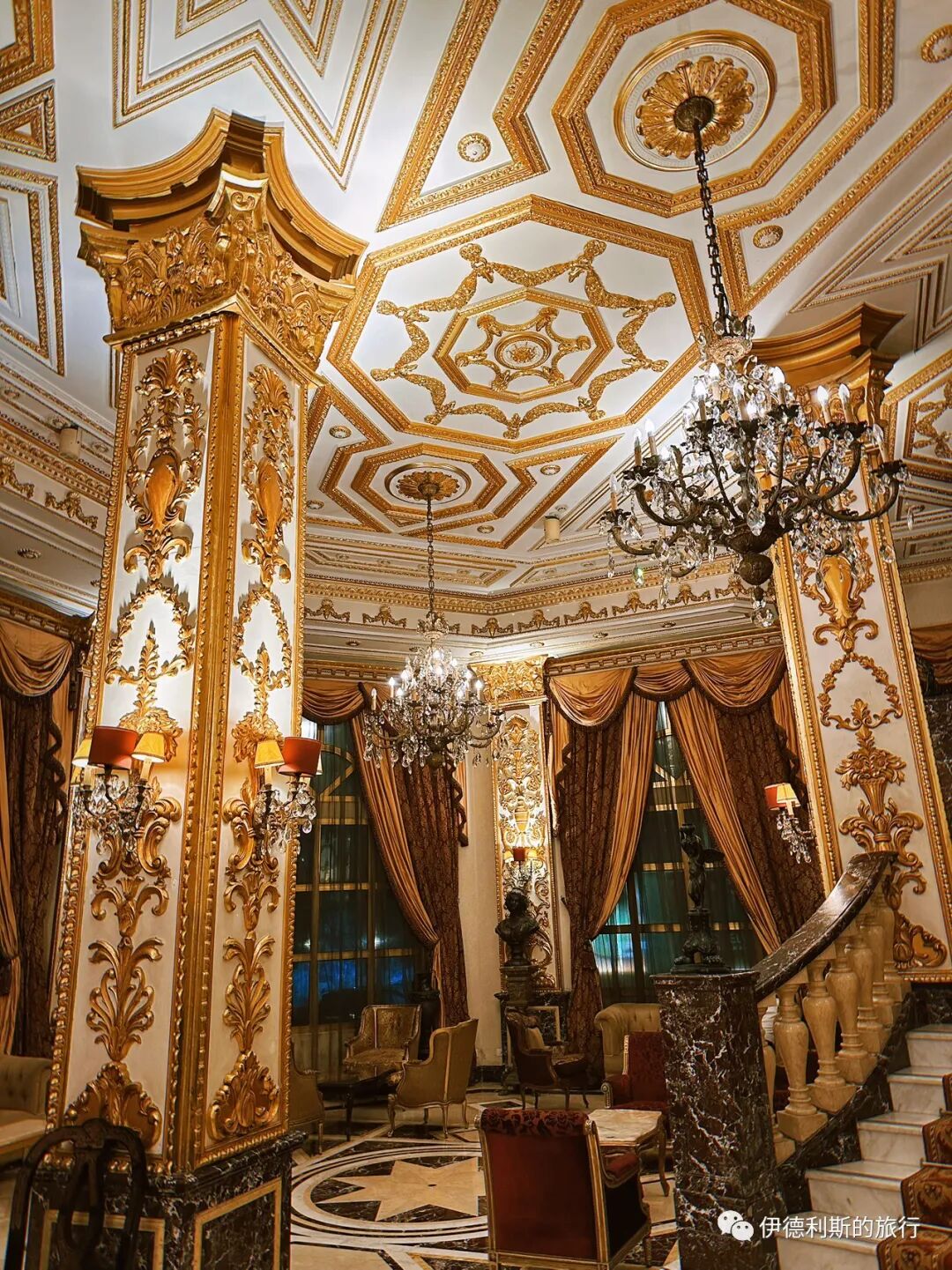
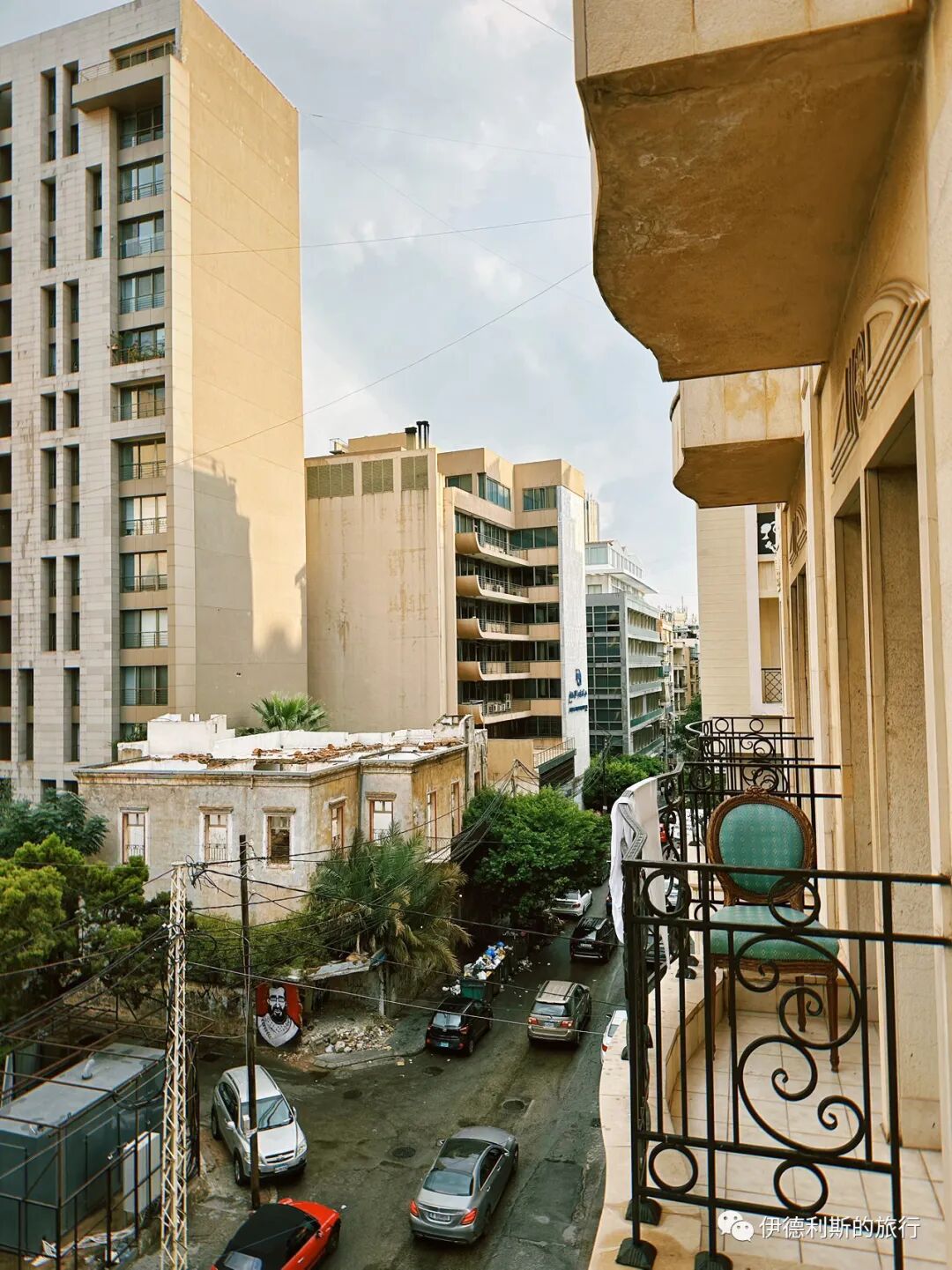
I stayed at the Serenada Golden Palace hotel in the heart of the Hamra district during this trip to Beirut. The hotel lobby is gorgeous and classic, reminding people of the prosperity and beauty of Beirut in the past. At the same time, opening the window in my room reveals buildings damaged by war, which immediately pulls you back to reality.
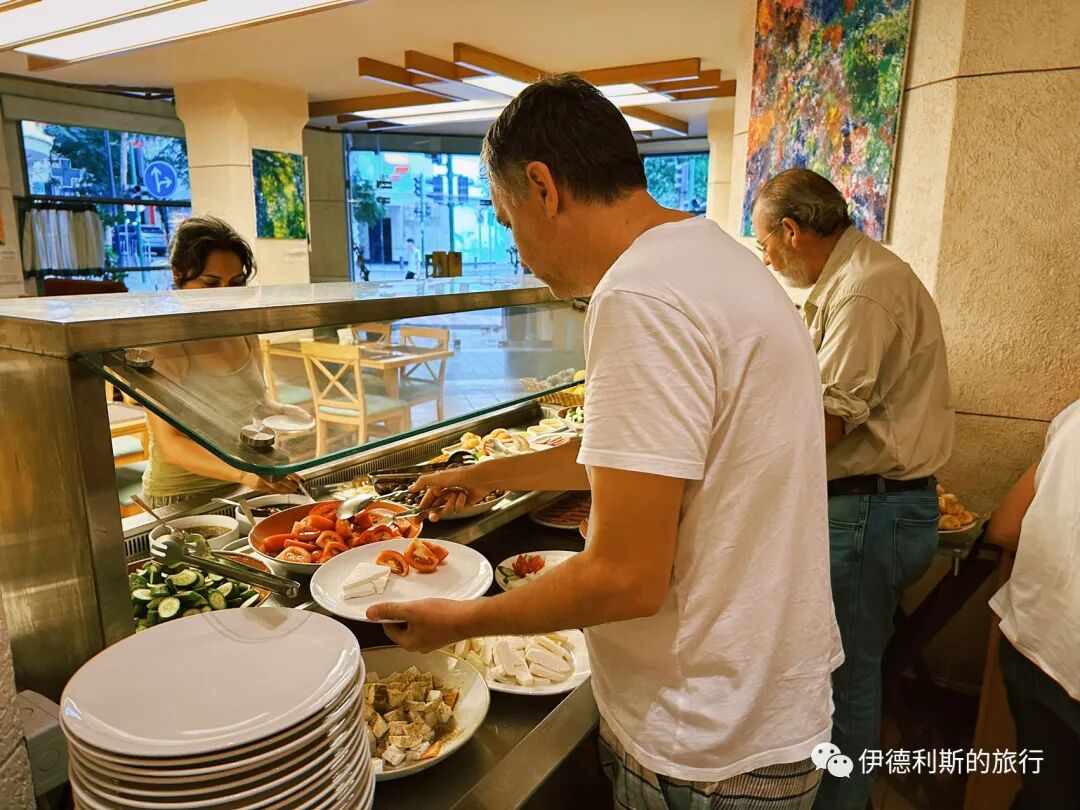
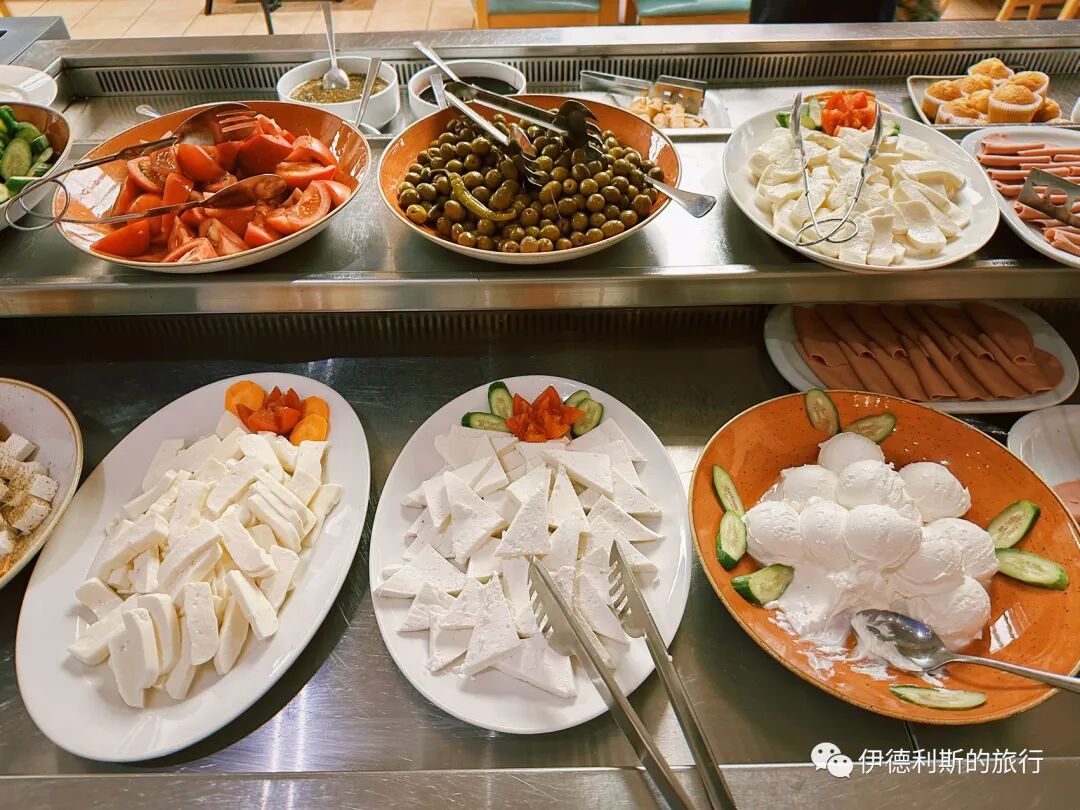
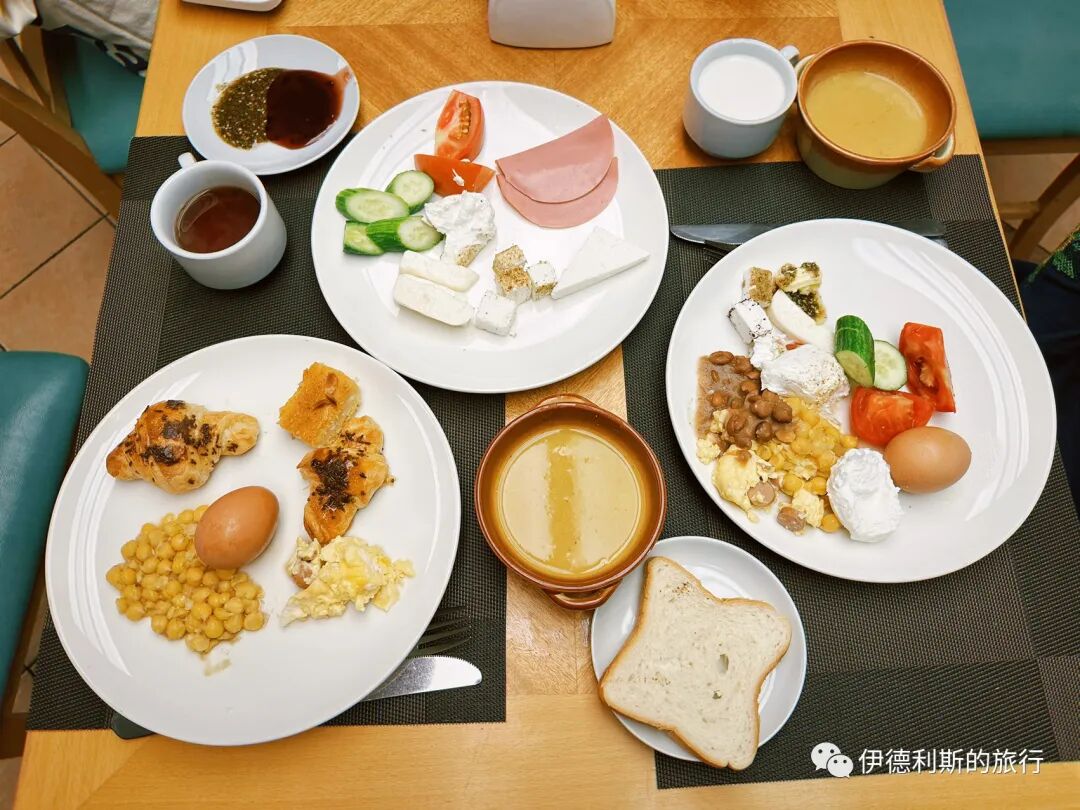
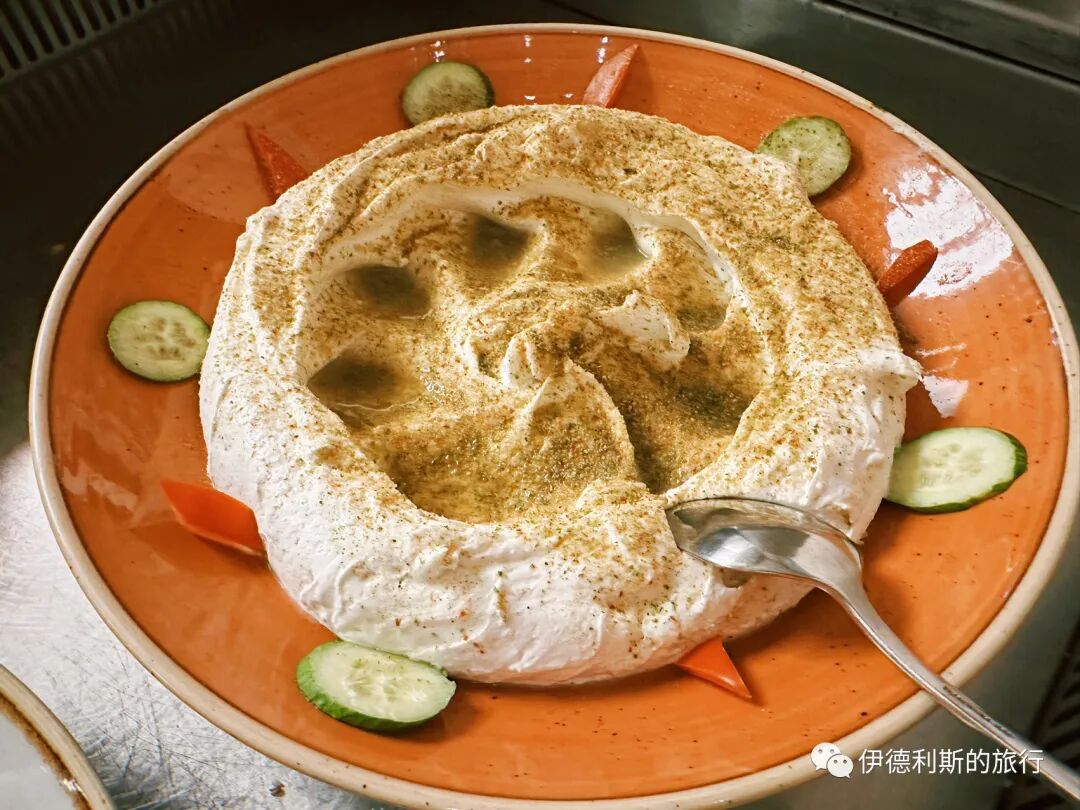
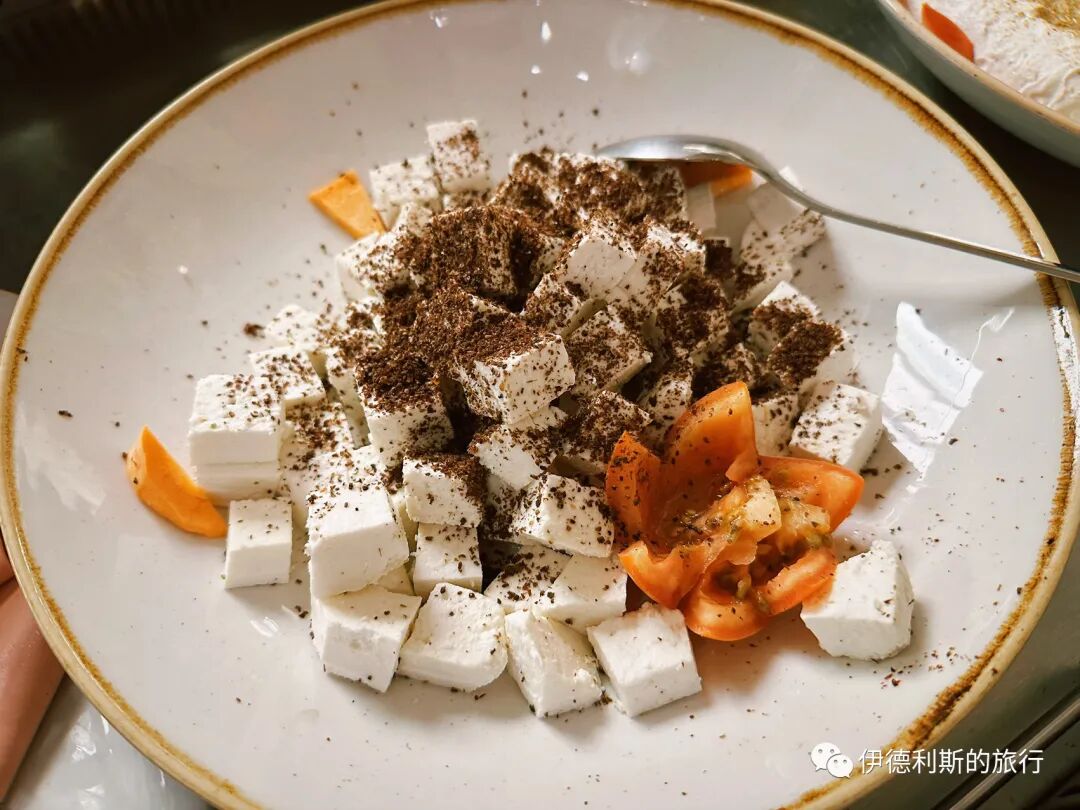
The hotel breakfast is quite rich, with all kinds of cheeses and a variety of fruits and vegetables, making it very healthy.
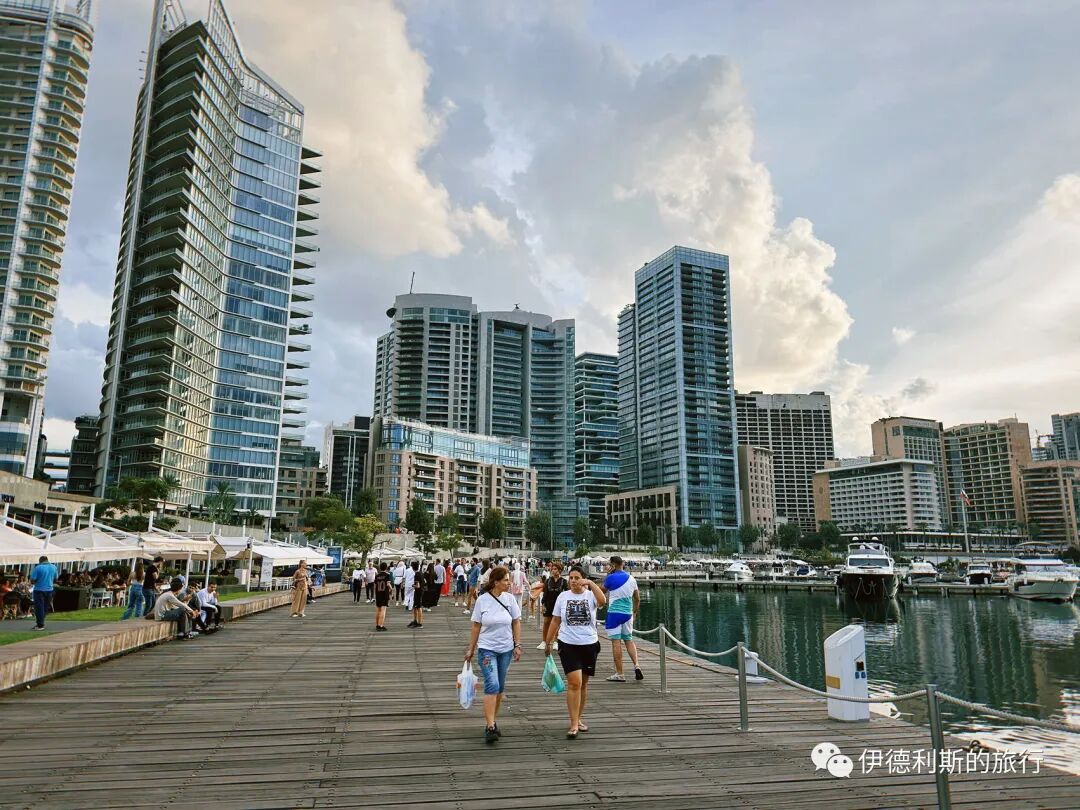
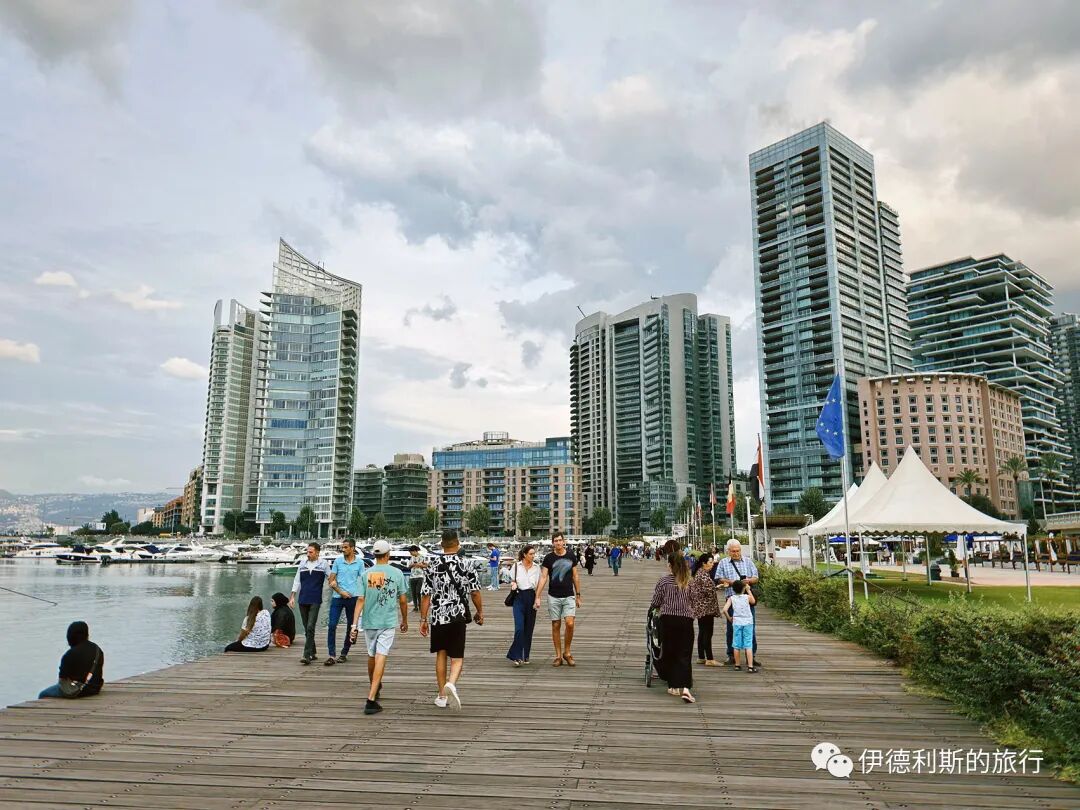
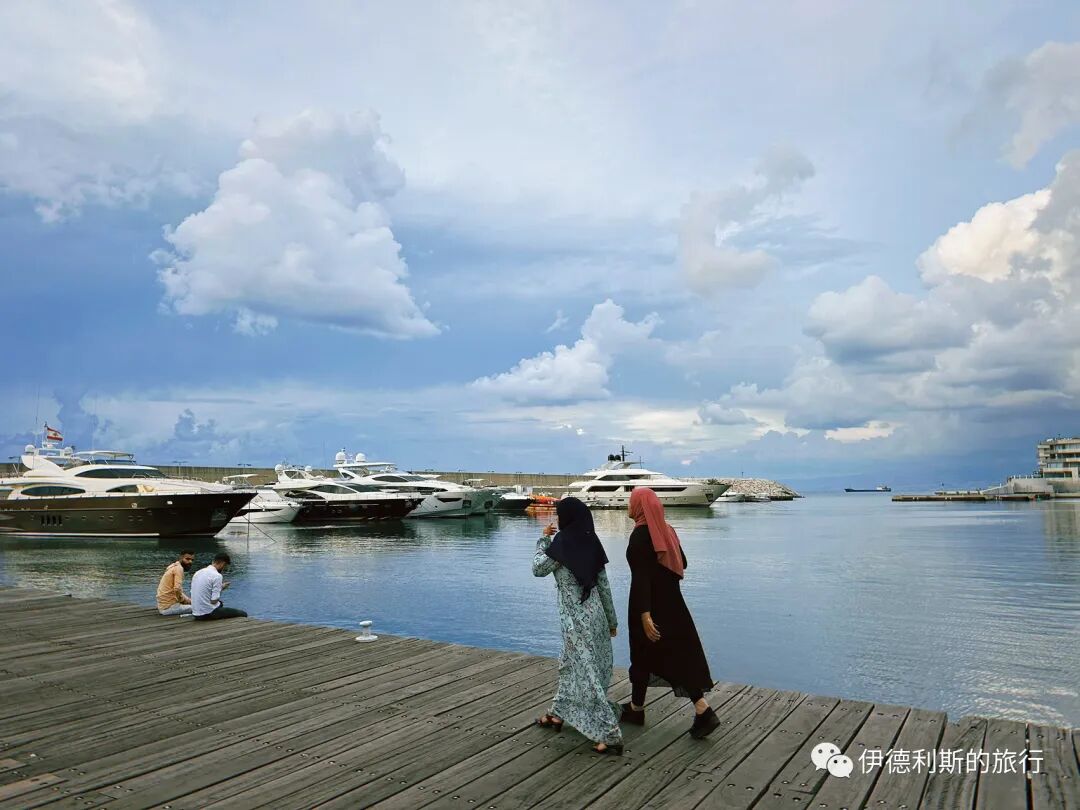
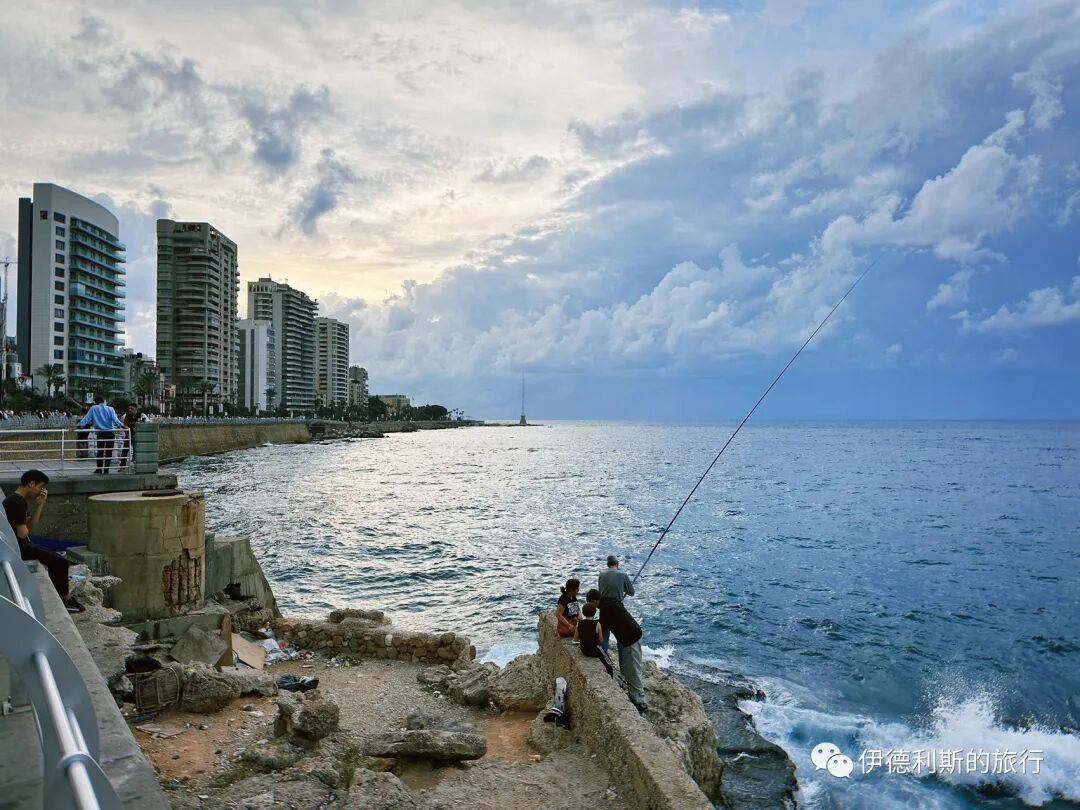
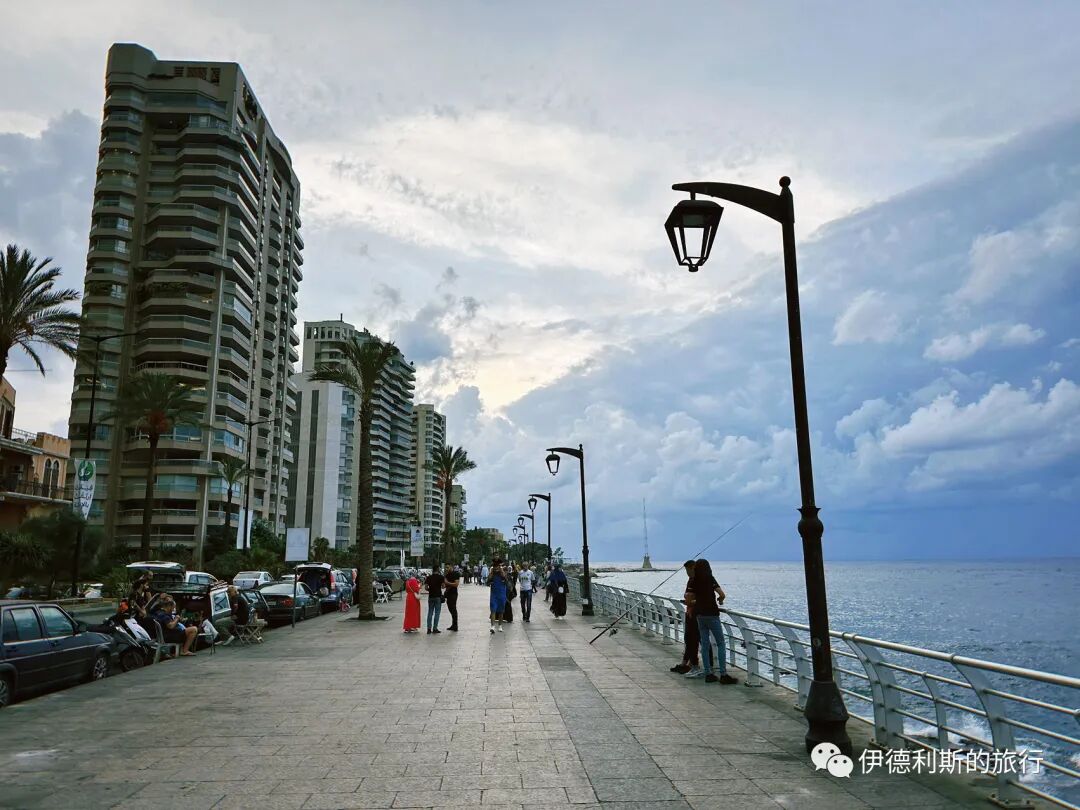
Compared to the empty downtown area of Beirut, the seaside promenade to the north is very lively. The Zaitunay Bay area, in particular, is full of cafes and Western-style restaurants, where many young people take photos and drink coffee. The Beirut Corniche was first built in the 1920s during the French Mandate. To boost tourism, the French expanded the seaside embankment into a wide walkway, planted palm trees, and built several chic hotels.
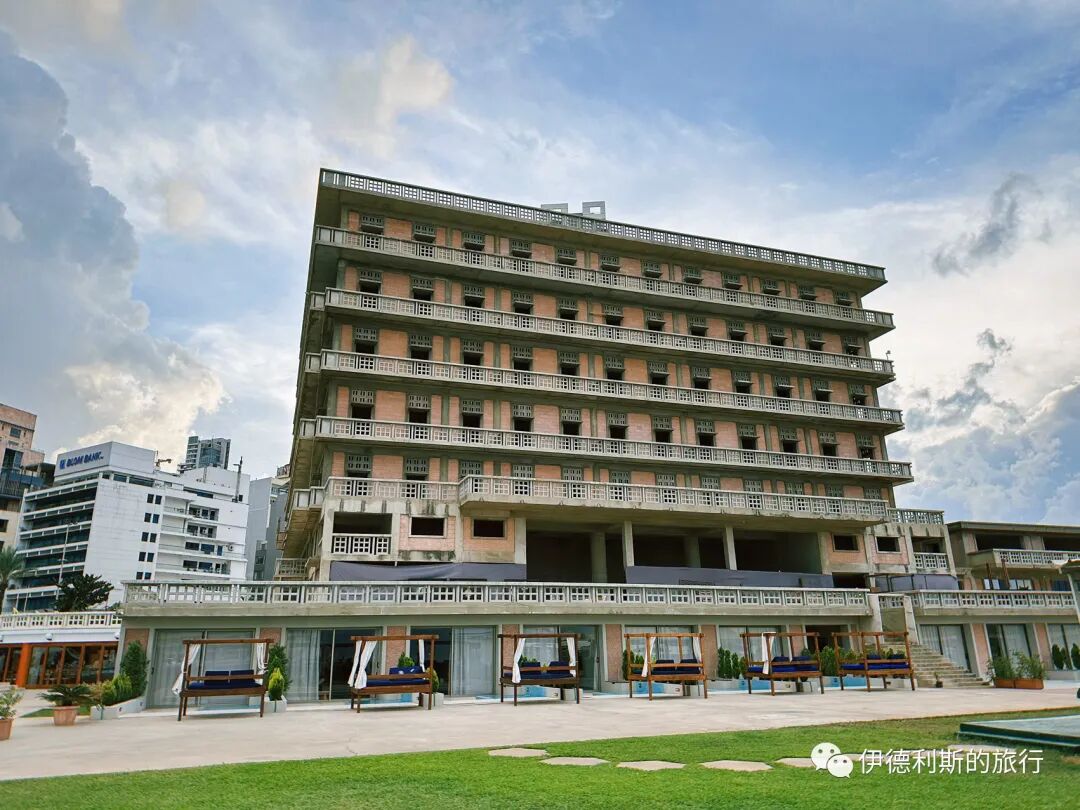
The most famous spot on the Corniche is the legendary St. Georges Hotel (Hotel St. Georges) shown in picture 3, which became a landmark of the Beirut waterfront after the French built it in 1934. The hotel was in its prime from the 1960s to the early 1970s, hosting many celebrities including film stars Brigitte Bardot, Marlon Brando, and Elizabeth Taylor, as well as King Hussein of Jordan and the last Shah of Iran, Mohammad Reza Pahlavi. The hotel closed when the civil war began in 1975, and soon after, intense fighting known as the 'Battle of the Hotels' broke out as various factions fought for control, leaving the building severely damaged; the Syrian army later occupied it until 1990. Lebanon began rebuilding downtown Beirut in 1994, but restoration work on the hotel stalled for years due to conflicts between the construction company and the owners; just as repairs started in 2005, the assassination of Lebanese Prime Minister Hariri occurred, and a bomb blast in front of the hotel caused heavy damage, causing work to stop again. Today, the St. Georges Yacht Club operates the hotel's outdoor restaurant and swimming pool, but the hotel building remains empty, keeping its war-torn appearance.
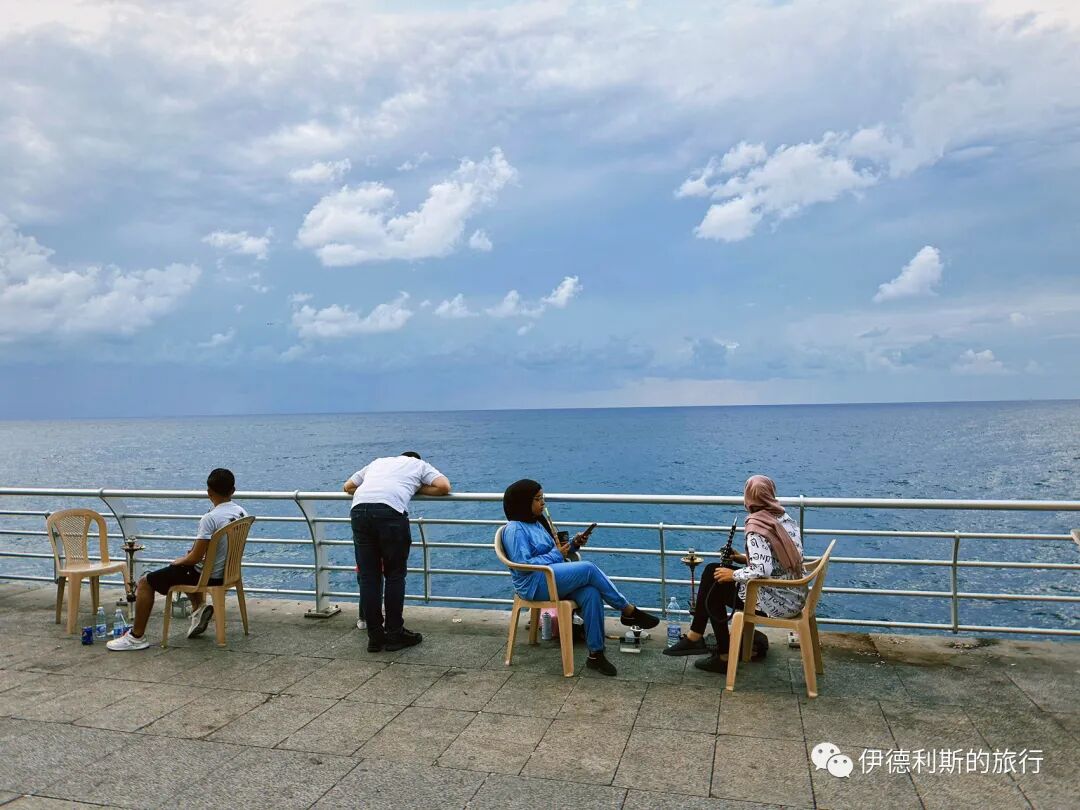
Continuing west is Paris Avenue, lined with tall palm trees, where many people walk or jog by the Mediterranean Sea, and others relax while smoking shisha. During the civil war, this area was buried under piles of trash and called the 'Normandy Dump,' but post-war reconstruction has restored the Corniche landscape. Even now, you can still imagine the intensity of the war by looking at some of the palm trees that are still covered in bullet holes.
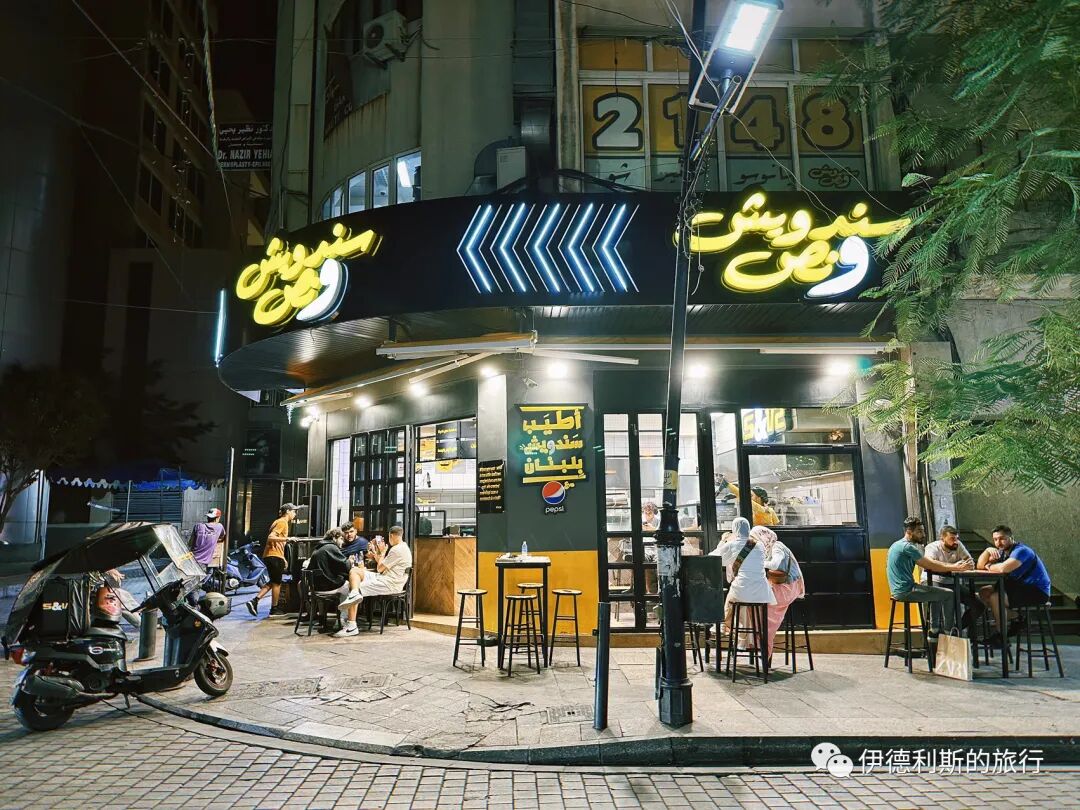
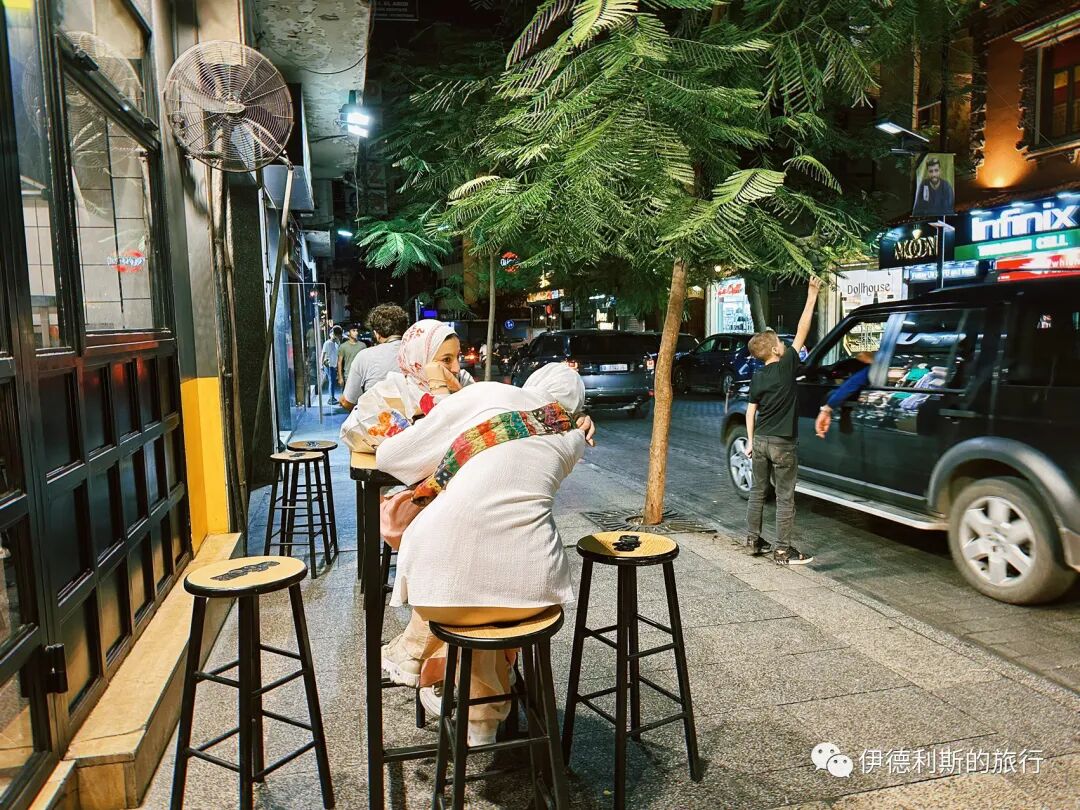
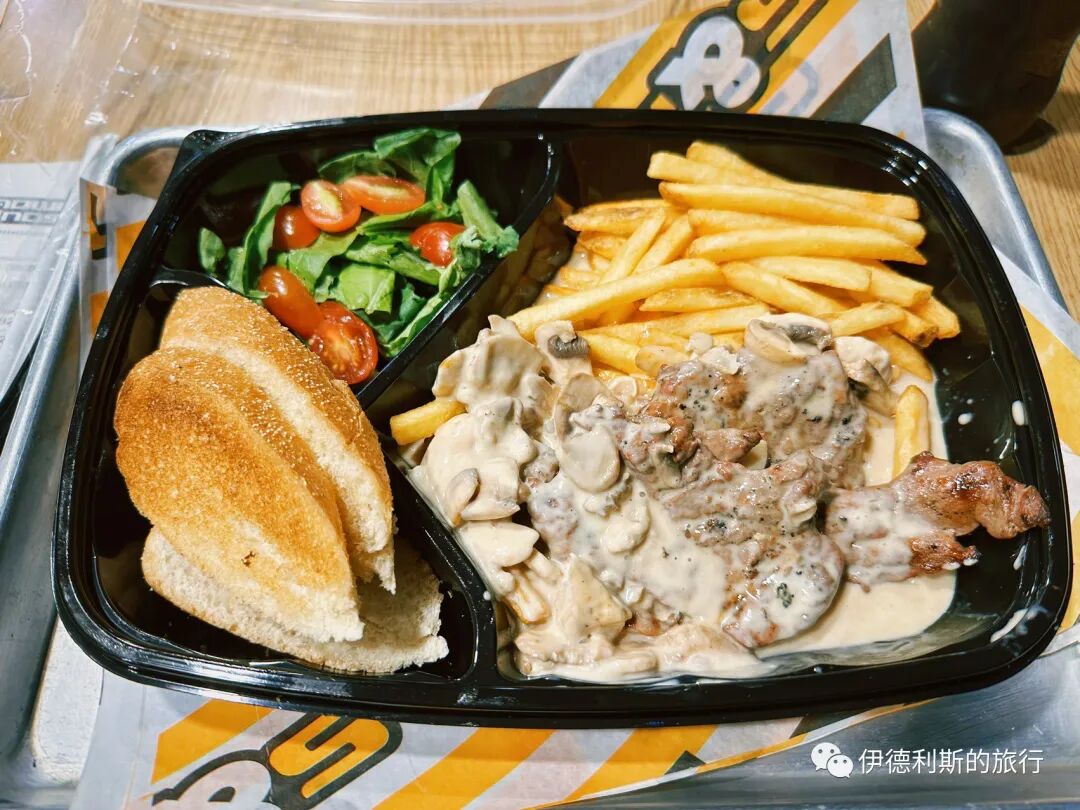
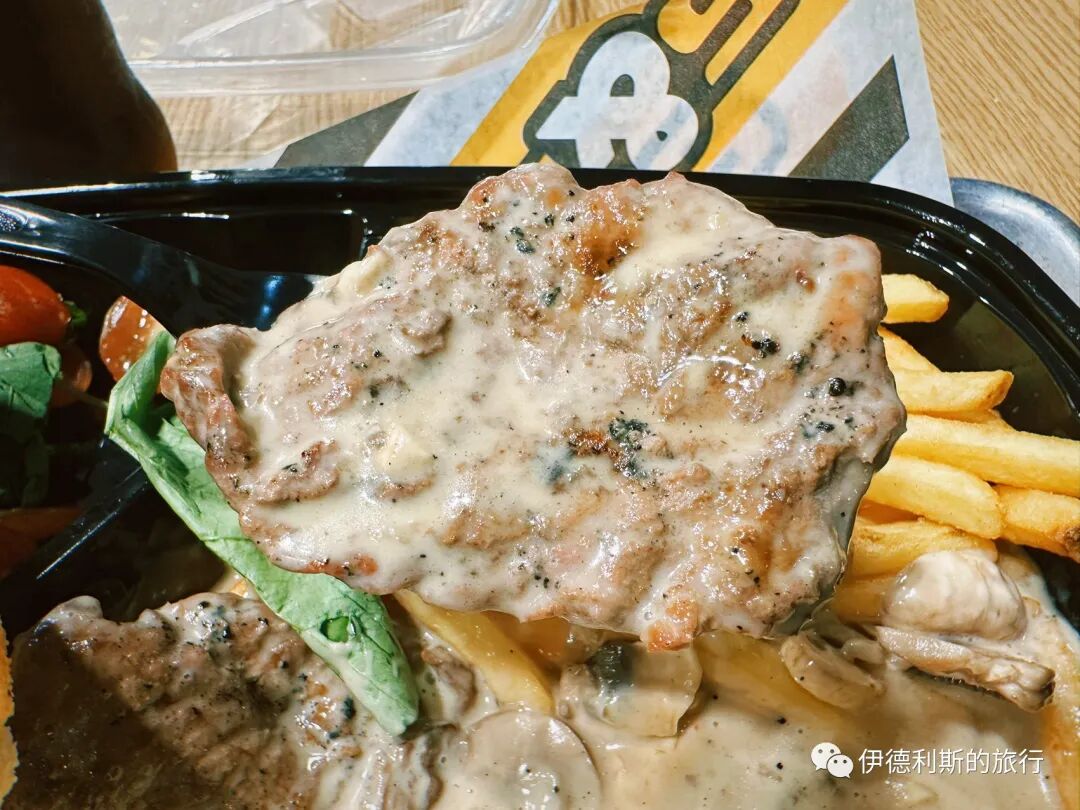
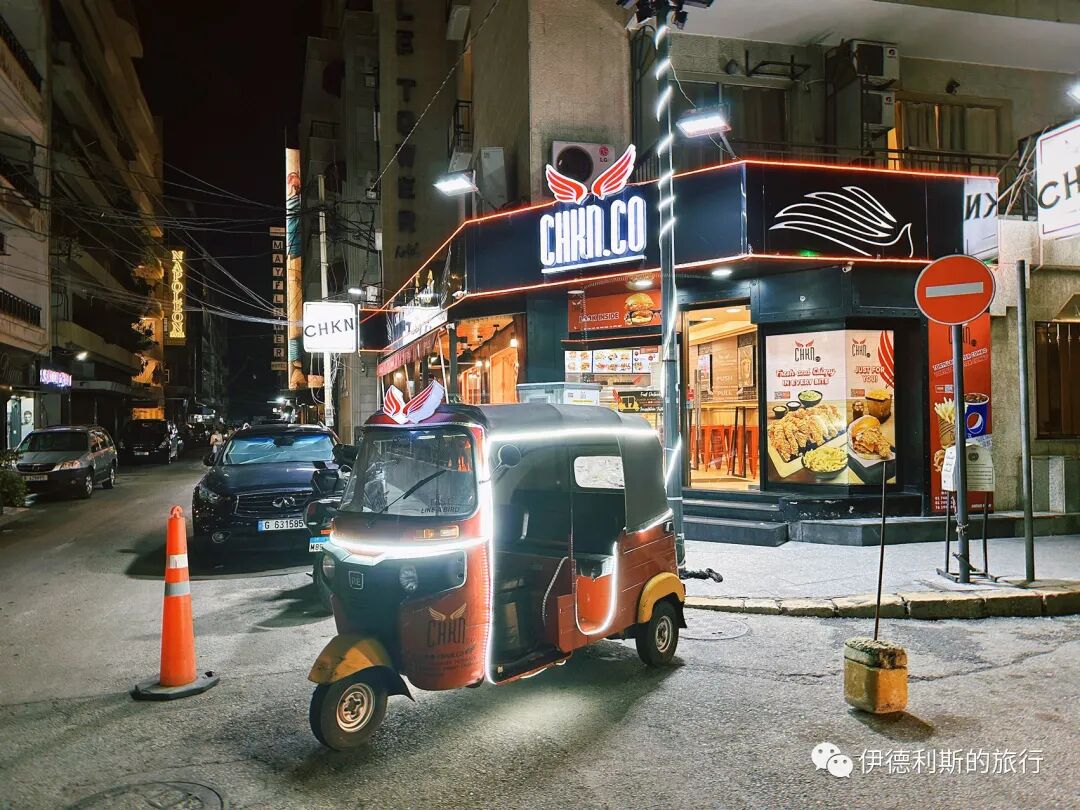
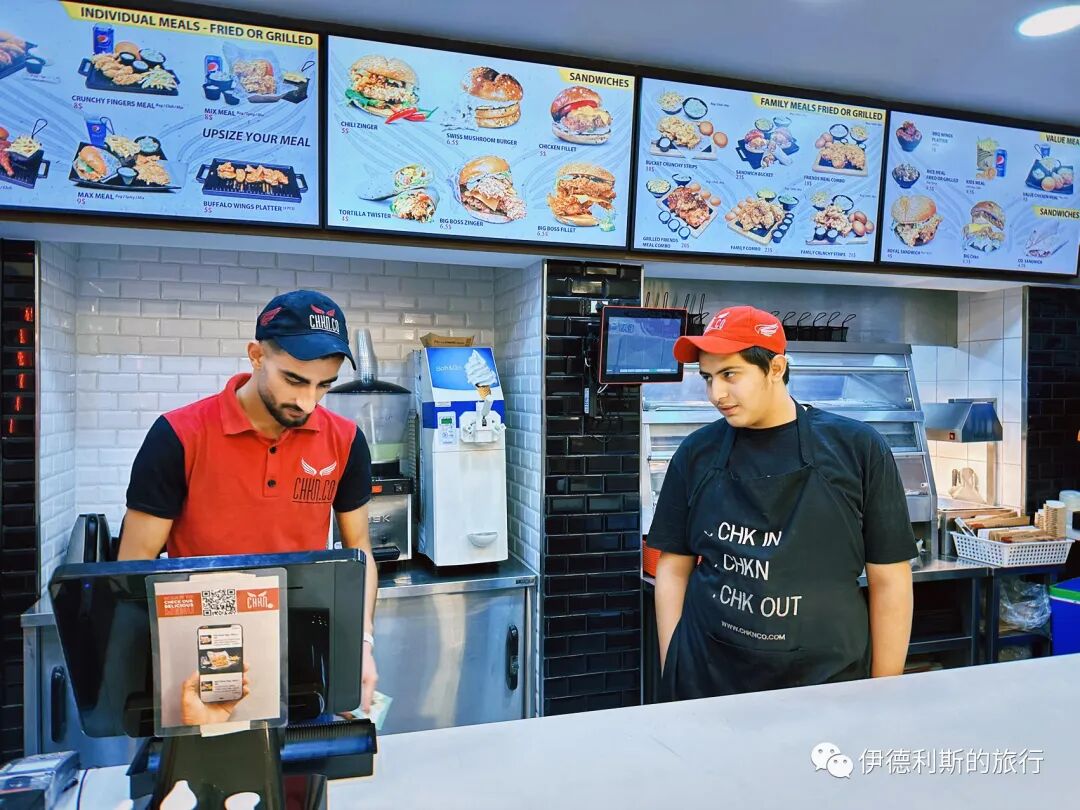
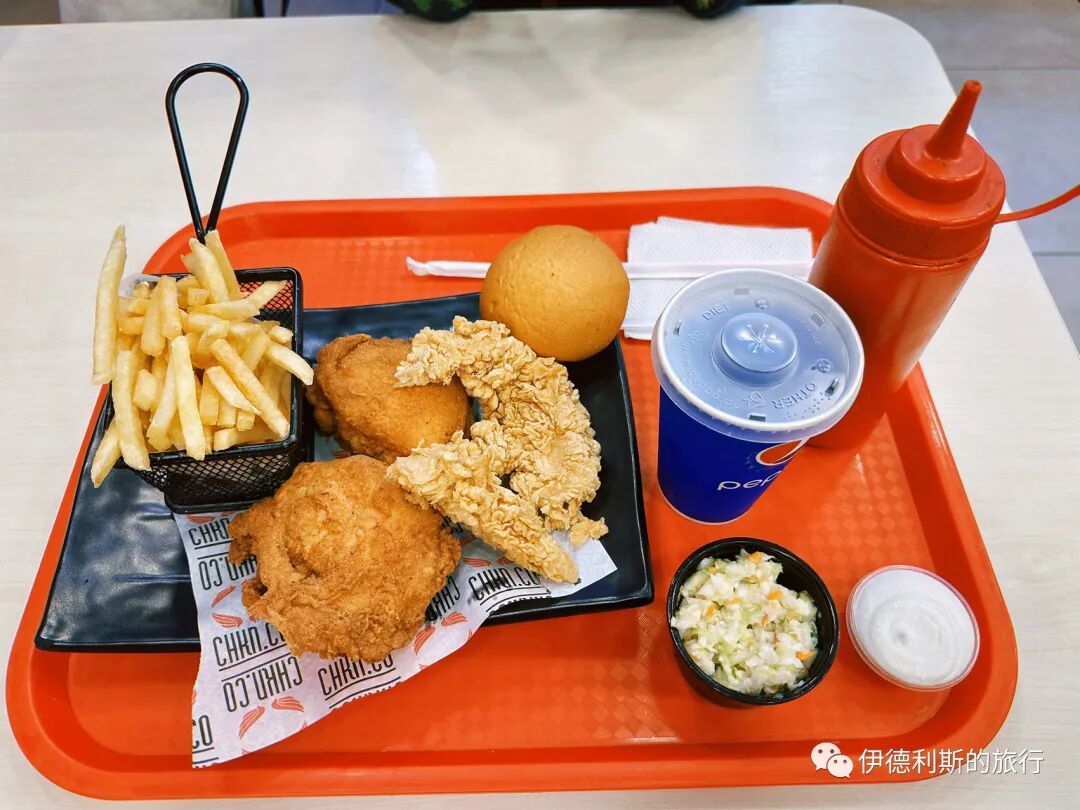
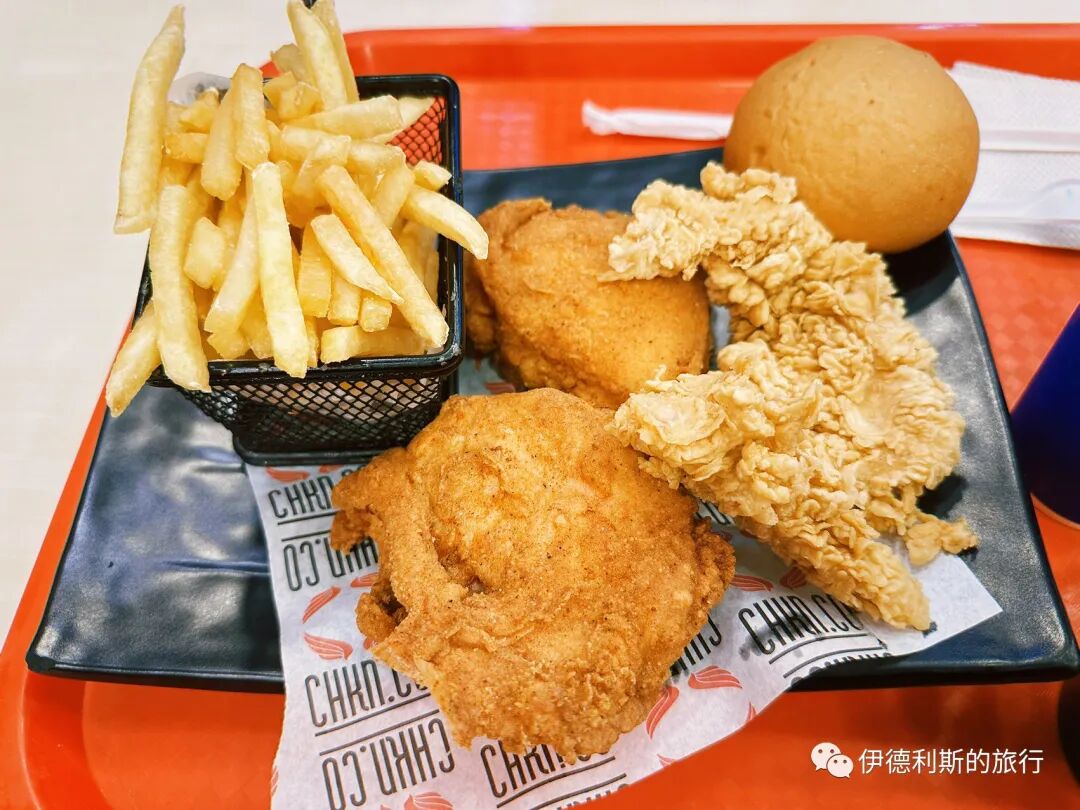
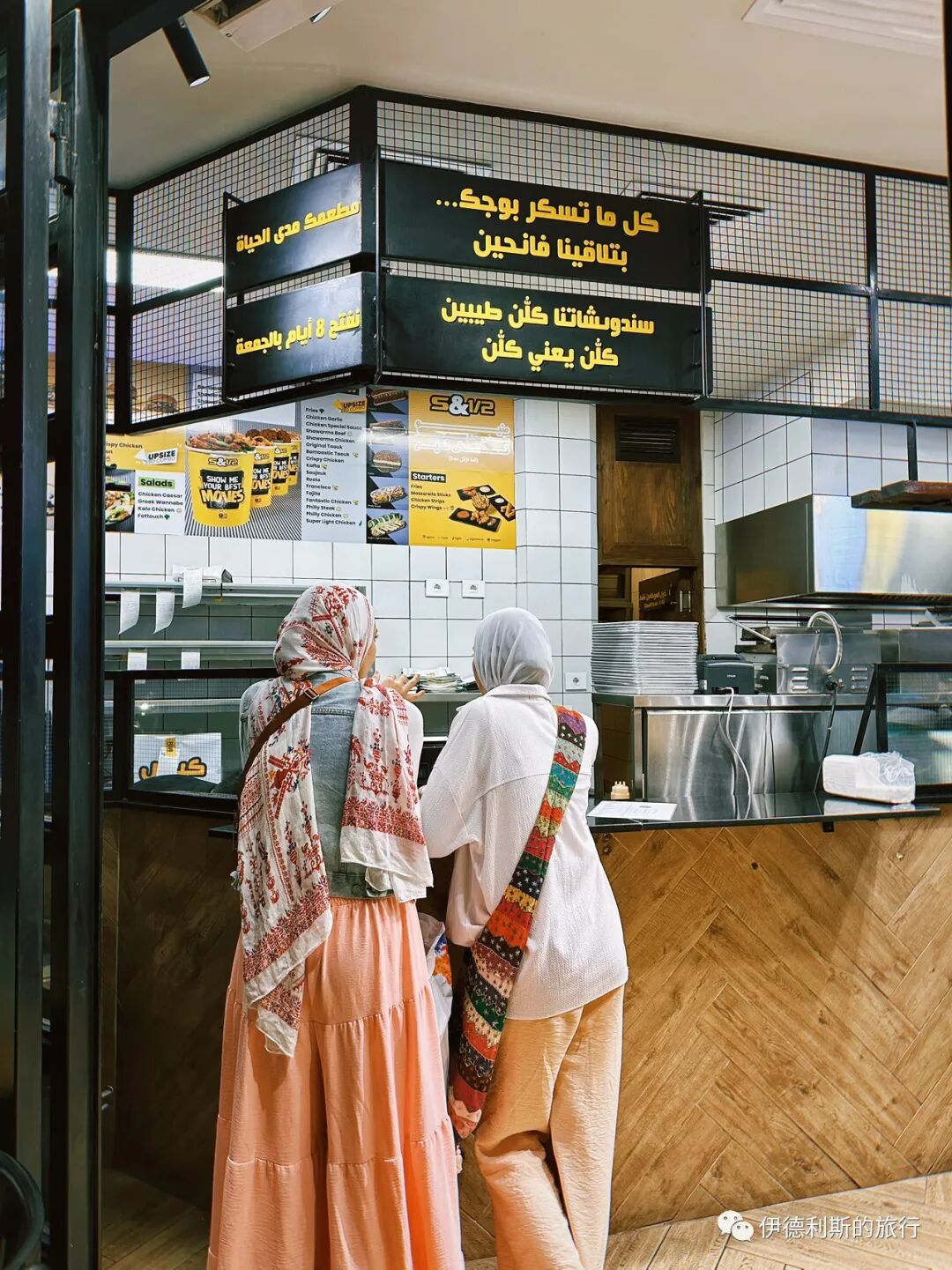
Fast food in the Hamra district of Lebanon, where I had steak and fried chicken. There are many young people here and a wide variety of restaurants, including Chinese and Japanese food. Because the power supply is unstable, shops here suddenly go dark from time to time, but everyone except us stays very calm, waiting for the power to come back on by itself. I think it must be hard to use a desktop computer without a battery in Beirut, so everyone definitely chooses laptops.
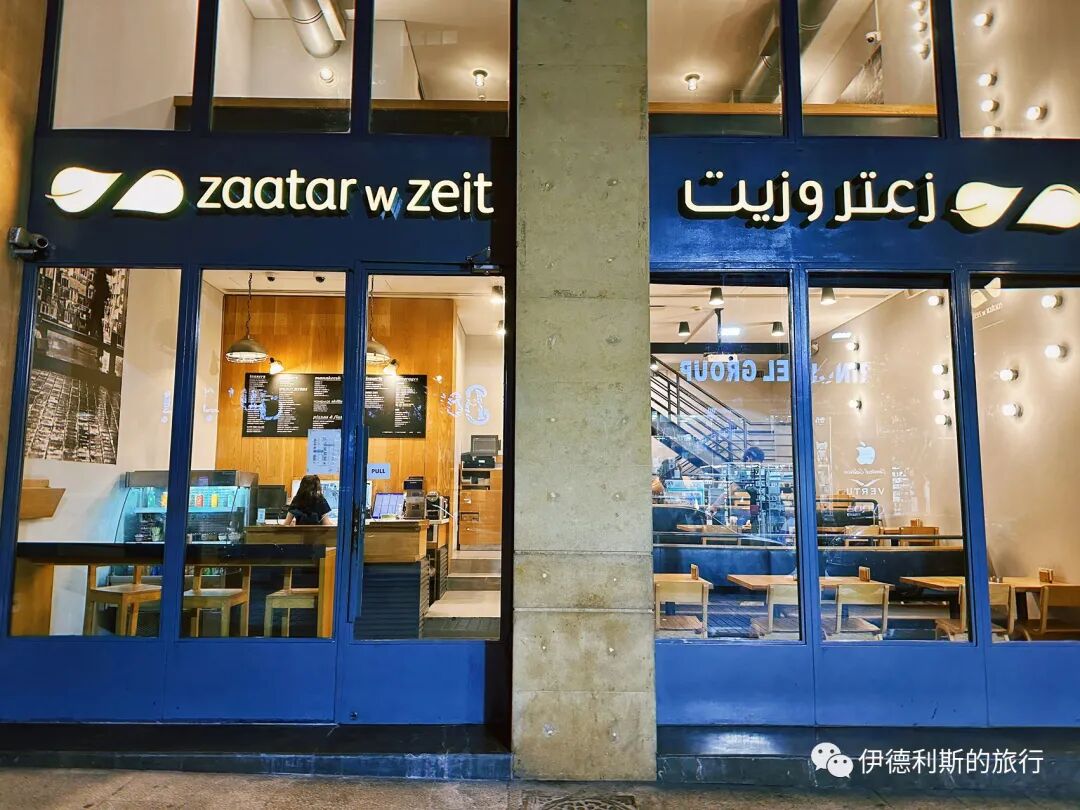
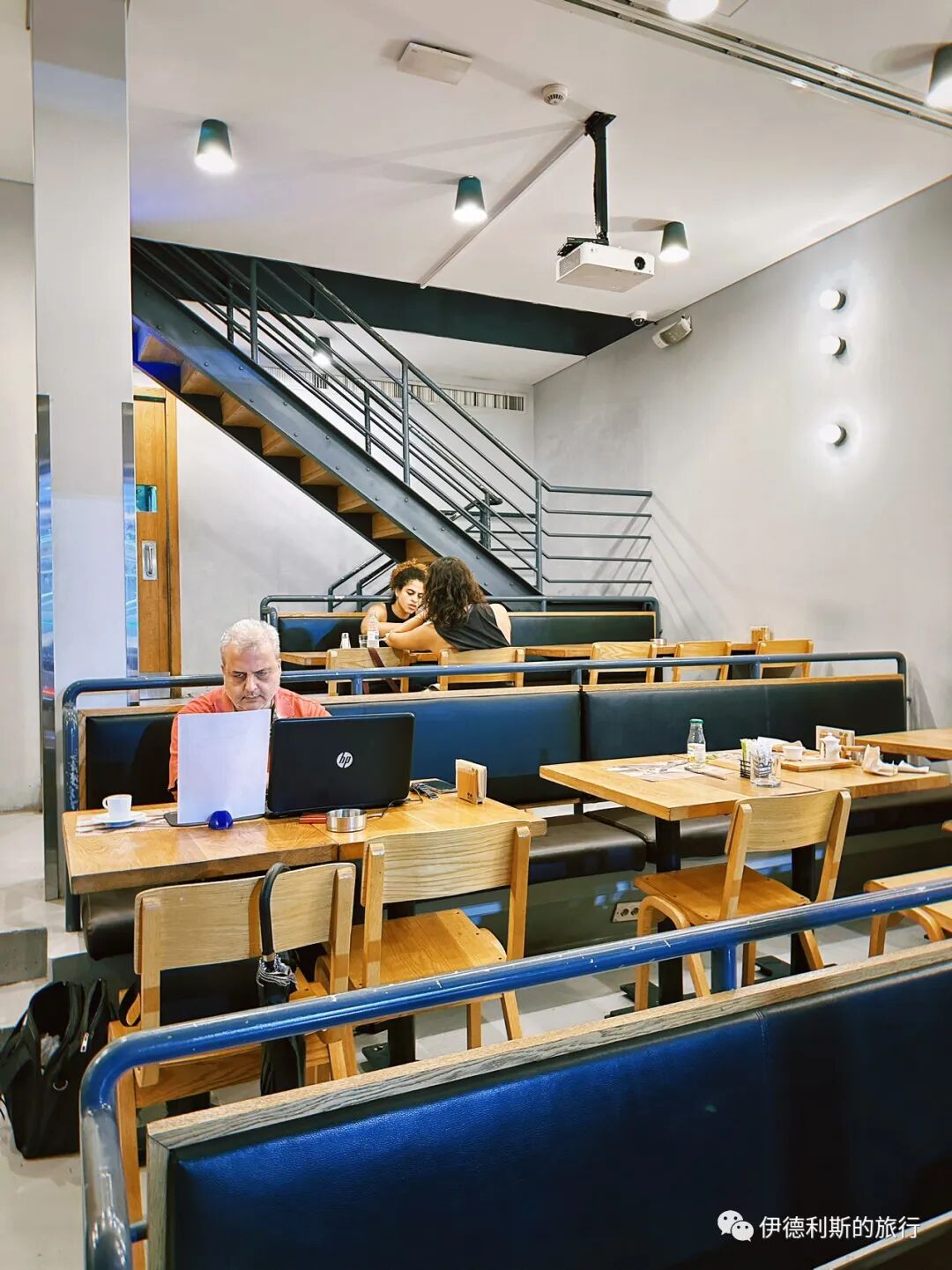
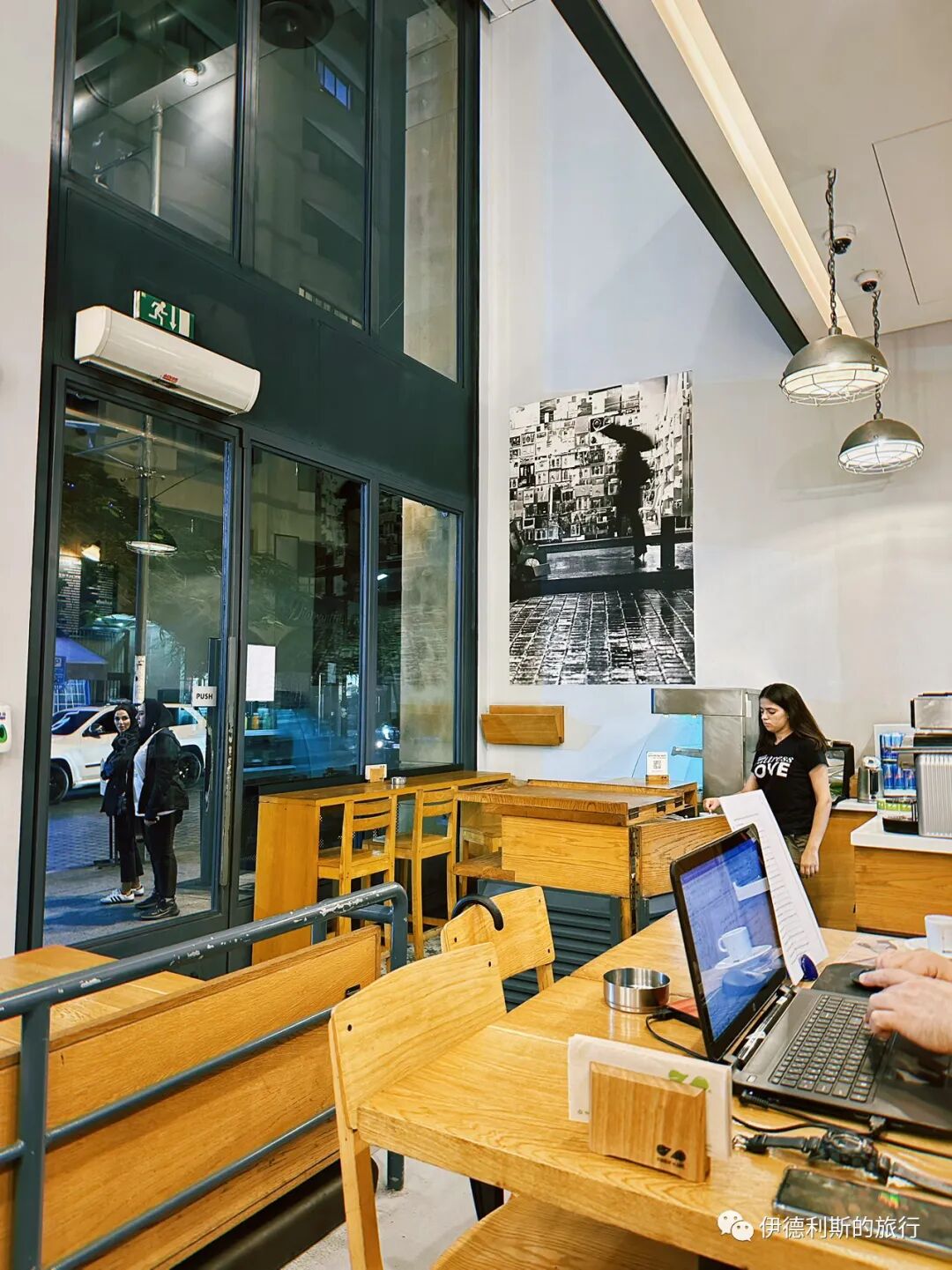
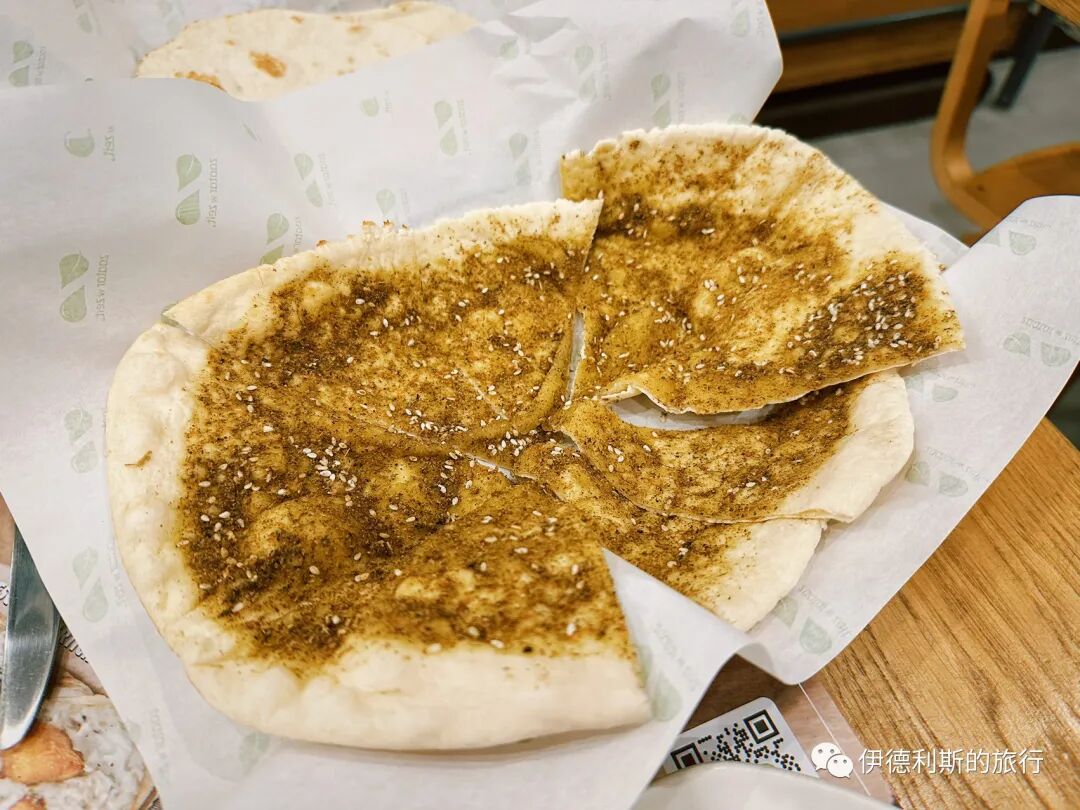
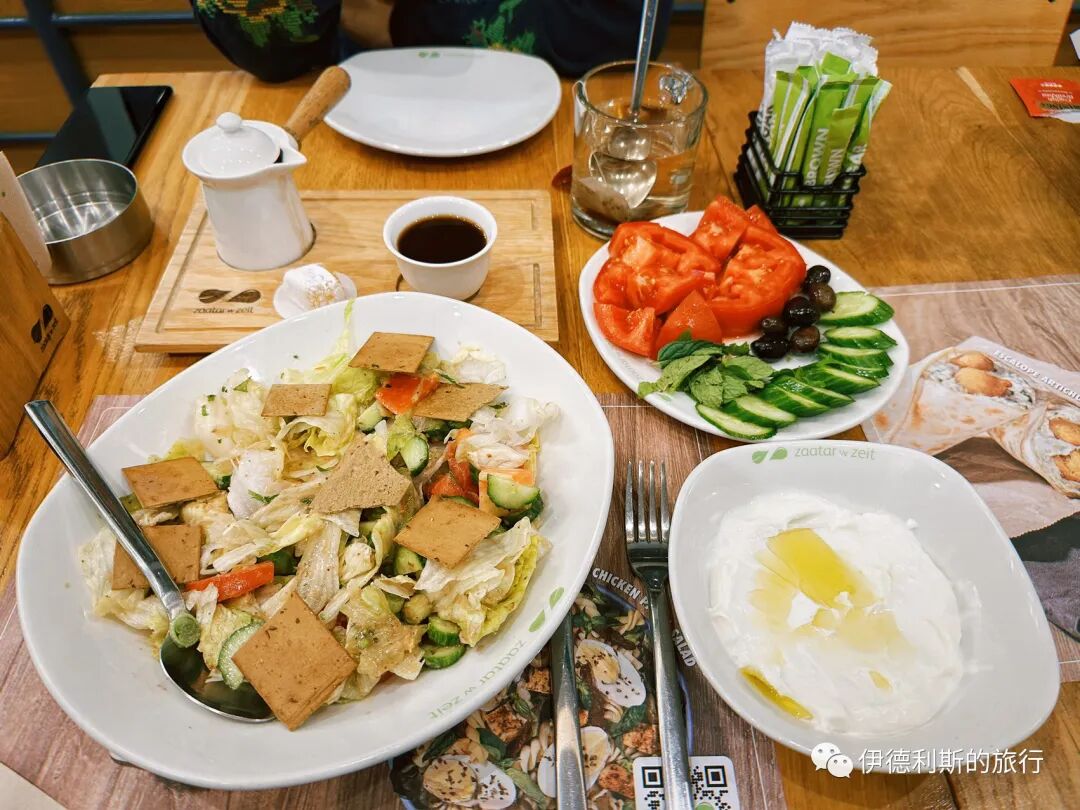
I ate at Zaatar w Zeit, a famous Lebanese fast-food chain in the Hamra district, which specializes in Levantine-style flatbread (manakish) and serves very healthy food.
Manakish is a traditional bread that originated with the ancient Phoenicians; it can be topped with a spice blend (zaatar), cheese, or minced lamb. We ate the kind with zaatar, a unique mix of thyme, sumac, oregano, marjoram, and sesame seeds.
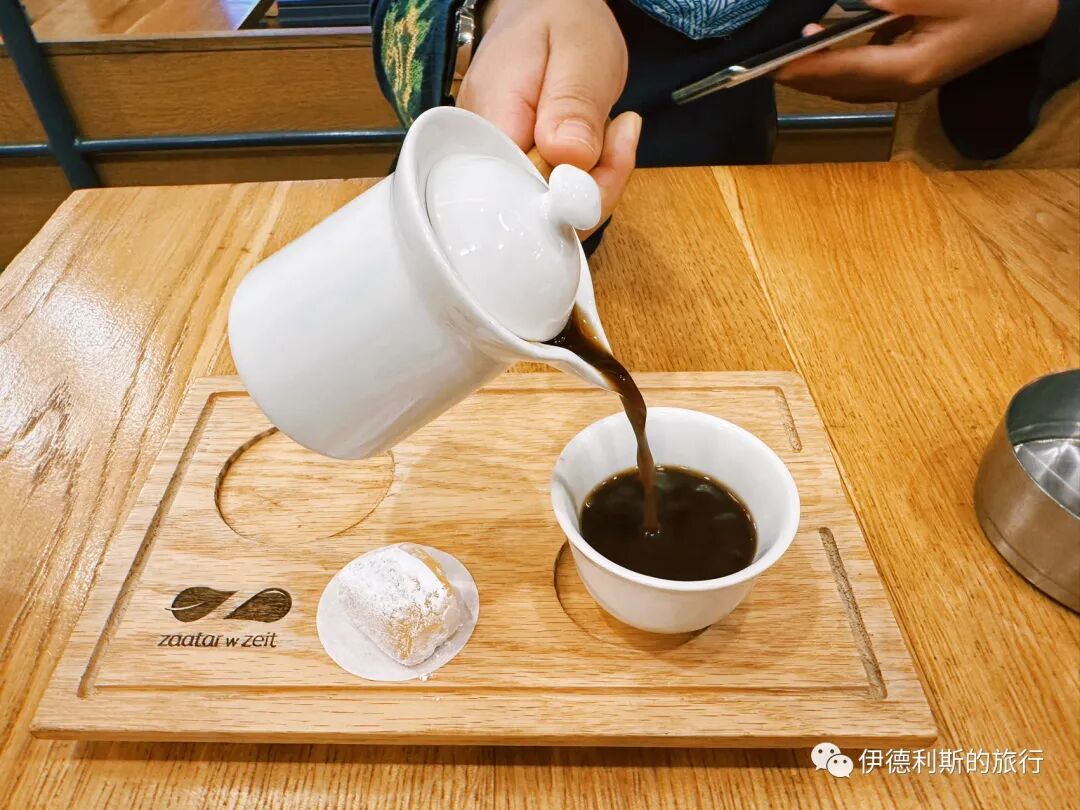
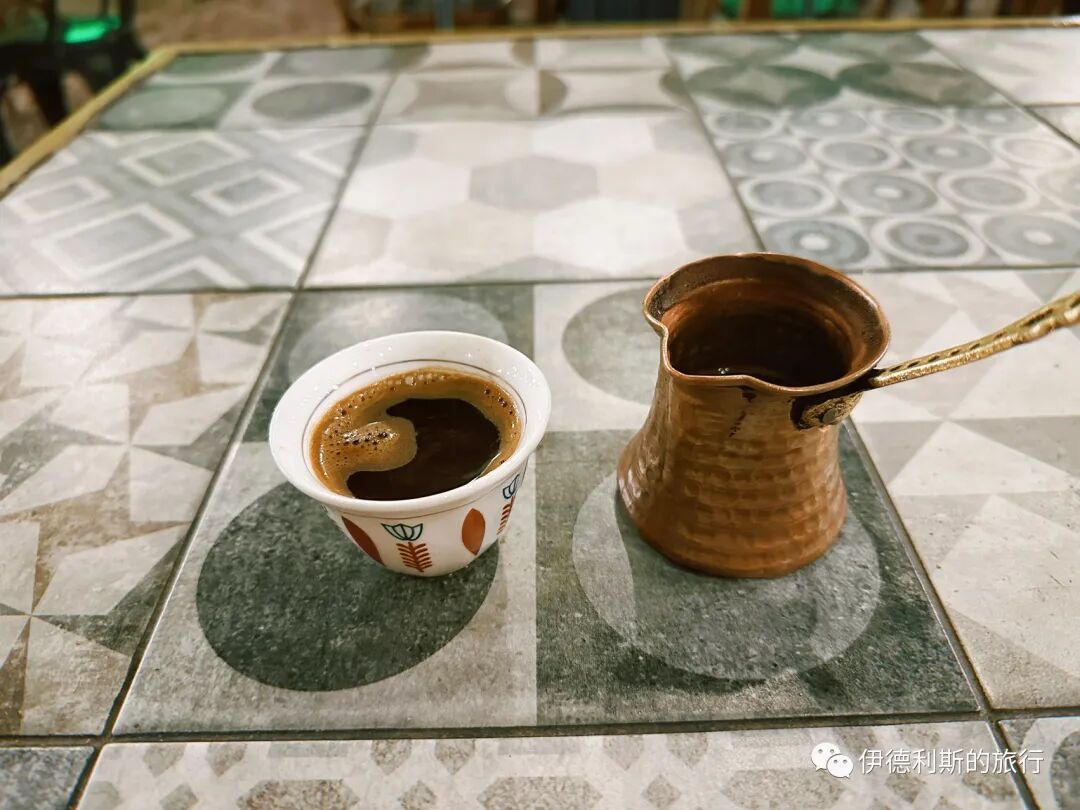
We also drank Lebanese coffee made from Arabica coffee beans and seasoned with cardamom. Arabica coffee is the first cultivated coffee variety. Its natural population is limited to southern Ethiopia and Yemen, where it plays an important role in Sufi practice. Yemeni Sufis use Arabica coffee to focus their minds during dhikr ceremonies and drink it to stay awake during night-time meditation. In the 15th century, coffee spread from the port of Mocha in Yemen to Egypt and Mecca, and soon reached the Levant under the Mamluk Sultanate.
Most early coffee-drinking Muslims were Sufis, while conservative orthodox scholars long rejected it because of its stimulating effects. In 1524, the Grand Mufti of the Ottoman Empire officially issued a fatwa allowing coffee consumption, and Arabica coffee quickly became popular across the Middle East.
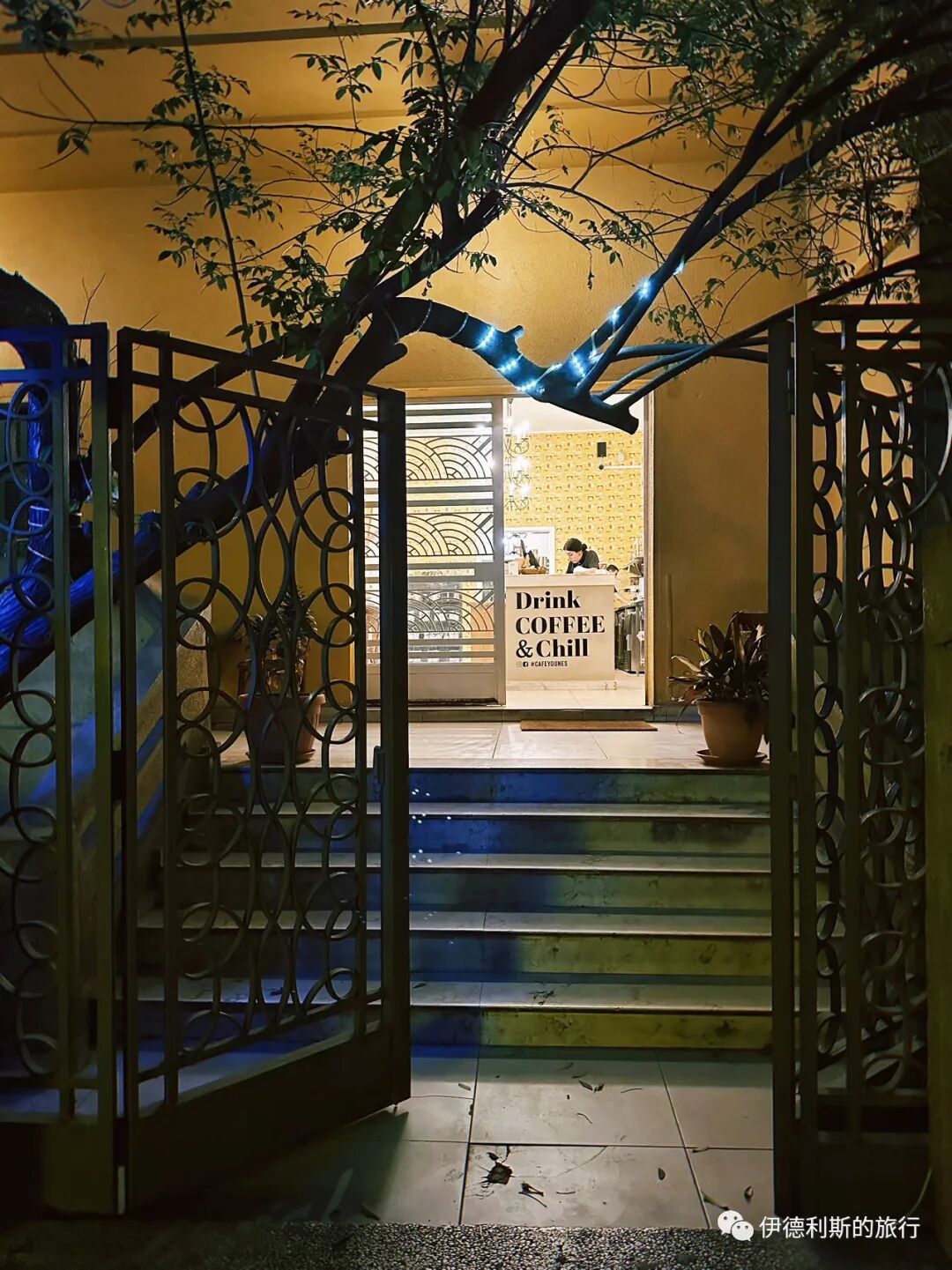
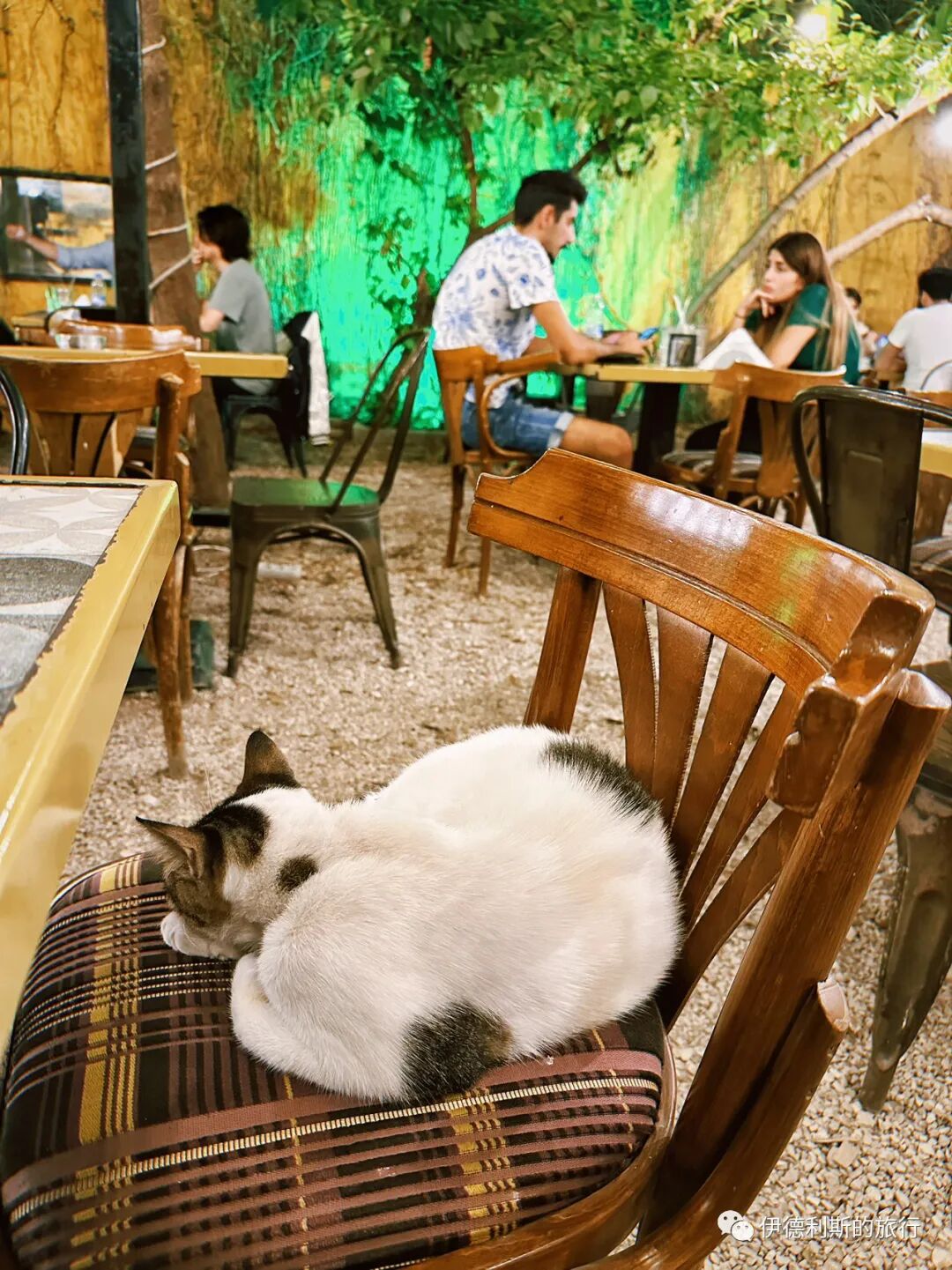
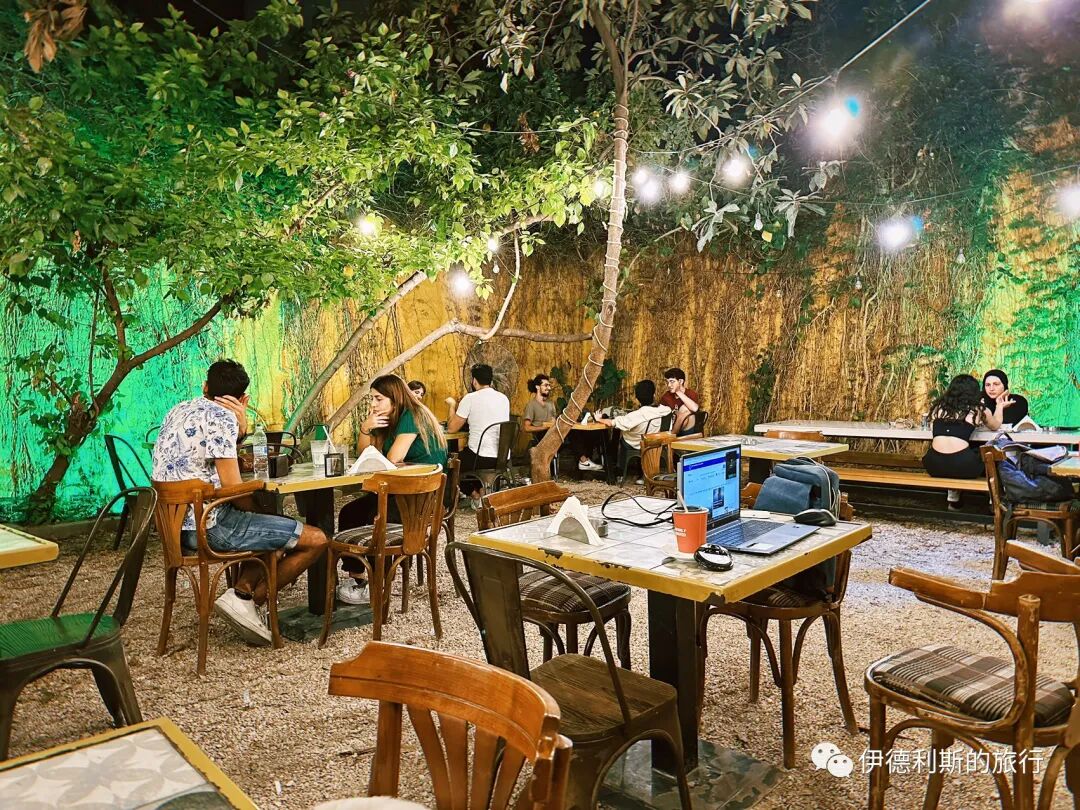
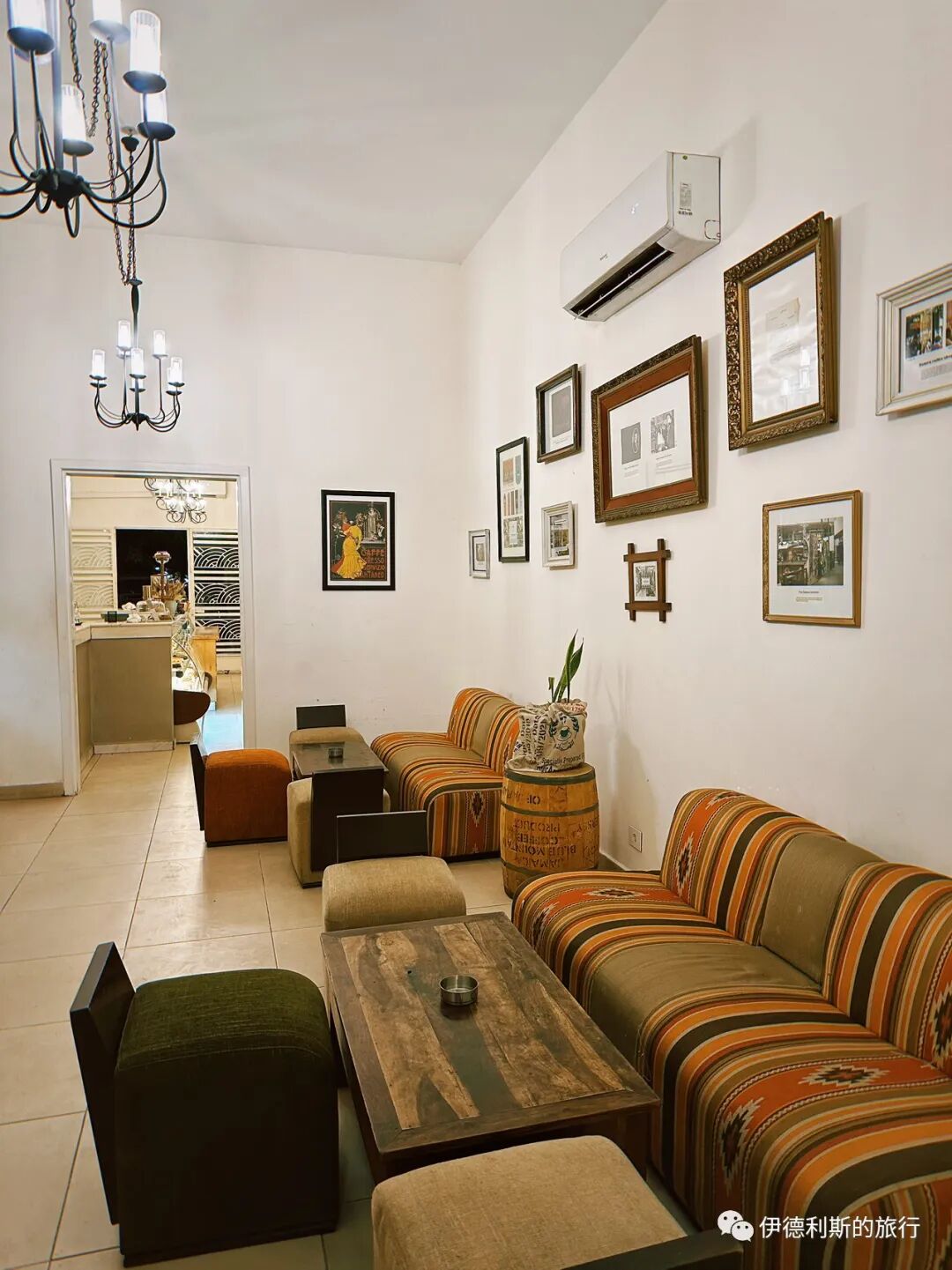
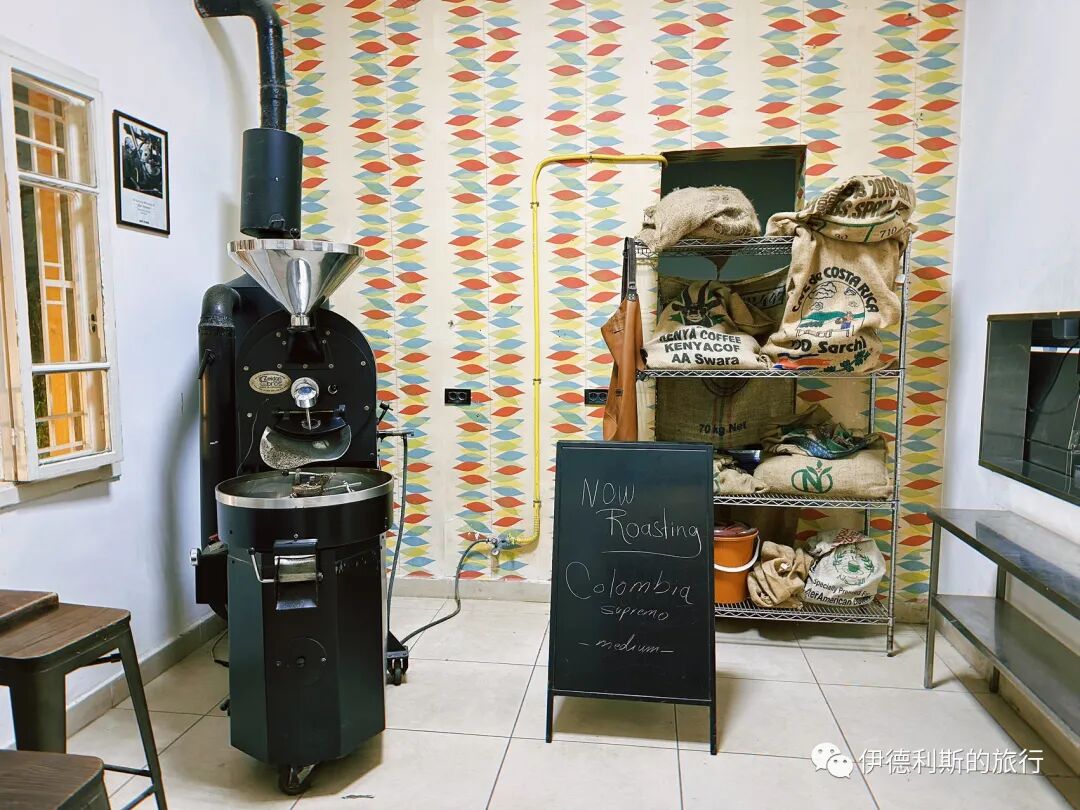
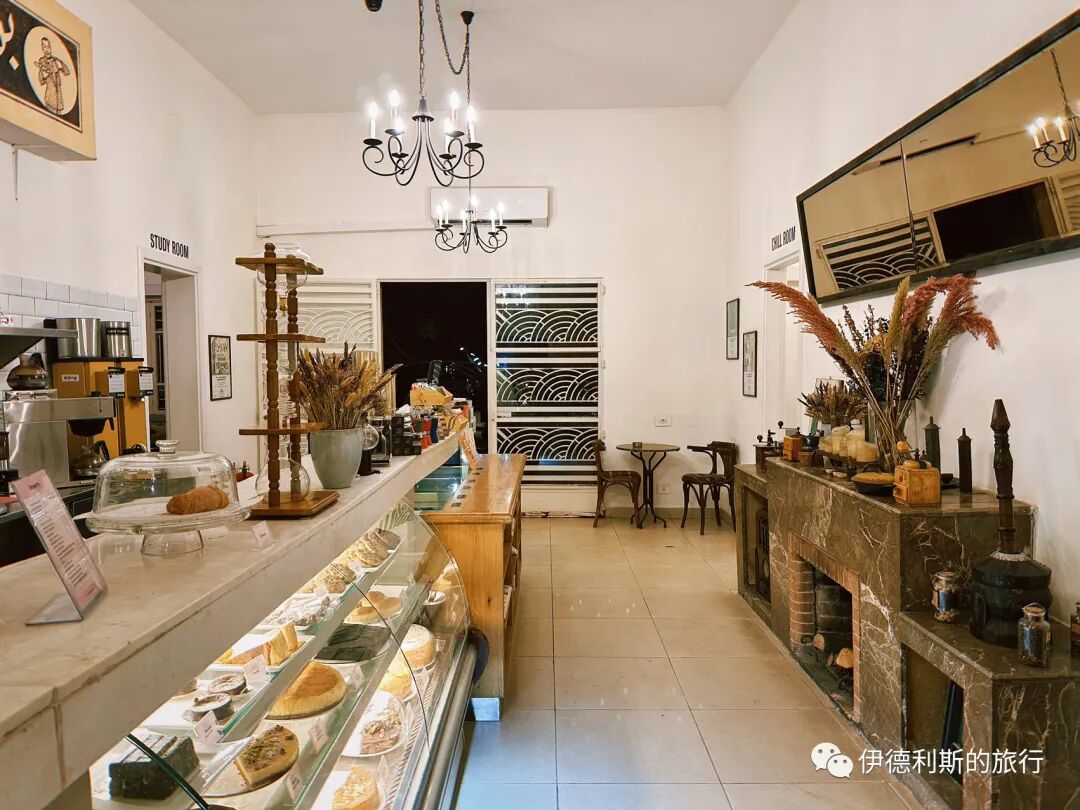
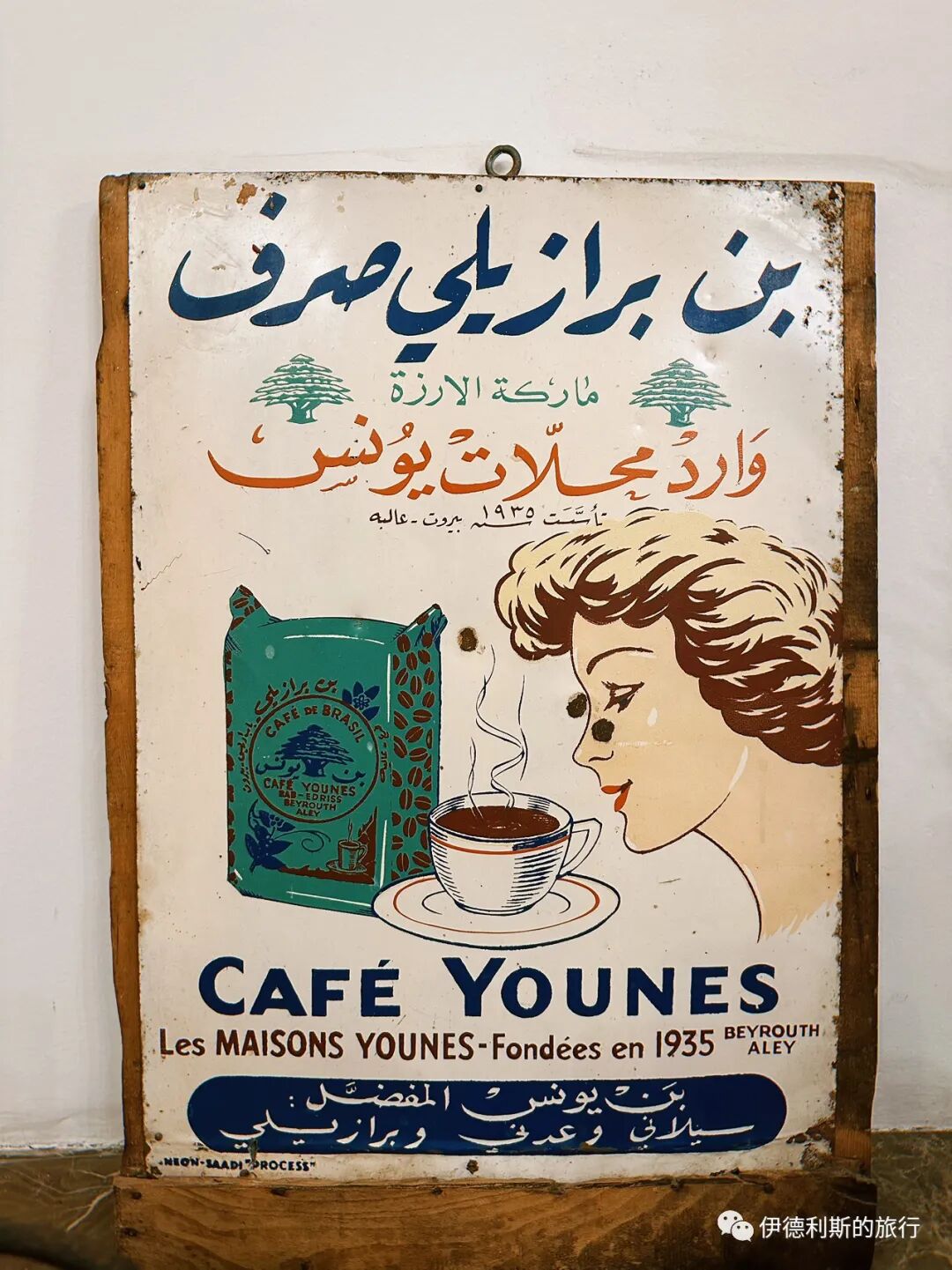
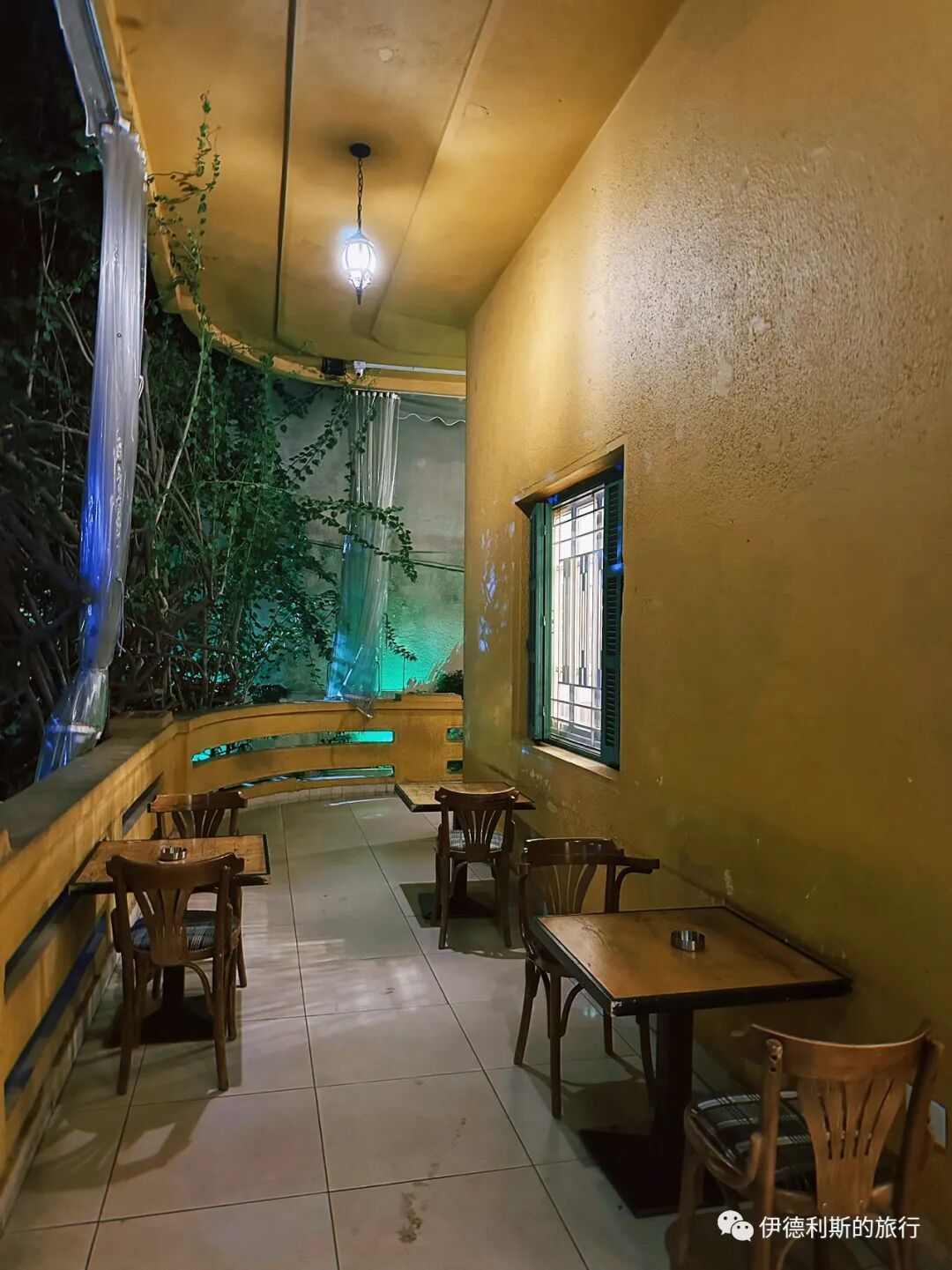
We spent the evening drinking coffee at the legendary Younes Coffee in the Hamra district of Beirut. The founder of Younes Coffee, Amin Younes Sr., immigrated to Brazil in 1894 and worked on a Brazilian coffee tycoon's plantation for 20 years. Amin returned to Lebanon in 1935 and opened the first Younes Coffee in downtown Beirut. During World War II, the Lebanese currency crashed and wiped out most of Amin's savings, but he managed to pull through. In 1960, Amin's son Souheil joined the family business and helped his father open the first Younes Coffee branch in the Hamra district, which was one of the first cafes in Lebanon to buy an espresso machine. The original Younes Coffee in downtown Beirut was destroyed during the Lebanese Civil War in 1975, leaving only the Hamra branch.
Abou Anwar worked at Younes Coffee for 60 years starting in 1954. He was the cafe's most senior master roaster, and his expert roasting skills attracted a large group of loyal customers. The coffee I ordered was the Abou Anwar Blend, named after him and mixed with his favorite fruits and spices.
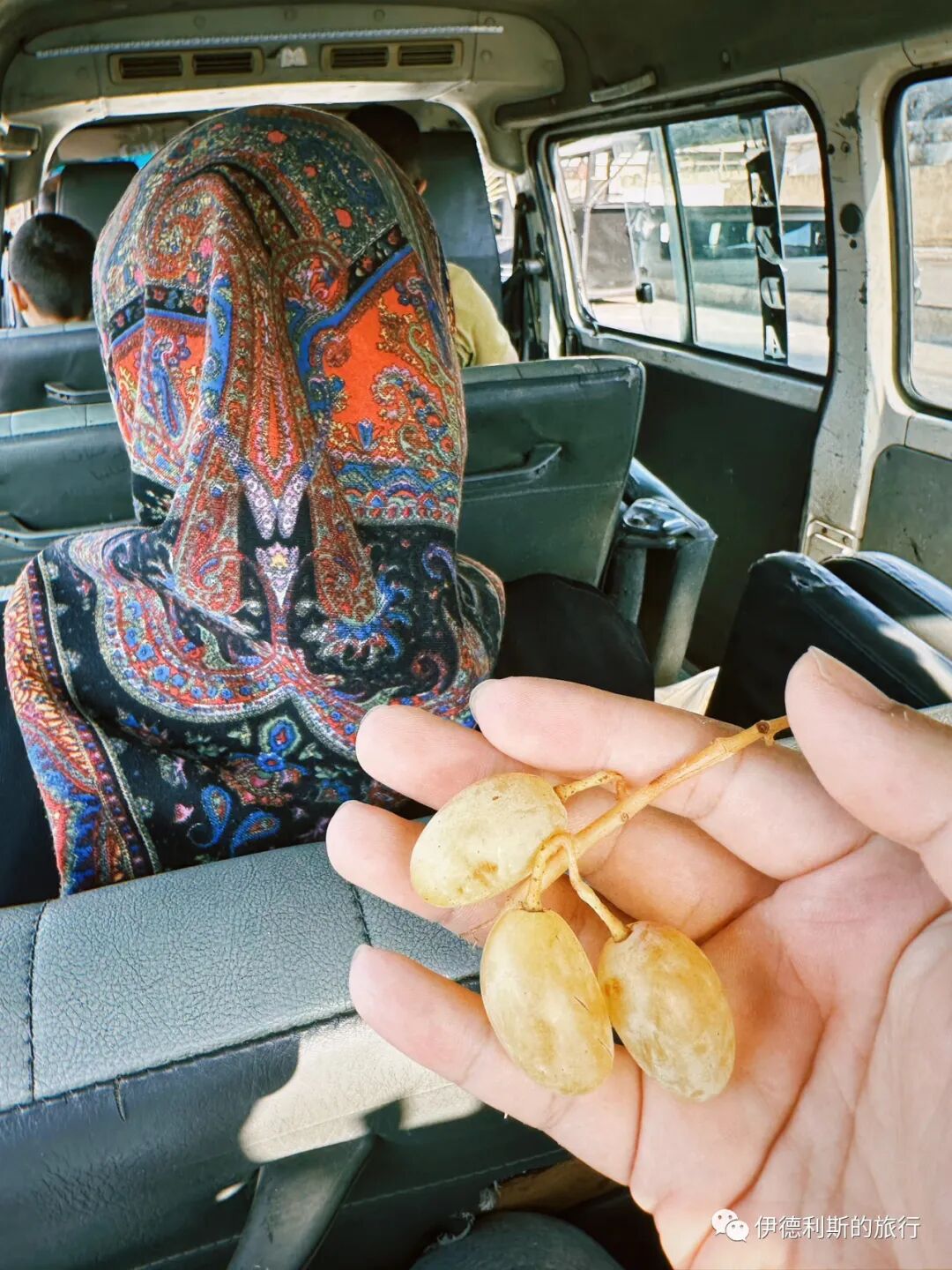
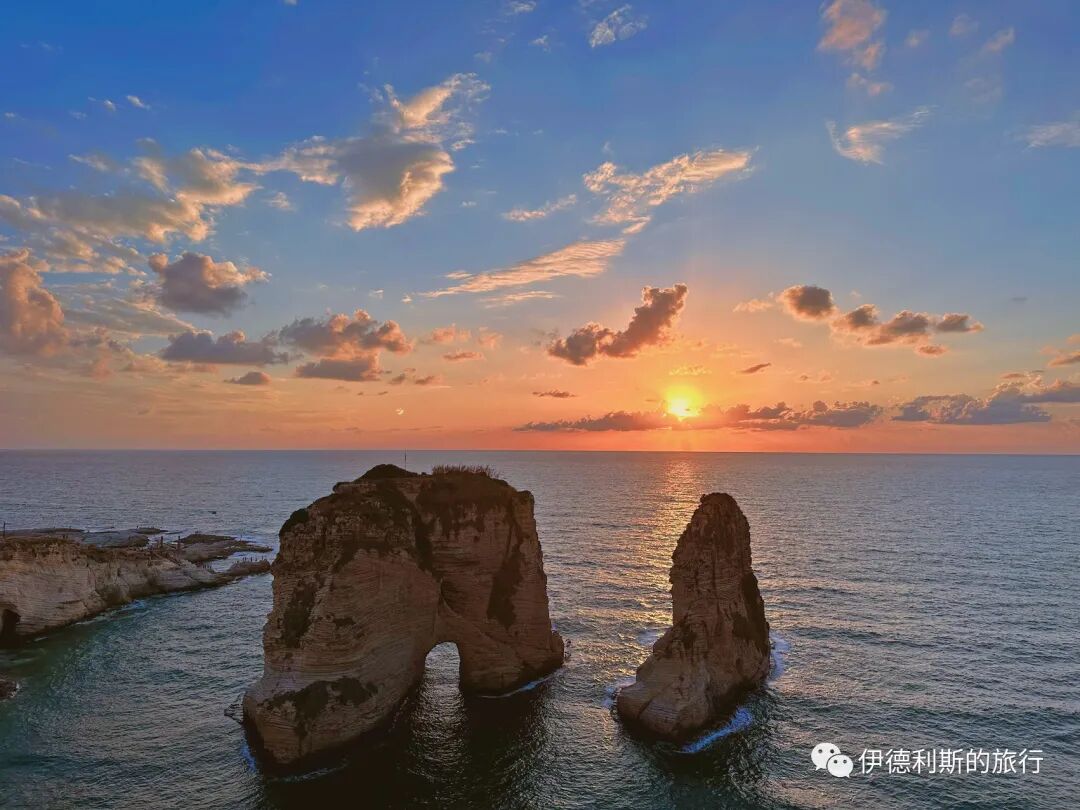
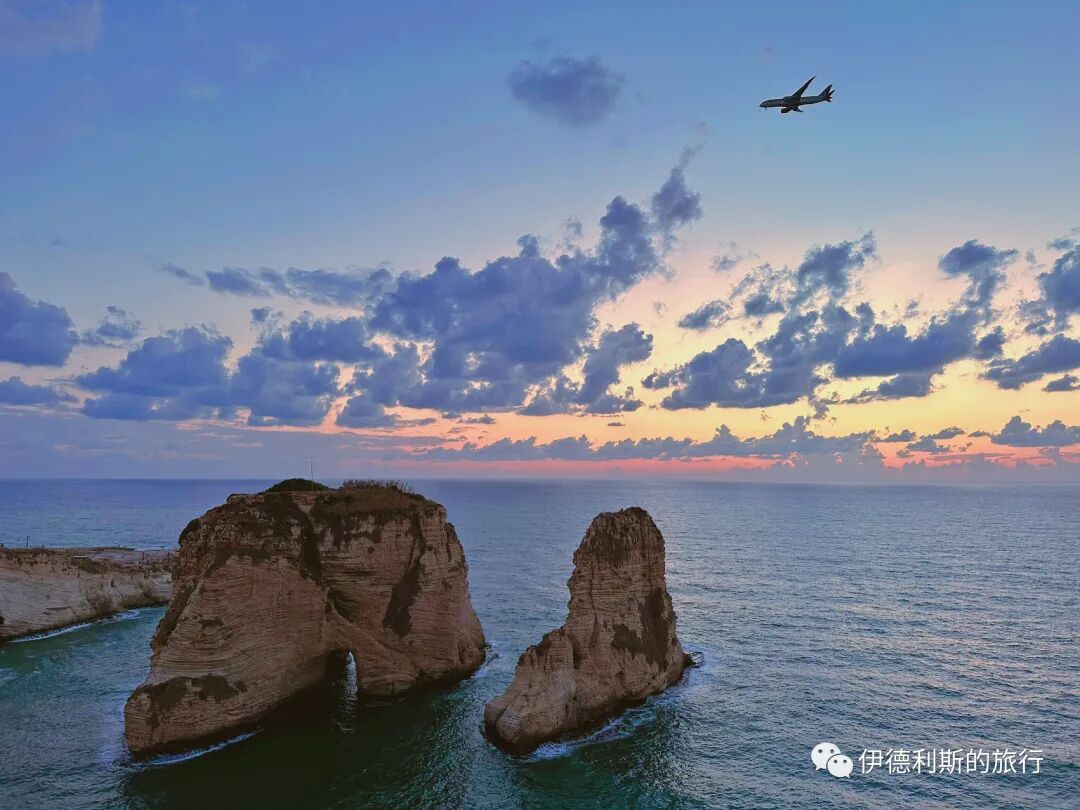
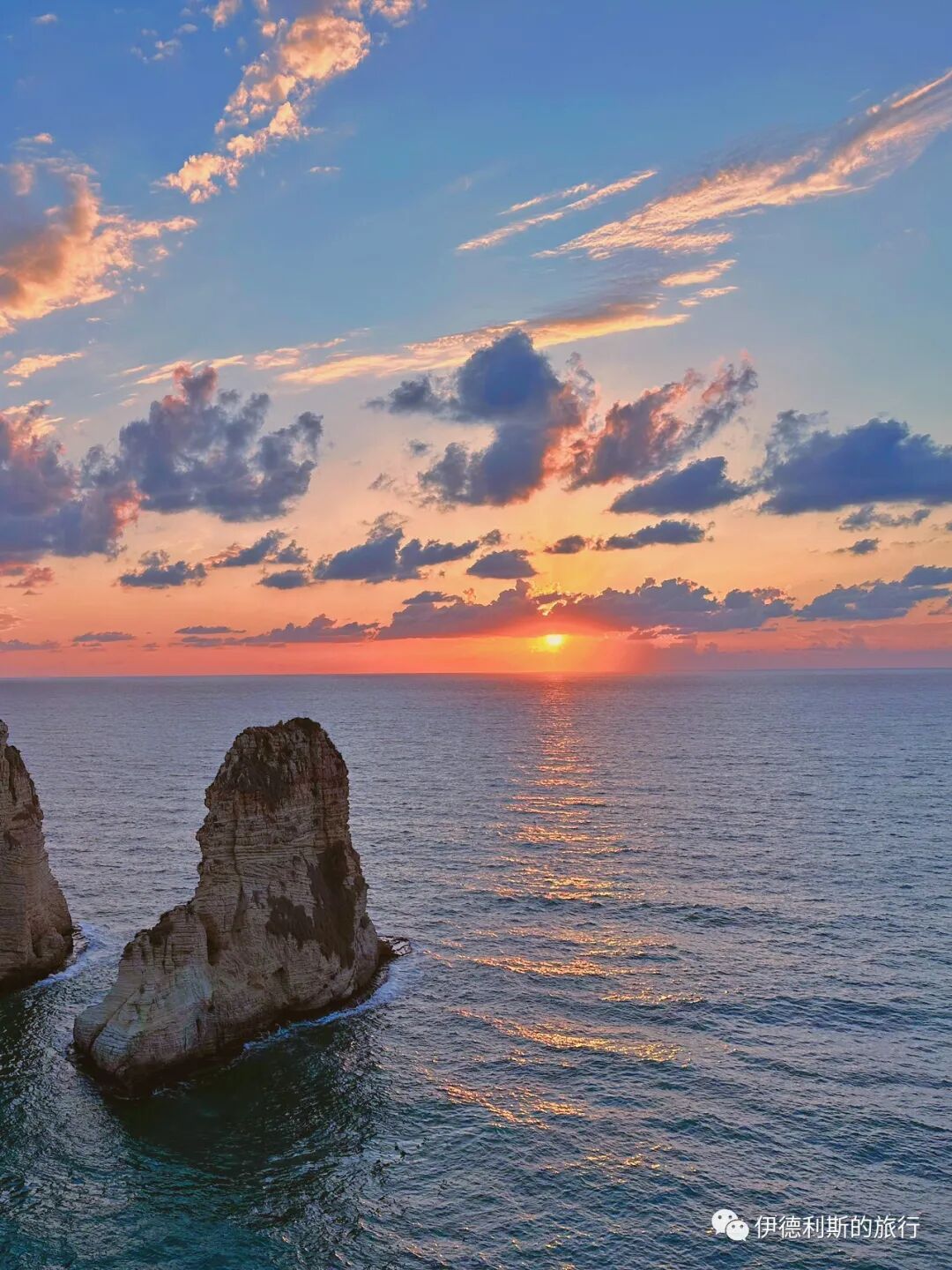
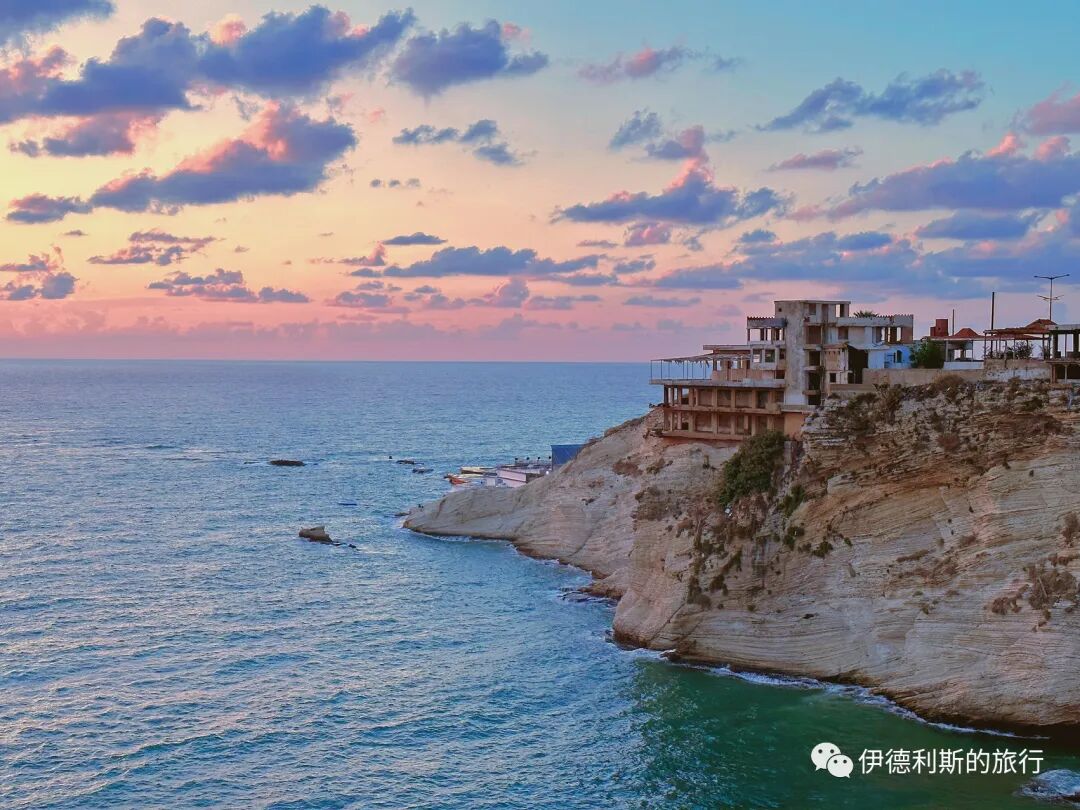
I also made the classic trip to see the sunset at Pigeon Rocks, the most famous landmark in Beirut. I want to start by saying how kind the people we met in Beirut were. First, a Palestinian refugee grandmother offered us grapes. Then, on our way to Pigeon Rocks, a fellow Muslim (dosti) kindly showed us the way. The dosti even took us on a bus to find the right spot to wait for the bus to Pigeon Rocks. Lebanese buses do not have bus stops, so you can just wave one down anywhere along the road. Our dosti seemed more worried about the bus than we were. He waited with us and only waved goodbye after he made sure we were on the bus. He did not ask for a single cent. This dosti was the complete opposite of the tricycle driver who tried to rip us off on the way to the ancient city of Anjar.
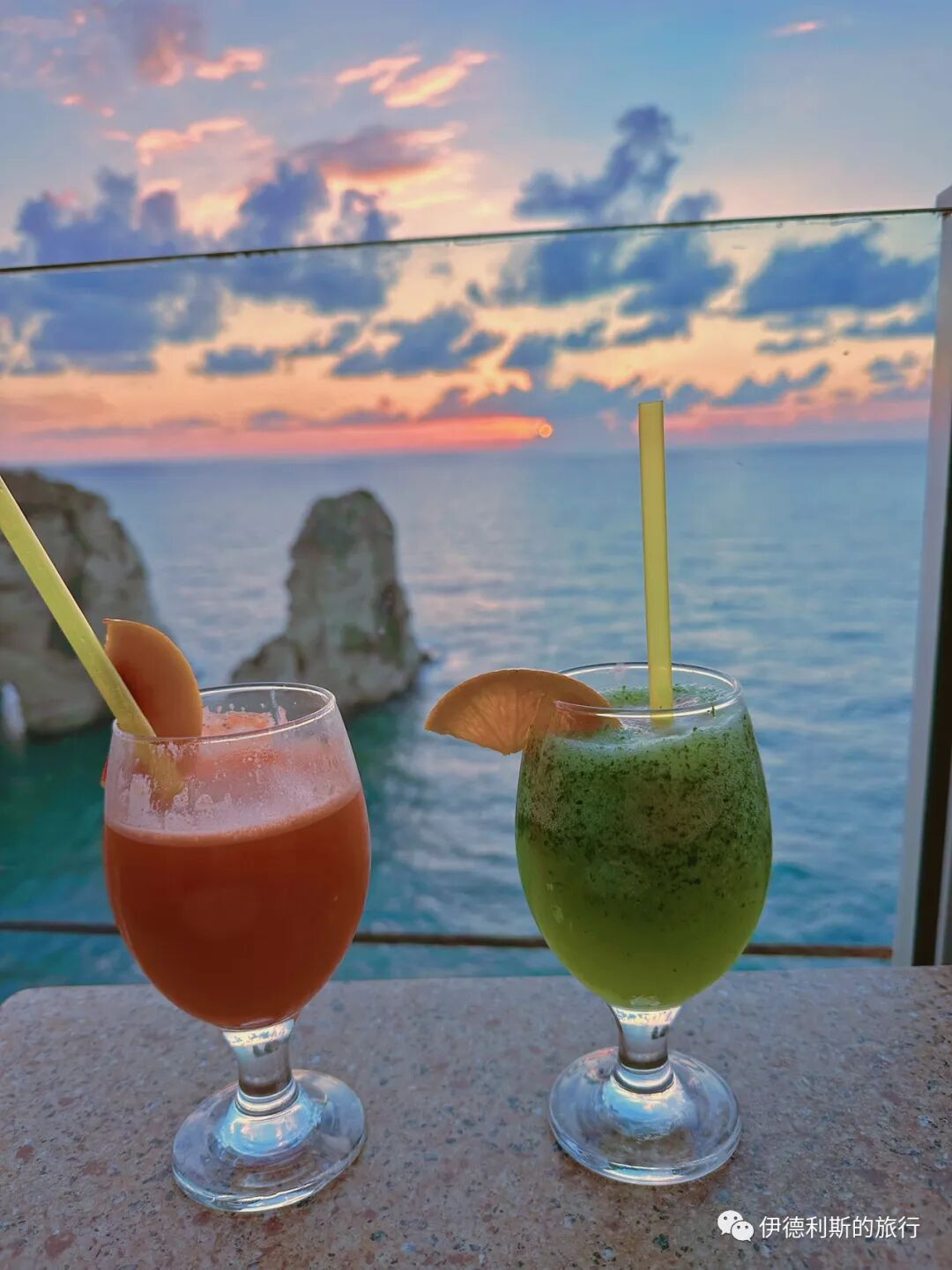
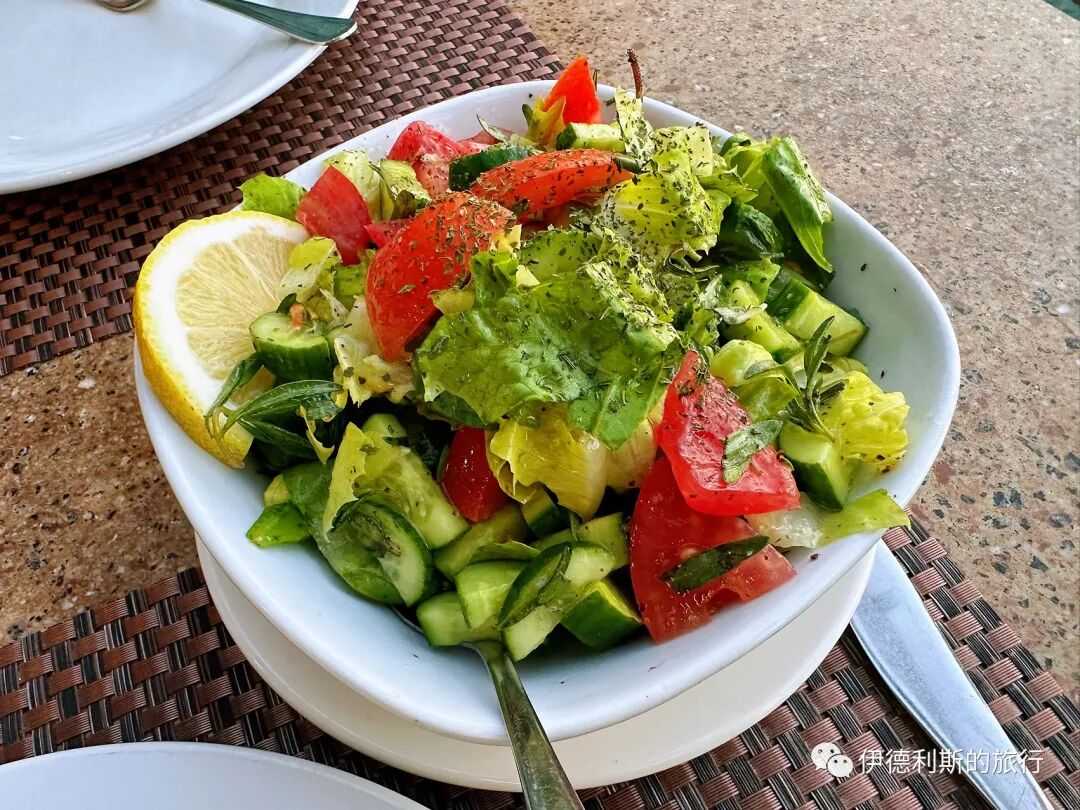
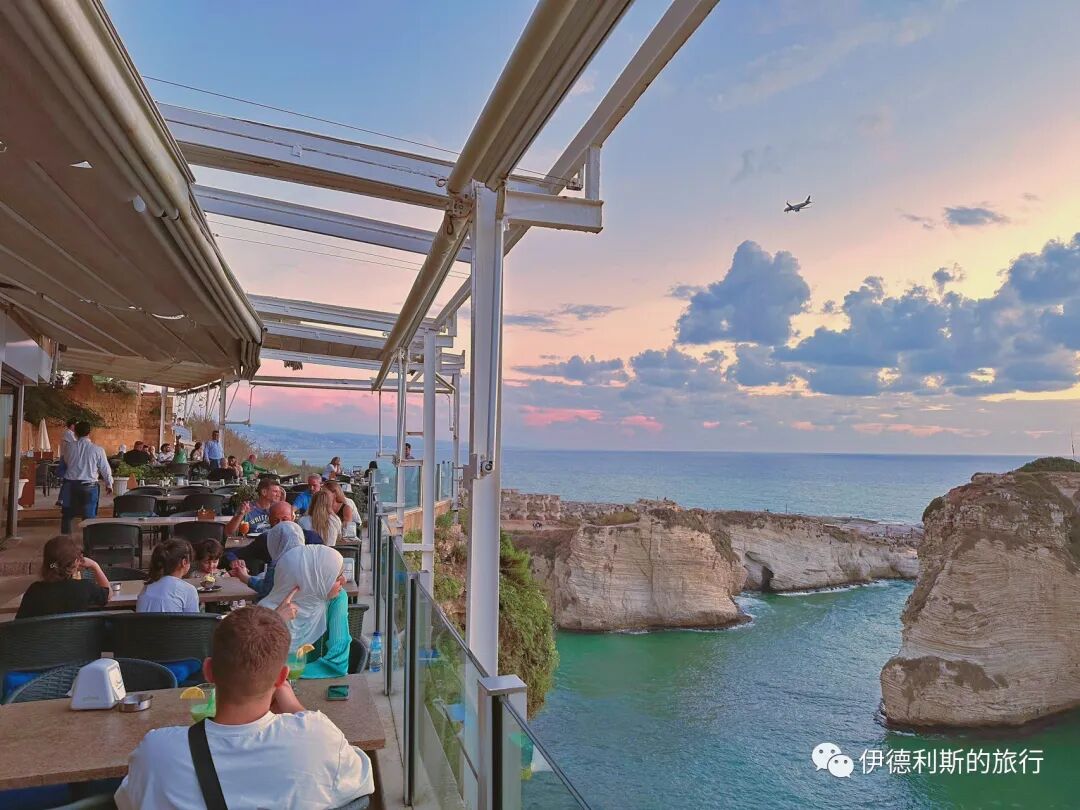
There is a row of cafes next to Pigeon Rocks. From the Bay Rock Cafe in the south to the Starbucks in the north, they are all classic spots to watch the sunset. Even though many people post about this place online, it was not actually very crowded in the cafes. It was very relaxing. We ordered two juices and a salad at the Bay Rock Cafe and spent a romantic and wonderful evening there.
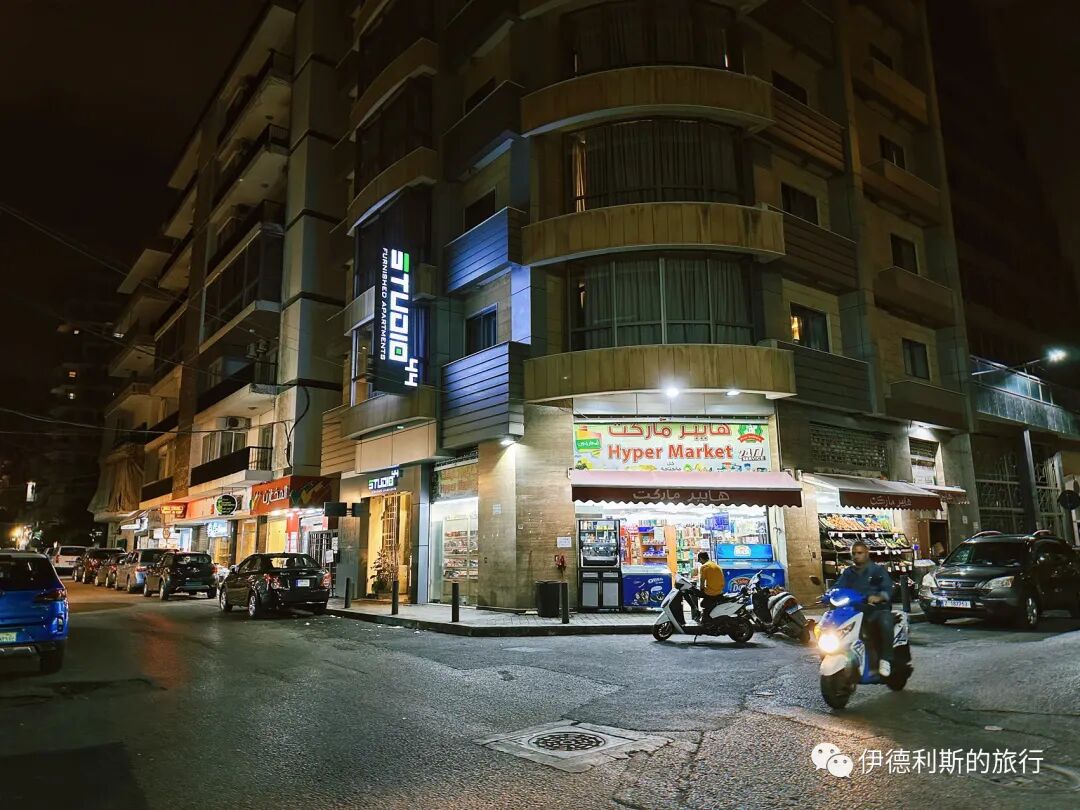
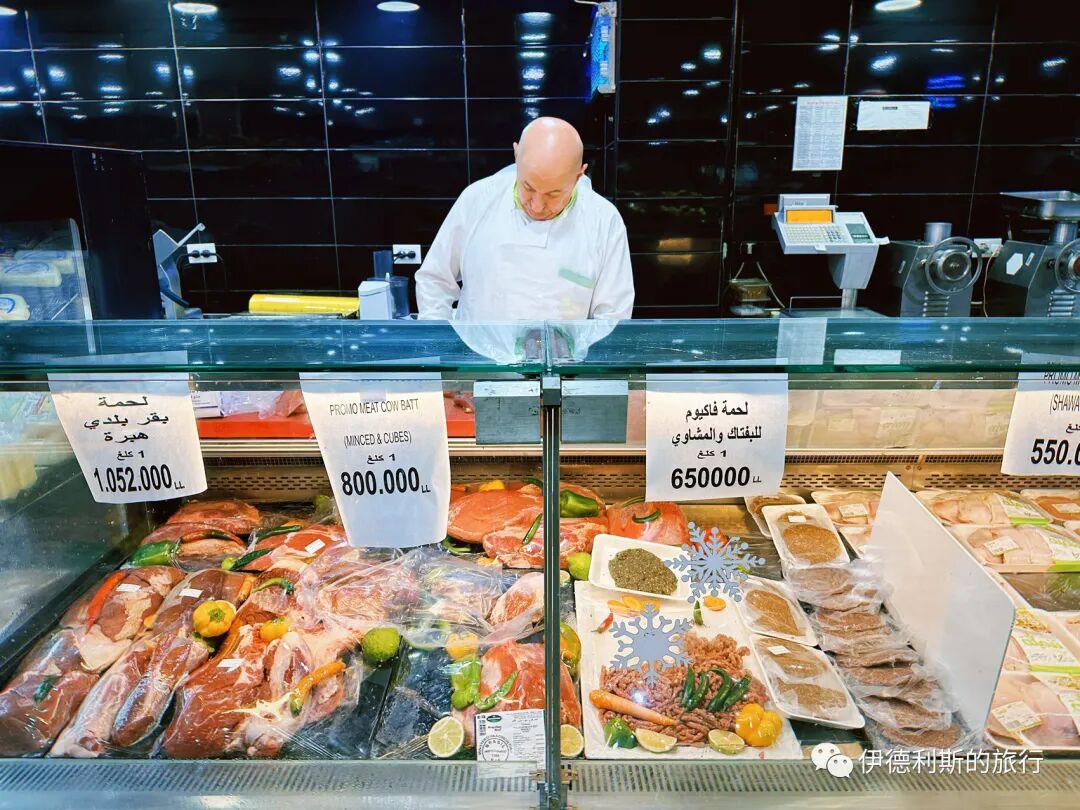
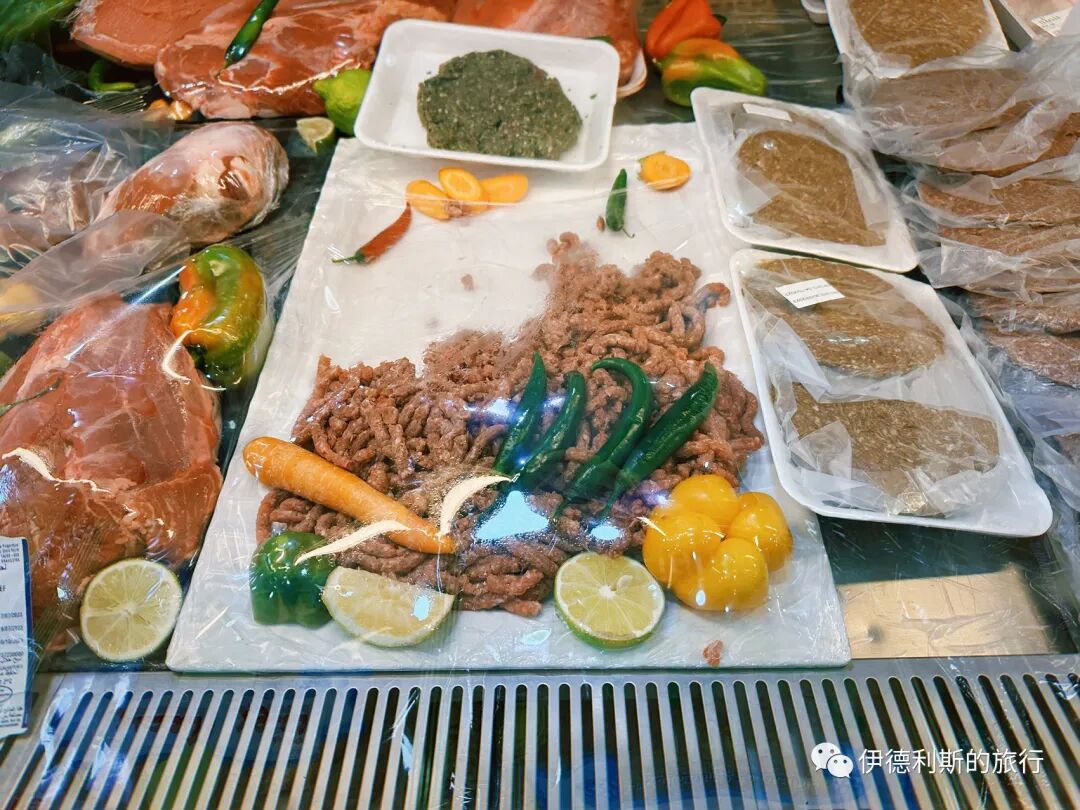
Supermarkets in downtown Beirut have all kinds of olives. They sell meat together with side dishes here, which feels very convenient.
We flew from Istanbul to Beirut, dropped our bags at the hotel, and headed straight to Downtown Beirut. After the 2020 explosion, the military took over this area. The once-busy streets are now almost empty, like a ghost town. Roadblocks guard every entrance, soldiers stand watch, and windows and doors are shattered. The Beirut Souks shopping district, once packed with people, has almost no open shops and only a few people walking around.
After the Lebanese Civil War began in 1975, downtown Beirut became a no-man's-land known as the Green Line. It suffered heavy damage and reconstruction did not start until 1994. Because of political instability, the rebuilding took many years, and the Beirut Souks shopping district did not officially open until 2009.
At the entrance to the Beirut Souks stands the Zawiyat Ibn Arraq, the only remaining Mamluk-era building in Beirut. Religious authority Ibn 'Arraq Al-Dimashqi from Damascus built this structure in 1517, originally as a hospice. After Ibn 'Arraq passed away in 1526, the site became a school for Islamic law and a zawiya (small Sufi lodge) for his followers. The remaining vaulted building once connected to other courtyards and rooms.
In the evening, I went to the Mohammad Al-Amin Mosque in downtown Beirut. Former Lebanese Prime Minister Rafic Hariri funded this mosque, which was built in the Ottoman style between 2002 and 2008. It is currently the largest mosque in Lebanon.
This is a Sunni mosque, and there were not many people there for namaz. I chatted with an older man for a while. He said the Sunni community in Beirut is not strong enough and suggested I visit Tripoli in the north, calling it a powerful Sunni city. In fact, Lebanon's Sunni population is mainly concentrated in the north, led by Tripoli, and in the eastern Bekaa Valley. In the capital, Beirut, the northwest is mainly Sunni, the southwest is mainly Shia, and the east is mainly Christian. During the civil war, the Mohammad Al-Amin Mosque stood near the dividing line between the Muslim and Christian quarters. This dividing line was called the Green Line because weeds and trees grew over it when no one lived there during the war. It was once full of militia checkpoints and snipers, and many buildings were severely damaged.
After we came down from the prayer hall, Zainab happened to be interviewed by a local reporter, which was quite a special experience.
Guided by the reporter, we went to the Mawlid carnival held in the basement of the Mohammad Al-Amin Mosque. This was my first time attending such a colorful Mawlid event abroad. The stalls inside were dazzling and diverse. There were children singing praises to the Prophet, educational games, introductions to the Al-Aqsa Mosque in Jerusalem, Arabic calligraphy displays, and various traditional snacks. The children were having so much fun they did not want to leave.
I did not expect to encounter such a magical scene on my first night in Lebanon. Upstairs was a deserted ghost town, while downstairs was a lively Mawlid celebration. It felt like a glimpse into the current state of a conflicted Lebanon.
After leaving the Mohammad Al-Amin Mosque, we went to the nearby Emir Assaf Mosque to participate in the praise of the Prophet, which was also part of the Mawlid activities. Twelve men in formal attire sat on the east side of the main hall, chanting praises to the Prophet in unison, with drums accompanying some of the passages. Their voices were deep, loud, and very powerful.
The Emir Assaf Mosque was built in the late 16th century by the Emir rulers of the local Lebanese Assaf dynasty (1306-1591). The Emir's palace and gardens once stood next to the mosque.
The Assaf dynasty was a Sunni Turkmen dynasty. In 1306, the Turkmen tribe led by the Assaf family was sent by the Mamluk governor of Damascus to suppress a rebellion north of Beirut. Later, the Mamluk dynasty appointed them to guard the coastal area north of Beirut and manage the local Shia residents. After the Ottoman Empire seized the Levant from the Mamluk dynasty in 1516, they appointed the Assaf family as the main agents for the Beirut and Tripoli regions. The Assaf dynasty attracted Maronite Christians to settle in northern Beirut by lowering taxes and housing prices to balance the local Sunni and Shia populations. In 1579, the Ottoman Empire established the Tripoli Eyalet to keep the Assaf dynasty in check. In 1591, the last Assaf Emir was shot to death on the orders of the Ottoman governor of Tripoli, marking the end of the Assaf dynasty.
I performed the night prayer (isha) at the Great Mosque of Al-Omari next to the Emir Assaf Mosque. There were very few people inside, and it felt as if time had stood still.
The Great Mosque of Al-Omari was reportedly founded in 635 during the reign of Caliph Umar, and in 1150, the Crusaders built a Romanesque Church of St. John here. After the Mamluk dynasty captured Tripoli in 1291, they converted it into a grand mosque, and in 1350, they added a Mamluk-style gate and minaret. During the French mandate of Lebanon from 1923 to 1946, the street-facing facade of the Great Mosque of Al-Omari was redesigned to match the architectural style of downtown Beirut, and a portico was added. The Great Mosque of Al-Omari suffered severe damage during the Lebanese Civil War, and renovations were completed in 2004.
I had dinner at T-Marbouta, a famous local restaurant in the Hamra district of Beirut. I ordered kibbeh mloukiyeh, hommos moutammam, and grilled meat, and drank herbal tea and mint tea. Kibbeh is a fried ball made of cracked wheat and minced lamb, a classic appetizer in the Levant region. The one I ate was topped with mloukiyeh (jute leaves), eggplant, walnuts, and pomegranate. Hommos is another classic Levantine appetizer made of mashed chickpeas.
Hamra is a lively and trendy neighborhood in Beirut near the American University. It is full of young people and has long been the cultural center of Beirut. The environment here is relatively nice, making it a good place for shopping in Beirut.
I stayed at the Serenada Golden Palace hotel in the heart of the Hamra district during this trip to Beirut. The hotel lobby is gorgeous and classic, reminding people of the prosperity and beauty of Beirut in the past. At the same time, opening the window in my room reveals buildings damaged by war, which immediately pulls you back to reality.
The hotel breakfast is quite rich, with all kinds of cheeses and a variety of fruits and vegetables, making it very healthy.
Compared to the empty downtown area of Beirut, the seaside promenade to the north is very lively. The Zaitunay Bay area, in particular, is full of cafes and Western-style restaurants, where many young people take photos and drink coffee. The Beirut Corniche was first built in the 1920s during the French Mandate. To boost tourism, the French expanded the seaside embankment into a wide walkway, planted palm trees, and built several chic hotels.
The most famous spot on the Corniche is the legendary St. Georges Hotel (Hotel St. Georges) shown in picture 3, which became a landmark of the Beirut waterfront after the French built it in 1934. The hotel was in its prime from the 1960s to the early 1970s, hosting many celebrities including film stars Brigitte Bardot, Marlon Brando, and Elizabeth Taylor, as well as King Hussein of Jordan and the last Shah of Iran, Mohammad Reza Pahlavi. The hotel closed when the civil war began in 1975, and soon after, intense fighting known as the 'Battle of the Hotels' broke out as various factions fought for control, leaving the building severely damaged; the Syrian army later occupied it until 1990. Lebanon began rebuilding downtown Beirut in 1994, but restoration work on the hotel stalled for years due to conflicts between the construction company and the owners; just as repairs started in 2005, the assassination of Lebanese Prime Minister Hariri occurred, and a bomb blast in front of the hotel caused heavy damage, causing work to stop again. Today, the St. Georges Yacht Club operates the hotel's outdoor restaurant and swimming pool, but the hotel building remains empty, keeping its war-torn appearance.
Continuing west is Paris Avenue, lined with tall palm trees, where many people walk or jog by the Mediterranean Sea, and others relax while smoking shisha. During the civil war, this area was buried under piles of trash and called the 'Normandy Dump,' but post-war reconstruction has restored the Corniche landscape. Even now, you can still imagine the intensity of the war by looking at some of the palm trees that are still covered in bullet holes.
Fast food in the Hamra district of Lebanon, where I had steak and fried chicken. There are many young people here and a wide variety of restaurants, including Chinese and Japanese food. Because the power supply is unstable, shops here suddenly go dark from time to time, but everyone except us stays very calm, waiting for the power to come back on by itself. I think it must be hard to use a desktop computer without a battery in Beirut, so everyone definitely chooses laptops.
I ate at Zaatar w Zeit, a famous Lebanese fast-food chain in the Hamra district, which specializes in Levantine-style flatbread (manakish) and serves very healthy food.
Manakish is a traditional bread that originated with the ancient Phoenicians; it can be topped with a spice blend (zaatar), cheese, or minced lamb. We ate the kind with zaatar, a unique mix of thyme, sumac, oregano, marjoram, and sesame seeds.
We also drank Lebanese coffee made from Arabica coffee beans and seasoned with cardamom. Arabica coffee is the first cultivated coffee variety. Its natural population is limited to southern Ethiopia and Yemen, where it plays an important role in Sufi practice. Yemeni Sufis use Arabica coffee to focus their minds during dhikr ceremonies and drink it to stay awake during night-time meditation. In the 15th century, coffee spread from the port of Mocha in Yemen to Egypt and Mecca, and soon reached the Levant under the Mamluk Sultanate.
Most early coffee-drinking Muslims were Sufis, while conservative orthodox scholars long rejected it because of its stimulating effects. In 1524, the Grand Mufti of the Ottoman Empire officially issued a fatwa allowing coffee consumption, and Arabica coffee quickly became popular across the Middle East.
We spent the evening drinking coffee at the legendary Younes Coffee in the Hamra district of Beirut. The founder of Younes Coffee, Amin Younes Sr., immigrated to Brazil in 1894 and worked on a Brazilian coffee tycoon's plantation for 20 years. Amin returned to Lebanon in 1935 and opened the first Younes Coffee in downtown Beirut. During World War II, the Lebanese currency crashed and wiped out most of Amin's savings, but he managed to pull through. In 1960, Amin's son Souheil joined the family business and helped his father open the first Younes Coffee branch in the Hamra district, which was one of the first cafes in Lebanon to buy an espresso machine. The original Younes Coffee in downtown Beirut was destroyed during the Lebanese Civil War in 1975, leaving only the Hamra branch.
Abou Anwar worked at Younes Coffee for 60 years starting in 1954. He was the cafe's most senior master roaster, and his expert roasting skills attracted a large group of loyal customers. The coffee I ordered was the Abou Anwar Blend, named after him and mixed with his favorite fruits and spices.
I also made the classic trip to see the sunset at Pigeon Rocks, the most famous landmark in Beirut. I want to start by saying how kind the people we met in Beirut were. First, a Palestinian refugee grandmother offered us grapes. Then, on our way to Pigeon Rocks, a fellow Muslim (dosti) kindly showed us the way. The dosti even took us on a bus to find the right spot to wait for the bus to Pigeon Rocks. Lebanese buses do not have bus stops, so you can just wave one down anywhere along the road. Our dosti seemed more worried about the bus than we were. He waited with us and only waved goodbye after he made sure we were on the bus. He did not ask for a single cent. This dosti was the complete opposite of the tricycle driver who tried to rip us off on the way to the ancient city of Anjar.
There is a row of cafes next to Pigeon Rocks. From the Bay Rock Cafe in the south to the Starbucks in the north, they are all classic spots to watch the sunset. Even though many people post about this place online, it was not actually very crowded in the cafes. It was very relaxing. We ordered two juices and a salad at the Bay Rock Cafe and spent a romantic and wonderful evening there.
Supermarkets in downtown Beirut have all kinds of olives. They sell meat together with side dishes here, which feels very convenient.
