
Halal Travel Guide: Urumqi - Spring Festival, Hui Muslims and Jumuah
Reposted from the web
Summary: This Urumqi article records Hui Muslim life during the Spring Festival, including nianye, luohuali, Jumuah prayer, and visiting relatives and friends. It preserves the original religious customs, family scenes, food details, and community observations in natural English.
Night of Prayer (nianye).
During the 2024 Spring Festival holiday, I took Suleiman to visit his grandparents (anai aye) in Urumqi, just in time for the noble month of Sha'ban (the eighth month of the Islamic calendar). The evening of the 15th day of the eighth month is the Night of Bara'at, which means the Night of Atonement. On this night, the two angels on our shoulders replace the scrolls that record our good and bad deeds for the year. They seal the old scrolls and open new ones, which serve as evidence for questioning when we enter the afterlife, so it is also called the Night of Exchanging Scrolls. In the traditions of Hui Muslims in some regions, when the month of Sha'ban arrives, everyone takes turns inviting the imam and friends and family to their homes for a Night of Prayer. The main process includes reciting scriptures, praising the Prophet, performing repentance (tawbah), and asking for forgiveness for family members and the deceased. Afterward, everyone eats a rich meal to strengthen bonds, boost faith, and prepare for the noble month of Ramadan.
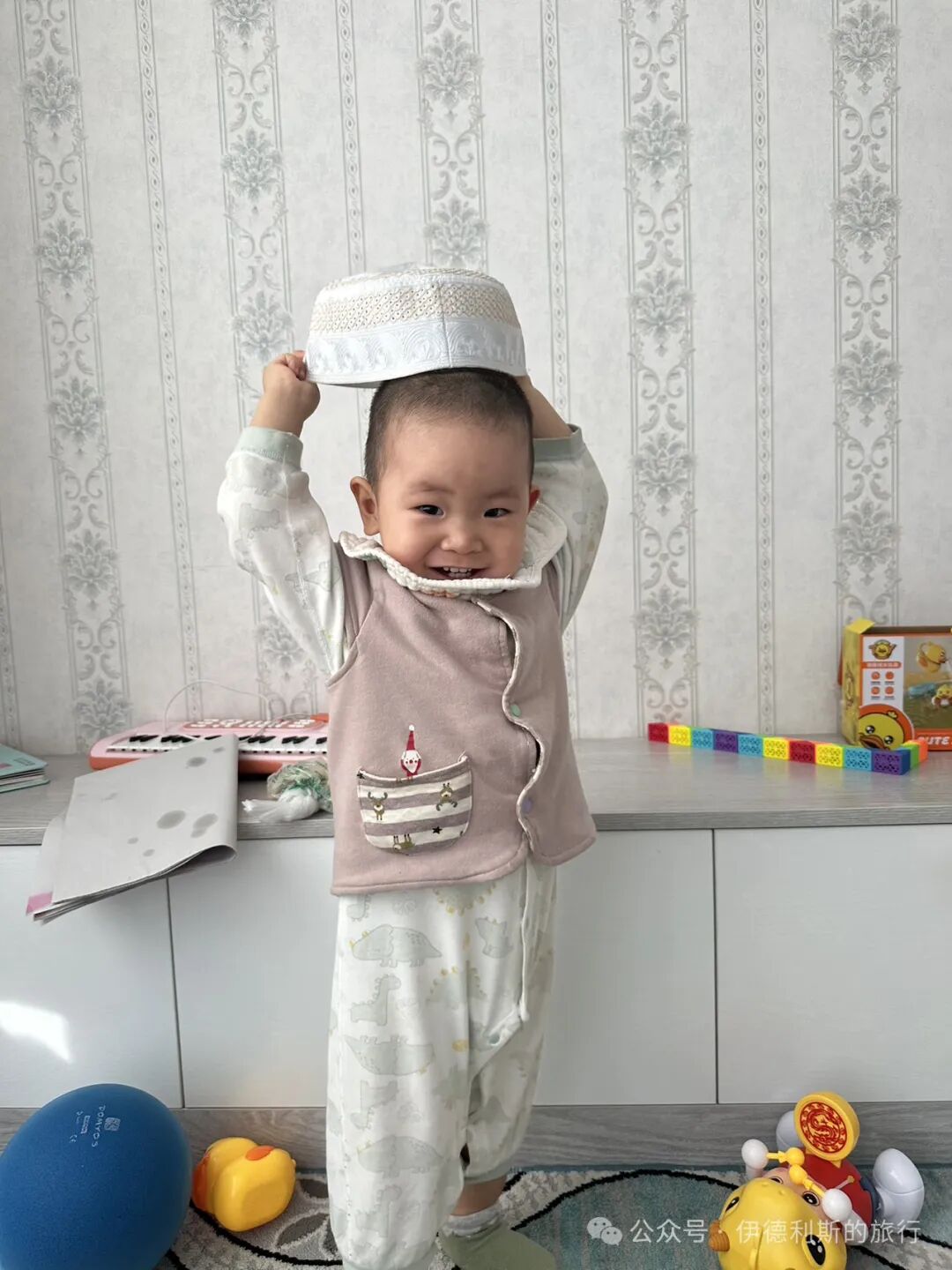
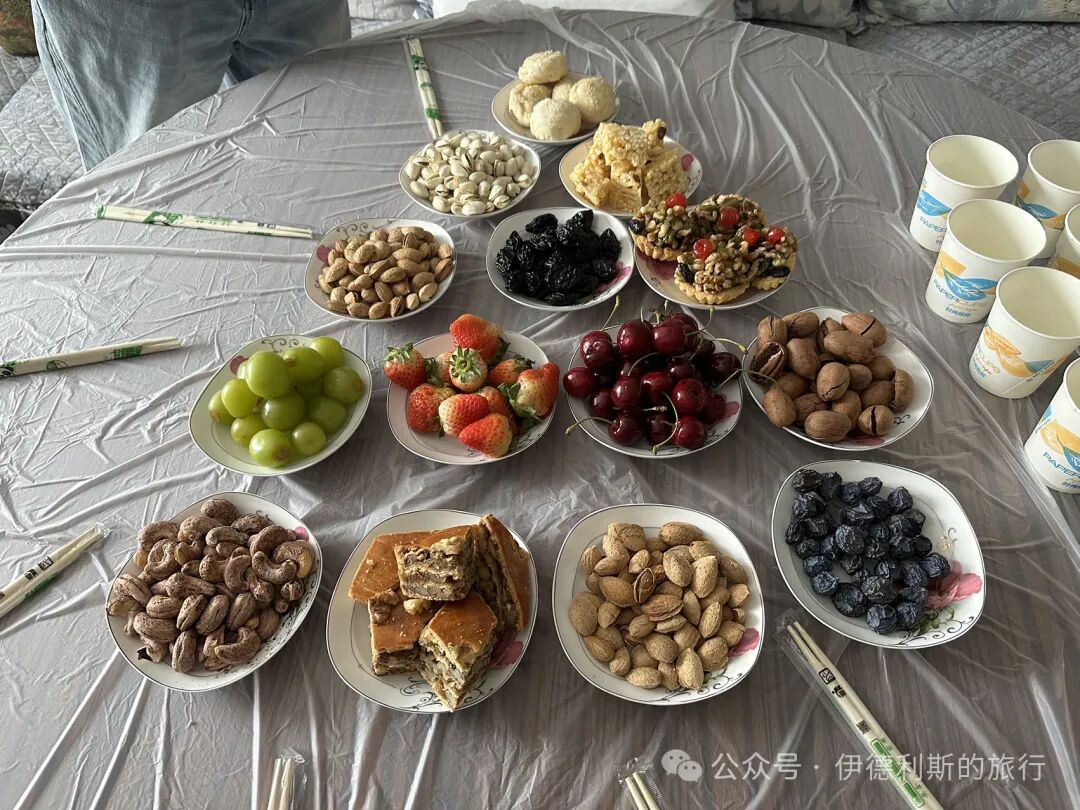
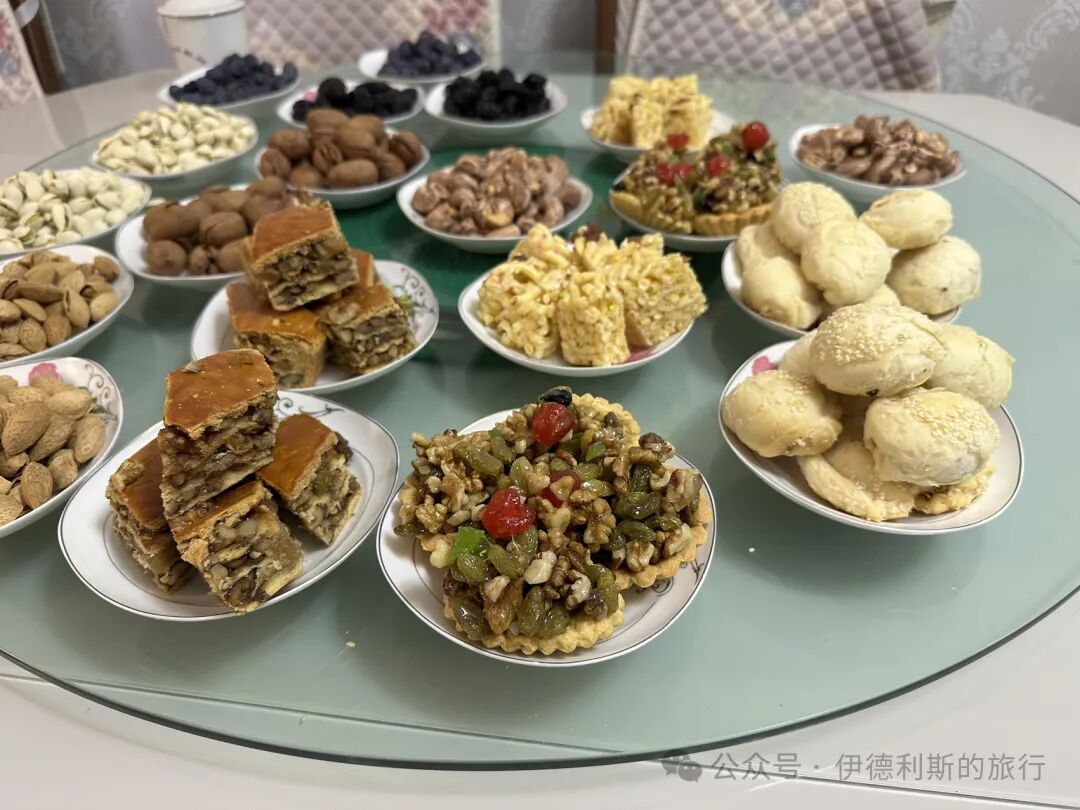
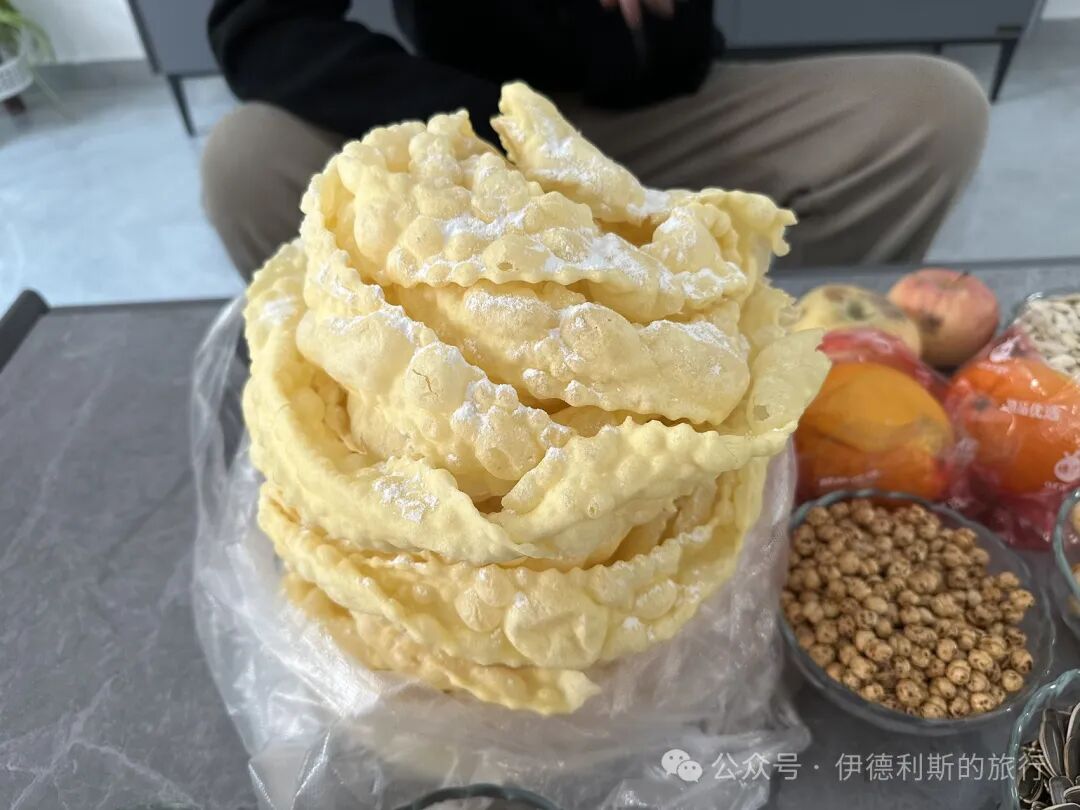
February 17 was our family's Night of Prayer, and we also celebrated Suleiman's first birthday (suisuizi). We invited four imams and a large group of relatives to recite surahs, recite the Bara'at praise, perform repentance, and receive dua, followed by a meal. First, we served appetizers (diediezi) and tea. The appetizers included nut tarts and baklava we bought at a Uyghur pastry shop on Hetian Street, as well as traditional flaky pastries and fried flour cakes (saqima) made by my aunt. After everyone chatted for a while, we cleared the appetizers and brought out the main dishes to officially start the feast.
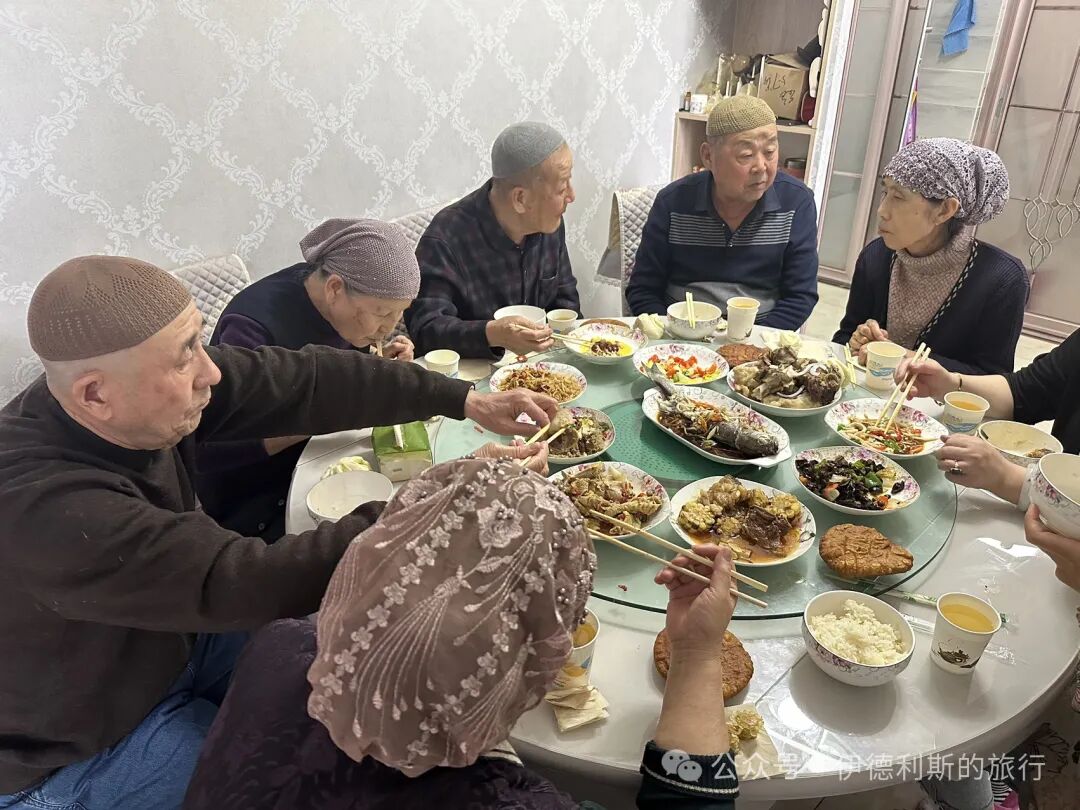
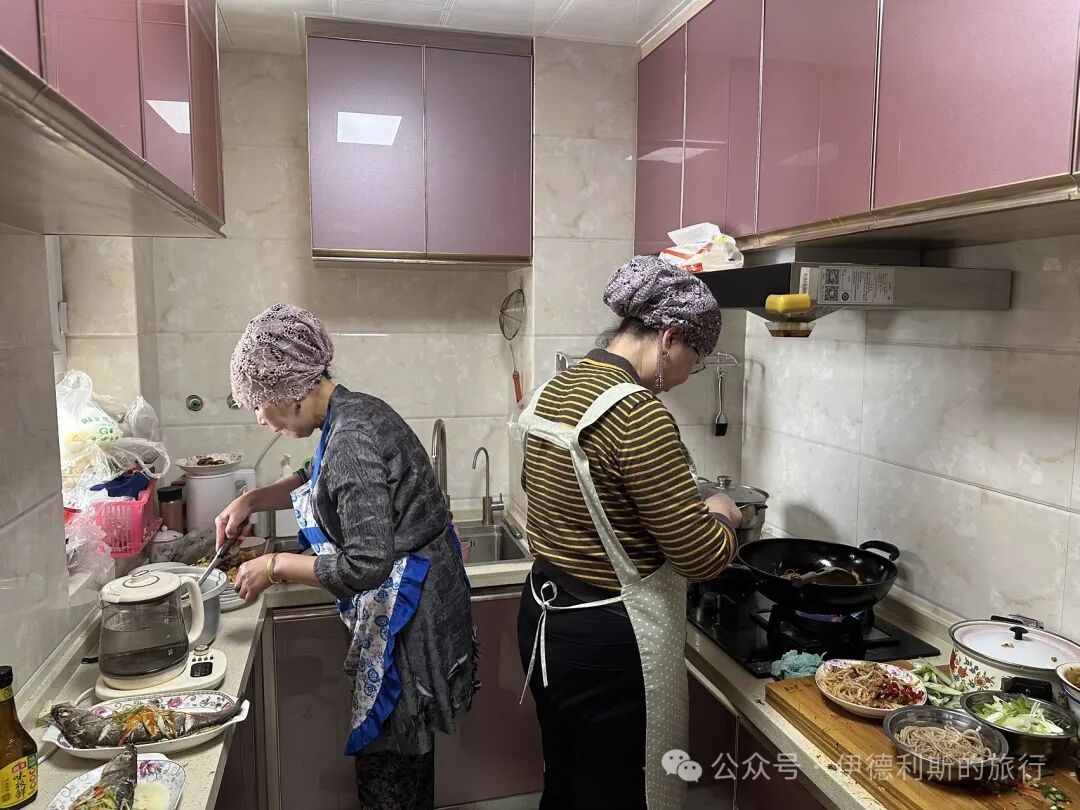
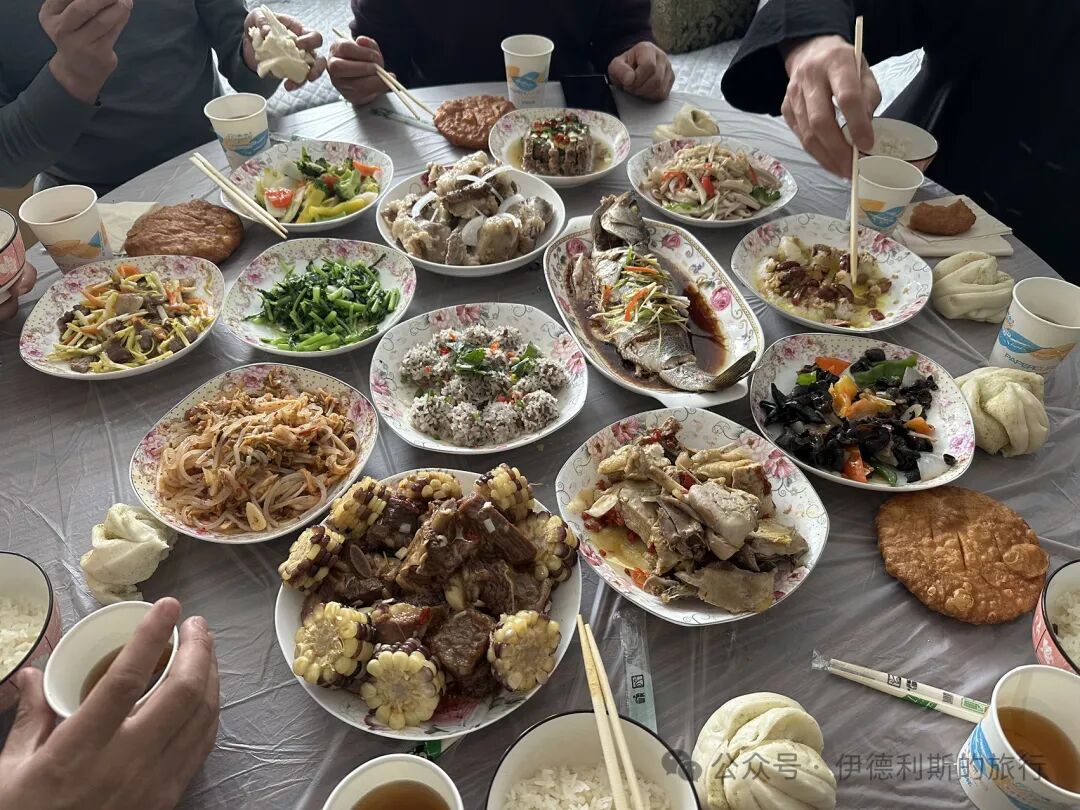
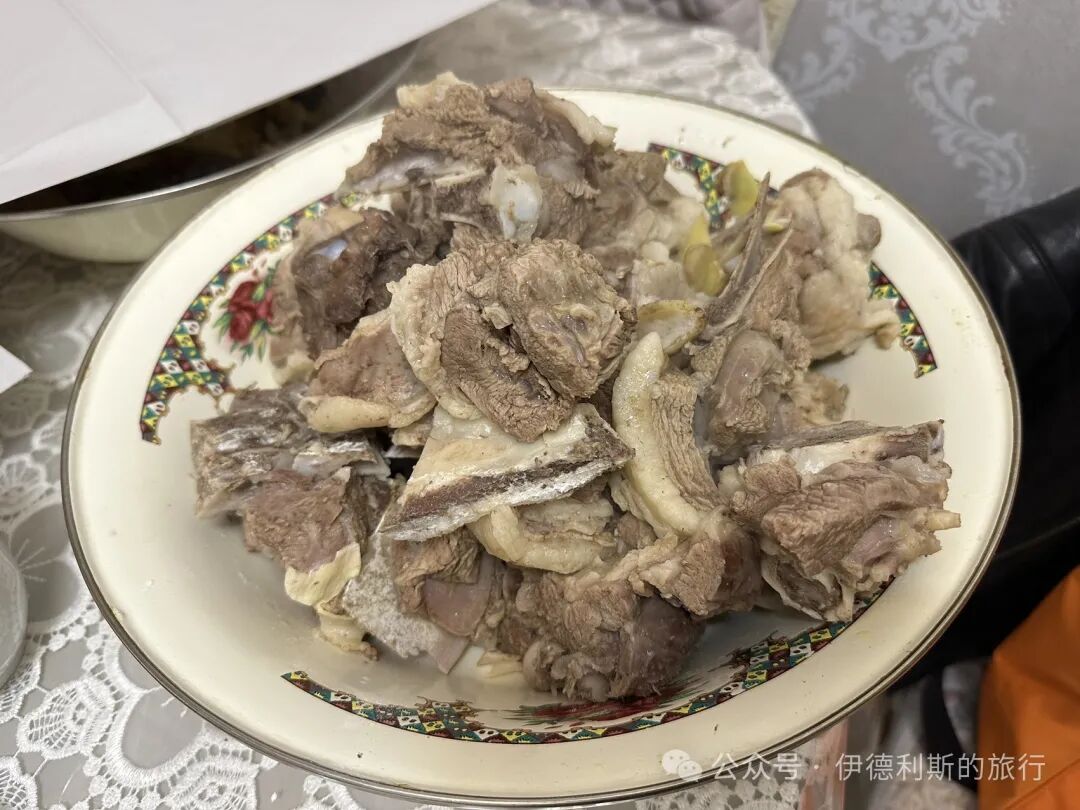
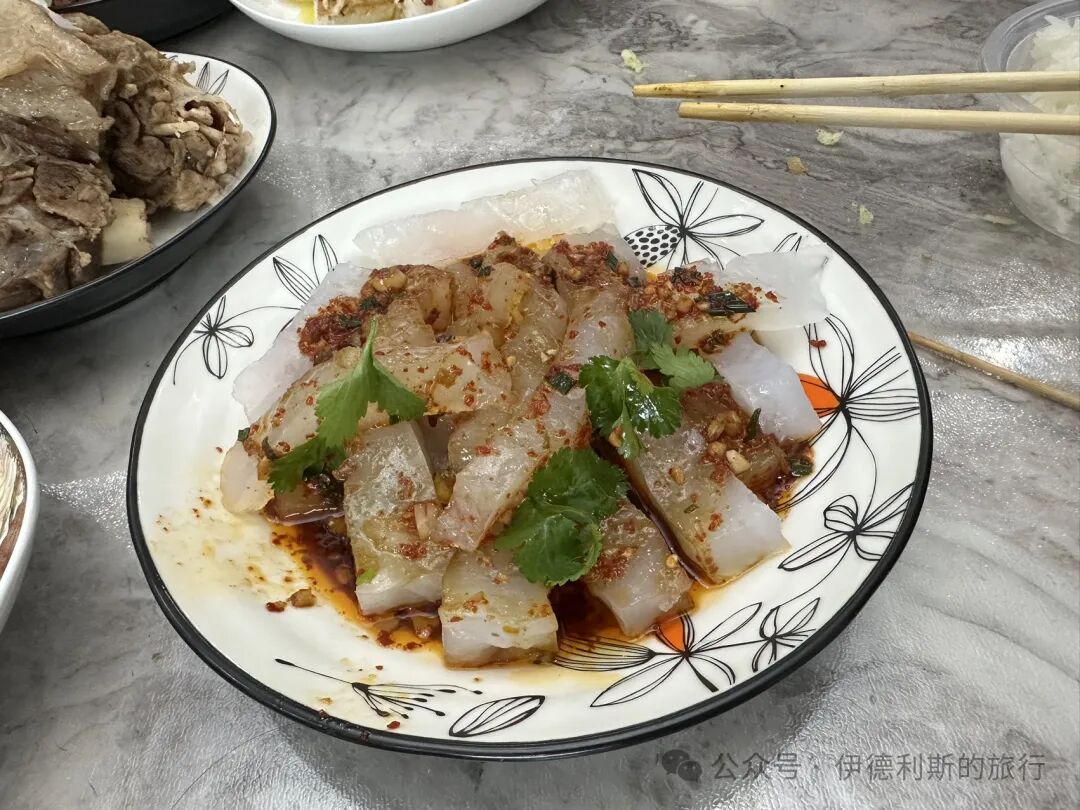
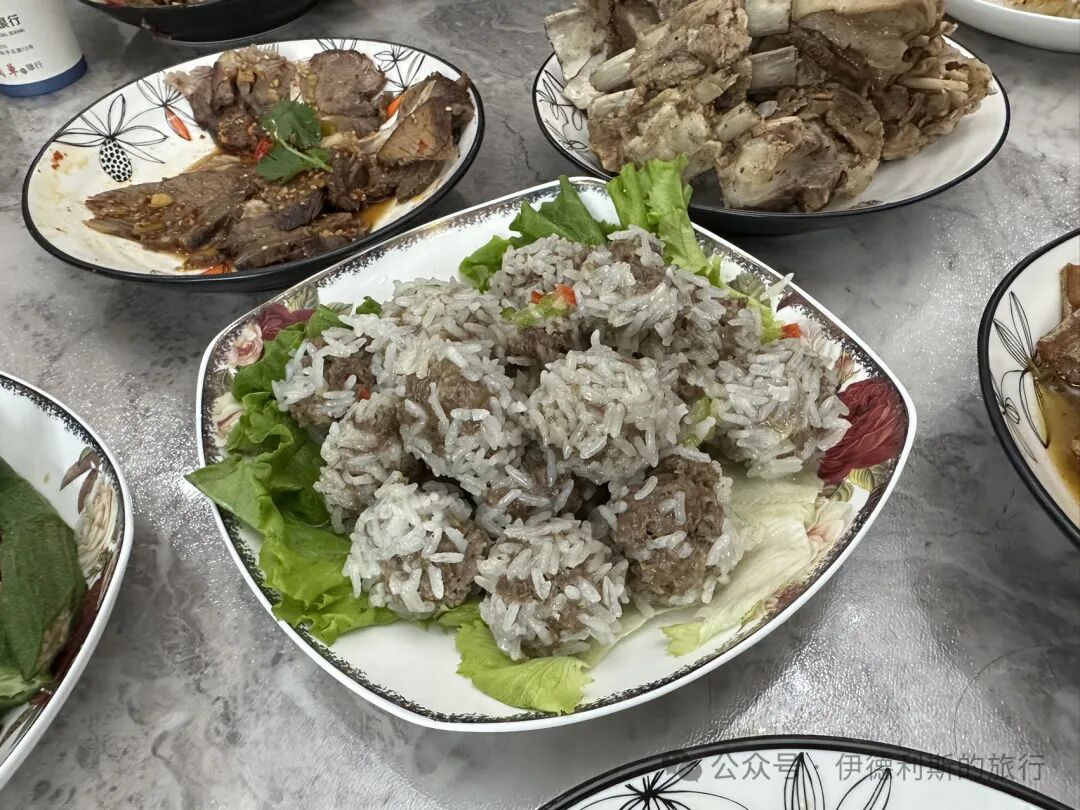
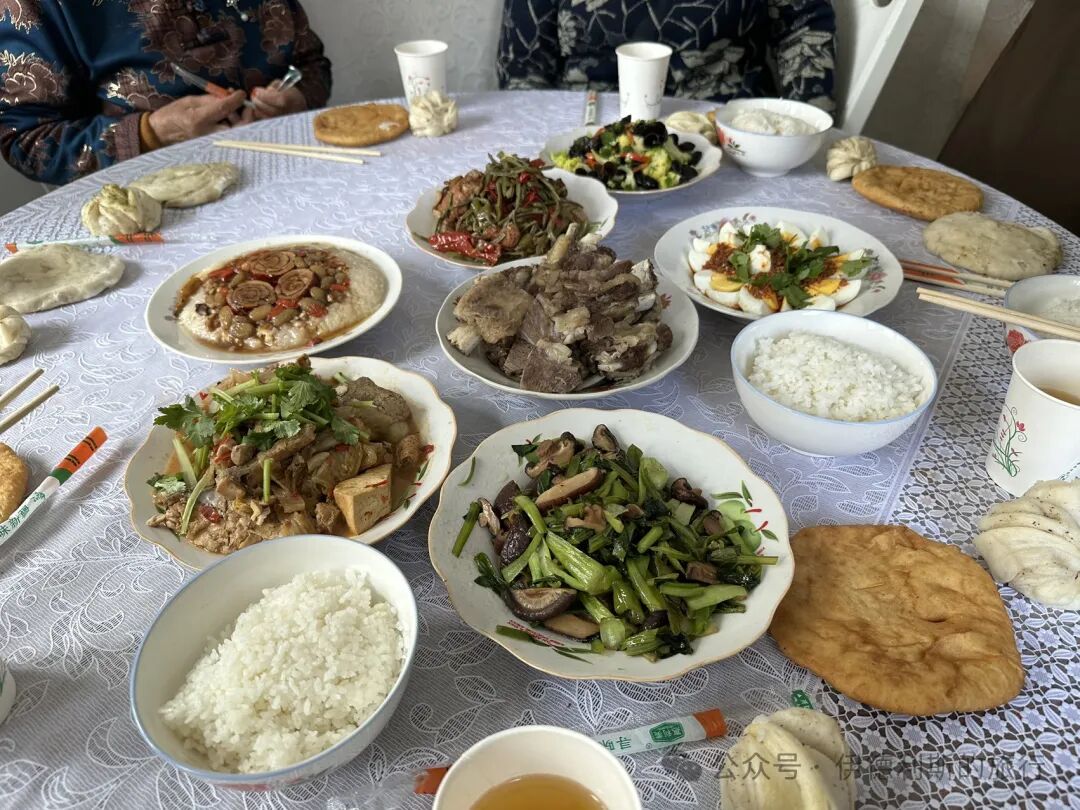
With the help of my aunts, we prepared a rich feast. The main dishes were clear-stewed lamb, braised beef steak, followed by steamed starch jelly (mengzi), pearl meatballs, peppercorn chicken, steamed fish, sweet rice platter (tianpanzi), and various stir-fried dishes. The staples were fried dough (youxiang), steamed buns (momo), and rice.
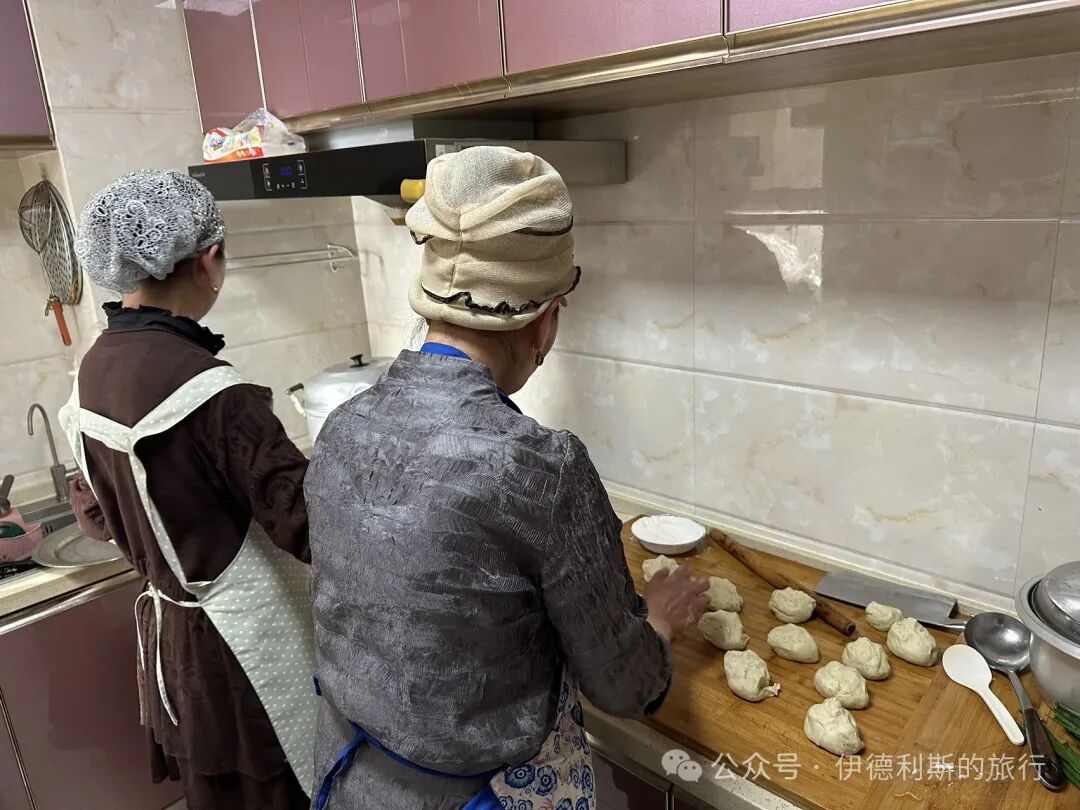
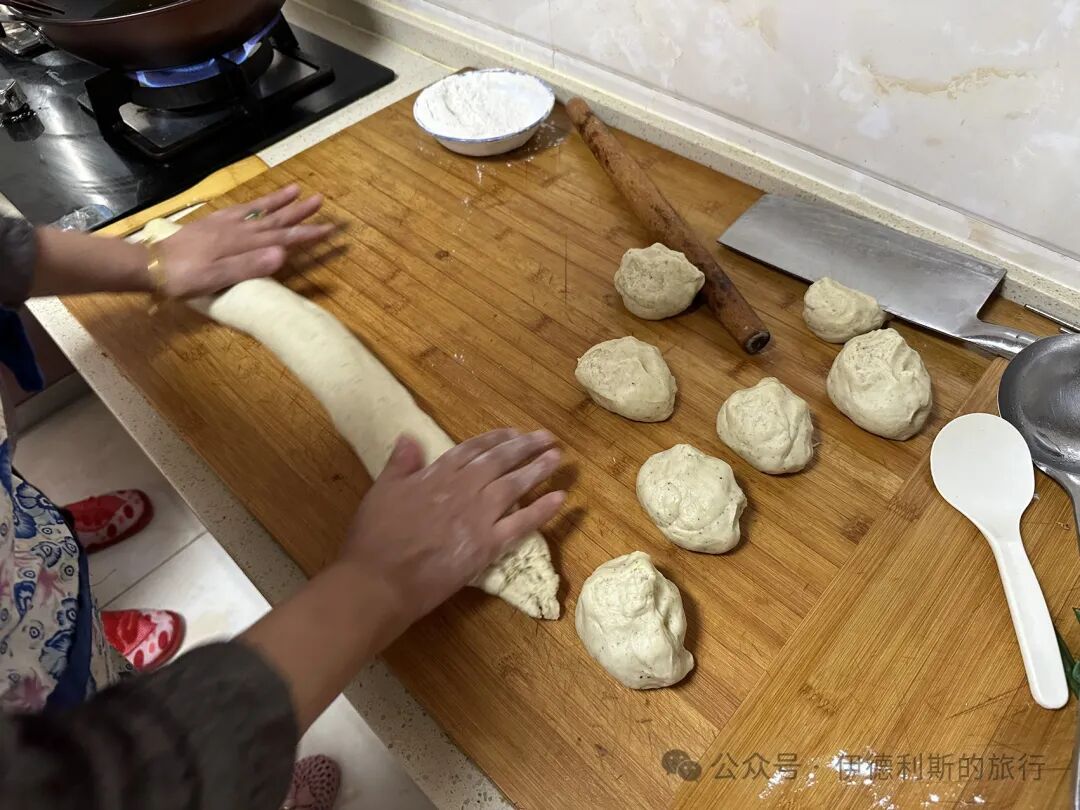
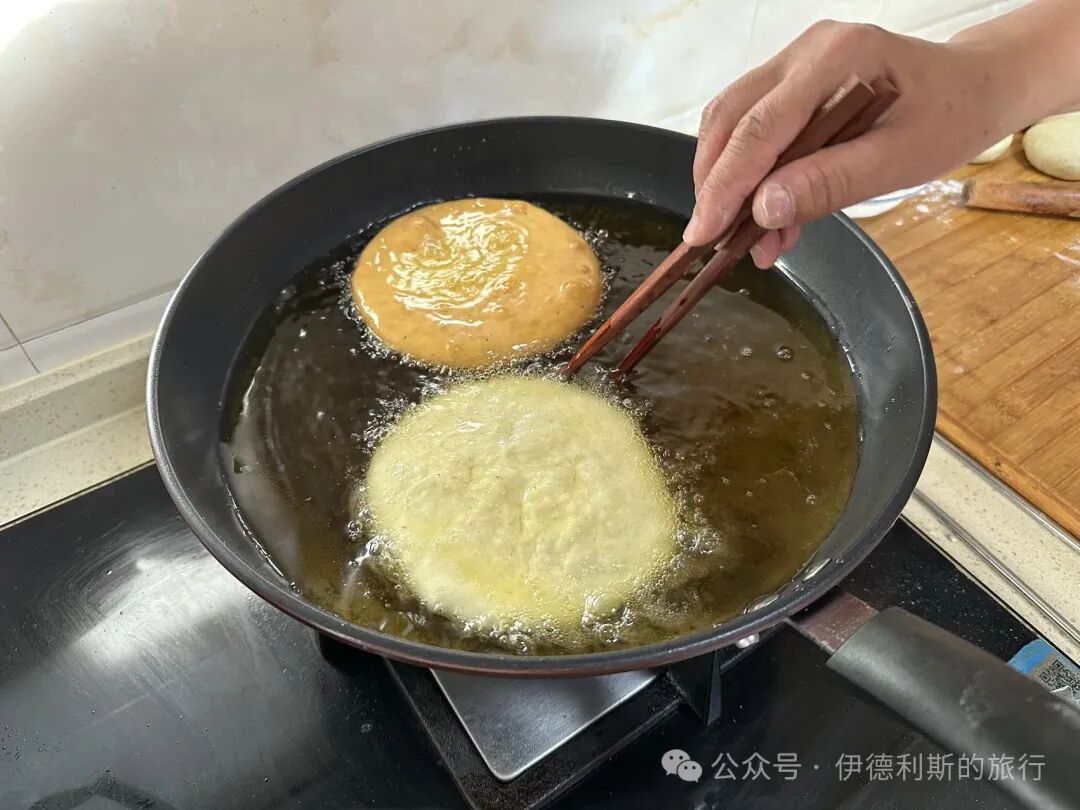
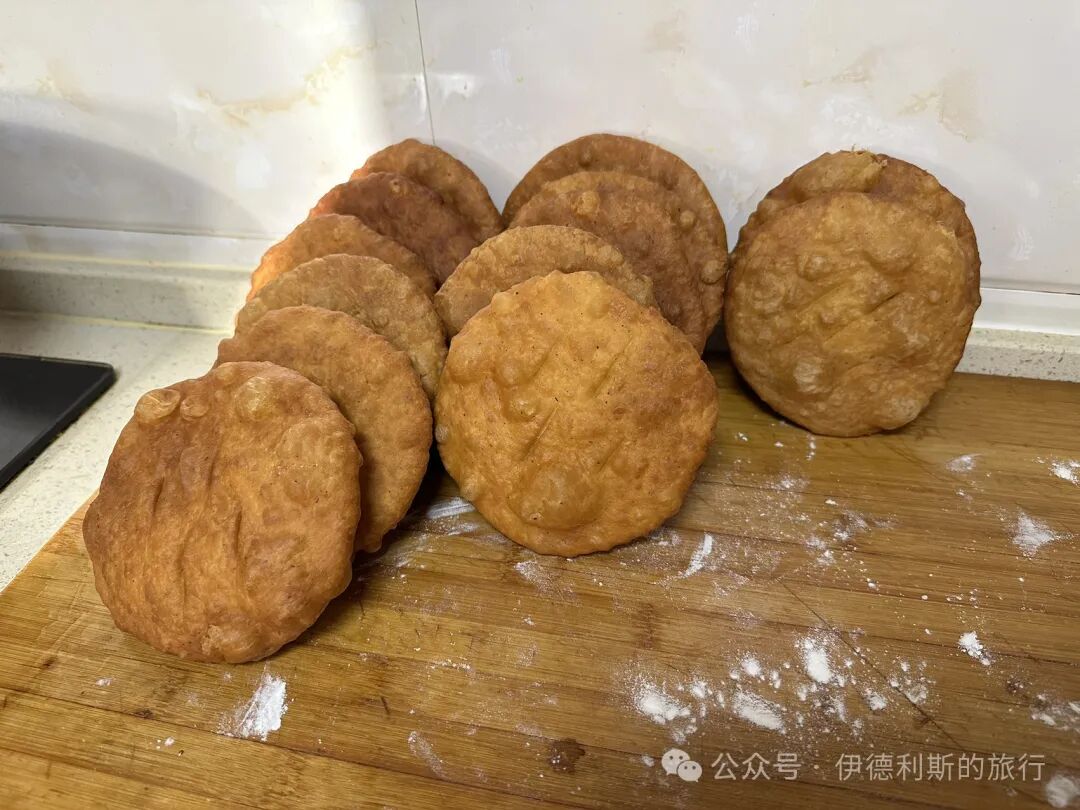
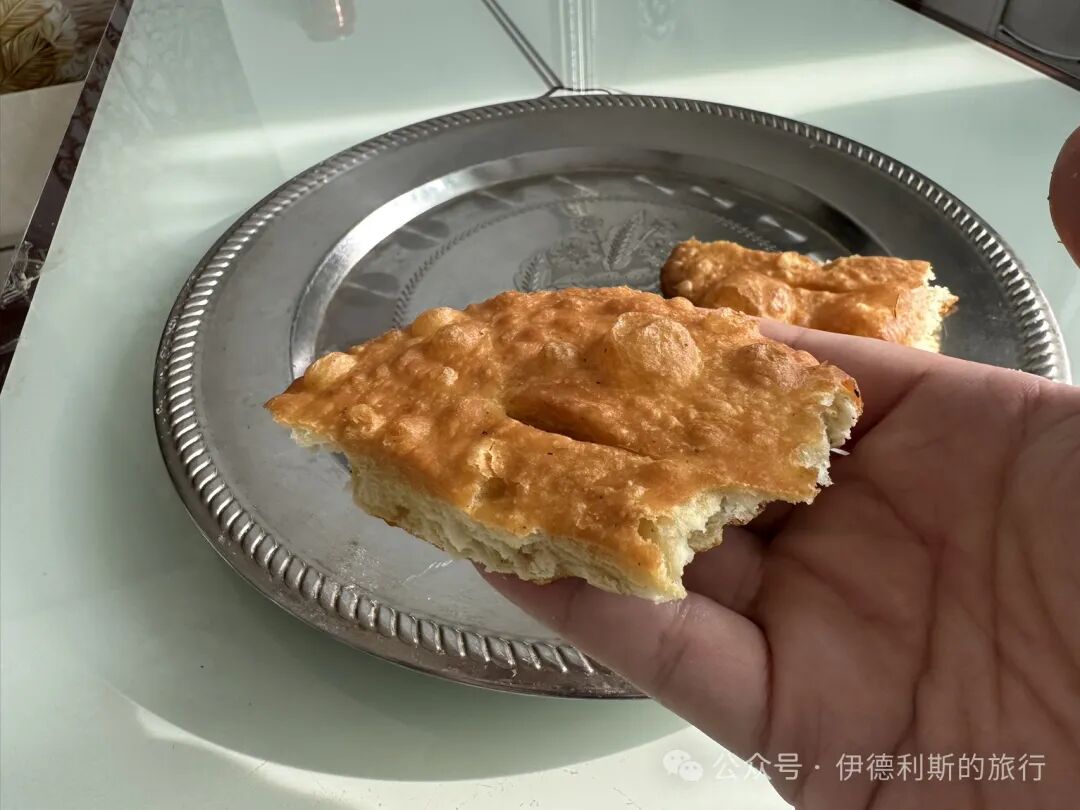
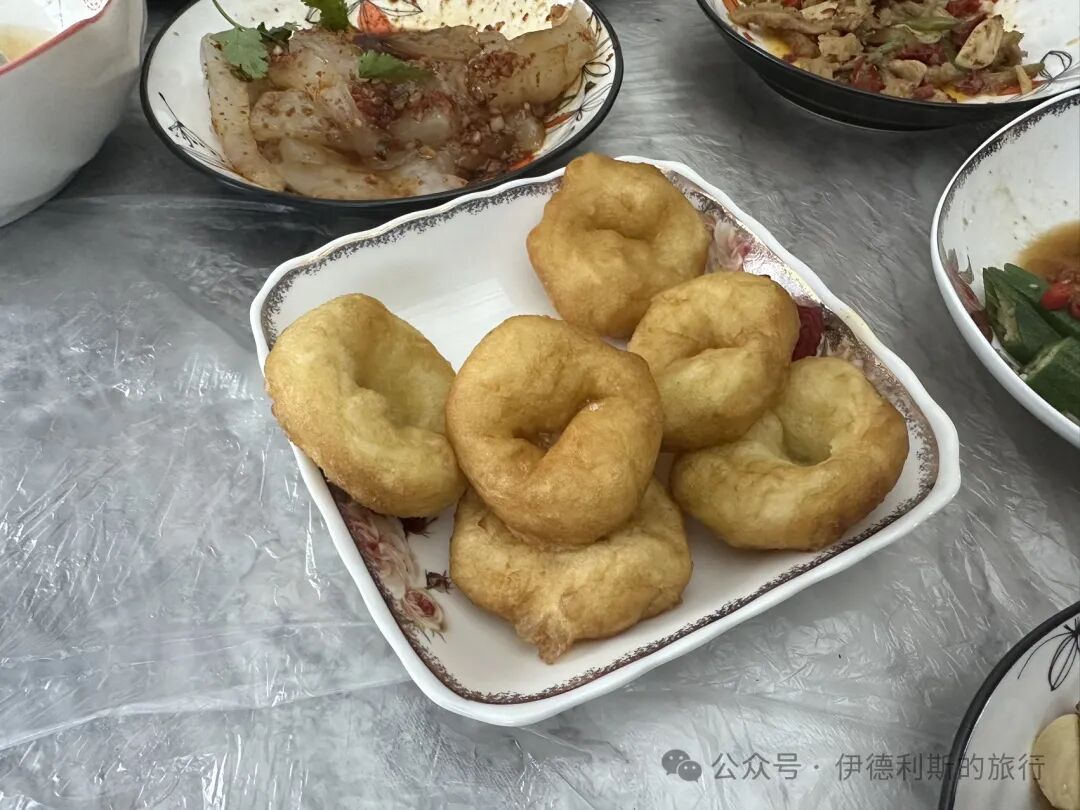
The fried dough was deep-fried a day in advance. Before frying, we first performed ablution (wudu), then leavened the dough. After it rose, we scalded a small portion with hot oil and mixed in a little baking soda and fenugreek powder. We kneaded the scalded dough into the leavened dough, covered the basin, and let it rest for 15 minutes. After resting, we rolled it into a long shape, pinched off pieces, rolled them into flat cakes, cut four small slits with a knife, and it was ready to be fried. When putting them into the pot, we recited the Tasmiyah. We fried them for a while, flipped them, and tapped the edges with chopsticks; once they were firm, they were done.
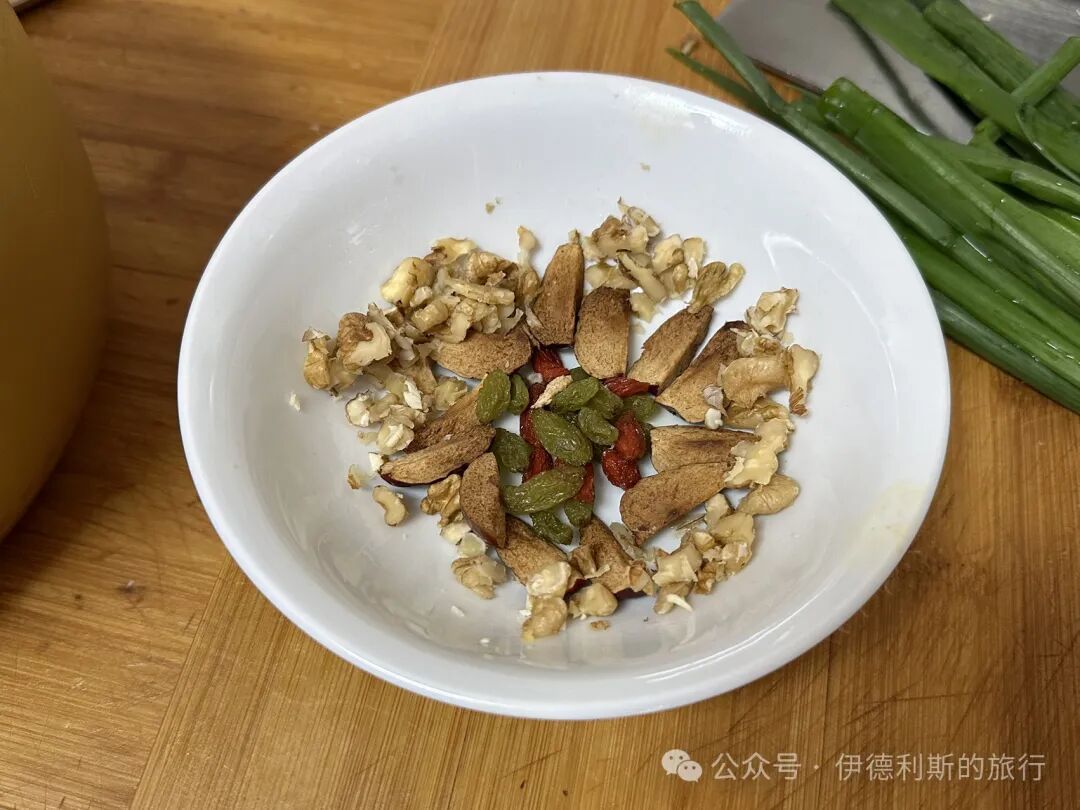
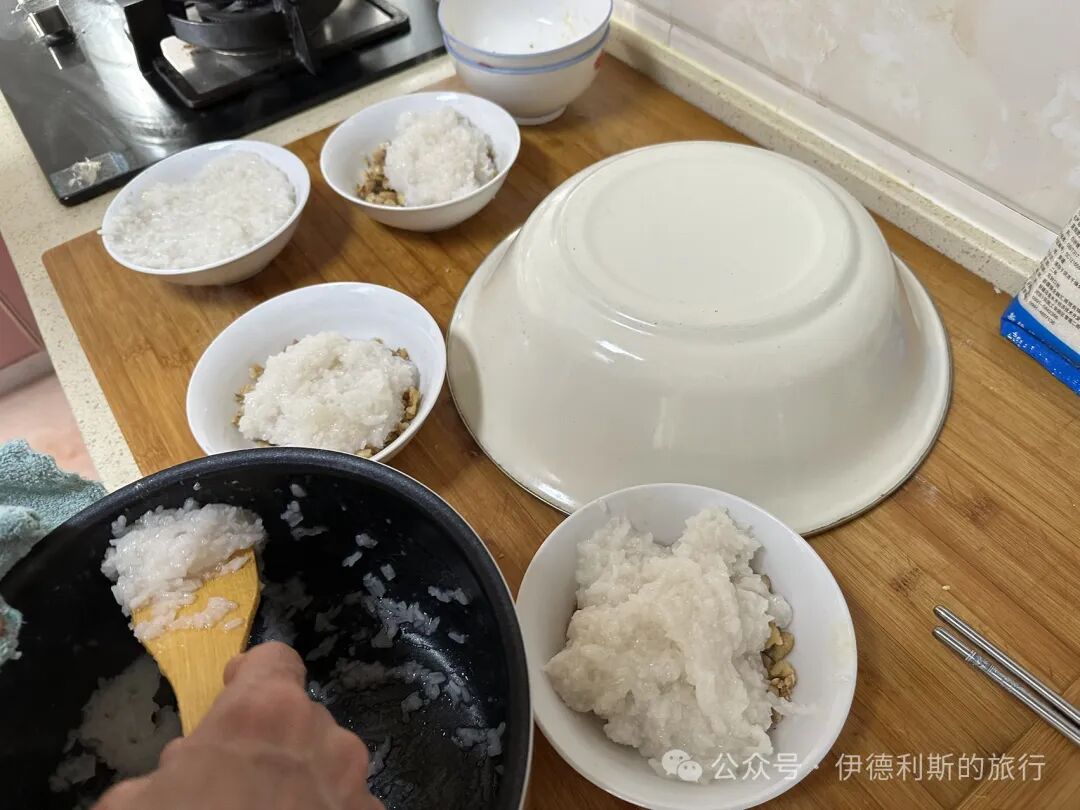
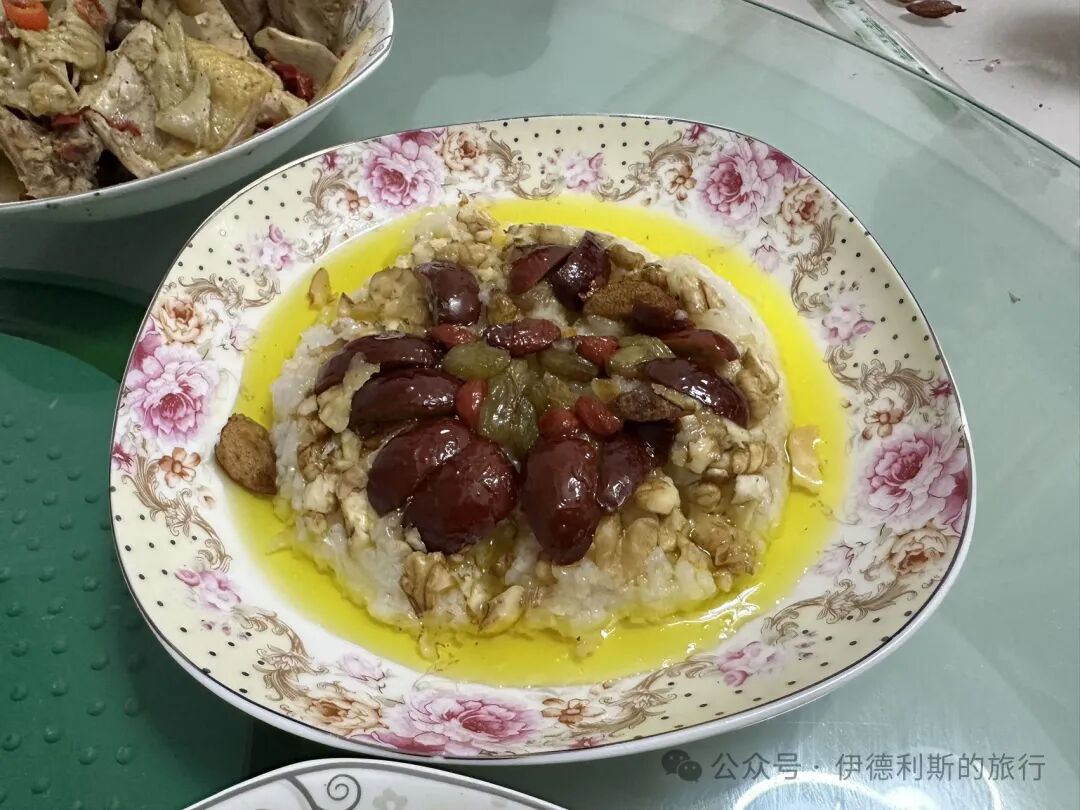
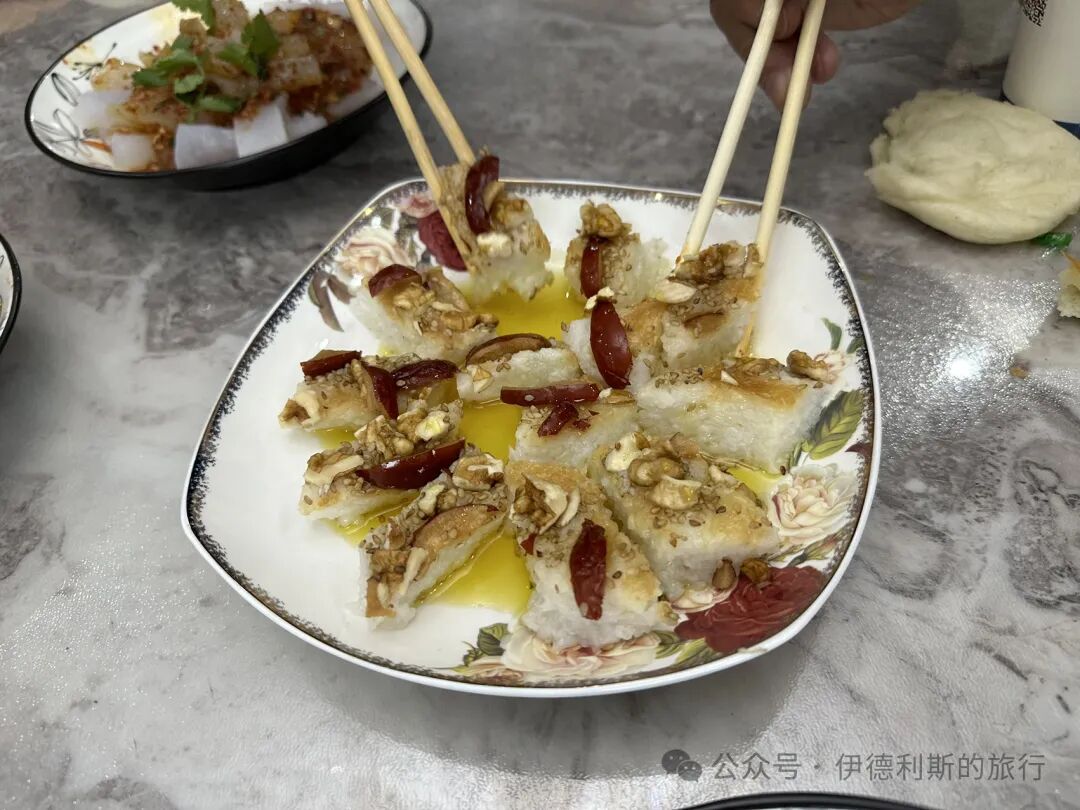
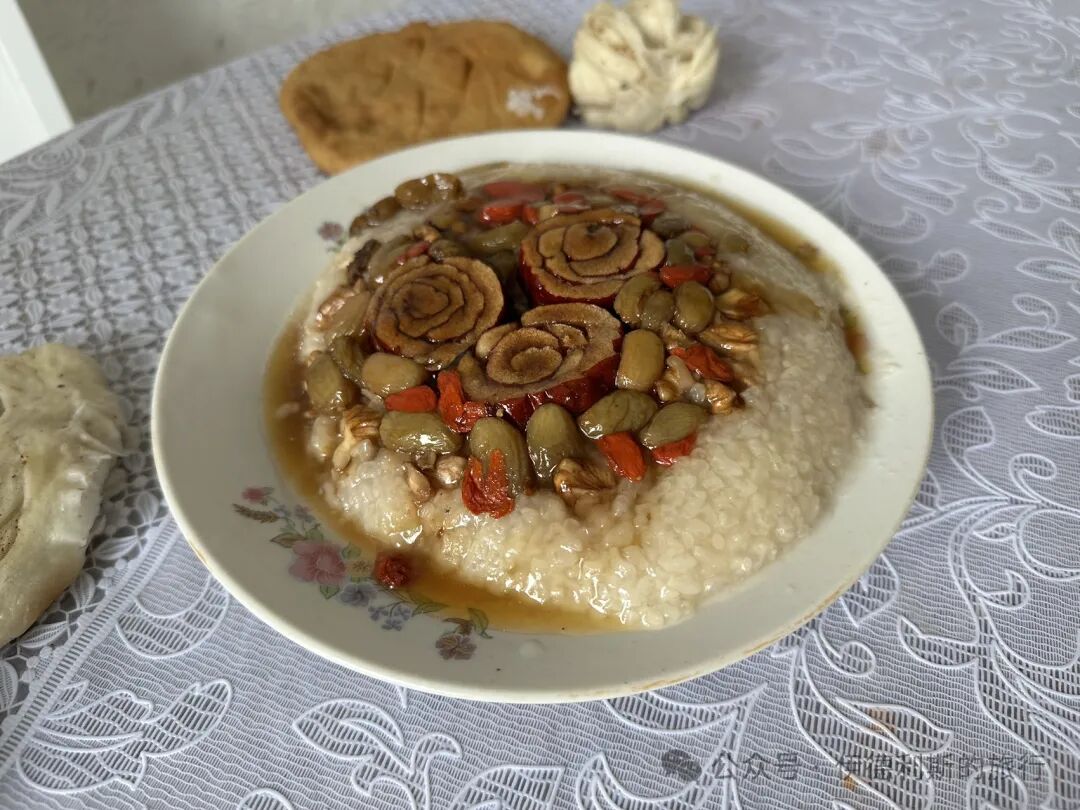
To make sweet rice platter (tianpanzi), first wash the glutinous rice and soak it for three days. Then, add a little brown sugar (shazitang) and steam it, using more water than you would for regular rice. Next, wash red dates, walnut kernels, and raisins, and spread them at the bottom of a bowl. Cover them with the steamed glutinous rice and let it cool. After that, boil rock sugar to make a syrup. Finally, flip the bowl of rice onto a plate and pour the syrup over it.
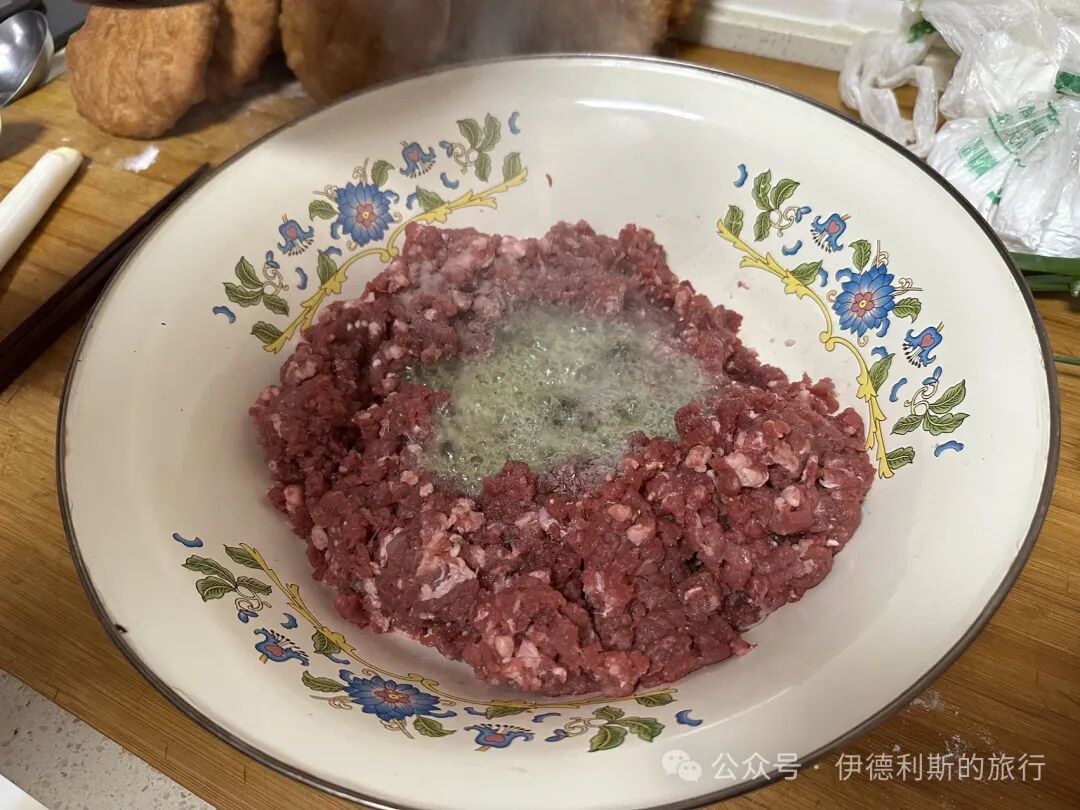
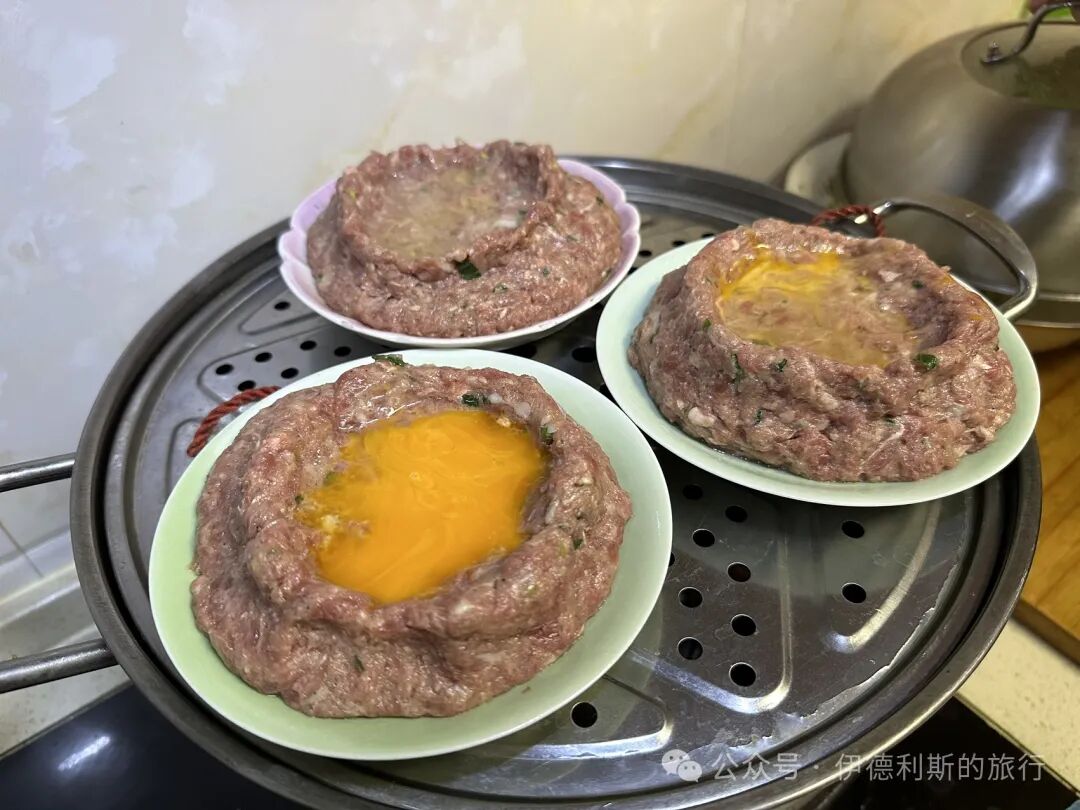
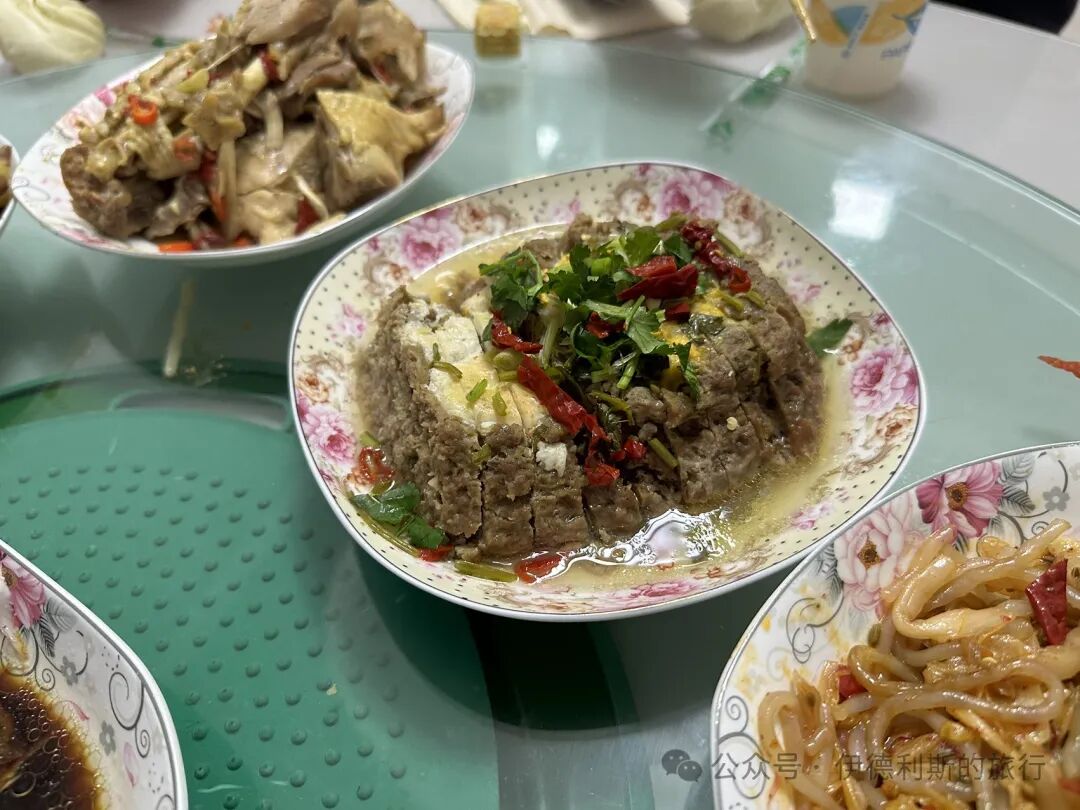
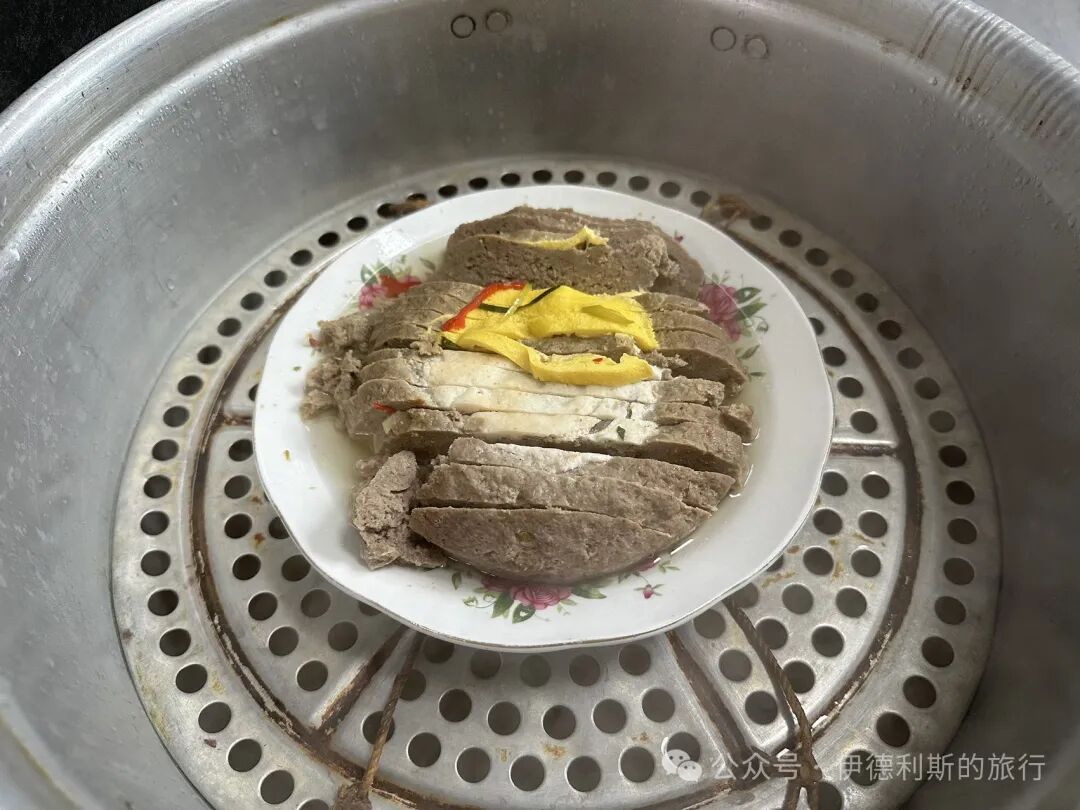
Meatloaf (munzi) is made with ground beef. When mixing the filling, beat it repeatedly, then shape it into a cylinder. Pinch the top to look like a railing, pour an egg into the center, and steam it.
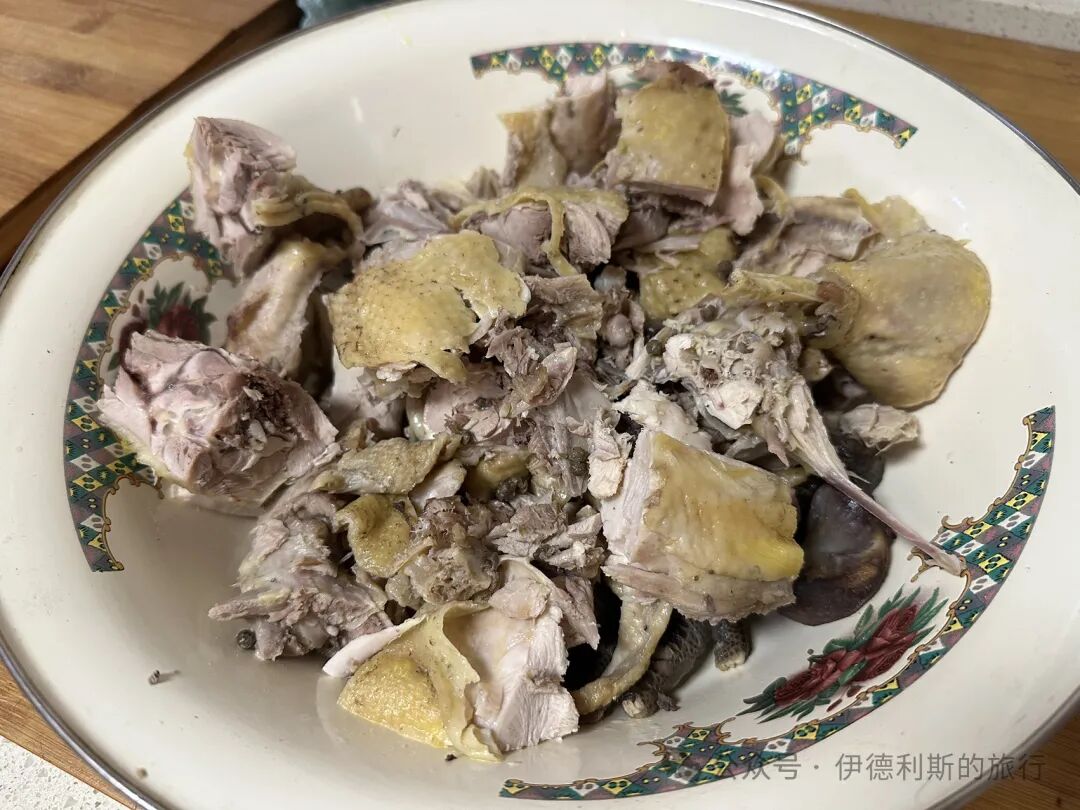
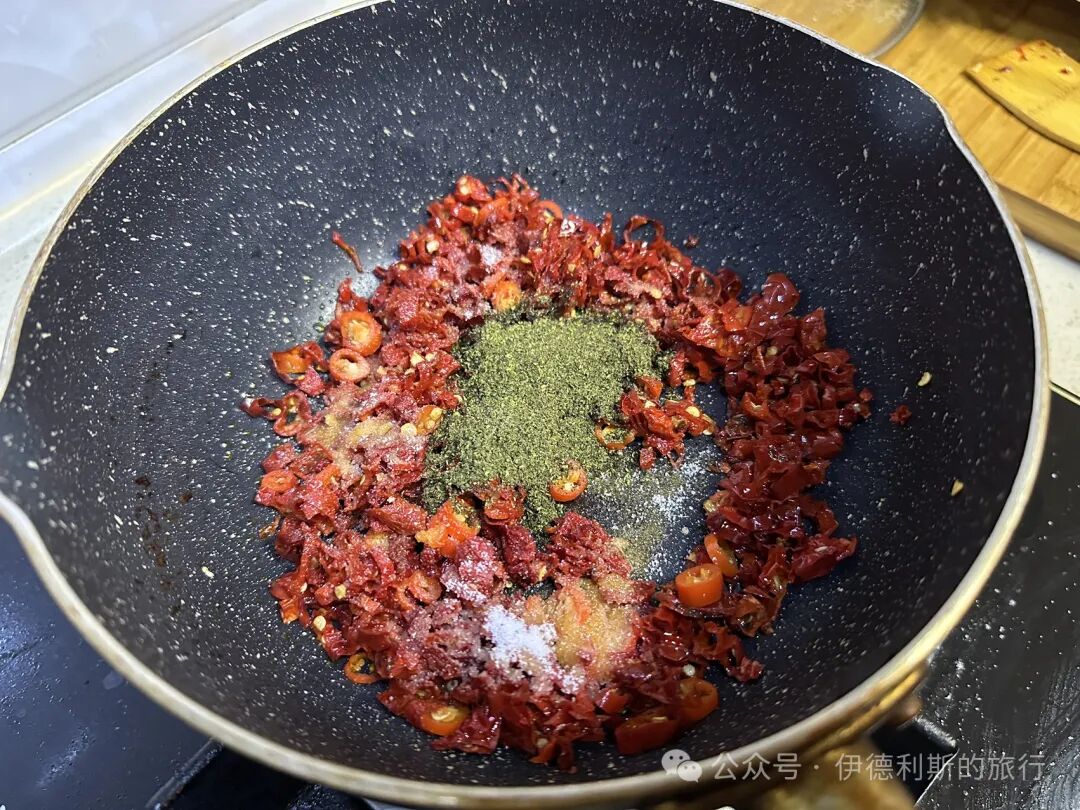
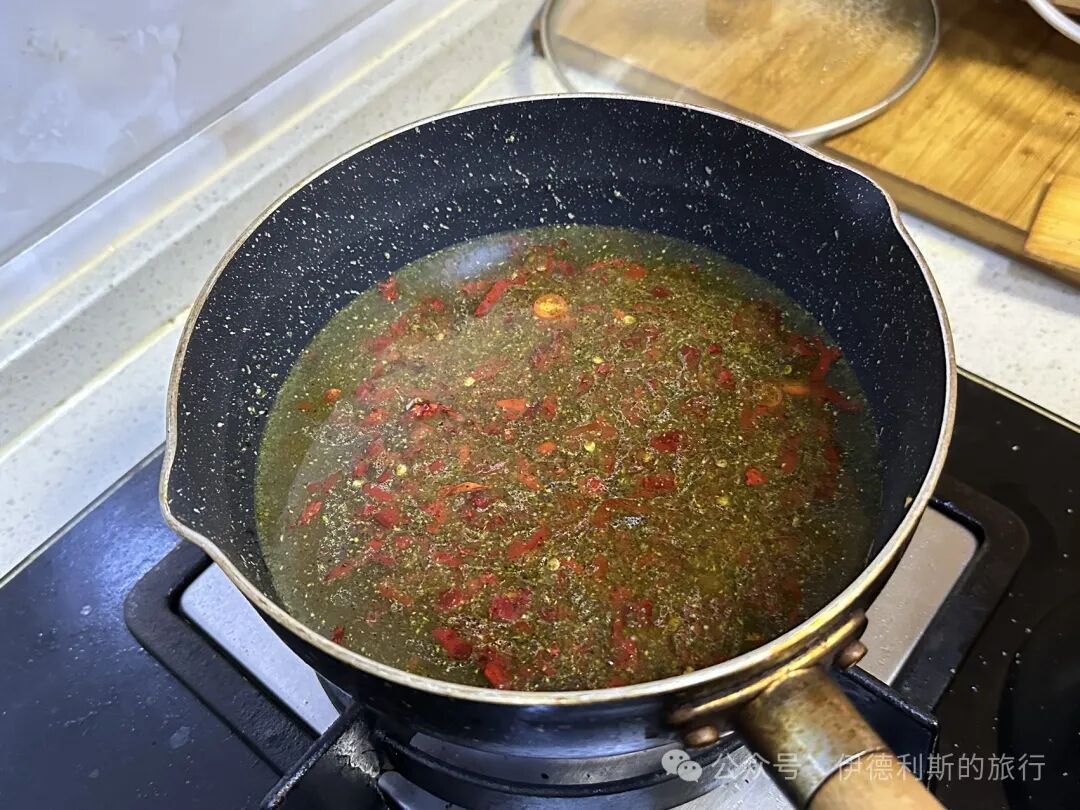
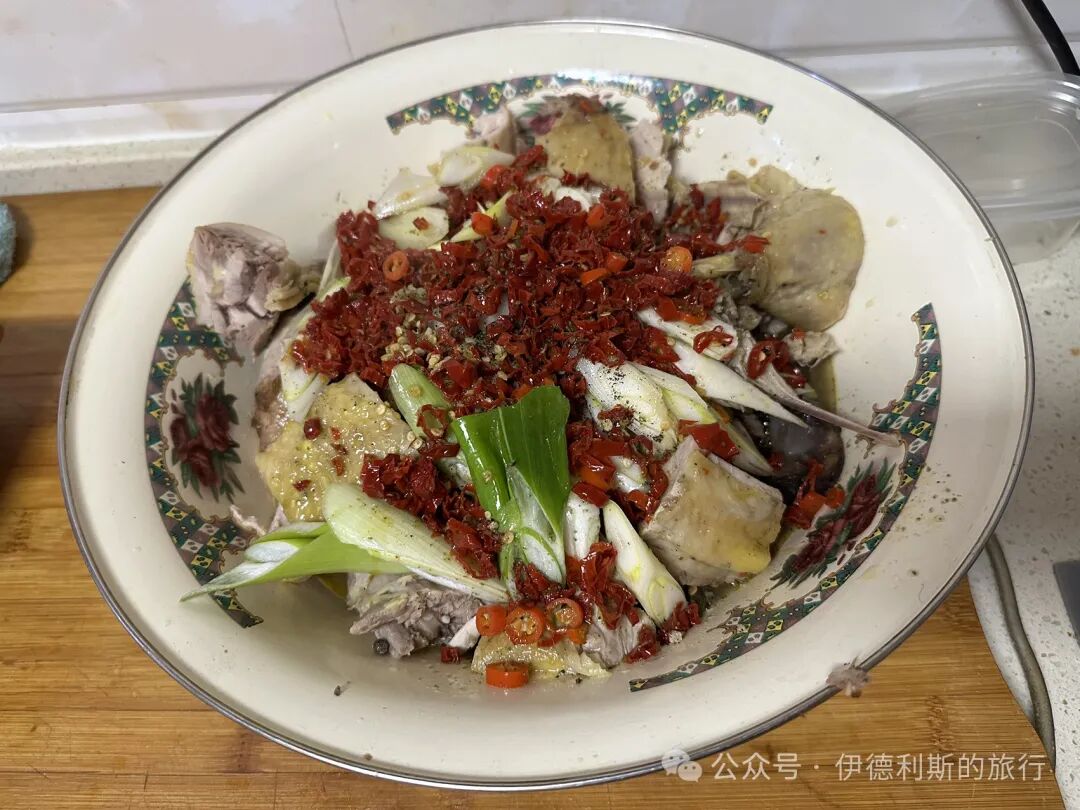
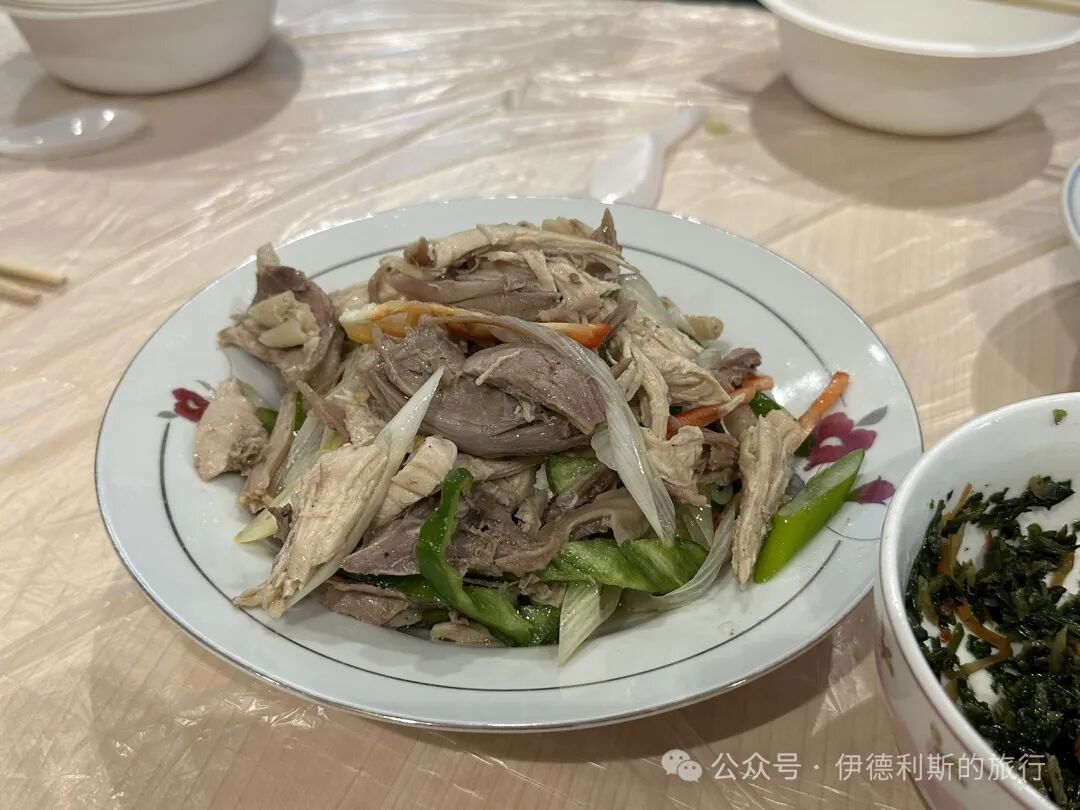
For spicy peppercorn chicken (jiaomaji), first wash a free-range chicken, cut it in half, and put it in a pressure cooker. Add water to cover it, along with red chili, Sichuan peppercorns, salt, bay leaves, cinnamon, and ginger slices. Once cooked, take it out, let it cool in a basin, tear the meat into strips, and top with green onions. Heat oil in a pan. Once hot, turn off the heat and add dried chili skins (lapizi), Sichuan peppercorns, salt, and white pepper. Stir well, pour in some chicken broth, and then pour everything over the chicken in the basin and mix well.
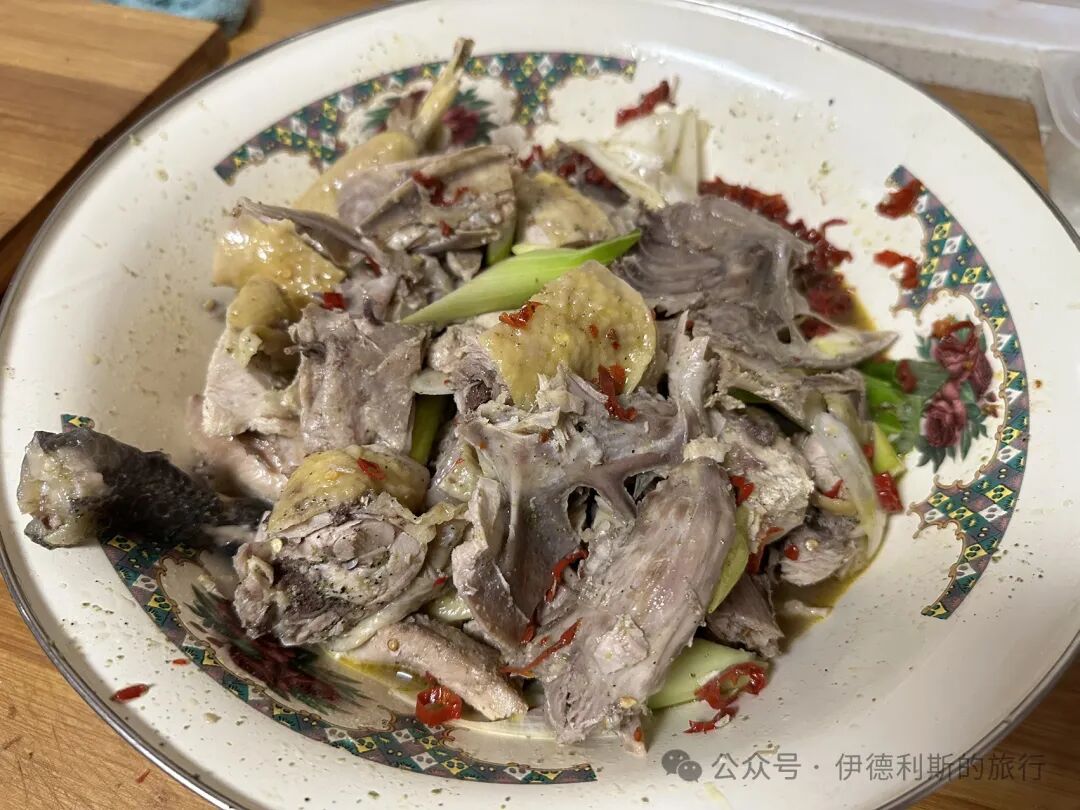
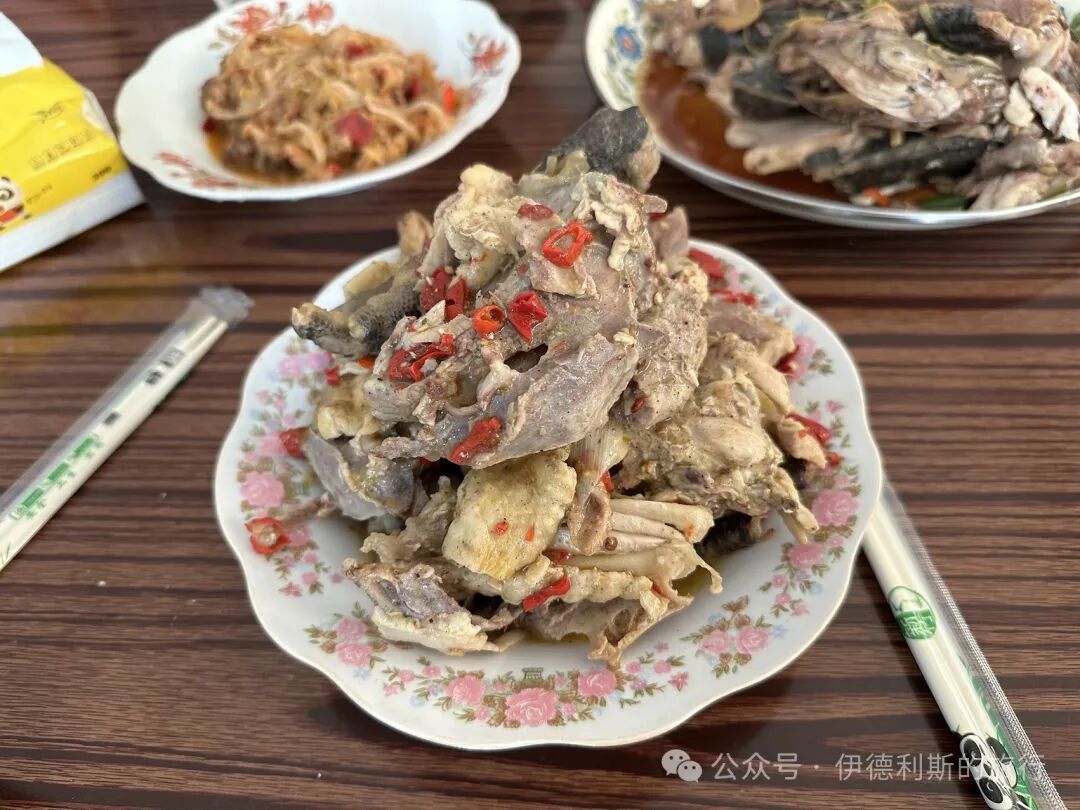
We spent the night at my aunt's house near the cement factory. My uncle is an imam at a small mosque in Shanxi, and we are very grateful (zhigan) for that.
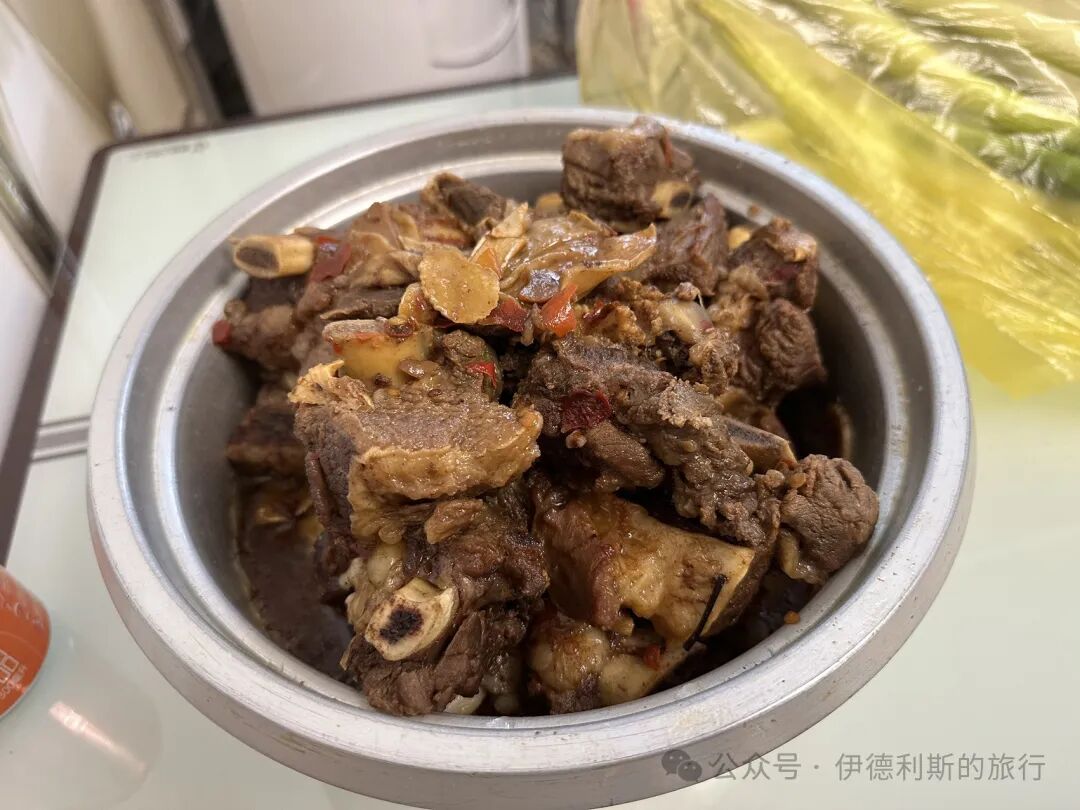
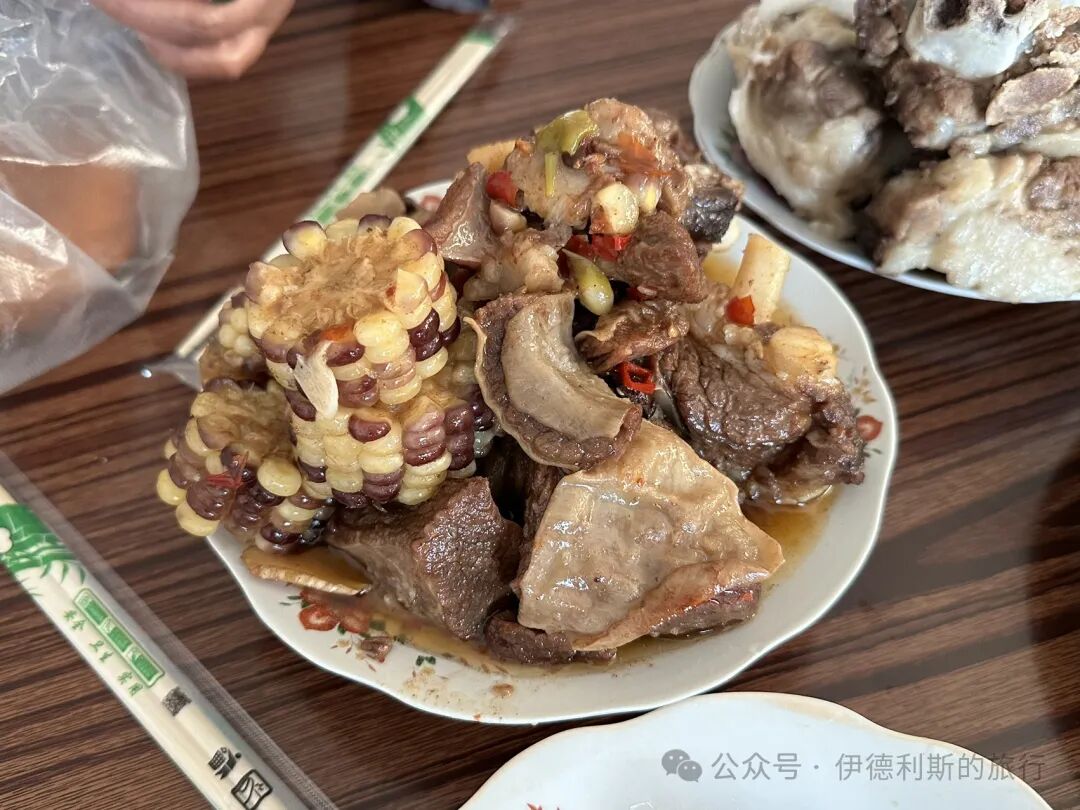
The main dishes were definitely braised beef steak and clear-stewed lamb. The chicken was raised by my uncle himself, and the lamb was from the southern mountains of Urumqi.
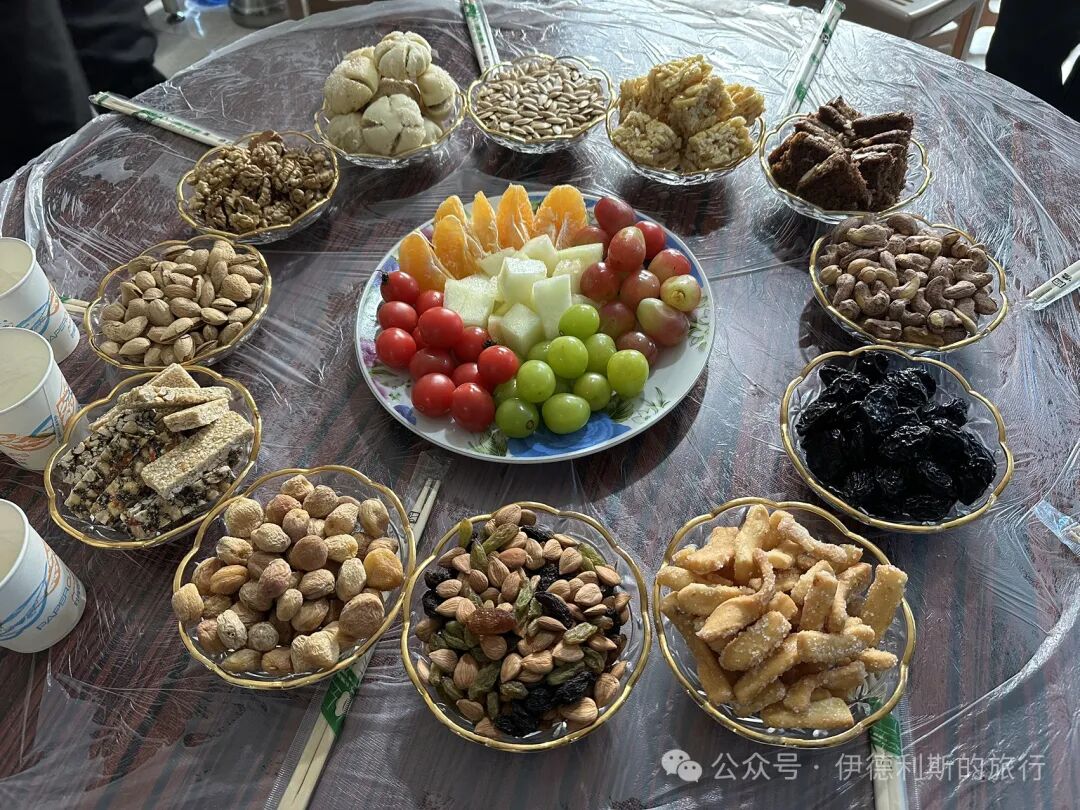
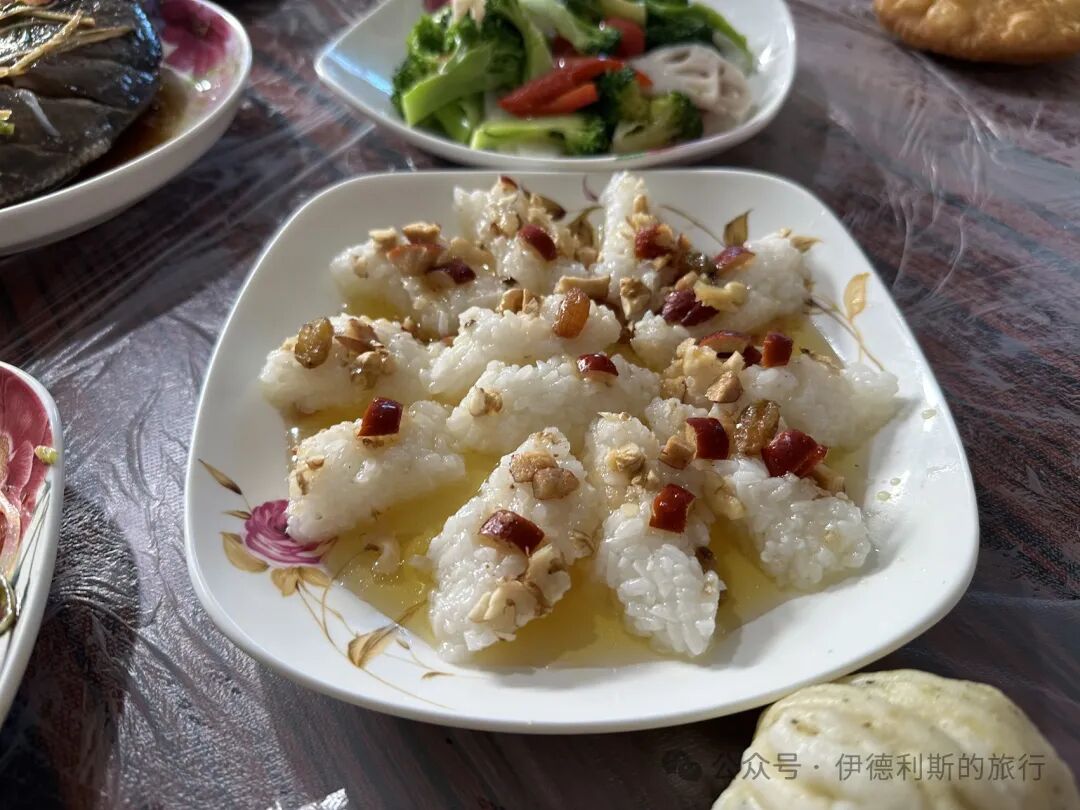
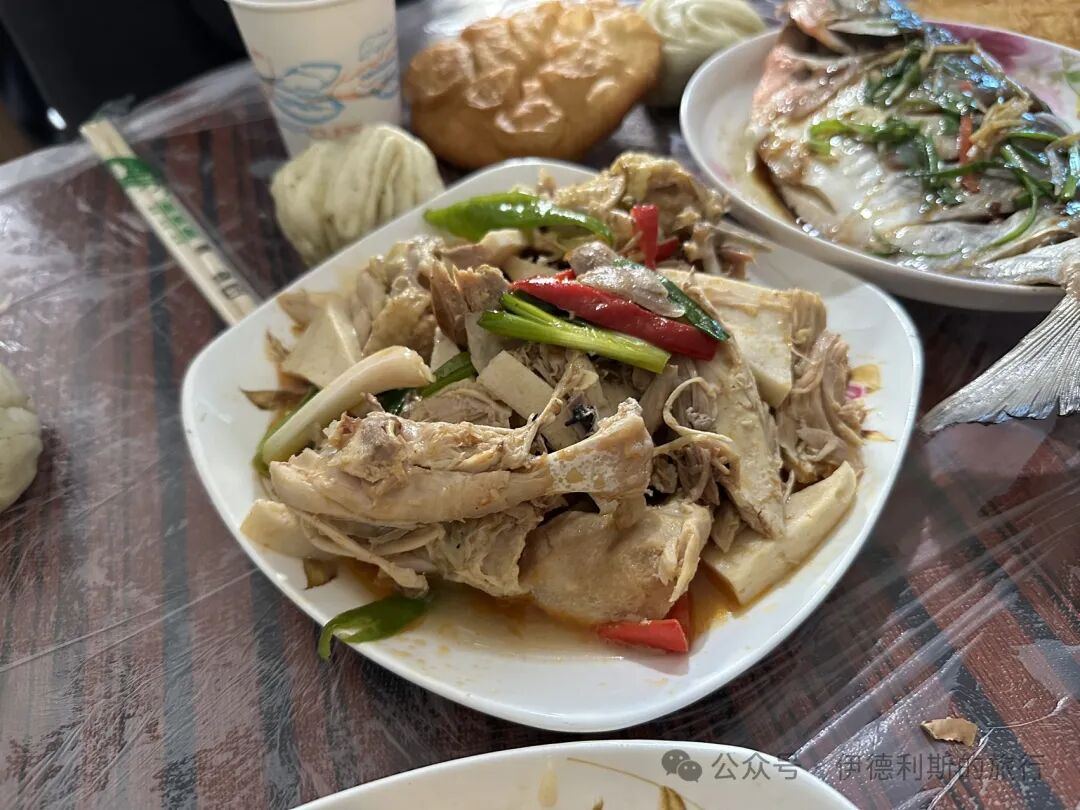
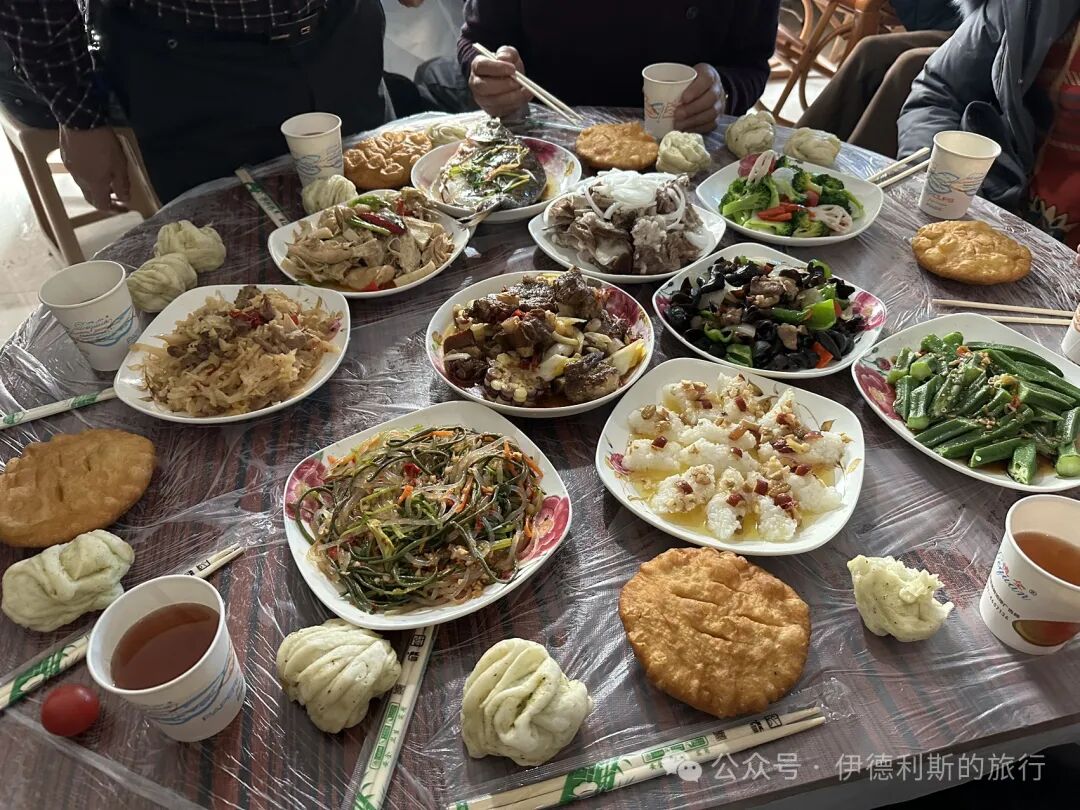
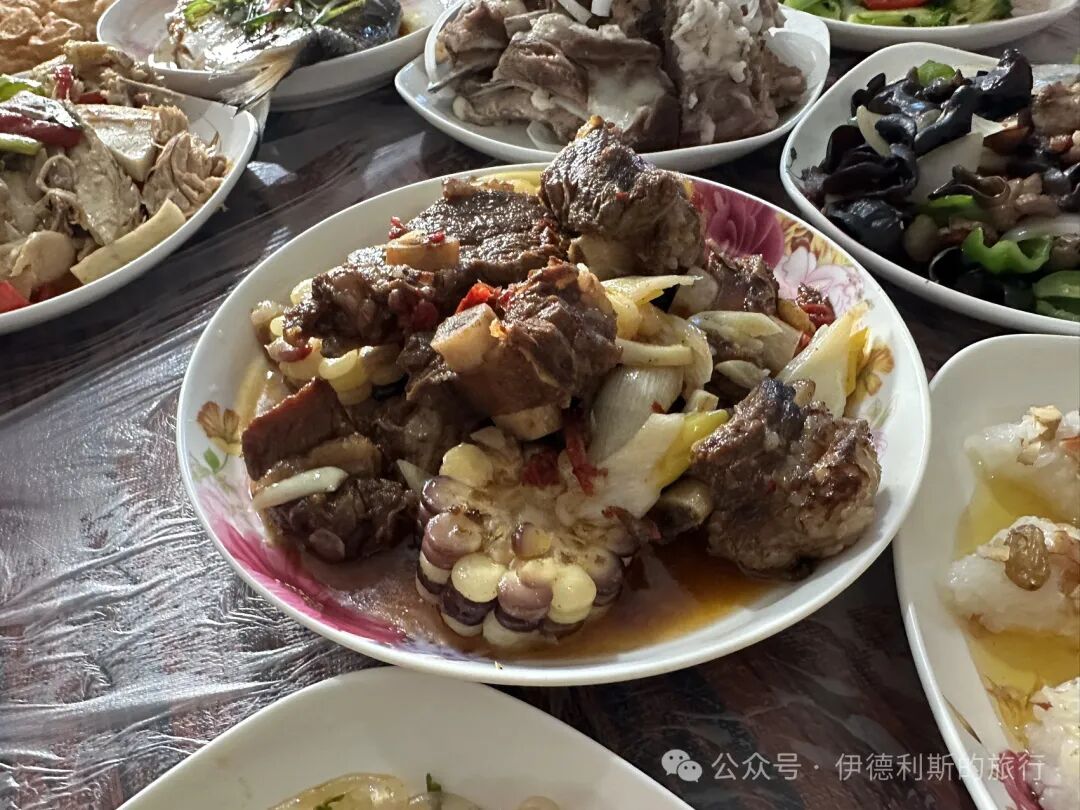
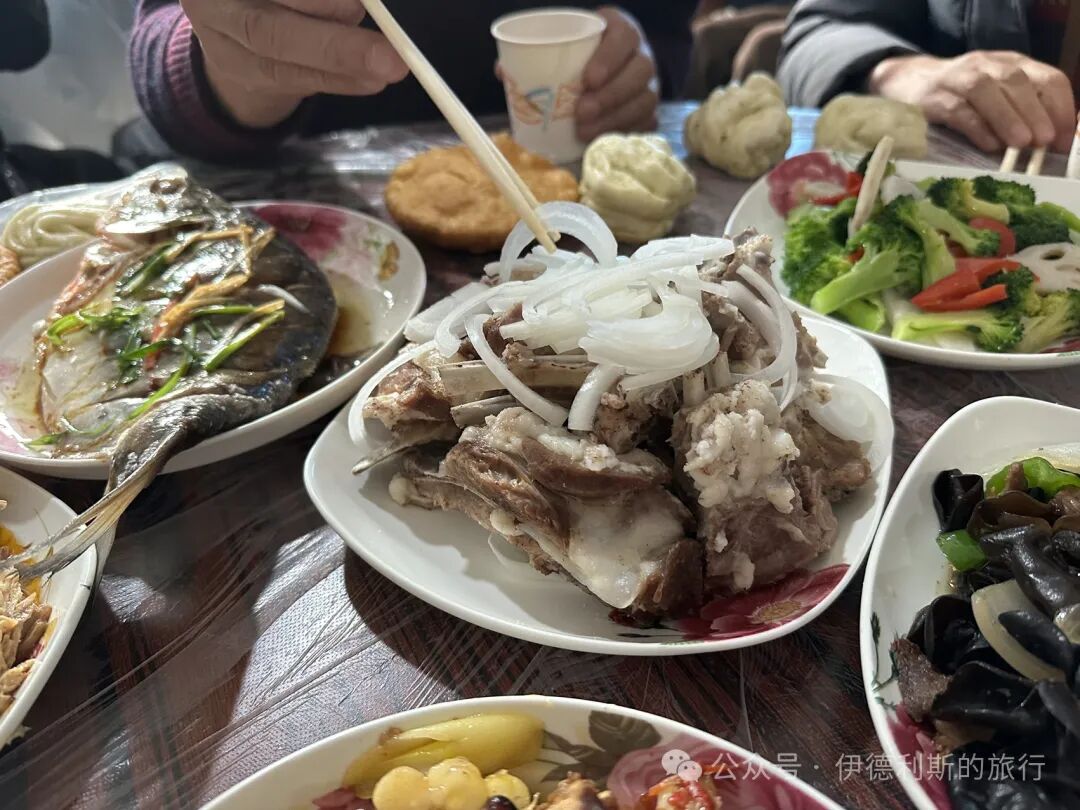
We spent the night at my second aunt's house in the New City District. My aunt is the recognized master chef of our family. She makes authentic home-style stir-fries, meatloaf (munzi), stuffed meat slices (jiasha), and tripe.
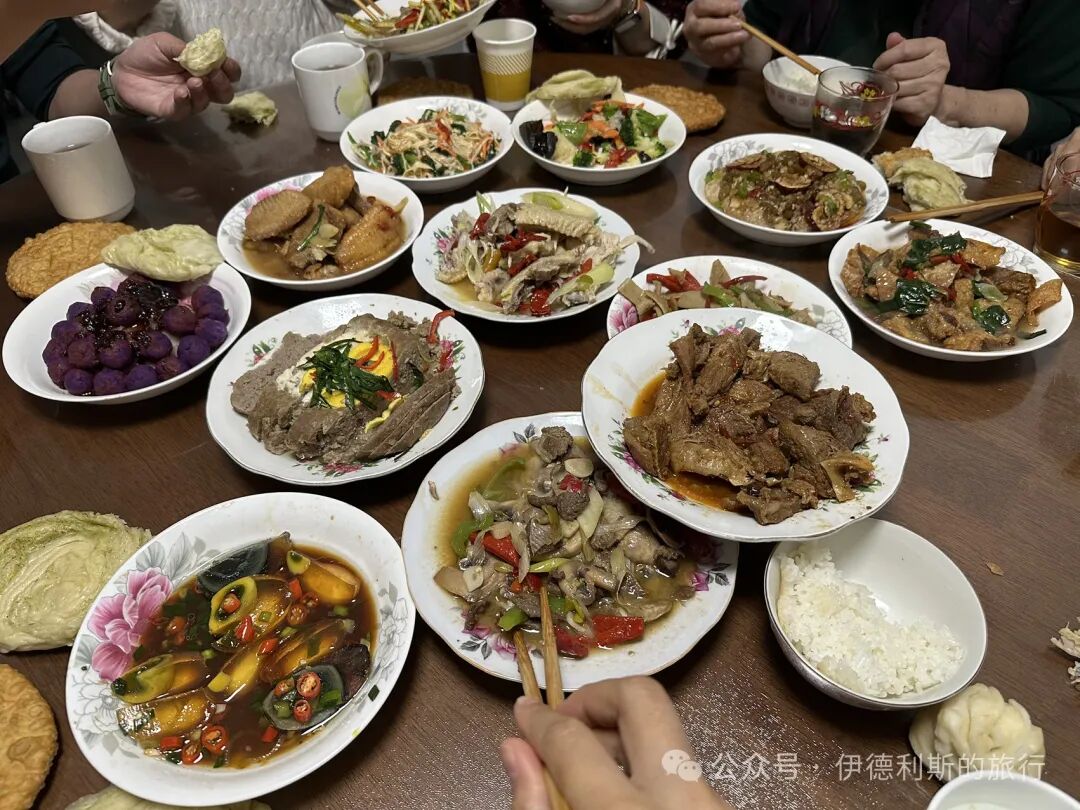
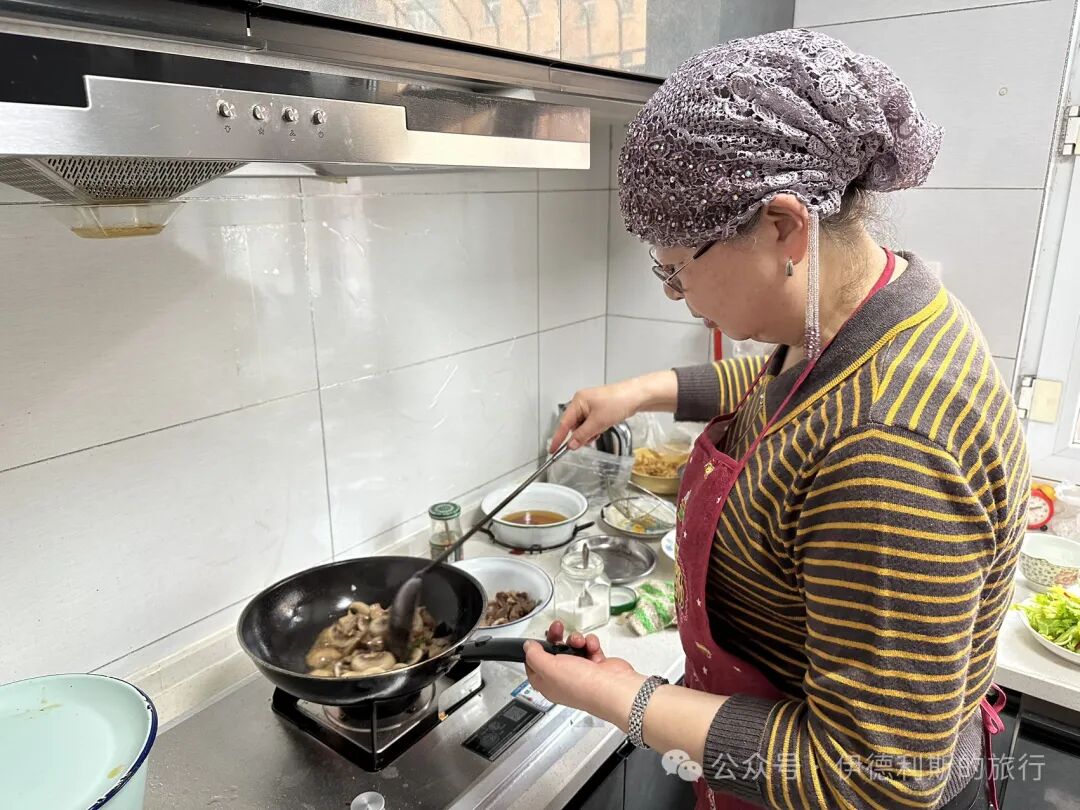
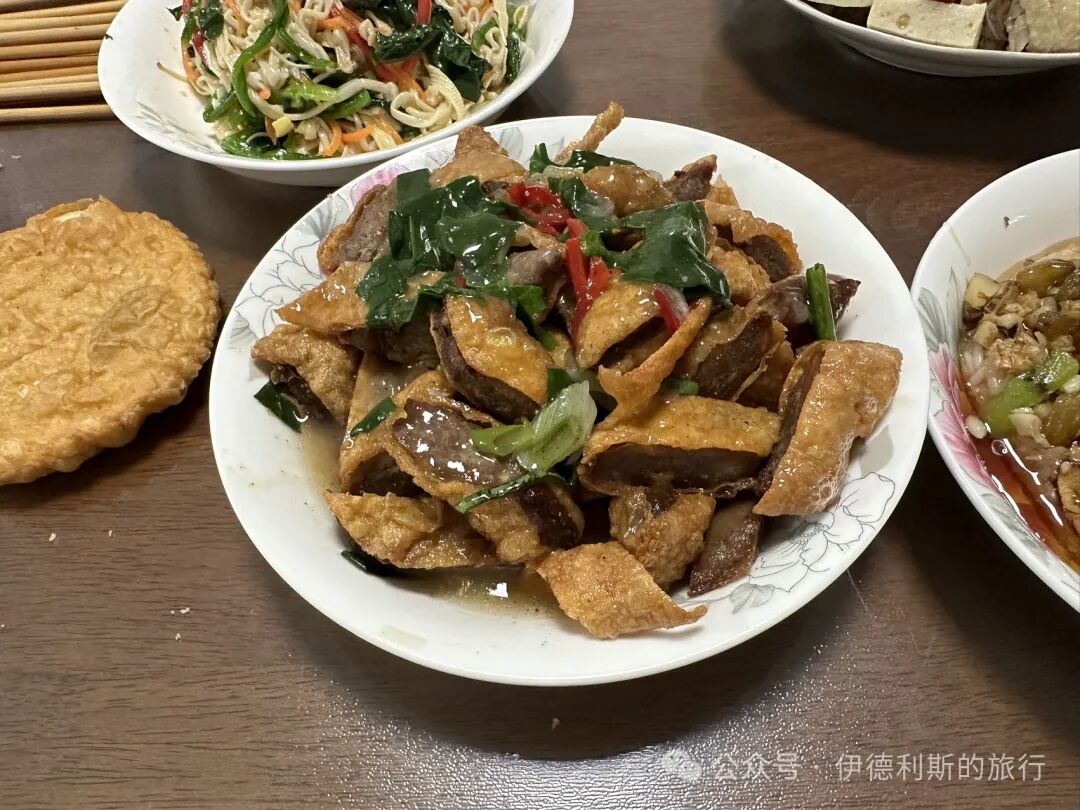
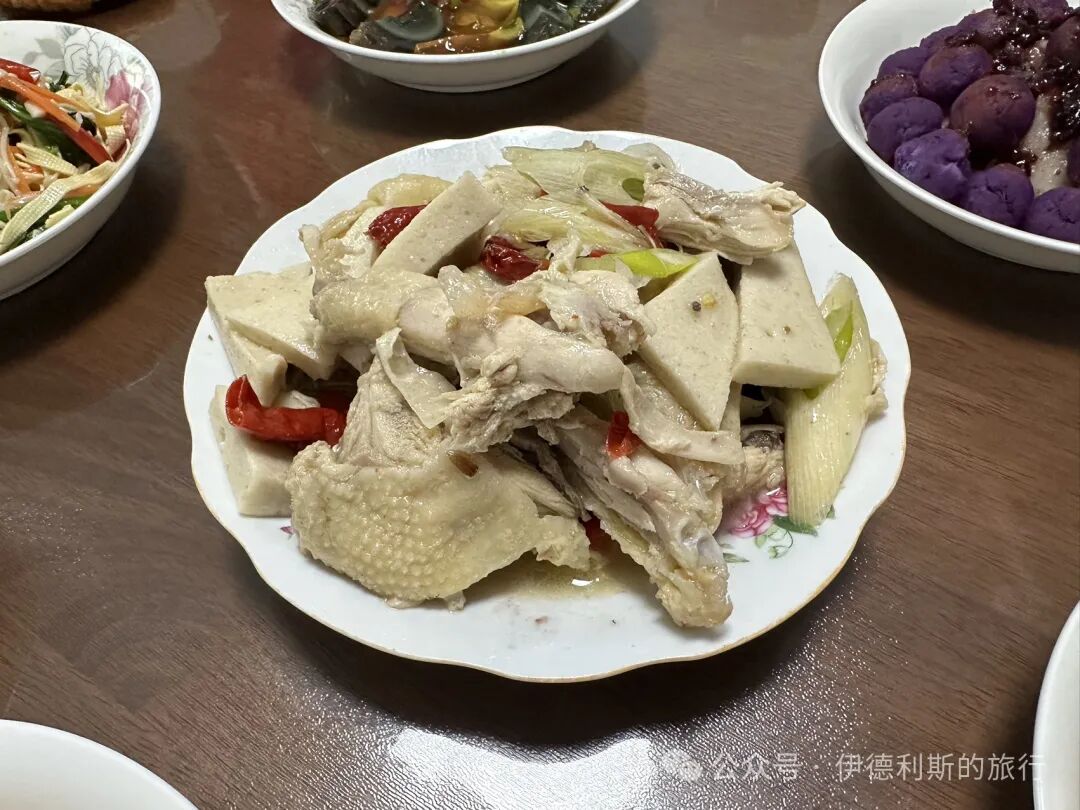
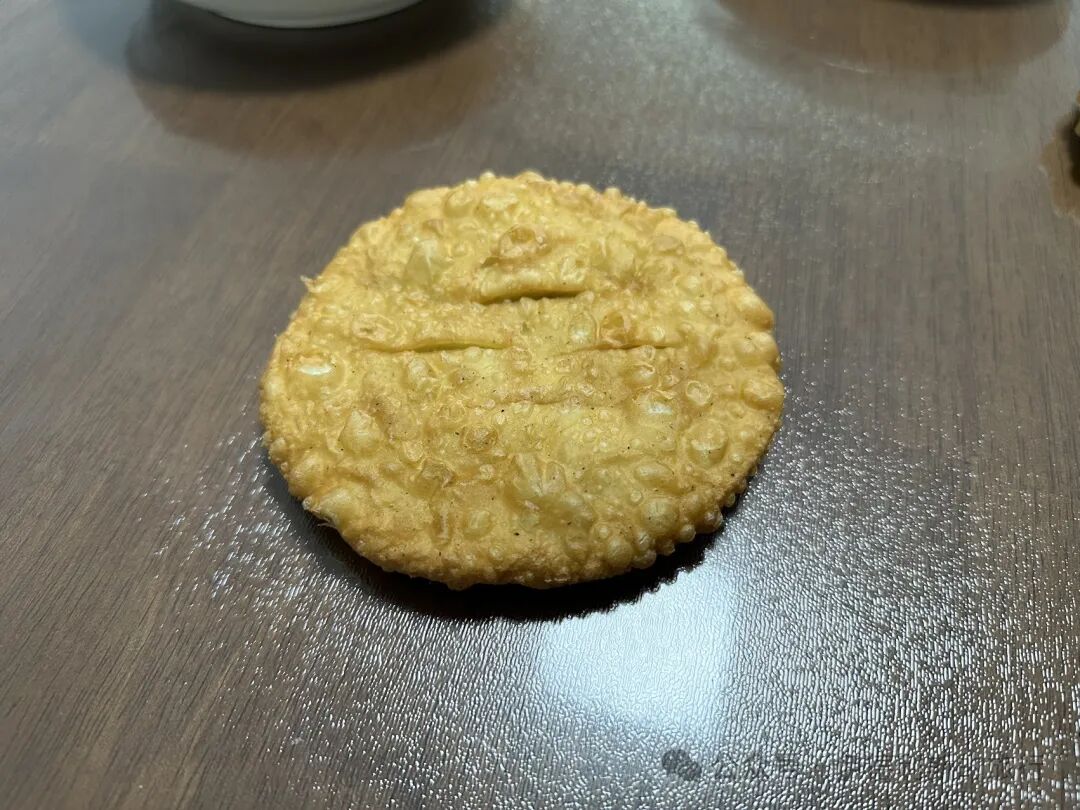
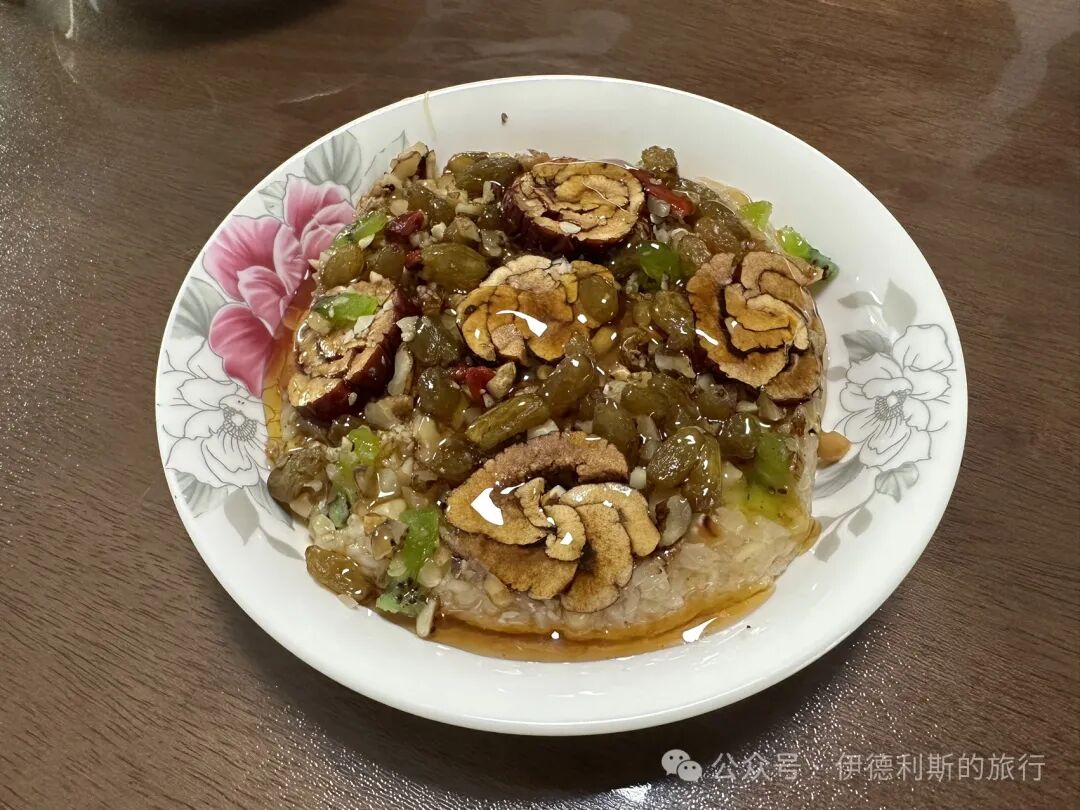
We spent the night at my aunt's house near the flour mill and had basin meat (penpenrou) with fried dough (youxiang) for breakfast.
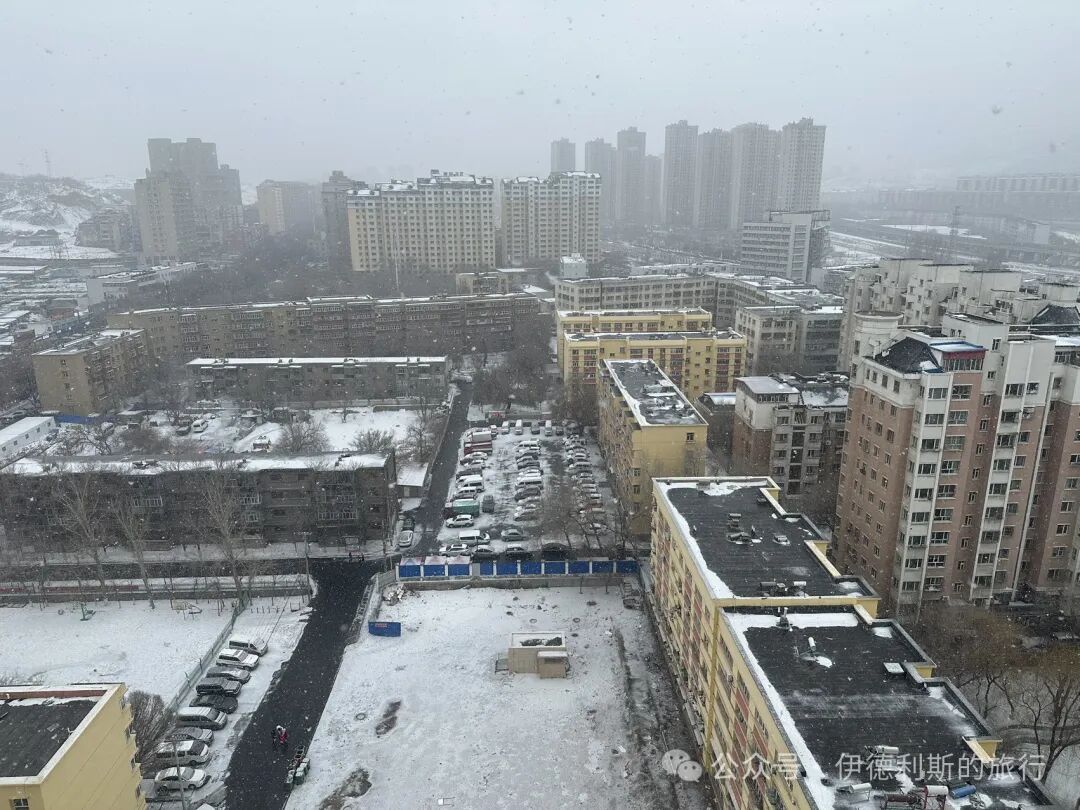
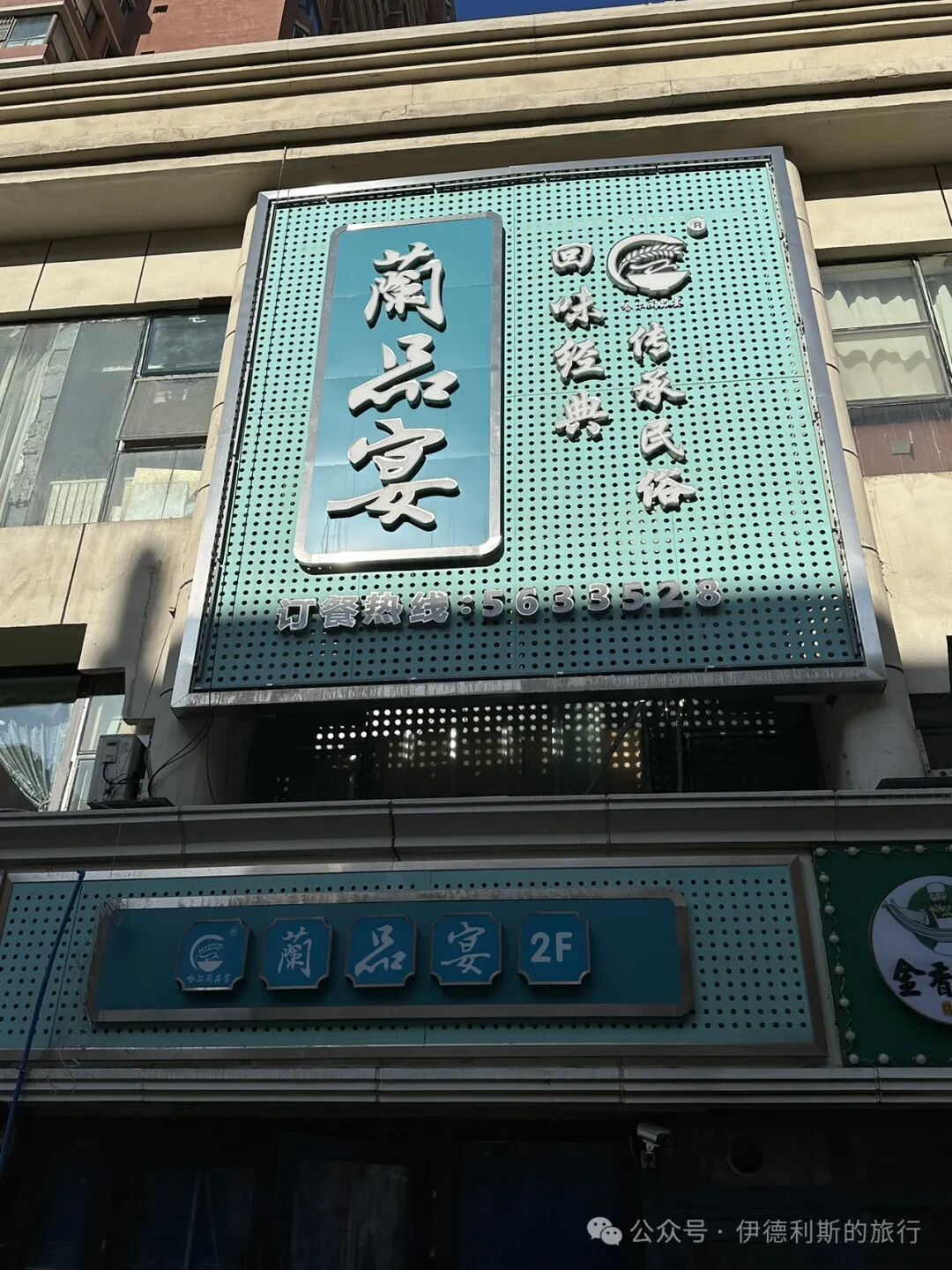
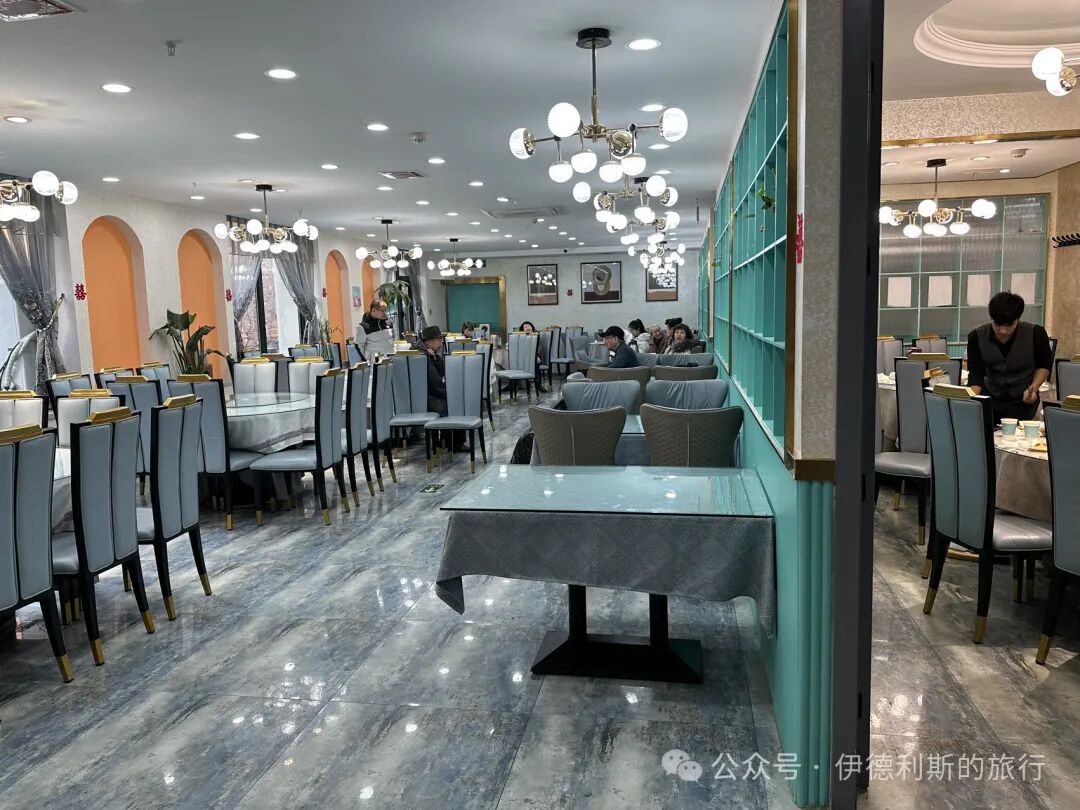
We hosted our guests at Lanpin Banquet. It is currently the most popular restaurant in Urumqi for Hui Muslims to hold religious gatherings (niansuoer). They don't sell alcohol, the food is refined, and the owner is warm and attentive. It is usually packed on weekends and holidays, so you must book in advance. On the day we went, they hosted 30 tables for a circumcision ceremony and 15 tables for a special occasion.
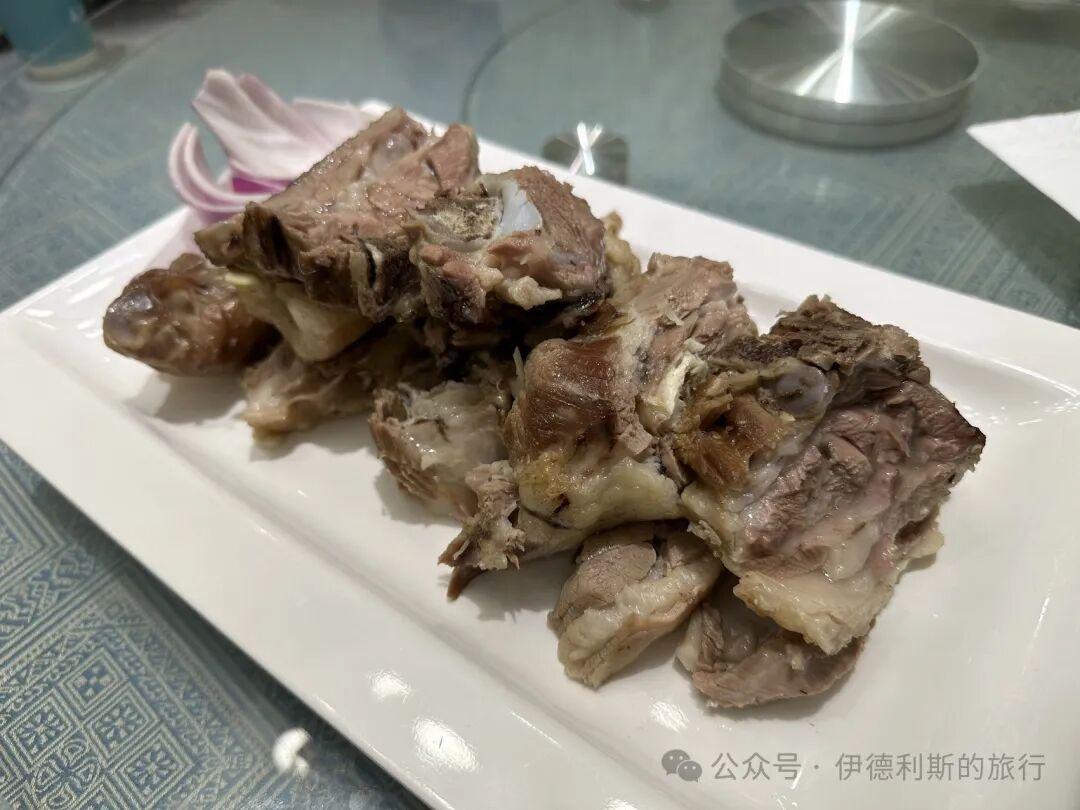
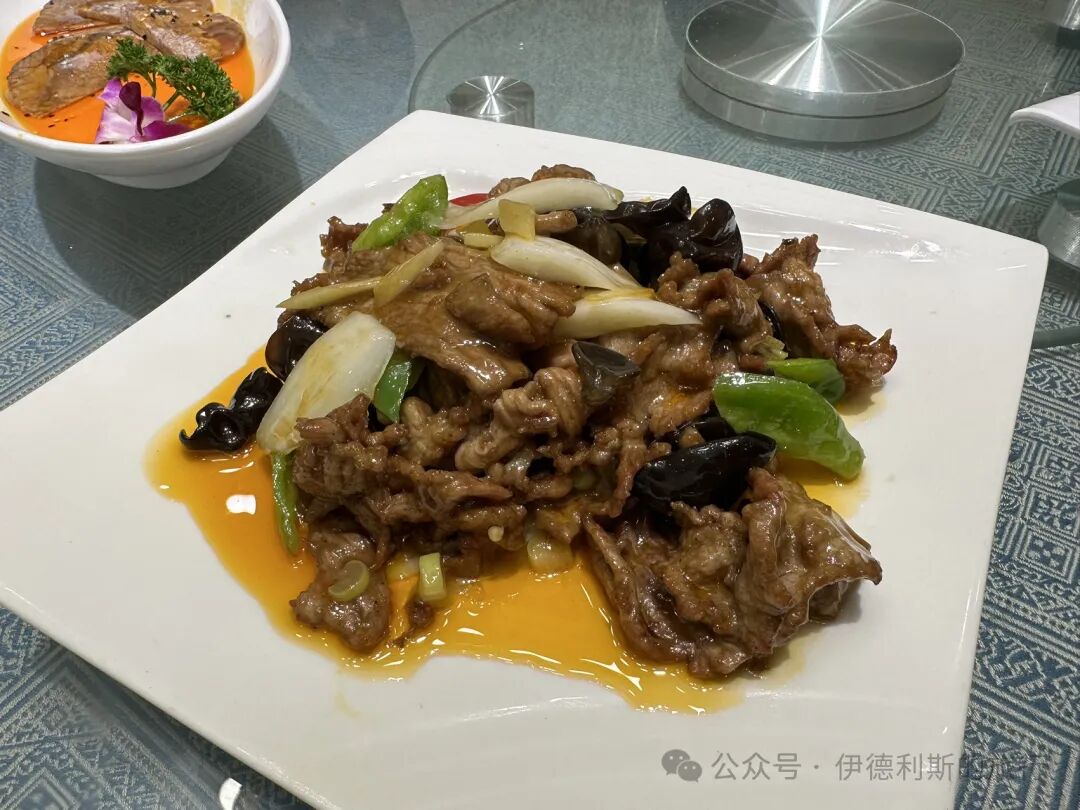
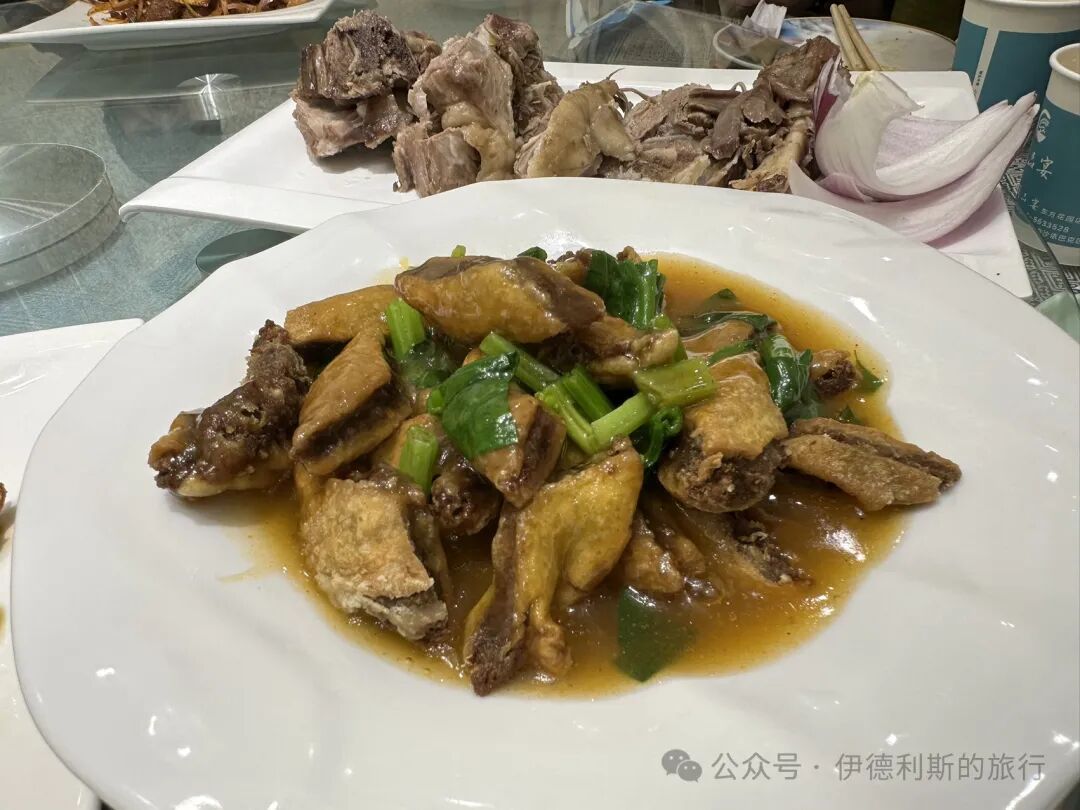
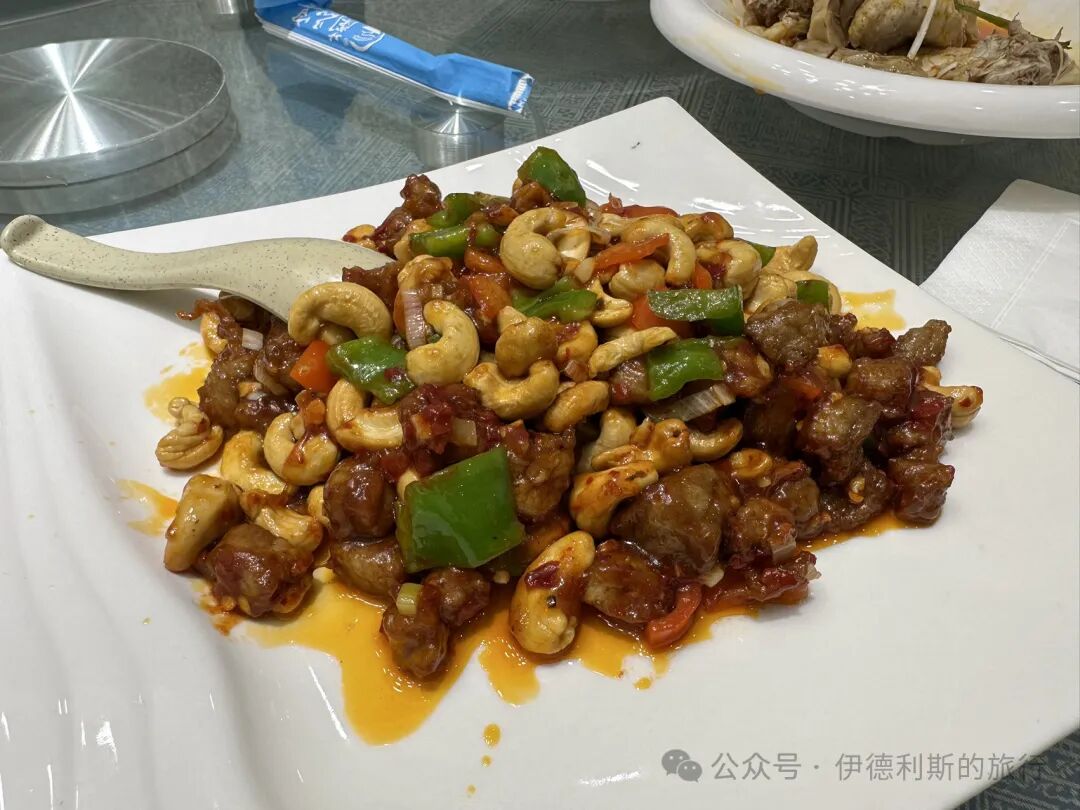
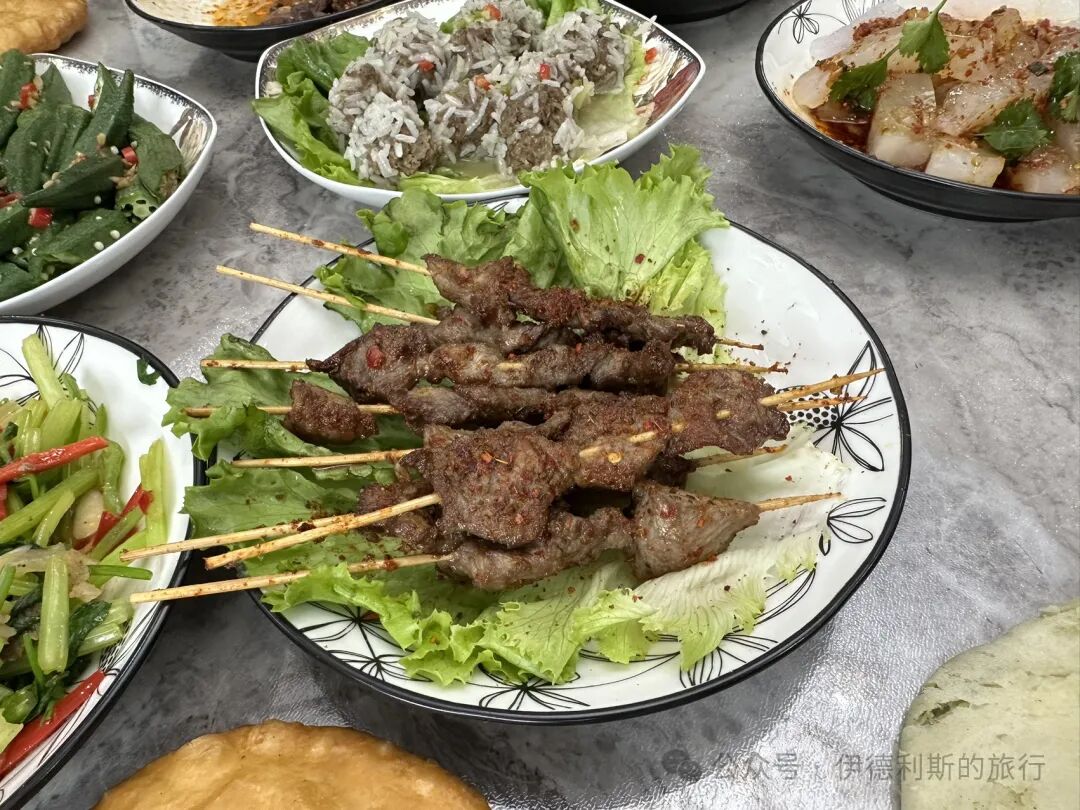
We ate stir-fried beef tendon, spicy peppercorn chicken (jiaomaji), cold-dressed beef, hand-grabbed lamb (shoubarou), sauced stuffed meat slices (jiasha), pearl meatballs, and flatfish, along with complimentary side dishes. These are the most popular dishes for Hui Muslim gatherings in Urumqi right now. Their hand-grabbed lamb (shoubarou) is excellent; the meat is tender and fragrant, making it perfect for elderly people to eat.
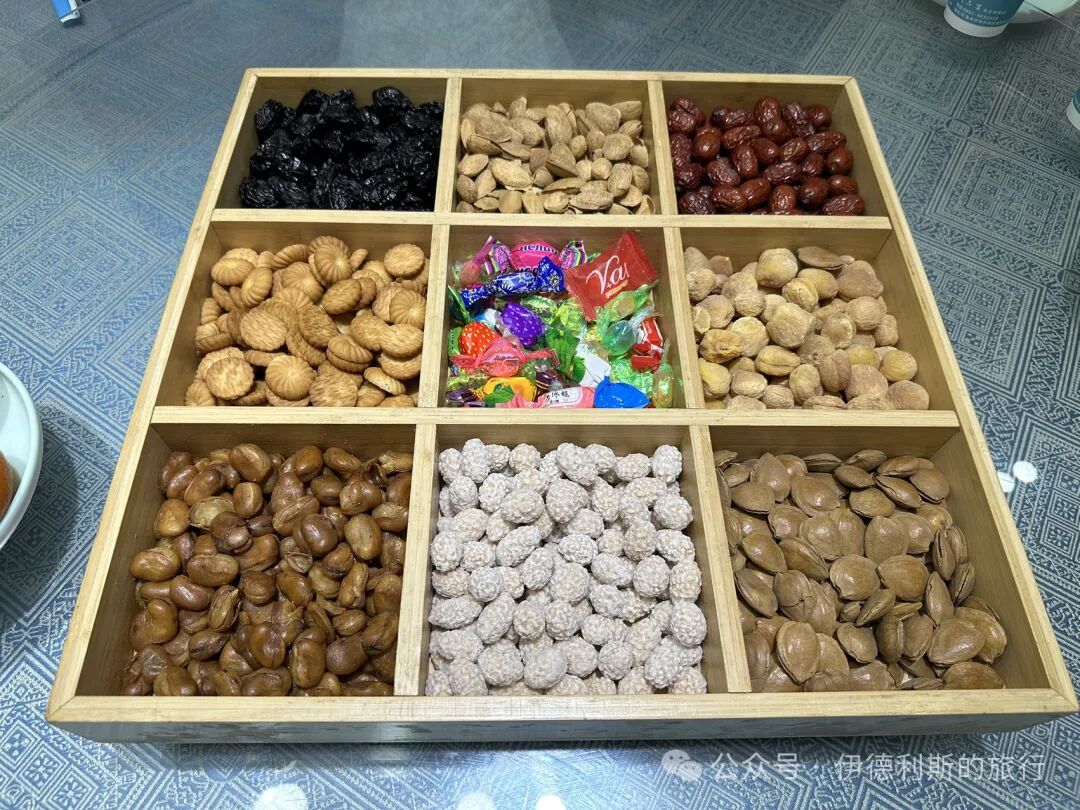
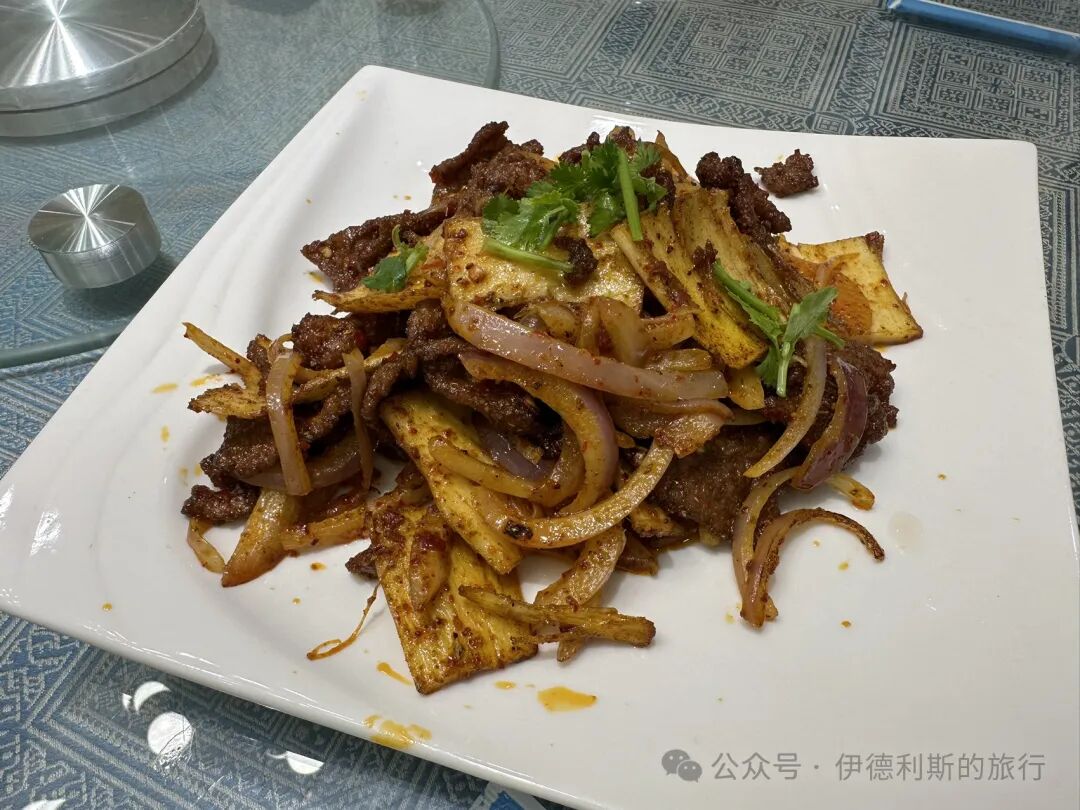
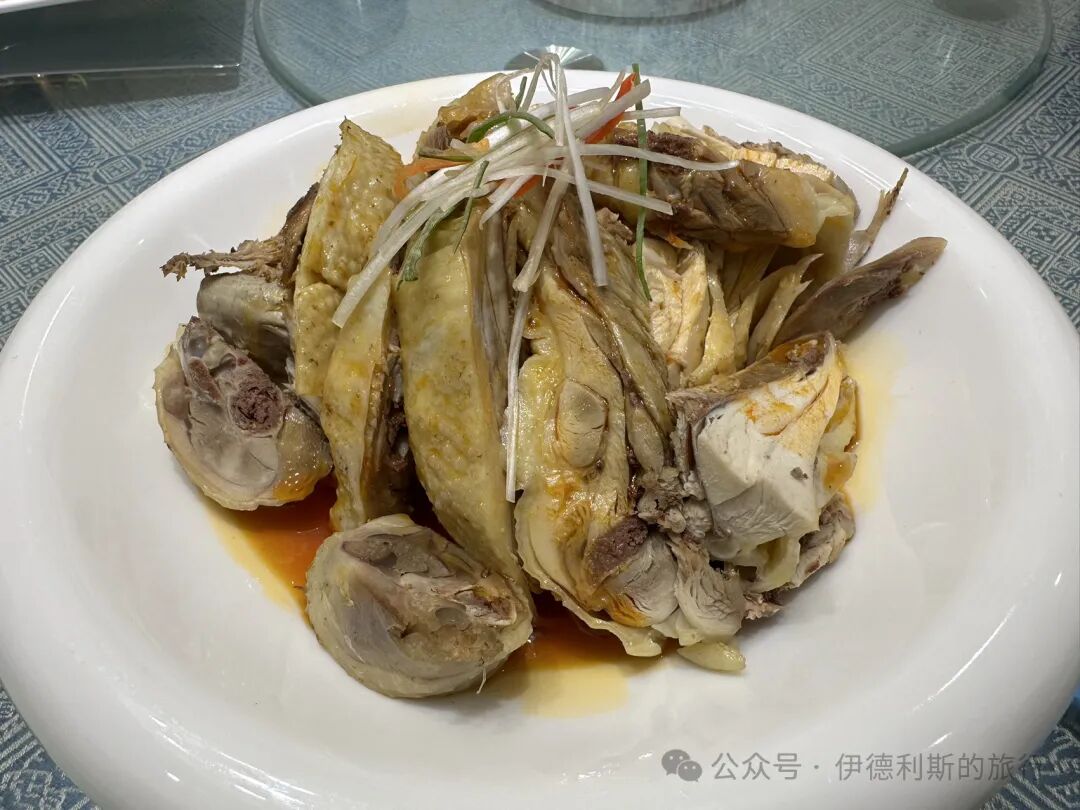
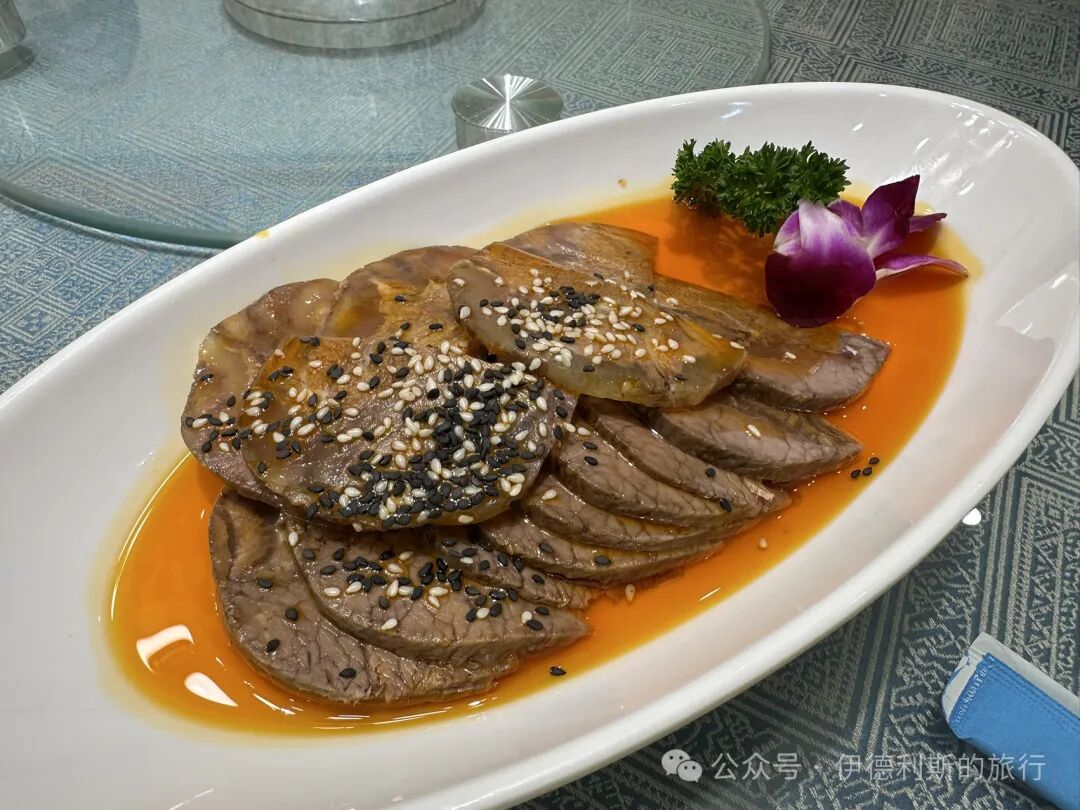
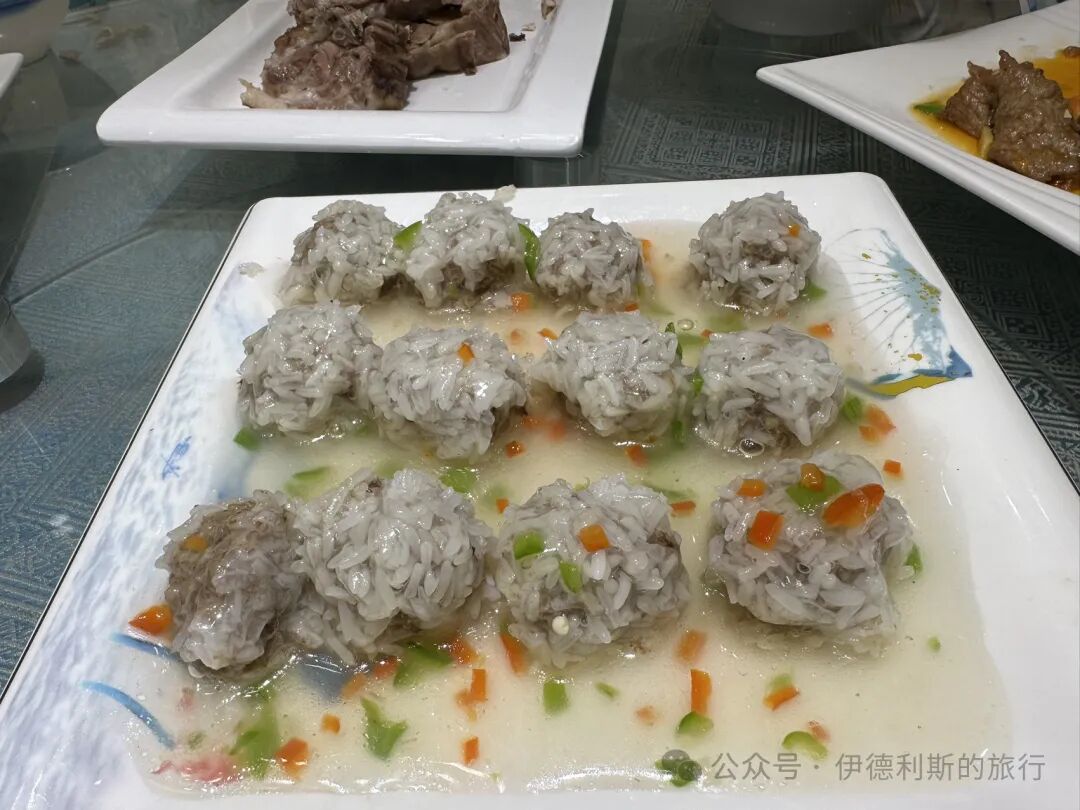
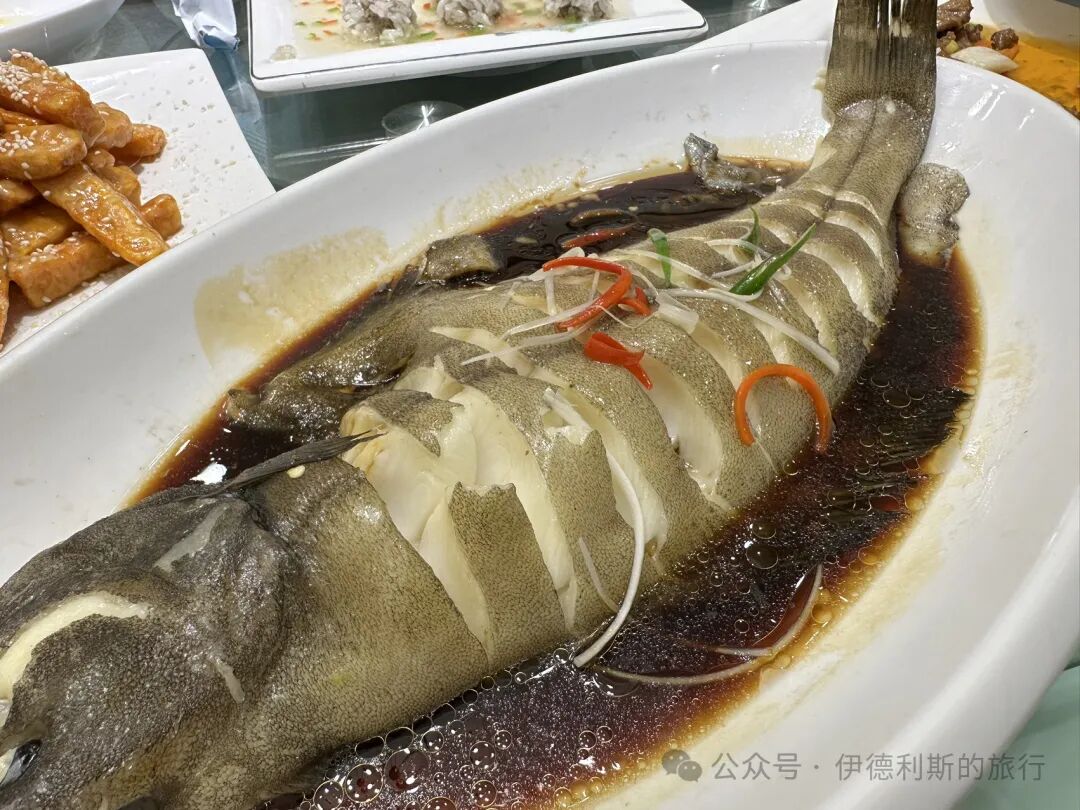
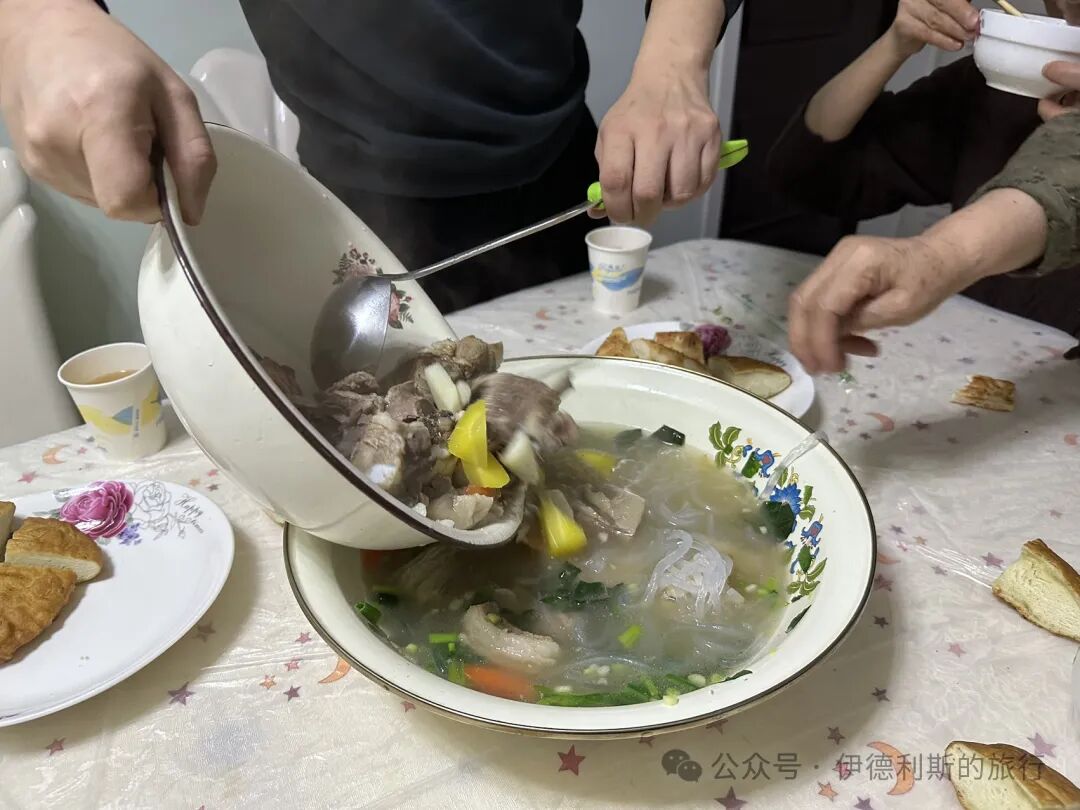
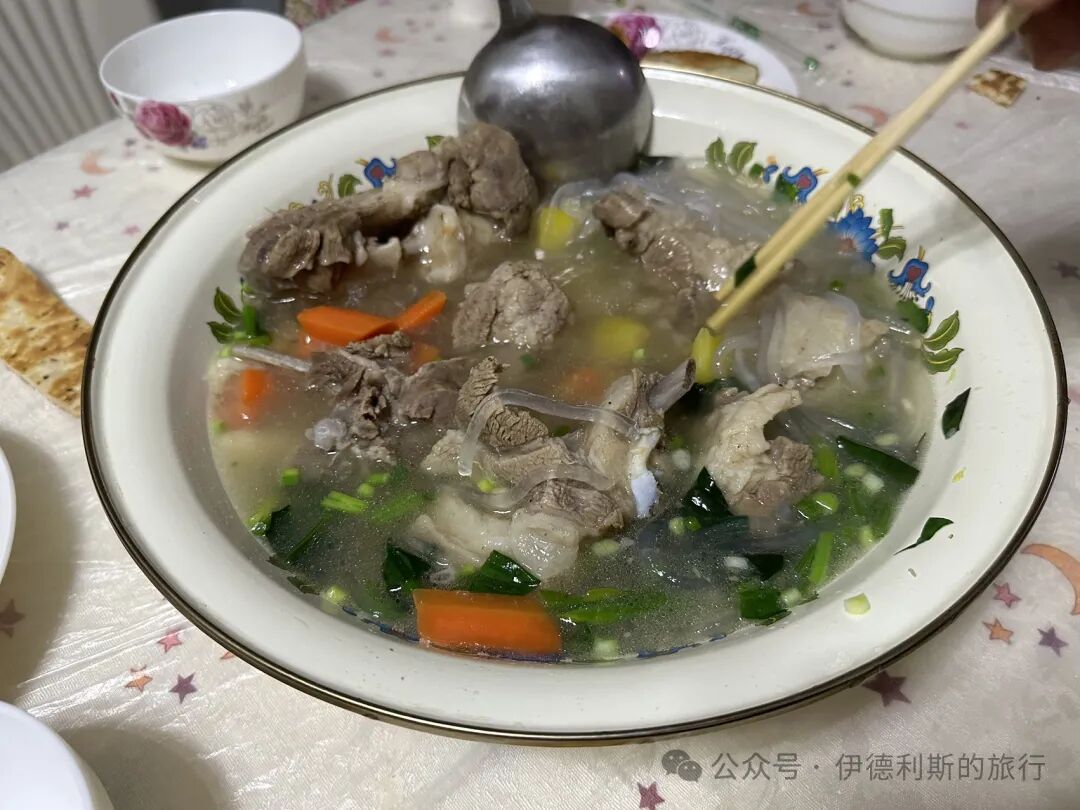
I spent the night at Uncle Saisai's house in the Changsheng Brigade in the southern suburbs of Urumqi. The hospitality was generous, with dishes like sweet platter (tianpanzi), fried dough snacks (youguozi), pearl meatballs (zhenzhu wanzi), braised ribbonfish, clear-stewed meat, and braised lamb. I also met many relatives.
Engagement acceptance ceremony (luohuali)
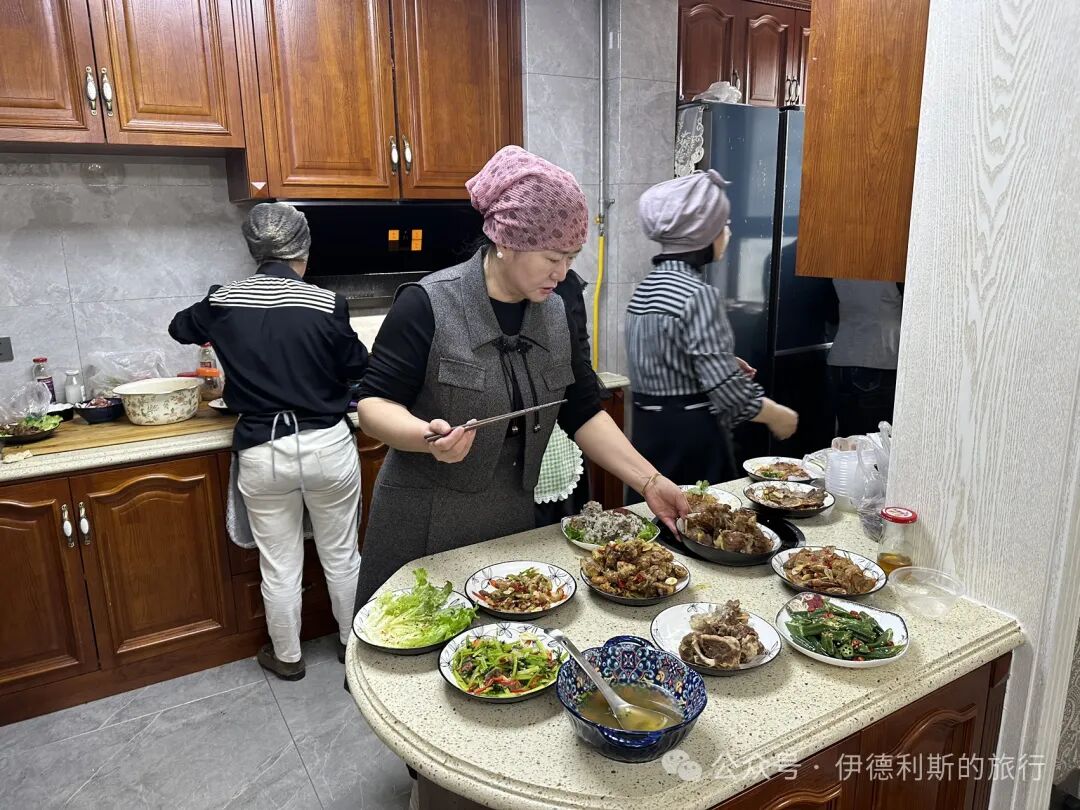
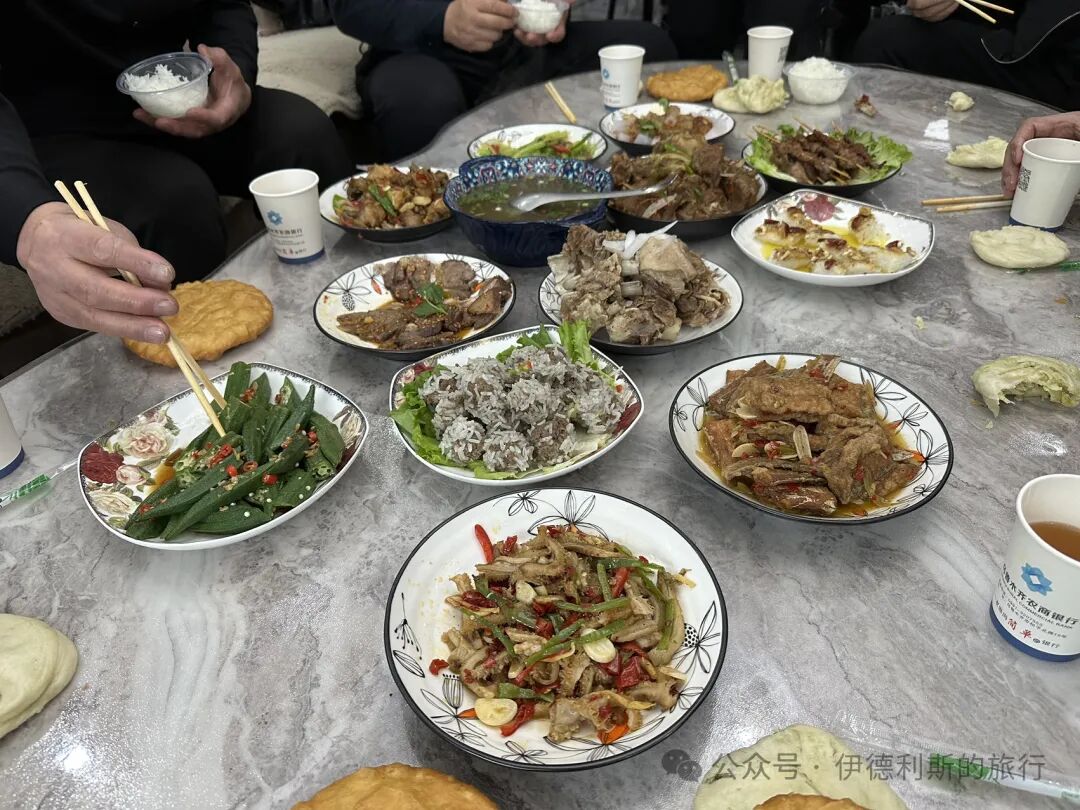
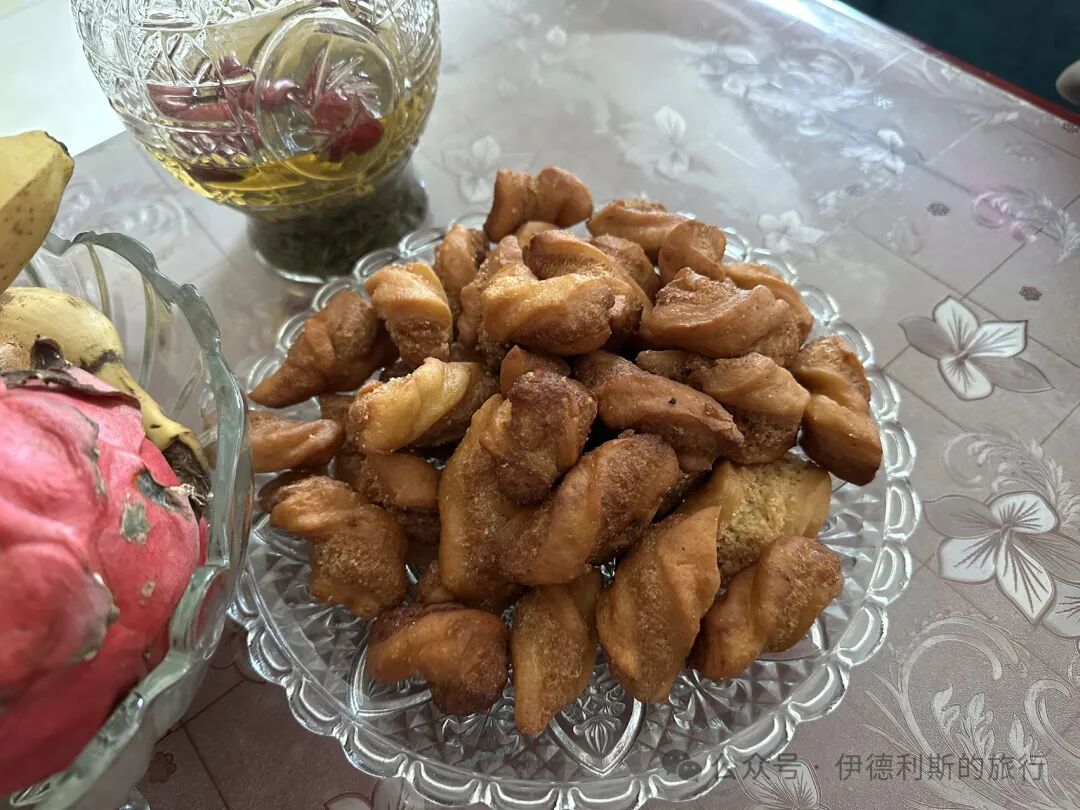
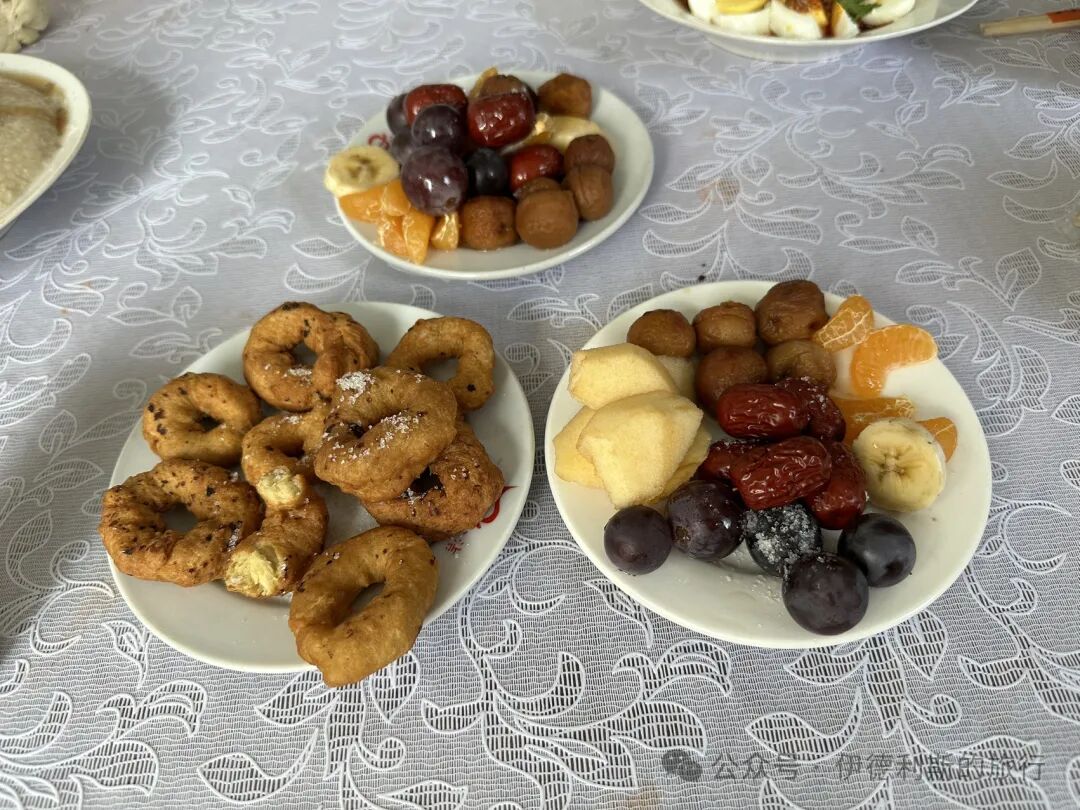
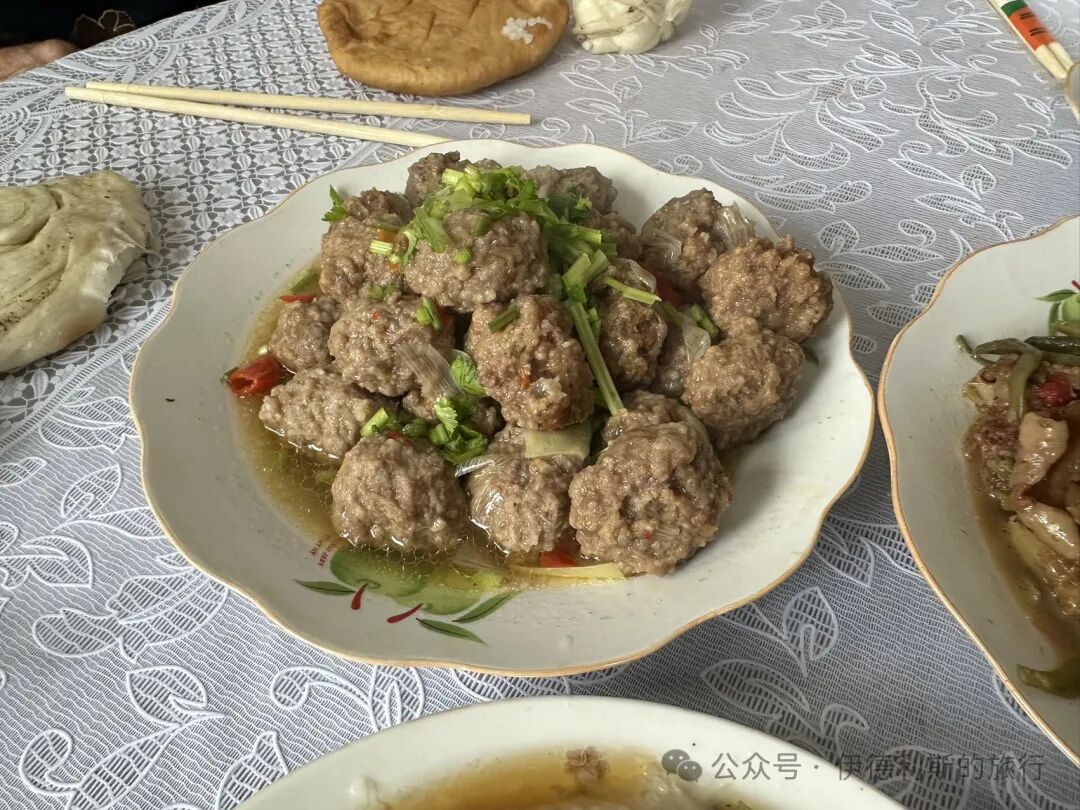
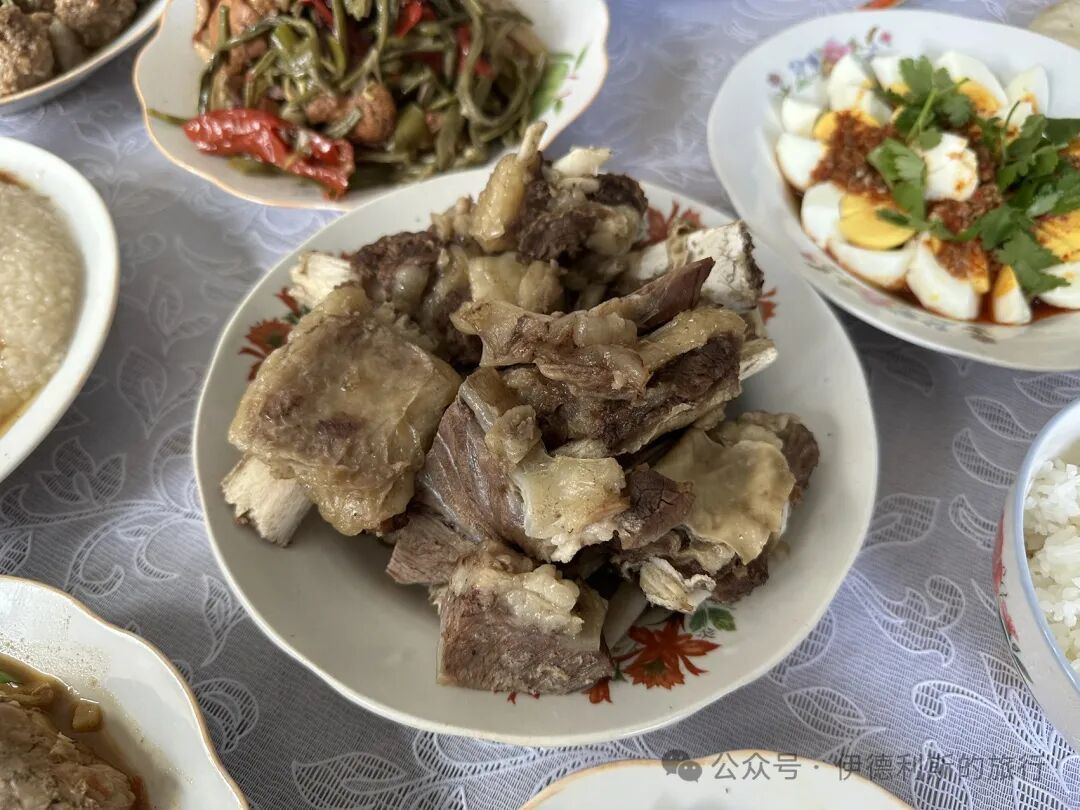
This time, I arrived just in time for my brother-in-law's engagement acceptance ceremony (luohuali). We had a feast at a small community (xiaofang) of the Jahriyya order (Zhepai) in Anningqu, in the northern suburbs of Urumqi, where I ate some homemade fried twisted sugar dough (tangningningzi). The feast started with small appetizer plates, which were then cleared to make room for the main dishes, including clear-stewed meat, braised meatballs, braised fish, and beef head meat.
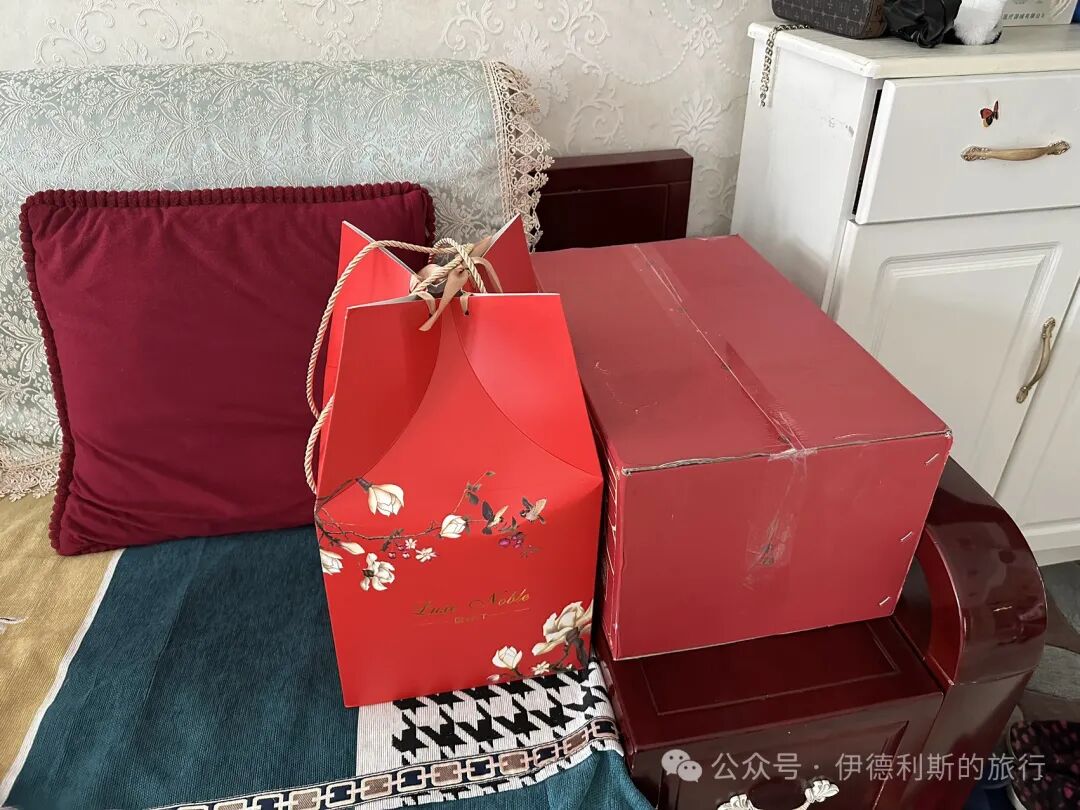
The traditional wedding customs of Hui Muslims in Xinjiang are very specific. Before a formal marriage proposal, there is a 'preliminary inquiry' where the man's family learns about the woman's family. Then, they send a matchmaker with four types of gifts—tea leaves, sugar cubes, red dates, and walnuts (or pastries)—wrapped in four colors, known as the 'four-color gift' (sese li). The first time a matchmaker brings the four-color gift to propose, it is called the 'opening gift' (kaikouli). The matchmaker gives the red-cloth-wrapped gifts to the woman's family, but they do not give an answer right away. After careful consideration, the woman's family sends a message through the matchmaker. The man's family then sends the four-color gift again, which is called the 'engagement acceptance ceremony' (luohuali), and after that, they enter the engagement stage.
Friday prayer (Jumu'ah)
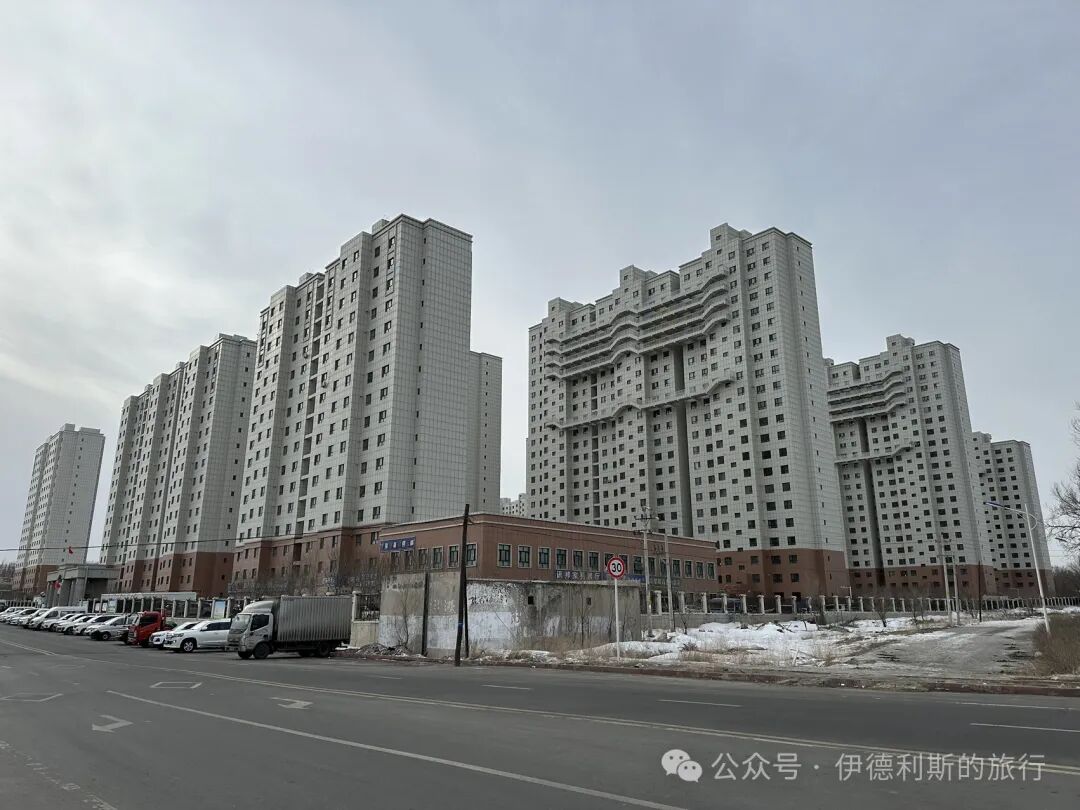
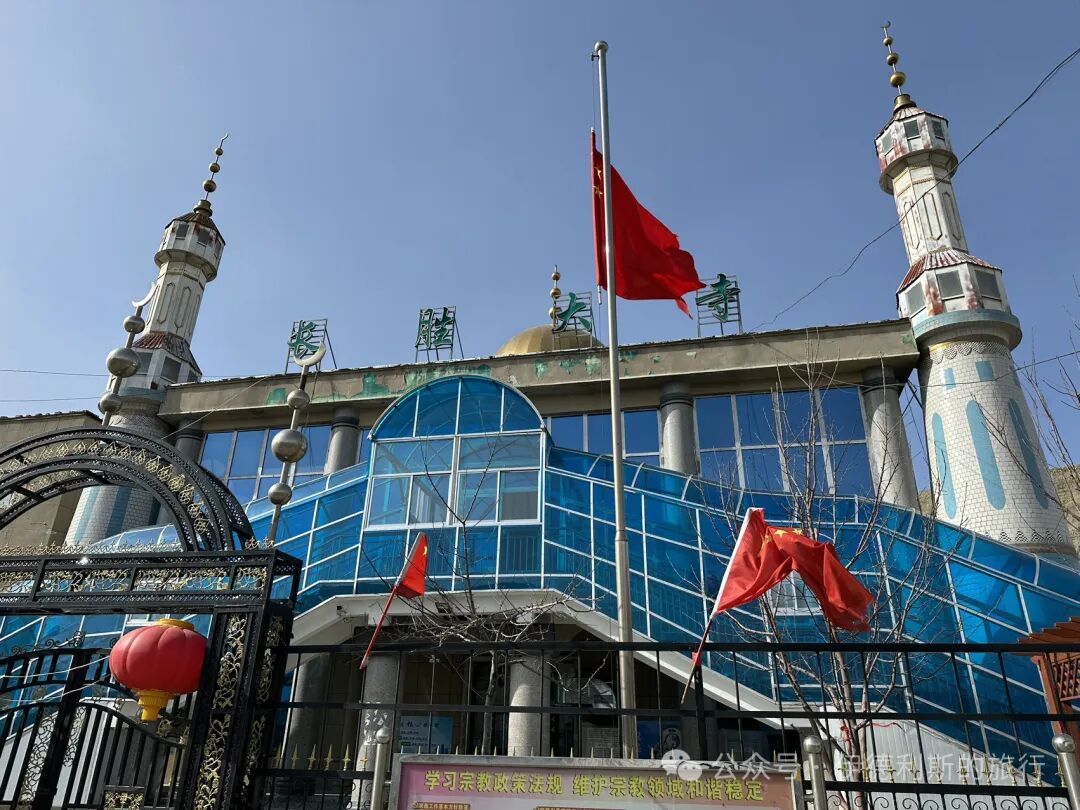
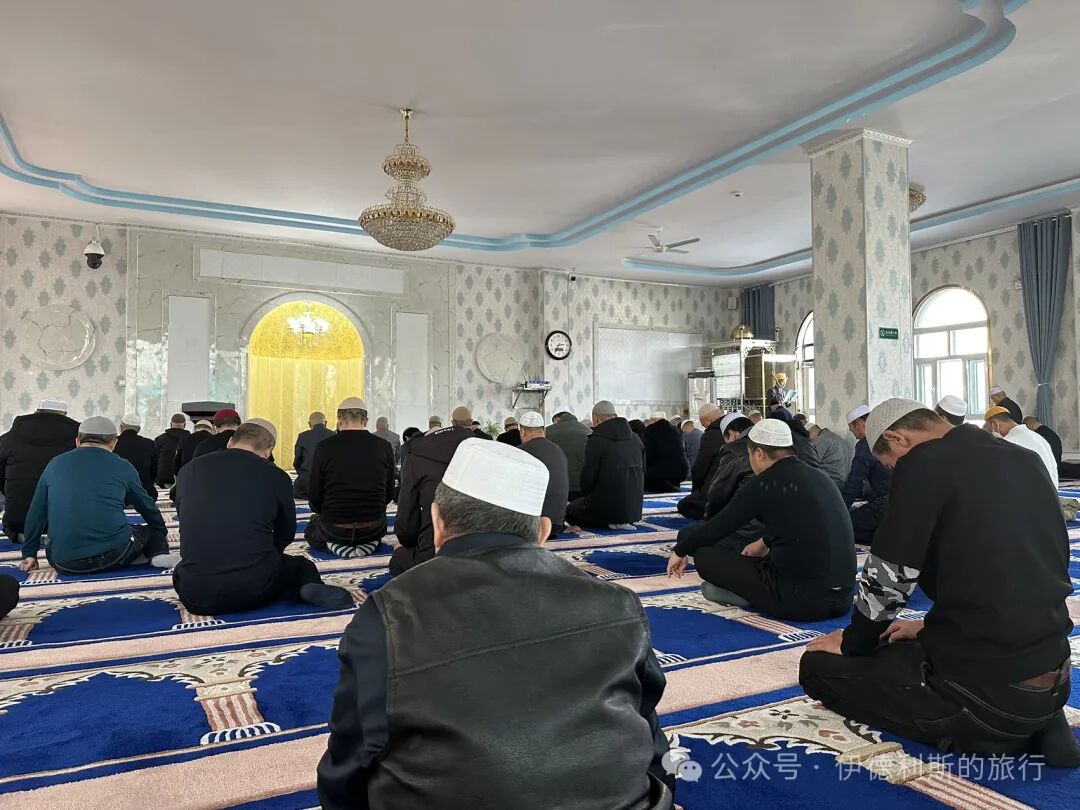
At noon, I attended the Friday prayer (Jumu'ah) at the Changsheng Grand Mosque. The Changsheng Grand Mosque is located in the Changsheng Brigade at the foot of Yaomo Mountain (Yamalike Mountain) in the southern suburbs of Urumqi. It has the highest number of congregants among the Hui Muslim mosques in the Saybagh District, with over a hundred people attending the Friday prayer (Jumu'ah). The Changsheng Brigade used to be a series of large courtyards where everyone farmed. Now, everyone has moved collectively to the Fumin Anju residential area, and the houses are very spacious.
Imam Fanta of the Changsheng Grand Mosque is my wife's uncle. Uncle Fanta is the one who performed our marriage contract (nikah). Uncle Fanta's surname is Su. The Su family is a large clan in Changsheng. Over three hundred years ago, they left Ankang, Shaanxi, and traveled through Ningxia and Jimsar to Urumqi to do business. Later, their business failed, and they eventually moved to Changsheng to farm, where they have lived ever since.
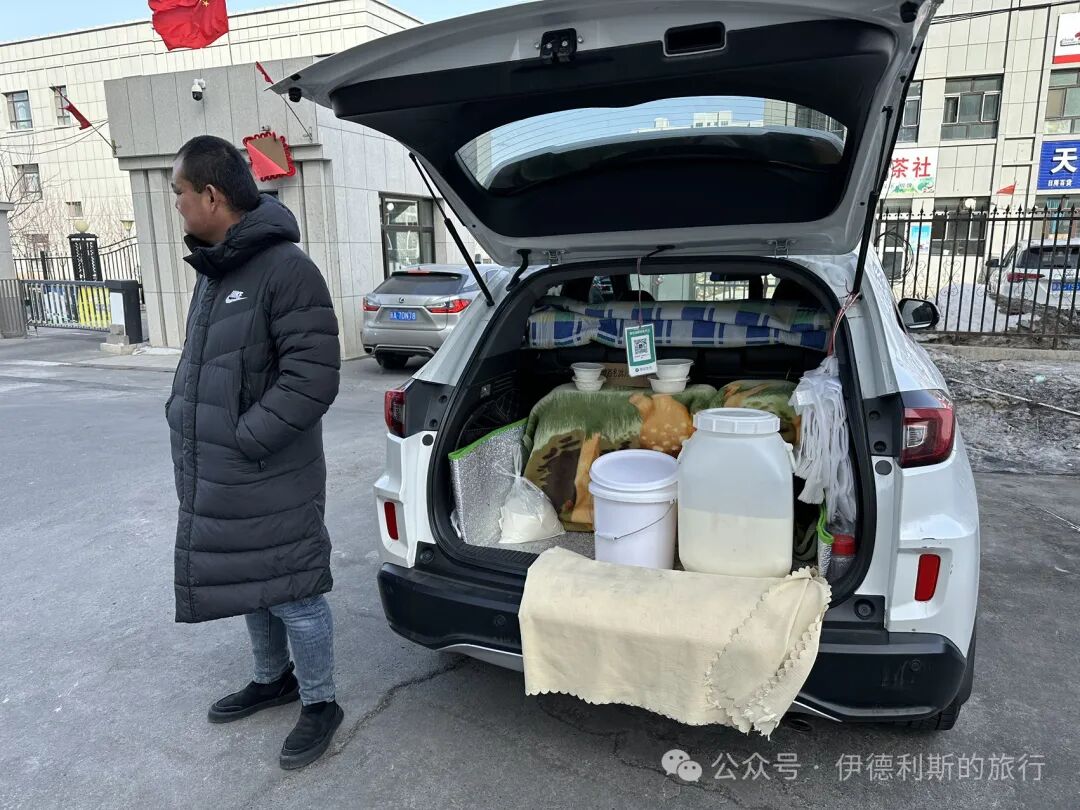
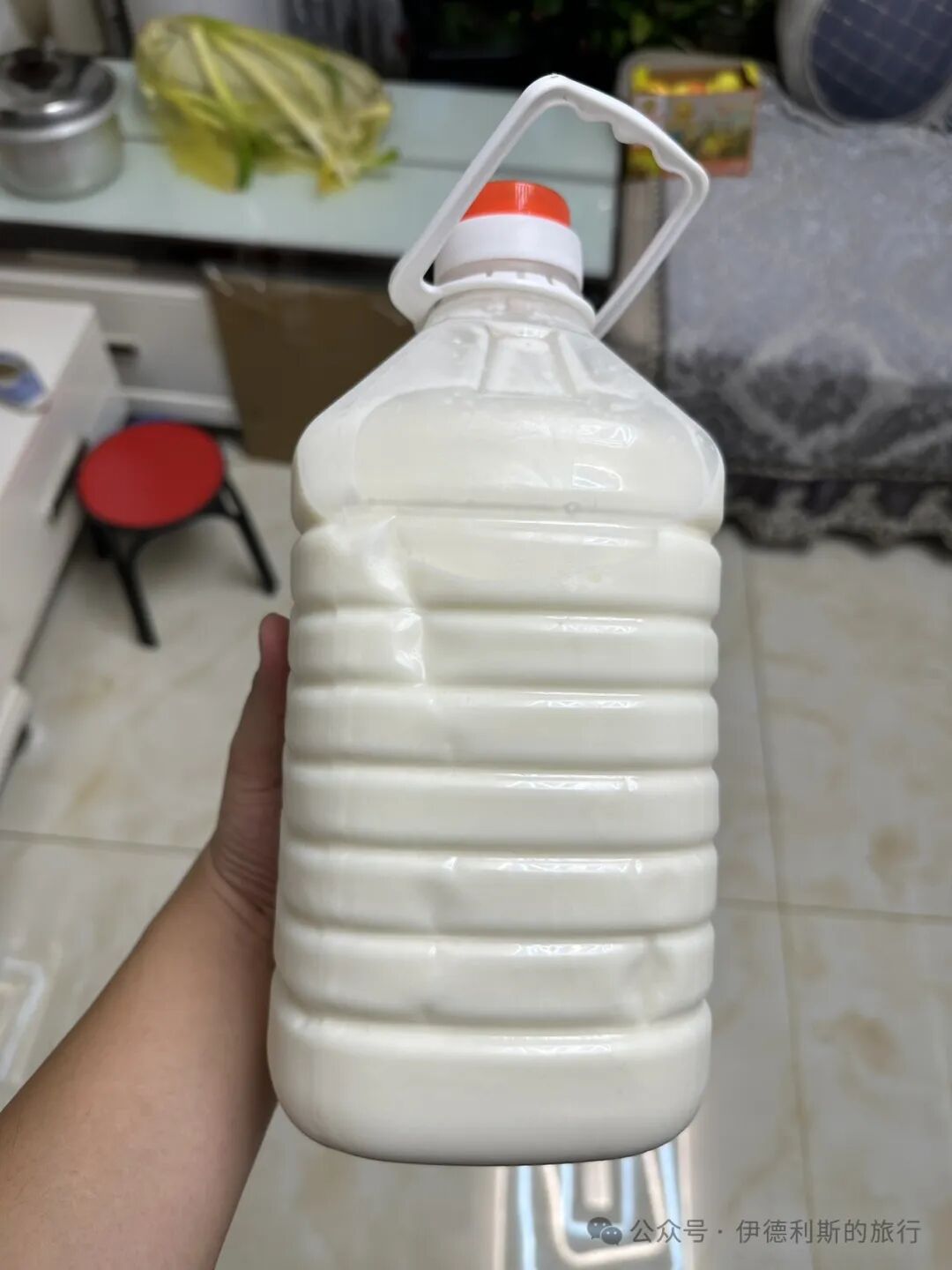
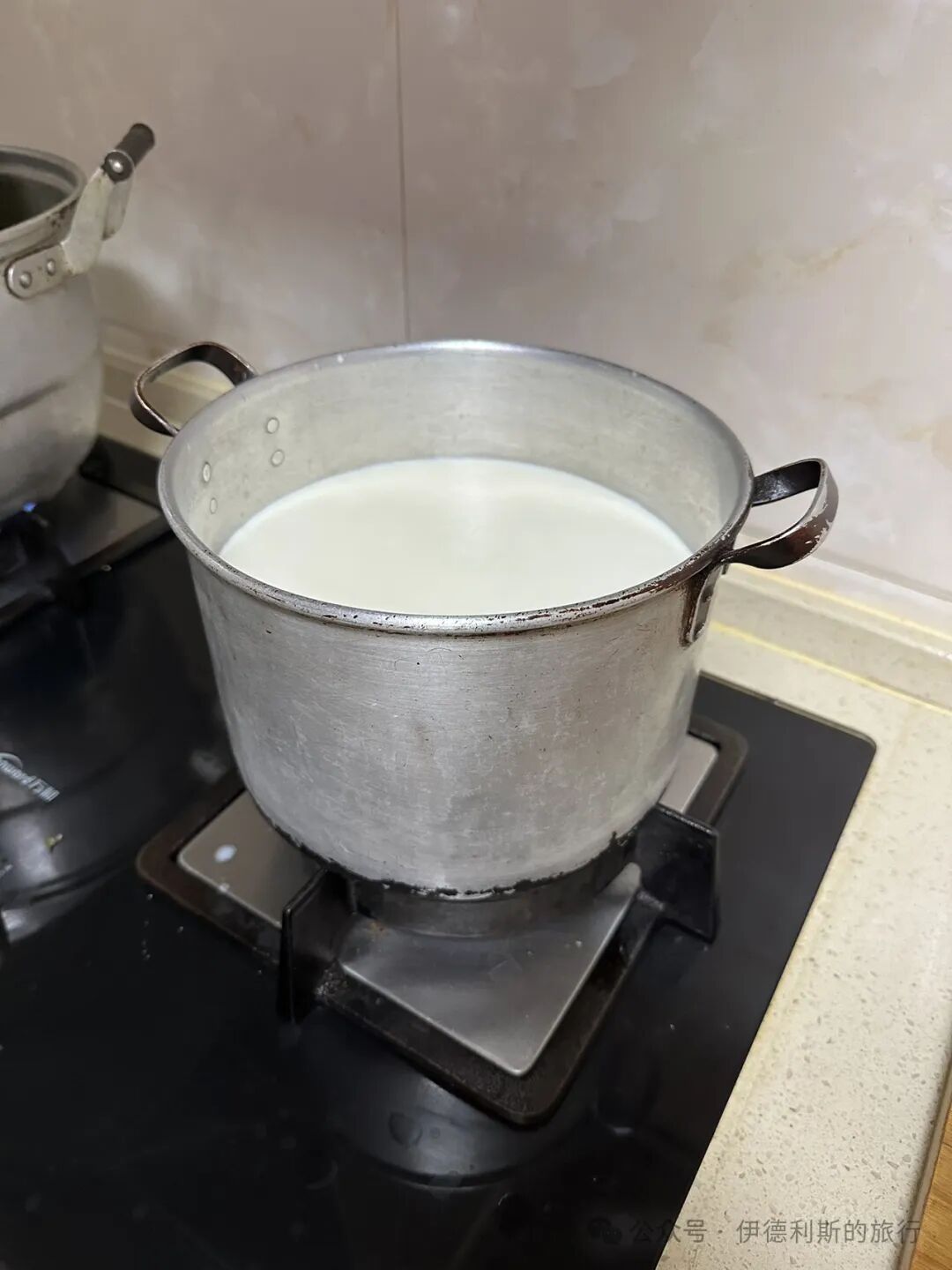
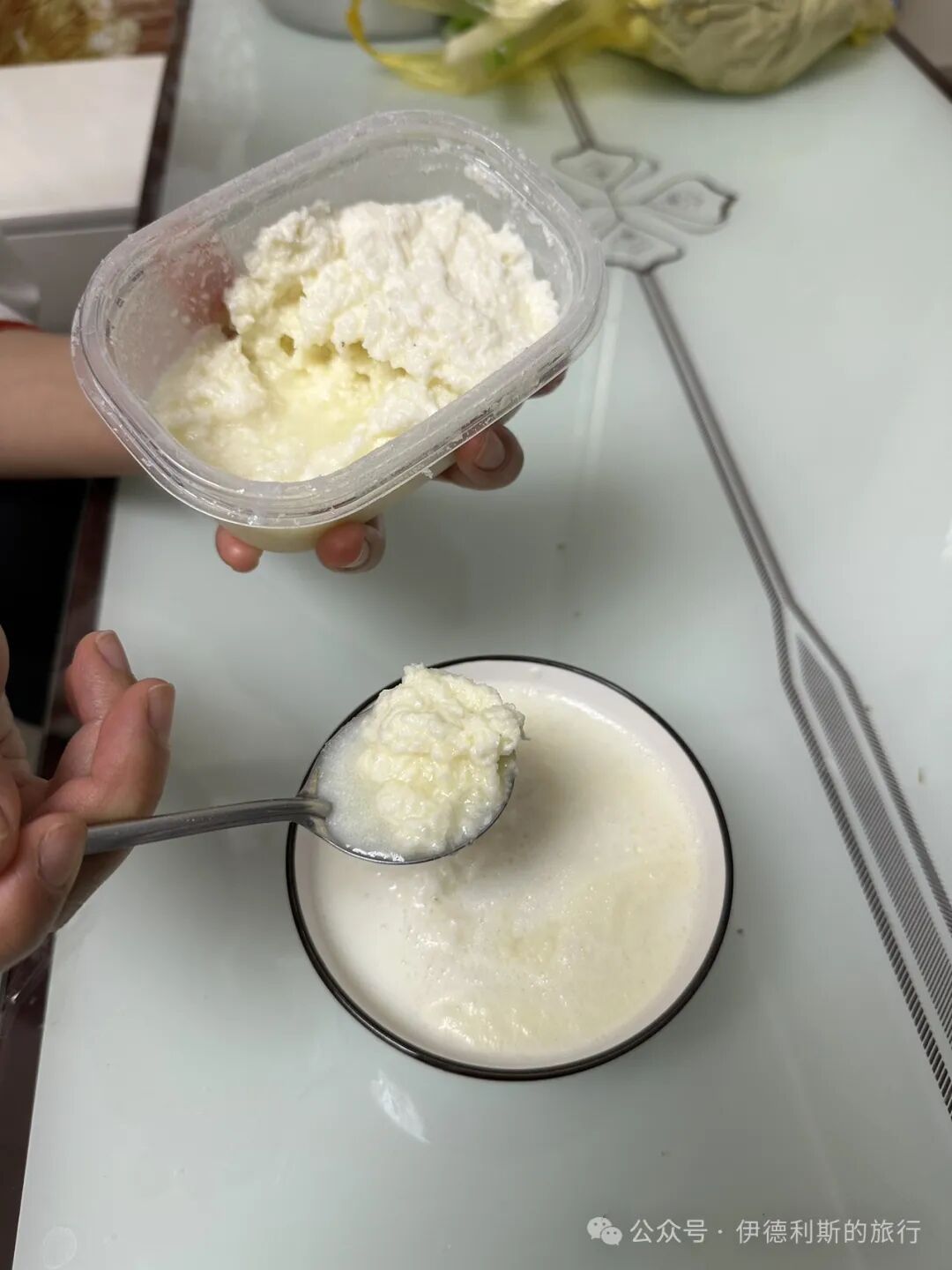
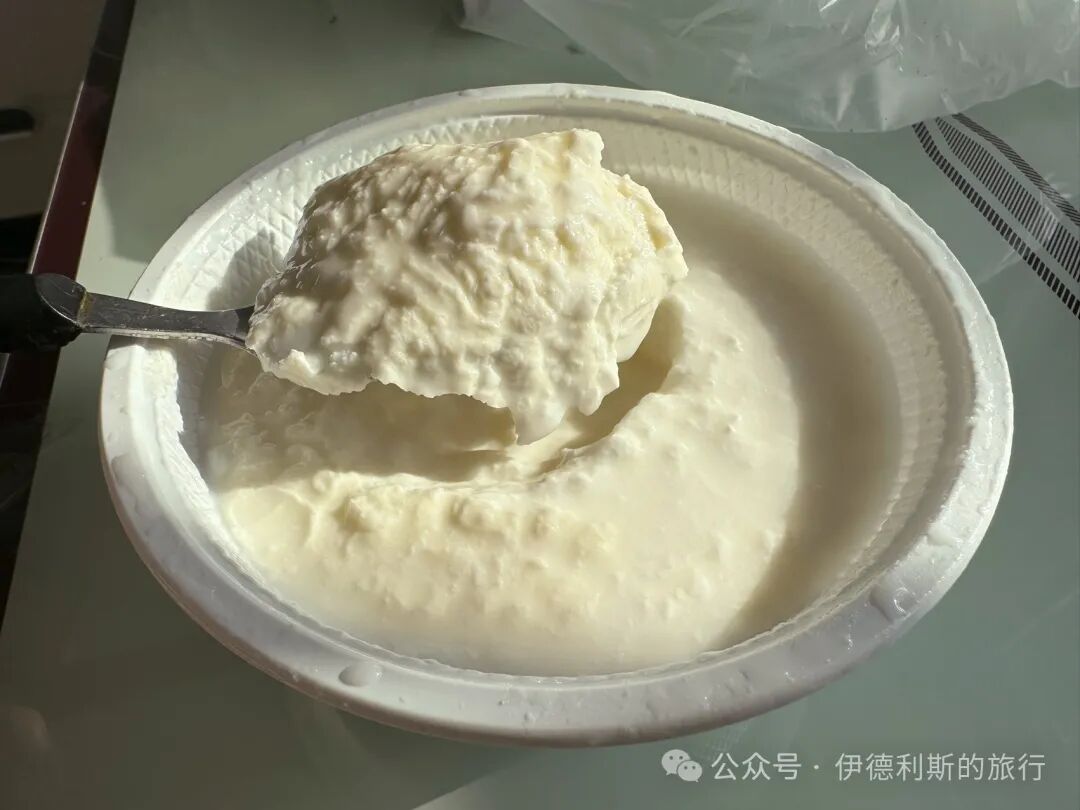
I bought fresh milk and handmade yogurt at the entrance of the Changsheng residential area. A large bucket of fresh milk only cost 20 yuan. After boiling it and adding two spoonfuls of milk skin (naipizi) I bought earlier on Hetian Street, it tasted amazing. The handmade yogurt comes with its own layer of milk skin (naipizi) and has a very rich milky flavor.
Visiting relatives and friends.
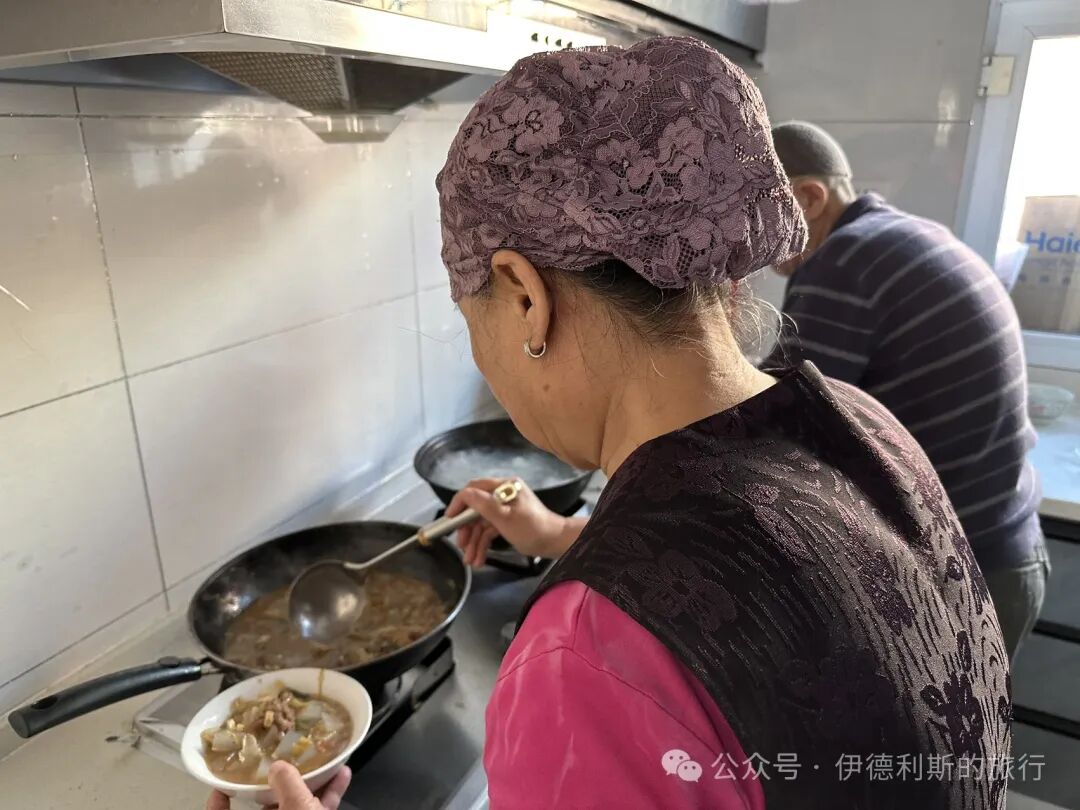
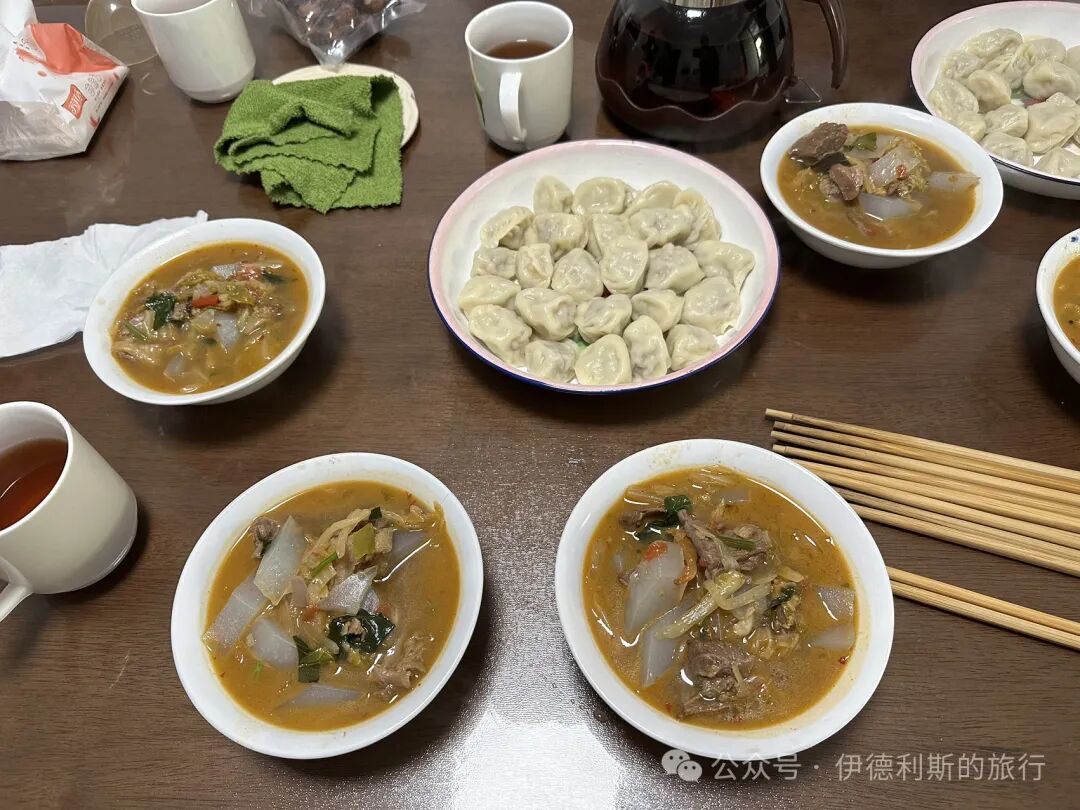
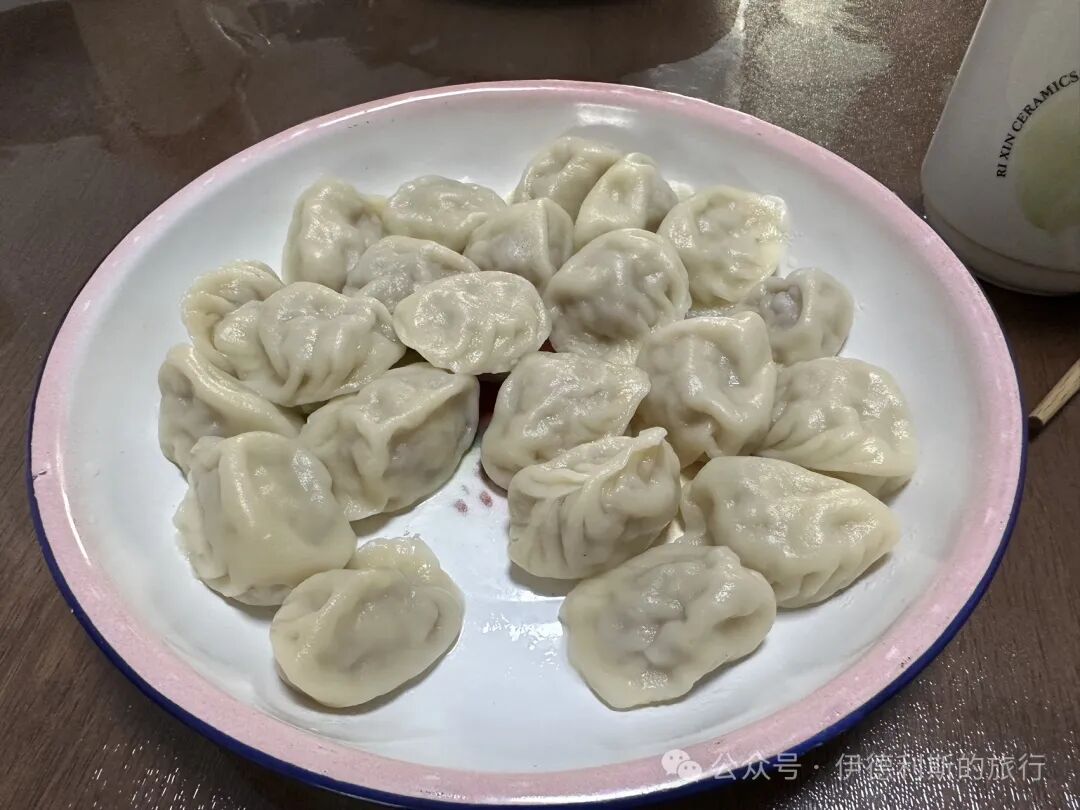
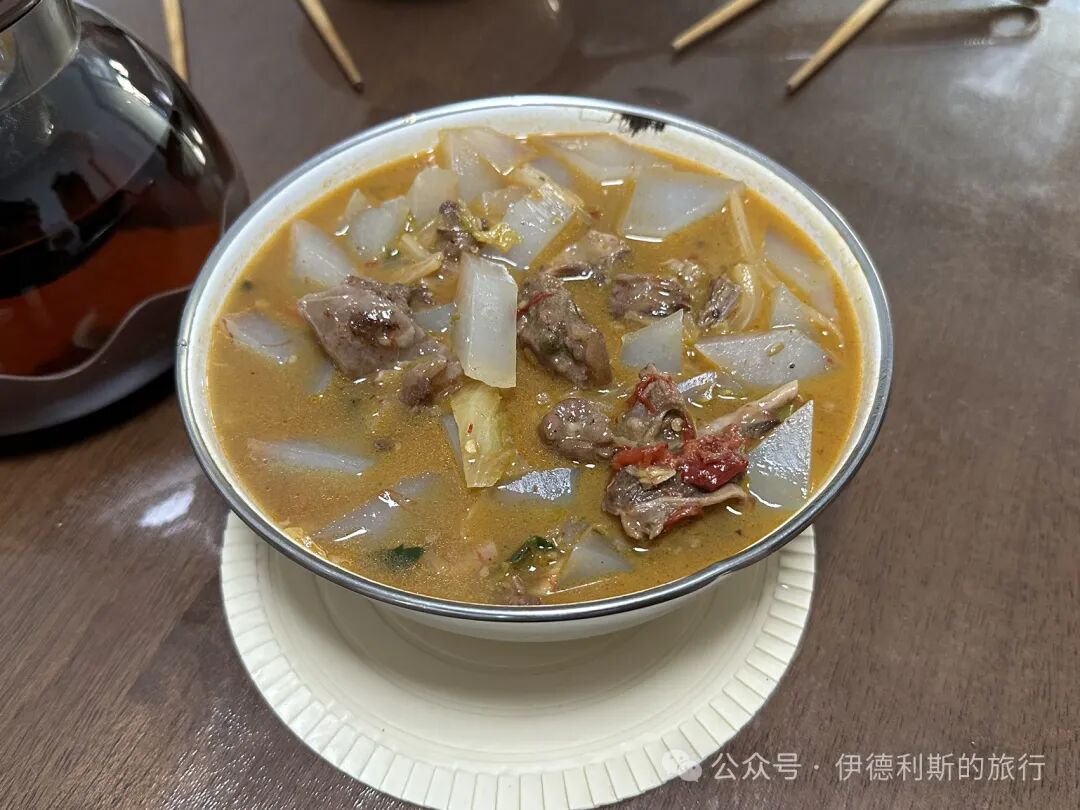
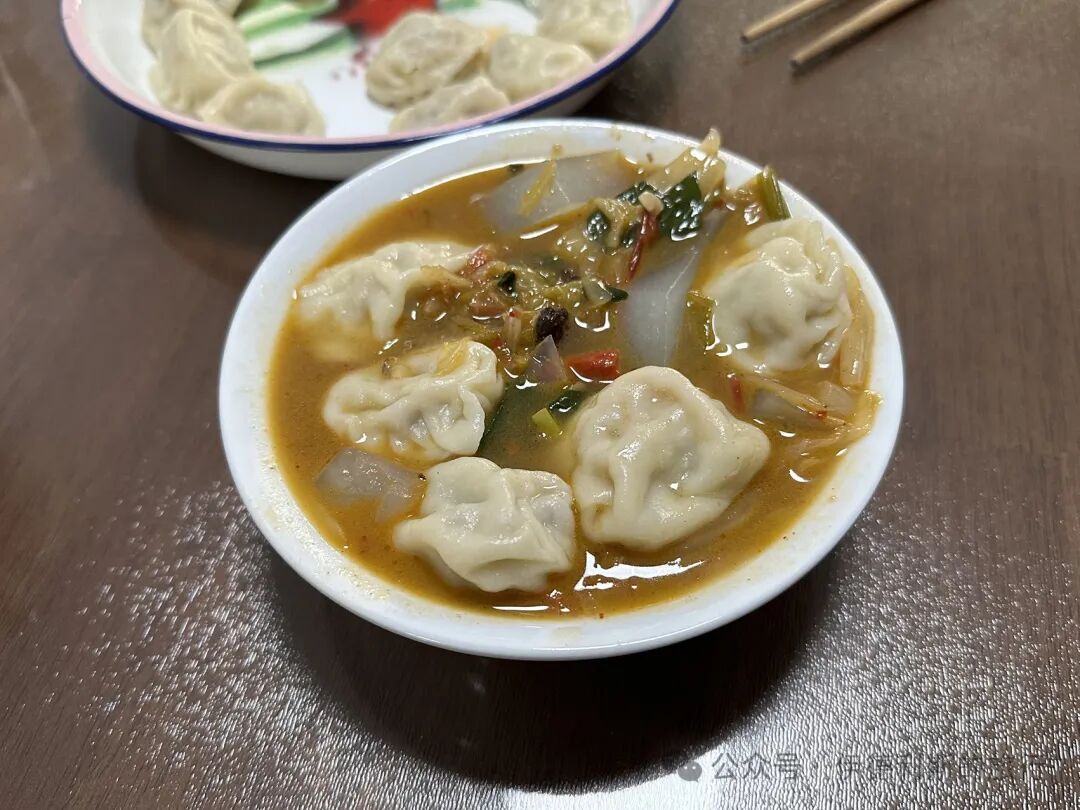
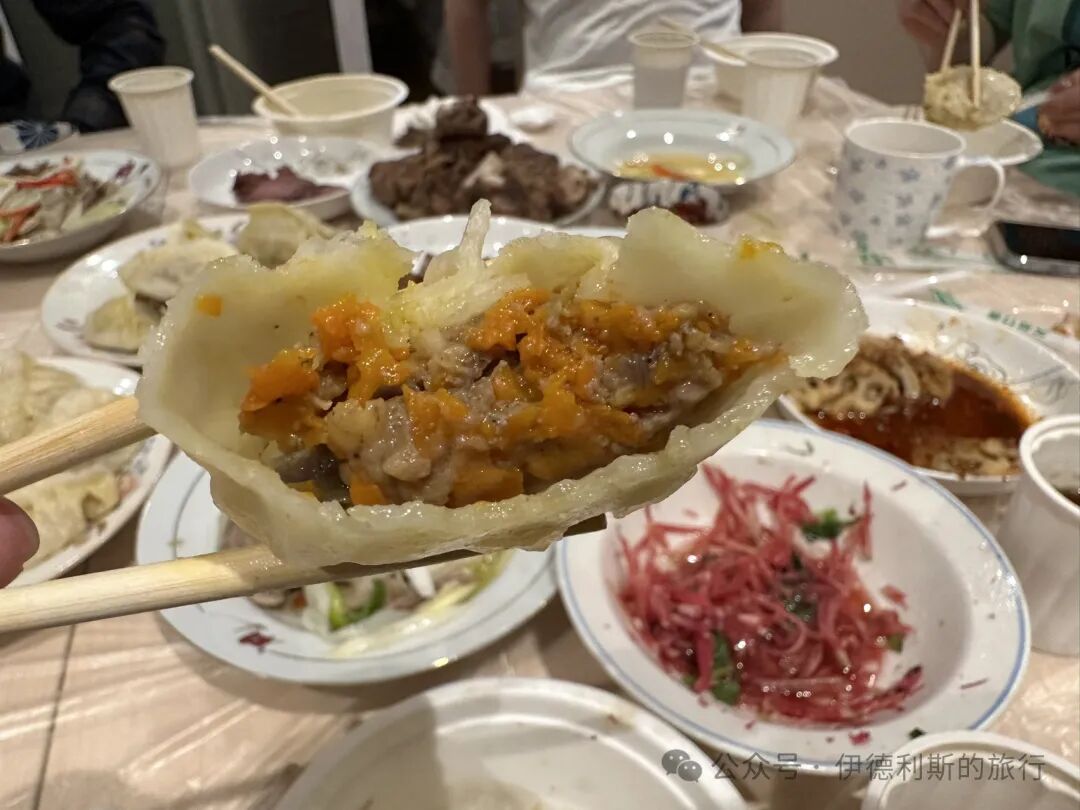
I visited my second aunt's house and had a lunch of Hui Muslim-style lamb dumpling soup (fentang yangrou jiaozi). The soup is the version Hui Muslims in Xinjiang make for Eid, and the dumplings are filled with lamb, onions (piyanzi), and pickled cabbage. They were small and delicate, and everyone loved them.
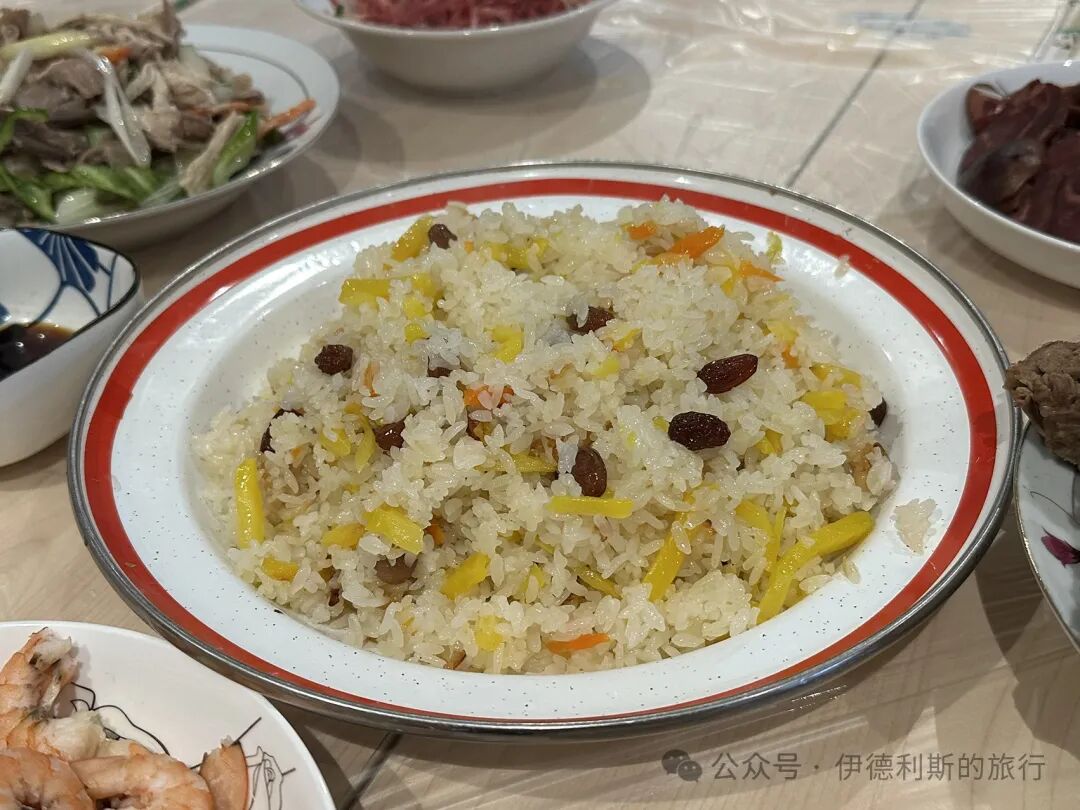
I attended a family dinner at my older sister's place. My brother-in-law is a great cook and made beef steak stew, spicy numbing chicken (jiaoma ji), pumpkin buns (kawa baozi), and smoked horse sausage. My brother-in-law makes amazing rice pilaf (zhuafan), so I made sure to ask him for his tips during the meal. Don't stir-fry the yellow carrots for the rice pilaf all the way through. Stewing them in water brings out their sweetness, so you don't need to add extra sugar. You must use plenty of oil for the rice pilaf. If you use too much, just tilt the pot and scoop the excess out. The extra oil from the rice pilaf is great for making cabbage and meat mixed noodles (banmian) because it adds so much flavor.
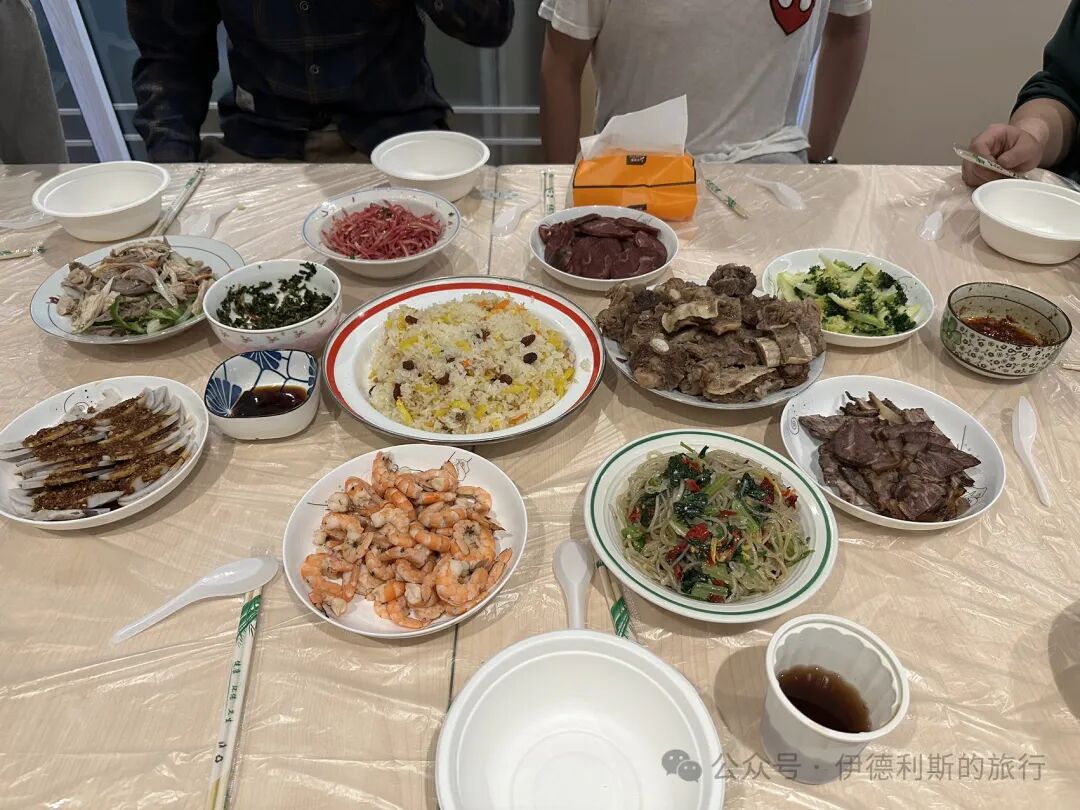
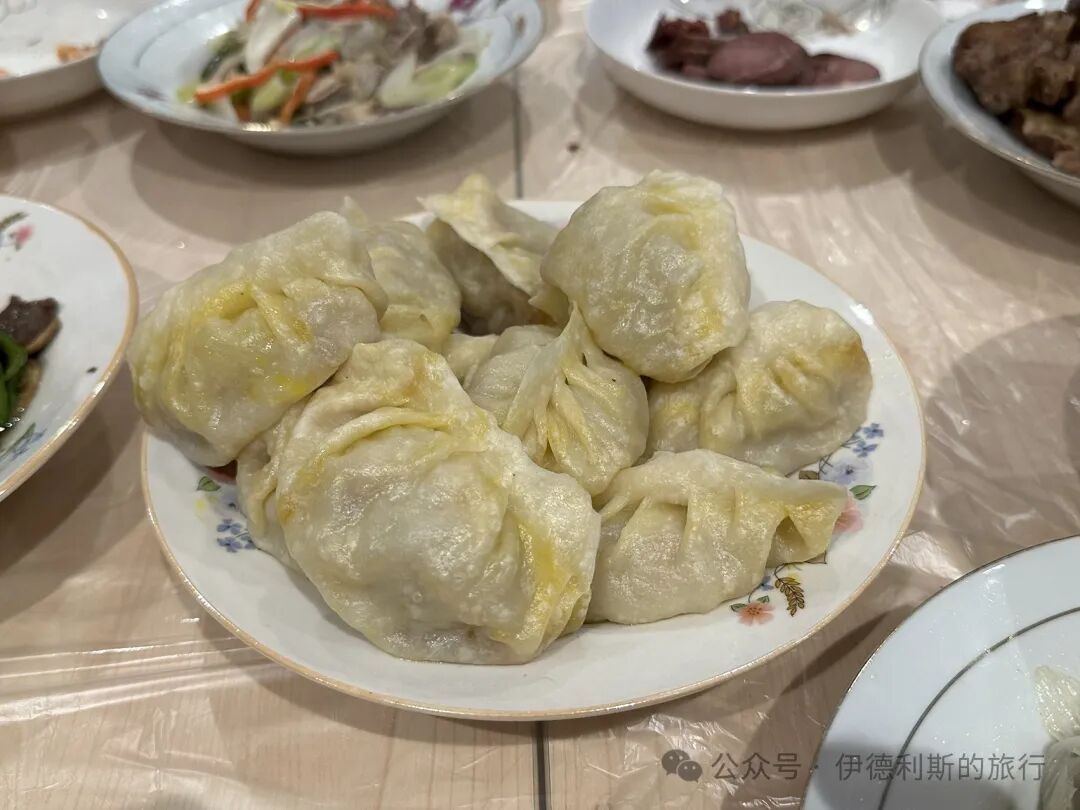
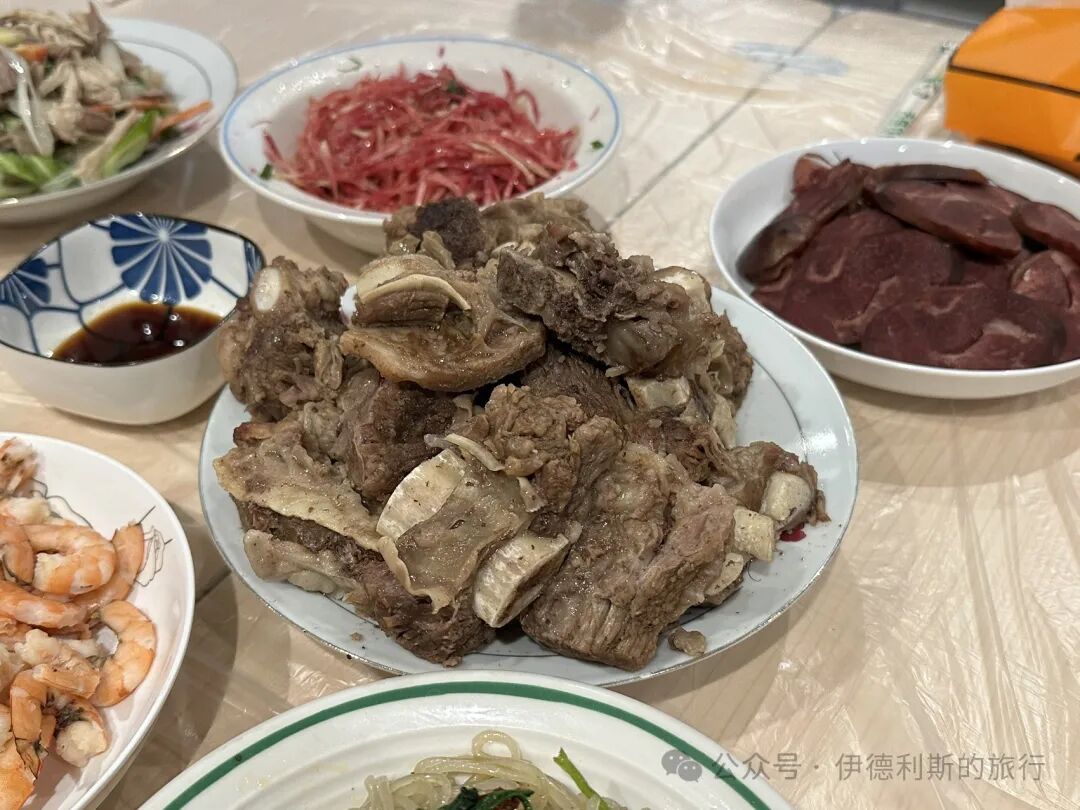
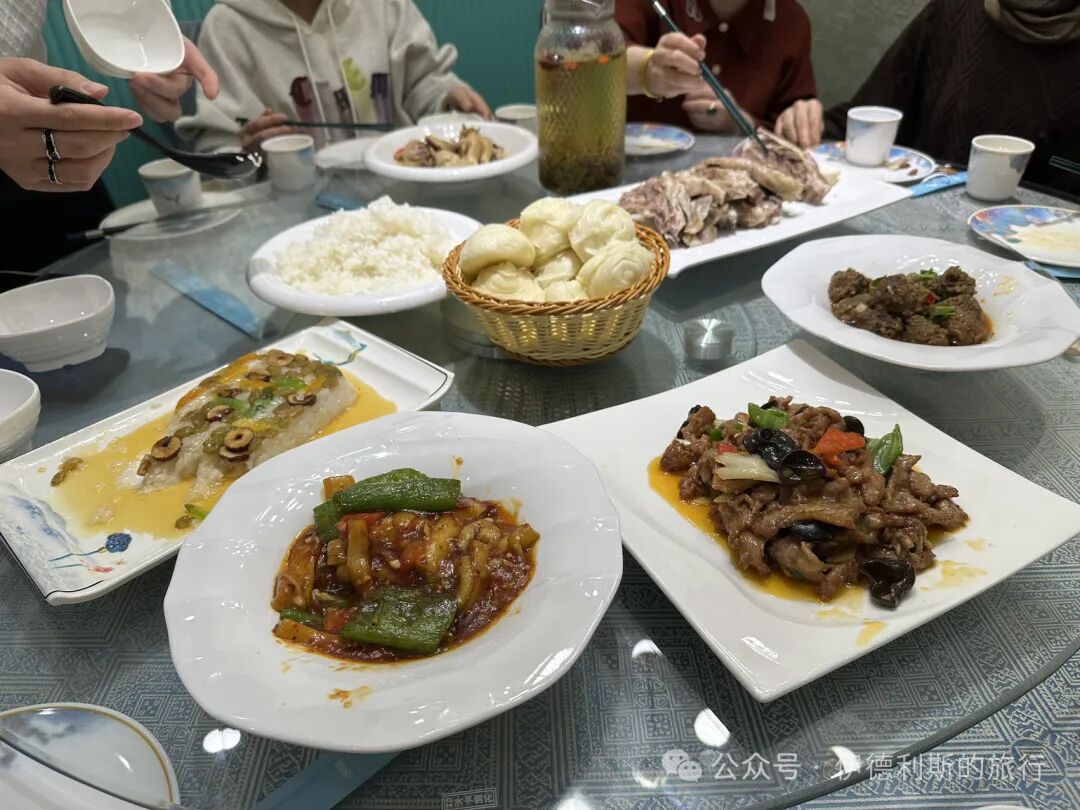
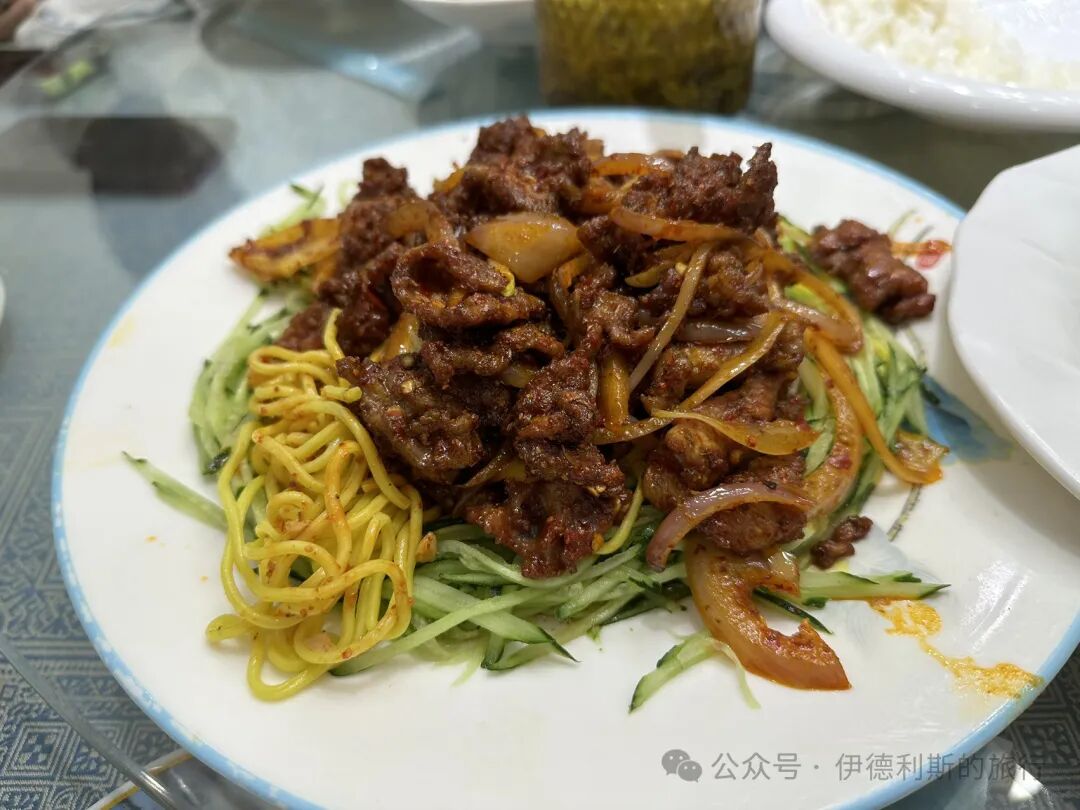
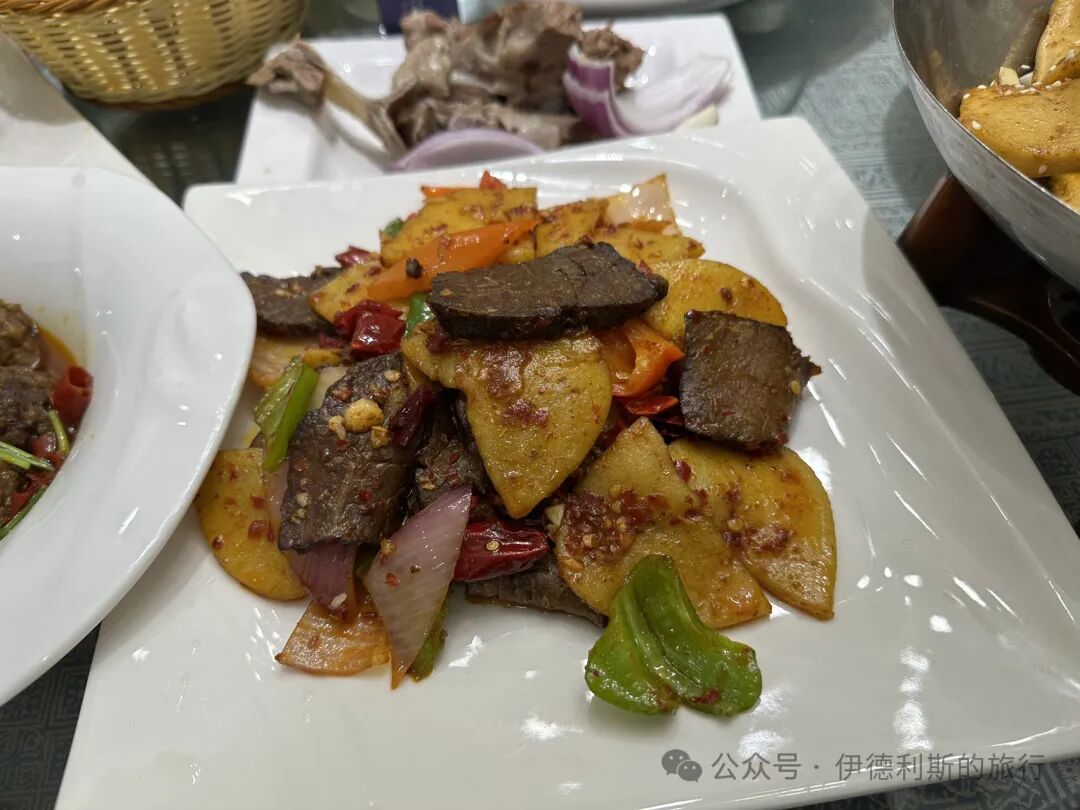
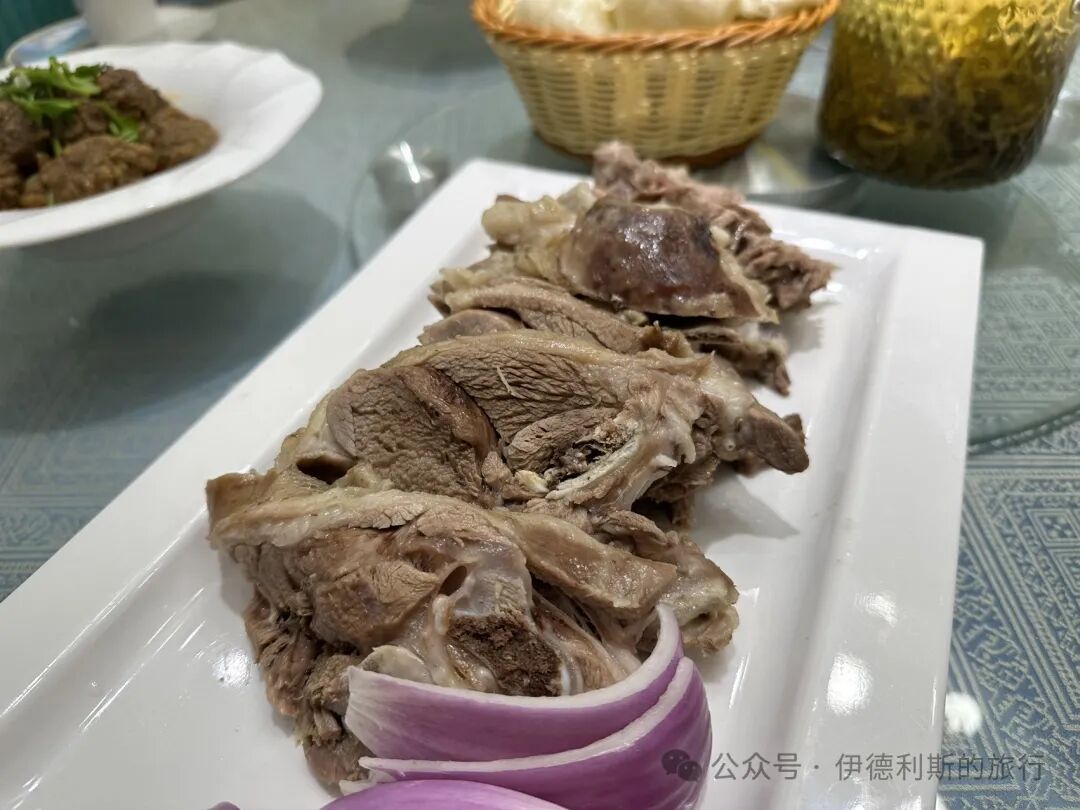
My great-aunt in Wusu invited us out to eat at Lanpin Banquet on Zhujiang Road. It shows how popular this place is among the older generation of Hui Muslims in Urumqi. As soon as we walked in, a young waiter greeted us with a salaam and showed us to our table. We have only been here twice, but the service is always excellent.
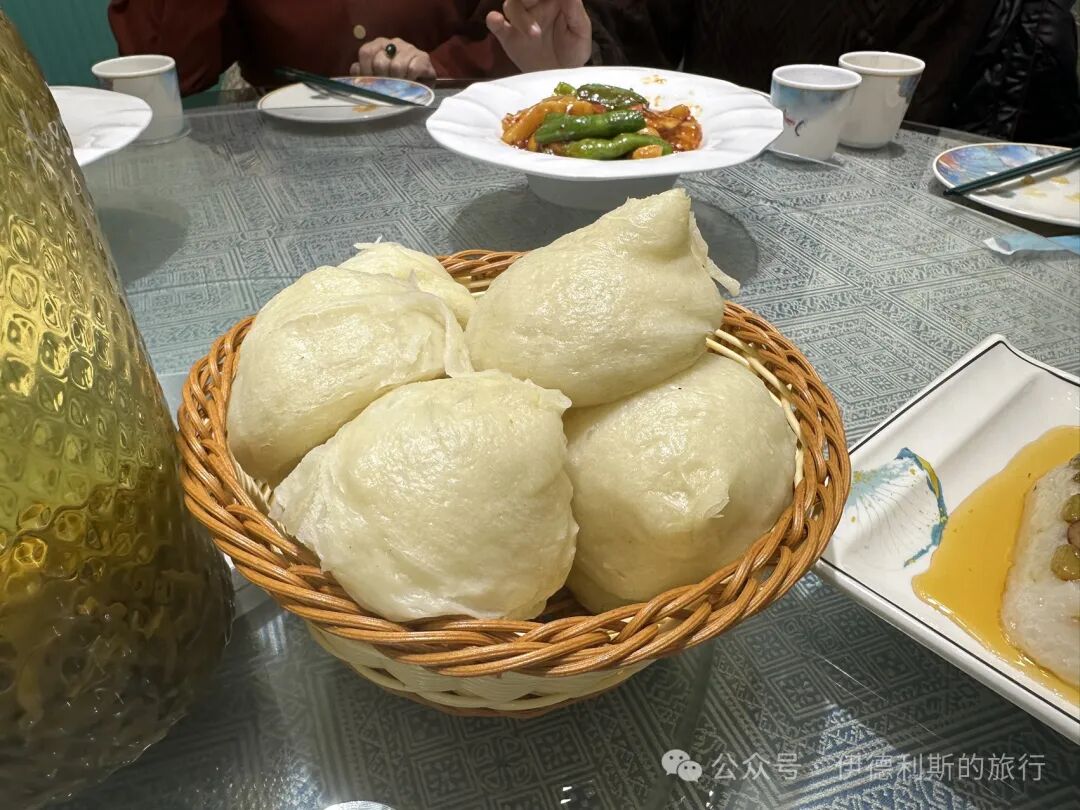
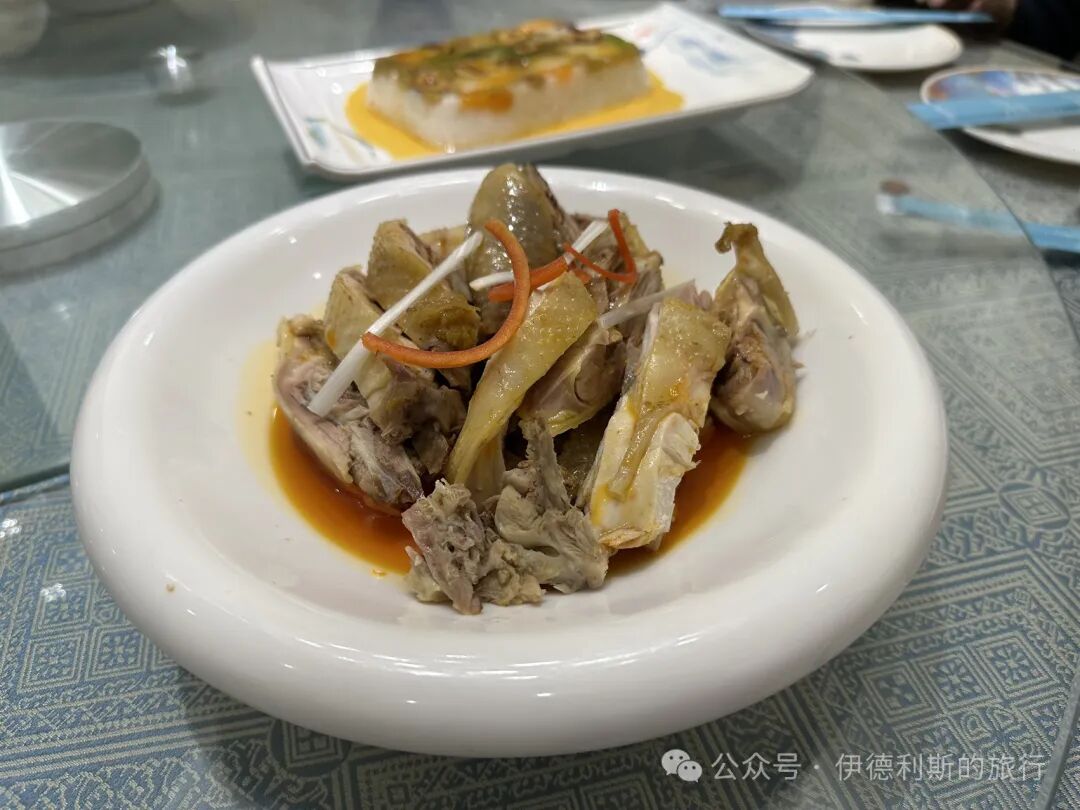
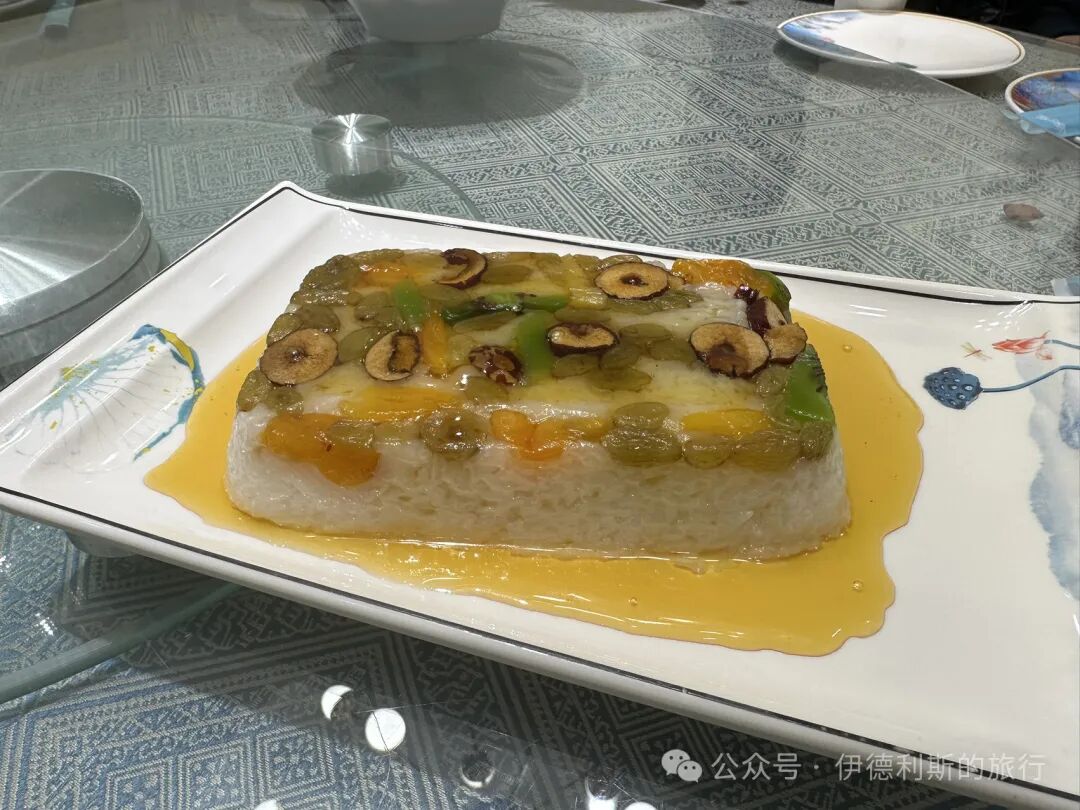
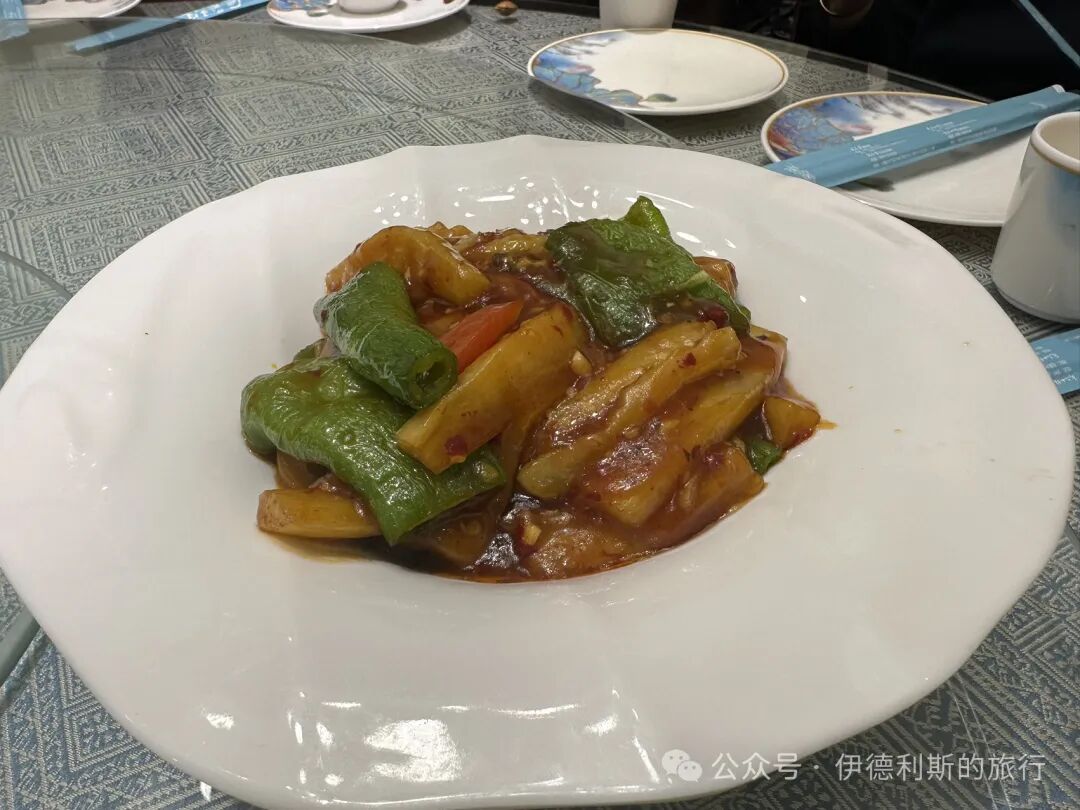
This time we had stir-fried black and white lung, yellow noodles with grilled meat (huangmian kaorou), sweet platter (tianpanzi), layered steamed bread (youtazi), spicy numbing chicken, and clear-stewed meat. Everyone loved these traditional dishes.
Summary: This Urumqi article records Hui Muslim life during the Spring Festival, including nianye, luohuali, Jumuah prayer, and visiting relatives and friends. It preserves the original religious customs, family scenes, food details, and community observations in natural English.
Night of Prayer (nianye).
During the 2024 Spring Festival holiday, I took Suleiman to visit his grandparents (anai aye) in Urumqi, just in time for the noble month of Sha'ban (the eighth month of the Islamic calendar). The evening of the 15th day of the eighth month is the Night of Bara'at, which means the Night of Atonement. On this night, the two angels on our shoulders replace the scrolls that record our good and bad deeds for the year. They seal the old scrolls and open new ones, which serve as evidence for questioning when we enter the afterlife, so it is also called the Night of Exchanging Scrolls. In the traditions of Hui Muslims in some regions, when the month of Sha'ban arrives, everyone takes turns inviting the imam and friends and family to their homes for a Night of Prayer. The main process includes reciting scriptures, praising the Prophet, performing repentance (tawbah), and asking for forgiveness for family members and the deceased. Afterward, everyone eats a rich meal to strengthen bonds, boost faith, and prepare for the noble month of Ramadan.
February 17 was our family's Night of Prayer, and we also celebrated Suleiman's first birthday (suisuizi). We invited four imams and a large group of relatives to recite surahs, recite the Bara'at praise, perform repentance, and receive dua, followed by a meal. First, we served appetizers (diediezi) and tea. The appetizers included nut tarts and baklava we bought at a Uyghur pastry shop on Hetian Street, as well as traditional flaky pastries and fried flour cakes (saqima) made by my aunt. After everyone chatted for a while, we cleared the appetizers and brought out the main dishes to officially start the feast.
With the help of my aunts, we prepared a rich feast. The main dishes were clear-stewed lamb, braised beef steak, followed by steamed starch jelly (mengzi), pearl meatballs, peppercorn chicken, steamed fish, sweet rice platter (tianpanzi), and various stir-fried dishes. The staples were fried dough (youxiang), steamed buns (momo), and rice.
The fried dough was deep-fried a day in advance. Before frying, we first performed ablution (wudu), then leavened the dough. After it rose, we scalded a small portion with hot oil and mixed in a little baking soda and fenugreek powder. We kneaded the scalded dough into the leavened dough, covered the basin, and let it rest for 15 minutes. After resting, we rolled it into a long shape, pinched off pieces, rolled them into flat cakes, cut four small slits with a knife, and it was ready to be fried. When putting them into the pot, we recited the Tasmiyah. We fried them for a while, flipped them, and tapped the edges with chopsticks; once they were firm, they were done.
To make sweet rice platter (tianpanzi), first wash the glutinous rice and soak it for three days. Then, add a little brown sugar (shazitang) and steam it, using more water than you would for regular rice. Next, wash red dates, walnut kernels, and raisins, and spread them at the bottom of a bowl. Cover them with the steamed glutinous rice and let it cool. After that, boil rock sugar to make a syrup. Finally, flip the bowl of rice onto a plate and pour the syrup over it.
Meatloaf (munzi) is made with ground beef. When mixing the filling, beat it repeatedly, then shape it into a cylinder. Pinch the top to look like a railing, pour an egg into the center, and steam it.
For spicy peppercorn chicken (jiaomaji), first wash a free-range chicken, cut it in half, and put it in a pressure cooker. Add water to cover it, along with red chili, Sichuan peppercorns, salt, bay leaves, cinnamon, and ginger slices. Once cooked, take it out, let it cool in a basin, tear the meat into strips, and top with green onions. Heat oil in a pan. Once hot, turn off the heat and add dried chili skins (lapizi), Sichuan peppercorns, salt, and white pepper. Stir well, pour in some chicken broth, and then pour everything over the chicken in the basin and mix well.
We spent the night at my aunt's house near the cement factory. My uncle is an imam at a small mosque in Shanxi, and we are very grateful (zhigan) for that.
The main dishes were definitely braised beef steak and clear-stewed lamb. The chicken was raised by my uncle himself, and the lamb was from the southern mountains of Urumqi.
We spent the night at my second aunt's house in the New City District. My aunt is the recognized master chef of our family. She makes authentic home-style stir-fries, meatloaf (munzi), stuffed meat slices (jiasha), and tripe.
We spent the night at my aunt's house near the flour mill and had basin meat (penpenrou) with fried dough (youxiang) for breakfast.
We hosted our guests at Lanpin Banquet. It is currently the most popular restaurant in Urumqi for Hui Muslims to hold religious gatherings (niansuoer). They don't sell alcohol, the food is refined, and the owner is warm and attentive. It is usually packed on weekends and holidays, so you must book in advance. On the day we went, they hosted 30 tables for a circumcision ceremony and 15 tables for a special occasion.
We ate stir-fried beef tendon, spicy peppercorn chicken (jiaomaji), cold-dressed beef, hand-grabbed lamb (shoubarou), sauced stuffed meat slices (jiasha), pearl meatballs, and flatfish, along with complimentary side dishes. These are the most popular dishes for Hui Muslim gatherings in Urumqi right now. Their hand-grabbed lamb (shoubarou) is excellent; the meat is tender and fragrant, making it perfect for elderly people to eat.
I spent the night at Uncle Saisai's house in the Changsheng Brigade in the southern suburbs of Urumqi. The hospitality was generous, with dishes like sweet platter (tianpanzi), fried dough snacks (youguozi), pearl meatballs (zhenzhu wanzi), braised ribbonfish, clear-stewed meat, and braised lamb. I also met many relatives.
Engagement acceptance ceremony (luohuali)
This time, I arrived just in time for my brother-in-law's engagement acceptance ceremony (luohuali). We had a feast at a small community (xiaofang) of the Jahriyya order (Zhepai) in Anningqu, in the northern suburbs of Urumqi, where I ate some homemade fried twisted sugar dough (tangningningzi). The feast started with small appetizer plates, which were then cleared to make room for the main dishes, including clear-stewed meat, braised meatballs, braised fish, and beef head meat.
The traditional wedding customs of Hui Muslims in Xinjiang are very specific. Before a formal marriage proposal, there is a 'preliminary inquiry' where the man's family learns about the woman's family. Then, they send a matchmaker with four types of gifts—tea leaves, sugar cubes, red dates, and walnuts (or pastries)—wrapped in four colors, known as the 'four-color gift' (sese li). The first time a matchmaker brings the four-color gift to propose, it is called the 'opening gift' (kaikouli). The matchmaker gives the red-cloth-wrapped gifts to the woman's family, but they do not give an answer right away. After careful consideration, the woman's family sends a message through the matchmaker. The man's family then sends the four-color gift again, which is called the 'engagement acceptance ceremony' (luohuali), and after that, they enter the engagement stage.
Friday prayer (Jumu'ah)
At noon, I attended the Friday prayer (Jumu'ah) at the Changsheng Grand Mosque. The Changsheng Grand Mosque is located in the Changsheng Brigade at the foot of Yaomo Mountain (Yamalike Mountain) in the southern suburbs of Urumqi. It has the highest number of congregants among the Hui Muslim mosques in the Saybagh District, with over a hundred people attending the Friday prayer (Jumu'ah). The Changsheng Brigade used to be a series of large courtyards where everyone farmed. Now, everyone has moved collectively to the Fumin Anju residential area, and the houses are very spacious.
Imam Fanta of the Changsheng Grand Mosque is my wife's uncle. Uncle Fanta is the one who performed our marriage contract (nikah). Uncle Fanta's surname is Su. The Su family is a large clan in Changsheng. Over three hundred years ago, they left Ankang, Shaanxi, and traveled through Ningxia and Jimsar to Urumqi to do business. Later, their business failed, and they eventually moved to Changsheng to farm, where they have lived ever since.
I bought fresh milk and handmade yogurt at the entrance of the Changsheng residential area. A large bucket of fresh milk only cost 20 yuan. After boiling it and adding two spoonfuls of milk skin (naipizi) I bought earlier on Hetian Street, it tasted amazing. The handmade yogurt comes with its own layer of milk skin (naipizi) and has a very rich milky flavor.
Visiting relatives and friends.
I visited my second aunt's house and had a lunch of Hui Muslim-style lamb dumpling soup (fentang yangrou jiaozi). The soup is the version Hui Muslims in Xinjiang make for Eid, and the dumplings are filled with lamb, onions (piyanzi), and pickled cabbage. They were small and delicate, and everyone loved them.
I attended a family dinner at my older sister's place. My brother-in-law is a great cook and made beef steak stew, spicy numbing chicken (jiaoma ji), pumpkin buns (kawa baozi), and smoked horse sausage. My brother-in-law makes amazing rice pilaf (zhuafan), so I made sure to ask him for his tips during the meal. Don't stir-fry the yellow carrots for the rice pilaf all the way through. Stewing them in water brings out their sweetness, so you don't need to add extra sugar. You must use plenty of oil for the rice pilaf. If you use too much, just tilt the pot and scoop the excess out. The extra oil from the rice pilaf is great for making cabbage and meat mixed noodles (banmian) because it adds so much flavor.
My great-aunt in Wusu invited us out to eat at Lanpin Banquet on Zhujiang Road. It shows how popular this place is among the older generation of Hui Muslims in Urumqi. As soon as we walked in, a young waiter greeted us with a salaam and showed us to our table. We have only been here twice, but the service is always excellent.
This time we had stir-fried black and white lung, yellow noodles with grilled meat (huangmian kaorou), sweet platter (tianpanzi), layered steamed bread (youtazi), spicy numbing chicken, and clear-stewed meat. Everyone loved these traditional dishes.
