
Halal Travel Guide: Liaocheng - Dongguan Mosque Streets and Hui Muslim Life
Reposted from the web
Summary: Halal Travel Guide: Liaocheng - Dongguan Mosque Streets and Hui Muslim Life is presented here as a firsthand travel account in clear, natural English. The account focuses on Liaocheng, Mosque Streets, Hui Muslims while preserving the names, places, food, photos, and historical details from the Chinese source.
I left Beijing Railway Station in the morning and arrived in Liaocheng, Shandong, at noon, visiting the Dongguan Hui Muslim community for the first time in seven years. My 2017 records are in the article "Halal Travel Review: Shandong Liaocheng in 2017."
Liaocheng became a major canal town after the Huitong River was dug in 1289 (the 26th year of the Zhiyuan era of the Yuan Dynasty). Dongguan, which connects the city to the canal, quickly became a busy commercial area where Hui Muslims kept moving in to settle. After the Yongle Emperor moved the capital to Beijing in 1420 (the 18th year of the Yongle era of the Ming Dynasty), he relied heavily on the Grand Canal to transport grain from the south to the north, and the Dongguan Hui Muslim community in Liaocheng was officially formed.
Liaocheng Dongguan has two mosques, one in the east and one in the west. The west mosque is commonly known as the Great Mosque (Da Libaisi) and was first built in 1385 (the 17th year of the Hongwu era). It was renovated twice during the Jiajing and Kangxi eras. The main hall of the west mosque originally had 81 rooms with beams made of golden-thread nanmu wood. It was grand and impressive, comparable to those in Jining and Linqing.
In the winter of 1946, when the People's Liberation Army attacked Liaocheng, the west mosque served as the command post for Commander Yang Yong, who was leading the Southwest Shandong Campaign. The People's Liberation Army used the mosque's minaret (bangkelou) as a lookout point to fire at the Nationalist troops inside the city. Because the city walls of Liaocheng were high and thick and the moat was wide and deep, the People's Liberation Army found it hard to attack. The Nationalist army instead came out of the city and set fires, which eventually burned down the main hall of the West Mosque. In 1956, General Yang Yong kept his promise and provided funds to rebuild the main hall of the West Mosque. The main hall was rebuilt again in 2009, and the front gate, second gate, and north and south lecture halls still keep their original designs.
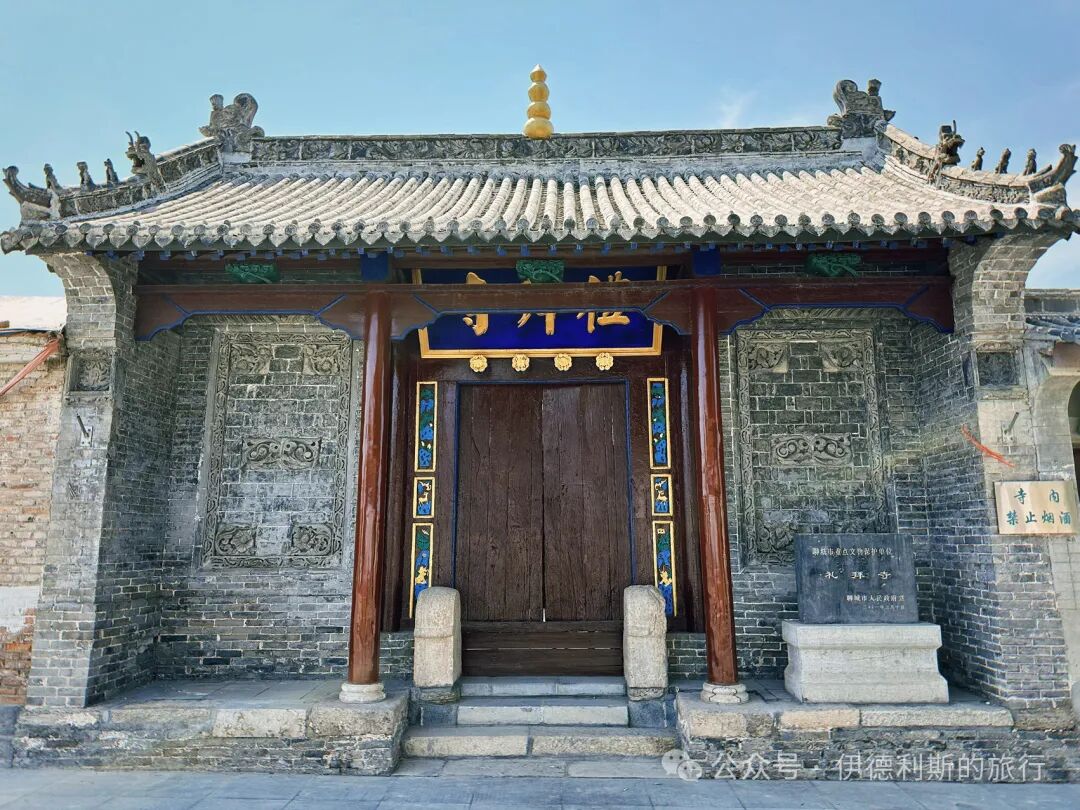
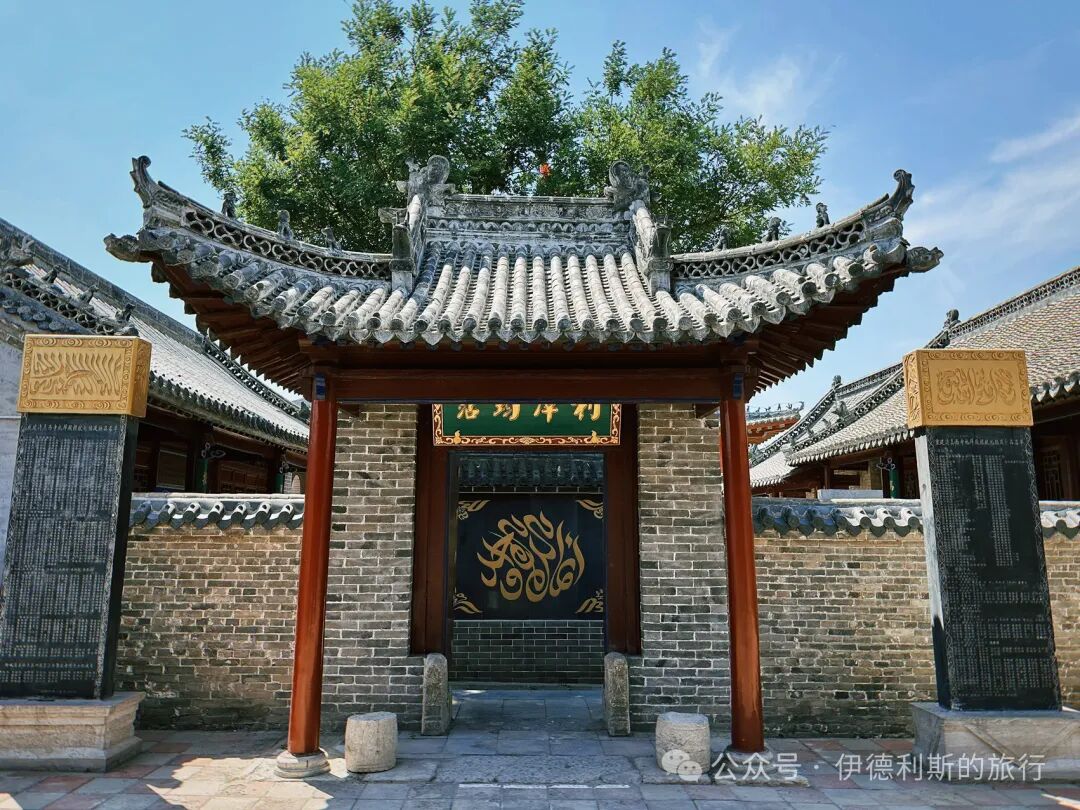
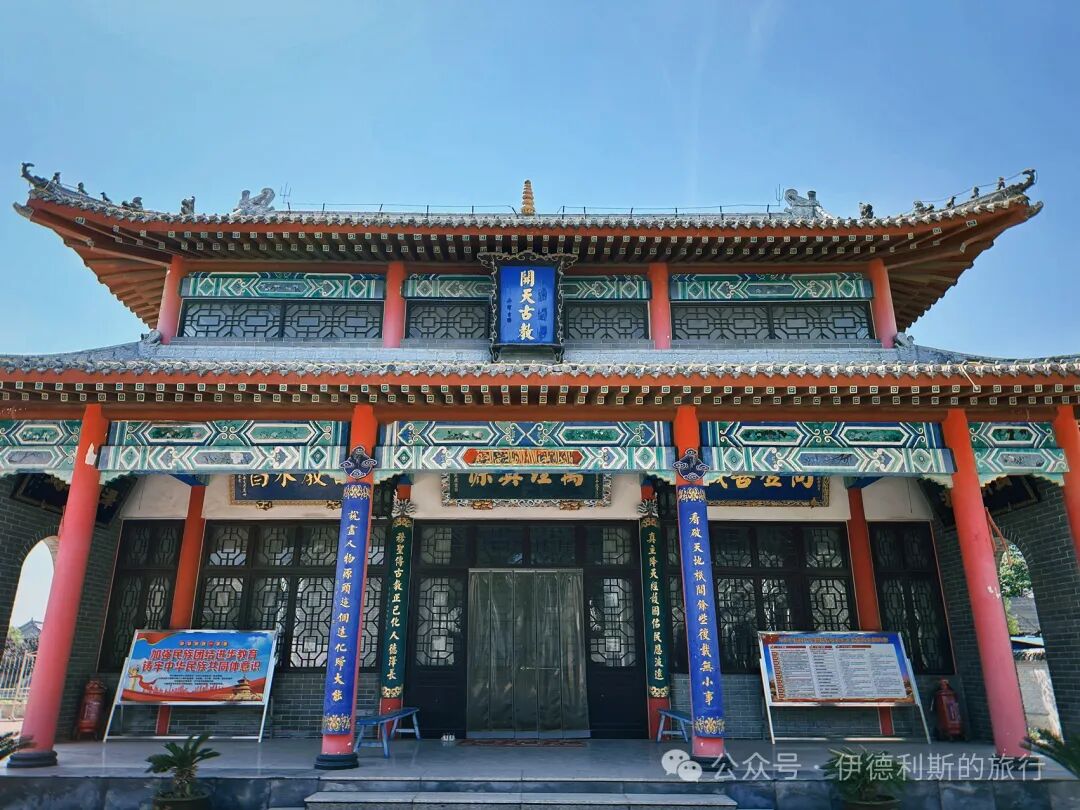
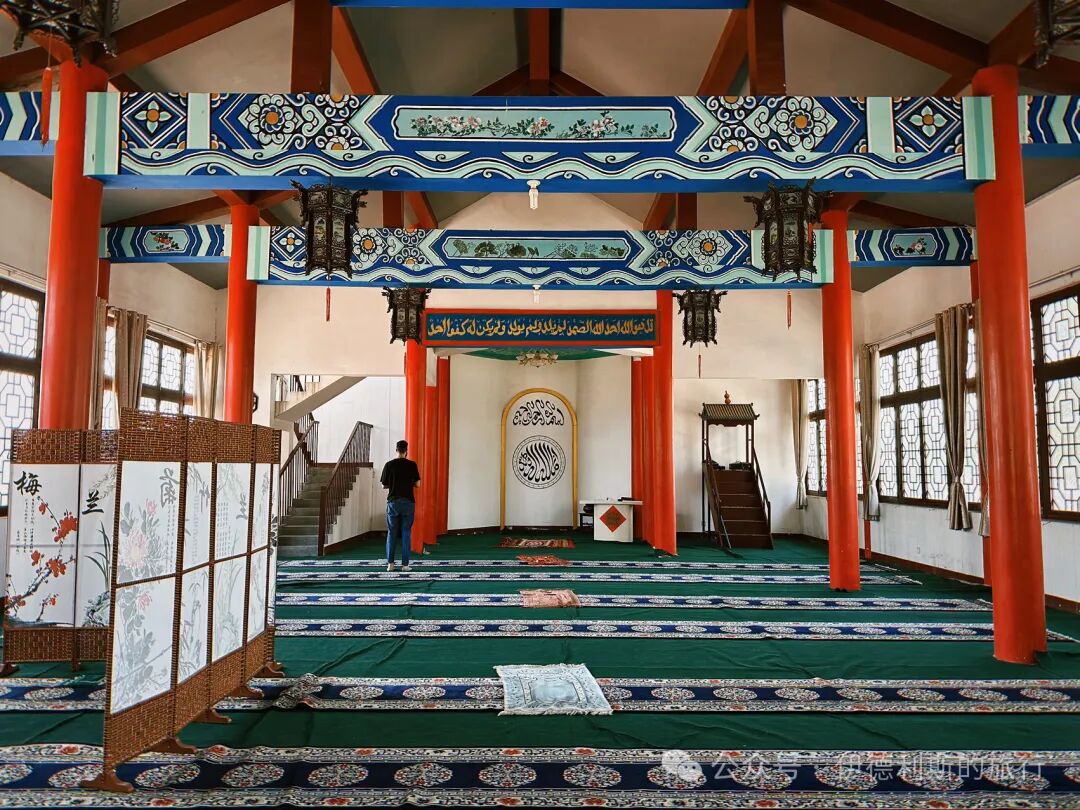
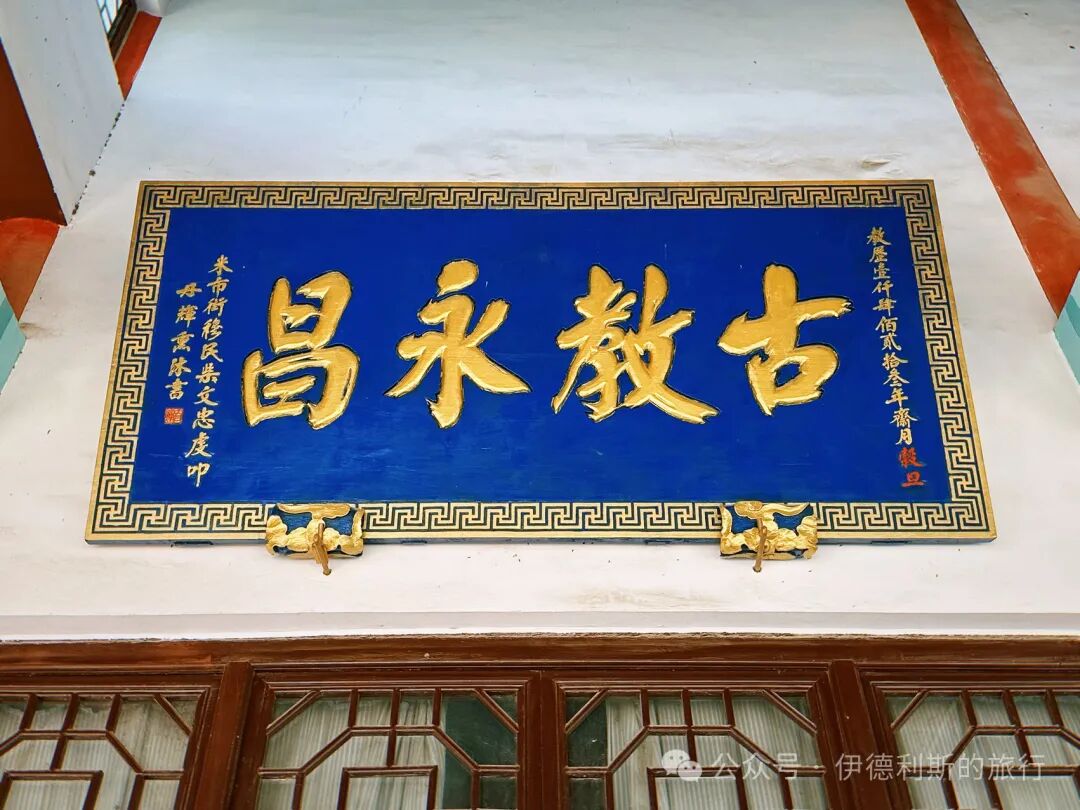
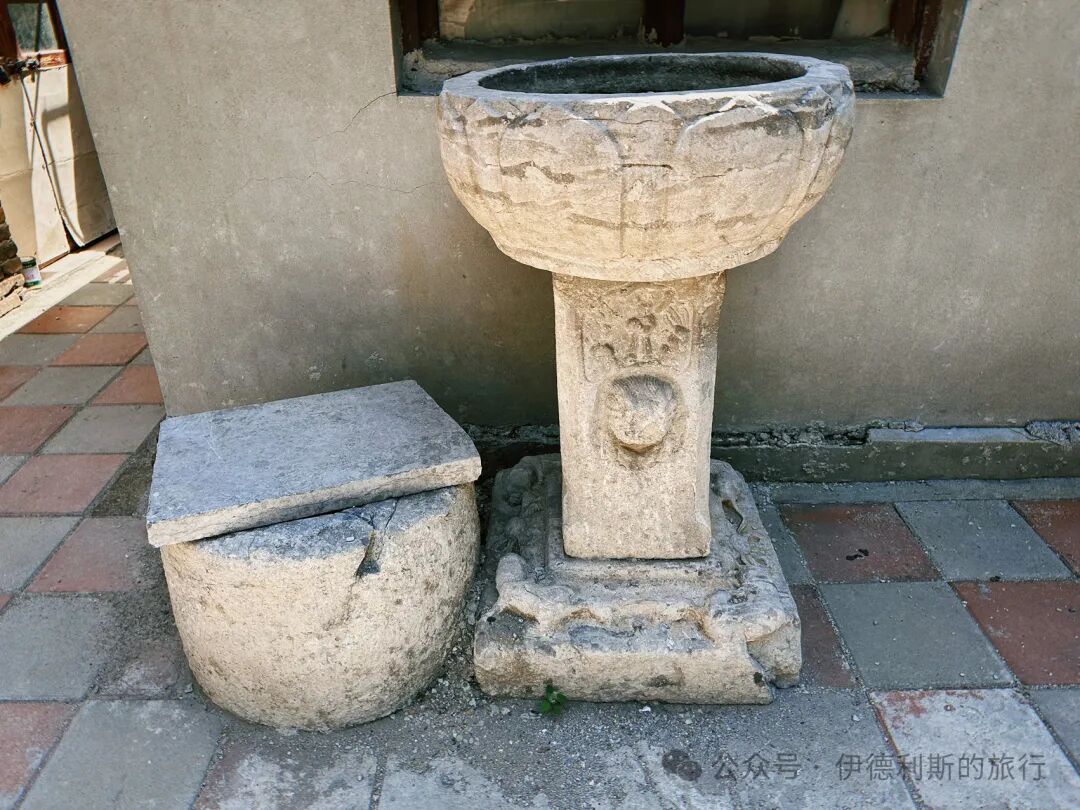
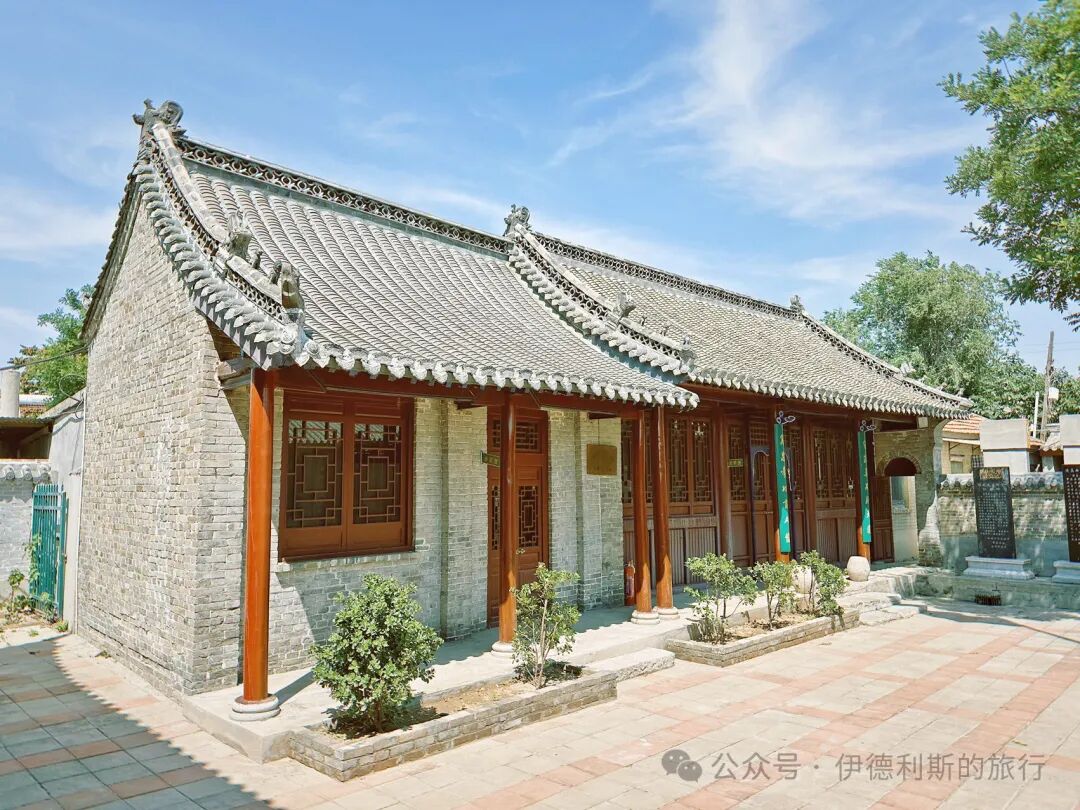
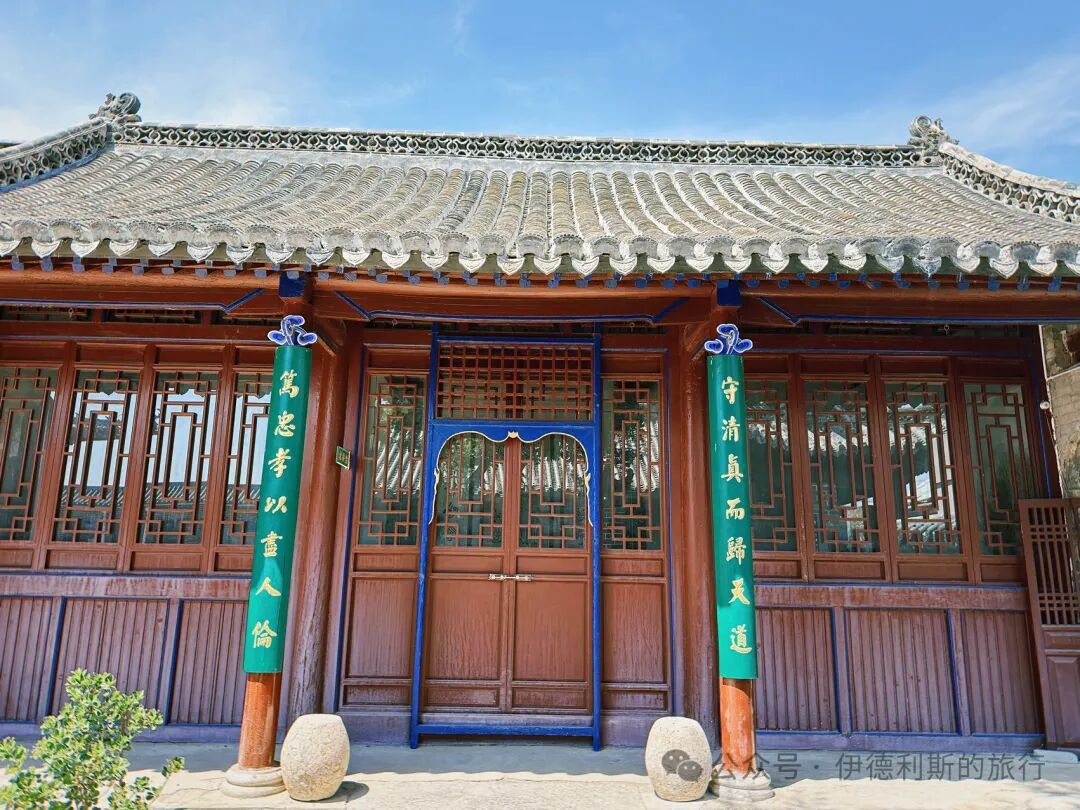
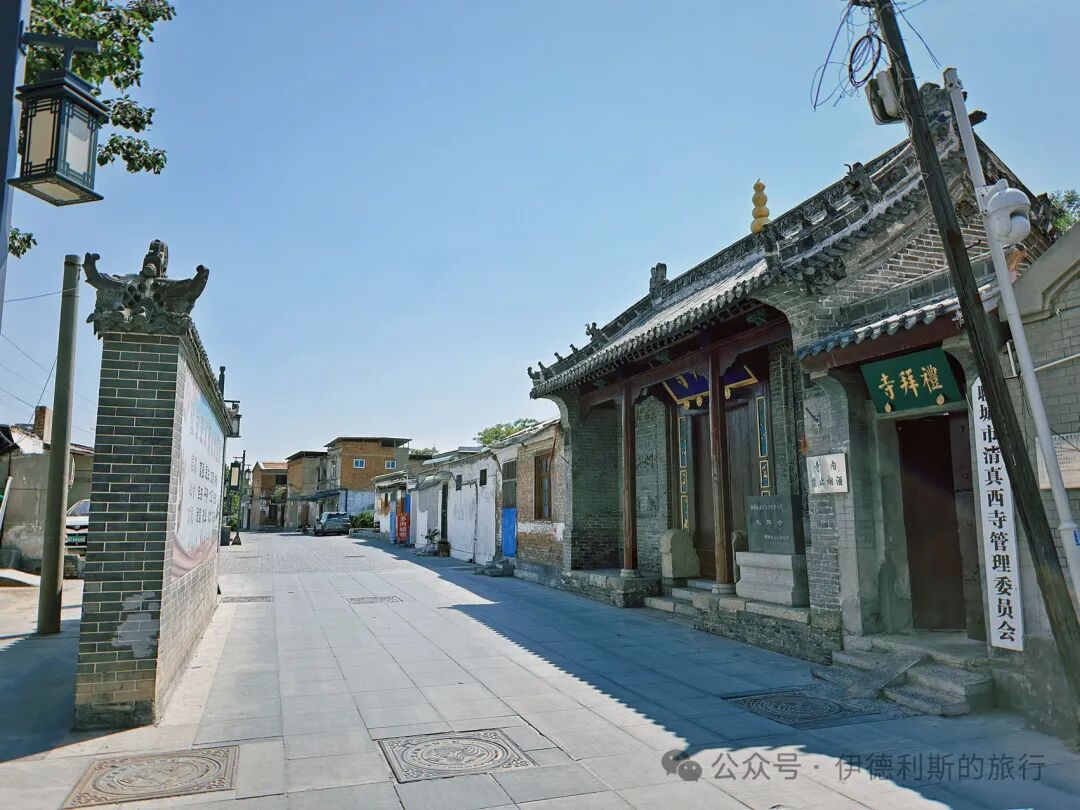
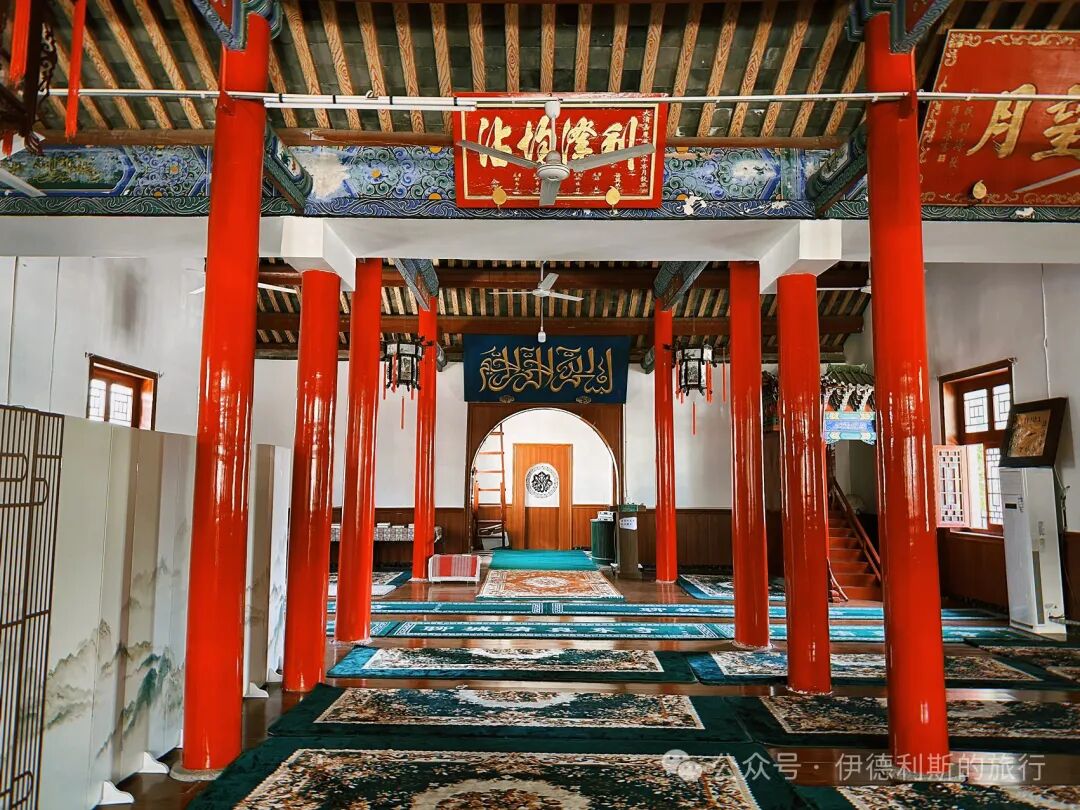
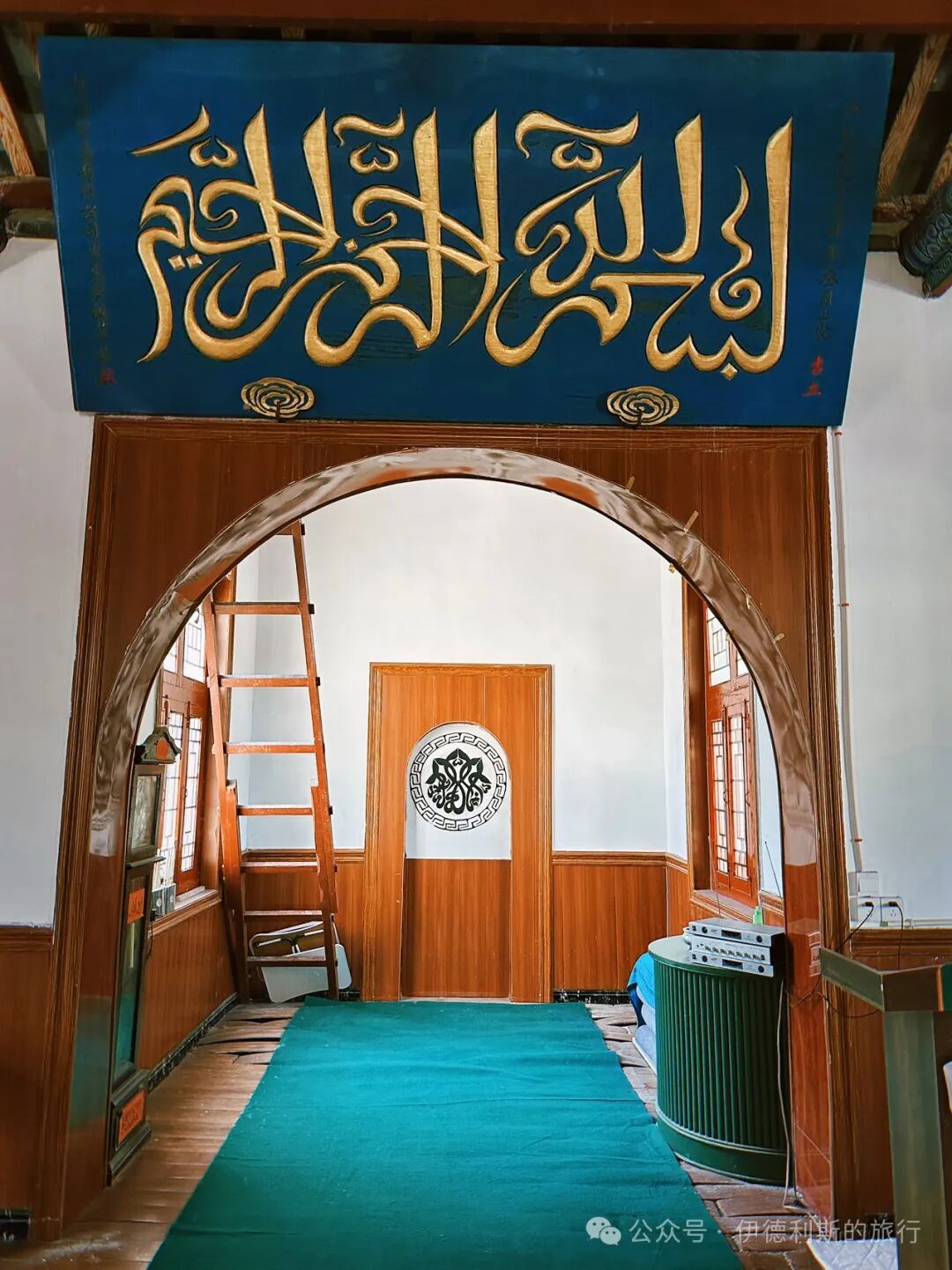
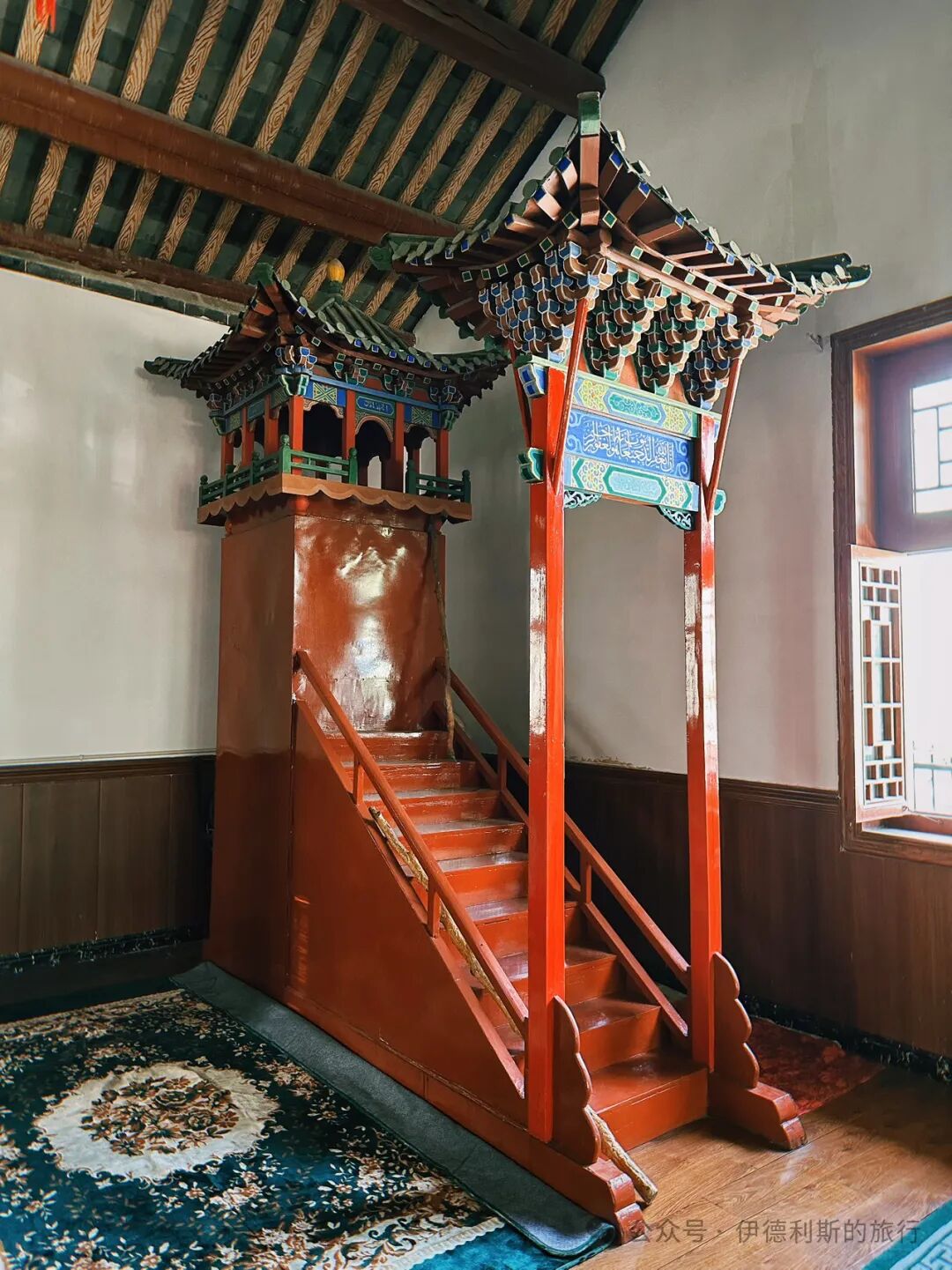
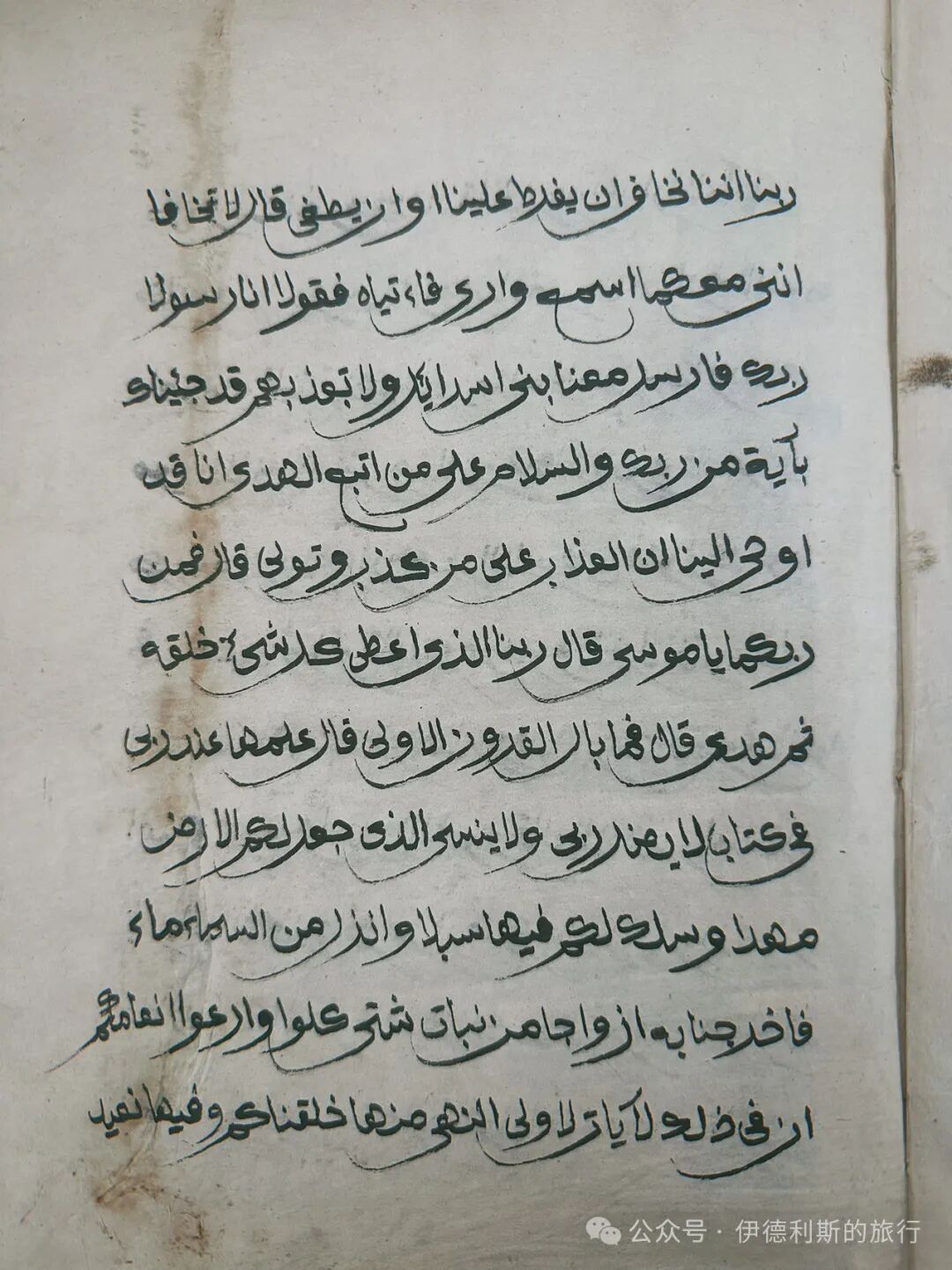
The East Mosque is also called the Small Mosque (Xiao Libai Si). It was built during the Yongle period of the Ming Dynasty under the direction of Bai Lin, the garrison commander of Dongchang Prefecture. It was renovated many times during the Jiaqing, Xianfeng, and Guangxu periods of the Qing Dynasty. The main hall underwent a major structural repair in 2002. The north and south lecture halls and the front gate were rebuilt in 2014. In 2022, the main hall was reinforced and redecorated, which created the scale it has today.
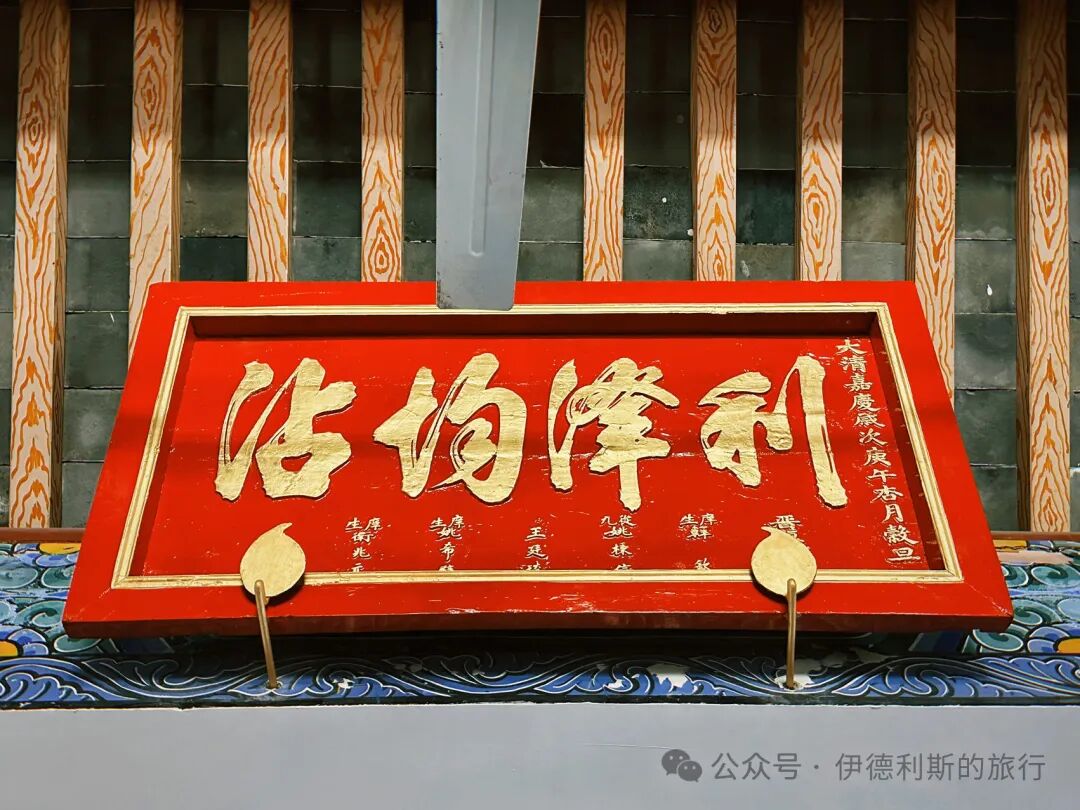
Inside the main hall of the East Mosque, there is a plaque from the 15th year of the Jiaqing reign that reads "Benefits Shared Equally" (Lize Junzhan), signed by "Disciples from Shanxi and Hebei."
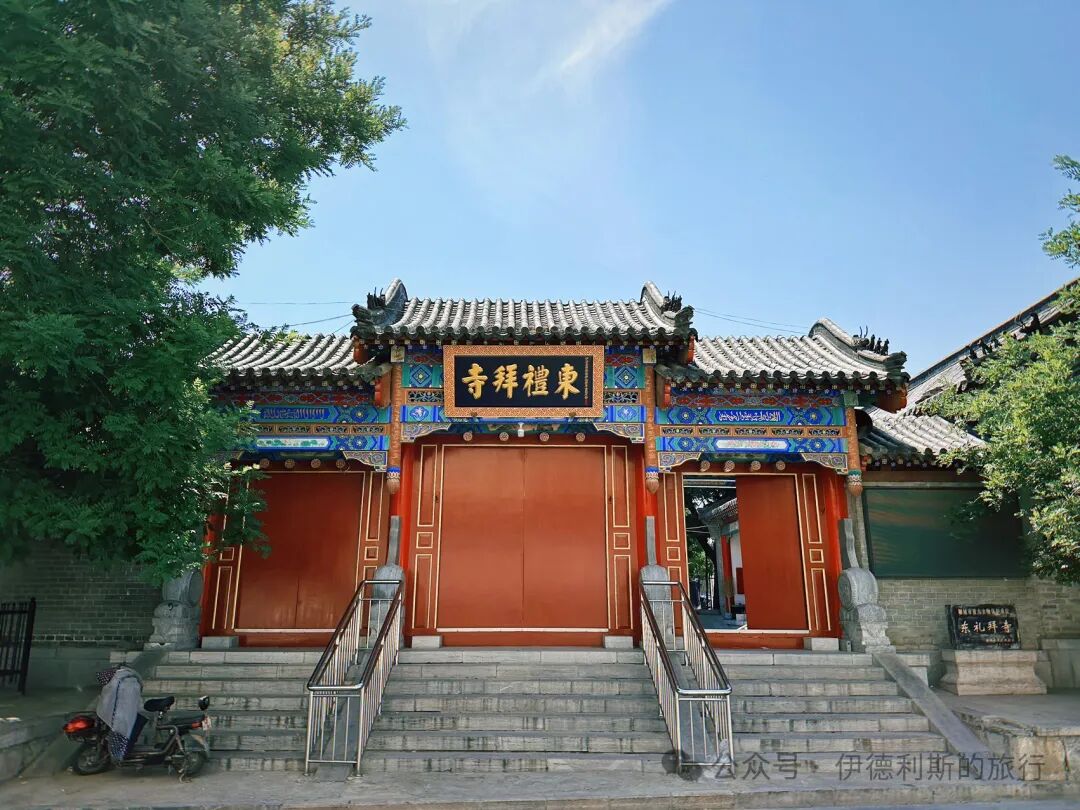
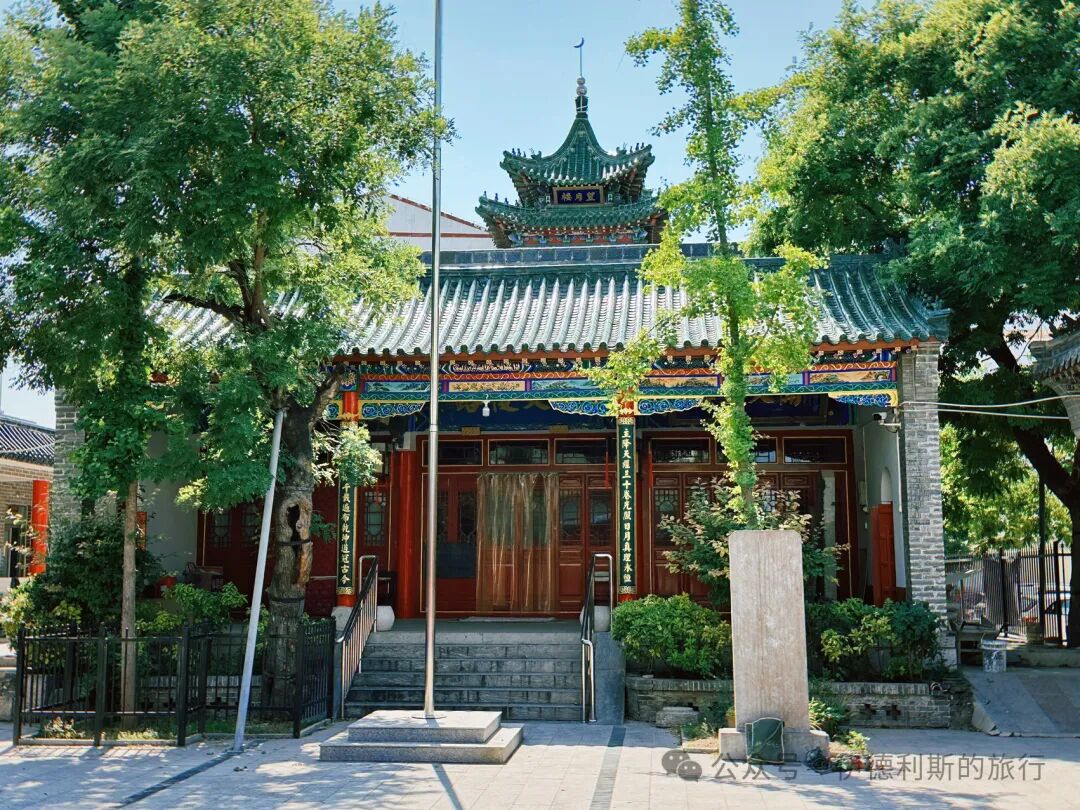
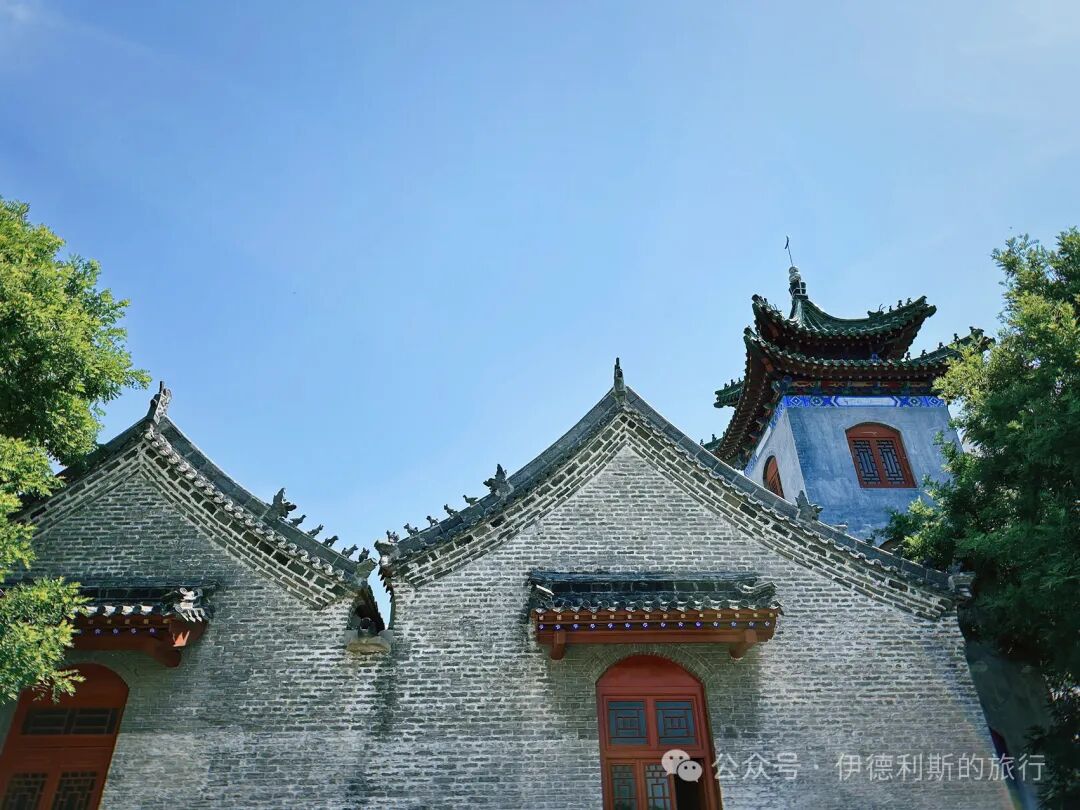
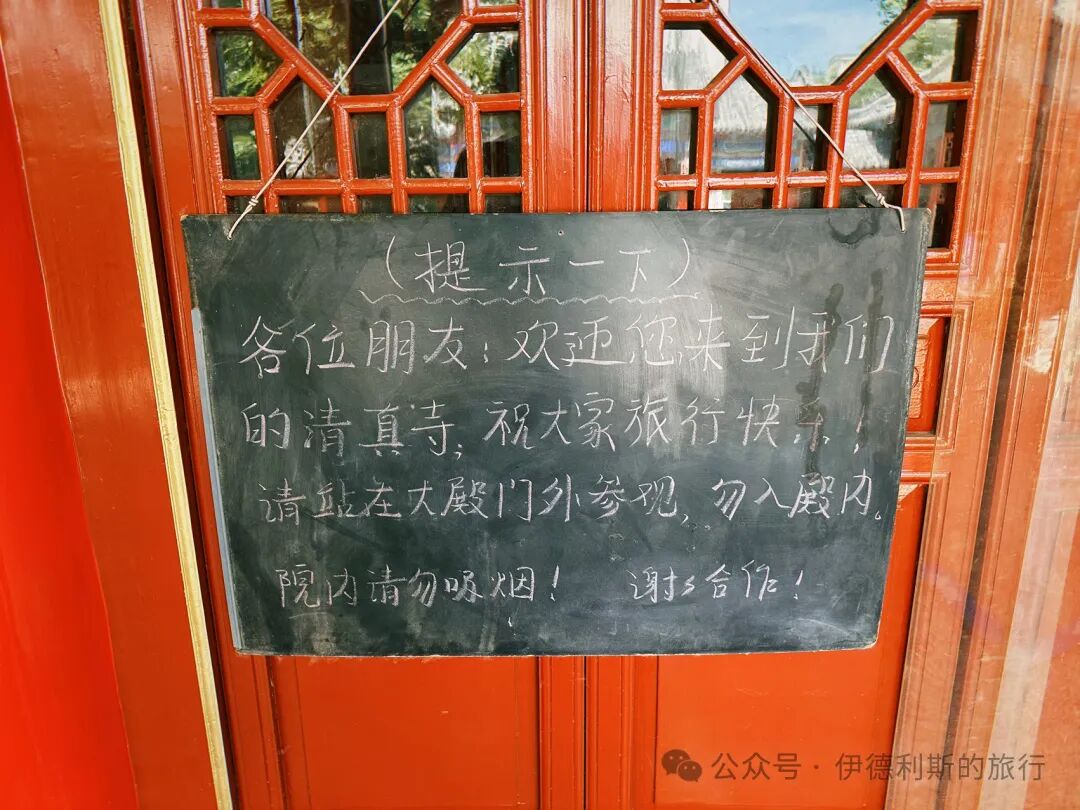
The "Big and Small Mosque Street District" in the East Gate of Liaocheng is one of the first historical and cultural districts in Shandong Province. It is an important historical witness to the Hui Muslim communities along the Grand Canal during the Ming and Qing dynasties. In the late Qing Dynasty, the Yellow River burst its banks many times, causing severe silting in the Liaocheng section of the Grand Canal and making grain transport increasingly difficult. In 1872, the China Merchants' Steam Navigation Company was established in Shanghai, and grain transport began moving by sea. In 1901, canal grain transport was completely abolished, and the East Gate area of Liaocheng became quiet.
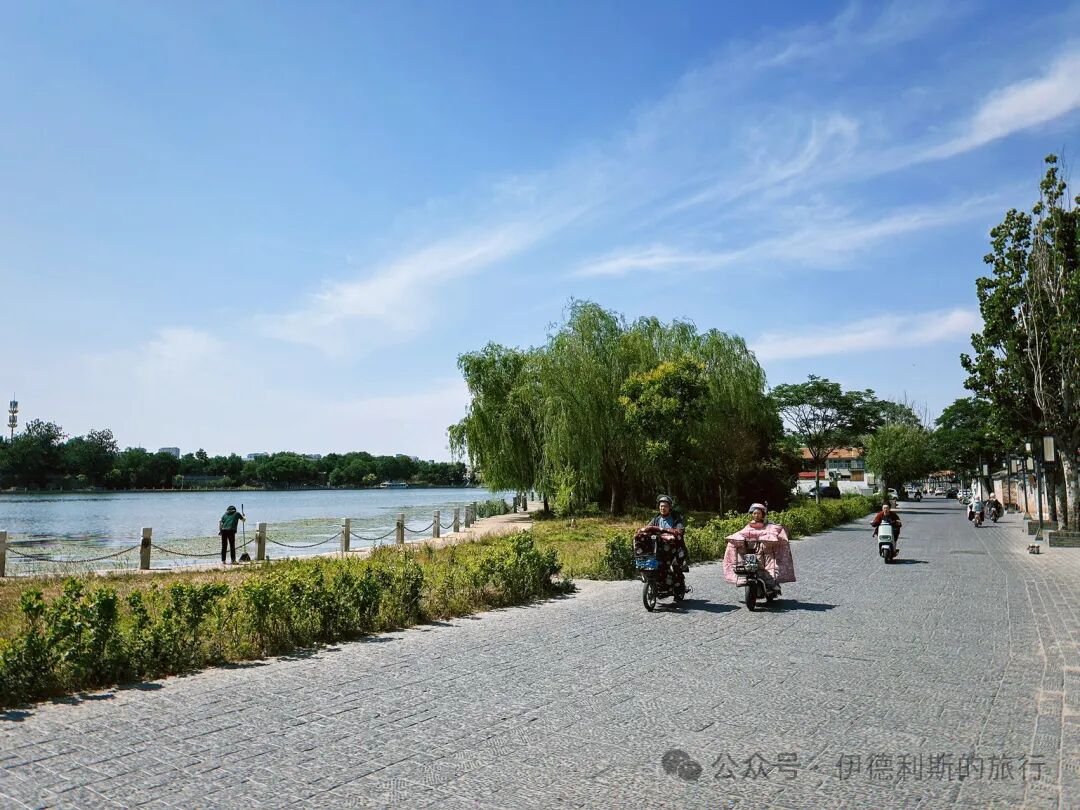
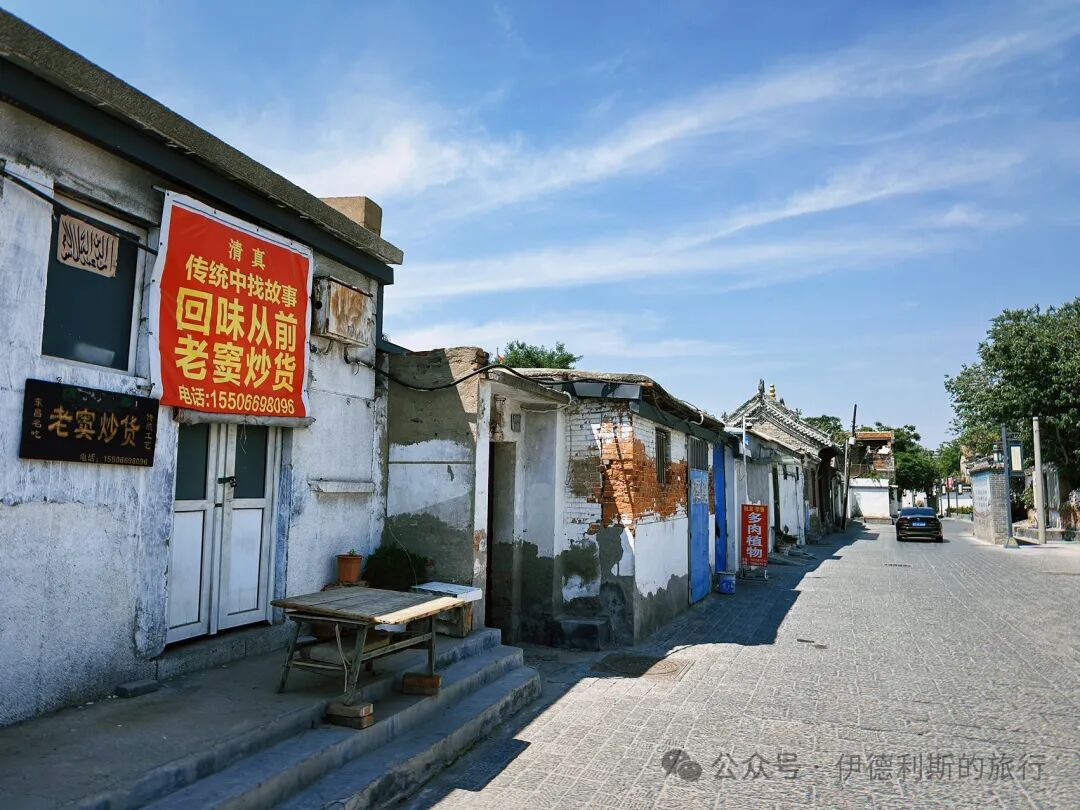
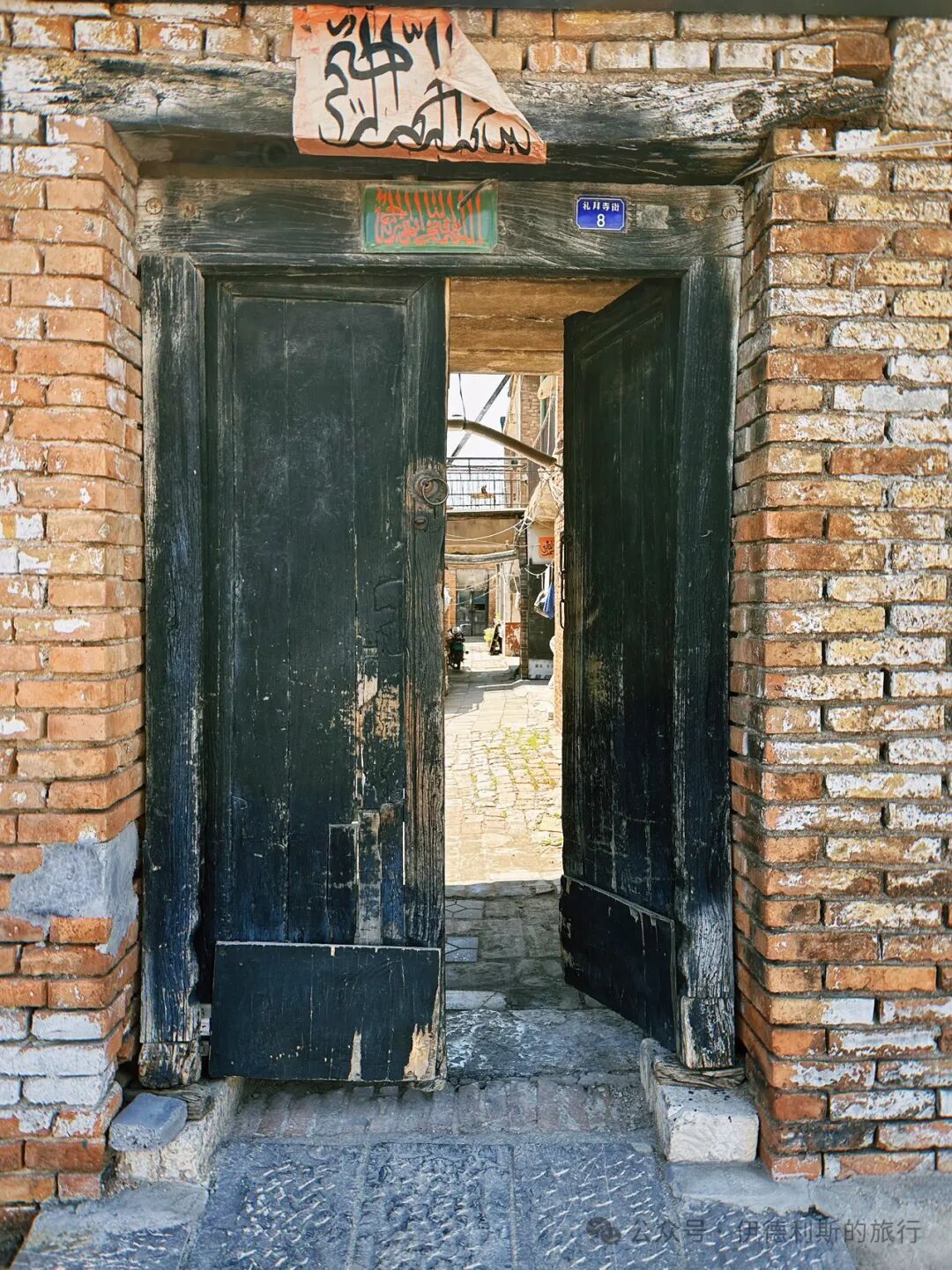
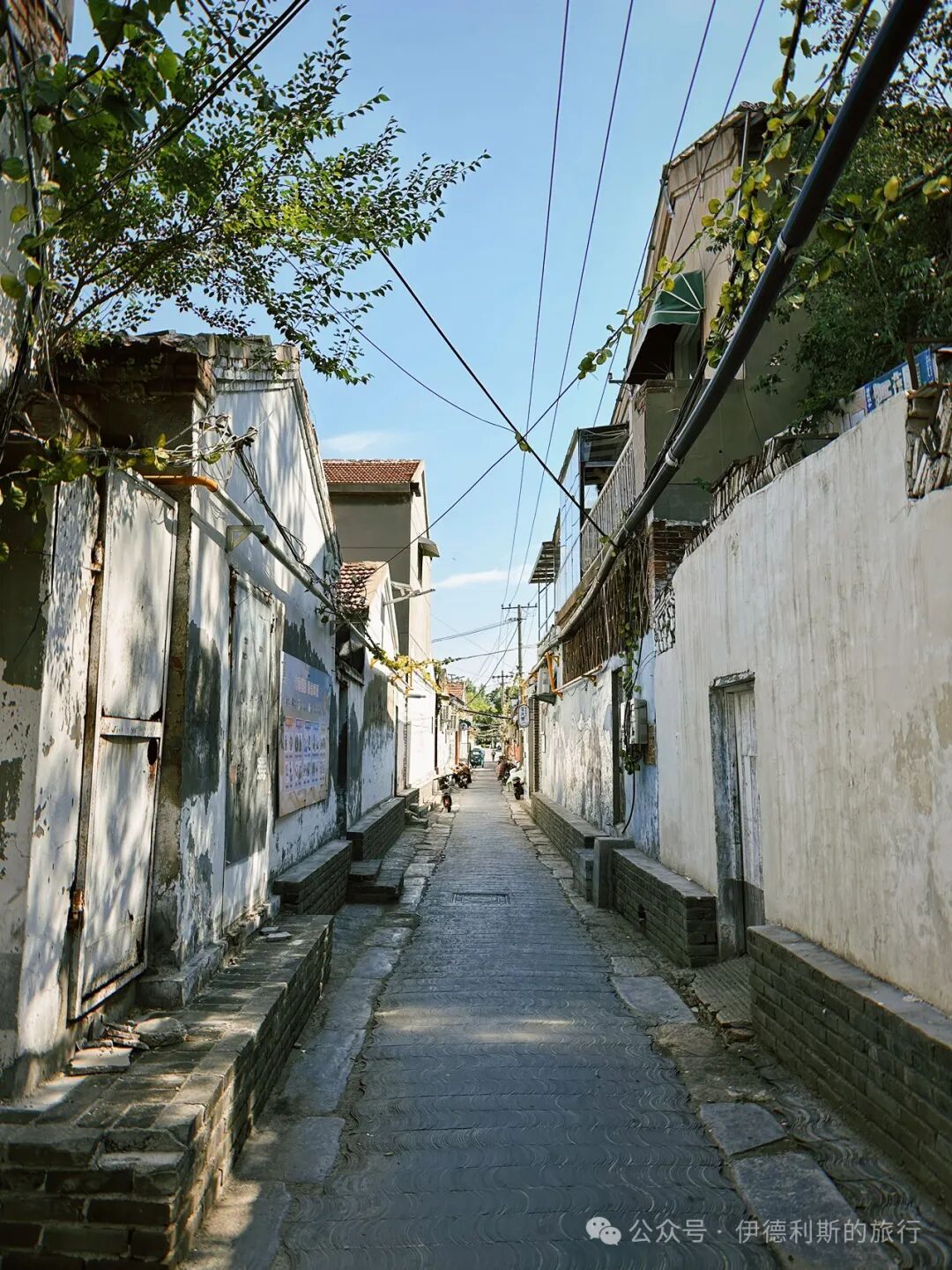
Today, the neighborhood around the Small Mosque (Xiao Libaisi) Street sits west of Dongchang Lake and east of Lingdang Lake, offering beautiful scenery. The homes of Hui Muslims line the stone-paved streets, still keeping the look and feel of the last century.
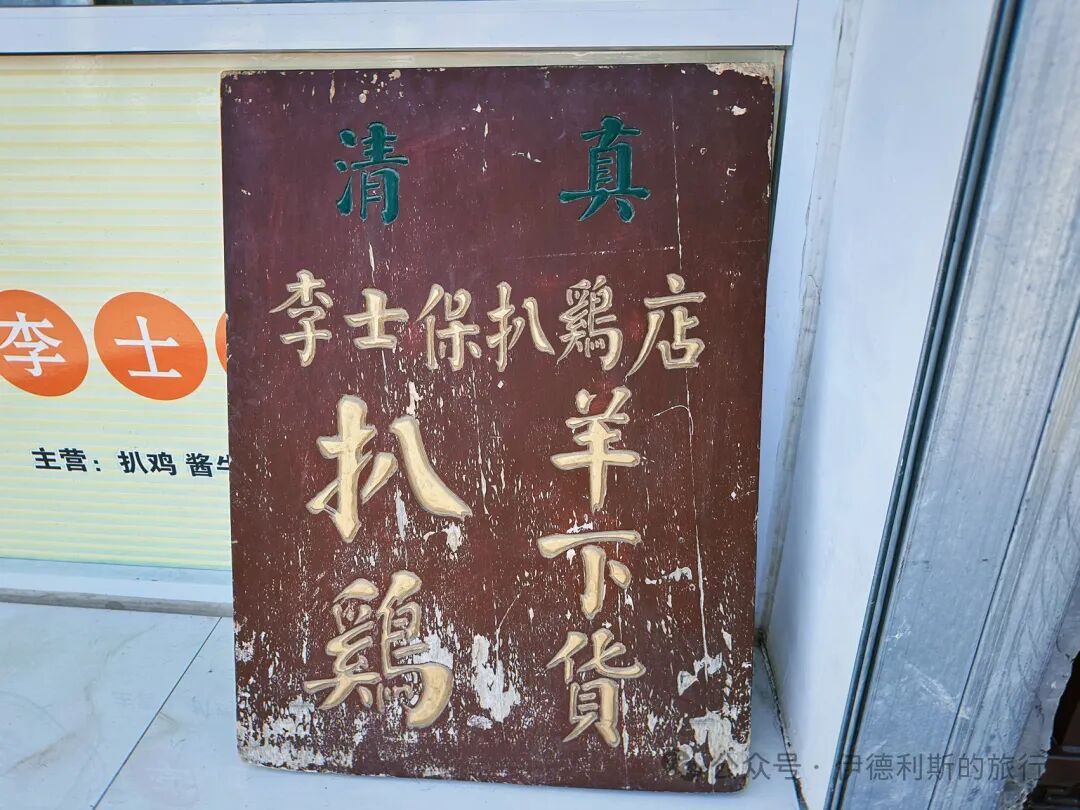
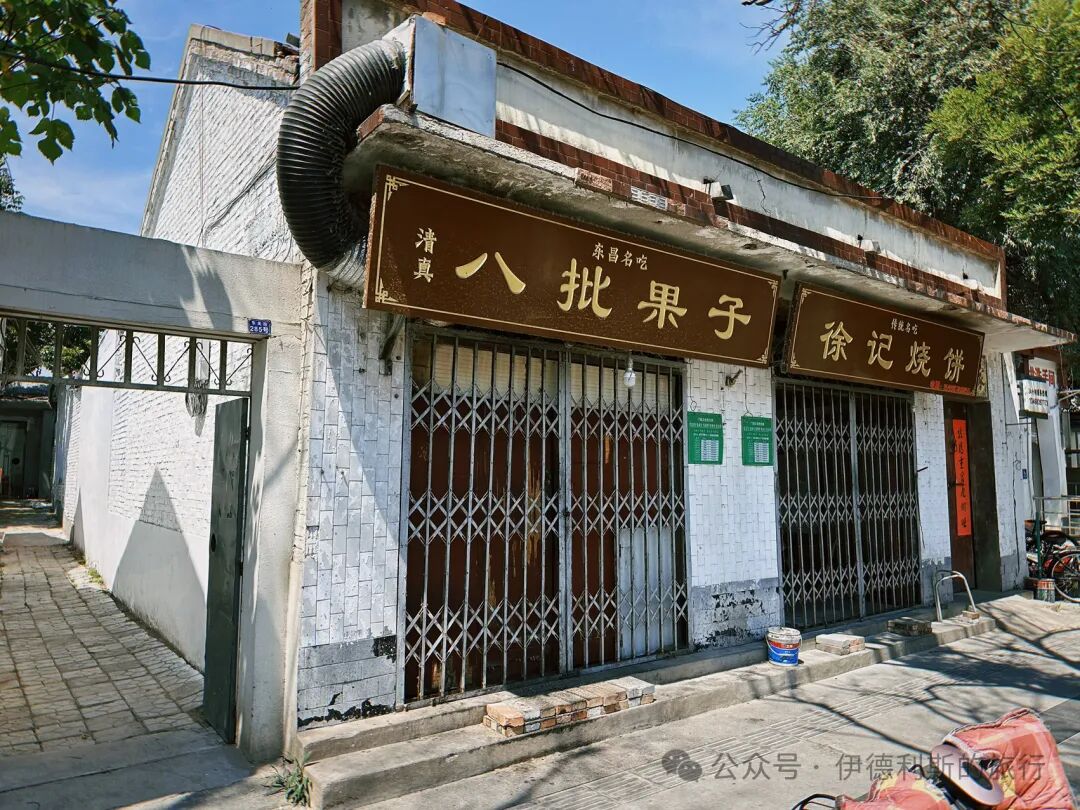
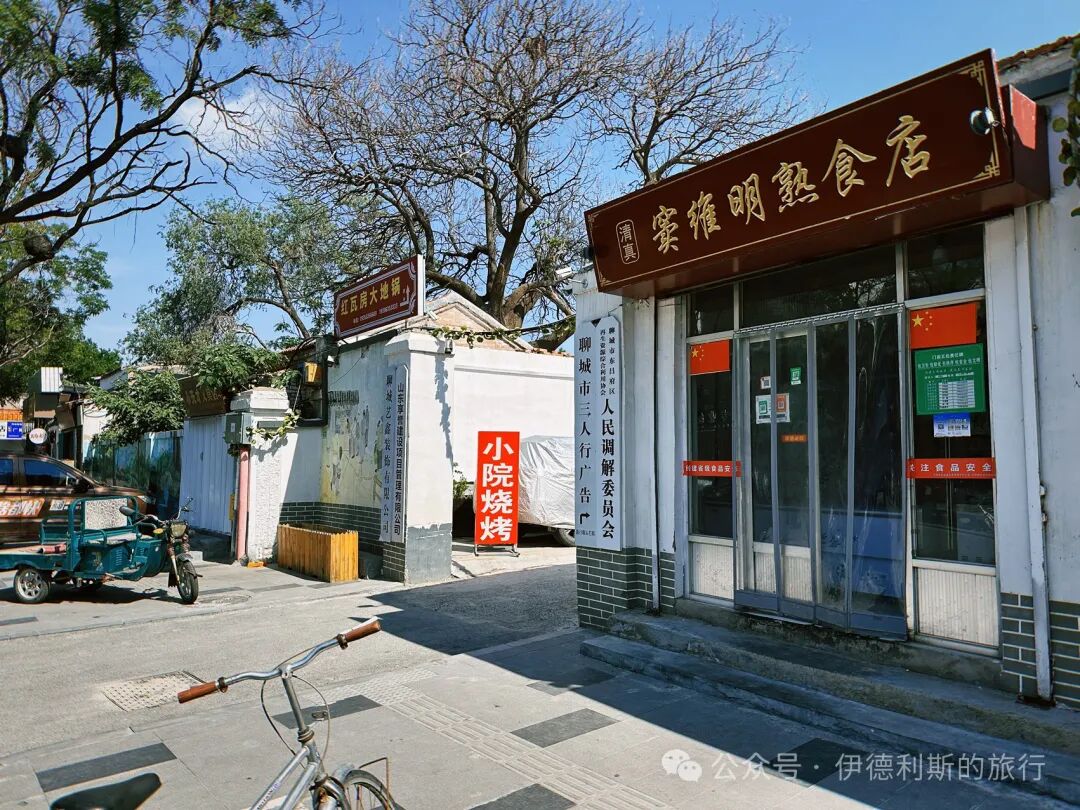
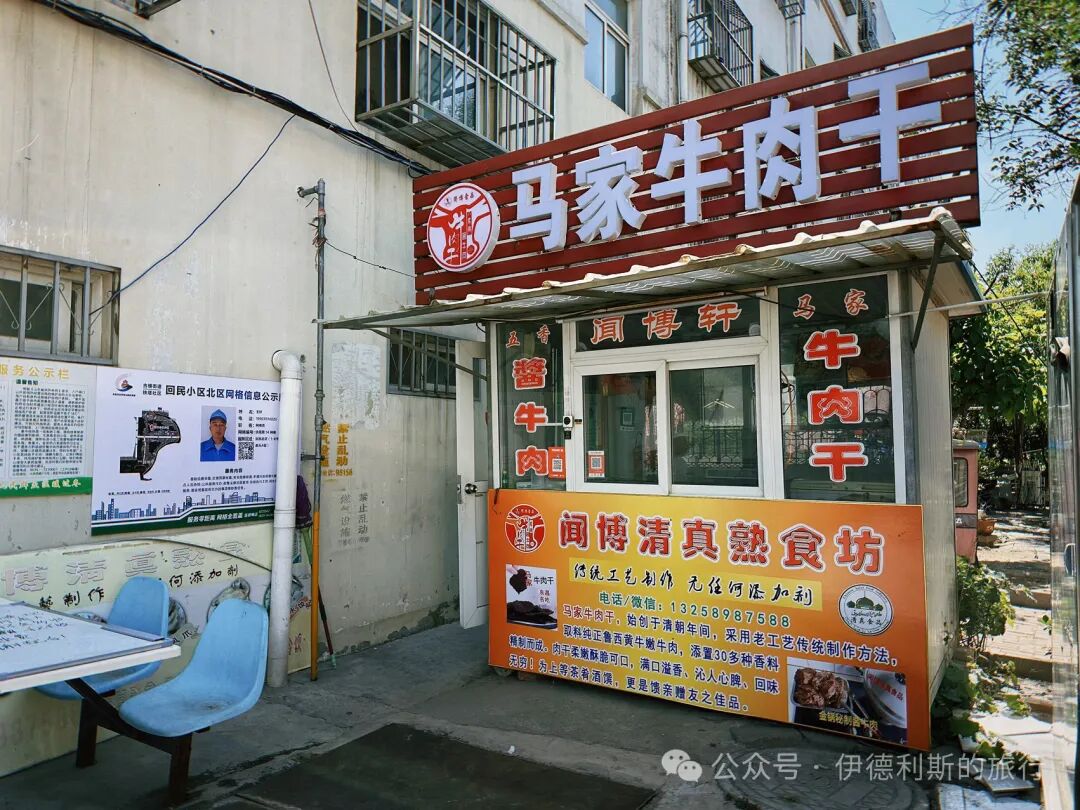
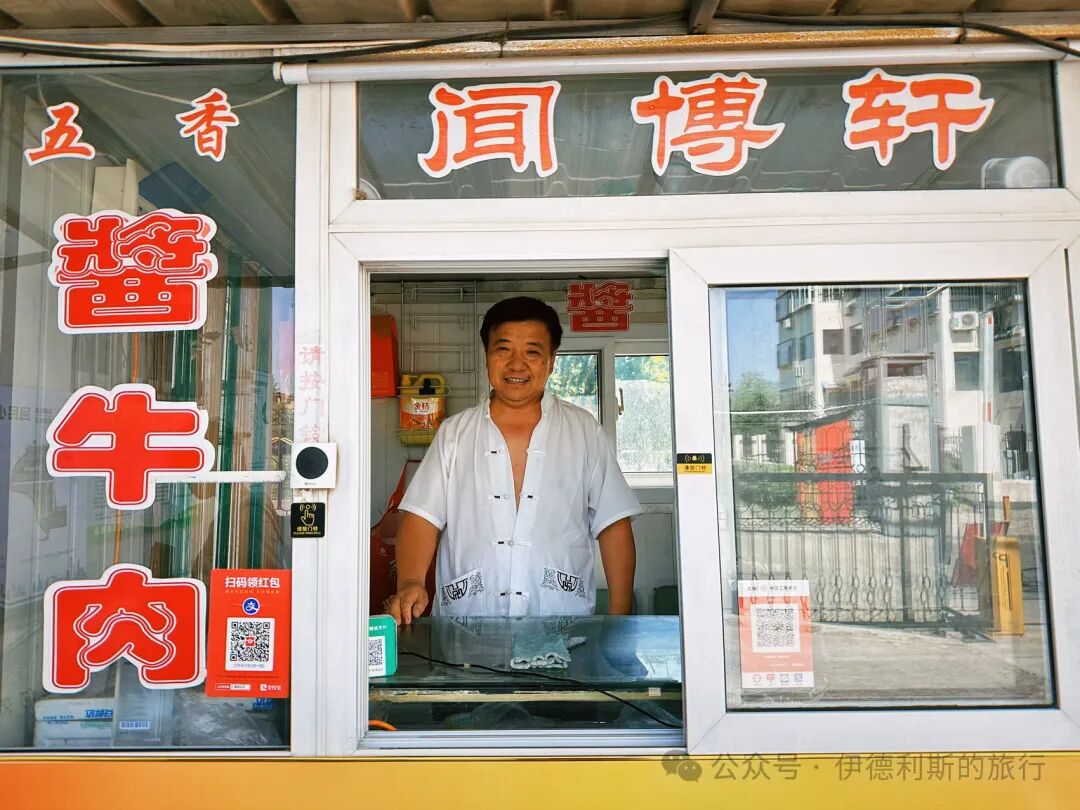
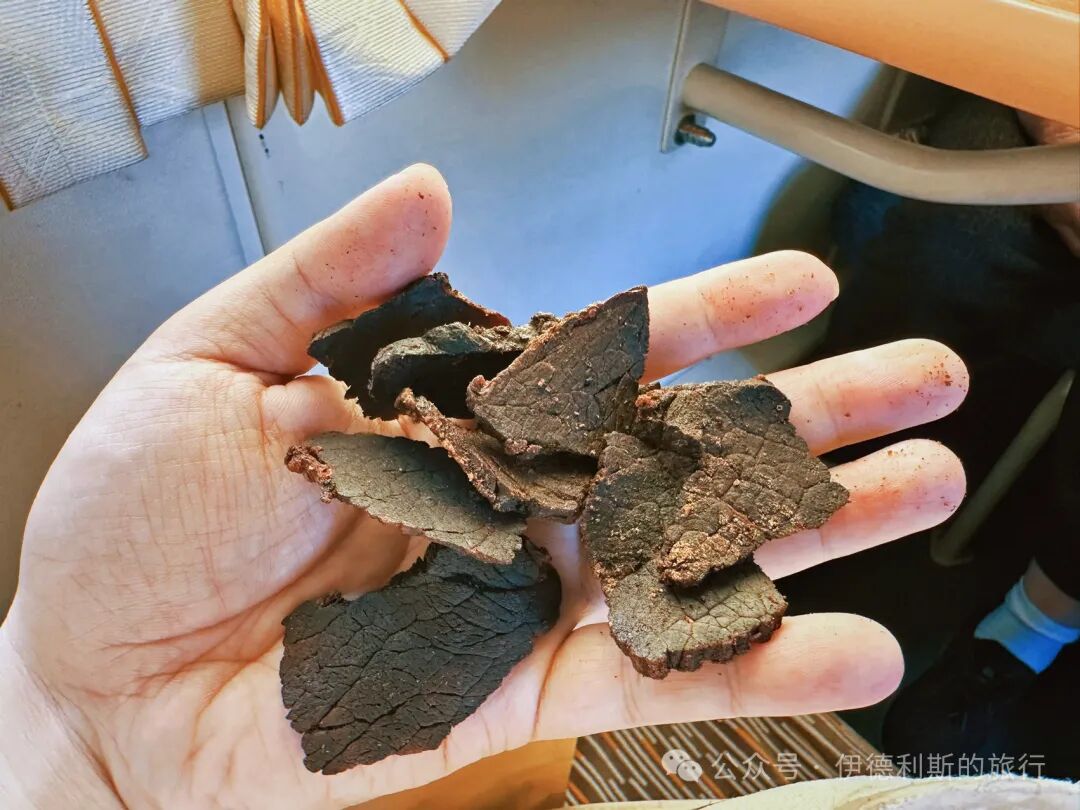
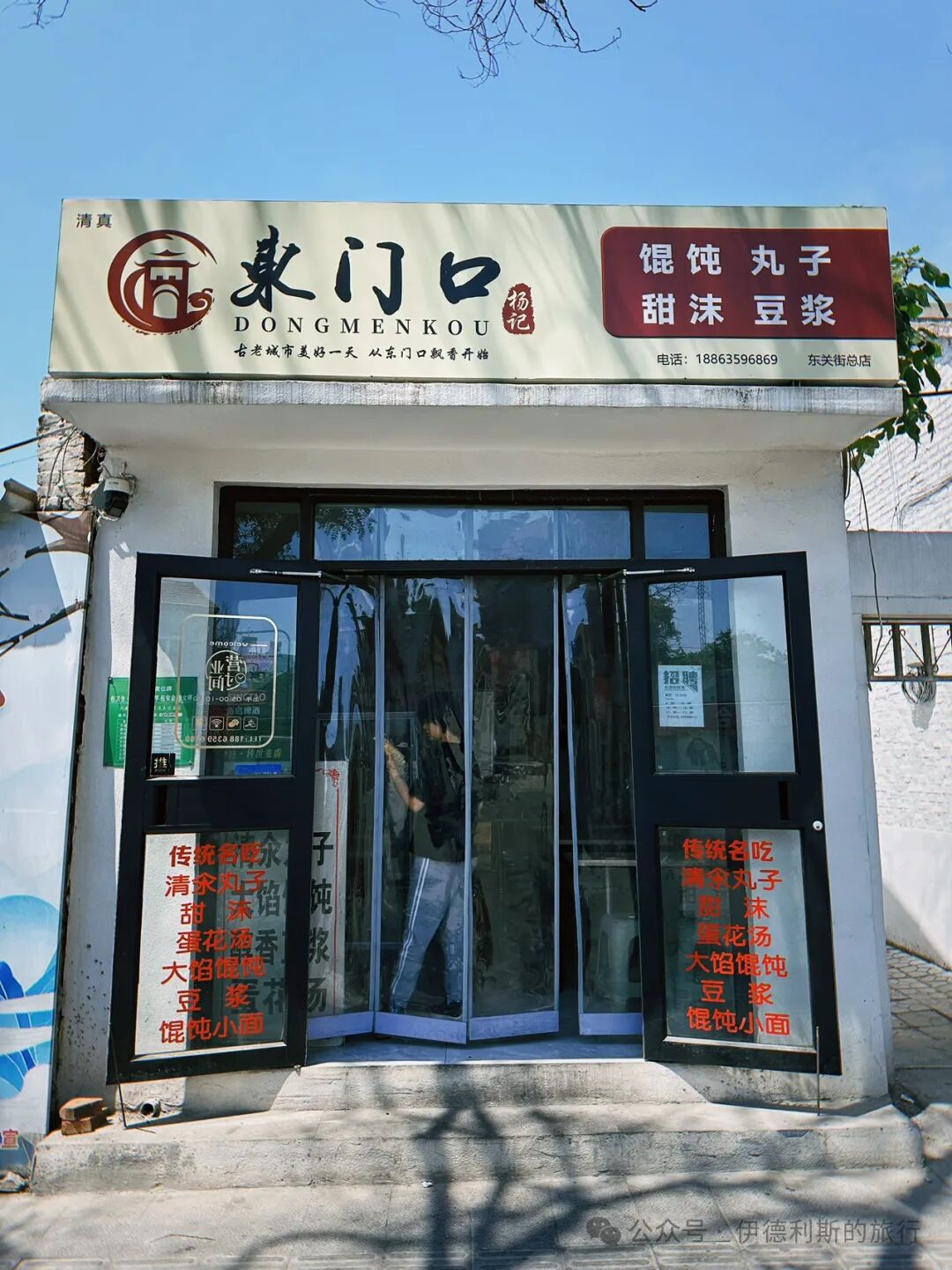
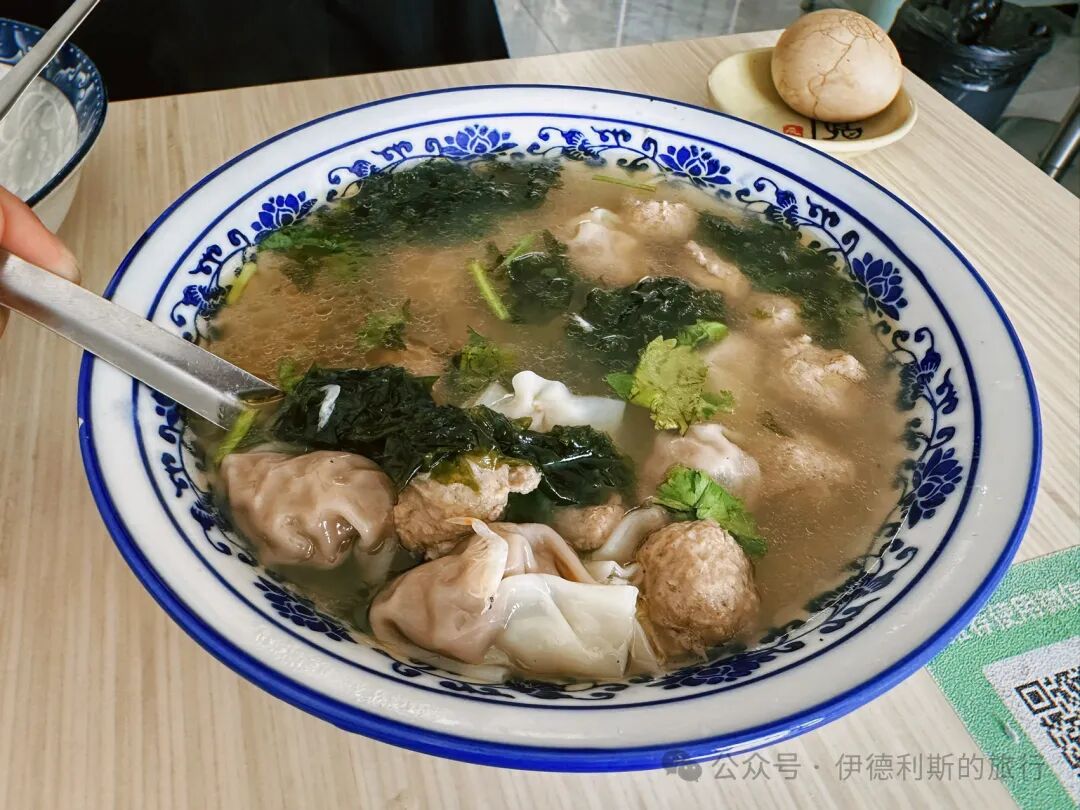
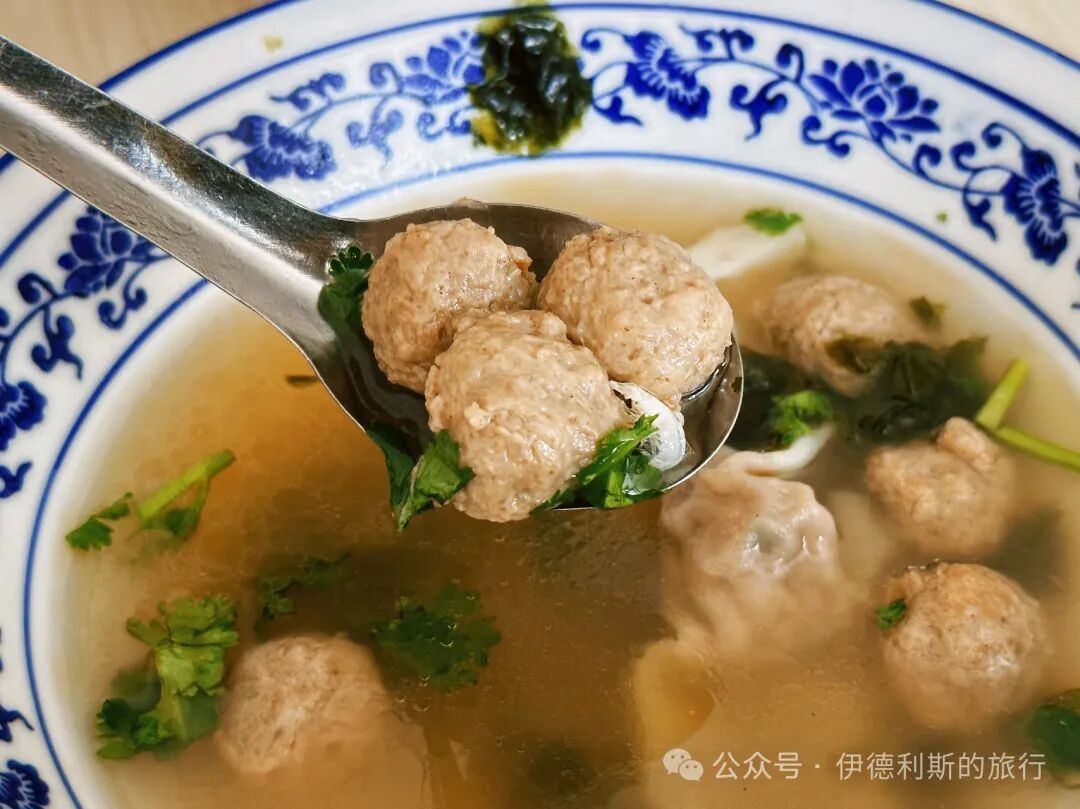
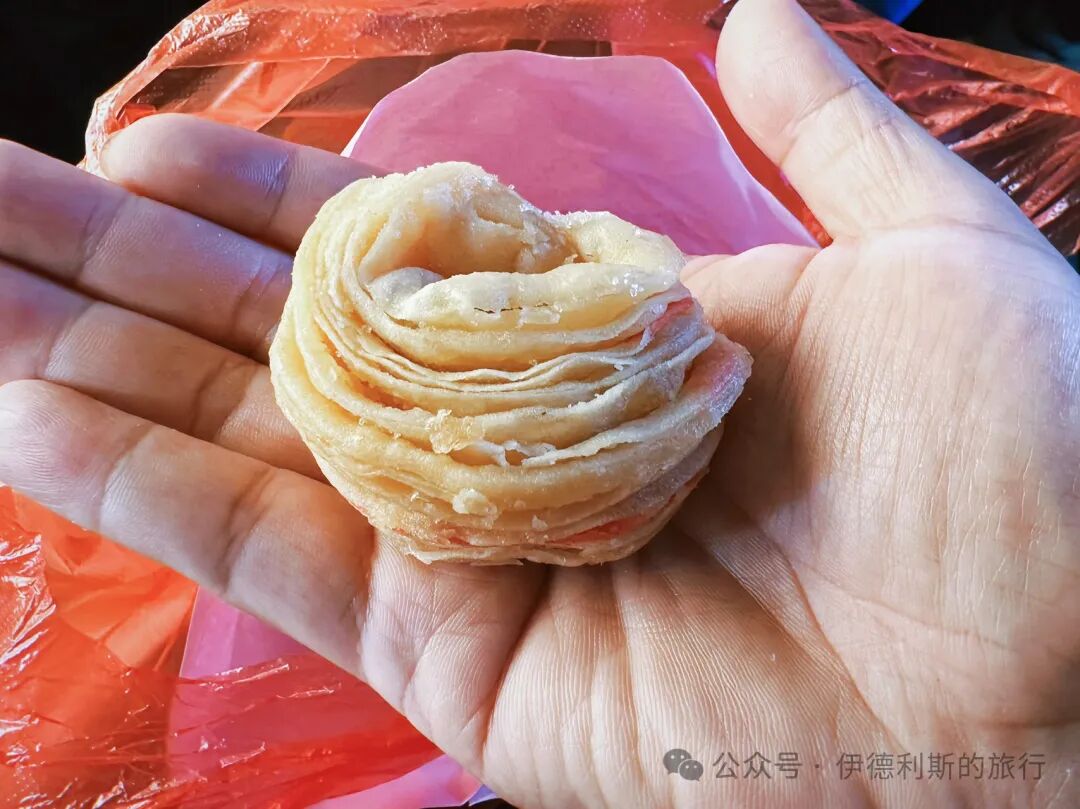
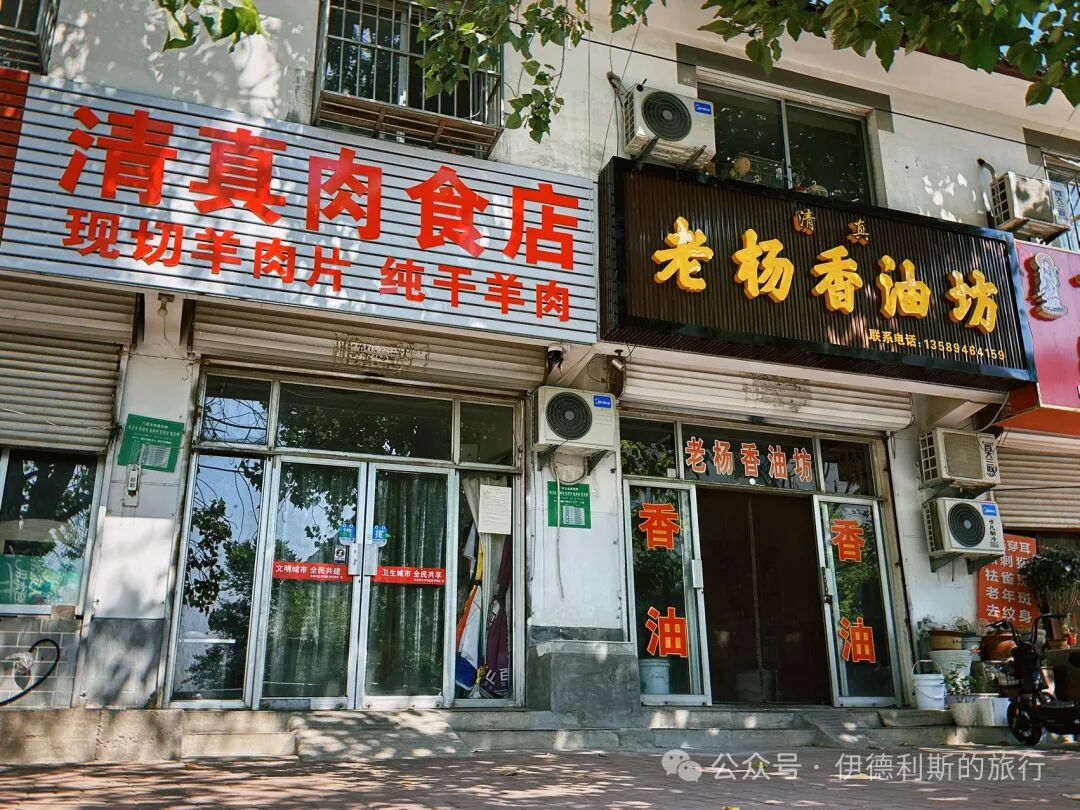
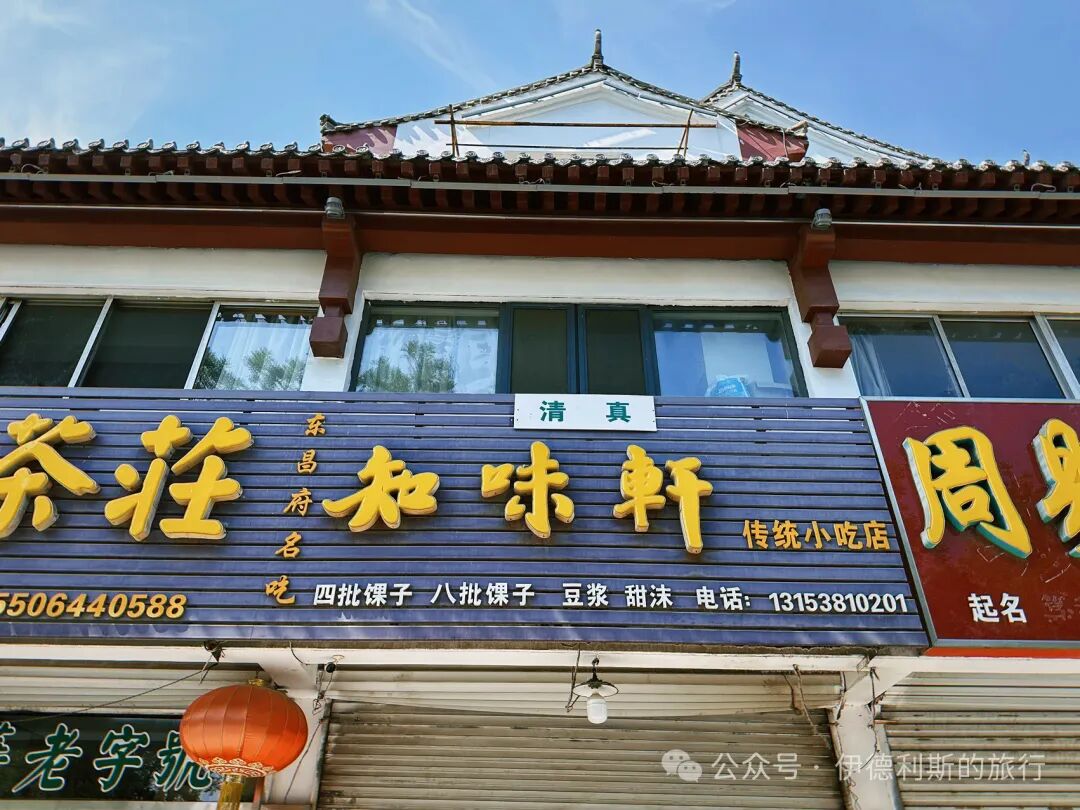
I bought some beef jerky inside the Hui Muslim residential area on Small Mosque (Xiao Libaisi) Lane. Liaocheng beef jerky is quite interesting. It is made from local Luxi yellow cattle and roasted until very dry, giving it a crispy, snack-like texture. Then I went to Yang's at the East Gate for a mix of clear broth meatballs (qingcuan wanzi) and wontons. I really like the clear broth meatballs in Liaocheng; I had them last time I visited and wanted them again. Their morning sweet porridge (tianmo) paired with the fried dough sticks (bapi guozi) from next door is also a classic.
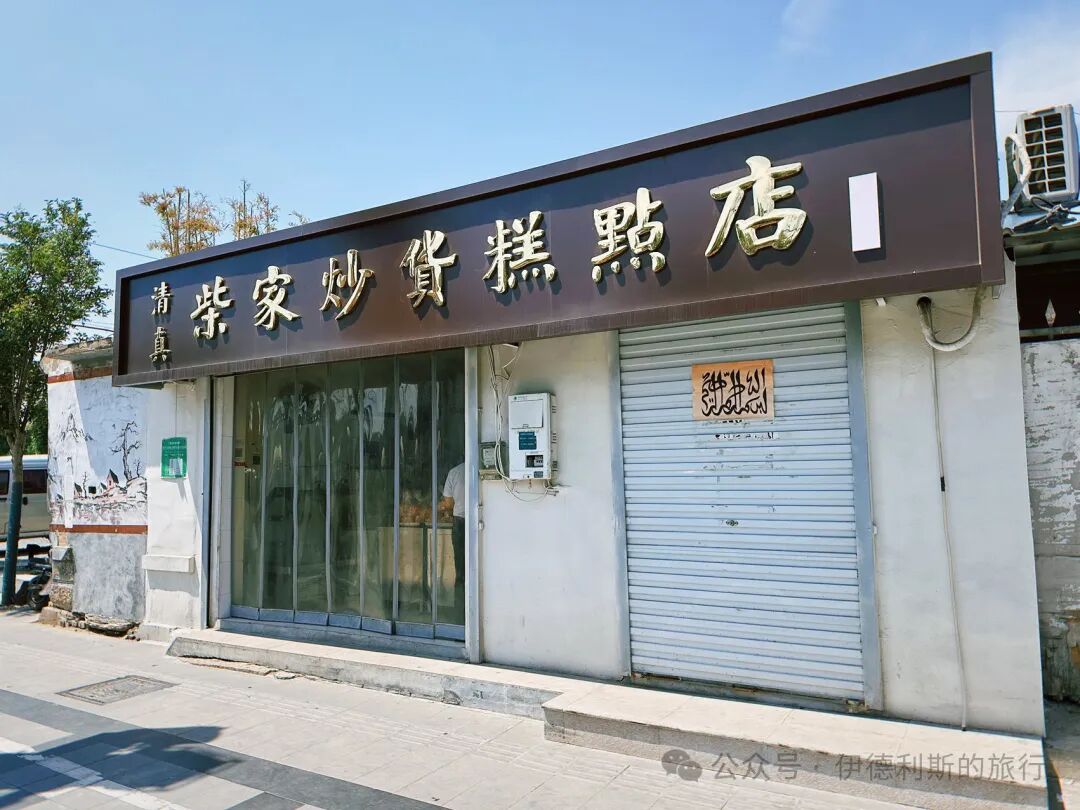
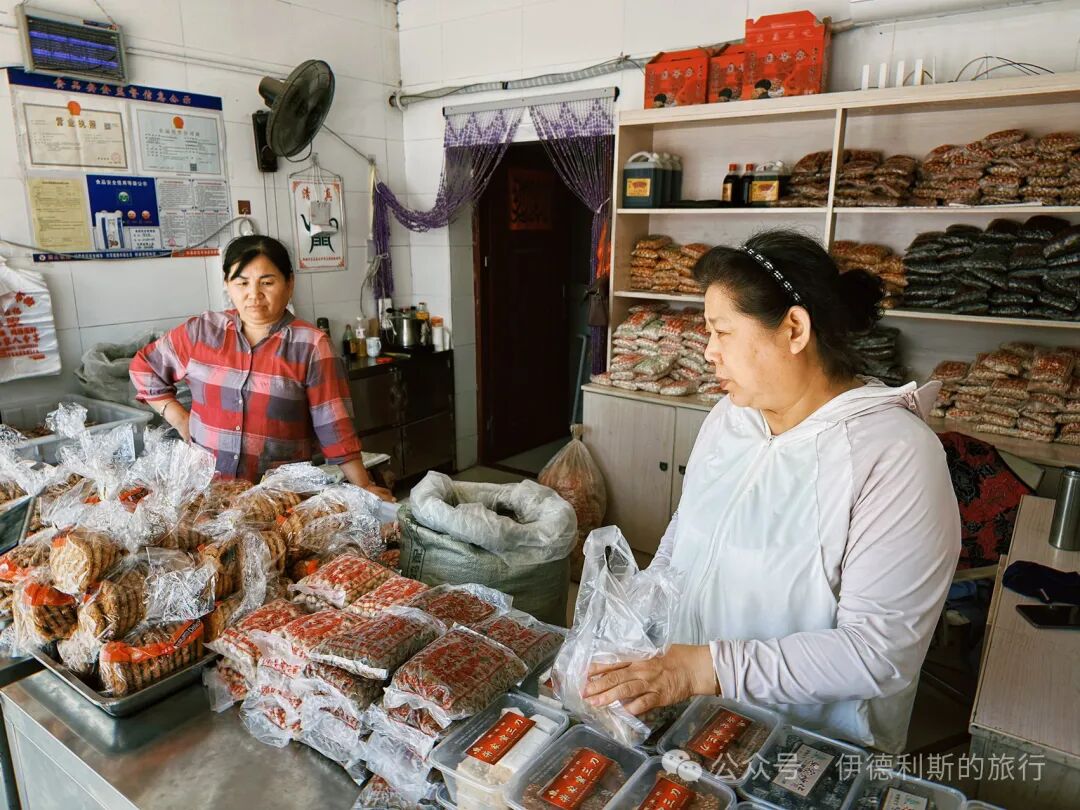
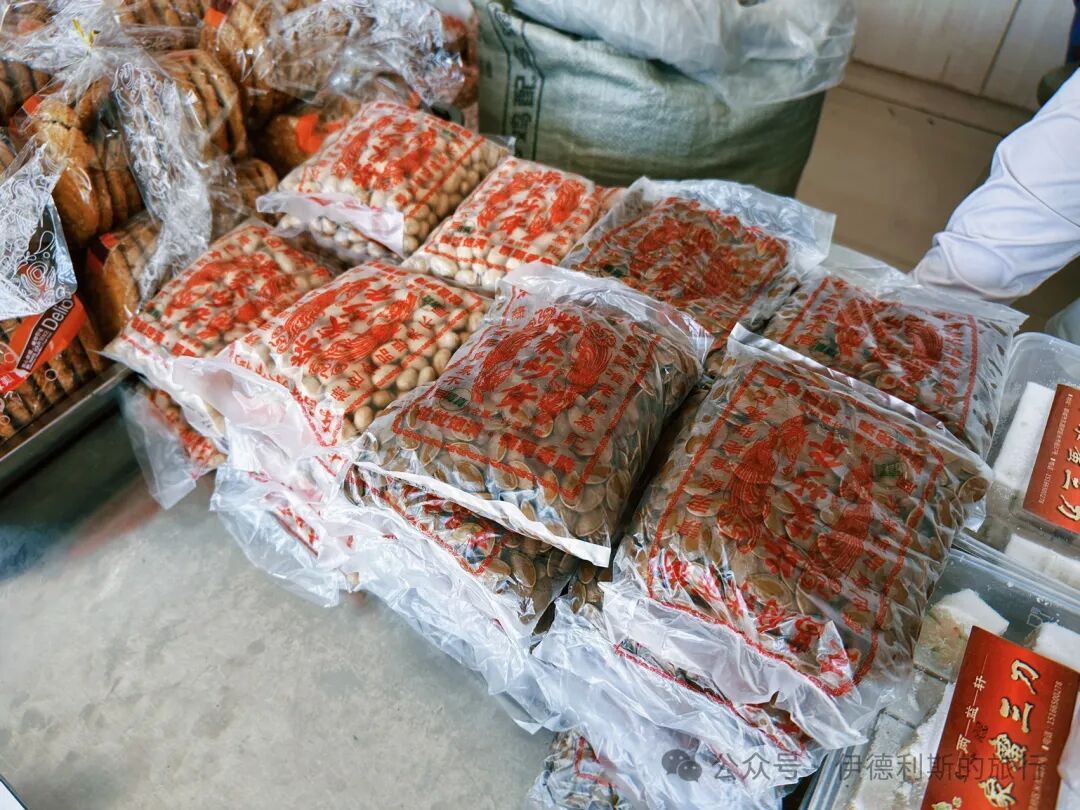
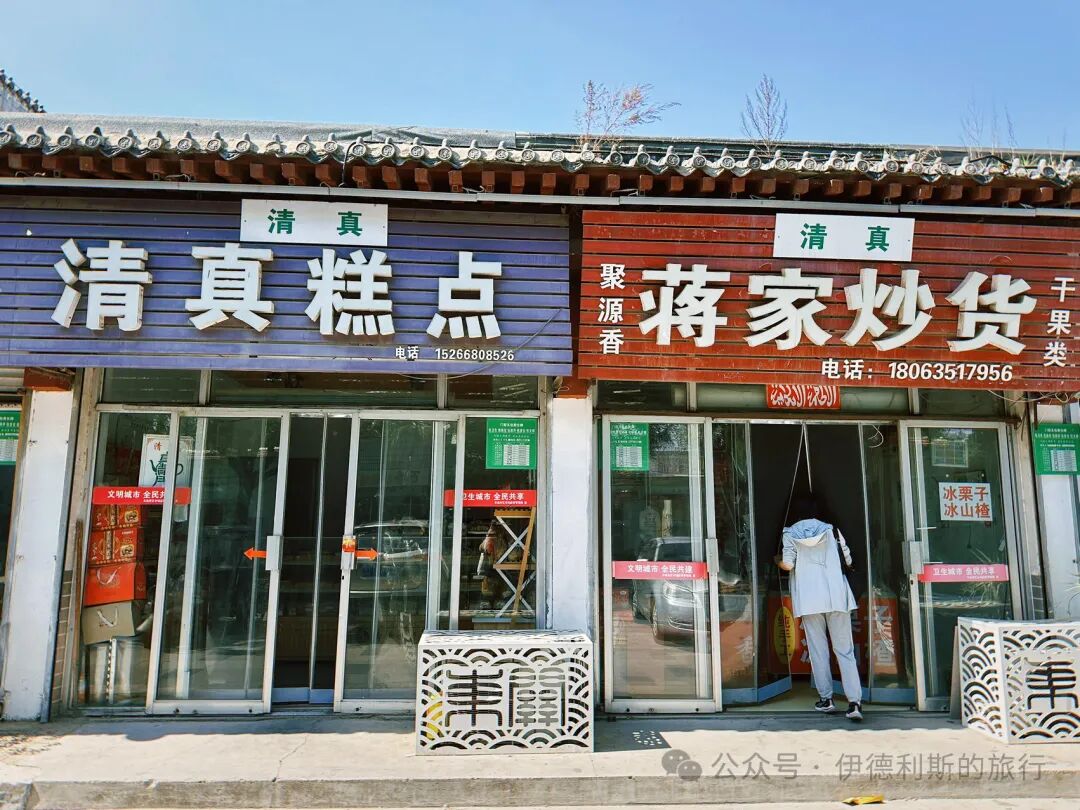
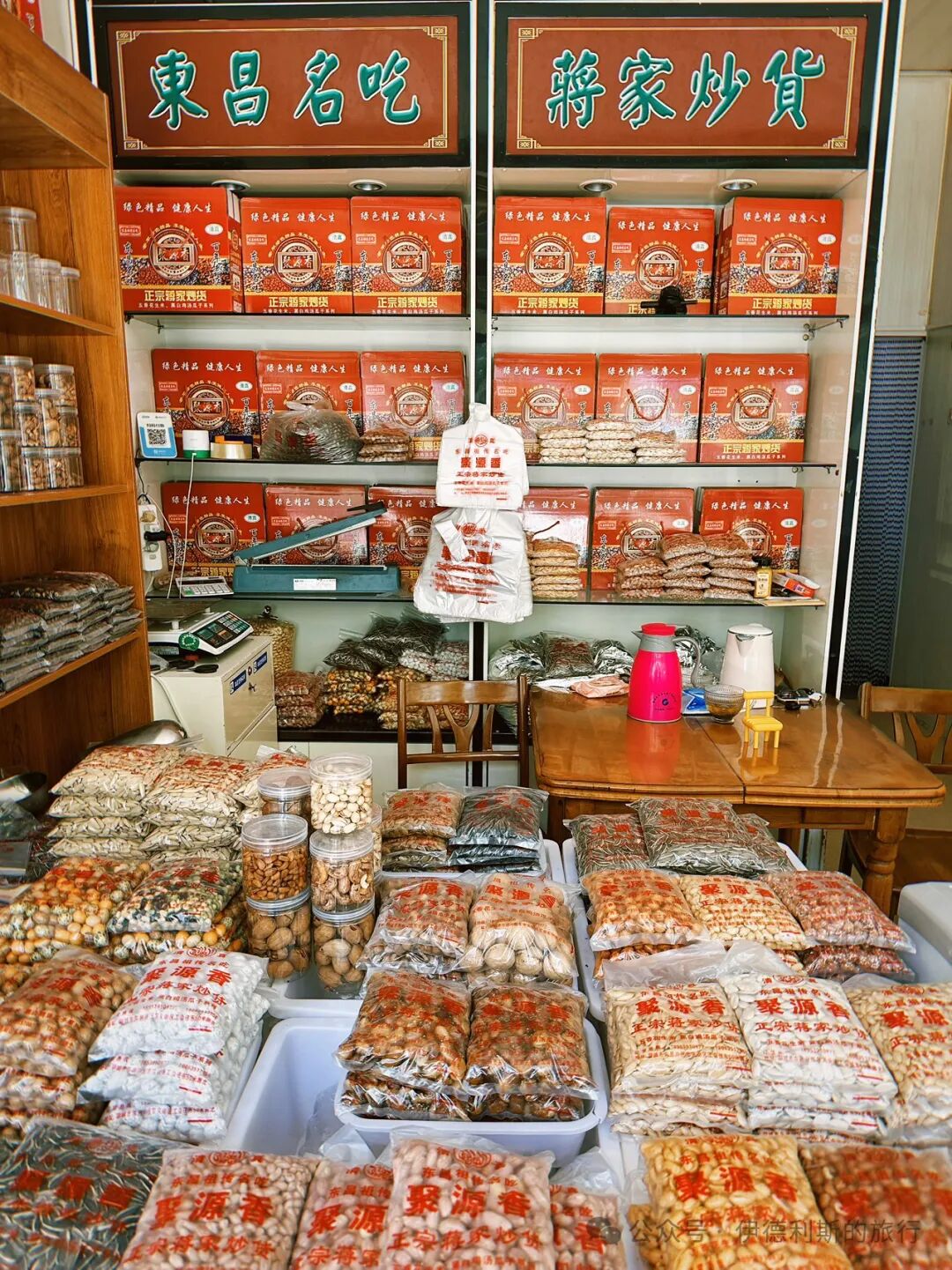
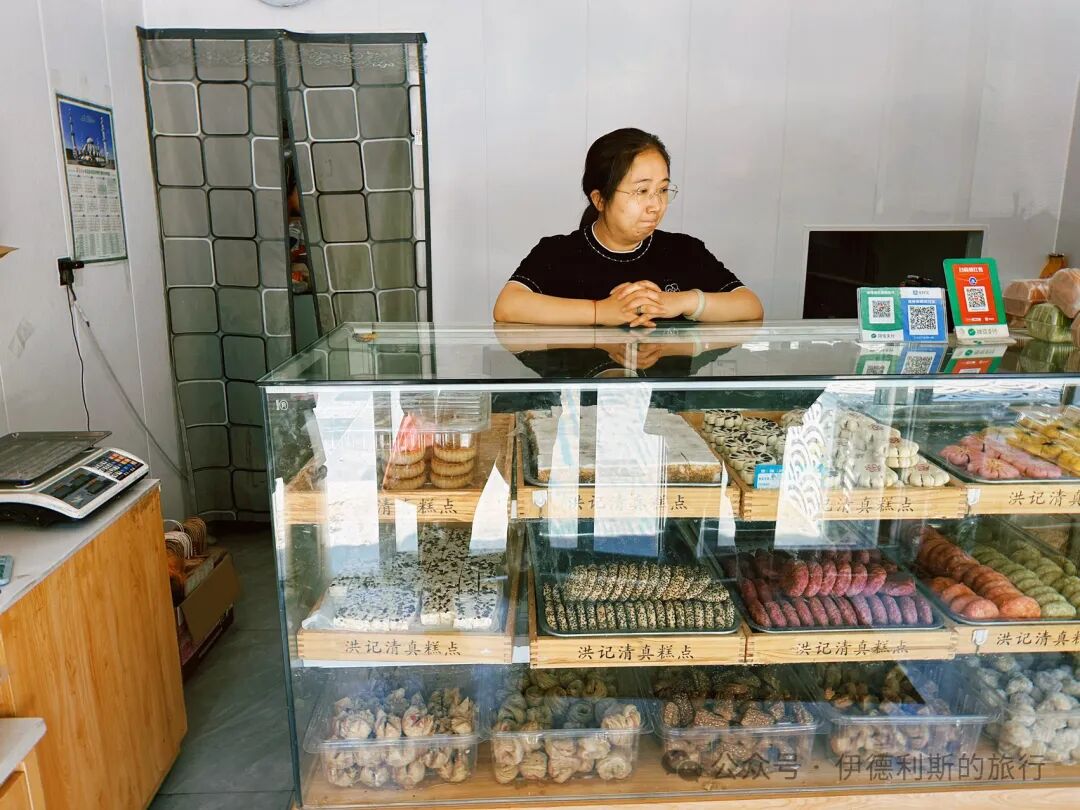
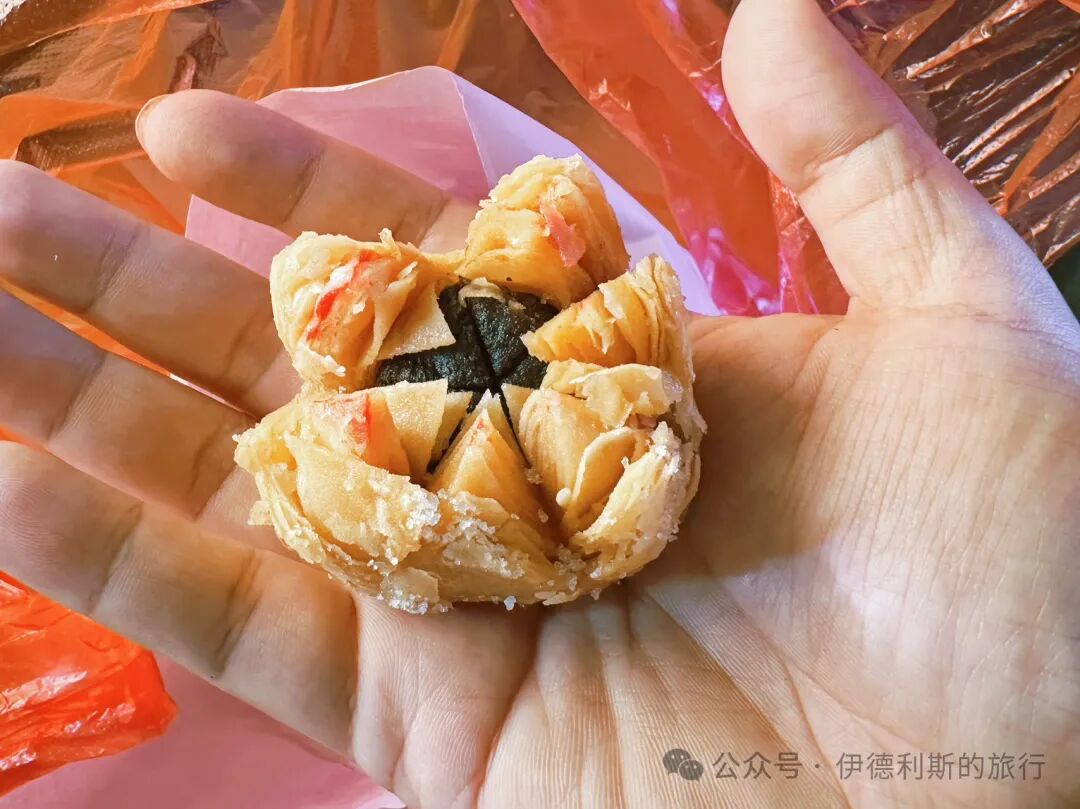
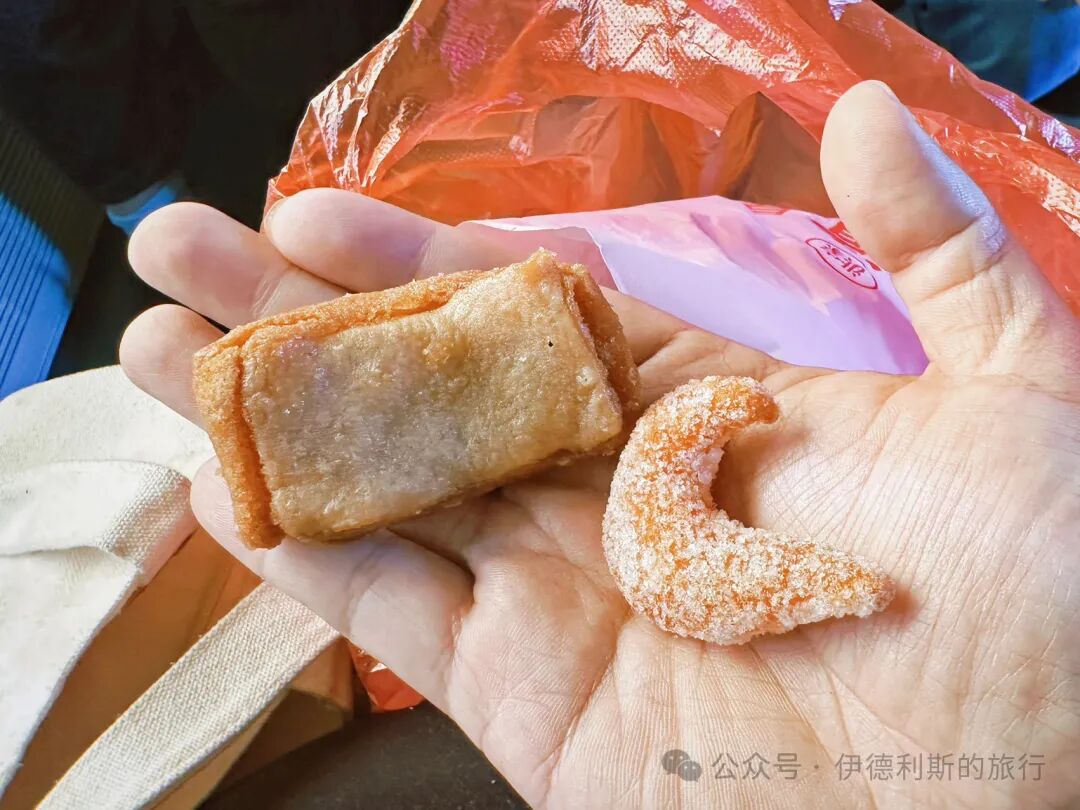
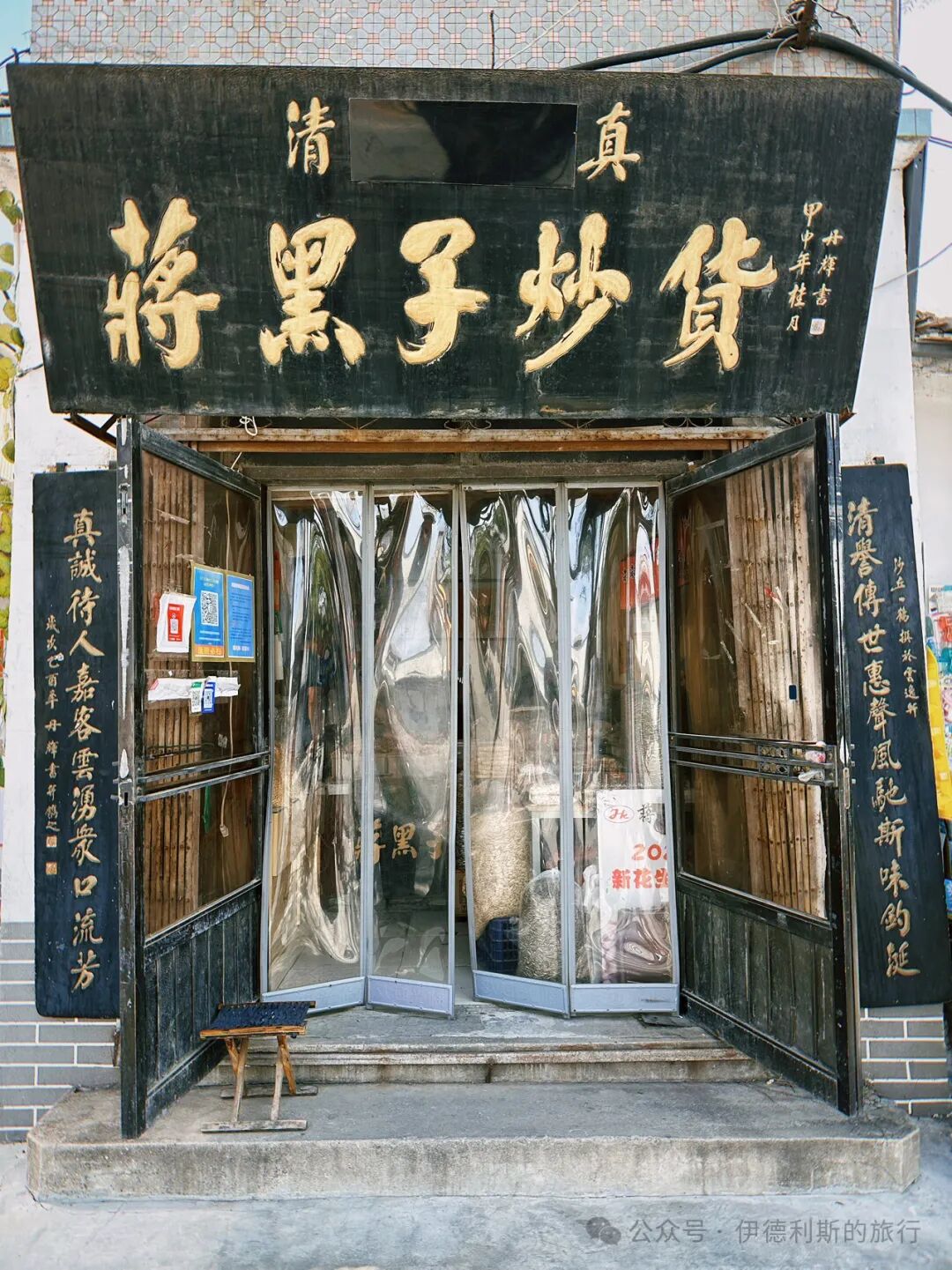
There are several roasted snack shops in the East Gate area. Last time I bought peanuts at Jiang's Roasted Snacks, but this time I bought fish-skin peanuts at another shop called Chai's Roasted Snacks. Next, I bought some traditional Shandong pastries next door, including chestnut cakes (banli su), honey-filled horns (yangjiaomi), and honey-glazed squares (misandao). These pastries taste best when paired with strong tea.
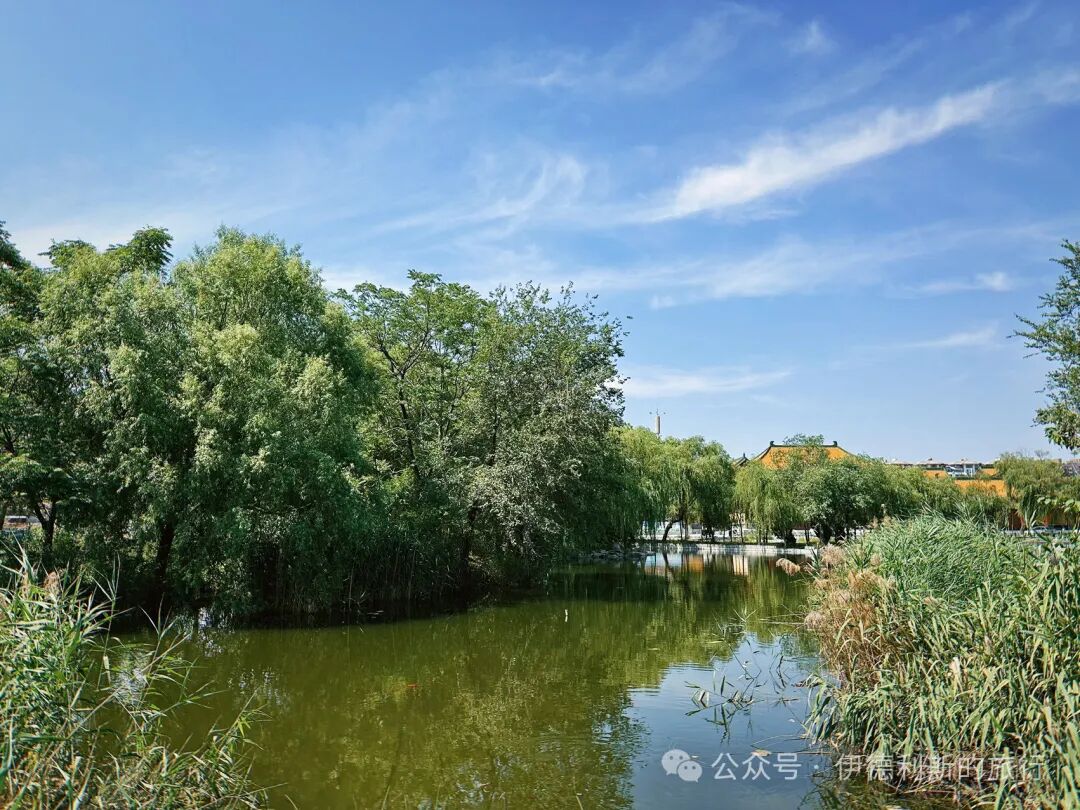
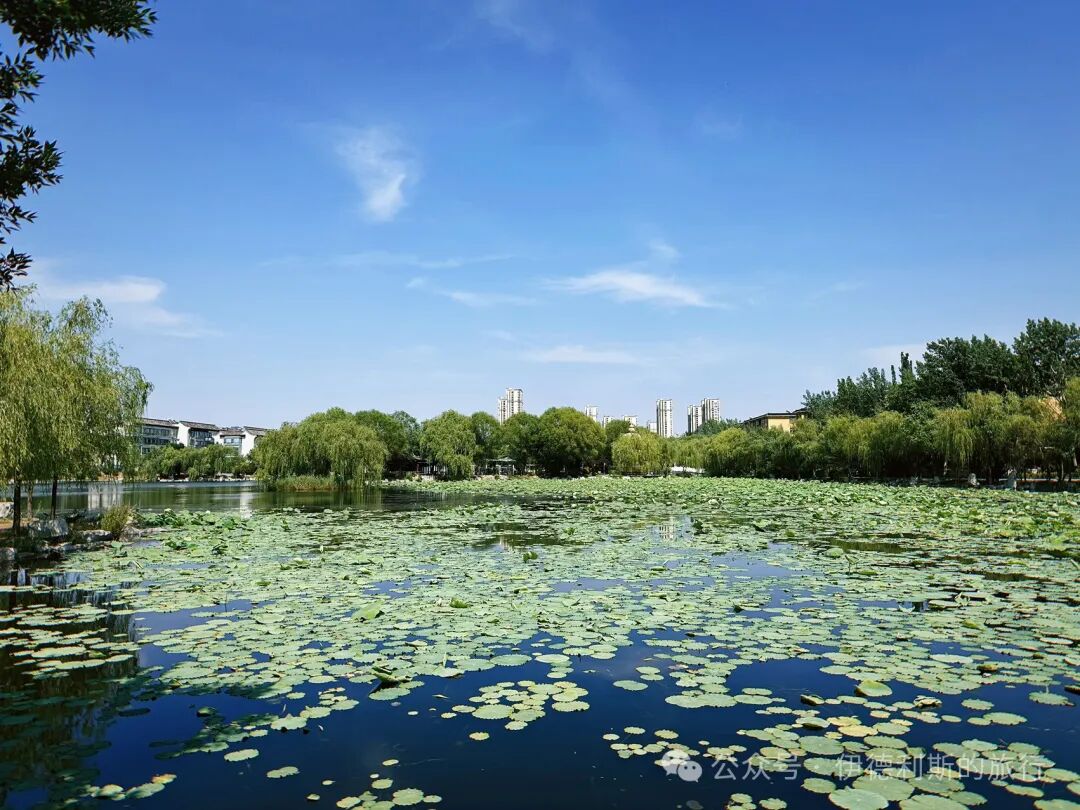
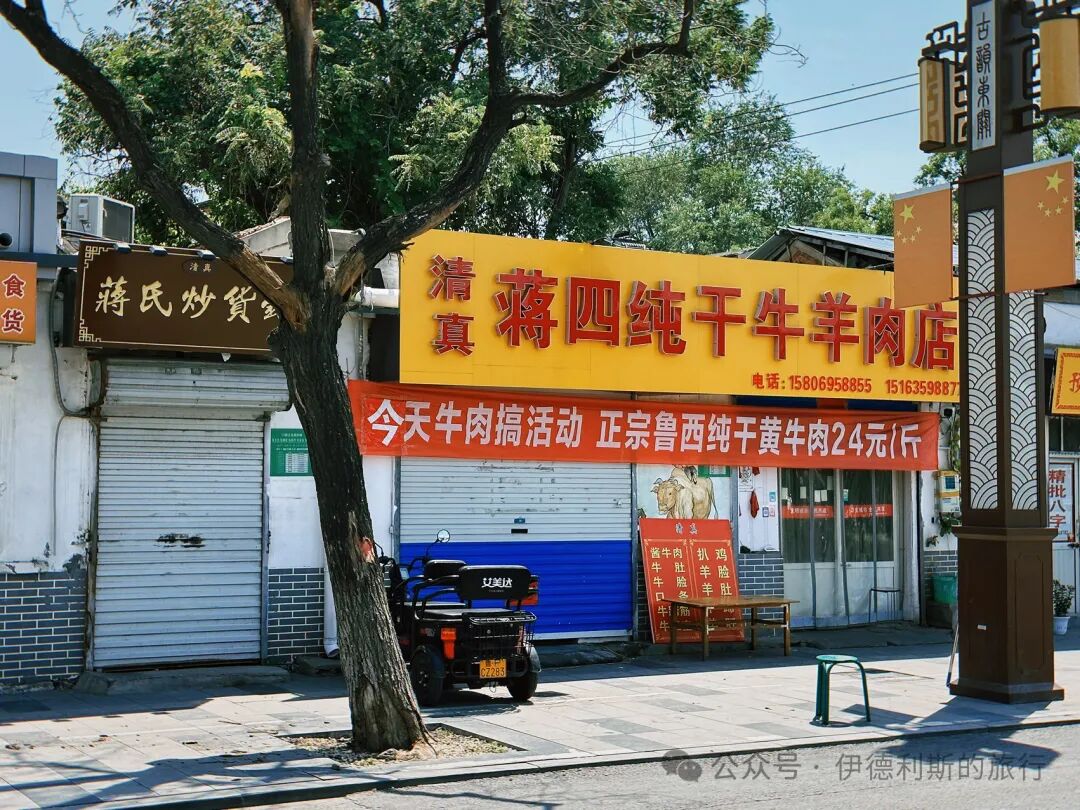
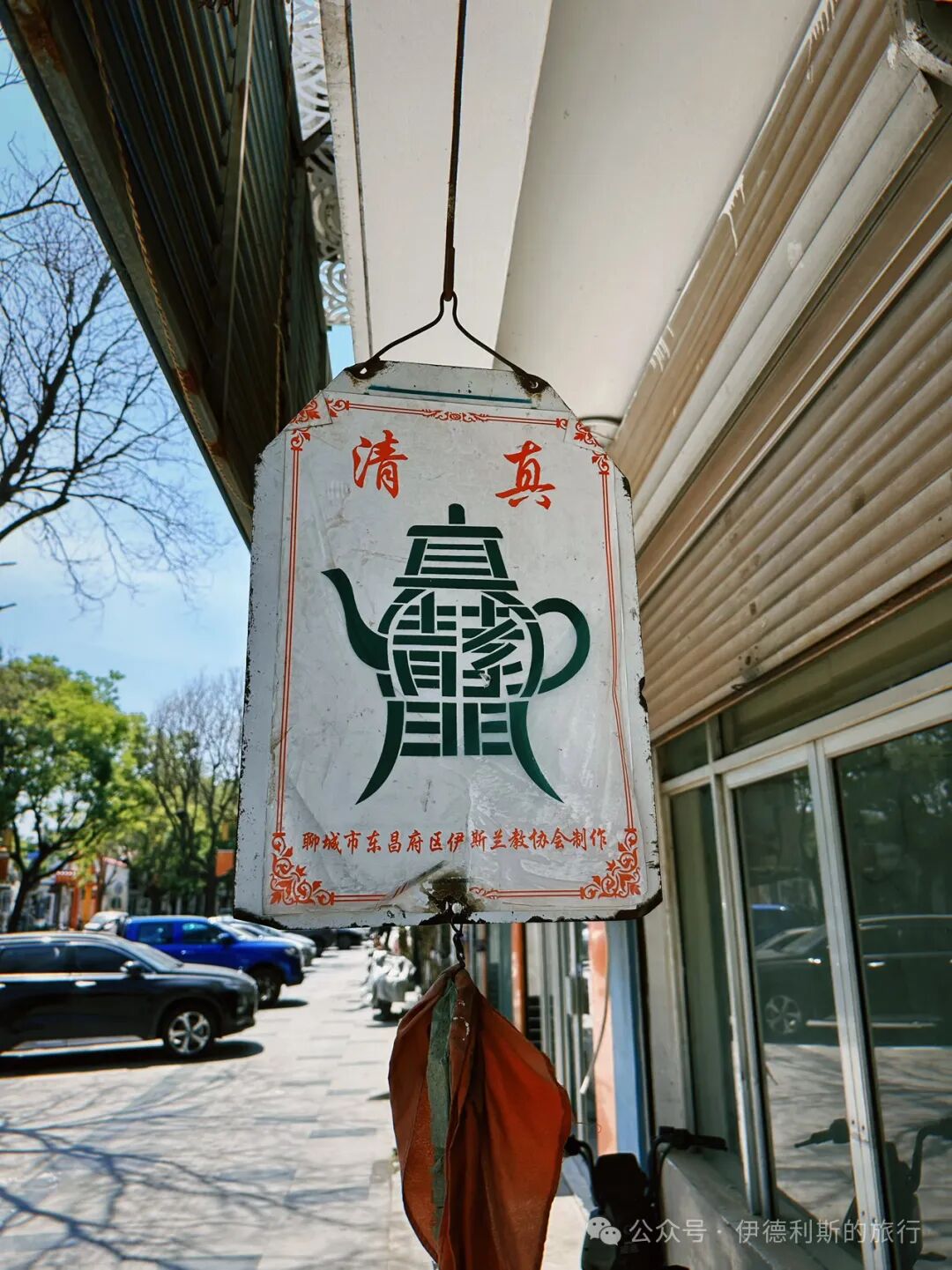
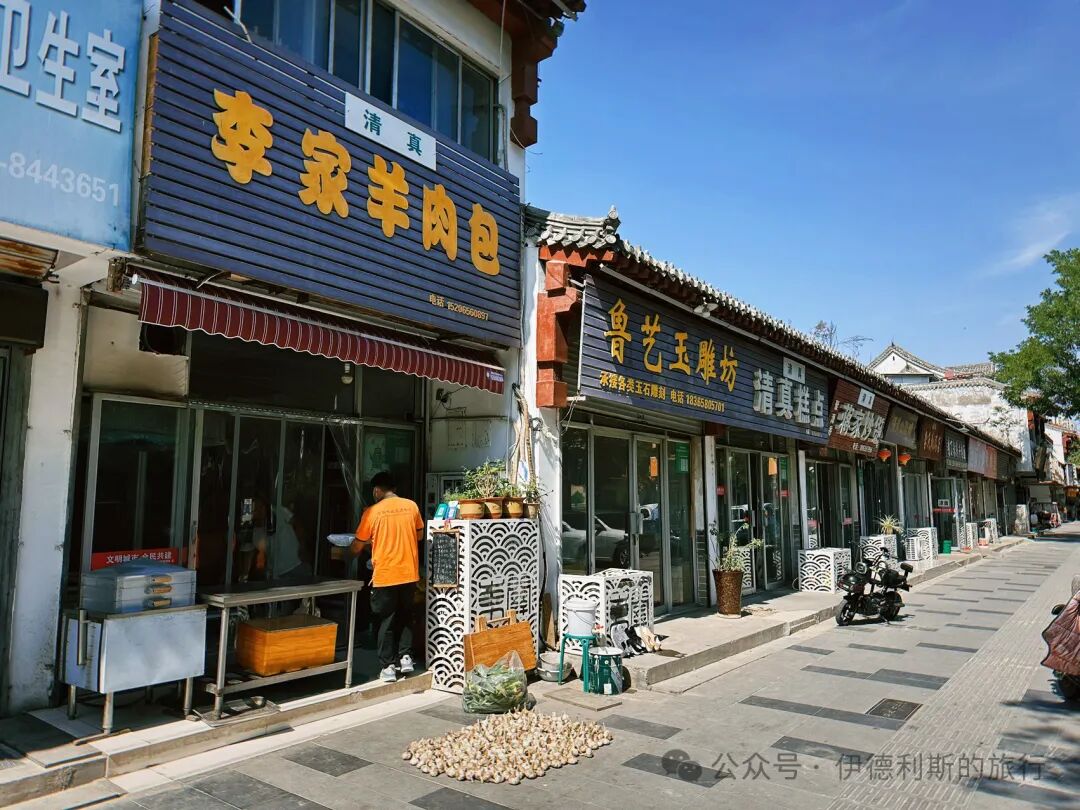
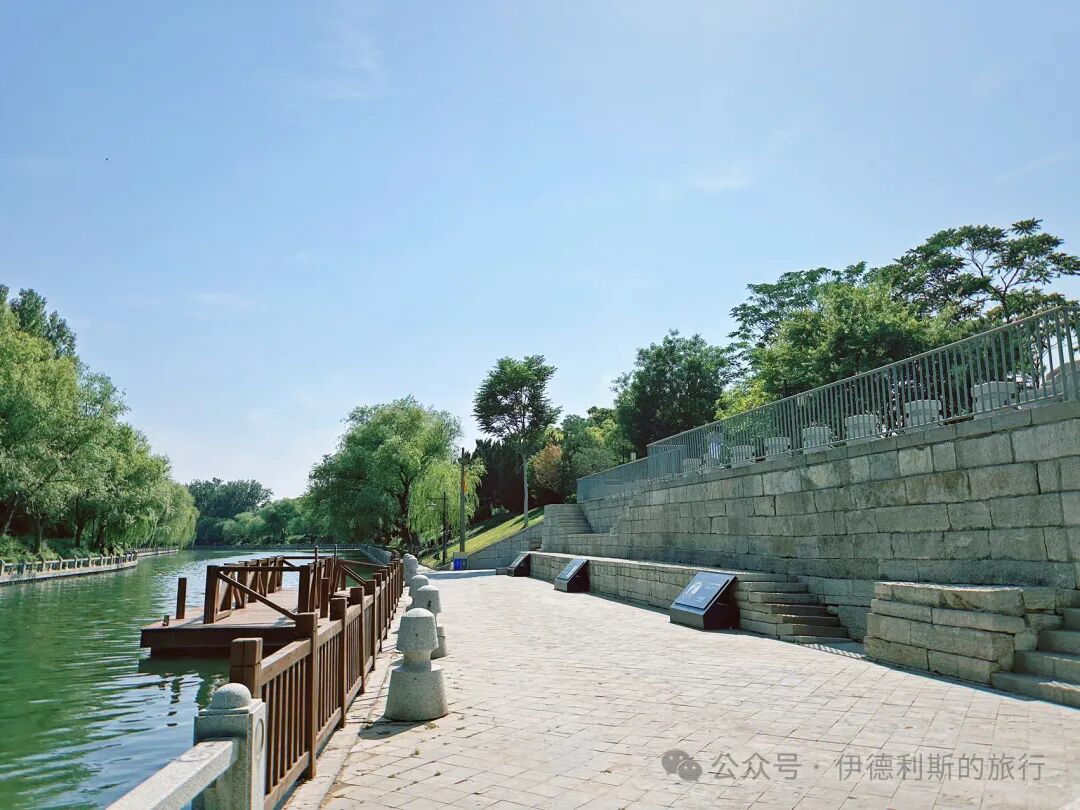
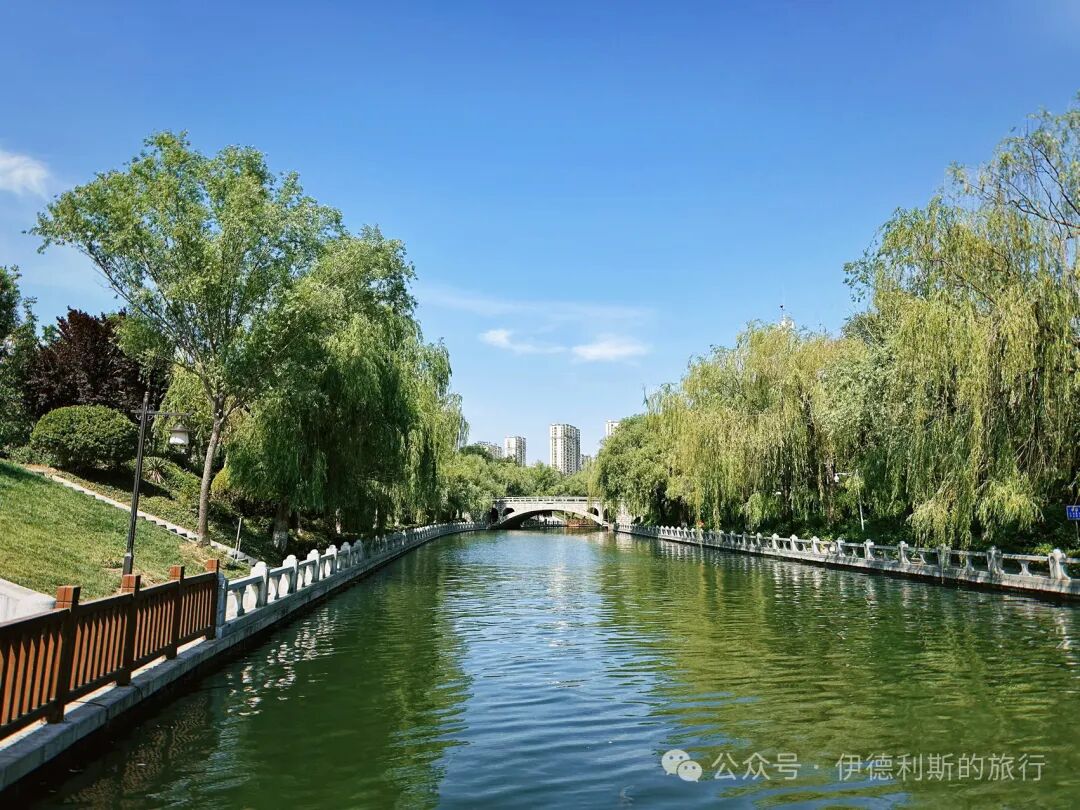
A view of Dongguan Street. The last two photos show the Chongwu Post Wharf (Chongwu Yi Damatou), a government dock on the Liaocheng section of the Grand Canal from the Ming and Qing dynasties. Emperors Kangxi and Qianlong both disembarked here when they stopped in Liaocheng during their southern tours.
Summary: Halal Travel Guide: Liaocheng - Dongguan Mosque Streets and Hui Muslim Life is presented here as a firsthand travel account in clear, natural English. The account focuses on Liaocheng, Mosque Streets, Hui Muslims while preserving the names, places, food, photos, and historical details from the Chinese source.
I left Beijing Railway Station in the morning and arrived in Liaocheng, Shandong, at noon, visiting the Dongguan Hui Muslim community for the first time in seven years. My 2017 records are in the article "Halal Travel Review: Shandong Liaocheng in 2017."
Liaocheng became a major canal town after the Huitong River was dug in 1289 (the 26th year of the Zhiyuan era of the Yuan Dynasty). Dongguan, which connects the city to the canal, quickly became a busy commercial area where Hui Muslims kept moving in to settle. After the Yongle Emperor moved the capital to Beijing in 1420 (the 18th year of the Yongle era of the Ming Dynasty), he relied heavily on the Grand Canal to transport grain from the south to the north, and the Dongguan Hui Muslim community in Liaocheng was officially formed.
Liaocheng Dongguan has two mosques, one in the east and one in the west. The west mosque is commonly known as the Great Mosque (Da Libaisi) and was first built in 1385 (the 17th year of the Hongwu era). It was renovated twice during the Jiajing and Kangxi eras. The main hall of the west mosque originally had 81 rooms with beams made of golden-thread nanmu wood. It was grand and impressive, comparable to those in Jining and Linqing.
In the winter of 1946, when the People's Liberation Army attacked Liaocheng, the west mosque served as the command post for Commander Yang Yong, who was leading the Southwest Shandong Campaign. The People's Liberation Army used the mosque's minaret (bangkelou) as a lookout point to fire at the Nationalist troops inside the city. Because the city walls of Liaocheng were high and thick and the moat was wide and deep, the People's Liberation Army found it hard to attack. The Nationalist army instead came out of the city and set fires, which eventually burned down the main hall of the West Mosque. In 1956, General Yang Yong kept his promise and provided funds to rebuild the main hall of the West Mosque. The main hall was rebuilt again in 2009, and the front gate, second gate, and north and south lecture halls still keep their original designs.
The East Mosque is also called the Small Mosque (Xiao Libai Si). It was built during the Yongle period of the Ming Dynasty under the direction of Bai Lin, the garrison commander of Dongchang Prefecture. It was renovated many times during the Jiaqing, Xianfeng, and Guangxu periods of the Qing Dynasty. The main hall underwent a major structural repair in 2002. The north and south lecture halls and the front gate were rebuilt in 2014. In 2022, the main hall was reinforced and redecorated, which created the scale it has today.
Inside the main hall of the East Mosque, there is a plaque from the 15th year of the Jiaqing reign that reads "Benefits Shared Equally" (Lize Junzhan), signed by "Disciples from Shanxi and Hebei."
The "Big and Small Mosque Street District" in the East Gate of Liaocheng is one of the first historical and cultural districts in Shandong Province. It is an important historical witness to the Hui Muslim communities along the Grand Canal during the Ming and Qing dynasties. In the late Qing Dynasty, the Yellow River burst its banks many times, causing severe silting in the Liaocheng section of the Grand Canal and making grain transport increasingly difficult. In 1872, the China Merchants' Steam Navigation Company was established in Shanghai, and grain transport began moving by sea. In 1901, canal grain transport was completely abolished, and the East Gate area of Liaocheng became quiet.
Today, the neighborhood around the Small Mosque (Xiao Libaisi) Street sits west of Dongchang Lake and east of Lingdang Lake, offering beautiful scenery. The homes of Hui Muslims line the stone-paved streets, still keeping the look and feel of the last century.
I bought some beef jerky inside the Hui Muslim residential area on Small Mosque (Xiao Libaisi) Lane. Liaocheng beef jerky is quite interesting. It is made from local Luxi yellow cattle and roasted until very dry, giving it a crispy, snack-like texture. Then I went to Yang's at the East Gate for a mix of clear broth meatballs (qingcuan wanzi) and wontons. I really like the clear broth meatballs in Liaocheng; I had them last time I visited and wanted them again. Their morning sweet porridge (tianmo) paired with the fried dough sticks (bapi guozi) from next door is also a classic.
There are several roasted snack shops in the East Gate area. Last time I bought peanuts at Jiang's Roasted Snacks, but this time I bought fish-skin peanuts at another shop called Chai's Roasted Snacks. Next, I bought some traditional Shandong pastries next door, including chestnut cakes (banli su), honey-filled horns (yangjiaomi), and honey-glazed squares (misandao). These pastries taste best when paired with strong tea.
A view of Dongguan Street. The last two photos show the Chongwu Post Wharf (Chongwu Yi Damatou), a government dock on the Liaocheng section of the Grand Canal from the Ming and Qing dynasties. Emperors Kangxi and Qianlong both disembarked here when they stopped in Liaocheng during their southern tours.
