
Muslim Travel Journal: Celebrating Eid al-Adha with Food, Family and Dua
Reposted from the web
Summary: Muslim Travel Journal: Celebrating Eid al-Adha with Food, Family and Dua is presented here as a firsthand travel account in clear, natural English. The account focuses on Eid al-Adha, Dua, Muslim Life while preserving the names, places, food, photos, and historical details from the Chinese source.
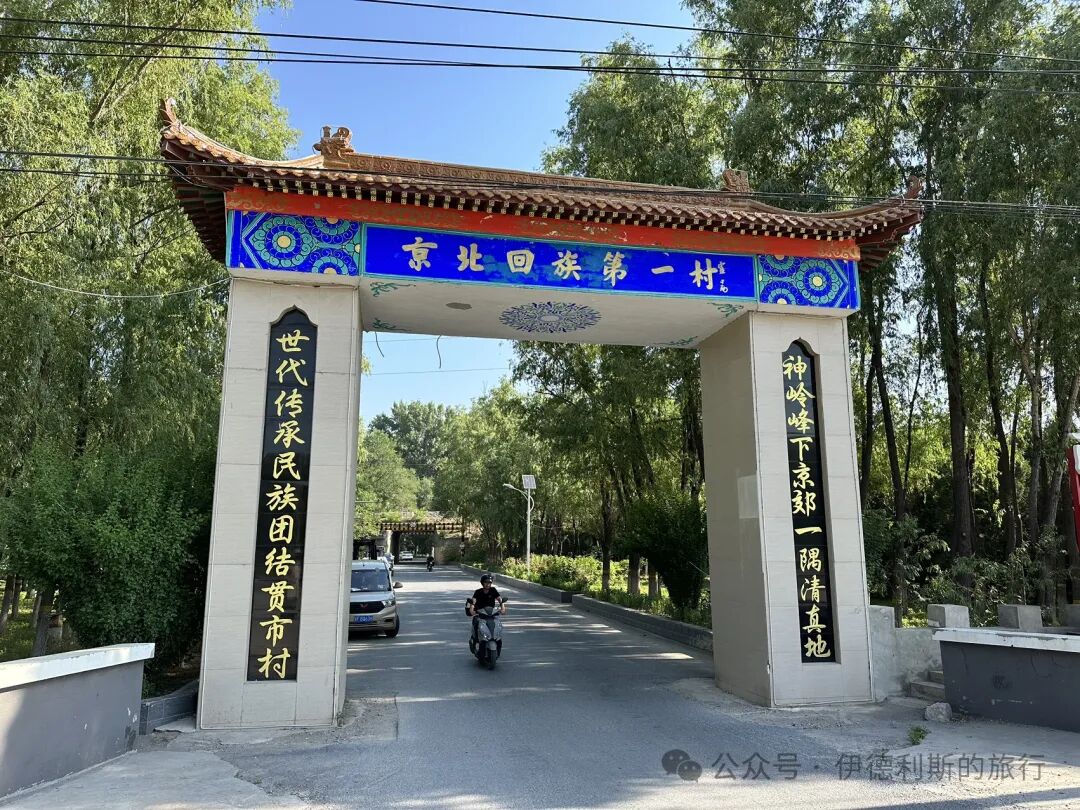
It is Eid al-Adha again. The night before, we stayed in Xiguanshi Village, known as the first Hui Muslim village north of Beijing. Early in the morning, I performed the major ritual washing (ghusl), brushed my teeth, applied perfume, and recited the takbir. Then, I walked from the hotel to Xiguanshi Mosque to join the congregational prayer.
Xiguanshi Mosque was first built in the seventh year of the Hongzhi reign of the Ming Dynasty. The main prayer hall was rebuilt in the forty-eighth year of the Kangxi reign, and the rear hall was rebuilt during the Qianlong reign. In 1900, when Empress Dowager Cixi fled Beijing, she spent her first night in the main hall of Xiguanshi Mosque, while Emperor Guangxu stayed in the side rooms. Two years later, when Cixi returned to Beijing, she donated silver to renovate Xiguanshi Mosque and sent glazed tiles, a treasure top, and roof ornaments fired at the imperial kilns in Liulihe.
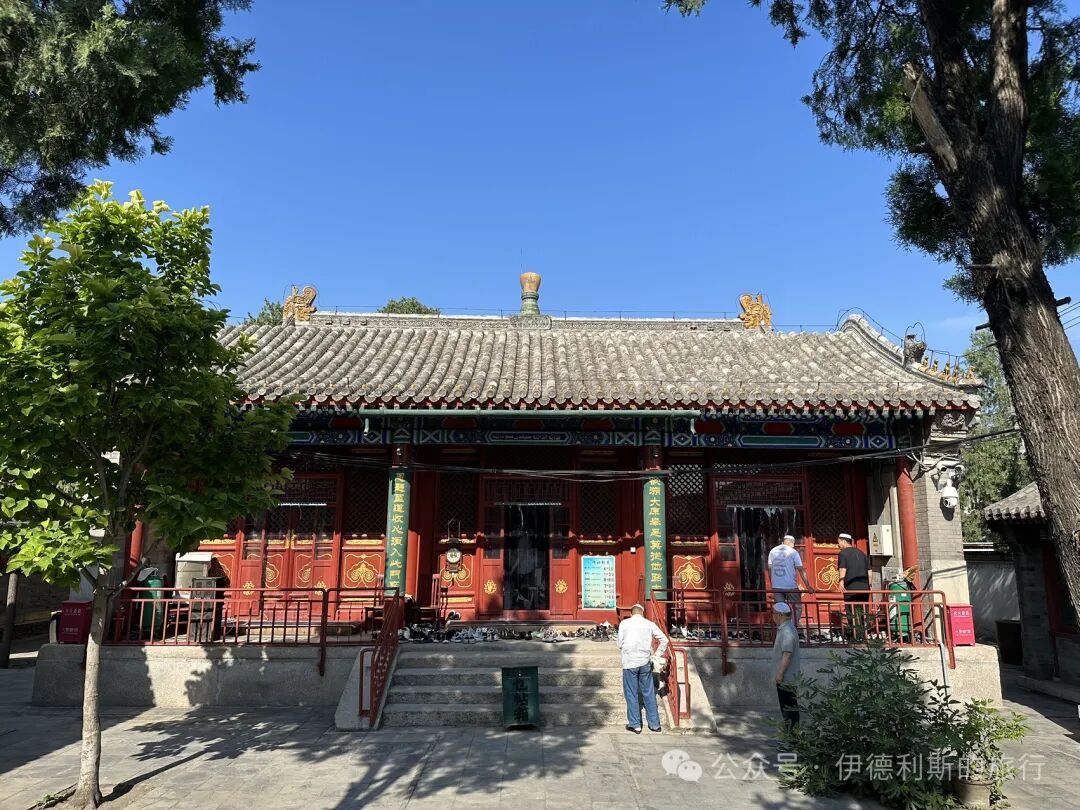
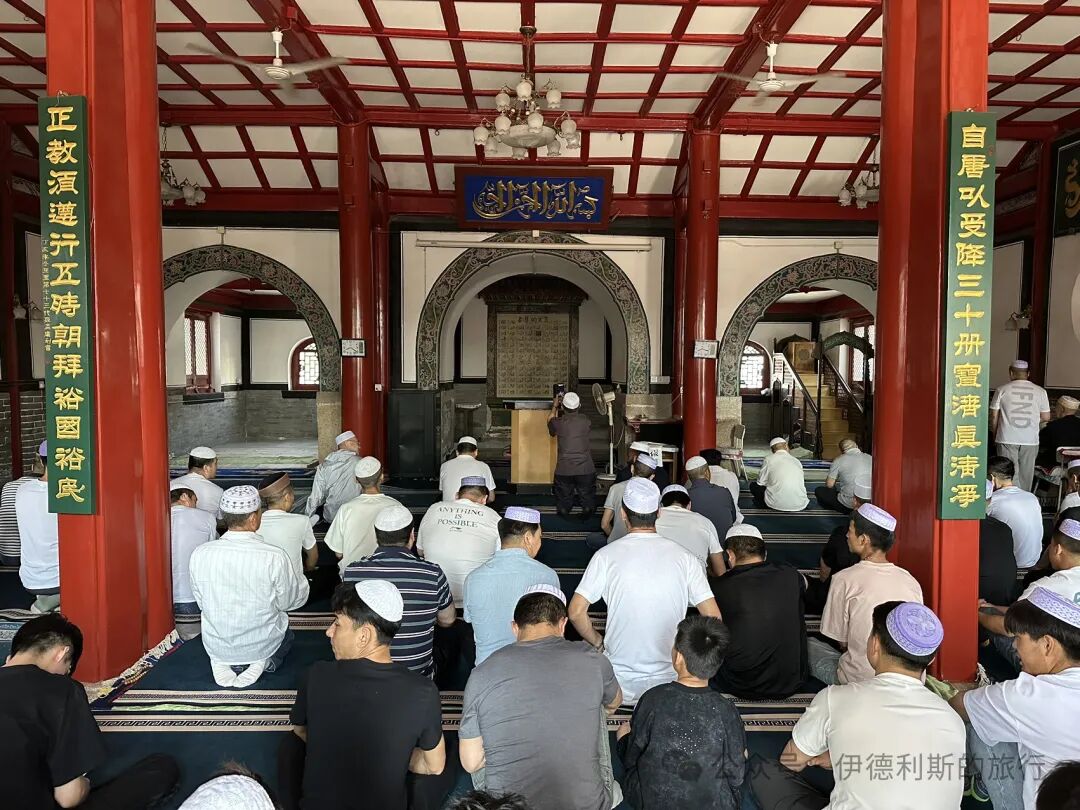
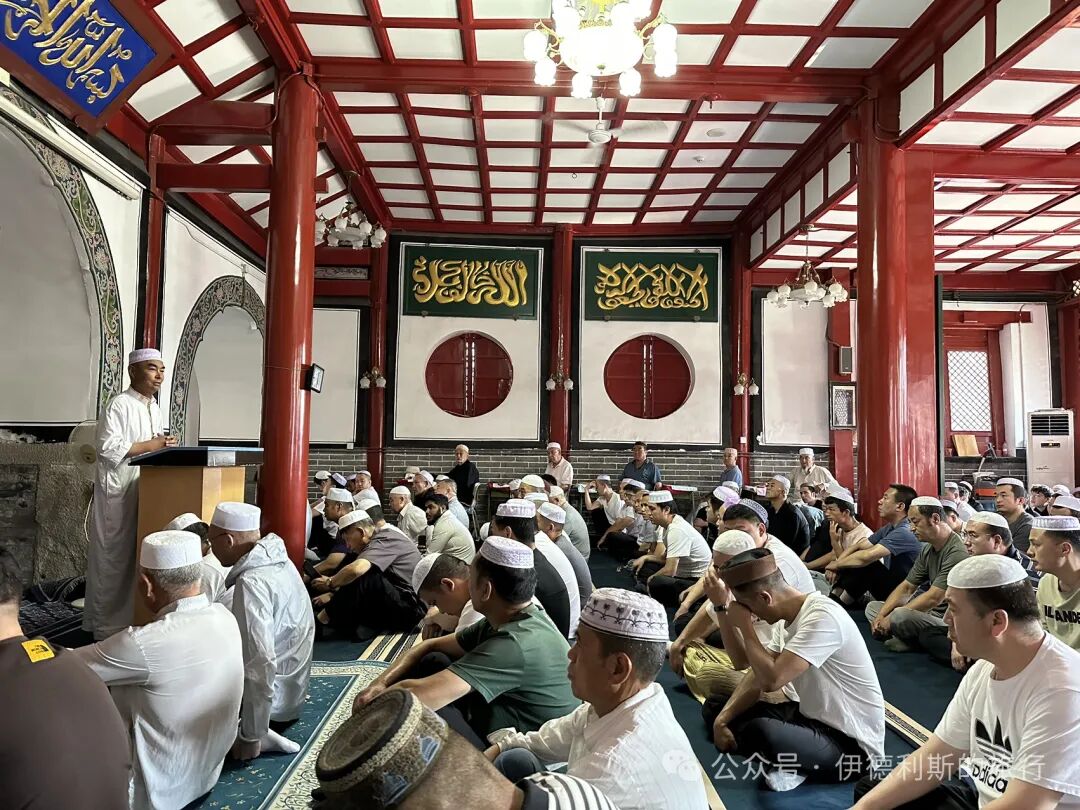
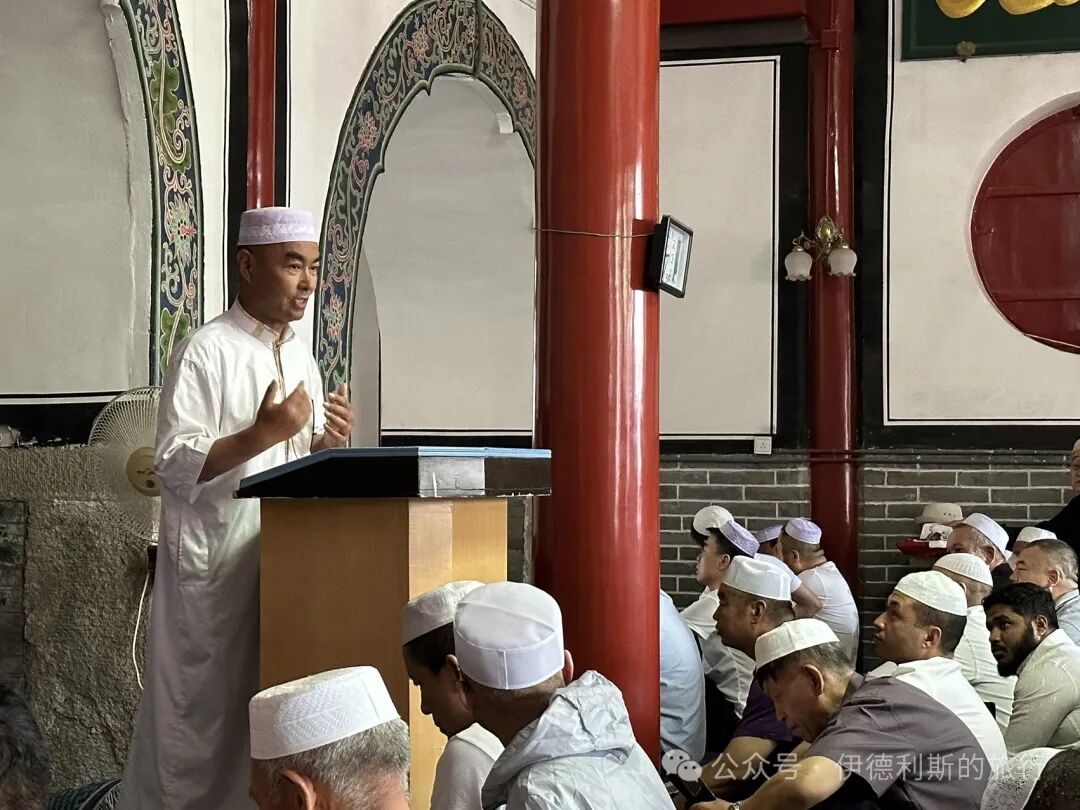
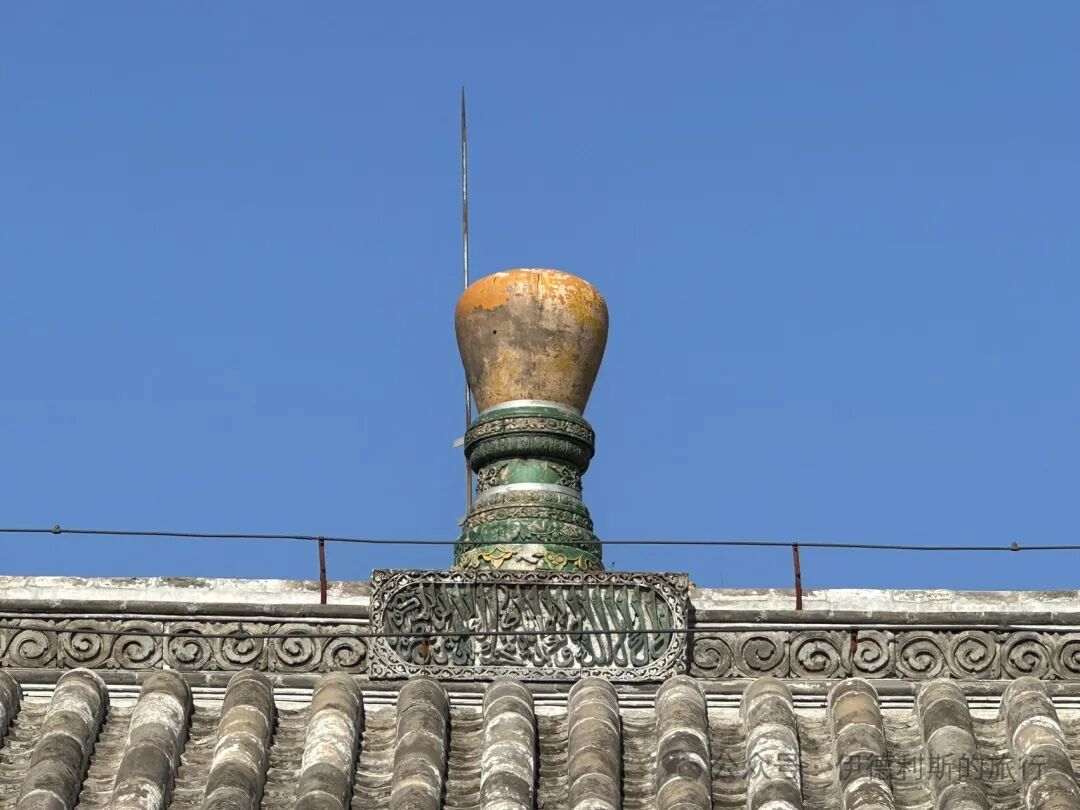
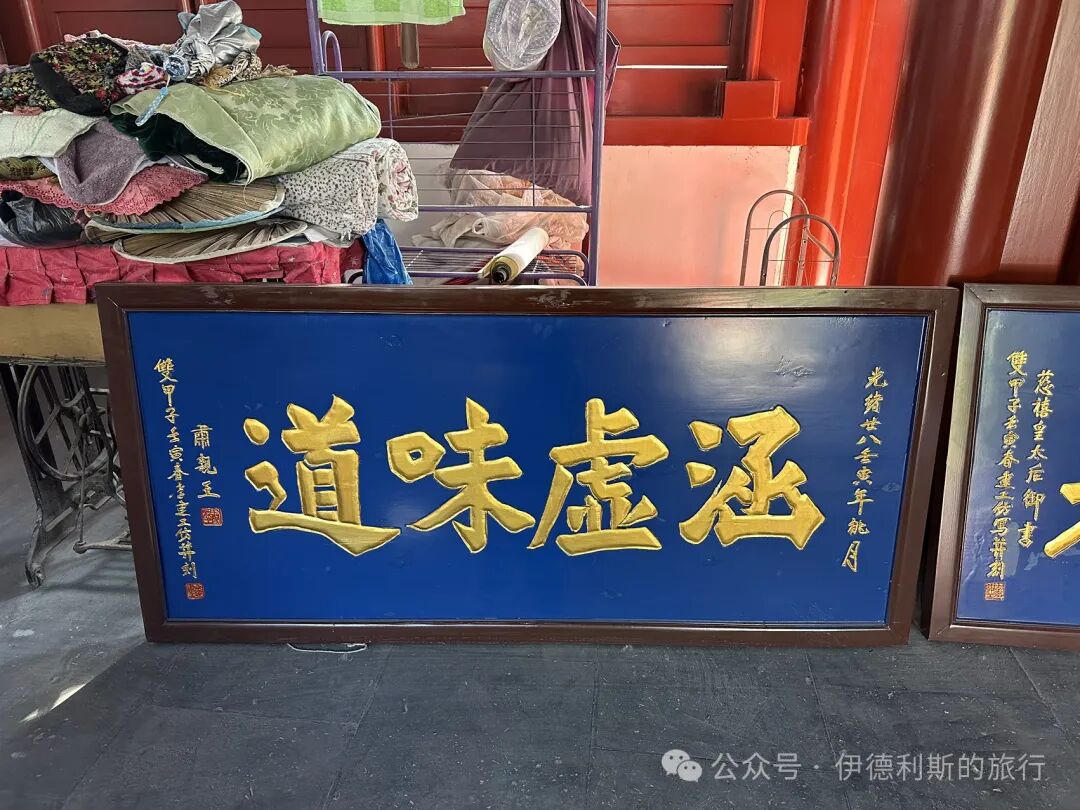
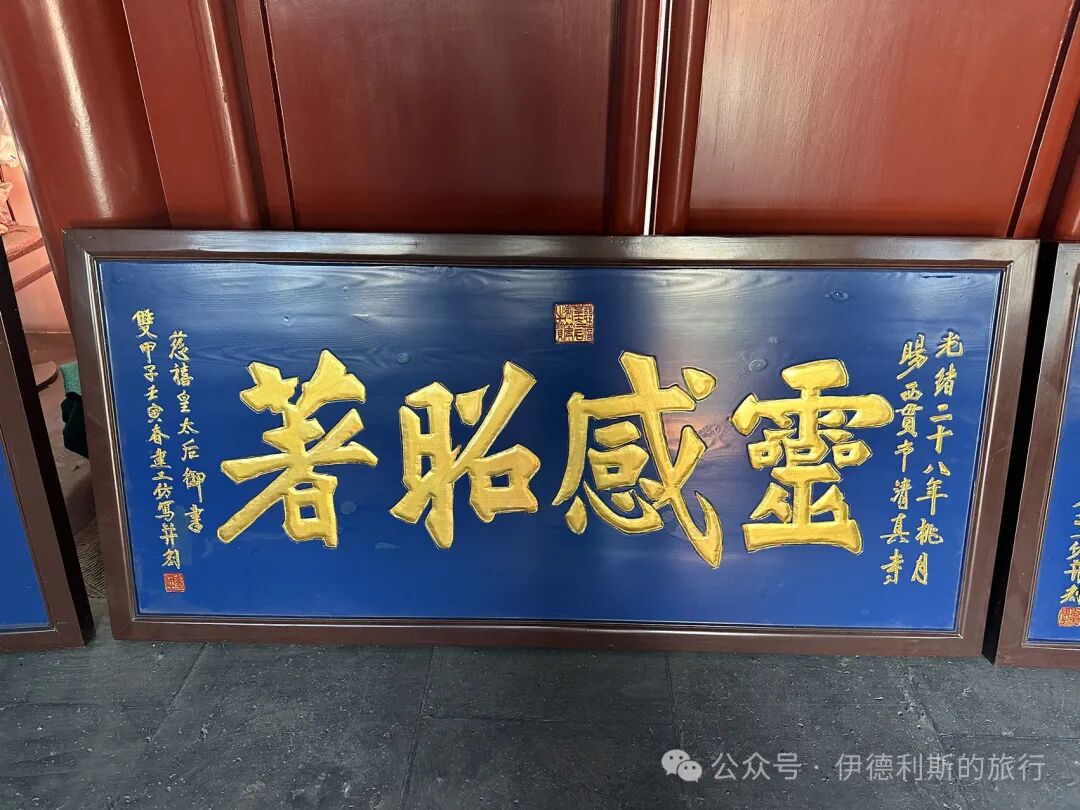
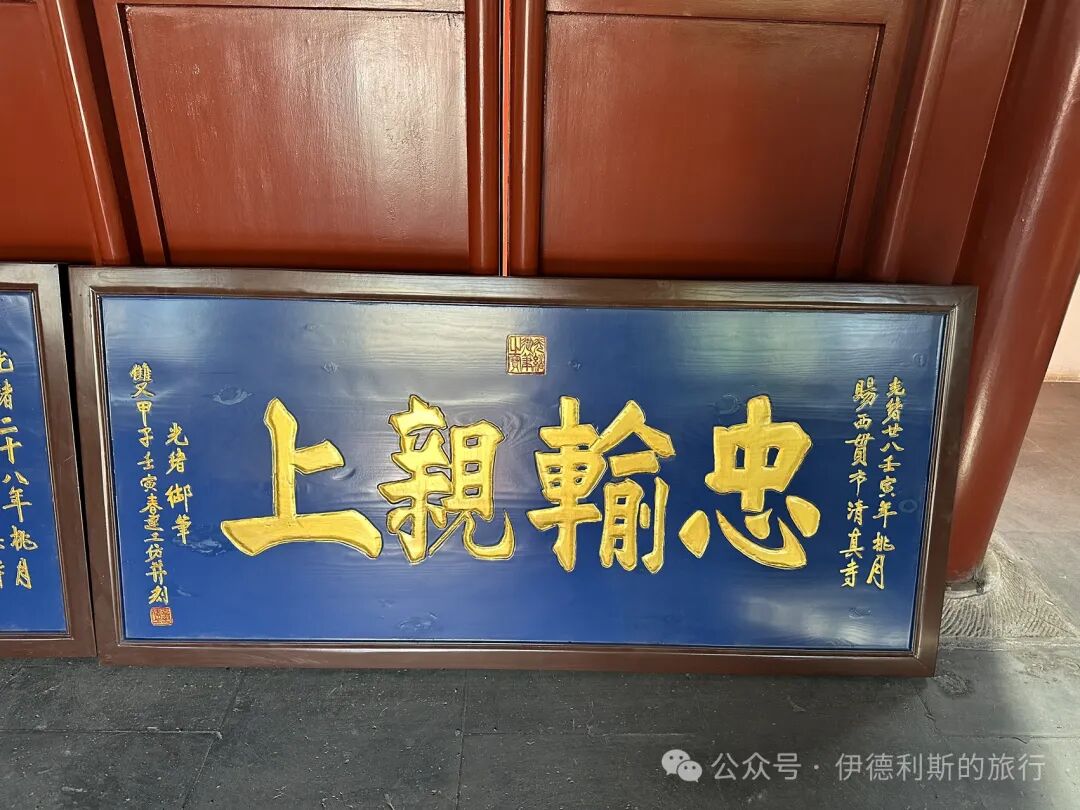
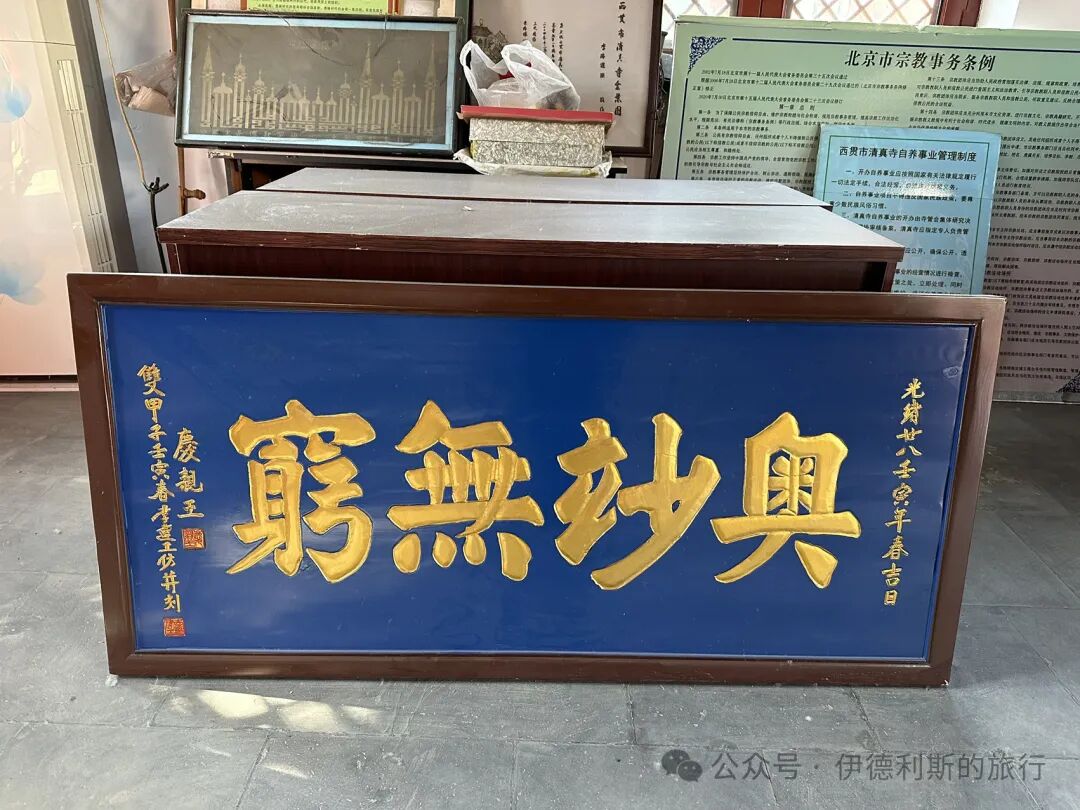
The plaques inscribed by Cixi, Guangxu, Prince Su, and Prince Qing for Xiguanshi Mosque were all destroyed in the last century. The ones currently in the mosque are replicas.
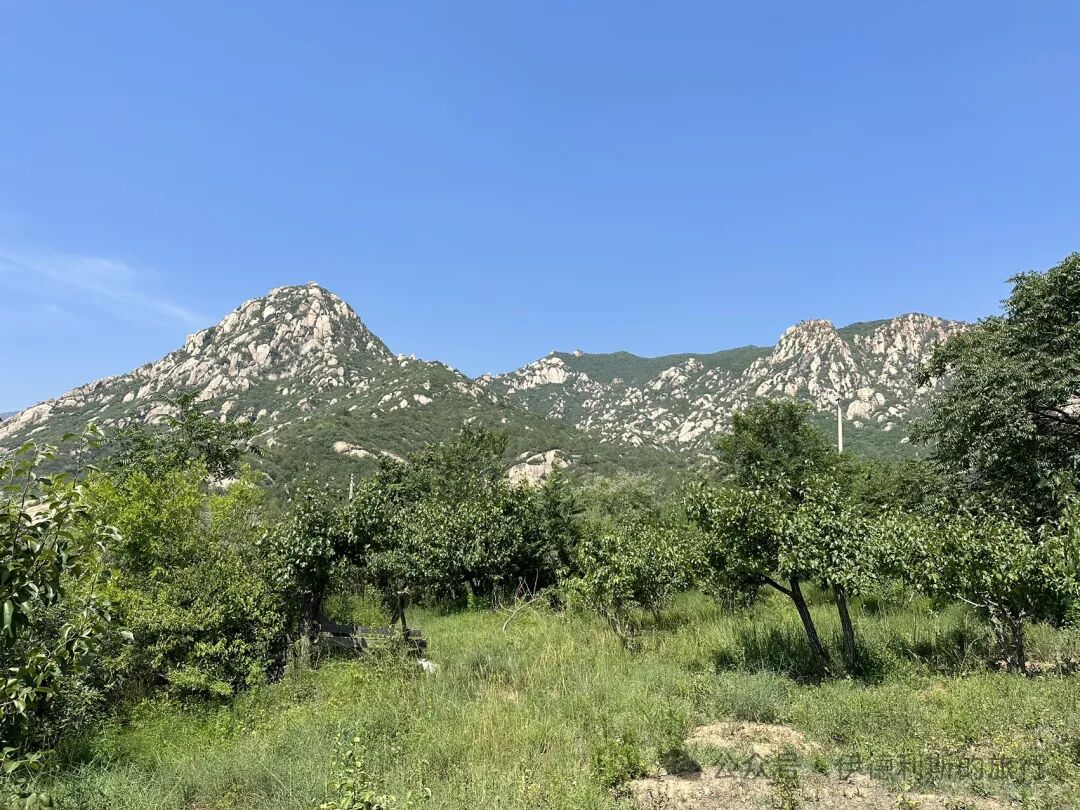
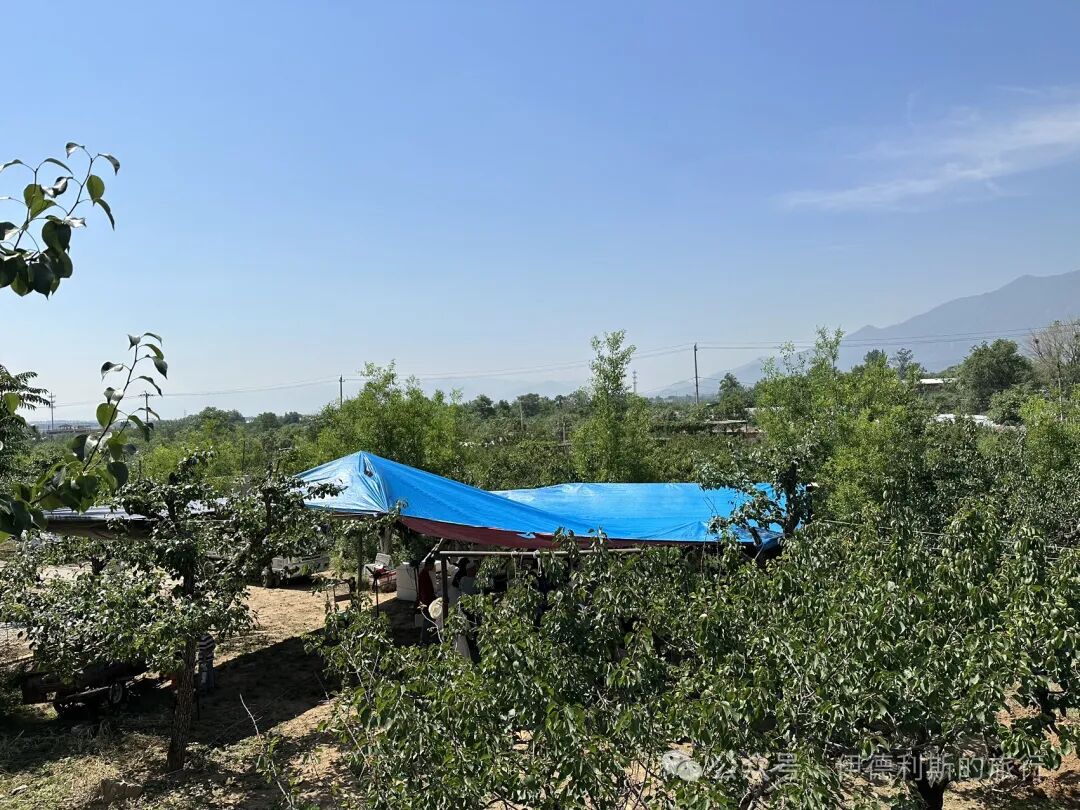
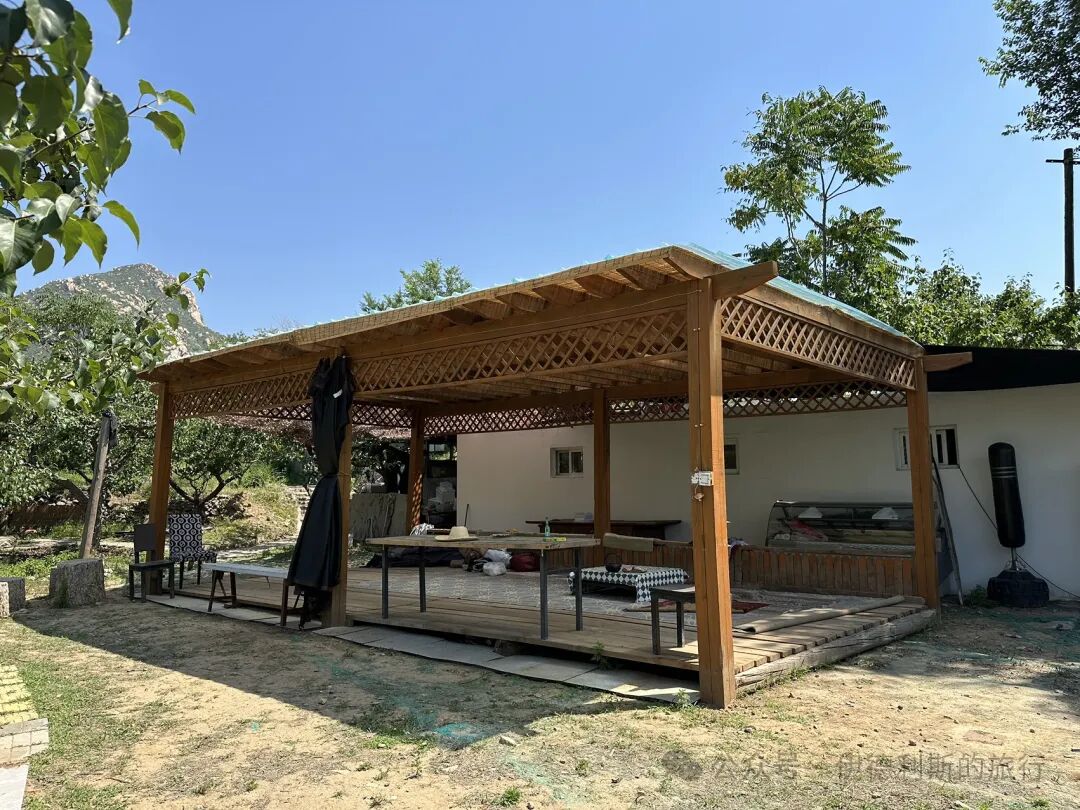
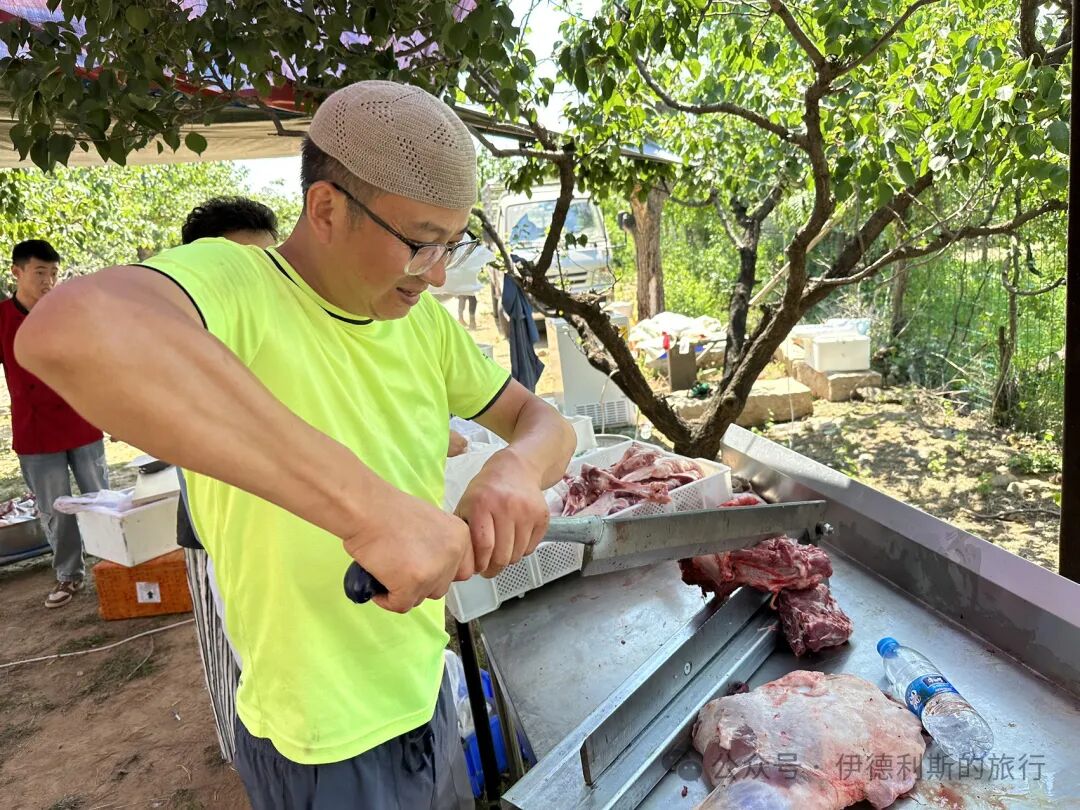
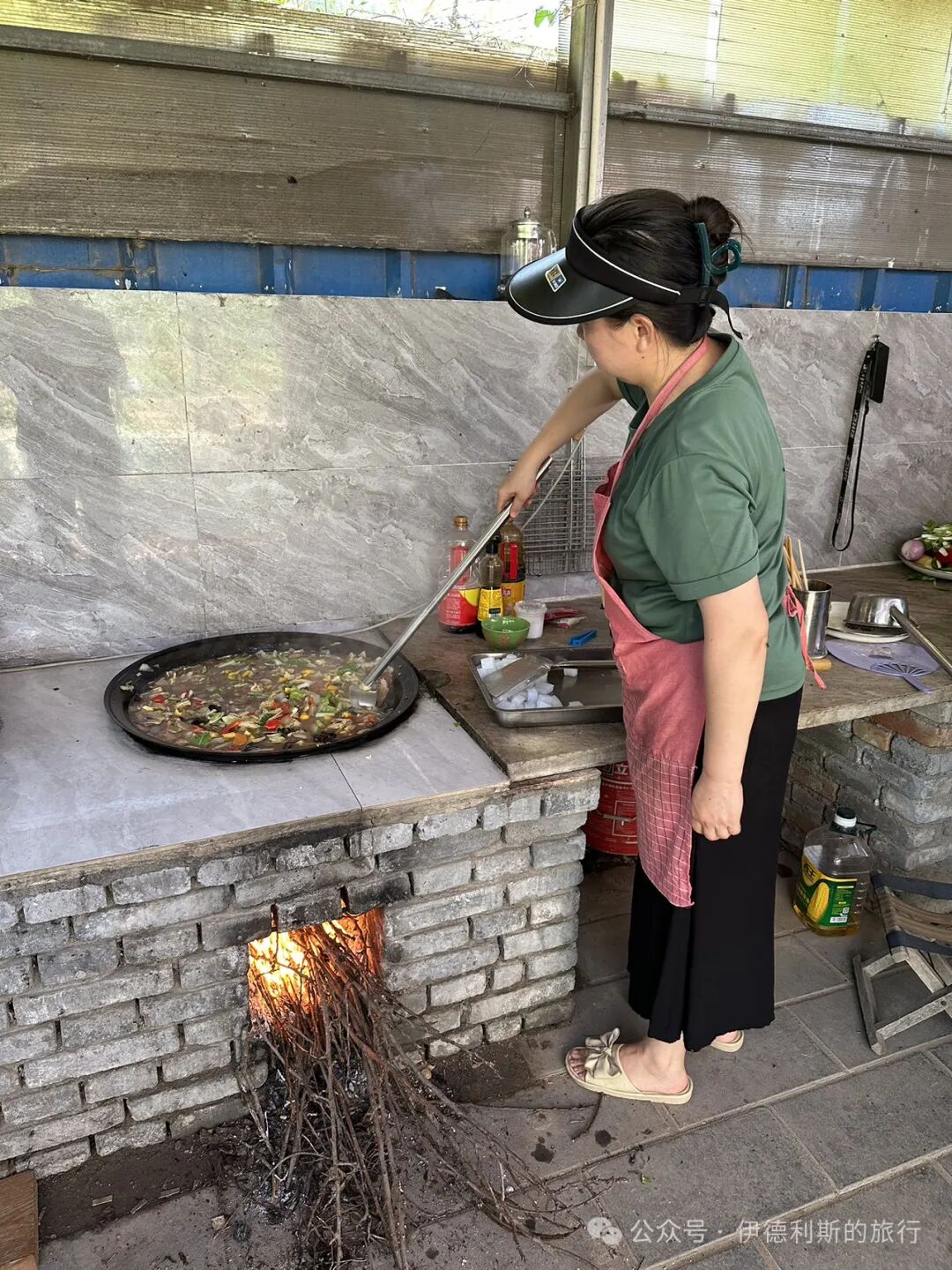
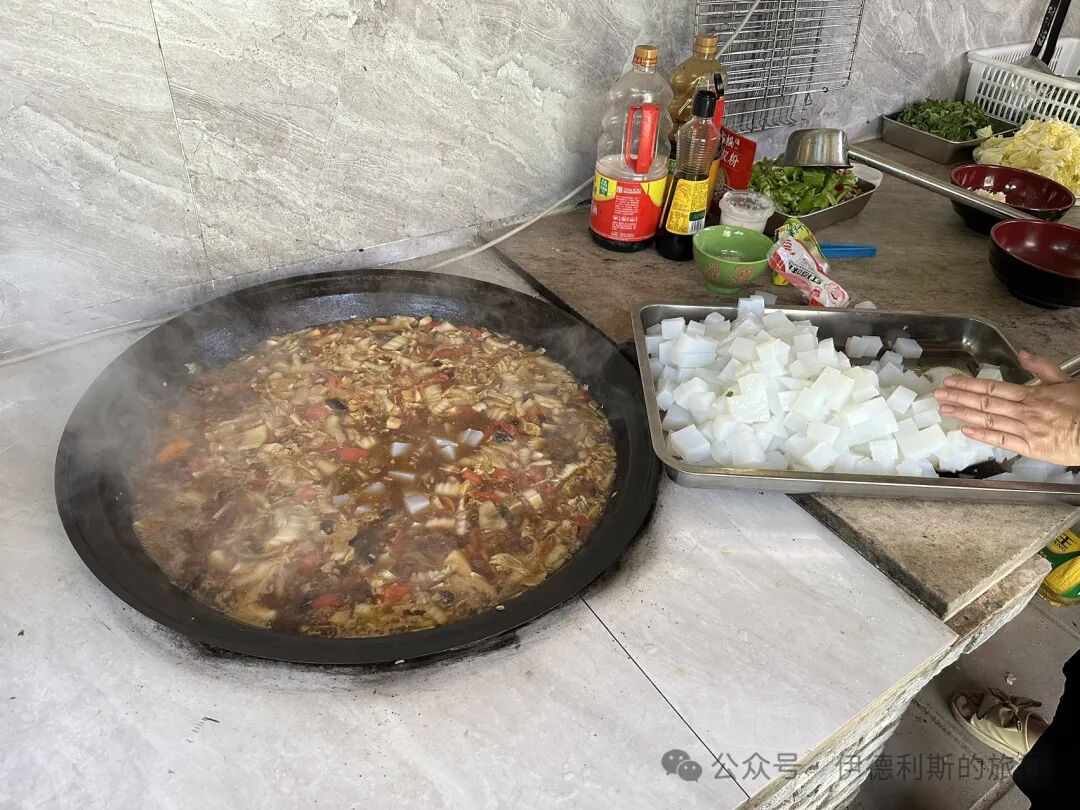
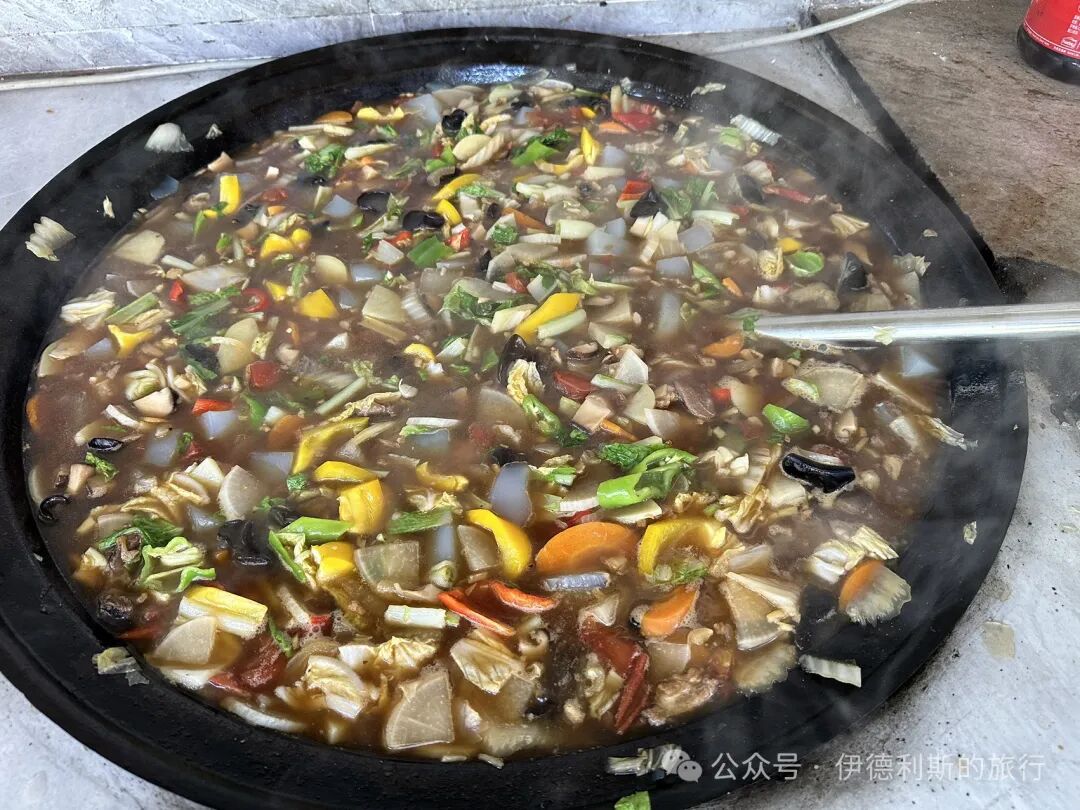
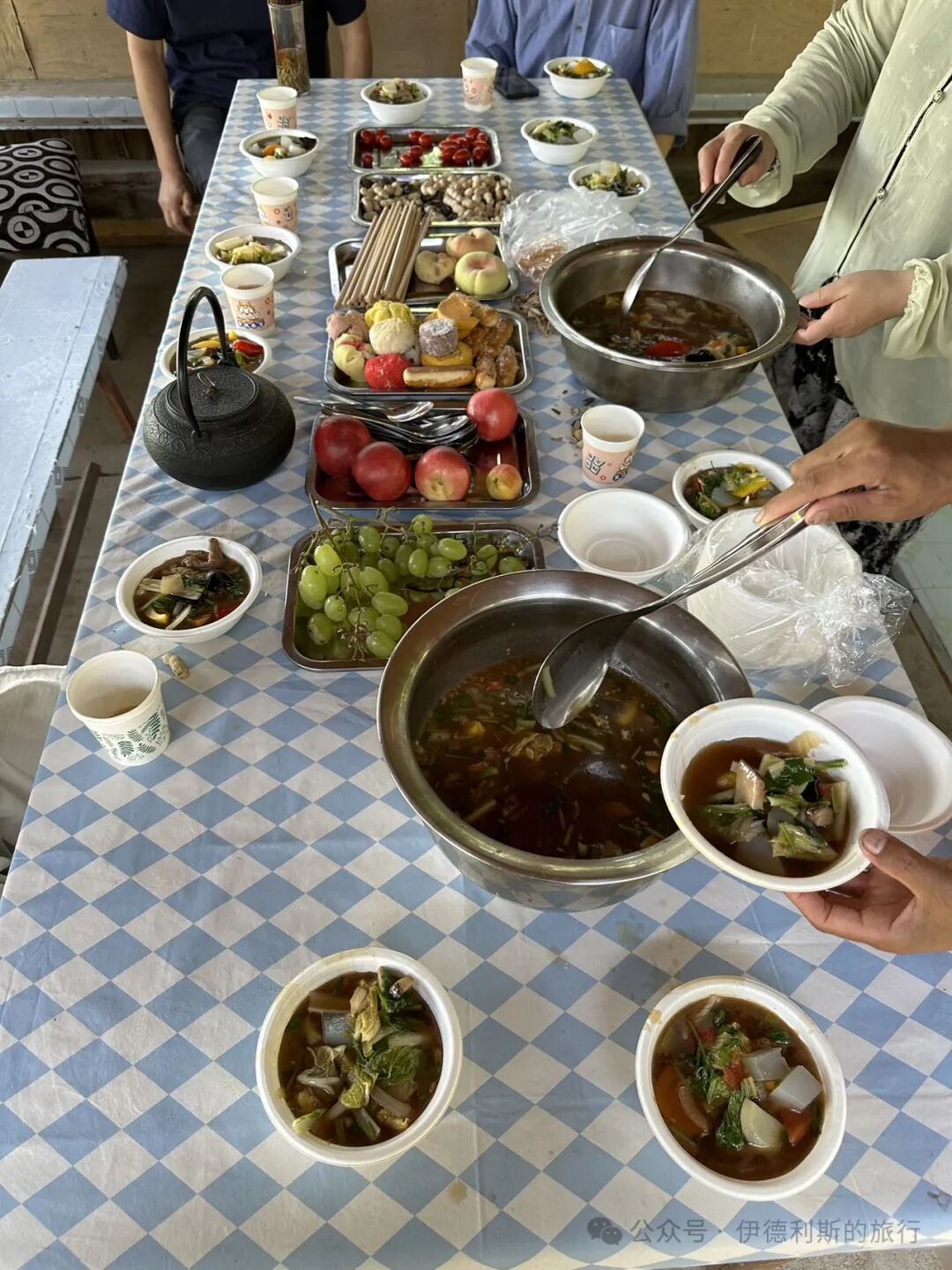
After the congregational prayer, we went to Jingyi Farmhouse at the foot of the Western Hills to perform the sacrifice (qurbani). This year, we chose a 110-pound sheep. It was raised on grass in the mountains, which is usually hard to find. Then we had the holiday noodle soup (fentang) made by my sister-in-law, and Zainab drank three bowls in one go!
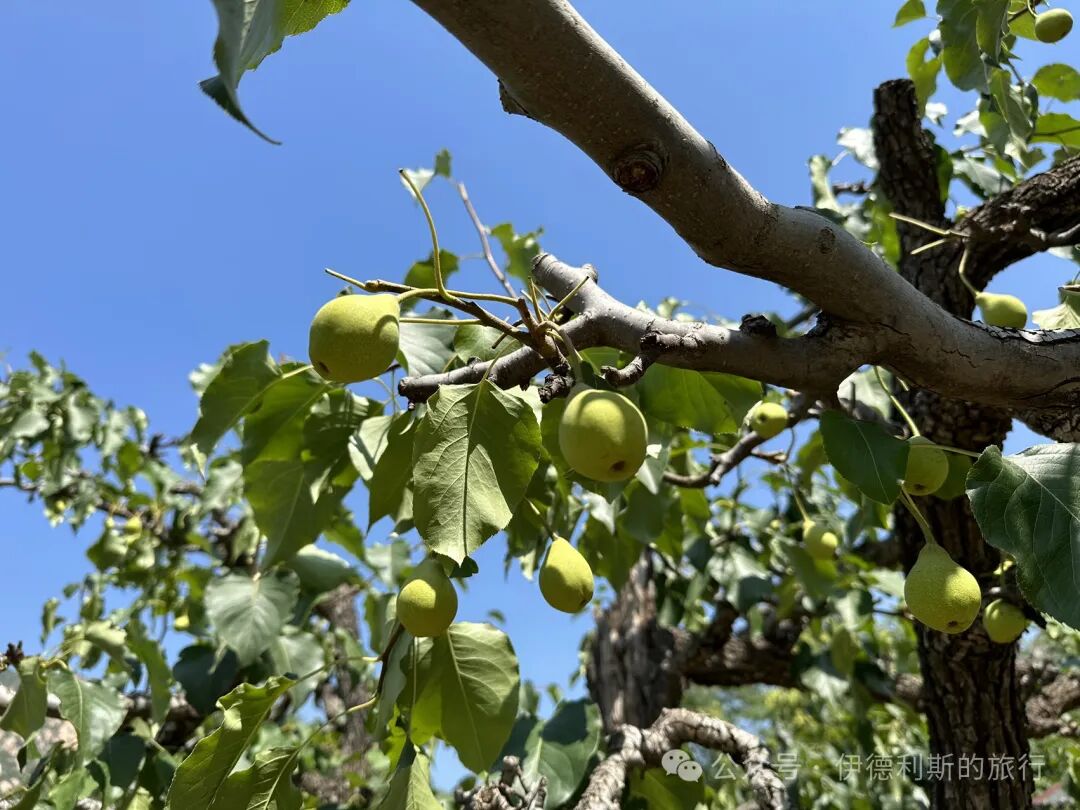
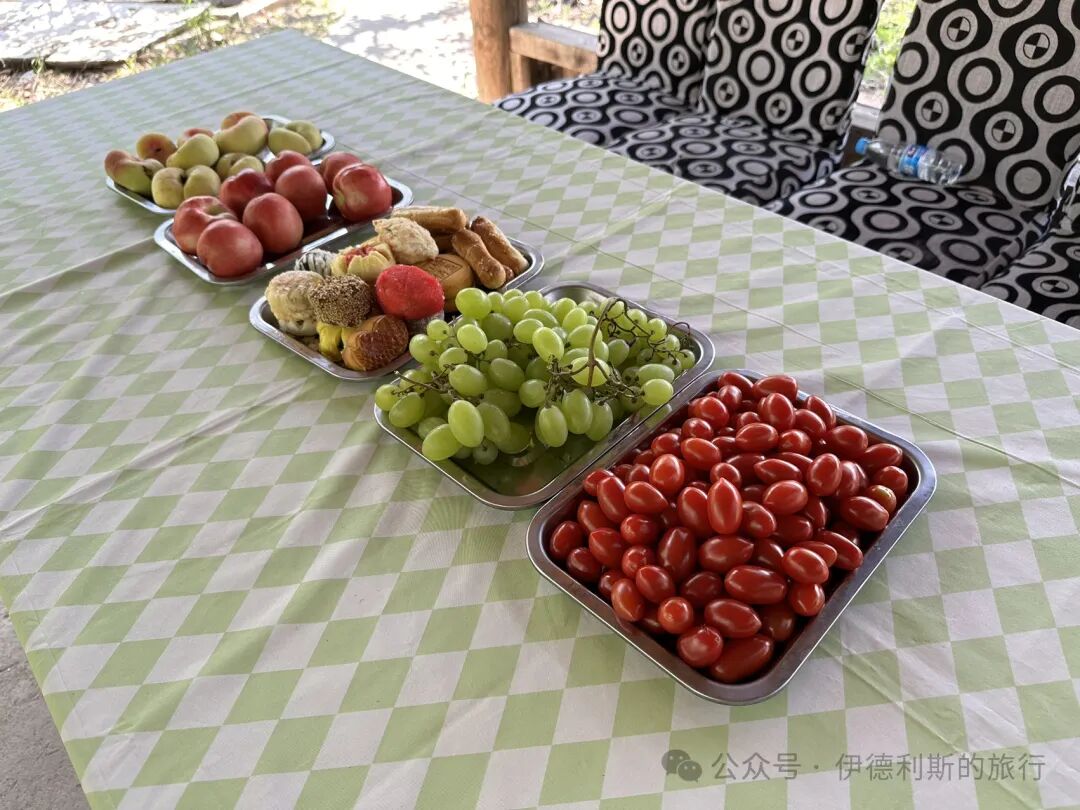
The apricots at the farmhouse were ripe, so we ate some fresh ones.
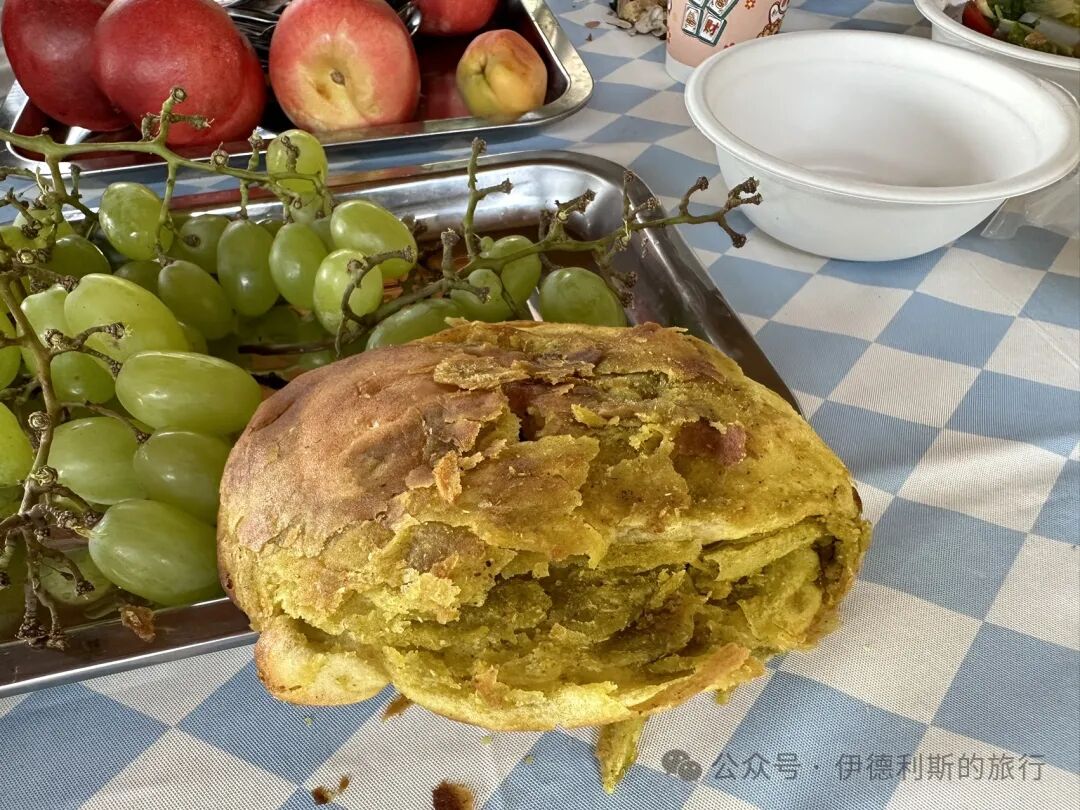
Steamed buns with bitter bean powder (kudoufen momo) brought by our friends (dost) from Qinghai.
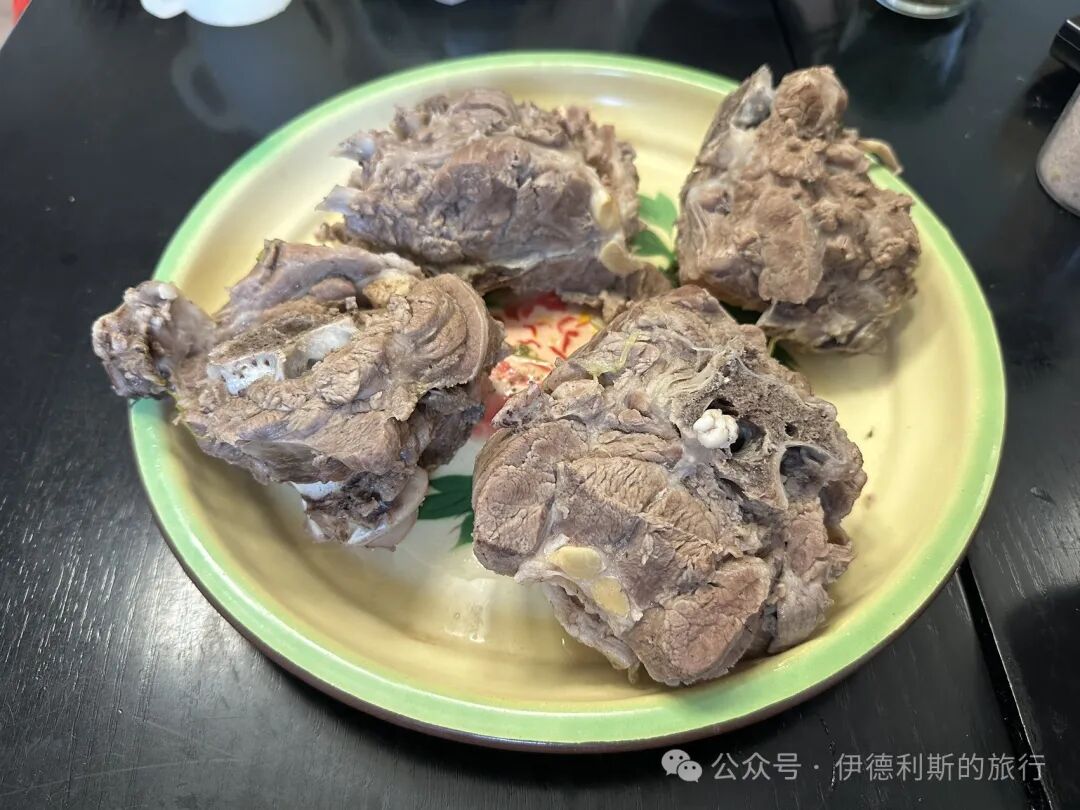
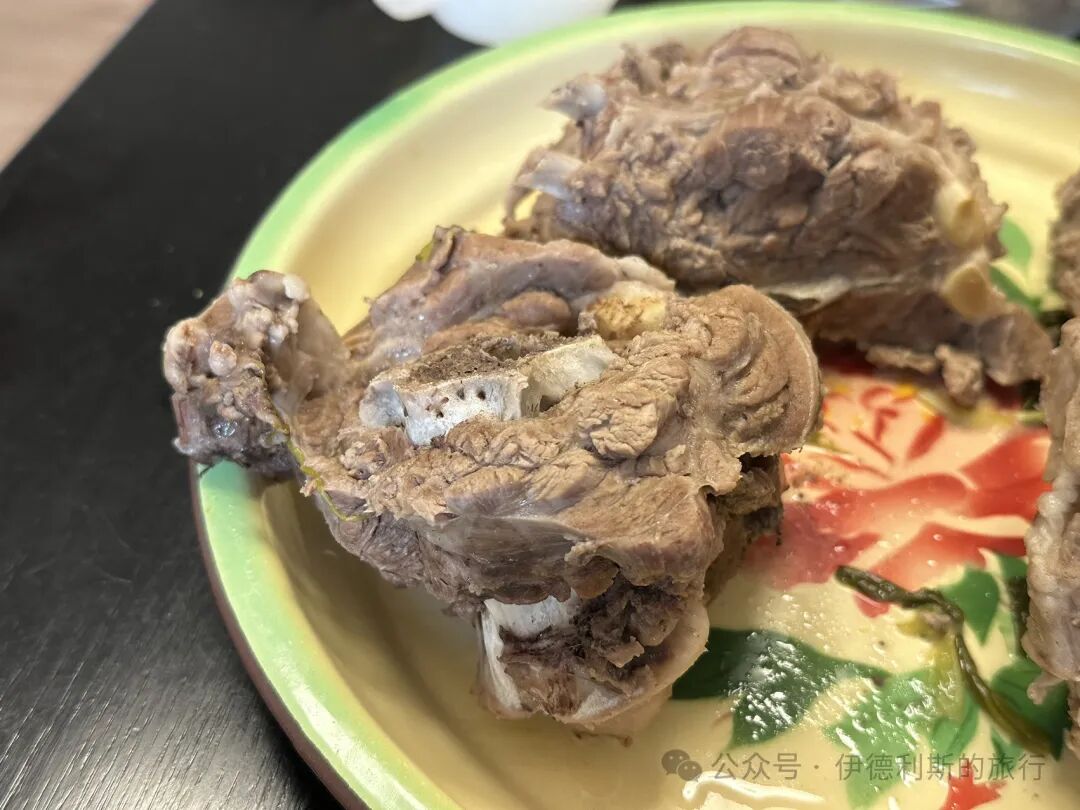
In the afternoon, Zainab made hand-grabbed lamb neck (shouzhuayangbozi), and our family ate the lamb from the Qurbani sacrifice. This was also the first time Suleiman ate meat from the Qurbani sacrifice, and he really loved it.
Summary: Muslim Travel Journal: Celebrating Eid al-Adha with Food, Family and Dua is presented here as a firsthand travel account in clear, natural English. The account focuses on Eid al-Adha, Dua, Muslim Life while preserving the names, places, food, photos, and historical details from the Chinese source.
It is Eid al-Adha again. The night before, we stayed in Xiguanshi Village, known as the first Hui Muslim village north of Beijing. Early in the morning, I performed the major ritual washing (ghusl), brushed my teeth, applied perfume, and recited the takbir. Then, I walked from the hotel to Xiguanshi Mosque to join the congregational prayer.
Xiguanshi Mosque was first built in the seventh year of the Hongzhi reign of the Ming Dynasty. The main prayer hall was rebuilt in the forty-eighth year of the Kangxi reign, and the rear hall was rebuilt during the Qianlong reign. In 1900, when Empress Dowager Cixi fled Beijing, she spent her first night in the main hall of Xiguanshi Mosque, while Emperor Guangxu stayed in the side rooms. Two years later, when Cixi returned to Beijing, she donated silver to renovate Xiguanshi Mosque and sent glazed tiles, a treasure top, and roof ornaments fired at the imperial kilns in Liulihe.
The plaques inscribed by Cixi, Guangxu, Prince Su, and Prince Qing for Xiguanshi Mosque were all destroyed in the last century. The ones currently in the mosque are replicas.
After the congregational prayer, we went to Jingyi Farmhouse at the foot of the Western Hills to perform the sacrifice (qurbani). This year, we chose a 110-pound sheep. It was raised on grass in the mountains, which is usually hard to find. Then we had the holiday noodle soup (fentang) made by my sister-in-law, and Zainab drank three bowls in one go!
The apricots at the farmhouse were ripe, so we ate some fresh ones.
Steamed buns with bitter bean powder (kudoufen momo) brought by our friends (dost) from Qinghai.
In the afternoon, Zainab made hand-grabbed lamb neck (shouzhuayangbozi), and our family ate the lamb from the Qurbani sacrifice. This was also the first time Suleiman ate meat from the Qurbani sacrifice, and he really loved it.
