
Islamic History Guide: Quanzhou Chendai Mosque and Chendai Hui Muslim History Museum
Reposted from the web
Summary: Quanzhou Chendai Mosque and Chendai Hui Muslim History Museum is presented as a clear English travel account for readers interested in Muslim life, halal food, mosques, and local history. The article keeps the original names, food details, photographs, and cultural context while focusing on Quanzhou, Chendai Mosque, Hui Muslims.
Quanzhou background summary:
The thousand-year-old Qingjing Mosque in Quanzhou.
Echoes of the faith: The Hui Muslim family temple of the Guo clan in Xingzhai, Quanzhou.
Stone carvings from the Islamic faith of the Song and Yuan dynasties at the Quanzhou Maritime Museum.
At noon, I took a taxi south of Quanzhou to Chendai Mosque, which is the other mosque in Quanzhou besides Qingjing Mosque.
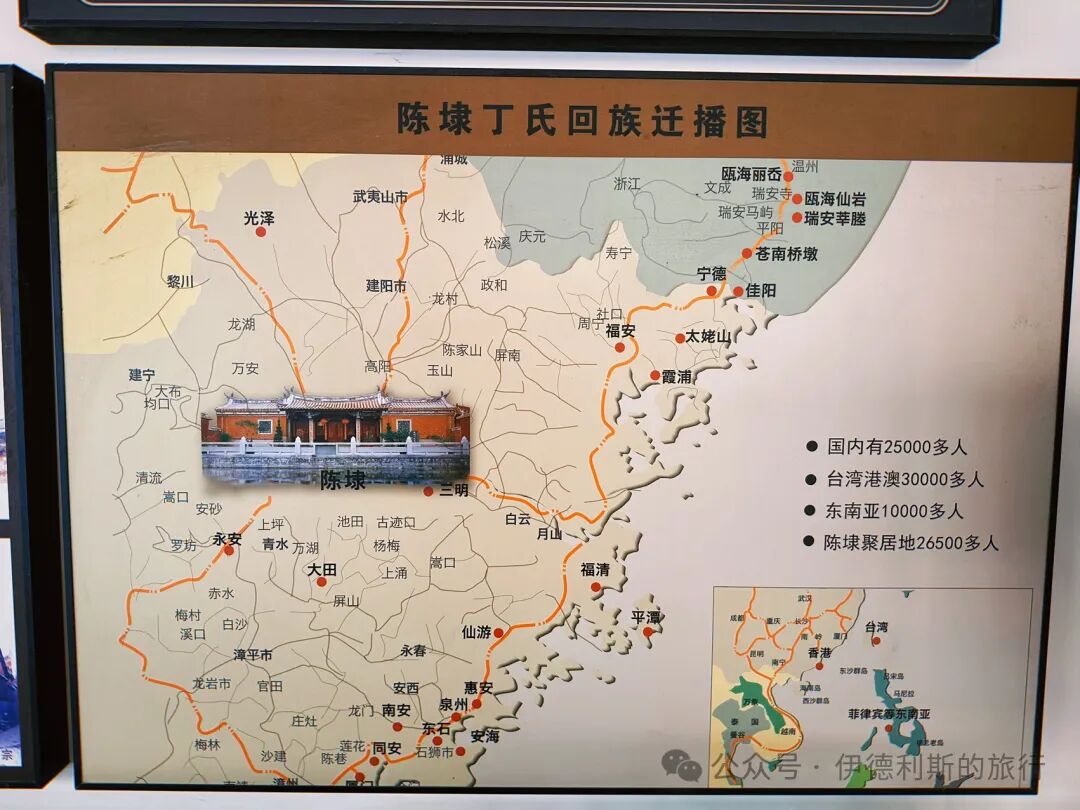
According to family records, the first ancestor of the Chendai Ding clan, Ding Jin, whose courtesy name was Jiezhai, was originally from Suzhou and settled in Quanzhou for trade. The third ancestor, Ding Kui (1298-1379), moved with the fourth ancestor, Ding Shan (1343-1420), from Quanzhou city to Chendai, over ten kilometers south of the city.
The Chendai Ding clan maintained their Islamic faith for over two hundred years from the 13th to the 16th century. The tenth-generation descendant Ding Yanxia, born around 1517, recorded the Islamic customs he experienced during his childhood in great detail in his work, 'Zujiao Shuo' (Discourse on Ancestral Faith). By the mid-16th century, the religious practices of the Ding family in Chendai underwent major changes. According to the records of the 12th-generation descendant Ding Qing in the Jiyi Jiyan, Fenxi Gong (Ding Yi) was the first to enter official service, and he followed the rites of the scholar-officials to honor his ancestors without daring to violate the teachings of Islam. However, when three generations—Huai Gong (Ding Zishen), Wuting Gong (Ding Rijin), and Zhechu Gong (Ding Qijun)—all passed the imperial examinations, the family's reputation soared, and the practice of Islam nearly faded away. Starting with the 8th-generation Ding Yi, the Chendai Ding family began their path into officialdom by passing the imperial examinations. By the 10th generation, 20 family members had become scholars. These men followed Confucian ethics and social norms in everything they did, which sped up the disappearance of their religious traditions.
It was not until the early 20th century, nearly 400 years later, that the religious life of the Chendai Ding family began to revive. In the early 1920s, the famous Hui Muslim Tang Kesan served as the director of the Xiamen Customs. He recommended his fellow townsman Zhang Guangyu to lead religious affairs in the Quanzhou area. After Imam Zhang Guangyu arrived in Quanzhou, he worked diligently on religious matters, and the religious life in Chendai began to reappear. In 1939, Chendai established the Chenjiang Branch of the China Islamic National Salvation Association. Some members of the Chendai Ding family went to the Qingjing Mosque in Quanzhou for their weekly Friday prayer (jumu'ah). Later, they converted the Wenchang Shrine in the Sijing village into a mosque and hired Imam Tie from Quanzhou to lead their religious services. Between 1937 and 1944, the Chengda Normal School moved south to Guilin. Its founders, Tang Kesan and Imam Ma Songting, accepted 17 young men from the Ding family of Chendai to study there.
In the late 1950s, religious activities in Chendai were forced to stop. Ding Jinshun, a graduate of Chengda Normal School, was criticized and struggled because he mentioned in class that he was a Hui Muslim. In 1983, Ding Jinshun and Ding Jinhe attended the founding meeting of the Fujian Islamic Association. After that, Chengda Normal School graduates Ding Jinshun, Ding Jinhe, Ding Jinke, Ding Jinhong, and over twenty other people dedicated to the faith formed the Chendai Islamic Association Group and began to restore religious life. They borrowed the second-floor meeting room of the Chendai Hui Affairs Committee and the back hall of the Ding Family Ancestral Hall to hold Friday prayers (Jumu'ah), with Ding Jinshun serving as the imam. During the two Eids (Eid al-Fitr and Eid al-Adha), they invited classmates from Chengda Normal School in Guilin and an imam from Jiaxing, Zhejiang, to lead the services.
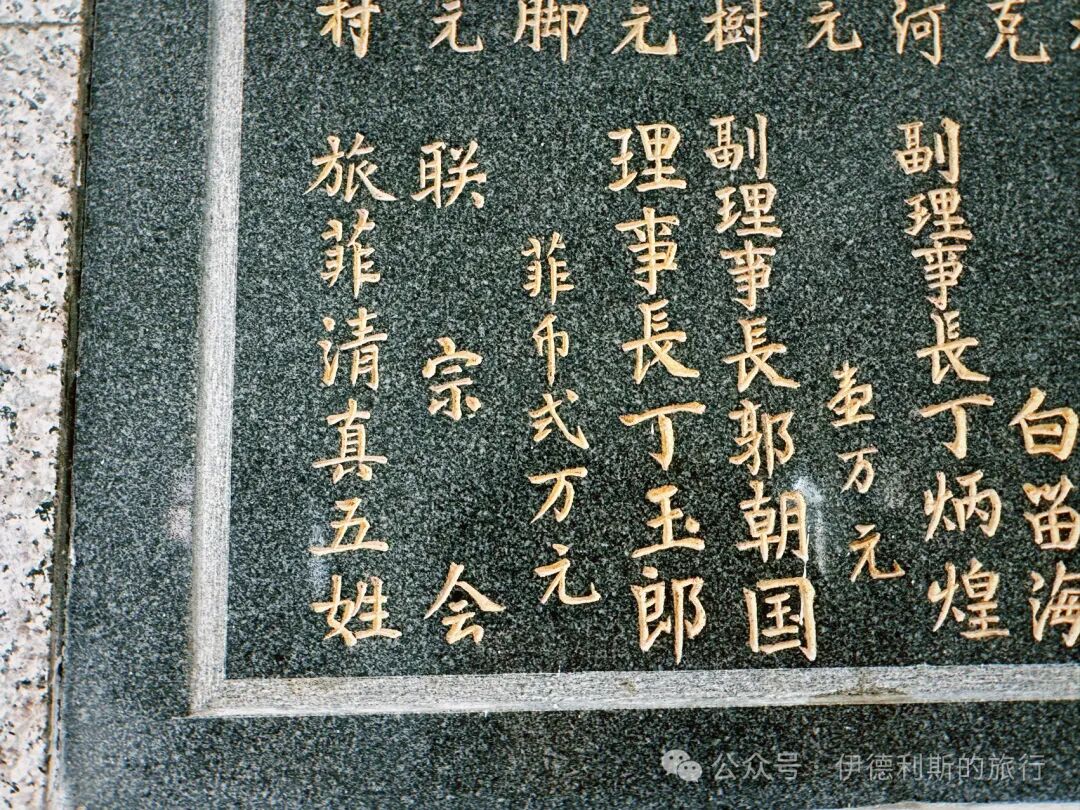
After the Chendai Islamic Association Group was established, they began preparing to build the Chendai Mosque. They sent out a letter to Muslims across the country, but only a few mosques in Ankang, Shaanxi, and Yunnan sent a few hundred yuan in funds. After this, former classmates from Yuanchengda Normal School in Hong Kong sent the Letter to Ding Clan Relatives to Ding family members in Hong Kong, Taiwan, and overseas. They received 70,000 yuan in donations from the Five Halal Surnames Association (Jin, Ding, Ma, Bai, and Guo, all originating from Hui Muslims in Quanzhou) based in Hong Kong, Taiwan, Singapore, and the Philippines.
Chendai Mosque was built in 1991 and officially opened in 1993, when the Jinjiang Islamic Association was also established. The Ding family of Chendai hired Imam Ma Zhiwei from Inner Mongolia as their first religious leader, while Ding Jinke and Ding Jinshun served as the first directors of the mosque management committee and the Islamic Association, respectively. After the 1990s, the Chendai Ding family sent nearly 60 young people to study religion at home and abroad, with some attending Arabic language schools in Inner Mongolia.
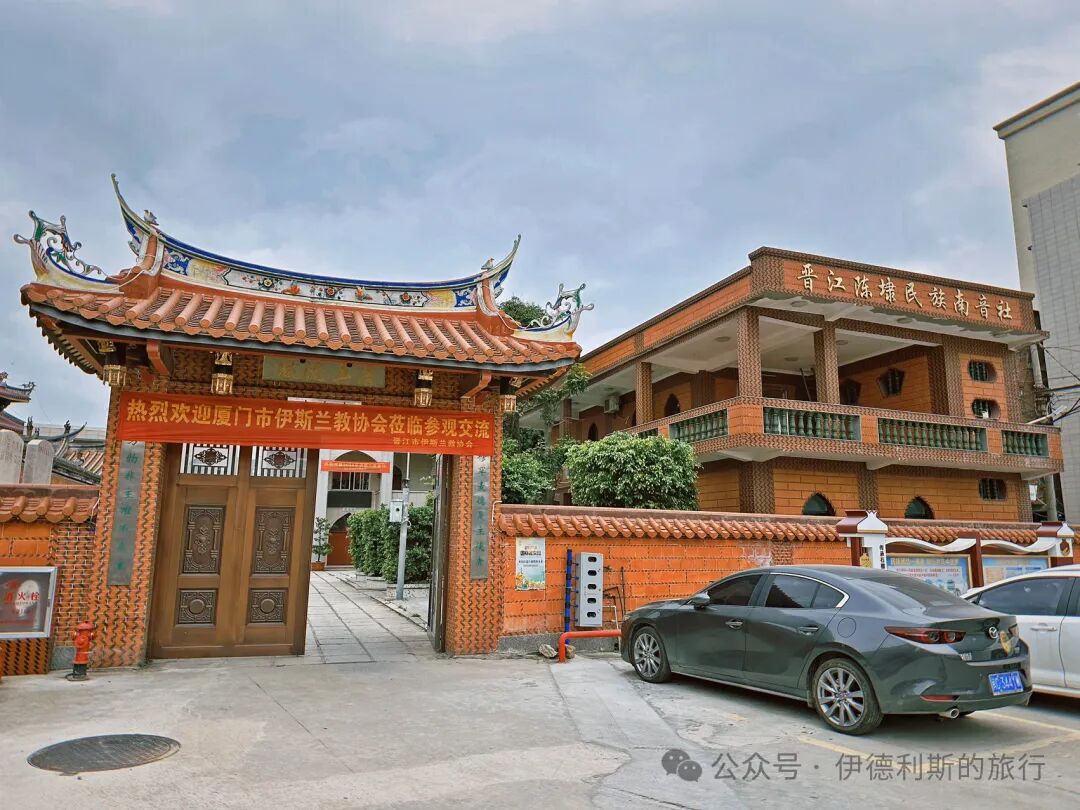
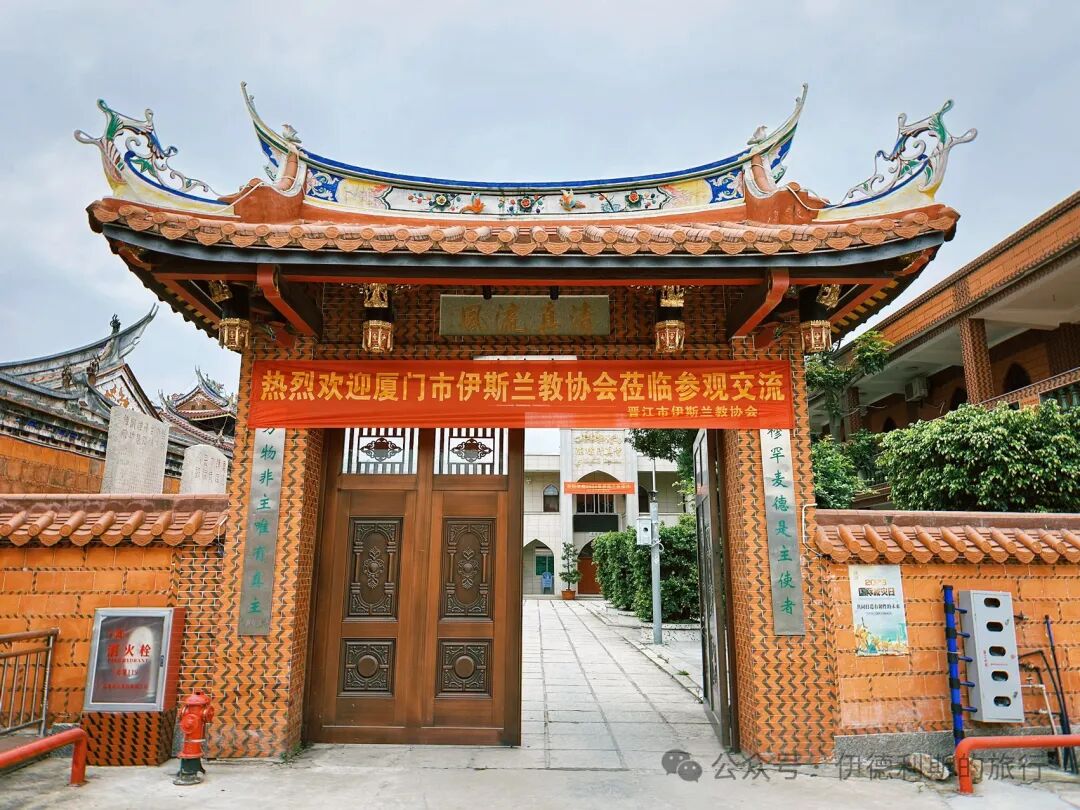
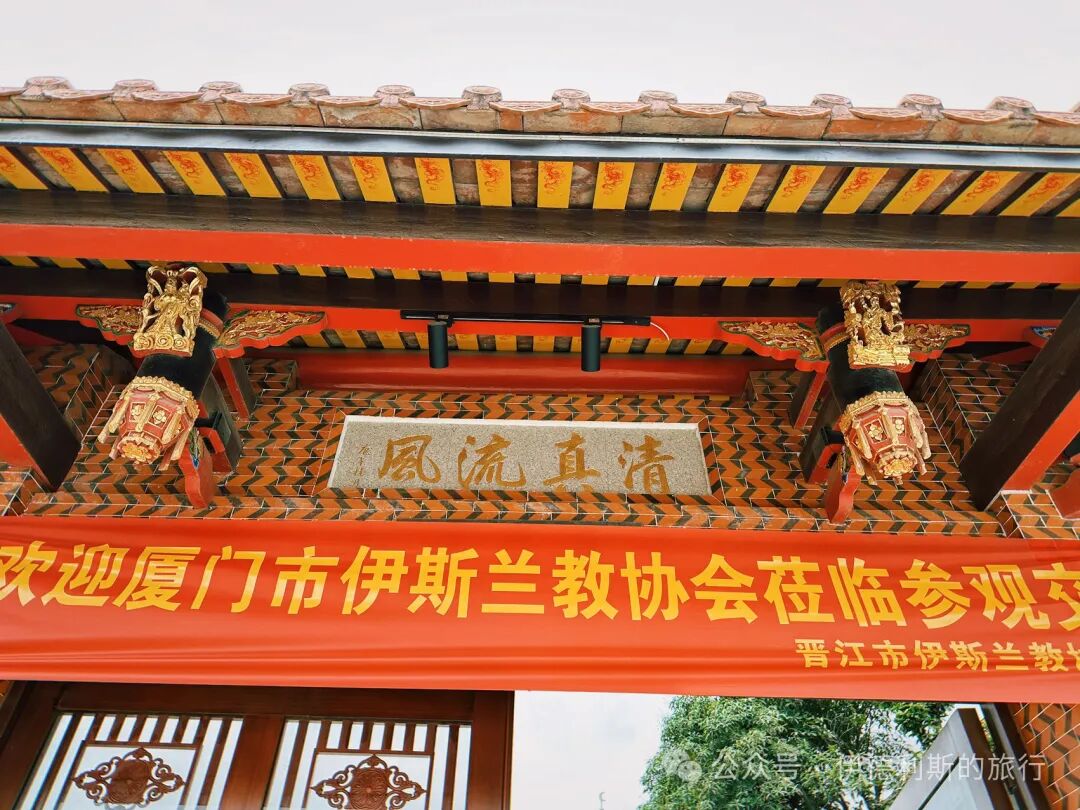
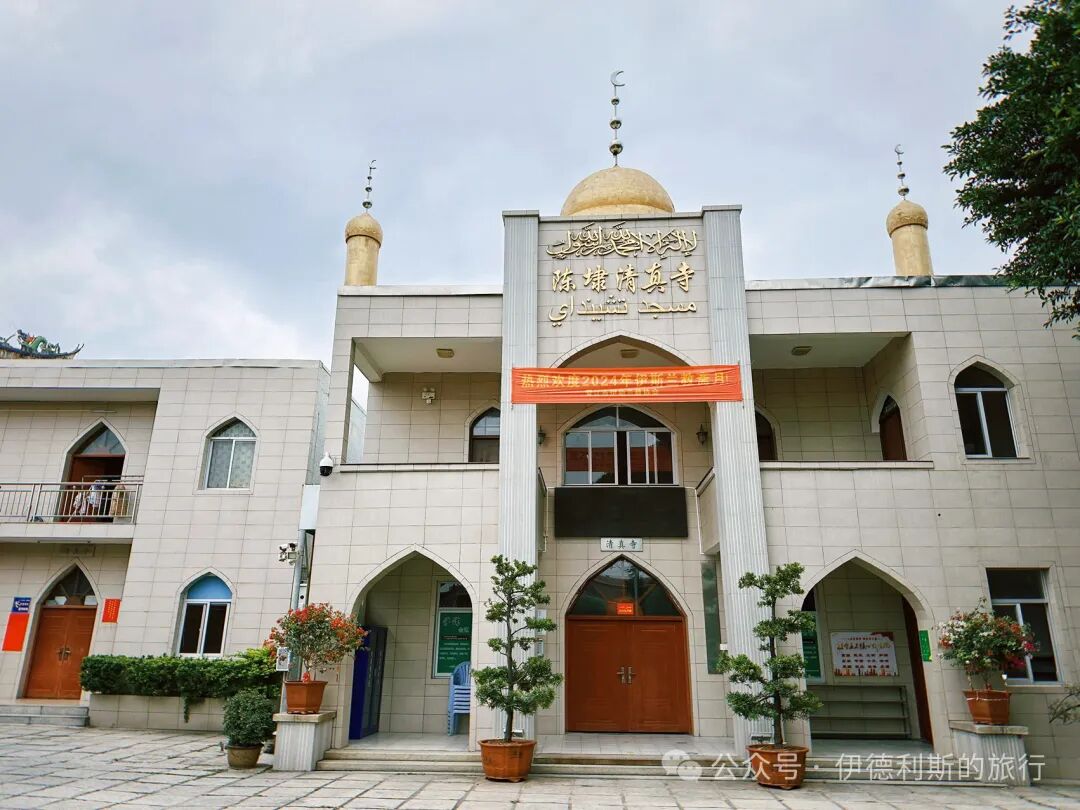
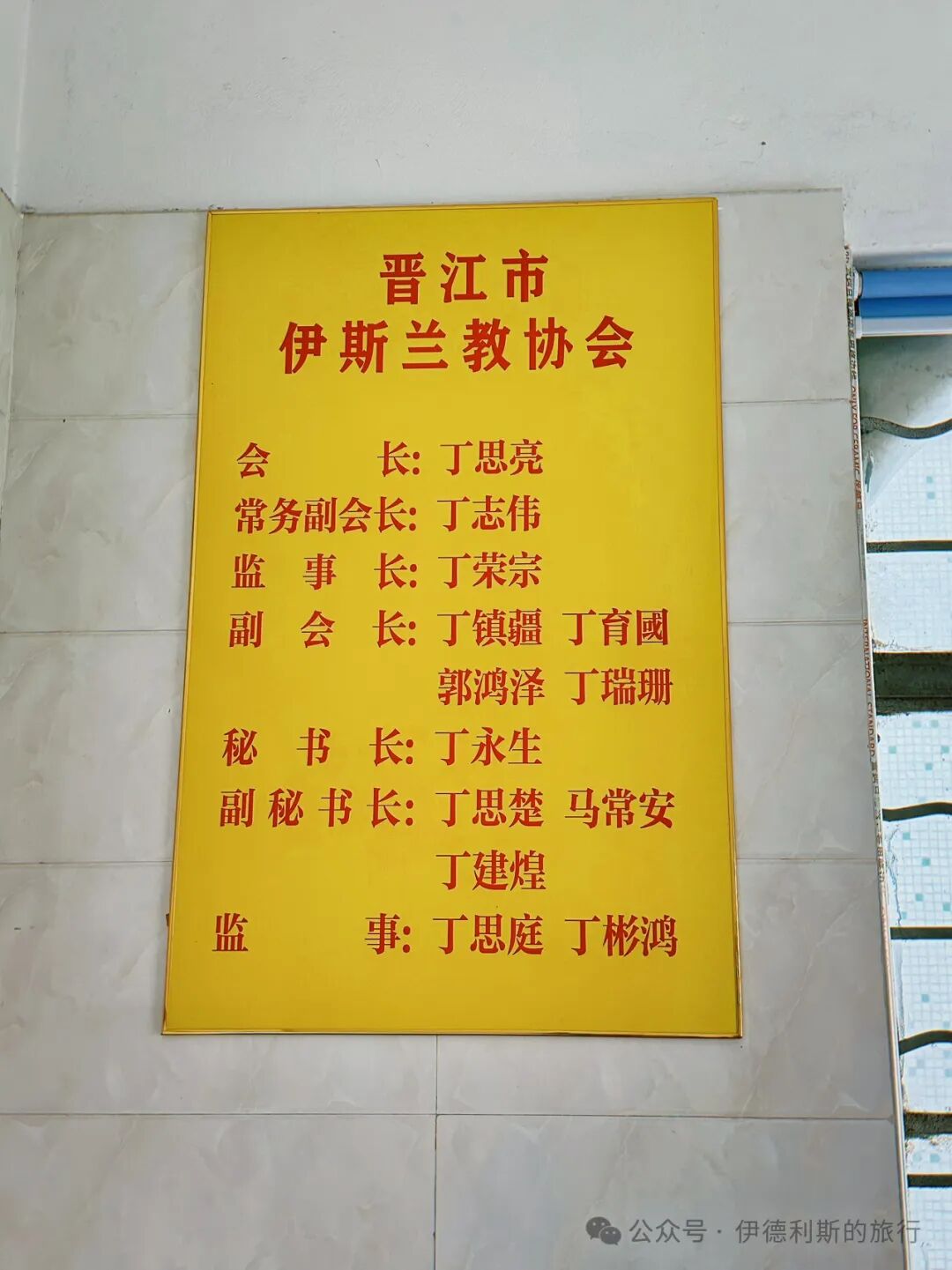
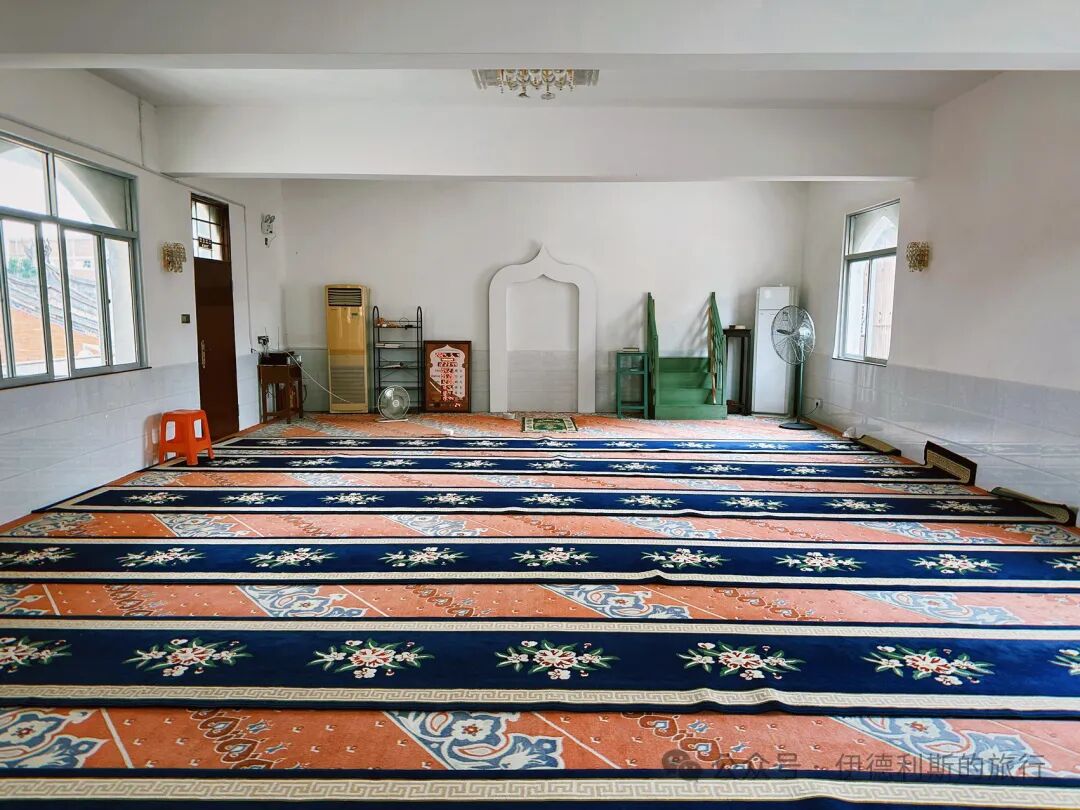
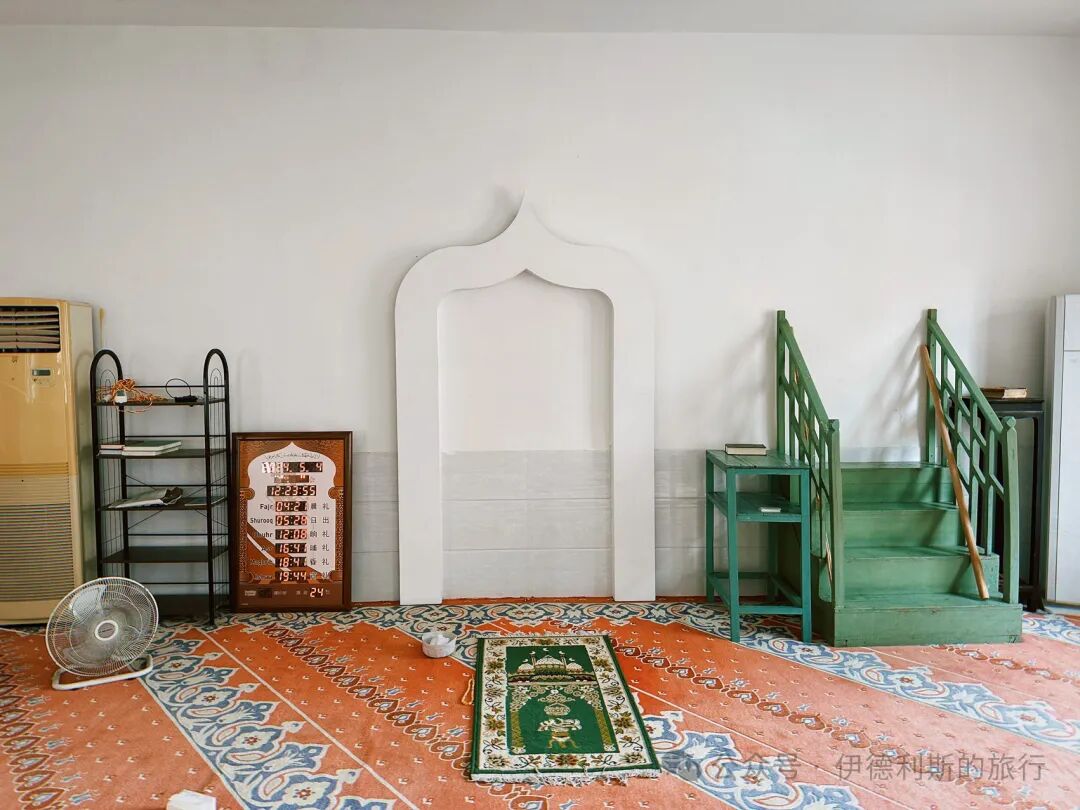
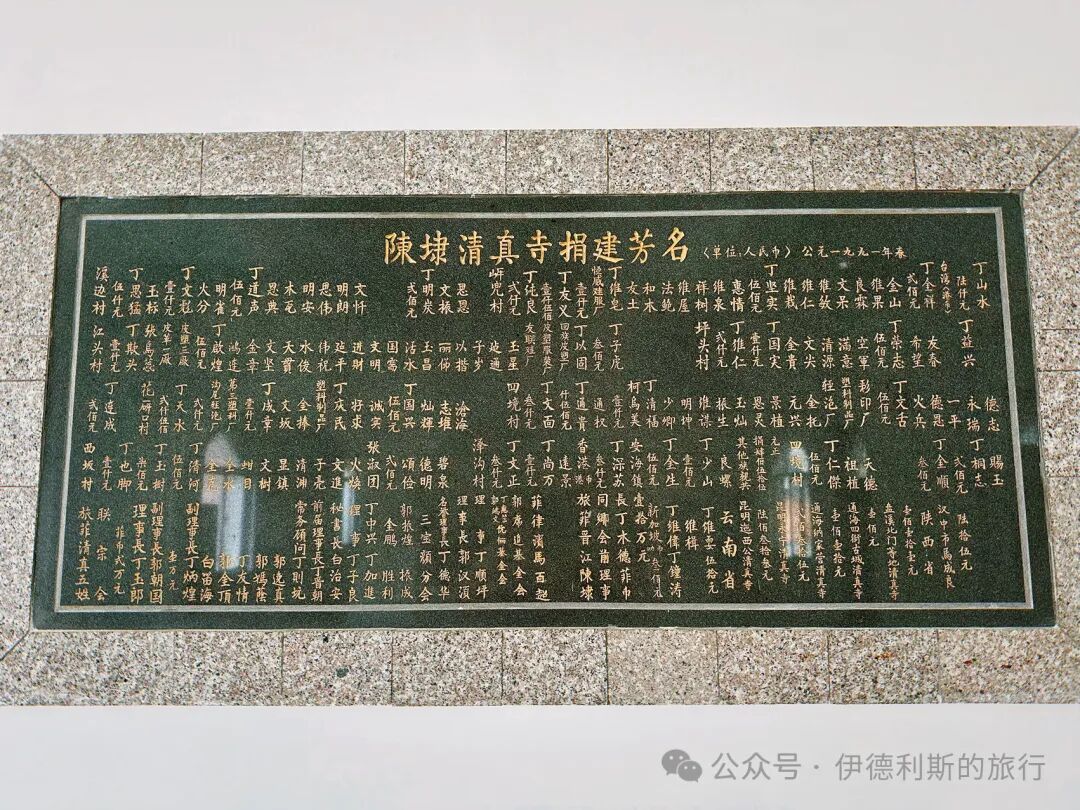
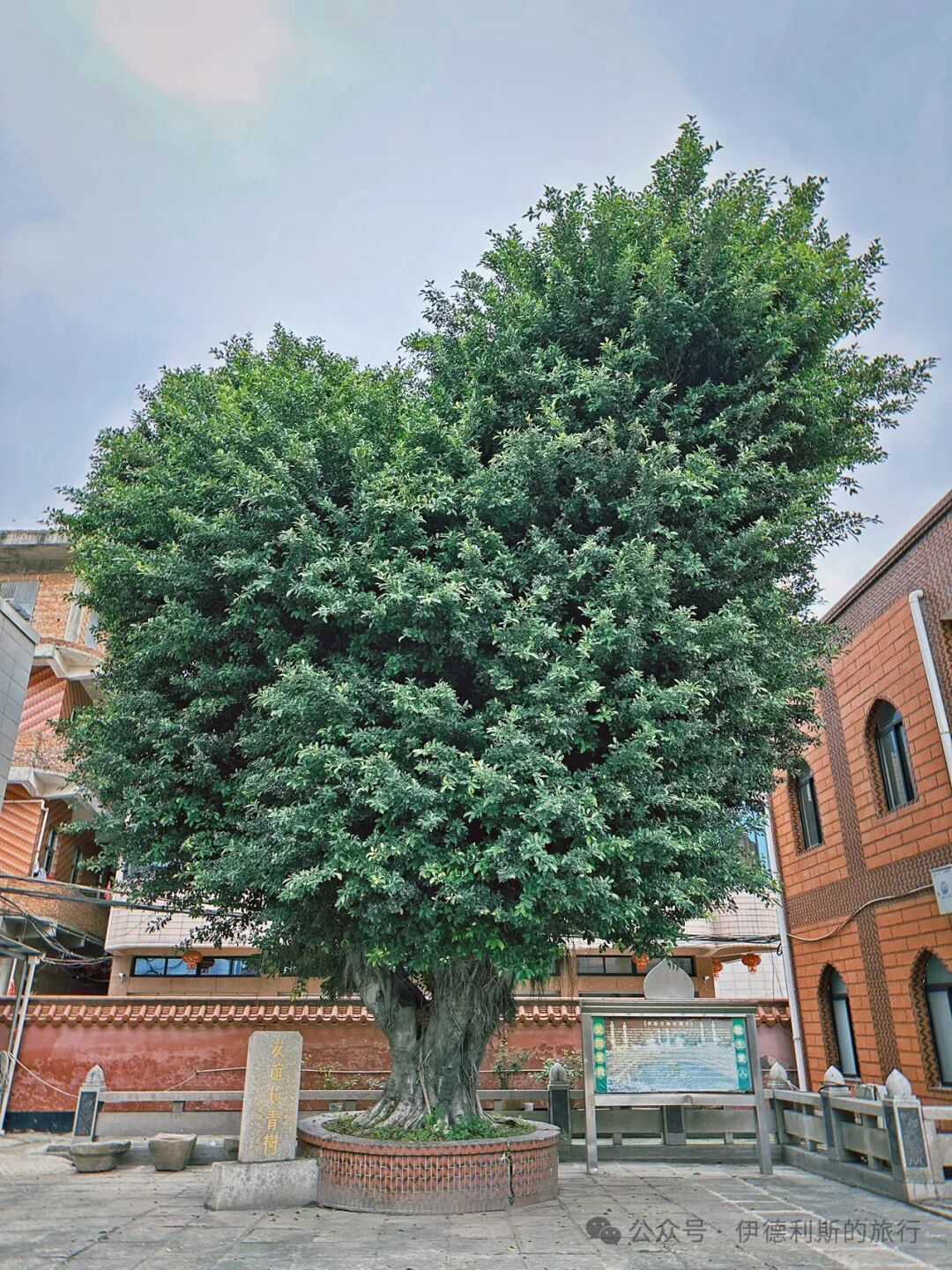
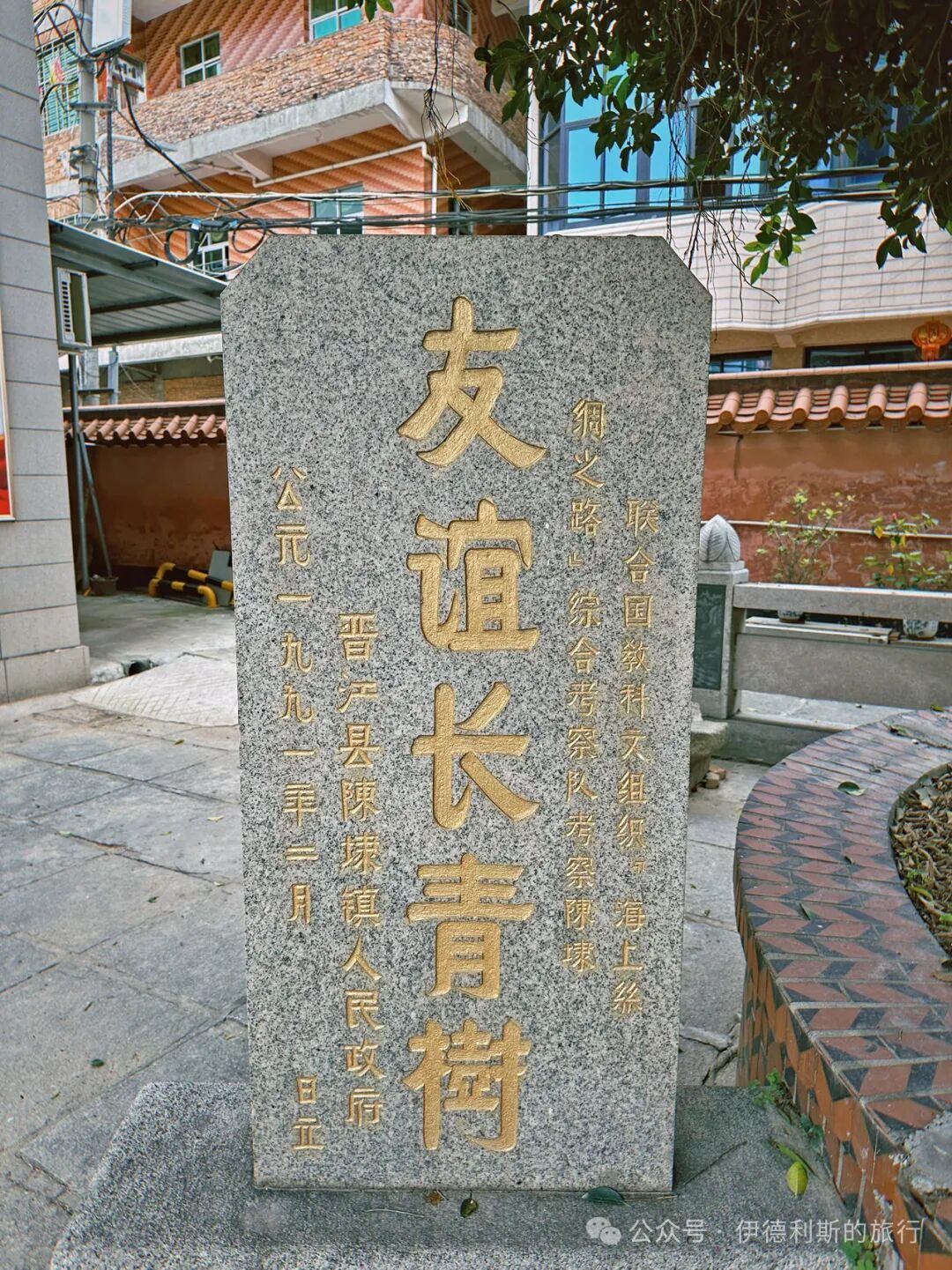
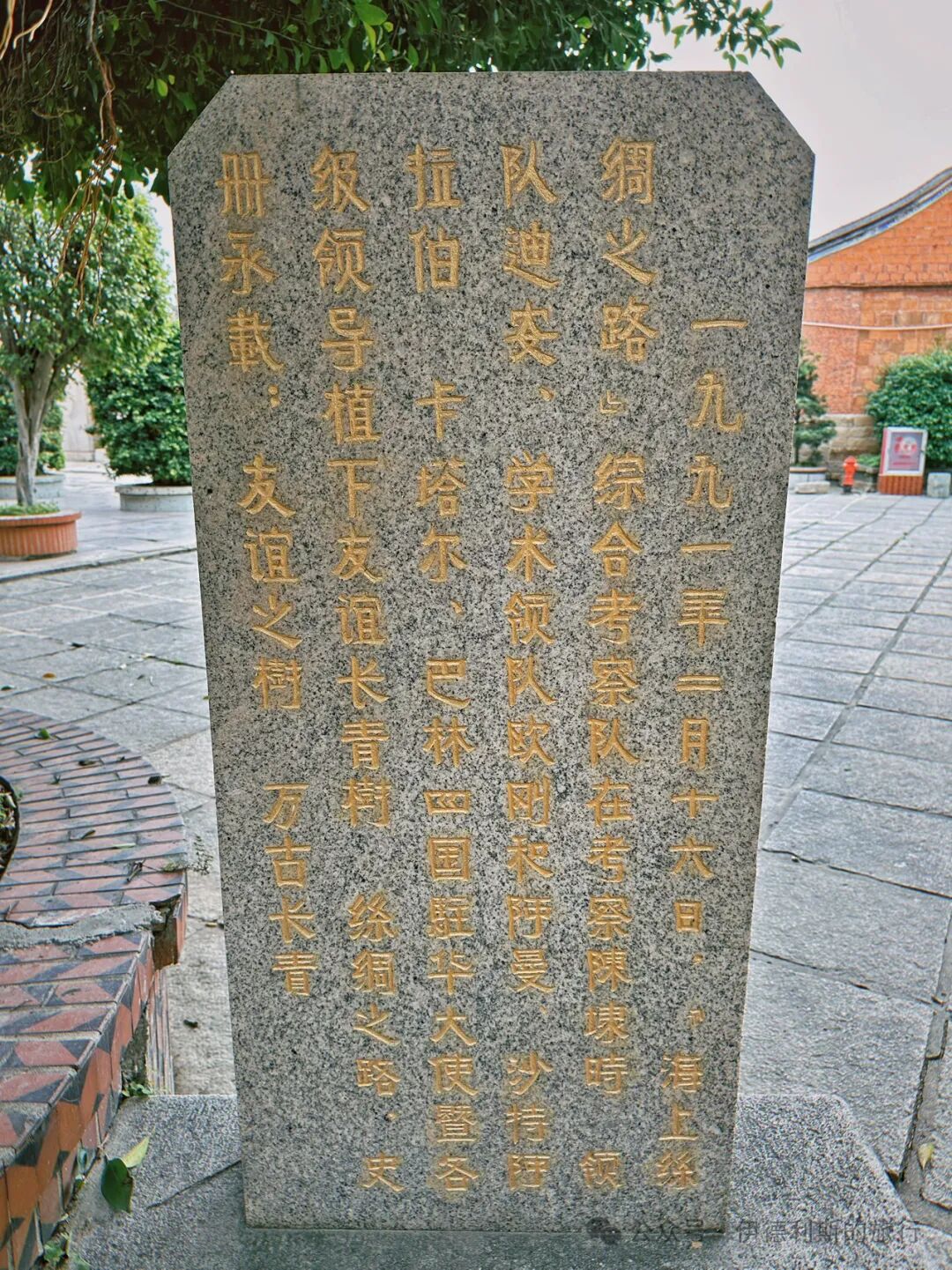
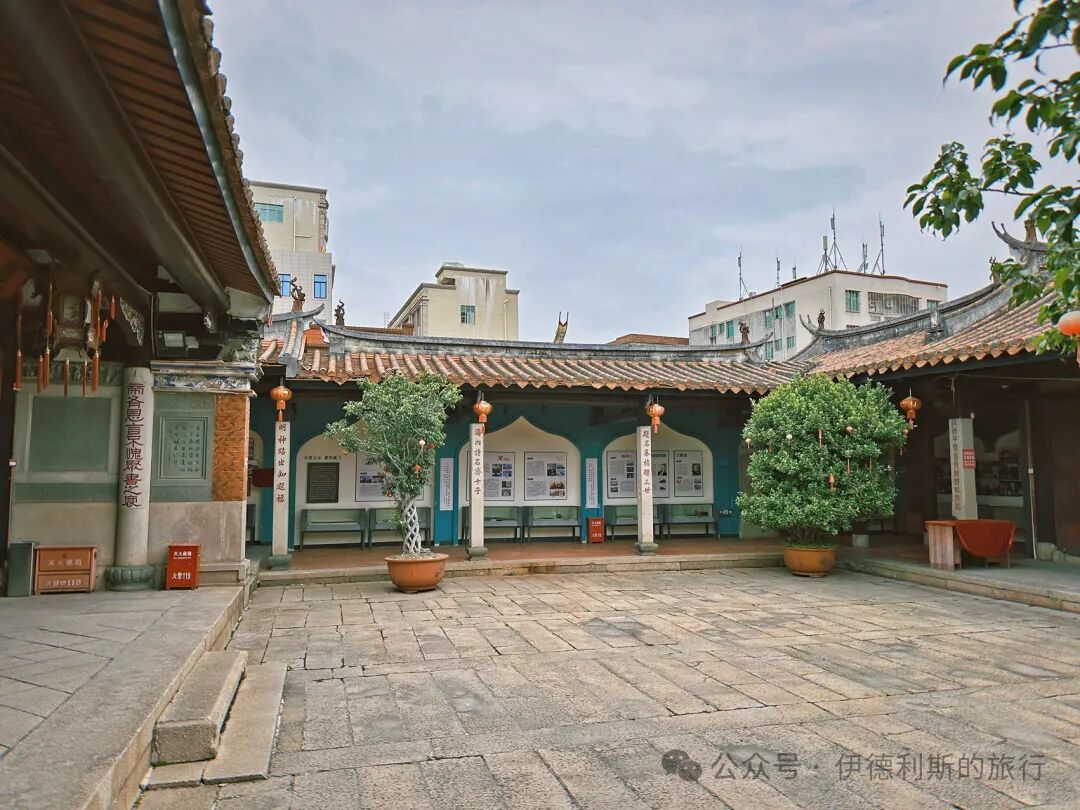
Inside the courtyard of Chendai Mosque stands a Tree of Friendship planted in 1991 by the UNESCO Maritime Silk Road expedition team and the then-ambassadors to China from Saudi Arabia, Qatar, and Bahrain. It is now lush and green.
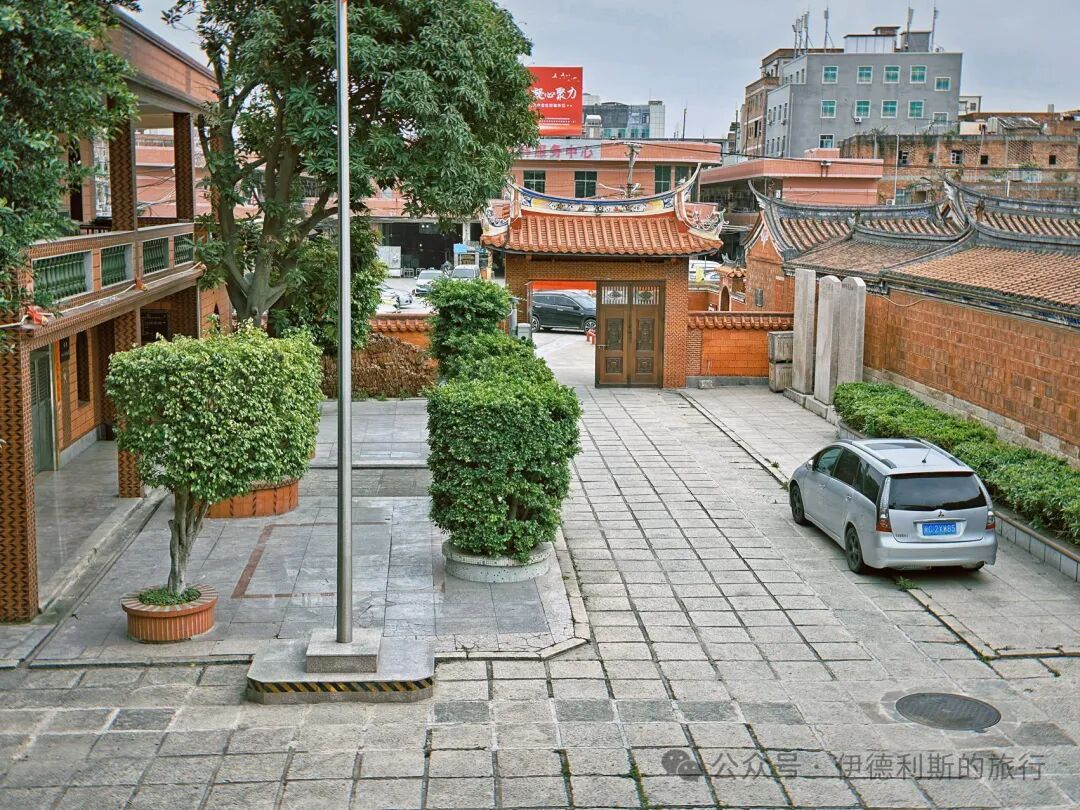
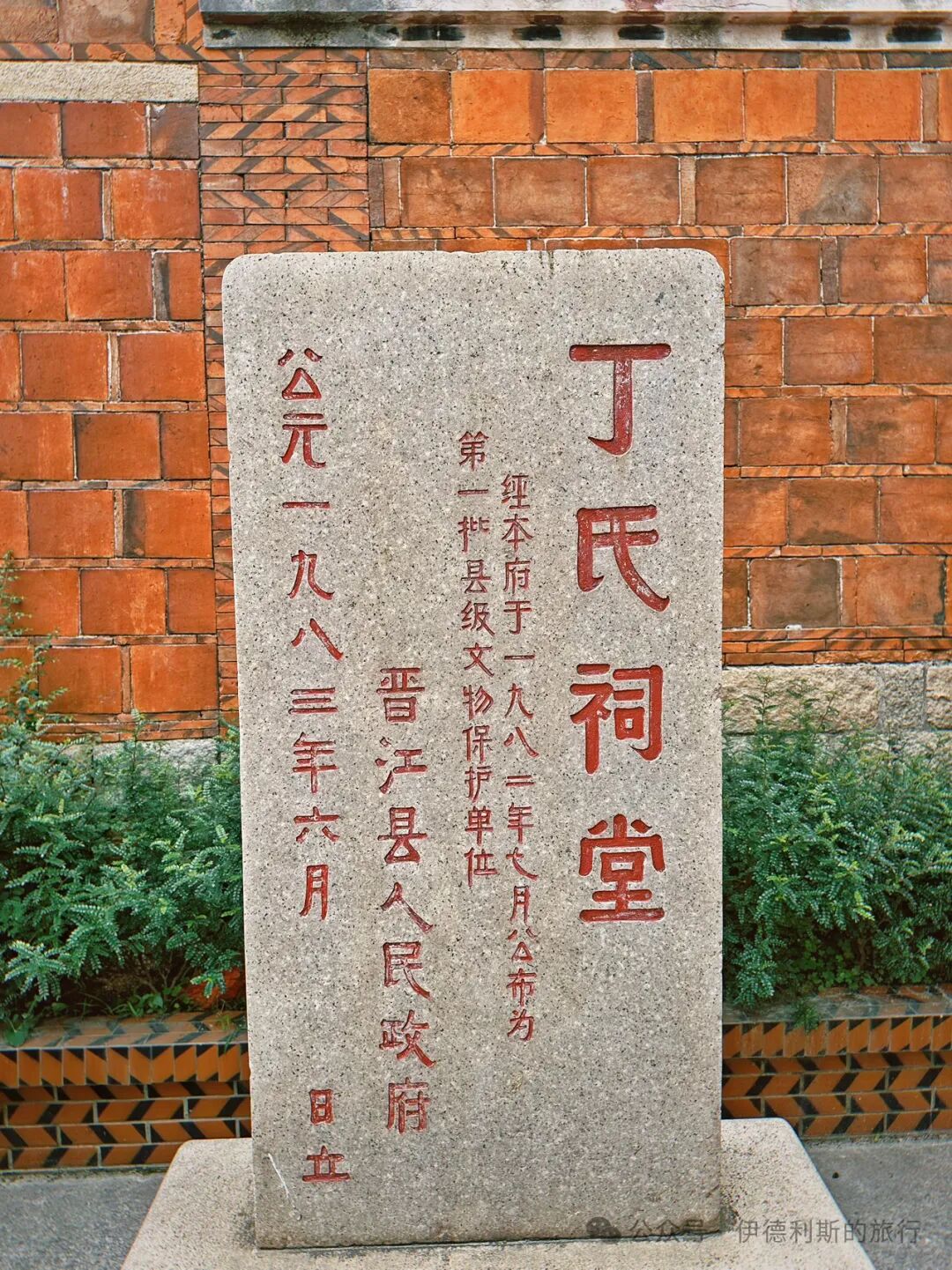
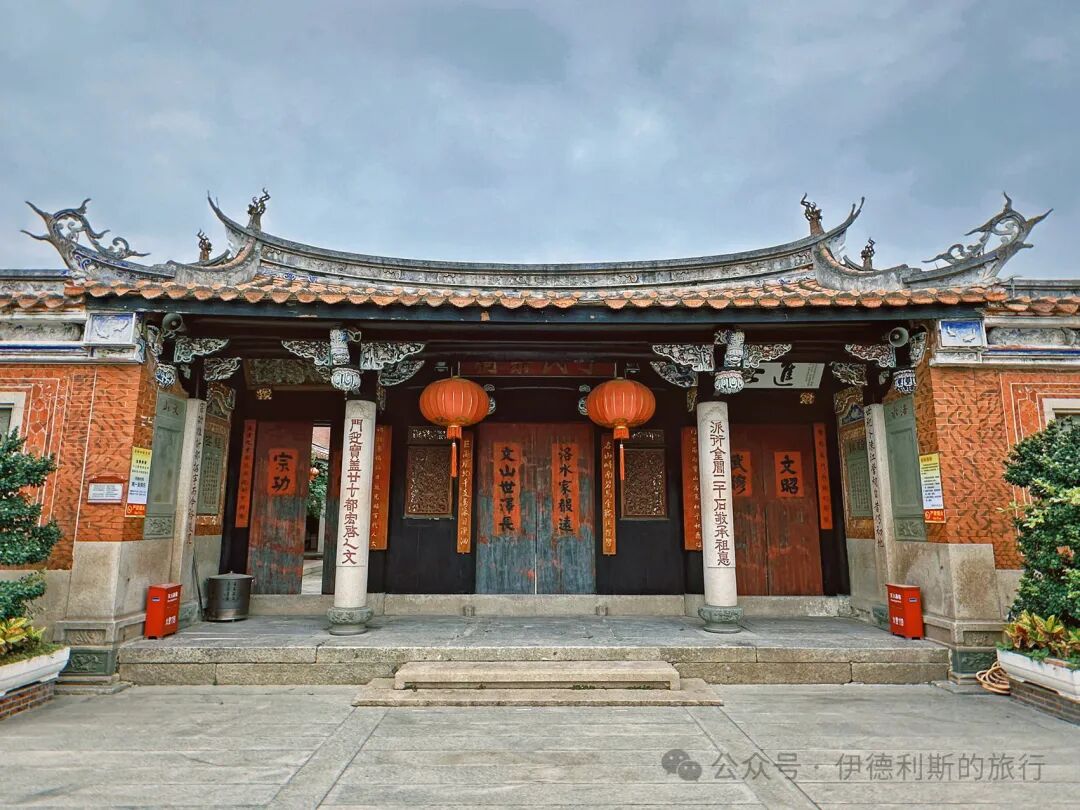
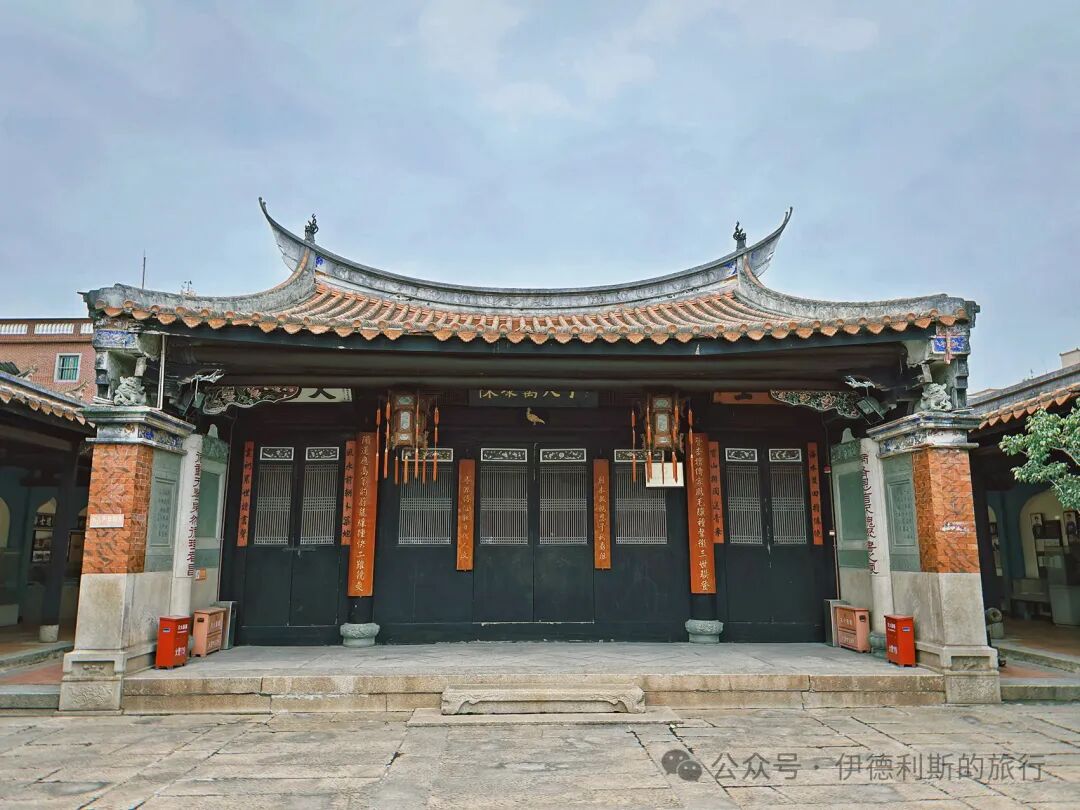
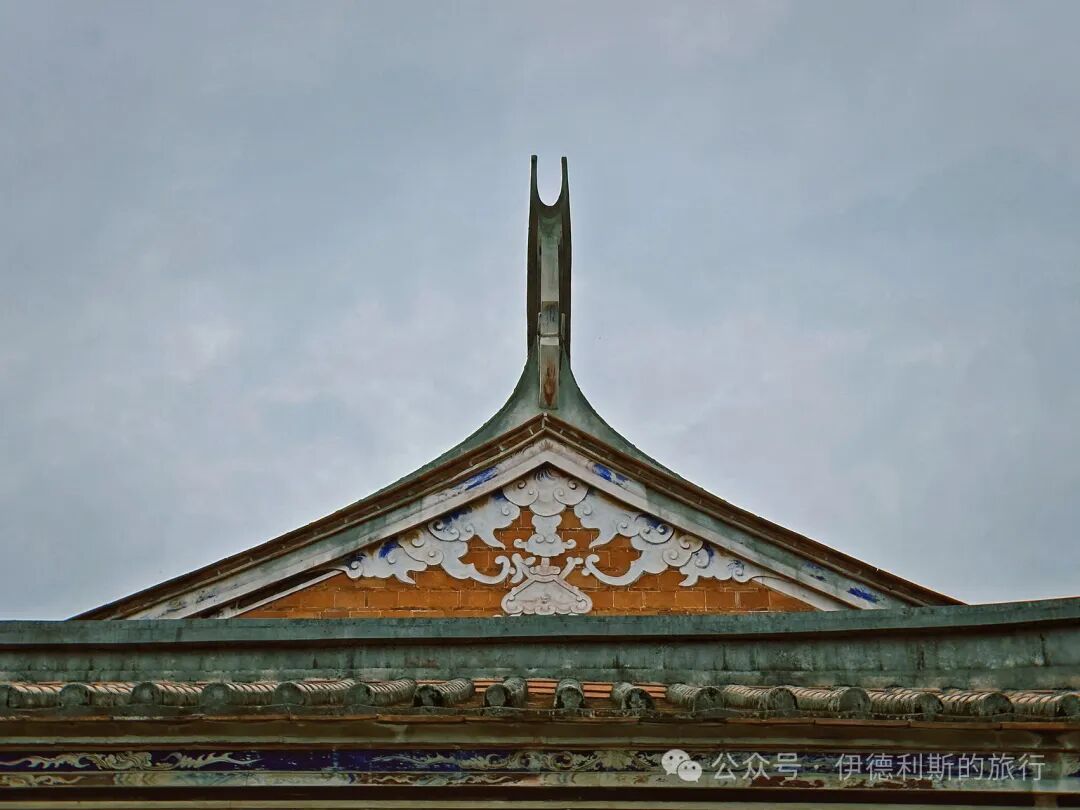
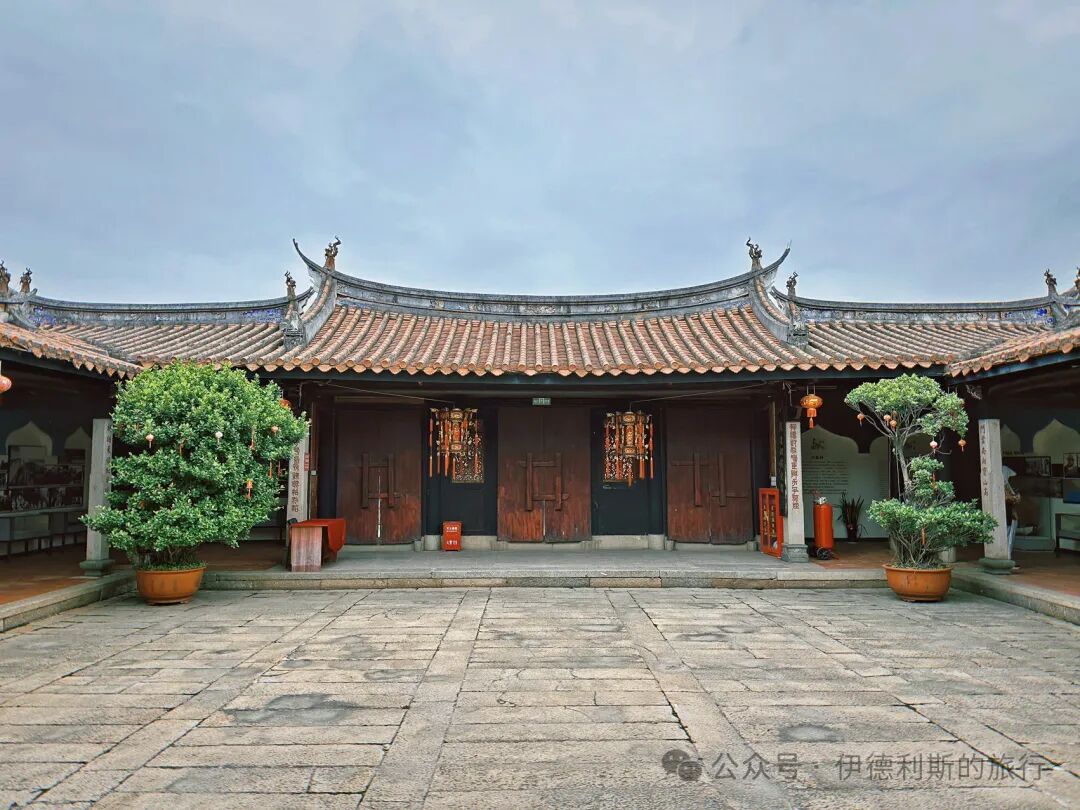
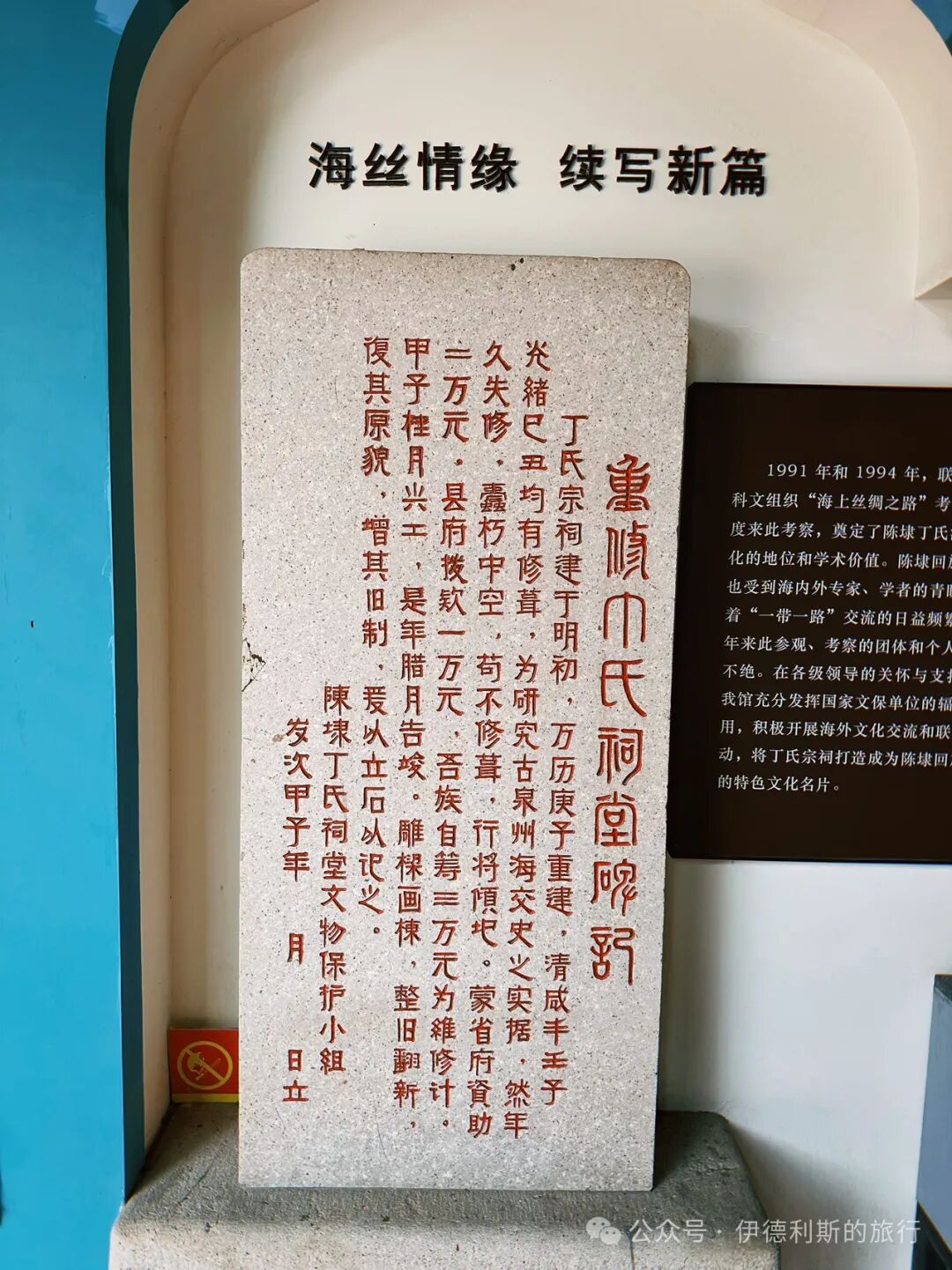
The Chendai Hui Muslim History Museum is located inside the Ding Family Ancestral Hall, and you can enter it directly from the courtyard of Chendai Mosque. The Ding Family Ancestral Hall was first built in the early 15th century. It was destroyed during the Wokou pirate raids in 1561 (the 40th year of the Jiajing reign). It was soon rebuilt under the leadership of Ding Yi and Ding Zishen, expanded again by Ding Rijin in 1599 (the 27th year of the Wanli reign), and renovated several times during the Xianfeng and Guangxu periods. The Chendai Hui Muslim History Museum opened inside the Ding Family Ancestral Hall in 1984 to display the cultural heritage of the Chendai Ding Hui Muslims.
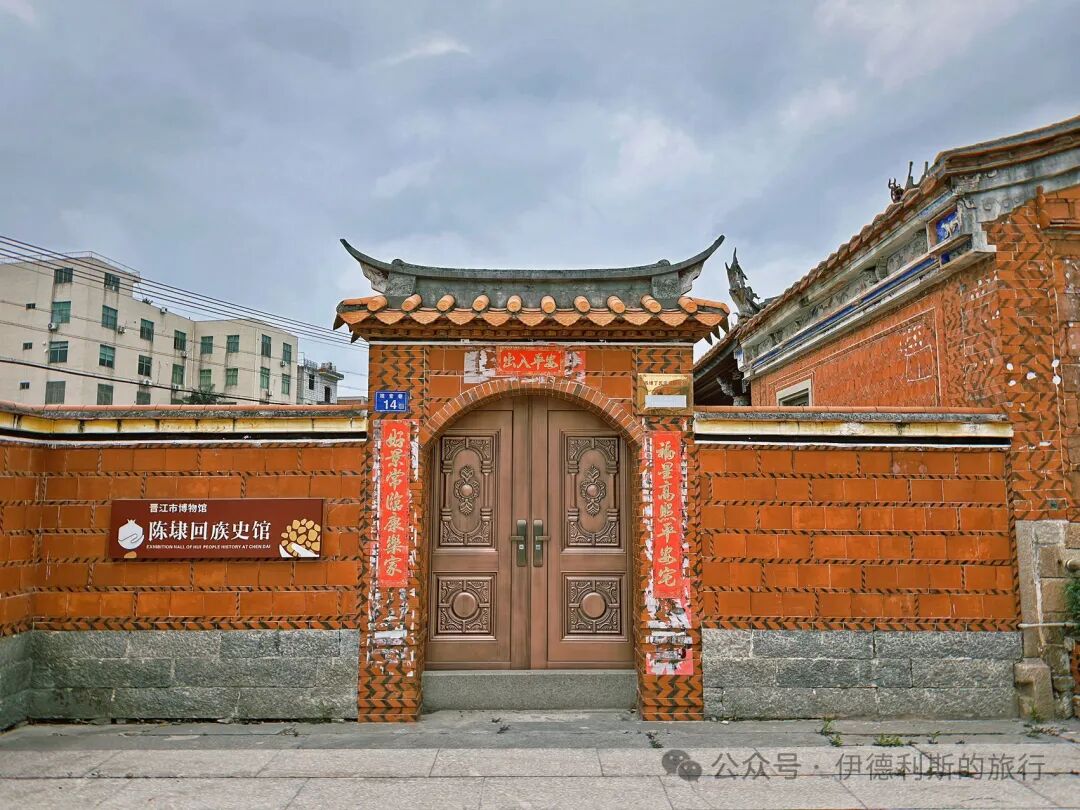
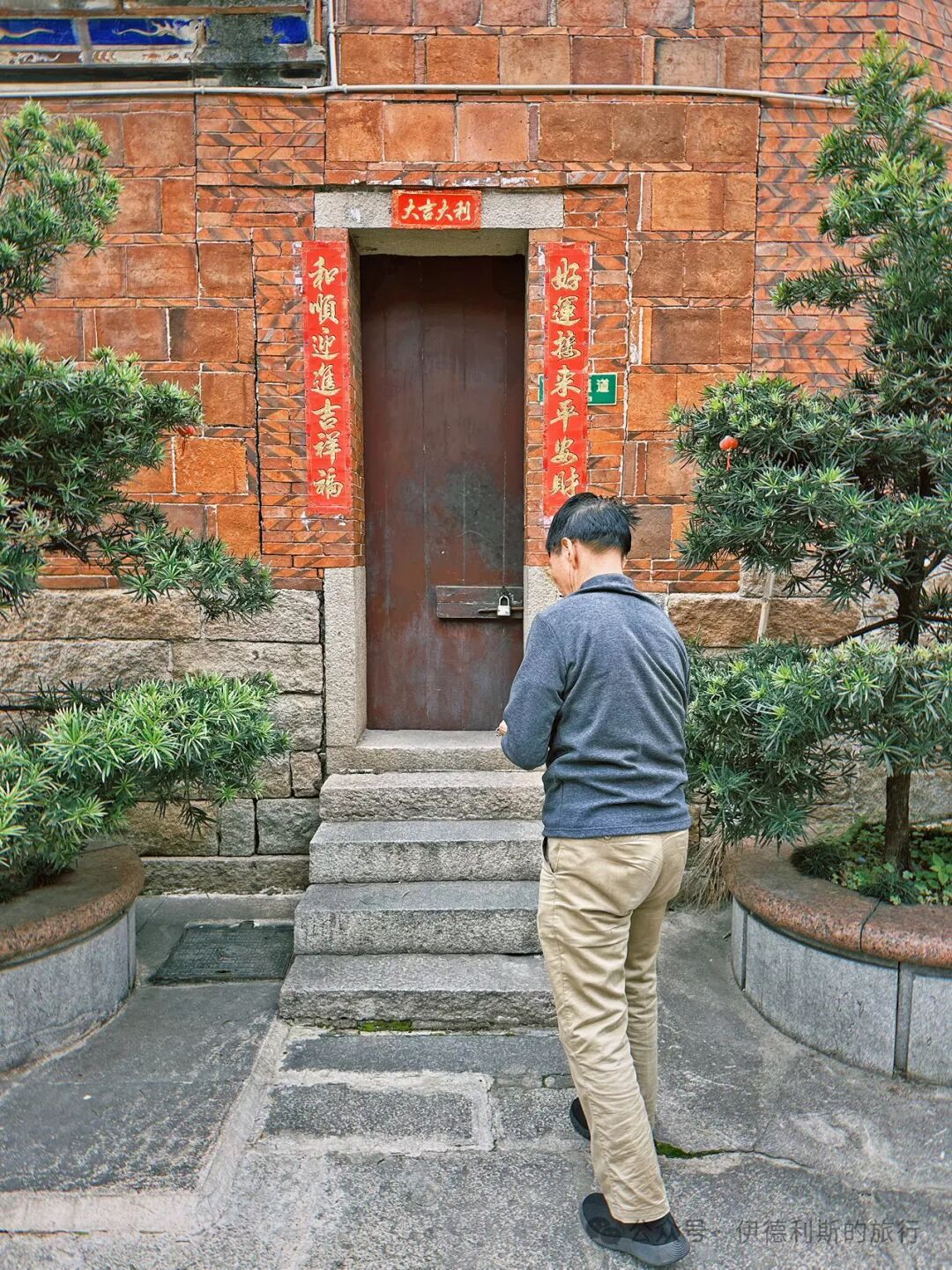
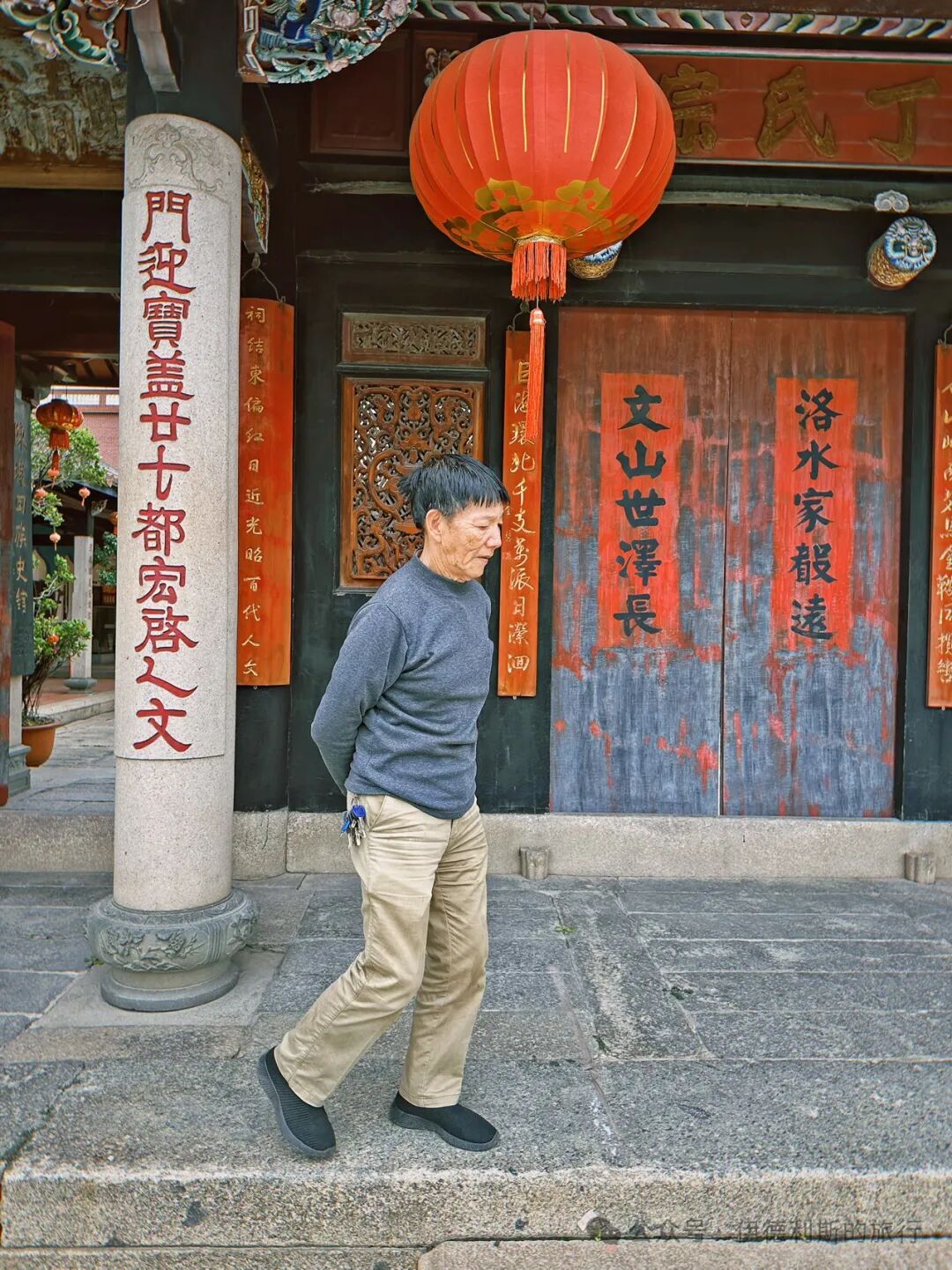
The Chendai Hui Muslims History Museum is usually closed. Just call Uncle Ding, the caretaker, using the number on the wall by the door. He will come over to open it for you, and admission is free.
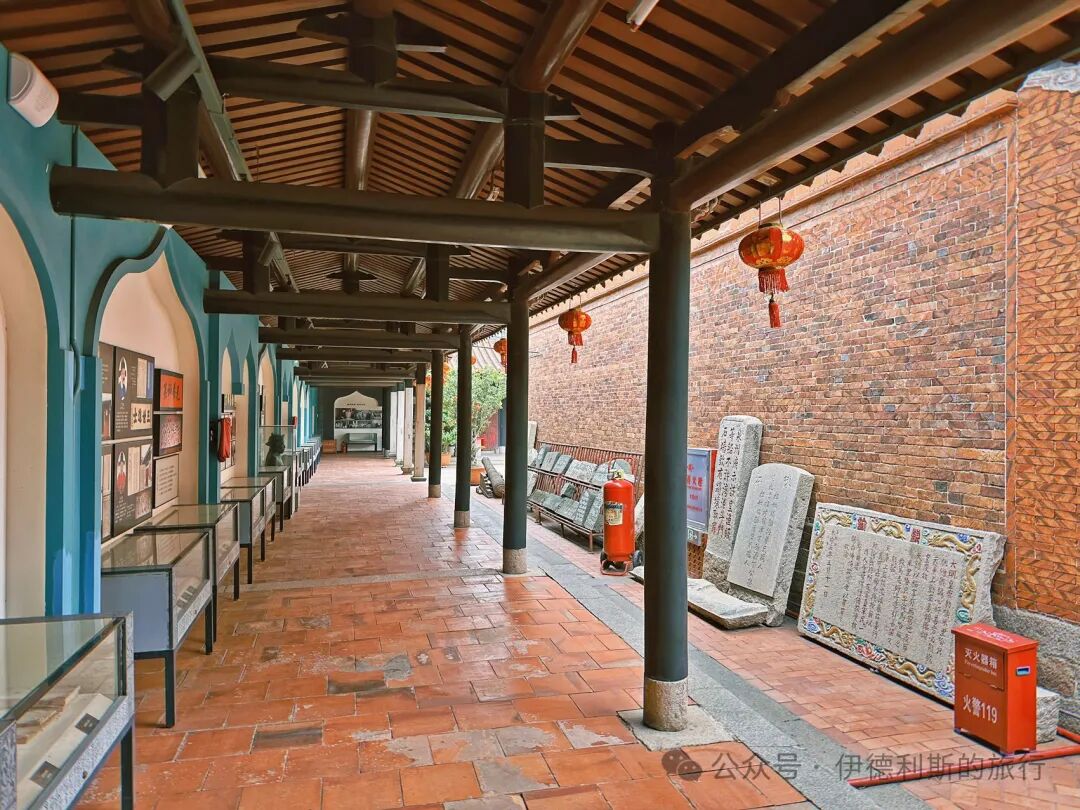
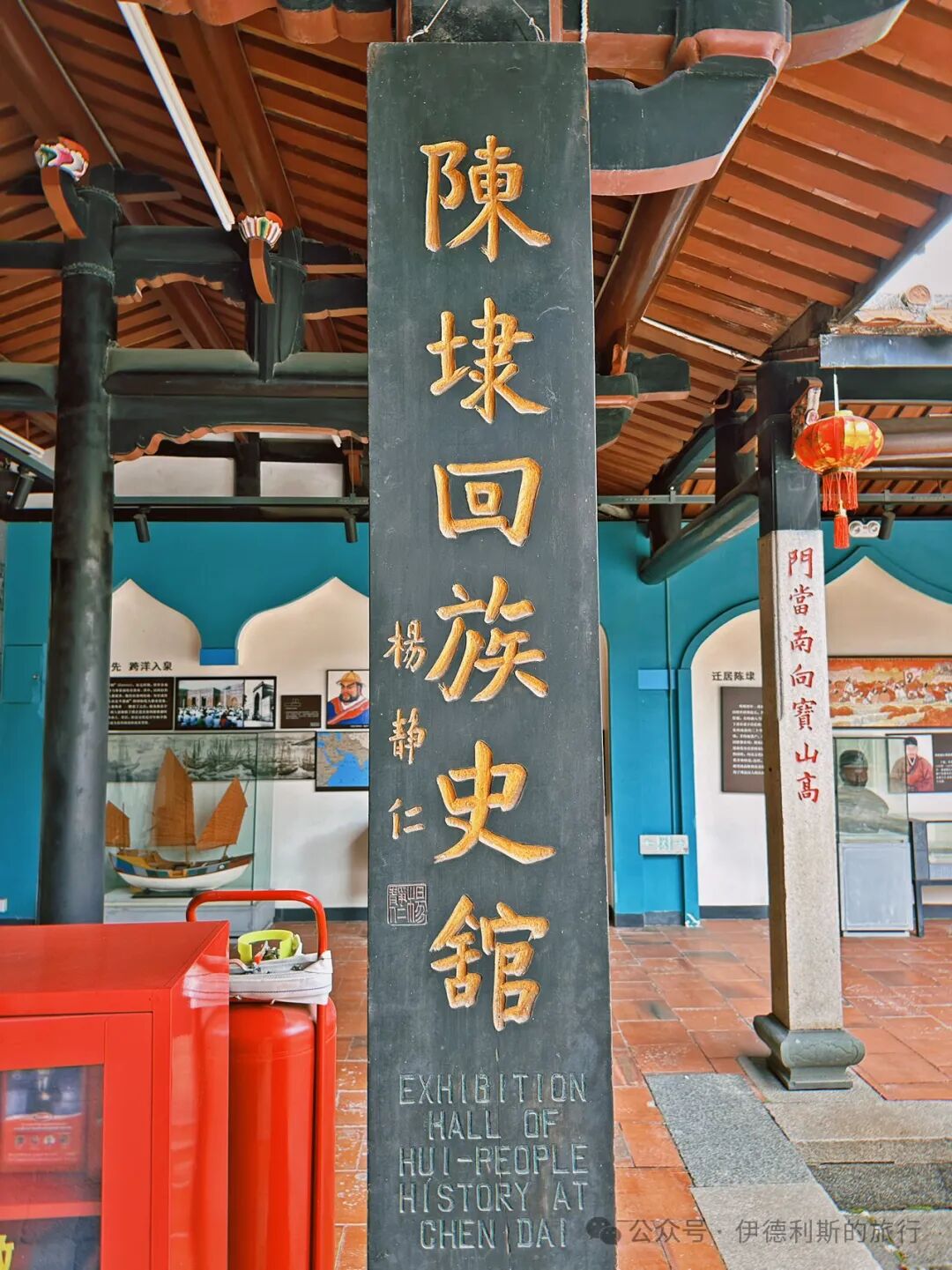
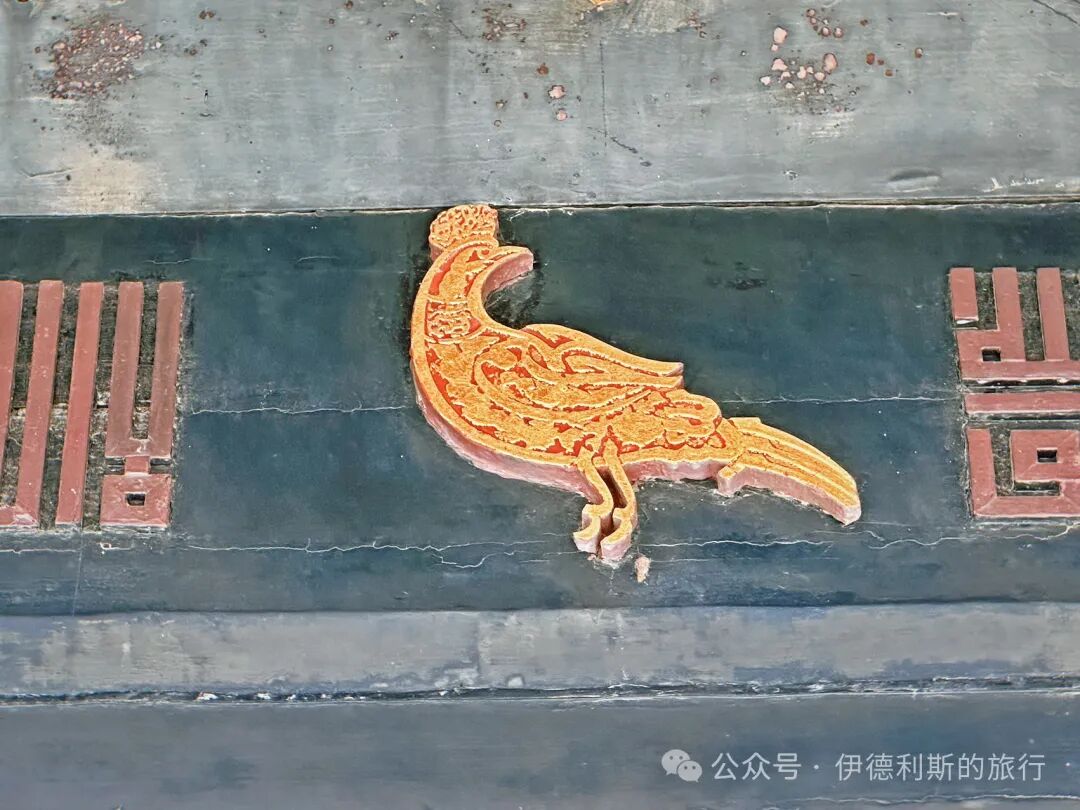
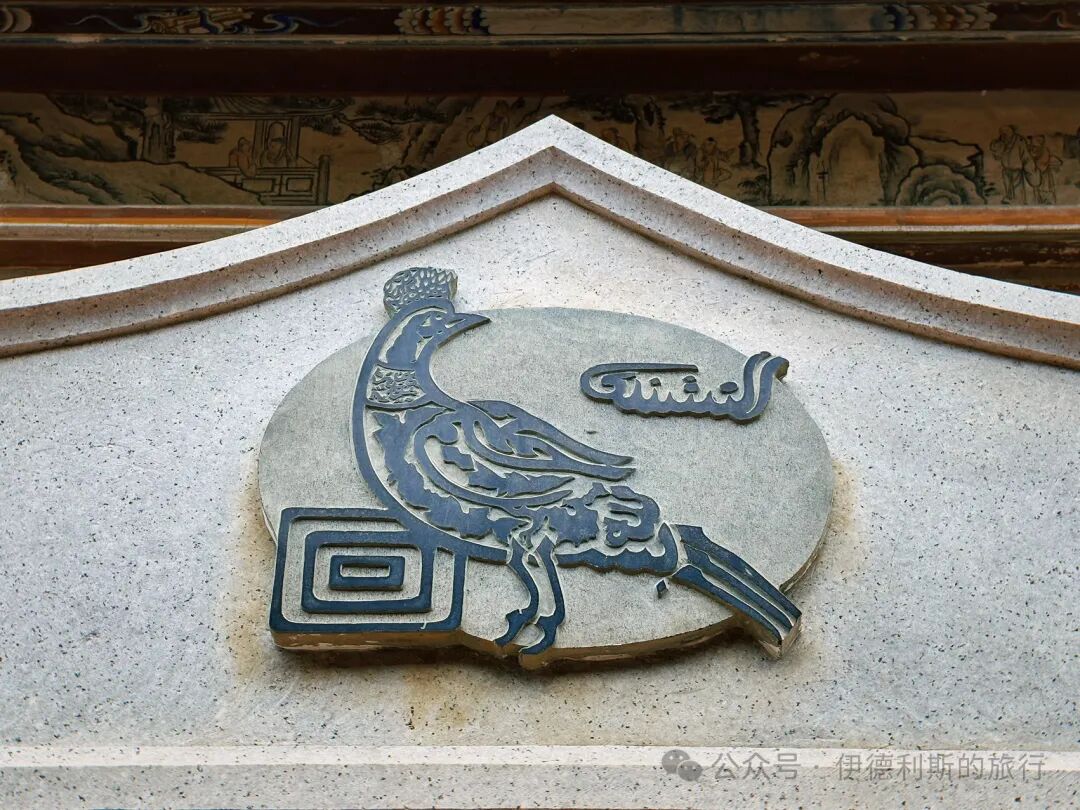
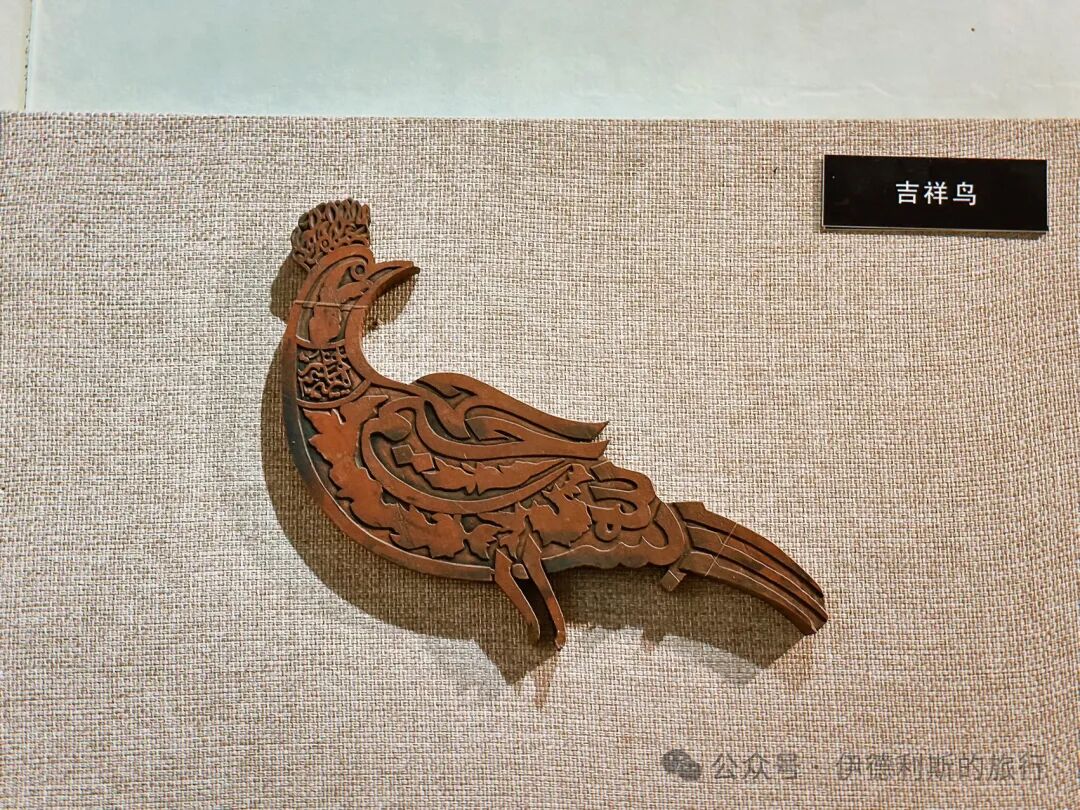
Inside the museum, you can see plaques for the Chendai Hui Muslims History Museum and the Chendai Ten Thousand Dings, both inscribed by Yang Jingren, who served as the head of the United Front Work Department and the director of the State Ethnic Affairs Commission. Next to the plaques, there are beautiful wood carvings of Kufic script, which is a style of Arabic calligraphy.
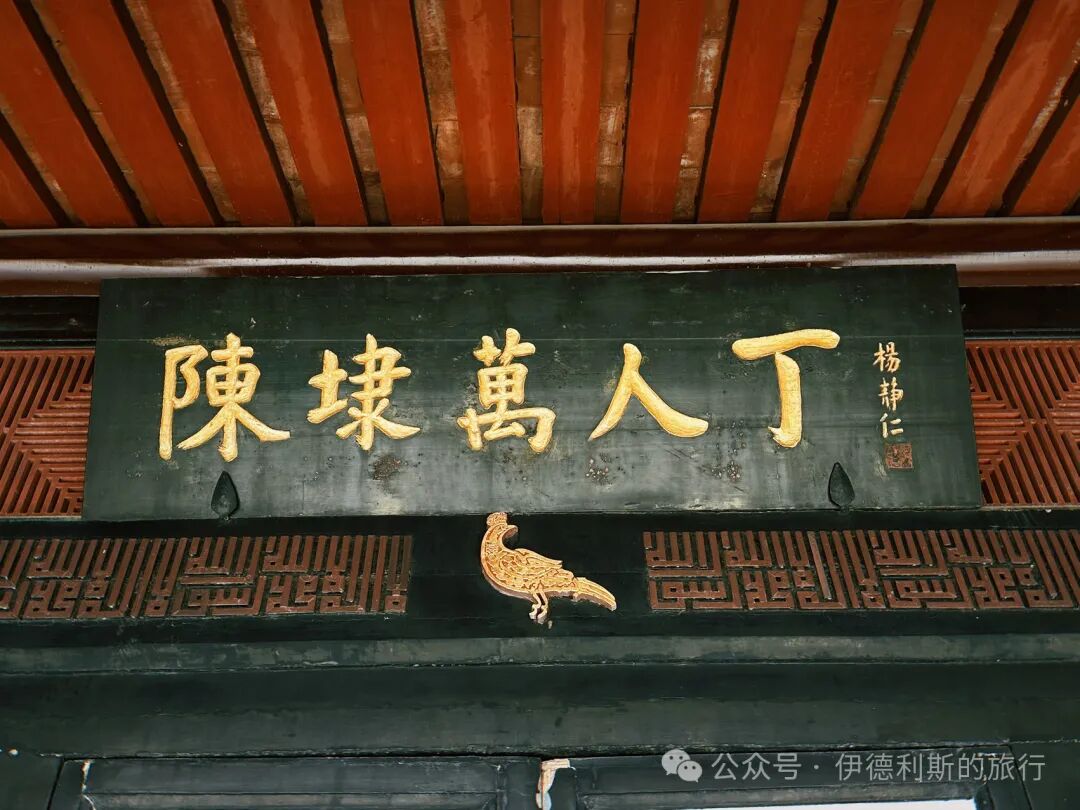
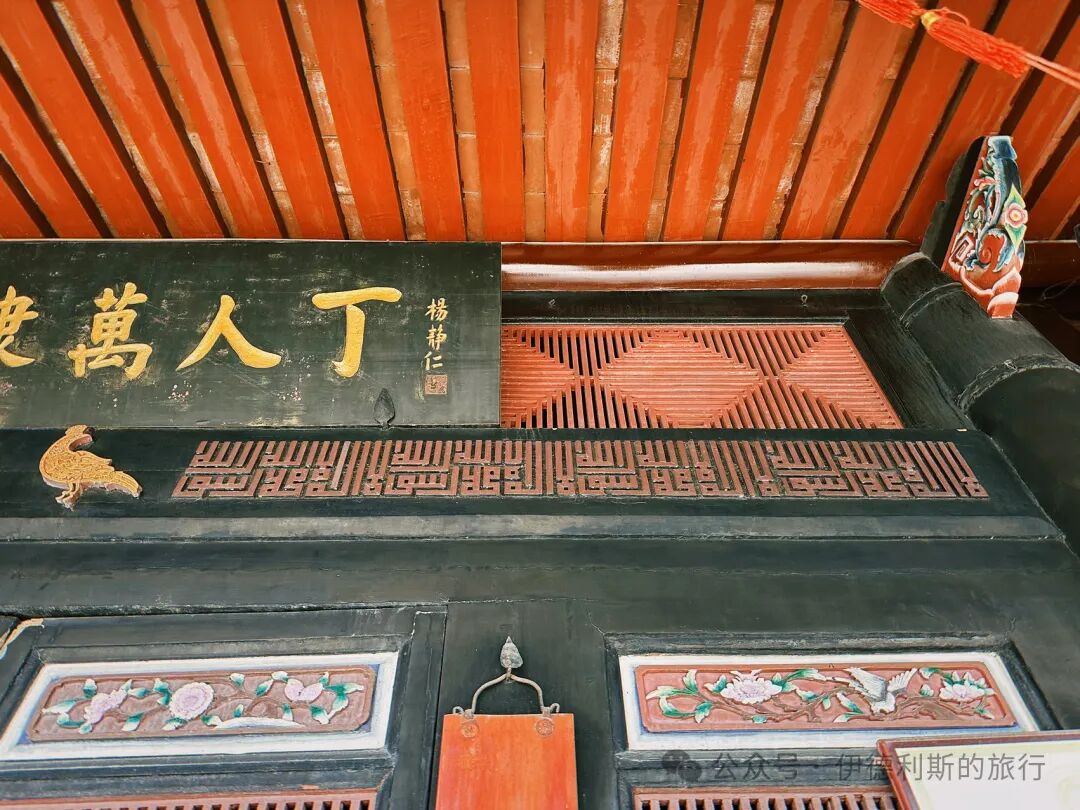
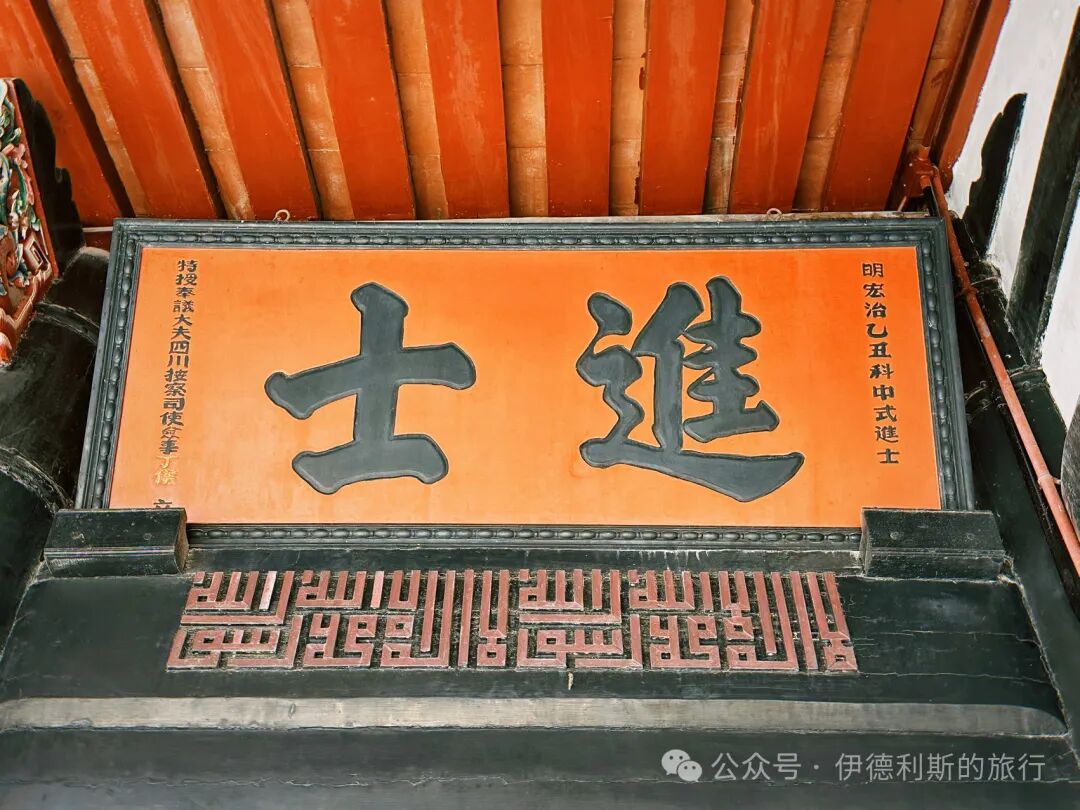
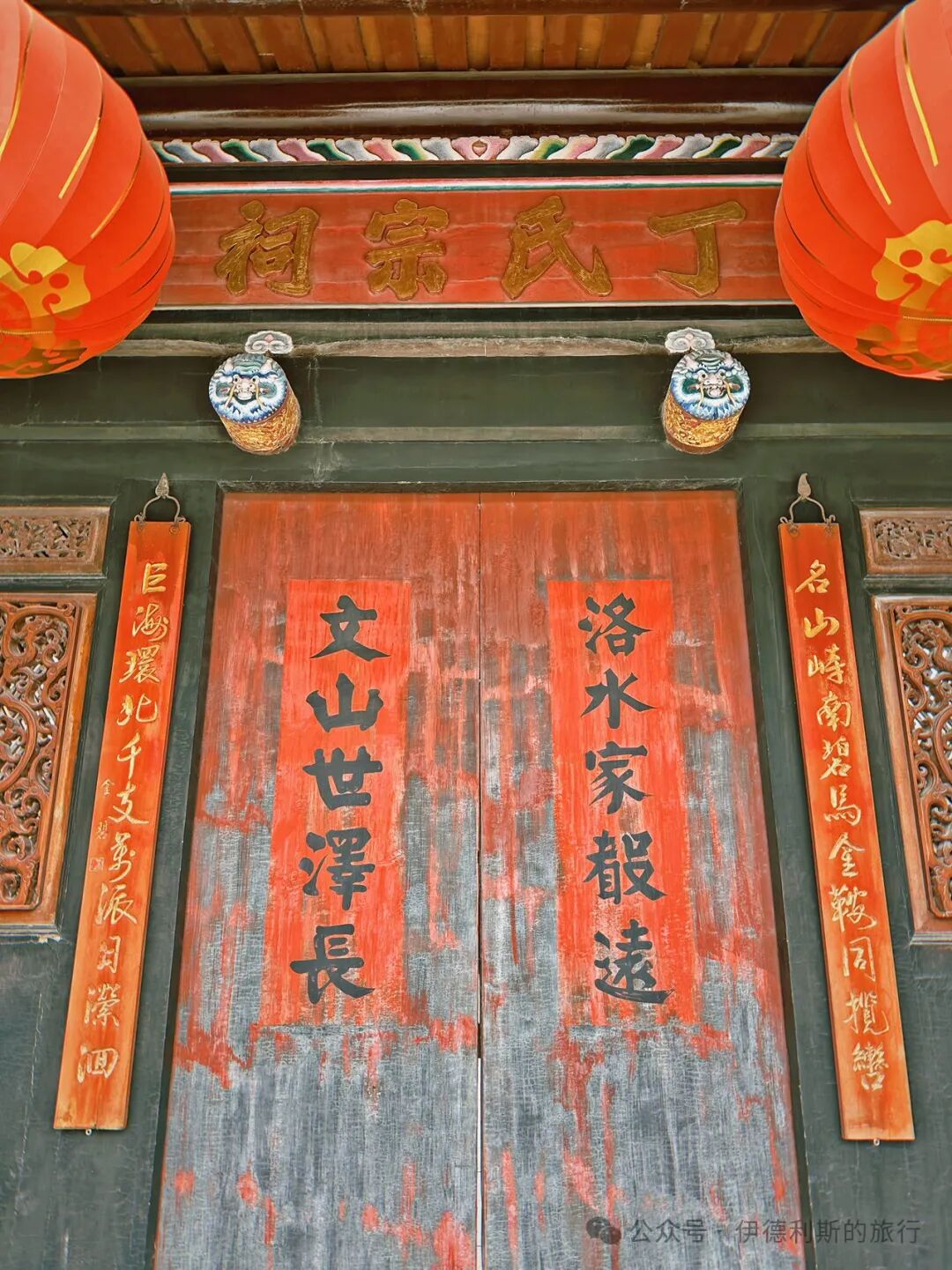
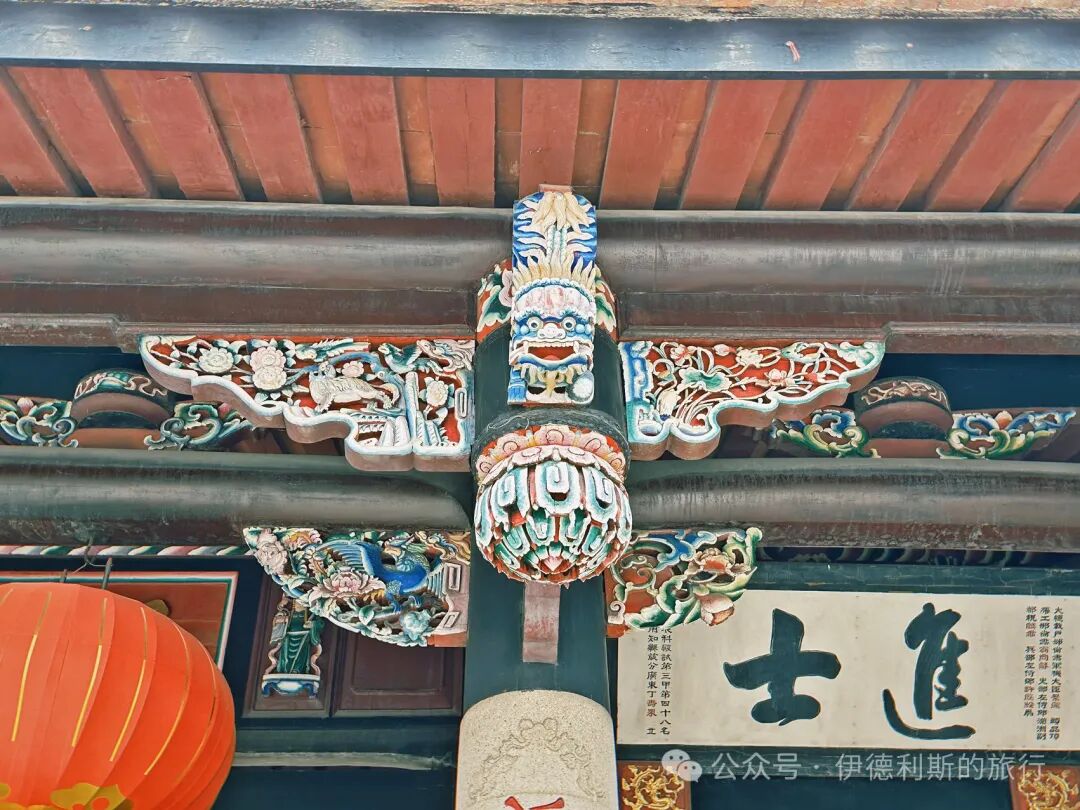
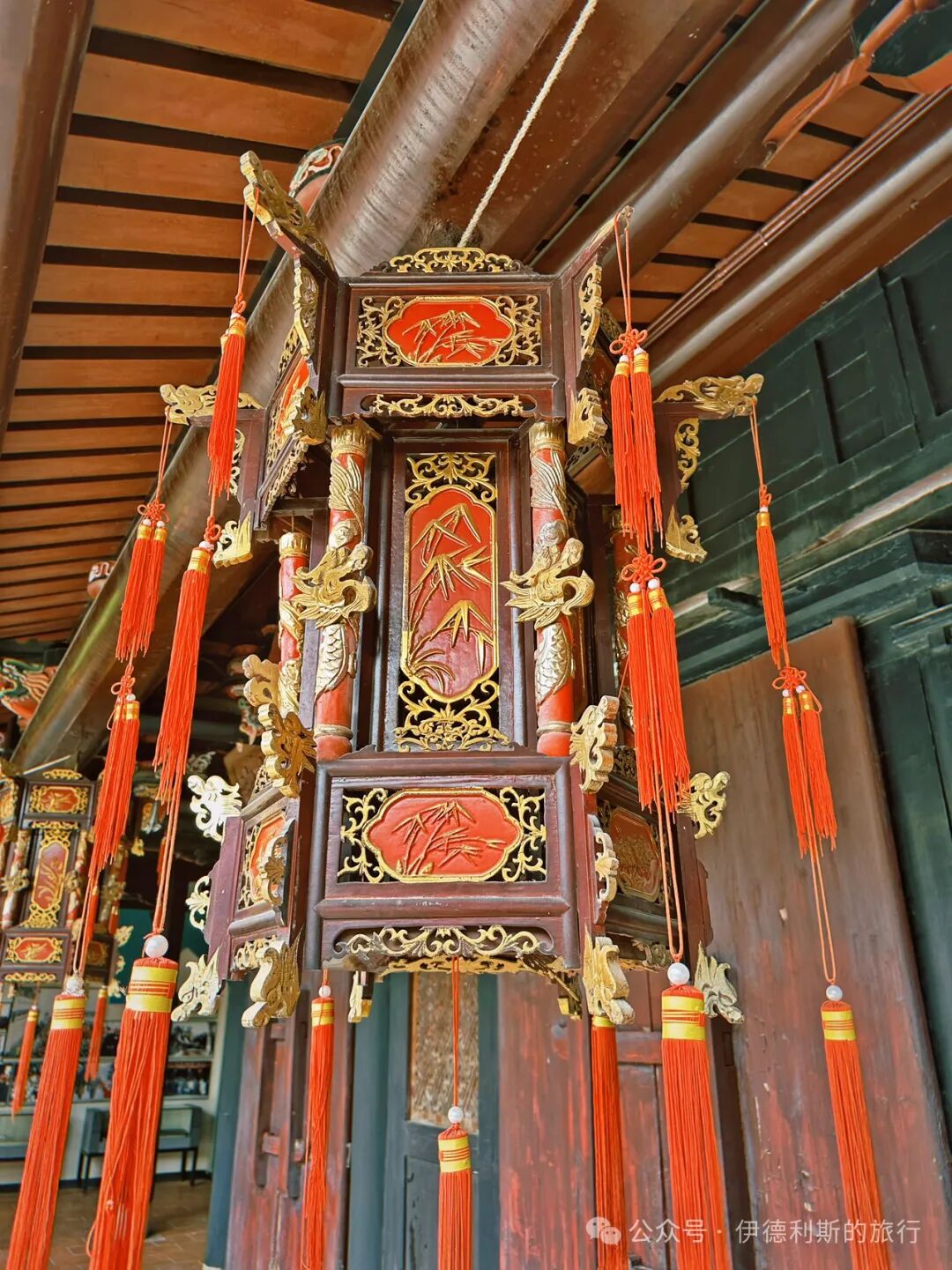
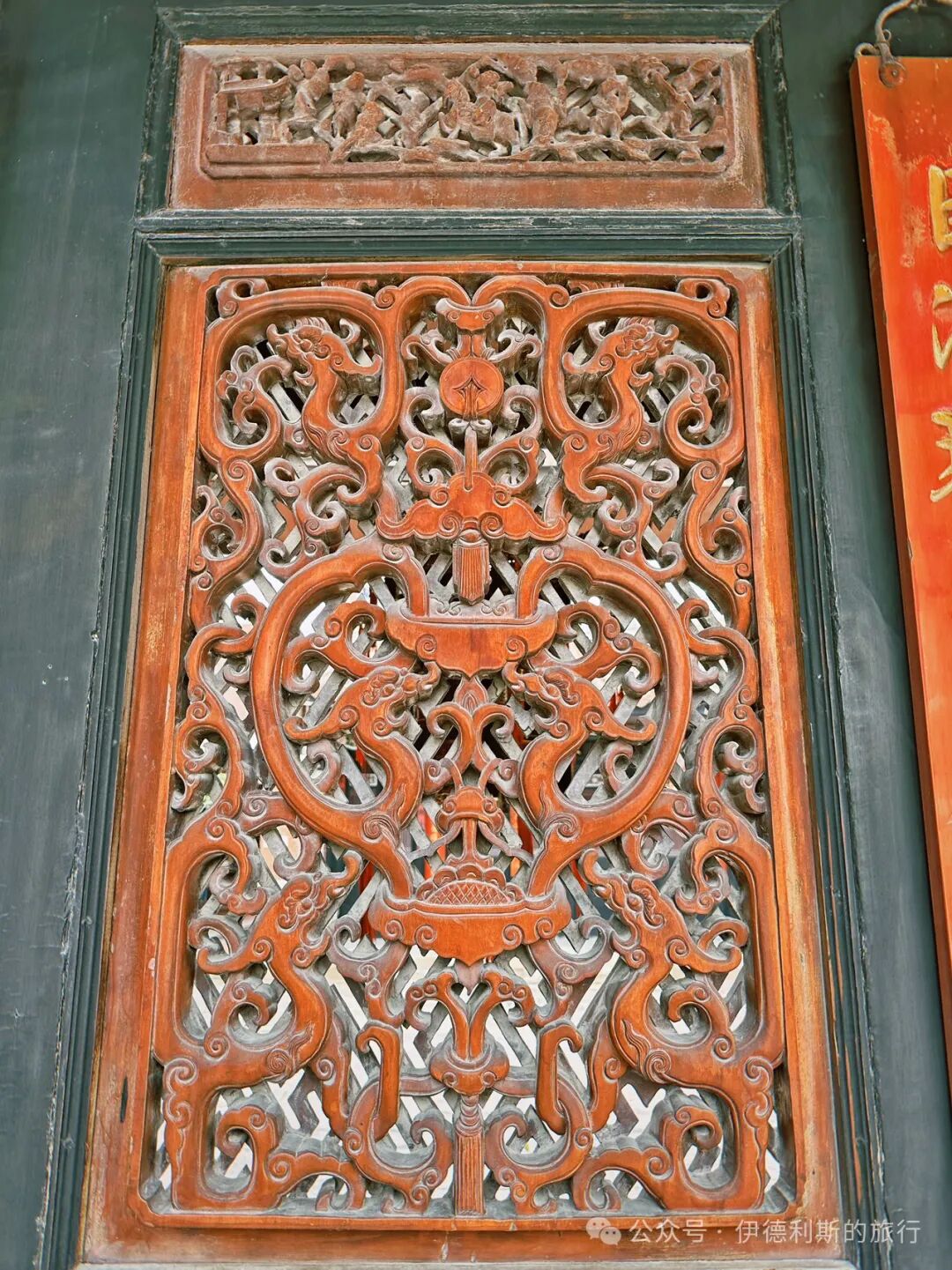
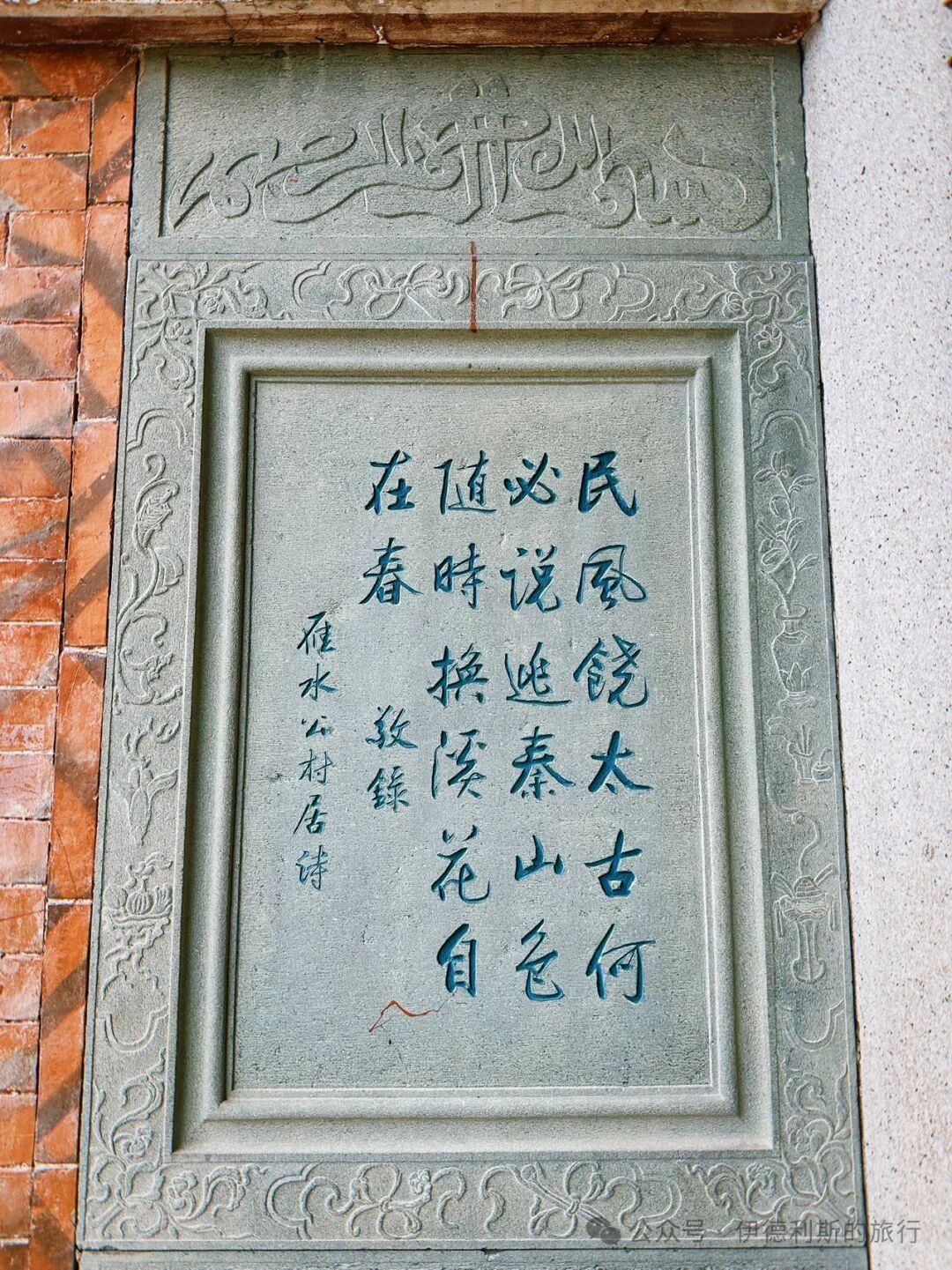
The auspicious bird symbol of the Chendai Ding family reminds people of the Lion of Ali emblem found on walls in Shia communities in Bangkok. These are all symbols of ethnic identity.
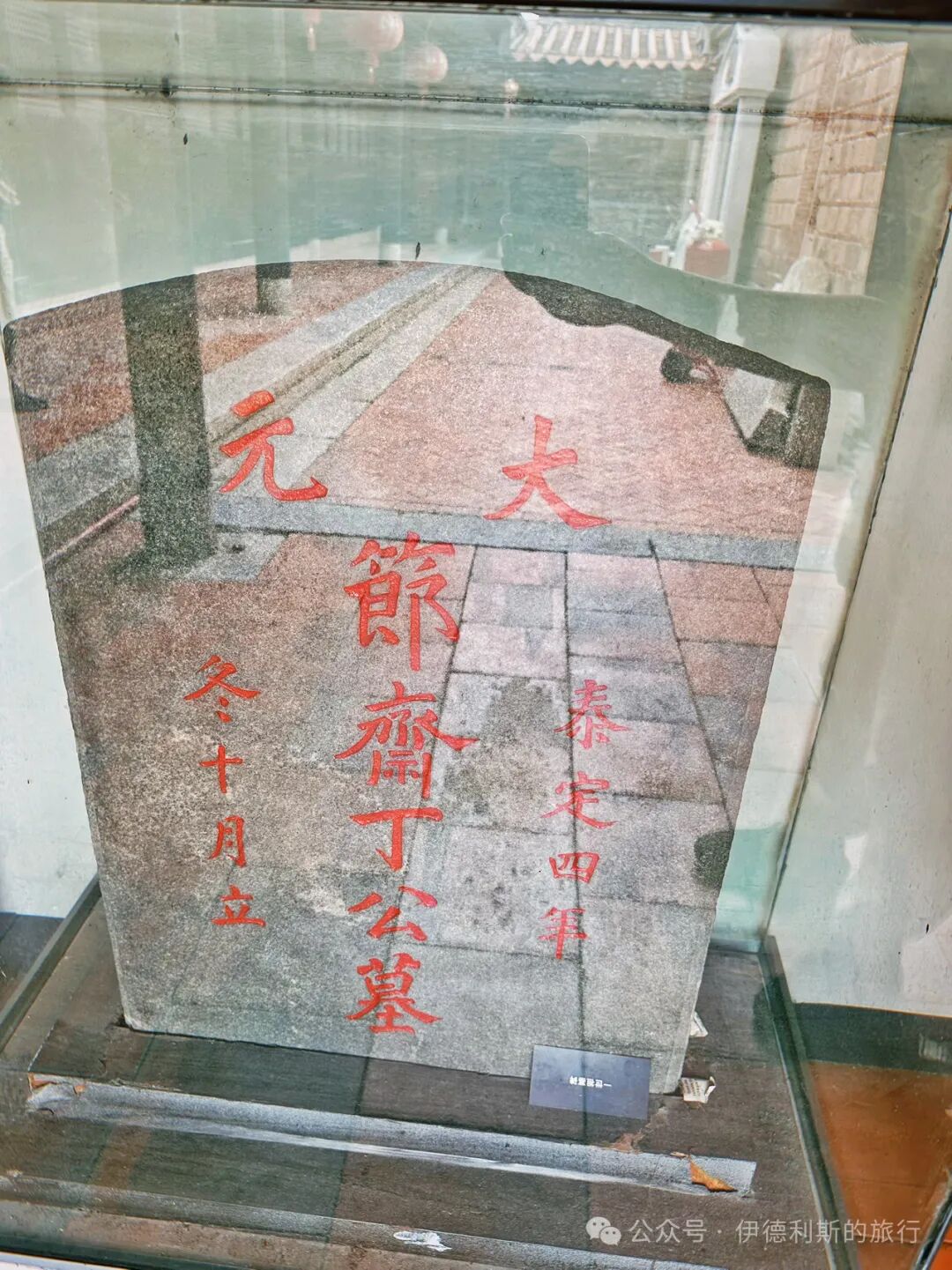
The most important artifact in the Chendai Hui Muslims History Museum is the tombstone of Ding Jiezhai, the ancestor of the Chendai Ding family. The front of the tombstone is inscribed with 'Erected in the winter of the fourth year of the Taiding era (1327), Tomb of Ding Jiezhai of the Great Yuan,' and the back says 'Buried at the original site of Lingtang Mountain in Dongtangtou.' Wu Wenliang discovered the Ding Jiezhai tombstone in 1940 while digging at the foundation of the East Gate in Quanzhou. In 2003, his children donated it to the Chendai Hui Muslims History Museum, where it is kept today.
According to the Ding family genealogy, the Ren'an Fujun Biography, 'Master Jiezhai came from Suzhou to trade in Minquan and chose to settle in Quanzhou city.' The inscription mentioning Dongtangtou Lingtang Mountain refers to the Lingshan Sacred Tomb, which has been the burial site for the Ding family of Chendai since the Yuan Dynasty.
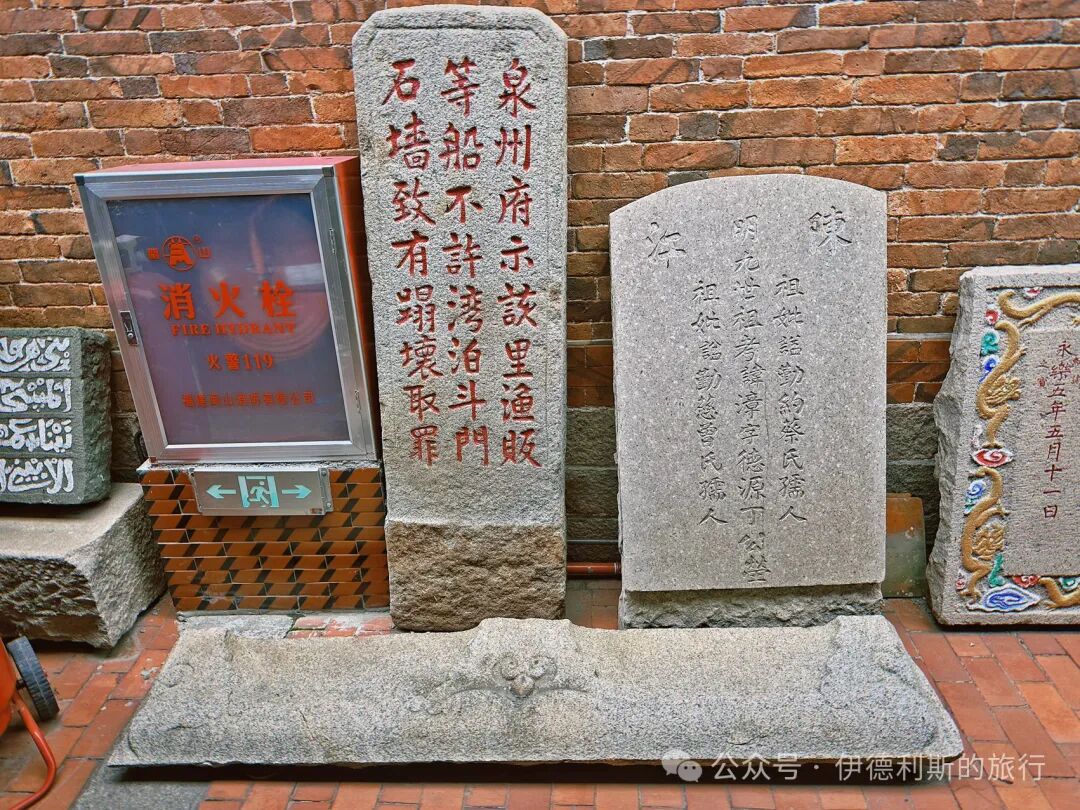
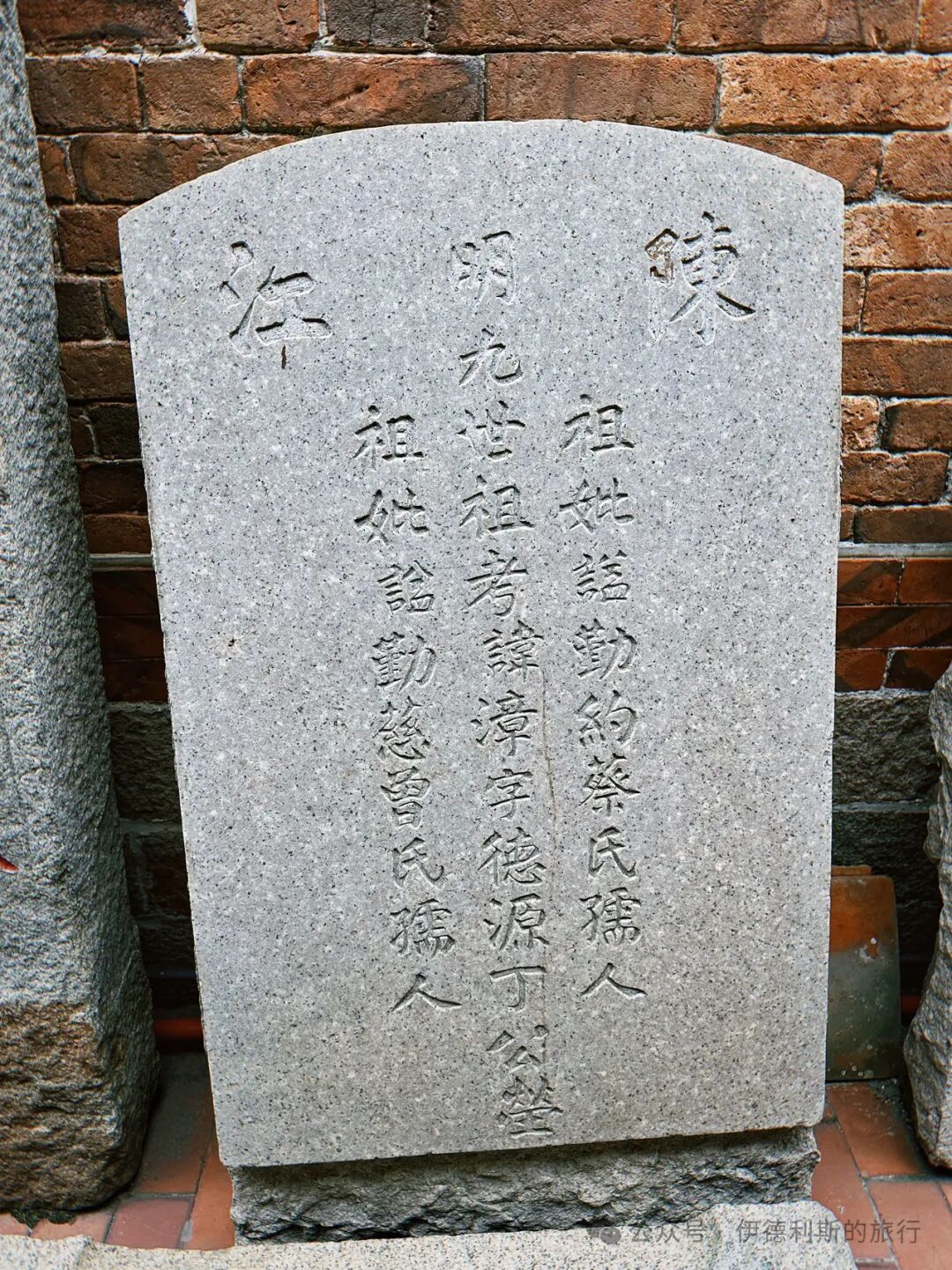
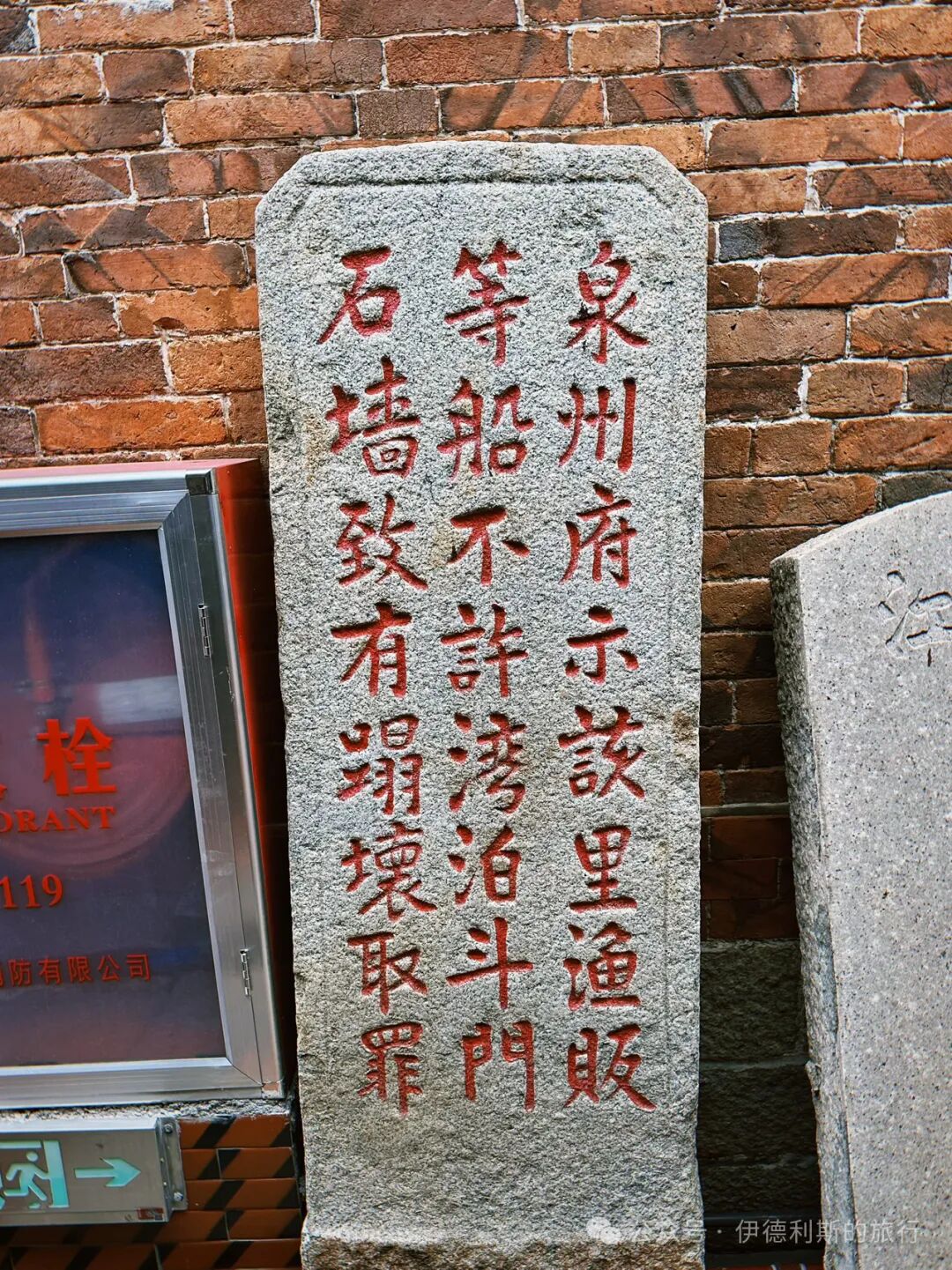
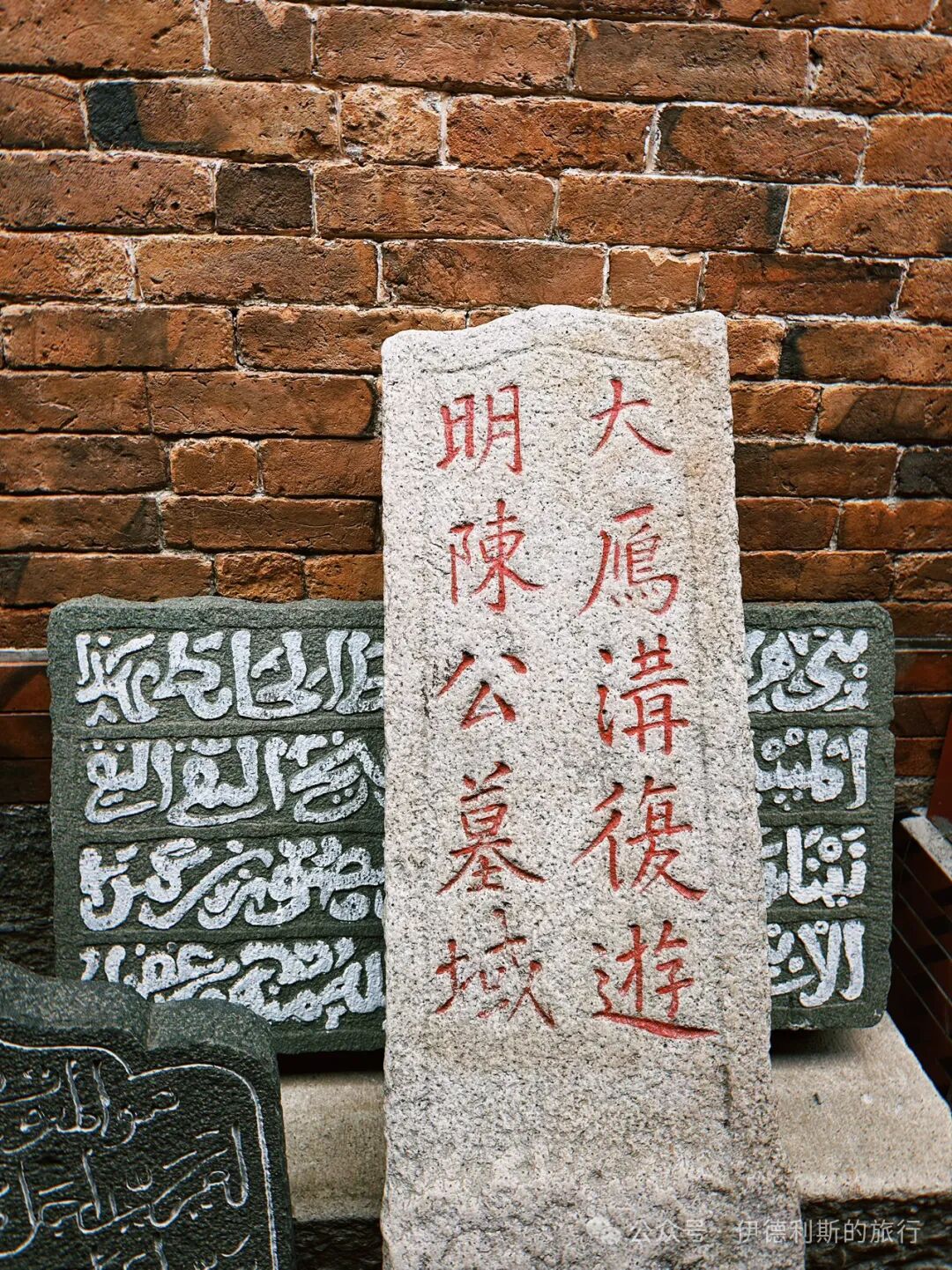
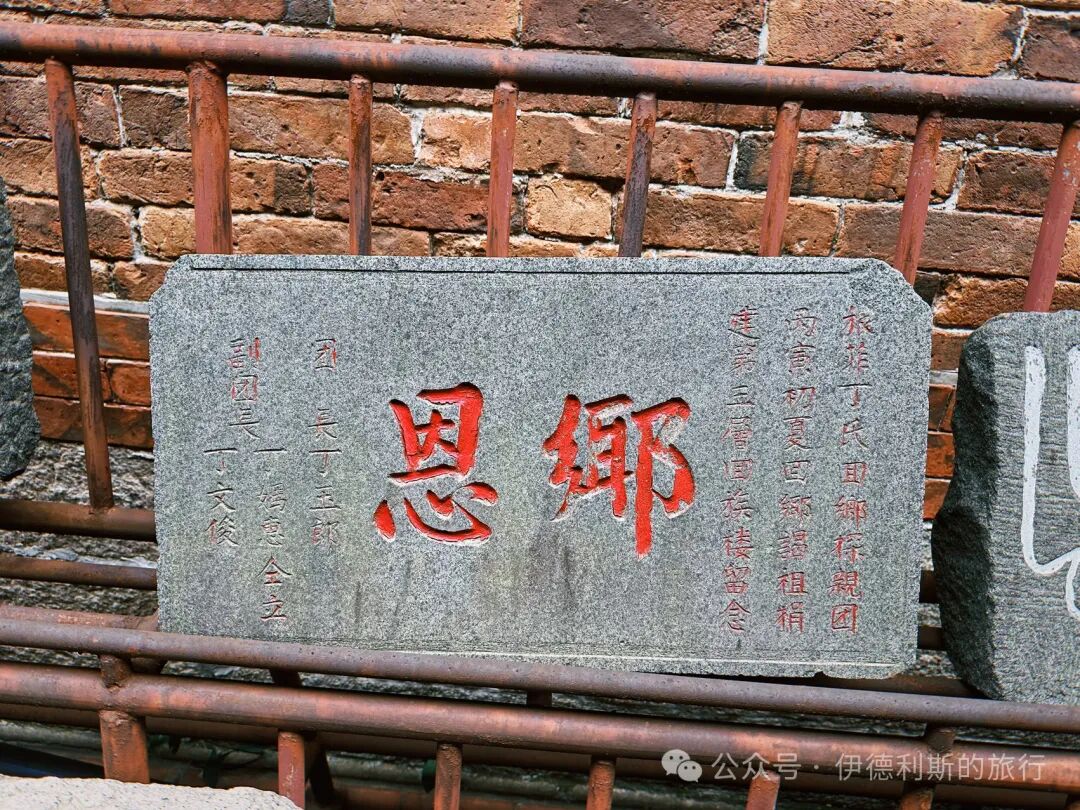
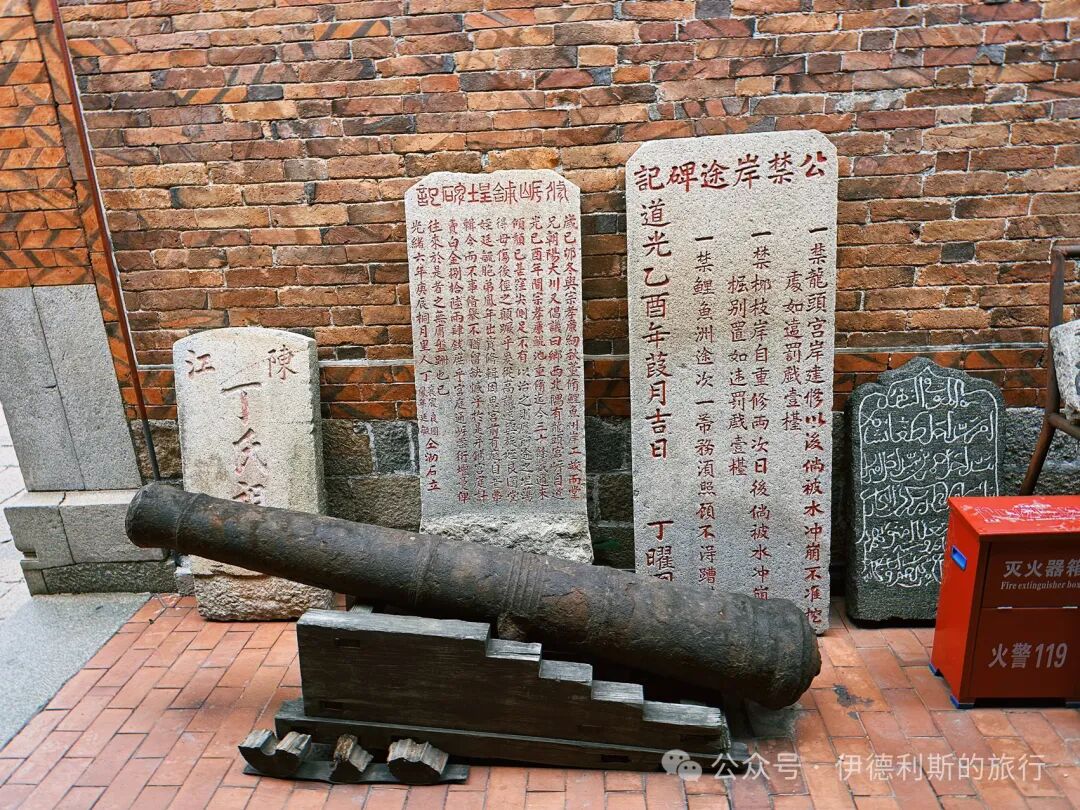
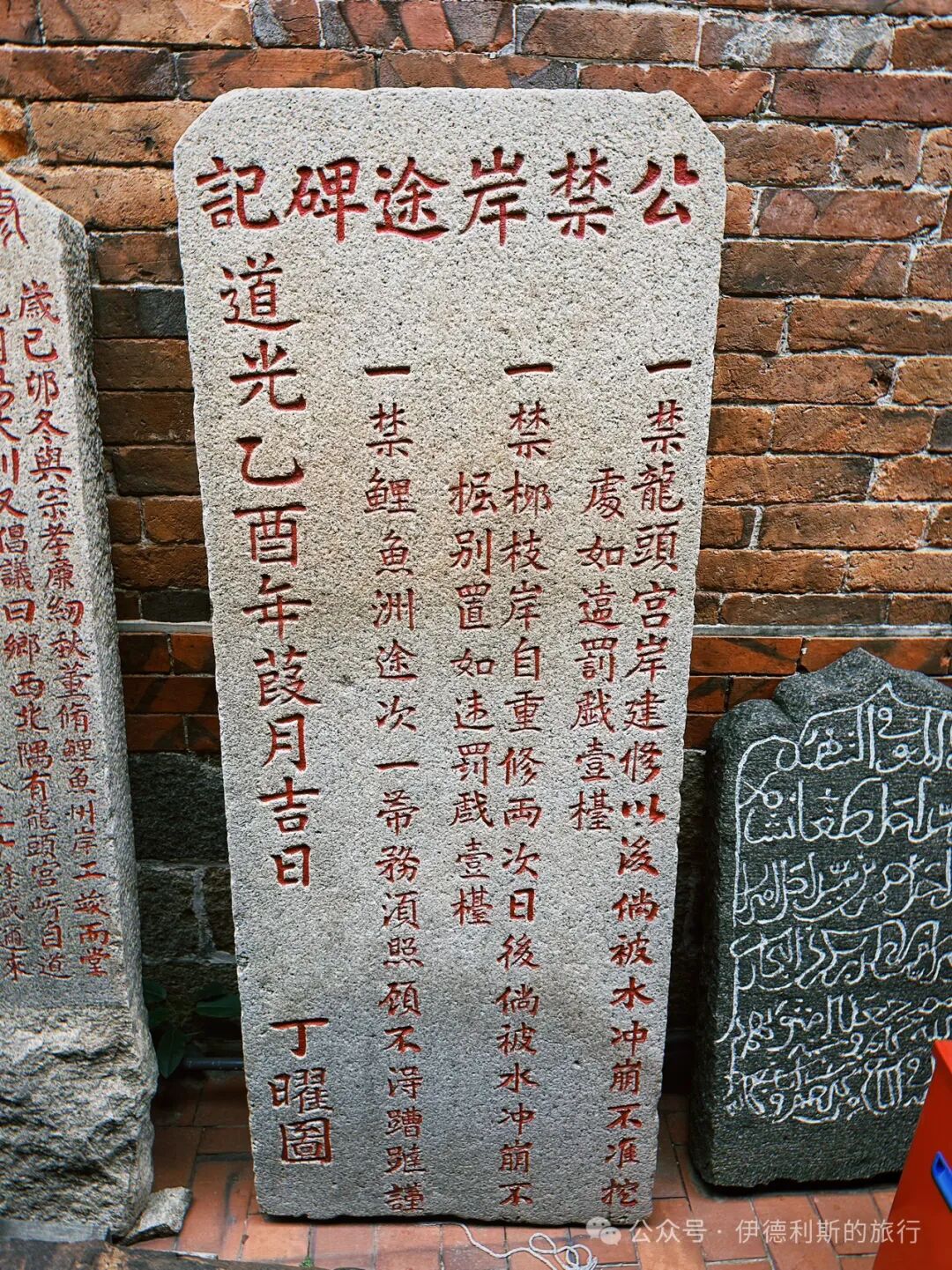
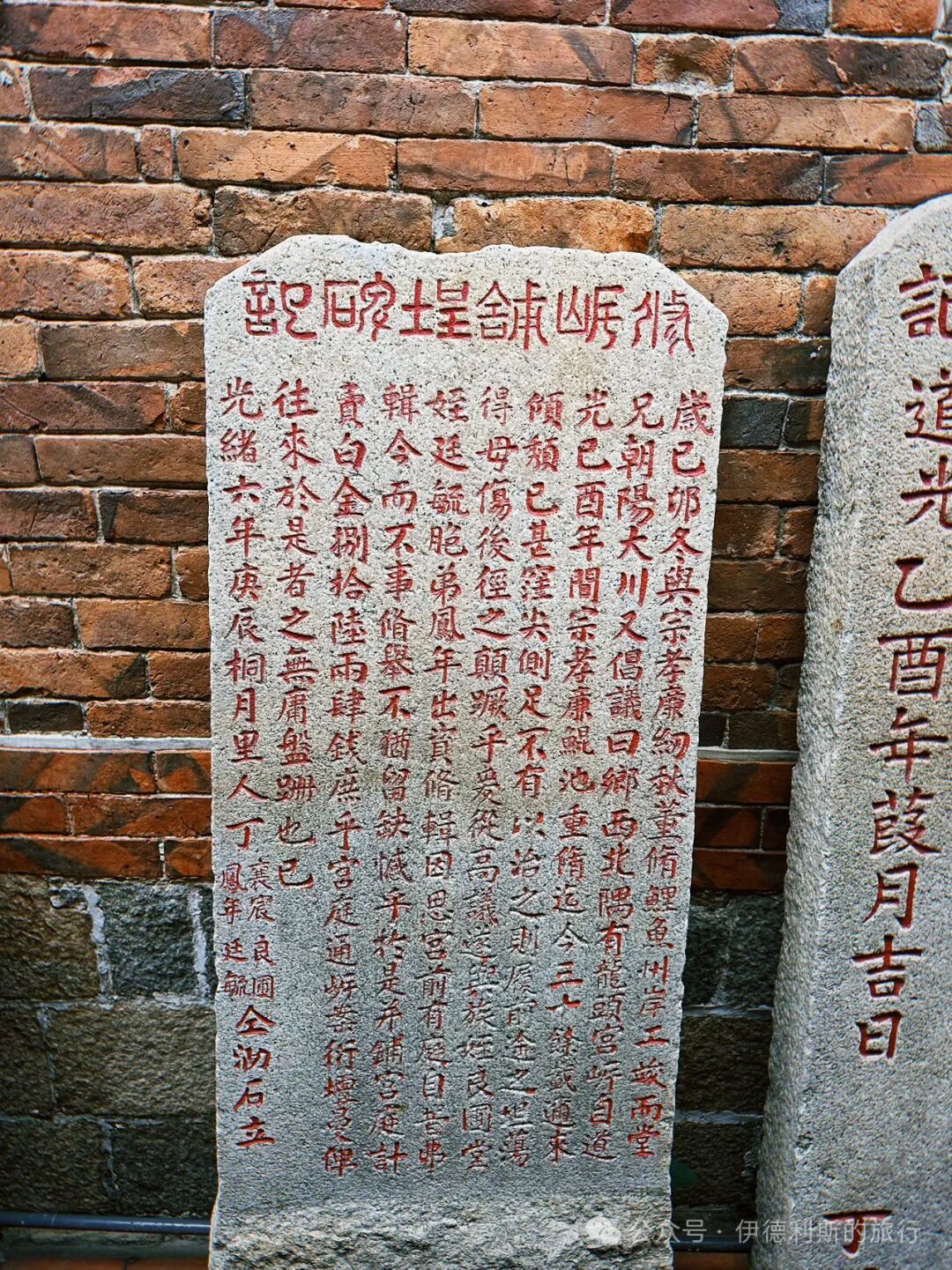
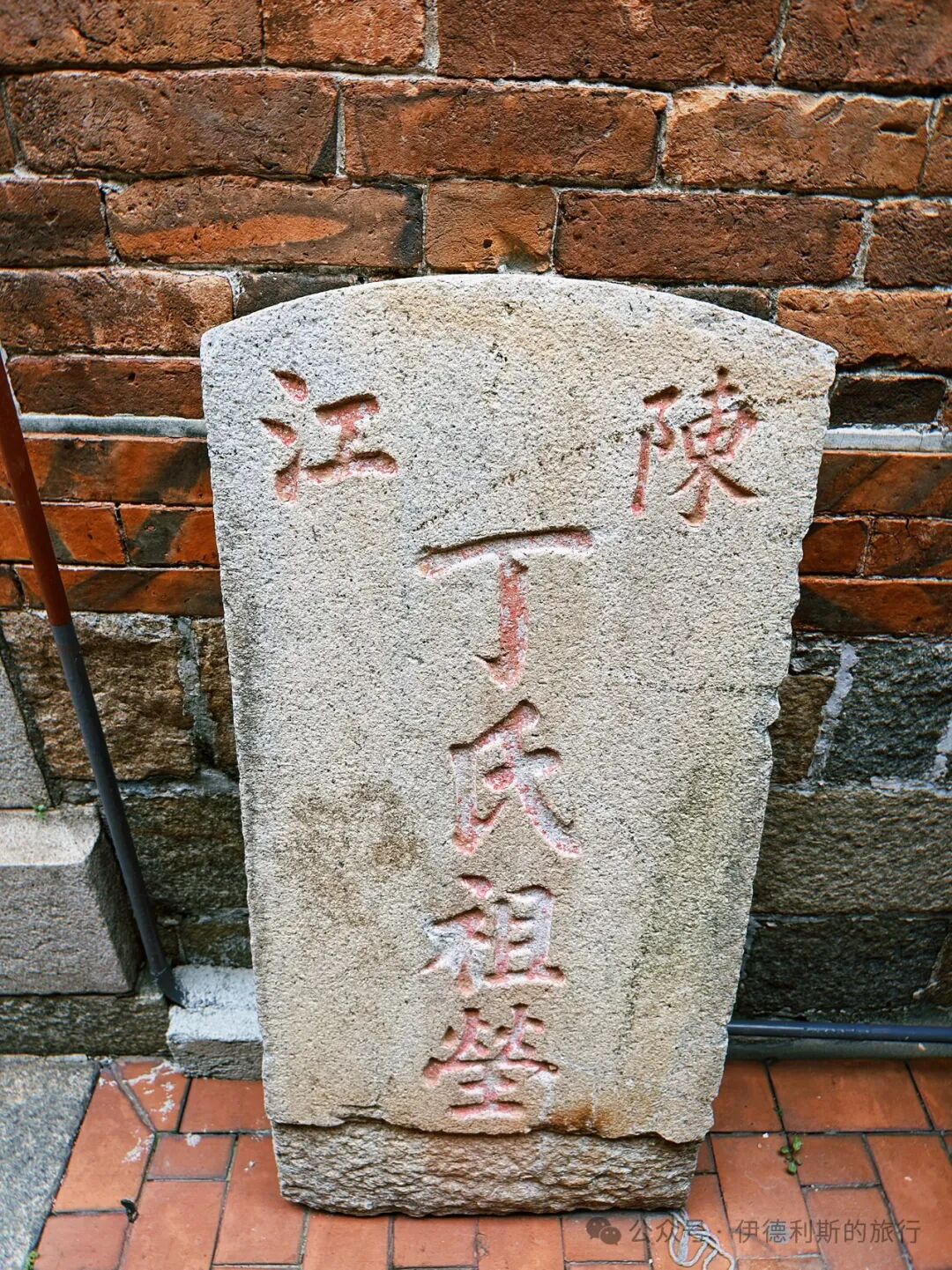
Various stone carvings on display at the Chendai Hui Muslims History Museum.
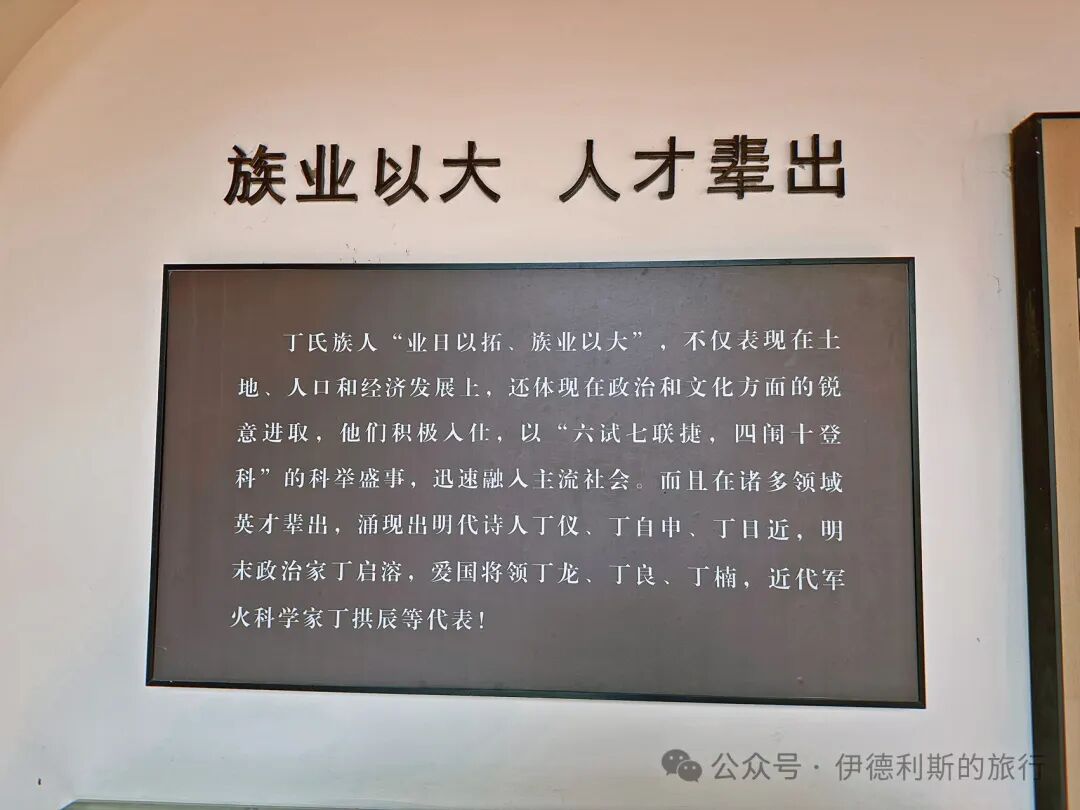
Famous figures from the Ding family of Chendai introduced inside the Chendai Hui Muslims History Museum.
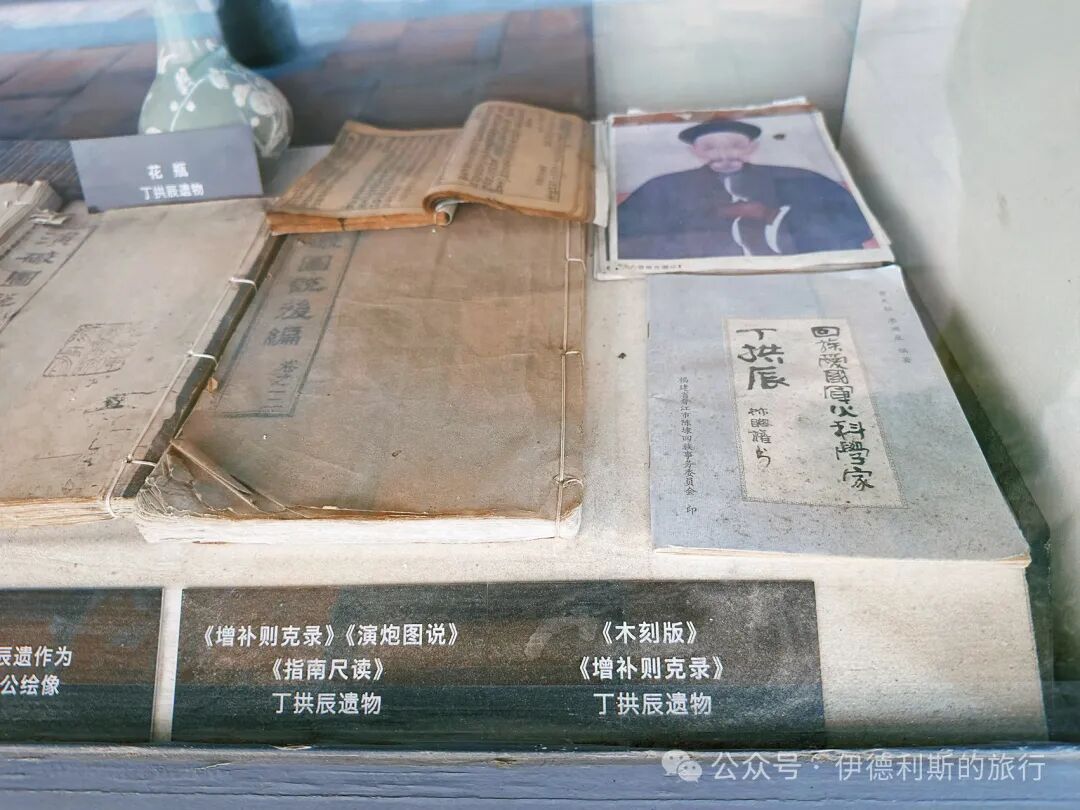
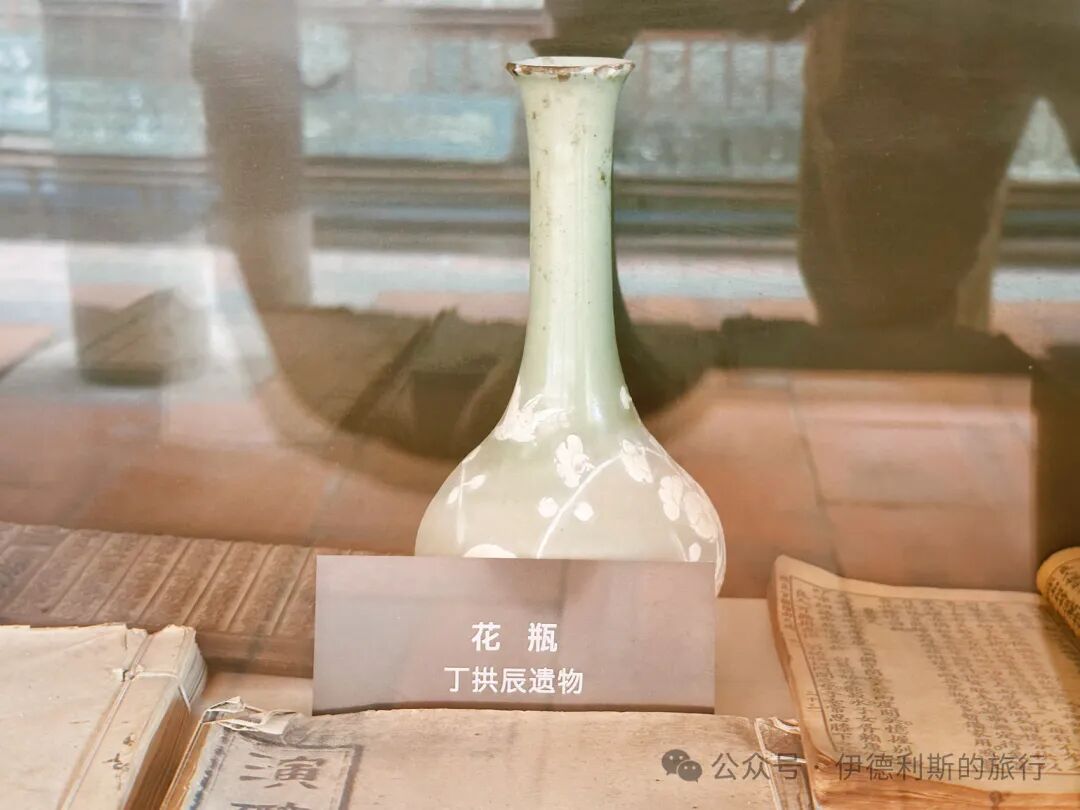
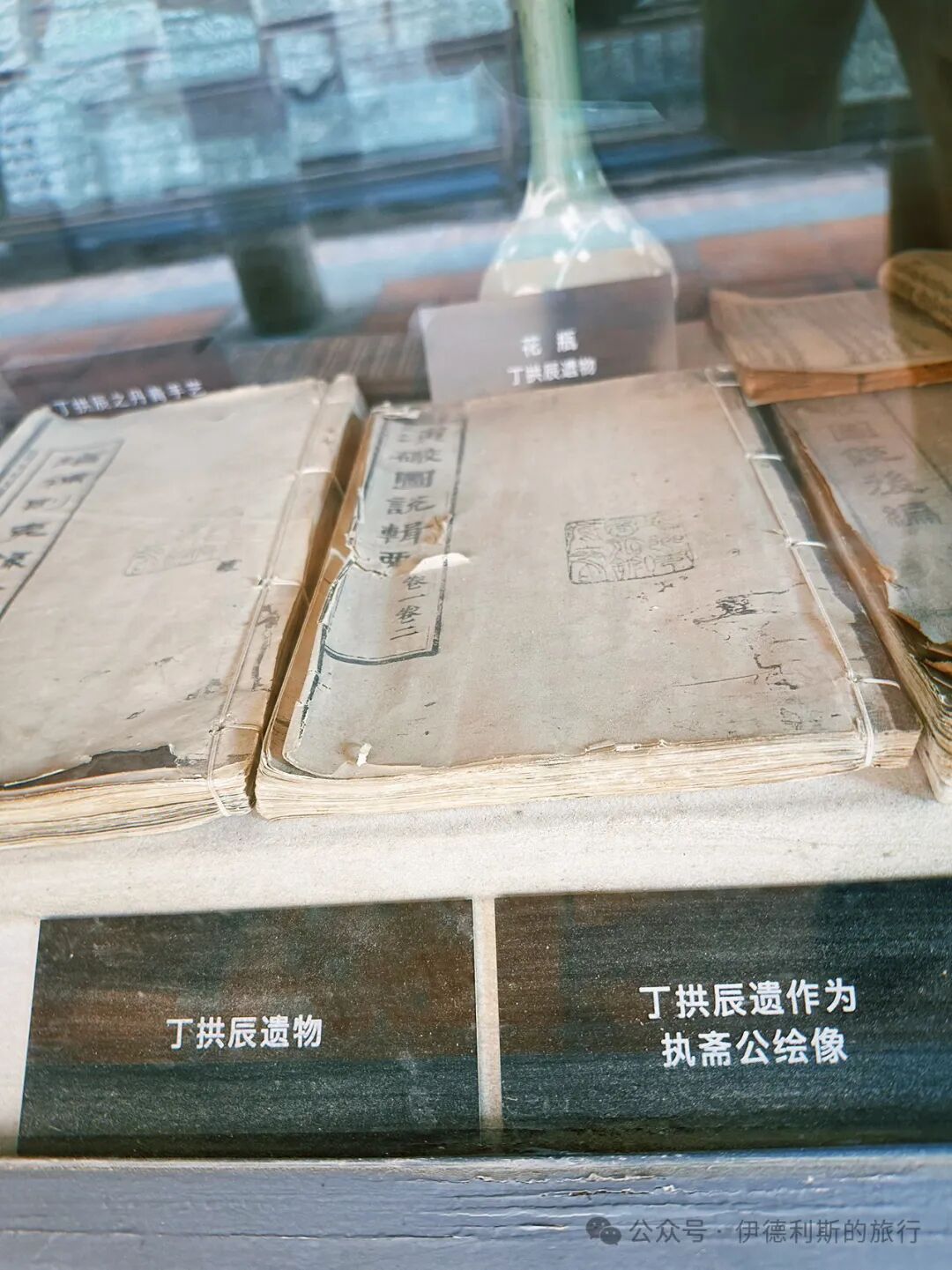
Ding Gongchen (1800-1875) was a mechanical engineering expert in the late Qing Dynasty. When he was young, he traveled abroad for business to places like the Philippines, Iran, and Arabia, where he gathered a lot of knowledge about Western machinery. After Ding Gongchen returned to China in 1840, the Opium War broke out. Based on his research into Western firearms, he wrote the book Illustrated Explanation of Artillery (Yanpao Tushuo) and tested cast cannons in Guangdong, which became the most advanced artillery in the Qing Dynasty at that time. After the war, Ding Gongchen revised his book into the Essentials of Illustrated Explanation of Artillery (Yanpao Tushuo Jiyao). The attached section, Illustrated Explanation of Western Steam-Powered Vehicles and Ships, was the first book written by a Chinese author about steam engines, trains, and steamships. In 1850, Ding Gongchen successfully developed a modern large rocket made from a metal rocket tube in Guilin, marking the beginning of modern rocket research in China.
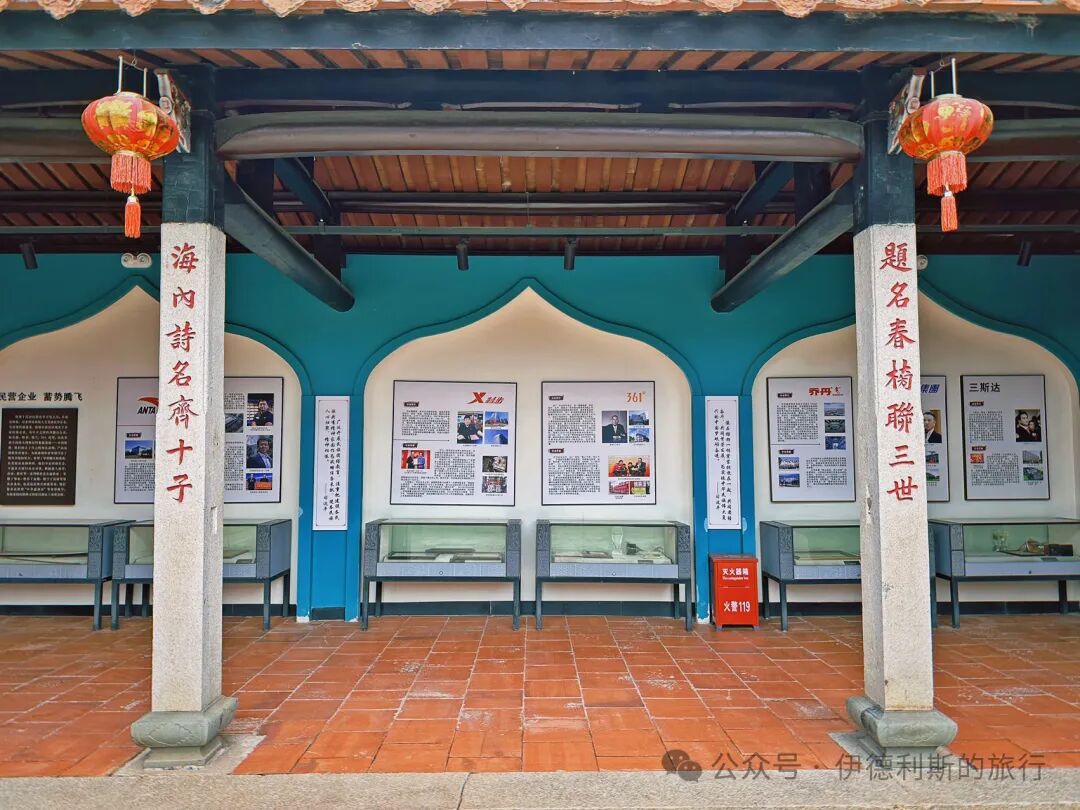
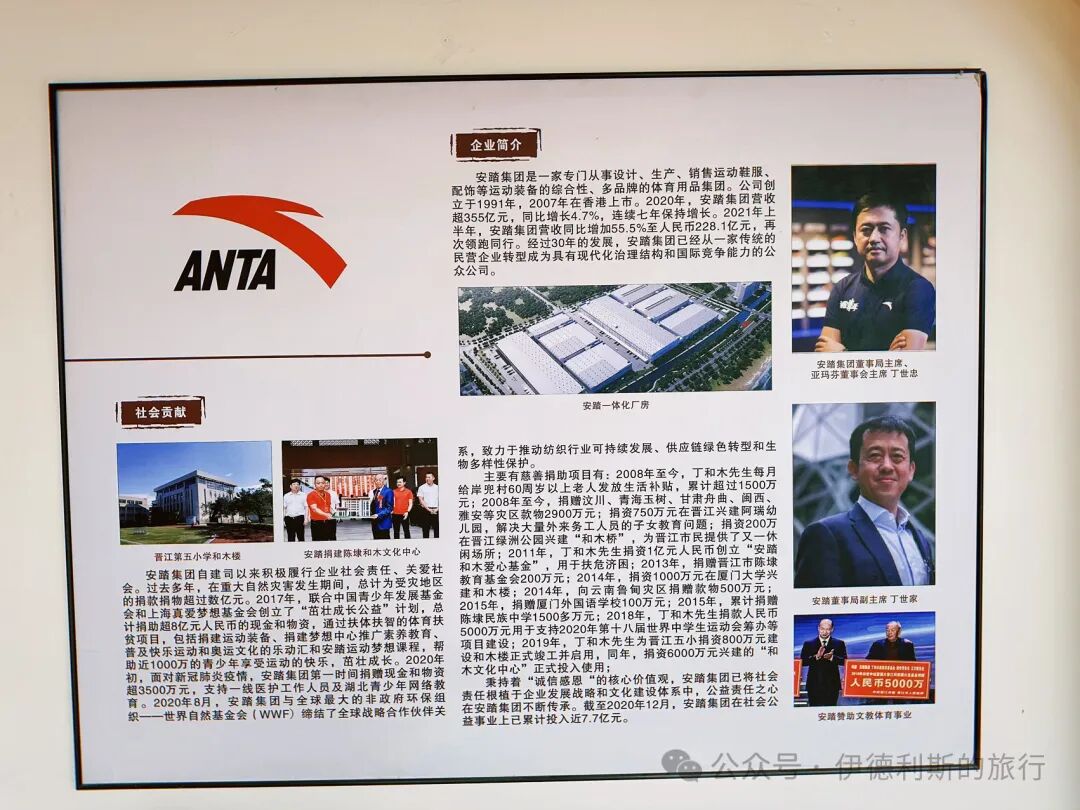
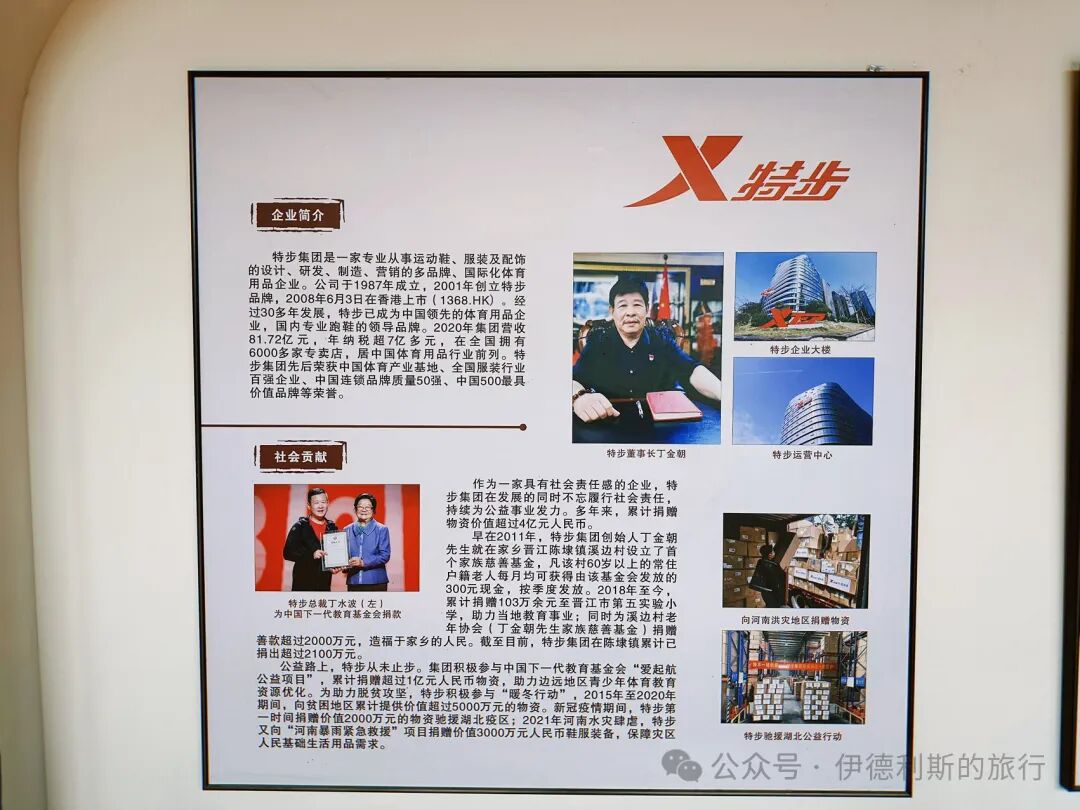
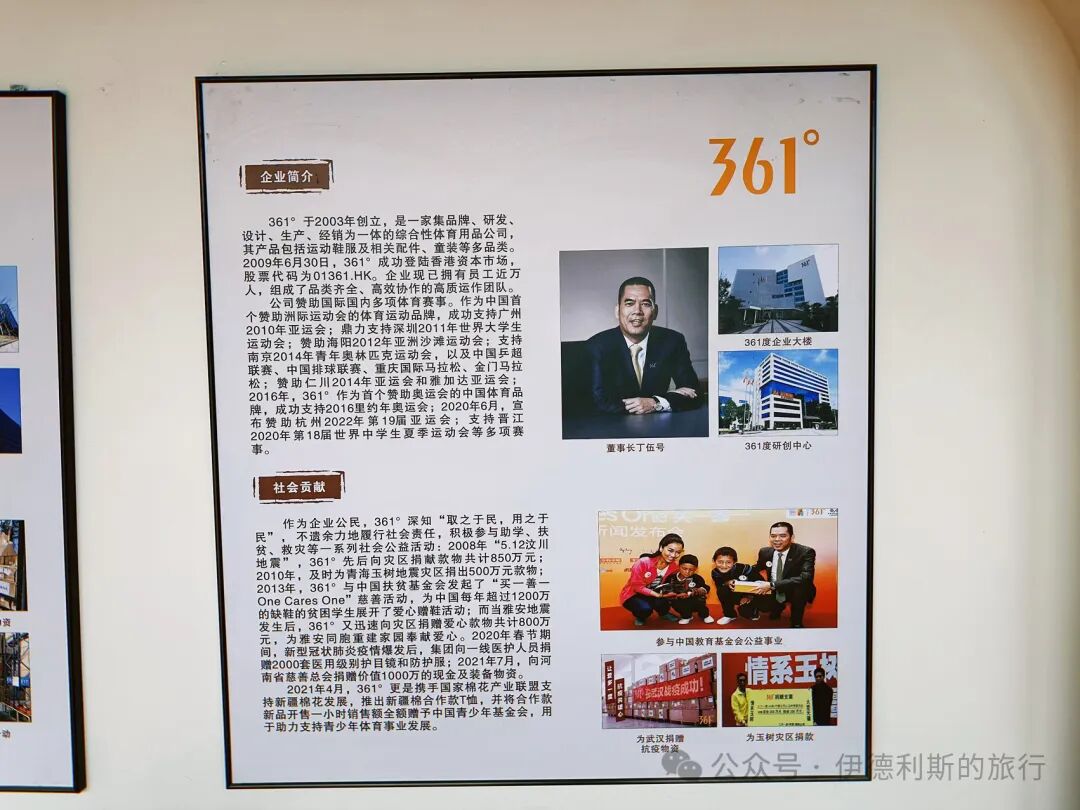
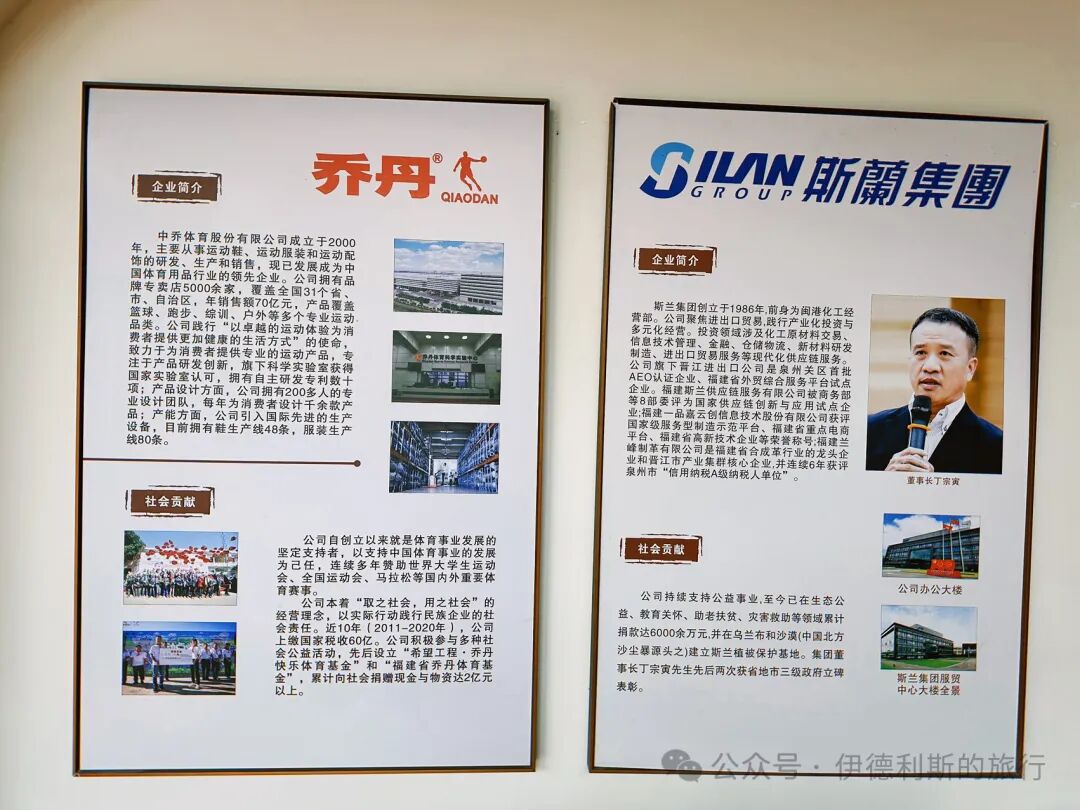
entrepreneurs from the Ding family of Chendai include Anta Group Chairman Ding Shizhong and Vice Chairman Ding Shijia, Xtep Group founder Ding Jinzhao and President Ding Shuibo, 361° Chairman Ding Wuhao, and Silan Group Chairman Ding Zongyin.
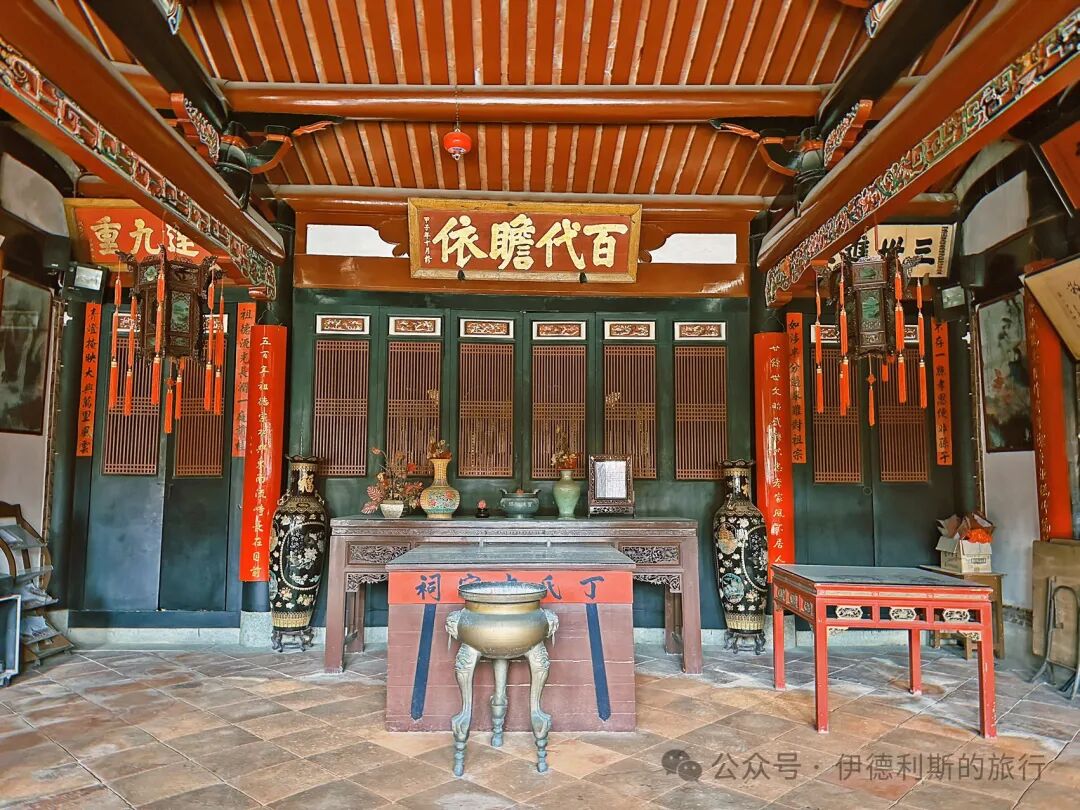
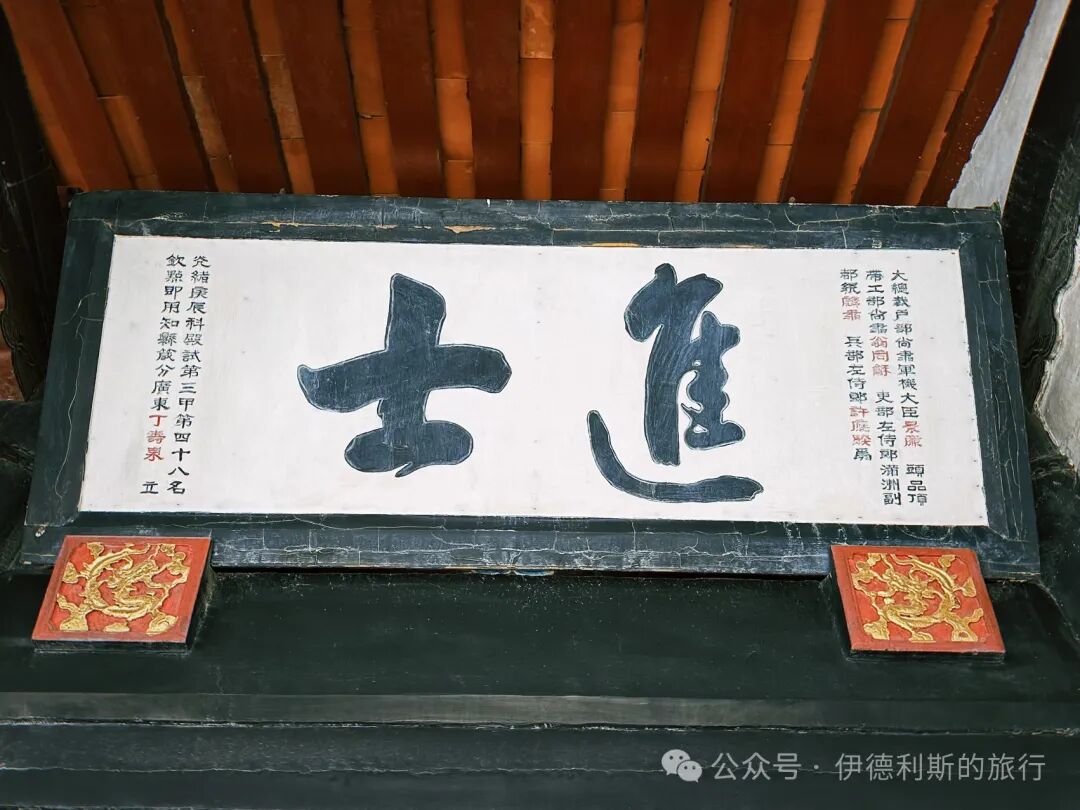
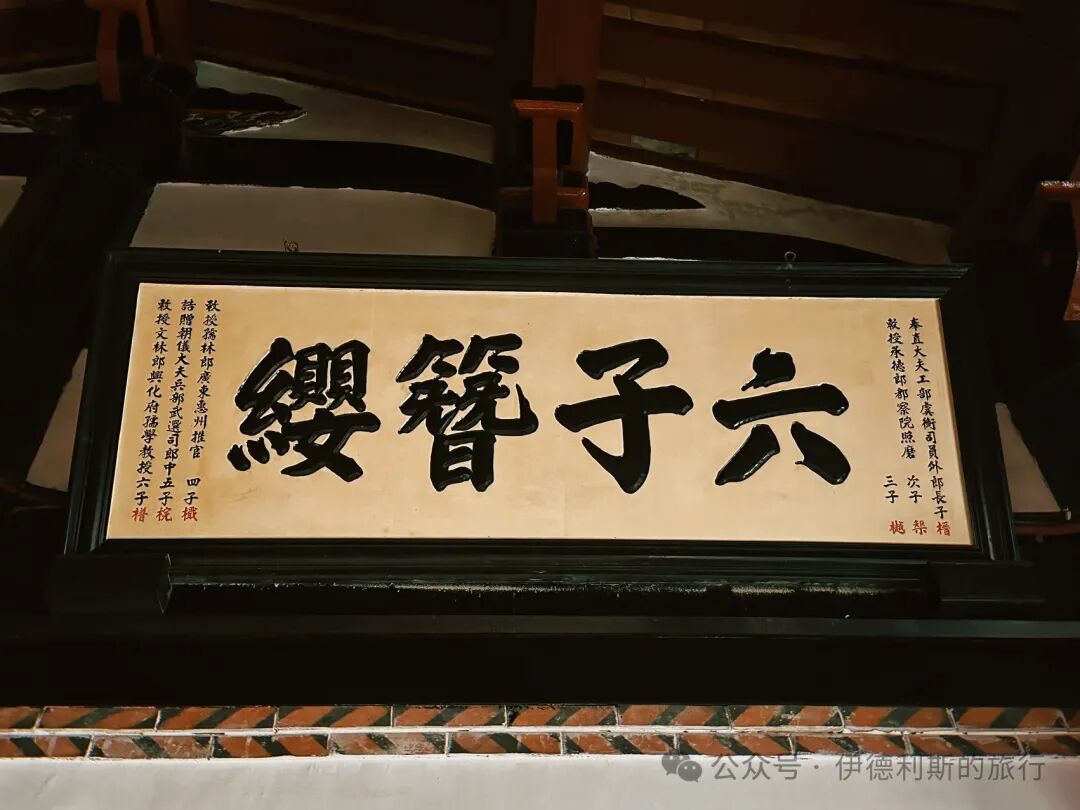
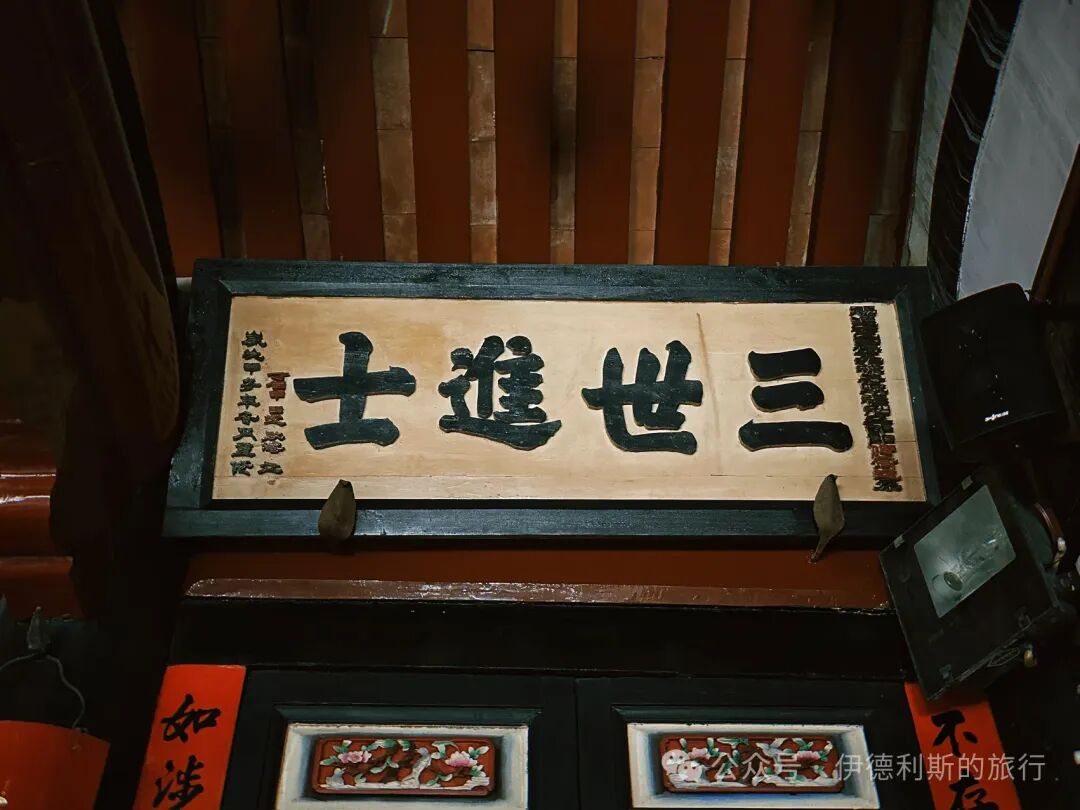
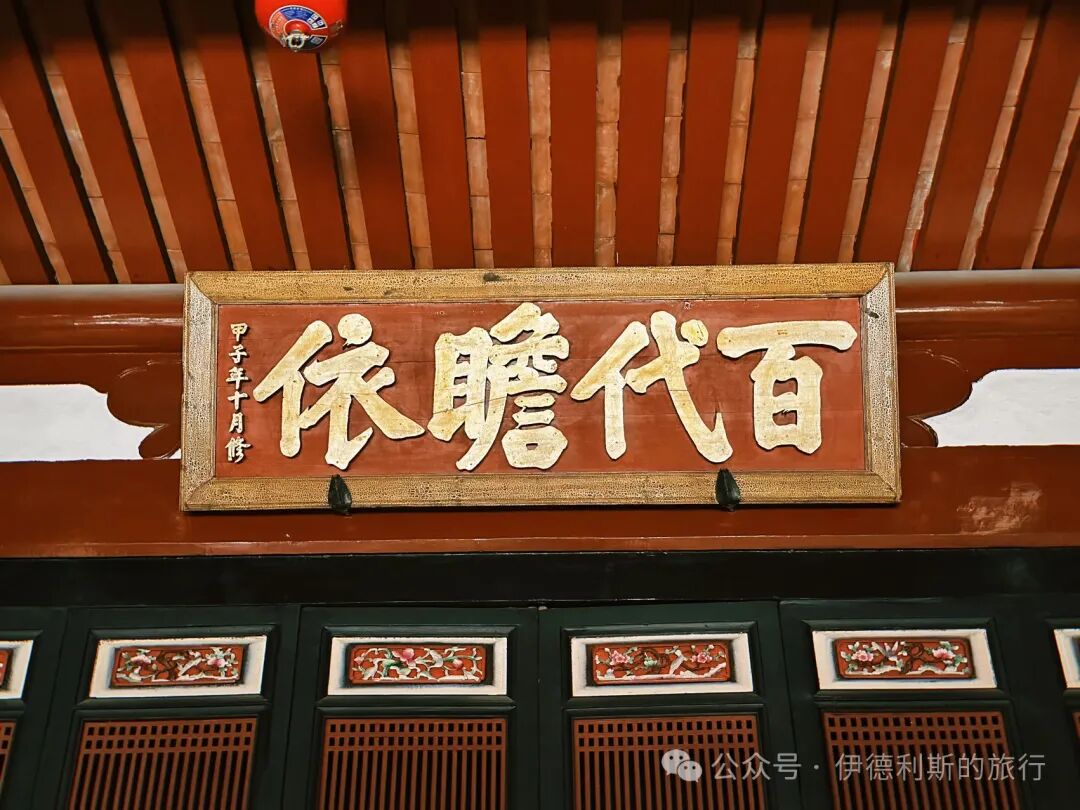
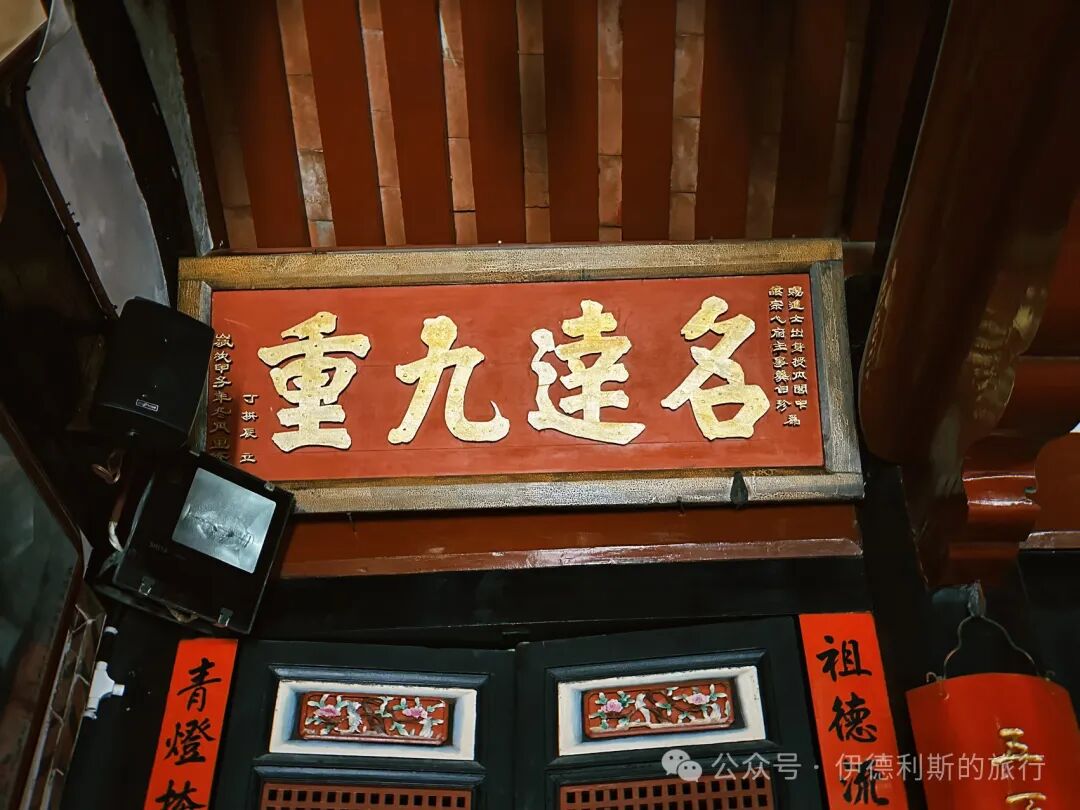
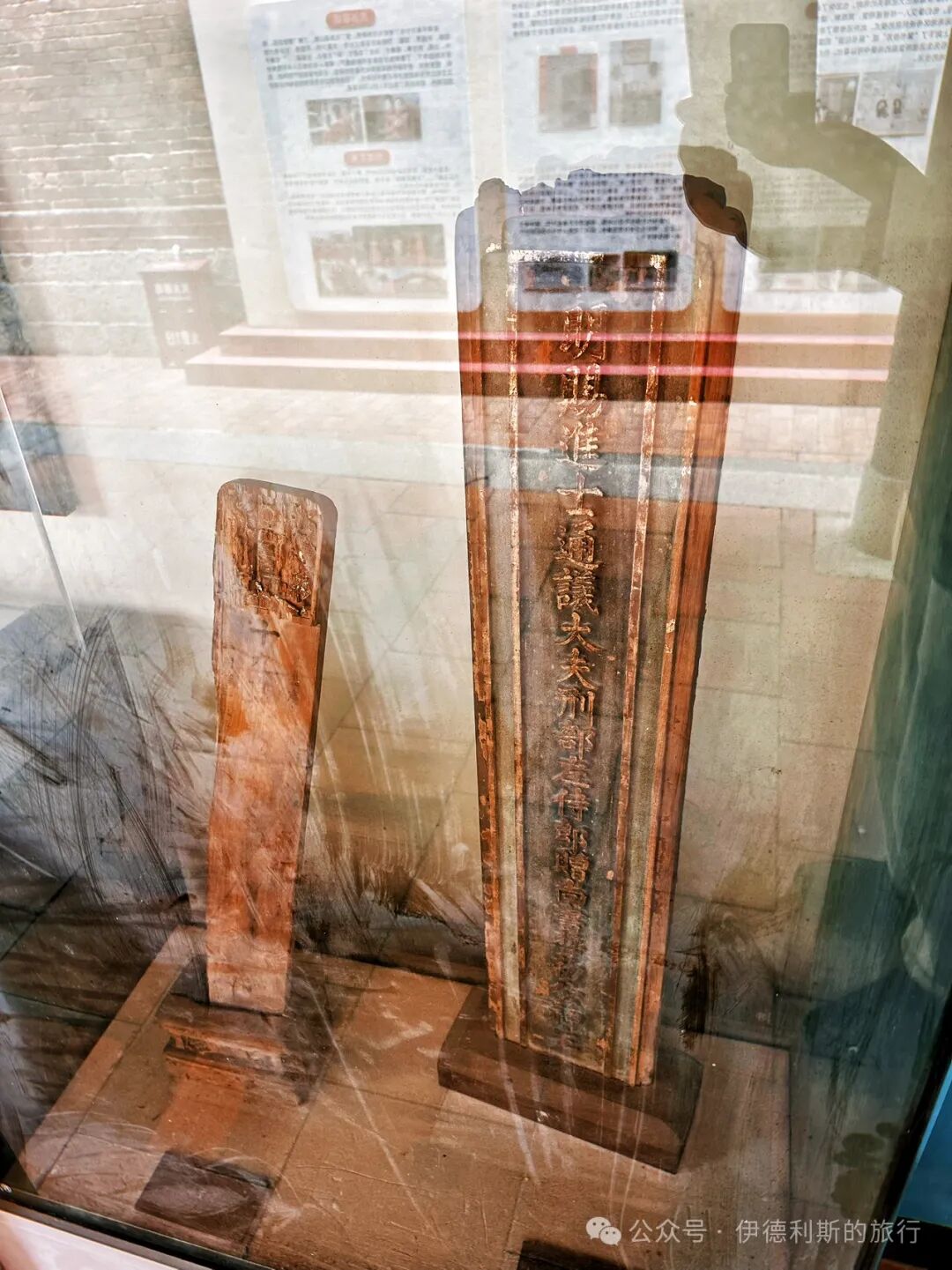
The plaques and ancestral spirit tablets inside the Chendai Hui Muslims History Museum.
Summary: Quanzhou Chendai Mosque and Chendai Hui Muslim History Museum is presented as a clear English travel account for readers interested in Muslim life, halal food, mosques, and local history. The article keeps the original names, food details, photographs, and cultural context while focusing on Quanzhou, Chendai Mosque, Hui Muslims.
Quanzhou background summary:
The thousand-year-old Qingjing Mosque in Quanzhou.
Echoes of the faith: The Hui Muslim family temple of the Guo clan in Xingzhai, Quanzhou.
Stone carvings from the Islamic faith of the Song and Yuan dynasties at the Quanzhou Maritime Museum.
At noon, I took a taxi south of Quanzhou to Chendai Mosque, which is the other mosque in Quanzhou besides Qingjing Mosque.
According to family records, the first ancestor of the Chendai Ding clan, Ding Jin, whose courtesy name was Jiezhai, was originally from Suzhou and settled in Quanzhou for trade. The third ancestor, Ding Kui (1298-1379), moved with the fourth ancestor, Ding Shan (1343-1420), from Quanzhou city to Chendai, over ten kilometers south of the city.
The Chendai Ding clan maintained their Islamic faith for over two hundred years from the 13th to the 16th century. The tenth-generation descendant Ding Yanxia, born around 1517, recorded the Islamic customs he experienced during his childhood in great detail in his work, 'Zujiao Shuo' (Discourse on Ancestral Faith). By the mid-16th century, the religious practices of the Ding family in Chendai underwent major changes. According to the records of the 12th-generation descendant Ding Qing in the Jiyi Jiyan, Fenxi Gong (Ding Yi) was the first to enter official service, and he followed the rites of the scholar-officials to honor his ancestors without daring to violate the teachings of Islam. However, when three generations—Huai Gong (Ding Zishen), Wuting Gong (Ding Rijin), and Zhechu Gong (Ding Qijun)—all passed the imperial examinations, the family's reputation soared, and the practice of Islam nearly faded away. Starting with the 8th-generation Ding Yi, the Chendai Ding family began their path into officialdom by passing the imperial examinations. By the 10th generation, 20 family members had become scholars. These men followed Confucian ethics and social norms in everything they did, which sped up the disappearance of their religious traditions.
It was not until the early 20th century, nearly 400 years later, that the religious life of the Chendai Ding family began to revive. In the early 1920s, the famous Hui Muslim Tang Kesan served as the director of the Xiamen Customs. He recommended his fellow townsman Zhang Guangyu to lead religious affairs in the Quanzhou area. After Imam Zhang Guangyu arrived in Quanzhou, he worked diligently on religious matters, and the religious life in Chendai began to reappear. In 1939, Chendai established the Chenjiang Branch of the China Islamic National Salvation Association. Some members of the Chendai Ding family went to the Qingjing Mosque in Quanzhou for their weekly Friday prayer (jumu'ah). Later, they converted the Wenchang Shrine in the Sijing village into a mosque and hired Imam Tie from Quanzhou to lead their religious services. Between 1937 and 1944, the Chengda Normal School moved south to Guilin. Its founders, Tang Kesan and Imam Ma Songting, accepted 17 young men from the Ding family of Chendai to study there.
In the late 1950s, religious activities in Chendai were forced to stop. Ding Jinshun, a graduate of Chengda Normal School, was criticized and struggled because he mentioned in class that he was a Hui Muslim. In 1983, Ding Jinshun and Ding Jinhe attended the founding meeting of the Fujian Islamic Association. After that, Chengda Normal School graduates Ding Jinshun, Ding Jinhe, Ding Jinke, Ding Jinhong, and over twenty other people dedicated to the faith formed the Chendai Islamic Association Group and began to restore religious life. They borrowed the second-floor meeting room of the Chendai Hui Affairs Committee and the back hall of the Ding Family Ancestral Hall to hold Friday prayers (Jumu'ah), with Ding Jinshun serving as the imam. During the two Eids (Eid al-Fitr and Eid al-Adha), they invited classmates from Chengda Normal School in Guilin and an imam from Jiaxing, Zhejiang, to lead the services.
After the Chendai Islamic Association Group was established, they began preparing to build the Chendai Mosque. They sent out a letter to Muslims across the country, but only a few mosques in Ankang, Shaanxi, and Yunnan sent a few hundred yuan in funds. After this, former classmates from Yuanchengda Normal School in Hong Kong sent the Letter to Ding Clan Relatives to Ding family members in Hong Kong, Taiwan, and overseas. They received 70,000 yuan in donations from the Five Halal Surnames Association (Jin, Ding, Ma, Bai, and Guo, all originating from Hui Muslims in Quanzhou) based in Hong Kong, Taiwan, Singapore, and the Philippines.
Chendai Mosque was built in 1991 and officially opened in 1993, when the Jinjiang Islamic Association was also established. The Ding family of Chendai hired Imam Ma Zhiwei from Inner Mongolia as their first religious leader, while Ding Jinke and Ding Jinshun served as the first directors of the mosque management committee and the Islamic Association, respectively. After the 1990s, the Chendai Ding family sent nearly 60 young people to study religion at home and abroad, with some attending Arabic language schools in Inner Mongolia.
Inside the courtyard of Chendai Mosque stands a Tree of Friendship planted in 1991 by the UNESCO Maritime Silk Road expedition team and the then-ambassadors to China from Saudi Arabia, Qatar, and Bahrain. It is now lush and green.
The Chendai Hui Muslim History Museum is located inside the Ding Family Ancestral Hall, and you can enter it directly from the courtyard of Chendai Mosque. The Ding Family Ancestral Hall was first built in the early 15th century. It was destroyed during the Wokou pirate raids in 1561 (the 40th year of the Jiajing reign). It was soon rebuilt under the leadership of Ding Yi and Ding Zishen, expanded again by Ding Rijin in 1599 (the 27th year of the Wanli reign), and renovated several times during the Xianfeng and Guangxu periods. The Chendai Hui Muslim History Museum opened inside the Ding Family Ancestral Hall in 1984 to display the cultural heritage of the Chendai Ding Hui Muslims.
The Chendai Hui Muslims History Museum is usually closed. Just call Uncle Ding, the caretaker, using the number on the wall by the door. He will come over to open it for you, and admission is free.
Inside the museum, you can see plaques for the Chendai Hui Muslims History Museum and the Chendai Ten Thousand Dings, both inscribed by Yang Jingren, who served as the head of the United Front Work Department and the director of the State Ethnic Affairs Commission. Next to the plaques, there are beautiful wood carvings of Kufic script, which is a style of Arabic calligraphy.
The auspicious bird symbol of the Chendai Ding family reminds people of the Lion of Ali emblem found on walls in Shia communities in Bangkok. These are all symbols of ethnic identity.
The most important artifact in the Chendai Hui Muslims History Museum is the tombstone of Ding Jiezhai, the ancestor of the Chendai Ding family. The front of the tombstone is inscribed with 'Erected in the winter of the fourth year of the Taiding era (1327), Tomb of Ding Jiezhai of the Great Yuan,' and the back says 'Buried at the original site of Lingtang Mountain in Dongtangtou.' Wu Wenliang discovered the Ding Jiezhai tombstone in 1940 while digging at the foundation of the East Gate in Quanzhou. In 2003, his children donated it to the Chendai Hui Muslims History Museum, where it is kept today.
According to the Ding family genealogy, the Ren'an Fujun Biography, 'Master Jiezhai came from Suzhou to trade in Minquan and chose to settle in Quanzhou city.' The inscription mentioning Dongtangtou Lingtang Mountain refers to the Lingshan Sacred Tomb, which has been the burial site for the Ding family of Chendai since the Yuan Dynasty.
Various stone carvings on display at the Chendai Hui Muslims History Museum.
Famous figures from the Ding family of Chendai introduced inside the Chendai Hui Muslims History Museum.
Ding Gongchen (1800-1875) was a mechanical engineering expert in the late Qing Dynasty. When he was young, he traveled abroad for business to places like the Philippines, Iran, and Arabia, where he gathered a lot of knowledge about Western machinery. After Ding Gongchen returned to China in 1840, the Opium War broke out. Based on his research into Western firearms, he wrote the book Illustrated Explanation of Artillery (Yanpao Tushuo) and tested cast cannons in Guangdong, which became the most advanced artillery in the Qing Dynasty at that time. After the war, Ding Gongchen revised his book into the Essentials of Illustrated Explanation of Artillery (Yanpao Tushuo Jiyao). The attached section, Illustrated Explanation of Western Steam-Powered Vehicles and Ships, was the first book written by a Chinese author about steam engines, trains, and steamships. In 1850, Ding Gongchen successfully developed a modern large rocket made from a metal rocket tube in Guilin, marking the beginning of modern rocket research in China.
entrepreneurs from the Ding family of Chendai include Anta Group Chairman Ding Shizhong and Vice Chairman Ding Shijia, Xtep Group founder Ding Jinzhao and President Ding Shuibo, 361° Chairman Ding Wuhao, and Silan Group Chairman Ding Zongyin.
The plaques and ancestral spirit tablets inside the Chendai Hui Muslims History Museum.
