
Islamic Architecture Guide: Southeastern Turkey Traditional Homes - Courtyards and Stone Houses
Reposted from the web
Summary: Southeastern Turkey Traditional Homes - Courtyards and Stone Houses is presented as a clear English travel account for readers interested in Muslim life, halal food, architecture, and local history. The article keeps the original names, food details, photographs, and cultural context while focusing on Turkey, Traditional Homes, Architecture.
Continued from the previous post: Visiting traditional homes in Tunisia and Egypt.
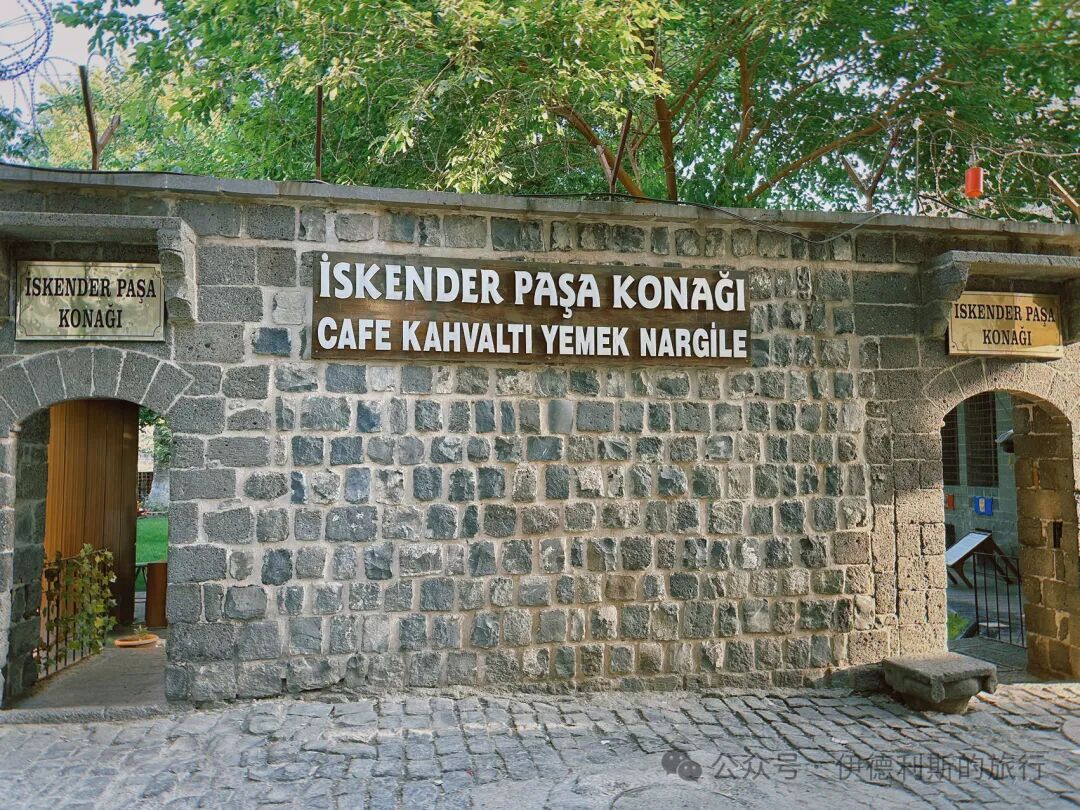
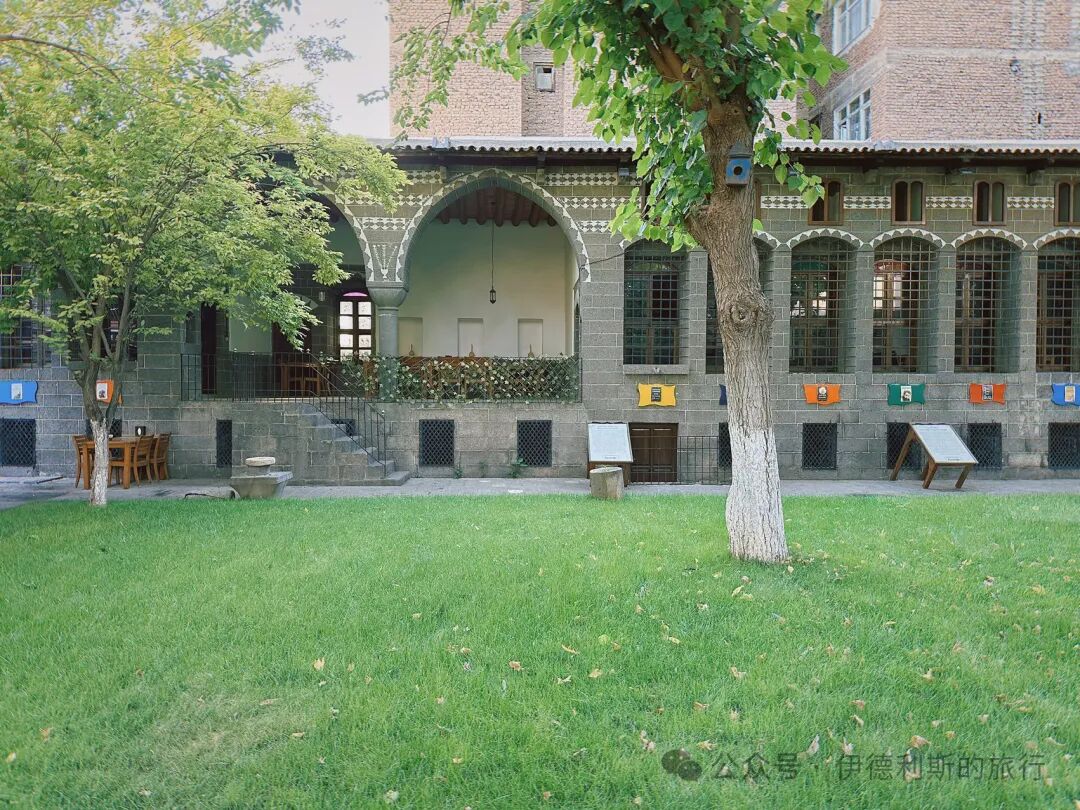
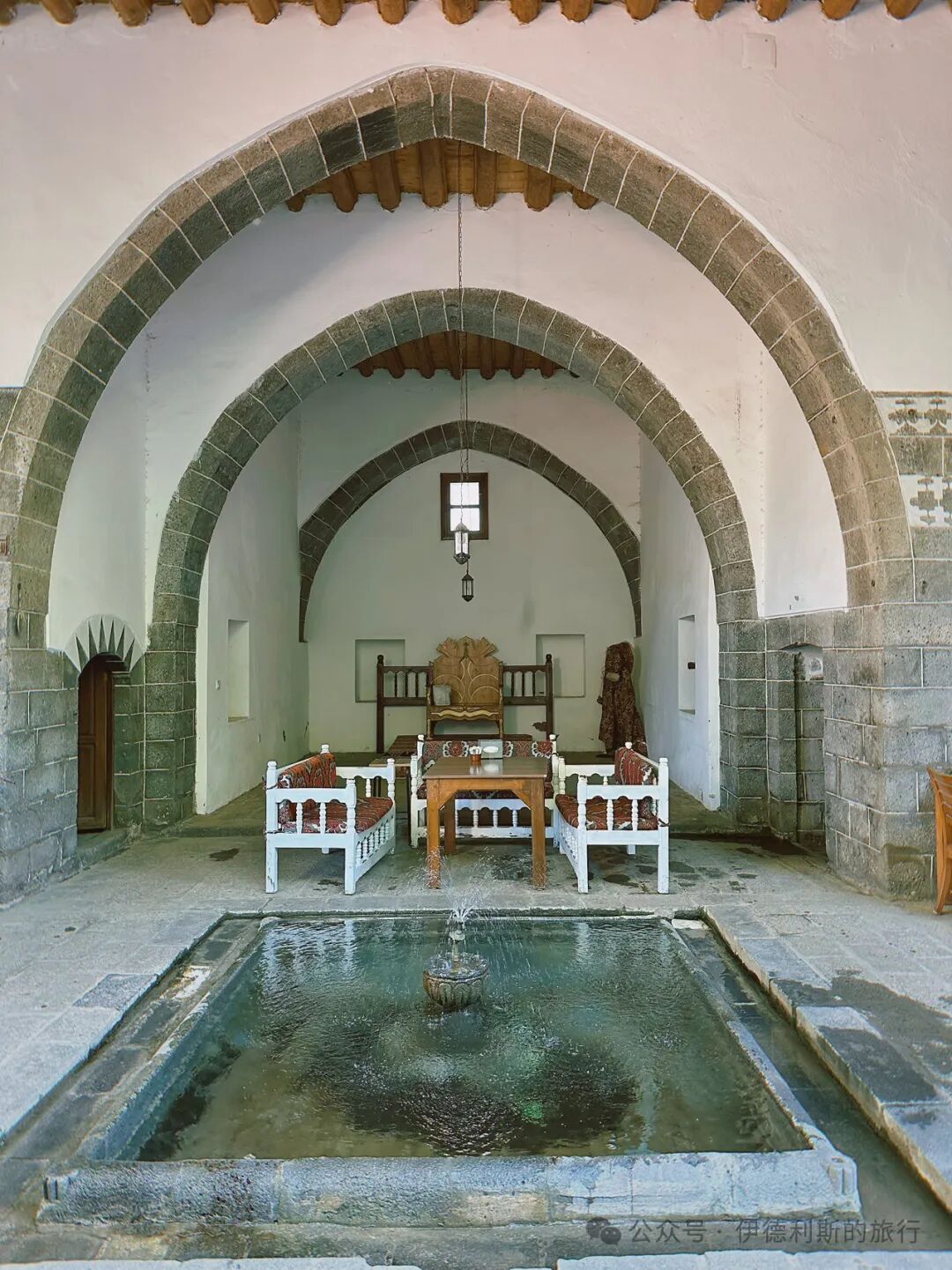
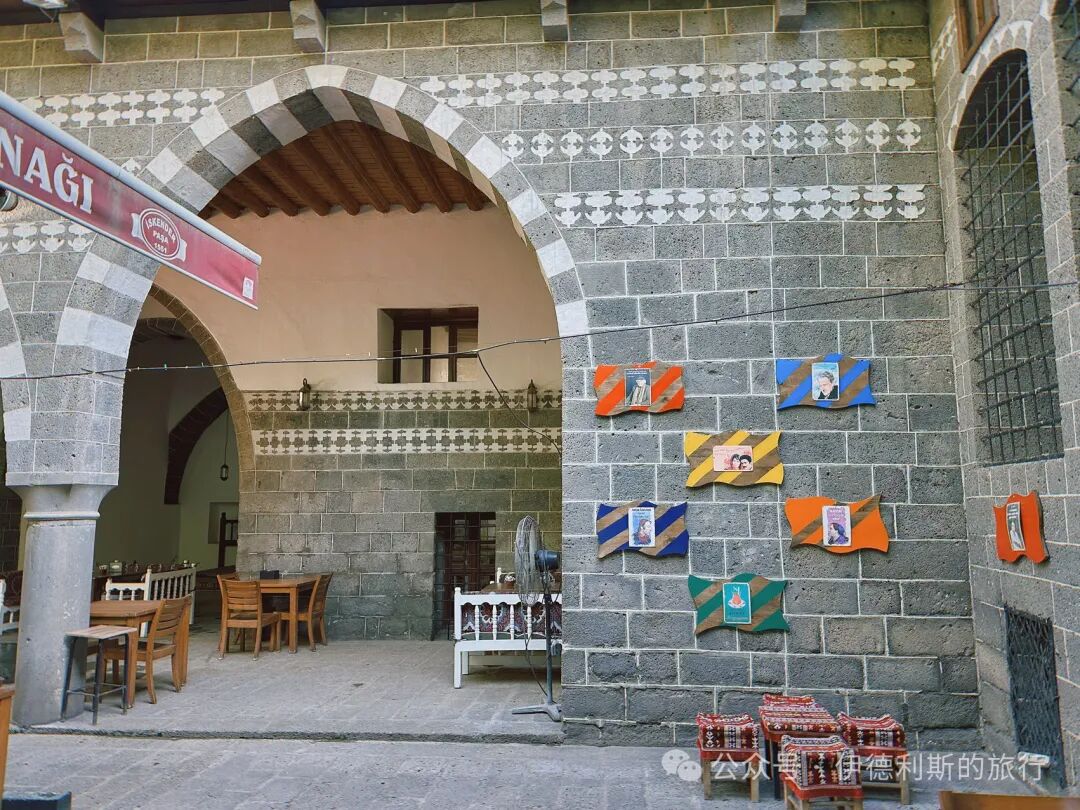
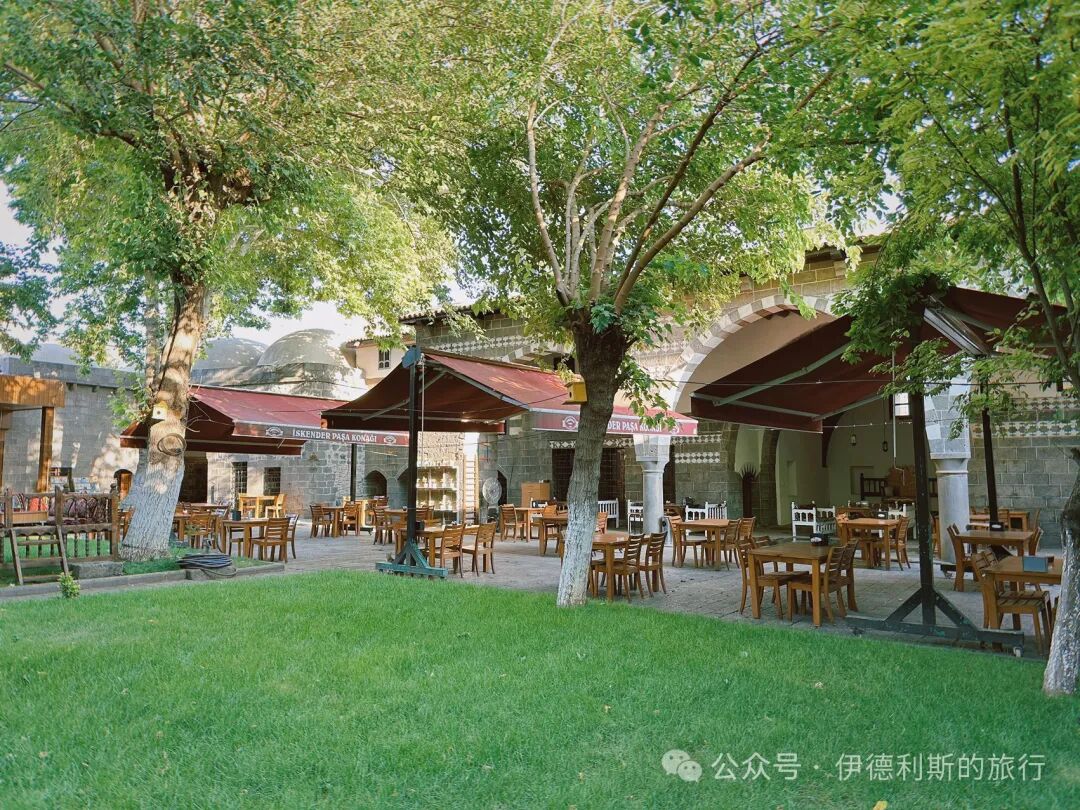
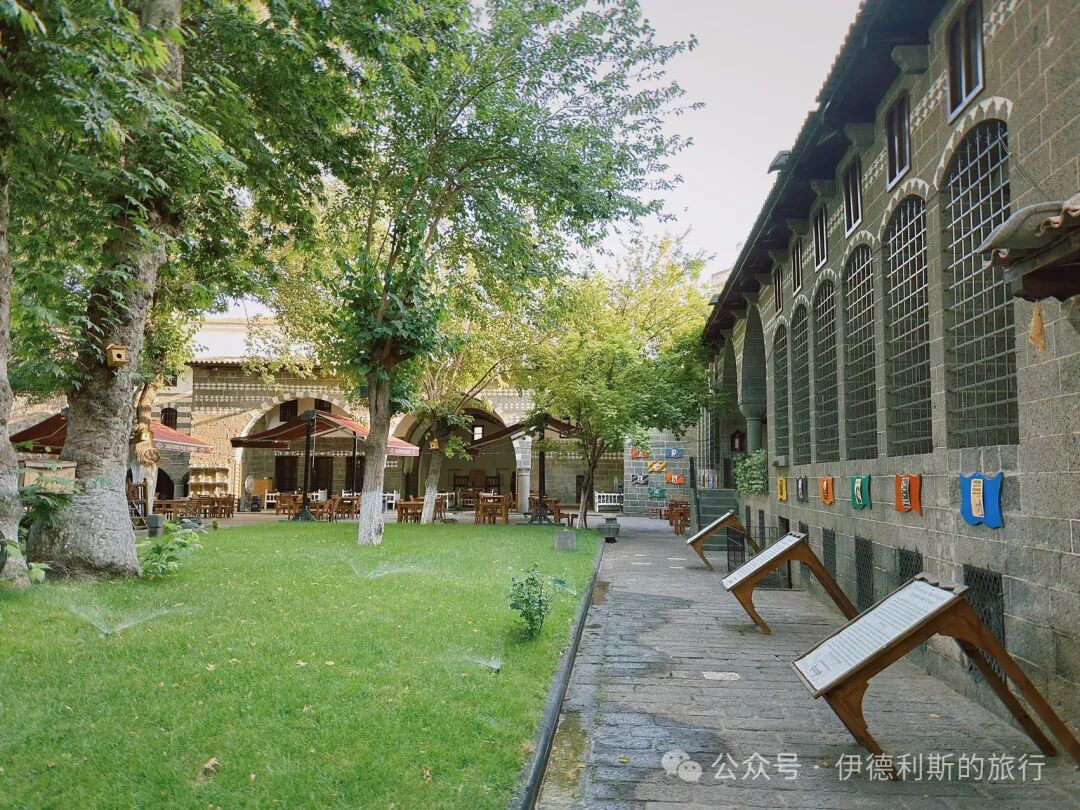
Name: İskender Paşa Konağı.
Location: Northwest of the old city of Diyarbakır, Turkey.
Date: 1551.
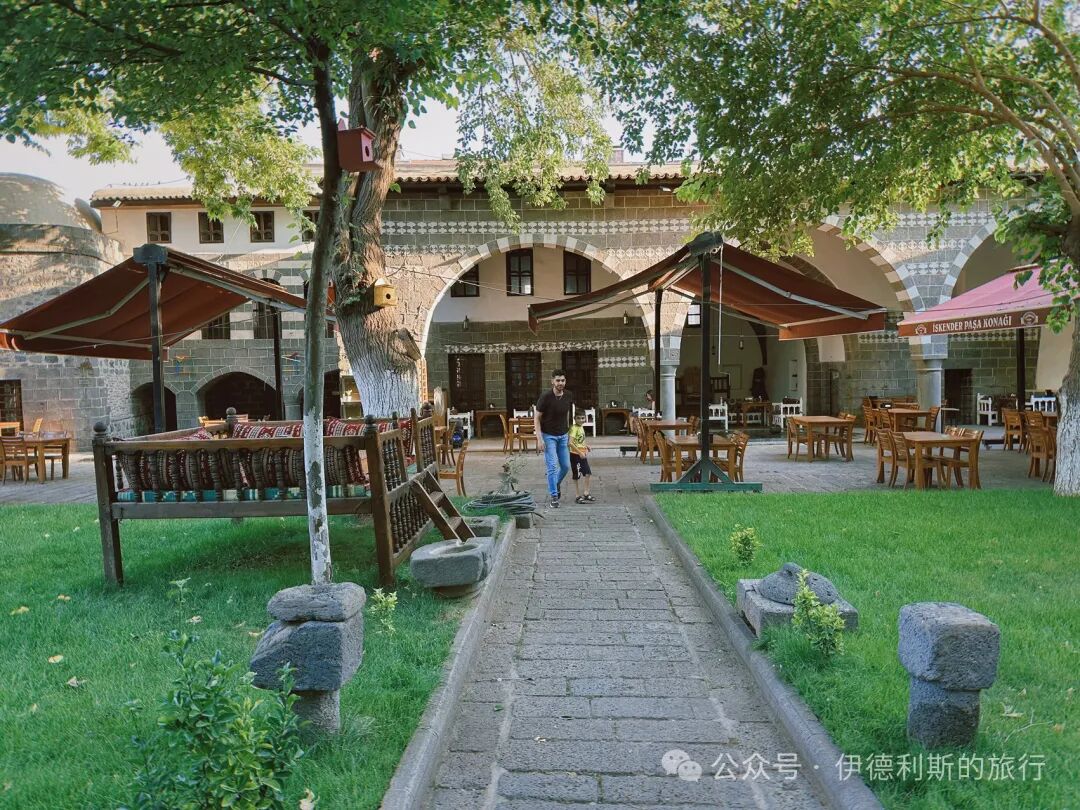
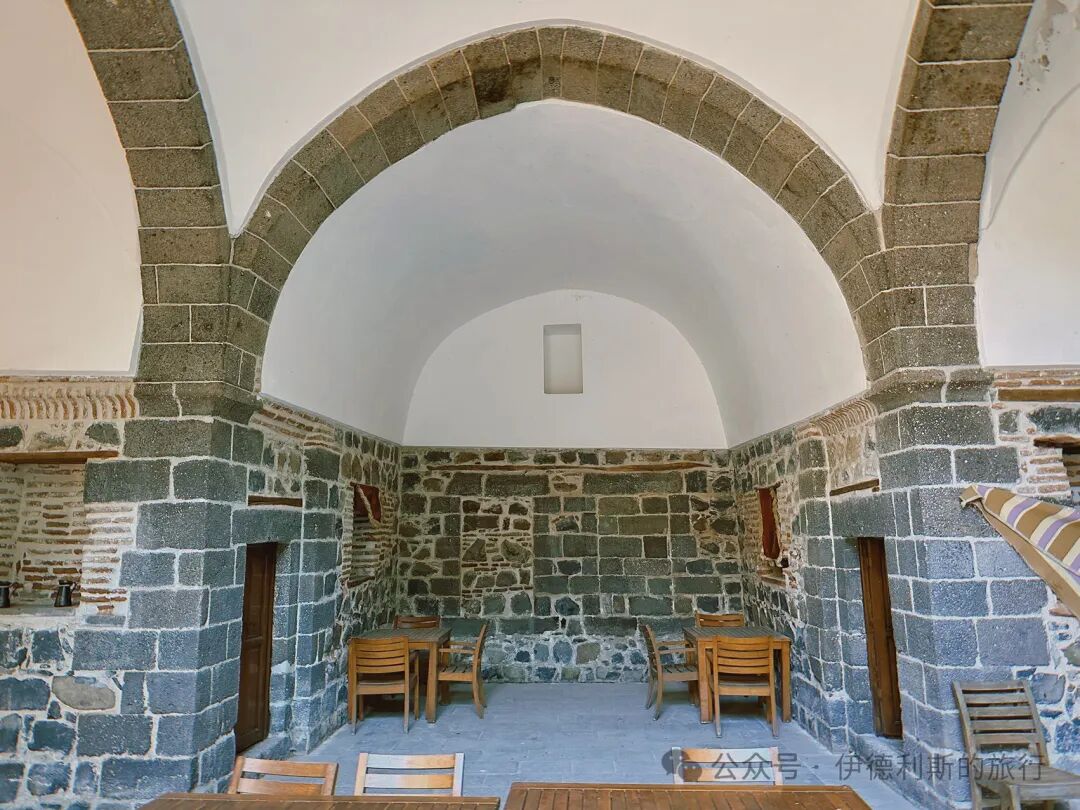
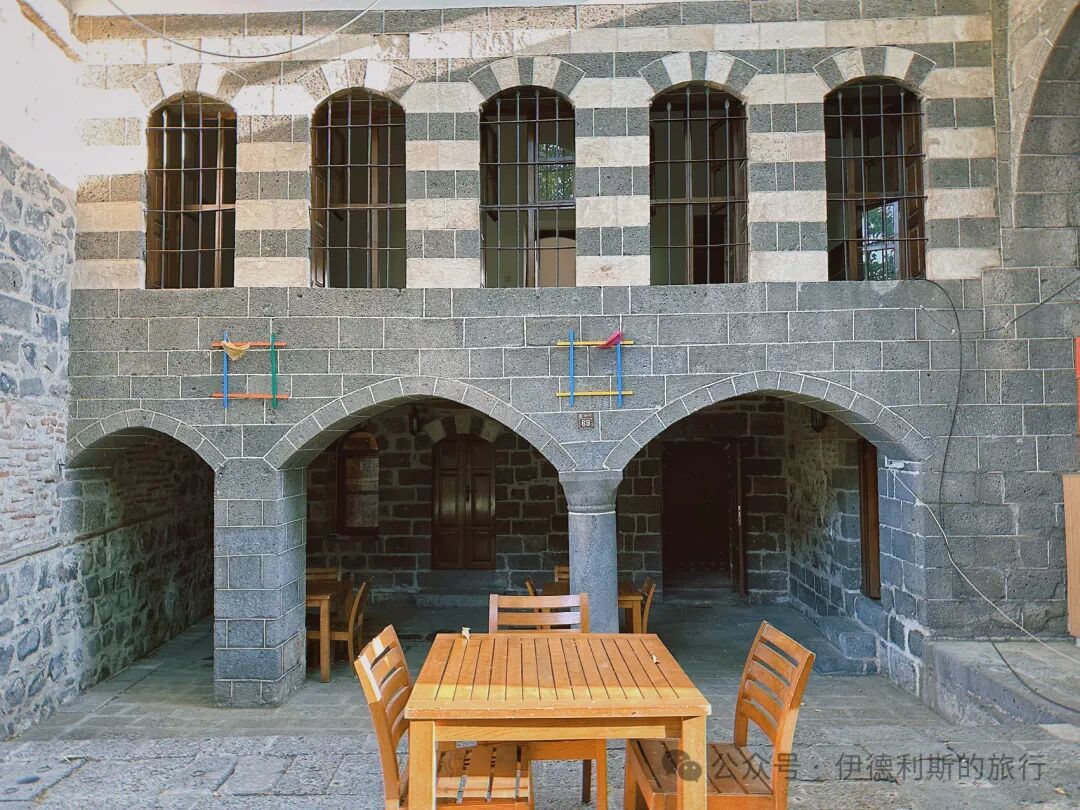
Introduction: This home was built in 1551 by İskender Paşa, the twelfth governor of the Ottoman Empire in Diyarbakır, during the peak of the Ottoman Empire under Suleiman the Magnificent. Today, the mansion houses a breakfast shop, and a plane tree that is over 400 years old still stands in the courtyard.
During the 1540s and 1550s, İskender Paşa spent years on the eastern border of the Ottoman Empire fighting the Georgians and the Persian Safavid Empire, successfully stopping the Safavid Empire from moving westward.
Name: Ziya Gokalp Museum.
Location: Northwest of the old city of Diyarbakır, Turkey.
Date: Early 19th century
Introduction: The Ziya Gökalp Museum, dedicated to the father of Turkish nationalism, is housed in a black basalt home built in the early 19th century. His family bought the house in 1824, and he was born there in 1876.
In 2014, ISIS besieged the Syrian Kurdish city of Kobani, leaving many Kurds displaced. Because the Turkish government viewed the Kurdish People's Protection Units (YPG) defending Kobani as a threat, they blocked Turkish Kurds from helping. This led to large-scale protests by Turkish Kurds. During the clashes, the Ziya Gökalp Museum was damaged, and some archives and books were destroyed. The Association of Turkish Travel Agencies (TÜRSAB) later restored it.
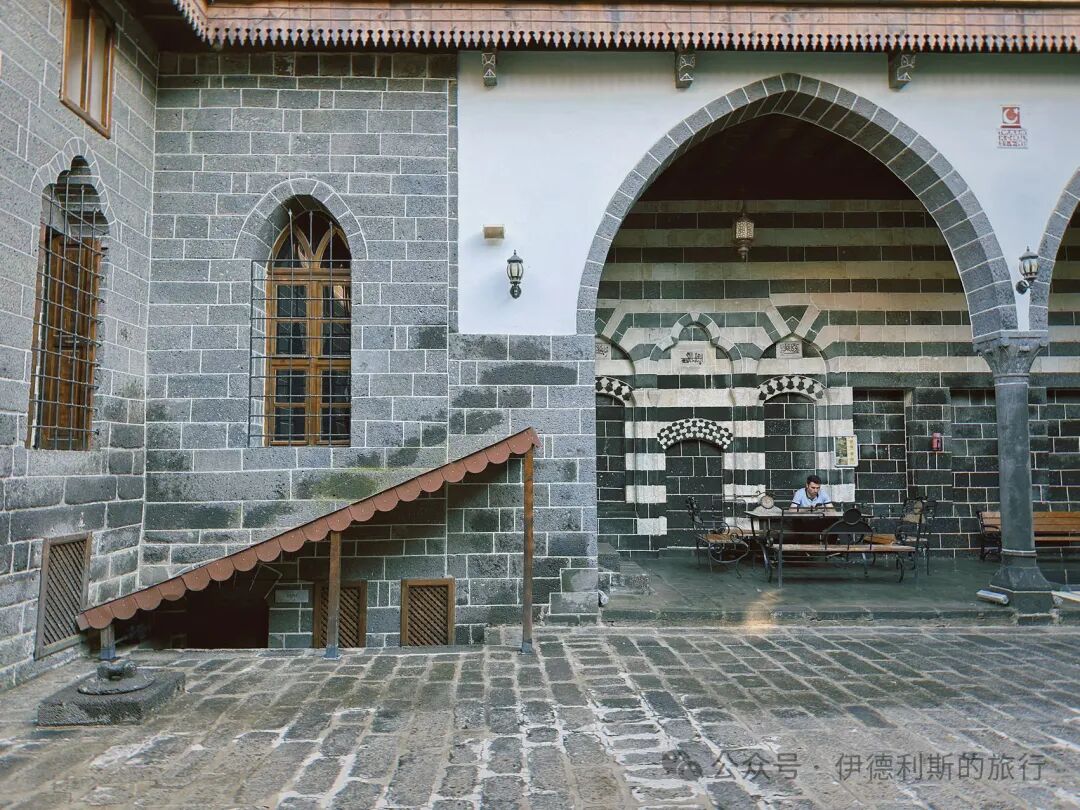
Name: Cemil Paşa Konağı
Location: Southwest of the old city of Diyarbakır, Turkey
Date: Between 1888 and 1902.
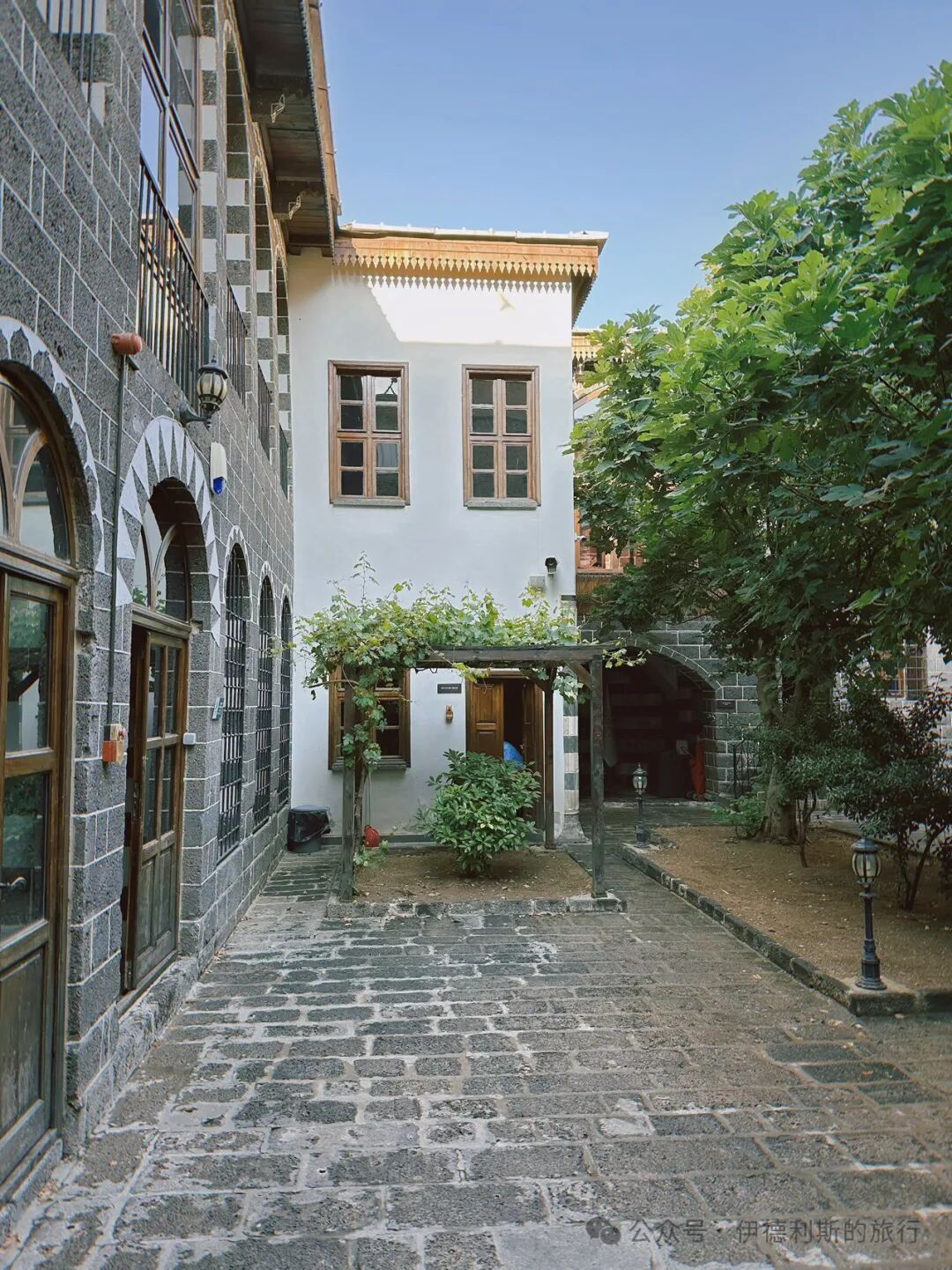
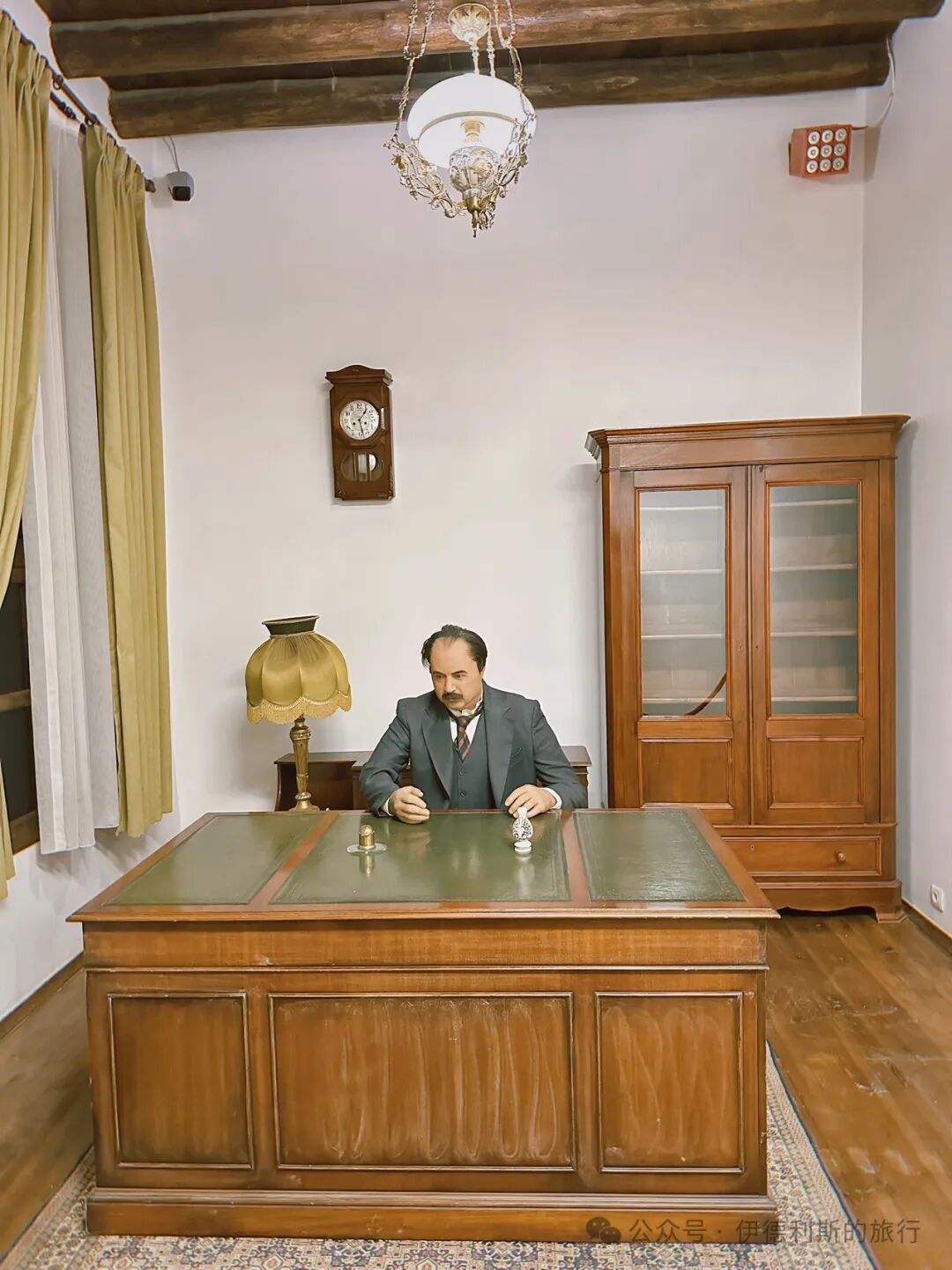
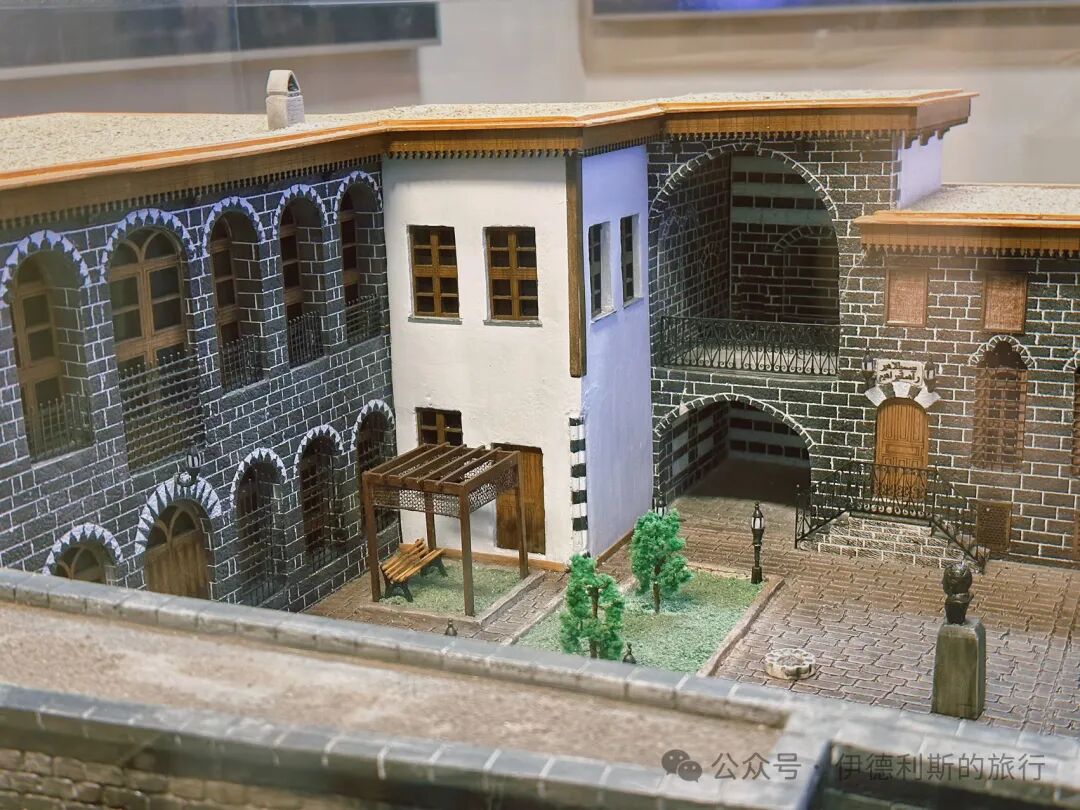
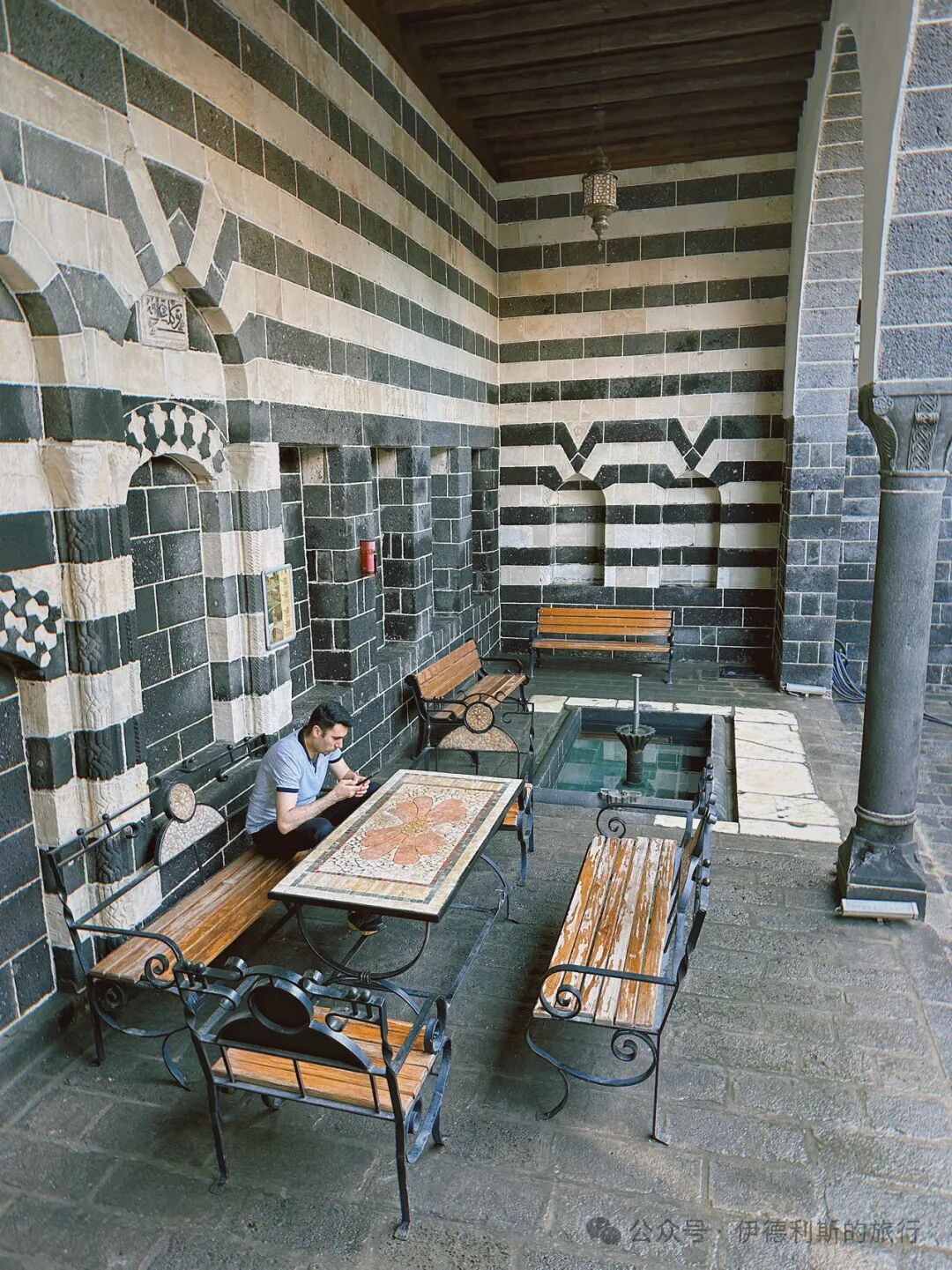
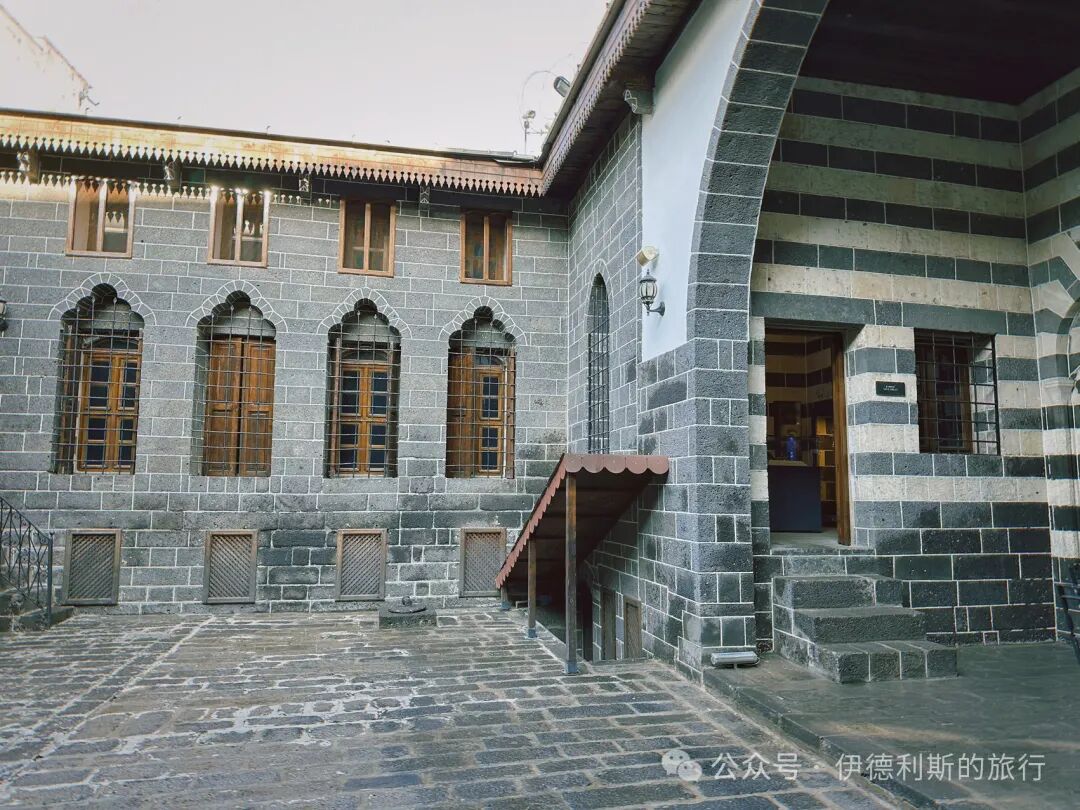
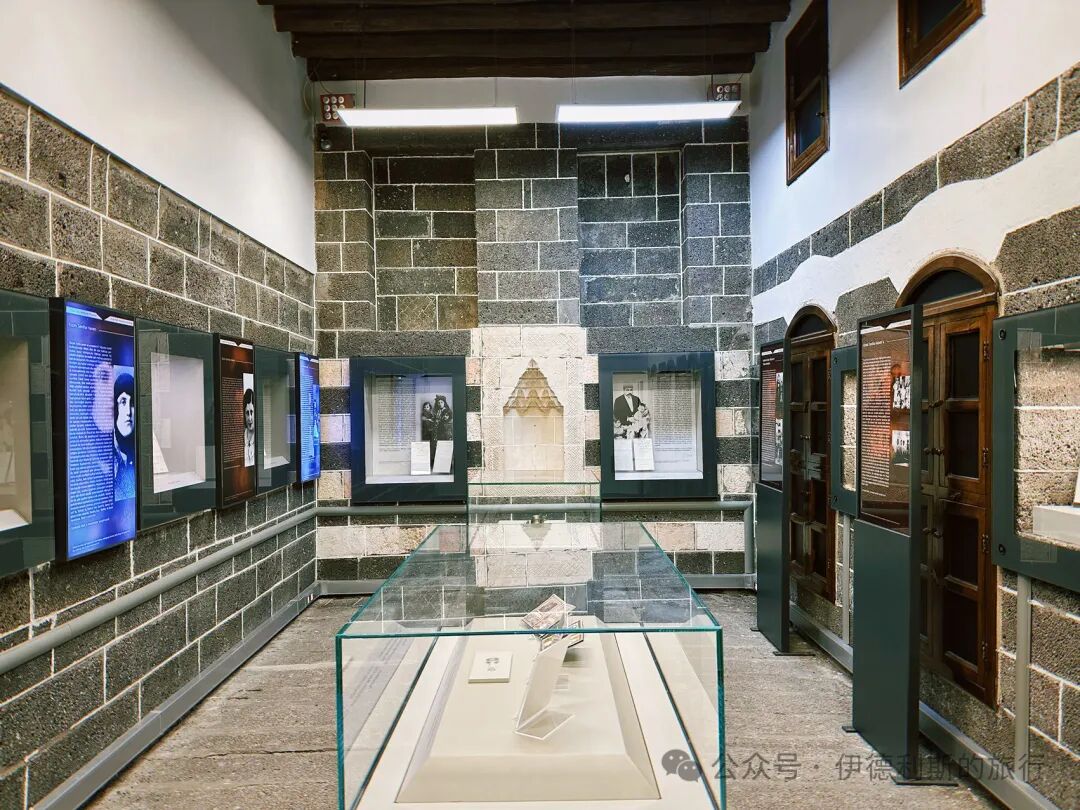
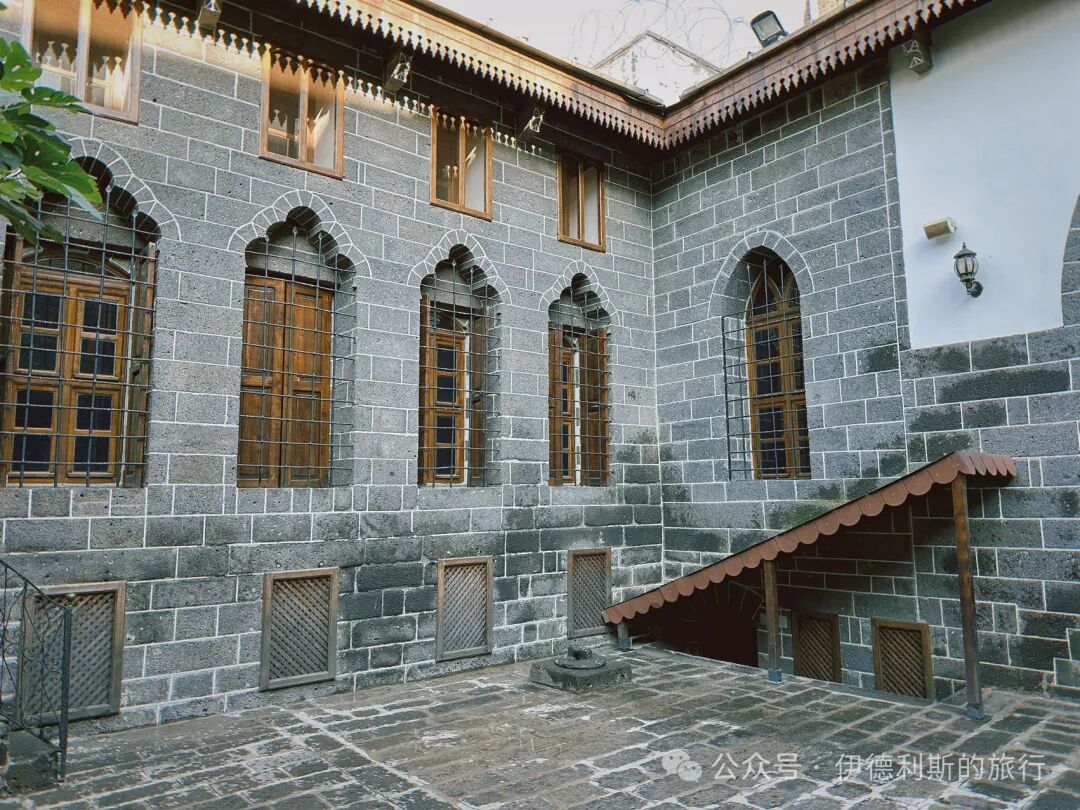
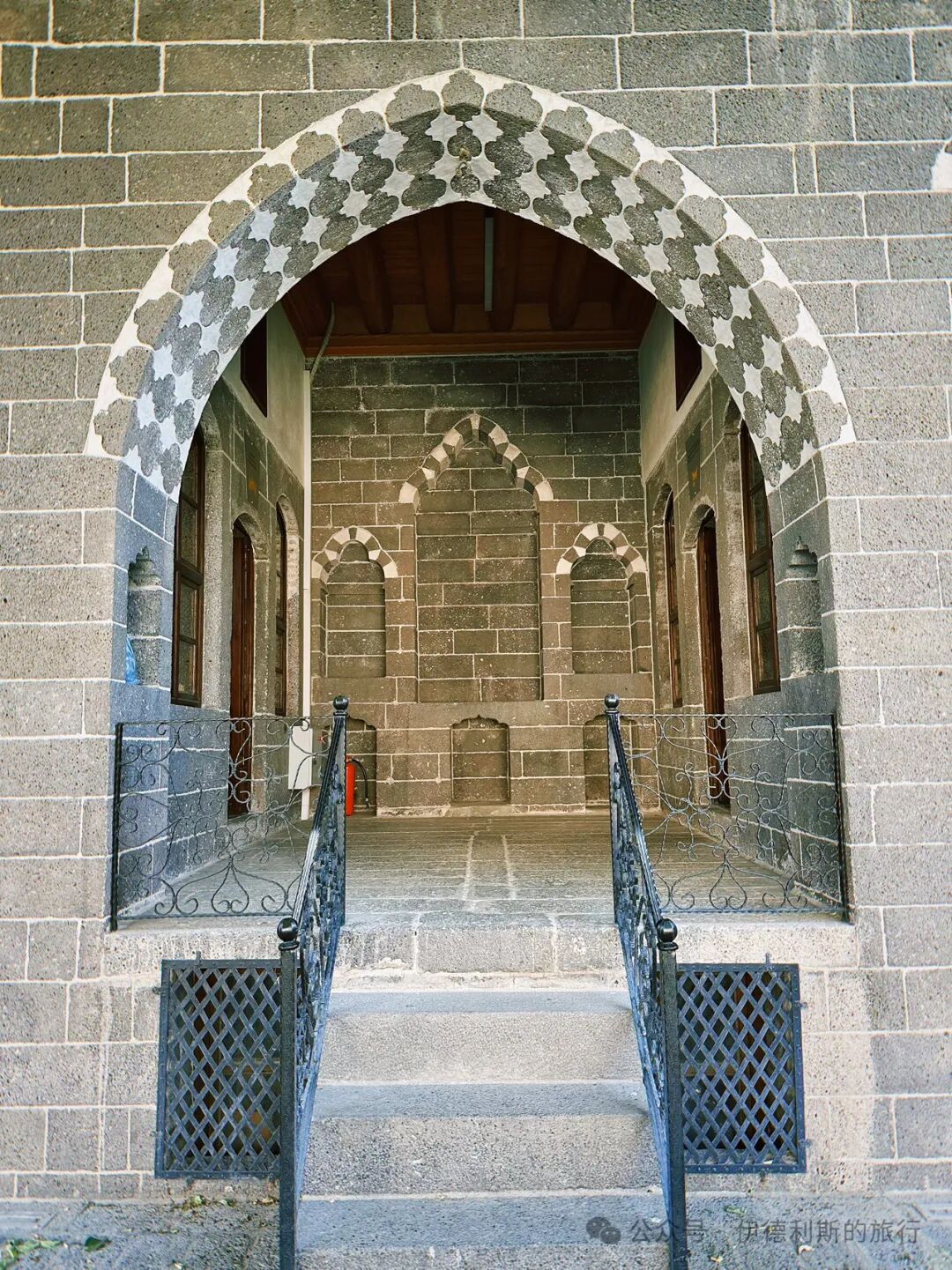
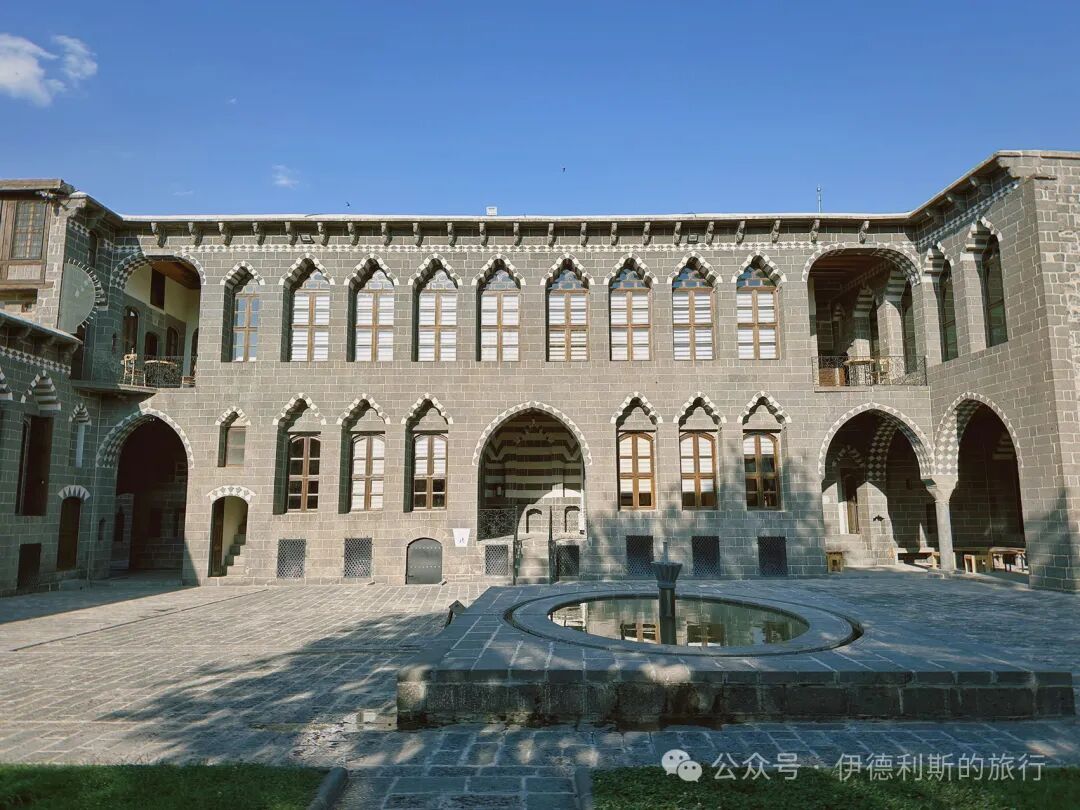
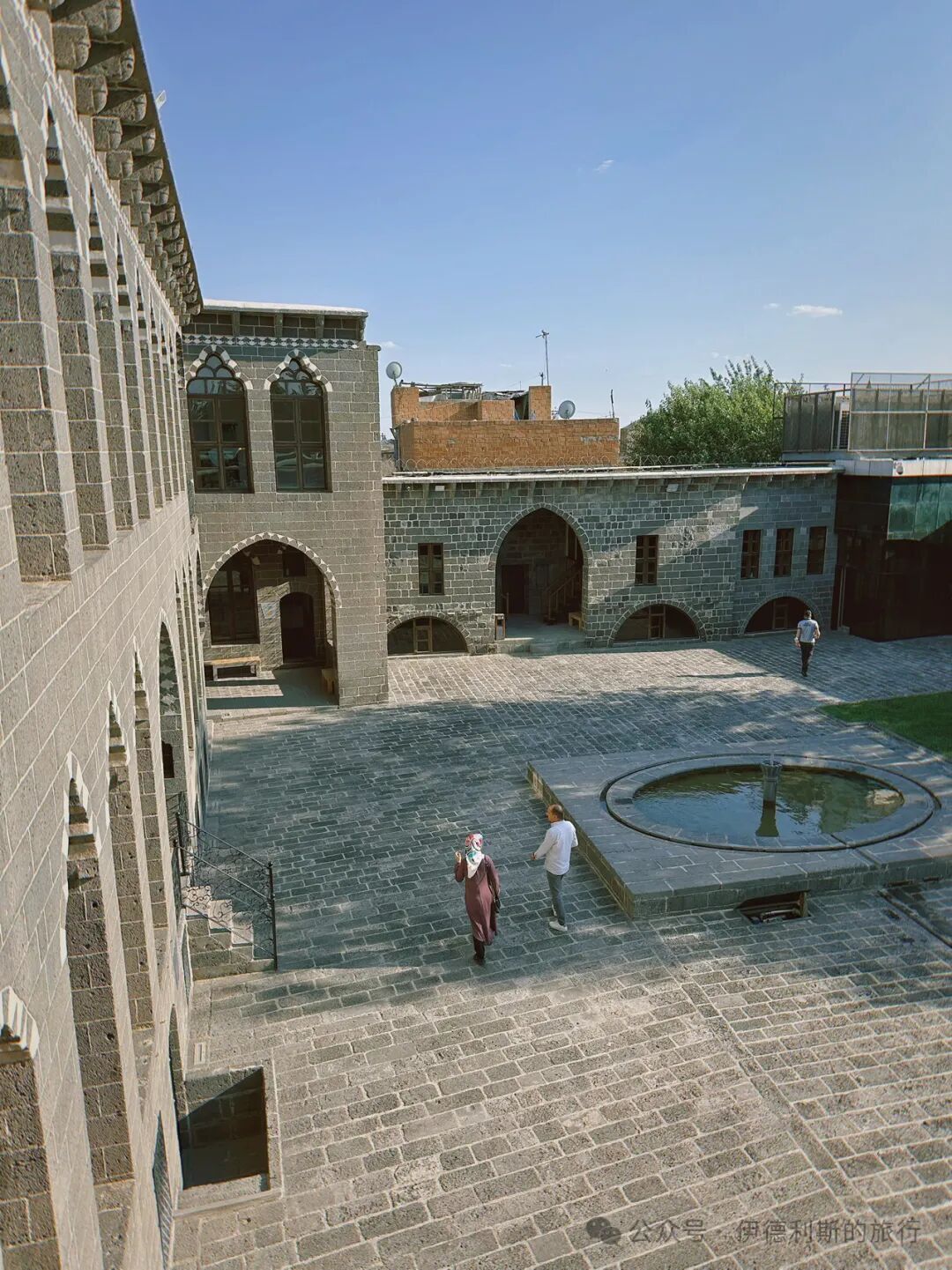
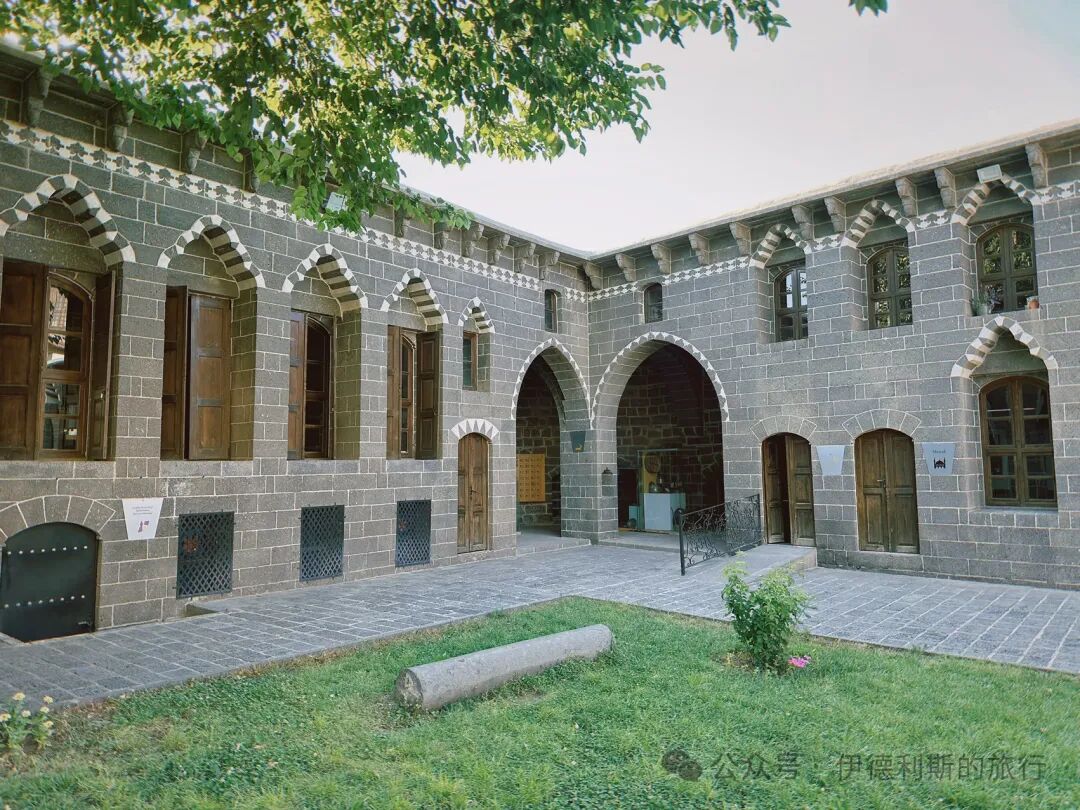
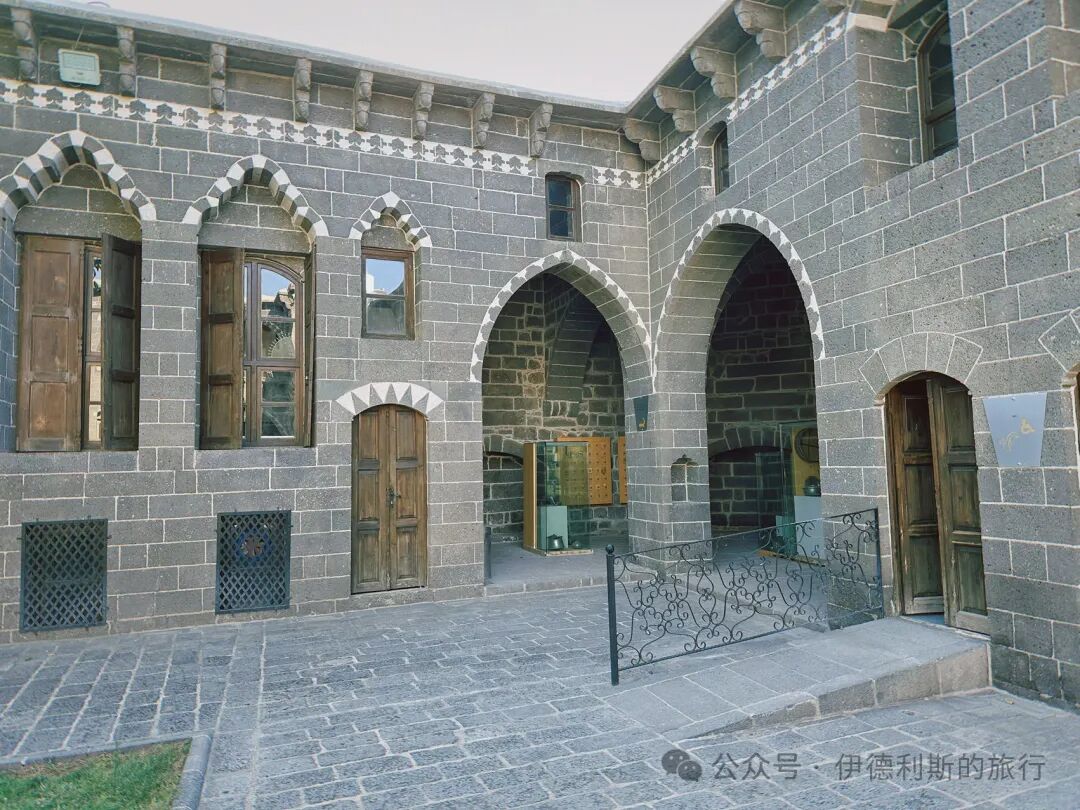
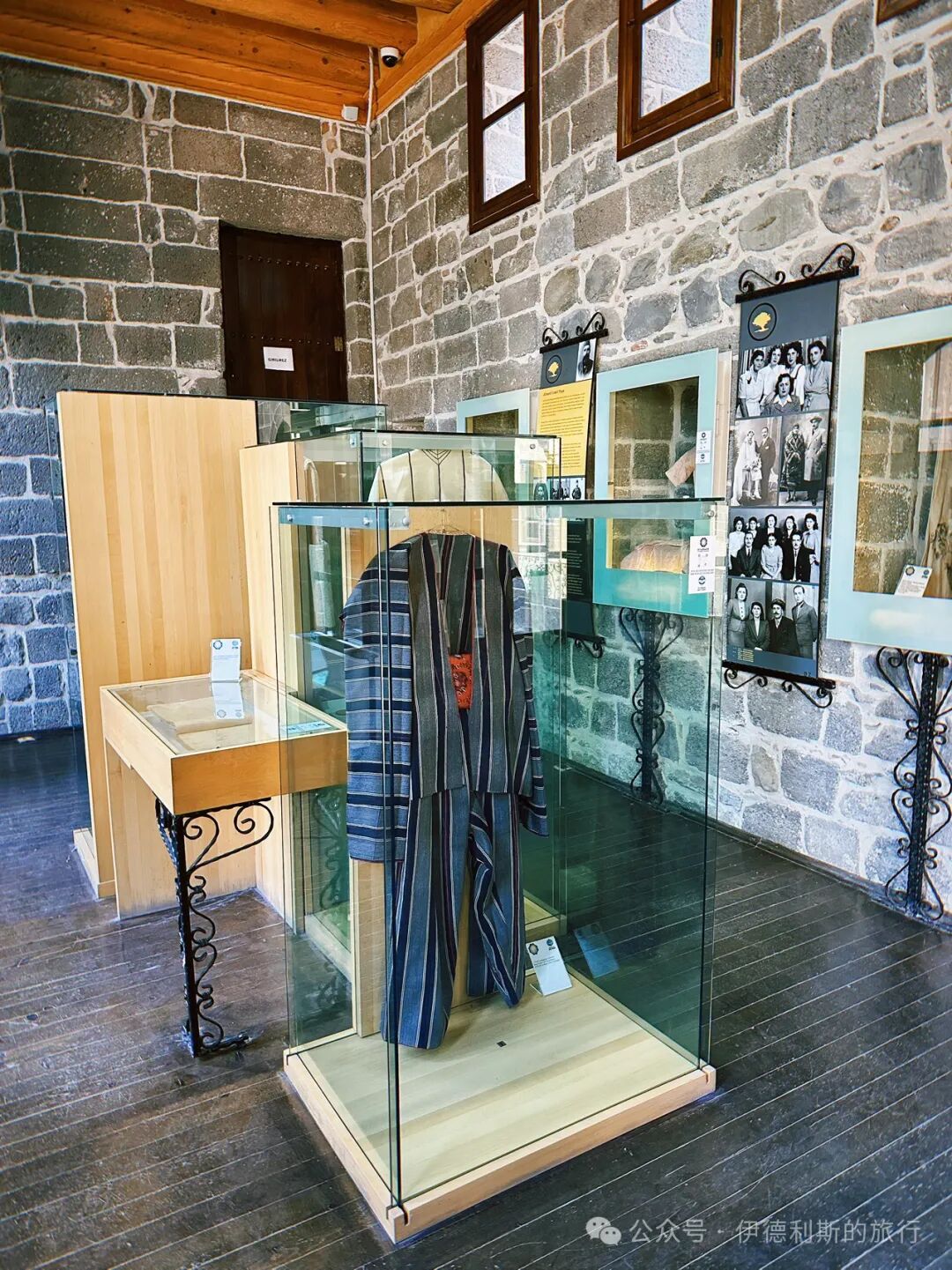
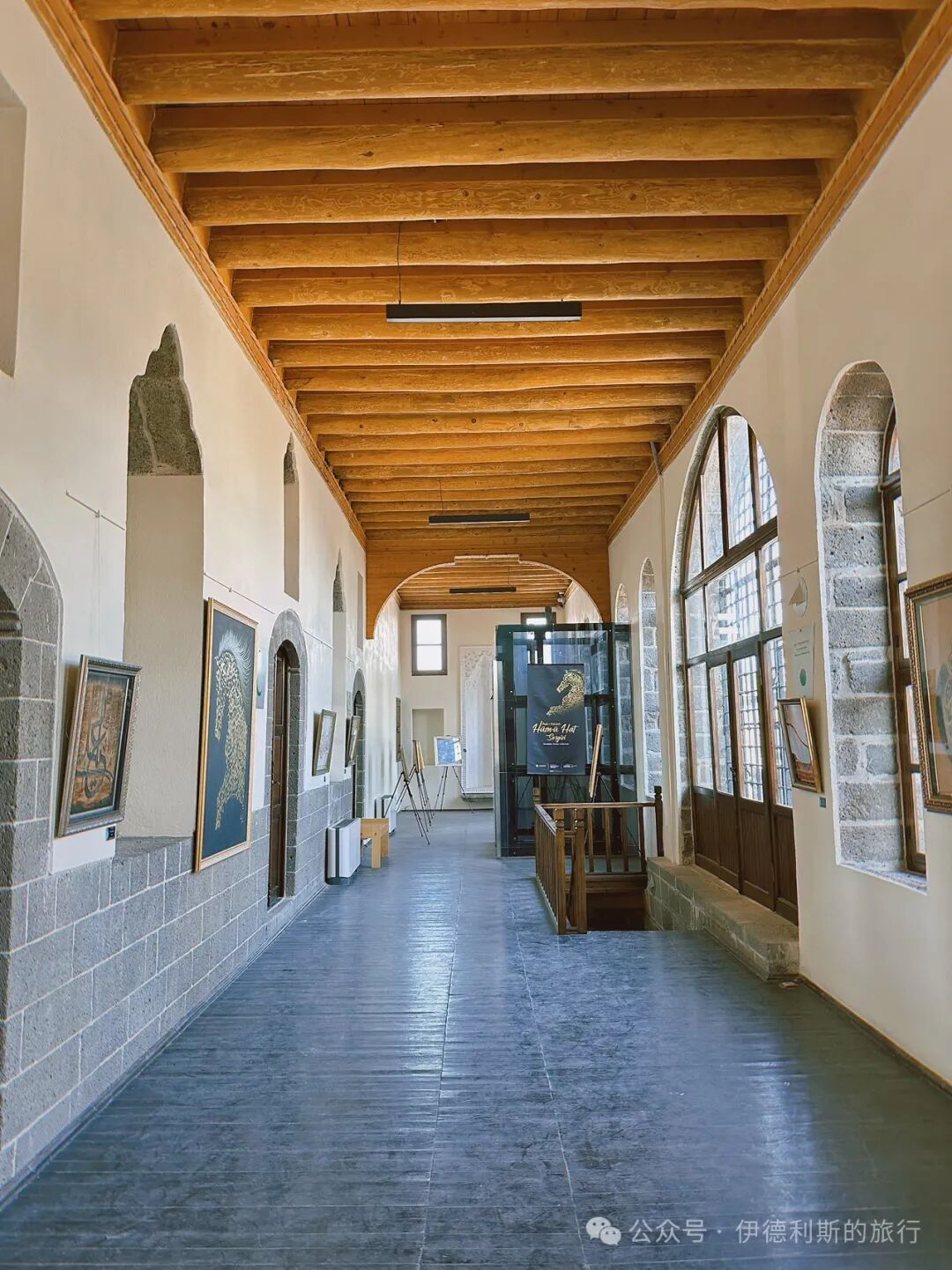
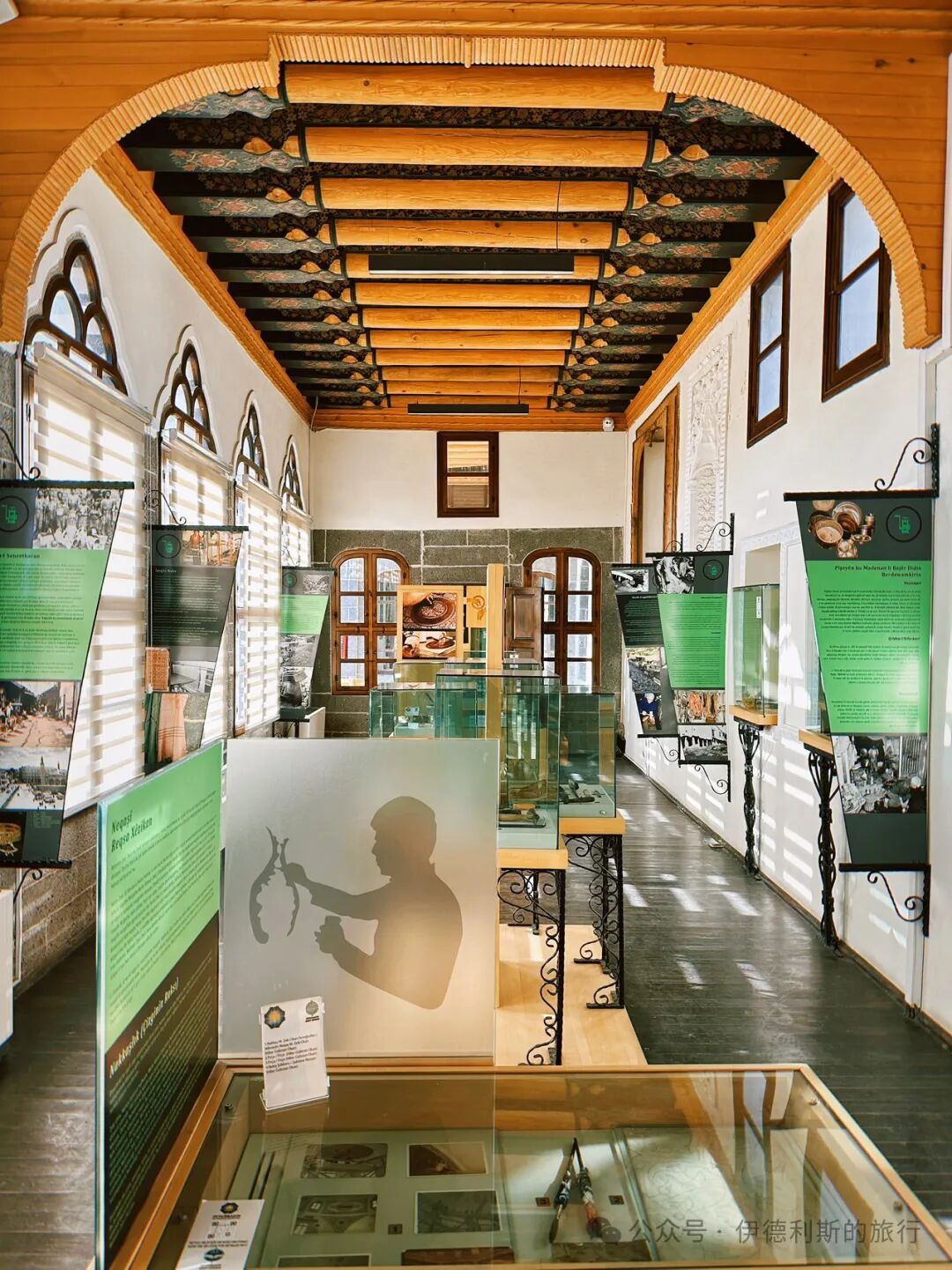
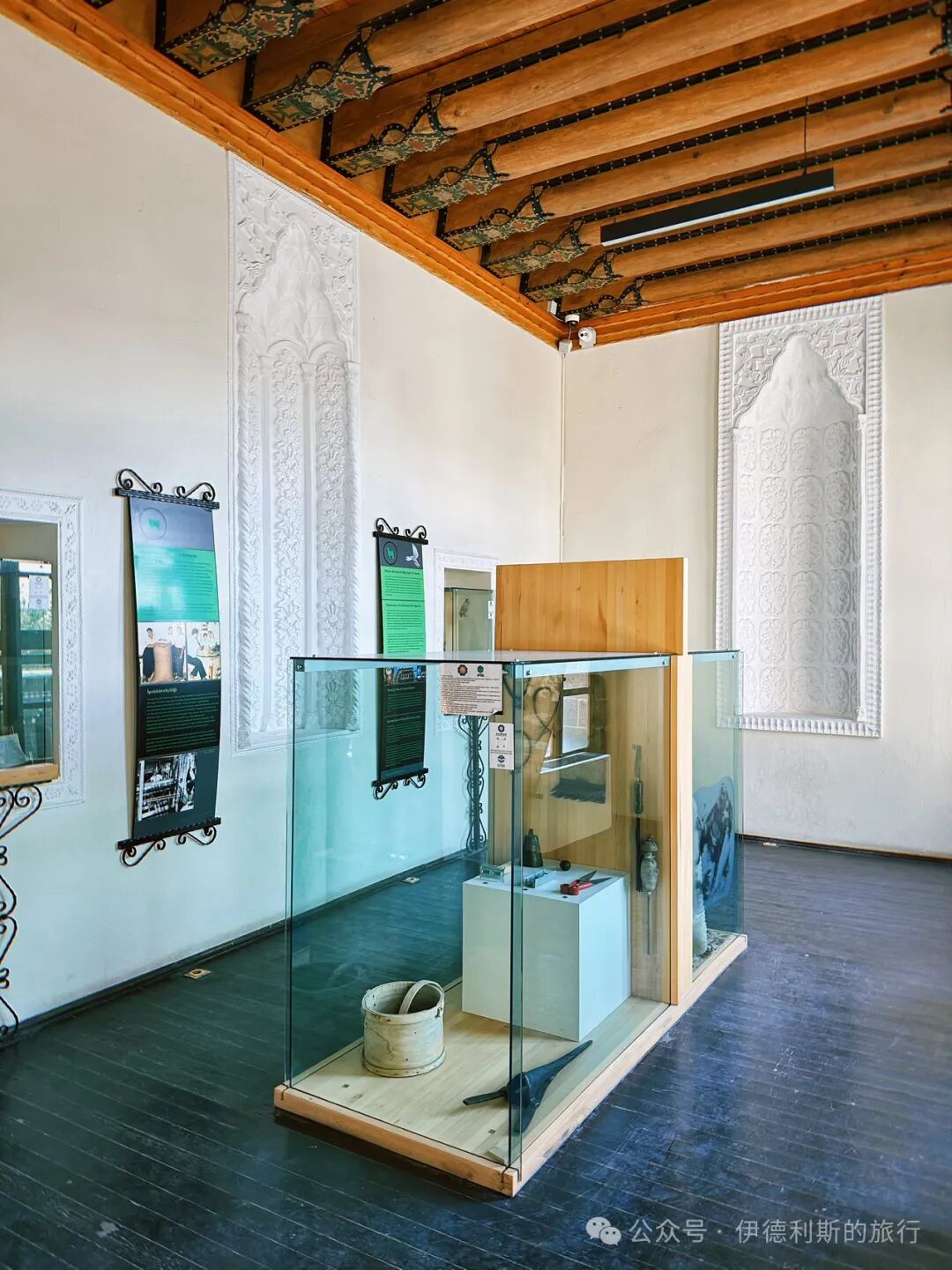
Introduction: The Cemil Paşa Mansion (Cemil Paşa Konağı) is the best-preserved traditional house in Diyarbakır, and it now serves as the Diyarbakır City Museum.
Cemil Paşa served as the Ottoman governor of Yemen and later the governor of Siirt. He built this mansion between 1888 and 1902 and lived there until 1927. In 2012, the Diyarbakır municipal government reached an agreement with Cemil Paşa's descendants to restore the mansion, and it officially opened as a city museum in 2014.
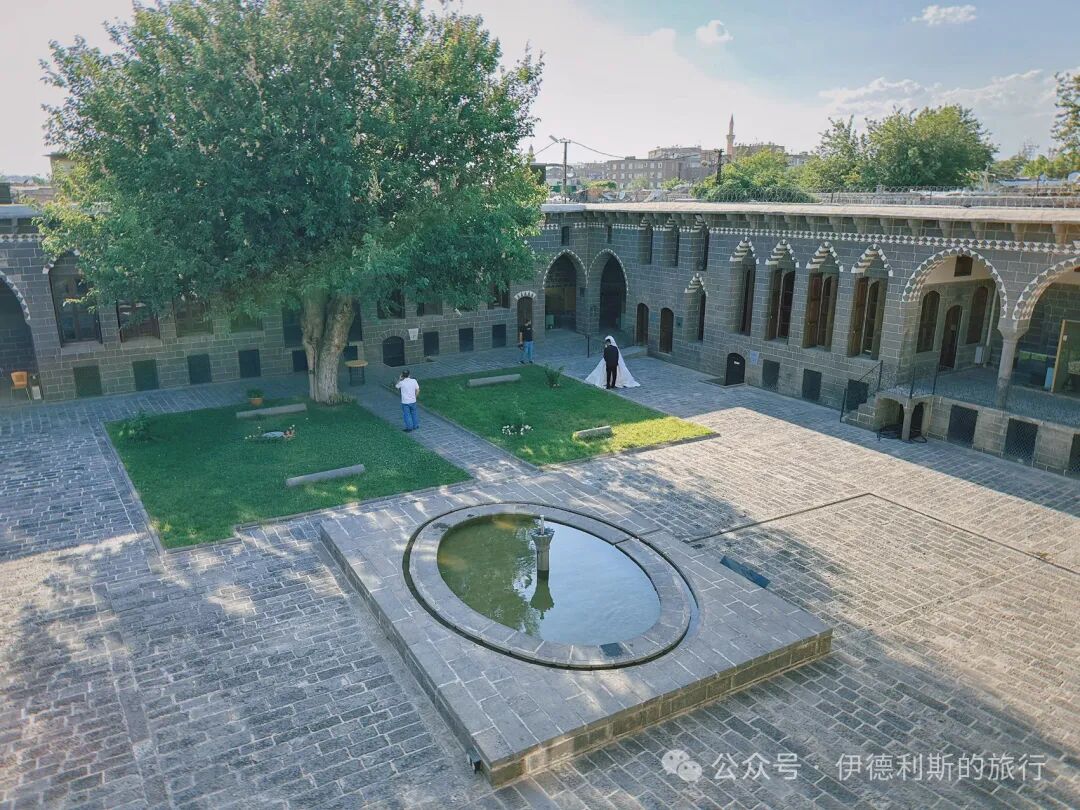
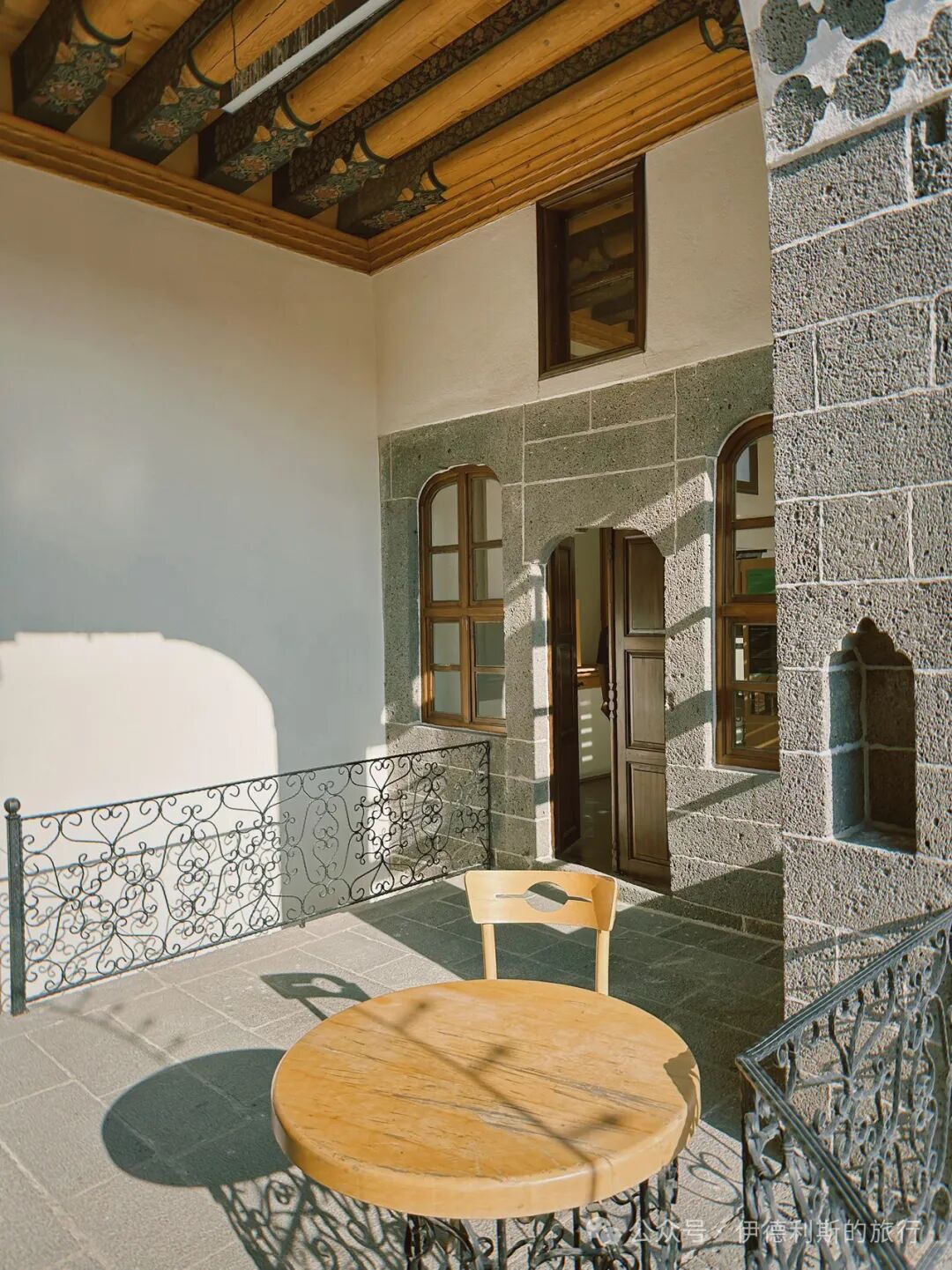
The Cemil Paşa Mansion consists of two large courtyards. One is called the Harem, a private area for family life, and the other is called the Selamlık, a public area for receiving guests and discussing business. This layout was the standard design for mansions built by high-ranking officials during the Ottoman Empire. The north side of the Harem was the winter residence, which gets plenty of sun, while the south side was the summer residence, which stays in the shade to keep cool. The Selamlık includes stables, servant rooms, reception rooms, a coffee room, and a water pool.
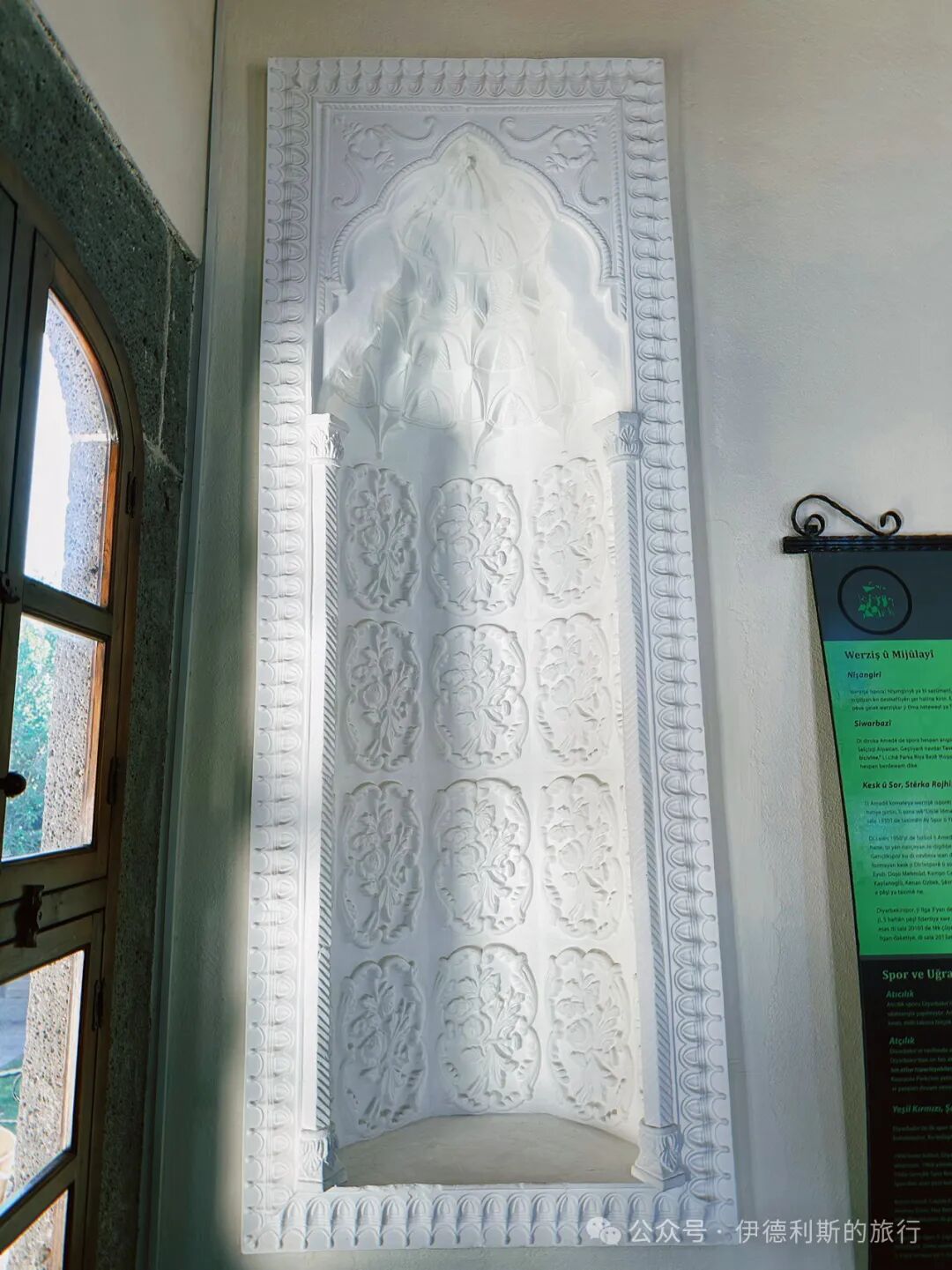
The interior displays of the Cemil Paşa Mansion, now the Diyarbakır City Museum, cover all aspects of life for the Kurds in Turkey.
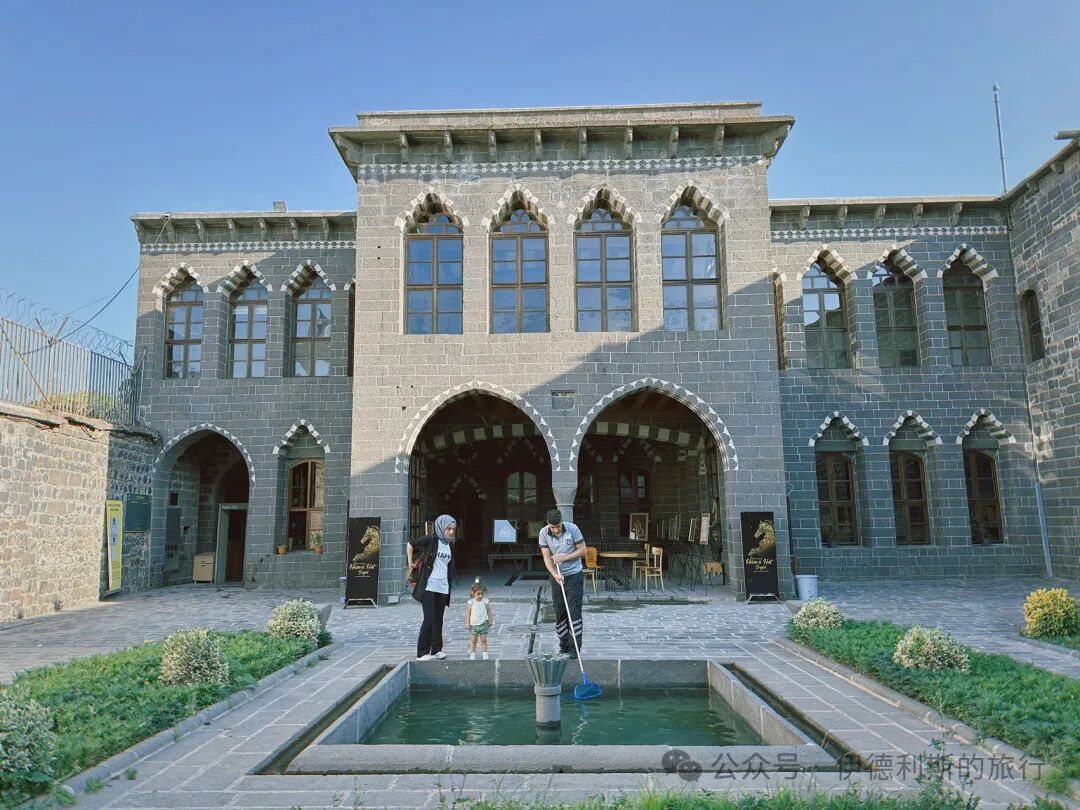
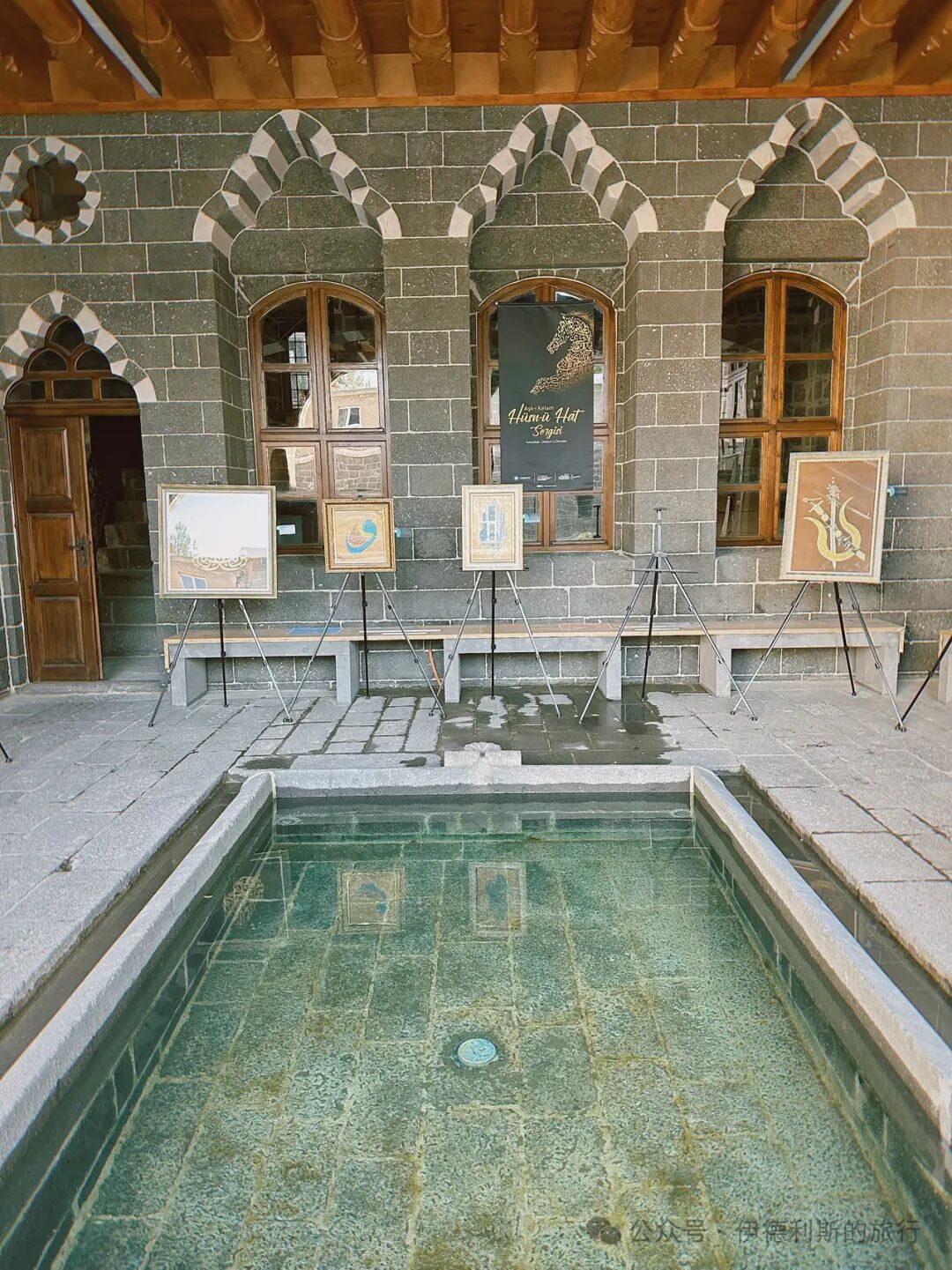
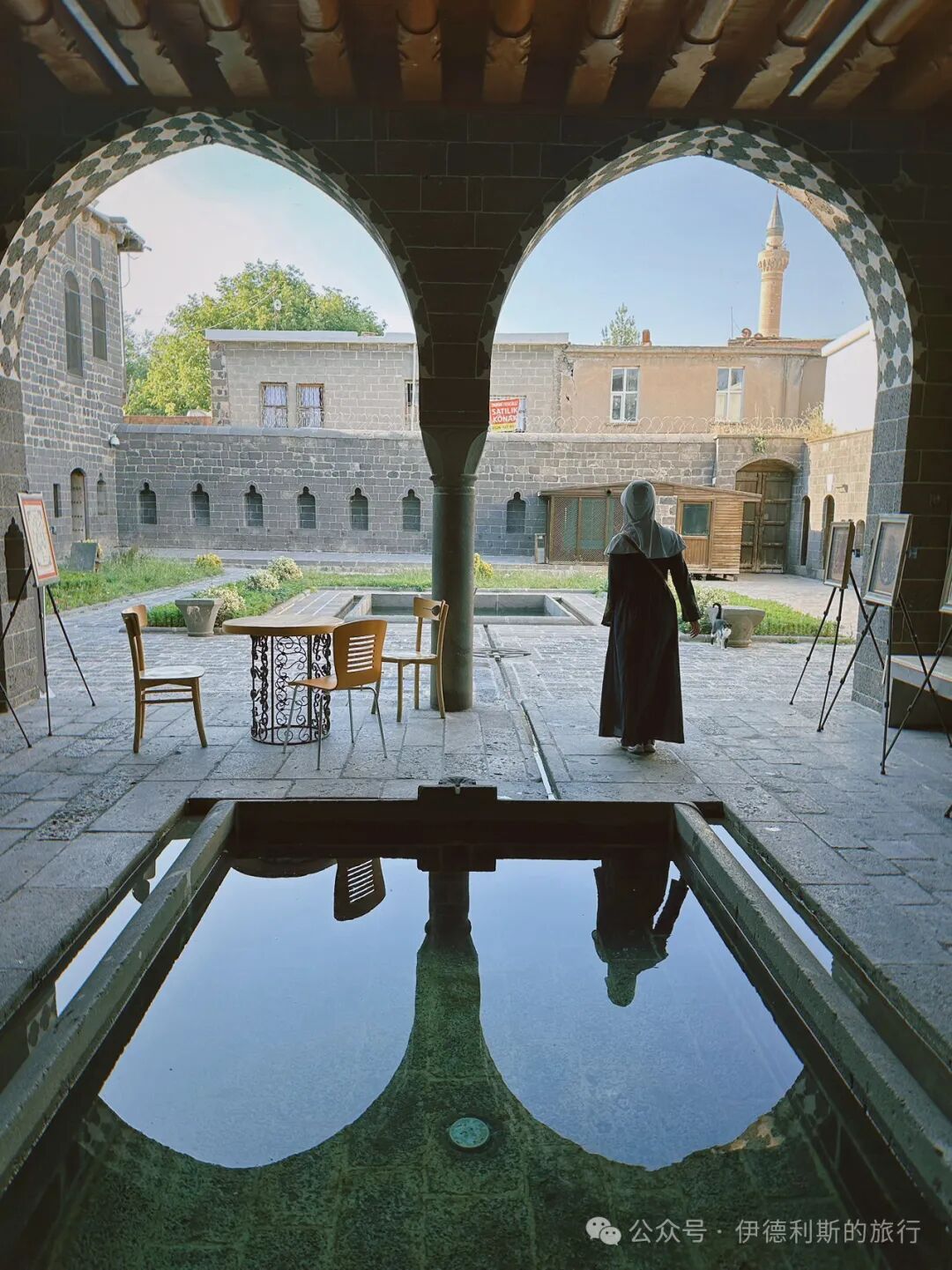
Name: Şehzadeler Konağı
Location: Southeast of the old city of Diyarbakır, Turkey
Date: Late 16th century
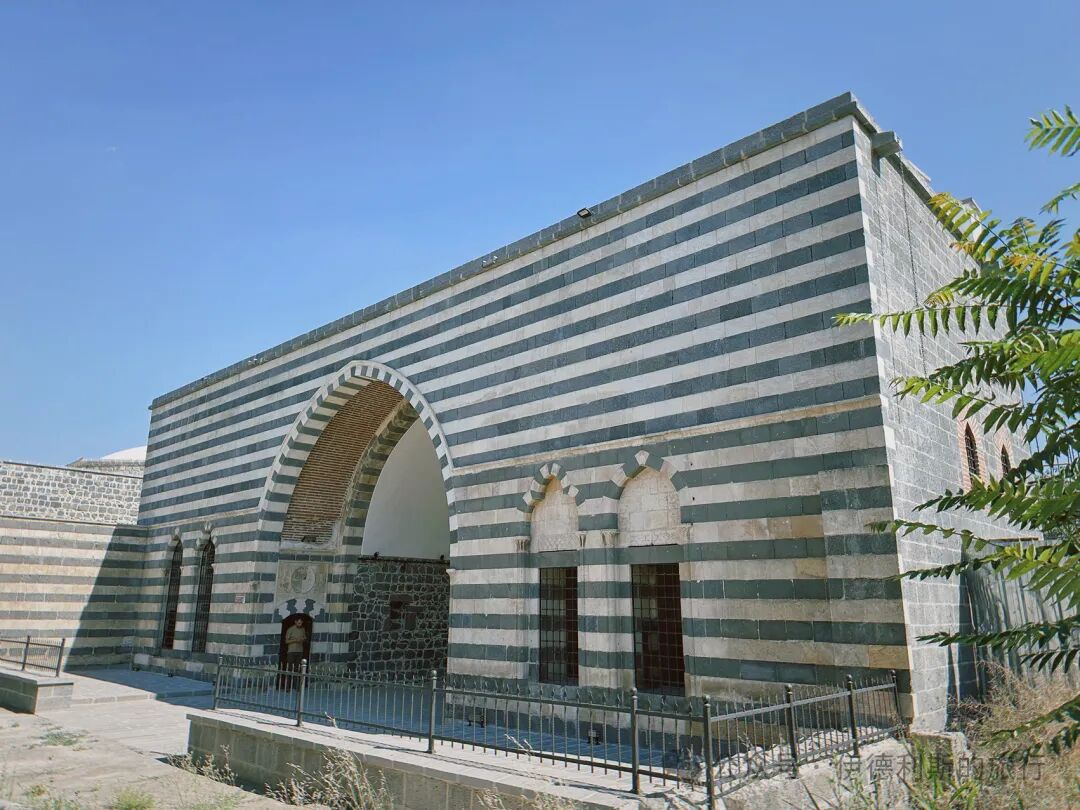
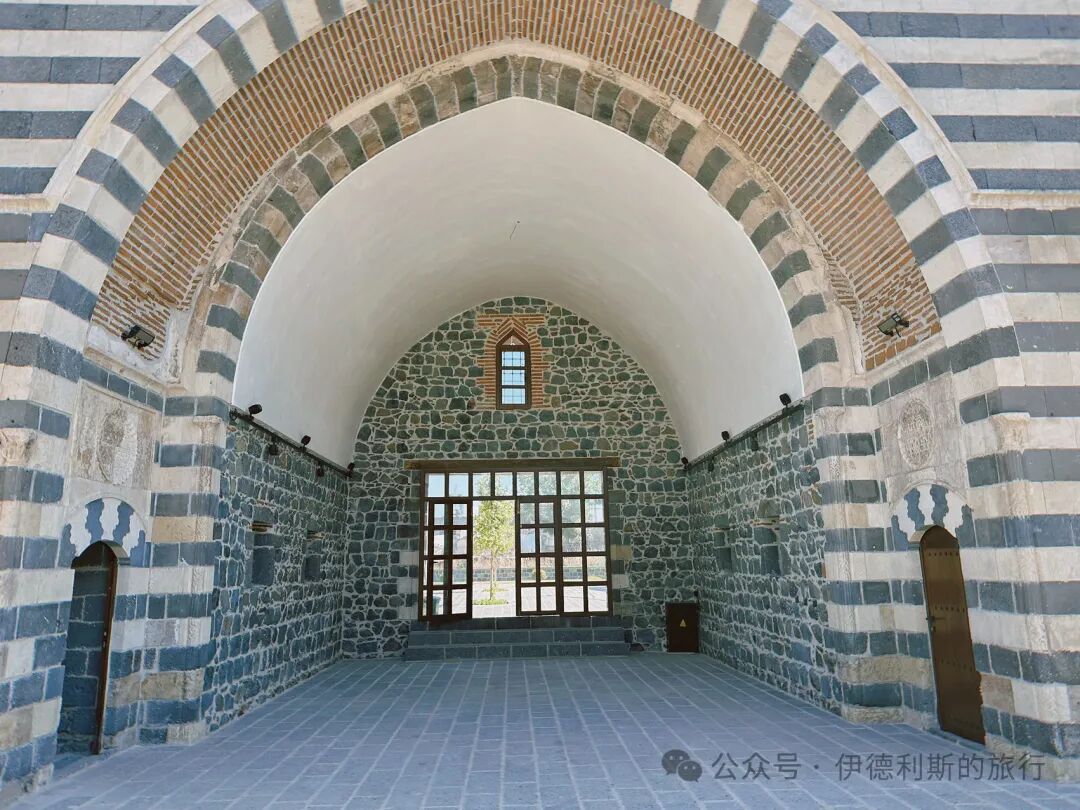
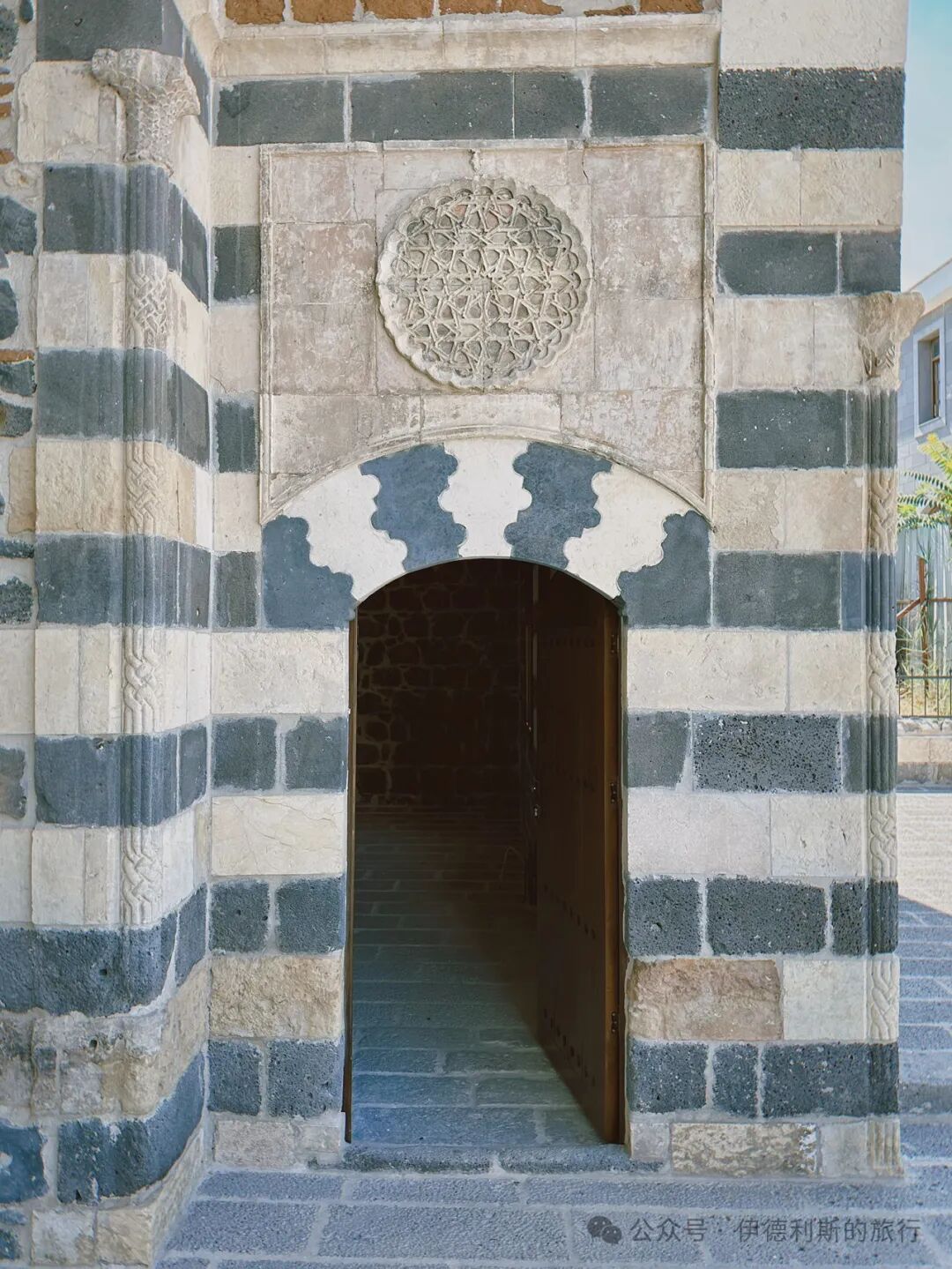
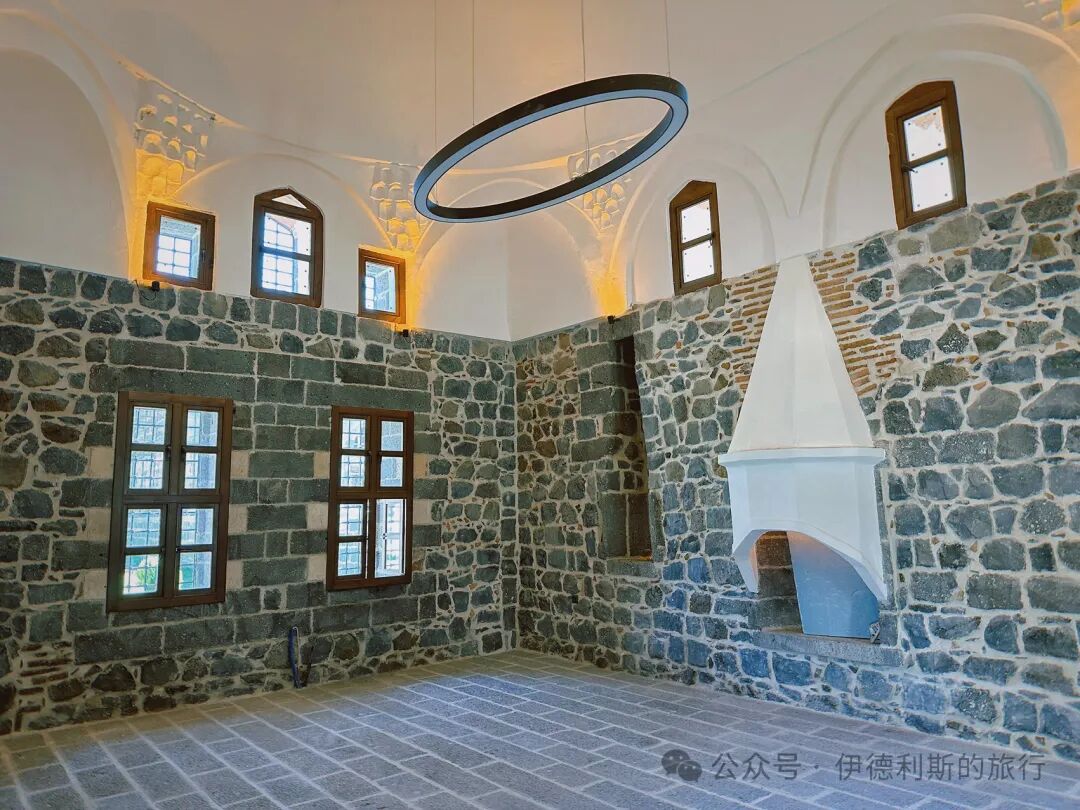
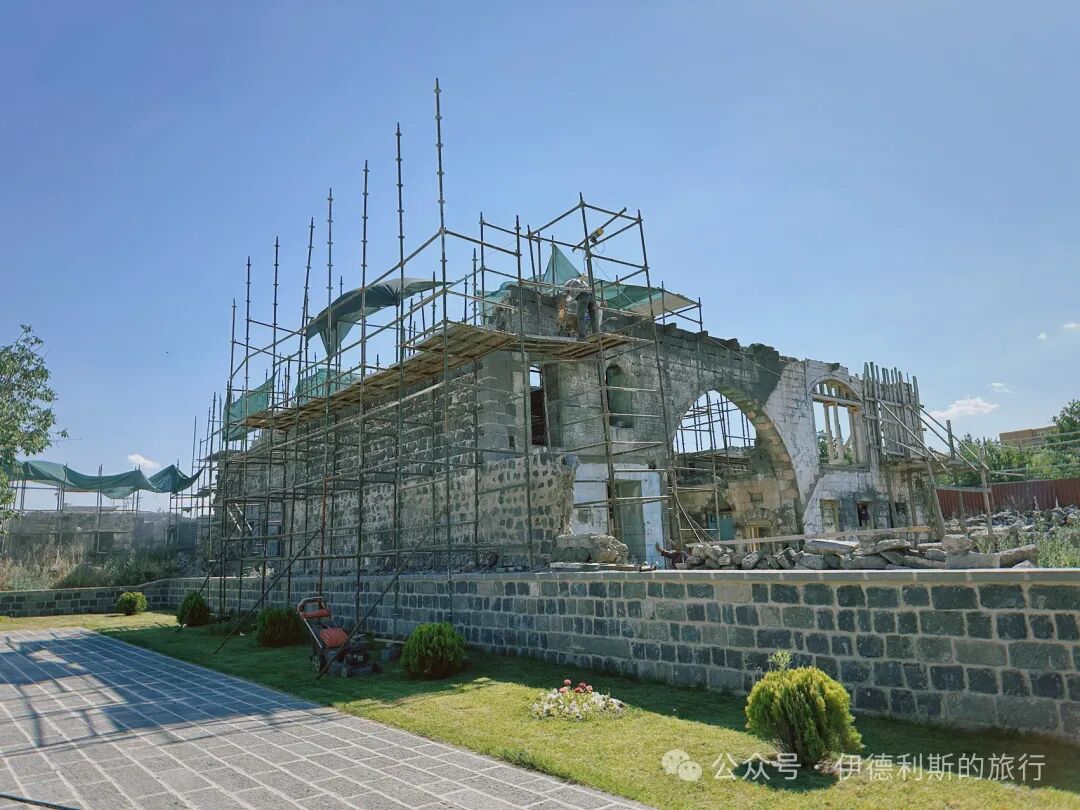
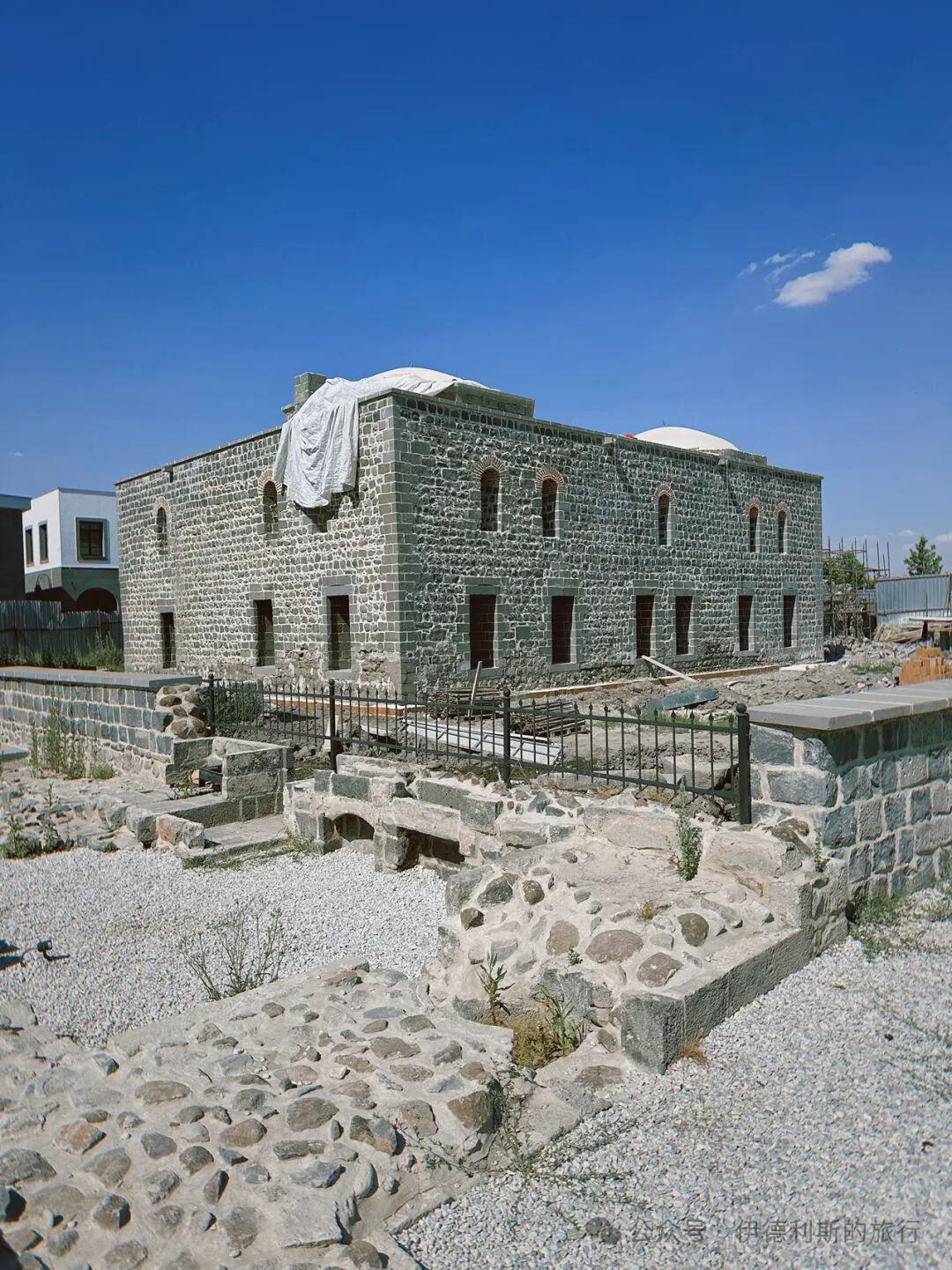
Description: The Prince's Mansion (Şehzadeler Konağı) is an Ottoman-era house built in the late 16th century. It was severely damaged during the 2015 conflict between Turkey and the Kurdistan Workers' Party. Restoration began in 2021, and it was still under construction when I visited in 2023. We met a friend (dosti) at the Kurşunlu Mosque who works here, and he warmly invited us for tea.
Once the restoration is finished, it is expected to open as a literary youth center named after the famous Diyarbakır poet Sezai Karakoç, who passed away in 2021, serving as a home for literature for young people.
Name: Hacı Halid Konağı
Location: Northwest of the old city of Diyarbakır, Turkey.
Date: Late 19th century.
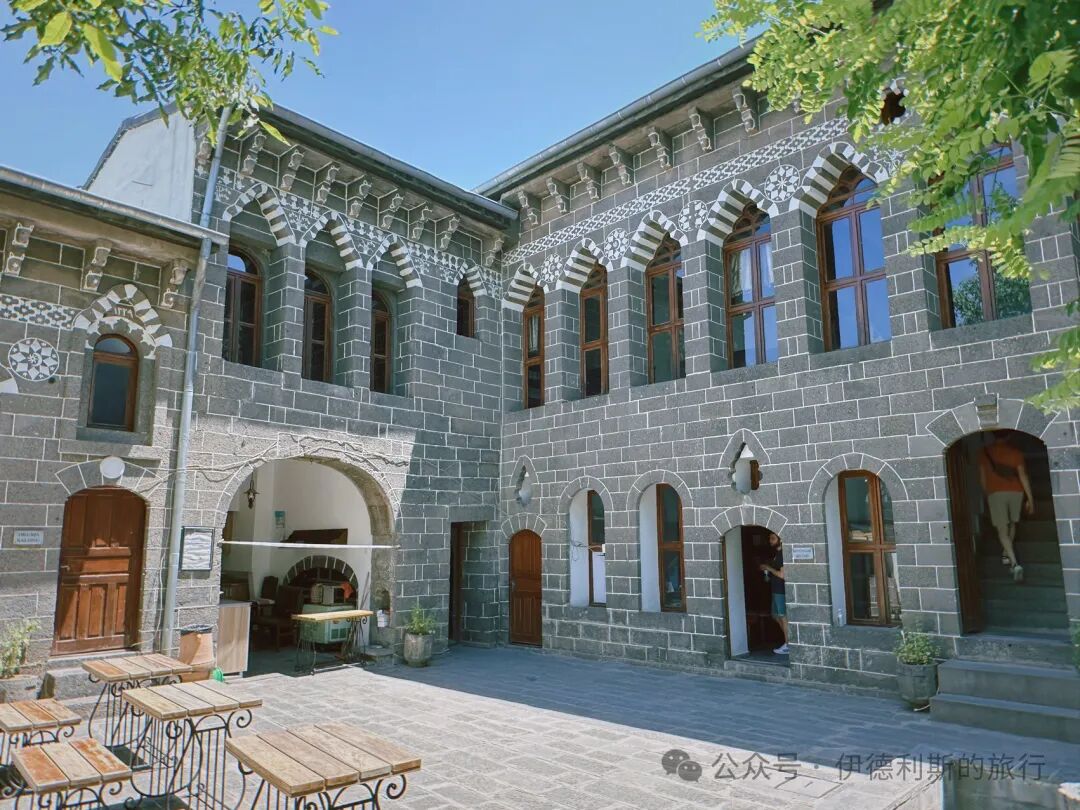
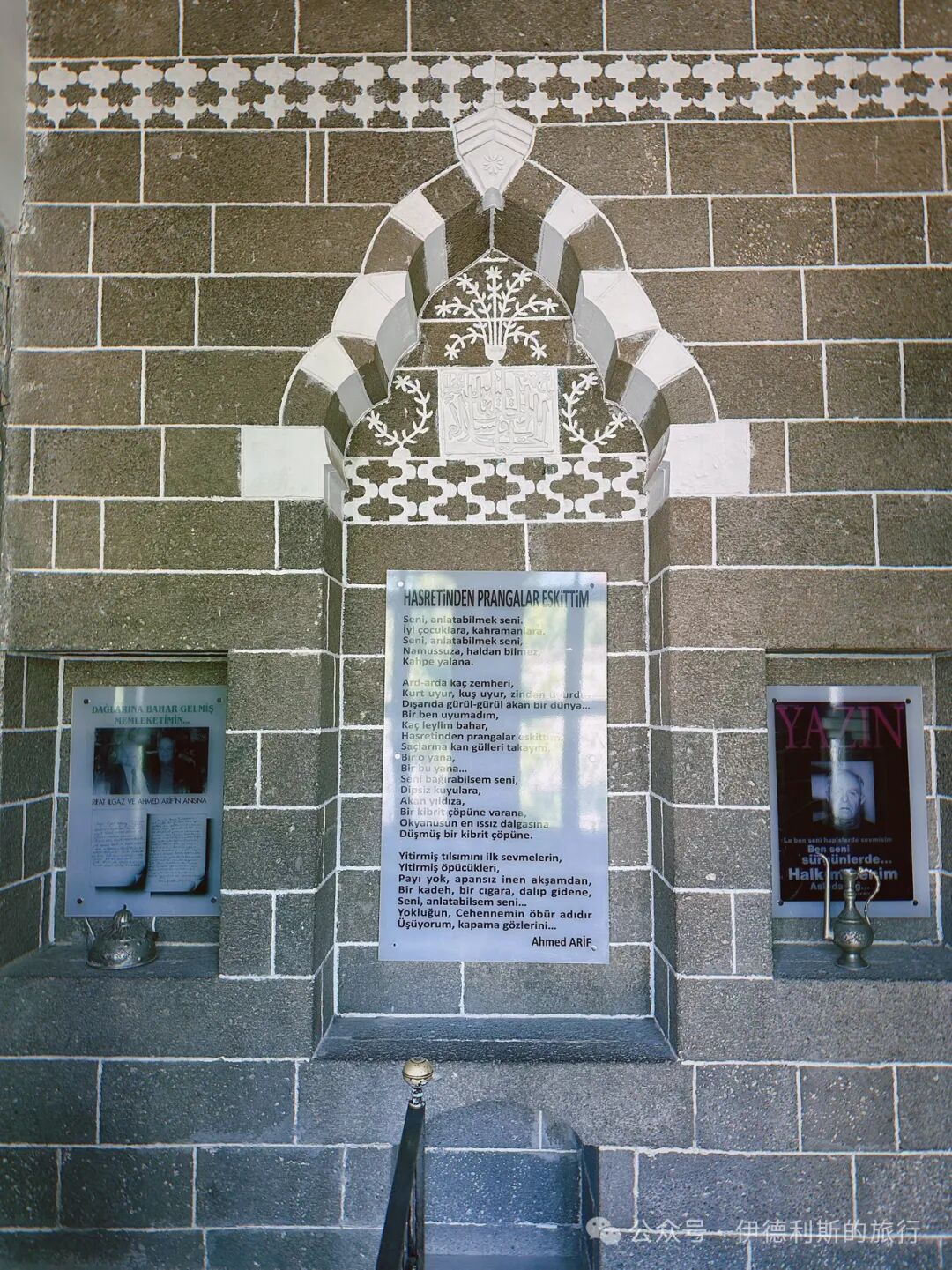
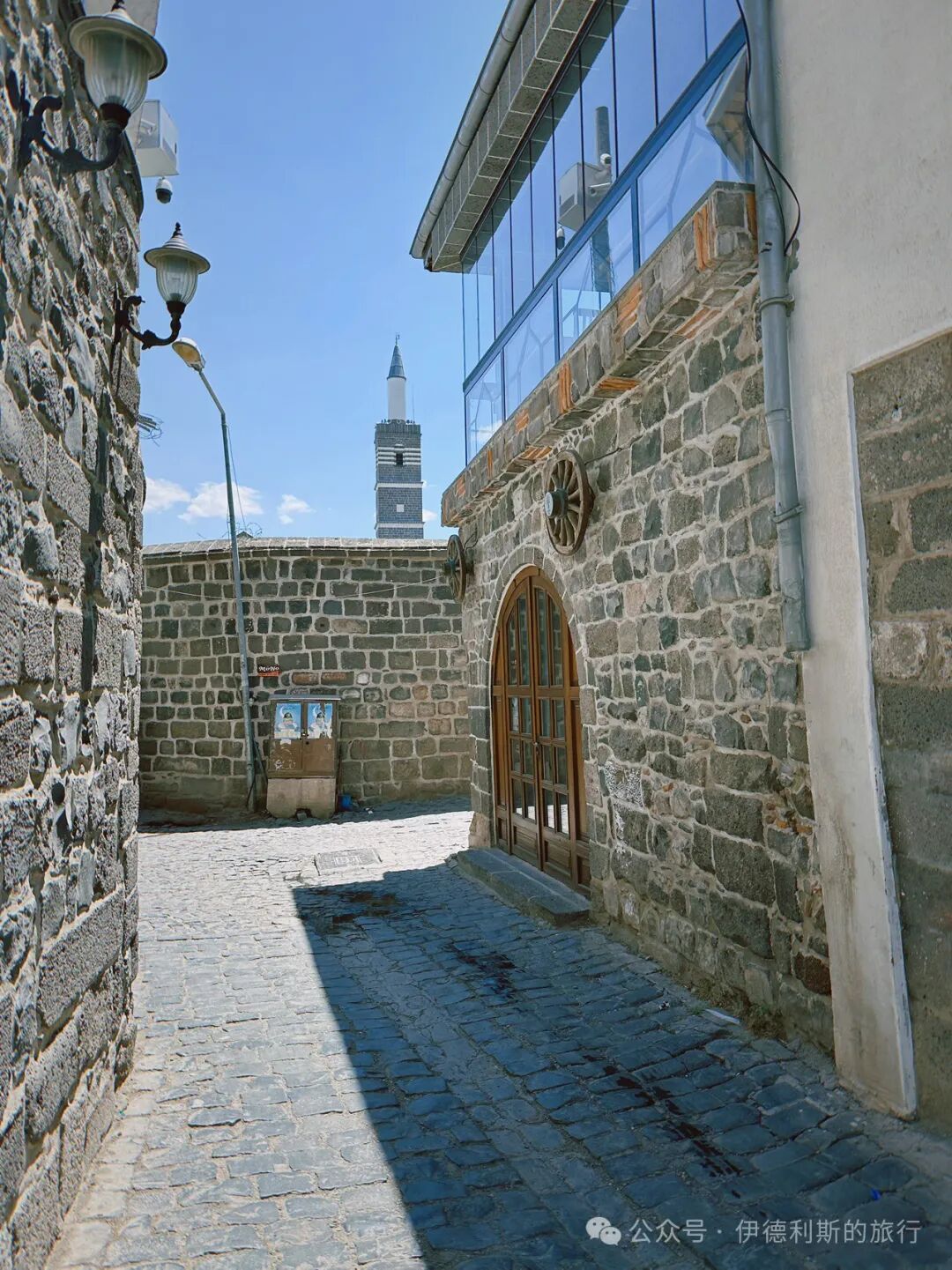
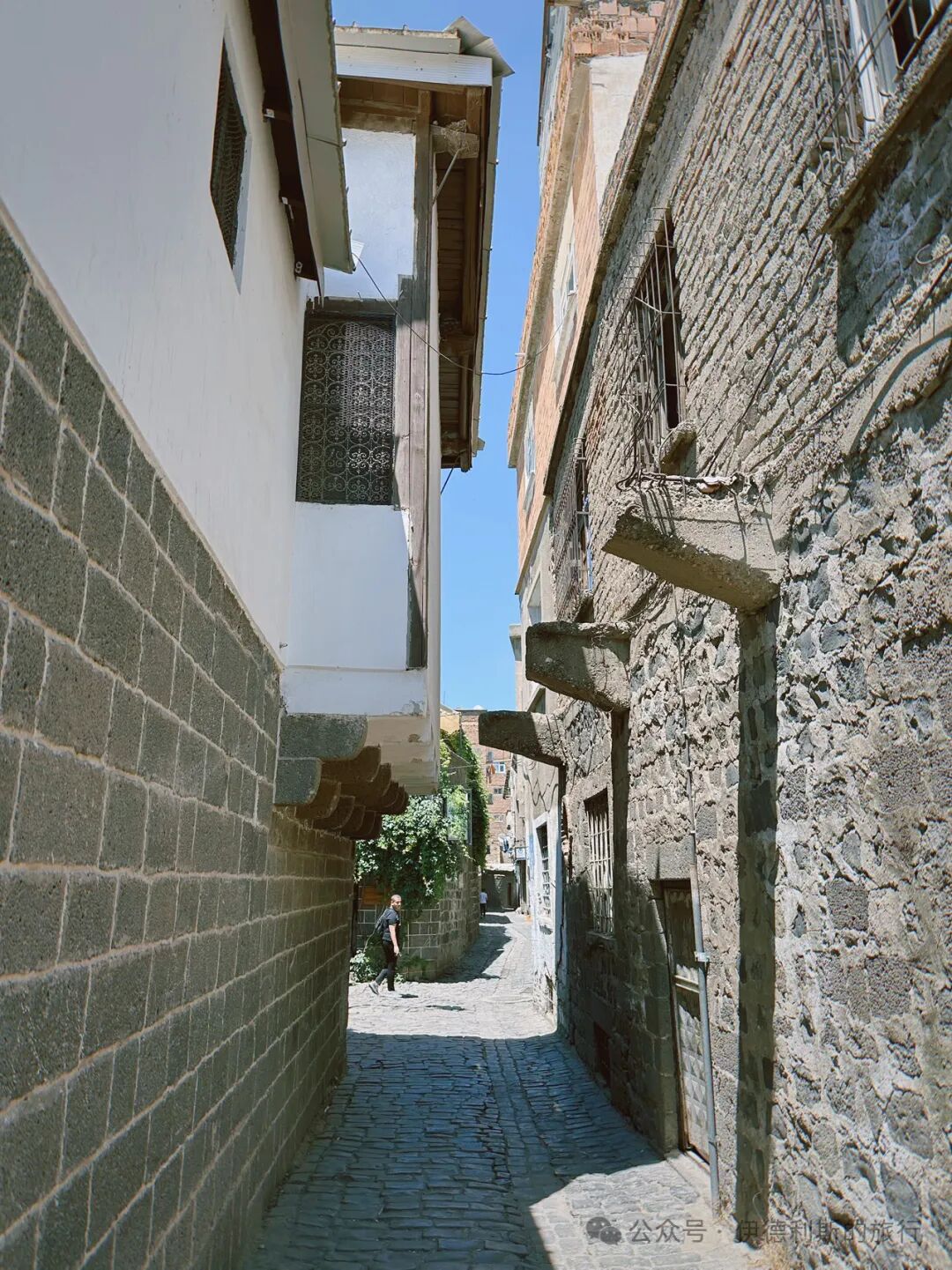
Introduction: On the north side of the Great Mosque of Diyarbakir stands the Haji Khalid House (Haci Halid Evi), a traditional home over 120 years old that is now open to the public as the Ahmed Arif Literature Museum. Ahmed Arif (1927-1991) was a famous poet from Diyarbakir. His father was a Turkmen from Iraq and his mother was Kurdish. His poetry is deeply influenced by Anatolian folk literature and is widely loved by people across Turkey.
Summary: Southeastern Turkey Traditional Homes - Courtyards and Stone Houses is presented as a clear English travel account for readers interested in Muslim life, halal food, architecture, and local history. The article keeps the original names, food details, photographs, and cultural context while focusing on Turkey, Traditional Homes, Architecture.
Continued from the previous post: Visiting traditional homes in Tunisia and Egypt.
Name: İskender Paşa Konağı.
Location: Northwest of the old city of Diyarbakır, Turkey.
Date: 1551.
Introduction: This home was built in 1551 by İskender Paşa, the twelfth governor of the Ottoman Empire in Diyarbakır, during the peak of the Ottoman Empire under Suleiman the Magnificent. Today, the mansion houses a breakfast shop, and a plane tree that is over 400 years old still stands in the courtyard.
During the 1540s and 1550s, İskender Paşa spent years on the eastern border of the Ottoman Empire fighting the Georgians and the Persian Safavid Empire, successfully stopping the Safavid Empire from moving westward.
Name: Ziya Gokalp Museum.
Location: Northwest of the old city of Diyarbakır, Turkey.
Date: Early 19th century
Introduction: The Ziya Gökalp Museum, dedicated to the father of Turkish nationalism, is housed in a black basalt home built in the early 19th century. His family bought the house in 1824, and he was born there in 1876.
In 2014, ISIS besieged the Syrian Kurdish city of Kobani, leaving many Kurds displaced. Because the Turkish government viewed the Kurdish People's Protection Units (YPG) defending Kobani as a threat, they blocked Turkish Kurds from helping. This led to large-scale protests by Turkish Kurds. During the clashes, the Ziya Gökalp Museum was damaged, and some archives and books were destroyed. The Association of Turkish Travel Agencies (TÜRSAB) later restored it.
Name: Cemil Paşa Konağı
Location: Southwest of the old city of Diyarbakır, Turkey
Date: Between 1888 and 1902.
Introduction: The Cemil Paşa Mansion (Cemil Paşa Konağı) is the best-preserved traditional house in Diyarbakır, and it now serves as the Diyarbakır City Museum.
Cemil Paşa served as the Ottoman governor of Yemen and later the governor of Siirt. He built this mansion between 1888 and 1902 and lived there until 1927. In 2012, the Diyarbakır municipal government reached an agreement with Cemil Paşa's descendants to restore the mansion, and it officially opened as a city museum in 2014.
The Cemil Paşa Mansion consists of two large courtyards. One is called the Harem, a private area for family life, and the other is called the Selamlık, a public area for receiving guests and discussing business. This layout was the standard design for mansions built by high-ranking officials during the Ottoman Empire. The north side of the Harem was the winter residence, which gets plenty of sun, while the south side was the summer residence, which stays in the shade to keep cool. The Selamlık includes stables, servant rooms, reception rooms, a coffee room, and a water pool.
The interior displays of the Cemil Paşa Mansion, now the Diyarbakır City Museum, cover all aspects of life for the Kurds in Turkey.
Name: Şehzadeler Konağı
Location: Southeast of the old city of Diyarbakır, Turkey
Date: Late 16th century
Description: The Prince's Mansion (Şehzadeler Konağı) is an Ottoman-era house built in the late 16th century. It was severely damaged during the 2015 conflict between Turkey and the Kurdistan Workers' Party. Restoration began in 2021, and it was still under construction when I visited in 2023. We met a friend (dosti) at the Kurşunlu Mosque who works here, and he warmly invited us for tea.
Once the restoration is finished, it is expected to open as a literary youth center named after the famous Diyarbakır poet Sezai Karakoç, who passed away in 2021, serving as a home for literature for young people.
Name: Hacı Halid Konağı
Location: Northwest of the old city of Diyarbakır, Turkey.
Date: Late 19th century.
Introduction: On the north side of the Great Mosque of Diyarbakir stands the Haji Khalid House (Haci Halid Evi), a traditional home over 120 years old that is now open to the public as the Ahmed Arif Literature Museum. Ahmed Arif (1927-1991) was a famous poet from Diyarbakir. His father was a Turkmen from Iraq and his mother was Kurdish. His poetry is deeply influenced by Anatolian folk literature and is widely loved by people across Turkey.
