
Islamic Architecture Guide: Saudi Arabia and UAE Traditional Homes
Reposted from the web
Summary: This article visits traditional homes in Saudi Arabia and the United Arab Emirates, with a focus on courtyard layouts, family spaces, and local building details. It keeps the original travel route, house names, photographs, and cultural observations for readers interested in Muslim heritage and Gulf architecture.
Continued from the previous post:
Visiting traditional homes in Tunisia and Egypt
Visiting traditional homes in southeastern Turkey
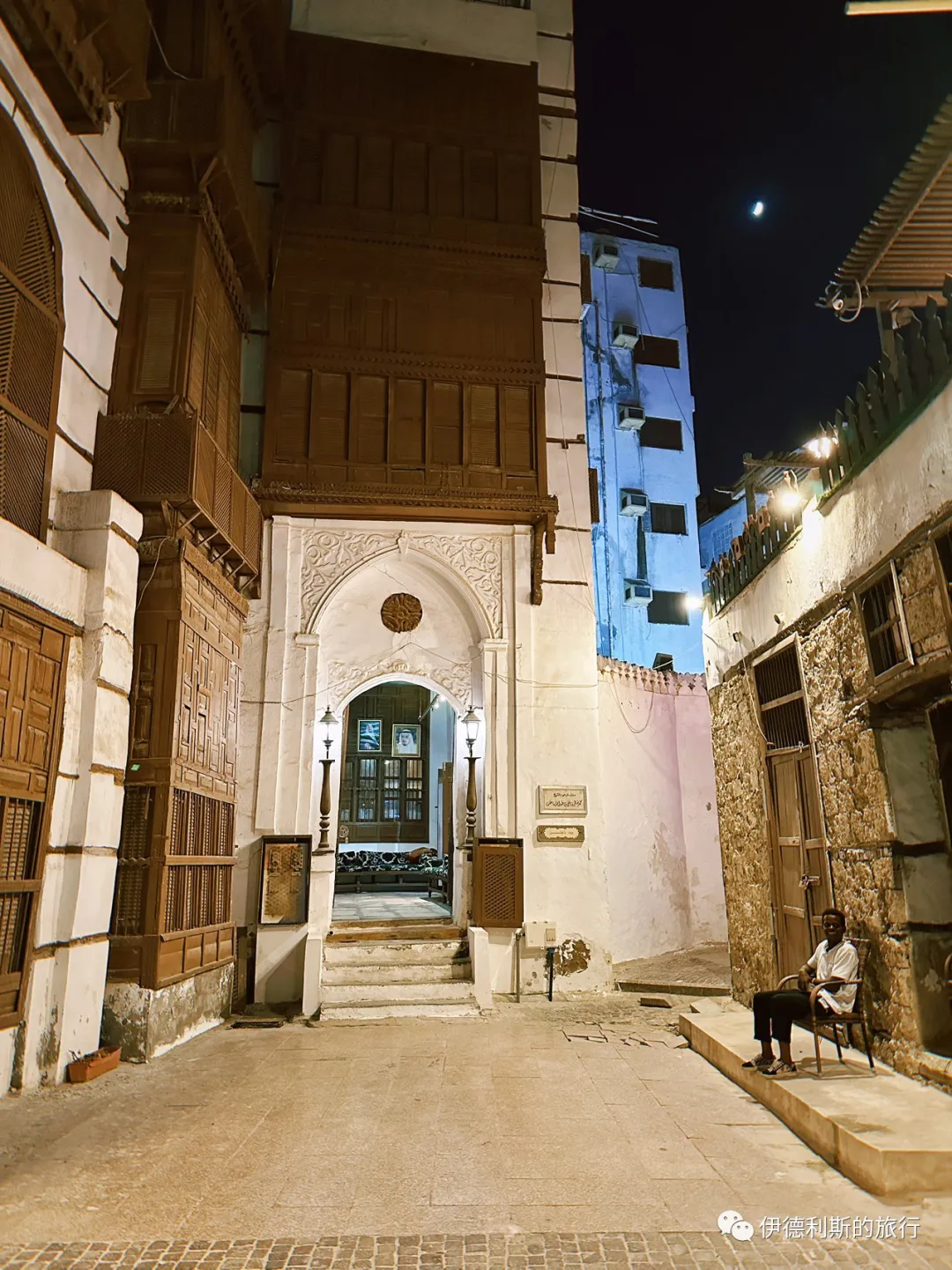
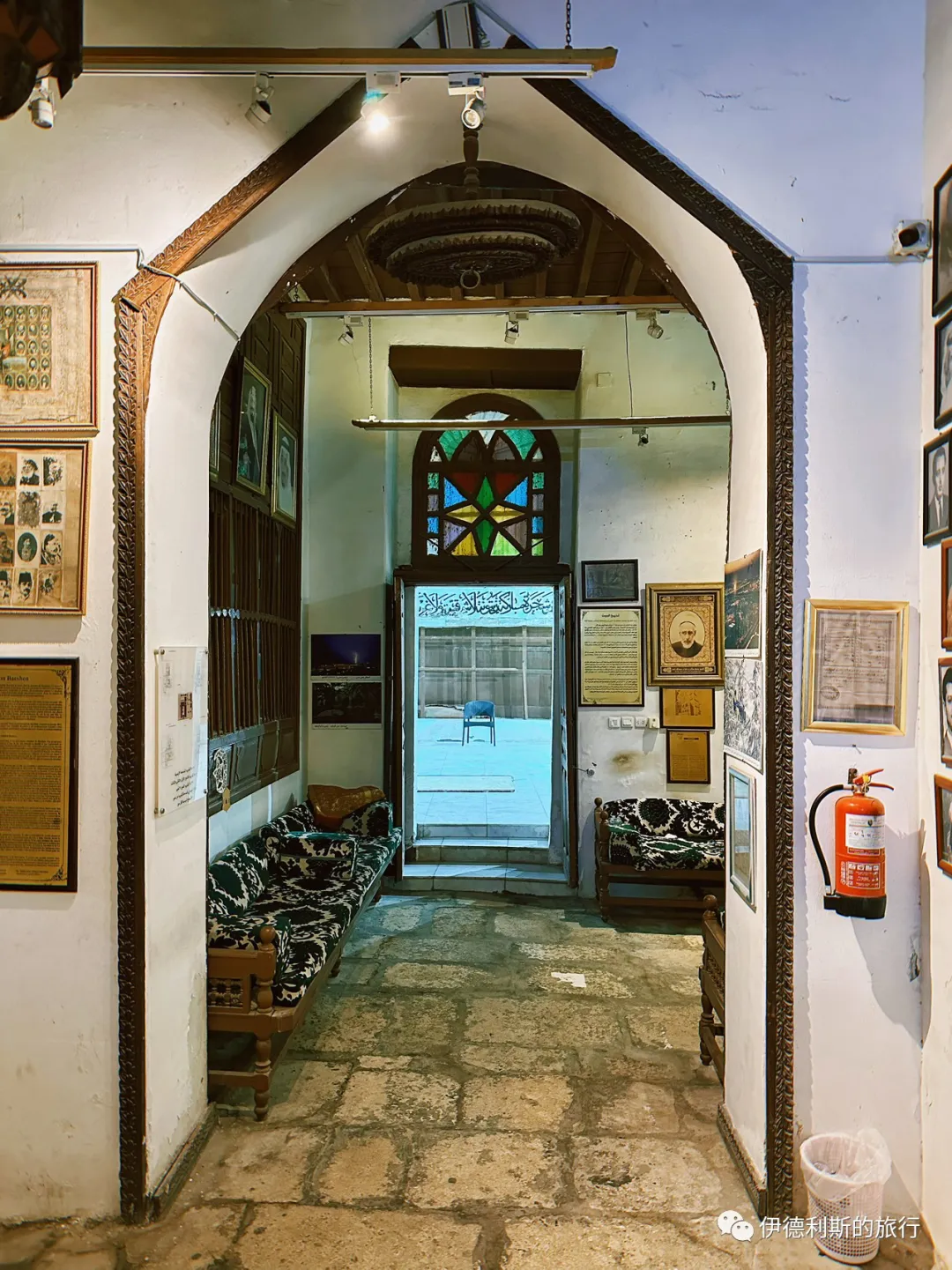
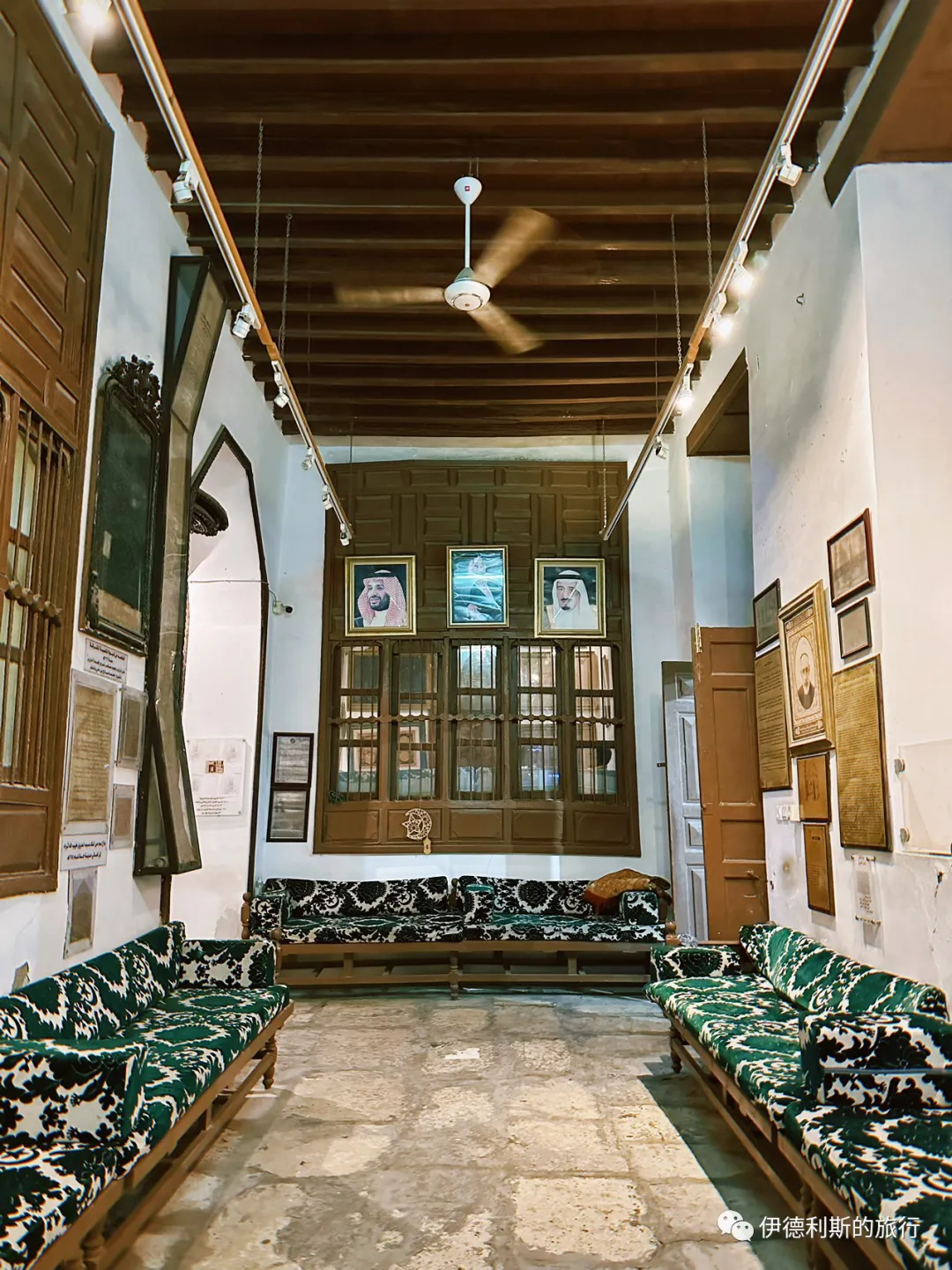
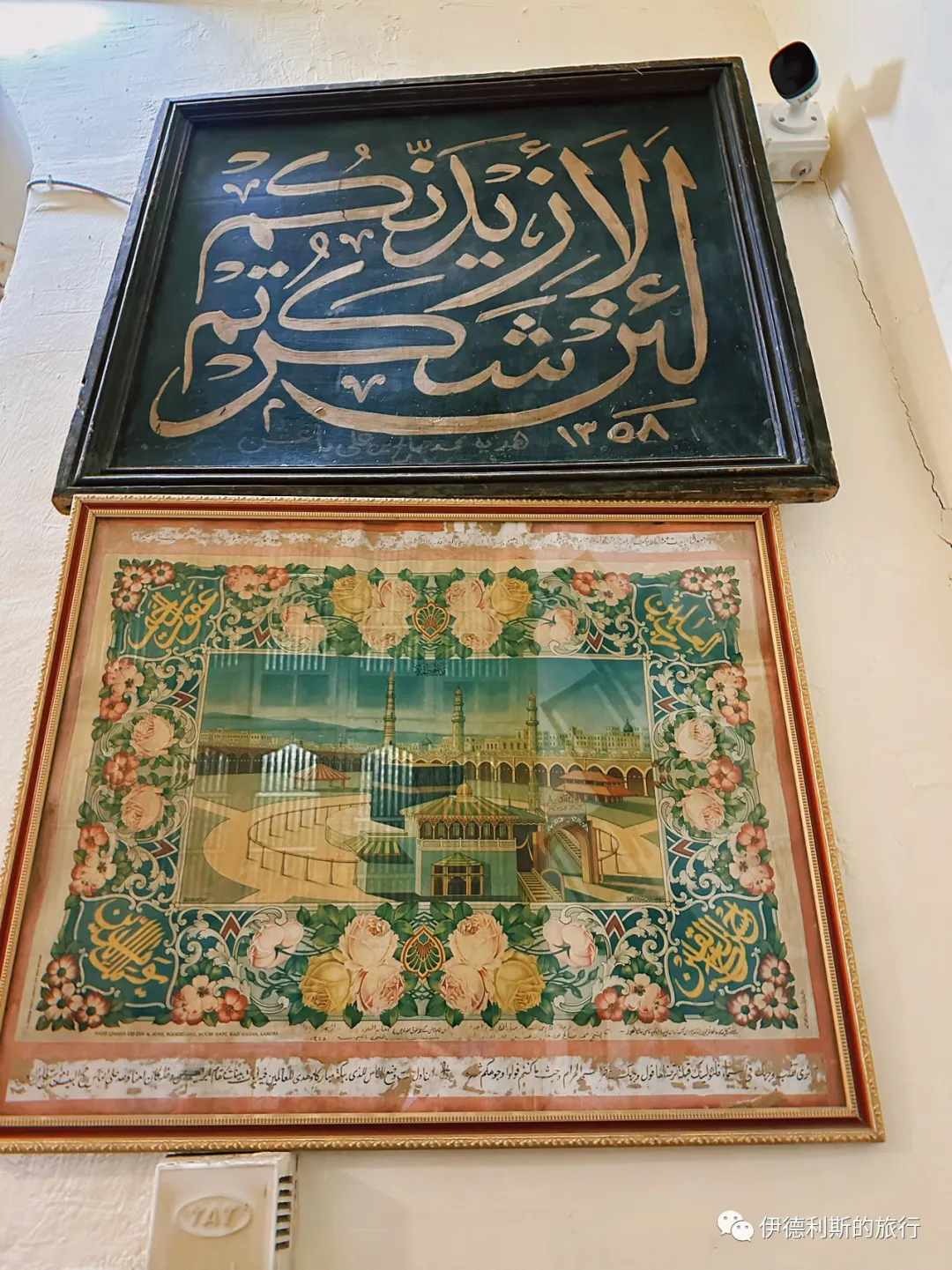
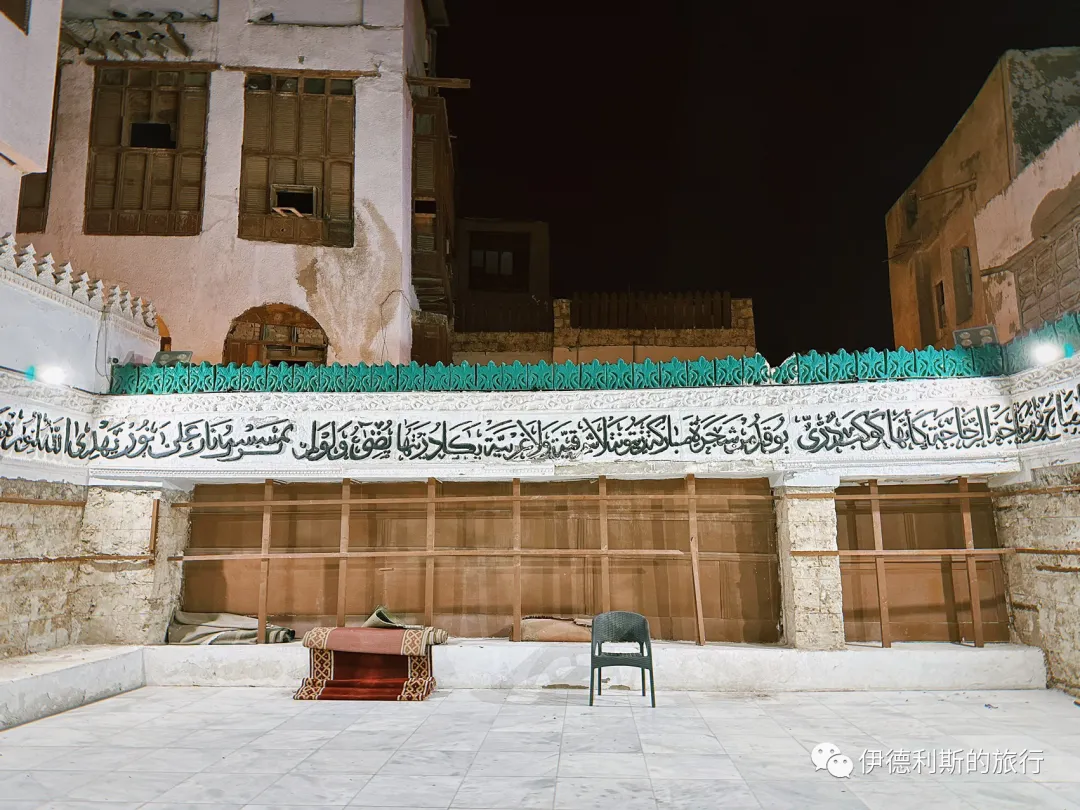
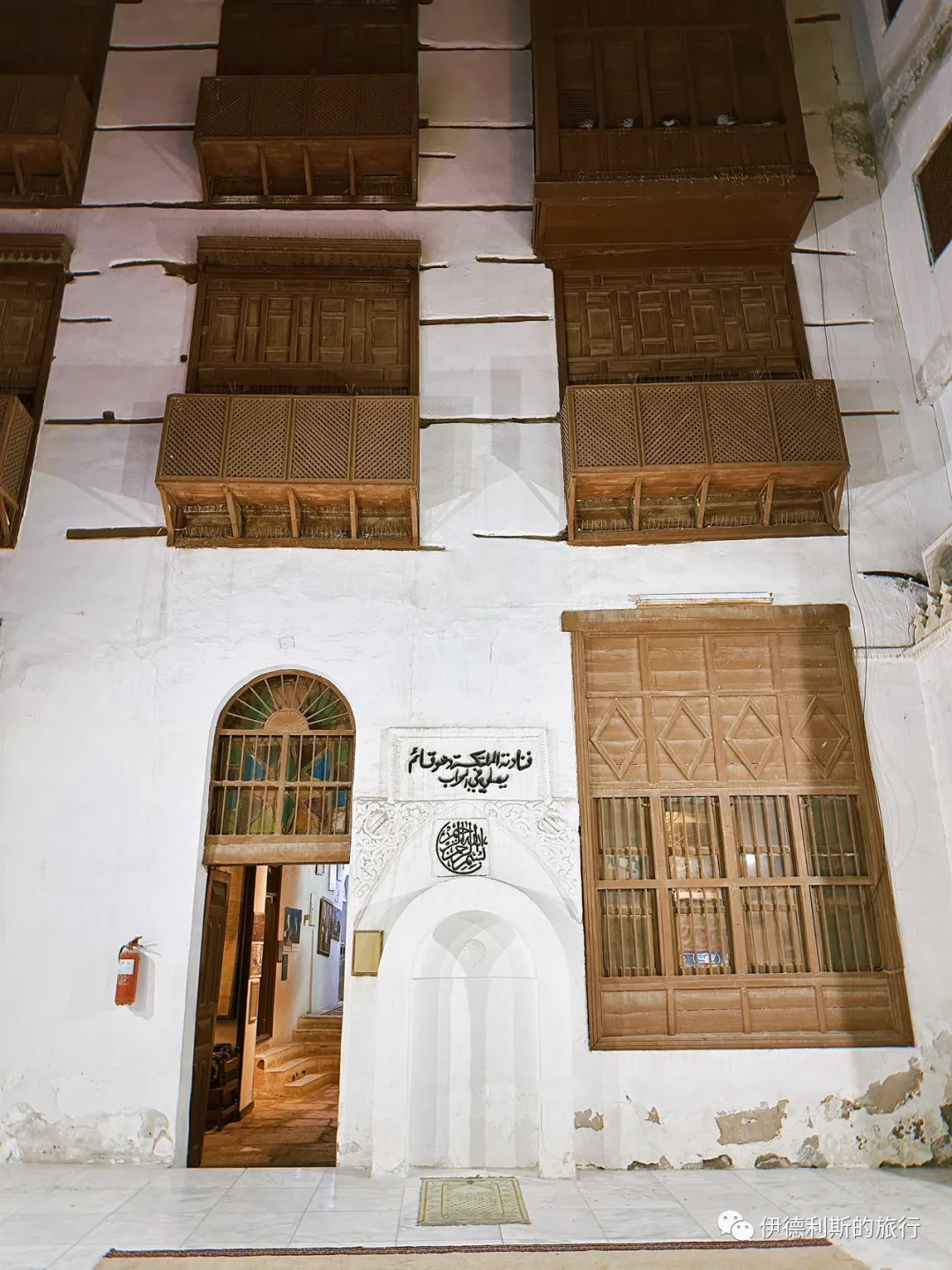
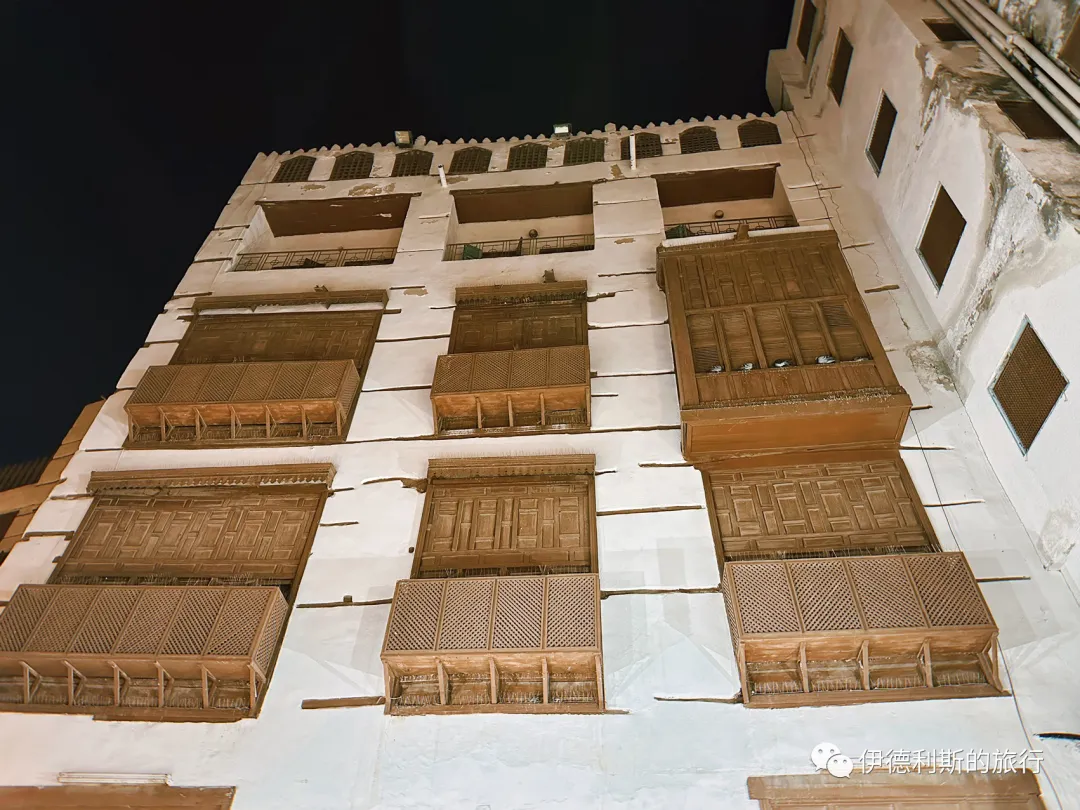
Name: Bayt Ba'ishan
Location: Inside the old city of Jeddah, Saudi Arabia
Date: 1923
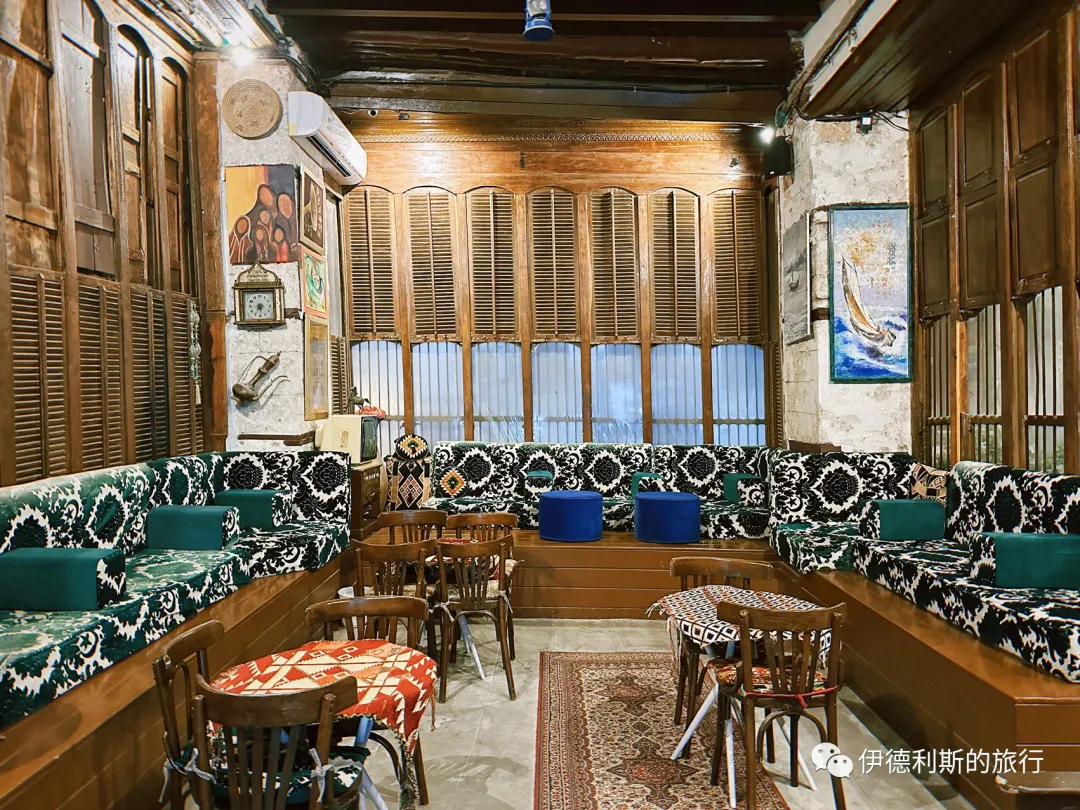
Introduction: The Ba'ishan family came from the Hadramaut region in eastern Yemen and specialized in the tea and grain trade. The famous Jeddah musician Omar Ba'ishan and the journalist Mohammad Ba'ishan both come from this family. This old house consists of two parts, and the first floor has a small courtyard used as an outdoor space for namaz. There is now a cold drink shop inside where tourists can rest.
Name: Bayt Jeddah
Location: Inside the old city of Jeddah, Saudi Arabia
Date: 1880
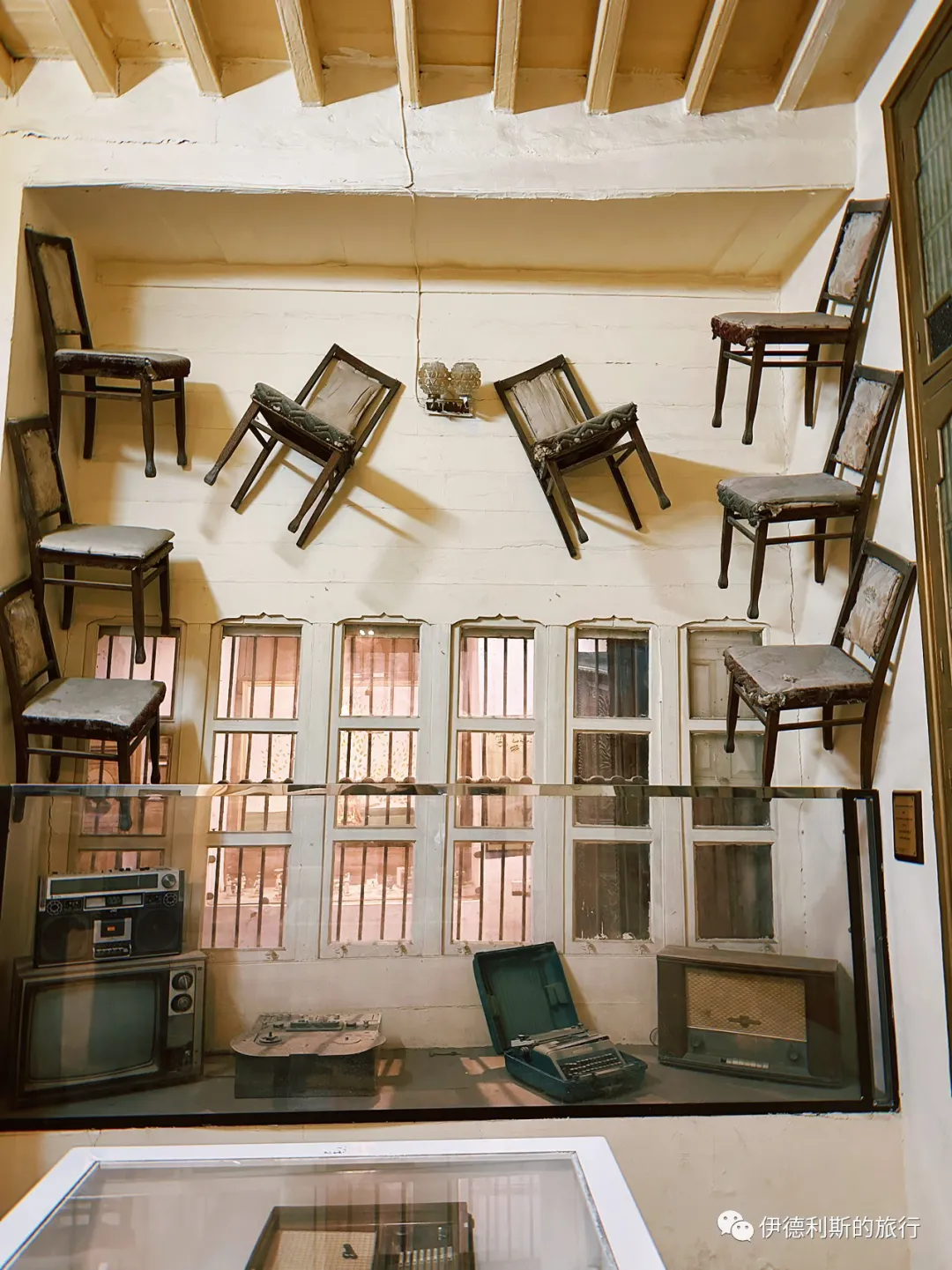
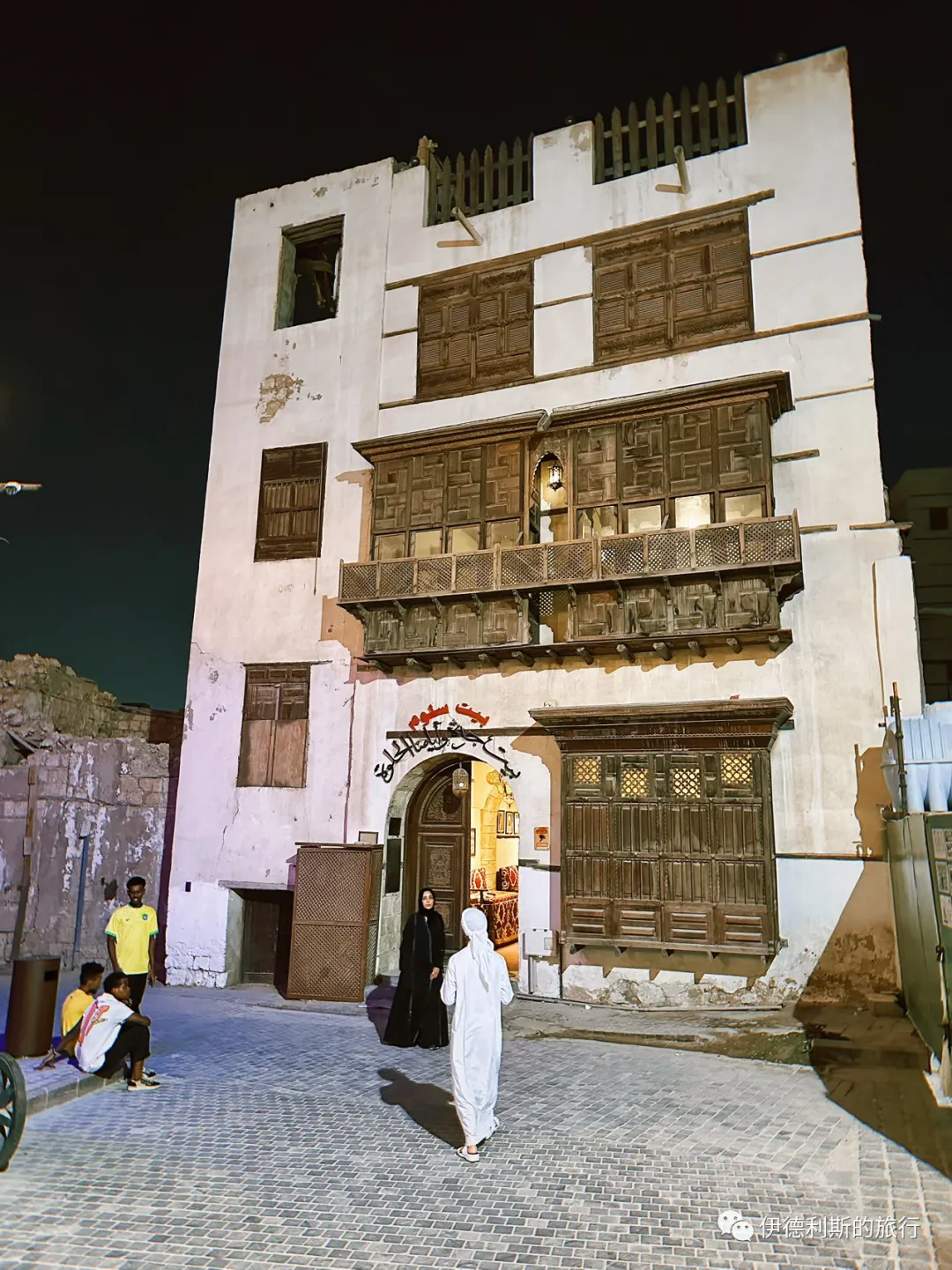
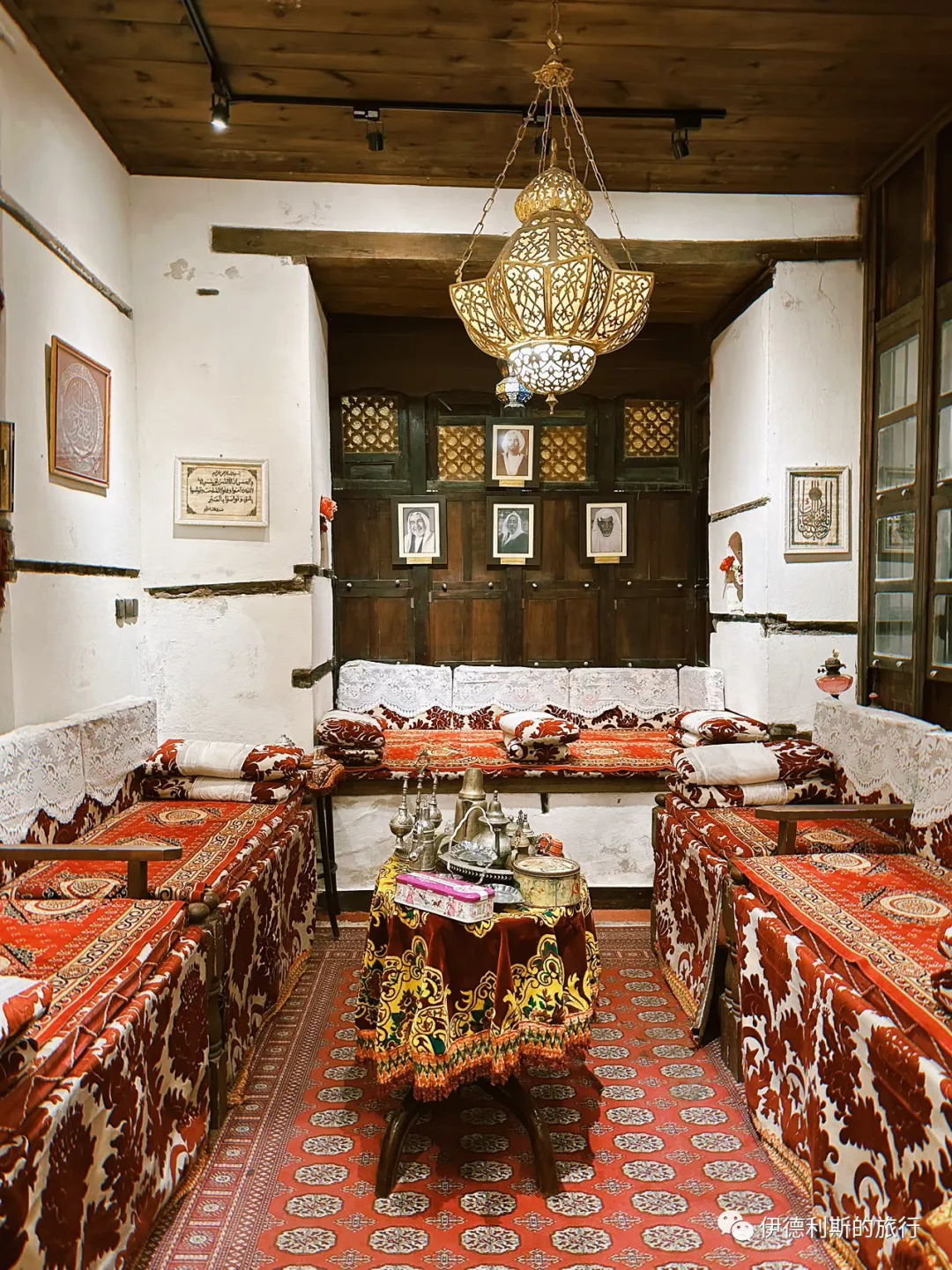
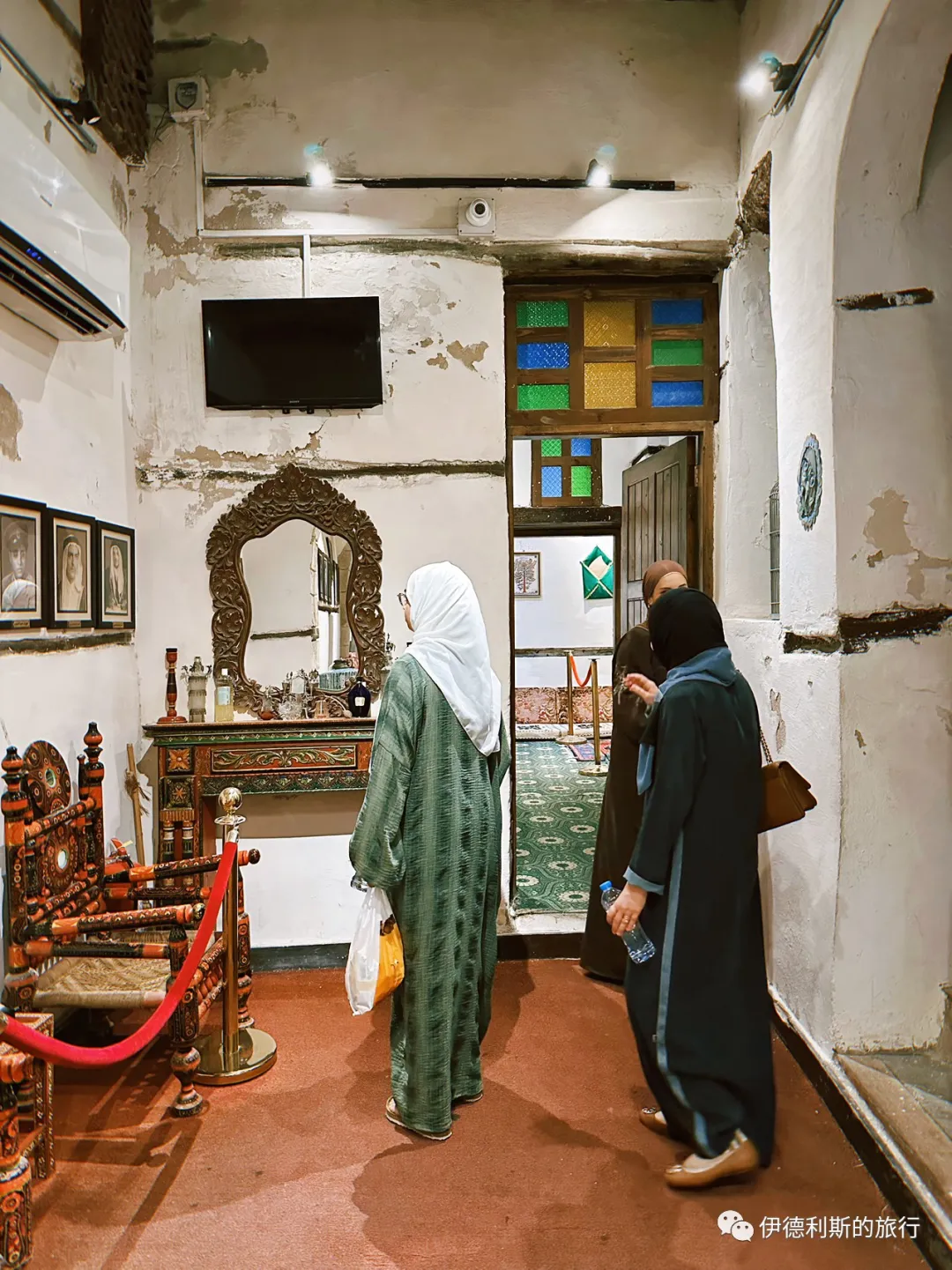
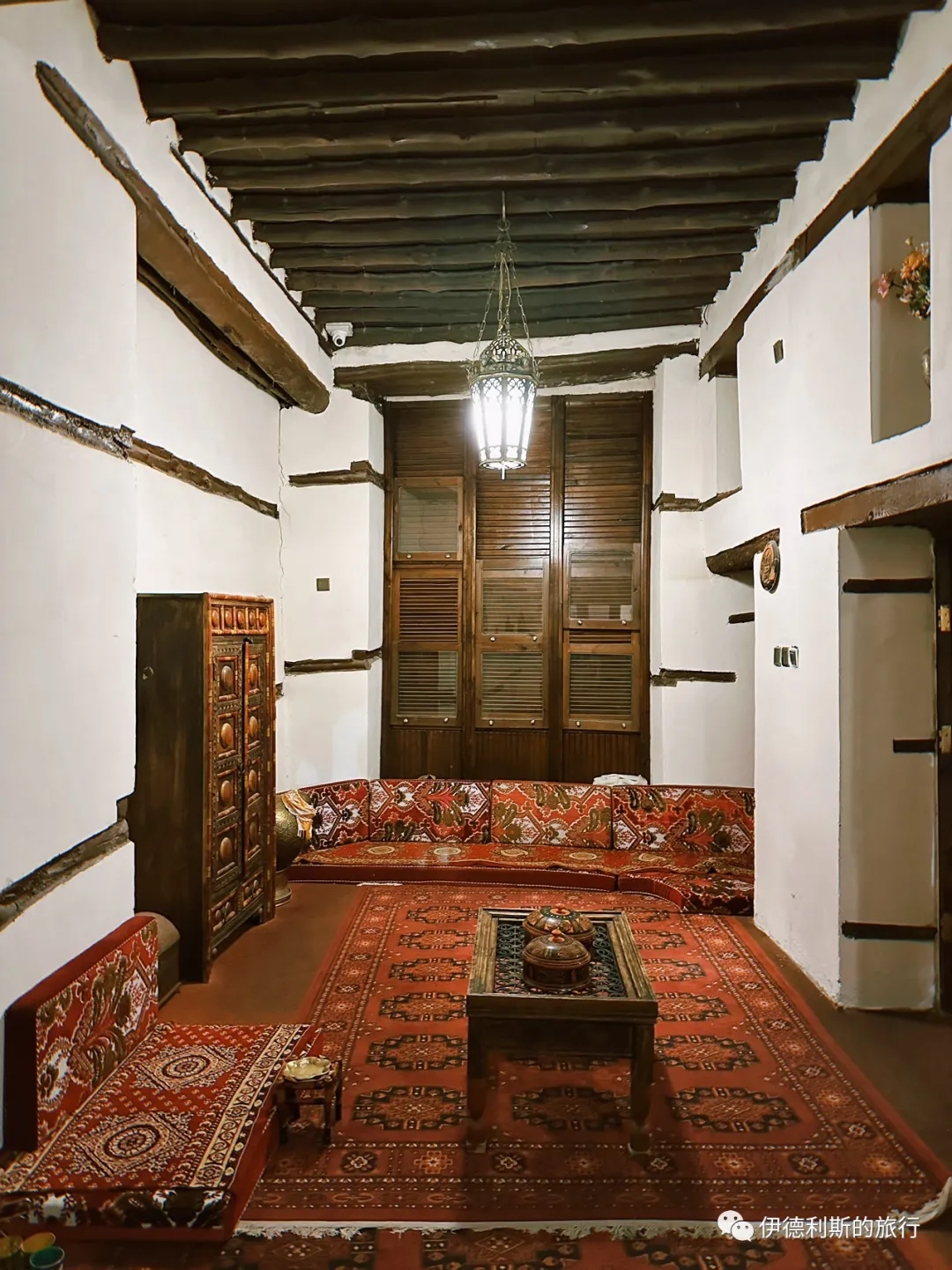
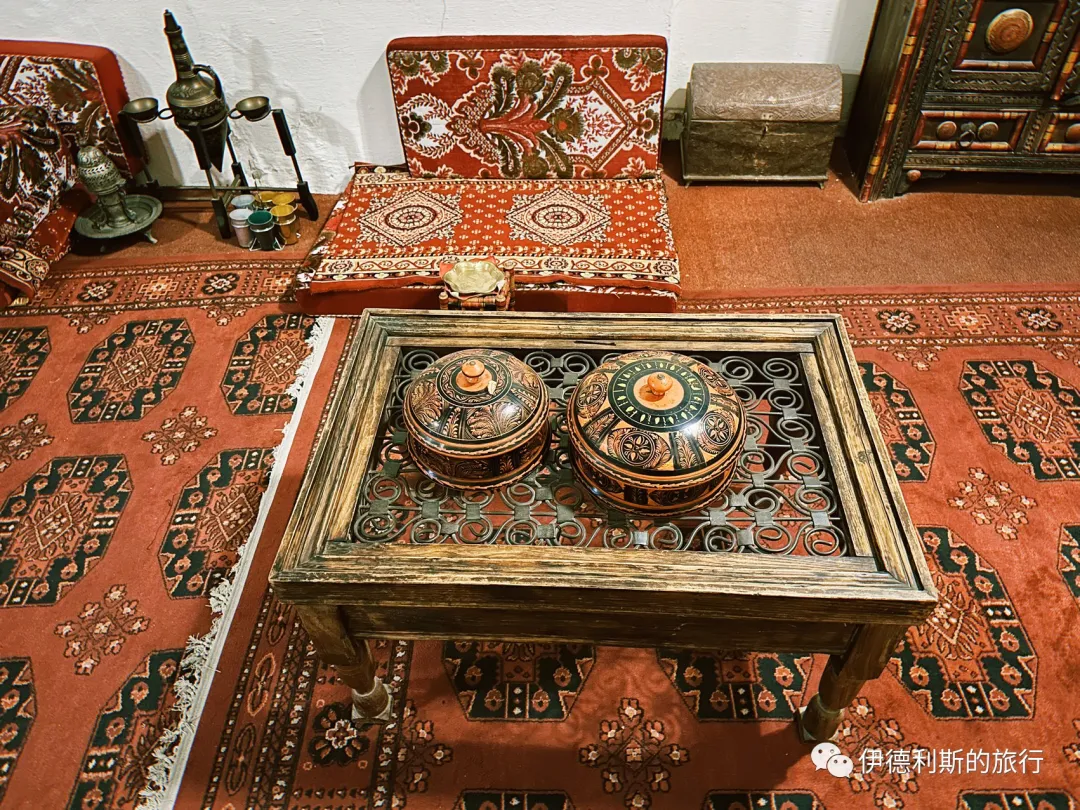
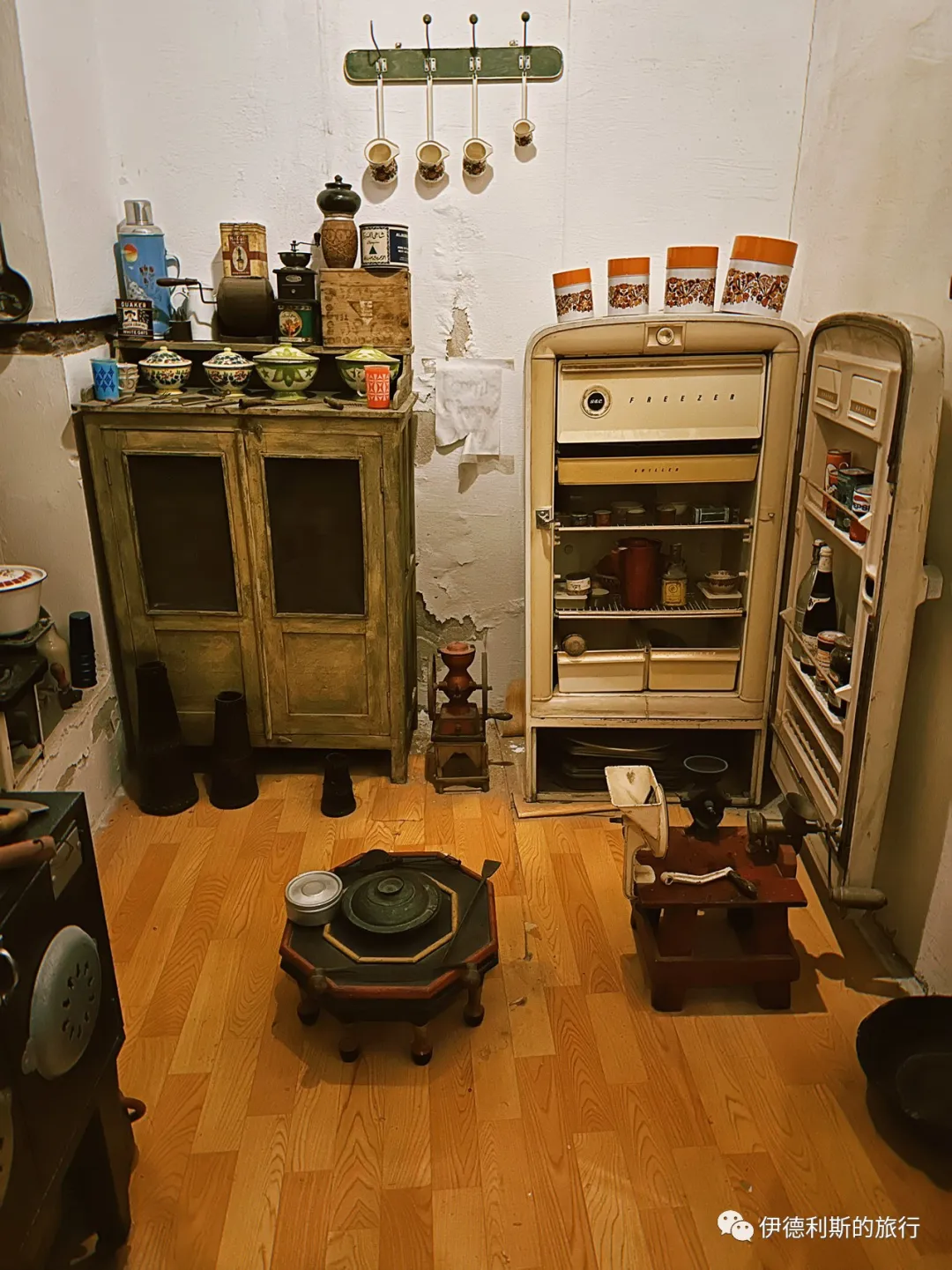
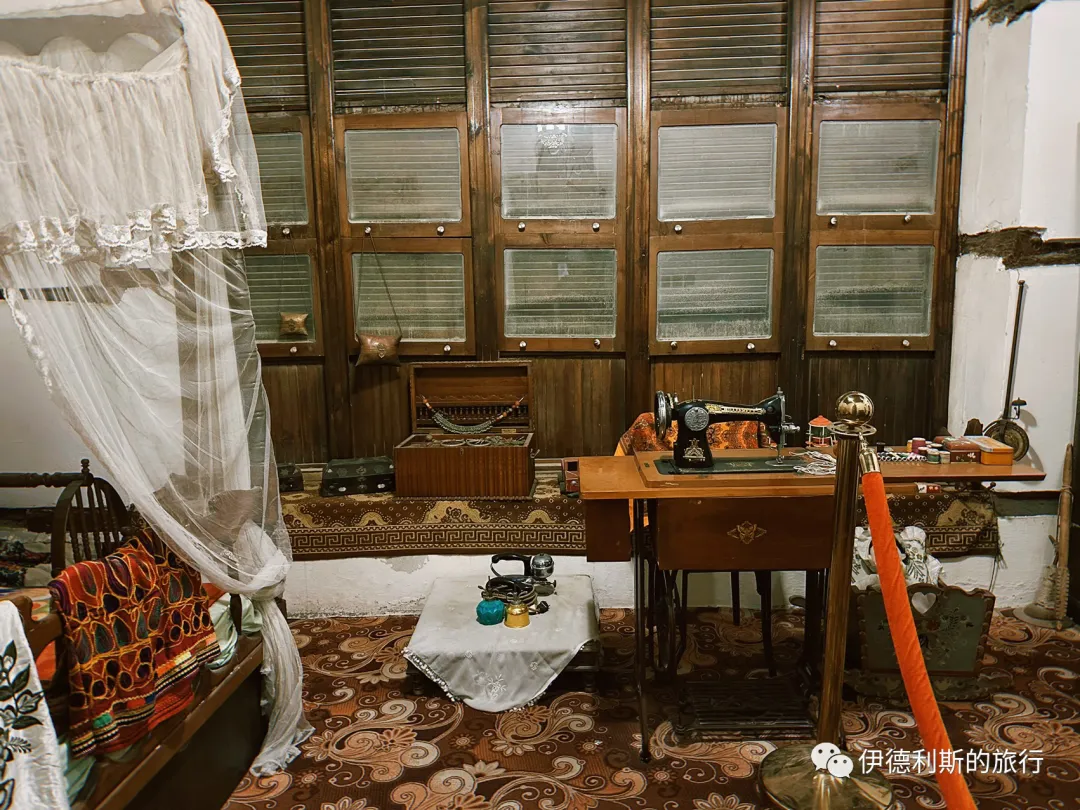
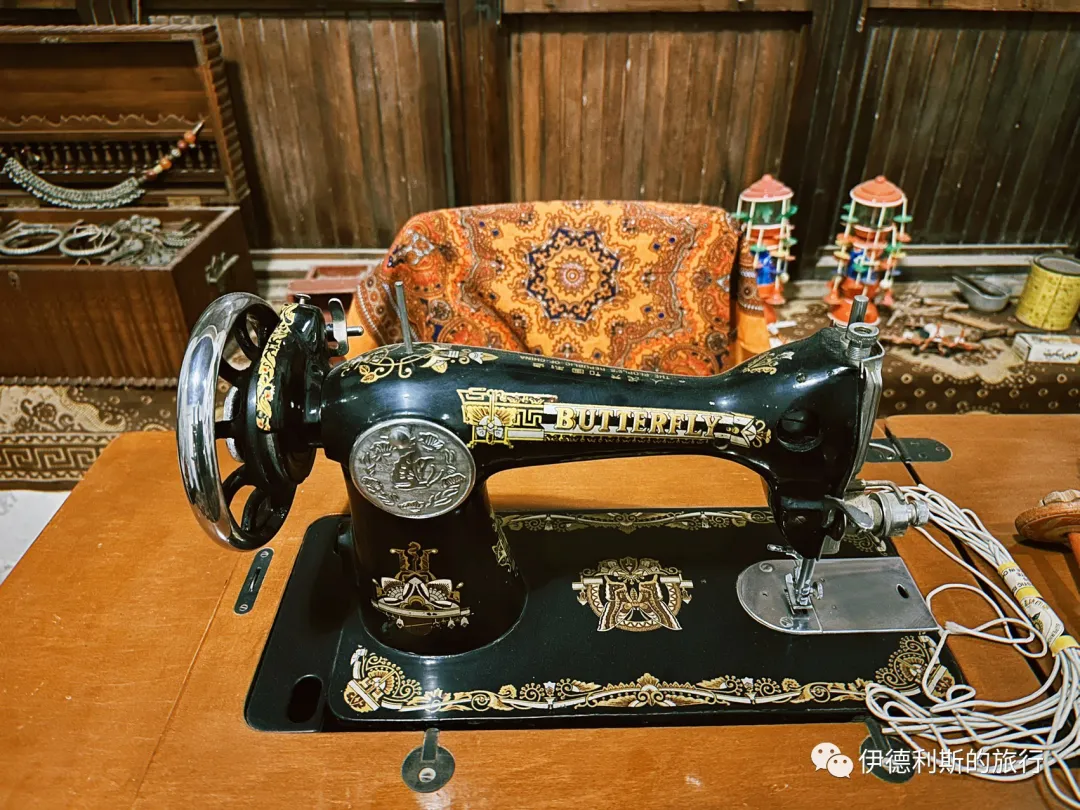
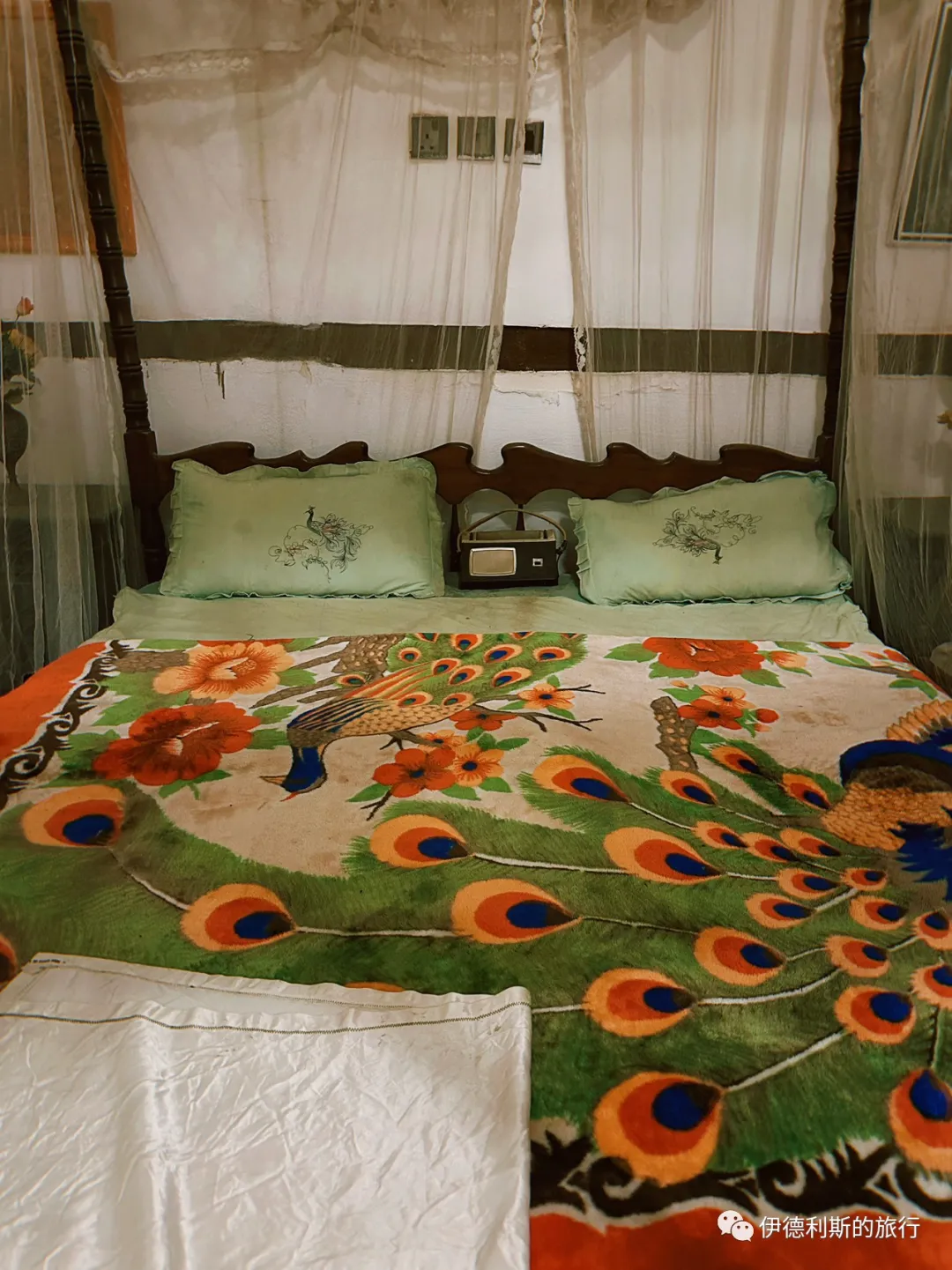
Introduction: Bayt Jeddah is also called Salloum's house. It was built by Sheikh Abdullah Bin Obaid Salloum in 1880. It preserves many pieces of furniture used by the Salloum family in the past, including some imported from India that are over 120 years old. The old house has three floors. The first floor is a reception room, and the second floor is the bedroom. You can see many daily items here, including old suitcases, sewing machines, and an old-fashioned kerosene refrigerator. In the old house, you can see the area in the Hejaz region specifically designed to receive female neighbors. In the past, female neighbors used to gather there every afternoon to drink tea and chat.
Name: Crossroad of Civilizations Museum
Location: Inside the Al Shindagha historical district in Dubai, UAE
Date: 19th century
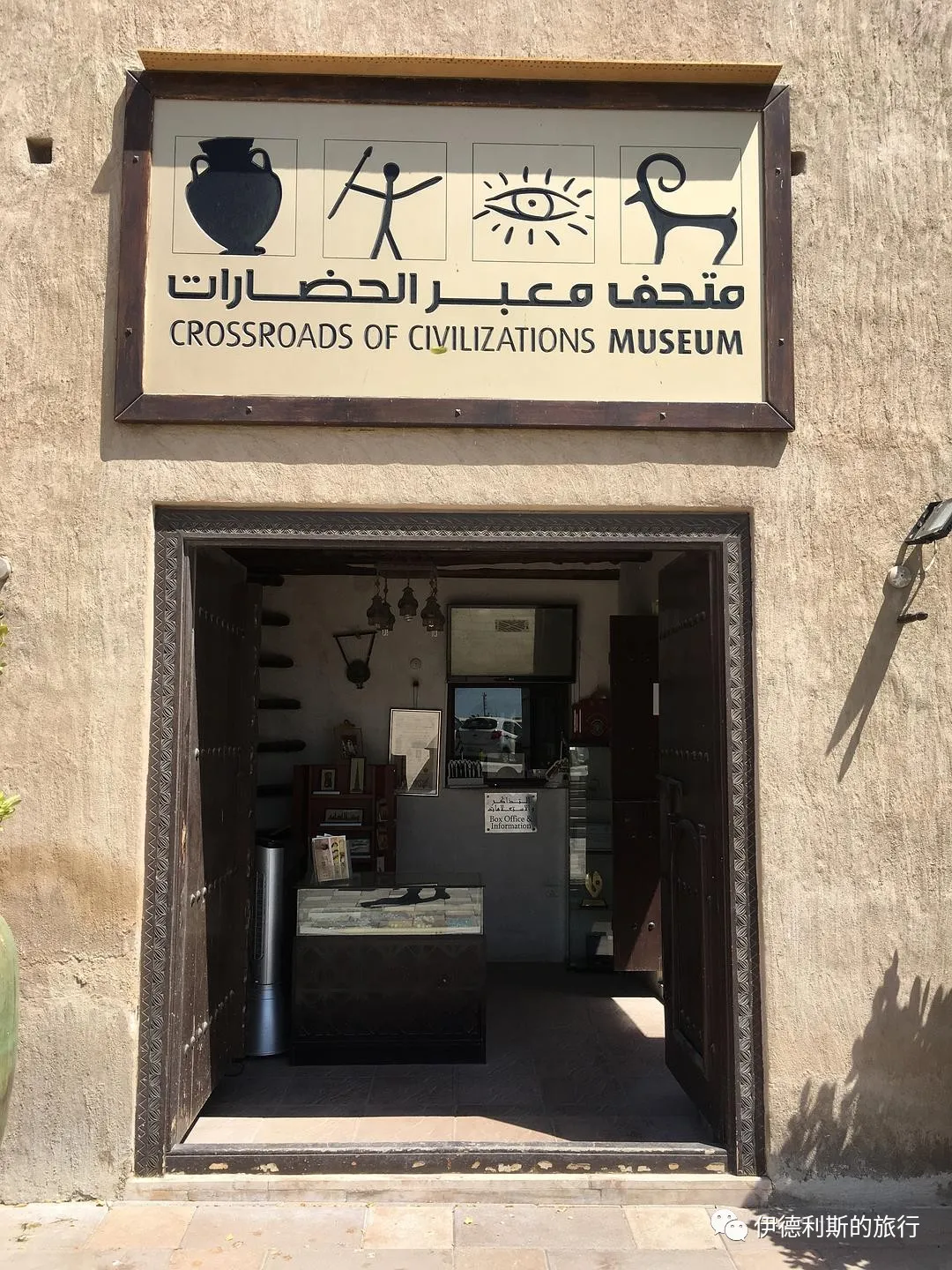
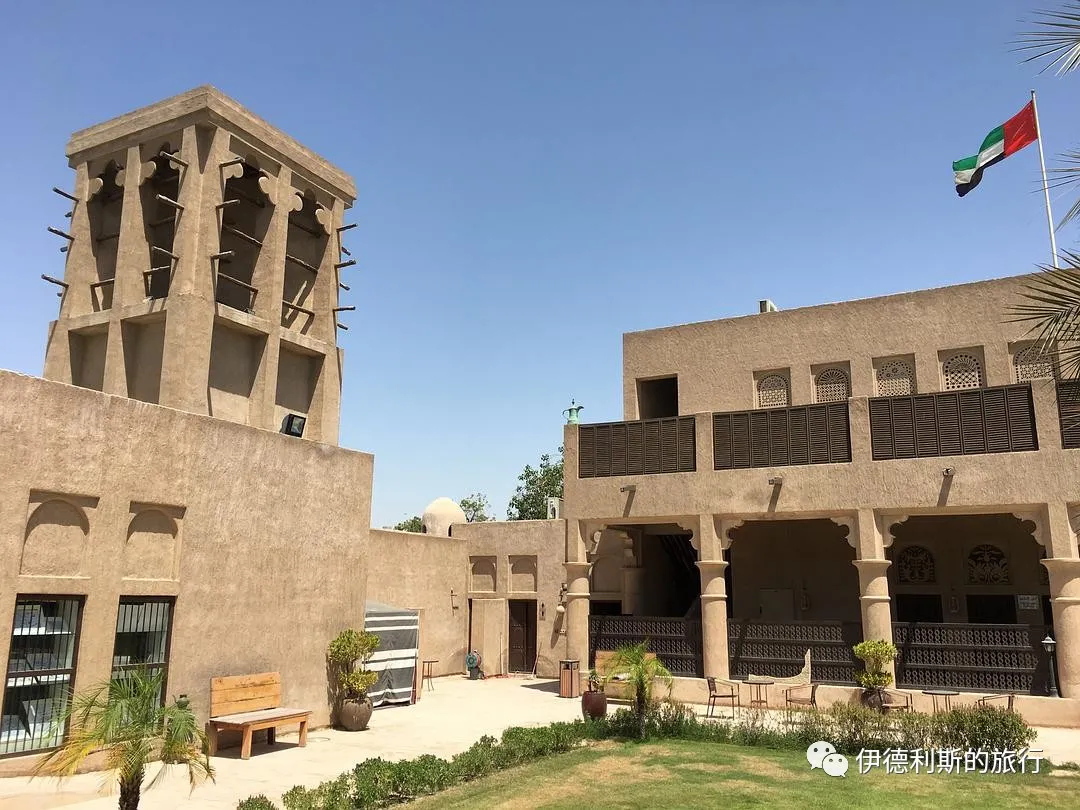
Introduction: The Crossroad of Civilizations Museum is located in a traditional Gulf-style house built in the 19th century. This was the former residence of Sheikh Hashr Bin Maktoum Al Maktoum, the brother of the eighth ruler of Dubai, Sheikh Saeed. It opened as a museum in 2014 and displays many formal book manuscripts and traditional weaponry.
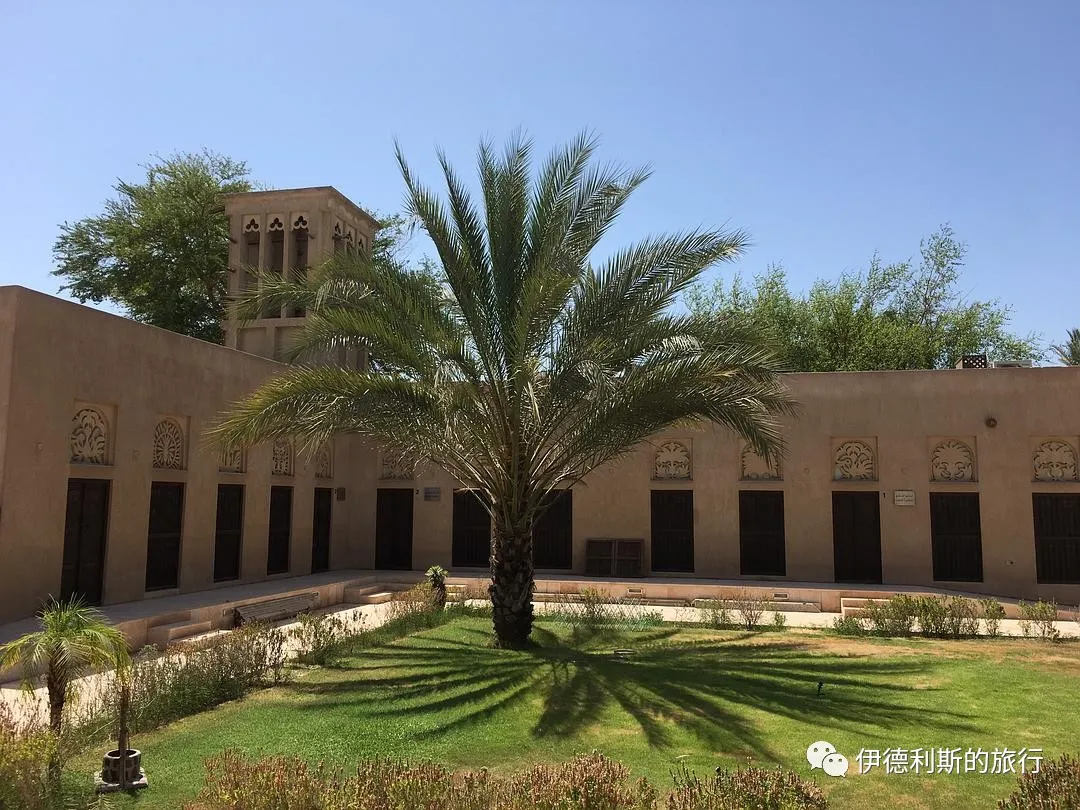
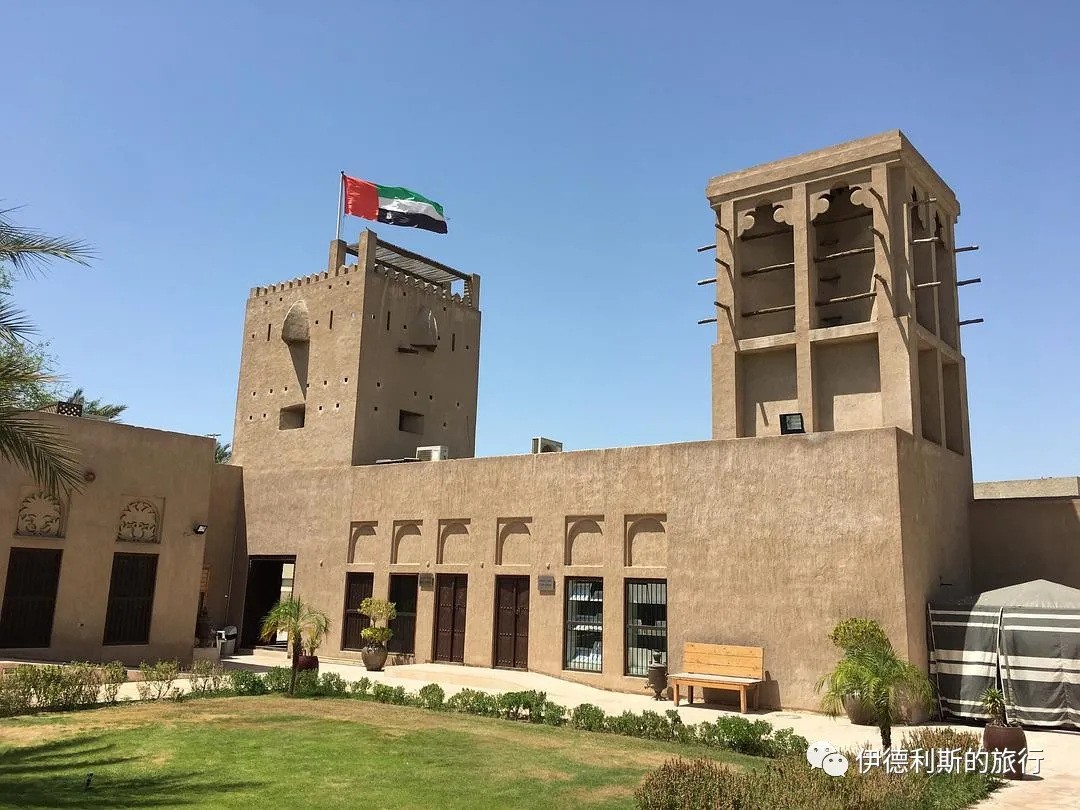
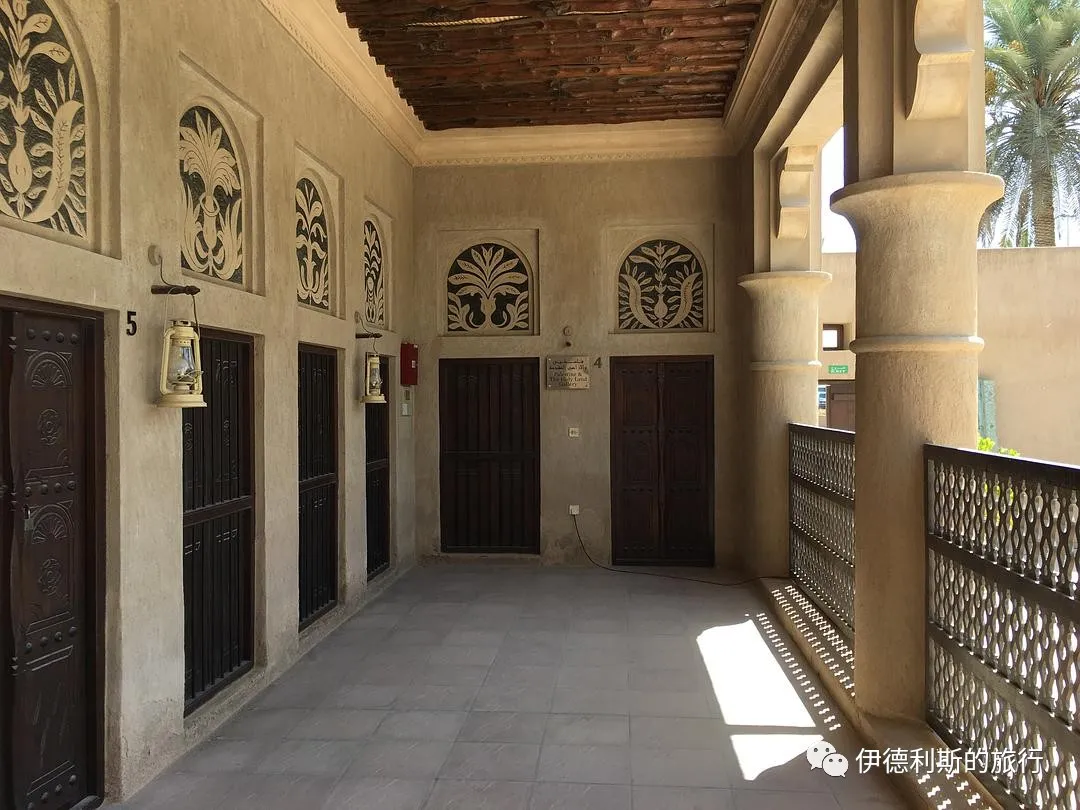
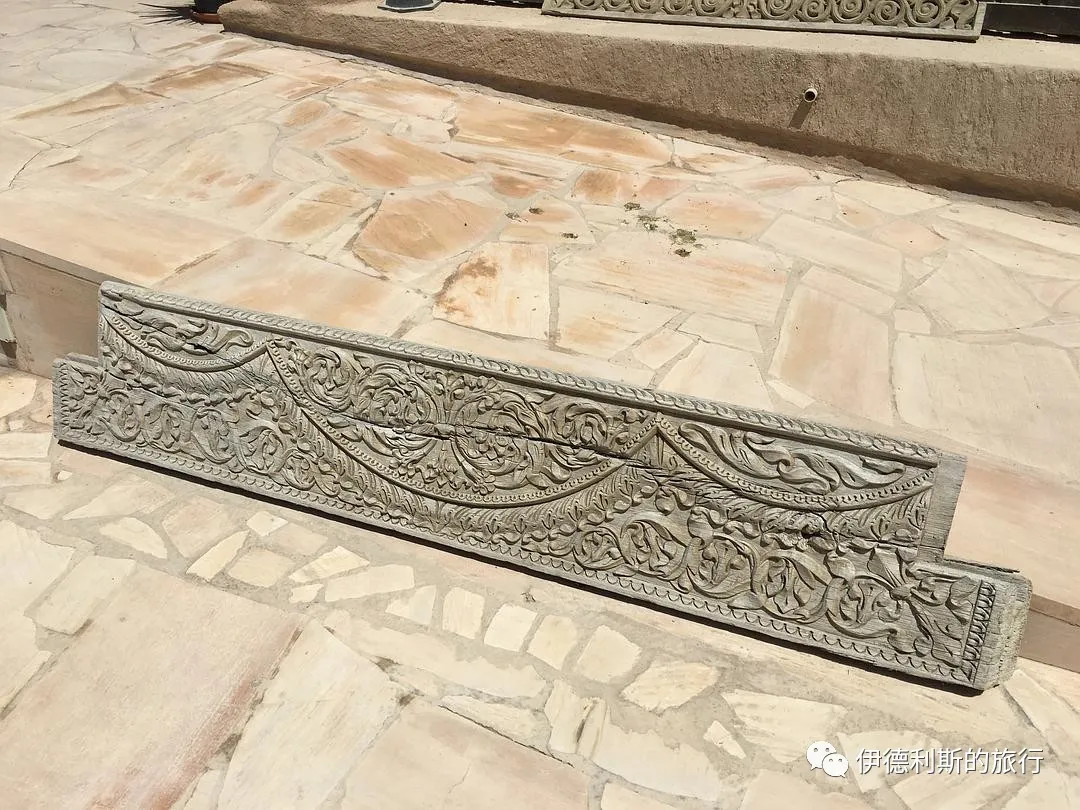
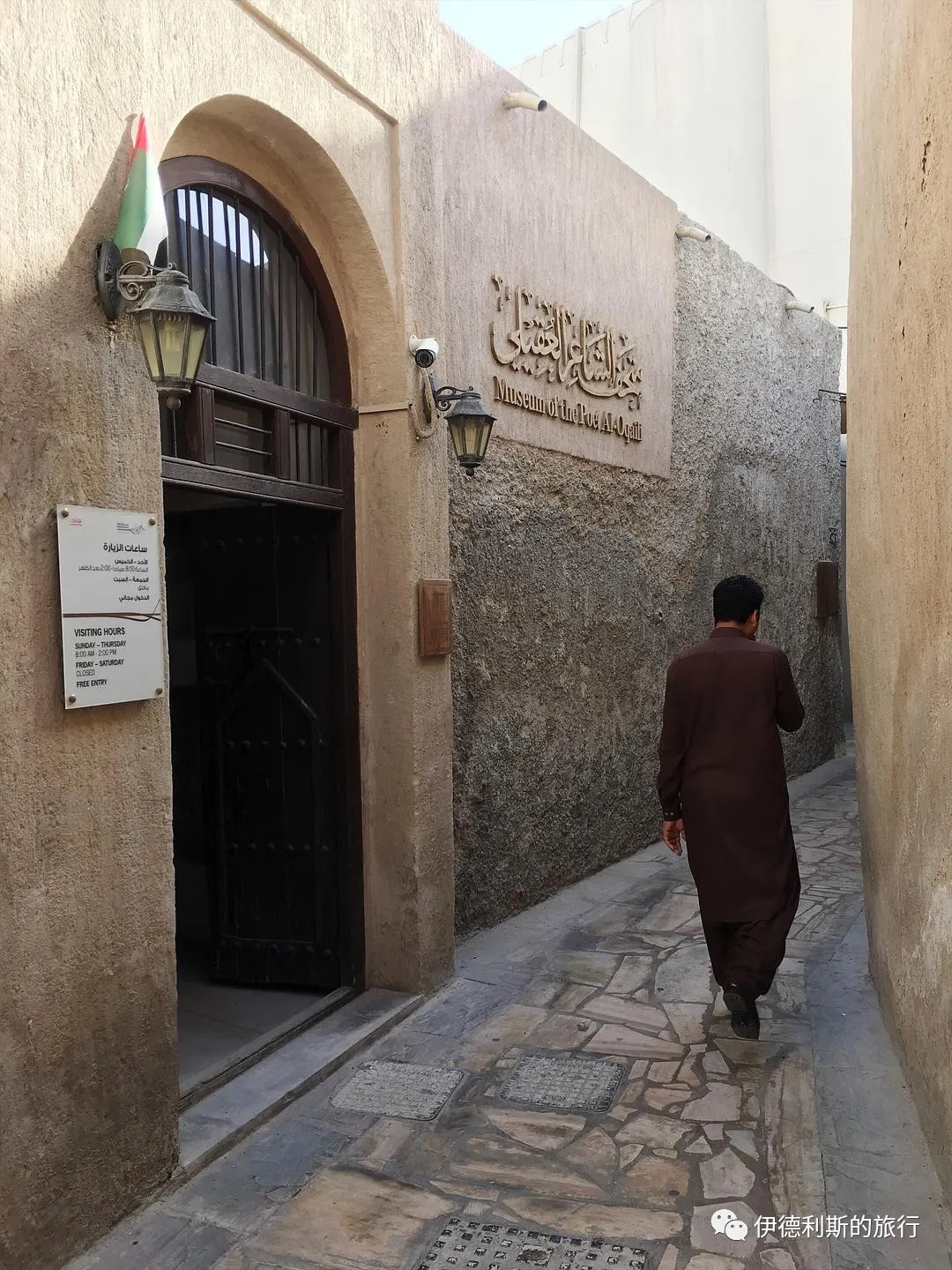
Name: Museum of the Poet Al Oqaili
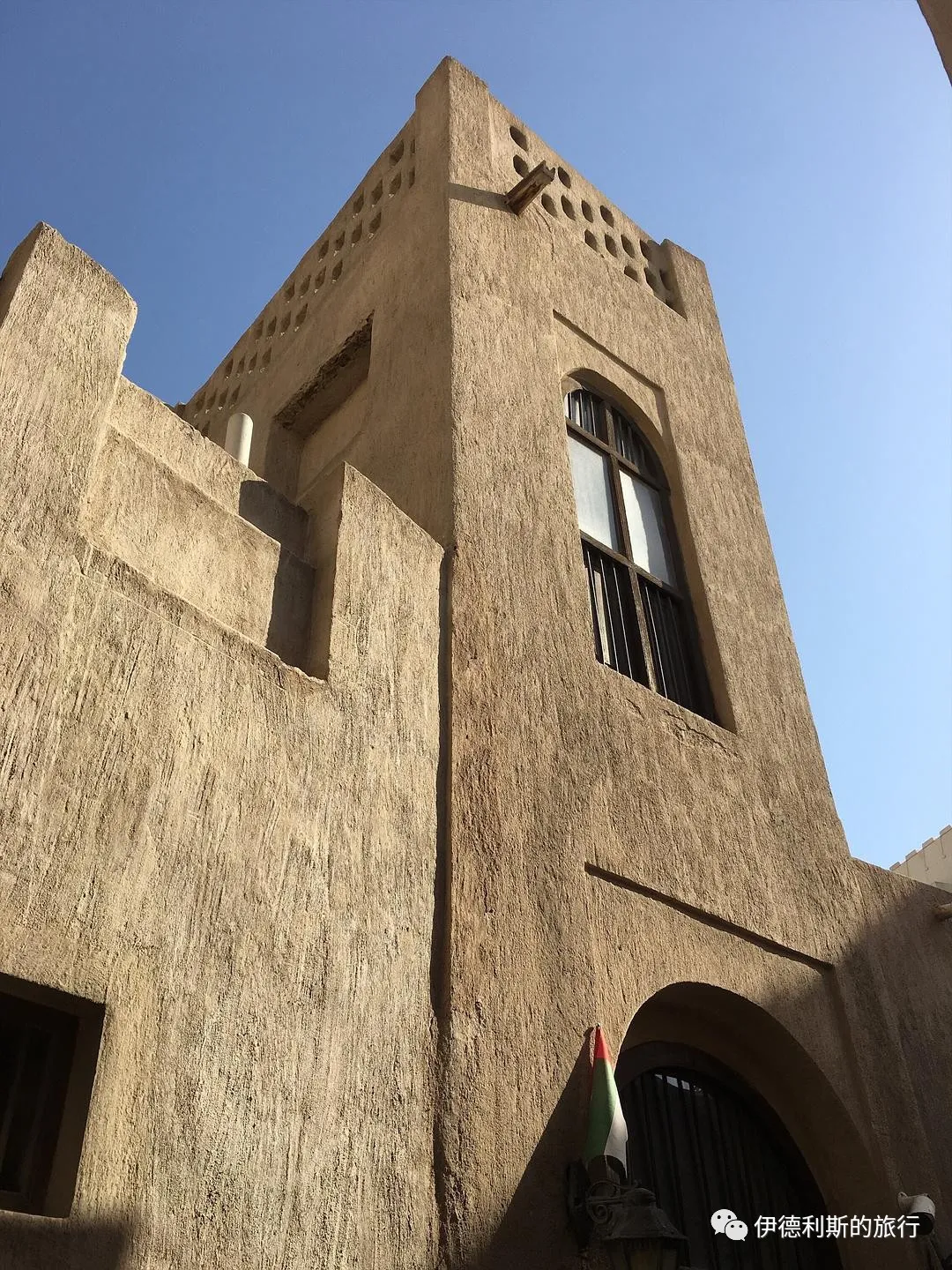
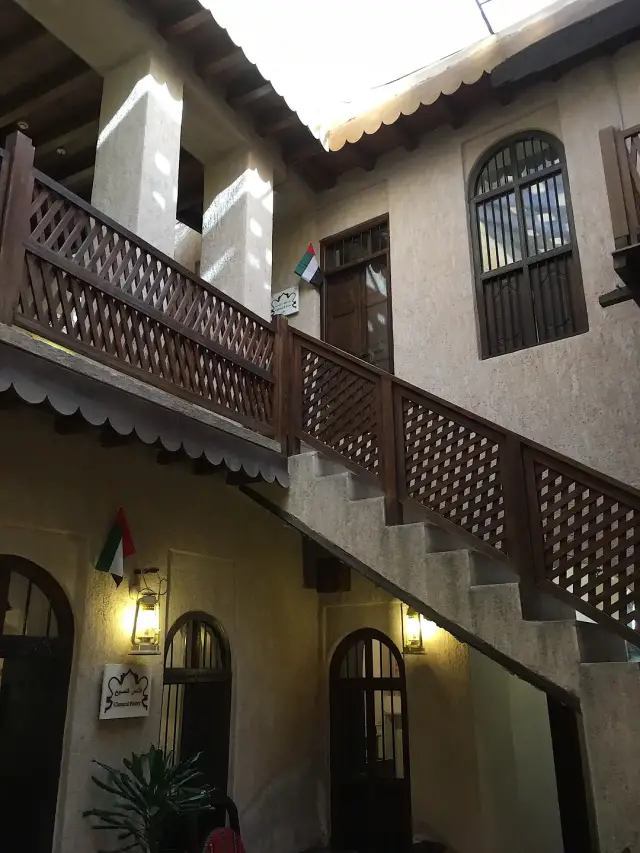
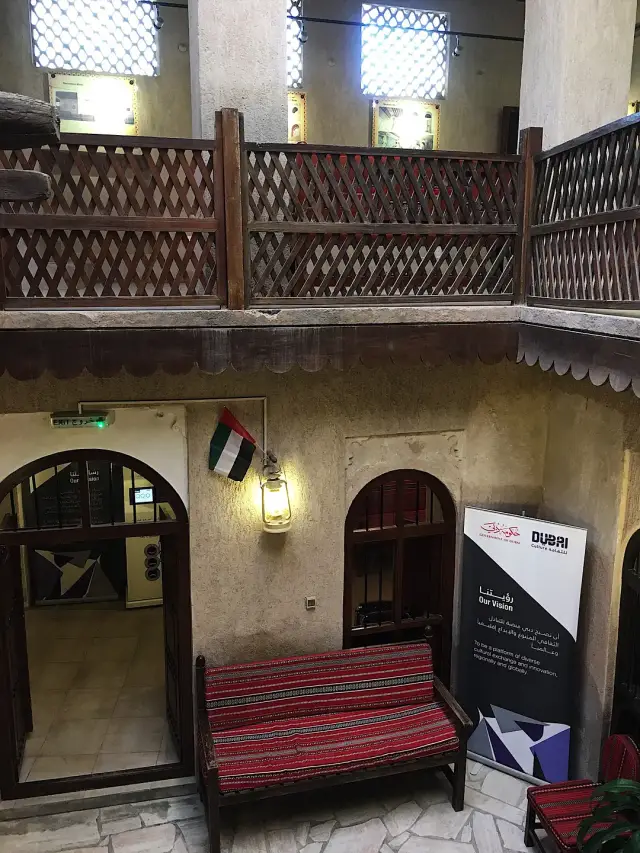
Location: Inside the Al Ras historical district in Dubai, UAE
Date: 1923
Introduction: The former residence of the poet Al Oqaili (1875-1954). Al Oqaili is a very famous Arab writer who showed a great talent for poetry from a young age. In his middle age, he traveled around the Persian Gulf, living in places like Iraq, Bahrain, and Abu Dhabi, before finally settling in Dubai in the early 20th century. In 1923, he hired craftsmen from his hometown of Al-Ahsa to build this house. The entire building is made of coral, stone, plaster, teak, and palm fronds, along with a traditional Iranian building material called Sarooj. Sarooj is a waterproof mortar made by kneading clay and limestone for two days, then adding bathhouse furnace ash, cattail fibers, eggs, and straw, and finally beating it with wooden sticks.
In 1954, Al Oqaili passed away in this house at the age of 81. He never married or had children, so the house was inherited by his cousin who came from Saudi Arabia.
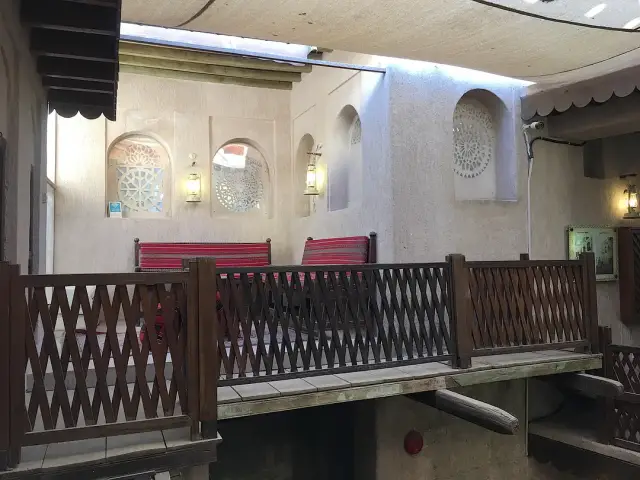
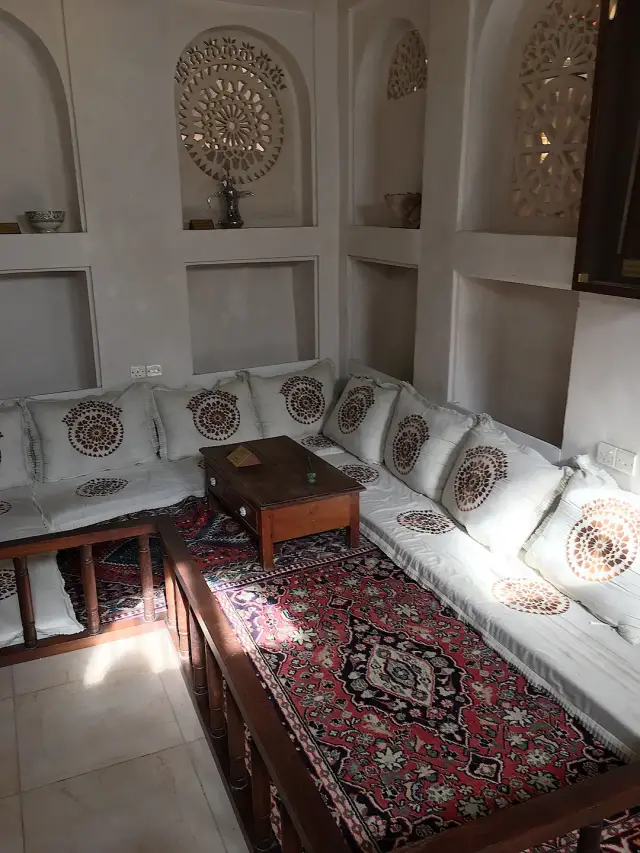
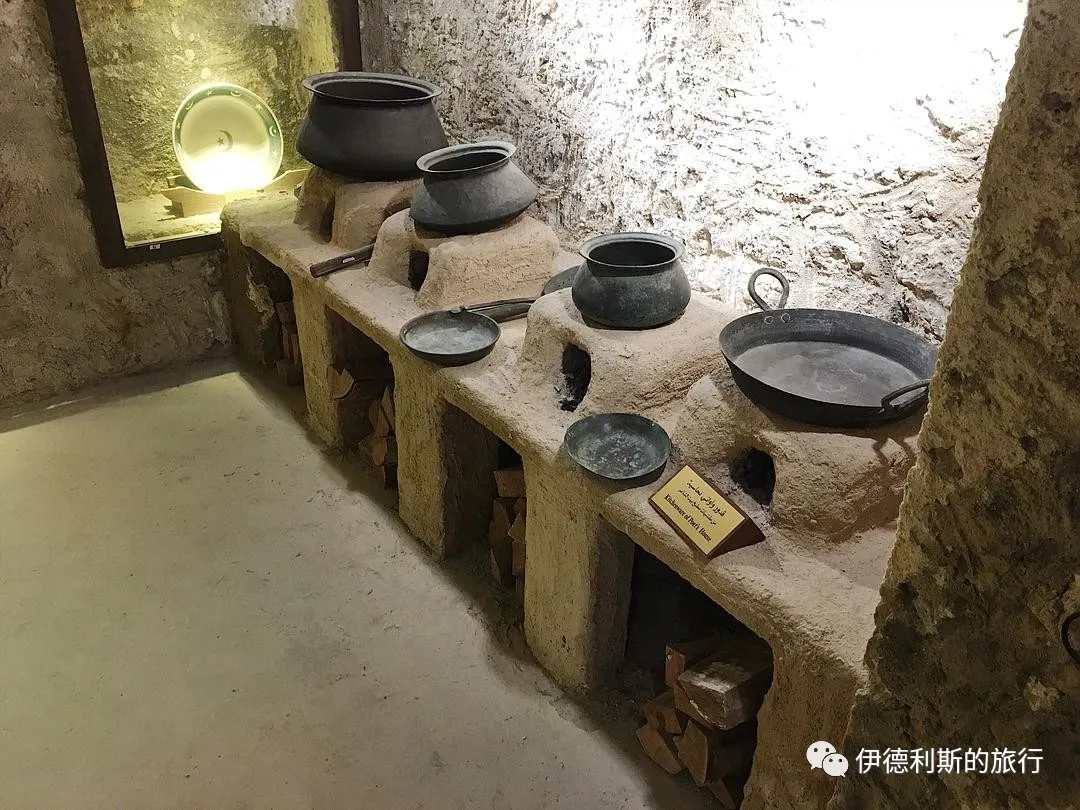
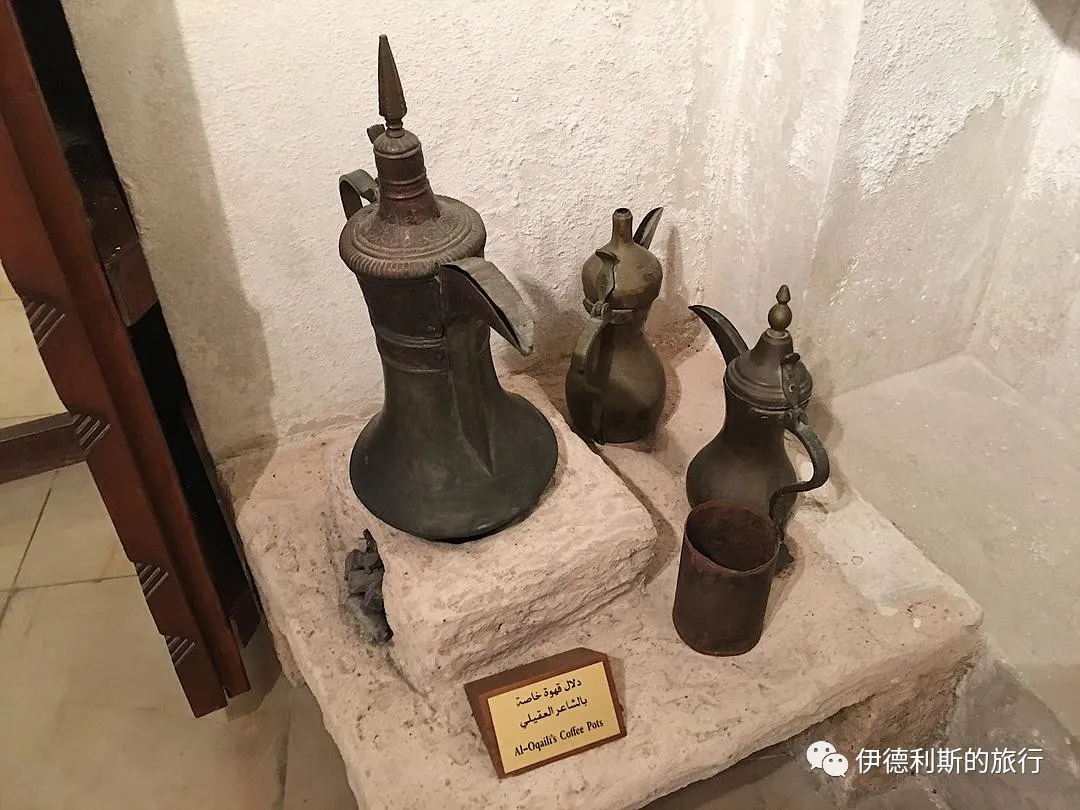
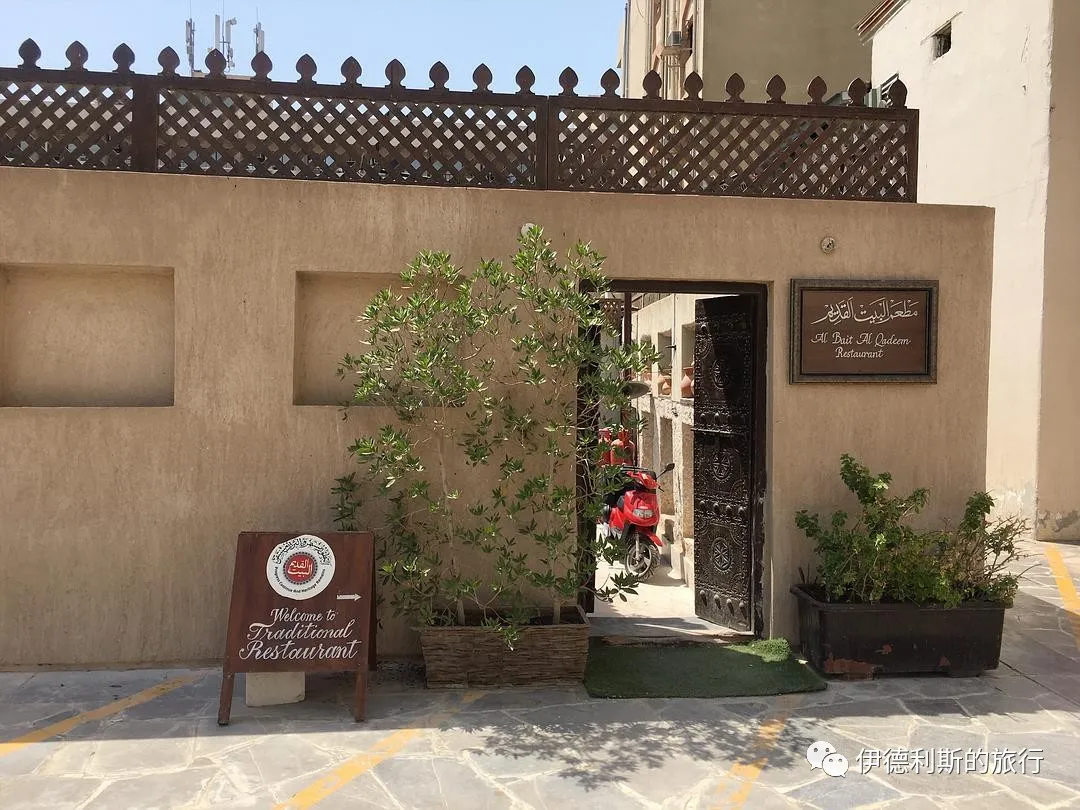
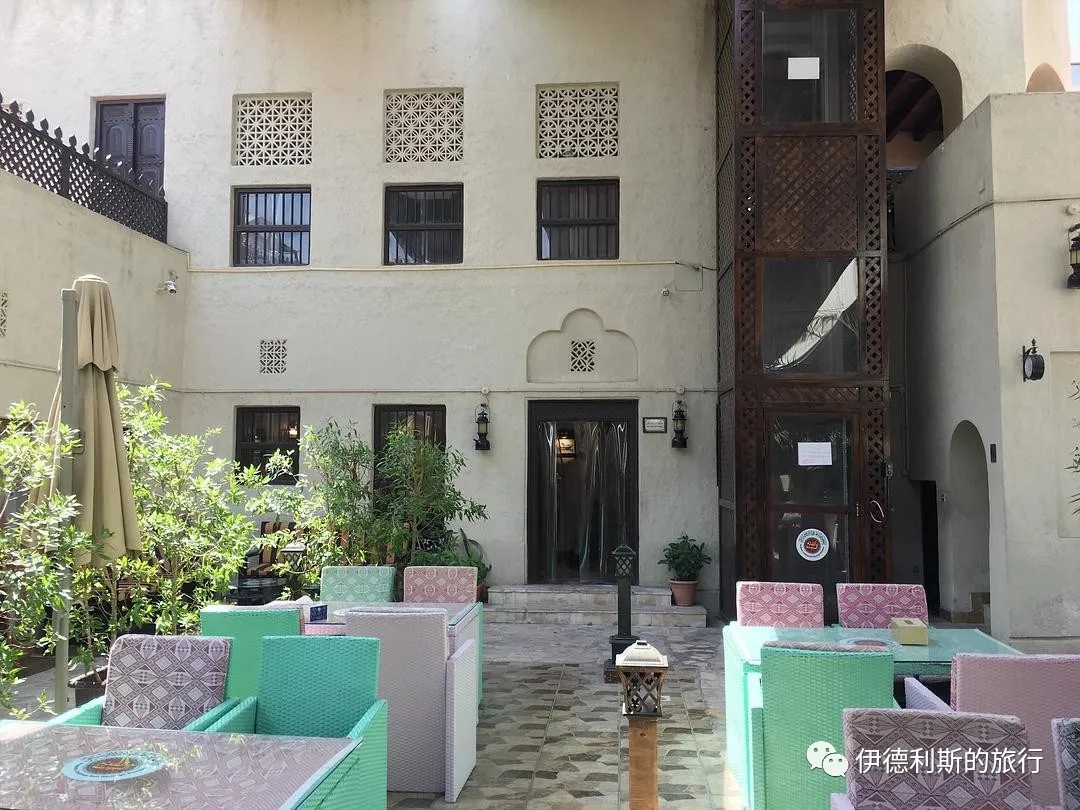
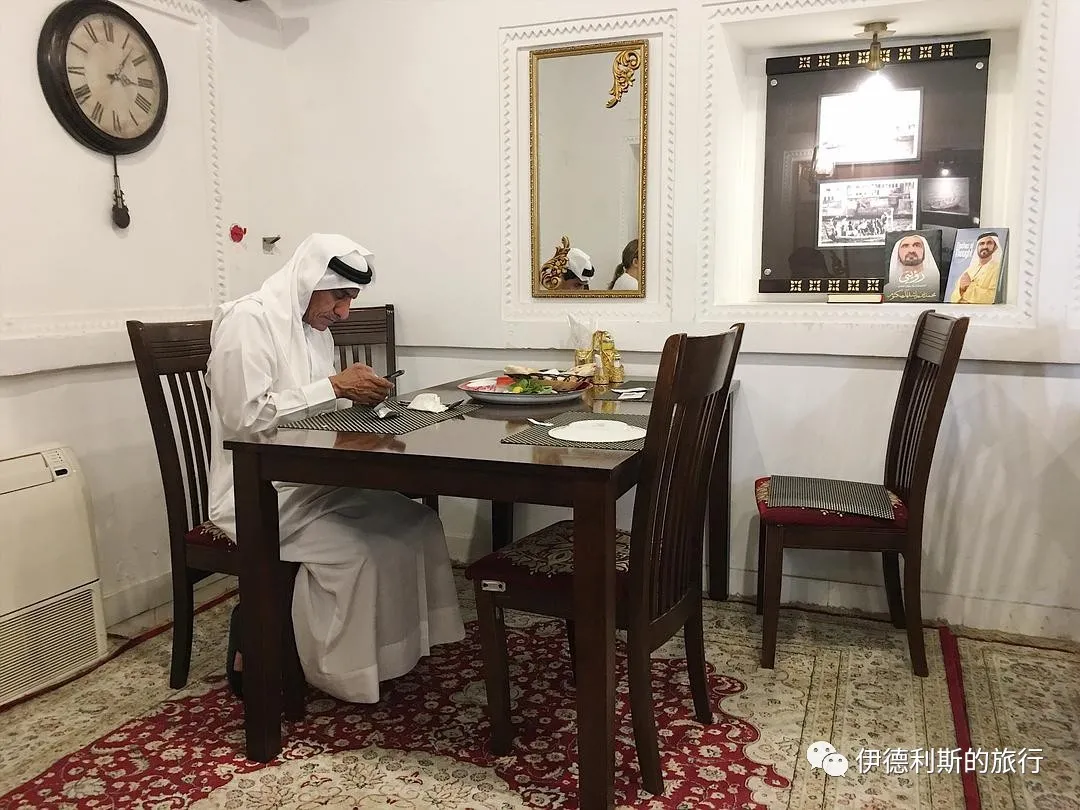
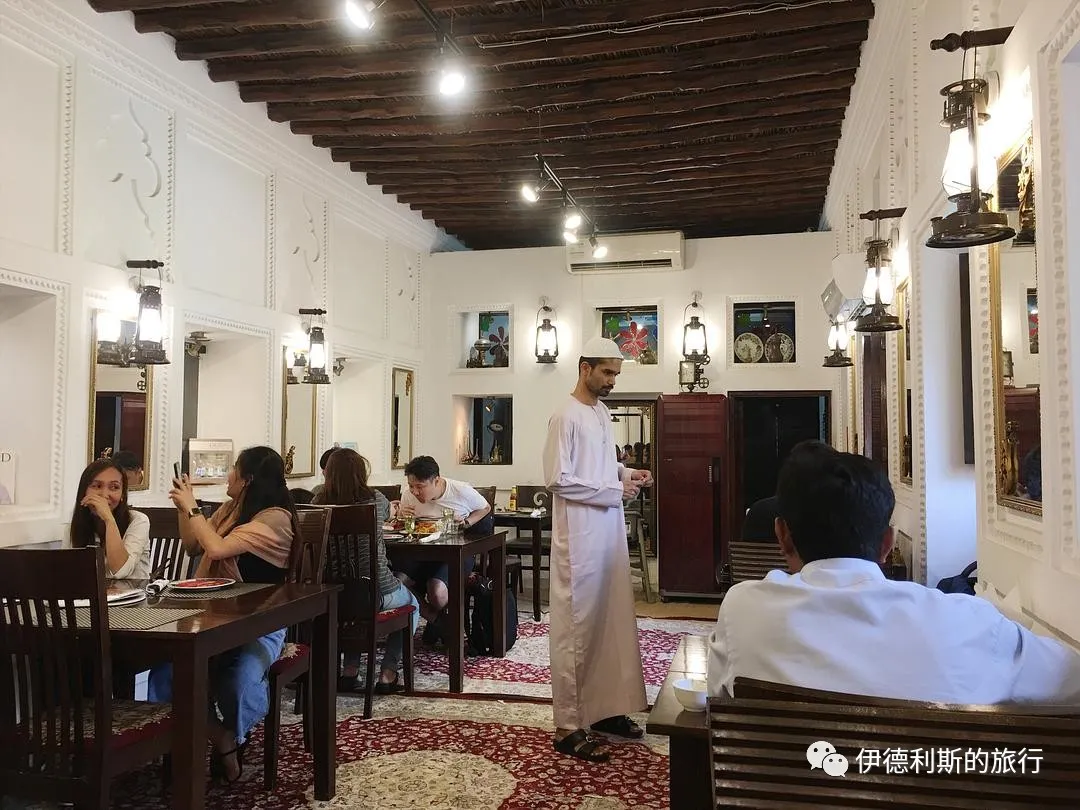
Name: Al Bait Al Qadeem Restaurant
Location: Inside the Al Ras historical district in Dubai, UAE
Year: 1909
Introduction: Al Bait Alqadeem means old house in Arabic. This restaurant is located in a traditional Gulf-style residence built in 1909 by a pearl boat owner named Abdulla Bin Jamaan, who was also a bodyguard for the ruler of Dubai at the time. In 1954, Abdulla Bin Jamaan became the first mayor of Dubai. Today, this old house has been turned into a restaurant serving traditional Gulf cuisine.
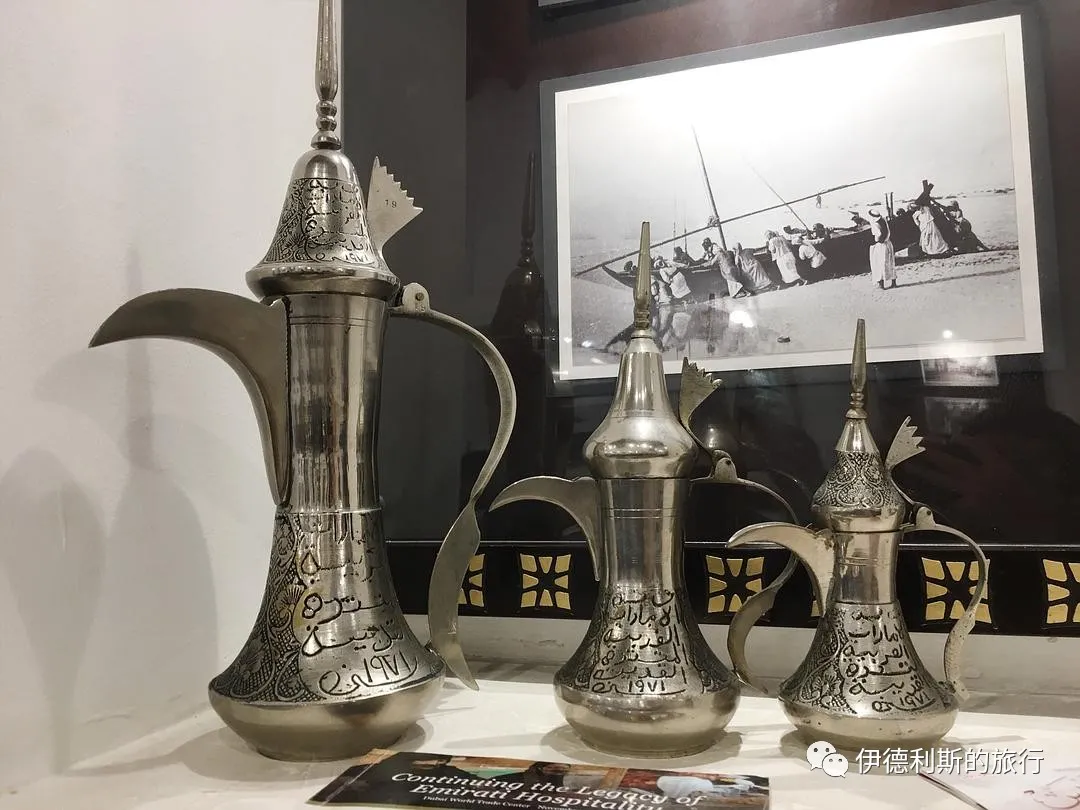
Name: Sharjah Heritage Museum
Location: Inside the Heart of Sharjah historical district in the old city of Sharjah, UAE.
Year: 1795
Introduction: The historical building housing the Sharjah Heritage Museum was built by pearl merchant Saeed bin Mohammed Al Shamsi in 1795. It is also known as Bait Saeed Al Taweel, which means the house of Saeed the Tall. The museum showcases the traditional lifestyle of the people of Sharjah through crafts, folk music, wedding ceremonies, and folktales.
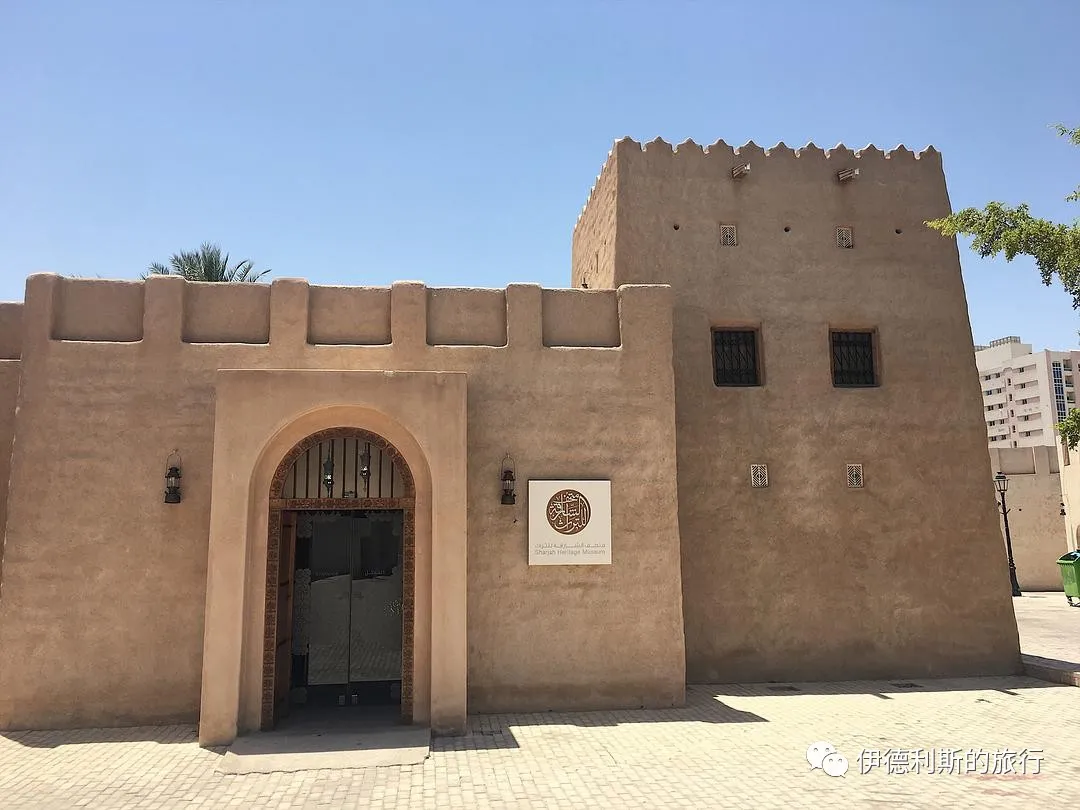
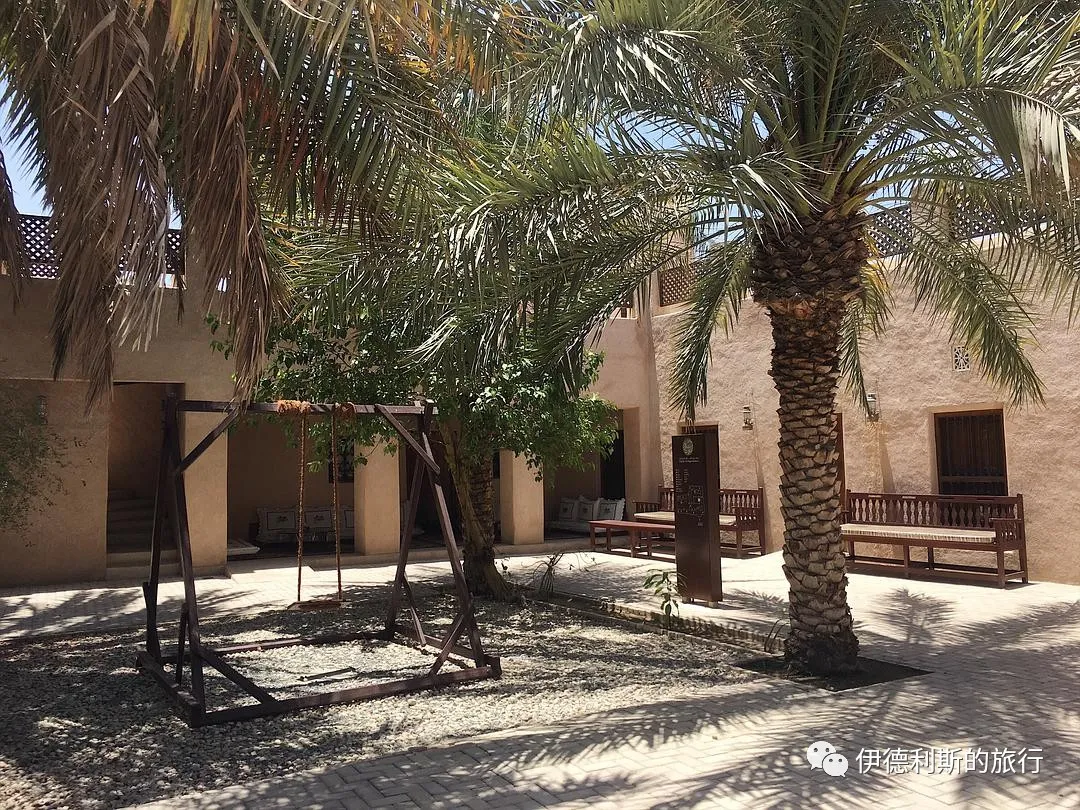
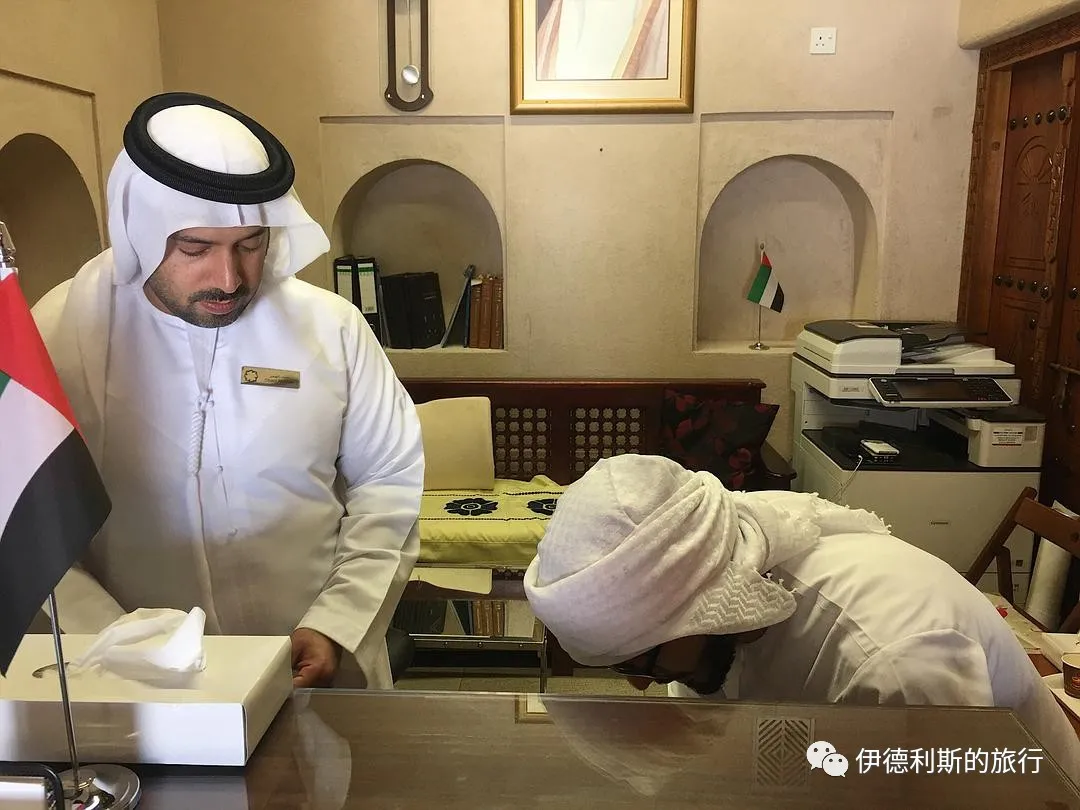
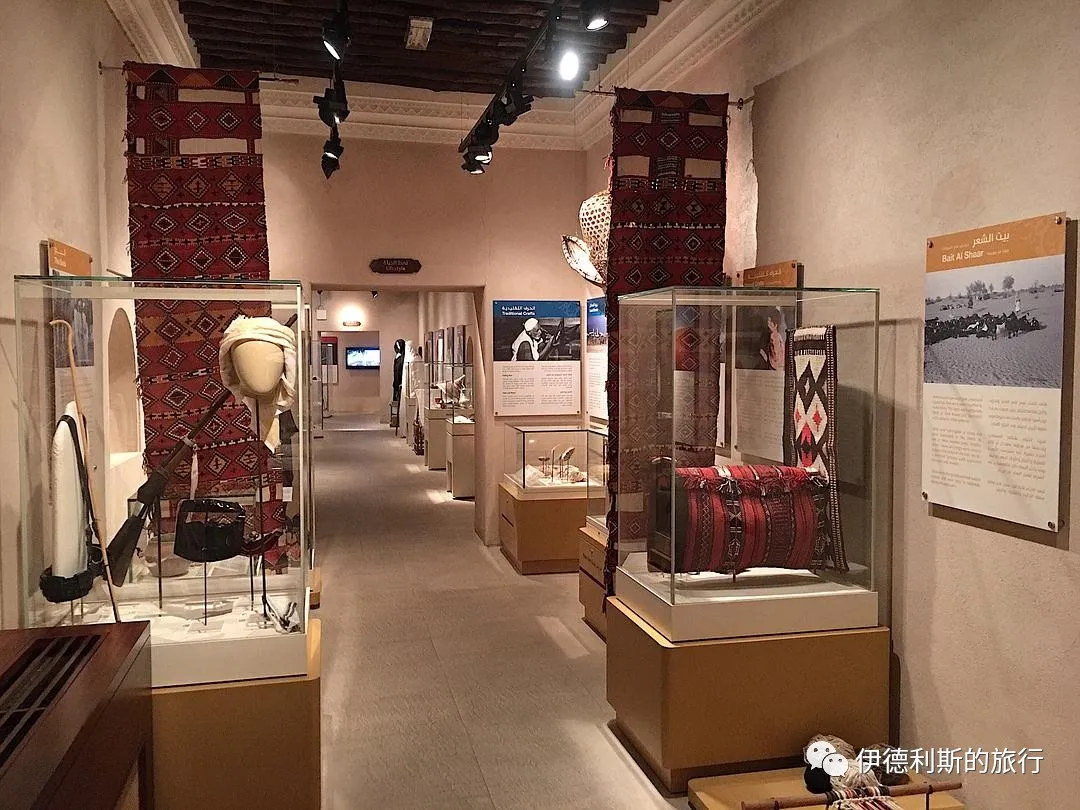
Name: Bait Al Naboodah
Location: Inside the Heart of Sharjah historical district in the old city of Sharjah, UAE.
Year: 1845
Introduction: Bait Al Naboodah is one of the most famous traditional Gulf residences in Sharjah. It was built in 1845 by Obaid bin Eissa Bin Ali Al Shamsi, the wealthiest pearl merchant in 19th-century Sharjah, who was nicknamed Al Naboodah.
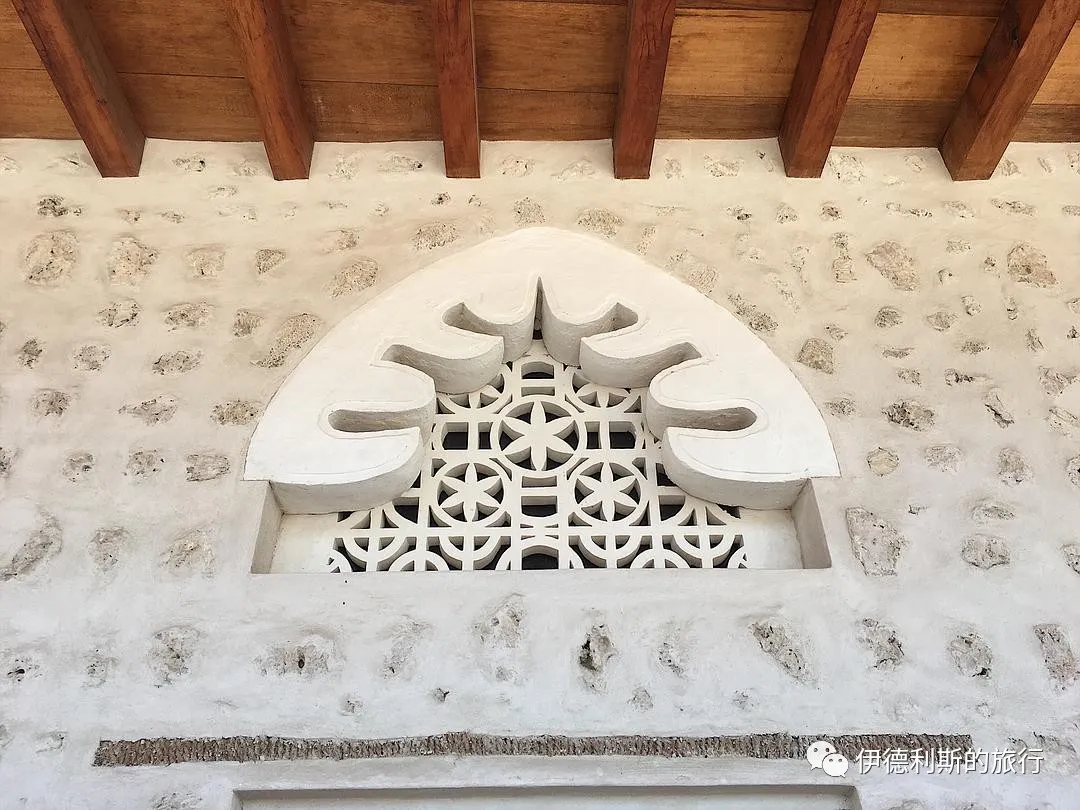
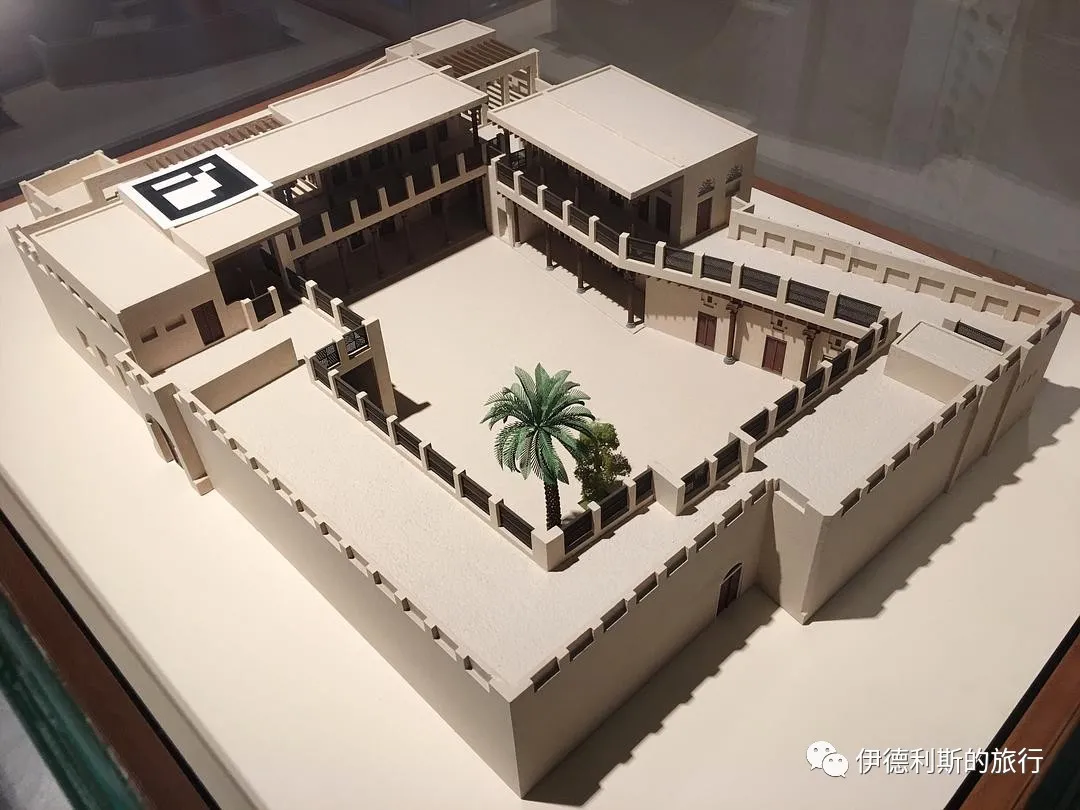
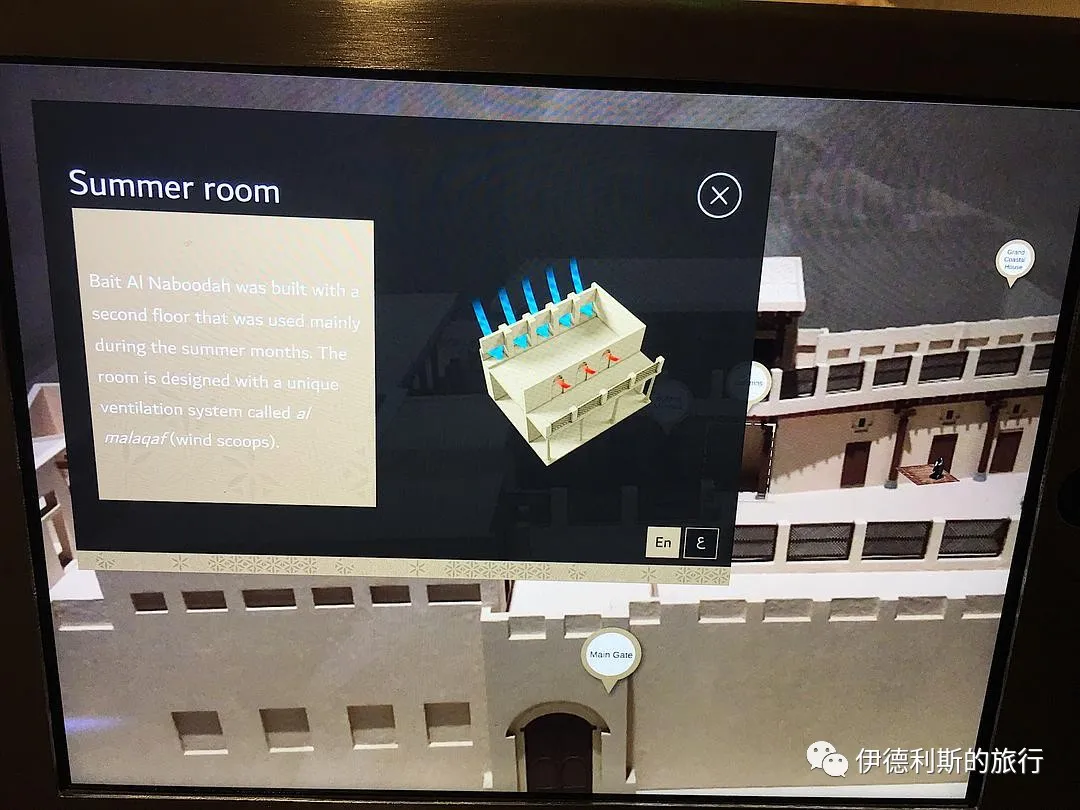
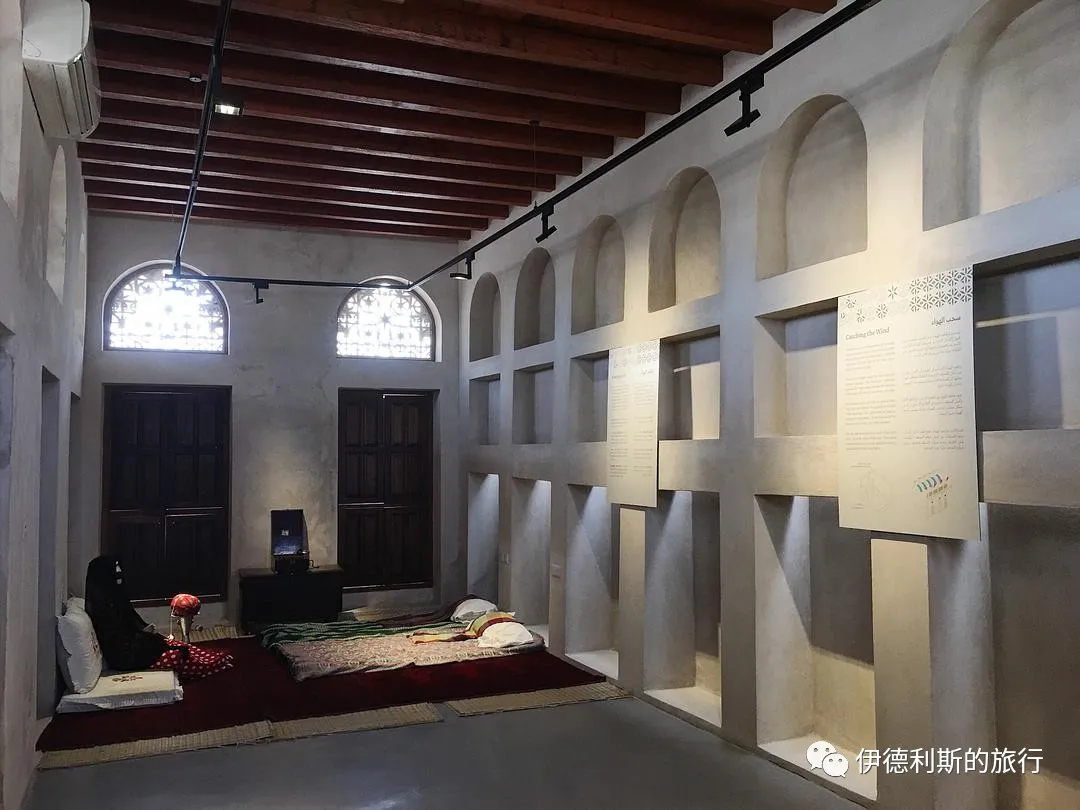
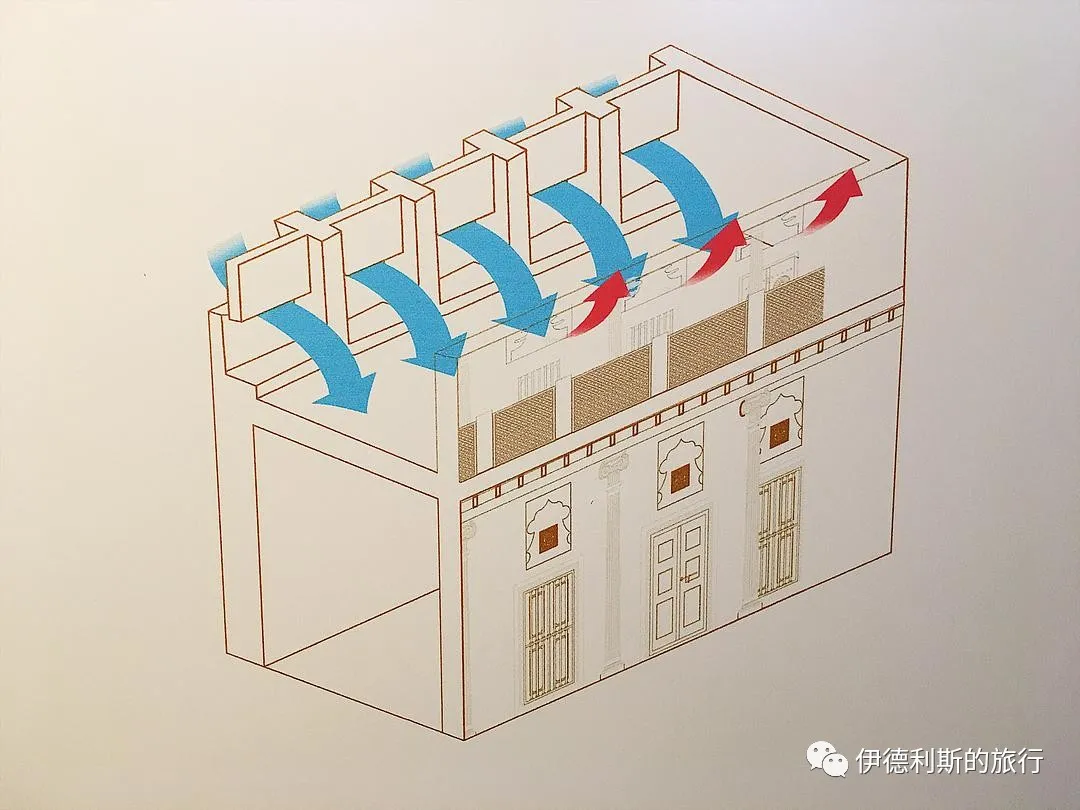
Al Naboodah's pearl trade reached Africa, France, and India, and he accumulated massive wealth, especially from his pearl trade with India. In 1845, Al Naboodah rebuilt his father's ancestral home. The new residence featured a large courtyard with coral stone walls, unique Indian teak columns, and plaster carvings made by Persian craftsmen. Additionally, this house did not use the traditional Emirati wind tower (barjeel), but instead pioneered the use of air-scoops (malaqaf) built along the inner walls to circulate air.
The descendants of Al Naboodah lived here until the 1970s, but the building was badly damaged due to years of neglect. In the 1990s, the Sharjah Museums Authority hired a team of historians to carry out a large-scale renovation that lasted several years, and it officially opened to the public in 1995.
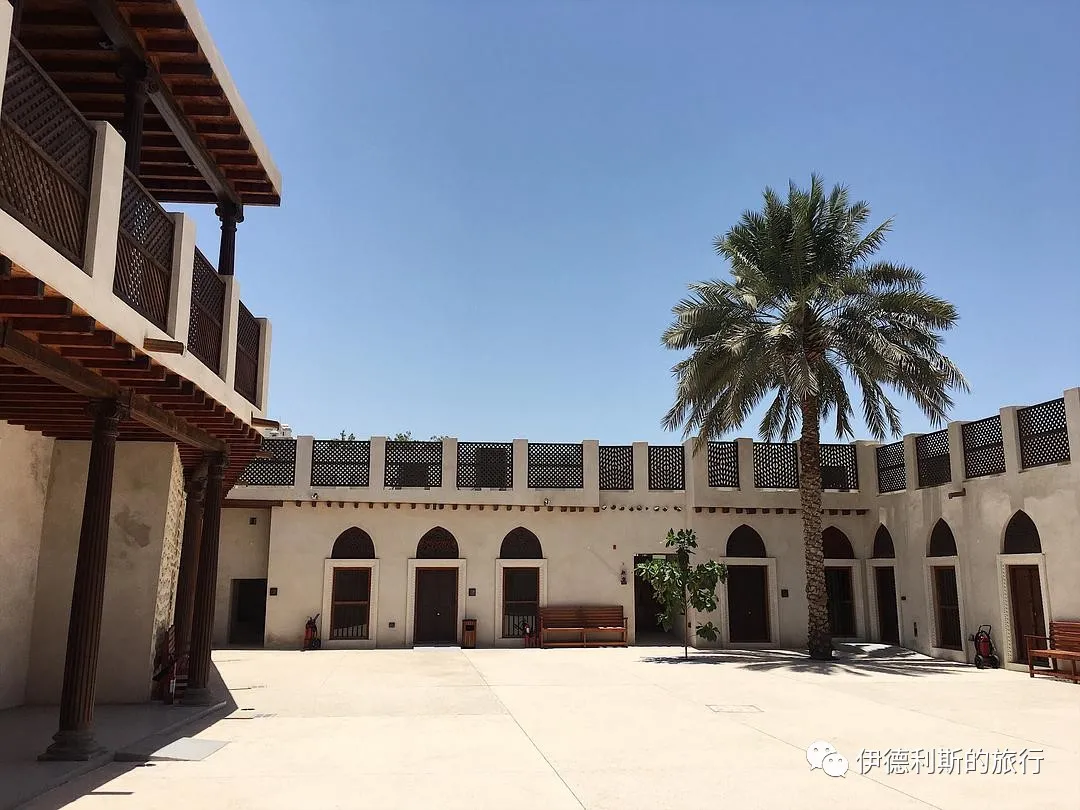
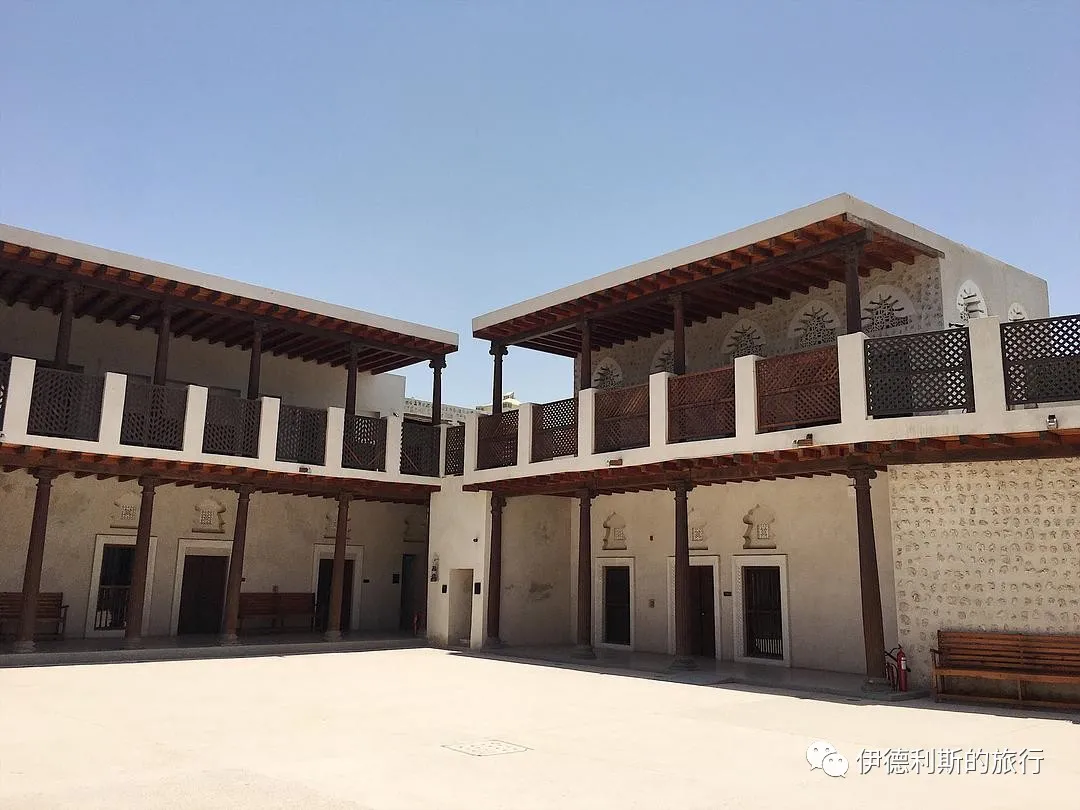
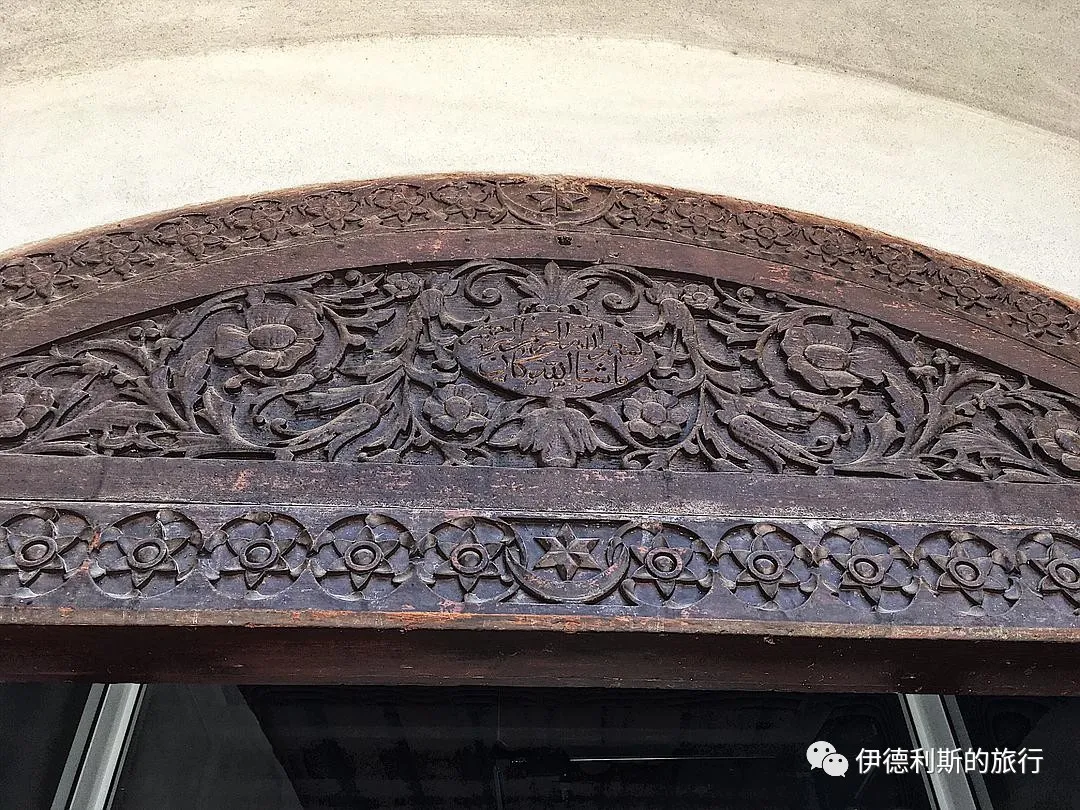
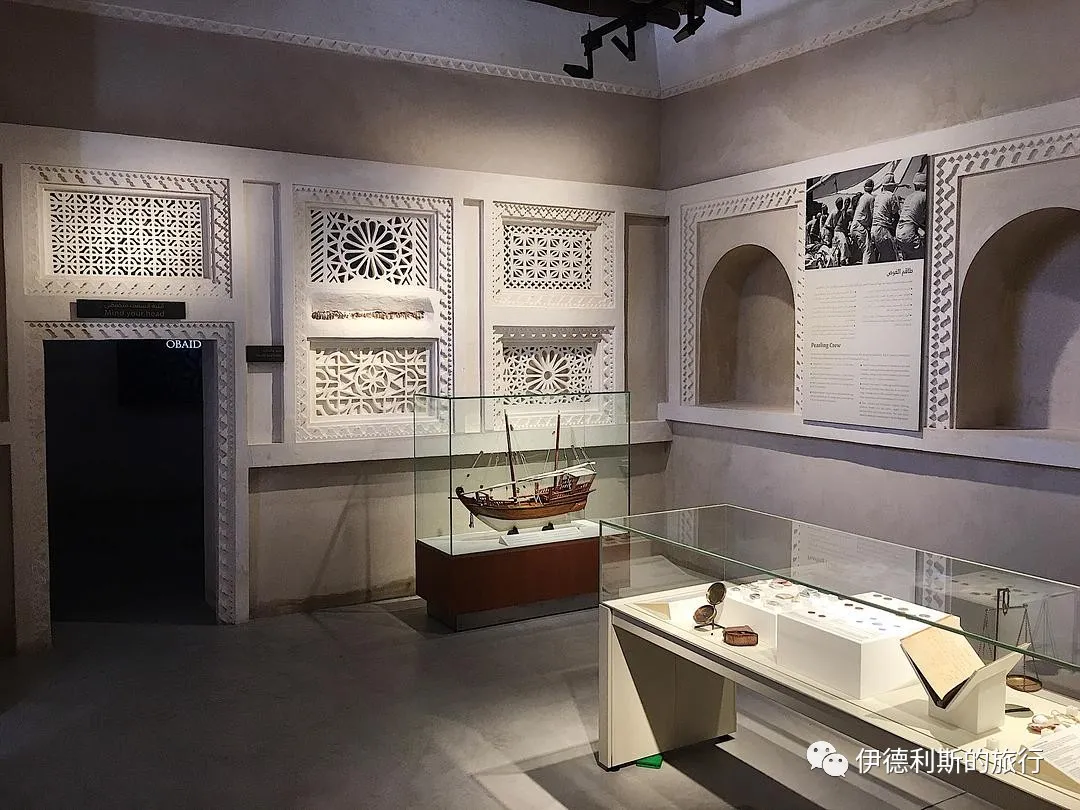
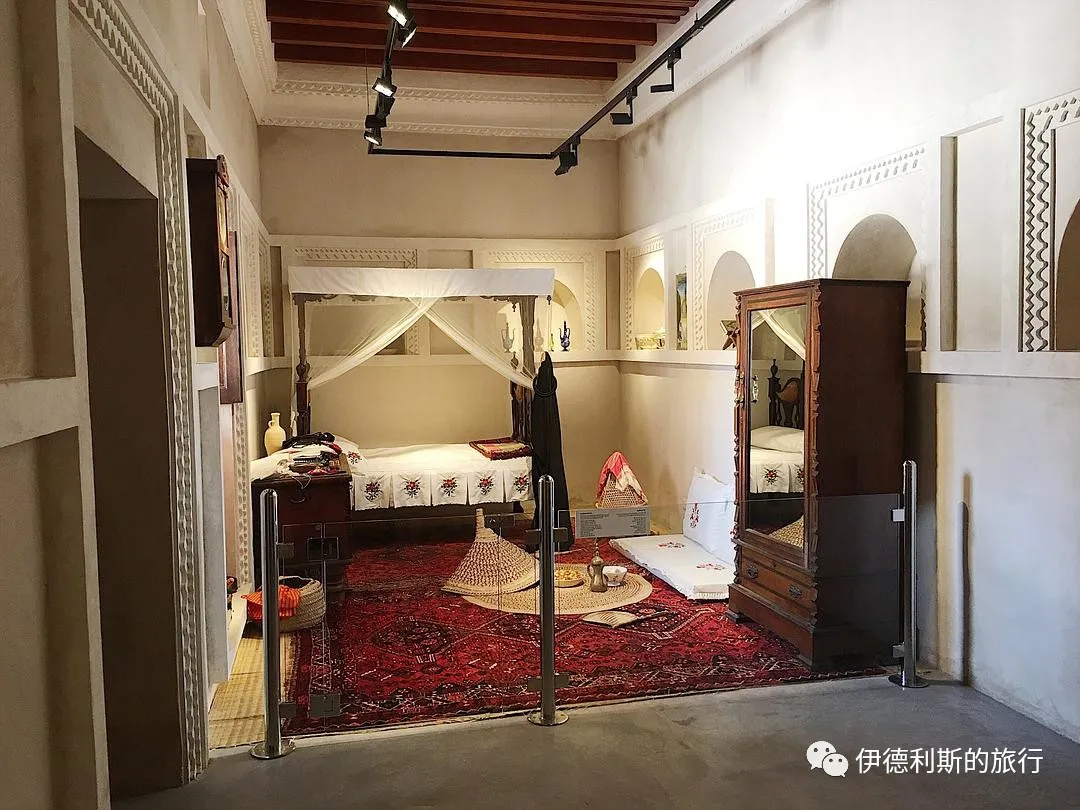
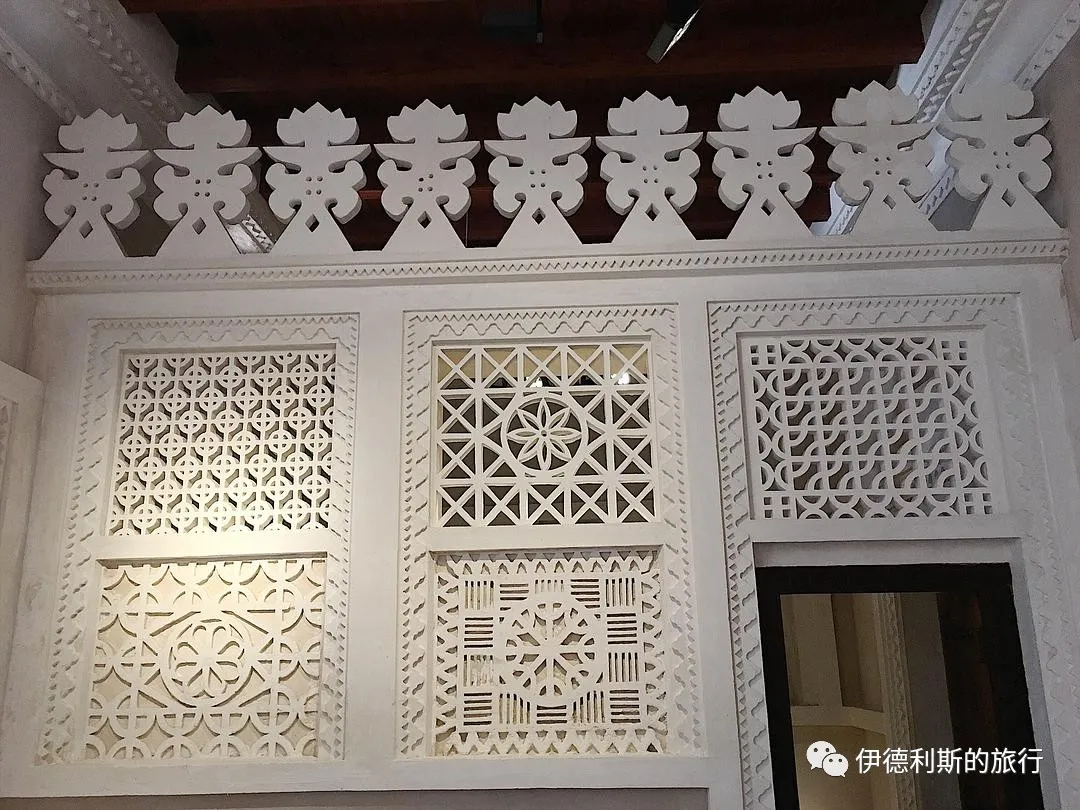
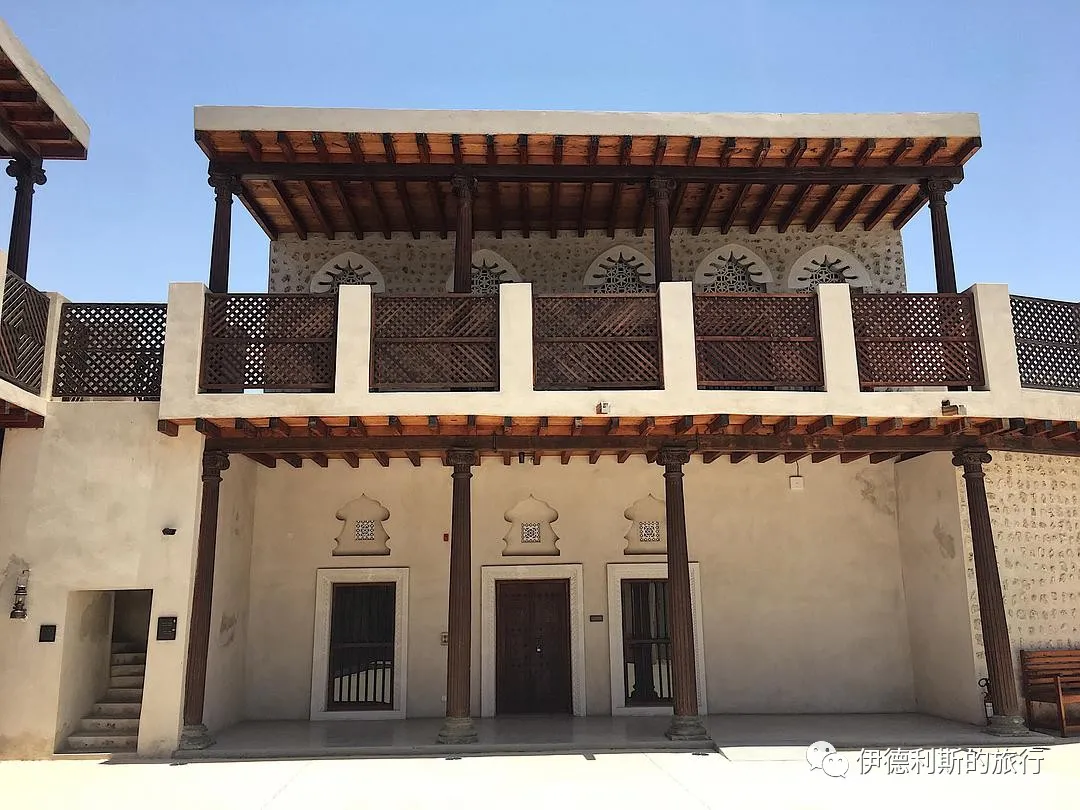
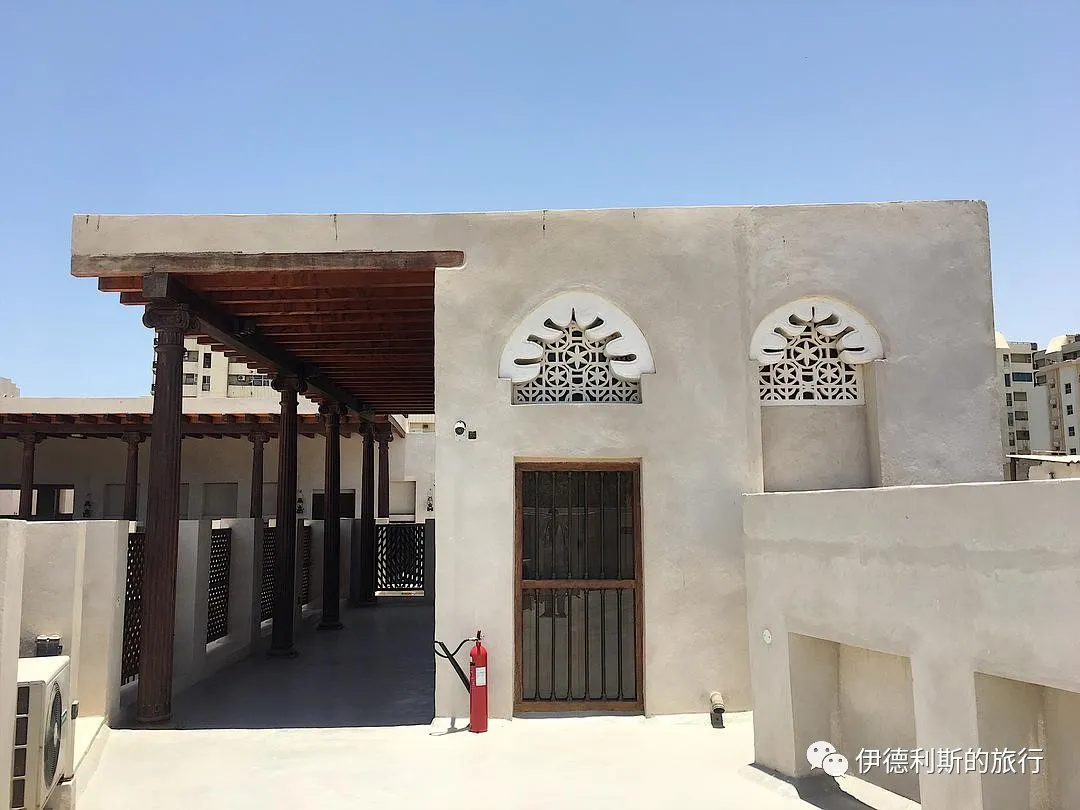
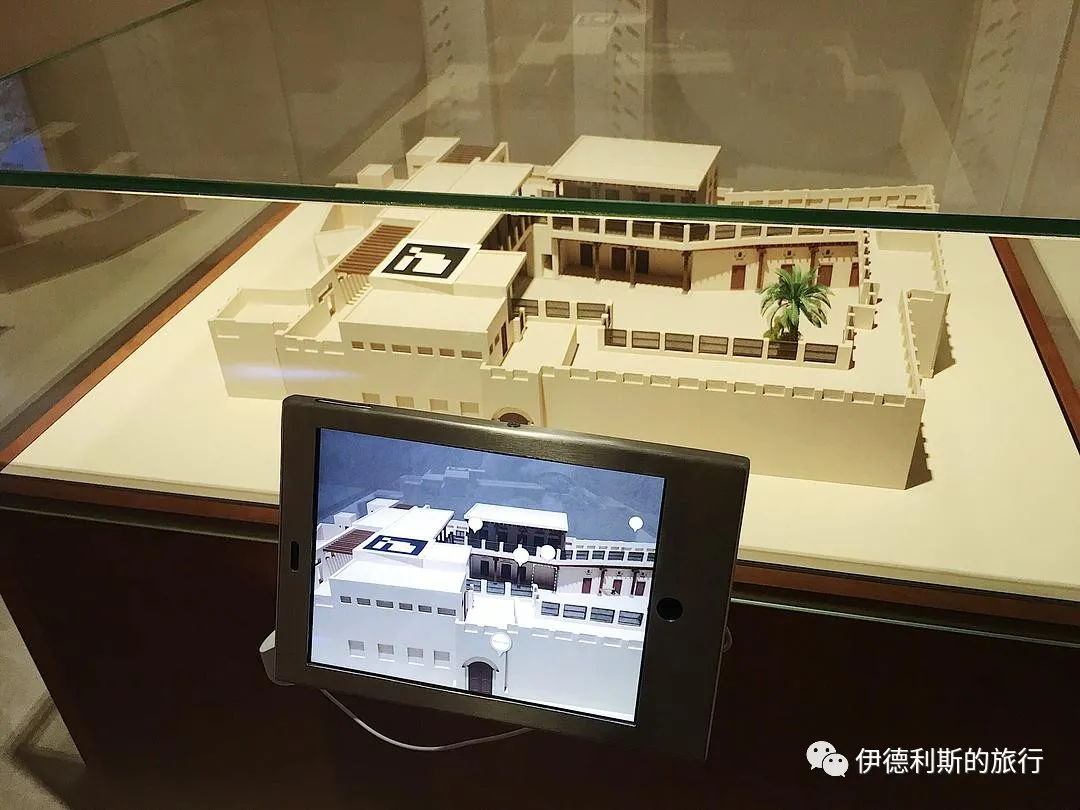
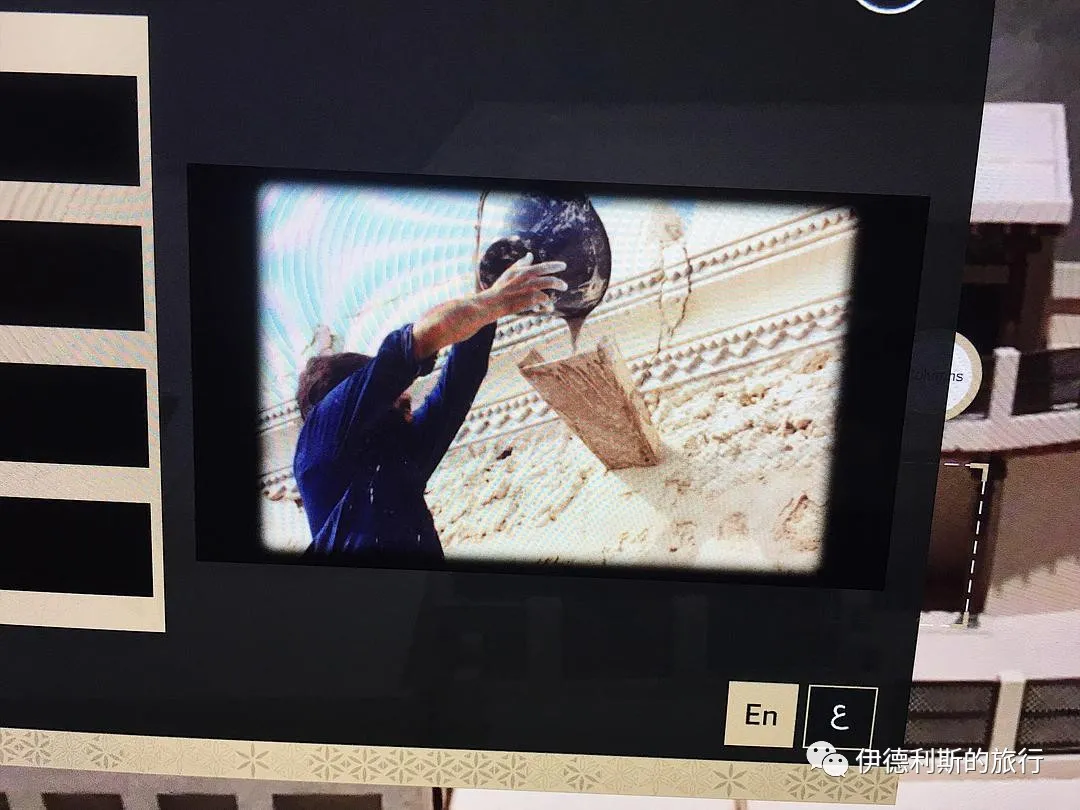
The interactive display of the courtyard allows you to click on any building component on the screen to see an introduction and the restoration process for that part.
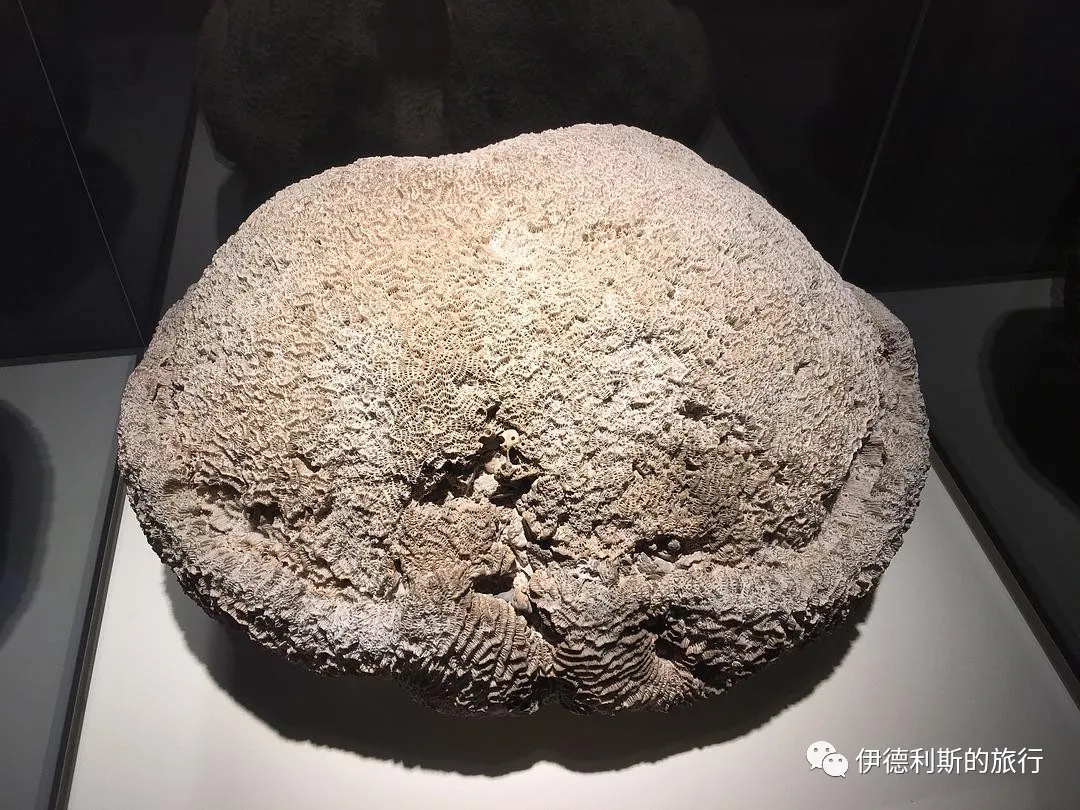
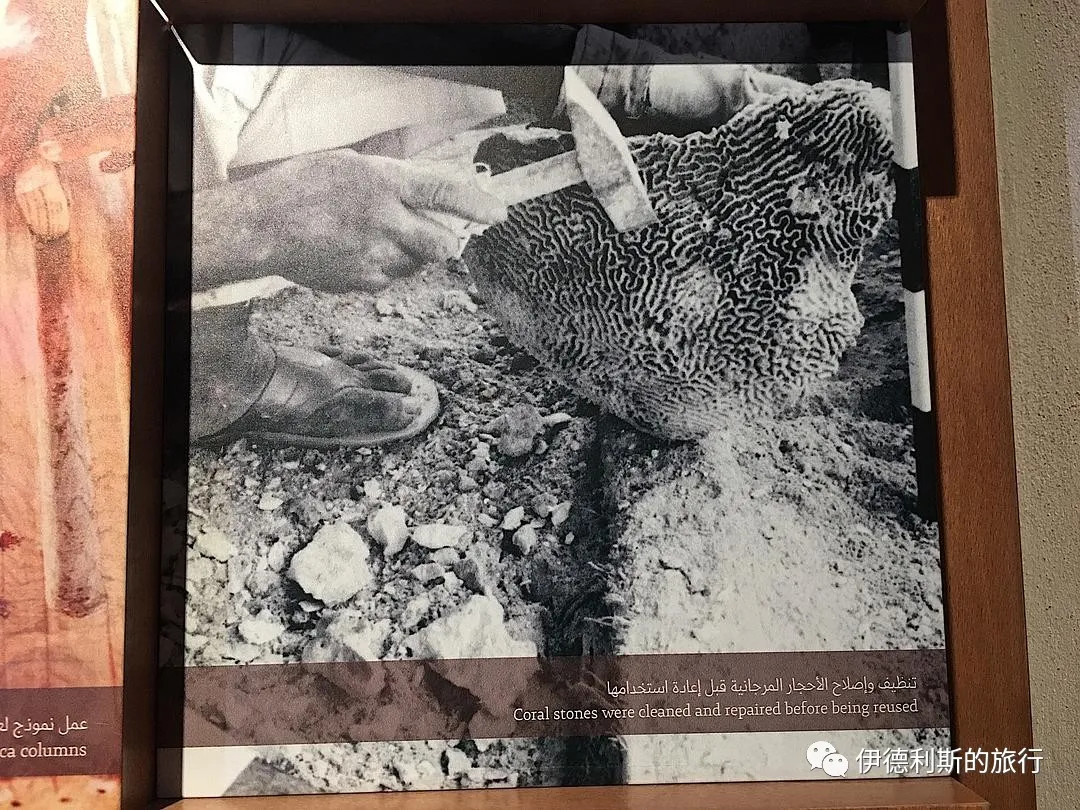
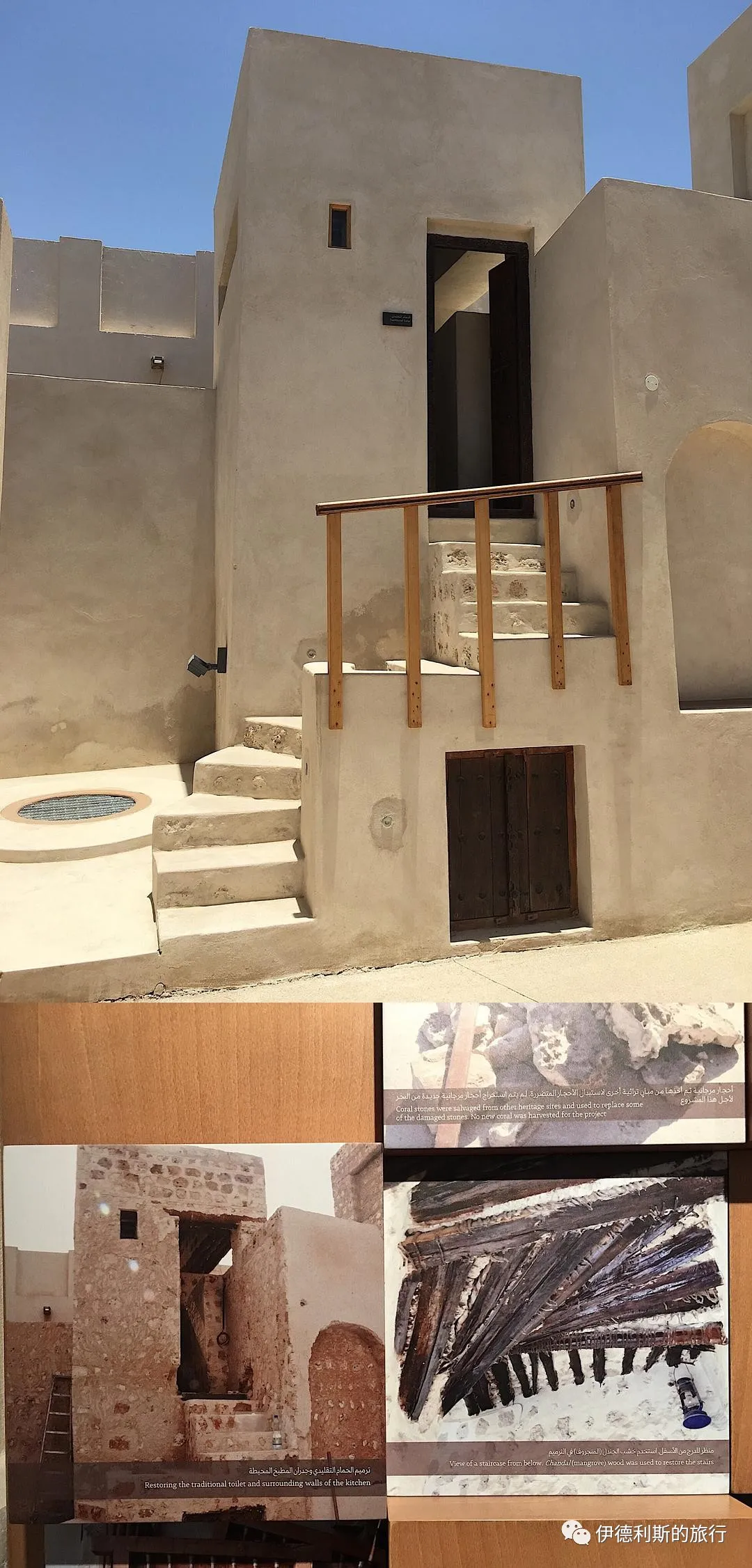
The coral stones used to build the courtyard come in two types: brain coral and fan coral. After being pulled from the seabed, these corals were dried in the sun, making them very light yet strong. Environmental protection laws now forbid the collection of coral stones, so limestone from the mountains had to be used to repair the damaged coral stones in the courtyard.
Summer temperatures in Sharjah can exceed 45 degrees Celsius. Many people used to hide in the mountains or oases to escape the heat between June and August, a summer migration route known as al maqeedh. With the summer house, people no longer had to travel inland to escape the heat during the summer.
Sharjah residents usually started preparing their summer houses at the end of March. They would coat the inside and outside of the house with a lime powder called norah, which reflects sunlight. The most important feature of the summer house is the many vents on the roof that help air circulate. During the day, wind blowing from the land flows into the house, and at night, the wind comes from the sea.
Toilet
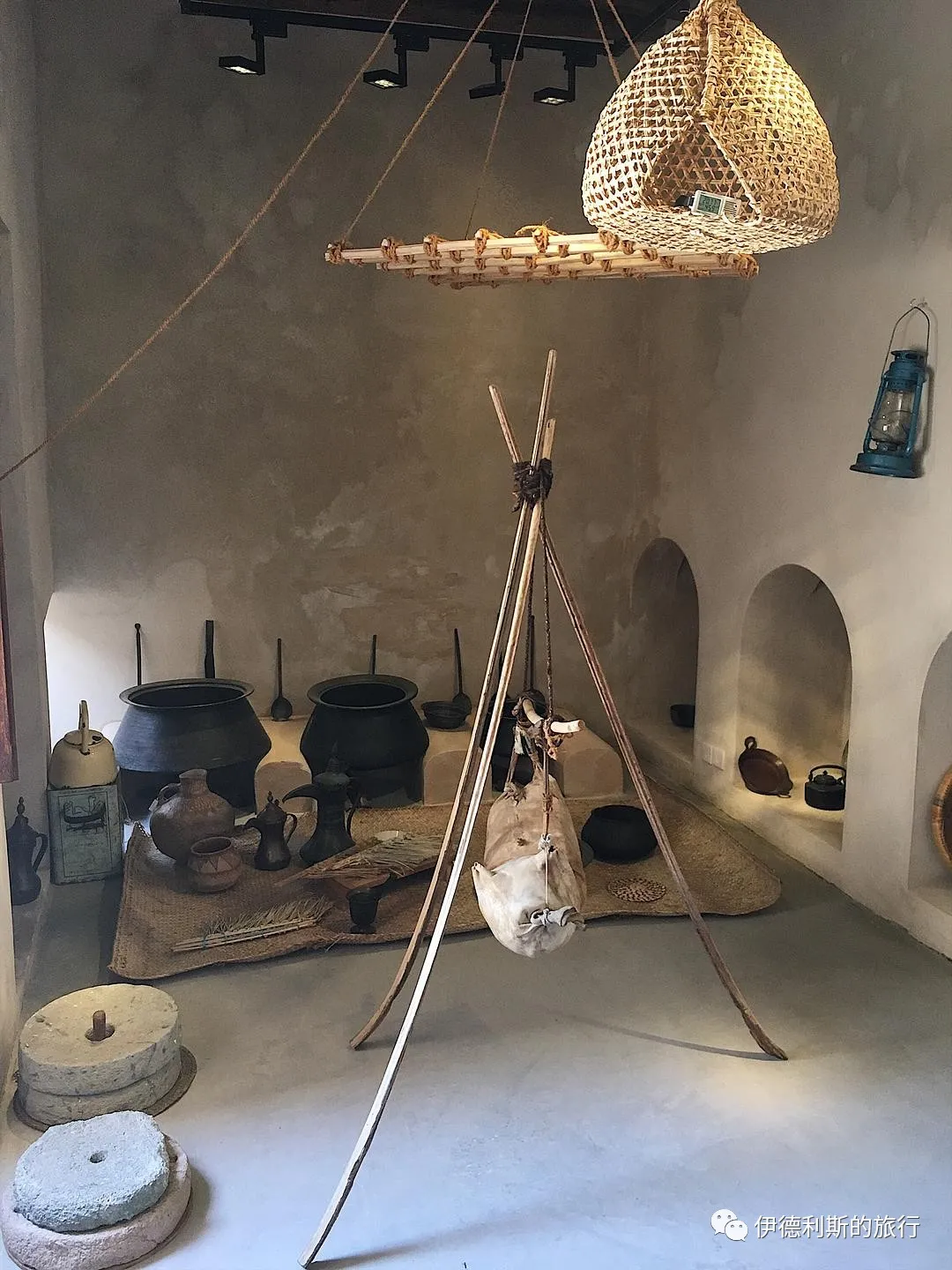
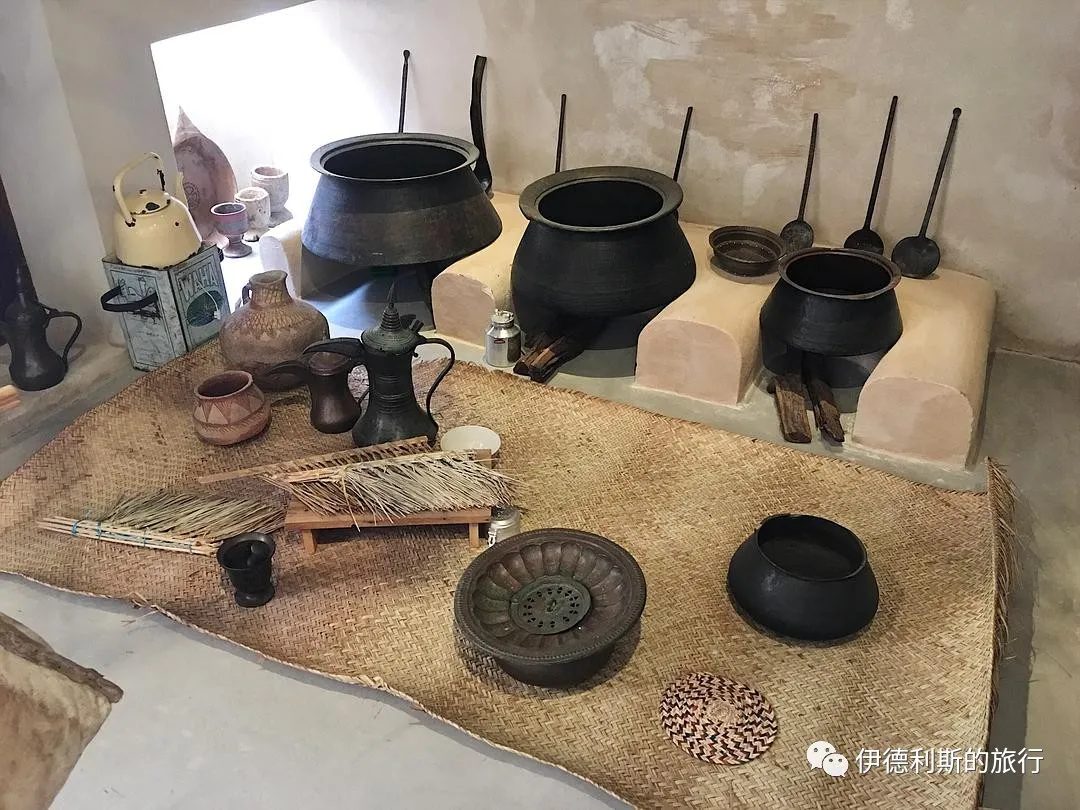
Kitchen
Summary: This article visits traditional homes in Saudi Arabia and the United Arab Emirates, with a focus on courtyard layouts, family spaces, and local building details. It keeps the original travel route, house names, photographs, and cultural observations for readers interested in Muslim heritage and Gulf architecture.
Continued from the previous post:
Visiting traditional homes in Tunisia and Egypt
Visiting traditional homes in southeastern Turkey
Name: Bayt Ba'ishan
Location: Inside the old city of Jeddah, Saudi Arabia
Date: 1923
Introduction: The Ba'ishan family came from the Hadramaut region in eastern Yemen and specialized in the tea and grain trade. The famous Jeddah musician Omar Ba'ishan and the journalist Mohammad Ba'ishan both come from this family. This old house consists of two parts, and the first floor has a small courtyard used as an outdoor space for namaz. There is now a cold drink shop inside where tourists can rest.
Name: Bayt Jeddah
Location: Inside the old city of Jeddah, Saudi Arabia
Date: 1880
Introduction: Bayt Jeddah is also called Salloum's house. It was built by Sheikh Abdullah Bin Obaid Salloum in 1880. It preserves many pieces of furniture used by the Salloum family in the past, including some imported from India that are over 120 years old. The old house has three floors. The first floor is a reception room, and the second floor is the bedroom. You can see many daily items here, including old suitcases, sewing machines, and an old-fashioned kerosene refrigerator. In the old house, you can see the area in the Hejaz region specifically designed to receive female neighbors. In the past, female neighbors used to gather there every afternoon to drink tea and chat.
Name: Crossroad of Civilizations Museum
Location: Inside the Al Shindagha historical district in Dubai, UAE
Date: 19th century
Introduction: The Crossroad of Civilizations Museum is located in a traditional Gulf-style house built in the 19th century. This was the former residence of Sheikh Hashr Bin Maktoum Al Maktoum, the brother of the eighth ruler of Dubai, Sheikh Saeed. It opened as a museum in 2014 and displays many formal book manuscripts and traditional weaponry.
Name: Museum of the Poet Al Oqaili
Location: Inside the Al Ras historical district in Dubai, UAE
Date: 1923
Introduction: The former residence of the poet Al Oqaili (1875-1954). Al Oqaili is a very famous Arab writer who showed a great talent for poetry from a young age. In his middle age, he traveled around the Persian Gulf, living in places like Iraq, Bahrain, and Abu Dhabi, before finally settling in Dubai in the early 20th century. In 1923, he hired craftsmen from his hometown of Al-Ahsa to build this house. The entire building is made of coral, stone, plaster, teak, and palm fronds, along with a traditional Iranian building material called Sarooj. Sarooj is a waterproof mortar made by kneading clay and limestone for two days, then adding bathhouse furnace ash, cattail fibers, eggs, and straw, and finally beating it with wooden sticks.
In 1954, Al Oqaili passed away in this house at the age of 81. He never married or had children, so the house was inherited by his cousin who came from Saudi Arabia.
Name: Al Bait Al Qadeem Restaurant
Location: Inside the Al Ras historical district in Dubai, UAE
Year: 1909
Introduction: Al Bait Alqadeem means old house in Arabic. This restaurant is located in a traditional Gulf-style residence built in 1909 by a pearl boat owner named Abdulla Bin Jamaan, who was also a bodyguard for the ruler of Dubai at the time. In 1954, Abdulla Bin Jamaan became the first mayor of Dubai. Today, this old house has been turned into a restaurant serving traditional Gulf cuisine.
Name: Sharjah Heritage Museum
Location: Inside the Heart of Sharjah historical district in the old city of Sharjah, UAE.
Year: 1795
Introduction: The historical building housing the Sharjah Heritage Museum was built by pearl merchant Saeed bin Mohammed Al Shamsi in 1795. It is also known as Bait Saeed Al Taweel, which means the house of Saeed the Tall. The museum showcases the traditional lifestyle of the people of Sharjah through crafts, folk music, wedding ceremonies, and folktales.
Name: Bait Al Naboodah
Location: Inside the Heart of Sharjah historical district in the old city of Sharjah, UAE.
Year: 1845
Introduction: Bait Al Naboodah is one of the most famous traditional Gulf residences in Sharjah. It was built in 1845 by Obaid bin Eissa Bin Ali Al Shamsi, the wealthiest pearl merchant in 19th-century Sharjah, who was nicknamed Al Naboodah.
Al Naboodah's pearl trade reached Africa, France, and India, and he accumulated massive wealth, especially from his pearl trade with India. In 1845, Al Naboodah rebuilt his father's ancestral home. The new residence featured a large courtyard with coral stone walls, unique Indian teak columns, and plaster carvings made by Persian craftsmen. Additionally, this house did not use the traditional Emirati wind tower (barjeel), but instead pioneered the use of air-scoops (malaqaf) built along the inner walls to circulate air.
The descendants of Al Naboodah lived here until the 1970s, but the building was badly damaged due to years of neglect. In the 1990s, the Sharjah Museums Authority hired a team of historians to carry out a large-scale renovation that lasted several years, and it officially opened to the public in 1995.
The interactive display of the courtyard allows you to click on any building component on the screen to see an introduction and the restoration process for that part.
The coral stones used to build the courtyard come in two types: brain coral and fan coral. After being pulled from the seabed, these corals were dried in the sun, making them very light yet strong. Environmental protection laws now forbid the collection of coral stones, so limestone from the mountains had to be used to repair the damaged coral stones in the courtyard.
Summer temperatures in Sharjah can exceed 45 degrees Celsius. Many people used to hide in the mountains or oases to escape the heat between June and August, a summer migration route known as al maqeedh. With the summer house, people no longer had to travel inland to escape the heat during the summer.
Sharjah residents usually started preparing their summer houses at the end of March. They would coat the inside and outside of the house with a lime powder called norah, which reflects sunlight. The most important feature of the summer house is the many vents on the roof that help air circulate. During the day, wind blowing from the land flows into the house, and at night, the wind comes from the sea.
Toilet
Kitchen
