
Muslim Life Guide: 2024 Hui Religious Life — Dua, Fasting, Qurbani & Gatherings
Reposted from the web
Summary: This account records a year of Muslim religious life in 2024, including night prayers, fasting, qurbani, religious gatherings, and visits connected with Hui Muslim tradition. It keeps the original personal observations, community details, and Islamic terms while presenting them in clear English for readers interested in everyday Muslim life.
As a Han Chinese person born and raised in Beijing in the 1990s, my childhood life was actually quite far from the faith. Although I lived near the Dongsi Mosque, its imposing gate always made me feel like I should keep my distance. My Hui Muslim classmates just didn't eat pork, and otherwise, I couldn't tell any difference. My first connection to the faith started because I loved the soaked bread in soup (paomo) at the Longfu Mosque snack shop and the lamb skewers (yangrouchuan) at Xiayi Restaurant near my home. Twenty years ago, the scent of lamb skewers grilled over charcoal with big fans blowing at Xiayi on Dongsi North Street was my first impression of the faith.
In middle school, I took my first flight for a long trip to Linxia and Xining to see the mosque communities in the residential areas, and I bought my first prayer cap (haomao). The sights in the Northwest felt new to me, and I became more and more interested in the culture of the faith. After I started college, I performed namaz for the first time in my life. Back then, I went to the mosque with Hui Muslim alumni from school to join activities. Even though I didn't know the words to recite yet, I followed everyone else's movements and felt the unity of the congregation (jamati).
In 2015, a Hui Muslim friend from Tianjin took me to the Northwest Corner of Tianjin for the first time. The countless delicious foods dazzled me, and the deep history of the Great Mosque filled me with respect. At that time, I had just graduated from college and had my own income, so I started visiting mosque communities in different places. First along the Grand Canal, then along the Yangtze River, and then I traveled further and further. Now, it has almost been ten years. Tasting delicious food and visiting ancient mosques have brought me closer and closer to the faith.
Unlike friends (dost) born into traditional Hui Muslim families, I learned most of my knowledge about the faith through books and the internet, and then practiced it by going to the mosque. Over these years, the mosque communities I have visited include those of the Shia, and the Hanafi, Shafi'i, Hanbali, and Maliki schools of the Sunni, as well as various domestic new traditions, old traditions, and different Sufi orders (menhuan). In the end, I chose to become a follower of the Gedimu.
Gedimu means 'ancient,' so it is also called the 'Old Faith' or 'Old Tradition.' It has been passed down in China for hundreds of years and has accumulated a rich historical and cultural foundation. For a long time, the Gedimu has used various traditional rituals to strengthen the cultural identity of the community members, allowing the faith to continue in China for over a thousand years without fading. These activities bring everyone together, strengthening the faith and deepening friendships. Through one rich and colorful ritual after another, we feel that the path we are walking is becoming clearer, and we can feel the warmth of the big family of the faith, which keeps us from losing our way in the complex modern society.
Below, I will share my religious life in 2024 with you. Every year, the Gedimu in Beijing emphasizes the 'Two Festivals and Two Gatherings,' which are Eid al-Fitr, Eid al-Adha, the Prophet's Birthday (Sheng Hui), and the Fatimah Gathering (Fatumei Hui). Additionally, as a son-in-law from Urumqi, we also follow the Northwest custom of holding night prayers (nianye) every year, and we cook porridge on the Day of Ashura. Our religious life is very rich. This year, during the Spring Festival holiday, we returned to Urumqi and happened to catch the night prayers, so we attended many of them in a row. As usual, I spent the month of Ramadan in Balizhuang. The Balizhuang Mosque is the mosque community with the best Ramadan atmosphere in Beijing in my opinion. For Eid al-Adha, we slaughtered a sheep in an orchard in Changping and also ate starch noodle soup (fentang). We attended two religious gatherings (shenghui) at Heying Mosque and Tongzhou Xiguan Mosque, one in the Northwest style and one in the North China style. I have two regrets this year: I was not in Beijing for the memorial days of Bo Haji Sheikh Baba and Lady Fatimah, so I could not attend. I hope to make it next year.
Nianye (night of scripture recitation)
See: Hui Muslim life in Urumqi during the Spring Festival holiday: Nianye, Luohuali (wedding engagement ceremony), Jumu'ah, and visiting relatives and friends.
During the 2024 Spring Festival holiday, I took Suleiman to his grandparents' home in Urumqi, just in time for the noble month of Sha'ban (the eighth month of the Islamic calendar). The night of the 15th day of the eighth month of the Islamic calendar is the Night of Bara'at, which means the night of atonement. On this night, the two angels on our shoulders replace the 'scrolls' that record our good and bad deeds for the year. They seal the old scrolls and open new ones, which serve as evidence for questioning when we enter the afterlife, so it is also called the 'Night of Exchanging Scrolls'. In the traditions of Hui Muslims in some areas, when the month of Sha'ban arrives, everyone takes turns inviting the imam and friends and family to their homes for Nianye. The main process includes reciting scriptures, praising the Prophet, performing repentance (tawbah), and asking for forgiveness for family members and the deceased. Afterward, we eat a rich meal to strengthen bonds, improve our faith, and prepare for the noble month of Ramadan.
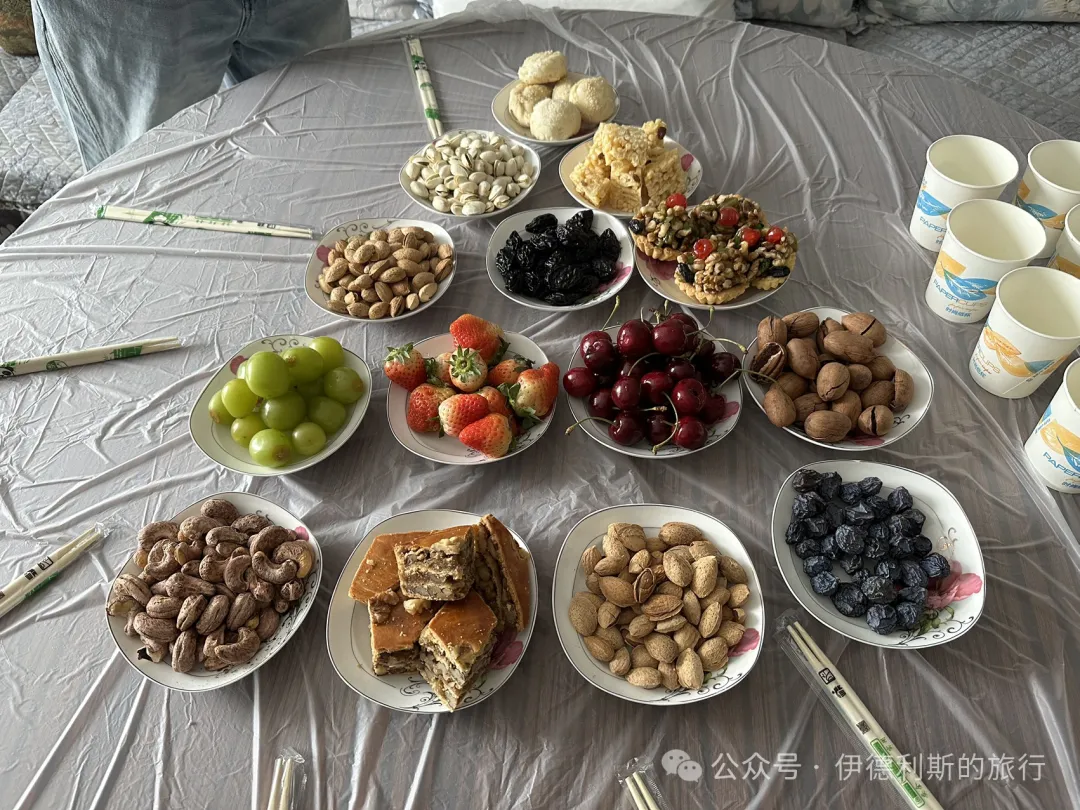
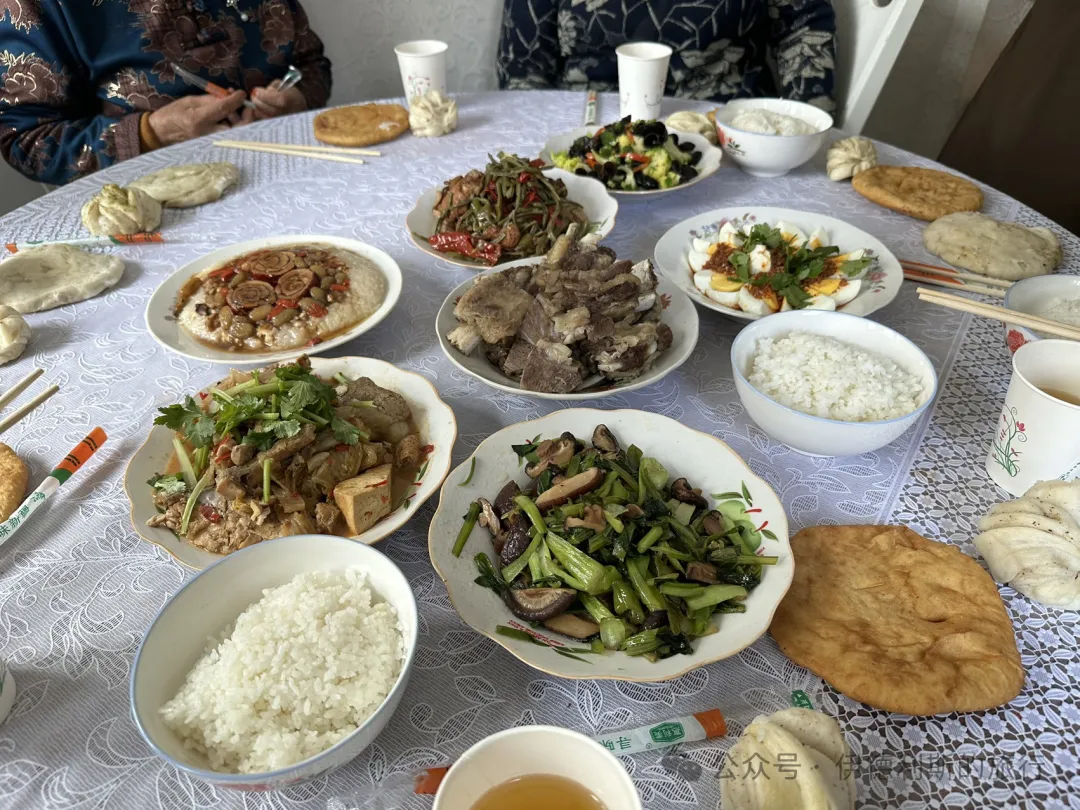
February 17 was our family's Nianye, and it was also when we celebrated Suleiman's first birthday (suisuizi). We invited four imams and a large group of relatives to recite surahs, recite the Bara'at praise, perform tawbah, and offer dua, then we ate. First, we served appetizers (diediezi) and tea. The appetizers included nut towers and baklava we bought at a Uyghur pastry shop on Hetian Street, as well as traditional flaky pastries and sachima made by my aunt. After everyone chatted for a while, we cleared the appetizers and brought out the main dishes to officially start the feast.
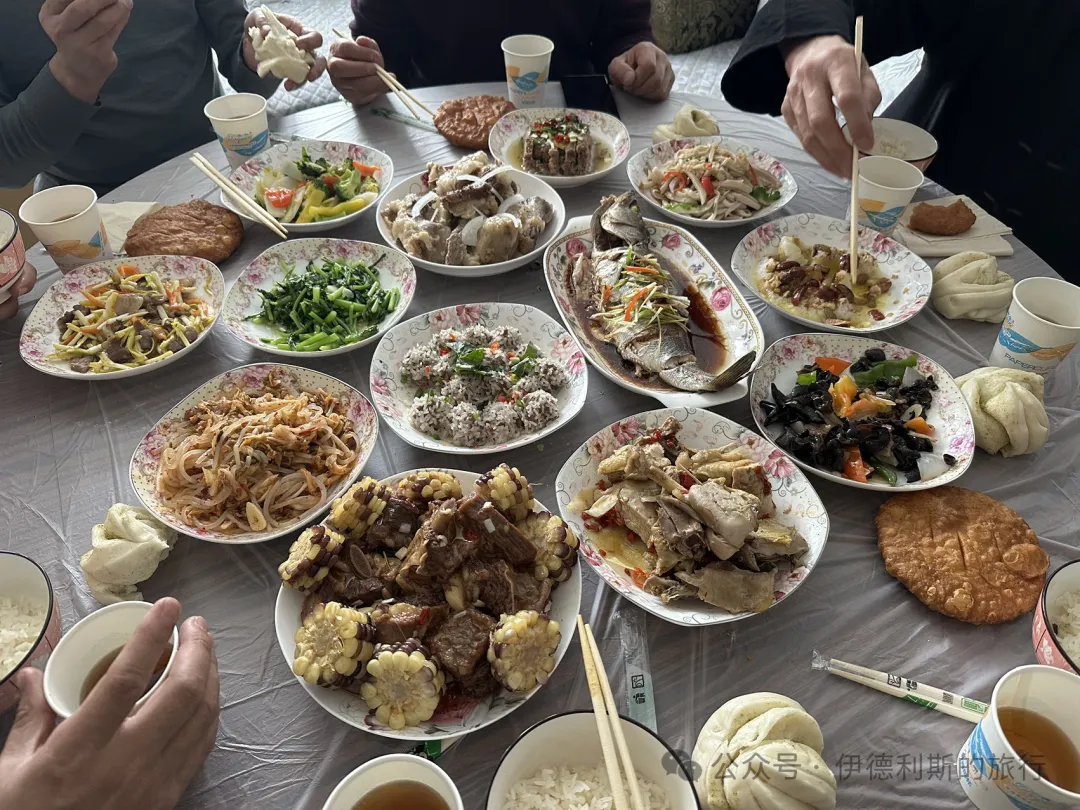
With the help of my aunts, we prepared a rich feast. The main dishes were clear-stewed lamb, braised steak, followed by steamed meat jelly (zhengmingzi), pearl meatballs, spicy chicken (jiaomaji), steamed fish, sweet platter (tianpanzi), and various stir-fried dishes. The staples were fried dough (youxiang), steamed buns (momo), and rice.
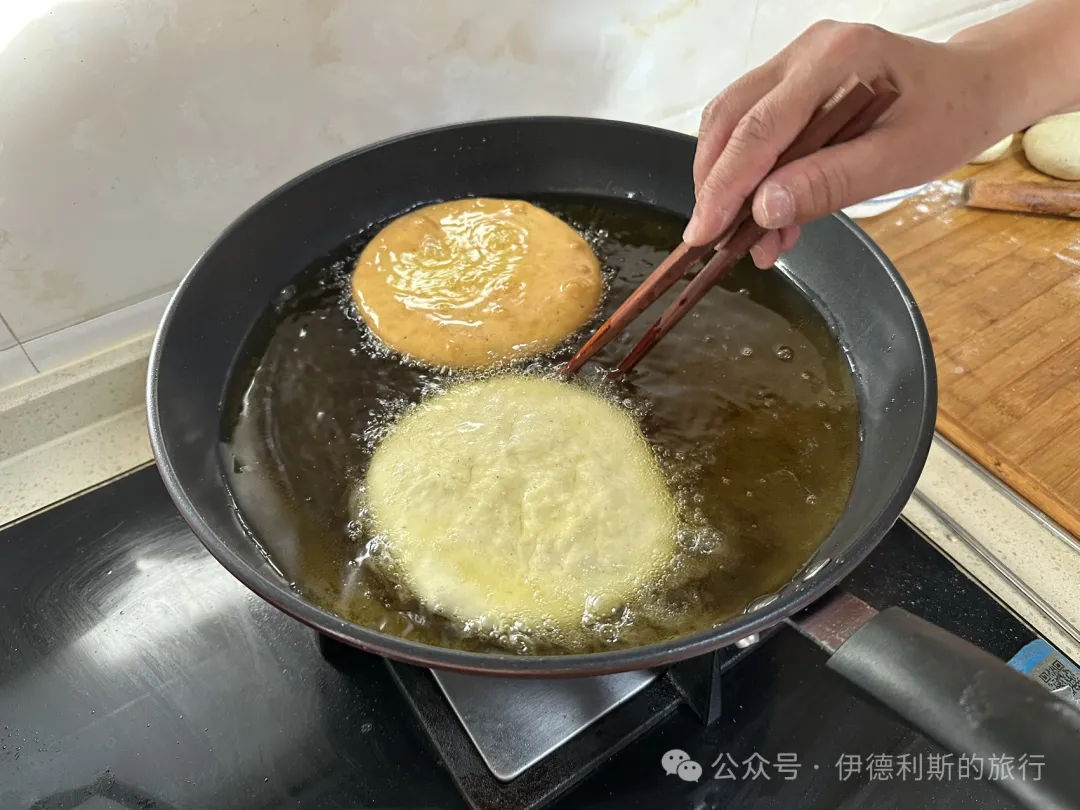
The fried dough (youxiang) was fried the day before. Before frying, I performed wudu (abudaiesi), then made the dough. After it rose, I scalded a small portion with hot oil and mixed in a little baking soda and fenugreek powder (xiangdoufen). I kneaded the scalded dough into the risen dough, covered the basin, and let it rest for 15 minutes. After resting, I rolled it into a long shape, pinched off pieces, rolled them into flat cakes, cut four small slits with a knife, and then it was ready to fry. When putting it into the pot, I said 'Bismillah' (taisimai). I fried it for a while, flipped it, and tapped the edge with chopsticks; when it felt hard, it was done.
Luohuali (wedding engagement ceremony)
This time back, I happened to catch my brother-in-law's Luohuali ceremony. We had a feast at a small workshop (zhepai) in Anningqu, in the northern suburbs of Urumqi, and I ate some homemade fried sugar twists (tangningningzi). The feast started with appetizers, then they were cleared for the main dishes, which included clear-stewed meat, braised meatballs, braised fish, beef head meat, and so on.
The traditional wedding customs of Xinjiang Hui Muslims are very elaborate. Before a marriage proposal, the man's family first makes inquiries about the woman's family. Then, they send a matchmaker with four types of gifts—tea, sugar cubes, red dates, and walnuts (or pastries)—wrapped in four colors, known as the four-color gift (sise li). The matchmaker's first visit with the four-color gift is called the opening gift (kaikou li). The matchmaker gives the gift, wrapped in red cloth, to the woman's family, but they do not give an answer right away. After careful consideration, the woman's family sends a message through the matchmaker. The man's family then sends the four-color gift again, which is called the confirming gift (luohua li), and after that, they enter the engagement stage.
Attending a funeral (song maiti)
See: Visiting the Dawan gongbei in Urumqi
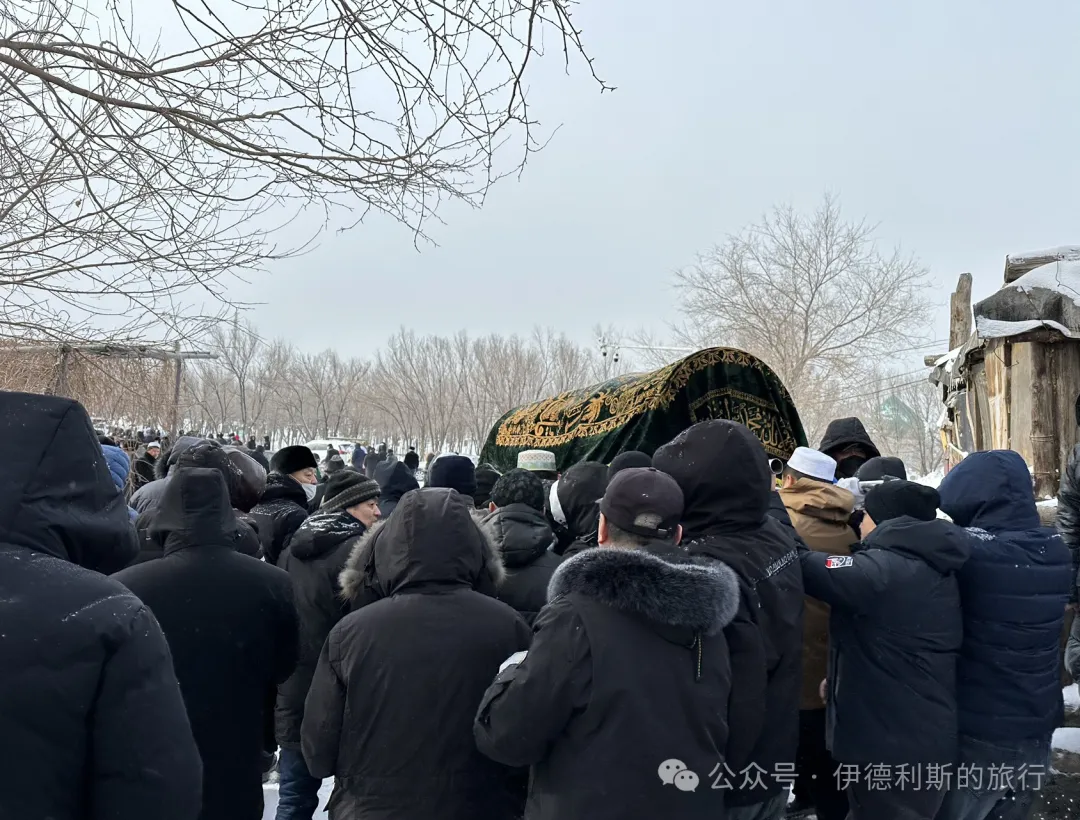
During the Spring Festival in Urumqi, I happened to attend a funeral for an elder from the Luyuan Street community. Hundreds of people were there, and it was very moving. I could really feel the unity of the local community (jamaat).
Fasting (zhai)
See: 2024 Beijing Ramadan Diary: Week One
2024 Beijing Ramadan Diary: Week Two
2024 Beijing Ramadan Diary: Week Three
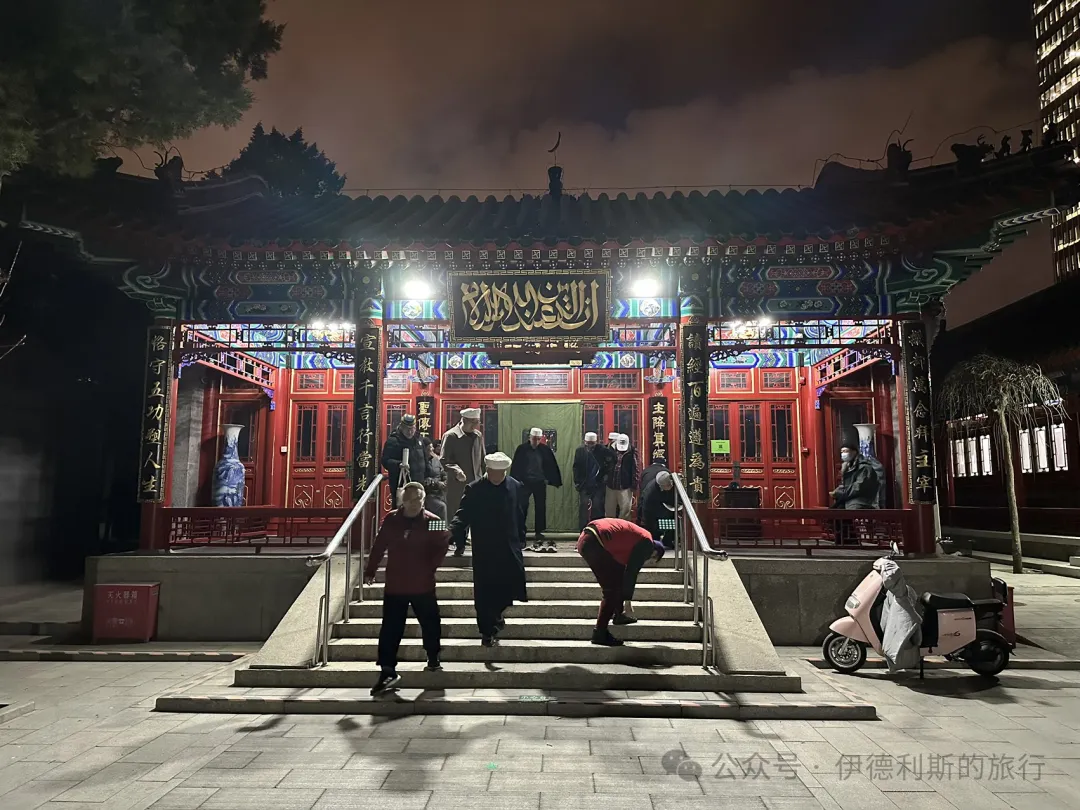
This year, I am spending Ramadan at the Balizhuang Mosque again. On the evening of March 11, I prayed the first Taraweeh at the Balizhuang Mosque. Every year, I enjoy the blessed atmosphere of the month of Ramadan (Ramadan) the most, as everyone gathers at the mosque to complete their worship.
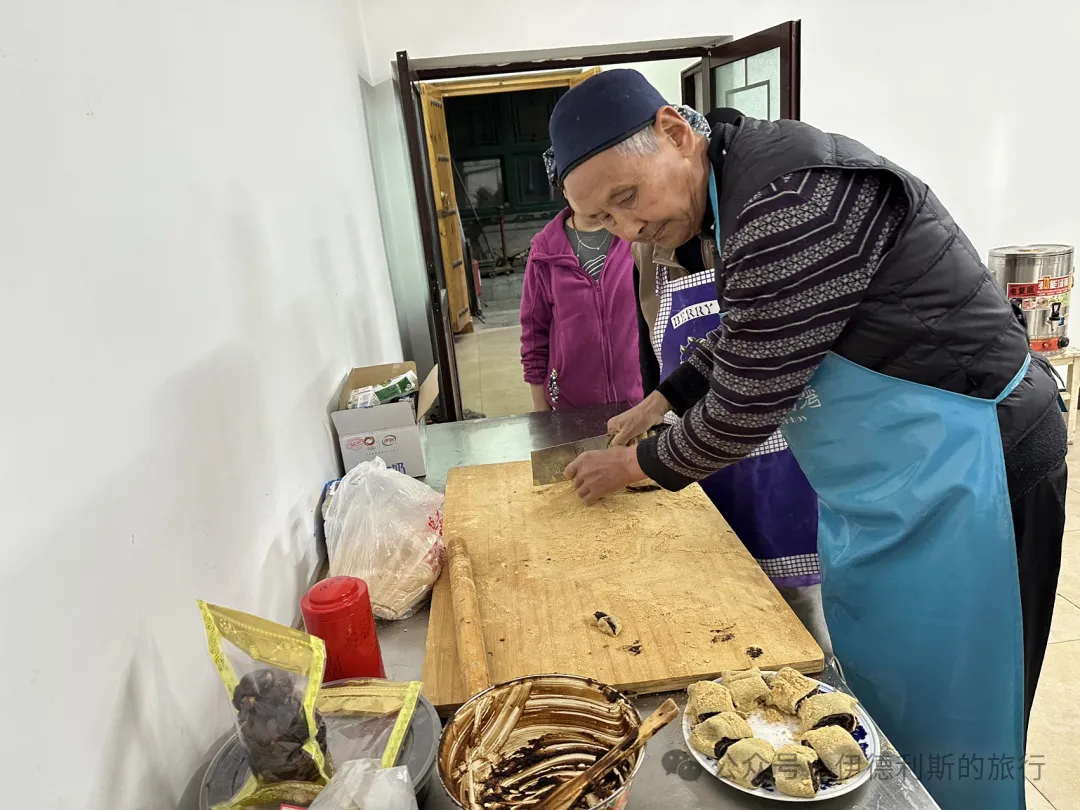
Elder Li made donkey-roll cakes (lvdagun), nut-and-fruit cake (qiegao), and pea flour cake (wandouhuang) for everyone.
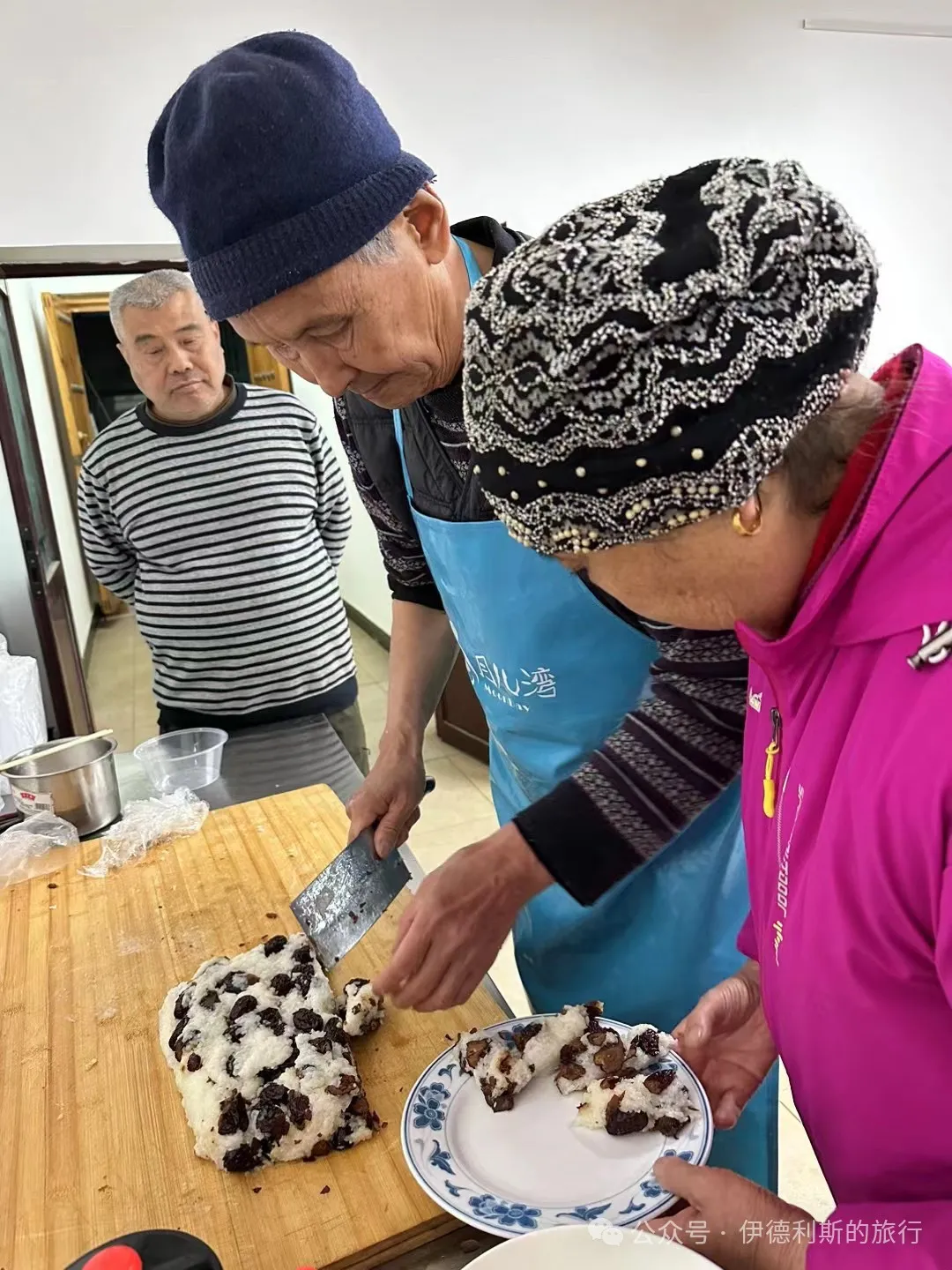
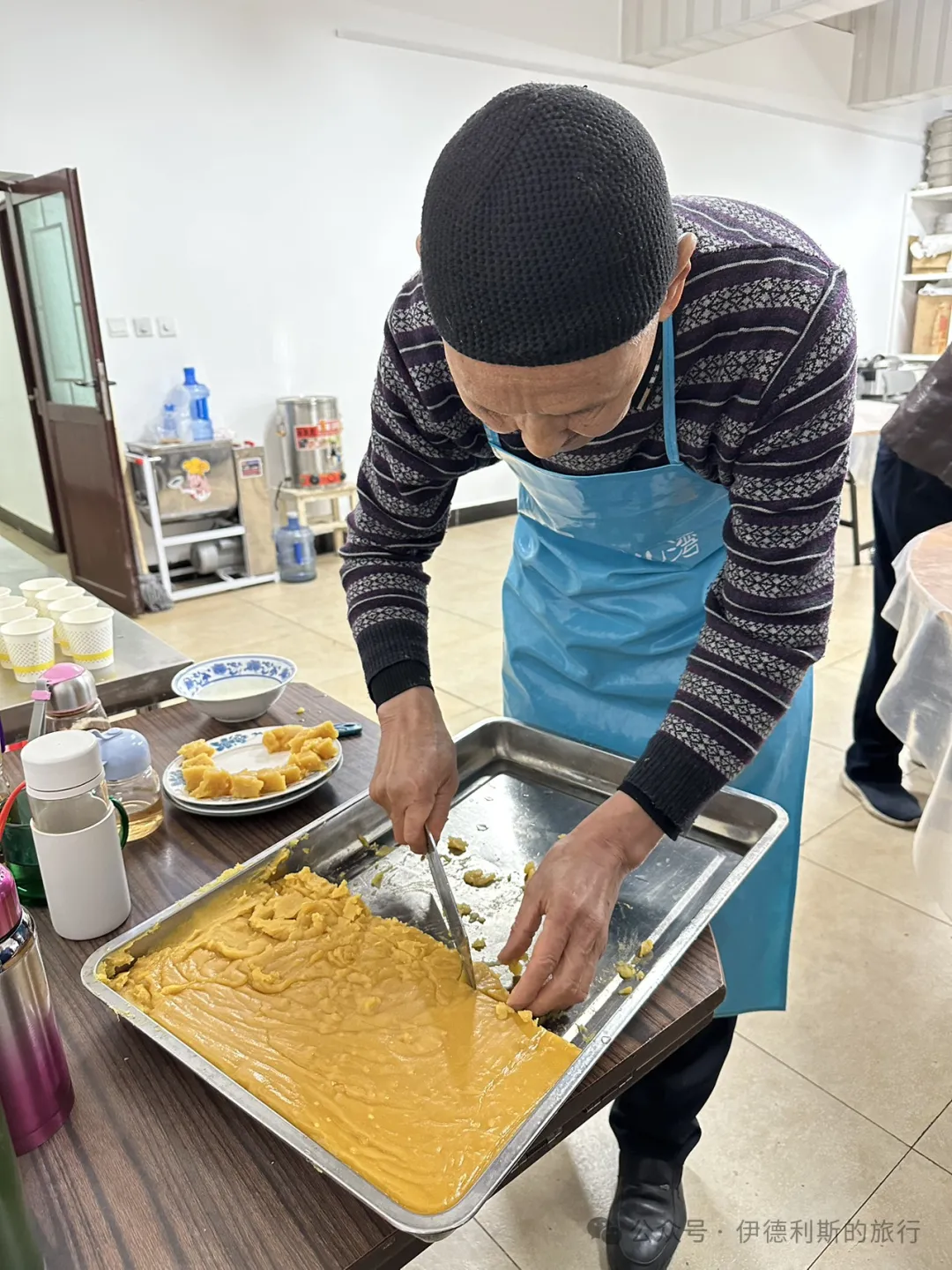
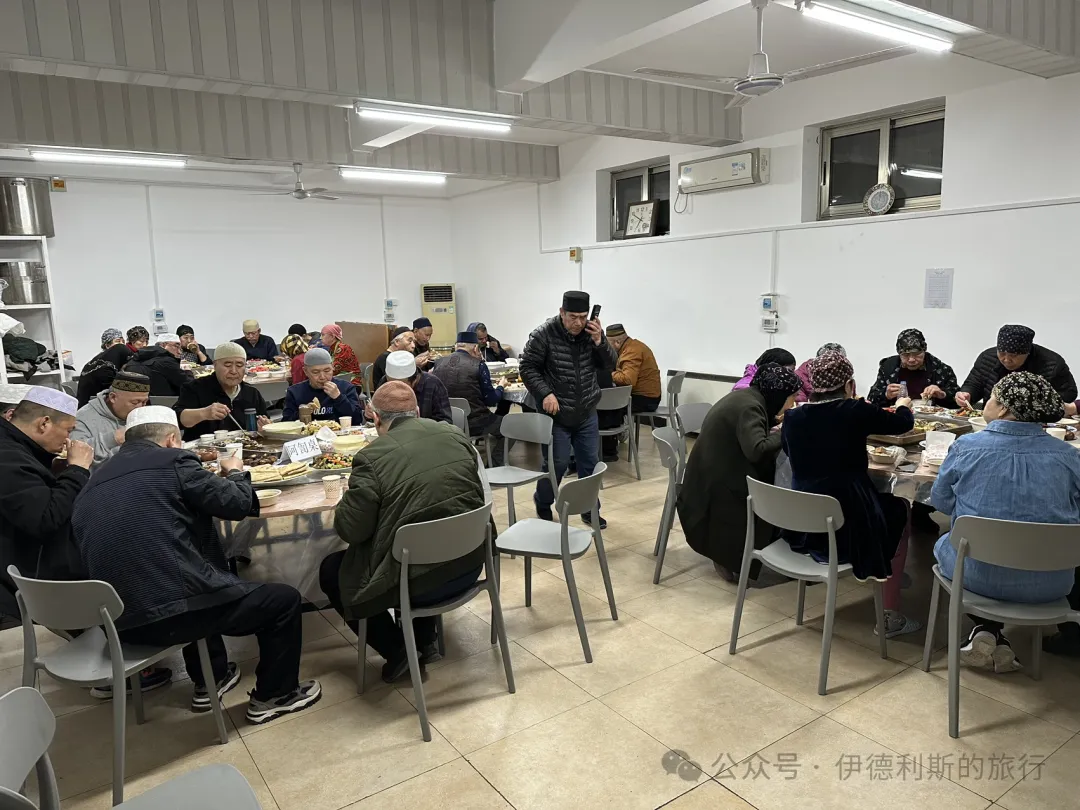
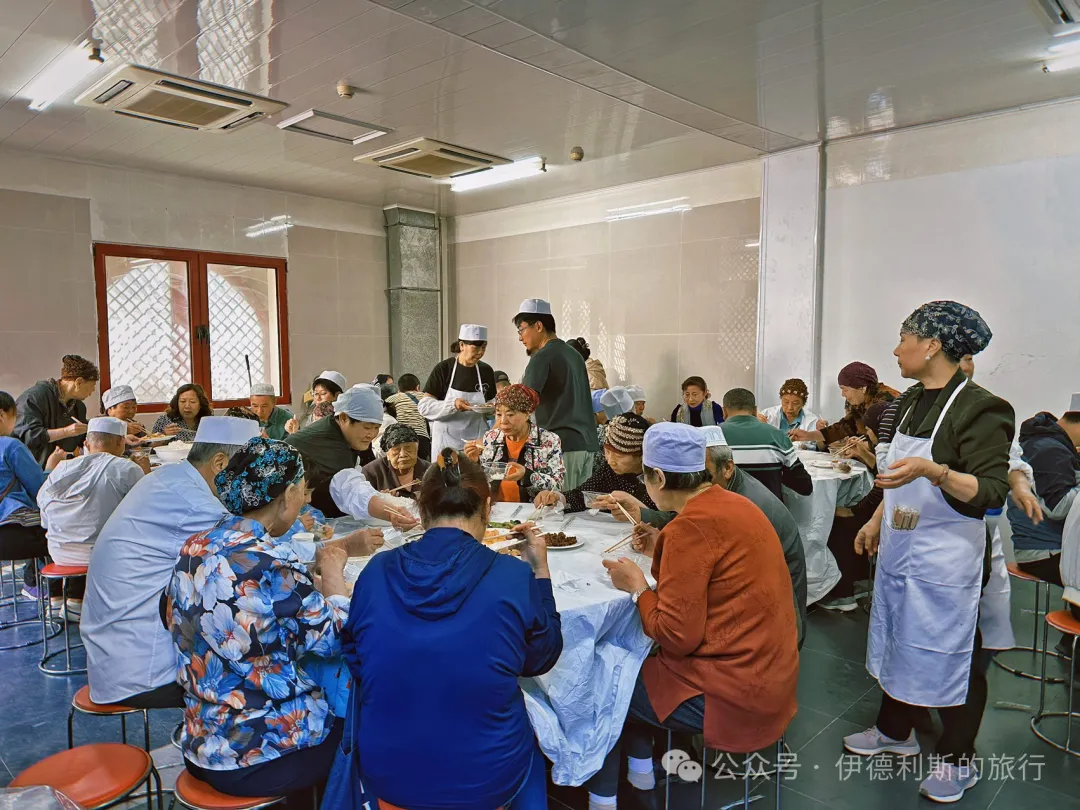
The fast-breaking meal (iftar) is very rich, different every day, and includes all kinds of Beijing delicacies.
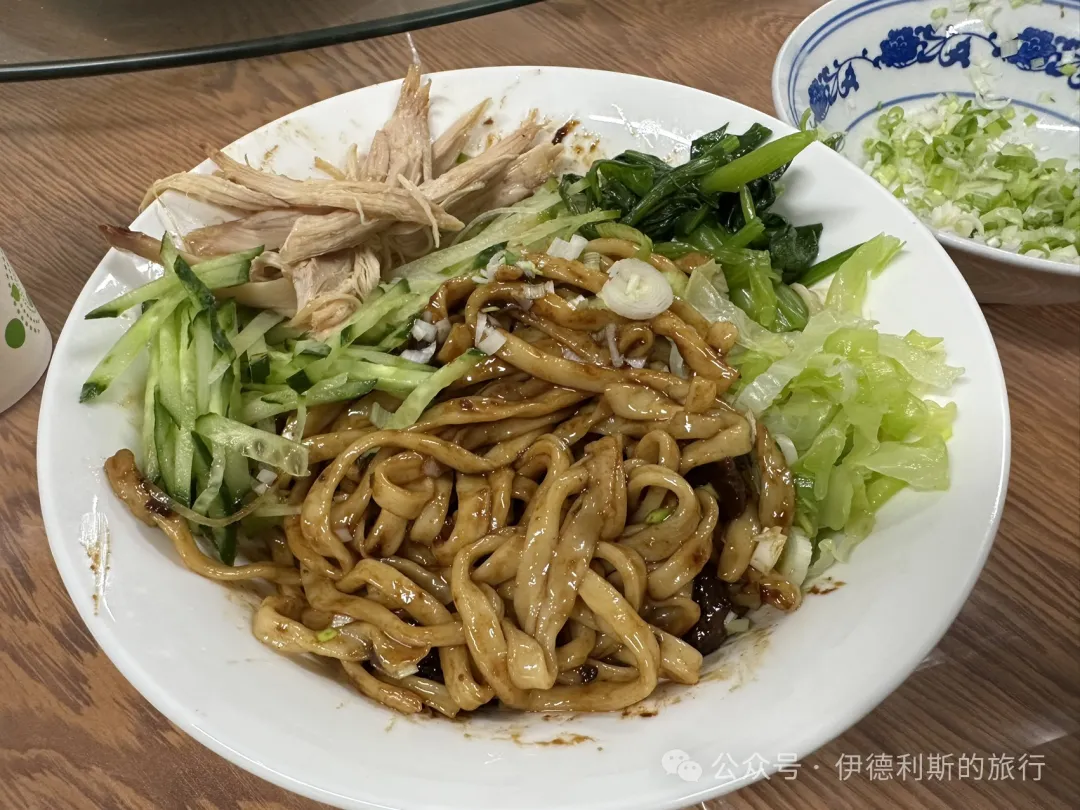
Noodles with soybean paste (zhajiangmian)
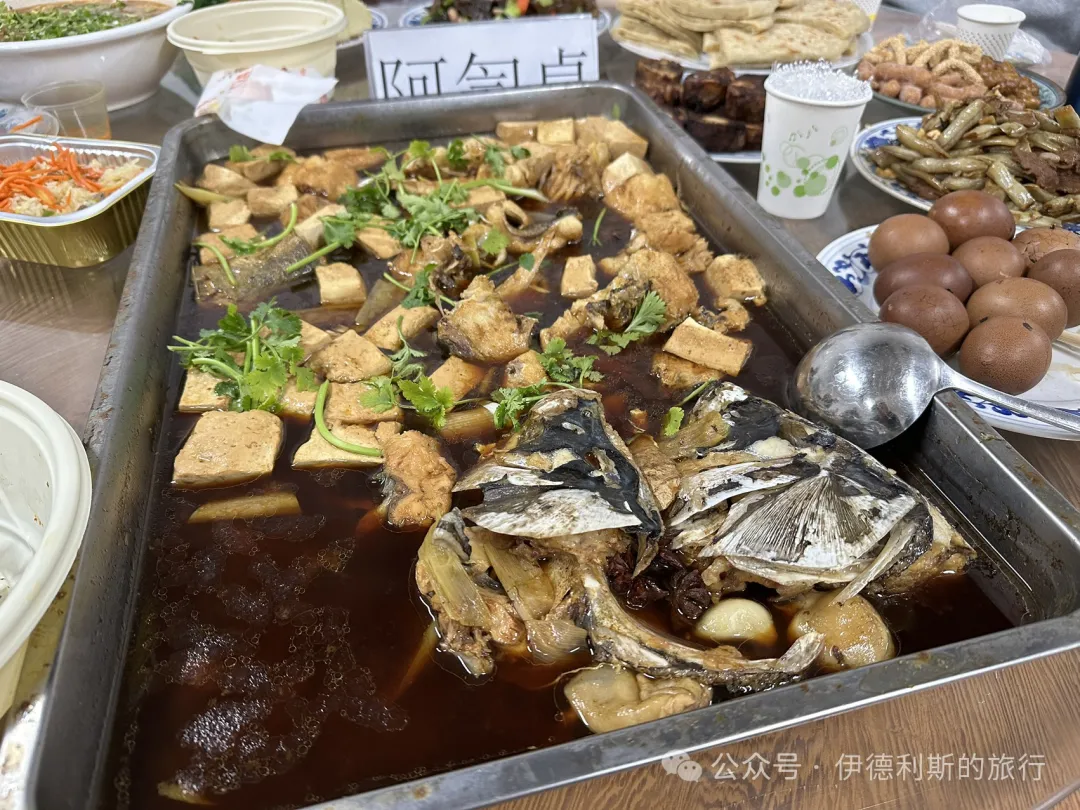
Fish head with flatbread (yutou paobing)
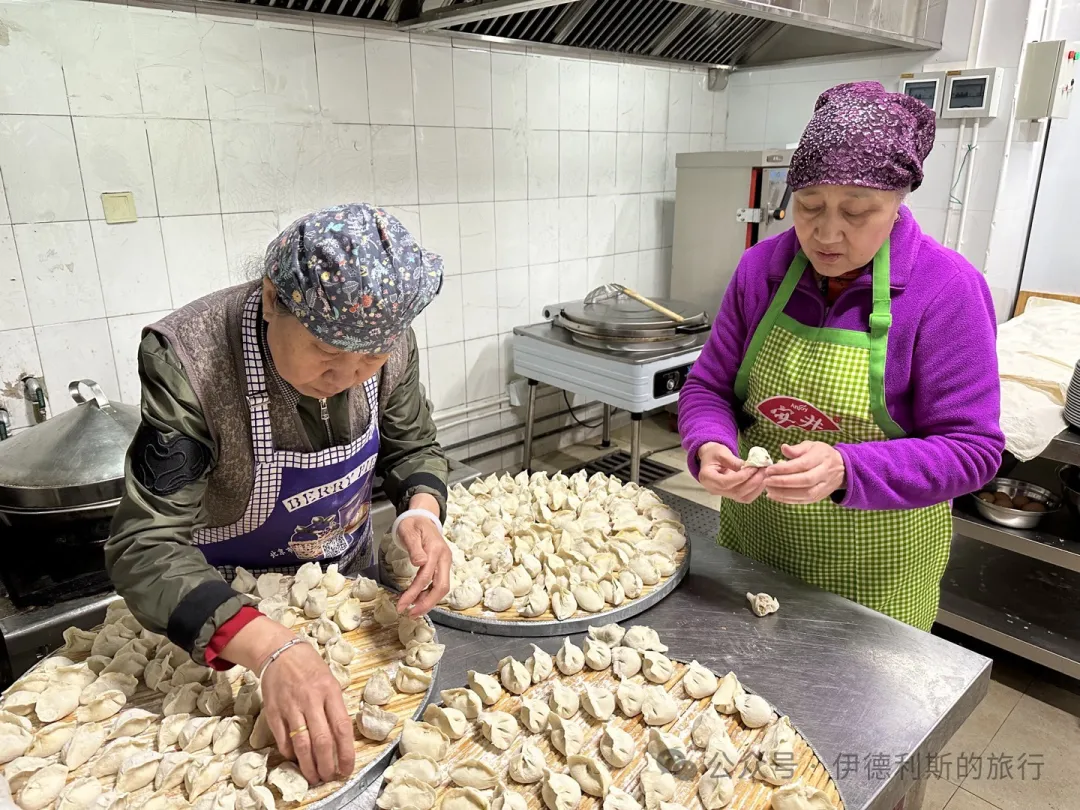
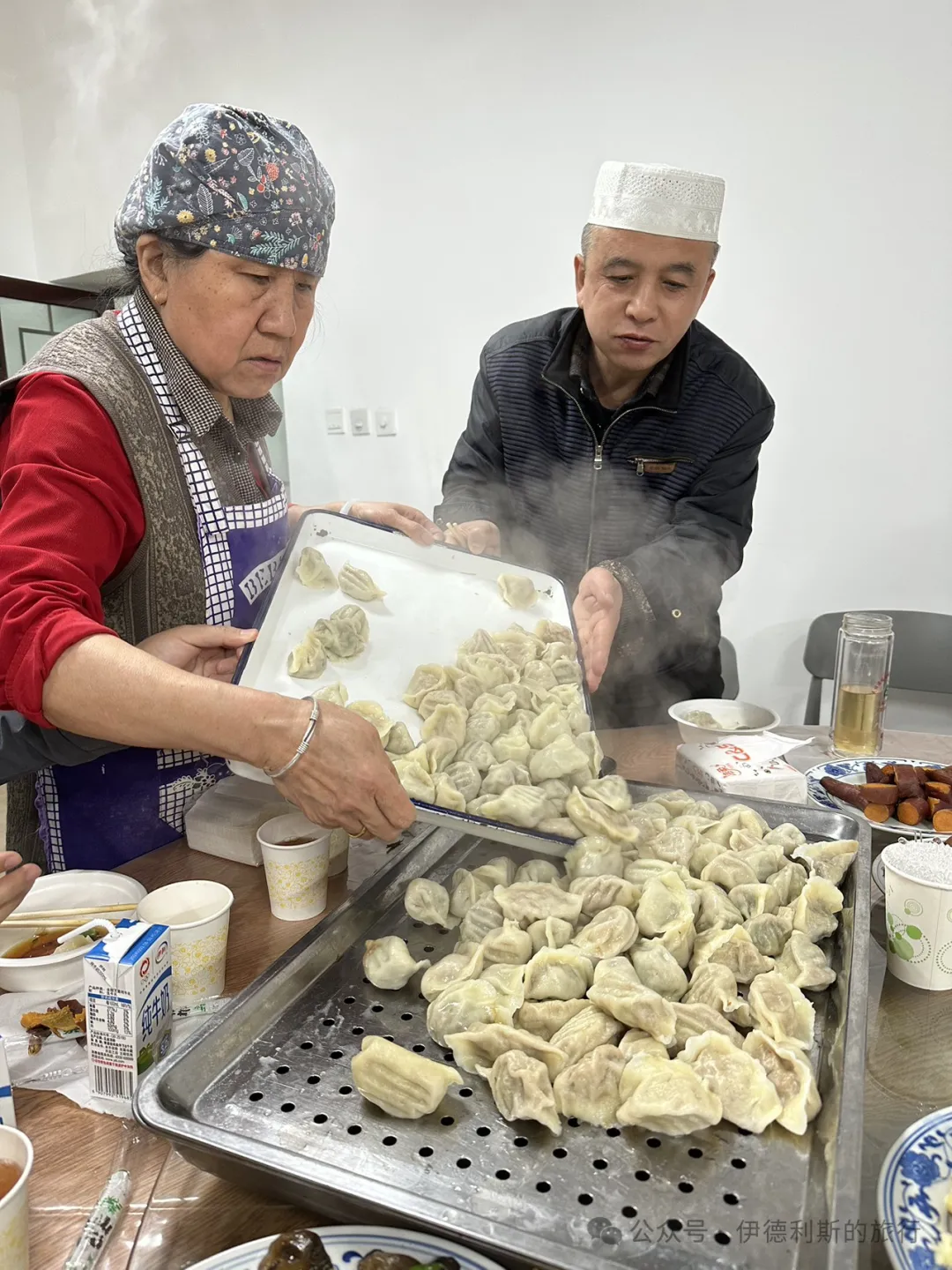
Dumplings (jiaozi) that everyone made together
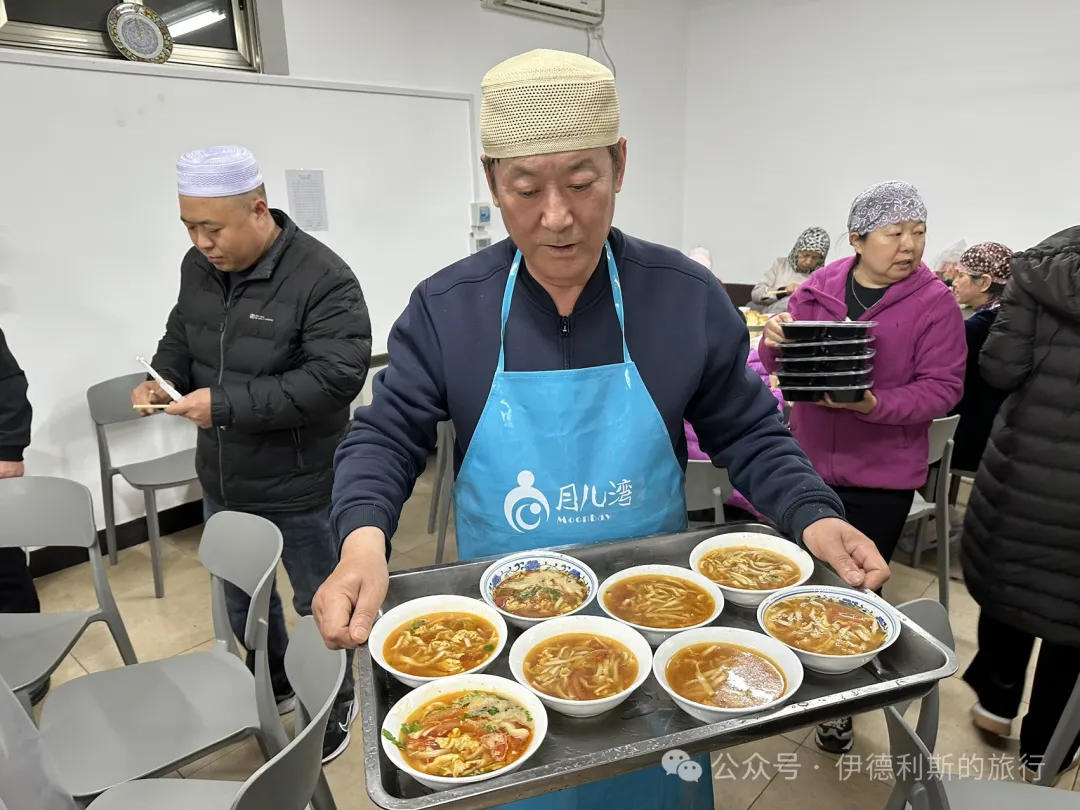
Hot noodle soup (retangmian)
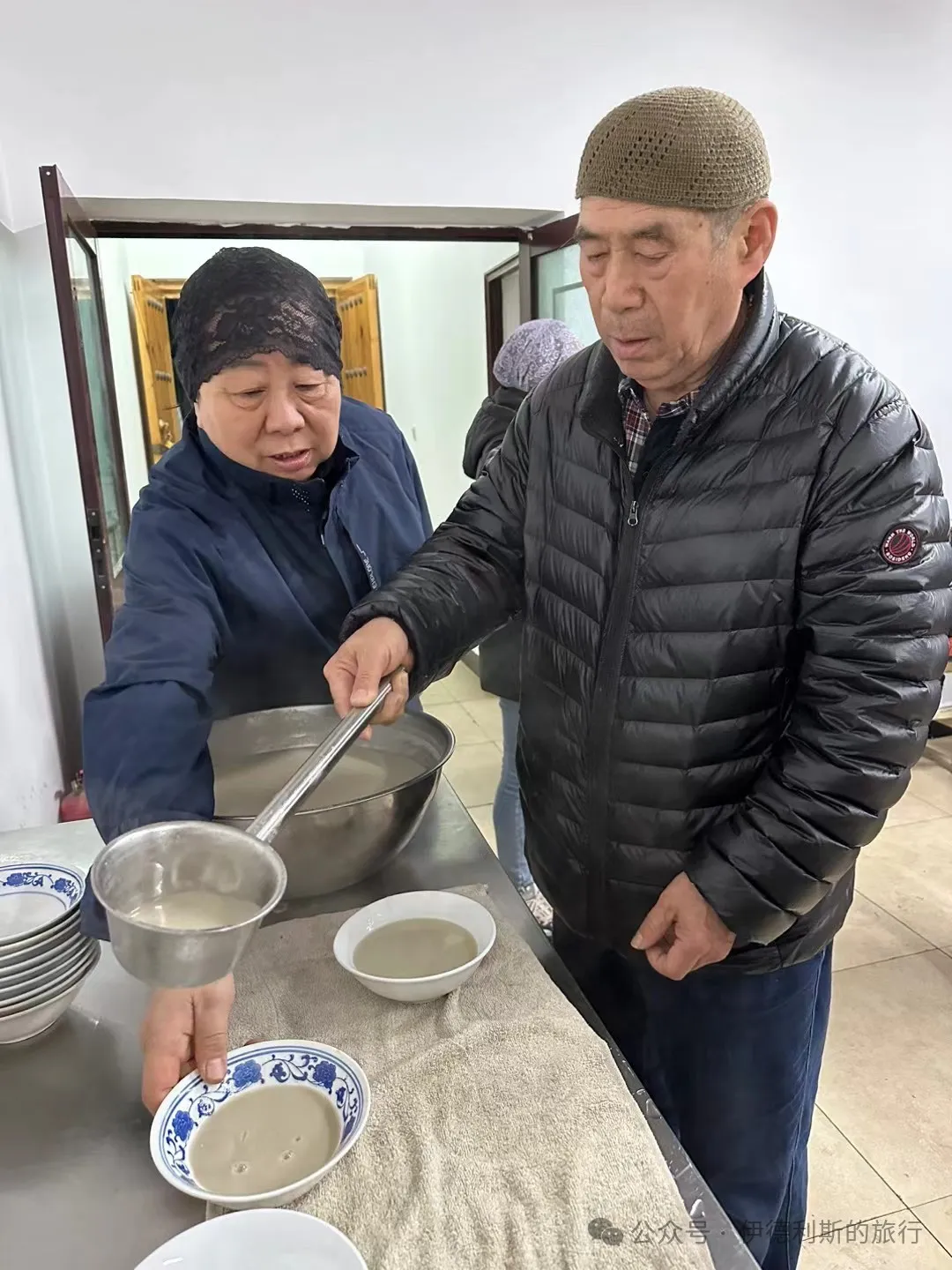
Breaking the fast with fermented mung bean milk (douzhi)
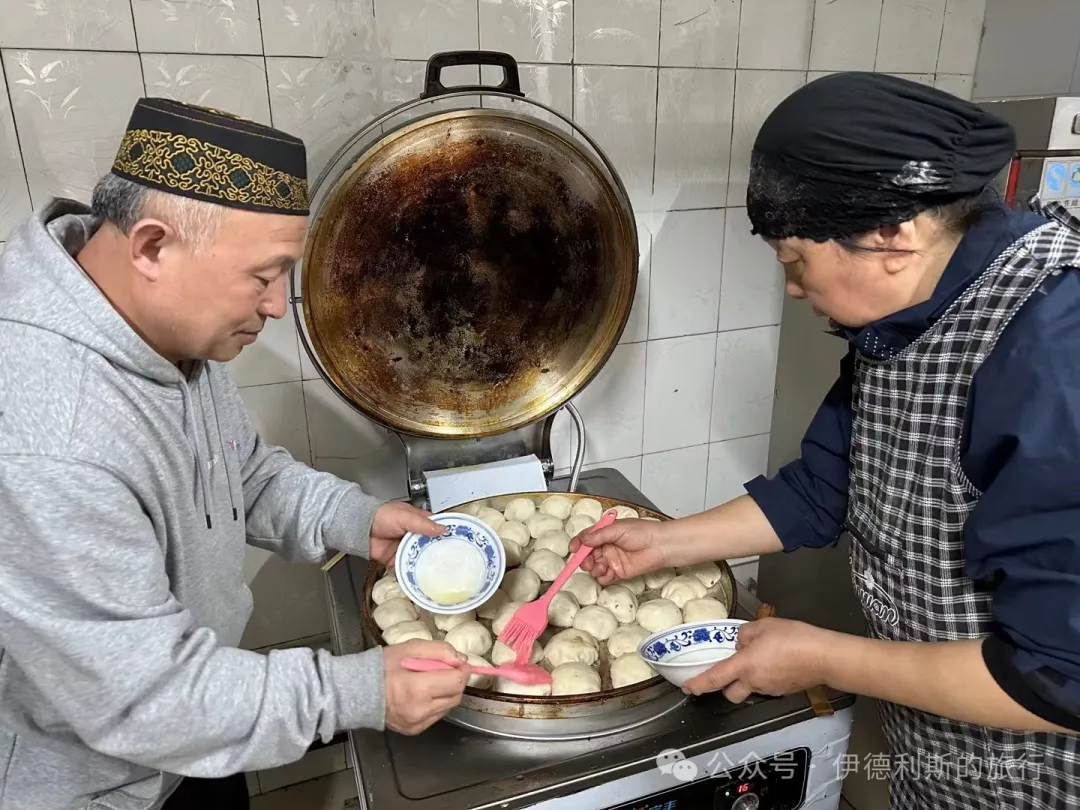
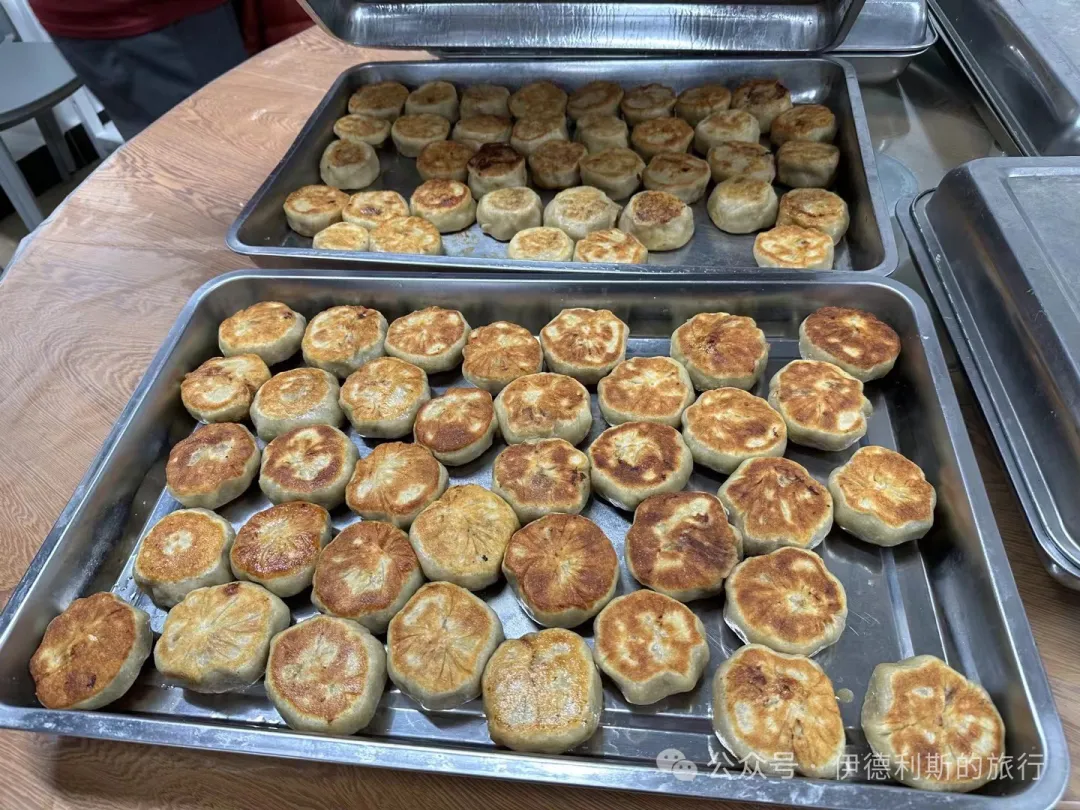
Door-nail meat pie (mending roubing)
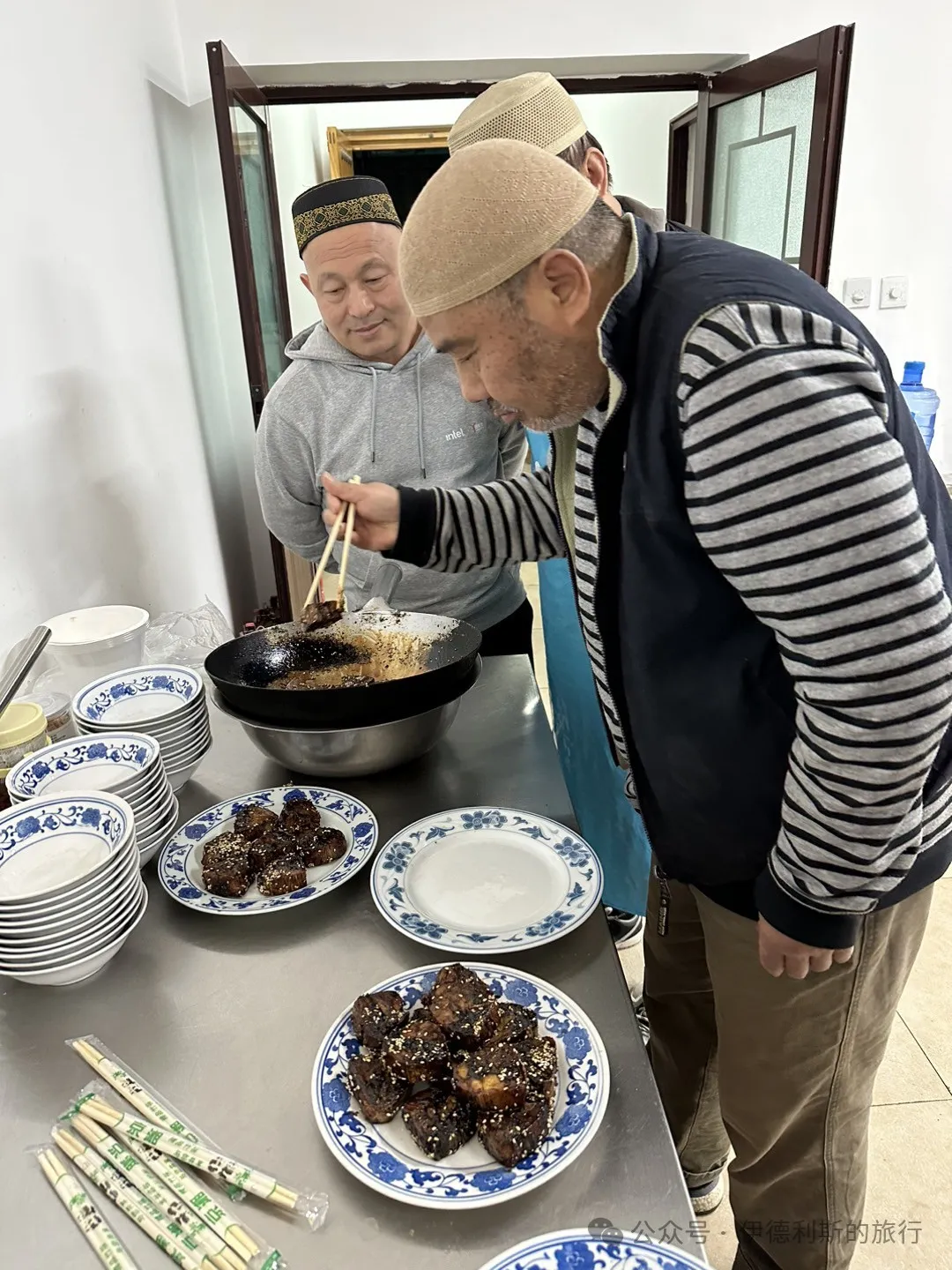
Sugar-rolled fruit (tangjuanguo) and fried crispy snacks (zha gezi)
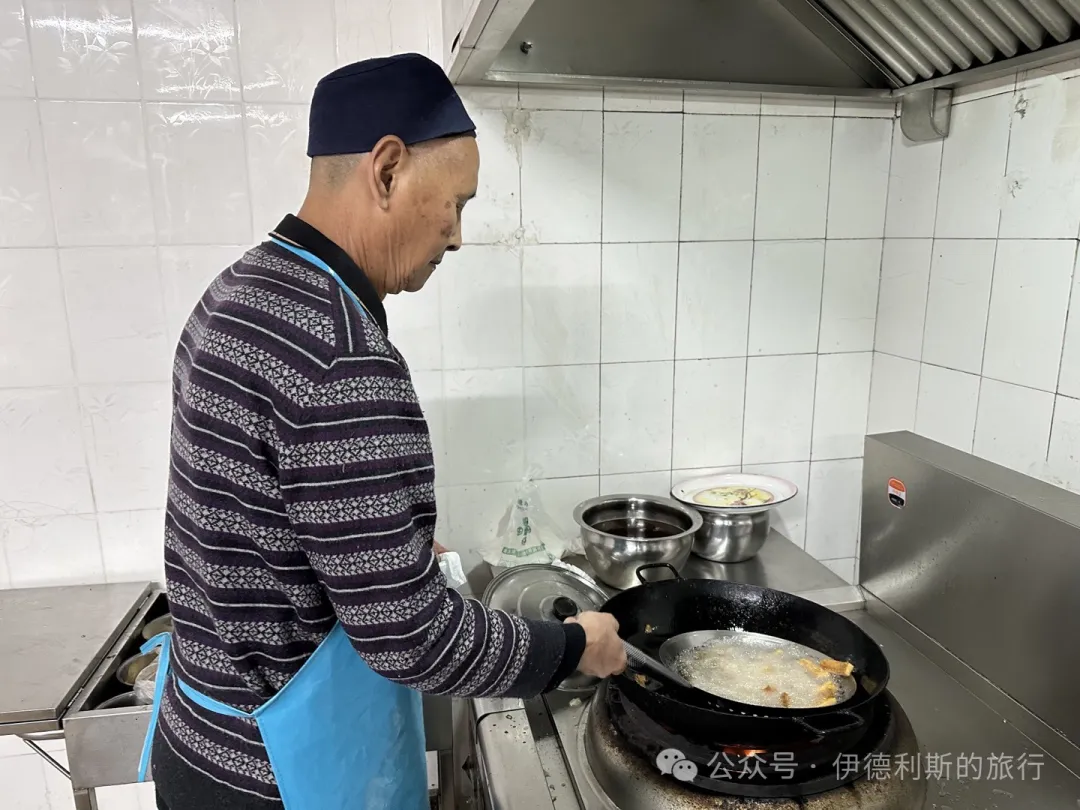
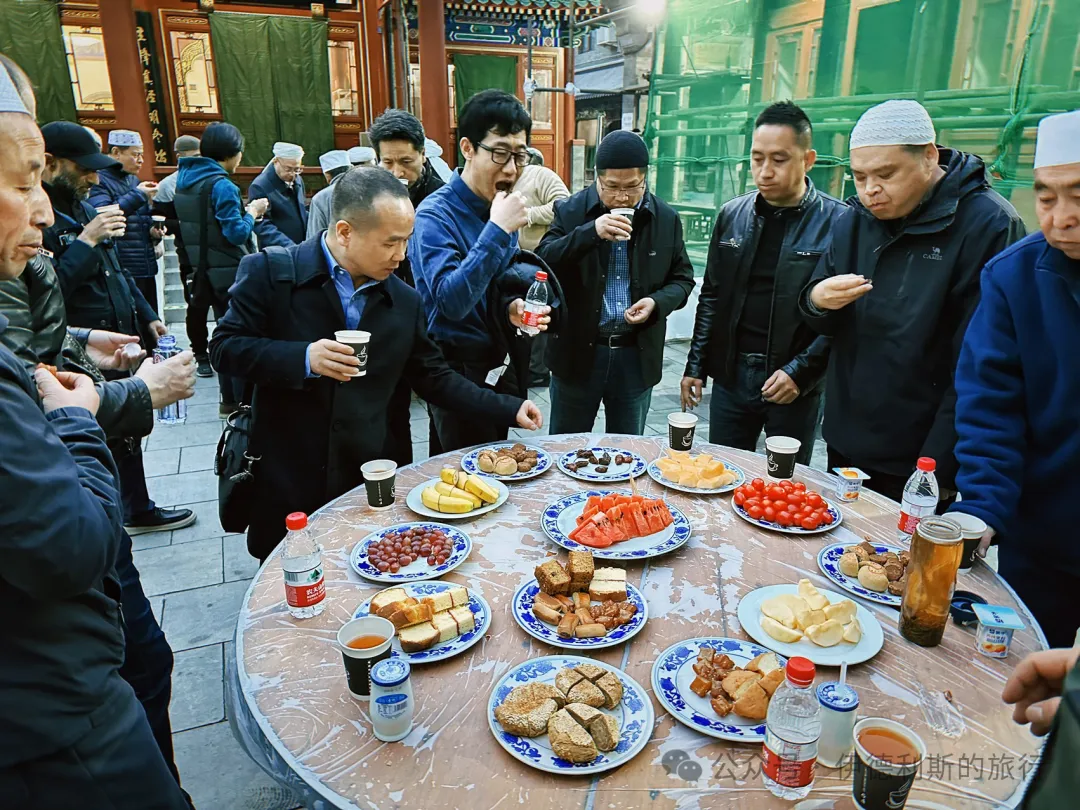
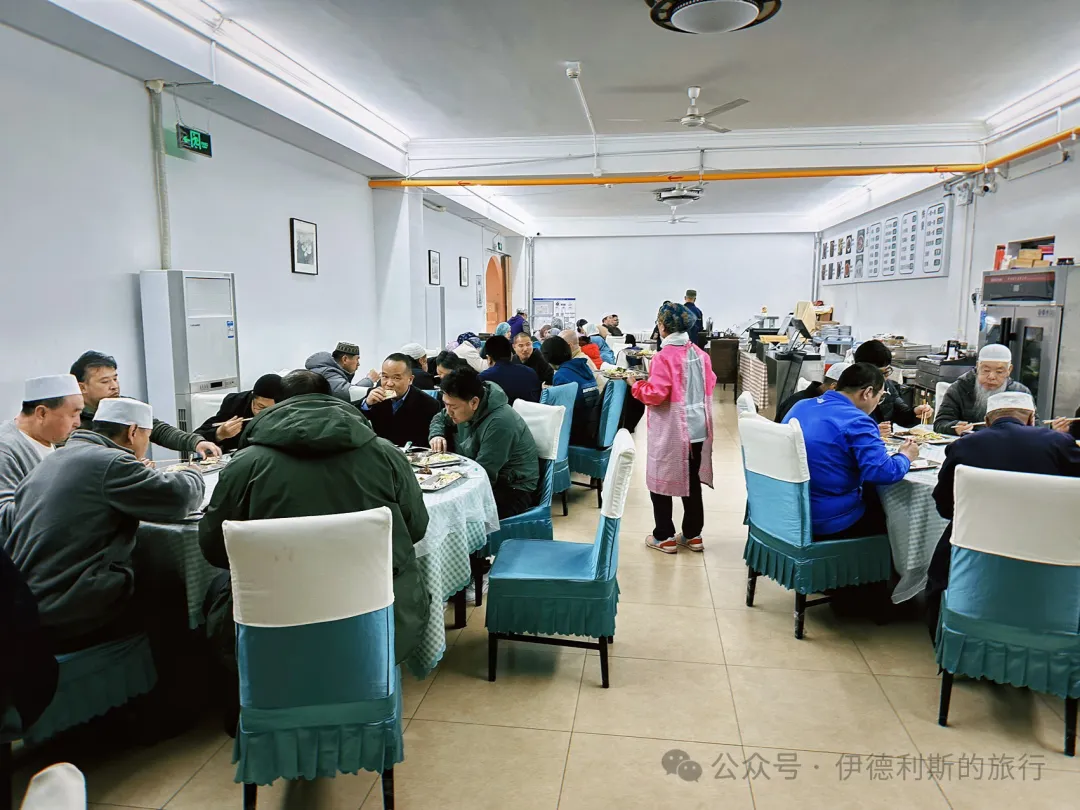
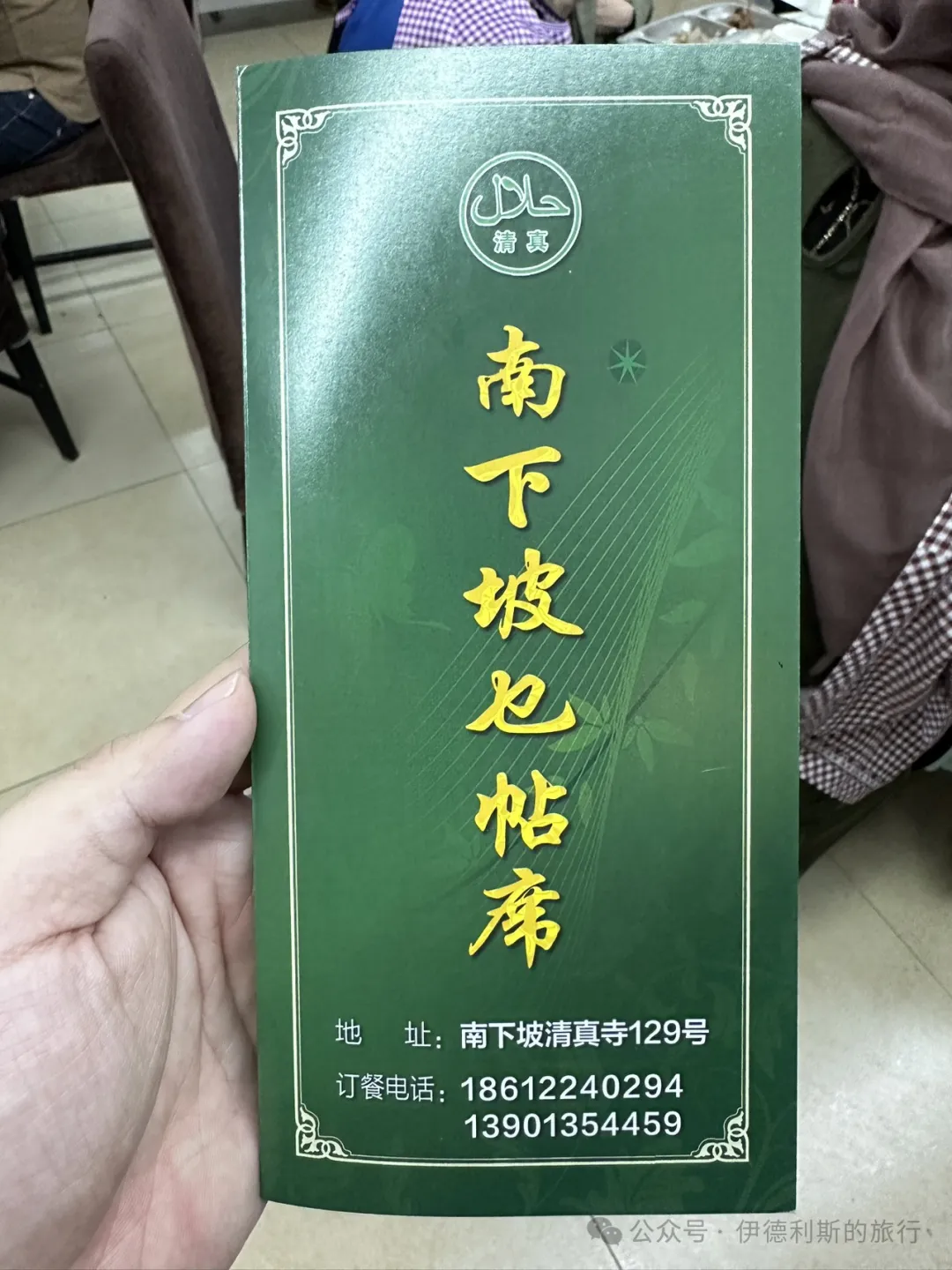
On the fourth day, a friend (dosti) invited everyone to break their fast at the Nanxiapo Mosque. We ate delicious beef stew, and I felt very grateful (shukr). The Nanxiapo Mosque held a communal meal (nietie). It is usually open to the public, selling eight-bowl feasts (badawan), breakfast, and fast food. You can enter directly from the hot pot restaurant next to the mosque.
On the evening of the 17th day, I met up with a friend (dosti) to pray Tarawih at the Sudanese Embassy. The Sudanese Embassy is right next to Tuanjiehu subway station. We arrived at 7:50 and got in by showing our ID cards at the intersection. The call to prayer (adhan) was at 8:05, and the formal prayer started at 8:30. There were friends (dosti) from all over the world in the hall, standing in rows with all different skin colors. It really felt like I had traveled abroad. The imam for Tarawih was a young hafiz from Libya. His recitation was melodic and pleasant, and very moving. We prayed eight rak'ahs of Tarawih, with a taslim after every four. Finally, we prayed Witr with two rak'ahs followed by a taslim, and then one final rak'ah. This is quite different from the traditional prayer methods of the Gedimu Hui Muslims.
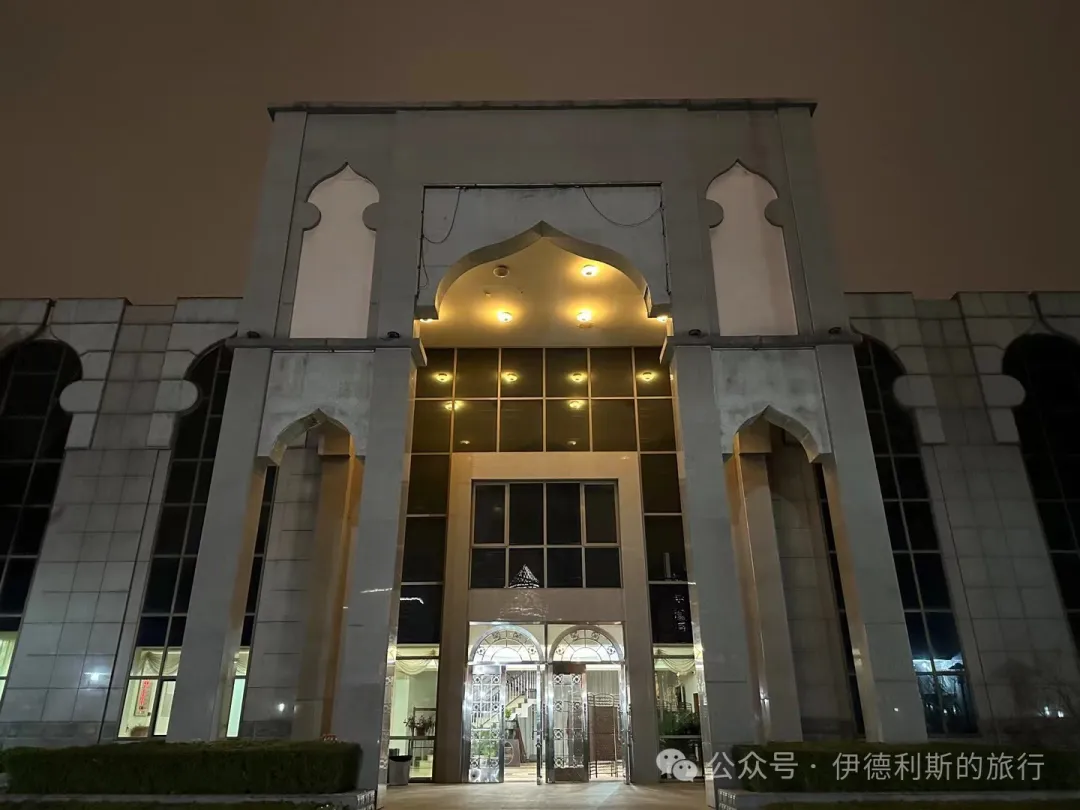
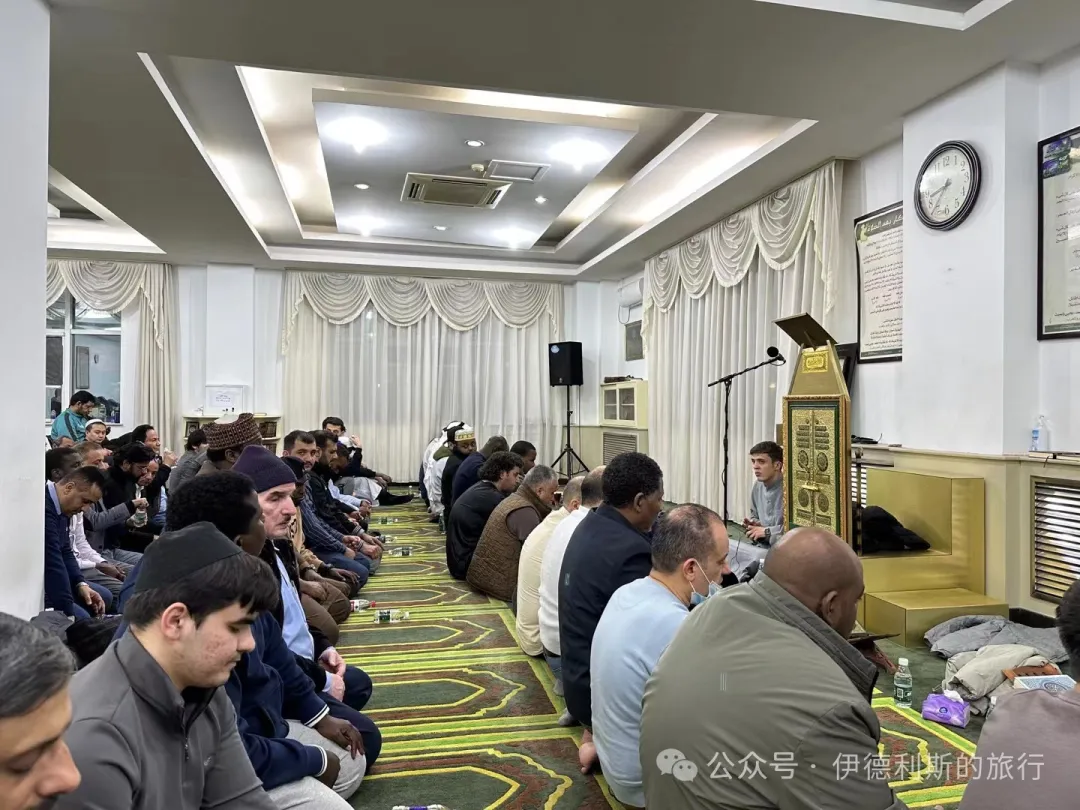
On the evening of the 18th day, a friend (dosti) from Hunan intended to host an iftar at Nanxiapo Mosque. We had stewed meat with rice, which was very delicious. I met many new friends during this time. Ramadan is truly a great opportunity to bring everyone together.
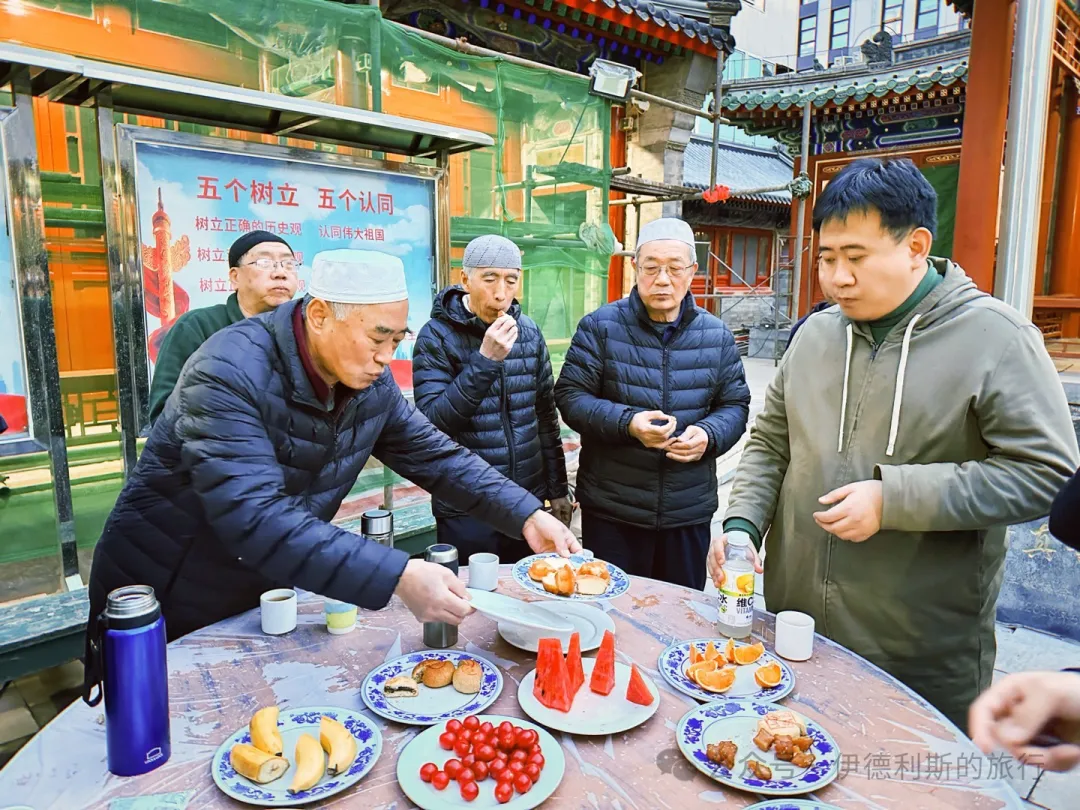
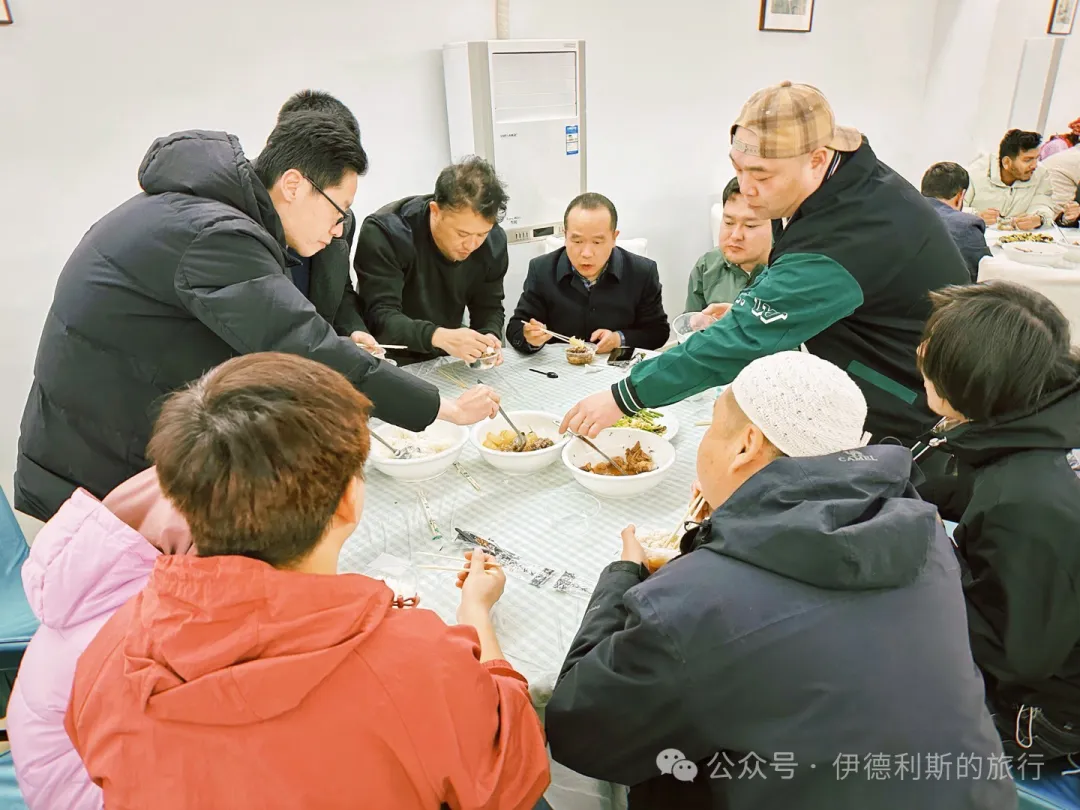
Experiencing the Ramadan atmosphere in Xi'an
See: Experiencing the Ramadan atmosphere in Xi'an
I had always heard that the Ramadan atmosphere in Xi'an is special. Many shops adjust their business hours to provide suhoor meals, and every mosque is very lively at iftar time. I used the Qingming holiday to experience it for myself.
At 3:00 AM, I wandered over to Miaohou Street. Miaohou Street is the street with the most suhoor meals in the Muslim Quarter (Huifang). We saw offal soup (zagan tang), spicy soup (hulatang), steamed rice cake (zenggao), crumbled flatbread in soup (paomo), meat pockets (rouhezi), and more. The variety was huge, and we ended up eating paomo.
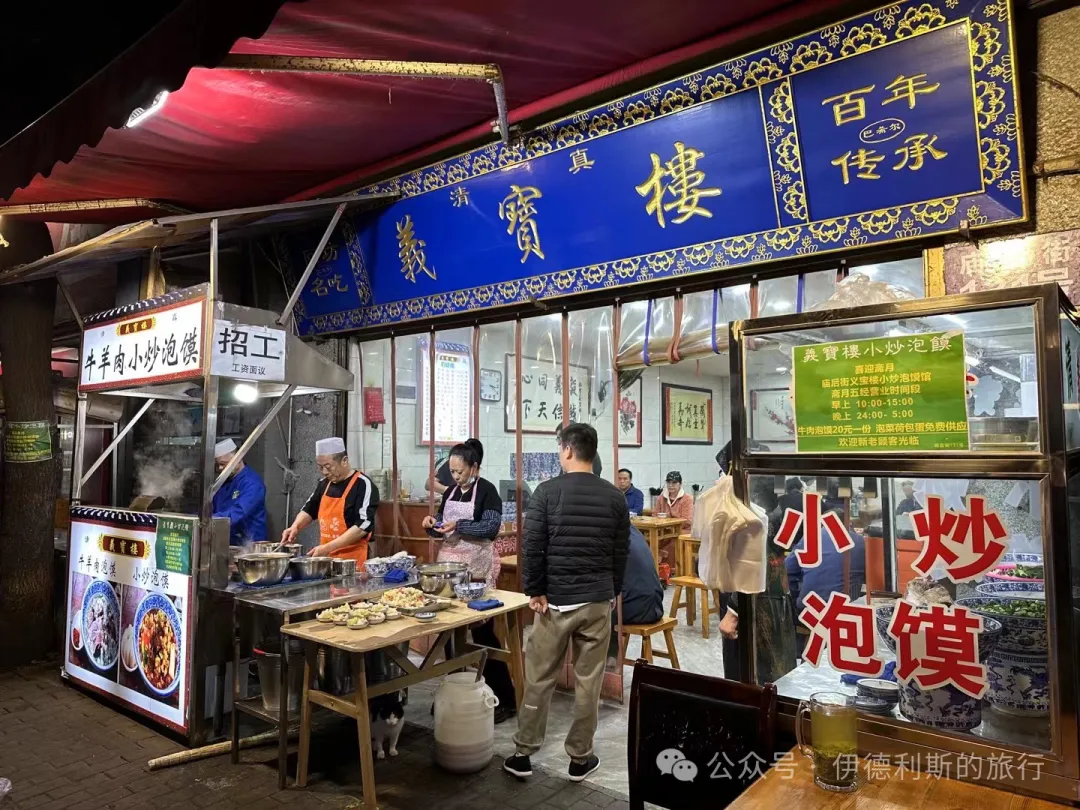
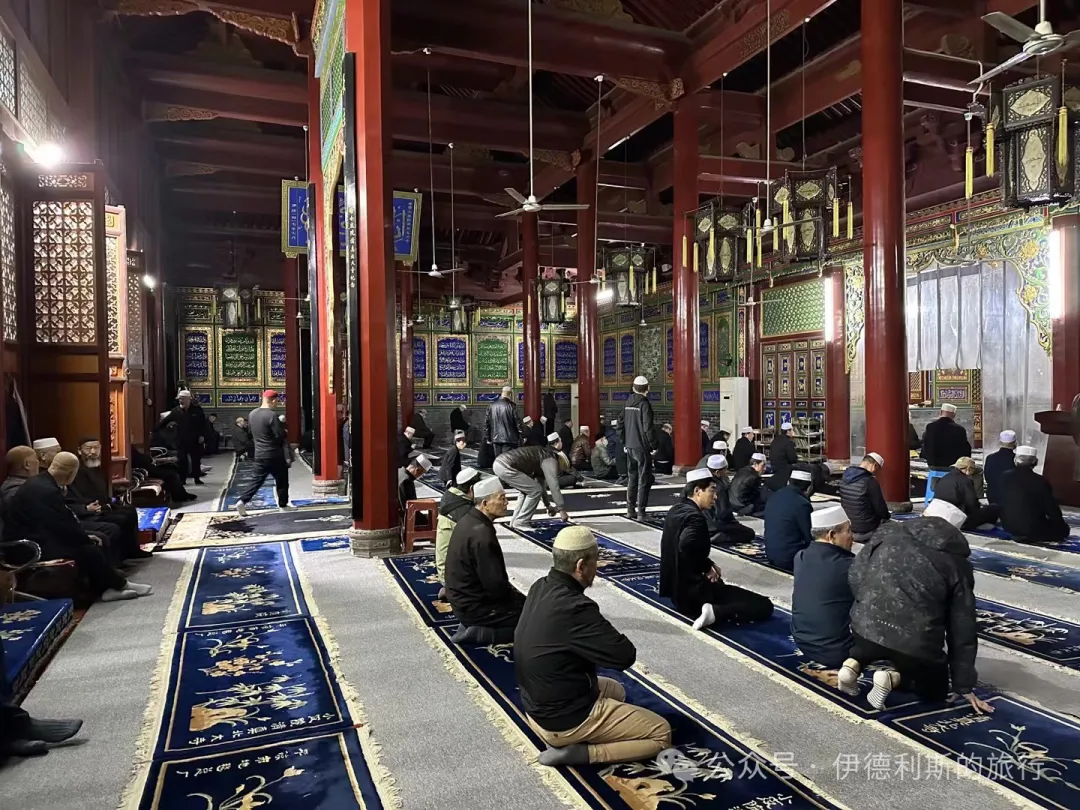
At 5:30 AM, we prayed Fajr at the North Mosque in Xiapiyuan. The praise (dhikr) was melodic and gentle, and it was truly soul-stirring.
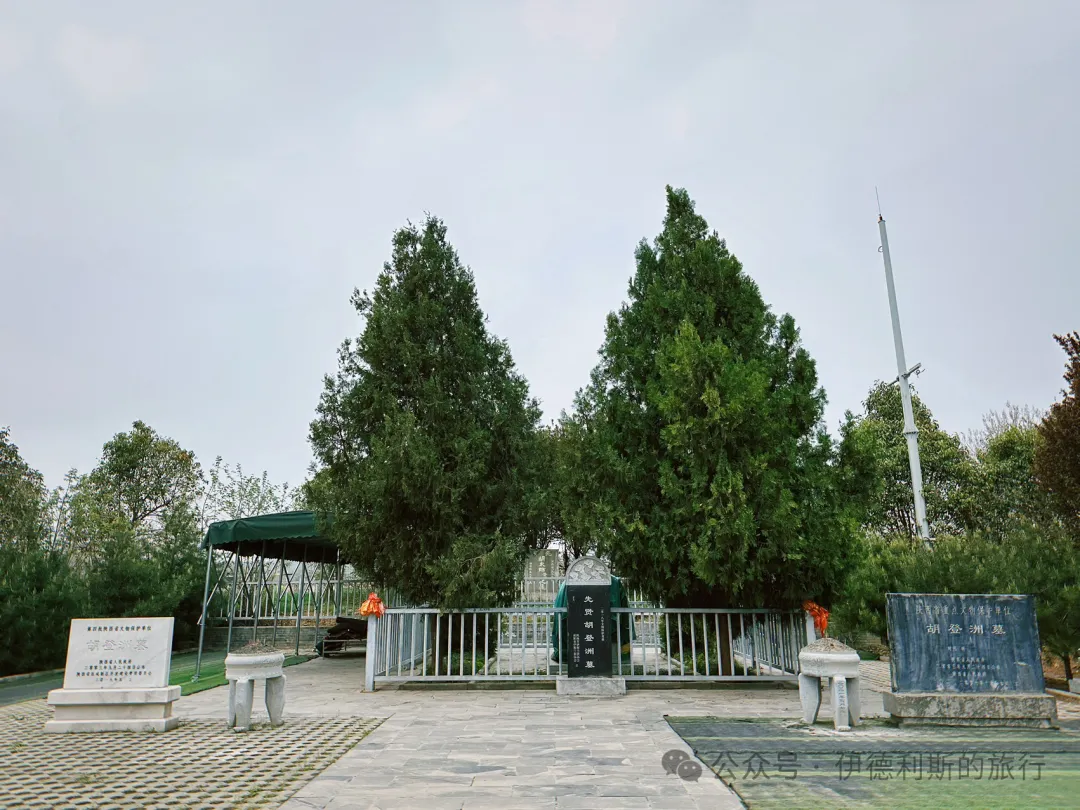
At noon, I went to Hujiagou in Xianyang to visit the grave (zifen) of Master Hu Dengzhou.
In the afternoon, I returned to the Muslim Quarter (Huifang) and had iftar at the Dapiyuan Mosque.
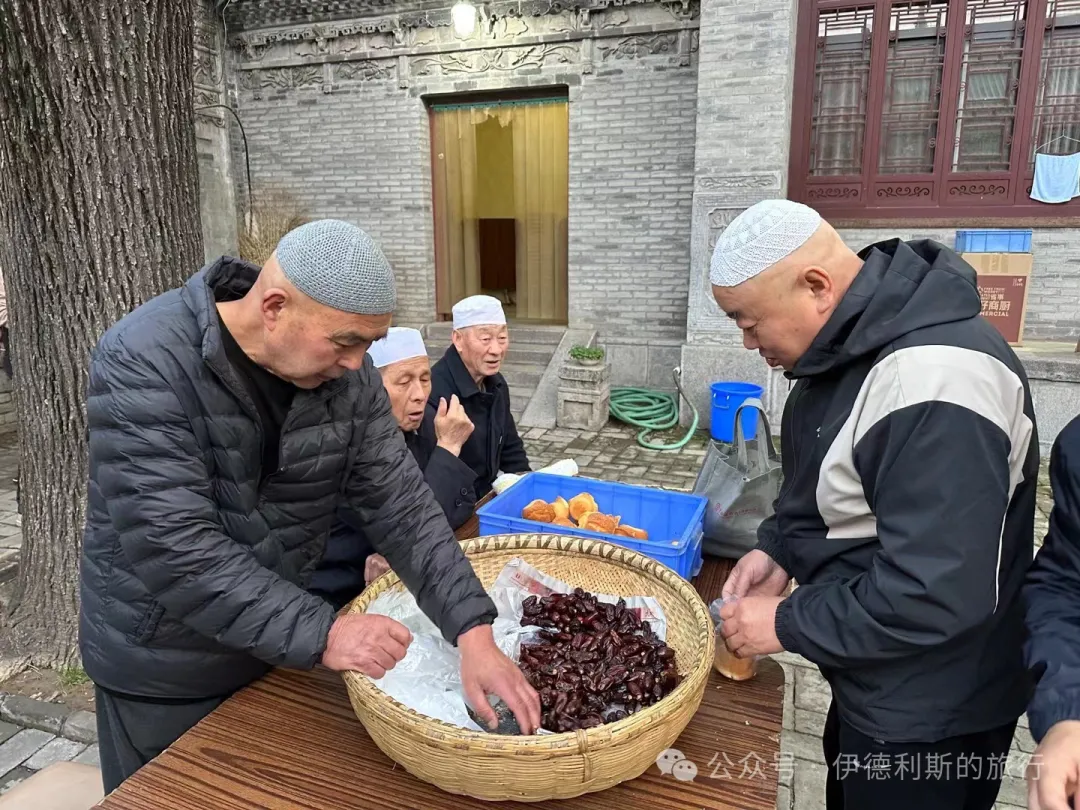
After the Maghrib prayer, we had our iftar meal. There was zucchini, cold noodles (liangpi), stir-fried meat, steamed egg, mung bean porridge, and steamed buns (momo). There were many people, and the atmosphere was great.
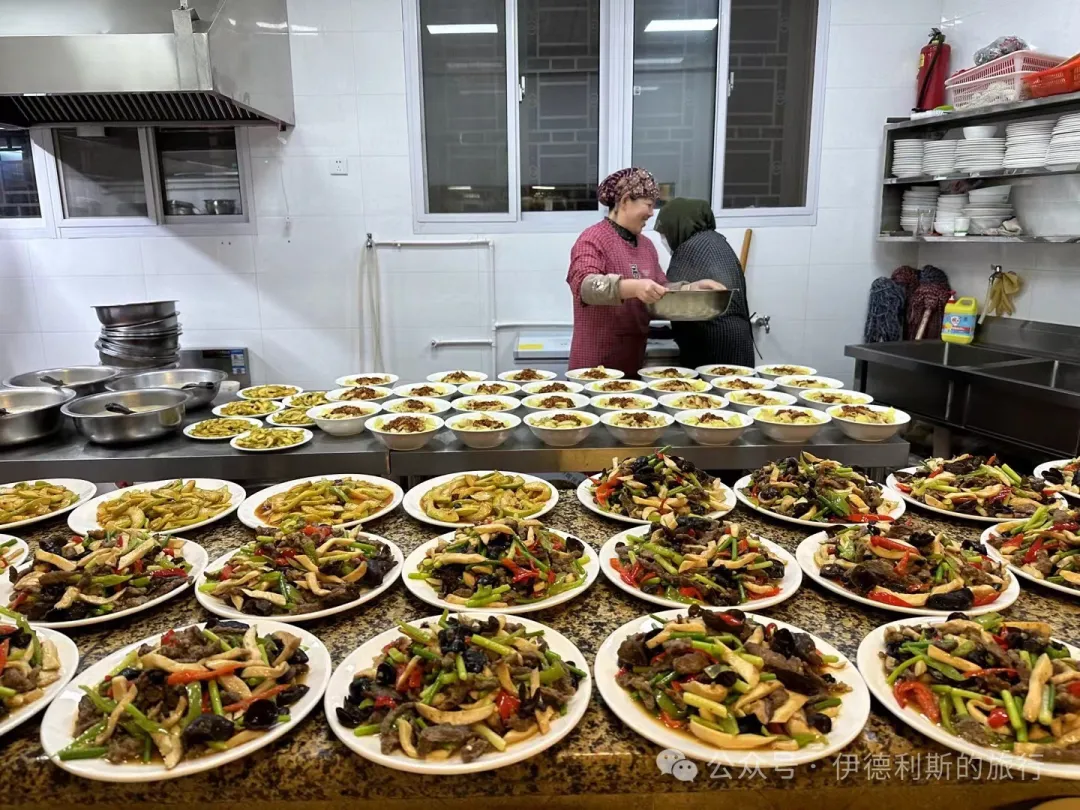
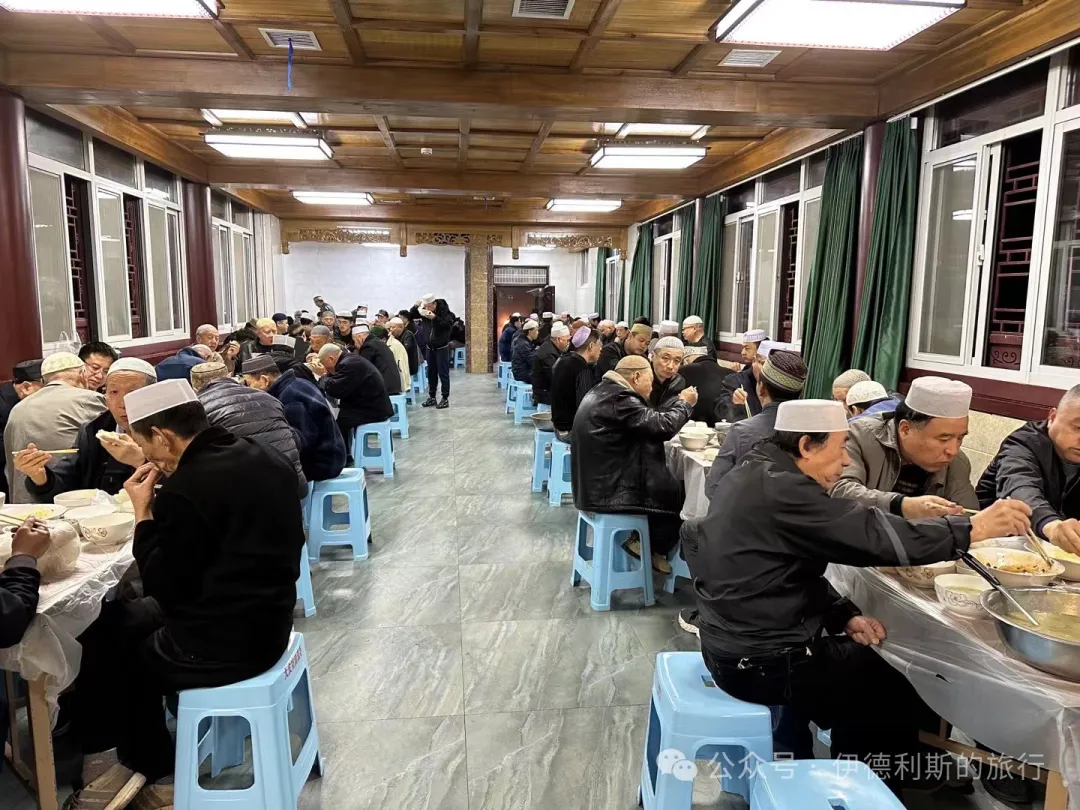
At 3:30 AM the next day, I had a lotus leaf bun (heye bing) with vegetables and red bean porridge at Ma Sanjia on Miaohou Street in the Muslim Quarter. Many people buy their suhoor meals at this shop, and a lot of them buy fried dough cakes (youbing) with vegetables.
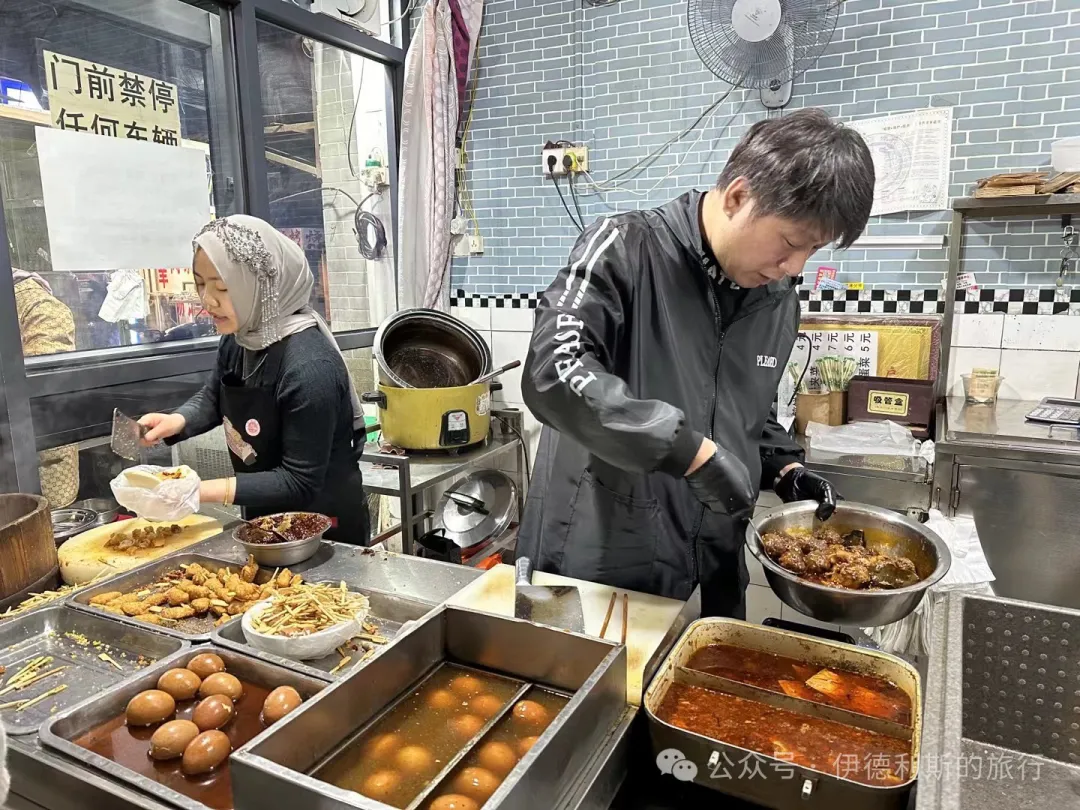
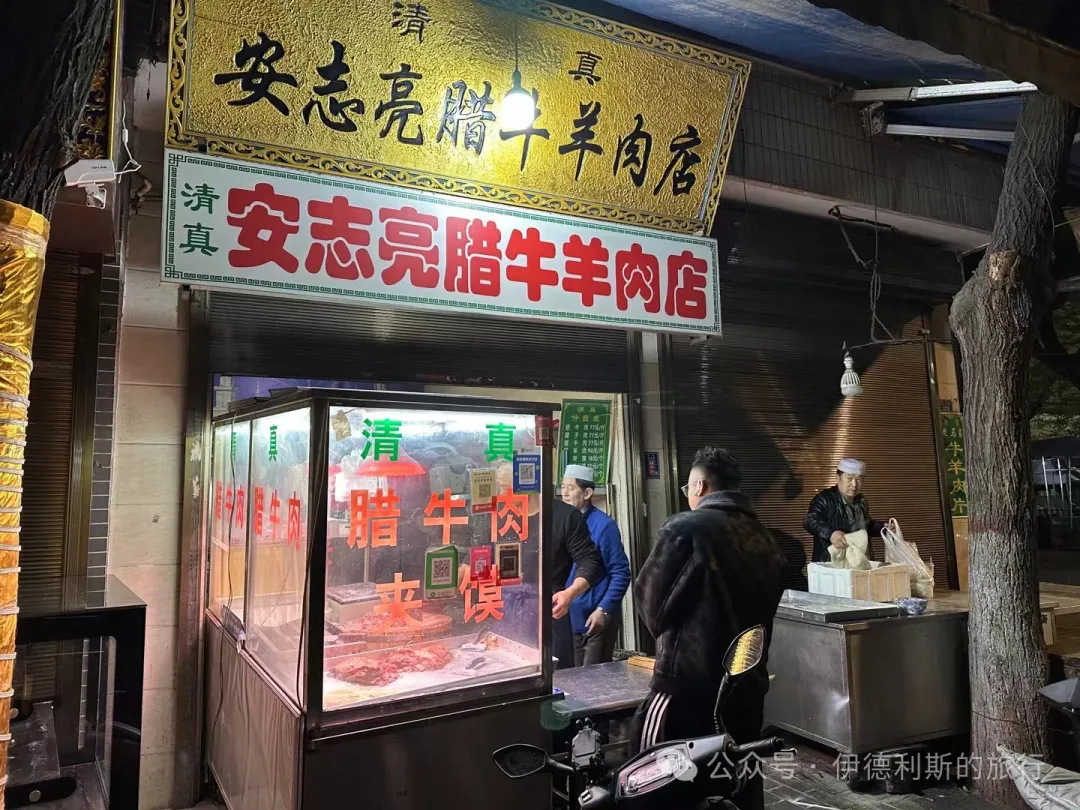
3:50 AM. After finishing the lotus leaf bun with vegetables, we continued west along Miaohou Street. We bought a cured beef sandwich (laoniurou jiamo) at the An Zhiliang Cured Beef and Mutton Shop, and then had a meatball spicy soup (rouwan hulatang) at the Jia Family shop at the Sajinqiao intersection across the street.
At 5:50 AM, we prayed Fajr at the Daxuexi Alley Mosque.
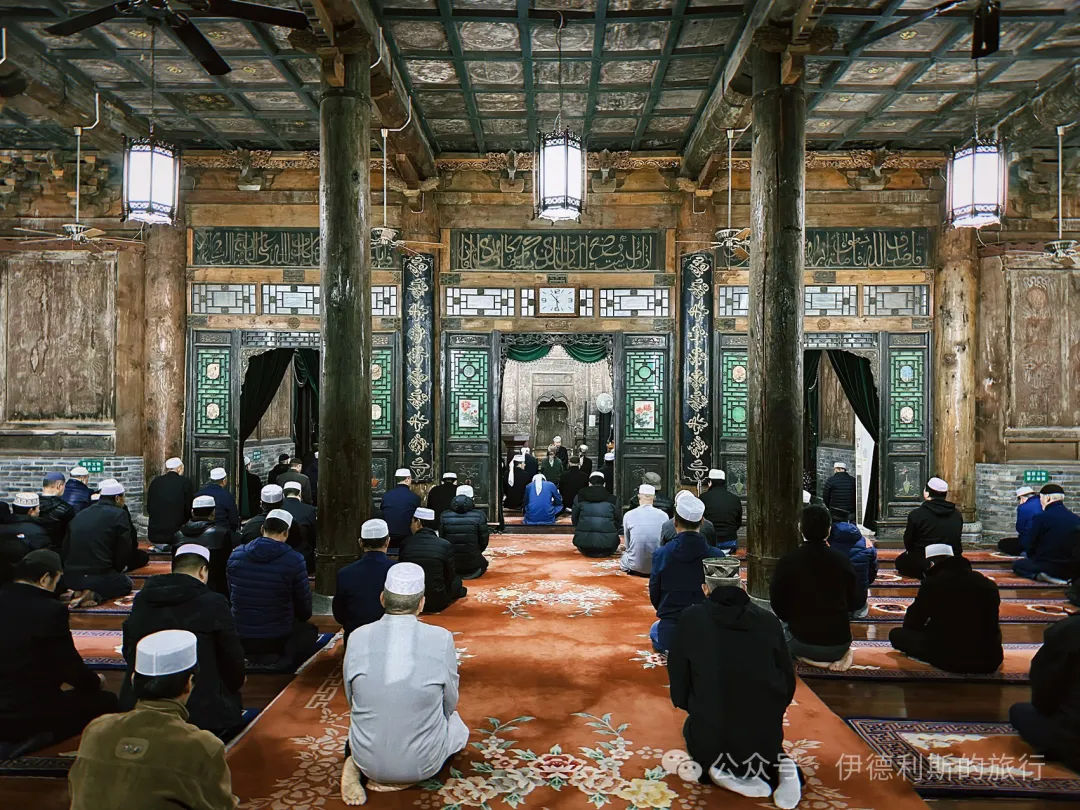
At noon, I prayed Jumu'ah at the Great Mosque on Huajue Alley.
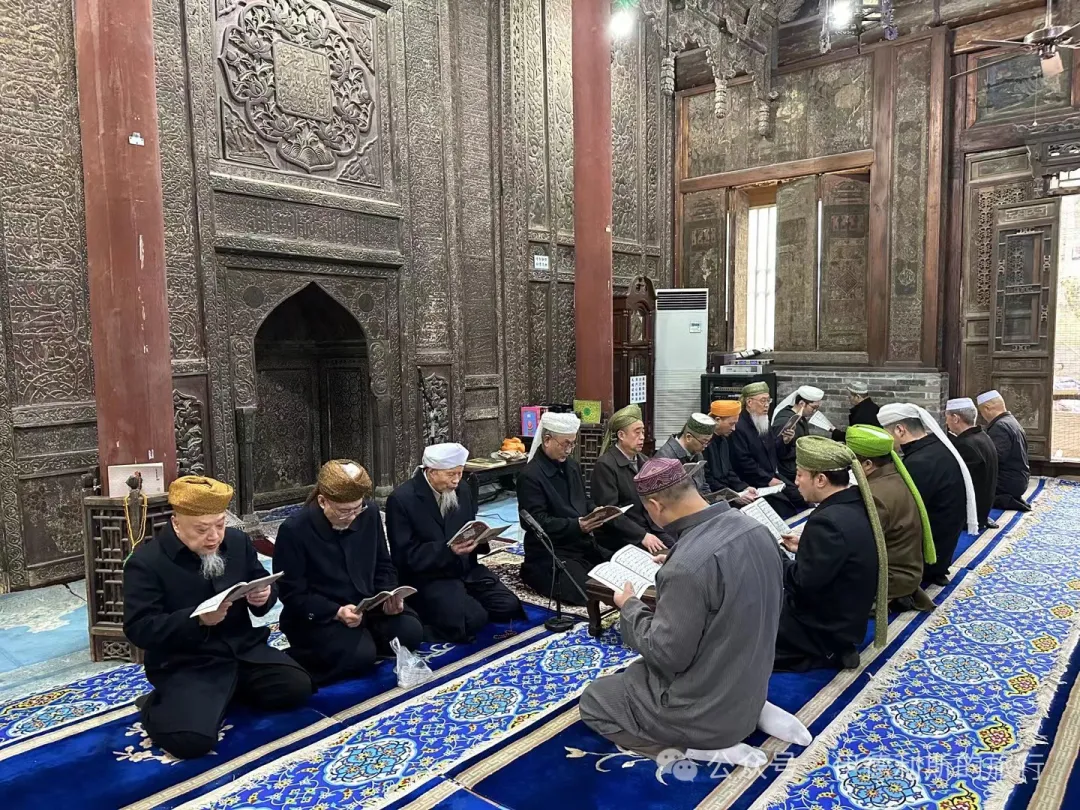
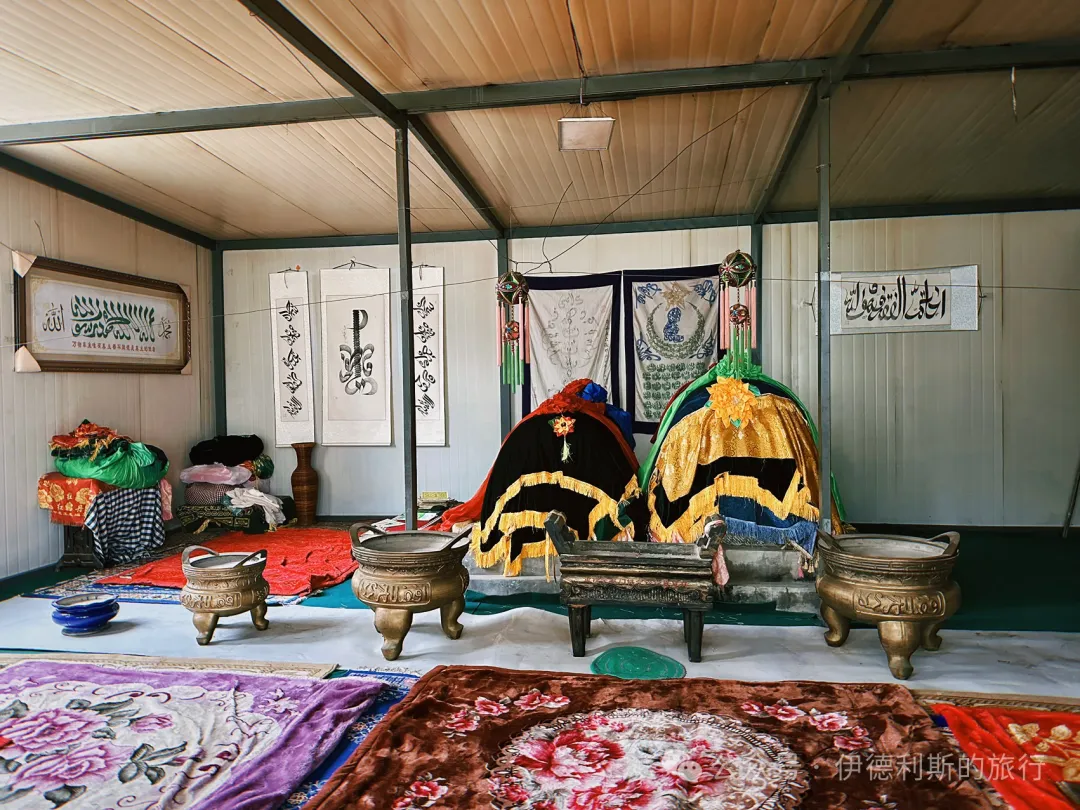
After Jumu'ah, I took the subway to the northeast of Xi'an city to visit the grave (zifen) at the Guangdamen Gongbei.
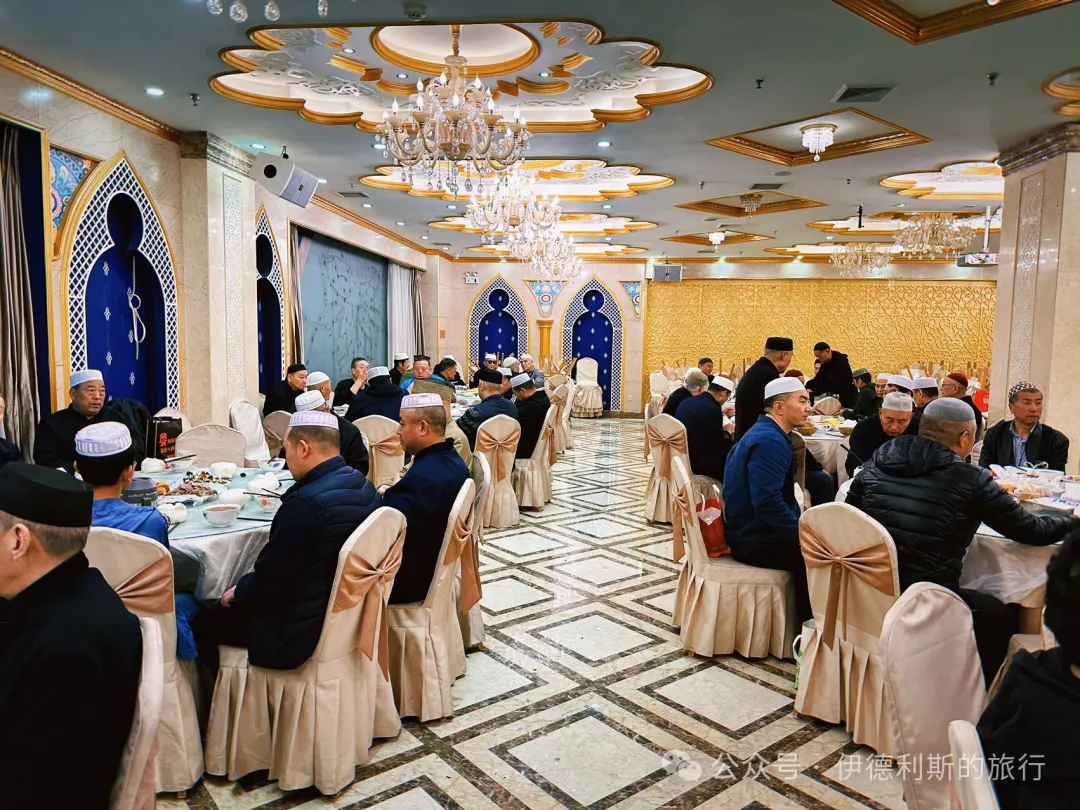
In the evening, I had iftar at the Dongxin Street Mosque. I had barrel chicken (tongzi ji), spiced beef tongue (jiang koutiao), cold mixed dishes, braised fish chunks, steamed buns (momo), and red bean porridge.
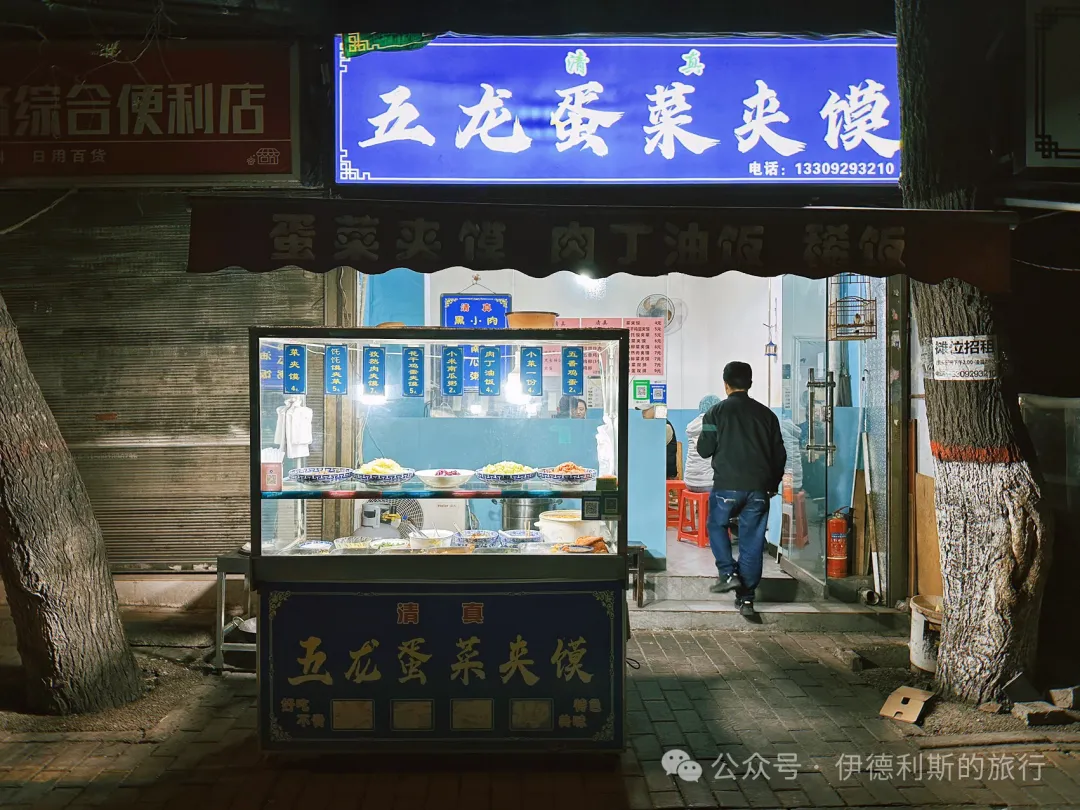
At 3:50 AM on the third day, we ate a five-dragon egg and vegetable sandwich (wulong dancai jiamo) on Beiguangji Street, where we also had meat oil rice (rouyoufan). Meat oil rice (rouyoufan) is a special dish that Hui Muslims in the neighborhood usually make only for Eid al-Fitr and the Prophet's birthday. It is a savory meat porridge made with beef bone broth and minced beef. It is salty, fragrant, and very auspicious.
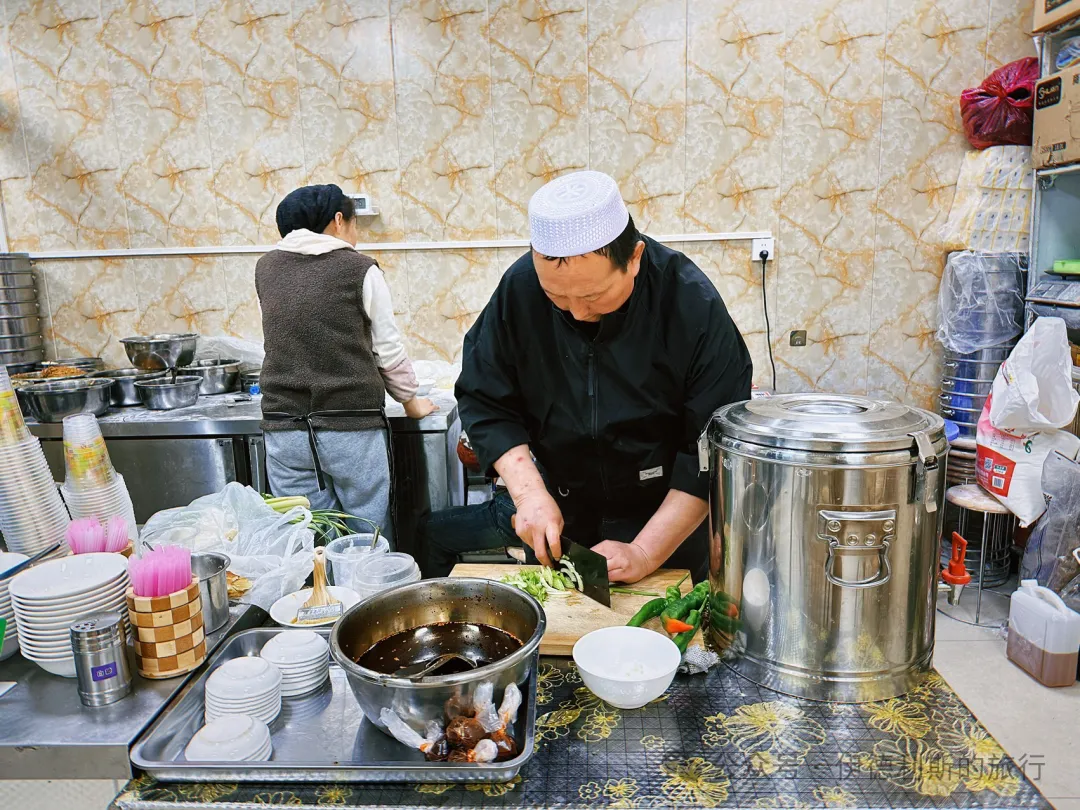
After finishing the meat oil rice, we turned into Xiaopi Courtyard to eat steamed buns (baozi) at Ashiye's old shop. While we were eating, an older gentleman outside found out we were fasting and insisted on paying our bill. We felt so grateful, and it made us feel that the atmosphere in Xi'an is truly wonderful.
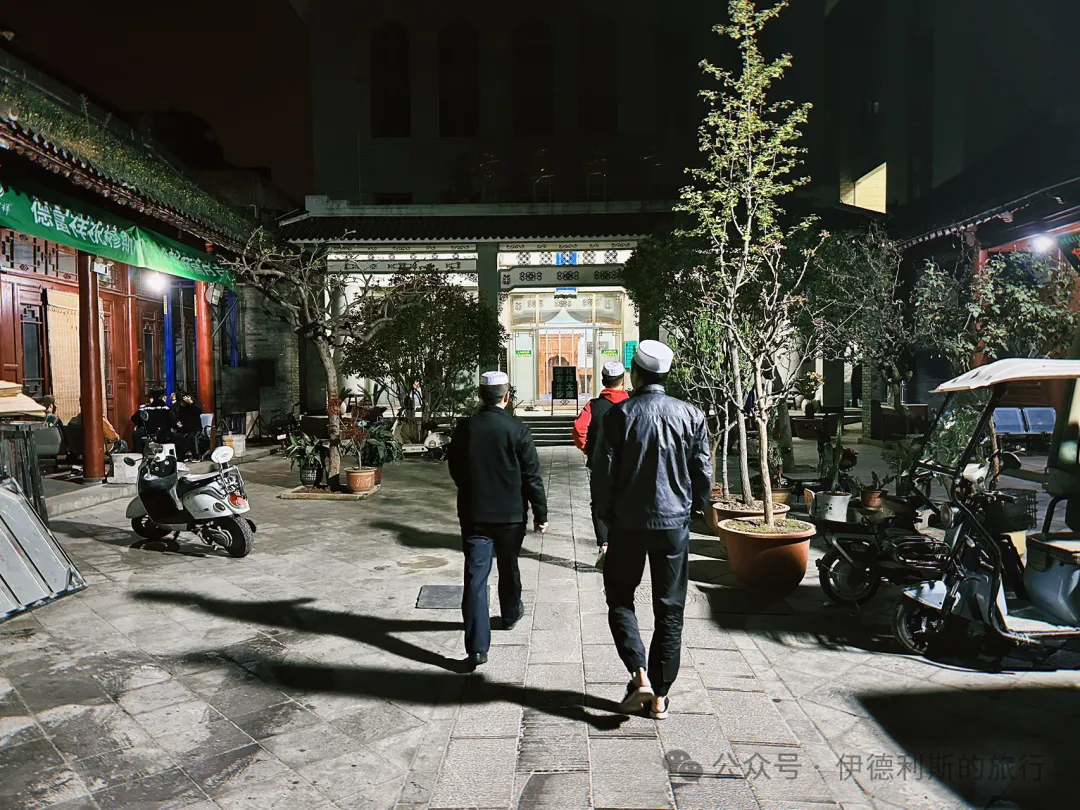
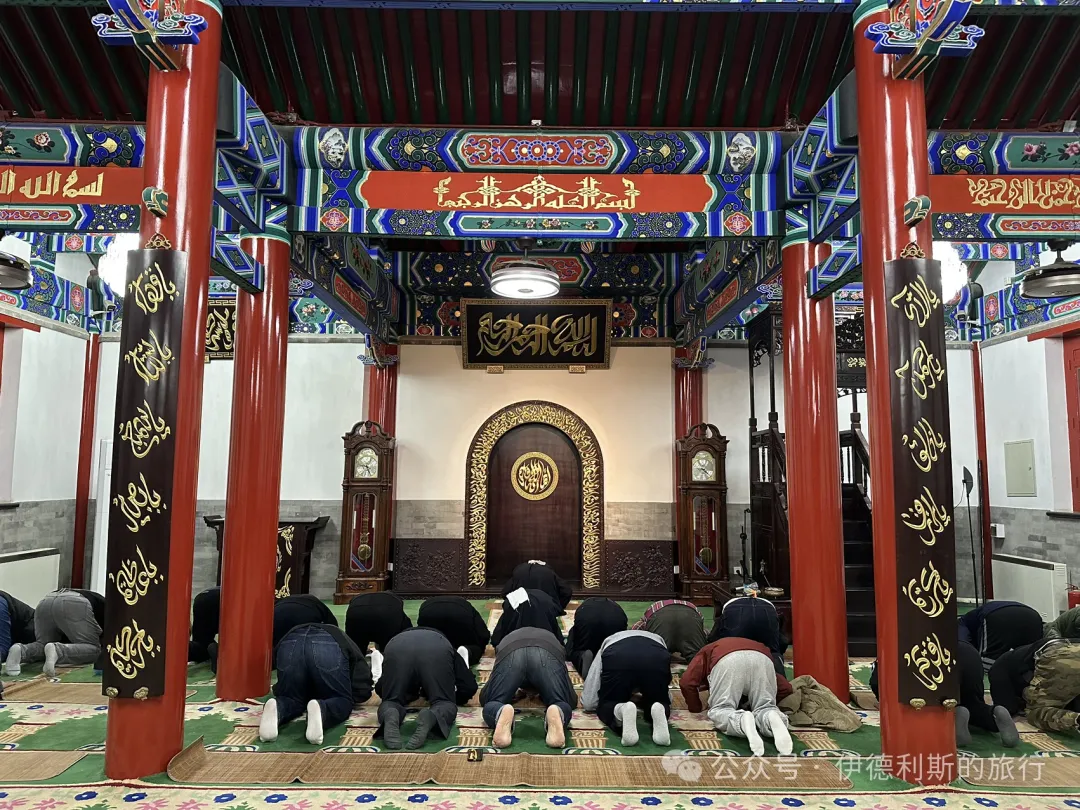
At 5:30 AM, we performed namaz at the West Mosque (Xisi) on Sajinqiao.
Night of Decree (Laylat al-Qadr)
See: 2024 Beijing Ramadan Diary: Night of Decree and Eid al-Fitr
The noble Night of Decree, a night of peace. This was the busiest and most lively day at Balizhuang Mosque since the start of Ramadan. Many friends (dosti) traveled from far away to return here. We also took a train from Xi'an to Beijing in the afternoon and headed straight to the mosque.
For breaking the fast, we had white fungus and lotus seed porridge. We also tasted steamed rice cakes with sweet filling (aiwowo) made by the mosque elders, as well as mung bean cakes and crispy pastries (subing) that Zainab brought back from the Hui neighborhood. The meal for breaking the fast included fried tofu stewed with beef, lamb bone broth (yangtang), and various stir-fried dishes. It was a very rich feast.
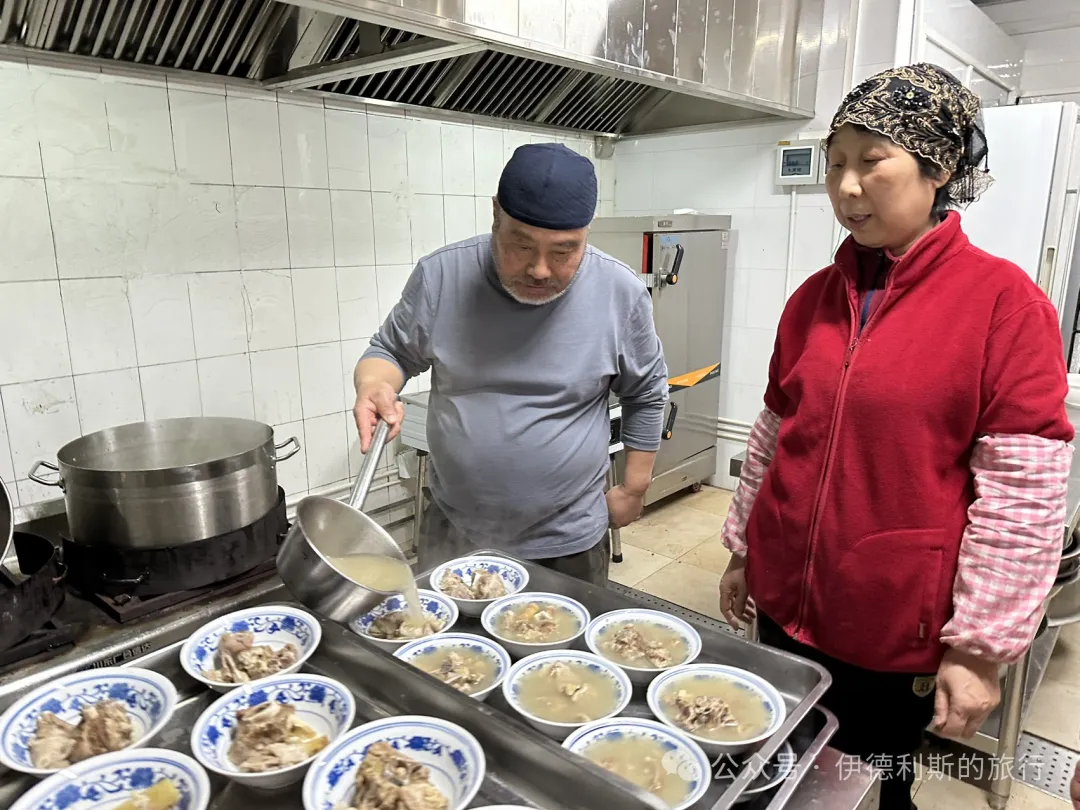
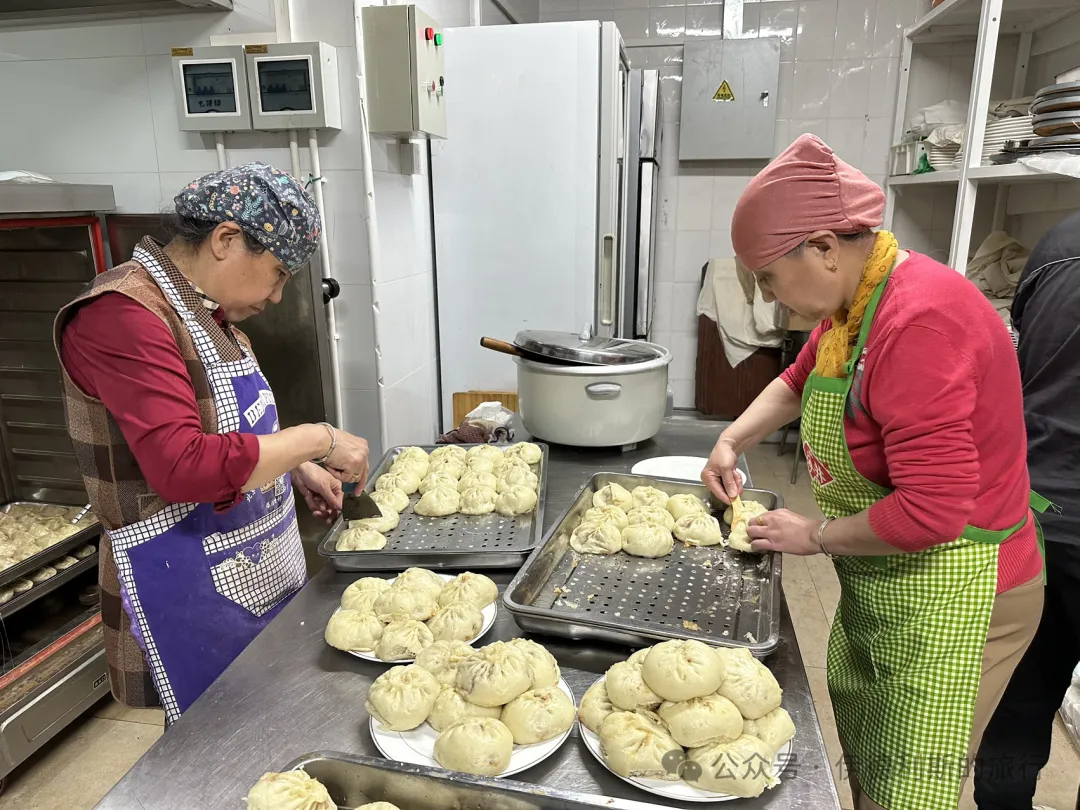
On the 28th day, we had the final Taraweeh prayer of Ramadan. It was so hard to say goodbye! Balizhuang Mosque was still very lively. The elders were making steamed rice cakes with sweet filling (aiwowo) together, and there was also sticky rice cake (qiegao) made by Elder Li. As usual, we broke our fast with mung bean milk (douzhi). For the meal, we had noodles with gravy (dalu mian) featuring three types of toppings: daylily, tomato, and eggplant, along with various vegetable garnishes. I started with two bowls of mung bean milk and two cups of tea, then ate a large bowl of noodles. I was completely stuffed. I walked around the courtyard several times until I felt comfortable after the Taraweeh prayer.
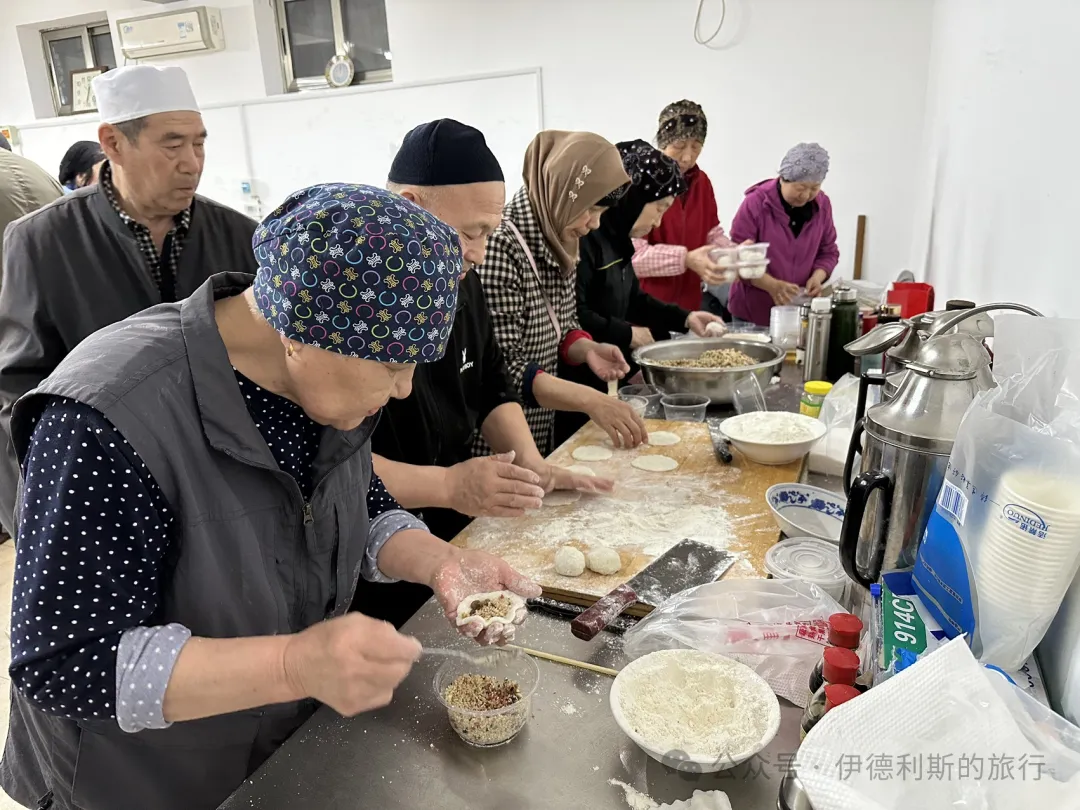
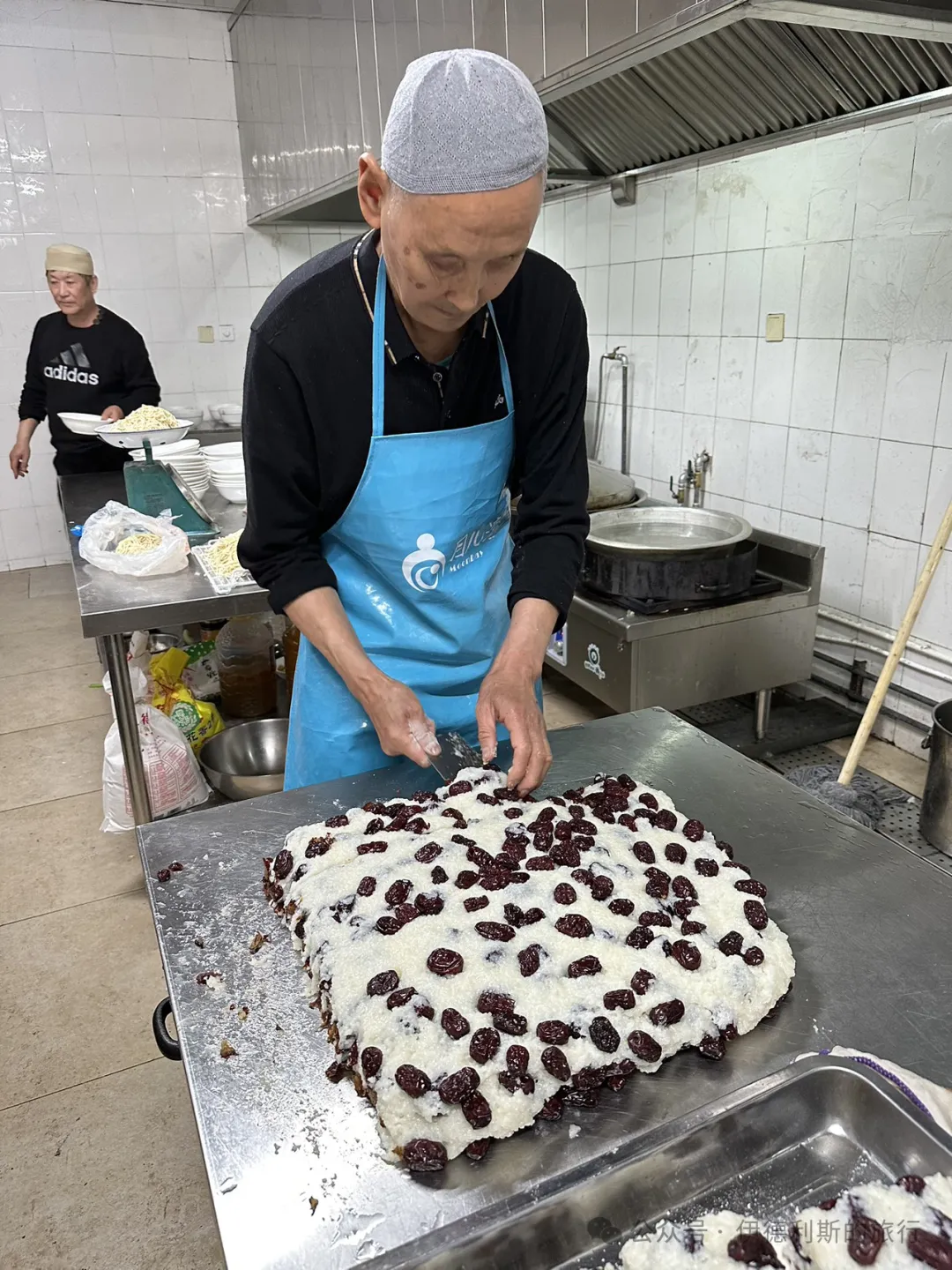
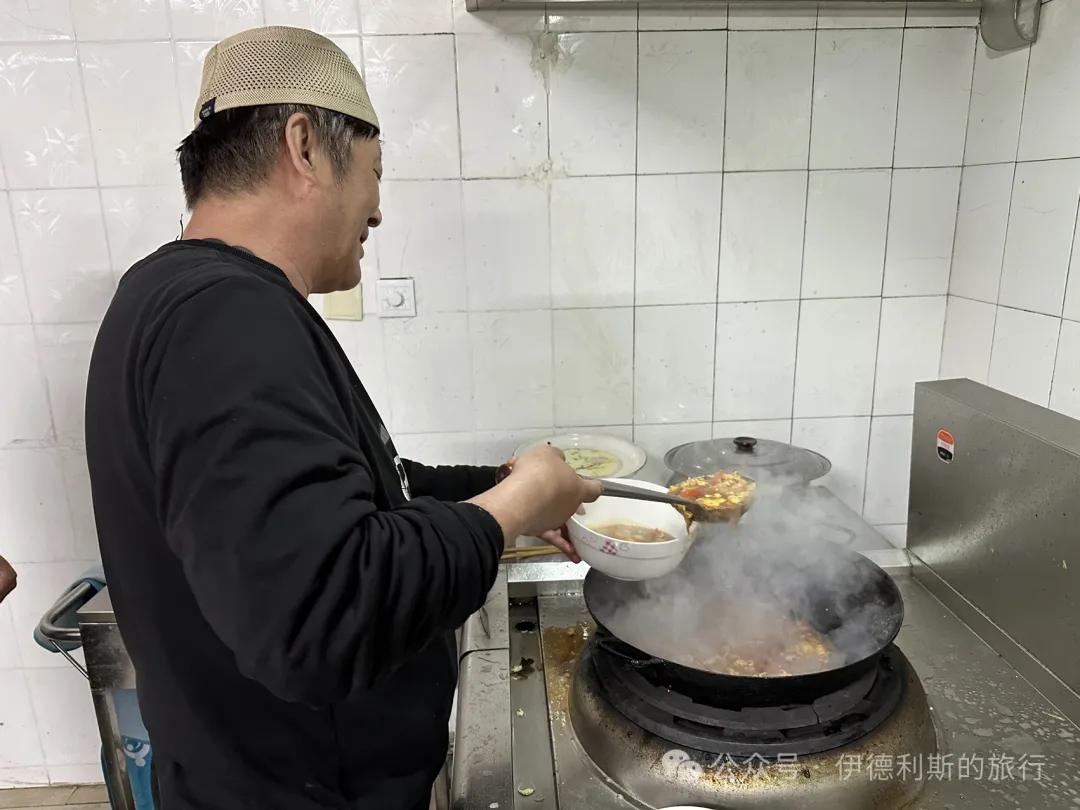
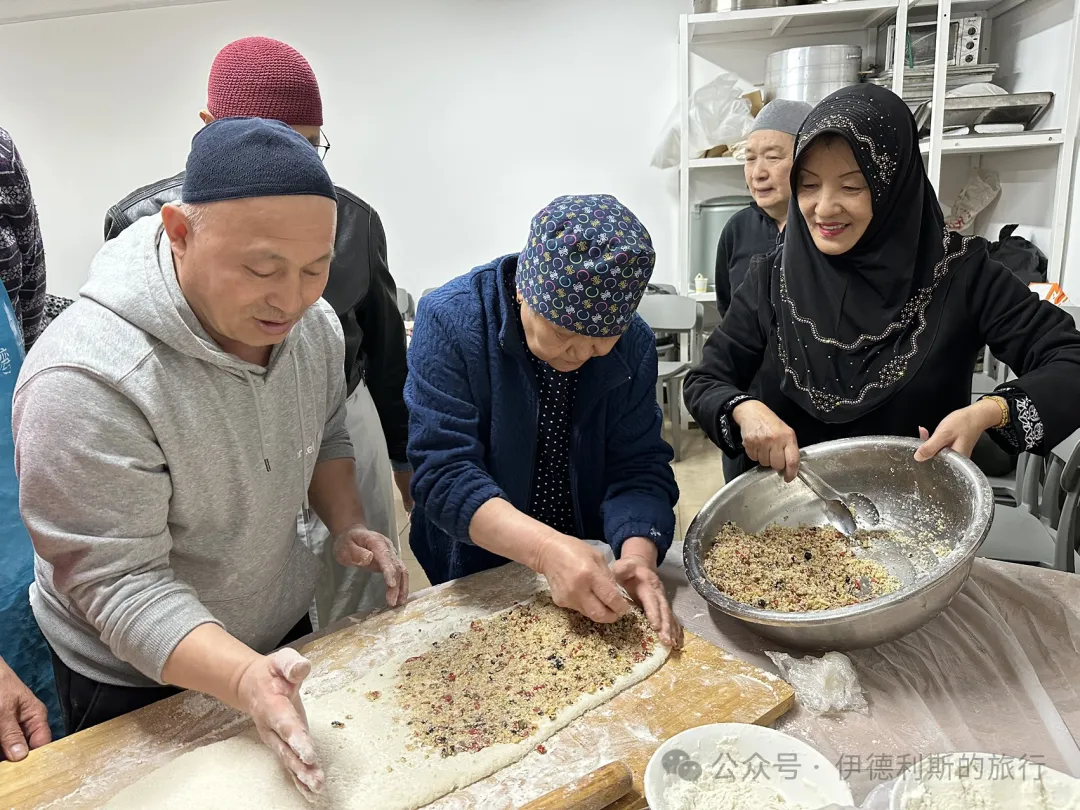
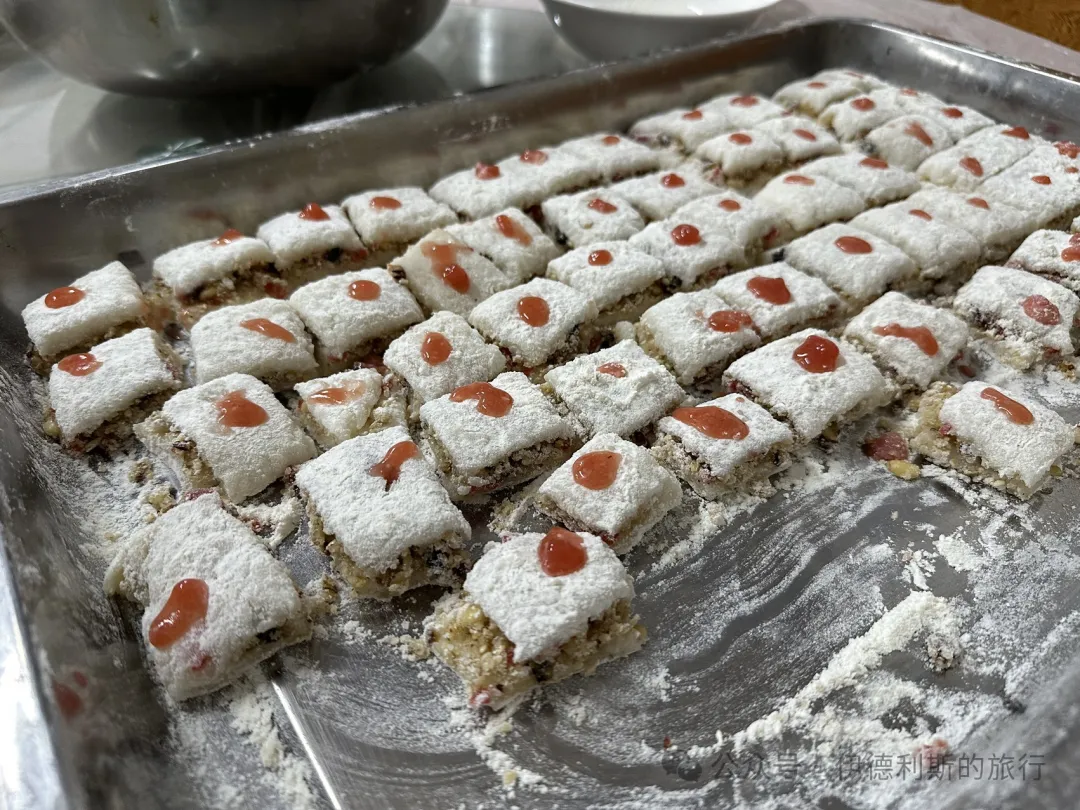
The last day of Ramadan! The elders at Balizhuang Mosque gathered again to make steamed rice cakes with sweet filling (aiwowo), small sticky rice cakes (qiegao), and sugar-rolled fruit (tangjuanguo). Everyone was reluctant to see Ramadan end.
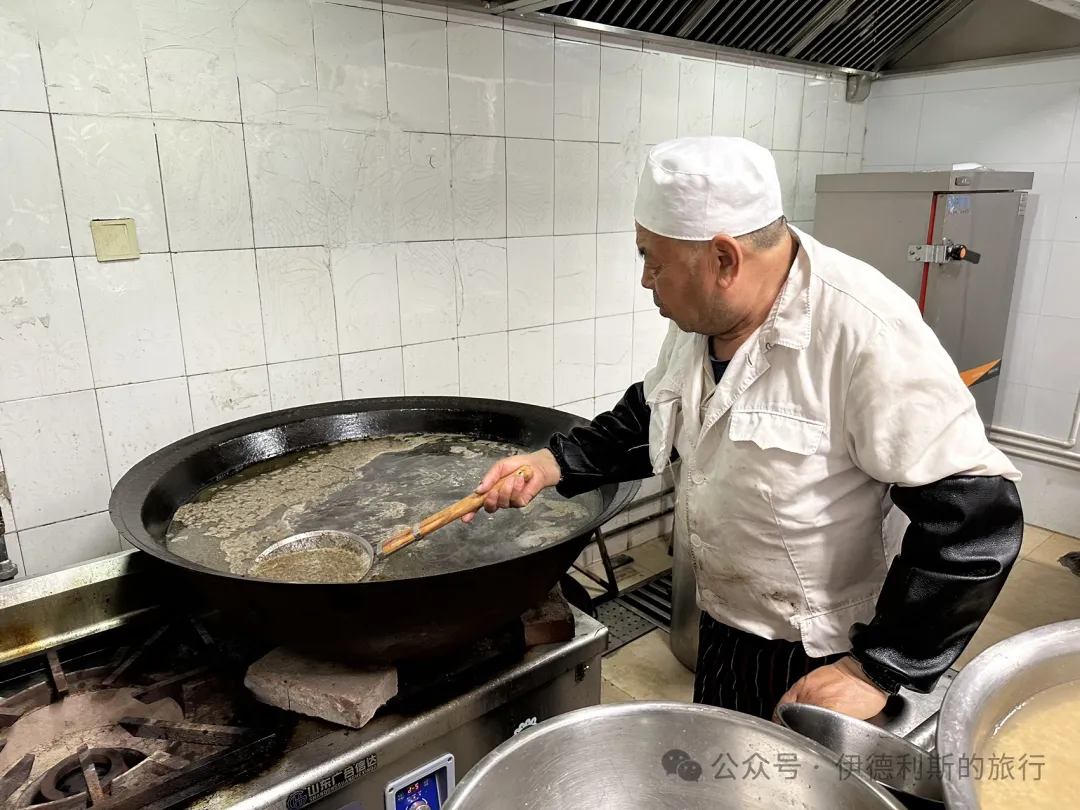
The elders at Balizhuang Mosque were busy preparing for the next day's Eid al-Fitr, simmering the meat porridge and getting the fried dough (youxiang) ready.
Eid al-Fitr
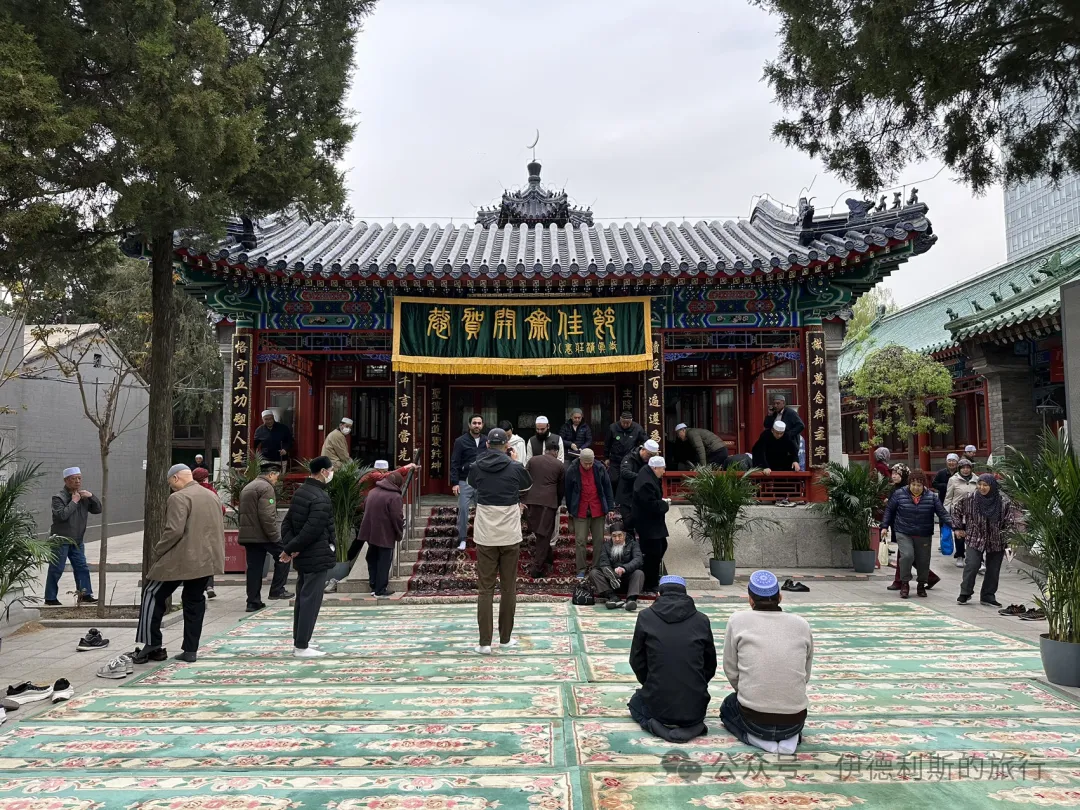
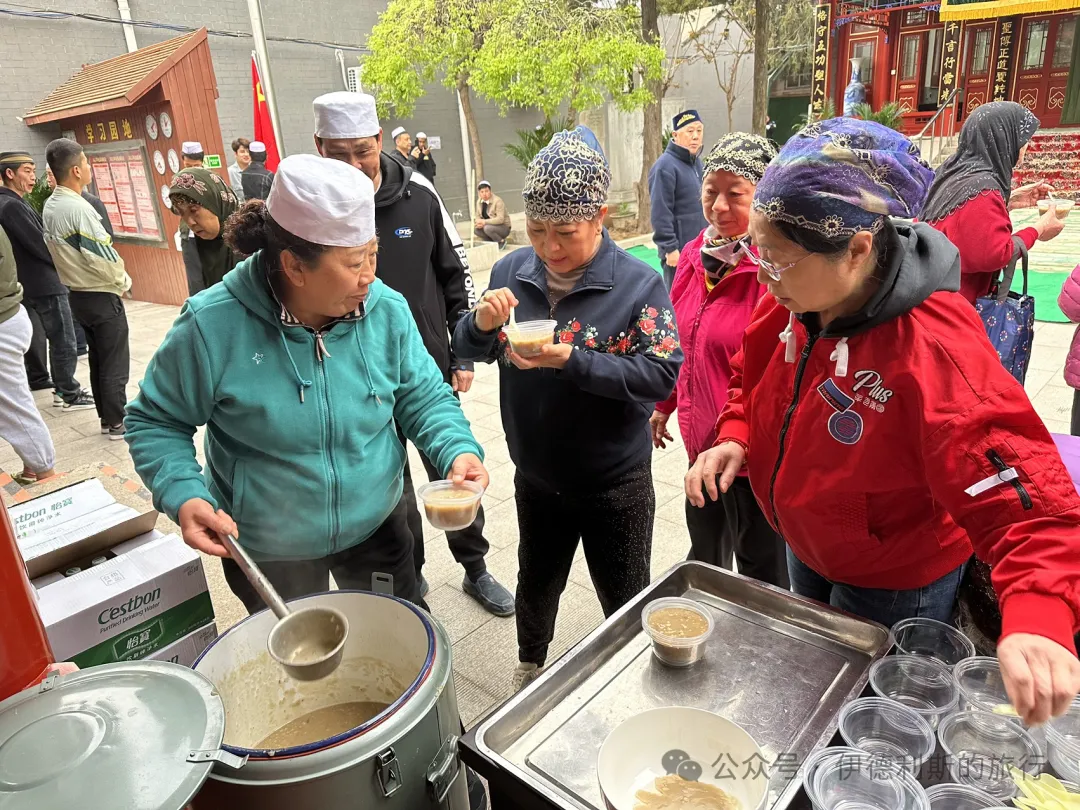
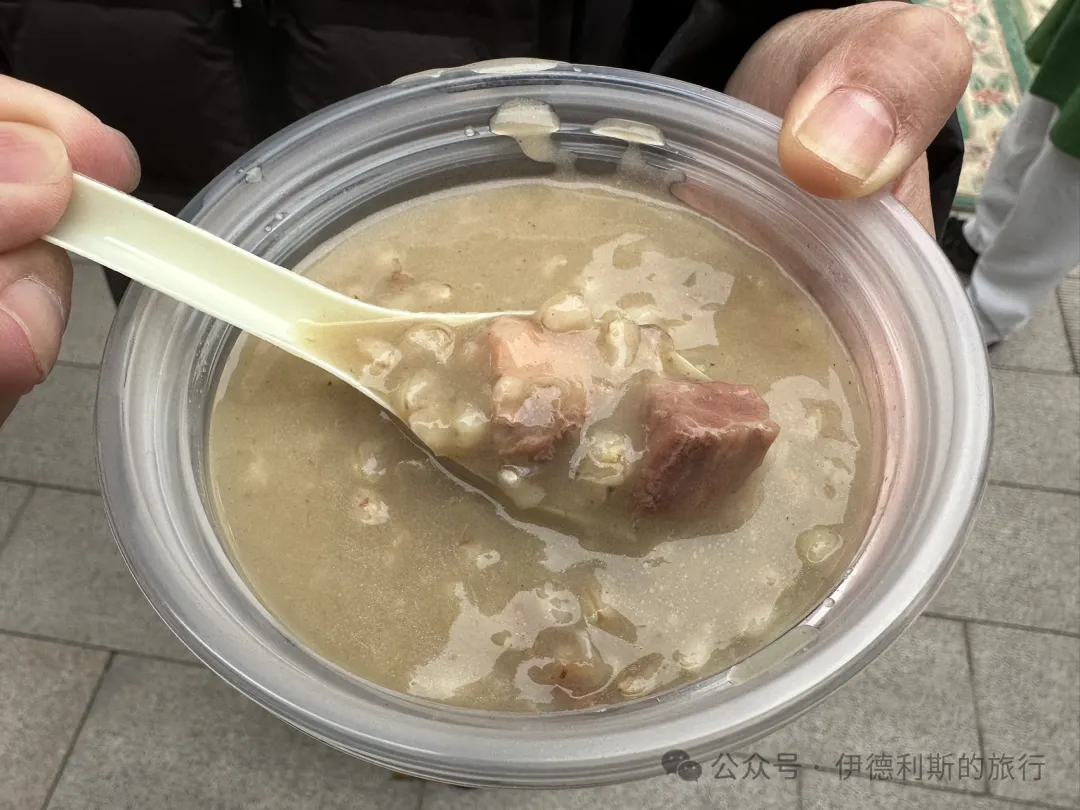
Eid al-Fitr finally arrived. Balizhuang Mosque prepared meat porridge, fried dough (youxiang), and various pastries for everyone. The wheat grain aroma and the meat flavor in the porridge blended perfectly. It was delicious. With Imam Saiwabu and the elders, I not only received the blessing (suo) but also recited praises with the elders. I felt so grateful.
Eid al-Adha
See: Celebrating the Eid al-Adha festival
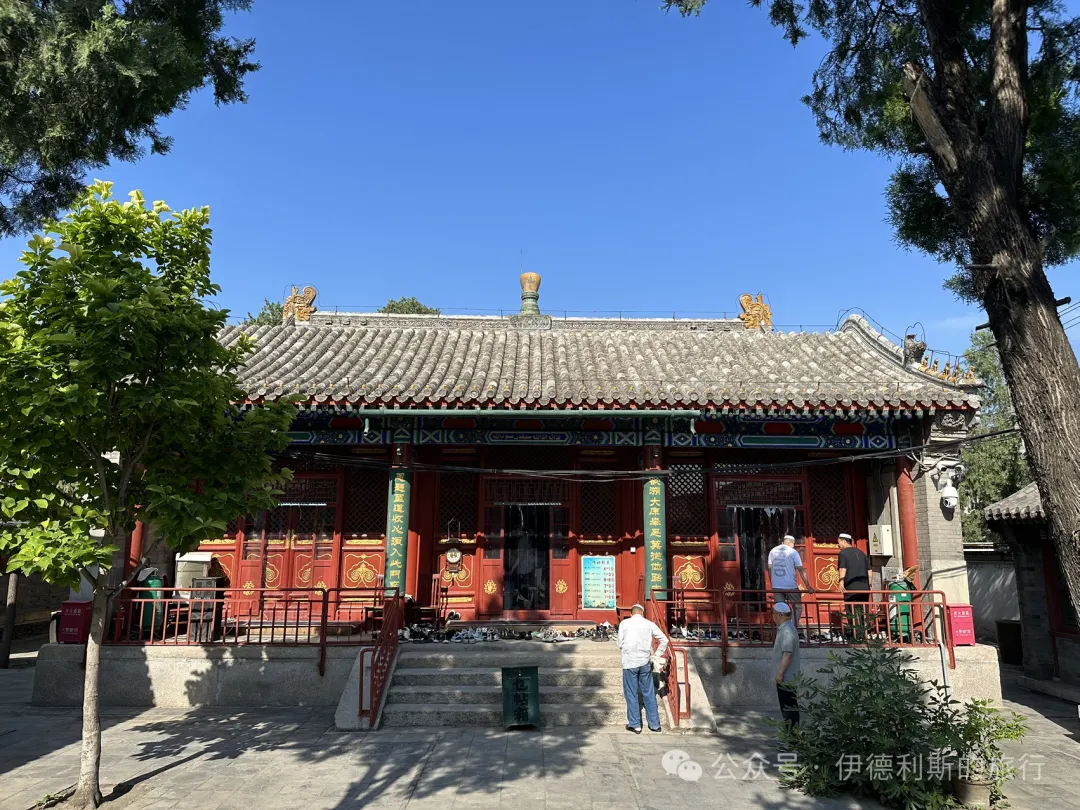
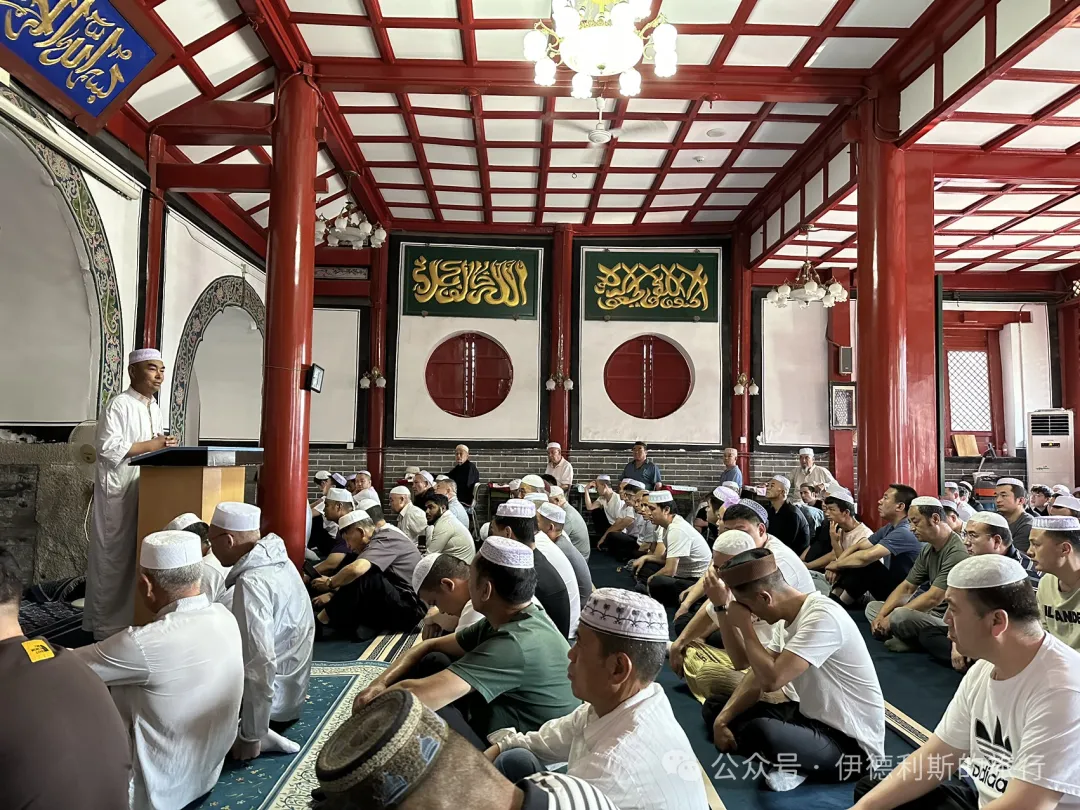
The night before Eid al-Adha, we stayed in Xiguanshi Village, known as the 'Number One Hui Muslim Village North of the Capital'. Early in the morning, we performed the major ritual washing (ghusl), brushed our teeth, applied perfume, recited the takbir, and walked from our hotel to the Xiguanshi Mosque to attend the congregational prayer.
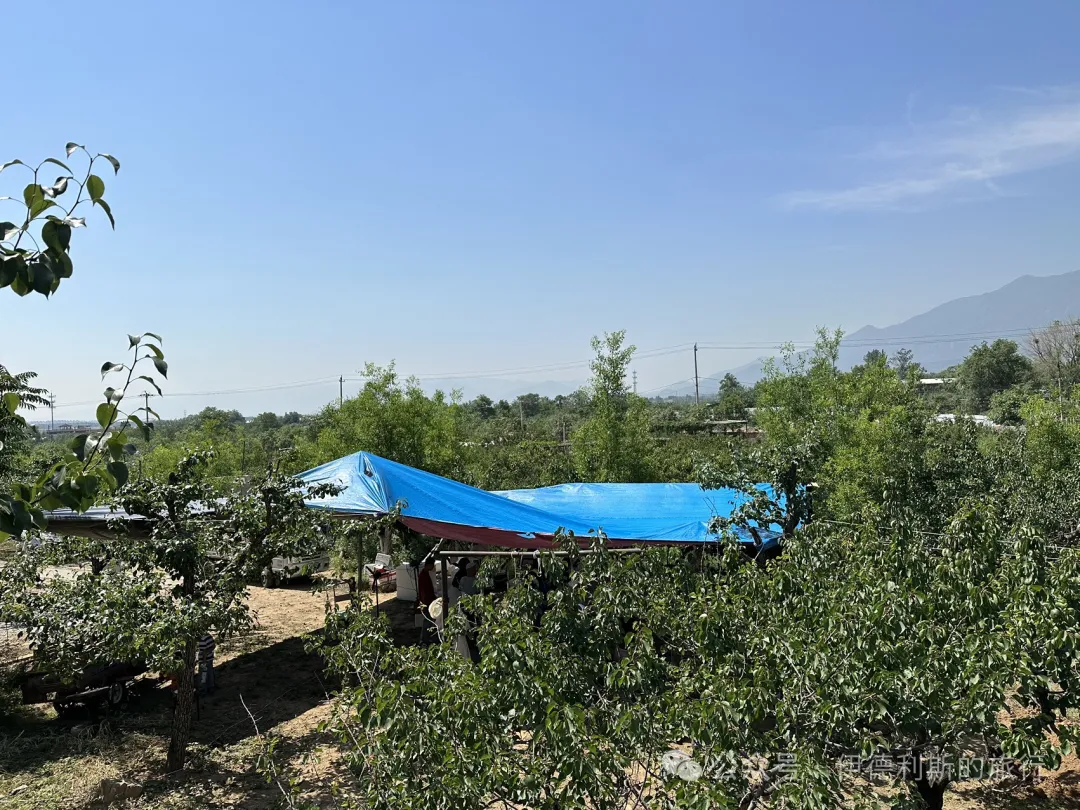
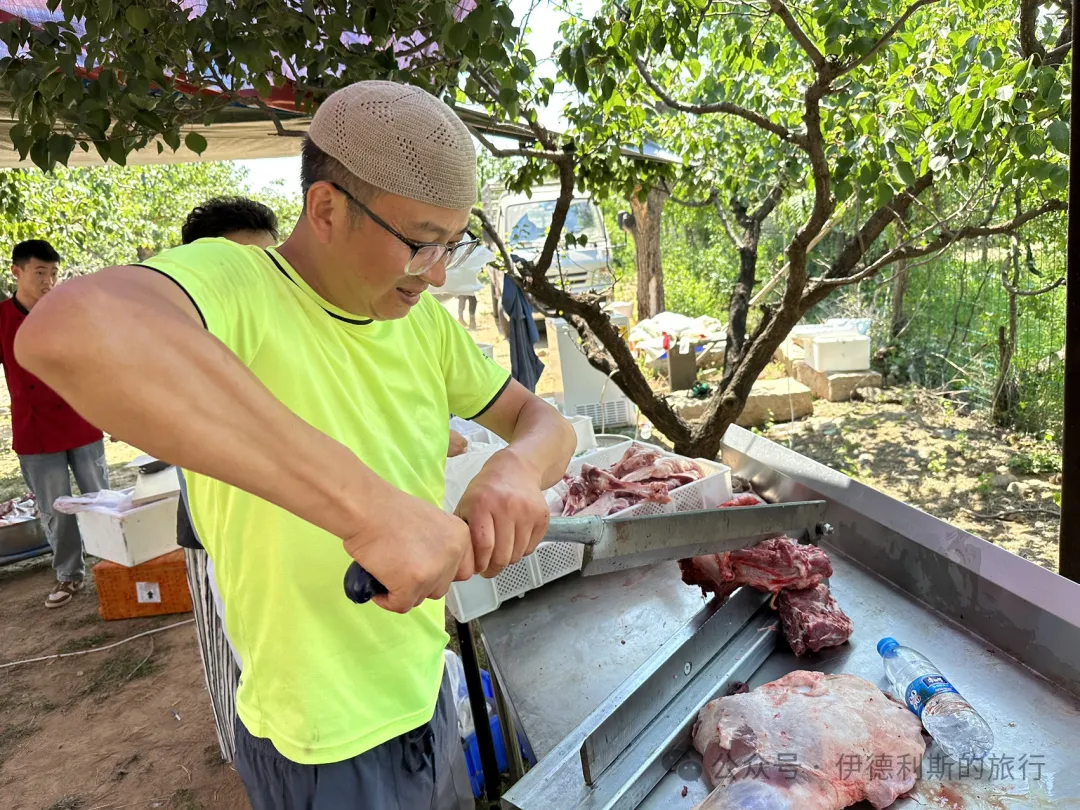
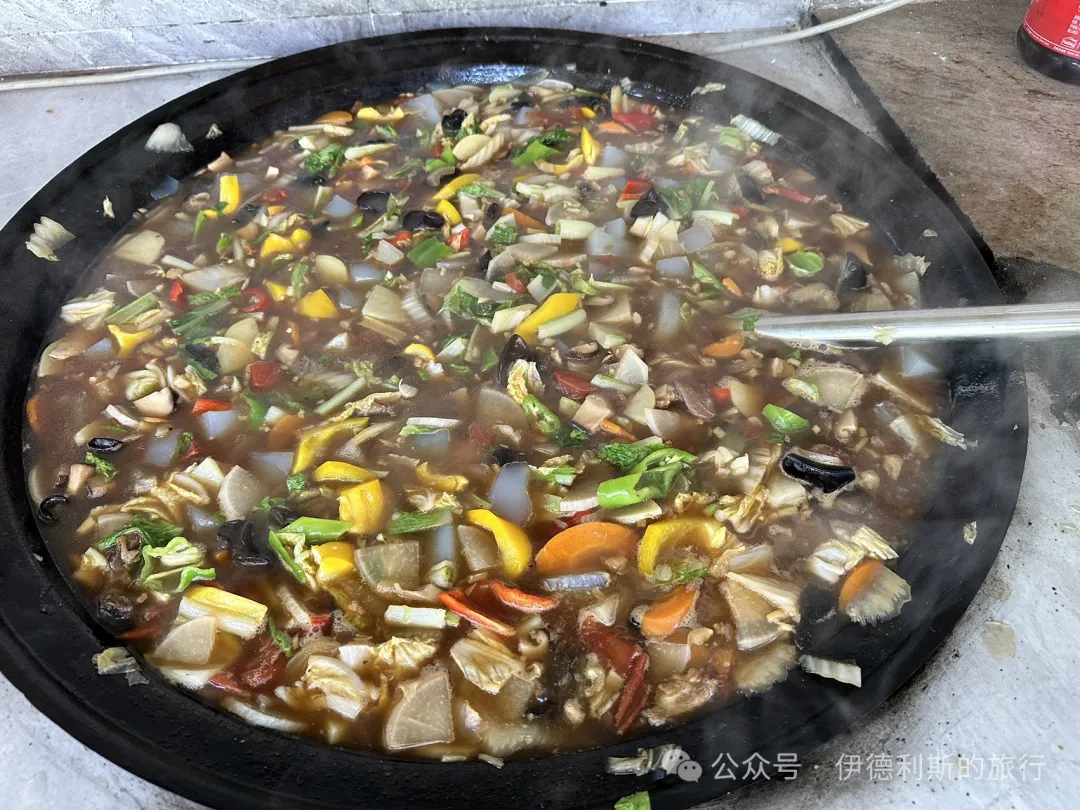
After the prayer, we went to the Jingyi Farmhouse at the foot of the Western Mountains to perform the sacrifice (qurbani). This year we chose a 110-pound sheep that grew up eating grass in the mountains, which is usually hard to find. Then we ate the festive starch noodle soup (fentang) made by my sister-in-law, and Zainab drank three bowls in one go!
Day of Ashura
See: Another year, another Day of Ashura
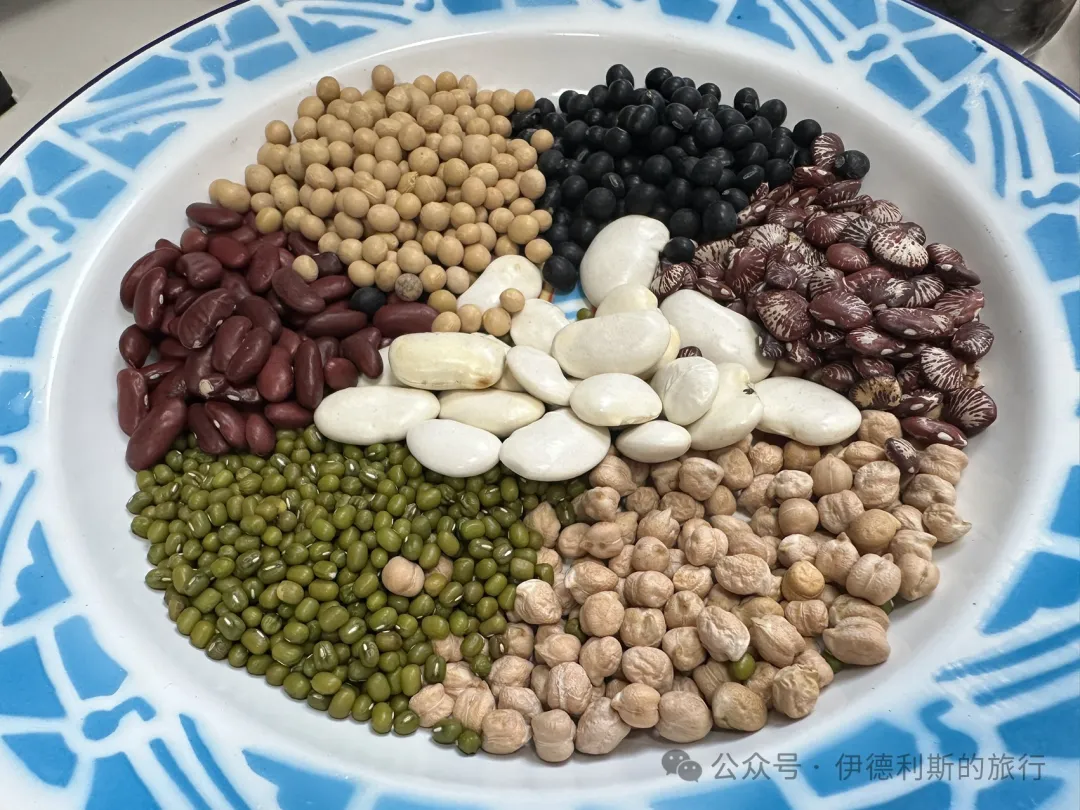
Legend says that when the great flood receded and Prophet Nuh's ship reached land, he and his followers used seven kinds of beans from the ship to make the first meal for humanity after the disaster. Because of this, across a vast region from Bosnia and Turkey in the west to China in the east, many friends (dostani) make Ashura bean porridge today to commemorate the landing of Nuh's ship. Nowadays in Turkey and the Balkan region, you can buy Ashure at dessert shops all year round. However, on the Day of Ashura, people are still used to making Ashure themselves and sharing it with the poor, relatives, neighbors, and friends.
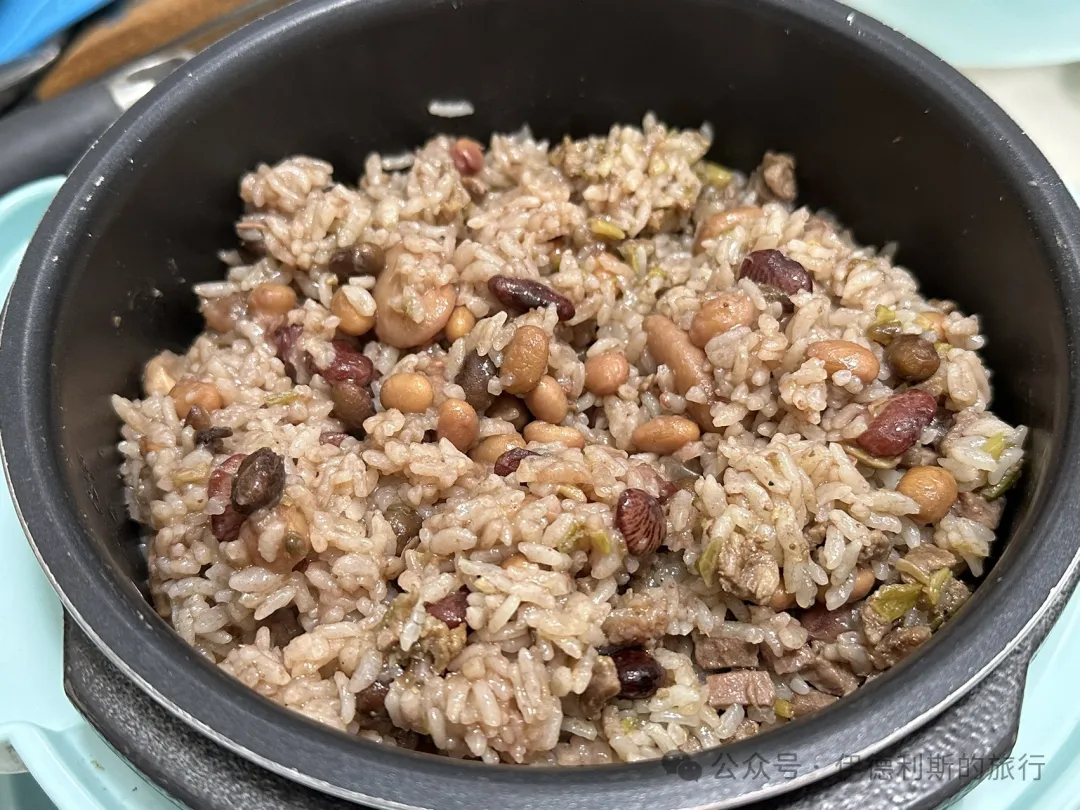
As usual, we made the Urumqi Hui Muslim version of Ashura bean rice. After work, I went to the supermarket to buy beans. This time I used seven kinds: soybeans, black beans, mung beans, red beans, chickpeas, white kidney beans, and lotus beans. First, I cooked the seven types of beans in a pressure cooker, then chopped the qurbani lamb into cubes and prepared chopped green onions. I stir-fried the meat with green onions, adding salt and Sichuan peppercorn powder. I added rice and glutinous rice to the cooked beans, then added the stir-fried meat cubes, and used the pressure cooker's rice setting to finish it.
Mawlid Celebration
See: Celebrating the Mawlid at Beijing Heying Mosque
Going to Xiguan Mosque in Tongzhou, Beijing, to celebrate the Mawlid.
Entering the month of Rabi' al-Awwal, mosques all over Beijing have started holding Mawlid celebrations. Over the weekend, we attended the celebration at Heying Mosque in Changping and ate authentic mashed potato cakes (yangyu jiaotuan), hand-held lamb ribs, and starch noodle soup (fentang), which was very blessed. The chili sauce on the mashed potato cakes was so fragrant that I couldn't help but pack some to take home; it tastes great with steamed buns (momo) or clear-stewed meat.
The 12th day of the third month of the Islamic calendar is believed to be the birthday of the Prophet. Around this time every year, Muslims around the world hold events to honor the Prophet, known as Mawlid or Eid-e-Milad an-Nabi. In China, these are called Shengji, Sheng-hui, or Shengdan.
Shengji activities date back to the time of the Tabi'un, the followers of the Prophet's companions. In the early days, these were mostly private events. Large-scale commemorations can be traced back to Egypt during the Fatimid Caliphate in the 12th century. In 1207, Saladin's brother-in-law Gökböri made Shengji a public holiday for the first time, which helped the celebration spread among Muslim communities. The Ottoman Empire made Shengji an official holiday in 1588, calling it Mevlid Kandili, which means the Candle Feast of the Prophet's Birthday.
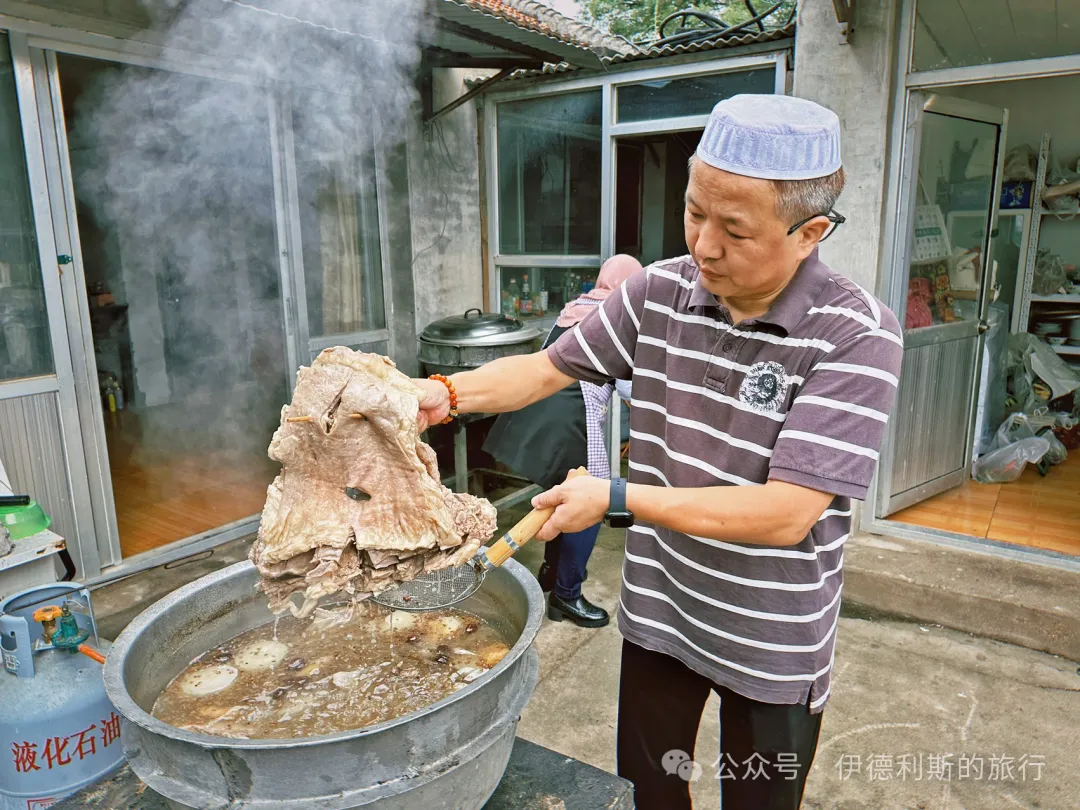
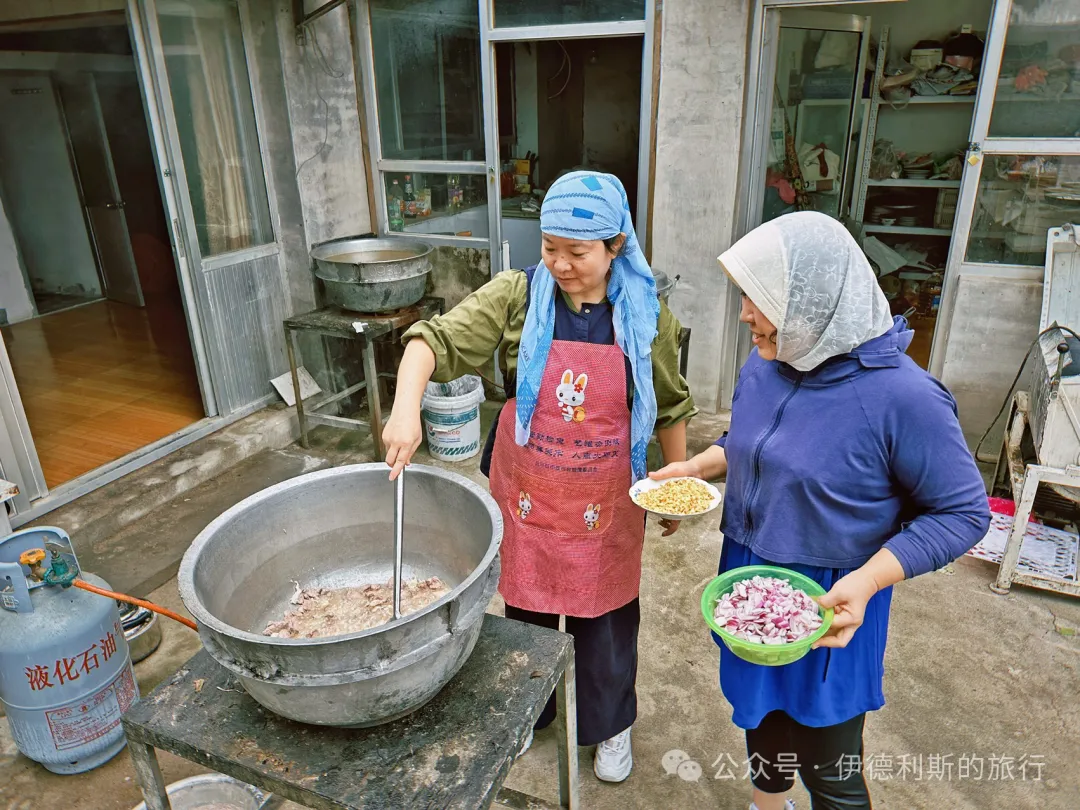
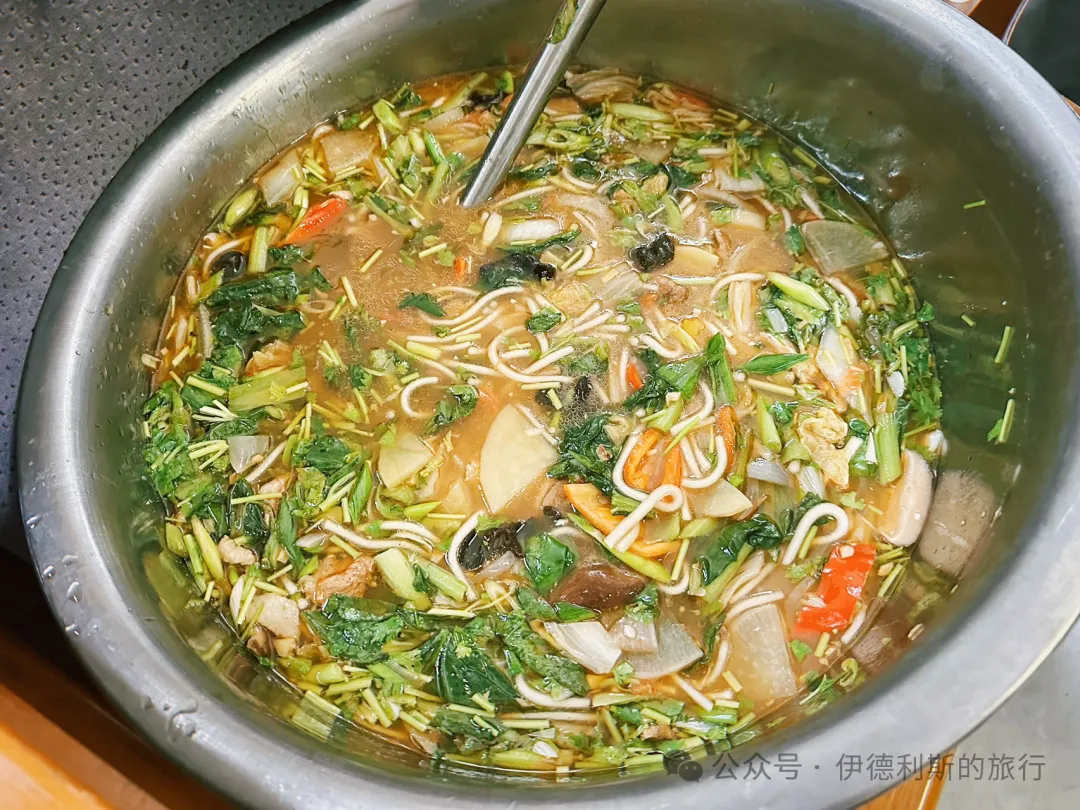
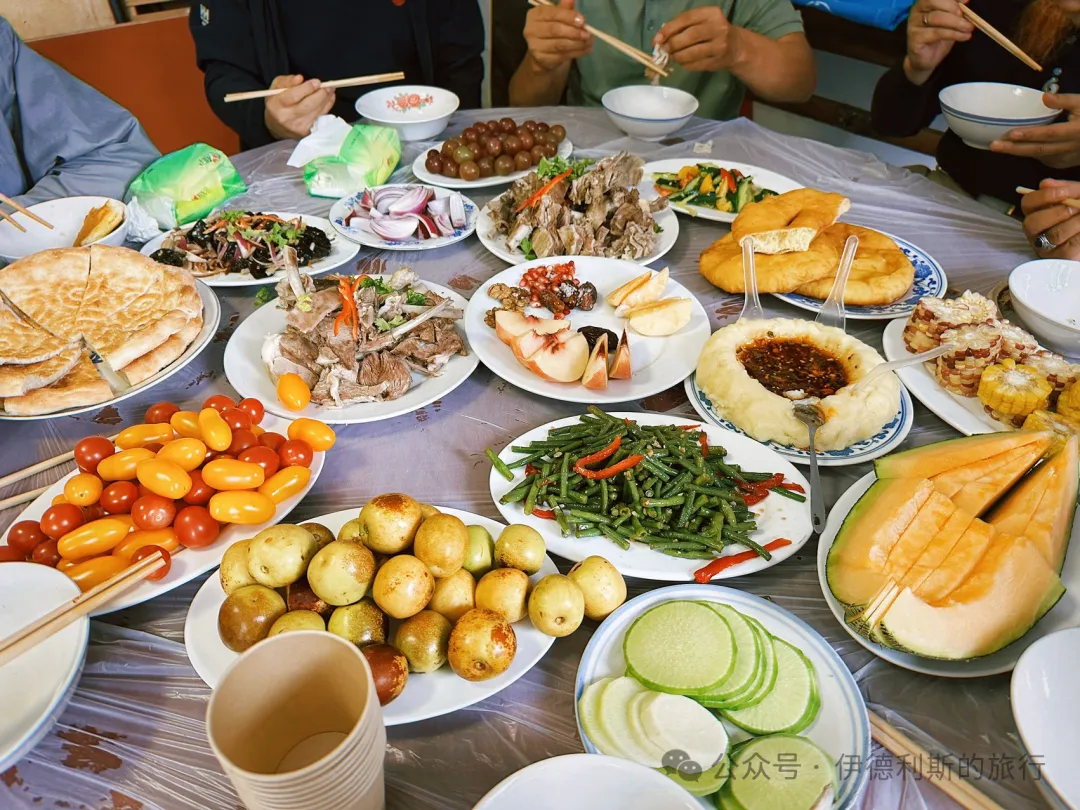
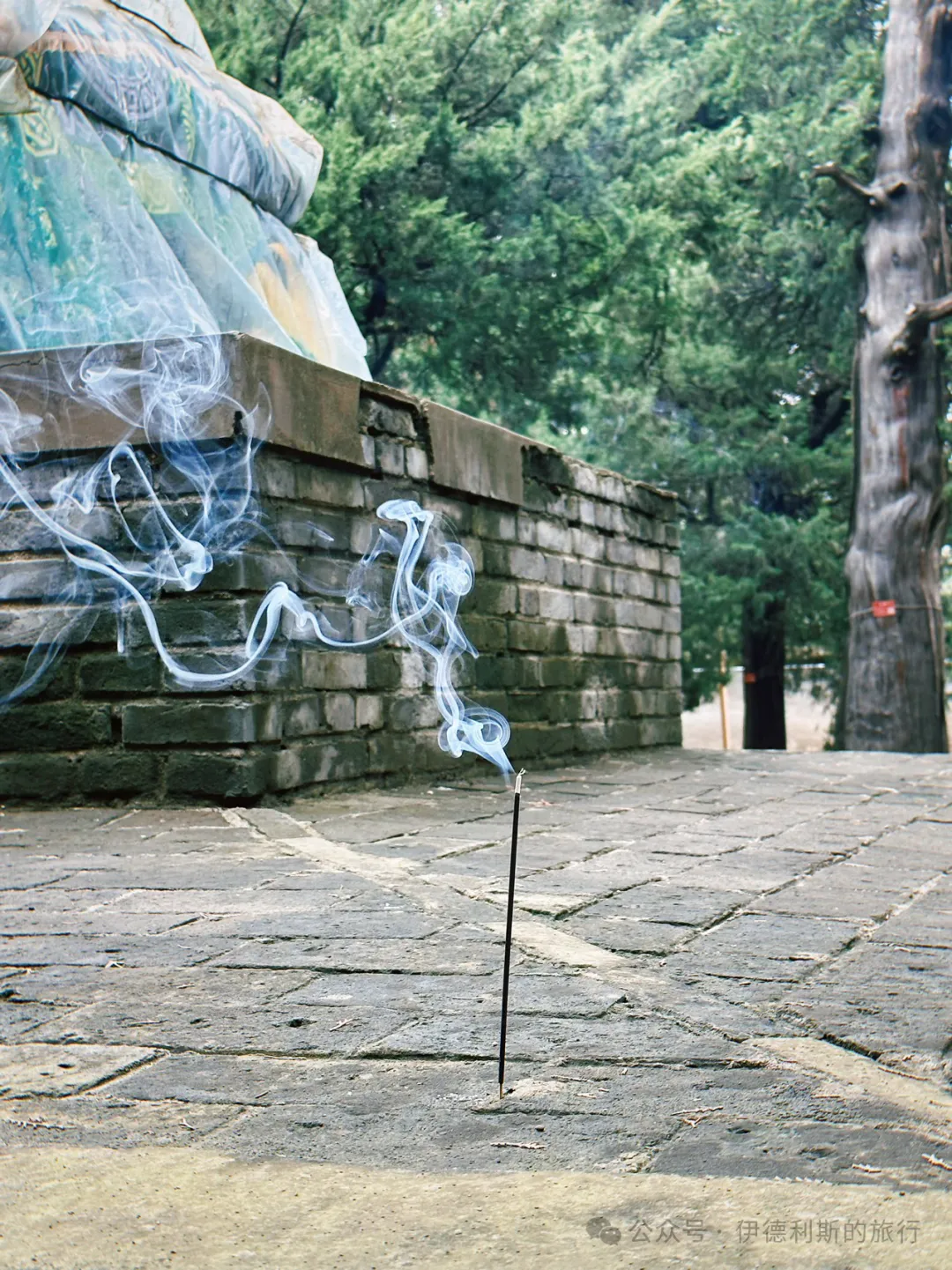
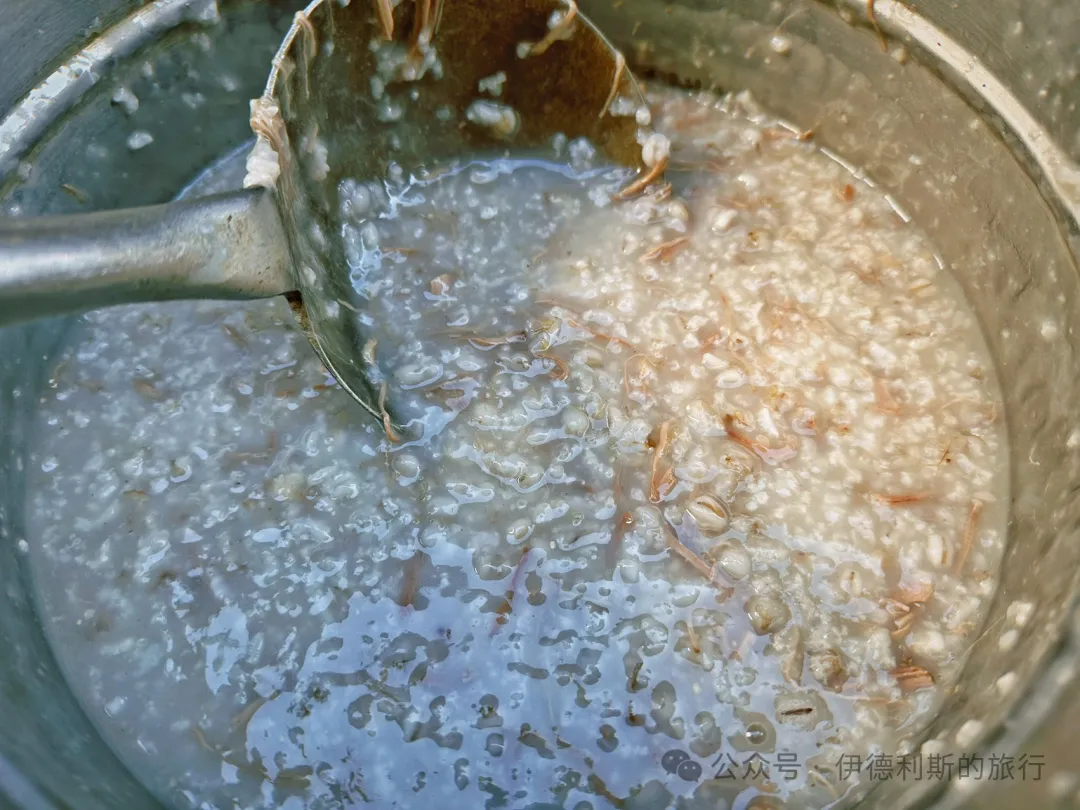
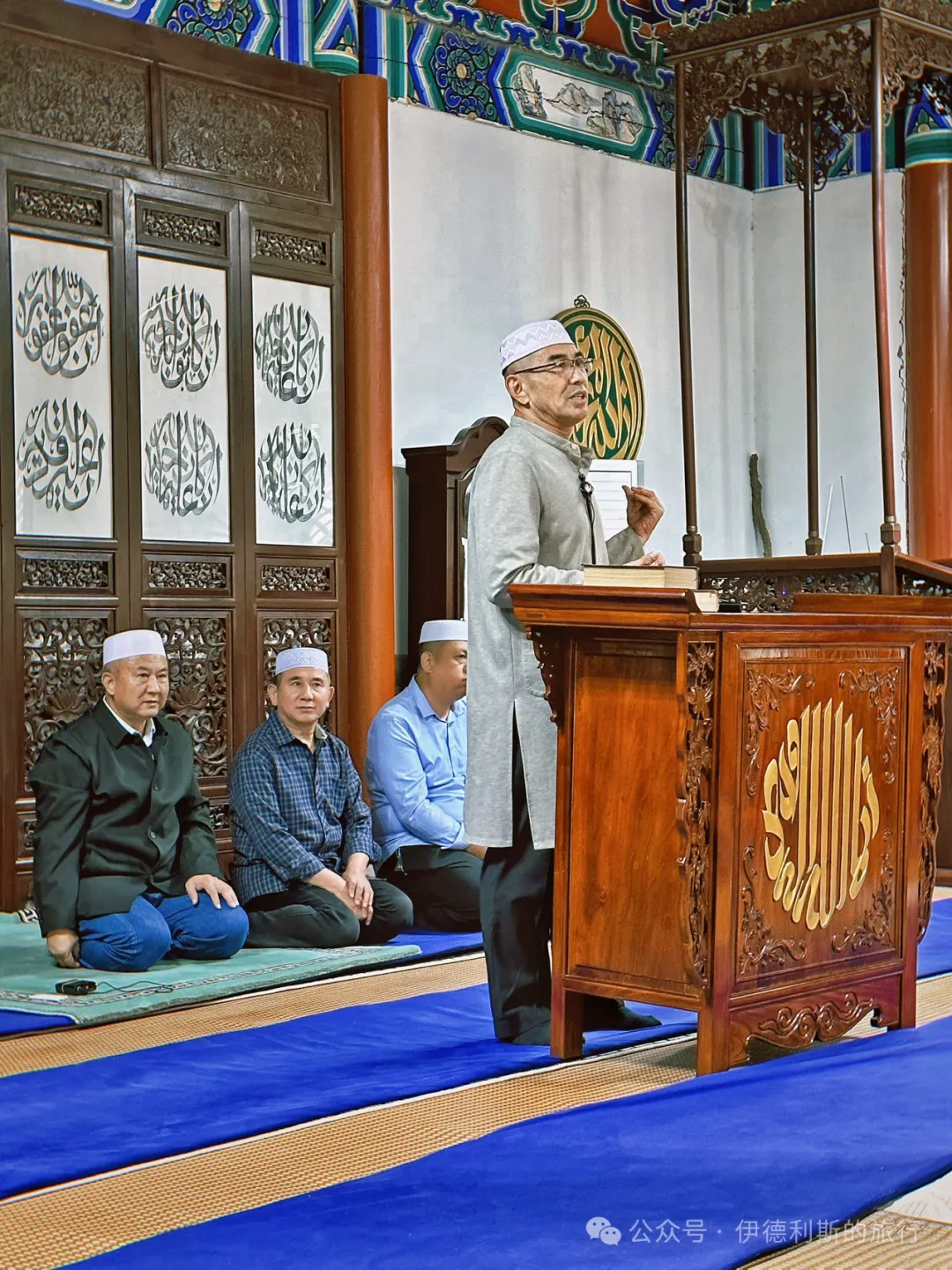
Halfway through the month of Shengji, we went to the Xiguan Mosque in Tongzhou to attend the Sheng-hui. In the morning, we first had meat porridge (rouzhou), then went into the main hall for scripture recitation and listened to the imam give a sermon (wa'z) about the life of the Prophet.
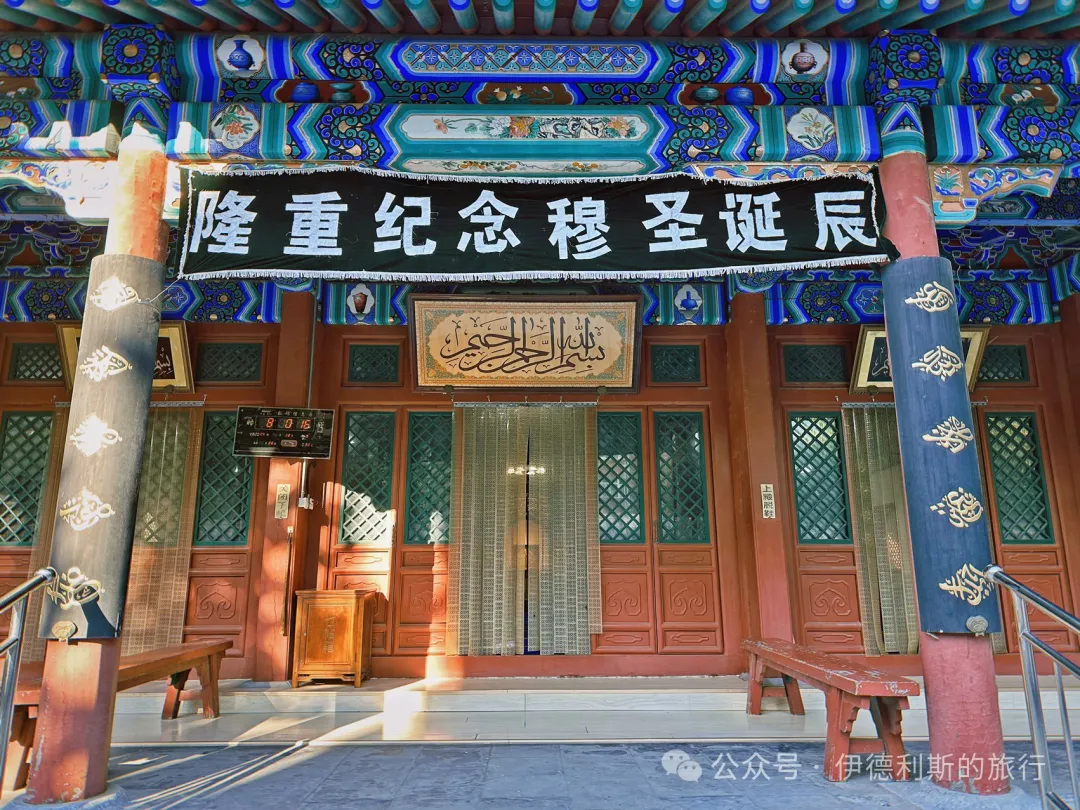
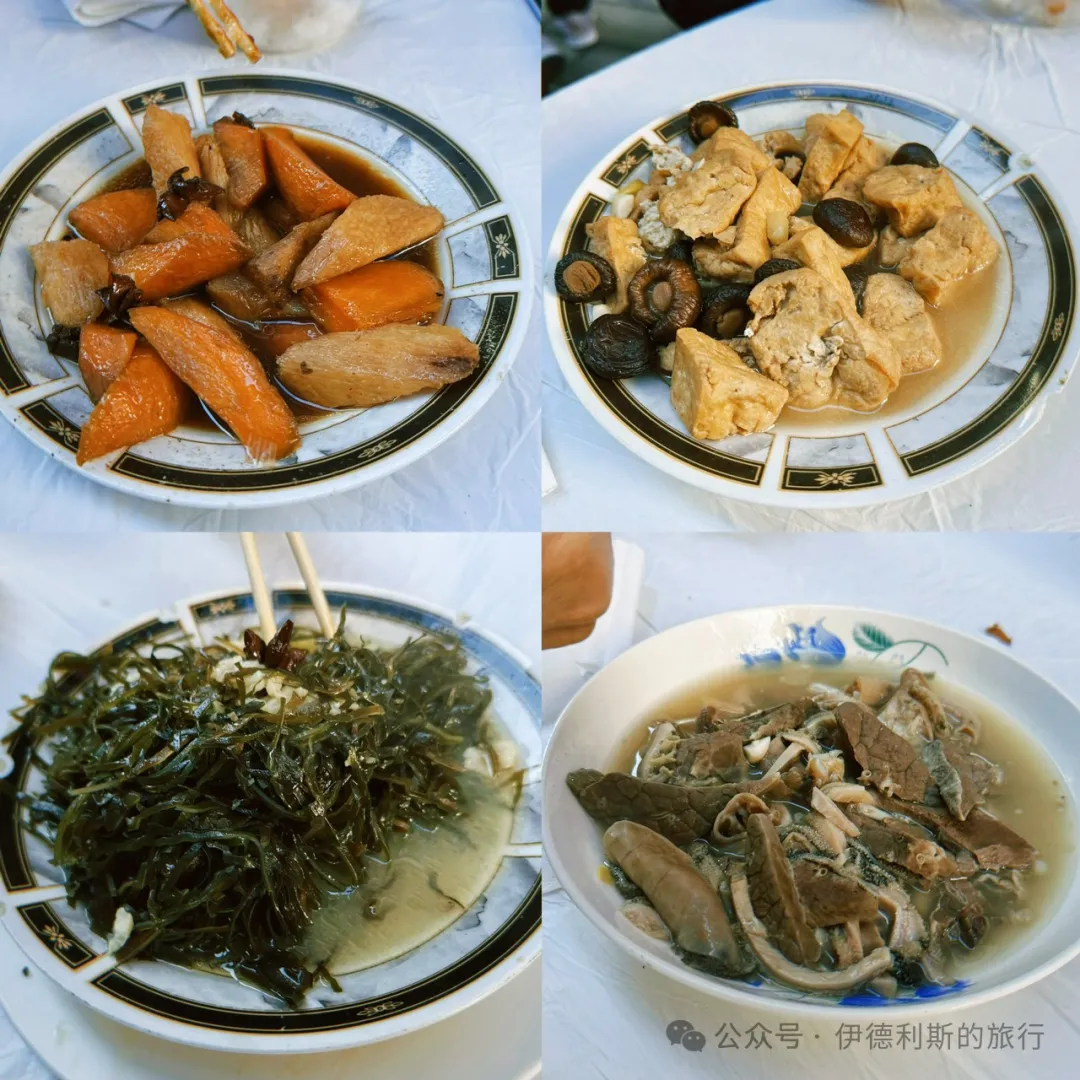
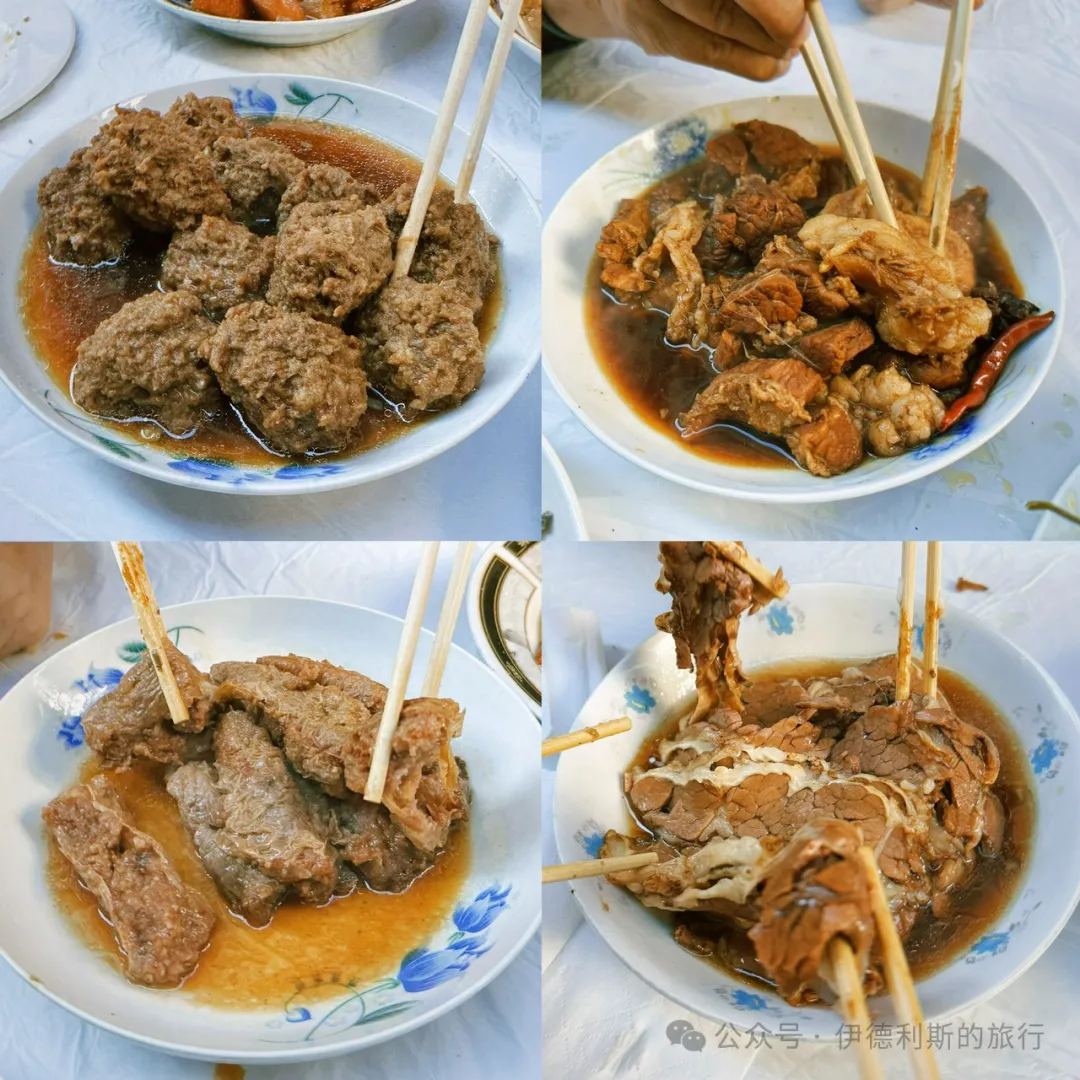
After leaving the hall, we sat down for a meal and had the traditional North China Hui Muslim Eight Great Bowls (badawan): stewed meat, steamed pork (kourou), crispy fried meat (songrou), meatballs, kelp, fried tofu puffs (doupo), radish, and lamb offal (yangza). There were also four stir-fried dishes: sautéed lamb liver, stir-fried shrimp, stir-fried diced chicken, and sesame lamb, followed by steamed fish. It was a very rich feast!
Summary: This account records a year of Muslim religious life in 2024, including night prayers, fasting, qurbani, religious gatherings, and visits connected with Hui Muslim tradition. It keeps the original personal observations, community details, and Islamic terms while presenting them in clear English for readers interested in everyday Muslim life.
As a Han Chinese person born and raised in Beijing in the 1990s, my childhood life was actually quite far from the faith. Although I lived near the Dongsi Mosque, its imposing gate always made me feel like I should keep my distance. My Hui Muslim classmates just didn't eat pork, and otherwise, I couldn't tell any difference. My first connection to the faith started because I loved the soaked bread in soup (paomo) at the Longfu Mosque snack shop and the lamb skewers (yangrouchuan) at Xiayi Restaurant near my home. Twenty years ago, the scent of lamb skewers grilled over charcoal with big fans blowing at Xiayi on Dongsi North Street was my first impression of the faith.
In middle school, I took my first flight for a long trip to Linxia and Xining to see the mosque communities in the residential areas, and I bought my first prayer cap (haomao). The sights in the Northwest felt new to me, and I became more and more interested in the culture of the faith. After I started college, I performed namaz for the first time in my life. Back then, I went to the mosque with Hui Muslim alumni from school to join activities. Even though I didn't know the words to recite yet, I followed everyone else's movements and felt the unity of the congregation (jamati).
In 2015, a Hui Muslim friend from Tianjin took me to the Northwest Corner of Tianjin for the first time. The countless delicious foods dazzled me, and the deep history of the Great Mosque filled me with respect. At that time, I had just graduated from college and had my own income, so I started visiting mosque communities in different places. First along the Grand Canal, then along the Yangtze River, and then I traveled further and further. Now, it has almost been ten years. Tasting delicious food and visiting ancient mosques have brought me closer and closer to the faith.
Unlike friends (dost) born into traditional Hui Muslim families, I learned most of my knowledge about the faith through books and the internet, and then practiced it by going to the mosque. Over these years, the mosque communities I have visited include those of the Shia, and the Hanafi, Shafi'i, Hanbali, and Maliki schools of the Sunni, as well as various domestic new traditions, old traditions, and different Sufi orders (menhuan). In the end, I chose to become a follower of the Gedimu.
Gedimu means 'ancient,' so it is also called the 'Old Faith' or 'Old Tradition.' It has been passed down in China for hundreds of years and has accumulated a rich historical and cultural foundation. For a long time, the Gedimu has used various traditional rituals to strengthen the cultural identity of the community members, allowing the faith to continue in China for over a thousand years without fading. These activities bring everyone together, strengthening the faith and deepening friendships. Through one rich and colorful ritual after another, we feel that the path we are walking is becoming clearer, and we can feel the warmth of the big family of the faith, which keeps us from losing our way in the complex modern society.
Below, I will share my religious life in 2024 with you. Every year, the Gedimu in Beijing emphasizes the 'Two Festivals and Two Gatherings,' which are Eid al-Fitr, Eid al-Adha, the Prophet's Birthday (Sheng Hui), and the Fatimah Gathering (Fatumei Hui). Additionally, as a son-in-law from Urumqi, we also follow the Northwest custom of holding night prayers (nianye) every year, and we cook porridge on the Day of Ashura. Our religious life is very rich. This year, during the Spring Festival holiday, we returned to Urumqi and happened to catch the night prayers, so we attended many of them in a row. As usual, I spent the month of Ramadan in Balizhuang. The Balizhuang Mosque is the mosque community with the best Ramadan atmosphere in Beijing in my opinion. For Eid al-Adha, we slaughtered a sheep in an orchard in Changping and also ate starch noodle soup (fentang). We attended two religious gatherings (shenghui) at Heying Mosque and Tongzhou Xiguan Mosque, one in the Northwest style and one in the North China style. I have two regrets this year: I was not in Beijing for the memorial days of Bo Haji Sheikh Baba and Lady Fatimah, so I could not attend. I hope to make it next year.
Nianye (night of scripture recitation)
See: Hui Muslim life in Urumqi during the Spring Festival holiday: Nianye, Luohuali (wedding engagement ceremony), Jumu'ah, and visiting relatives and friends.
During the 2024 Spring Festival holiday, I took Suleiman to his grandparents' home in Urumqi, just in time for the noble month of Sha'ban (the eighth month of the Islamic calendar). The night of the 15th day of the eighth month of the Islamic calendar is the Night of Bara'at, which means the night of atonement. On this night, the two angels on our shoulders replace the 'scrolls' that record our good and bad deeds for the year. They seal the old scrolls and open new ones, which serve as evidence for questioning when we enter the afterlife, so it is also called the 'Night of Exchanging Scrolls'. In the traditions of Hui Muslims in some areas, when the month of Sha'ban arrives, everyone takes turns inviting the imam and friends and family to their homes for Nianye. The main process includes reciting scriptures, praising the Prophet, performing repentance (tawbah), and asking for forgiveness for family members and the deceased. Afterward, we eat a rich meal to strengthen bonds, improve our faith, and prepare for the noble month of Ramadan.
February 17 was our family's Nianye, and it was also when we celebrated Suleiman's first birthday (suisuizi). We invited four imams and a large group of relatives to recite surahs, recite the Bara'at praise, perform tawbah, and offer dua, then we ate. First, we served appetizers (diediezi) and tea. The appetizers included nut towers and baklava we bought at a Uyghur pastry shop on Hetian Street, as well as traditional flaky pastries and sachima made by my aunt. After everyone chatted for a while, we cleared the appetizers and brought out the main dishes to officially start the feast.
With the help of my aunts, we prepared a rich feast. The main dishes were clear-stewed lamb, braised steak, followed by steamed meat jelly (zhengmingzi), pearl meatballs, spicy chicken (jiaomaji), steamed fish, sweet platter (tianpanzi), and various stir-fried dishes. The staples were fried dough (youxiang), steamed buns (momo), and rice.
The fried dough (youxiang) was fried the day before. Before frying, I performed wudu (abudaiesi), then made the dough. After it rose, I scalded a small portion with hot oil and mixed in a little baking soda and fenugreek powder (xiangdoufen). I kneaded the scalded dough into the risen dough, covered the basin, and let it rest for 15 minutes. After resting, I rolled it into a long shape, pinched off pieces, rolled them into flat cakes, cut four small slits with a knife, and then it was ready to fry. When putting it into the pot, I said 'Bismillah' (taisimai). I fried it for a while, flipped it, and tapped the edge with chopsticks; when it felt hard, it was done.
Luohuali (wedding engagement ceremony)
This time back, I happened to catch my brother-in-law's Luohuali ceremony. We had a feast at a small workshop (zhepai) in Anningqu, in the northern suburbs of Urumqi, and I ate some homemade fried sugar twists (tangningningzi). The feast started with appetizers, then they were cleared for the main dishes, which included clear-stewed meat, braised meatballs, braised fish, beef head meat, and so on.
The traditional wedding customs of Xinjiang Hui Muslims are very elaborate. Before a marriage proposal, the man's family first makes inquiries about the woman's family. Then, they send a matchmaker with four types of gifts—tea, sugar cubes, red dates, and walnuts (or pastries)—wrapped in four colors, known as the four-color gift (sise li). The matchmaker's first visit with the four-color gift is called the opening gift (kaikou li). The matchmaker gives the gift, wrapped in red cloth, to the woman's family, but they do not give an answer right away. After careful consideration, the woman's family sends a message through the matchmaker. The man's family then sends the four-color gift again, which is called the confirming gift (luohua li), and after that, they enter the engagement stage.
Attending a funeral (song maiti)
See: Visiting the Dawan gongbei in Urumqi
During the Spring Festival in Urumqi, I happened to attend a funeral for an elder from the Luyuan Street community. Hundreds of people were there, and it was very moving. I could really feel the unity of the local community (jamaat).
Fasting (zhai)
See: 2024 Beijing Ramadan Diary: Week One
2024 Beijing Ramadan Diary: Week Two
2024 Beijing Ramadan Diary: Week Three
This year, I am spending Ramadan at the Balizhuang Mosque again. On the evening of March 11, I prayed the first Taraweeh at the Balizhuang Mosque. Every year, I enjoy the blessed atmosphere of the month of Ramadan (Ramadan) the most, as everyone gathers at the mosque to complete their worship.
Elder Li made donkey-roll cakes (lvdagun), nut-and-fruit cake (qiegao), and pea flour cake (wandouhuang) for everyone.
The fast-breaking meal (iftar) is very rich, different every day, and includes all kinds of Beijing delicacies.
Noodles with soybean paste (zhajiangmian)
Fish head with flatbread (yutou paobing)
Dumplings (jiaozi) that everyone made together
Hot noodle soup (retangmian)
Breaking the fast with fermented mung bean milk (douzhi)
Door-nail meat pie (mending roubing)
Sugar-rolled fruit (tangjuanguo) and fried crispy snacks (zha gezi)
On the fourth day, a friend (dosti) invited everyone to break their fast at the Nanxiapo Mosque. We ate delicious beef stew, and I felt very grateful (shukr). The Nanxiapo Mosque held a communal meal (nietie). It is usually open to the public, selling eight-bowl feasts (badawan), breakfast, and fast food. You can enter directly from the hot pot restaurant next to the mosque.
On the evening of the 17th day, I met up with a friend (dosti) to pray Tarawih at the Sudanese Embassy. The Sudanese Embassy is right next to Tuanjiehu subway station. We arrived at 7:50 and got in by showing our ID cards at the intersection. The call to prayer (adhan) was at 8:05, and the formal prayer started at 8:30. There were friends (dosti) from all over the world in the hall, standing in rows with all different skin colors. It really felt like I had traveled abroad. The imam for Tarawih was a young hafiz from Libya. His recitation was melodic and pleasant, and very moving. We prayed eight rak'ahs of Tarawih, with a taslim after every four. Finally, we prayed Witr with two rak'ahs followed by a taslim, and then one final rak'ah. This is quite different from the traditional prayer methods of the Gedimu Hui Muslims.
On the evening of the 18th day, a friend (dosti) from Hunan intended to host an iftar at Nanxiapo Mosque. We had stewed meat with rice, which was very delicious. I met many new friends during this time. Ramadan is truly a great opportunity to bring everyone together.
Experiencing the Ramadan atmosphere in Xi'an
See: Experiencing the Ramadan atmosphere in Xi'an
I had always heard that the Ramadan atmosphere in Xi'an is special. Many shops adjust their business hours to provide suhoor meals, and every mosque is very lively at iftar time. I used the Qingming holiday to experience it for myself.
At 3:00 AM, I wandered over to Miaohou Street. Miaohou Street is the street with the most suhoor meals in the Muslim Quarter (Huifang). We saw offal soup (zagan tang), spicy soup (hulatang), steamed rice cake (zenggao), crumbled flatbread in soup (paomo), meat pockets (rouhezi), and more. The variety was huge, and we ended up eating paomo.
At 5:30 AM, we prayed Fajr at the North Mosque in Xiapiyuan. The praise (dhikr) was melodic and gentle, and it was truly soul-stirring.
At noon, I went to Hujiagou in Xianyang to visit the grave (zifen) of Master Hu Dengzhou.
In the afternoon, I returned to the Muslim Quarter (Huifang) and had iftar at the Dapiyuan Mosque.
After the Maghrib prayer, we had our iftar meal. There was zucchini, cold noodles (liangpi), stir-fried meat, steamed egg, mung bean porridge, and steamed buns (momo). There were many people, and the atmosphere was great.
At 3:30 AM the next day, I had a lotus leaf bun (heye bing) with vegetables and red bean porridge at Ma Sanjia on Miaohou Street in the Muslim Quarter. Many people buy their suhoor meals at this shop, and a lot of them buy fried dough cakes (youbing) with vegetables.
3:50 AM. After finishing the lotus leaf bun with vegetables, we continued west along Miaohou Street. We bought a cured beef sandwich (laoniurou jiamo) at the An Zhiliang Cured Beef and Mutton Shop, and then had a meatball spicy soup (rouwan hulatang) at the Jia Family shop at the Sajinqiao intersection across the street.
At 5:50 AM, we prayed Fajr at the Daxuexi Alley Mosque.
At noon, I prayed Jumu'ah at the Great Mosque on Huajue Alley.
After Jumu'ah, I took the subway to the northeast of Xi'an city to visit the grave (zifen) at the Guangdamen Gongbei.
In the evening, I had iftar at the Dongxin Street Mosque. I had barrel chicken (tongzi ji), spiced beef tongue (jiang koutiao), cold mixed dishes, braised fish chunks, steamed buns (momo), and red bean porridge.
At 3:50 AM on the third day, we ate a five-dragon egg and vegetable sandwich (wulong dancai jiamo) on Beiguangji Street, where we also had meat oil rice (rouyoufan). Meat oil rice (rouyoufan) is a special dish that Hui Muslims in the neighborhood usually make only for Eid al-Fitr and the Prophet's birthday. It is a savory meat porridge made with beef bone broth and minced beef. It is salty, fragrant, and very auspicious.
After finishing the meat oil rice, we turned into Xiaopi Courtyard to eat steamed buns (baozi) at Ashiye's old shop. While we were eating, an older gentleman outside found out we were fasting and insisted on paying our bill. We felt so grateful, and it made us feel that the atmosphere in Xi'an is truly wonderful.
At 5:30 AM, we performed namaz at the West Mosque (Xisi) on Sajinqiao.
Night of Decree (Laylat al-Qadr)
See: 2024 Beijing Ramadan Diary: Night of Decree and Eid al-Fitr
The noble Night of Decree, a night of peace. This was the busiest and most lively day at Balizhuang Mosque since the start of Ramadan. Many friends (dosti) traveled from far away to return here. We also took a train from Xi'an to Beijing in the afternoon and headed straight to the mosque.
For breaking the fast, we had white fungus and lotus seed porridge. We also tasted steamed rice cakes with sweet filling (aiwowo) made by the mosque elders, as well as mung bean cakes and crispy pastries (subing) that Zainab brought back from the Hui neighborhood. The meal for breaking the fast included fried tofu stewed with beef, lamb bone broth (yangtang), and various stir-fried dishes. It was a very rich feast.
On the 28th day, we had the final Taraweeh prayer of Ramadan. It was so hard to say goodbye! Balizhuang Mosque was still very lively. The elders were making steamed rice cakes with sweet filling (aiwowo) together, and there was also sticky rice cake (qiegao) made by Elder Li. As usual, we broke our fast with mung bean milk (douzhi). For the meal, we had noodles with gravy (dalu mian) featuring three types of toppings: daylily, tomato, and eggplant, along with various vegetable garnishes. I started with two bowls of mung bean milk and two cups of tea, then ate a large bowl of noodles. I was completely stuffed. I walked around the courtyard several times until I felt comfortable after the Taraweeh prayer.
The last day of Ramadan! The elders at Balizhuang Mosque gathered again to make steamed rice cakes with sweet filling (aiwowo), small sticky rice cakes (qiegao), and sugar-rolled fruit (tangjuanguo). Everyone was reluctant to see Ramadan end.
The elders at Balizhuang Mosque were busy preparing for the next day's Eid al-Fitr, simmering the meat porridge and getting the fried dough (youxiang) ready.
Eid al-Fitr
Eid al-Fitr finally arrived. Balizhuang Mosque prepared meat porridge, fried dough (youxiang), and various pastries for everyone. The wheat grain aroma and the meat flavor in the porridge blended perfectly. It was delicious. With Imam Saiwabu and the elders, I not only received the blessing (suo) but also recited praises with the elders. I felt so grateful.
Eid al-Adha
See: Celebrating the Eid al-Adha festival
The night before Eid al-Adha, we stayed in Xiguanshi Village, known as the 'Number One Hui Muslim Village North of the Capital'. Early in the morning, we performed the major ritual washing (ghusl), brushed our teeth, applied perfume, recited the takbir, and walked from our hotel to the Xiguanshi Mosque to attend the congregational prayer.
After the prayer, we went to the Jingyi Farmhouse at the foot of the Western Mountains to perform the sacrifice (qurbani). This year we chose a 110-pound sheep that grew up eating grass in the mountains, which is usually hard to find. Then we ate the festive starch noodle soup (fentang) made by my sister-in-law, and Zainab drank three bowls in one go!
Day of Ashura
See: Another year, another Day of Ashura
Legend says that when the great flood receded and Prophet Nuh's ship reached land, he and his followers used seven kinds of beans from the ship to make the first meal for humanity after the disaster. Because of this, across a vast region from Bosnia and Turkey in the west to China in the east, many friends (dostani) make Ashura bean porridge today to commemorate the landing of Nuh's ship. Nowadays in Turkey and the Balkan region, you can buy Ashure at dessert shops all year round. However, on the Day of Ashura, people are still used to making Ashure themselves and sharing it with the poor, relatives, neighbors, and friends.
As usual, we made the Urumqi Hui Muslim version of Ashura bean rice. After work, I went to the supermarket to buy beans. This time I used seven kinds: soybeans, black beans, mung beans, red beans, chickpeas, white kidney beans, and lotus beans. First, I cooked the seven types of beans in a pressure cooker, then chopped the qurbani lamb into cubes and prepared chopped green onions. I stir-fried the meat with green onions, adding salt and Sichuan peppercorn powder. I added rice and glutinous rice to the cooked beans, then added the stir-fried meat cubes, and used the pressure cooker's rice setting to finish it.
Mawlid Celebration
See: Celebrating the Mawlid at Beijing Heying Mosque
Going to Xiguan Mosque in Tongzhou, Beijing, to celebrate the Mawlid.
Entering the month of Rabi' al-Awwal, mosques all over Beijing have started holding Mawlid celebrations. Over the weekend, we attended the celebration at Heying Mosque in Changping and ate authentic mashed potato cakes (yangyu jiaotuan), hand-held lamb ribs, and starch noodle soup (fentang), which was very blessed. The chili sauce on the mashed potato cakes was so fragrant that I couldn't help but pack some to take home; it tastes great with steamed buns (momo) or clear-stewed meat.
The 12th day of the third month of the Islamic calendar is believed to be the birthday of the Prophet. Around this time every year, Muslims around the world hold events to honor the Prophet, known as Mawlid or Eid-e-Milad an-Nabi. In China, these are called Shengji, Sheng-hui, or Shengdan.
Shengji activities date back to the time of the Tabi'un, the followers of the Prophet's companions. In the early days, these were mostly private events. Large-scale commemorations can be traced back to Egypt during the Fatimid Caliphate in the 12th century. In 1207, Saladin's brother-in-law Gökböri made Shengji a public holiday for the first time, which helped the celebration spread among Muslim communities. The Ottoman Empire made Shengji an official holiday in 1588, calling it Mevlid Kandili, which means the Candle Feast of the Prophet's Birthday.
Halfway through the month of Shengji, we went to the Xiguan Mosque in Tongzhou to attend the Sheng-hui. In the morning, we first had meat porridge (rouzhou), then went into the main hall for scripture recitation and listened to the imam give a sermon (wa'z) about the life of the Prophet.
After leaving the hall, we sat down for a meal and had the traditional North China Hui Muslim Eight Great Bowls (badawan): stewed meat, steamed pork (kourou), crispy fried meat (songrou), meatballs, kelp, fried tofu puffs (doupo), radish, and lamb offal (yangza). There were also four stir-fried dishes: sautéed lamb liver, stir-fried shrimp, stir-fried diced chicken, and sesame lamb, followed by steamed fish. It was a very rich feast!
