
Halal Travel Guide: Brunei Part 2 — Water Village Homes, Museums & Malay History
Reposted from the web
Summary: This second part of the Brunei history and culture journey moves through water village homes, museums, and sites tied to Malay and Muslim life. The article keeps the original place names, photos, and historical details while presenting Brunei in simple English.
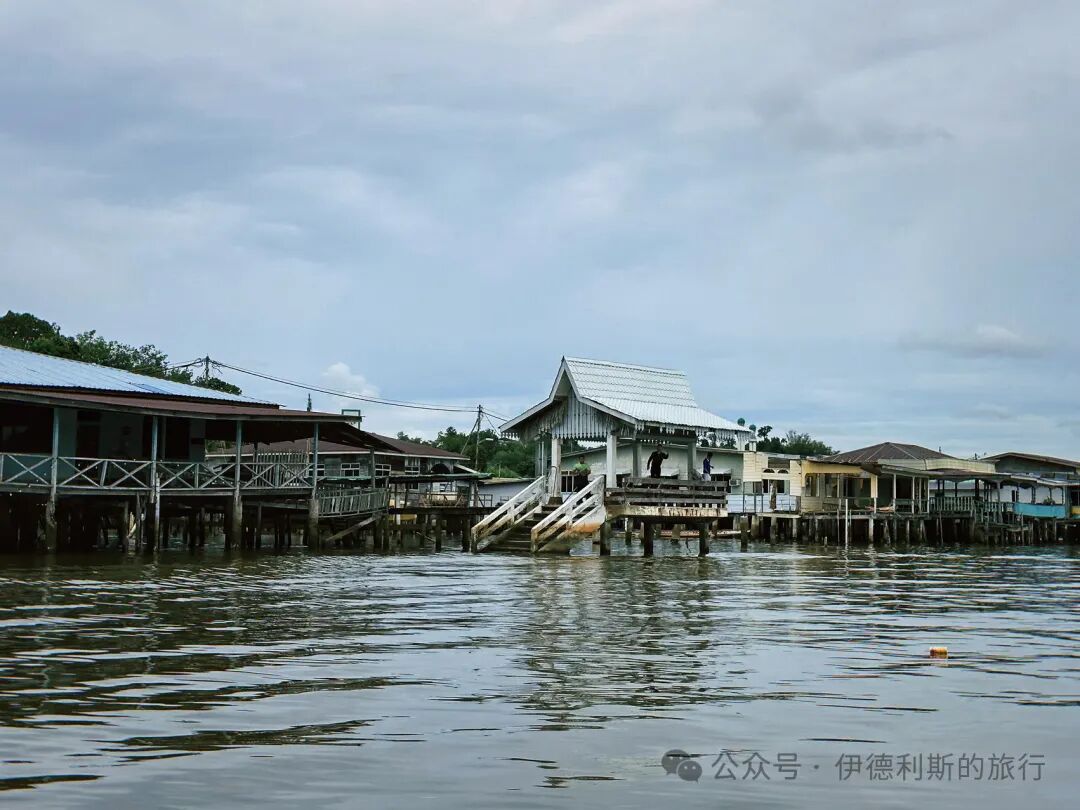
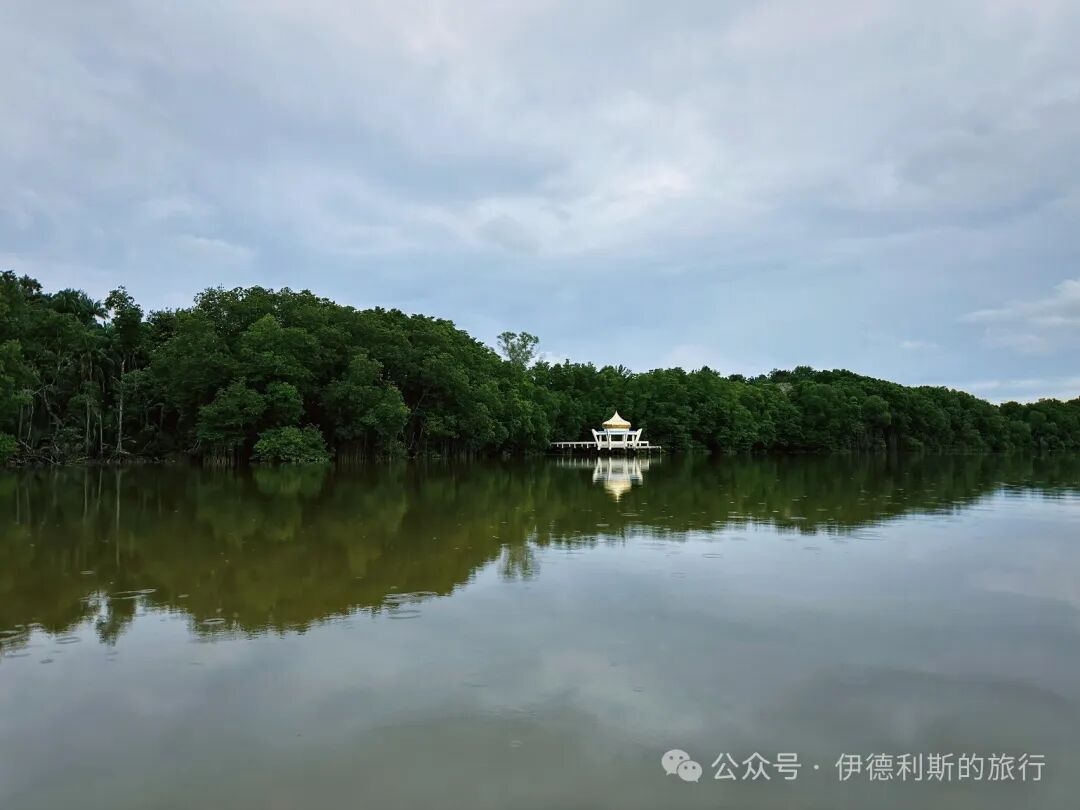
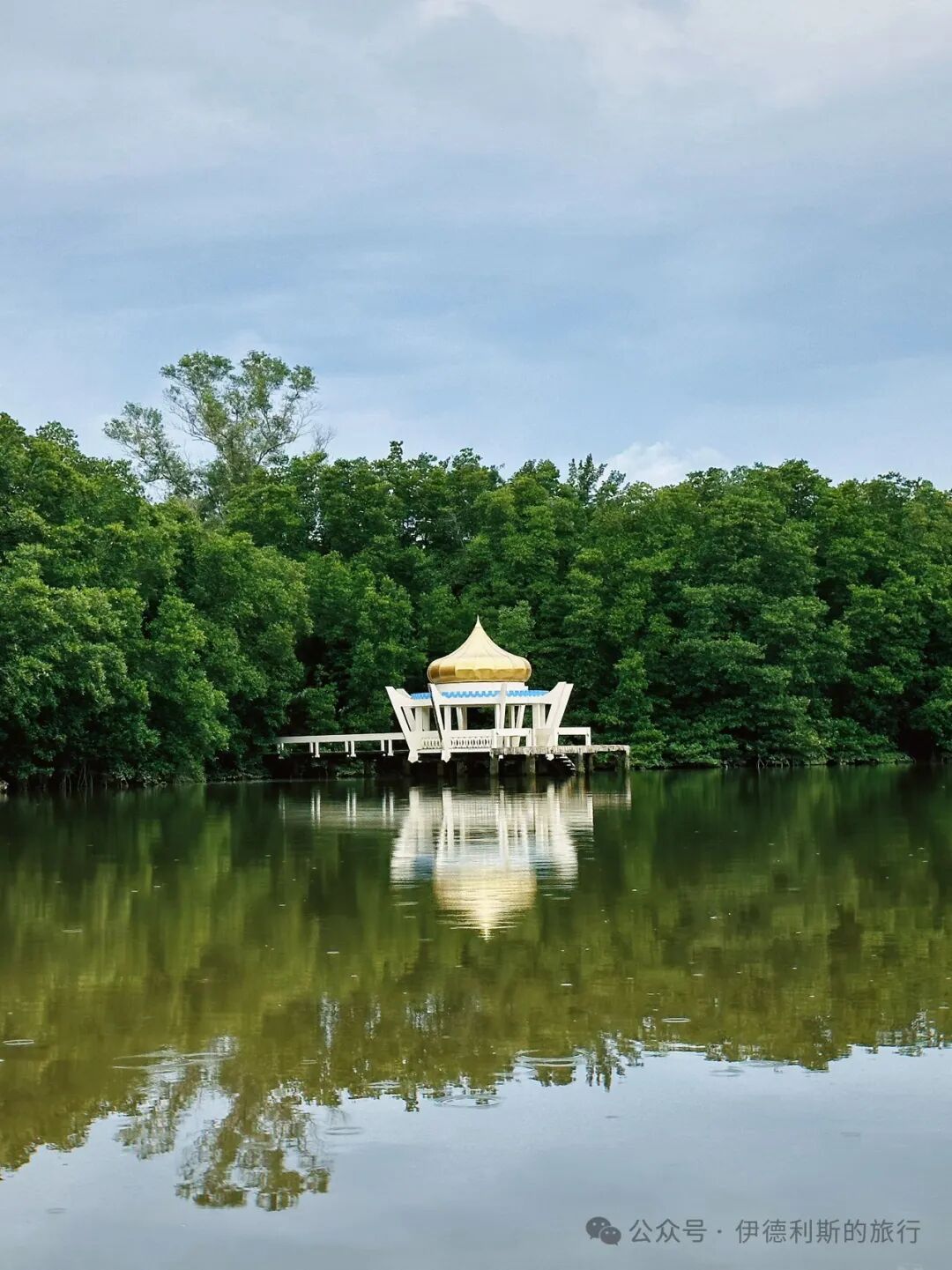
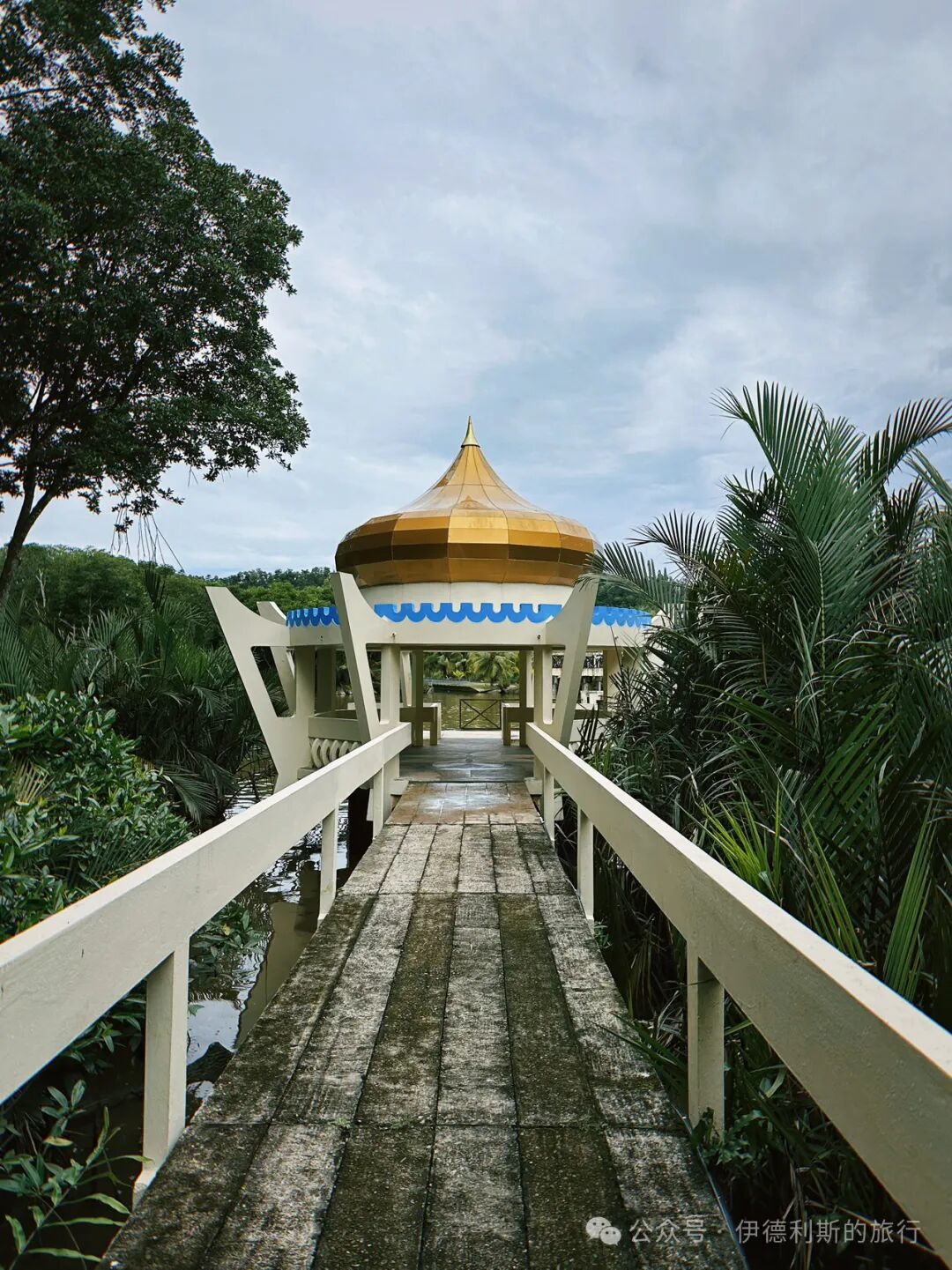
Tomb of the 16th Sultan of Brunei
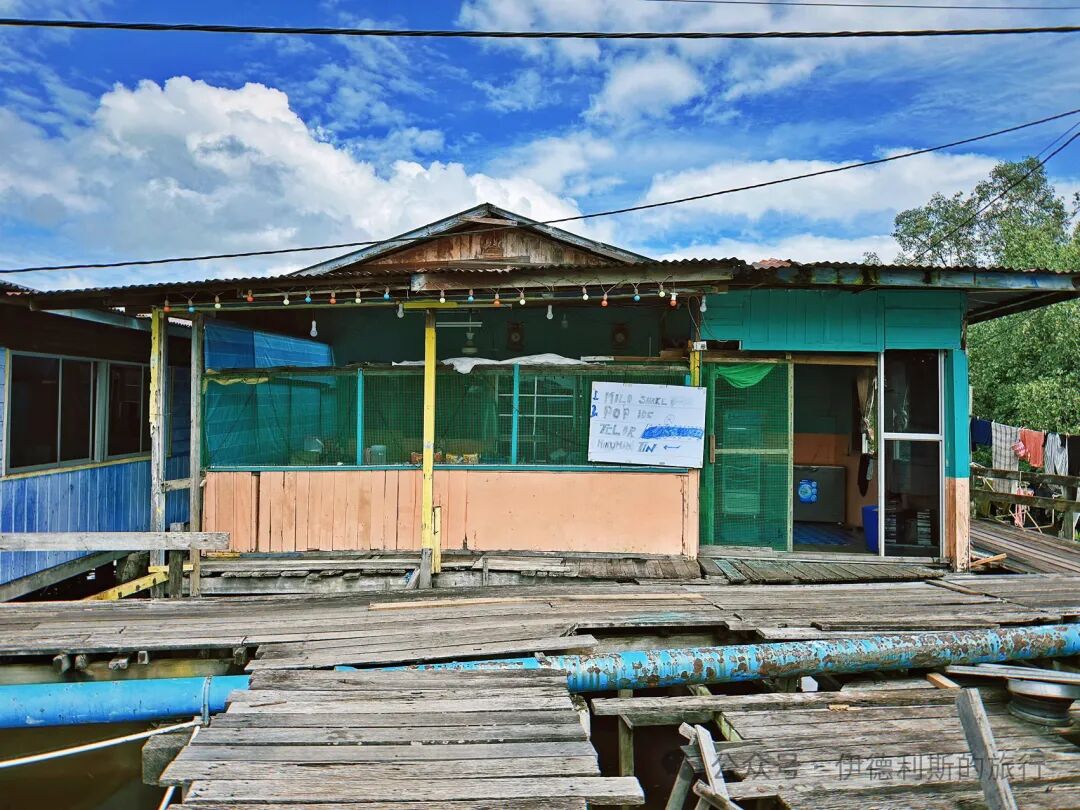
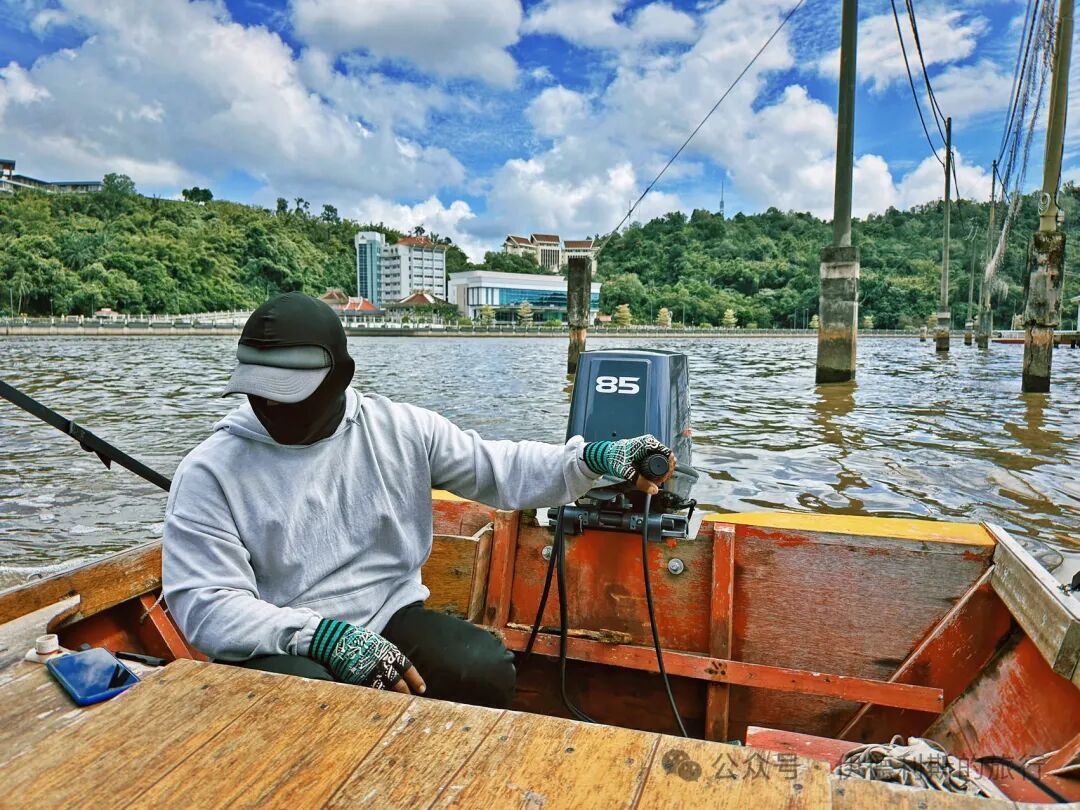
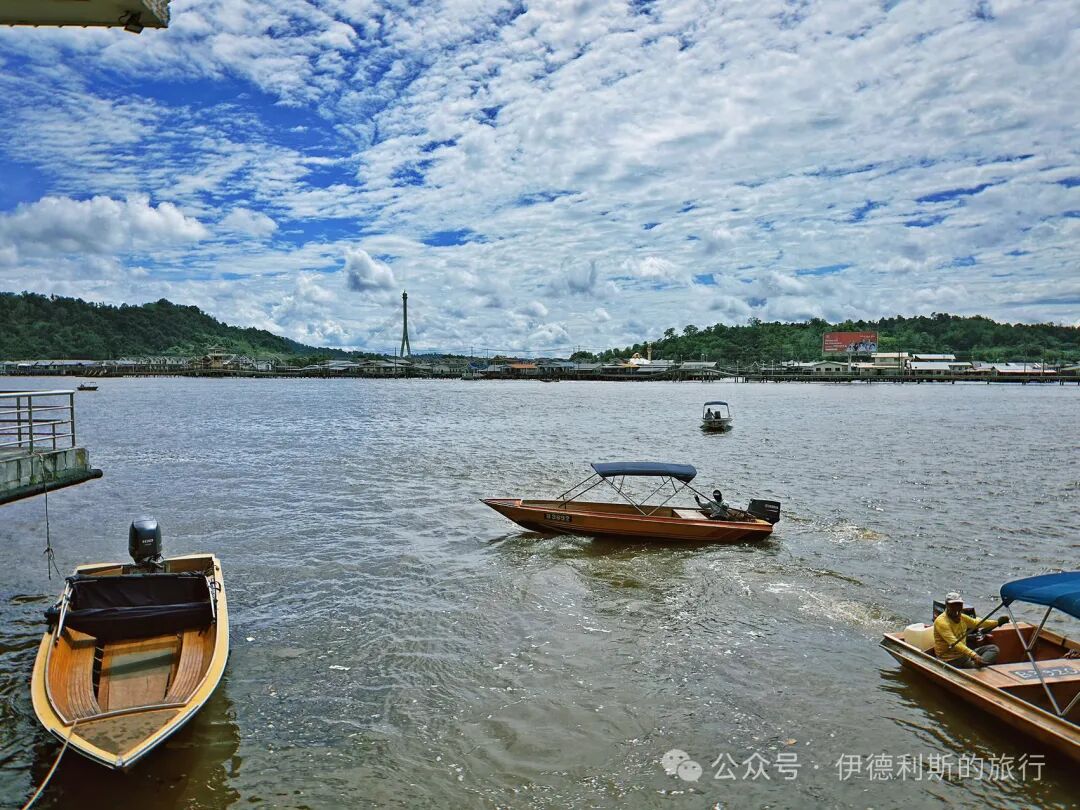
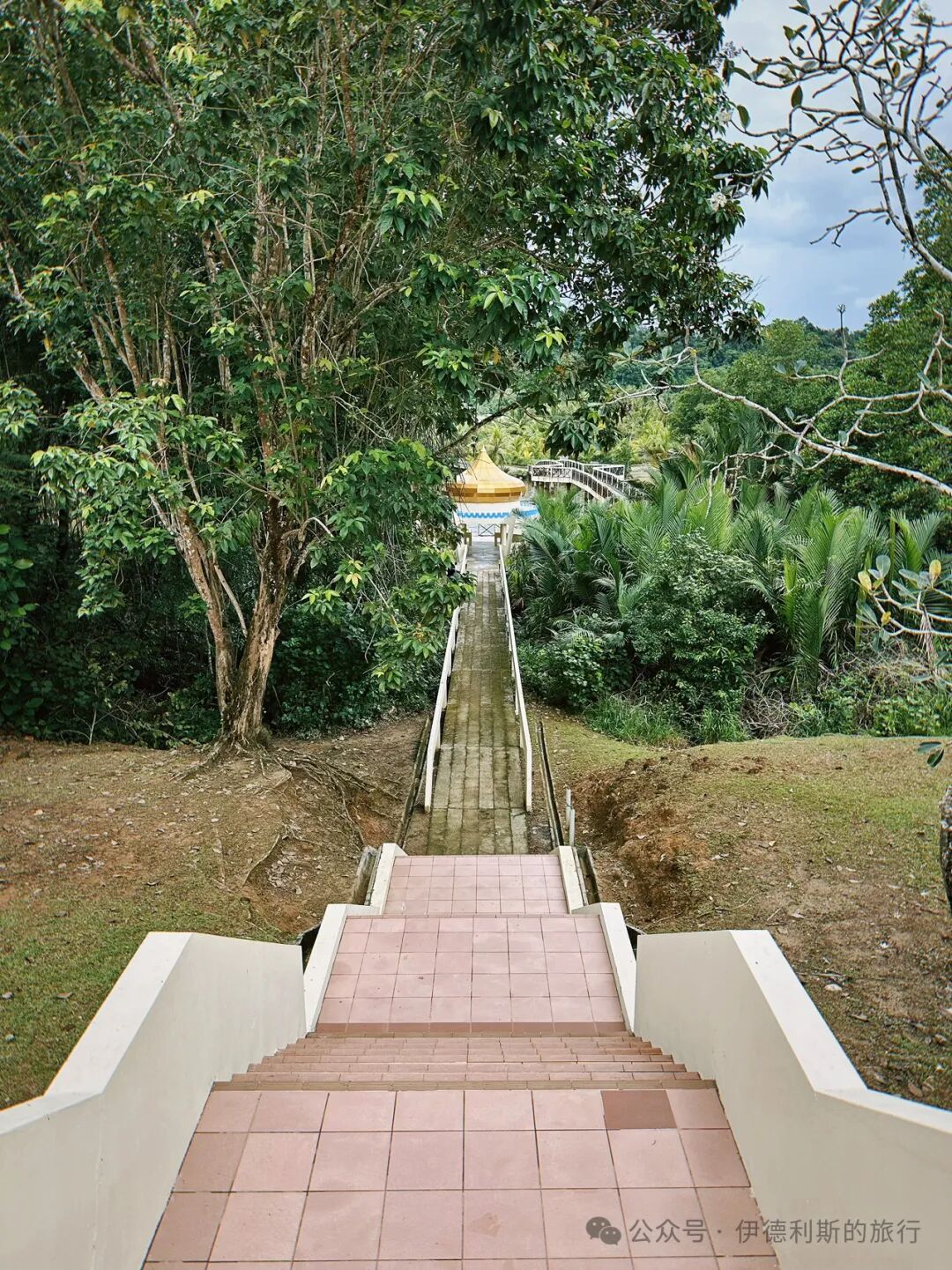
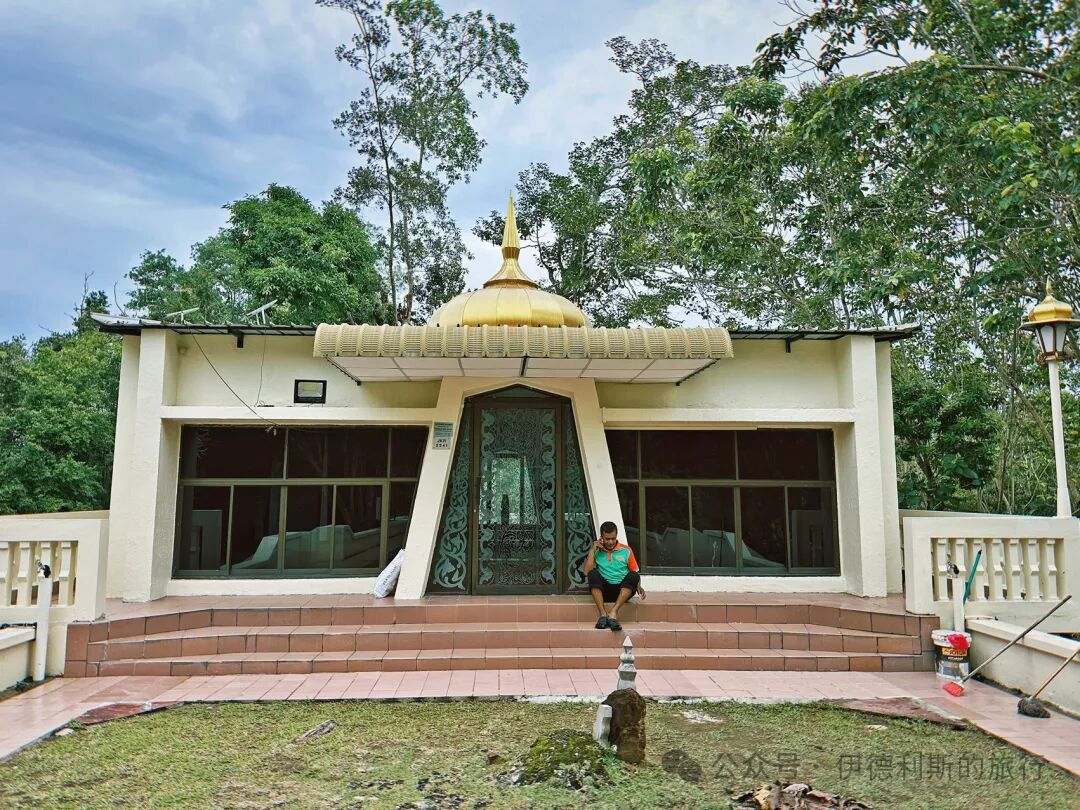
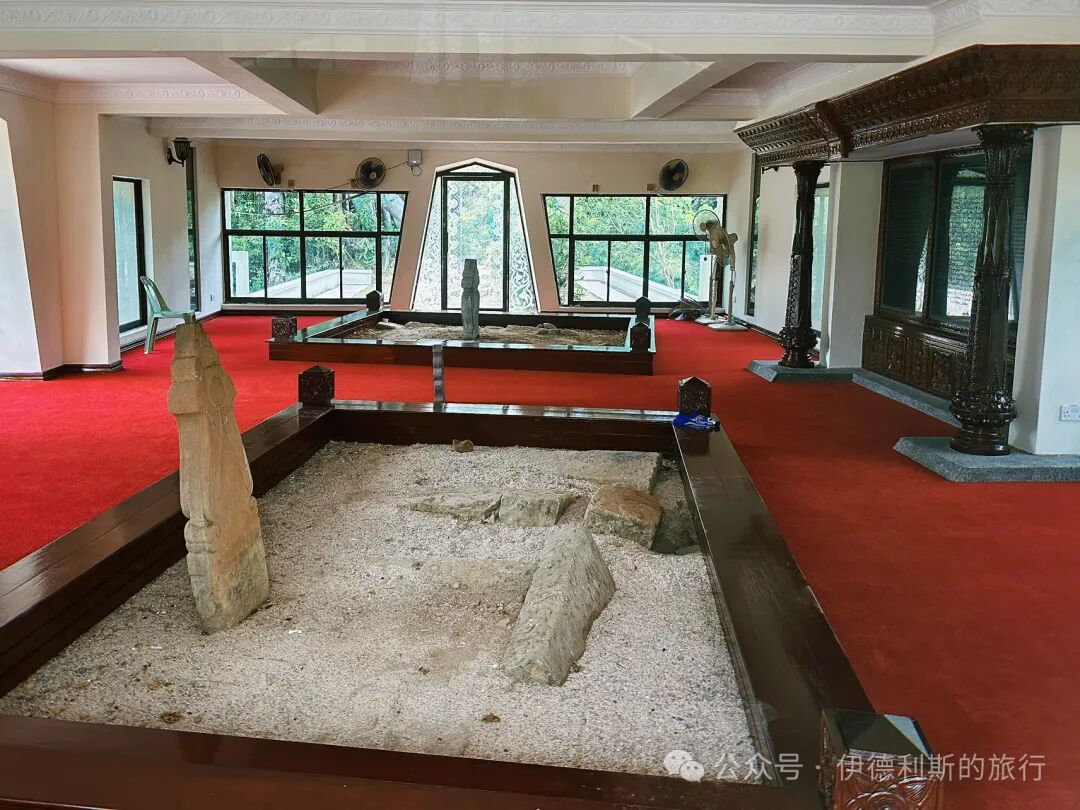
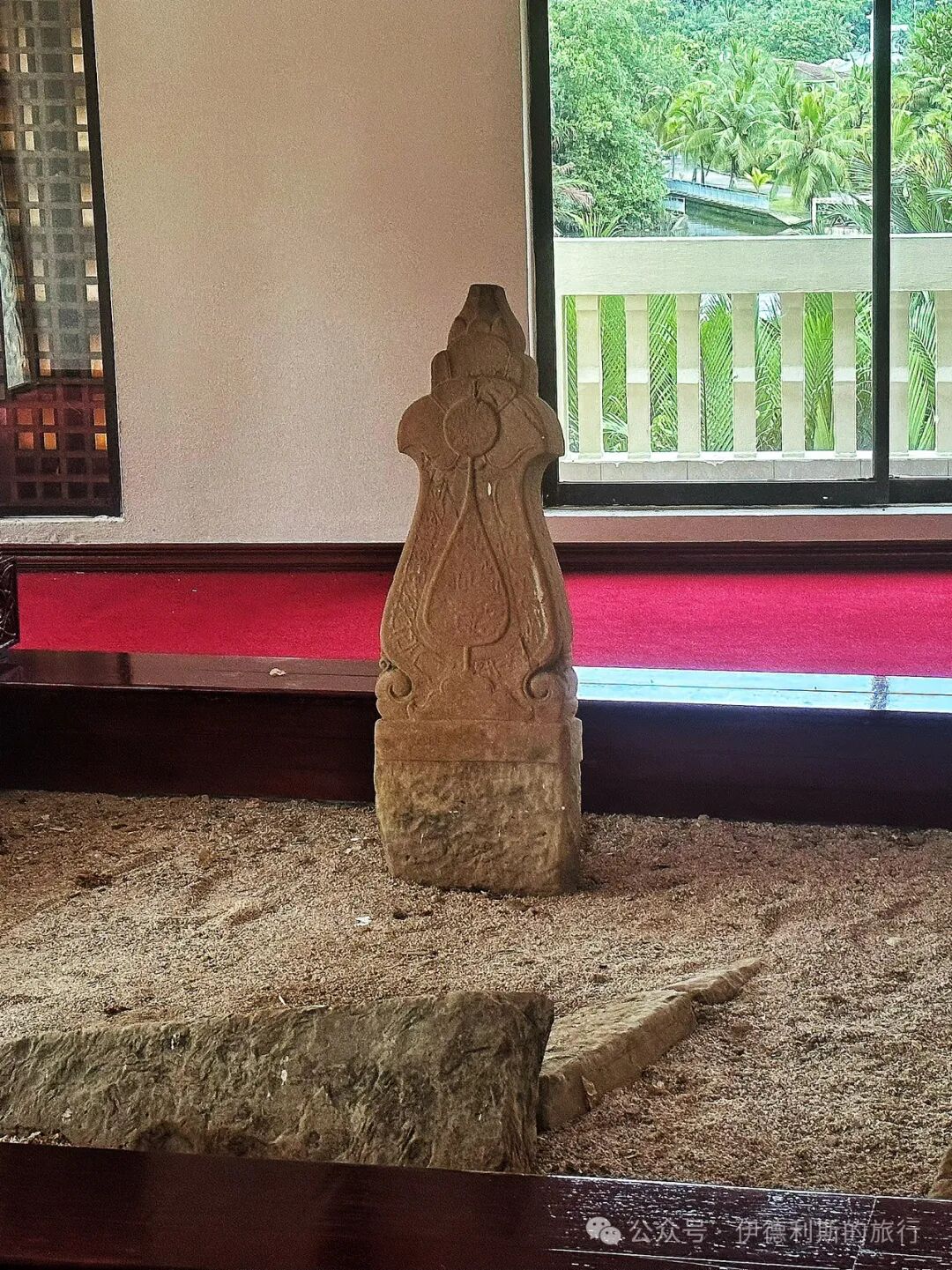
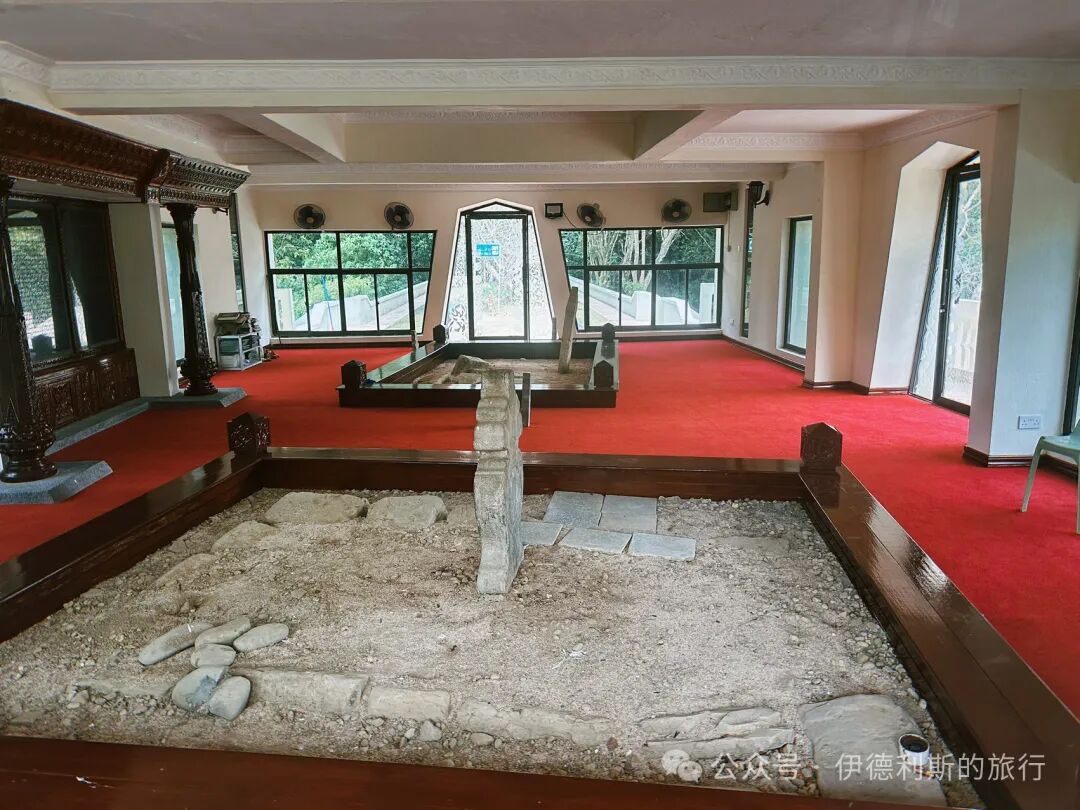
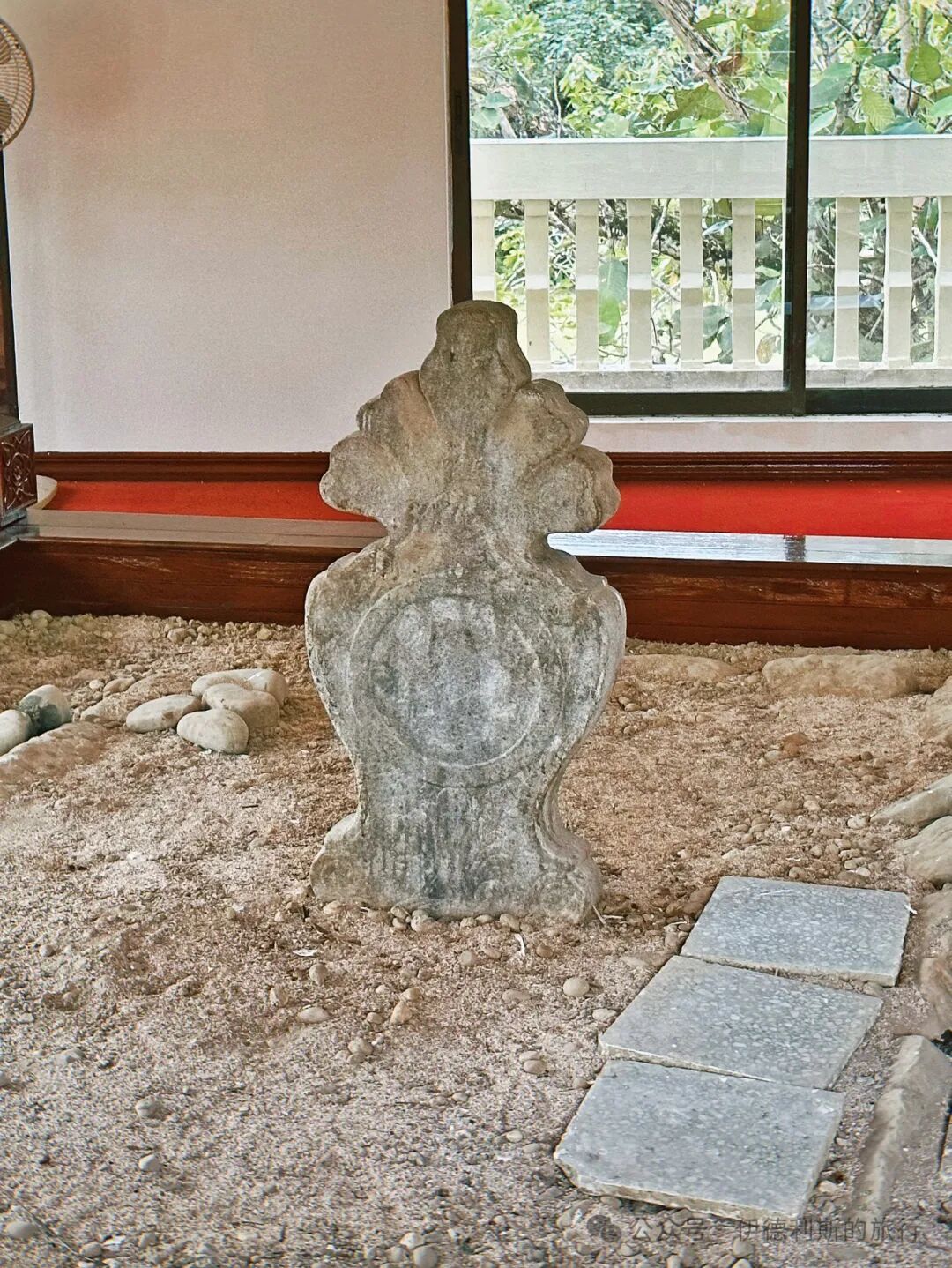
Take a speedboat west from the Brunei River to reach Luba Island, hidden by mangroves. It holds the tomb of the 16th Sultan of Brunei, Hussin Kamaluddin, who reigned from 1710 to 1730 and again from 1737 to 1740. Sultan Hussin Kamaluddin survived the Brunei civil war as a child. He was a pious, studious, and hardworking man. Under his rule, Brunei was prosperous and food was plentiful. Legend says the Sultan liked to fish with locals along the upper banks of the Brunei River, especially near his tomb on Luba Island.
Old Town of Brunei Town
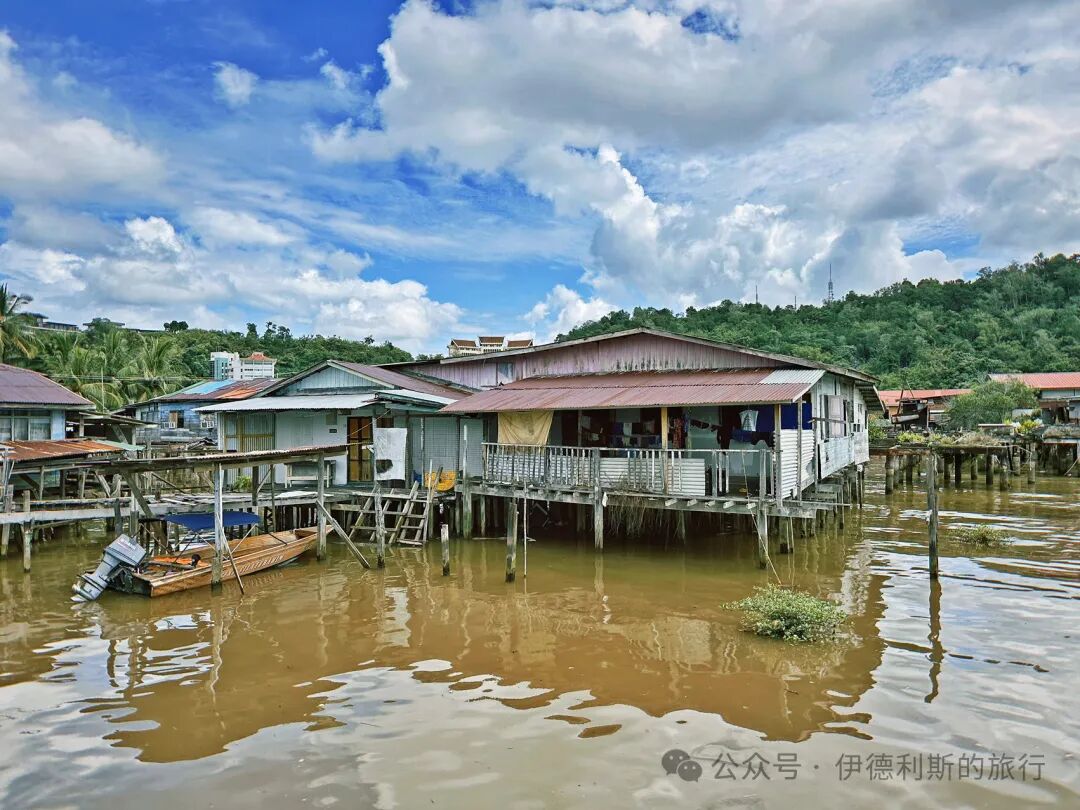
Until the early 20th century, the capital of Brunei was the water village of Kampong Ayer on the Brunei River. In 1906, British Resident Malcolm MacArthur began guiding residents to settle on land. In 1910, Chinese people first began building shops on the north bank of the Brunei River, and Brunei Town began to take shape. In 1922, the reigning Sultan Muhammad Jamalul Alam II decided to move his palace inland to Brunei Town. This move encouraged many water village residents to accept resettlement, and the city grew quickly.
In 1945, Brunei Town was almost leveled by Allied bombing, followed by large-scale reconstruction in the 1950s and 1960s. After 1963, economic growth from oil and gas led to a rapid increase in Chinese immigrants to Brunei Town, who opened many shops. In 1970, Brunei Town was officially renamed Bandar Seri Begawan.
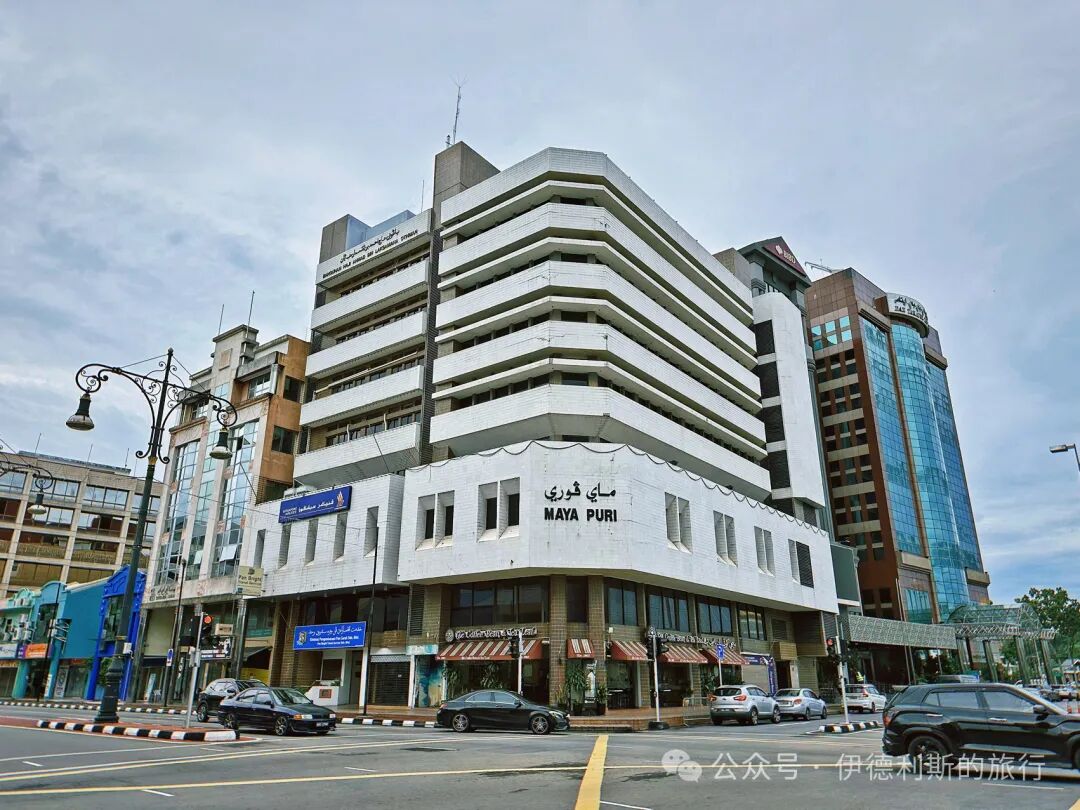
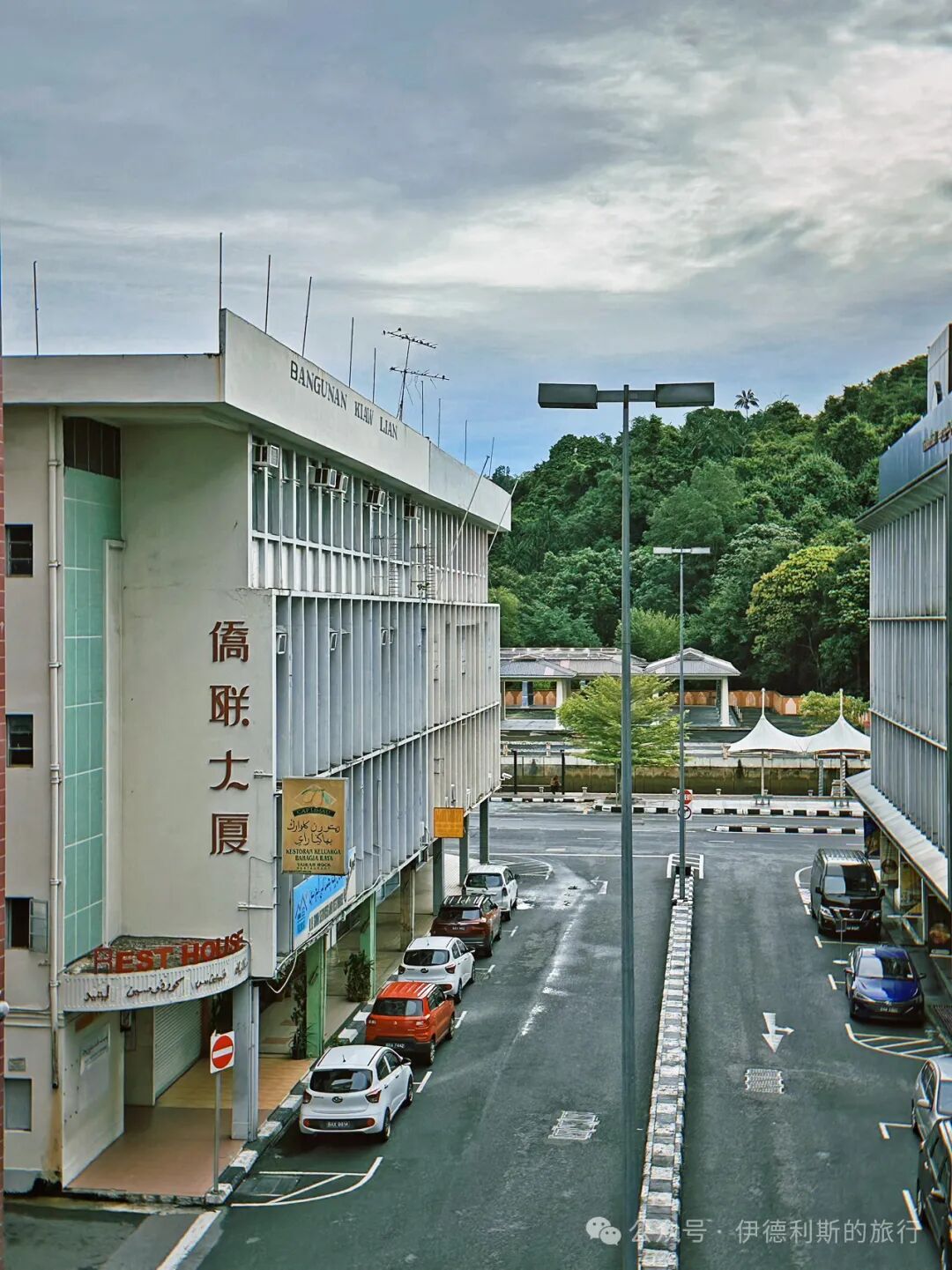
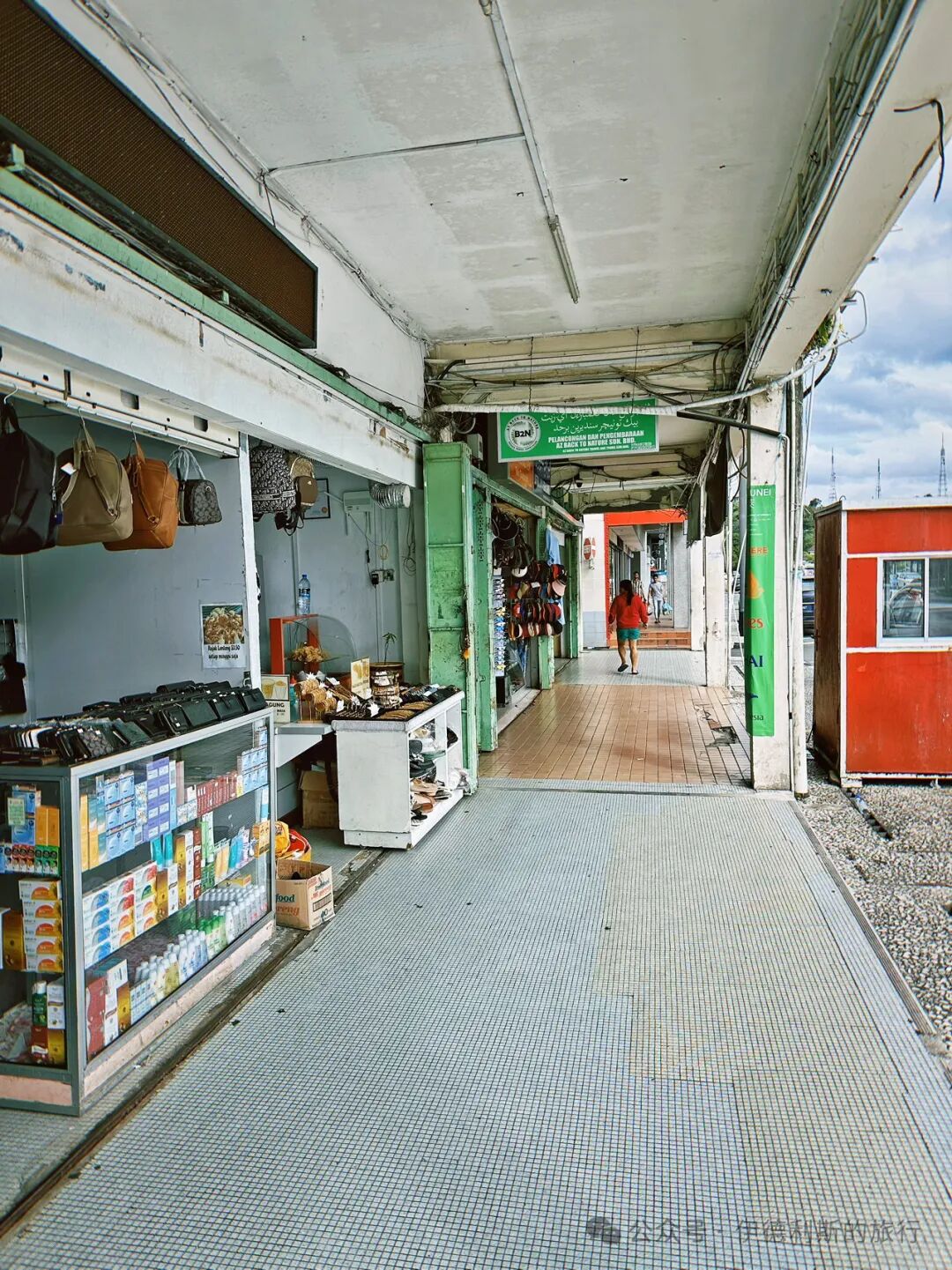
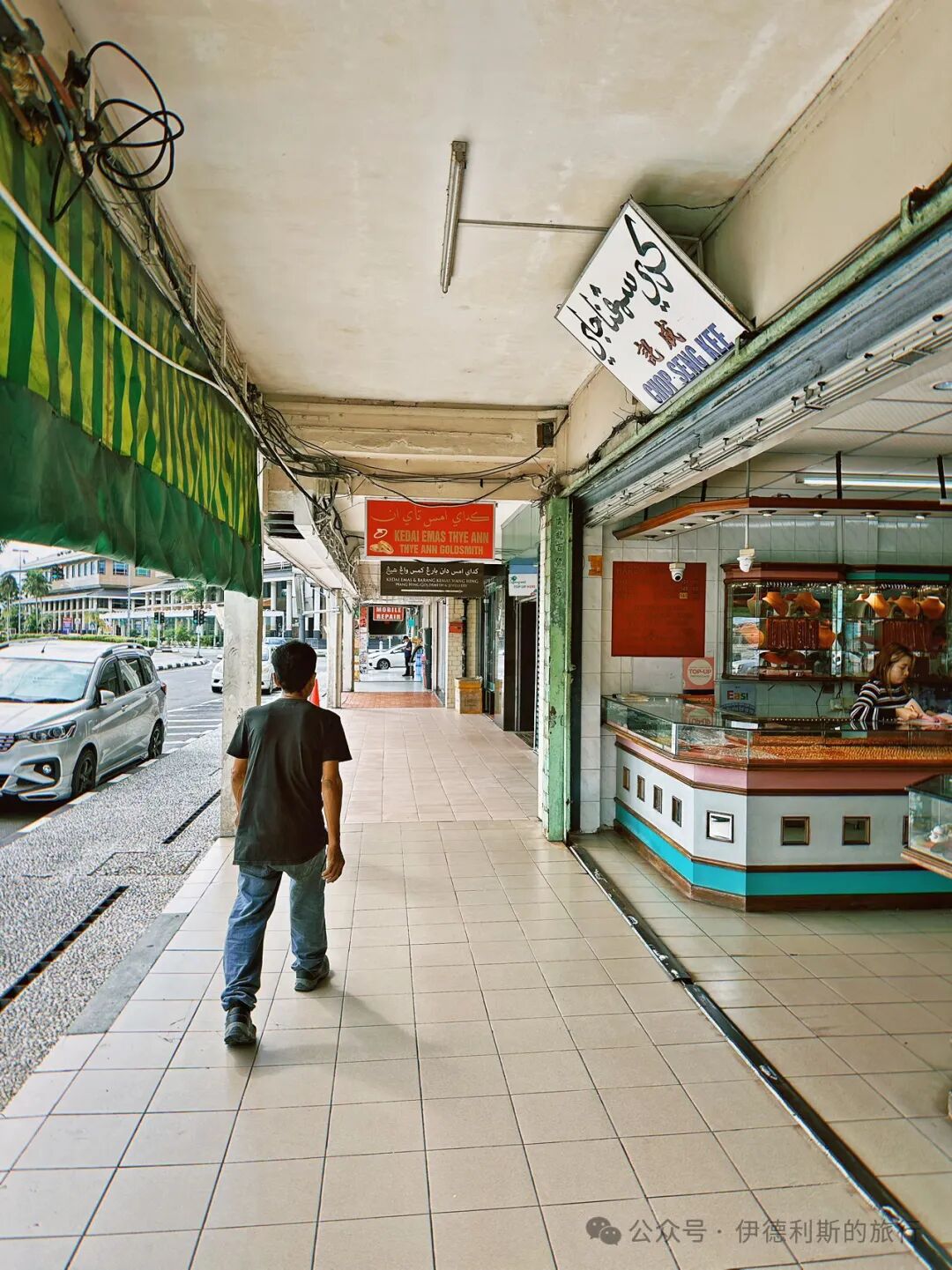
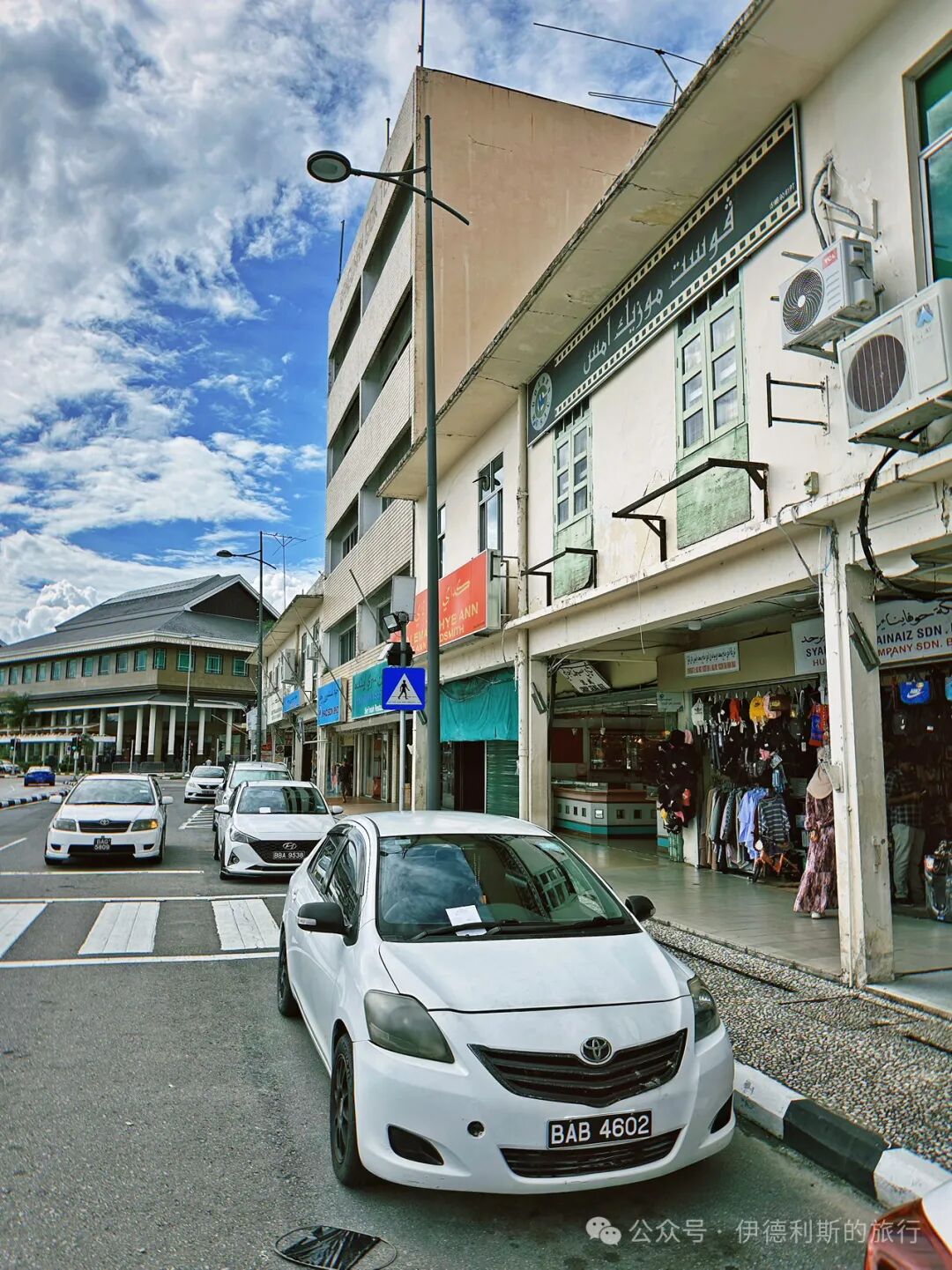
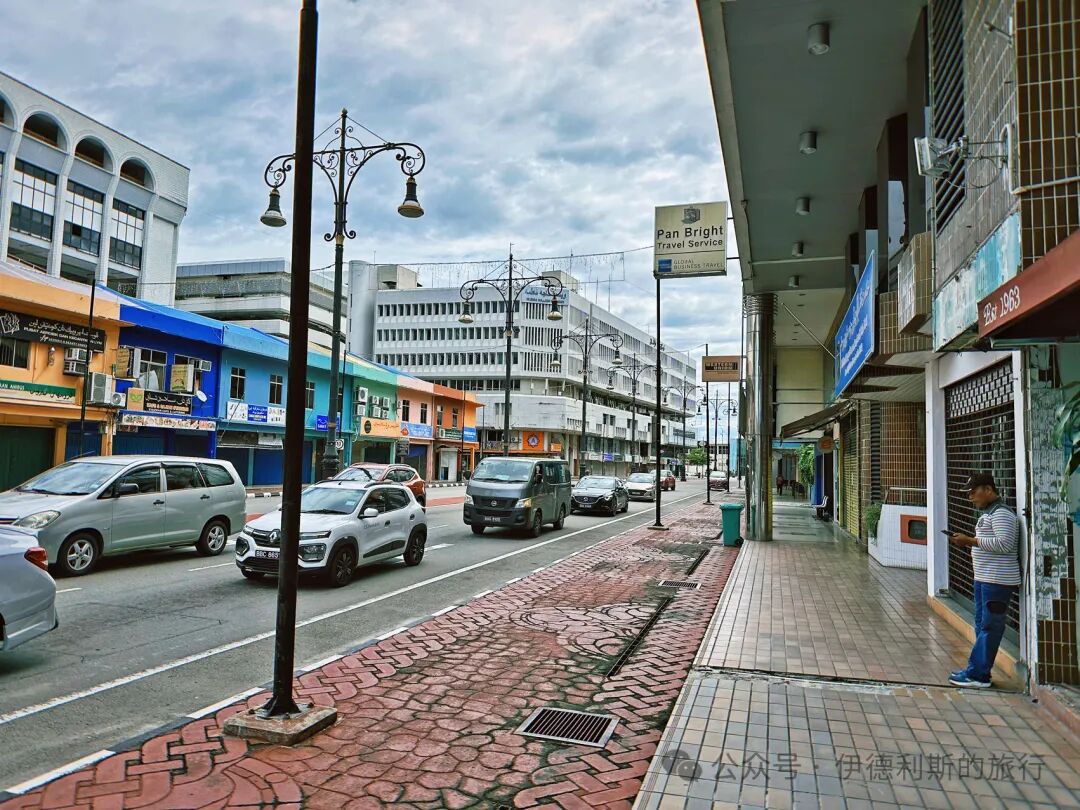
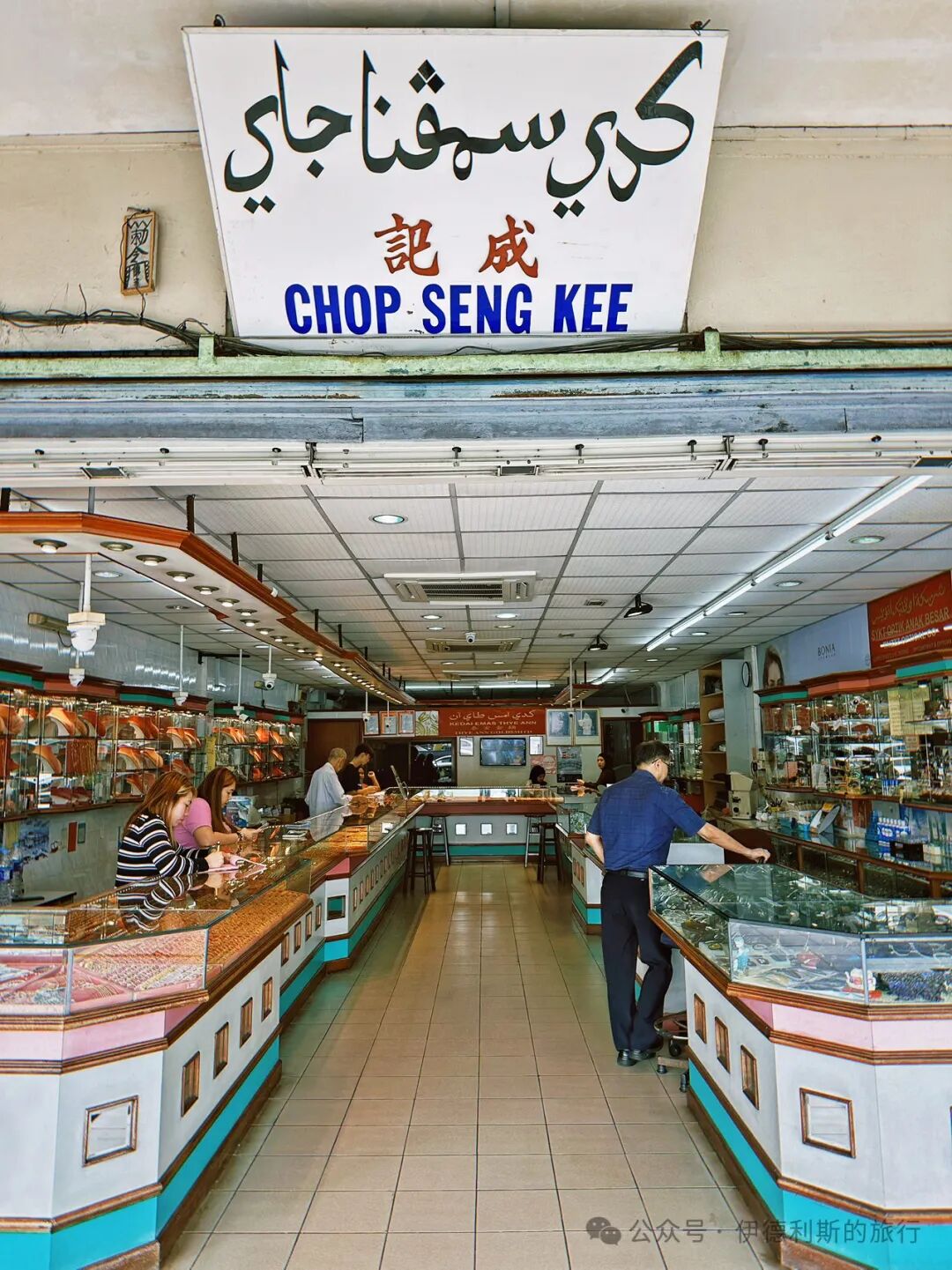
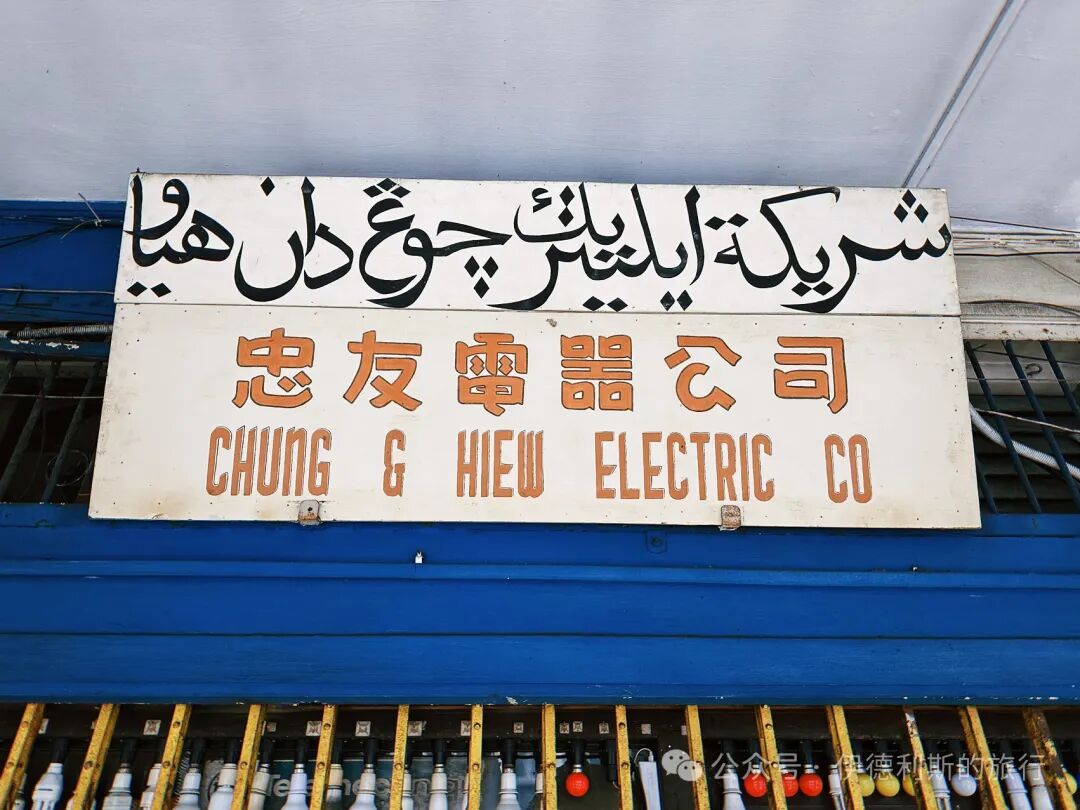
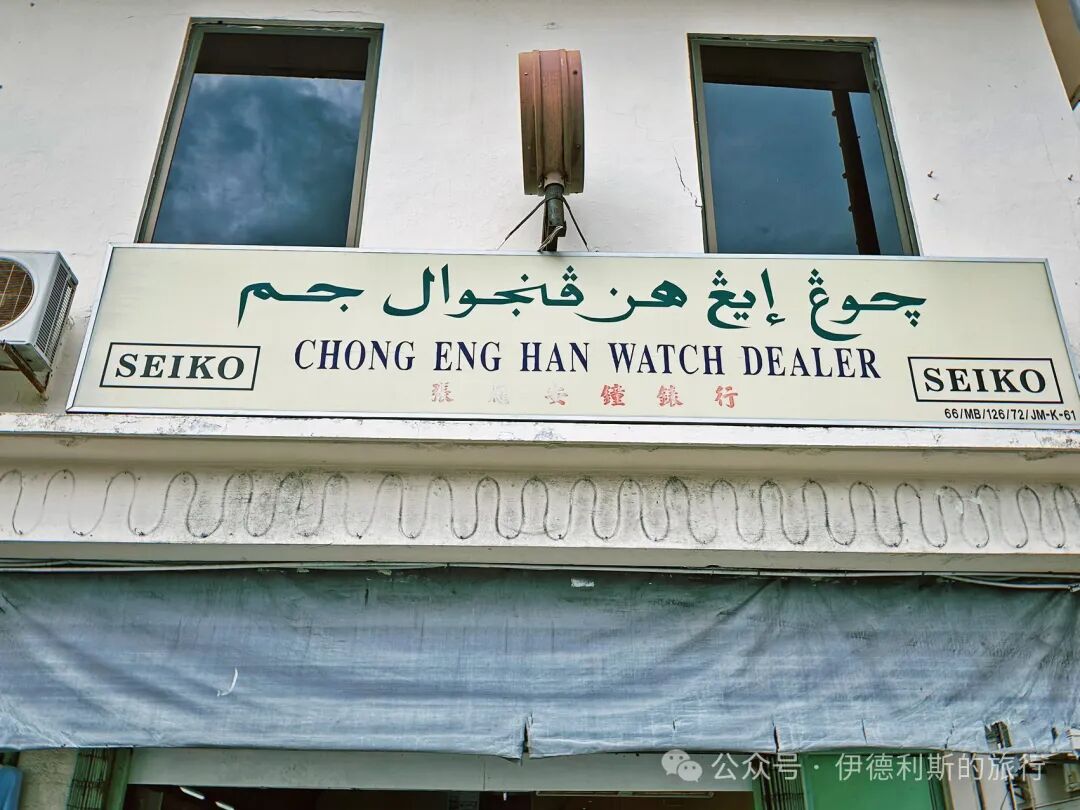
The Sungai Kianggeh River is on the east side of the old town. Residents of Kampong Ayer can boat directly up the river to the Kianggeh market to buy various farm products. This is also one of the resettlement points for water village residents after they come ashore.
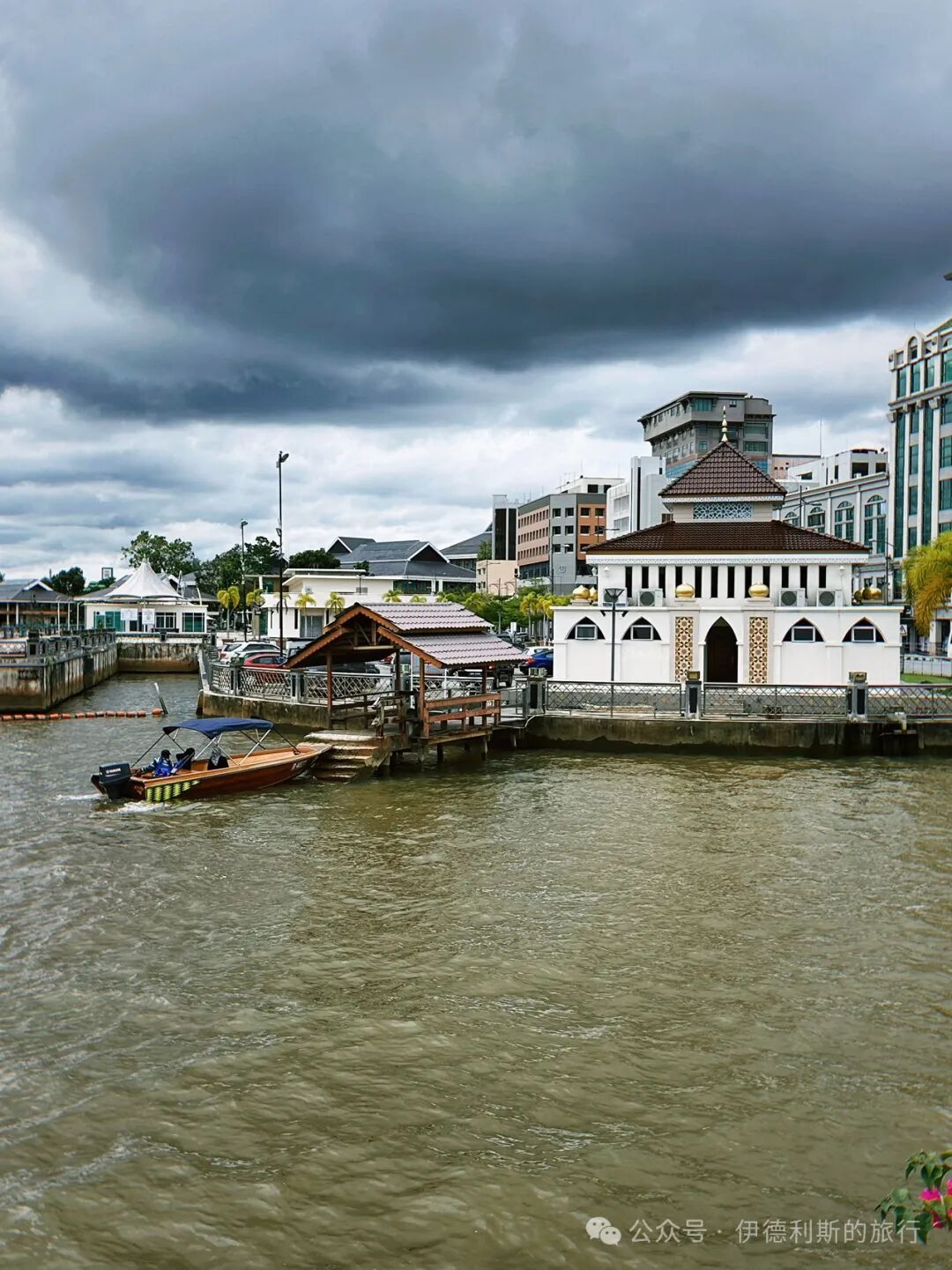
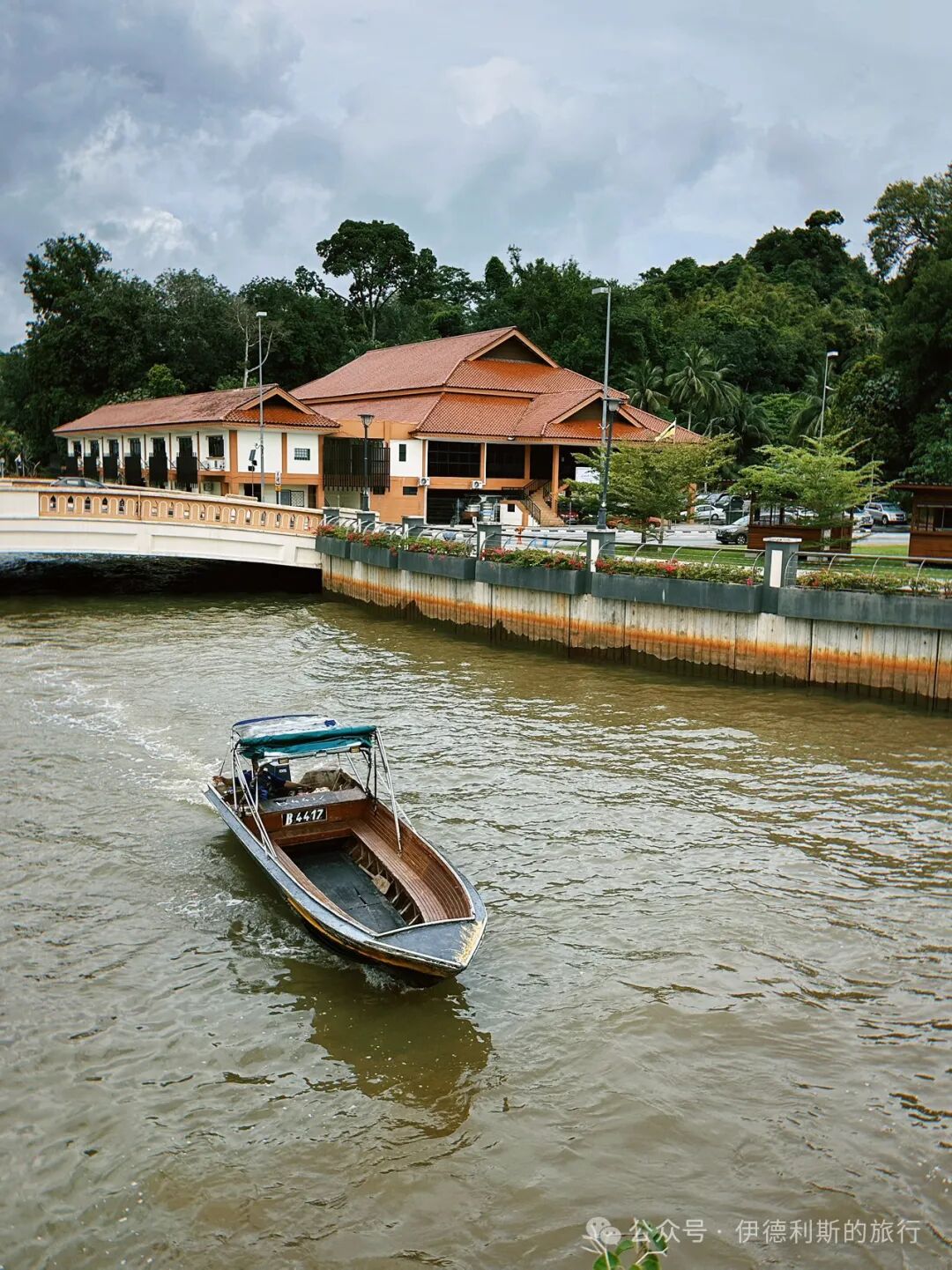
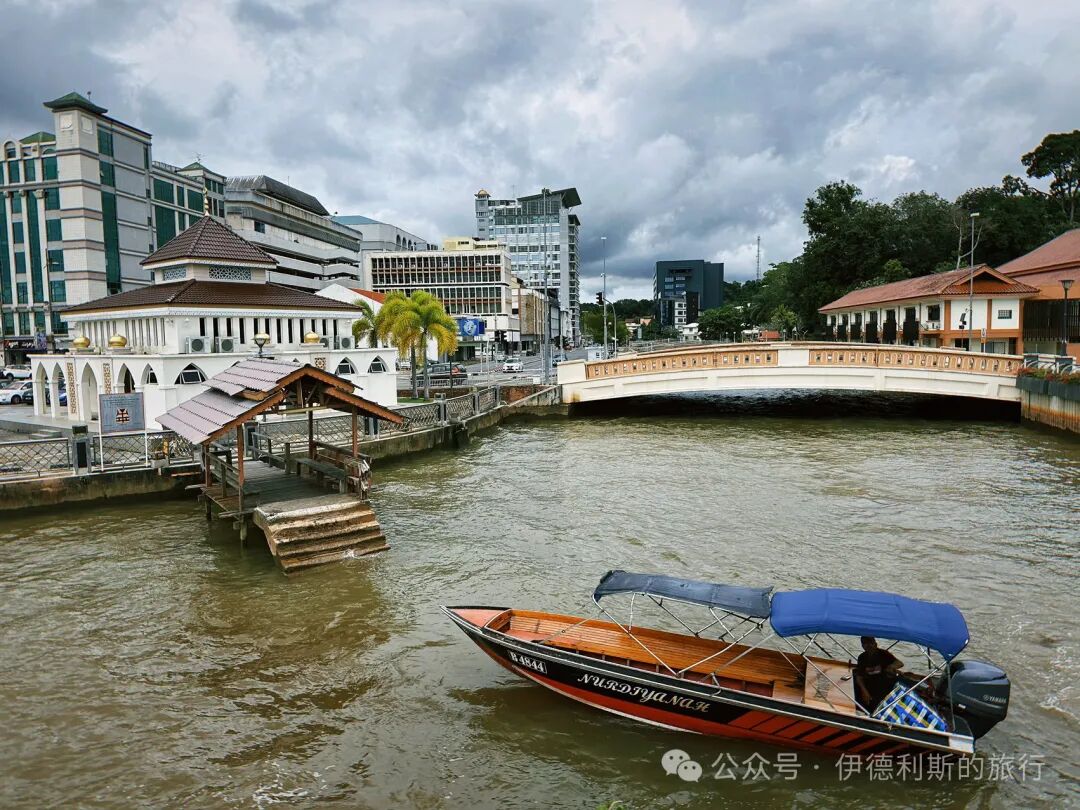
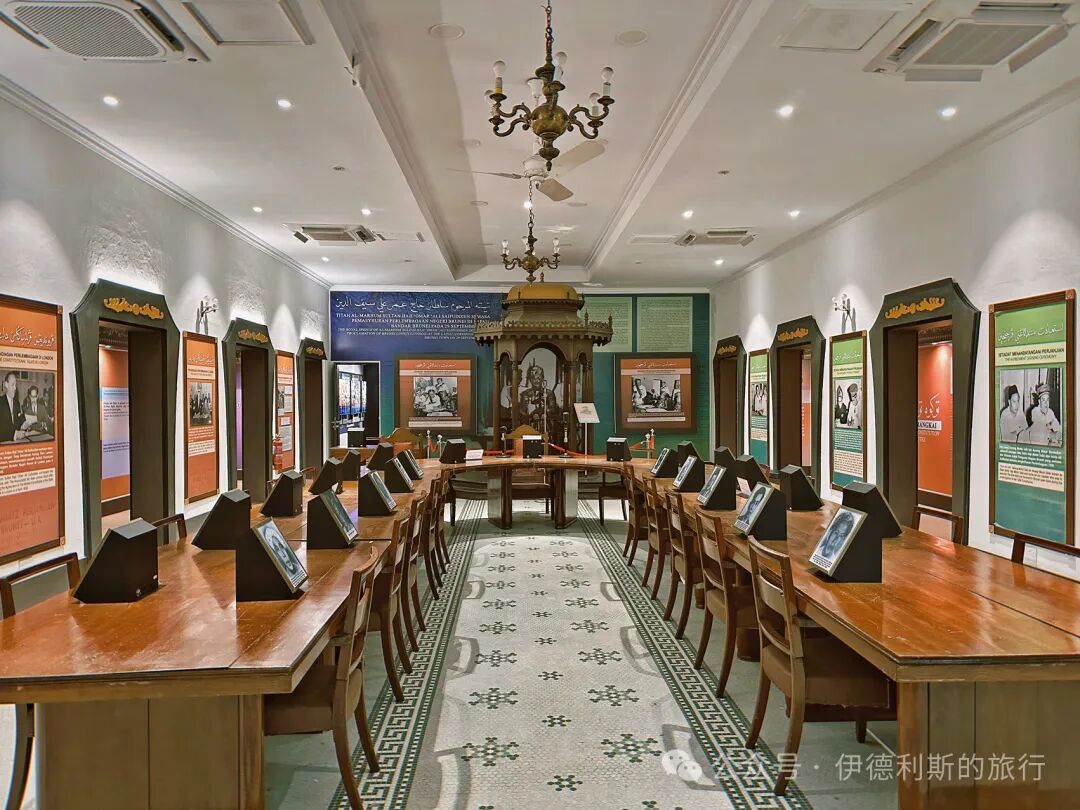
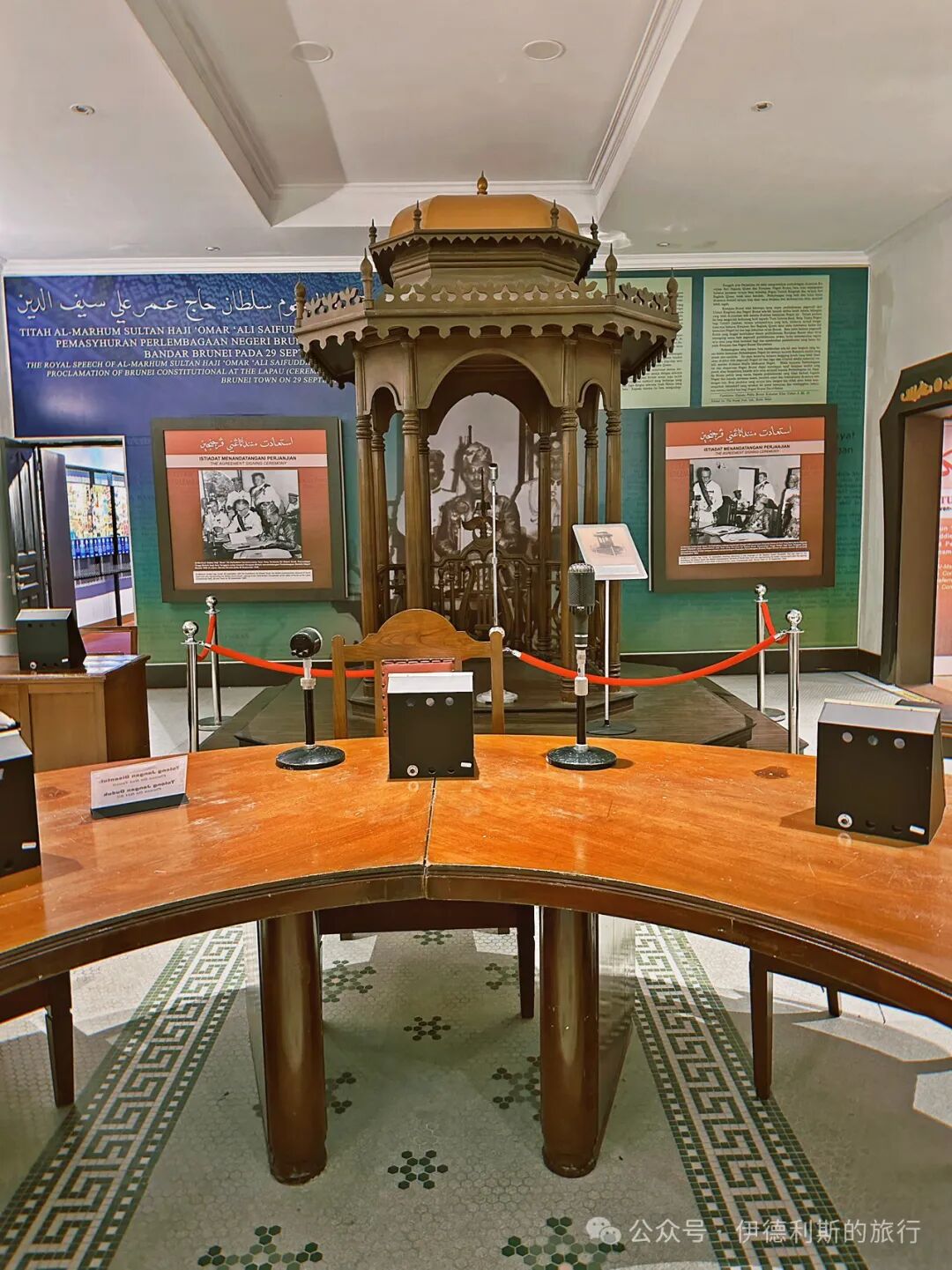
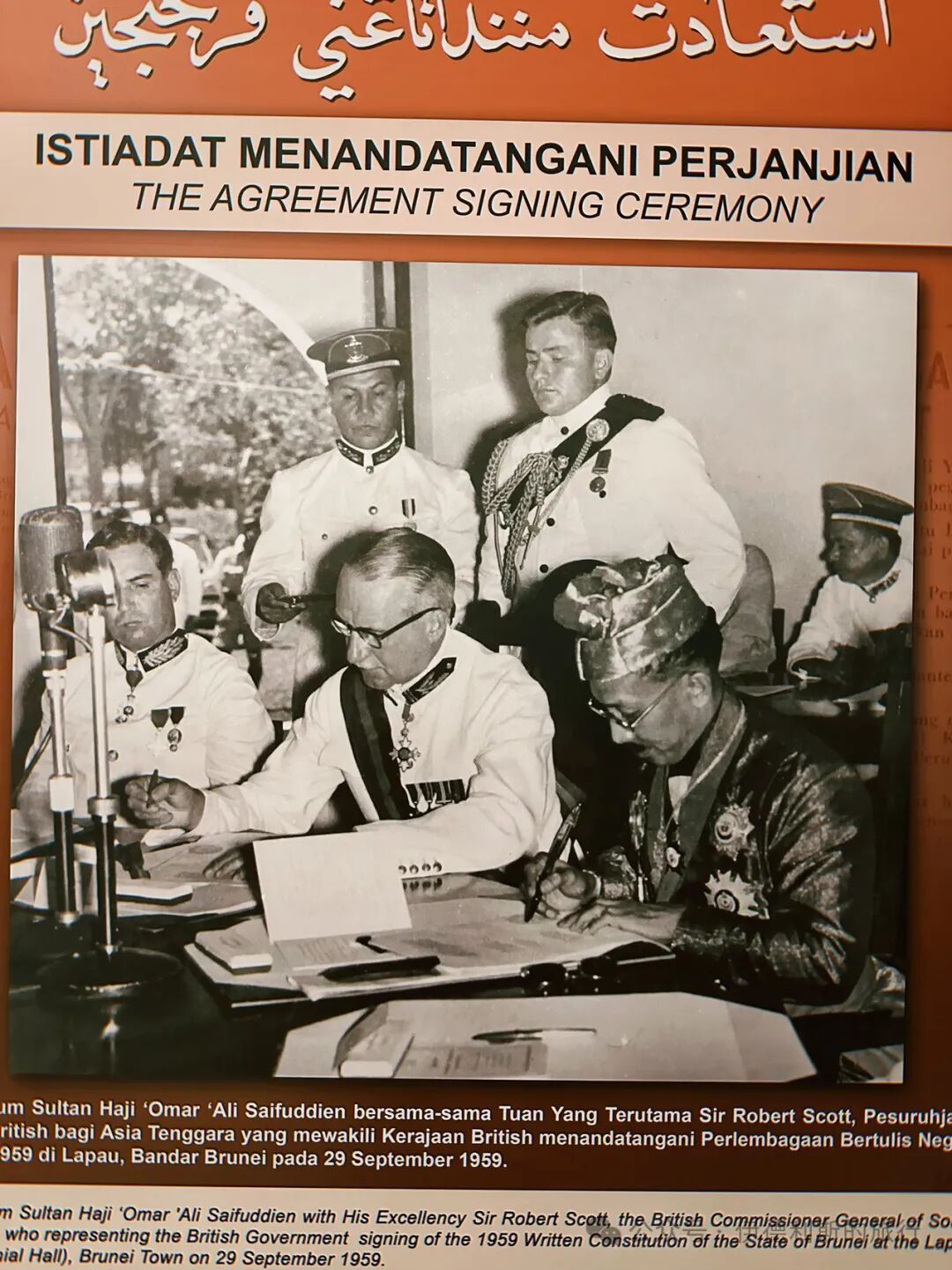
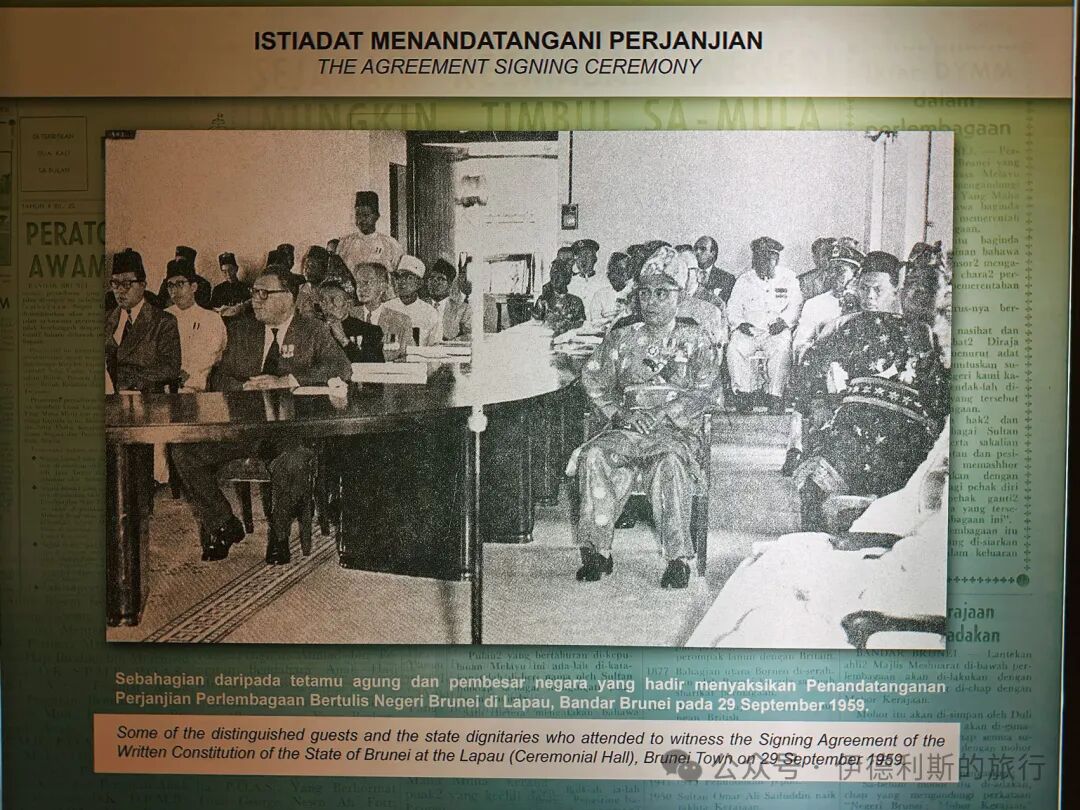
The old Royal Ceremonial Hall (Lapau Lama) in the old town was built in 1950. It now displays the scene of the 1959 Brunei Constitution signing, including the original chandeliers, tables, chairs, and the microphone used by the Sultan. Lapau Lama is the oldest concrete building in the old town, with an interior that blends pragmatism and minimalism.
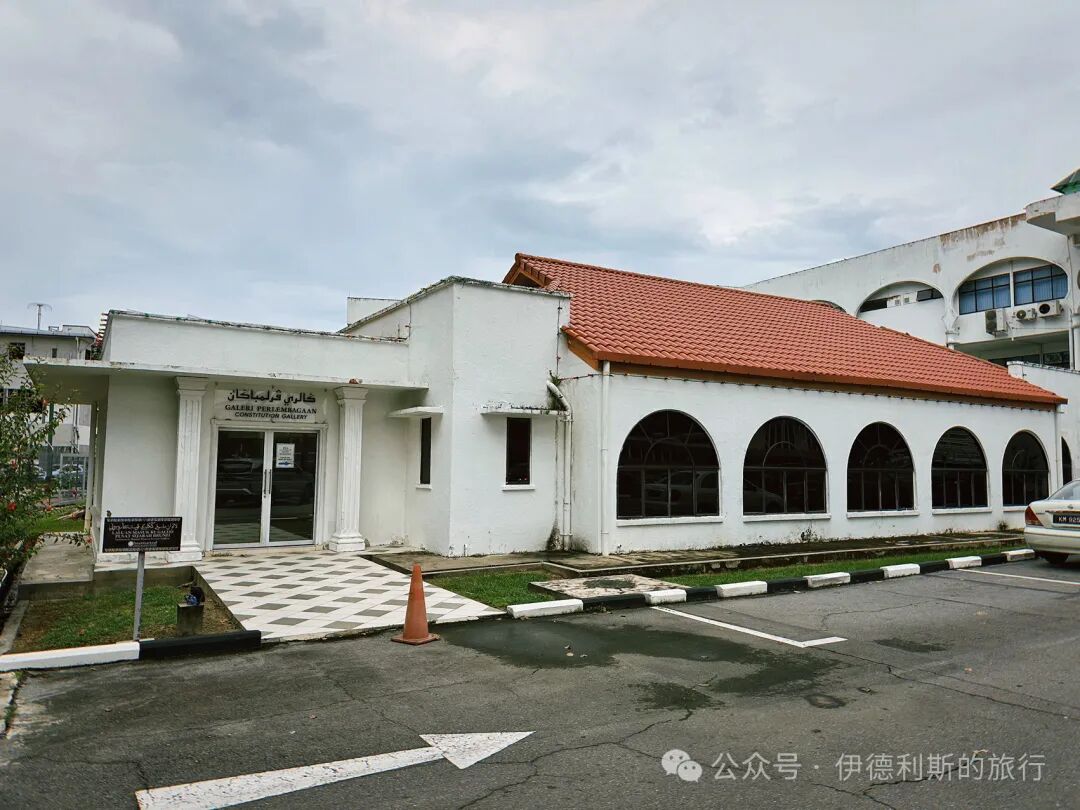
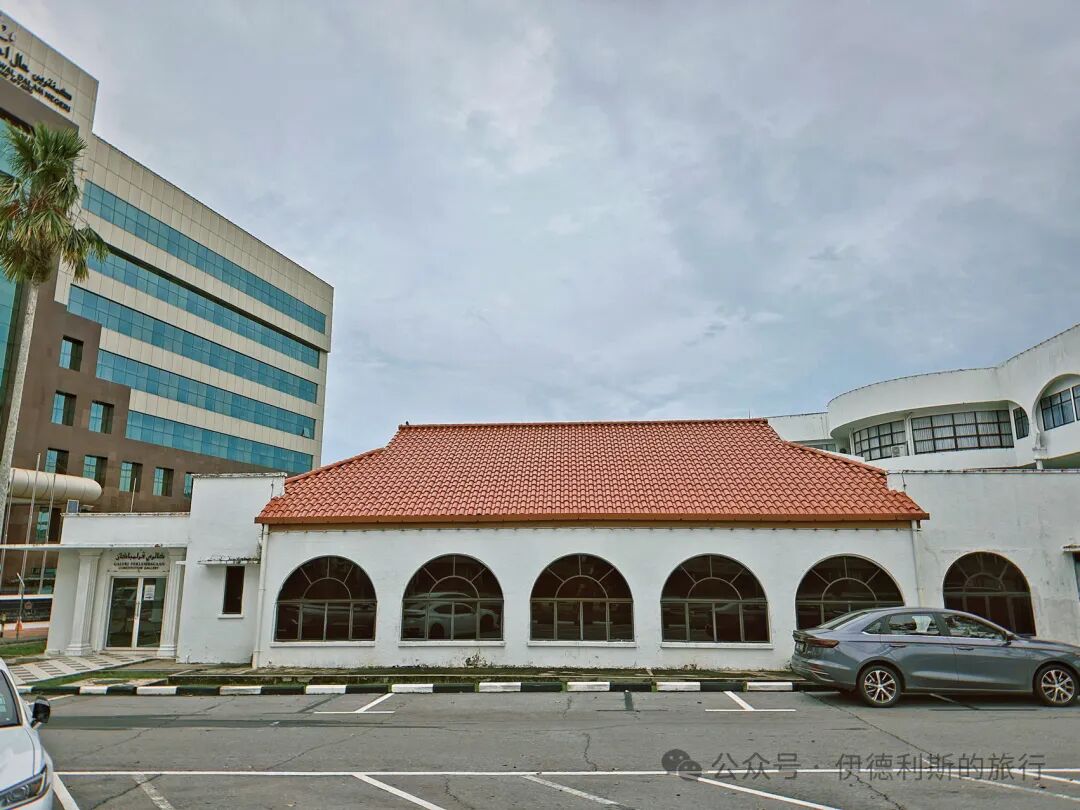
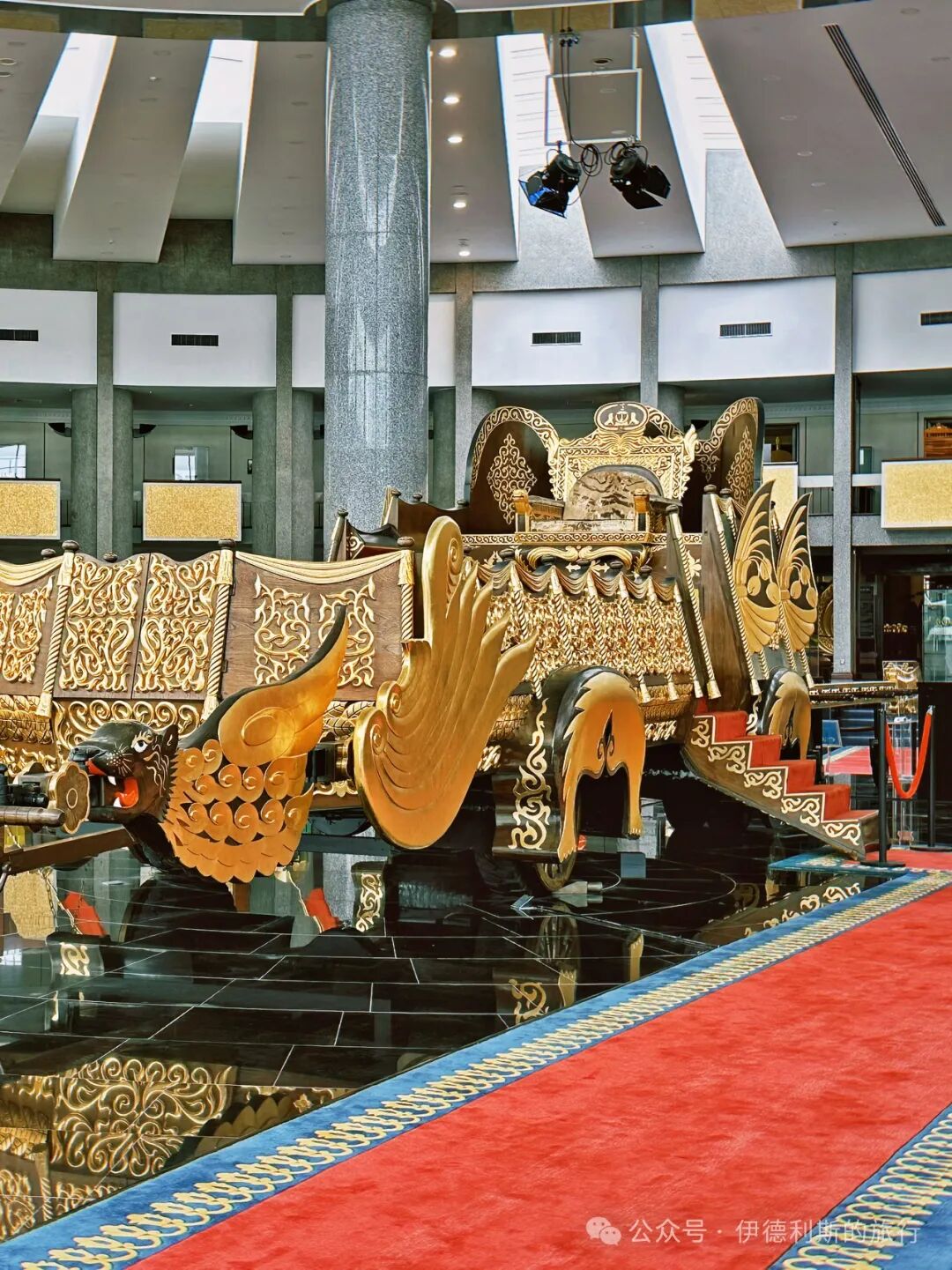
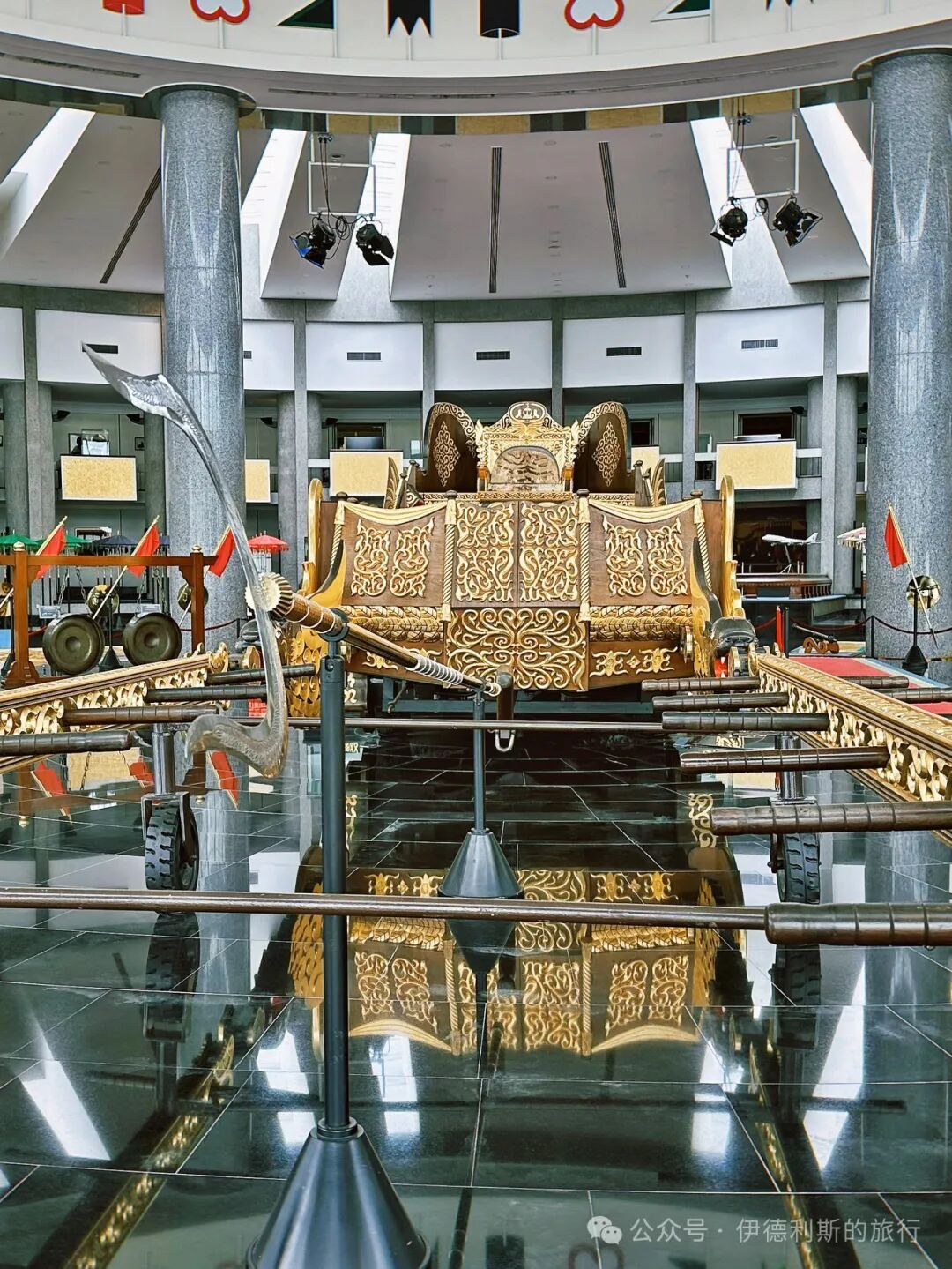
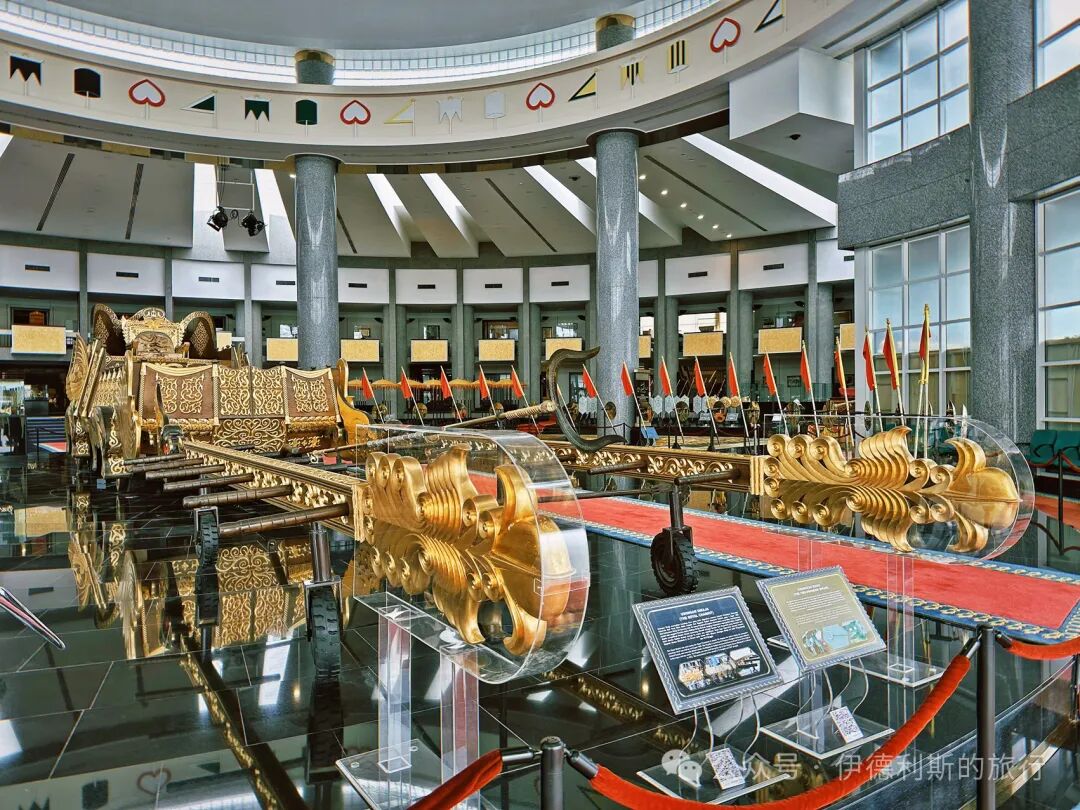
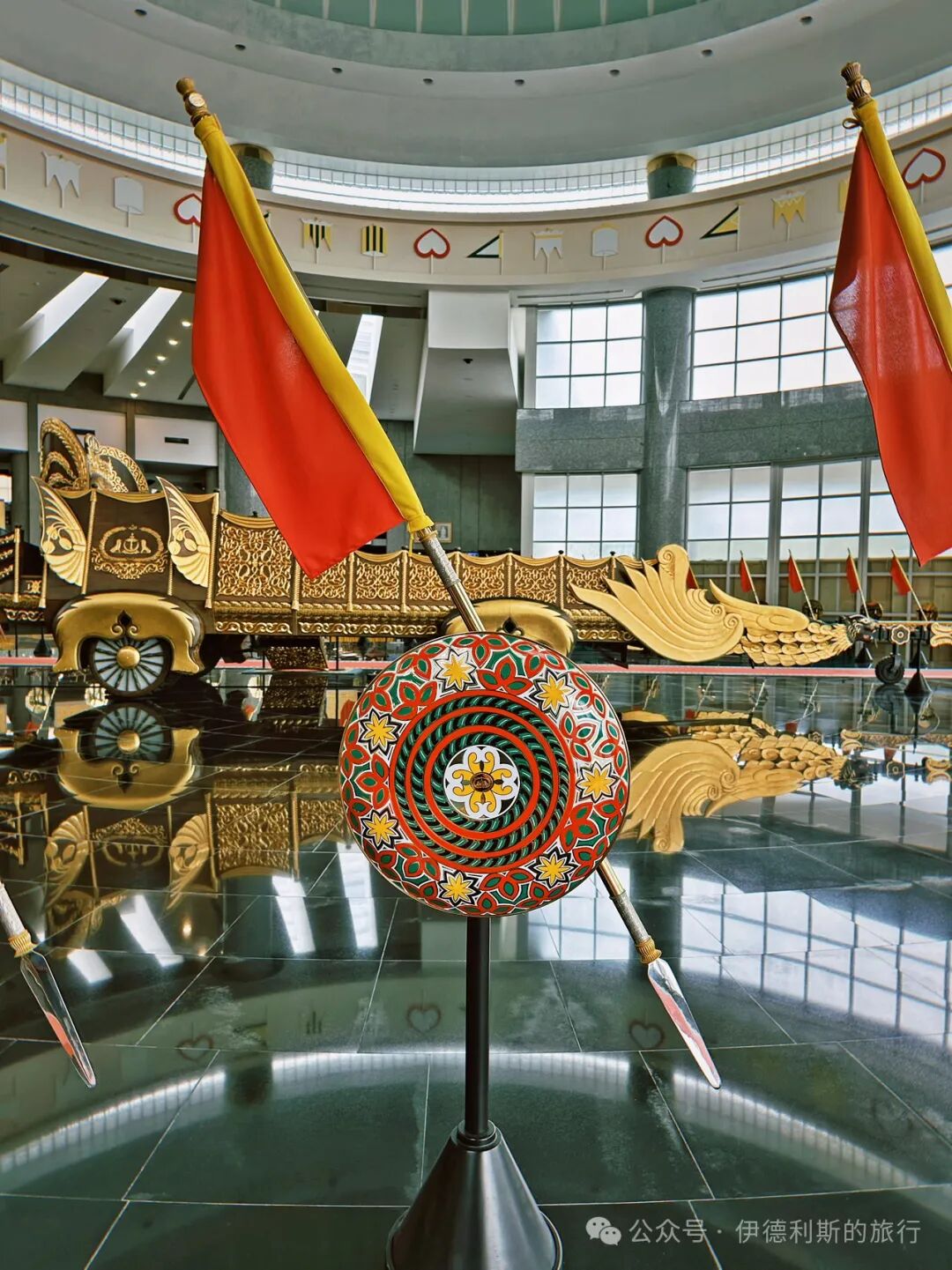
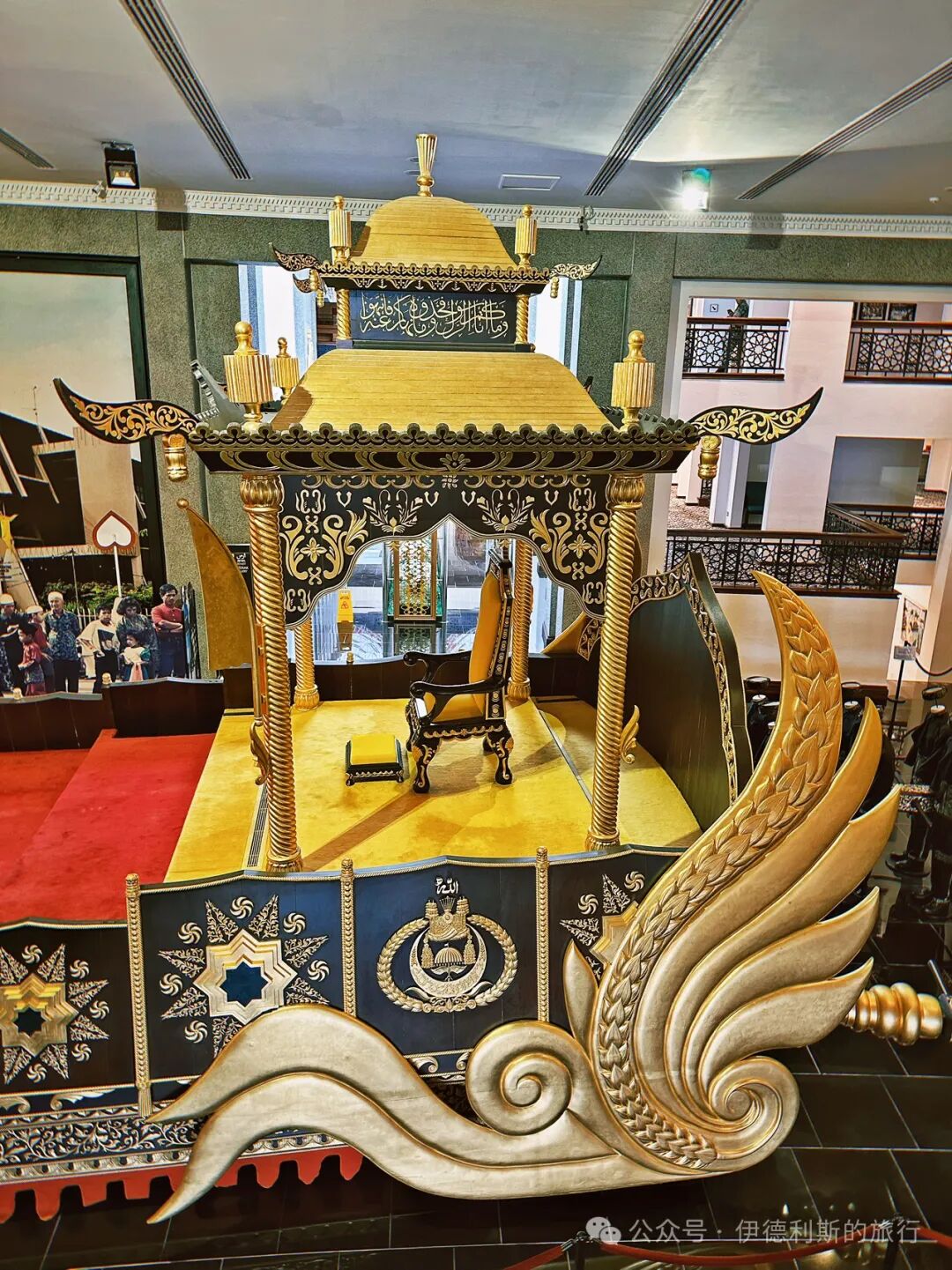
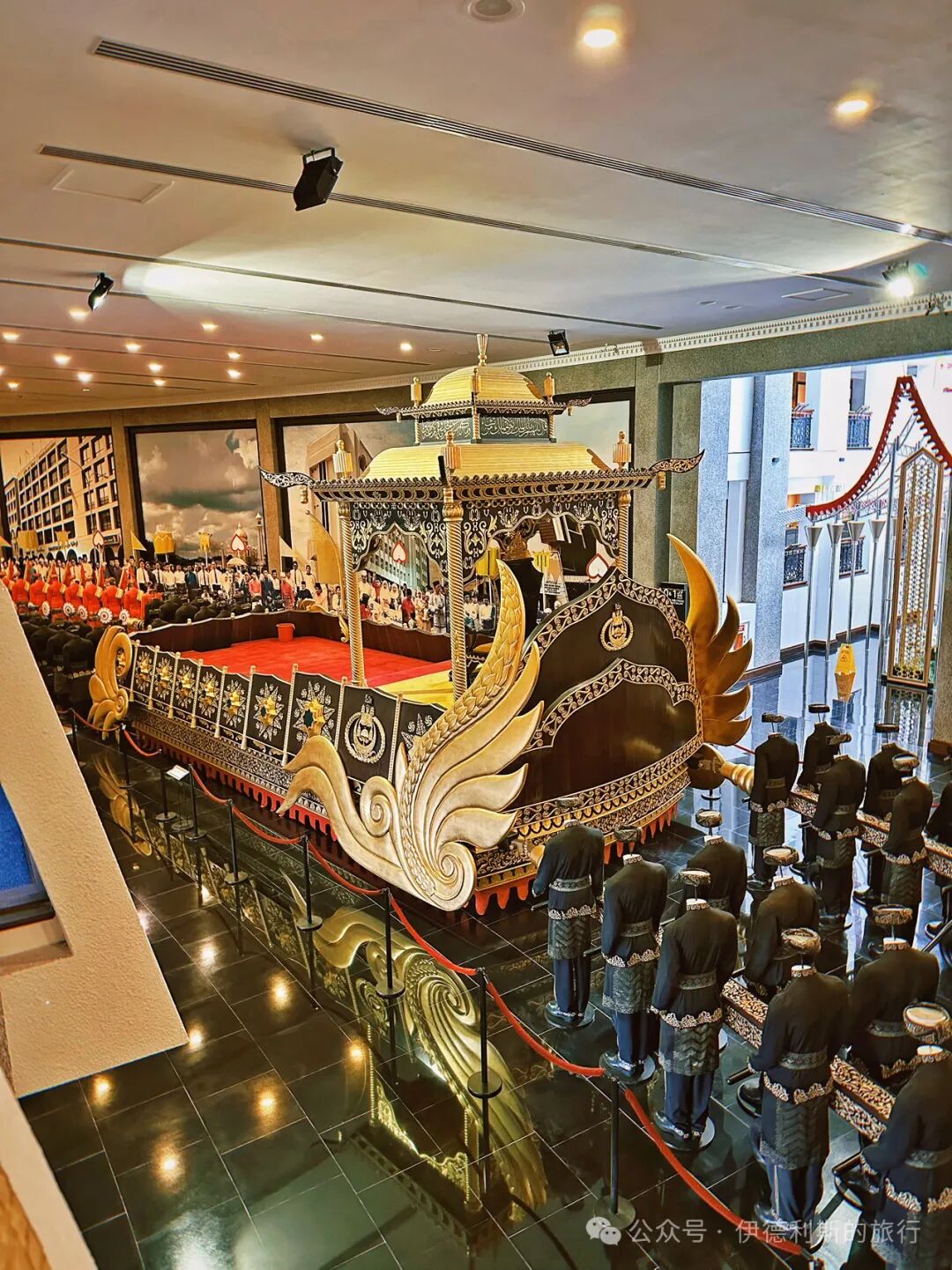
Next to the old Royal Ceremonial Hall is the Royal Regalia Museum. It houses two royal chariots: one used for the Sultan's coronation in 1968 and Queen Elizabeth II's visit in 1972, and another used for the Sultan's 25th anniversary of his coronation in 1992.
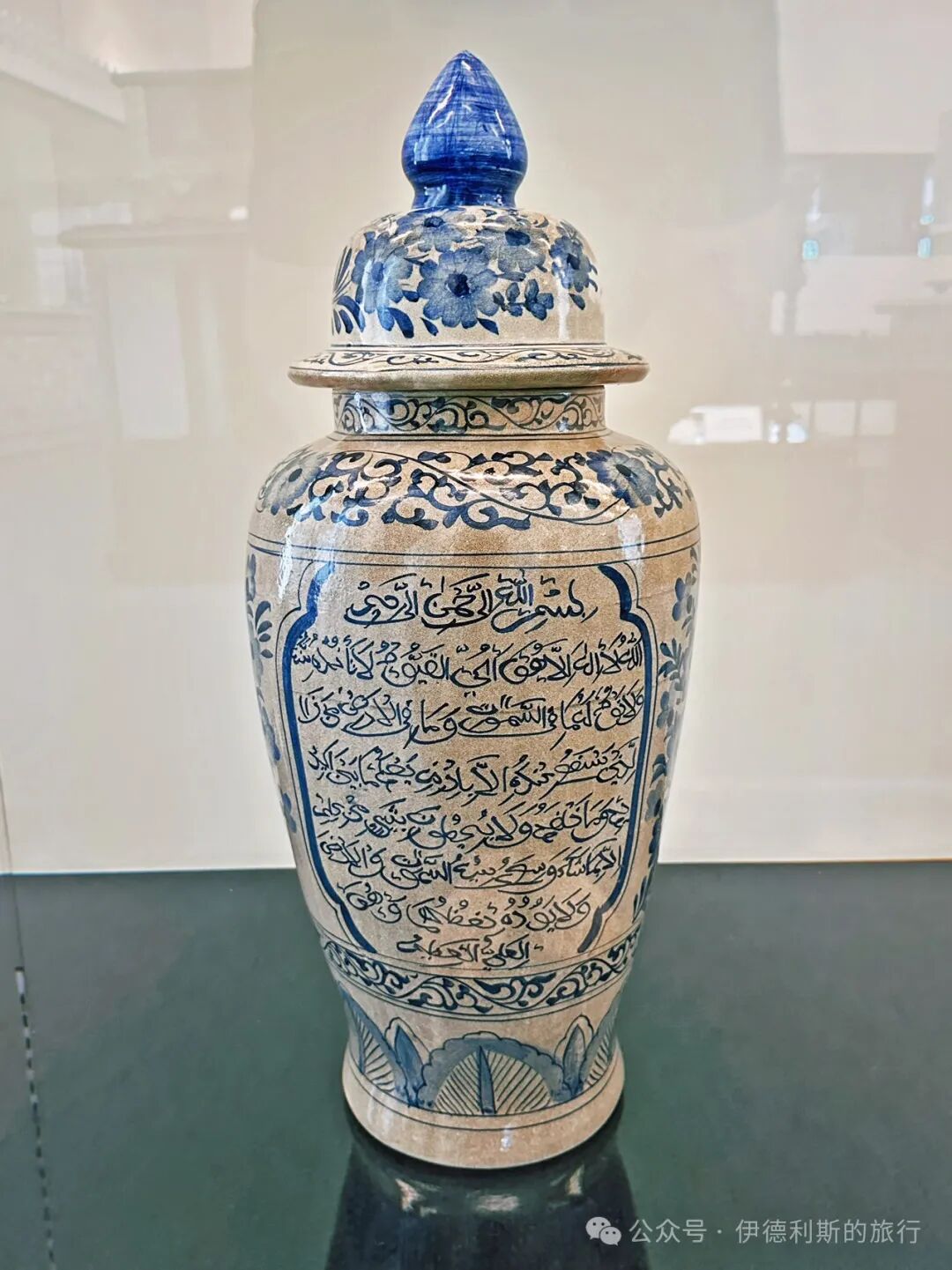
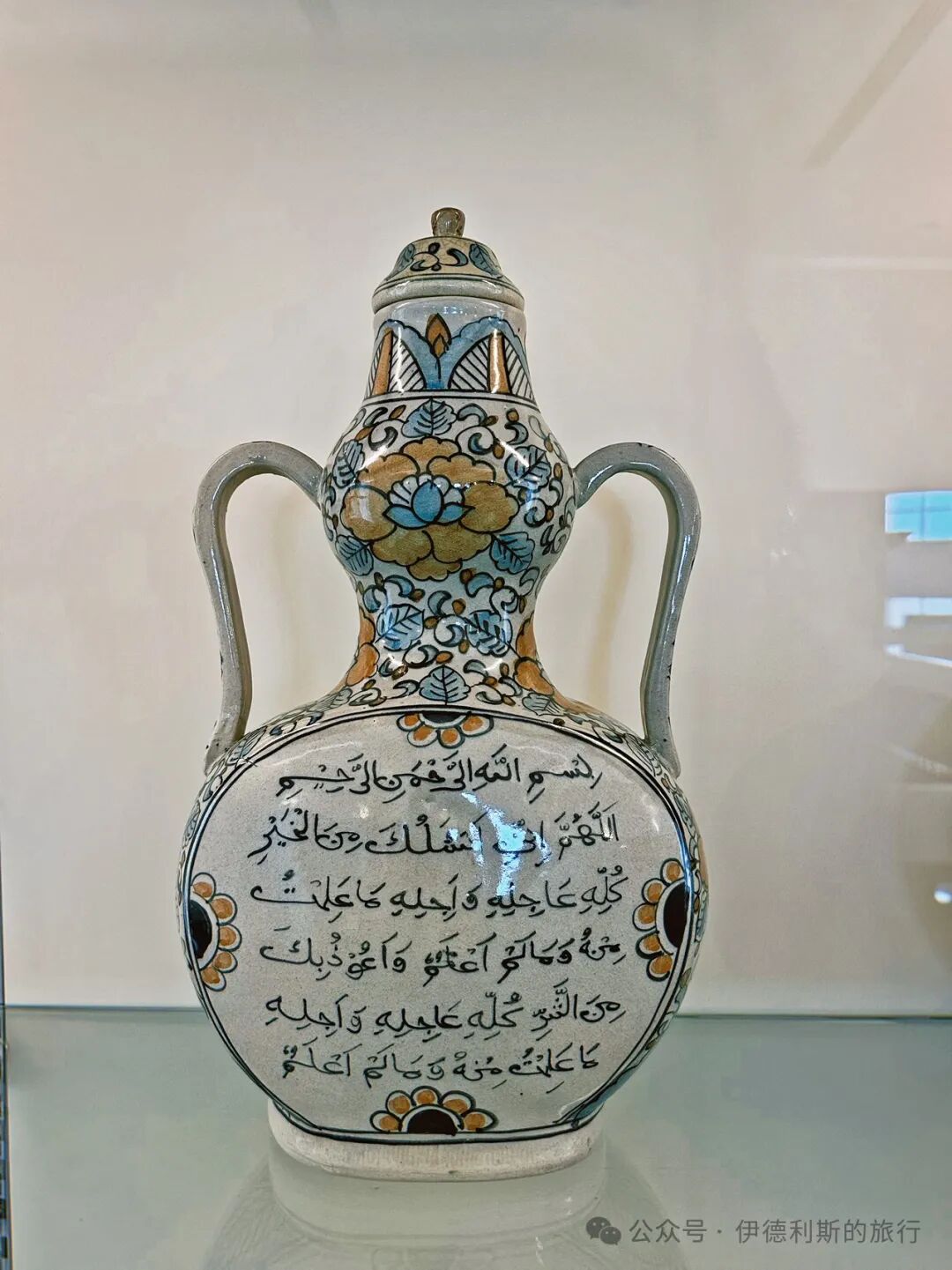
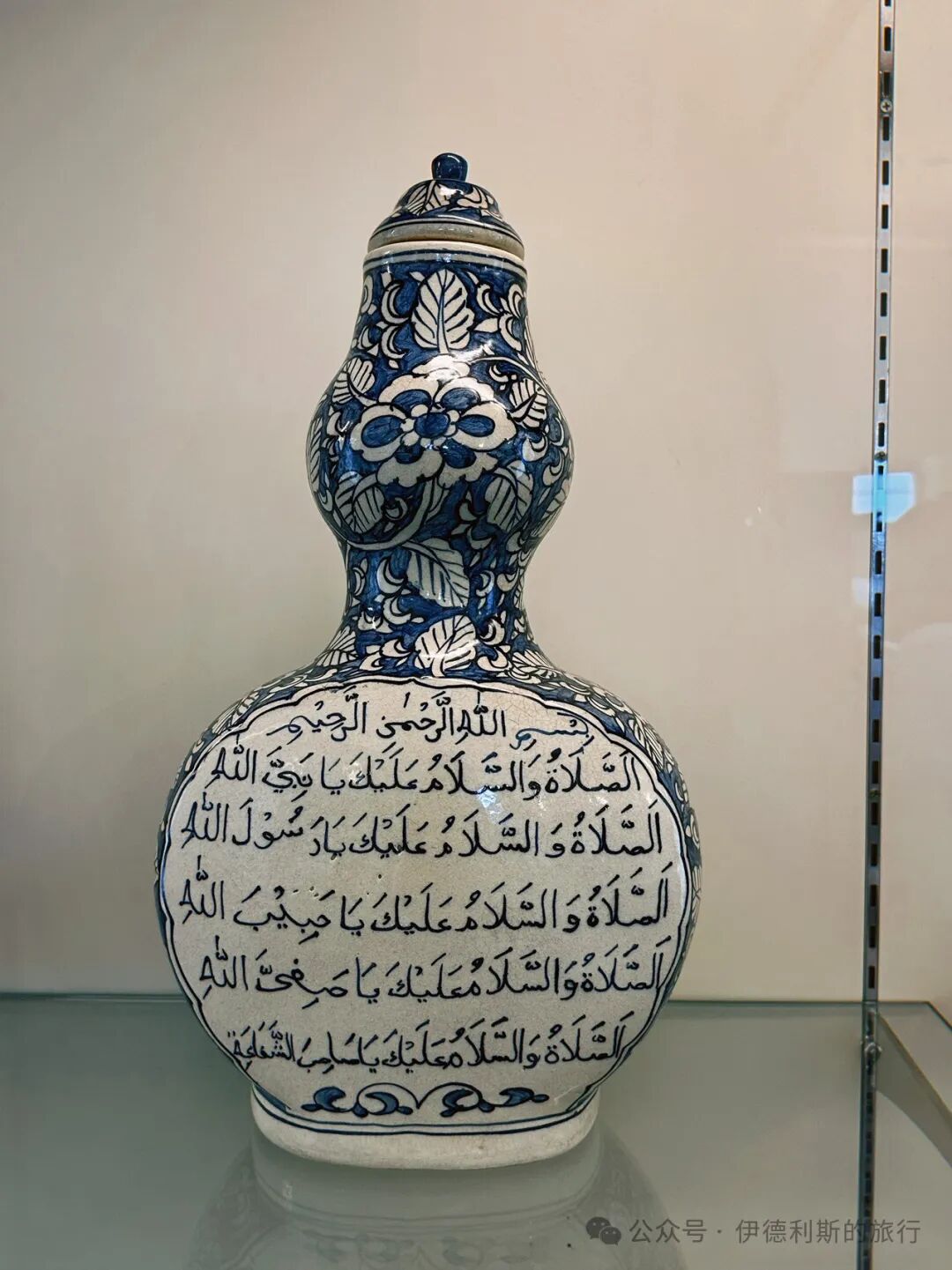
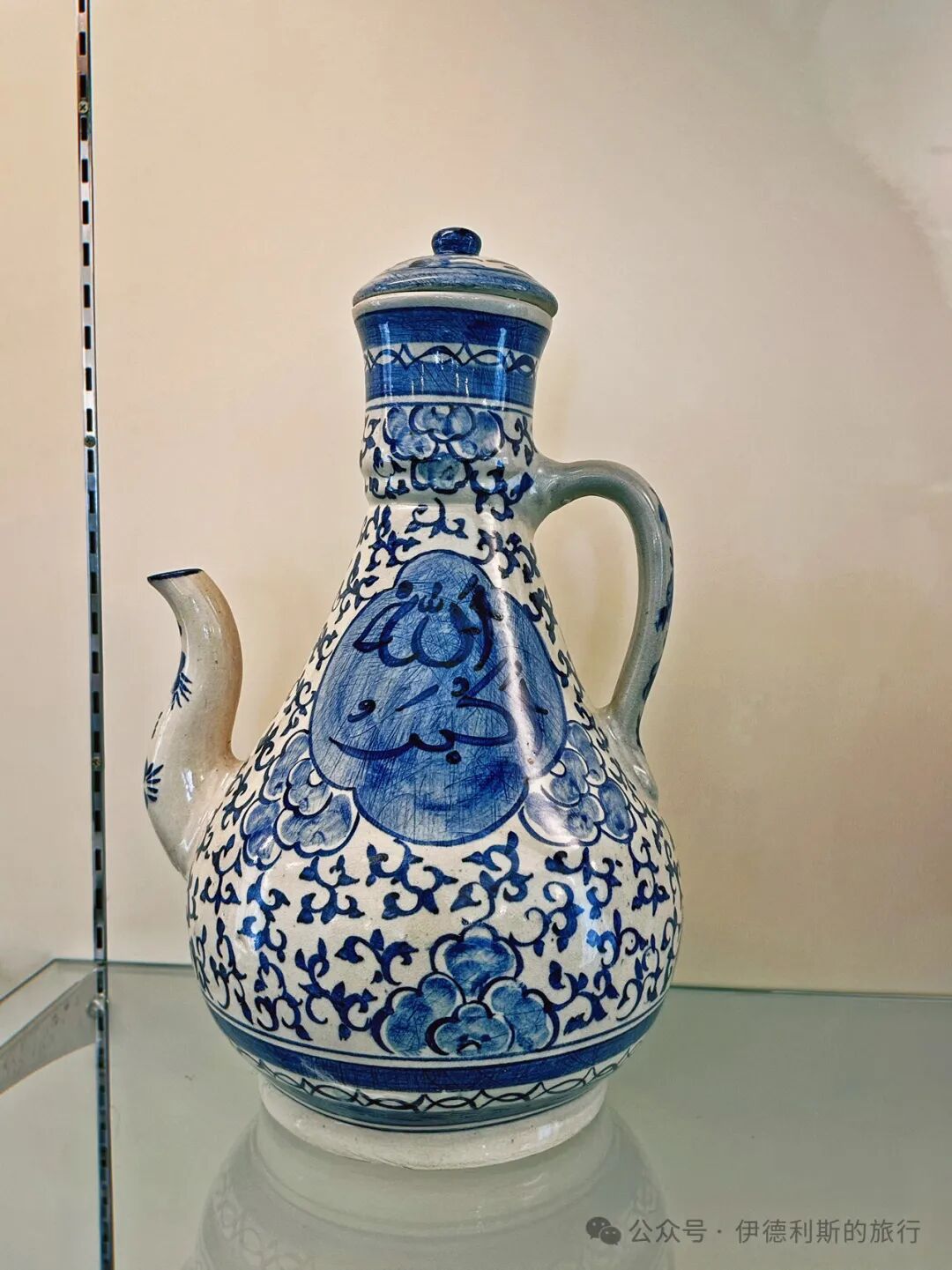
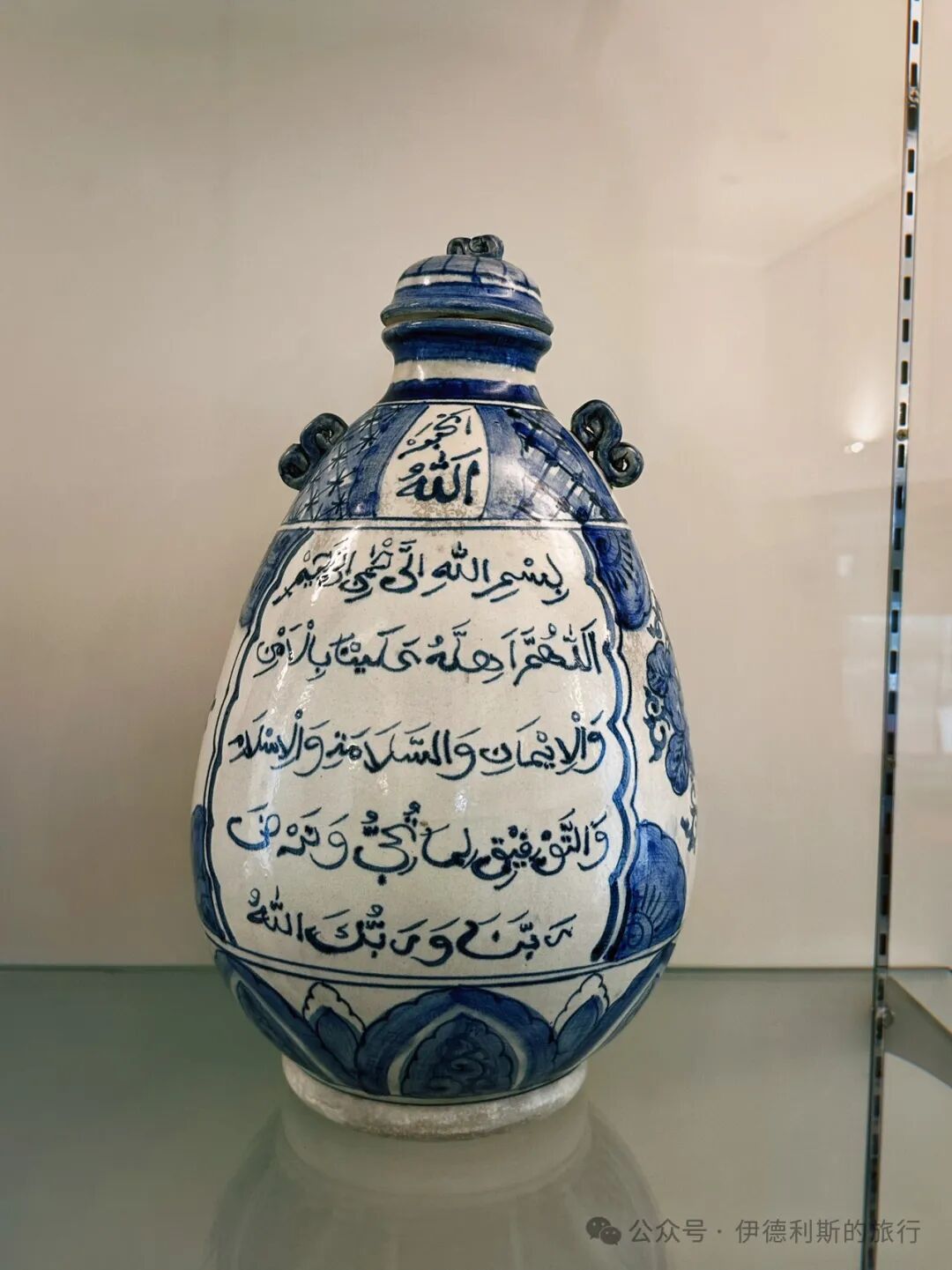
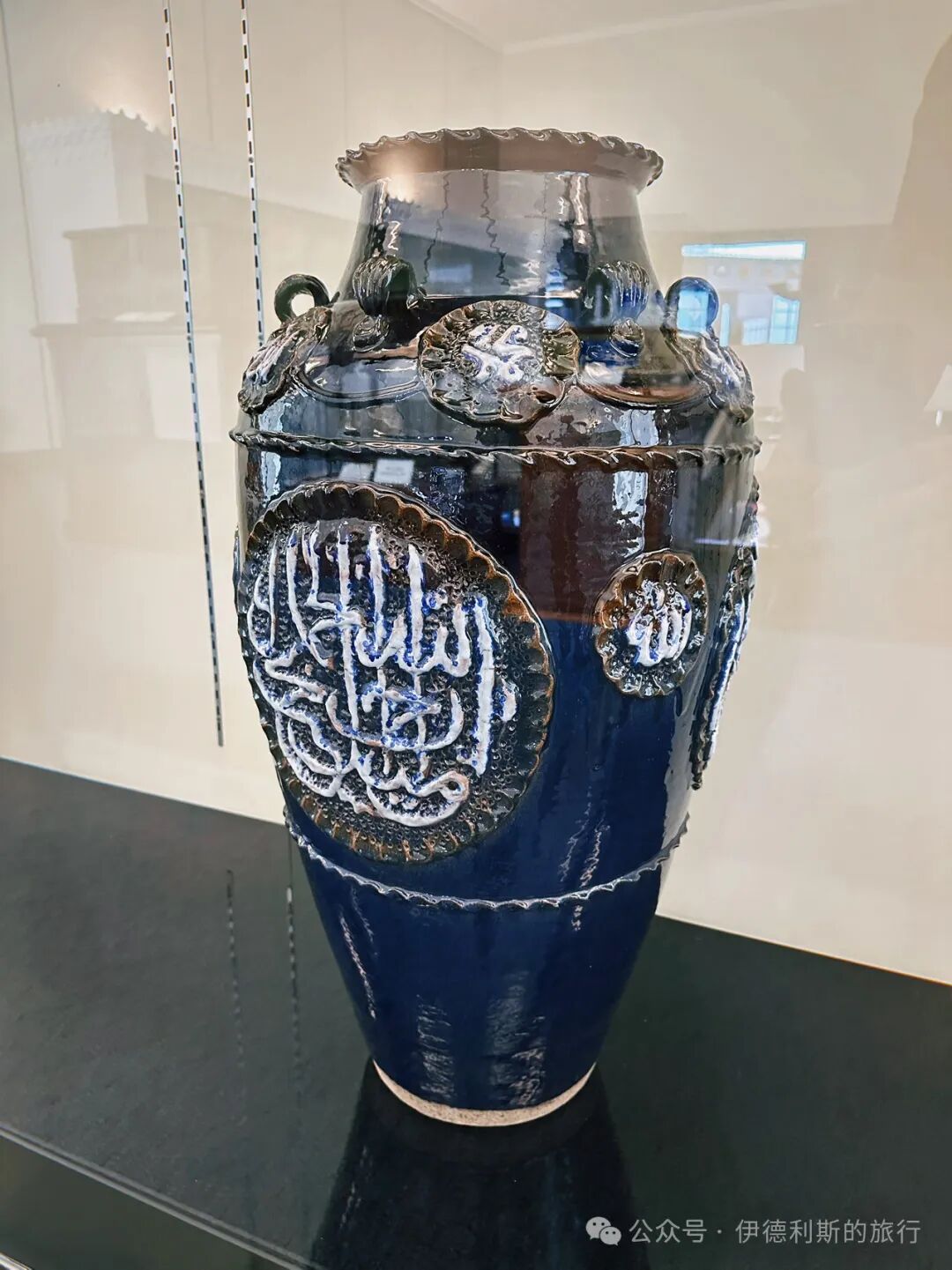
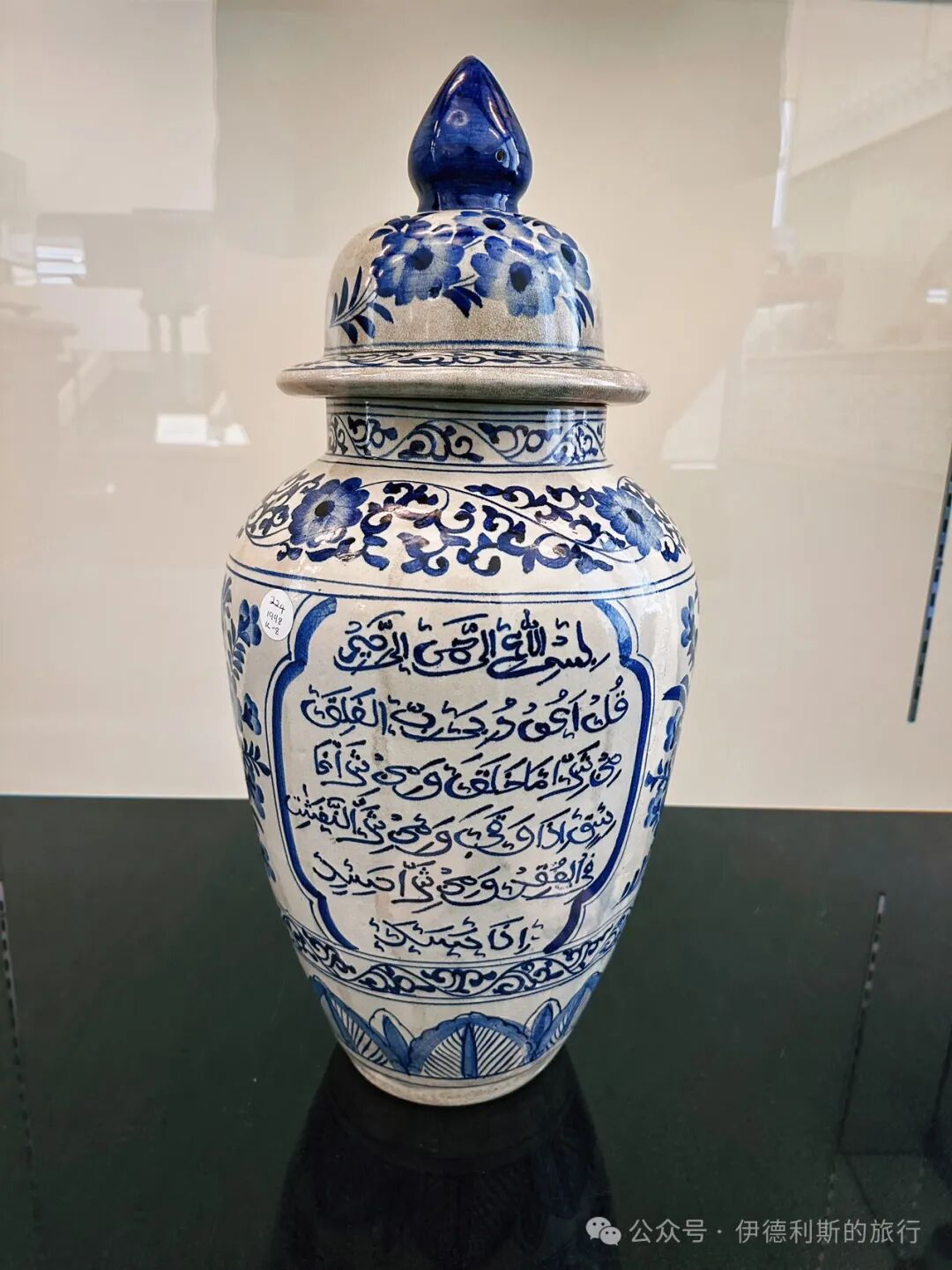
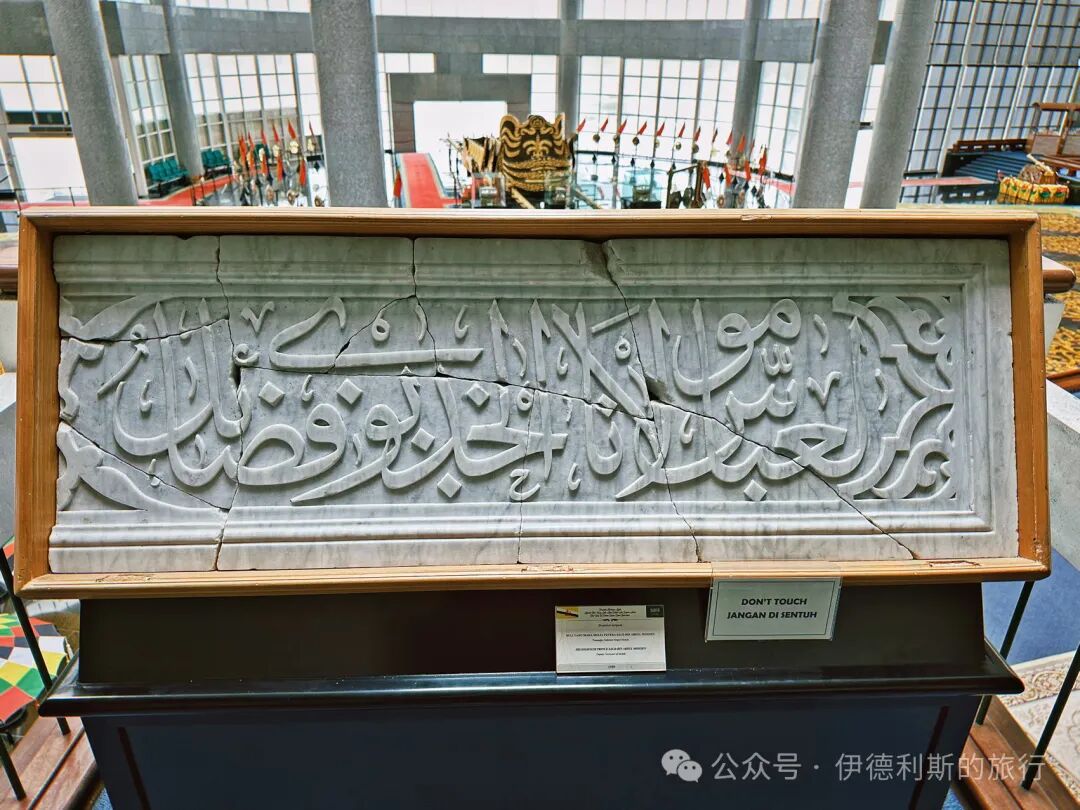
The Royal Regalia Museum also displays porcelain vases with Arabic calligraphy collected by the Sultan, as well as stone artifacts with Arabic calligraphy gifted by Saudi Arabia.
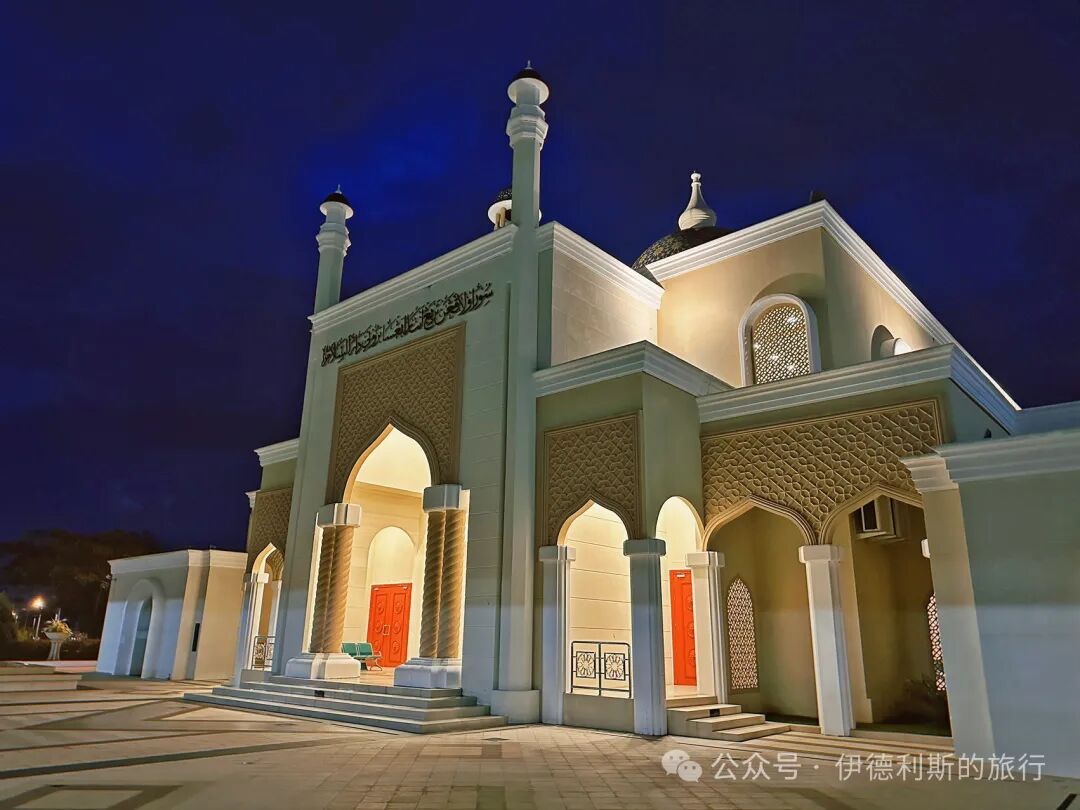
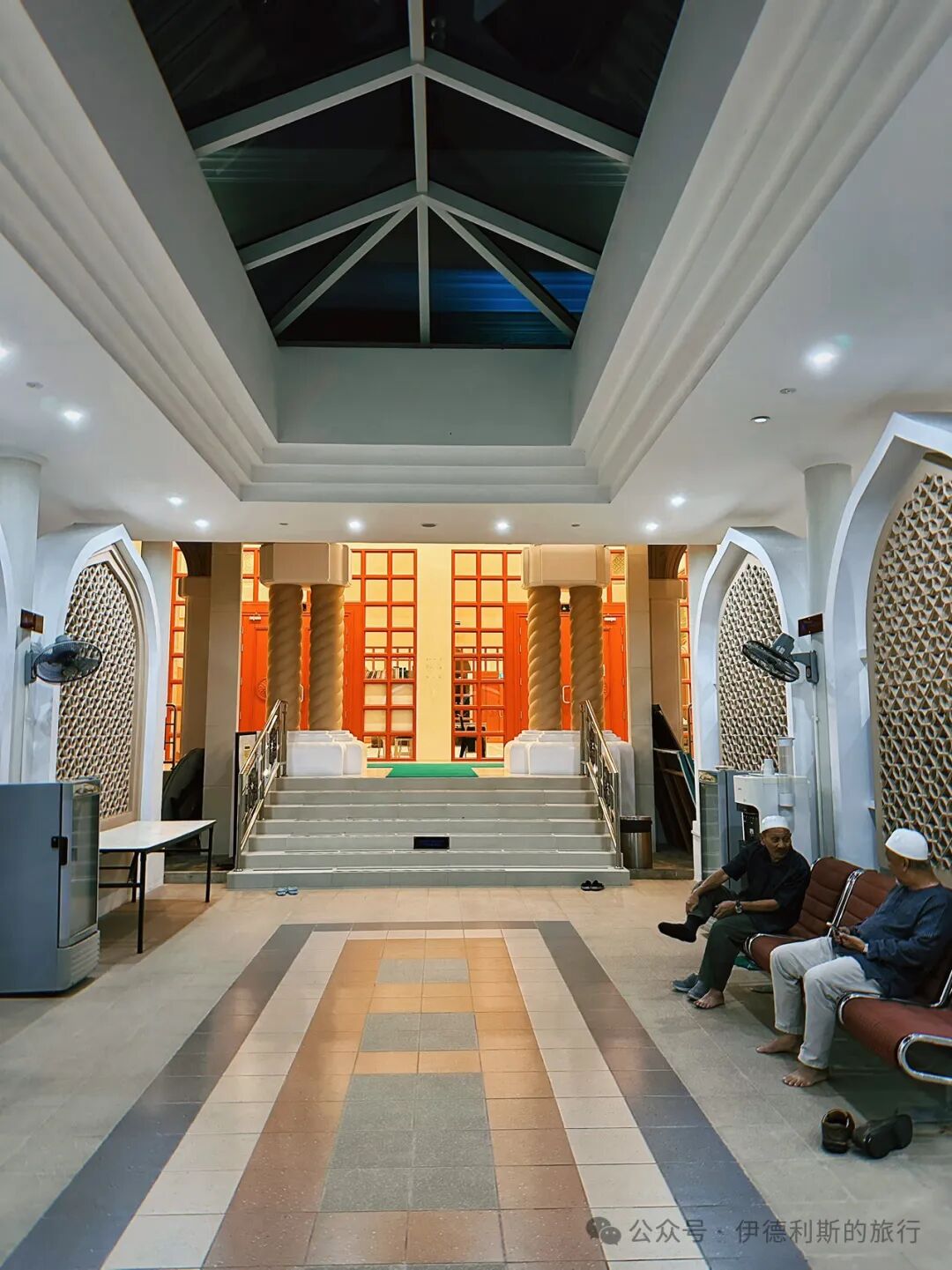
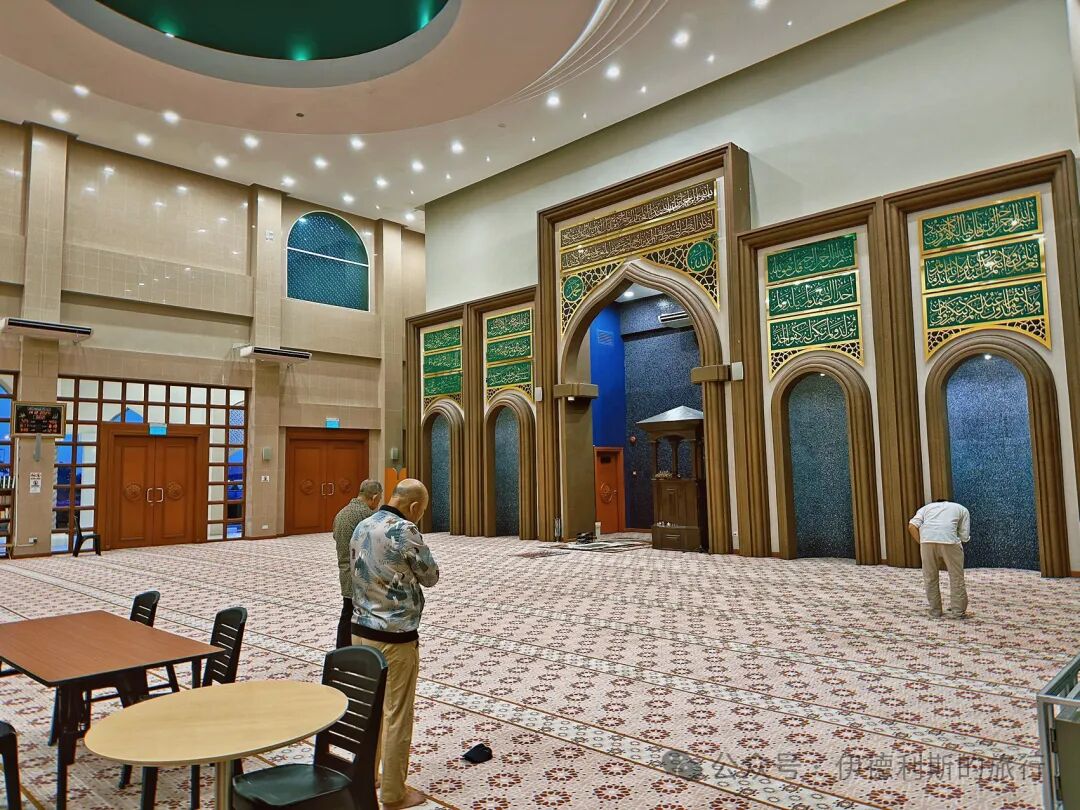
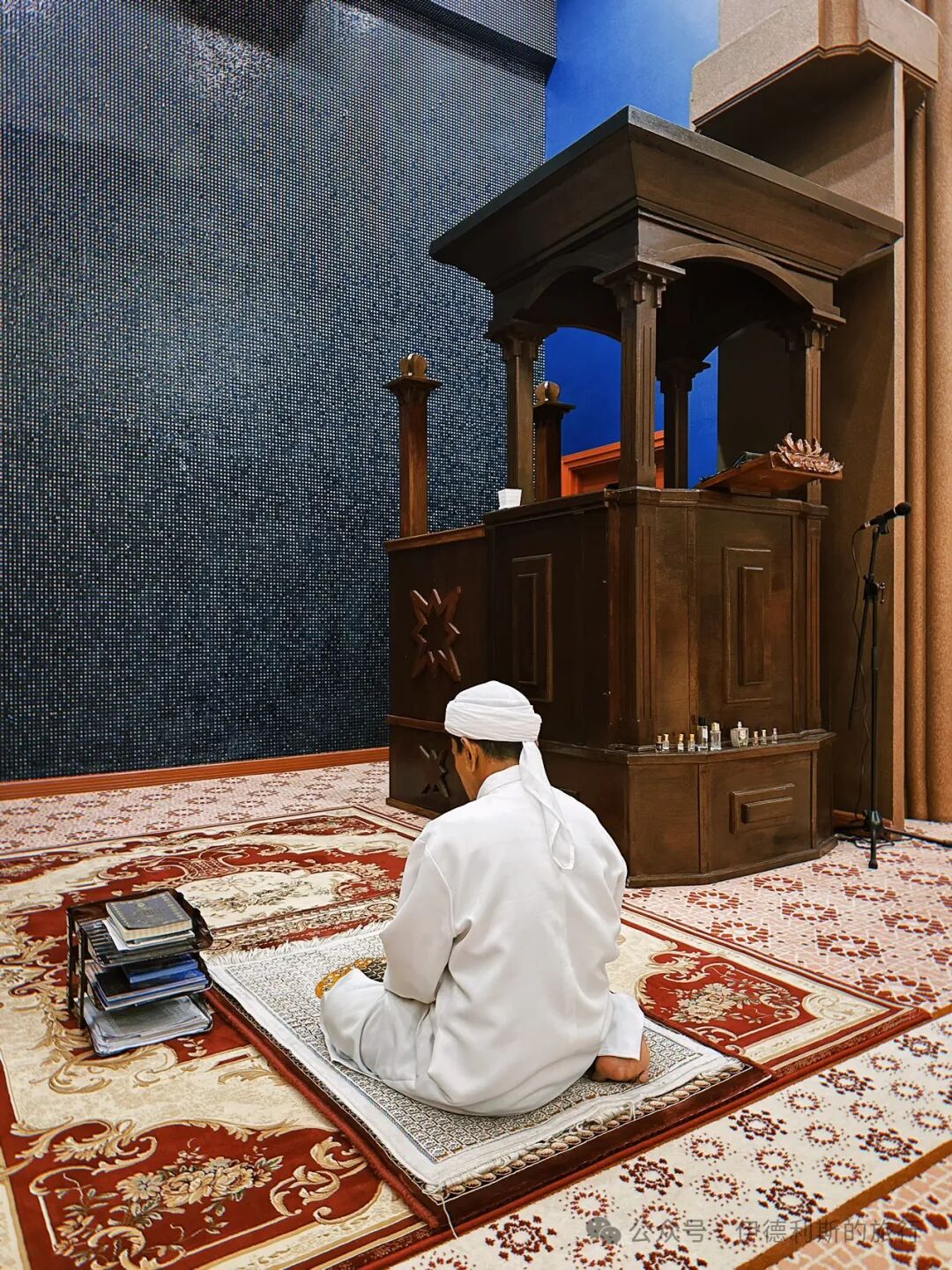
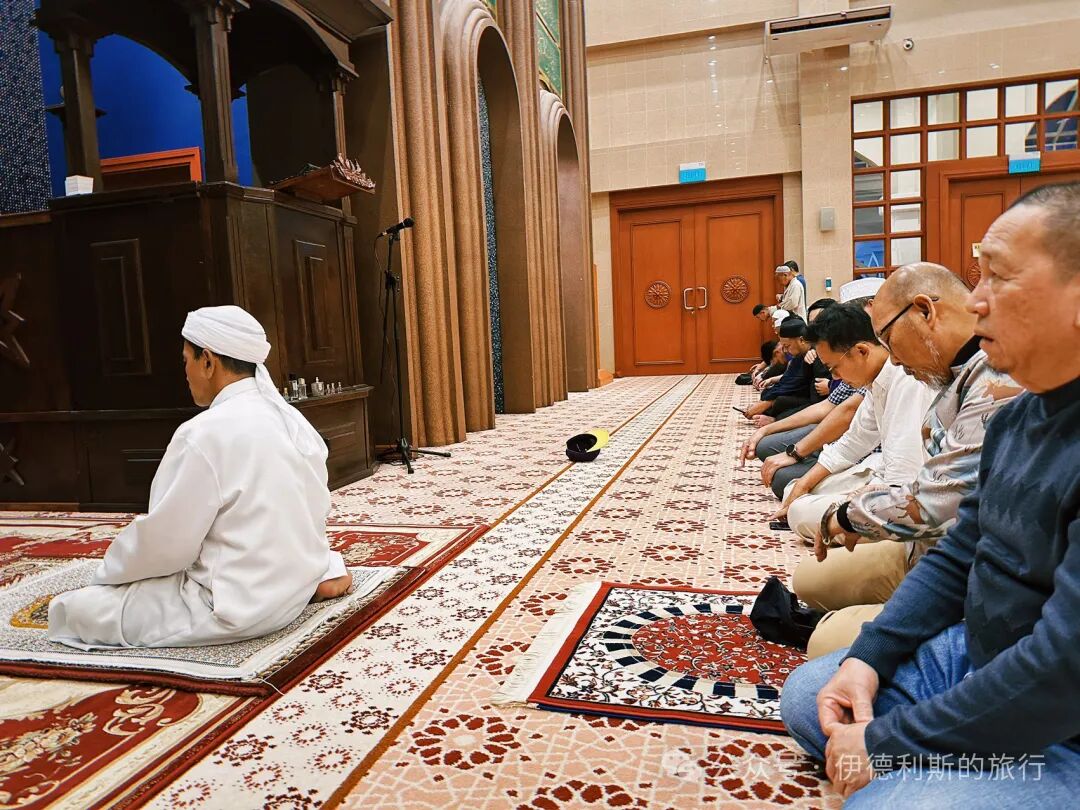
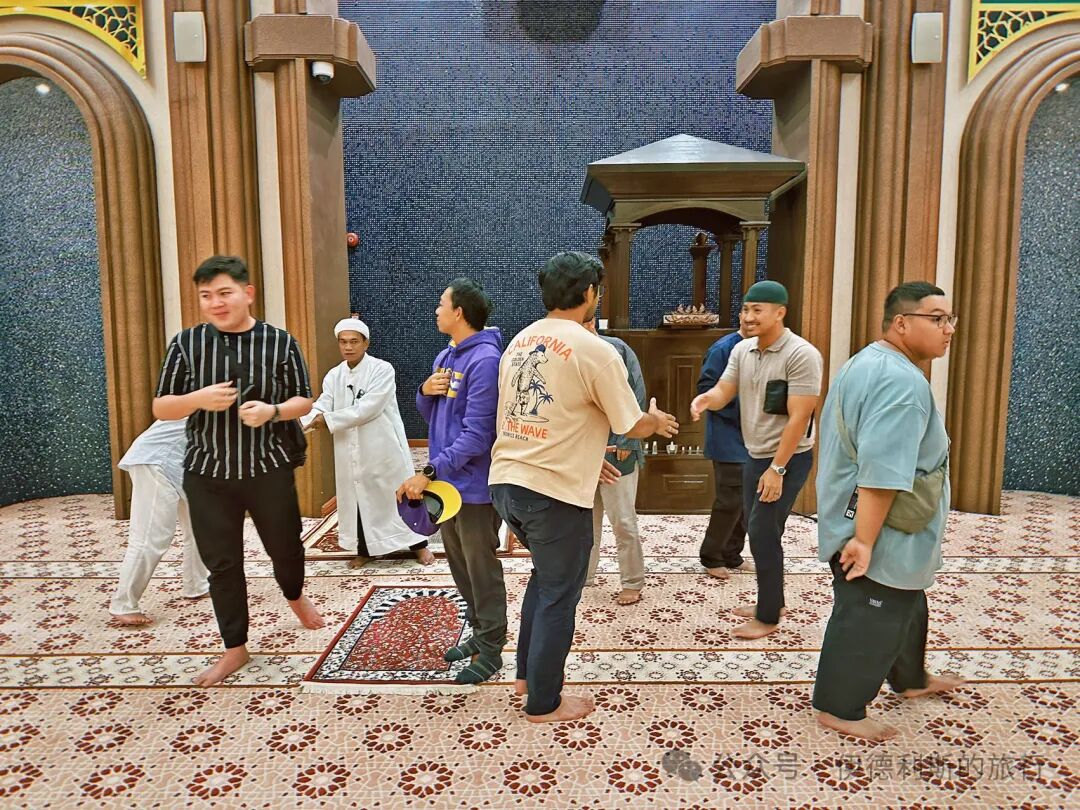
The Brunei International Airport mosque has an imam. It is clean, cool, and bright inside. Everyone performs namaz with great enthusiasm, and the atmosphere is wonderful.
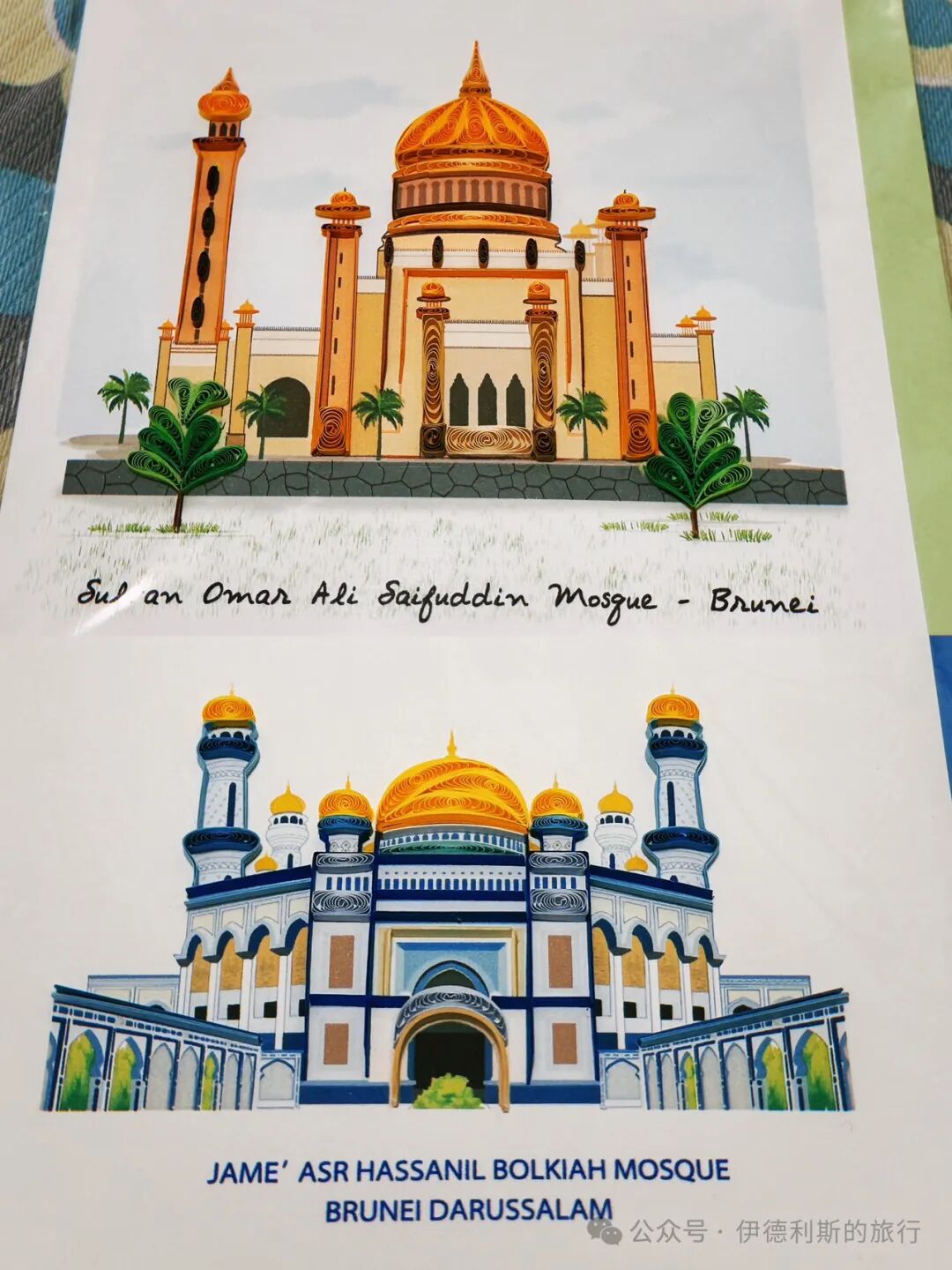
Souvenirs bought at the Brunei airport: paper art of two Brunei national mosques.
Summary: This second part of the Brunei history and culture journey moves through water village homes, museums, and sites tied to Malay and Muslim life. The article keeps the original place names, photos, and historical details while presenting Brunei in simple English.
Tomb of the 16th Sultan of Brunei
Take a speedboat west from the Brunei River to reach Luba Island, hidden by mangroves. It holds the tomb of the 16th Sultan of Brunei, Hussin Kamaluddin, who reigned from 1710 to 1730 and again from 1737 to 1740. Sultan Hussin Kamaluddin survived the Brunei civil war as a child. He was a pious, studious, and hardworking man. Under his rule, Brunei was prosperous and food was plentiful. Legend says the Sultan liked to fish with locals along the upper banks of the Brunei River, especially near his tomb on Luba Island.
Old Town of Brunei Town
Until the early 20th century, the capital of Brunei was the water village of Kampong Ayer on the Brunei River. In 1906, British Resident Malcolm MacArthur began guiding residents to settle on land. In 1910, Chinese people first began building shops on the north bank of the Brunei River, and Brunei Town began to take shape. In 1922, the reigning Sultan Muhammad Jamalul Alam II decided to move his palace inland to Brunei Town. This move encouraged many water village residents to accept resettlement, and the city grew quickly.
In 1945, Brunei Town was almost leveled by Allied bombing, followed by large-scale reconstruction in the 1950s and 1960s. After 1963, economic growth from oil and gas led to a rapid increase in Chinese immigrants to Brunei Town, who opened many shops. In 1970, Brunei Town was officially renamed Bandar Seri Begawan.
The Sungai Kianggeh River is on the east side of the old town. Residents of Kampong Ayer can boat directly up the river to the Kianggeh market to buy various farm products. This is also one of the resettlement points for water village residents after they come ashore.
The old Royal Ceremonial Hall (Lapau Lama) in the old town was built in 1950. It now displays the scene of the 1959 Brunei Constitution signing, including the original chandeliers, tables, chairs, and the microphone used by the Sultan. Lapau Lama is the oldest concrete building in the old town, with an interior that blends pragmatism and minimalism.
Next to the old Royal Ceremonial Hall is the Royal Regalia Museum. It houses two royal chariots: one used for the Sultan's coronation in 1968 and Queen Elizabeth II's visit in 1972, and another used for the Sultan's 25th anniversary of his coronation in 1992.
The Royal Regalia Museum also displays porcelain vases with Arabic calligraphy collected by the Sultan, as well as stone artifacts with Arabic calligraphy gifted by Saudi Arabia.
The Brunei International Airport mosque has an imam. It is clean, cool, and bright inside. Everyone performs namaz with great enthusiasm, and the atmosphere is wonderful.
Souvenirs bought at the Brunei airport: paper art of two Brunei national mosques.
