

Brunei Travel
Halal Travel Guide: Brunei Part 1 — Visa-Free Culture, Mosques and Local History
Articles • ali2007fr posted the article • 0 comments • 172 views • 2026-05-20 00:57
Summary: Brunei offers visa-free travel for Chinese visitors and a compact route through mosques, museums, royal history, and Malay culture. This first part keeps the original itinerary, photos, place names, and travel details in a clear English article.
The Brunei Darussalam Immigration Department announced that starting March 8, 2025, Chinese citizens holding ordinary passports valid for at least 6 months can enter Brunei visa-free for up to 14 days. Brunei has officially become a visa-free country!
I happened to take my family to Brunei in December 2024 and visited quite a few places. In my opinion, Brunei can be described as a "rural version of Singapore and a high-cost Malaysia." If you have already visited Singapore and Malaysia, this place is still worth a look.
First, Brunei has its own ride-hailing app called Dart. You can link a VISA card or pay with cash, and the cars arrive quite quickly. Note that after leaving the airport, the ride-hailing pickup point is in the parking lot on the right. Walk from the main airport entrance toward the mosque on the right, then follow the canopy to the end to find it.
My first impression of downtown Brunei is that everyone drives everywhere, and there are basically no pedestrians on the streets. It feels like the whole city was designed for cars, and there are very few crosswalks. The city density is very low with lots of greenery, making it feel like a garden city for cars.
Below, I will share some places in Brunei that we think are worth visiting and eating at.
Eat halal Nanyang-style Chinese food.
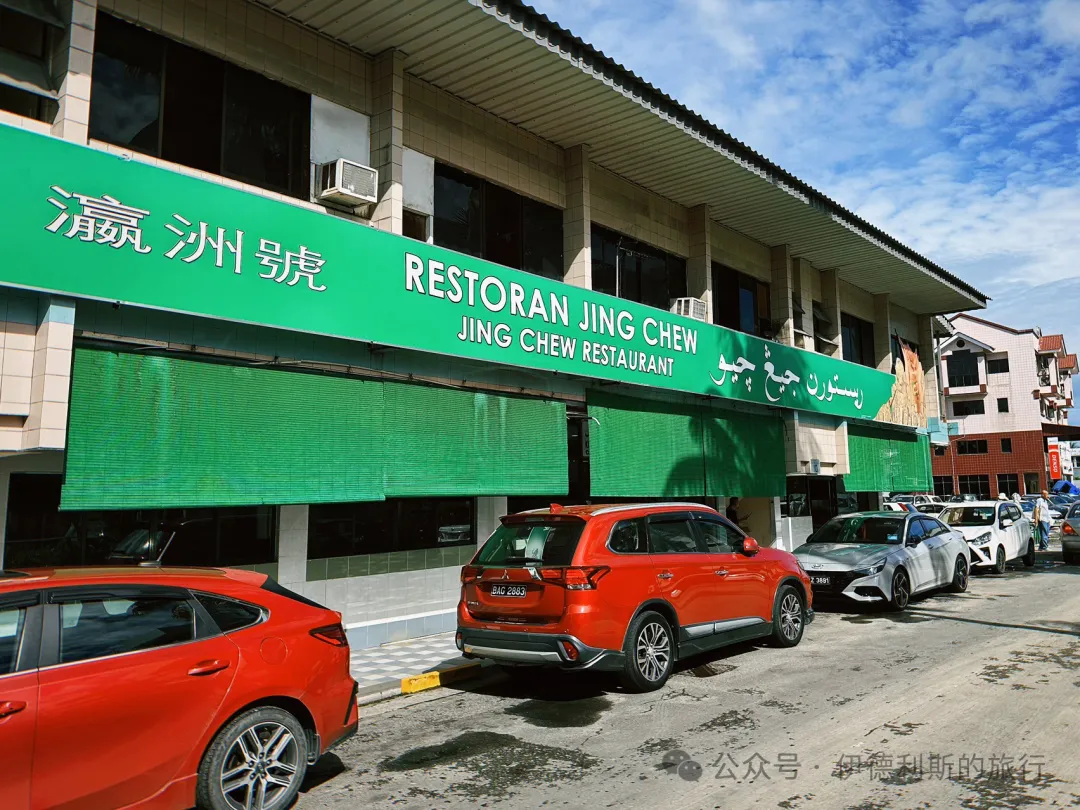
Yingzhun Hao.
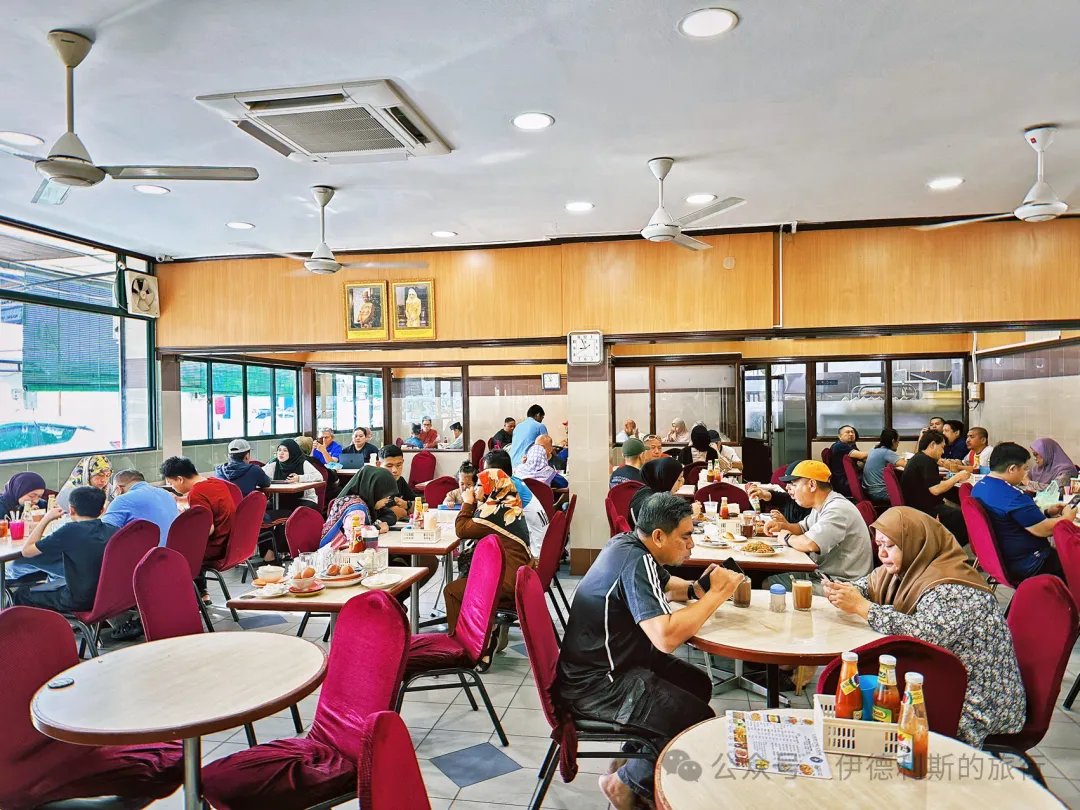
Just like in Singapore and Malaysia, many Chinese people from Hainan and Fujian in Brunei apply for halal certification, hire Muslim staff, and serve halal Chinese food with Nanyang characteristics. We ate at several of these places this time, and they are all worth recommending.
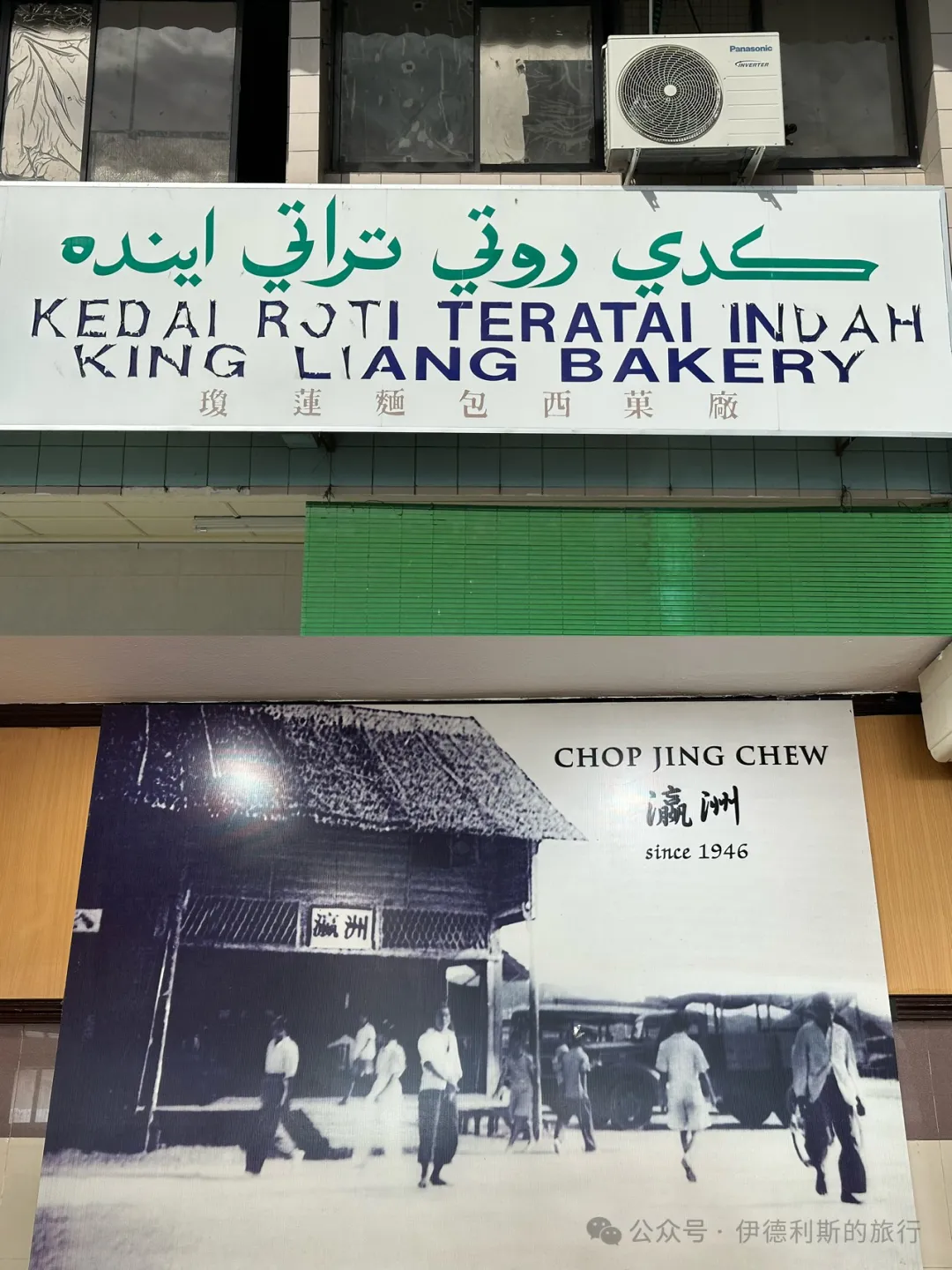
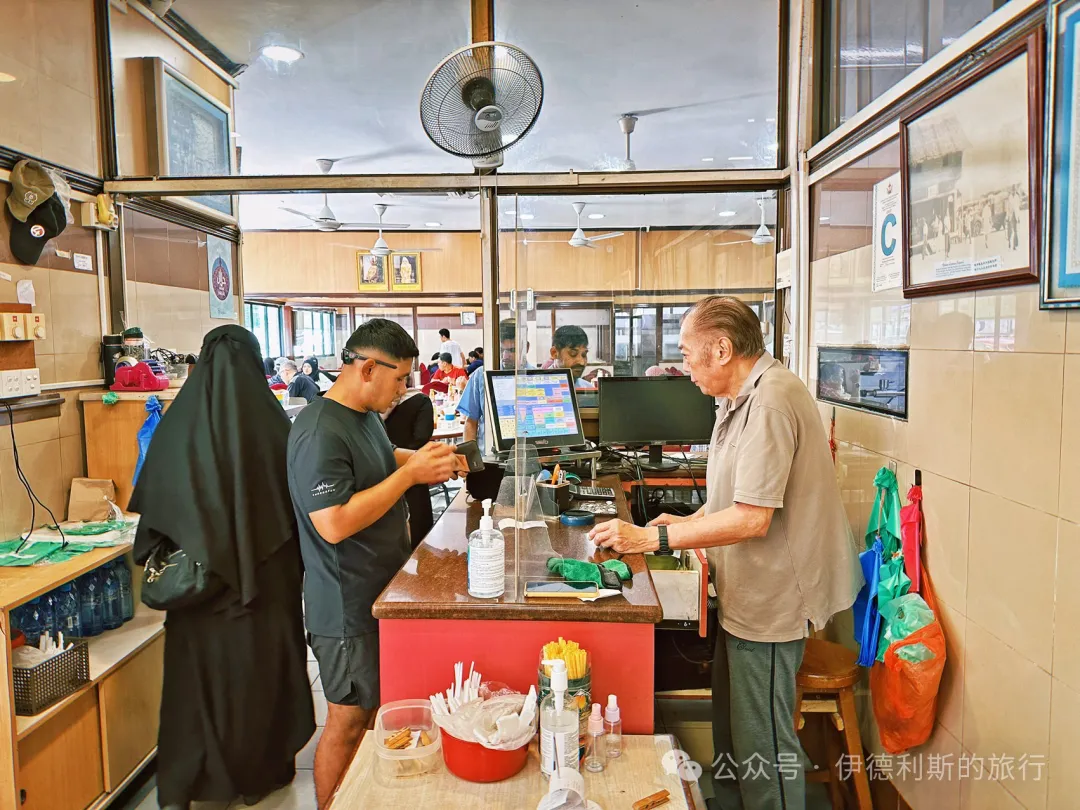
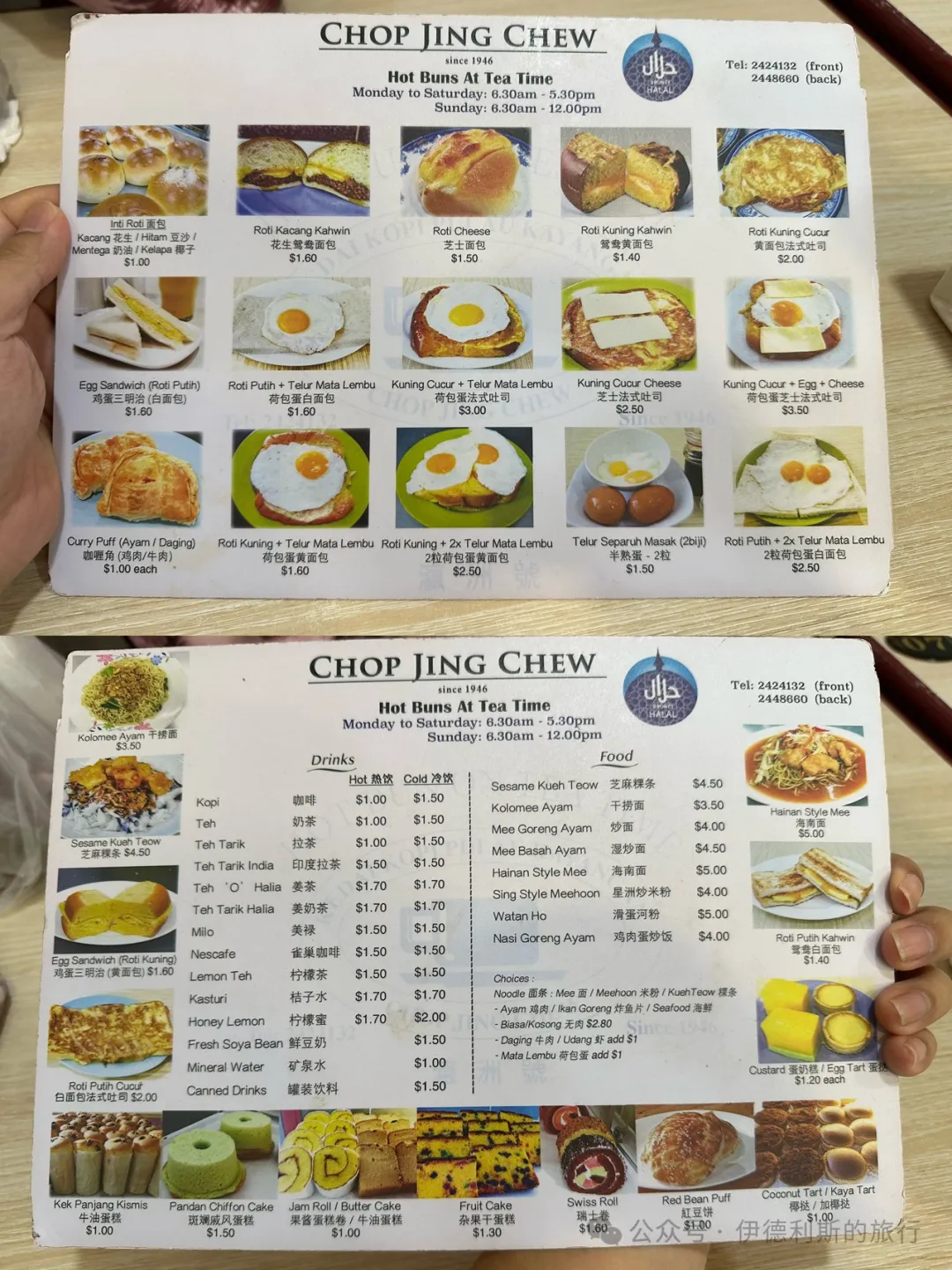
The most famous Hainanese teahouse in Brunei is Yingzhun Hao. They have Brunei halal certification and are favored by people of all ethnic groups. The founder of Yingzhun Hao, Han Qiongyuan, was from Wenchang, Hainan. In 1939, during the Japanese invasion of China, 17-year-old Han Qiongyuan traveled to Southeast Asia and arrived in Brunei to work as a handyman at his uncle's coffee shop. In 1946, Han Qiongyuan officially opened Yingzhun Teahouse, mainly selling coffee, bread, and other food, and became widely known for his "longevity bread (roti kuning)." Later, as the teahouse business grew, Han Qiongyuan also expanded into real estate and presided over the construction of the Brunei Hainan Building. After 1993, Han Qiongyuan returned to his hometown every year to visit relatives and invested heavily there, being awarded the title of "Patriotic Hainanese" by Hainan Province three times.
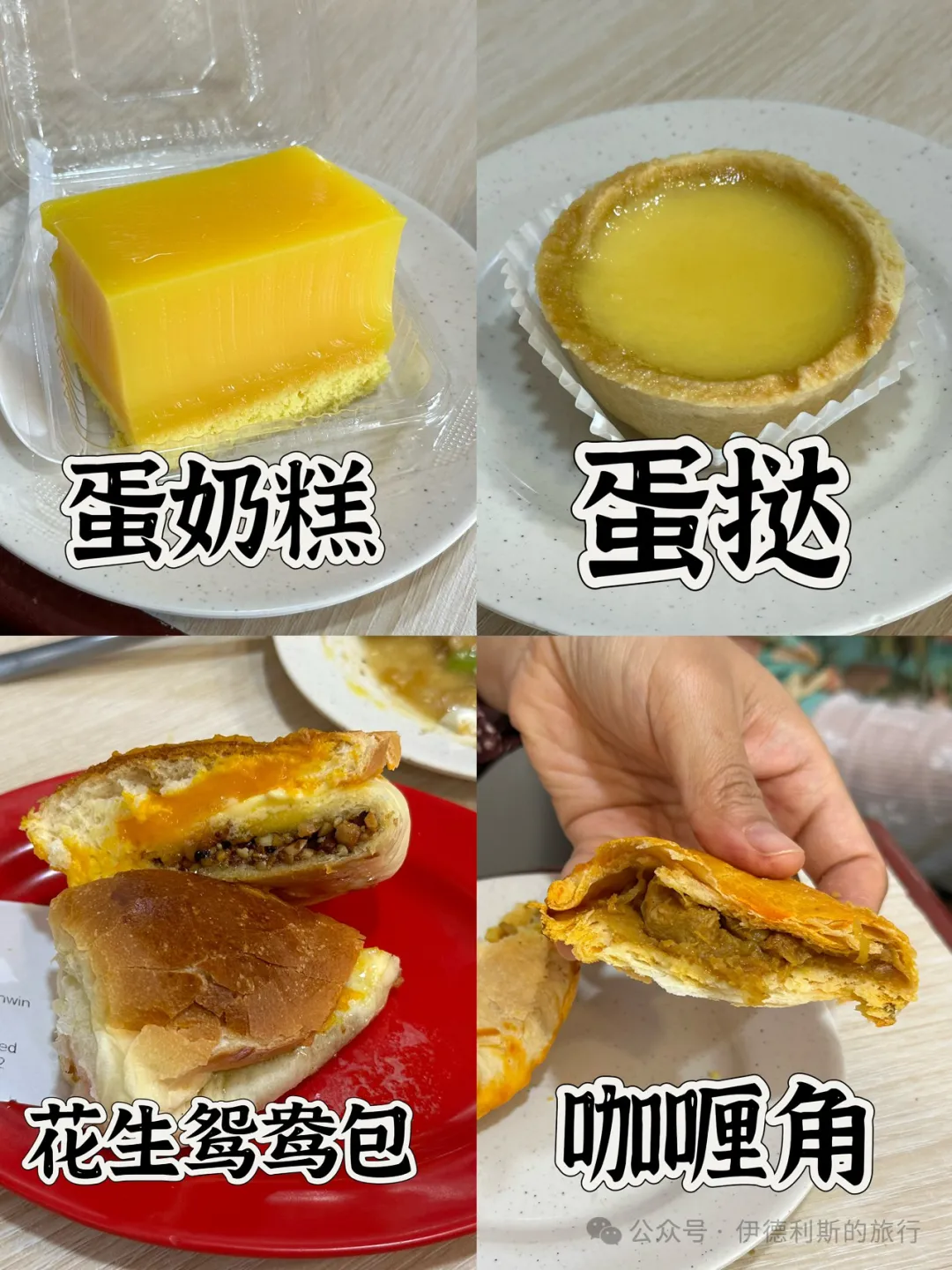
Their shop has a very rich variety of bread. The most classic sandwich breads come in four flavors: peanut, red bean paste, butter, and coconut. There are also peanut yuanyang bread, cheese bread, yuanyang yellow bread, and French toast. You can add a fried egg and cheese, or order a soft-boiled egg on the side. Cakes include custard cake, egg tarts, coconut tarts, red bean cakes, butter cakes, pandan cakes, and more. Western-style breads and pastries were learned by Hainanese people working as kitchen helpers for British families when they traveled south to Southeast Asia in the 19th century. Today, they are a classic part of Nanyang Hainanese restaurants.
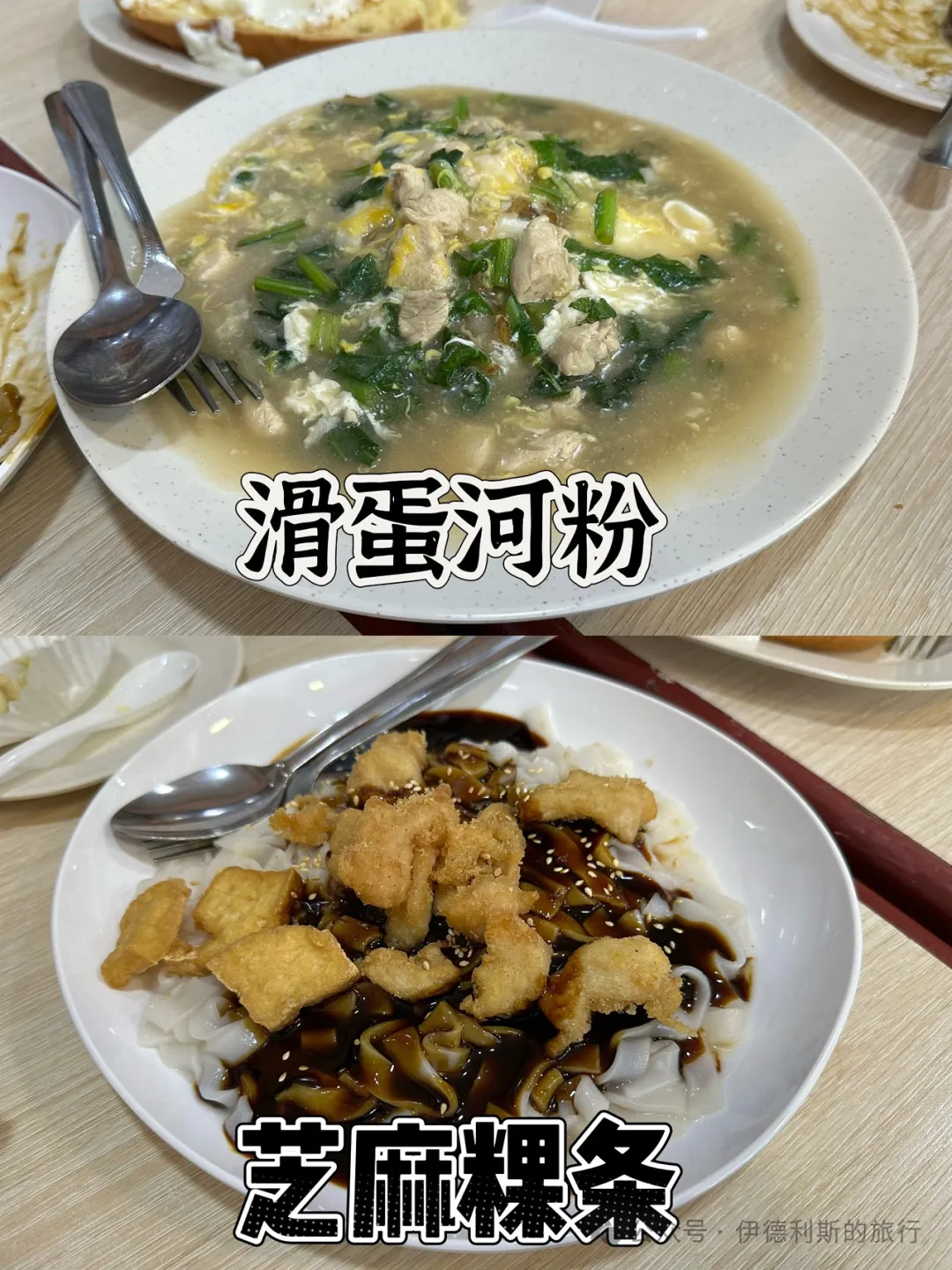
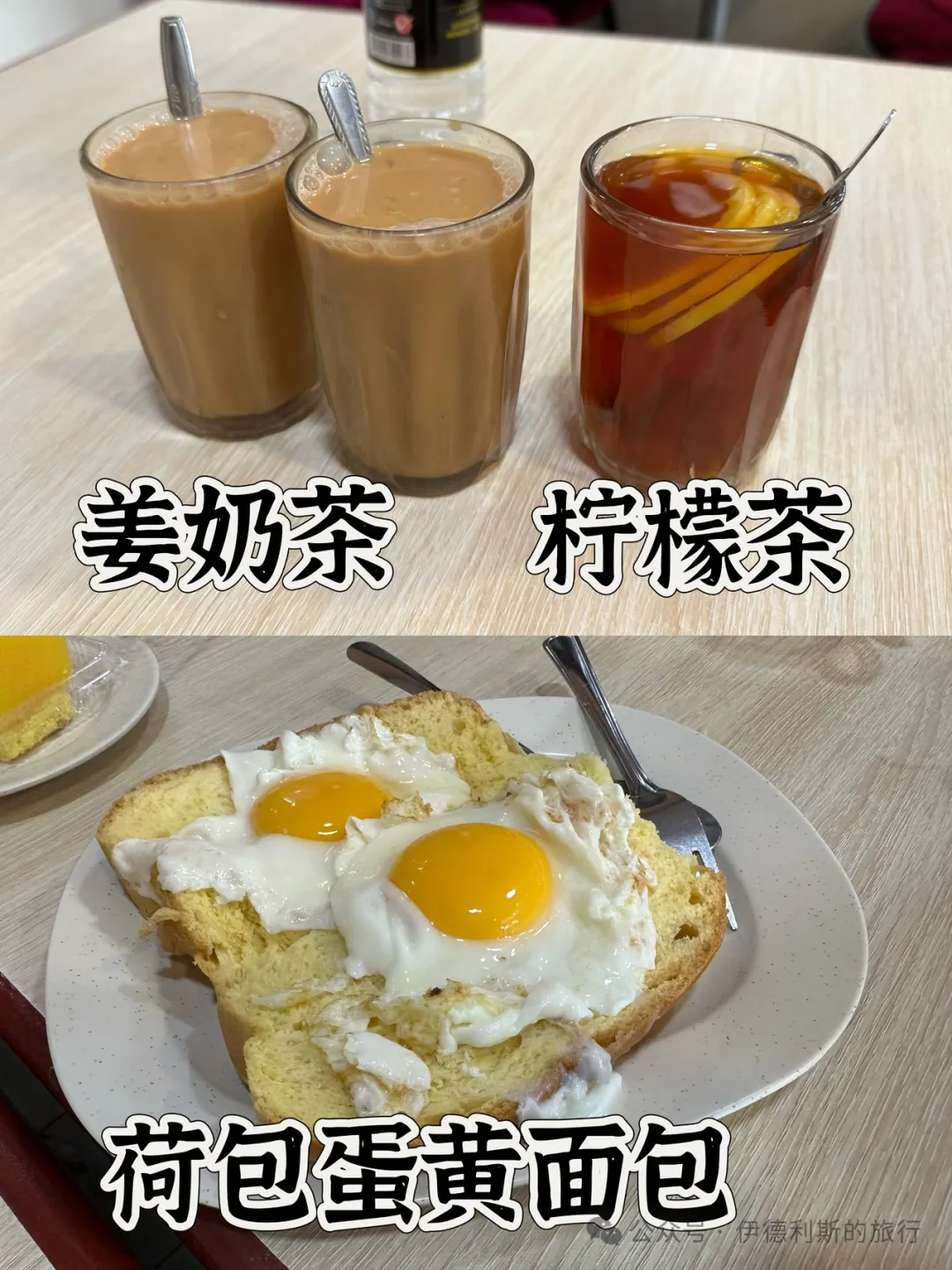
Besides breads and pastries, they also serve various noodles, including sesame flat rice noodles (zhima guotiao), dry-tossed noodles, fried noodles, Hainanese noodles, fried rice vermicelli, and egg gravy flat rice noodles (huadan hefen). These are all very well-suited to Chinese tastes. We ordered egg gravy flat rice noodles, sesame flat rice noodles, egg tarts, egg custard cakes, yellow bread with fried eggs, chicken curry puffs, peanut and kaya butter bread (yuanyang mianbao), ginger milk tea, and lemon tea for a full East-meets-West experience. The peanut and kaya butter bread is filled with coconut jam (kaya), butter, and crushed peanuts, giving it a very rich texture. The sesame flat rice noodles have a sweet, salty, and spicy flavor. Served with fried tofu and fried fish chunks, they are a major specialty of the restaurant.
Babu's Kitchen
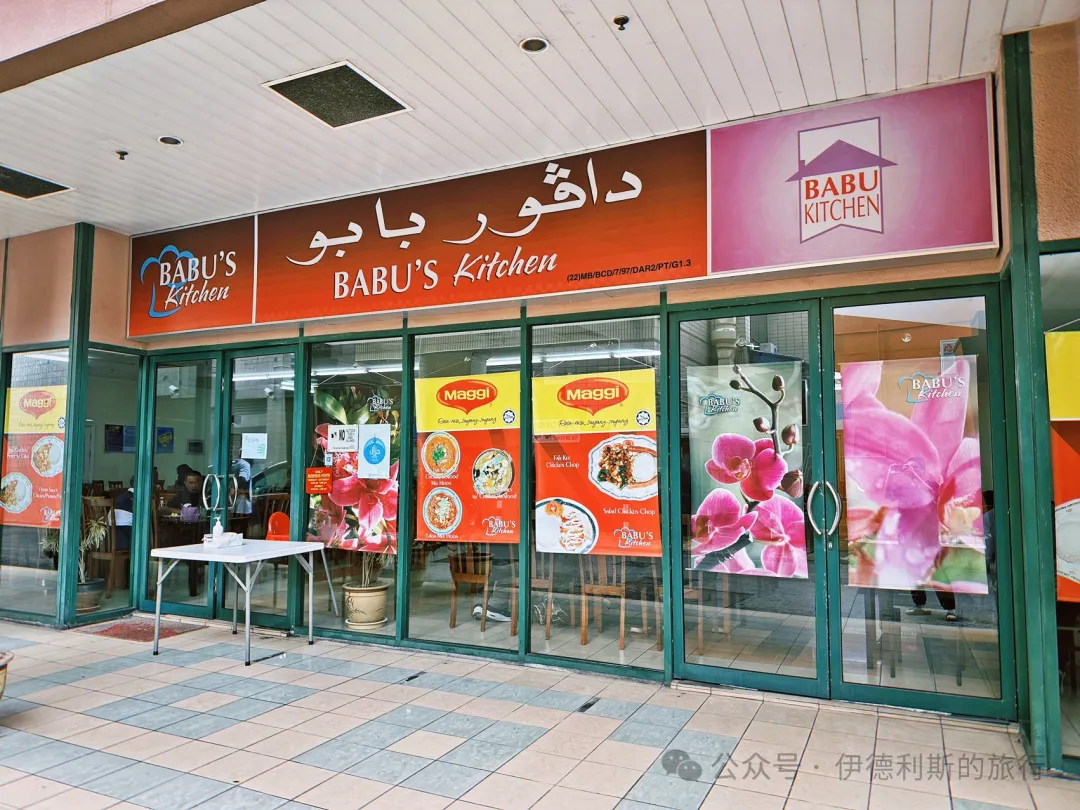
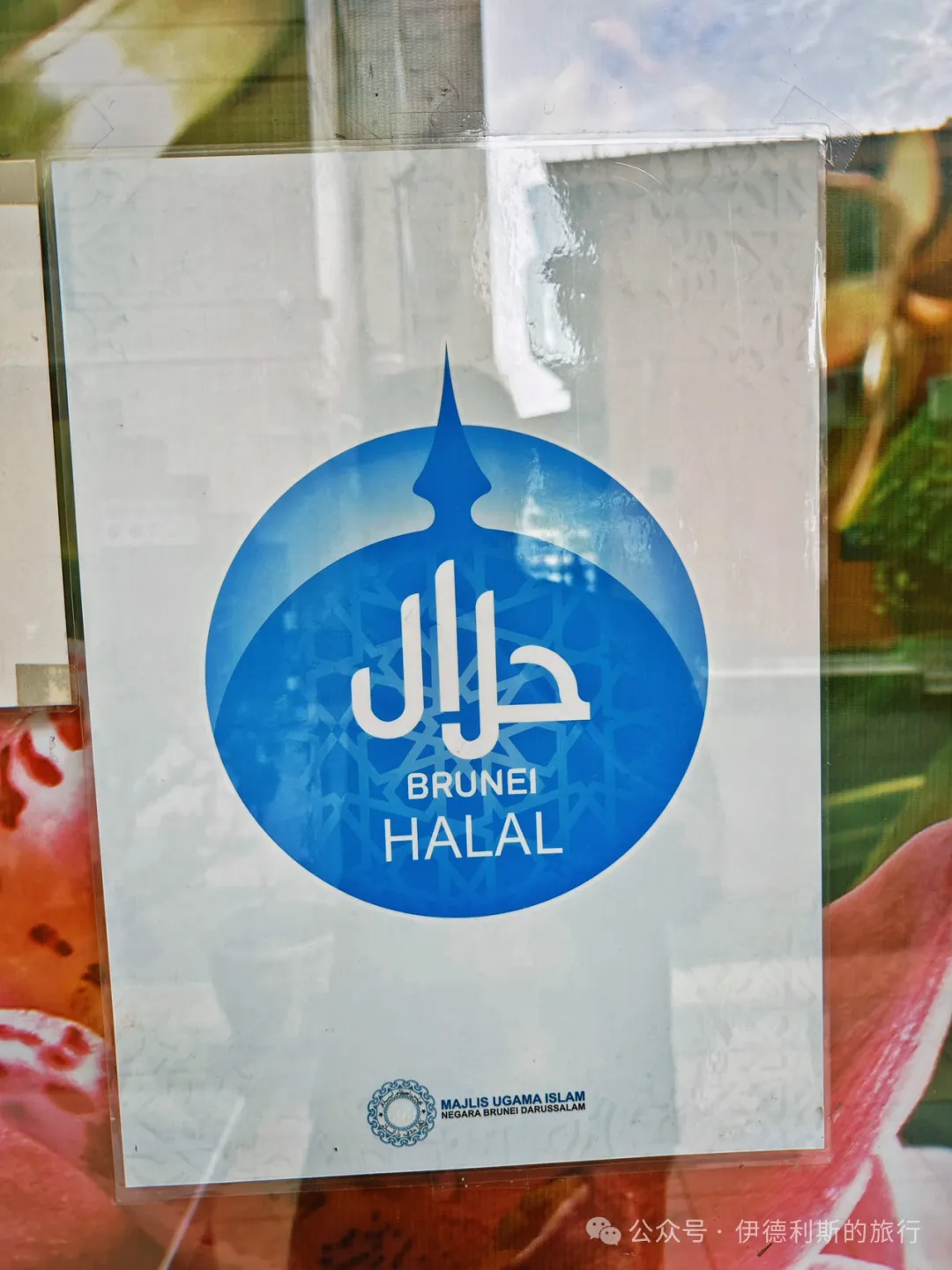
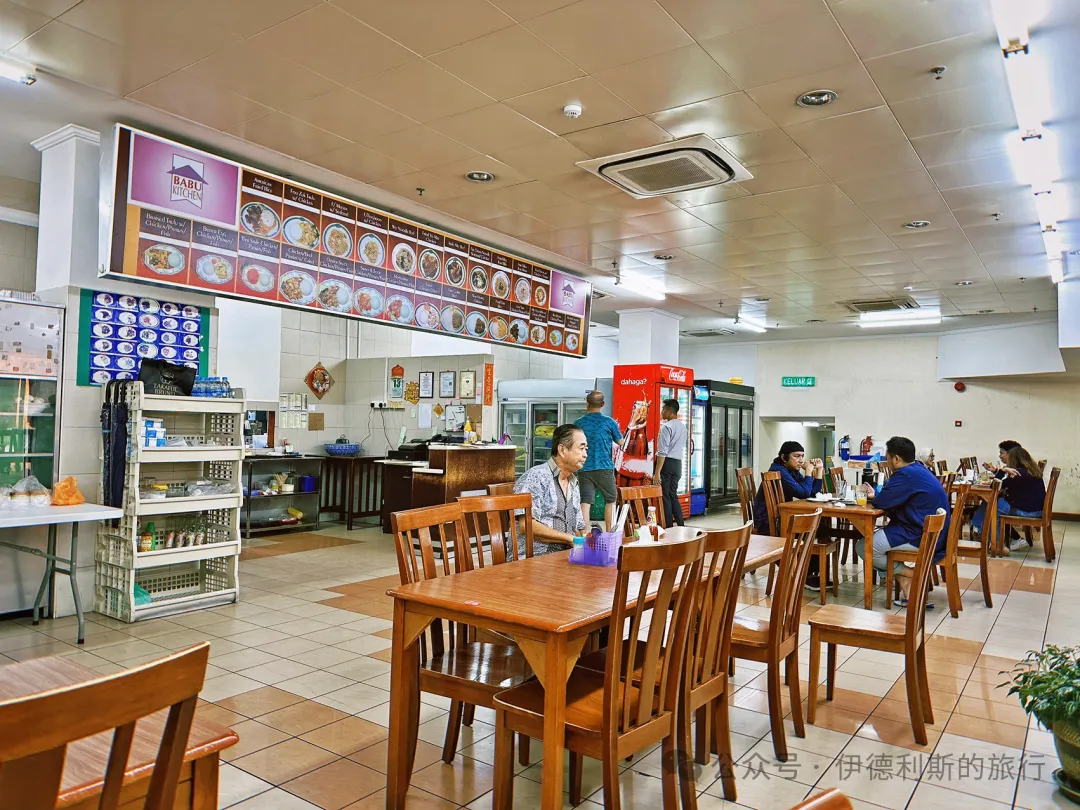
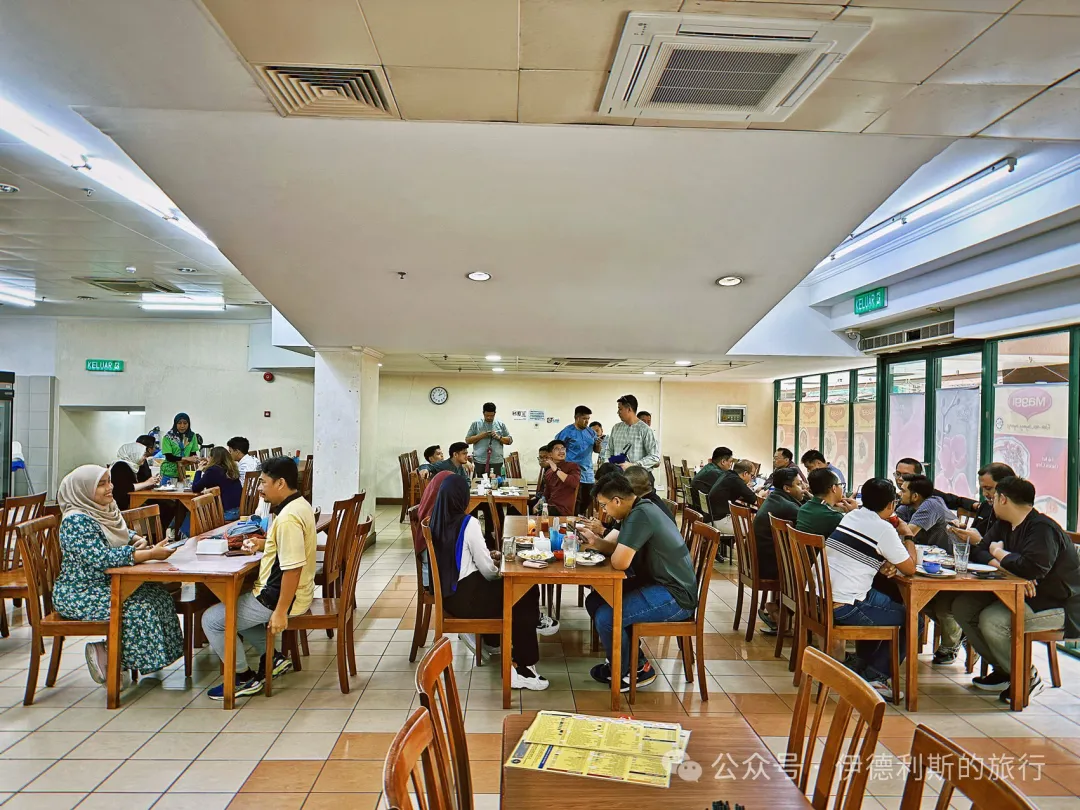
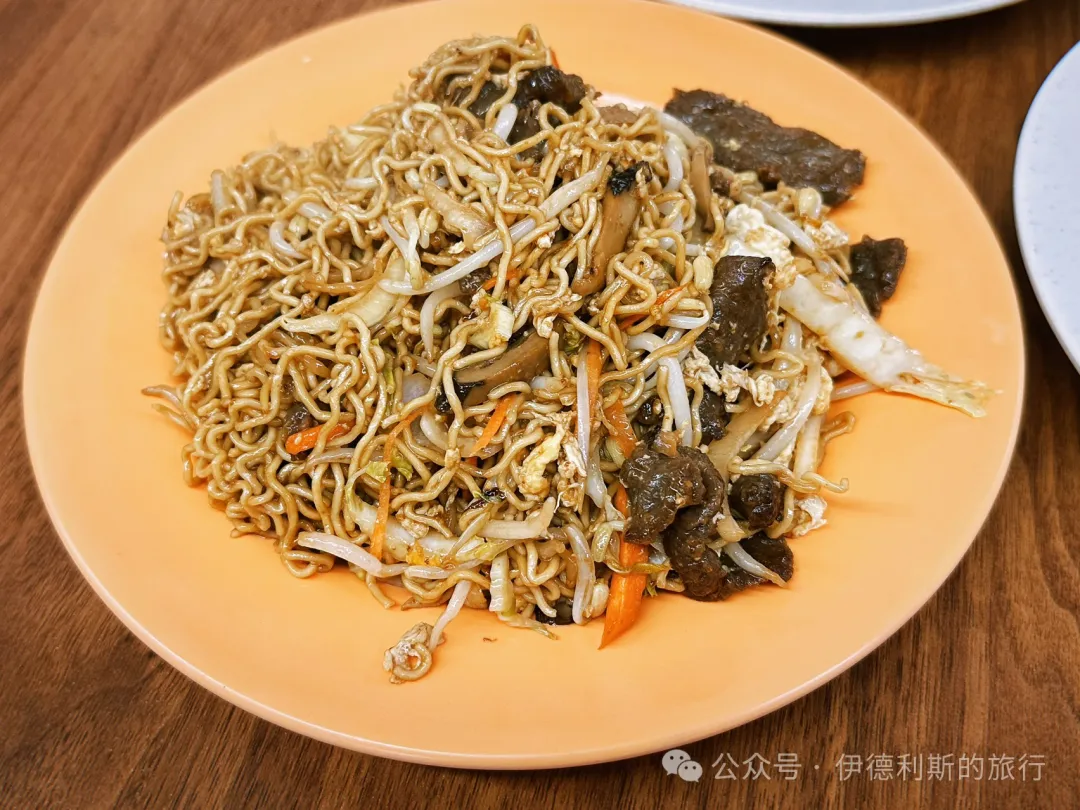
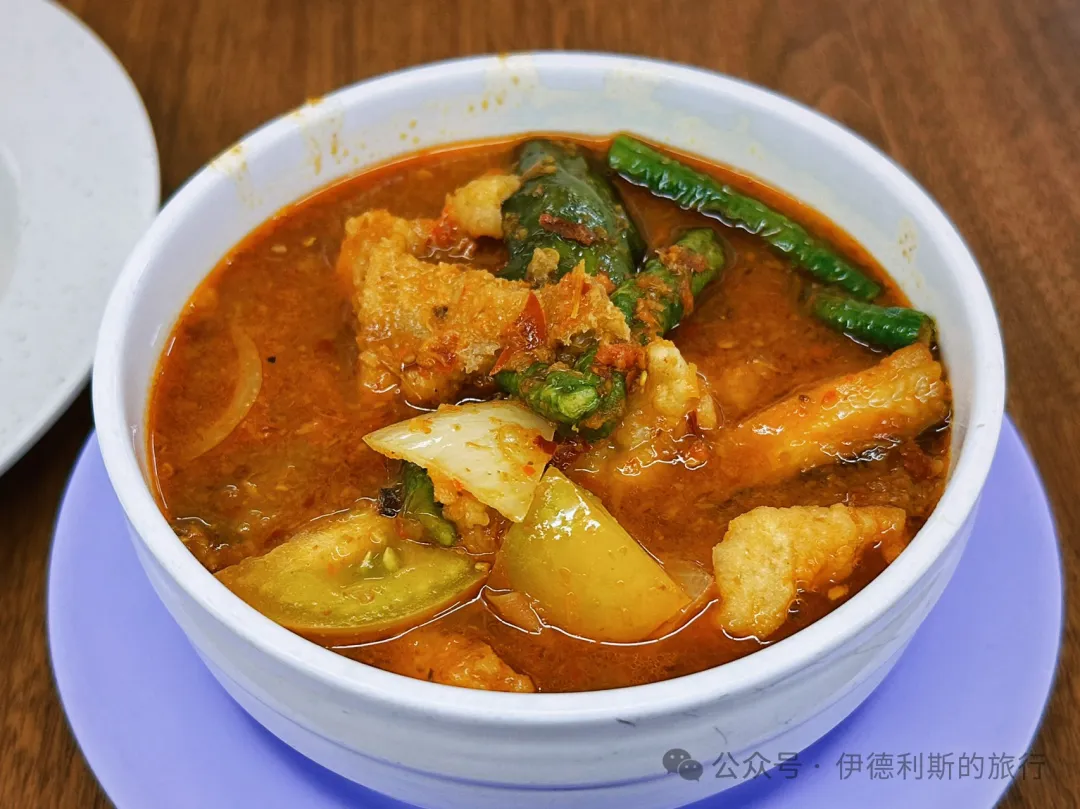
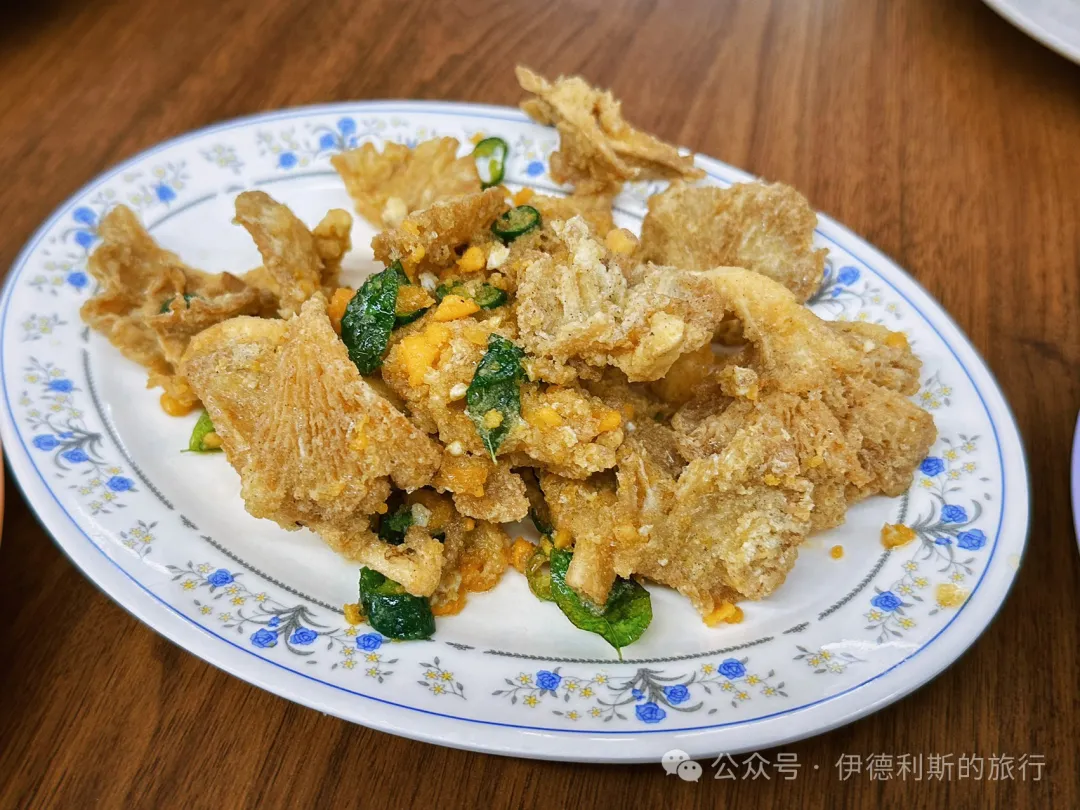
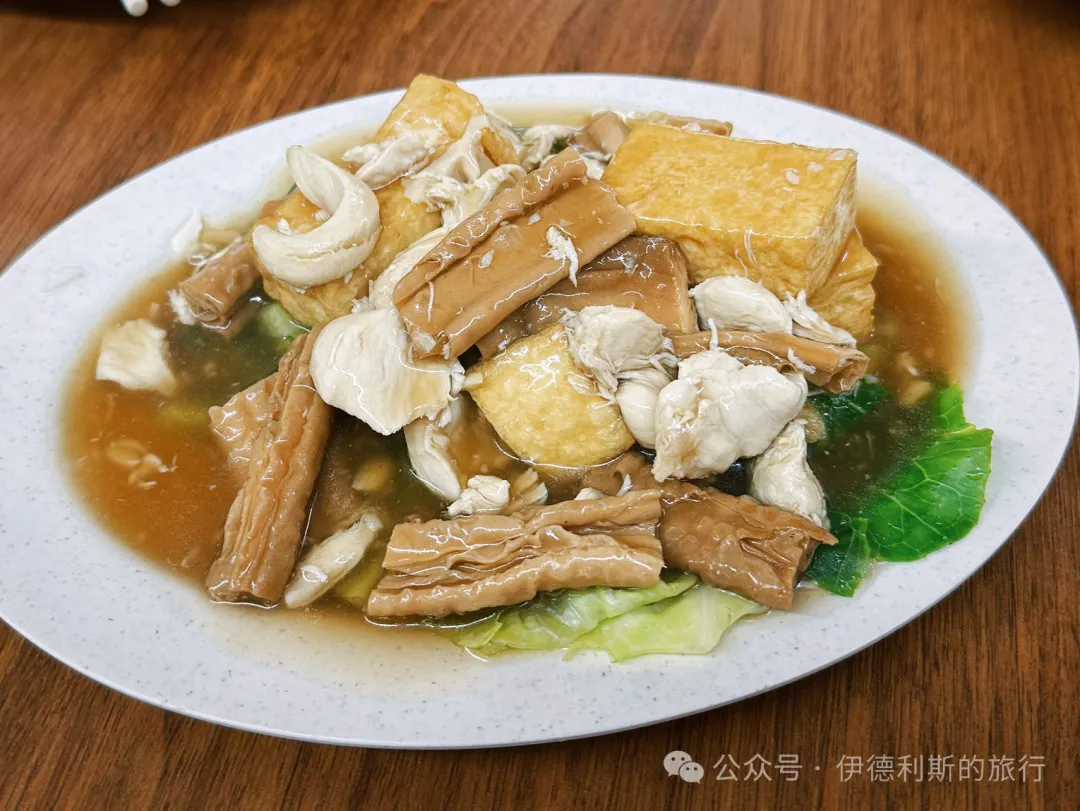
There are many Chinese shops in the old town of Bandar Seri Begawan, which is also a great place to eat at halal Hainanese restaurants. We chose Babu's Kitchen. It was very busy at lunch with Chinese, Malay, and Indian customers, which is a classic scene at a Hainanese restaurant. Since they didn't have a Chinese menu, we asked the owner to recommend the Assam fish fillets, salted egg fried mushrooms, beef noodles (yee mee), and bean curd skin with tofu and chicken. Like in Malaysia, the Chinese in Brunei speak very standard Mandarin. Overall, the food was very good. The Chinese dishes were infused with Malay flavors, but they were still very easy for Chinese people to enjoy.
Meiguang Tea House
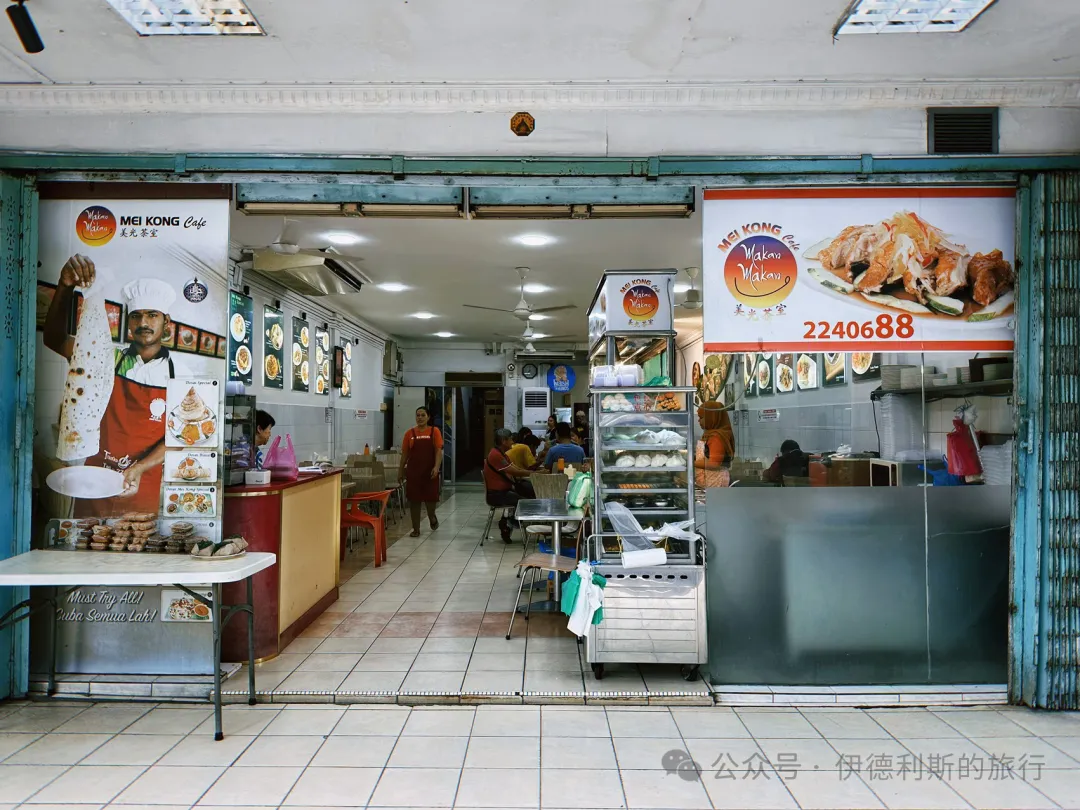
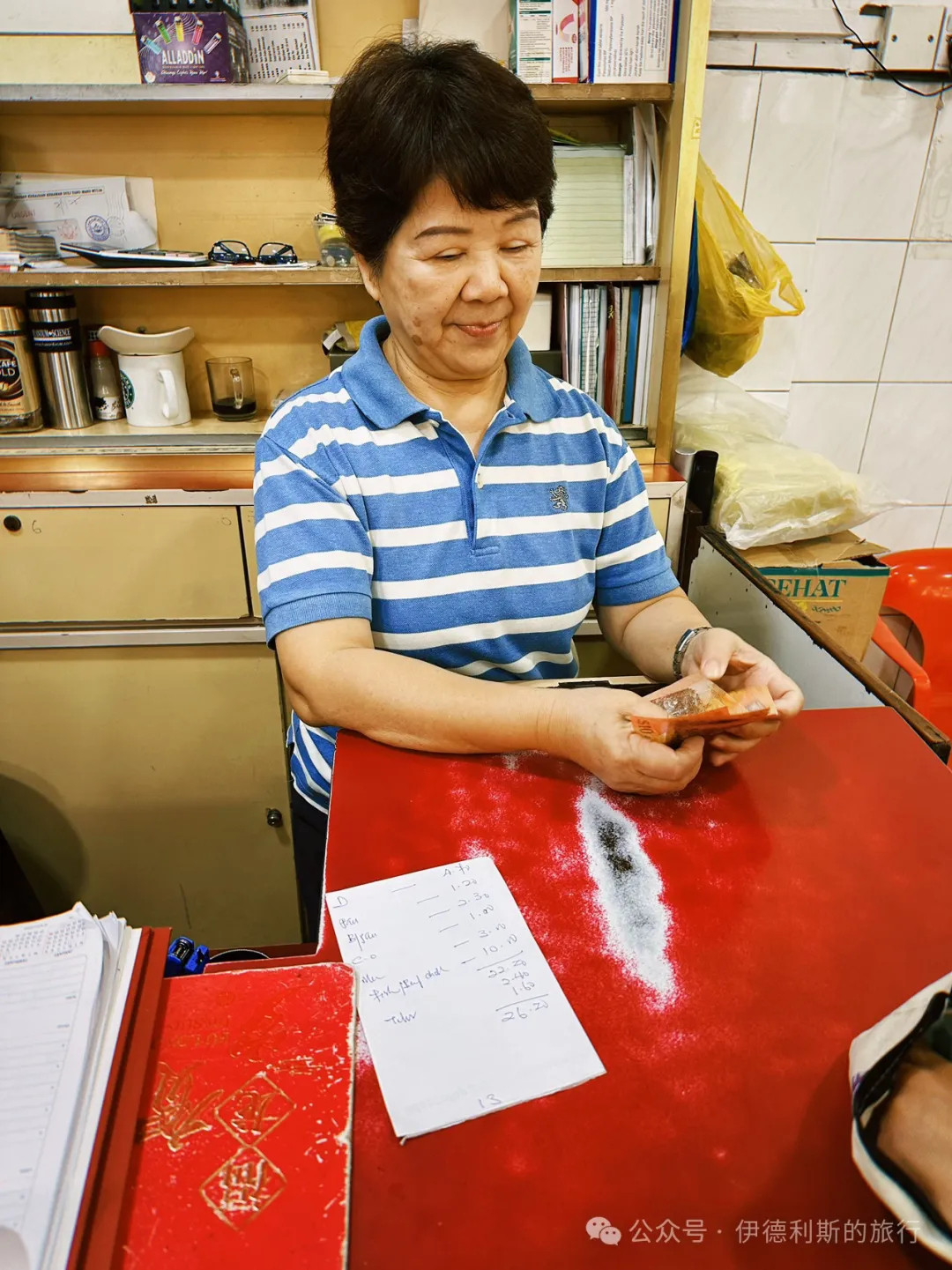
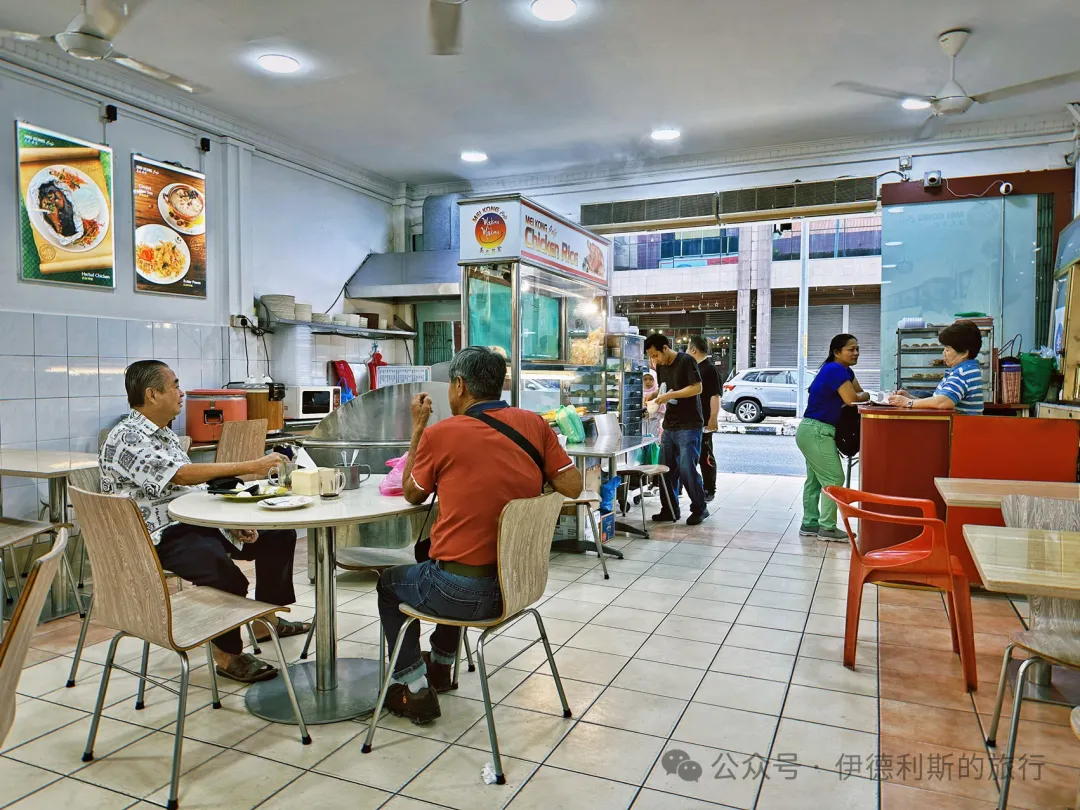
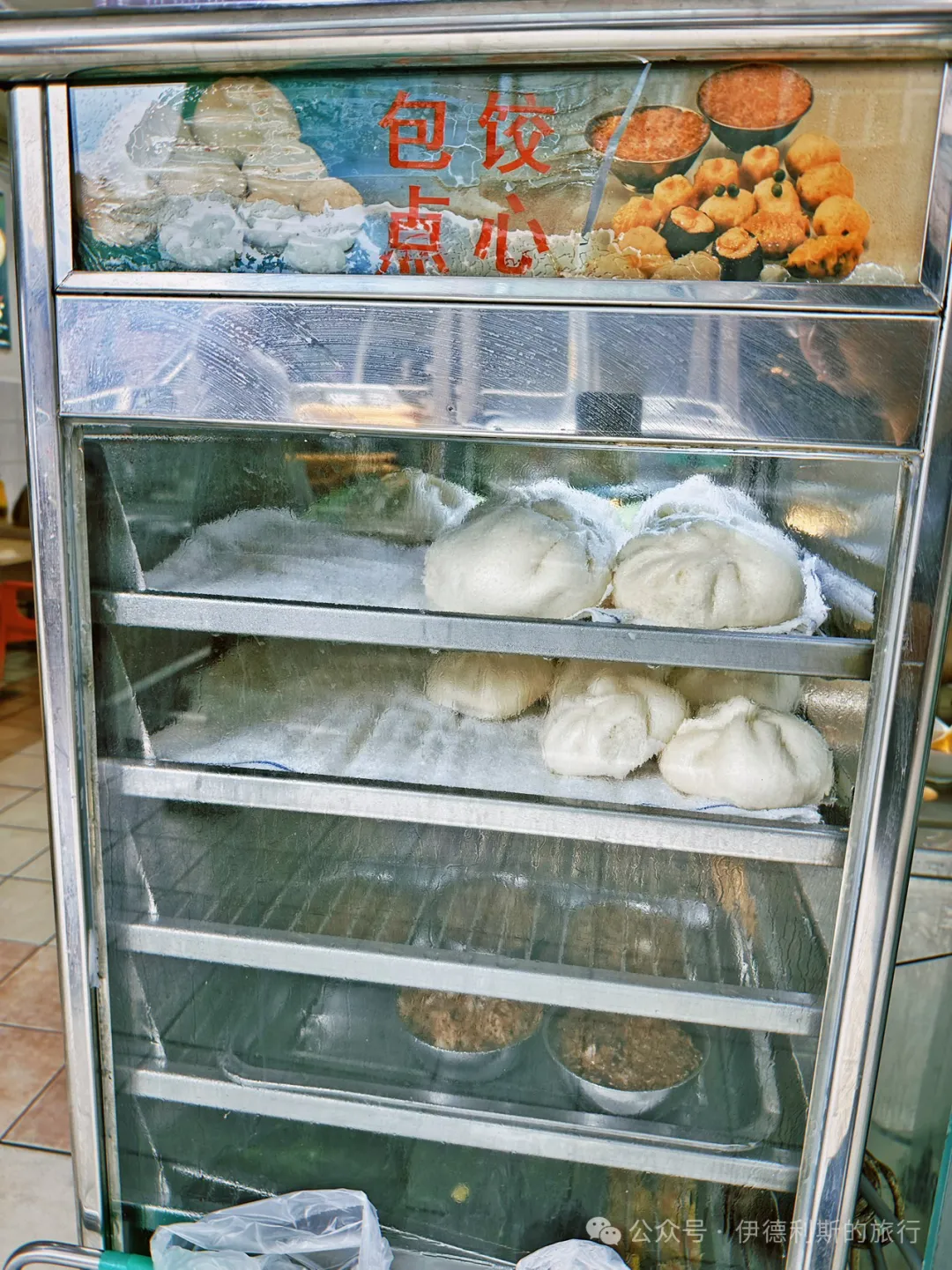
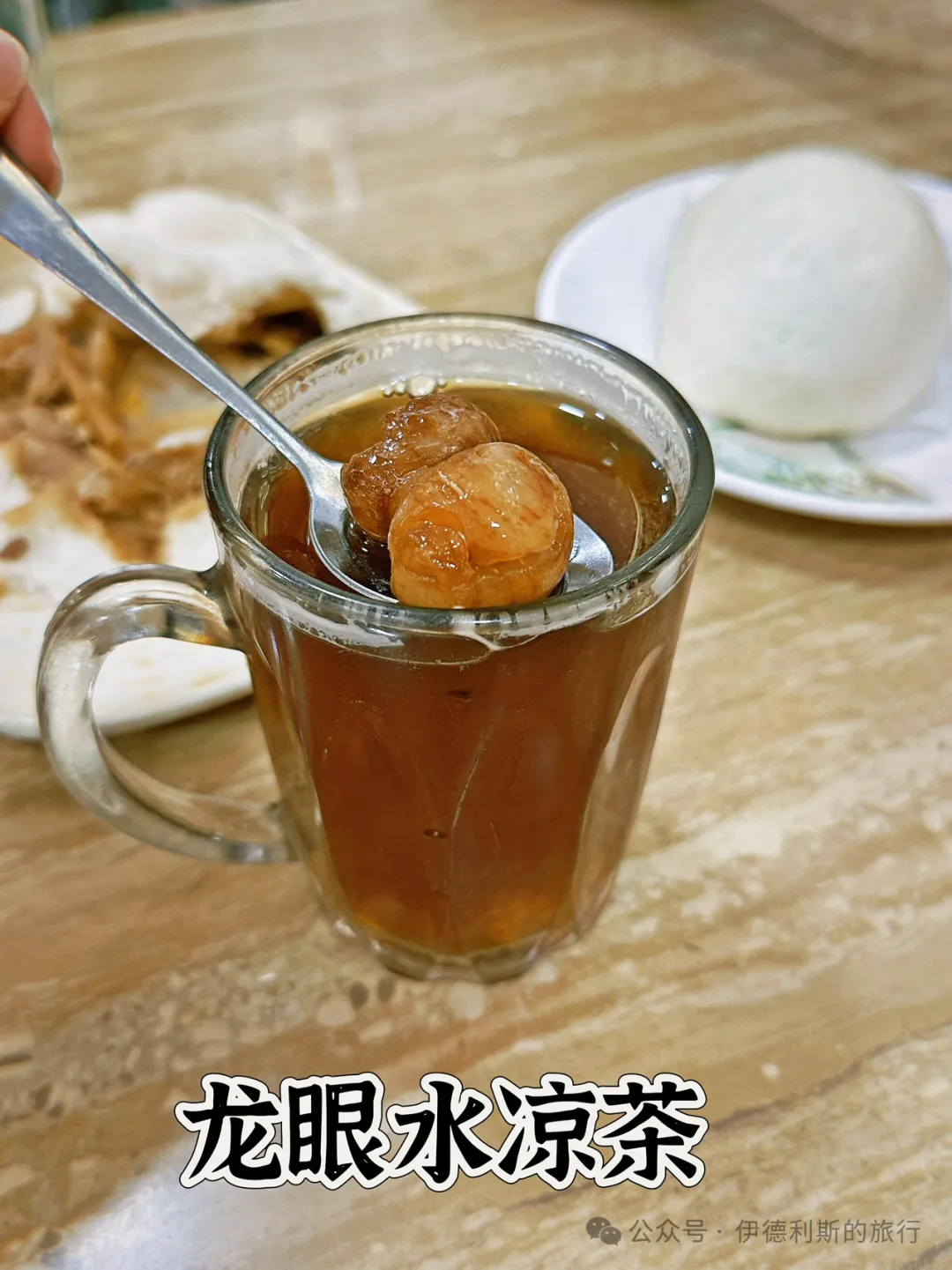
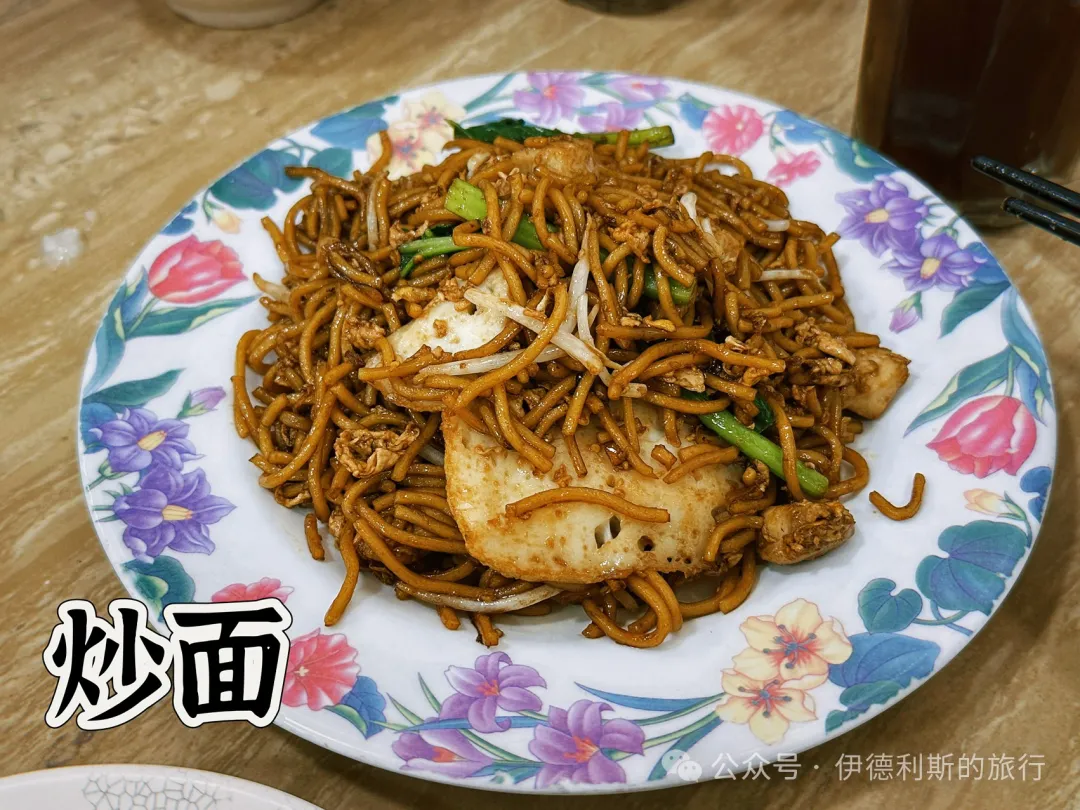
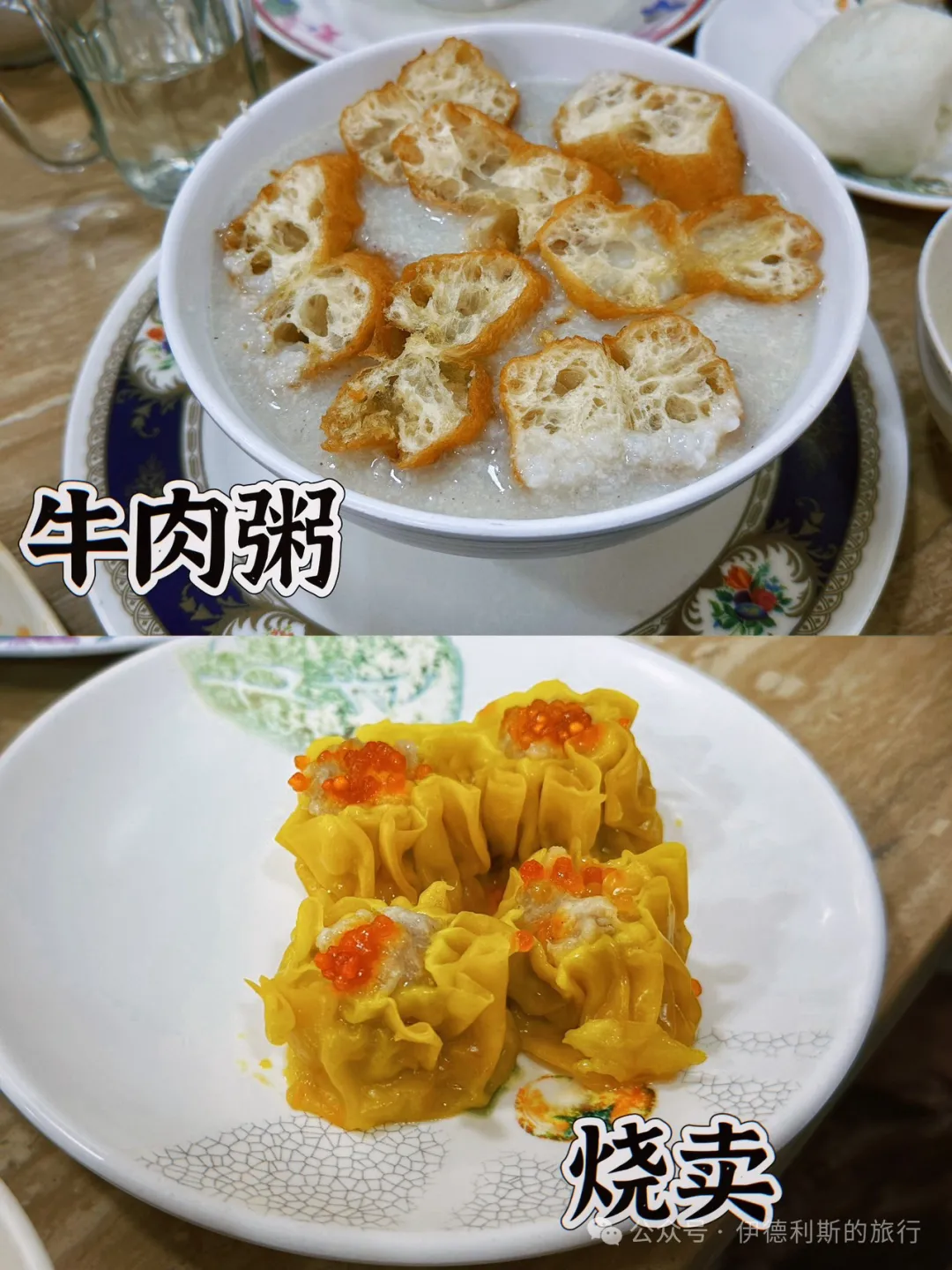
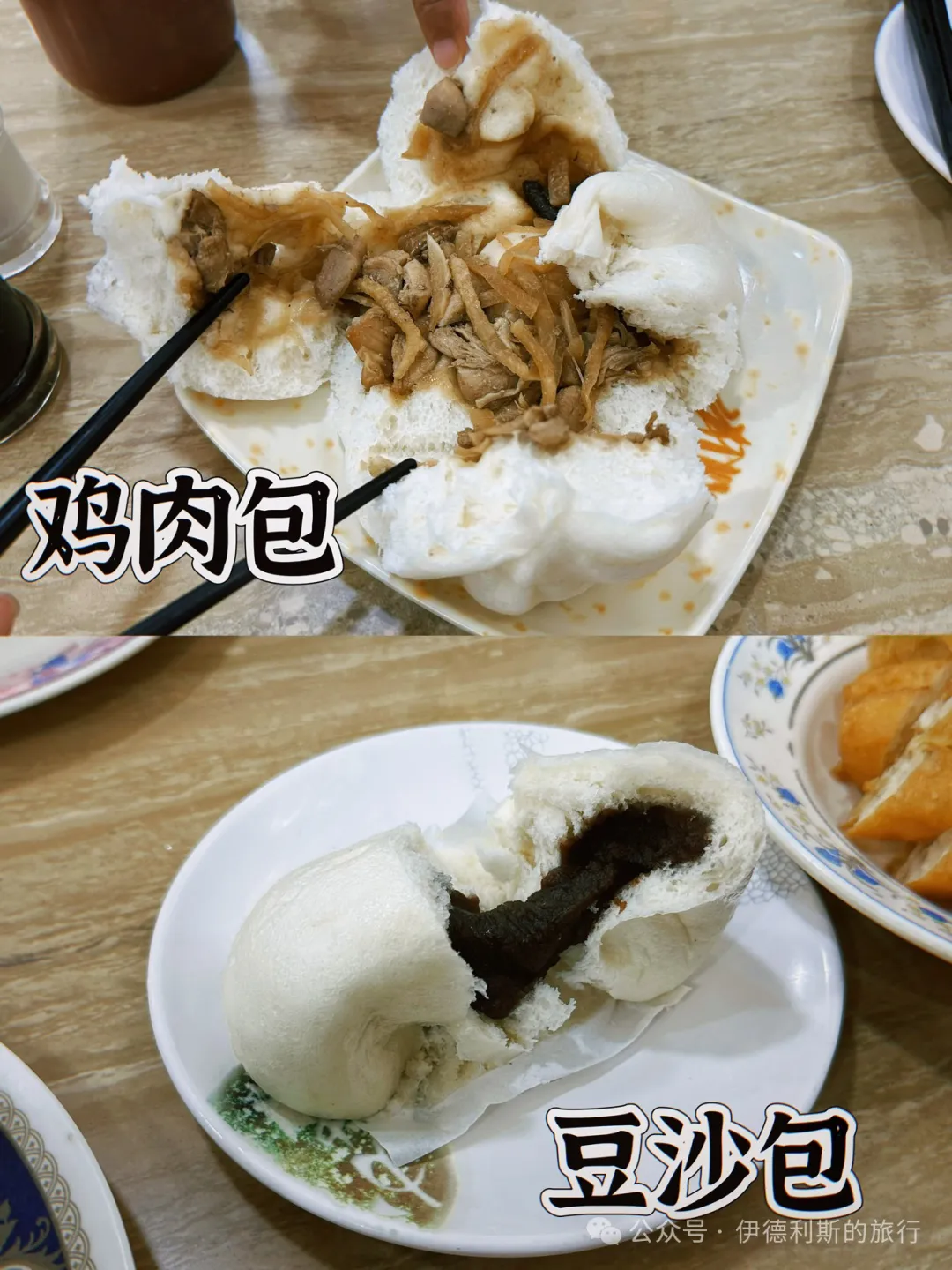
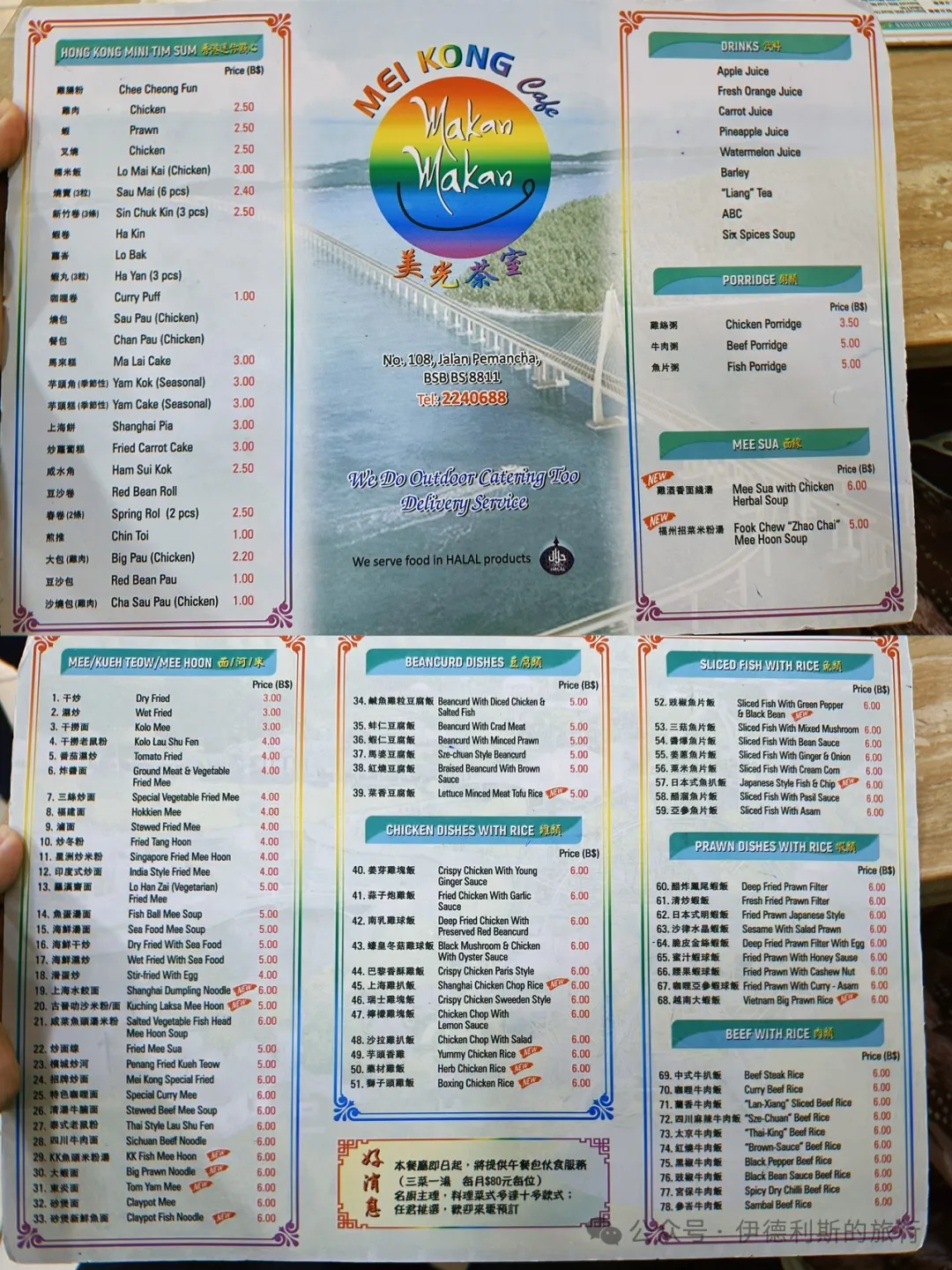
We had a Hainanese breakfast at Meiguang Tea House in the old town of Bandar Seri Begawan. The owner is Hainanese, his wife is from Xiamen, and the staff are all Indonesian. Because they mainly cater to the nearby office buildings, it is usually quite busy. It is relatively quiet on weekends, and there are fewer steamed dim sum options than usual. We ordered chicken and radish buns, red bean buns, beef porridge with small fried dough sticks (youtiao), longan herbal tea, fried noodles, and steamed dumplings (shaomai). Next time, if any friends (dost) are around on a weekday, we can try their other specialties like Fuzhou 'wealth-attracting' rice noodle soup, dry-tossed silver needle noodles (laoshufen), and chicken intestine noodles.
Shixianle
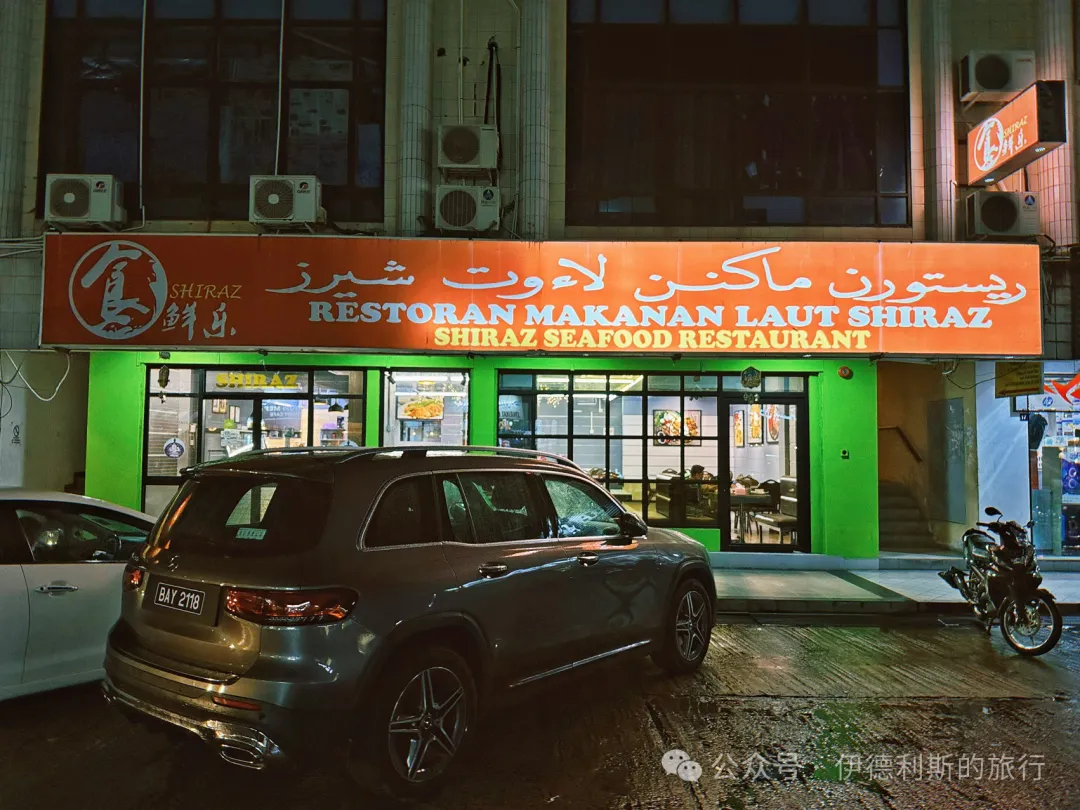
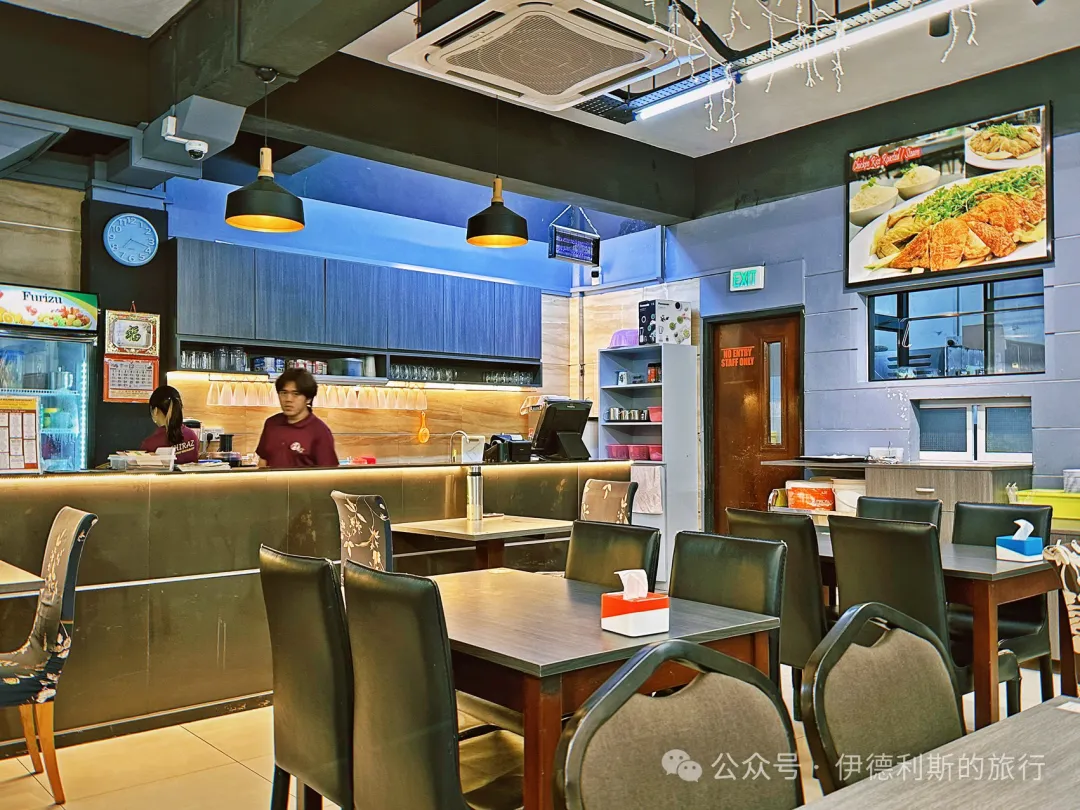
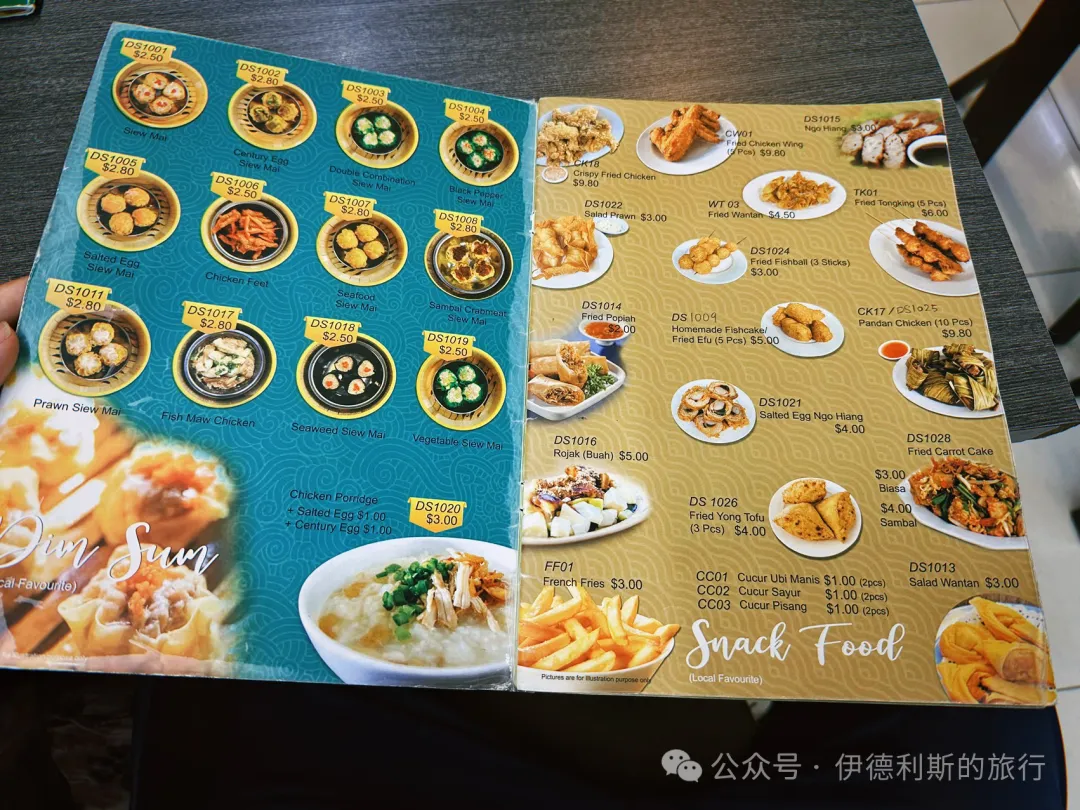
Near the Fujian Association is a restaurant called Shiraz Seafood Restaurant. The name sounds like an Iranian place, but it is actually a Chinese restaurant called Shixianle. It specializes in dim sum and various Nanyang Chinese snacks. The menu is very extensive, and it is halal-certified in Brunei. After we went in, a table of Malays and a table of South Asians arrived, which shows how much different ethnic groups love halal Chinese food.
We ordered Cantonese steamed dumplings (siu mai), chicken feet, fish maw with chicken, five-spice meat rolls (ngo hiang), fried stuffed tofu (yong tofu), fried radish cake, longan herbal tea, chicken porridge, seafood soup (a mix of fish fillets, fish balls, etc.), and dry-fried green beans. We really enjoyed our fill of Nanyang Chinese snacks in Brunei.
Ngo hiang is short for 'five-spice marinated meat,' a snack that originated in the Minnan region of Fujian. In the past, life was hard, so people would season leftover meat and vegetables with five-spice powder, wrap them in bean curd skin, and deep-fry them. Later, as Chinese people traveled south, it spread to Indonesia, Malaysia, the Philippines, Brunei, Singapore, and Thailand.
Stuffed tofu (yong tofu) is a traditional Hakka dish. In the Hakka dialect, the word niang means to stuff with filling. Legend says that after the Hakka people moved south from the Central Plains, they wanted to eat dumplings but had no wheat. They used tofu instead of flour and invented stuffed tofu (niang doufu). Later, stuffed tofu followed the Hakka people as they traveled south to Indonesia, Malaysia, Singapore, Brunei, Vietnam, and Thailand.
In Brunei, the Fujian Association and the Taiwan Overseas Compatriot Association share the same building. Nearby, there are non-halal restaurants, which are rare in Brunei, and they all have red non-halal signs at their entrances.
Hua Ho Department Store
Hua Ho Department Store is a famous halal supermarket owned by Chinese merchants in Brunei, and it has many branches across the country. We went to the Kiulap branch. Inside, one side features various traditional Brunei Malay snacks. We bought a traditional snack from Sabah and Brunei called Kuih Cincin Tempatan, which is fried using red coconut, rice flour, and palm sugar. The other side is the supermarket area, where you can buy various halal foods with Cantonese, Fujian, Chaoshan, and Taiwanese characteristics.
The founder of Hua Ho Department Store, Lau Gek Poh (Liu Jinguo), was born in 1920 to a farming family in Lieyu, Kinmen, Fujian. In 1938, he traveled south to seek his fortune, first going to Singapore and then to Brunei to join his eldest sister. In 1947, Lau Gek Poh bought a piece of land in Manggis, on the northern outskirts of Brunei. He built a vegetable garden and hired workers to raise chickens and ducks, officially establishing Hua Ho Department Store. After the 1950s, as agricultural prices fell, Lau Gek Poh eventually went bankrupt and closed his shop in 1958. Afterward, he began selling vegetables at the market and selling fabric door-to-door. He did not reopen his shop until 1961. In 1966, he built a small two-story building, and the shop was opened on the first floor. Later, he gradually expanded the scale of his business, eventually making Hua Ho the largest department store in Brunei.
In 2004, the Sultan of Brunei awarded Lau Gek Poh the title of Pehin Kapitan Cina Kornia Diraja, making him one of the few Chinese nobles in Brunei. Lieyu, also known as Little Kinmen, is located between Kinmen and Xiamen. People from Lieyu began traveling south to Brunei in the 19th century. Initially, they worked mainly as shipping laborers, dock workers, fishermen, and street vendors. Later, they gradually accumulated capital and turned to business, occupying an important position in Brunei's business world. Many have received the titles of Pehin Kapitan and Pehin.
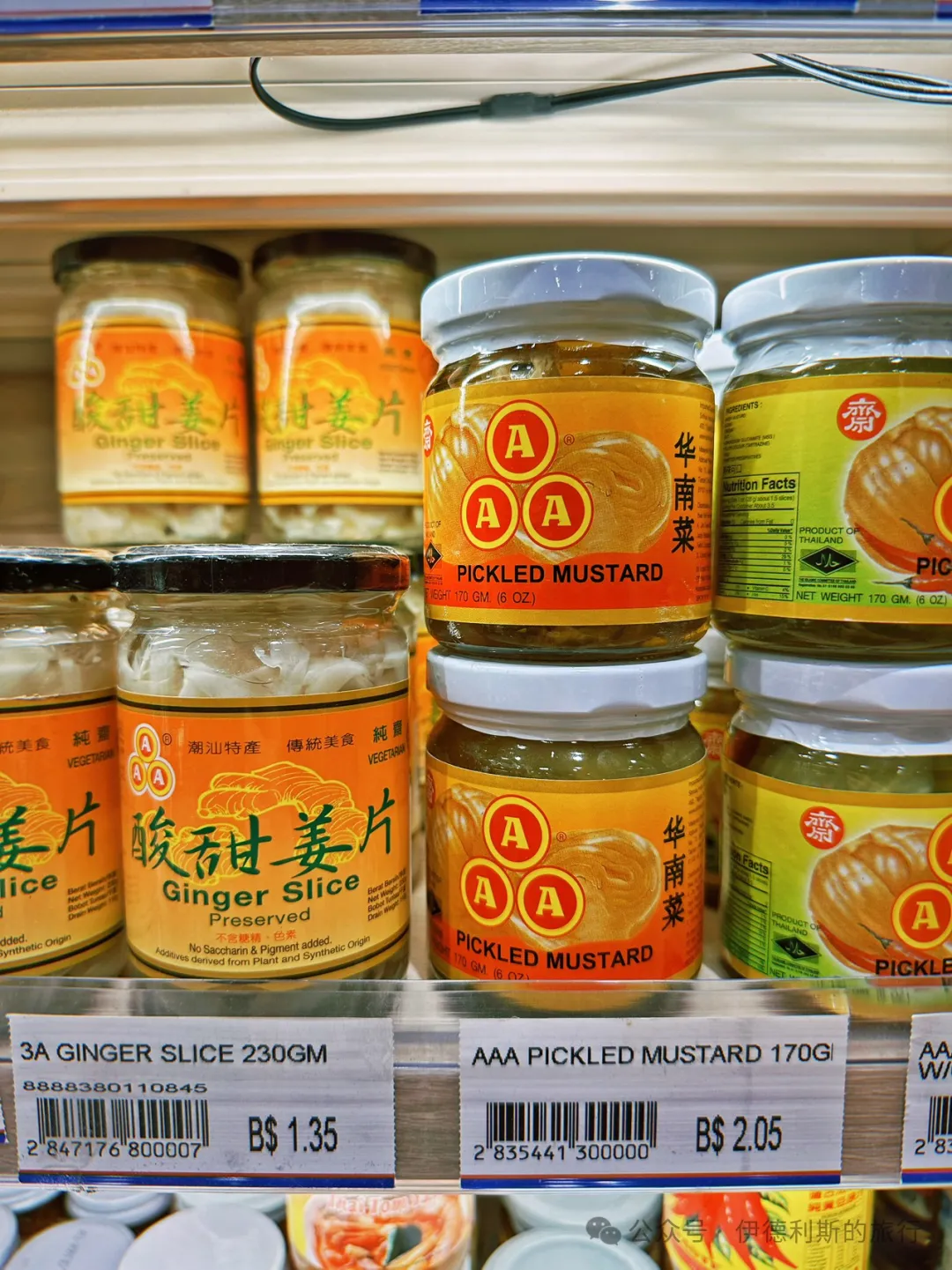
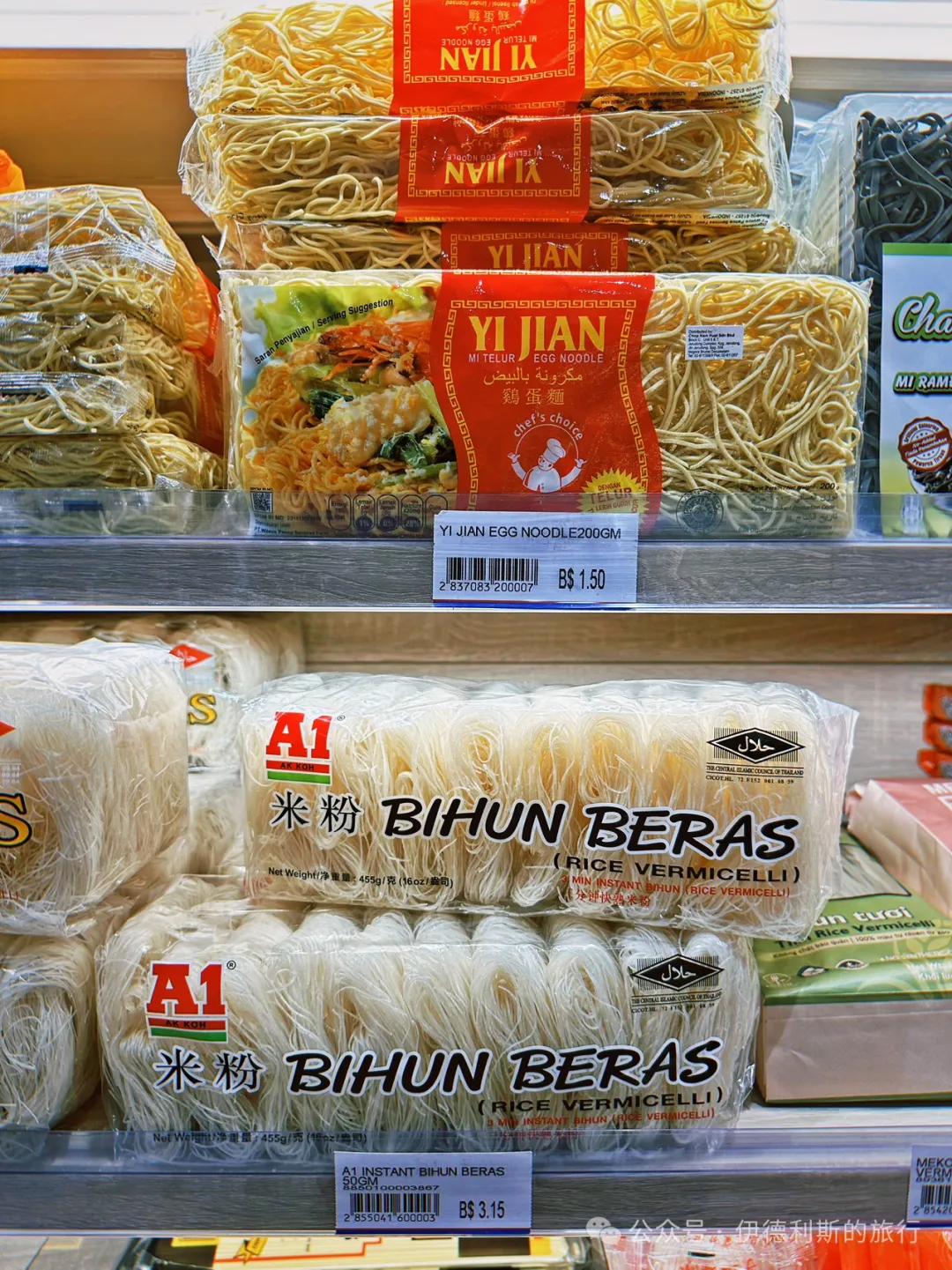
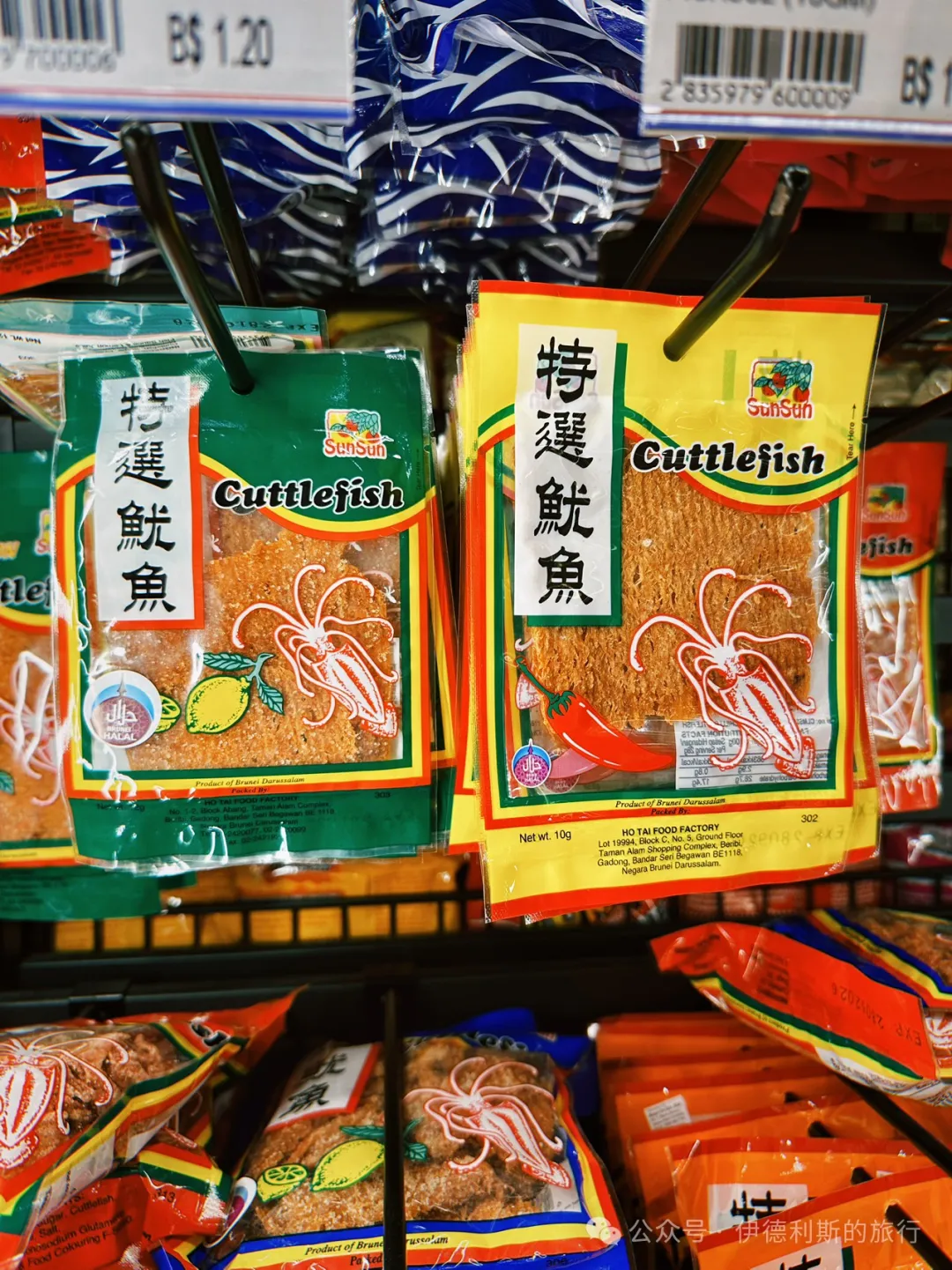
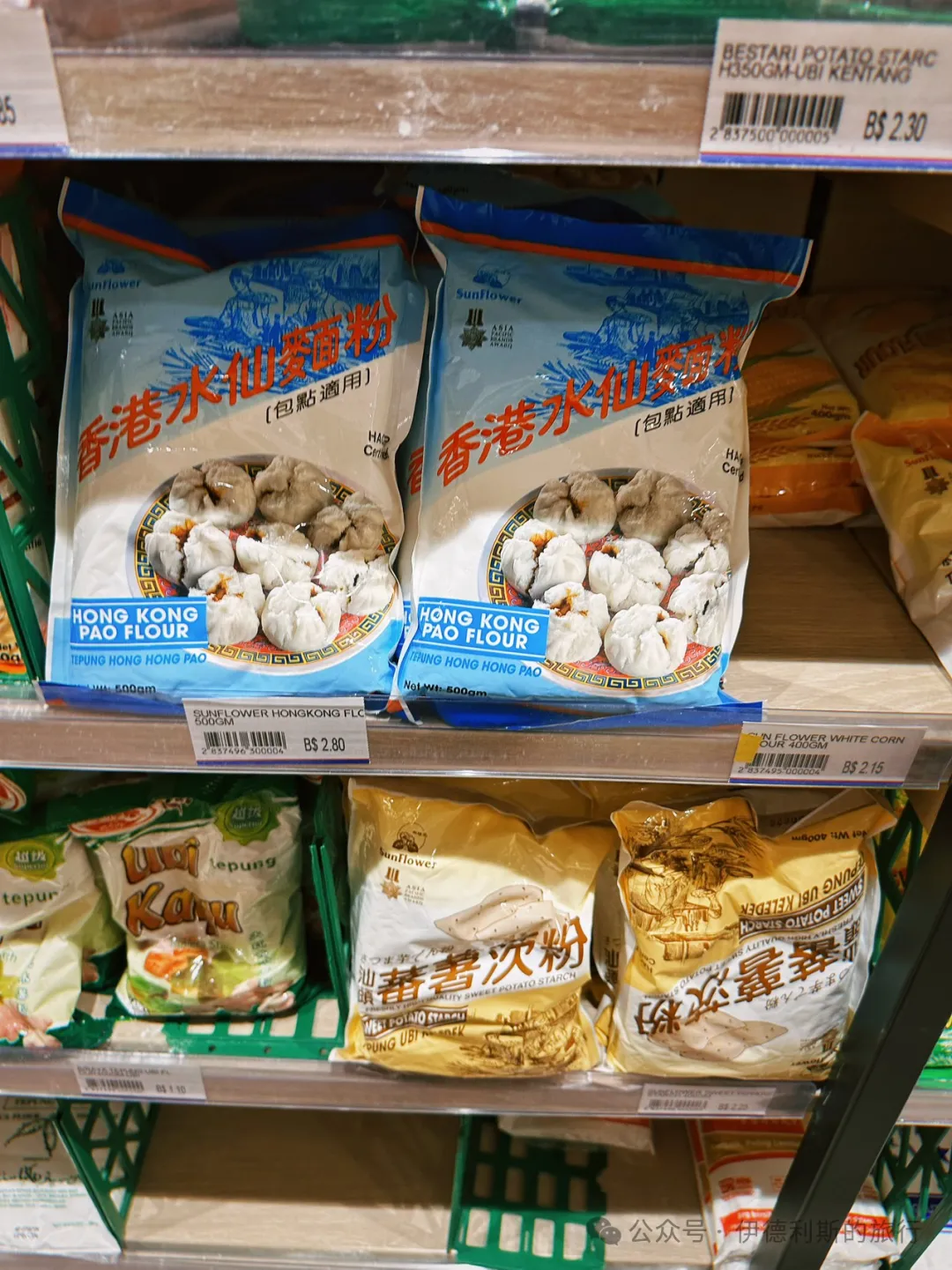
Some products at Hua Ho Department Store: coconut jelly powder, cold bean curd powder, Hong Kong narcissus flour, Shantou sweet potato starch, fragrant braised peanuts, fragrant vegetable hearts, belacan chili, Chaoshan specialty sweet and sour ginger slices, South China vegetables, spicy fermented bean curd with sesame oil, rice noodles, shredded codfish, and selected squid.
Traditional Malay Market: Gadong Night Market
Gadong Night Market is very famous, but it is actually not very big. There are very few tourists in Brunei, so the night market is mostly filled with locals.
We first bought shredded squid and fish paste with chili sauce. This little snack is quite delicious. Then we bought mangosteen and snake fruit. It was my first time eating snake fruit, and the taste was quite good.
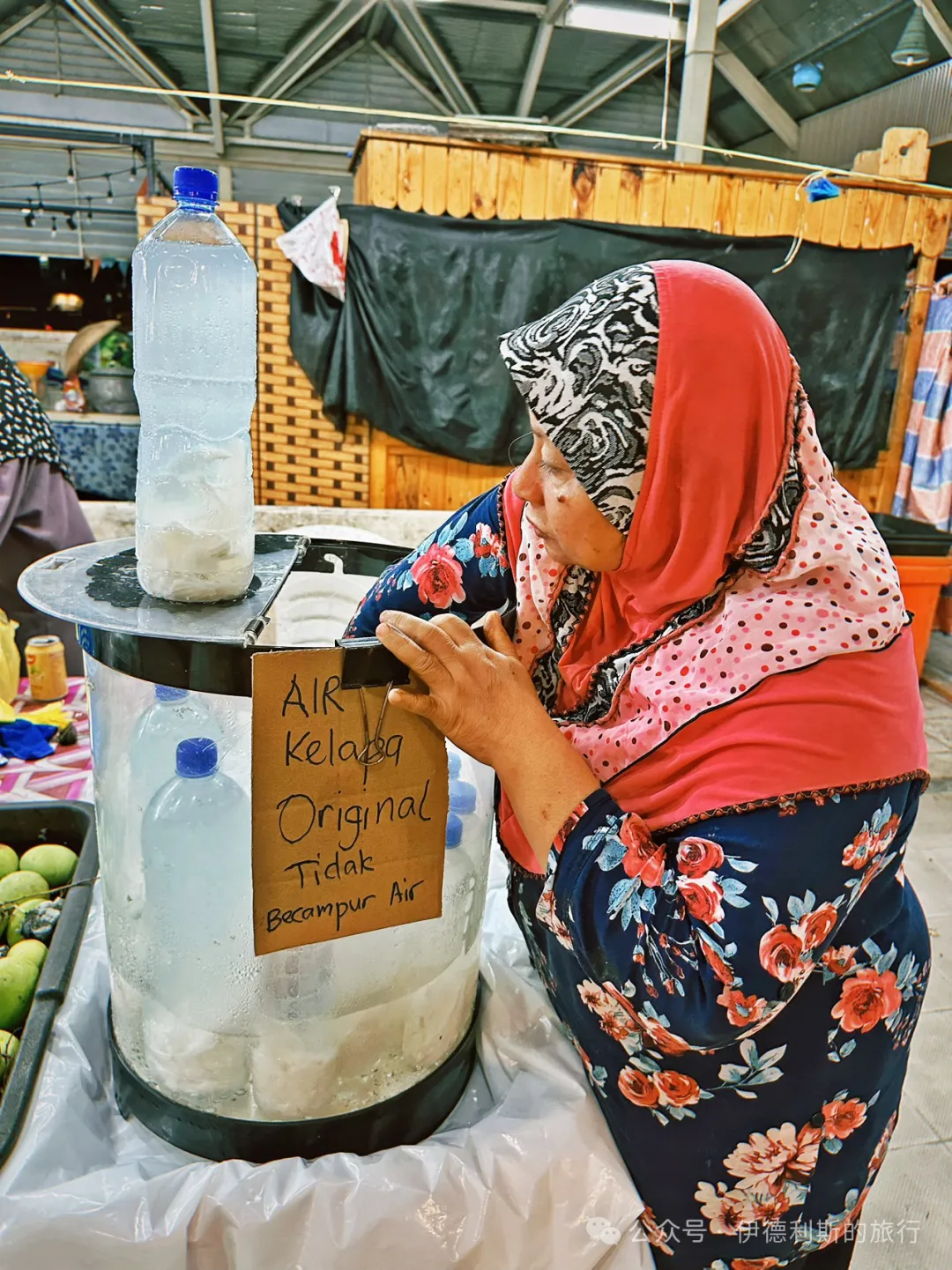
We ate noodle soup at a small snack shop at the entrance. We ordered Bakso beranak (large beef balls stuffed with smaller beef balls) and Soto Daging (beef noodle soup). The eating habits here are almost the same as in Indonesia. I really enjoy the beef noodle soup here, especially on a rainy day when a bowl feels very comforting. I also ordered a coconut. The local coconuts are large. Even though the husk is thick, there is still plenty of juice inside, and it comes served with a lime wedge to squeeze in.
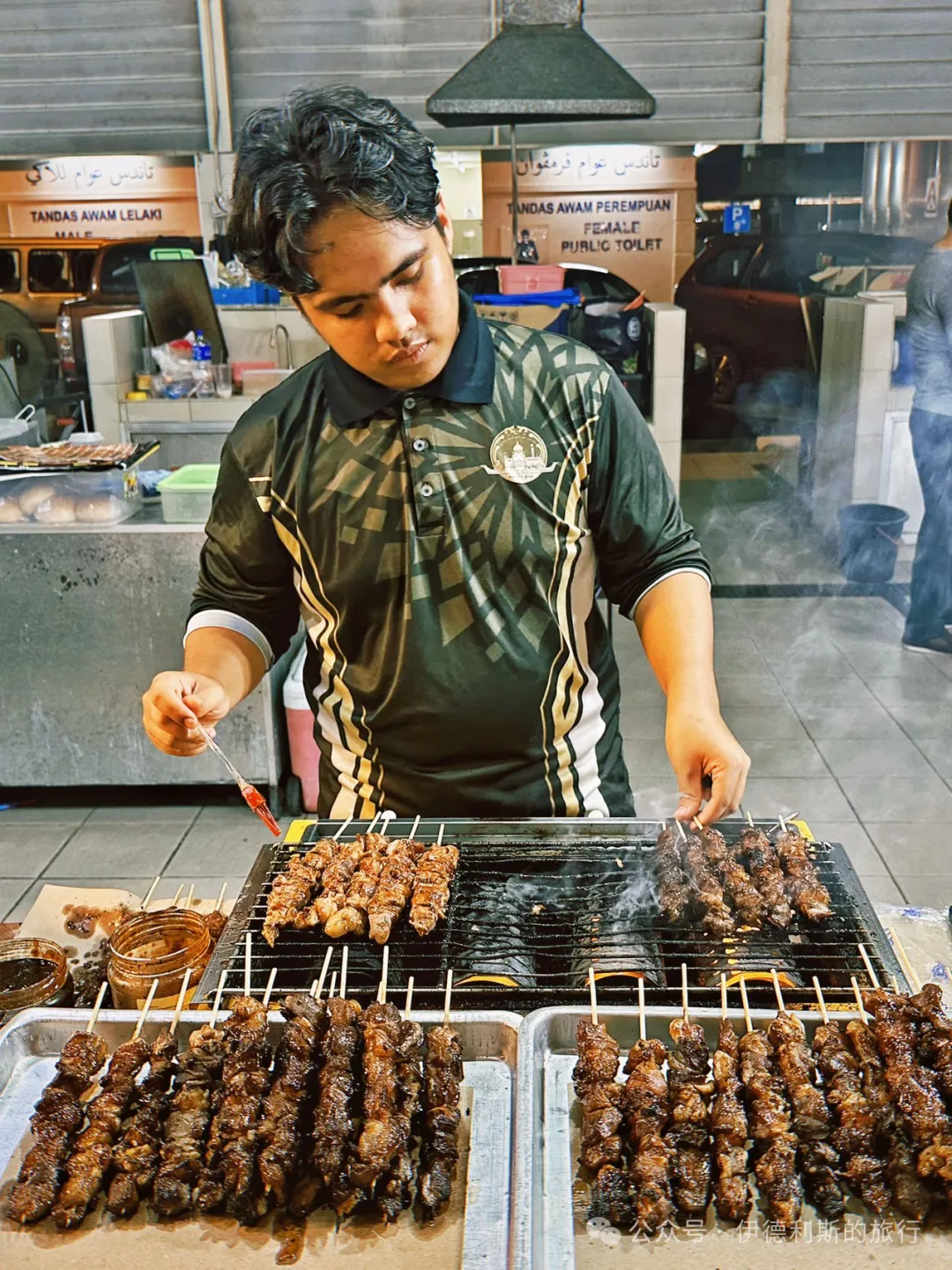
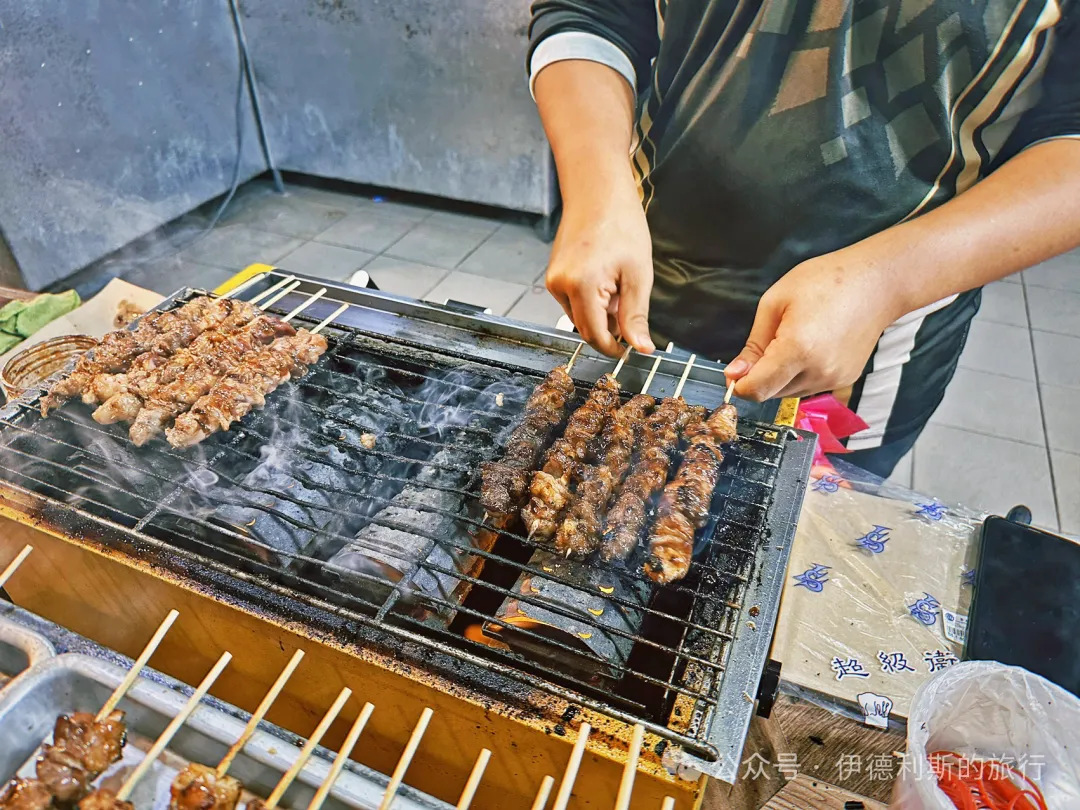
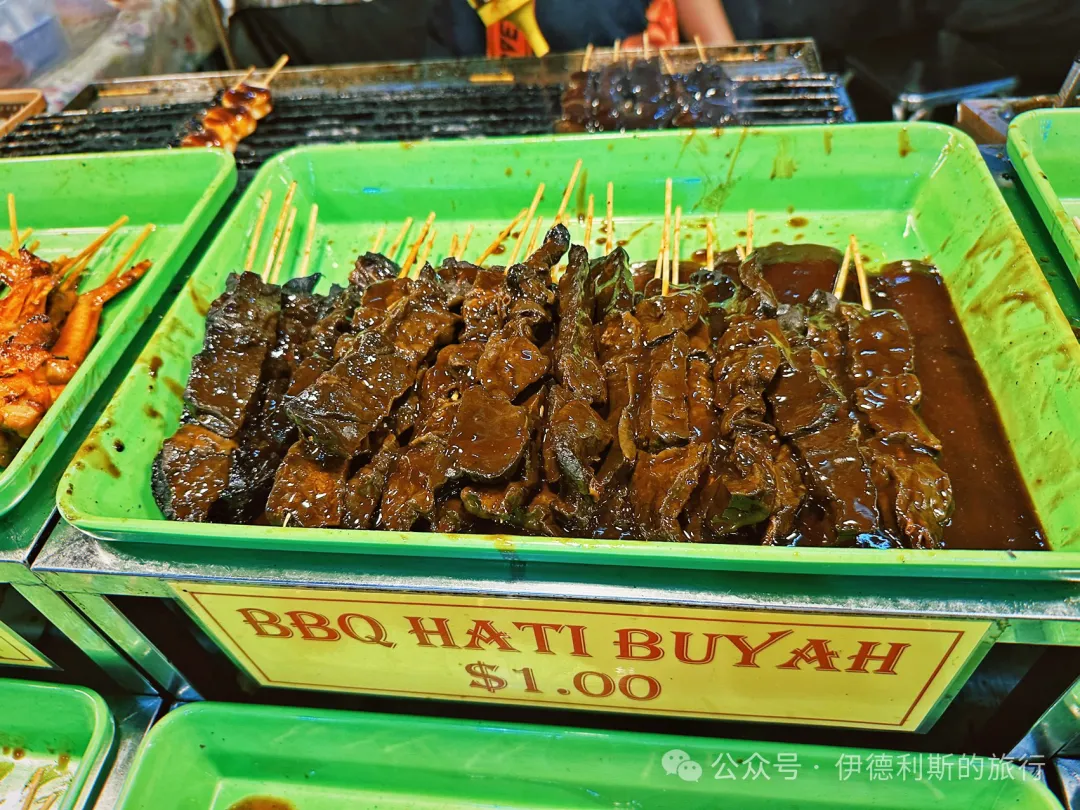
I had satay skewers at the Gadong Night Market, specifically the liver and chicken hearts, which were sweet and grilled a bit firm.
A wide variety of Brunei-style buffet.
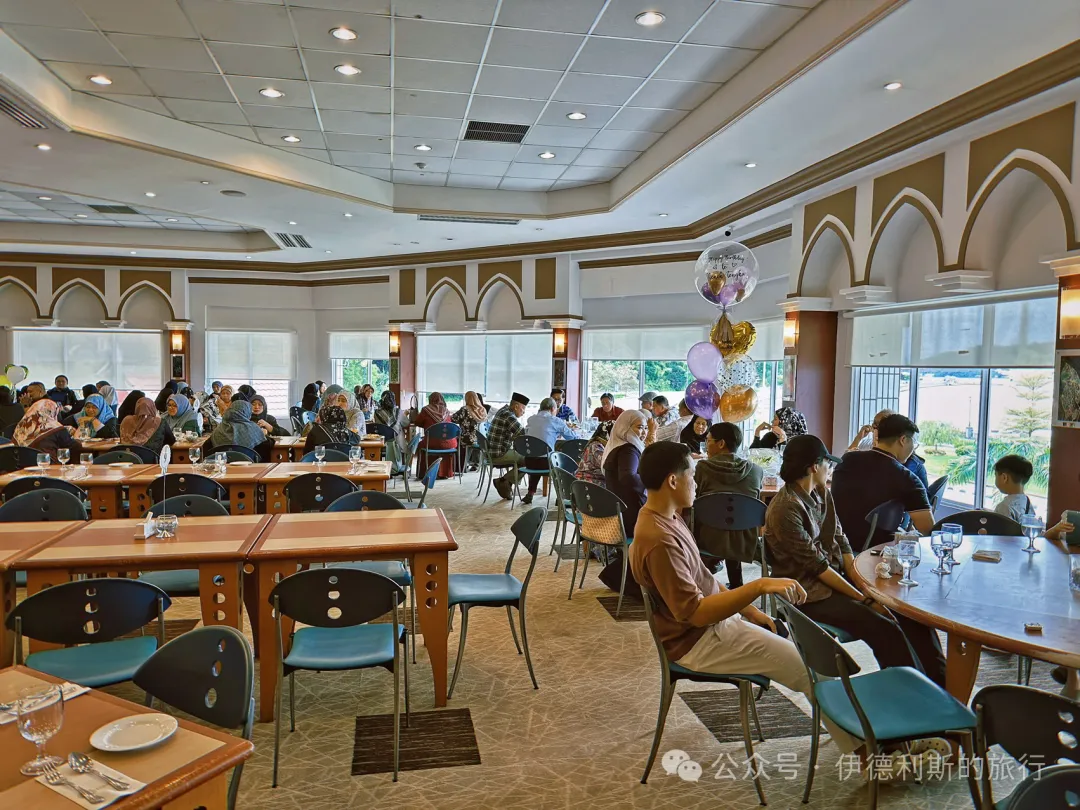
If you want to try authentic local food in Brunei, I recommend the buffet at the Brunei Arts and Handicraft Training Centre. You can find it on the map by searching for Tarindak D'Seni.
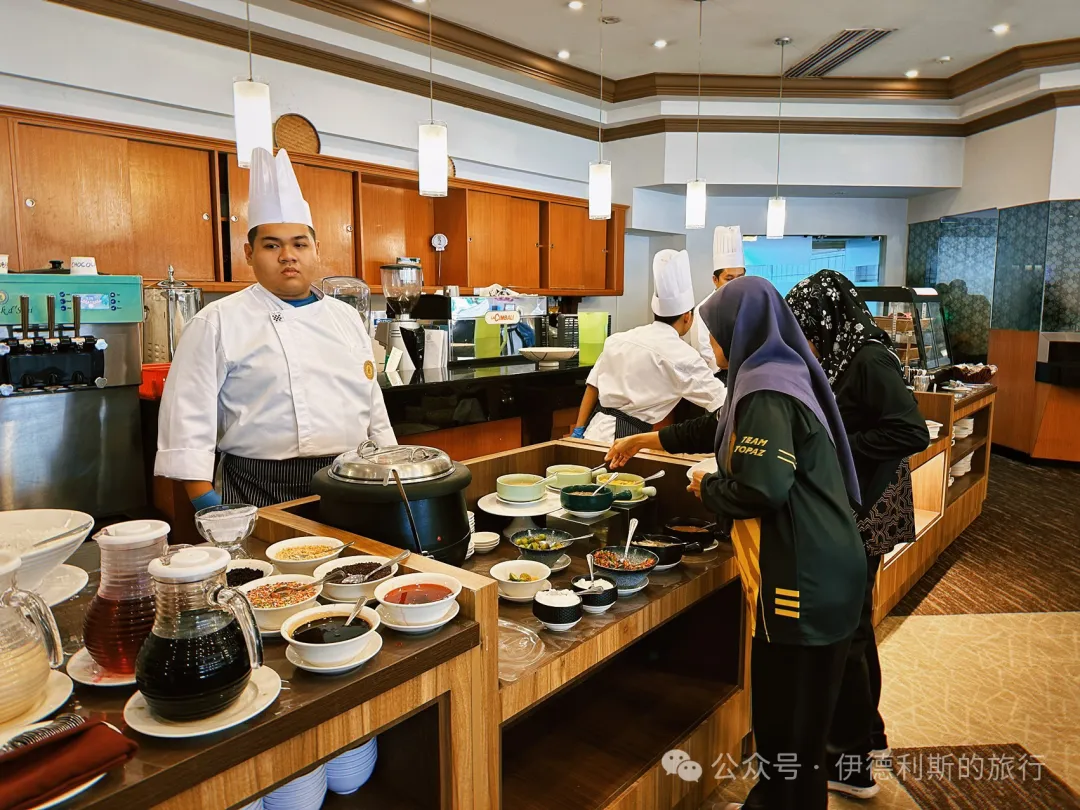
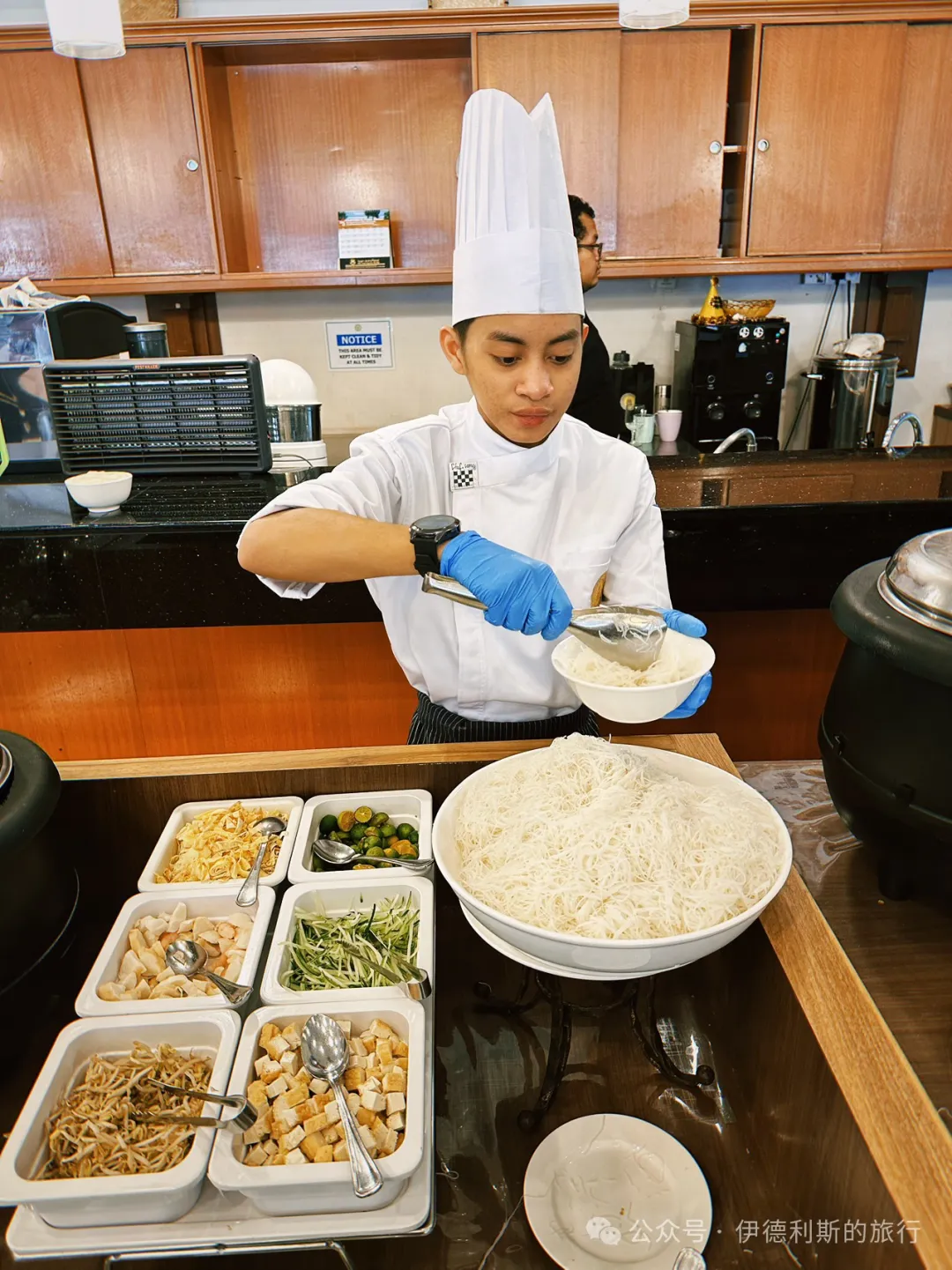
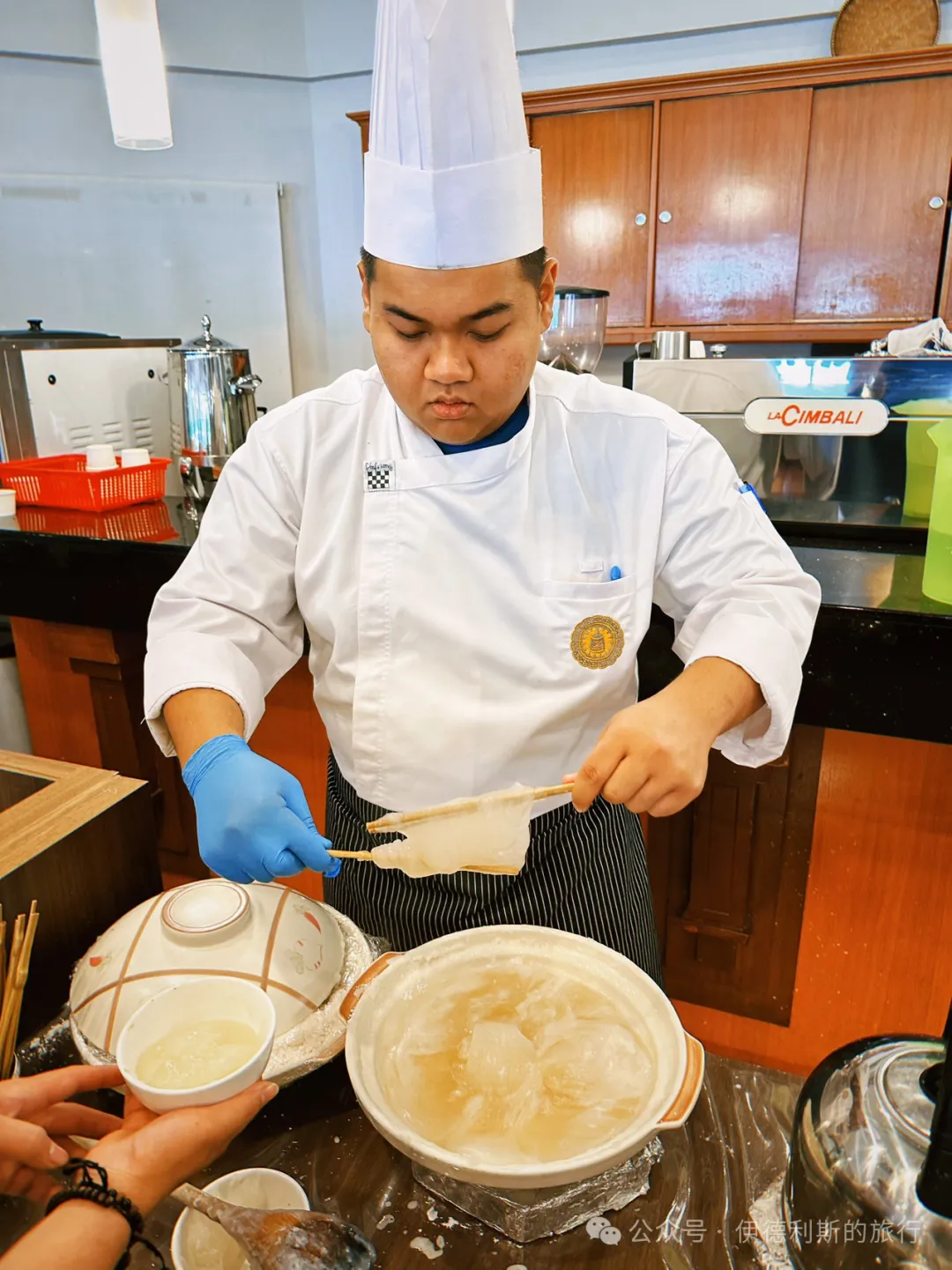
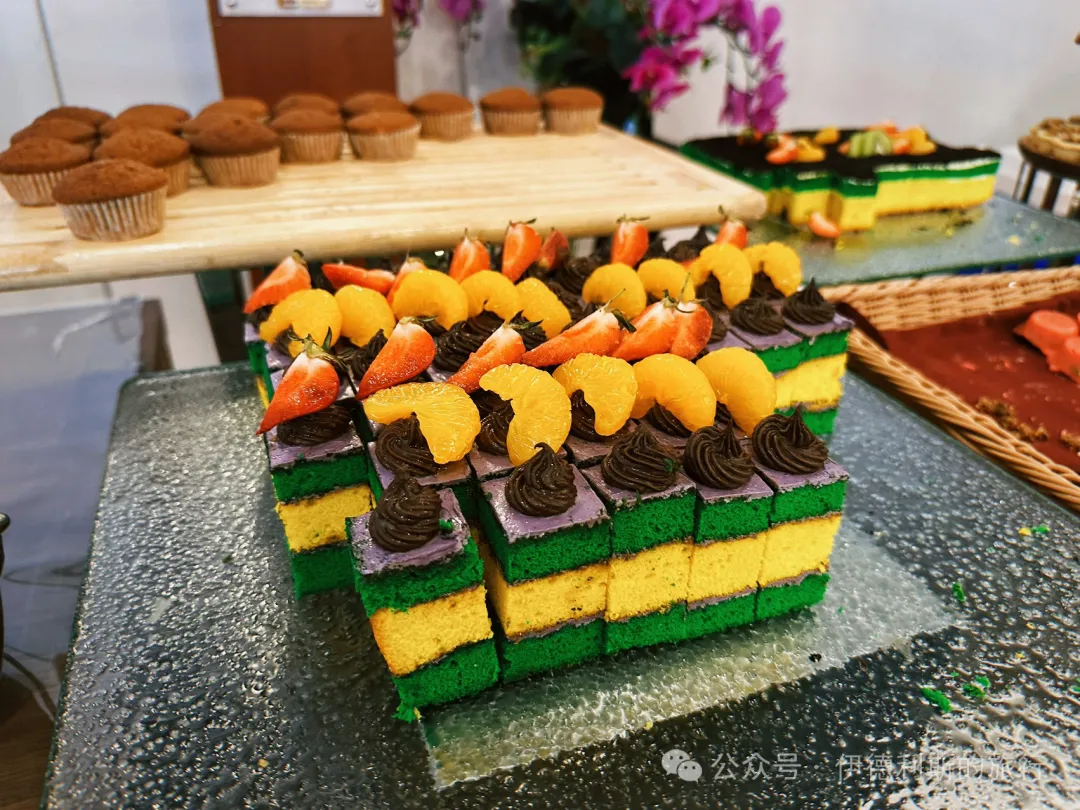
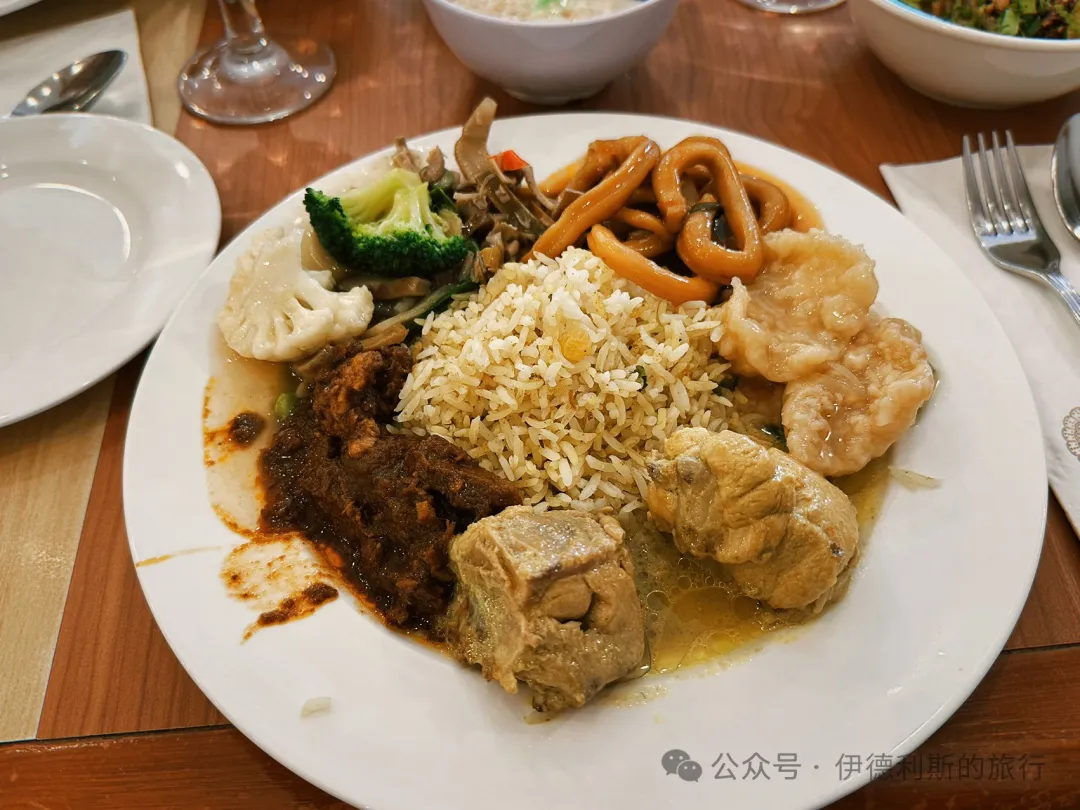
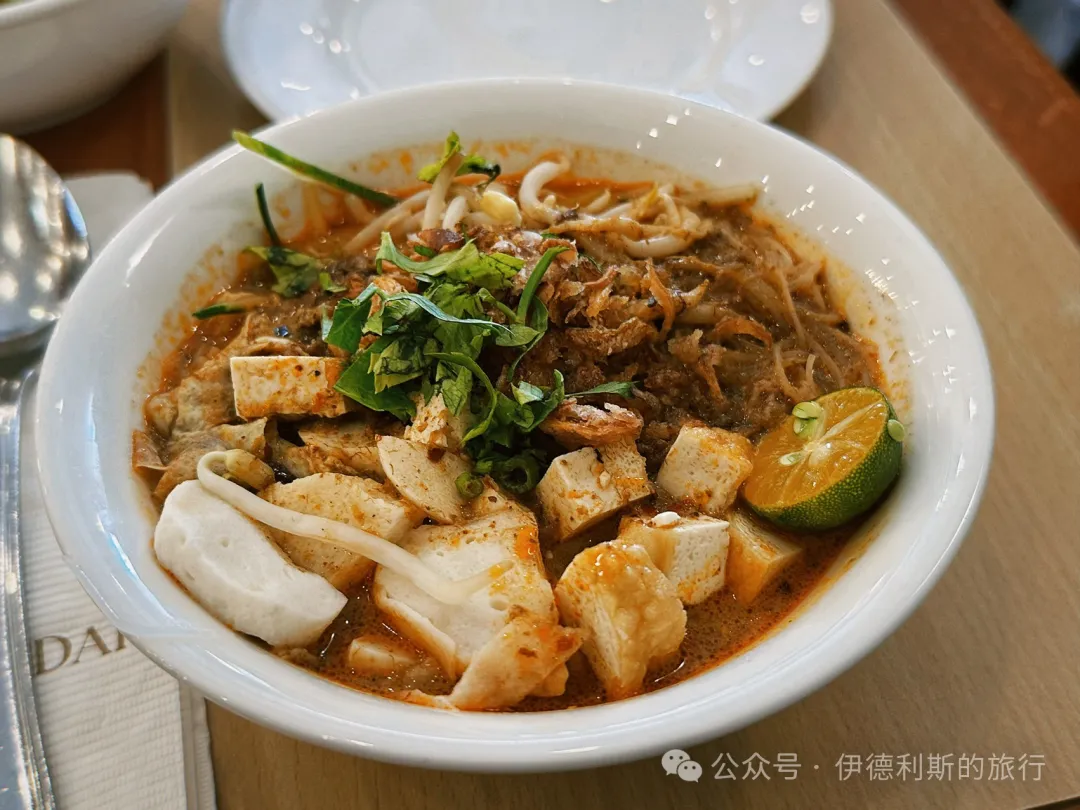
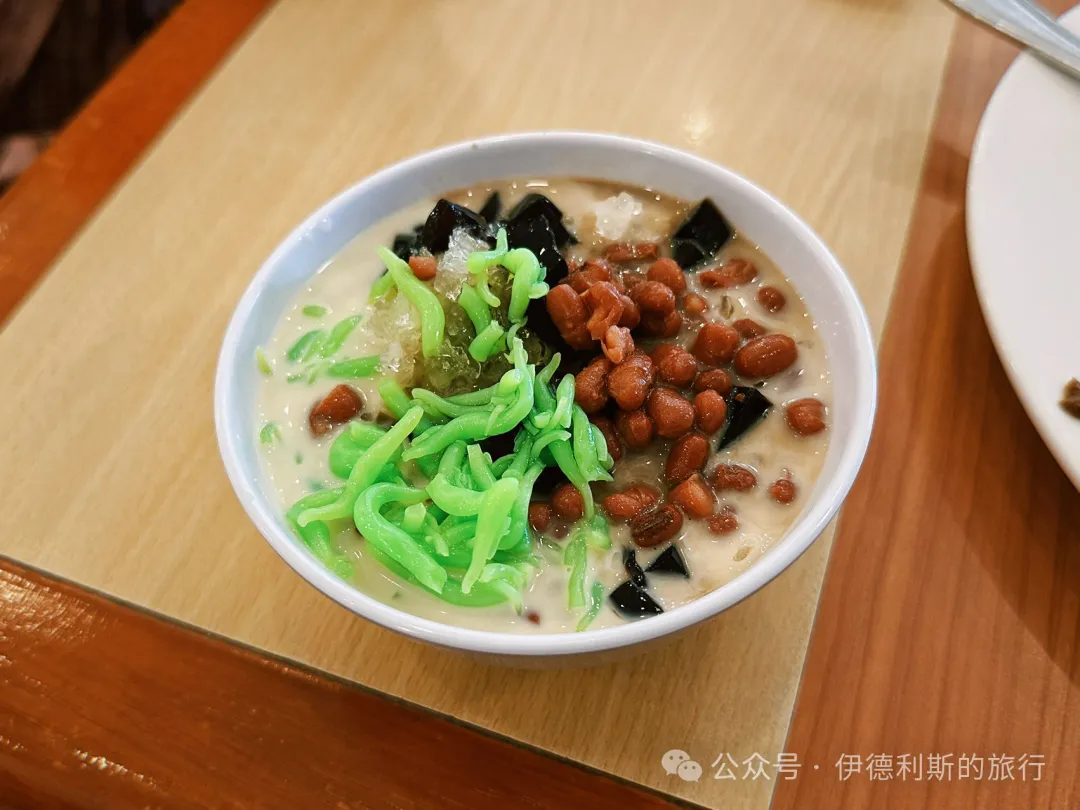
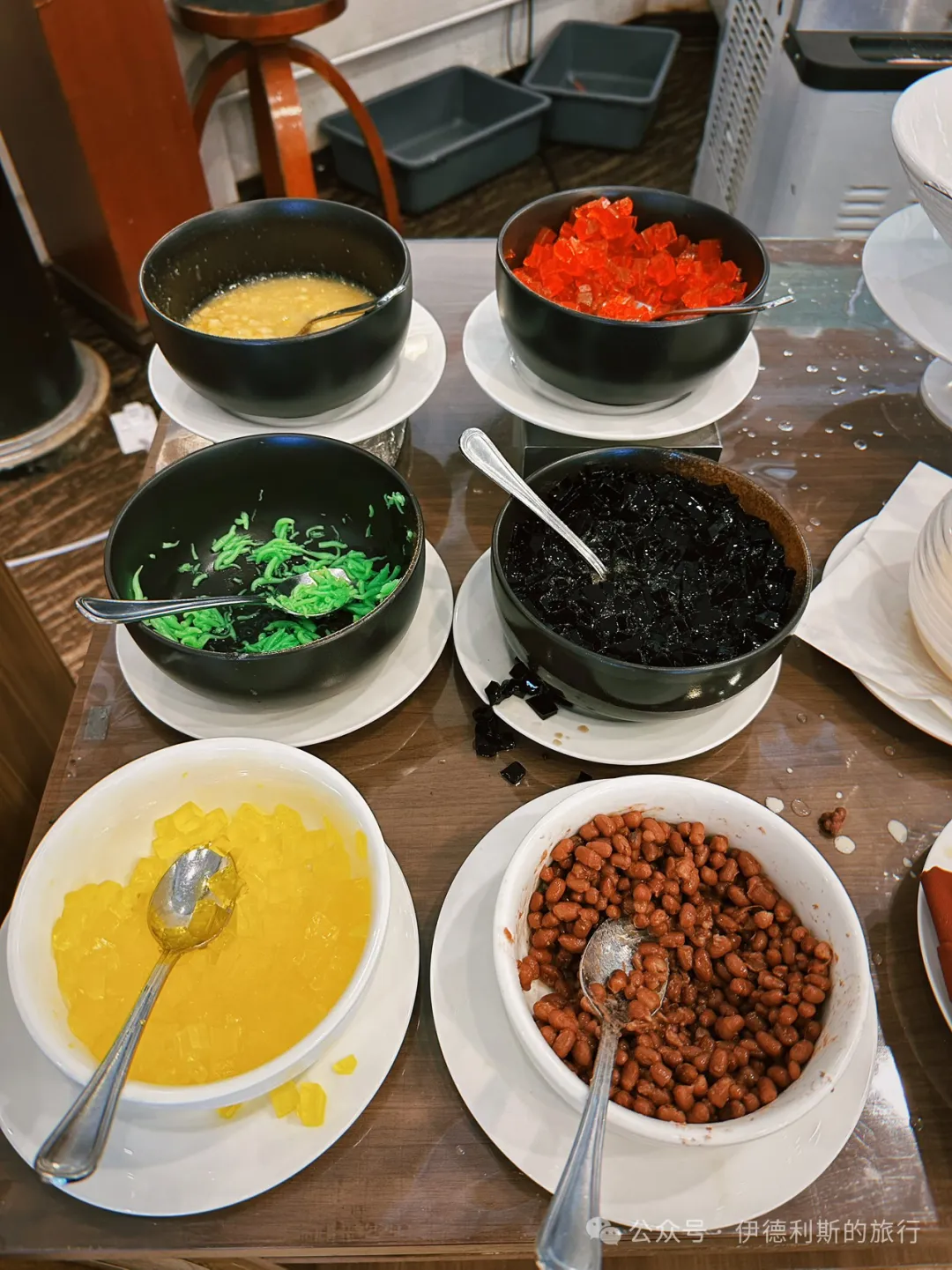
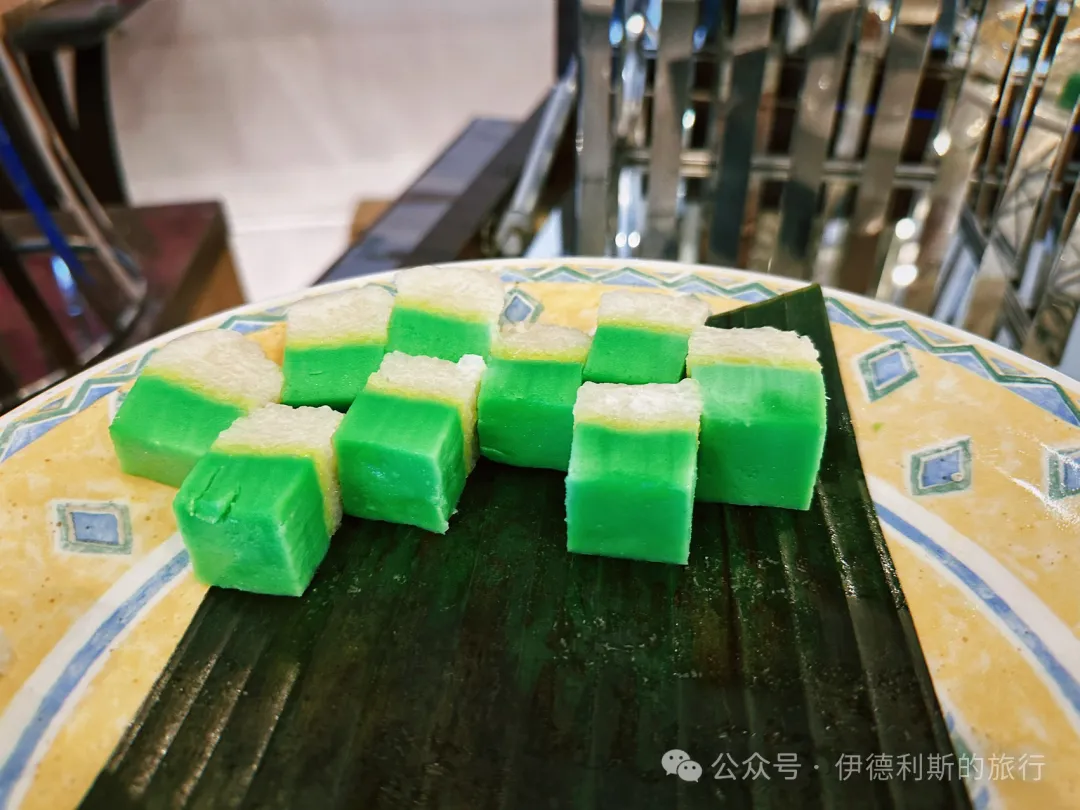
We went for lunch from 11:30 to 14:30, which cost 91 RMB per person, and there is a discount for seniors over 60. The environment is lovely, with the Brunei River right outside the window. The food selection is rich. You can eat various sticky rice pandan Malay cakes (kuih), Sarawak laksa noodles with coconut milk, and even make your own shaved ice dessert (cendol).
They serve Brunei's national dish, sago starch paste (ambuyat), which is made by mixing sago palm starch with hot water to create a thick paste, eaten by dipping it into a sauce.
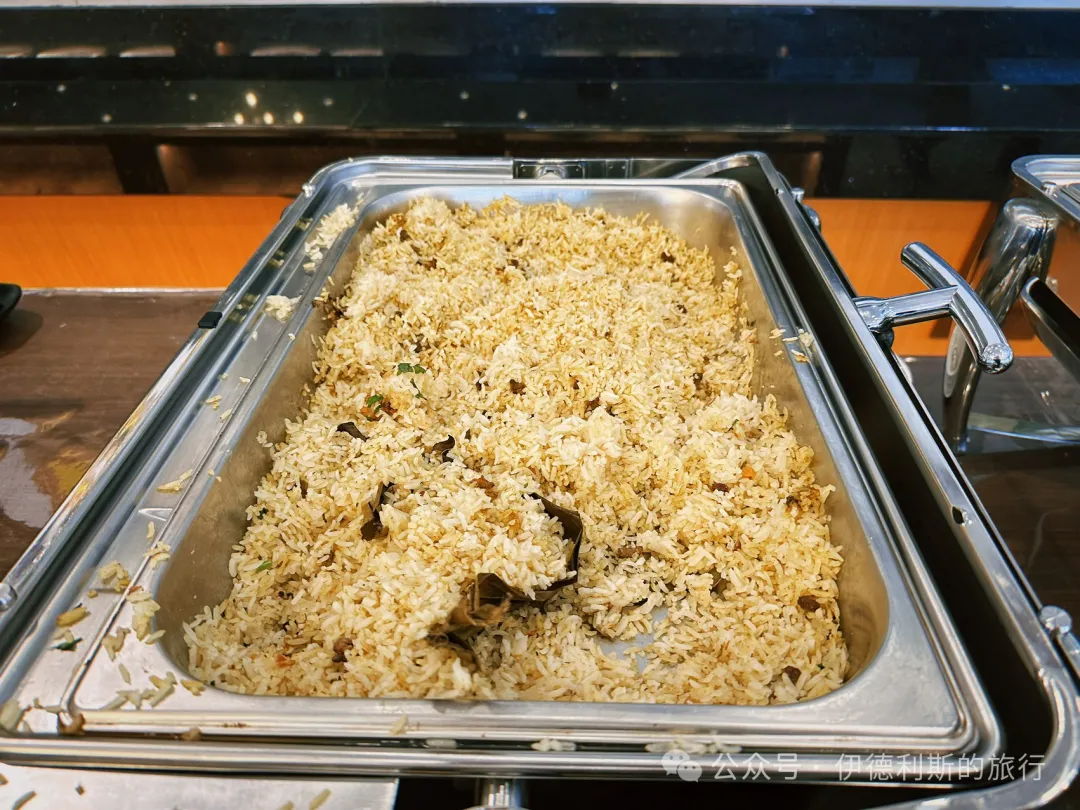
Nasi kebuli is rice cooked with goat broth, goat milk, and ghee. It was brought to the Malay Archipelago by Hadhrami people from Yemen and is especially popular in the Arab communities of Java.
Black beef (daging hitam) is a beef rendang made with a sweet soy sauce containing plenty of palm sugar and rock sugar, a specialty of the Sarawak region.
Chicken cooked in coconut milk (opor ayam) is chicken simmered in coconut milk with various spices.
Two national mosques.
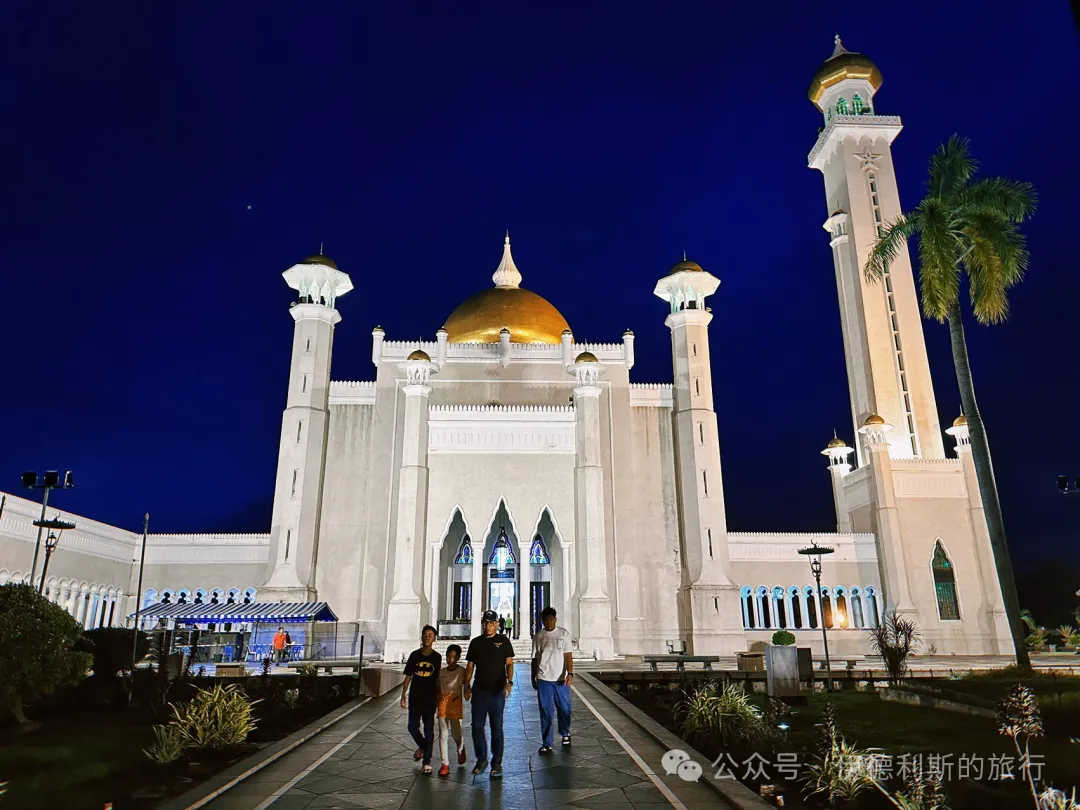
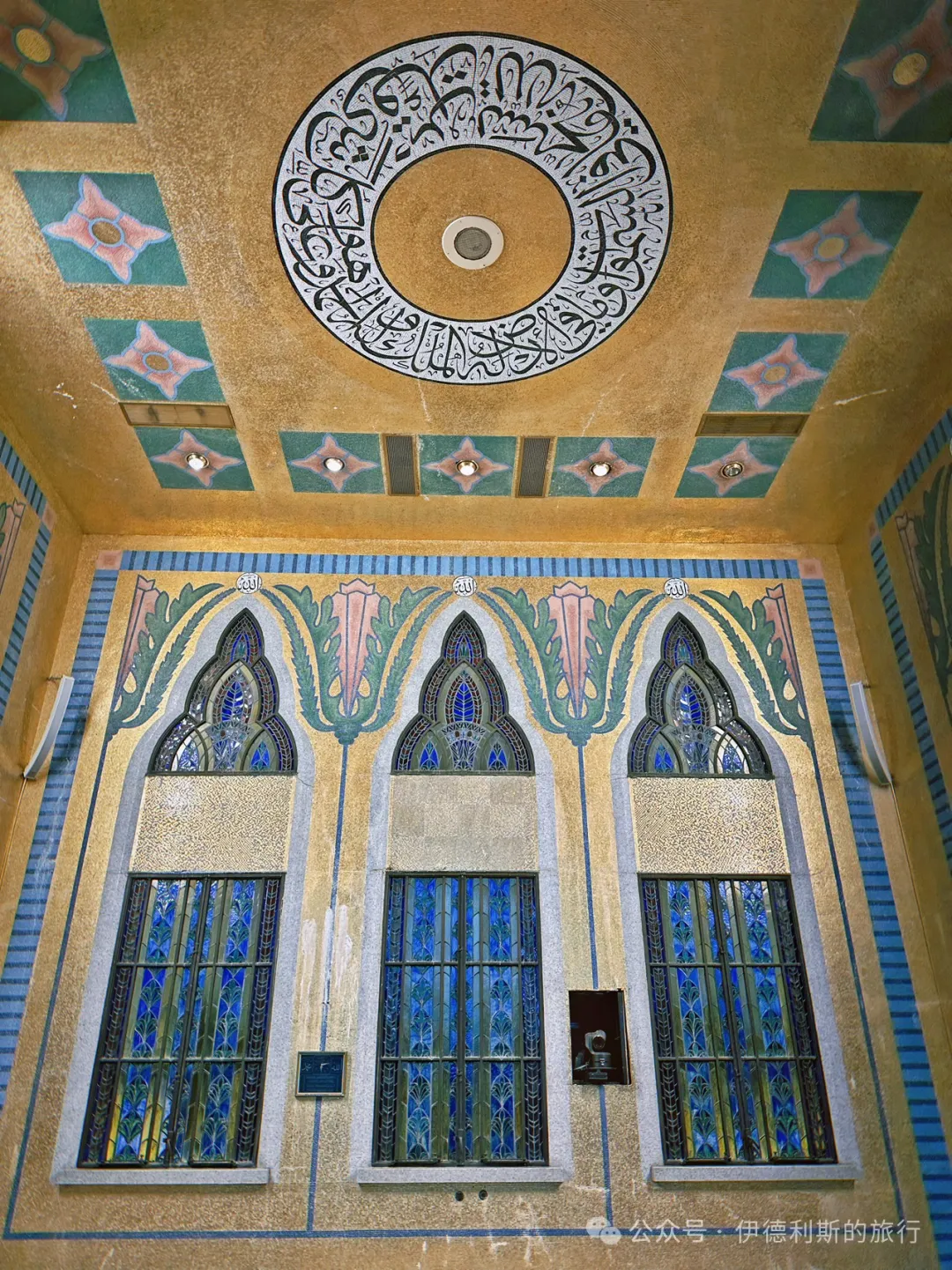
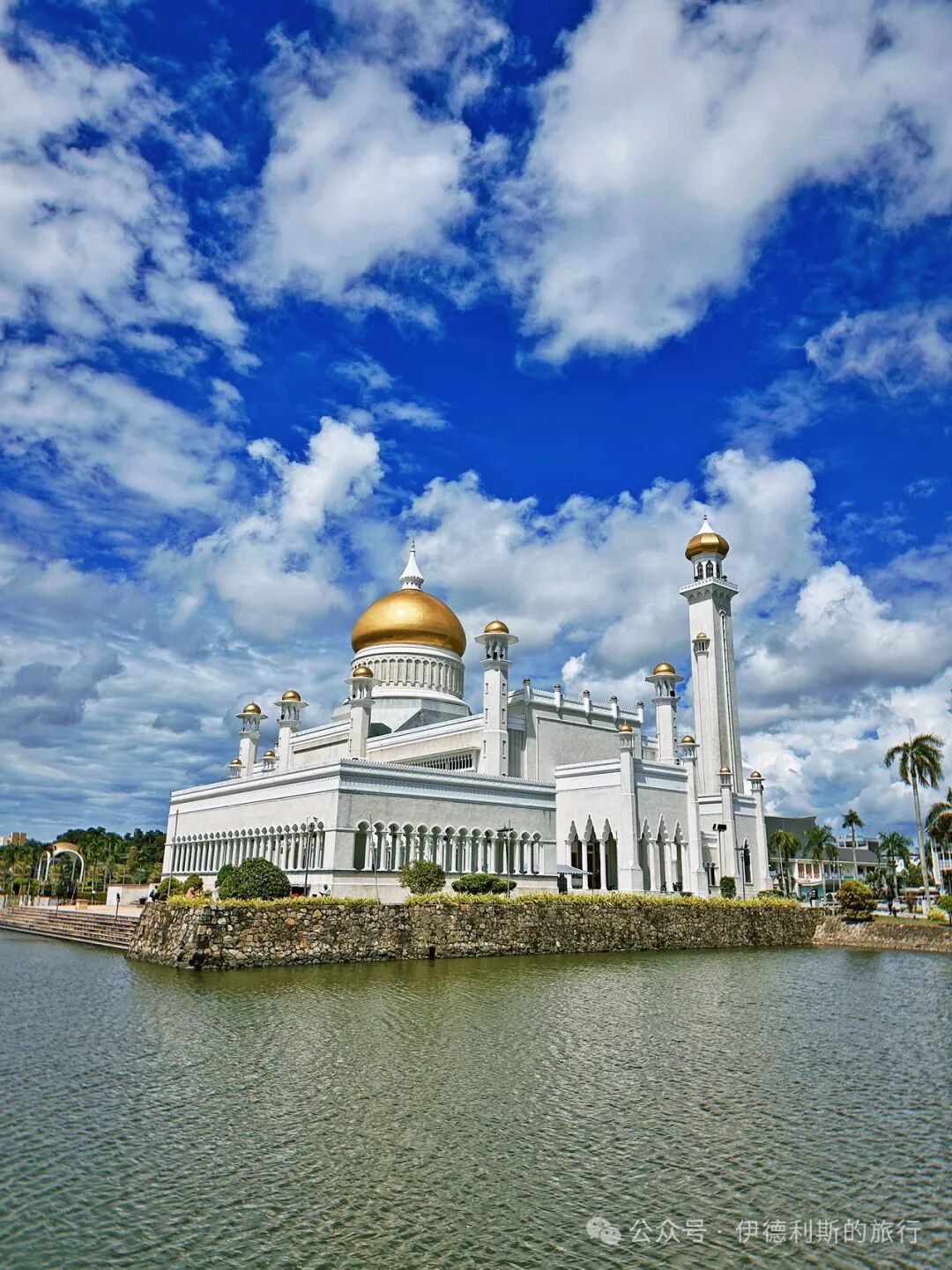
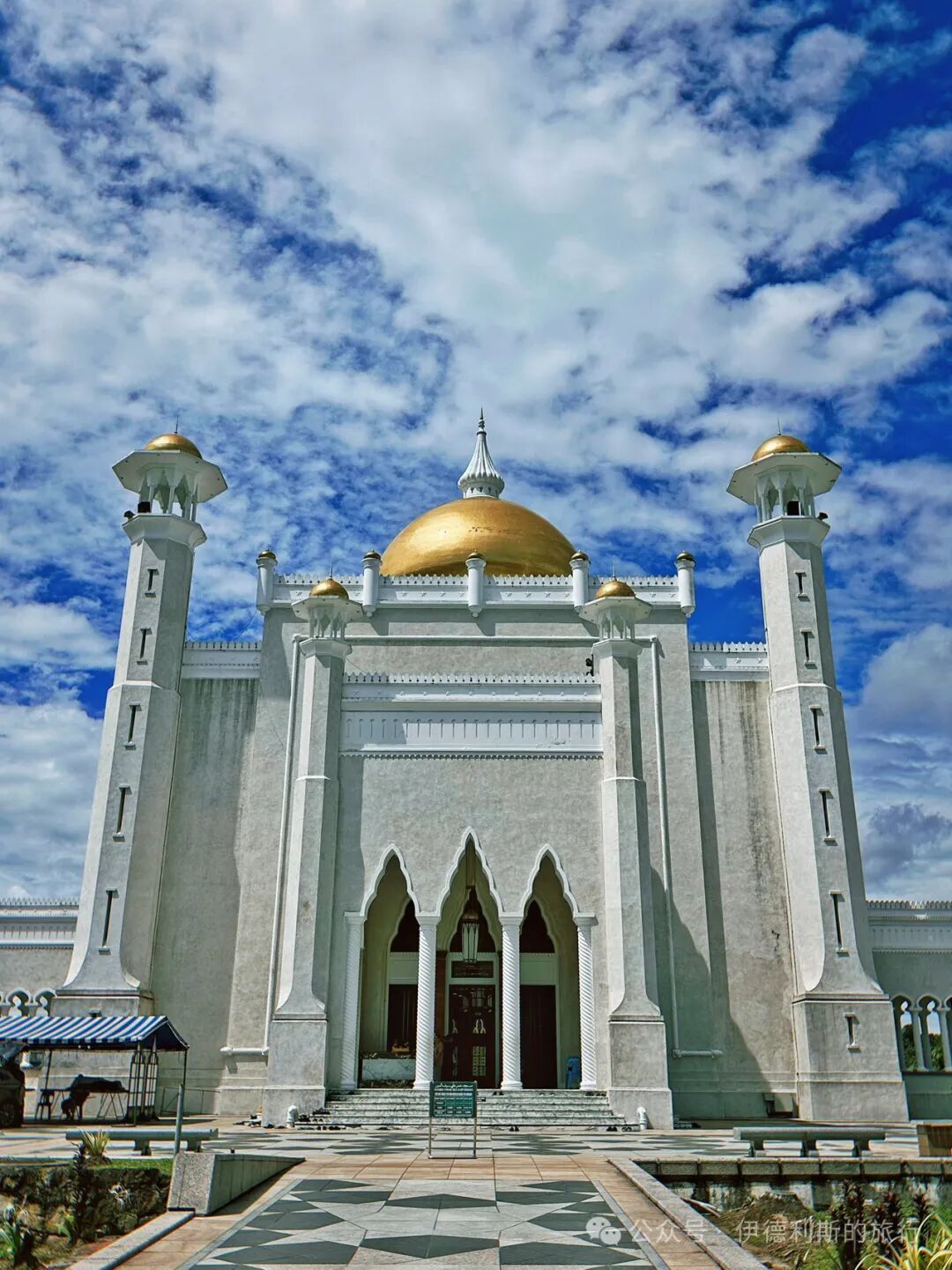
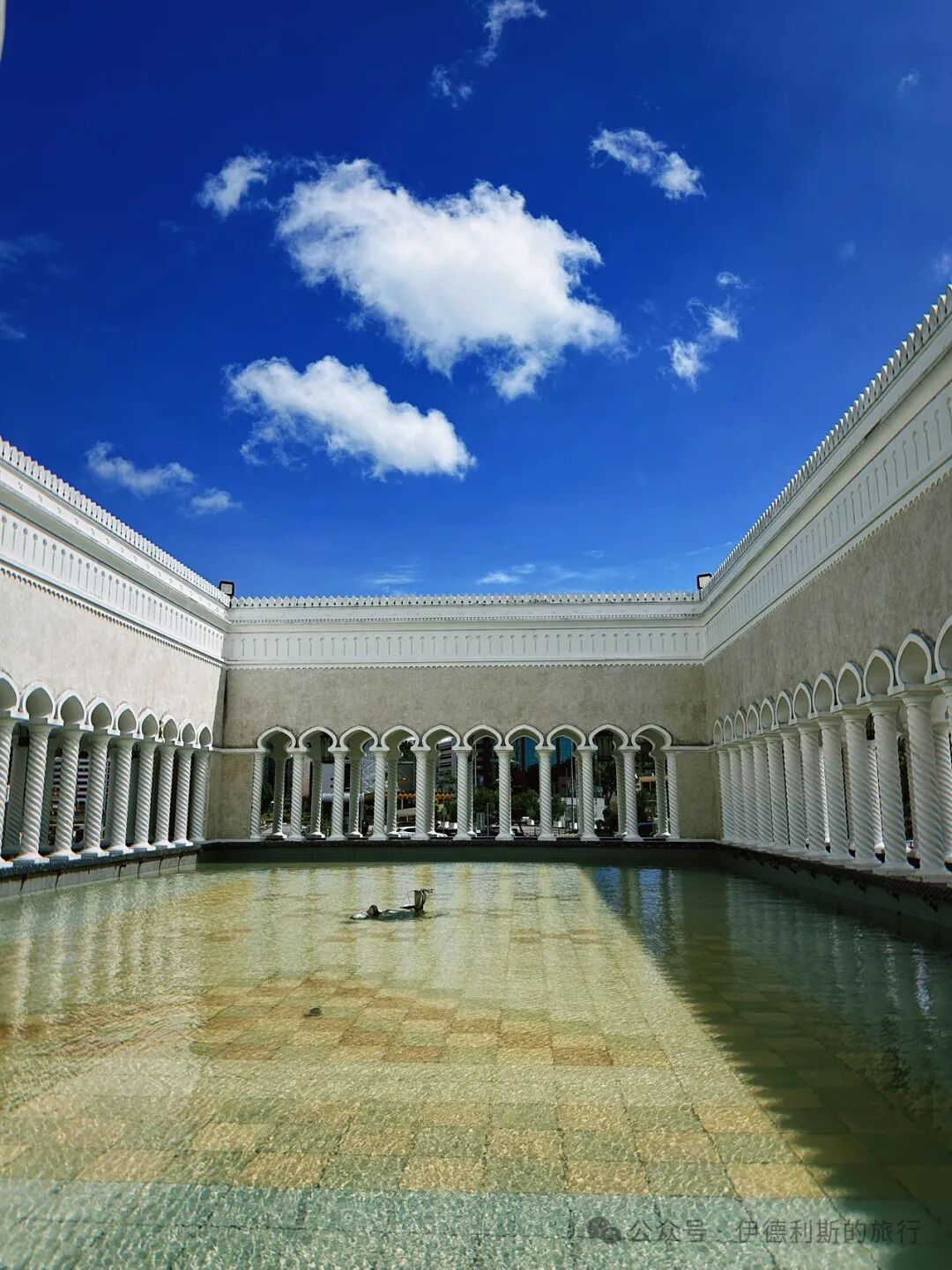
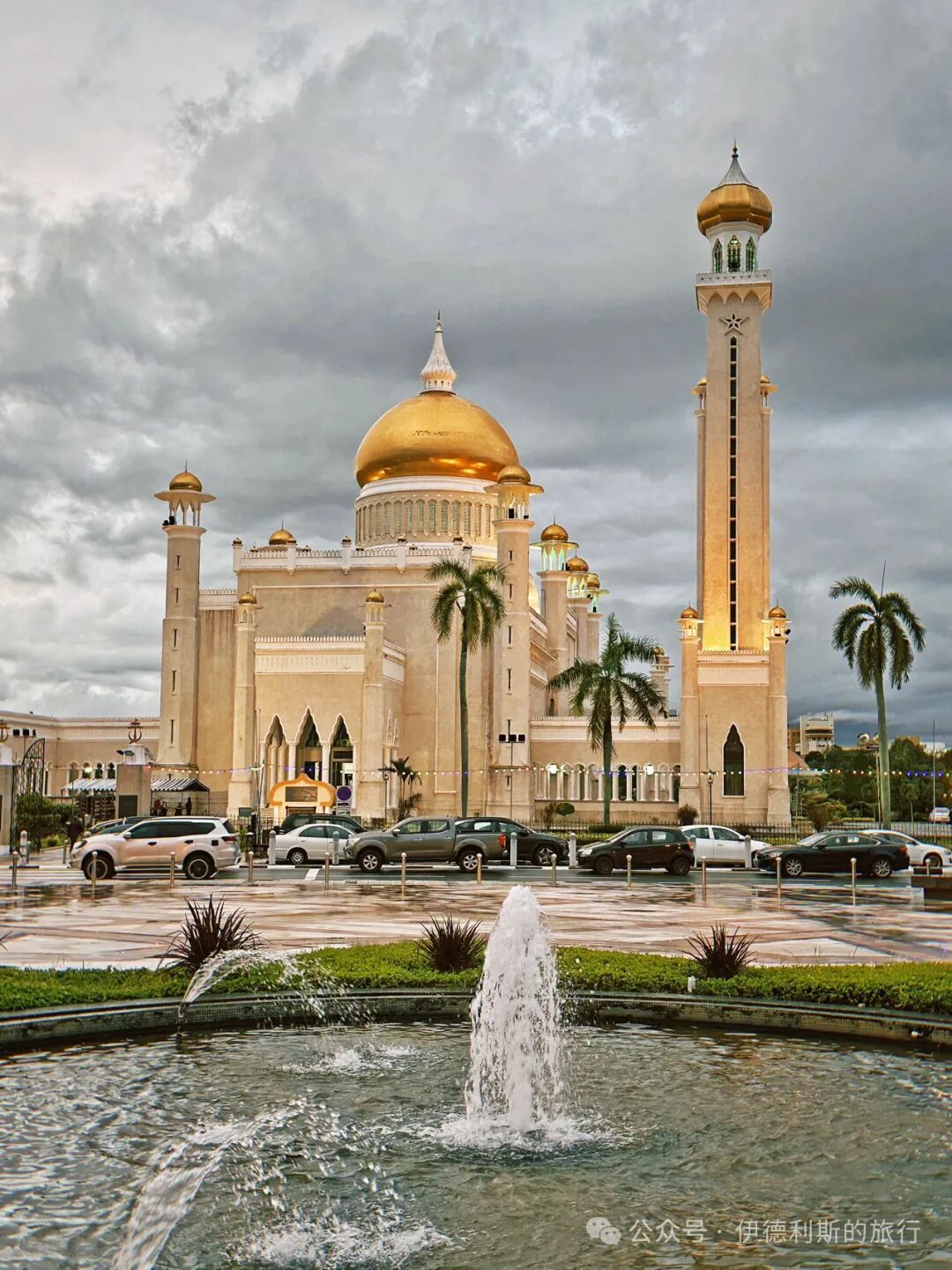
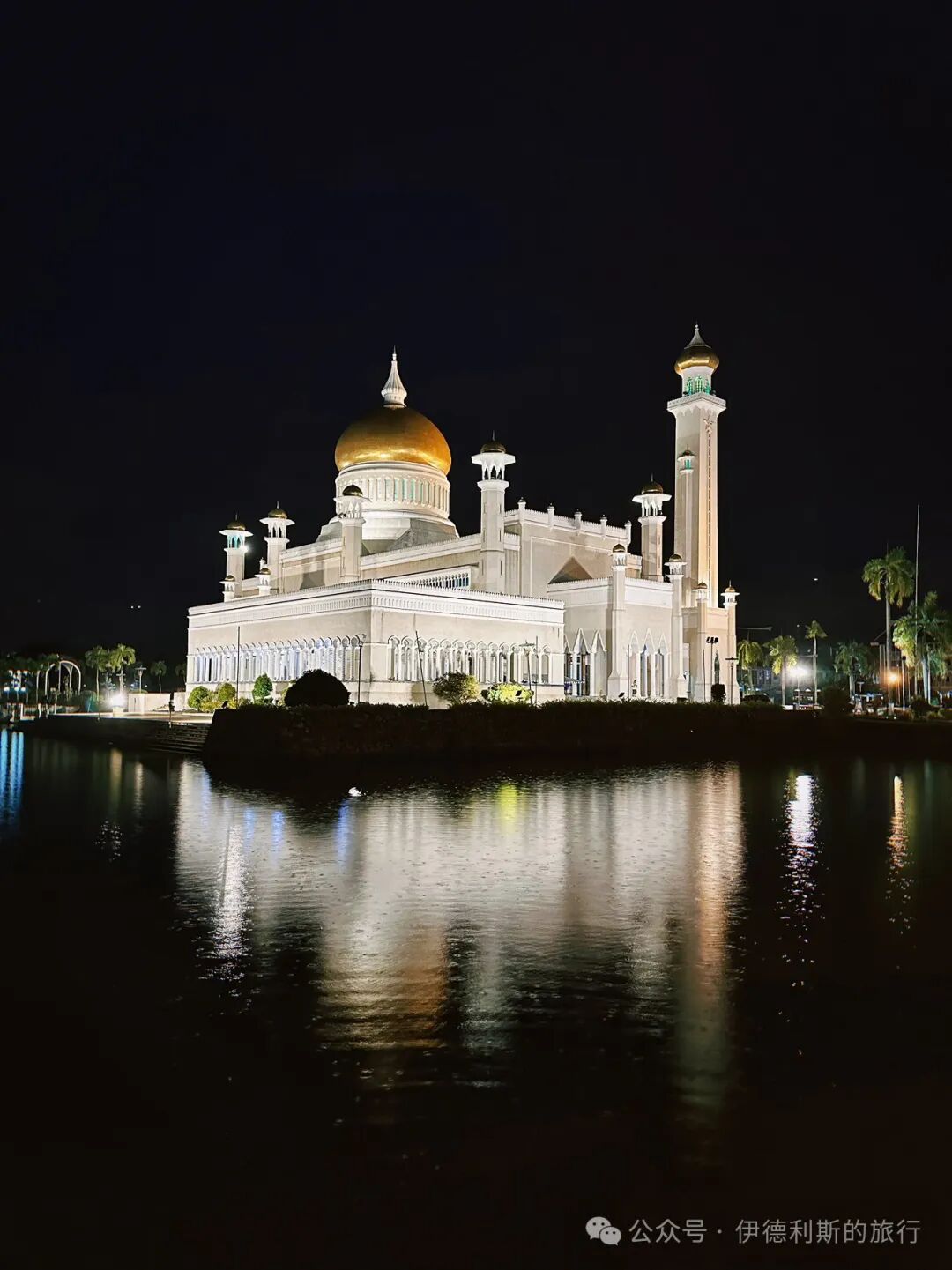
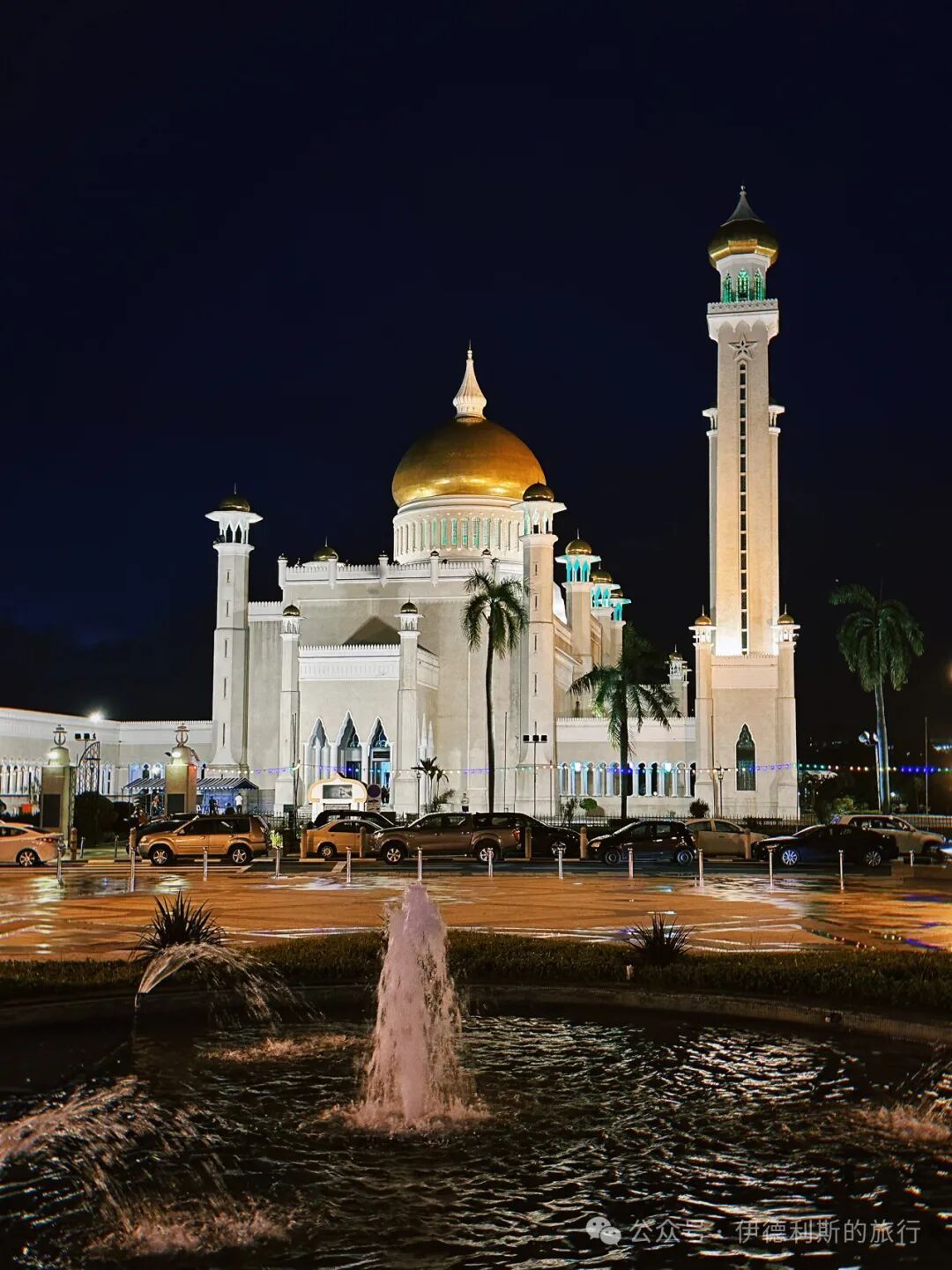
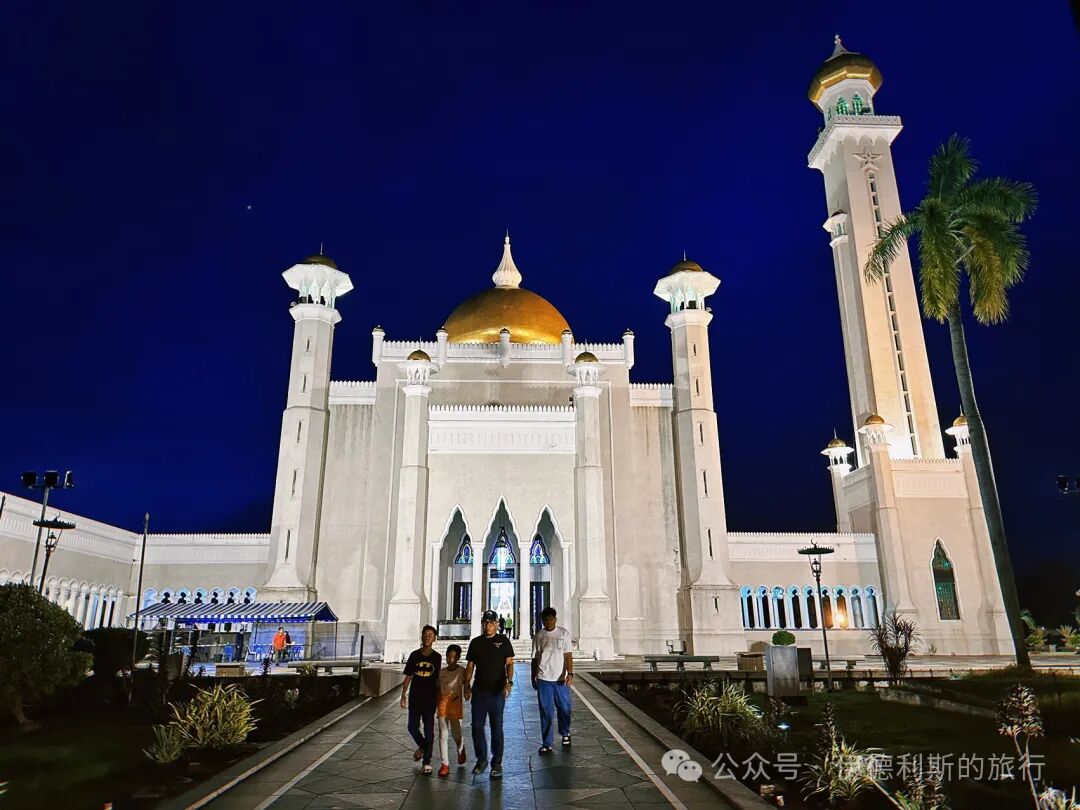
Brunei has two national mosques, each built by a different Sultan, and both are worth visiting. The Omar Ali Saifuddien Mosque, also known as the 'water mosque,' was built between 1954 and 1958 by the former Sultan of Brunei, Omar Ali Saifuddien III (who reigned from 1950 to 1967), and is named after him. The main hall features a Mughal-revival style golden dome. The interior uses Italian marble, Shanghai granite, British chandeliers, and Venetian mosaic glass, making it Brunei's most important landmark after its completion.
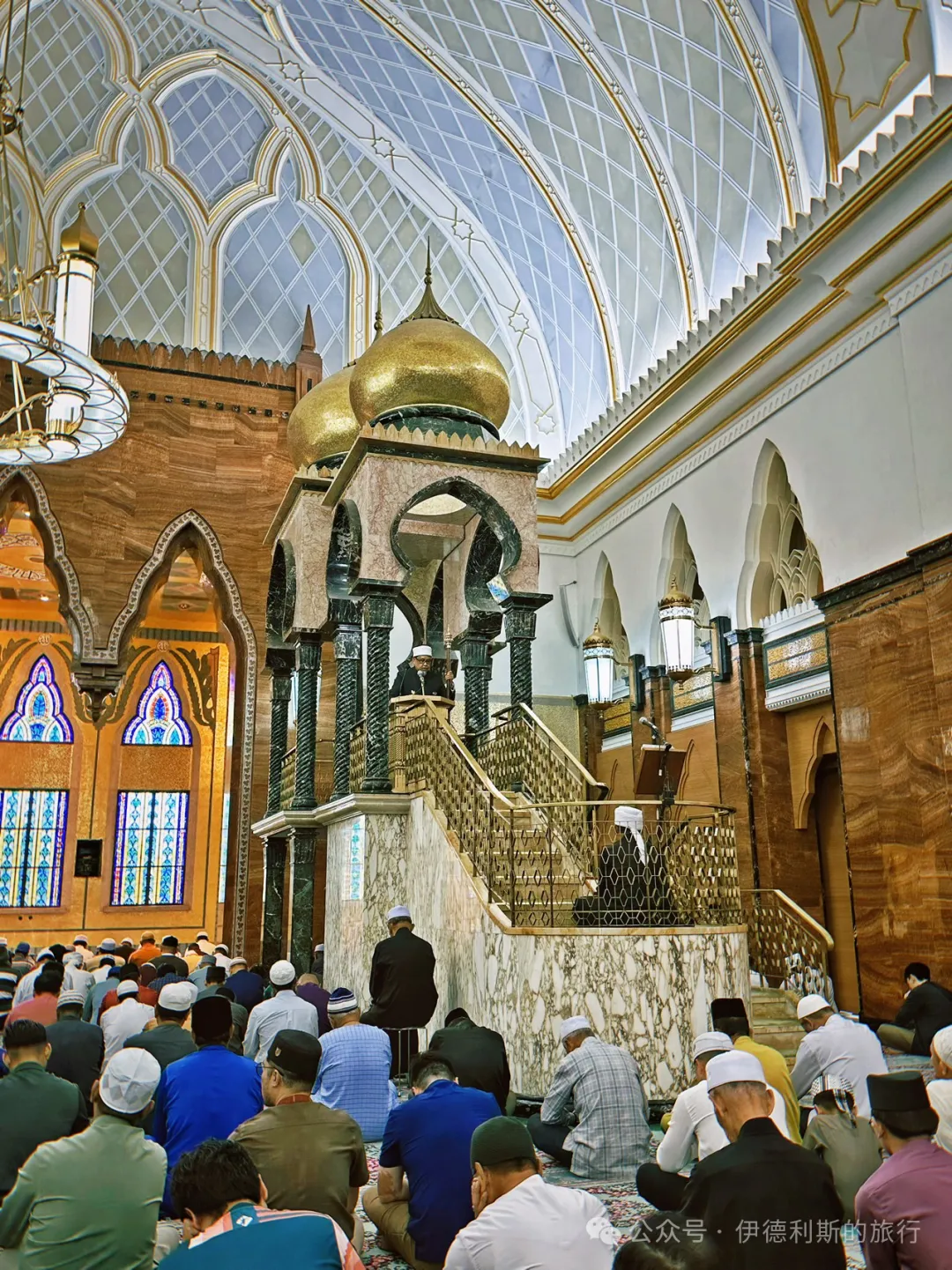
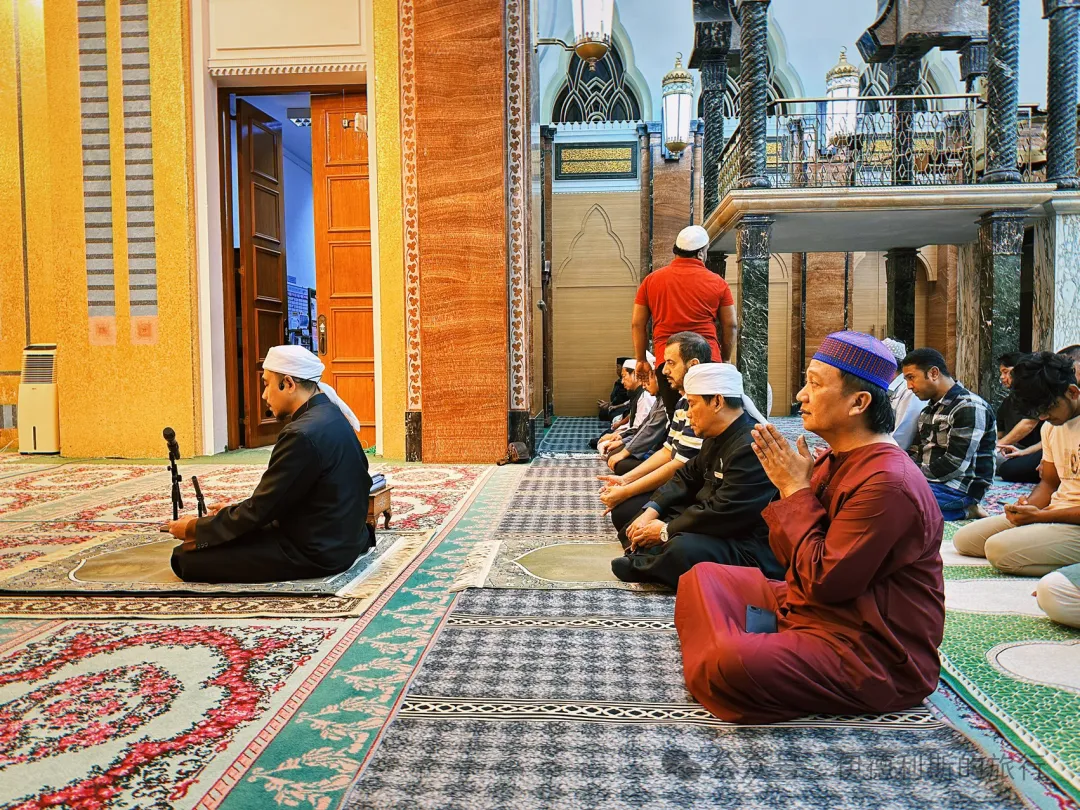
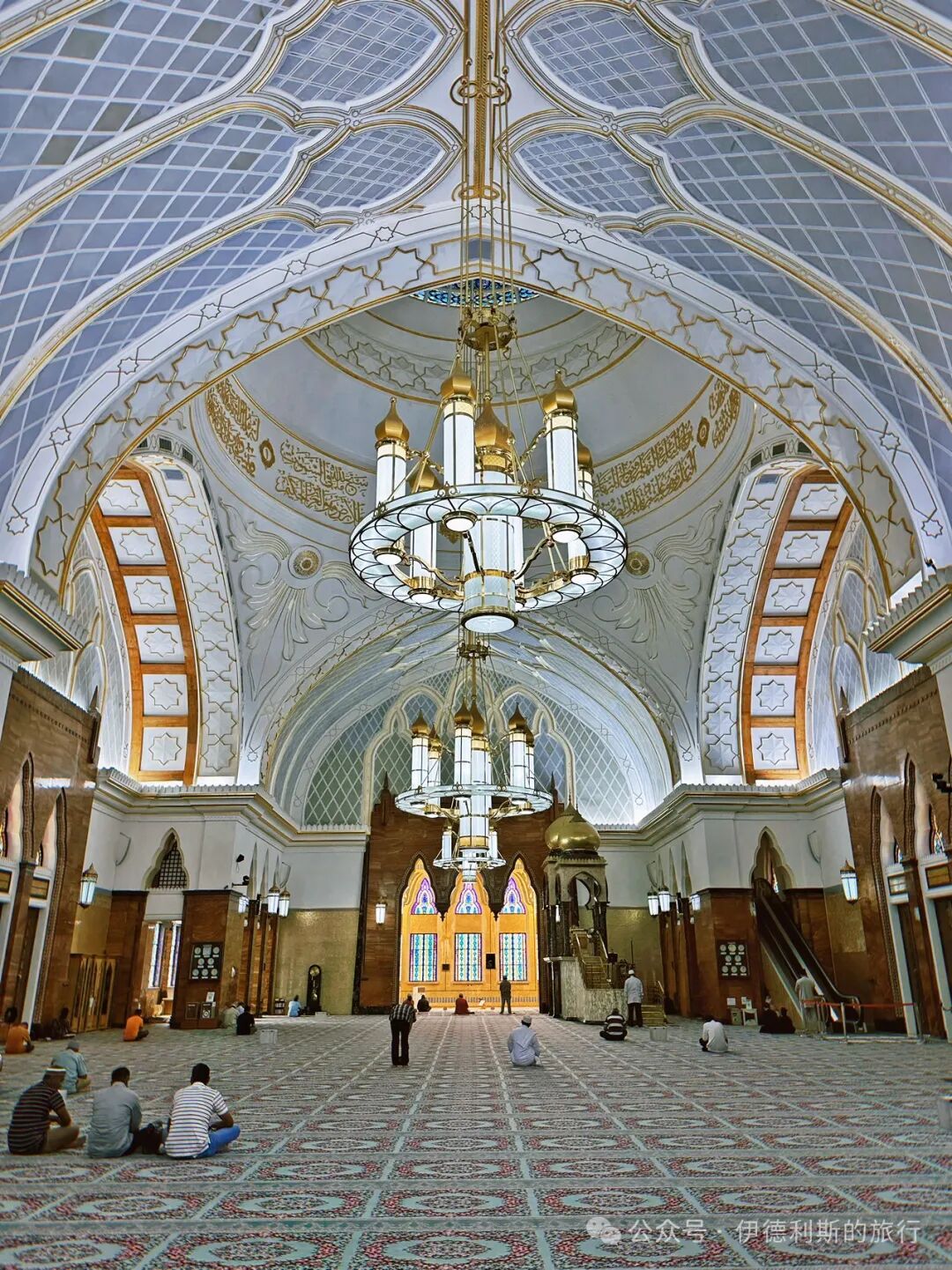
We happened to visit during Friday prayers (Jumu'ah). Brunei requires all malls and restaurants to close between 12:00 and 14:00, so the mosque was very crowded during the prayer, with the entire hall full, which was quite spectacular.
The pulpit (minbar) in the water mosque has two levels. The first level is where the muezzin calls the adhan, and the second level is where the imam delivers the khutbah. Next to the minbar, there is an escalator leading to the second-floor prayer area reserved for the royal family.
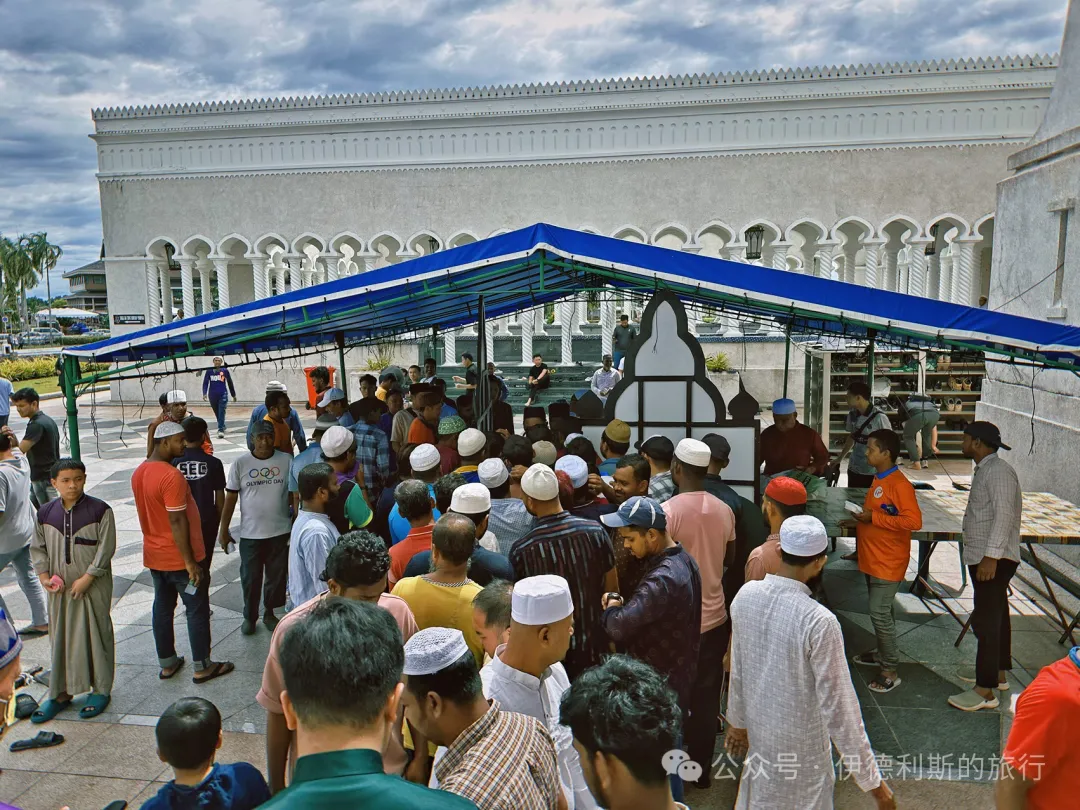
After Friday prayers, boxed meals were being handed out, mostly to South Asian laborers.
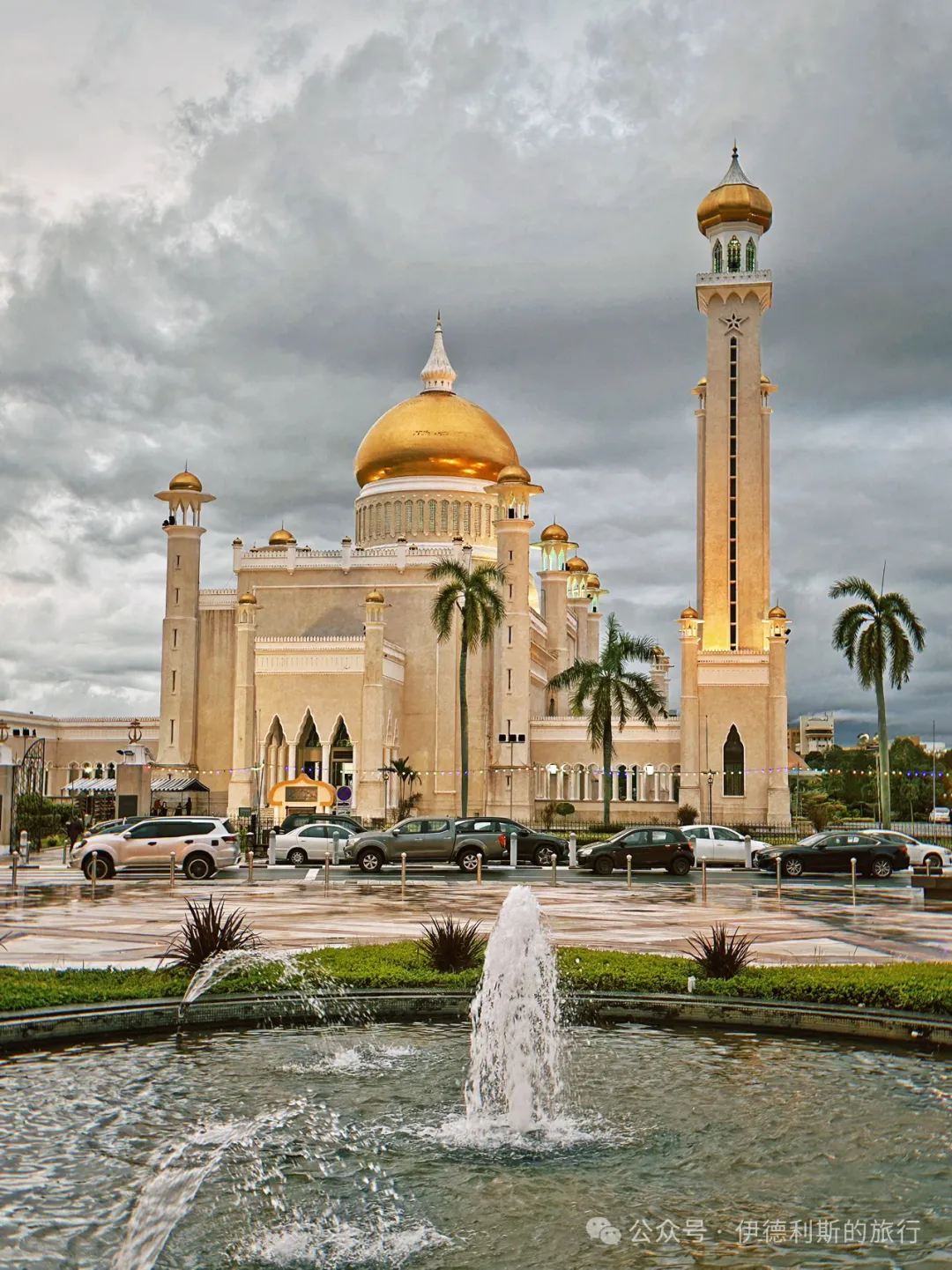
The water mosque during the sunset and dusk hours. Both of Brunei's national mosques look better at night than during the day.
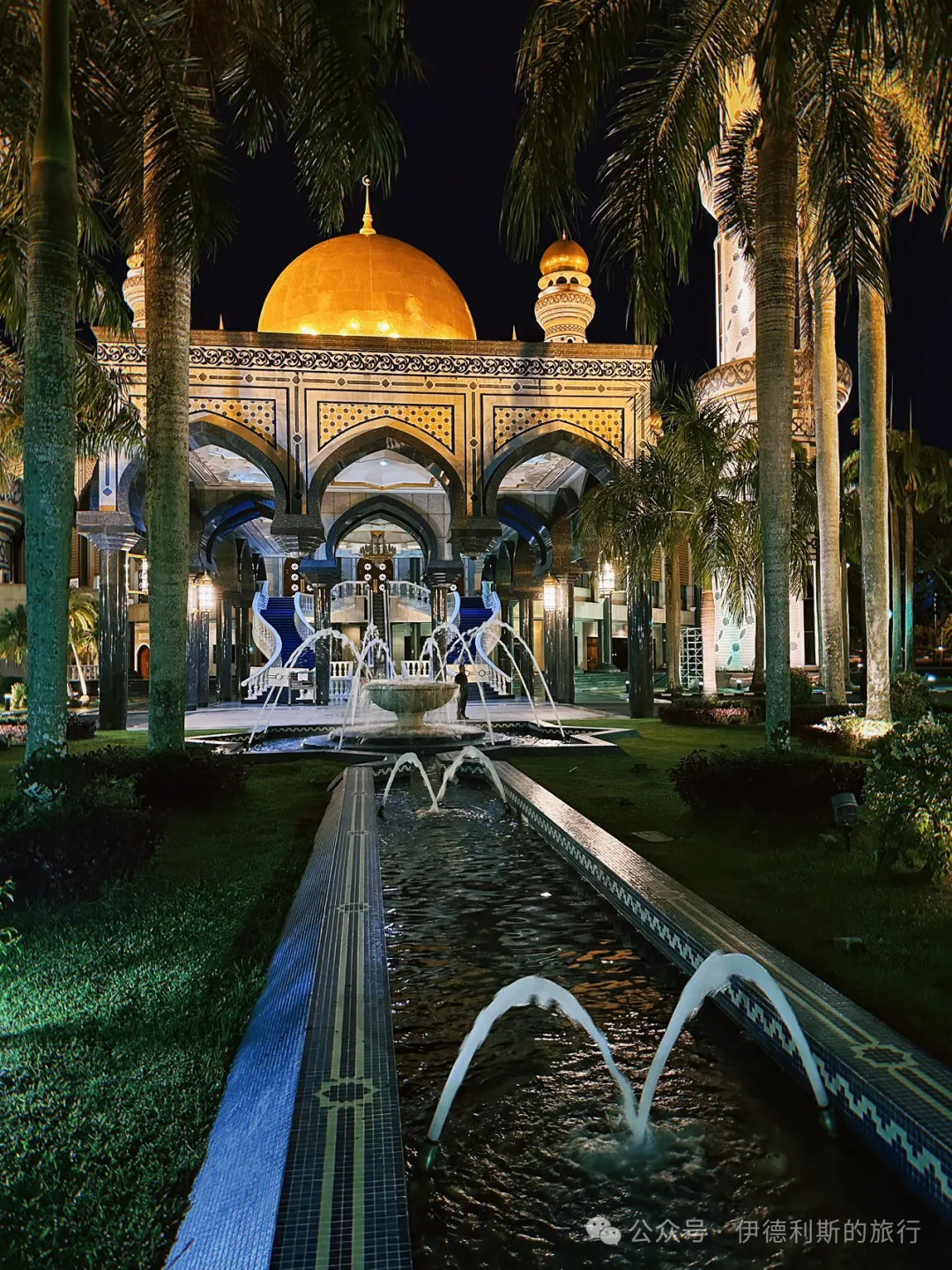
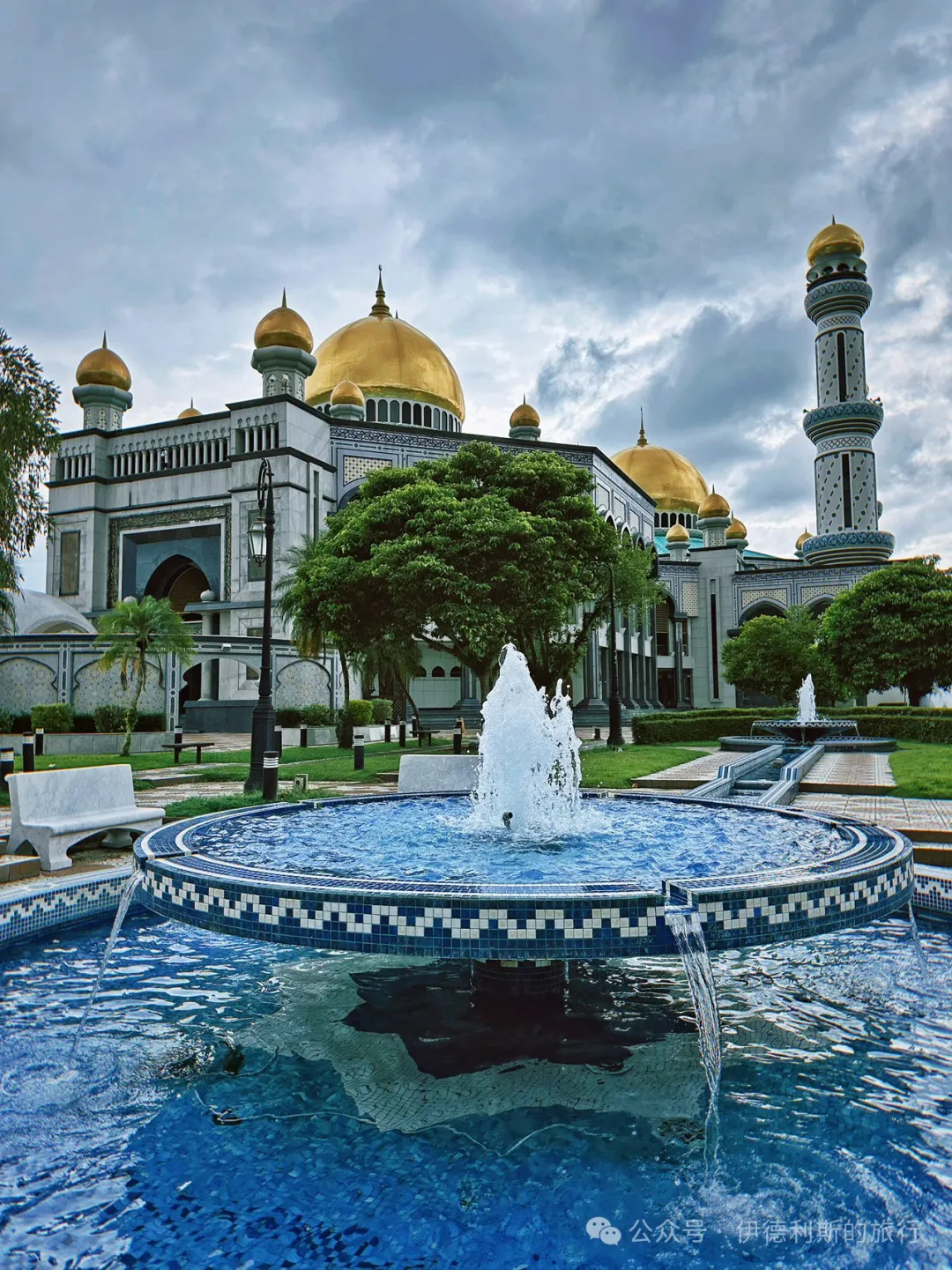
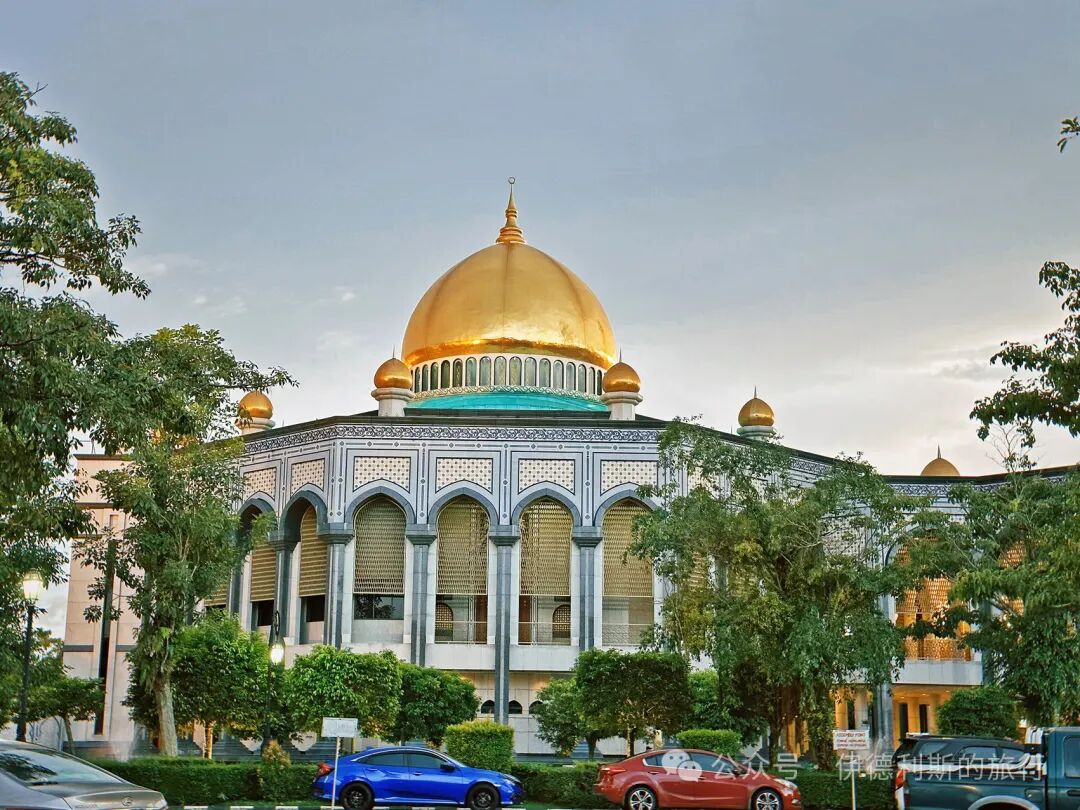
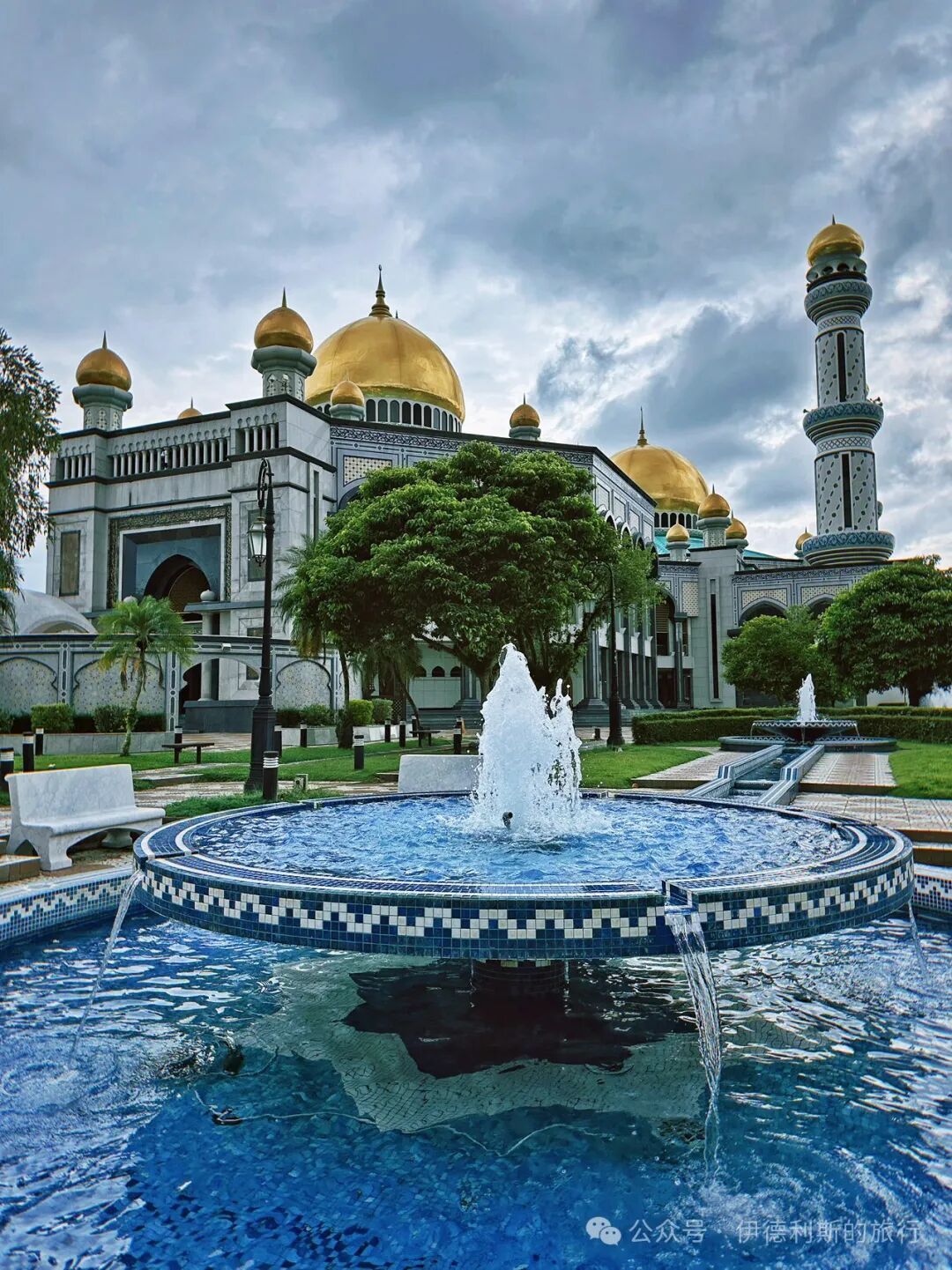
The full name of the Brunei Friday Mosque is Jame' Asr Hassanil Bolkiah Mosque. It is one of Brunei's two national mosques and also the largest mosque in the country. The Jame' Asr Hassanil Bolkiah Mosque was built by Sultan Hassanal Bolkiah of Brunei to celebrate his 25th anniversary on the throne and officially opened in 1994. The mosque's 29 golden domes commemorate the 29th Sultan of Brunei. Five fountains symbolize the five daily namaz and the five pillars of Islam. The mihrab is decorated with gold-plated tiles, and the interior is very luxurious, featuring Persian carpets, Italian marble, and Philippine hardwood.
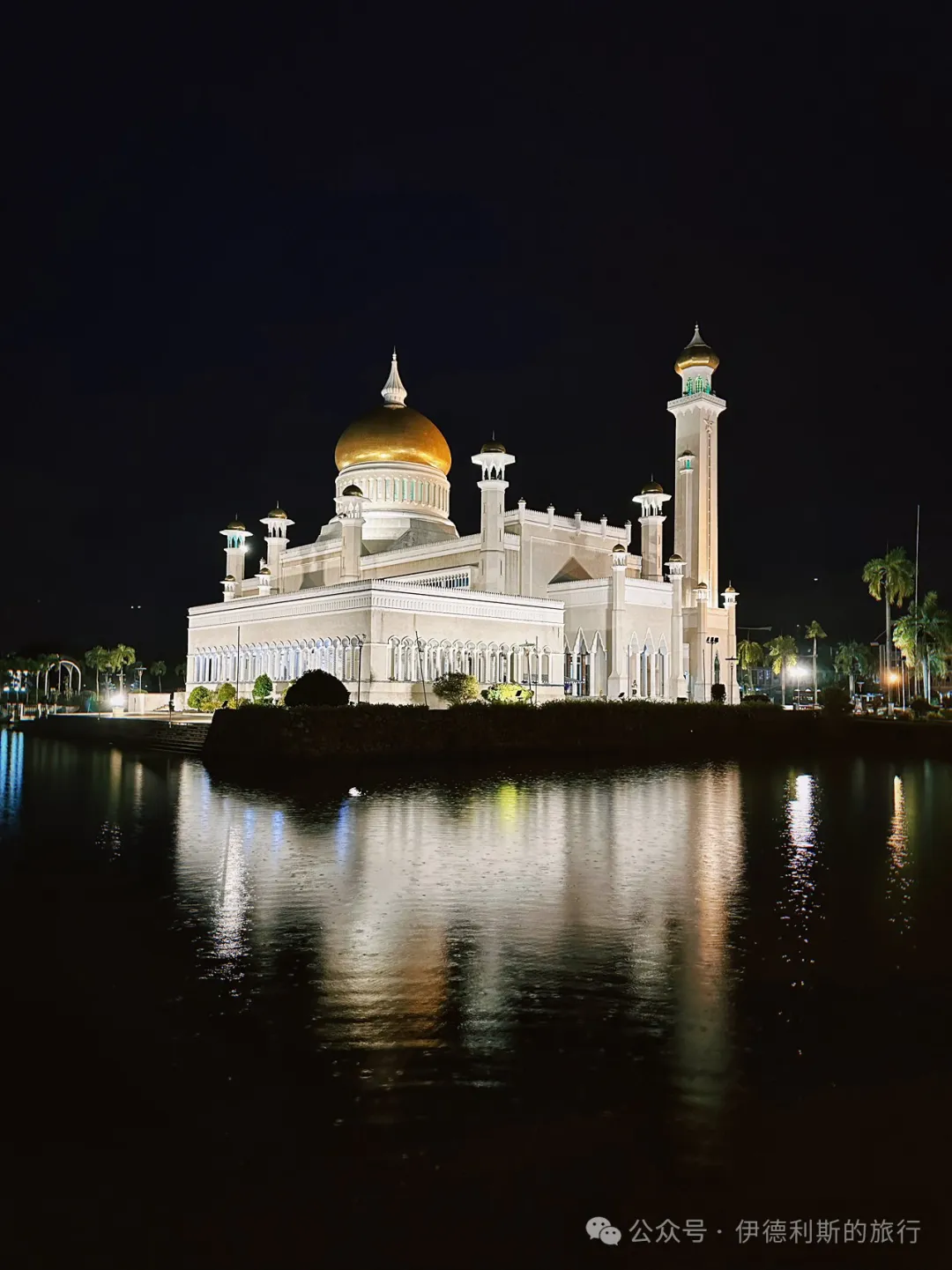
The night view of the Brunei mosque is more beautiful than the day. For friends (dosti) who want to take photos, I recommend coming during the times for maghrib and isha.
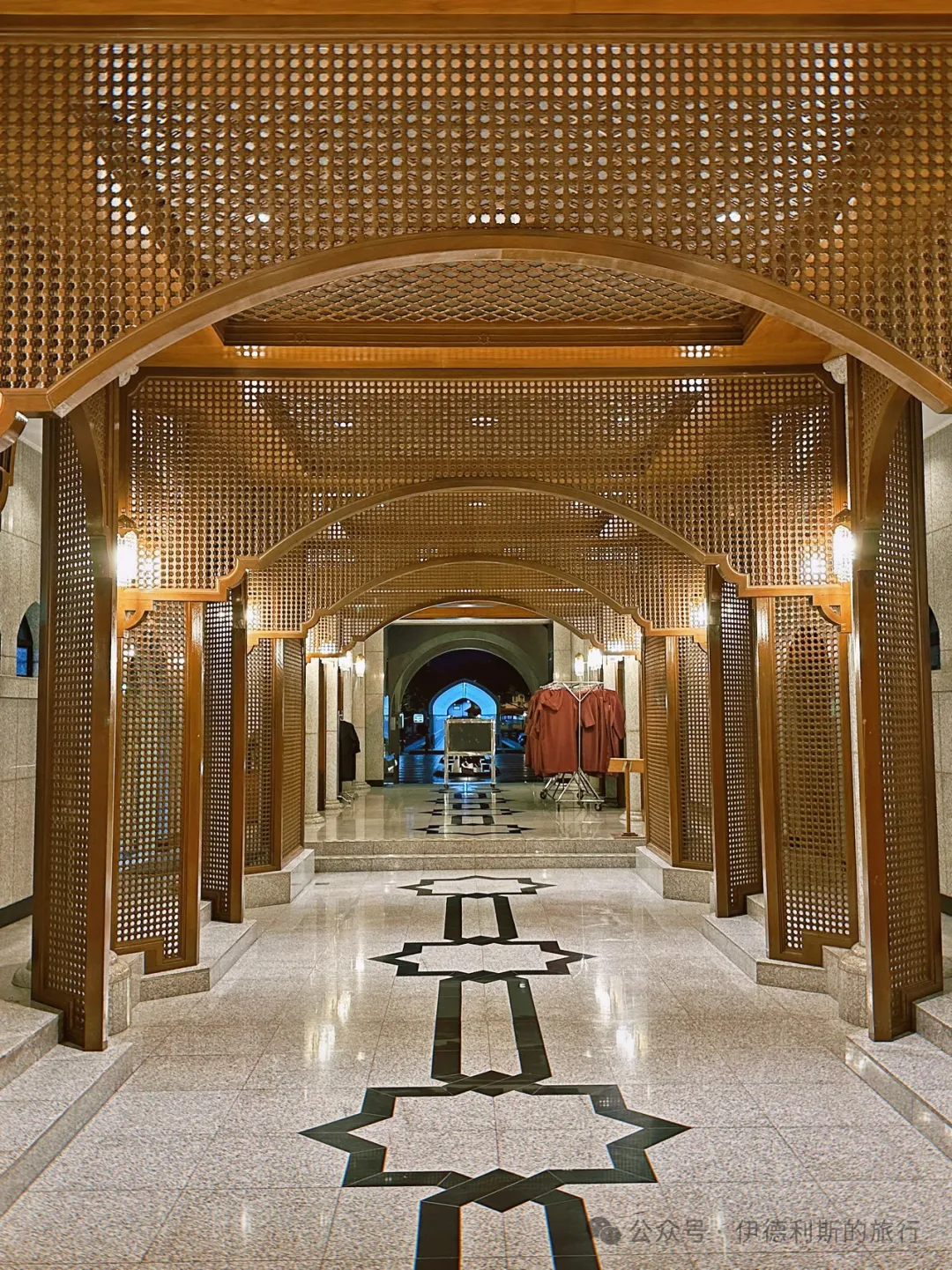
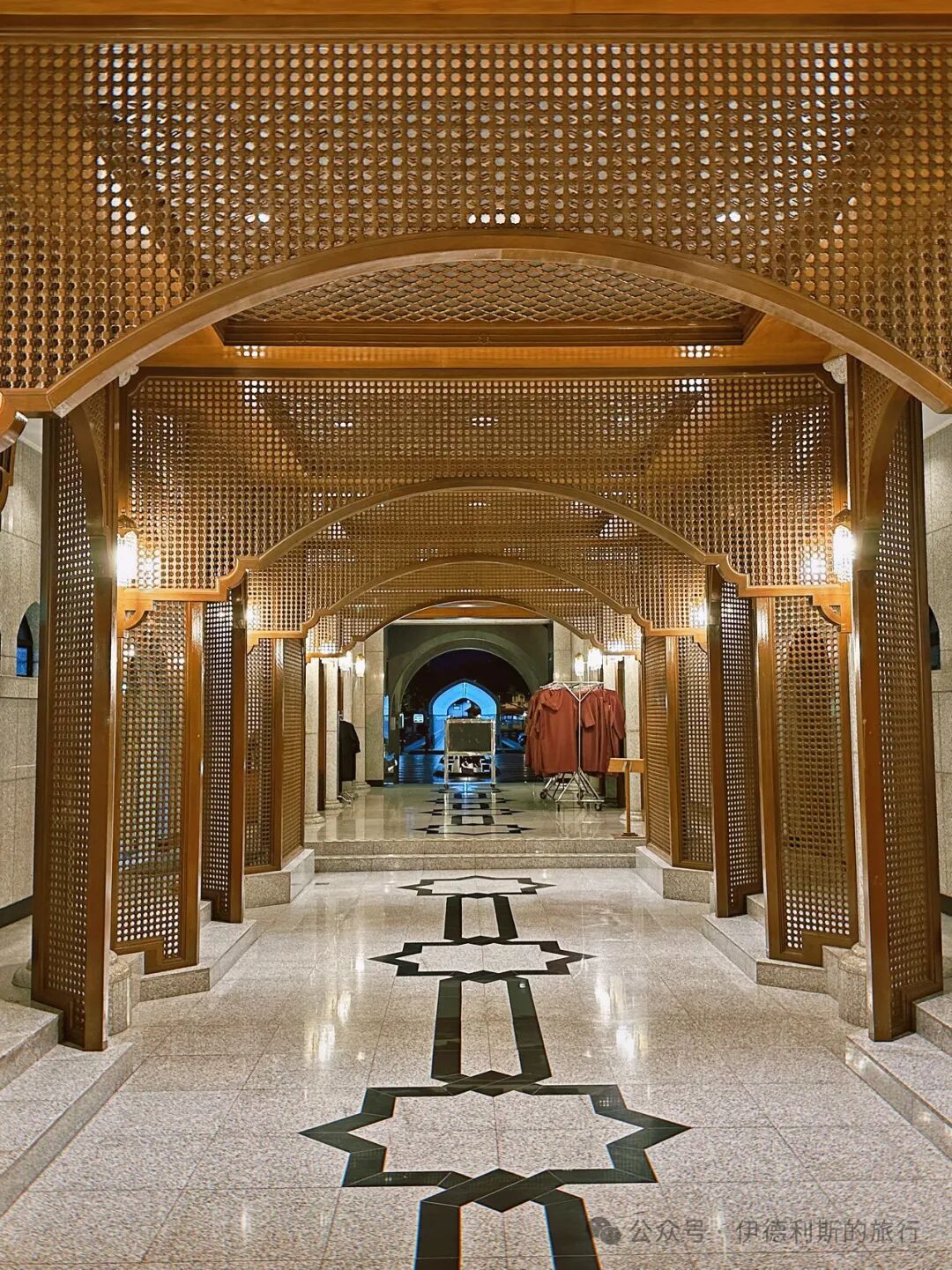
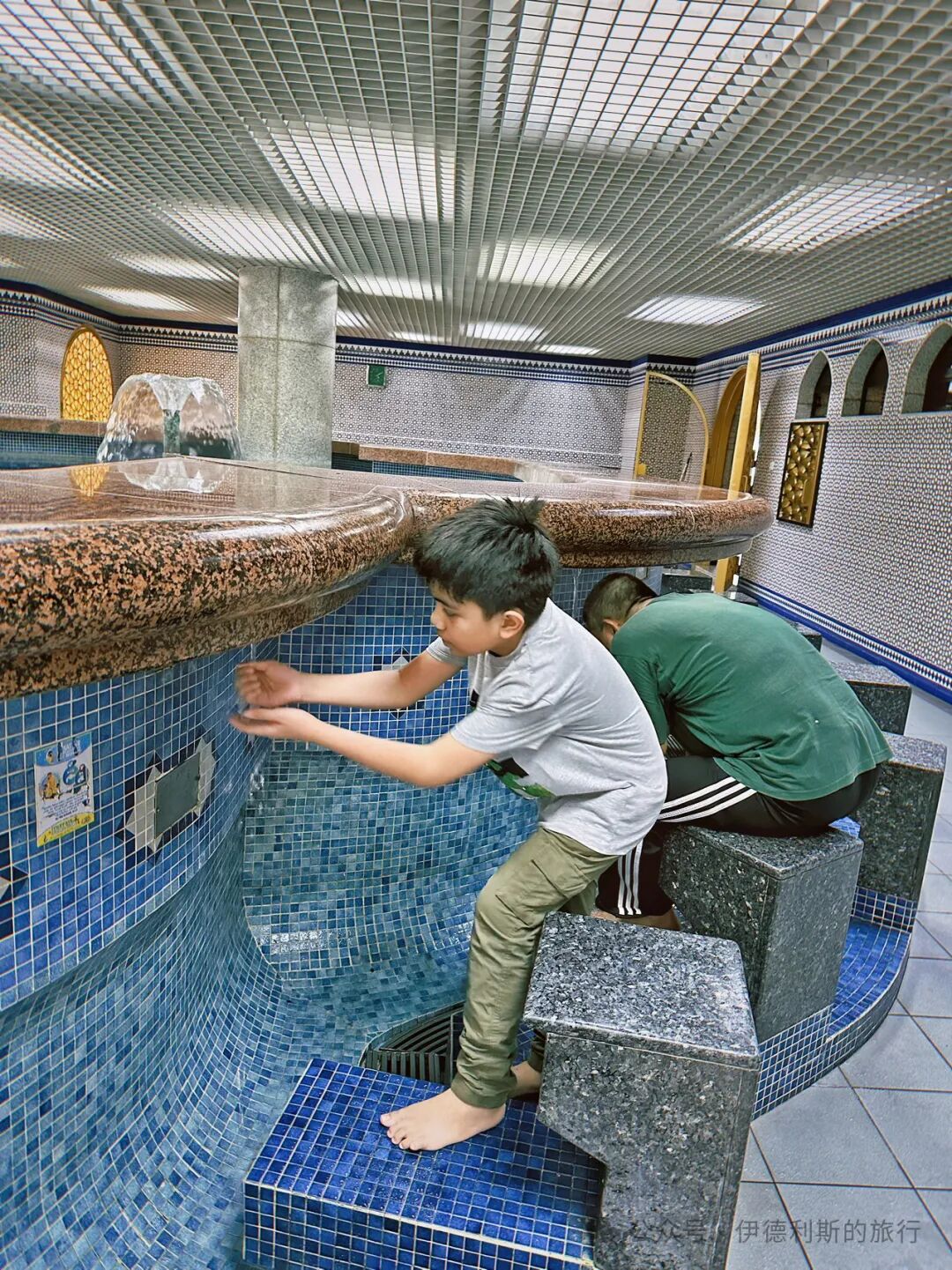
The Jame' Asr Hassanil Bolkiah Mosque during the day. The main prayer hall connects to a women's prayer hall via a corridor. This is a very rare independent women's hall in Southeast Asia, and it is quite large. Below the women's hall is the wudu area. It is the only one I have ever visited that uses sensor-activated faucets.
The ancient city in the mountains of Brunei.
Take a taxi from the city to the Kota Batu Archaeological Park, the ruins of the Brunei Sultanate palace hidden in the tropical rainforest. This is Brunei's most important archaeological site.
Kota Batu is believed to have been the capital of the Brunei Sultanate from the 14th to the 17th century. It was once an important trading port in Southeast Asia and a central city in northern Borneo. A civil war in the Brunei Sultanate between 1660 and 1673 led to the abandonment of Kota Batu, and the Sultan moved the palace to the water village of Kampong Ayer on the upper Brunei River.
Kota Batu means stone castle, and it is one of the few stone architectural ruins in Brunei. British naturalist and Sarawak Museum curator Tom Harrisson began archaeological excavations at Kota Batu in 1952-53. He discovered many Chinese coins from the Tang, Song, and Ming dynasties, as well as Arabic coins, glassware, ironware, bronze, wooden tools, stone carvings, and ceramics from Siam, the Indochina Peninsula, and the Song and Ming dynasties of China.
During excavations in 1986-87, a square stone building measuring 25.8 by 25.4 meters was found, along with 36 stone column bases, tombstone remains, and Ming dynasty porcelain shards. It is believed the building dates back to the 15th century. Because the column bases are divided into three levels, it is thought the building had a three-tiered pyramid roof structure similar to traditional Malacca mosques. Although early Brunei Sultanate palace buildings were made of wood and left few traces, the coins and pottery found at Kota Batu suggest the Sultan's palace was likely near this site.
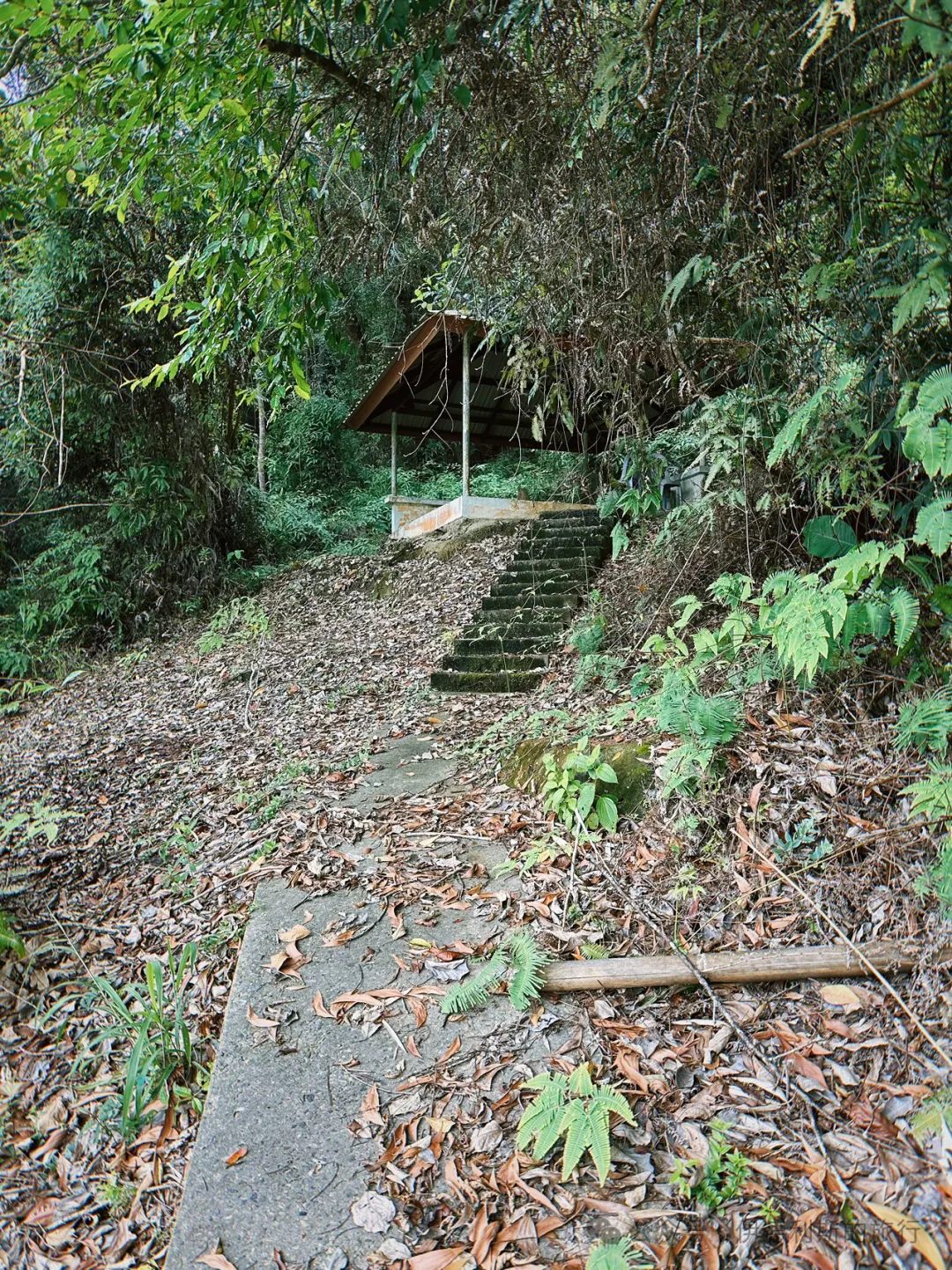
The paths in Kota Batu Archaeological Park feel like a primitive forest. There were no other tourists, and the mountain trails were often covered by fallen leaves and hard to see. It is hard to imagine that this was once the capital of Brunei.
The tomb of the third Sultan of Brunei.
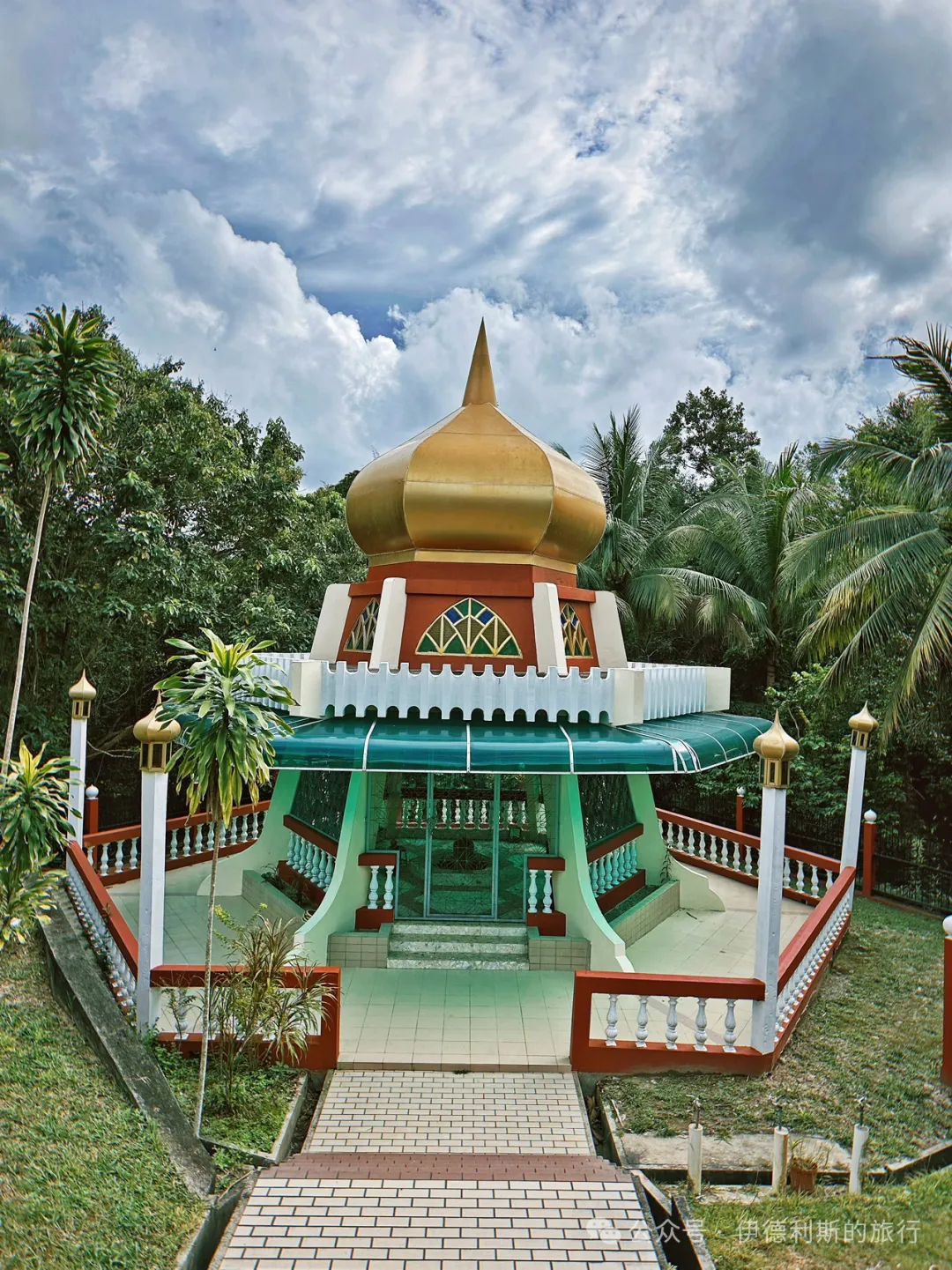
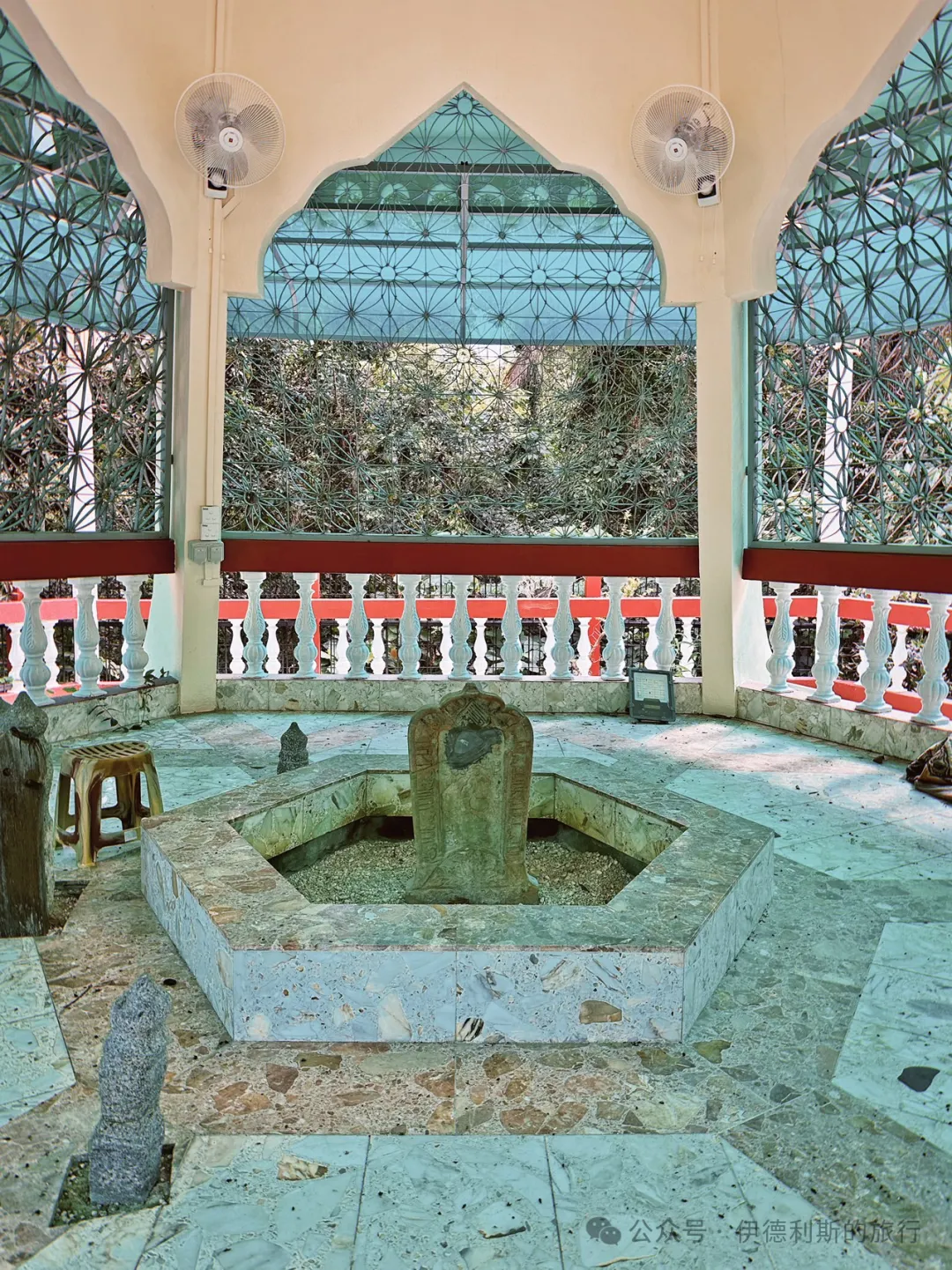
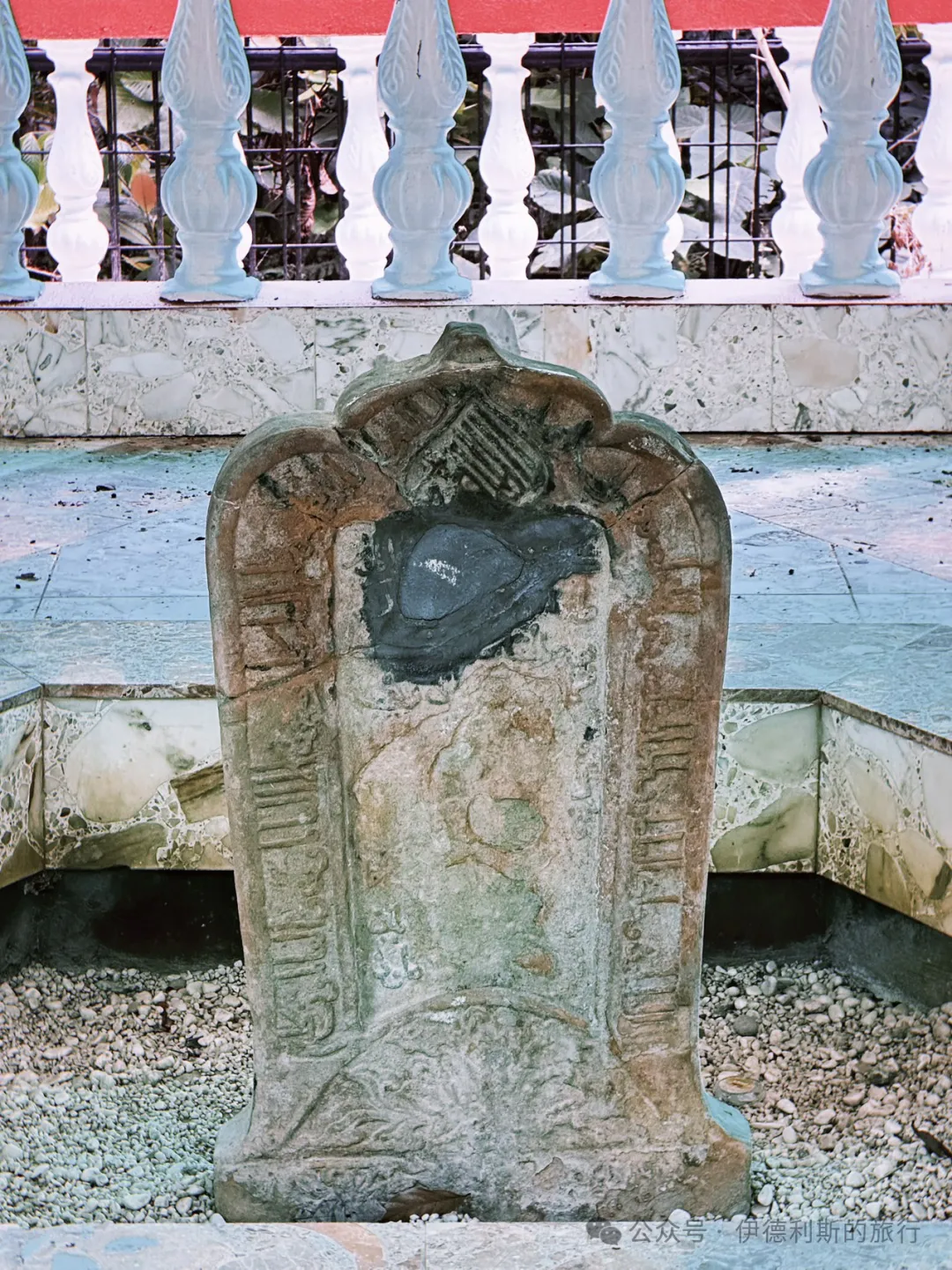
The Kota Batu Archaeological Park contains the tomb of the third Sultan of Brunei, Sharif Ali.
Sultan Sharif Ali (reigned 1425-1432) was originally a preacher from the ancient Saudi city of Taif and a descendant of Hasan ibn Ali, the grandson of the Prophet Muhammad. He arrived in Brunei to preach in 1395 and was respected by the Sultan and the people. He married the daughter of Sultan Ahmad around 1400 and inherited the throne after the old Sultan died in 1425, which is how the Brunei Sultanate gained its lineage from the Prophet's family.
Sultan Sharif Ali worked to spread Islamic law while keeping local customs that did not go against it. During his reign, Brunei officially changed from a Hindu-Buddhist cultural area into a part of Islamic civilization. He built the first mosque in Brunei, designed the national flag, and established the title of Brunei as the Nation of Peace (Darussalam). It is believed that he may have also built the stone wall fortress in Kota Batu. view all
Summary: Brunei offers visa-free travel for Chinese visitors and a compact route through mosques, museums, royal history, and Malay culture. This first part keeps the original itinerary, photos, place names, and travel details in a clear English article.
The Brunei Darussalam Immigration Department announced that starting March 8, 2025, Chinese citizens holding ordinary passports valid for at least 6 months can enter Brunei visa-free for up to 14 days. Brunei has officially become a visa-free country!
I happened to take my family to Brunei in December 2024 and visited quite a few places. In my opinion, Brunei can be described as a "rural version of Singapore and a high-cost Malaysia." If you have already visited Singapore and Malaysia, this place is still worth a look.
First, Brunei has its own ride-hailing app called Dart. You can link a VISA card or pay with cash, and the cars arrive quite quickly. Note that after leaving the airport, the ride-hailing pickup point is in the parking lot on the right. Walk from the main airport entrance toward the mosque on the right, then follow the canopy to the end to find it.
My first impression of downtown Brunei is that everyone drives everywhere, and there are basically no pedestrians on the streets. It feels like the whole city was designed for cars, and there are very few crosswalks. The city density is very low with lots of greenery, making it feel like a garden city for cars.
Below, I will share some places in Brunei that we think are worth visiting and eating at.
Eat halal Nanyang-style Chinese food.
Yingzhun Hao.
Just like in Singapore and Malaysia, many Chinese people from Hainan and Fujian in Brunei apply for halal certification, hire Muslim staff, and serve halal Chinese food with Nanyang characteristics. We ate at several of these places this time, and they are all worth recommending.
The most famous Hainanese teahouse in Brunei is Yingzhun Hao. They have Brunei halal certification and are favored by people of all ethnic groups. The founder of Yingzhun Hao, Han Qiongyuan, was from Wenchang, Hainan. In 1939, during the Japanese invasion of China, 17-year-old Han Qiongyuan traveled to Southeast Asia and arrived in Brunei to work as a handyman at his uncle's coffee shop. In 1946, Han Qiongyuan officially opened Yingzhun Teahouse, mainly selling coffee, bread, and other food, and became widely known for his "longevity bread (roti kuning)." Later, as the teahouse business grew, Han Qiongyuan also expanded into real estate and presided over the construction of the Brunei Hainan Building. After 1993, Han Qiongyuan returned to his hometown every year to visit relatives and invested heavily there, being awarded the title of "Patriotic Hainanese" by Hainan Province three times.
Their shop has a very rich variety of bread. The most classic sandwich breads come in four flavors: peanut, red bean paste, butter, and coconut. There are also peanut yuanyang bread, cheese bread, yuanyang yellow bread, and French toast. You can add a fried egg and cheese, or order a soft-boiled egg on the side. Cakes include custard cake, egg tarts, coconut tarts, red bean cakes, butter cakes, pandan cakes, and more. Western-style breads and pastries were learned by Hainanese people working as kitchen helpers for British families when they traveled south to Southeast Asia in the 19th century. Today, they are a classic part of Nanyang Hainanese restaurants.
Besides breads and pastries, they also serve various noodles, including sesame flat rice noodles (zhima guotiao), dry-tossed noodles, fried noodles, Hainanese noodles, fried rice vermicelli, and egg gravy flat rice noodles (huadan hefen). These are all very well-suited to Chinese tastes. We ordered egg gravy flat rice noodles, sesame flat rice noodles, egg tarts, egg custard cakes, yellow bread with fried eggs, chicken curry puffs, peanut and kaya butter bread (yuanyang mianbao), ginger milk tea, and lemon tea for a full East-meets-West experience. The peanut and kaya butter bread is filled with coconut jam (kaya), butter, and crushed peanuts, giving it a very rich texture. The sesame flat rice noodles have a sweet, salty, and spicy flavor. Served with fried tofu and fried fish chunks, they are a major specialty of the restaurant.
Babu's Kitchen
There are many Chinese shops in the old town of Bandar Seri Begawan, which is also a great place to eat at halal Hainanese restaurants. We chose Babu's Kitchen. It was very busy at lunch with Chinese, Malay, and Indian customers, which is a classic scene at a Hainanese restaurant. Since they didn't have a Chinese menu, we asked the owner to recommend the Assam fish fillets, salted egg fried mushrooms, beef noodles (yee mee), and bean curd skin with tofu and chicken. Like in Malaysia, the Chinese in Brunei speak very standard Mandarin. Overall, the food was very good. The Chinese dishes were infused with Malay flavors, but they were still very easy for Chinese people to enjoy.
Meiguang Tea House
We had a Hainanese breakfast at Meiguang Tea House in the old town of Bandar Seri Begawan. The owner is Hainanese, his wife is from Xiamen, and the staff are all Indonesian. Because they mainly cater to the nearby office buildings, it is usually quite busy. It is relatively quiet on weekends, and there are fewer steamed dim sum options than usual. We ordered chicken and radish buns, red bean buns, beef porridge with small fried dough sticks (youtiao), longan herbal tea, fried noodles, and steamed dumplings (shaomai). Next time, if any friends (dost) are around on a weekday, we can try their other specialties like Fuzhou 'wealth-attracting' rice noodle soup, dry-tossed silver needle noodles (laoshufen), and chicken intestine noodles.
Shixianle
Near the Fujian Association is a restaurant called Shiraz Seafood Restaurant. The name sounds like an Iranian place, but it is actually a Chinese restaurant called Shixianle. It specializes in dim sum and various Nanyang Chinese snacks. The menu is very extensive, and it is halal-certified in Brunei. After we went in, a table of Malays and a table of South Asians arrived, which shows how much different ethnic groups love halal Chinese food.
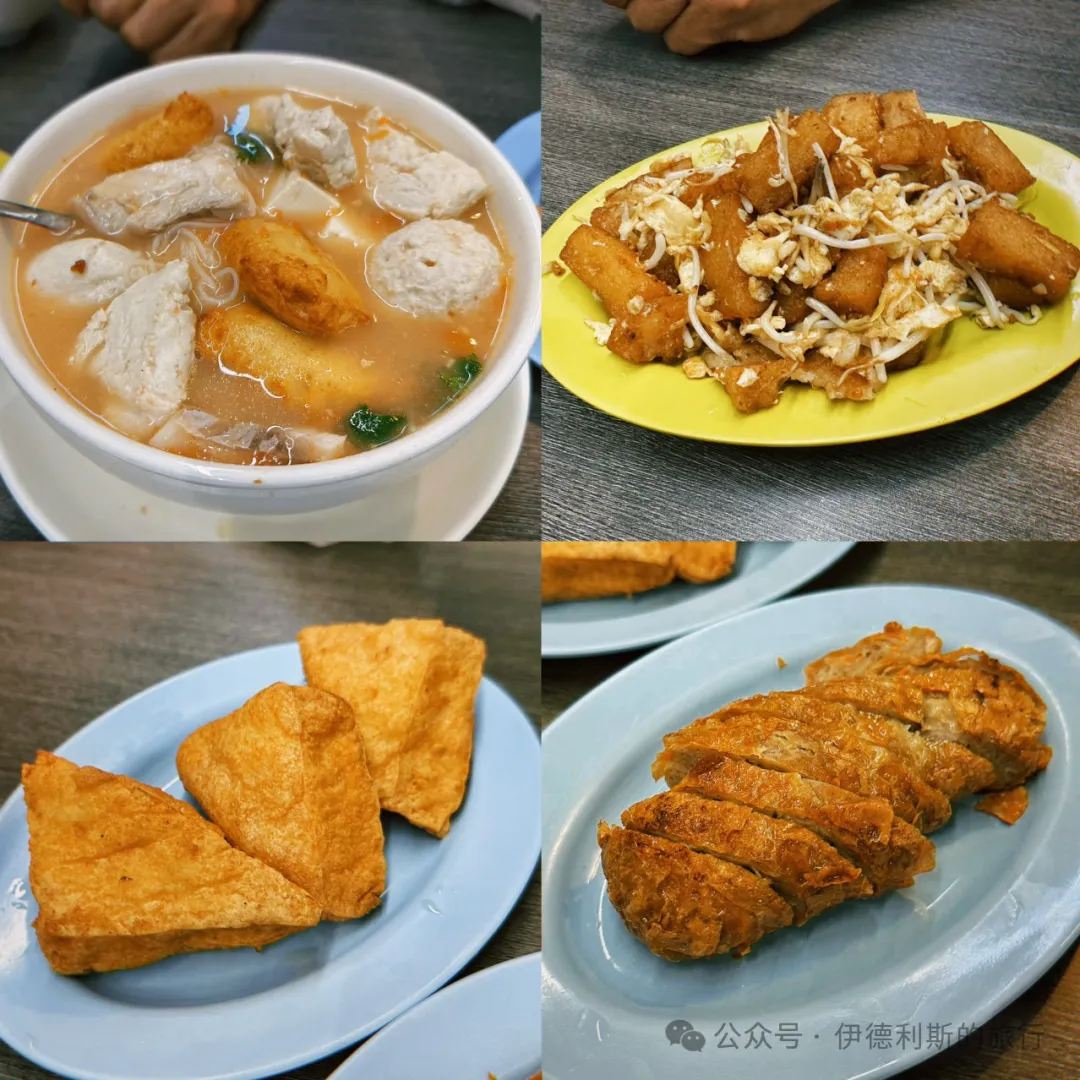
We ordered Cantonese steamed dumplings (siu mai), chicken feet, fish maw with chicken, five-spice meat rolls (ngo hiang), fried stuffed tofu (yong tofu), fried radish cake, longan herbal tea, chicken porridge, seafood soup (a mix of fish fillets, fish balls, etc.), and dry-fried green beans. We really enjoyed our fill of Nanyang Chinese snacks in Brunei.
Ngo hiang is short for 'five-spice marinated meat,' a snack that originated in the Minnan region of Fujian. In the past, life was hard, so people would season leftover meat and vegetables with five-spice powder, wrap them in bean curd skin, and deep-fry them. Later, as Chinese people traveled south, it spread to Indonesia, Malaysia, the Philippines, Brunei, Singapore, and Thailand.
Stuffed tofu (yong tofu) is a traditional Hakka dish. In the Hakka dialect, the word niang means to stuff with filling. Legend says that after the Hakka people moved south from the Central Plains, they wanted to eat dumplings but had no wheat. They used tofu instead of flour and invented stuffed tofu (niang doufu). Later, stuffed tofu followed the Hakka people as they traveled south to Indonesia, Malaysia, Singapore, Brunei, Vietnam, and Thailand.
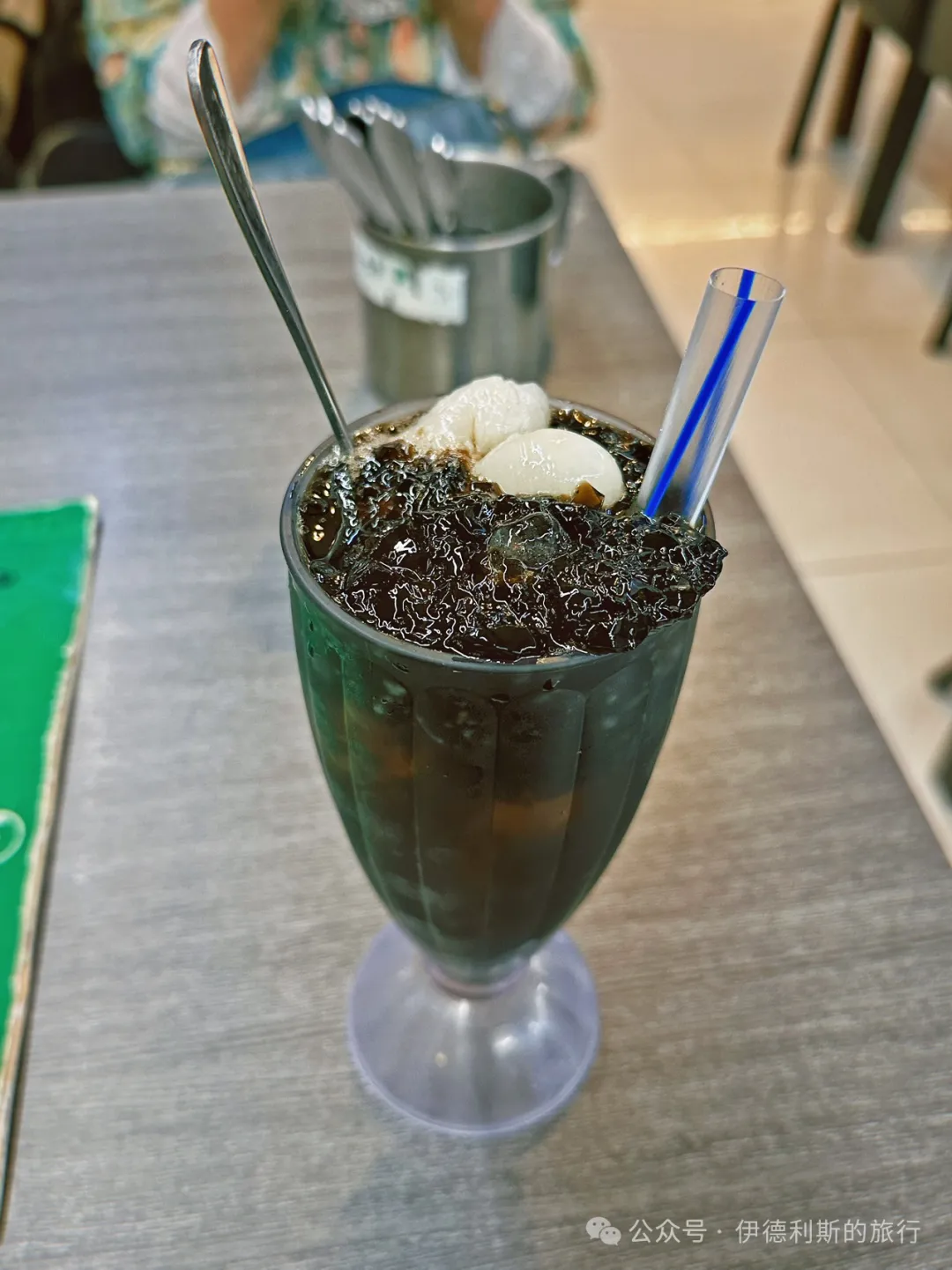
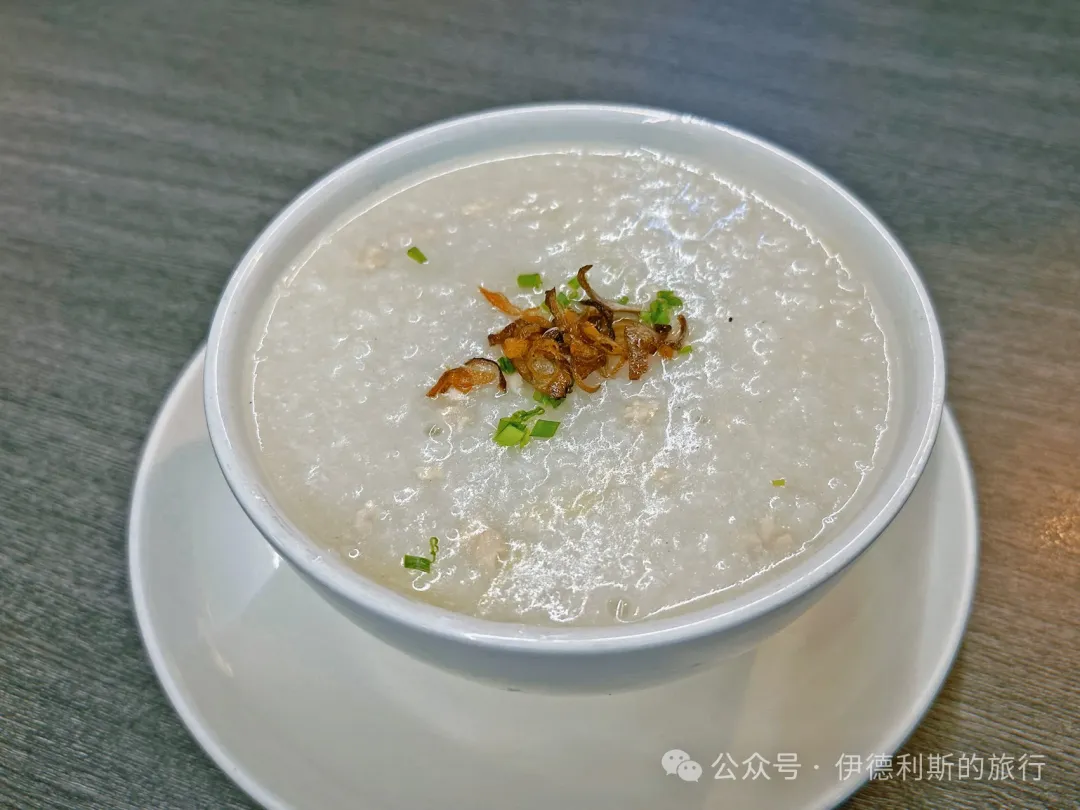
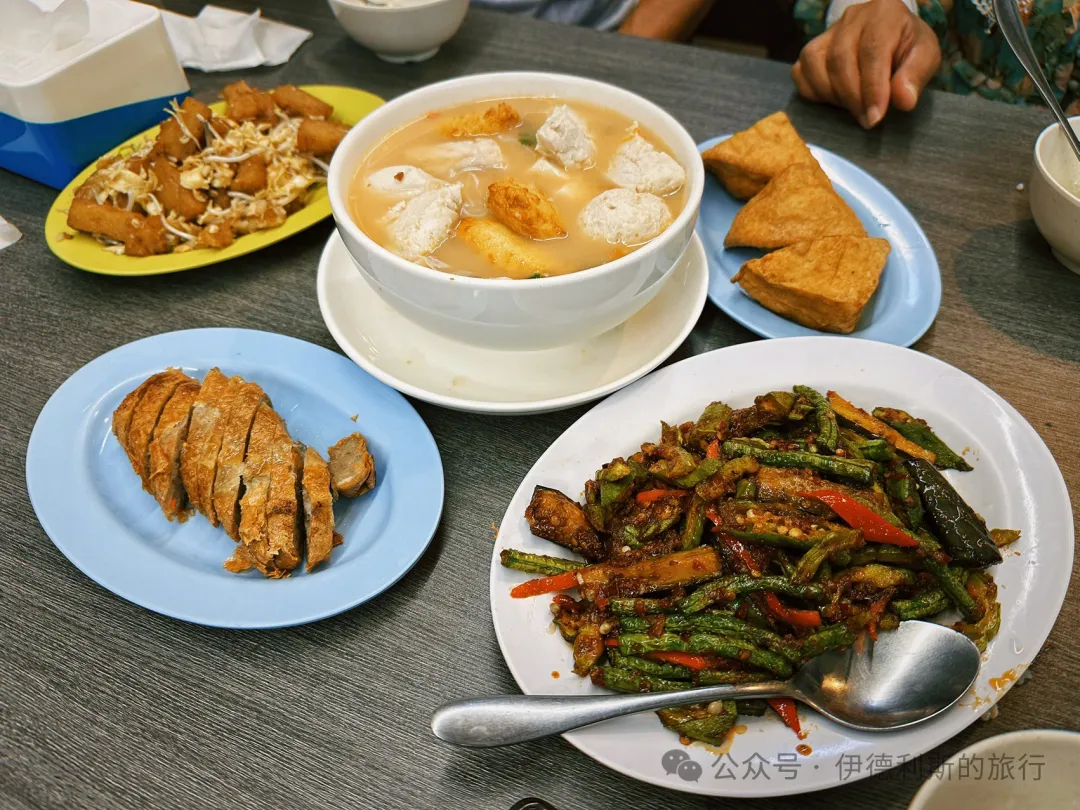
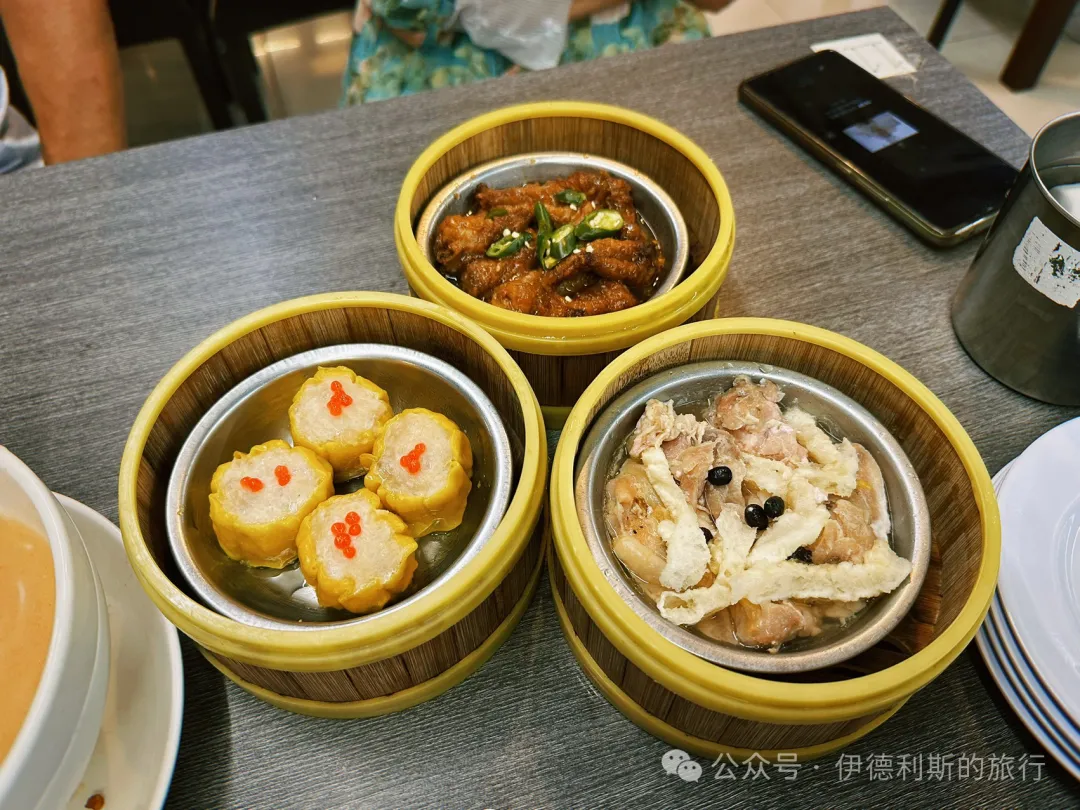
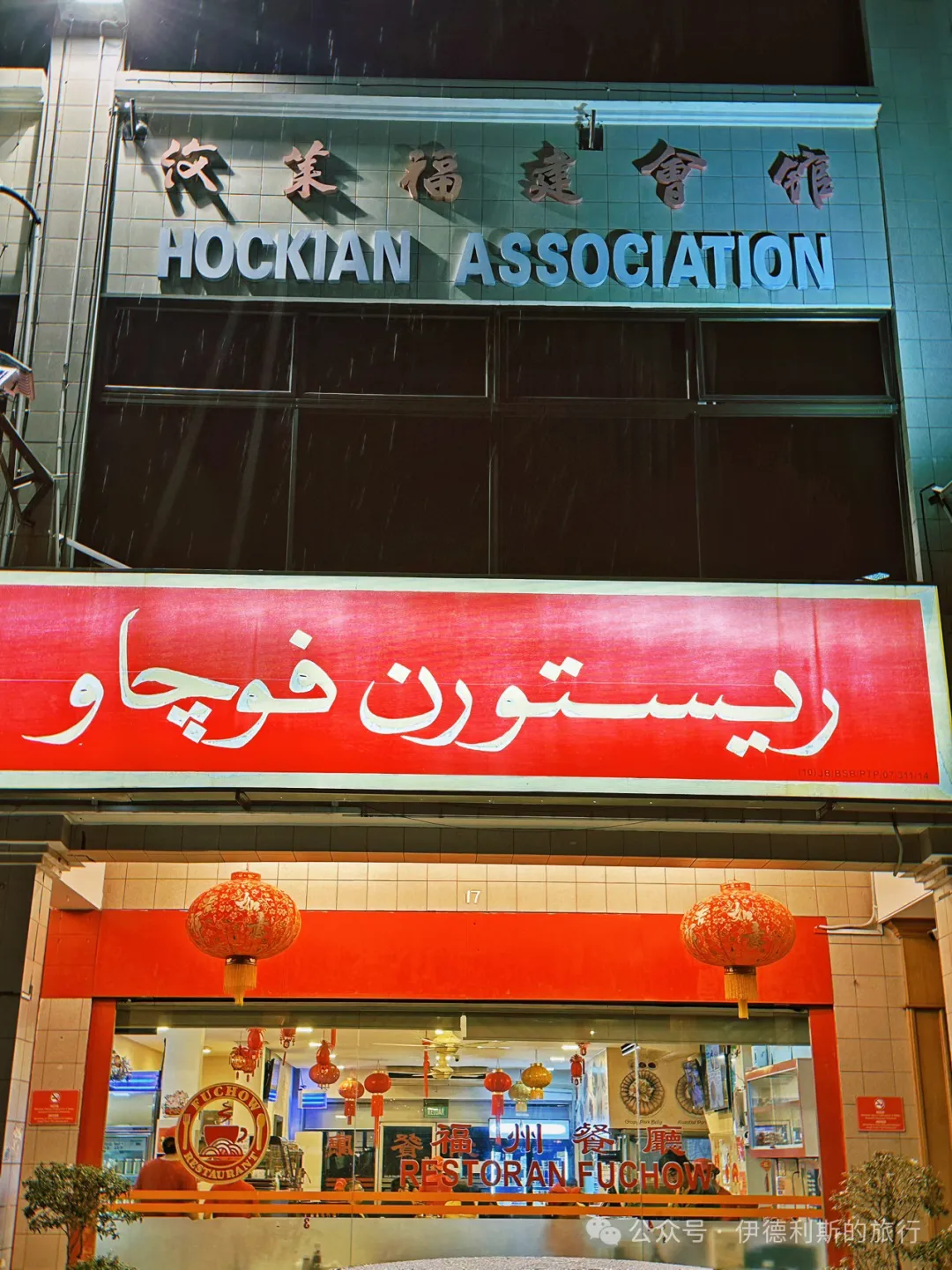
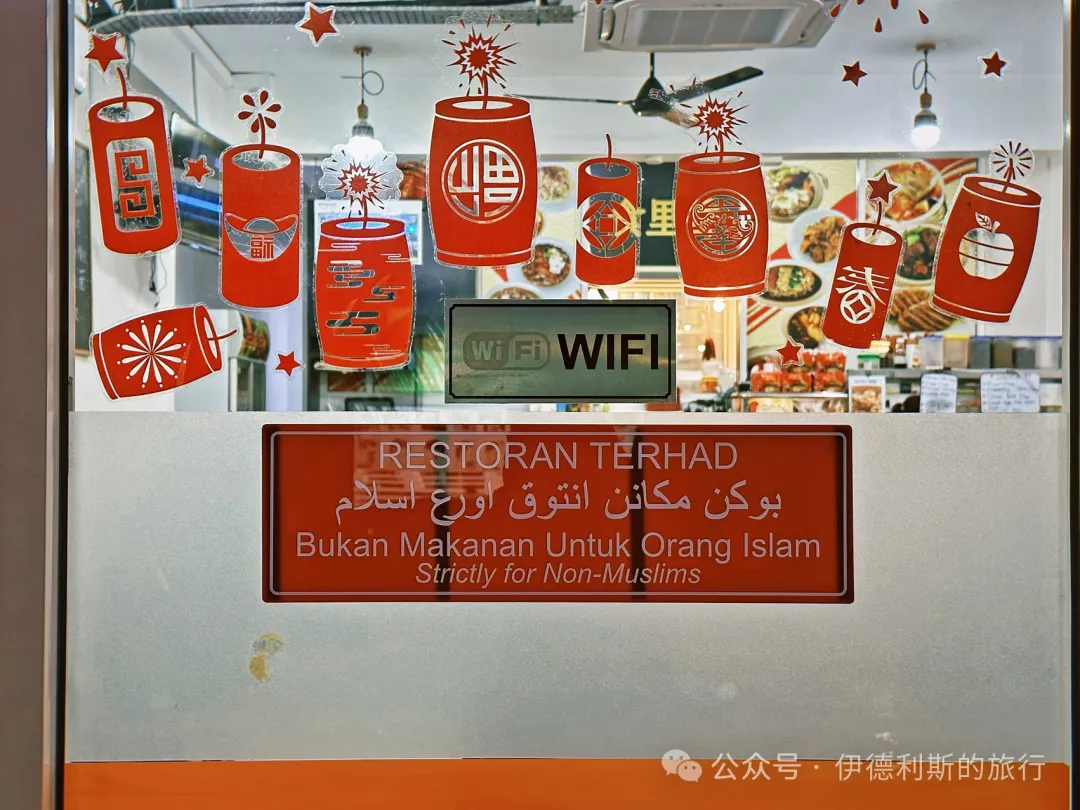
In Brunei, the Fujian Association and the Taiwan Overseas Compatriot Association share the same building. Nearby, there are non-halal restaurants, which are rare in Brunei, and they all have red non-halal signs at their entrances.
Hua Ho Department Store
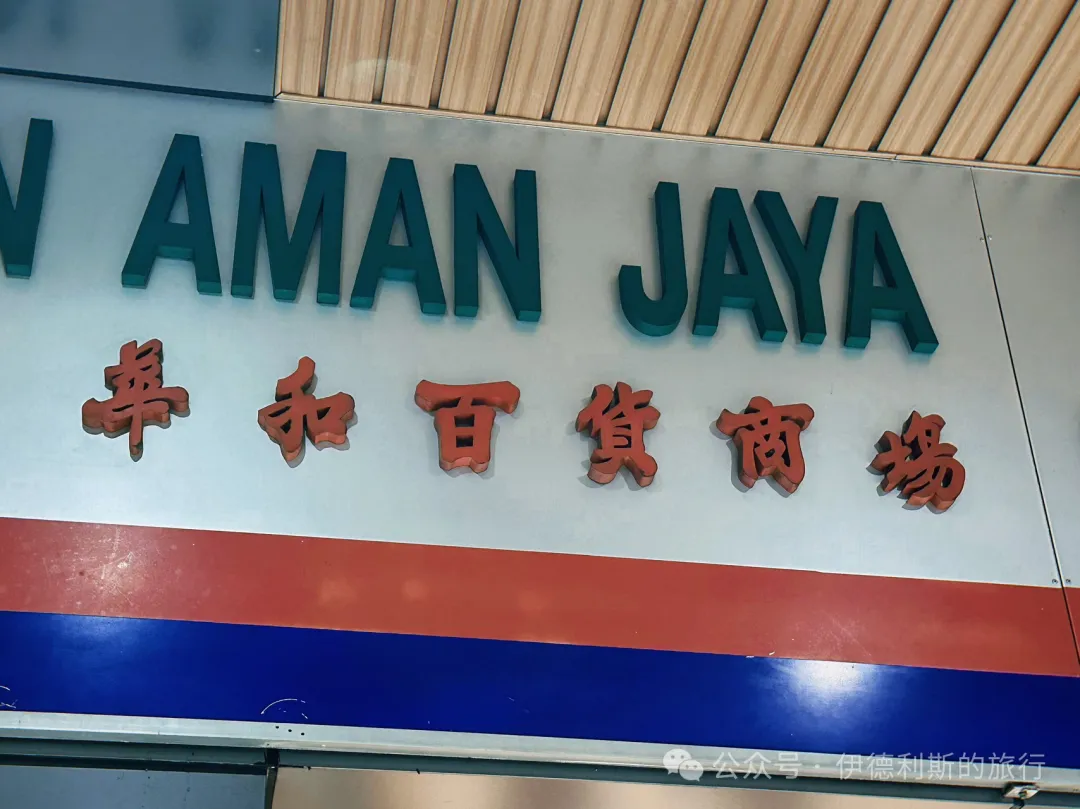
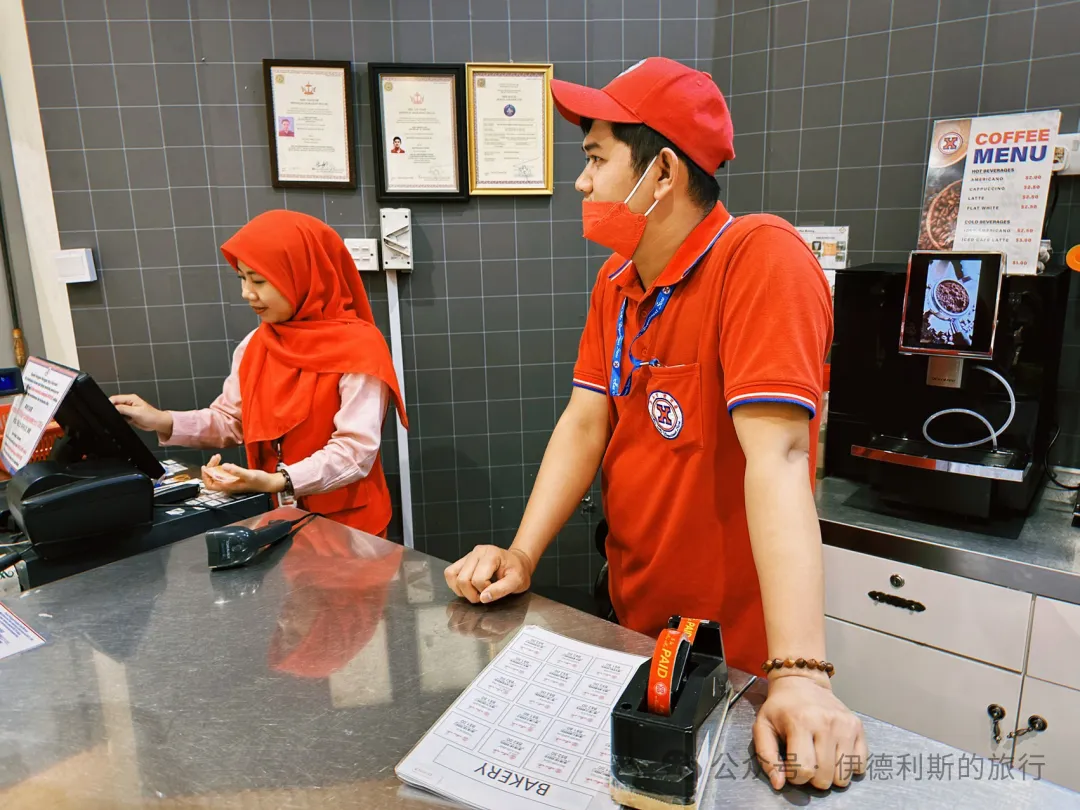
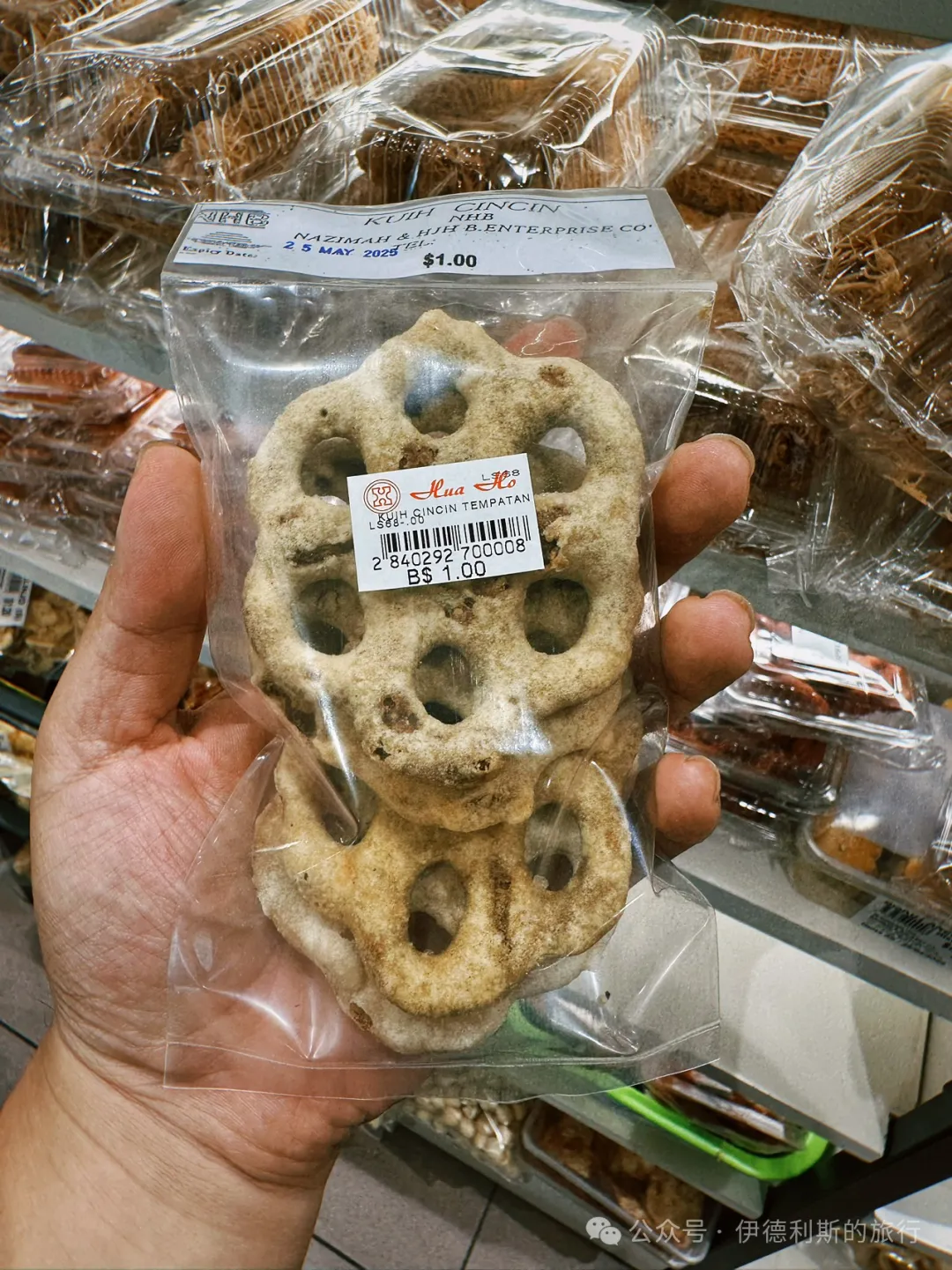
Hua Ho Department Store is a famous halal supermarket owned by Chinese merchants in Brunei, and it has many branches across the country. We went to the Kiulap branch. Inside, one side features various traditional Brunei Malay snacks. We bought a traditional snack from Sabah and Brunei called Kuih Cincin Tempatan, which is fried using red coconut, rice flour, and palm sugar. The other side is the supermarket area, where you can buy various halal foods with Cantonese, Fujian, Chaoshan, and Taiwanese characteristics.
The founder of Hua Ho Department Store, Lau Gek Poh (Liu Jinguo), was born in 1920 to a farming family in Lieyu, Kinmen, Fujian. In 1938, he traveled south to seek his fortune, first going to Singapore and then to Brunei to join his eldest sister. In 1947, Lau Gek Poh bought a piece of land in Manggis, on the northern outskirts of Brunei. He built a vegetable garden and hired workers to raise chickens and ducks, officially establishing Hua Ho Department Store. After the 1950s, as agricultural prices fell, Lau Gek Poh eventually went bankrupt and closed his shop in 1958. Afterward, he began selling vegetables at the market and selling fabric door-to-door. He did not reopen his shop until 1961. In 1966, he built a small two-story building, and the shop was opened on the first floor. Later, he gradually expanded the scale of his business, eventually making Hua Ho the largest department store in Brunei.
In 2004, the Sultan of Brunei awarded Lau Gek Poh the title of Pehin Kapitan Cina Kornia Diraja, making him one of the few Chinese nobles in Brunei. Lieyu, also known as Little Kinmen, is located between Kinmen and Xiamen. People from Lieyu began traveling south to Brunei in the 19th century. Initially, they worked mainly as shipping laborers, dock workers, fishermen, and street vendors. Later, they gradually accumulated capital and turned to business, occupying an important position in Brunei's business world. Many have received the titles of Pehin Kapitan and Pehin.
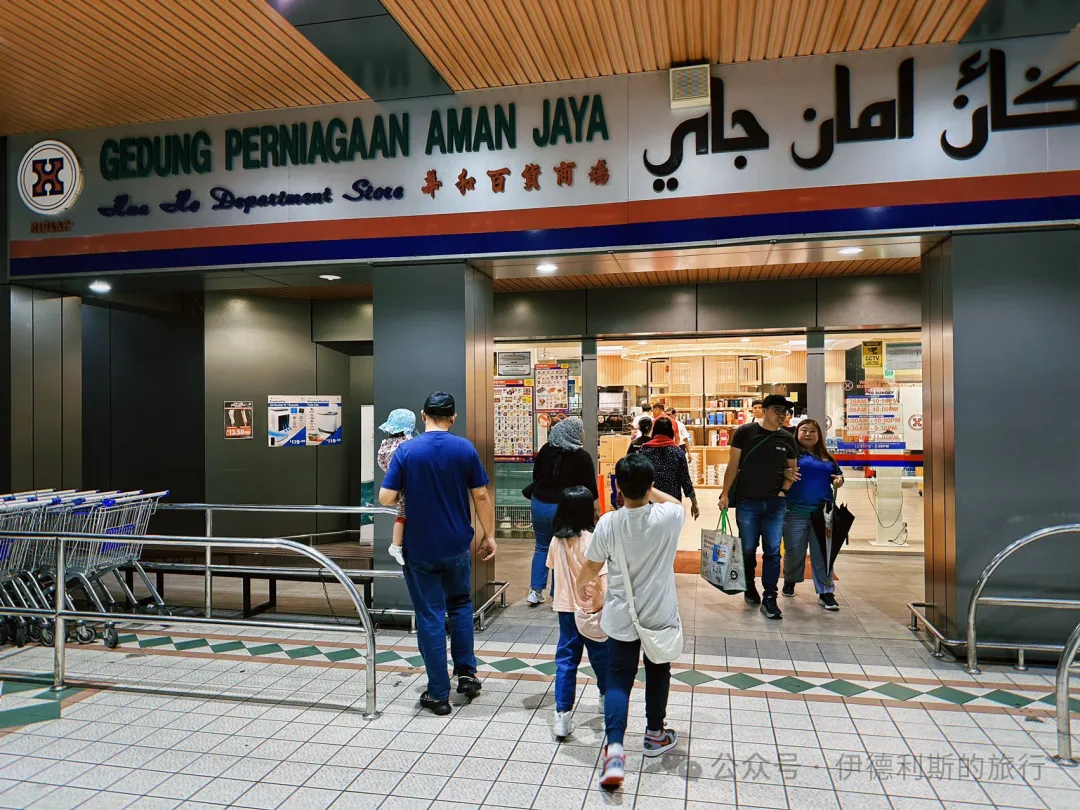


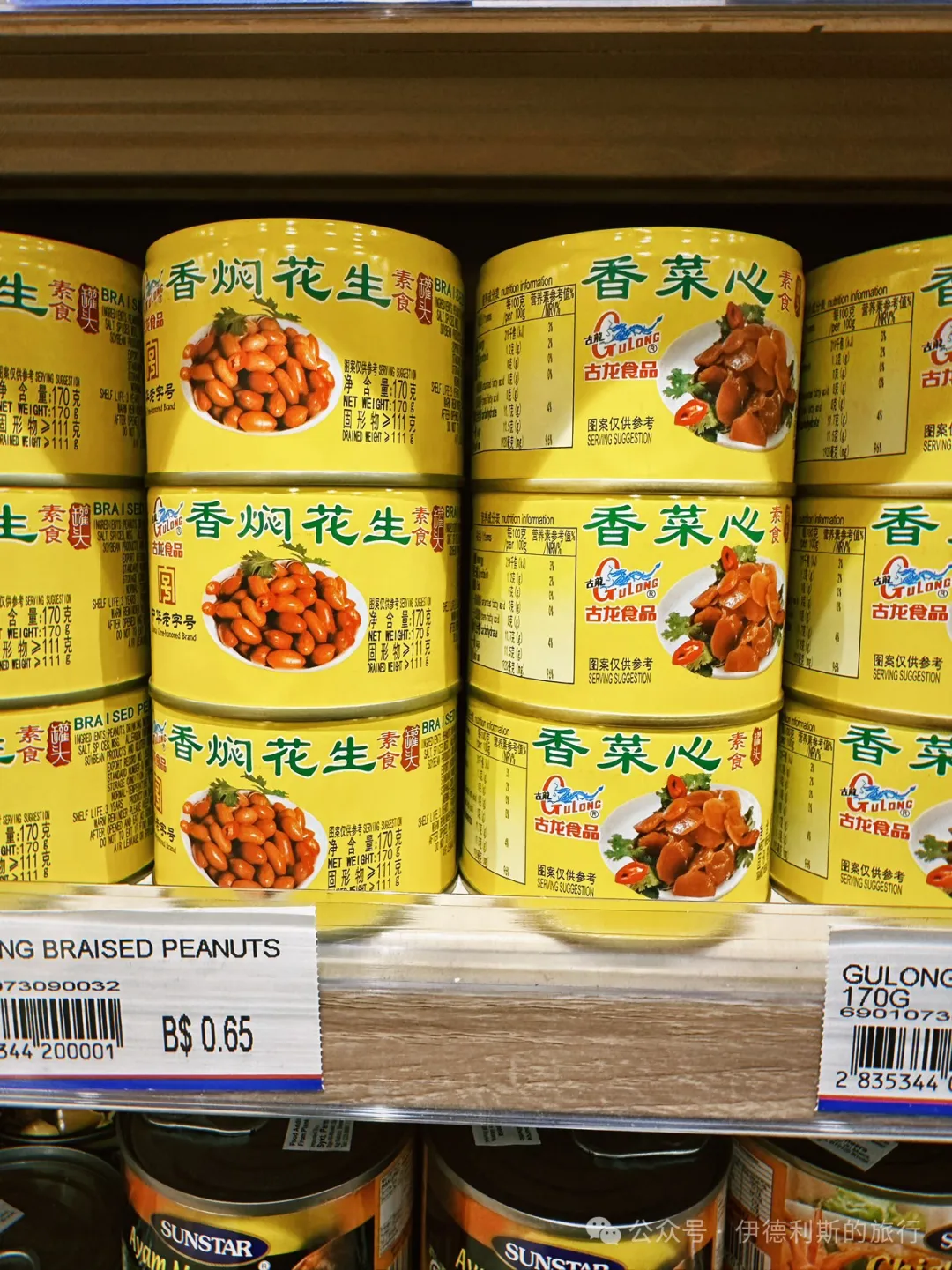
Some products at Hua Ho Department Store: coconut jelly powder, cold bean curd powder, Hong Kong narcissus flour, Shantou sweet potato starch, fragrant braised peanuts, fragrant vegetable hearts, belacan chili, Chaoshan specialty sweet and sour ginger slices, South China vegetables, spicy fermented bean curd with sesame oil, rice noodles, shredded codfish, and selected squid.
Traditional Malay Market: Gadong Night Market
Gadong Night Market is very famous, but it is actually not very big. There are very few tourists in Brunei, so the night market is mostly filled with locals.
We first bought shredded squid and fish paste with chili sauce. This little snack is quite delicious. Then we bought mangosteen and snake fruit. It was my first time eating snake fruit, and the taste was quite good.
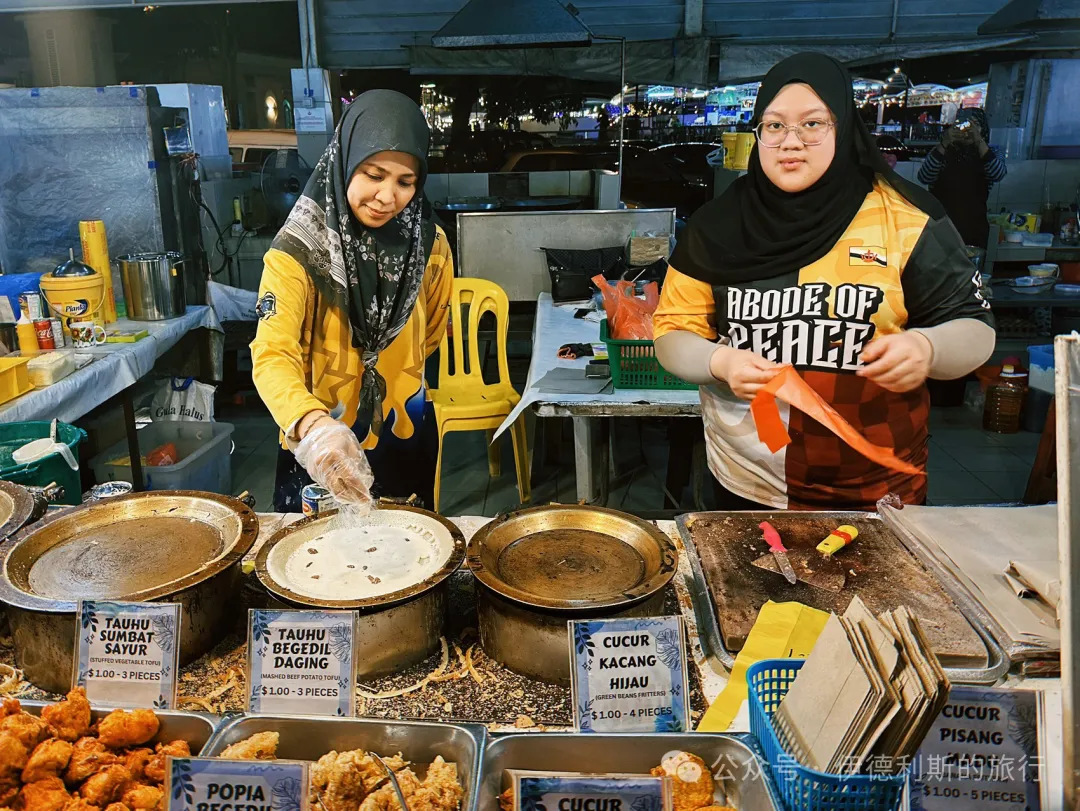
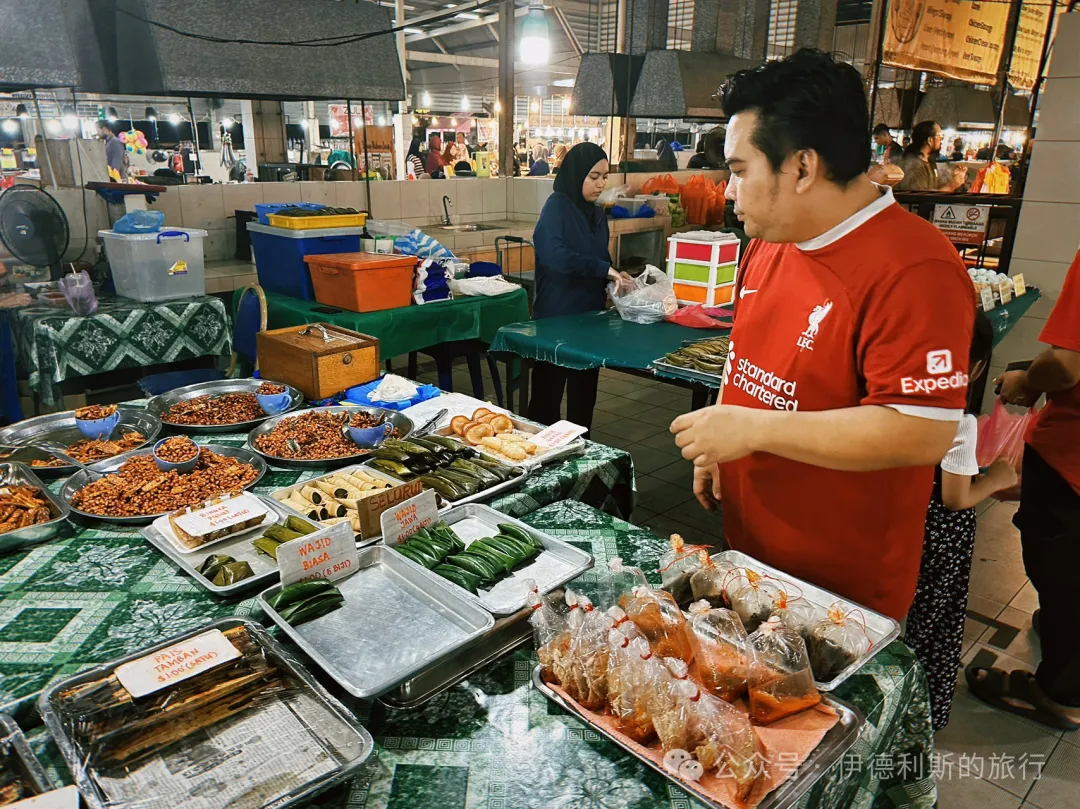
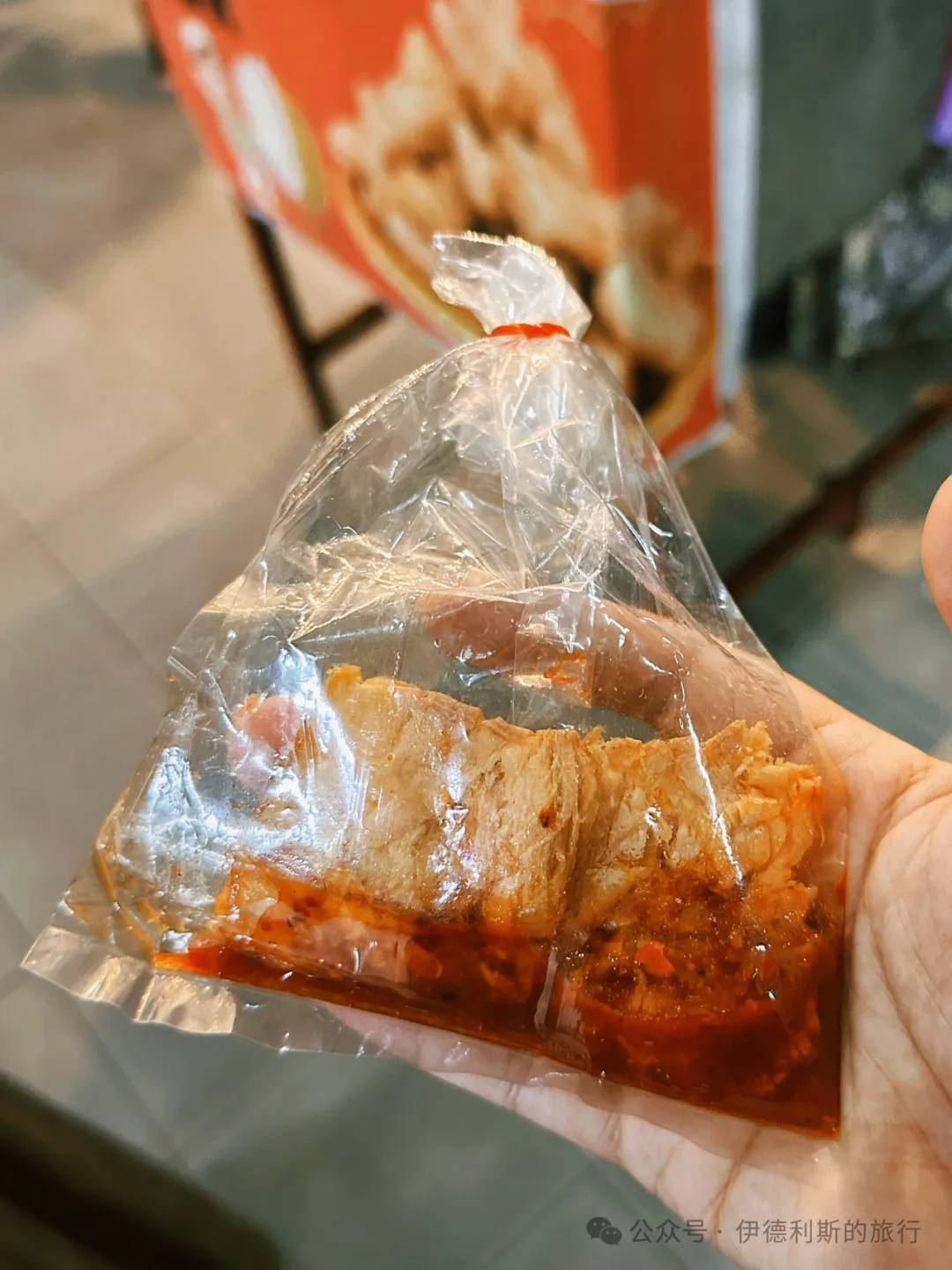
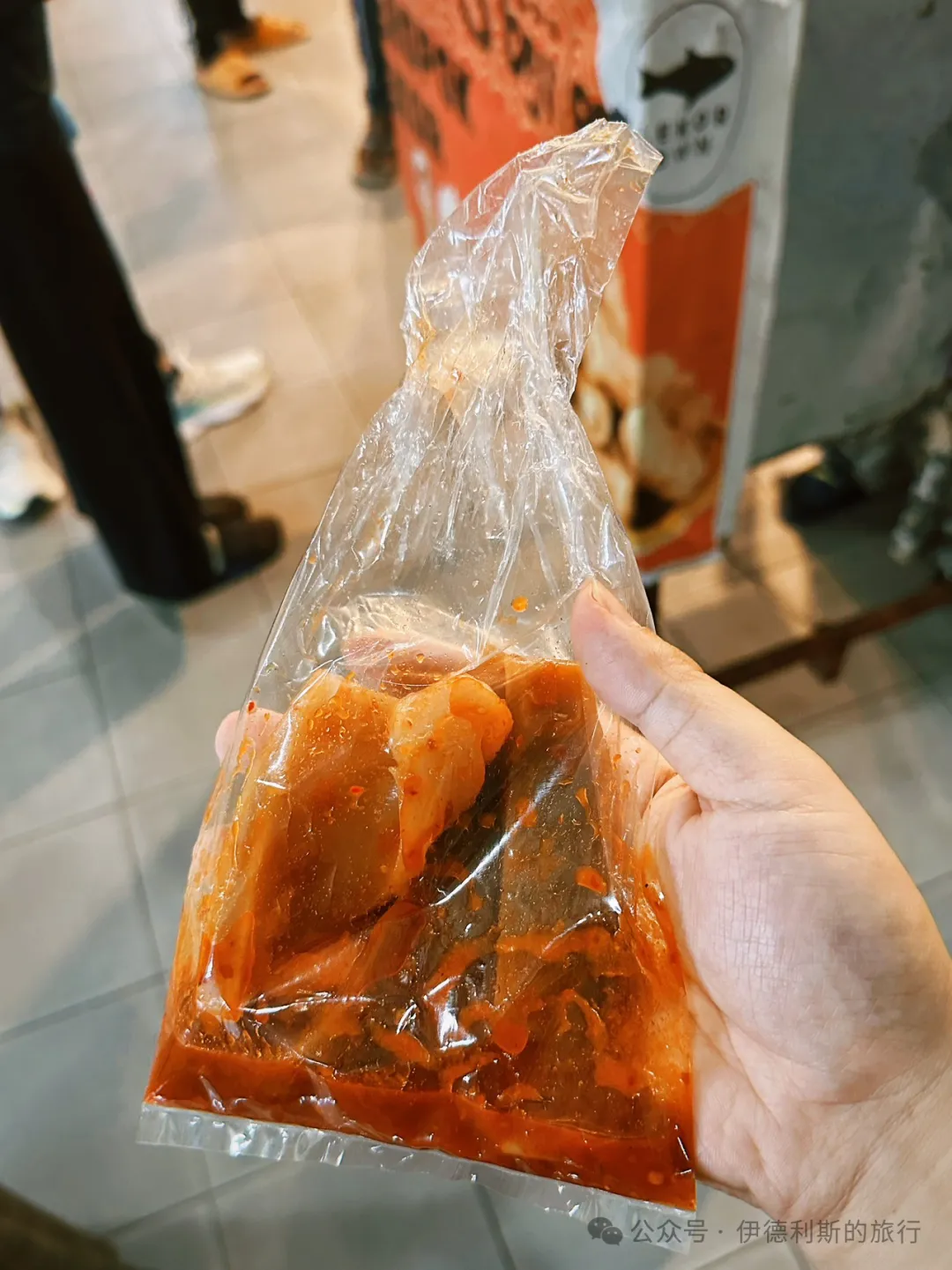
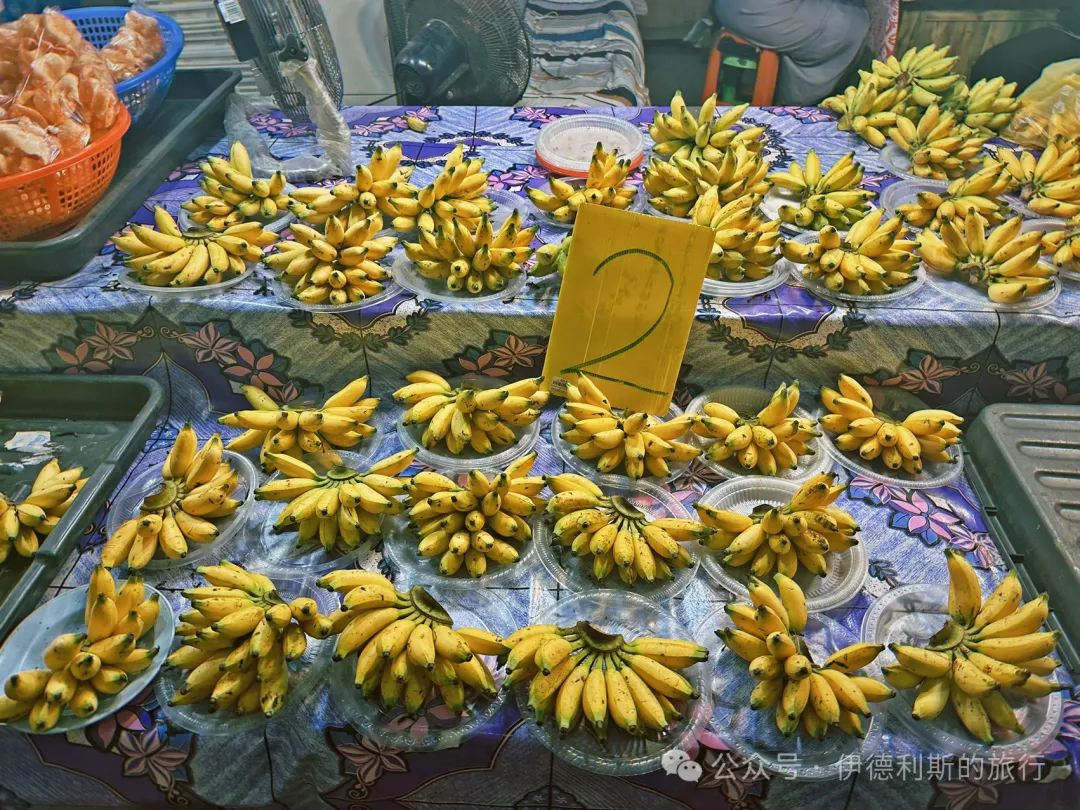
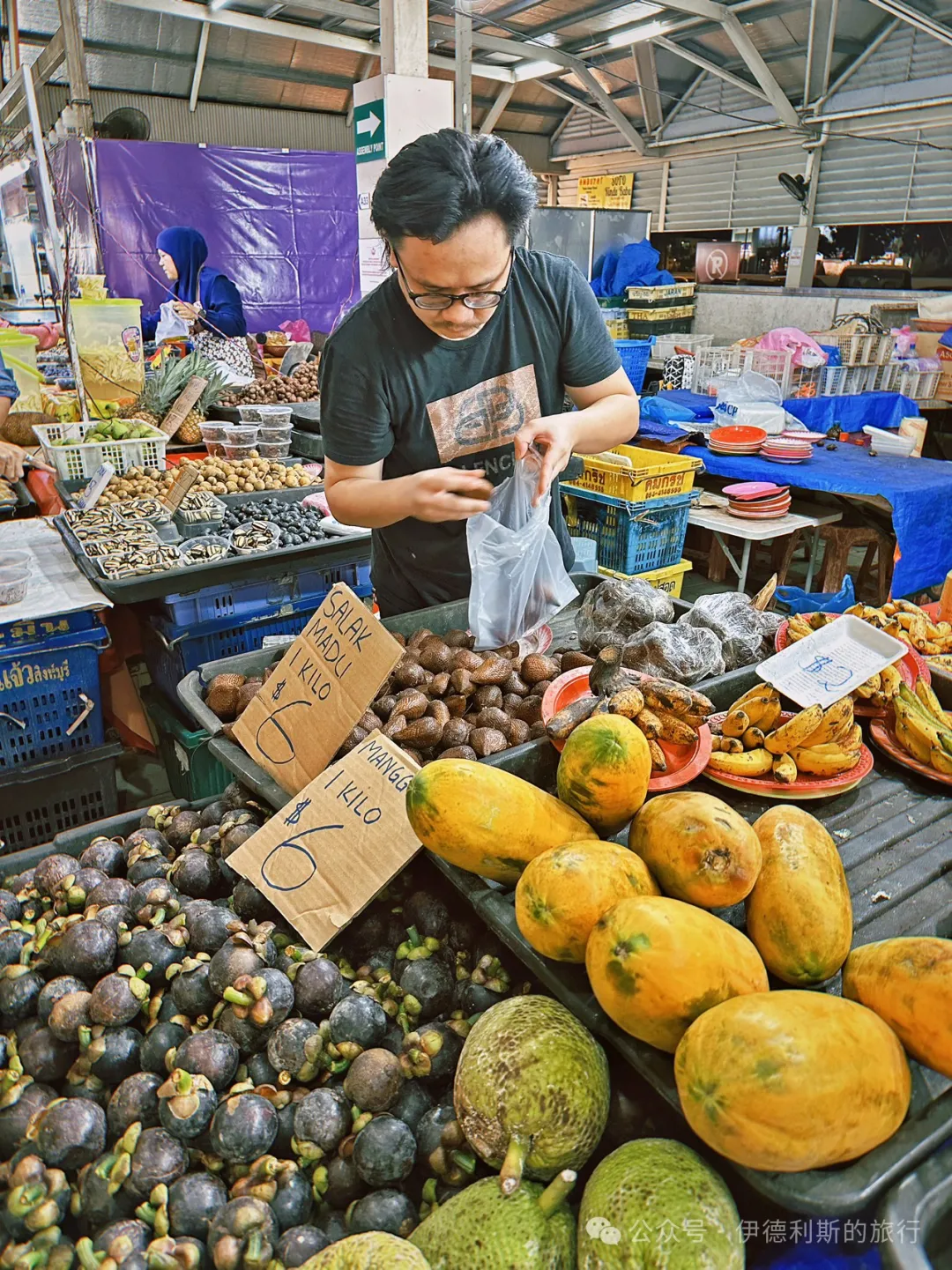
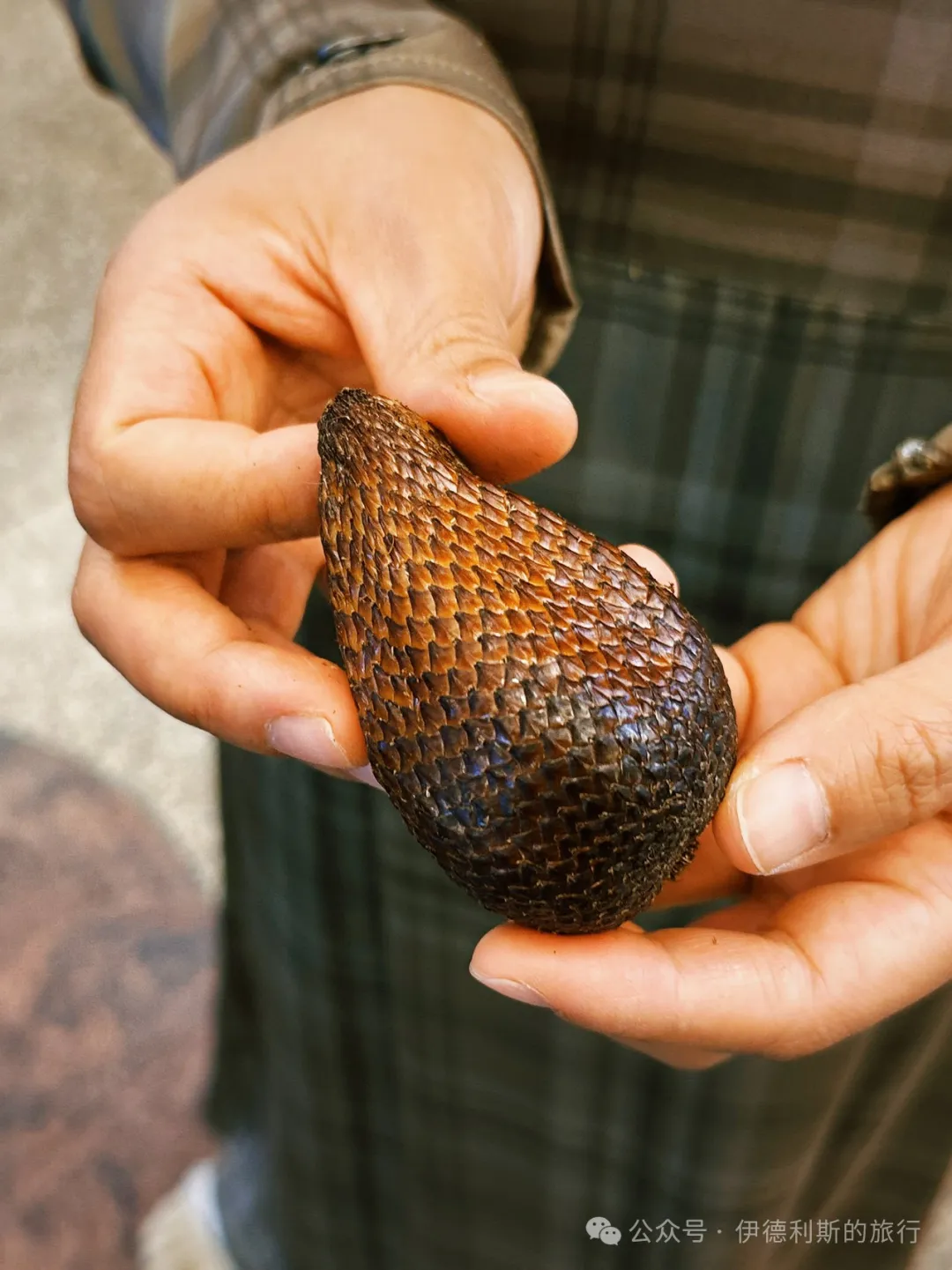
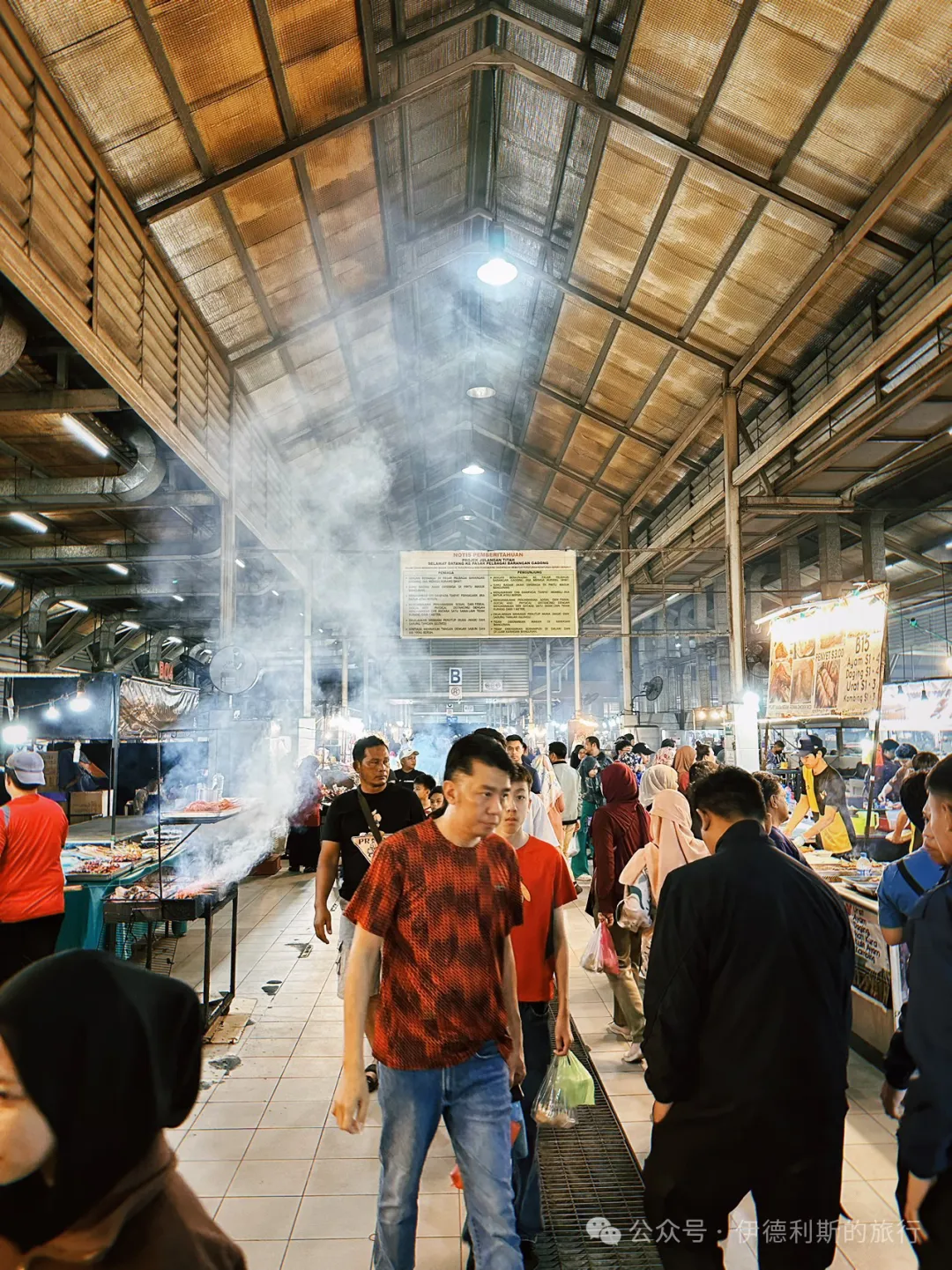
We ate noodle soup at a small snack shop at the entrance. We ordered Bakso beranak (large beef balls stuffed with smaller beef balls) and Soto Daging (beef noodle soup). The eating habits here are almost the same as in Indonesia. I really enjoy the beef noodle soup here, especially on a rainy day when a bowl feels very comforting. I also ordered a coconut. The local coconuts are large. Even though the husk is thick, there is still plenty of juice inside, and it comes served with a lime wedge to squeeze in.
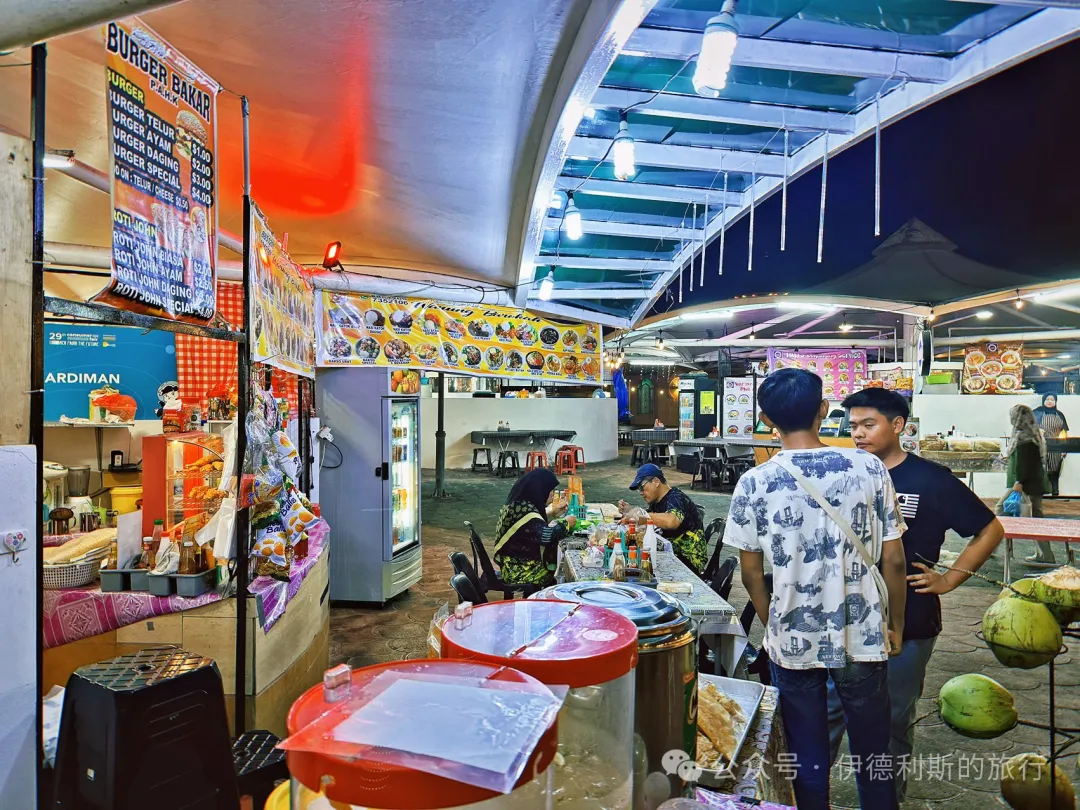
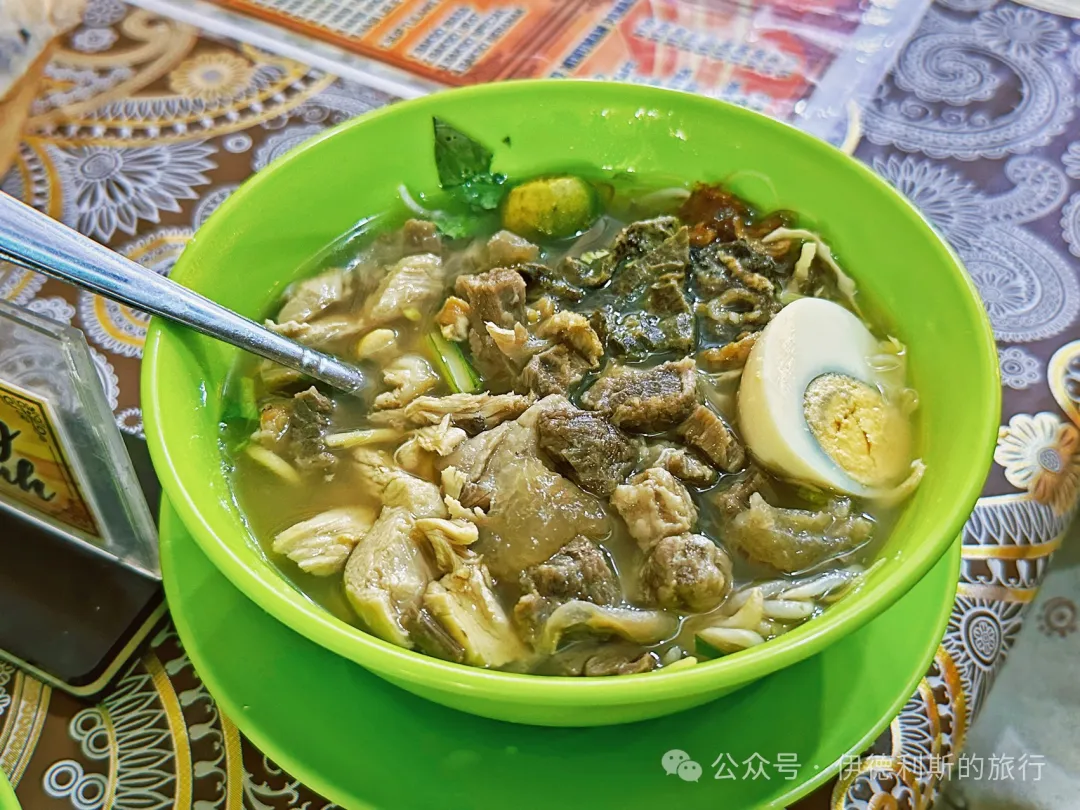
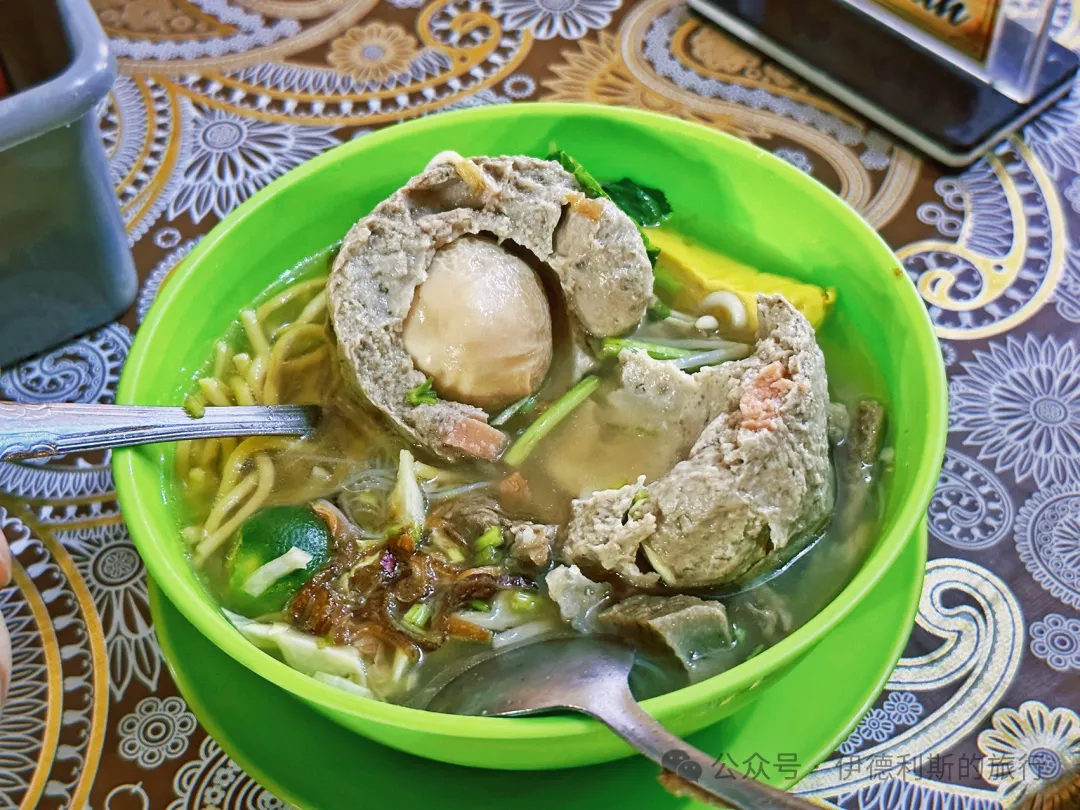
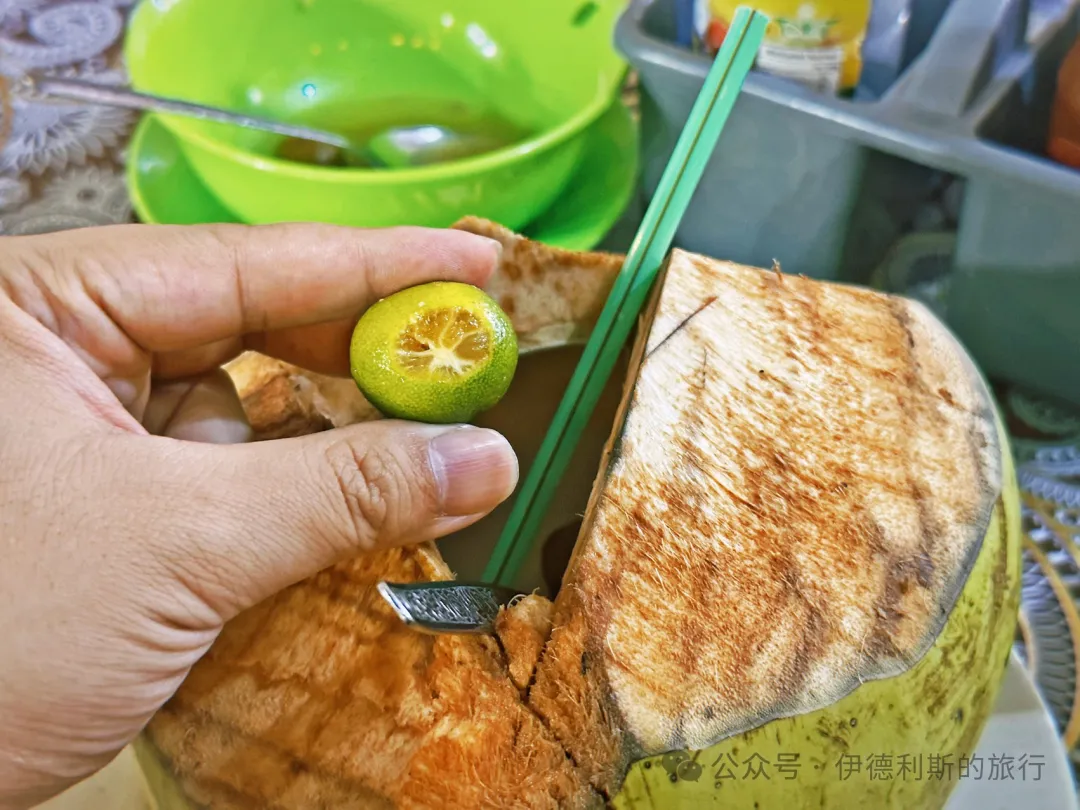
I had satay skewers at the Gadong Night Market, specifically the liver and chicken hearts, which were sweet and grilled a bit firm.
A wide variety of Brunei-style buffet.
If you want to try authentic local food in Brunei, I recommend the buffet at the Brunei Arts and Handicraft Training Centre. You can find it on the map by searching for Tarindak D'Seni.
We went for lunch from 11:30 to 14:30, which cost 91 RMB per person, and there is a discount for seniors over 60. The environment is lovely, with the Brunei River right outside the window. The food selection is rich. You can eat various sticky rice pandan Malay cakes (kuih), Sarawak laksa noodles with coconut milk, and even make your own shaved ice dessert (cendol).
They serve Brunei's national dish, sago starch paste (ambuyat), which is made by mixing sago palm starch with hot water to create a thick paste, eaten by dipping it into a sauce.
Nasi kebuli is rice cooked with goat broth, goat milk, and ghee. It was brought to the Malay Archipelago by Hadhrami people from Yemen and is especially popular in the Arab communities of Java.
Black beef (daging hitam) is a beef rendang made with a sweet soy sauce containing plenty of palm sugar and rock sugar, a specialty of the Sarawak region.
Chicken cooked in coconut milk (opor ayam) is chicken simmered in coconut milk with various spices.
Two national mosques.
Brunei has two national mosques, each built by a different Sultan, and both are worth visiting. The Omar Ali Saifuddien Mosque, also known as the 'water mosque,' was built between 1954 and 1958 by the former Sultan of Brunei, Omar Ali Saifuddien III (who reigned from 1950 to 1967), and is named after him. The main hall features a Mughal-revival style golden dome. The interior uses Italian marble, Shanghai granite, British chandeliers, and Venetian mosaic glass, making it Brunei's most important landmark after its completion.
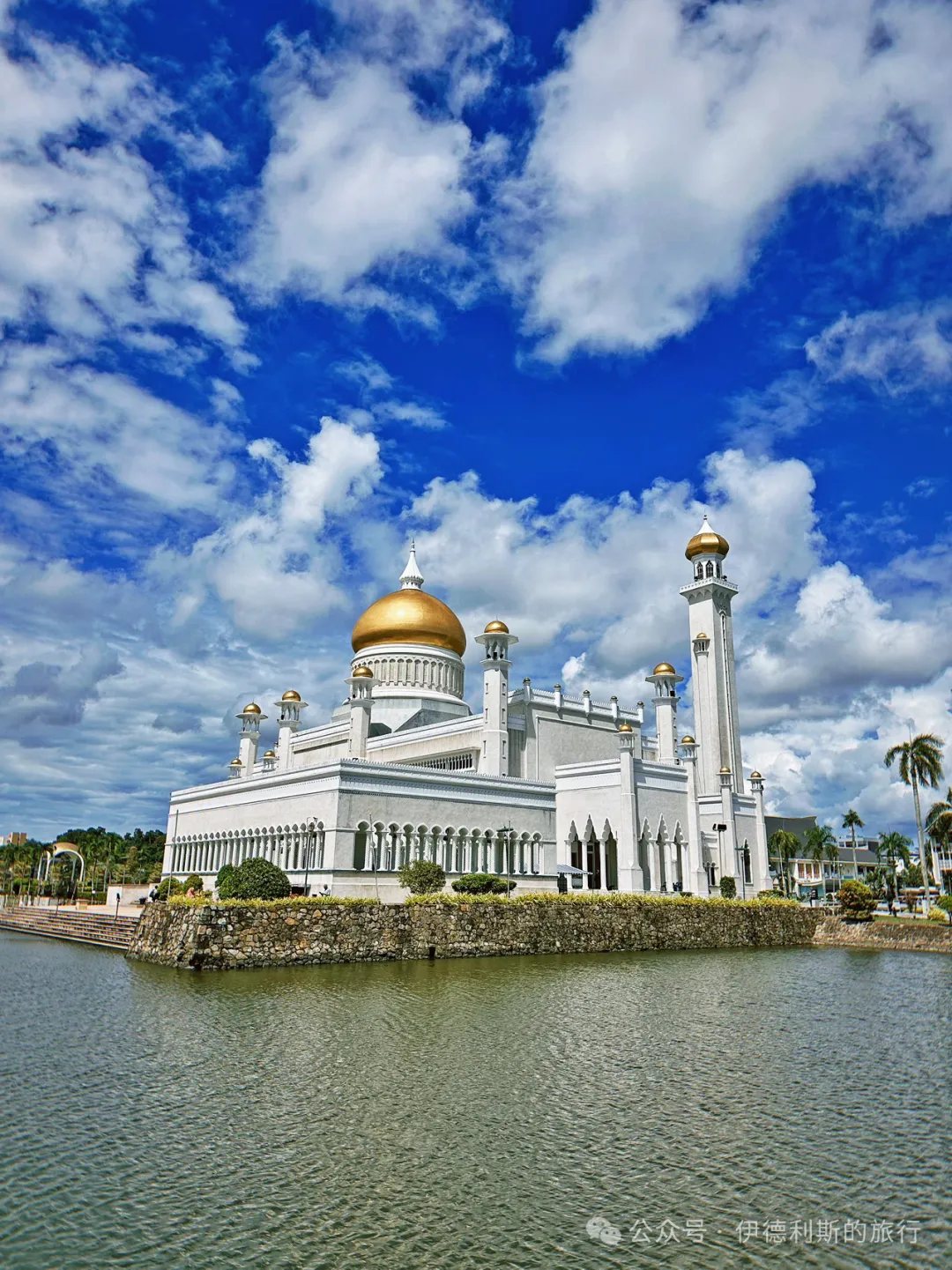
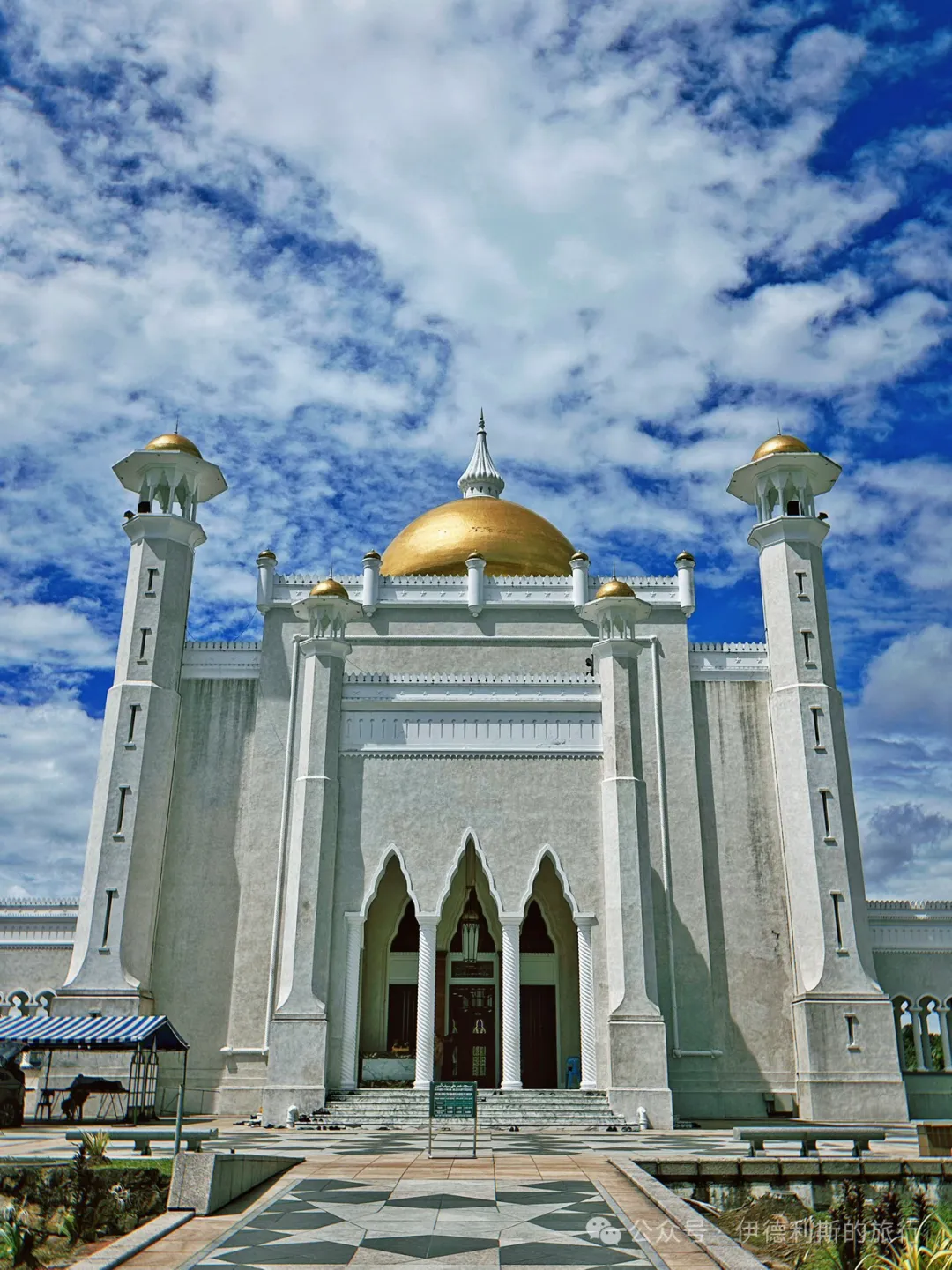
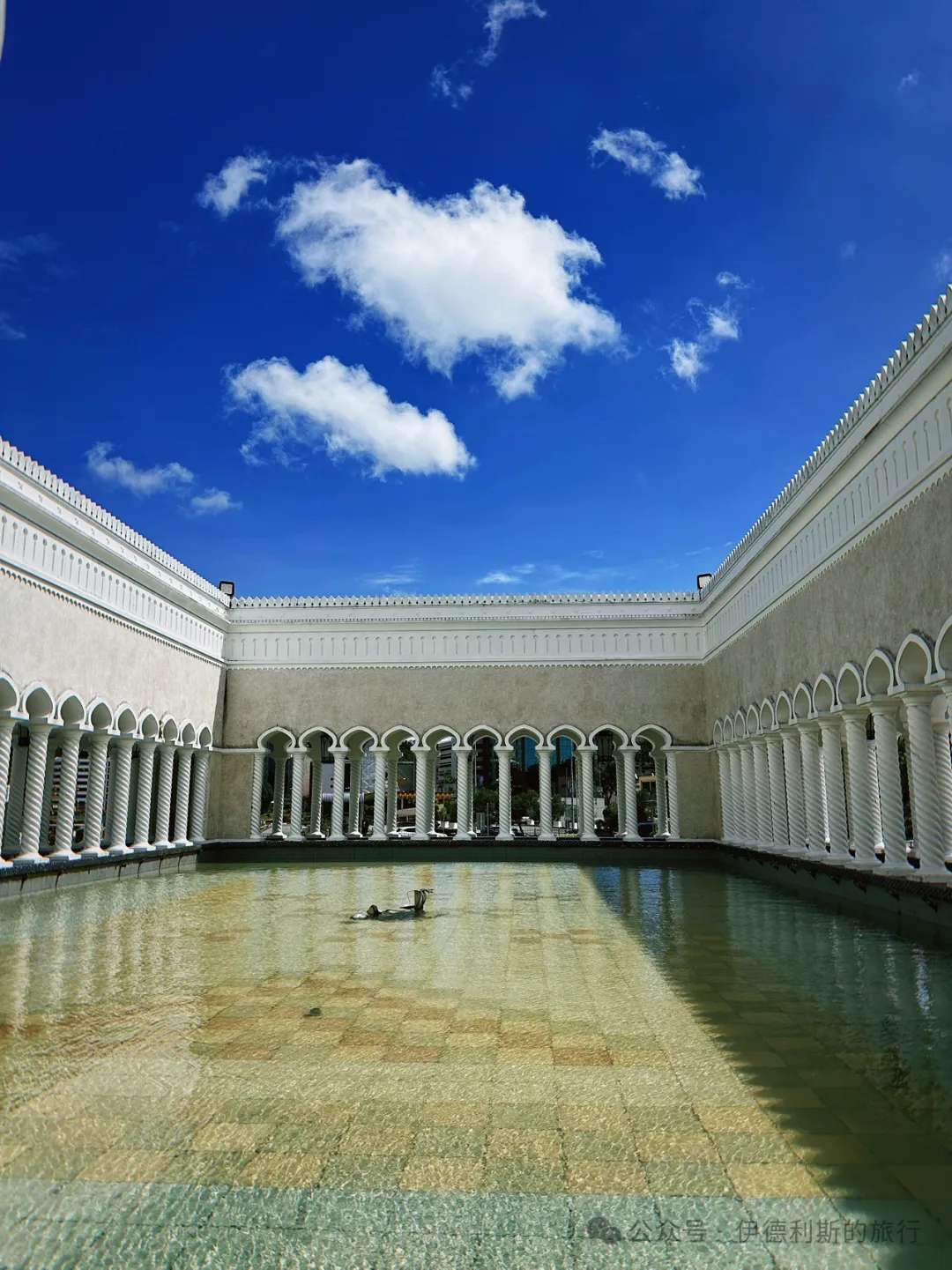
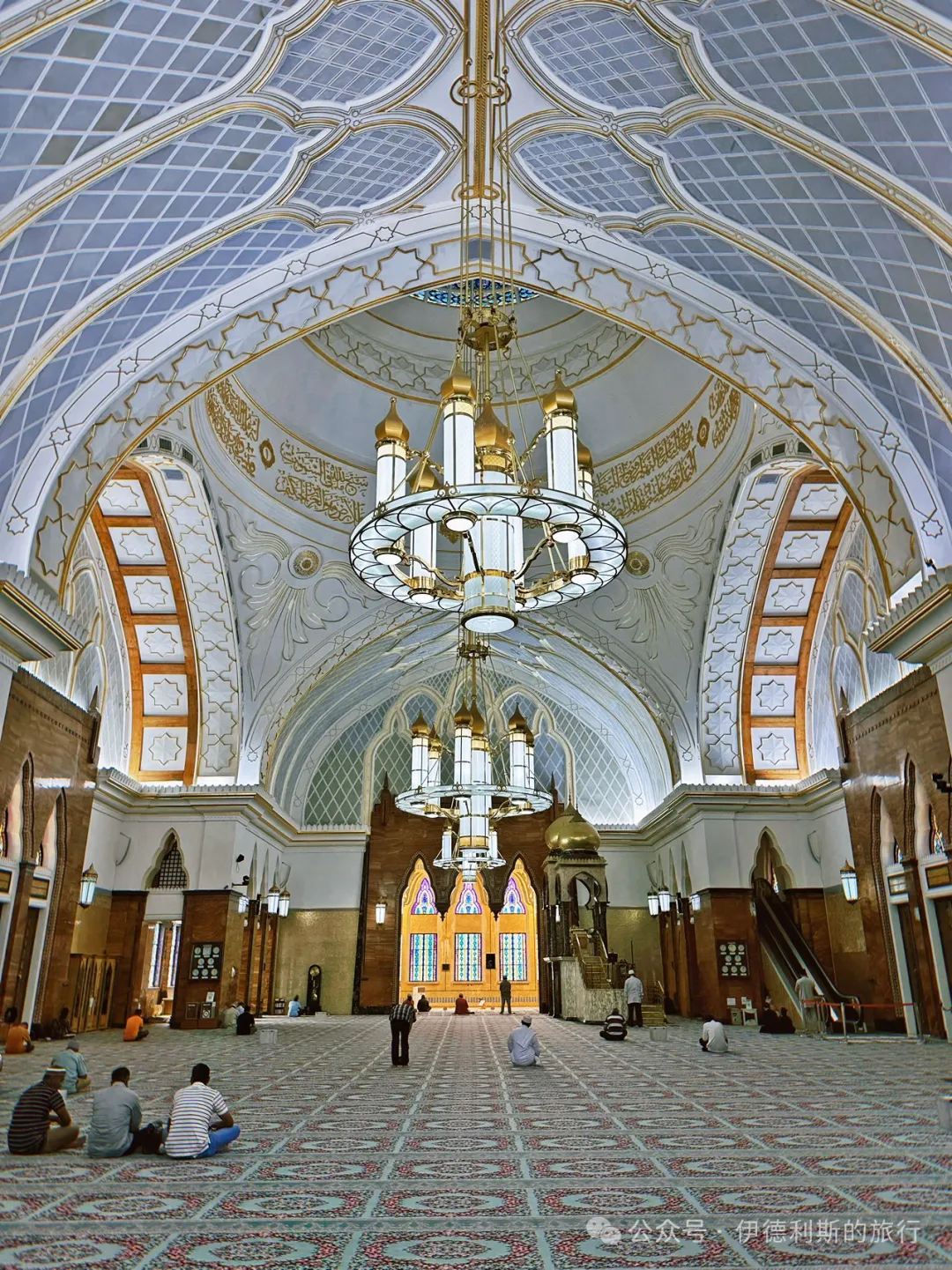
We happened to visit during Friday prayers (Jumu'ah). Brunei requires all malls and restaurants to close between 12:00 and 14:00, so the mosque was very crowded during the prayer, with the entire hall full, which was quite spectacular.
The pulpit (minbar) in the water mosque has two levels. The first level is where the muezzin calls the adhan, and the second level is where the imam delivers the khutbah. Next to the minbar, there is an escalator leading to the second-floor prayer area reserved for the royal family.
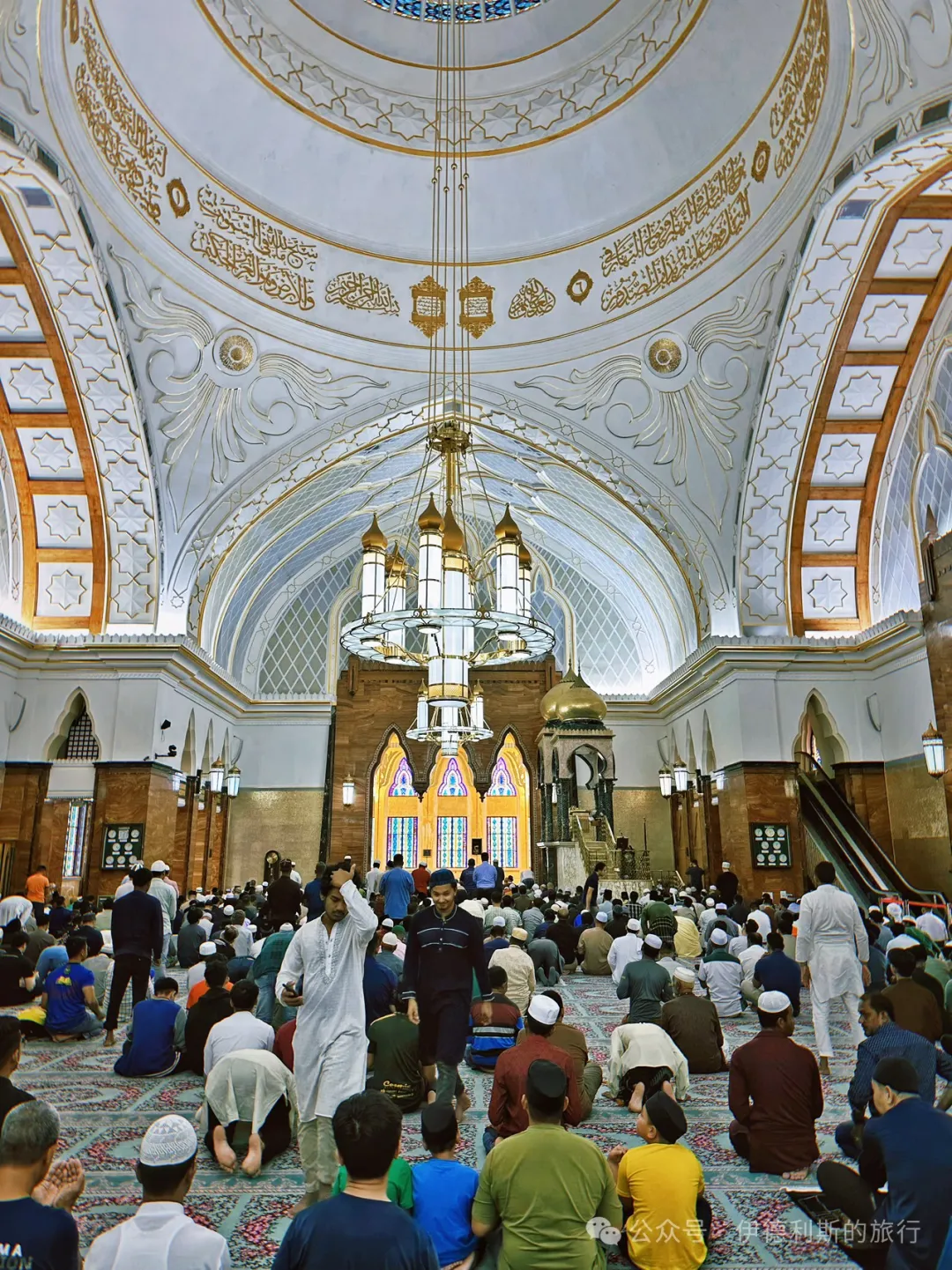
After Friday prayers, boxed meals were being handed out, mostly to South Asian laborers.
The water mosque during the sunset and dusk hours. Both of Brunei's national mosques look better at night than during the day.
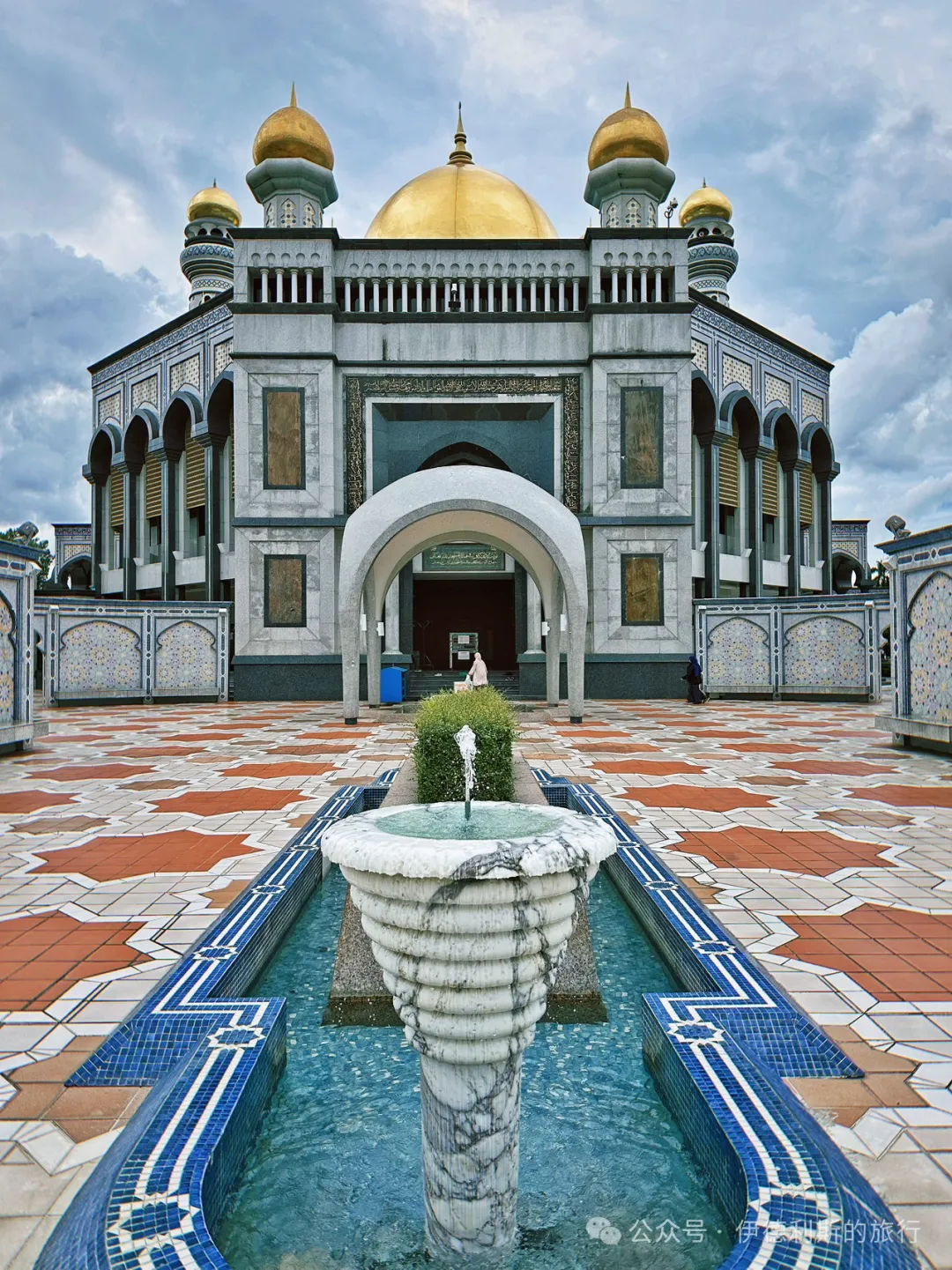
The full name of the Brunei Friday Mosque is Jame' Asr Hassanil Bolkiah Mosque. It is one of Brunei's two national mosques and also the largest mosque in the country. The Jame' Asr Hassanil Bolkiah Mosque was built by Sultan Hassanal Bolkiah of Brunei to celebrate his 25th anniversary on the throne and officially opened in 1994. The mosque's 29 golden domes commemorate the 29th Sultan of Brunei. Five fountains symbolize the five daily namaz and the five pillars of Islam. The mihrab is decorated with gold-plated tiles, and the interior is very luxurious, featuring Persian carpets, Italian marble, and Philippine hardwood.
The night view of the Brunei mosque is more beautiful than the day. For friends (dosti) who want to take photos, I recommend coming during the times for maghrib and isha.
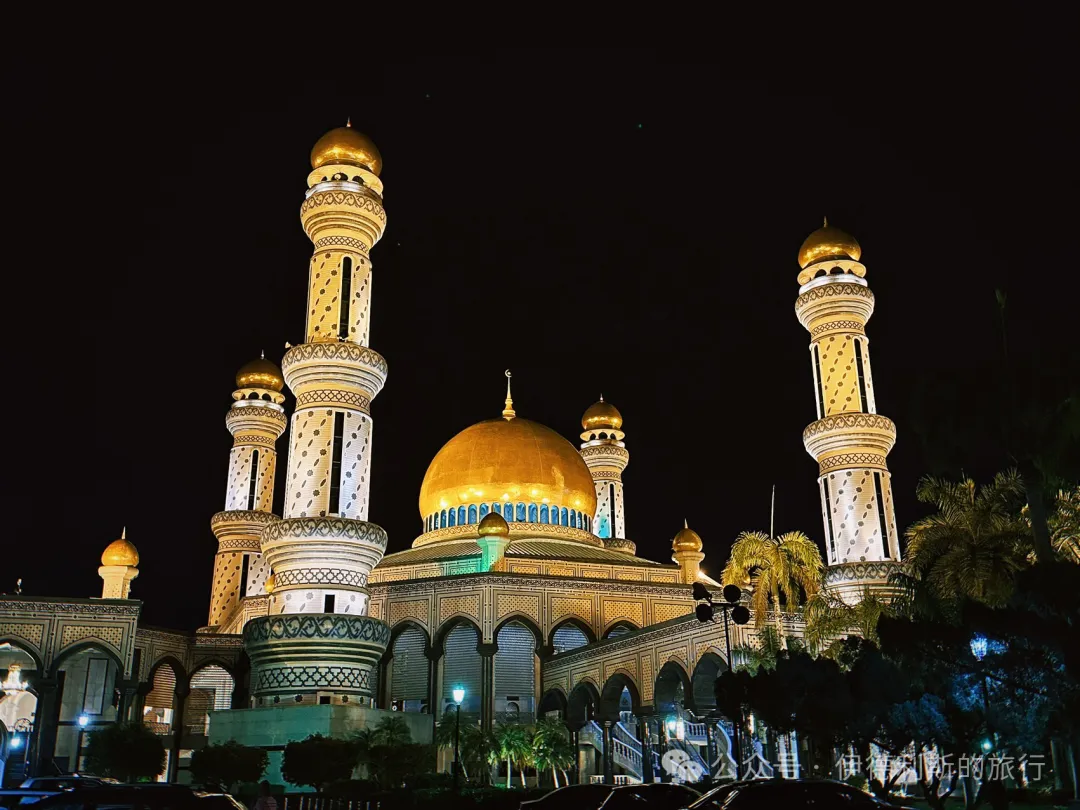
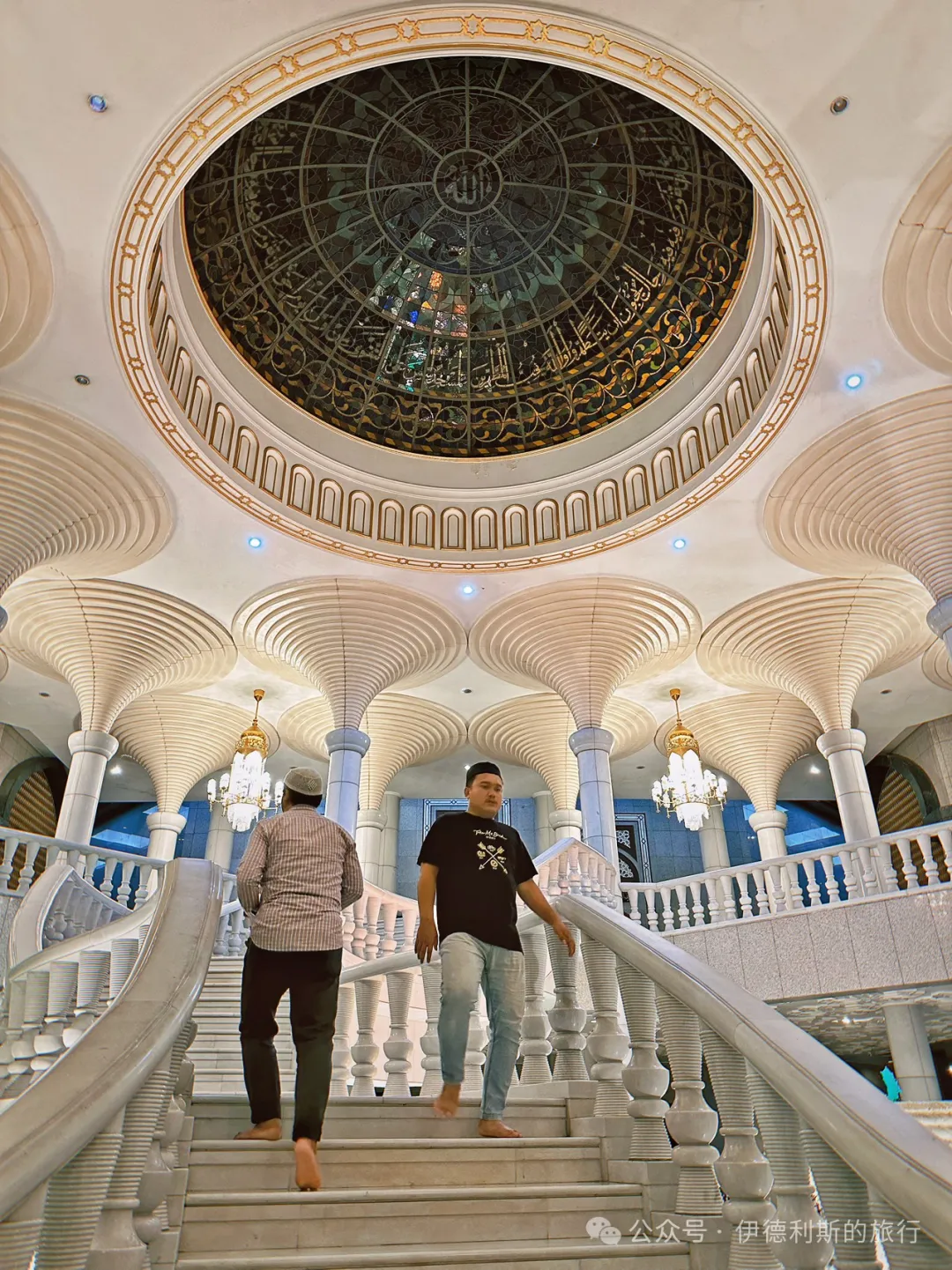
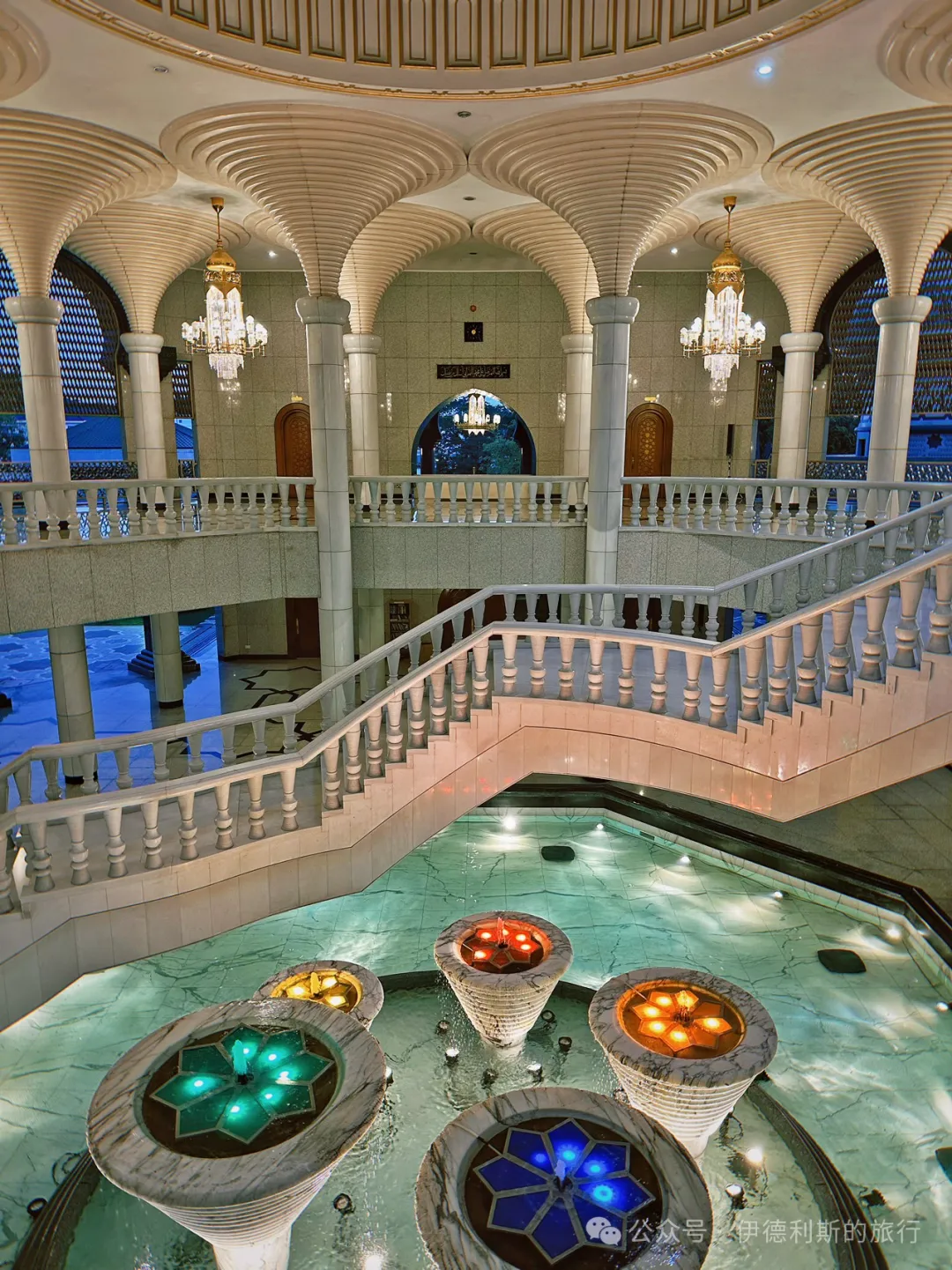
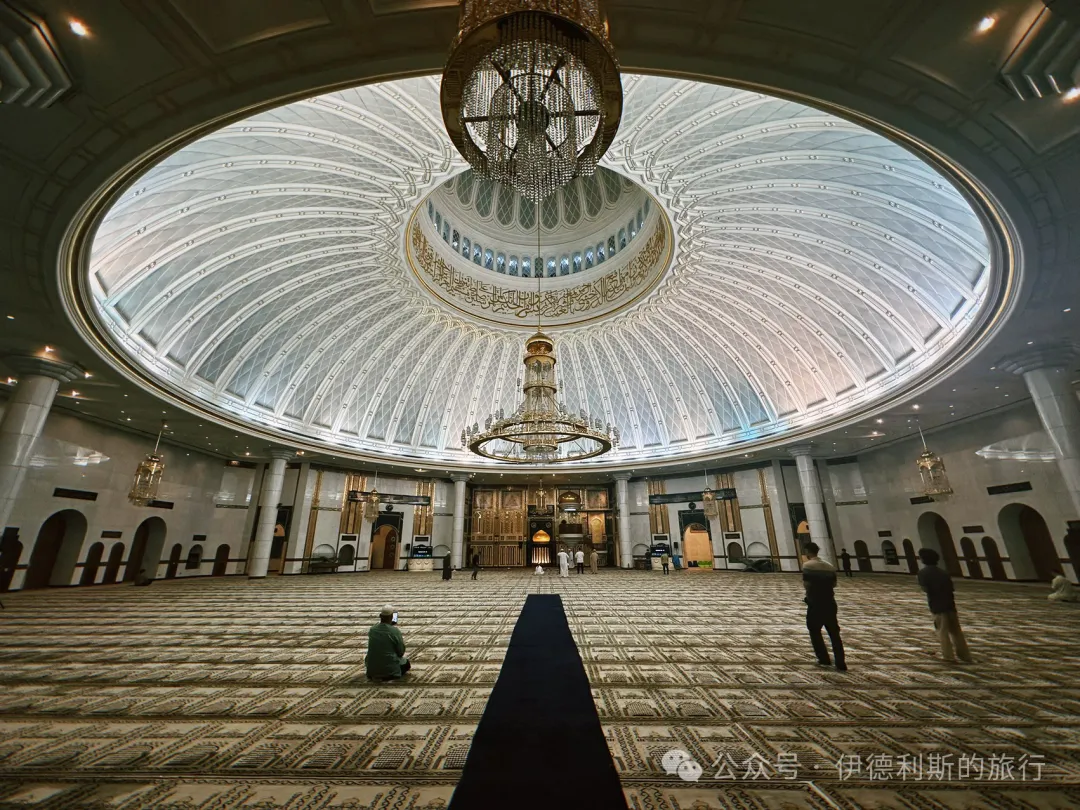
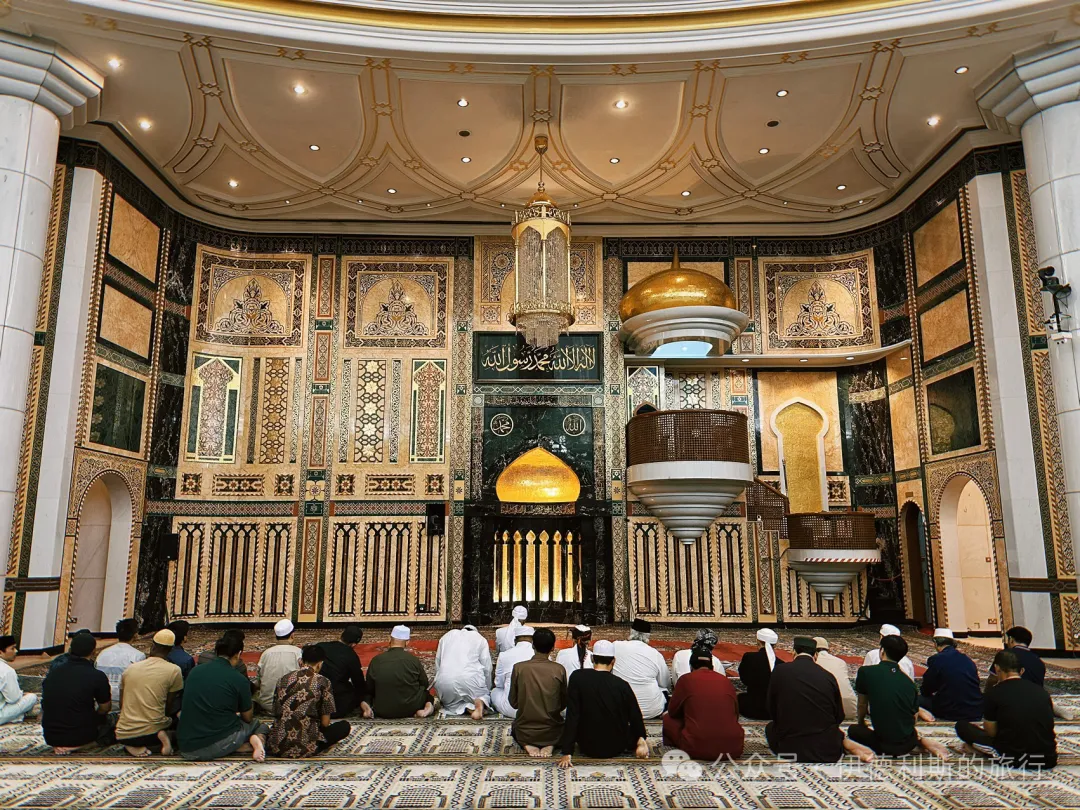
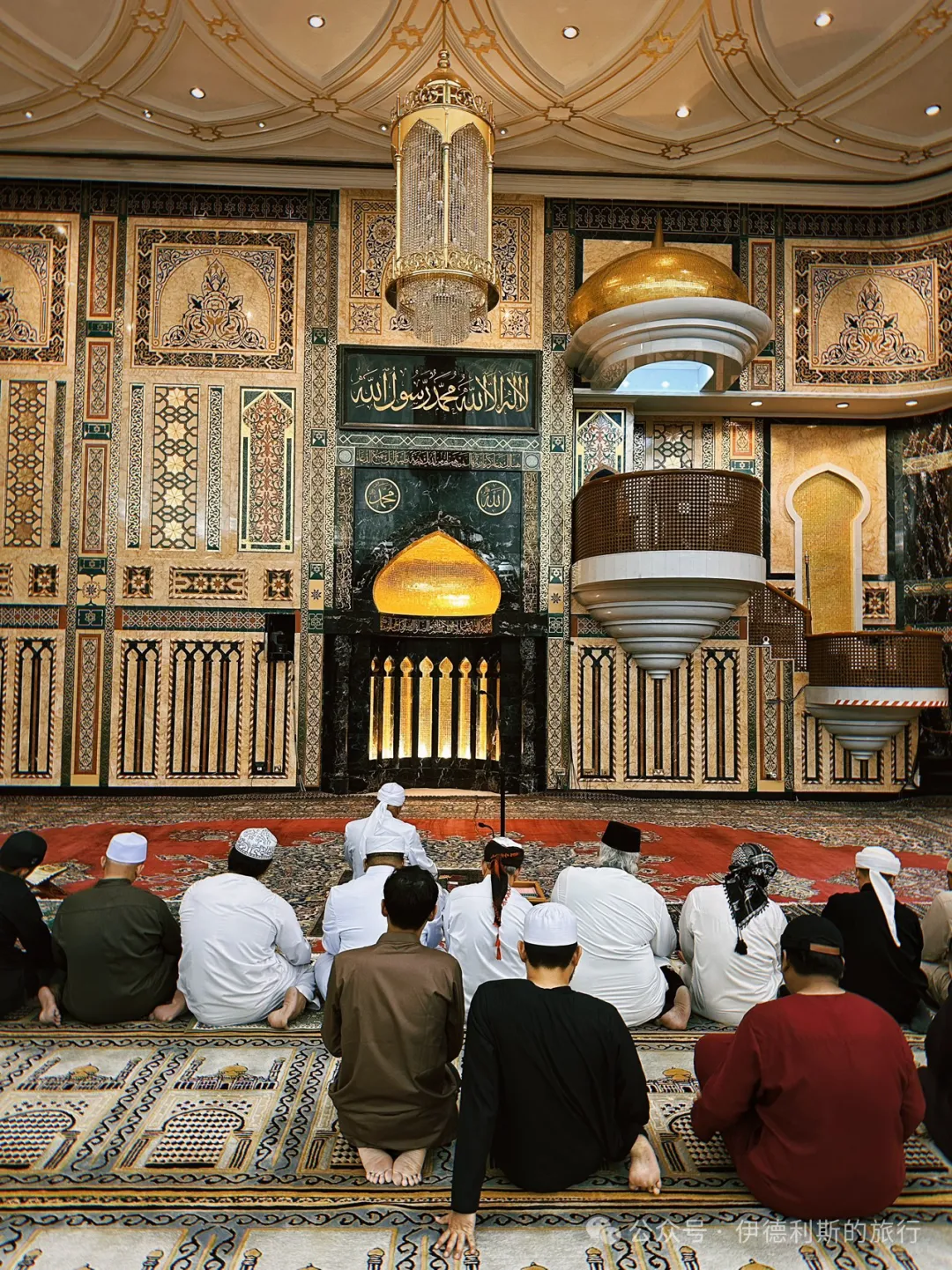
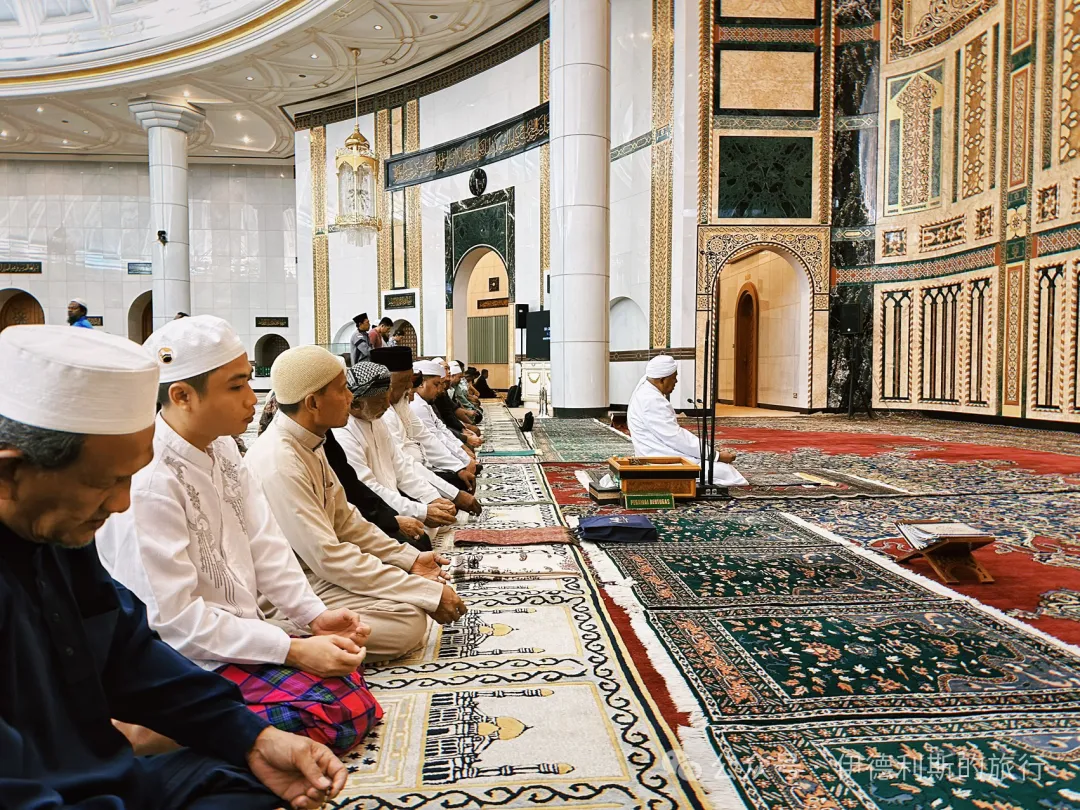
The Jame' Asr Hassanil Bolkiah Mosque during the day. The main prayer hall connects to a women's prayer hall via a corridor. This is a very rare independent women's hall in Southeast Asia, and it is quite large. Below the women's hall is the wudu area. It is the only one I have ever visited that uses sensor-activated faucets.
The ancient city in the mountains of Brunei.
Take a taxi from the city to the Kota Batu Archaeological Park, the ruins of the Brunei Sultanate palace hidden in the tropical rainforest. This is Brunei's most important archaeological site.
Kota Batu is believed to have been the capital of the Brunei Sultanate from the 14th to the 17th century. It was once an important trading port in Southeast Asia and a central city in northern Borneo. A civil war in the Brunei Sultanate between 1660 and 1673 led to the abandonment of Kota Batu, and the Sultan moved the palace to the water village of Kampong Ayer on the upper Brunei River.
Kota Batu means stone castle, and it is one of the few stone architectural ruins in Brunei. British naturalist and Sarawak Museum curator Tom Harrisson began archaeological excavations at Kota Batu in 1952-53. He discovered many Chinese coins from the Tang, Song, and Ming dynasties, as well as Arabic coins, glassware, ironware, bronze, wooden tools, stone carvings, and ceramics from Siam, the Indochina Peninsula, and the Song and Ming dynasties of China.
During excavations in 1986-87, a square stone building measuring 25.8 by 25.4 meters was found, along with 36 stone column bases, tombstone remains, and Ming dynasty porcelain shards. It is believed the building dates back to the 15th century. Because the column bases are divided into three levels, it is thought the building had a three-tiered pyramid roof structure similar to traditional Malacca mosques. Although early Brunei Sultanate palace buildings were made of wood and left few traces, the coins and pottery found at Kota Batu suggest the Sultan's palace was likely near this site.
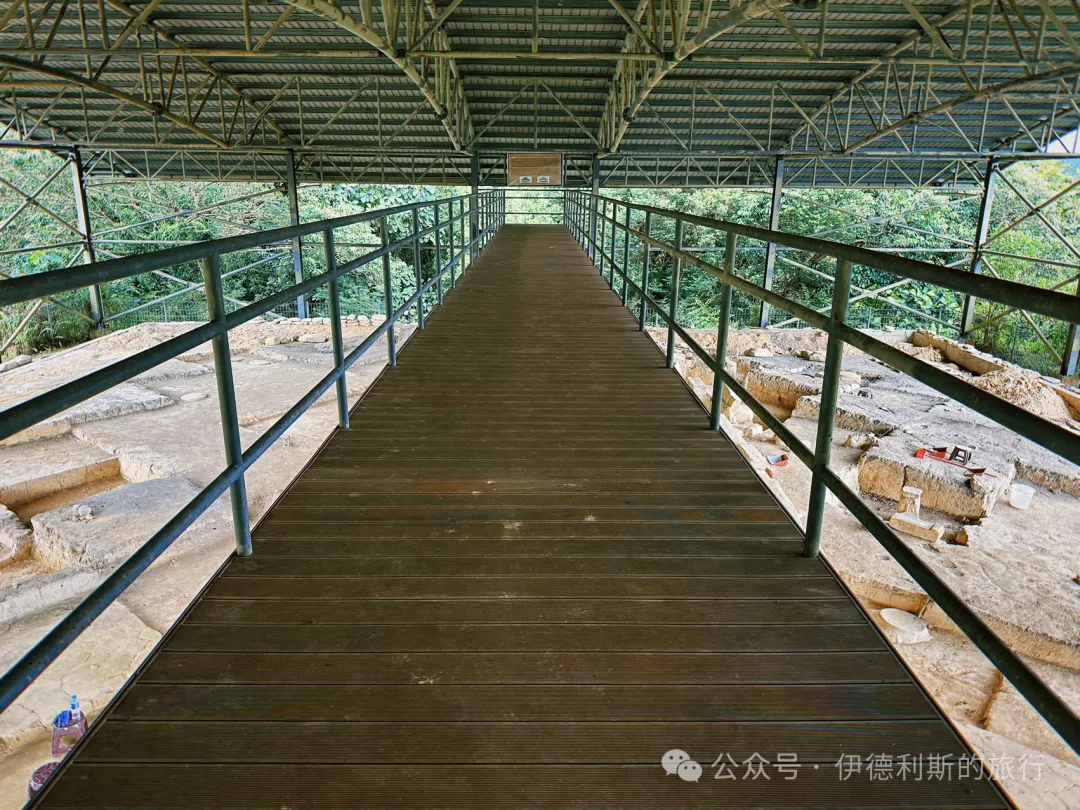
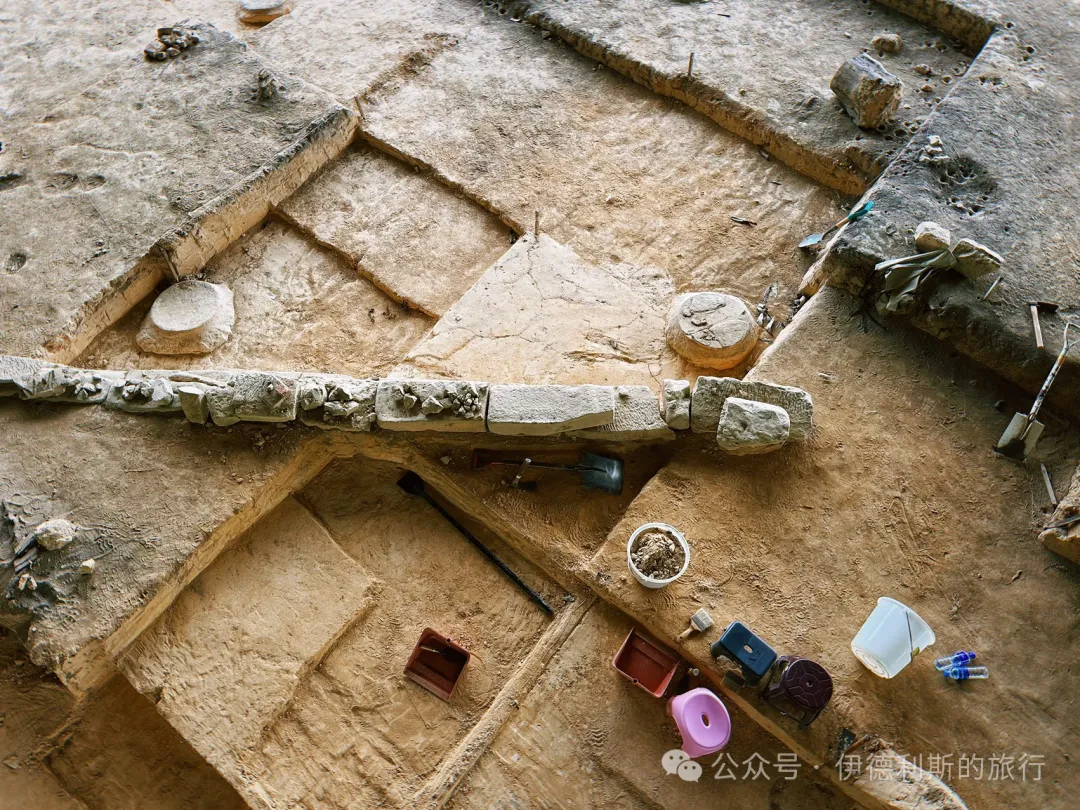
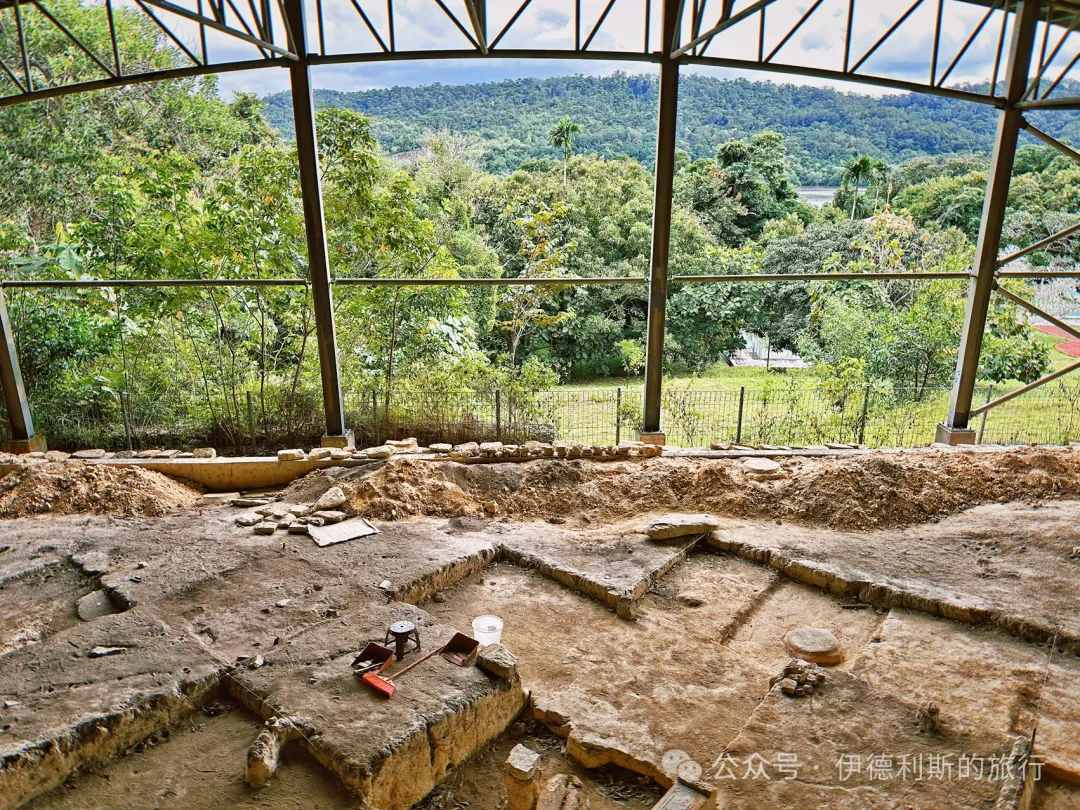
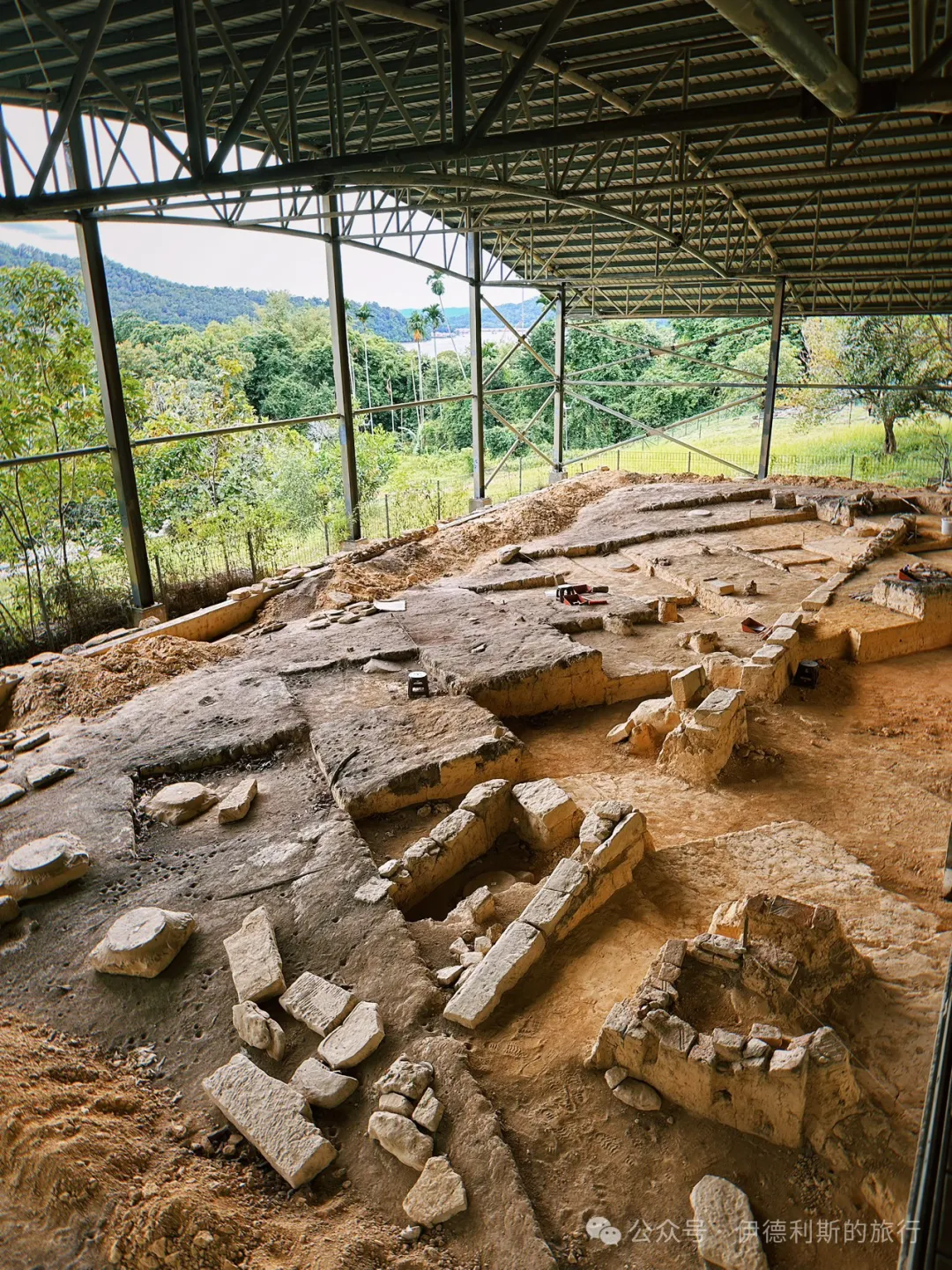
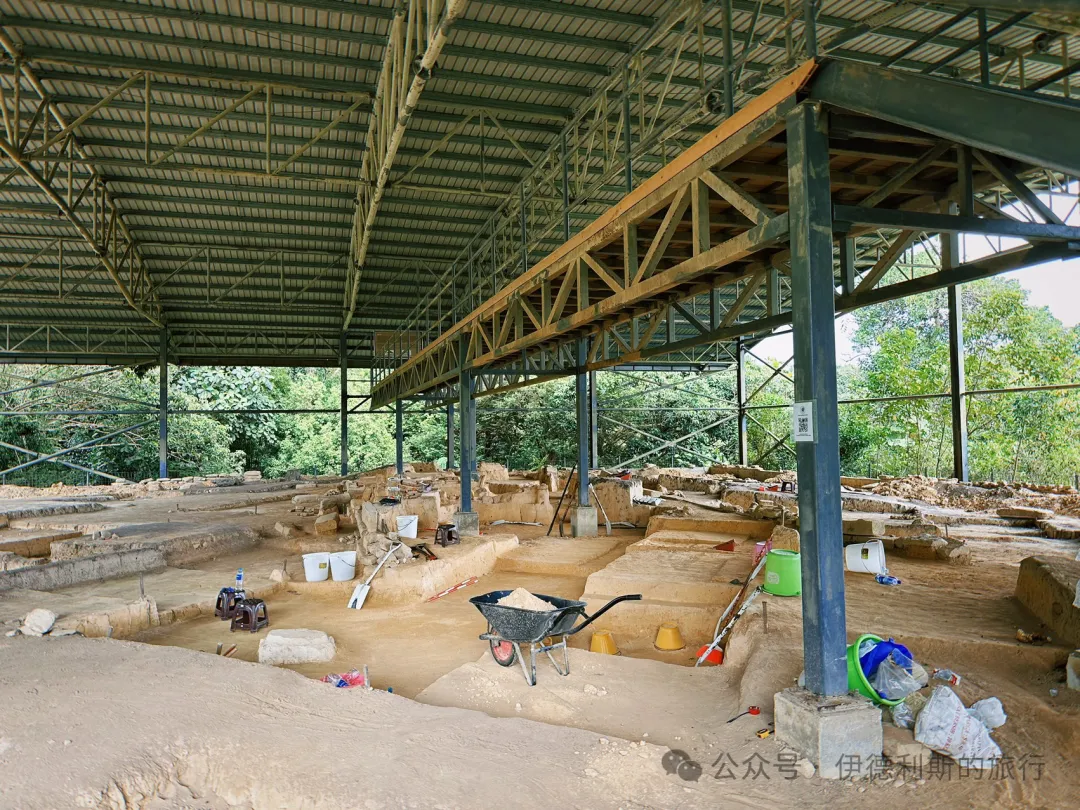
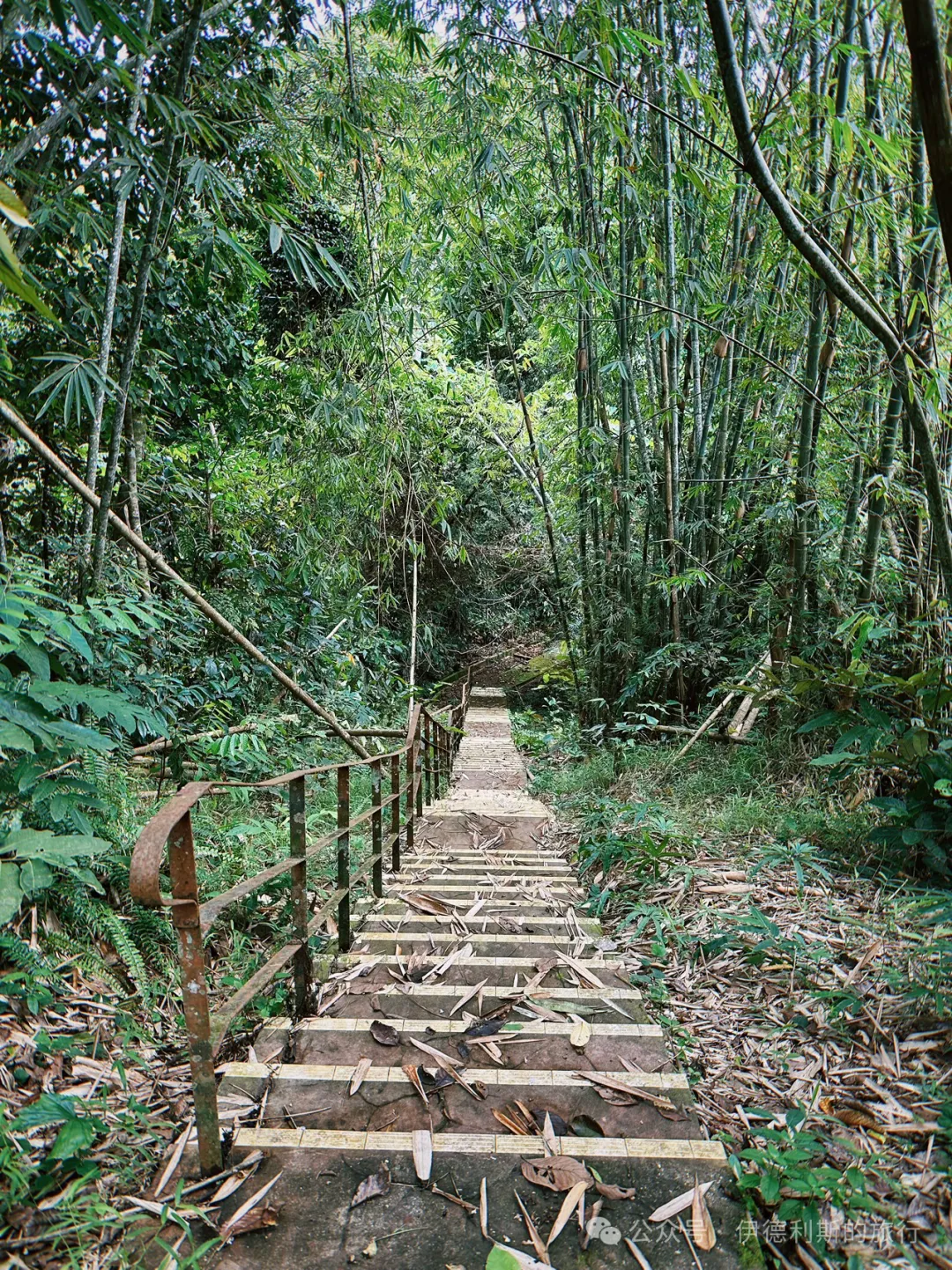
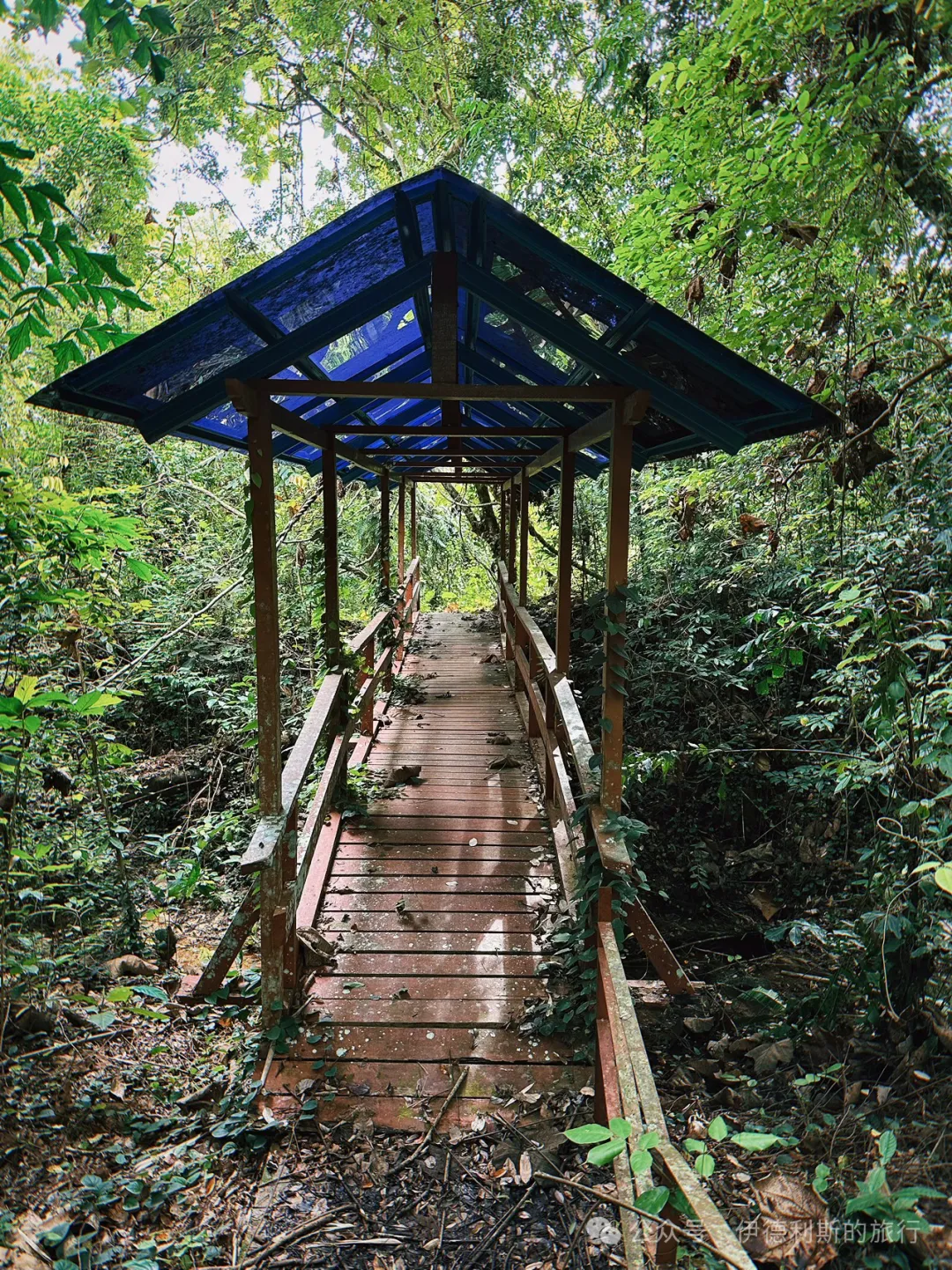
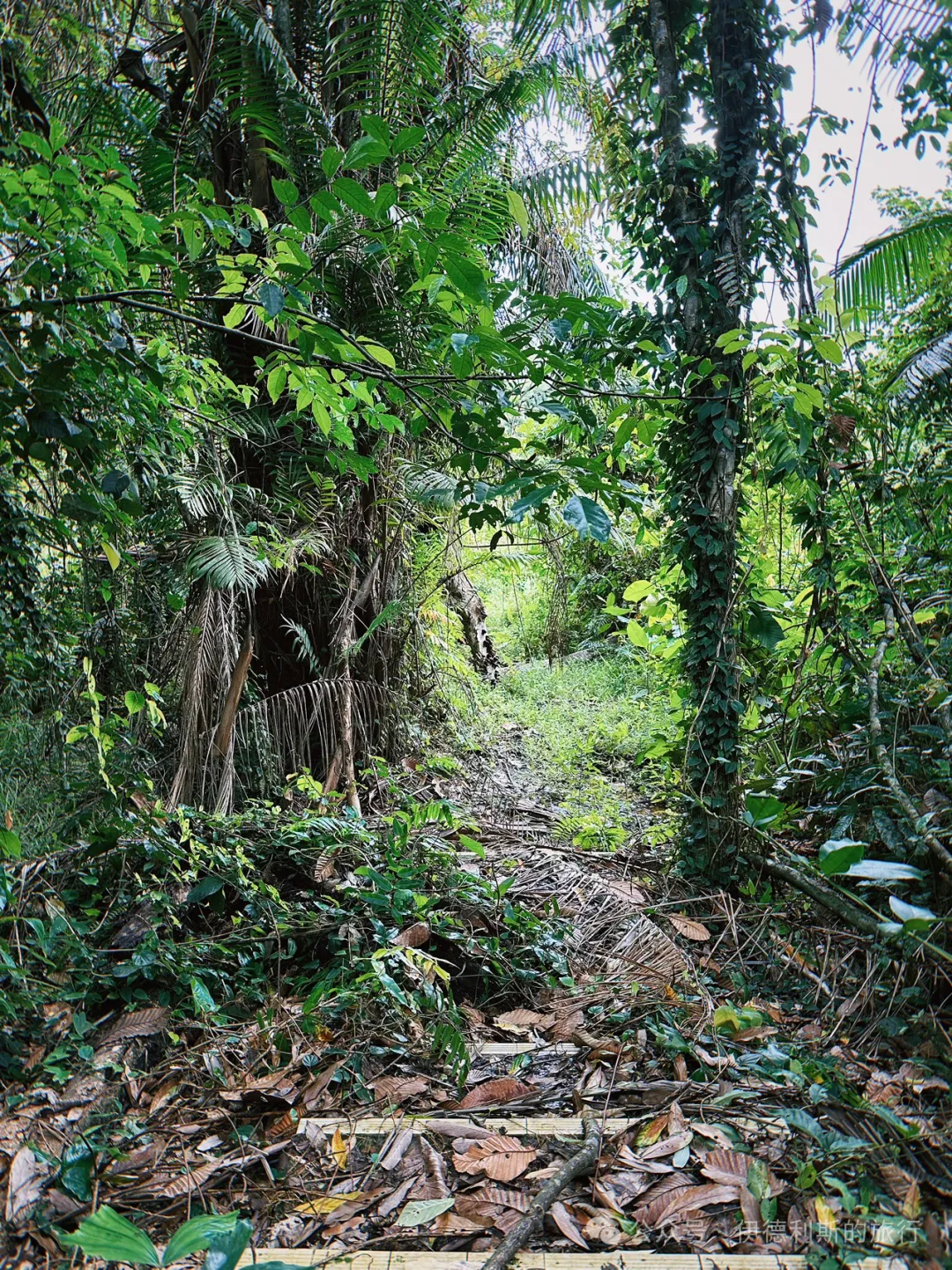
The paths in Kota Batu Archaeological Park feel like a primitive forest. There were no other tourists, and the mountain trails were often covered by fallen leaves and hard to see. It is hard to imagine that this was once the capital of Brunei.
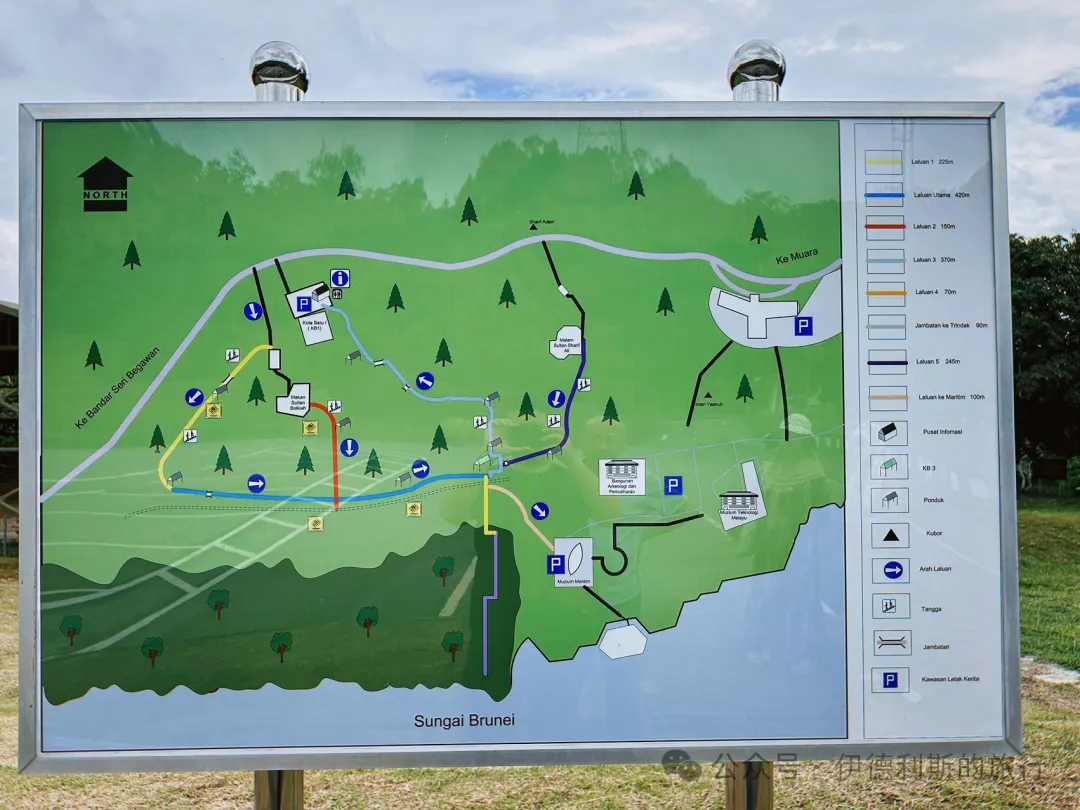
The tomb of the third Sultan of Brunei.
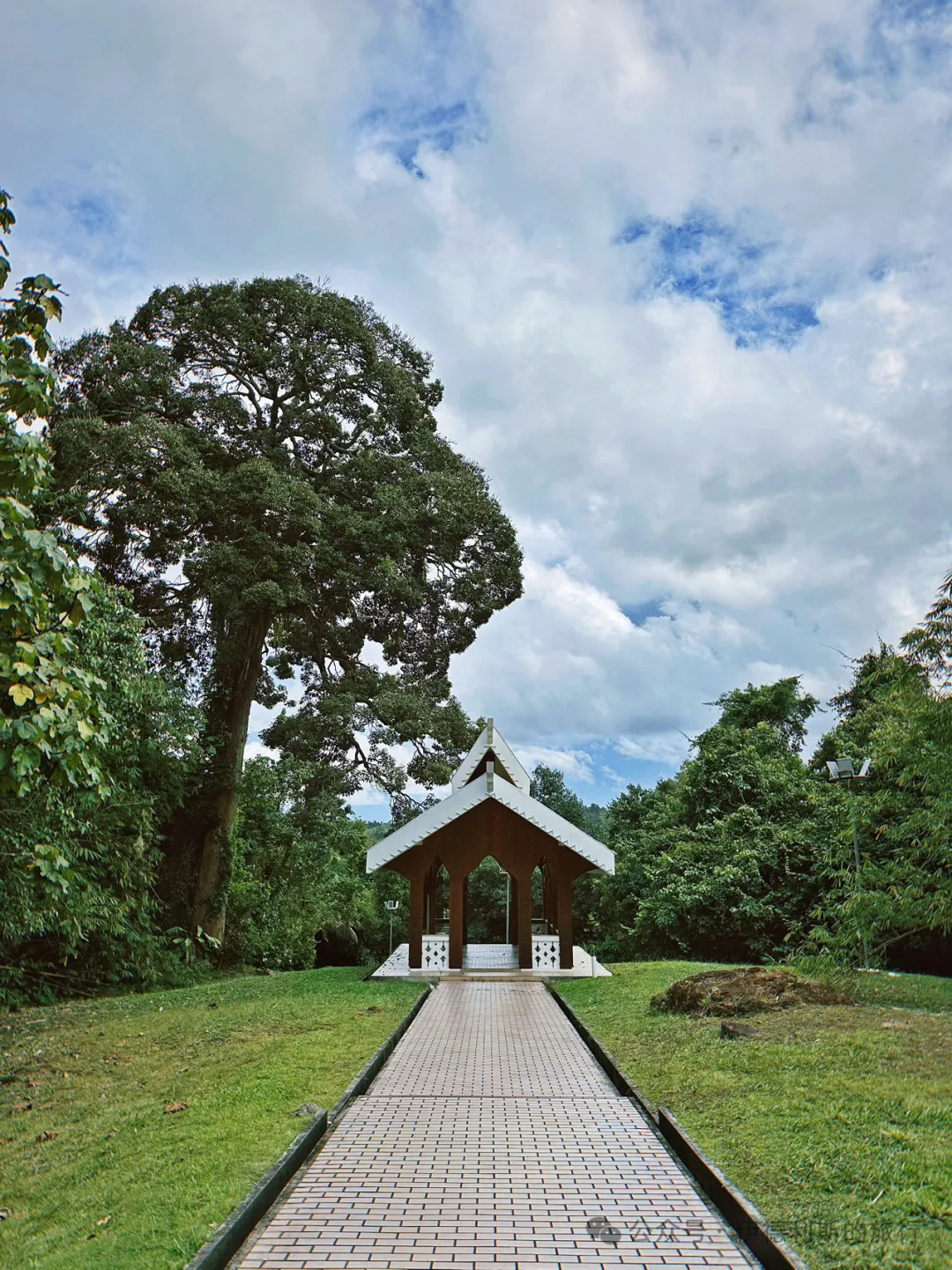
The Kota Batu Archaeological Park contains the tomb of the third Sultan of Brunei, Sharif Ali.
Sultan Sharif Ali (reigned 1425-1432) was originally a preacher from the ancient Saudi city of Taif and a descendant of Hasan ibn Ali, the grandson of the Prophet Muhammad. He arrived in Brunei to preach in 1395 and was respected by the Sultan and the people. He married the daughter of Sultan Ahmad around 1400 and inherited the throne after the old Sultan died in 1425, which is how the Brunei Sultanate gained its lineage from the Prophet's family.
Sultan Sharif Ali worked to spread Islamic law while keeping local customs that did not go against it. During his reign, Brunei officially changed from a Hindu-Buddhist cultural area into a part of Islamic civilization. He built the first mosque in Brunei, designed the national flag, and established the title of Brunei as the Nation of Peace (Darussalam). It is believed that he may have also built the stone wall fortress in Kota Batu.
Halal Travel Guide: Brunei Part 2 — Visa-Free Culture, Mosques and Local History
Articles • ali2007fr posted the article • 0 comments • 157 views • 2026-05-20 00:57
Summary: This second part of the Brunei visa-free cultural trip continues through sites connected with Malay history, Muslim life, and local heritage. The English version keeps the original place names, photo order, and historical notes from the source article.
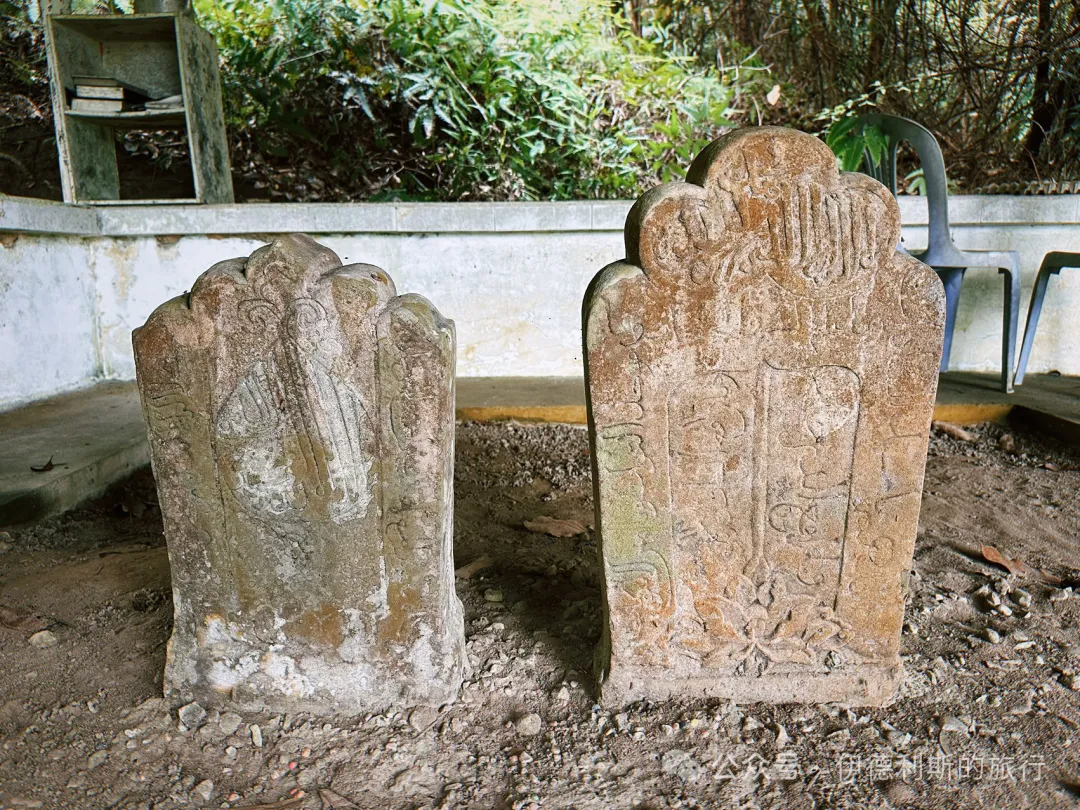
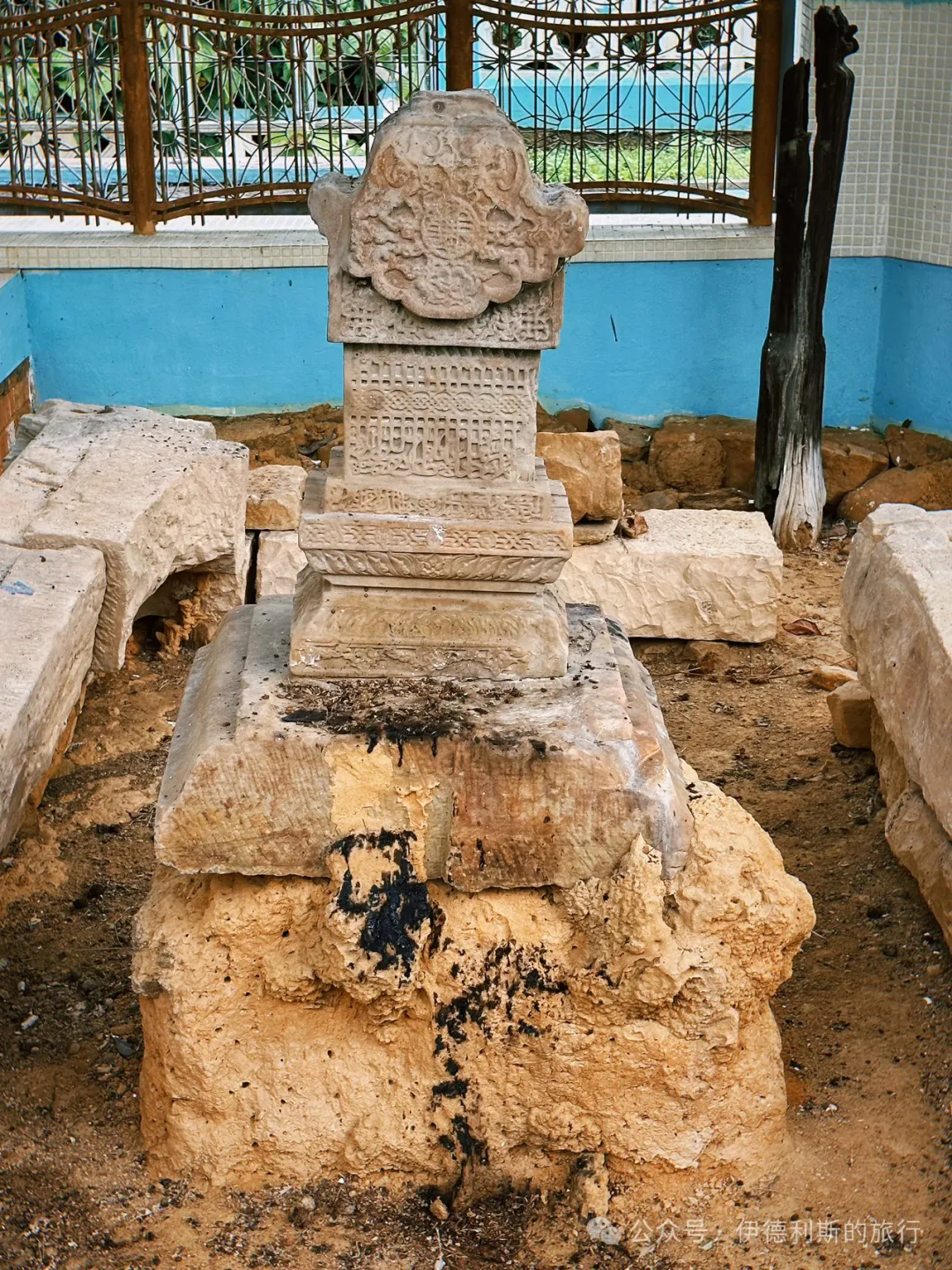
North of the tomb of Sultan Sharif Ali is the grave of Sharif Adam, another pioneer who came to Brunei with the Sultan to spread the faith. Together, they spread the influence of the faith from Brunei to the Sulu Archipelago and Mindanao in the southern Philippines. According to the tombstone, Sharif Adam passed away in 1454.
Tomb of the Fifth Sultan of Brunei
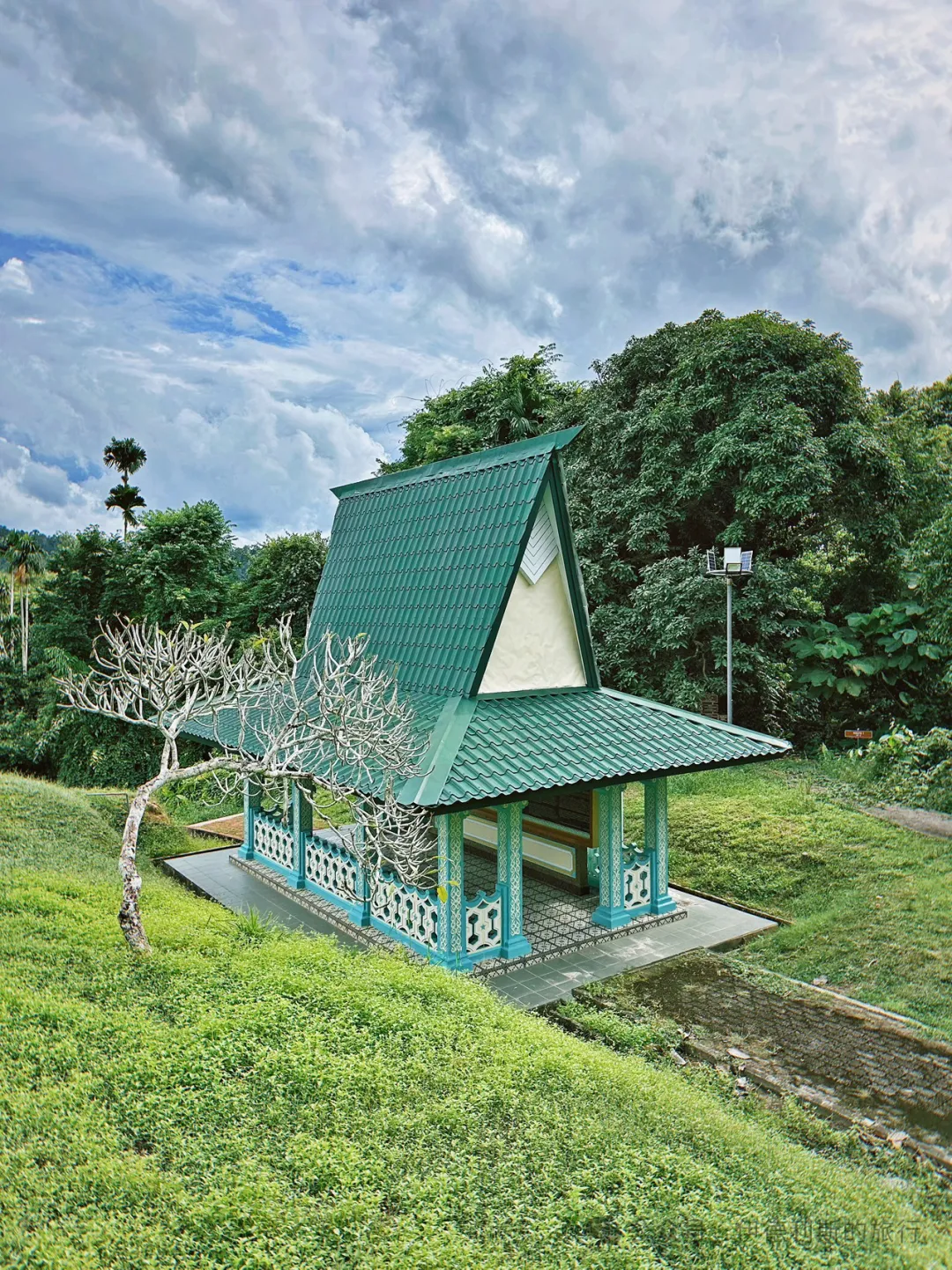
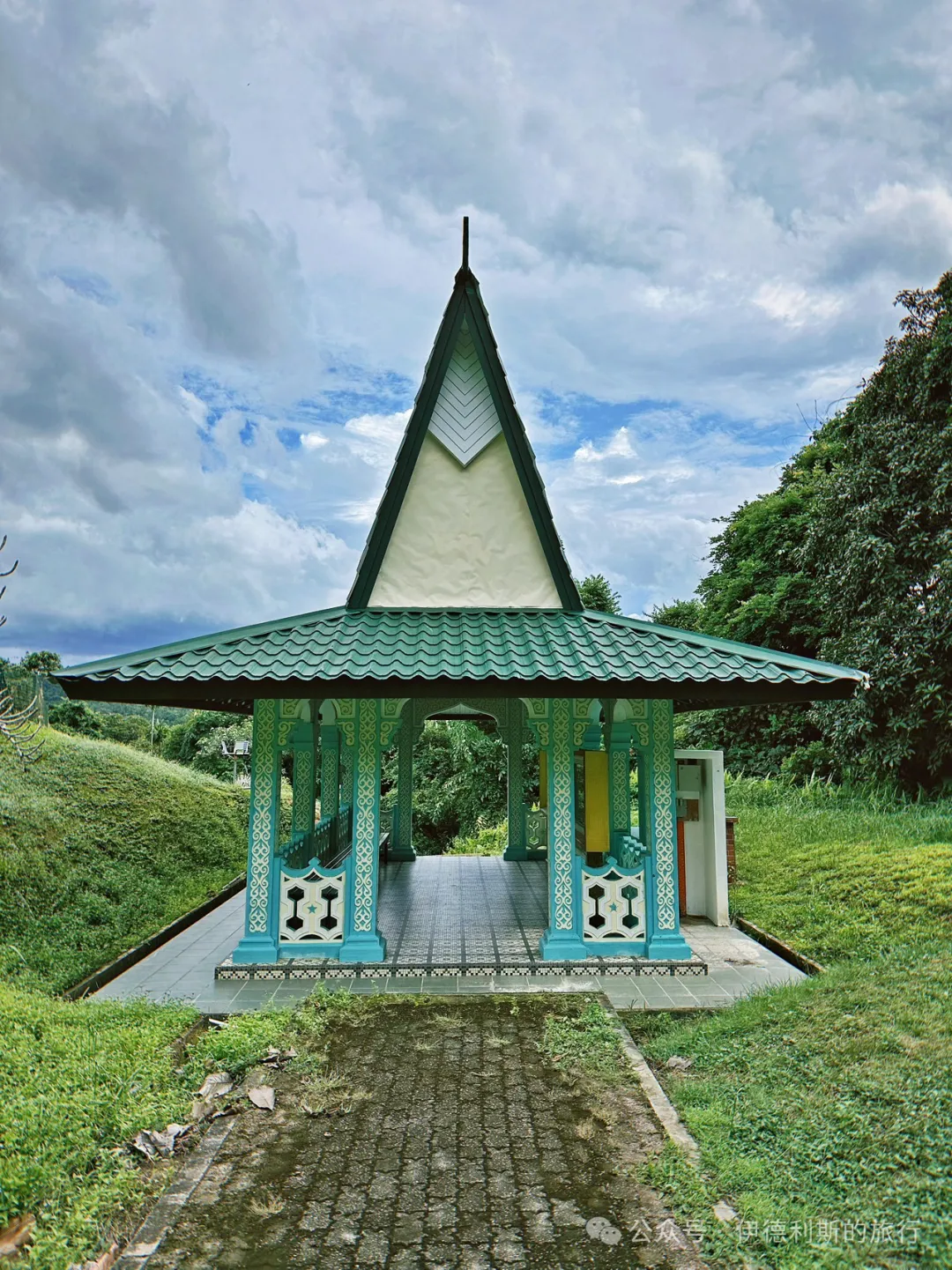
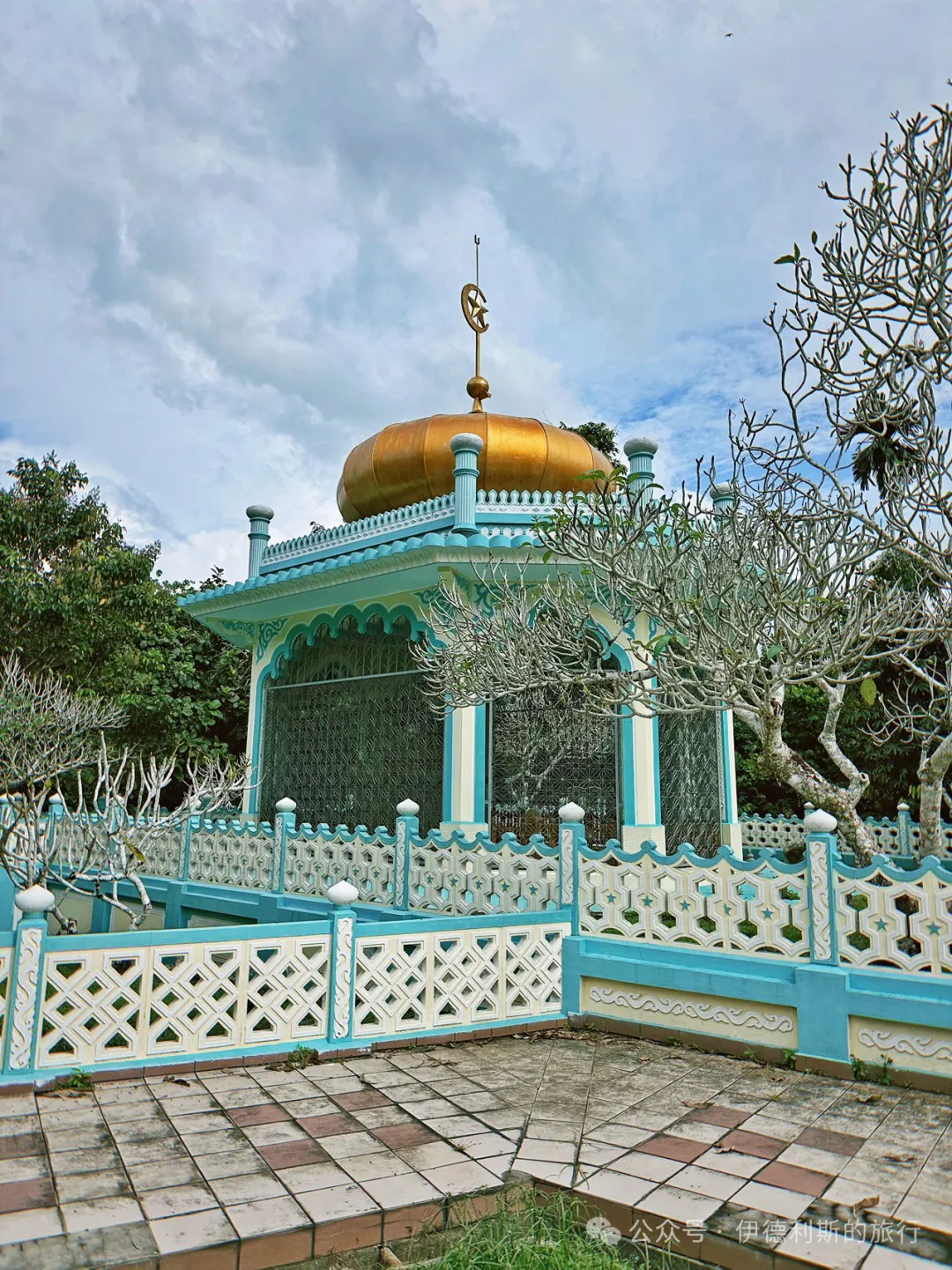
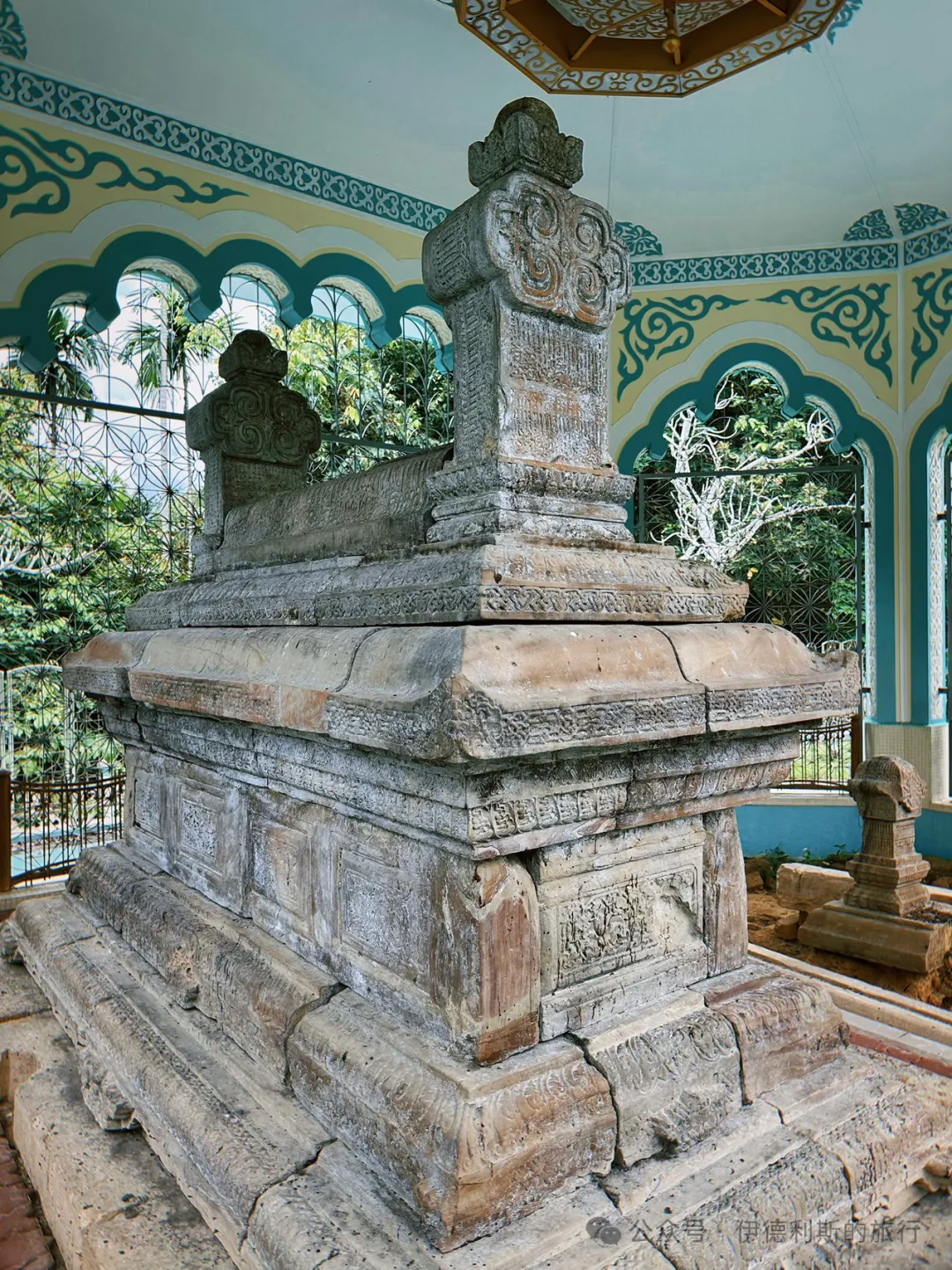
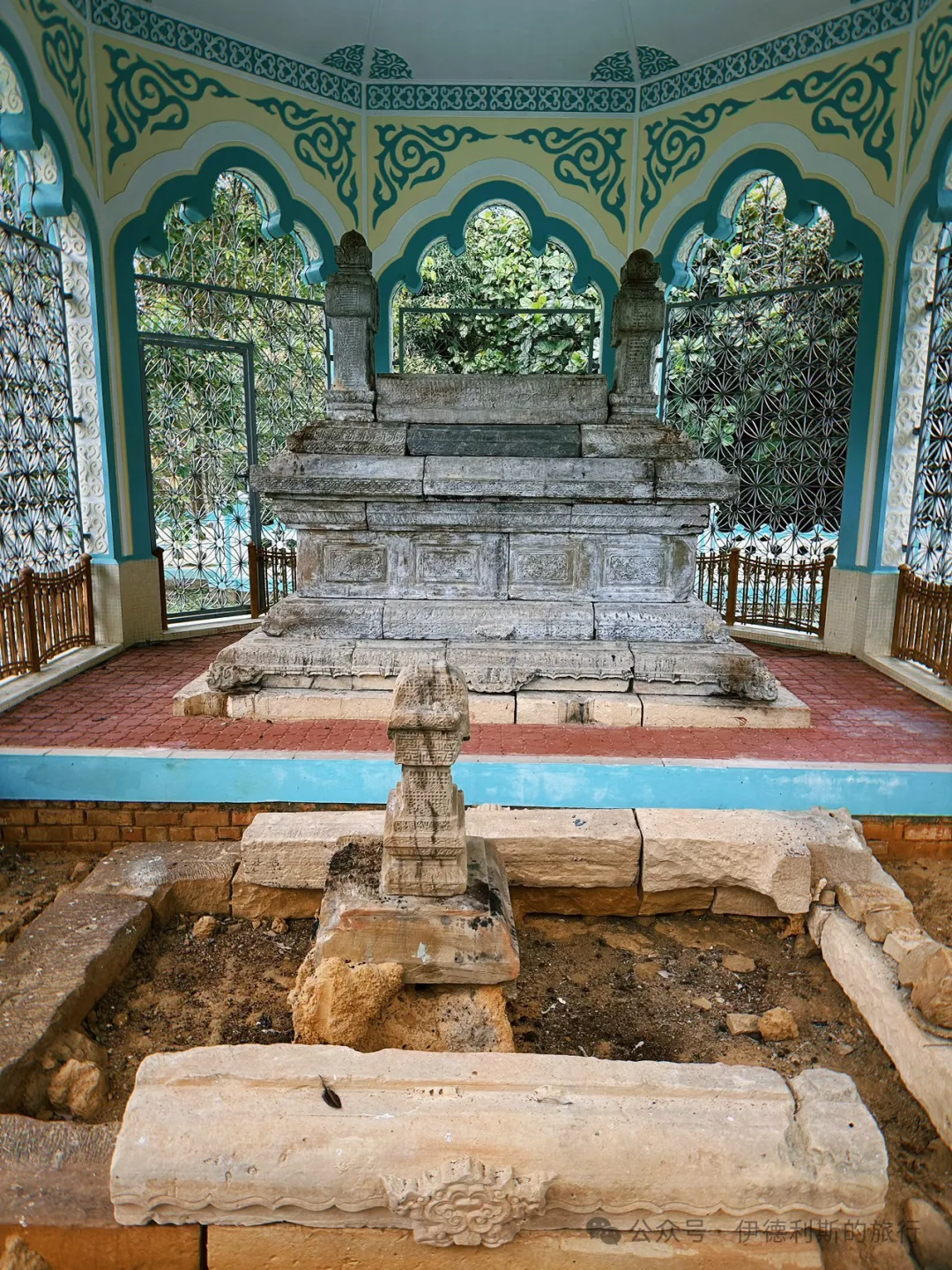
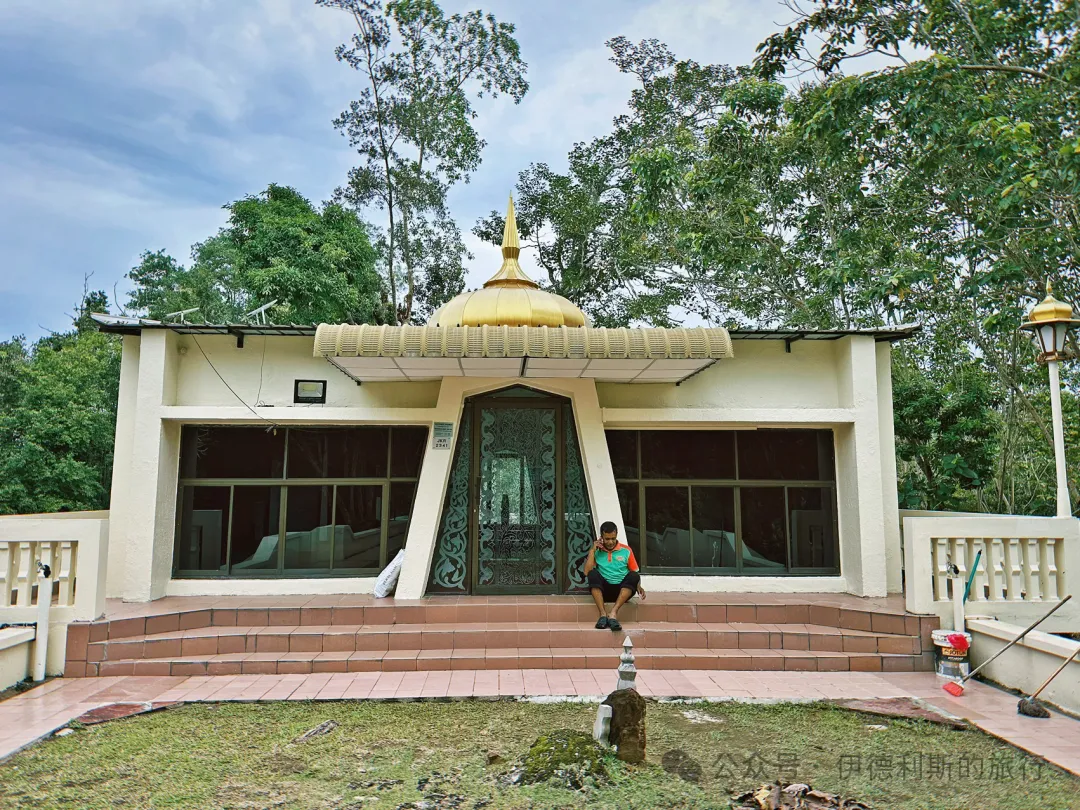
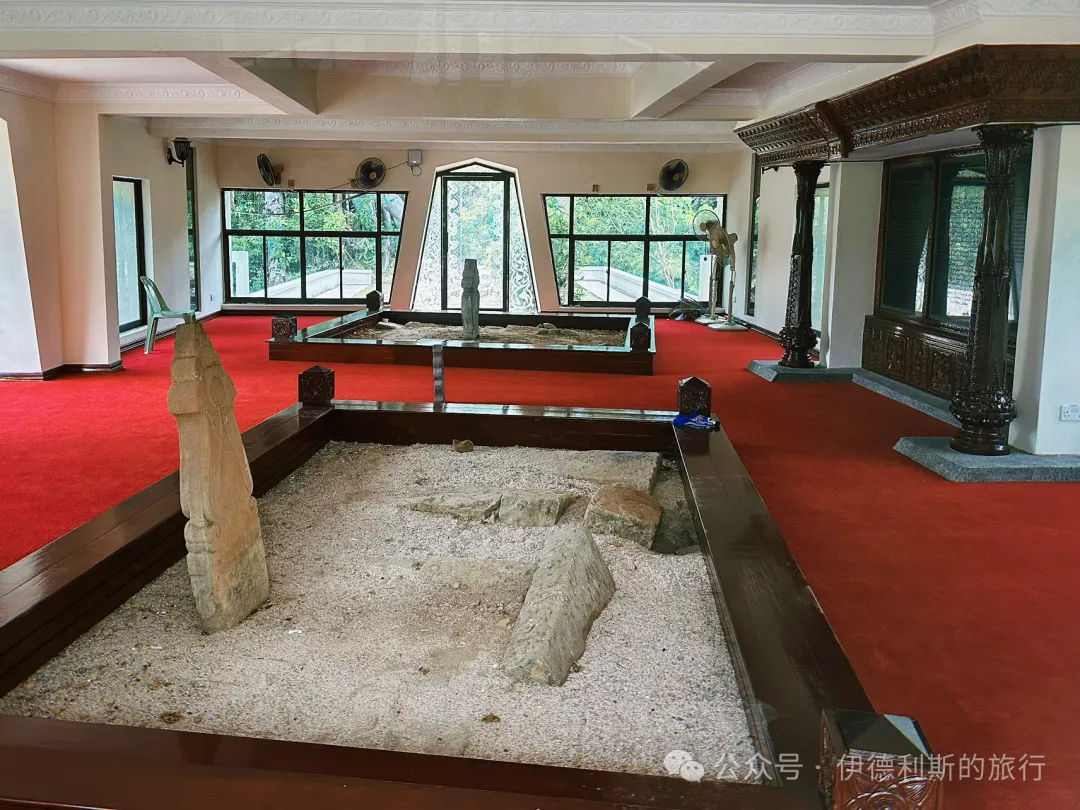
South of the Kota Batu site No. 1 is the tomb of Bolkiah, the fifth Sultan of Brunei, who reigned from 1485 to 1524. His reign is known as the golden age of Brunei history, when the Sultanate held power over Borneo and the southern Philippines.
When Magellan's fleet arrived in Brunei in 1521, they witnessed the power of Brunei under Sultan Bolkiah. When they reached the palace, they were shocked by his wealth. A hall reached by wide steps was packed with courtiers in elegant clothing. Through the corridor was a slightly raised room decorated with luxurious silk and brocade curtains, bathed in natural light from wide windows. Three hundred of the Sultan's warriors stood guard there with drawn daggers. A little further on was a smaller but equally beautiful room, where the muscular forty-year-old monarch chewed betel nut on a large mat with his young son beside him.
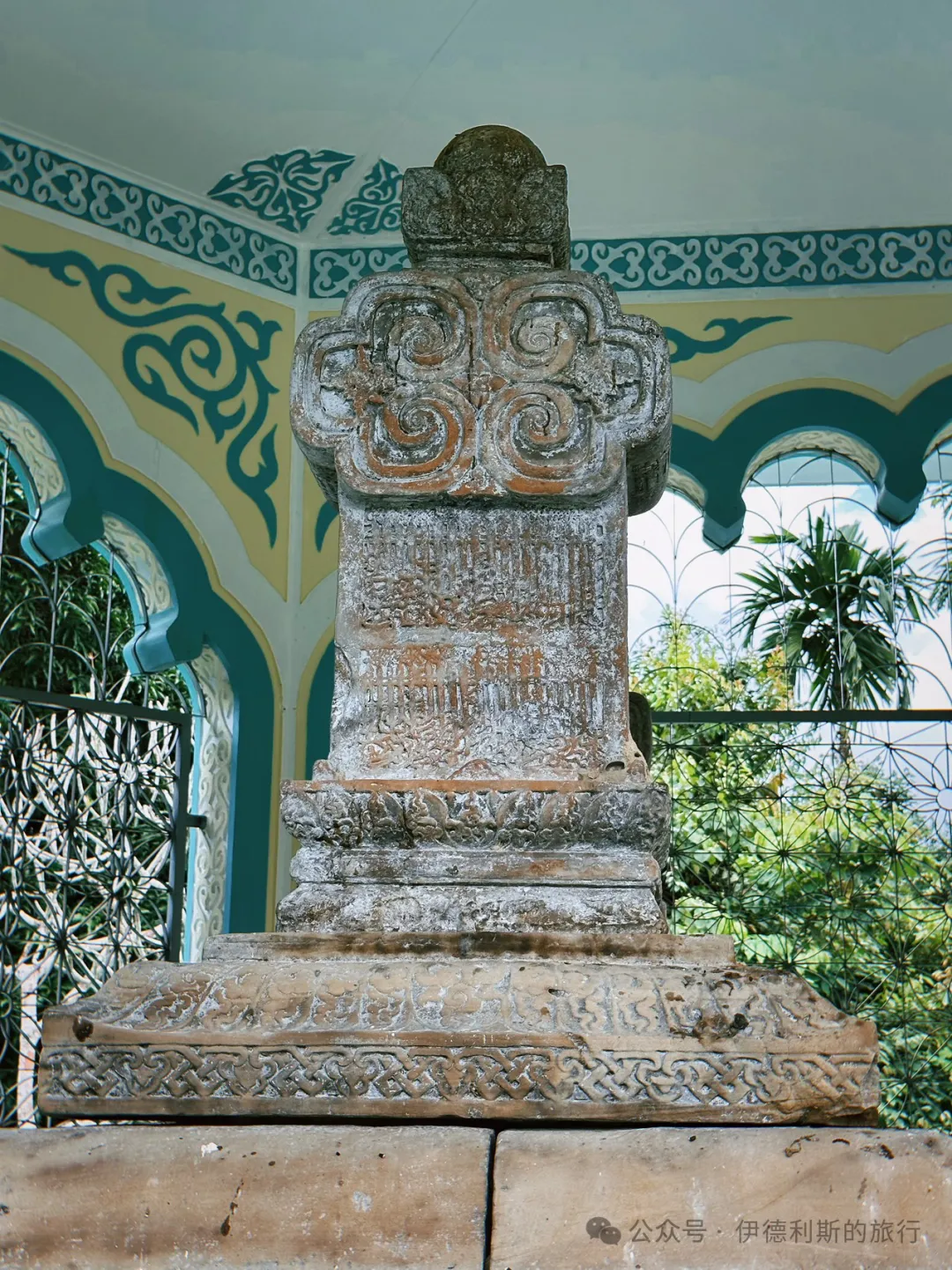
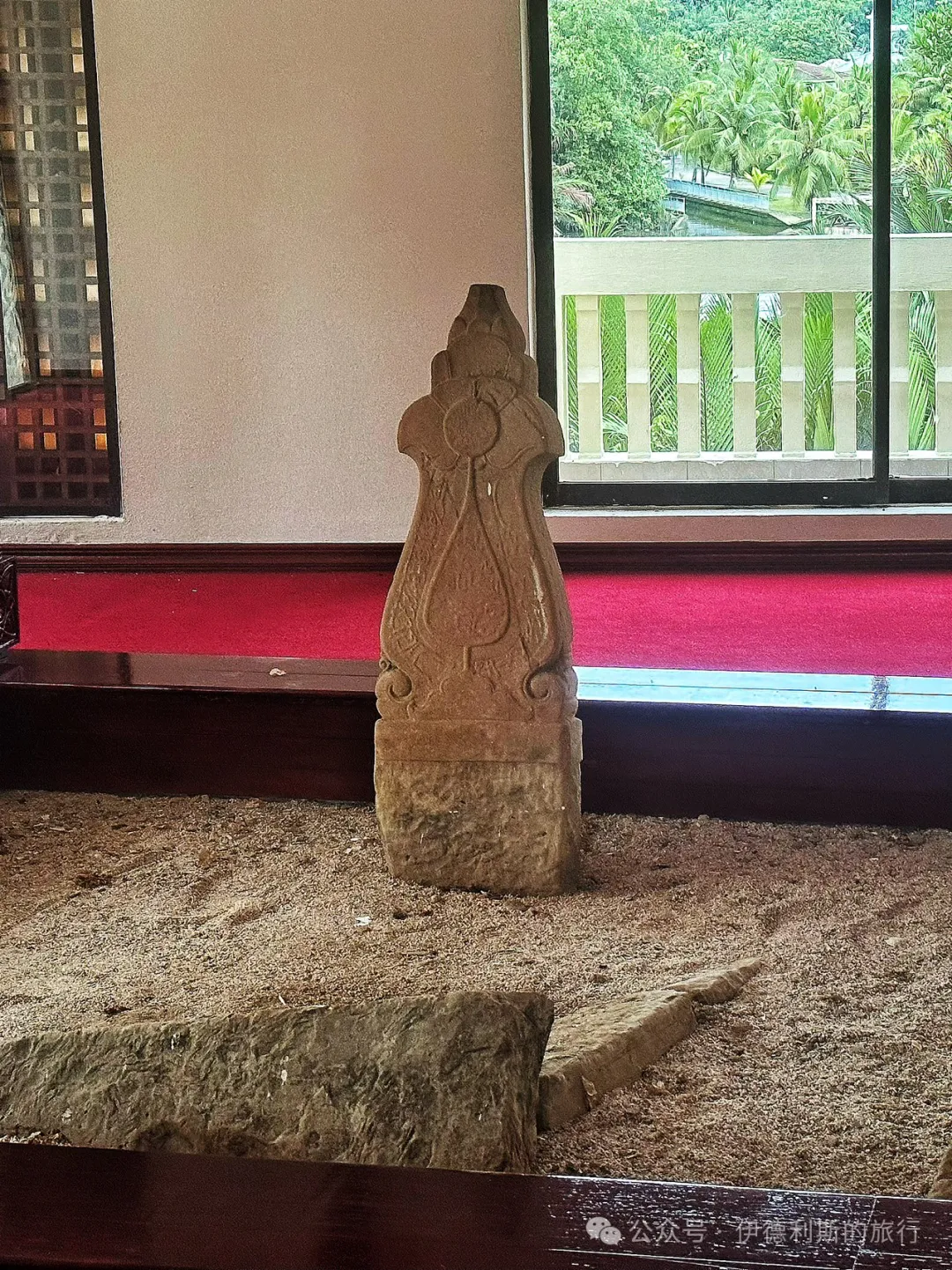
Sultan Bolkiah's tomb is tall, majestic, and finely carved. The tombstone has eight layers, but only the bottom layer is original. One of the upper stones commemorates Sultan Muhammad Ali, and another commemorates Sultan Abdul Mubin, likely made in the late 17th century. The middle slab records that Sultan Bolkiah died on July 17, 1524, and was likely carved in modern times.
Water Village (Kampung Ayer)
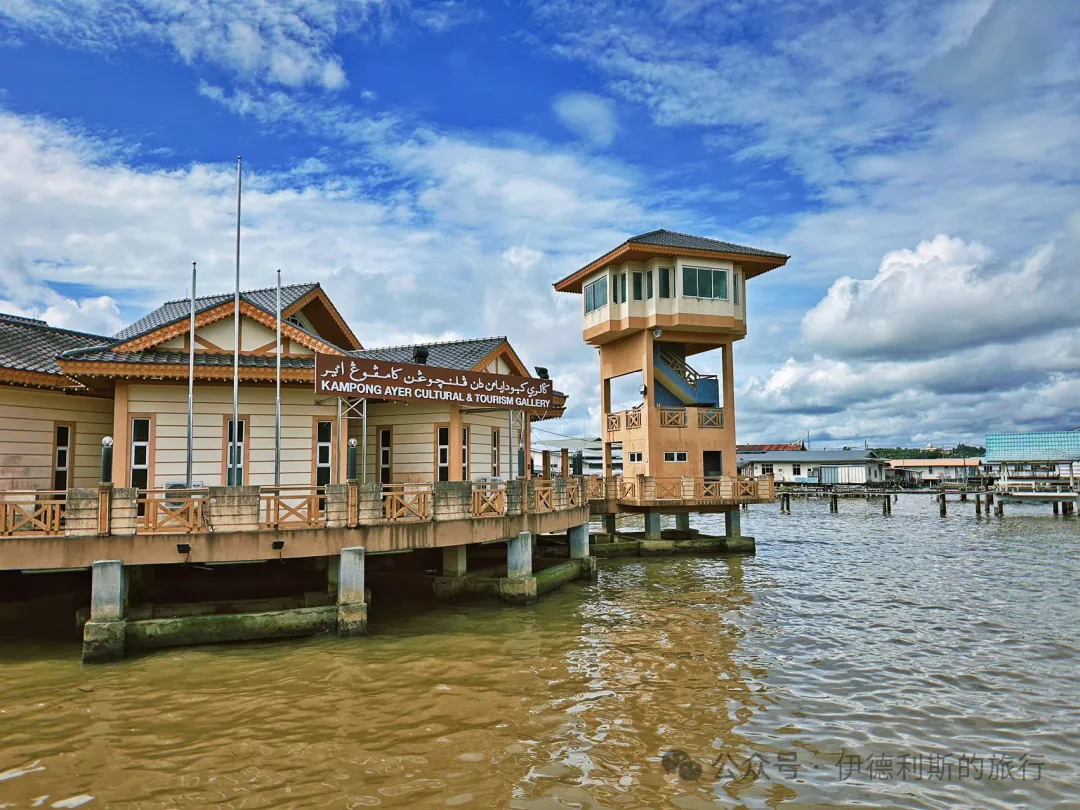
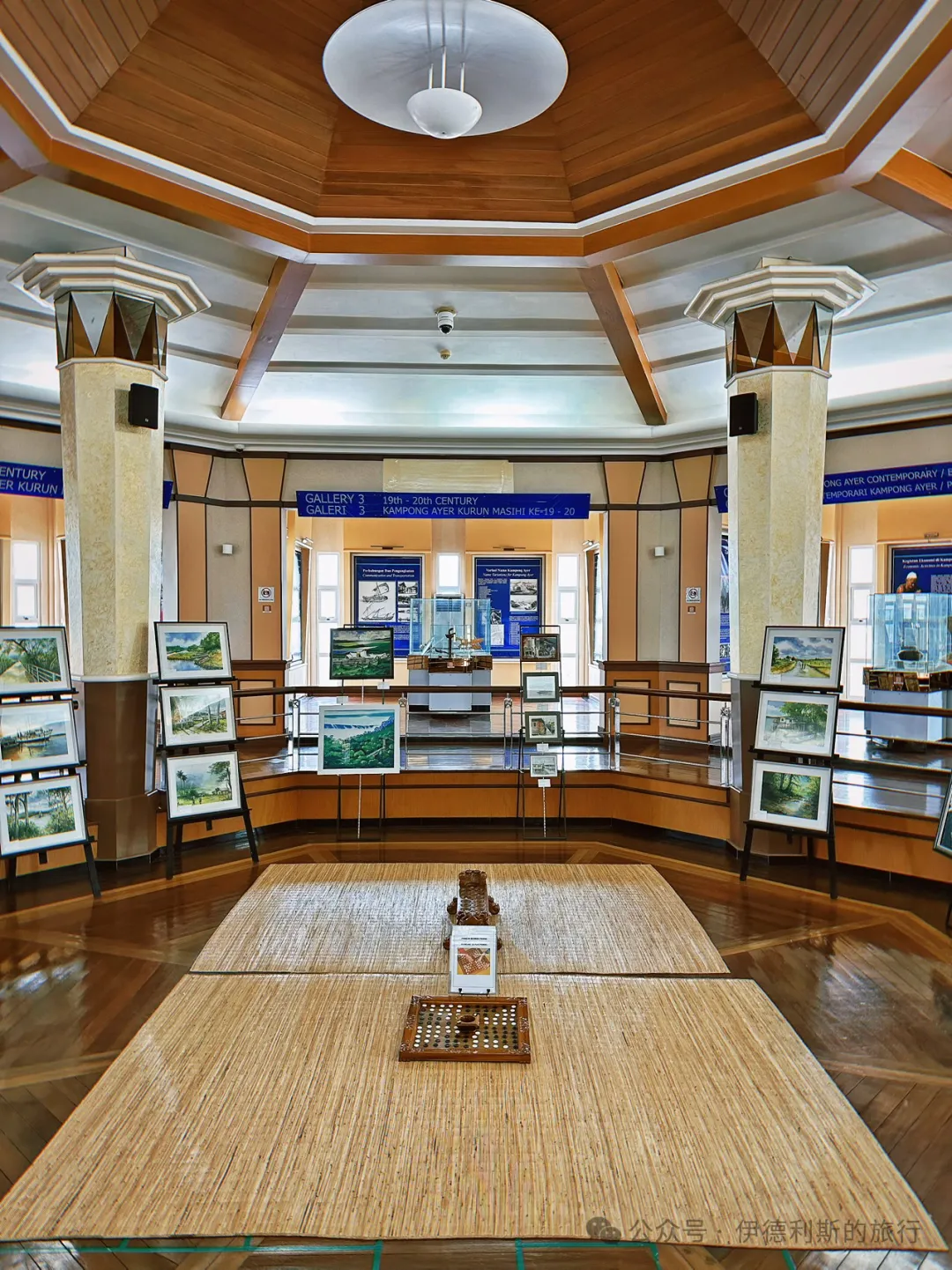
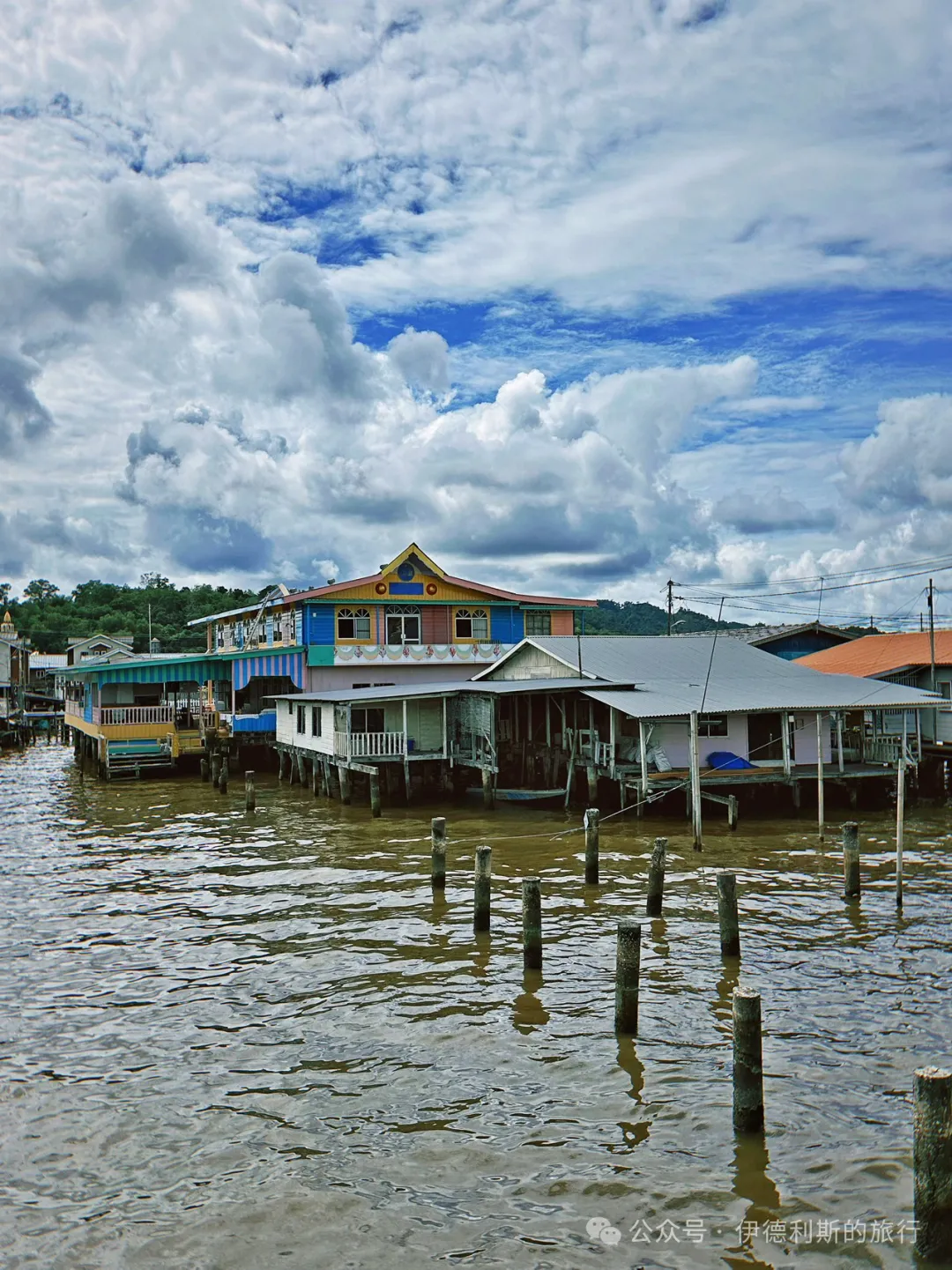
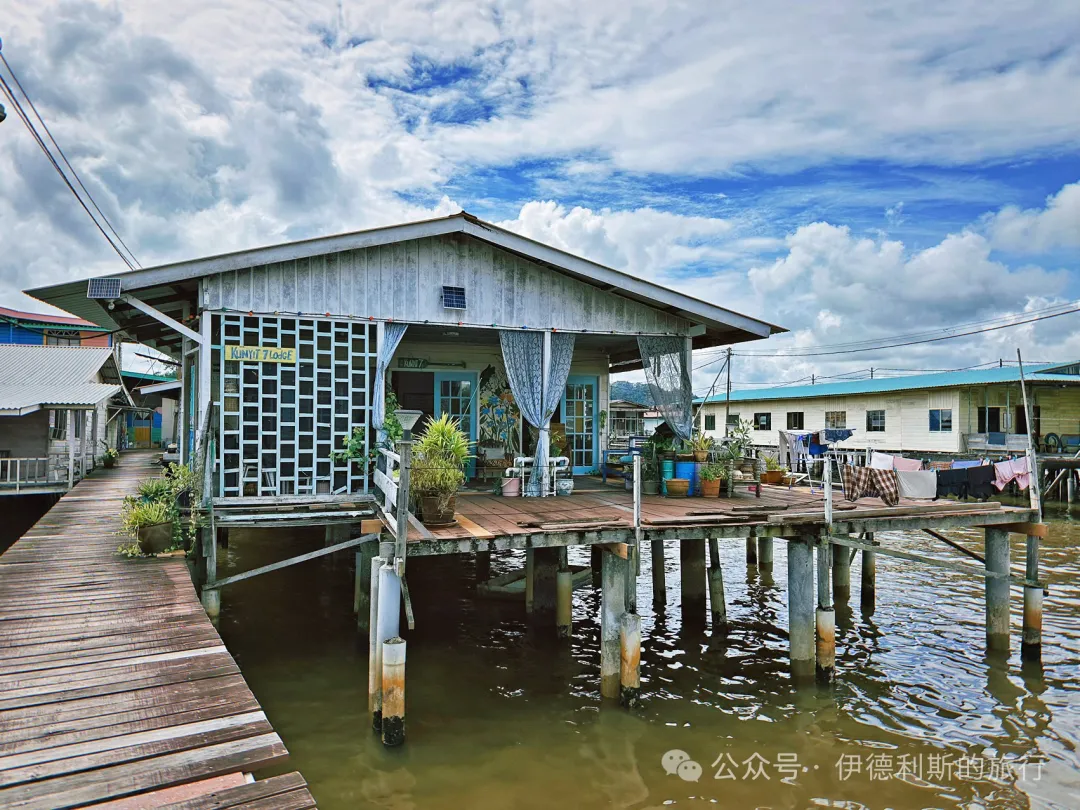
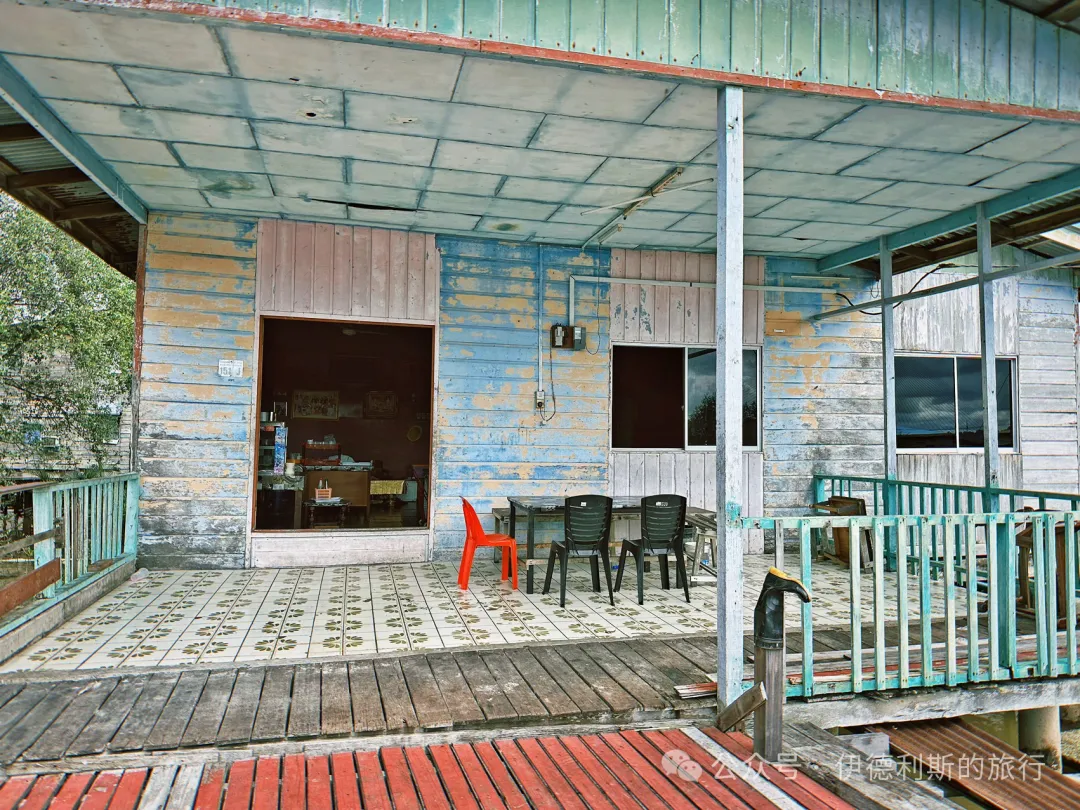
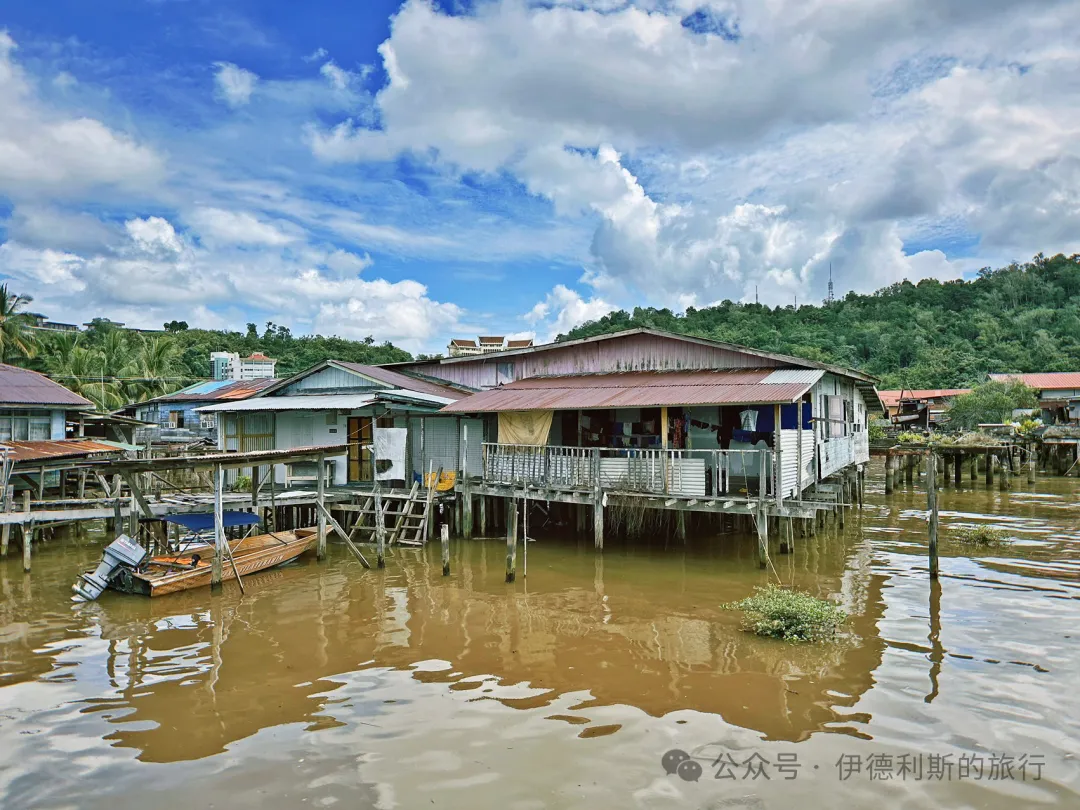
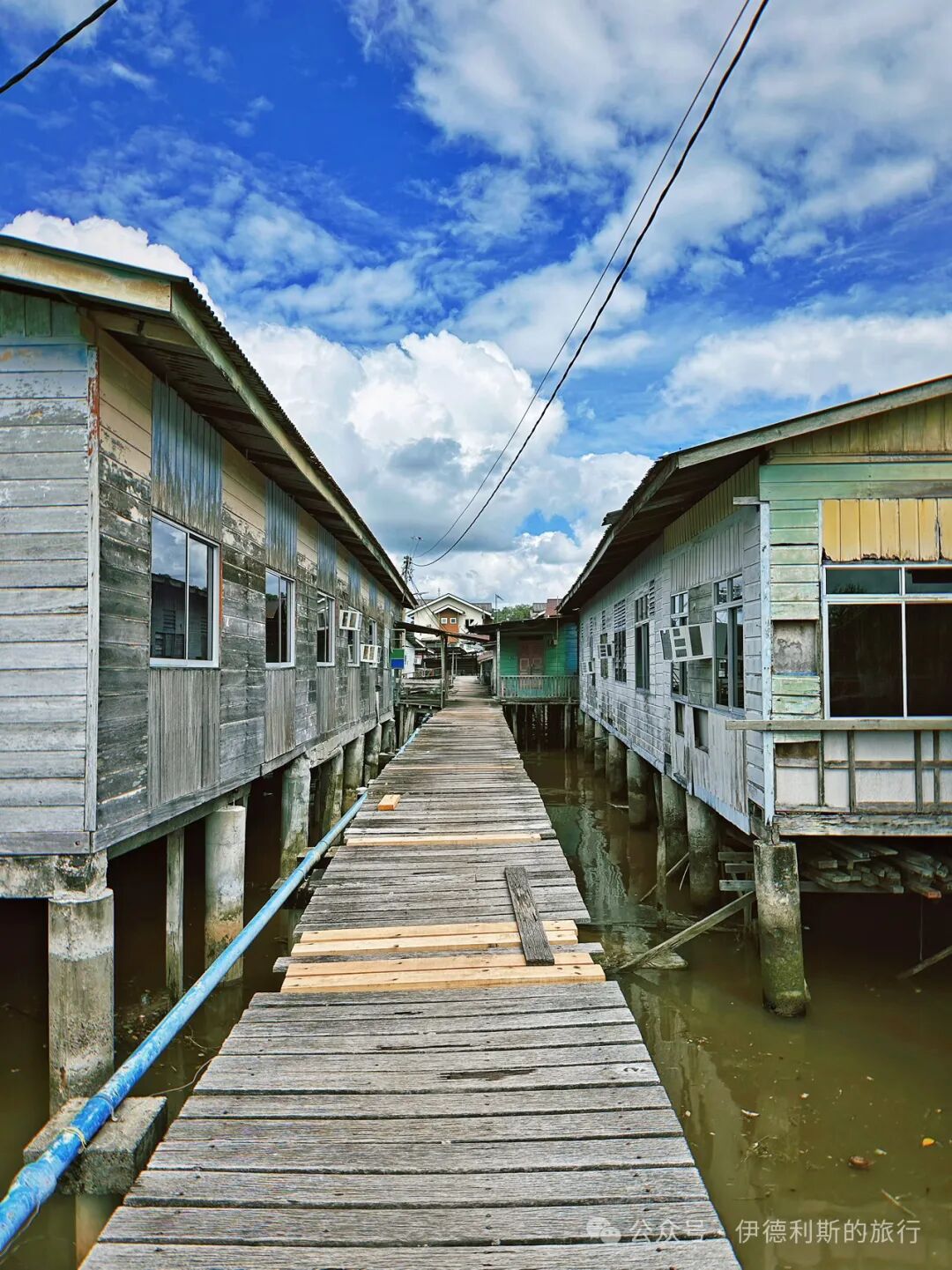
We took a speedboat from the pier by the Brunei River and reached the Water Village (Kampung Ayer) on the other side for 1 Brunei dollar each. We first visited the Kampung Ayer Cultural and Tourism Gallery, which has information about the water village, and a lookout tower next to it for a panoramic view.
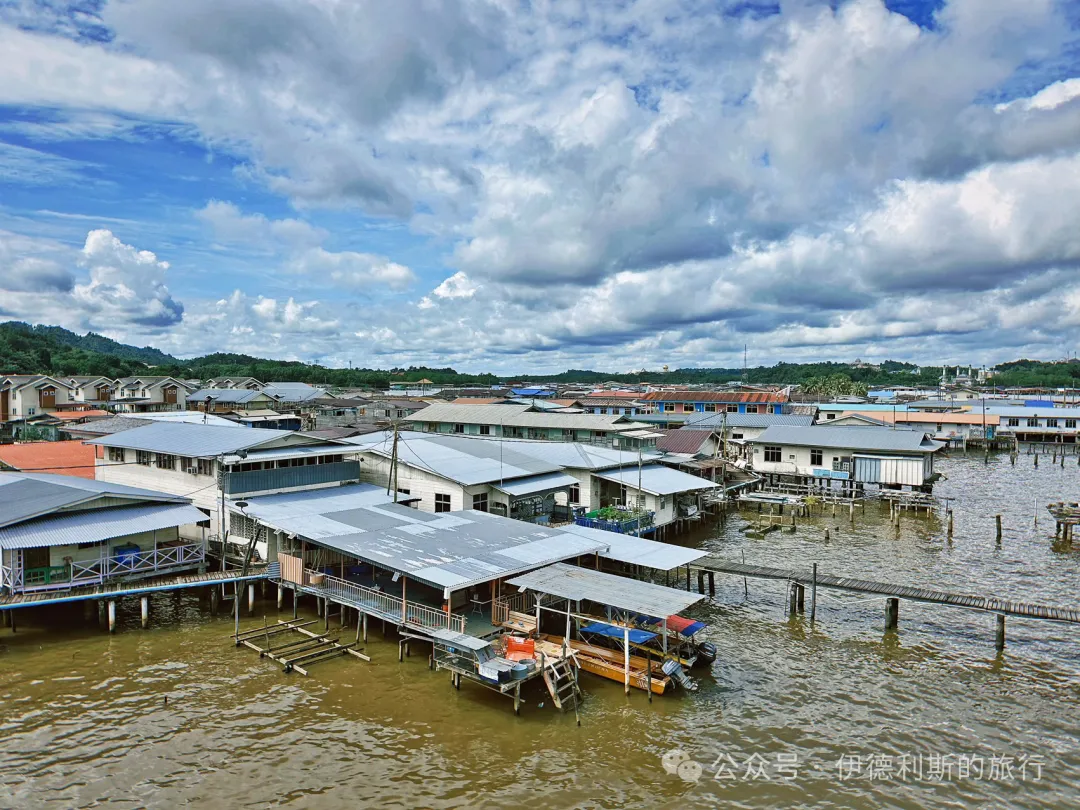
Kampung Ayer is the Malay term for water village. It was once the main port of the Brunei Sultanate and served as its trade center from the 15th to the 17th century. After the Brunei Civil War in the 18th century, Kota Batu was abandoned, and the water village became the capital of the Sultanate. In 1521, Italian explorer Antonio Pigafetta arrived in Brunei with Magellan's fleet and called Kampung Ayer the Venice of the East. The water village was once huge and included the Sultan's palace, but it gradually declined under British invasion in the 19th century. After the 20th century, Brunei began encouraging residents to move to land, but many people still choose to stay.
The two traditional wooden mosques on stilts in the Water Village are a major highlight of Brunei. The walls and pillars are made of wood, but the air conditioning inside is so strong that you cannot feel the humidity from the water. In recent years, Brunei has built several large concrete mosques along the banks of the Water Village, and the traditional wooden mosques are becoming fewer.
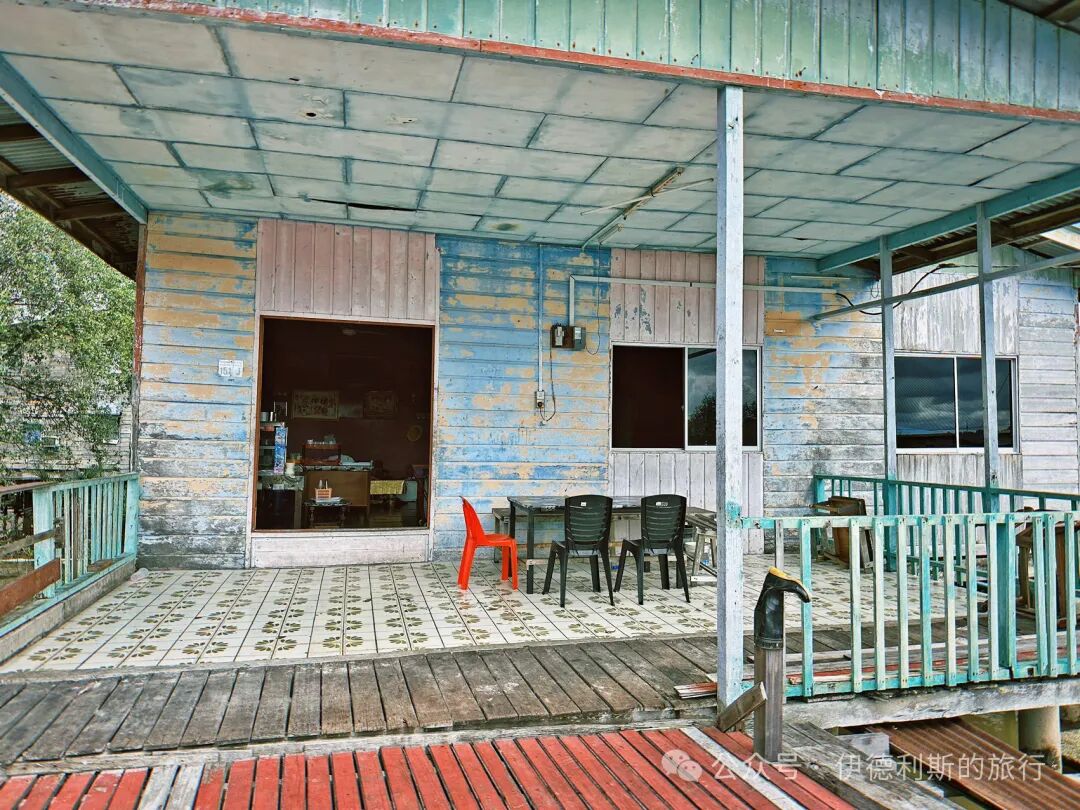
The Water Village has its own scenery, small restaurants, and convenience stores, though it is usually quite quiet.
Tomb of the 16th Sultan of Brunei
Take a speedboat west from the Brunei River to reach Luba Island, hidden by mangroves, where the tomb of the 16th Sultan of Brunei, Hussin Kamaluddin (reigned 1710-30, 1737-40), is located. Sultan Hussin Kamaluddin survived the Brunei civil war as a child, and he was pious, studious, and hardworking. Under his rule, Brunei was prosperous and had plenty of food. Legend says the Sultan liked to fish with locals along the upper banks of the Brunei River, especially near his tomb on Luba Island.
Old Town of Brunei Town
Until the early 20th century, the capital of Brunei was the Kampong Ayer water village along the Brunei River, until British Resident Malcolm MacArthur began guiding residents to settle on land in 1906. In 1910, Chinese immigrants were the first to build shops on the north bank of the Brunei River, and Brunei Town began to take shape. In 1922, the reigning Sultan Muhammad Jamalul Alam II decided to move the palace inland to Brunei Town, a move that encouraged many Water Village residents to accept relocation, leading to rapid urban development.
In 1945, Brunei Town was almost leveled by Allied bombing, followed by large-scale reconstruction in the 1950s and 1960s. After 1963, economic growth from oil and gas led to a rapid increase in Chinese immigrants to Brunei Town, who opened many shops. In 1970, Brunei Town was officially renamed Bandar Seri Begawan.
On the east side of the old town is the Sungai Kianggeh River, where Kampong Ayer residents can boat directly to the Kianggeh market to buy various farm produce. This is also one of the relocation points for Water Village residents after they come ashore.
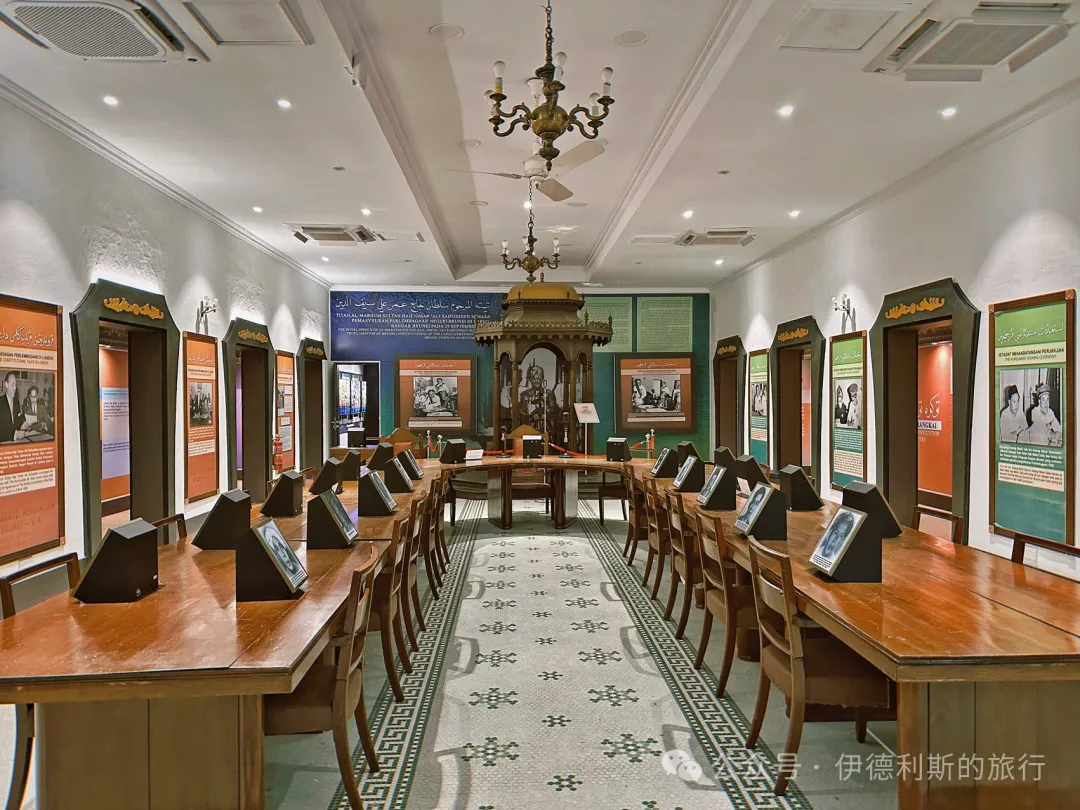
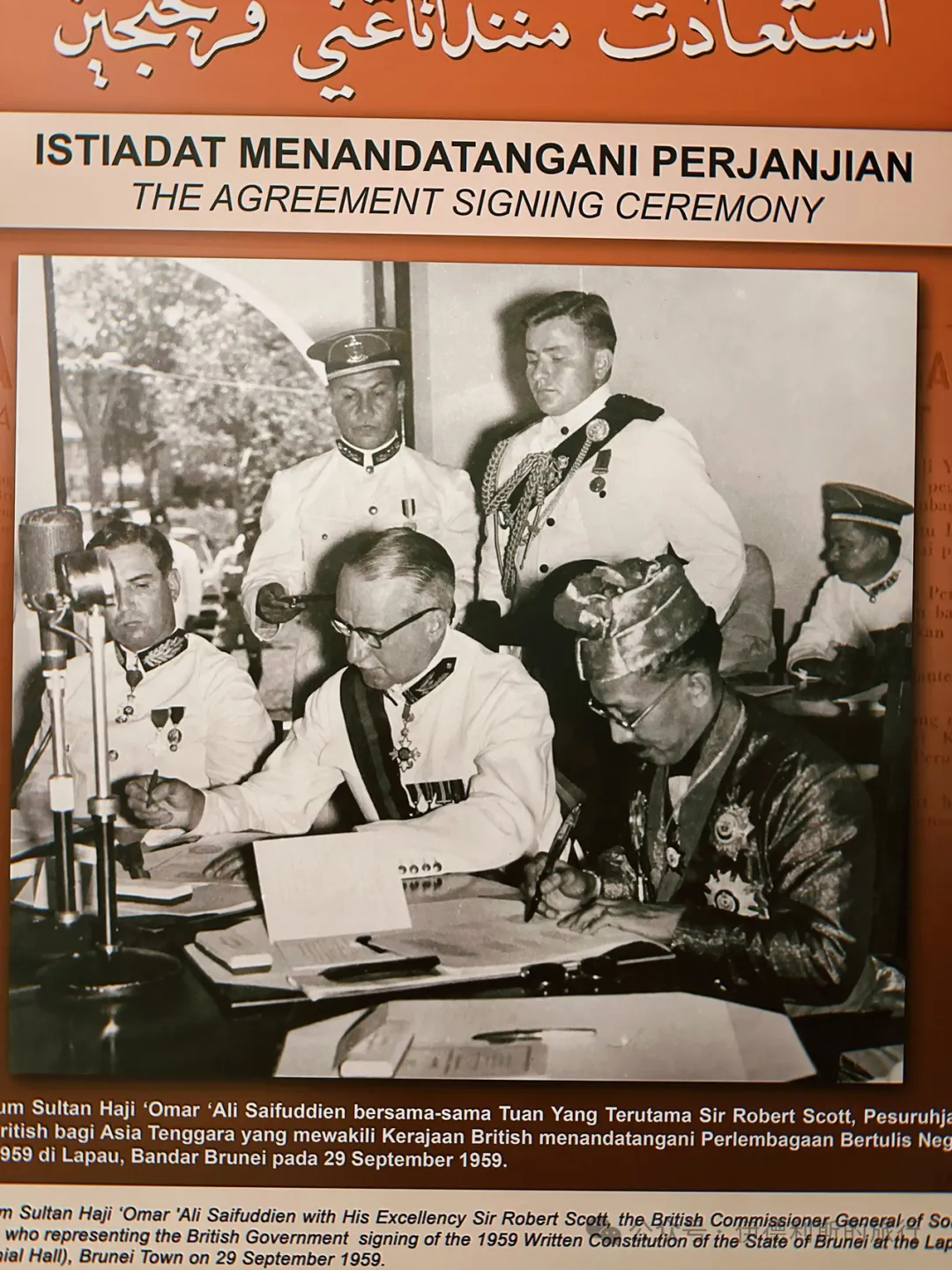
The old Royal Ceremonial Hall (Lapau Lama) in the old town, built in 1950, now displays the scene of the 1959 Brunei Constitution signing, including the original chandeliers, tables, chairs, and the microphone used by the Sultan. Lapau Lama is the oldest concrete building in the old town, with an interior that blends pragmatism and minimalism.
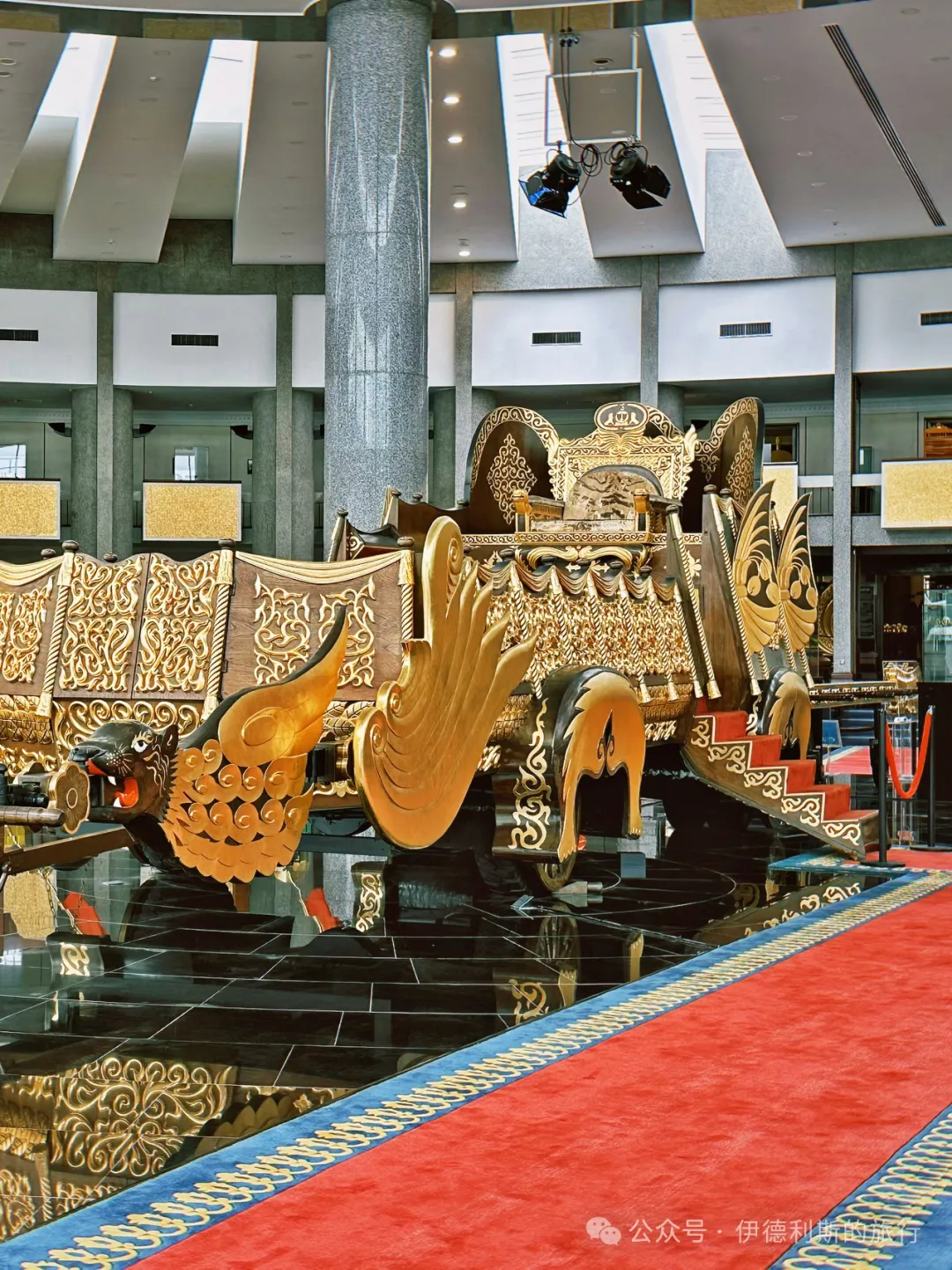
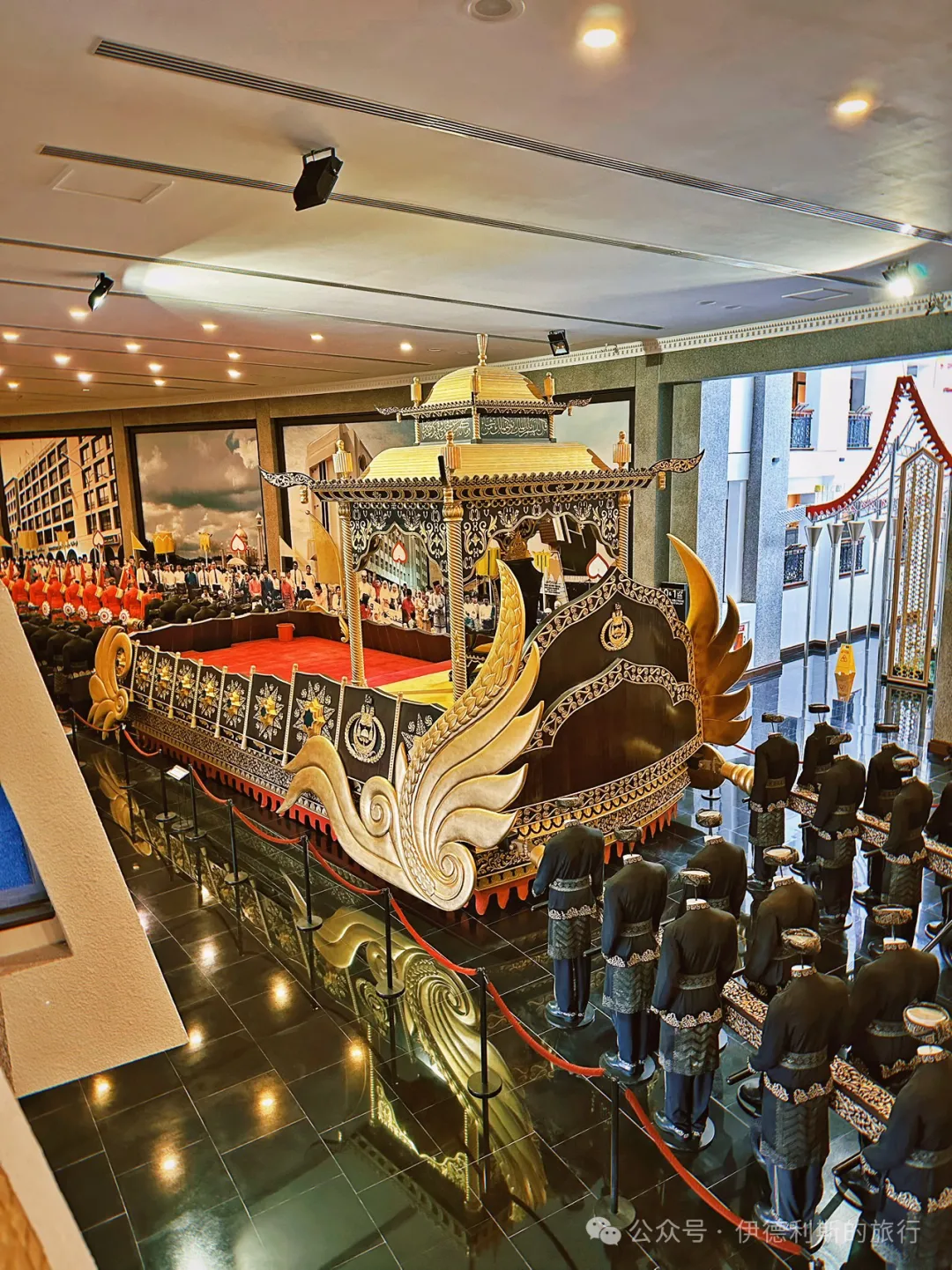
Next to the old Royal Ceremonial Hall is the Royal Regalia Museum, which houses two royal chariots: one used for the Sultan's coronation in 1968 and Queen Elizabeth II's visit in 1972, and another used for the Sultan's 25th anniversary of his coronation in 1992.
Tasek Lama Recreational Park in Brunei
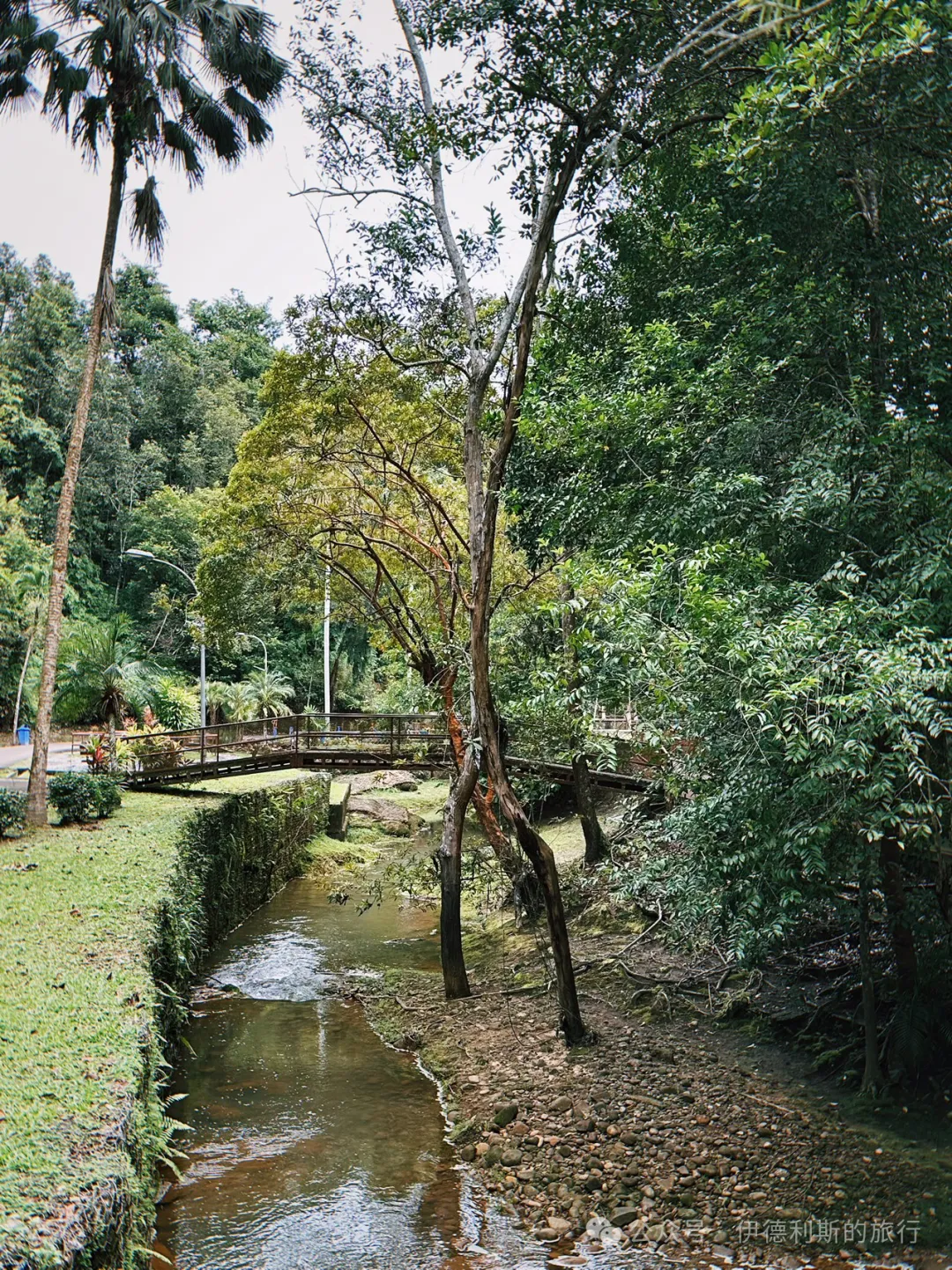
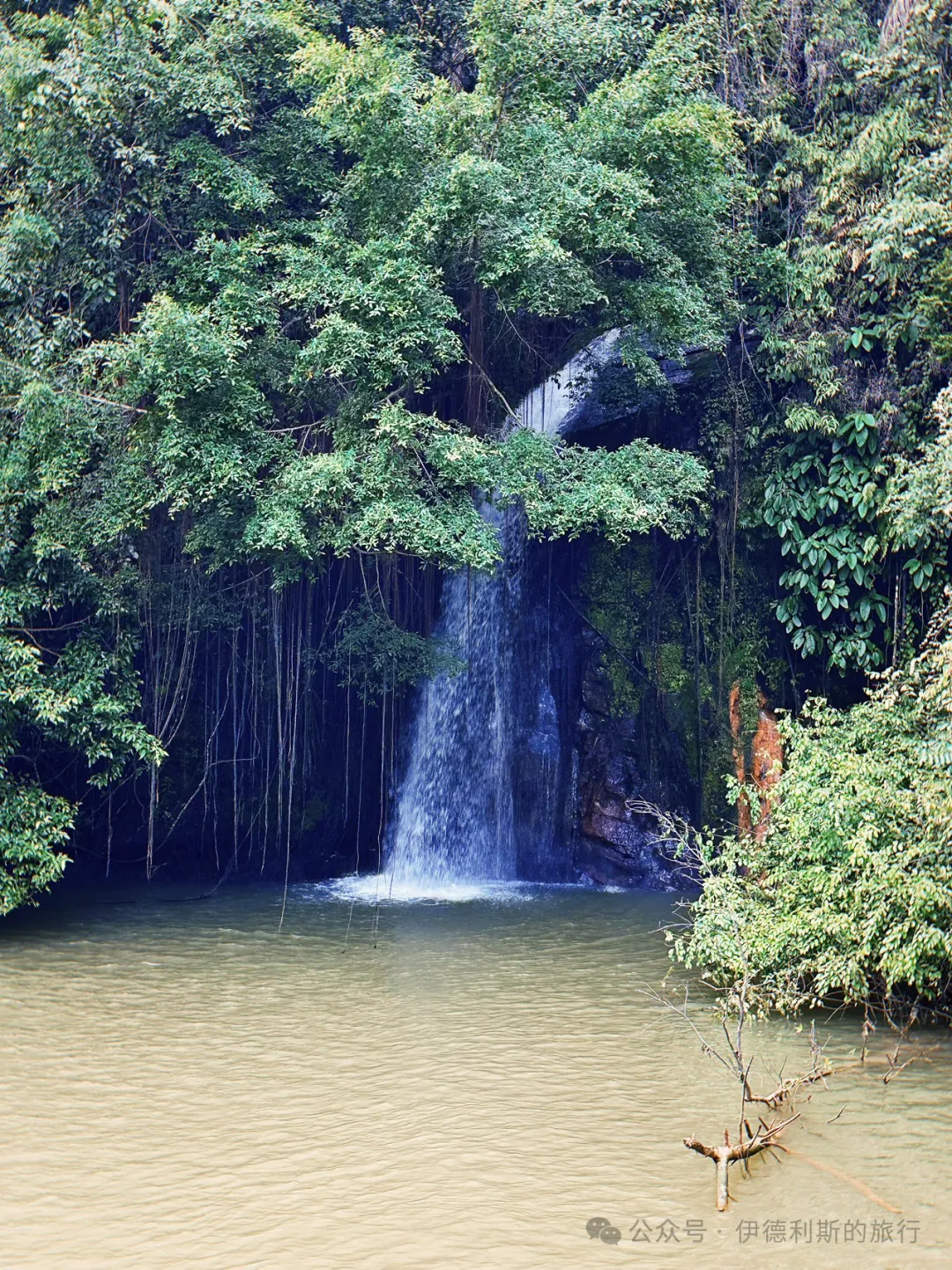
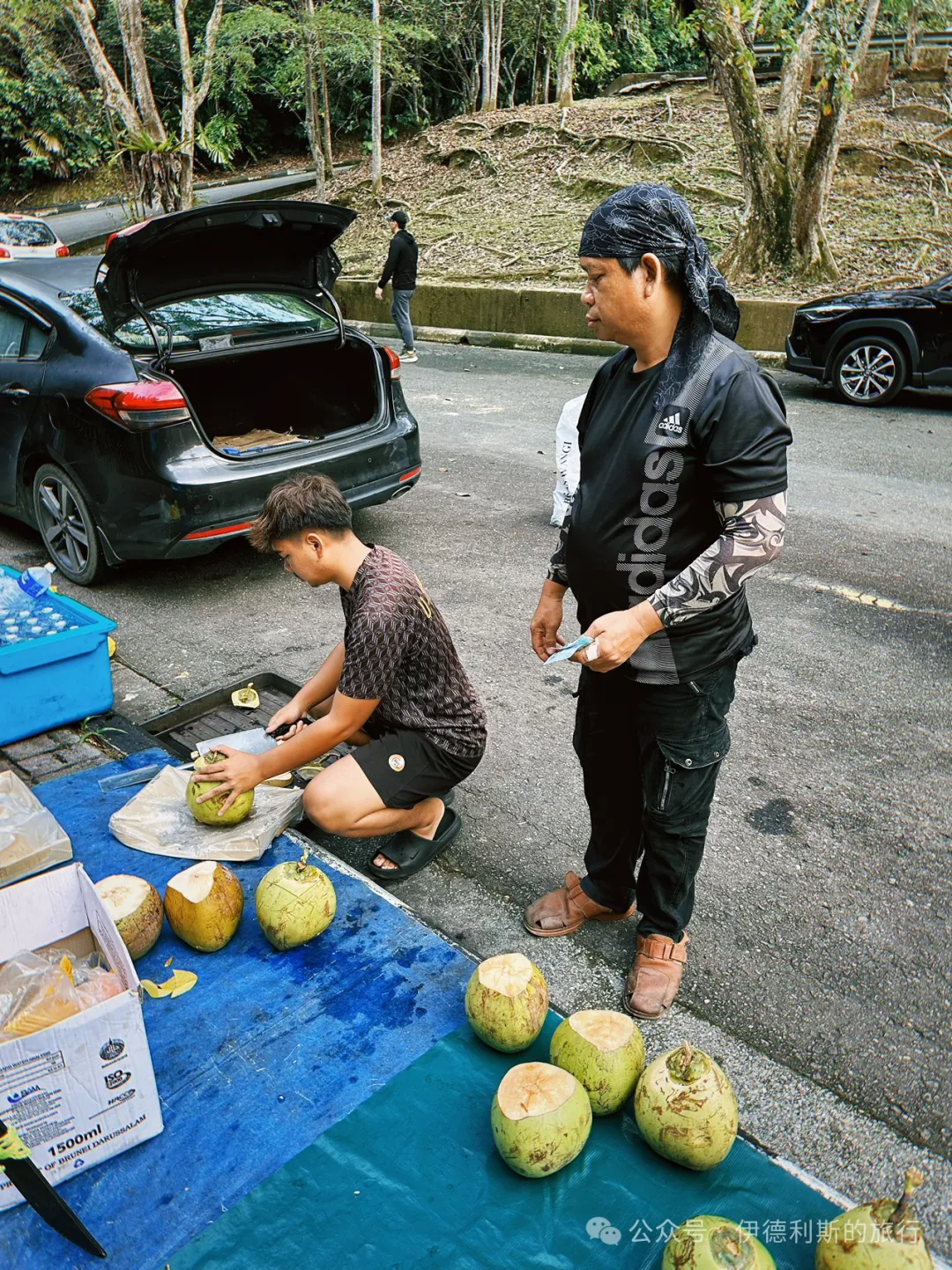
Strolling through Tasek Lama Recreational Park in Brunei, a primeval forest in the city center, is very relaxing by the waterfall. The mountains are full of birds and monkeys, and pitcher plants can be seen everywhere along the road. People in Brunei love jogging in the park, and after finishing, you can buy big, juicy coconuts at the entrance to drink.
Take a speedboat to see proboscis monkeys.
At the Royal Brunei Wharf, you can see many speedboats looking for tourists to take on tours of the water village and to see proboscis monkeys. We asked the price and it was 10 Brunei dollars (53 RMB) per person for a one-hour boat ride, which felt like a pretty good deal.
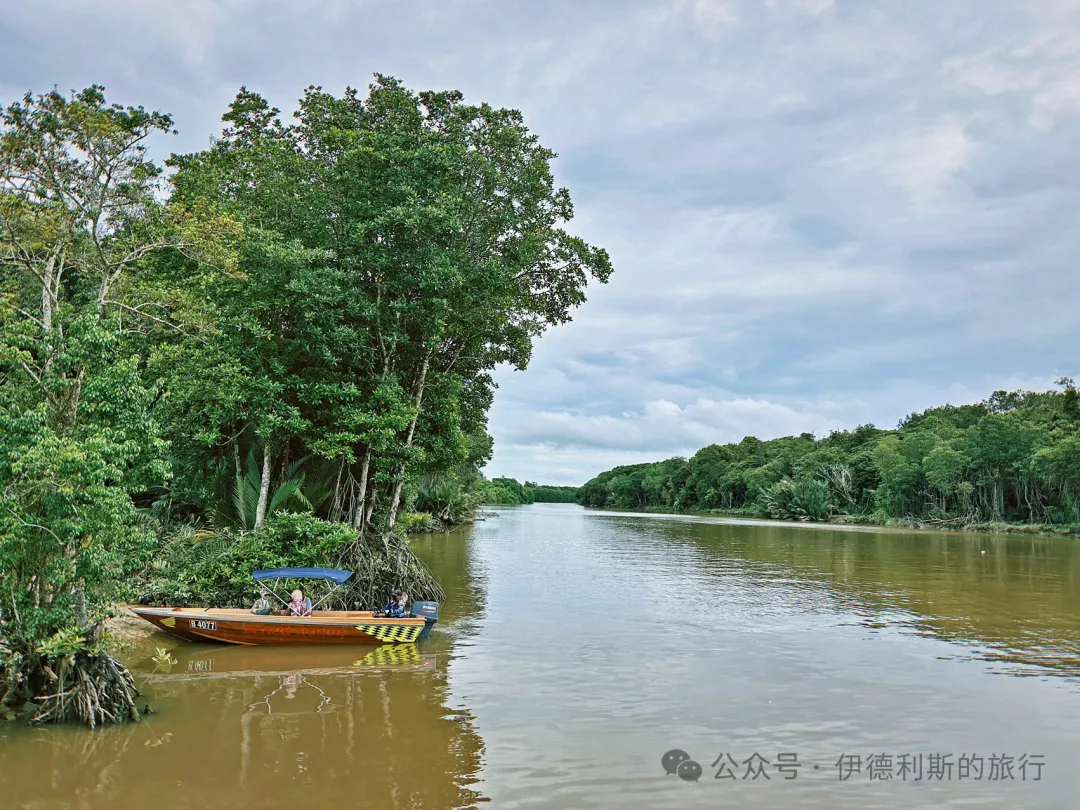
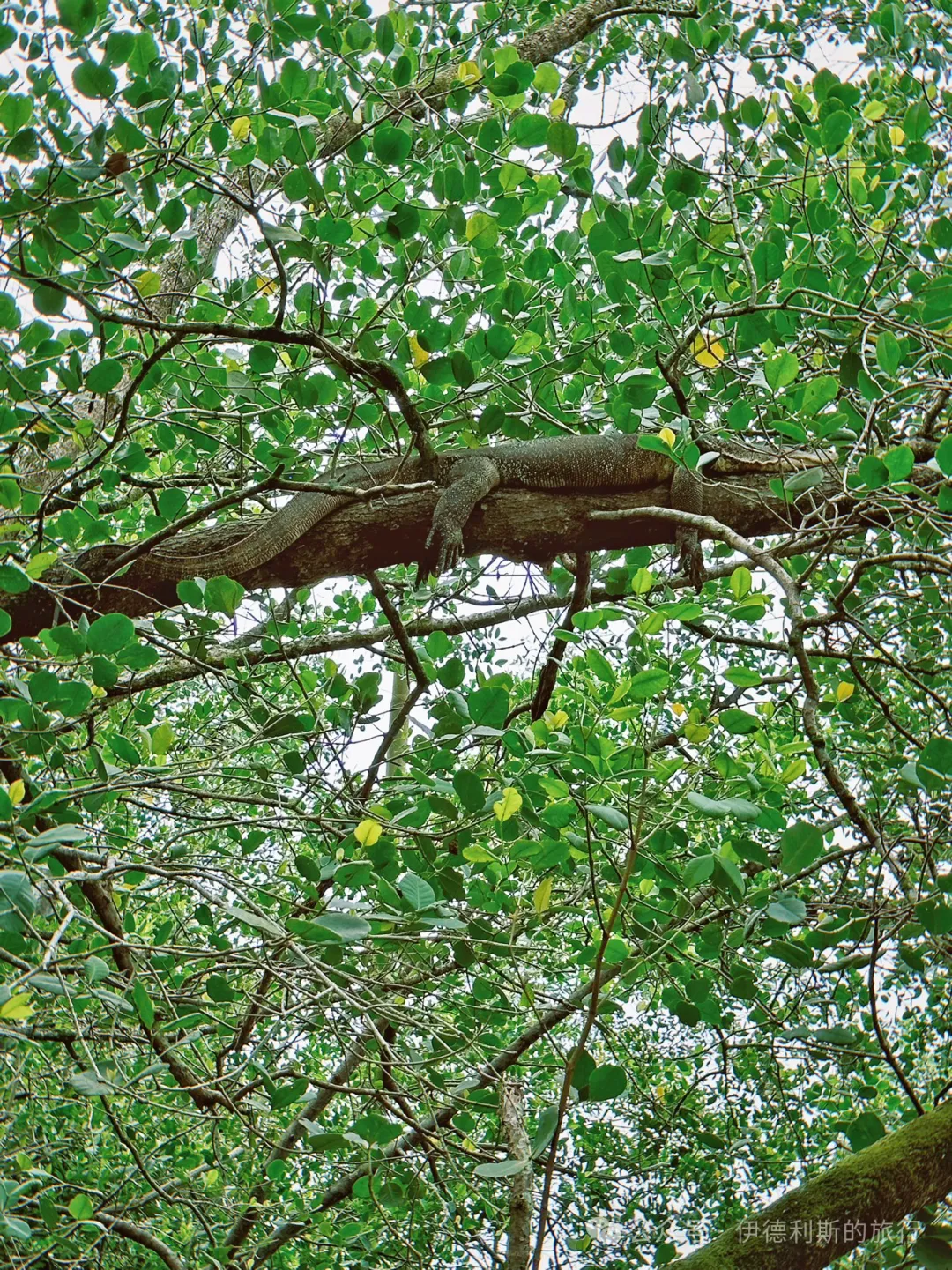
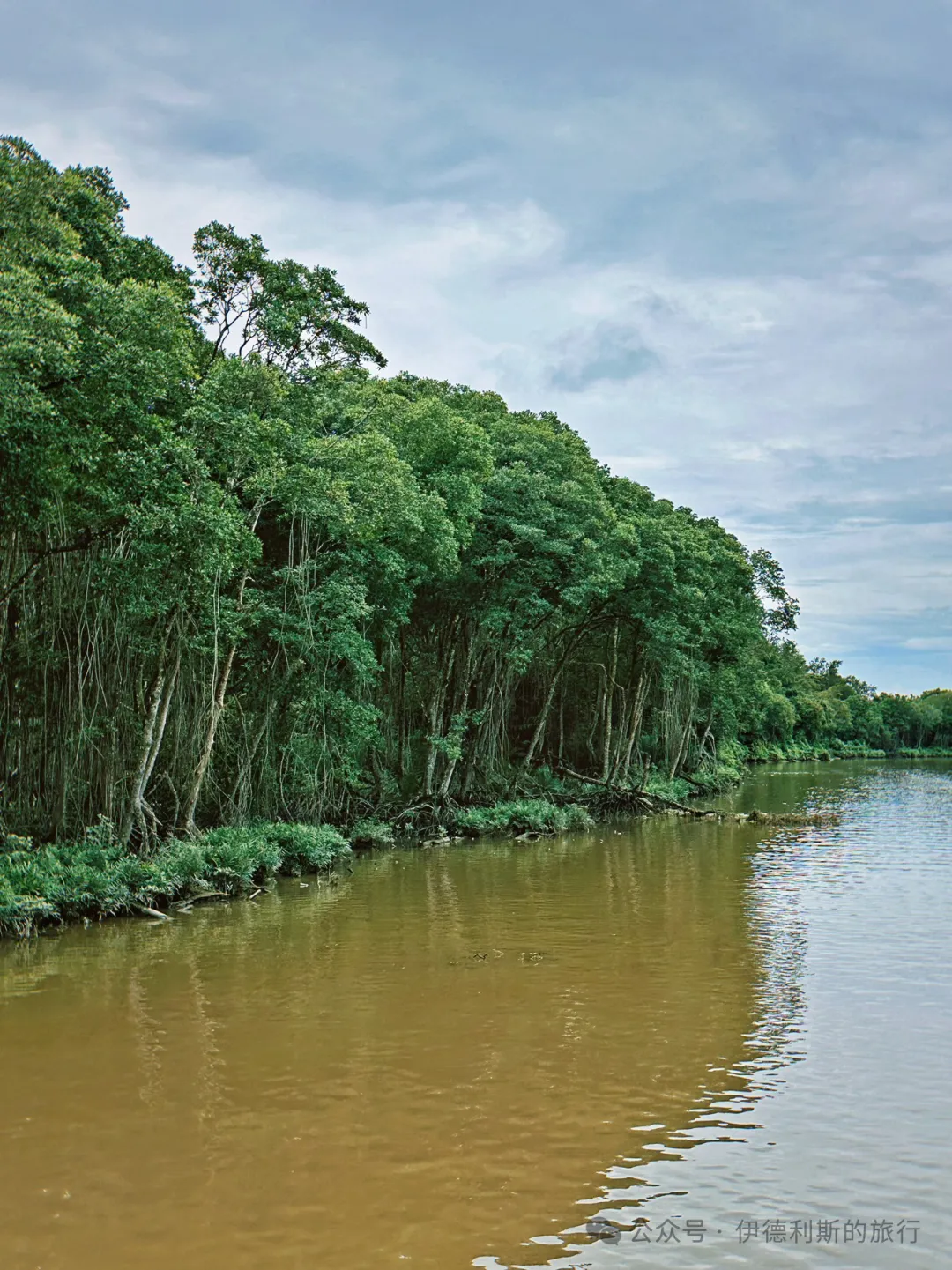
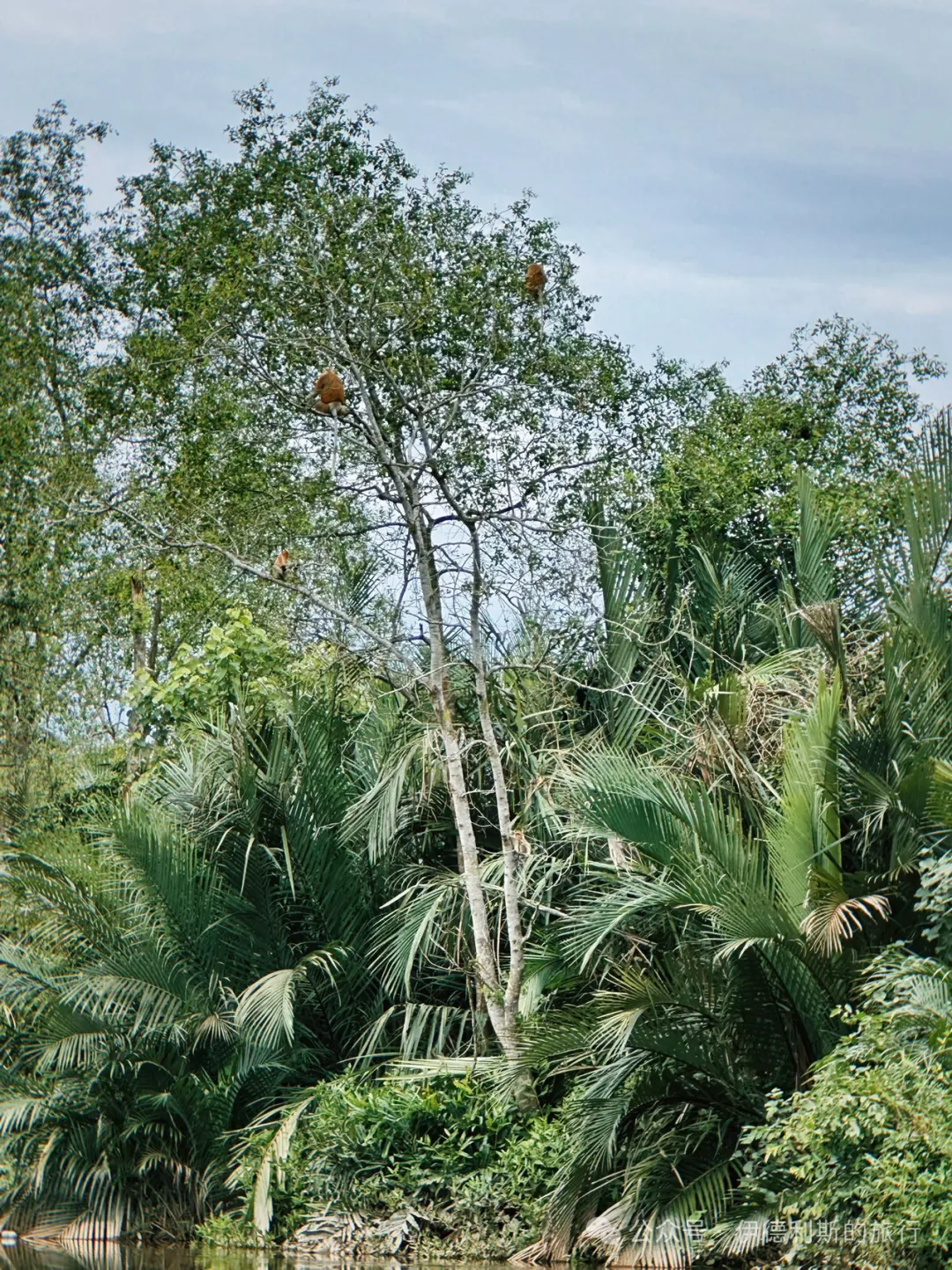
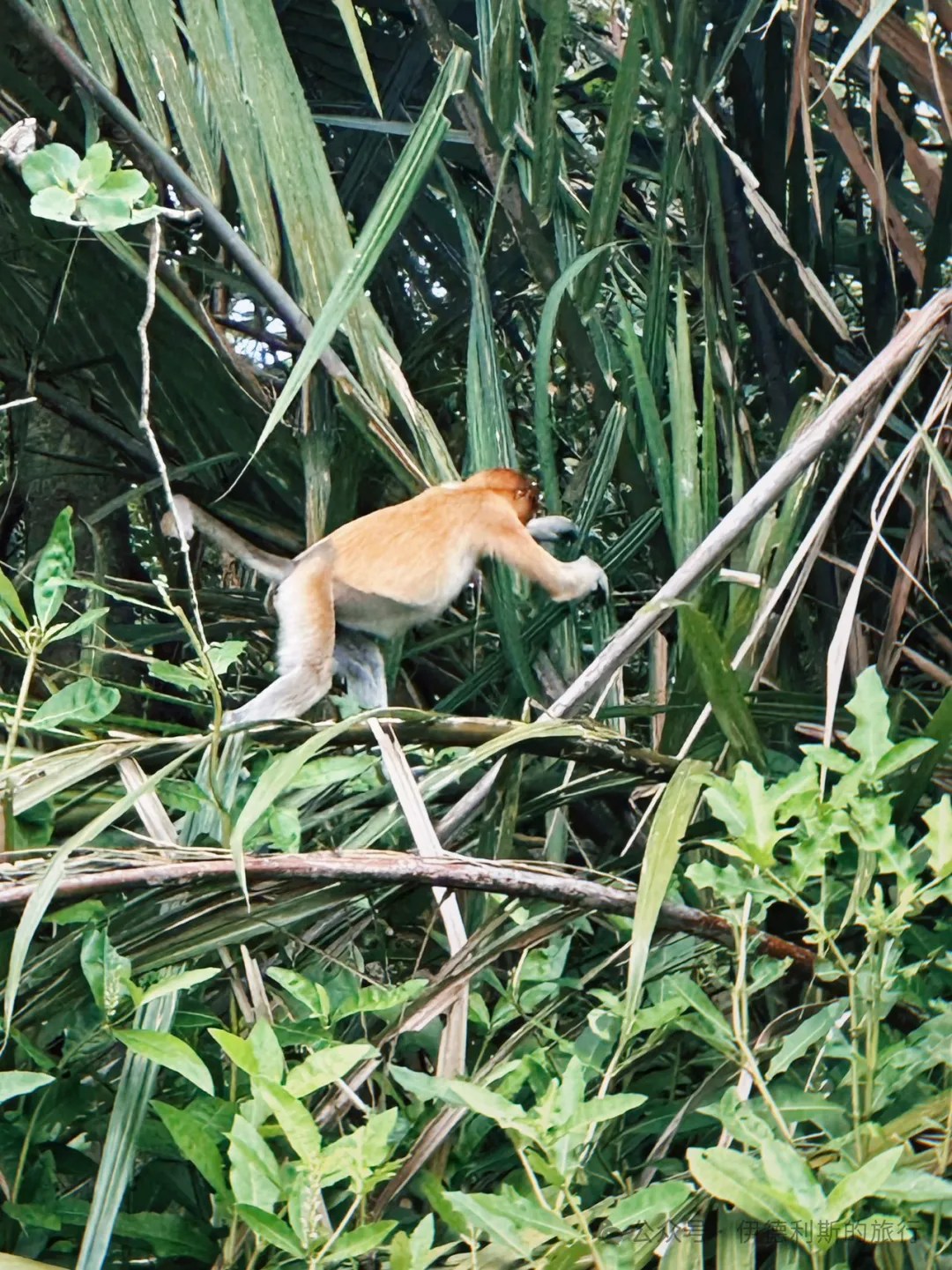
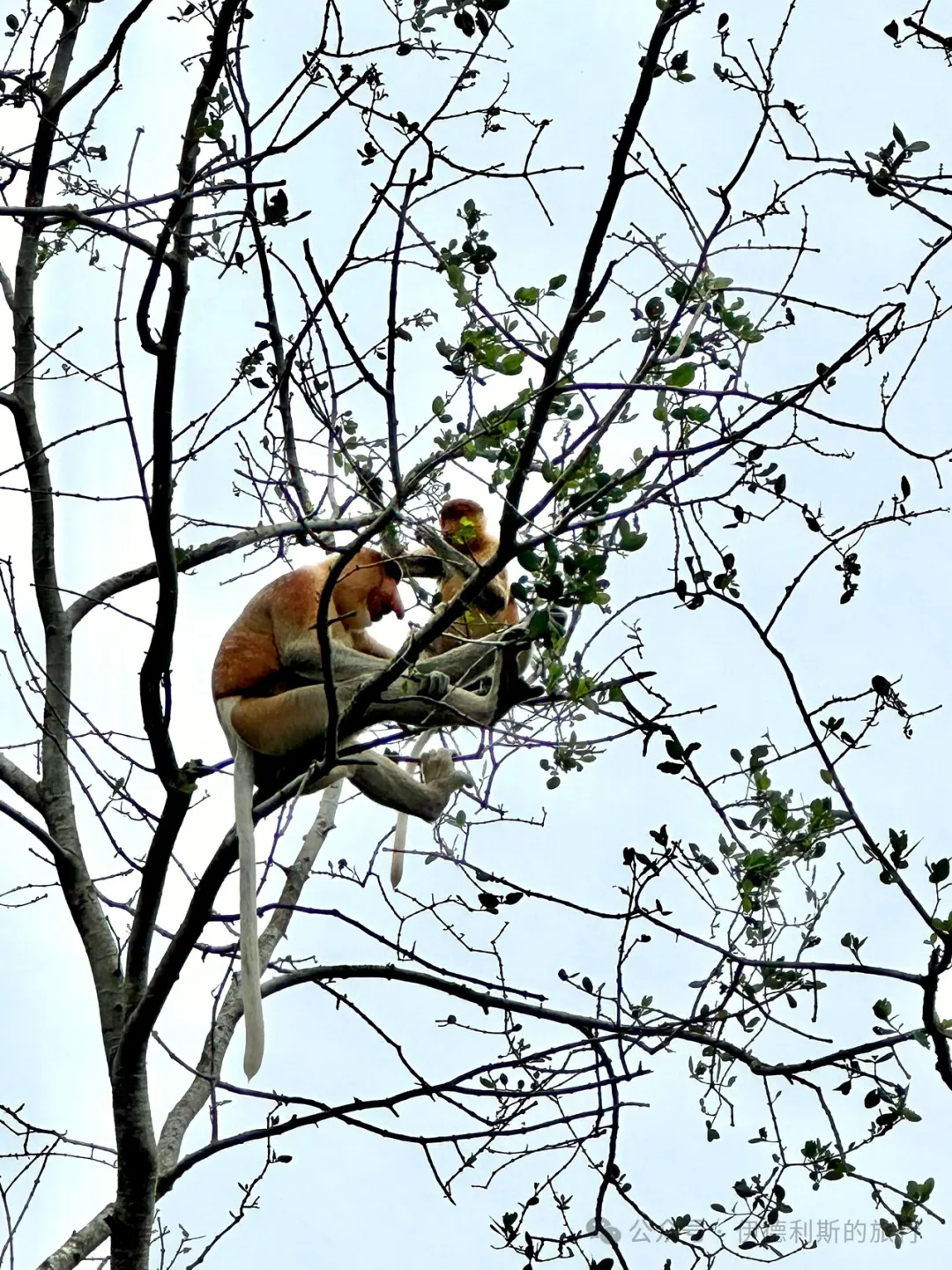
After boarding, we first toured the water village, where you can see a water fire station, a water school, and a water mosque. We also spotted a huge monitor lizard among the mangroves. Then we went to see the proboscis monkeys. We traveled 10 kilometers west along the Brunei River to Luba Island in the middle of the river. The island holds the tomb of the 16th Sultan of Brunei, Hussain Kamaluddin. This is also the best place to watch proboscis monkeys, and we saw a family of them eating leaves by the edge of the mangroves. view all
Summary: This second part of the Brunei visa-free cultural trip continues through sites connected with Malay history, Muslim life, and local heritage. The English version keeps the original place names, photo order, and historical notes from the source article.
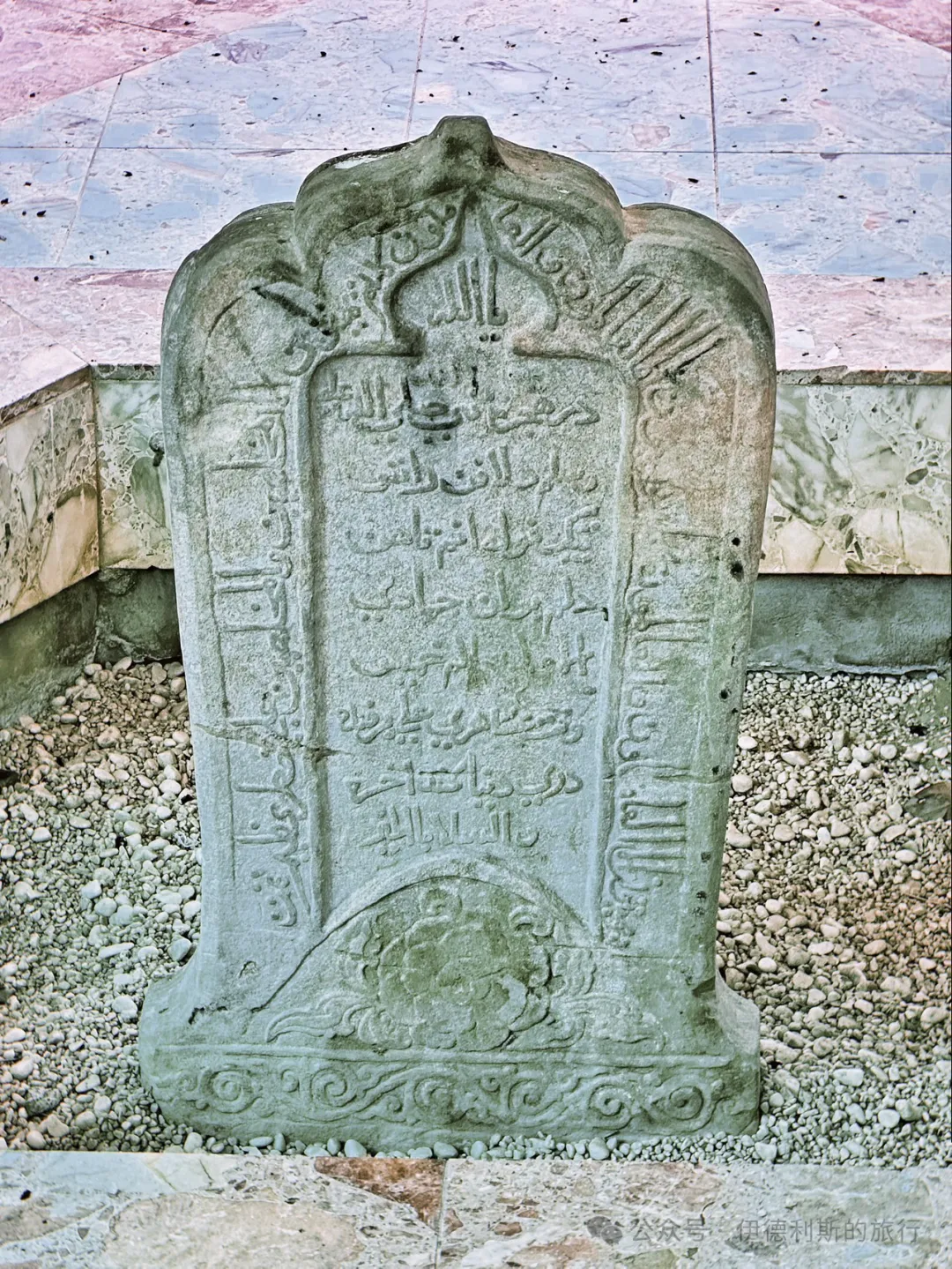
North of the tomb of Sultan Sharif Ali is the grave of Sharif Adam, another pioneer who came to Brunei with the Sultan to spread the faith. Together, they spread the influence of the faith from Brunei to the Sulu Archipelago and Mindanao in the southern Philippines. According to the tombstone, Sharif Adam passed away in 1454.
Tomb of the Fifth Sultan of Brunei
South of the Kota Batu site No. 1 is the tomb of Bolkiah, the fifth Sultan of Brunei, who reigned from 1485 to 1524. His reign is known as the golden age of Brunei history, when the Sultanate held power over Borneo and the southern Philippines.
When Magellan's fleet arrived in Brunei in 1521, they witnessed the power of Brunei under Sultan Bolkiah. When they reached the palace, they were shocked by his wealth. A hall reached by wide steps was packed with courtiers in elegant clothing. Through the corridor was a slightly raised room decorated with luxurious silk and brocade curtains, bathed in natural light from wide windows. Three hundred of the Sultan's warriors stood guard there with drawn daggers. A little further on was a smaller but equally beautiful room, where the muscular forty-year-old monarch chewed betel nut on a large mat with his young son beside him.
Sultan Bolkiah's tomb is tall, majestic, and finely carved. The tombstone has eight layers, but only the bottom layer is original. One of the upper stones commemorates Sultan Muhammad Ali, and another commemorates Sultan Abdul Mubin, likely made in the late 17th century. The middle slab records that Sultan Bolkiah died on July 17, 1524, and was likely carved in modern times.
Water Village (Kampung Ayer)
We took a speedboat from the pier by the Brunei River and reached the Water Village (Kampung Ayer) on the other side for 1 Brunei dollar each. We first visited the Kampung Ayer Cultural and Tourism Gallery, which has information about the water village, and a lookout tower next to it for a panoramic view.
Kampung Ayer is the Malay term for water village. It was once the main port of the Brunei Sultanate and served as its trade center from the 15th to the 17th century. After the Brunei Civil War in the 18th century, Kota Batu was abandoned, and the water village became the capital of the Sultanate. In 1521, Italian explorer Antonio Pigafetta arrived in Brunei with Magellan's fleet and called Kampung Ayer the Venice of the East. The water village was once huge and included the Sultan's palace, but it gradually declined under British invasion in the 19th century. After the 20th century, Brunei began encouraging residents to move to land, but many people still choose to stay.
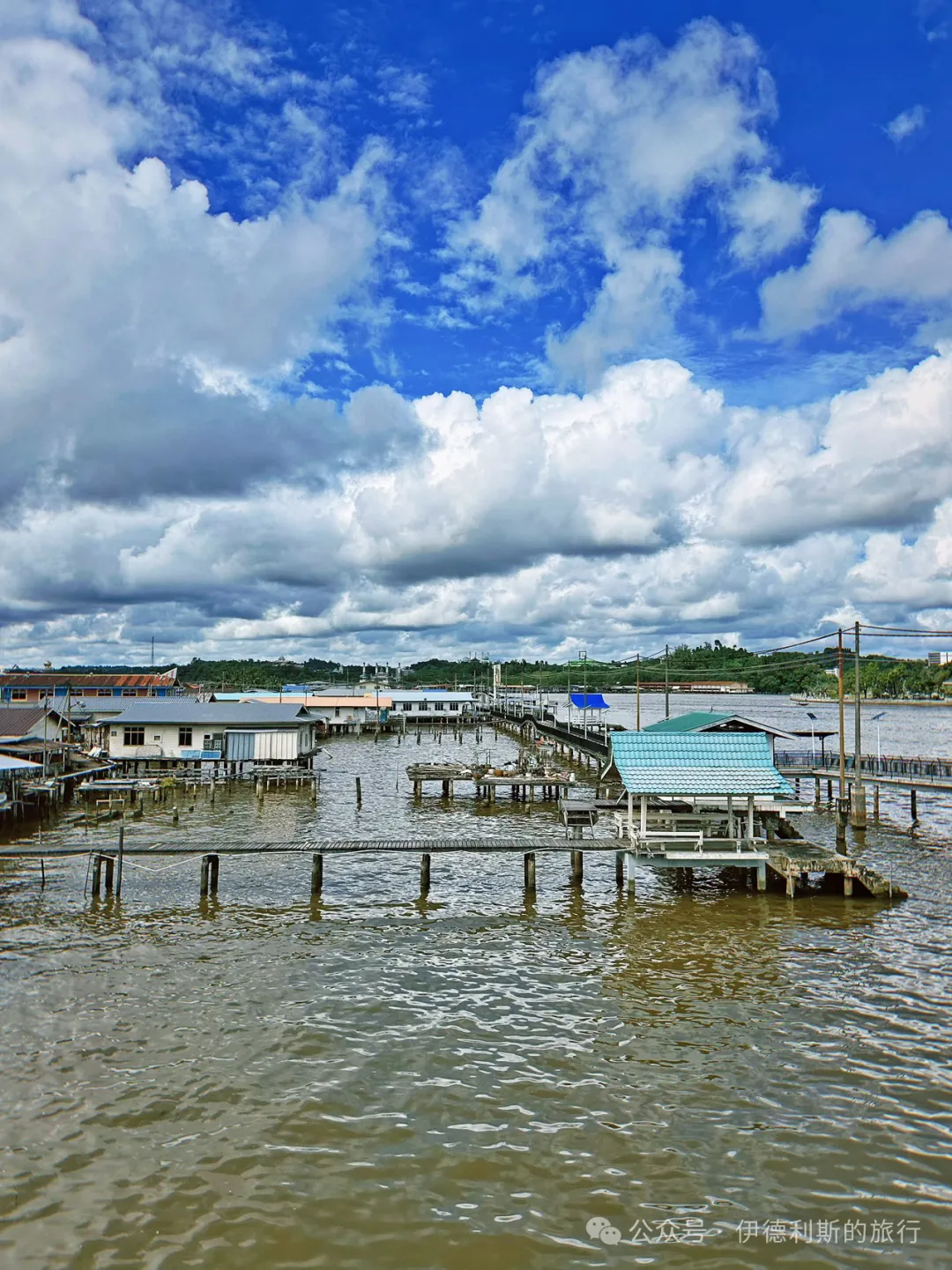
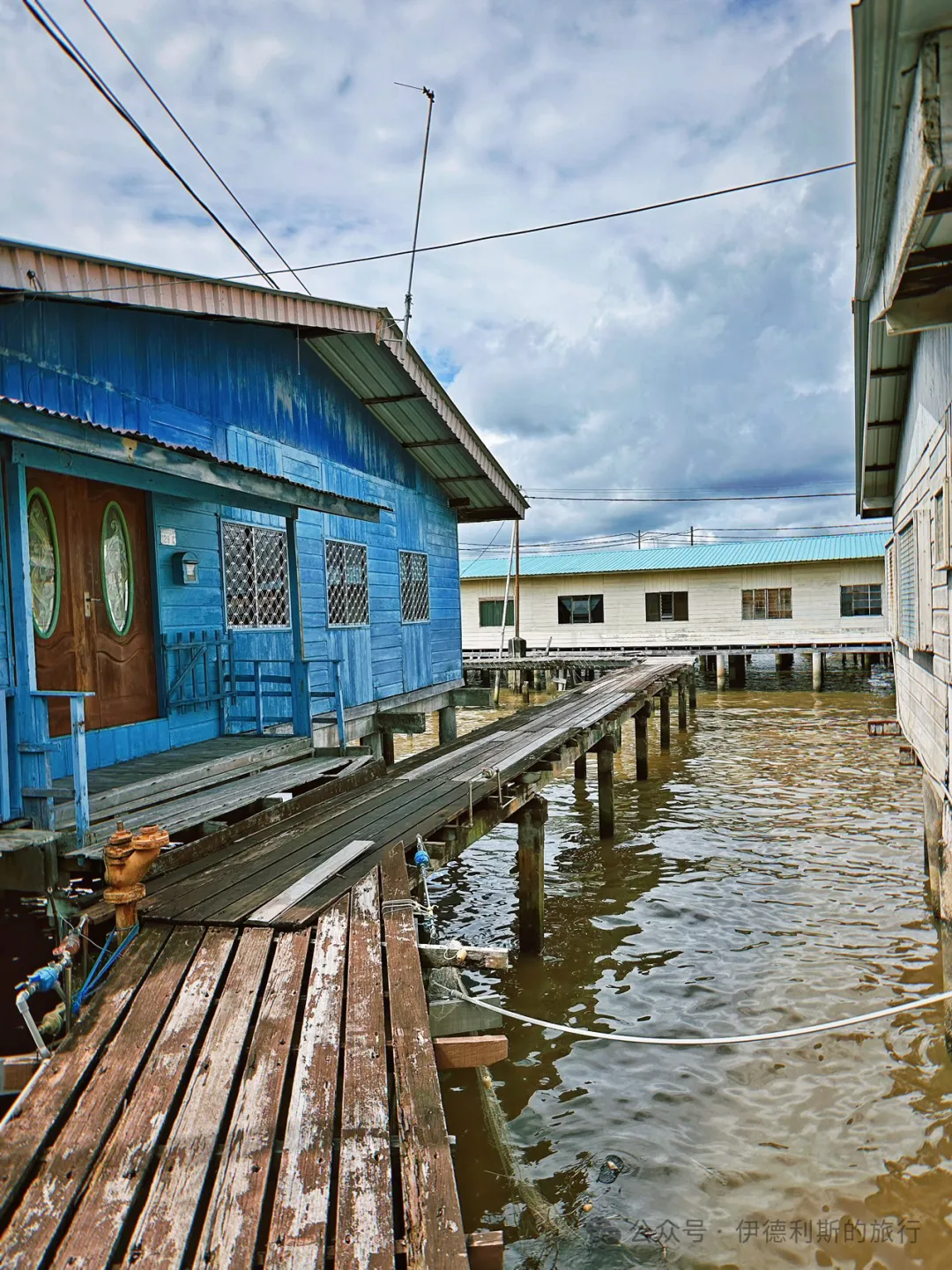
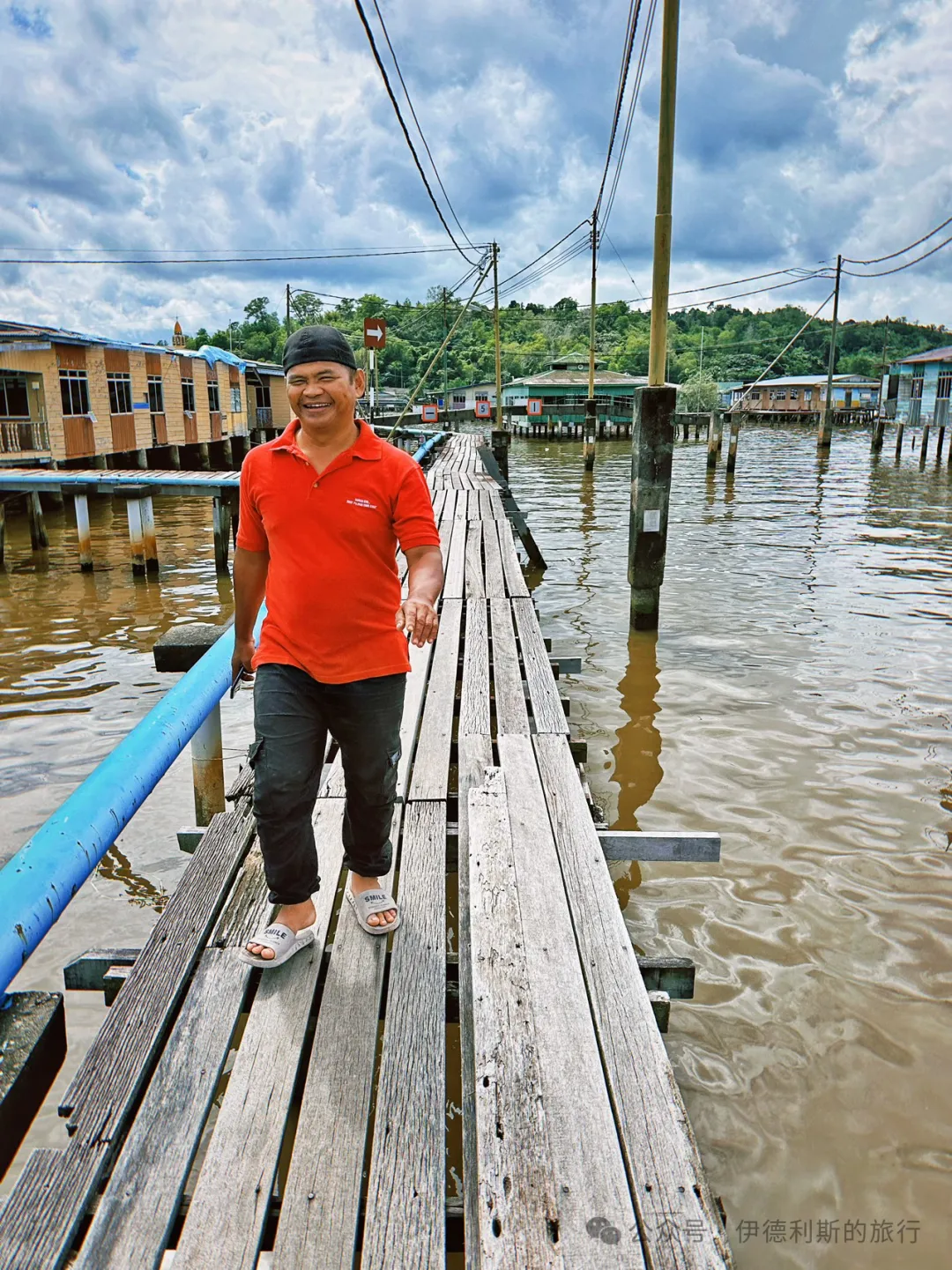
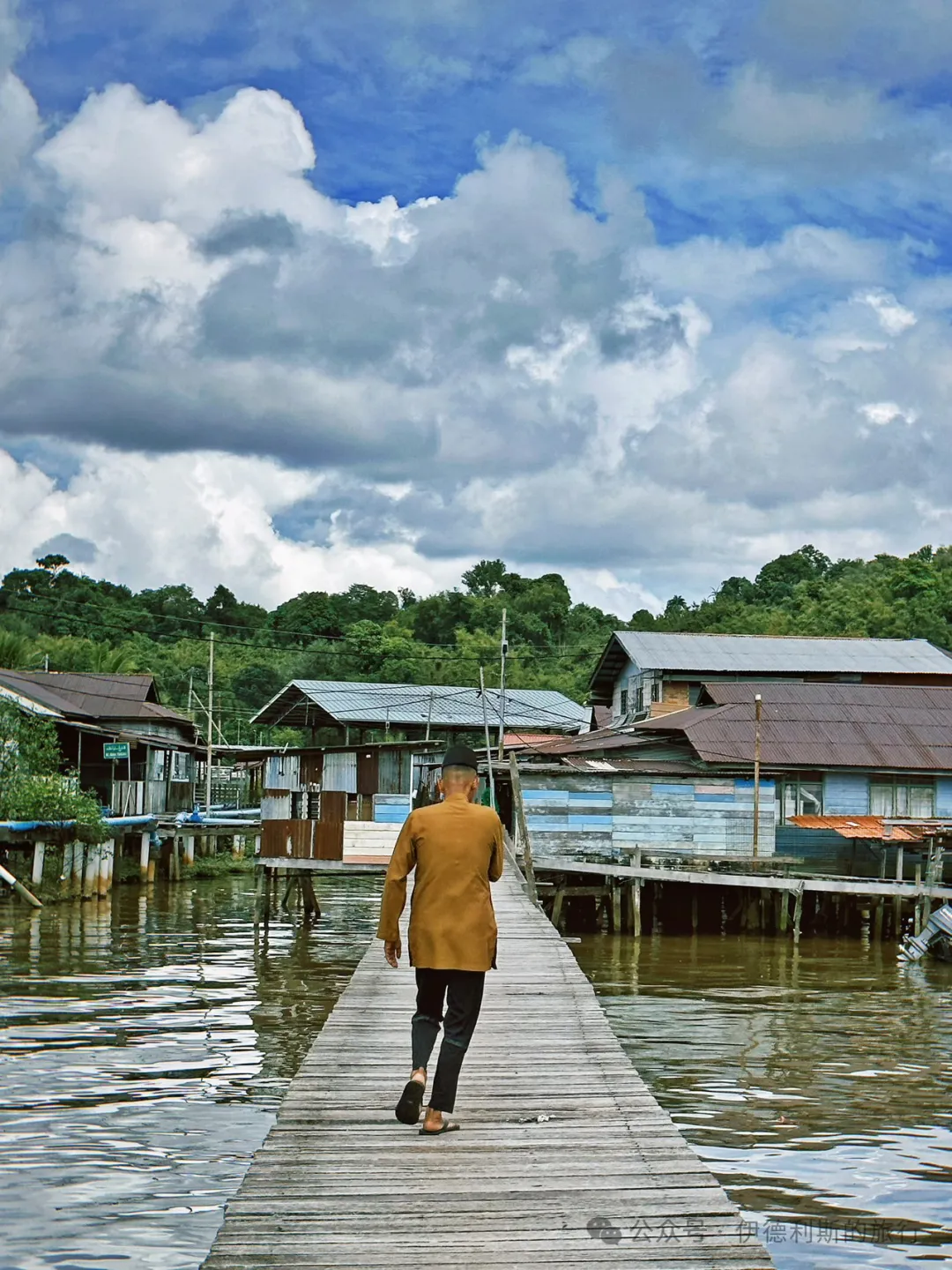
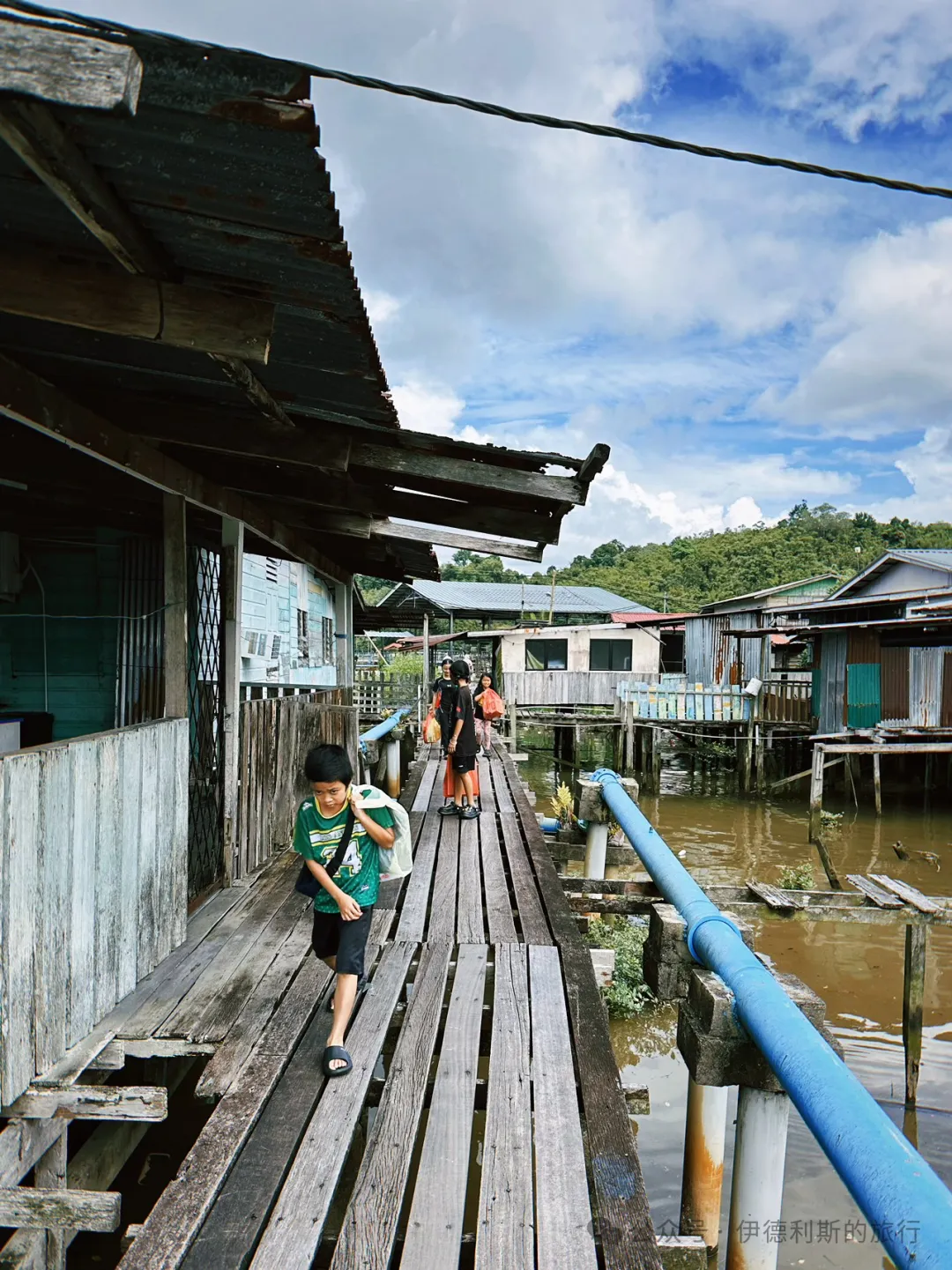
The two traditional wooden mosques on stilts in the Water Village are a major highlight of Brunei. The walls and pillars are made of wood, but the air conditioning inside is so strong that you cannot feel the humidity from the water. In recent years, Brunei has built several large concrete mosques along the banks of the Water Village, and the traditional wooden mosques are becoming fewer.
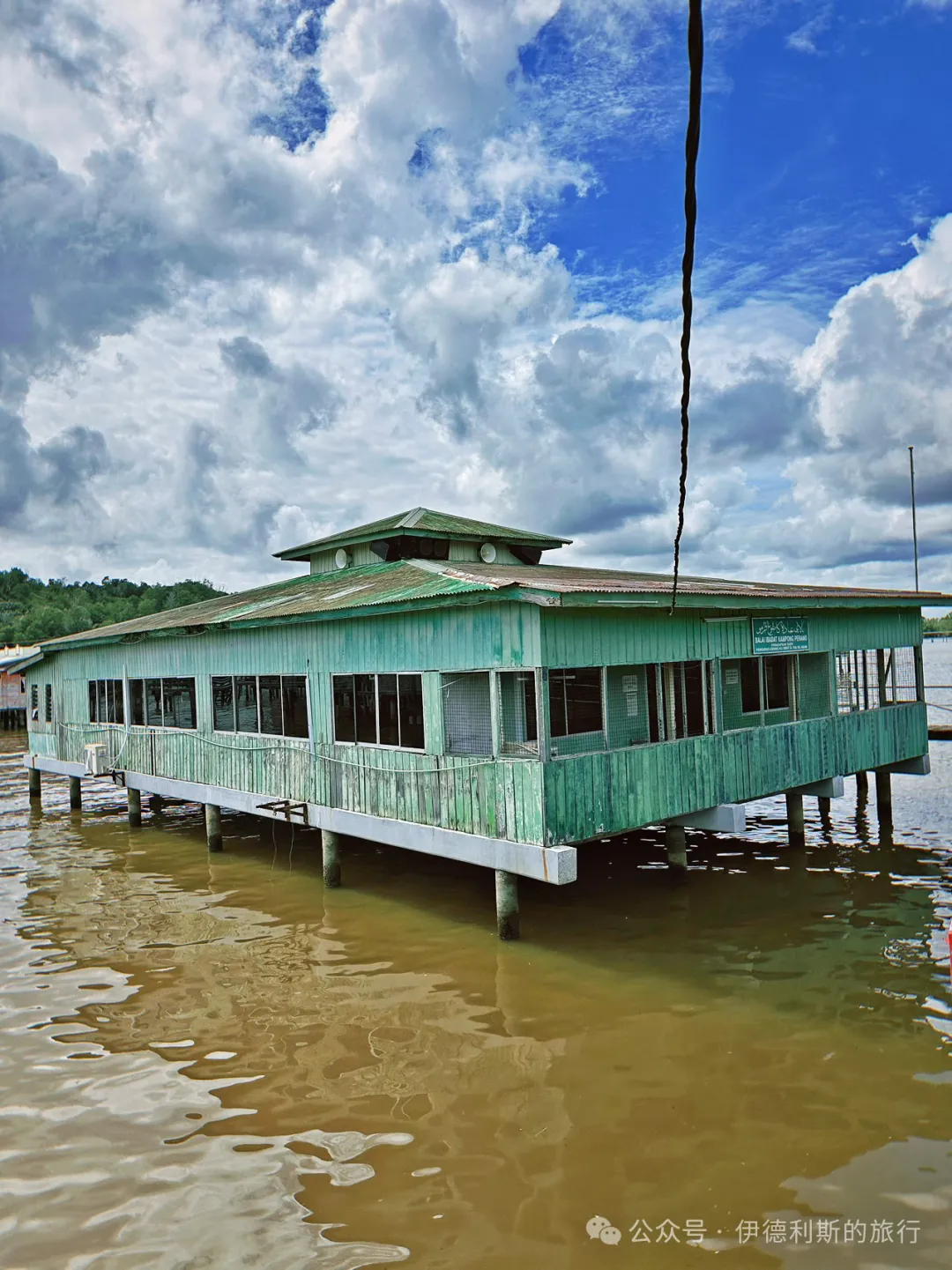
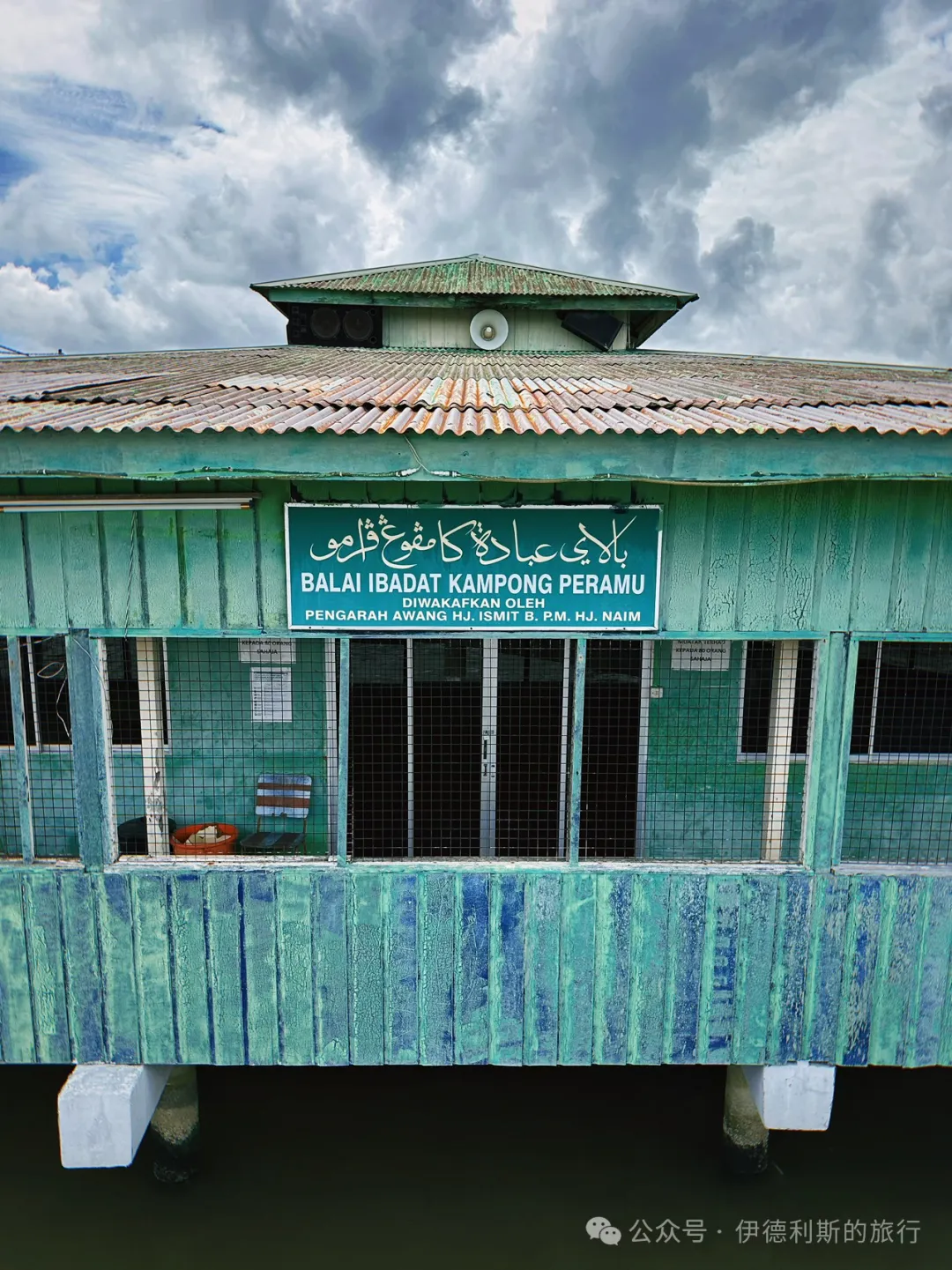
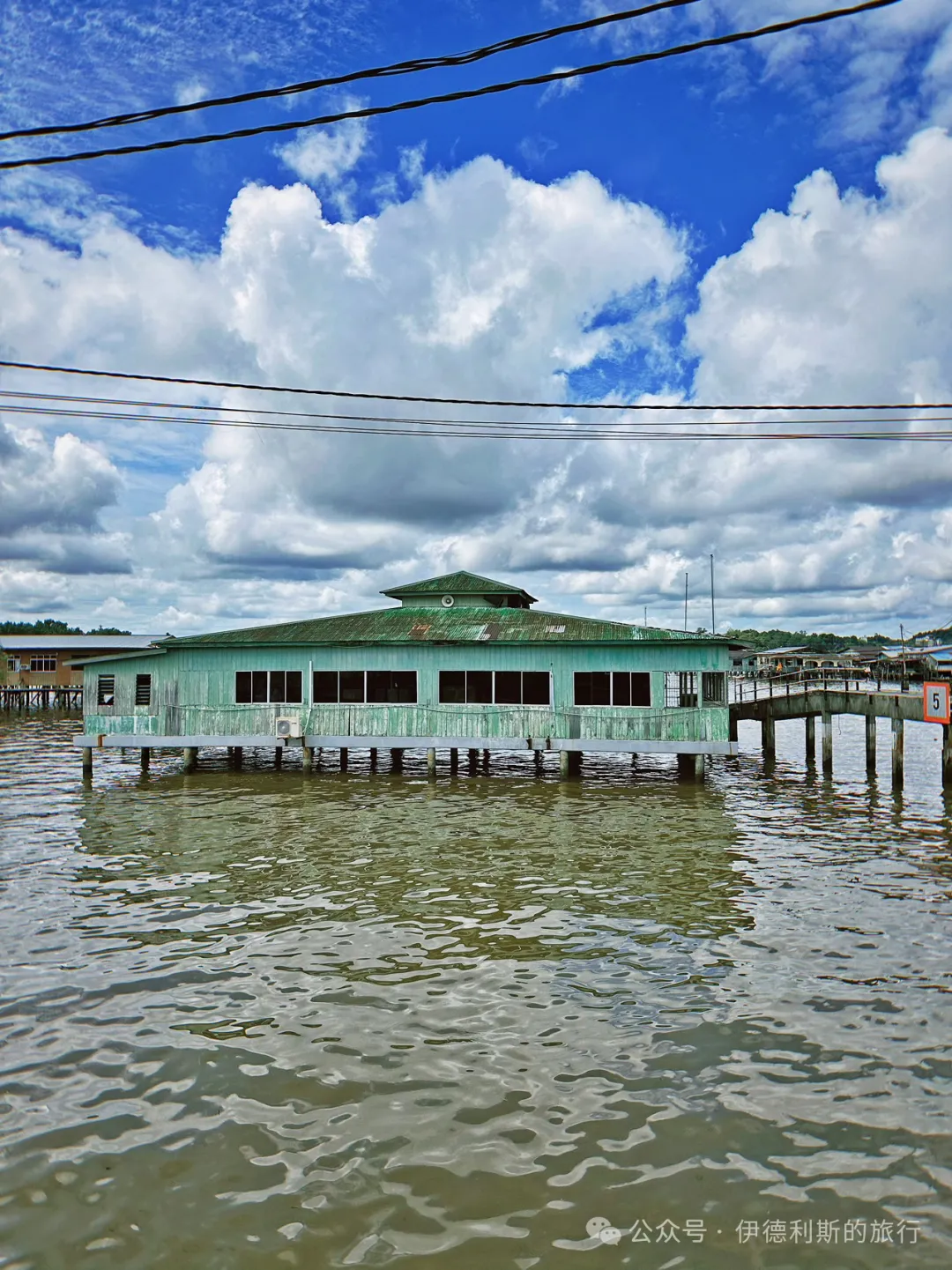
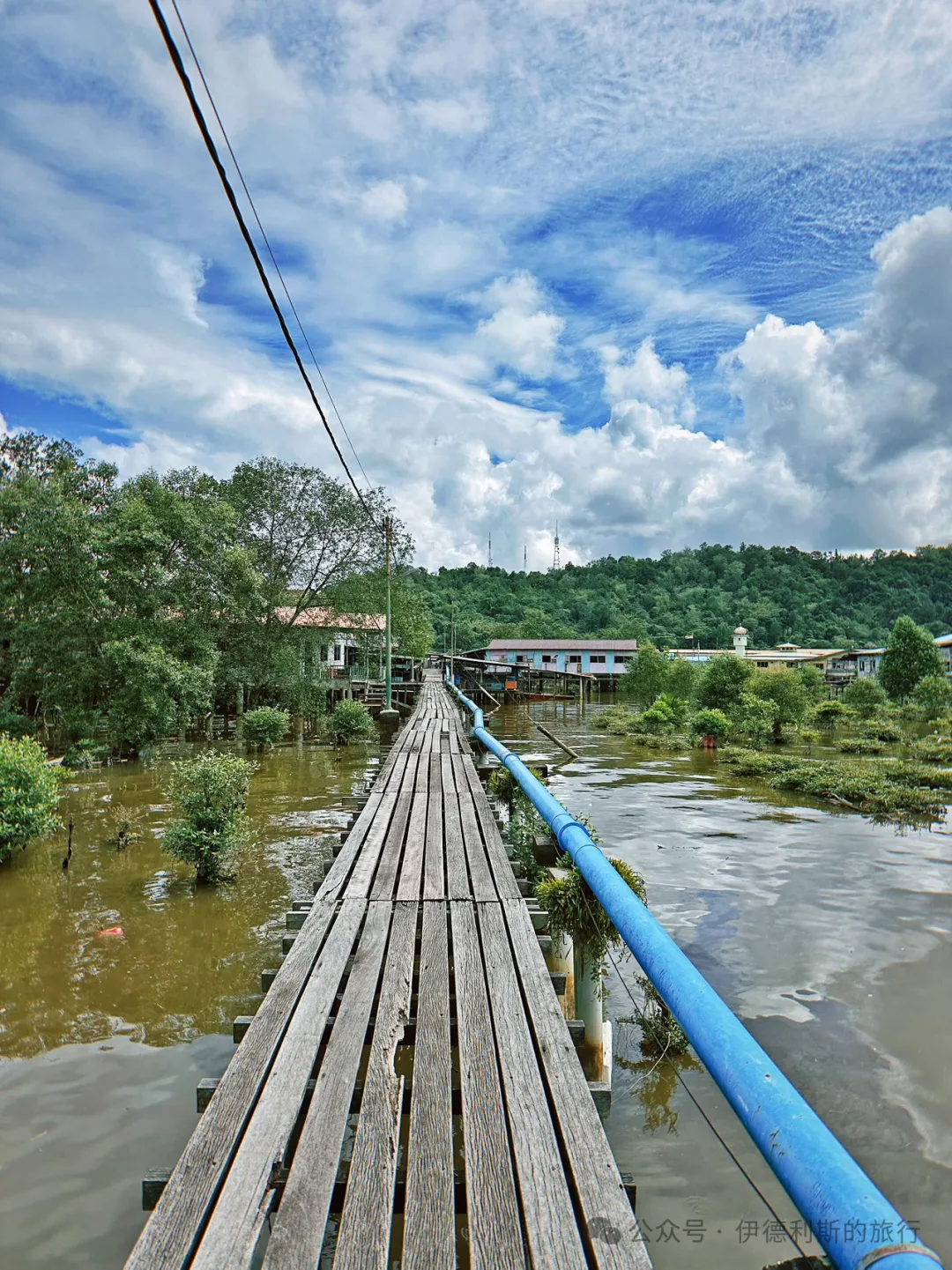
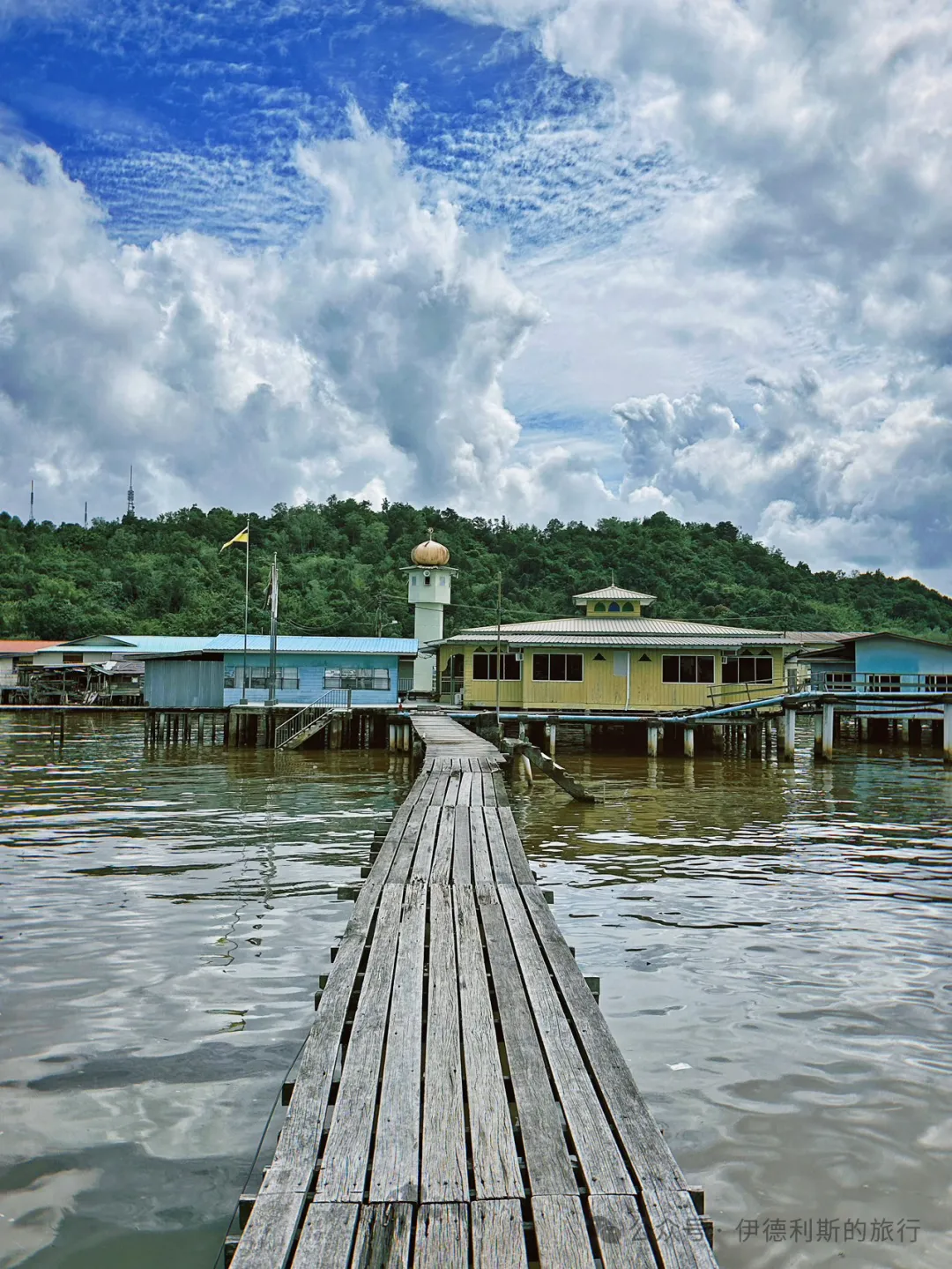
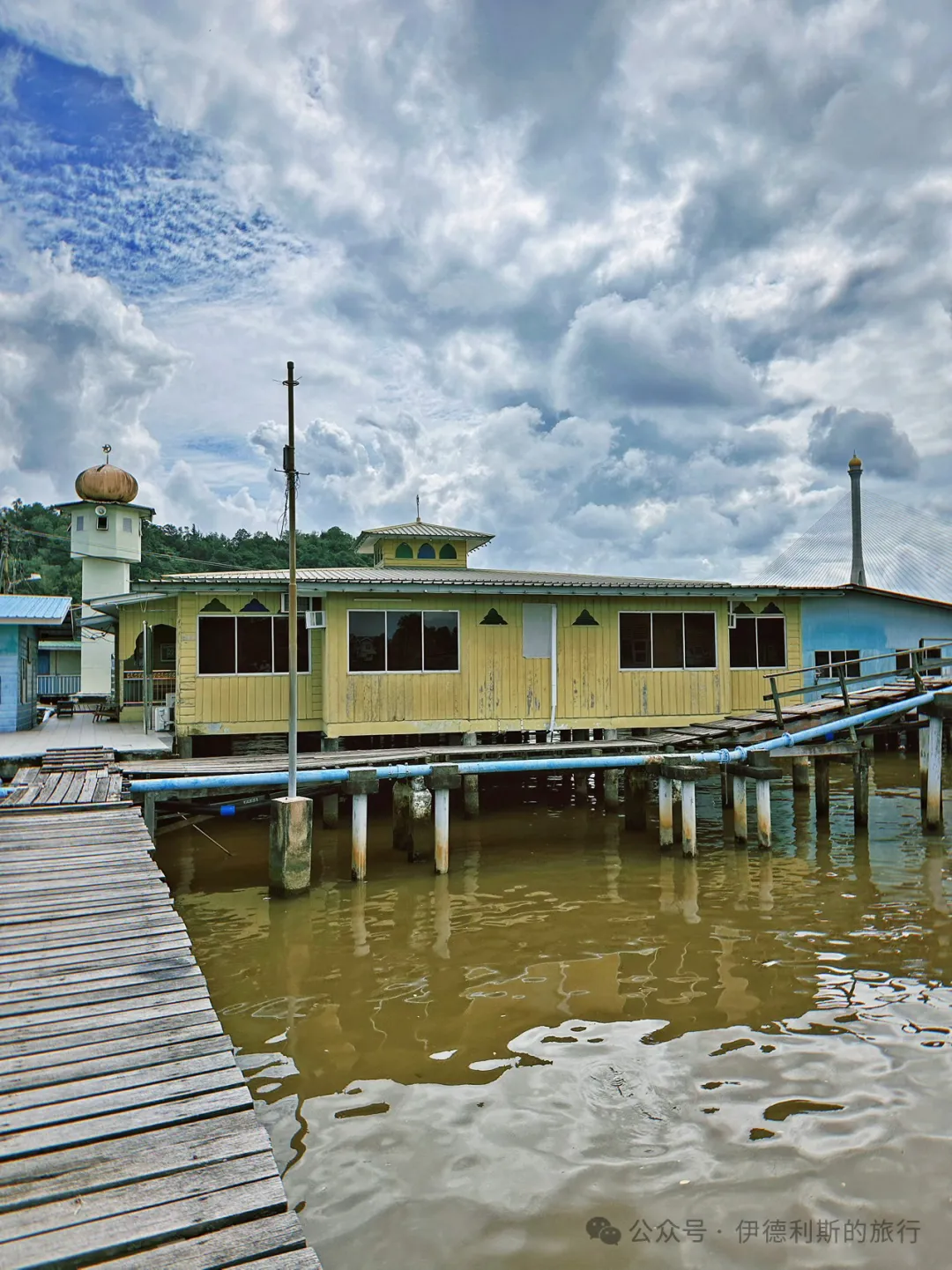
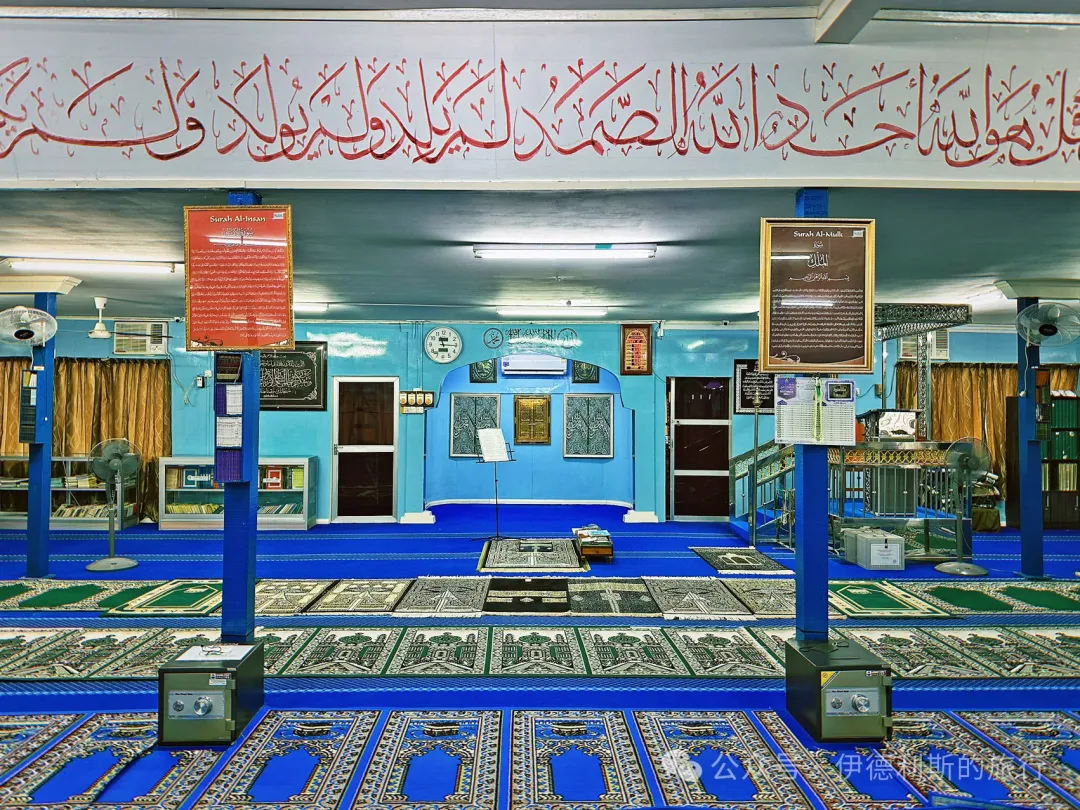
The Water Village has its own scenery, small restaurants, and convenience stores, though it is usually quite quiet.
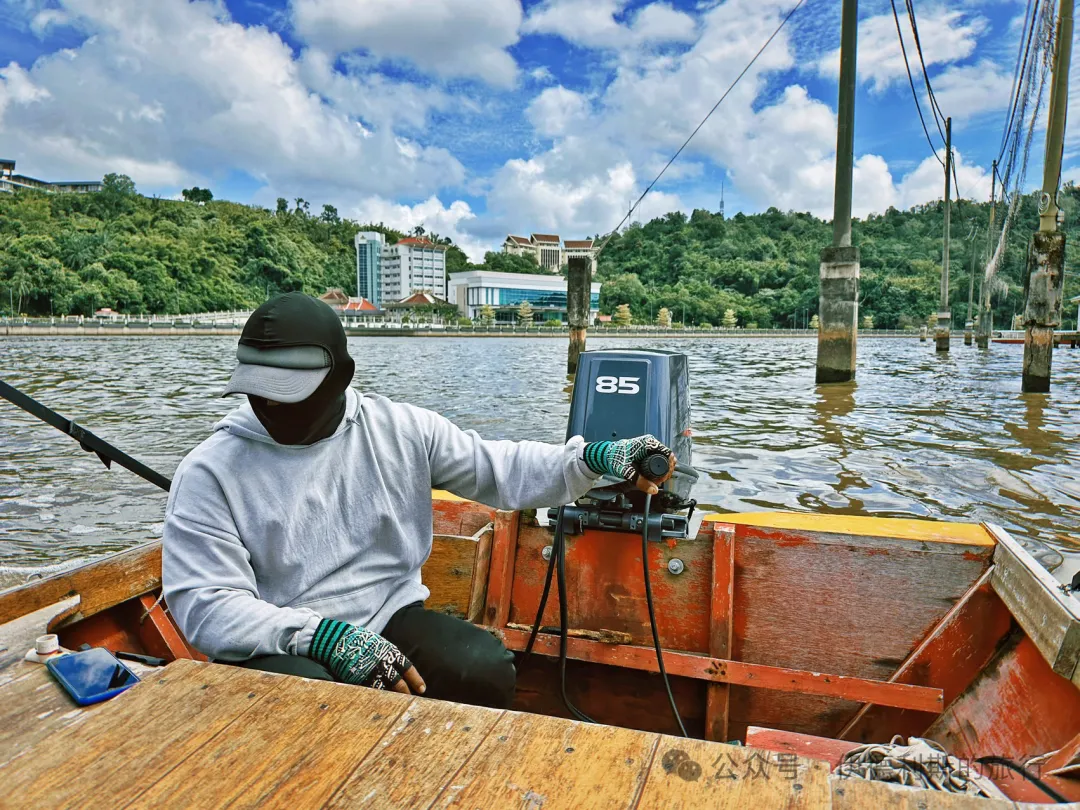
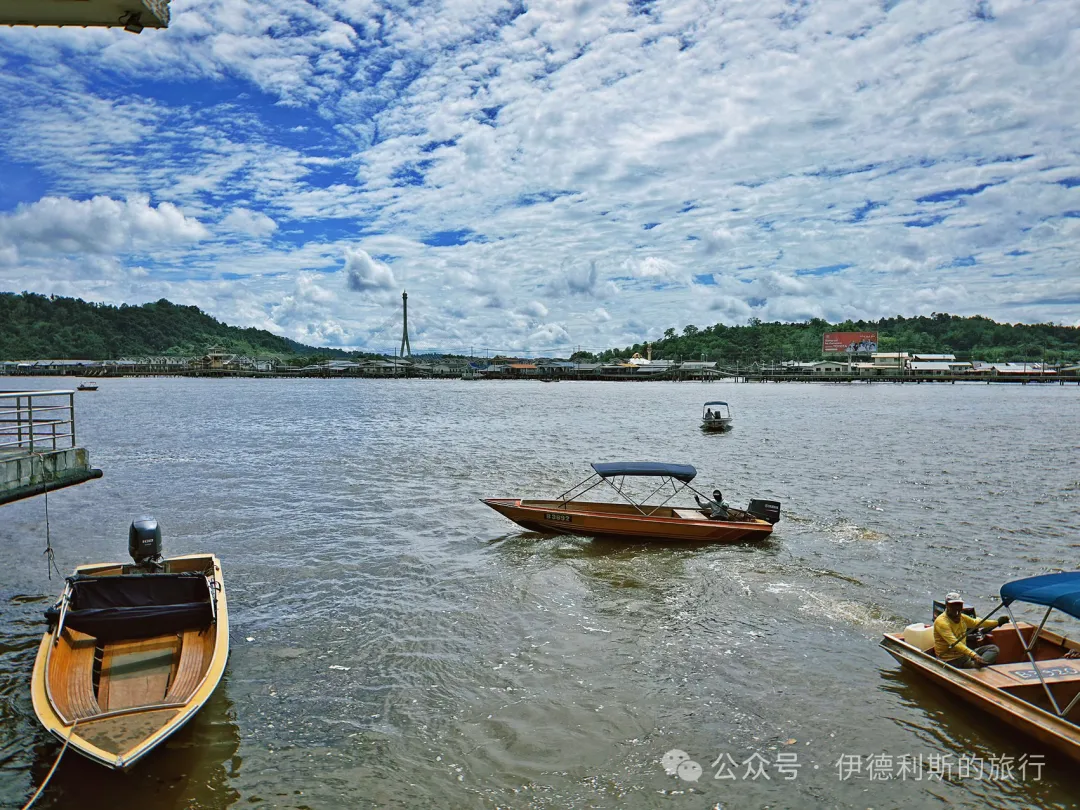
Tomb of the 16th Sultan of Brunei
Take a speedboat west from the Brunei River to reach Luba Island, hidden by mangroves, where the tomb of the 16th Sultan of Brunei, Hussin Kamaluddin (reigned 1710-30, 1737-40), is located. Sultan Hussin Kamaluddin survived the Brunei civil war as a child, and he was pious, studious, and hardworking. Under his rule, Brunei was prosperous and had plenty of food. Legend says the Sultan liked to fish with locals along the upper banks of the Brunei River, especially near his tomb on Luba Island.
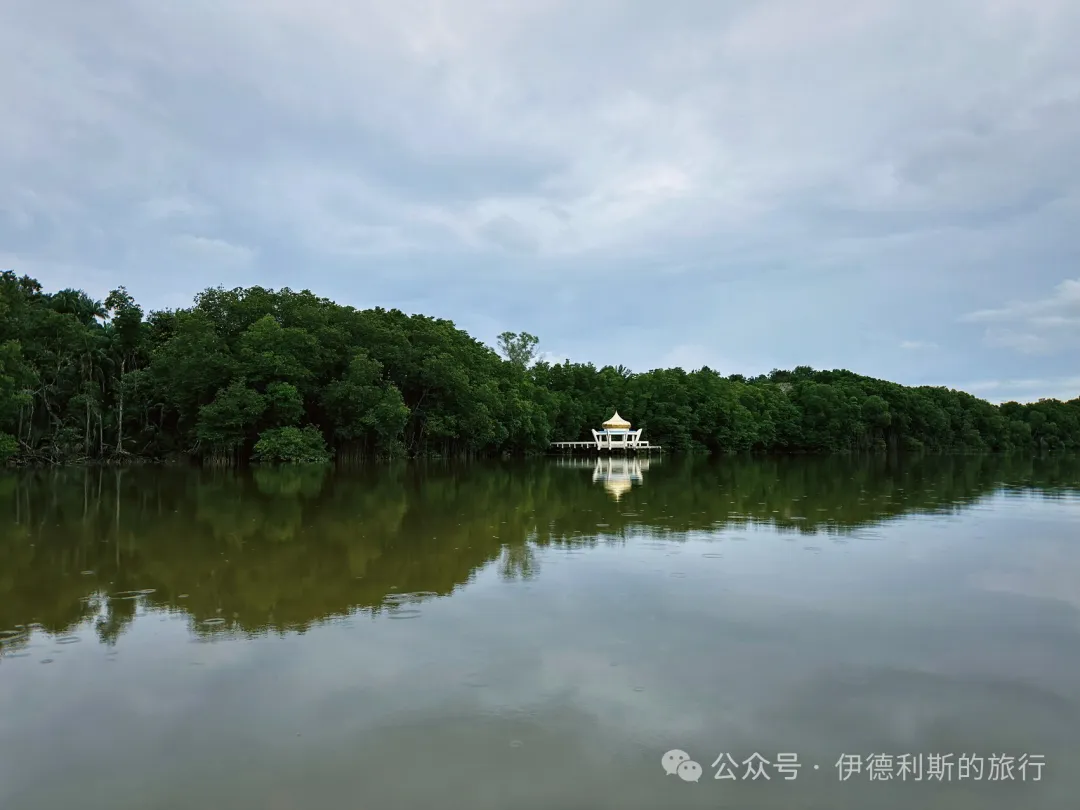
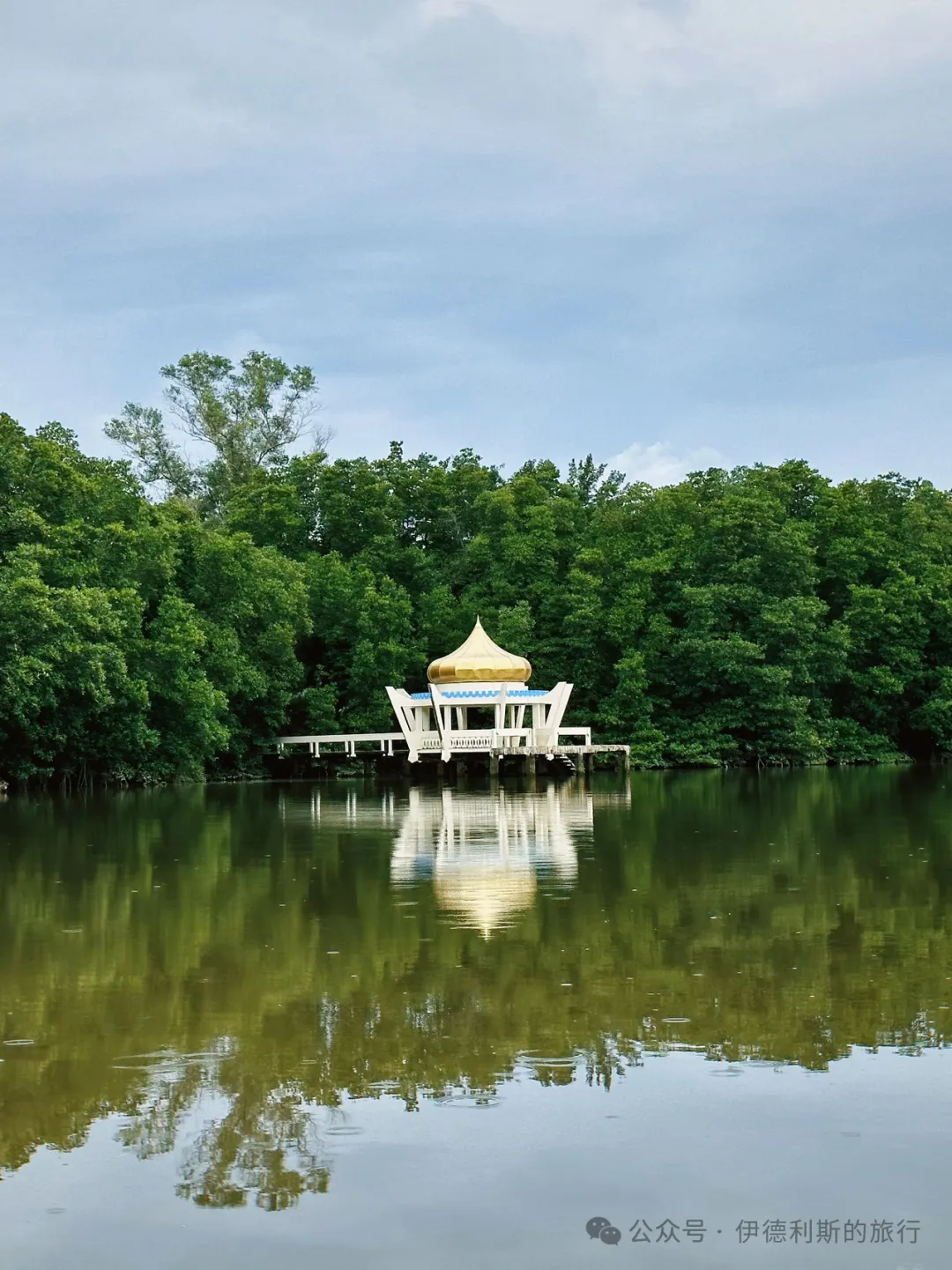
Old Town of Brunei Town
Until the early 20th century, the capital of Brunei was the Kampong Ayer water village along the Brunei River, until British Resident Malcolm MacArthur began guiding residents to settle on land in 1906. In 1910, Chinese immigrants were the first to build shops on the north bank of the Brunei River, and Brunei Town began to take shape. In 1922, the reigning Sultan Muhammad Jamalul Alam II decided to move the palace inland to Brunei Town, a move that encouraged many Water Village residents to accept relocation, leading to rapid urban development.
In 1945, Brunei Town was almost leveled by Allied bombing, followed by large-scale reconstruction in the 1950s and 1960s. After 1963, economic growth from oil and gas led to a rapid increase in Chinese immigrants to Brunei Town, who opened many shops. In 1970, Brunei Town was officially renamed Bandar Seri Begawan.
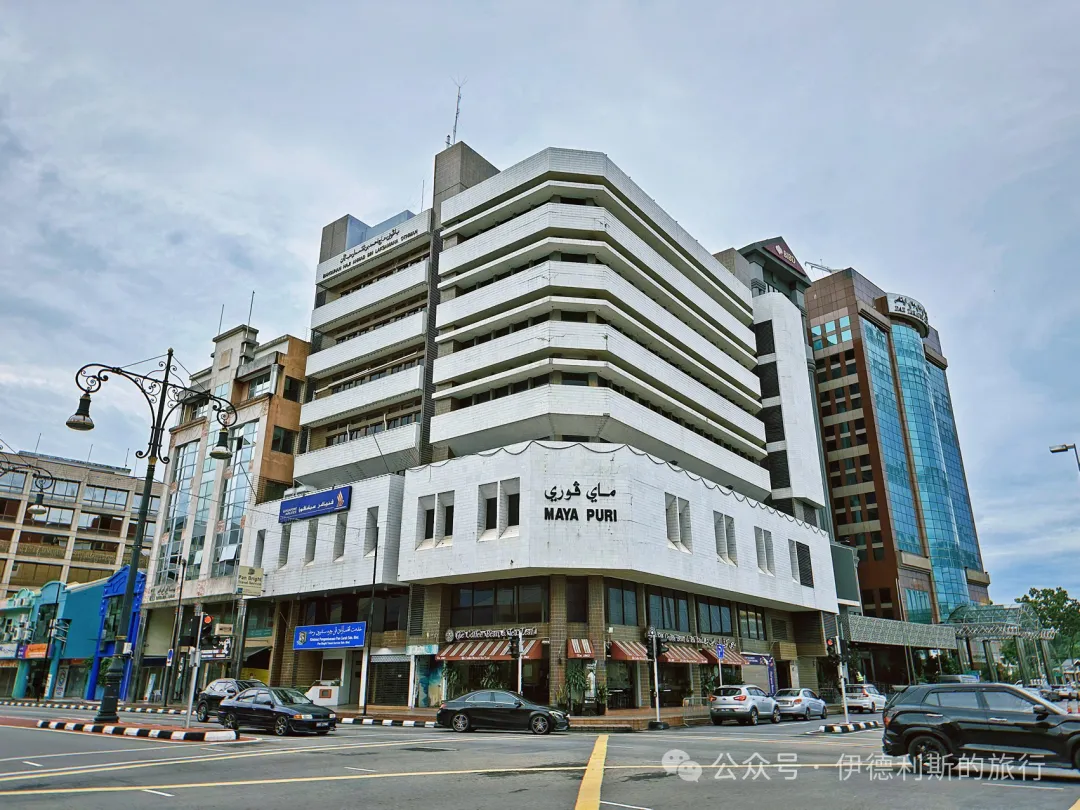
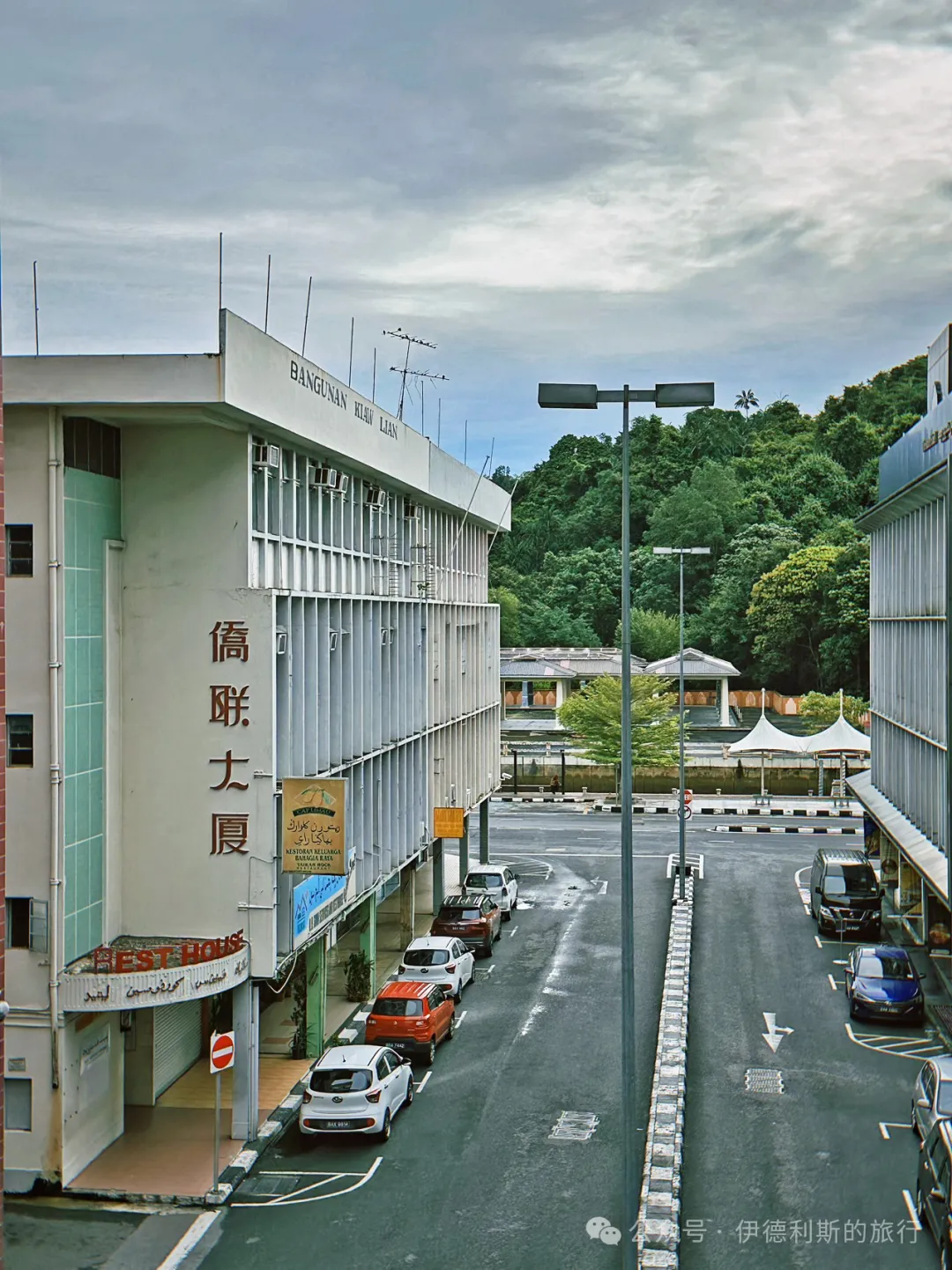
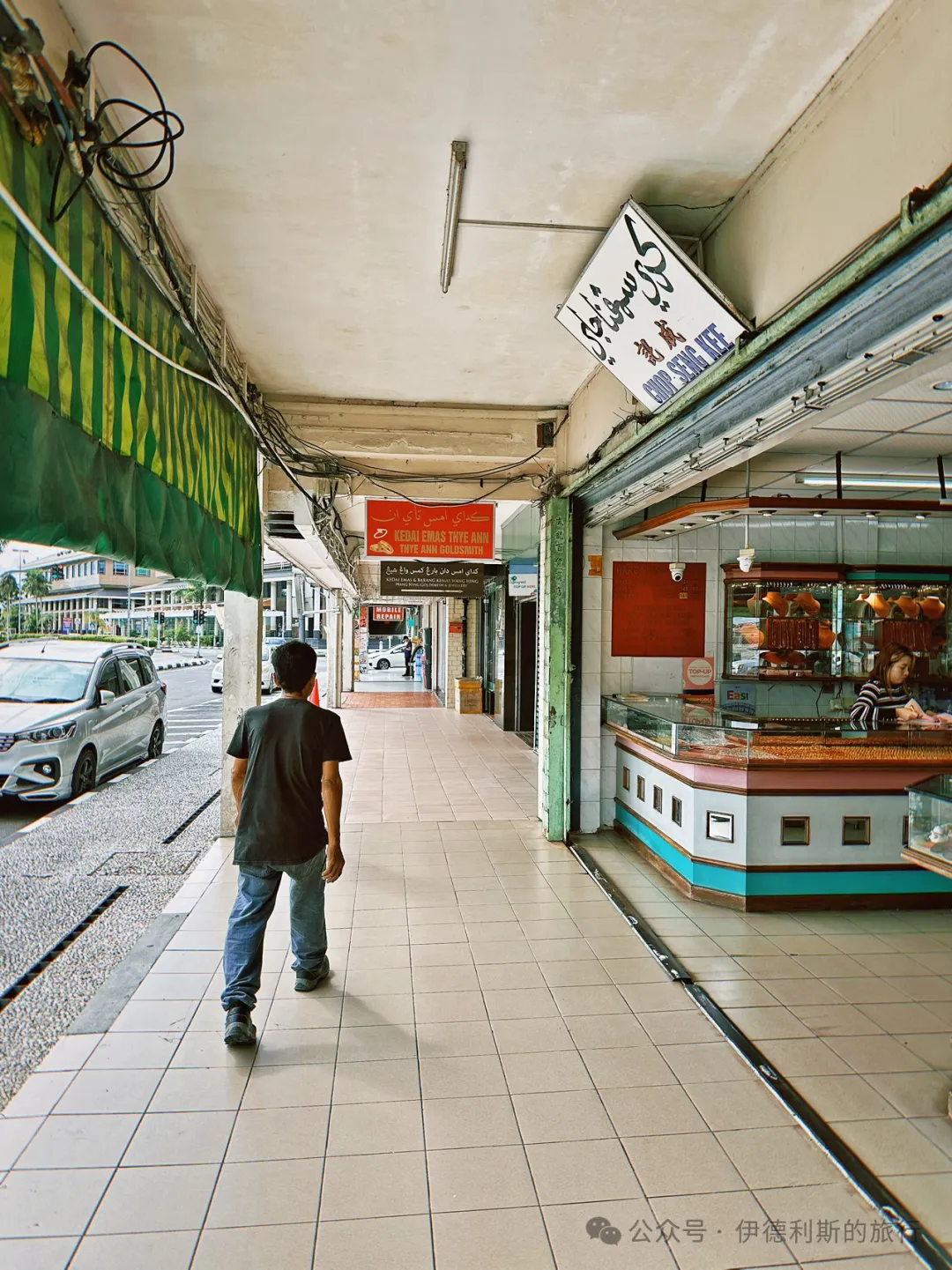
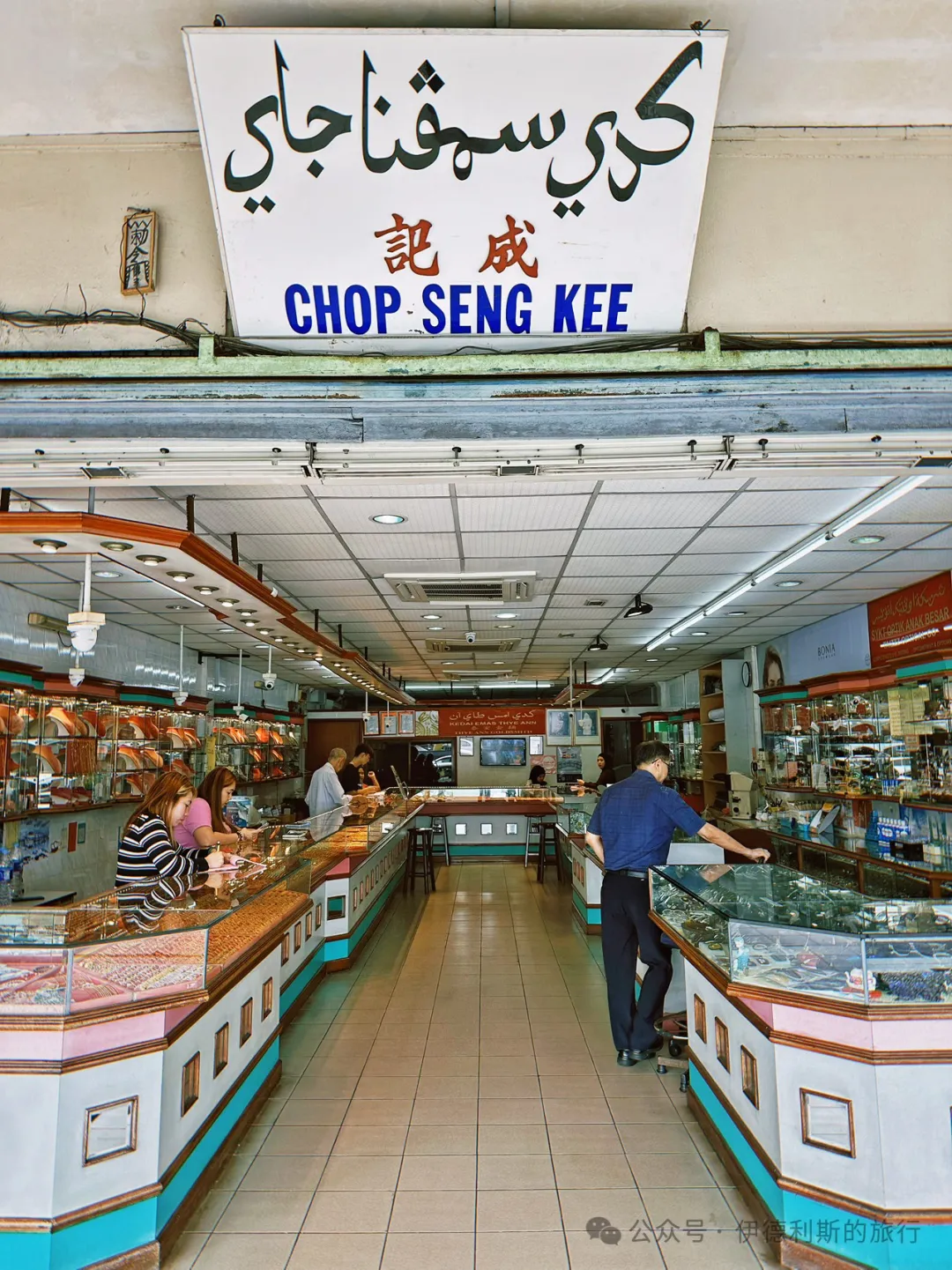
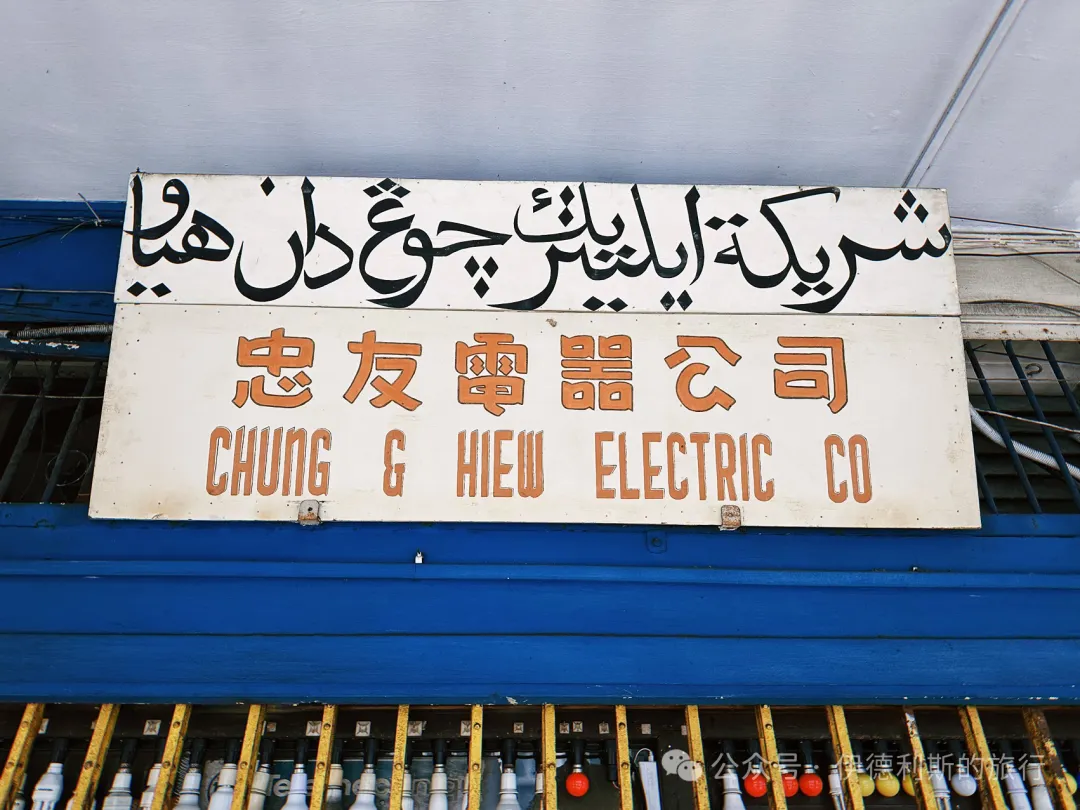
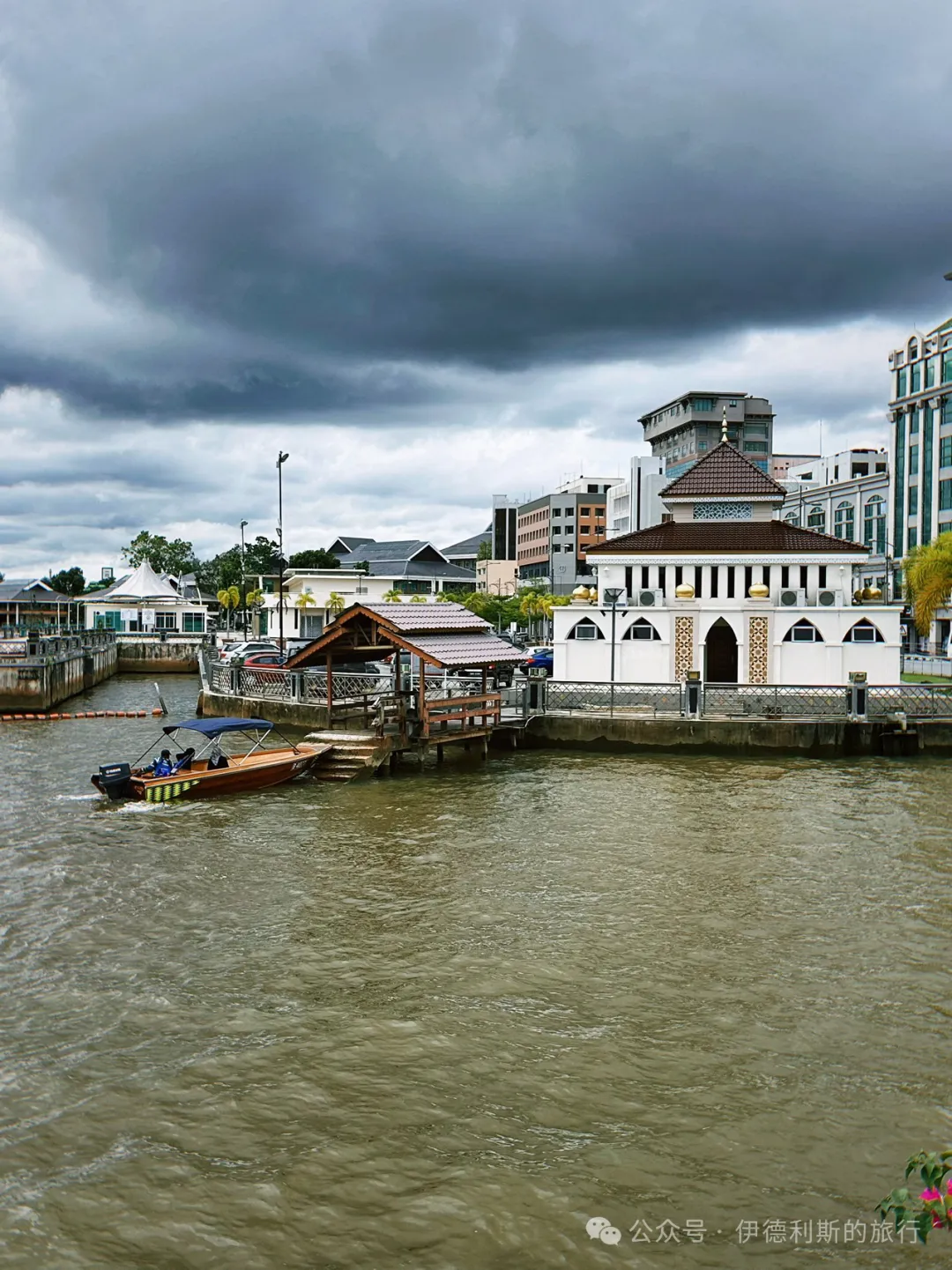
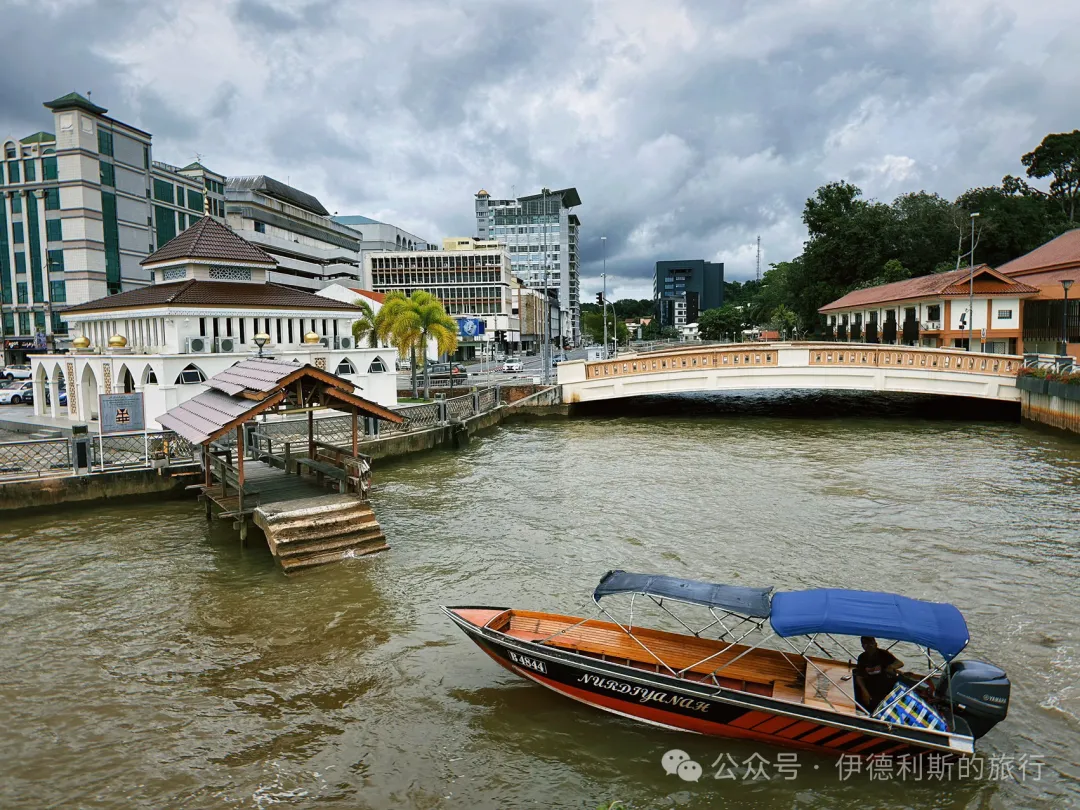
On the east side of the old town is the Sungai Kianggeh River, where Kampong Ayer residents can boat directly to the Kianggeh market to buy various farm produce. This is also one of the relocation points for Water Village residents after they come ashore.
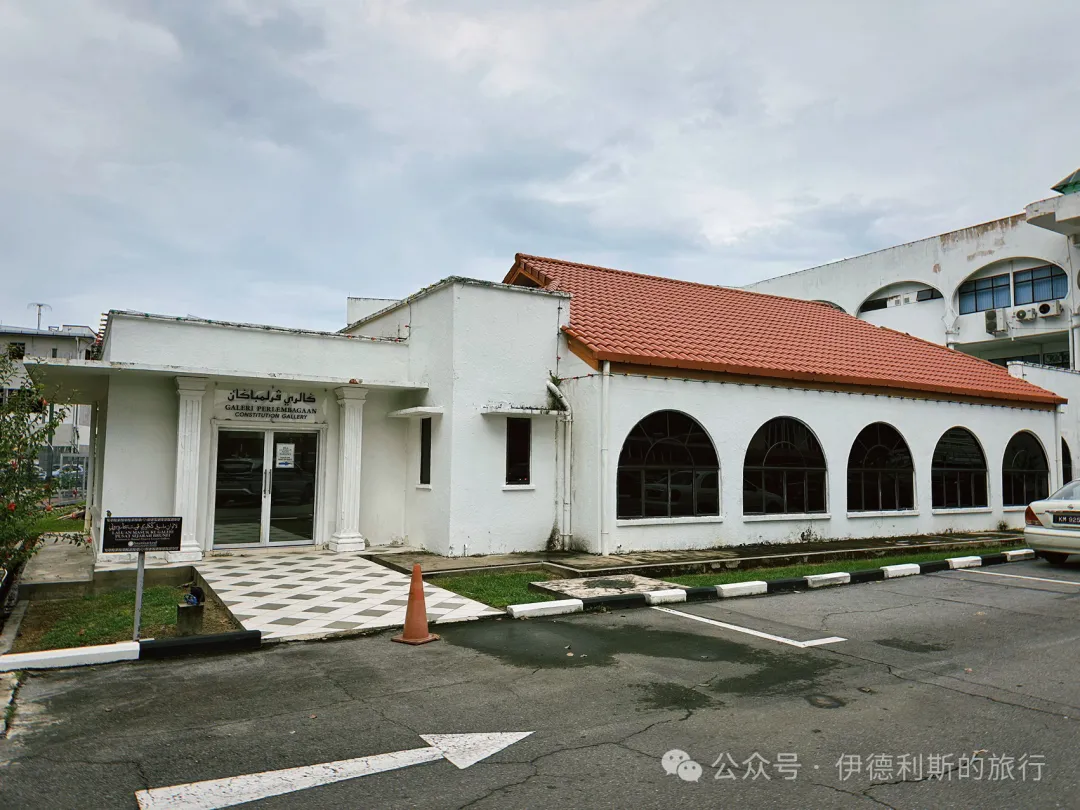
The old Royal Ceremonial Hall (Lapau Lama) in the old town, built in 1950, now displays the scene of the 1959 Brunei Constitution signing, including the original chandeliers, tables, chairs, and the microphone used by the Sultan. Lapau Lama is the oldest concrete building in the old town, with an interior that blends pragmatism and minimalism.
Next to the old Royal Ceremonial Hall is the Royal Regalia Museum, which houses two royal chariots: one used for the Sultan's coronation in 1968 and Queen Elizabeth II's visit in 1972, and another used for the Sultan's 25th anniversary of his coronation in 1992.
Tasek Lama Recreational Park in Brunei
Strolling through Tasek Lama Recreational Park in Brunei, a primeval forest in the city center, is very relaxing by the waterfall. The mountains are full of birds and monkeys, and pitcher plants can be seen everywhere along the road. People in Brunei love jogging in the park, and after finishing, you can buy big, juicy coconuts at the entrance to drink.
Take a speedboat to see proboscis monkeys.
At the Royal Brunei Wharf, you can see many speedboats looking for tourists to take on tours of the water village and to see proboscis monkeys. We asked the price and it was 10 Brunei dollars (53 RMB) per person for a one-hour boat ride, which felt like a pretty good deal.
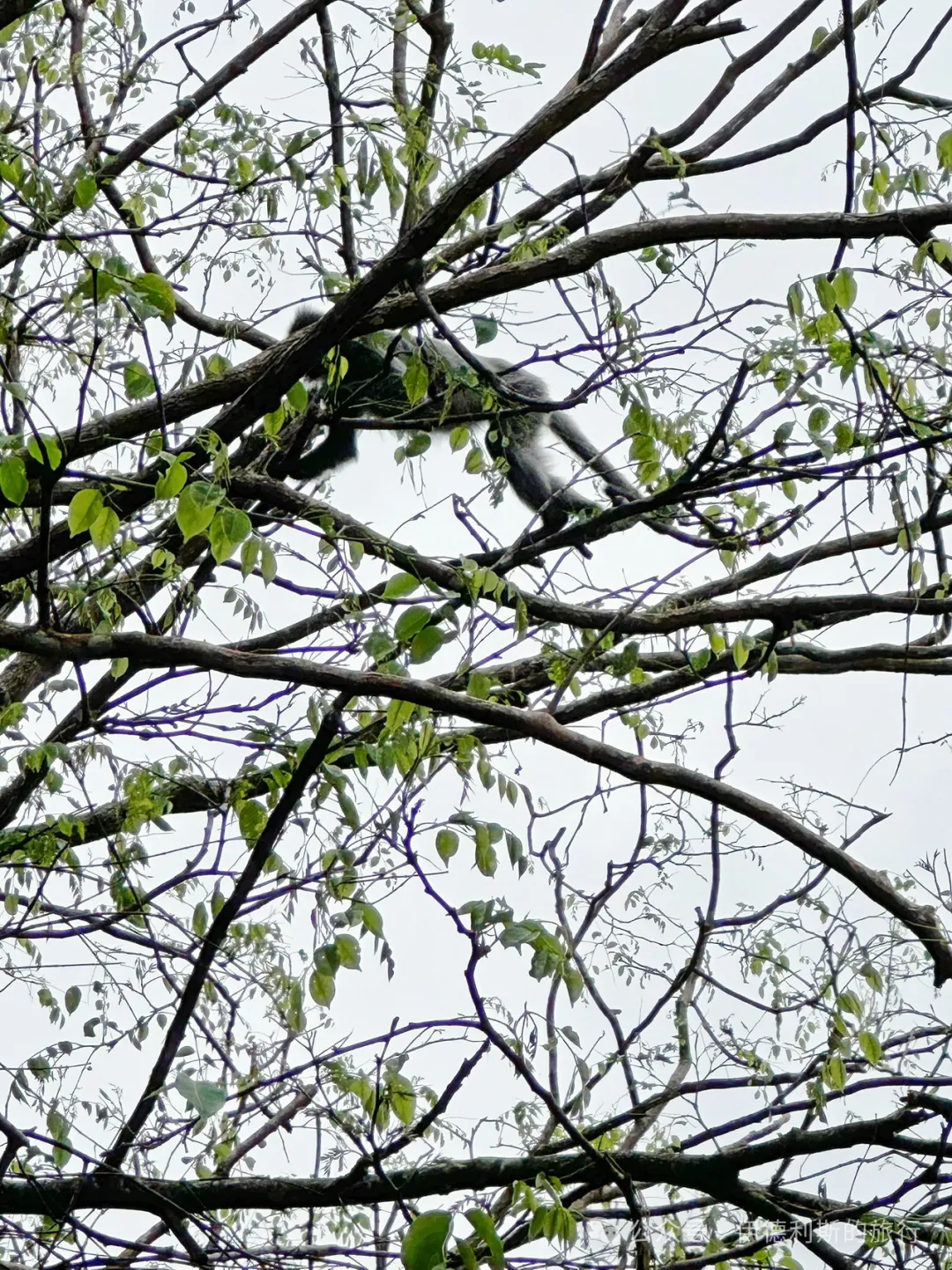
After boarding, we first toured the water village, where you can see a water fire station, a water school, and a water mosque. We also spotted a huge monitor lizard among the mangroves. Then we went to see the proboscis monkeys. We traveled 10 kilometers west along the Brunei River to Luba Island in the middle of the river. The island holds the tomb of the 16th Sultan of Brunei, Hussain Kamaluddin. This is also the best place to watch proboscis monkeys, and we saw a family of them eating leaves by the edge of the mangroves.
Halal Travel Guide: Brunei Part 1 — Mountain Castles, Malay History & Muslim Culture
Articles • ali2007fr posted the article • 0 comments • 230 views • 2026-05-19 23:57
Summary: This first part of the Brunei journey follows historic sites from hilltop fortifications to places tied to Malay royal and Muslim culture. The English version preserves the original route, images, place names, and historical notes from the Chinese source.
Entering Brunei
I took a Royal Brunei Airlines flight from Kuching in the afternoon and arrived in Bandar Seri Begawan, Brunei's capital and only city, in just over an hour. After getting off the plane, follow the crowd to the immigration counters where you will see a row specifically for visa-on-arrival. Staff members will check in advance if you are holding a Chinese passport. When entering, just show your prepared flight itinerary and accommodation booking. You do not need to print the electronic arrival card or health declaration if you have filled them out online. Then, pay the visa fee with a VISA card to complete the entry process.
After clearing immigration, I exchanged some Malaysian Ringgit for Brunei Dollars and installed the SIM card I had bought in advance. I had already installed Dart, Brunei's local ride-hailing app, on my phone. It supports both VISA card and cash payments, and it is quite fast at getting a car. Note that the pickup point for ride-hailing cars is in the side parking lot. Walk from the airport entrance toward the direction of the airport mosque, then follow the canopy until you reach the end to find it.
We stayed at the J Hotel for our first night. The hotel environment is nice, and it is not far from the Gadong Night Market and the Jame' Asr Hassanil Bolkiah Mosque. After checking into the hotel, we walked over to the Jame' Asr Hassanil Bolkiah Mosque.
My first impression of downtown Brunei is that everyone drives everywhere; there are basically no pedestrians on the streets. It feels like the whole city was designed for cars, and there are very few crosswalks. The city has low density and lots of greenery, making it feel like a garden city for cars. Our hotel was only about 300 meters away from the mosque as the crow flies, but it took 15 minutes to walk there. This is because you have to walk along the road for a long time before finding a place to cross, and then you must walk through a parking lot over 200 meters long inside the mosque grounds to reach the main prayer hall.
Brunei's two national mosques
The Jame' Asr Hassanil Bolkiah Mosque is one of Brunei's two national mosques and the largest mosque in the country. The mosque was built by Sultan Hassanal Bolkiah to celebrate his 25th anniversary on the throne and officially opened in 1994. The 29 golden domes of the mosque commemorate the 29th Sultan of Brunei. The five fountains symbolize the five daily prayers and the five pillars of Islam. The mihrab (prayer niche) is decorated with gold-plated tiles. The interior is very magnificent, featuring Persian carpets, Italian marble, and Philippine hardwood.
The night view of the Brunei mosque is more beautiful than during the day. For those who want to take photos, I recommend coming during the times for prayer.
The Jame' Asr Hassanil Bolkiah Mosque during the day. The main prayer hall is connected to the women's prayer hall by a corridor. This is a rare example of an independent women's prayer hall in Southeast Asia, and it is very large. Below the women's prayer hall is the ablution area (shuifang), and it is the only one I have ever visited that uses motion-sensor faucets.
For Friday prayers (Jumu'ah), we went to Brunei's other national mosque, the Sultan Omar Ali Saifuddien Mosque, which is also known as the 'Water Mosque'. Brunei requires all malls and restaurants to close between 12:00 PM and 2:00 PM, so the mosque was packed during Jumu'ah, with the entire main hall full, which was a spectacular sight.
The Water Mosque was built between 1954 and 1958 by the former Sultan of Brunei, Omar Ali Saifuddien III (who reigned from 1950 to 1967), and it is named after him. The main hall features a golden dome in the Mughal Revival style, and the interior uses Italian marble, Shanghai granite, British chandeliers, and Venetian mosaic glass, making it Brunei's most important landmark since its completion.
The minbar (pulpit) at the Water Mosque has two levels; the first is where the muezzin calls the adhan (bangke), and the second is where the imam delivers the khutbah (hutubai). Next to the minbar, there is a staircase leading to the second-floor prayer area reserved for the royal family.
After Jumu'ah, they were handing out boxed meals, mostly to South Asian laborers, and I also went over to get a bottle of water.
The Water Mosque during the times of the morning prayer (shamu) and the afternoon prayer (hufu tan). Both of Brunei's national mosques look better at night than during the day.
The earliest historical relics of Brunei are in China.
The Brunei History Centre has a replica of the 'Tombstone of the King of Boni' from Nanjing, and the full text is on display.
The Tomb of the King of Boni in Nanjing is commonly known as the Ma Huihui Tomb, and it is the burial site of the Bruneian Sultan Mana'naja. In 1405 (the third year of the Yongle reign), Sultan Mana'naja of Boni sent envoys to pay tribute to the Ming Dynasty, and he was granted the title of King of Boni and given many gifts. In 1408 (the sixth year of the Yongle reign), the Sultan led a delegation of over 150 people to Fujian, then traveled to Nanjing to meet the Yongle Emperor, Zhu Di, where he was treated with great honor. A month later, the Sultan suddenly fell ill and passed away at the Huitong Hall in Nanjing. According to the Sultan's final wish to 'have his body buried in China,' the Yongle Emperor ordered that he be buried with royal honors at Shizigang, outside Andemen Gate in Nanjing. After the Qing Dynasty, the tombstone was lost for a time, but the remaining parts were finally found in 1958, though unfortunately, the top of the stone has never been recovered.
The story of Sultan Mana'naja is recorded in the 'History of Ming' (Ming Shi), but it does not appear in Bruneian history books, nor is it in the Bruneian royal genealogy, the 'Salasilah Raja-Raja Brunei'. Bruneian historians believe Sultan Mana'naja is one of the sultans not mentioned in the genealogy.
The original Nanjing tombstone that I photographed a few years ago.
The ancient city in the mountains of Brunei.
I took a taxi from the city center to the ruins of the Brunei Sultanate palace hidden in the tropical rainforest, the Kota Batu Archaeological Park (Taman Arkeologi Kota Batu), which is also Brunei's most important archaeological site.
Kota Batu is believed to have been the capital of the Brunei Sultanate from the 14th to the 17th century. It was once an important trade port in Southeast Asia and the central city of northern Borneo. In 1521, Italian explorer Antonio Pigafetta arrived in Brunei with Magellan's fleet. He recorded: 'This city is built entirely on the sea, with 25,000 households, excluding the homes of the Sultan and certain heads of state.' A civil war in the Brunei Sultanate between 1660 and 1673 led to the abandonment of Kota Batu. The Sultan of Brunei moved his palace to the water village of Kampong Ayer on the upper Brunei River.
Kota Batu means 'stone castle.' It is a rare site of stone architecture in Brunei. British naturalist and Sarawak Museum curator Tom Harrisson led the first archaeological excavations at Kota Batu from 1952 to 1953. He found many Chinese coins from the Tang, Song, and Ming dynasties, as well as Arabic coins, glassware, ironware, bronze, wooden tools, stone carvings, and ceramics from Siam, Indochina, and Song and Ming dynasty China.
During excavations in 1986 and 1987, a square stone building measuring 25.8 meters by 25.4 meters was discovered. It contained 36 stone column bases, tombstone remains, and Ming dynasty porcelain shards. It is believed the building was constructed in the 15th century. Because the column bases are in three layers, the building likely had a three-tiered pyramid roof structure similar to traditional mosques in Malacca. Although early palace buildings in the Brunei Sultanate were made of wood and left few traces, the coins and pottery found at Kota Batu suggest the Sultan's palace was likely near this site.
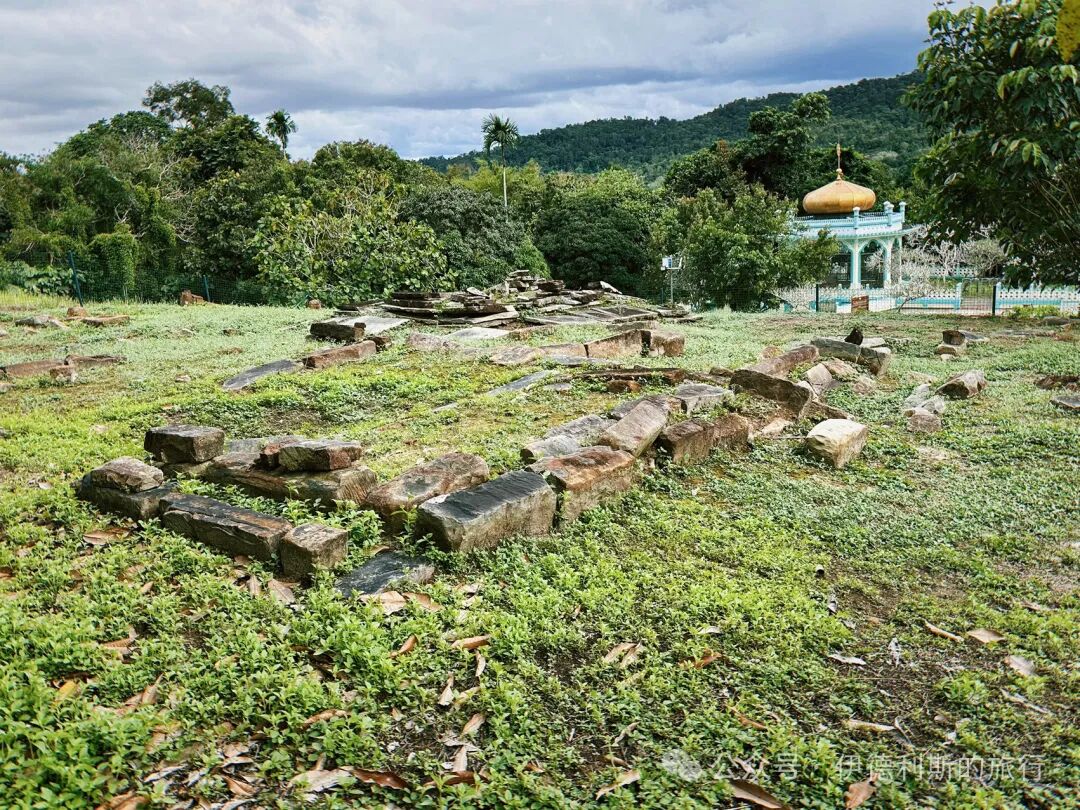
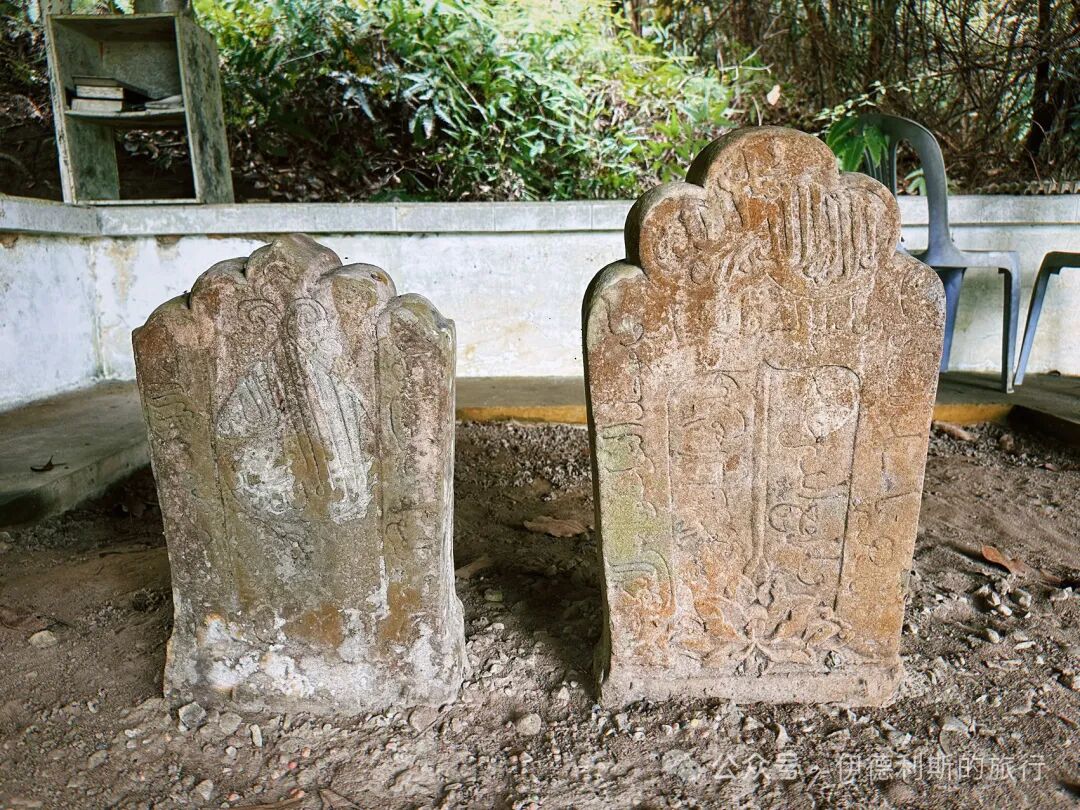
Next to the site are nine graves of Brunei nobles from the 15th and 16th centuries. The tombstones were all imported, likely from China.
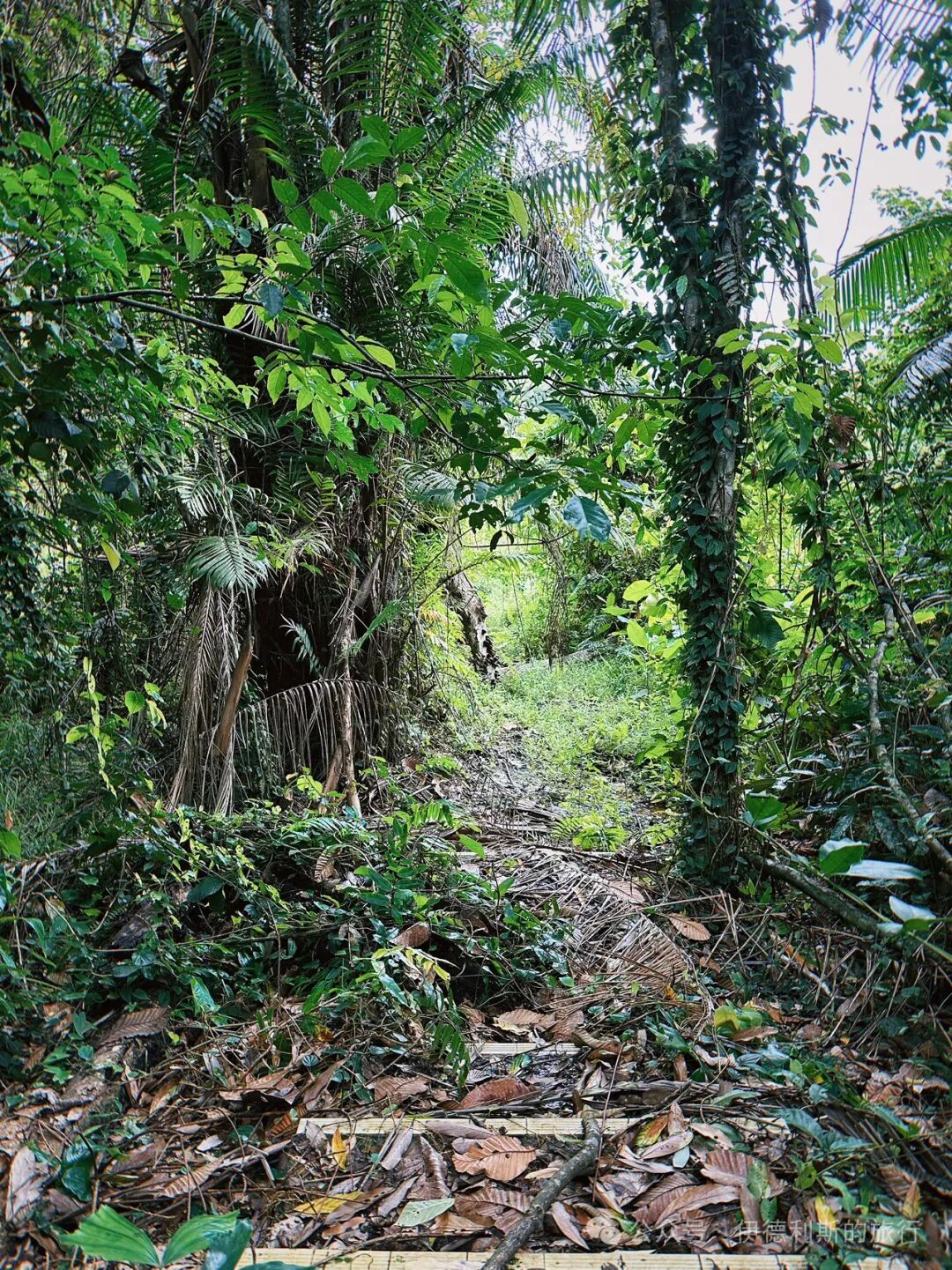
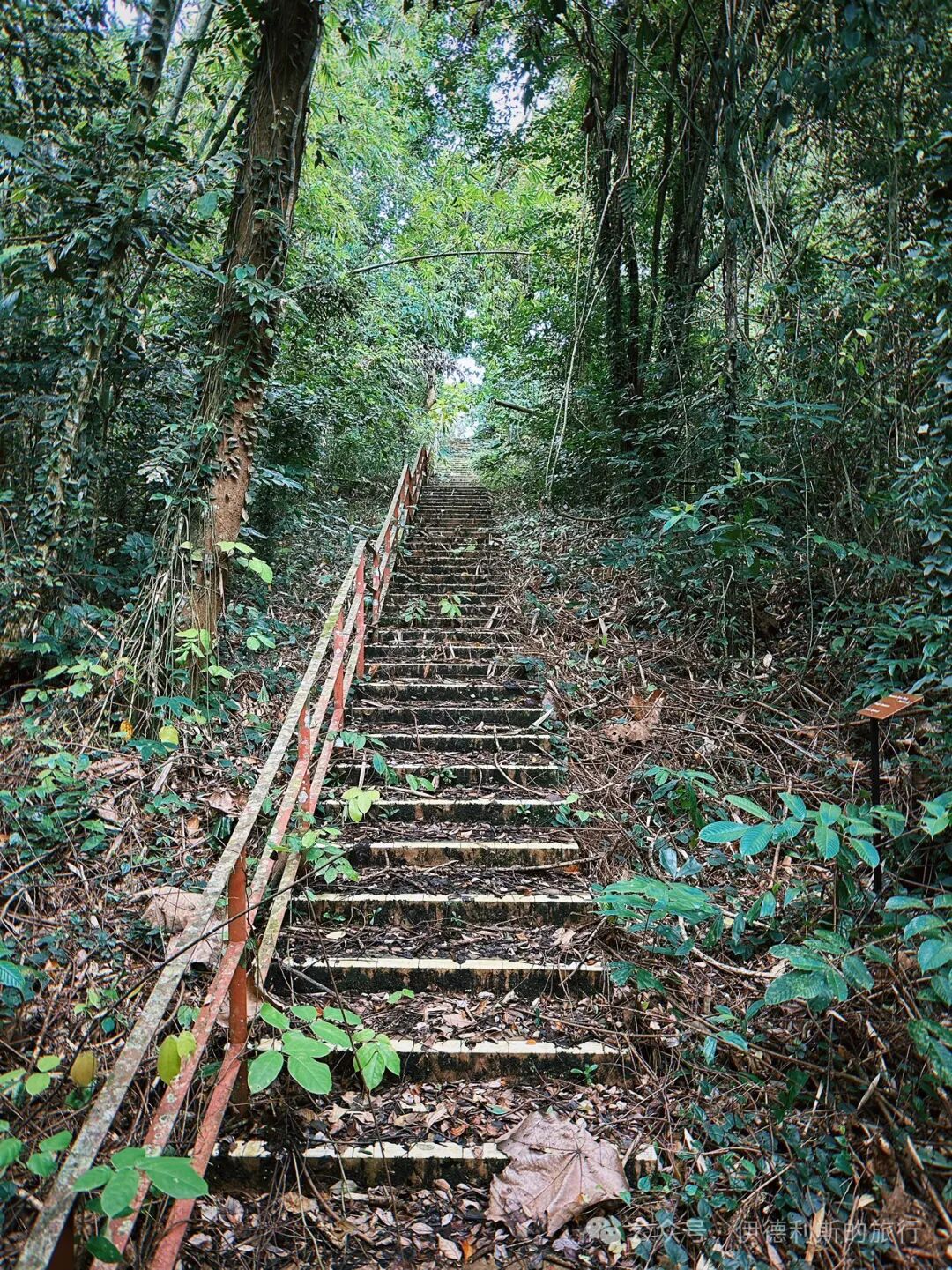
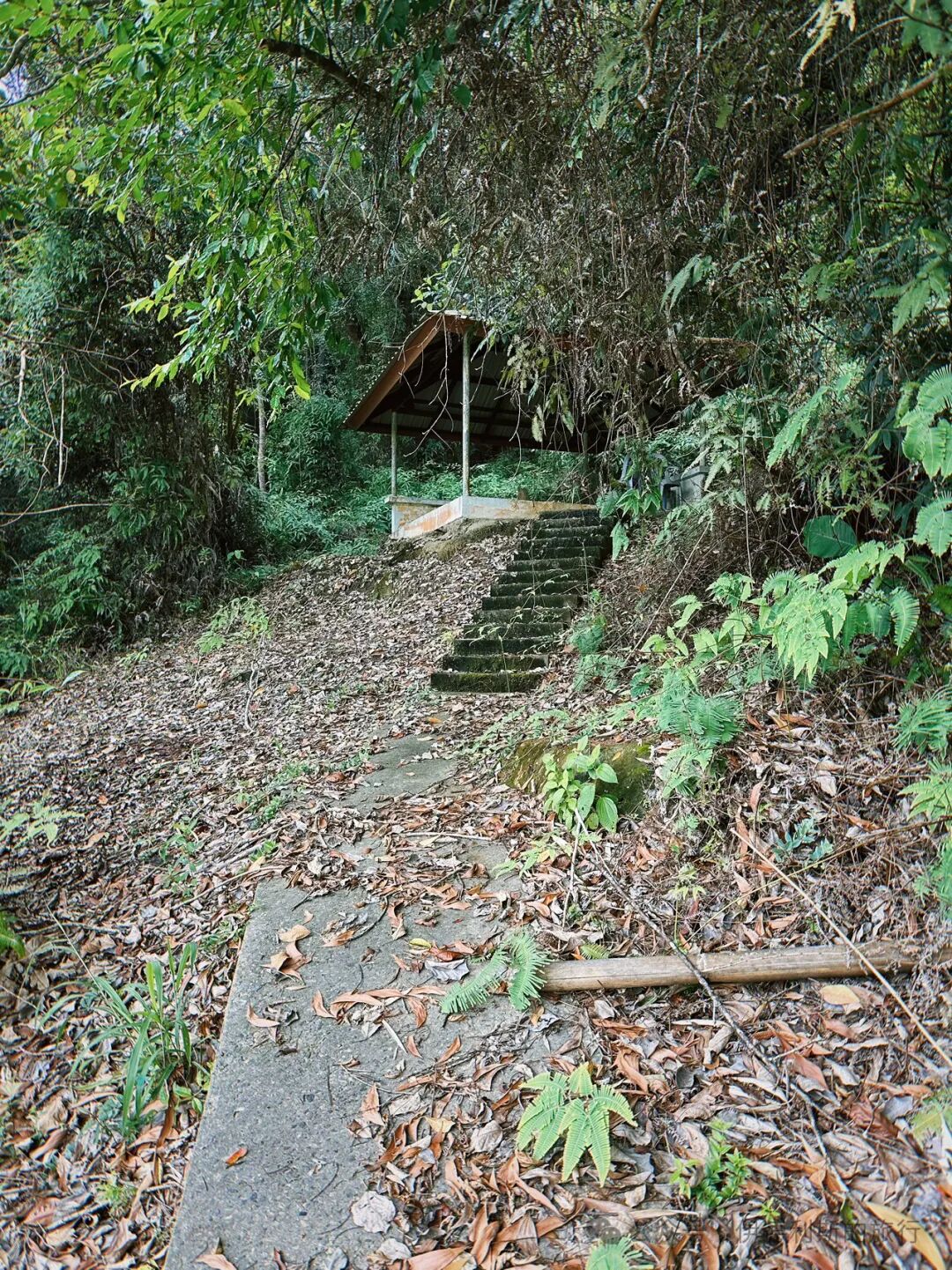
The paths in Kota Batu Archaeological Park feel like a primitive forest. There were no other tourists, and the mountain trails were often covered by fallen leaves and hidden from view. It is hard to imagine that this was once the capital of Brunei.
Tomb of the Third Sultan of Brunei
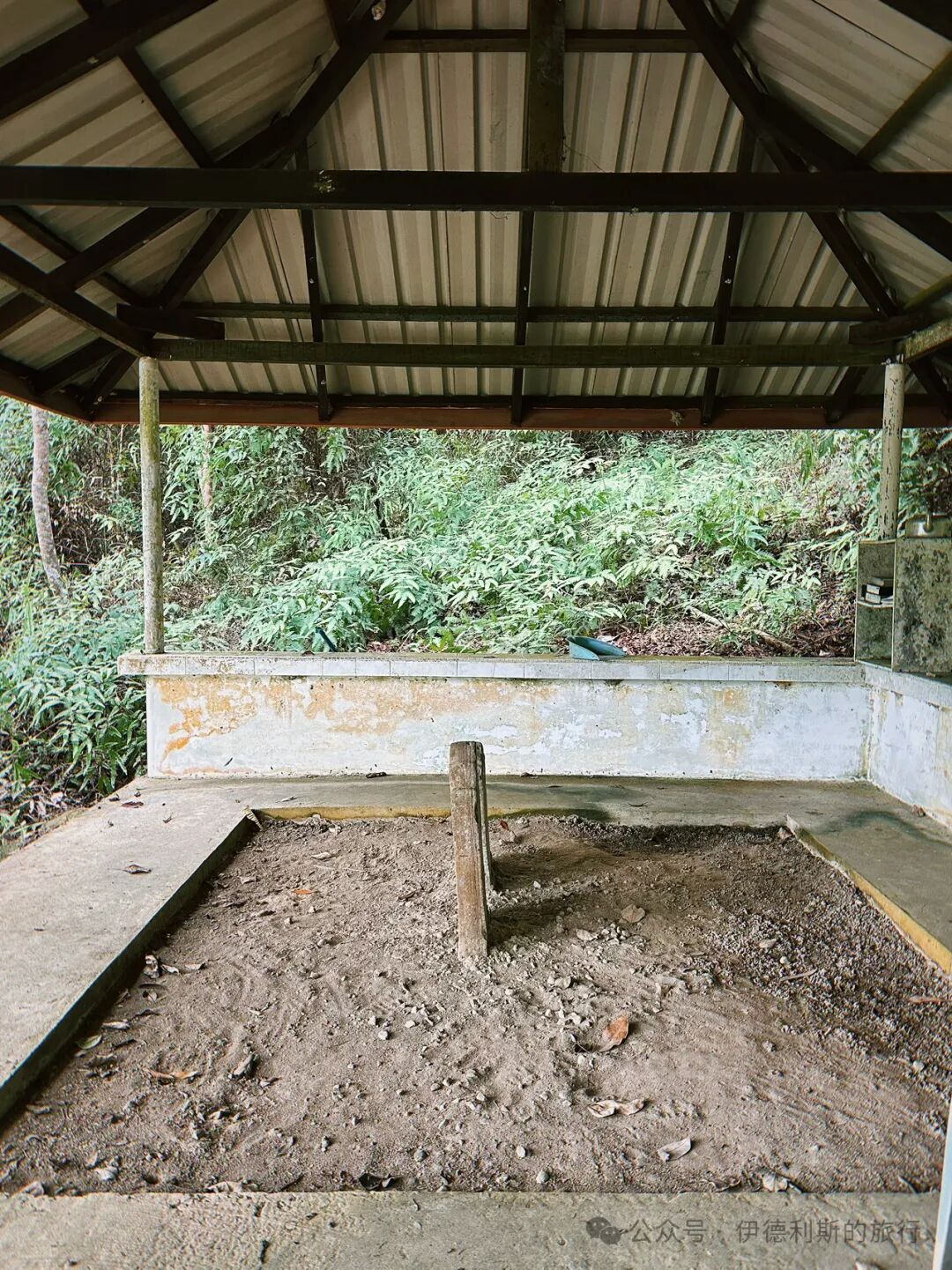
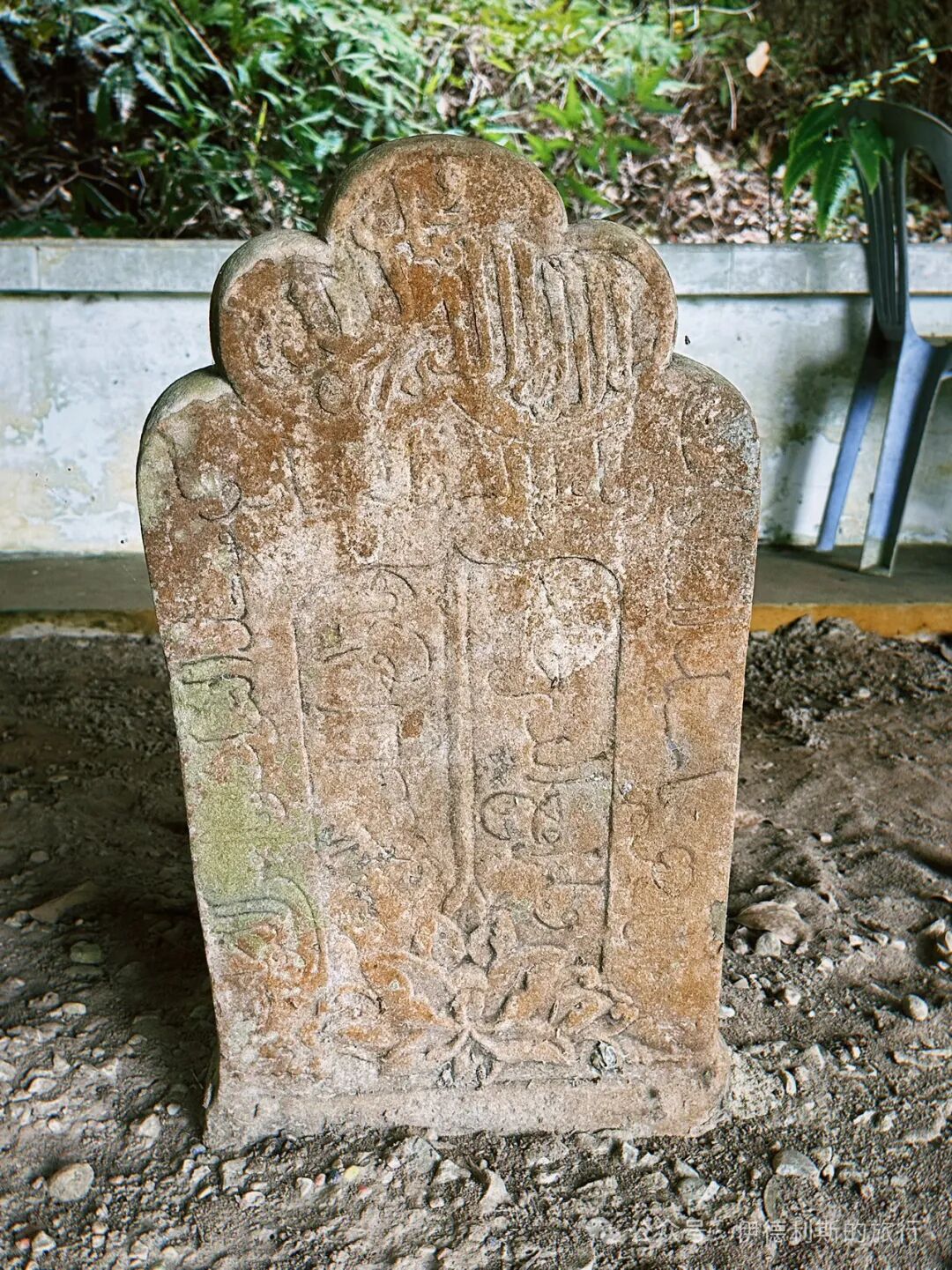
The Kota Batu Archaeological Park contains the tomb of Sharif Ali, the third Sultan of Brunei.
Sultan Sharif Ali (reigned 1425–1432) was originally a missionary from the ancient Saudi city of Taif and a descendant of the Prophet's grandson, Hasan ibn Ali. He arrived in Brunei to preach in 1395 and earned the respect of the Sultan and the people. He married the daughter of Sultan Ahmad around 1400 and inherited the throne after the old Sultan passed away in 1425. This is how the Brunei Sultanate gained its lineage from the Prophet.
Sultan Sharif Ali worked to spread Islamic law while keeping local customs that did not conflict with the faith. During his reign, Brunei officially transitioned from a Hindu-Buddhist cultural zone into a part of Islamic civilization. He built the first mosque in Brunei, designed the national flag, and established the title 'Darussalam' for Brunei. It is believed that he may have also built the stone castle at Kota Batu.
North of Sultan Sharif Ali's tomb is the grave of Syarif Adam, another sage who came to Brunei with the Sultan to preach. Together, they spread the influence of the faith from Brunei to the Sulu Archipelago and Mindanao in the southern Philippines. According to his tombstone, Syarif Adam passed away in 1454.
Tomb of the Brunei Princess
In the center of the old town of Brunei, there is the tomb of Raja Ayang. Legend says Raja Ayang was a royal family member during the reign of Sultan Sulaiman (reigned 1432-1485) of Brunei in the 15th century. Some research suggests she might be Rokayah, the daughter of Sultan Abdul Majid Hassan who passed away in Nanjing.
People say Raja Ayang had an affair with her own brother. Sultan Sulaiman punished them by locking them in a small, man-made cave that only had one air vent connecting to the outside. The Sultan provided them with enough food to live inside the cave. If no cooking smoke rose from the air vent, it meant they had passed away. Later, people built the tomb of Raja Ayang next to the small hill.
The small hill of Raja Ayang's tomb lasted until the 1950s. It was torn down to build a nearby post office and radio station, but the tomb itself was preserved. The inscription is blurry from years of people lighting candles for dua, but you can still see verses and the year 859 in the Islamic calendar (1454 AD), which is likely the date Raja Ayang passed away.
Tomb of the Fifth Sultan of Brunei
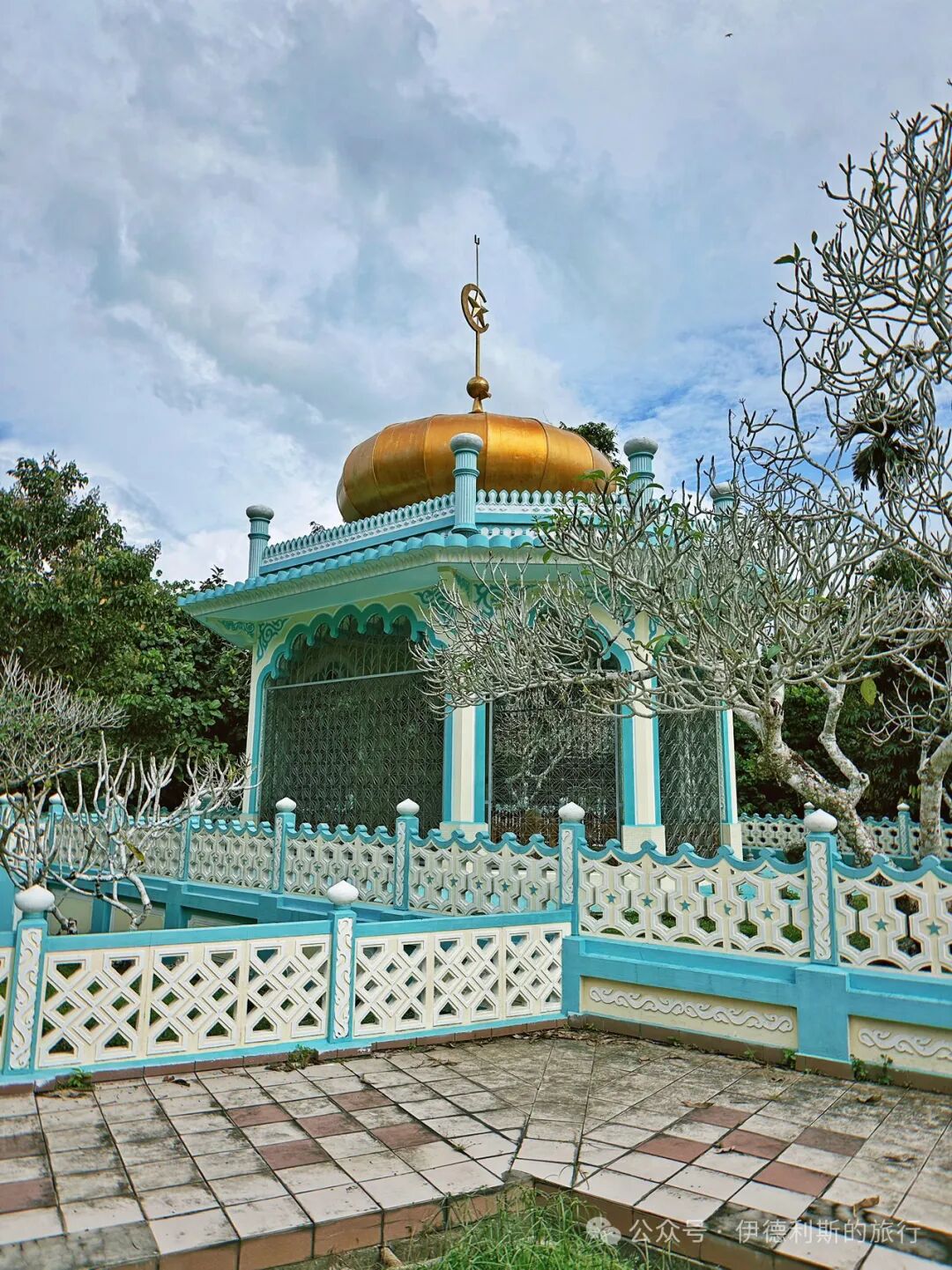
South of the Kota Batu Site 1 is the tomb of Sultan Bolkiah (reigned 1485-1524), the fifth Sultan of Brunei. His reign is known as the Golden Age of Brunei history, when the Sultanate of Brunei held power over Borneo and the southern Philippines.
When Ferdinand Magellan's fleet arrived in Brunei in 1521, they witnessed the power of Brunei under Sultan Bolkiah. When they reached the palace, they were shocked by his wealth. A hall reached by wide steps was crowded with courtiers wearing elegant clothes. Through the corridor was a slightly raised room decorated with luxurious silk and brocade curtains, bathed in natural light from wide windows. Three hundred of the Sultan's warriors stood guard there with their daggers drawn. A little further on was a smaller but equally beautiful room, where the muscular forty-year-old monarch sat on a large mat chewing betel nut with his young son beside him.
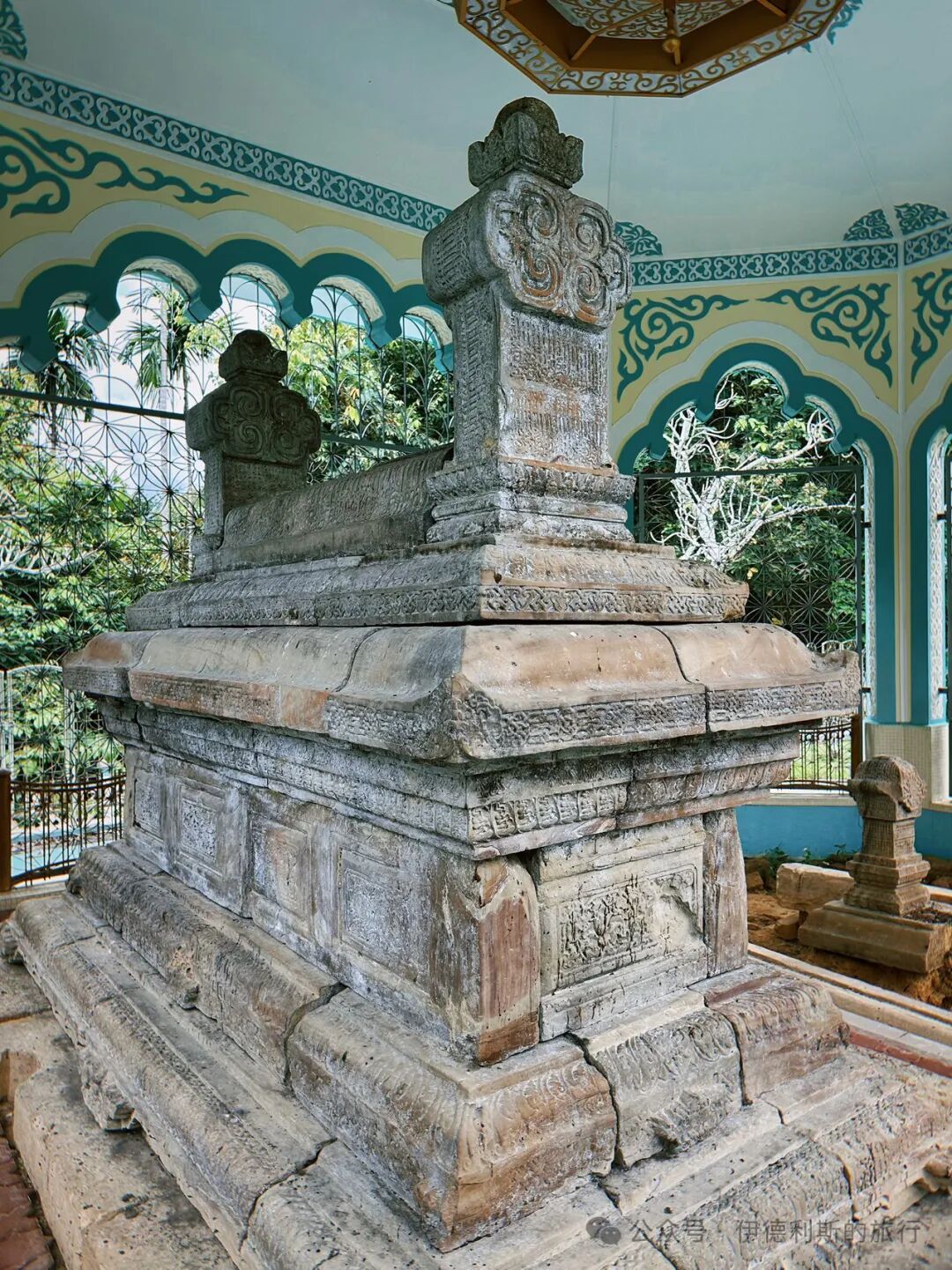
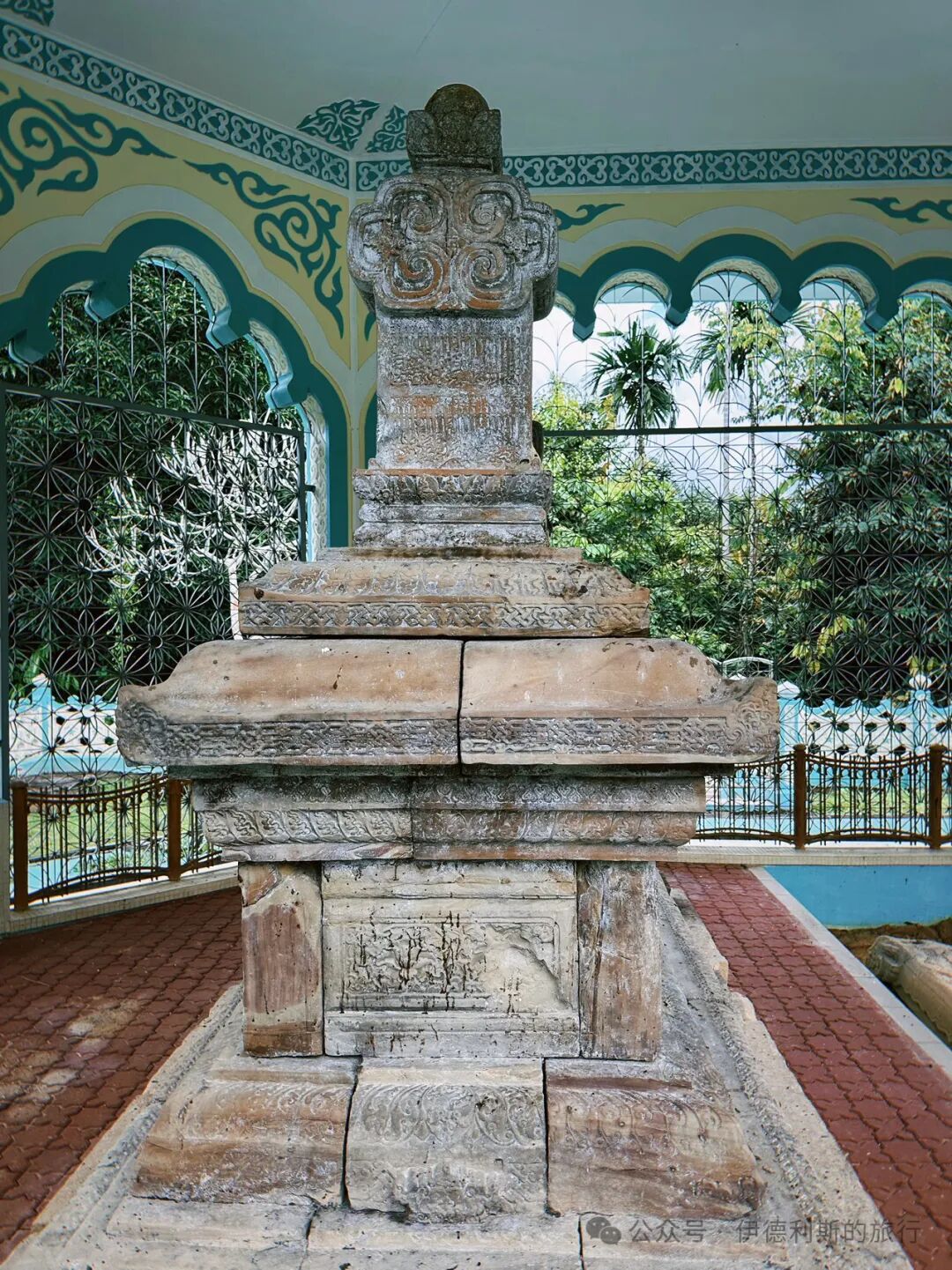
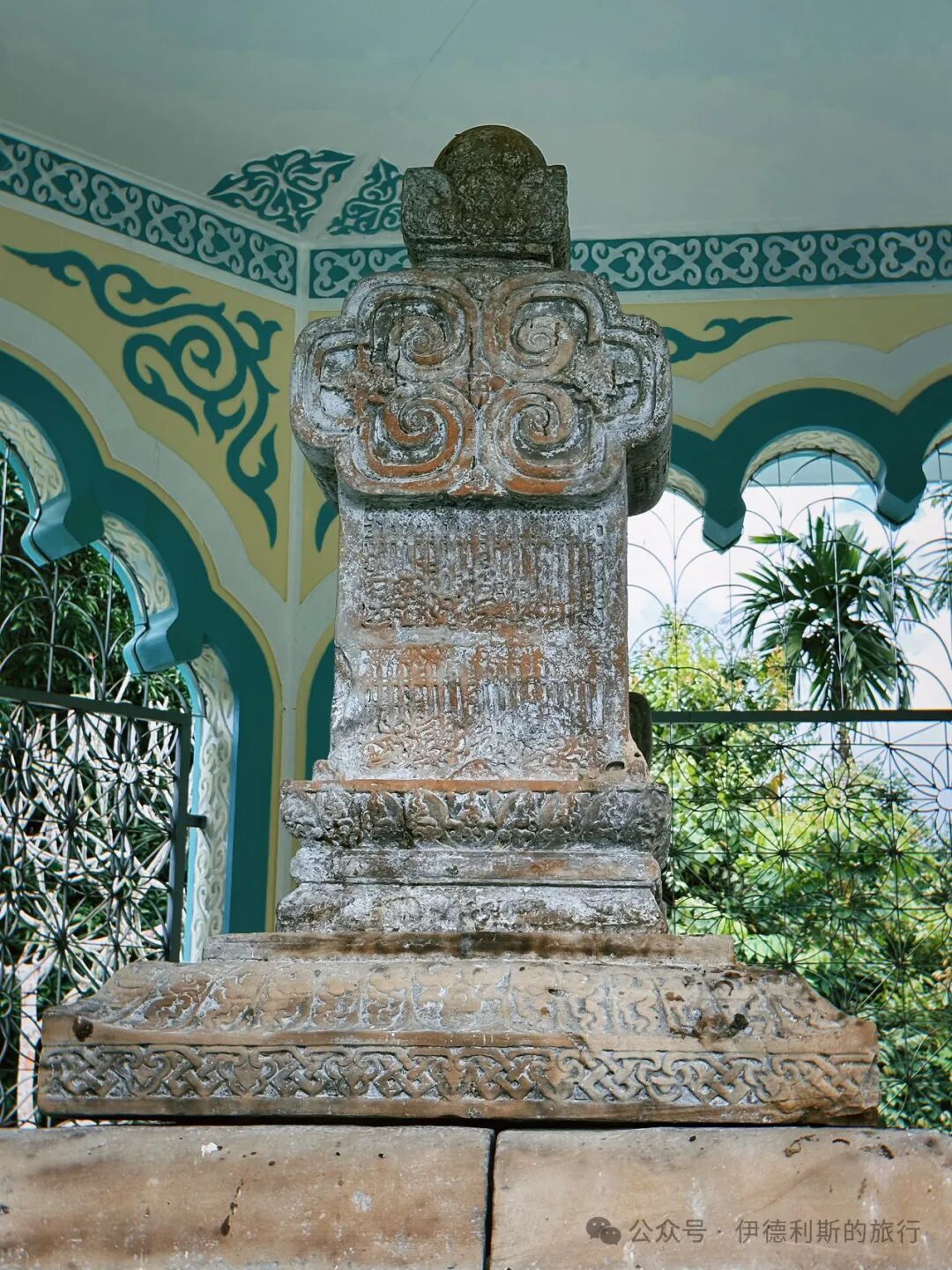
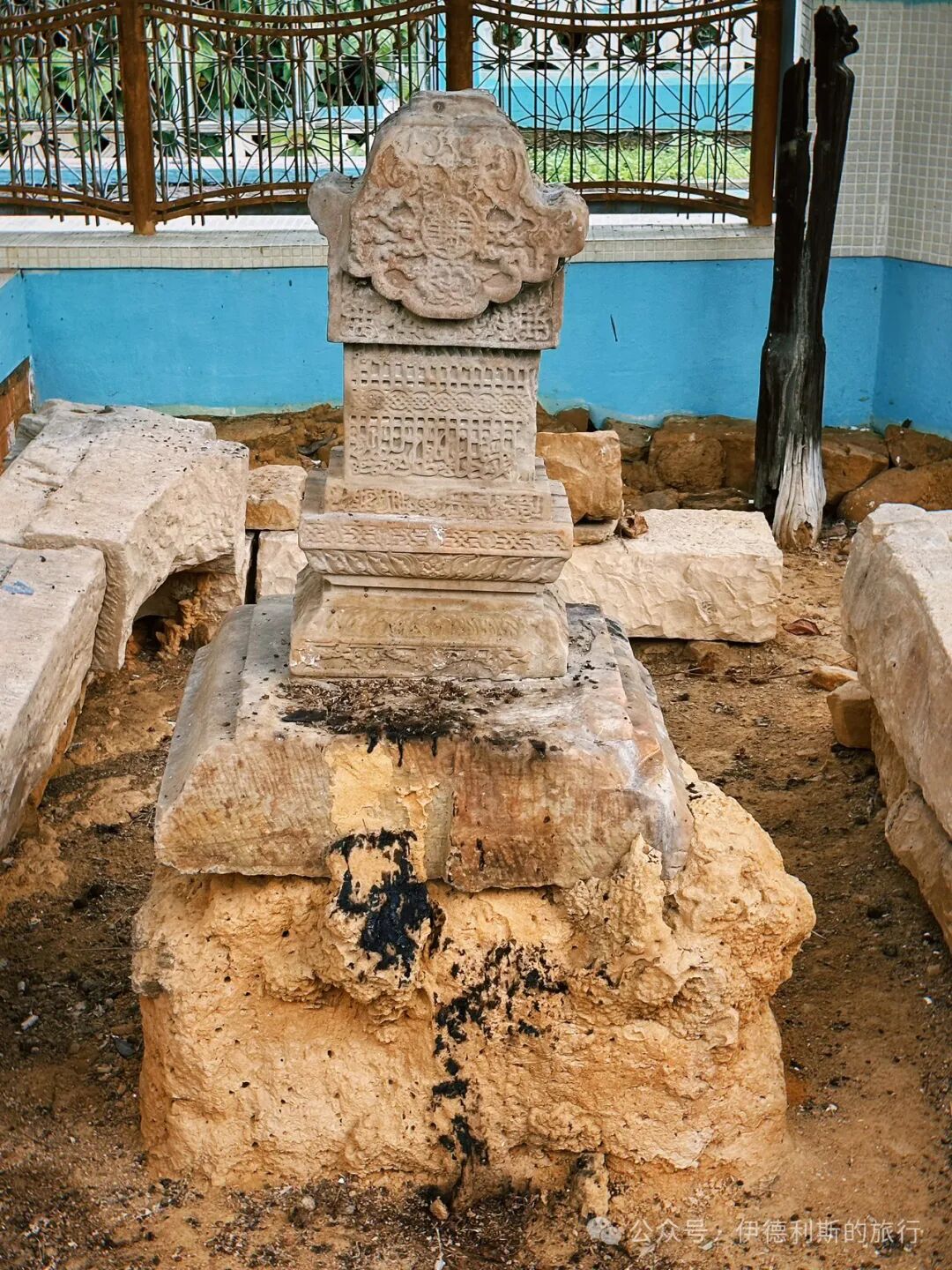
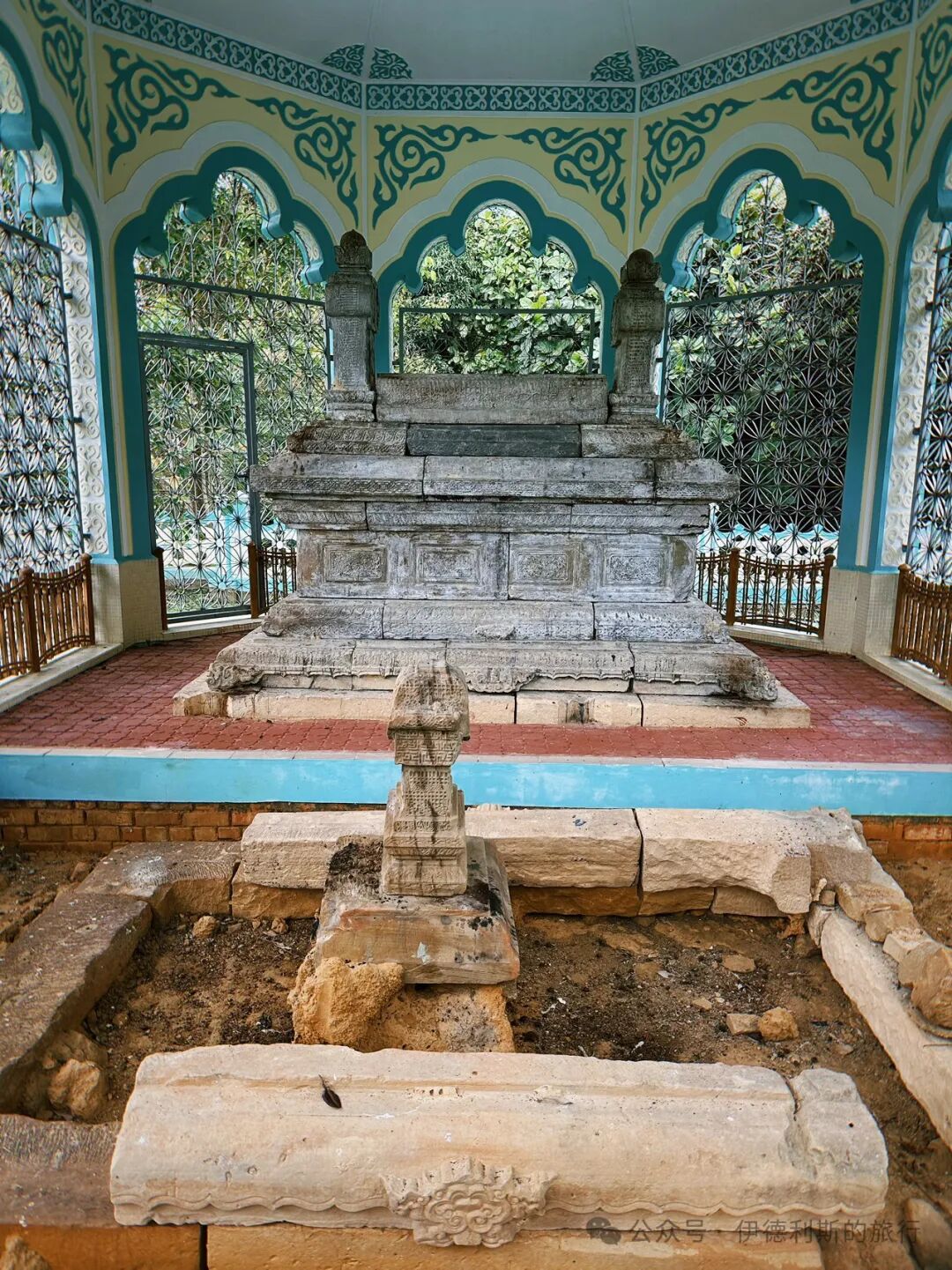
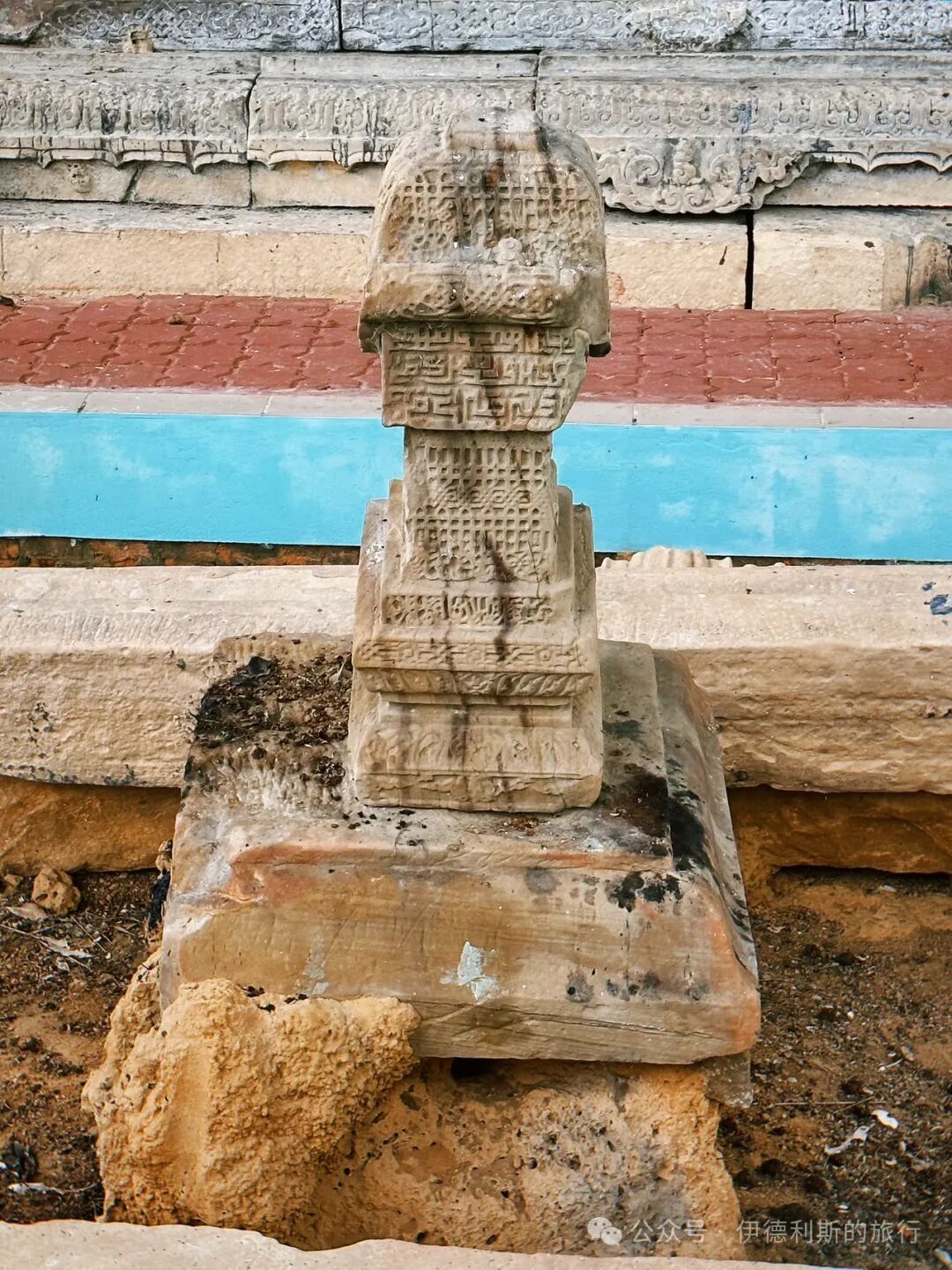
The tomb of Sultan Bolkiah is tall, majestic, and finely carved. The tombstone consists of eight layers, but only the bottom layer is original. One of the upper stones commemorates Sultan Muhammad Ali, and another commemorates Sultan Abdul Mubin, likely made in the late 17th century. The middle slab records that Sultan Bolkiah passed away on July 17, 1524, and was likely carved in modern times.
Next to the tomb of Sultan Bolkiah is the tomb of his wife.
Kampong Ayer Water Village
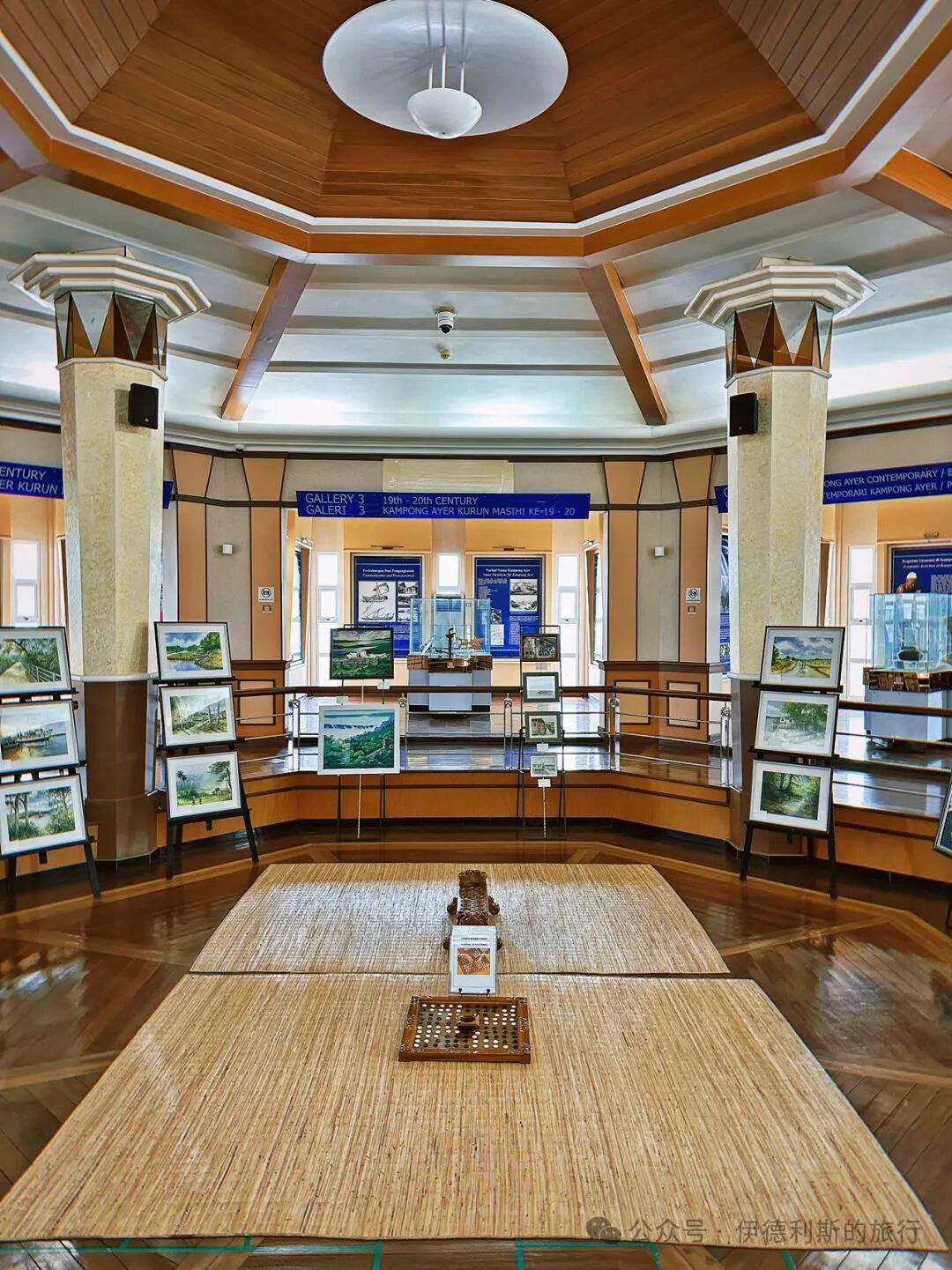
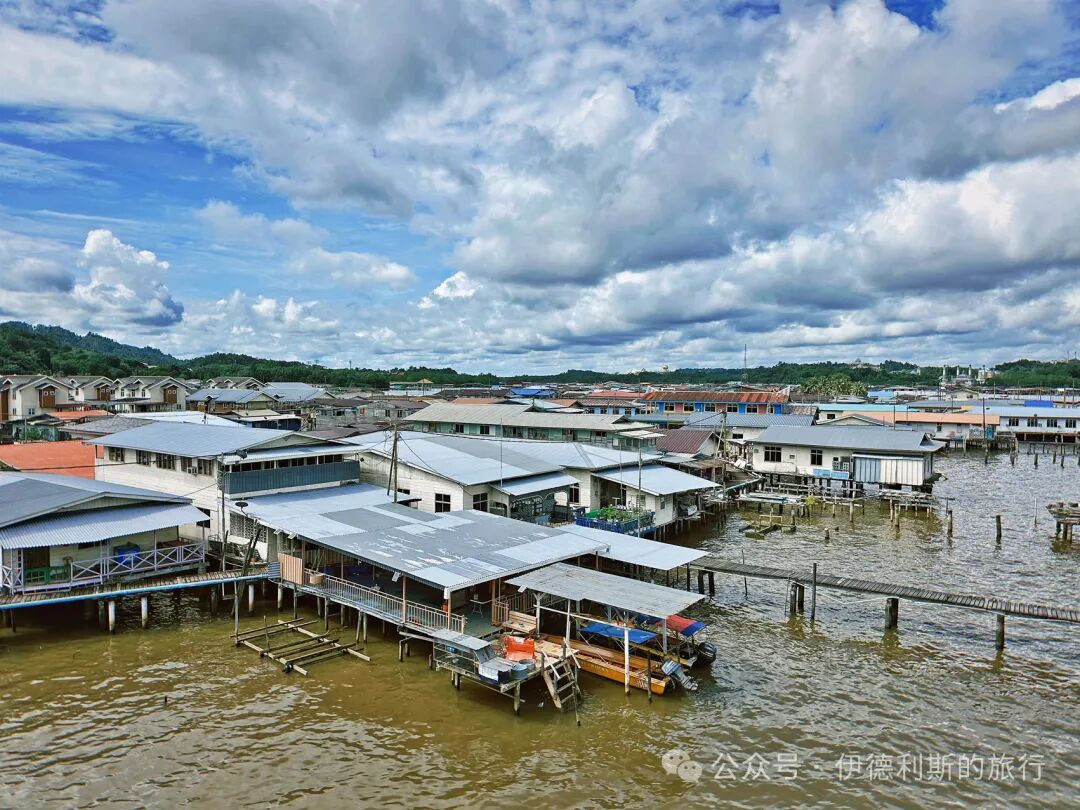
We took a speedboat from the pier on the Brunei River and reached Kampong Ayer on the other side for 1 Brunei dollar each. We first visited the Kampong Ayer Cultural and Tourism Gallery, which has information about the water village, and there is an observation deck next to it for a panoramic view of the village.
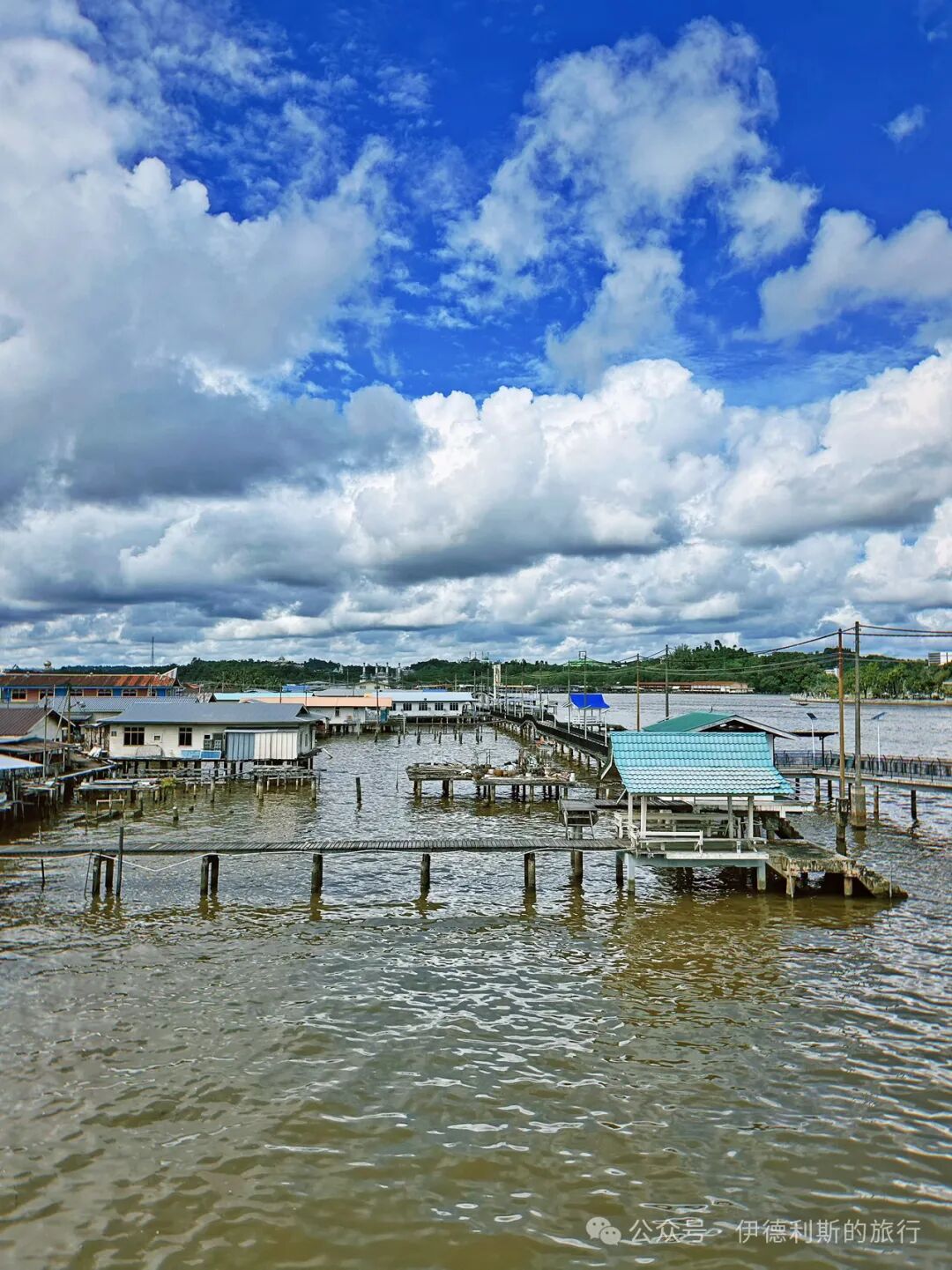
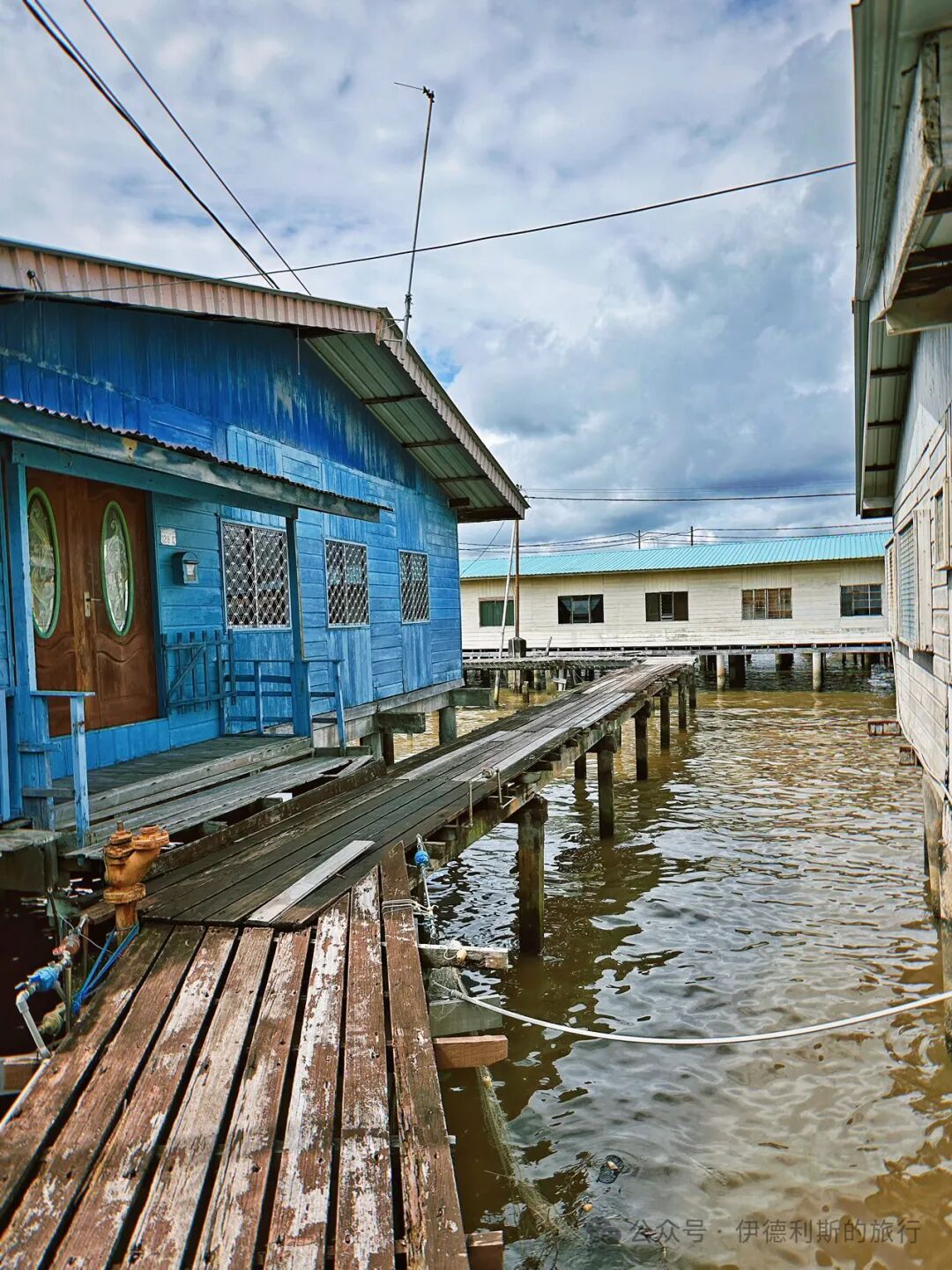
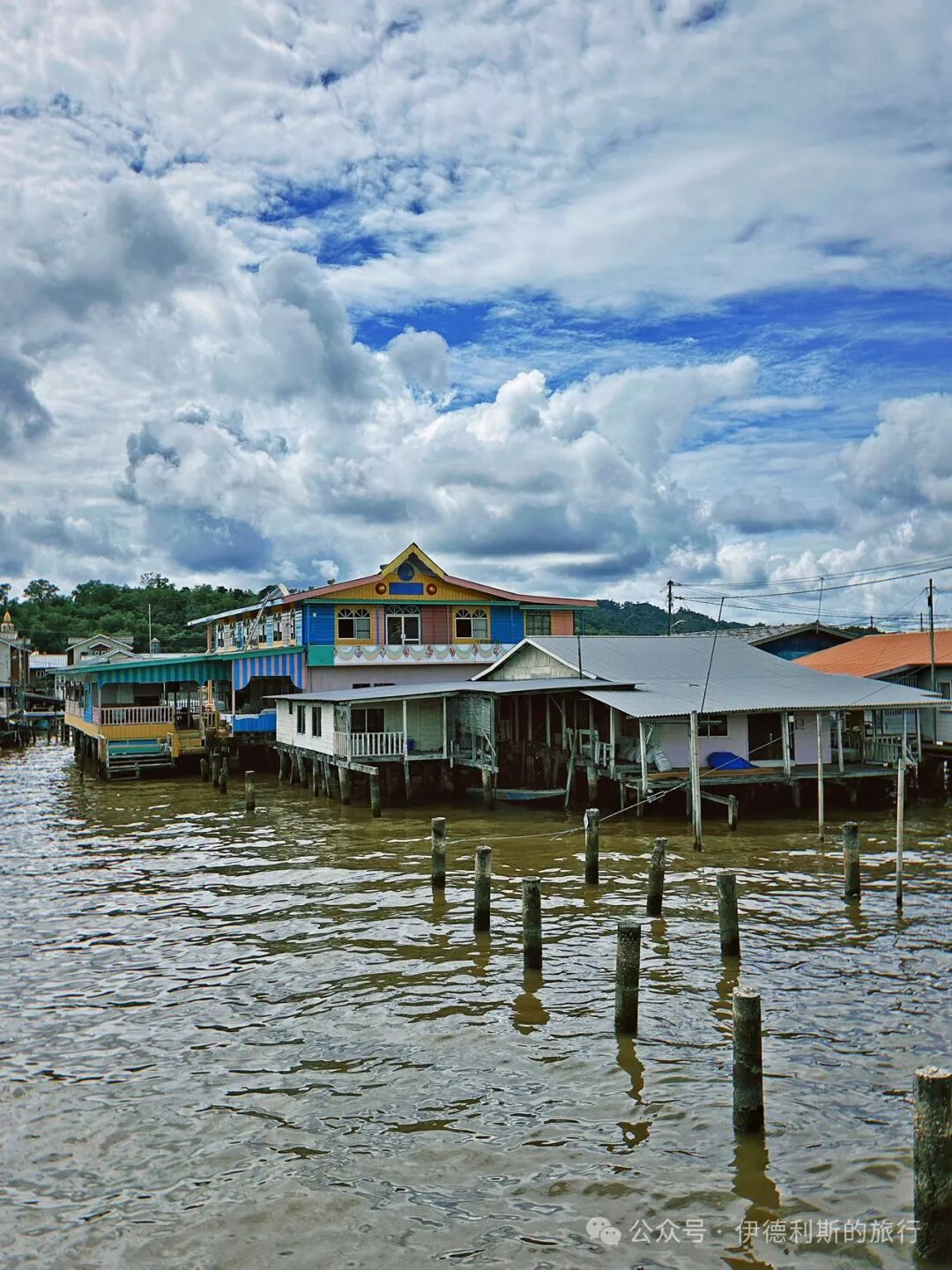
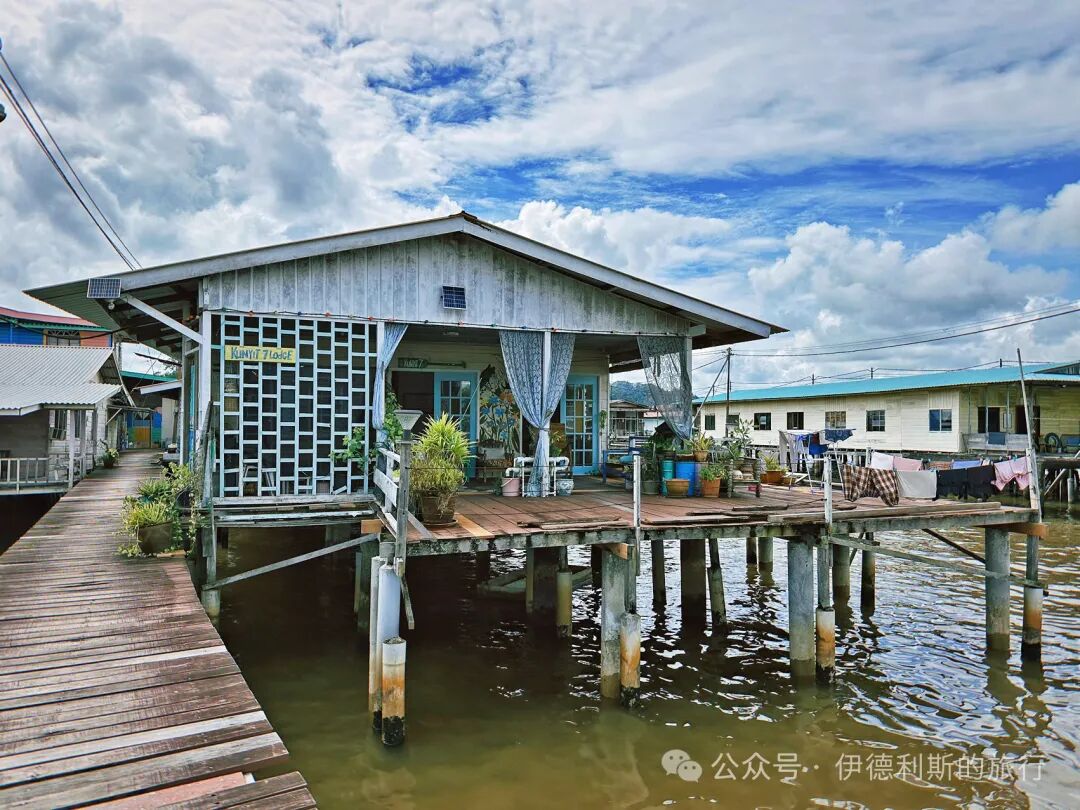
Kampung Ayer is the Malay term for water village. It was once the main port of the Sultanate of Brunei and served as its trade hub from the 15th to the 17th century. After the Brunei Civil War in the 18th century, Kota Batu was abandoned, and the water village became the capital of the Sultanate. In 1521, Italian explorer Antonio Pigafetta arrived in Brunei with Magellan's fleet and called Kampung Ayer the Venice of the East. The water village was once massive and even housed the Sultan's palace, but it gradually declined after the British invasion in the 19th century. Since the 20th century, Brunei has encouraged residents of the water village to move to the shore, but many people still choose to stay.
The two traditional wooden mosques on the water are a major highlight of Brunei. The walls and pillars are made of wood. Once you go inside, the air conditioning is very strong, so you cannot feel the humidity from the water. In recent years, Brunei has built several large concrete mosques on the banks of the water village, and the traditional wooden mosques are becoming fewer.
The water village has its own scenery, with small restaurants and convenience stores, though it is usually quite quiet. view all
Summary: This first part of the Brunei journey follows historic sites from hilltop fortifications to places tied to Malay royal and Muslim culture. The English version preserves the original route, images, place names, and historical notes from the Chinese source.
Entering Brunei
I took a Royal Brunei Airlines flight from Kuching in the afternoon and arrived in Bandar Seri Begawan, Brunei's capital and only city, in just over an hour. After getting off the plane, follow the crowd to the immigration counters where you will see a row specifically for visa-on-arrival. Staff members will check in advance if you are holding a Chinese passport. When entering, just show your prepared flight itinerary and accommodation booking. You do not need to print the electronic arrival card or health declaration if you have filled them out online. Then, pay the visa fee with a VISA card to complete the entry process.
After clearing immigration, I exchanged some Malaysian Ringgit for Brunei Dollars and installed the SIM card I had bought in advance. I had already installed Dart, Brunei's local ride-hailing app, on my phone. It supports both VISA card and cash payments, and it is quite fast at getting a car. Note that the pickup point for ride-hailing cars is in the side parking lot. Walk from the airport entrance toward the direction of the airport mosque, then follow the canopy until you reach the end to find it.
We stayed at the J Hotel for our first night. The hotel environment is nice, and it is not far from the Gadong Night Market and the Jame' Asr Hassanil Bolkiah Mosque. After checking into the hotel, we walked over to the Jame' Asr Hassanil Bolkiah Mosque.
My first impression of downtown Brunei is that everyone drives everywhere; there are basically no pedestrians on the streets. It feels like the whole city was designed for cars, and there are very few crosswalks. The city has low density and lots of greenery, making it feel like a garden city for cars. Our hotel was only about 300 meters away from the mosque as the crow flies, but it took 15 minutes to walk there. This is because you have to walk along the road for a long time before finding a place to cross, and then you must walk through a parking lot over 200 meters long inside the mosque grounds to reach the main prayer hall.
Brunei's two national mosques
The Jame' Asr Hassanil Bolkiah Mosque is one of Brunei's two national mosques and the largest mosque in the country. The mosque was built by Sultan Hassanal Bolkiah to celebrate his 25th anniversary on the throne and officially opened in 1994. The 29 golden domes of the mosque commemorate the 29th Sultan of Brunei. The five fountains symbolize the five daily prayers and the five pillars of Islam. The mihrab (prayer niche) is decorated with gold-plated tiles. The interior is very magnificent, featuring Persian carpets, Italian marble, and Philippine hardwood.
The night view of the Brunei mosque is more beautiful than during the day. For those who want to take photos, I recommend coming during the times for prayer.
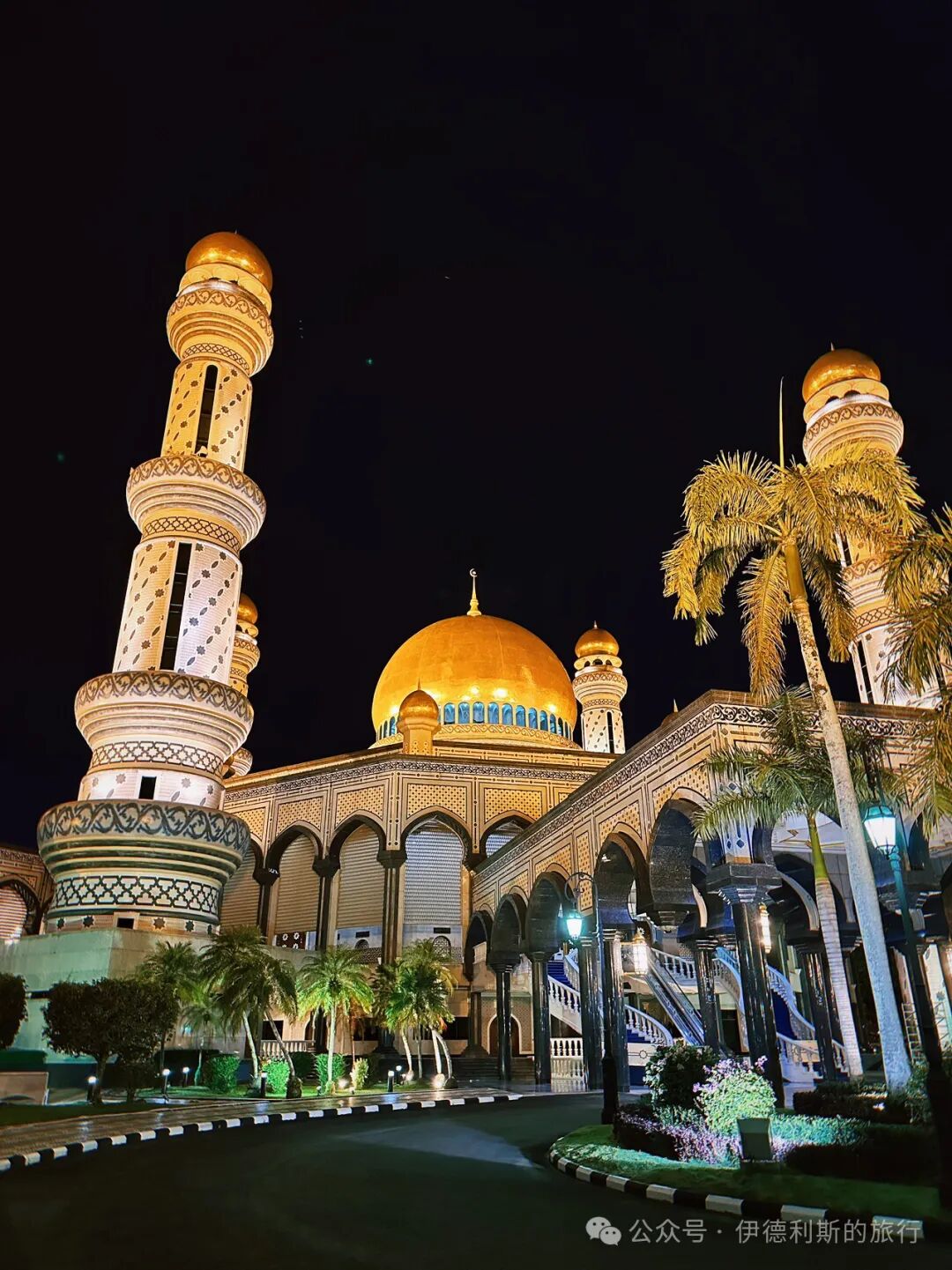
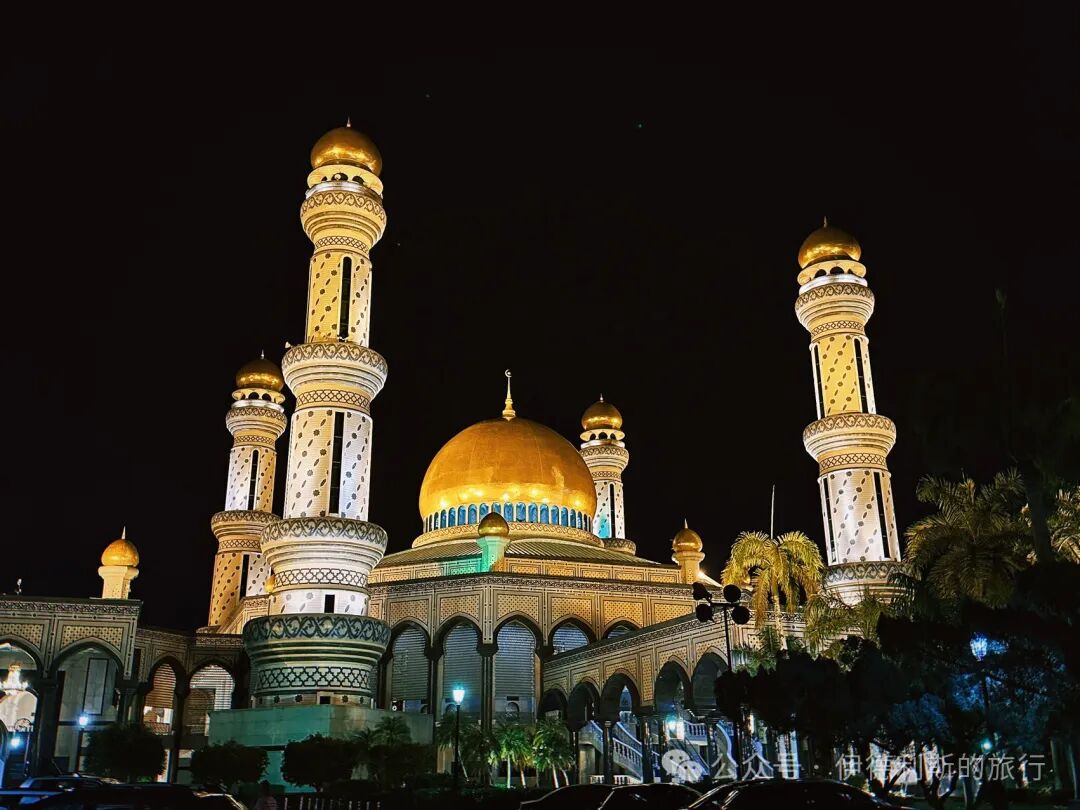
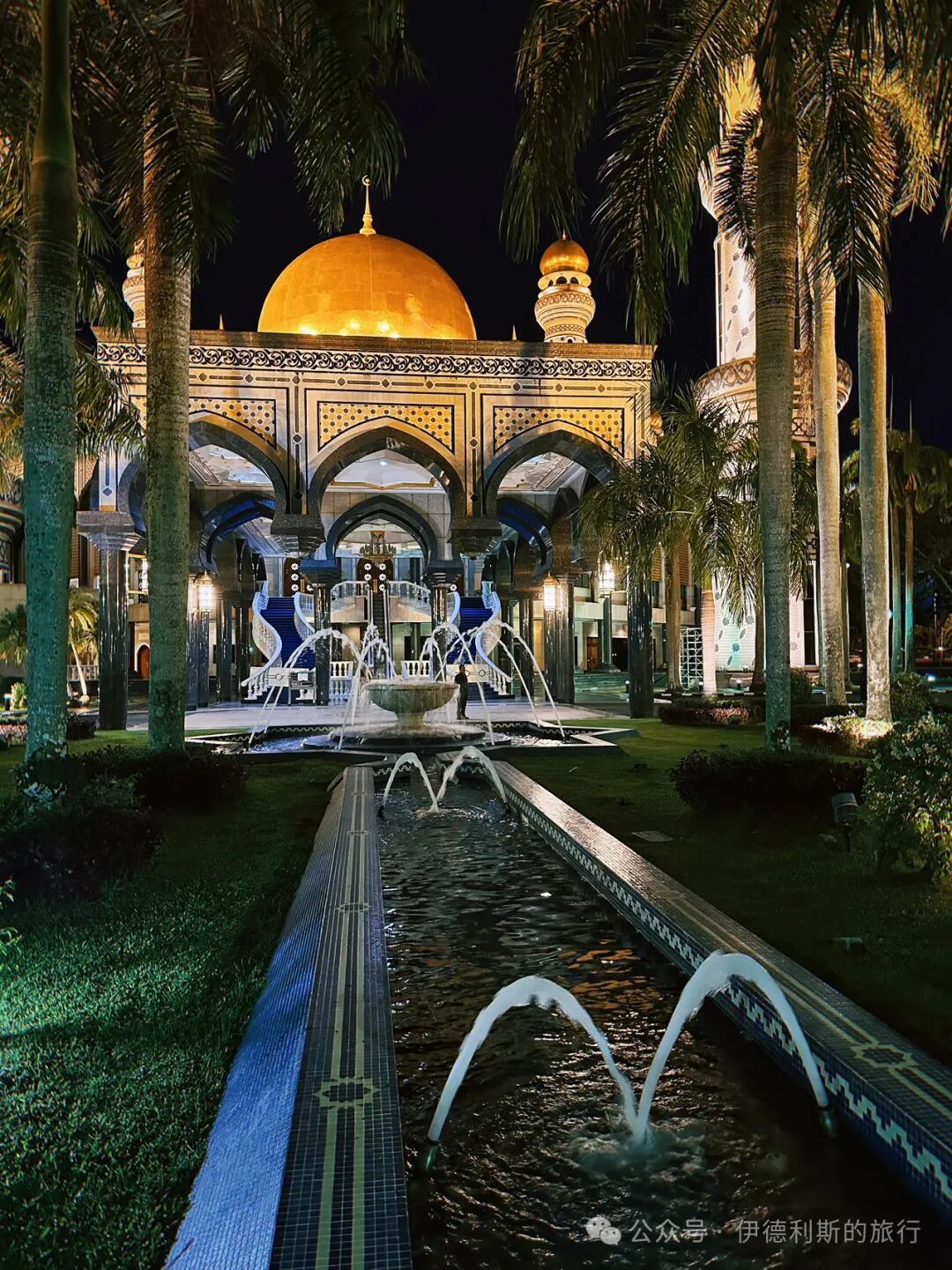
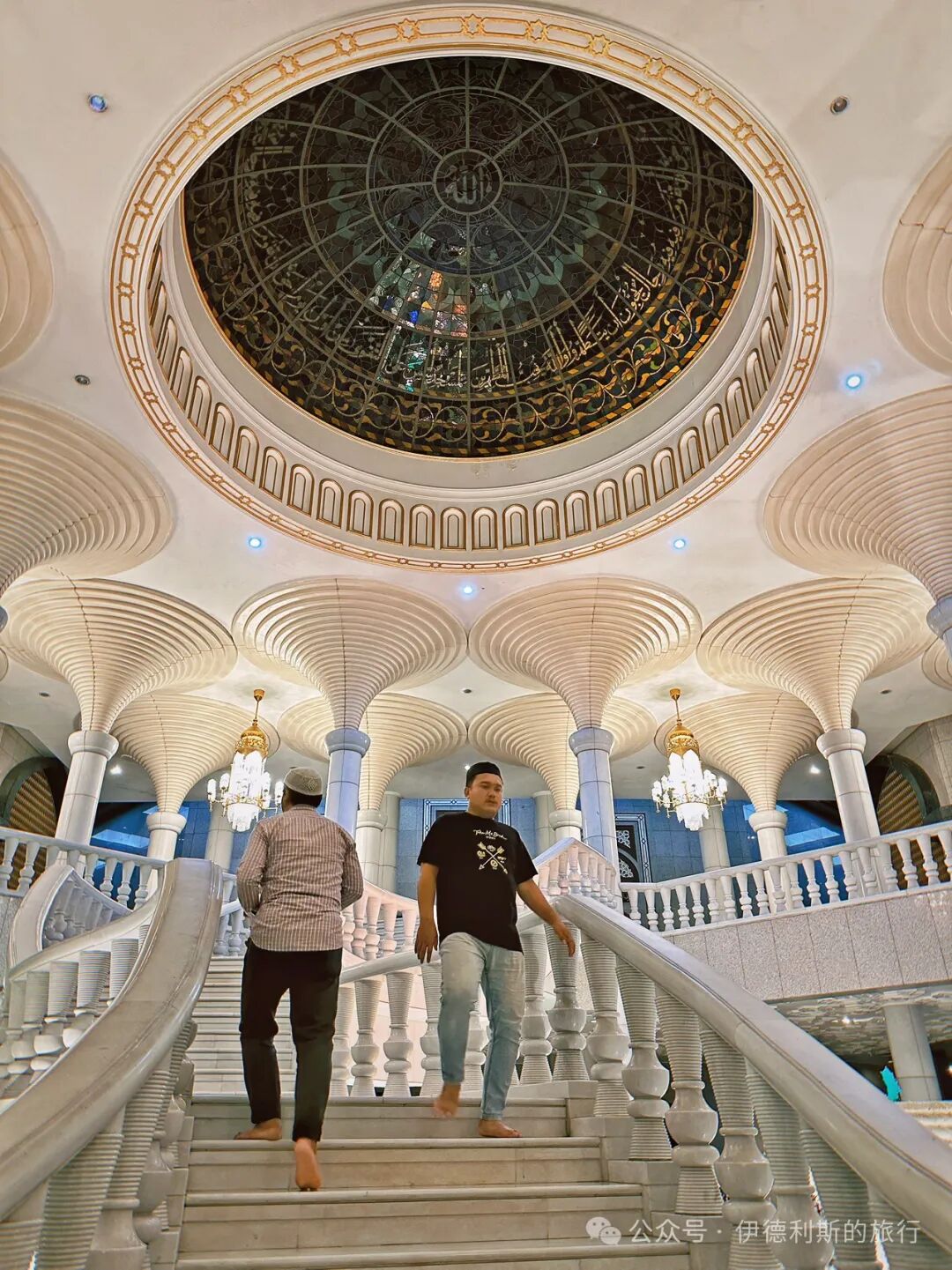
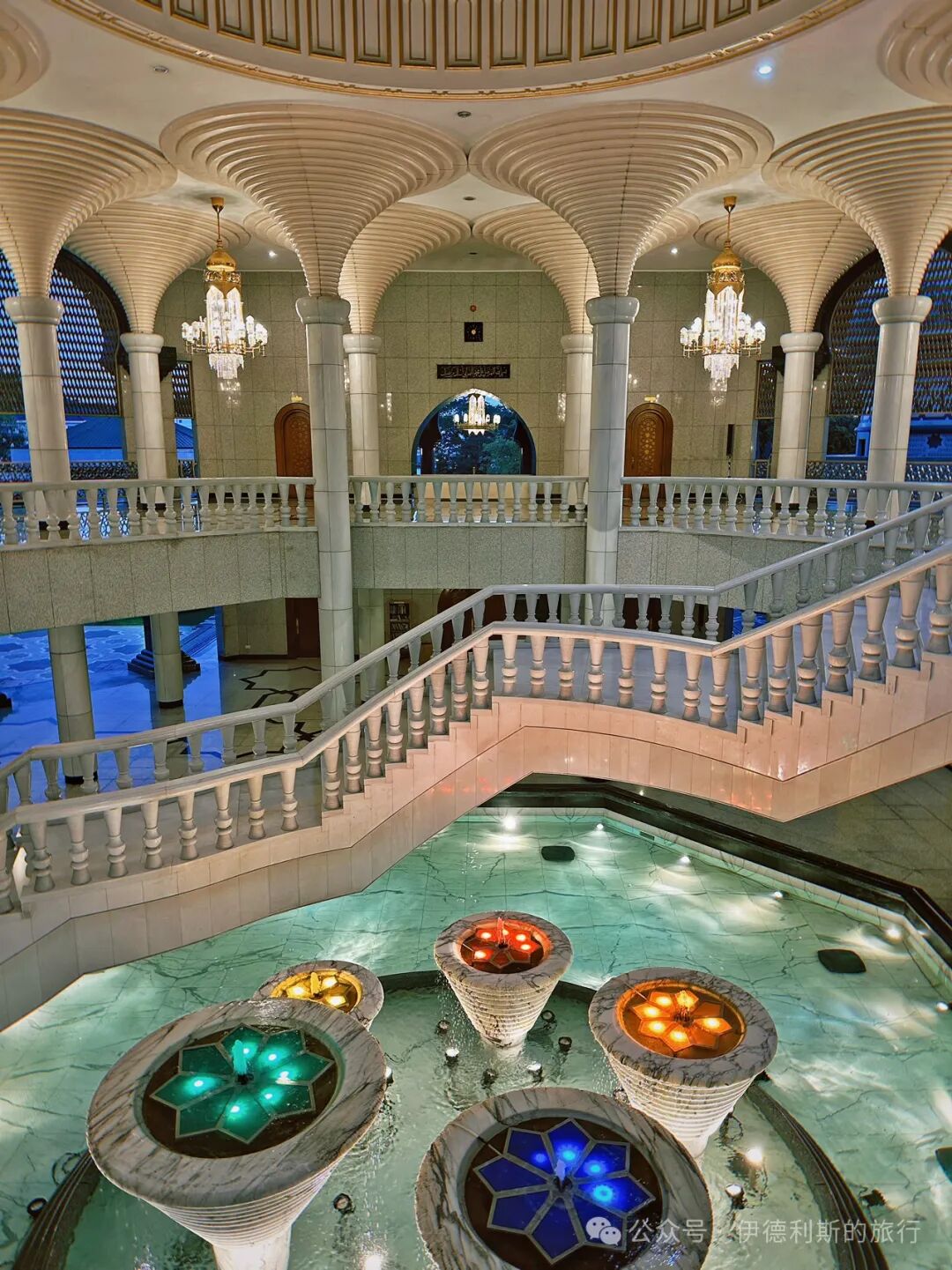
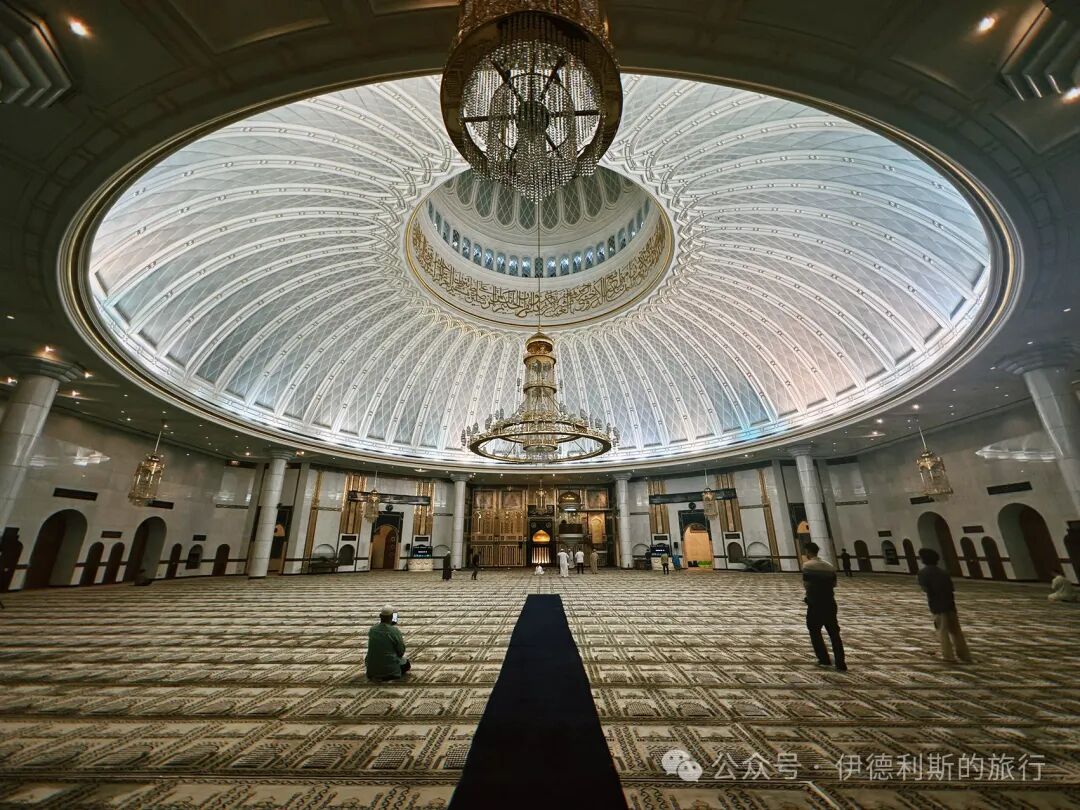
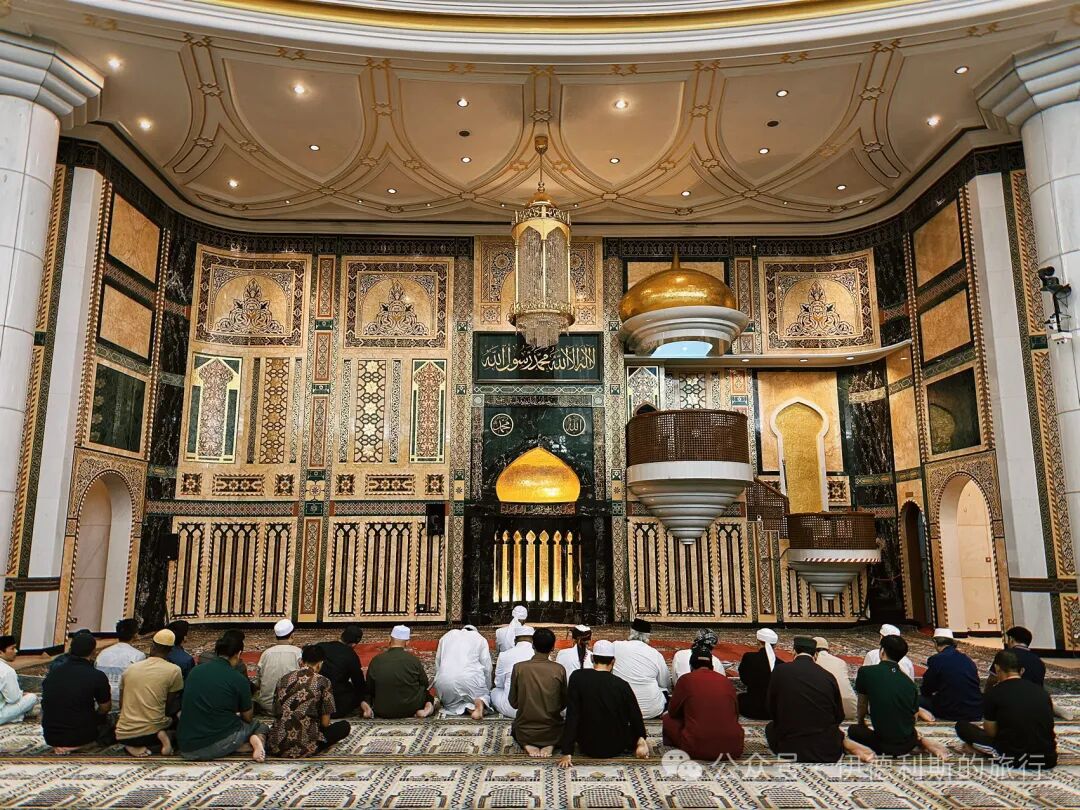
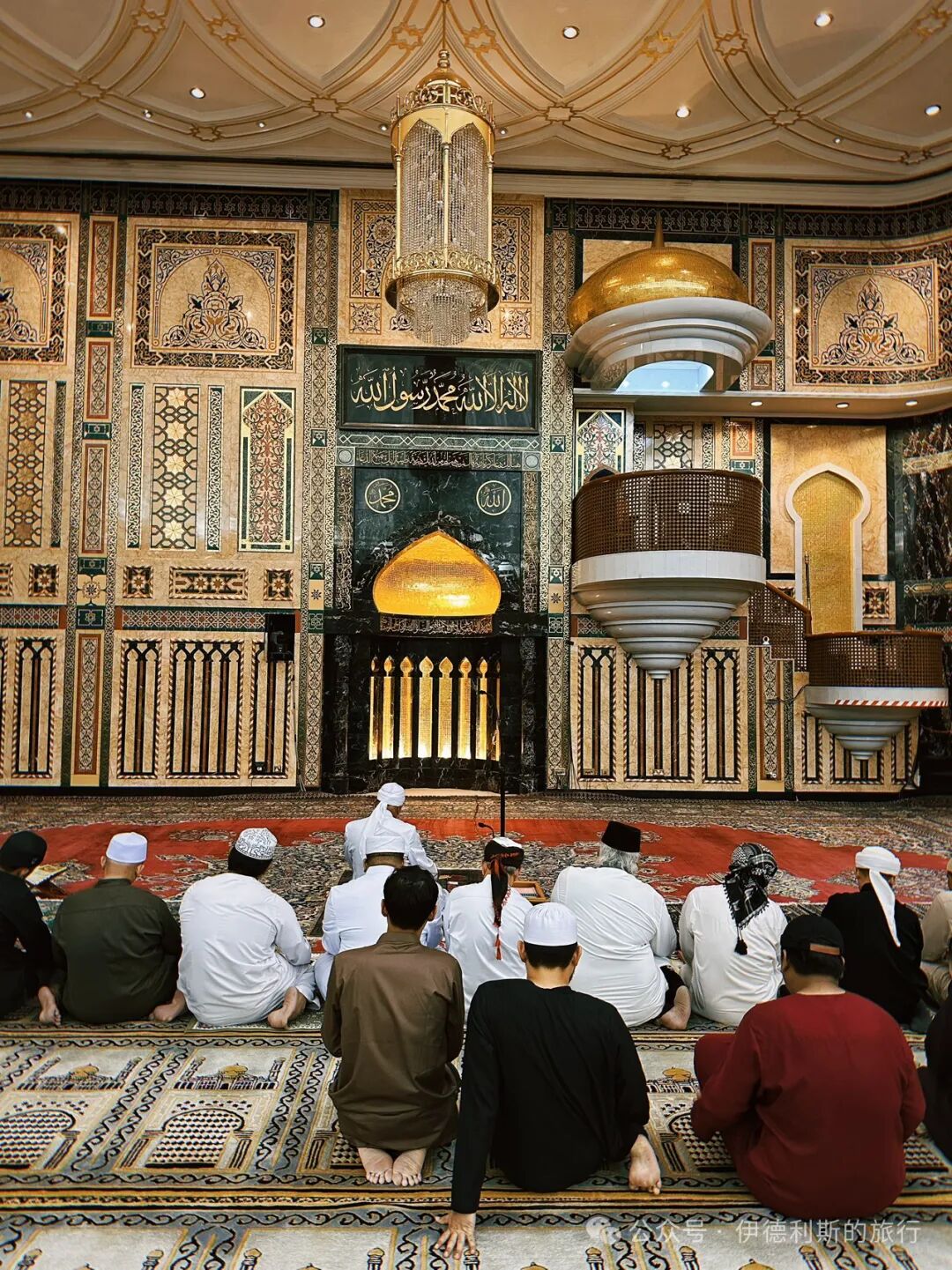
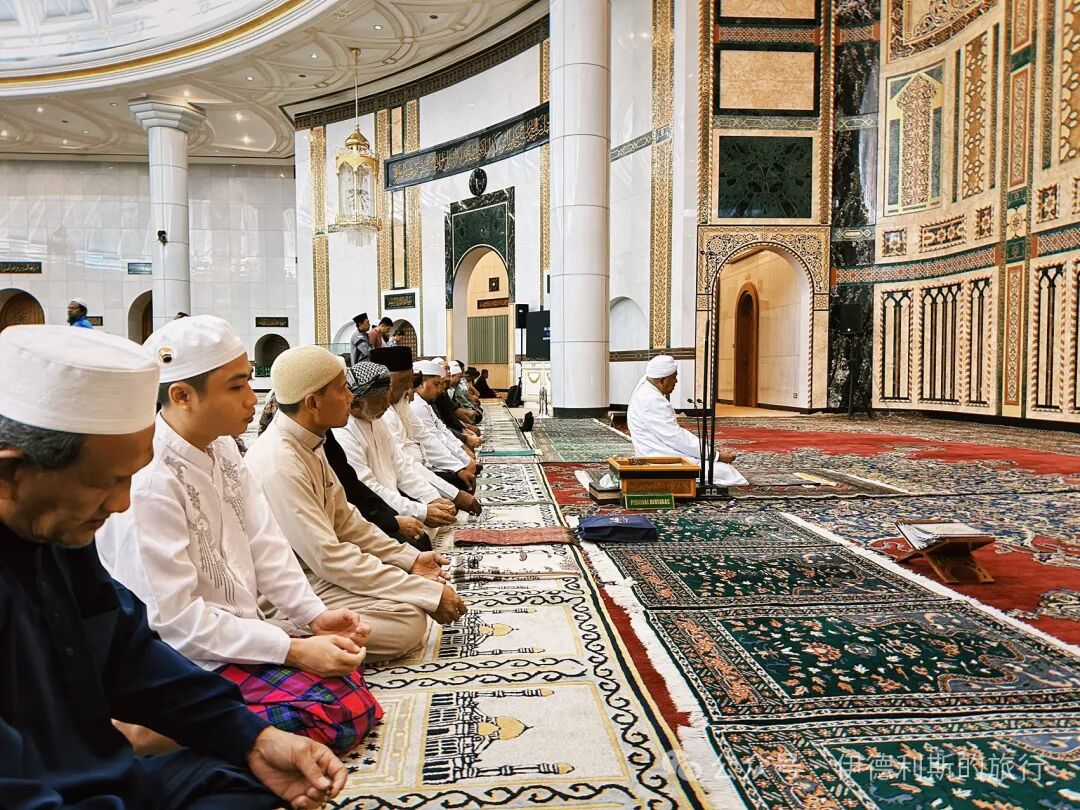
The Jame' Asr Hassanil Bolkiah Mosque during the day. The main prayer hall is connected to the women's prayer hall by a corridor. This is a rare example of an independent women's prayer hall in Southeast Asia, and it is very large. Below the women's prayer hall is the ablution area (shuifang), and it is the only one I have ever visited that uses motion-sensor faucets.
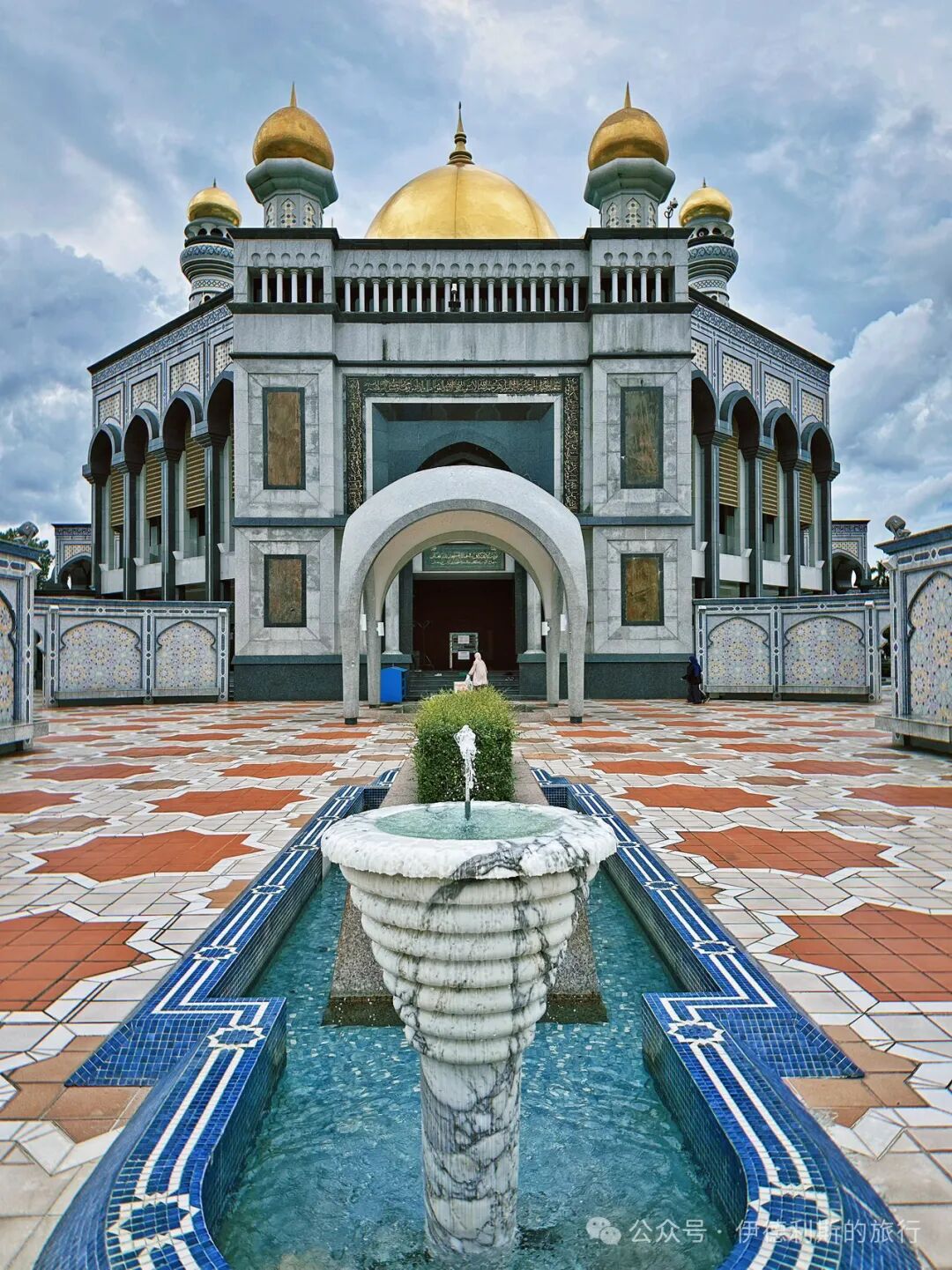
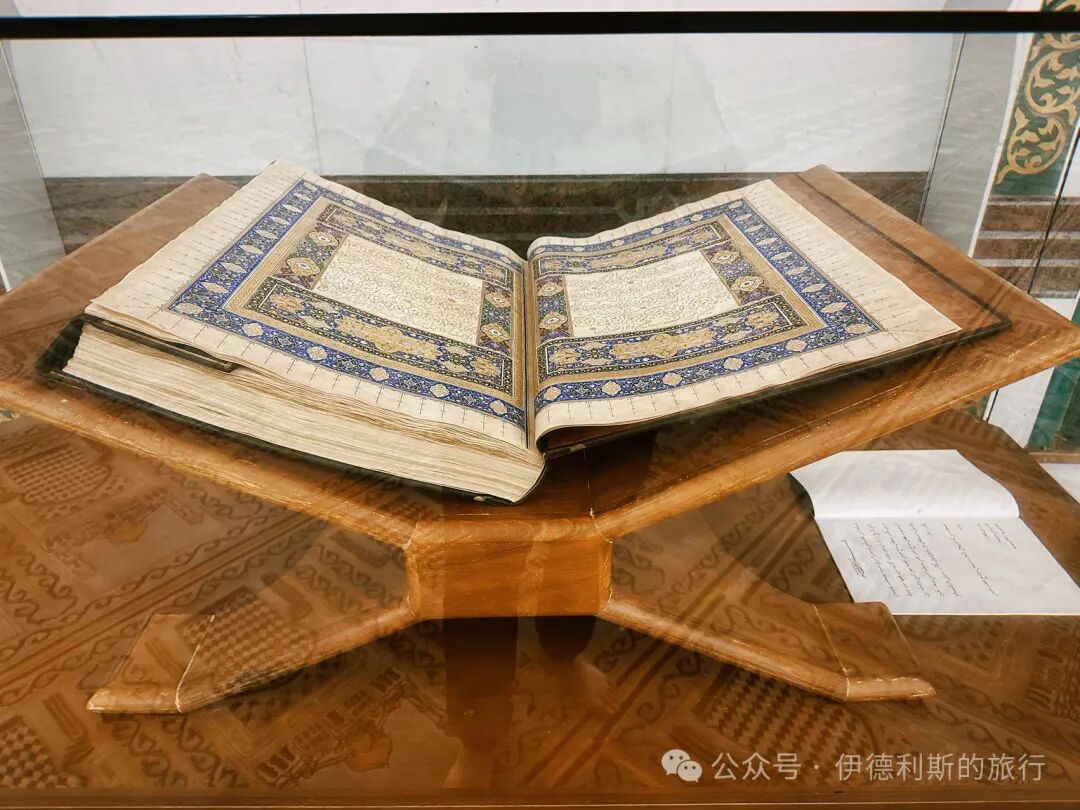
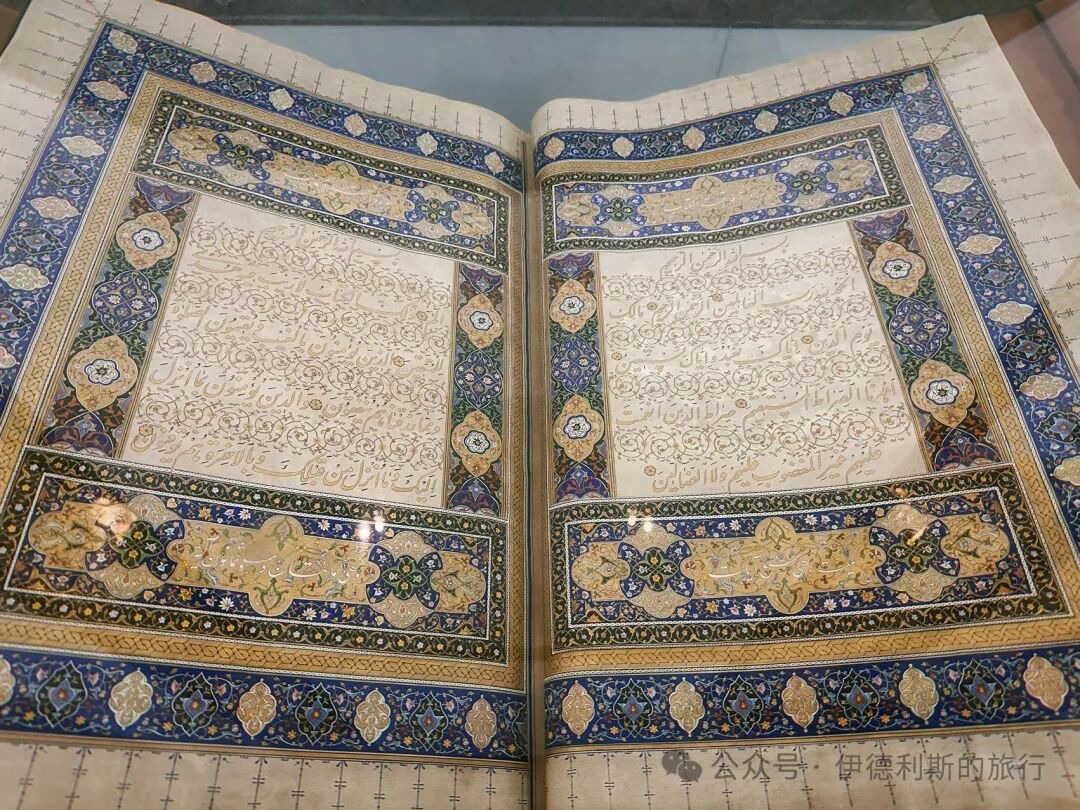
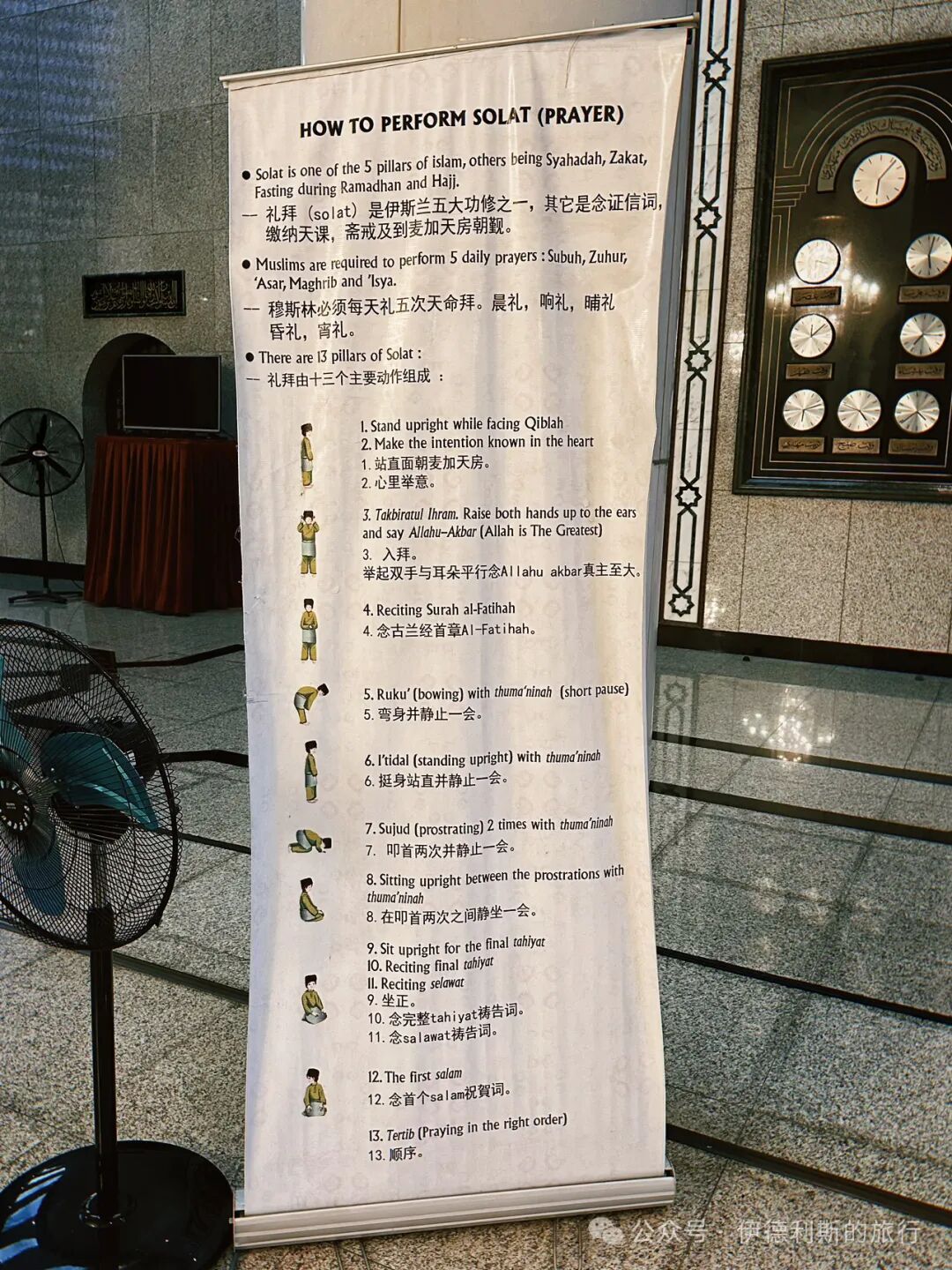
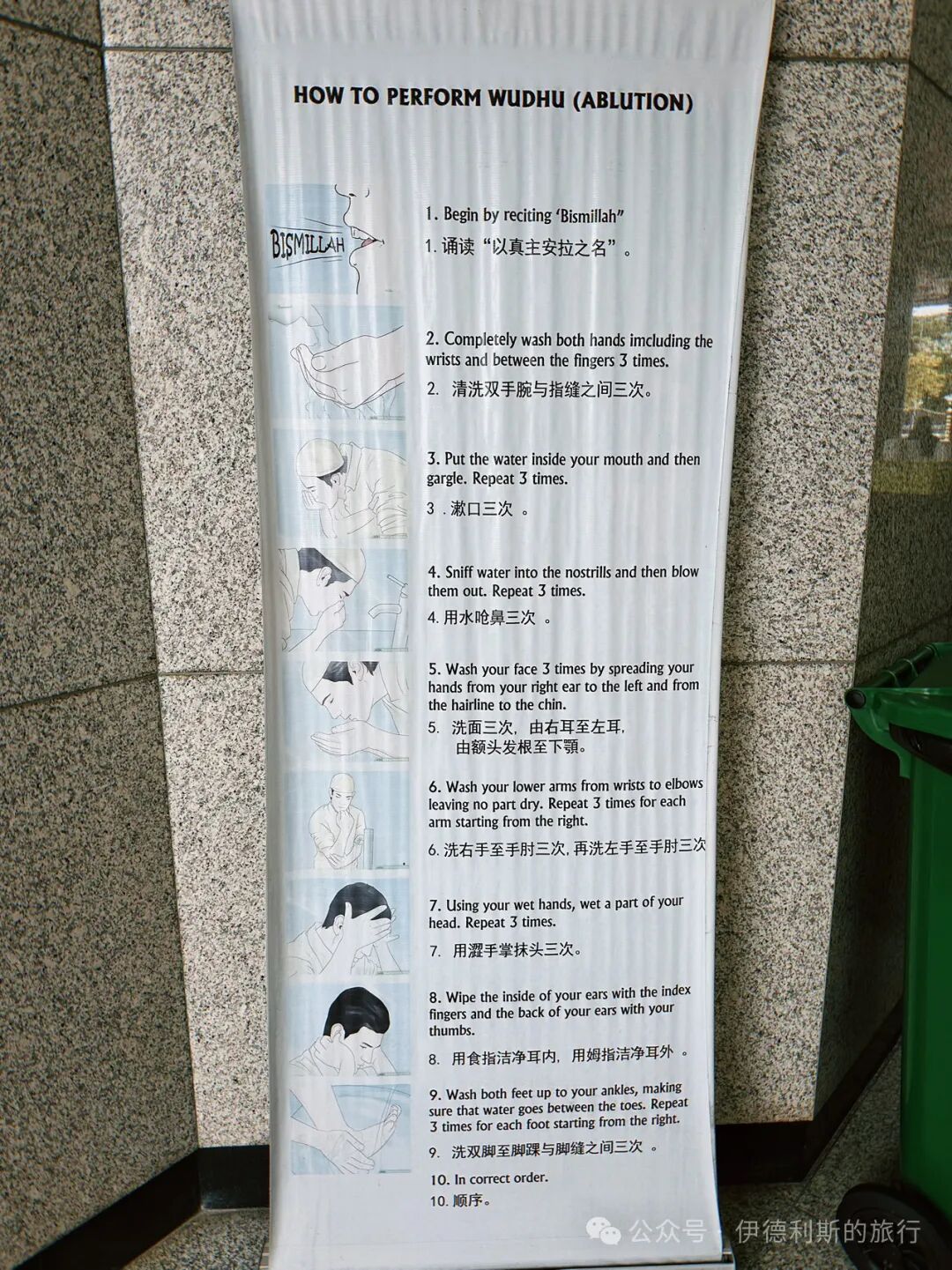
For Friday prayers (Jumu'ah), we went to Brunei's other national mosque, the Sultan Omar Ali Saifuddien Mosque, which is also known as the 'Water Mosque'. Brunei requires all malls and restaurants to close between 12:00 PM and 2:00 PM, so the mosque was packed during Jumu'ah, with the entire main hall full, which was a spectacular sight.
The Water Mosque was built between 1954 and 1958 by the former Sultan of Brunei, Omar Ali Saifuddien III (who reigned from 1950 to 1967), and it is named after him. The main hall features a golden dome in the Mughal Revival style, and the interior uses Italian marble, Shanghai granite, British chandeliers, and Venetian mosaic glass, making it Brunei's most important landmark since its completion.
The minbar (pulpit) at the Water Mosque has two levels; the first is where the muezzin calls the adhan (bangke), and the second is where the imam delivers the khutbah (hutubai). Next to the minbar, there is a staircase leading to the second-floor prayer area reserved for the royal family.
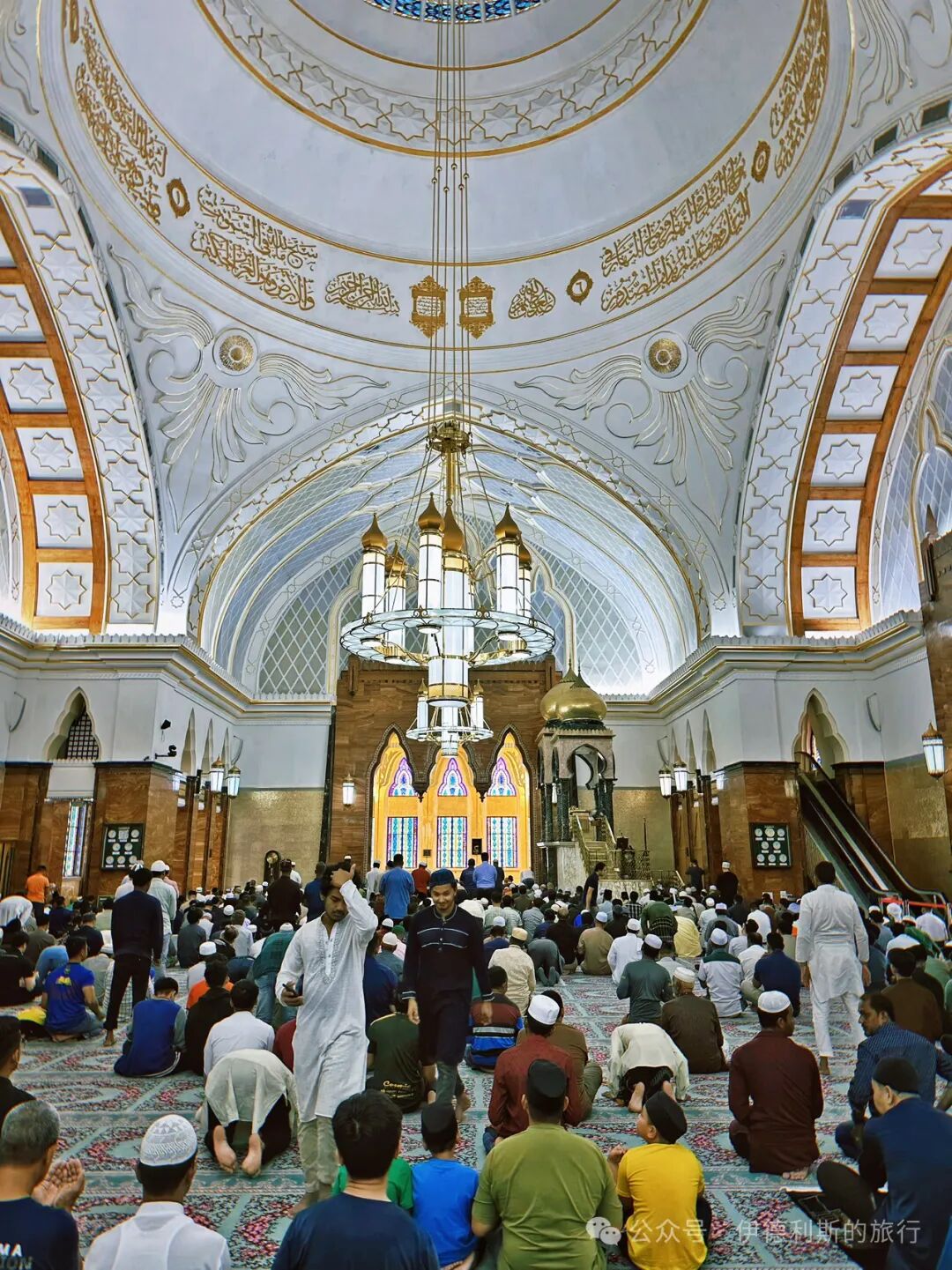
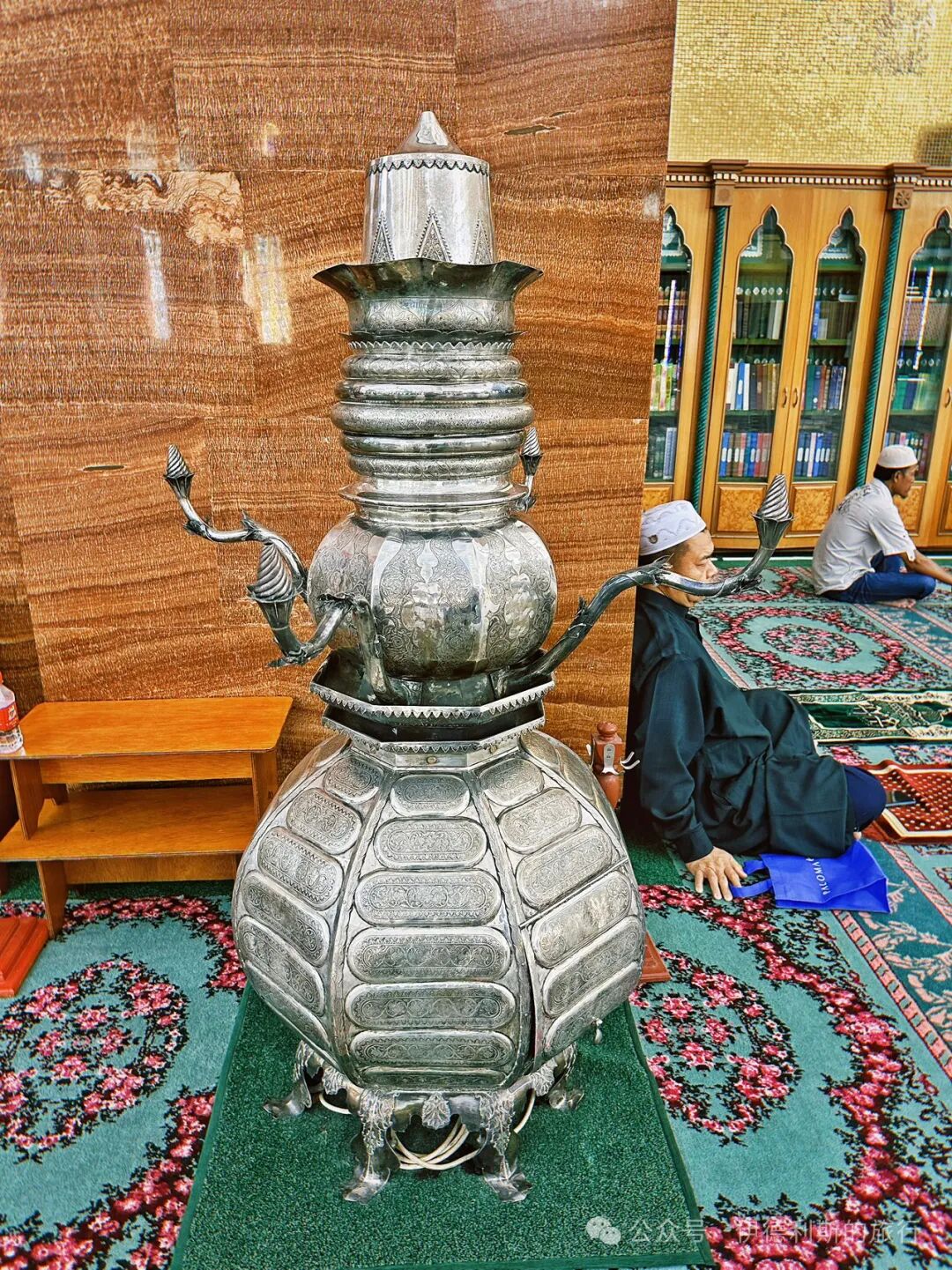
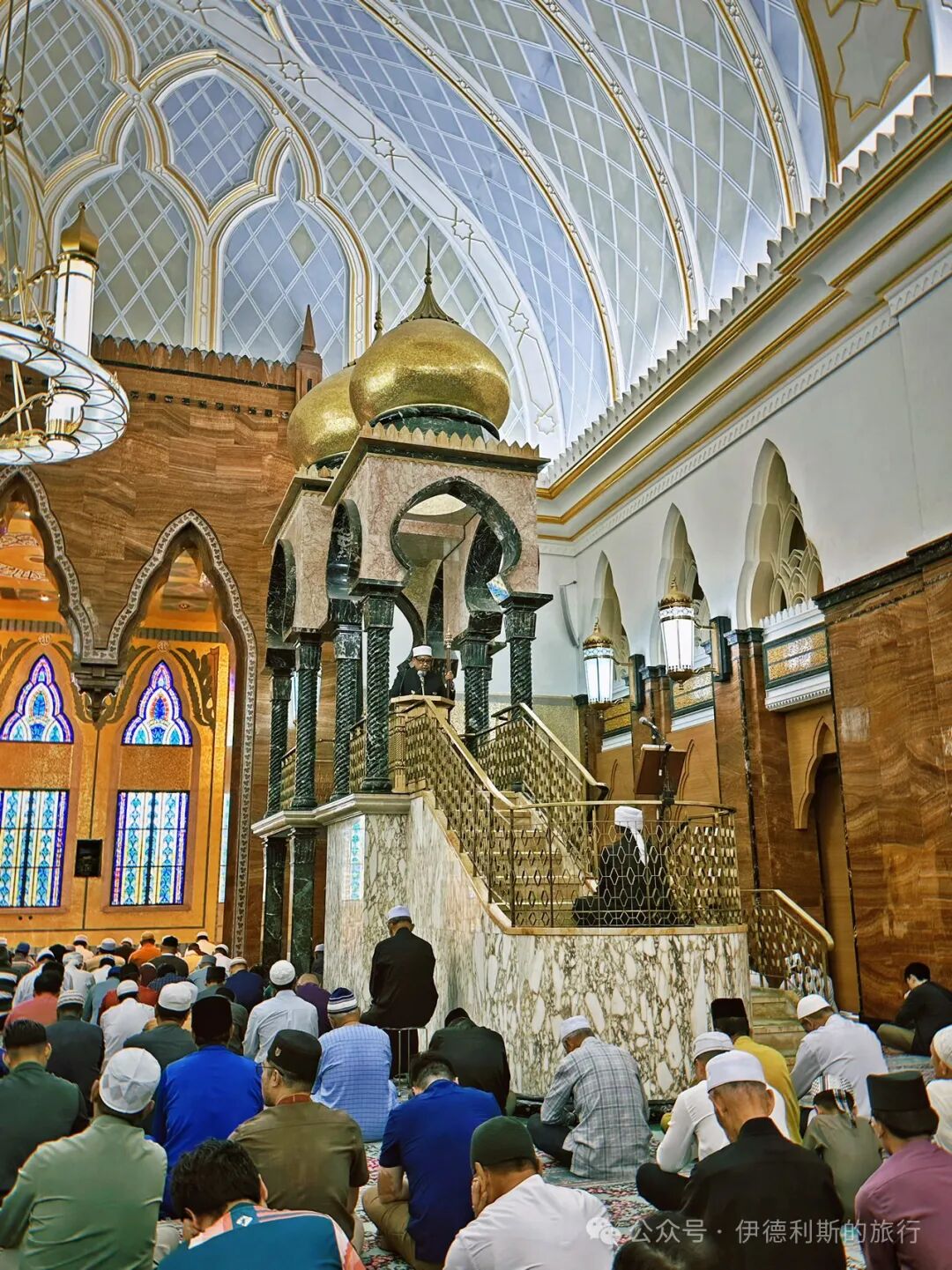
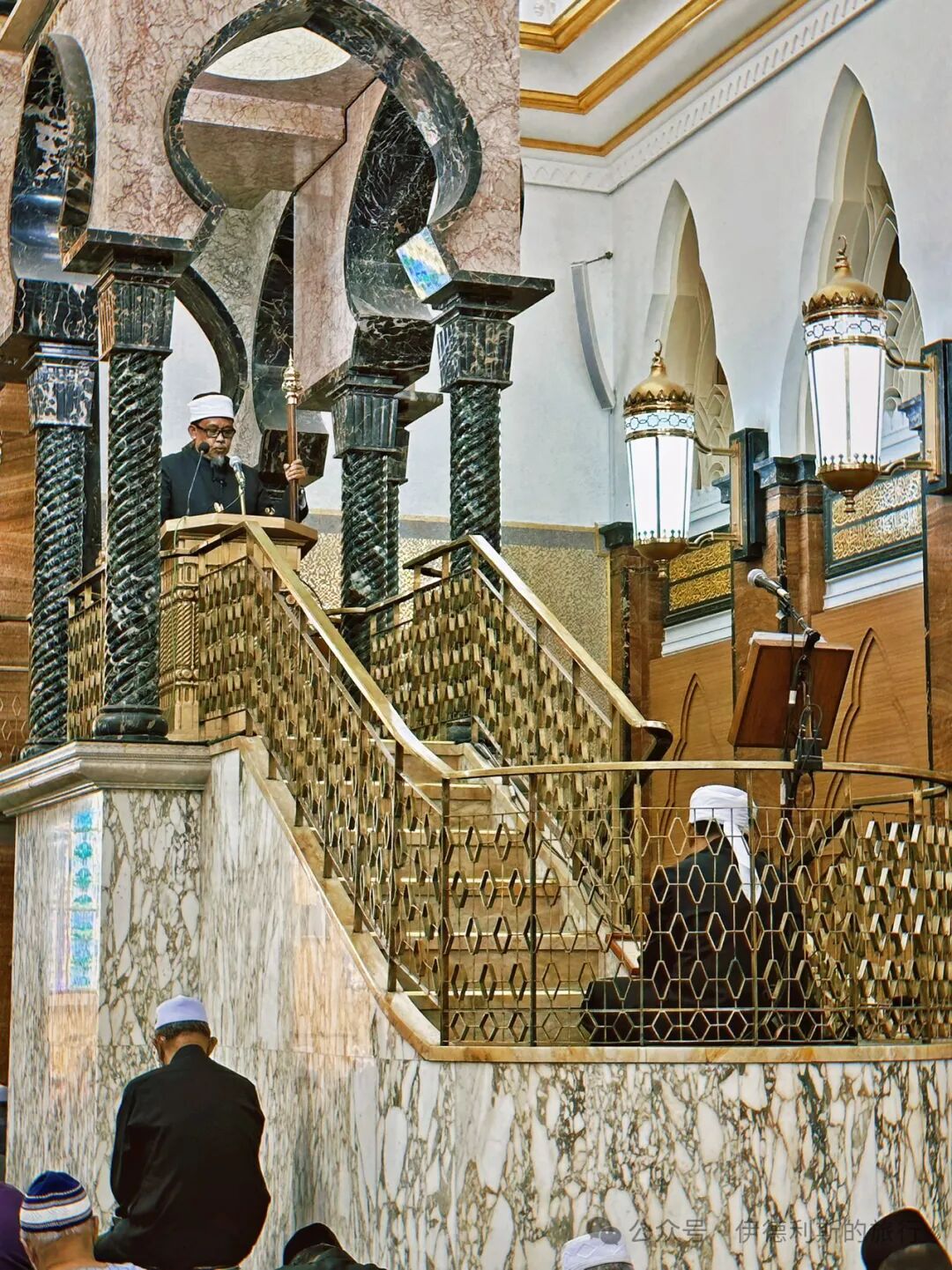
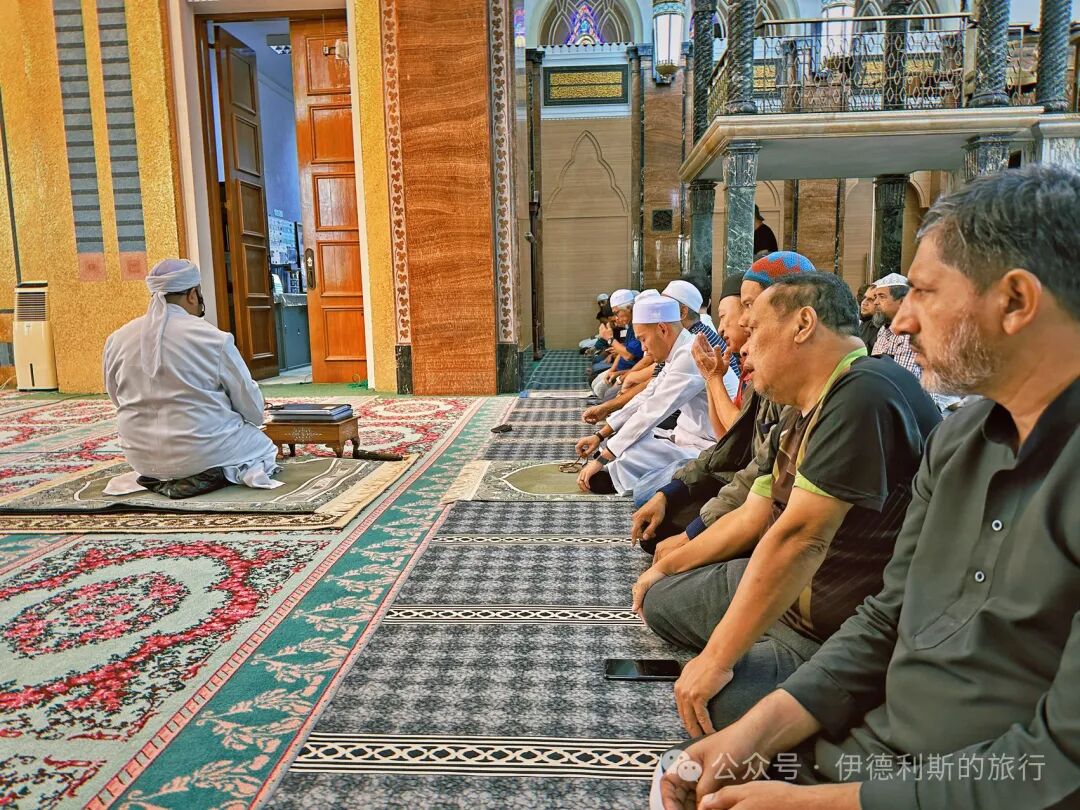
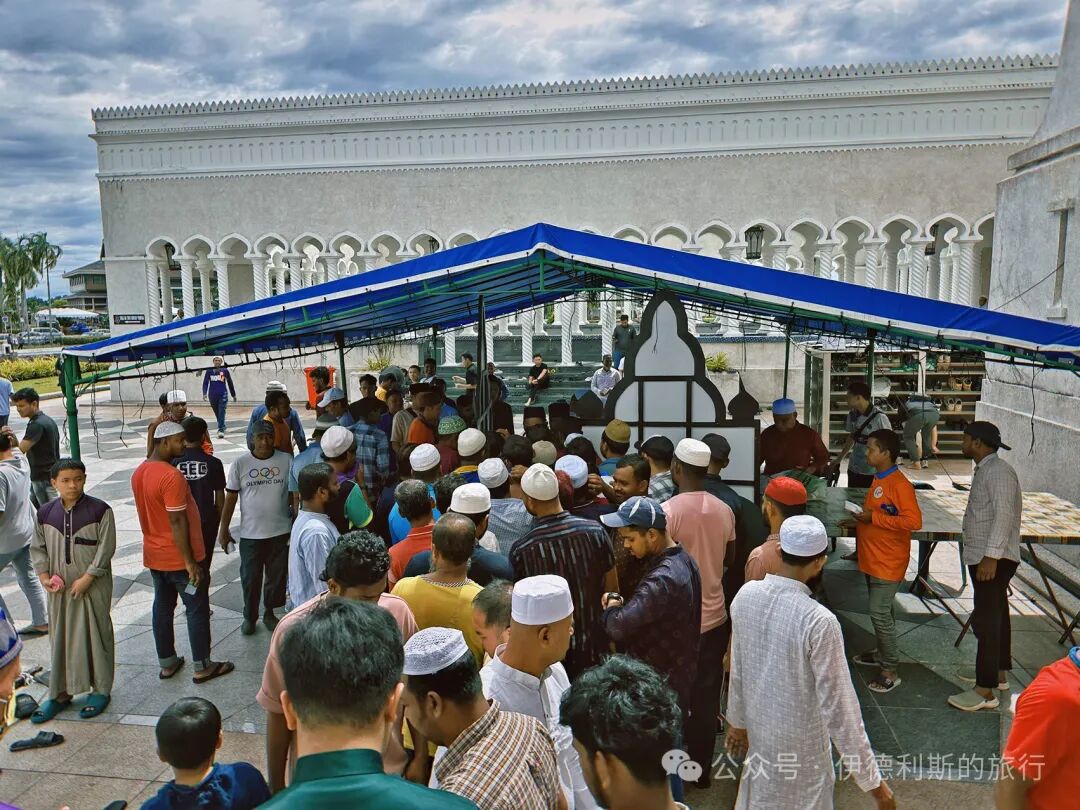
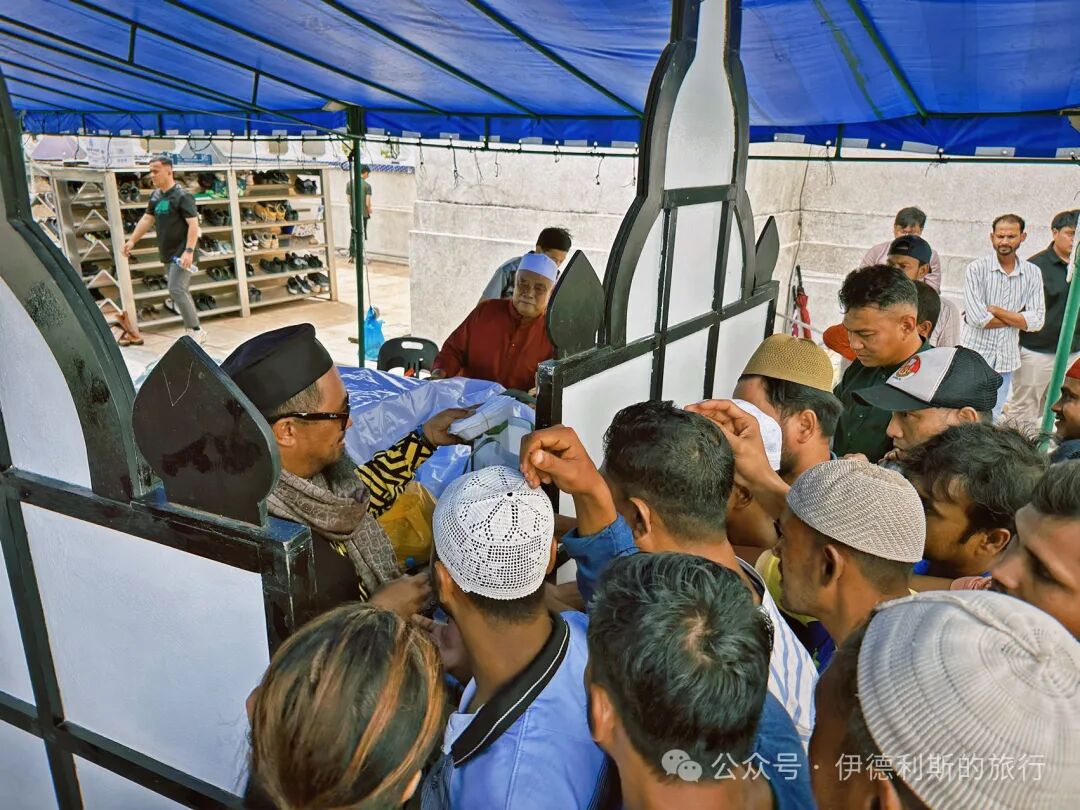
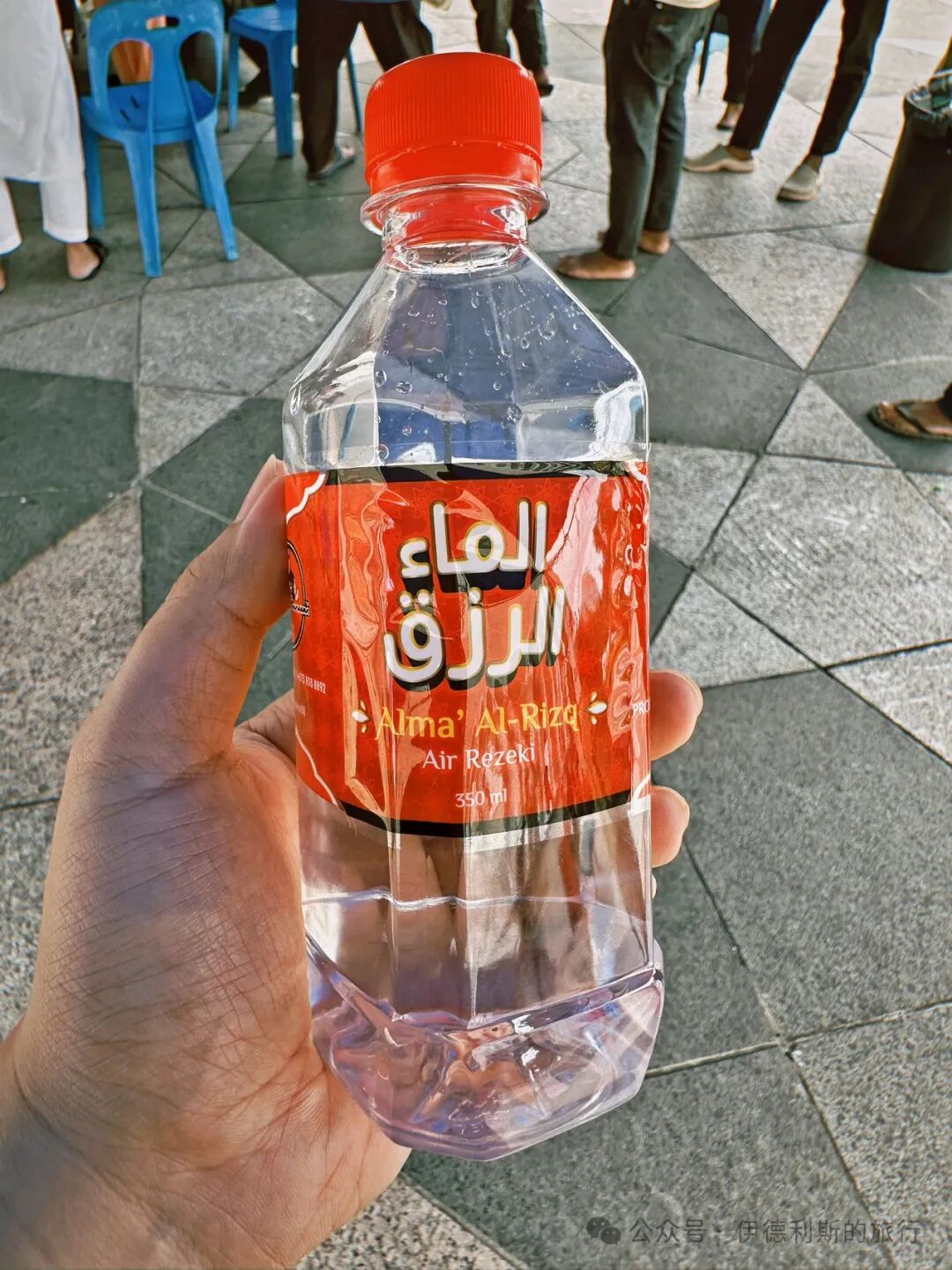
After Jumu'ah, they were handing out boxed meals, mostly to South Asian laborers, and I also went over to get a bottle of water.
The Water Mosque during the times of the morning prayer (shamu) and the afternoon prayer (hufu tan). Both of Brunei's national mosques look better at night than during the day.
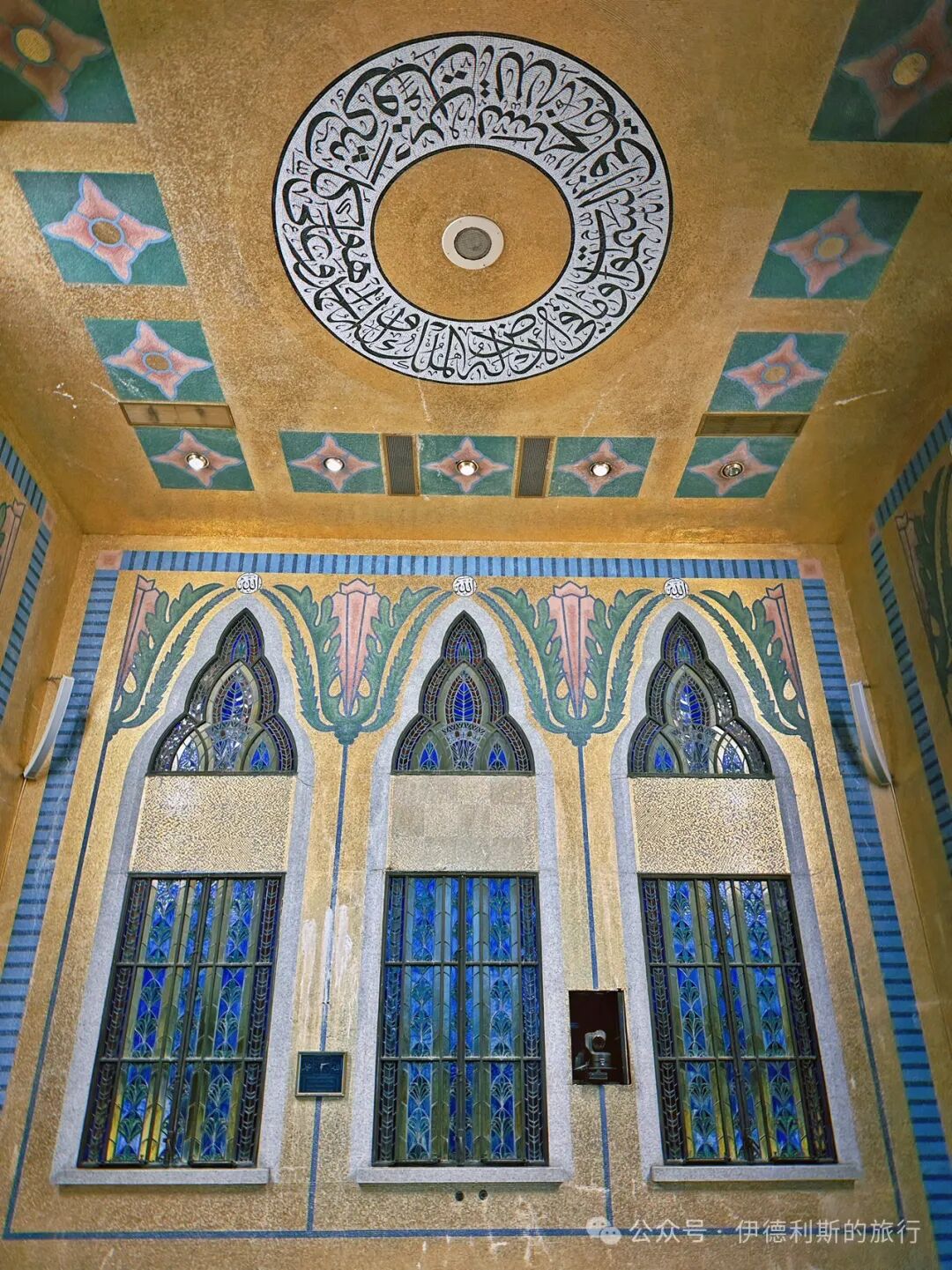
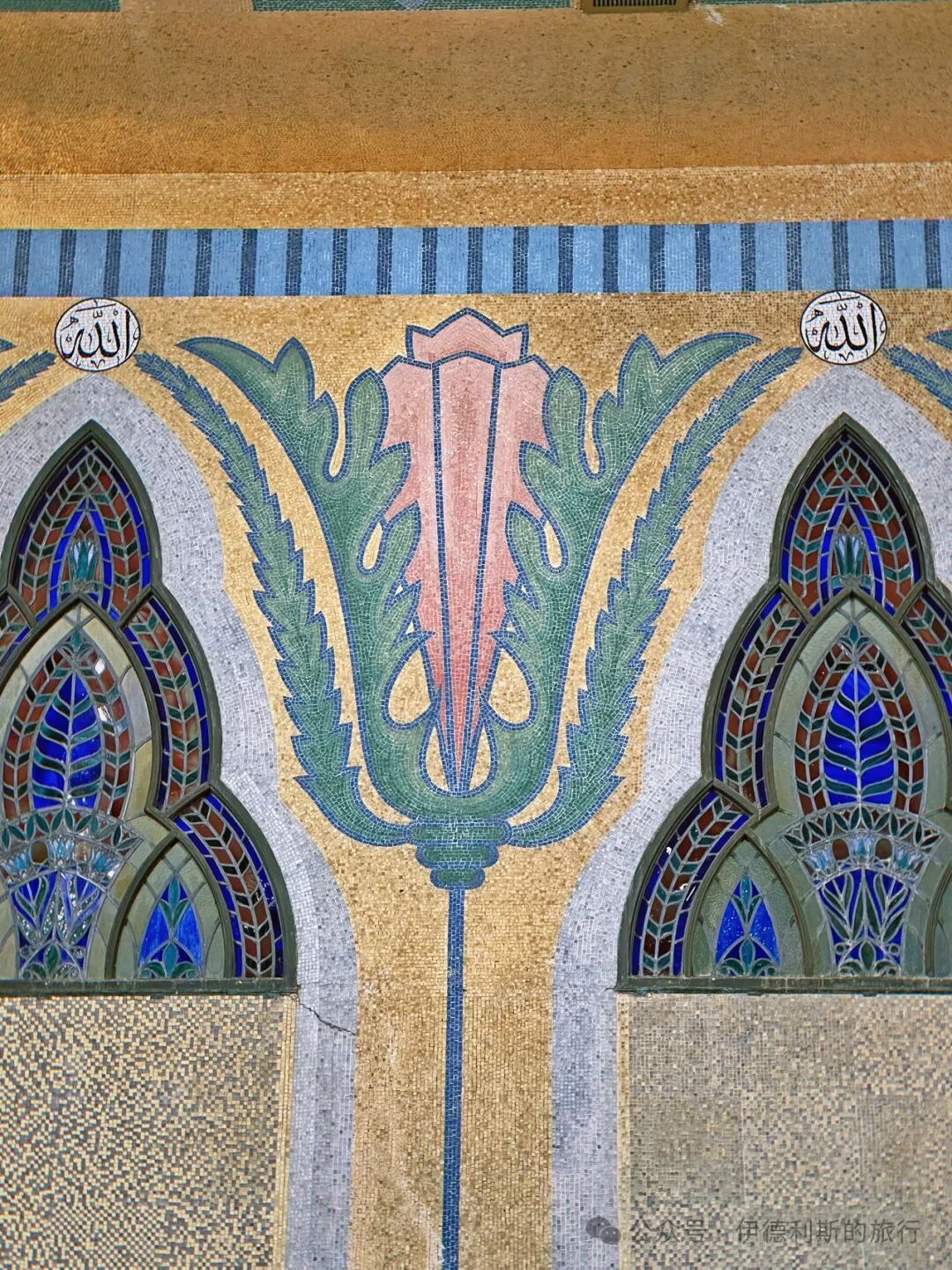
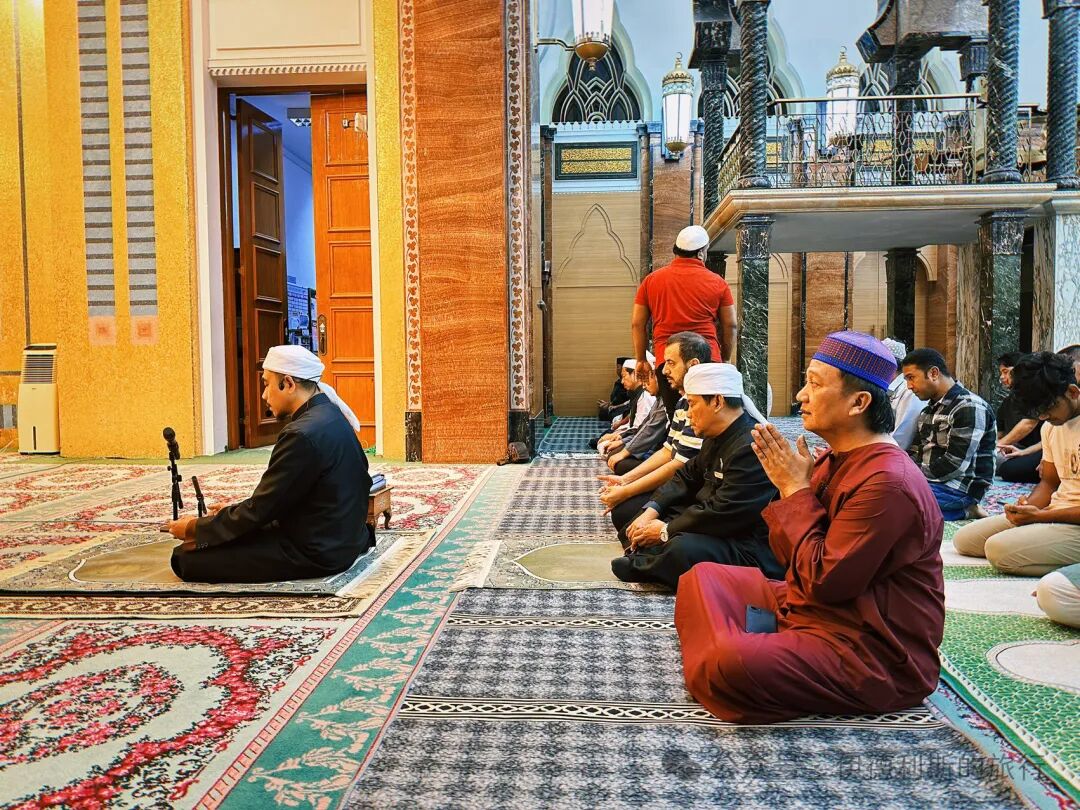
The earliest historical relics of Brunei are in China.
The Brunei History Centre has a replica of the 'Tombstone of the King of Boni' from Nanjing, and the full text is on display.
The Tomb of the King of Boni in Nanjing is commonly known as the Ma Huihui Tomb, and it is the burial site of the Bruneian Sultan Mana'naja. In 1405 (the third year of the Yongle reign), Sultan Mana'naja of Boni sent envoys to pay tribute to the Ming Dynasty, and he was granted the title of King of Boni and given many gifts. In 1408 (the sixth year of the Yongle reign), the Sultan led a delegation of over 150 people to Fujian, then traveled to Nanjing to meet the Yongle Emperor, Zhu Di, where he was treated with great honor. A month later, the Sultan suddenly fell ill and passed away at the Huitong Hall in Nanjing. According to the Sultan's final wish to 'have his body buried in China,' the Yongle Emperor ordered that he be buried with royal honors at Shizigang, outside Andemen Gate in Nanjing. After the Qing Dynasty, the tombstone was lost for a time, but the remaining parts were finally found in 1958, though unfortunately, the top of the stone has never been recovered.
The story of Sultan Mana'naja is recorded in the 'History of Ming' (Ming Shi), but it does not appear in Bruneian history books, nor is it in the Bruneian royal genealogy, the 'Salasilah Raja-Raja Brunei'. Bruneian historians believe Sultan Mana'naja is one of the sultans not mentioned in the genealogy.
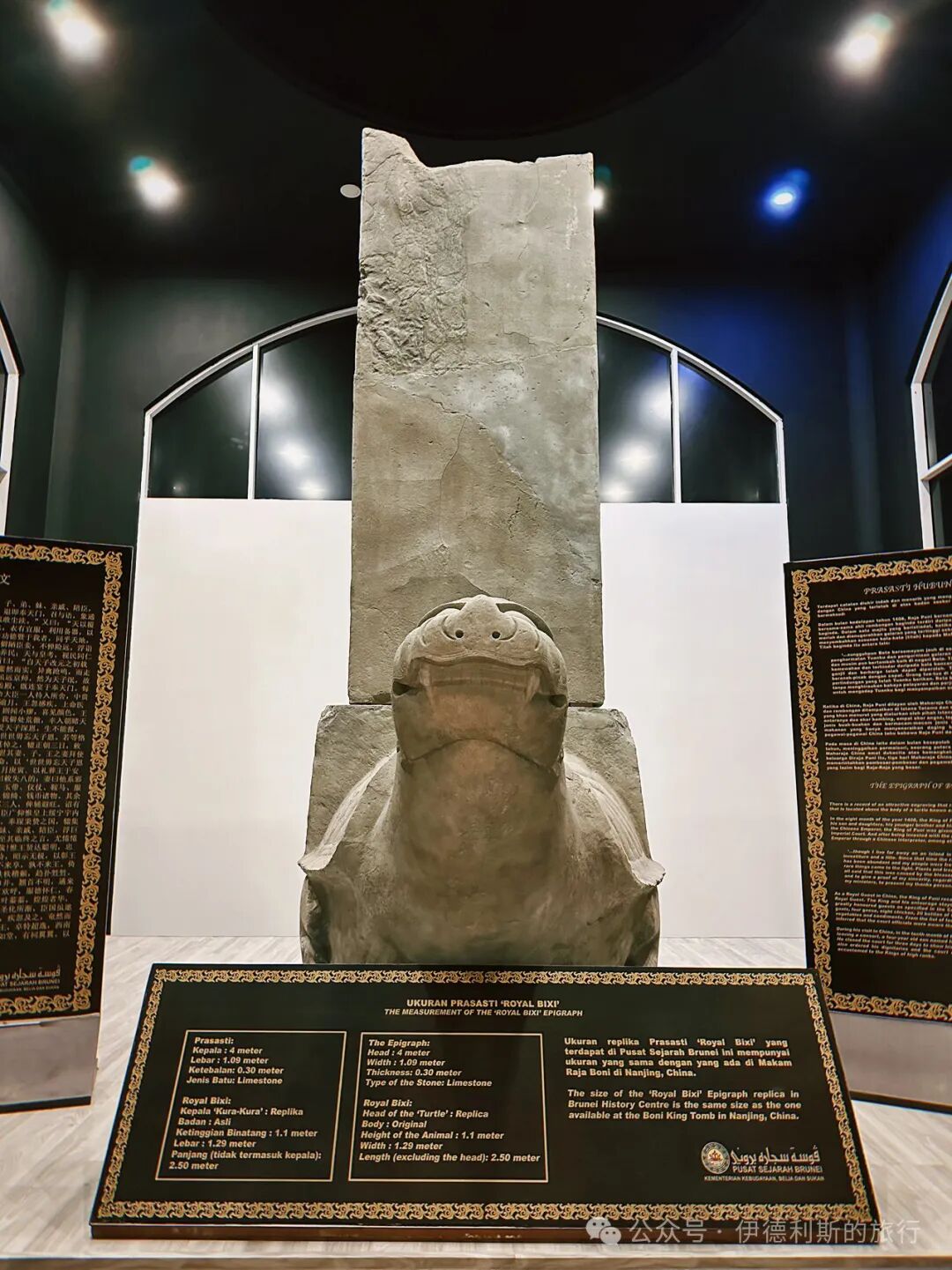
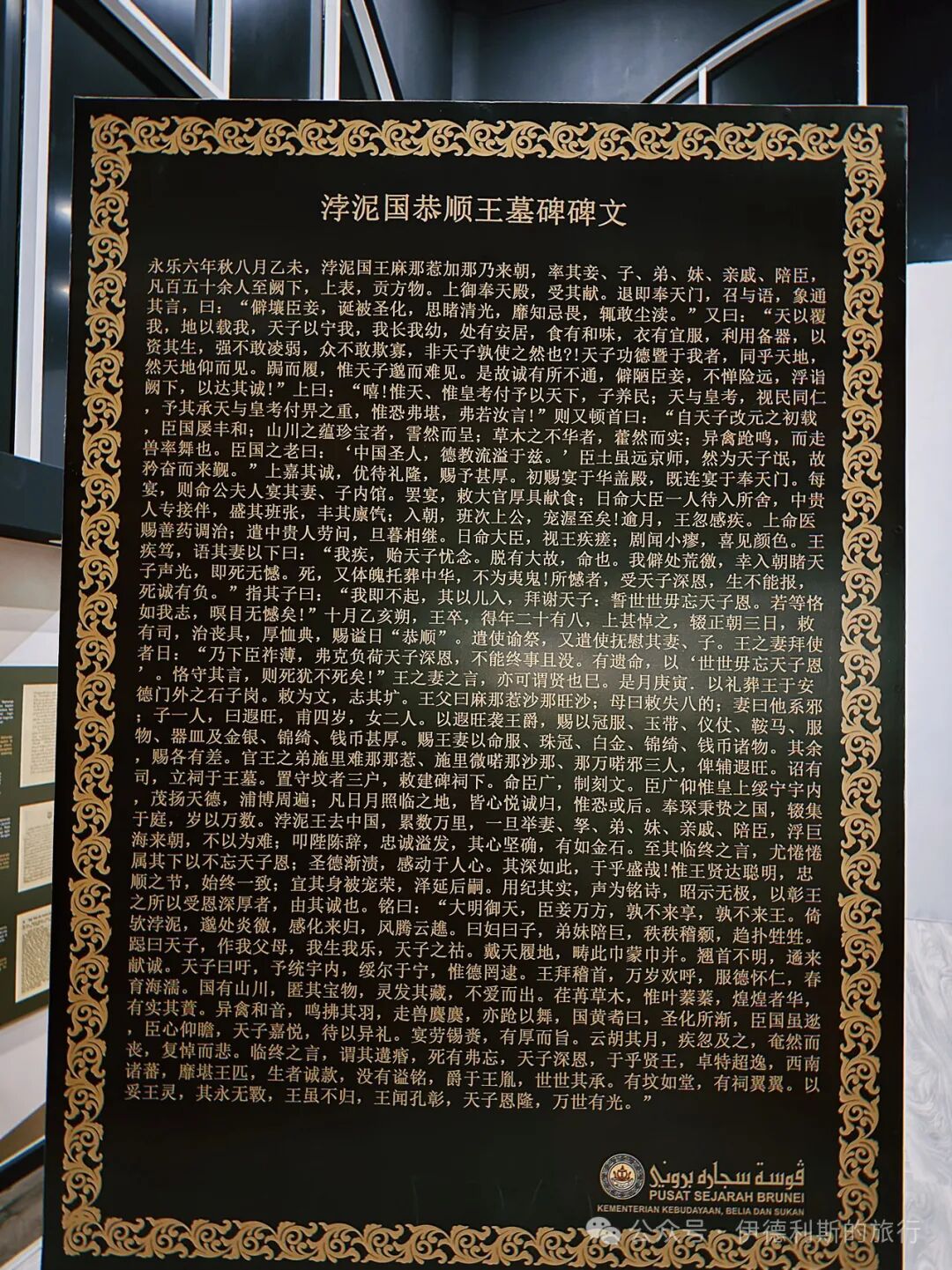
The original Nanjing tombstone that I photographed a few years ago.
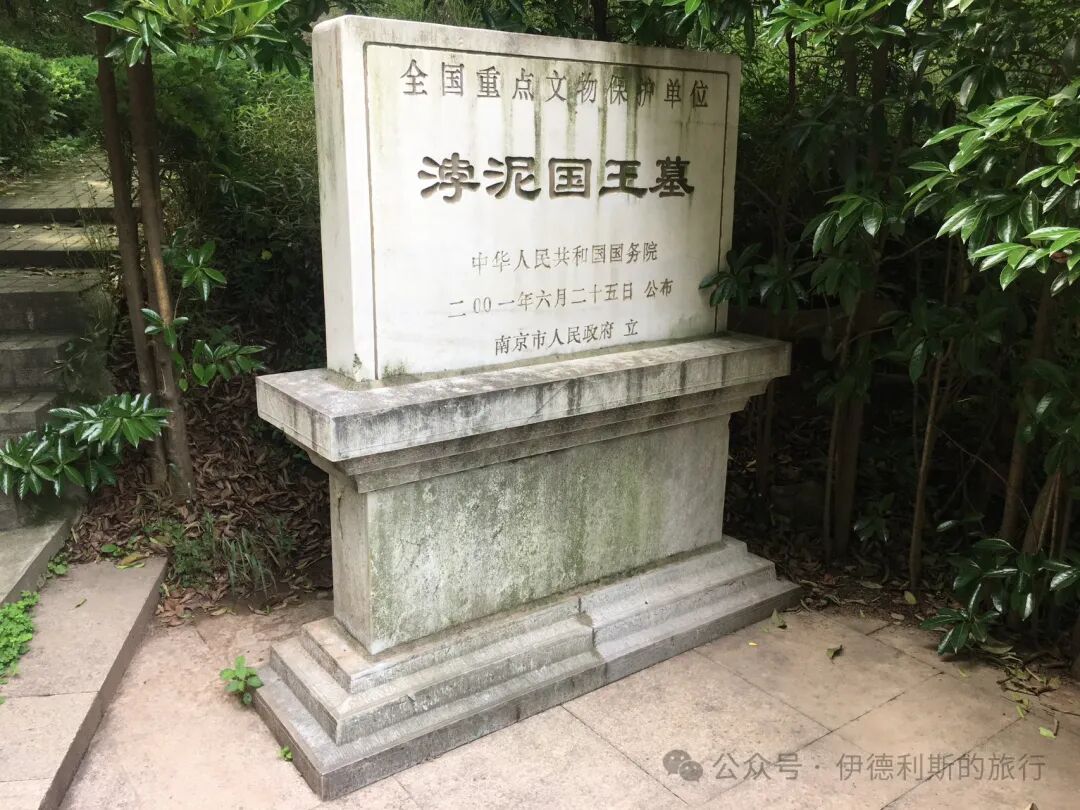
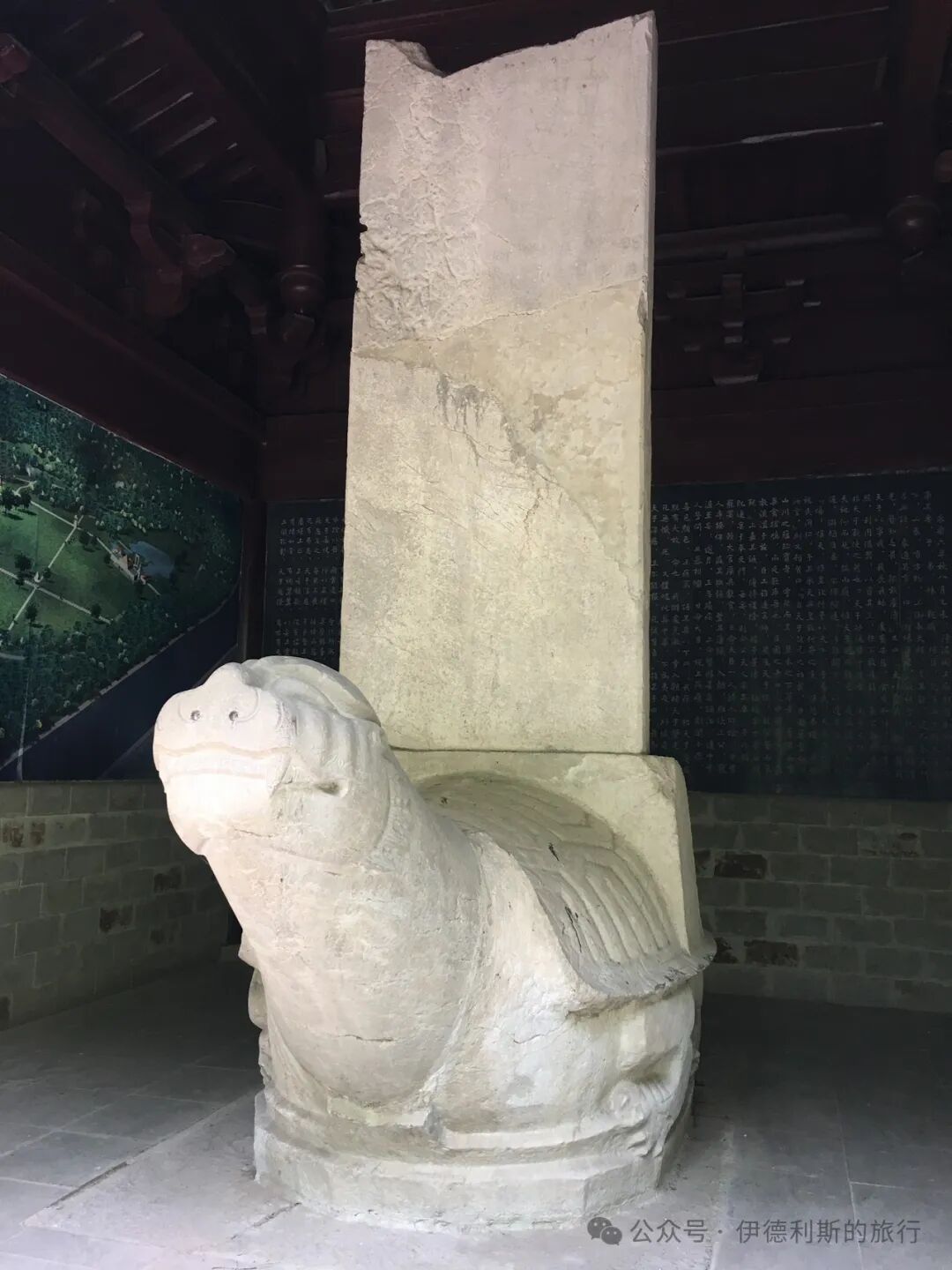
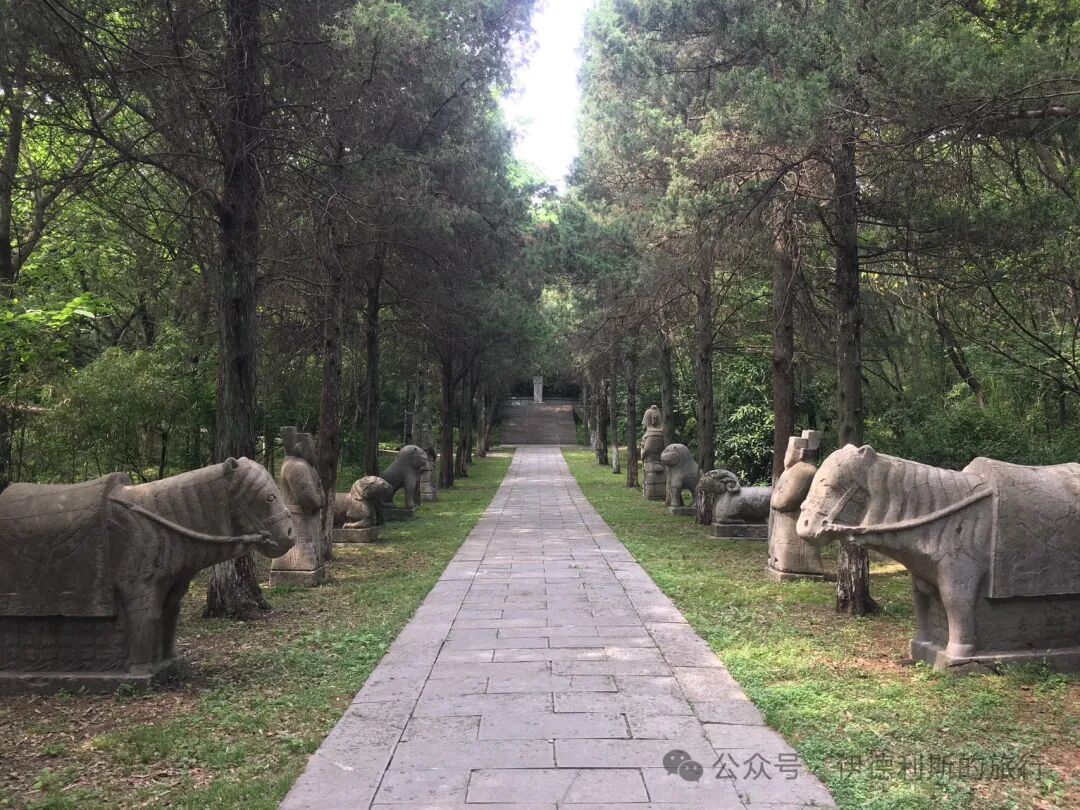
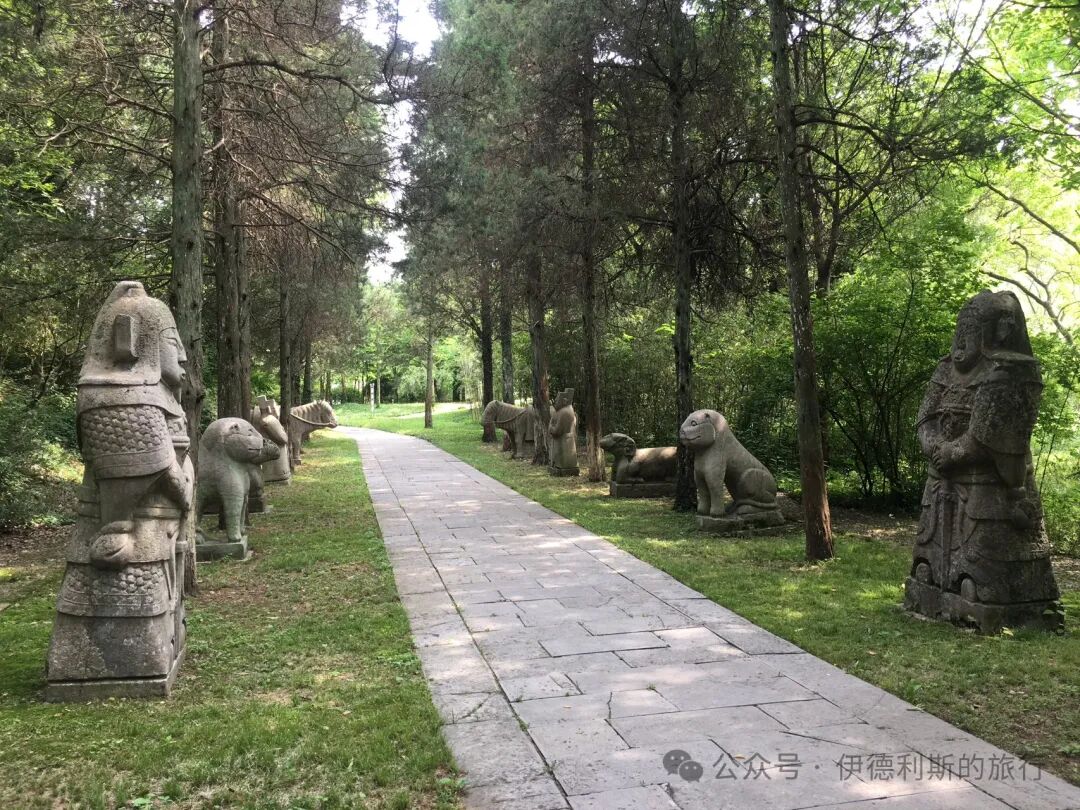
The ancient city in the mountains of Brunei.
I took a taxi from the city center to the ruins of the Brunei Sultanate palace hidden in the tropical rainforest, the Kota Batu Archaeological Park (Taman Arkeologi Kota Batu), which is also Brunei's most important archaeological site.
Kota Batu is believed to have been the capital of the Brunei Sultanate from the 14th to the 17th century. It was once an important trade port in Southeast Asia and the central city of northern Borneo. In 1521, Italian explorer Antonio Pigafetta arrived in Brunei with Magellan's fleet. He recorded: 'This city is built entirely on the sea, with 25,000 households, excluding the homes of the Sultan and certain heads of state.' A civil war in the Brunei Sultanate between 1660 and 1673 led to the abandonment of Kota Batu. The Sultan of Brunei moved his palace to the water village of Kampong Ayer on the upper Brunei River.
Kota Batu means 'stone castle.' It is a rare site of stone architecture in Brunei. British naturalist and Sarawak Museum curator Tom Harrisson led the first archaeological excavations at Kota Batu from 1952 to 1953. He found many Chinese coins from the Tang, Song, and Ming dynasties, as well as Arabic coins, glassware, ironware, bronze, wooden tools, stone carvings, and ceramics from Siam, Indochina, and Song and Ming dynasty China.
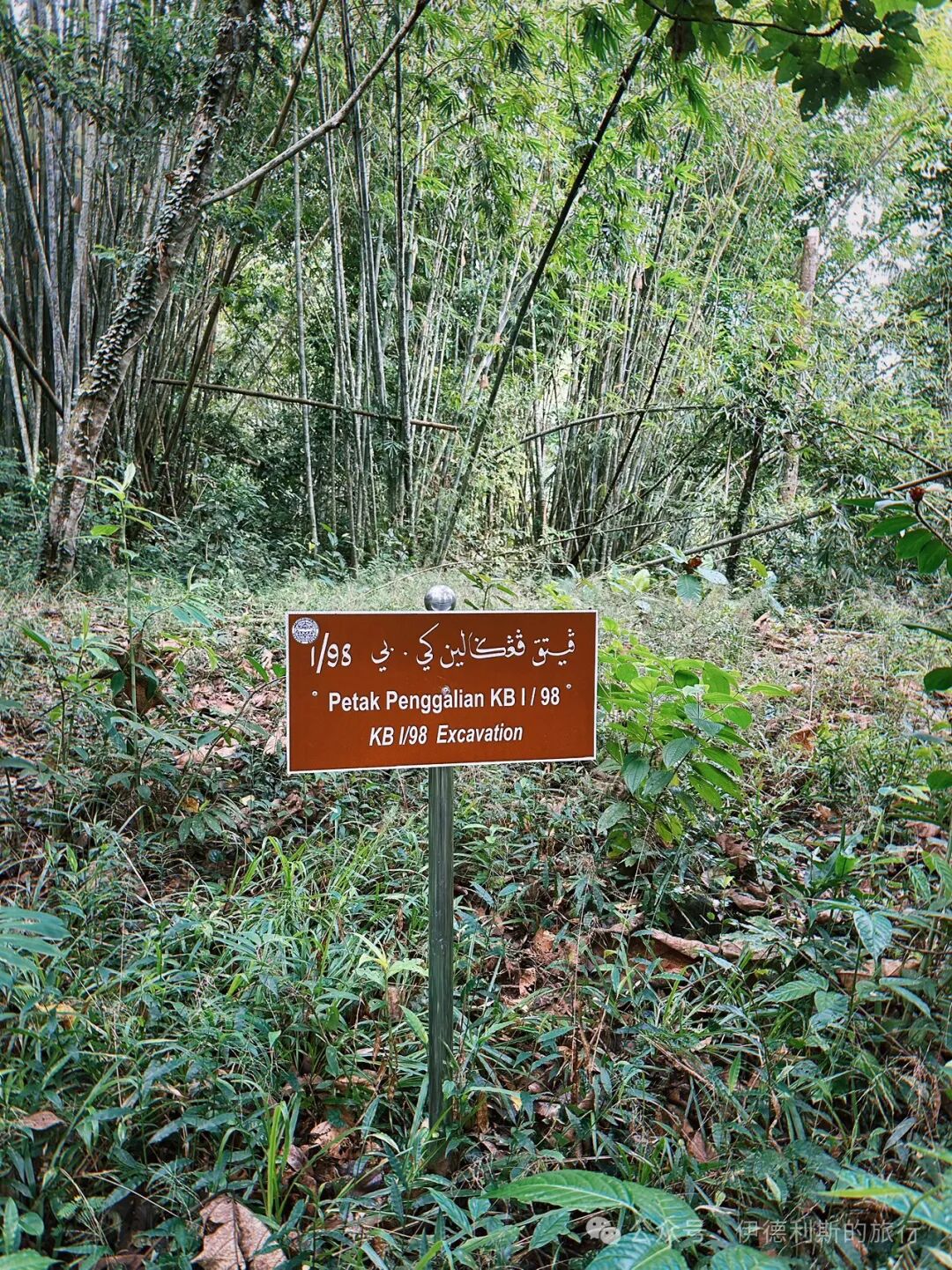
During excavations in 1986 and 1987, a square stone building measuring 25.8 meters by 25.4 meters was discovered. It contained 36 stone column bases, tombstone remains, and Ming dynasty porcelain shards. It is believed the building was constructed in the 15th century. Because the column bases are in three layers, the building likely had a three-tiered pyramid roof structure similar to traditional mosques in Malacca. Although early palace buildings in the Brunei Sultanate were made of wood and left few traces, the coins and pottery found at Kota Batu suggest the Sultan's palace was likely near this site.
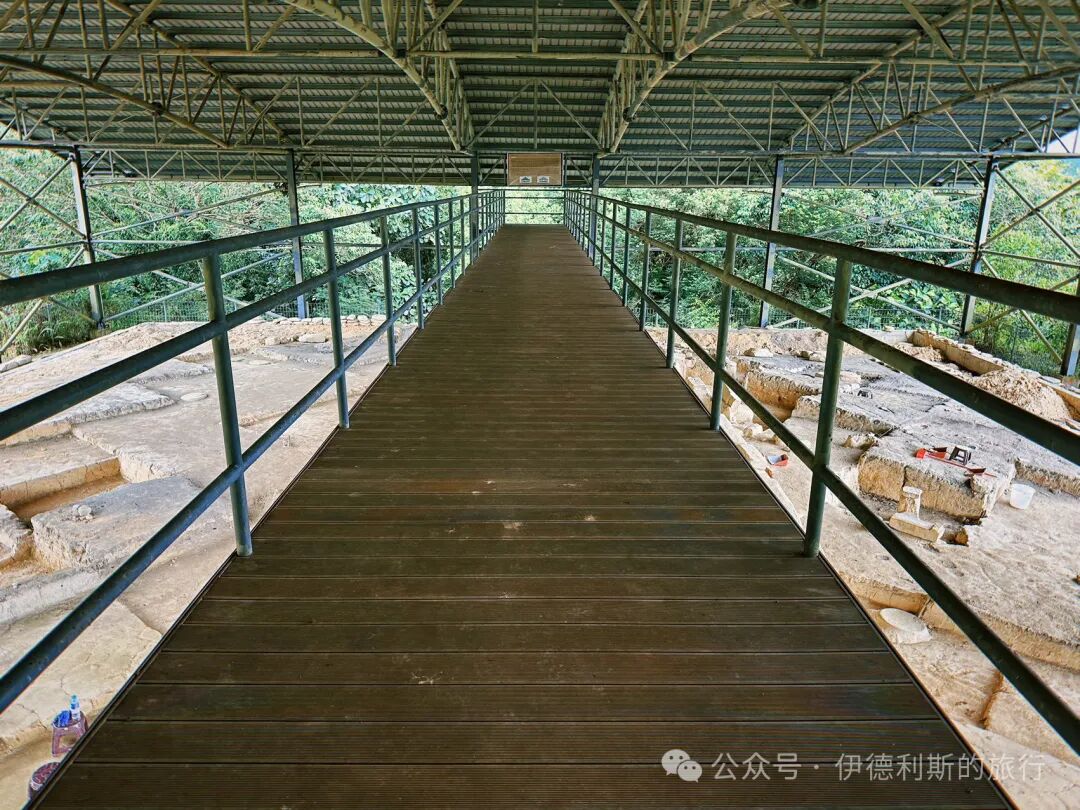
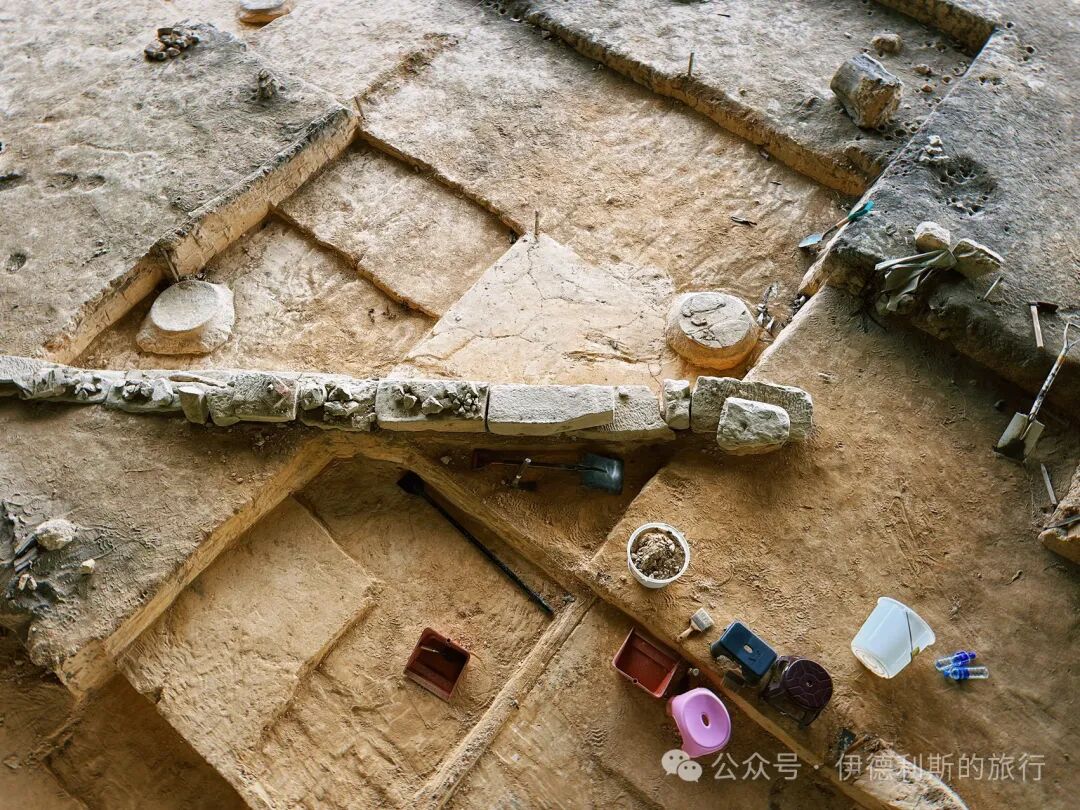
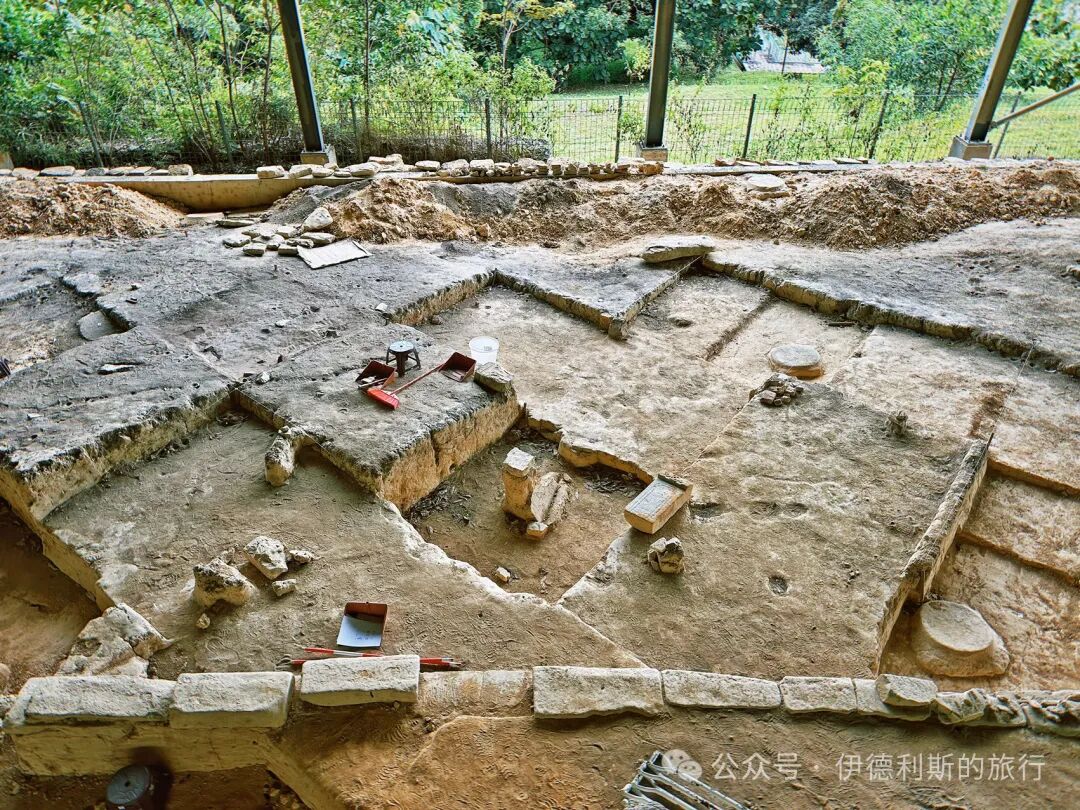
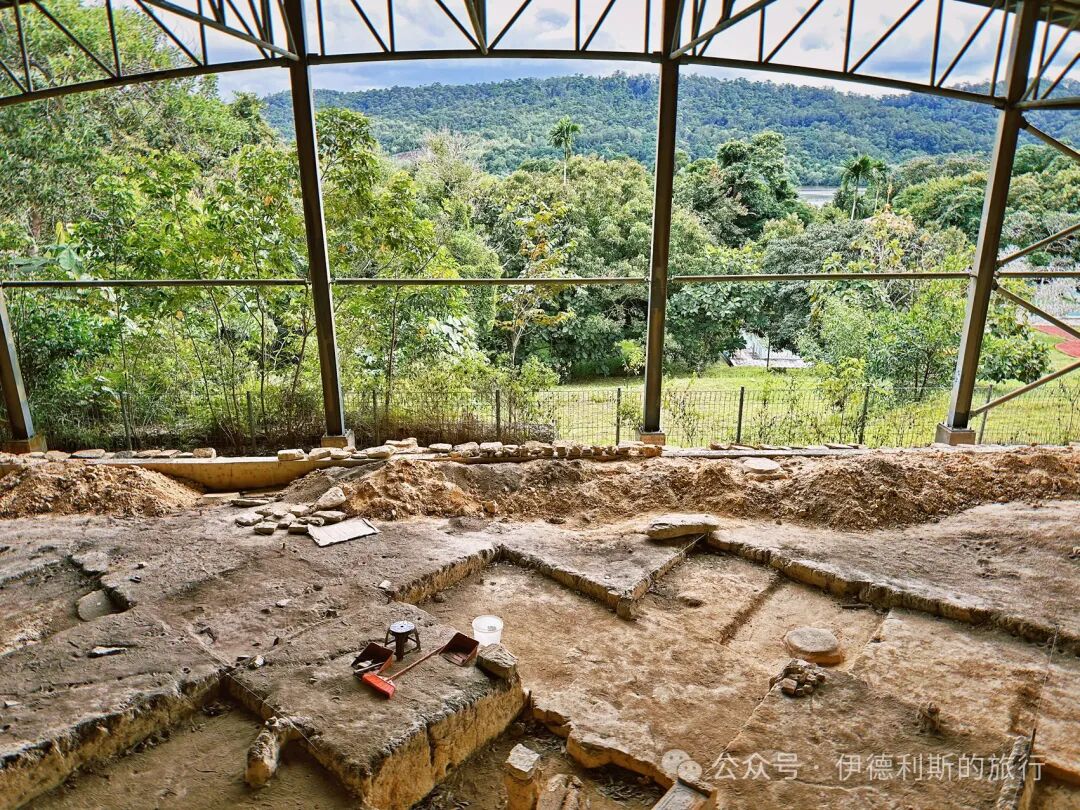
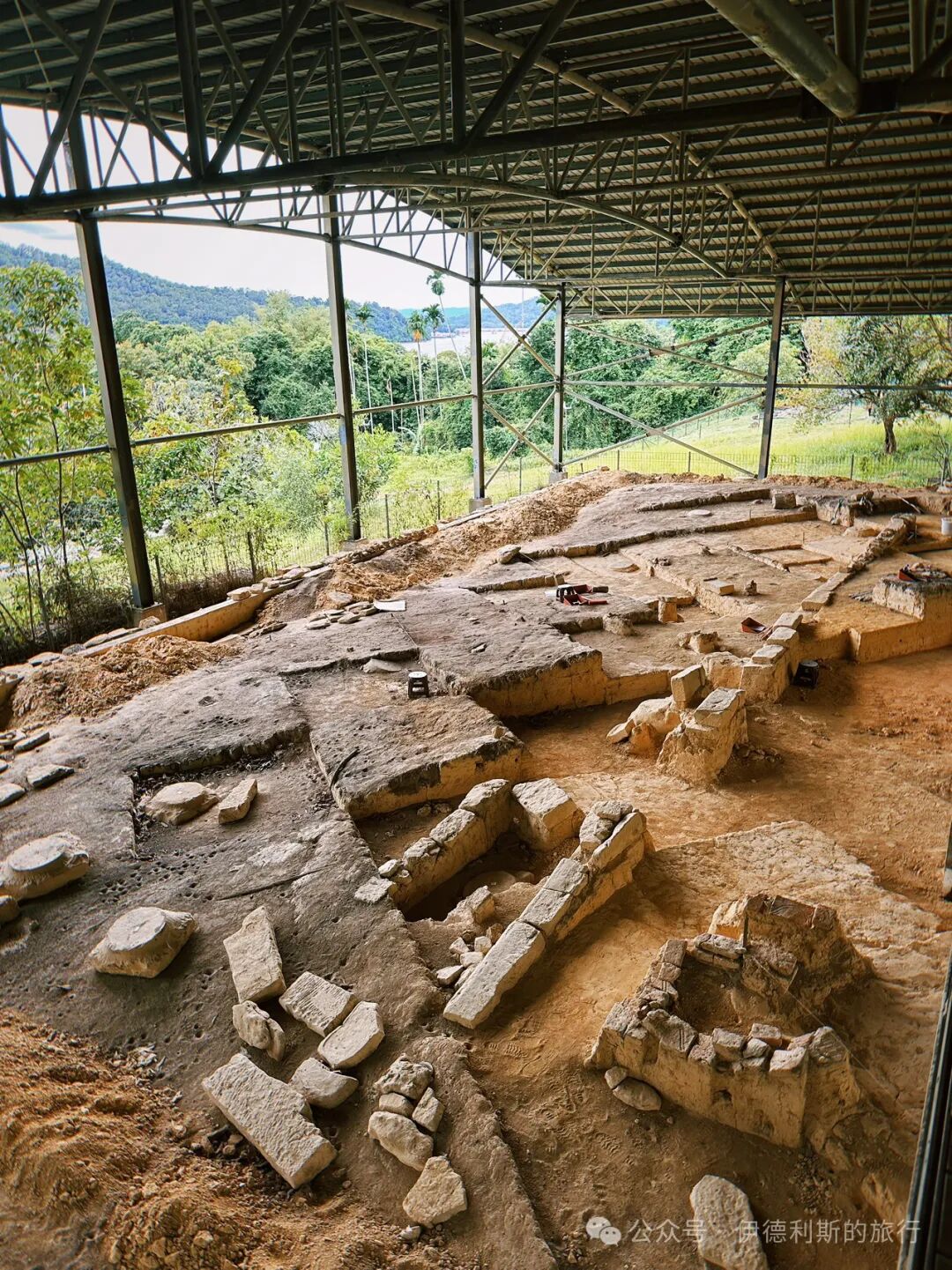
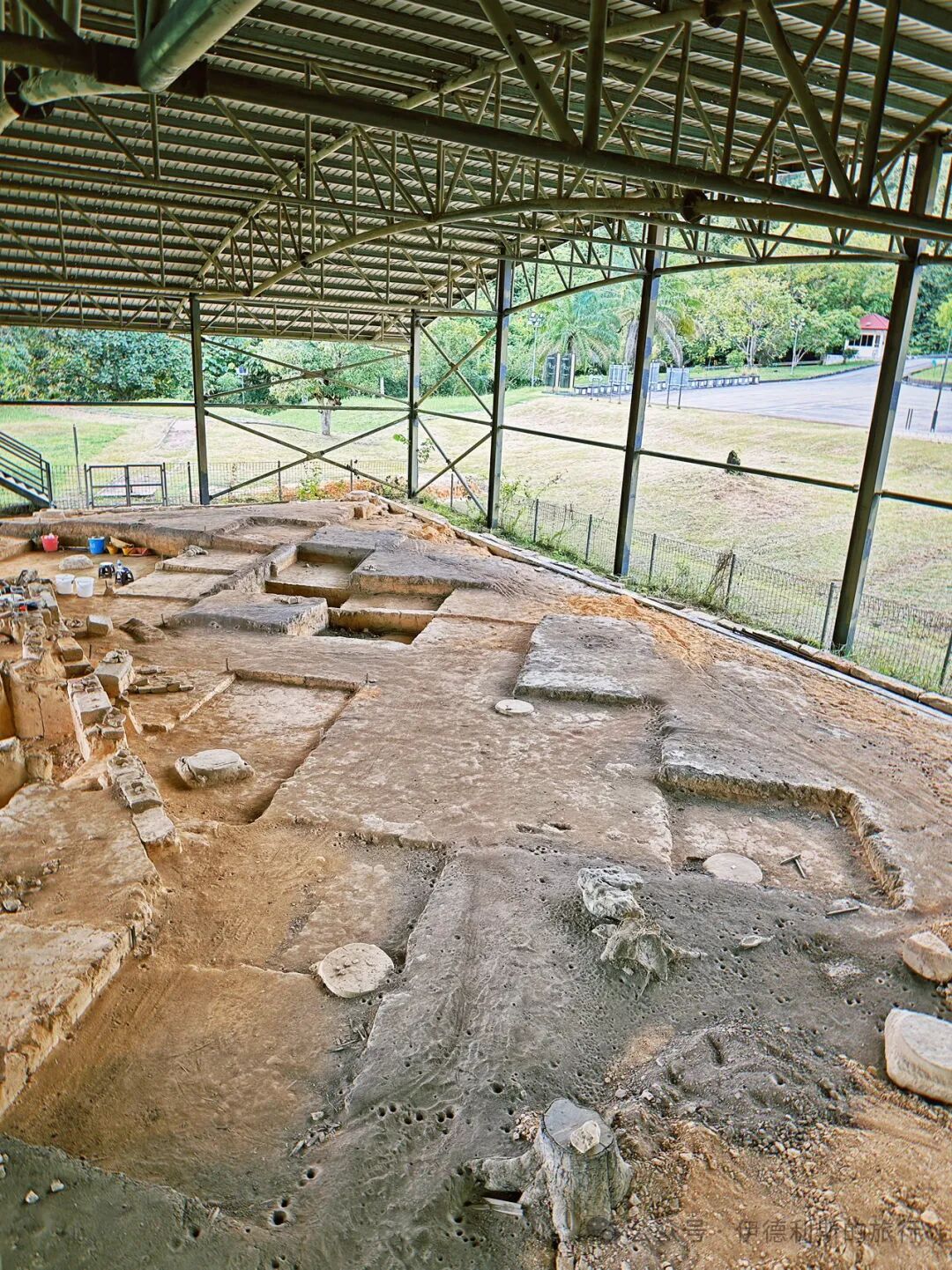
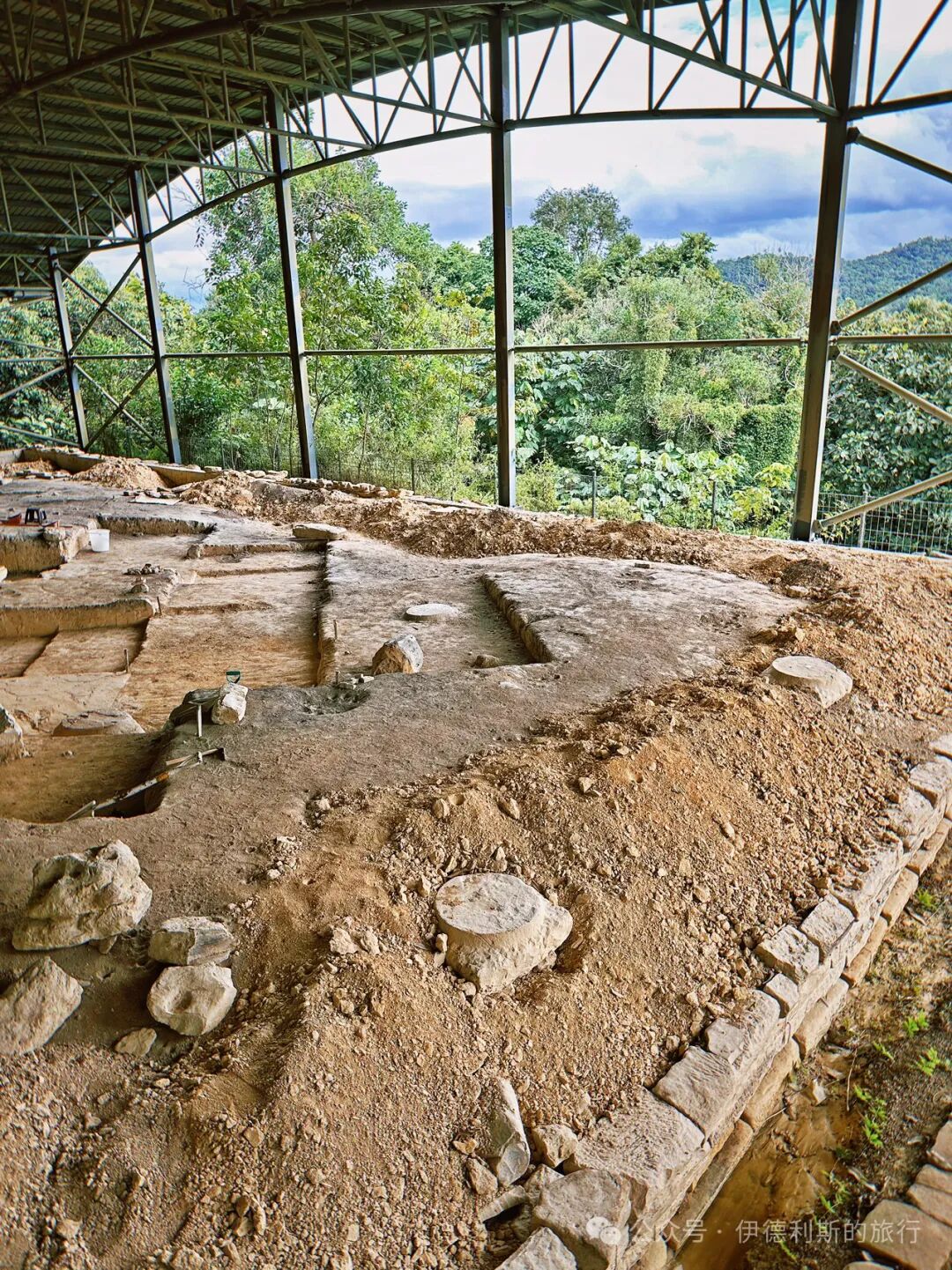
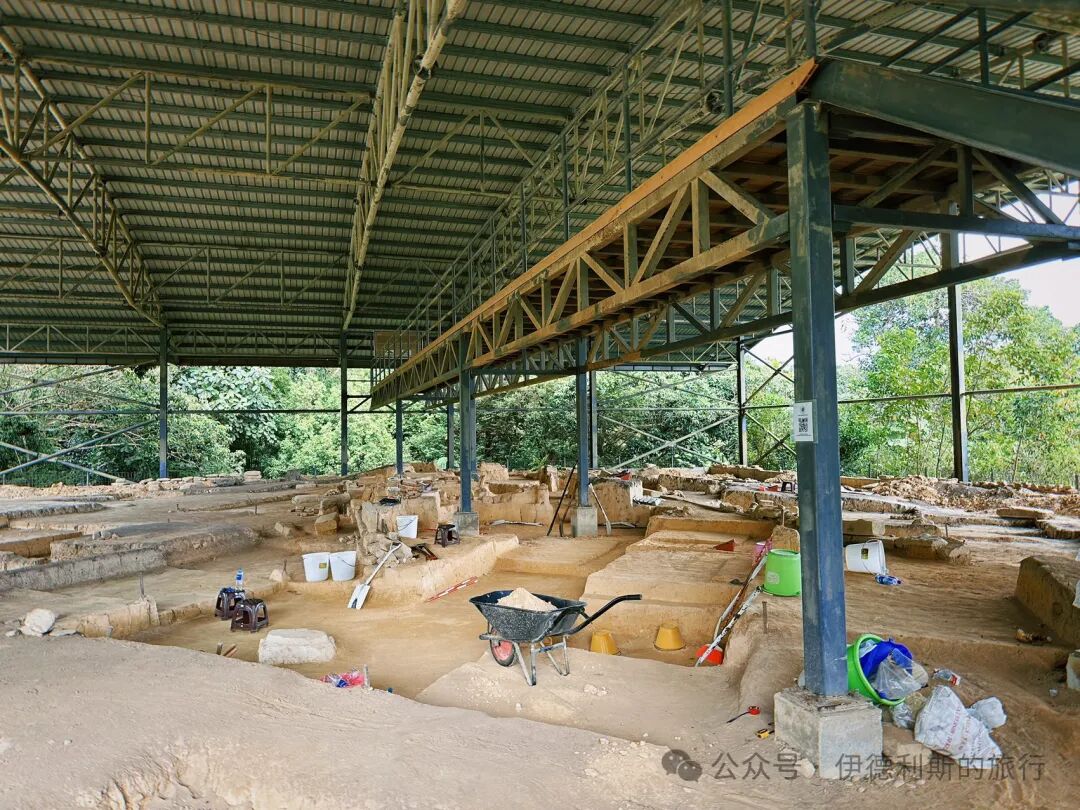
Next to the site are nine graves of Brunei nobles from the 15th and 16th centuries. The tombstones were all imported, likely from China.
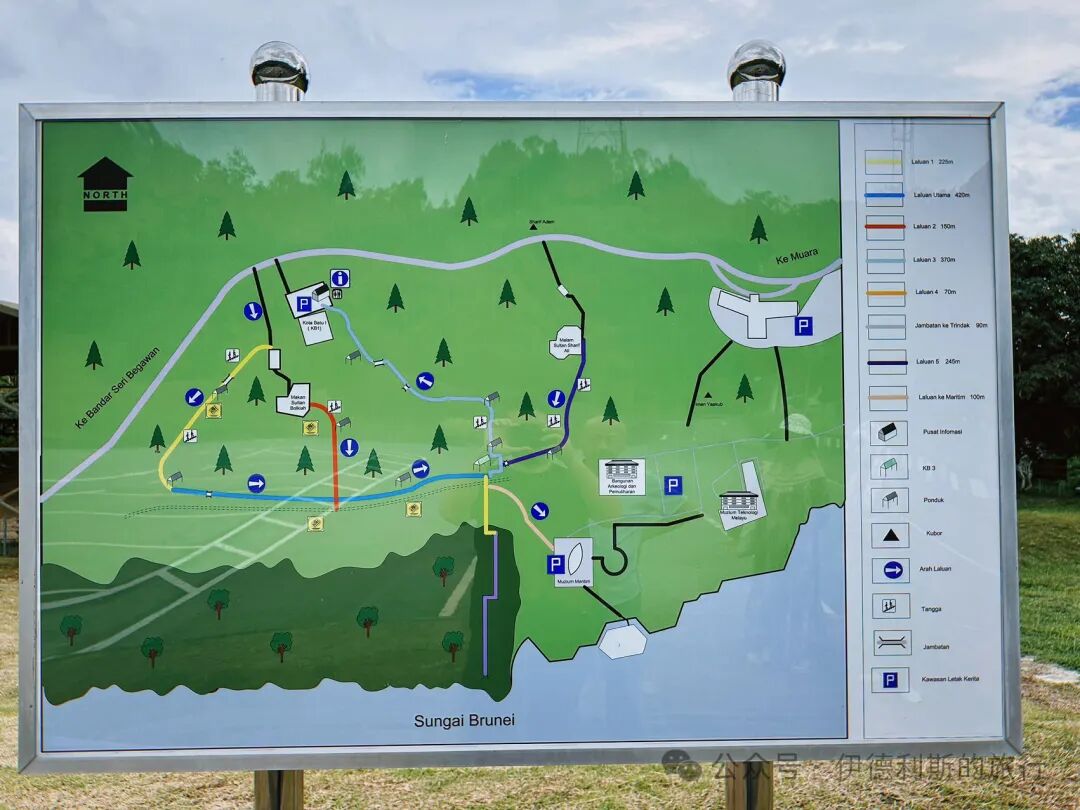
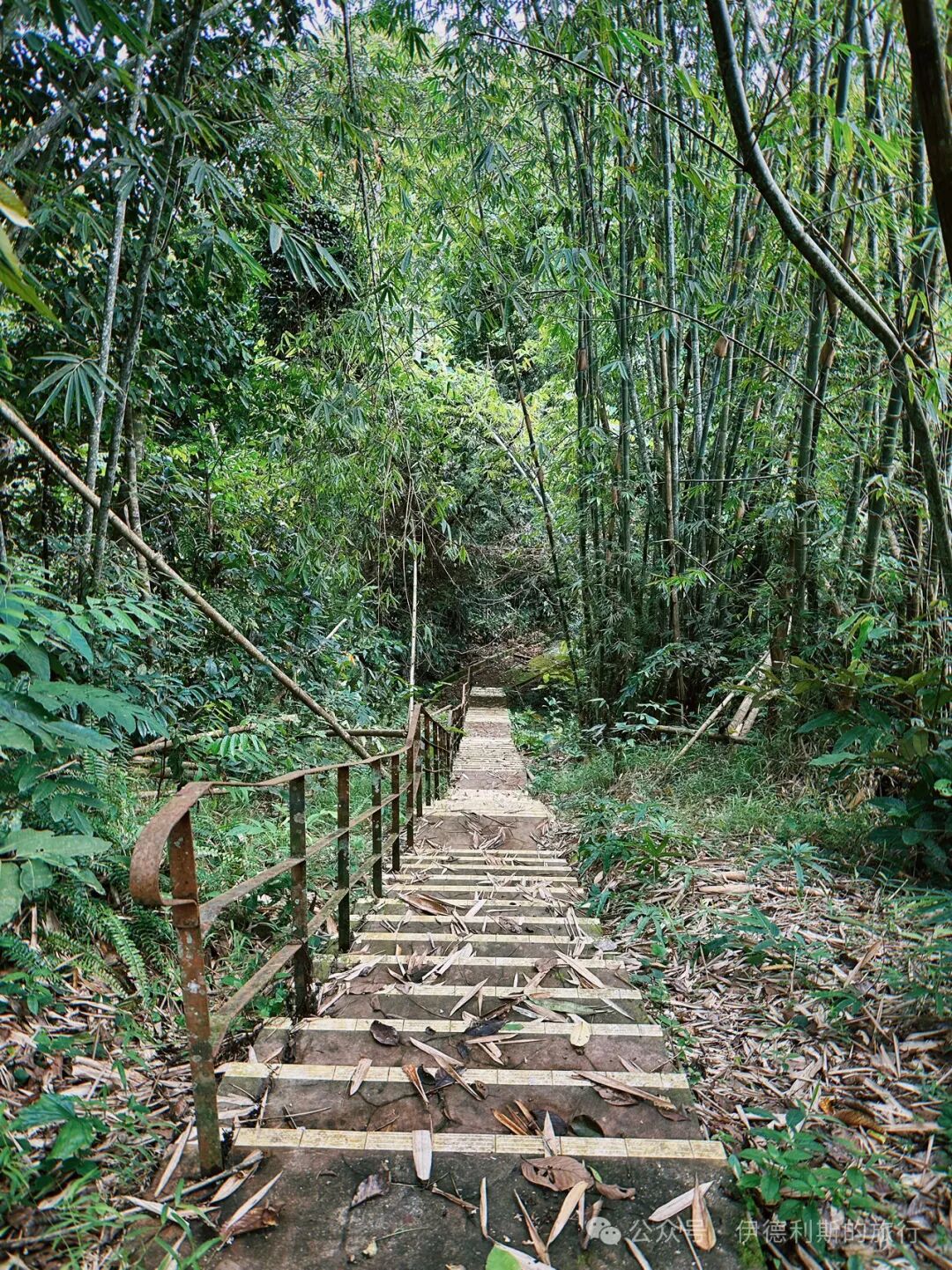
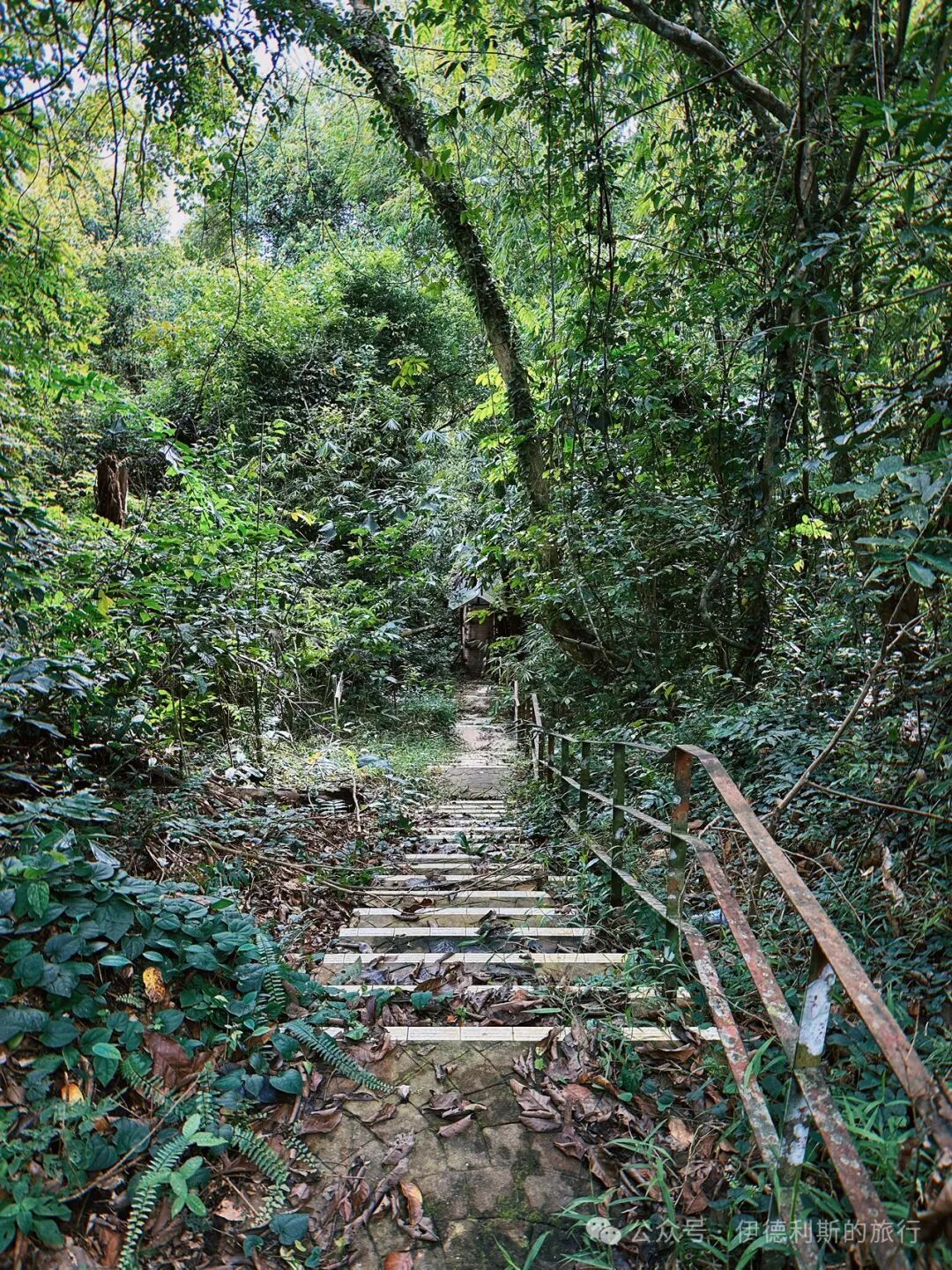
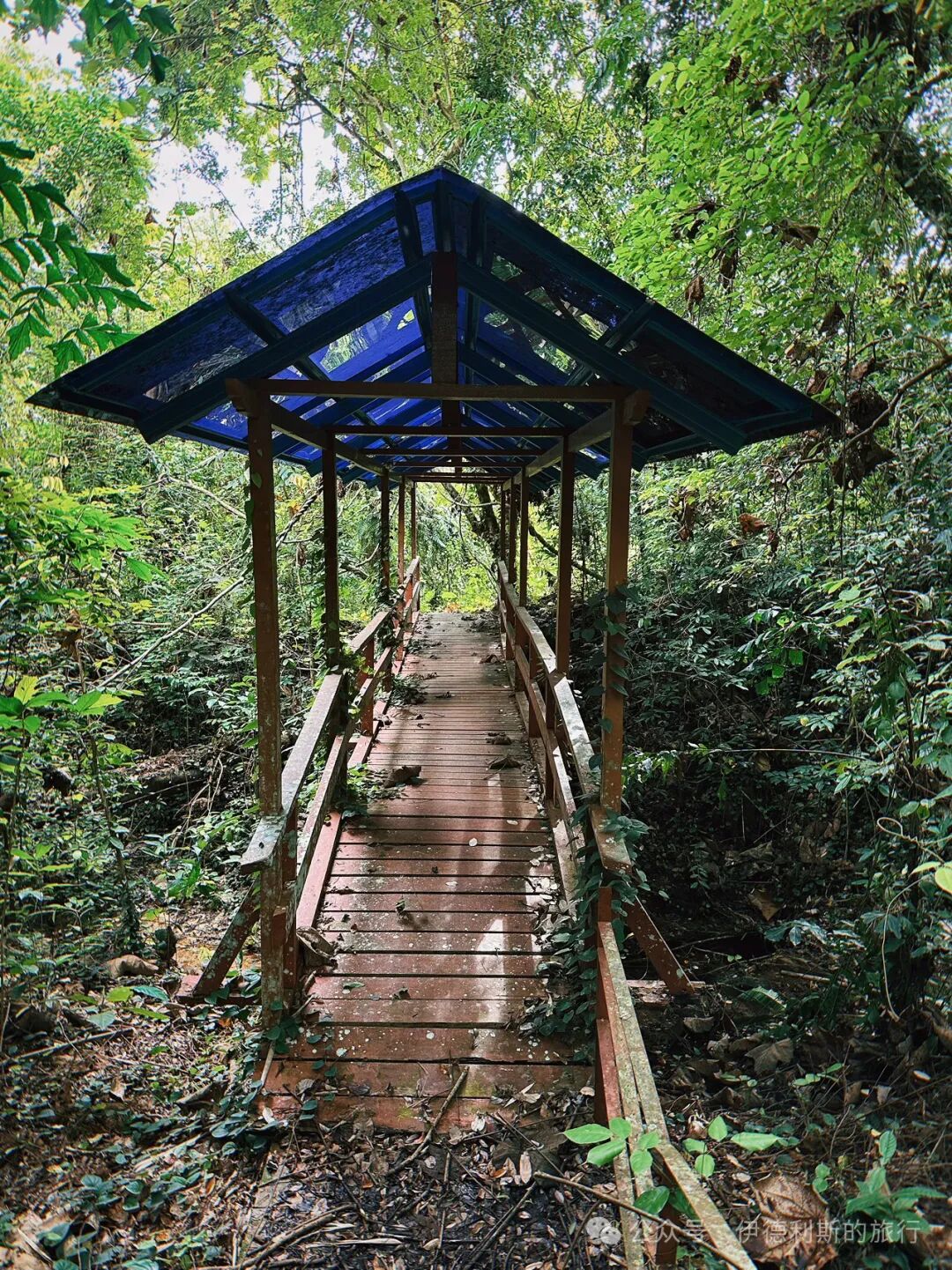
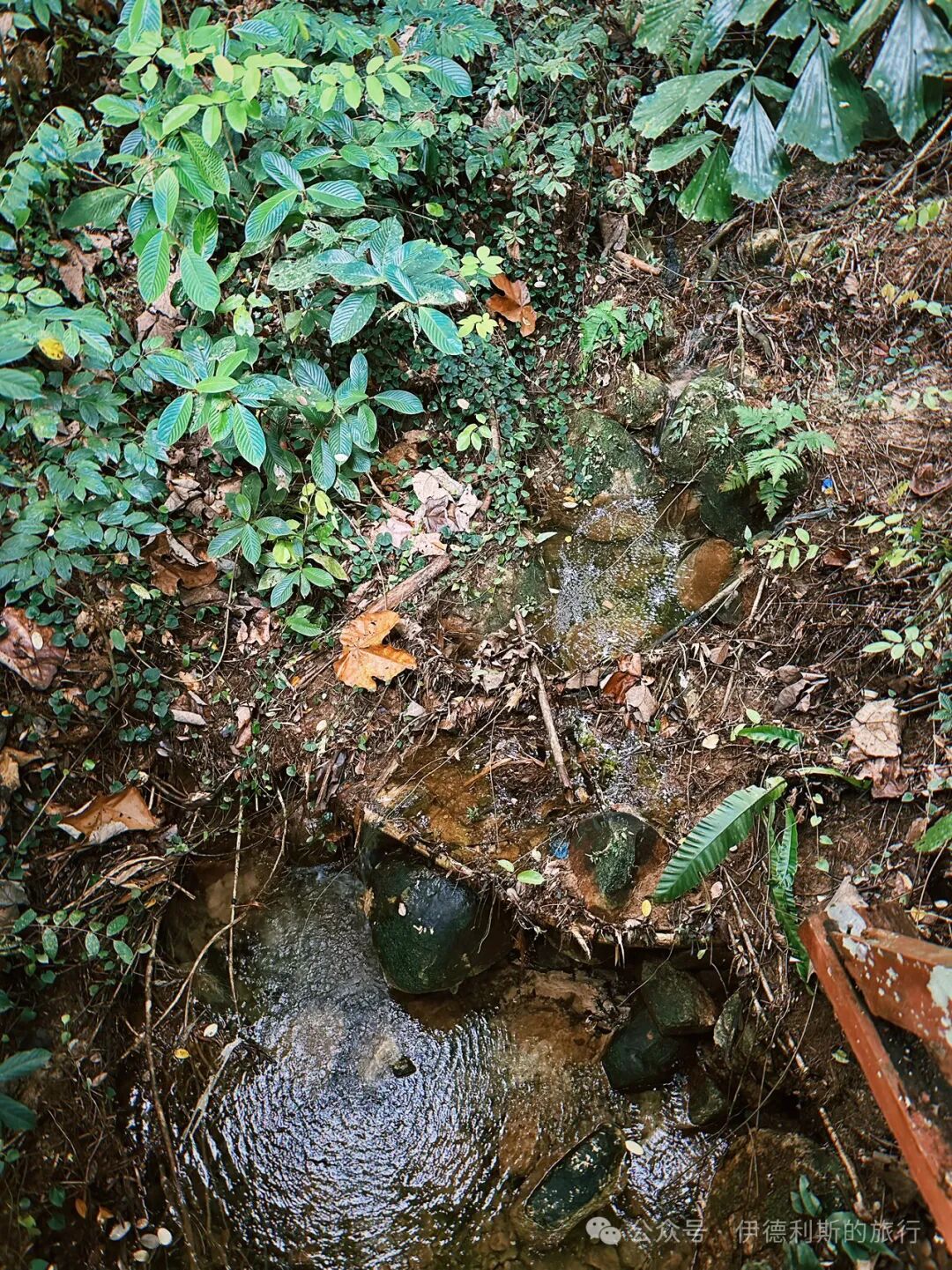
The paths in Kota Batu Archaeological Park feel like a primitive forest. There were no other tourists, and the mountain trails were often covered by fallen leaves and hidden from view. It is hard to imagine that this was once the capital of Brunei.
Tomb of the Third Sultan of Brunei
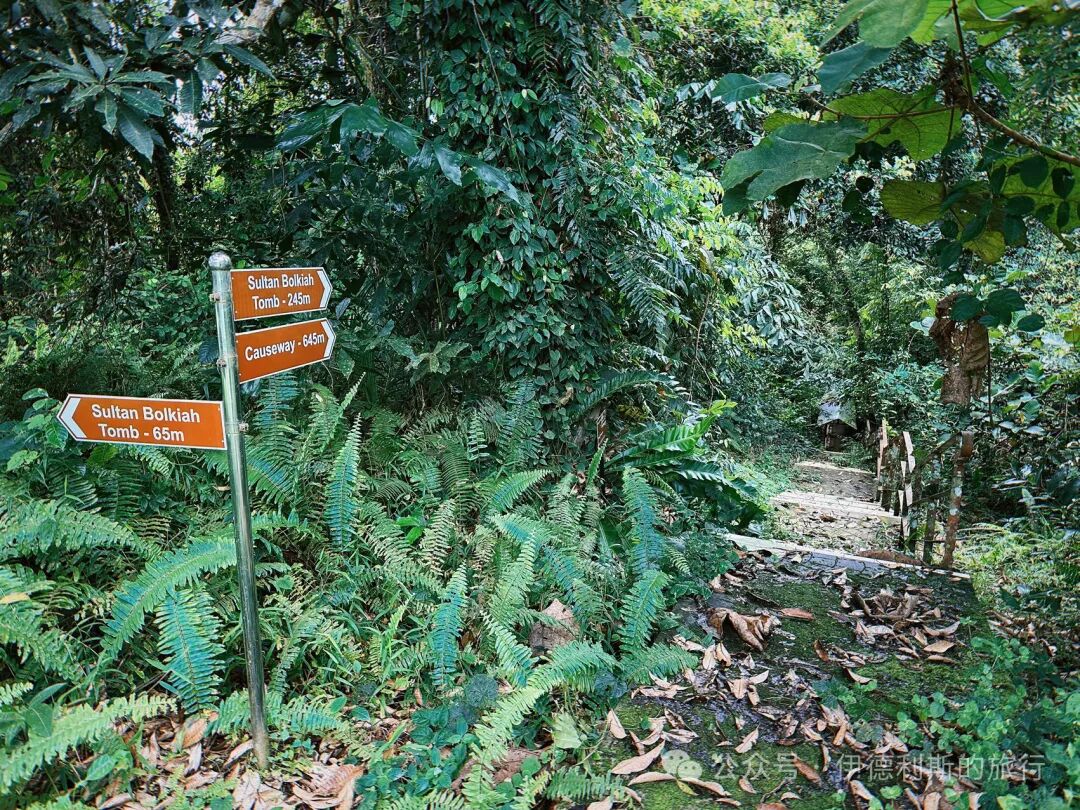
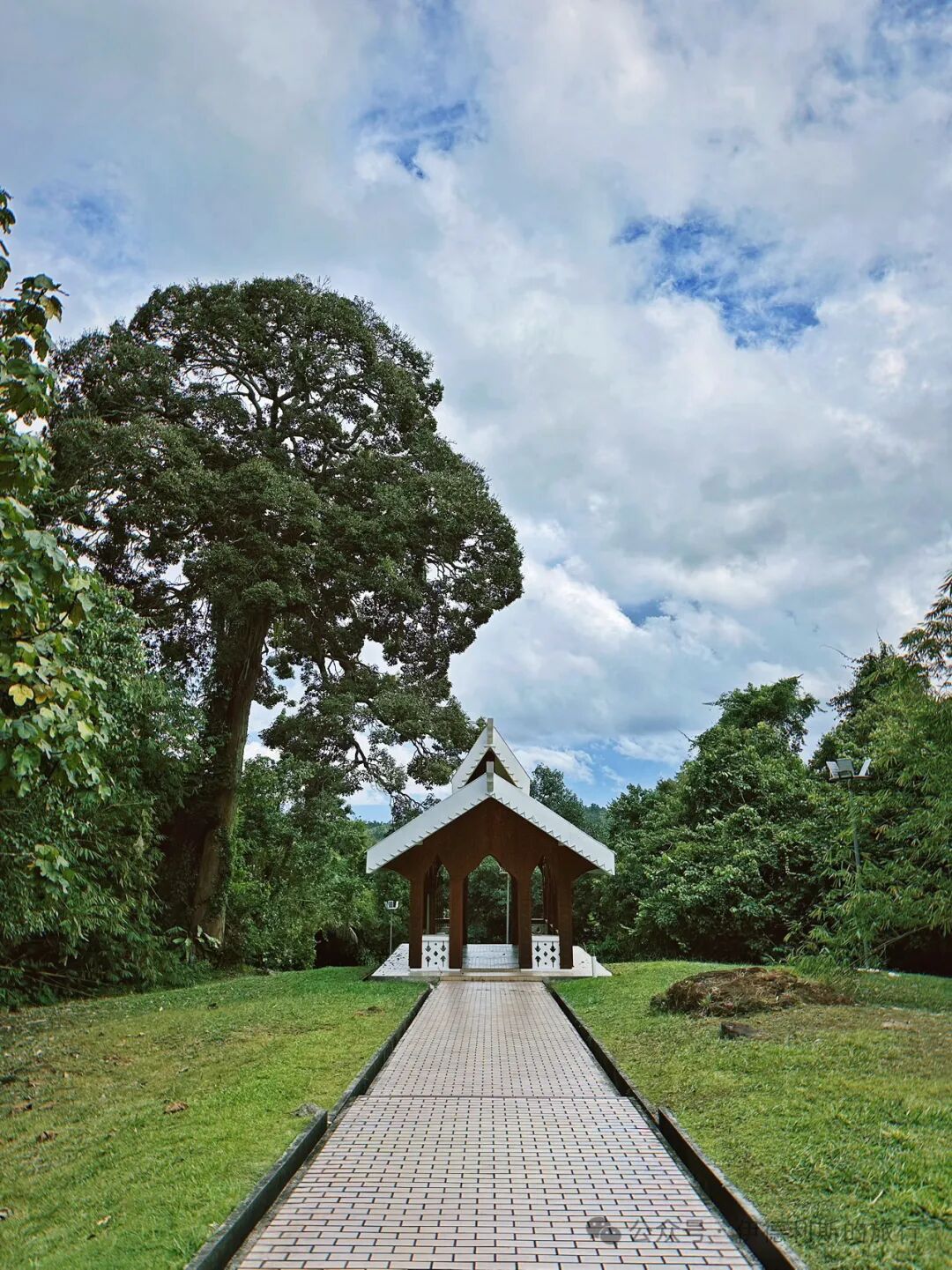
The Kota Batu Archaeological Park contains the tomb of Sharif Ali, the third Sultan of Brunei.
Sultan Sharif Ali (reigned 1425–1432) was originally a missionary from the ancient Saudi city of Taif and a descendant of the Prophet's grandson, Hasan ibn Ali. He arrived in Brunei to preach in 1395 and earned the respect of the Sultan and the people. He married the daughter of Sultan Ahmad around 1400 and inherited the throne after the old Sultan passed away in 1425. This is how the Brunei Sultanate gained its lineage from the Prophet.
Sultan Sharif Ali worked to spread Islamic law while keeping local customs that did not conflict with the faith. During his reign, Brunei officially transitioned from a Hindu-Buddhist cultural zone into a part of Islamic civilization. He built the first mosque in Brunei, designed the national flag, and established the title 'Darussalam' for Brunei. It is believed that he may have also built the stone castle at Kota Batu.
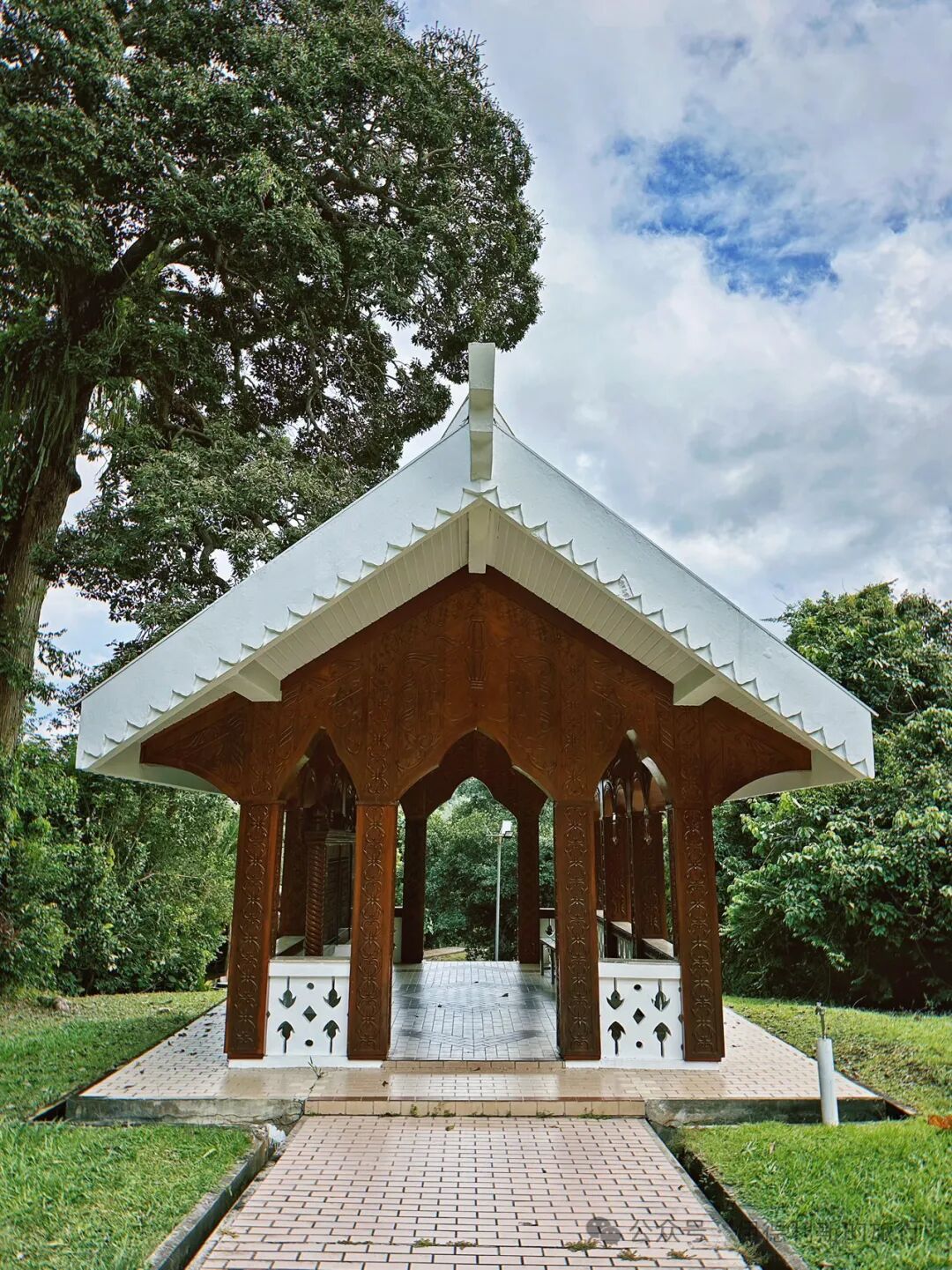
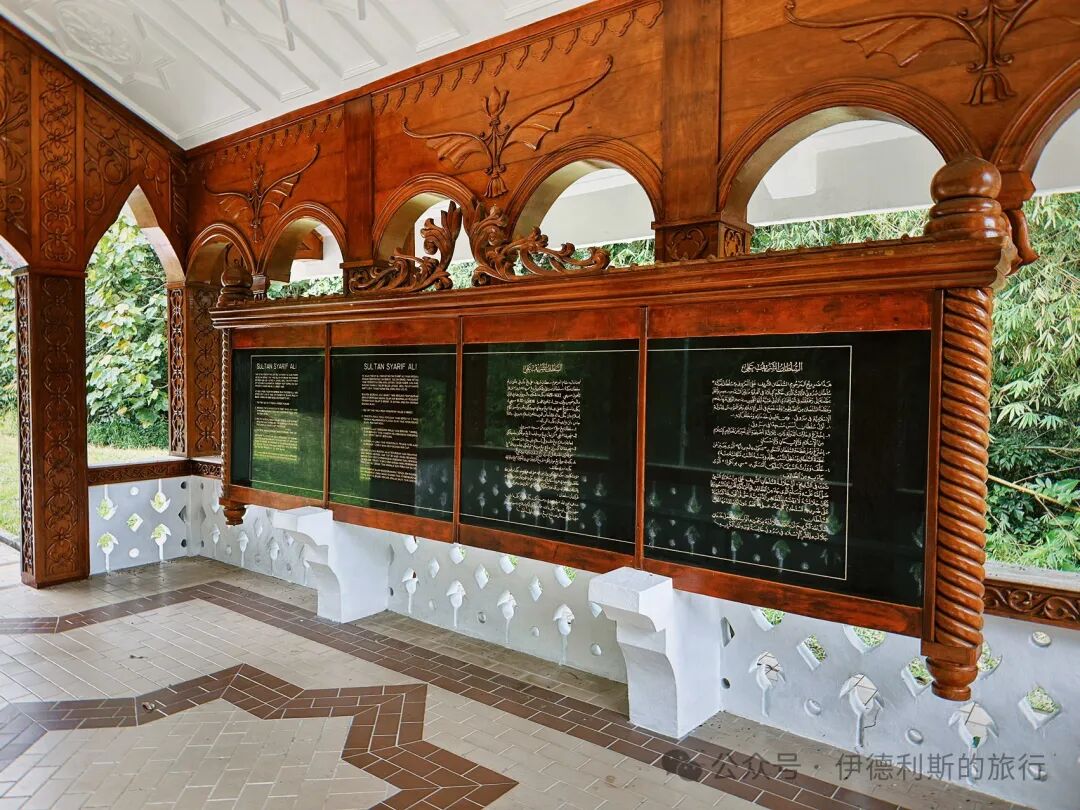
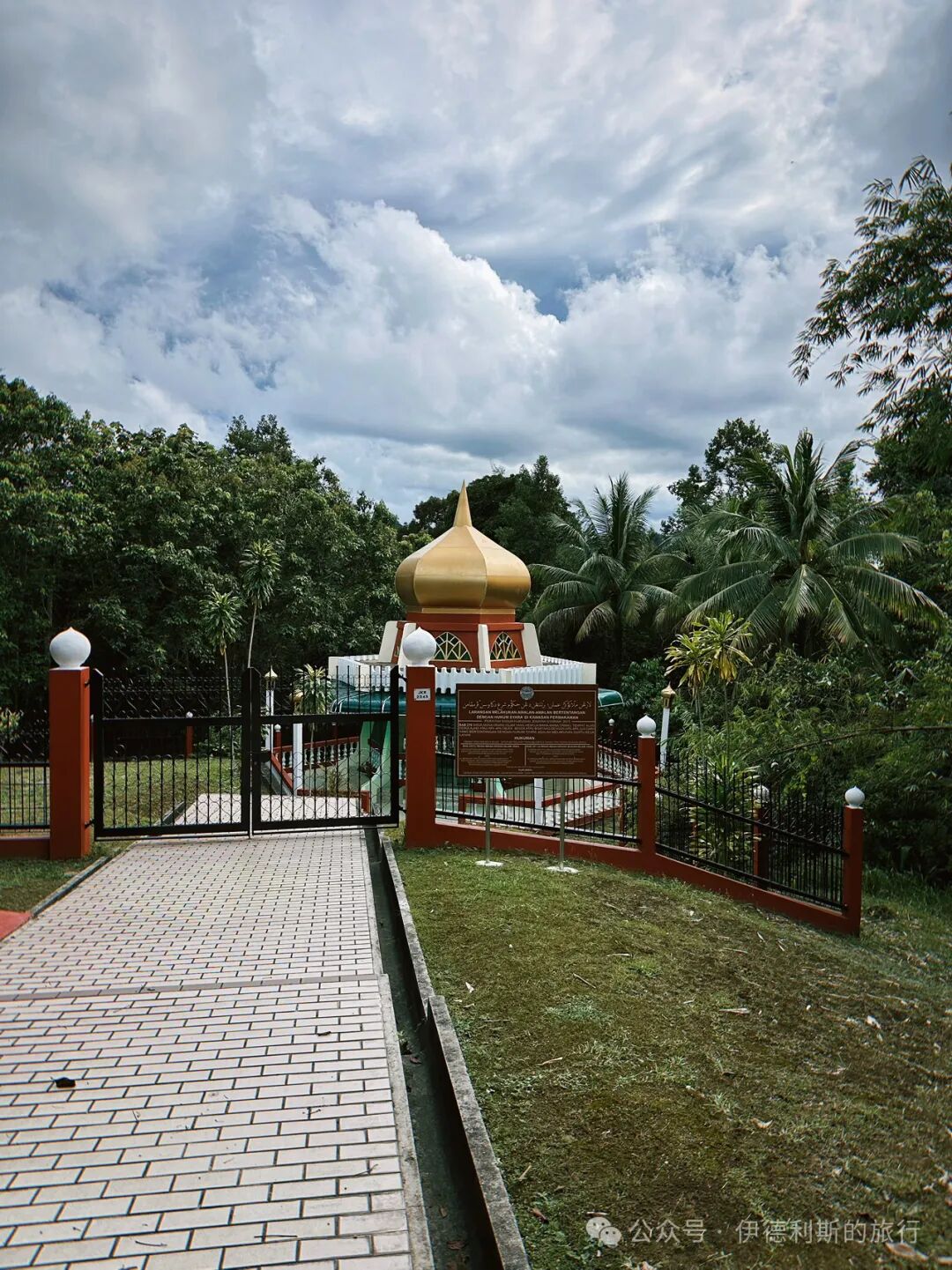
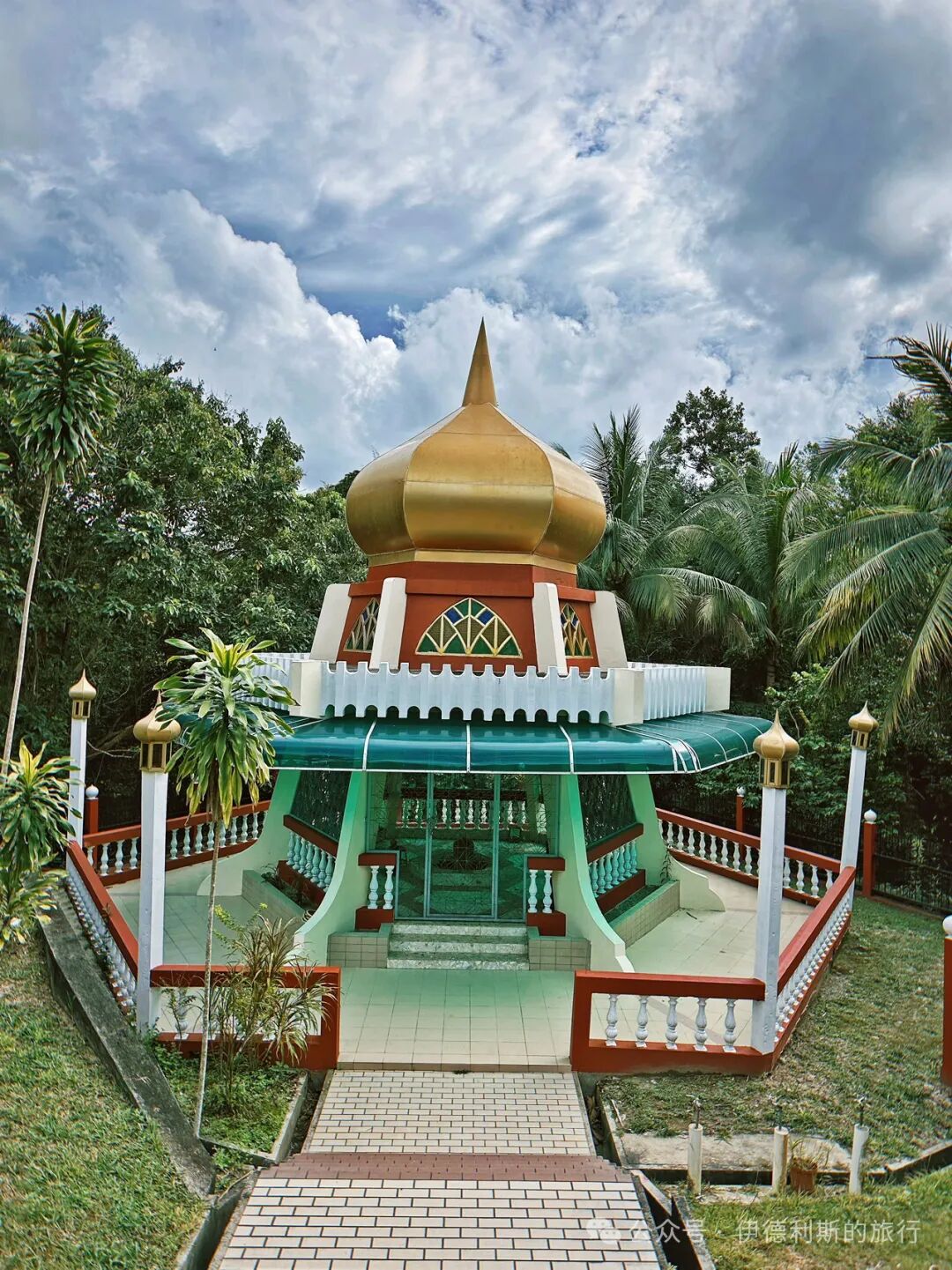
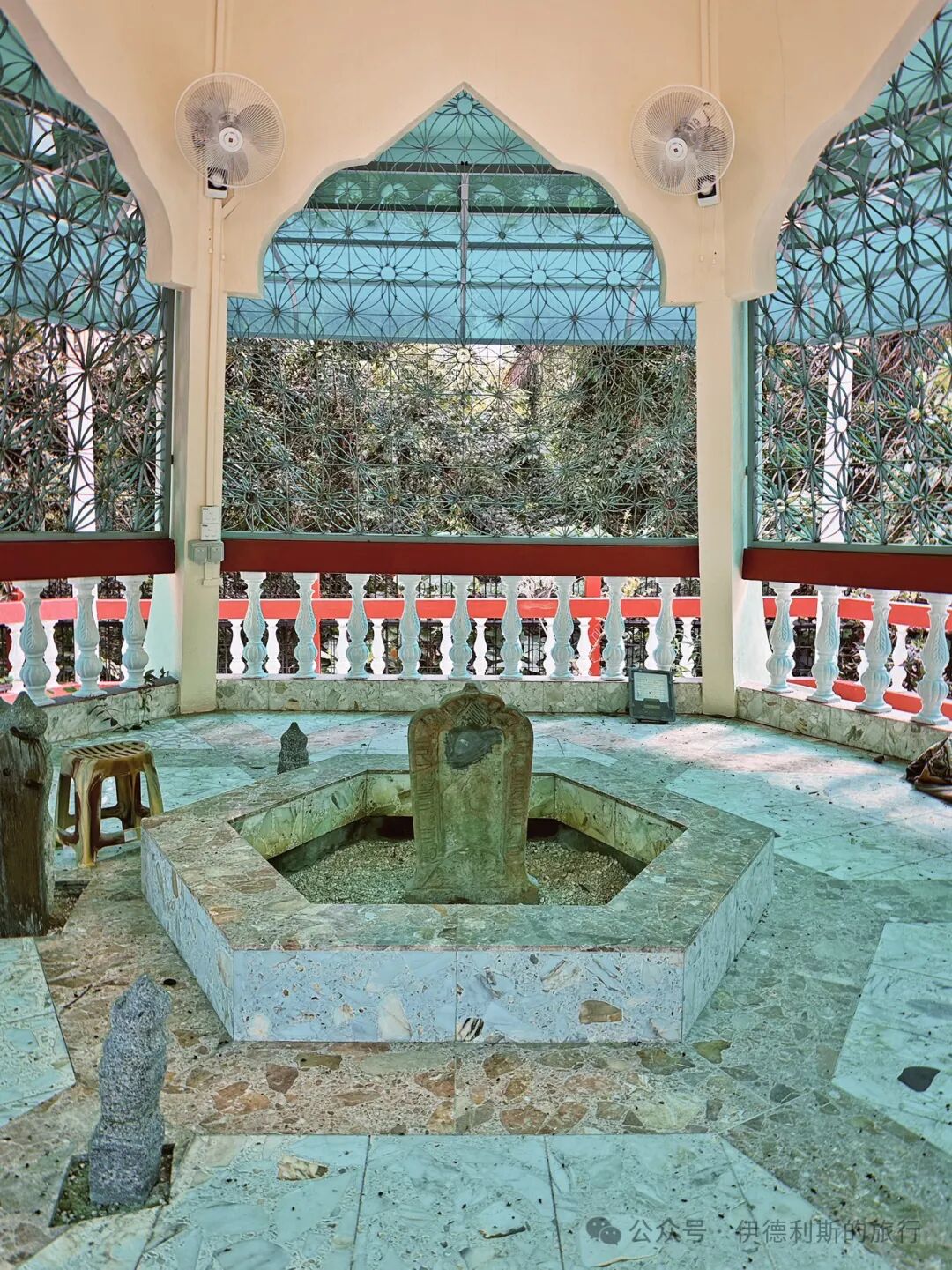
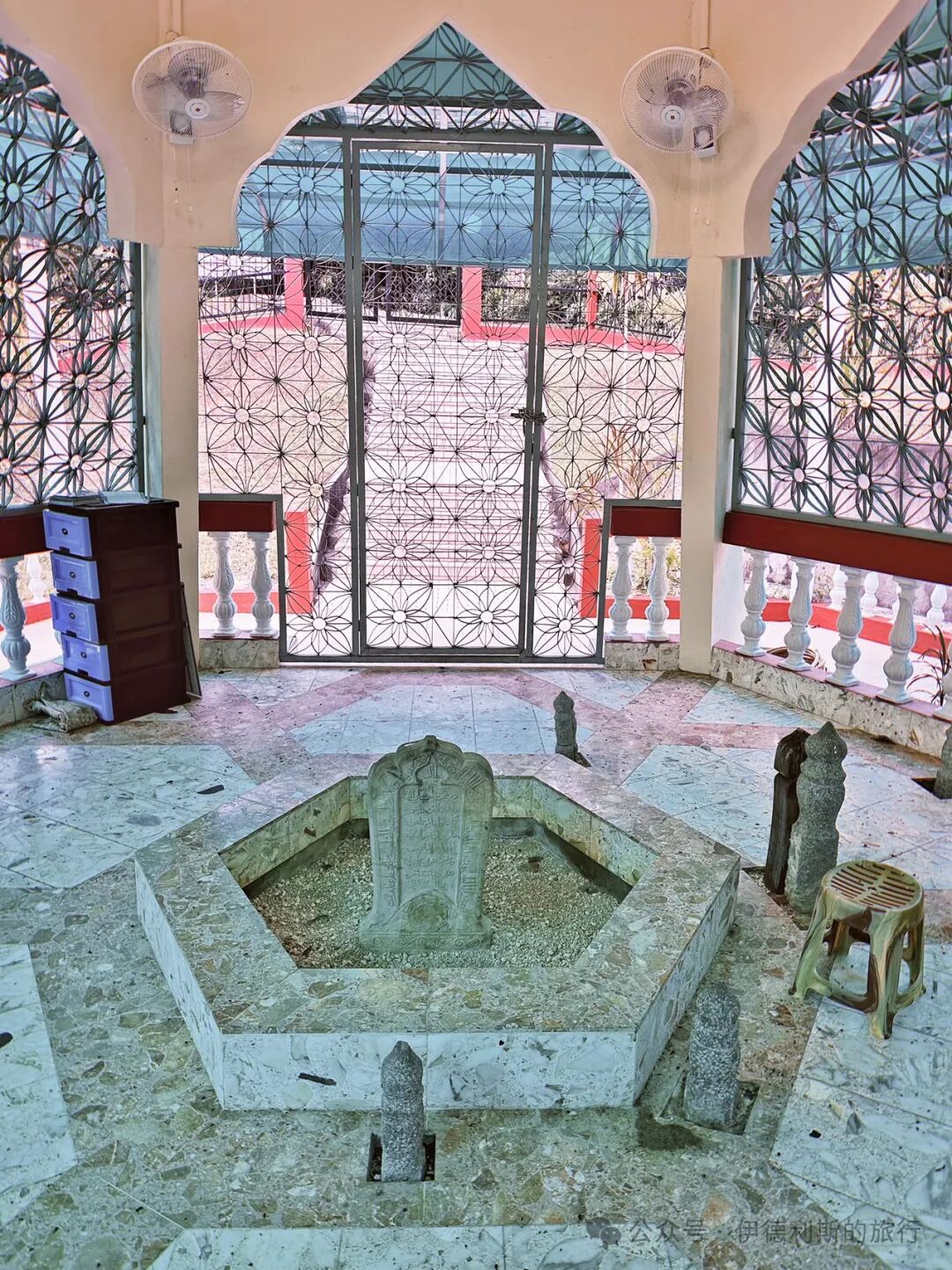
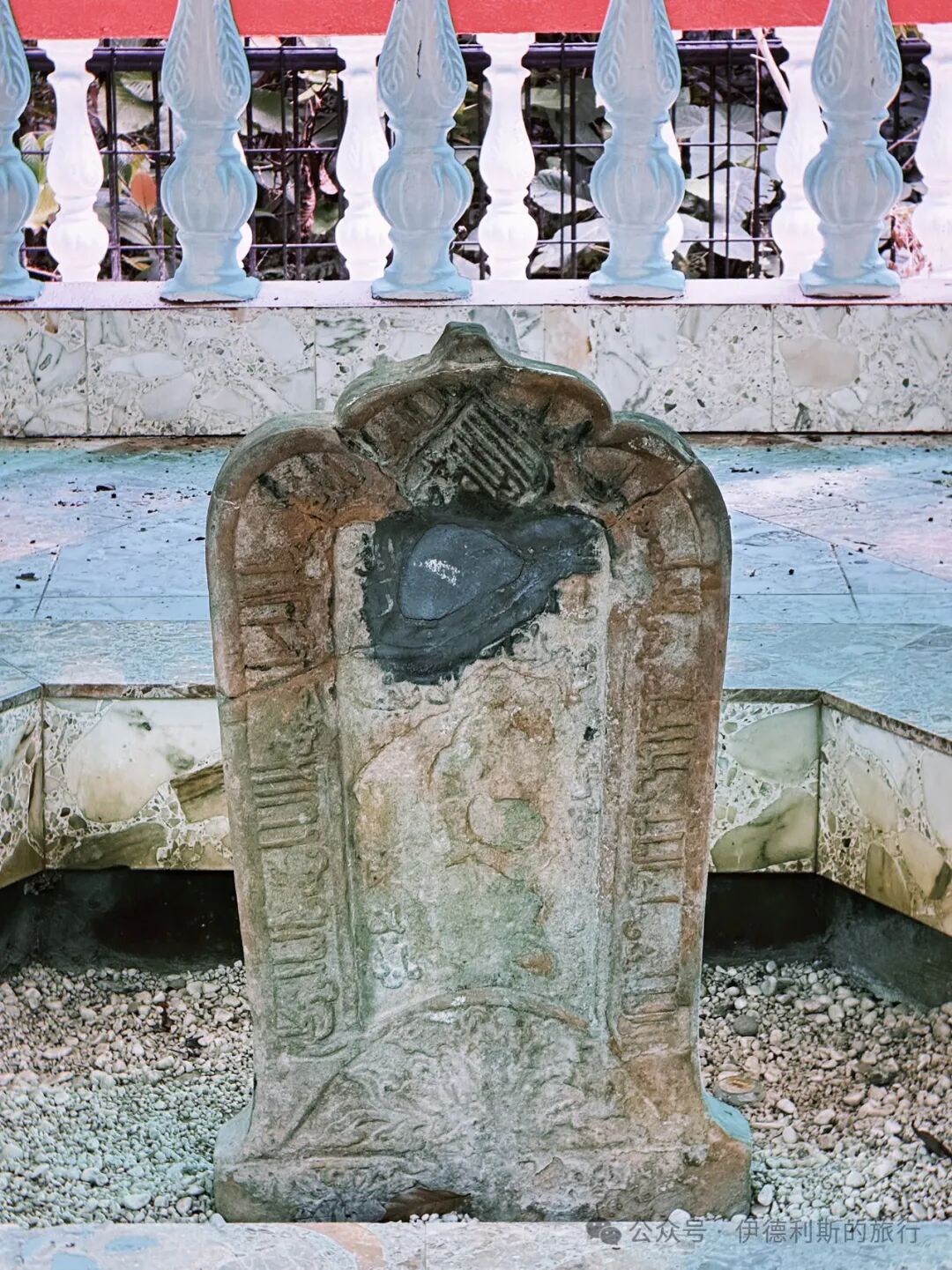
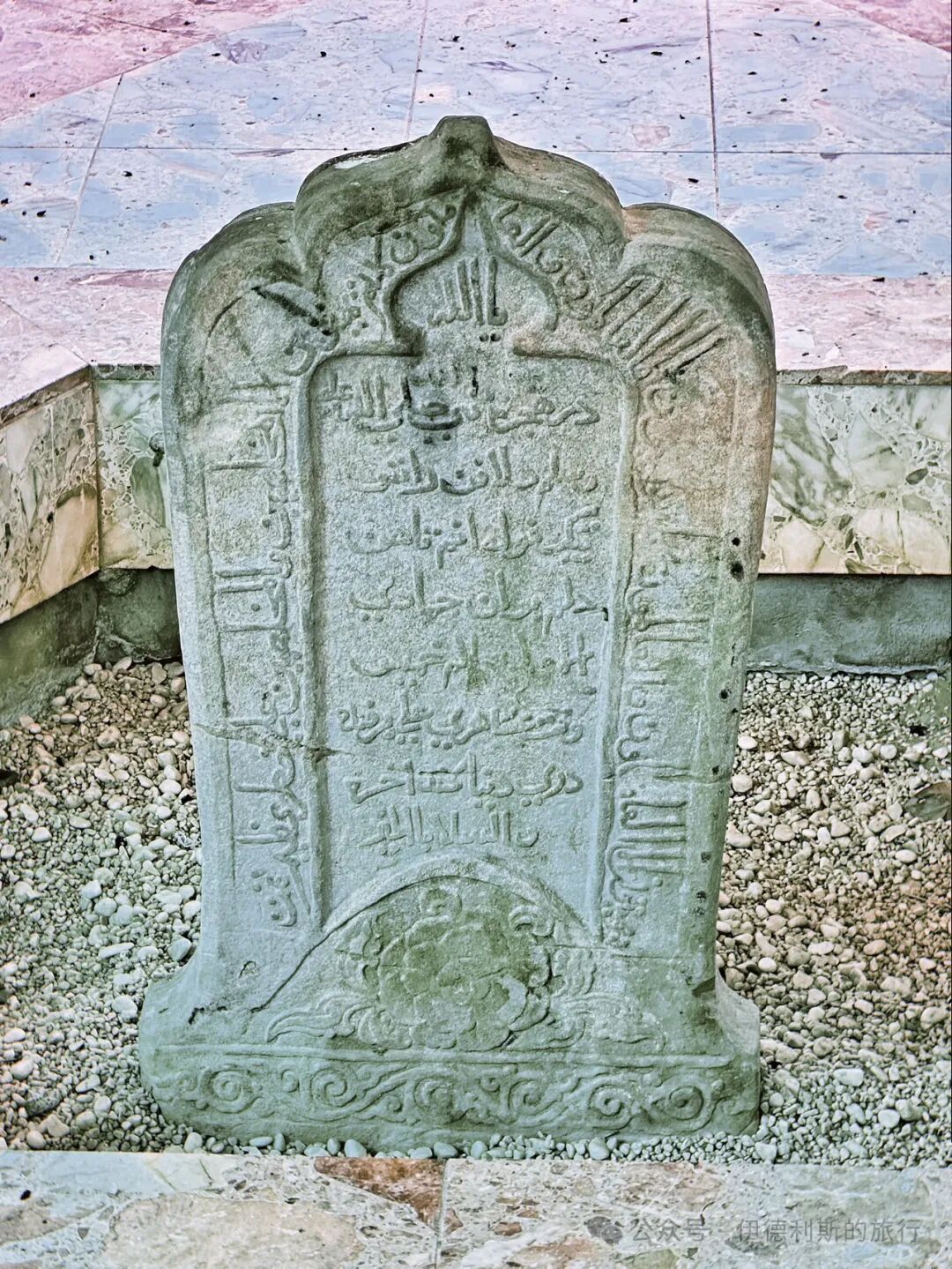
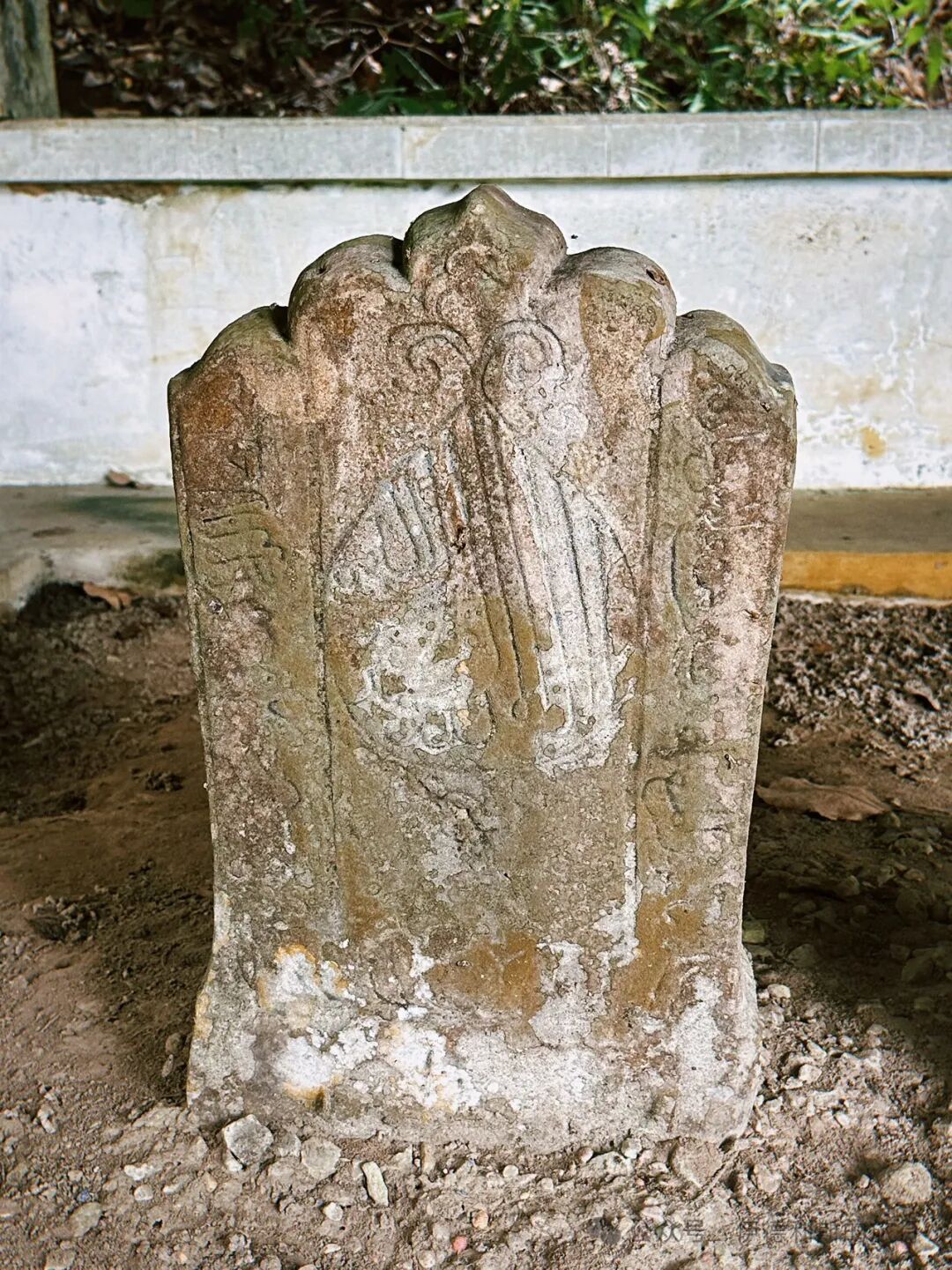
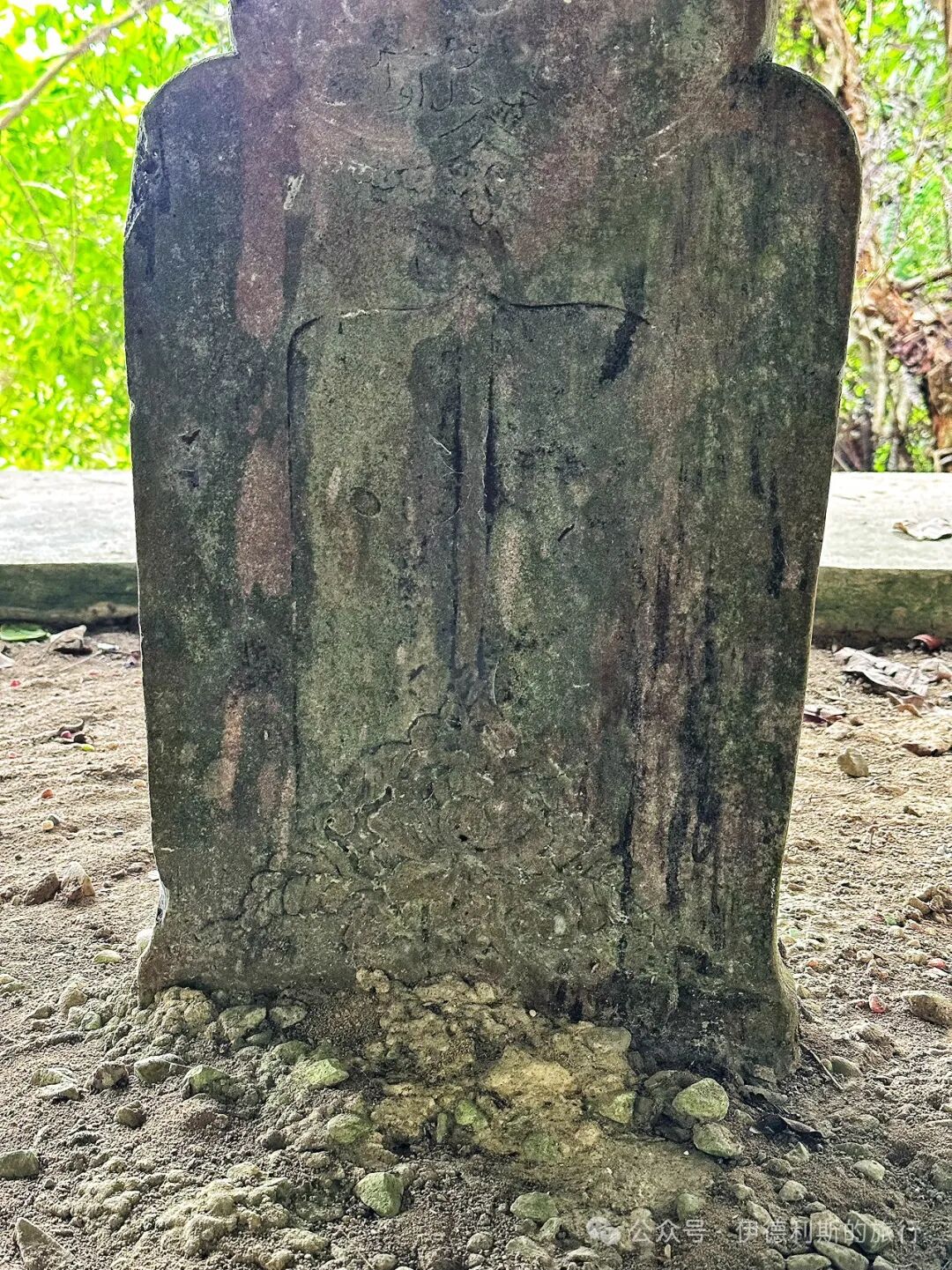
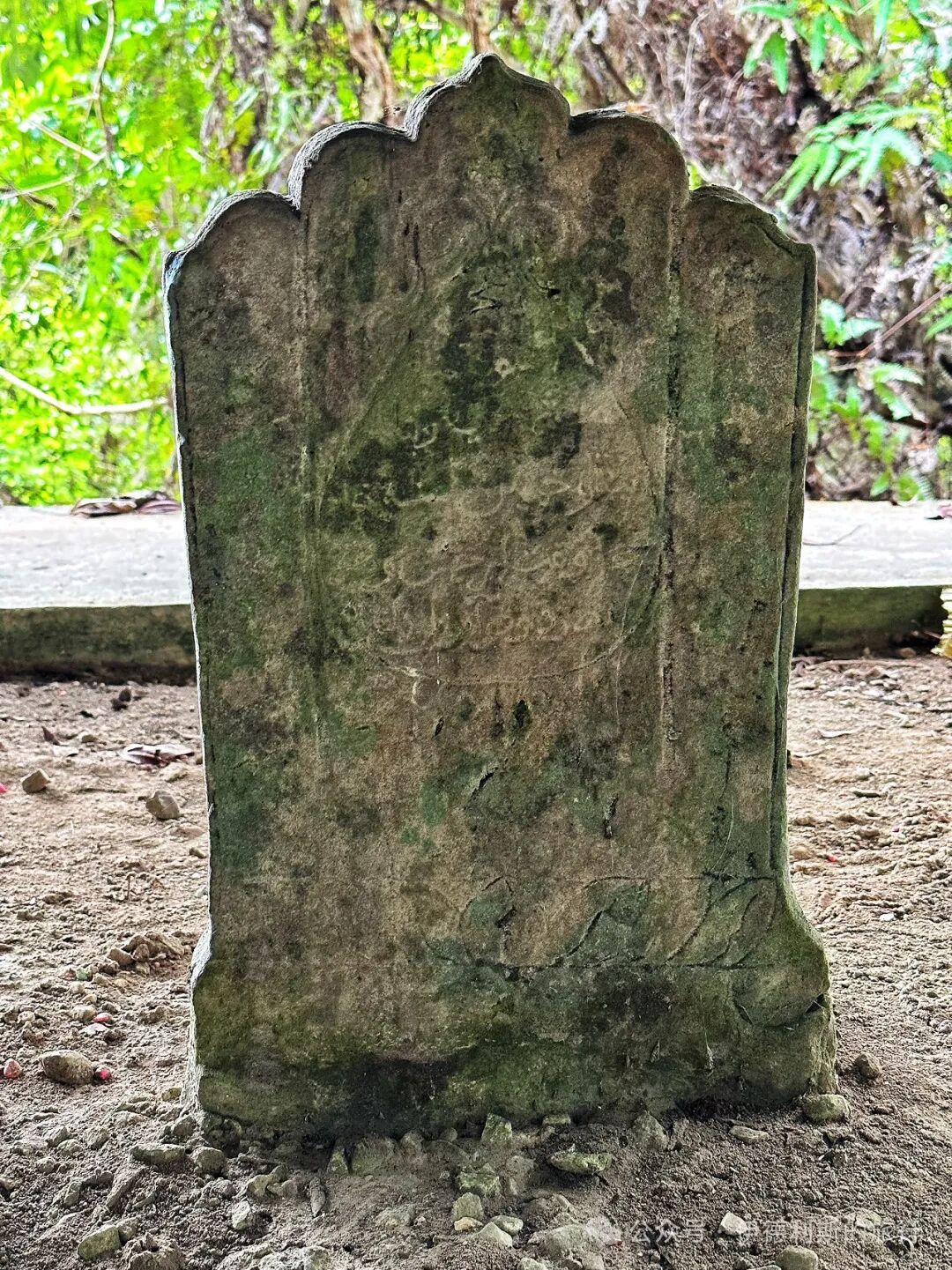
North of Sultan Sharif Ali's tomb is the grave of Syarif Adam, another sage who came to Brunei with the Sultan to preach. Together, they spread the influence of the faith from Brunei to the Sulu Archipelago and Mindanao in the southern Philippines. According to his tombstone, Syarif Adam passed away in 1454.
Tomb of the Brunei Princess
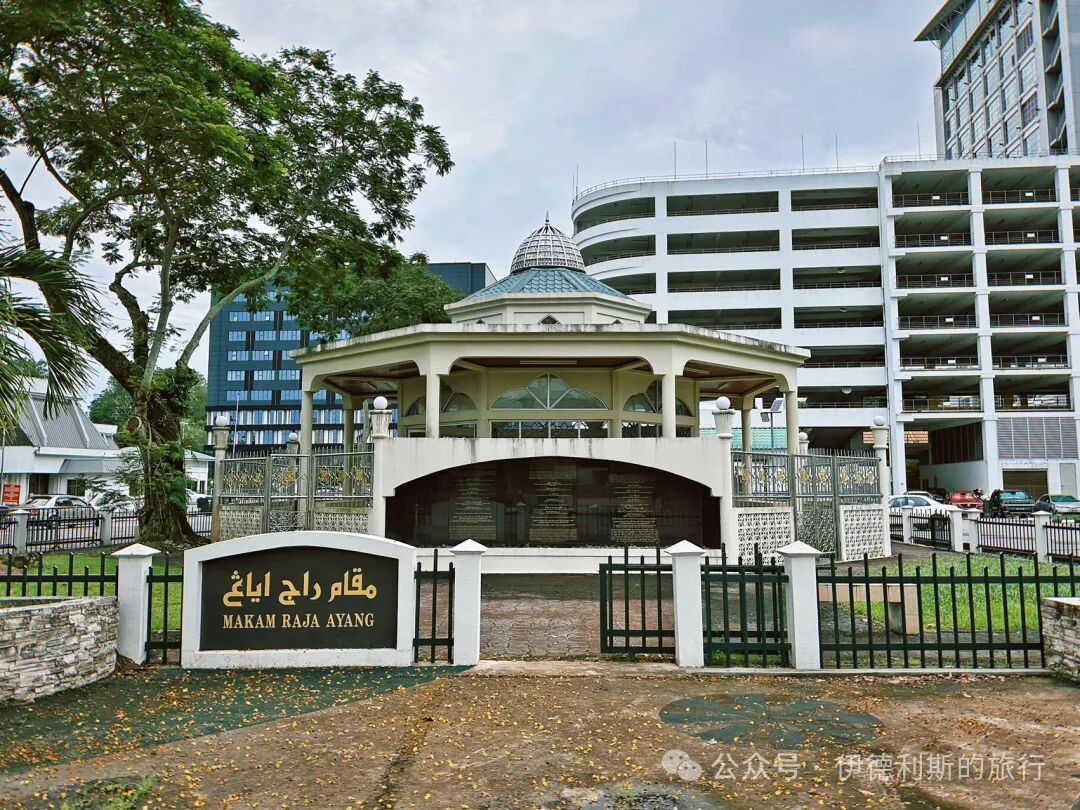
In the center of the old town of Brunei, there is the tomb of Raja Ayang. Legend says Raja Ayang was a royal family member during the reign of Sultan Sulaiman (reigned 1432-1485) of Brunei in the 15th century. Some research suggests she might be Rokayah, the daughter of Sultan Abdul Majid Hassan who passed away in Nanjing.
People say Raja Ayang had an affair with her own brother. Sultan Sulaiman punished them by locking them in a small, man-made cave that only had one air vent connecting to the outside. The Sultan provided them with enough food to live inside the cave. If no cooking smoke rose from the air vent, it meant they had passed away. Later, people built the tomb of Raja Ayang next to the small hill.
The small hill of Raja Ayang's tomb lasted until the 1950s. It was torn down to build a nearby post office and radio station, but the tomb itself was preserved. The inscription is blurry from years of people lighting candles for dua, but you can still see verses and the year 859 in the Islamic calendar (1454 AD), which is likely the date Raja Ayang passed away.
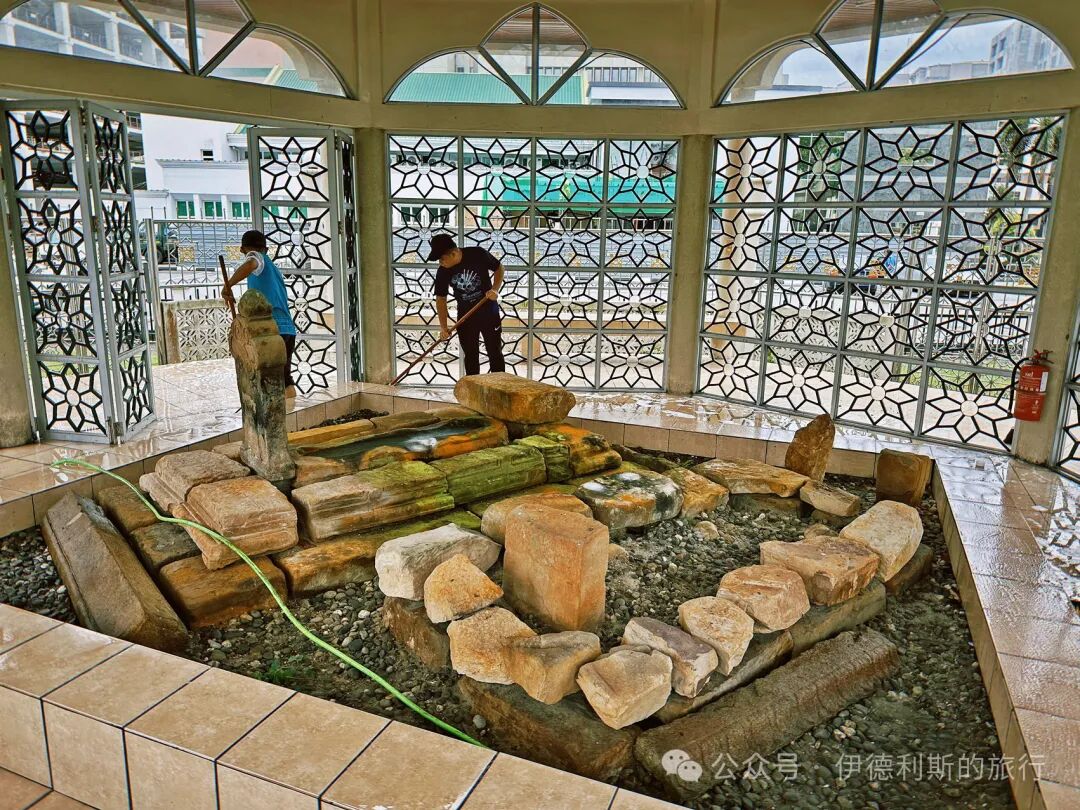
Tomb of the Fifth Sultan of Brunei
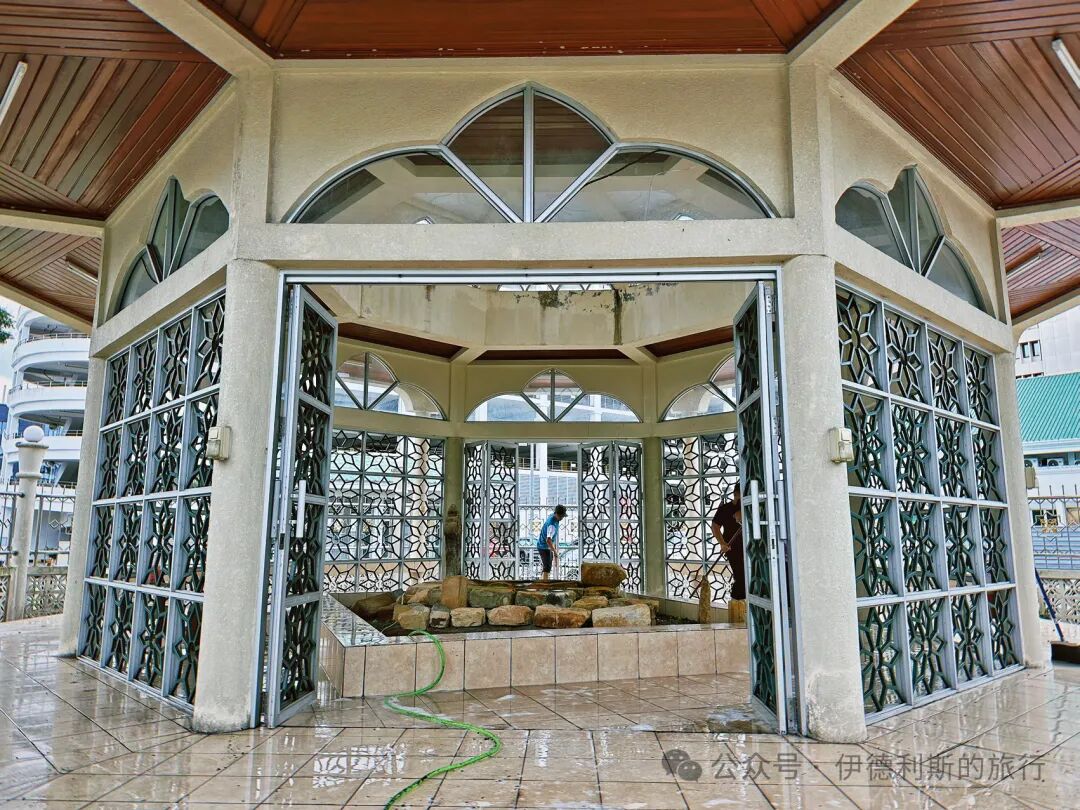
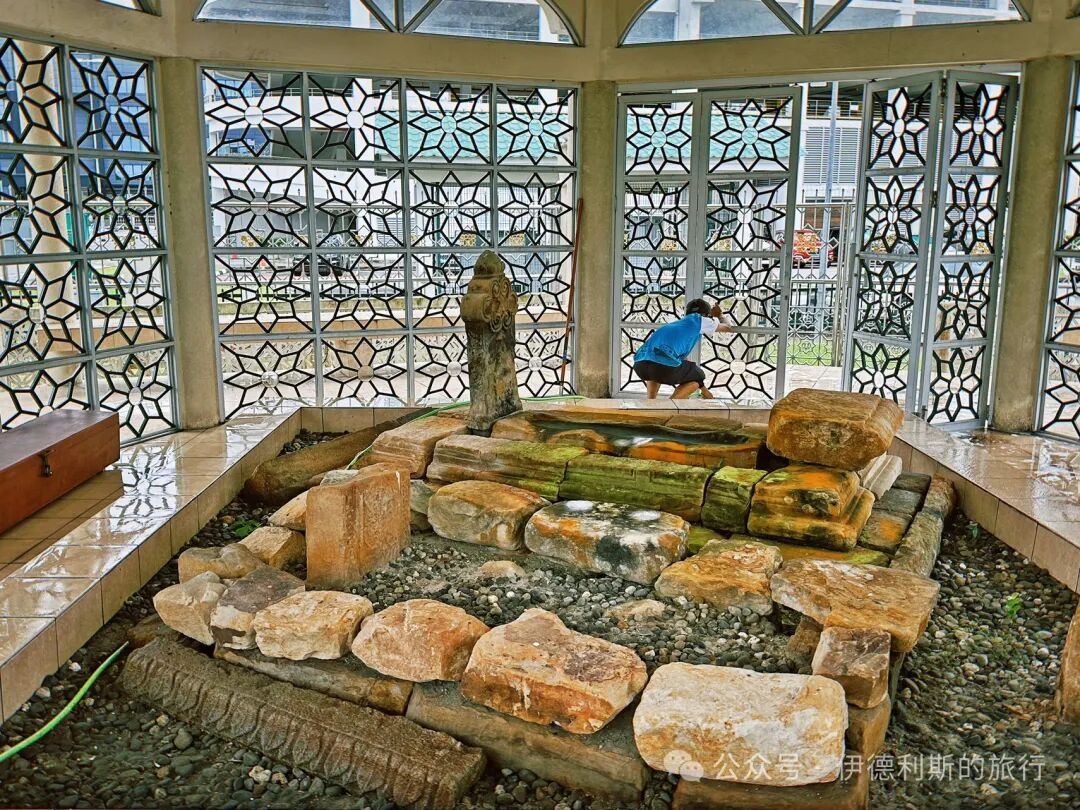
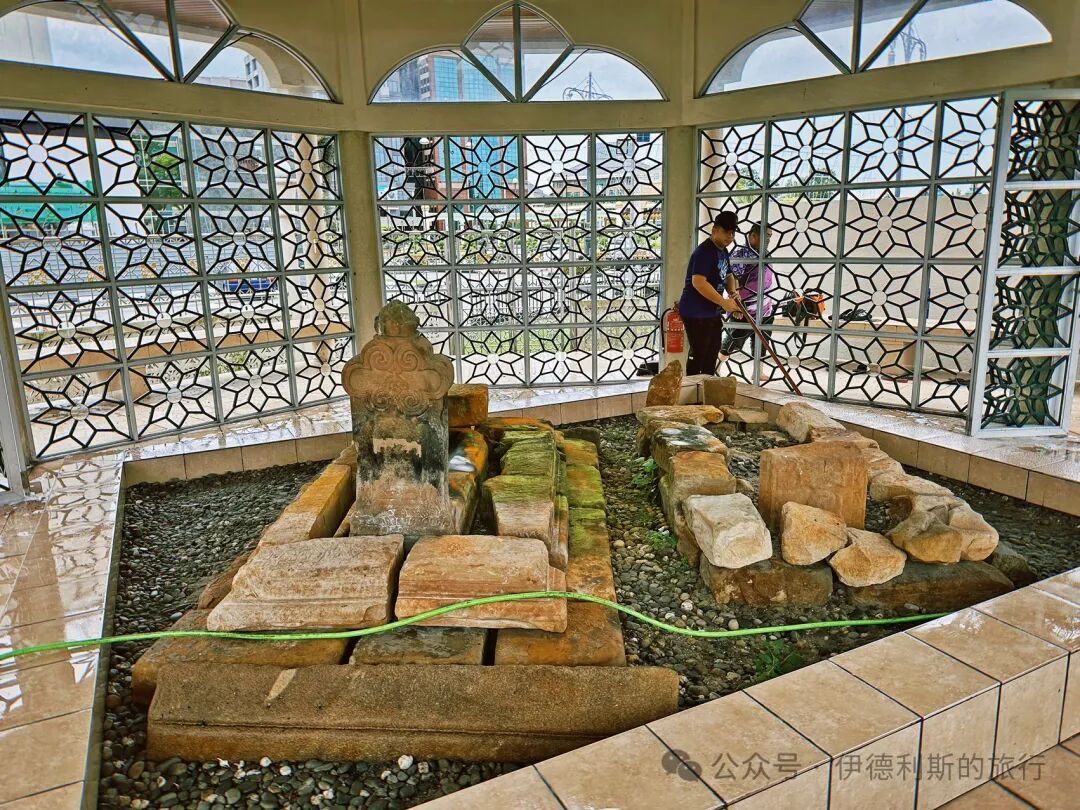
South of the Kota Batu Site 1 is the tomb of Sultan Bolkiah (reigned 1485-1524), the fifth Sultan of Brunei. His reign is known as the Golden Age of Brunei history, when the Sultanate of Brunei held power over Borneo and the southern Philippines.
When Ferdinand Magellan's fleet arrived in Brunei in 1521, they witnessed the power of Brunei under Sultan Bolkiah. When they reached the palace, they were shocked by his wealth. A hall reached by wide steps was crowded with courtiers wearing elegant clothes. Through the corridor was a slightly raised room decorated with luxurious silk and brocade curtains, bathed in natural light from wide windows. Three hundred of the Sultan's warriors stood guard there with their daggers drawn. A little further on was a smaller but equally beautiful room, where the muscular forty-year-old monarch sat on a large mat chewing betel nut with his young son beside him.
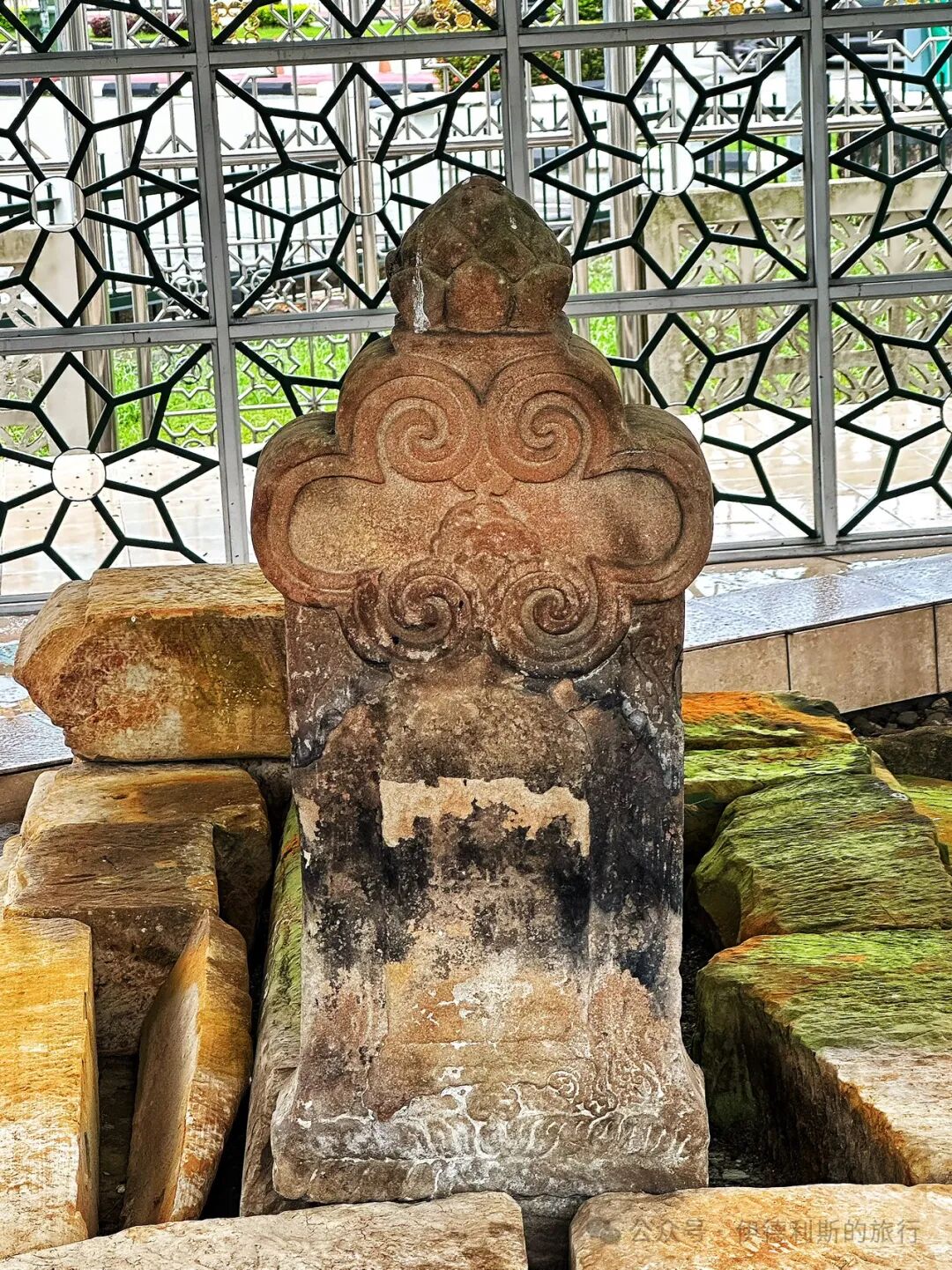
The tomb of Sultan Bolkiah is tall, majestic, and finely carved. The tombstone consists of eight layers, but only the bottom layer is original. One of the upper stones commemorates Sultan Muhammad Ali, and another commemorates Sultan Abdul Mubin, likely made in the late 17th century. The middle slab records that Sultan Bolkiah passed away on July 17, 1524, and was likely carved in modern times.
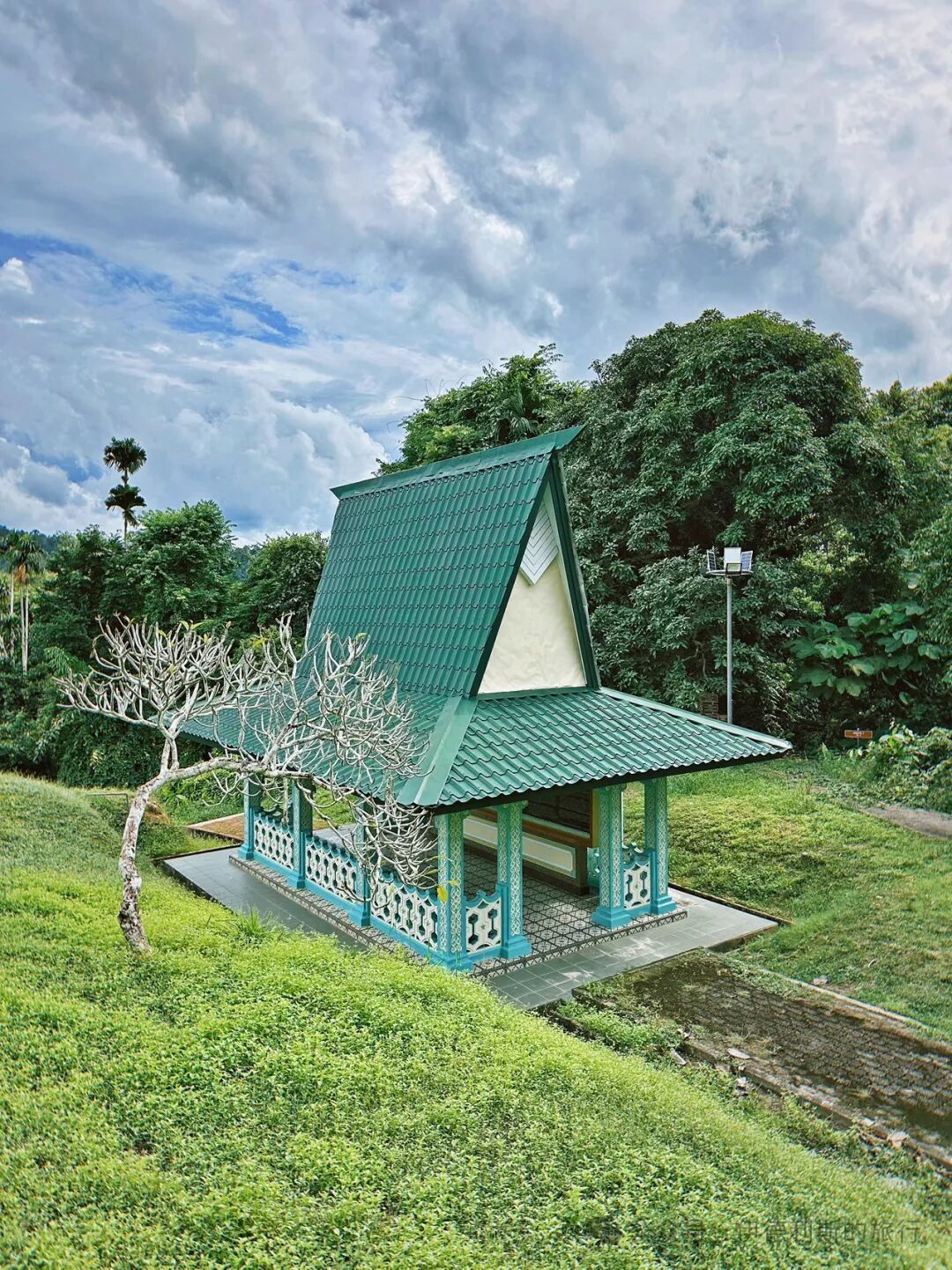
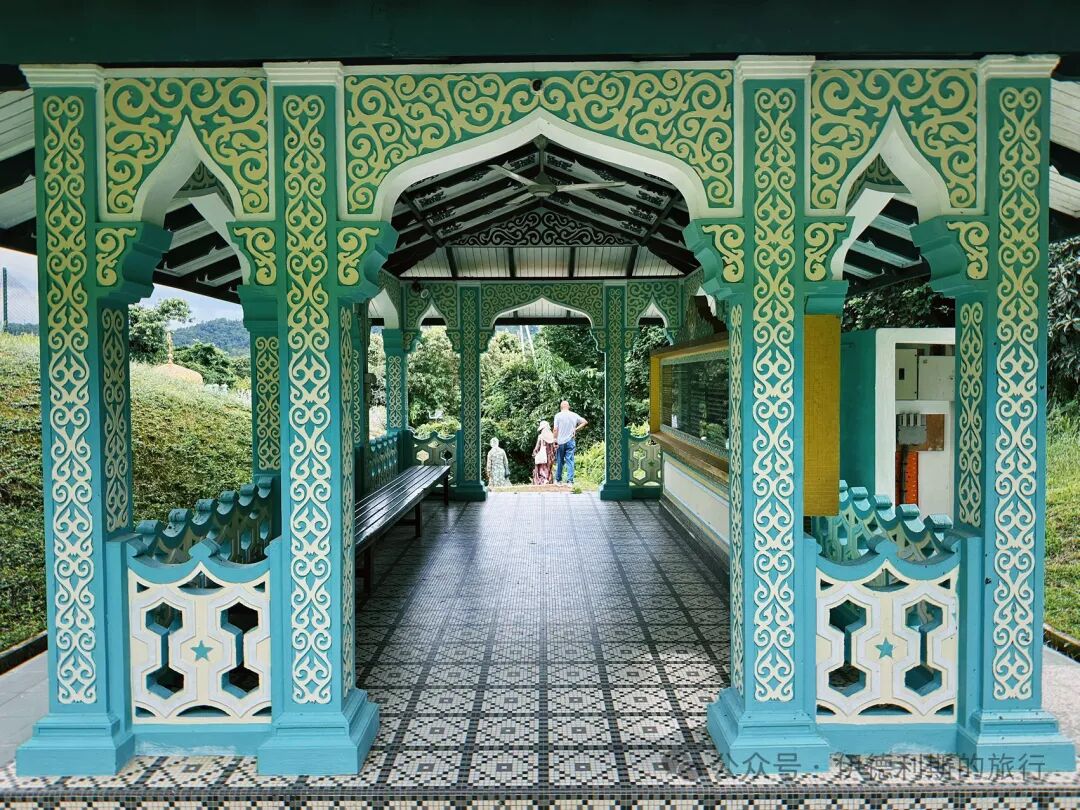
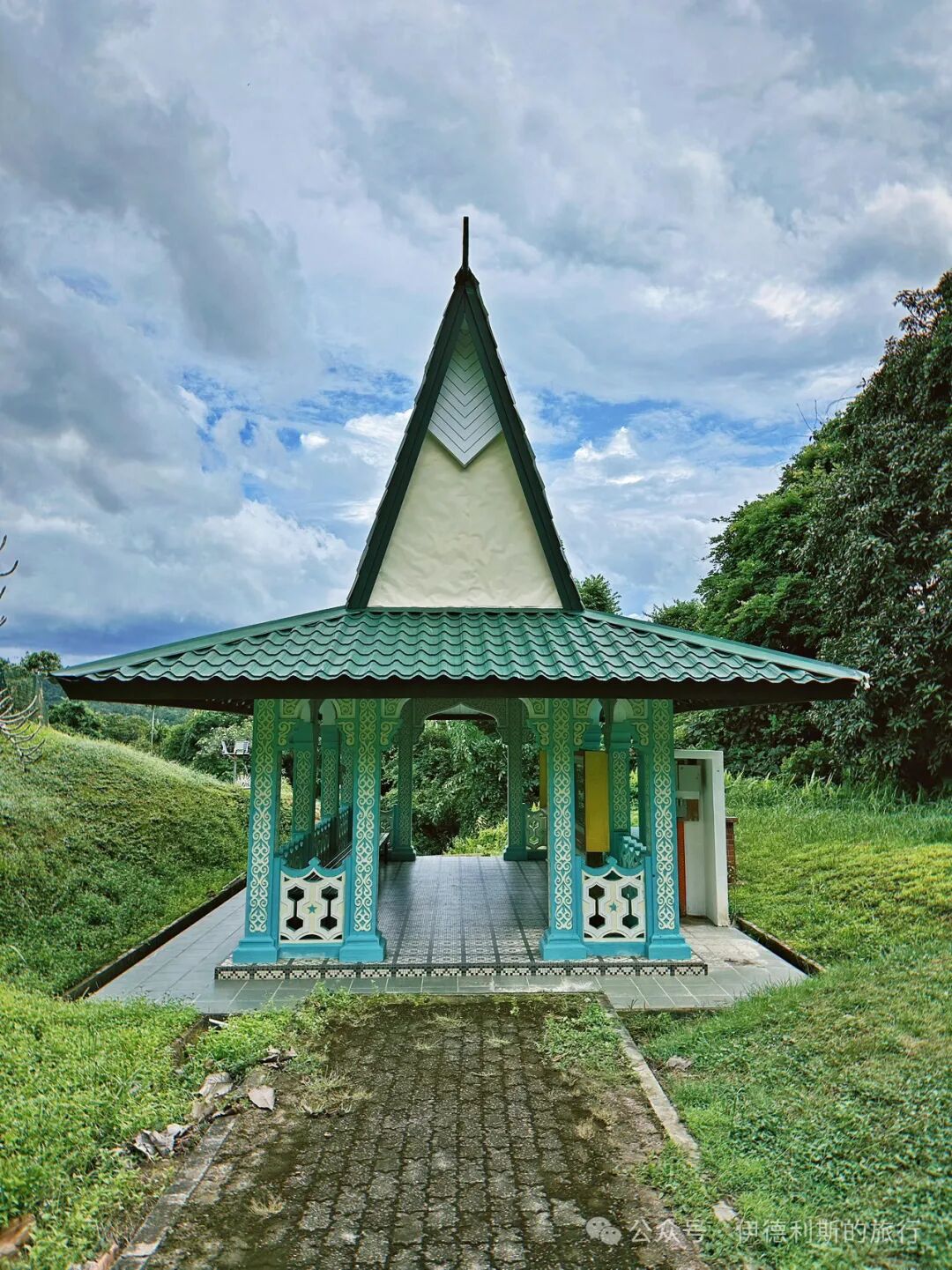
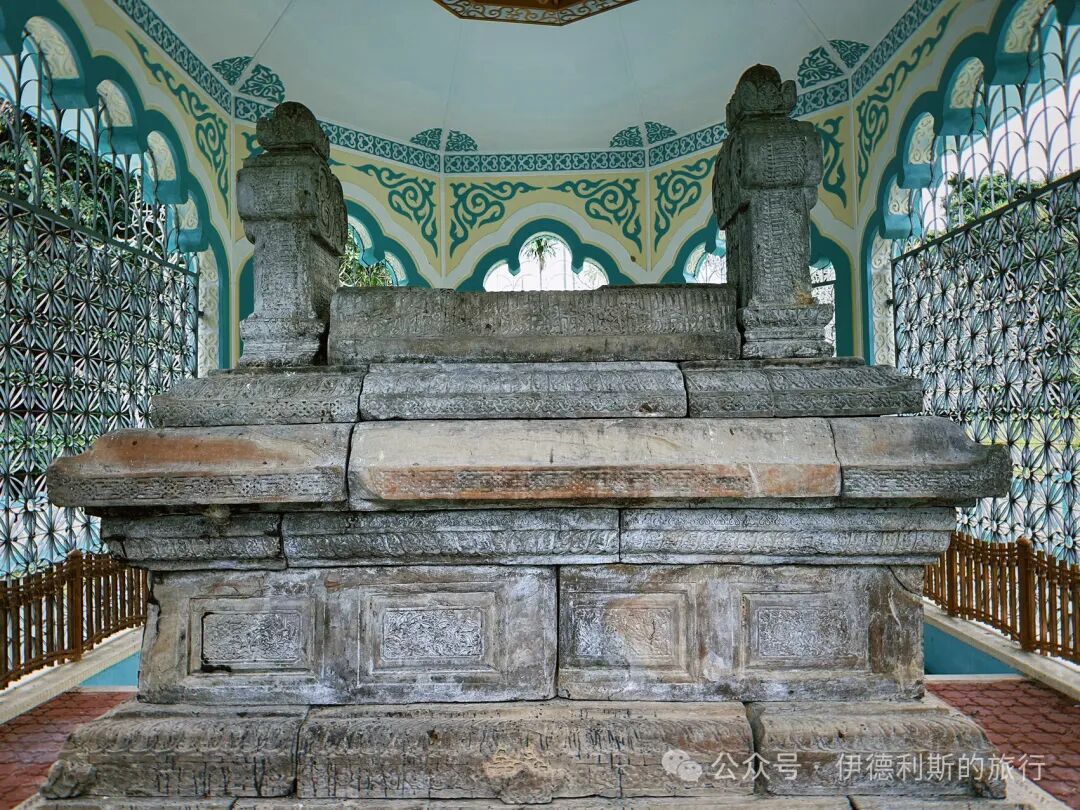
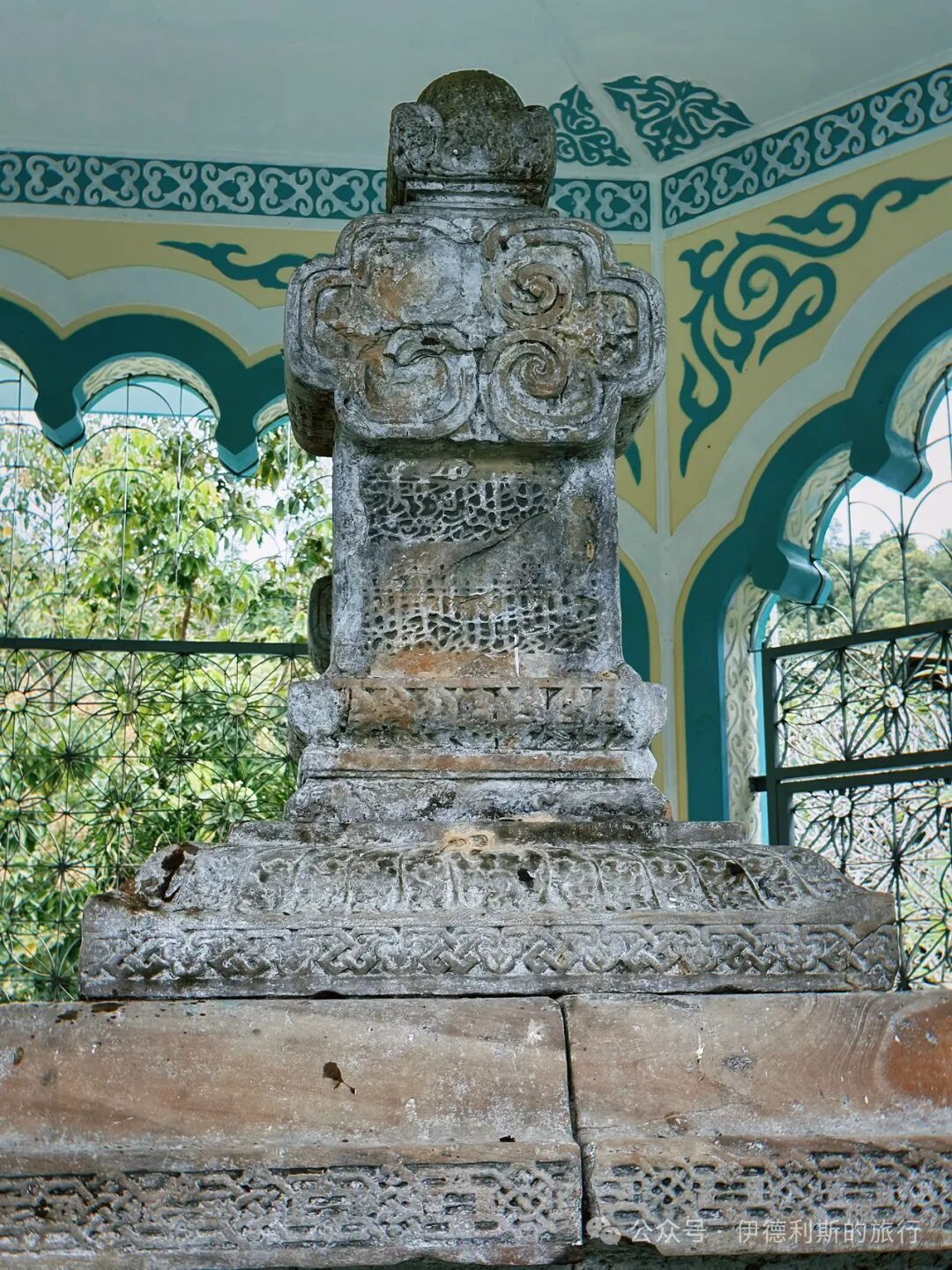
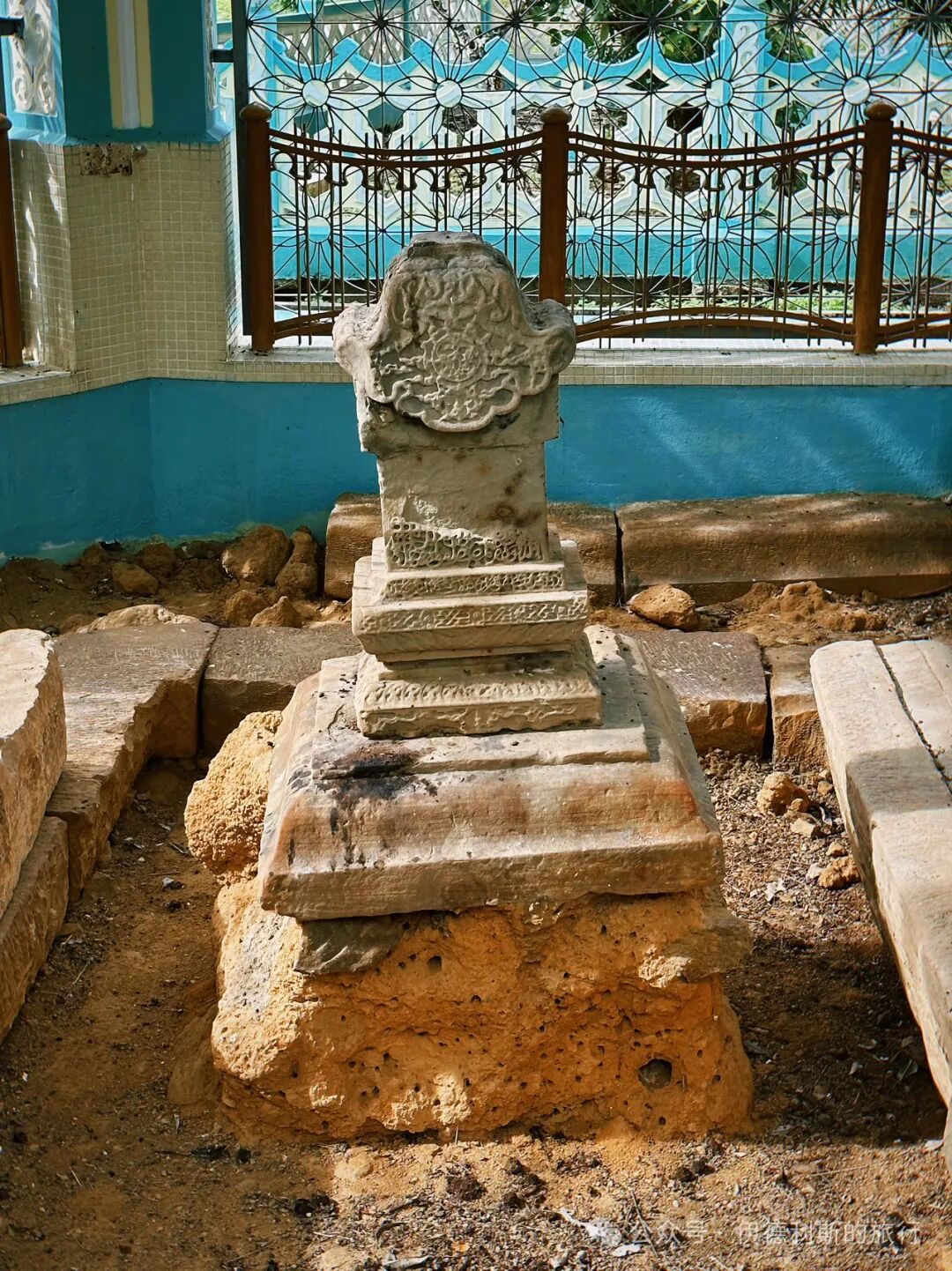
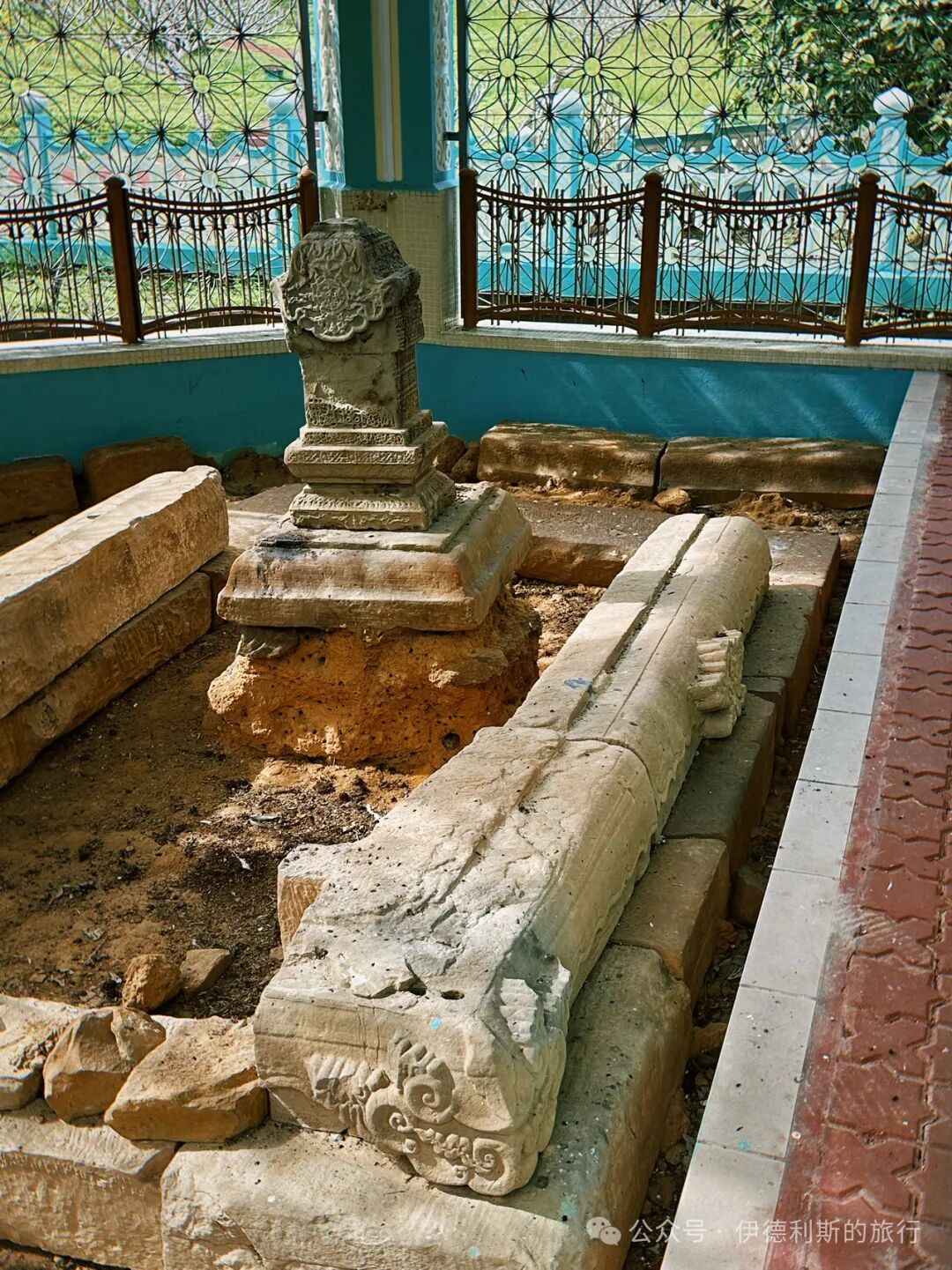
Next to the tomb of Sultan Bolkiah is the tomb of his wife.
Kampong Ayer Water Village
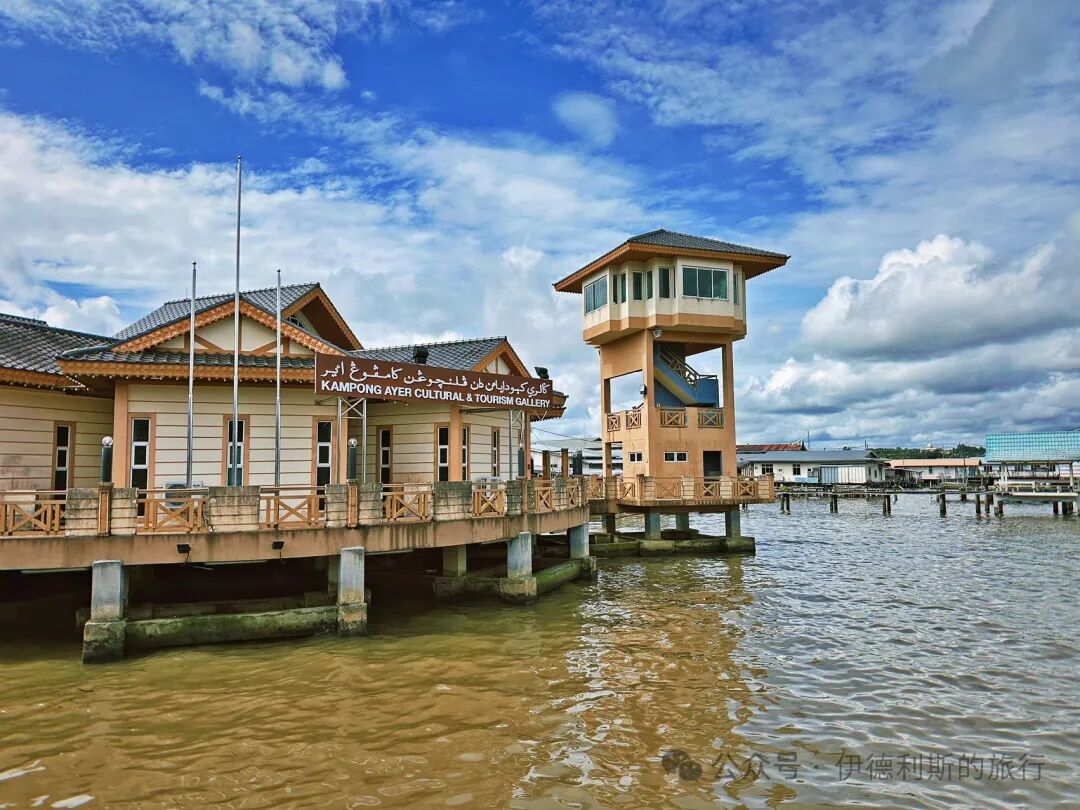
We took a speedboat from the pier on the Brunei River and reached Kampong Ayer on the other side for 1 Brunei dollar each. We first visited the Kampong Ayer Cultural and Tourism Gallery, which has information about the water village, and there is an observation deck next to it for a panoramic view of the village.
Kampung Ayer is the Malay term for water village. It was once the main port of the Sultanate of Brunei and served as its trade hub from the 15th to the 17th century. After the Brunei Civil War in the 18th century, Kota Batu was abandoned, and the water village became the capital of the Sultanate. In 1521, Italian explorer Antonio Pigafetta arrived in Brunei with Magellan's fleet and called Kampung Ayer the Venice of the East. The water village was once massive and even housed the Sultan's palace, but it gradually declined after the British invasion in the 19th century. Since the 20th century, Brunei has encouraged residents of the water village to move to the shore, but many people still choose to stay.
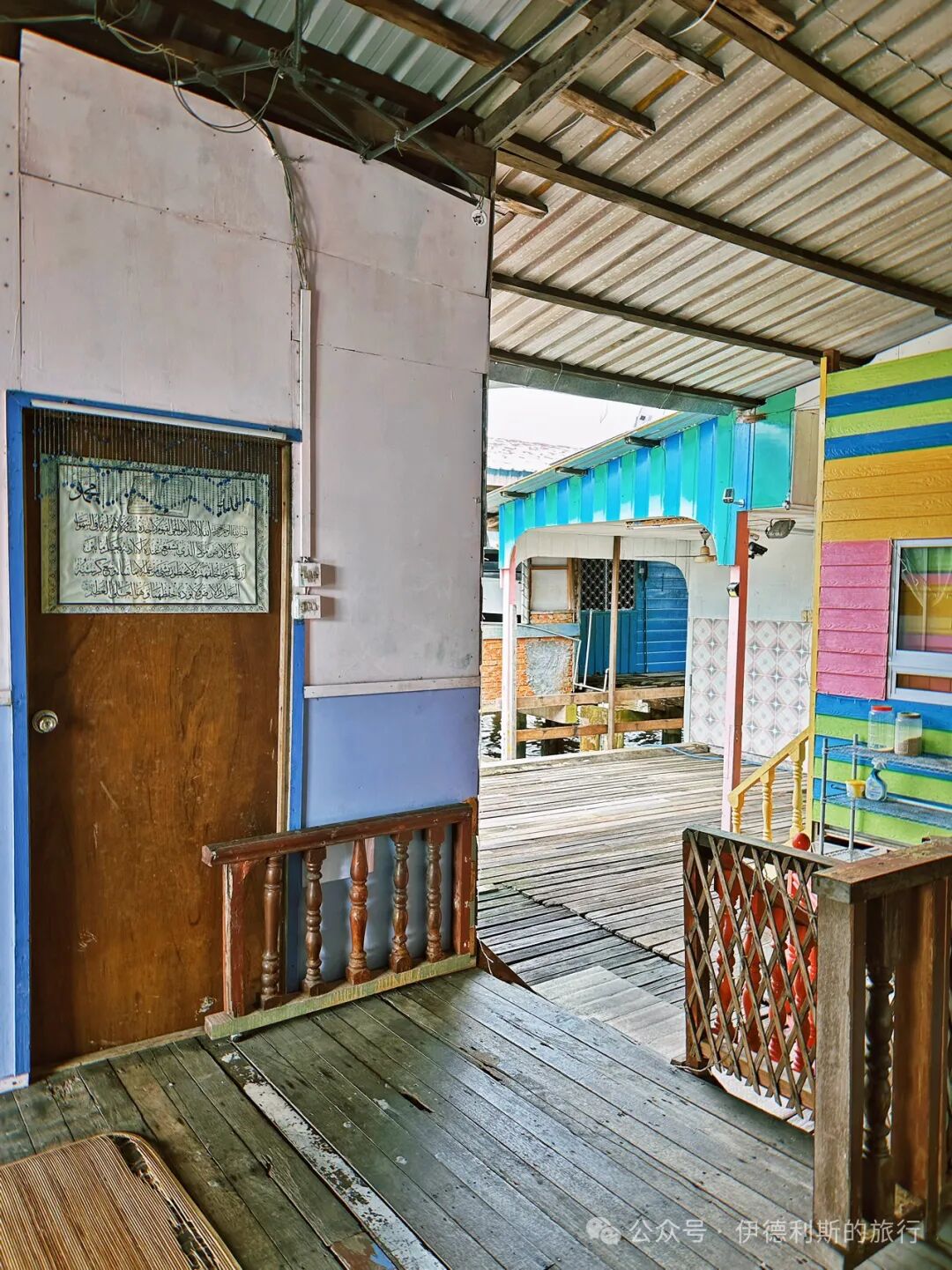
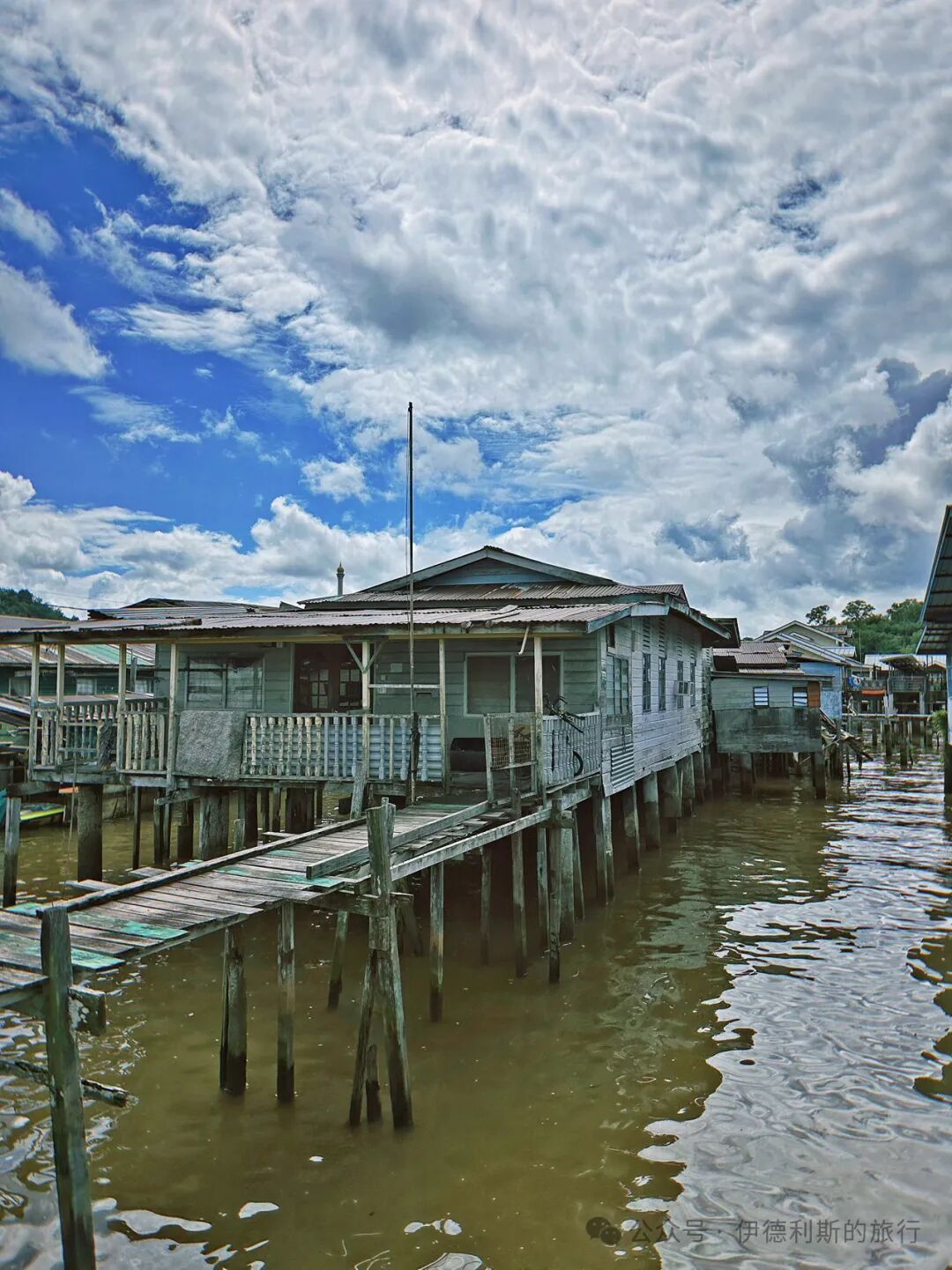
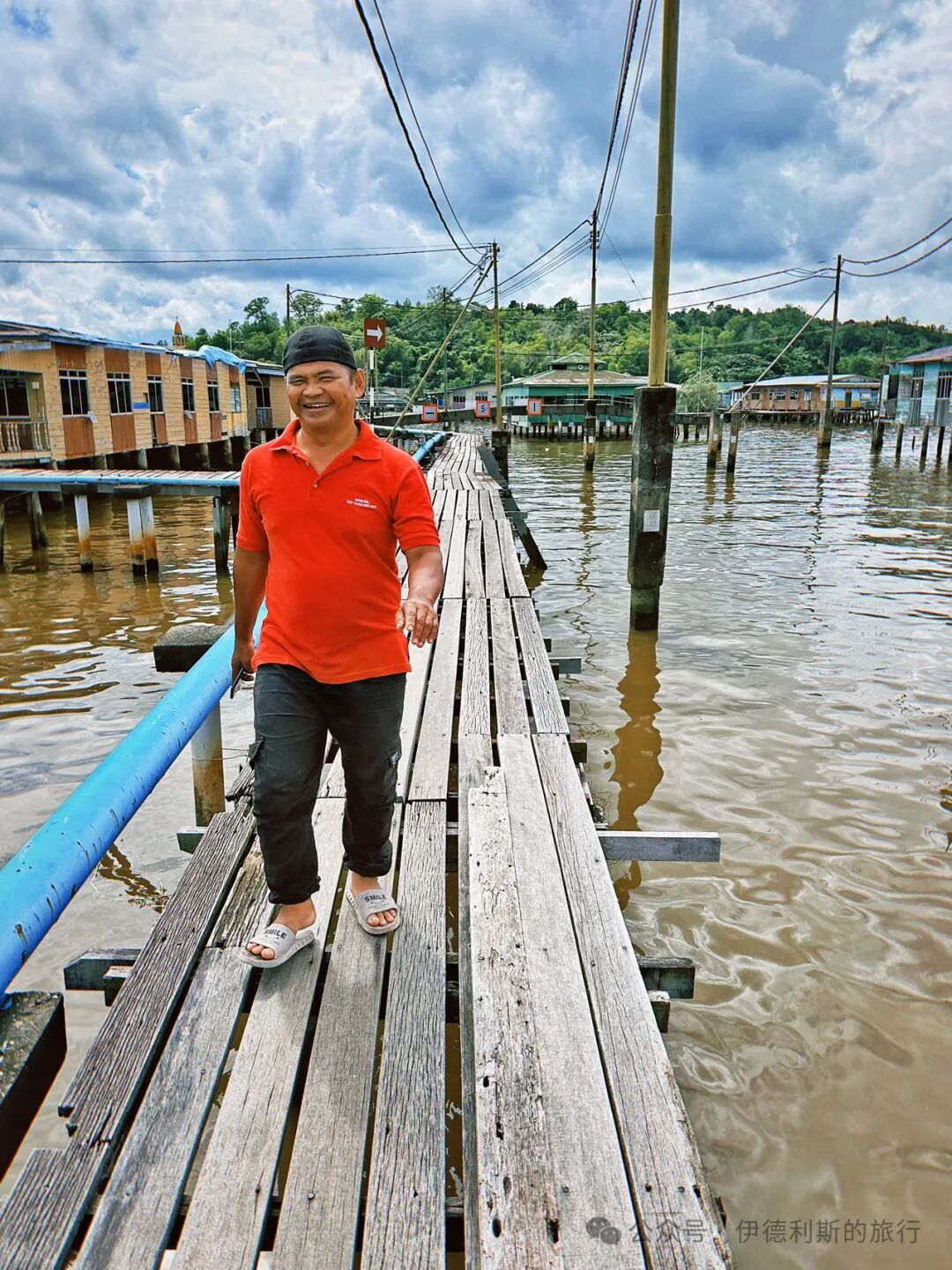
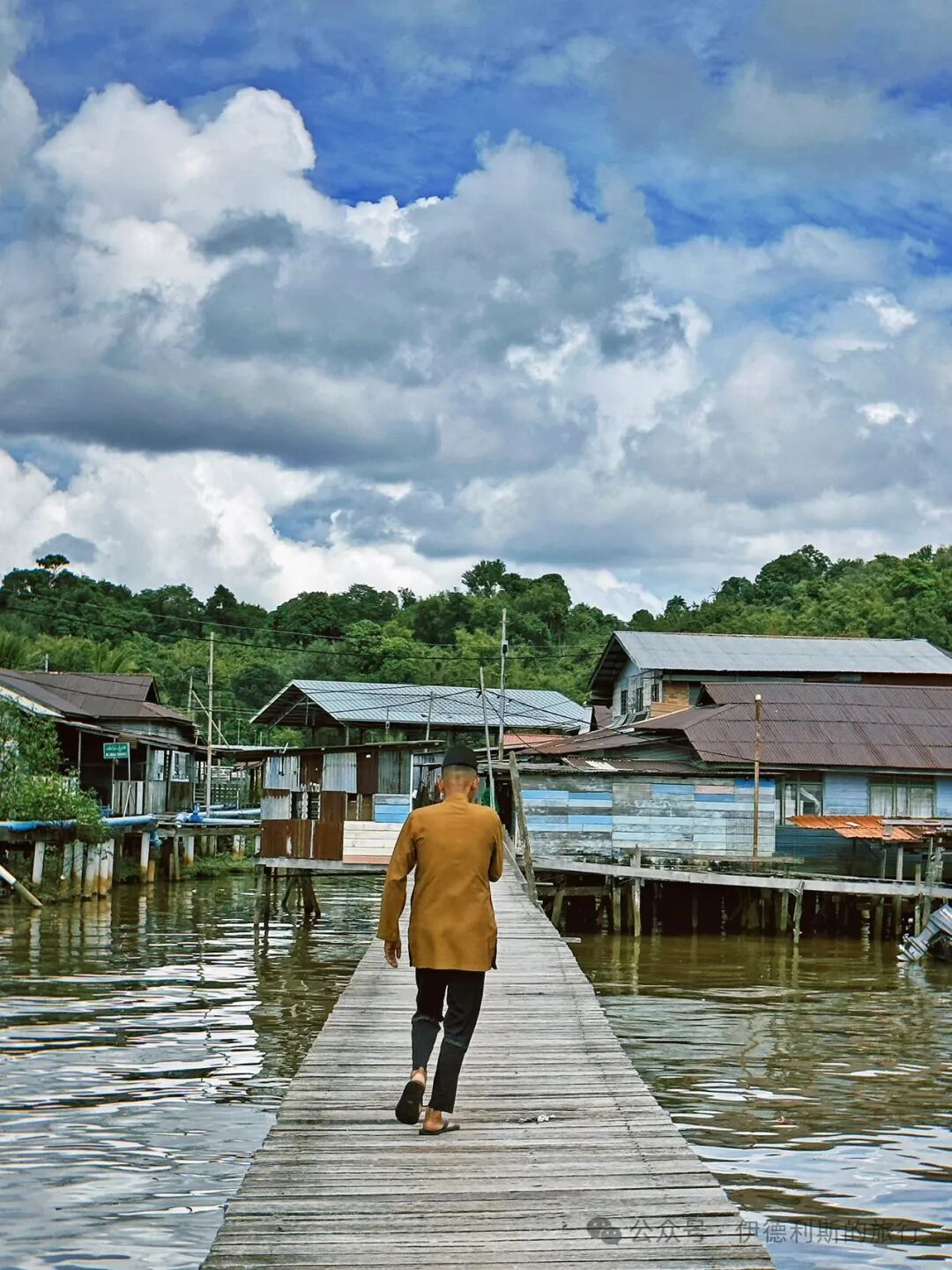
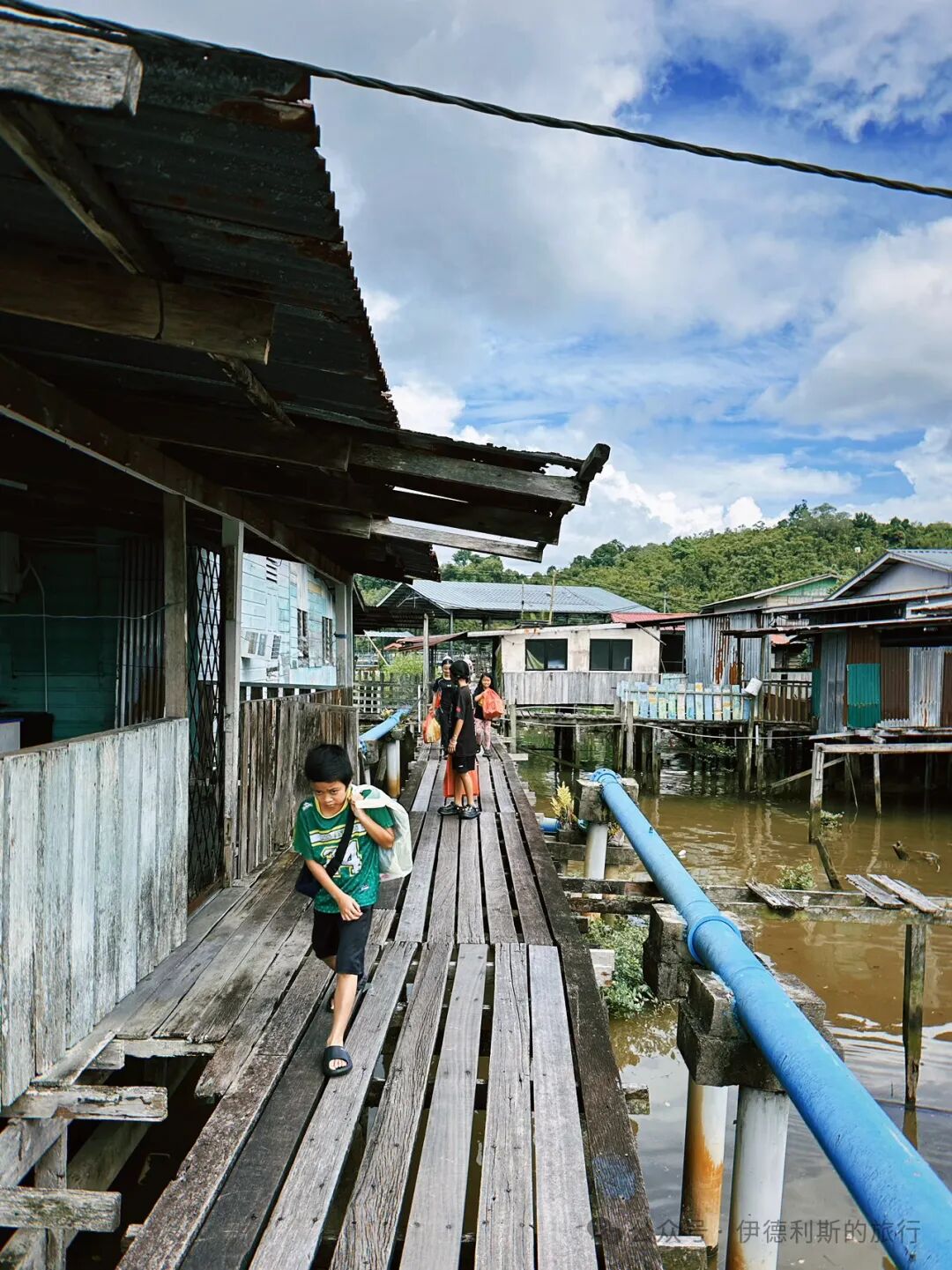
The two traditional wooden mosques on the water are a major highlight of Brunei. The walls and pillars are made of wood. Once you go inside, the air conditioning is very strong, so you cannot feel the humidity from the water. In recent years, Brunei has built several large concrete mosques on the banks of the water village, and the traditional wooden mosques are becoming fewer.
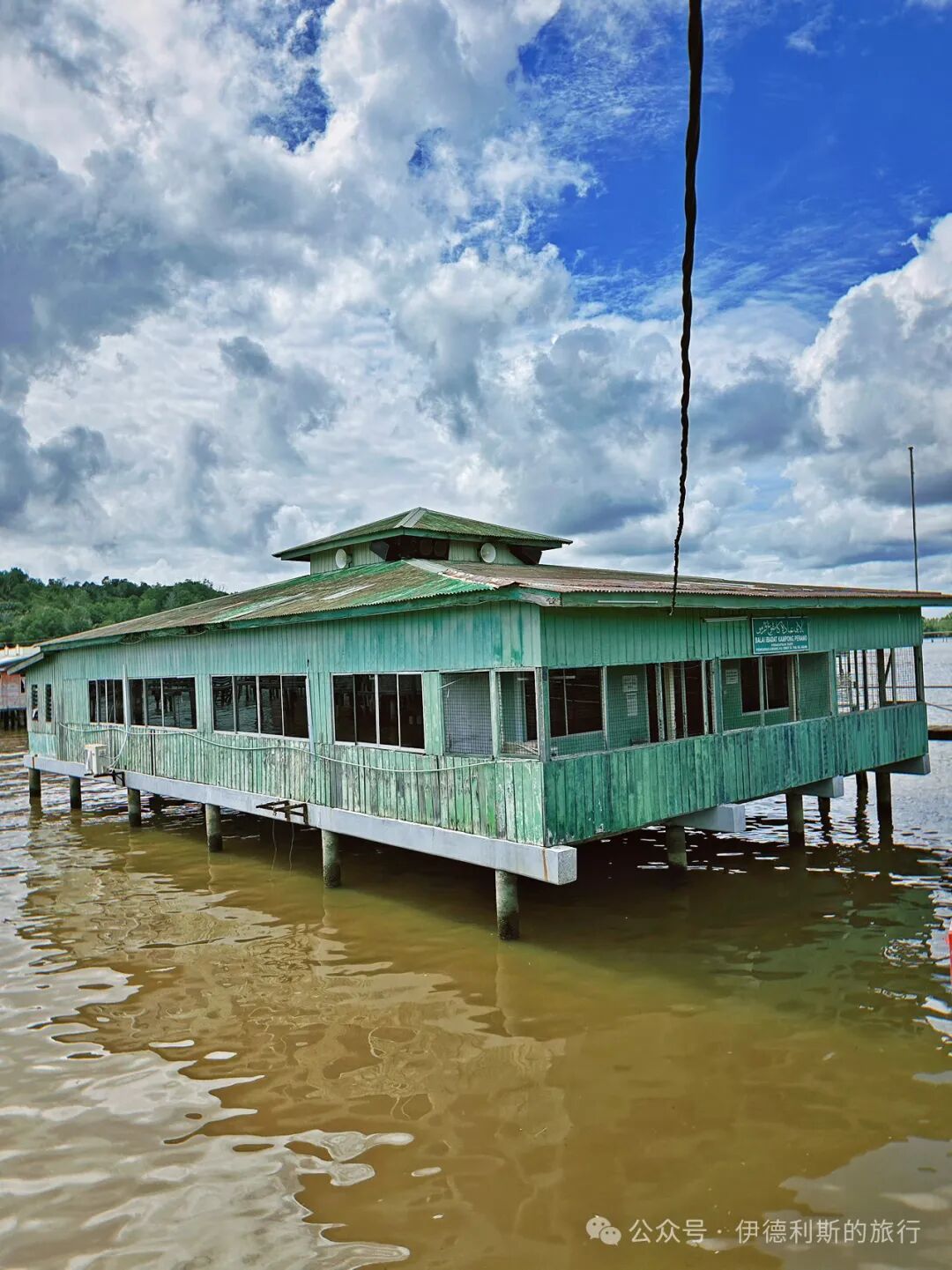
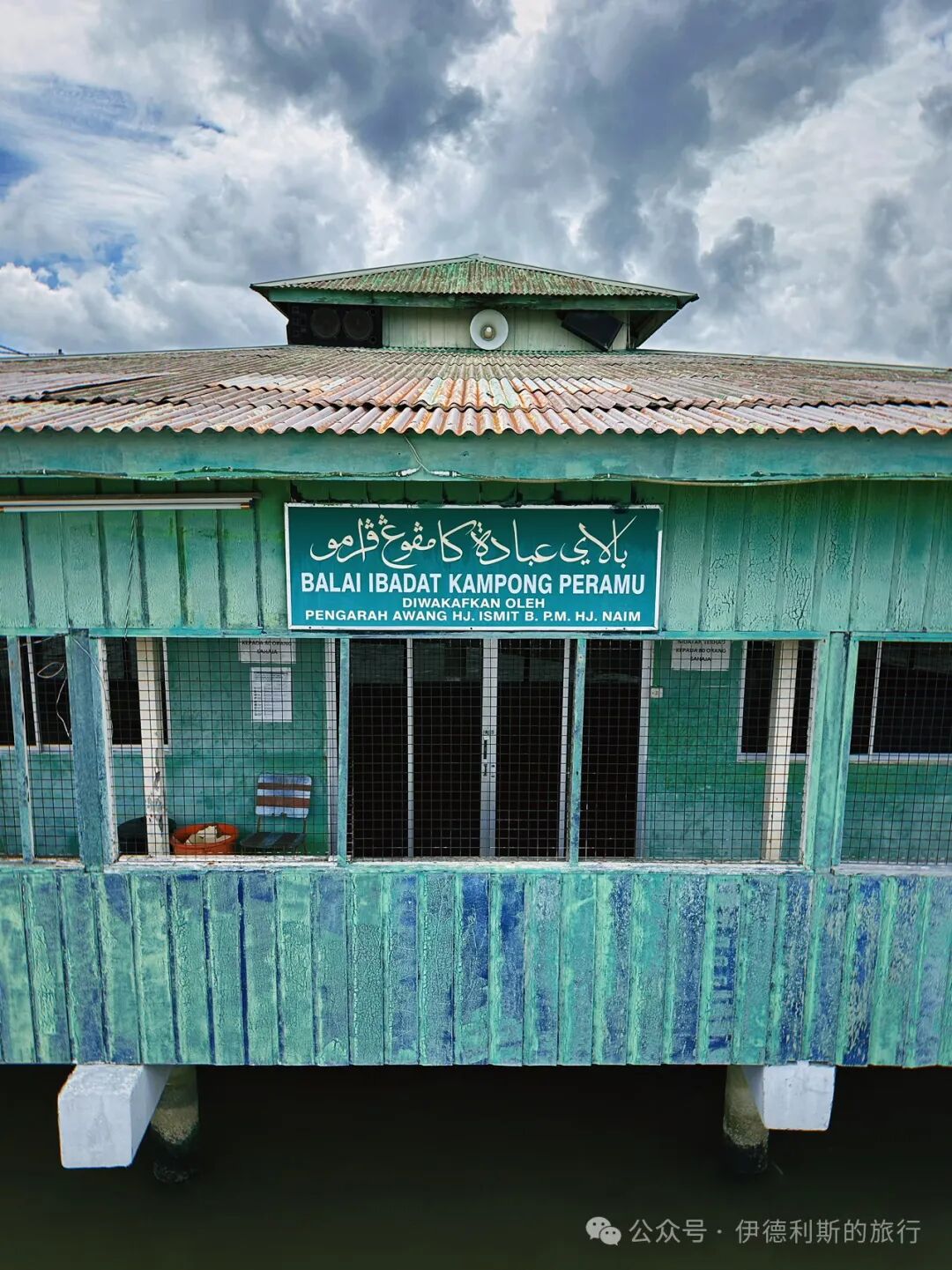
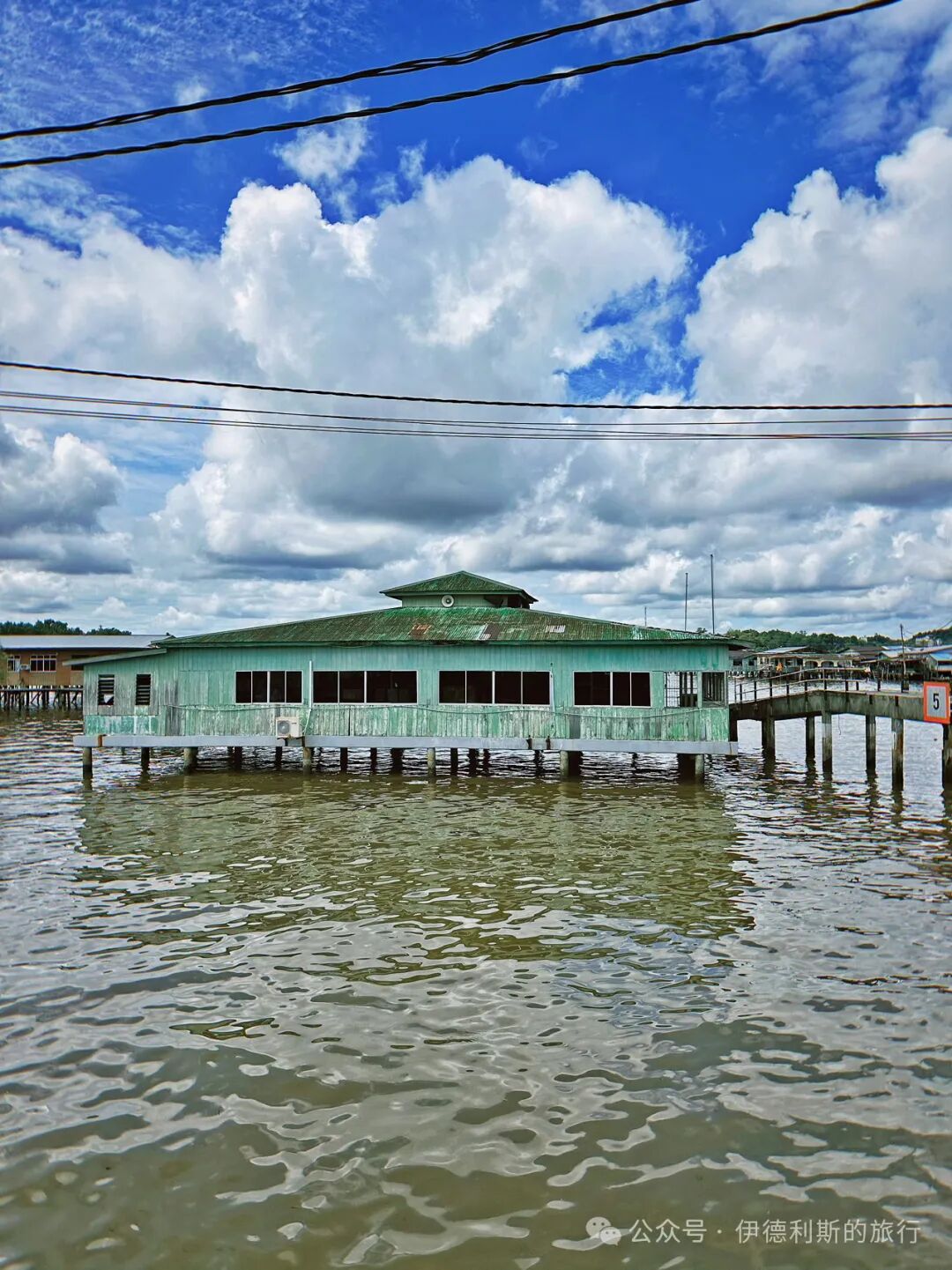
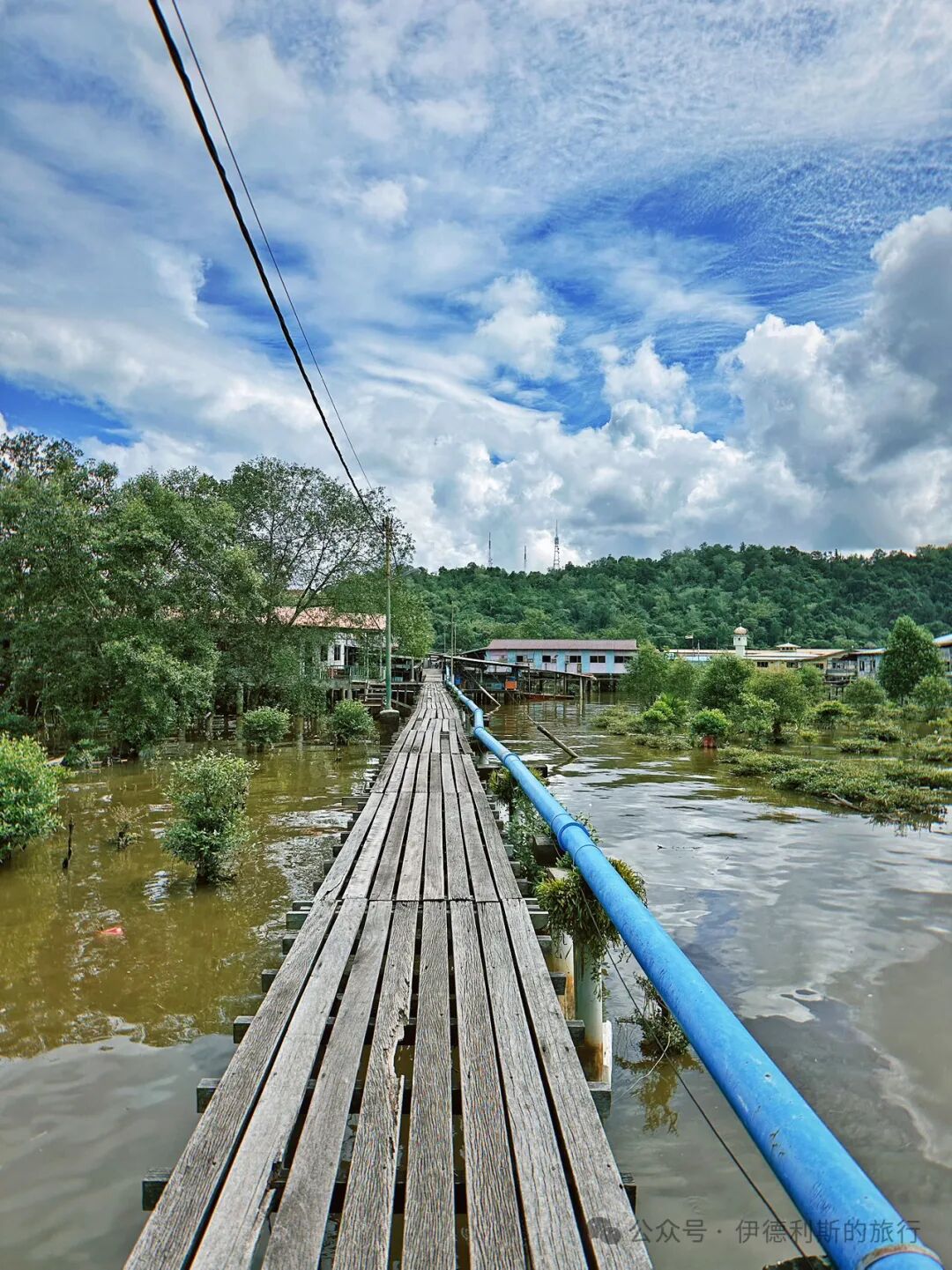
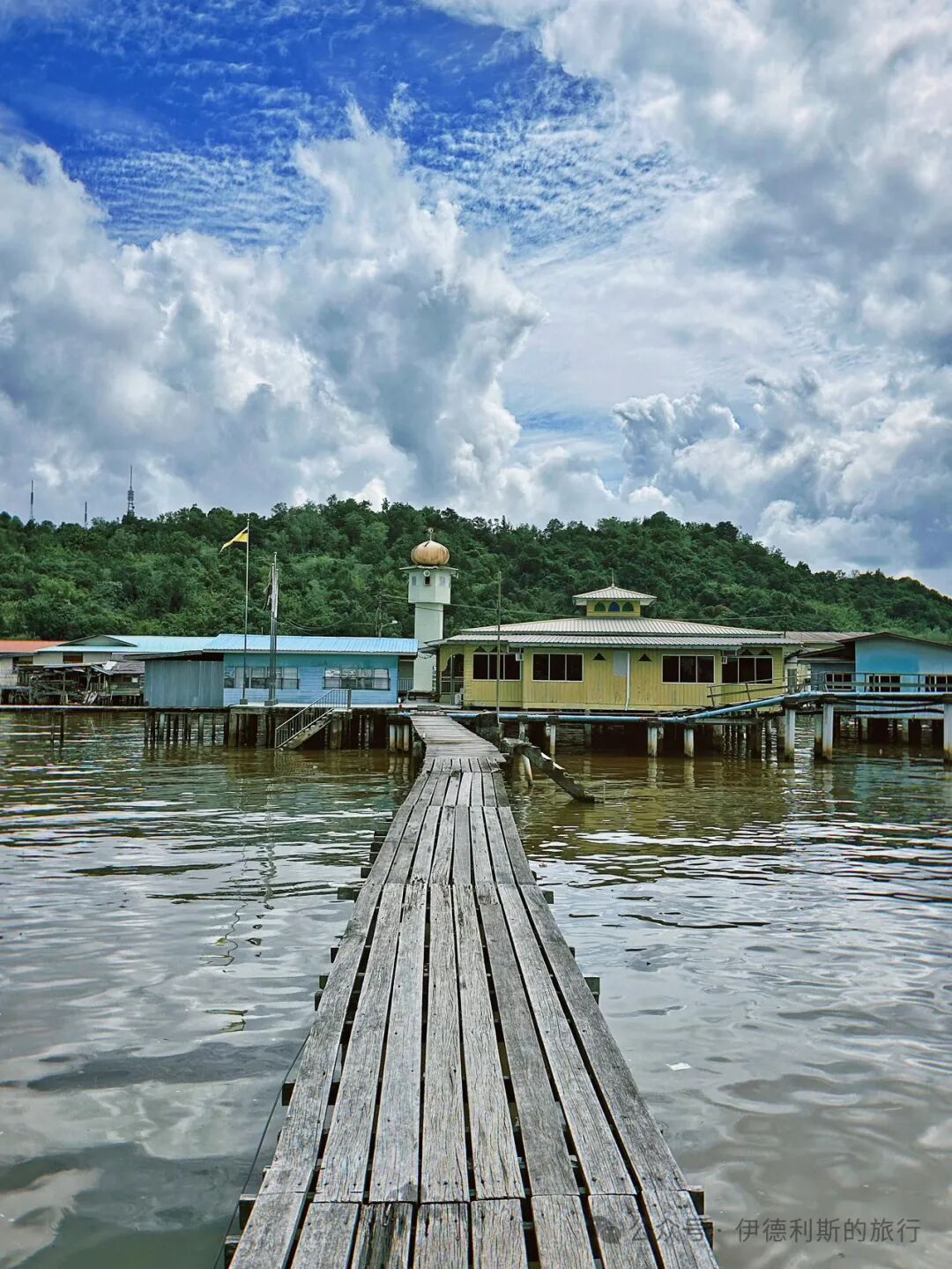
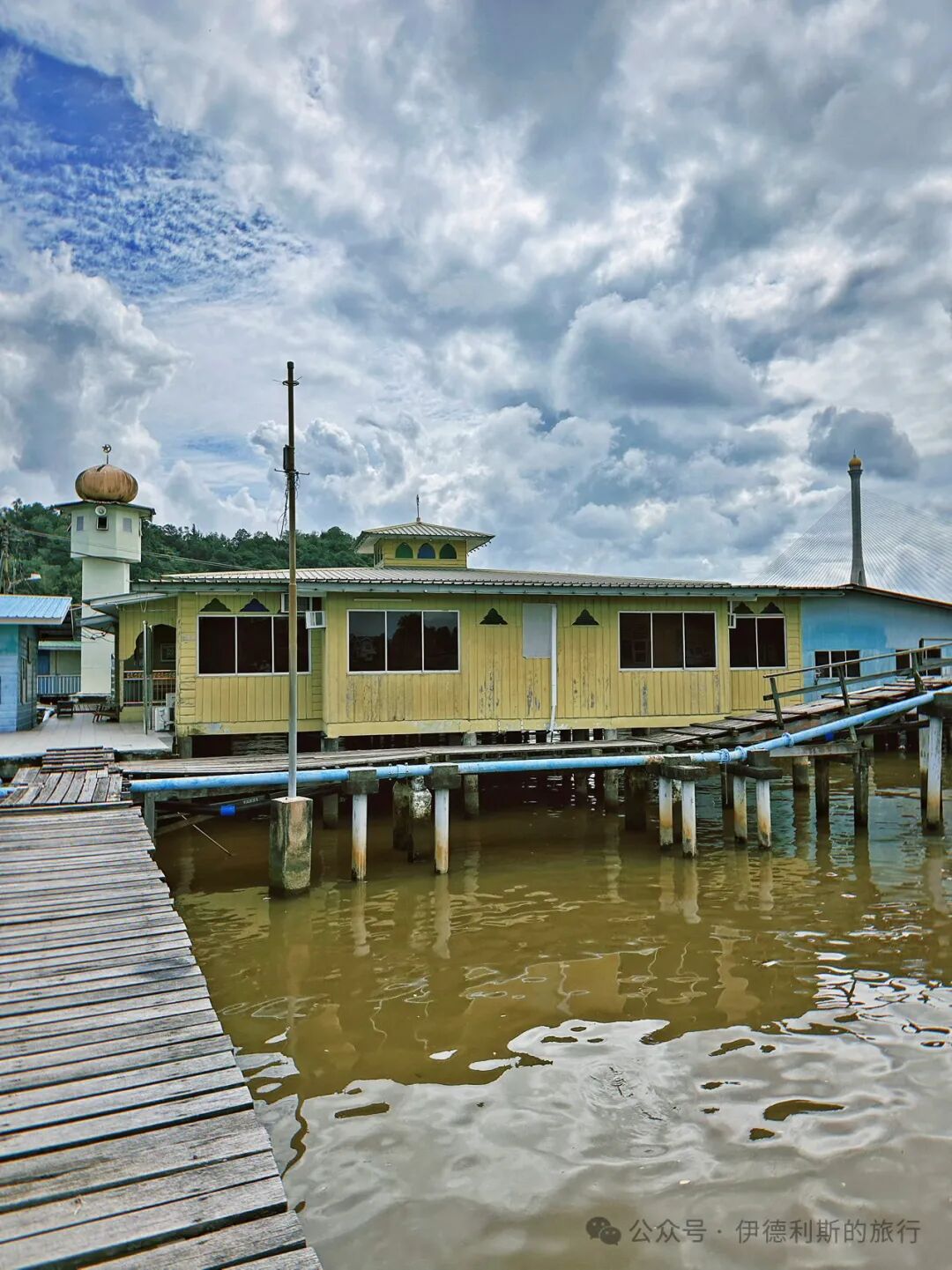
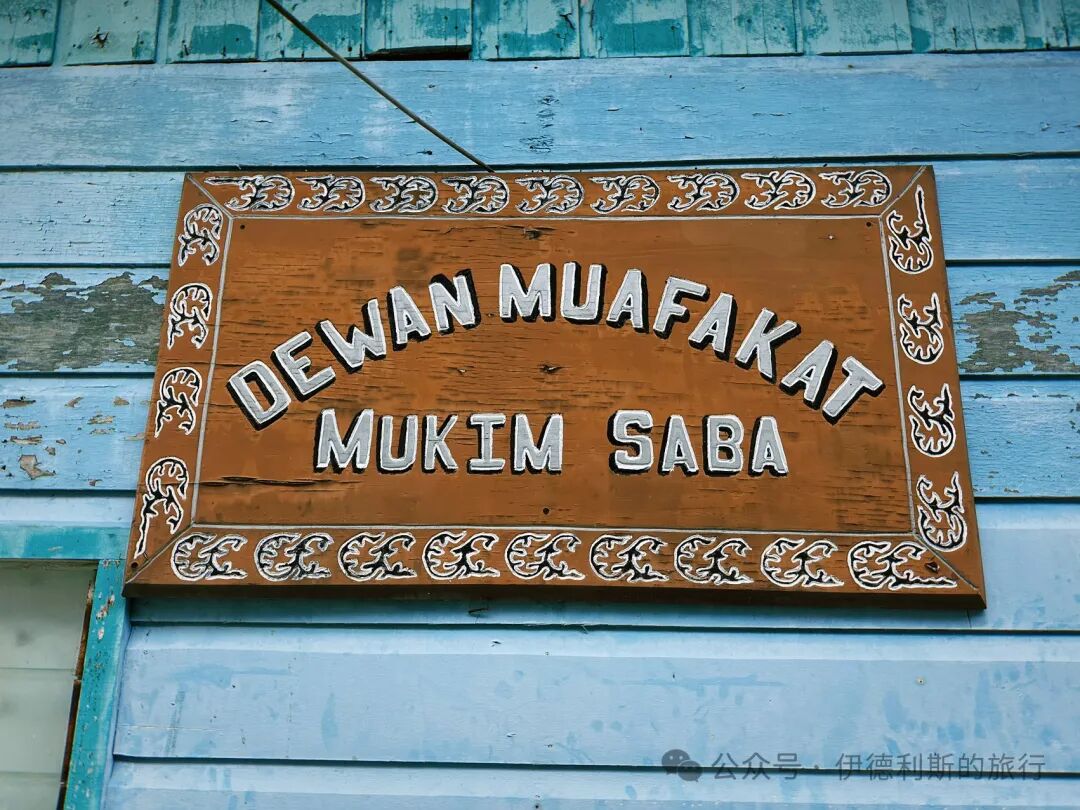
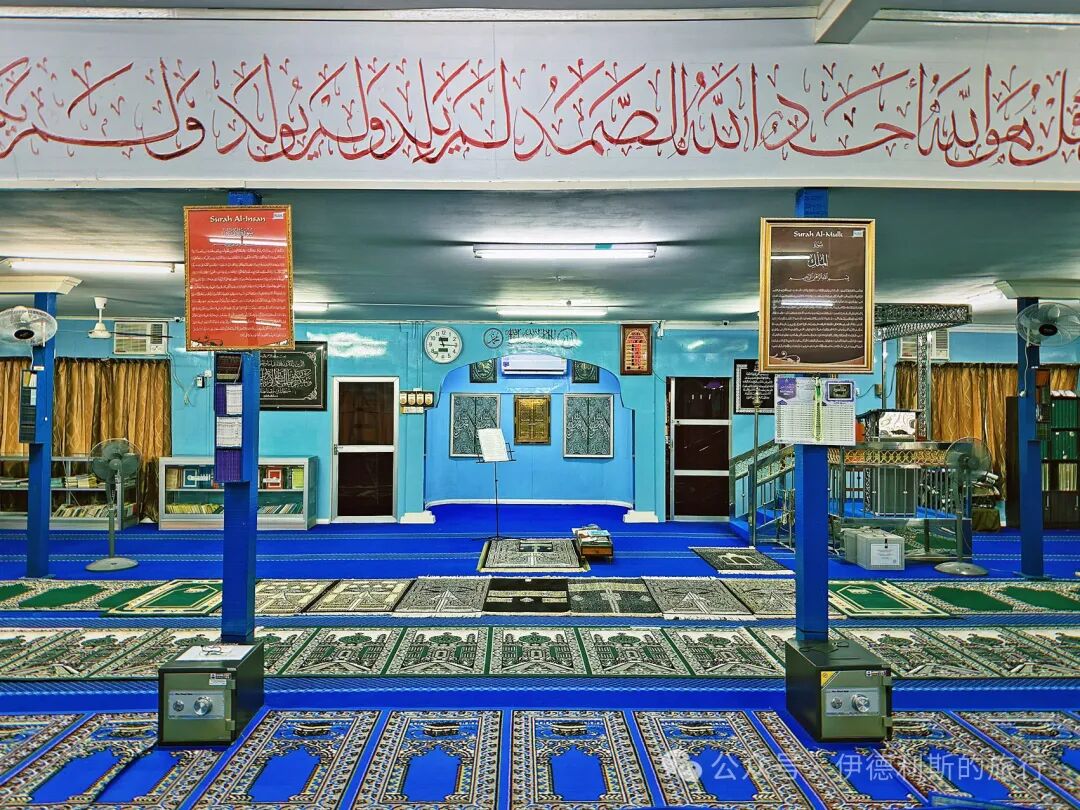
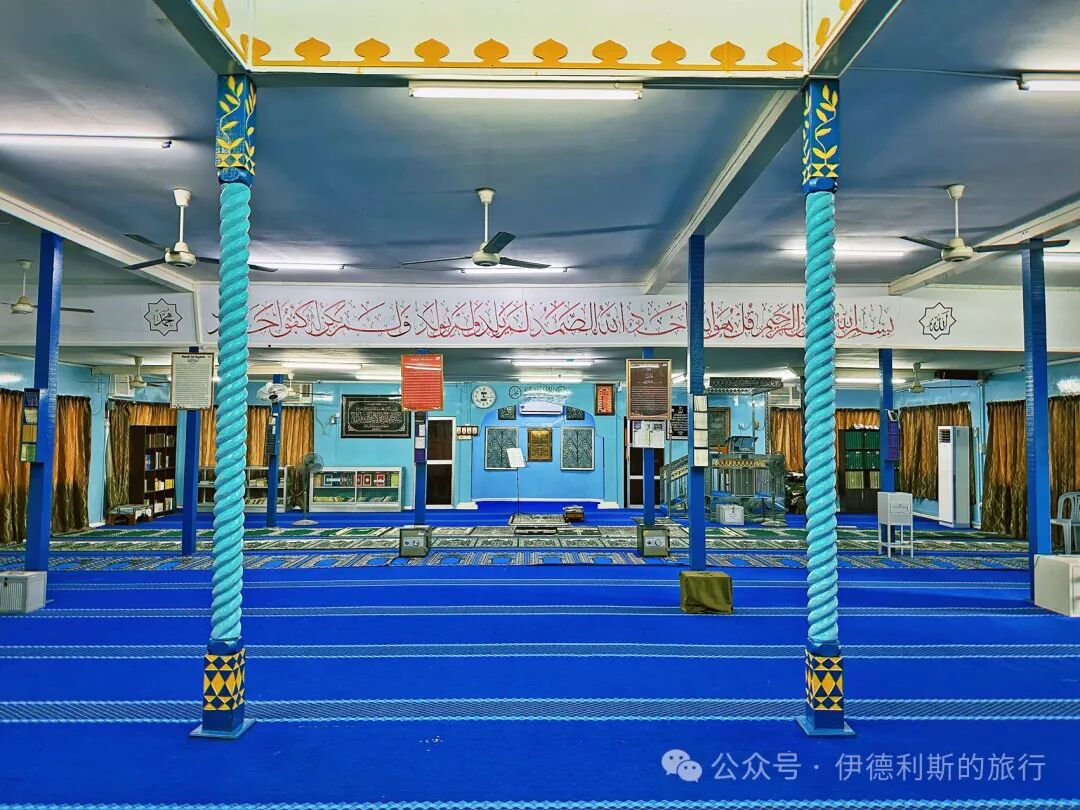
The water village has its own scenery, with small restaurants and convenience stores, though it is usually quite quiet.
Halal Travel Guide: Brunei Part 2 — Water Village Homes, Museums & Malay History
Articles • ali2007fr posted the article • 0 comments • 242 views • 2026-05-19 23:57
Summary: This second part of the Brunei history and culture journey moves through water village homes, museums, and sites tied to Malay and Muslim life. The article keeps the original place names, photos, and historical details while presenting Brunei in simple English.
Tomb of the 16th Sultan of Brunei
Take a speedboat west from the Brunei River to reach Luba Island, hidden by mangroves. It holds the tomb of the 16th Sultan of Brunei, Hussin Kamaluddin, who reigned from 1710 to 1730 and again from 1737 to 1740. Sultan Hussin Kamaluddin survived the Brunei civil war as a child. He was a pious, studious, and hardworking man. Under his rule, Brunei was prosperous and food was plentiful. Legend says the Sultan liked to fish with locals along the upper banks of the Brunei River, especially near his tomb on Luba Island.
Old Town of Brunei Town
Until the early 20th century, the capital of Brunei was the water village of Kampong Ayer on the Brunei River. In 1906, British Resident Malcolm MacArthur began guiding residents to settle on land. In 1910, Chinese people first began building shops on the north bank of the Brunei River, and Brunei Town began to take shape. In 1922, the reigning Sultan Muhammad Jamalul Alam II decided to move his palace inland to Brunei Town. This move encouraged many water village residents to accept resettlement, and the city grew quickly.
In 1945, Brunei Town was almost leveled by Allied bombing, followed by large-scale reconstruction in the 1950s and 1960s. After 1963, economic growth from oil and gas led to a rapid increase in Chinese immigrants to Brunei Town, who opened many shops. In 1970, Brunei Town was officially renamed Bandar Seri Begawan.
The Sungai Kianggeh River is on the east side of the old town. Residents of Kampong Ayer can boat directly up the river to the Kianggeh market to buy various farm products. This is also one of the resettlement points for water village residents after they come ashore.
The old Royal Ceremonial Hall (Lapau Lama) in the old town was built in 1950. It now displays the scene of the 1959 Brunei Constitution signing, including the original chandeliers, tables, chairs, and the microphone used by the Sultan. Lapau Lama is the oldest concrete building in the old town, with an interior that blends pragmatism and minimalism.
Next to the old Royal Ceremonial Hall is the Royal Regalia Museum. It houses two royal chariots: one used for the Sultan's coronation in 1968 and Queen Elizabeth II's visit in 1972, and another used for the Sultan's 25th anniversary of his coronation in 1992.
The Royal Regalia Museum also displays porcelain vases with Arabic calligraphy collected by the Sultan, as well as stone artifacts with Arabic calligraphy gifted by Saudi Arabia.
The Brunei International Airport mosque has an imam. It is clean, cool, and bright inside. Everyone performs namaz with great enthusiasm, and the atmosphere is wonderful.
Souvenirs bought at the Brunei airport: paper art of two Brunei national mosques. view all
Summary: This second part of the Brunei history and culture journey moves through water village homes, museums, and sites tied to Malay and Muslim life. The article keeps the original place names, photos, and historical details while presenting Brunei in simple English.
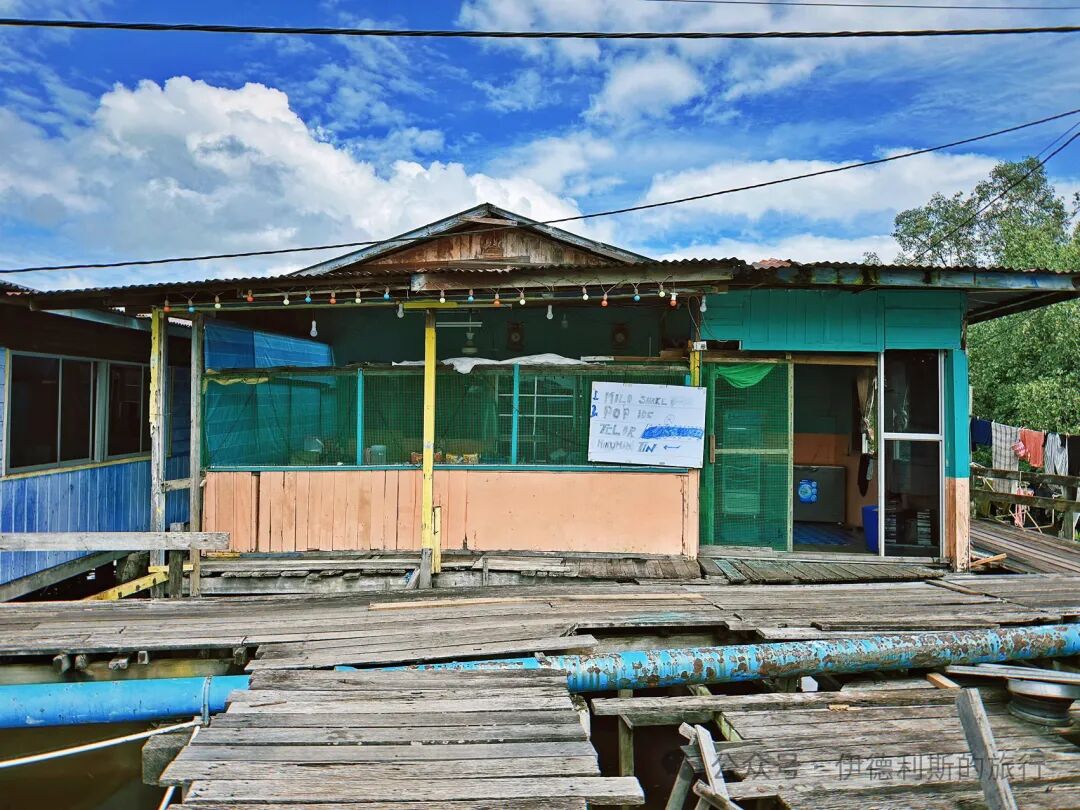
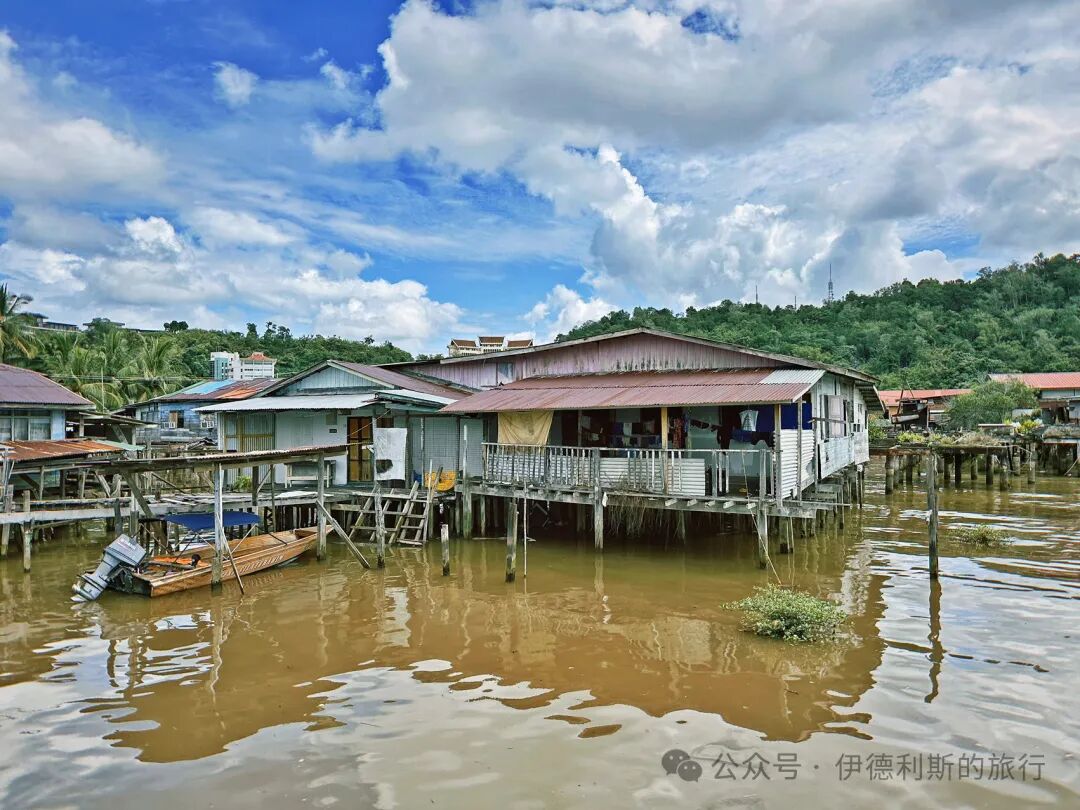
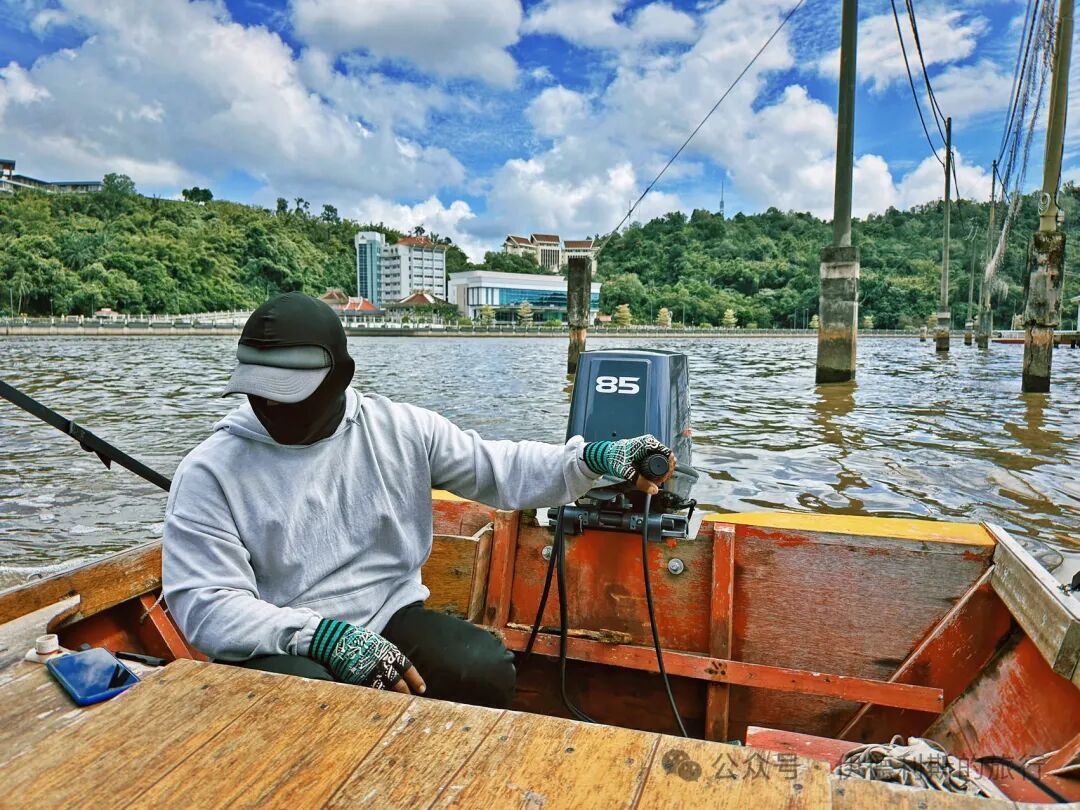
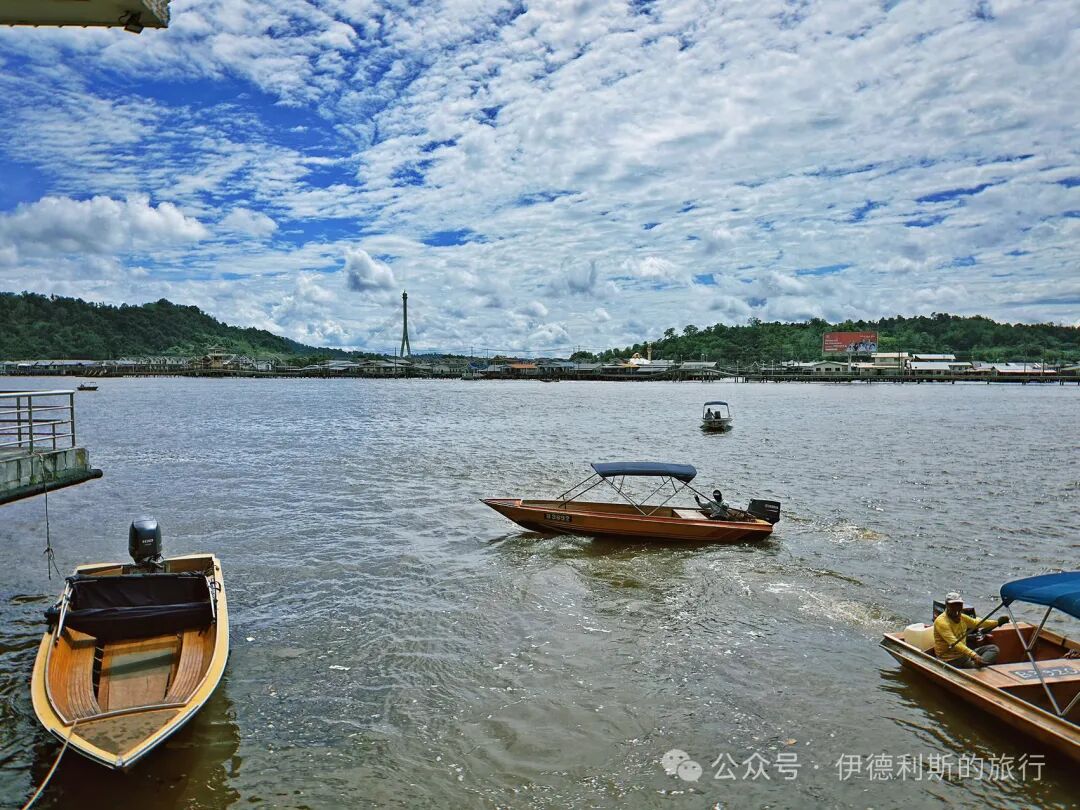
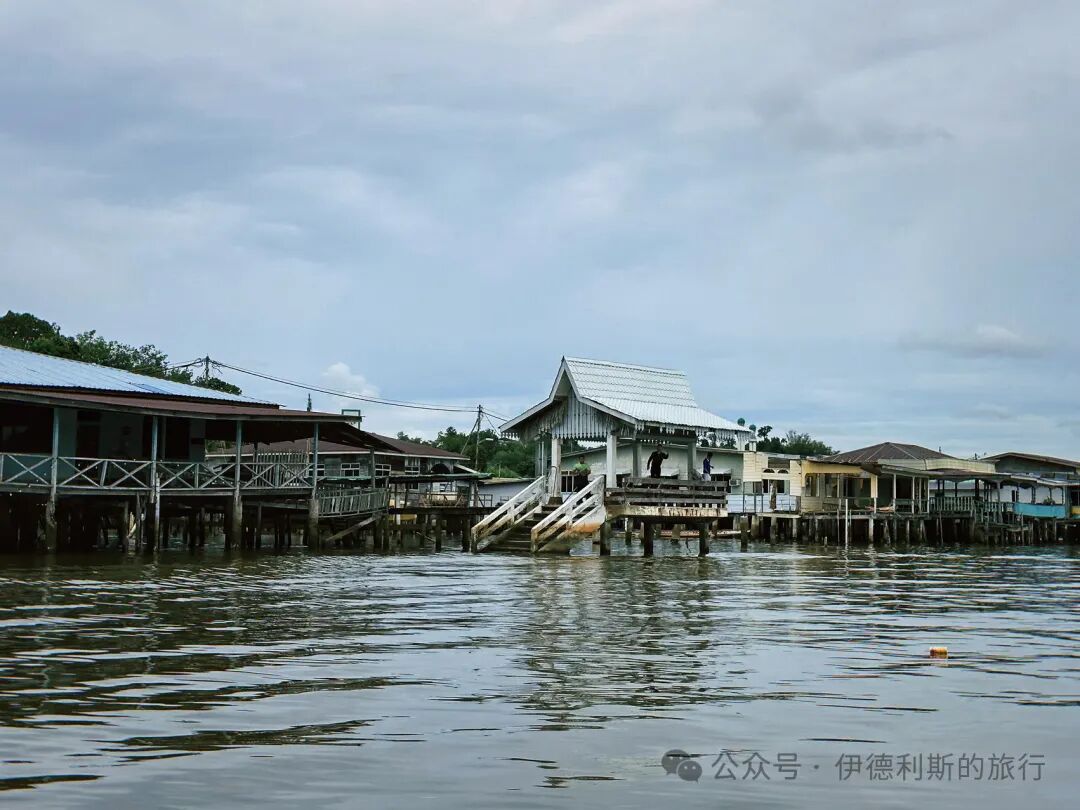
Tomb of the 16th Sultan of Brunei
Take a speedboat west from the Brunei River to reach Luba Island, hidden by mangroves. It holds the tomb of the 16th Sultan of Brunei, Hussin Kamaluddin, who reigned from 1710 to 1730 and again from 1737 to 1740. Sultan Hussin Kamaluddin survived the Brunei civil war as a child. He was a pious, studious, and hardworking man. Under his rule, Brunei was prosperous and food was plentiful. Legend says the Sultan liked to fish with locals along the upper banks of the Brunei River, especially near his tomb on Luba Island.
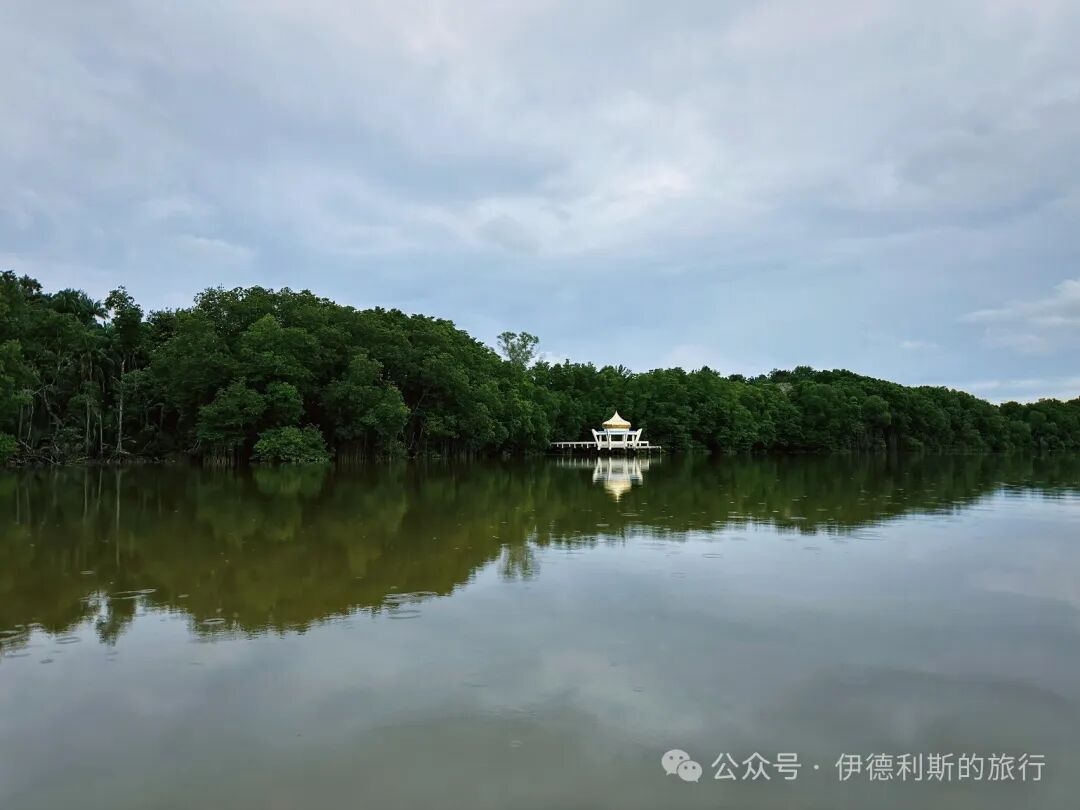
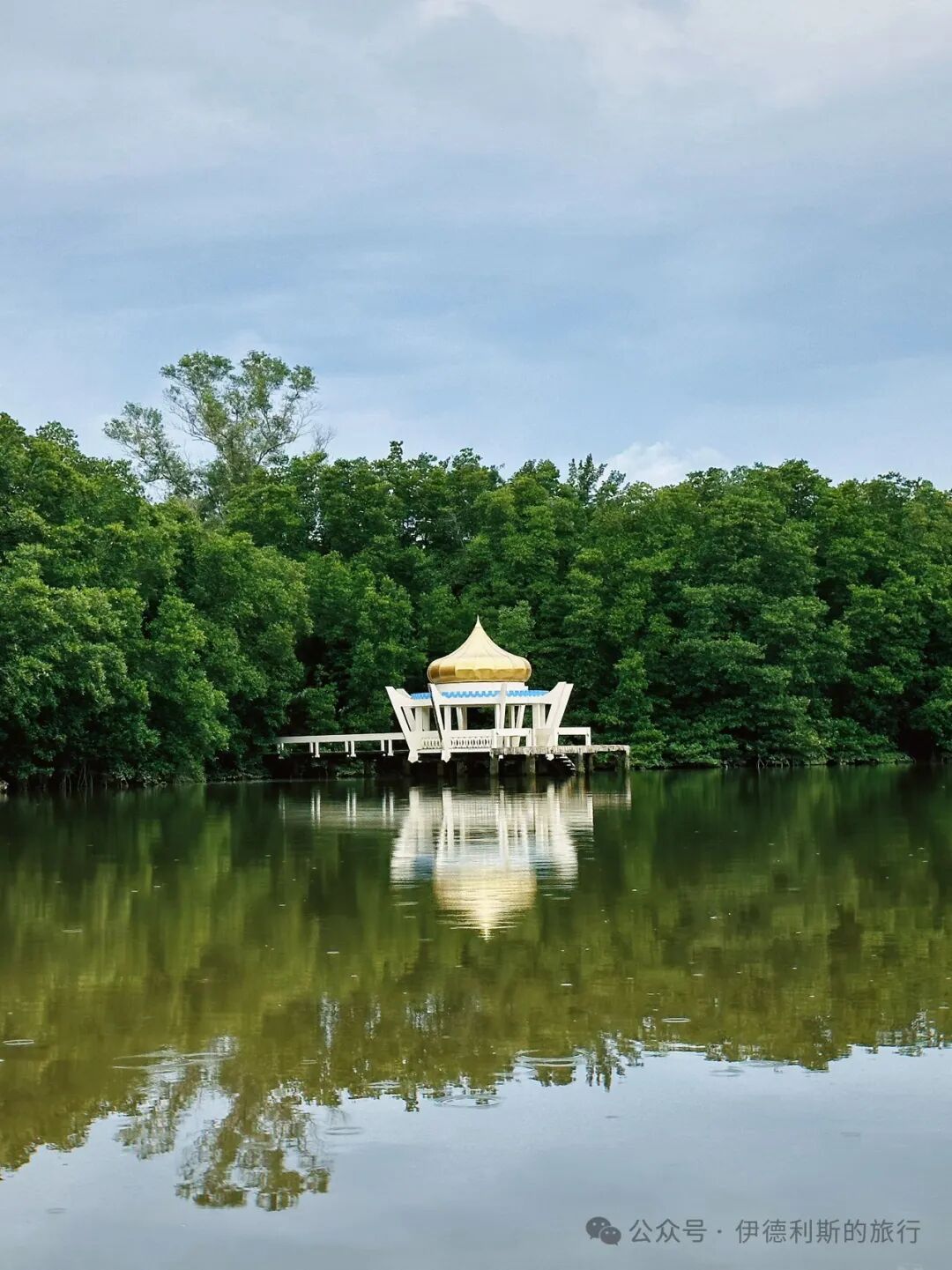
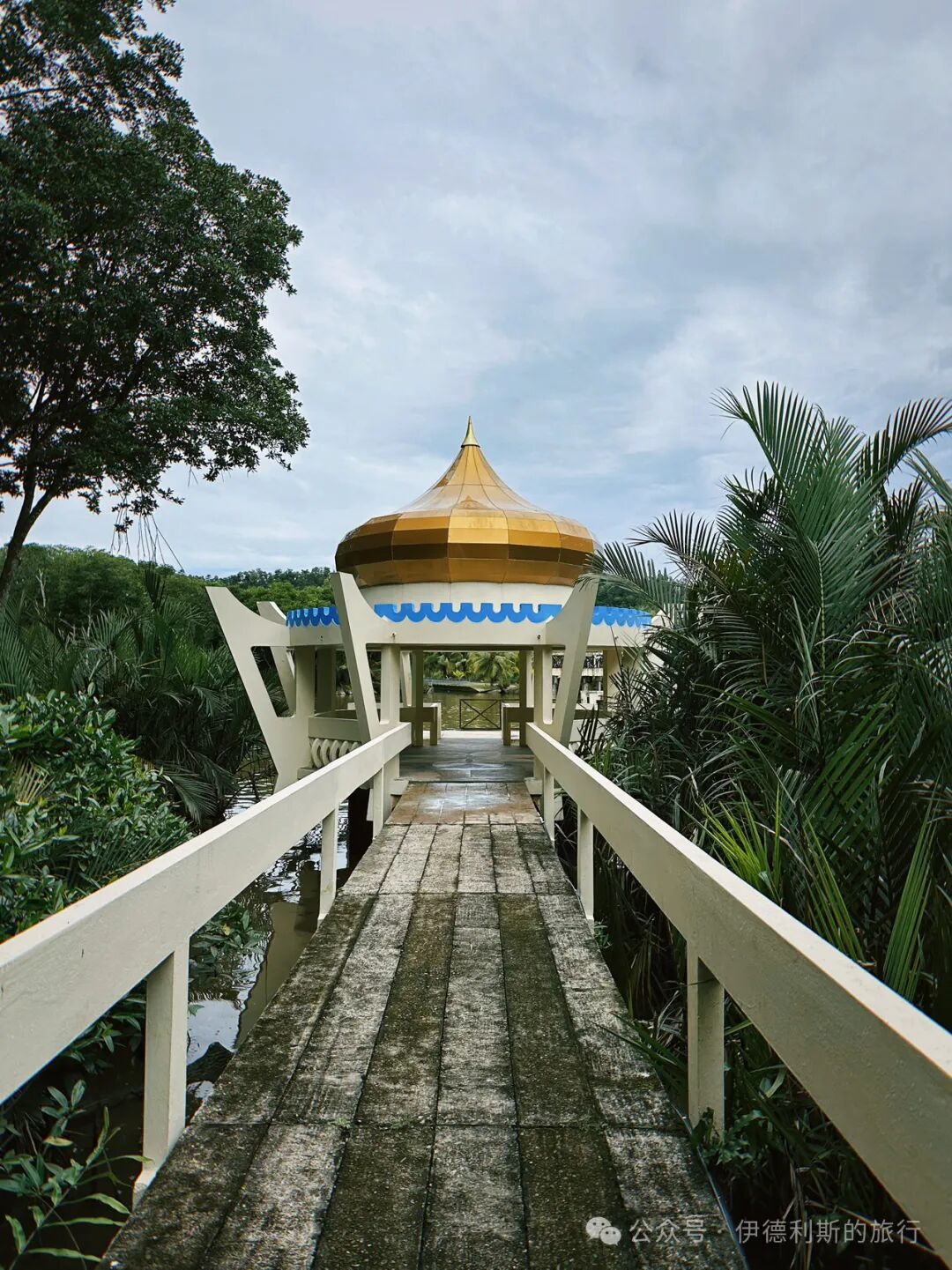
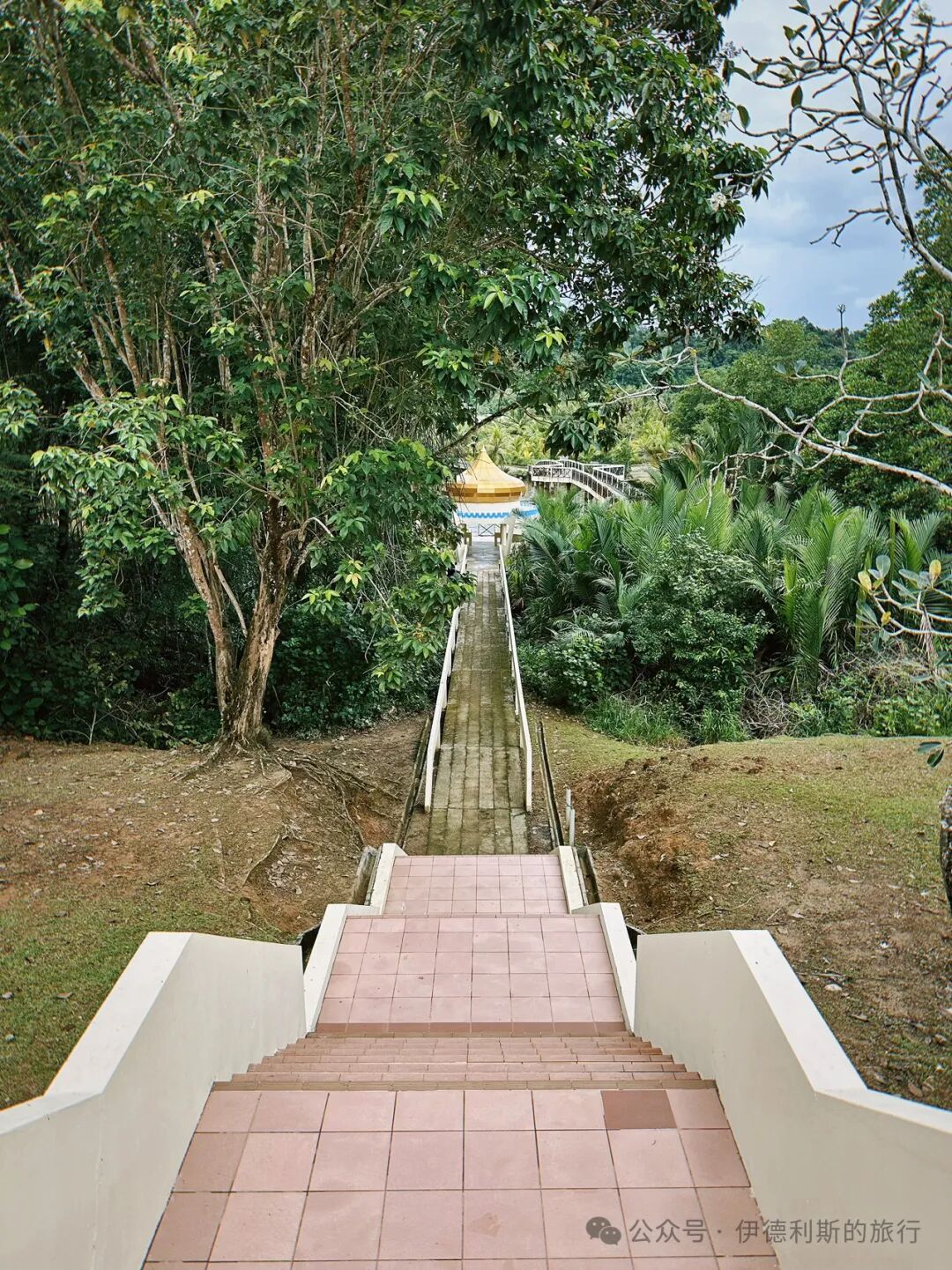
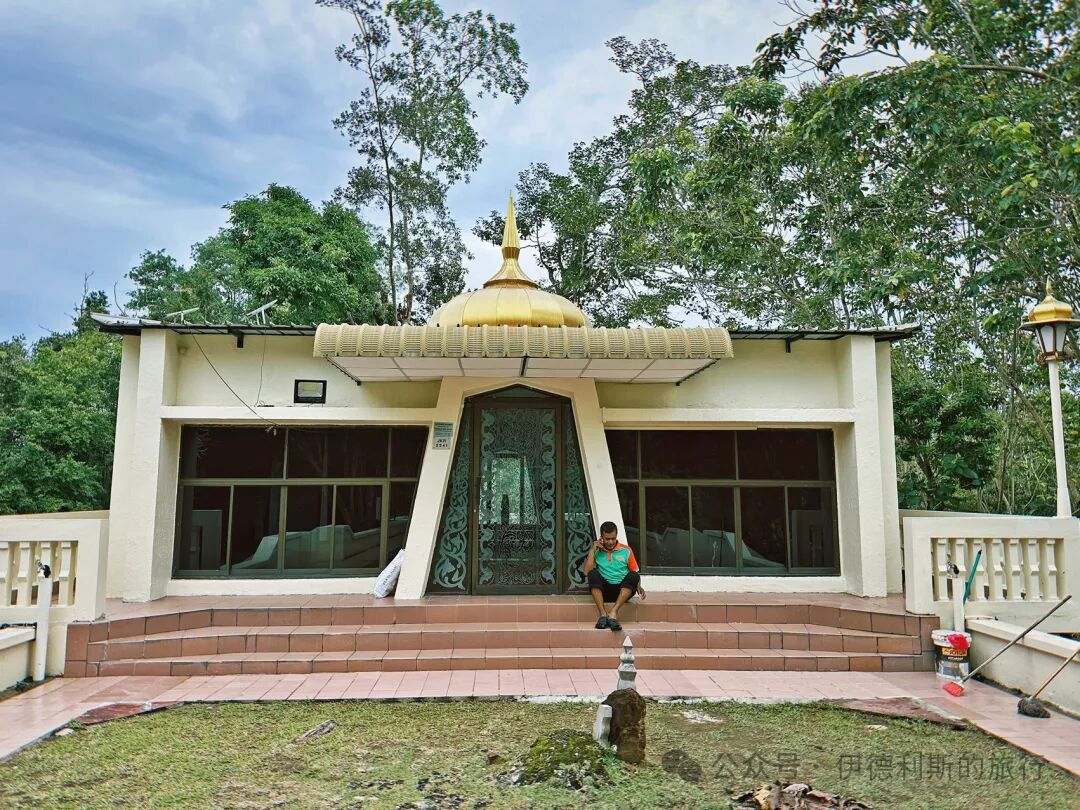
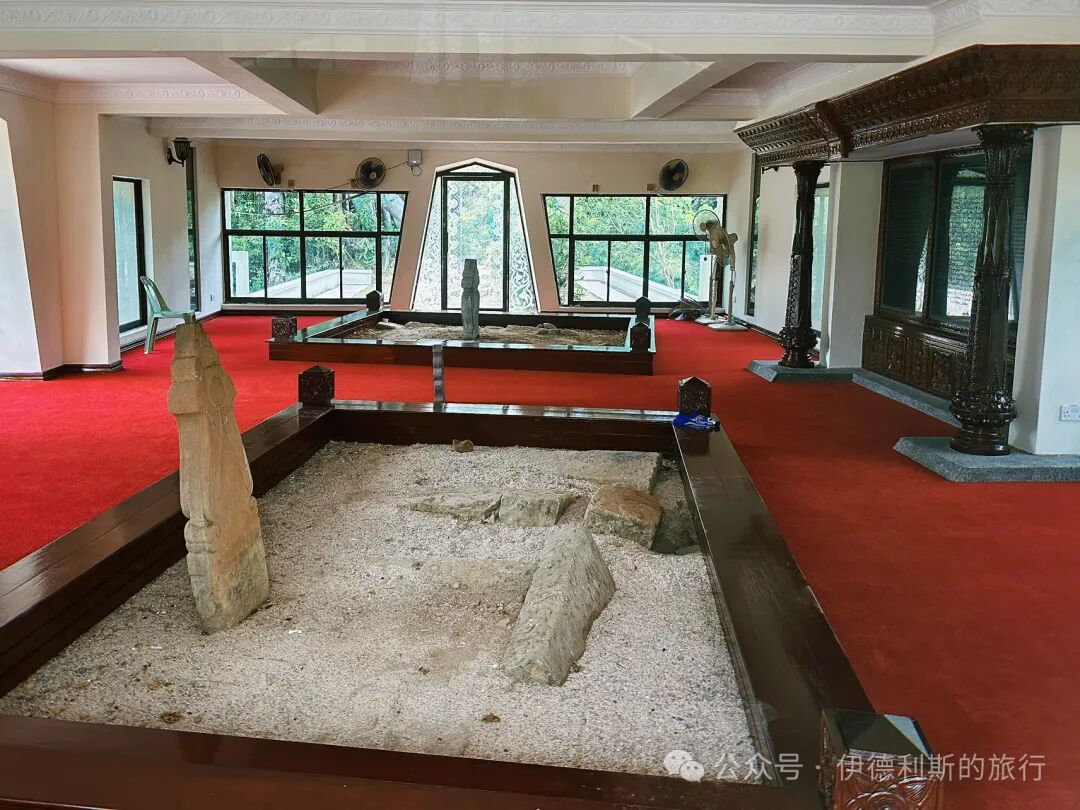
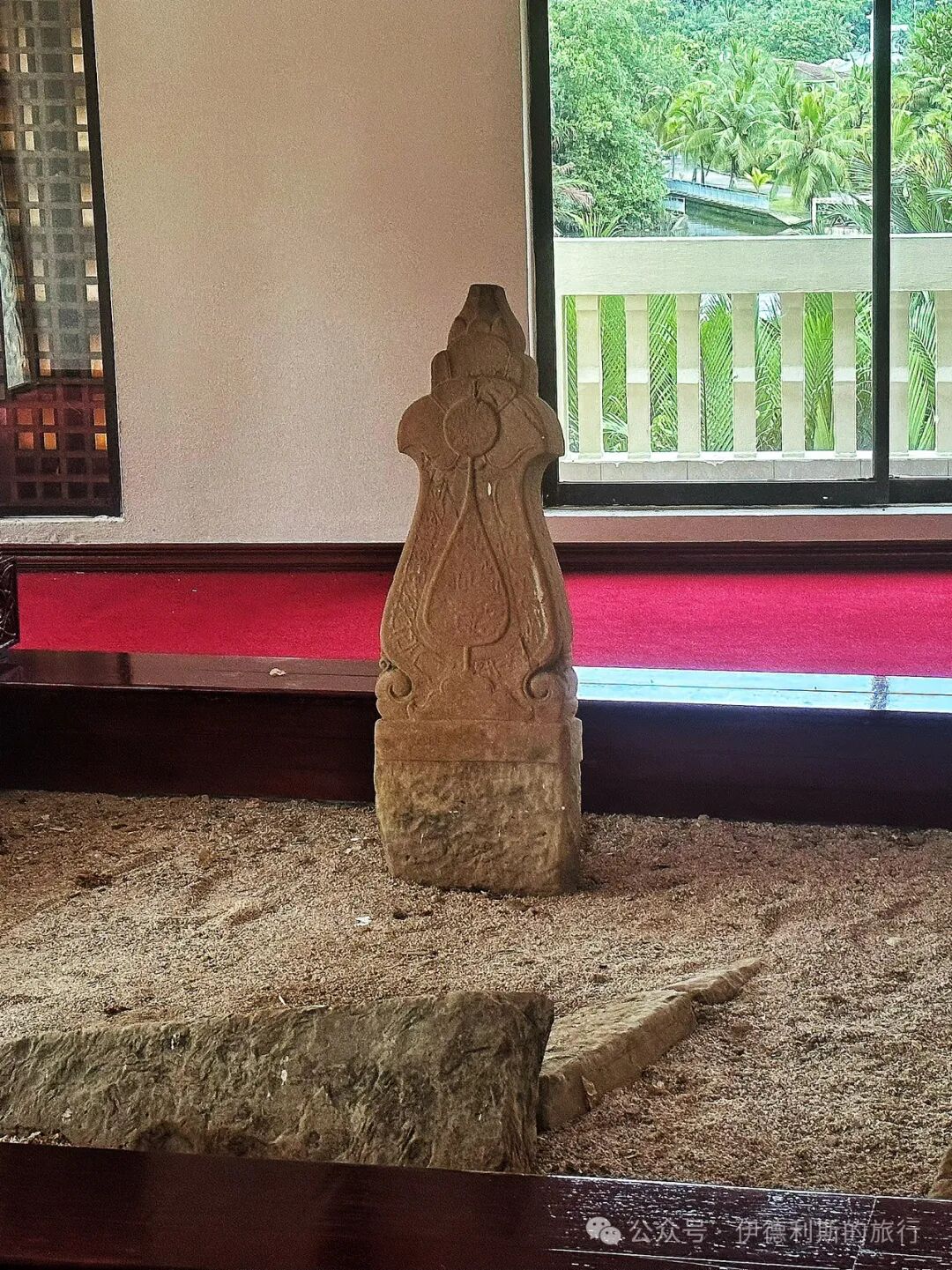
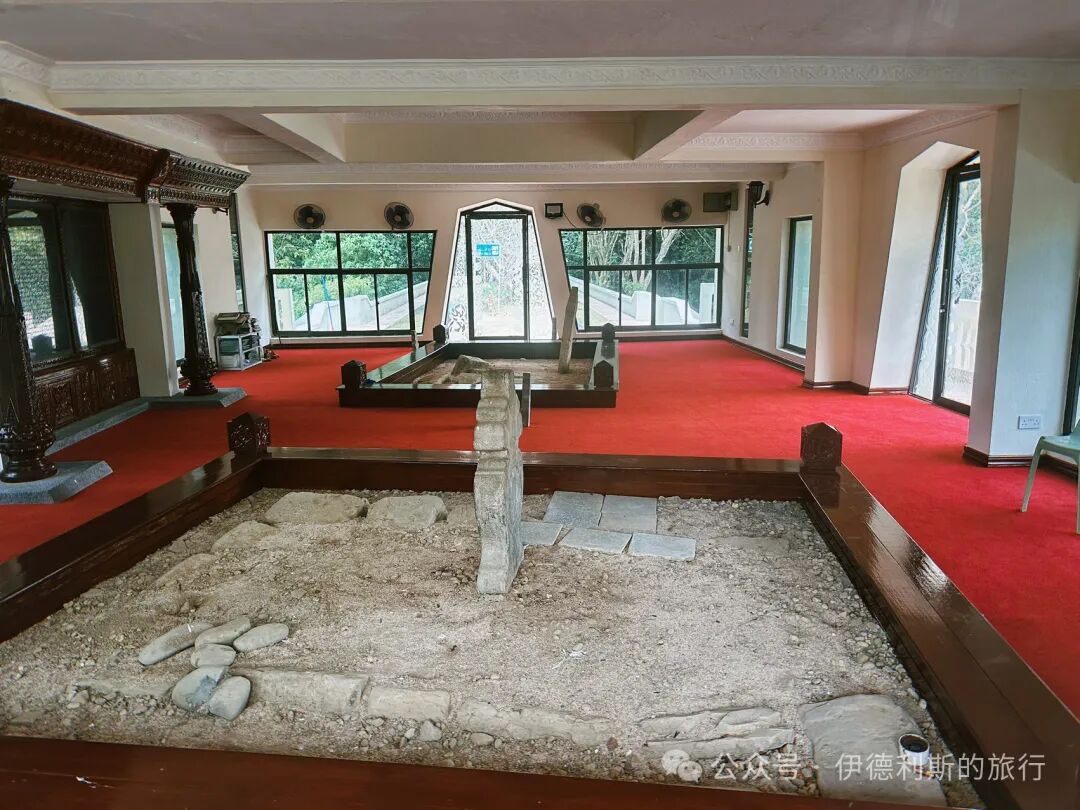
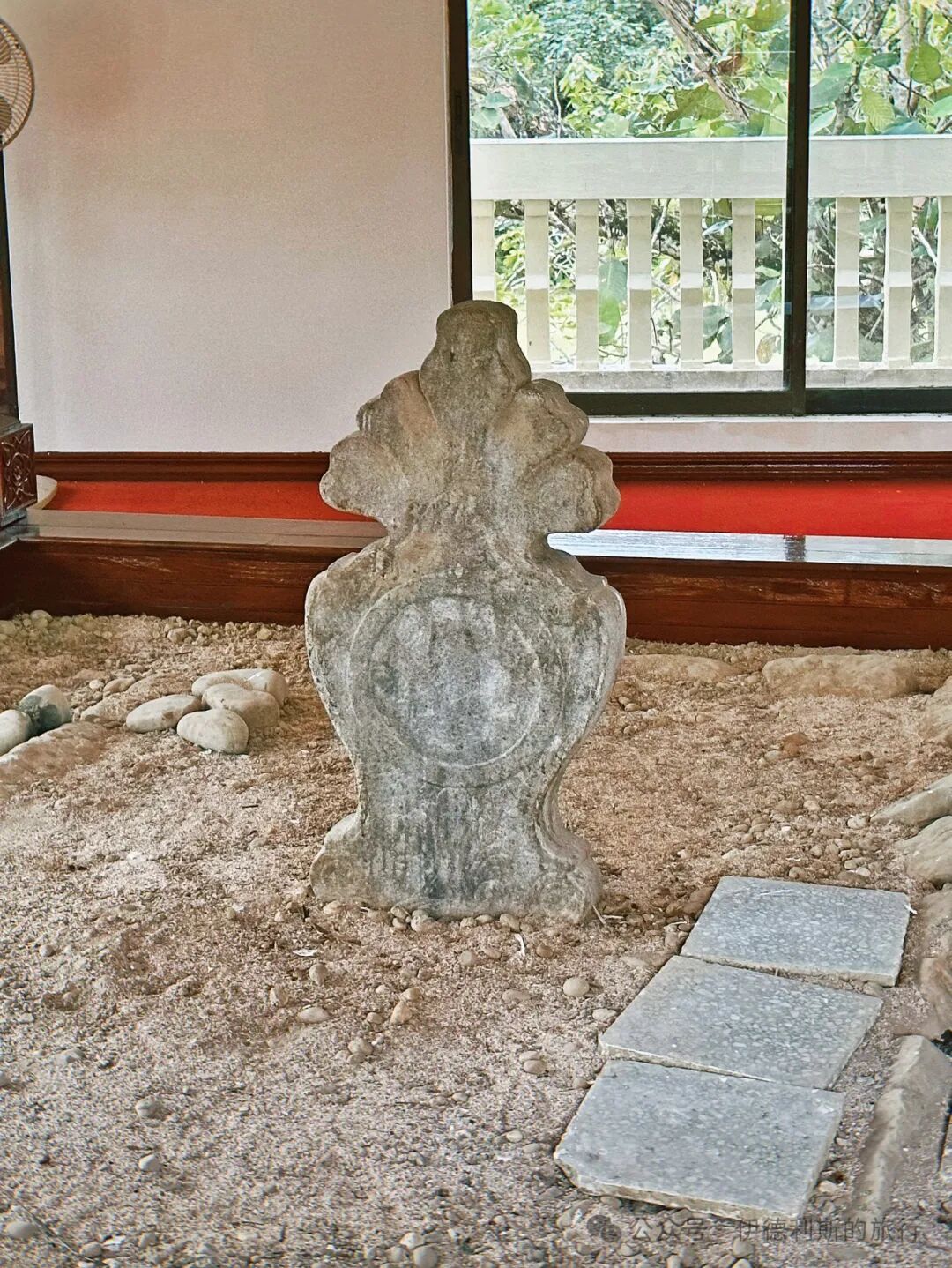
Old Town of Brunei Town
Until the early 20th century, the capital of Brunei was the water village of Kampong Ayer on the Brunei River. In 1906, British Resident Malcolm MacArthur began guiding residents to settle on land. In 1910, Chinese people first began building shops on the north bank of the Brunei River, and Brunei Town began to take shape. In 1922, the reigning Sultan Muhammad Jamalul Alam II decided to move his palace inland to Brunei Town. This move encouraged many water village residents to accept resettlement, and the city grew quickly.
In 1945, Brunei Town was almost leveled by Allied bombing, followed by large-scale reconstruction in the 1950s and 1960s. After 1963, economic growth from oil and gas led to a rapid increase in Chinese immigrants to Brunei Town, who opened many shops. In 1970, Brunei Town was officially renamed Bandar Seri Begawan.
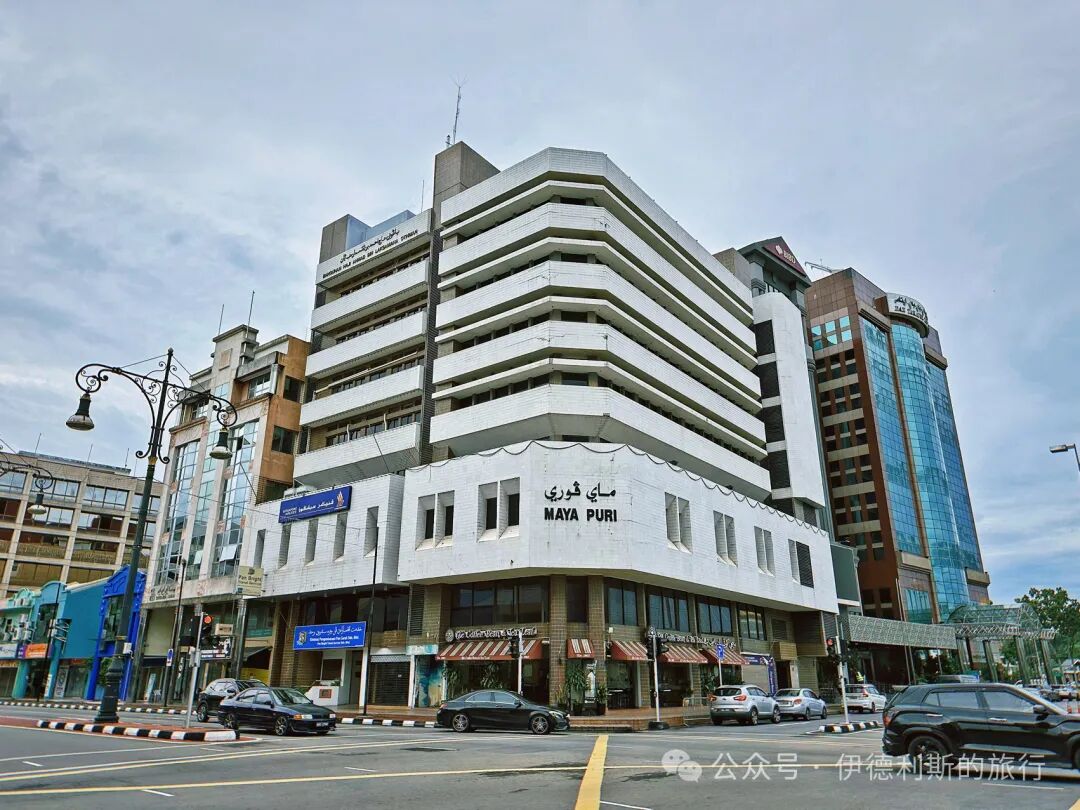
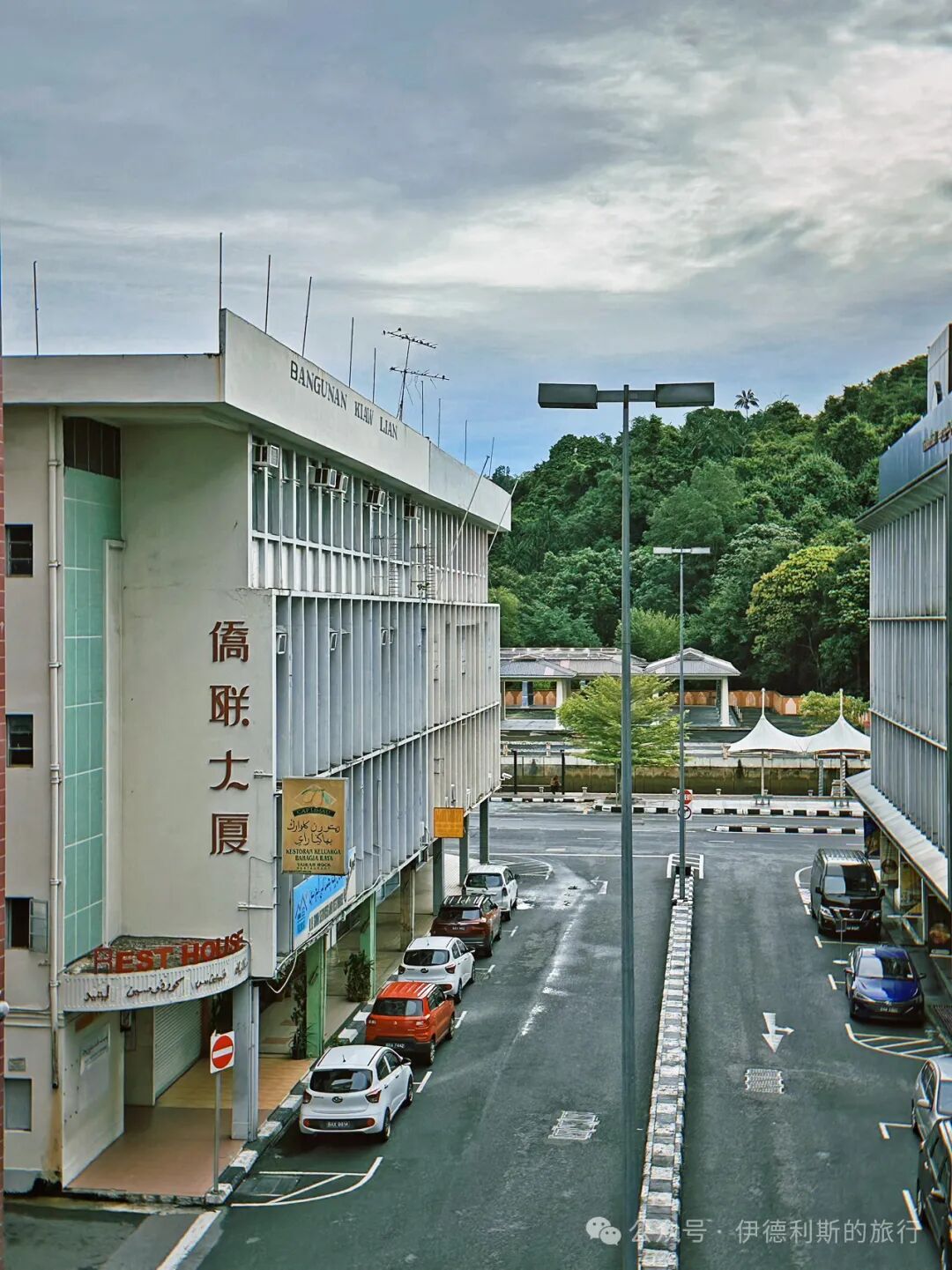
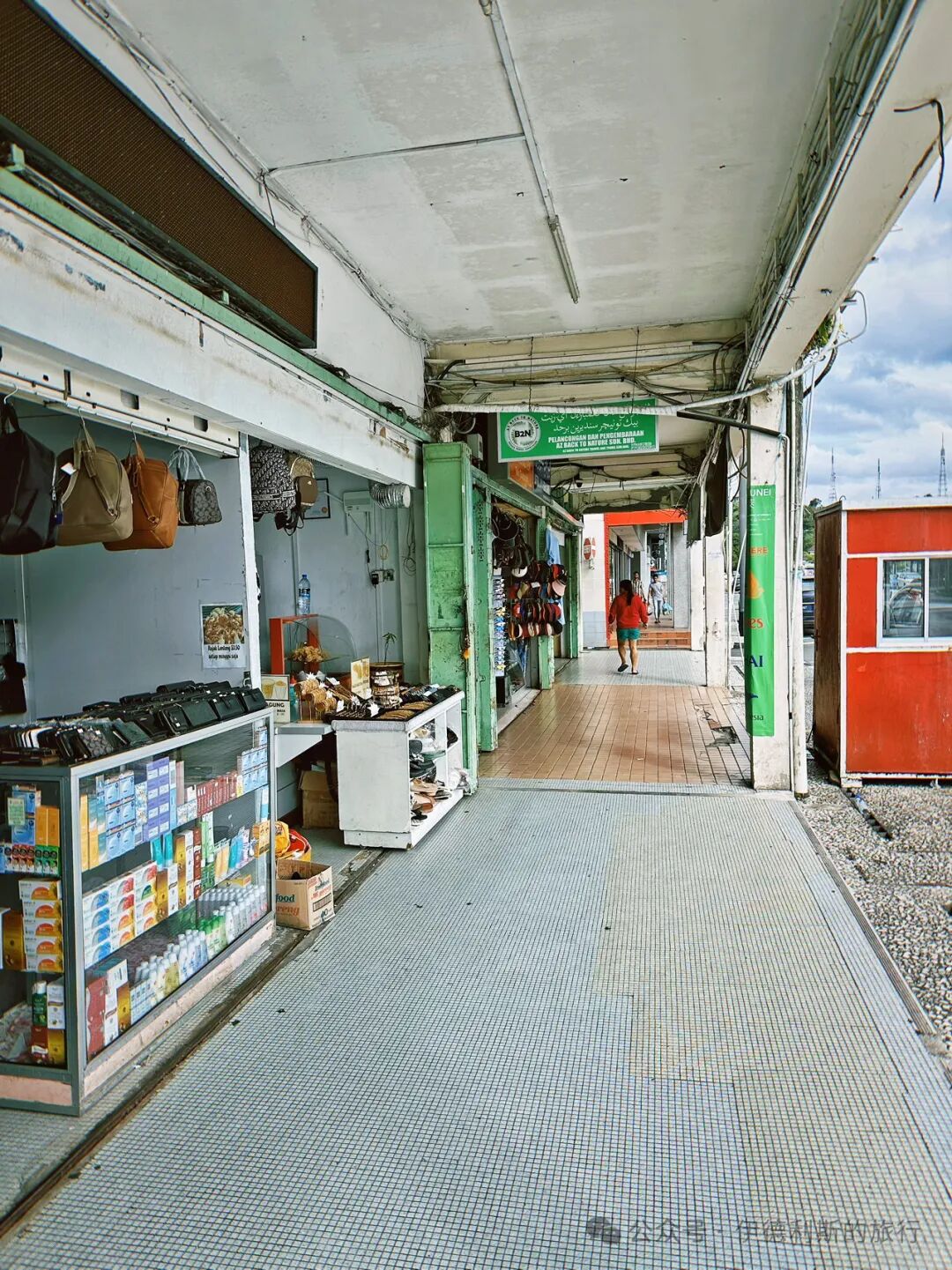
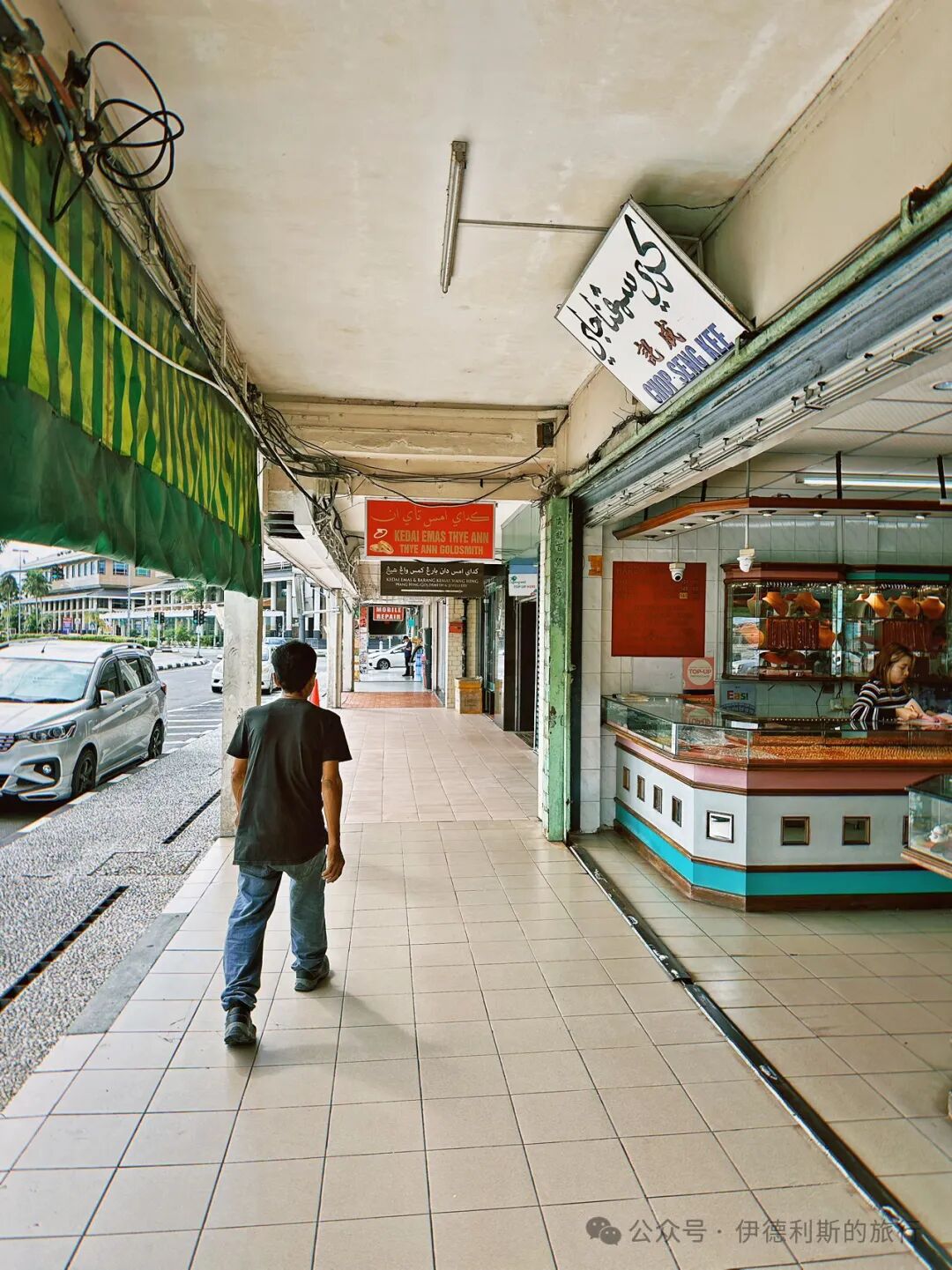
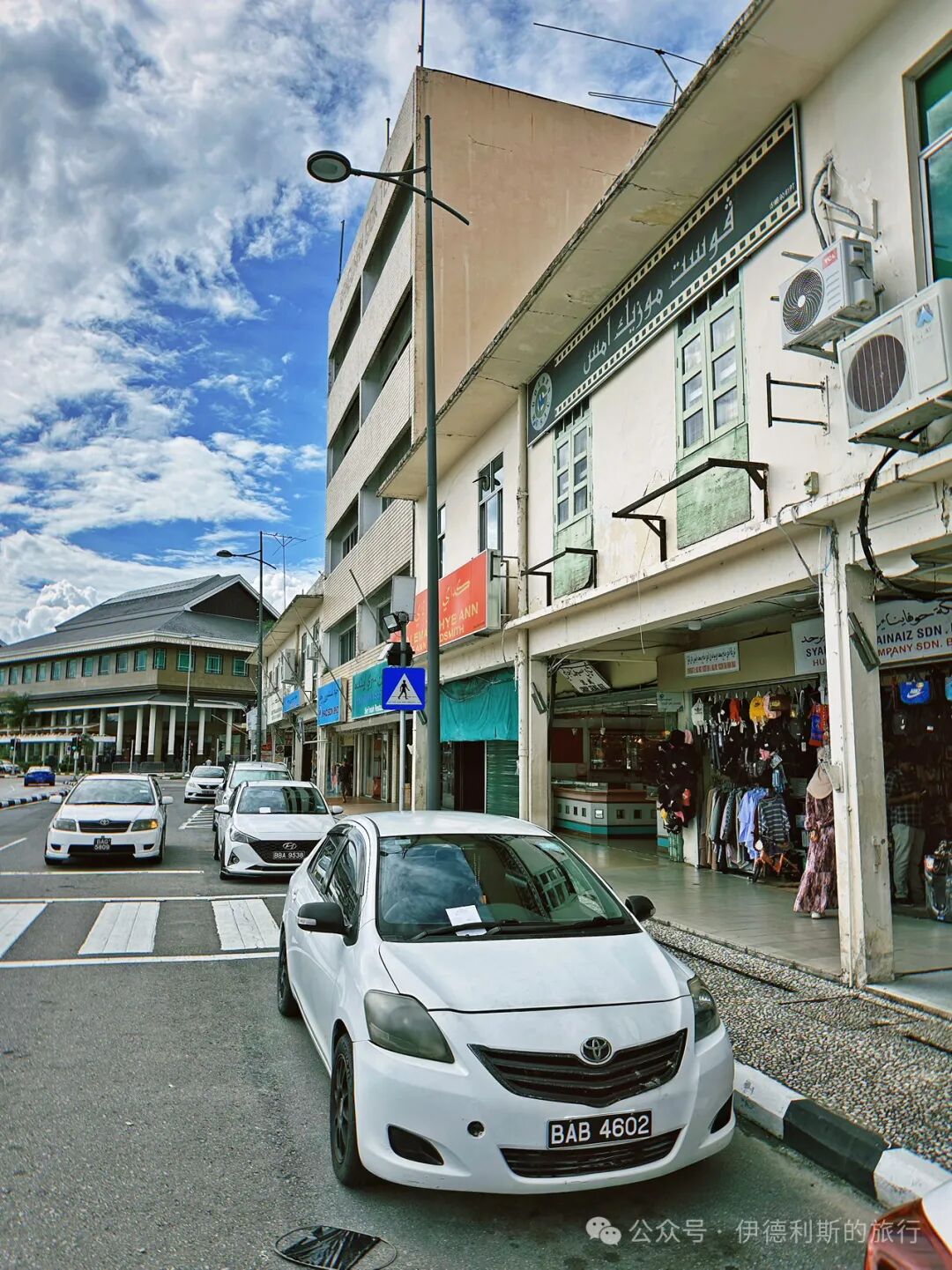
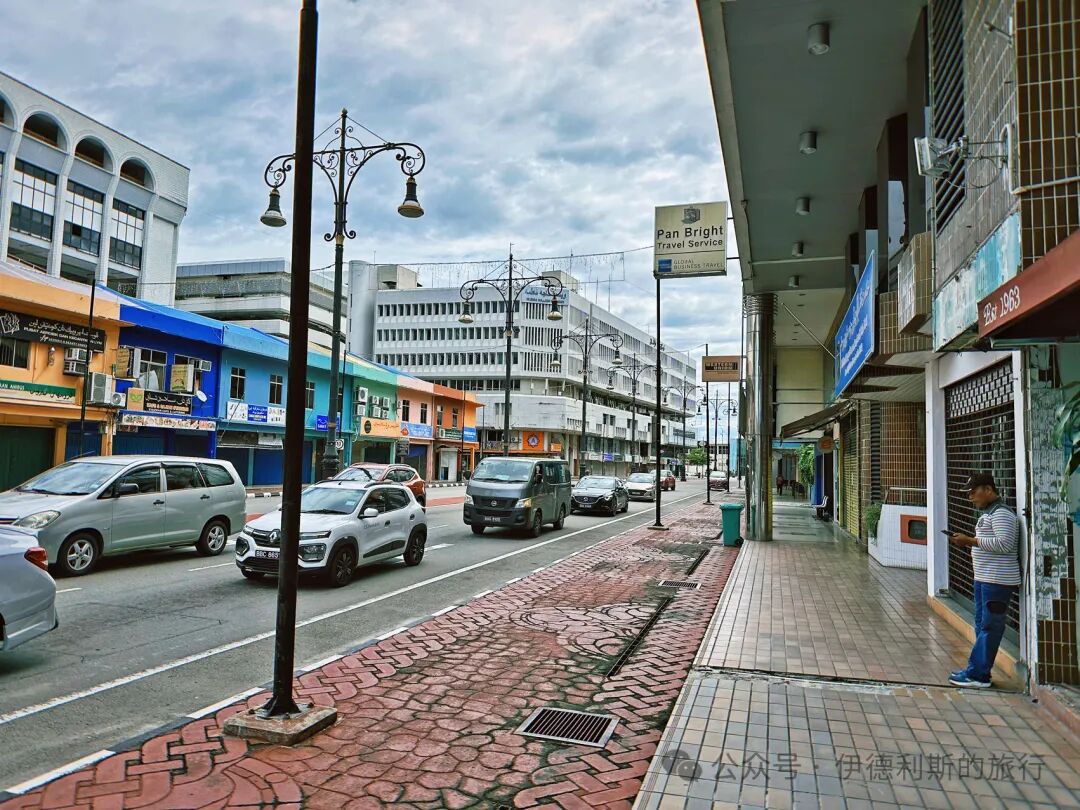
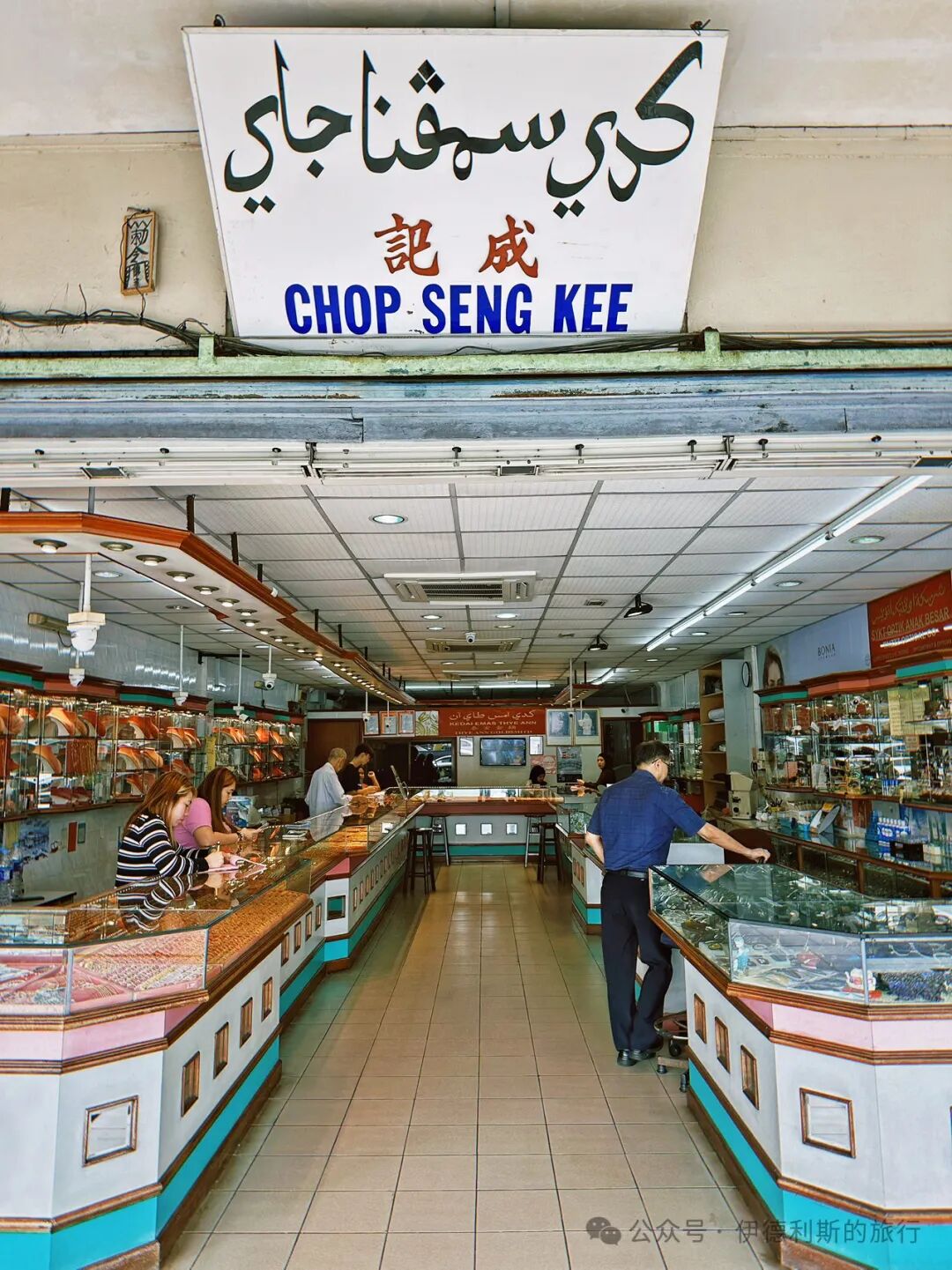
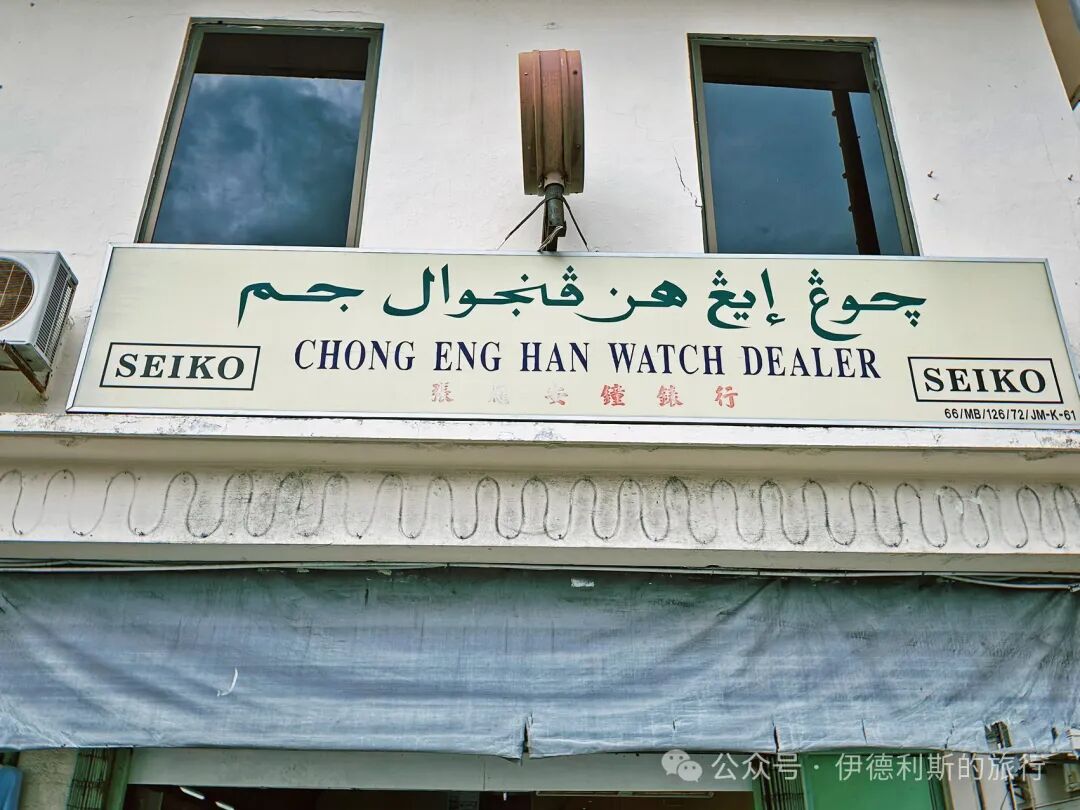
The Sungai Kianggeh River is on the east side of the old town. Residents of Kampong Ayer can boat directly up the river to the Kianggeh market to buy various farm products. This is also one of the resettlement points for water village residents after they come ashore.
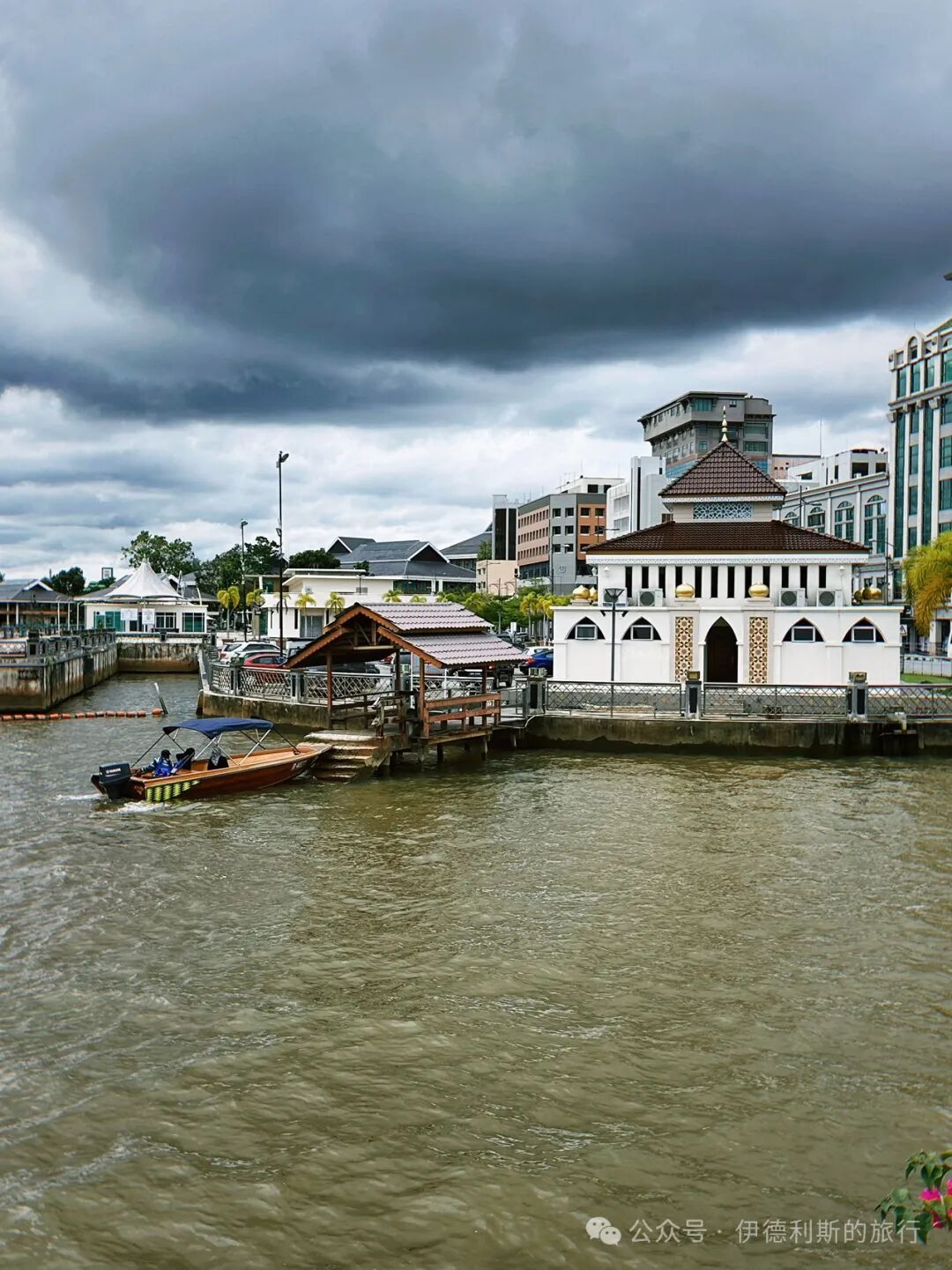
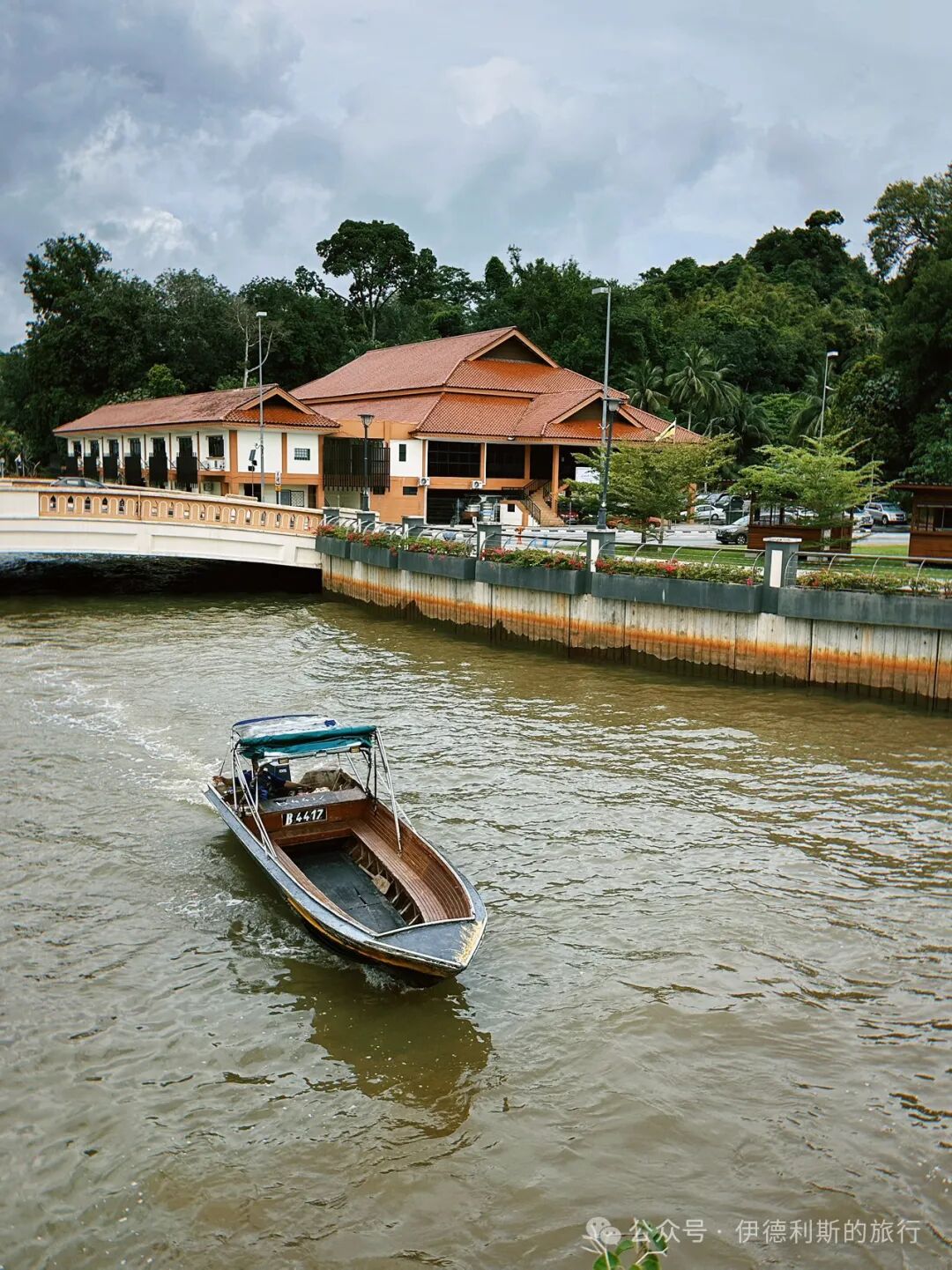
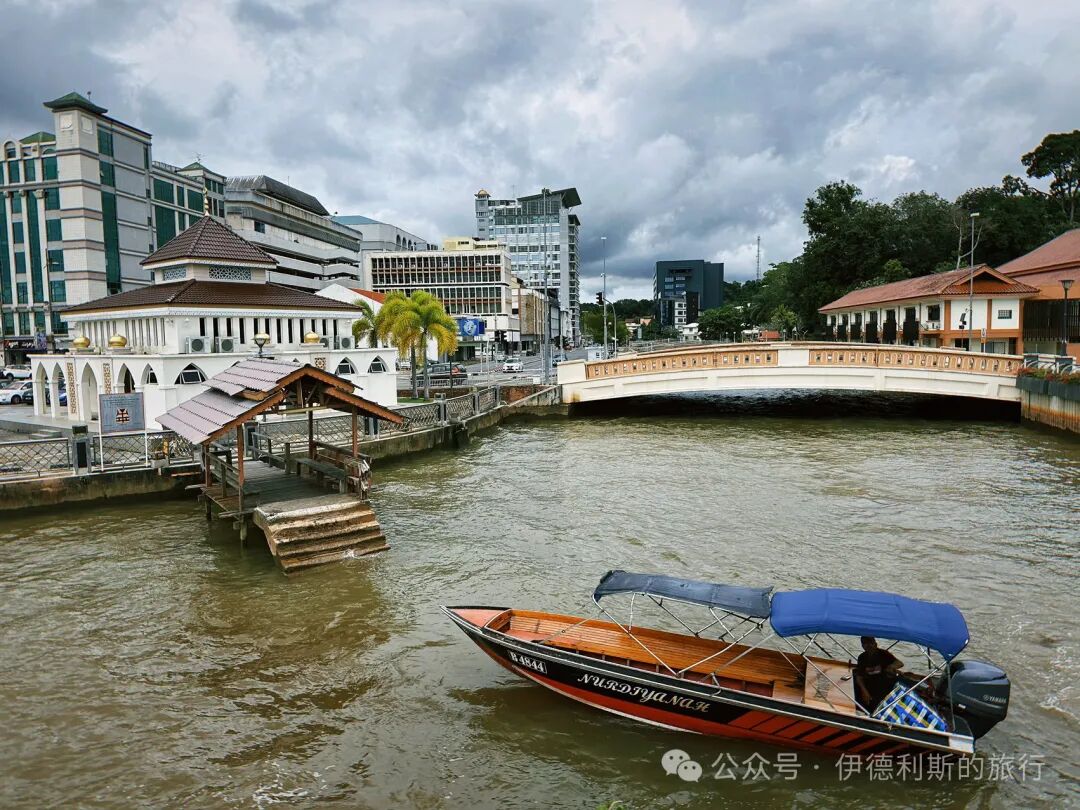
The old Royal Ceremonial Hall (Lapau Lama) in the old town was built in 1950. It now displays the scene of the 1959 Brunei Constitution signing, including the original chandeliers, tables, chairs, and the microphone used by the Sultan. Lapau Lama is the oldest concrete building in the old town, with an interior that blends pragmatism and minimalism.
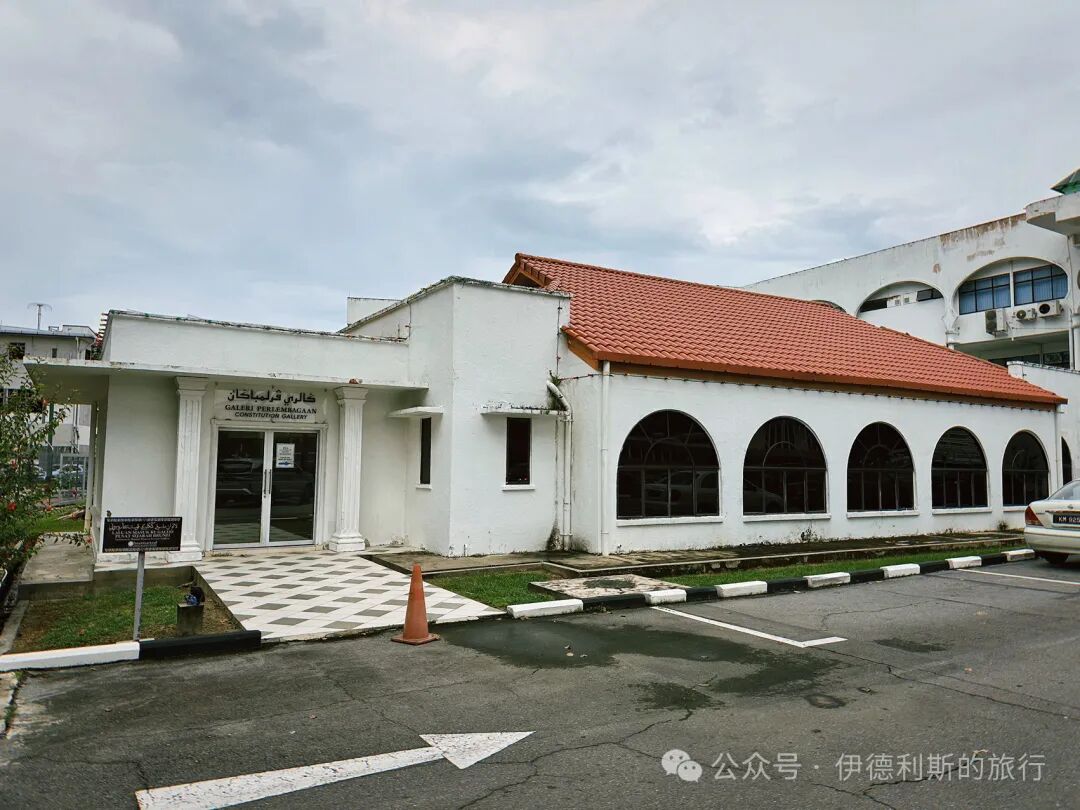
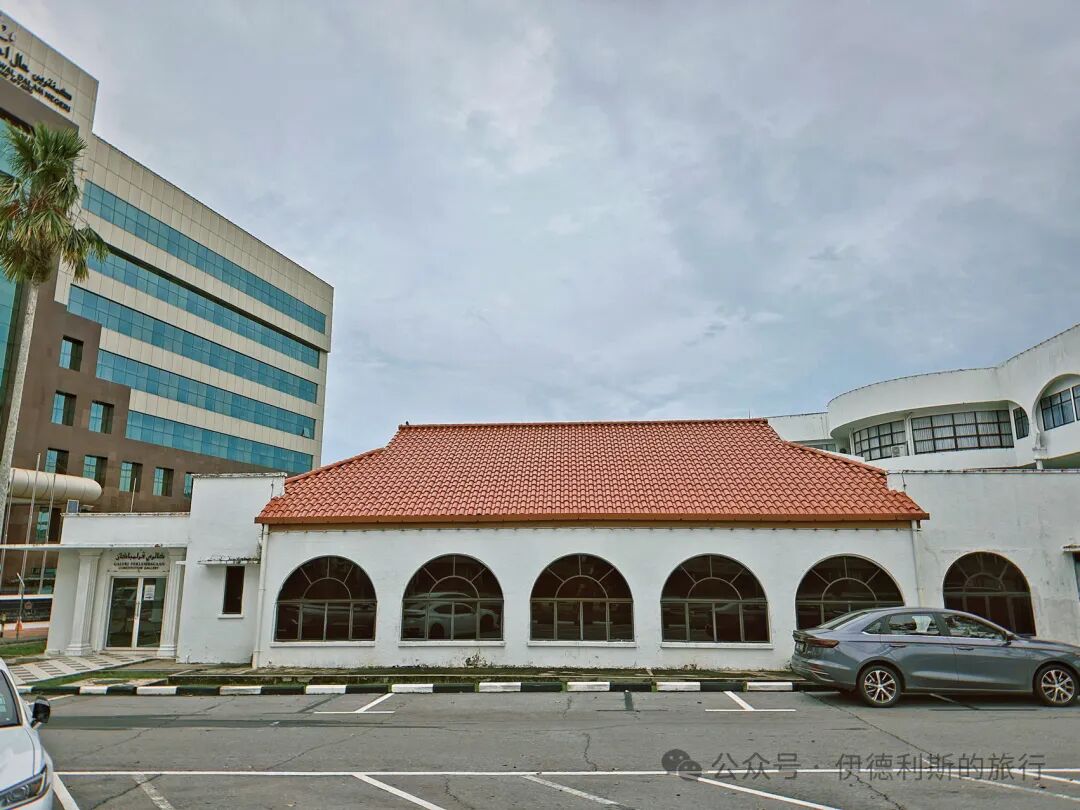
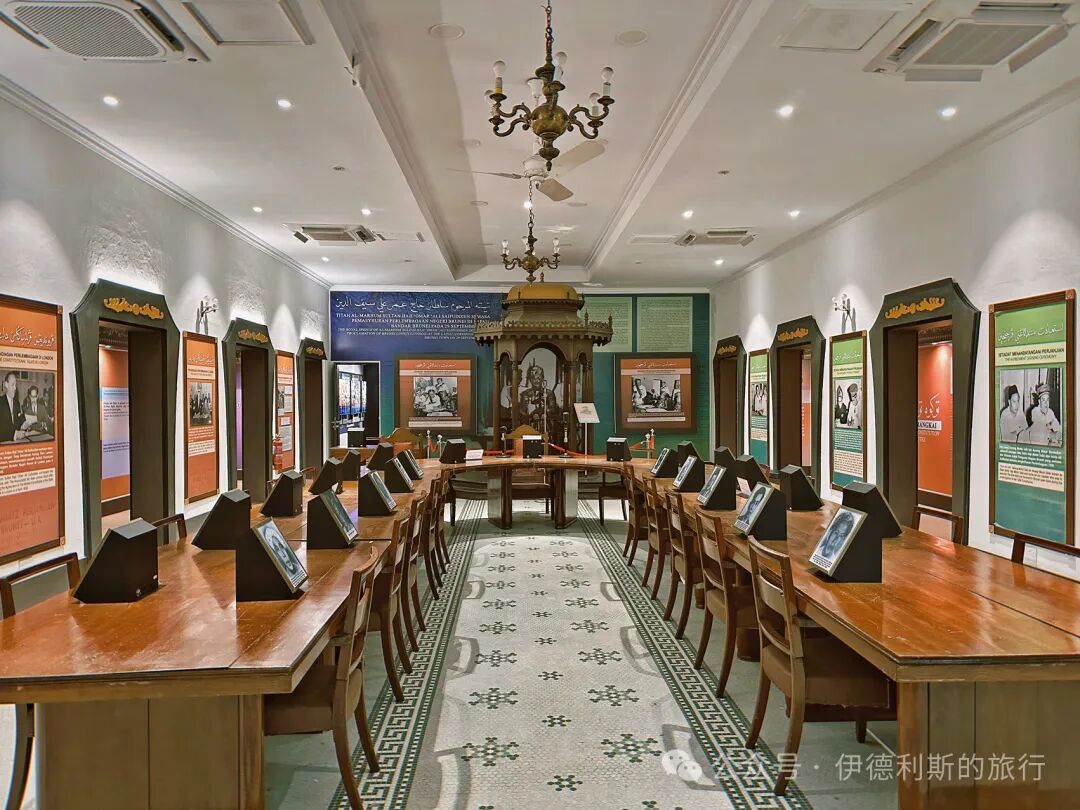
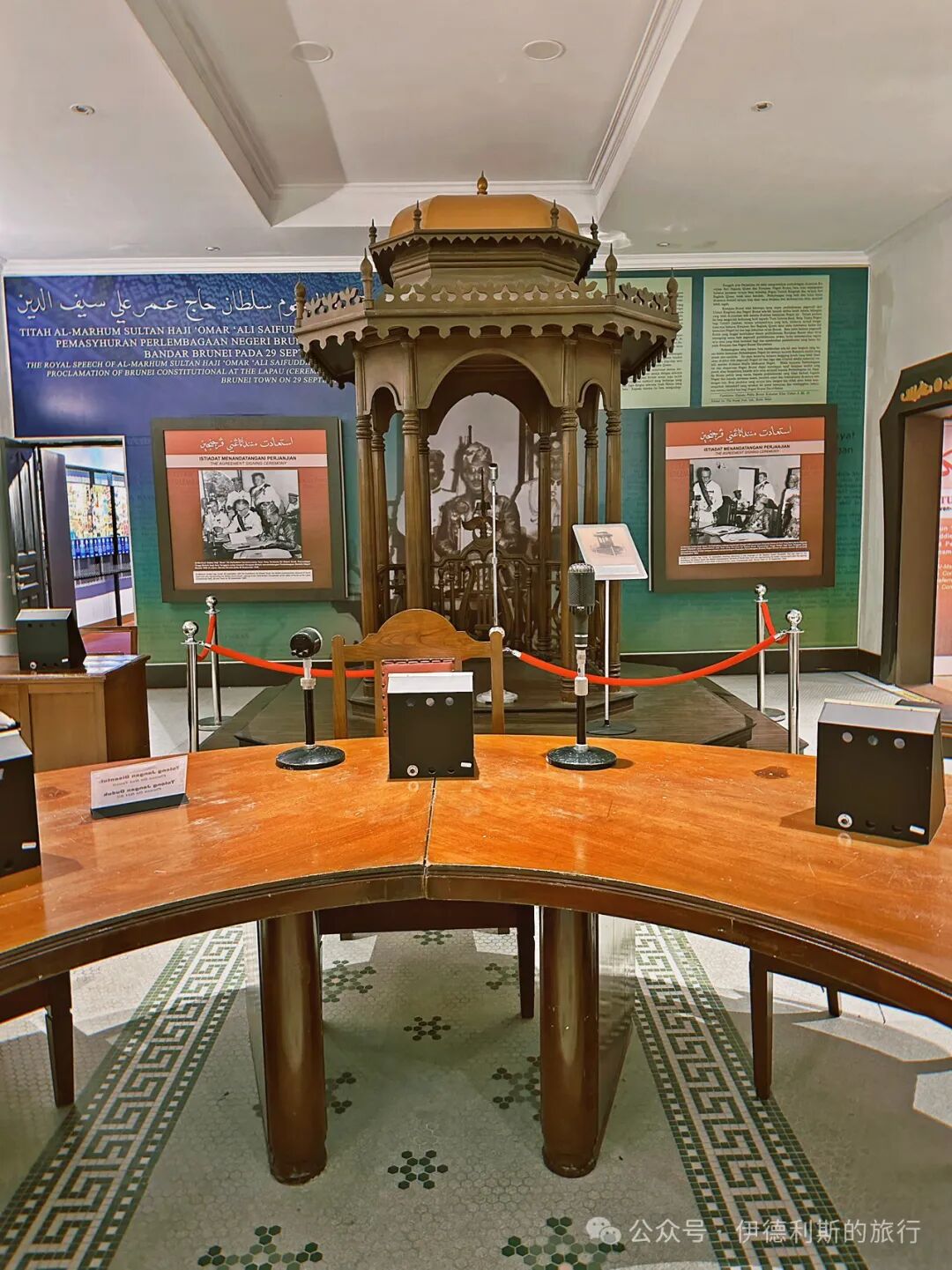
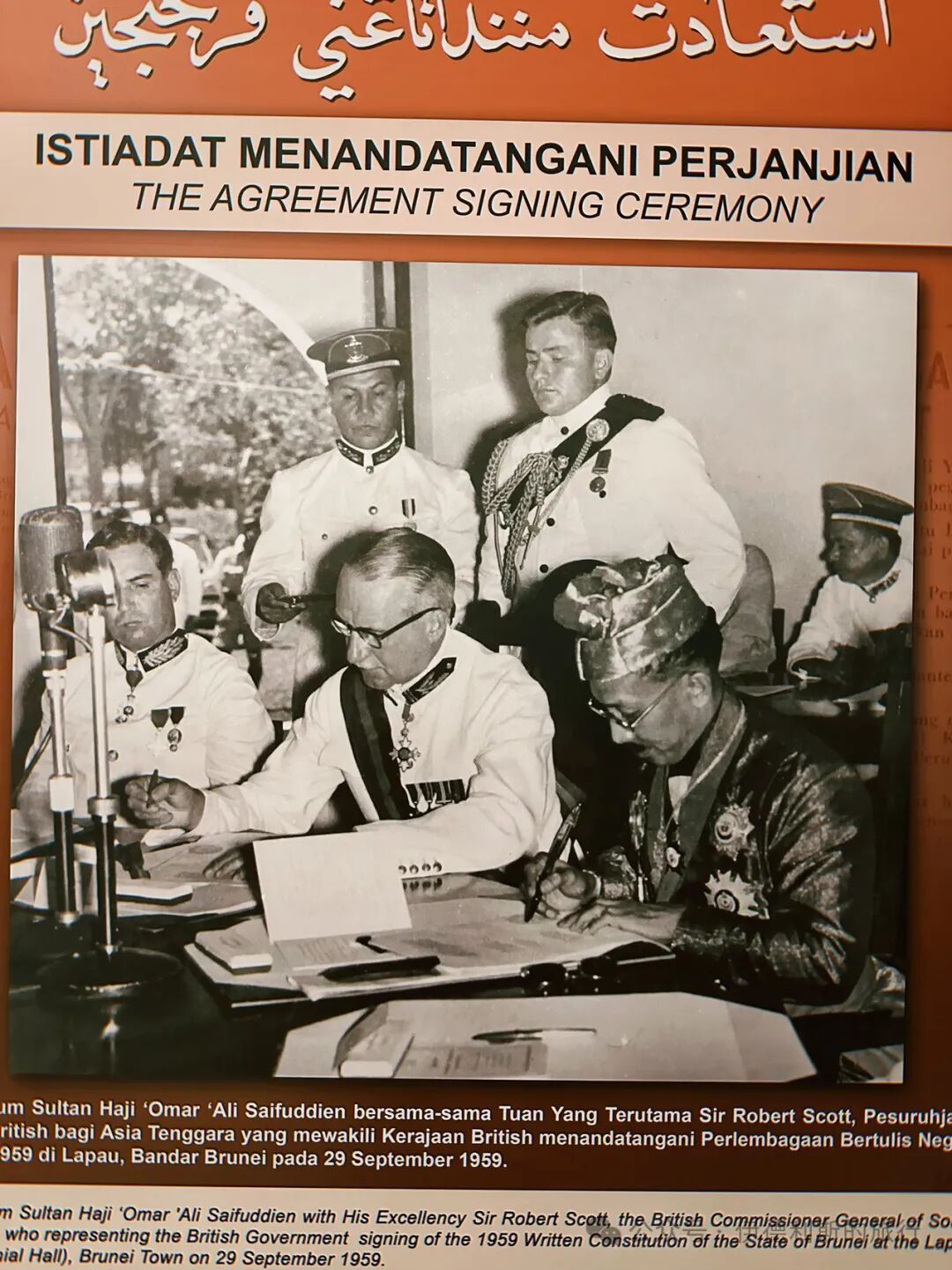
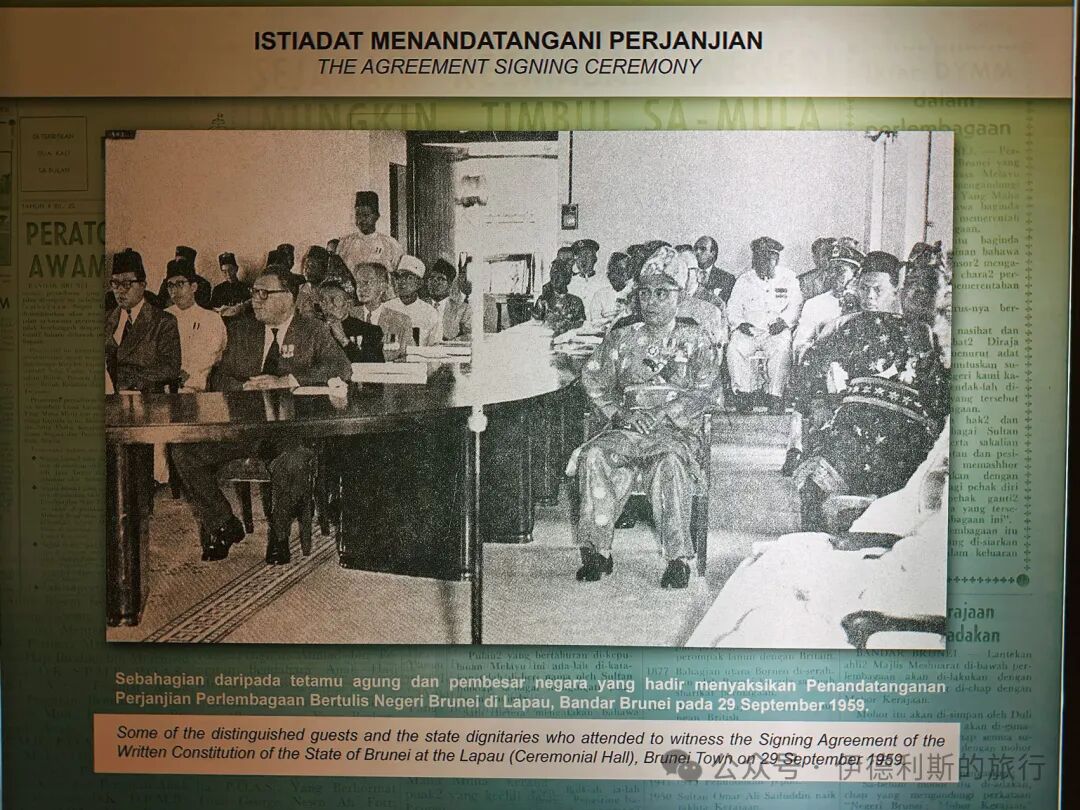
Next to the old Royal Ceremonial Hall is the Royal Regalia Museum. It houses two royal chariots: one used for the Sultan's coronation in 1968 and Queen Elizabeth II's visit in 1972, and another used for the Sultan's 25th anniversary of his coronation in 1992.
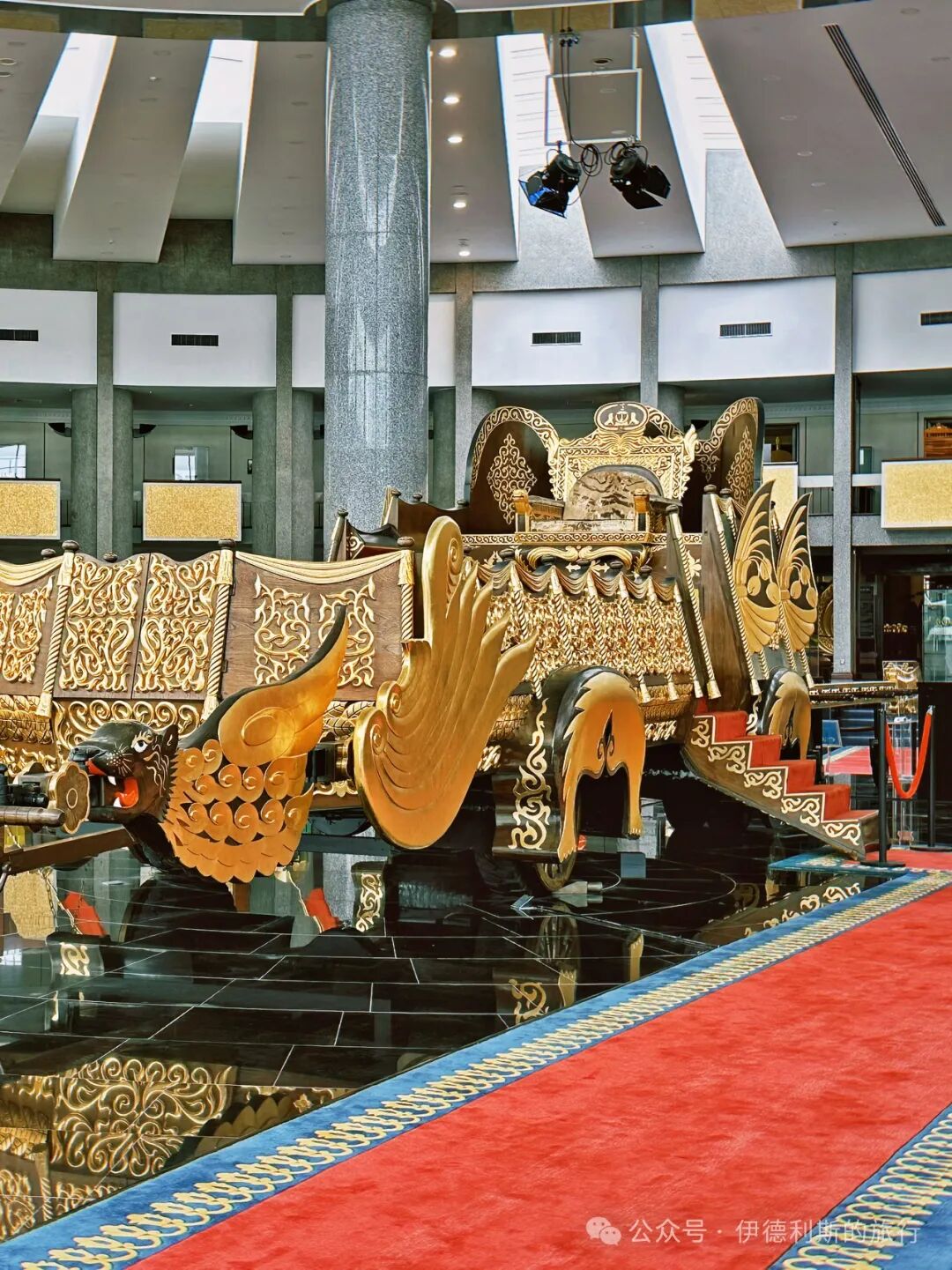
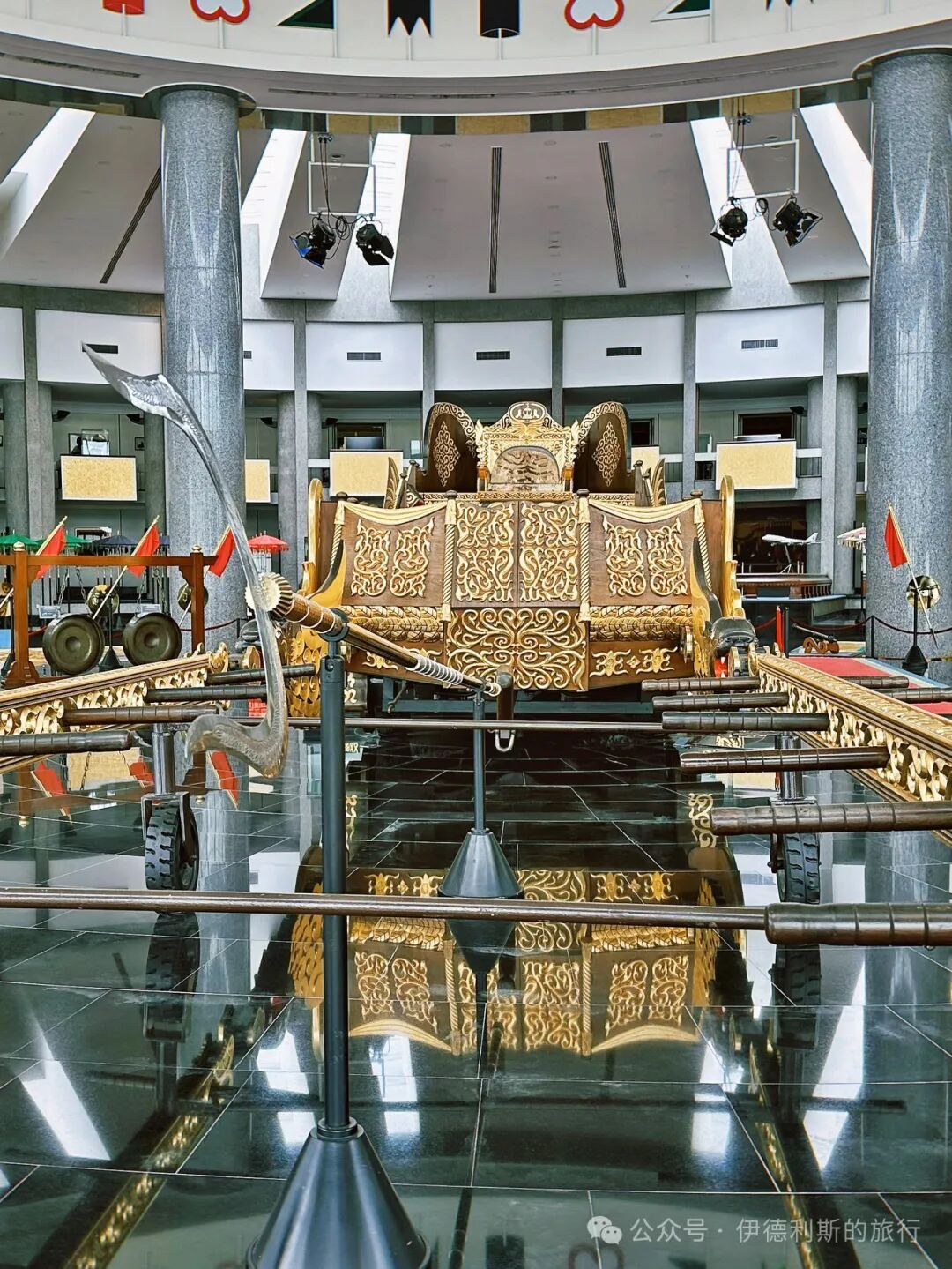
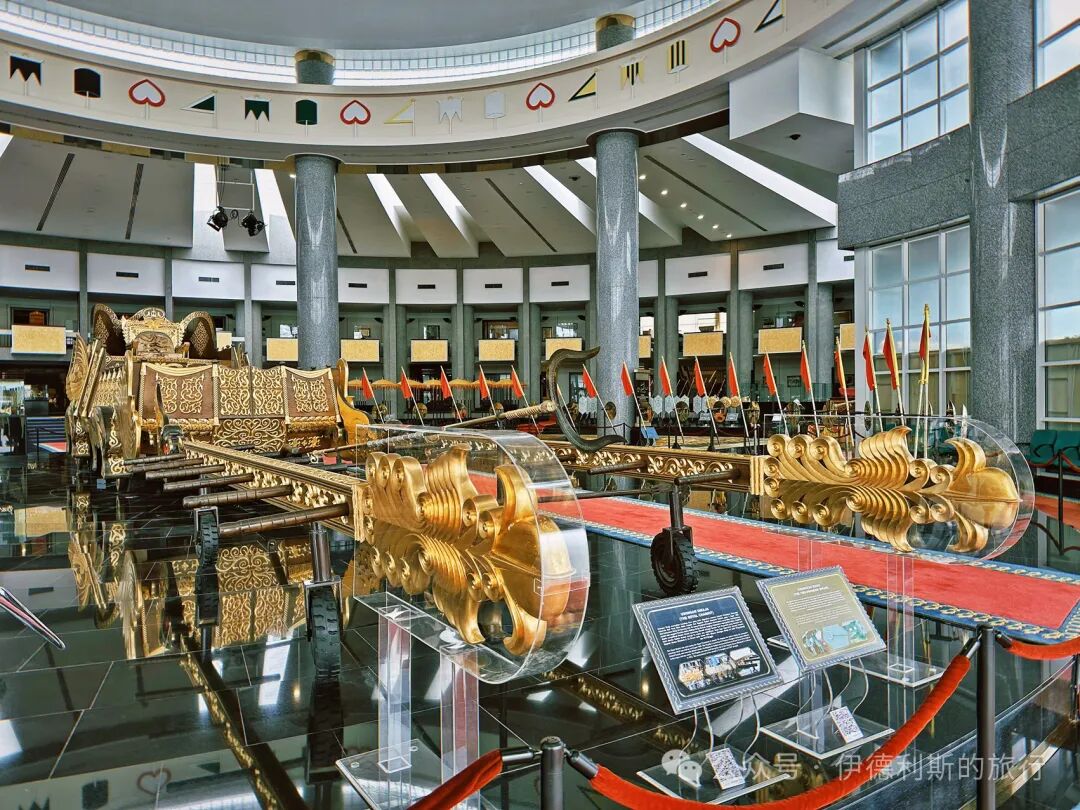
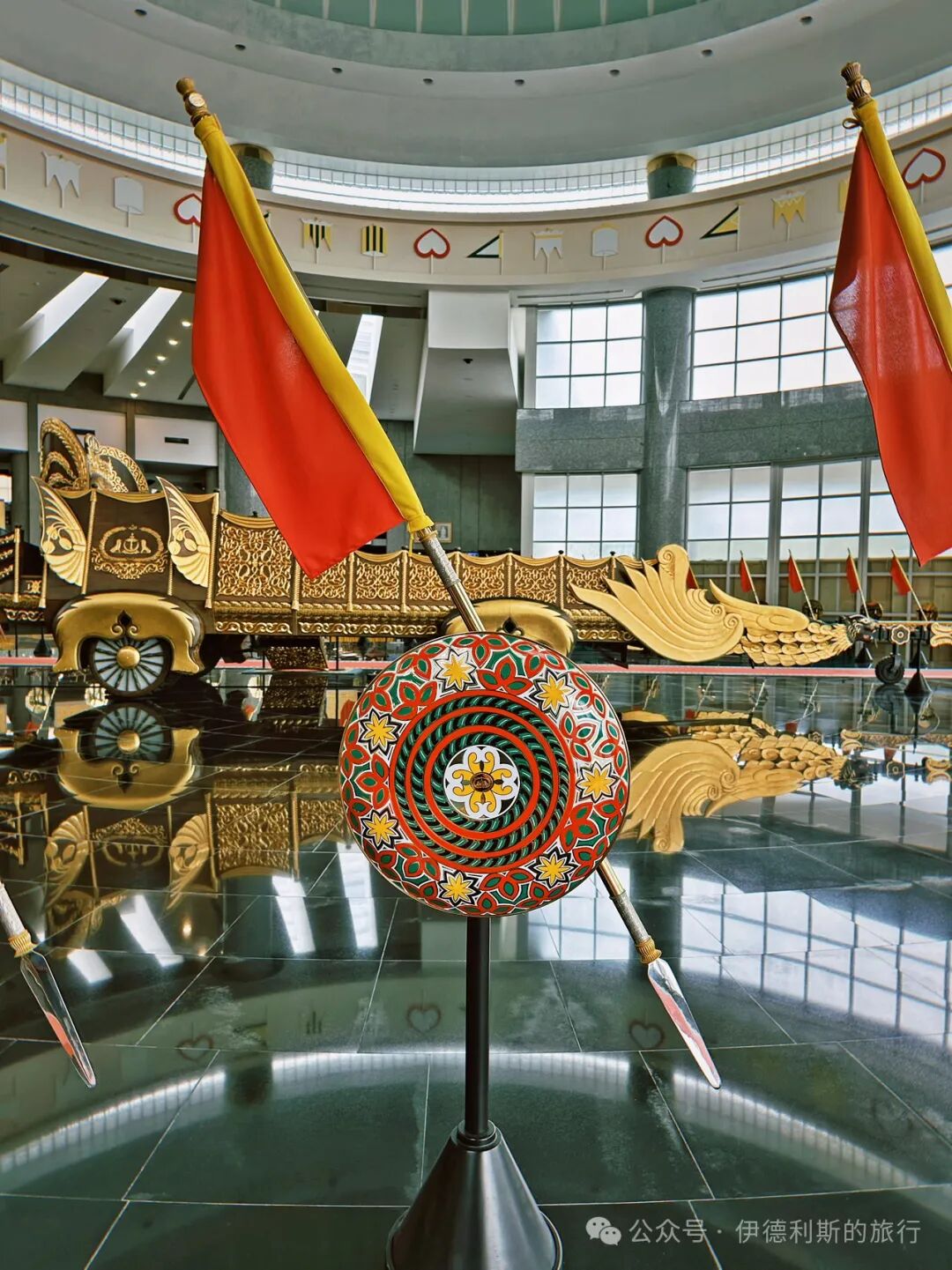
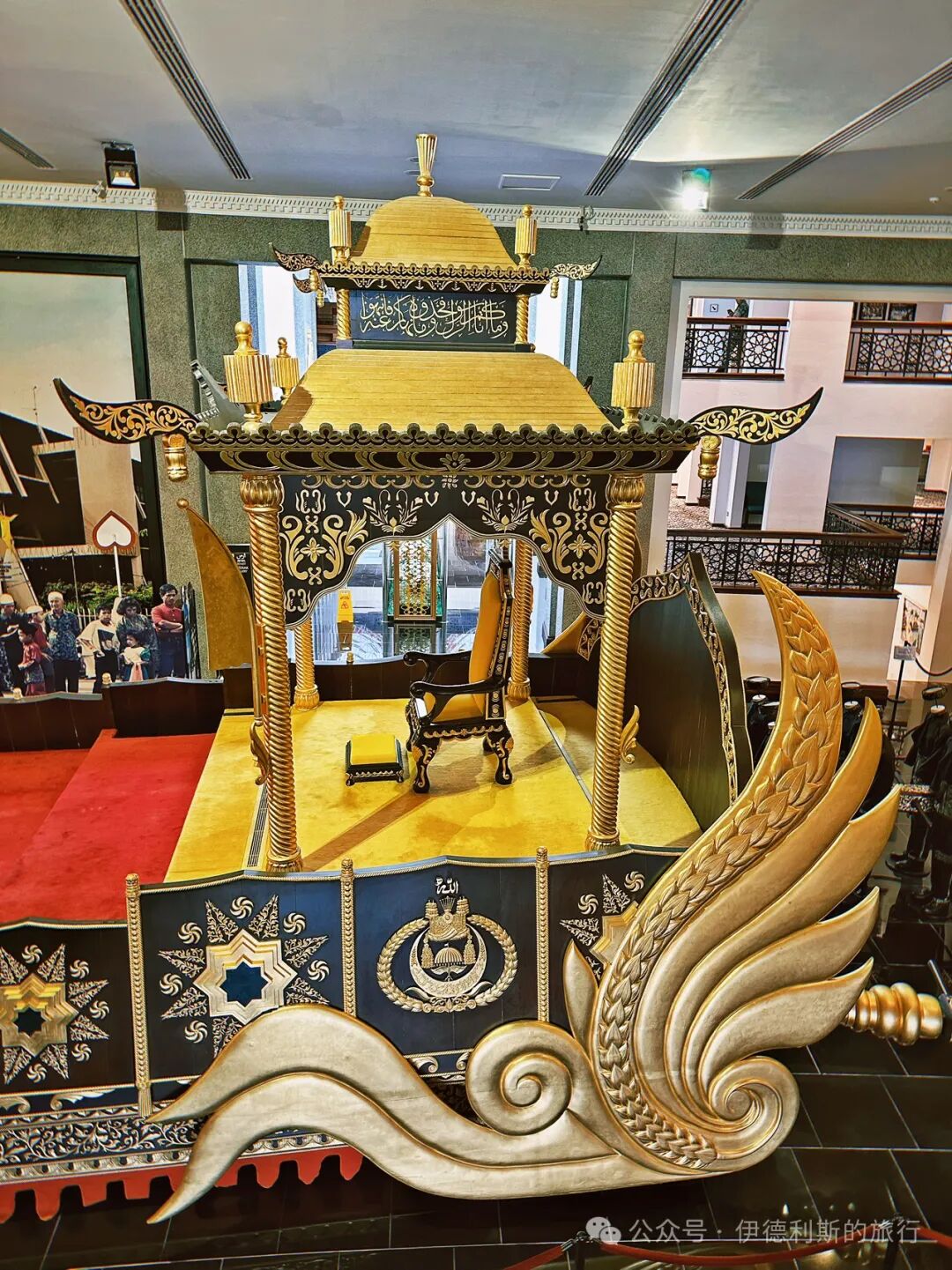
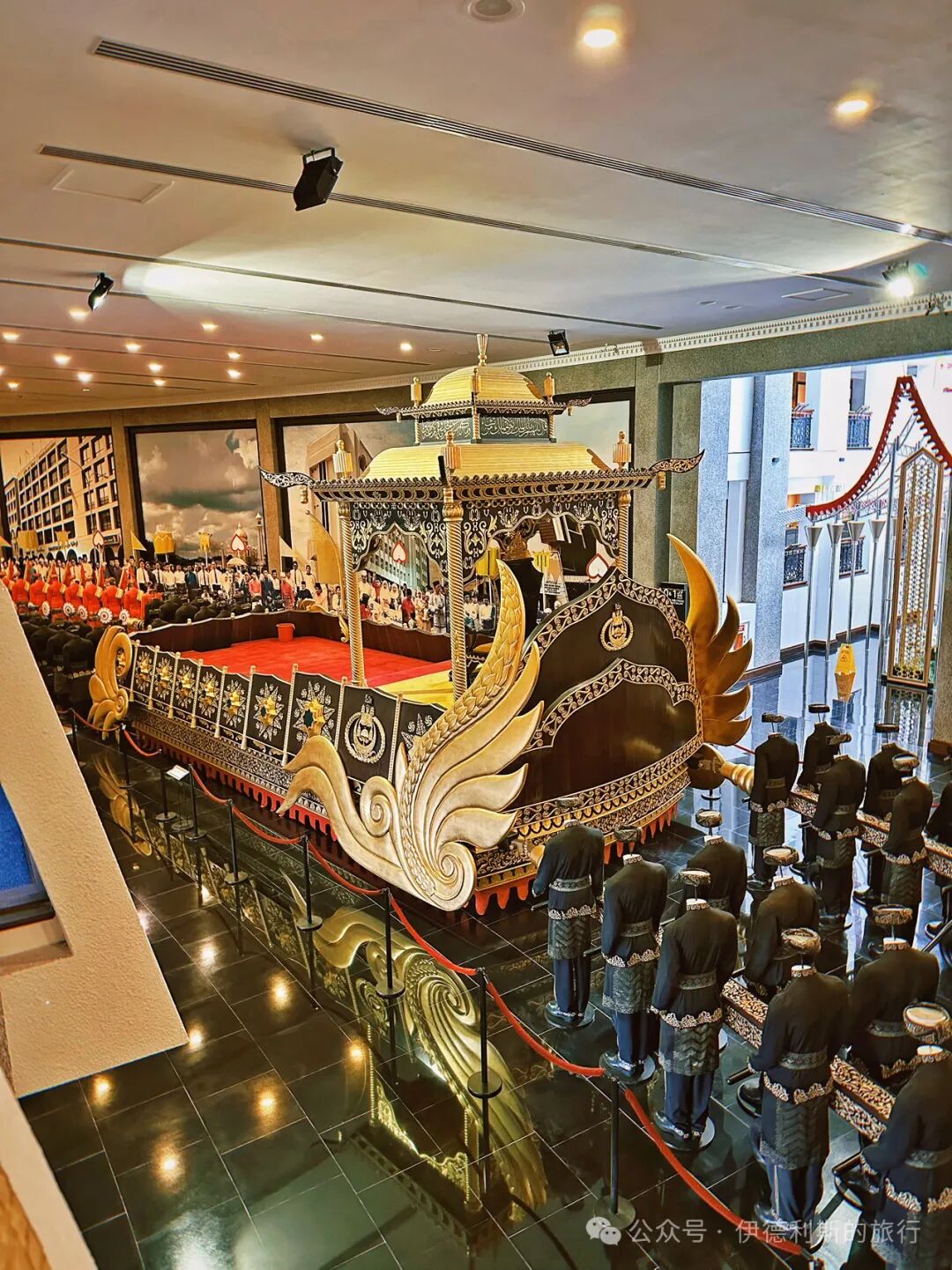
The Royal Regalia Museum also displays porcelain vases with Arabic calligraphy collected by the Sultan, as well as stone artifacts with Arabic calligraphy gifted by Saudi Arabia.
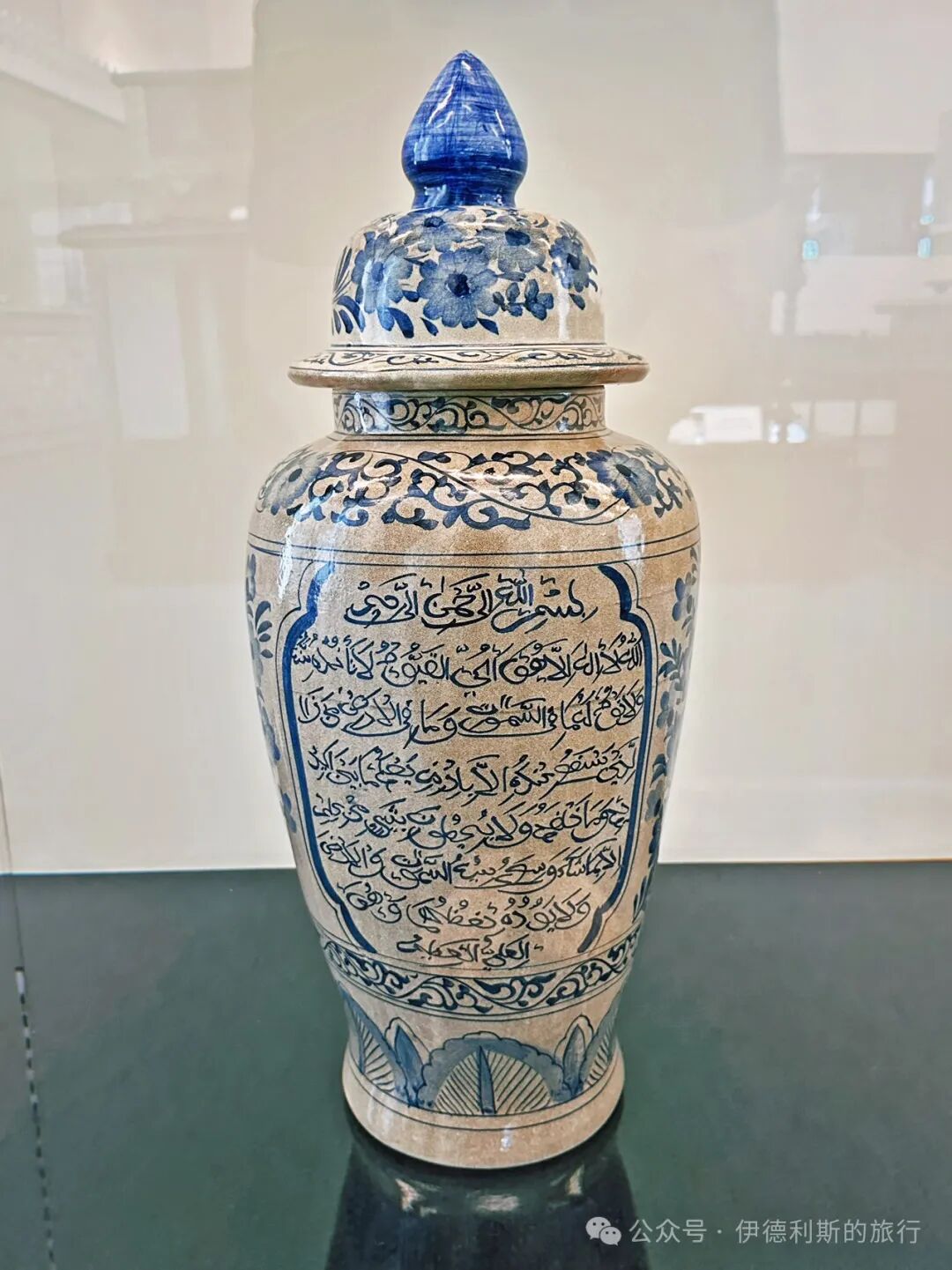
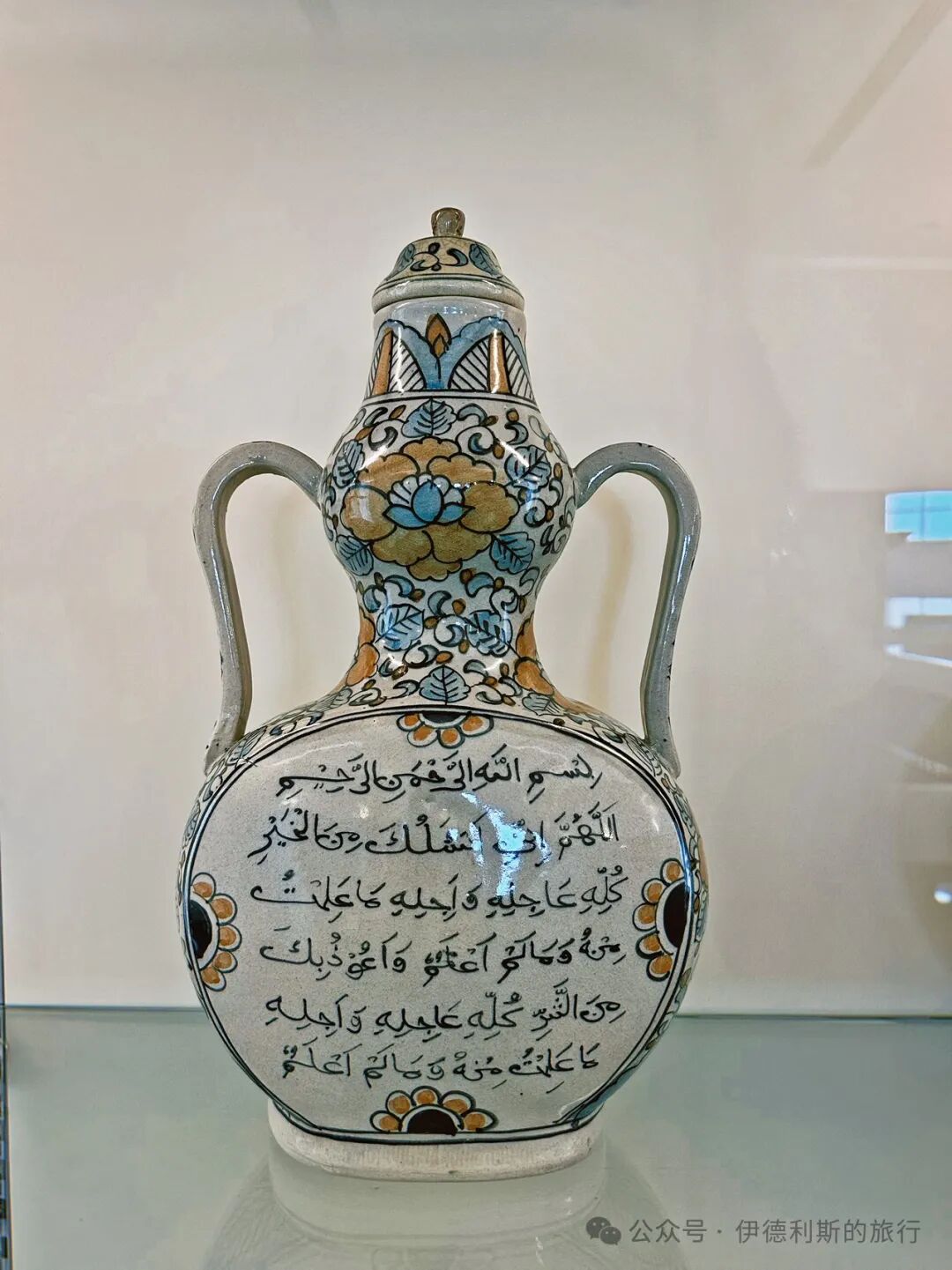
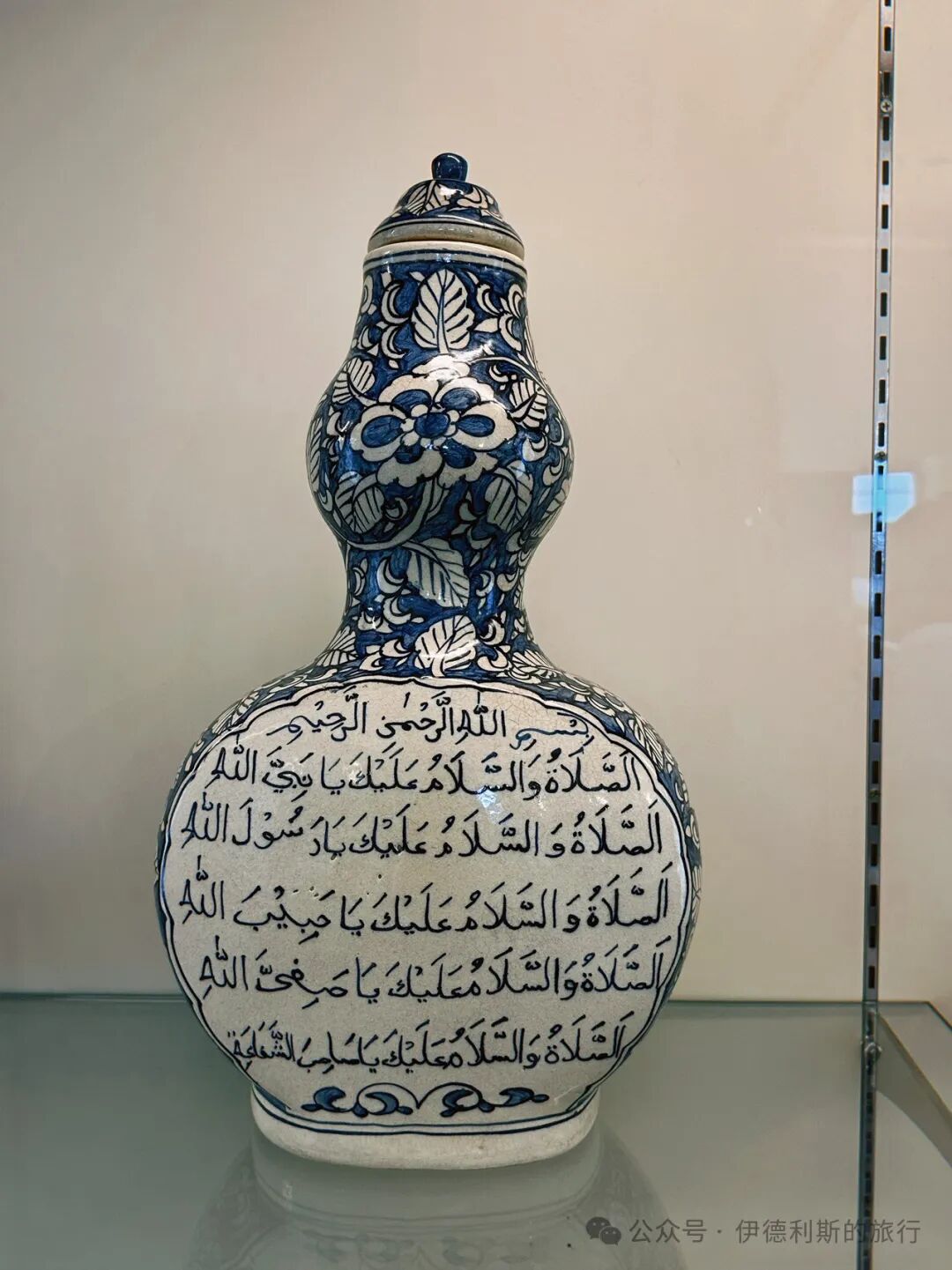
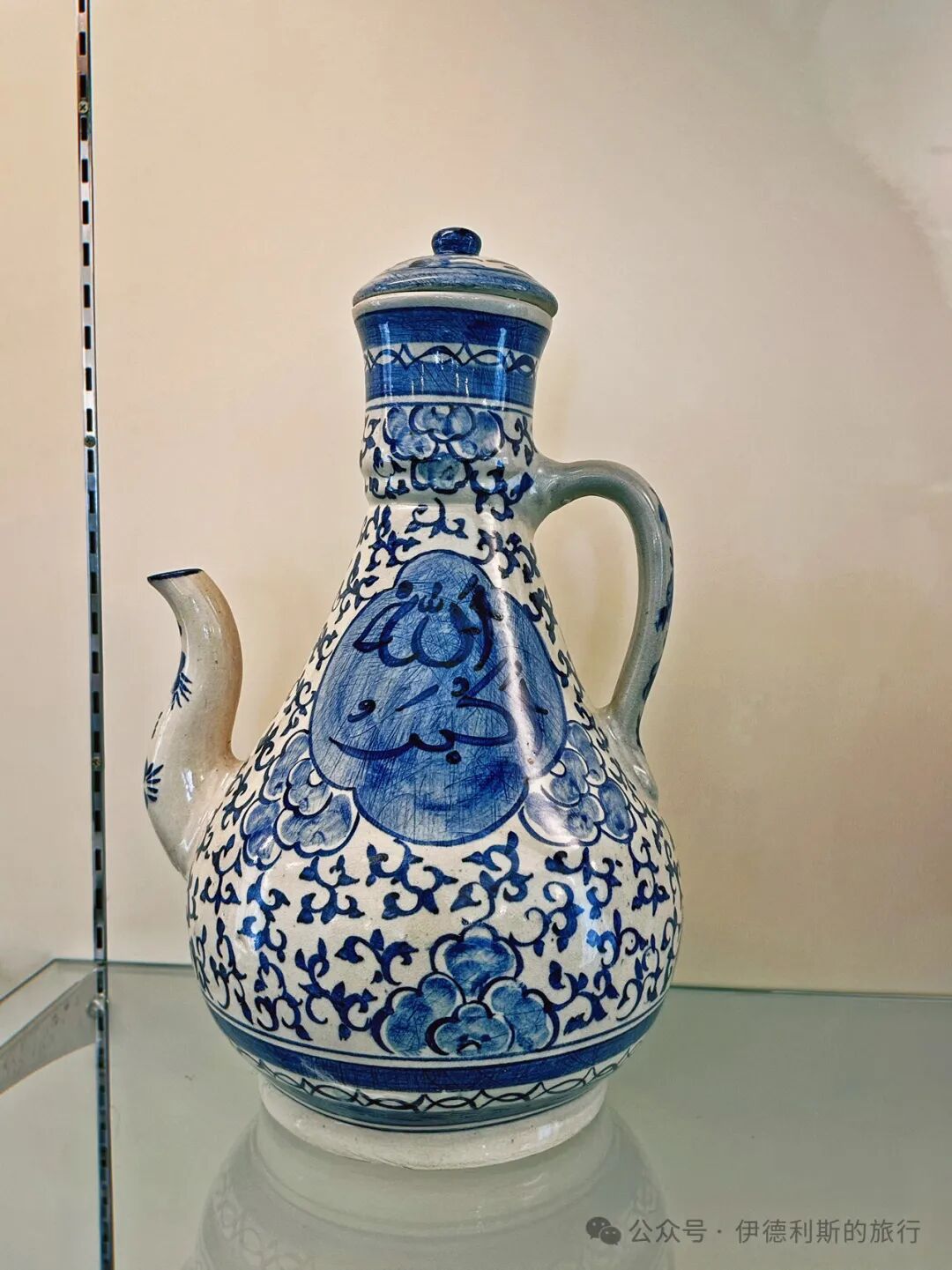
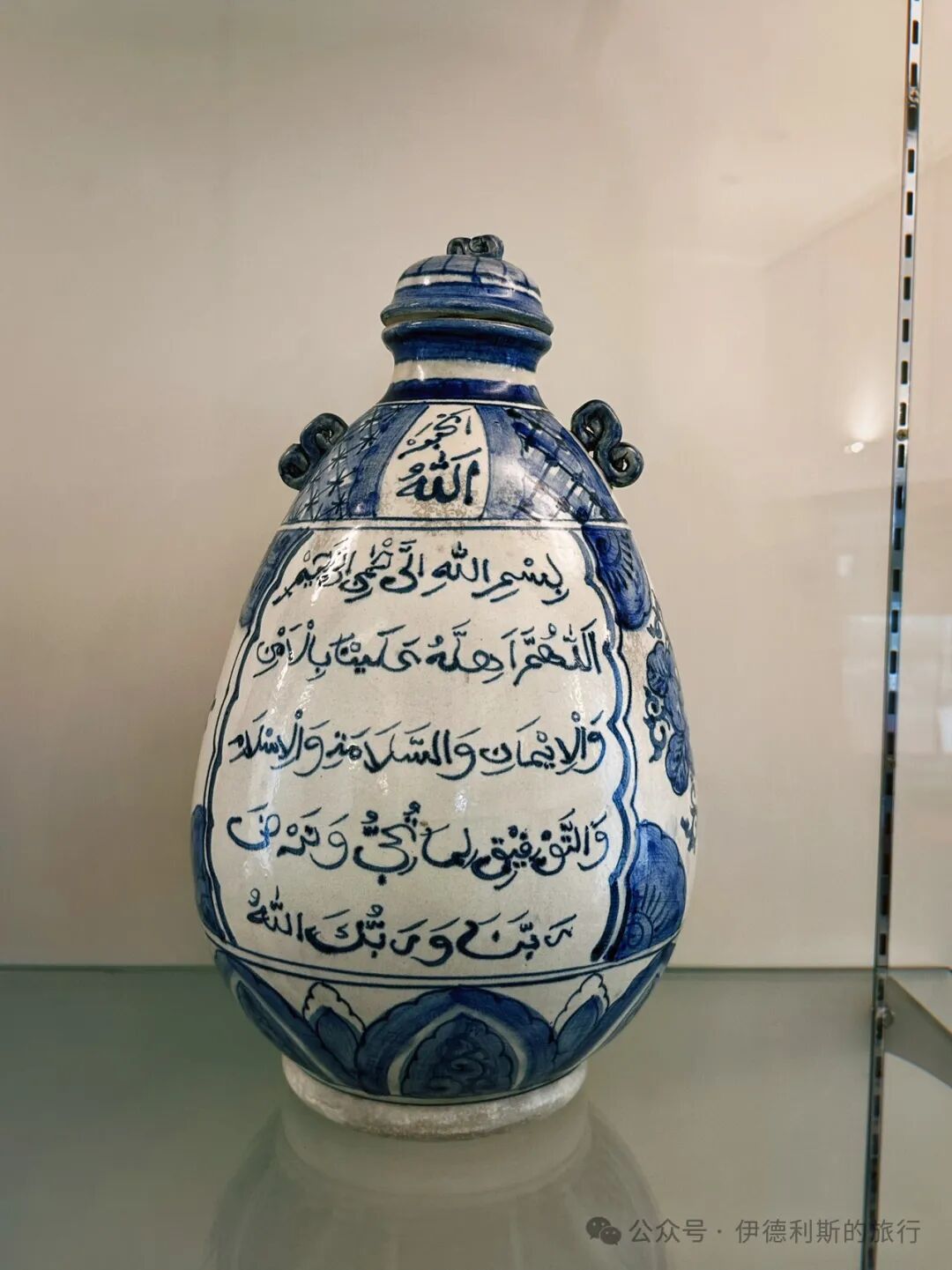
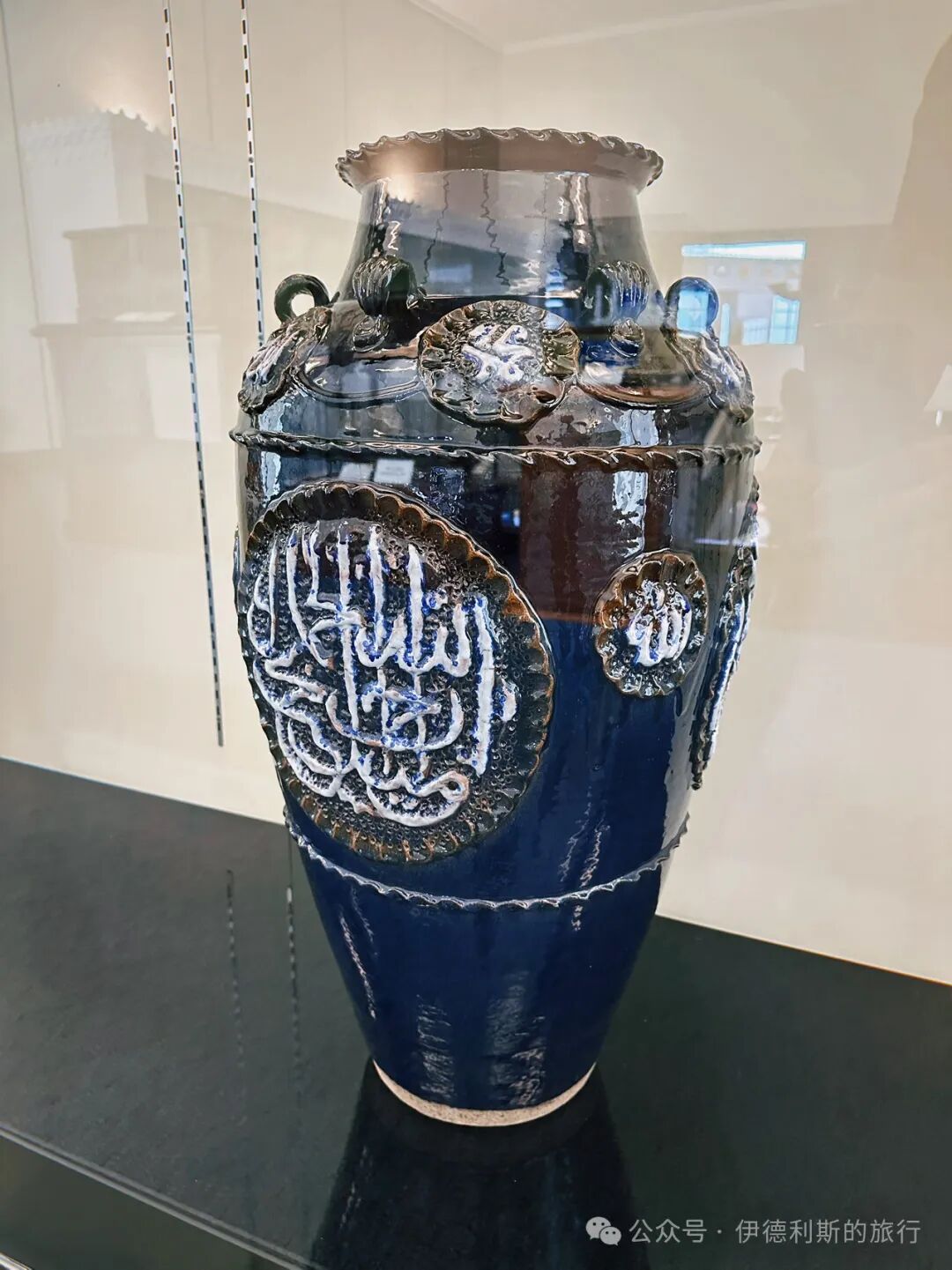
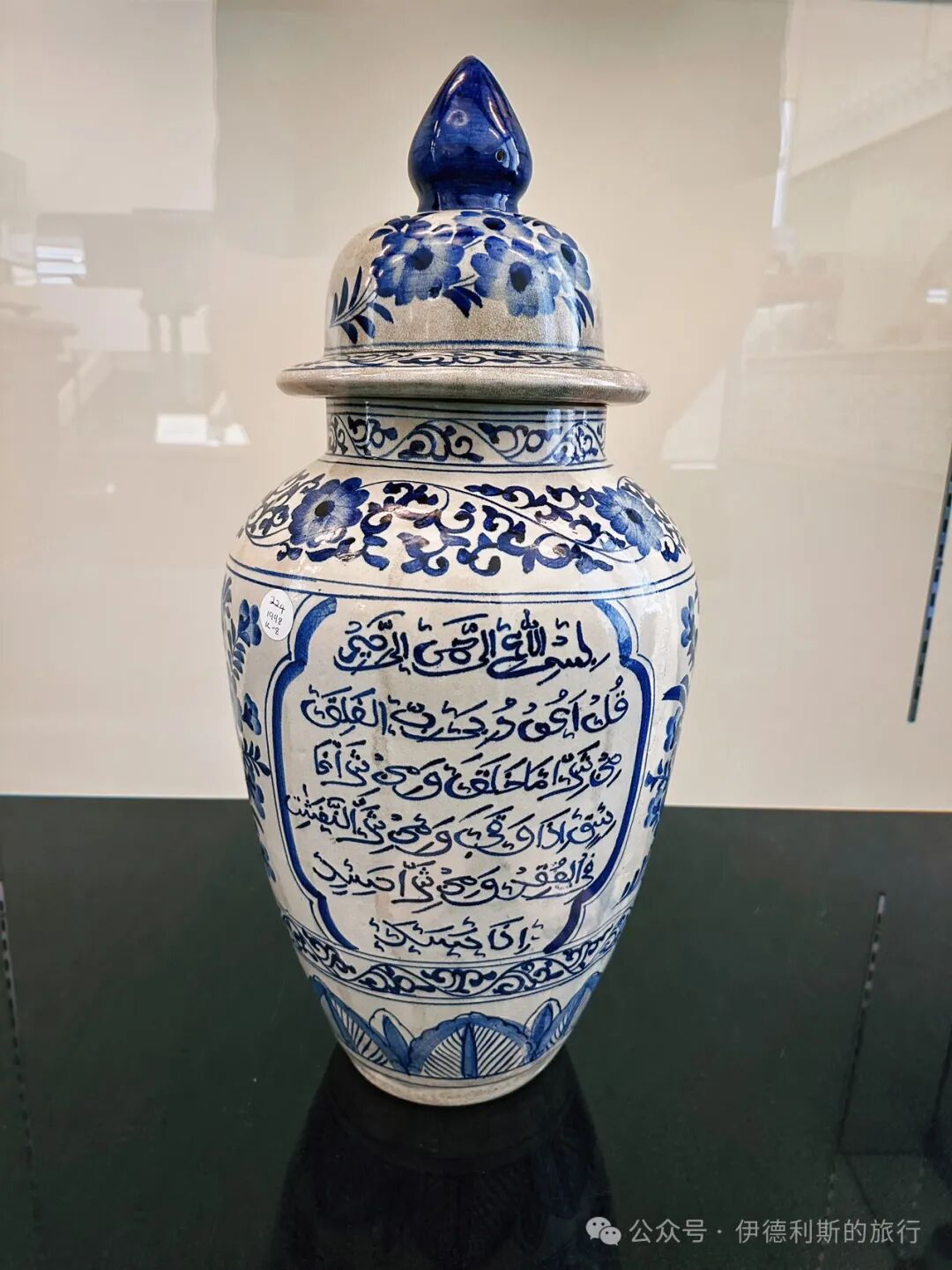
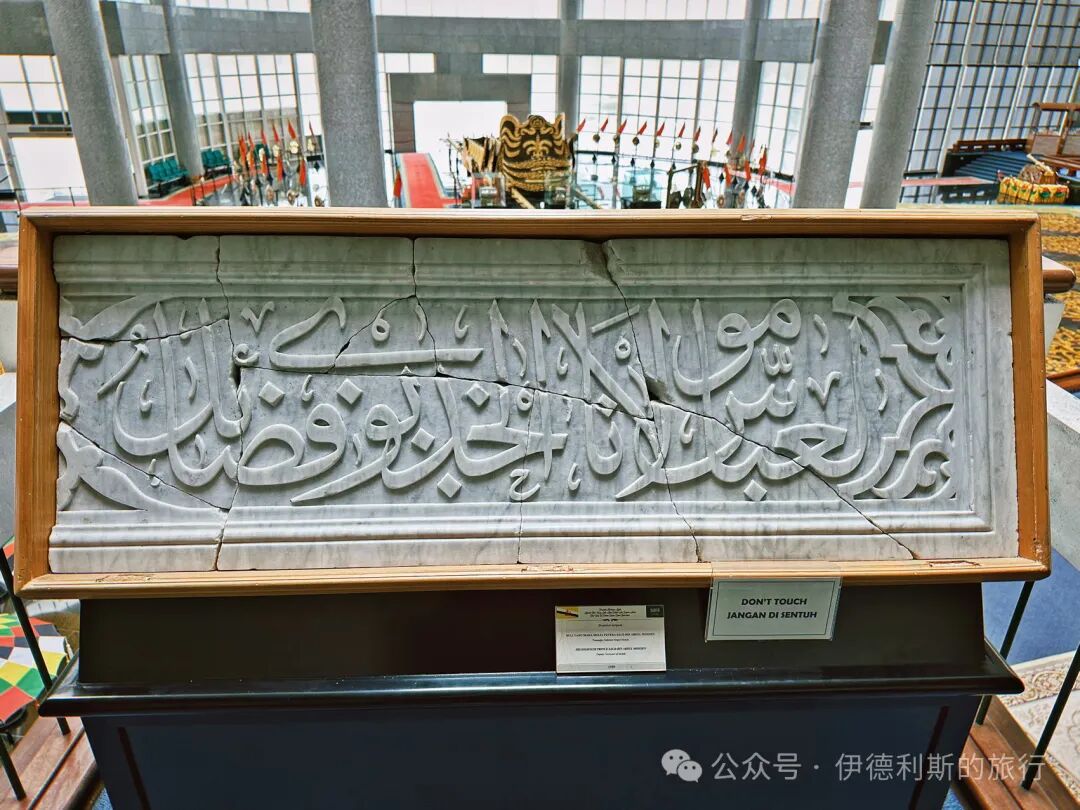
The Brunei International Airport mosque has an imam. It is clean, cool, and bright inside. Everyone performs namaz with great enthusiasm, and the atmosphere is wonderful.
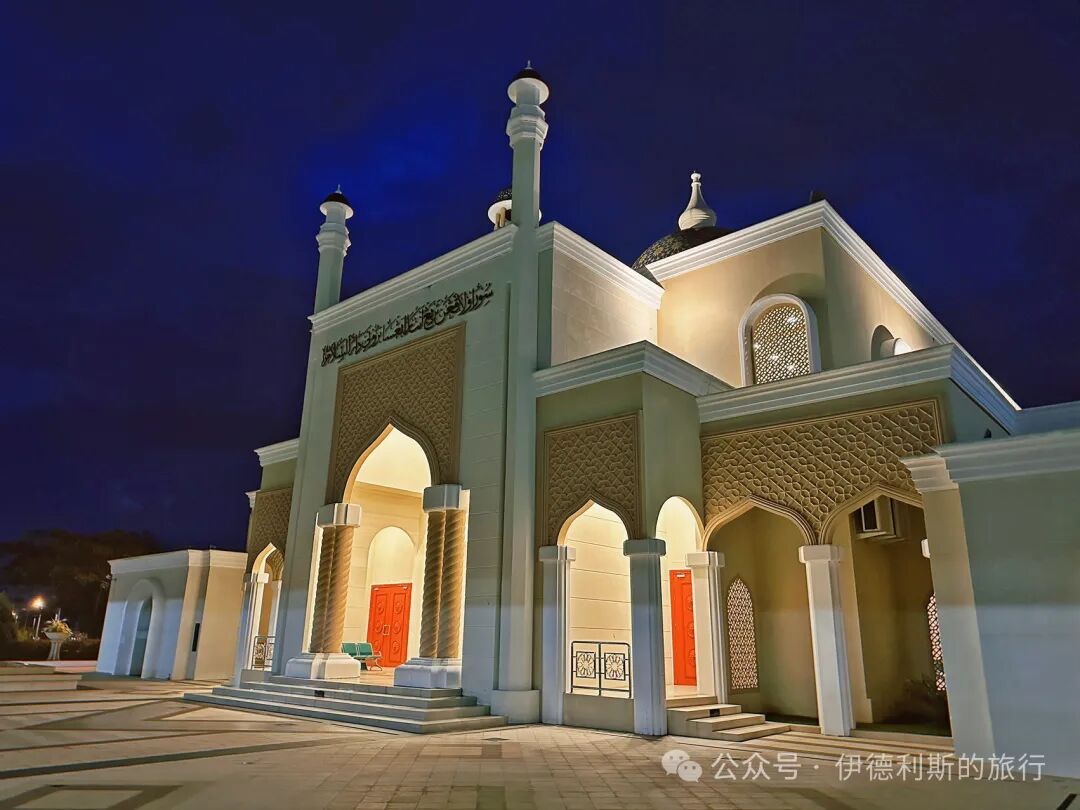
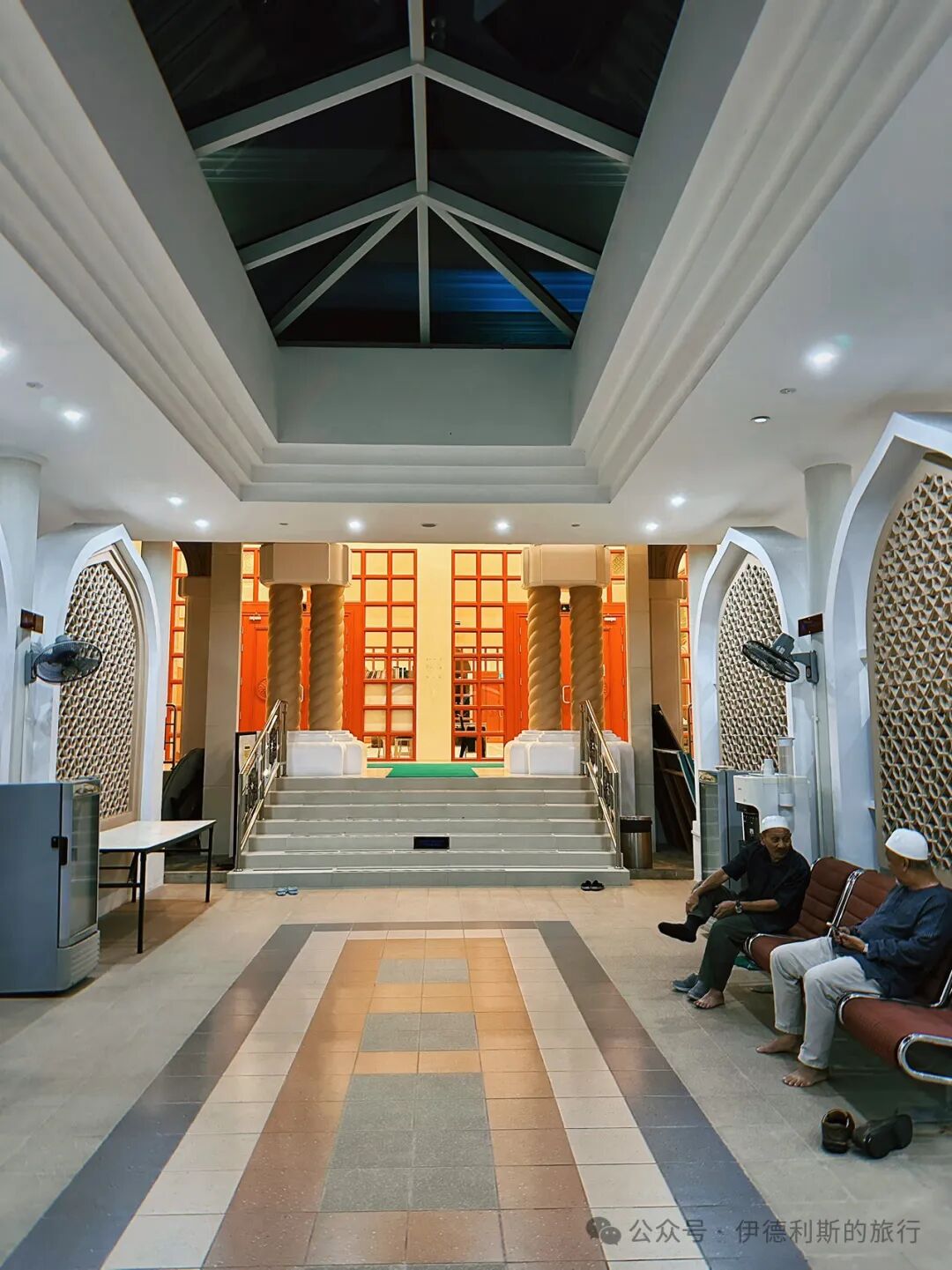
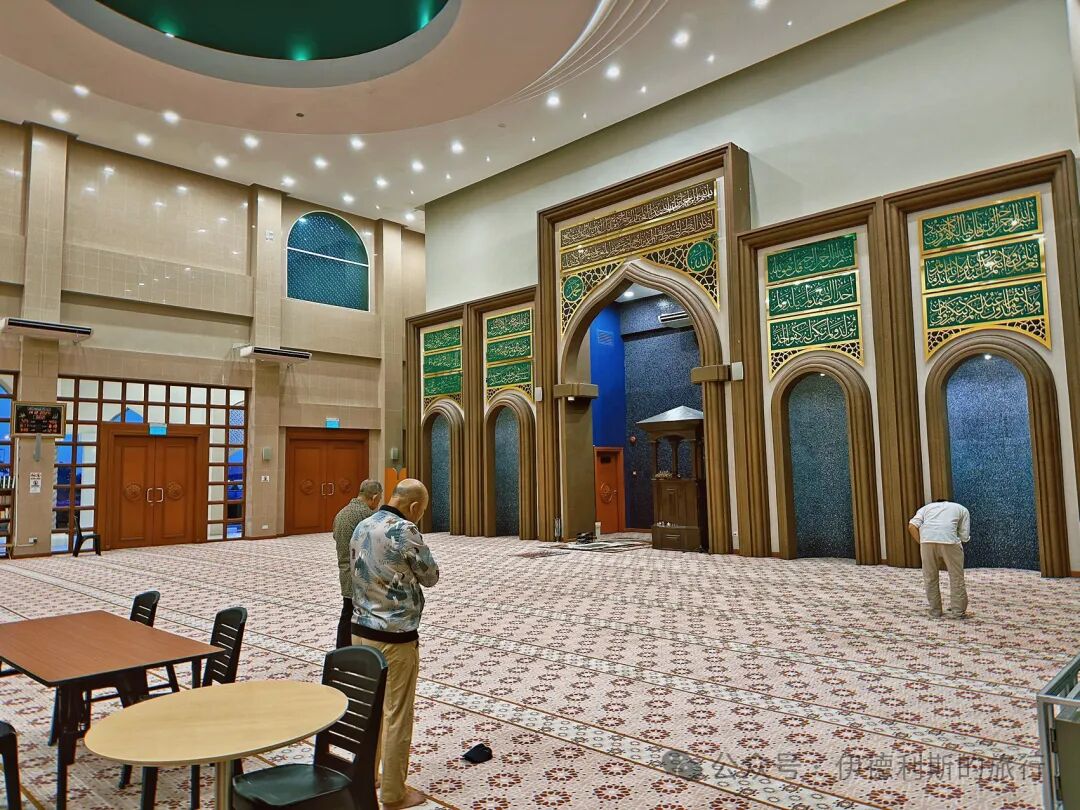
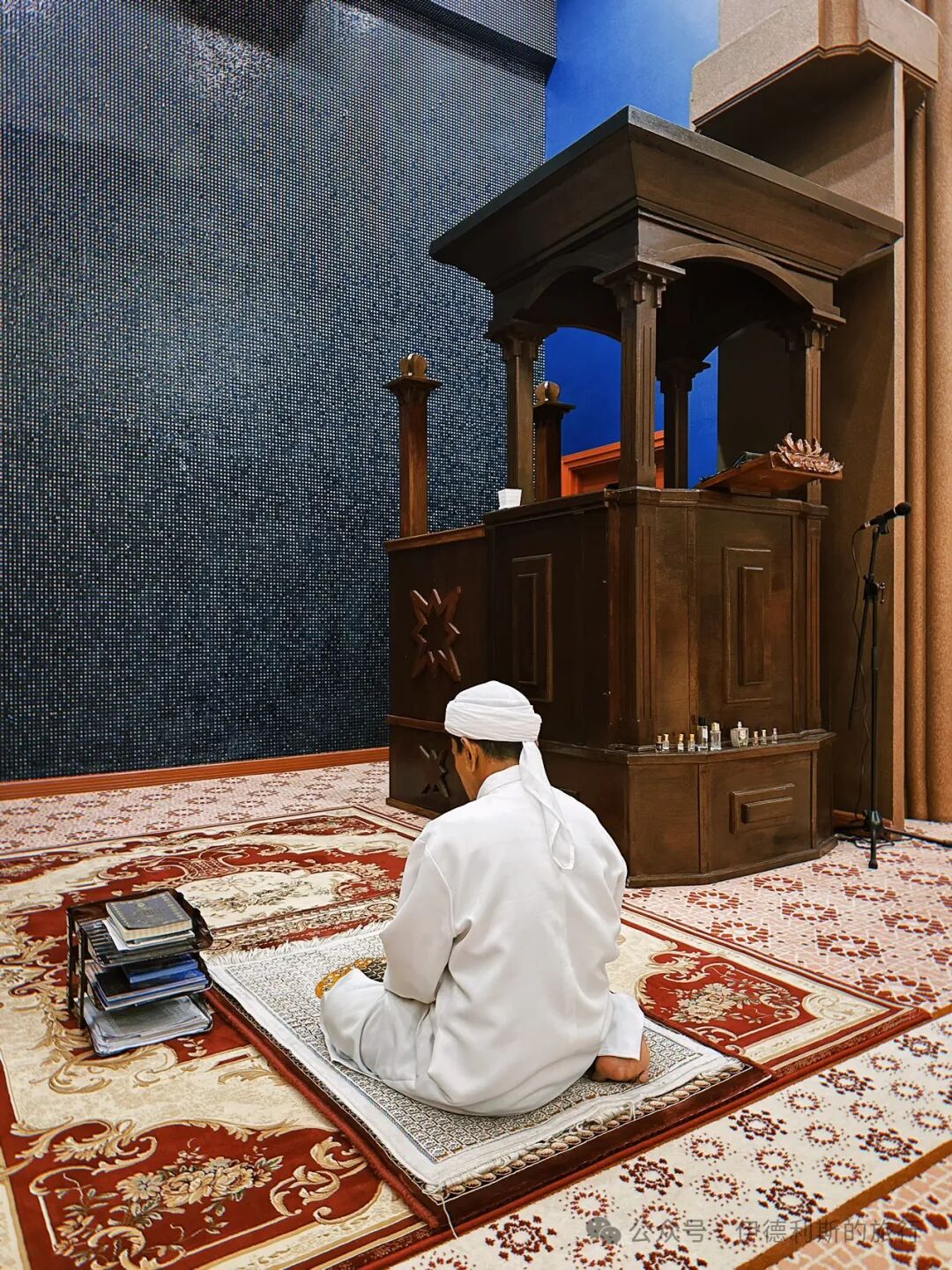
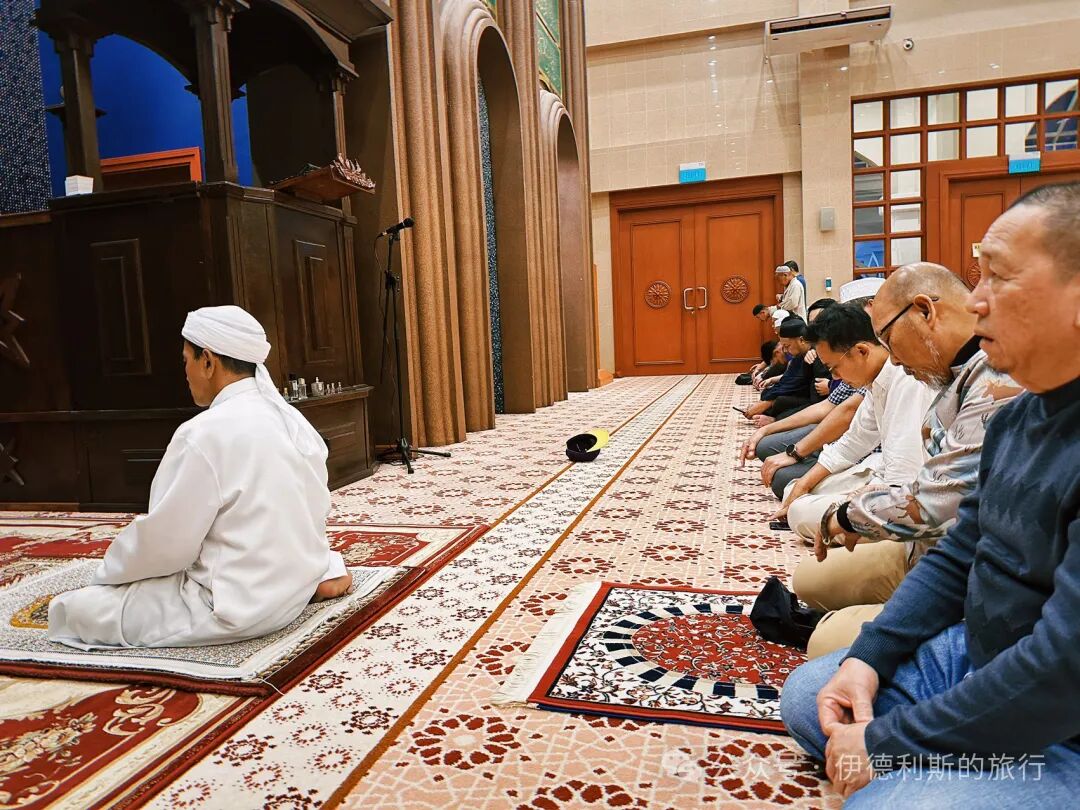
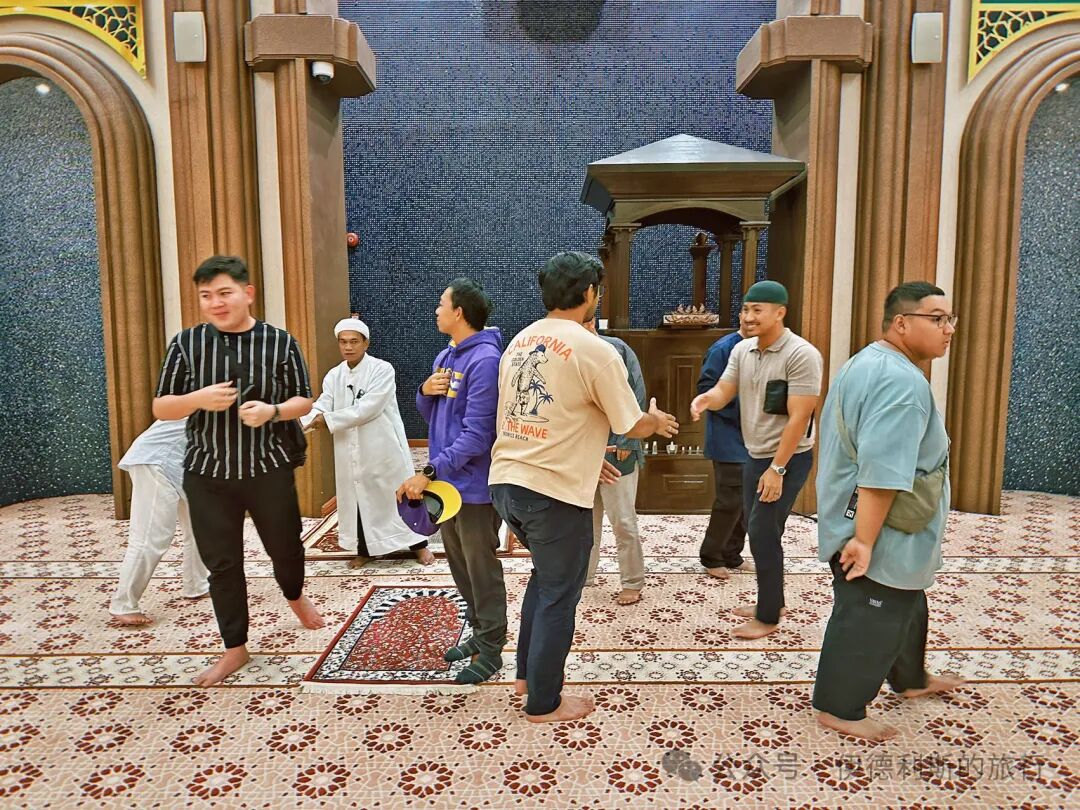
Souvenirs bought at the Brunei airport: paper art of two Brunei national mosques.
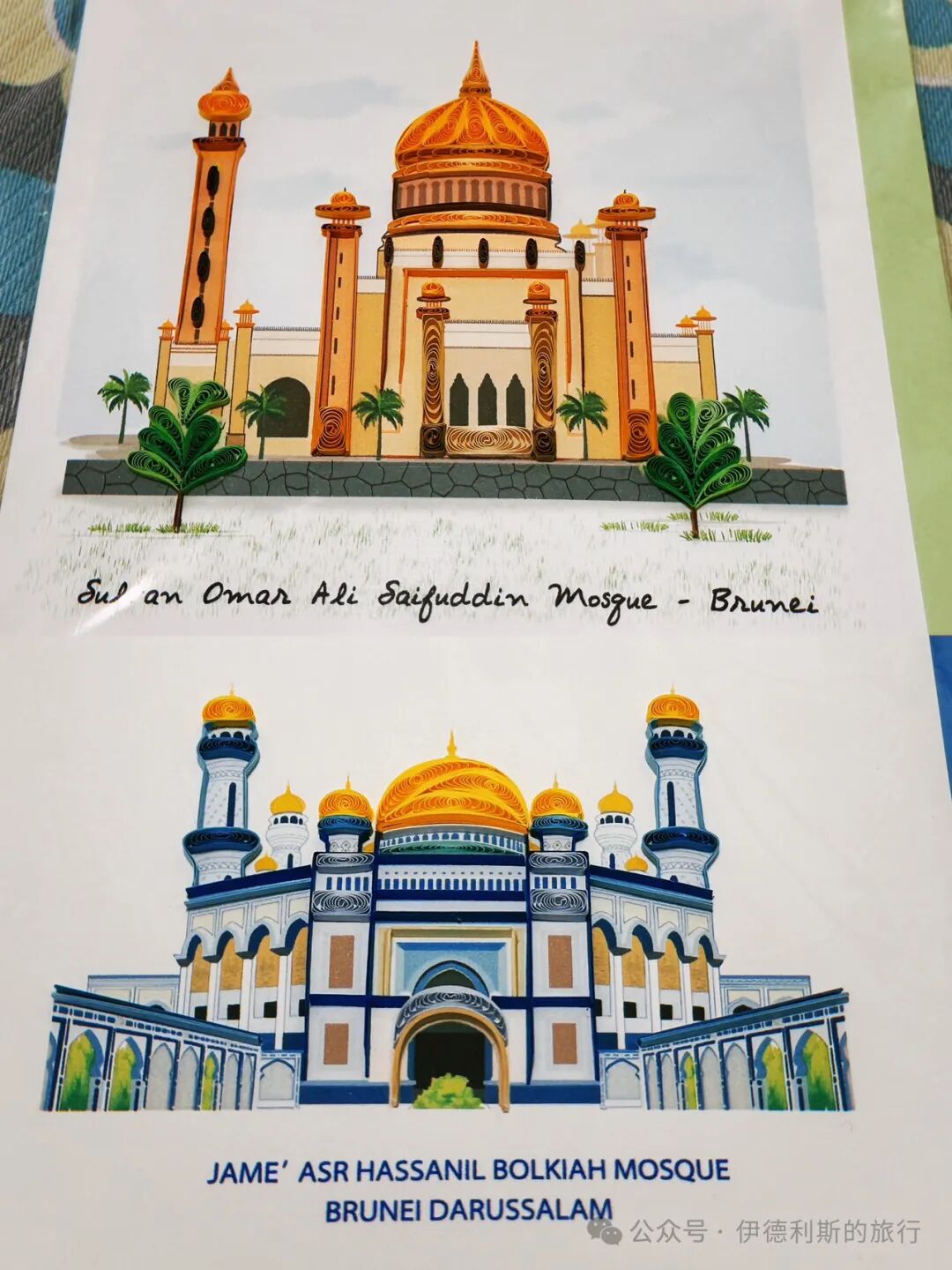
Halal Travel Guide: Brunei Part 1 — Visa-Free Culture, Mosques and Local History
Articles • ali2007fr posted the article • 0 comments • 172 views • 2026-05-20 00:57
Summary: Brunei offers visa-free travel for Chinese visitors and a compact route through mosques, museums, royal history, and Malay culture. This first part keeps the original itinerary, photos, place names, and travel details in a clear English article.
The Brunei Darussalam Immigration Department announced that starting March 8, 2025, Chinese citizens holding ordinary passports valid for at least 6 months can enter Brunei visa-free for up to 14 days. Brunei has officially become a visa-free country!
I happened to take my family to Brunei in December 2024 and visited quite a few places. In my opinion, Brunei can be described as a "rural version of Singapore and a high-cost Malaysia." If you have already visited Singapore and Malaysia, this place is still worth a look.
First, Brunei has its own ride-hailing app called Dart. You can link a VISA card or pay with cash, and the cars arrive quite quickly. Note that after leaving the airport, the ride-hailing pickup point is in the parking lot on the right. Walk from the main airport entrance toward the mosque on the right, then follow the canopy to the end to find it.
My first impression of downtown Brunei is that everyone drives everywhere, and there are basically no pedestrians on the streets. It feels like the whole city was designed for cars, and there are very few crosswalks. The city density is very low with lots of greenery, making it feel like a garden city for cars.
Below, I will share some places in Brunei that we think are worth visiting and eating at.
Eat halal Nanyang-style Chinese food.
Yingzhun Hao.
Just like in Singapore and Malaysia, many Chinese people from Hainan and Fujian in Brunei apply for halal certification, hire Muslim staff, and serve halal Chinese food with Nanyang characteristics. We ate at several of these places this time, and they are all worth recommending.
The most famous Hainanese teahouse in Brunei is Yingzhun Hao. They have Brunei halal certification and are favored by people of all ethnic groups. The founder of Yingzhun Hao, Han Qiongyuan, was from Wenchang, Hainan. In 1939, during the Japanese invasion of China, 17-year-old Han Qiongyuan traveled to Southeast Asia and arrived in Brunei to work as a handyman at his uncle's coffee shop. In 1946, Han Qiongyuan officially opened Yingzhun Teahouse, mainly selling coffee, bread, and other food, and became widely known for his "longevity bread (roti kuning)." Later, as the teahouse business grew, Han Qiongyuan also expanded into real estate and presided over the construction of the Brunei Hainan Building. After 1993, Han Qiongyuan returned to his hometown every year to visit relatives and invested heavily there, being awarded the title of "Patriotic Hainanese" by Hainan Province three times.
Their shop has a very rich variety of bread. The most classic sandwich breads come in four flavors: peanut, red bean paste, butter, and coconut. There are also peanut yuanyang bread, cheese bread, yuanyang yellow bread, and French toast. You can add a fried egg and cheese, or order a soft-boiled egg on the side. Cakes include custard cake, egg tarts, coconut tarts, red bean cakes, butter cakes, pandan cakes, and more. Western-style breads and pastries were learned by Hainanese people working as kitchen helpers for British families when they traveled south to Southeast Asia in the 19th century. Today, they are a classic part of Nanyang Hainanese restaurants.
Besides breads and pastries, they also serve various noodles, including sesame flat rice noodles (zhima guotiao), dry-tossed noodles, fried noodles, Hainanese noodles, fried rice vermicelli, and egg gravy flat rice noodles (huadan hefen). These are all very well-suited to Chinese tastes. We ordered egg gravy flat rice noodles, sesame flat rice noodles, egg tarts, egg custard cakes, yellow bread with fried eggs, chicken curry puffs, peanut and kaya butter bread (yuanyang mianbao), ginger milk tea, and lemon tea for a full East-meets-West experience. The peanut and kaya butter bread is filled with coconut jam (kaya), butter, and crushed peanuts, giving it a very rich texture. The sesame flat rice noodles have a sweet, salty, and spicy flavor. Served with fried tofu and fried fish chunks, they are a major specialty of the restaurant.
Babu's Kitchen
There are many Chinese shops in the old town of Bandar Seri Begawan, which is also a great place to eat at halal Hainanese restaurants. We chose Babu's Kitchen. It was very busy at lunch with Chinese, Malay, and Indian customers, which is a classic scene at a Hainanese restaurant. Since they didn't have a Chinese menu, we asked the owner to recommend the Assam fish fillets, salted egg fried mushrooms, beef noodles (yee mee), and bean curd skin with tofu and chicken. Like in Malaysia, the Chinese in Brunei speak very standard Mandarin. Overall, the food was very good. The Chinese dishes were infused with Malay flavors, but they were still very easy for Chinese people to enjoy.
Meiguang Tea House
We had a Hainanese breakfast at Meiguang Tea House in the old town of Bandar Seri Begawan. The owner is Hainanese, his wife is from Xiamen, and the staff are all Indonesian. Because they mainly cater to the nearby office buildings, it is usually quite busy. It is relatively quiet on weekends, and there are fewer steamed dim sum options than usual. We ordered chicken and radish buns, red bean buns, beef porridge with small fried dough sticks (youtiao), longan herbal tea, fried noodles, and steamed dumplings (shaomai). Next time, if any friends (dost) are around on a weekday, we can try their other specialties like Fuzhou 'wealth-attracting' rice noodle soup, dry-tossed silver needle noodles (laoshufen), and chicken intestine noodles.
Shixianle
Near the Fujian Association is a restaurant called Shiraz Seafood Restaurant. The name sounds like an Iranian place, but it is actually a Chinese restaurant called Shixianle. It specializes in dim sum and various Nanyang Chinese snacks. The menu is very extensive, and it is halal-certified in Brunei. After we went in, a table of Malays and a table of South Asians arrived, which shows how much different ethnic groups love halal Chinese food.
We ordered Cantonese steamed dumplings (siu mai), chicken feet, fish maw with chicken, five-spice meat rolls (ngo hiang), fried stuffed tofu (yong tofu), fried radish cake, longan herbal tea, chicken porridge, seafood soup (a mix of fish fillets, fish balls, etc.), and dry-fried green beans. We really enjoyed our fill of Nanyang Chinese snacks in Brunei.
Ngo hiang is short for 'five-spice marinated meat,' a snack that originated in the Minnan region of Fujian. In the past, life was hard, so people would season leftover meat and vegetables with five-spice powder, wrap them in bean curd skin, and deep-fry them. Later, as Chinese people traveled south, it spread to Indonesia, Malaysia, the Philippines, Brunei, Singapore, and Thailand.
Stuffed tofu (yong tofu) is a traditional Hakka dish. In the Hakka dialect, the word niang means to stuff with filling. Legend says that after the Hakka people moved south from the Central Plains, they wanted to eat dumplings but had no wheat. They used tofu instead of flour and invented stuffed tofu (niang doufu). Later, stuffed tofu followed the Hakka people as they traveled south to Indonesia, Malaysia, Singapore, Brunei, Vietnam, and Thailand.
In Brunei, the Fujian Association and the Taiwan Overseas Compatriot Association share the same building. Nearby, there are non-halal restaurants, which are rare in Brunei, and they all have red non-halal signs at their entrances.
Hua Ho Department Store
Hua Ho Department Store is a famous halal supermarket owned by Chinese merchants in Brunei, and it has many branches across the country. We went to the Kiulap branch. Inside, one side features various traditional Brunei Malay snacks. We bought a traditional snack from Sabah and Brunei called Kuih Cincin Tempatan, which is fried using red coconut, rice flour, and palm sugar. The other side is the supermarket area, where you can buy various halal foods with Cantonese, Fujian, Chaoshan, and Taiwanese characteristics.
The founder of Hua Ho Department Store, Lau Gek Poh (Liu Jinguo), was born in 1920 to a farming family in Lieyu, Kinmen, Fujian. In 1938, he traveled south to seek his fortune, first going to Singapore and then to Brunei to join his eldest sister. In 1947, Lau Gek Poh bought a piece of land in Manggis, on the northern outskirts of Brunei. He built a vegetable garden and hired workers to raise chickens and ducks, officially establishing Hua Ho Department Store. After the 1950s, as agricultural prices fell, Lau Gek Poh eventually went bankrupt and closed his shop in 1958. Afterward, he began selling vegetables at the market and selling fabric door-to-door. He did not reopen his shop until 1961. In 1966, he built a small two-story building, and the shop was opened on the first floor. Later, he gradually expanded the scale of his business, eventually making Hua Ho the largest department store in Brunei.
In 2004, the Sultan of Brunei awarded Lau Gek Poh the title of Pehin Kapitan Cina Kornia Diraja, making him one of the few Chinese nobles in Brunei. Lieyu, also known as Little Kinmen, is located between Kinmen and Xiamen. People from Lieyu began traveling south to Brunei in the 19th century. Initially, they worked mainly as shipping laborers, dock workers, fishermen, and street vendors. Later, they gradually accumulated capital and turned to business, occupying an important position in Brunei's business world. Many have received the titles of Pehin Kapitan and Pehin.
Some products at Hua Ho Department Store: coconut jelly powder, cold bean curd powder, Hong Kong narcissus flour, Shantou sweet potato starch, fragrant braised peanuts, fragrant vegetable hearts, belacan chili, Chaoshan specialty sweet and sour ginger slices, South China vegetables, spicy fermented bean curd with sesame oil, rice noodles, shredded codfish, and selected squid.
Traditional Malay Market: Gadong Night Market
Gadong Night Market is very famous, but it is actually not very big. There are very few tourists in Brunei, so the night market is mostly filled with locals.
We first bought shredded squid and fish paste with chili sauce. This little snack is quite delicious. Then we bought mangosteen and snake fruit. It was my first time eating snake fruit, and the taste was quite good.
We ate noodle soup at a small snack shop at the entrance. We ordered Bakso beranak (large beef balls stuffed with smaller beef balls) and Soto Daging (beef noodle soup). The eating habits here are almost the same as in Indonesia. I really enjoy the beef noodle soup here, especially on a rainy day when a bowl feels very comforting. I also ordered a coconut. The local coconuts are large. Even though the husk is thick, there is still plenty of juice inside, and it comes served with a lime wedge to squeeze in.
I had satay skewers at the Gadong Night Market, specifically the liver and chicken hearts, which were sweet and grilled a bit firm.
A wide variety of Brunei-style buffet.
If you want to try authentic local food in Brunei, I recommend the buffet at the Brunei Arts and Handicraft Training Centre. You can find it on the map by searching for Tarindak D'Seni.
We went for lunch from 11:30 to 14:30, which cost 91 RMB per person, and there is a discount for seniors over 60. The environment is lovely, with the Brunei River right outside the window. The food selection is rich. You can eat various sticky rice pandan Malay cakes (kuih), Sarawak laksa noodles with coconut milk, and even make your own shaved ice dessert (cendol).
They serve Brunei's national dish, sago starch paste (ambuyat), which is made by mixing sago palm starch with hot water to create a thick paste, eaten by dipping it into a sauce.
Nasi kebuli is rice cooked with goat broth, goat milk, and ghee. It was brought to the Malay Archipelago by Hadhrami people from Yemen and is especially popular in the Arab communities of Java.
Black beef (daging hitam) is a beef rendang made with a sweet soy sauce containing plenty of palm sugar and rock sugar, a specialty of the Sarawak region.
Chicken cooked in coconut milk (opor ayam) is chicken simmered in coconut milk with various spices.
Two national mosques.
Brunei has two national mosques, each built by a different Sultan, and both are worth visiting. The Omar Ali Saifuddien Mosque, also known as the 'water mosque,' was built between 1954 and 1958 by the former Sultan of Brunei, Omar Ali Saifuddien III (who reigned from 1950 to 1967), and is named after him. The main hall features a Mughal-revival style golden dome. The interior uses Italian marble, Shanghai granite, British chandeliers, and Venetian mosaic glass, making it Brunei's most important landmark after its completion.
We happened to visit during Friday prayers (Jumu'ah). Brunei requires all malls and restaurants to close between 12:00 and 14:00, so the mosque was very crowded during the prayer, with the entire hall full, which was quite spectacular.
The pulpit (minbar) in the water mosque has two levels. The first level is where the muezzin calls the adhan, and the second level is where the imam delivers the khutbah. Next to the minbar, there is an escalator leading to the second-floor prayer area reserved for the royal family.
After Friday prayers, boxed meals were being handed out, mostly to South Asian laborers.
The water mosque during the sunset and dusk hours. Both of Brunei's national mosques look better at night than during the day.
The full name of the Brunei Friday Mosque is Jame' Asr Hassanil Bolkiah Mosque. It is one of Brunei's two national mosques and also the largest mosque in the country. The Jame' Asr Hassanil Bolkiah Mosque was built by Sultan Hassanal Bolkiah of Brunei to celebrate his 25th anniversary on the throne and officially opened in 1994. The mosque's 29 golden domes commemorate the 29th Sultan of Brunei. Five fountains symbolize the five daily namaz and the five pillars of Islam. The mihrab is decorated with gold-plated tiles, and the interior is very luxurious, featuring Persian carpets, Italian marble, and Philippine hardwood.
The night view of the Brunei mosque is more beautiful than the day. For friends (dosti) who want to take photos, I recommend coming during the times for maghrib and isha.
The Jame' Asr Hassanil Bolkiah Mosque during the day. The main prayer hall connects to a women's prayer hall via a corridor. This is a very rare independent women's hall in Southeast Asia, and it is quite large. Below the women's hall is the wudu area. It is the only one I have ever visited that uses sensor-activated faucets.
The ancient city in the mountains of Brunei.
Take a taxi from the city to the Kota Batu Archaeological Park, the ruins of the Brunei Sultanate palace hidden in the tropical rainforest. This is Brunei's most important archaeological site.
Kota Batu is believed to have been the capital of the Brunei Sultanate from the 14th to the 17th century. It was once an important trading port in Southeast Asia and a central city in northern Borneo. A civil war in the Brunei Sultanate between 1660 and 1673 led to the abandonment of Kota Batu, and the Sultan moved the palace to the water village of Kampong Ayer on the upper Brunei River.
Kota Batu means stone castle, and it is one of the few stone architectural ruins in Brunei. British naturalist and Sarawak Museum curator Tom Harrisson began archaeological excavations at Kota Batu in 1952-53. He discovered many Chinese coins from the Tang, Song, and Ming dynasties, as well as Arabic coins, glassware, ironware, bronze, wooden tools, stone carvings, and ceramics from Siam, the Indochina Peninsula, and the Song and Ming dynasties of China.
During excavations in 1986-87, a square stone building measuring 25.8 by 25.4 meters was found, along with 36 stone column bases, tombstone remains, and Ming dynasty porcelain shards. It is believed the building dates back to the 15th century. Because the column bases are divided into three levels, it is thought the building had a three-tiered pyramid roof structure similar to traditional Malacca mosques. Although early Brunei Sultanate palace buildings were made of wood and left few traces, the coins and pottery found at Kota Batu suggest the Sultan's palace was likely near this site.
The paths in Kota Batu Archaeological Park feel like a primitive forest. There were no other tourists, and the mountain trails were often covered by fallen leaves and hard to see. It is hard to imagine that this was once the capital of Brunei.
The tomb of the third Sultan of Brunei.
The Kota Batu Archaeological Park contains the tomb of the third Sultan of Brunei, Sharif Ali.
Sultan Sharif Ali (reigned 1425-1432) was originally a preacher from the ancient Saudi city of Taif and a descendant of Hasan ibn Ali, the grandson of the Prophet Muhammad. He arrived in Brunei to preach in 1395 and was respected by the Sultan and the people. He married the daughter of Sultan Ahmad around 1400 and inherited the throne after the old Sultan died in 1425, which is how the Brunei Sultanate gained its lineage from the Prophet's family.
Sultan Sharif Ali worked to spread Islamic law while keeping local customs that did not go against it. During his reign, Brunei officially changed from a Hindu-Buddhist cultural area into a part of Islamic civilization. He built the first mosque in Brunei, designed the national flag, and established the title of Brunei as the Nation of Peace (Darussalam). It is believed that he may have also built the stone wall fortress in Kota Batu. view all
Summary: Brunei offers visa-free travel for Chinese visitors and a compact route through mosques, museums, royal history, and Malay culture. This first part keeps the original itinerary, photos, place names, and travel details in a clear English article.
The Brunei Darussalam Immigration Department announced that starting March 8, 2025, Chinese citizens holding ordinary passports valid for at least 6 months can enter Brunei visa-free for up to 14 days. Brunei has officially become a visa-free country!
I happened to take my family to Brunei in December 2024 and visited quite a few places. In my opinion, Brunei can be described as a "rural version of Singapore and a high-cost Malaysia." If you have already visited Singapore and Malaysia, this place is still worth a look.
First, Brunei has its own ride-hailing app called Dart. You can link a VISA card or pay with cash, and the cars arrive quite quickly. Note that after leaving the airport, the ride-hailing pickup point is in the parking lot on the right. Walk from the main airport entrance toward the mosque on the right, then follow the canopy to the end to find it.
My first impression of downtown Brunei is that everyone drives everywhere, and there are basically no pedestrians on the streets. It feels like the whole city was designed for cars, and there are very few crosswalks. The city density is very low with lots of greenery, making it feel like a garden city for cars.
Below, I will share some places in Brunei that we think are worth visiting and eating at.
Eat halal Nanyang-style Chinese food.
Yingzhun Hao.
Just like in Singapore and Malaysia, many Chinese people from Hainan and Fujian in Brunei apply for halal certification, hire Muslim staff, and serve halal Chinese food with Nanyang characteristics. We ate at several of these places this time, and they are all worth recommending.
The most famous Hainanese teahouse in Brunei is Yingzhun Hao. They have Brunei halal certification and are favored by people of all ethnic groups. The founder of Yingzhun Hao, Han Qiongyuan, was from Wenchang, Hainan. In 1939, during the Japanese invasion of China, 17-year-old Han Qiongyuan traveled to Southeast Asia and arrived in Brunei to work as a handyman at his uncle's coffee shop. In 1946, Han Qiongyuan officially opened Yingzhun Teahouse, mainly selling coffee, bread, and other food, and became widely known for his "longevity bread (roti kuning)." Later, as the teahouse business grew, Han Qiongyuan also expanded into real estate and presided over the construction of the Brunei Hainan Building. After 1993, Han Qiongyuan returned to his hometown every year to visit relatives and invested heavily there, being awarded the title of "Patriotic Hainanese" by Hainan Province three times.
Their shop has a very rich variety of bread. The most classic sandwich breads come in four flavors: peanut, red bean paste, butter, and coconut. There are also peanut yuanyang bread, cheese bread, yuanyang yellow bread, and French toast. You can add a fried egg and cheese, or order a soft-boiled egg on the side. Cakes include custard cake, egg tarts, coconut tarts, red bean cakes, butter cakes, pandan cakes, and more. Western-style breads and pastries were learned by Hainanese people working as kitchen helpers for British families when they traveled south to Southeast Asia in the 19th century. Today, they are a classic part of Nanyang Hainanese restaurants.
Besides breads and pastries, they also serve various noodles, including sesame flat rice noodles (zhima guotiao), dry-tossed noodles, fried noodles, Hainanese noodles, fried rice vermicelli, and egg gravy flat rice noodles (huadan hefen). These are all very well-suited to Chinese tastes. We ordered egg gravy flat rice noodles, sesame flat rice noodles, egg tarts, egg custard cakes, yellow bread with fried eggs, chicken curry puffs, peanut and kaya butter bread (yuanyang mianbao), ginger milk tea, and lemon tea for a full East-meets-West experience. The peanut and kaya butter bread is filled with coconut jam (kaya), butter, and crushed peanuts, giving it a very rich texture. The sesame flat rice noodles have a sweet, salty, and spicy flavor. Served with fried tofu and fried fish chunks, they are a major specialty of the restaurant.
Babu's Kitchen
There are many Chinese shops in the old town of Bandar Seri Begawan, which is also a great place to eat at halal Hainanese restaurants. We chose Babu's Kitchen. It was very busy at lunch with Chinese, Malay, and Indian customers, which is a classic scene at a Hainanese restaurant. Since they didn't have a Chinese menu, we asked the owner to recommend the Assam fish fillets, salted egg fried mushrooms, beef noodles (yee mee), and bean curd skin with tofu and chicken. Like in Malaysia, the Chinese in Brunei speak very standard Mandarin. Overall, the food was very good. The Chinese dishes were infused with Malay flavors, but they were still very easy for Chinese people to enjoy.
Meiguang Tea House
We had a Hainanese breakfast at Meiguang Tea House in the old town of Bandar Seri Begawan. The owner is Hainanese, his wife is from Xiamen, and the staff are all Indonesian. Because they mainly cater to the nearby office buildings, it is usually quite busy. It is relatively quiet on weekends, and there are fewer steamed dim sum options than usual. We ordered chicken and radish buns, red bean buns, beef porridge with small fried dough sticks (youtiao), longan herbal tea, fried noodles, and steamed dumplings (shaomai). Next time, if any friends (dost) are around on a weekday, we can try their other specialties like Fuzhou 'wealth-attracting' rice noodle soup, dry-tossed silver needle noodles (laoshufen), and chicken intestine noodles.
Shixianle
Near the Fujian Association is a restaurant called Shiraz Seafood Restaurant. The name sounds like an Iranian place, but it is actually a Chinese restaurant called Shixianle. It specializes in dim sum and various Nanyang Chinese snacks. The menu is very extensive, and it is halal-certified in Brunei. After we went in, a table of Malays and a table of South Asians arrived, which shows how much different ethnic groups love halal Chinese food.
We ordered Cantonese steamed dumplings (siu mai), chicken feet, fish maw with chicken, five-spice meat rolls (ngo hiang), fried stuffed tofu (yong tofu), fried radish cake, longan herbal tea, chicken porridge, seafood soup (a mix of fish fillets, fish balls, etc.), and dry-fried green beans. We really enjoyed our fill of Nanyang Chinese snacks in Brunei.
Ngo hiang is short for 'five-spice marinated meat,' a snack that originated in the Minnan region of Fujian. In the past, life was hard, so people would season leftover meat and vegetables with five-spice powder, wrap them in bean curd skin, and deep-fry them. Later, as Chinese people traveled south, it spread to Indonesia, Malaysia, the Philippines, Brunei, Singapore, and Thailand.
Stuffed tofu (yong tofu) is a traditional Hakka dish. In the Hakka dialect, the word niang means to stuff with filling. Legend says that after the Hakka people moved south from the Central Plains, they wanted to eat dumplings but had no wheat. They used tofu instead of flour and invented stuffed tofu (niang doufu). Later, stuffed tofu followed the Hakka people as they traveled south to Indonesia, Malaysia, Singapore, Brunei, Vietnam, and Thailand.
In Brunei, the Fujian Association and the Taiwan Overseas Compatriot Association share the same building. Nearby, there are non-halal restaurants, which are rare in Brunei, and they all have red non-halal signs at their entrances.
Hua Ho Department Store
Hua Ho Department Store is a famous halal supermarket owned by Chinese merchants in Brunei, and it has many branches across the country. We went to the Kiulap branch. Inside, one side features various traditional Brunei Malay snacks. We bought a traditional snack from Sabah and Brunei called Kuih Cincin Tempatan, which is fried using red coconut, rice flour, and palm sugar. The other side is the supermarket area, where you can buy various halal foods with Cantonese, Fujian, Chaoshan, and Taiwanese characteristics.
The founder of Hua Ho Department Store, Lau Gek Poh (Liu Jinguo), was born in 1920 to a farming family in Lieyu, Kinmen, Fujian. In 1938, he traveled south to seek his fortune, first going to Singapore and then to Brunei to join his eldest sister. In 1947, Lau Gek Poh bought a piece of land in Manggis, on the northern outskirts of Brunei. He built a vegetable garden and hired workers to raise chickens and ducks, officially establishing Hua Ho Department Store. After the 1950s, as agricultural prices fell, Lau Gek Poh eventually went bankrupt and closed his shop in 1958. Afterward, he began selling vegetables at the market and selling fabric door-to-door. He did not reopen his shop until 1961. In 1966, he built a small two-story building, and the shop was opened on the first floor. Later, he gradually expanded the scale of his business, eventually making Hua Ho the largest department store in Brunei.
In 2004, the Sultan of Brunei awarded Lau Gek Poh the title of Pehin Kapitan Cina Kornia Diraja, making him one of the few Chinese nobles in Brunei. Lieyu, also known as Little Kinmen, is located between Kinmen and Xiamen. People from Lieyu began traveling south to Brunei in the 19th century. Initially, they worked mainly as shipping laborers, dock workers, fishermen, and street vendors. Later, they gradually accumulated capital and turned to business, occupying an important position in Brunei's business world. Many have received the titles of Pehin Kapitan and Pehin.
Some products at Hua Ho Department Store: coconut jelly powder, cold bean curd powder, Hong Kong narcissus flour, Shantou sweet potato starch, fragrant braised peanuts, fragrant vegetable hearts, belacan chili, Chaoshan specialty sweet and sour ginger slices, South China vegetables, spicy fermented bean curd with sesame oil, rice noodles, shredded codfish, and selected squid.
Traditional Malay Market: Gadong Night Market
Gadong Night Market is very famous, but it is actually not very big. There are very few tourists in Brunei, so the night market is mostly filled with locals.
We first bought shredded squid and fish paste with chili sauce. This little snack is quite delicious. Then we bought mangosteen and snake fruit. It was my first time eating snake fruit, and the taste was quite good.
We ate noodle soup at a small snack shop at the entrance. We ordered Bakso beranak (large beef balls stuffed with smaller beef balls) and Soto Daging (beef noodle soup). The eating habits here are almost the same as in Indonesia. I really enjoy the beef noodle soup here, especially on a rainy day when a bowl feels very comforting. I also ordered a coconut. The local coconuts are large. Even though the husk is thick, there is still plenty of juice inside, and it comes served with a lime wedge to squeeze in.
I had satay skewers at the Gadong Night Market, specifically the liver and chicken hearts, which were sweet and grilled a bit firm.
A wide variety of Brunei-style buffet.
If you want to try authentic local food in Brunei, I recommend the buffet at the Brunei Arts and Handicraft Training Centre. You can find it on the map by searching for Tarindak D'Seni.
We went for lunch from 11:30 to 14:30, which cost 91 RMB per person, and there is a discount for seniors over 60. The environment is lovely, with the Brunei River right outside the window. The food selection is rich. You can eat various sticky rice pandan Malay cakes (kuih), Sarawak laksa noodles with coconut milk, and even make your own shaved ice dessert (cendol).
They serve Brunei's national dish, sago starch paste (ambuyat), which is made by mixing sago palm starch with hot water to create a thick paste, eaten by dipping it into a sauce.
Nasi kebuli is rice cooked with goat broth, goat milk, and ghee. It was brought to the Malay Archipelago by Hadhrami people from Yemen and is especially popular in the Arab communities of Java.
Black beef (daging hitam) is a beef rendang made with a sweet soy sauce containing plenty of palm sugar and rock sugar, a specialty of the Sarawak region.
Chicken cooked in coconut milk (opor ayam) is chicken simmered in coconut milk with various spices.
Two national mosques.
Brunei has two national mosques, each built by a different Sultan, and both are worth visiting. The Omar Ali Saifuddien Mosque, also known as the 'water mosque,' was built between 1954 and 1958 by the former Sultan of Brunei, Omar Ali Saifuddien III (who reigned from 1950 to 1967), and is named after him. The main hall features a Mughal-revival style golden dome. The interior uses Italian marble, Shanghai granite, British chandeliers, and Venetian mosaic glass, making it Brunei's most important landmark after its completion.
We happened to visit during Friday prayers (Jumu'ah). Brunei requires all malls and restaurants to close between 12:00 and 14:00, so the mosque was very crowded during the prayer, with the entire hall full, which was quite spectacular.
The pulpit (minbar) in the water mosque has two levels. The first level is where the muezzin calls the adhan, and the second level is where the imam delivers the khutbah. Next to the minbar, there is an escalator leading to the second-floor prayer area reserved for the royal family.
After Friday prayers, boxed meals were being handed out, mostly to South Asian laborers.
The water mosque during the sunset and dusk hours. Both of Brunei's national mosques look better at night than during the day.
The full name of the Brunei Friday Mosque is Jame' Asr Hassanil Bolkiah Mosque. It is one of Brunei's two national mosques and also the largest mosque in the country. The Jame' Asr Hassanil Bolkiah Mosque was built by Sultan Hassanal Bolkiah of Brunei to celebrate his 25th anniversary on the throne and officially opened in 1994. The mosque's 29 golden domes commemorate the 29th Sultan of Brunei. Five fountains symbolize the five daily namaz and the five pillars of Islam. The mihrab is decorated with gold-plated tiles, and the interior is very luxurious, featuring Persian carpets, Italian marble, and Philippine hardwood.
The night view of the Brunei mosque is more beautiful than the day. For friends (dosti) who want to take photos, I recommend coming during the times for maghrib and isha.
The Jame' Asr Hassanil Bolkiah Mosque during the day. The main prayer hall connects to a women's prayer hall via a corridor. This is a very rare independent women's hall in Southeast Asia, and it is quite large. Below the women's hall is the wudu area. It is the only one I have ever visited that uses sensor-activated faucets.
The ancient city in the mountains of Brunei.
Take a taxi from the city to the Kota Batu Archaeological Park, the ruins of the Brunei Sultanate palace hidden in the tropical rainforest. This is Brunei's most important archaeological site.
Kota Batu is believed to have been the capital of the Brunei Sultanate from the 14th to the 17th century. It was once an important trading port in Southeast Asia and a central city in northern Borneo. A civil war in the Brunei Sultanate between 1660 and 1673 led to the abandonment of Kota Batu, and the Sultan moved the palace to the water village of Kampong Ayer on the upper Brunei River.
Kota Batu means stone castle, and it is one of the few stone architectural ruins in Brunei. British naturalist and Sarawak Museum curator Tom Harrisson began archaeological excavations at Kota Batu in 1952-53. He discovered many Chinese coins from the Tang, Song, and Ming dynasties, as well as Arabic coins, glassware, ironware, bronze, wooden tools, stone carvings, and ceramics from Siam, the Indochina Peninsula, and the Song and Ming dynasties of China.
During excavations in 1986-87, a square stone building measuring 25.8 by 25.4 meters was found, along with 36 stone column bases, tombstone remains, and Ming dynasty porcelain shards. It is believed the building dates back to the 15th century. Because the column bases are divided into three levels, it is thought the building had a three-tiered pyramid roof structure similar to traditional Malacca mosques. Although early Brunei Sultanate palace buildings were made of wood and left few traces, the coins and pottery found at Kota Batu suggest the Sultan's palace was likely near this site.
The paths in Kota Batu Archaeological Park feel like a primitive forest. There were no other tourists, and the mountain trails were often covered by fallen leaves and hard to see. It is hard to imagine that this was once the capital of Brunei.
The tomb of the third Sultan of Brunei.
The Kota Batu Archaeological Park contains the tomb of the third Sultan of Brunei, Sharif Ali.
Sultan Sharif Ali (reigned 1425-1432) was originally a preacher from the ancient Saudi city of Taif and a descendant of Hasan ibn Ali, the grandson of the Prophet Muhammad. He arrived in Brunei to preach in 1395 and was respected by the Sultan and the people. He married the daughter of Sultan Ahmad around 1400 and inherited the throne after the old Sultan died in 1425, which is how the Brunei Sultanate gained its lineage from the Prophet's family.
Sultan Sharif Ali worked to spread Islamic law while keeping local customs that did not go against it. During his reign, Brunei officially changed from a Hindu-Buddhist cultural area into a part of Islamic civilization. He built the first mosque in Brunei, designed the national flag, and established the title of Brunei as the Nation of Peace (Darussalam). It is believed that he may have also built the stone wall fortress in Kota Batu.
Halal Travel Guide: Brunei Part 2 — Visa-Free Culture, Mosques and Local History
Articles • ali2007fr posted the article • 0 comments • 157 views • 2026-05-20 00:57
Summary: This second part of the Brunei visa-free cultural trip continues through sites connected with Malay history, Muslim life, and local heritage. The English version keeps the original place names, photo order, and historical notes from the source article.
North of the tomb of Sultan Sharif Ali is the grave of Sharif Adam, another pioneer who came to Brunei with the Sultan to spread the faith. Together, they spread the influence of the faith from Brunei to the Sulu Archipelago and Mindanao in the southern Philippines. According to the tombstone, Sharif Adam passed away in 1454.
Tomb of the Fifth Sultan of Brunei
South of the Kota Batu site No. 1 is the tomb of Bolkiah, the fifth Sultan of Brunei, who reigned from 1485 to 1524. His reign is known as the golden age of Brunei history, when the Sultanate held power over Borneo and the southern Philippines.
When Magellan's fleet arrived in Brunei in 1521, they witnessed the power of Brunei under Sultan Bolkiah. When they reached the palace, they were shocked by his wealth. A hall reached by wide steps was packed with courtiers in elegant clothing. Through the corridor was a slightly raised room decorated with luxurious silk and brocade curtains, bathed in natural light from wide windows. Three hundred of the Sultan's warriors stood guard there with drawn daggers. A little further on was a smaller but equally beautiful room, where the muscular forty-year-old monarch chewed betel nut on a large mat with his young son beside him.
Sultan Bolkiah's tomb is tall, majestic, and finely carved. The tombstone has eight layers, but only the bottom layer is original. One of the upper stones commemorates Sultan Muhammad Ali, and another commemorates Sultan Abdul Mubin, likely made in the late 17th century. The middle slab records that Sultan Bolkiah died on July 17, 1524, and was likely carved in modern times.
Water Village (Kampung Ayer)
We took a speedboat from the pier by the Brunei River and reached the Water Village (Kampung Ayer) on the other side for 1 Brunei dollar each. We first visited the Kampung Ayer Cultural and Tourism Gallery, which has information about the water village, and a lookout tower next to it for a panoramic view.
Kampung Ayer is the Malay term for water village. It was once the main port of the Brunei Sultanate and served as its trade center from the 15th to the 17th century. After the Brunei Civil War in the 18th century, Kota Batu was abandoned, and the water village became the capital of the Sultanate. In 1521, Italian explorer Antonio Pigafetta arrived in Brunei with Magellan's fleet and called Kampung Ayer the Venice of the East. The water village was once huge and included the Sultan's palace, but it gradually declined under British invasion in the 19th century. After the 20th century, Brunei began encouraging residents to move to land, but many people still choose to stay.
The two traditional wooden mosques on stilts in the Water Village are a major highlight of Brunei. The walls and pillars are made of wood, but the air conditioning inside is so strong that you cannot feel the humidity from the water. In recent years, Brunei has built several large concrete mosques along the banks of the Water Village, and the traditional wooden mosques are becoming fewer.
The Water Village has its own scenery, small restaurants, and convenience stores, though it is usually quite quiet.
Tomb of the 16th Sultan of Brunei
Take a speedboat west from the Brunei River to reach Luba Island, hidden by mangroves, where the tomb of the 16th Sultan of Brunei, Hussin Kamaluddin (reigned 1710-30, 1737-40), is located. Sultan Hussin Kamaluddin survived the Brunei civil war as a child, and he was pious, studious, and hardworking. Under his rule, Brunei was prosperous and had plenty of food. Legend says the Sultan liked to fish with locals along the upper banks of the Brunei River, especially near his tomb on Luba Island.
Old Town of Brunei Town
Until the early 20th century, the capital of Brunei was the Kampong Ayer water village along the Brunei River, until British Resident Malcolm MacArthur began guiding residents to settle on land in 1906. In 1910, Chinese immigrants were the first to build shops on the north bank of the Brunei River, and Brunei Town began to take shape. In 1922, the reigning Sultan Muhammad Jamalul Alam II decided to move the palace inland to Brunei Town, a move that encouraged many Water Village residents to accept relocation, leading to rapid urban development.
In 1945, Brunei Town was almost leveled by Allied bombing, followed by large-scale reconstruction in the 1950s and 1960s. After 1963, economic growth from oil and gas led to a rapid increase in Chinese immigrants to Brunei Town, who opened many shops. In 1970, Brunei Town was officially renamed Bandar Seri Begawan.
On the east side of the old town is the Sungai Kianggeh River, where Kampong Ayer residents can boat directly to the Kianggeh market to buy various farm produce. This is also one of the relocation points for Water Village residents after they come ashore.
The old Royal Ceremonial Hall (Lapau Lama) in the old town, built in 1950, now displays the scene of the 1959 Brunei Constitution signing, including the original chandeliers, tables, chairs, and the microphone used by the Sultan. Lapau Lama is the oldest concrete building in the old town, with an interior that blends pragmatism and minimalism.
Next to the old Royal Ceremonial Hall is the Royal Regalia Museum, which houses two royal chariots: one used for the Sultan's coronation in 1968 and Queen Elizabeth II's visit in 1972, and another used for the Sultan's 25th anniversary of his coronation in 1992.
Tasek Lama Recreational Park in Brunei
Strolling through Tasek Lama Recreational Park in Brunei, a primeval forest in the city center, is very relaxing by the waterfall. The mountains are full of birds and monkeys, and pitcher plants can be seen everywhere along the road. People in Brunei love jogging in the park, and after finishing, you can buy big, juicy coconuts at the entrance to drink.
Take a speedboat to see proboscis monkeys.
At the Royal Brunei Wharf, you can see many speedboats looking for tourists to take on tours of the water village and to see proboscis monkeys. We asked the price and it was 10 Brunei dollars (53 RMB) per person for a one-hour boat ride, which felt like a pretty good deal.
After boarding, we first toured the water village, where you can see a water fire station, a water school, and a water mosque. We also spotted a huge monitor lizard among the mangroves. Then we went to see the proboscis monkeys. We traveled 10 kilometers west along the Brunei River to Luba Island in the middle of the river. The island holds the tomb of the 16th Sultan of Brunei, Hussain Kamaluddin. This is also the best place to watch proboscis monkeys, and we saw a family of them eating leaves by the edge of the mangroves. view all
Summary: This second part of the Brunei visa-free cultural trip continues through sites connected with Malay history, Muslim life, and local heritage. The English version keeps the original place names, photo order, and historical notes from the source article.
North of the tomb of Sultan Sharif Ali is the grave of Sharif Adam, another pioneer who came to Brunei with the Sultan to spread the faith. Together, they spread the influence of the faith from Brunei to the Sulu Archipelago and Mindanao in the southern Philippines. According to the tombstone, Sharif Adam passed away in 1454.
Tomb of the Fifth Sultan of Brunei
South of the Kota Batu site No. 1 is the tomb of Bolkiah, the fifth Sultan of Brunei, who reigned from 1485 to 1524. His reign is known as the golden age of Brunei history, when the Sultanate held power over Borneo and the southern Philippines.
When Magellan's fleet arrived in Brunei in 1521, they witnessed the power of Brunei under Sultan Bolkiah. When they reached the palace, they were shocked by his wealth. A hall reached by wide steps was packed with courtiers in elegant clothing. Through the corridor was a slightly raised room decorated with luxurious silk and brocade curtains, bathed in natural light from wide windows. Three hundred of the Sultan's warriors stood guard there with drawn daggers. A little further on was a smaller but equally beautiful room, where the muscular forty-year-old monarch chewed betel nut on a large mat with his young son beside him.
Sultan Bolkiah's tomb is tall, majestic, and finely carved. The tombstone has eight layers, but only the bottom layer is original. One of the upper stones commemorates Sultan Muhammad Ali, and another commemorates Sultan Abdul Mubin, likely made in the late 17th century. The middle slab records that Sultan Bolkiah died on July 17, 1524, and was likely carved in modern times.
Water Village (Kampung Ayer)
We took a speedboat from the pier by the Brunei River and reached the Water Village (Kampung Ayer) on the other side for 1 Brunei dollar each. We first visited the Kampung Ayer Cultural and Tourism Gallery, which has information about the water village, and a lookout tower next to it for a panoramic view.
Kampung Ayer is the Malay term for water village. It was once the main port of the Brunei Sultanate and served as its trade center from the 15th to the 17th century. After the Brunei Civil War in the 18th century, Kota Batu was abandoned, and the water village became the capital of the Sultanate. In 1521, Italian explorer Antonio Pigafetta arrived in Brunei with Magellan's fleet and called Kampung Ayer the Venice of the East. The water village was once huge and included the Sultan's palace, but it gradually declined under British invasion in the 19th century. After the 20th century, Brunei began encouraging residents to move to land, but many people still choose to stay.
The two traditional wooden mosques on stilts in the Water Village are a major highlight of Brunei. The walls and pillars are made of wood, but the air conditioning inside is so strong that you cannot feel the humidity from the water. In recent years, Brunei has built several large concrete mosques along the banks of the Water Village, and the traditional wooden mosques are becoming fewer.
The Water Village has its own scenery, small restaurants, and convenience stores, though it is usually quite quiet.
Tomb of the 16th Sultan of Brunei
Take a speedboat west from the Brunei River to reach Luba Island, hidden by mangroves, where the tomb of the 16th Sultan of Brunei, Hussin Kamaluddin (reigned 1710-30, 1737-40), is located. Sultan Hussin Kamaluddin survived the Brunei civil war as a child, and he was pious, studious, and hardworking. Under his rule, Brunei was prosperous and had plenty of food. Legend says the Sultan liked to fish with locals along the upper banks of the Brunei River, especially near his tomb on Luba Island.
Old Town of Brunei Town
Until the early 20th century, the capital of Brunei was the Kampong Ayer water village along the Brunei River, until British Resident Malcolm MacArthur began guiding residents to settle on land in 1906. In 1910, Chinese immigrants were the first to build shops on the north bank of the Brunei River, and Brunei Town began to take shape. In 1922, the reigning Sultan Muhammad Jamalul Alam II decided to move the palace inland to Brunei Town, a move that encouraged many Water Village residents to accept relocation, leading to rapid urban development.
In 1945, Brunei Town was almost leveled by Allied bombing, followed by large-scale reconstruction in the 1950s and 1960s. After 1963, economic growth from oil and gas led to a rapid increase in Chinese immigrants to Brunei Town, who opened many shops. In 1970, Brunei Town was officially renamed Bandar Seri Begawan.
On the east side of the old town is the Sungai Kianggeh River, where Kampong Ayer residents can boat directly to the Kianggeh market to buy various farm produce. This is also one of the relocation points for Water Village residents after they come ashore.
The old Royal Ceremonial Hall (Lapau Lama) in the old town, built in 1950, now displays the scene of the 1959 Brunei Constitution signing, including the original chandeliers, tables, chairs, and the microphone used by the Sultan. Lapau Lama is the oldest concrete building in the old town, with an interior that blends pragmatism and minimalism.
Next to the old Royal Ceremonial Hall is the Royal Regalia Museum, which houses two royal chariots: one used for the Sultan's coronation in 1968 and Queen Elizabeth II's visit in 1972, and another used for the Sultan's 25th anniversary of his coronation in 1992.
Tasek Lama Recreational Park in Brunei
Strolling through Tasek Lama Recreational Park in Brunei, a primeval forest in the city center, is very relaxing by the waterfall. The mountains are full of birds and monkeys, and pitcher plants can be seen everywhere along the road. People in Brunei love jogging in the park, and after finishing, you can buy big, juicy coconuts at the entrance to drink.
Take a speedboat to see proboscis monkeys.
At the Royal Brunei Wharf, you can see many speedboats looking for tourists to take on tours of the water village and to see proboscis monkeys. We asked the price and it was 10 Brunei dollars (53 RMB) per person for a one-hour boat ride, which felt like a pretty good deal.
After boarding, we first toured the water village, where you can see a water fire station, a water school, and a water mosque. We also spotted a huge monitor lizard among the mangroves. Then we went to see the proboscis monkeys. We traveled 10 kilometers west along the Brunei River to Luba Island in the middle of the river. The island holds the tomb of the 16th Sultan of Brunei, Hussain Kamaluddin. This is also the best place to watch proboscis monkeys, and we saw a family of them eating leaves by the edge of the mangroves.
Halal Travel Guide: Brunei Part 1 — Mountain Castles, Malay History & Muslim Culture
Articles • ali2007fr posted the article • 0 comments • 230 views • 2026-05-19 23:57
Summary: This first part of the Brunei journey follows historic sites from hilltop fortifications to places tied to Malay royal and Muslim culture. The English version preserves the original route, images, place names, and historical notes from the Chinese source.
Entering Brunei
I took a Royal Brunei Airlines flight from Kuching in the afternoon and arrived in Bandar Seri Begawan, Brunei's capital and only city, in just over an hour. After getting off the plane, follow the crowd to the immigration counters where you will see a row specifically for visa-on-arrival. Staff members will check in advance if you are holding a Chinese passport. When entering, just show your prepared flight itinerary and accommodation booking. You do not need to print the electronic arrival card or health declaration if you have filled them out online. Then, pay the visa fee with a VISA card to complete the entry process.
After clearing immigration, I exchanged some Malaysian Ringgit for Brunei Dollars and installed the SIM card I had bought in advance. I had already installed Dart, Brunei's local ride-hailing app, on my phone. It supports both VISA card and cash payments, and it is quite fast at getting a car. Note that the pickup point for ride-hailing cars is in the side parking lot. Walk from the airport entrance toward the direction of the airport mosque, then follow the canopy until you reach the end to find it.
We stayed at the J Hotel for our first night. The hotel environment is nice, and it is not far from the Gadong Night Market and the Jame' Asr Hassanil Bolkiah Mosque. After checking into the hotel, we walked over to the Jame' Asr Hassanil Bolkiah Mosque.
My first impression of downtown Brunei is that everyone drives everywhere; there are basically no pedestrians on the streets. It feels like the whole city was designed for cars, and there are very few crosswalks. The city has low density and lots of greenery, making it feel like a garden city for cars. Our hotel was only about 300 meters away from the mosque as the crow flies, but it took 15 minutes to walk there. This is because you have to walk along the road for a long time before finding a place to cross, and then you must walk through a parking lot over 200 meters long inside the mosque grounds to reach the main prayer hall.
Brunei's two national mosques
The Jame' Asr Hassanil Bolkiah Mosque is one of Brunei's two national mosques and the largest mosque in the country. The mosque was built by Sultan Hassanal Bolkiah to celebrate his 25th anniversary on the throne and officially opened in 1994. The 29 golden domes of the mosque commemorate the 29th Sultan of Brunei. The five fountains symbolize the five daily prayers and the five pillars of Islam. The mihrab (prayer niche) is decorated with gold-plated tiles. The interior is very magnificent, featuring Persian carpets, Italian marble, and Philippine hardwood.
The night view of the Brunei mosque is more beautiful than during the day. For those who want to take photos, I recommend coming during the times for prayer.
The Jame' Asr Hassanil Bolkiah Mosque during the day. The main prayer hall is connected to the women's prayer hall by a corridor. This is a rare example of an independent women's prayer hall in Southeast Asia, and it is very large. Below the women's prayer hall is the ablution area (shuifang), and it is the only one I have ever visited that uses motion-sensor faucets.
For Friday prayers (Jumu'ah), we went to Brunei's other national mosque, the Sultan Omar Ali Saifuddien Mosque, which is also known as the 'Water Mosque'. Brunei requires all malls and restaurants to close between 12:00 PM and 2:00 PM, so the mosque was packed during Jumu'ah, with the entire main hall full, which was a spectacular sight.
The Water Mosque was built between 1954 and 1958 by the former Sultan of Brunei, Omar Ali Saifuddien III (who reigned from 1950 to 1967), and it is named after him. The main hall features a golden dome in the Mughal Revival style, and the interior uses Italian marble, Shanghai granite, British chandeliers, and Venetian mosaic glass, making it Brunei's most important landmark since its completion.
The minbar (pulpit) at the Water Mosque has two levels; the first is where the muezzin calls the adhan (bangke), and the second is where the imam delivers the khutbah (hutubai). Next to the minbar, there is a staircase leading to the second-floor prayer area reserved for the royal family.
After Jumu'ah, they were handing out boxed meals, mostly to South Asian laborers, and I also went over to get a bottle of water.
The Water Mosque during the times of the morning prayer (shamu) and the afternoon prayer (hufu tan). Both of Brunei's national mosques look better at night than during the day.
The earliest historical relics of Brunei are in China.
The Brunei History Centre has a replica of the 'Tombstone of the King of Boni' from Nanjing, and the full text is on display.
The Tomb of the King of Boni in Nanjing is commonly known as the Ma Huihui Tomb, and it is the burial site of the Bruneian Sultan Mana'naja. In 1405 (the third year of the Yongle reign), Sultan Mana'naja of Boni sent envoys to pay tribute to the Ming Dynasty, and he was granted the title of King of Boni and given many gifts. In 1408 (the sixth year of the Yongle reign), the Sultan led a delegation of over 150 people to Fujian, then traveled to Nanjing to meet the Yongle Emperor, Zhu Di, where he was treated with great honor. A month later, the Sultan suddenly fell ill and passed away at the Huitong Hall in Nanjing. According to the Sultan's final wish to 'have his body buried in China,' the Yongle Emperor ordered that he be buried with royal honors at Shizigang, outside Andemen Gate in Nanjing. After the Qing Dynasty, the tombstone was lost for a time, but the remaining parts were finally found in 1958, though unfortunately, the top of the stone has never been recovered.
The story of Sultan Mana'naja is recorded in the 'History of Ming' (Ming Shi), but it does not appear in Bruneian history books, nor is it in the Bruneian royal genealogy, the 'Salasilah Raja-Raja Brunei'. Bruneian historians believe Sultan Mana'naja is one of the sultans not mentioned in the genealogy.
The original Nanjing tombstone that I photographed a few years ago.
The ancient city in the mountains of Brunei.
I took a taxi from the city center to the ruins of the Brunei Sultanate palace hidden in the tropical rainforest, the Kota Batu Archaeological Park (Taman Arkeologi Kota Batu), which is also Brunei's most important archaeological site.
Kota Batu is believed to have been the capital of the Brunei Sultanate from the 14th to the 17th century. It was once an important trade port in Southeast Asia and the central city of northern Borneo. In 1521, Italian explorer Antonio Pigafetta arrived in Brunei with Magellan's fleet. He recorded: 'This city is built entirely on the sea, with 25,000 households, excluding the homes of the Sultan and certain heads of state.' A civil war in the Brunei Sultanate between 1660 and 1673 led to the abandonment of Kota Batu. The Sultan of Brunei moved his palace to the water village of Kampong Ayer on the upper Brunei River.
Kota Batu means 'stone castle.' It is a rare site of stone architecture in Brunei. British naturalist and Sarawak Museum curator Tom Harrisson led the first archaeological excavations at Kota Batu from 1952 to 1953. He found many Chinese coins from the Tang, Song, and Ming dynasties, as well as Arabic coins, glassware, ironware, bronze, wooden tools, stone carvings, and ceramics from Siam, Indochina, and Song and Ming dynasty China.
During excavations in 1986 and 1987, a square stone building measuring 25.8 meters by 25.4 meters was discovered. It contained 36 stone column bases, tombstone remains, and Ming dynasty porcelain shards. It is believed the building was constructed in the 15th century. Because the column bases are in three layers, the building likely had a three-tiered pyramid roof structure similar to traditional mosques in Malacca. Although early palace buildings in the Brunei Sultanate were made of wood and left few traces, the coins and pottery found at Kota Batu suggest the Sultan's palace was likely near this site.
Next to the site are nine graves of Brunei nobles from the 15th and 16th centuries. The tombstones were all imported, likely from China.
The paths in Kota Batu Archaeological Park feel like a primitive forest. There were no other tourists, and the mountain trails were often covered by fallen leaves and hidden from view. It is hard to imagine that this was once the capital of Brunei.
Tomb of the Third Sultan of Brunei
The Kota Batu Archaeological Park contains the tomb of Sharif Ali, the third Sultan of Brunei.
Sultan Sharif Ali (reigned 1425–1432) was originally a missionary from the ancient Saudi city of Taif and a descendant of the Prophet's grandson, Hasan ibn Ali. He arrived in Brunei to preach in 1395 and earned the respect of the Sultan and the people. He married the daughter of Sultan Ahmad around 1400 and inherited the throne after the old Sultan passed away in 1425. This is how the Brunei Sultanate gained its lineage from the Prophet.
Sultan Sharif Ali worked to spread Islamic law while keeping local customs that did not conflict with the faith. During his reign, Brunei officially transitioned from a Hindu-Buddhist cultural zone into a part of Islamic civilization. He built the first mosque in Brunei, designed the national flag, and established the title 'Darussalam' for Brunei. It is believed that he may have also built the stone castle at Kota Batu.
North of Sultan Sharif Ali's tomb is the grave of Syarif Adam, another sage who came to Brunei with the Sultan to preach. Together, they spread the influence of the faith from Brunei to the Sulu Archipelago and Mindanao in the southern Philippines. According to his tombstone, Syarif Adam passed away in 1454.
Tomb of the Brunei Princess
In the center of the old town of Brunei, there is the tomb of Raja Ayang. Legend says Raja Ayang was a royal family member during the reign of Sultan Sulaiman (reigned 1432-1485) of Brunei in the 15th century. Some research suggests she might be Rokayah, the daughter of Sultan Abdul Majid Hassan who passed away in Nanjing.
People say Raja Ayang had an affair with her own brother. Sultan Sulaiman punished them by locking them in a small, man-made cave that only had one air vent connecting to the outside. The Sultan provided them with enough food to live inside the cave. If no cooking smoke rose from the air vent, it meant they had passed away. Later, people built the tomb of Raja Ayang next to the small hill.
The small hill of Raja Ayang's tomb lasted until the 1950s. It was torn down to build a nearby post office and radio station, but the tomb itself was preserved. The inscription is blurry from years of people lighting candles for dua, but you can still see verses and the year 859 in the Islamic calendar (1454 AD), which is likely the date Raja Ayang passed away.
Tomb of the Fifth Sultan of Brunei
South of the Kota Batu Site 1 is the tomb of Sultan Bolkiah (reigned 1485-1524), the fifth Sultan of Brunei. His reign is known as the Golden Age of Brunei history, when the Sultanate of Brunei held power over Borneo and the southern Philippines.
When Ferdinand Magellan's fleet arrived in Brunei in 1521, they witnessed the power of Brunei under Sultan Bolkiah. When they reached the palace, they were shocked by his wealth. A hall reached by wide steps was crowded with courtiers wearing elegant clothes. Through the corridor was a slightly raised room decorated with luxurious silk and brocade curtains, bathed in natural light from wide windows. Three hundred of the Sultan's warriors stood guard there with their daggers drawn. A little further on was a smaller but equally beautiful room, where the muscular forty-year-old monarch sat on a large mat chewing betel nut with his young son beside him.
The tomb of Sultan Bolkiah is tall, majestic, and finely carved. The tombstone consists of eight layers, but only the bottom layer is original. One of the upper stones commemorates Sultan Muhammad Ali, and another commemorates Sultan Abdul Mubin, likely made in the late 17th century. The middle slab records that Sultan Bolkiah passed away on July 17, 1524, and was likely carved in modern times.
Next to the tomb of Sultan Bolkiah is the tomb of his wife.
Kampong Ayer Water Village
We took a speedboat from the pier on the Brunei River and reached Kampong Ayer on the other side for 1 Brunei dollar each. We first visited the Kampong Ayer Cultural and Tourism Gallery, which has information about the water village, and there is an observation deck next to it for a panoramic view of the village.
Kampung Ayer is the Malay term for water village. It was once the main port of the Sultanate of Brunei and served as its trade hub from the 15th to the 17th century. After the Brunei Civil War in the 18th century, Kota Batu was abandoned, and the water village became the capital of the Sultanate. In 1521, Italian explorer Antonio Pigafetta arrived in Brunei with Magellan's fleet and called Kampung Ayer the Venice of the East. The water village was once massive and even housed the Sultan's palace, but it gradually declined after the British invasion in the 19th century. Since the 20th century, Brunei has encouraged residents of the water village to move to the shore, but many people still choose to stay.
The two traditional wooden mosques on the water are a major highlight of Brunei. The walls and pillars are made of wood. Once you go inside, the air conditioning is very strong, so you cannot feel the humidity from the water. In recent years, Brunei has built several large concrete mosques on the banks of the water village, and the traditional wooden mosques are becoming fewer.
The water village has its own scenery, with small restaurants and convenience stores, though it is usually quite quiet. view all
Summary: This first part of the Brunei journey follows historic sites from hilltop fortifications to places tied to Malay royal and Muslim culture. The English version preserves the original route, images, place names, and historical notes from the Chinese source.
Entering Brunei
I took a Royal Brunei Airlines flight from Kuching in the afternoon and arrived in Bandar Seri Begawan, Brunei's capital and only city, in just over an hour. After getting off the plane, follow the crowd to the immigration counters where you will see a row specifically for visa-on-arrival. Staff members will check in advance if you are holding a Chinese passport. When entering, just show your prepared flight itinerary and accommodation booking. You do not need to print the electronic arrival card or health declaration if you have filled them out online. Then, pay the visa fee with a VISA card to complete the entry process.
After clearing immigration, I exchanged some Malaysian Ringgit for Brunei Dollars and installed the SIM card I had bought in advance. I had already installed Dart, Brunei's local ride-hailing app, on my phone. It supports both VISA card and cash payments, and it is quite fast at getting a car. Note that the pickup point for ride-hailing cars is in the side parking lot. Walk from the airport entrance toward the direction of the airport mosque, then follow the canopy until you reach the end to find it.
We stayed at the J Hotel for our first night. The hotel environment is nice, and it is not far from the Gadong Night Market and the Jame' Asr Hassanil Bolkiah Mosque. After checking into the hotel, we walked over to the Jame' Asr Hassanil Bolkiah Mosque.
My first impression of downtown Brunei is that everyone drives everywhere; there are basically no pedestrians on the streets. It feels like the whole city was designed for cars, and there are very few crosswalks. The city has low density and lots of greenery, making it feel like a garden city for cars. Our hotel was only about 300 meters away from the mosque as the crow flies, but it took 15 minutes to walk there. This is because you have to walk along the road for a long time before finding a place to cross, and then you must walk through a parking lot over 200 meters long inside the mosque grounds to reach the main prayer hall.
Brunei's two national mosques
The Jame' Asr Hassanil Bolkiah Mosque is one of Brunei's two national mosques and the largest mosque in the country. The mosque was built by Sultan Hassanal Bolkiah to celebrate his 25th anniversary on the throne and officially opened in 1994. The 29 golden domes of the mosque commemorate the 29th Sultan of Brunei. The five fountains symbolize the five daily prayers and the five pillars of Islam. The mihrab (prayer niche) is decorated with gold-plated tiles. The interior is very magnificent, featuring Persian carpets, Italian marble, and Philippine hardwood.
The night view of the Brunei mosque is more beautiful than during the day. For those who want to take photos, I recommend coming during the times for prayer.
The Jame' Asr Hassanil Bolkiah Mosque during the day. The main prayer hall is connected to the women's prayer hall by a corridor. This is a rare example of an independent women's prayer hall in Southeast Asia, and it is very large. Below the women's prayer hall is the ablution area (shuifang), and it is the only one I have ever visited that uses motion-sensor faucets.
For Friday prayers (Jumu'ah), we went to Brunei's other national mosque, the Sultan Omar Ali Saifuddien Mosque, which is also known as the 'Water Mosque'. Brunei requires all malls and restaurants to close between 12:00 PM and 2:00 PM, so the mosque was packed during Jumu'ah, with the entire main hall full, which was a spectacular sight.
The Water Mosque was built between 1954 and 1958 by the former Sultan of Brunei, Omar Ali Saifuddien III (who reigned from 1950 to 1967), and it is named after him. The main hall features a golden dome in the Mughal Revival style, and the interior uses Italian marble, Shanghai granite, British chandeliers, and Venetian mosaic glass, making it Brunei's most important landmark since its completion.
The minbar (pulpit) at the Water Mosque has two levels; the first is where the muezzin calls the adhan (bangke), and the second is where the imam delivers the khutbah (hutubai). Next to the minbar, there is a staircase leading to the second-floor prayer area reserved for the royal family.
After Jumu'ah, they were handing out boxed meals, mostly to South Asian laborers, and I also went over to get a bottle of water.
The Water Mosque during the times of the morning prayer (shamu) and the afternoon prayer (hufu tan). Both of Brunei's national mosques look better at night than during the day.
The earliest historical relics of Brunei are in China.
The Brunei History Centre has a replica of the 'Tombstone of the King of Boni' from Nanjing, and the full text is on display.
The Tomb of the King of Boni in Nanjing is commonly known as the Ma Huihui Tomb, and it is the burial site of the Bruneian Sultan Mana'naja. In 1405 (the third year of the Yongle reign), Sultan Mana'naja of Boni sent envoys to pay tribute to the Ming Dynasty, and he was granted the title of King of Boni and given many gifts. In 1408 (the sixth year of the Yongle reign), the Sultan led a delegation of over 150 people to Fujian, then traveled to Nanjing to meet the Yongle Emperor, Zhu Di, where he was treated with great honor. A month later, the Sultan suddenly fell ill and passed away at the Huitong Hall in Nanjing. According to the Sultan's final wish to 'have his body buried in China,' the Yongle Emperor ordered that he be buried with royal honors at Shizigang, outside Andemen Gate in Nanjing. After the Qing Dynasty, the tombstone was lost for a time, but the remaining parts were finally found in 1958, though unfortunately, the top of the stone has never been recovered.
The story of Sultan Mana'naja is recorded in the 'History of Ming' (Ming Shi), but it does not appear in Bruneian history books, nor is it in the Bruneian royal genealogy, the 'Salasilah Raja-Raja Brunei'. Bruneian historians believe Sultan Mana'naja is one of the sultans not mentioned in the genealogy.
The original Nanjing tombstone that I photographed a few years ago.
The ancient city in the mountains of Brunei.
I took a taxi from the city center to the ruins of the Brunei Sultanate palace hidden in the tropical rainforest, the Kota Batu Archaeological Park (Taman Arkeologi Kota Batu), which is also Brunei's most important archaeological site.
Kota Batu is believed to have been the capital of the Brunei Sultanate from the 14th to the 17th century. It was once an important trade port in Southeast Asia and the central city of northern Borneo. In 1521, Italian explorer Antonio Pigafetta arrived in Brunei with Magellan's fleet. He recorded: 'This city is built entirely on the sea, with 25,000 households, excluding the homes of the Sultan and certain heads of state.' A civil war in the Brunei Sultanate between 1660 and 1673 led to the abandonment of Kota Batu. The Sultan of Brunei moved his palace to the water village of Kampong Ayer on the upper Brunei River.
Kota Batu means 'stone castle.' It is a rare site of stone architecture in Brunei. British naturalist and Sarawak Museum curator Tom Harrisson led the first archaeological excavations at Kota Batu from 1952 to 1953. He found many Chinese coins from the Tang, Song, and Ming dynasties, as well as Arabic coins, glassware, ironware, bronze, wooden tools, stone carvings, and ceramics from Siam, Indochina, and Song and Ming dynasty China.
During excavations in 1986 and 1987, a square stone building measuring 25.8 meters by 25.4 meters was discovered. It contained 36 stone column bases, tombstone remains, and Ming dynasty porcelain shards. It is believed the building was constructed in the 15th century. Because the column bases are in three layers, the building likely had a three-tiered pyramid roof structure similar to traditional mosques in Malacca. Although early palace buildings in the Brunei Sultanate were made of wood and left few traces, the coins and pottery found at Kota Batu suggest the Sultan's palace was likely near this site.
Next to the site are nine graves of Brunei nobles from the 15th and 16th centuries. The tombstones were all imported, likely from China.
The paths in Kota Batu Archaeological Park feel like a primitive forest. There were no other tourists, and the mountain trails were often covered by fallen leaves and hidden from view. It is hard to imagine that this was once the capital of Brunei.
Tomb of the Third Sultan of Brunei
The Kota Batu Archaeological Park contains the tomb of Sharif Ali, the third Sultan of Brunei.
Sultan Sharif Ali (reigned 1425–1432) was originally a missionary from the ancient Saudi city of Taif and a descendant of the Prophet's grandson, Hasan ibn Ali. He arrived in Brunei to preach in 1395 and earned the respect of the Sultan and the people. He married the daughter of Sultan Ahmad around 1400 and inherited the throne after the old Sultan passed away in 1425. This is how the Brunei Sultanate gained its lineage from the Prophet.
Sultan Sharif Ali worked to spread Islamic law while keeping local customs that did not conflict with the faith. During his reign, Brunei officially transitioned from a Hindu-Buddhist cultural zone into a part of Islamic civilization. He built the first mosque in Brunei, designed the national flag, and established the title 'Darussalam' for Brunei. It is believed that he may have also built the stone castle at Kota Batu.
North of Sultan Sharif Ali's tomb is the grave of Syarif Adam, another sage who came to Brunei with the Sultan to preach. Together, they spread the influence of the faith from Brunei to the Sulu Archipelago and Mindanao in the southern Philippines. According to his tombstone, Syarif Adam passed away in 1454.
Tomb of the Brunei Princess
In the center of the old town of Brunei, there is the tomb of Raja Ayang. Legend says Raja Ayang was a royal family member during the reign of Sultan Sulaiman (reigned 1432-1485) of Brunei in the 15th century. Some research suggests she might be Rokayah, the daughter of Sultan Abdul Majid Hassan who passed away in Nanjing.
People say Raja Ayang had an affair with her own brother. Sultan Sulaiman punished them by locking them in a small, man-made cave that only had one air vent connecting to the outside. The Sultan provided them with enough food to live inside the cave. If no cooking smoke rose from the air vent, it meant they had passed away. Later, people built the tomb of Raja Ayang next to the small hill.
The small hill of Raja Ayang's tomb lasted until the 1950s. It was torn down to build a nearby post office and radio station, but the tomb itself was preserved. The inscription is blurry from years of people lighting candles for dua, but you can still see verses and the year 859 in the Islamic calendar (1454 AD), which is likely the date Raja Ayang passed away.
Tomb of the Fifth Sultan of Brunei
South of the Kota Batu Site 1 is the tomb of Sultan Bolkiah (reigned 1485-1524), the fifth Sultan of Brunei. His reign is known as the Golden Age of Brunei history, when the Sultanate of Brunei held power over Borneo and the southern Philippines.
When Ferdinand Magellan's fleet arrived in Brunei in 1521, they witnessed the power of Brunei under Sultan Bolkiah. When they reached the palace, they were shocked by his wealth. A hall reached by wide steps was crowded with courtiers wearing elegant clothes. Through the corridor was a slightly raised room decorated with luxurious silk and brocade curtains, bathed in natural light from wide windows. Three hundred of the Sultan's warriors stood guard there with their daggers drawn. A little further on was a smaller but equally beautiful room, where the muscular forty-year-old monarch sat on a large mat chewing betel nut with his young son beside him.
The tomb of Sultan Bolkiah is tall, majestic, and finely carved. The tombstone consists of eight layers, but only the bottom layer is original. One of the upper stones commemorates Sultan Muhammad Ali, and another commemorates Sultan Abdul Mubin, likely made in the late 17th century. The middle slab records that Sultan Bolkiah passed away on July 17, 1524, and was likely carved in modern times.
Next to the tomb of Sultan Bolkiah is the tomb of his wife.
Kampong Ayer Water Village
We took a speedboat from the pier on the Brunei River and reached Kampong Ayer on the other side for 1 Brunei dollar each. We first visited the Kampong Ayer Cultural and Tourism Gallery, which has information about the water village, and there is an observation deck next to it for a panoramic view of the village.
Kampung Ayer is the Malay term for water village. It was once the main port of the Sultanate of Brunei and served as its trade hub from the 15th to the 17th century. After the Brunei Civil War in the 18th century, Kota Batu was abandoned, and the water village became the capital of the Sultanate. In 1521, Italian explorer Antonio Pigafetta arrived in Brunei with Magellan's fleet and called Kampung Ayer the Venice of the East. The water village was once massive and even housed the Sultan's palace, but it gradually declined after the British invasion in the 19th century. Since the 20th century, Brunei has encouraged residents of the water village to move to the shore, but many people still choose to stay.
The two traditional wooden mosques on the water are a major highlight of Brunei. The walls and pillars are made of wood. Once you go inside, the air conditioning is very strong, so you cannot feel the humidity from the water. In recent years, Brunei has built several large concrete mosques on the banks of the water village, and the traditional wooden mosques are becoming fewer.
The water village has its own scenery, with small restaurants and convenience stores, though it is usually quite quiet.
Halal Travel Guide: Brunei Part 2 — Water Village Homes, Museums & Malay History
Articles • ali2007fr posted the article • 0 comments • 242 views • 2026-05-19 23:57
Summary: This second part of the Brunei history and culture journey moves through water village homes, museums, and sites tied to Malay and Muslim life. The article keeps the original place names, photos, and historical details while presenting Brunei in simple English.
Tomb of the 16th Sultan of Brunei
Take a speedboat west from the Brunei River to reach Luba Island, hidden by mangroves. It holds the tomb of the 16th Sultan of Brunei, Hussin Kamaluddin, who reigned from 1710 to 1730 and again from 1737 to 1740. Sultan Hussin Kamaluddin survived the Brunei civil war as a child. He was a pious, studious, and hardworking man. Under his rule, Brunei was prosperous and food was plentiful. Legend says the Sultan liked to fish with locals along the upper banks of the Brunei River, especially near his tomb on Luba Island.
Old Town of Brunei Town
Until the early 20th century, the capital of Brunei was the water village of Kampong Ayer on the Brunei River. In 1906, British Resident Malcolm MacArthur began guiding residents to settle on land. In 1910, Chinese people first began building shops on the north bank of the Brunei River, and Brunei Town began to take shape. In 1922, the reigning Sultan Muhammad Jamalul Alam II decided to move his palace inland to Brunei Town. This move encouraged many water village residents to accept resettlement, and the city grew quickly.
In 1945, Brunei Town was almost leveled by Allied bombing, followed by large-scale reconstruction in the 1950s and 1960s. After 1963, economic growth from oil and gas led to a rapid increase in Chinese immigrants to Brunei Town, who opened many shops. In 1970, Brunei Town was officially renamed Bandar Seri Begawan.
The Sungai Kianggeh River is on the east side of the old town. Residents of Kampong Ayer can boat directly up the river to the Kianggeh market to buy various farm products. This is also one of the resettlement points for water village residents after they come ashore.
The old Royal Ceremonial Hall (Lapau Lama) in the old town was built in 1950. It now displays the scene of the 1959 Brunei Constitution signing, including the original chandeliers, tables, chairs, and the microphone used by the Sultan. Lapau Lama is the oldest concrete building in the old town, with an interior that blends pragmatism and minimalism.
Next to the old Royal Ceremonial Hall is the Royal Regalia Museum. It houses two royal chariots: one used for the Sultan's coronation in 1968 and Queen Elizabeth II's visit in 1972, and another used for the Sultan's 25th anniversary of his coronation in 1992.
The Royal Regalia Museum also displays porcelain vases with Arabic calligraphy collected by the Sultan, as well as stone artifacts with Arabic calligraphy gifted by Saudi Arabia.
The Brunei International Airport mosque has an imam. It is clean, cool, and bright inside. Everyone performs namaz with great enthusiasm, and the atmosphere is wonderful.
Souvenirs bought at the Brunei airport: paper art of two Brunei national mosques. view all
Summary: This second part of the Brunei history and culture journey moves through water village homes, museums, and sites tied to Malay and Muslim life. The article keeps the original place names, photos, and historical details while presenting Brunei in simple English.
Tomb of the 16th Sultan of Brunei
Take a speedboat west from the Brunei River to reach Luba Island, hidden by mangroves. It holds the tomb of the 16th Sultan of Brunei, Hussin Kamaluddin, who reigned from 1710 to 1730 and again from 1737 to 1740. Sultan Hussin Kamaluddin survived the Brunei civil war as a child. He was a pious, studious, and hardworking man. Under his rule, Brunei was prosperous and food was plentiful. Legend says the Sultan liked to fish with locals along the upper banks of the Brunei River, especially near his tomb on Luba Island.
Old Town of Brunei Town
Until the early 20th century, the capital of Brunei was the water village of Kampong Ayer on the Brunei River. In 1906, British Resident Malcolm MacArthur began guiding residents to settle on land. In 1910, Chinese people first began building shops on the north bank of the Brunei River, and Brunei Town began to take shape. In 1922, the reigning Sultan Muhammad Jamalul Alam II decided to move his palace inland to Brunei Town. This move encouraged many water village residents to accept resettlement, and the city grew quickly.
In 1945, Brunei Town was almost leveled by Allied bombing, followed by large-scale reconstruction in the 1950s and 1960s. After 1963, economic growth from oil and gas led to a rapid increase in Chinese immigrants to Brunei Town, who opened many shops. In 1970, Brunei Town was officially renamed Bandar Seri Begawan.
The Sungai Kianggeh River is on the east side of the old town. Residents of Kampong Ayer can boat directly up the river to the Kianggeh market to buy various farm products. This is also one of the resettlement points for water village residents after they come ashore.
The old Royal Ceremonial Hall (Lapau Lama) in the old town was built in 1950. It now displays the scene of the 1959 Brunei Constitution signing, including the original chandeliers, tables, chairs, and the microphone used by the Sultan. Lapau Lama is the oldest concrete building in the old town, with an interior that blends pragmatism and minimalism.
Next to the old Royal Ceremonial Hall is the Royal Regalia Museum. It houses two royal chariots: one used for the Sultan's coronation in 1968 and Queen Elizabeth II's visit in 1972, and another used for the Sultan's 25th anniversary of his coronation in 1992.
The Royal Regalia Museum also displays porcelain vases with Arabic calligraphy collected by the Sultan, as well as stone artifacts with Arabic calligraphy gifted by Saudi Arabia.
The Brunei International Airport mosque has an imam. It is clean, cool, and bright inside. Everyone performs namaz with great enthusiasm, and the atmosphere is wonderful.
Souvenirs bought at the Brunei airport: paper art of two Brunei national mosques.