
Halal Travel Guide: Brunei Part 2 — Visa-Free Culture, Mosques and Local History
Reposted from the web
Summary: This second part of the Brunei visa-free cultural trip continues through sites connected with Malay history, Muslim life, and local heritage. The English version keeps the original place names, photo order, and historical notes from the source article.
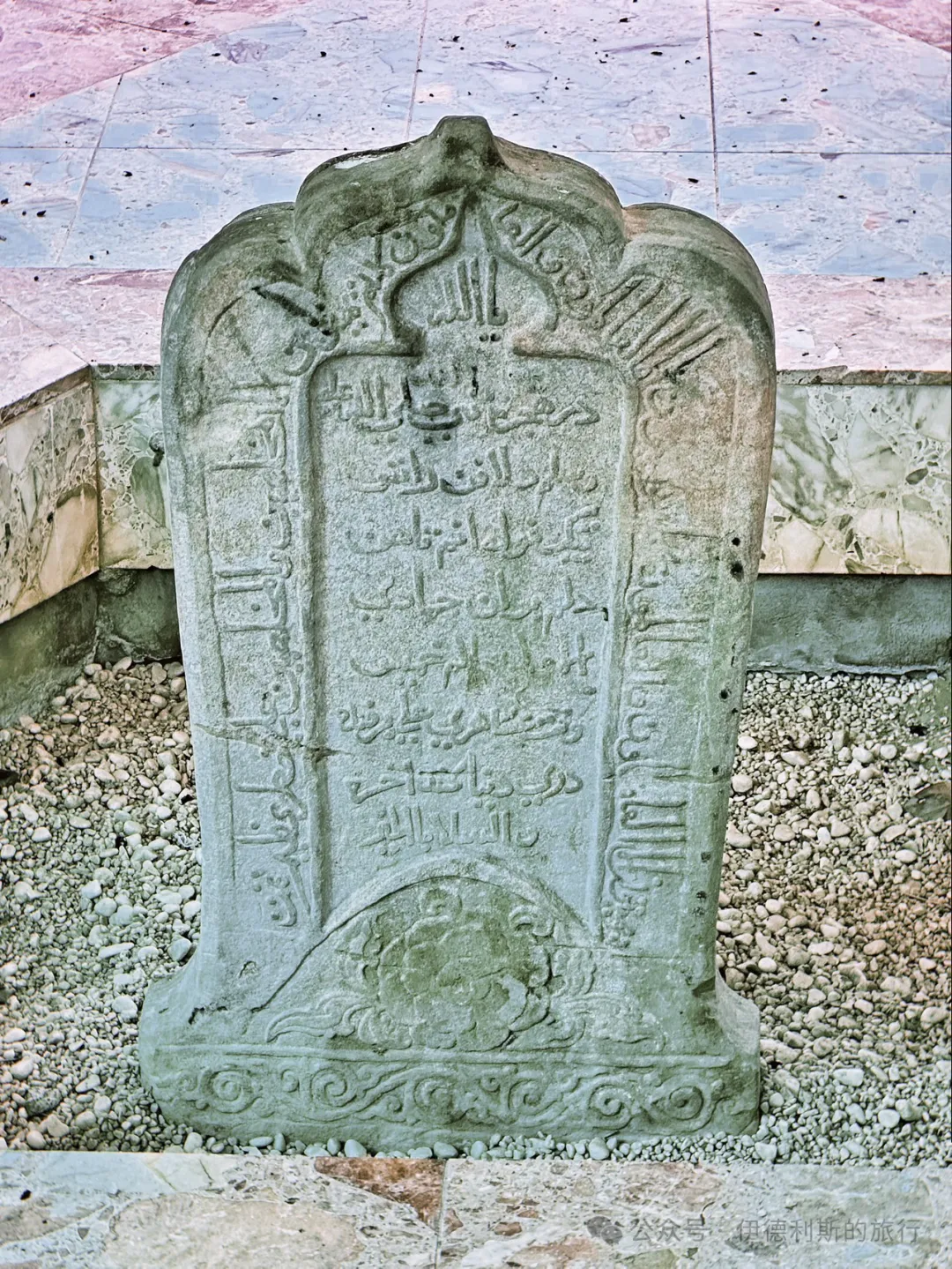
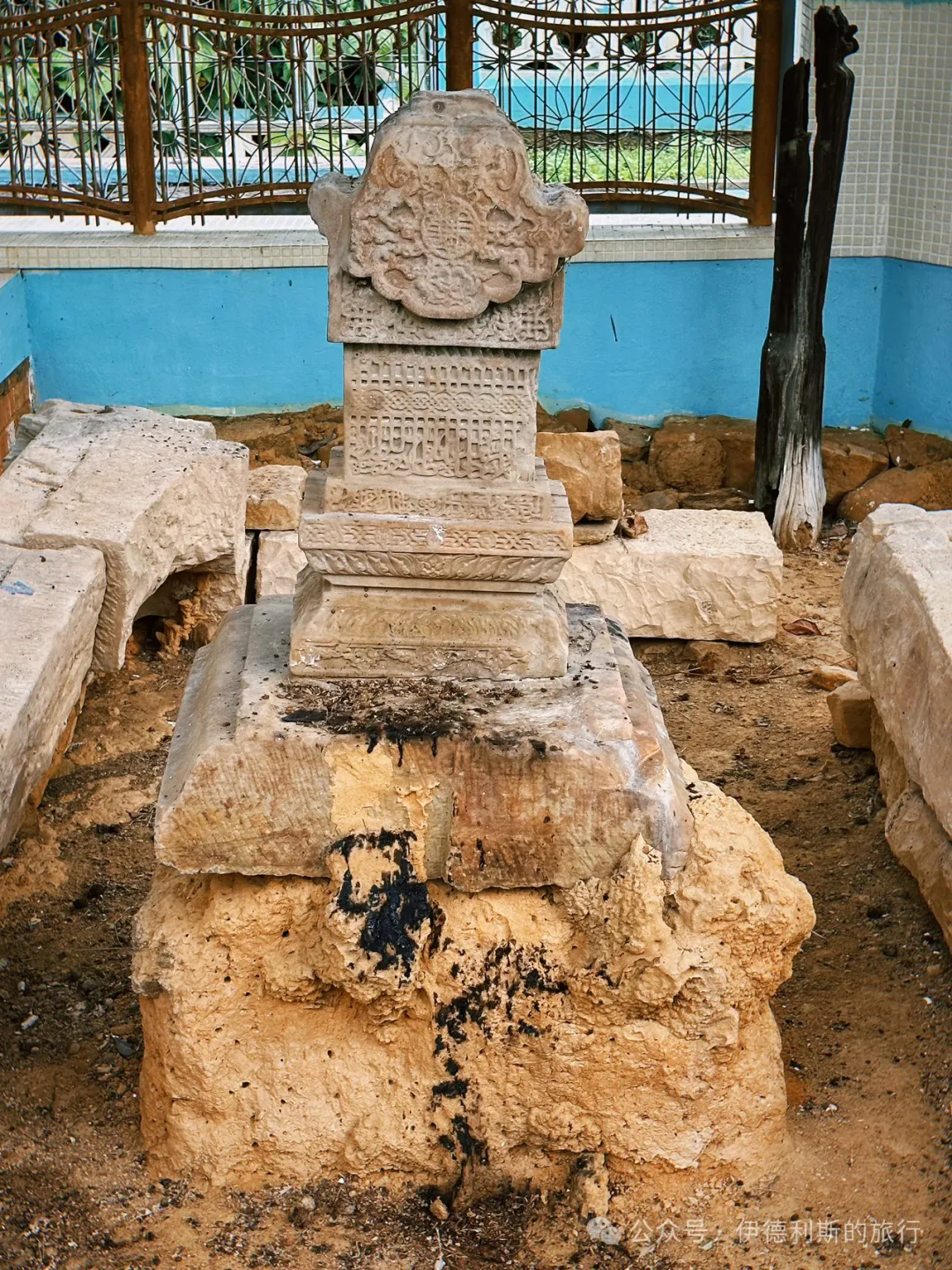
North of the tomb of Sultan Sharif Ali is the grave of Sharif Adam, another pioneer who came to Brunei with the Sultan to spread the faith. Together, they spread the influence of the faith from Brunei to the Sulu Archipelago and Mindanao in the southern Philippines. According to the tombstone, Sharif Adam passed away in 1454.
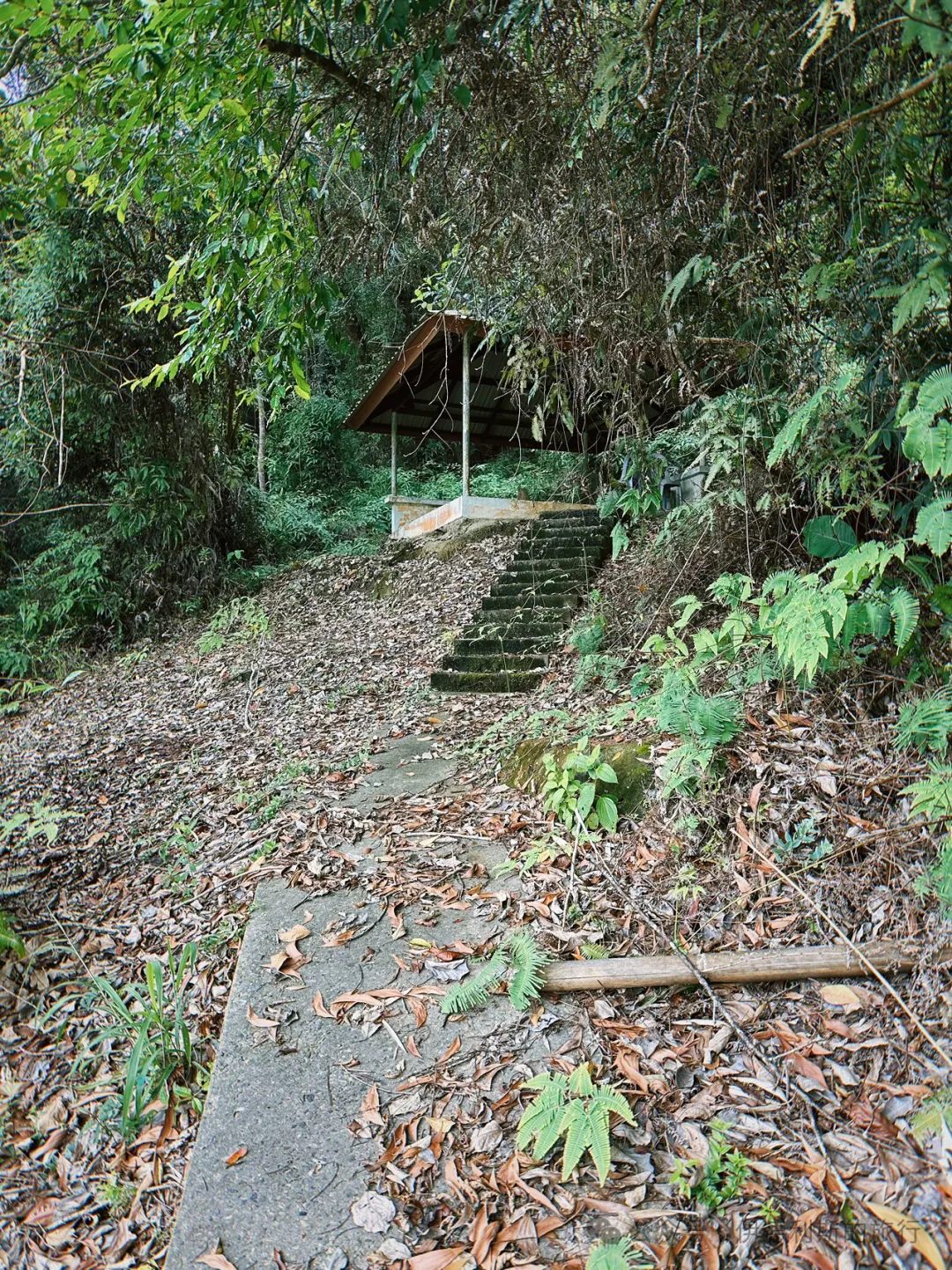
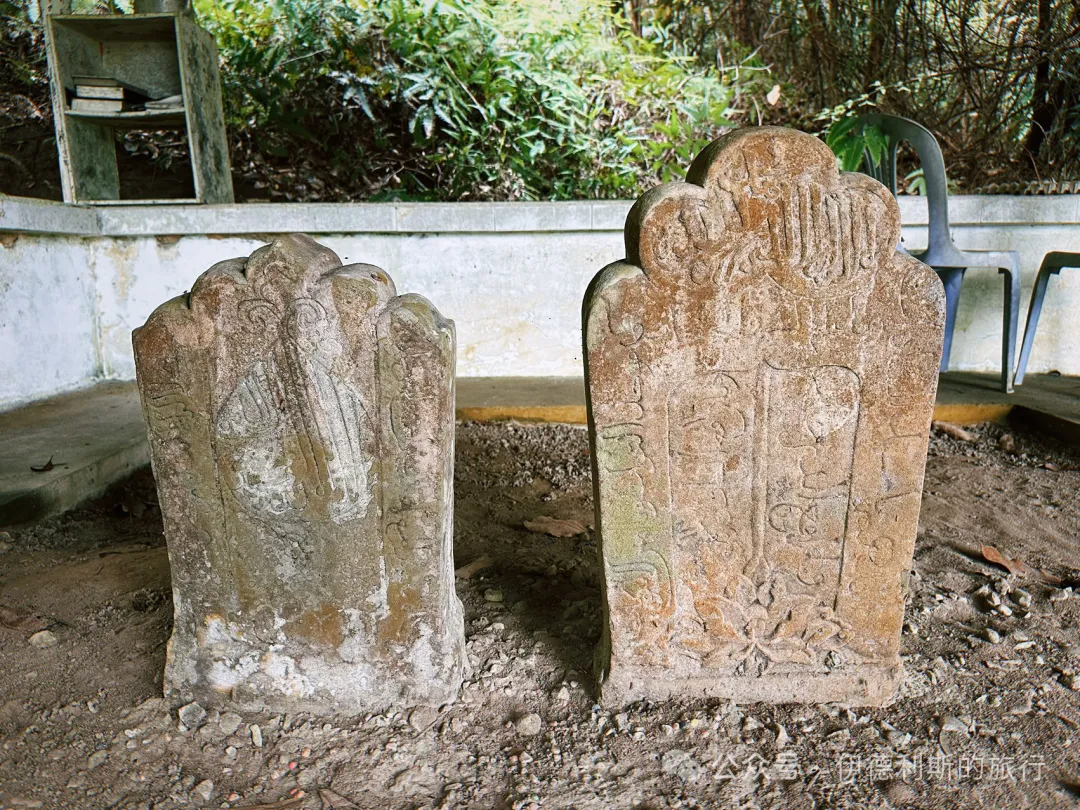
Tomb of the Fifth Sultan of Brunei
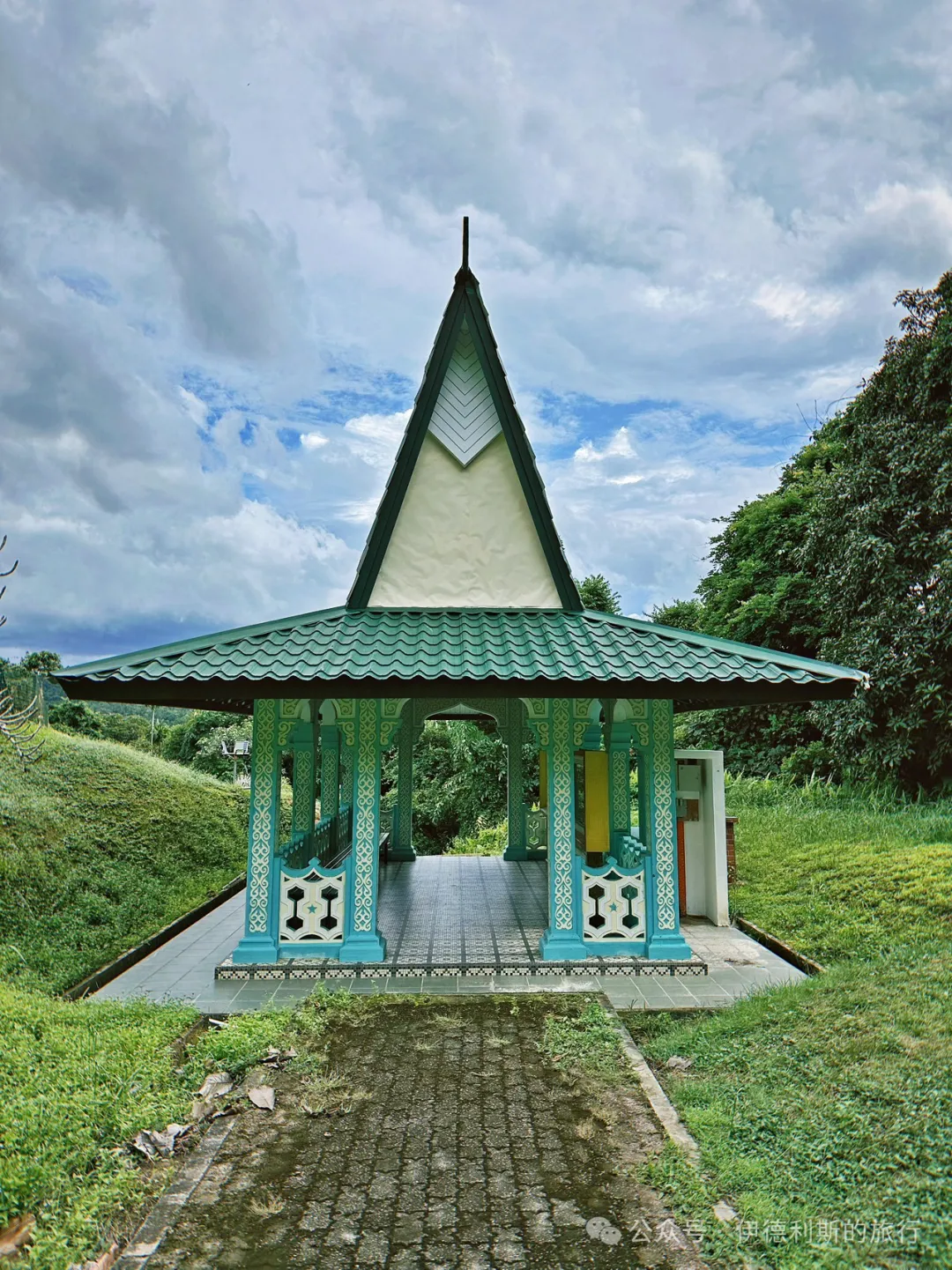
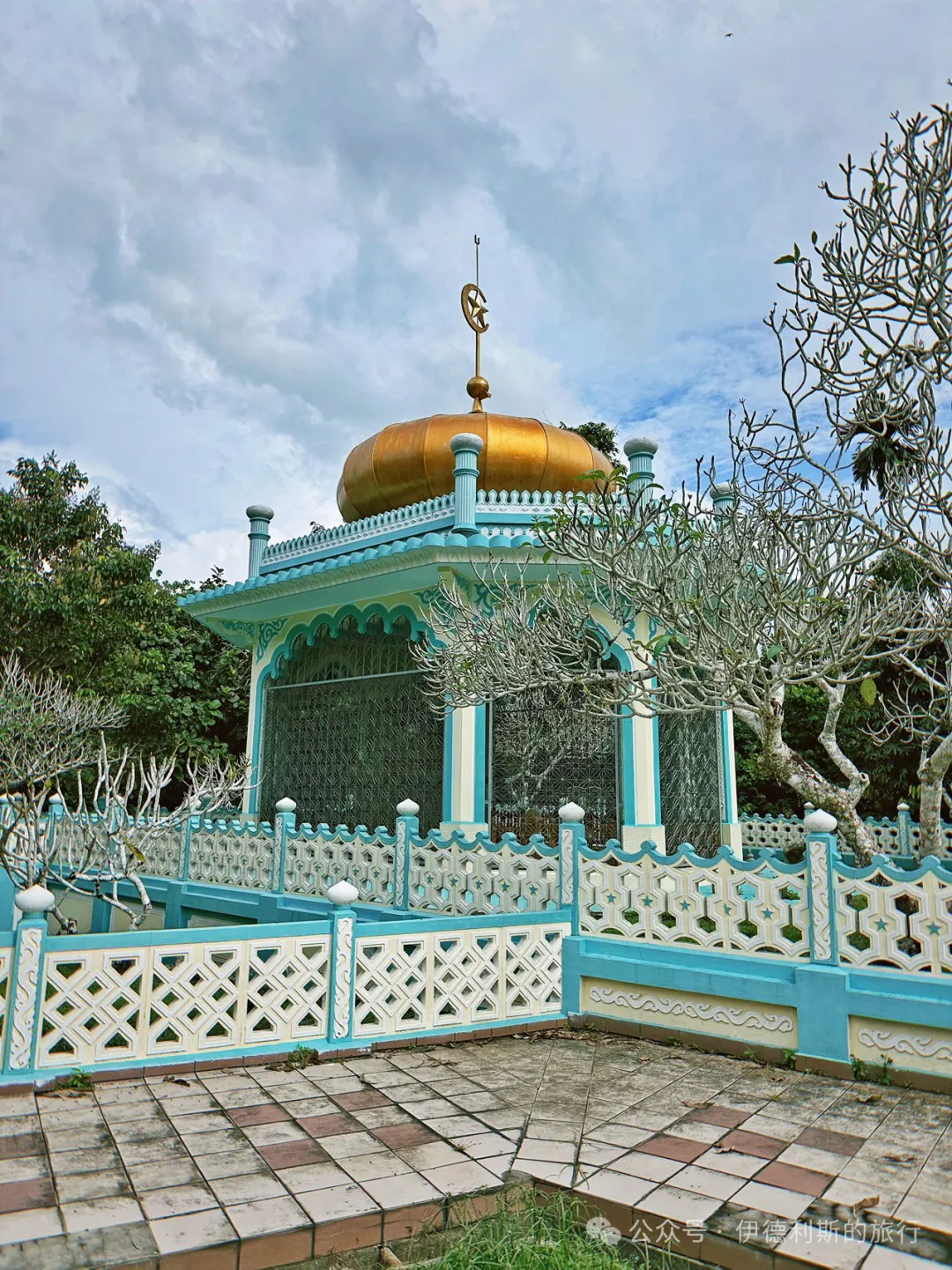
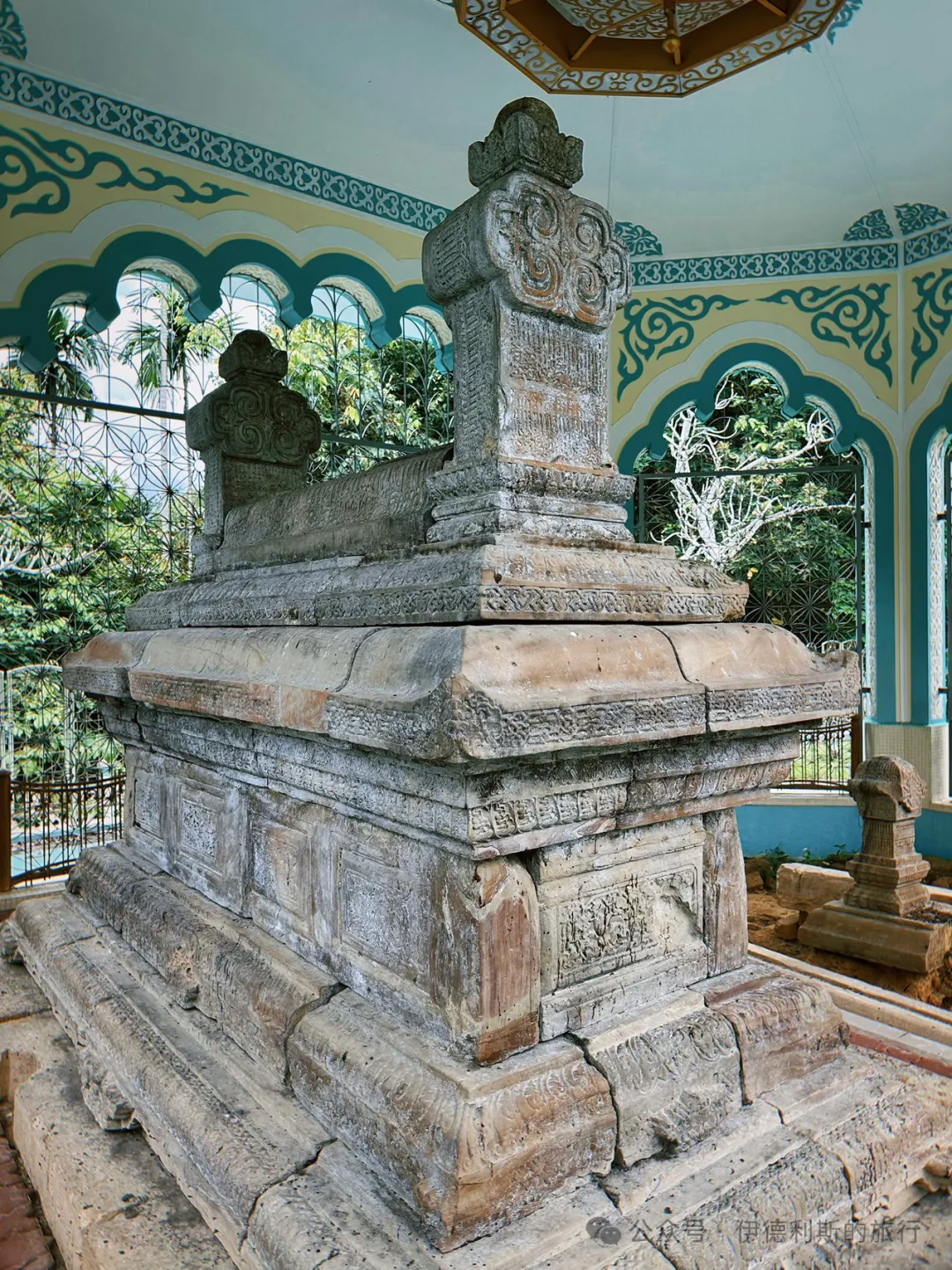
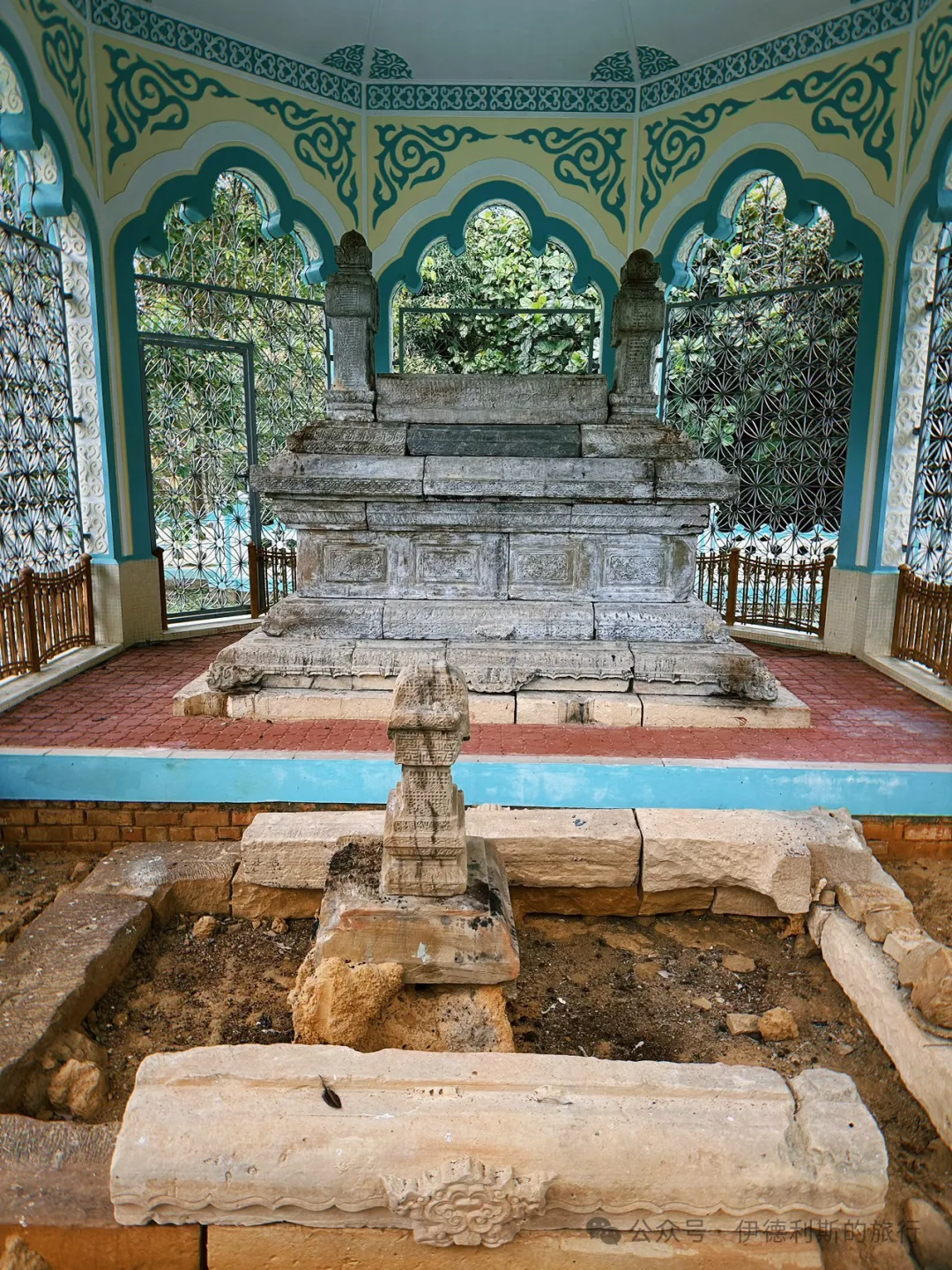
South of the Kota Batu site No. 1 is the tomb of Bolkiah, the fifth Sultan of Brunei, who reigned from 1485 to 1524. His reign is known as the golden age of Brunei history, when the Sultanate held power over Borneo and the southern Philippines.
When Magellan's fleet arrived in Brunei in 1521, they witnessed the power of Brunei under Sultan Bolkiah. When they reached the palace, they were shocked by his wealth. A hall reached by wide steps was packed with courtiers in elegant clothing. Through the corridor was a slightly raised room decorated with luxurious silk and brocade curtains, bathed in natural light from wide windows. Three hundred of the Sultan's warriors stood guard there with drawn daggers. A little further on was a smaller but equally beautiful room, where the muscular forty-year-old monarch chewed betel nut on a large mat with his young son beside him.
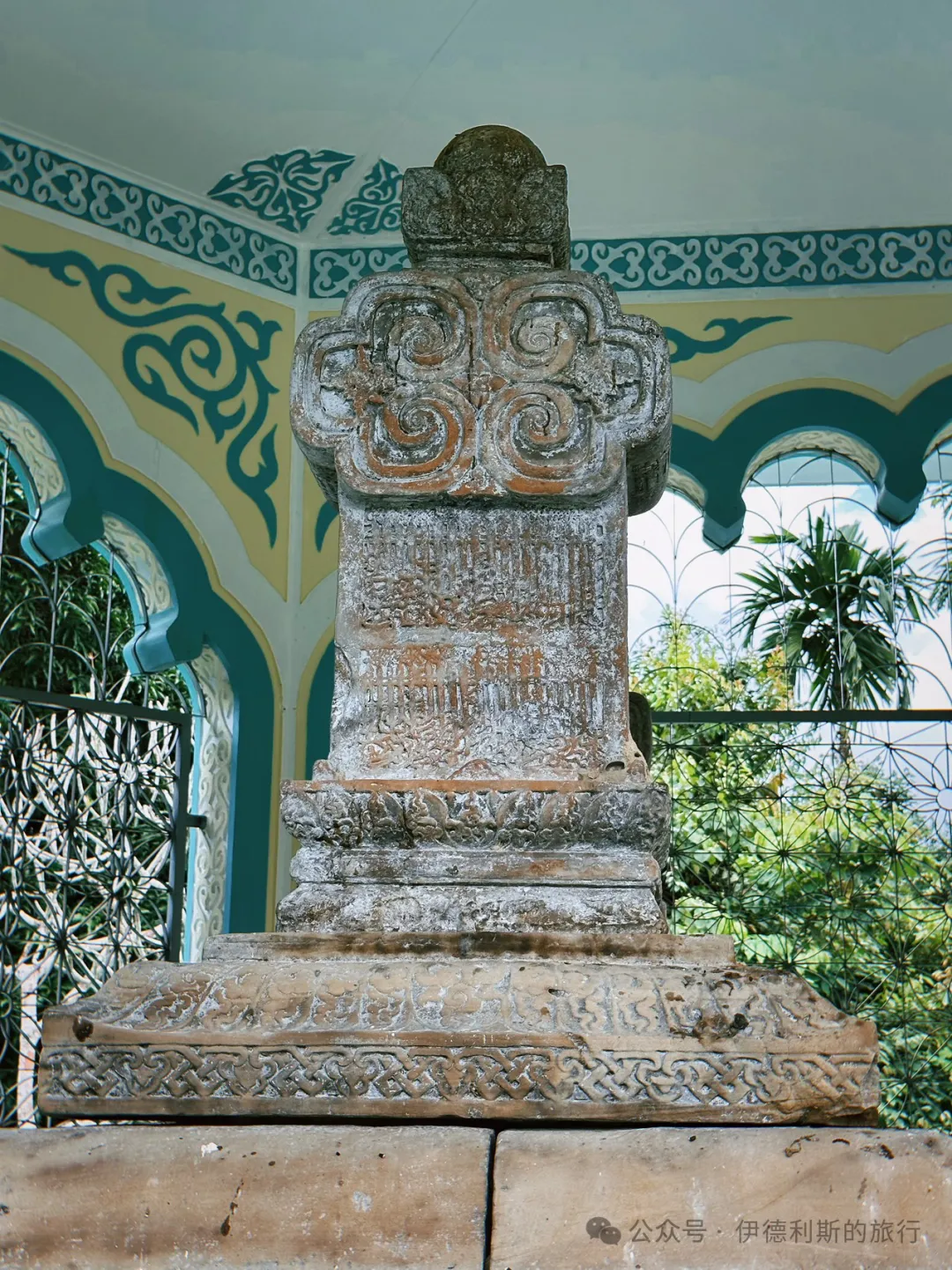
Sultan Bolkiah's tomb is tall, majestic, and finely carved. The tombstone has eight layers, but only the bottom layer is original. One of the upper stones commemorates Sultan Muhammad Ali, and another commemorates Sultan Abdul Mubin, likely made in the late 17th century. The middle slab records that Sultan Bolkiah died on July 17, 1524, and was likely carved in modern times.
Water Village (Kampung Ayer)
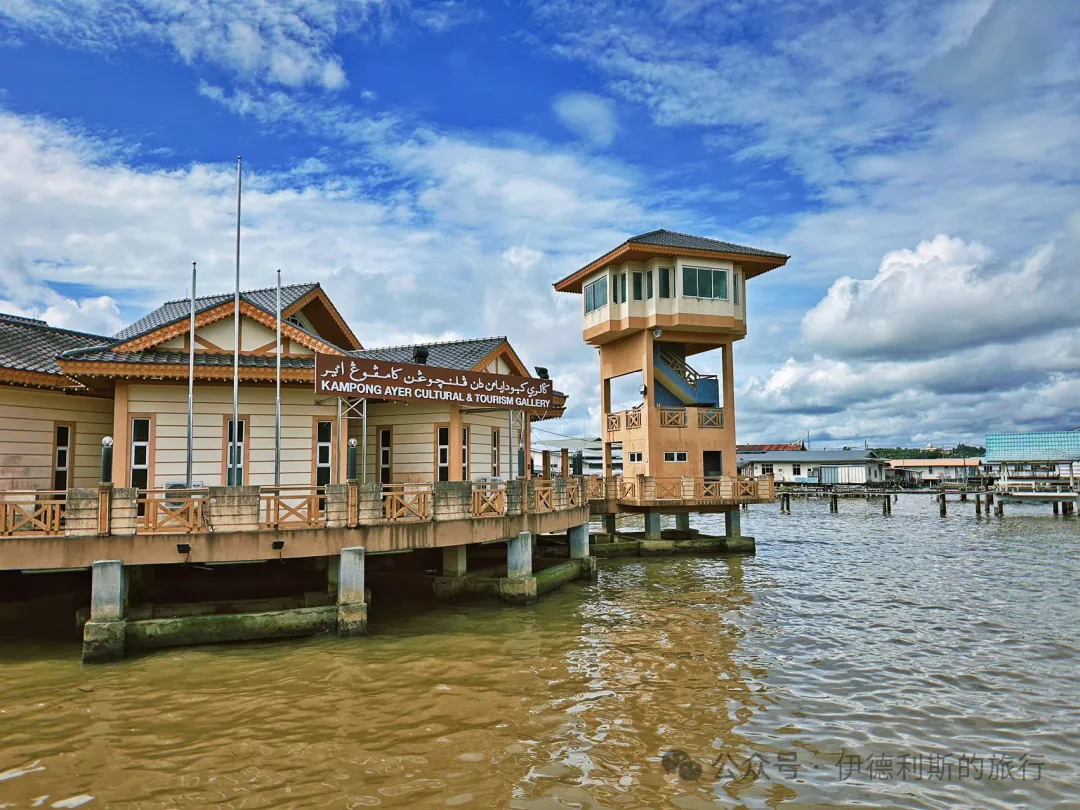
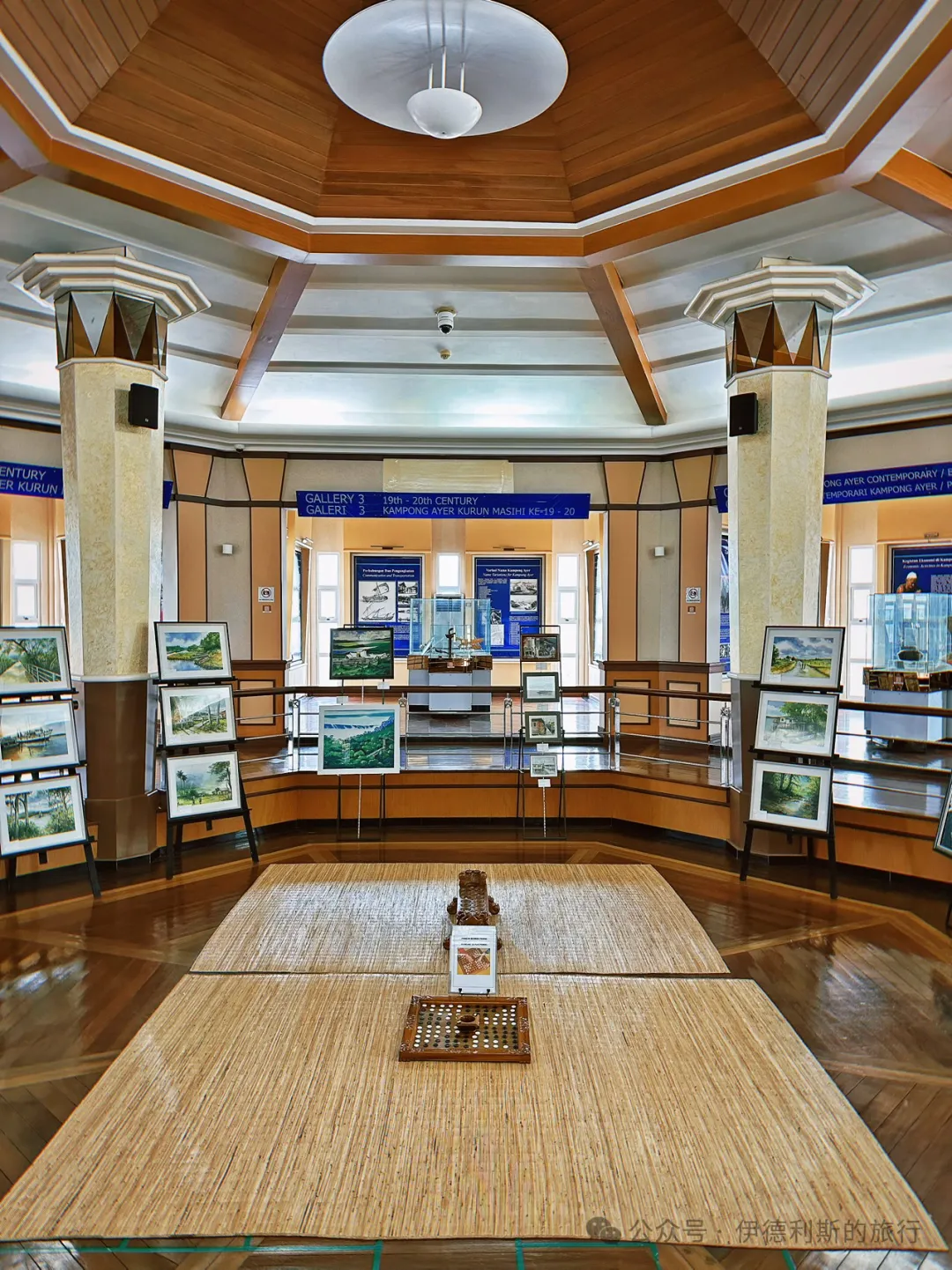
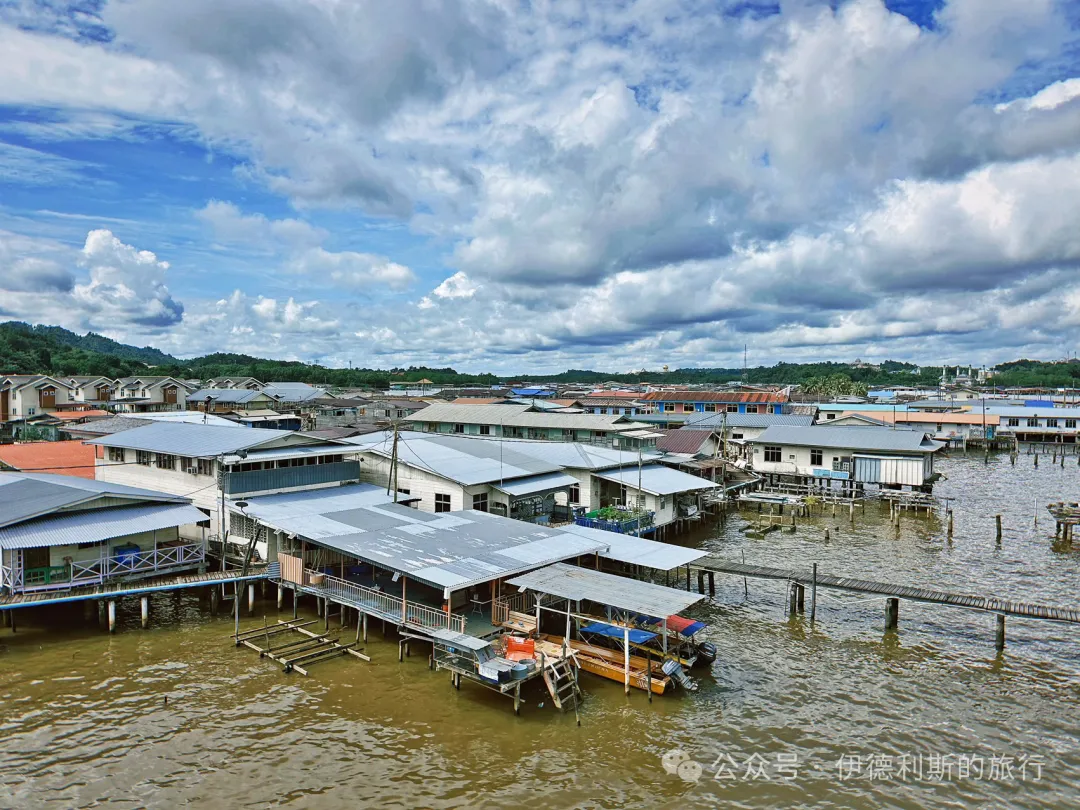
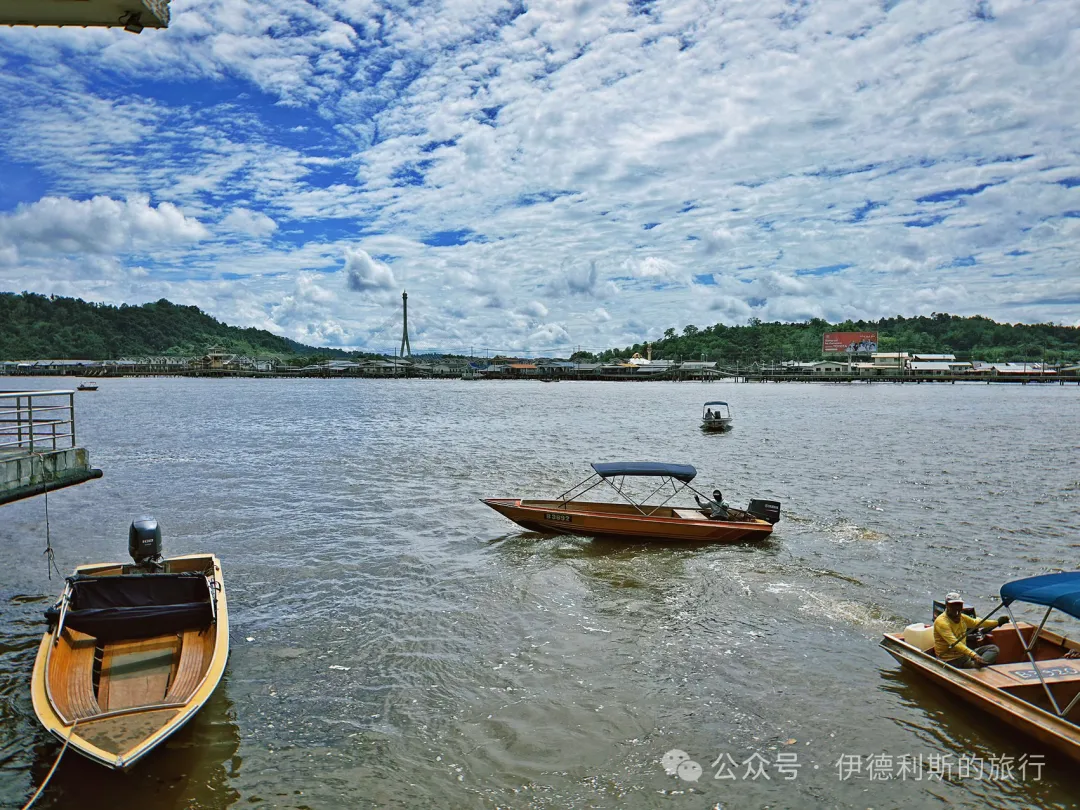
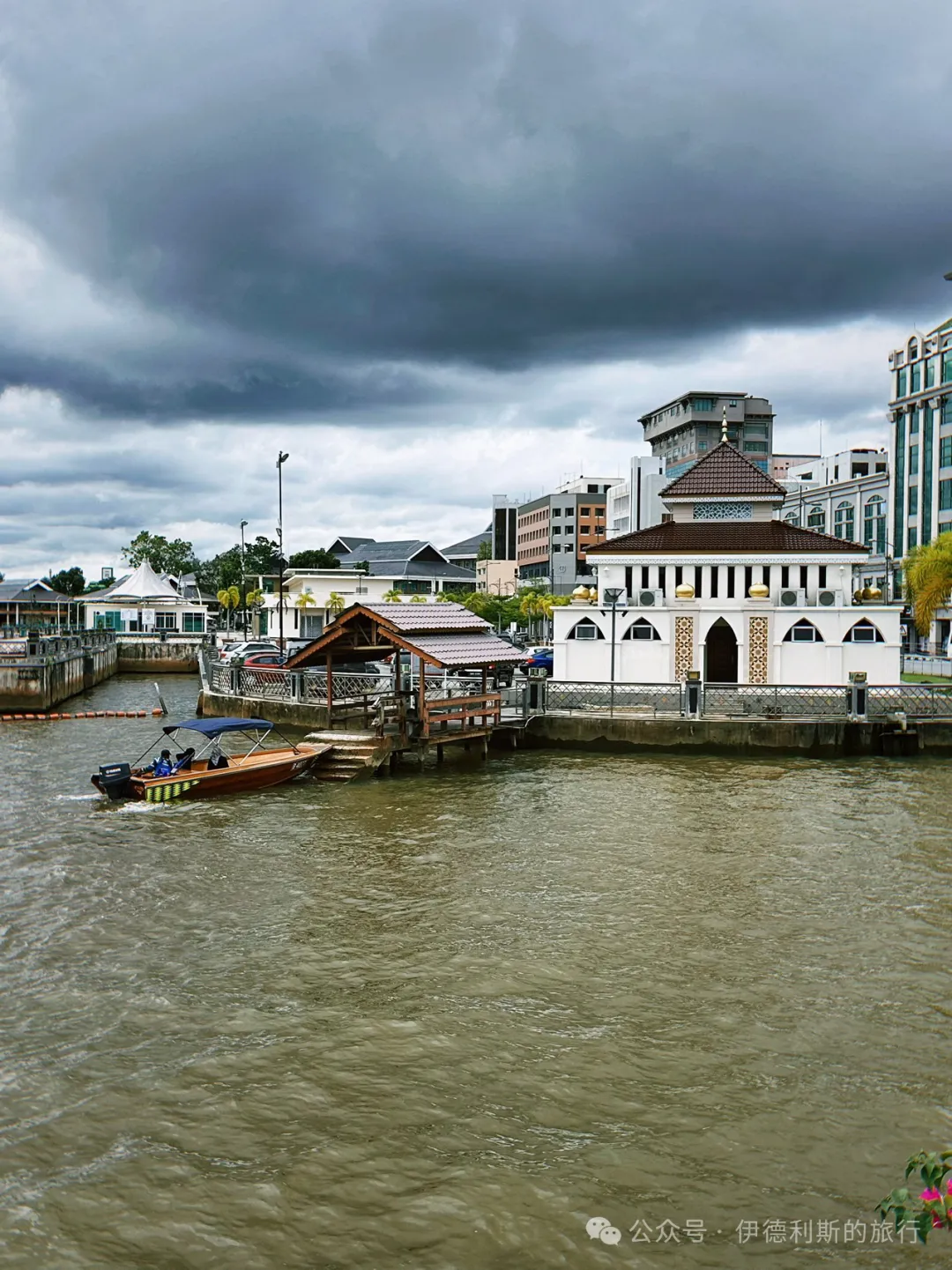
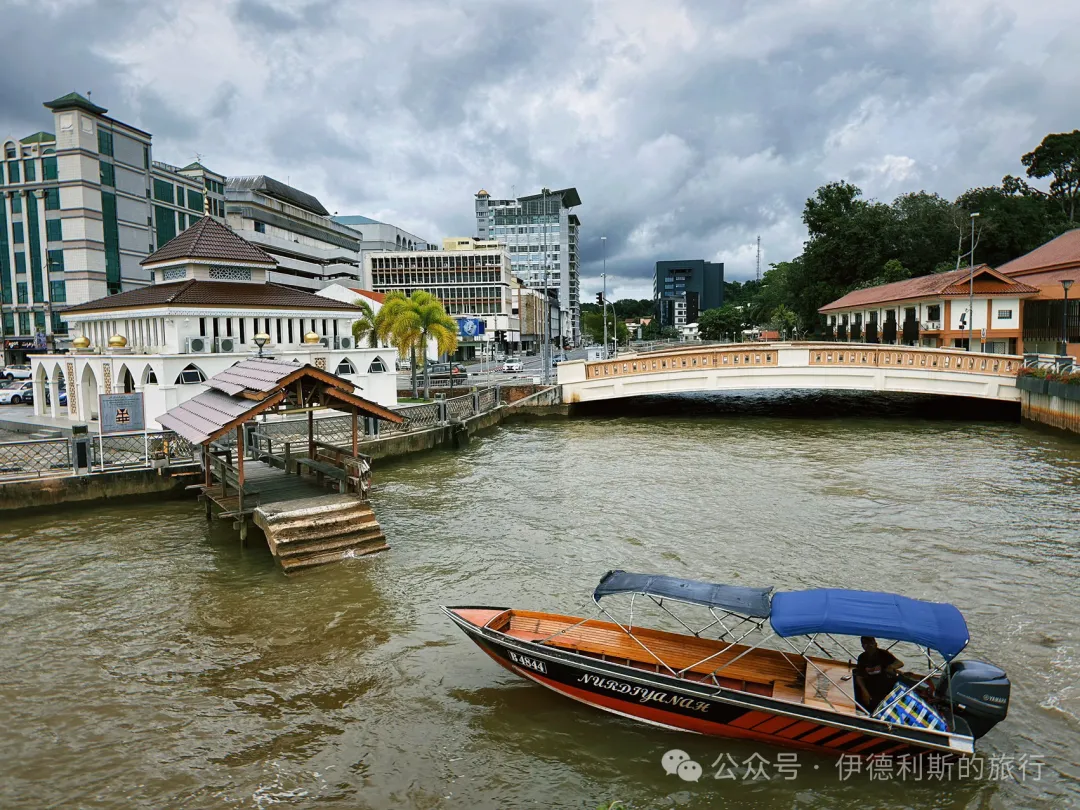
We took a speedboat from the pier by the Brunei River and reached the Water Village (Kampung Ayer) on the other side for 1 Brunei dollar each. We first visited the Kampung Ayer Cultural and Tourism Gallery, which has information about the water village, and a lookout tower next to it for a panoramic view.
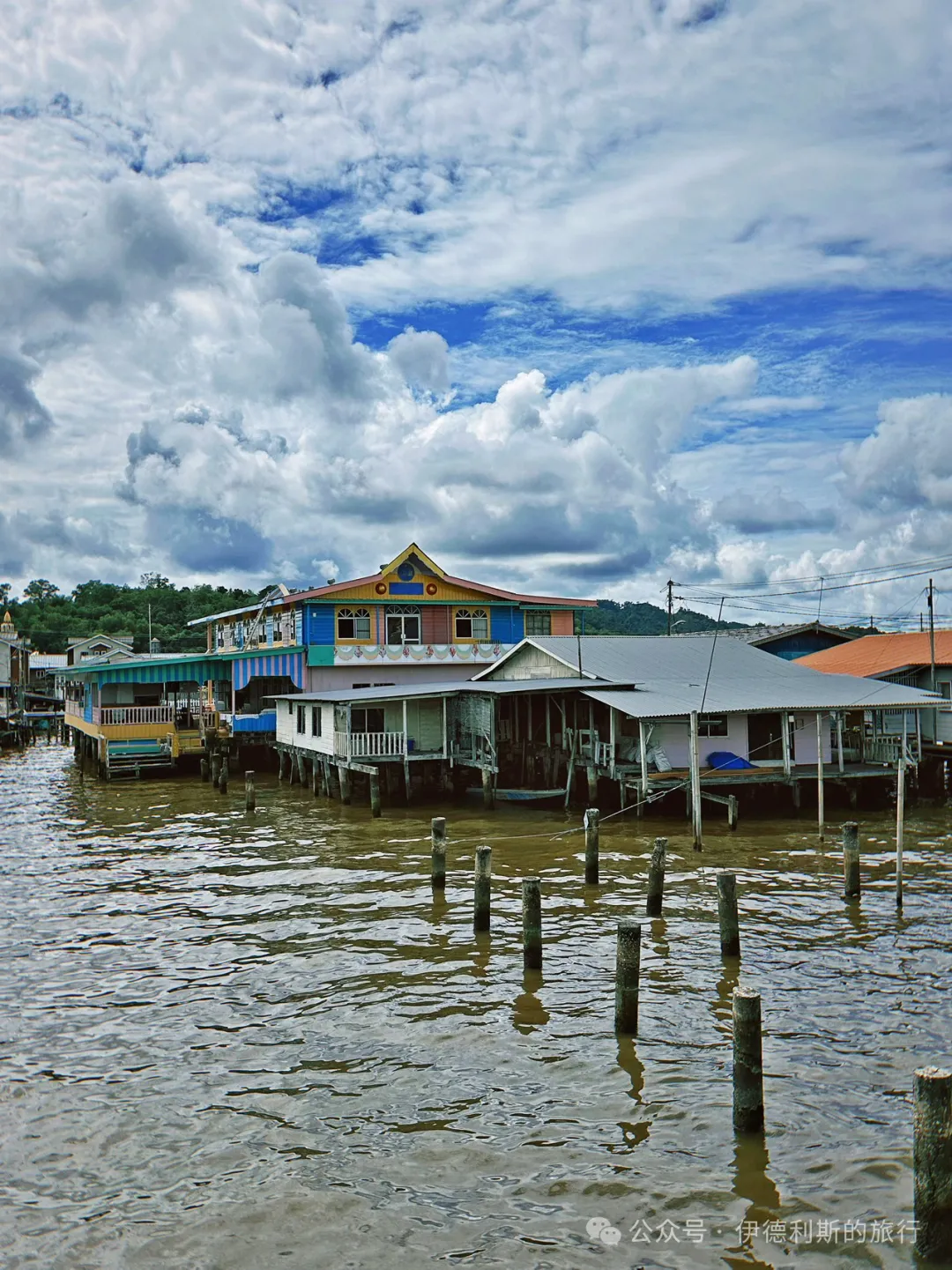
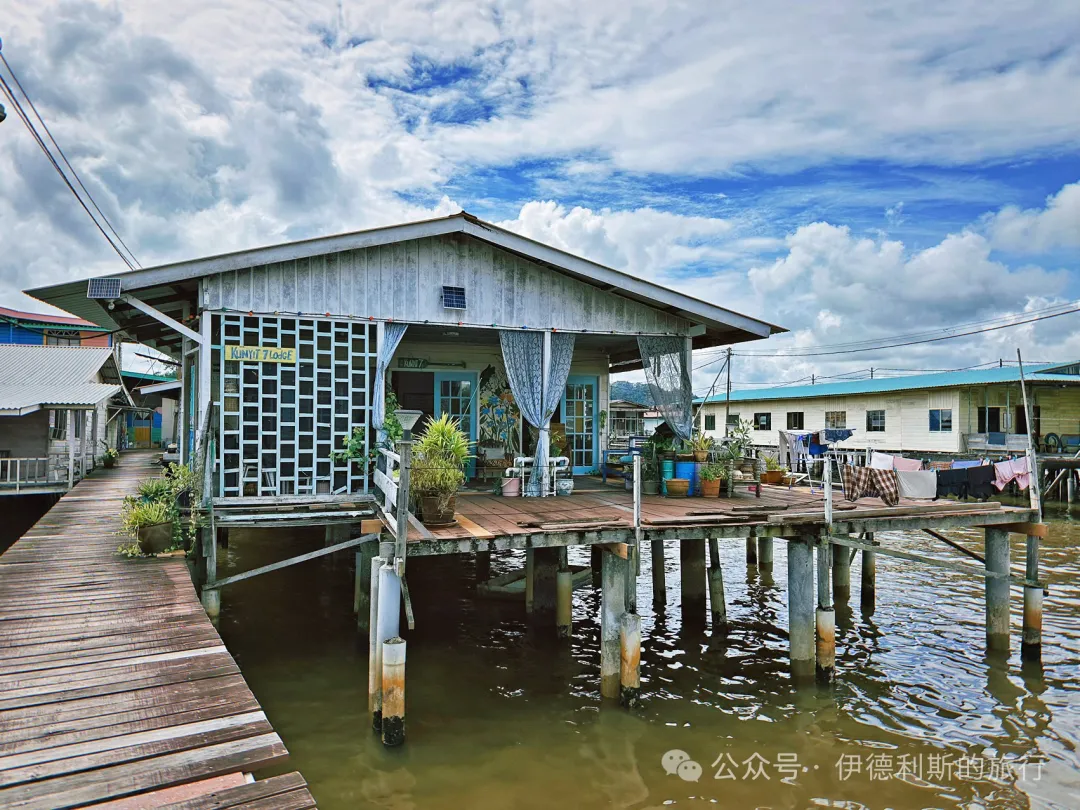
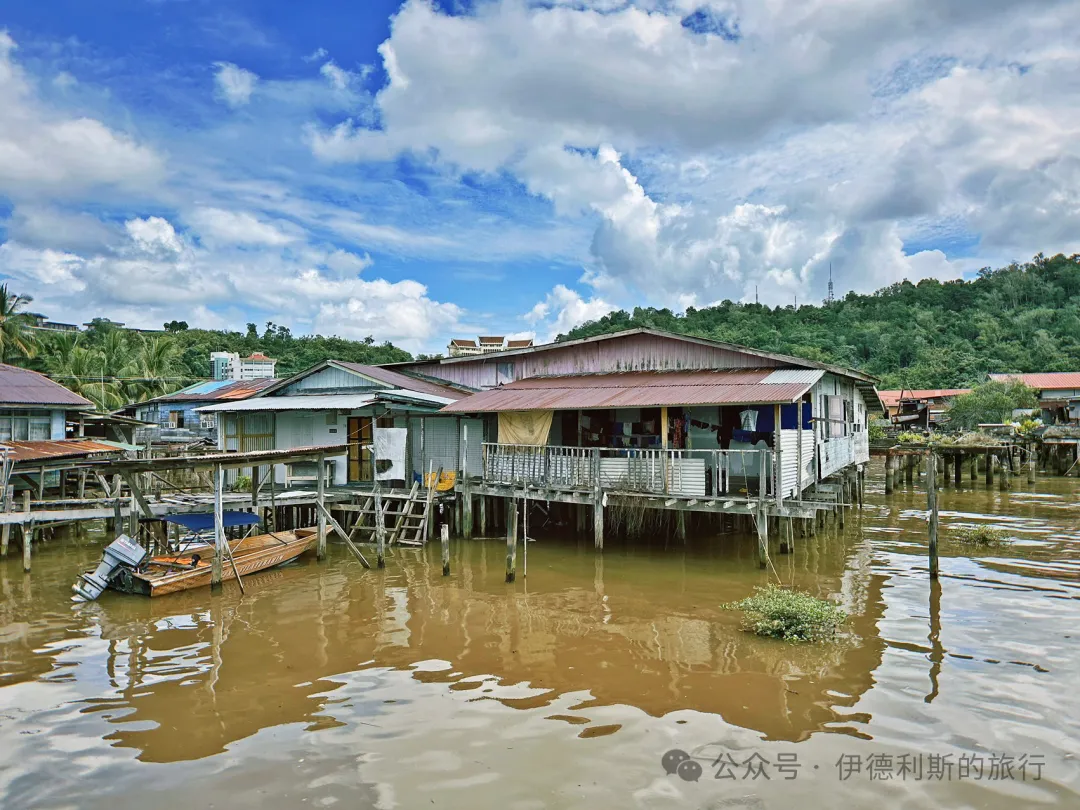
Kampung Ayer is the Malay term for water village. It was once the main port of the Brunei Sultanate and served as its trade center from the 15th to the 17th century. After the Brunei Civil War in the 18th century, Kota Batu was abandoned, and the water village became the capital of the Sultanate. In 1521, Italian explorer Antonio Pigafetta arrived in Brunei with Magellan's fleet and called Kampung Ayer the Venice of the East. The water village was once huge and included the Sultan's palace, but it gradually declined under British invasion in the 19th century. After the 20th century, Brunei began encouraging residents to move to land, but many people still choose to stay.
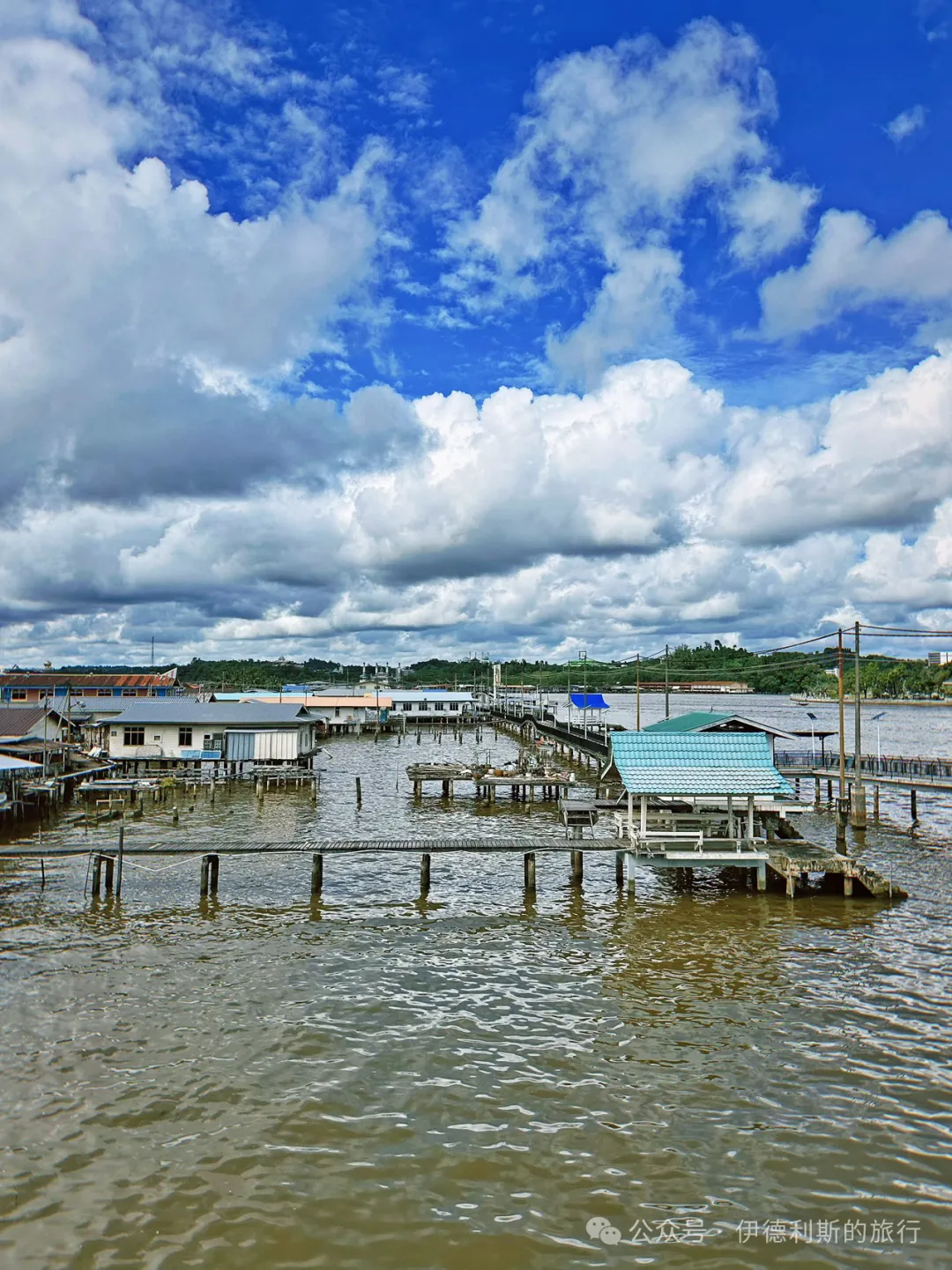
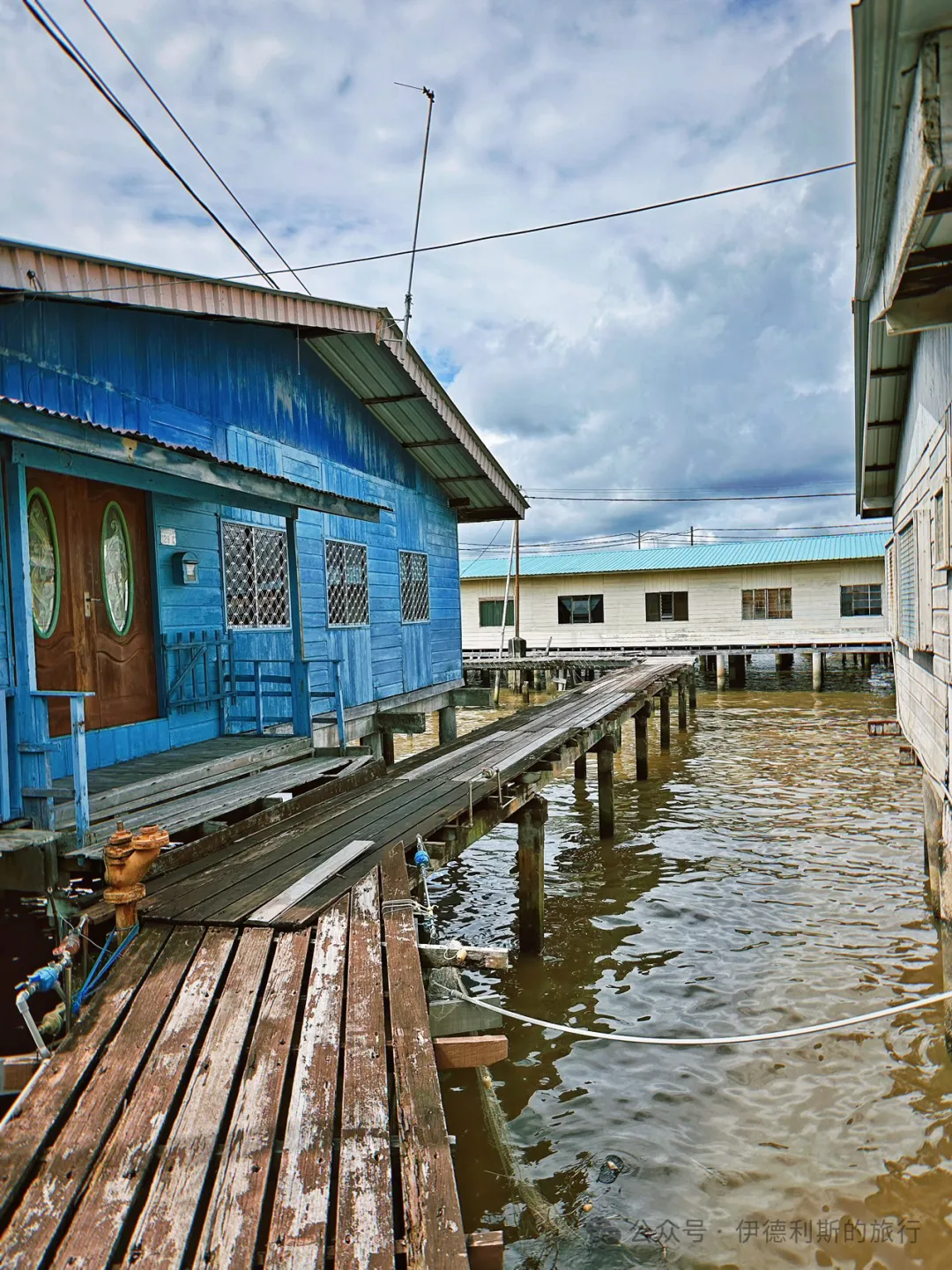
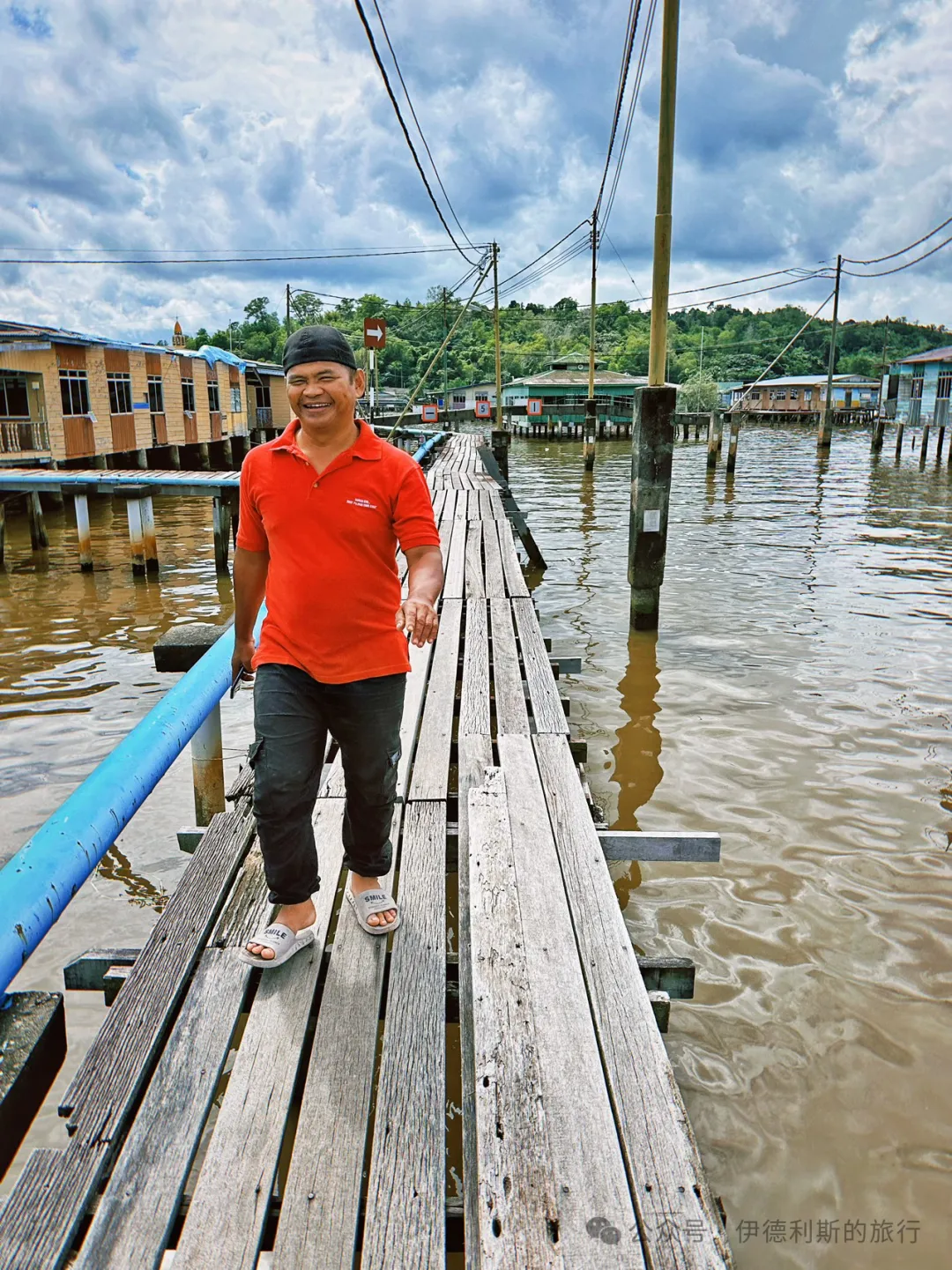
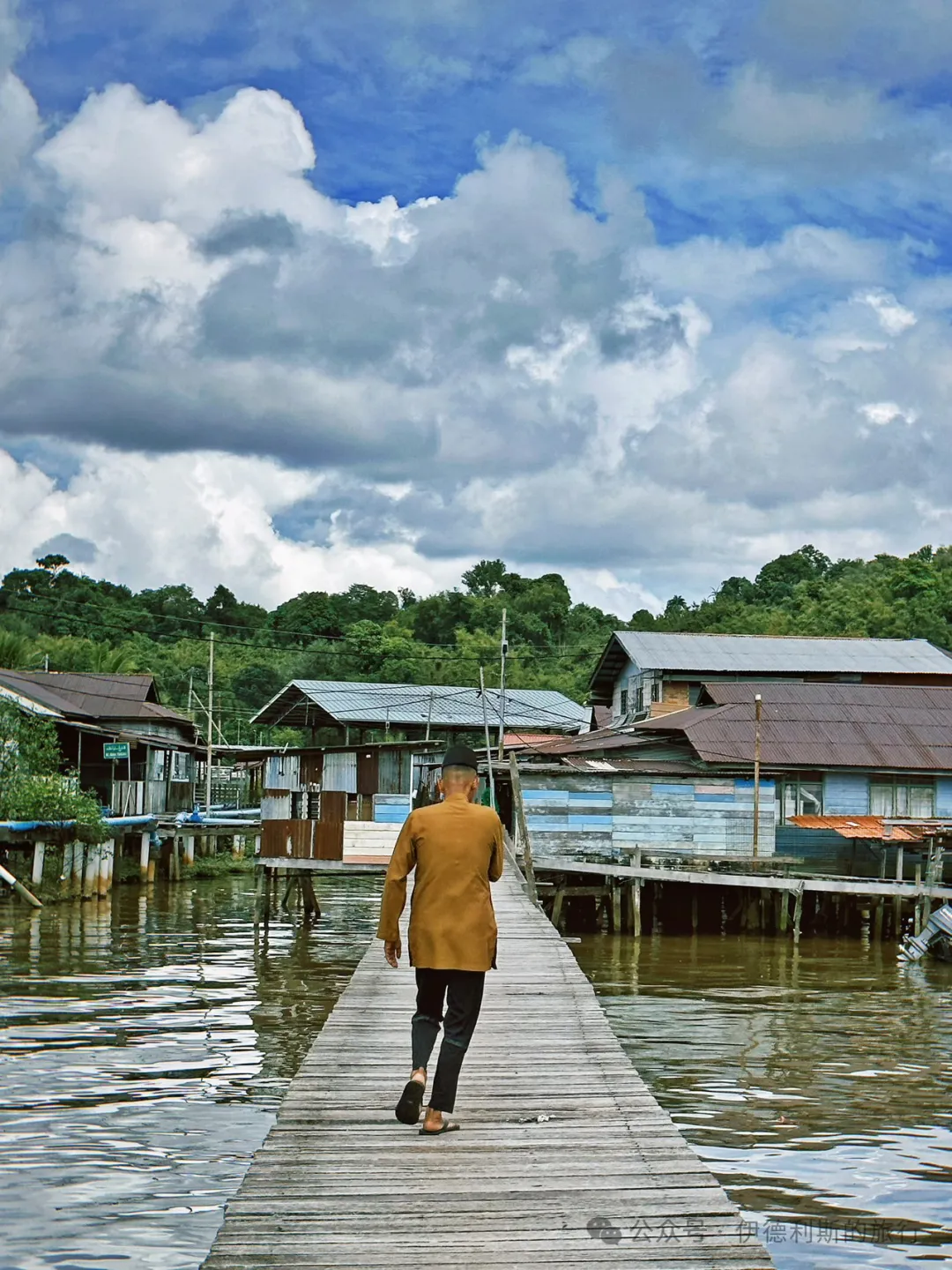
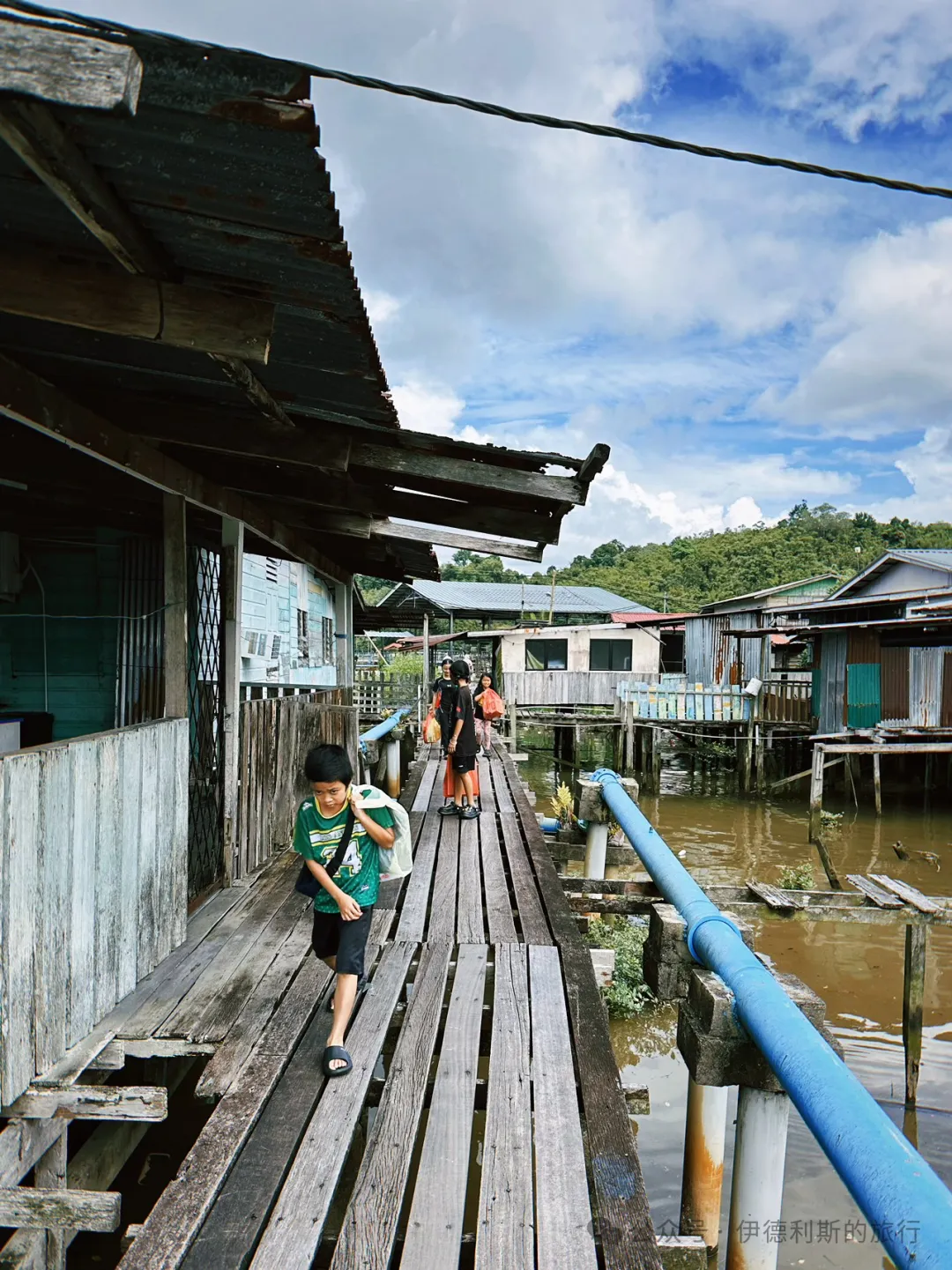
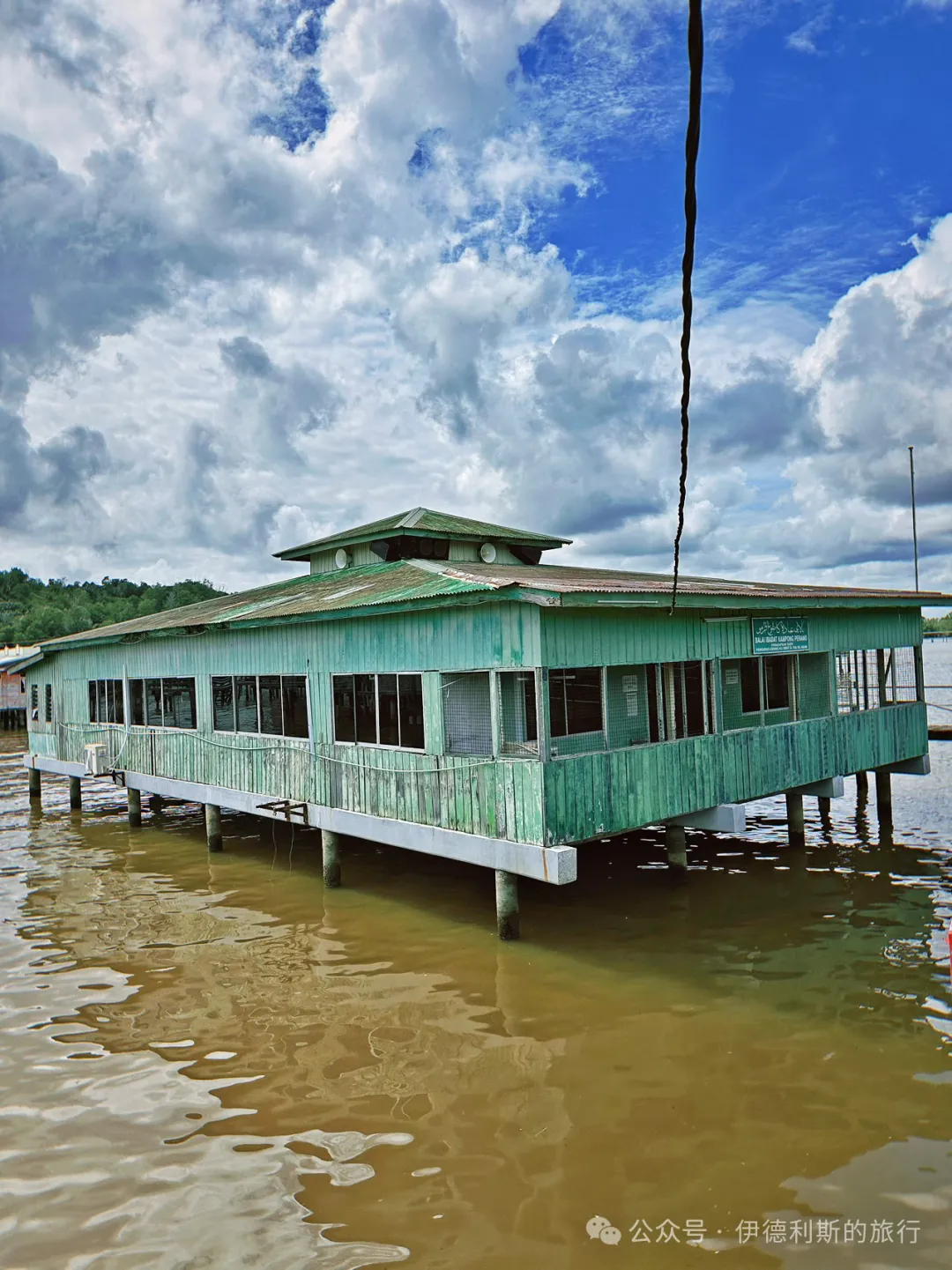
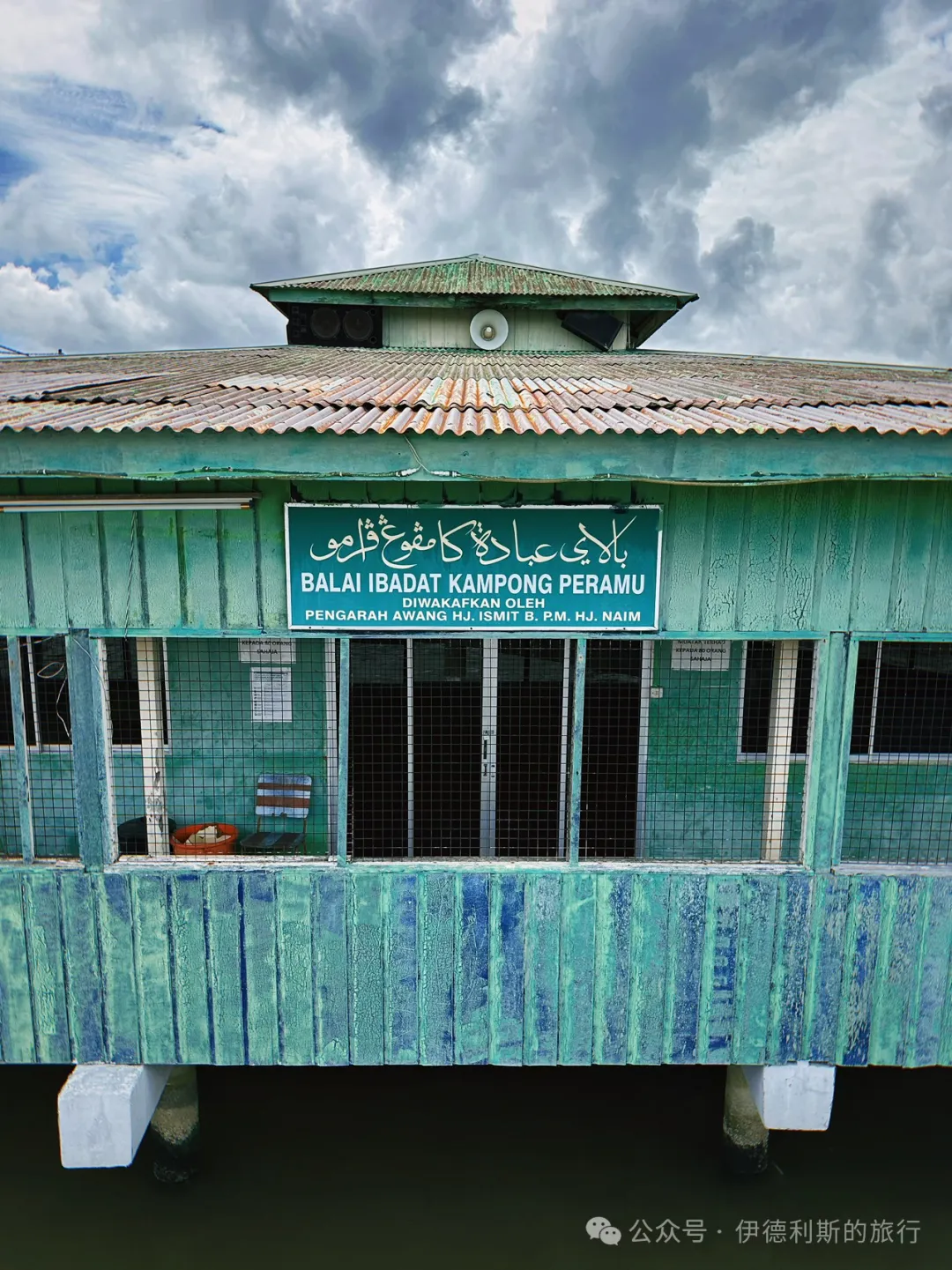
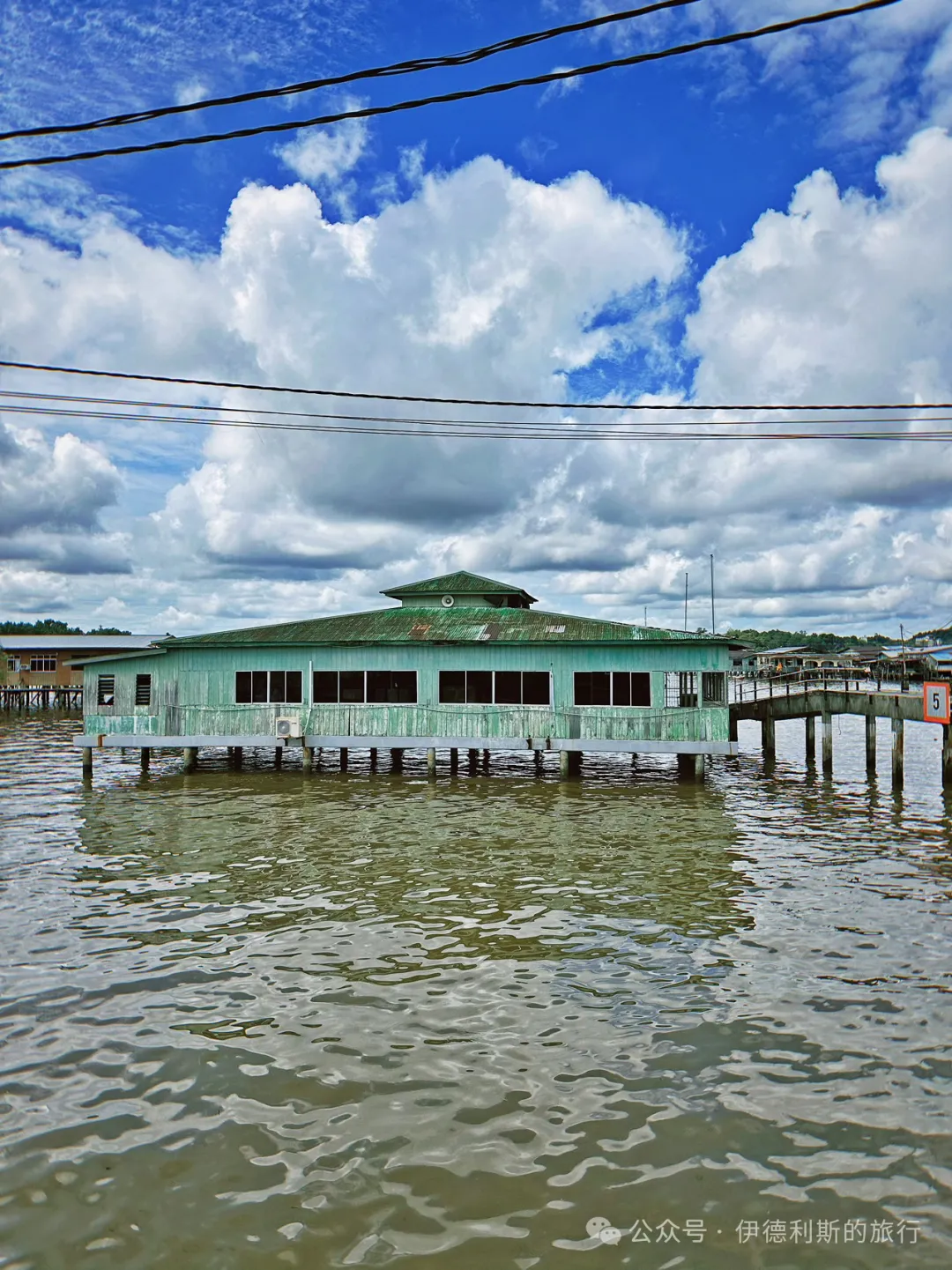
The two traditional wooden mosques on stilts in the Water Village are a major highlight of Brunei. The walls and pillars are made of wood, but the air conditioning inside is so strong that you cannot feel the humidity from the water. In recent years, Brunei has built several large concrete mosques along the banks of the Water Village, and the traditional wooden mosques are becoming fewer.
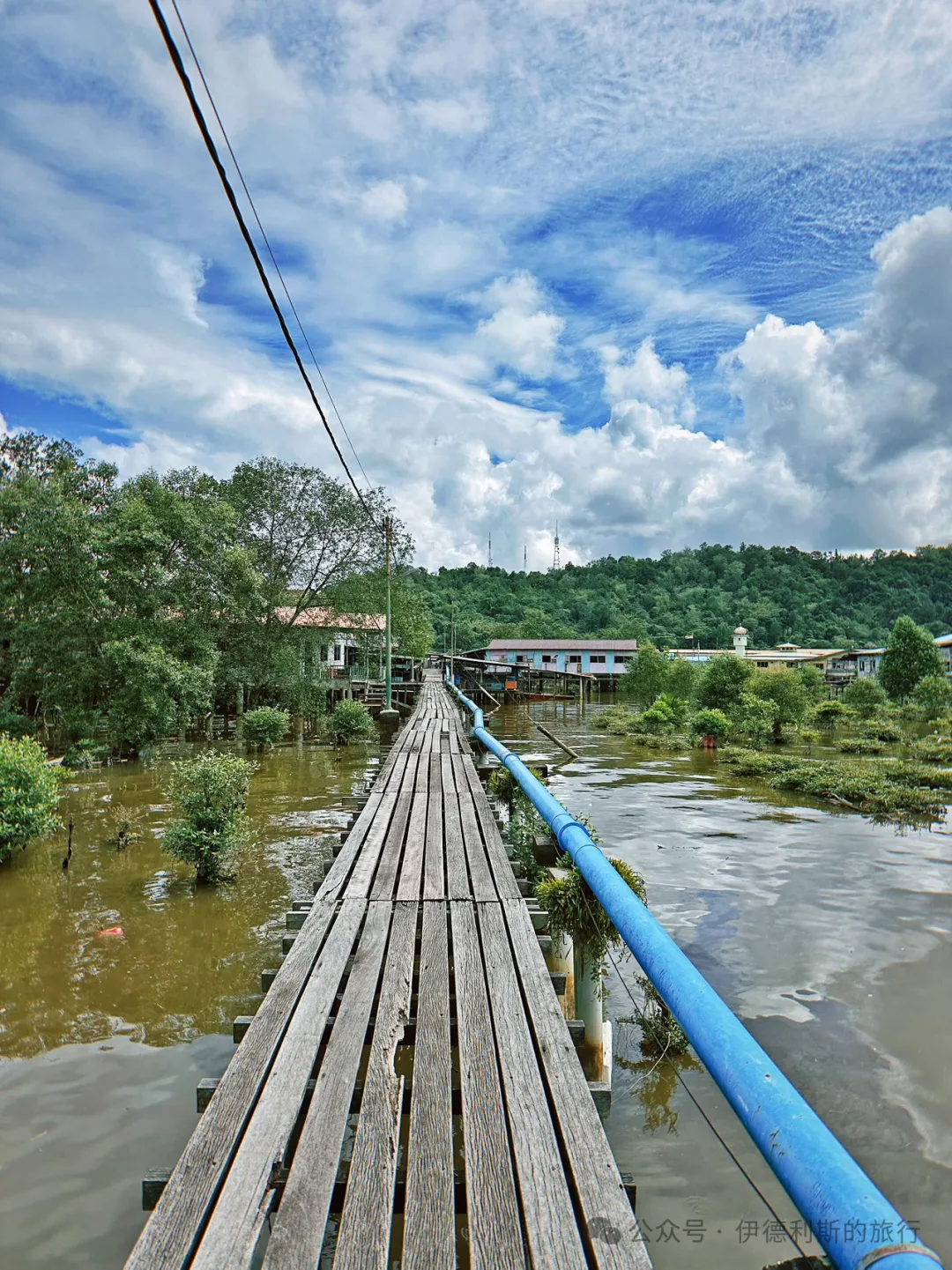
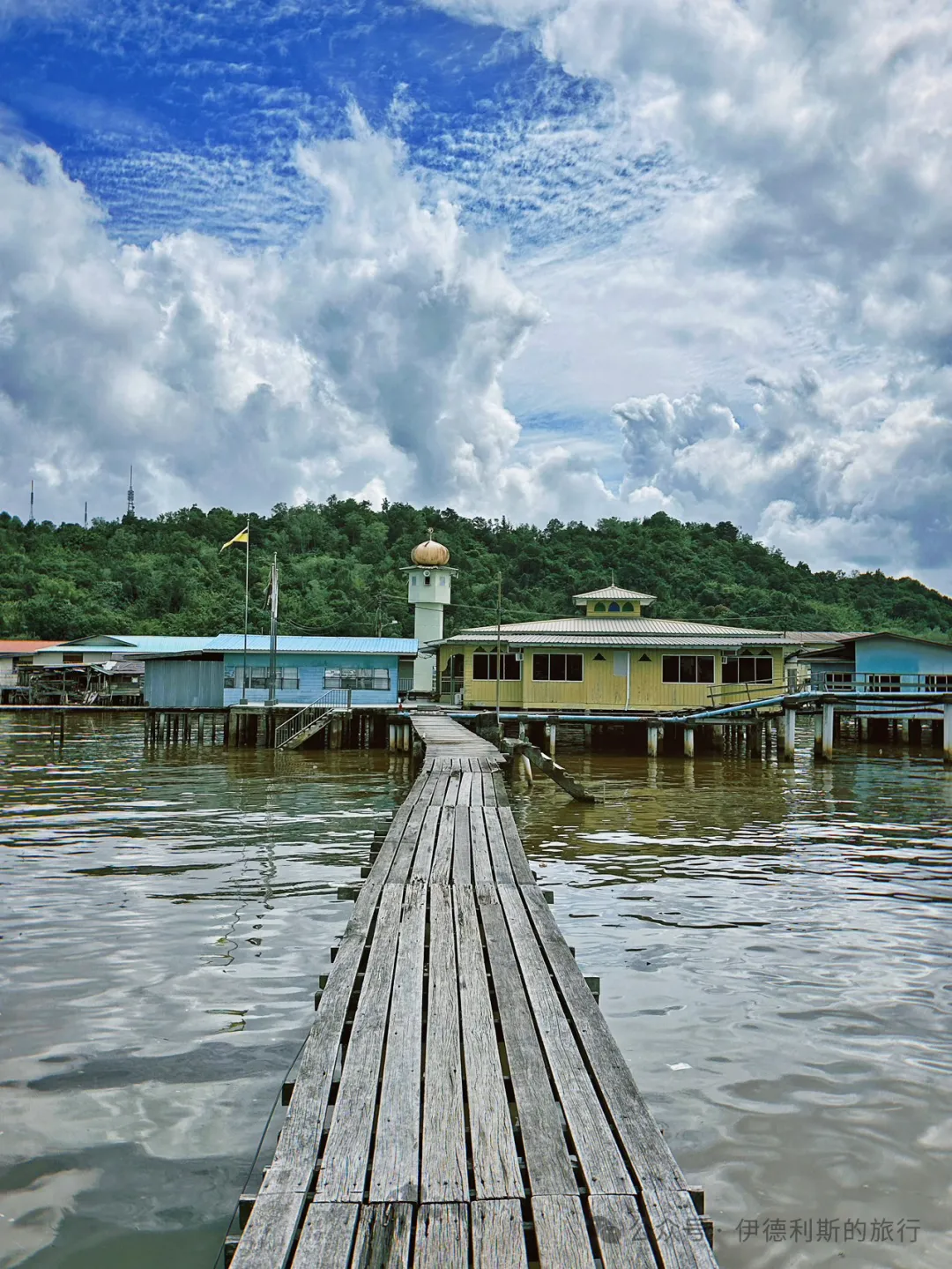
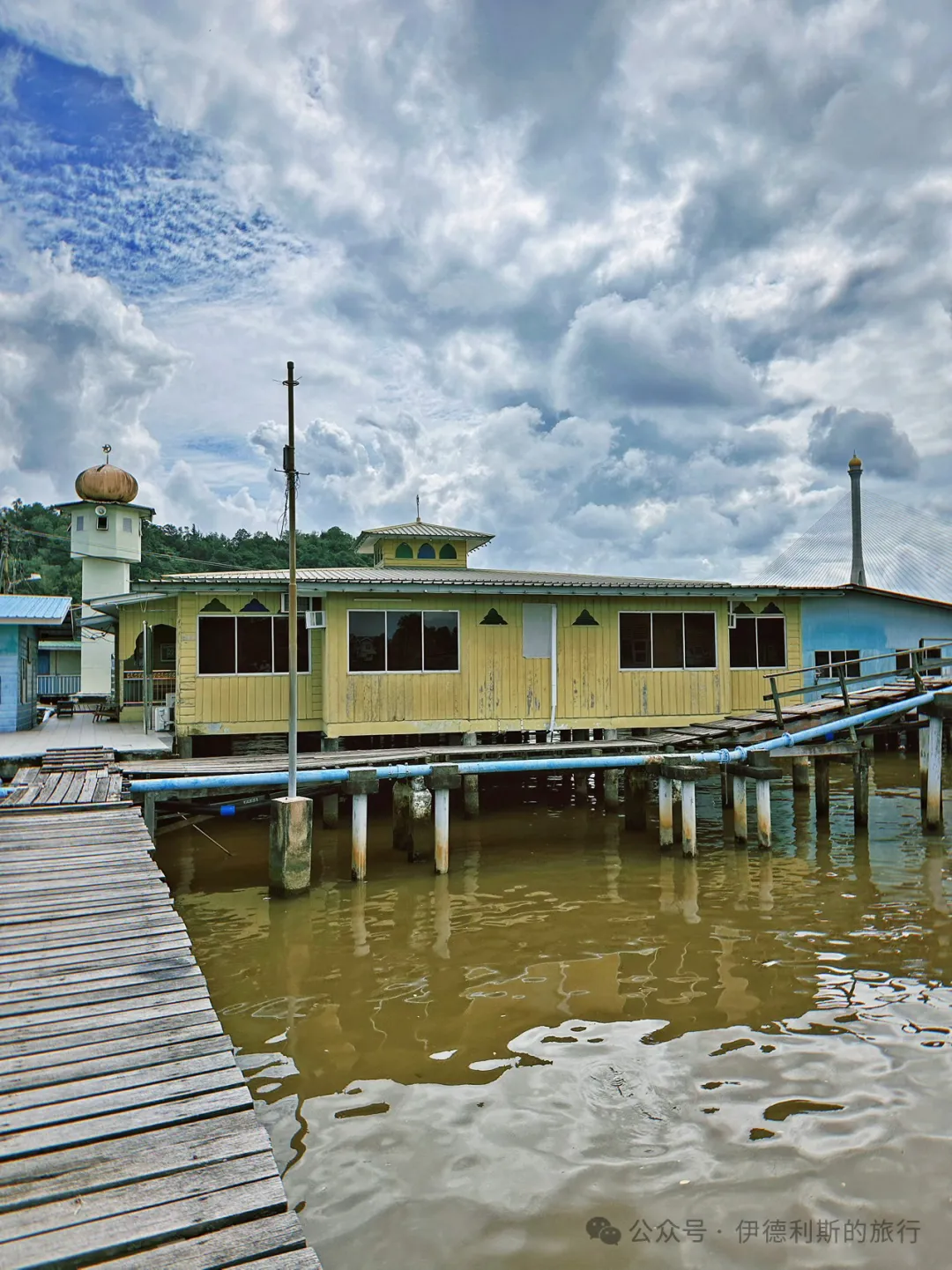
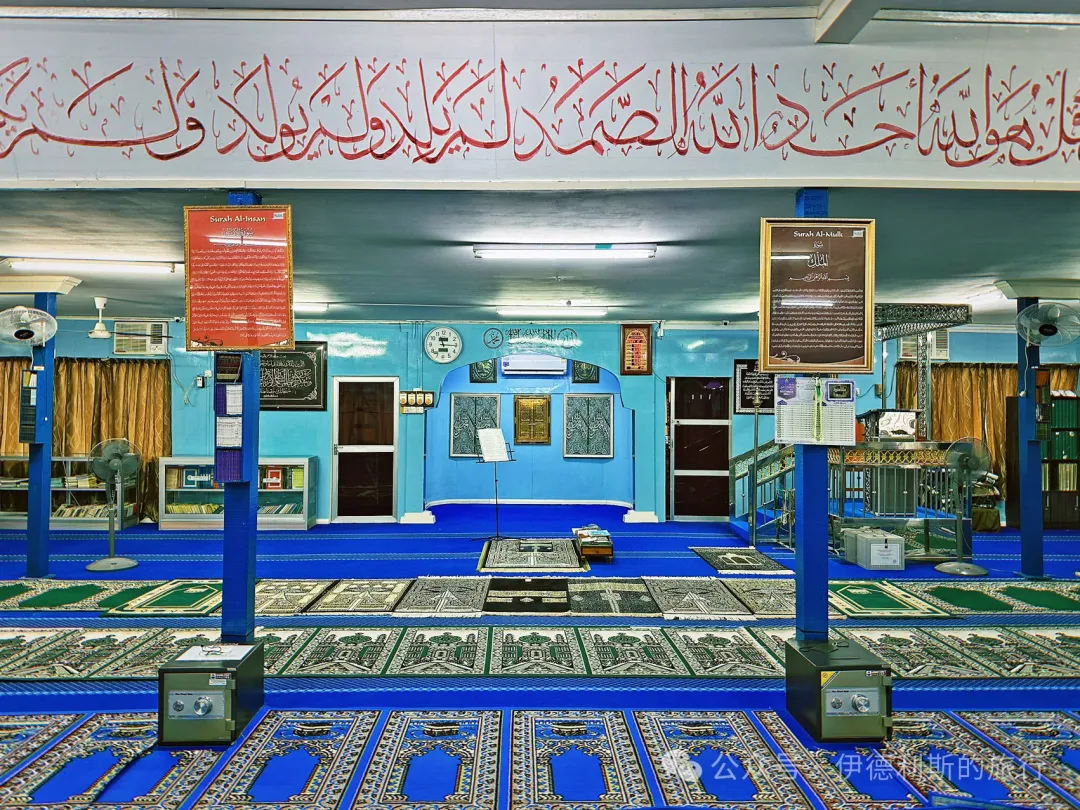
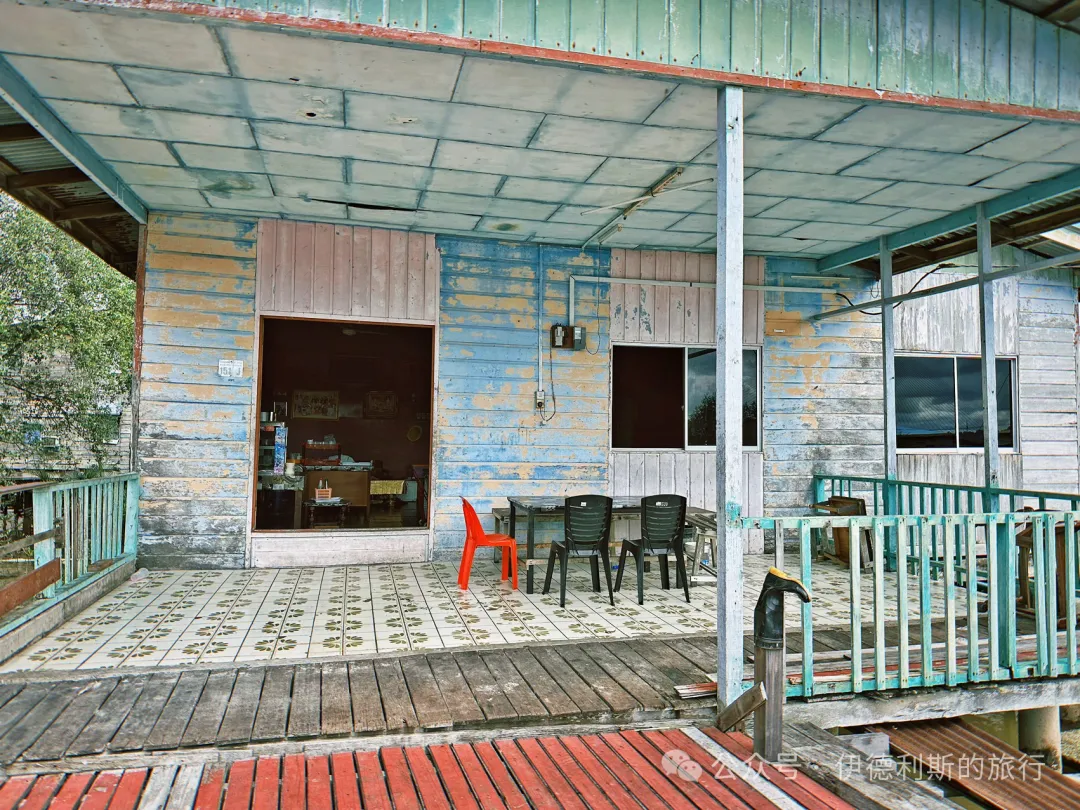
The Water Village has its own scenery, small restaurants, and convenience stores, though it is usually quite quiet.
Tomb of the 16th Sultan of Brunei
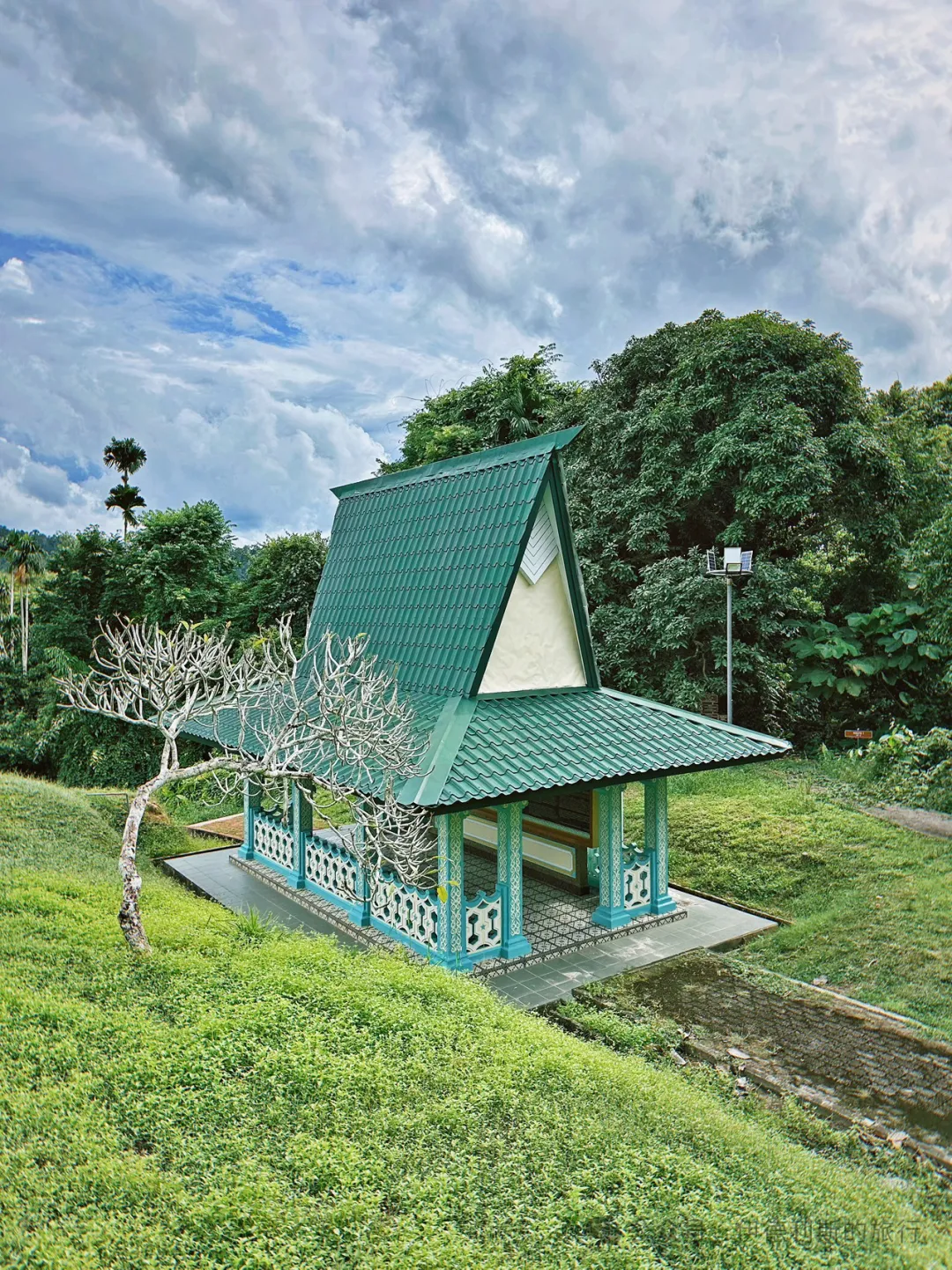
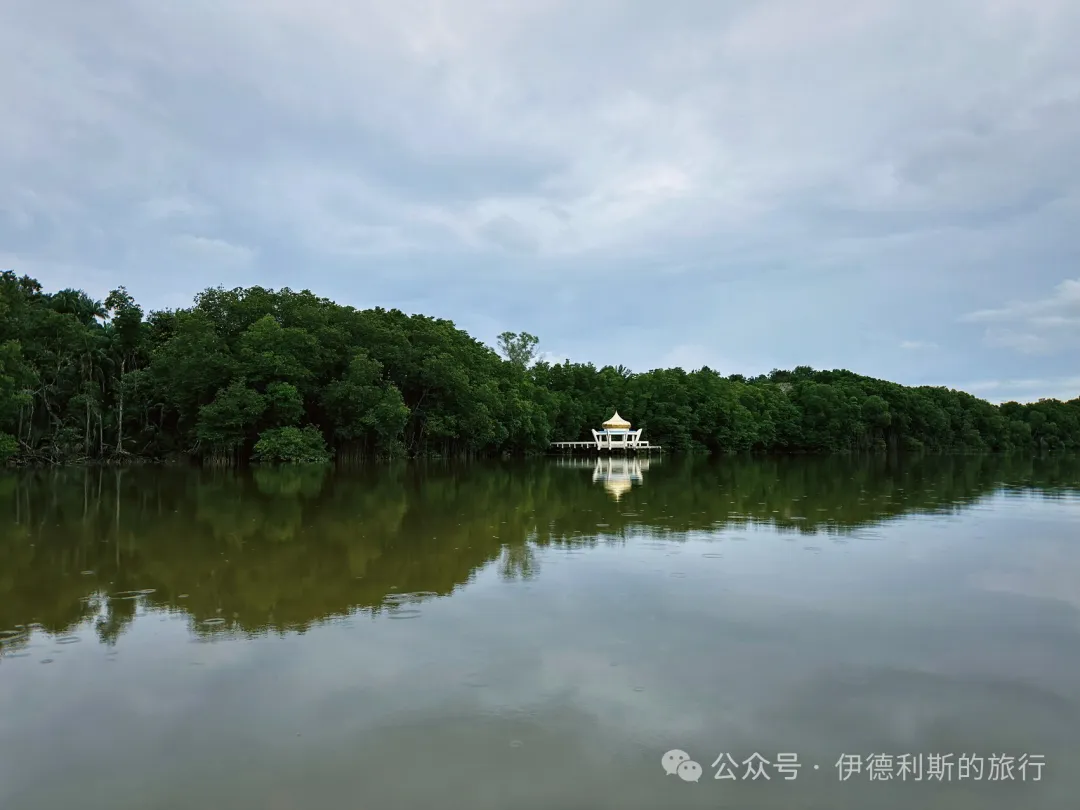
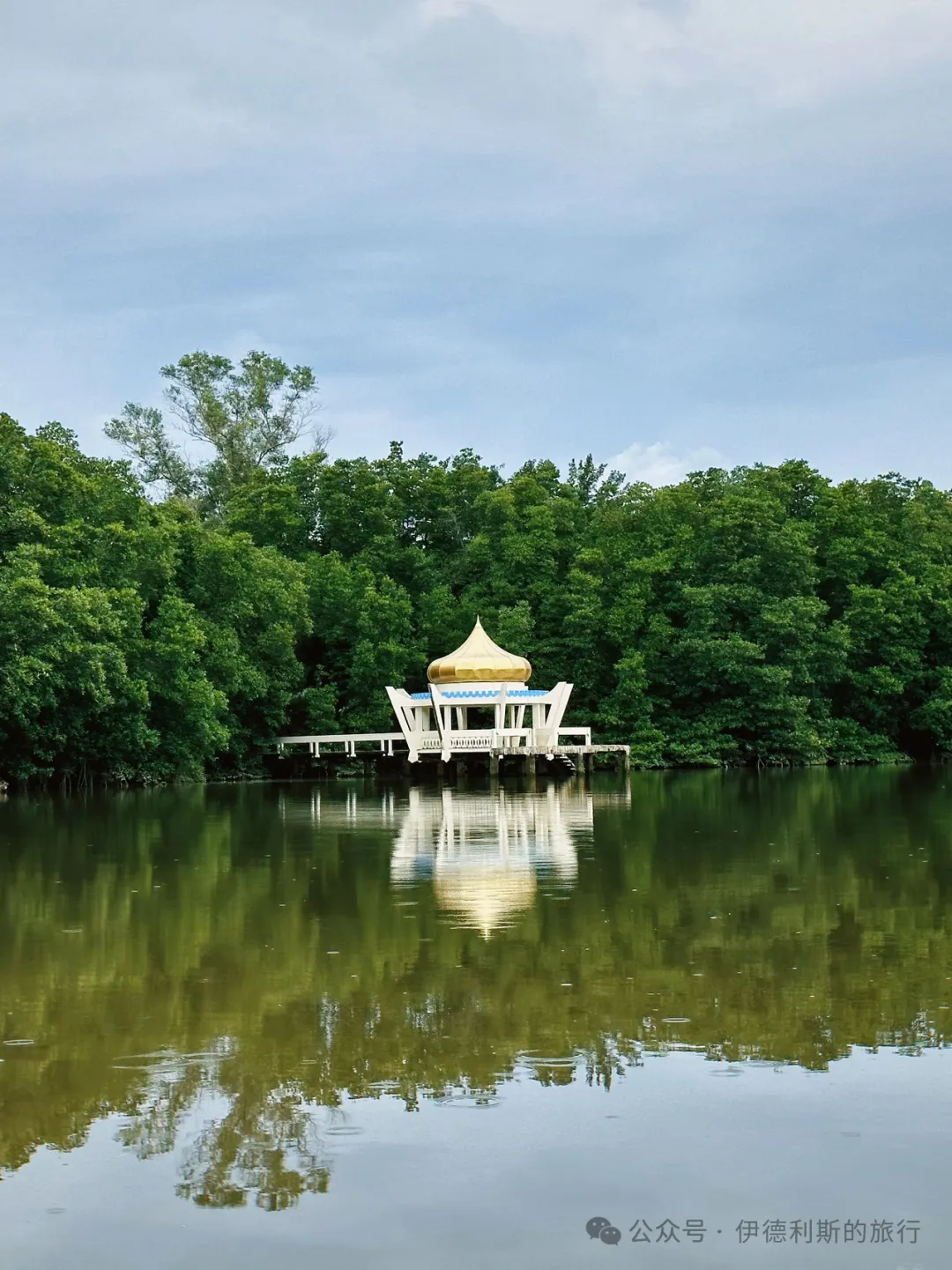
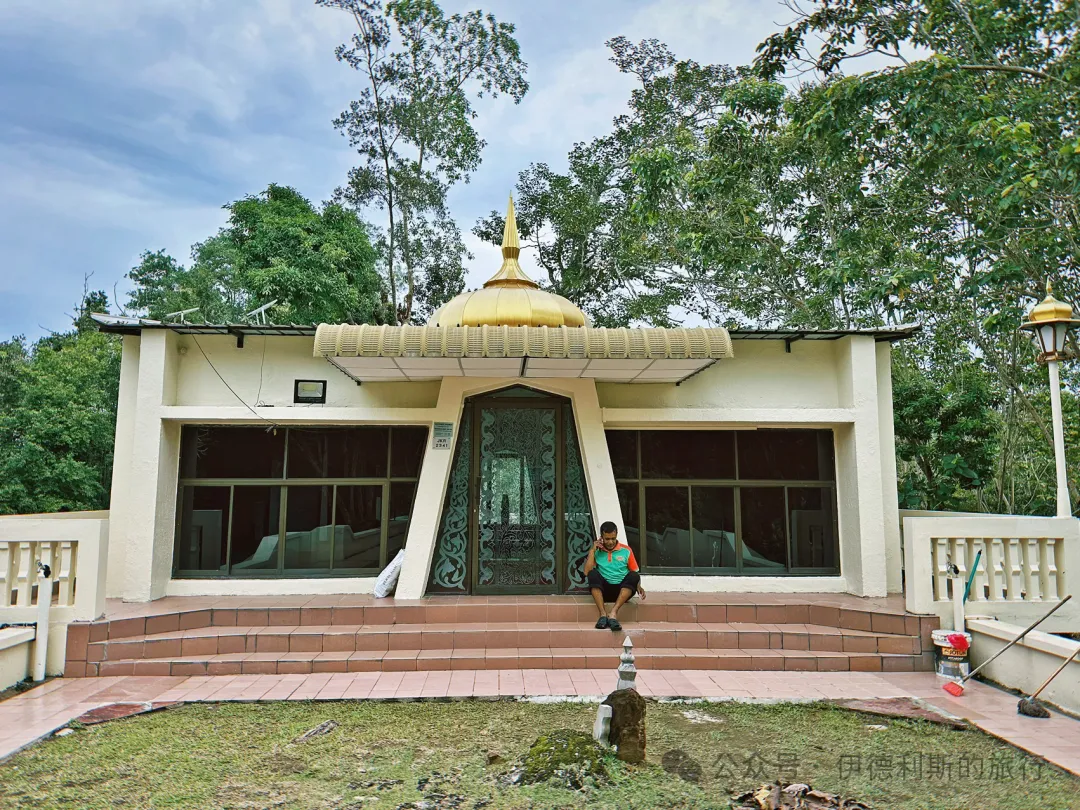
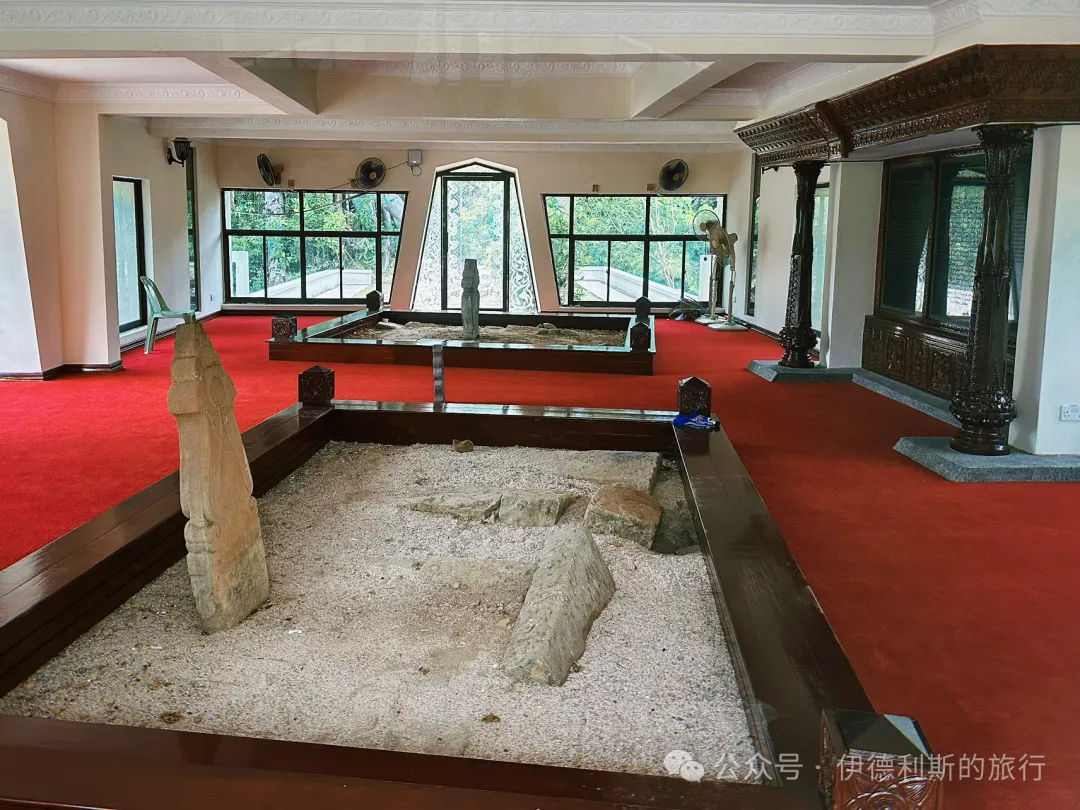
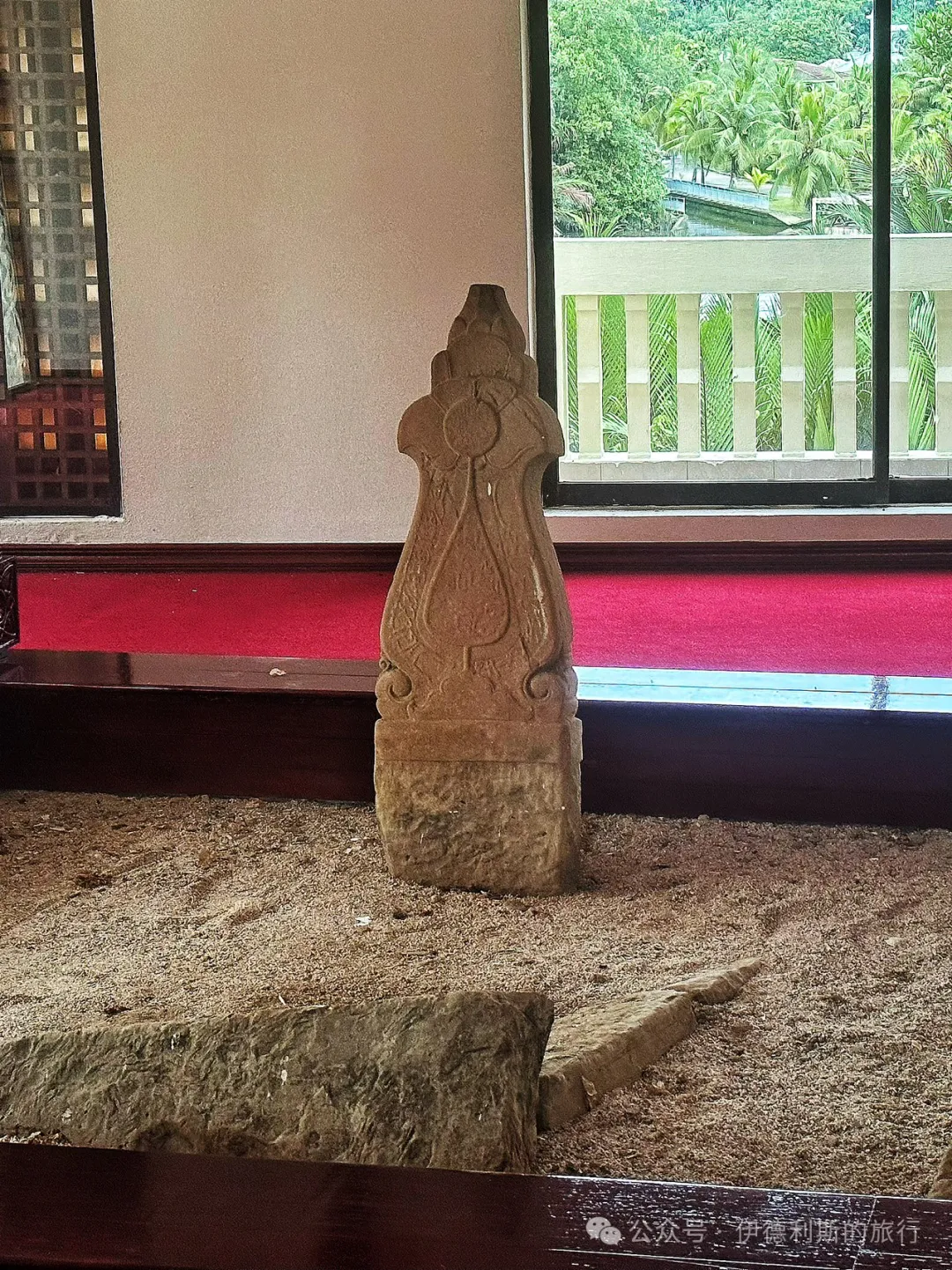
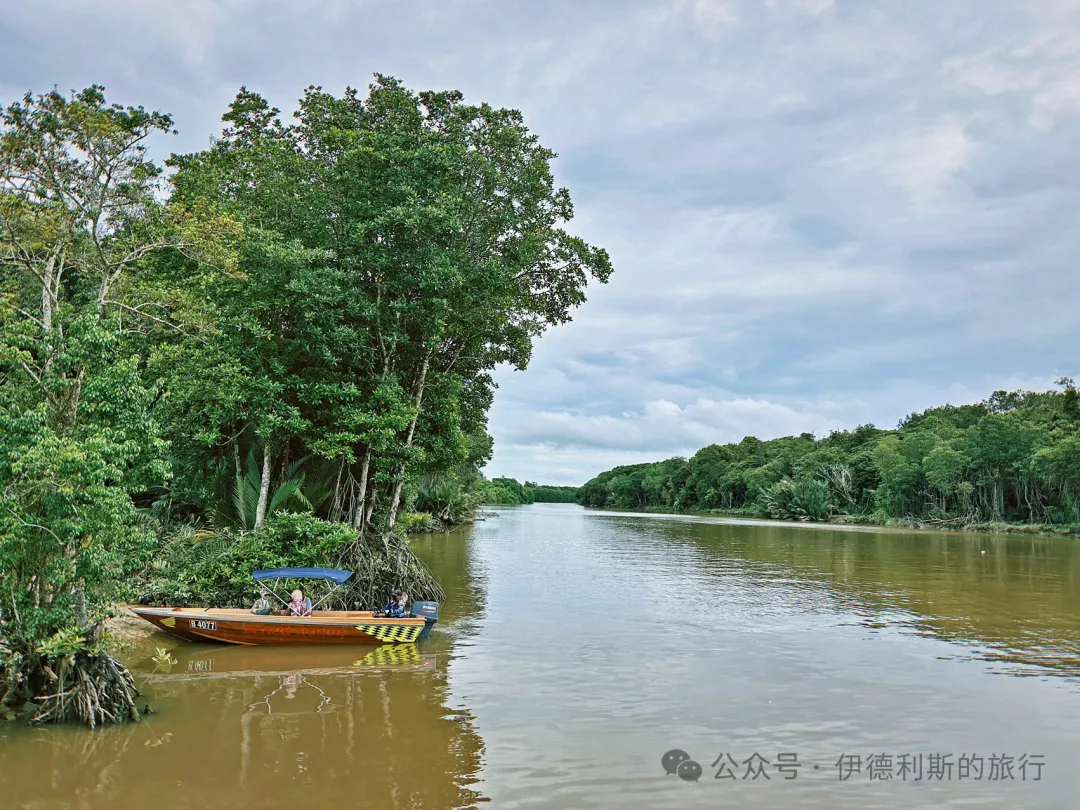
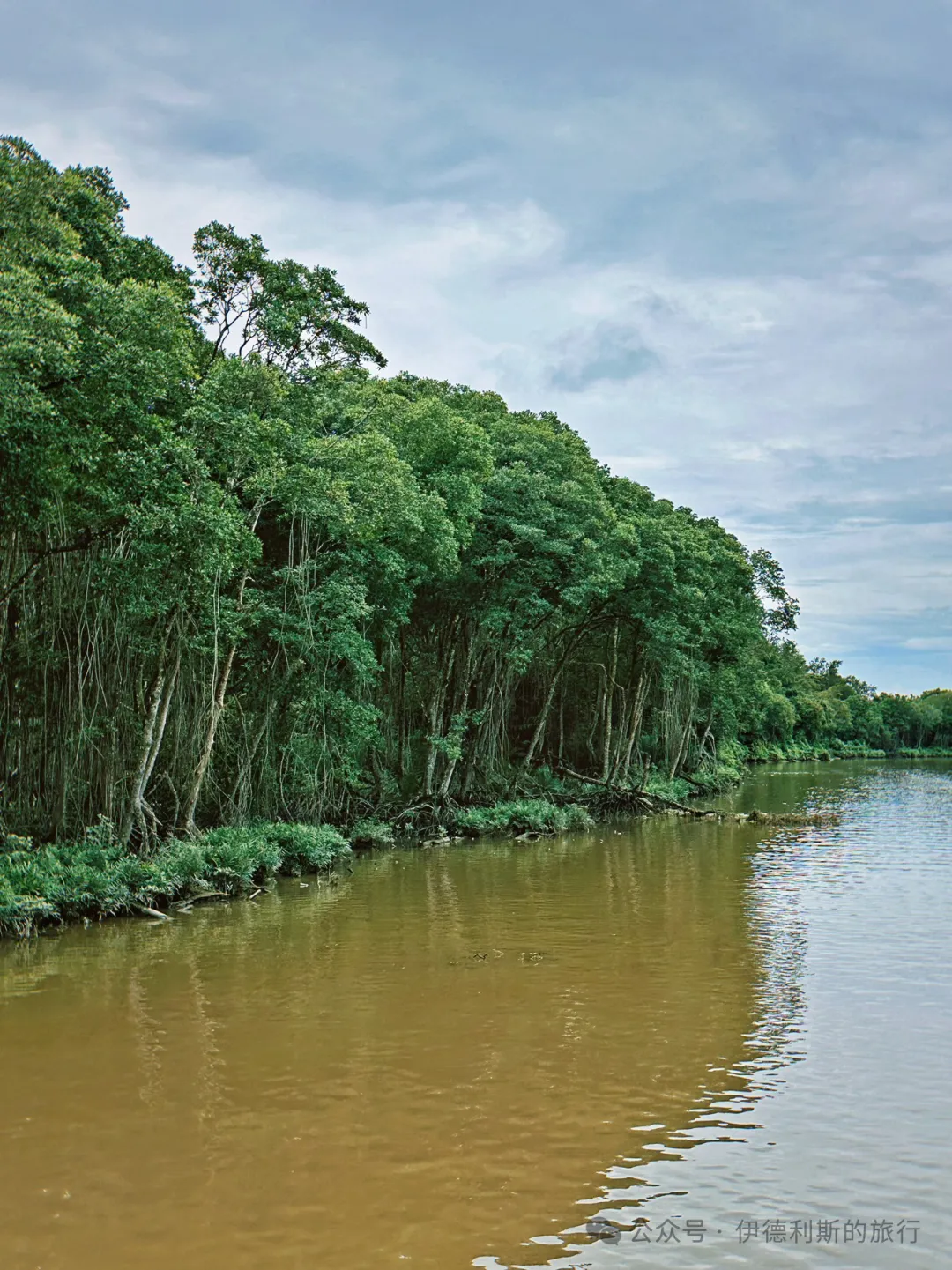
Take a speedboat west from the Brunei River to reach Luba Island, hidden by mangroves, where the tomb of the 16th Sultan of Brunei, Hussin Kamaluddin (reigned 1710-30, 1737-40), is located. Sultan Hussin Kamaluddin survived the Brunei civil war as a child, and he was pious, studious, and hardworking. Under his rule, Brunei was prosperous and had plenty of food. Legend says the Sultan liked to fish with locals along the upper banks of the Brunei River, especially near his tomb on Luba Island.
Old Town of Brunei Town
Until the early 20th century, the capital of Brunei was the Kampong Ayer water village along the Brunei River, until British Resident Malcolm MacArthur began guiding residents to settle on land in 1906. In 1910, Chinese immigrants were the first to build shops on the north bank of the Brunei River, and Brunei Town began to take shape. In 1922, the reigning Sultan Muhammad Jamalul Alam II decided to move the palace inland to Brunei Town, a move that encouraged many Water Village residents to accept relocation, leading to rapid urban development.
In 1945, Brunei Town was almost leveled by Allied bombing, followed by large-scale reconstruction in the 1950s and 1960s. After 1963, economic growth from oil and gas led to a rapid increase in Chinese immigrants to Brunei Town, who opened many shops. In 1970, Brunei Town was officially renamed Bandar Seri Begawan.
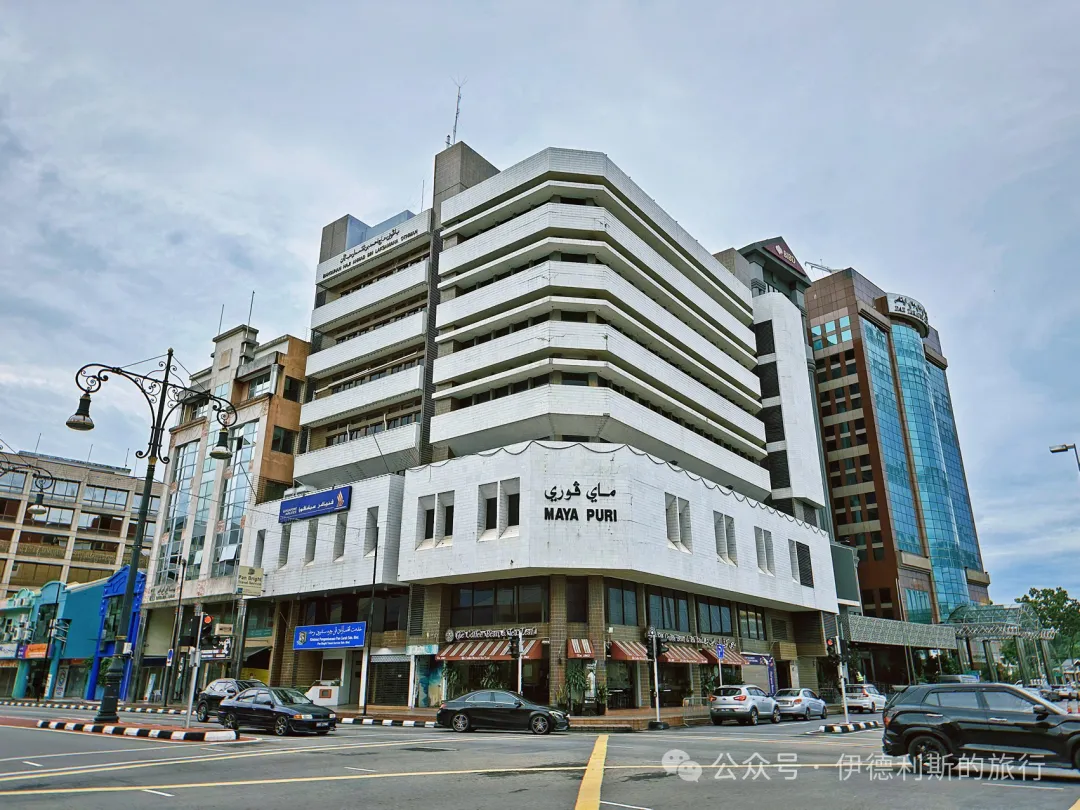
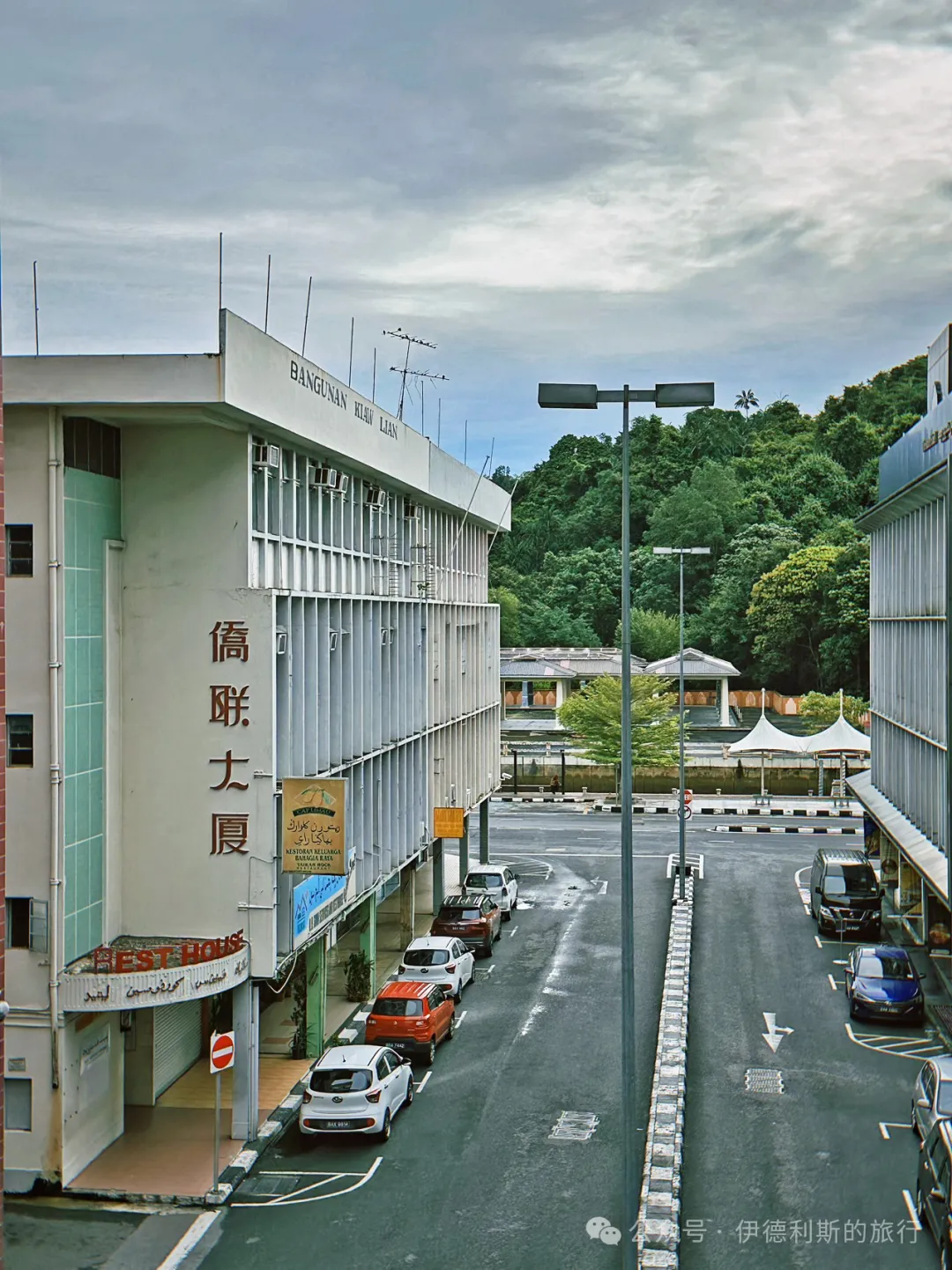
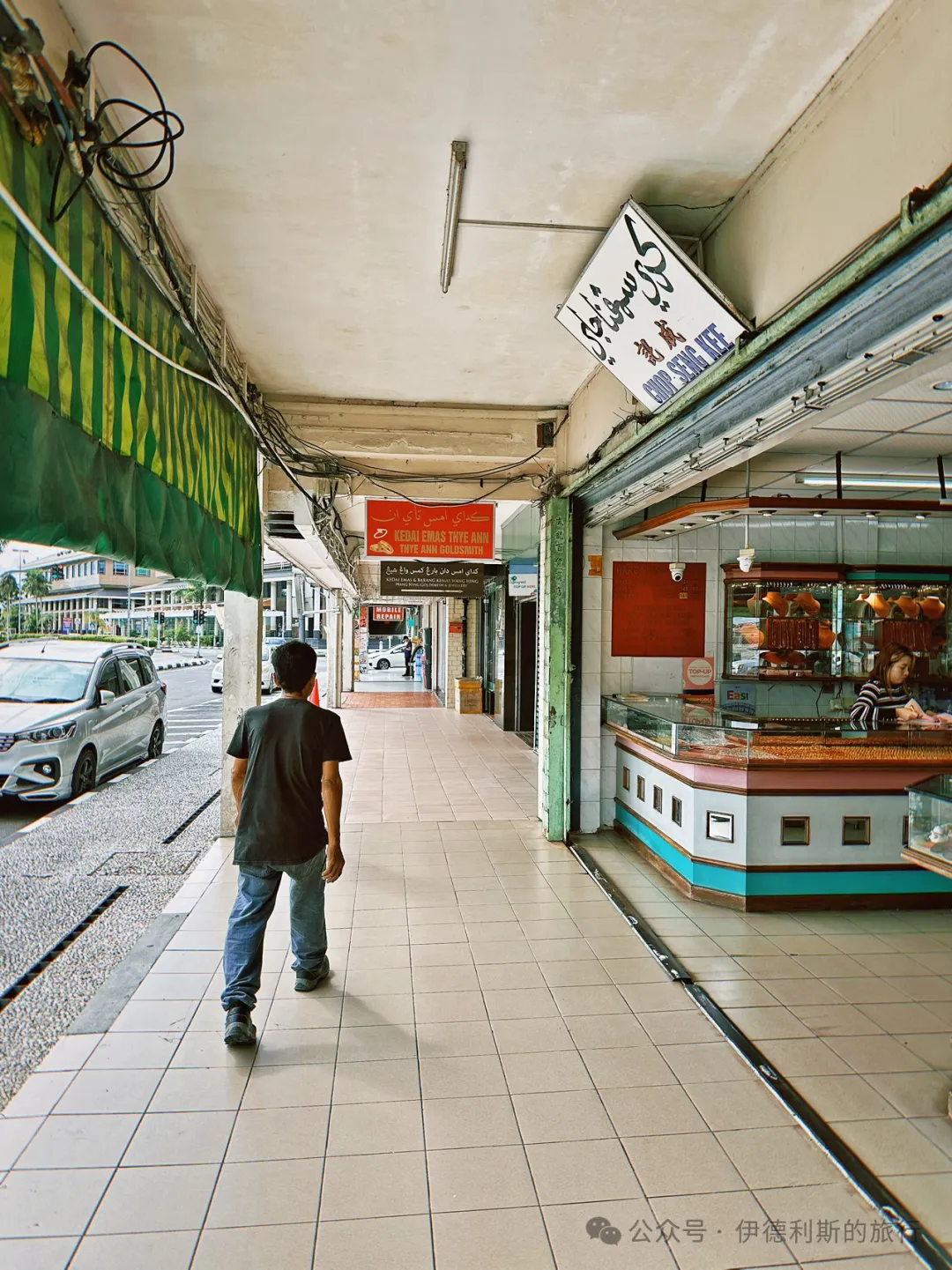
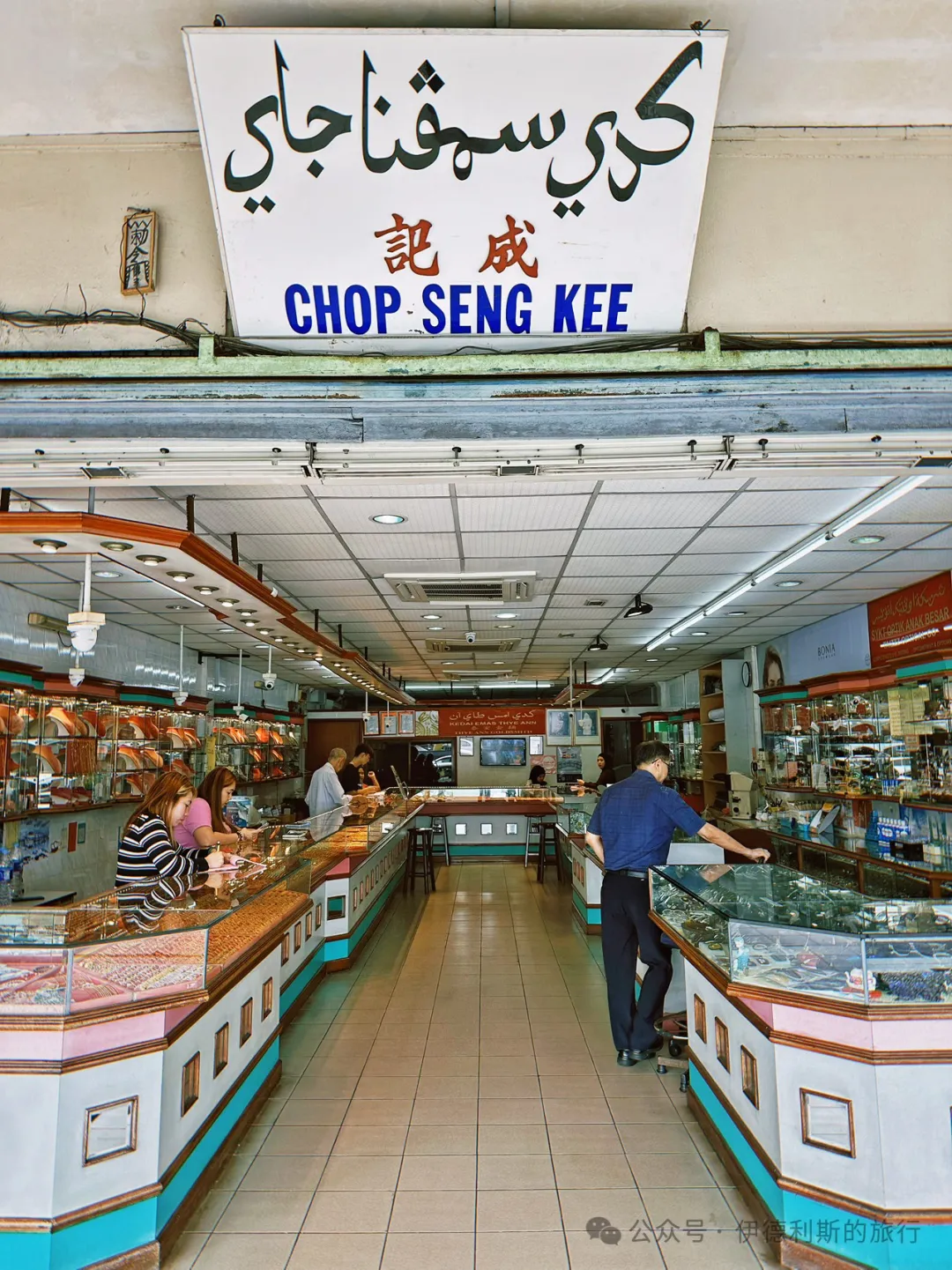
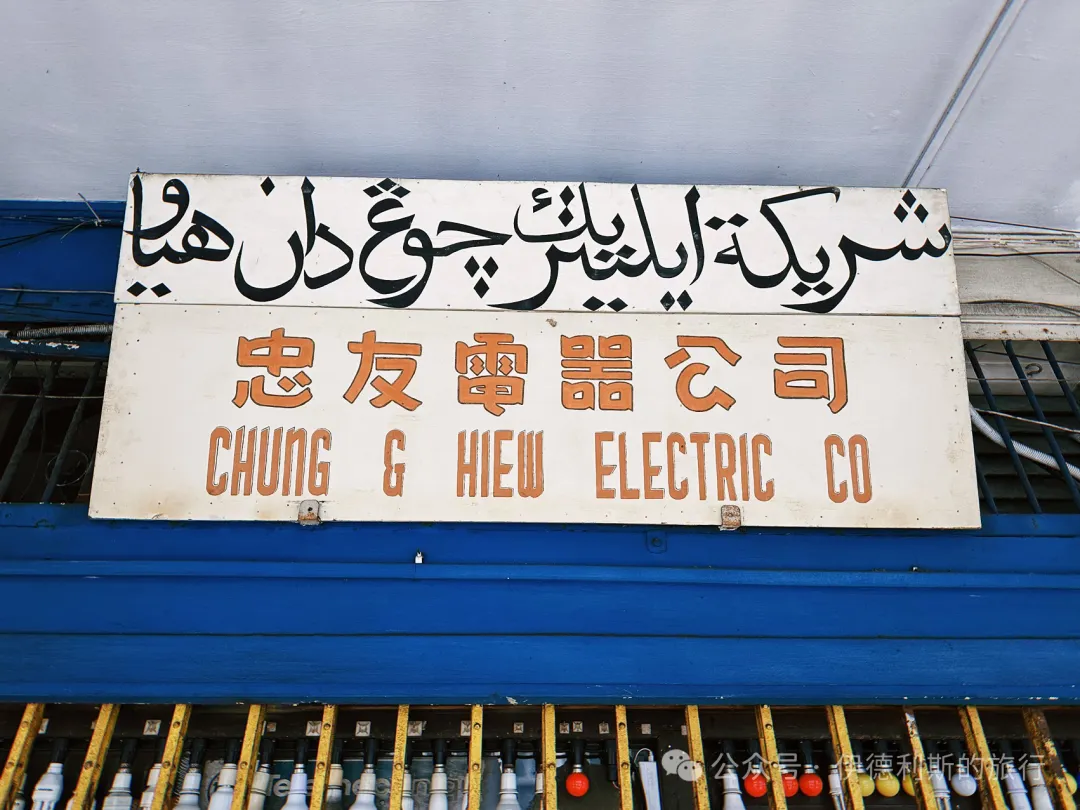
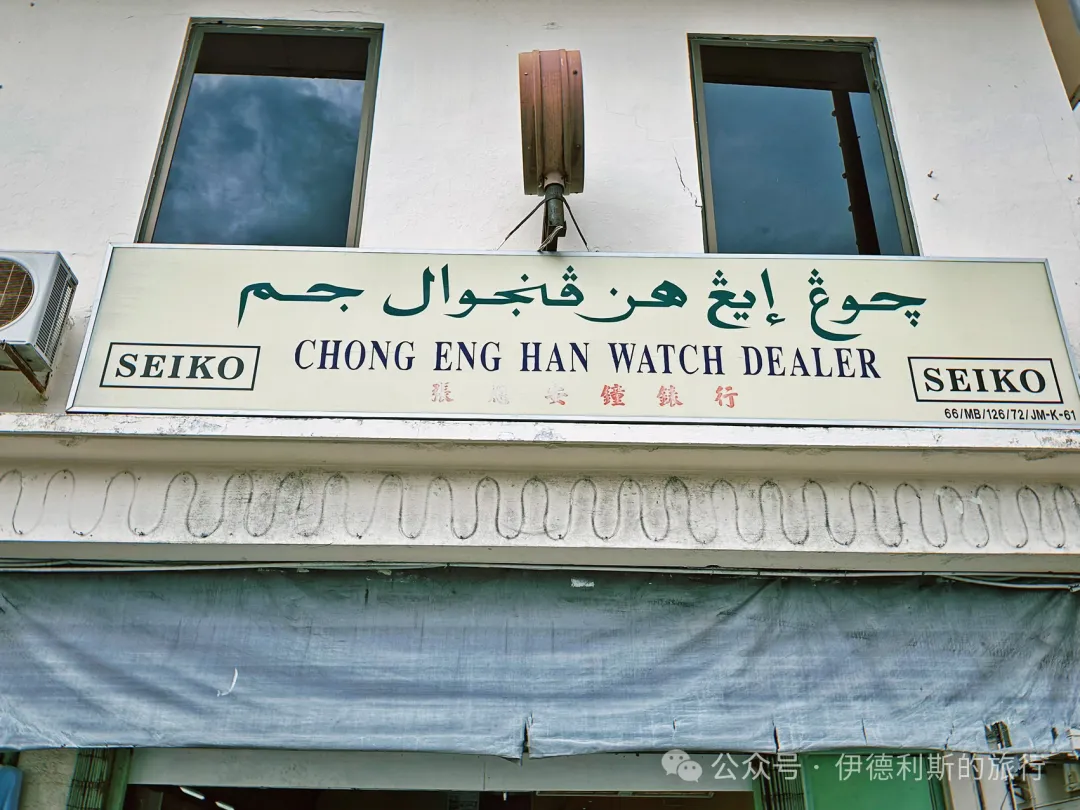
On the east side of the old town is the Sungai Kianggeh River, where Kampong Ayer residents can boat directly to the Kianggeh market to buy various farm produce. This is also one of the relocation points for Water Village residents after they come ashore.
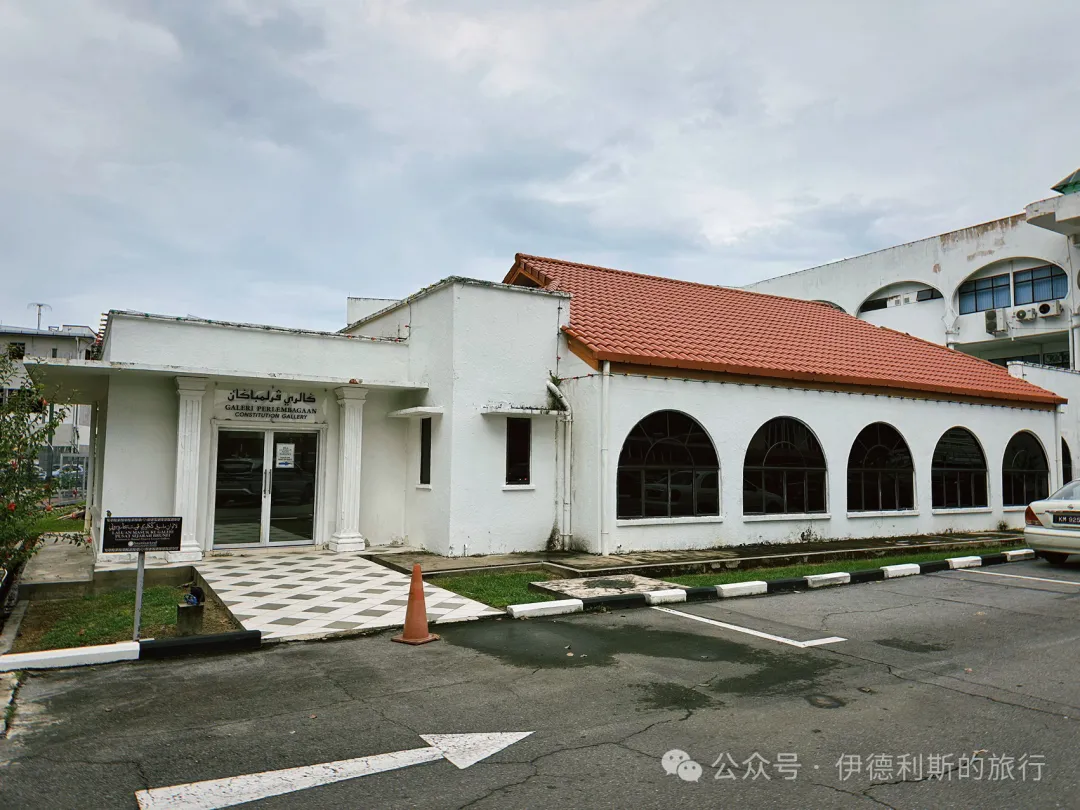
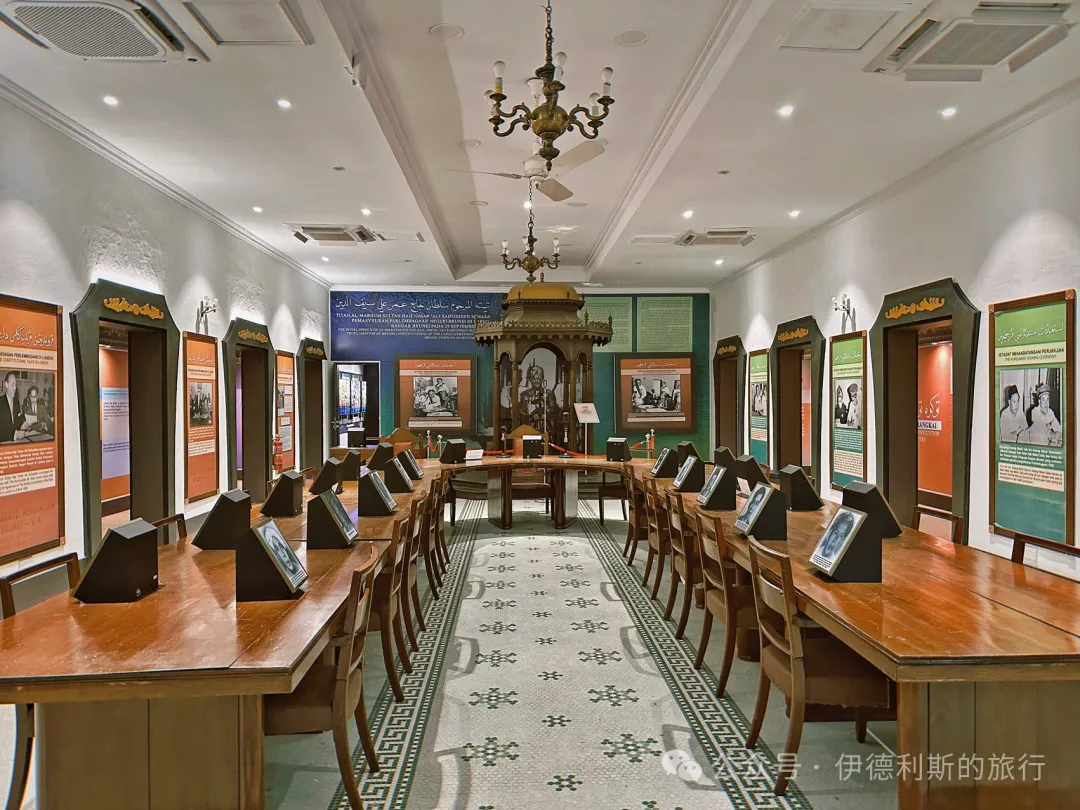
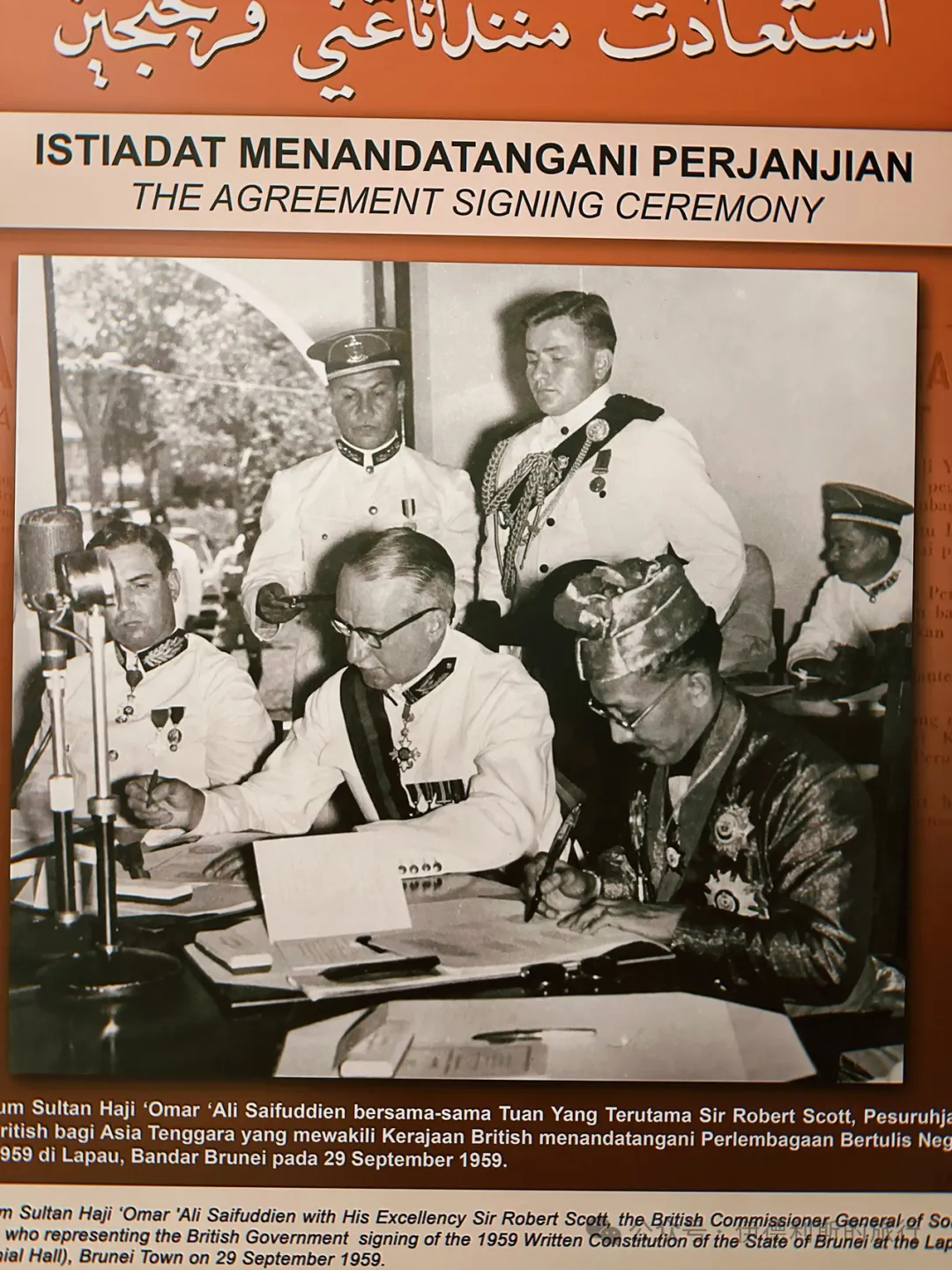
The old Royal Ceremonial Hall (Lapau Lama) in the old town, built in 1950, now displays the scene of the 1959 Brunei Constitution signing, including the original chandeliers, tables, chairs, and the microphone used by the Sultan. Lapau Lama is the oldest concrete building in the old town, with an interior that blends pragmatism and minimalism.
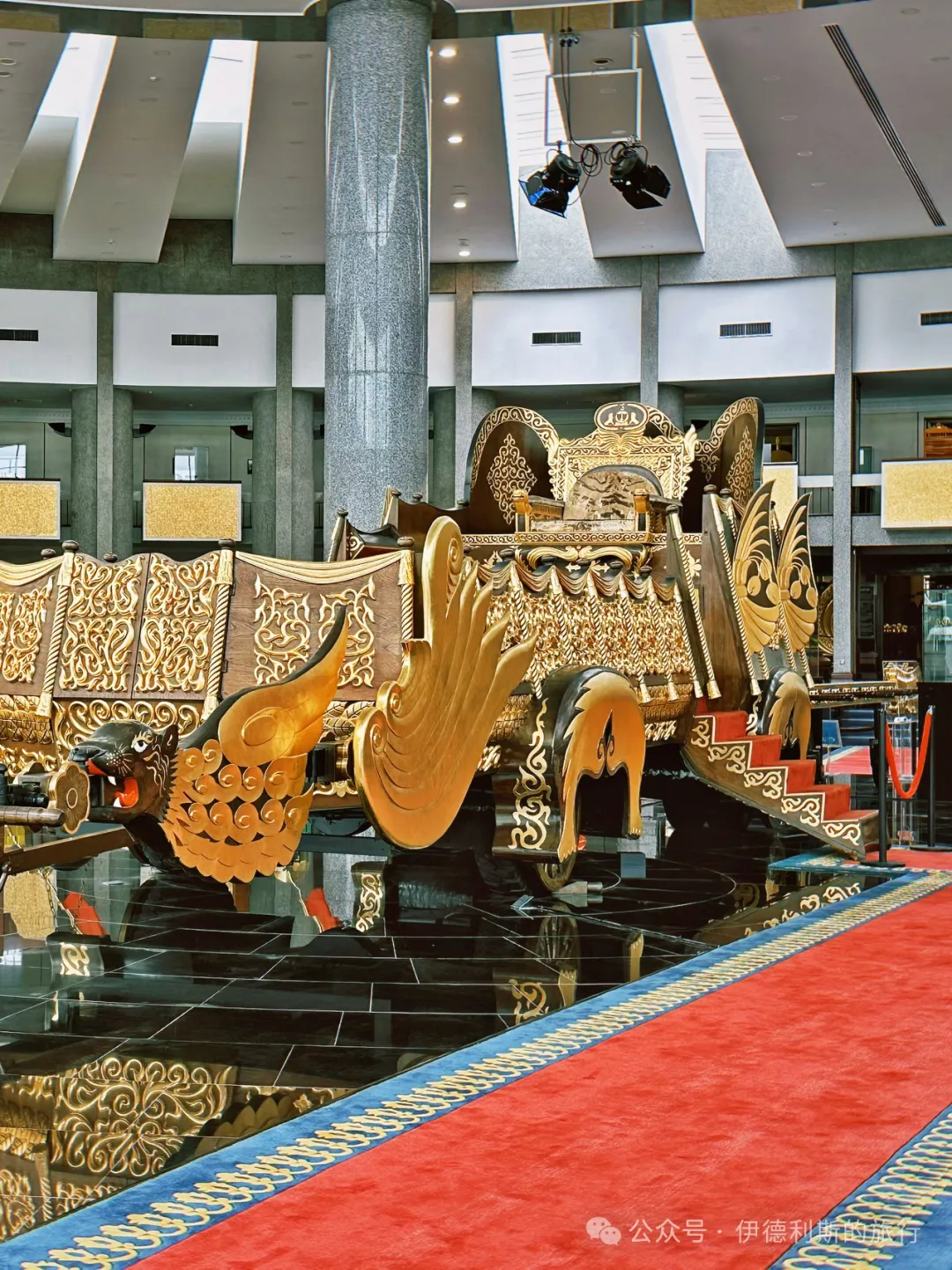
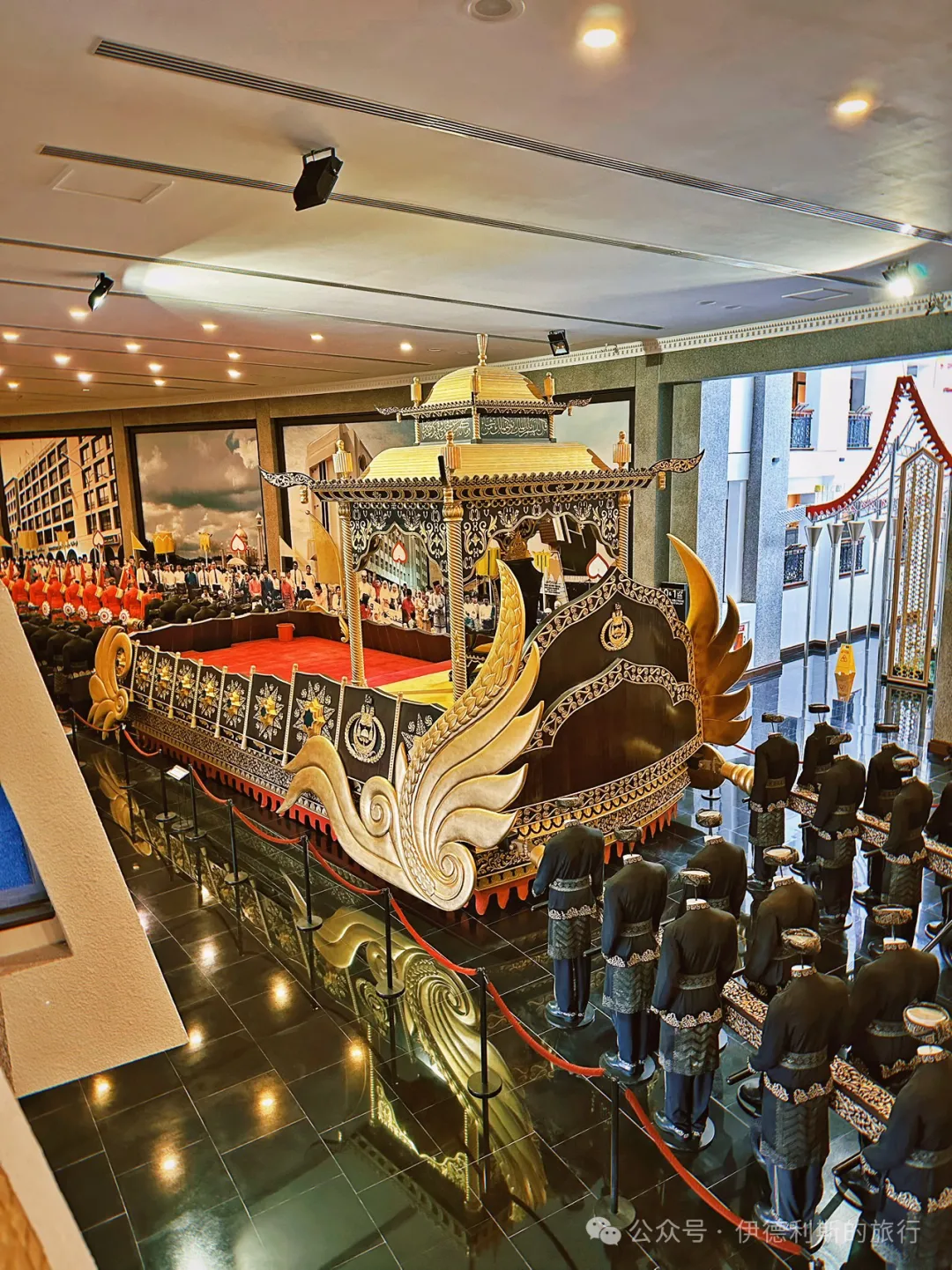
Next to the old Royal Ceremonial Hall is the Royal Regalia Museum, which houses two royal chariots: one used for the Sultan's coronation in 1968 and Queen Elizabeth II's visit in 1972, and another used for the Sultan's 25th anniversary of his coronation in 1992.
Tasek Lama Recreational Park in Brunei
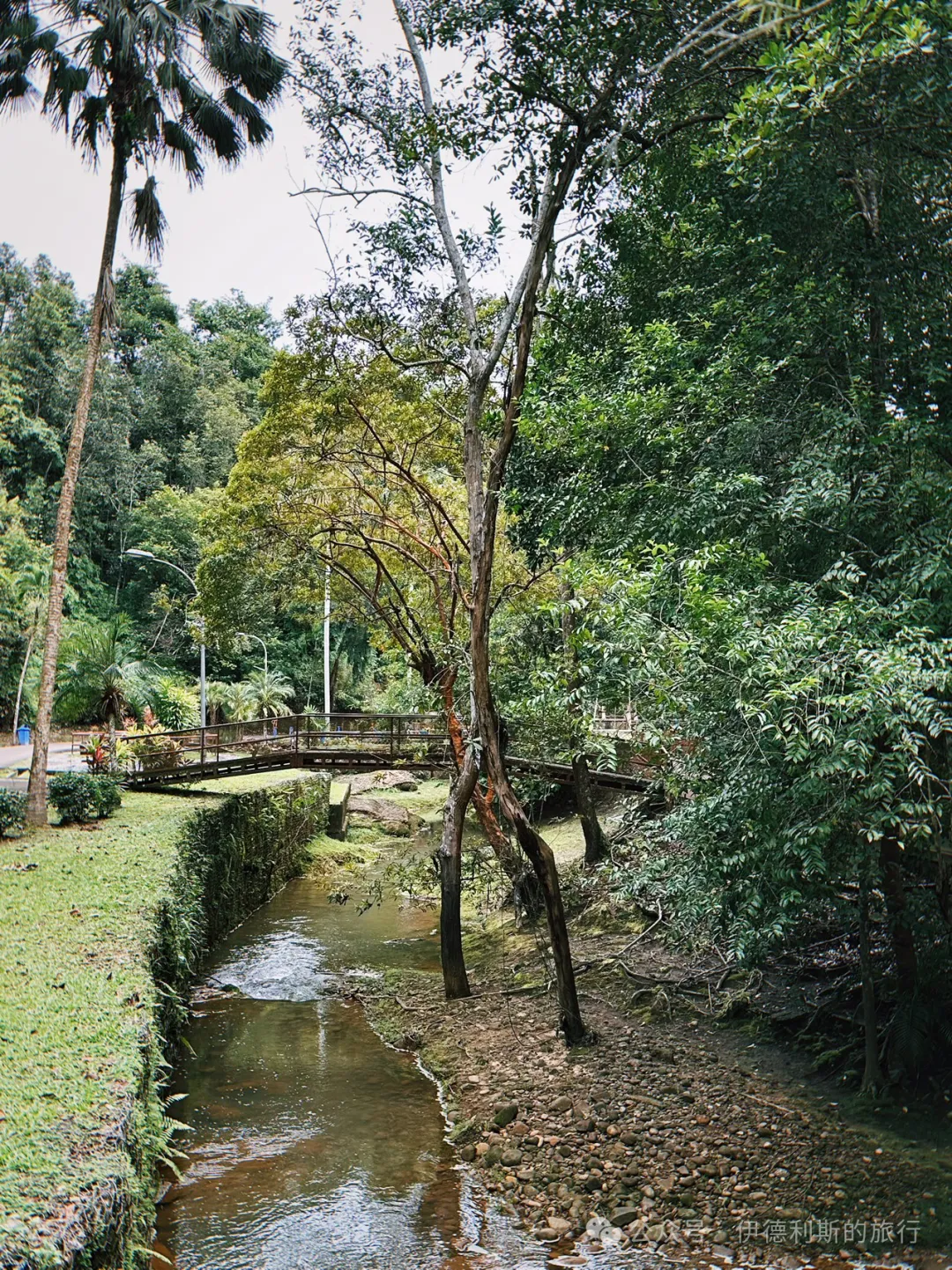
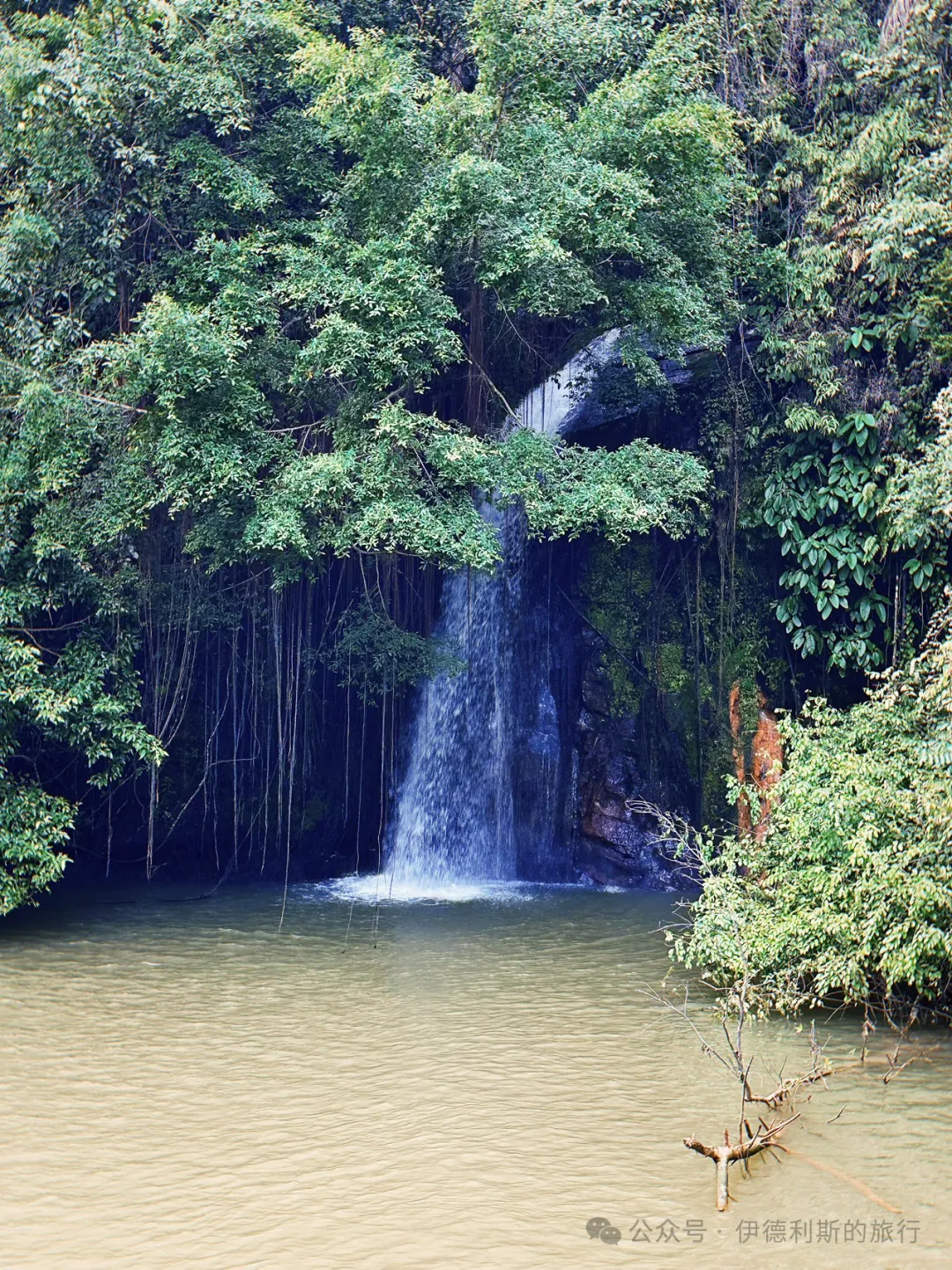
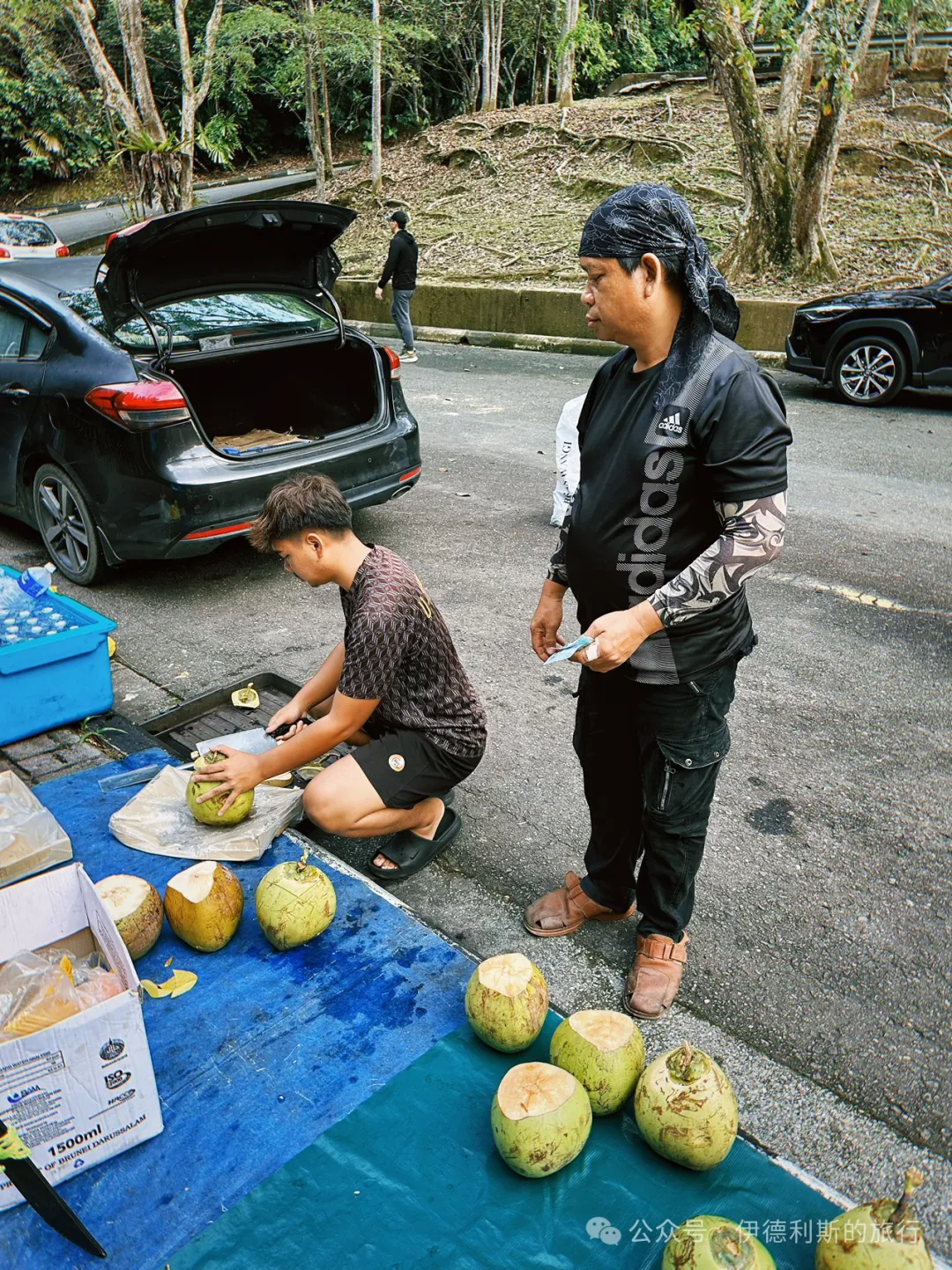
Strolling through Tasek Lama Recreational Park in Brunei, a primeval forest in the city center, is very relaxing by the waterfall. The mountains are full of birds and monkeys, and pitcher plants can be seen everywhere along the road. People in Brunei love jogging in the park, and after finishing, you can buy big, juicy coconuts at the entrance to drink.
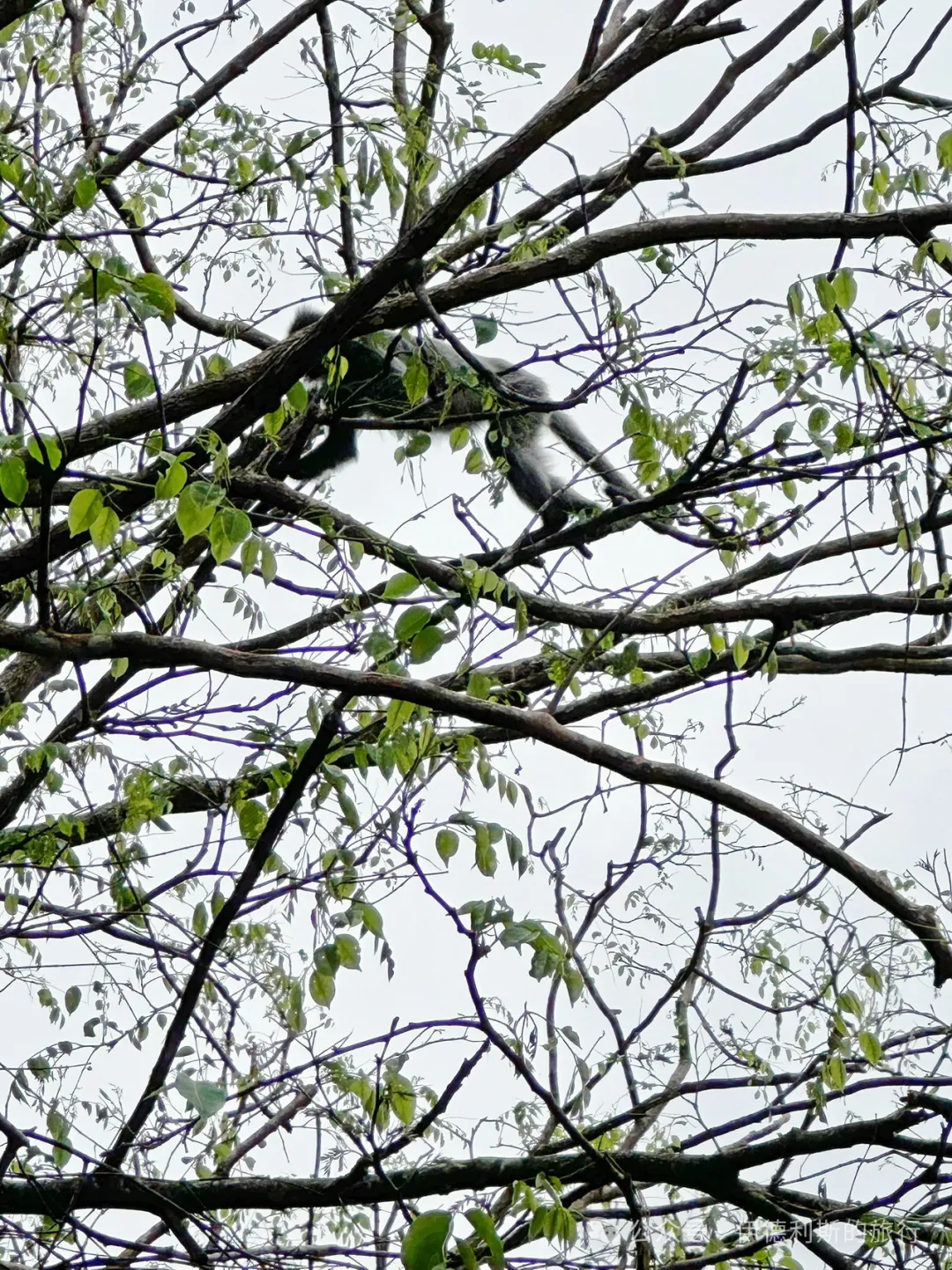
Take a speedboat to see proboscis monkeys.
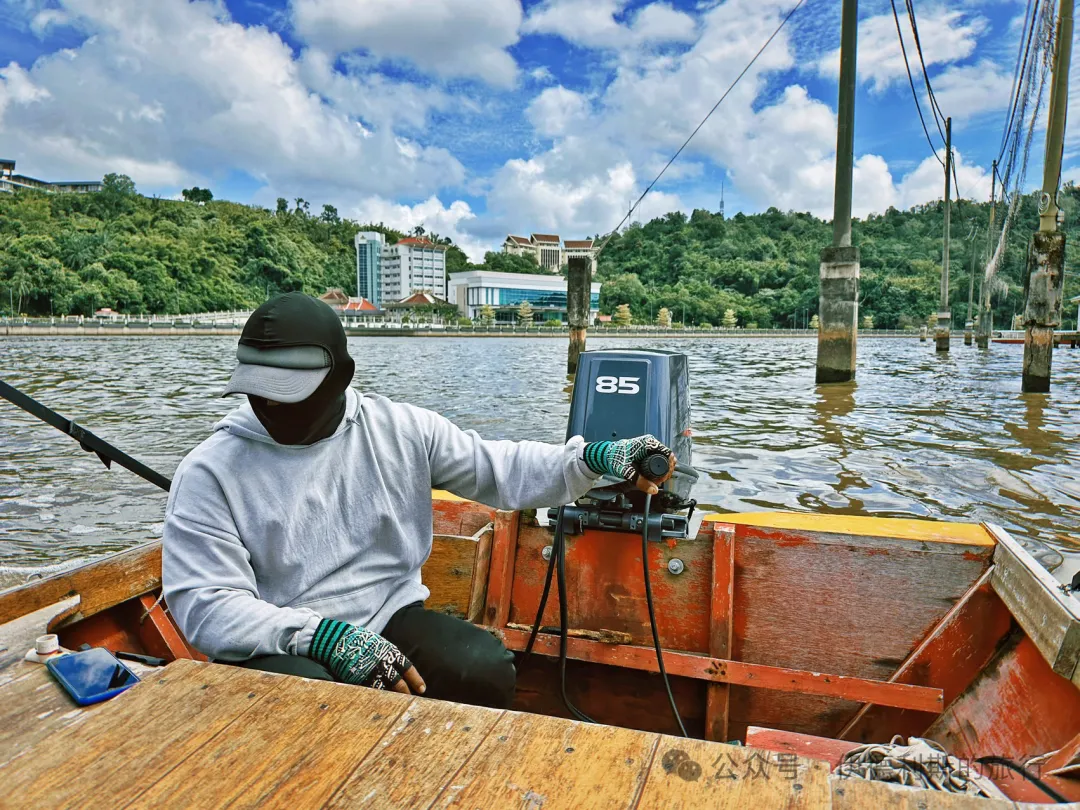
At the Royal Brunei Wharf, you can see many speedboats looking for tourists to take on tours of the water village and to see proboscis monkeys. We asked the price and it was 10 Brunei dollars (53 RMB) per person for a one-hour boat ride, which felt like a pretty good deal.
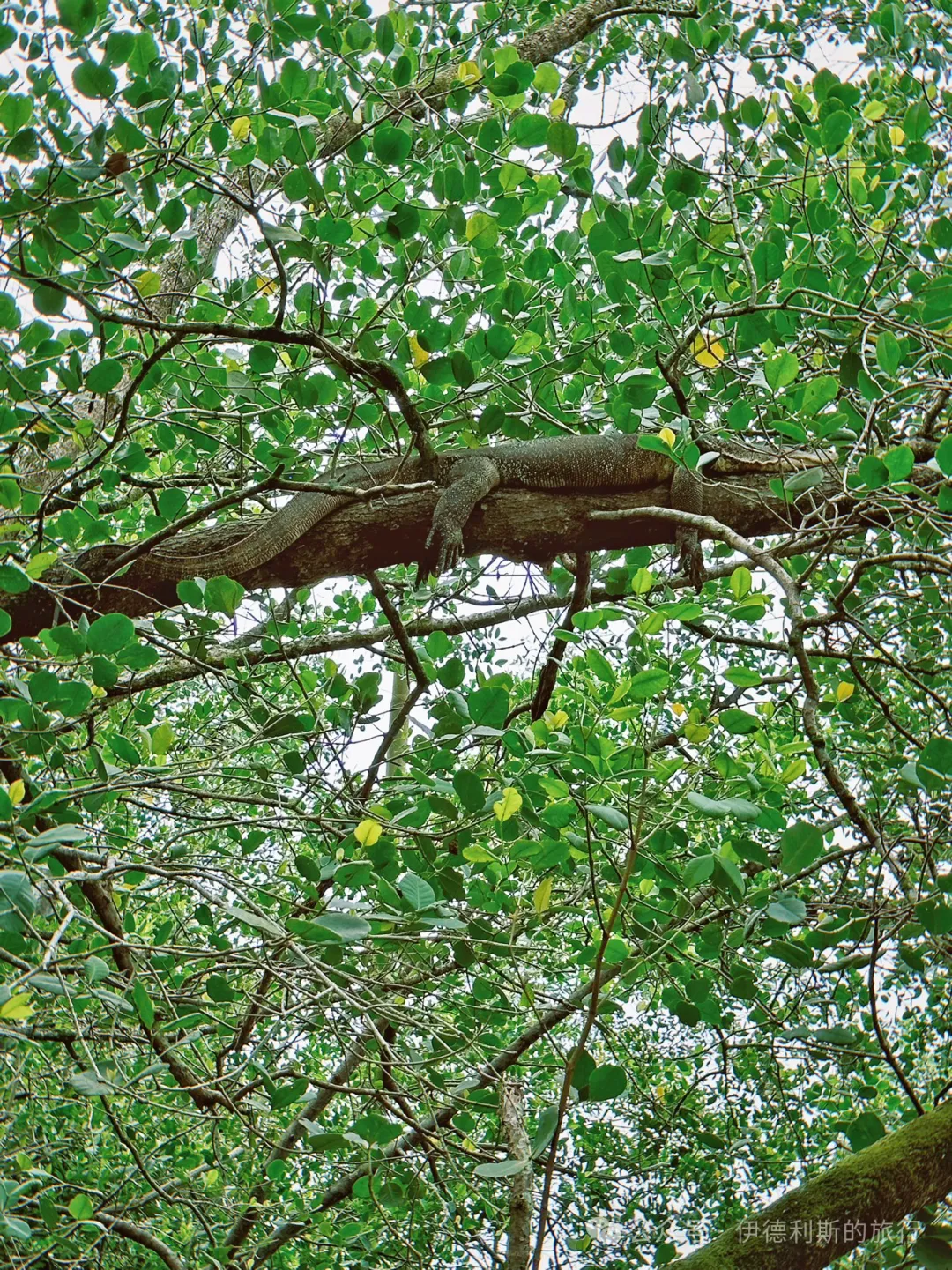
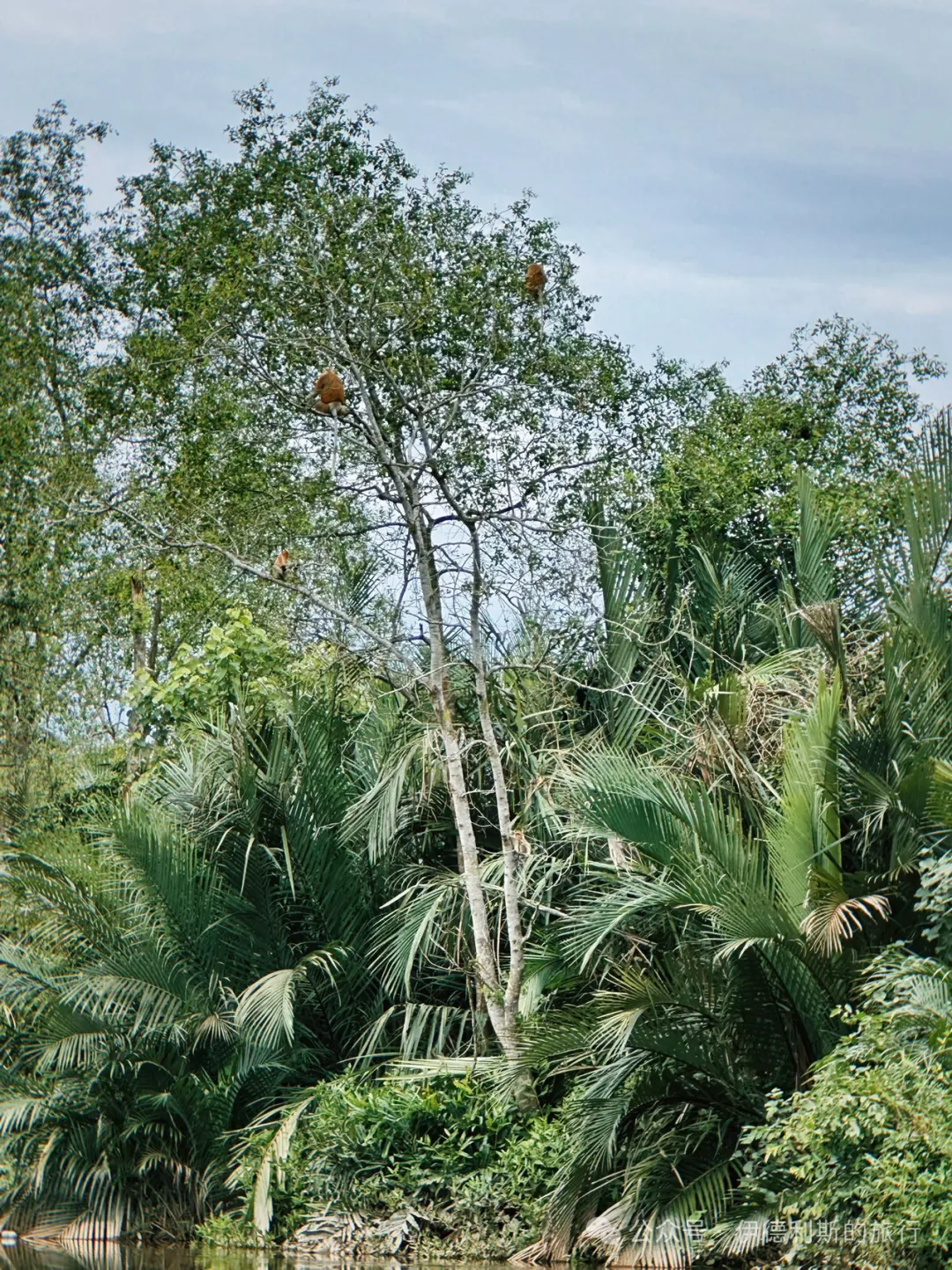
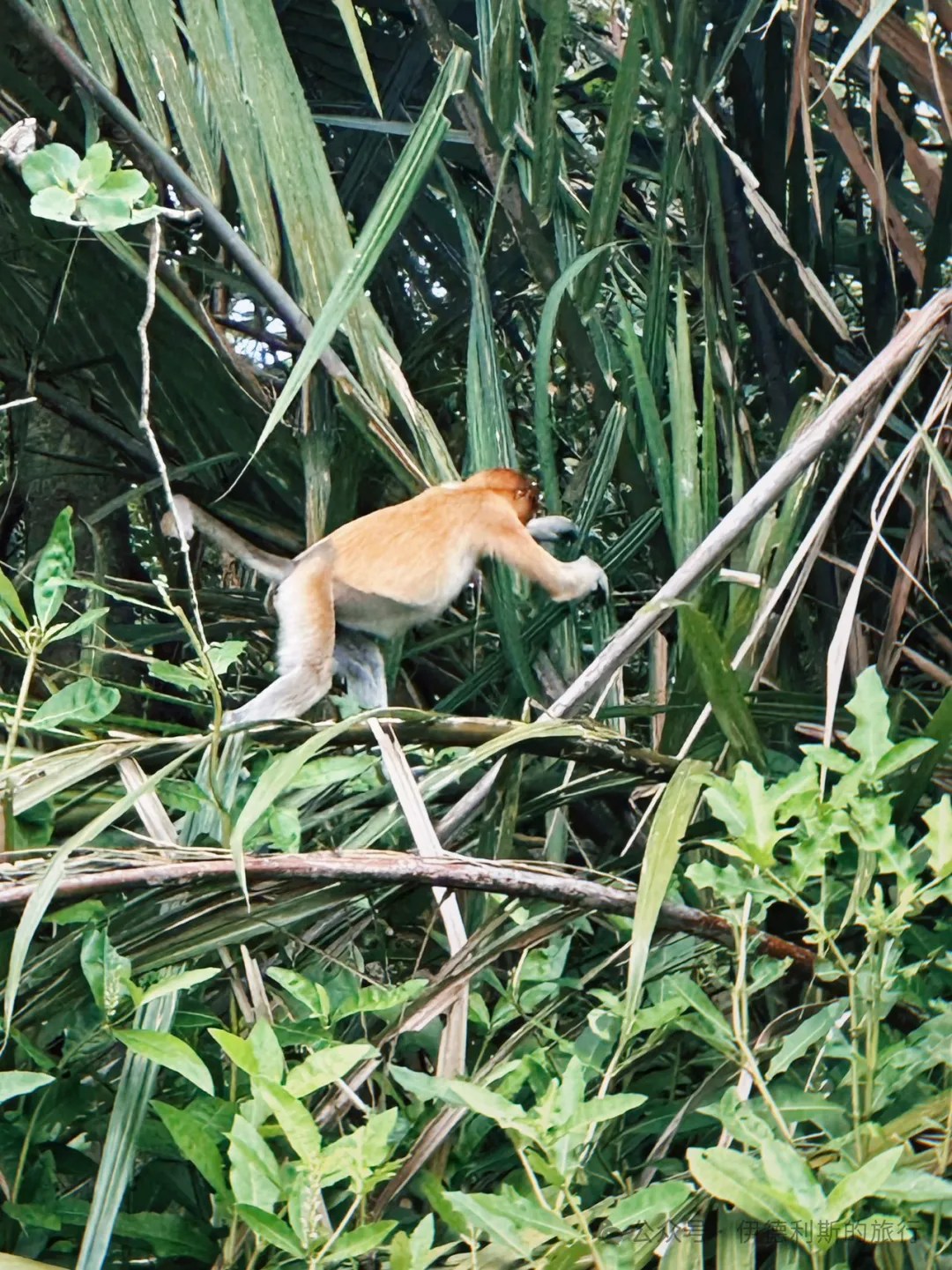
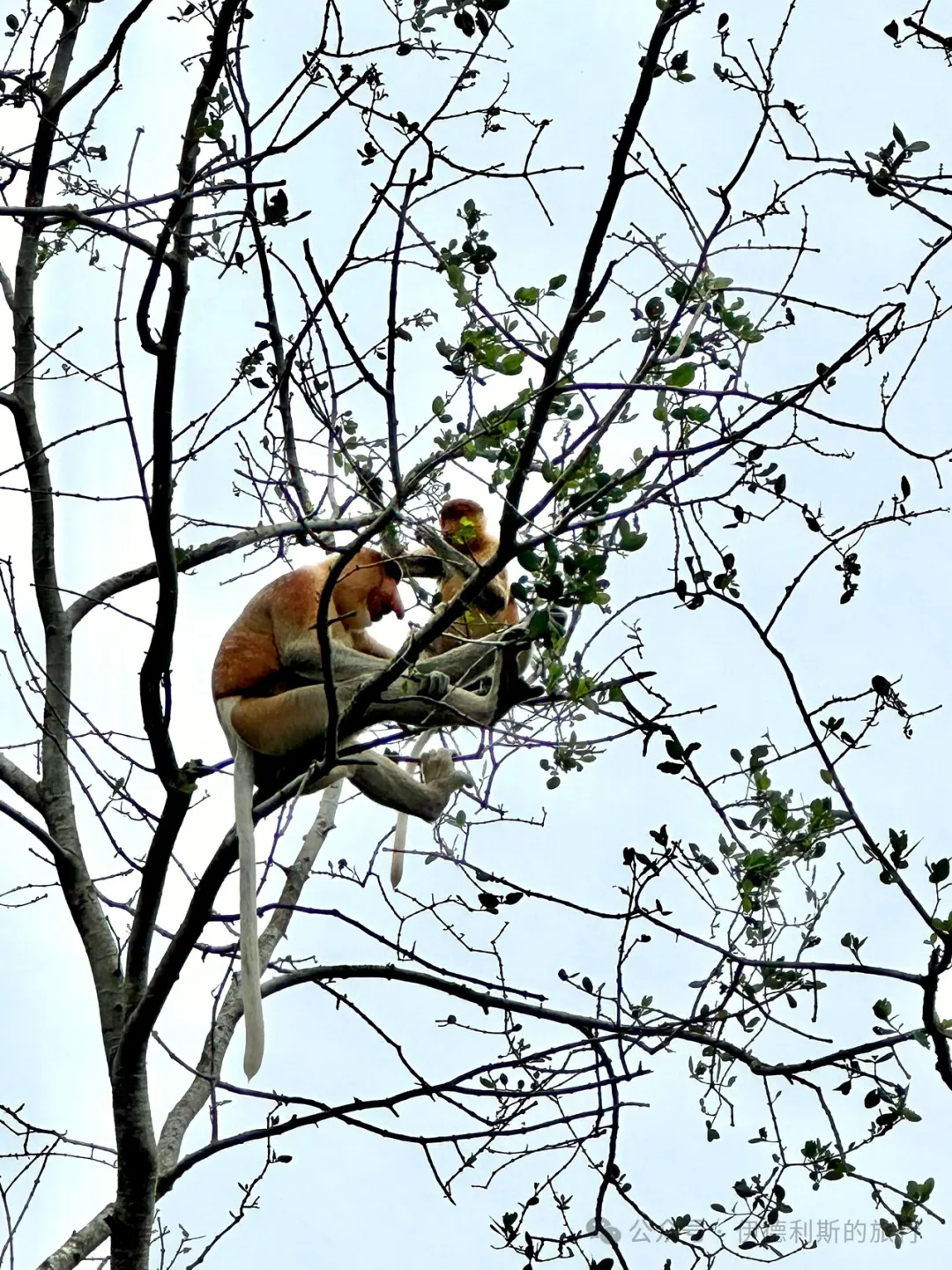
After boarding, we first toured the water village, where you can see a water fire station, a water school, and a water mosque. We also spotted a huge monitor lizard among the mangroves. Then we went to see the proboscis monkeys. We traveled 10 kilometers west along the Brunei River to Luba Island in the middle of the river. The island holds the tomb of the 16th Sultan of Brunei, Hussain Kamaluddin. This is also the best place to watch proboscis monkeys, and we saw a family of them eating leaves by the edge of the mangroves.
Summary: This second part of the Brunei visa-free cultural trip continues through sites connected with Malay history, Muslim life, and local heritage. The English version keeps the original place names, photo order, and historical notes from the source article.
North of the tomb of Sultan Sharif Ali is the grave of Sharif Adam, another pioneer who came to Brunei with the Sultan to spread the faith. Together, they spread the influence of the faith from Brunei to the Sulu Archipelago and Mindanao in the southern Philippines. According to the tombstone, Sharif Adam passed away in 1454.
Tomb of the Fifth Sultan of Brunei
South of the Kota Batu site No. 1 is the tomb of Bolkiah, the fifth Sultan of Brunei, who reigned from 1485 to 1524. His reign is known as the golden age of Brunei history, when the Sultanate held power over Borneo and the southern Philippines.
When Magellan's fleet arrived in Brunei in 1521, they witnessed the power of Brunei under Sultan Bolkiah. When they reached the palace, they were shocked by his wealth. A hall reached by wide steps was packed with courtiers in elegant clothing. Through the corridor was a slightly raised room decorated with luxurious silk and brocade curtains, bathed in natural light from wide windows. Three hundred of the Sultan's warriors stood guard there with drawn daggers. A little further on was a smaller but equally beautiful room, where the muscular forty-year-old monarch chewed betel nut on a large mat with his young son beside him.
Sultan Bolkiah's tomb is tall, majestic, and finely carved. The tombstone has eight layers, but only the bottom layer is original. One of the upper stones commemorates Sultan Muhammad Ali, and another commemorates Sultan Abdul Mubin, likely made in the late 17th century. The middle slab records that Sultan Bolkiah died on July 17, 1524, and was likely carved in modern times.
Water Village (Kampung Ayer)
We took a speedboat from the pier by the Brunei River and reached the Water Village (Kampung Ayer) on the other side for 1 Brunei dollar each. We first visited the Kampung Ayer Cultural and Tourism Gallery, which has information about the water village, and a lookout tower next to it for a panoramic view.
Kampung Ayer is the Malay term for water village. It was once the main port of the Brunei Sultanate and served as its trade center from the 15th to the 17th century. After the Brunei Civil War in the 18th century, Kota Batu was abandoned, and the water village became the capital of the Sultanate. In 1521, Italian explorer Antonio Pigafetta arrived in Brunei with Magellan's fleet and called Kampung Ayer the Venice of the East. The water village was once huge and included the Sultan's palace, but it gradually declined under British invasion in the 19th century. After the 20th century, Brunei began encouraging residents to move to land, but many people still choose to stay.
The two traditional wooden mosques on stilts in the Water Village are a major highlight of Brunei. The walls and pillars are made of wood, but the air conditioning inside is so strong that you cannot feel the humidity from the water. In recent years, Brunei has built several large concrete mosques along the banks of the Water Village, and the traditional wooden mosques are becoming fewer.
The Water Village has its own scenery, small restaurants, and convenience stores, though it is usually quite quiet.
Tomb of the 16th Sultan of Brunei
Take a speedboat west from the Brunei River to reach Luba Island, hidden by mangroves, where the tomb of the 16th Sultan of Brunei, Hussin Kamaluddin (reigned 1710-30, 1737-40), is located. Sultan Hussin Kamaluddin survived the Brunei civil war as a child, and he was pious, studious, and hardworking. Under his rule, Brunei was prosperous and had plenty of food. Legend says the Sultan liked to fish with locals along the upper banks of the Brunei River, especially near his tomb on Luba Island.
Old Town of Brunei Town
Until the early 20th century, the capital of Brunei was the Kampong Ayer water village along the Brunei River, until British Resident Malcolm MacArthur began guiding residents to settle on land in 1906. In 1910, Chinese immigrants were the first to build shops on the north bank of the Brunei River, and Brunei Town began to take shape. In 1922, the reigning Sultan Muhammad Jamalul Alam II decided to move the palace inland to Brunei Town, a move that encouraged many Water Village residents to accept relocation, leading to rapid urban development.
In 1945, Brunei Town was almost leveled by Allied bombing, followed by large-scale reconstruction in the 1950s and 1960s. After 1963, economic growth from oil and gas led to a rapid increase in Chinese immigrants to Brunei Town, who opened many shops. In 1970, Brunei Town was officially renamed Bandar Seri Begawan.
On the east side of the old town is the Sungai Kianggeh River, where Kampong Ayer residents can boat directly to the Kianggeh market to buy various farm produce. This is also one of the relocation points for Water Village residents after they come ashore.
The old Royal Ceremonial Hall (Lapau Lama) in the old town, built in 1950, now displays the scene of the 1959 Brunei Constitution signing, including the original chandeliers, tables, chairs, and the microphone used by the Sultan. Lapau Lama is the oldest concrete building in the old town, with an interior that blends pragmatism and minimalism.
Next to the old Royal Ceremonial Hall is the Royal Regalia Museum, which houses two royal chariots: one used for the Sultan's coronation in 1968 and Queen Elizabeth II's visit in 1972, and another used for the Sultan's 25th anniversary of his coronation in 1992.
Tasek Lama Recreational Park in Brunei
Strolling through Tasek Lama Recreational Park in Brunei, a primeval forest in the city center, is very relaxing by the waterfall. The mountains are full of birds and monkeys, and pitcher plants can be seen everywhere along the road. People in Brunei love jogging in the park, and after finishing, you can buy big, juicy coconuts at the entrance to drink.
Take a speedboat to see proboscis monkeys.
At the Royal Brunei Wharf, you can see many speedboats looking for tourists to take on tours of the water village and to see proboscis monkeys. We asked the price and it was 10 Brunei dollars (53 RMB) per person for a one-hour boat ride, which felt like a pretty good deal.
After boarding, we first toured the water village, where you can see a water fire station, a water school, and a water mosque. We also spotted a huge monitor lizard among the mangroves. Then we went to see the proboscis monkeys. We traveled 10 kilometers west along the Brunei River to Luba Island in the middle of the river. The island holds the tomb of the 16th Sultan of Brunei, Hussain Kamaluddin. This is also the best place to watch proboscis monkeys, and we saw a family of them eating leaves by the edge of the mangroves.
