
Halal Travel Guide: Urumqi — Twenty-Three Hui Muslim Neighborhoods & Local History
Reposted from the web
Summary: The Twenty-Three Hui Muslim Neighborhoods in Urumqi are tied to local Muslim settlement, street life, and Xinjiang urban history. This travel account preserves the original neighborhood names, routes, photos, and historical details in a long English article.
During the Qing Dynasty and the Republic of China era, Urumqi had twenty-two Hui Muslim mosques and one Salar mosque, collectively known as the twenty-three mosques of Dihua. In 1945, the twenty-three mosques unanimously elected the Grand Imam Ma Liangjun as the chief leader. He taught at the Shaanxi Grand Mosque (Shaanxi Dasi), where the imams from all twenty-three mosques came to listen to his lectures every day. Today, the Shaanxi Grand Mosque, Old Quarter Mosque (Laofang Si), South Grand Mosque (Nanda Si), and Kuanxiang Mosque (Kuanxiang Si) remain as historical buildings. Others, like the Toudaoxiang Mosque and the Inner City Mosque, have been demolished, while most others have been rebuilt as modern structures. I visited several of these during my Spring Festival trip back to Urumqi.
Old Quarter Mosque (Laofang Si)
After the Qing Dynasty built Dihua City in 1758, they promoted policies to station troops and encourage migration for border defense. Since then, Hui Muslims from Shaanxi have continuously moved to Urumqi to settle. In 1808 (the 12th year of the Jiaqing reign), Shaanxi Hui Muslims built the Shaanxi Mosque in the southern pass of Dihua. This was the second Hui mosque in Urumqi, following the North Beam Mosque (Beiliang Si).
After the Qing Dynasty recovered Urumqi in 1876 (the 2nd year of the Guangxu reign), they moved all Hui Muslims outside the city walls. The population at the Shaanxi Mosque grew significantly, so they rebuilt the main hall in 1877 (the 3rd year of the Guangxu reign). Later, other mosques for the Shaanxi community were formed, including the Fengxiang Mosque, West Grand Mosque (Xida Si), Binzhou Mosque, and Zhongying Palace Mosque. After the Toudaoxiang Shaanxi Grand Mosque finished its reconstruction in 1906, the original Shaanxi Mosque was renamed the Shaanxi Old Quarter Mosque, or Laofang Si for short. In 2003, the main hall of Laofang Si was listed as a municipal-level cultural relic protection site in Urumqi.
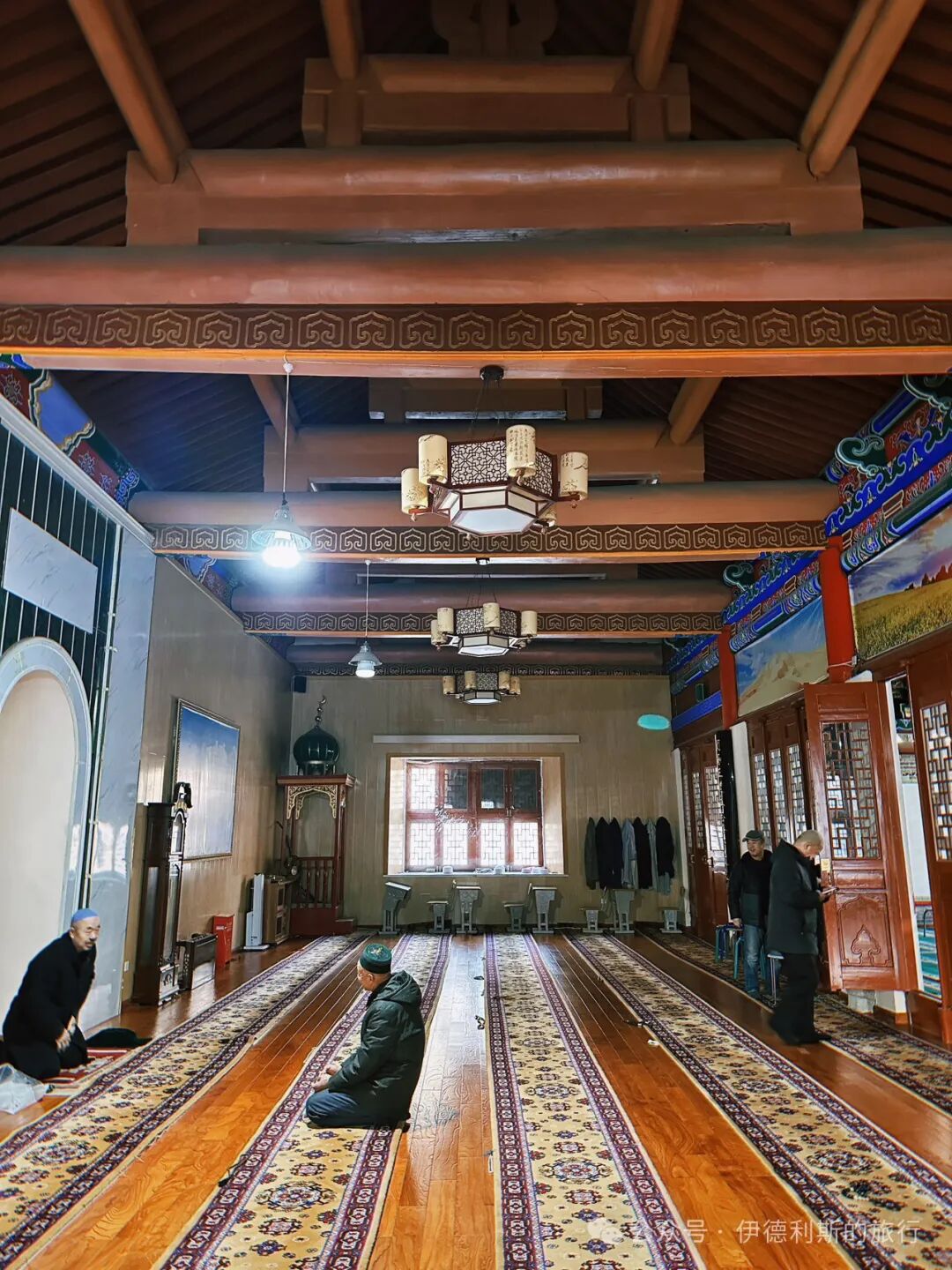
The front hall of Laofang Si has a hip-and-gable roof with a rolled shed, while the rear hall has a hard-gable roof. It underwent a major structural overhaul in 2014.
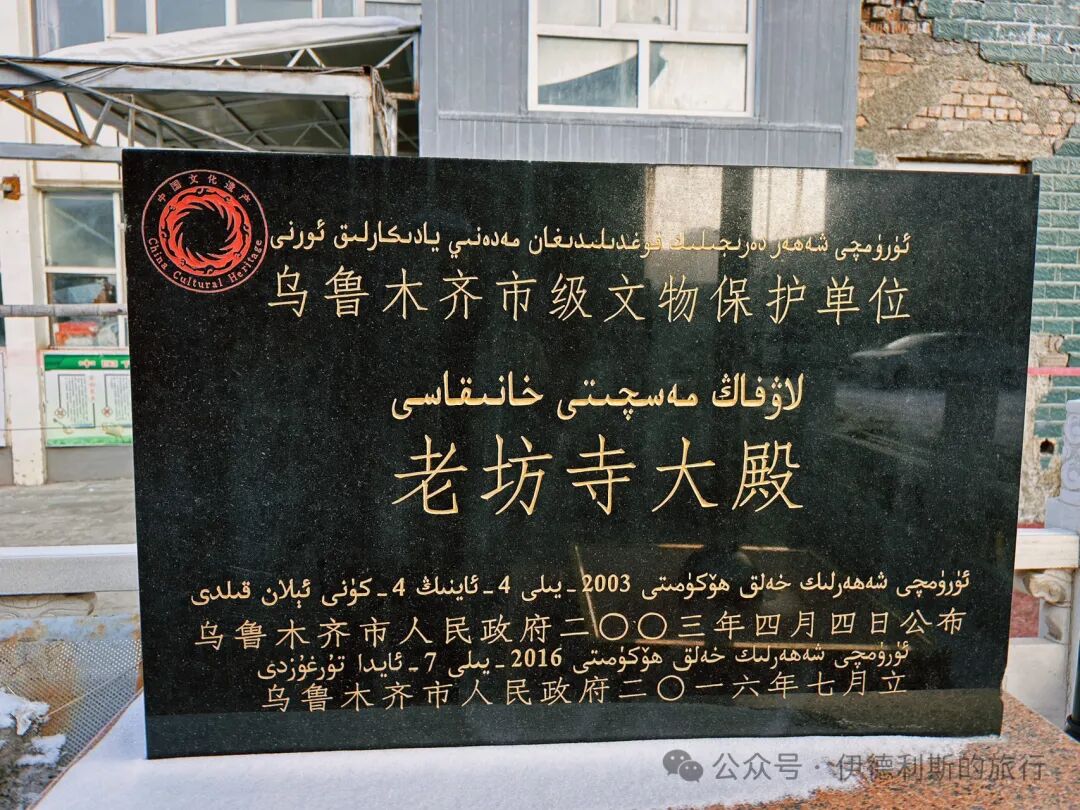
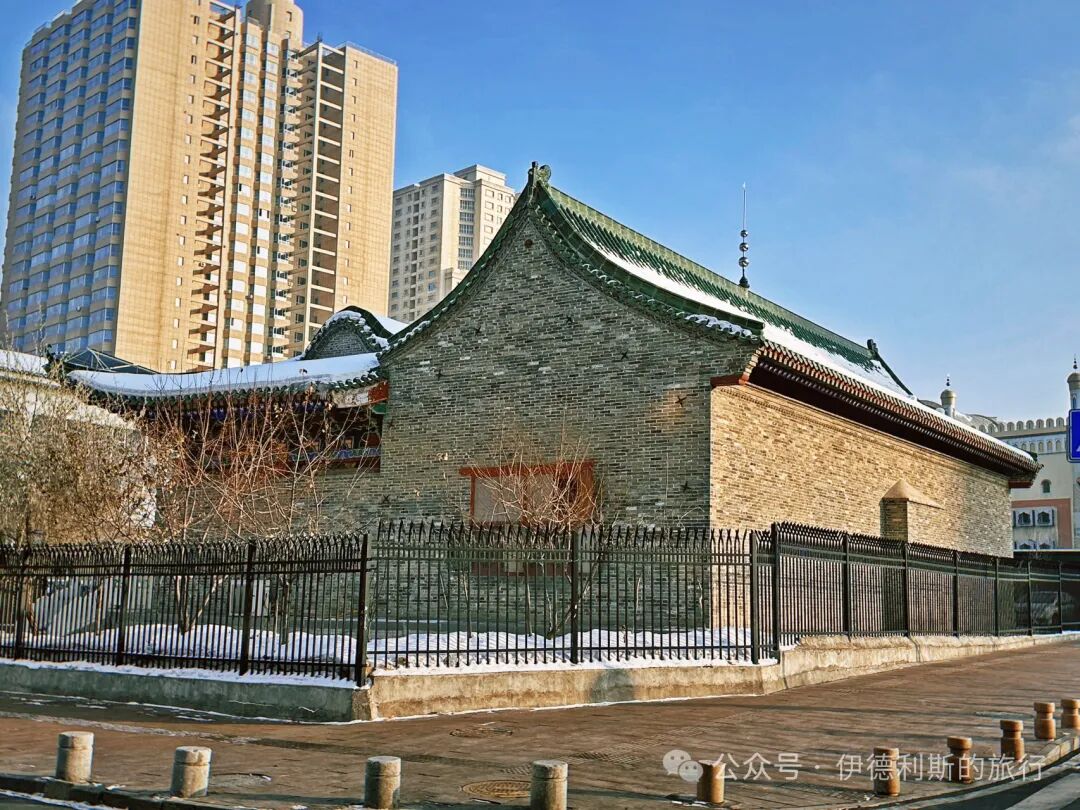
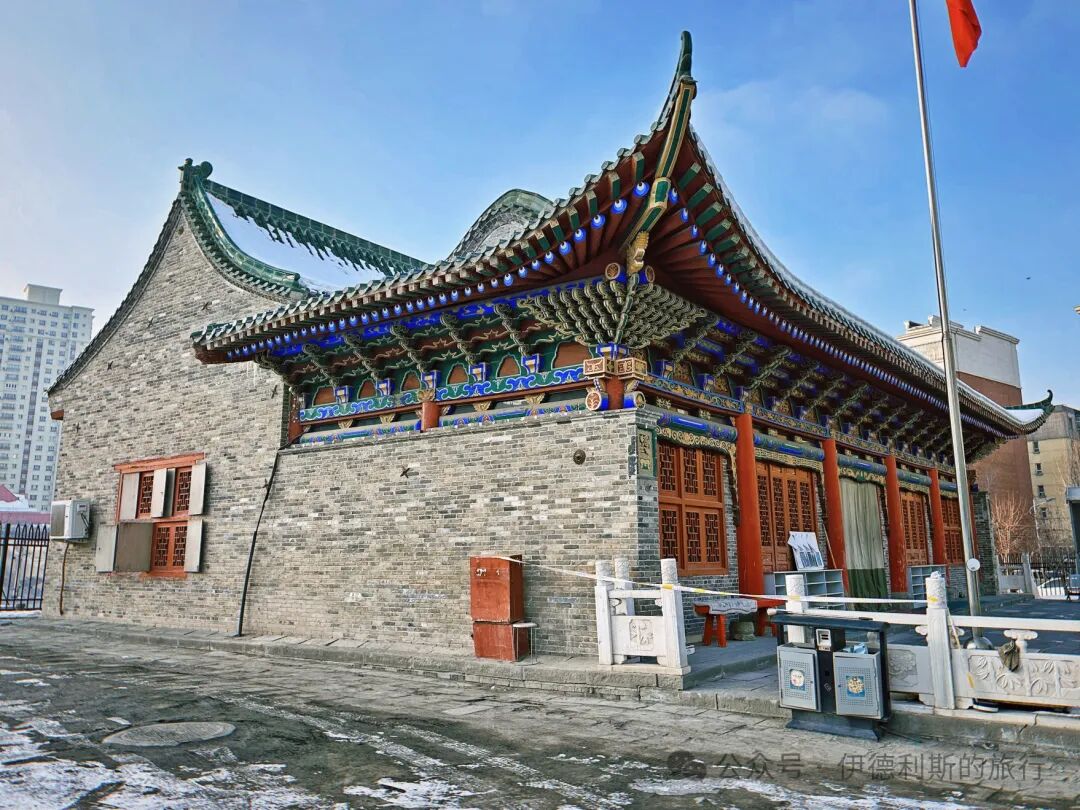
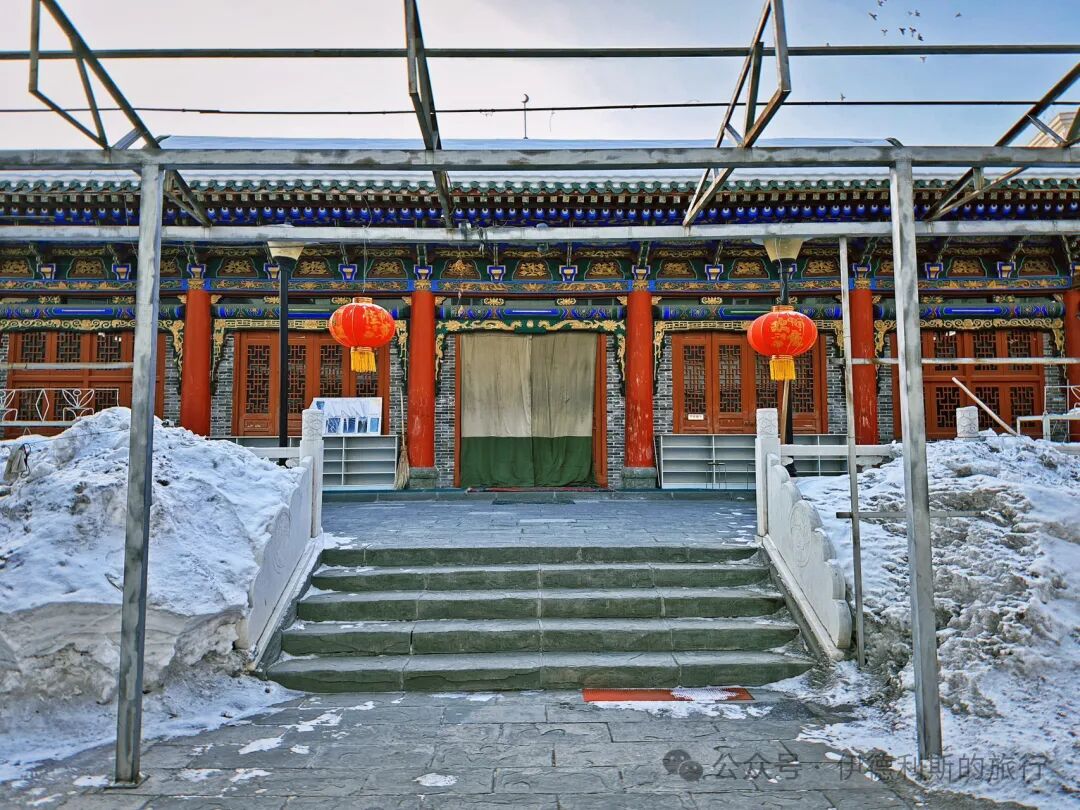
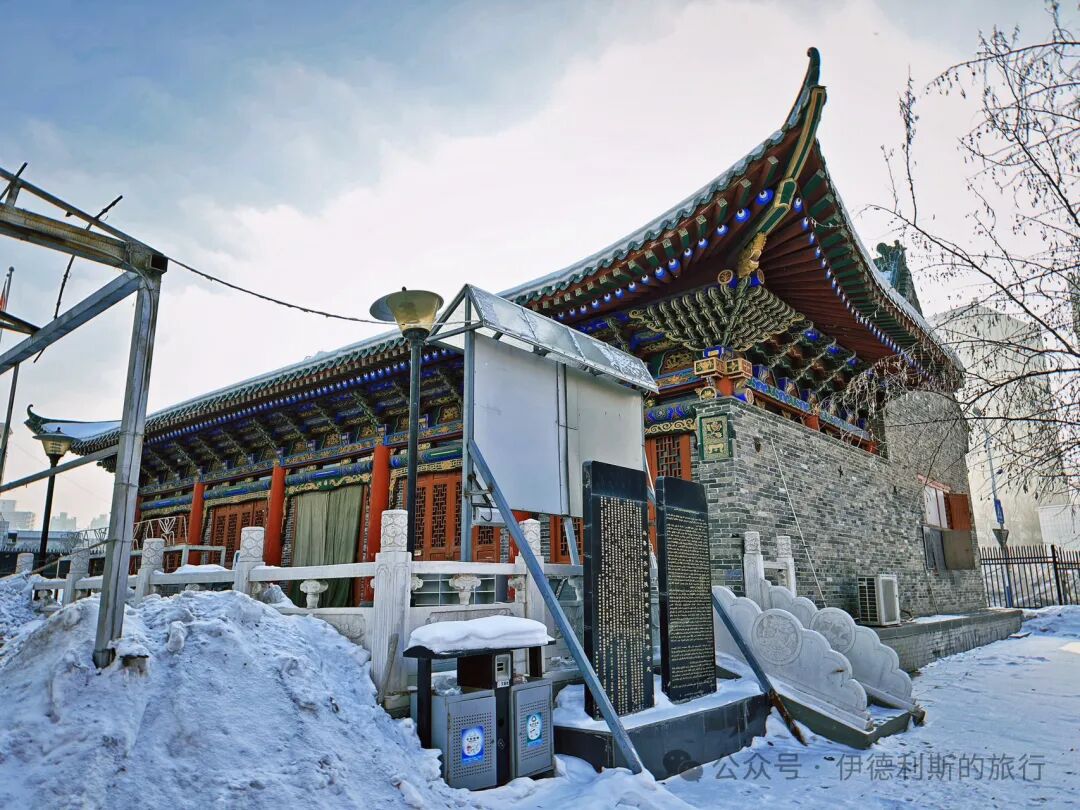
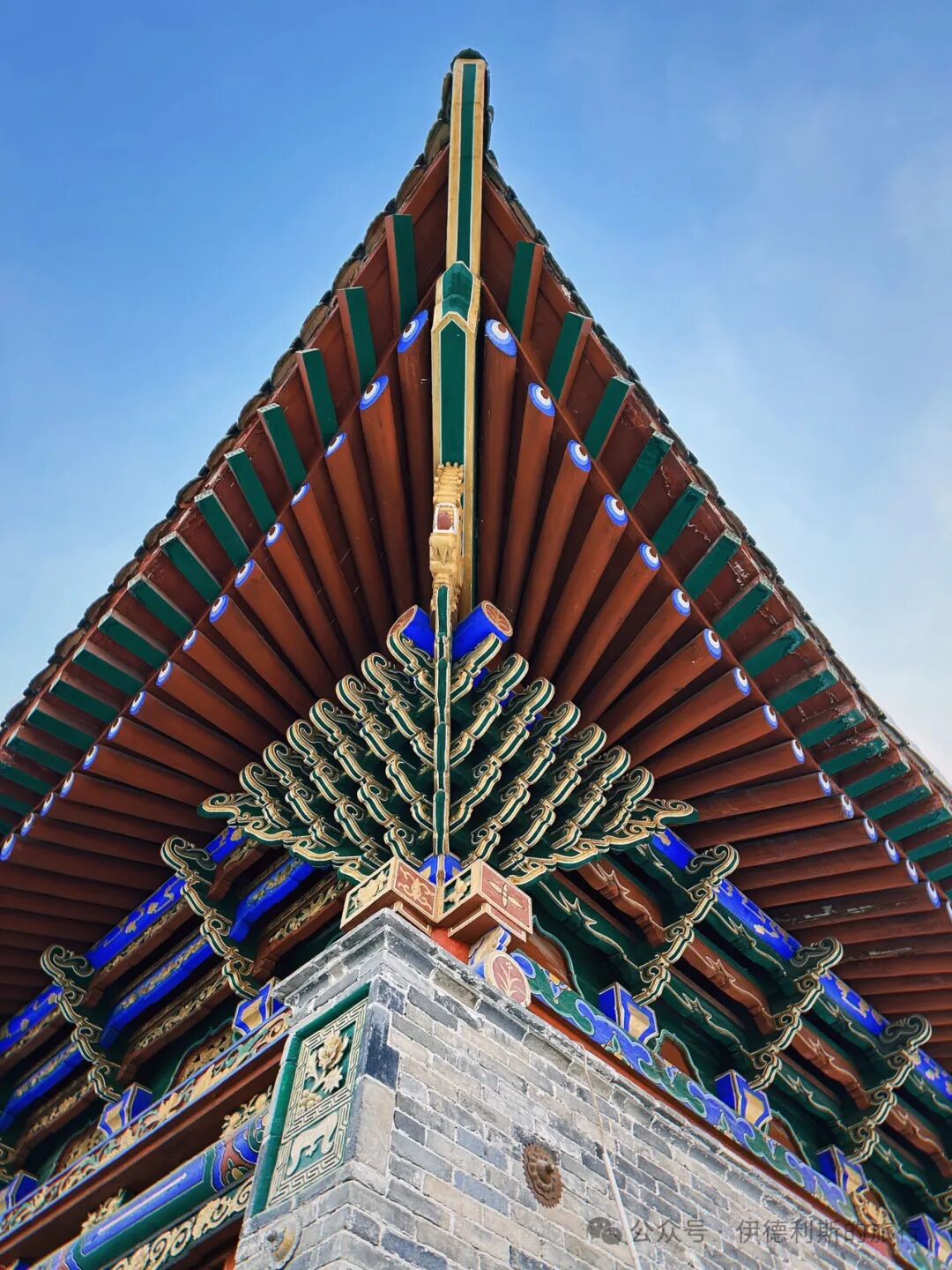
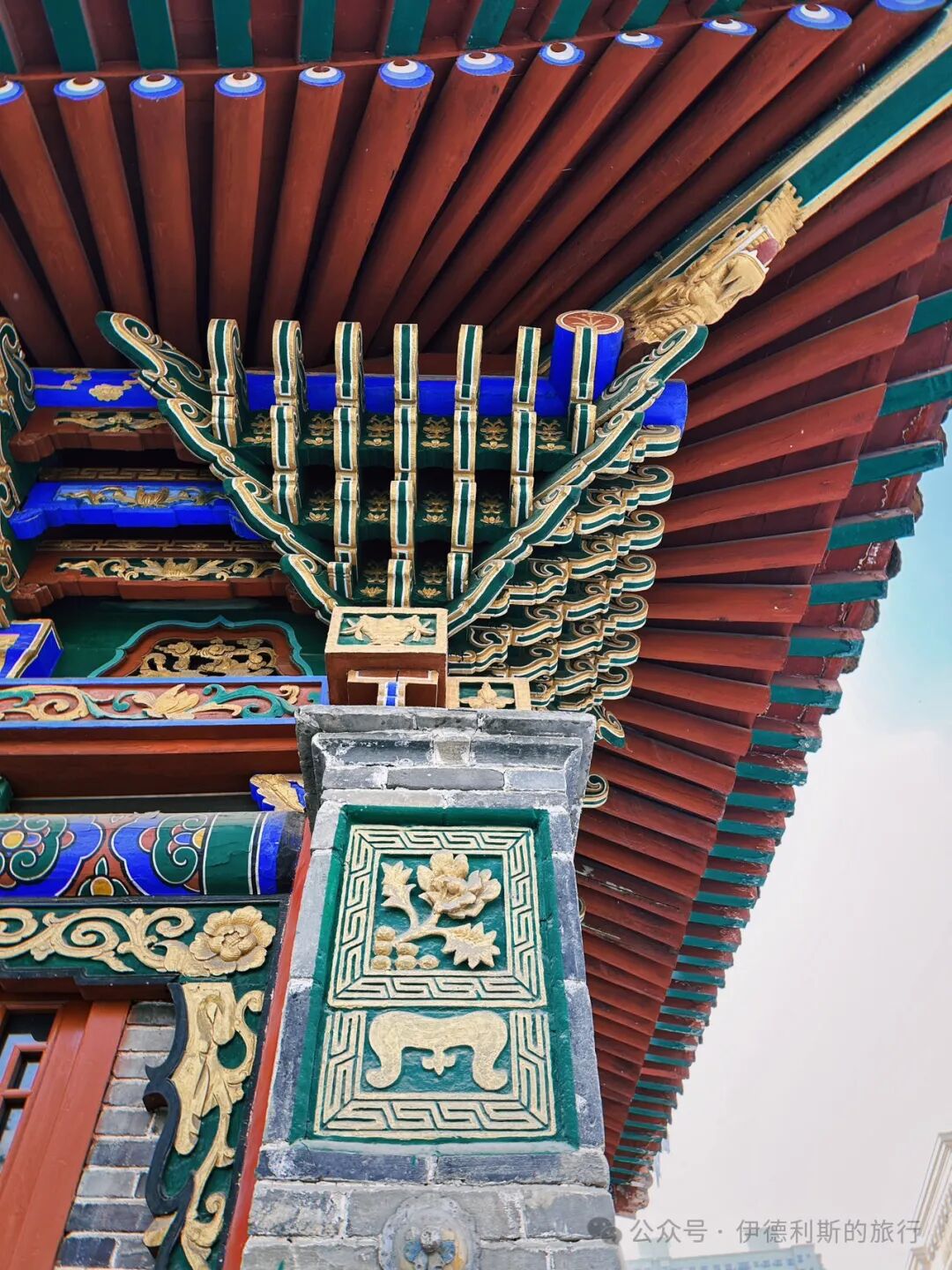
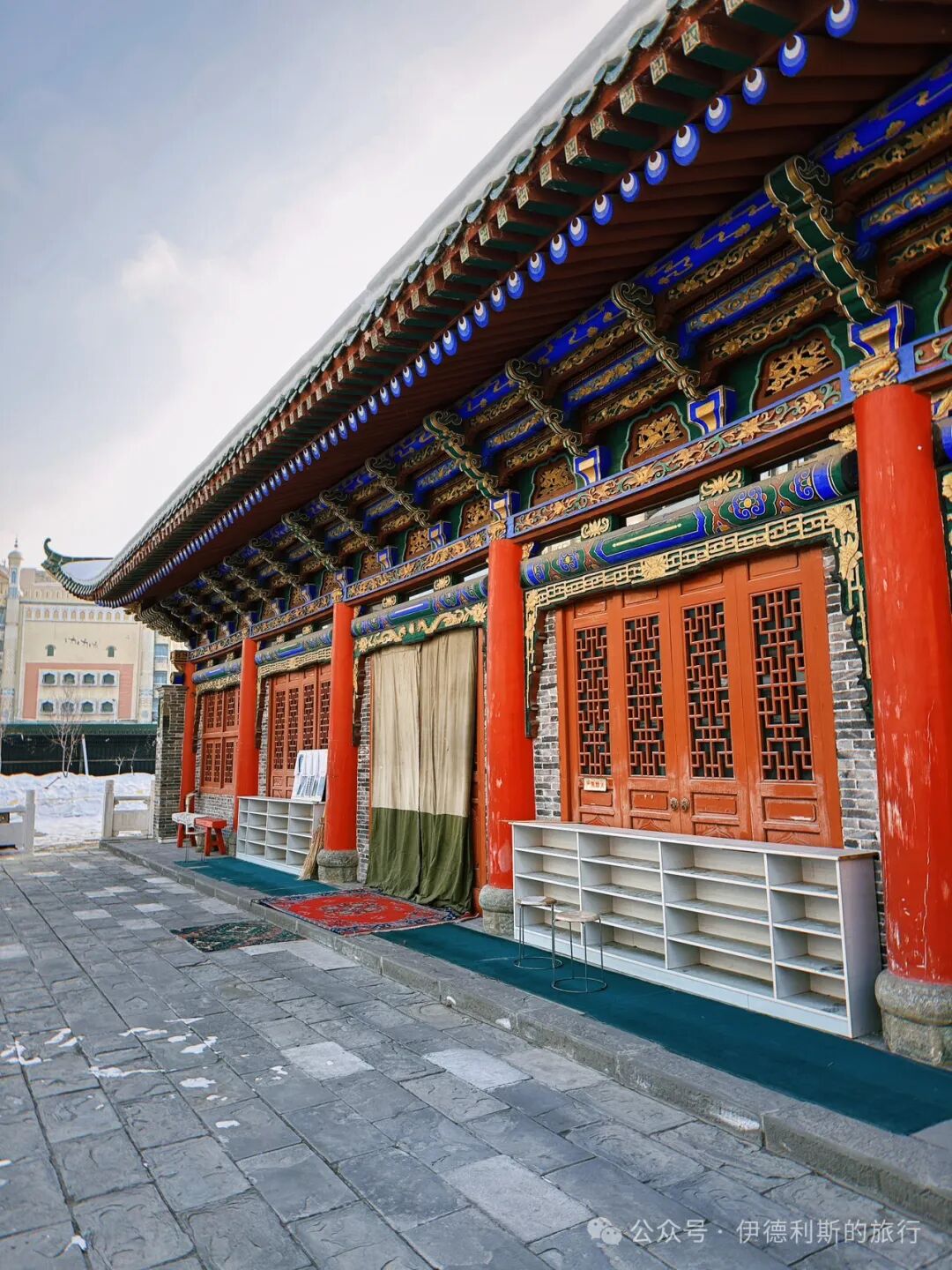
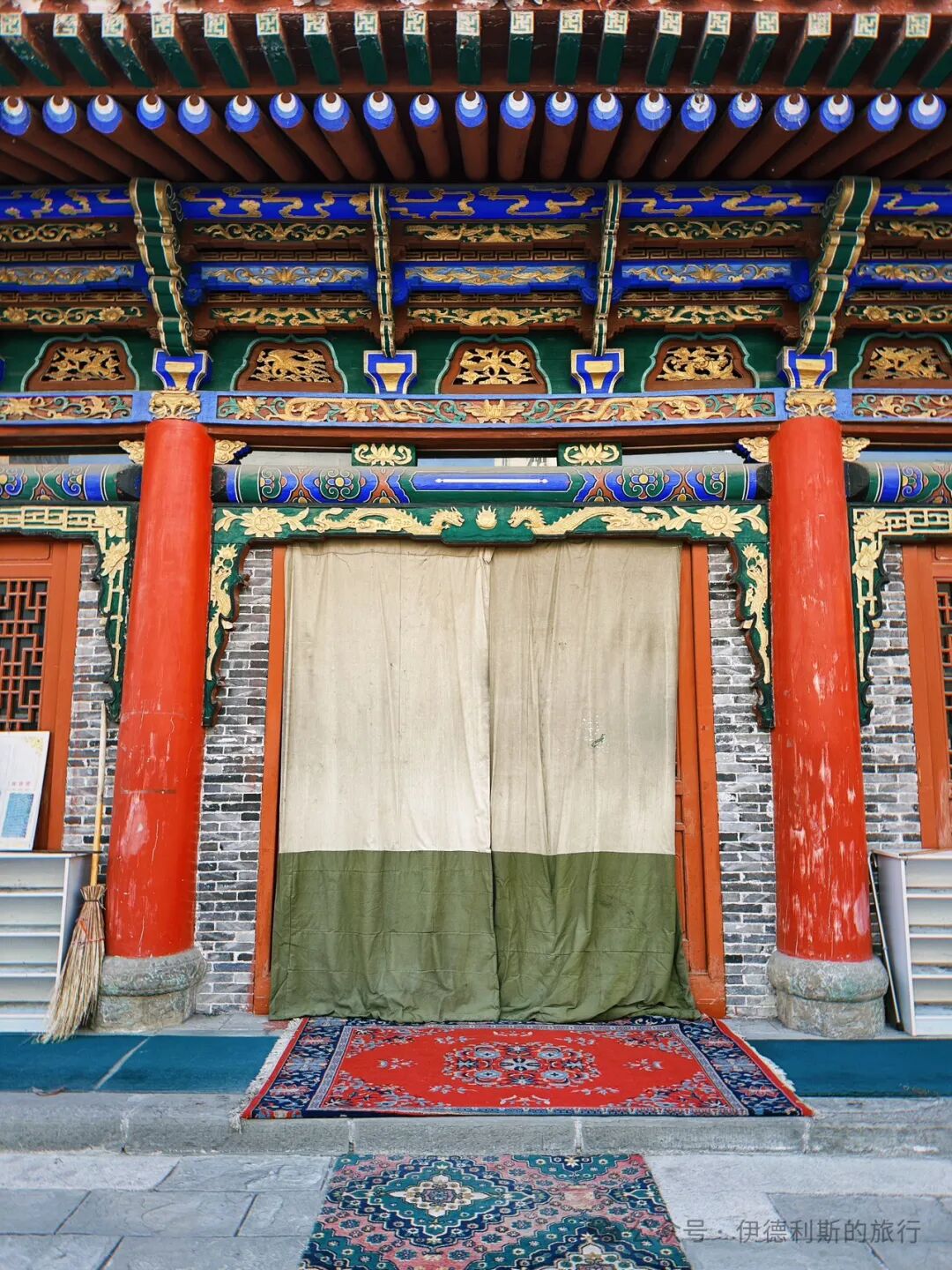
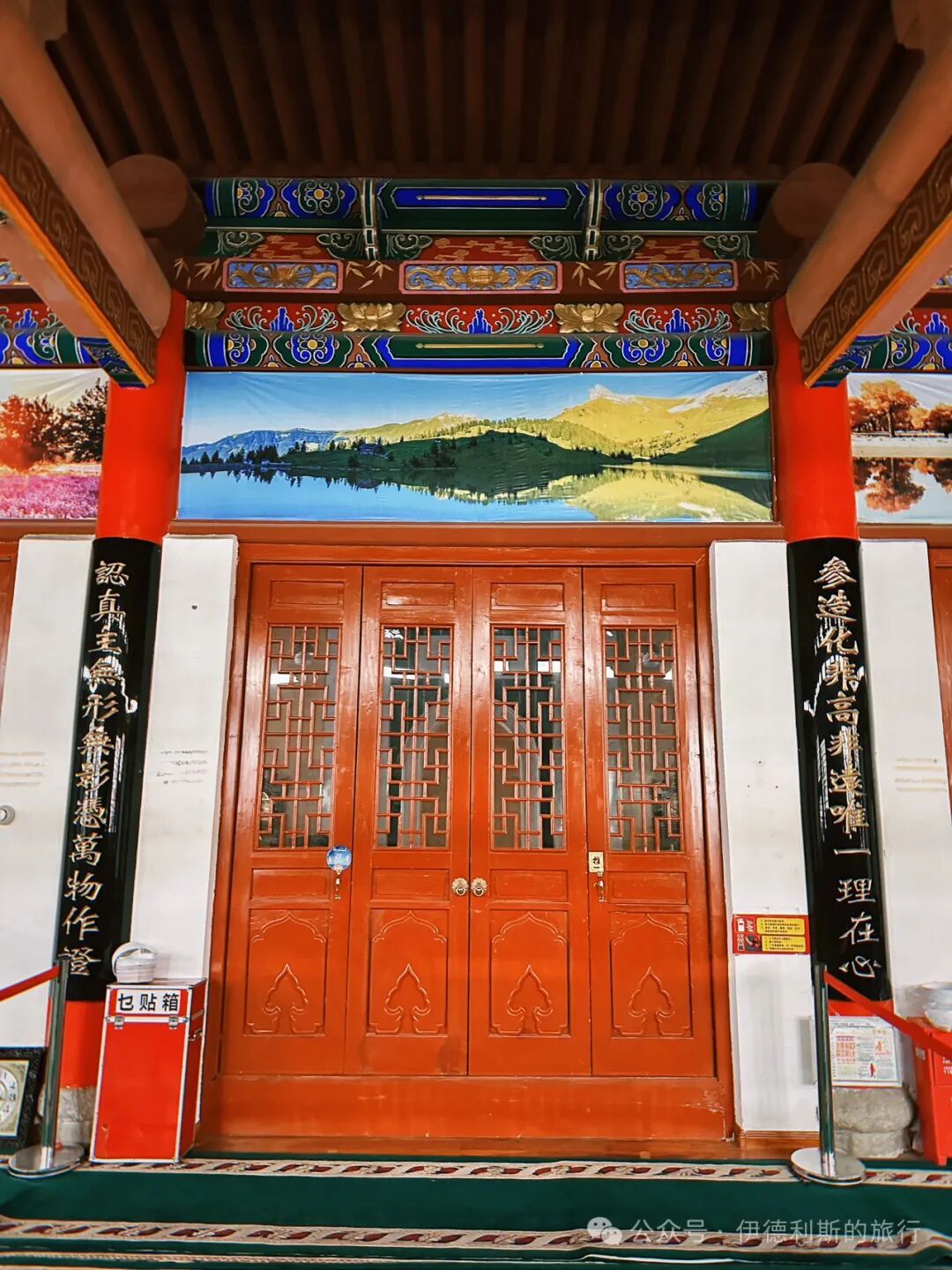
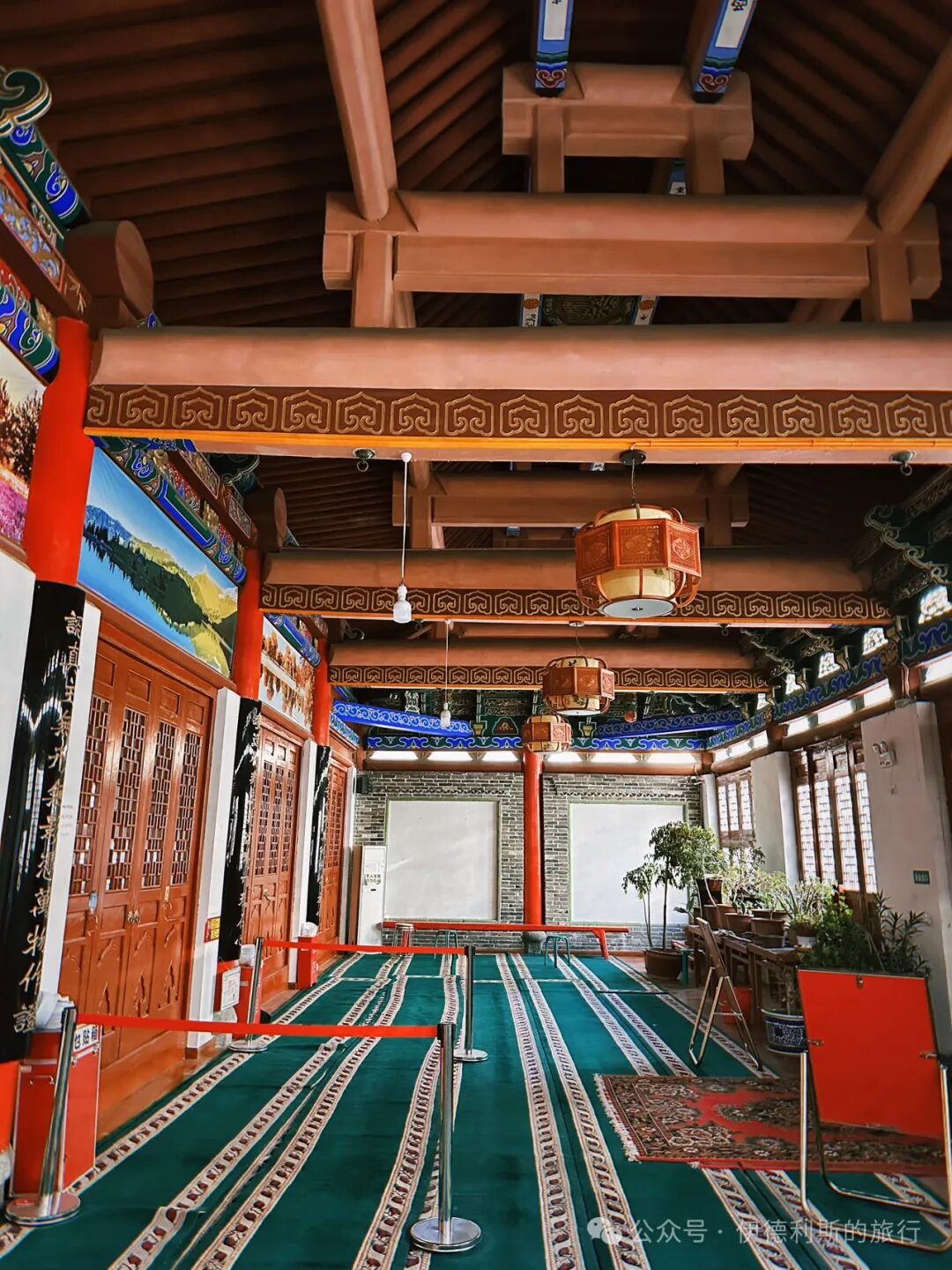
The rear hall of Laofang Si contains very precious Persian praise verses to Allah, but they are now completely covered by landscape paintings.
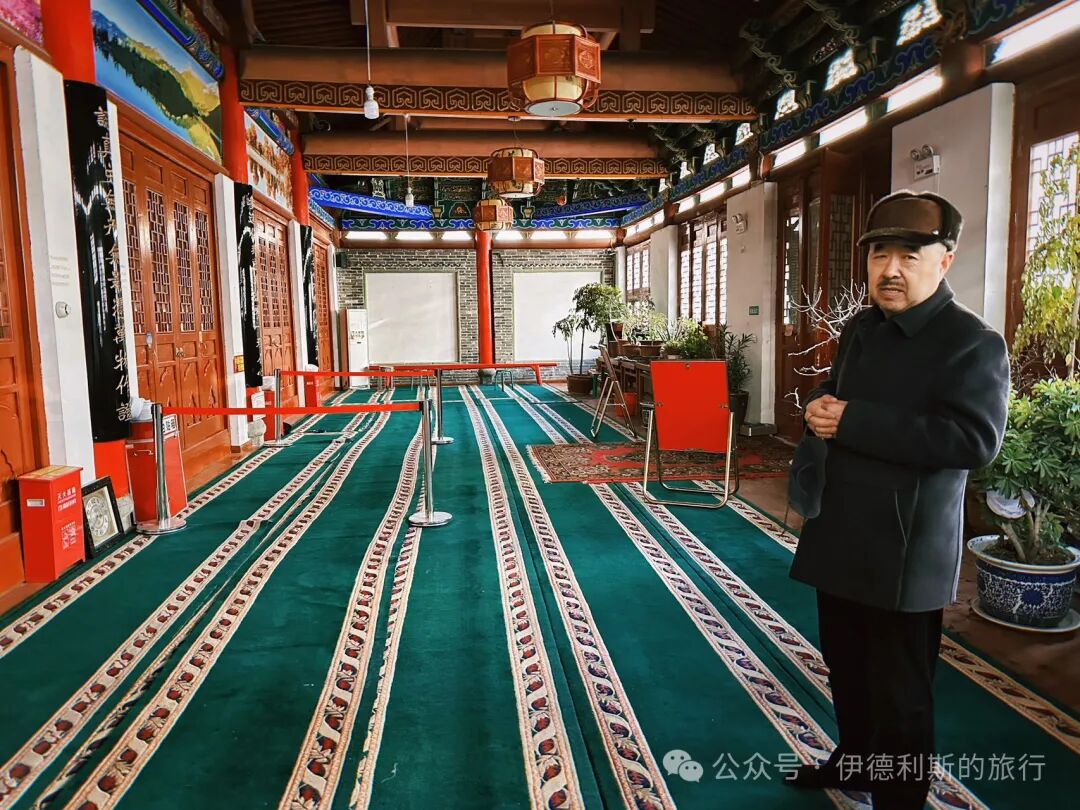
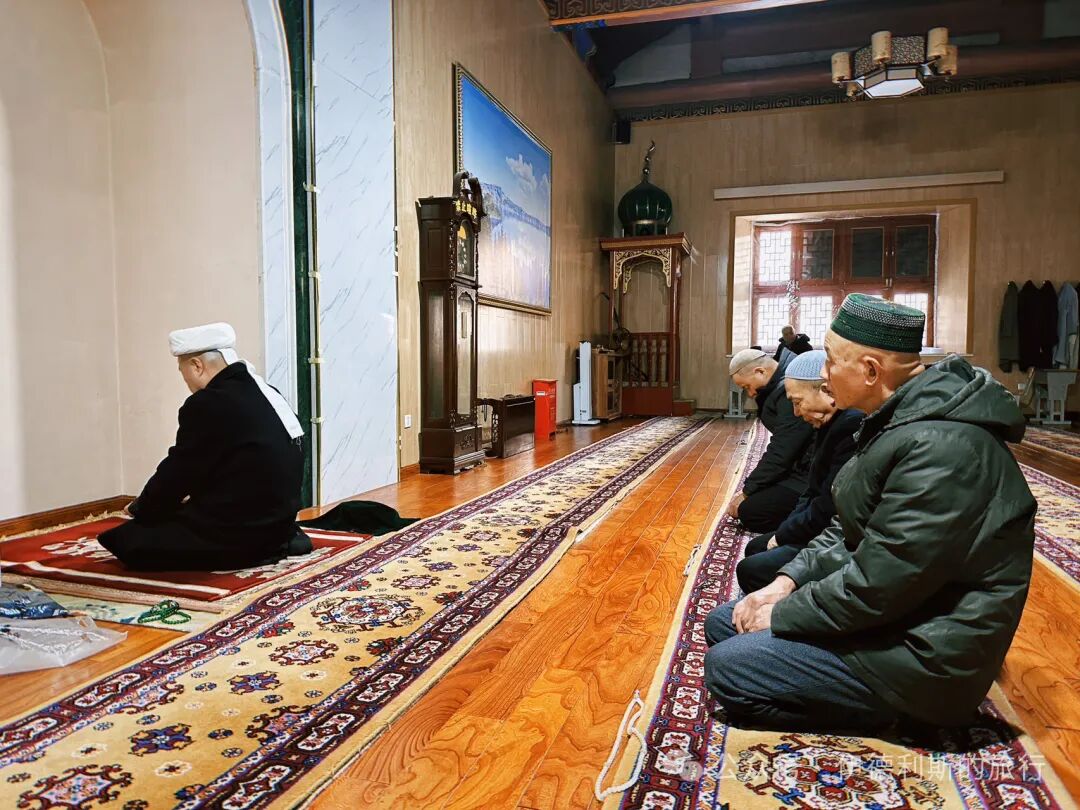
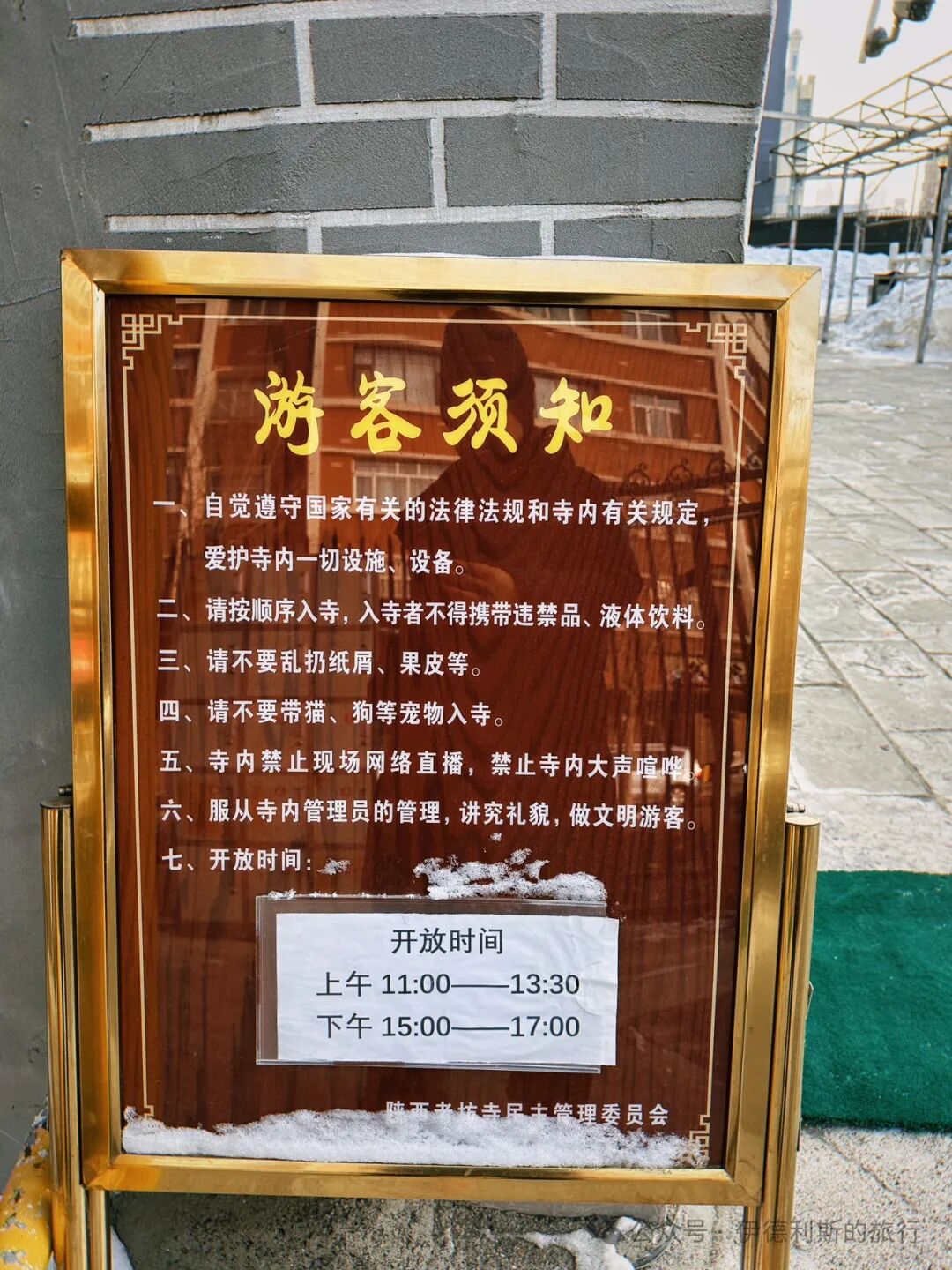
Laofang Si is open to tourists from 11:00 to 13:30 and 15:00 to 17:00. You can enter the front hall, but the rear hall is only open to the congregation for the five daily namaz prayers. Imam Ma at the mosque was very welcoming and explained the history of Laofang Si to me.
Shaanxi Grand Mosque (Shaanxi Dasi)
Shaanxi Grand Mosque was first built in 1883 (the 9th year of the Guangxu reign) with funds from Hui Muslims who came from the Wei River valley in Shaanxi's Guanzhong region. It is located on a slope south of Toudaoxiang, outside the south gate of Urumqi. As the number of Shaanxi Hui Muslims moving to Urumqi increased, the Shaanxi Mosque was rebuilt in 1902 (the 28th year of the Guangxu reign). The project took five years and was completed in 1906 (the 32nd year of the Guangxu reign). It was officially named the Shaanxi Grand Mosque and became the largest Hui mosque in Urumqi. It was listed as a major historical and cultural site protected at the national level in 2013.
The Shaanxi Grand Mosque features traditional Guanzhong architectural style. The main hall has a single-eave hip-and-gable roof, and the rear kiln hall has a hip roof. The top features a very ornate moon-watching tower with an octagonal pointed roof. The main hall is surrounded by thirty-six pillars forming a corridor, with column bases carved with traditional patterns like the Eight Immortals. The walls, doors, windows, hanging pillars, and brackets feature exquisite brick and wood carvings, along with various flower and fruit patterns.
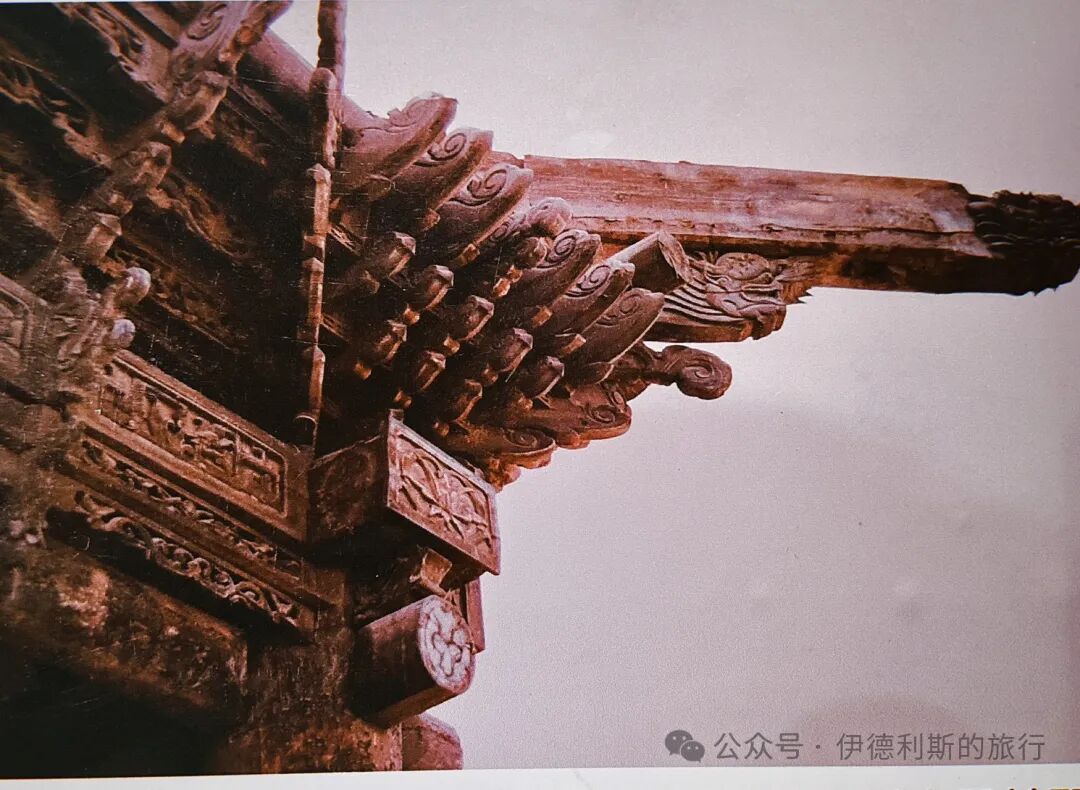
Under the eaves of the main hall, there is a decorative technique unique to Xinjiang called flower board stepping (huaban cai). This replaces traditional brackets with wooden boards carved with various patterns, such as dove heads, elephant heads, clouds, and peach designs, which are highly decorative.
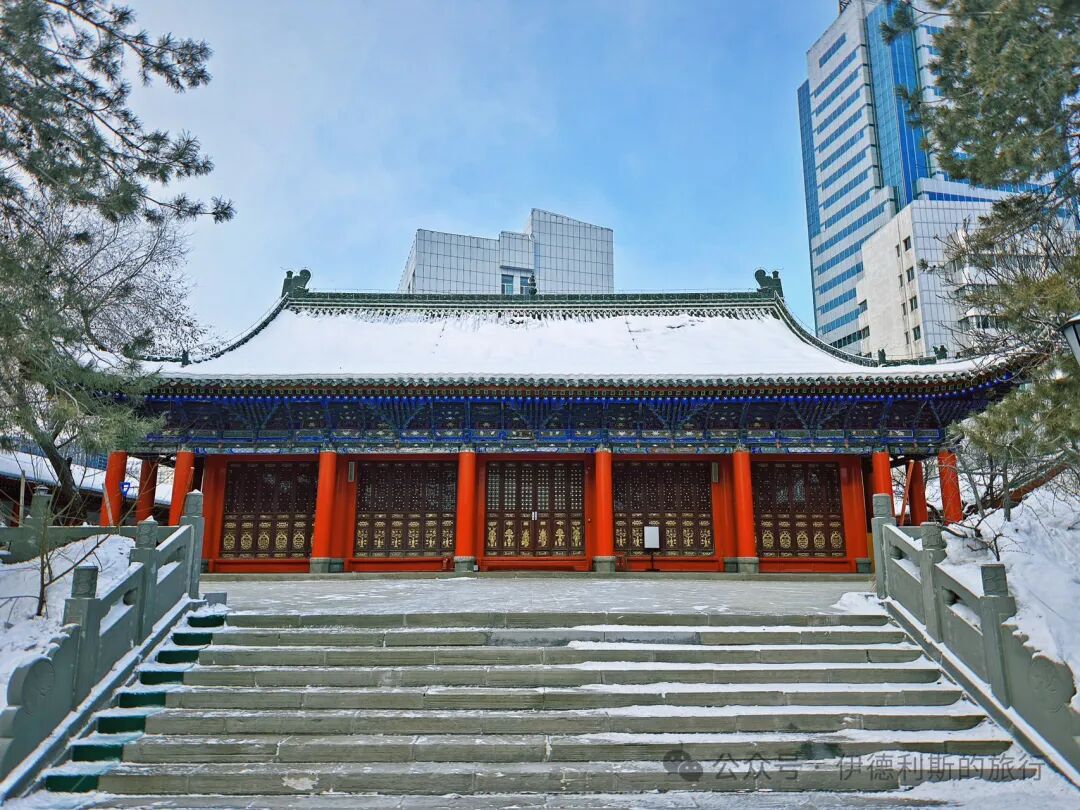
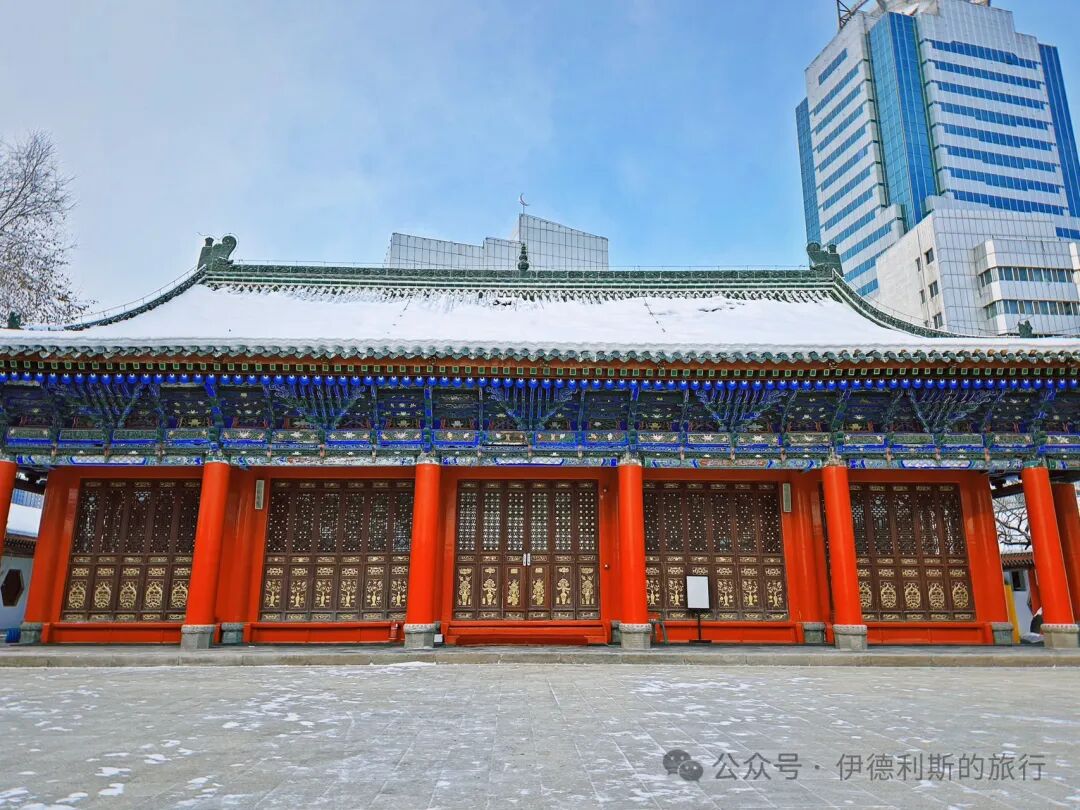
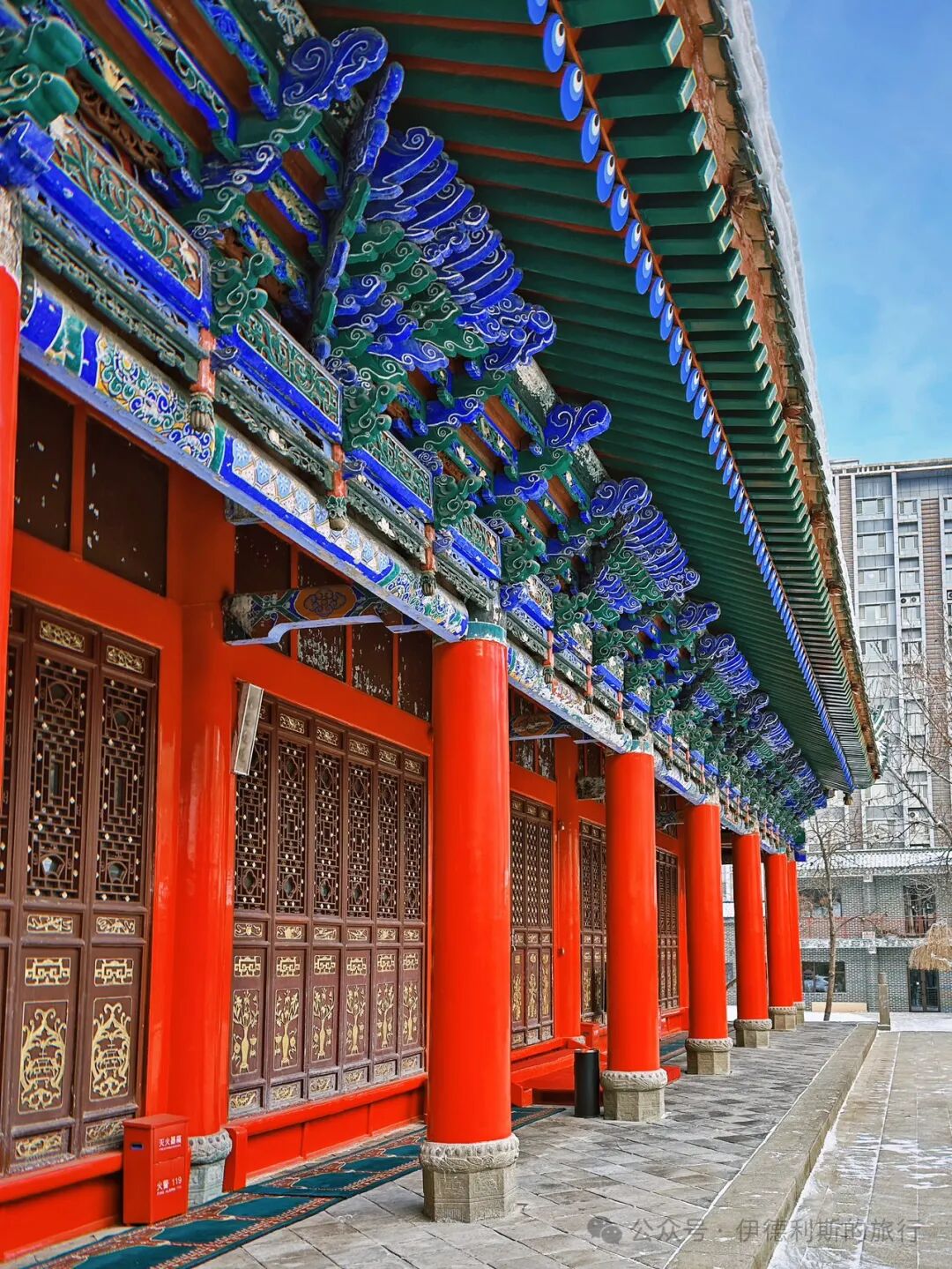
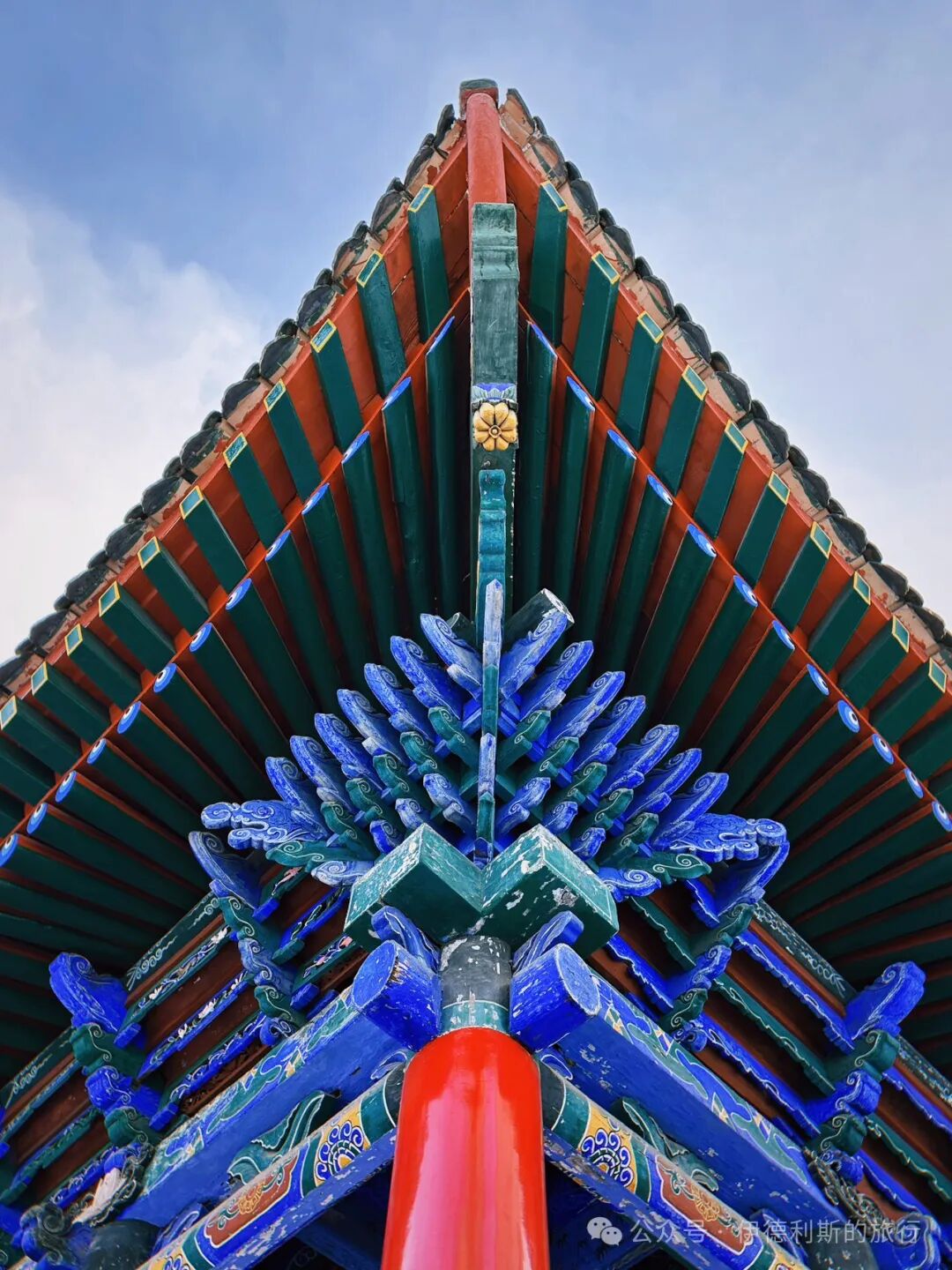
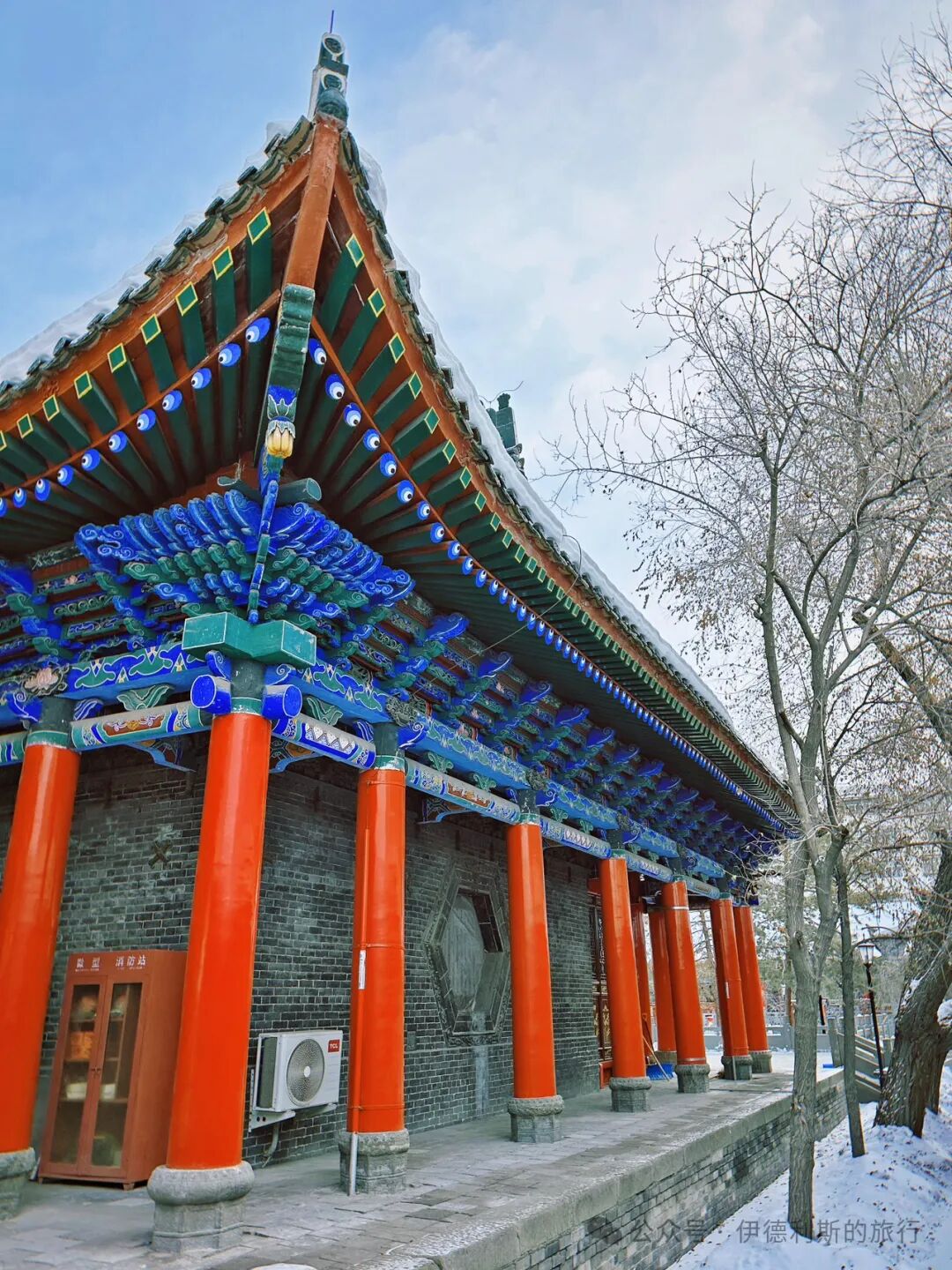
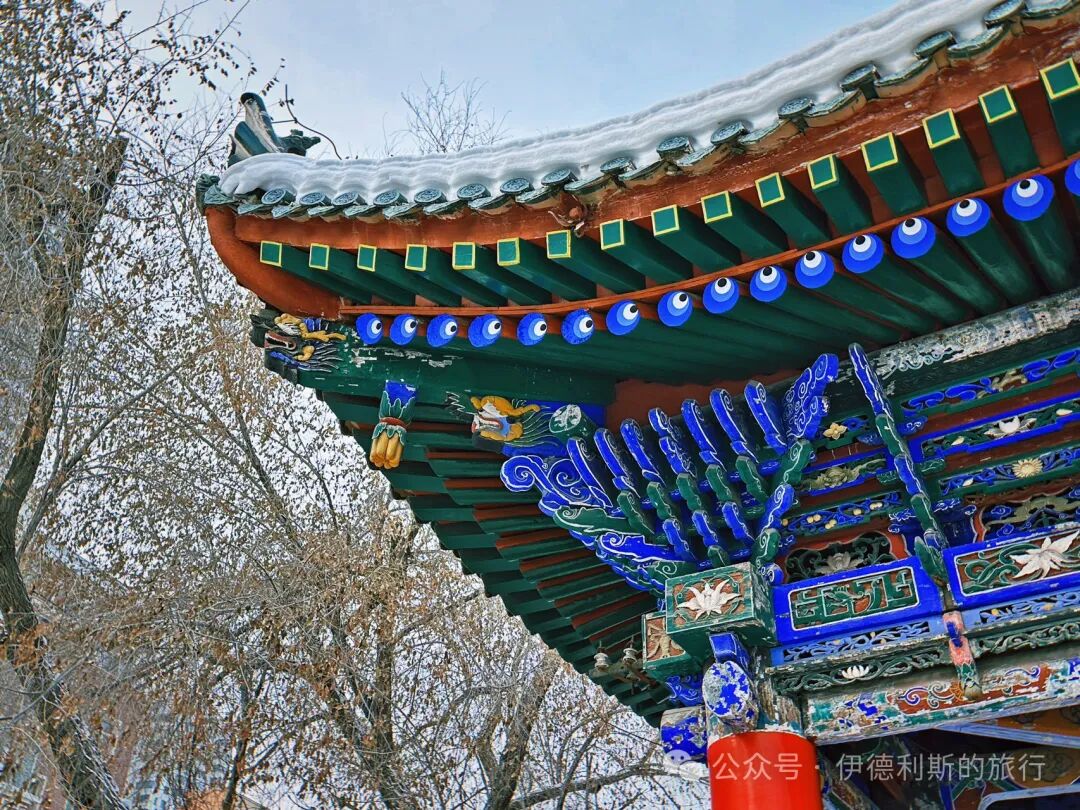
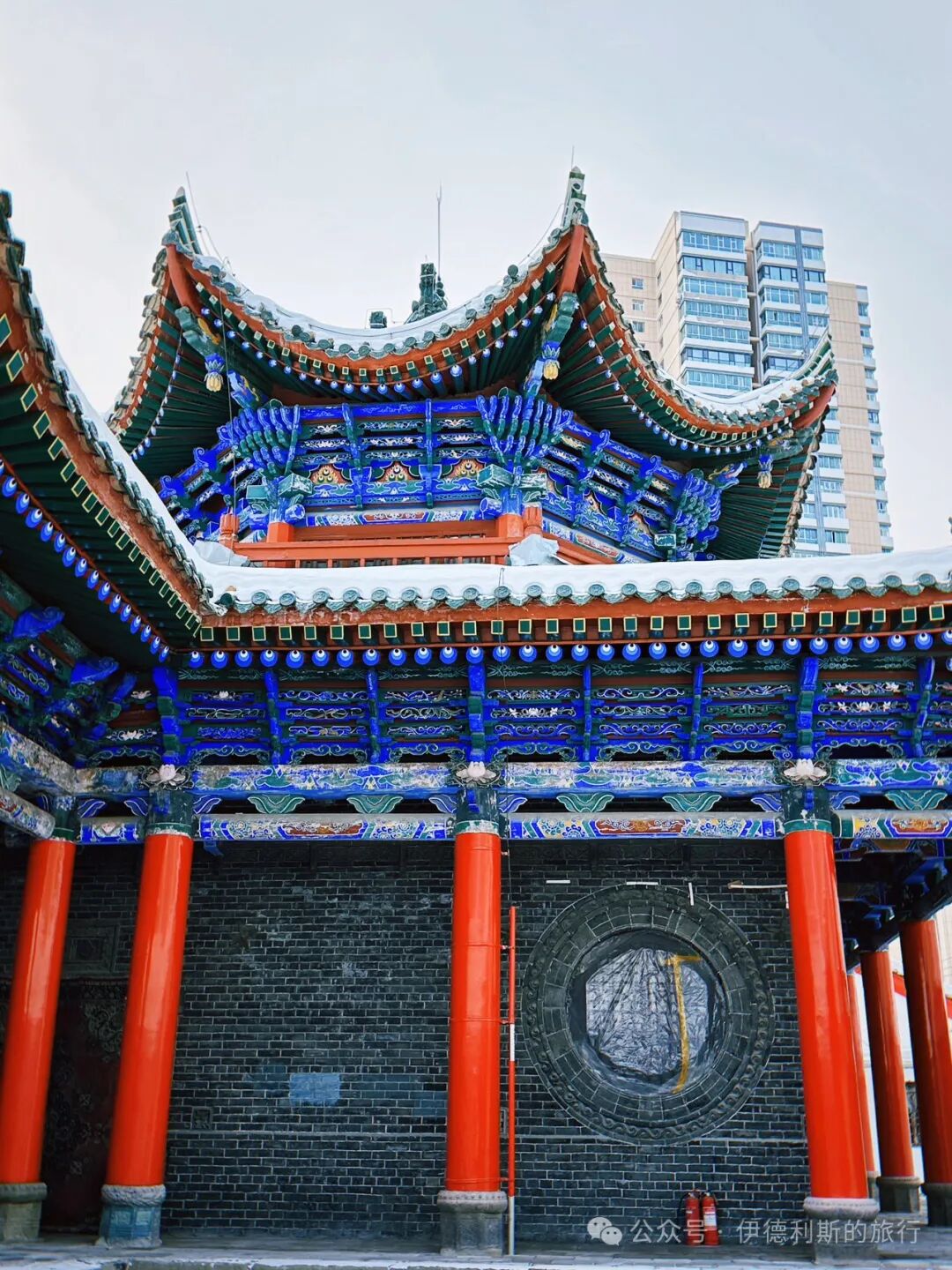
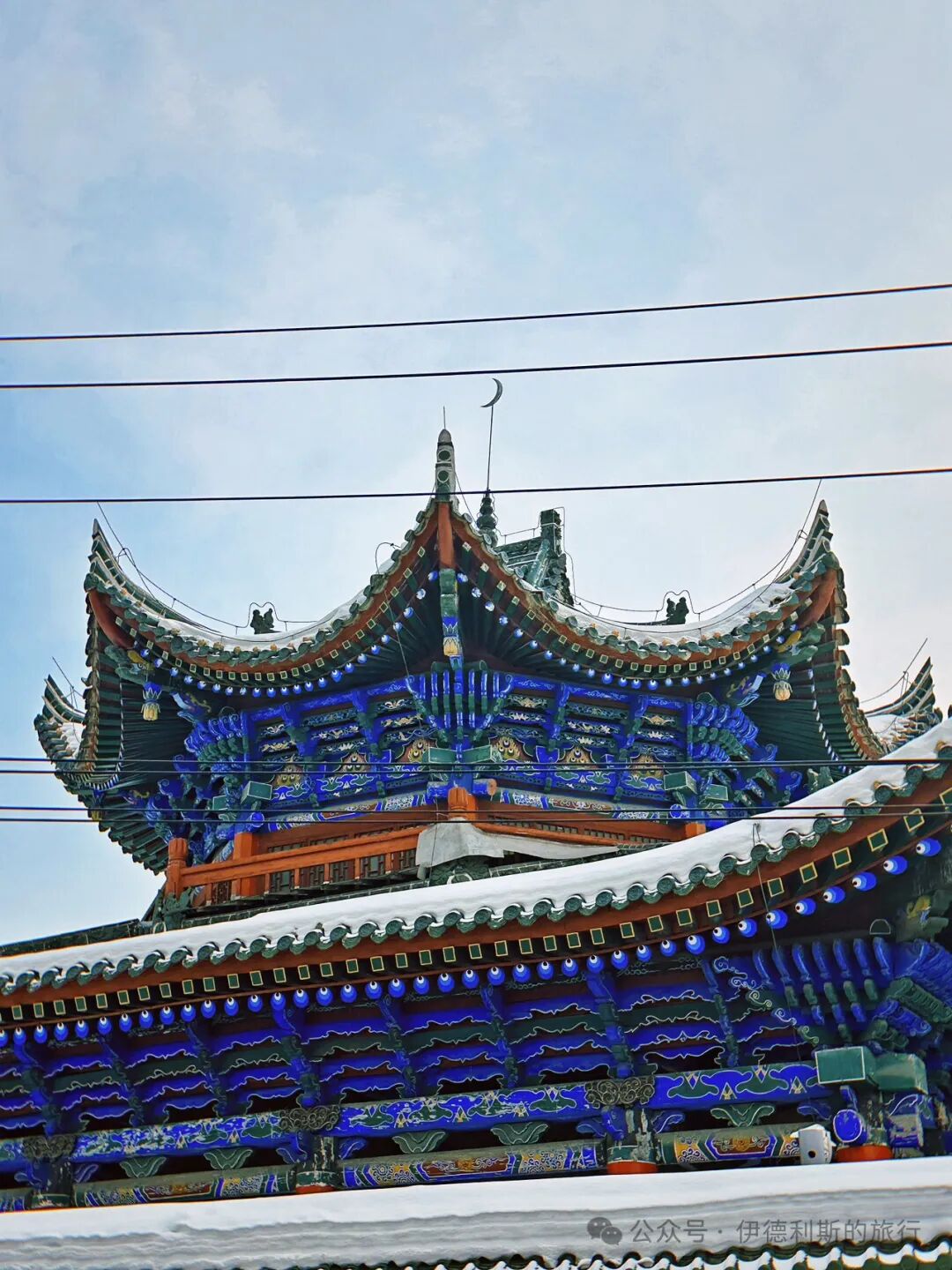
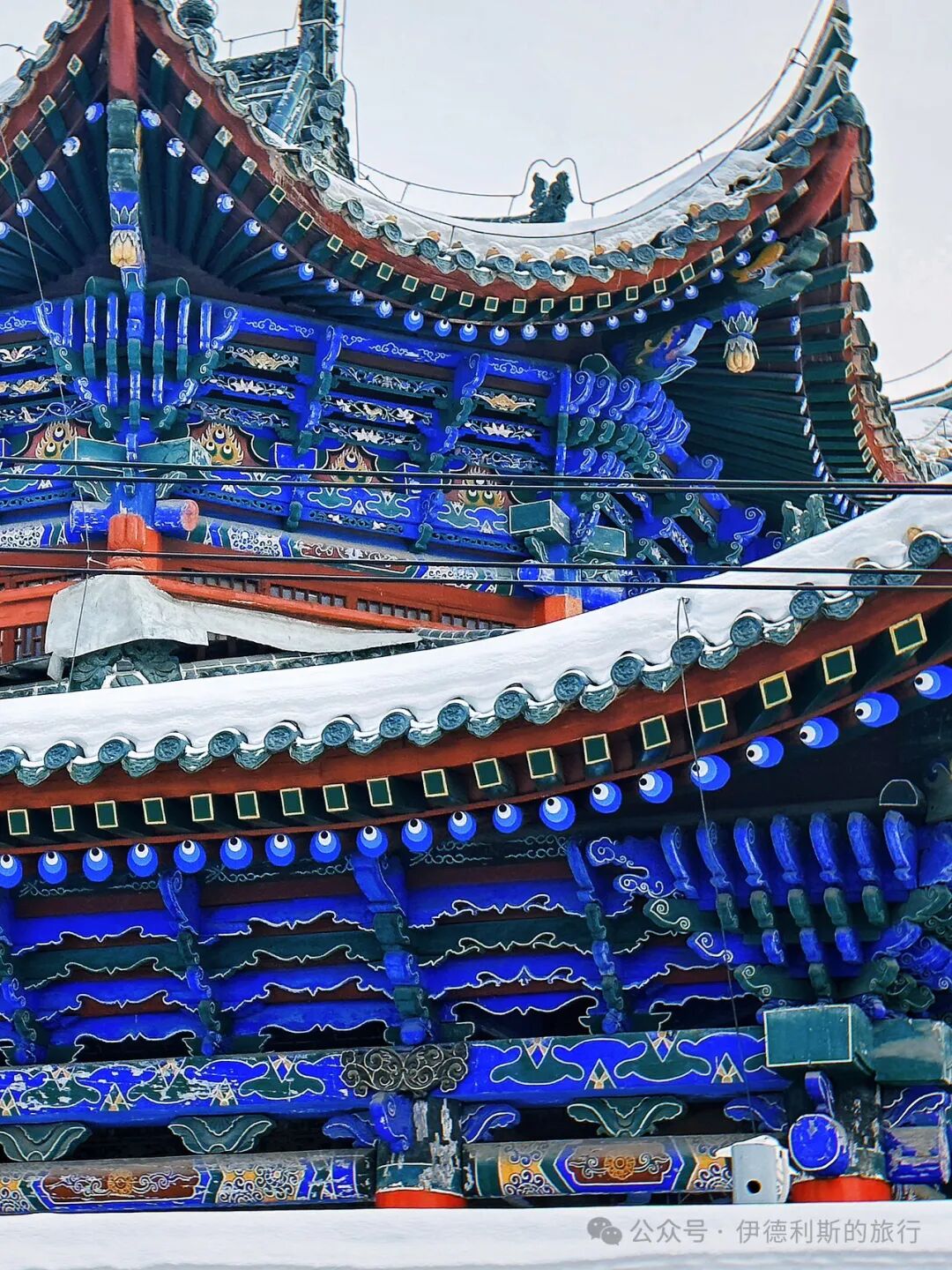
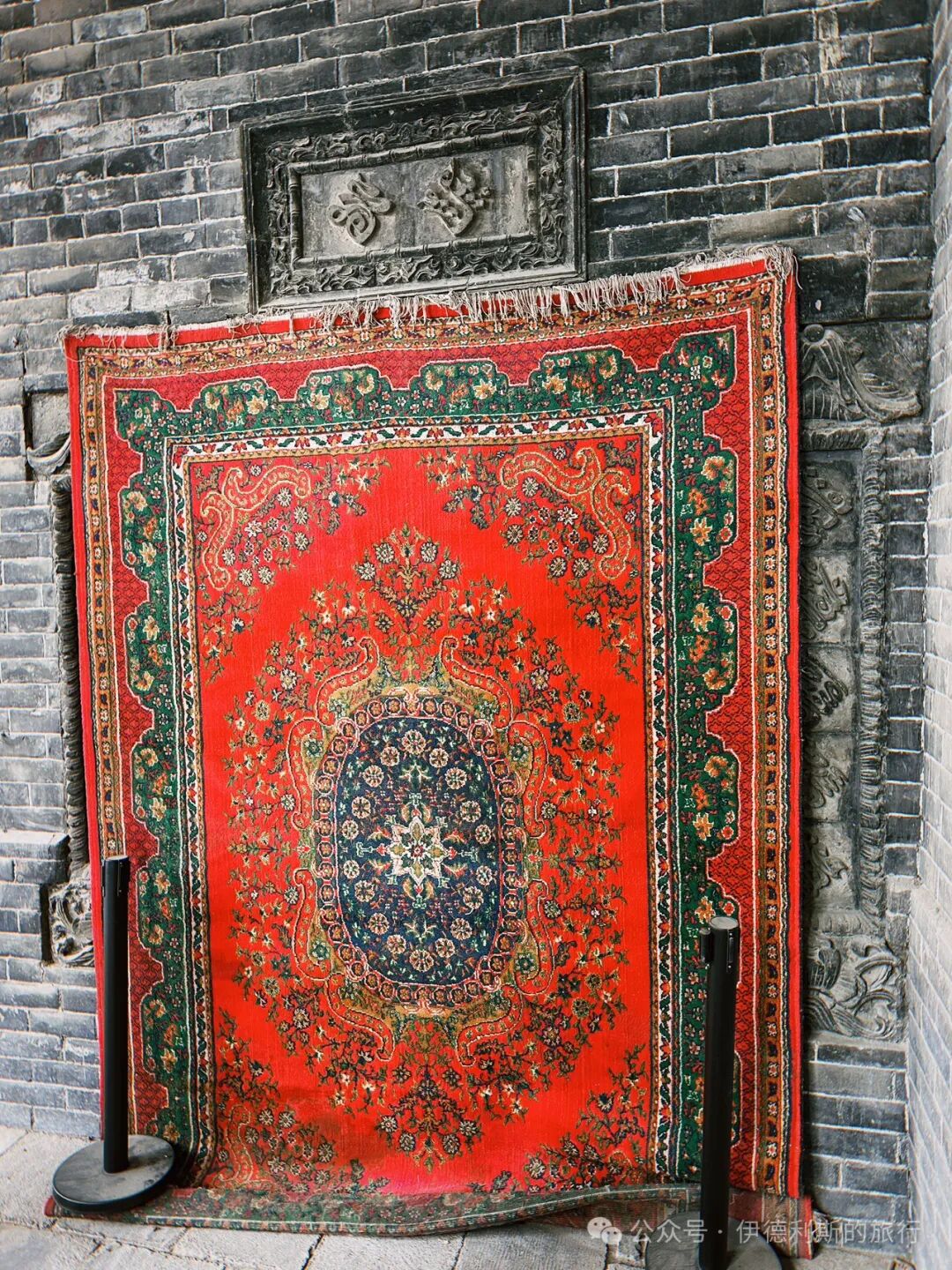
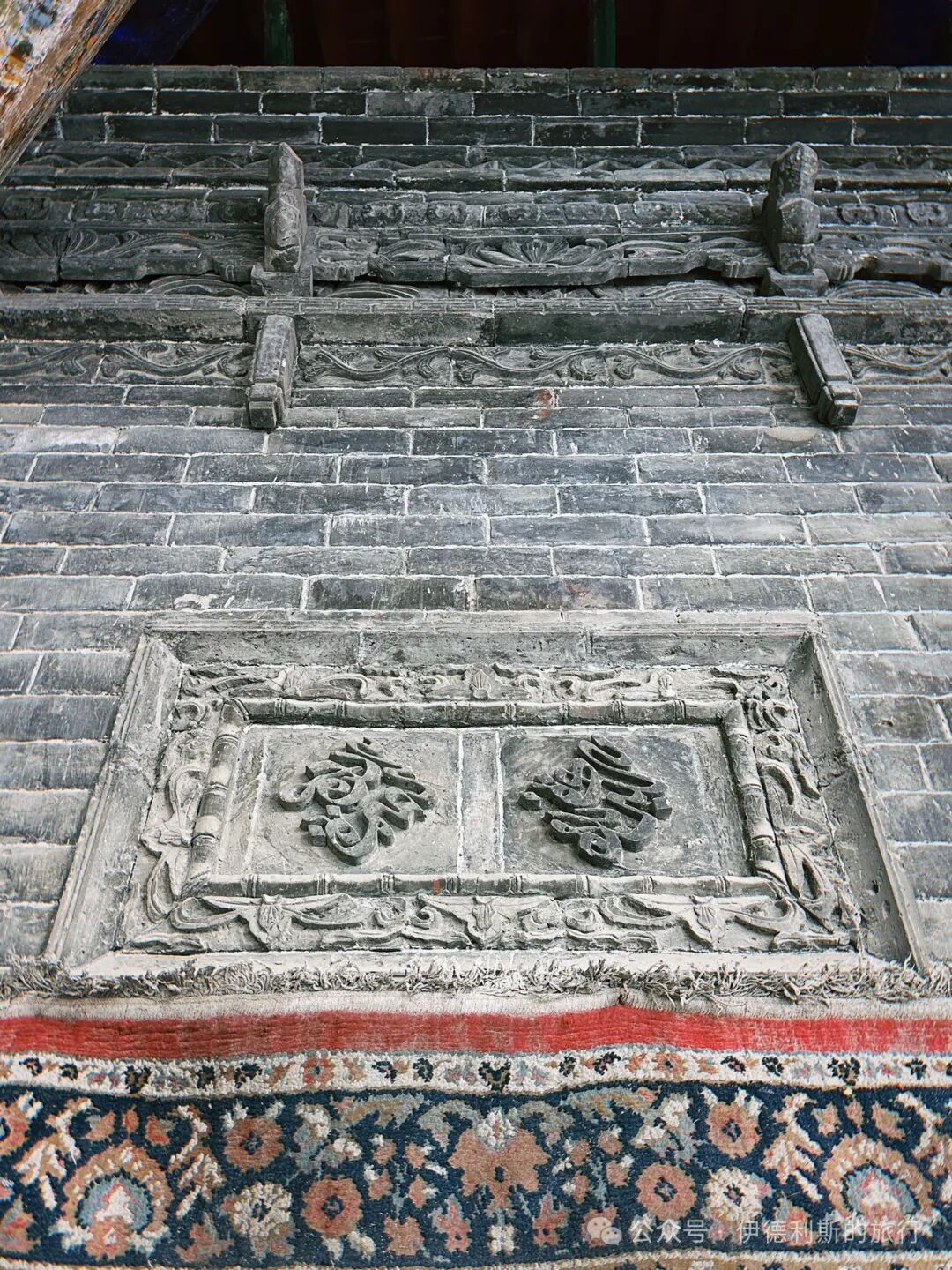
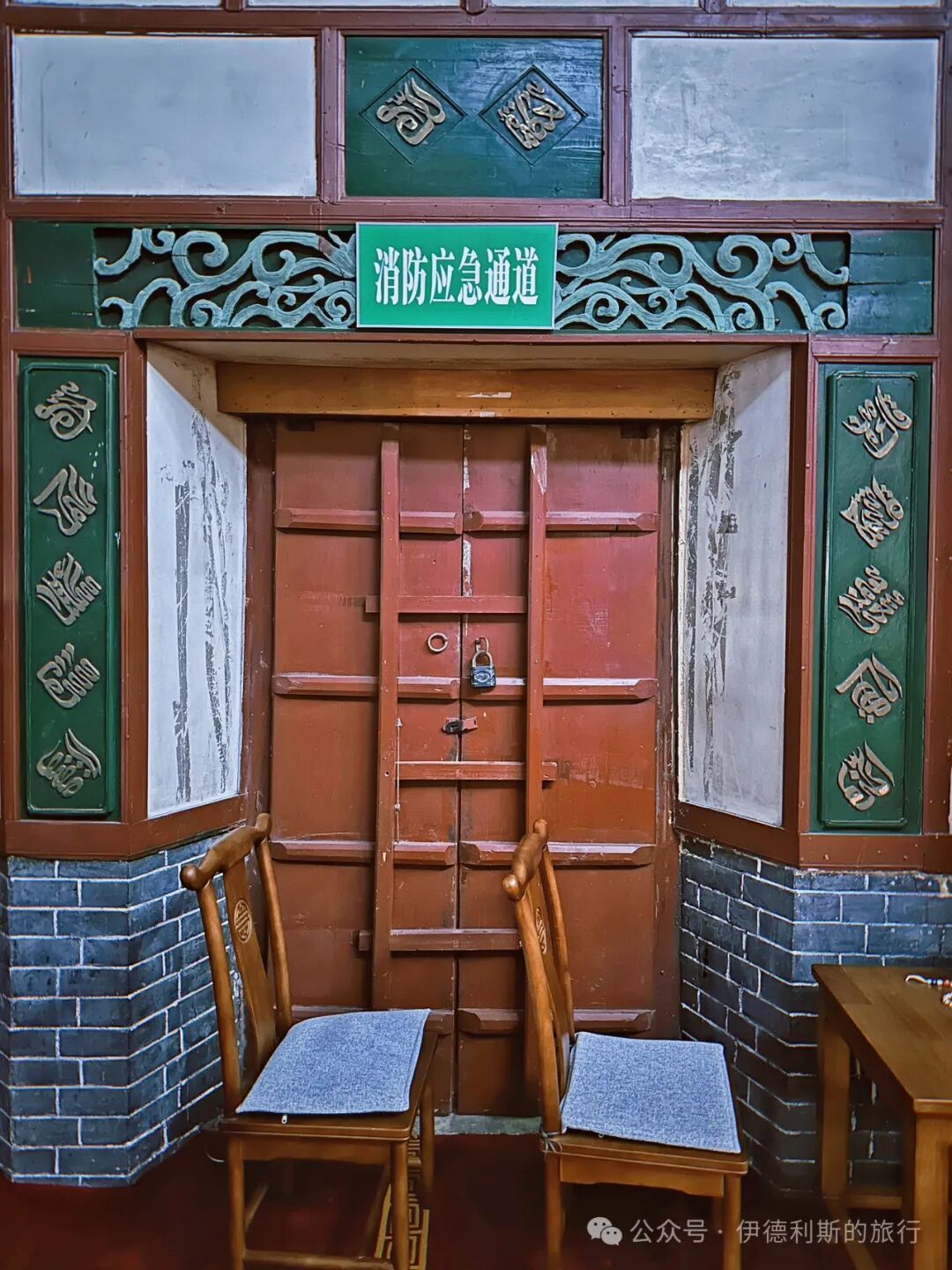
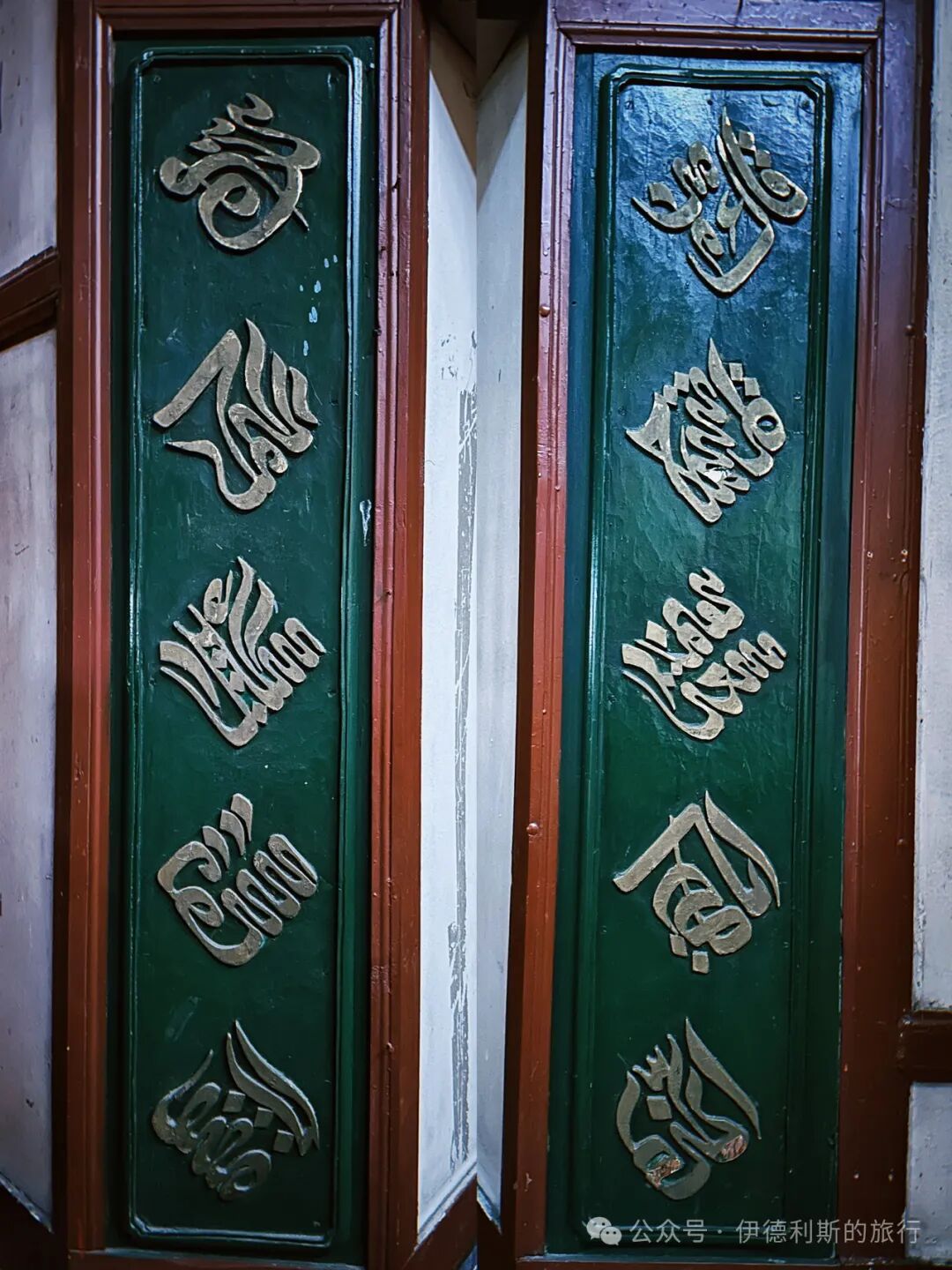
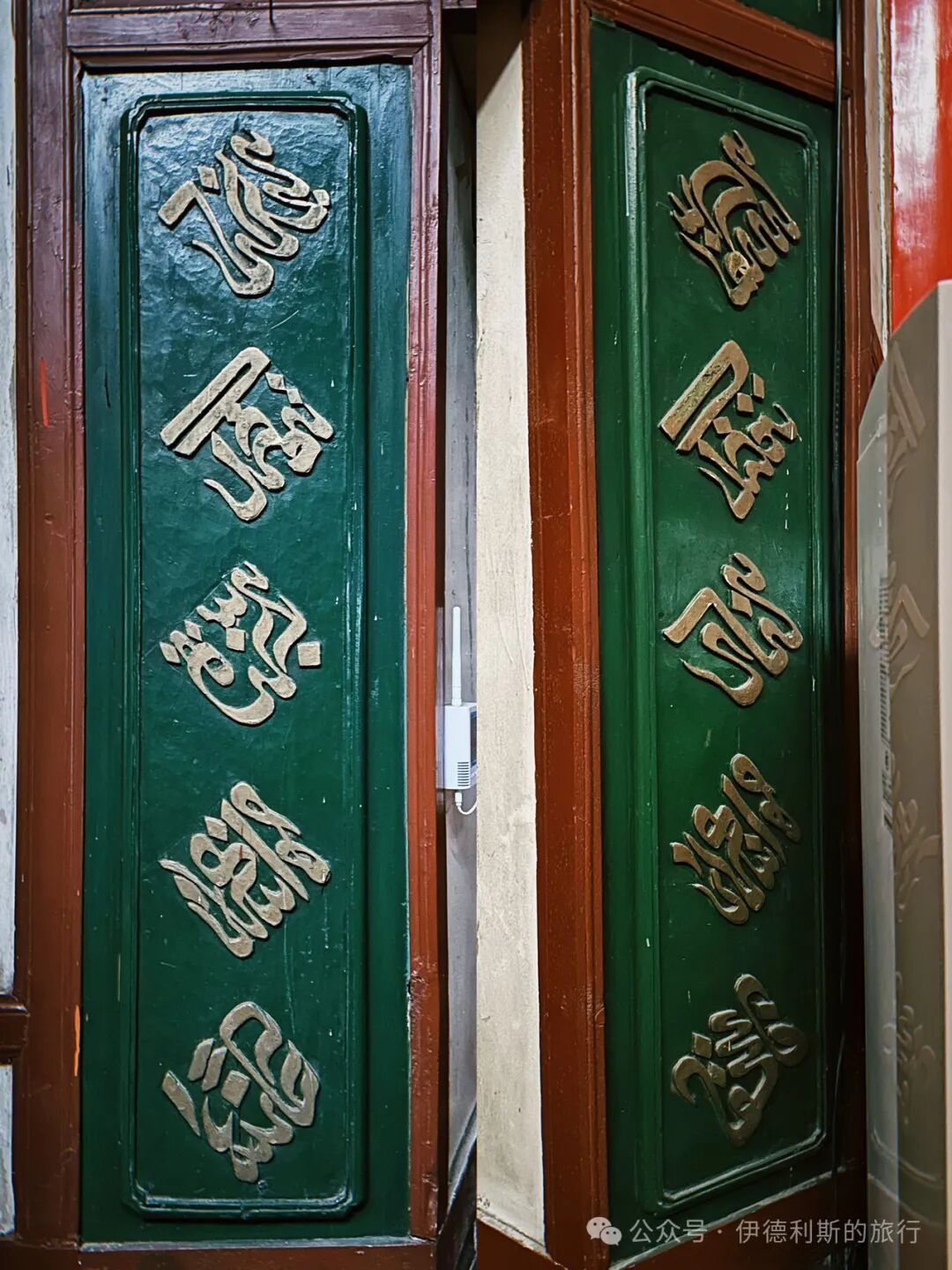
The facade of the main hall features beautiful Shaanxi-style Arabic calligraphy in stone and wood carvings. The stone calligraphy carvings are located on the gates on both sides of the rear kiln hall. Because they were covered with thick carpets to block the wind during winter, it was difficult to photograph the full view.
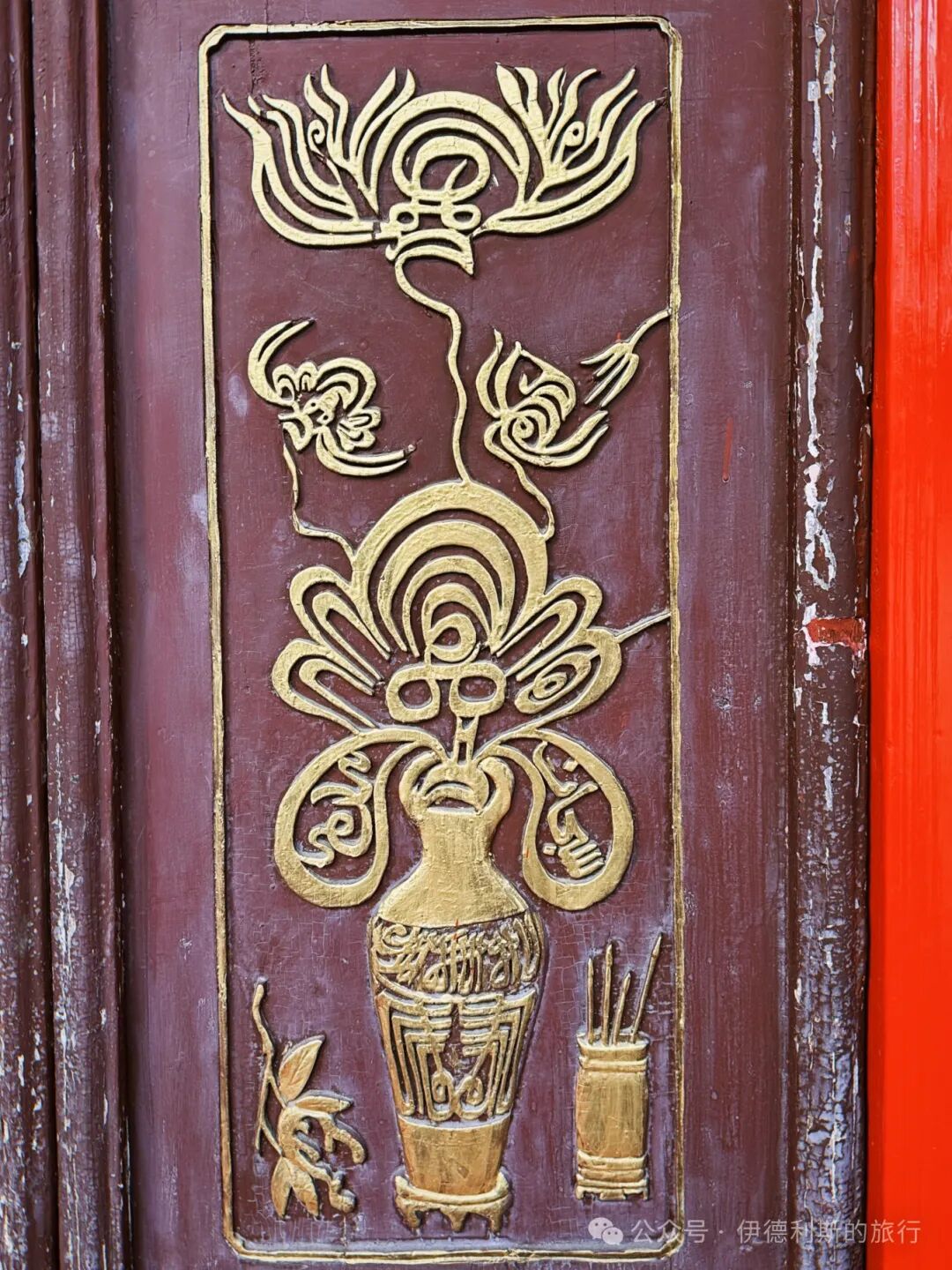
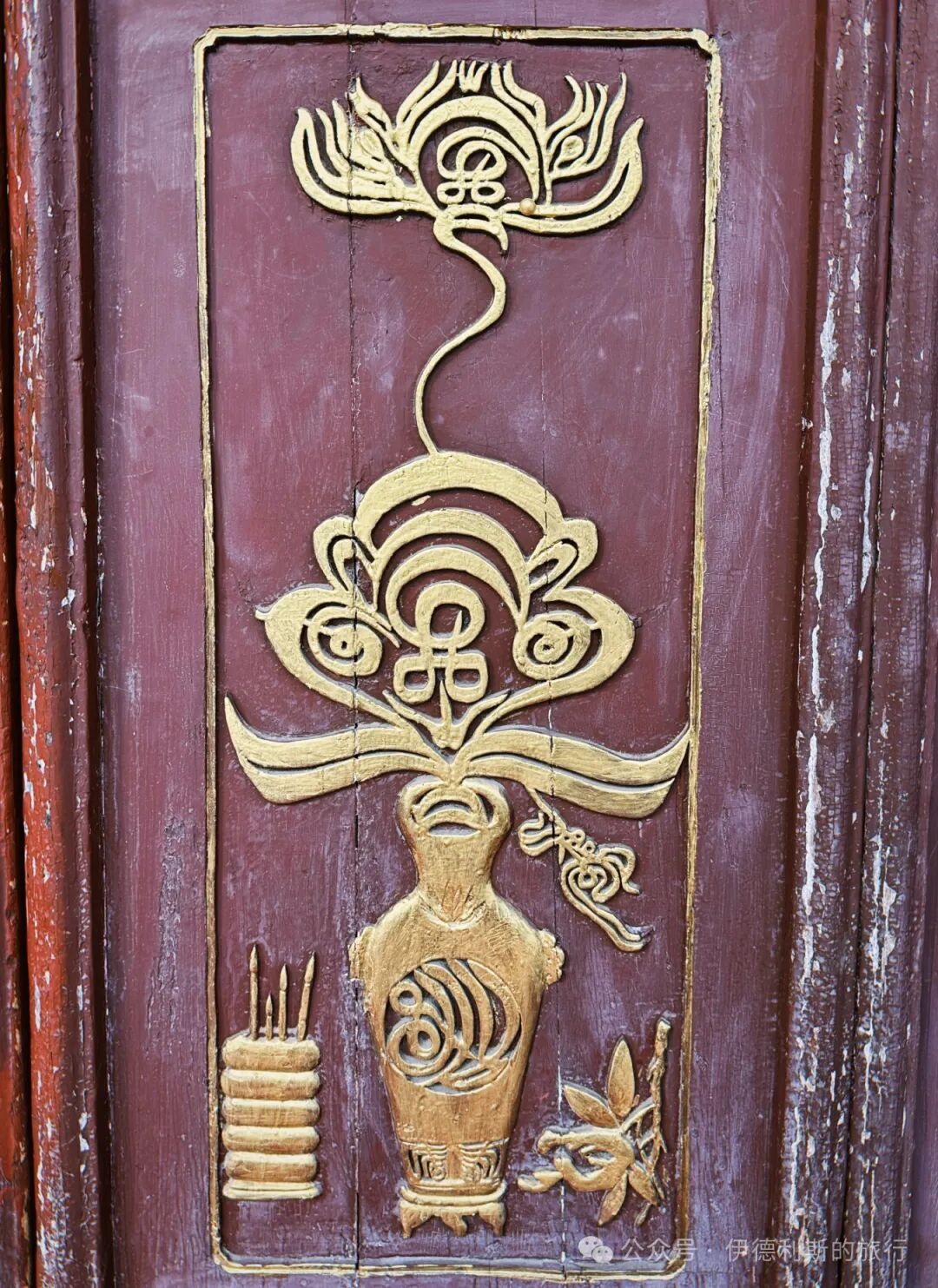
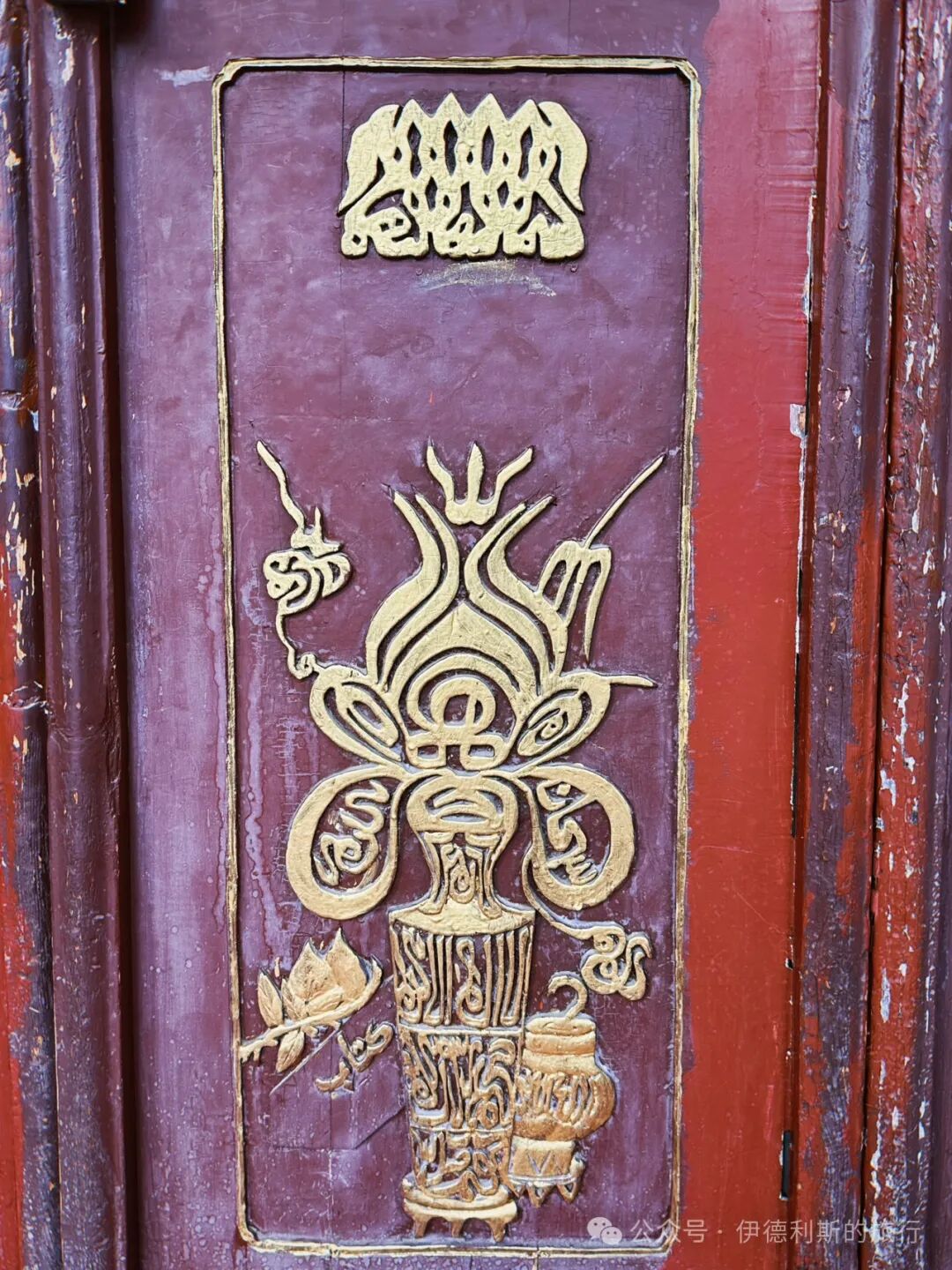
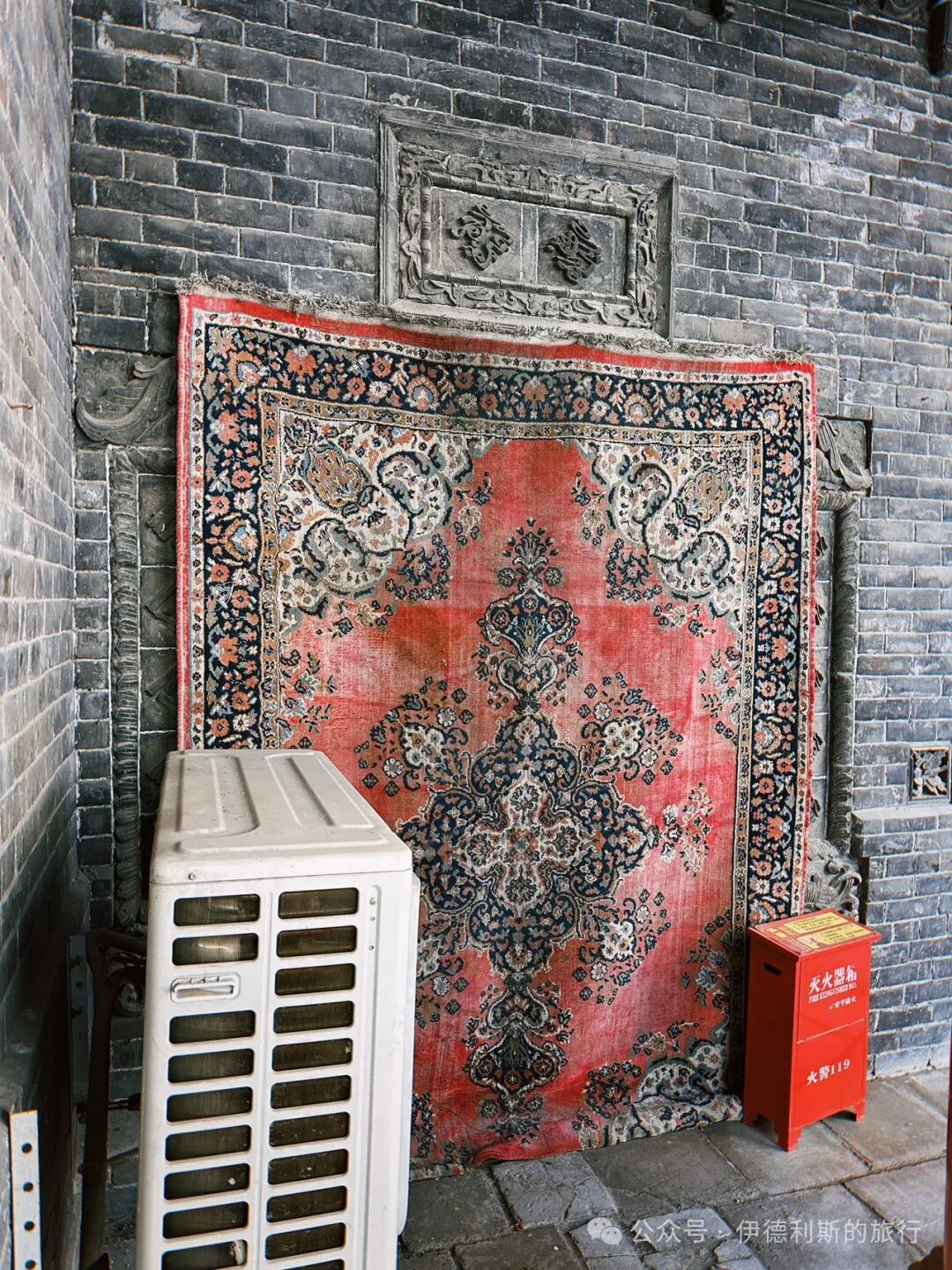
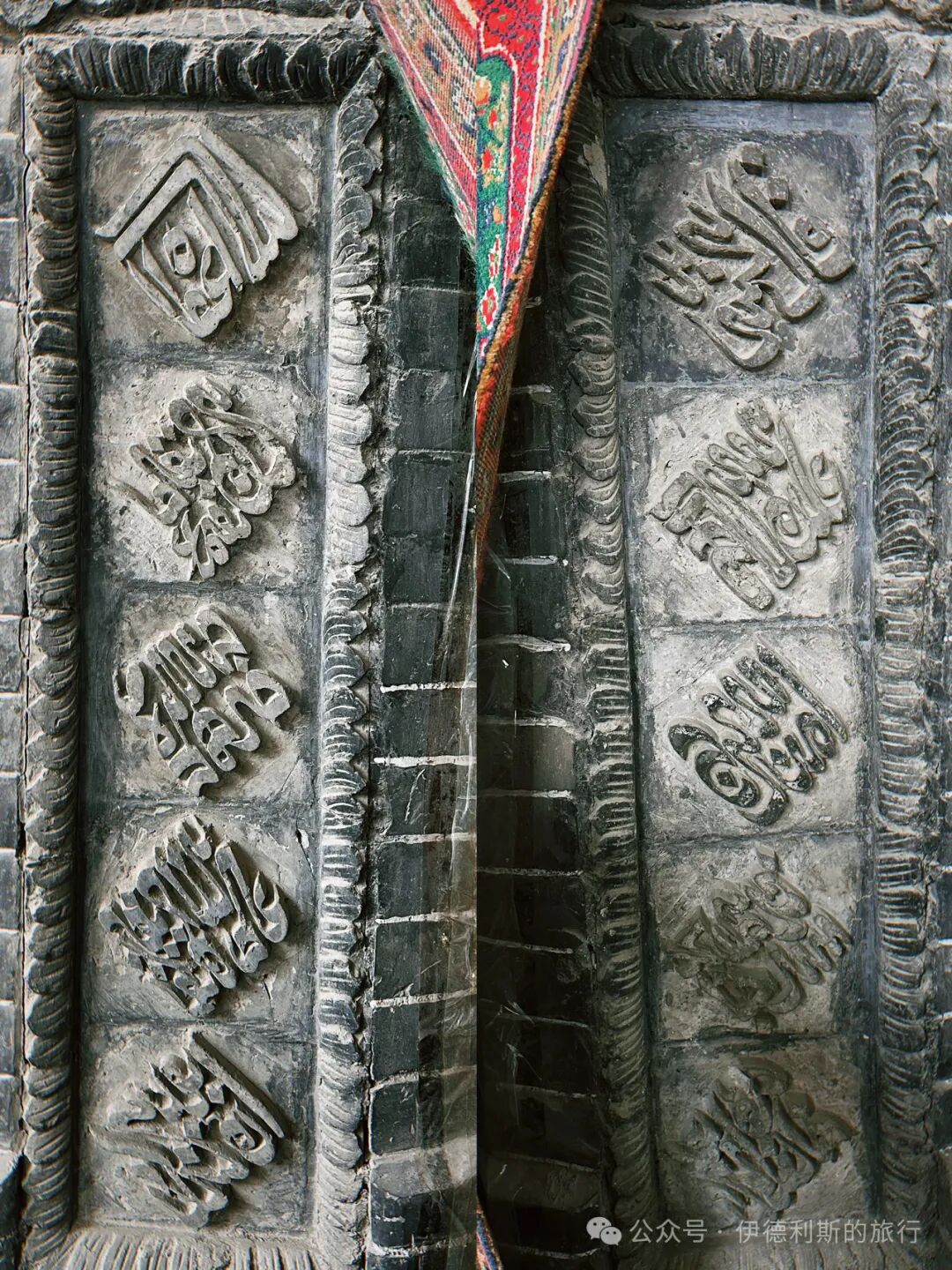
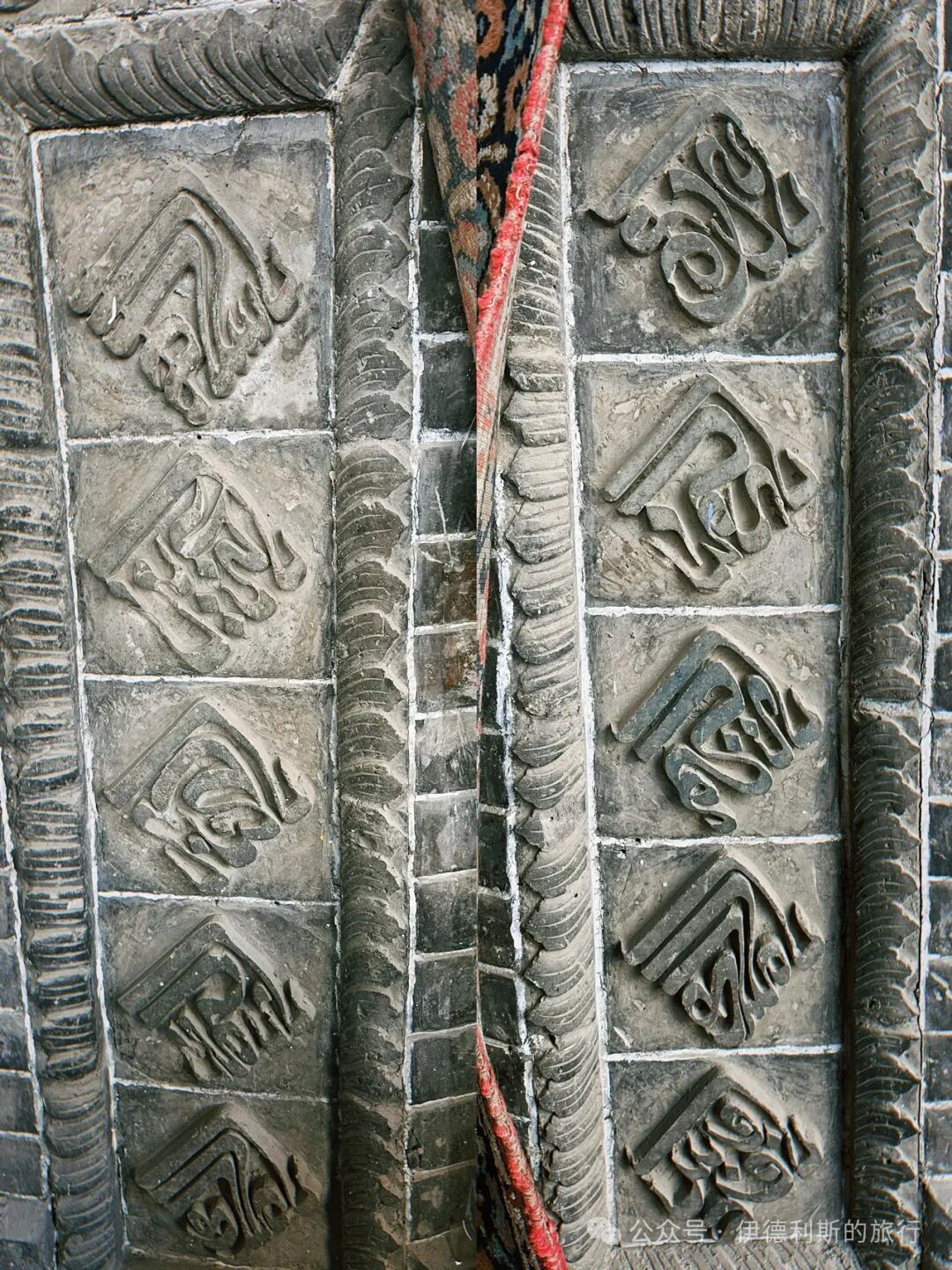
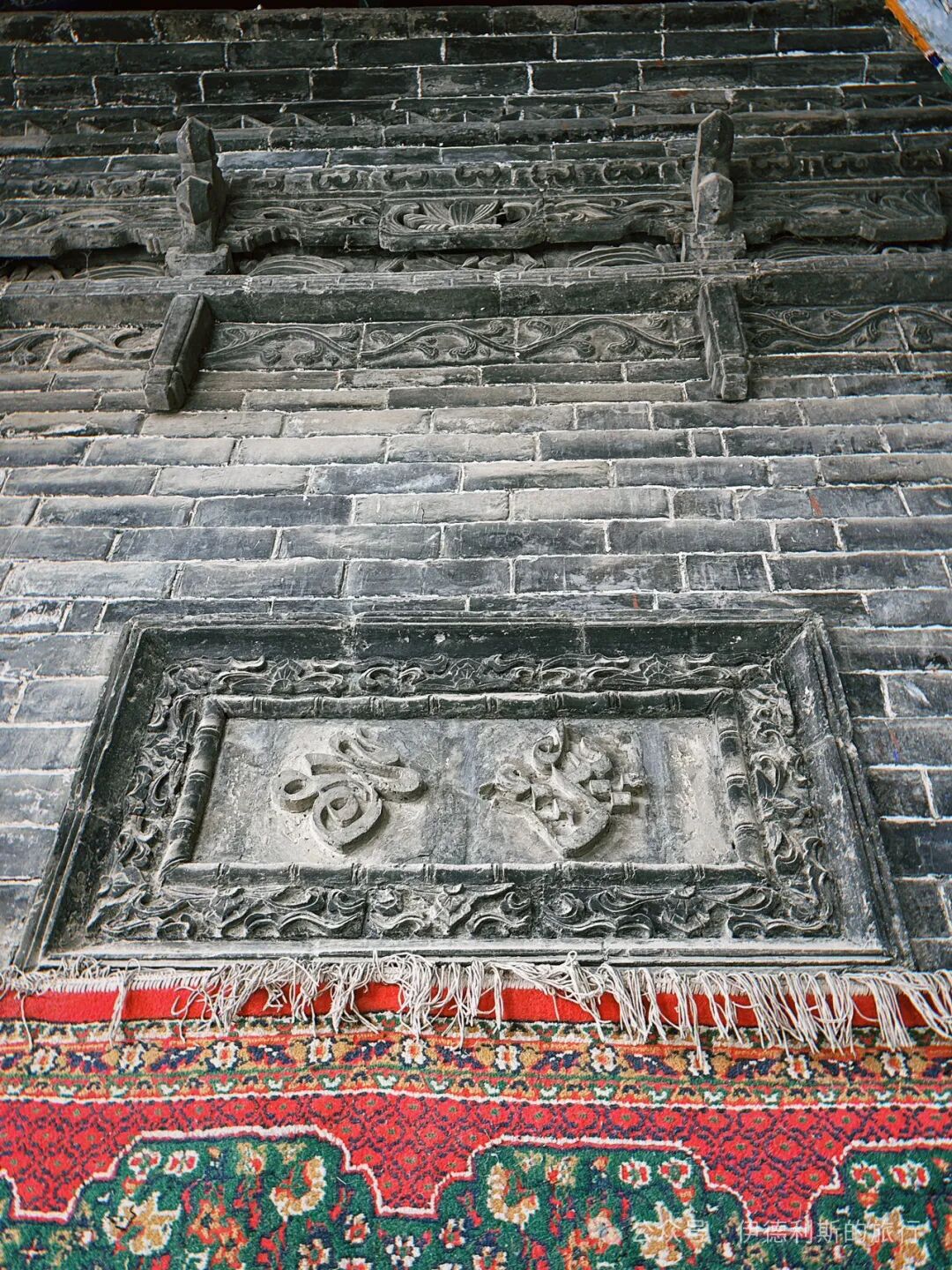
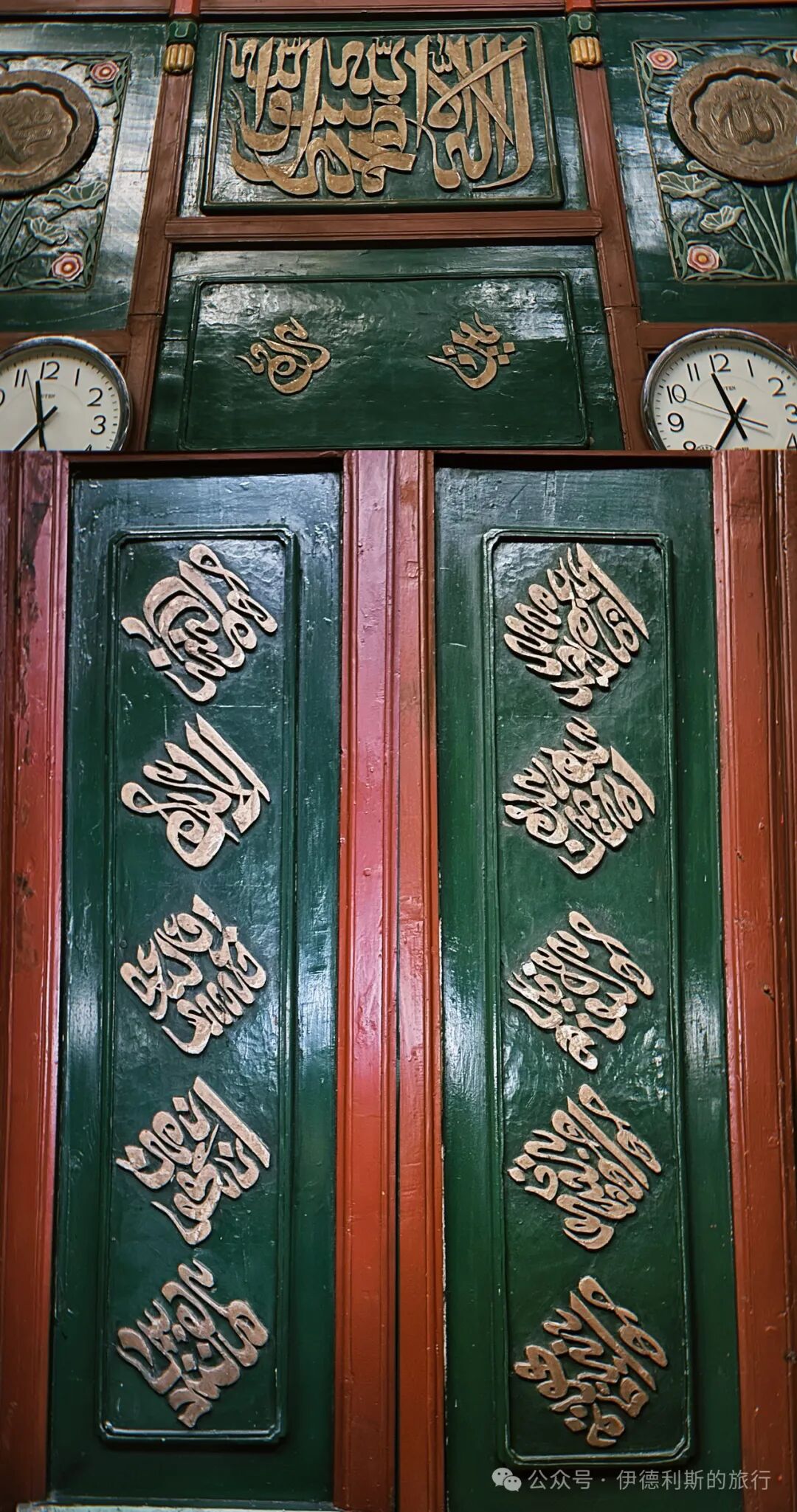
The main hall uses a traditional beam-lifting wooden frame. Between the main hall and the prayer niche (yaodian) stands a wooden screen carved with intertwined grape vines. It features traditional Arabic calligraphy in the center, and the Shahada is cleverly written above it in the shape of tree roots.
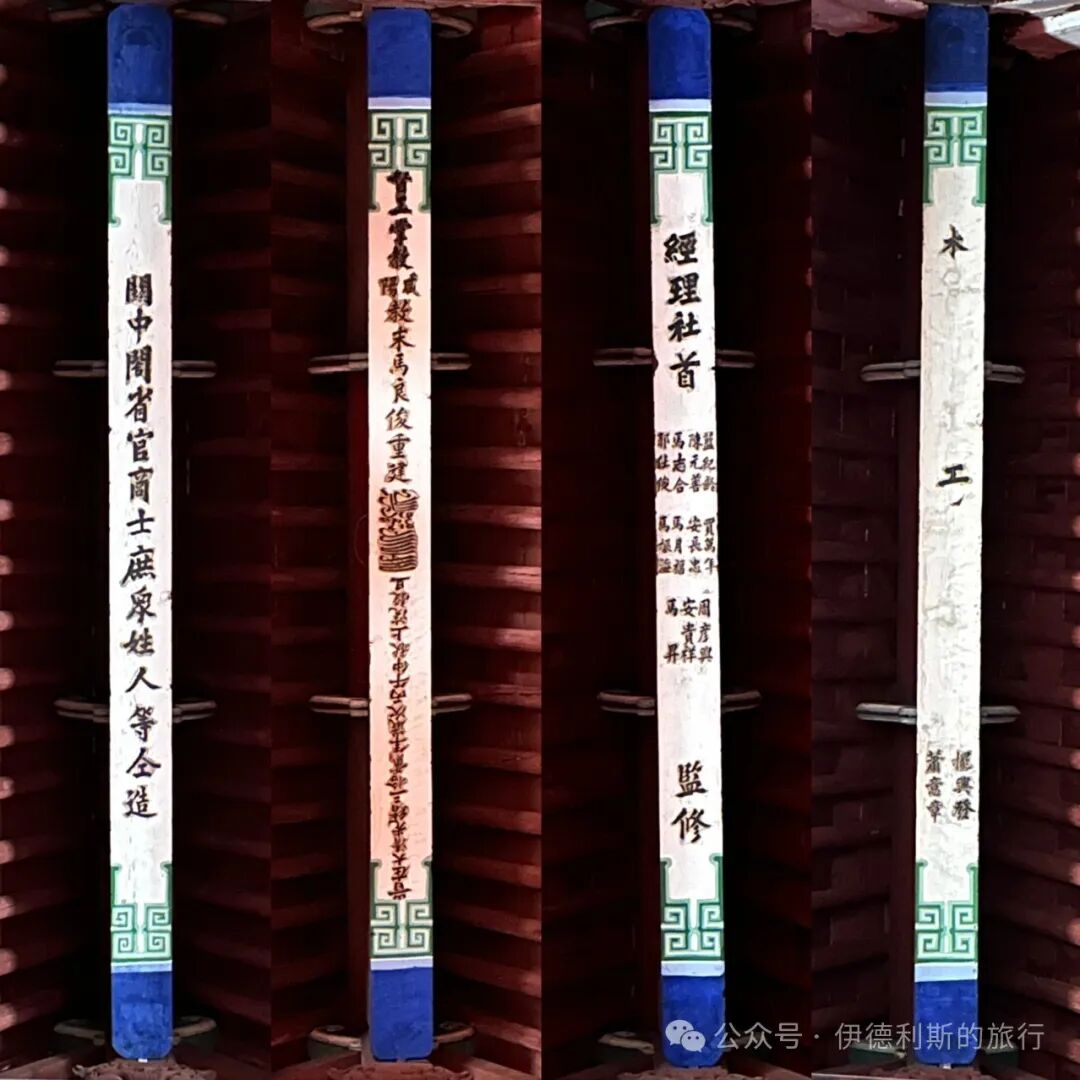
An inscription on the main hall roof reads: Built by the collective efforts of officials, merchants, scholars, and commoners from all provinces in Guanzhong. Rebuilt under the supervision of Imam Ma Liangjun, the head of the mosque in Xianyang. Completed on an auspicious day in the middle of the seventh lunar month in the 32nd year of the Guangxu reign of the Qing Dynasty. Managed by community leaders Lan Jiling, Chen Yuanshan, Ma Zhihe, Guo Shijun, Mai Wannian, An Changzhong, Ma Yuefu, Ma Zhenhai, Zhou Yanxing, An Guixiang, and Ma Sheng, with carpenters Bai Xingfa and Xiao Yizhang.
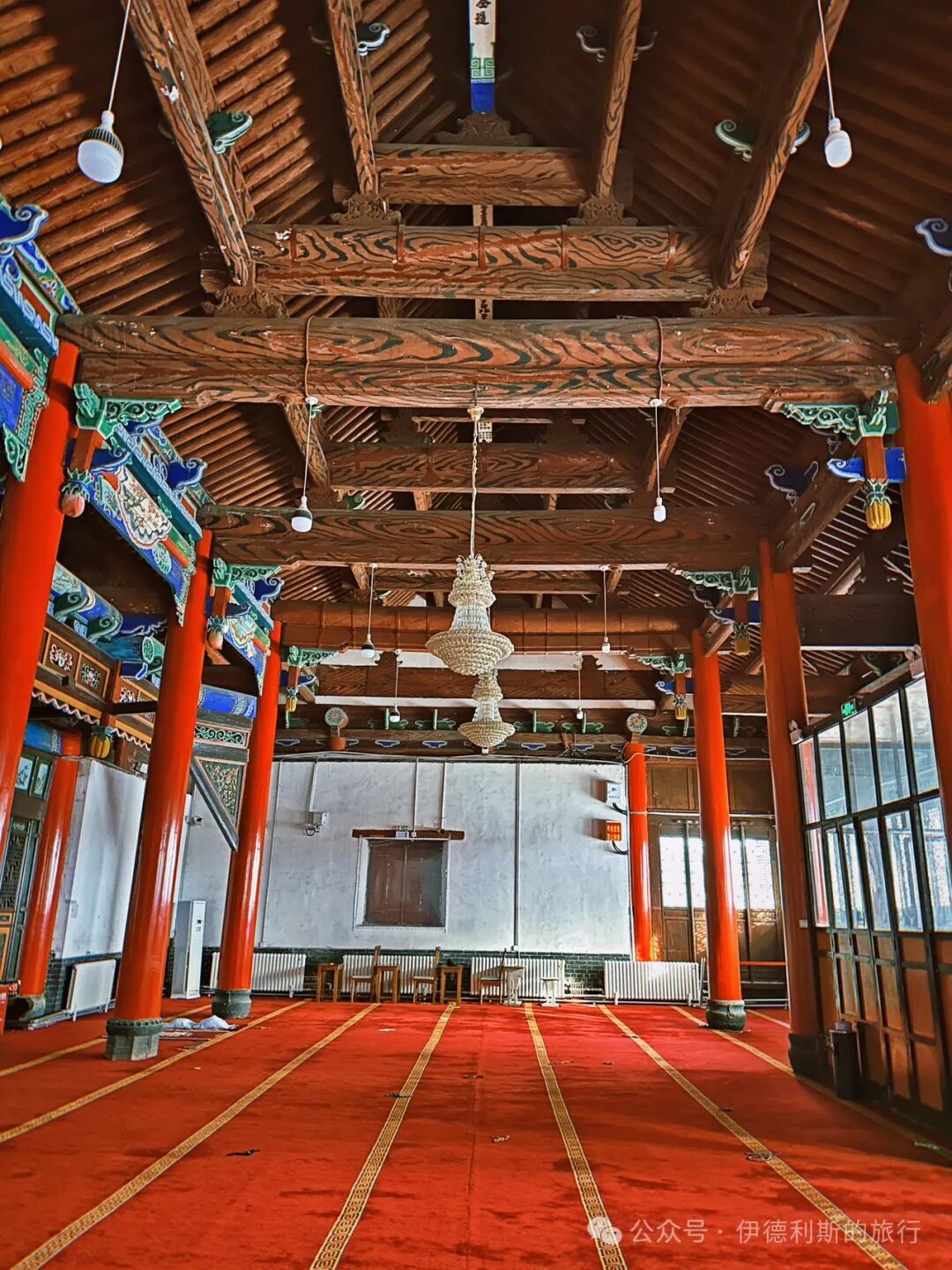
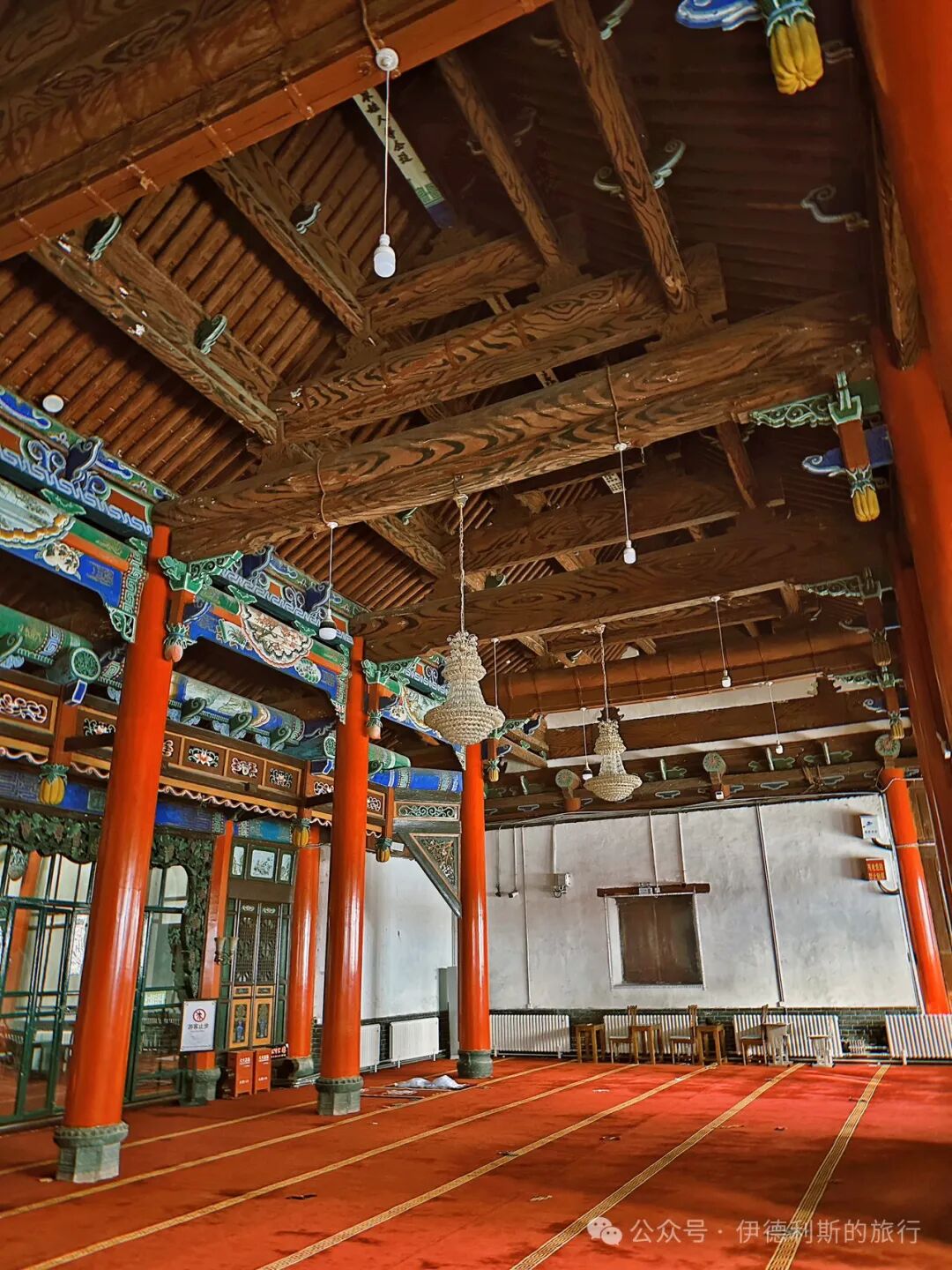
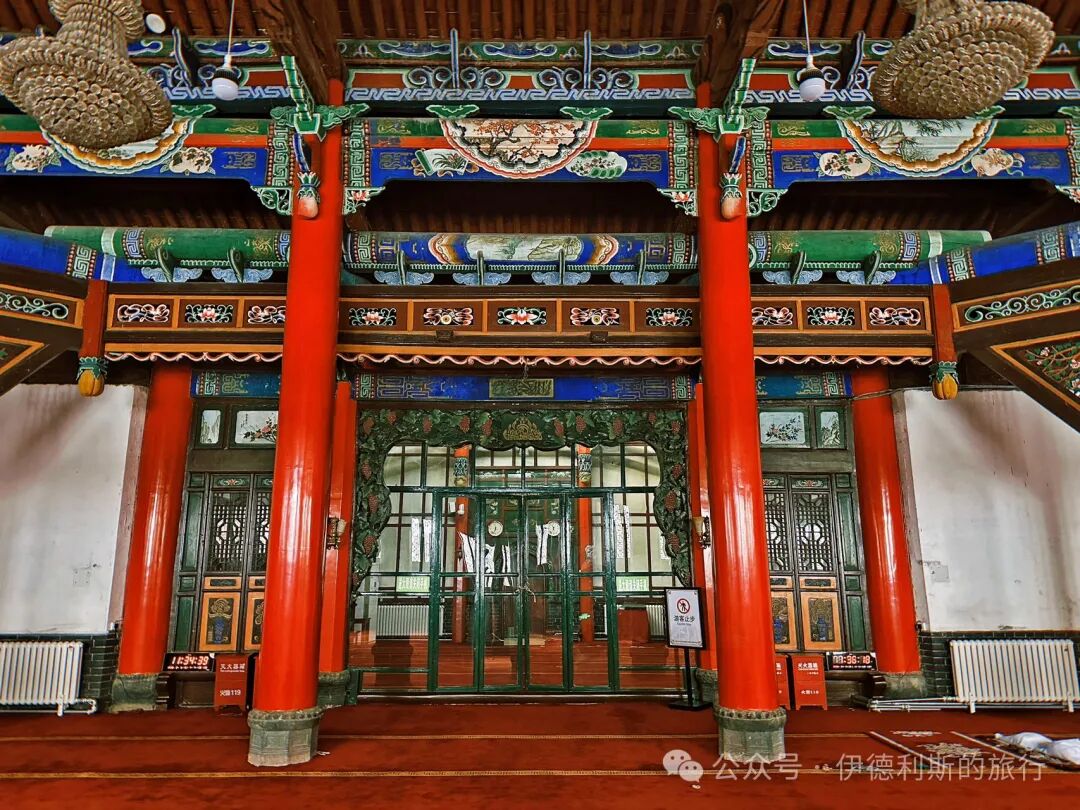
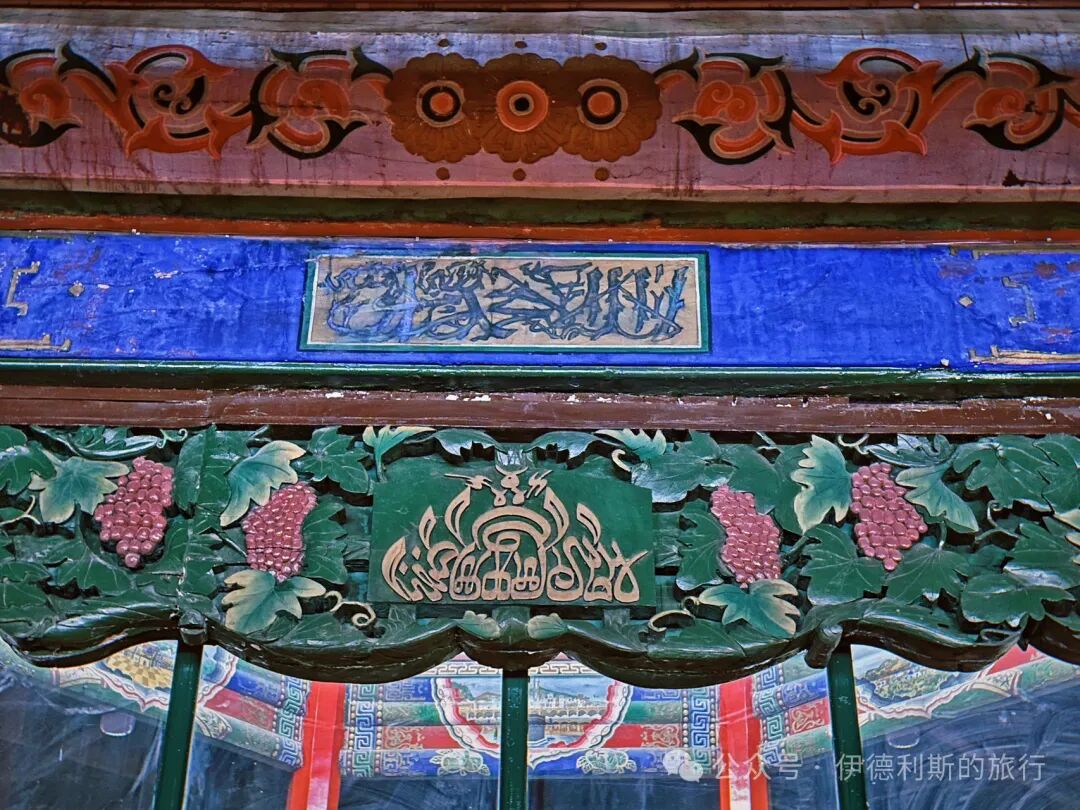
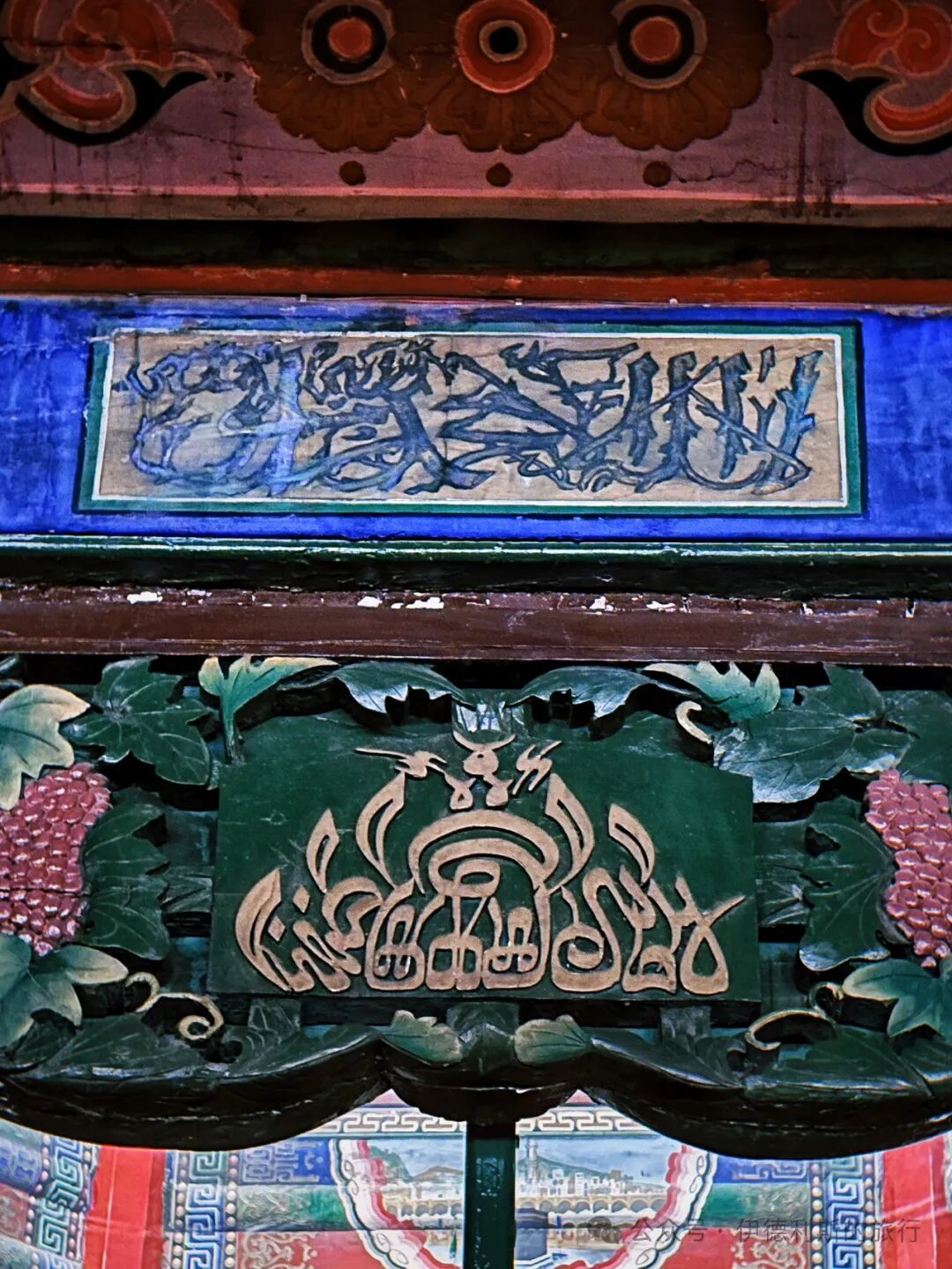
The prayer niche ceiling features an exquisite caisson (zaojing) made of three layers of hanging lotus-style wooden components.
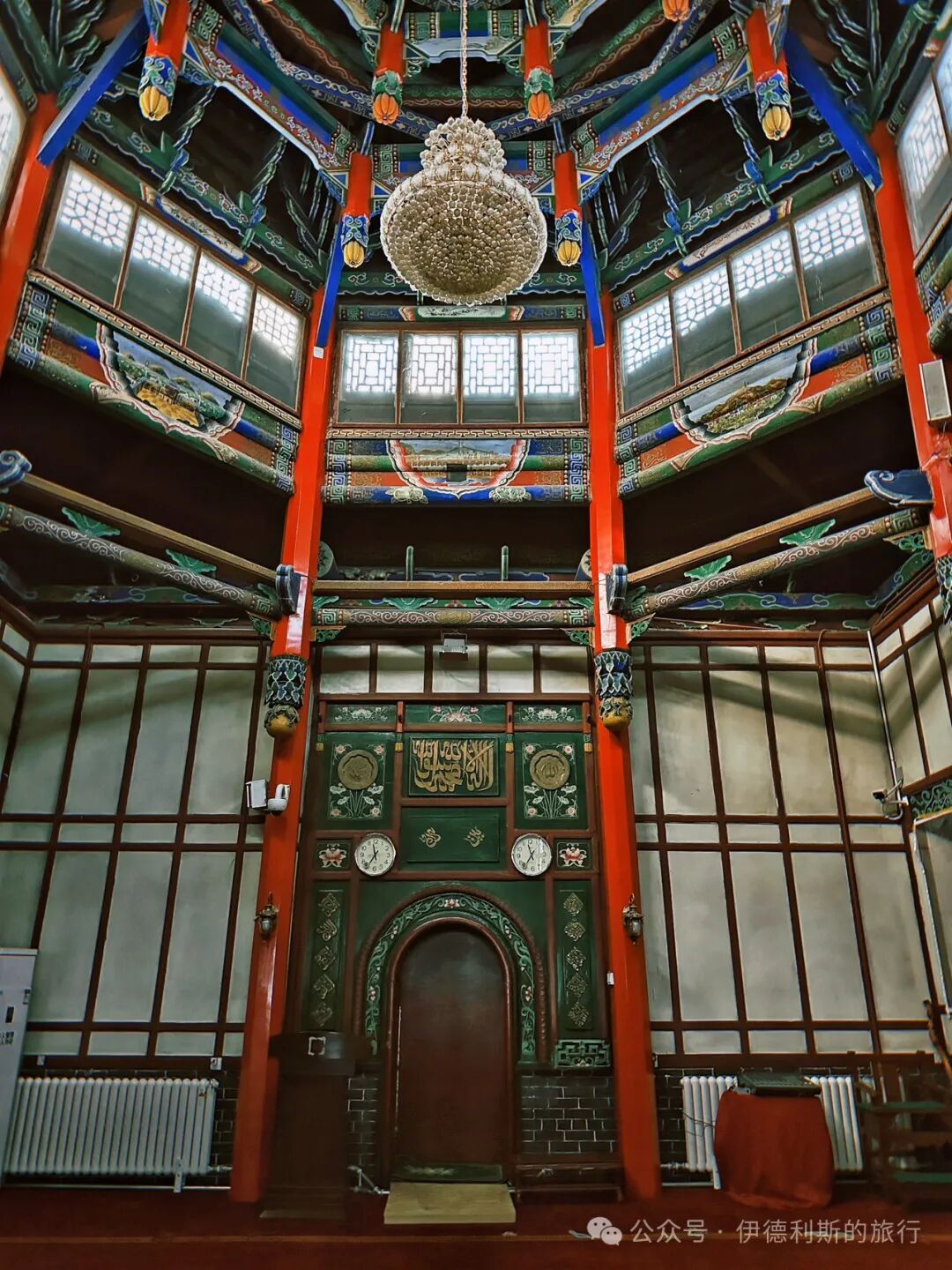
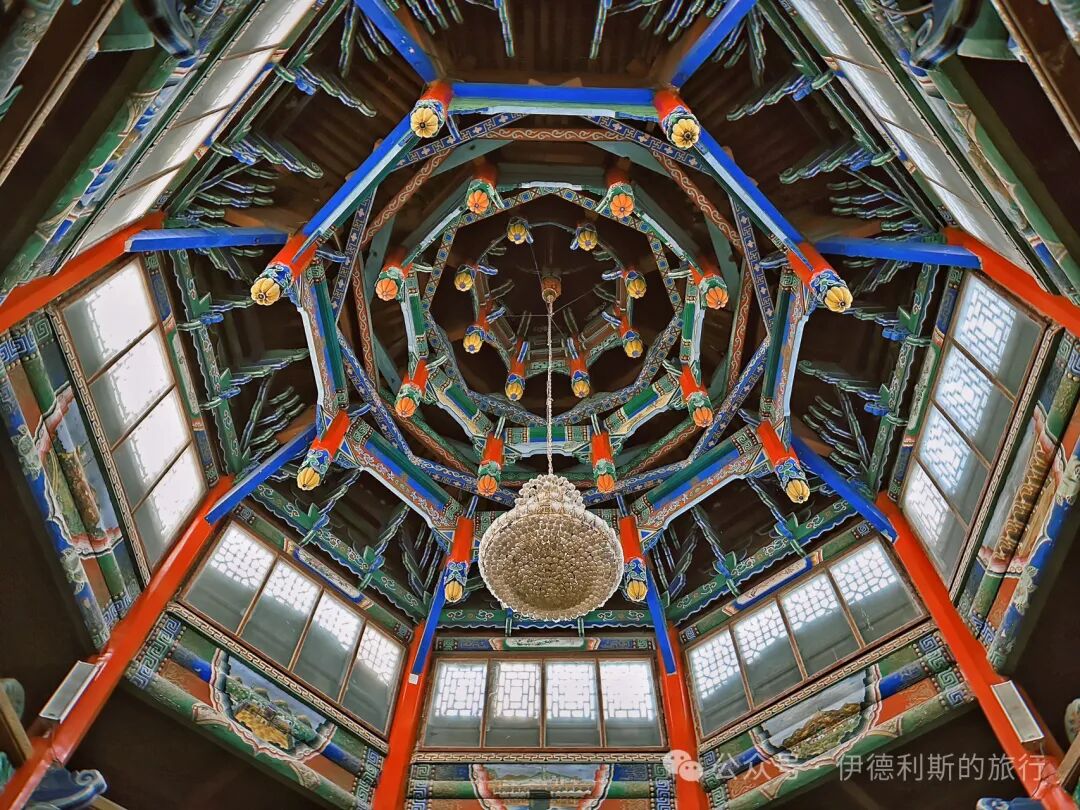
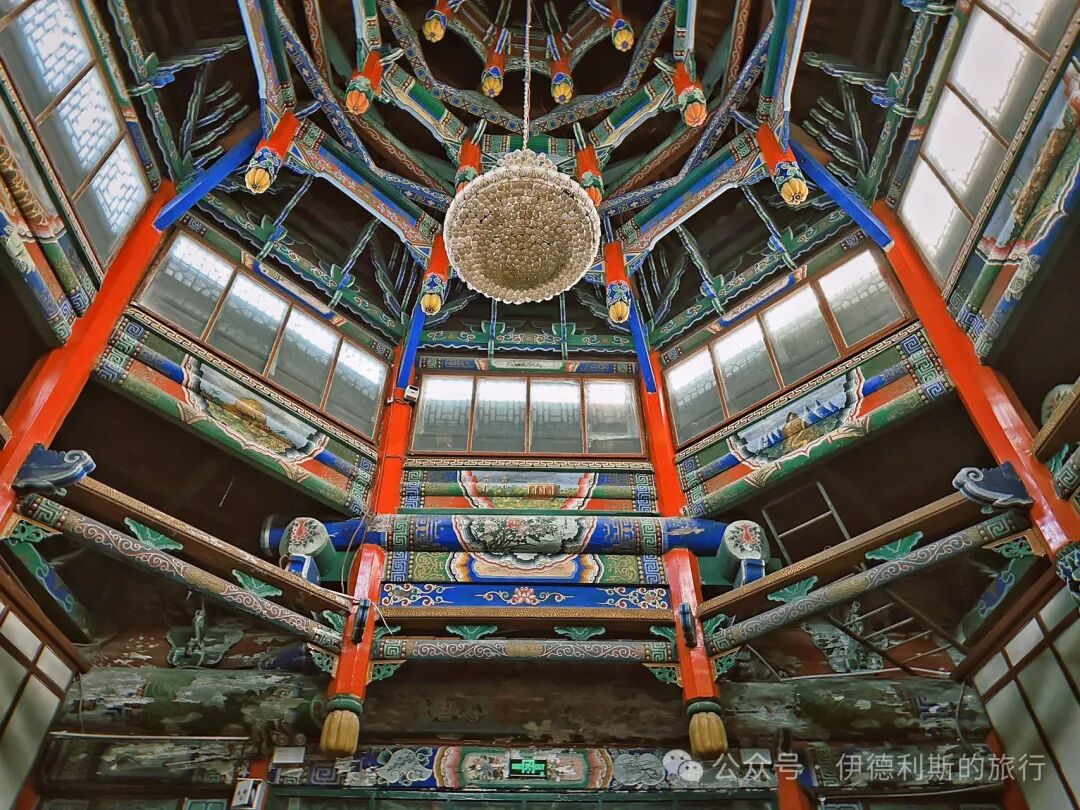
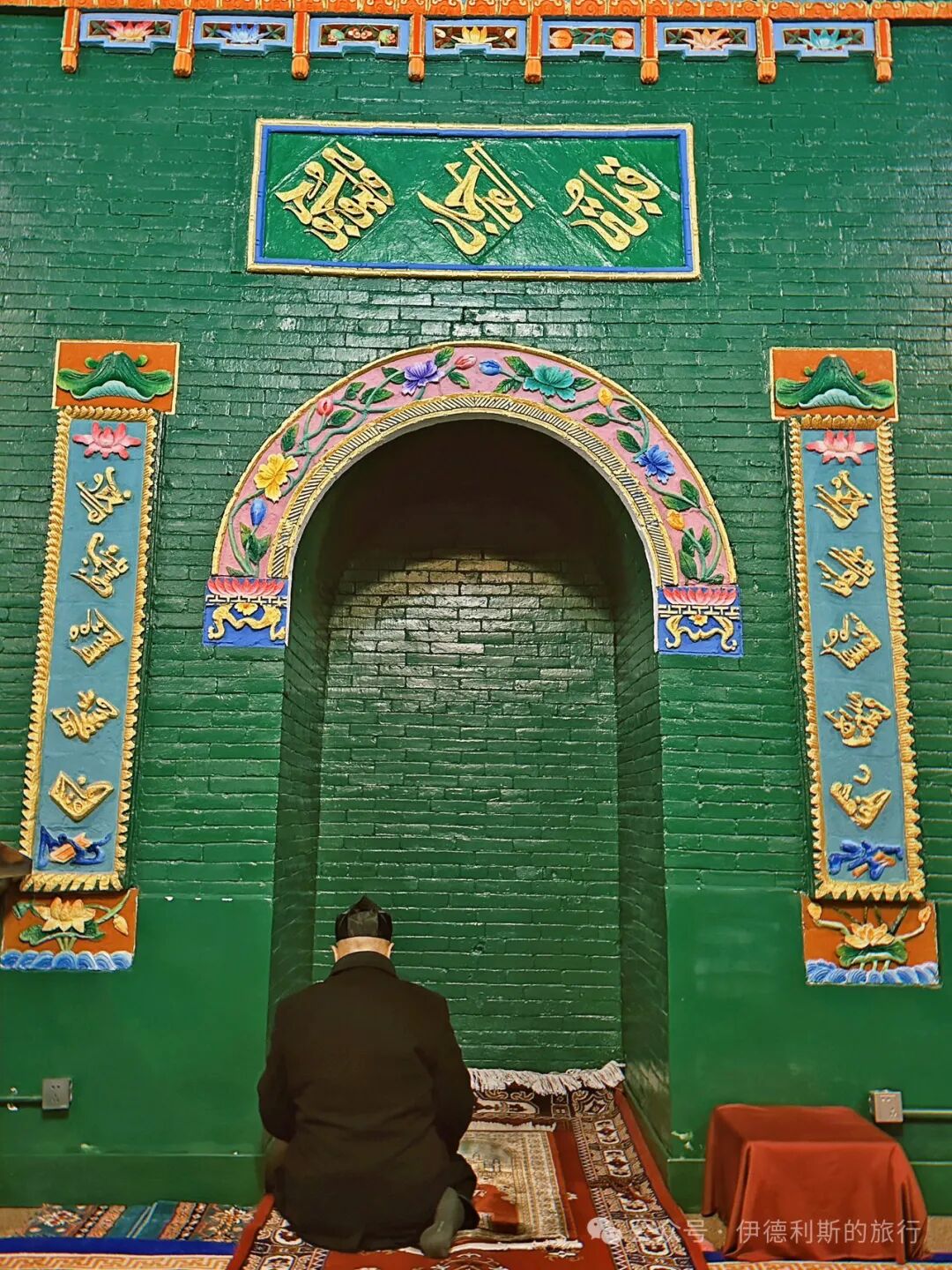
The prayer niche contains Arabic calligraphy, and both the mihrab and the two side doors feature traditional Shaanxi-style wood-carved calligraphy.
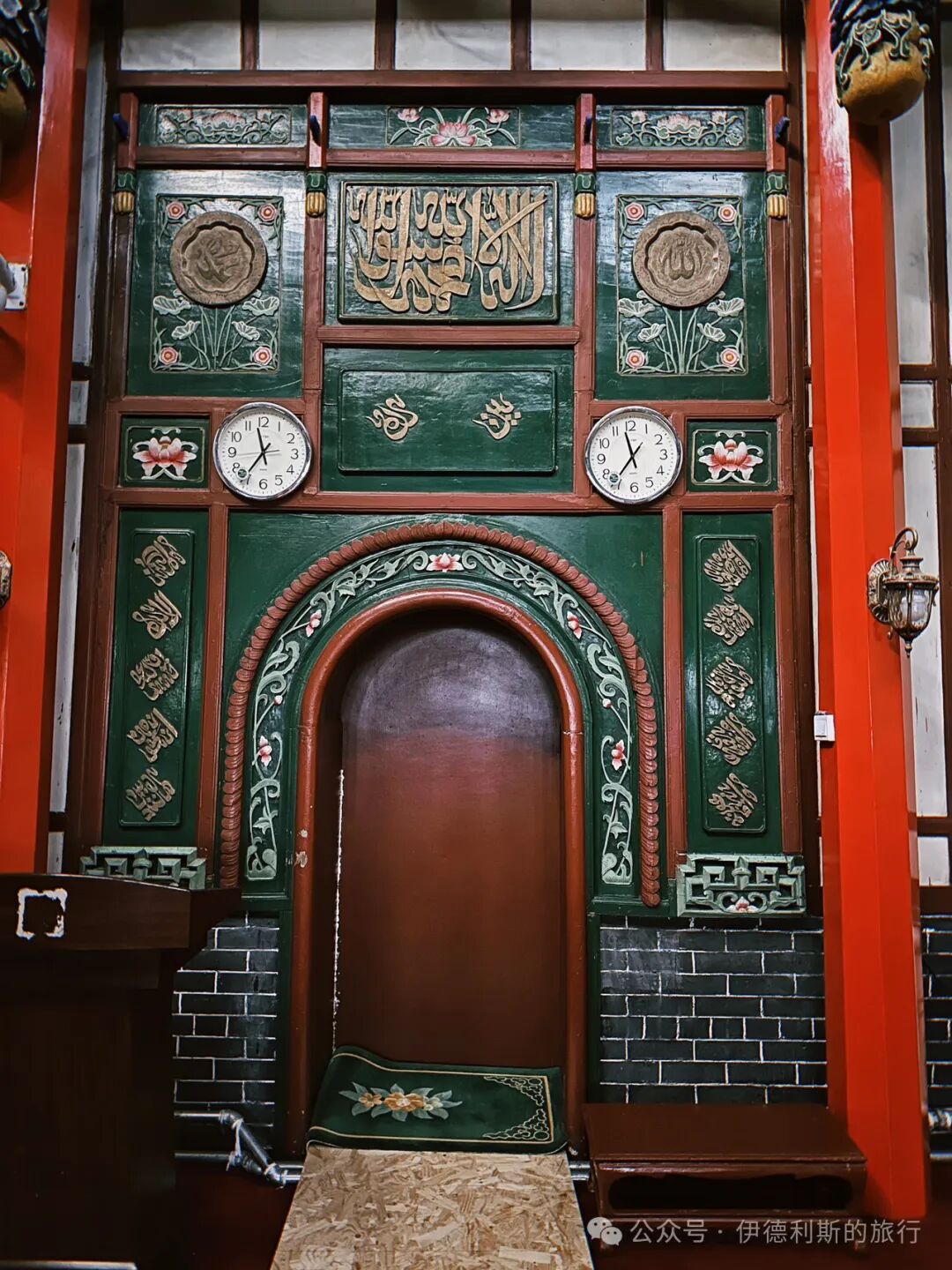
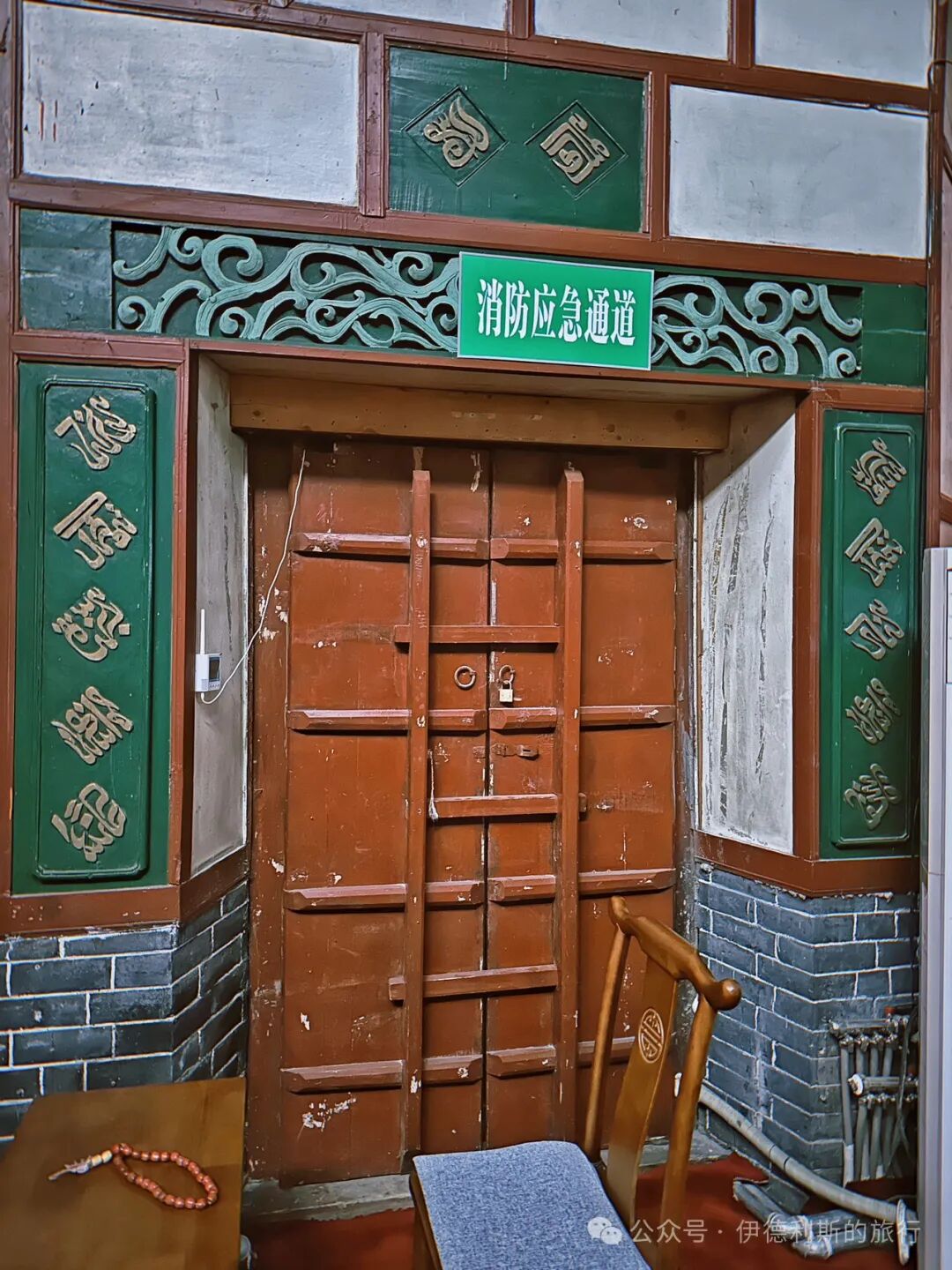
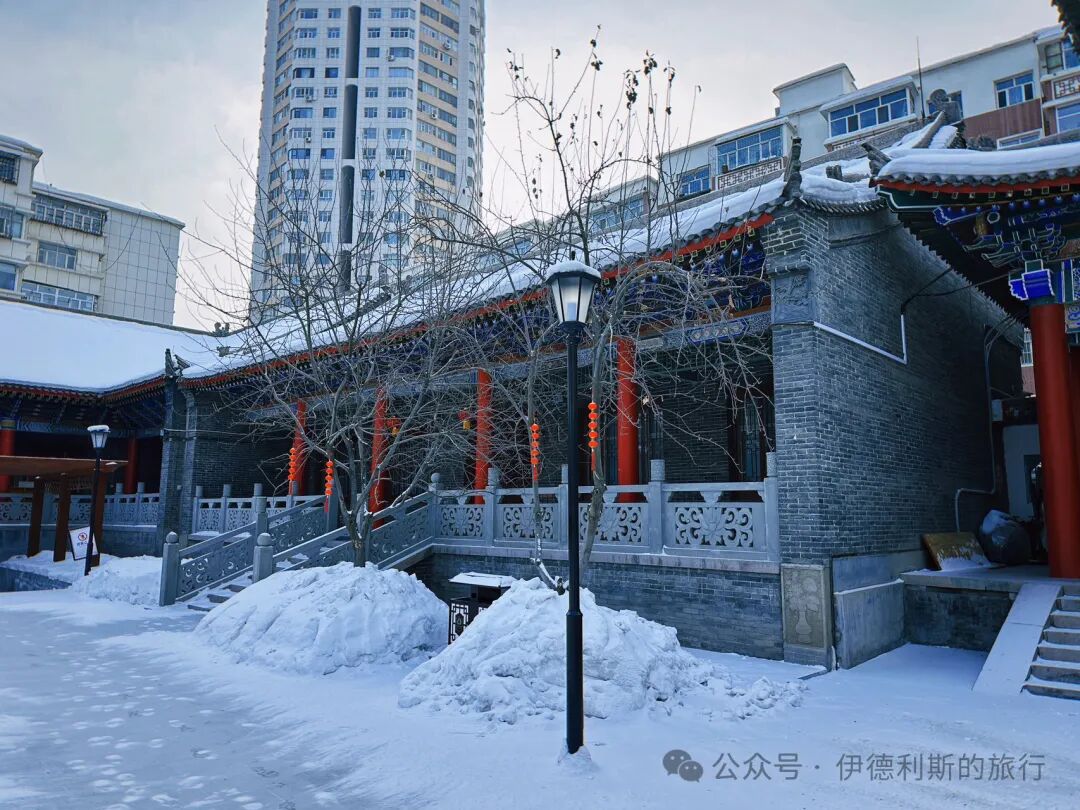
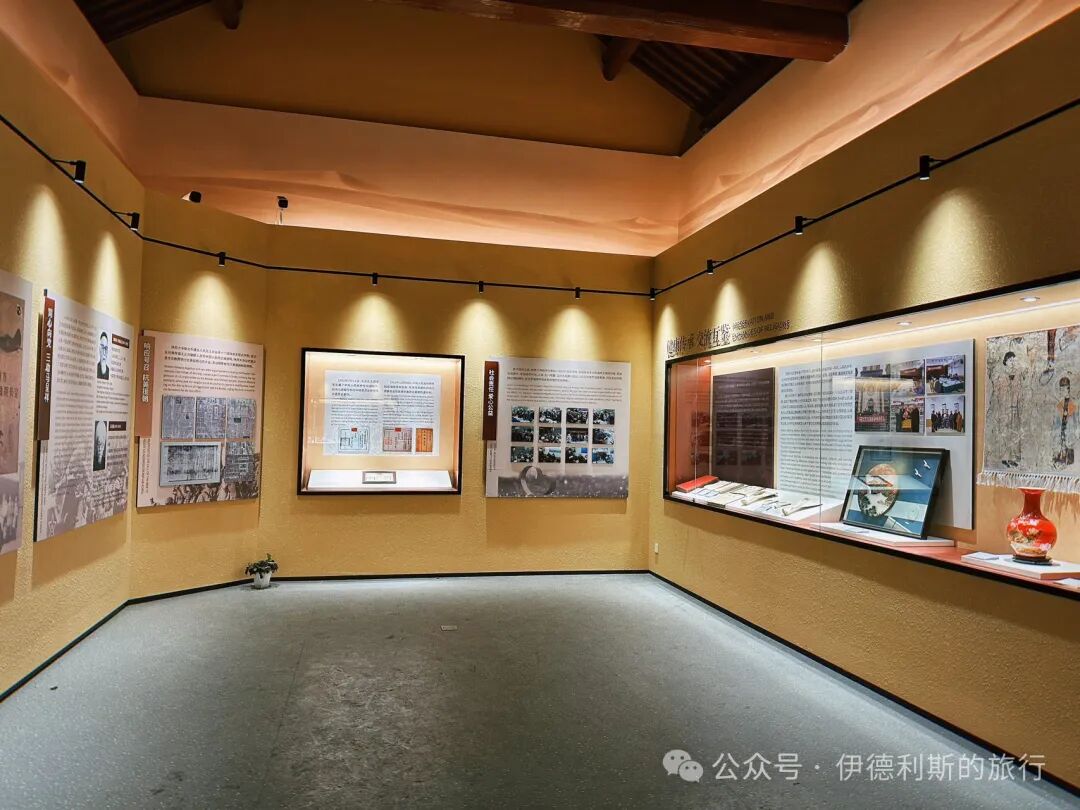
Shaanxi Grand Mosque is now open to visitors daily from 11:00-13:00 and 15:00-17:00. The main hall is unlocked, and there are two exhibition halls to explore.
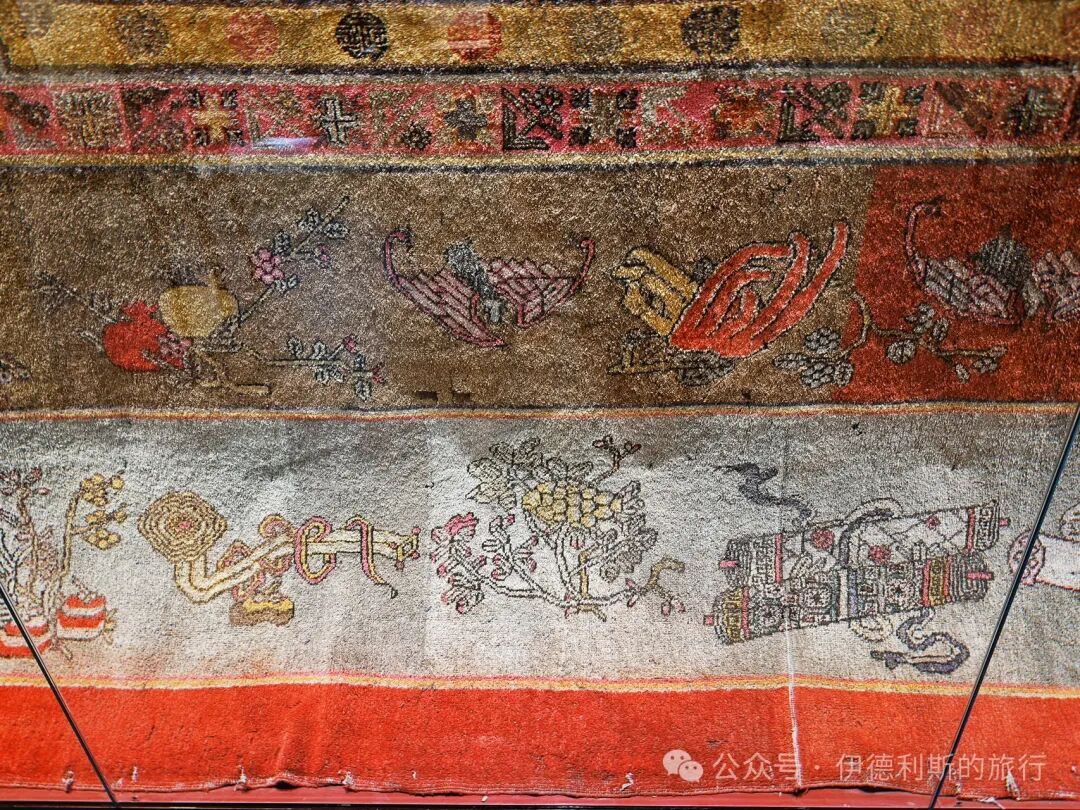
The exhibition halls display architectural parts from the Shaanxi Grand Mosque, antique porcelain, and a century-old carpet decorated with various antique patterns and floral designs.
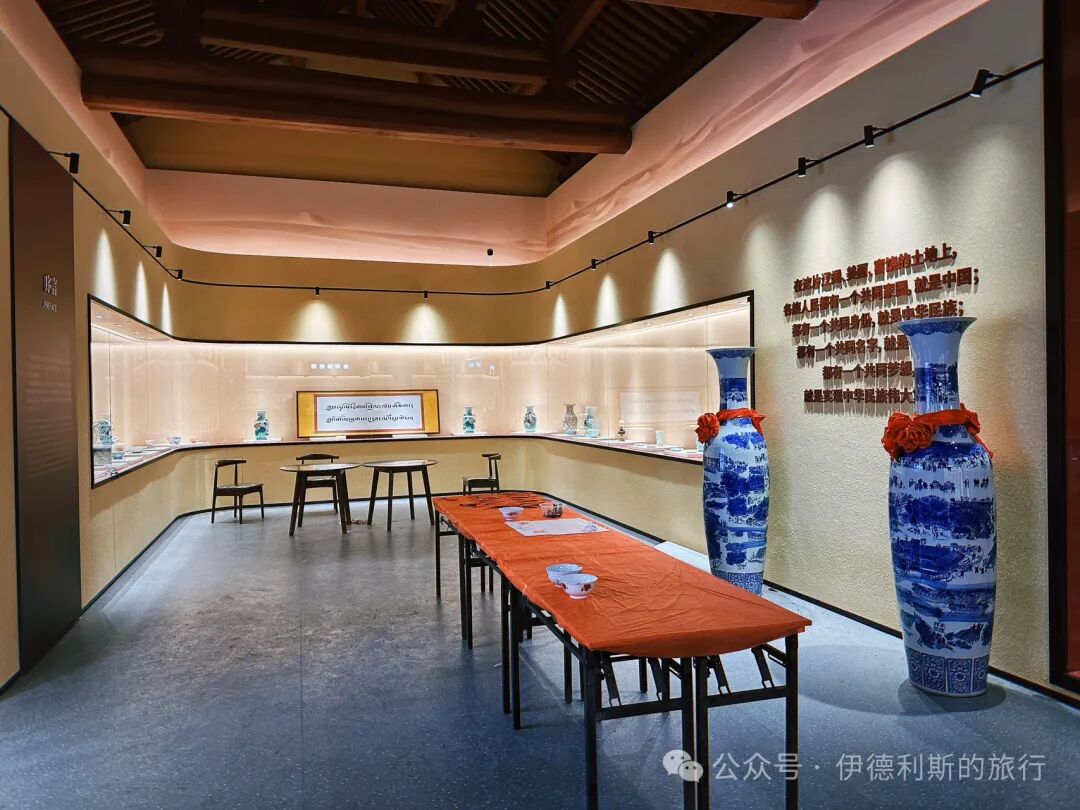
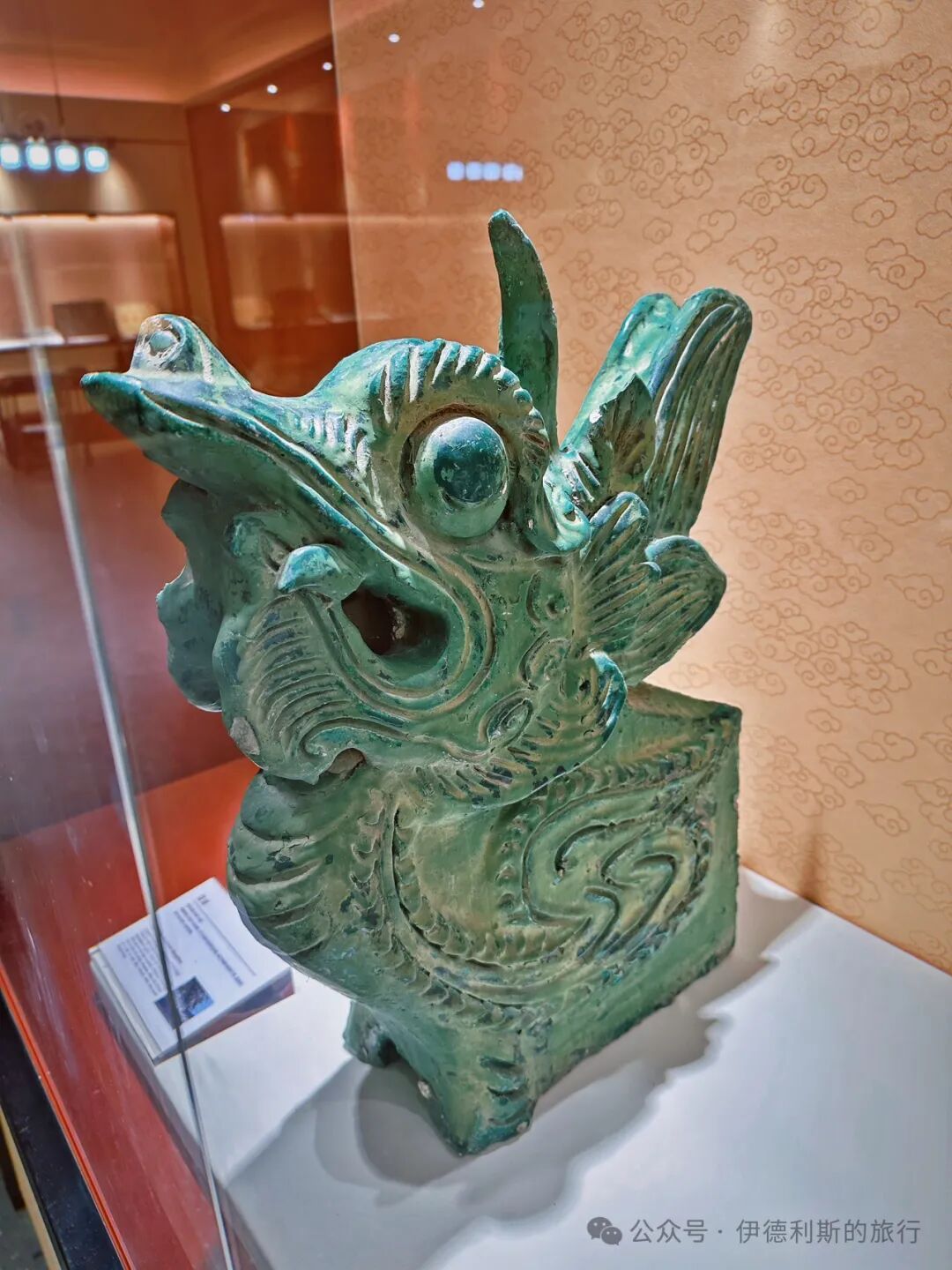
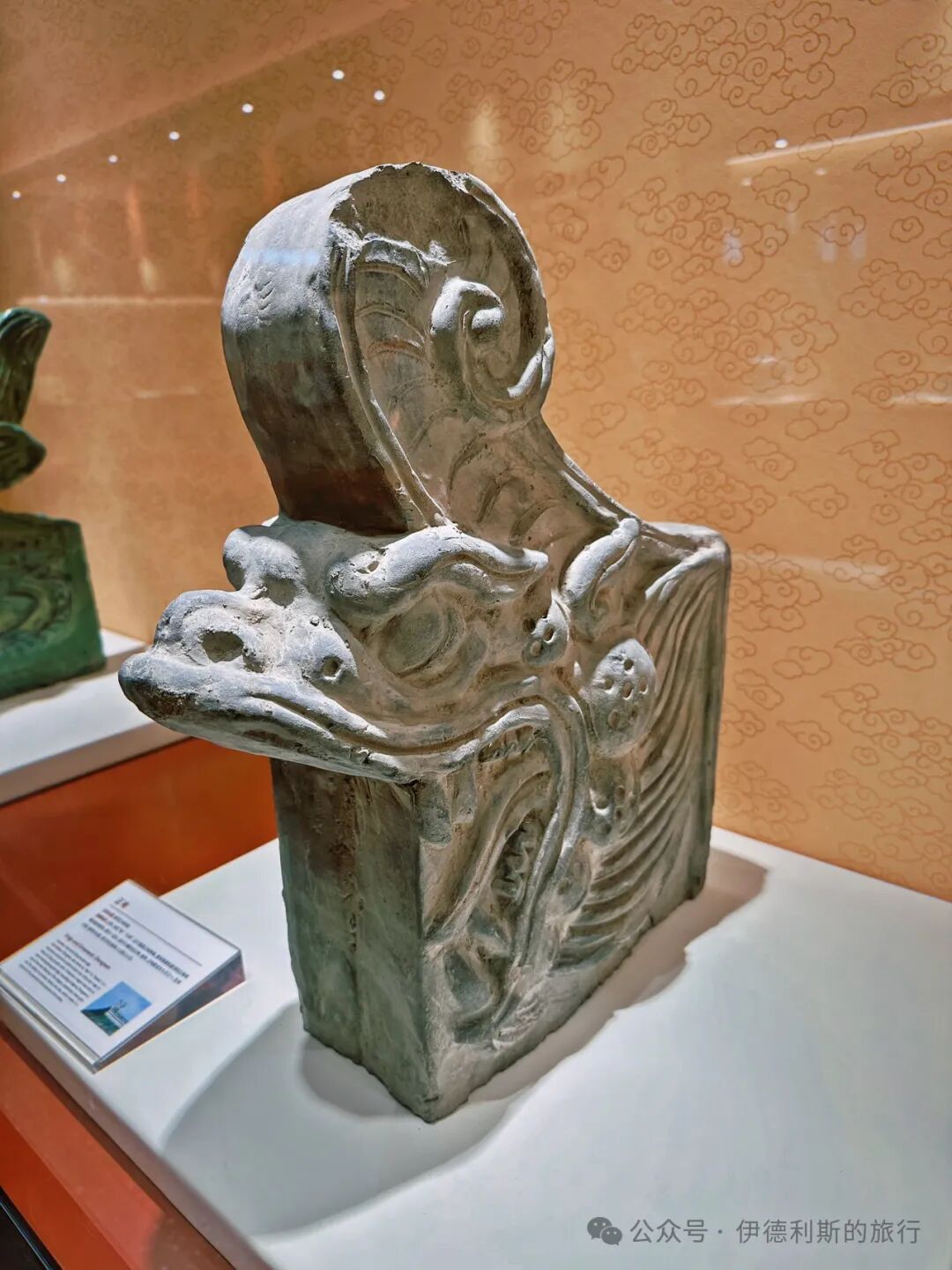
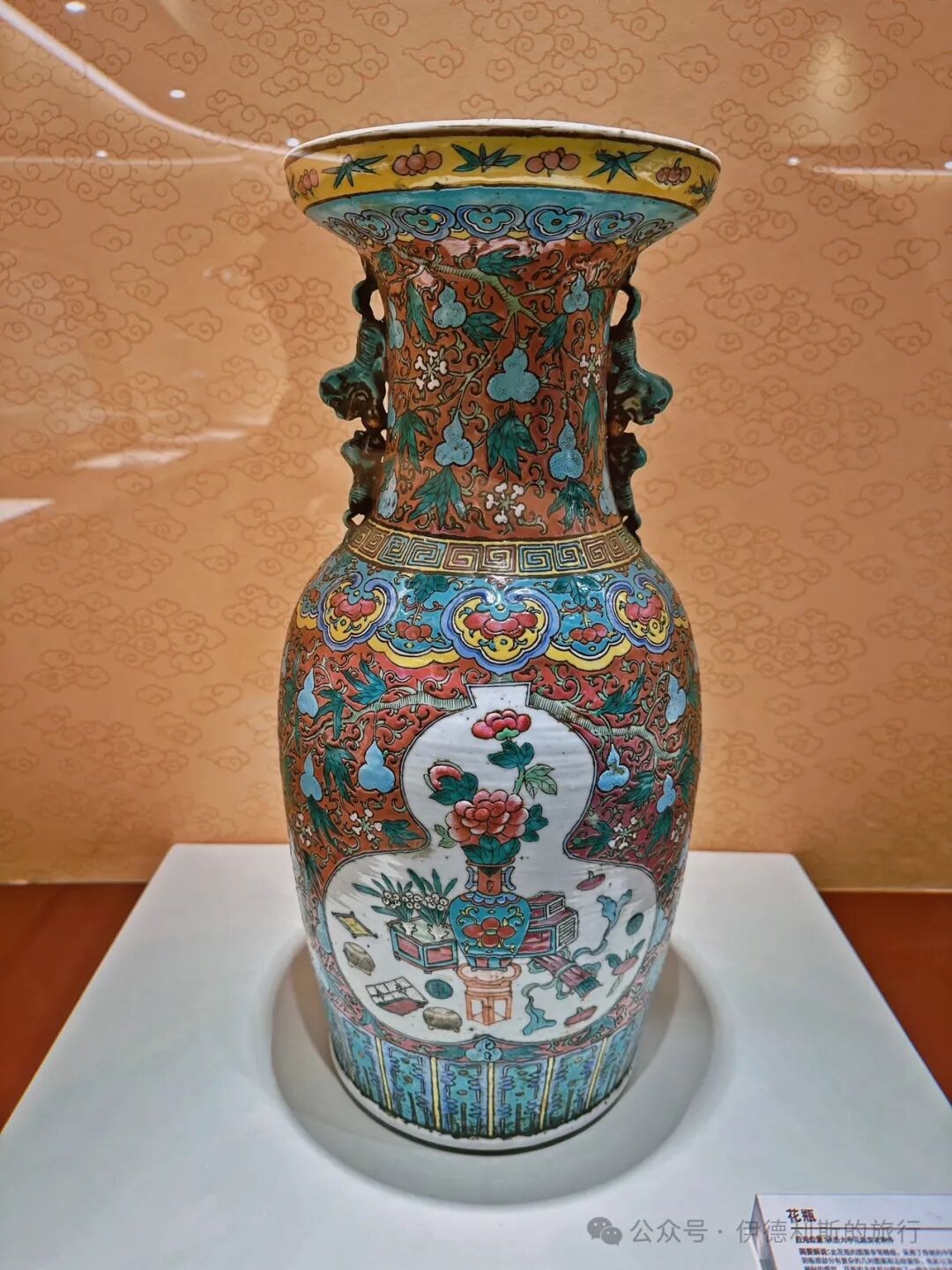
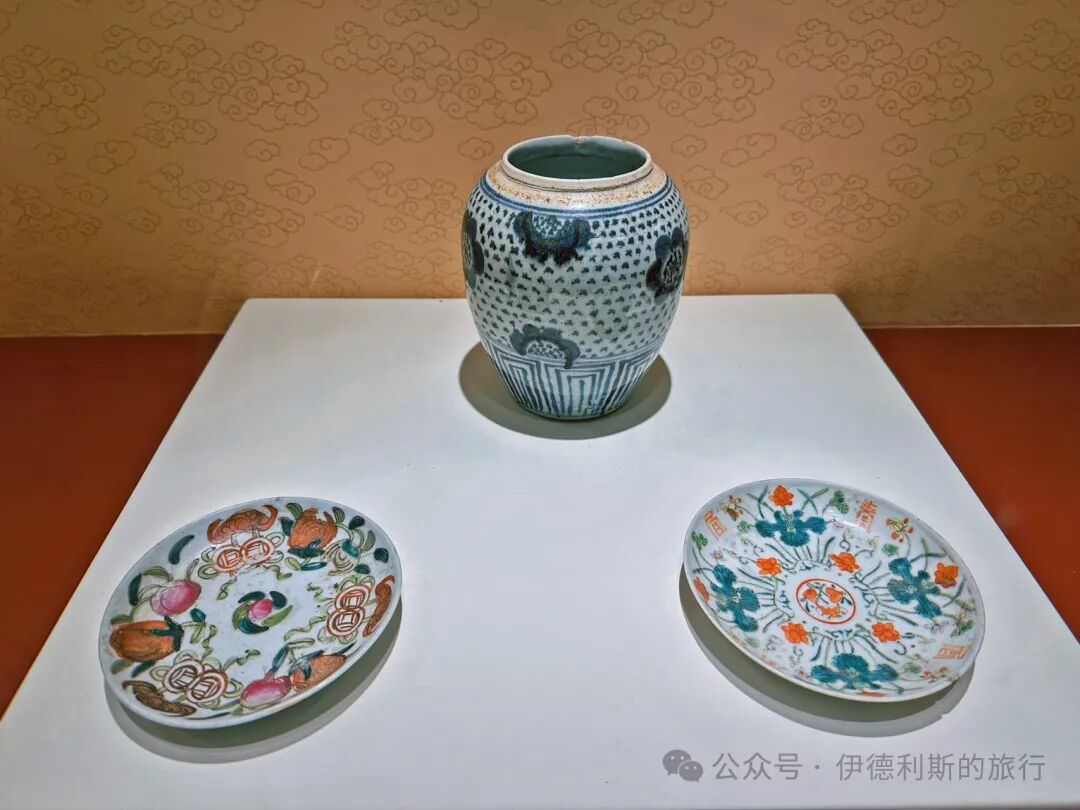
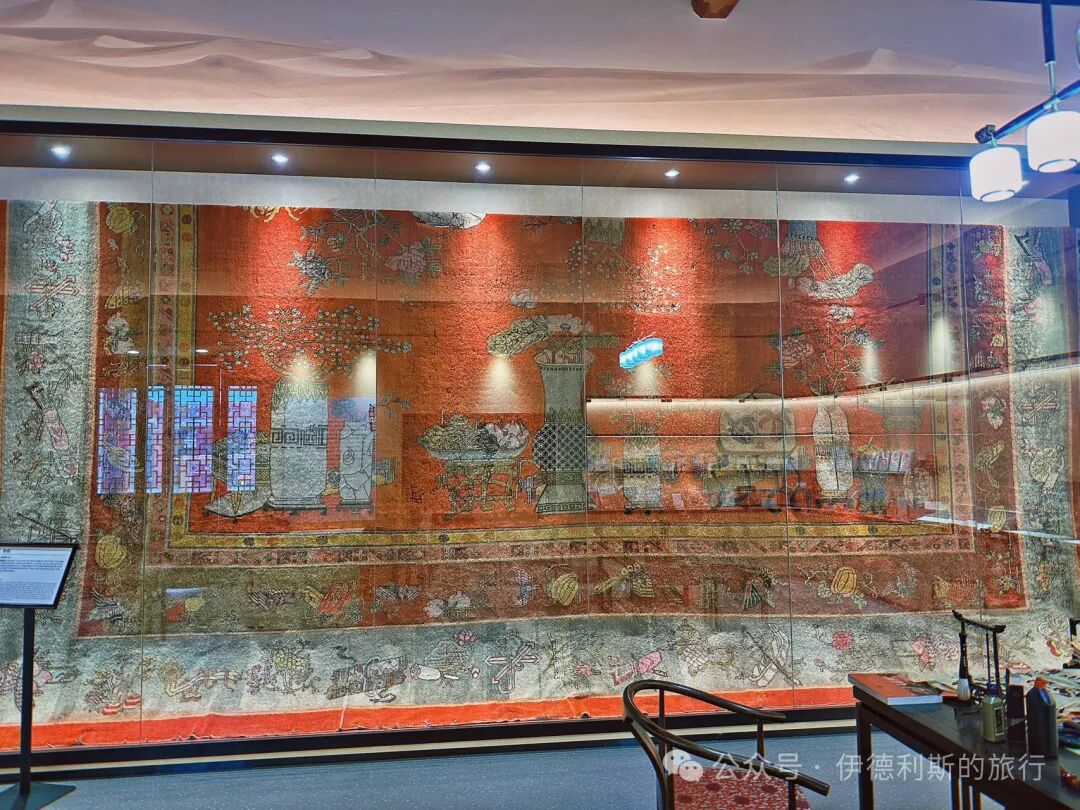
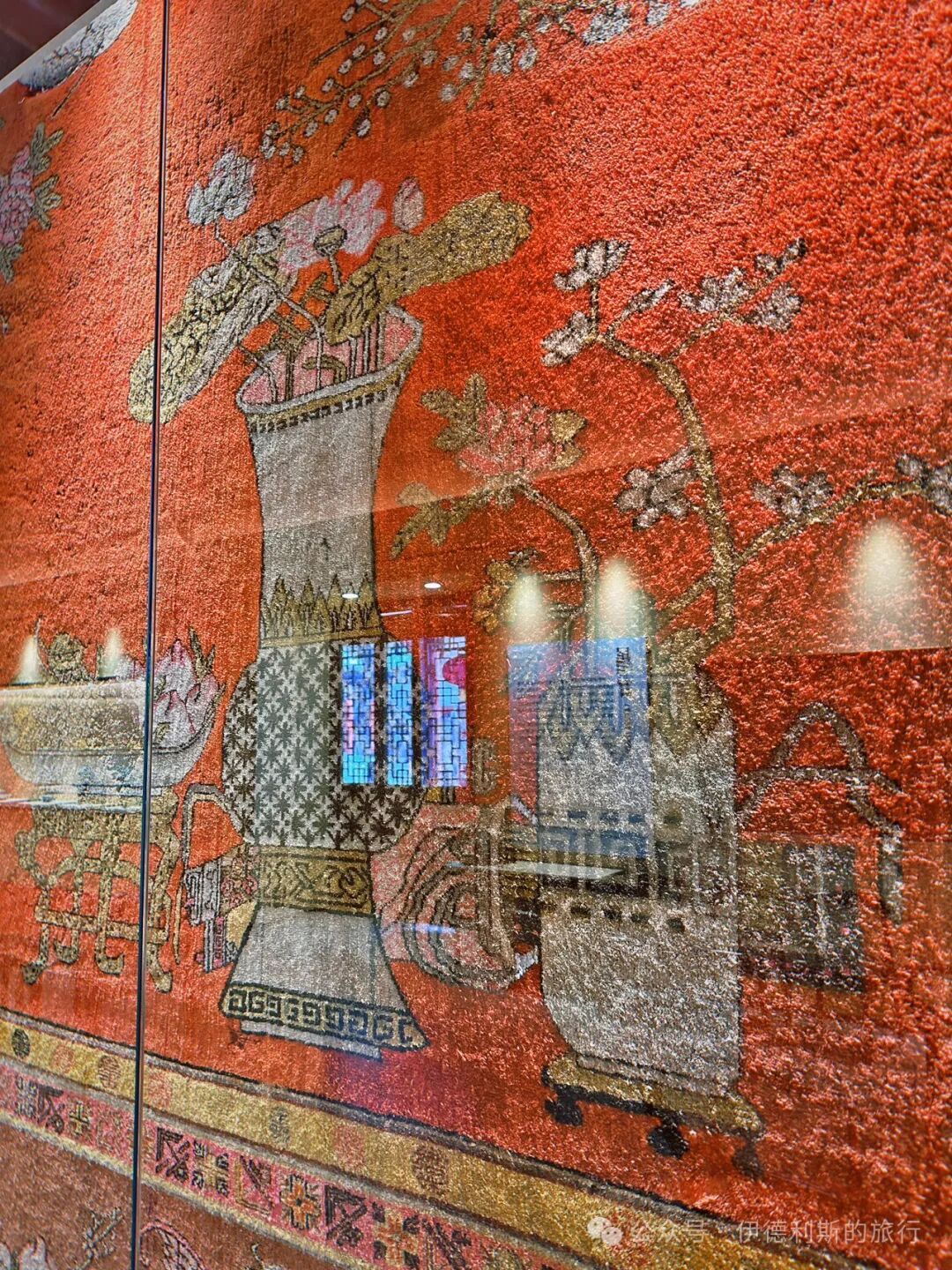
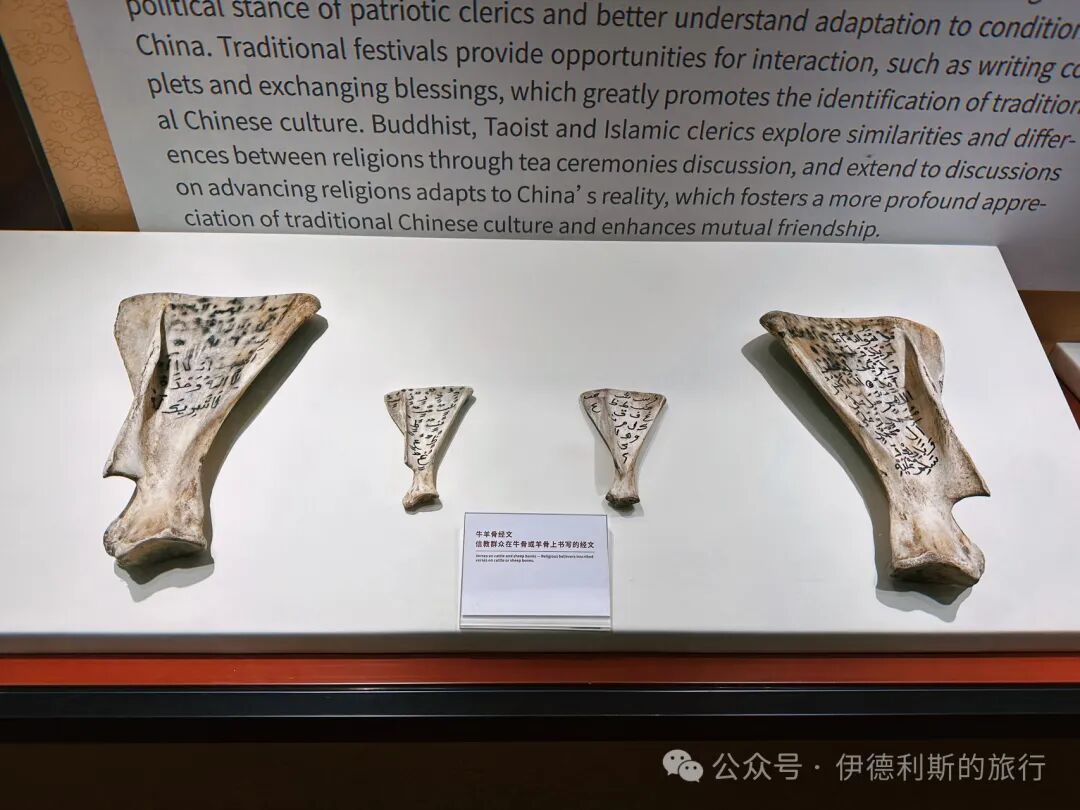
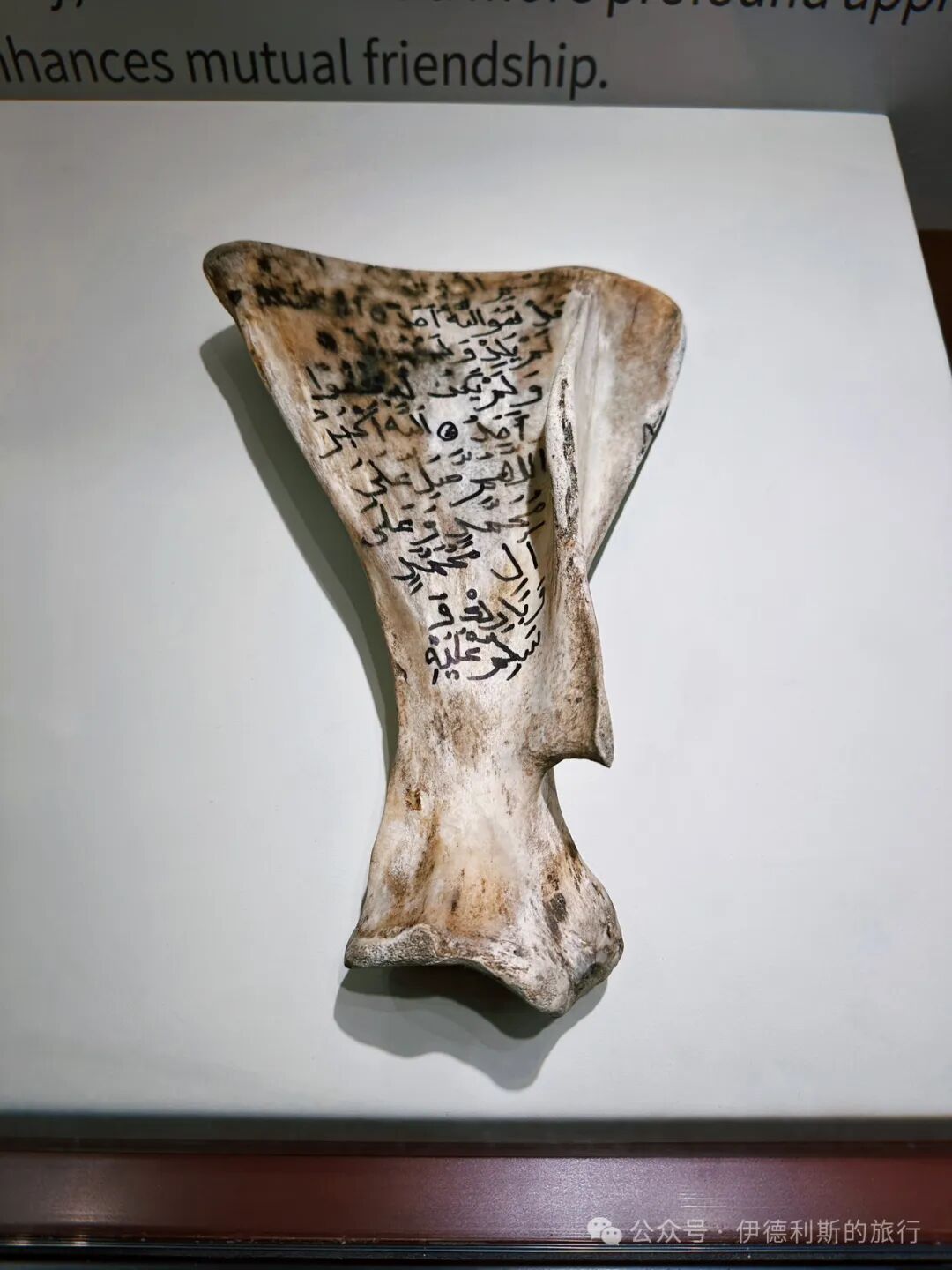
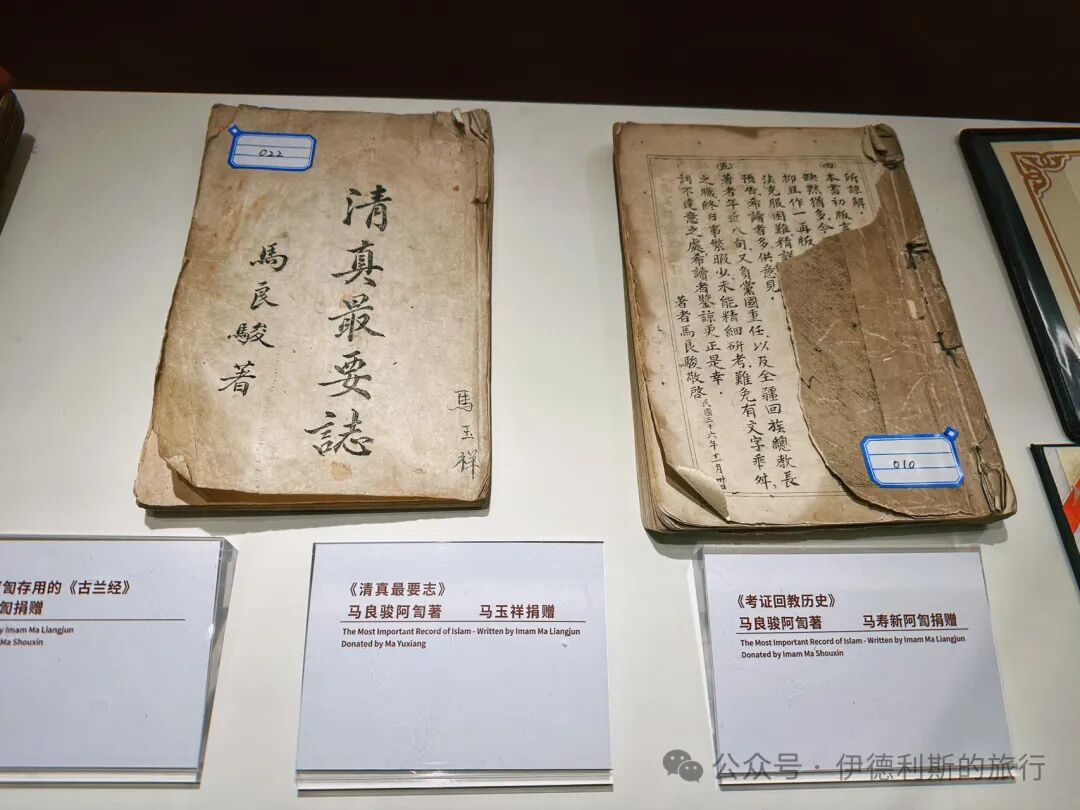
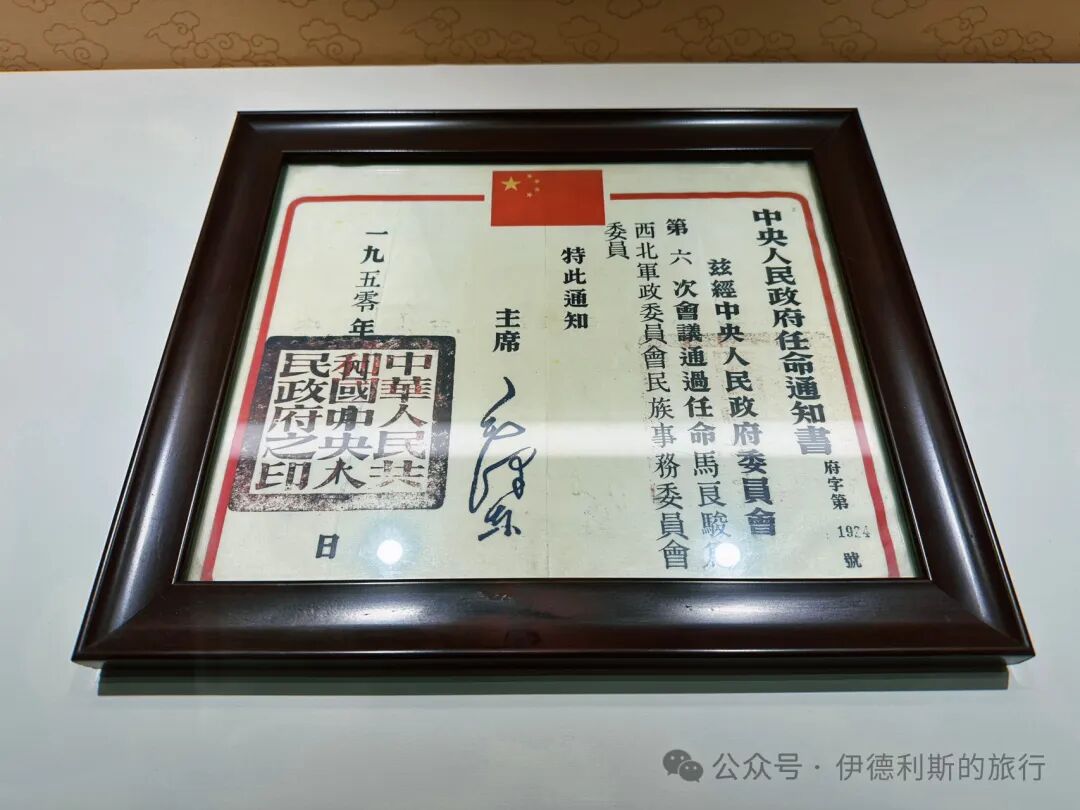
Exhibits include ox and sheep bone tablets used by students (mulla) for learning, works by the great Imam Ma Liangjun, and a 1950 notice appointing him as a member of the Northwest Military and Political Commission's Ethnic Affairs Committee.
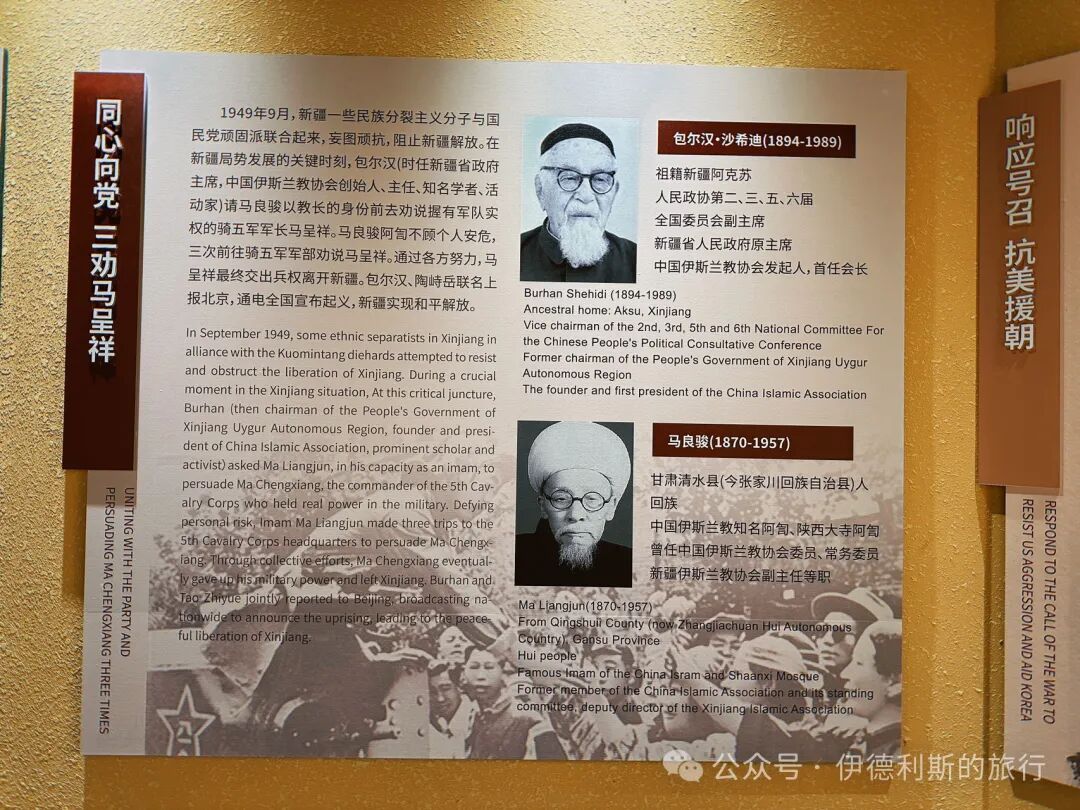
Great Imam Ma Liangjun was born in Zhangjiachuan, Gansu. As a young man, he traveled to Yunnan and received authentic teachings from Imam Ma Renshan (Pu'er Ma). He later went to Pingliang, Gansu, to teach and became a famous scholar of the Shaanxi school of mosque education. In 1913, Great Imam Ma Liangjun was hired to lead the Shaanxi Grand Mosque. Later, he served at several mosques in Xinjiang and trained many students. As Xinjiang approached peaceful liberation in 1949, Great Imam Ma Liangjun traveled three times to persuade Ma Chengxiang, the commander of the 5th Cavalry Division who held military power, eventually convincing him to surrender his command and leave Xinjiang.
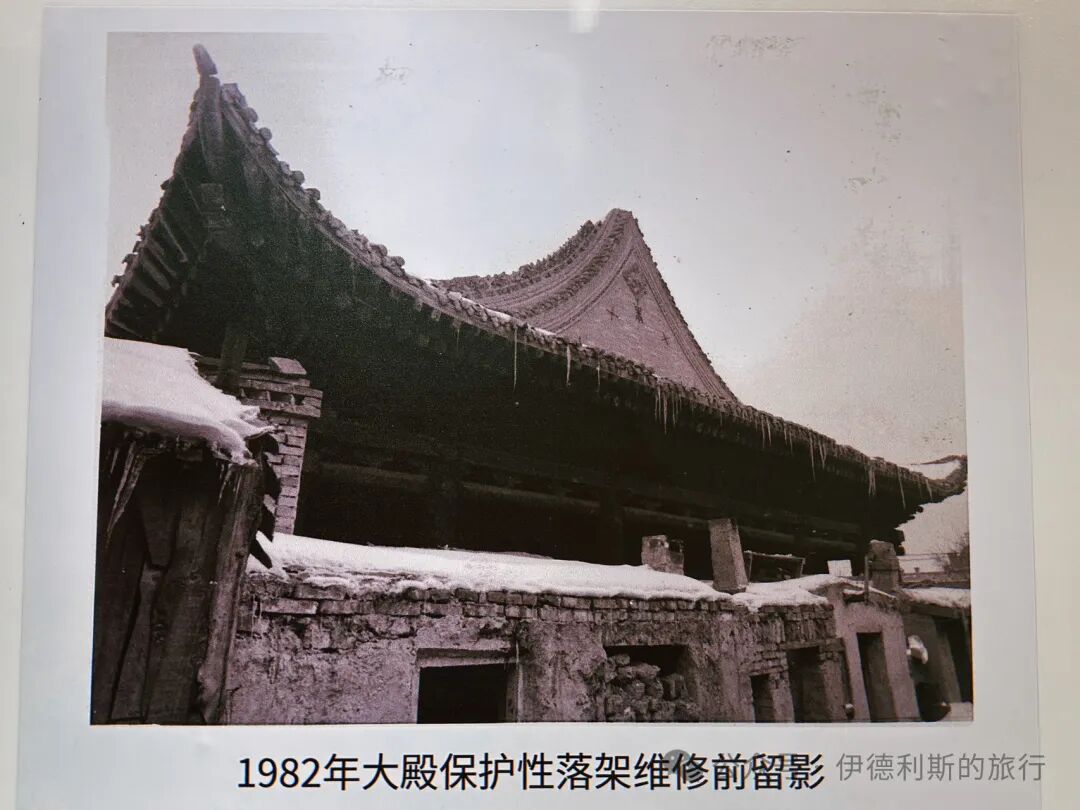
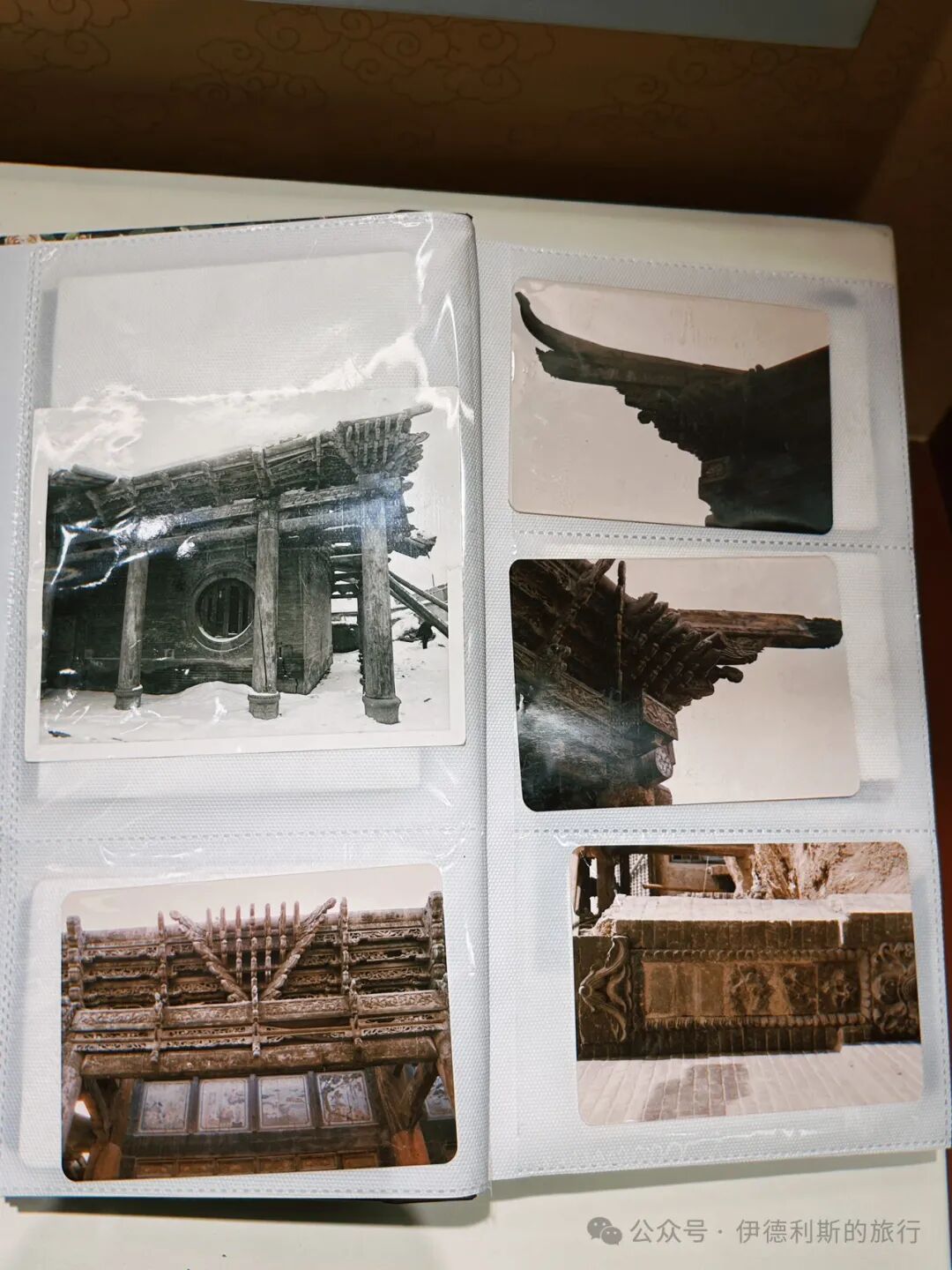
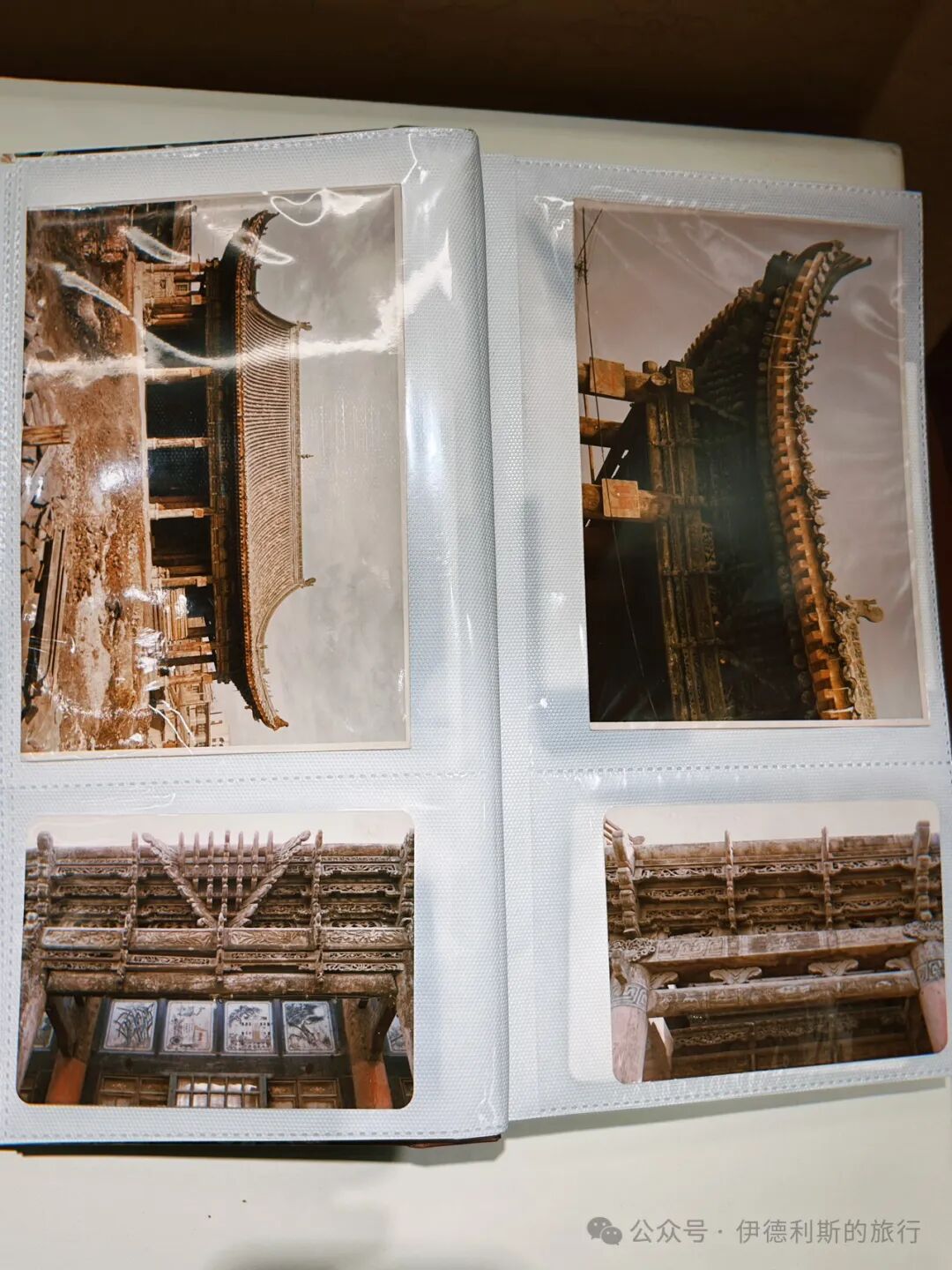
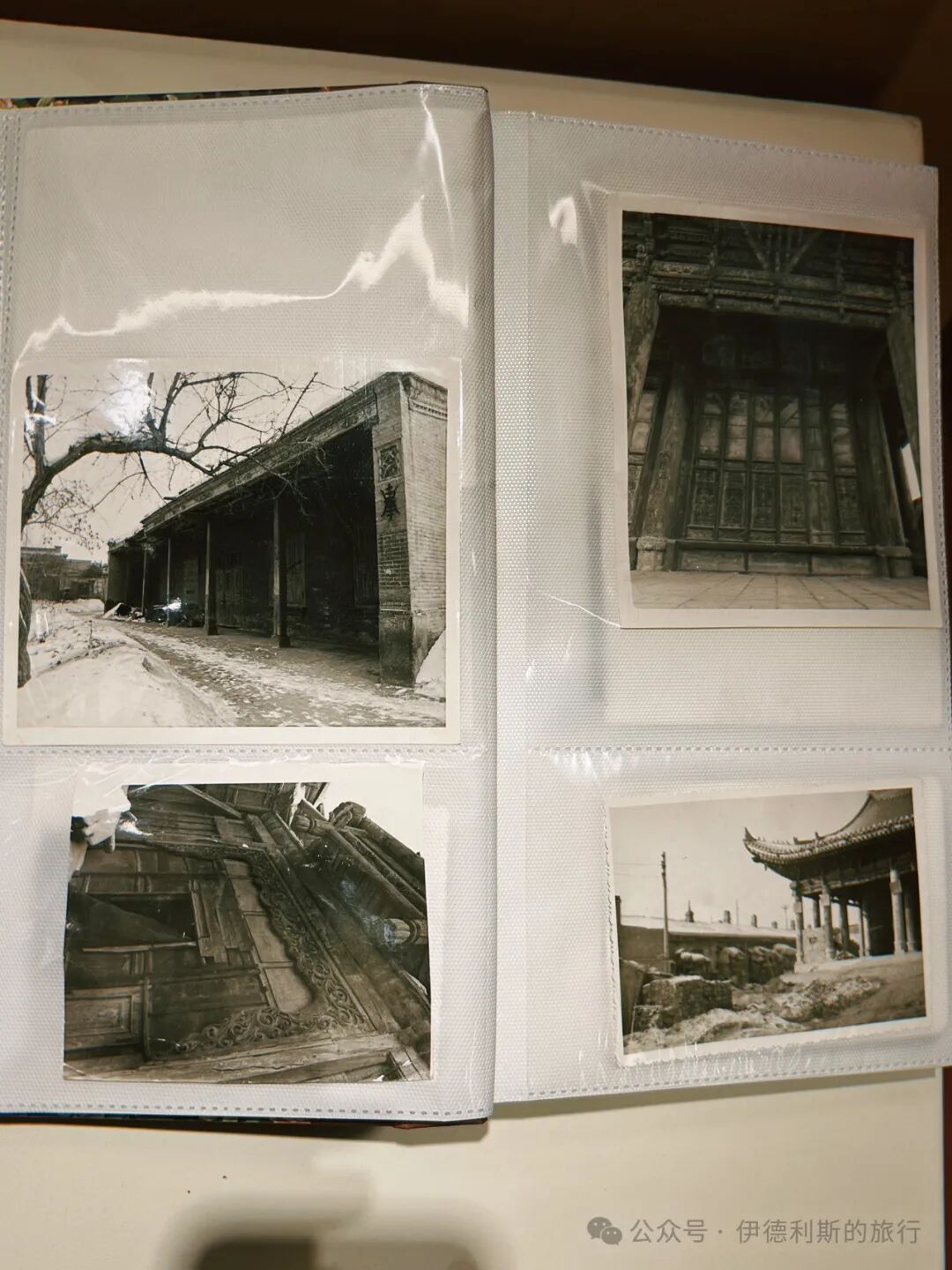
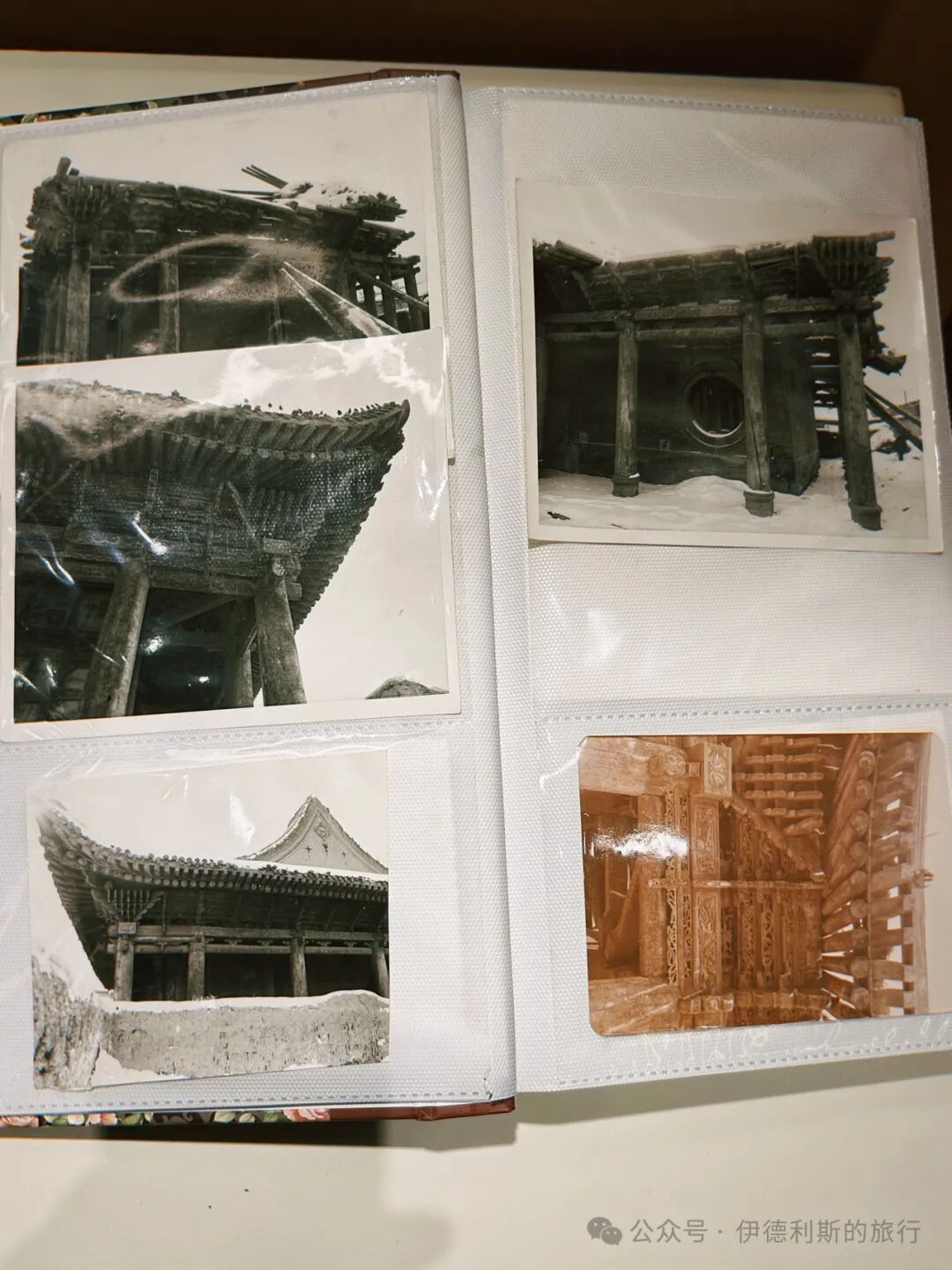
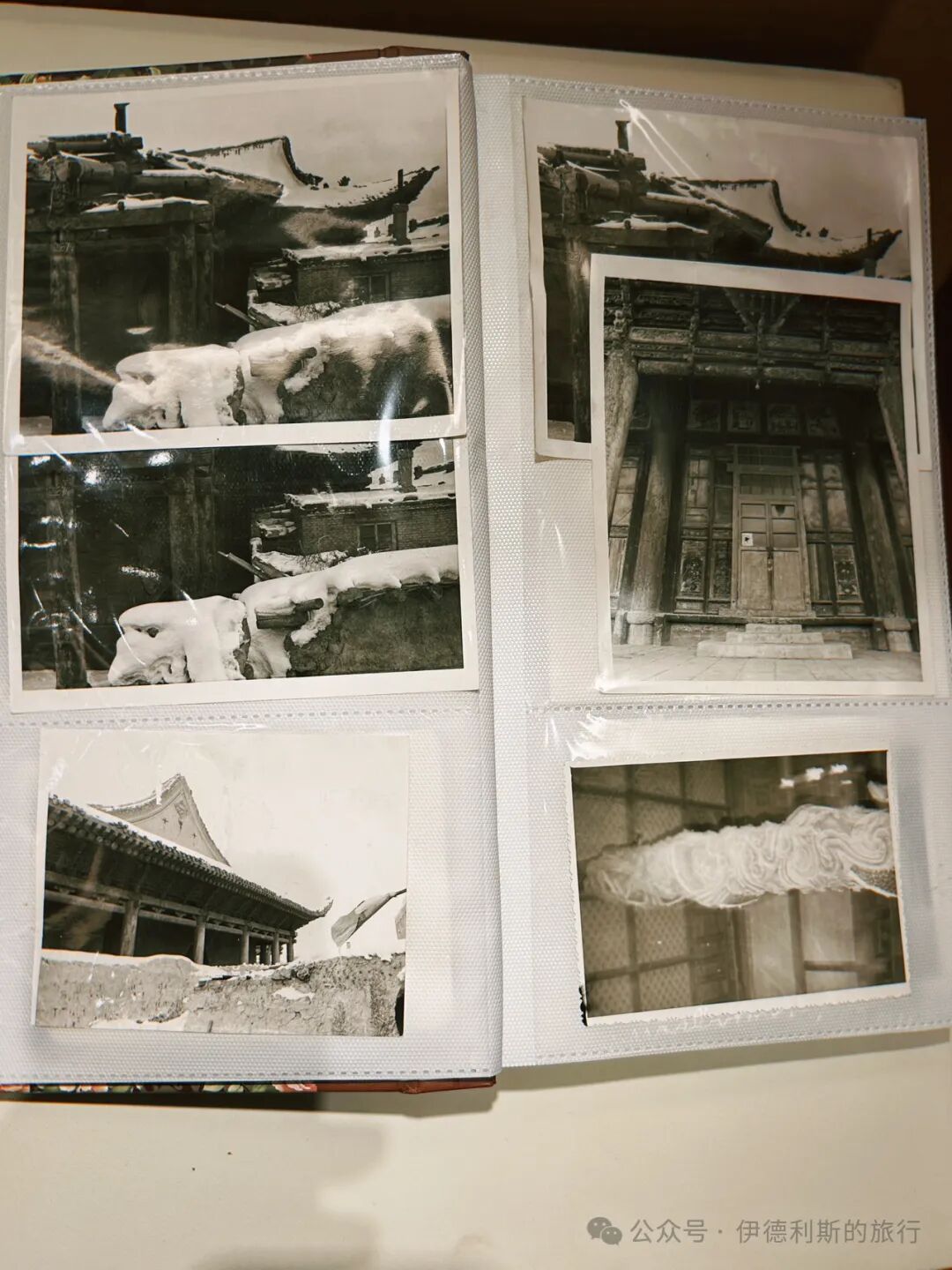
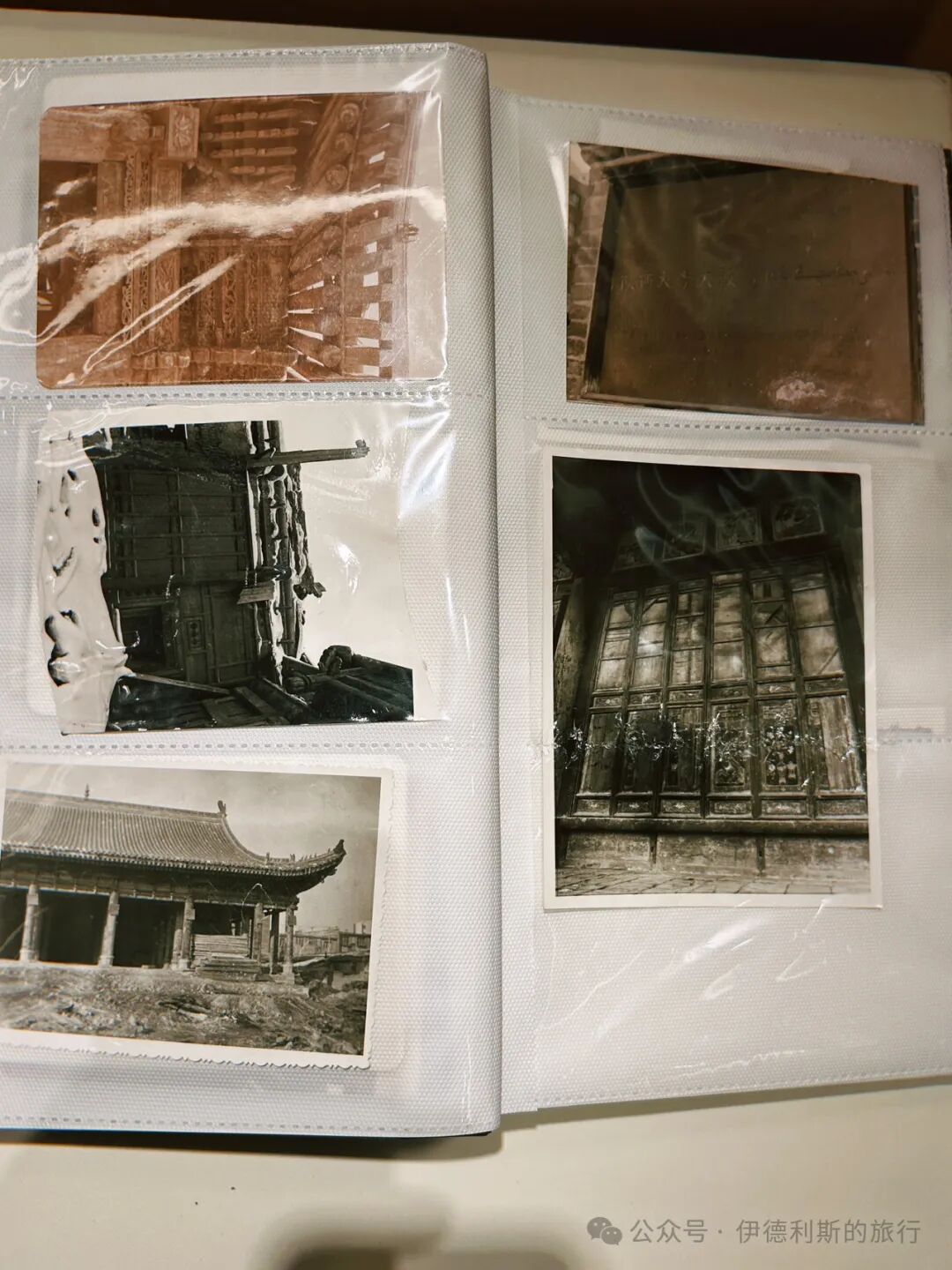
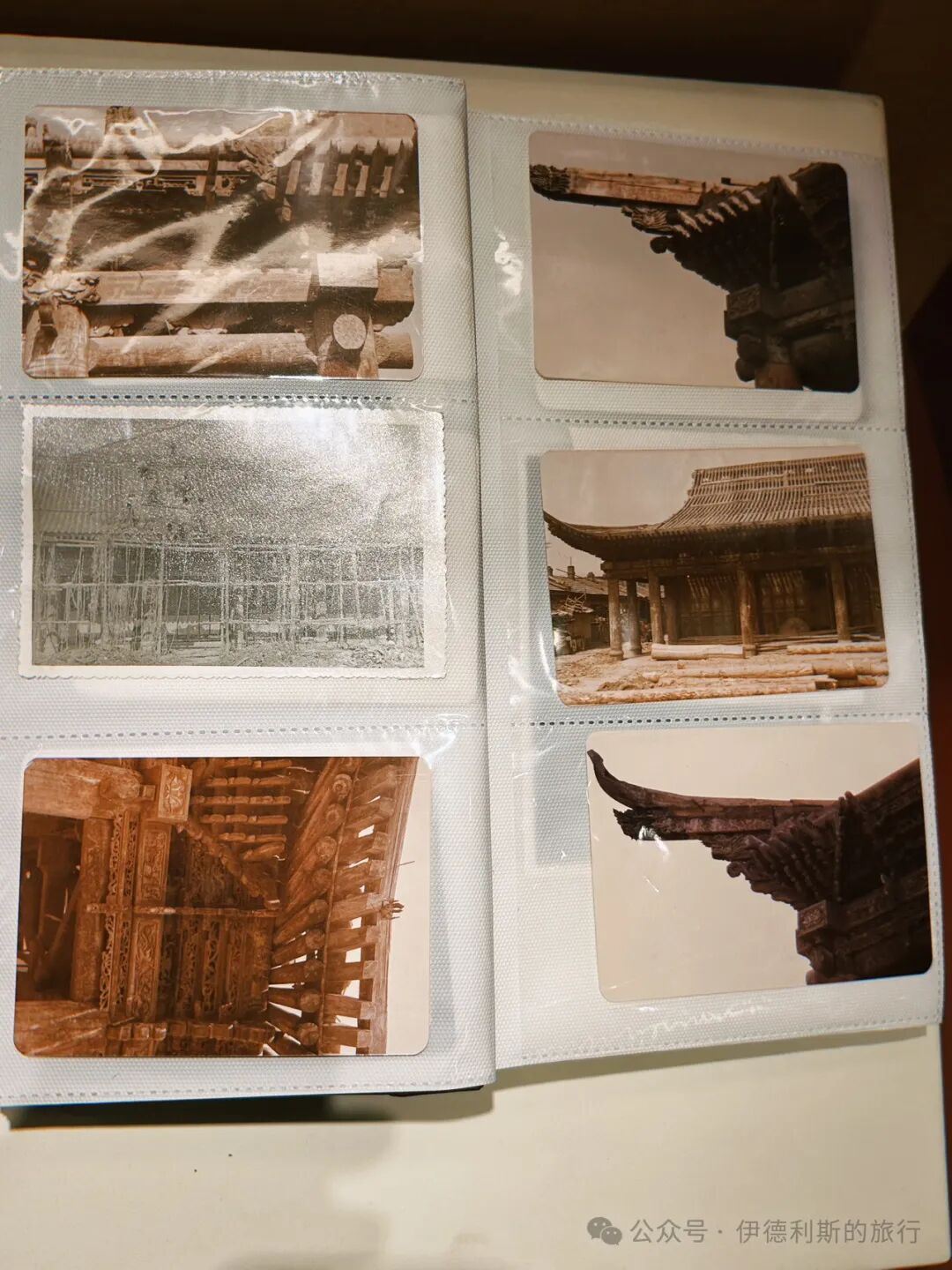
An old photo of the Shaanxi Grand Mosque before its 1984 renovation.
South Grand Mosque (Nan Dasi).
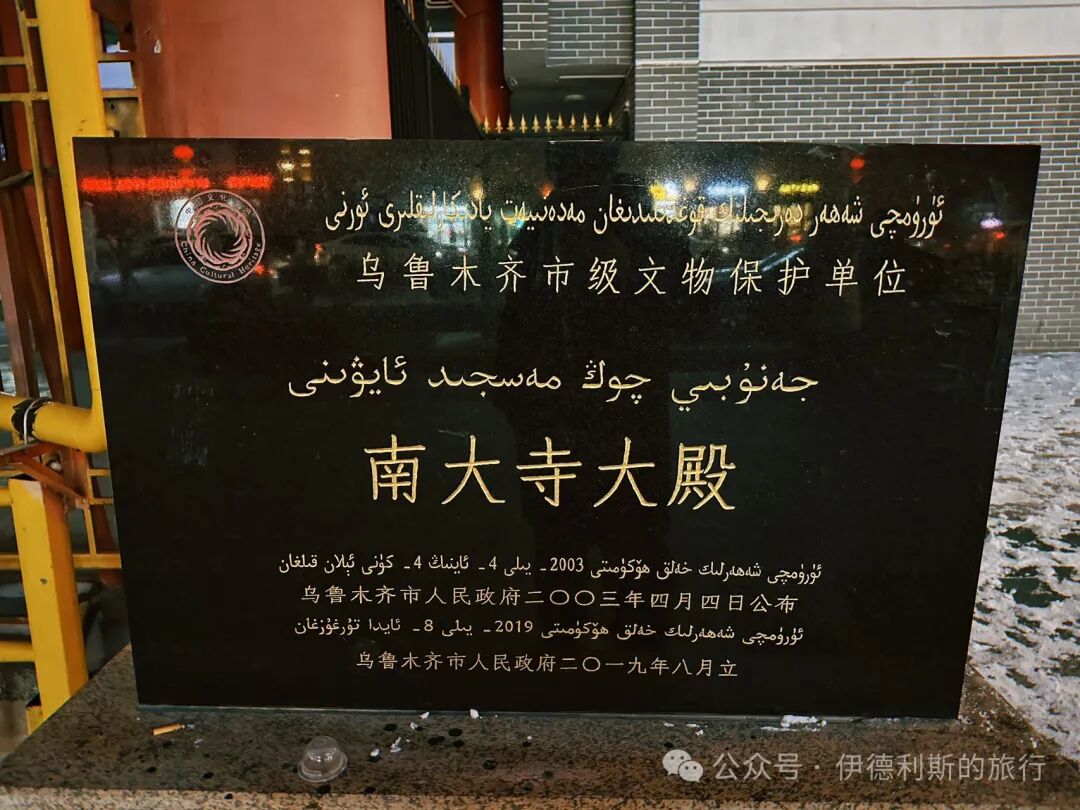
The South Grand Mosque is known as the 'First Mosque of the Jahriyya Order in Urumqi.' It was founded in 1874 (the 13th year of the Tongzhi reign) on Nansi Lane and was originally called Nantaizi Mosque. In 1917, Li Jiliang, the 'Rais' (leader) of the Jahriyya order in Xinjiang, selected the current site west of Erdaoqiao Road. Reconstruction was completed in 1919 with strong support from Ma Shaowu, the fifth-generation descendant of the Jahriyya founder, and Ma Guangtai, an agricultural official from Nanshan, who donated most of the timber for construction. In 2003, the main hall of the South Grand Mosque was listed as a cultural relic protection site in Urumqi.
In 1914, Yang Zengxin appointed Ma Shaowu as the garrison commander of Kuqa, giving him military authority. He served in the Xinjiang government for over 20 years and worked hard to maintain national unity and ethnic harmony. During this period, the Jahriyya order grew in Xinjiang, and the South Grand Mosque became the largest Jahriyya mosque in the region at that time.
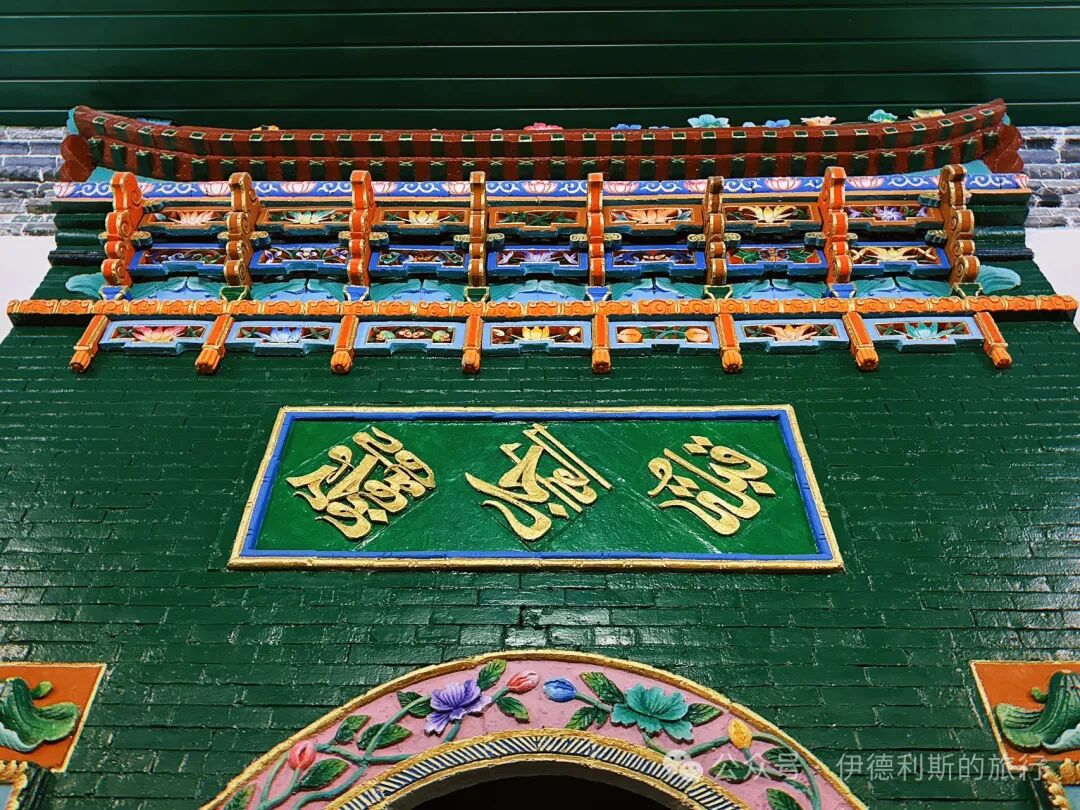
The main hall of the South Grand Mosque has a gabled and hipped roof. Under the eaves, it uses a Xinjiang-style 'flower board' technique, replacing traditional brackets with wooden boards carved with various patterns.
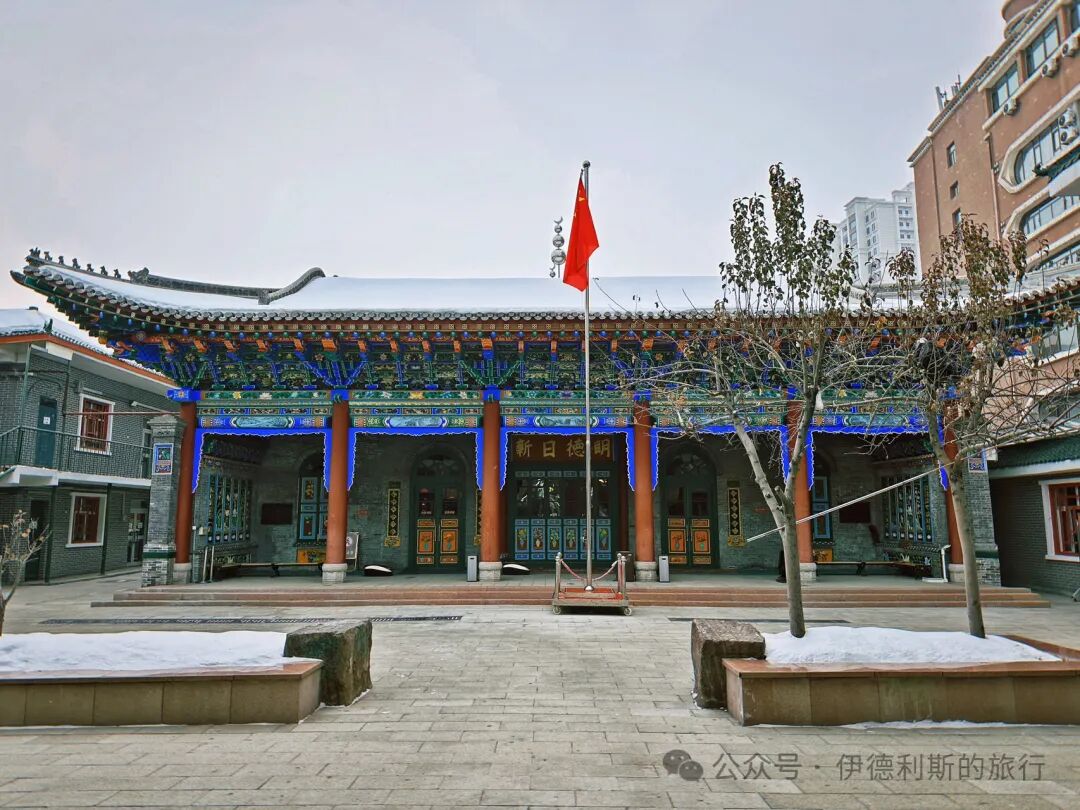
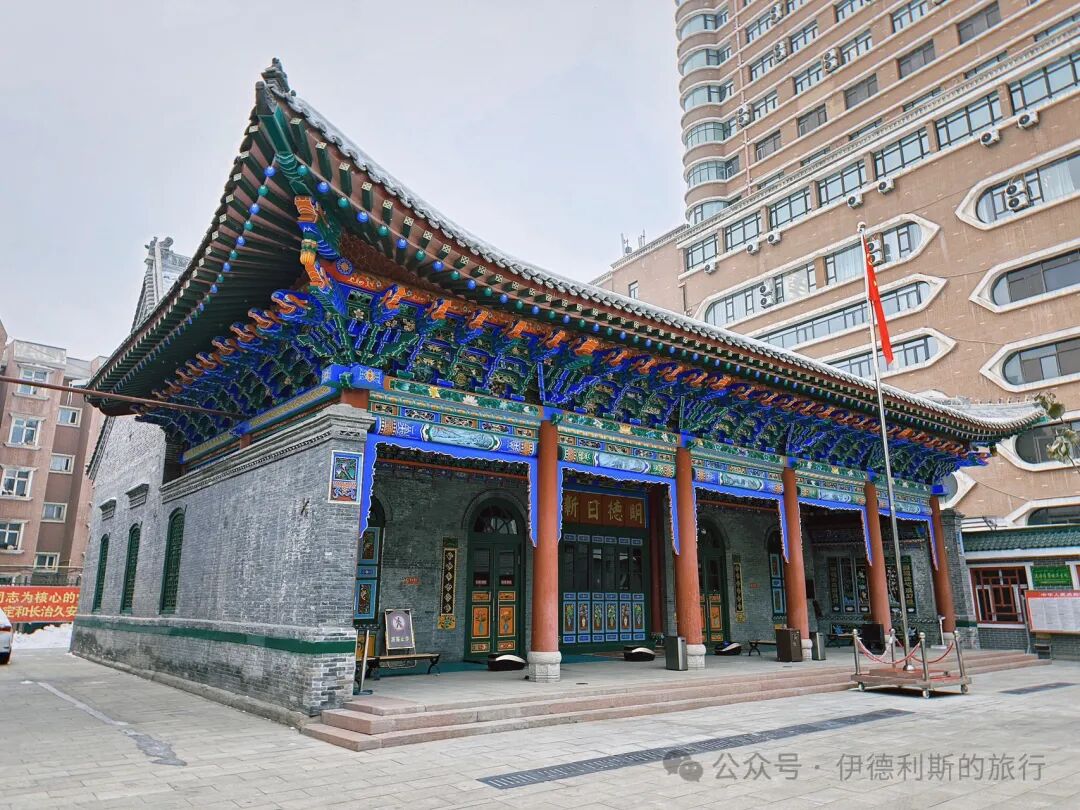
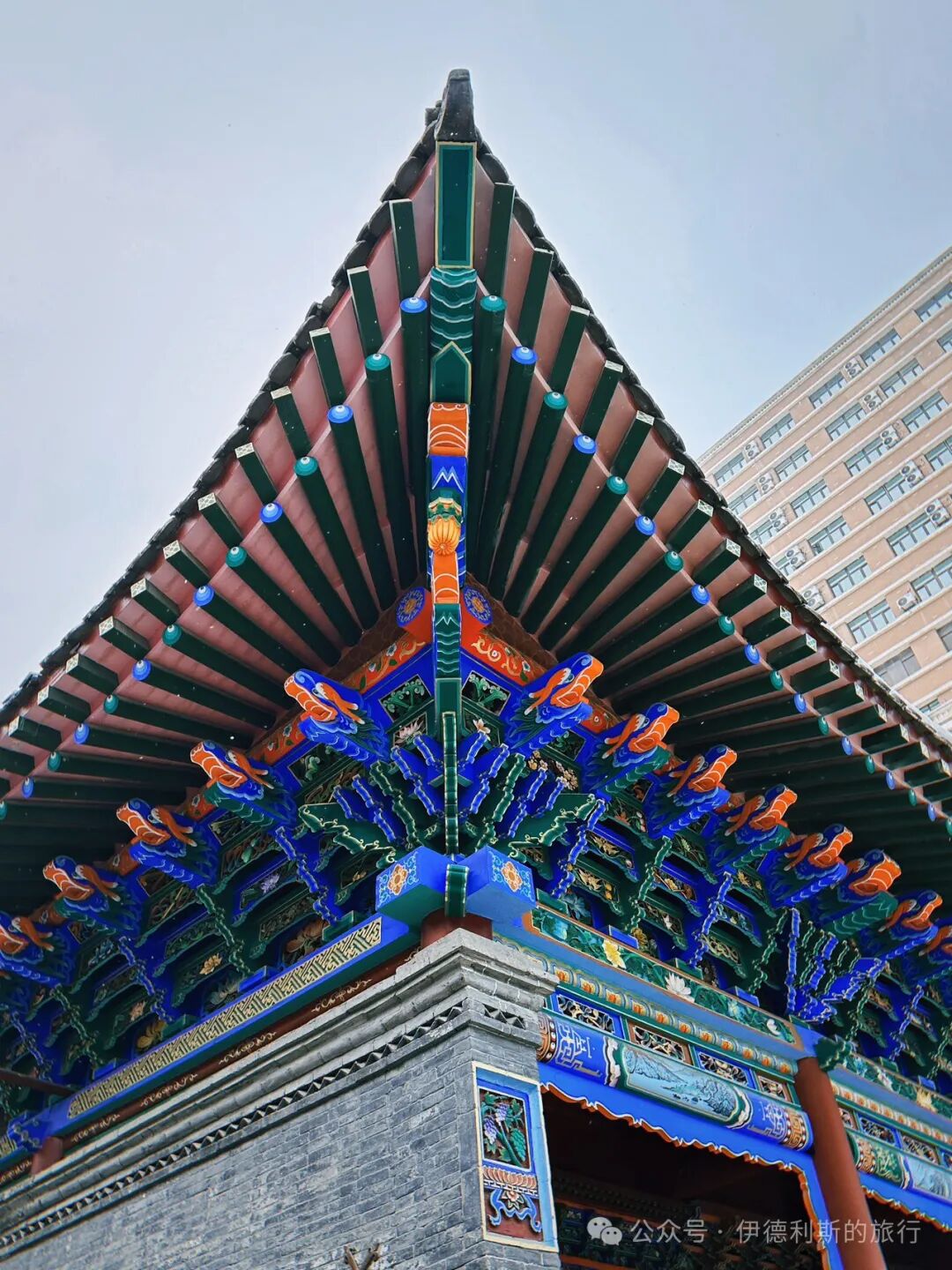
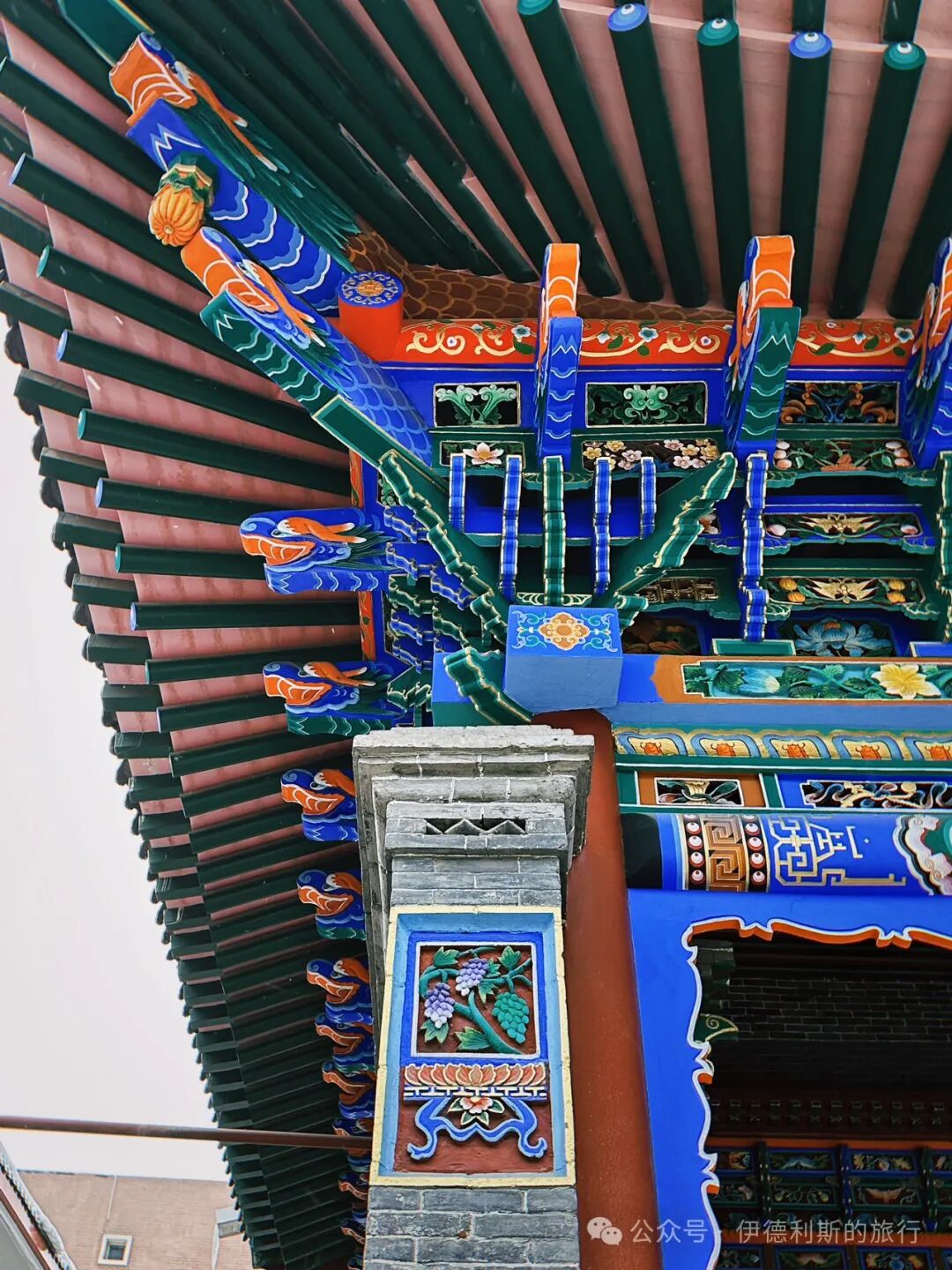
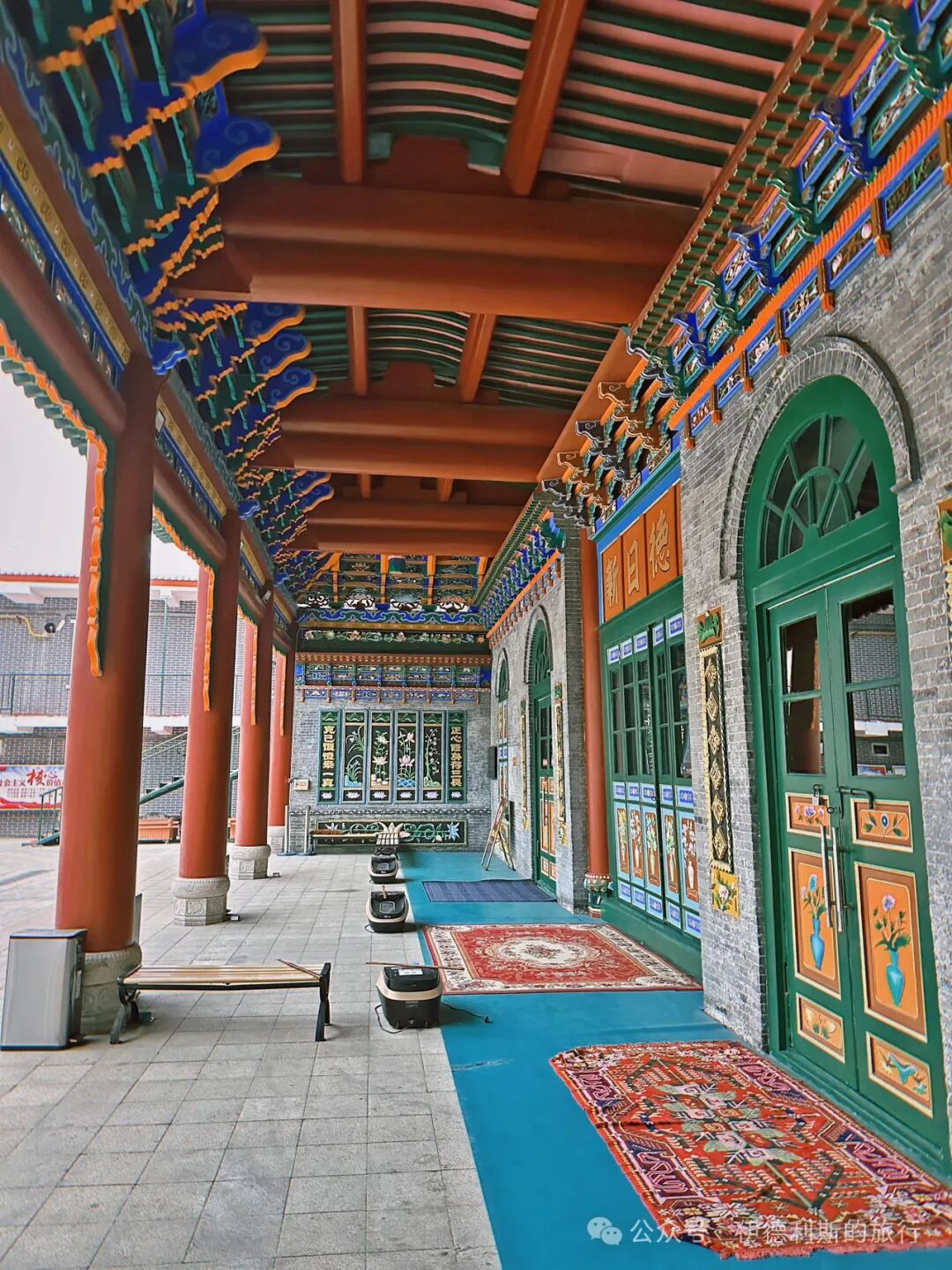
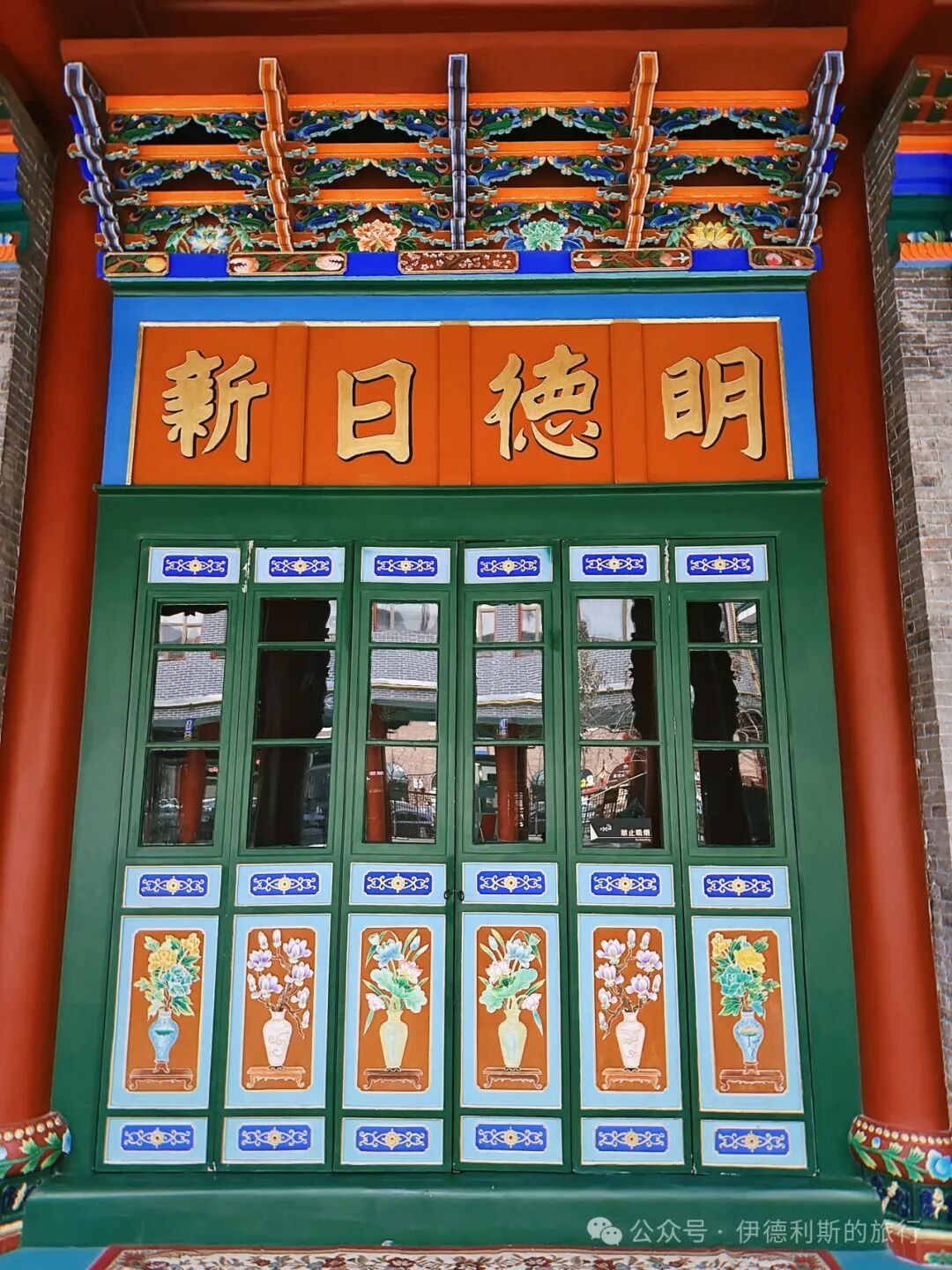
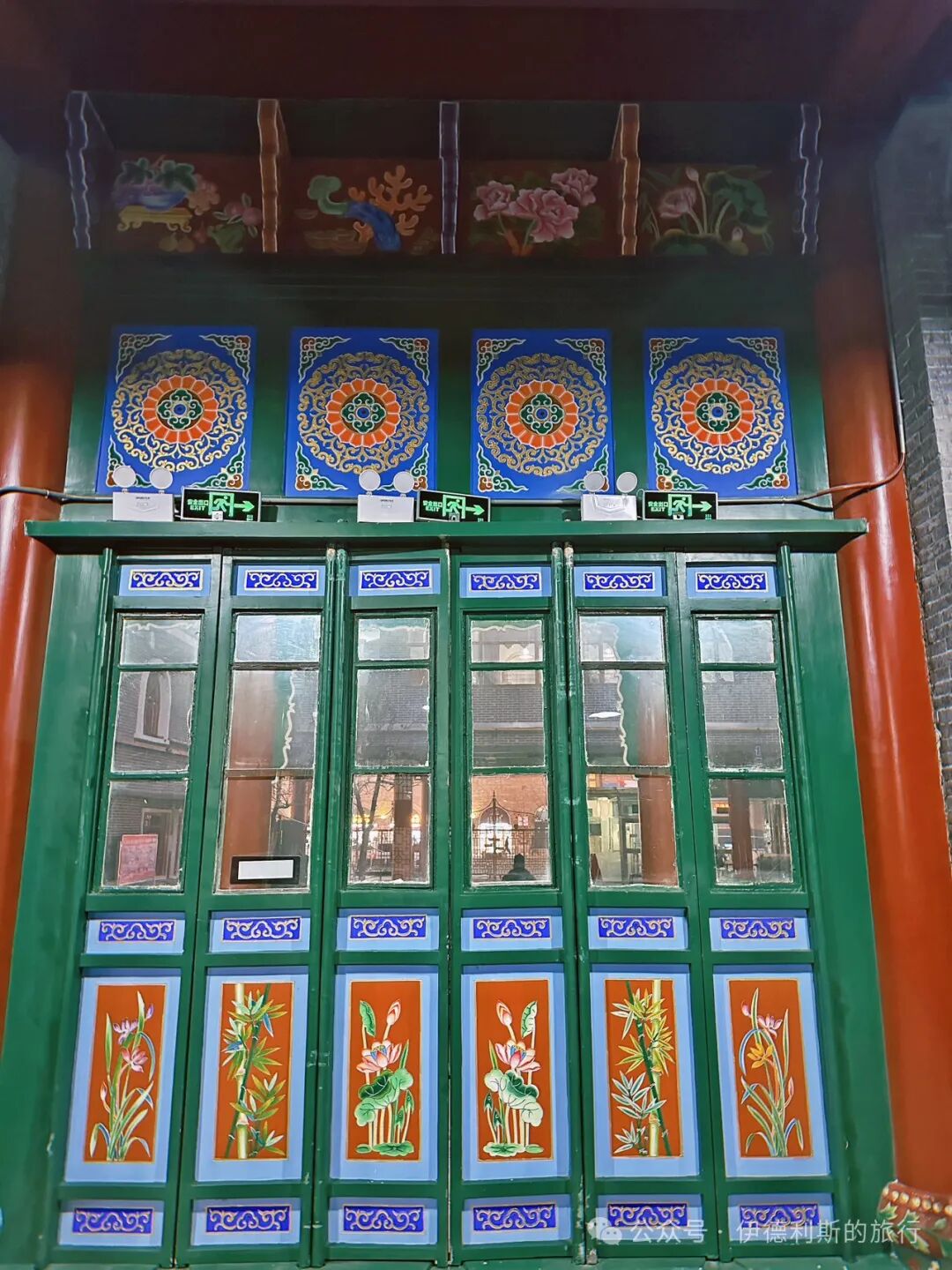
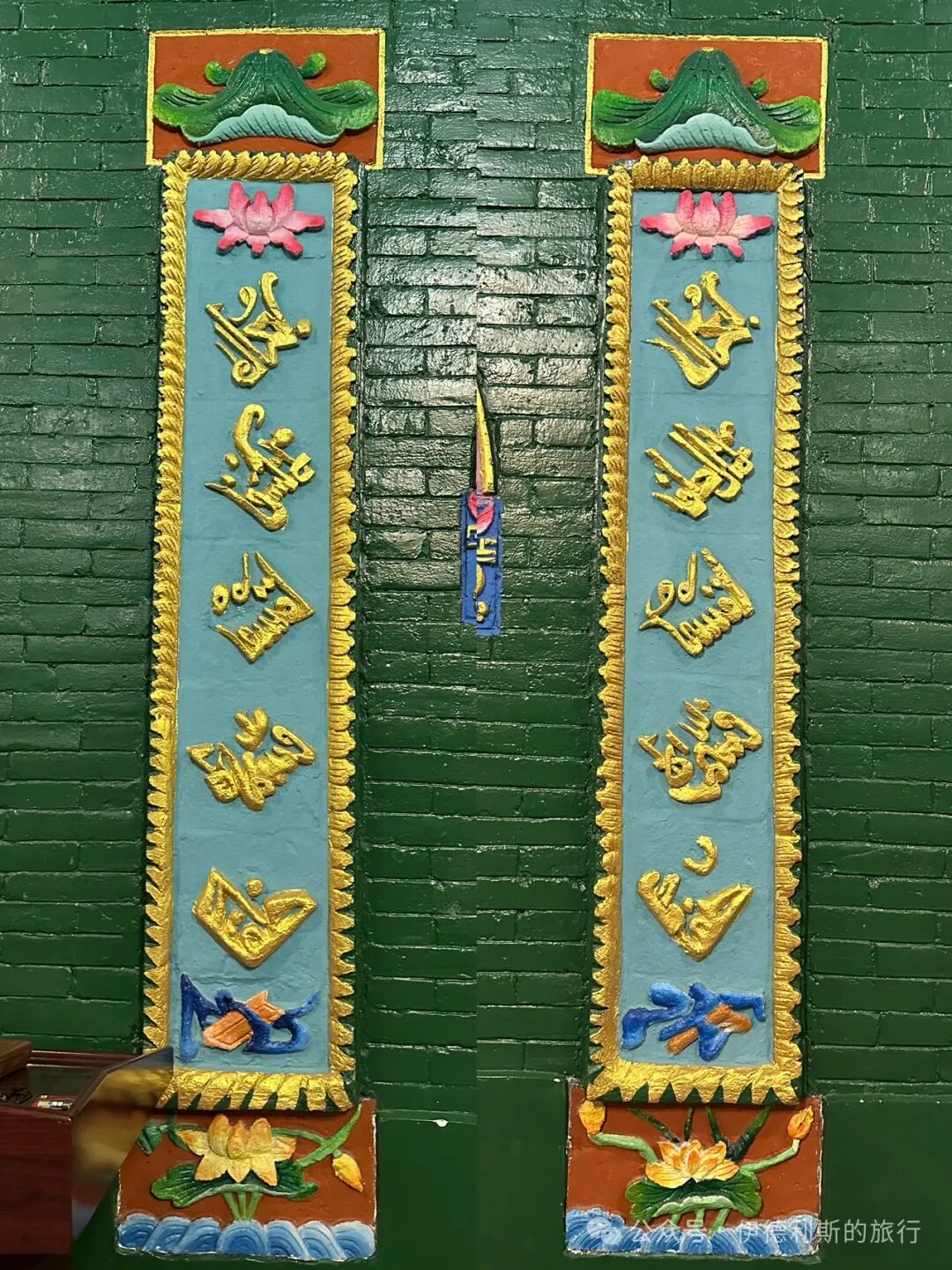
Arabic and Chinese calligraphy on the facade of the South Grand Mosque's main hall.
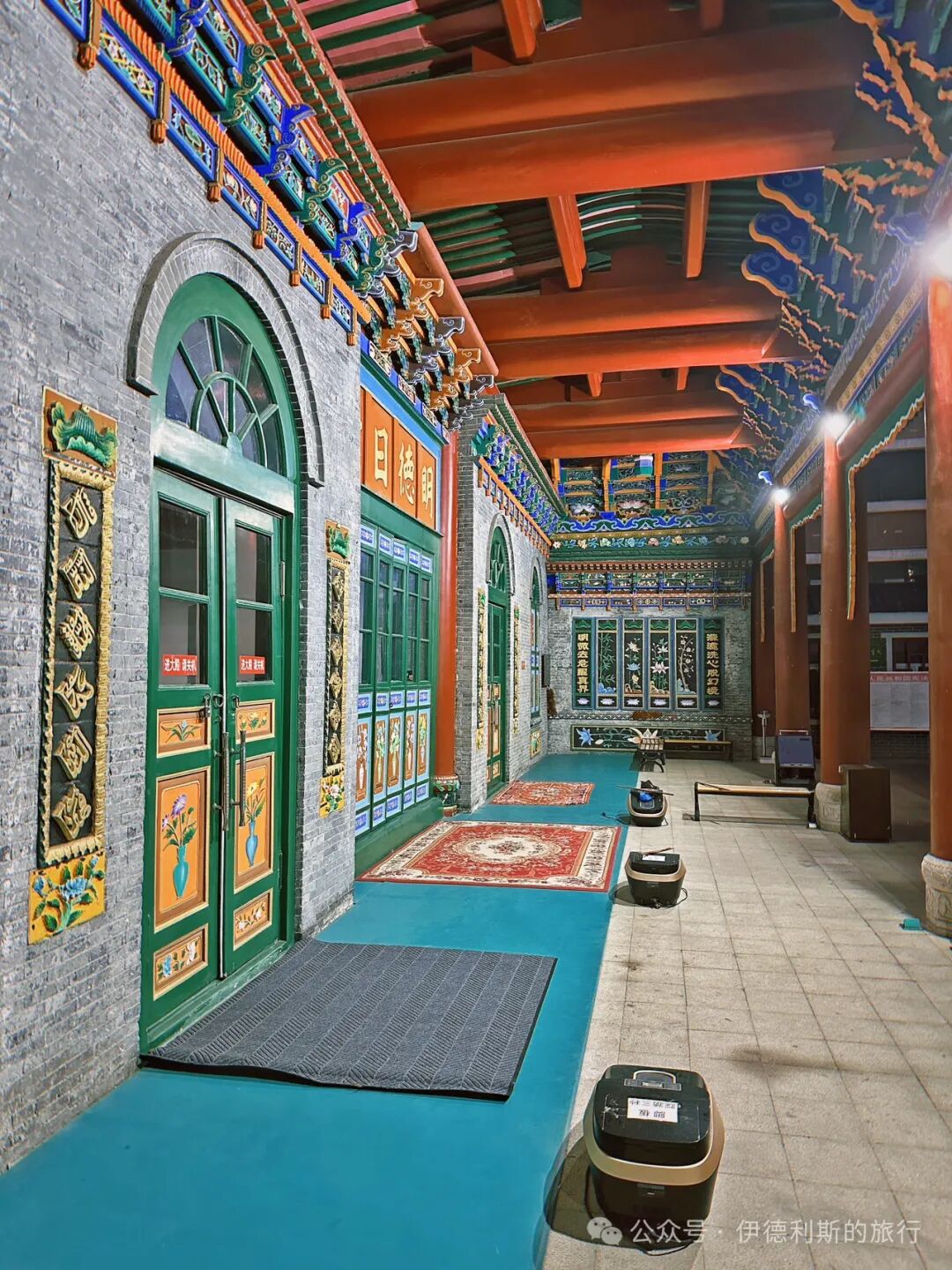
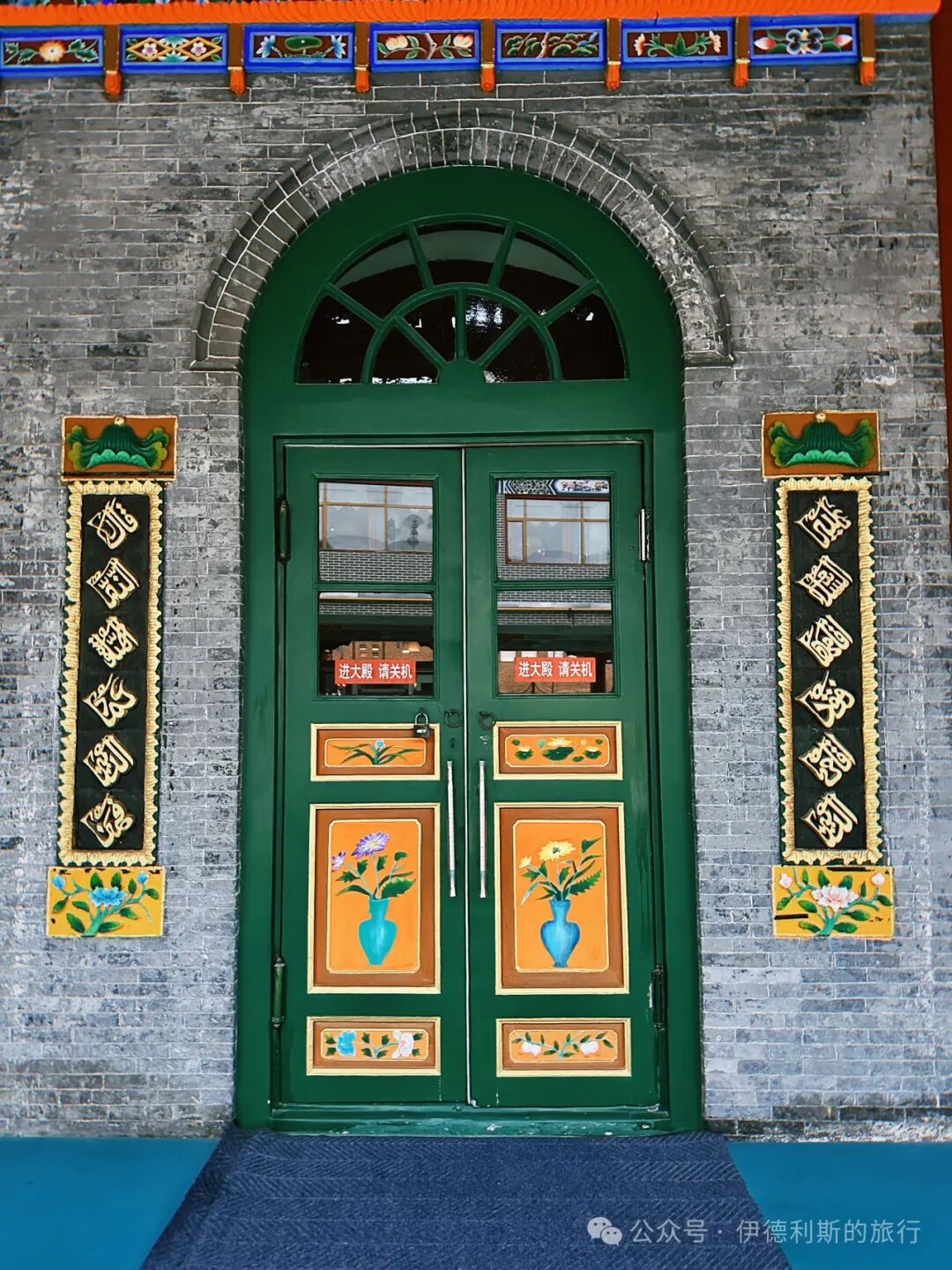
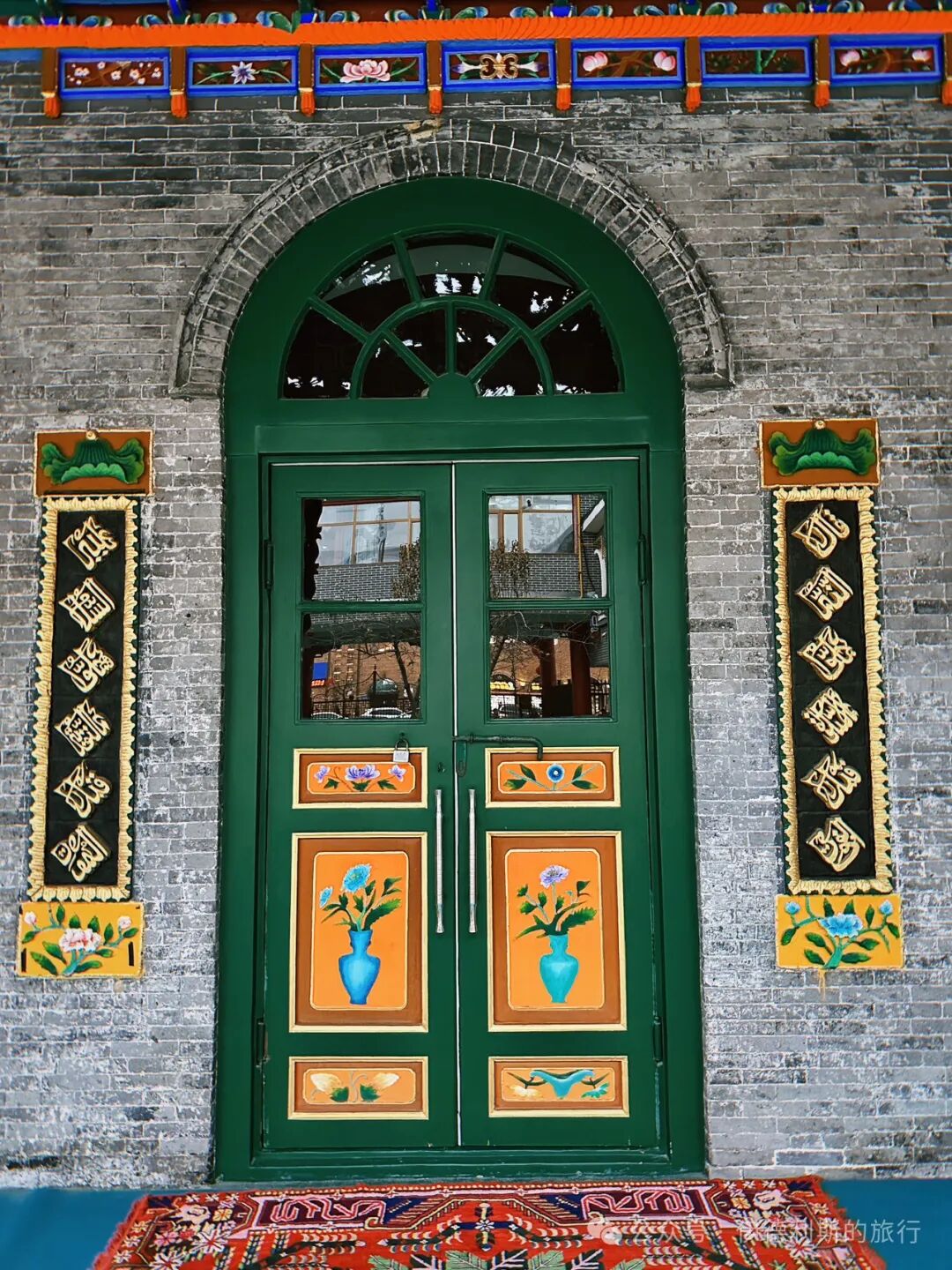
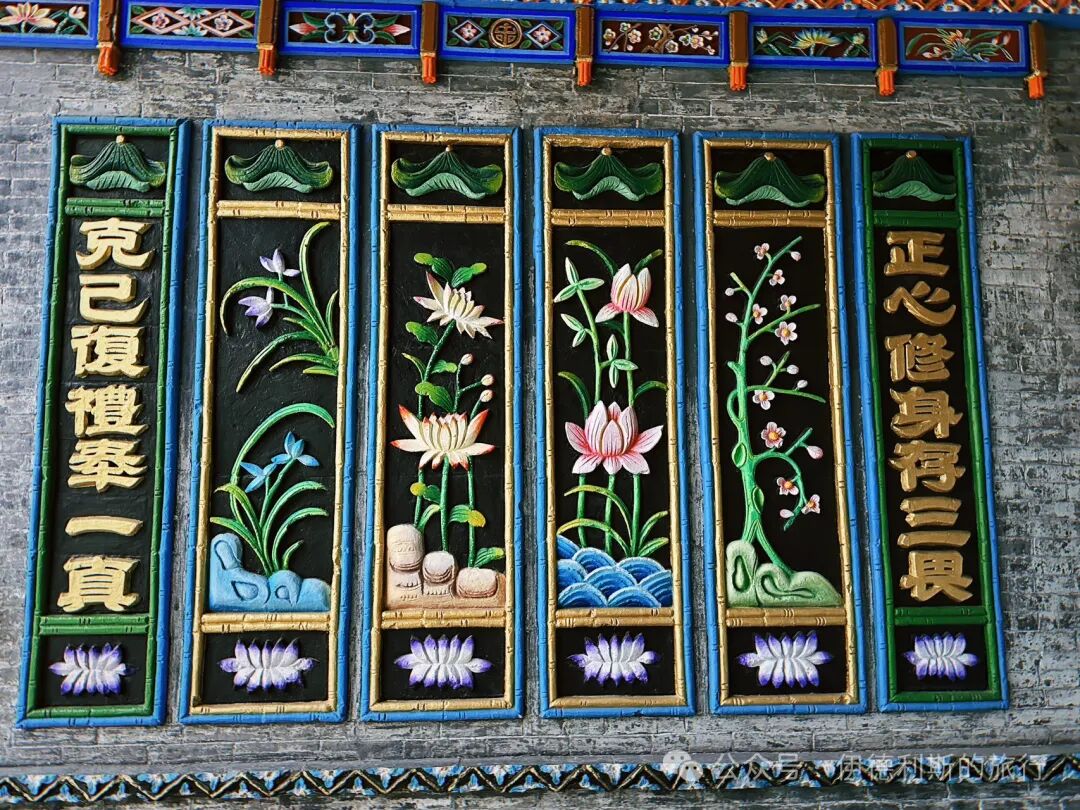
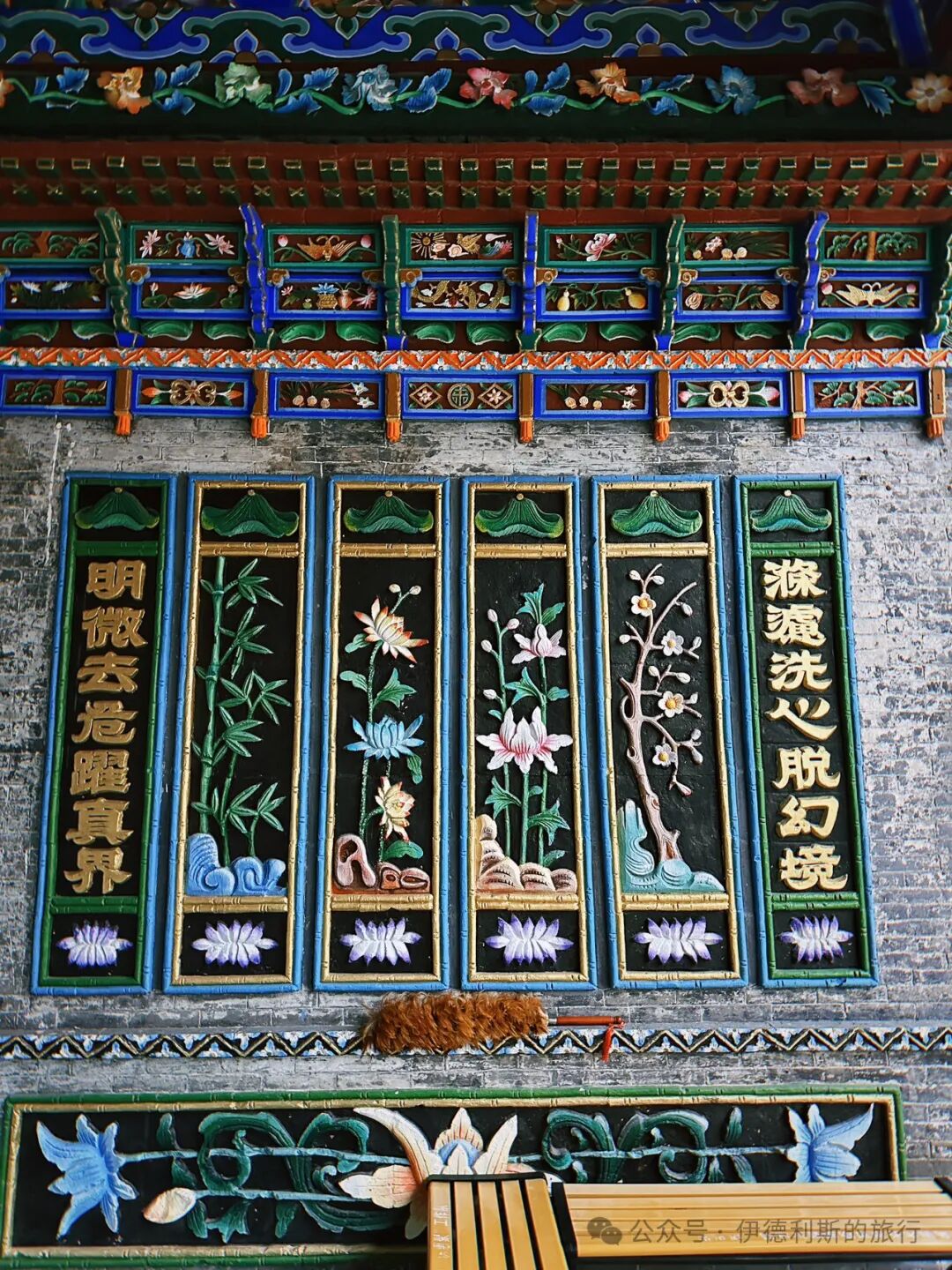
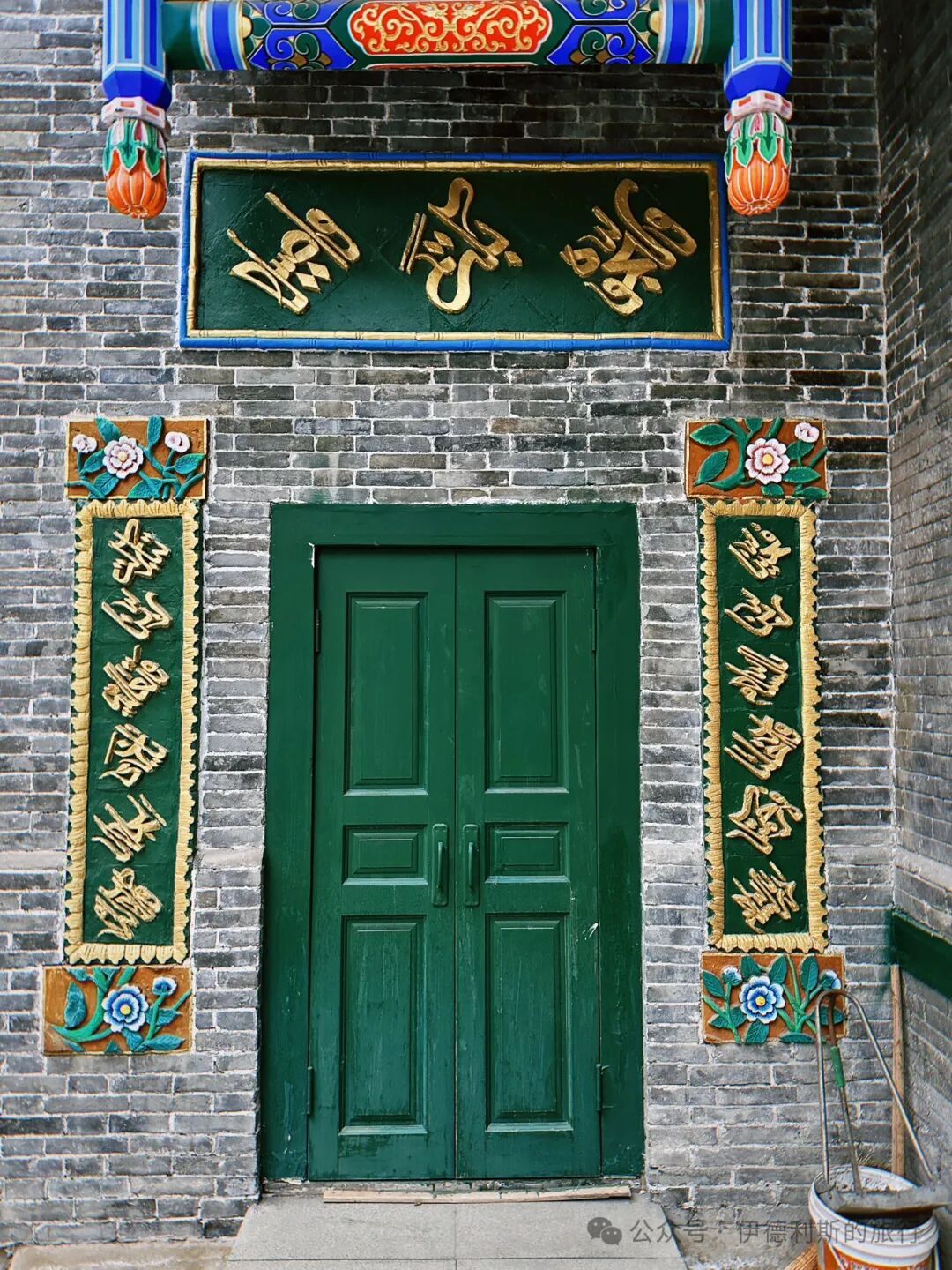
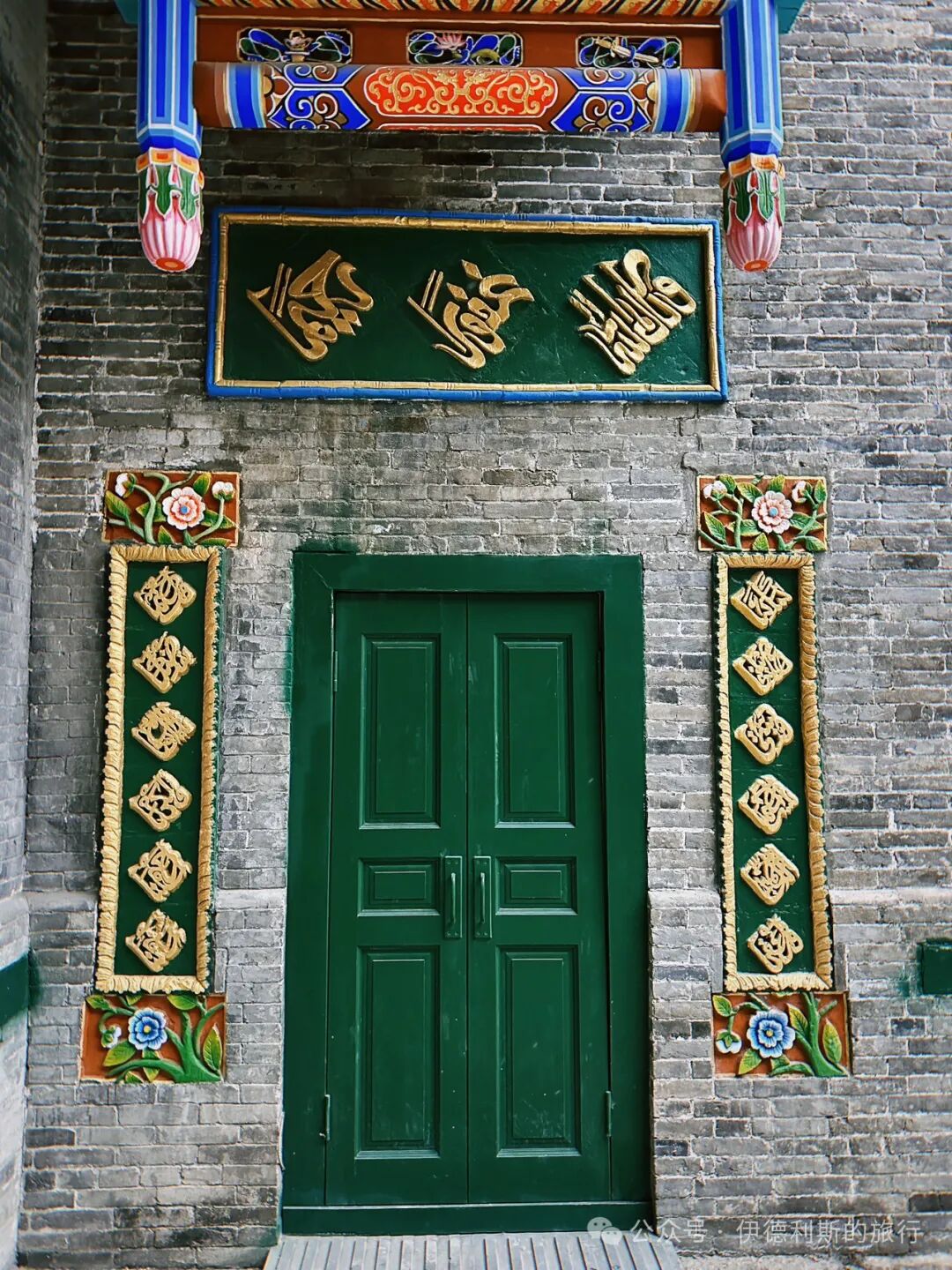
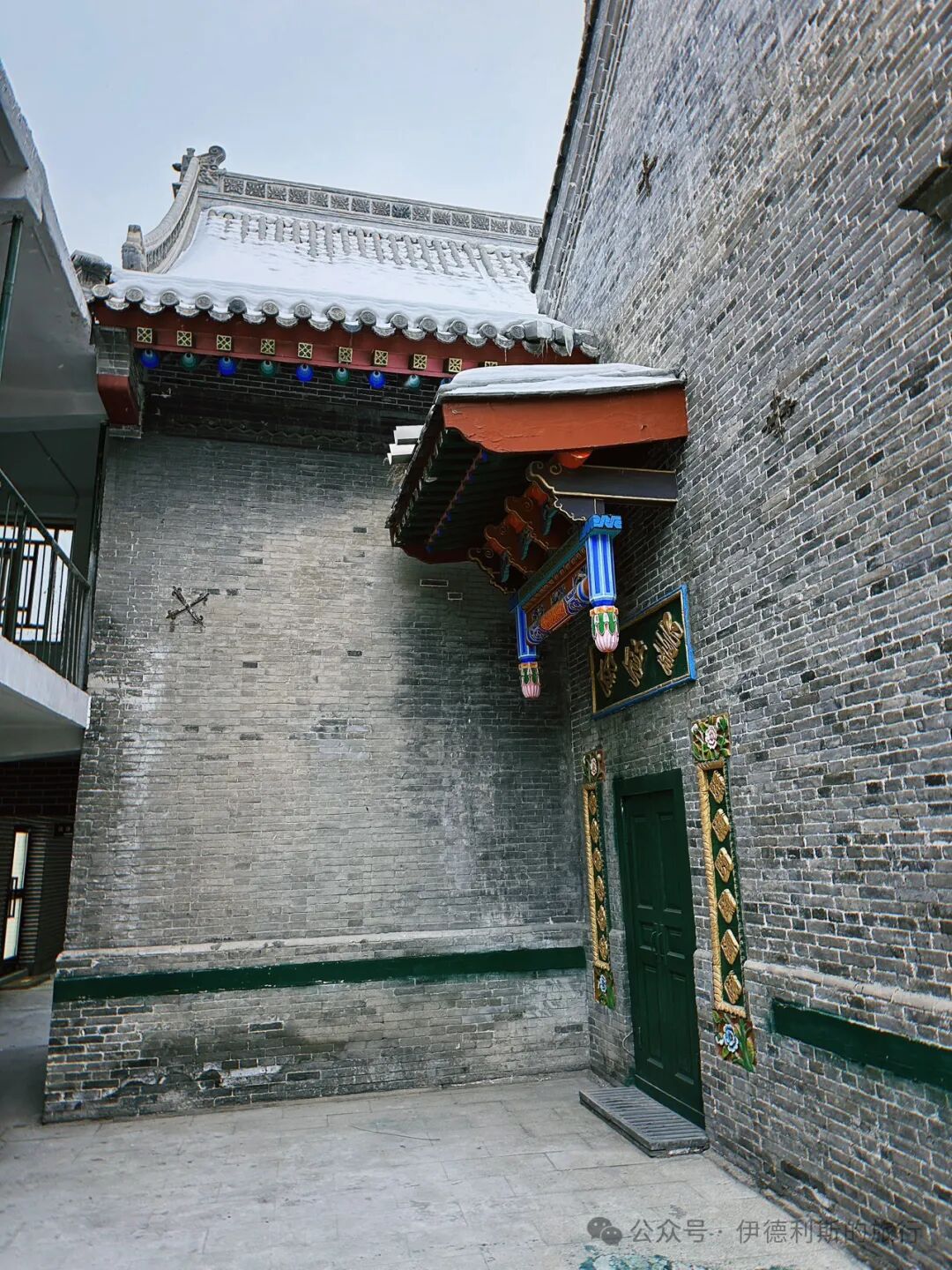
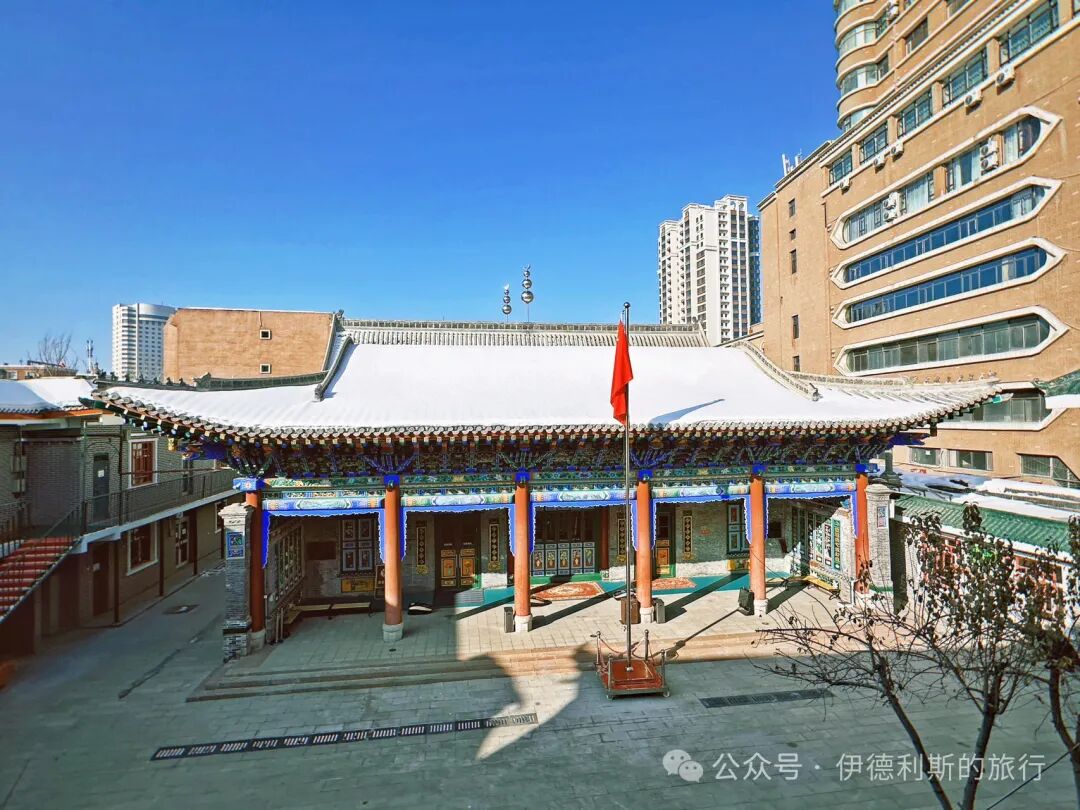
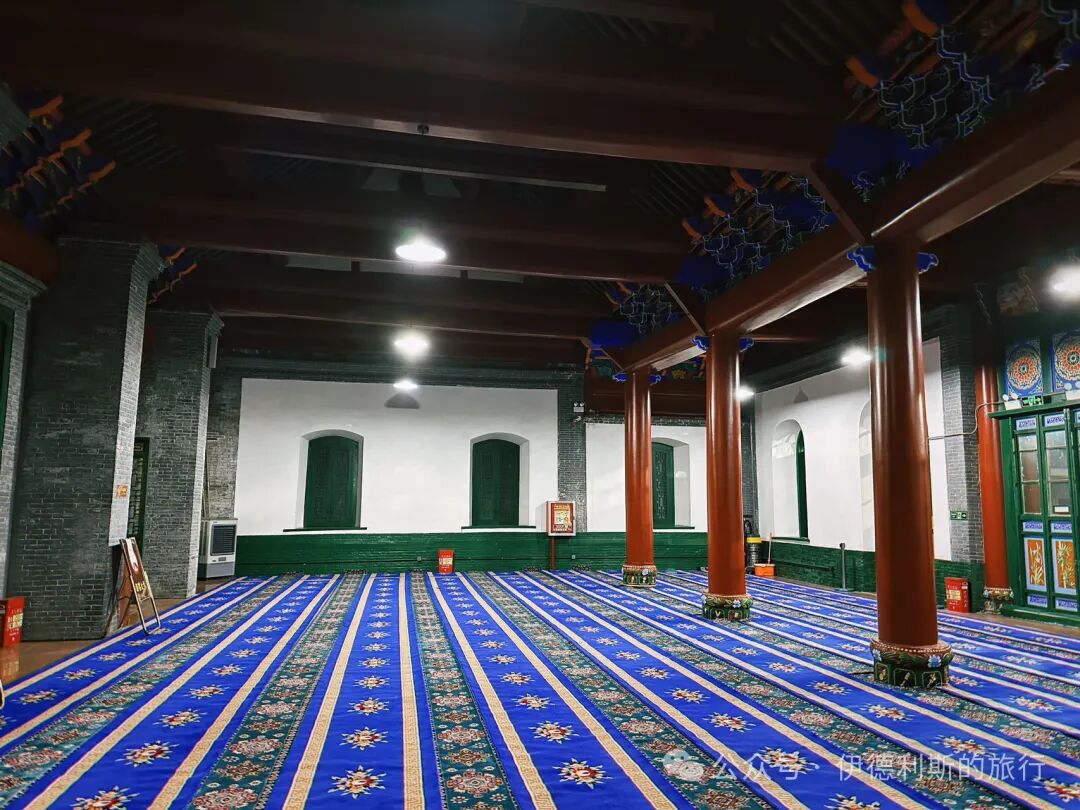
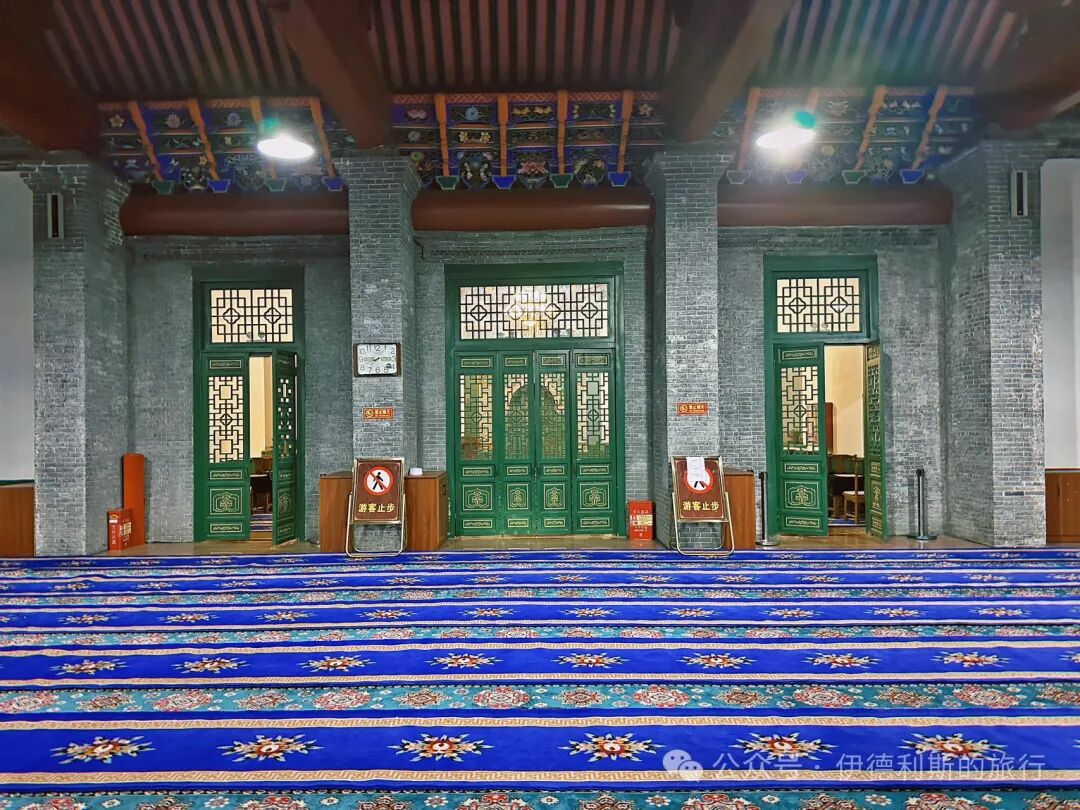
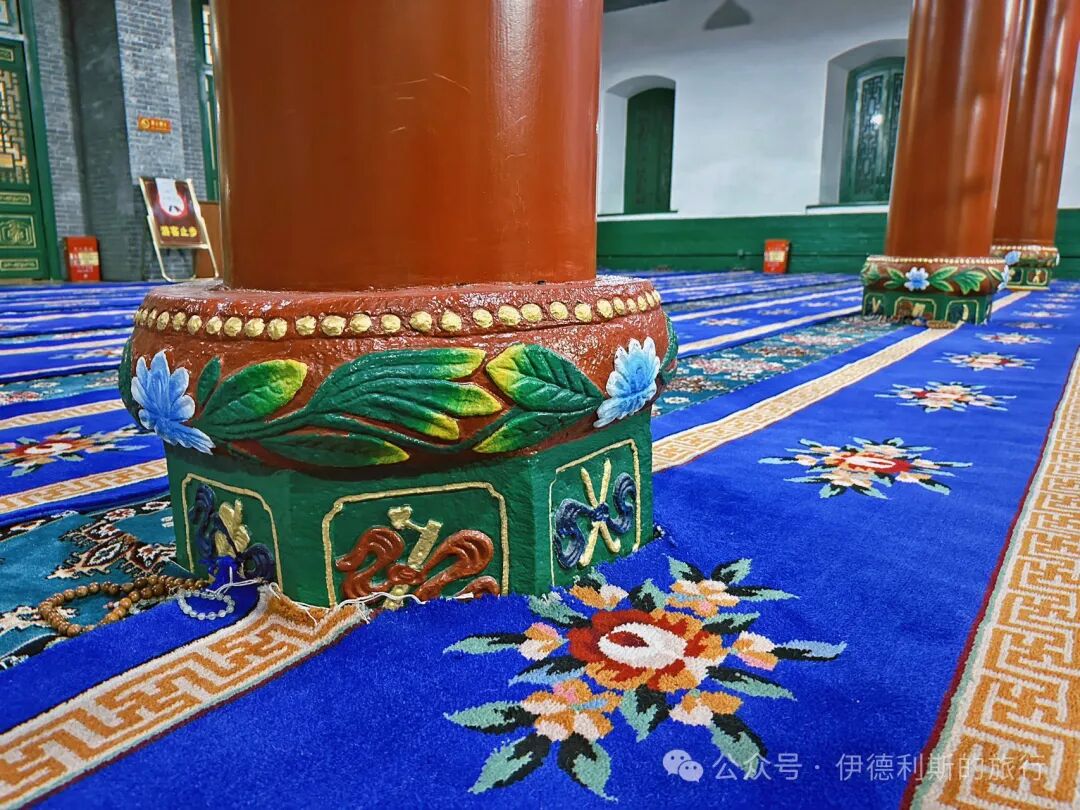
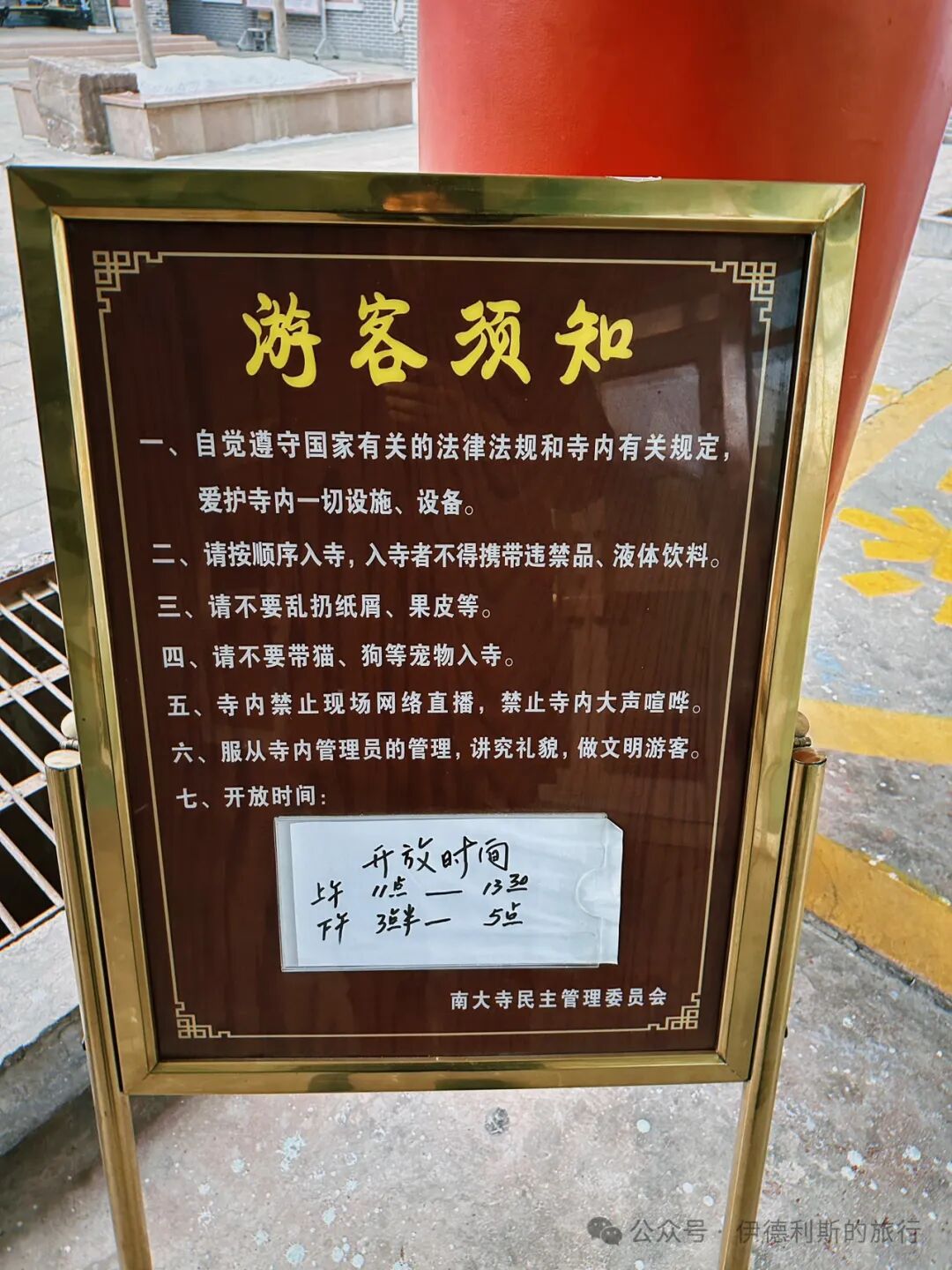
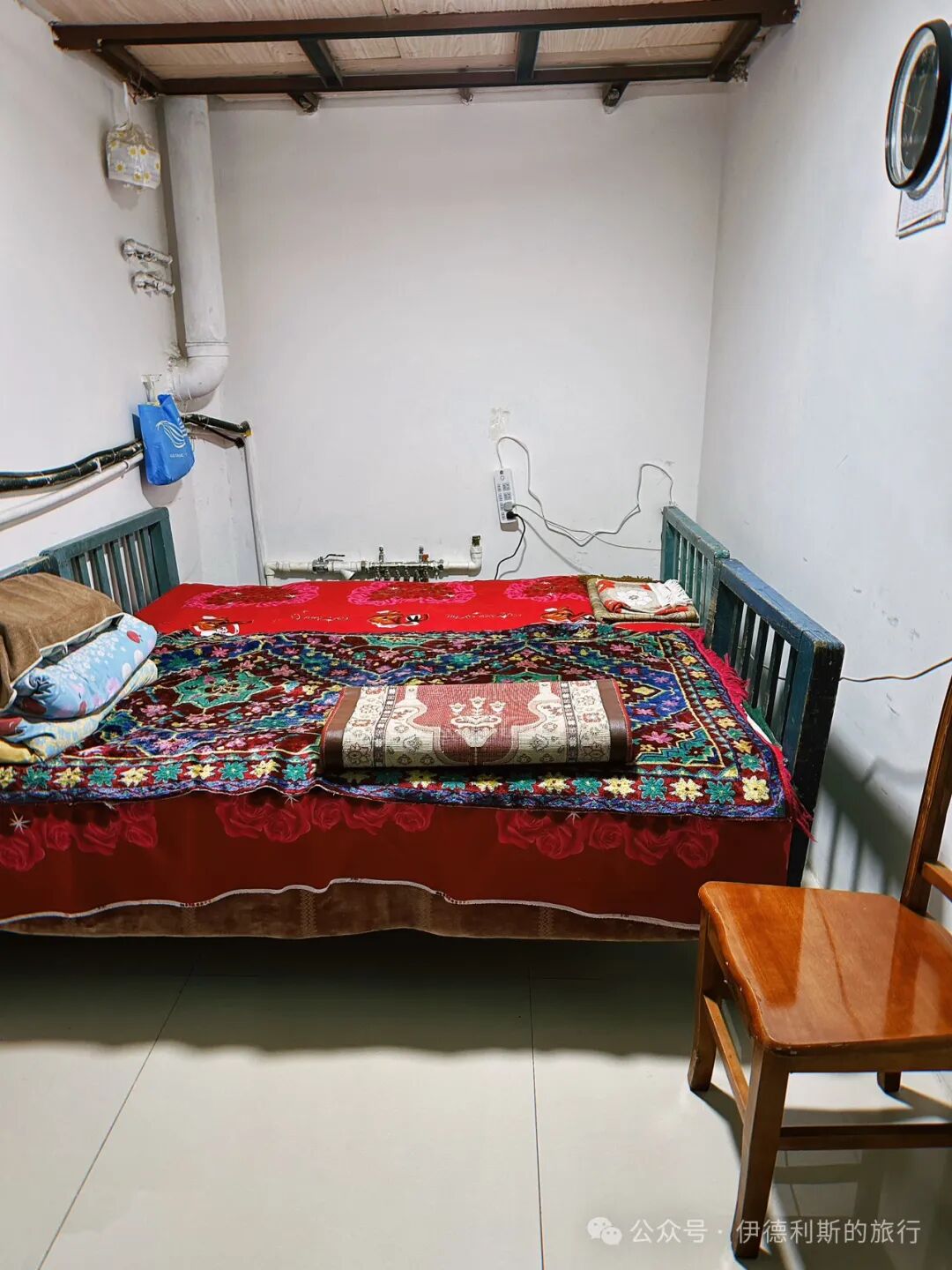
The South Grand Mosque is open to visitors from 11:00-13:30 and 15:30-17:00. There is a machine at the entrance of the main hall that provides shoe covers for entering the front hall. The rear hall is open for namaz five times a day and is inaccessible at other times. However, the elders at the mosque are very welcoming. Because I arrived after hours, they specifically let me pray in the duty room. The Jahriyya order is known for its beautiful melodies during dhikr, and another major feature is wearing a six-sided cap.
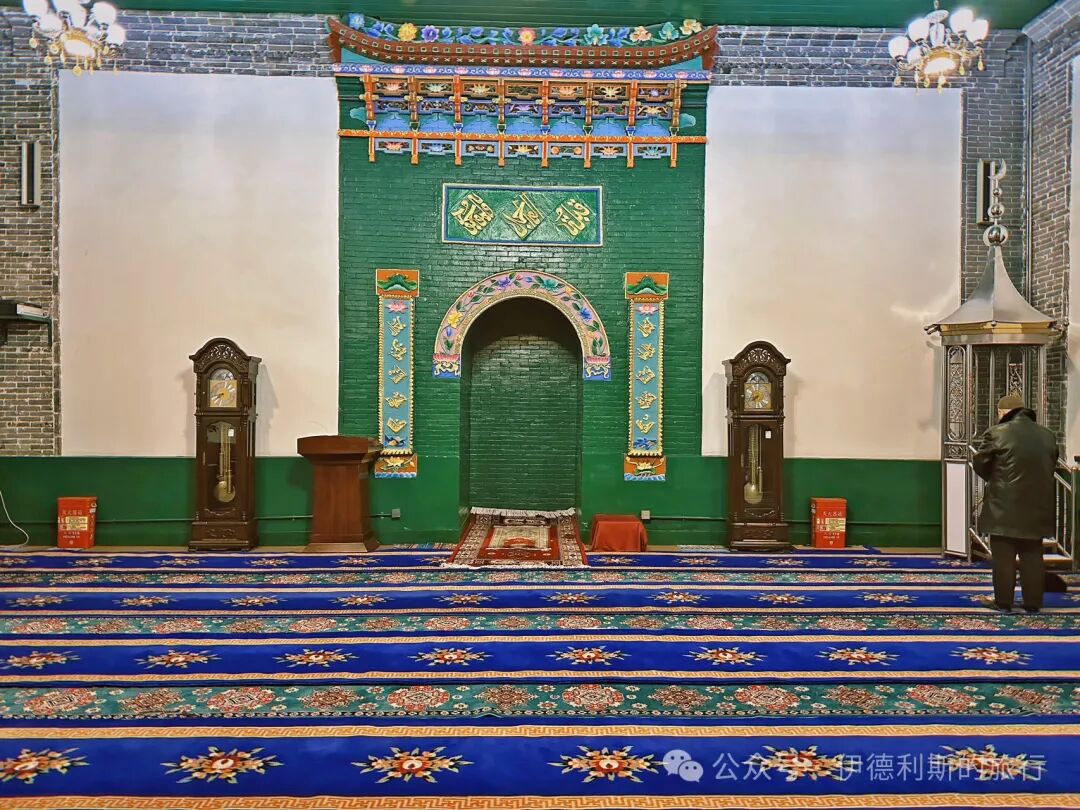
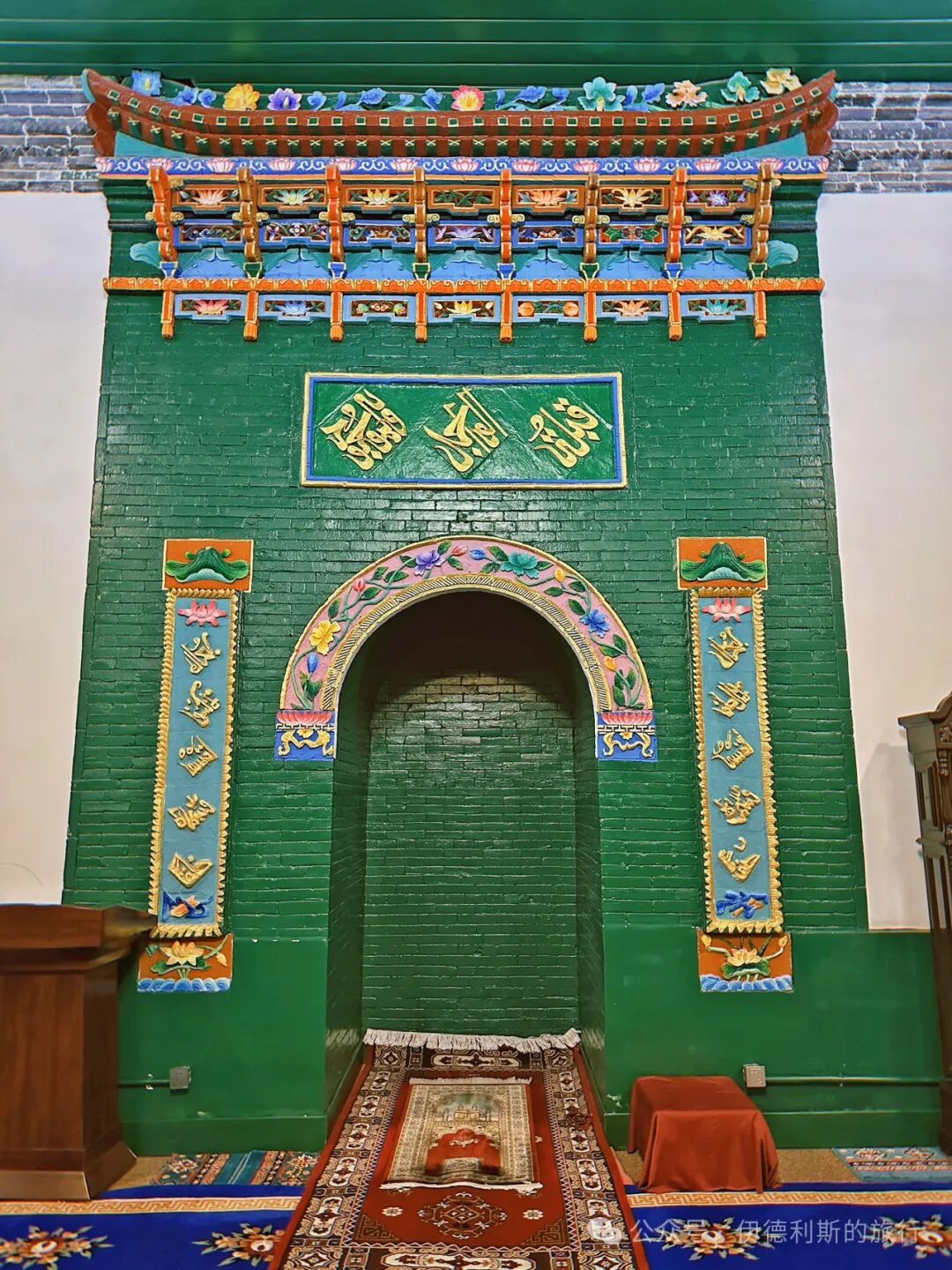
Kuanxiang Mosque
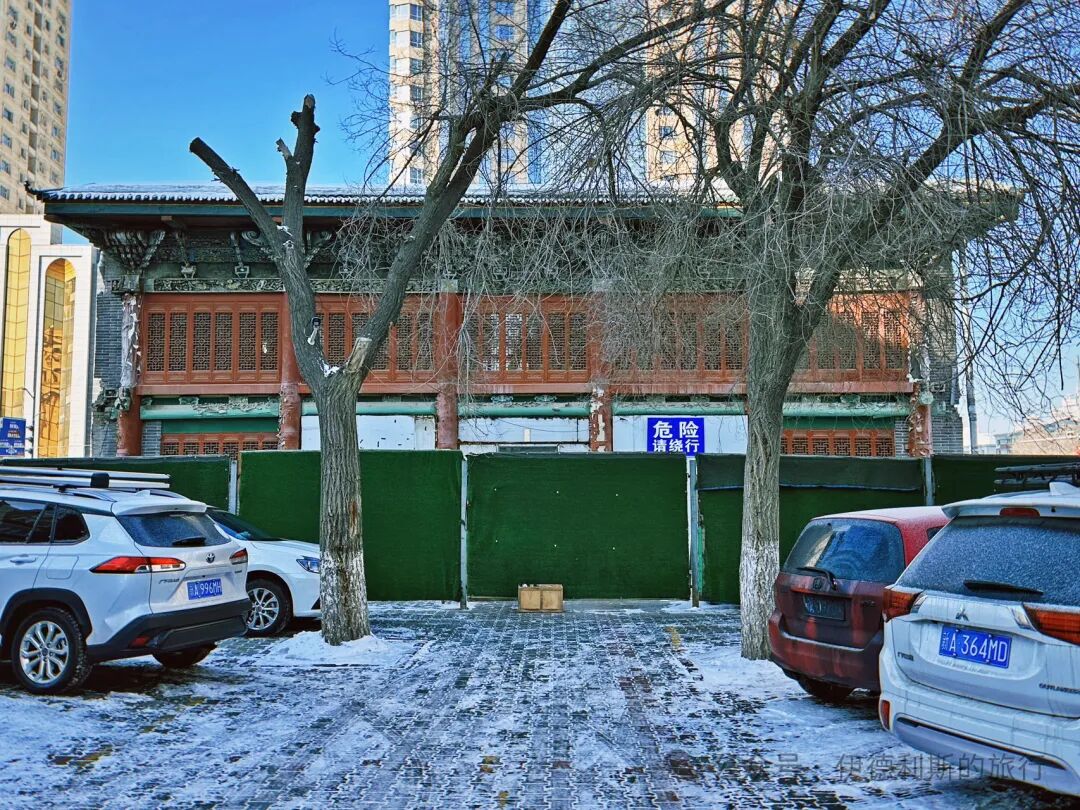
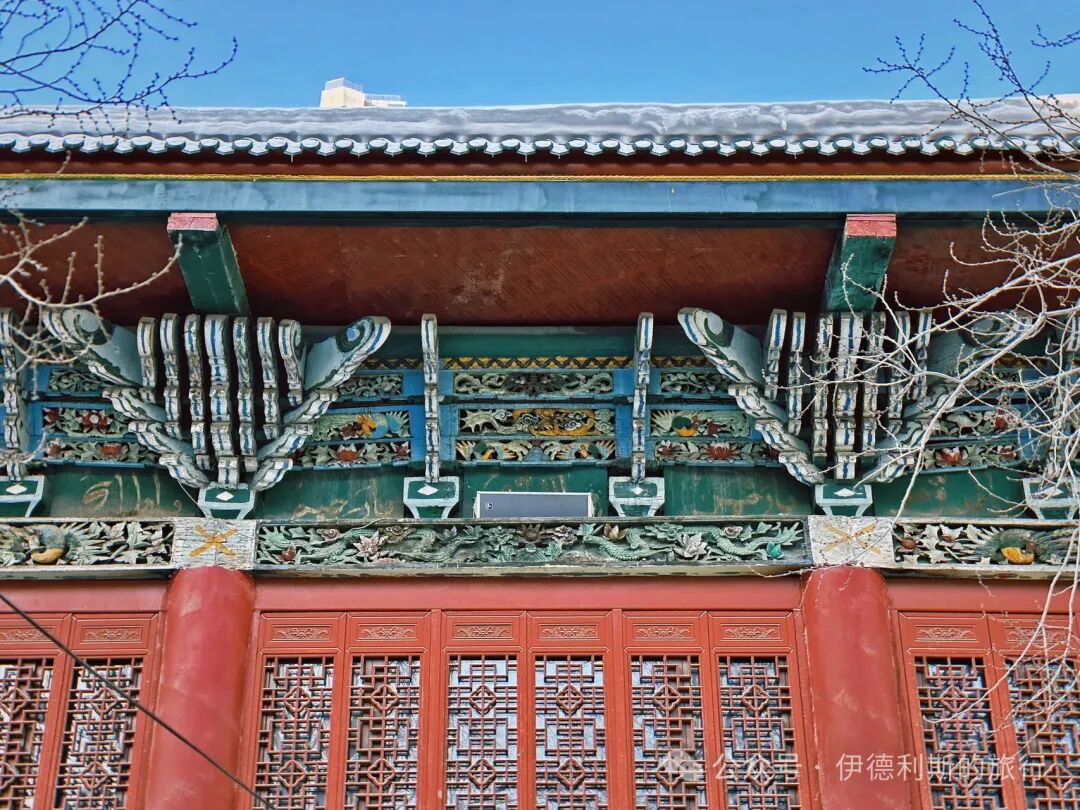
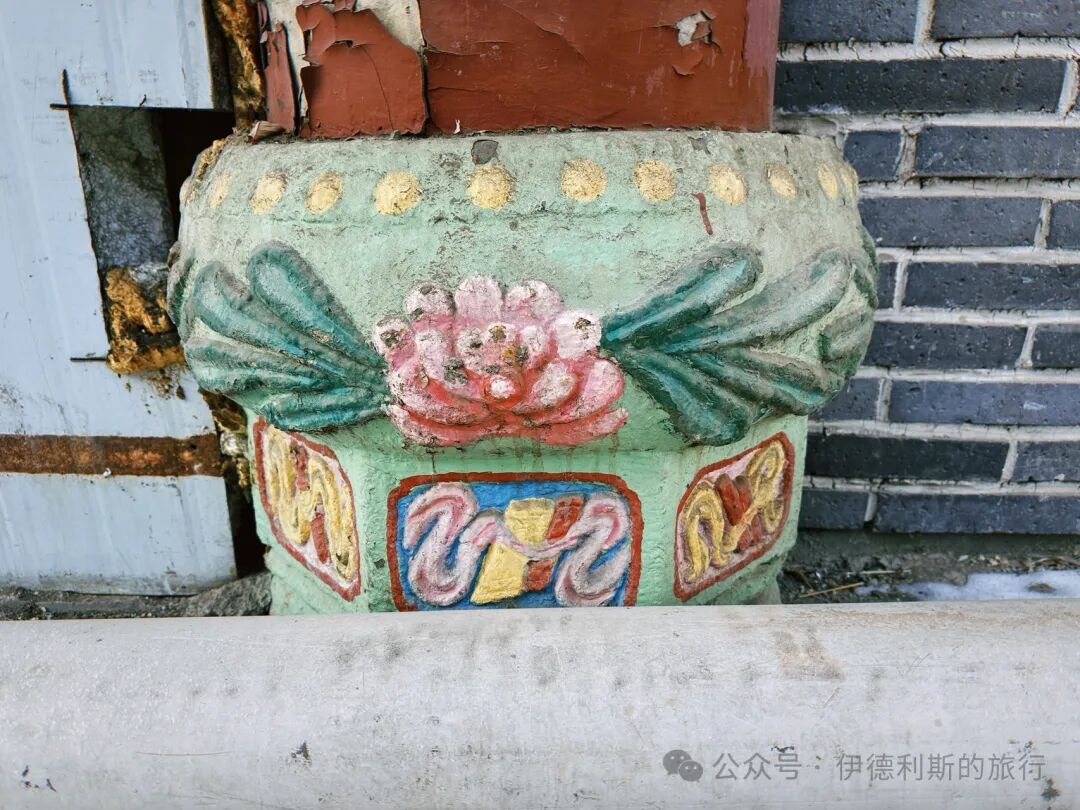
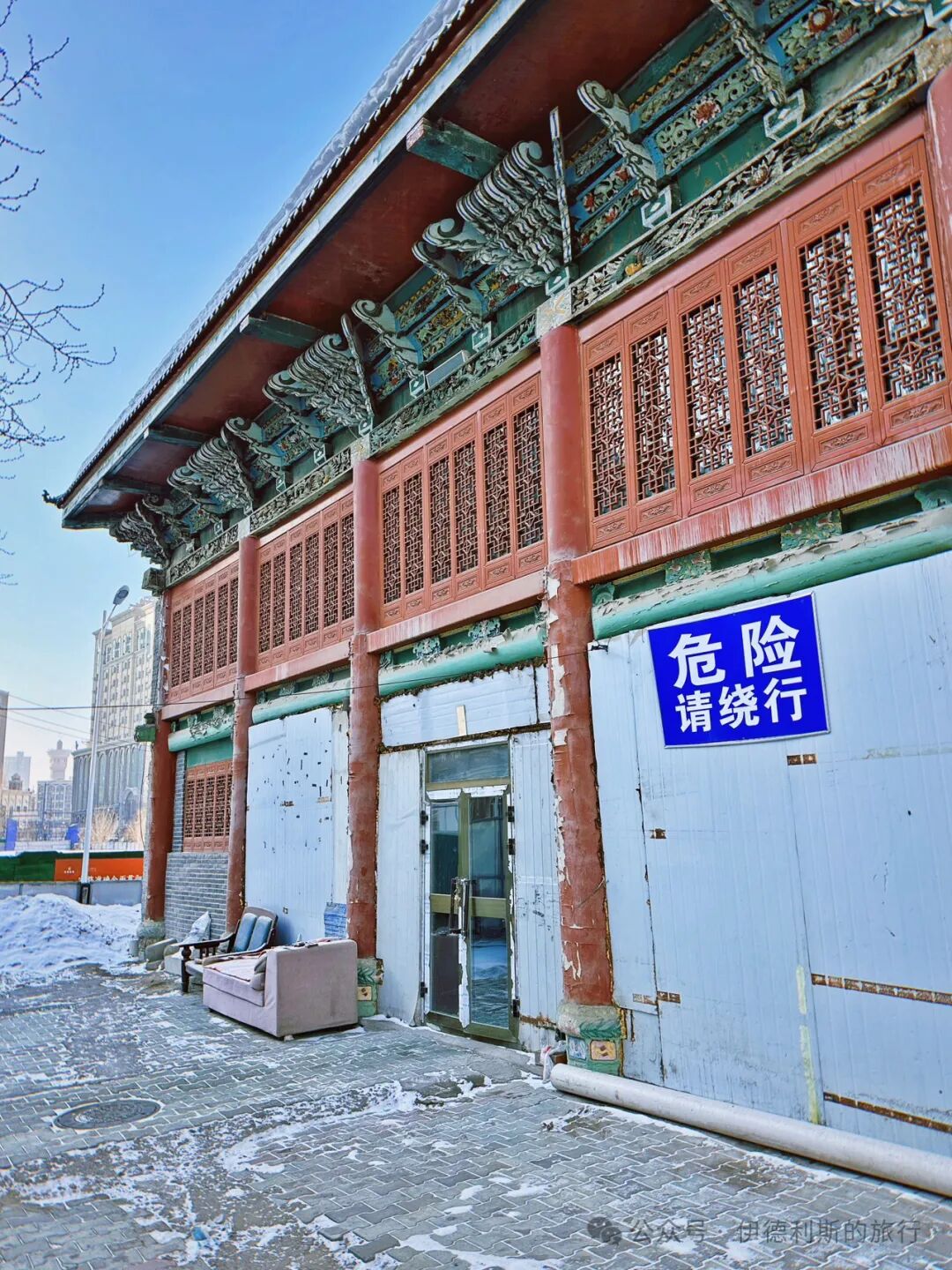
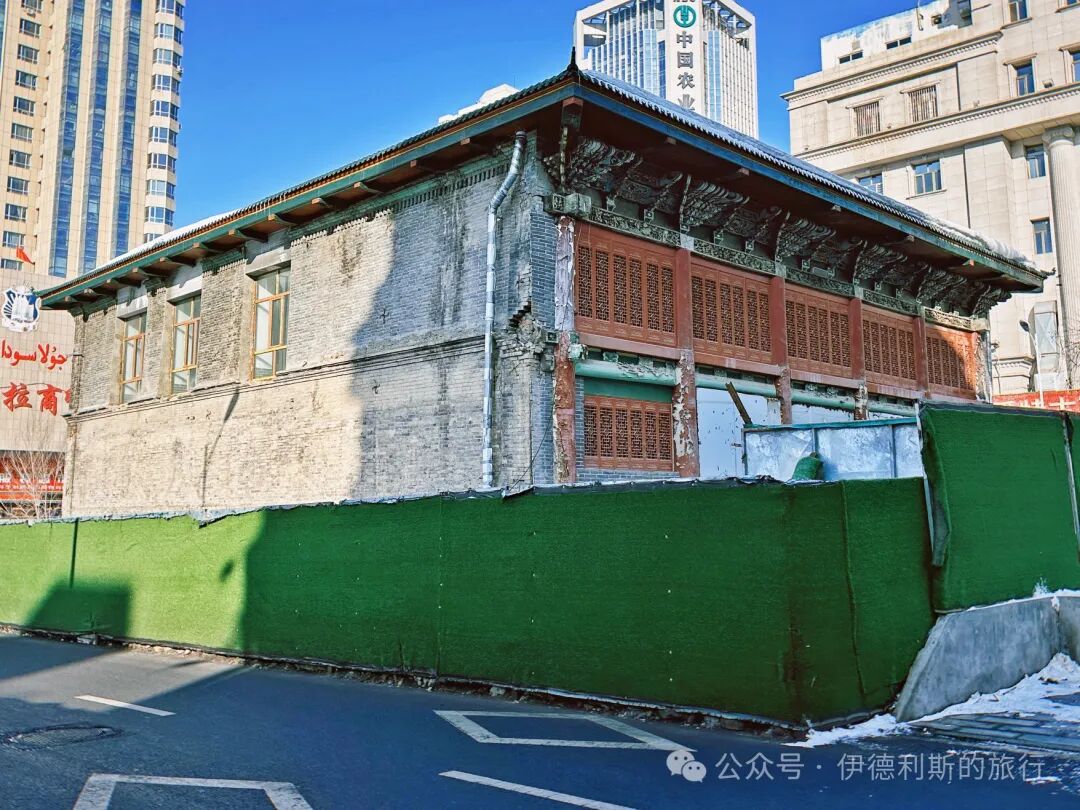
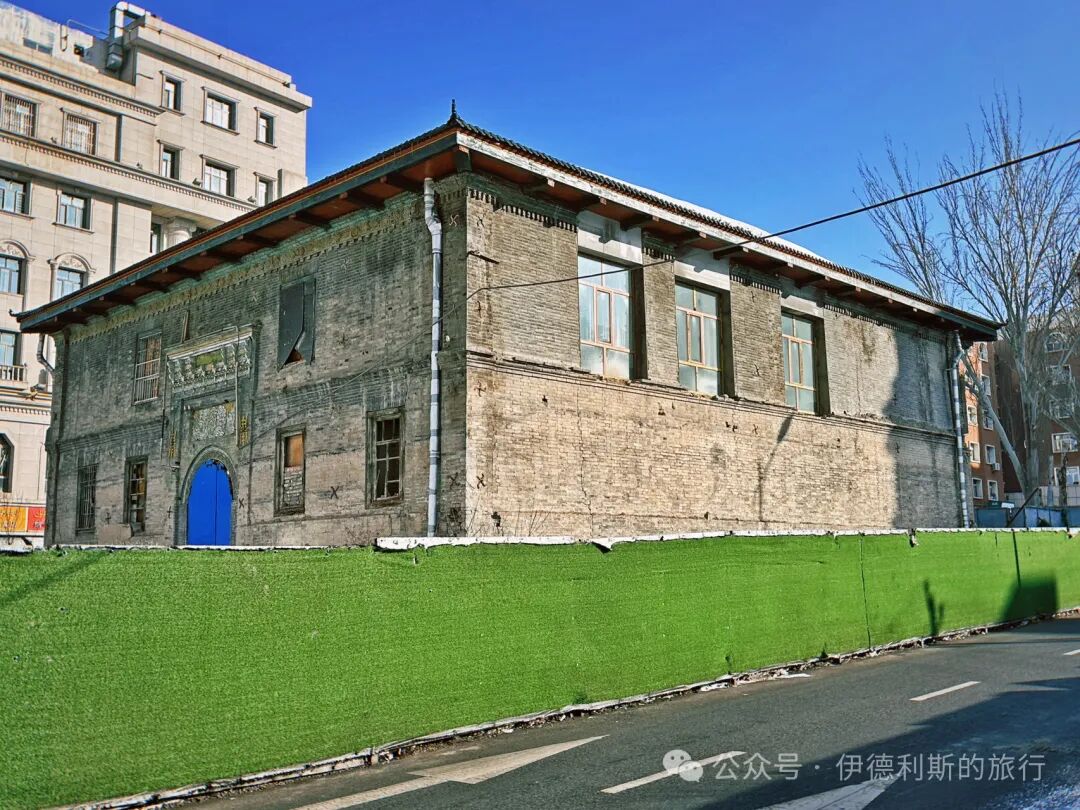
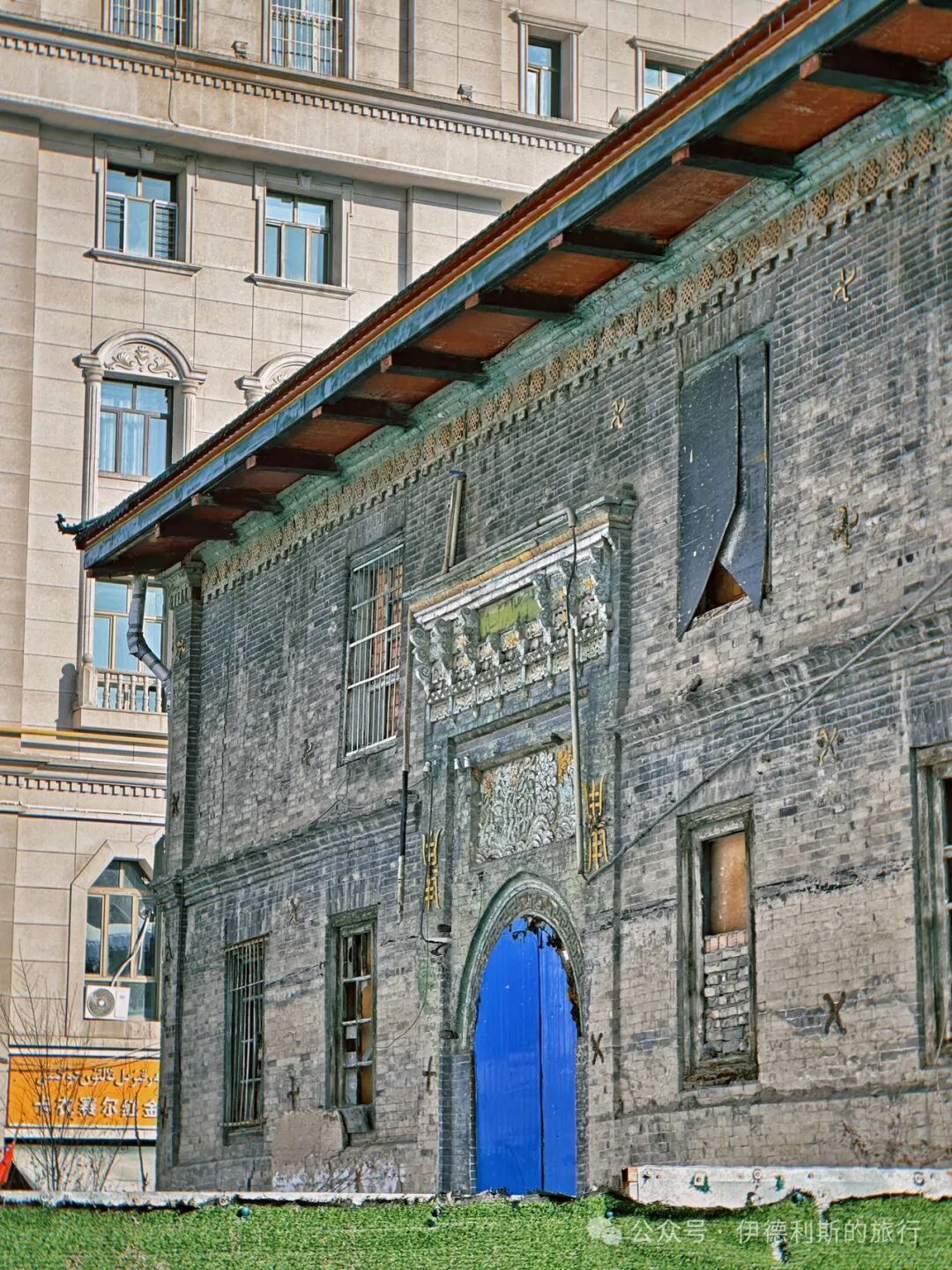
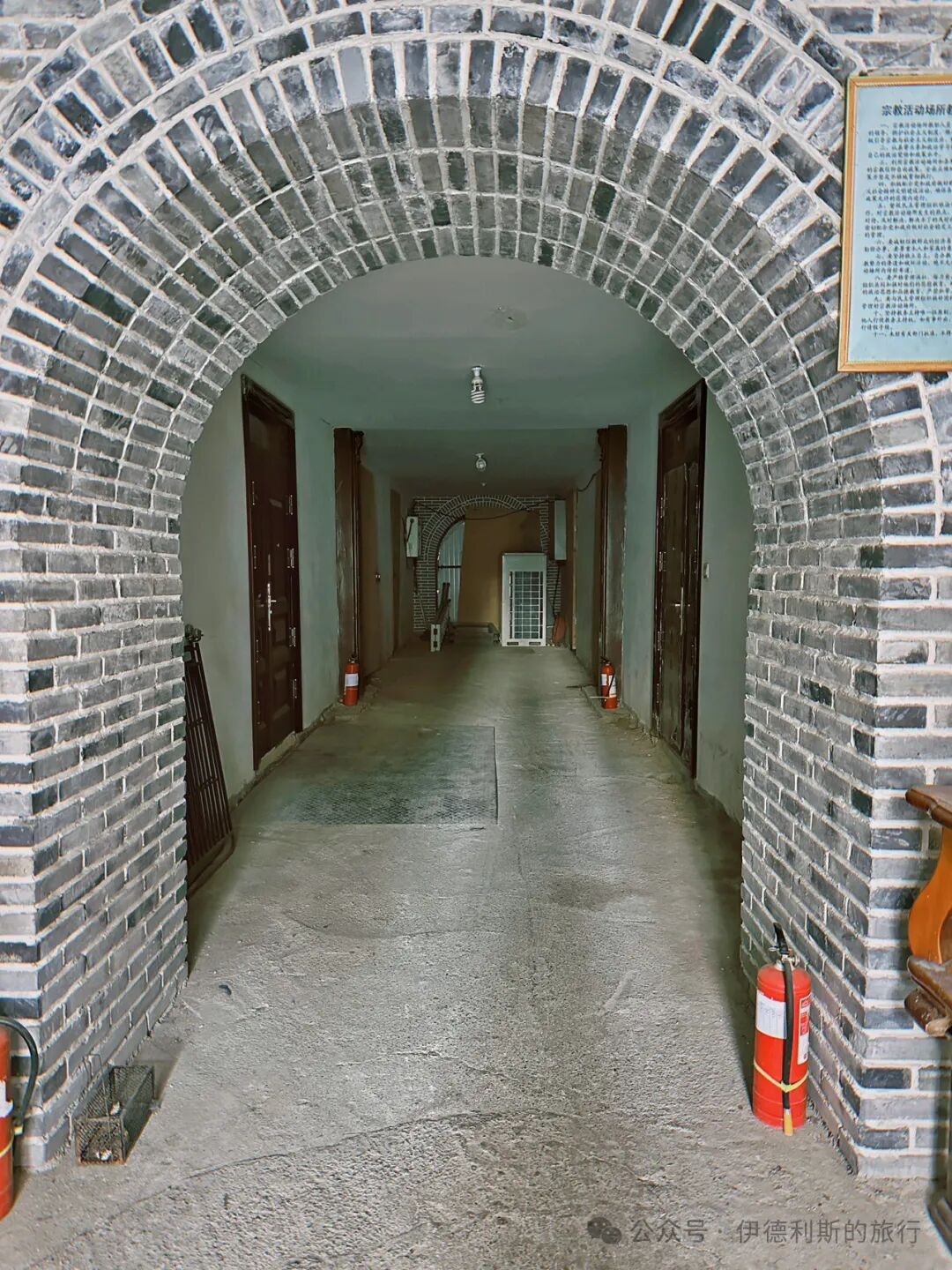
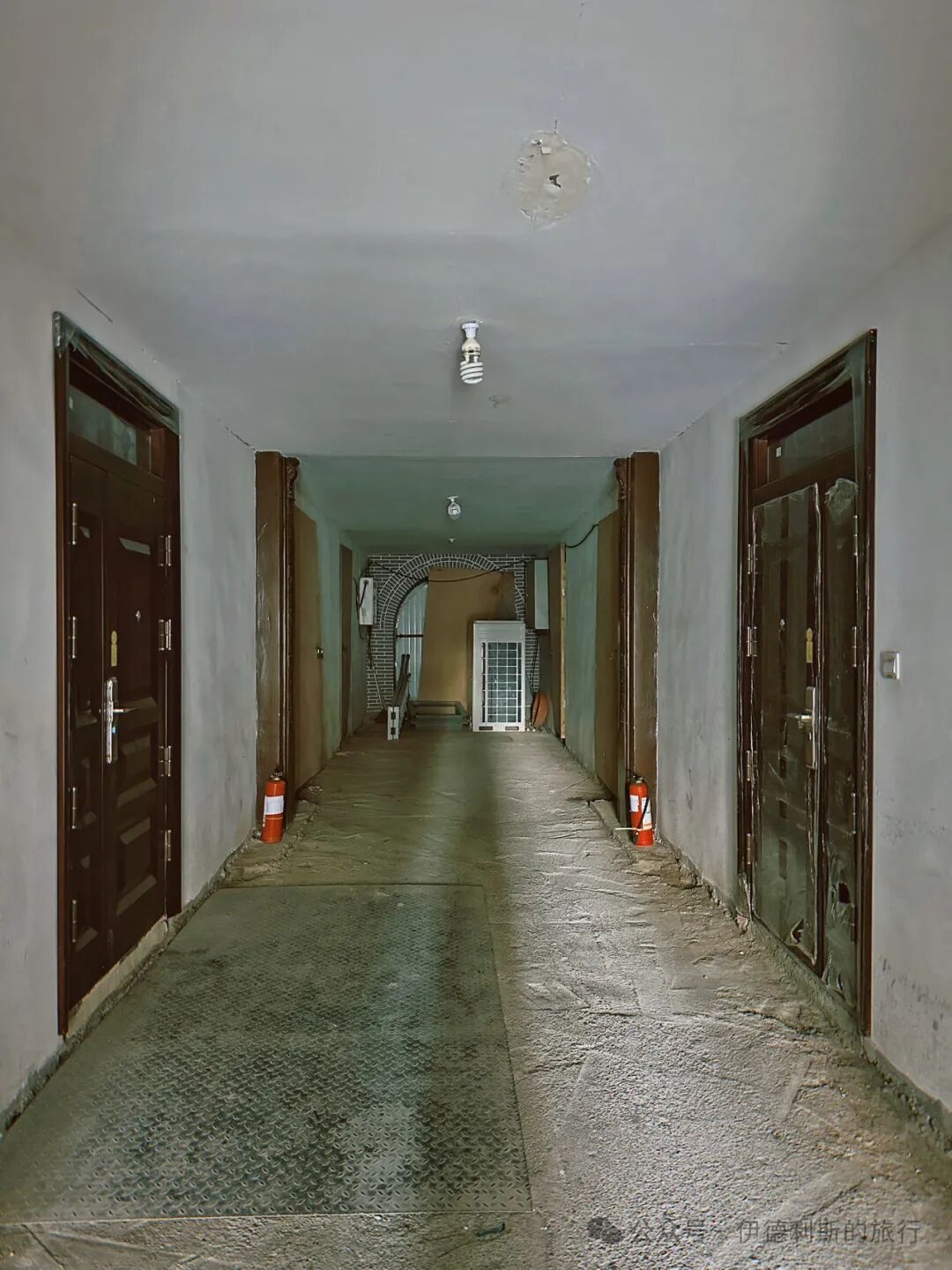
Kuanxiang Mosque was first built during the Jiaqing reign of the Qing Dynasty. It was rebuilt in 1934 into the current two-story brick building, with offices on the first floor and the main prayer hall on the second. Under the eaves of the main hall, there are beautiful wood carvings featuring various flowers, birds, and animal patterns. Kuanxiang Mosque is currently under construction, and all other buildings outside the main hall have been demolished.
Other Mosques
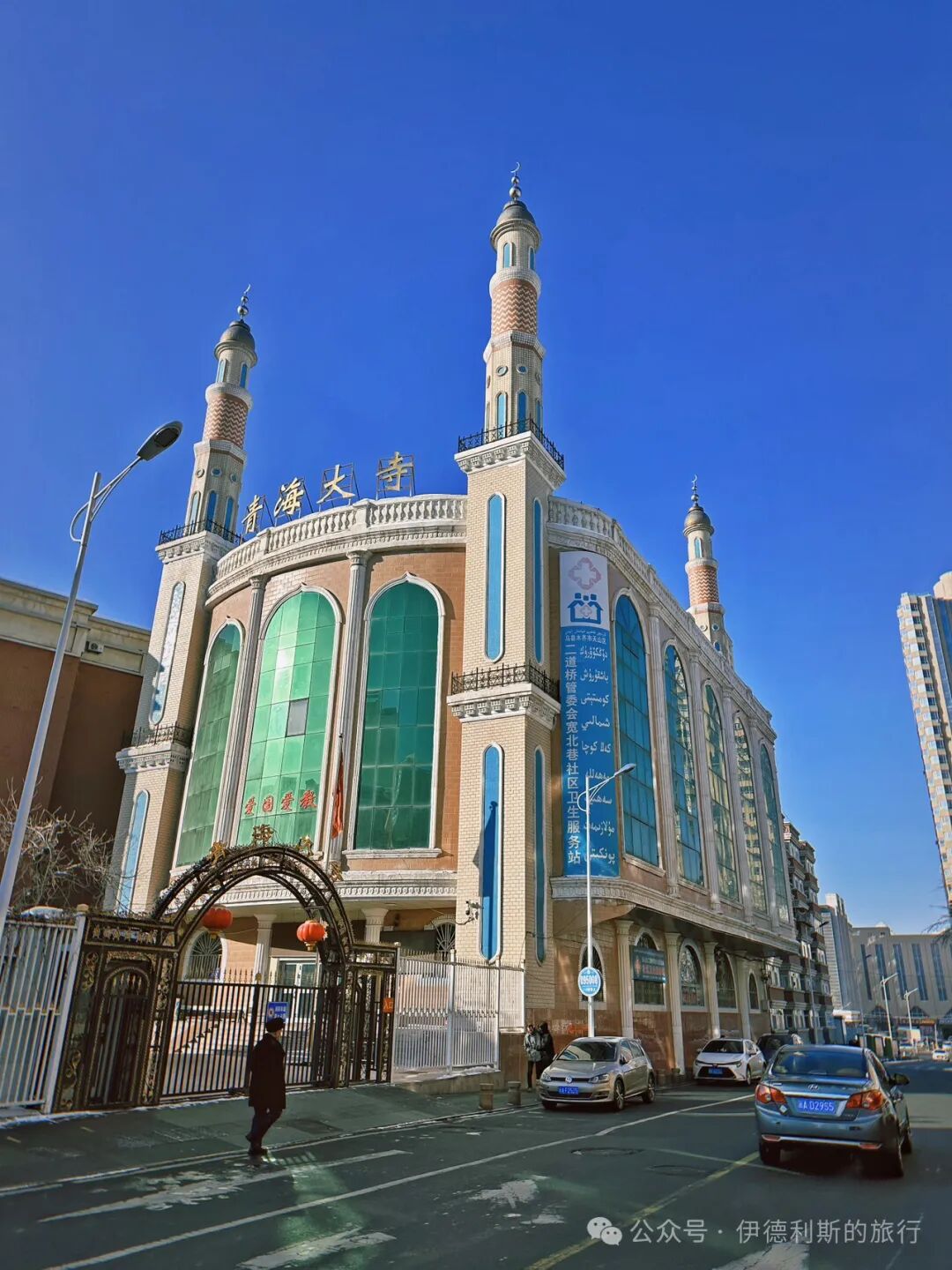
Qinghai Grand Mosque: Built in 1868 (the seventh year of the Tongzhi reign) by Hui Muslims from Qinghai, it was originally named Xining Mosque. In 1945, after Ma Chengxiang of the Qinghai Ma Family Army marched into Xinjiang, it was renamed Qinghai Mosque. Qinghai Mosque has some congregants from the Ikhwan and Huasi menhuan sects, and it maintains the tradition of observing the memorial day for the Huasi master.
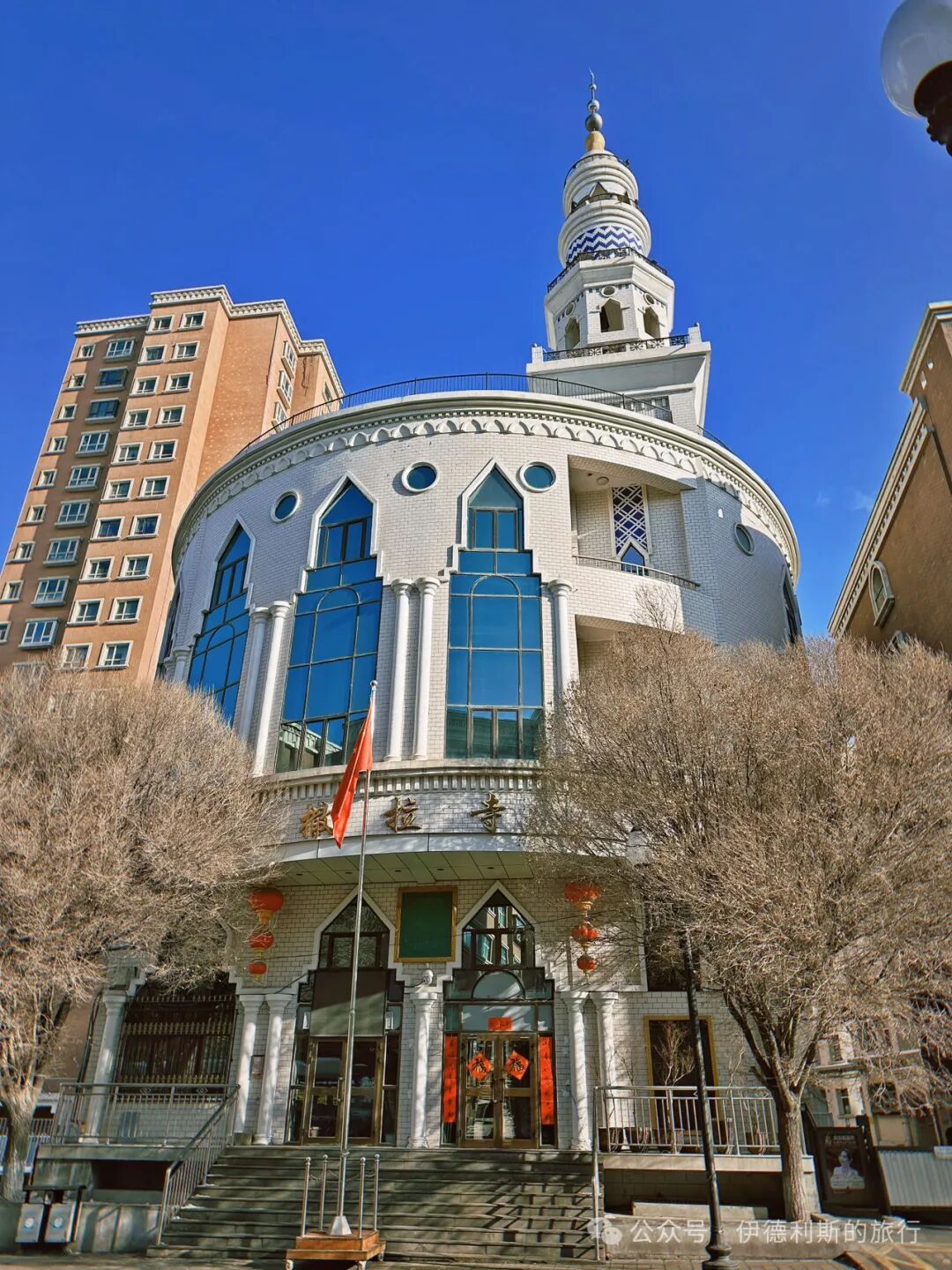
Sala Mosque: Built in 1865 (the fourth year of the Tongzhi reign) by the Salar people from Qinghai. In 1945, many Salar officers and soldiers served under Ma Chengxiang of the Qinghai Ma Family Army when they entered Xinjiang, so the mosque was renovated in 1948. In 2002, Sala Mosque was rebuilt into its current structure. Like Qinghai Mosque, Sala Mosque has some congregants from the Ikhwan and Huasi menhuan sects, and it maintains the tradition of observing the memorial day for the Huasi master.
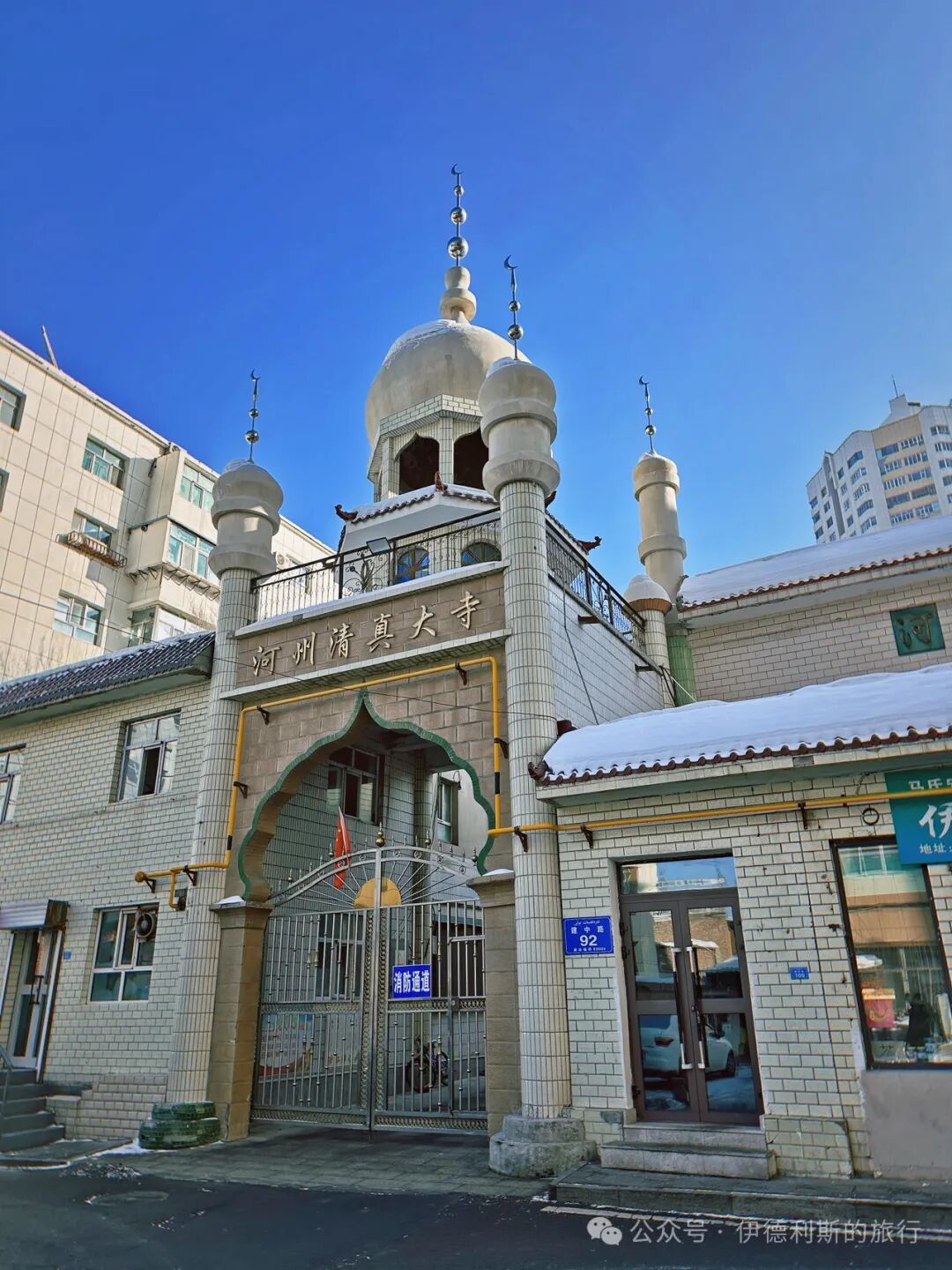
Hezhou Grand Mosque: Built in 1915 by Hui Muslims from Linxia, Gansu. It was acquired and demolished by the Urumqi Waste Recycling Station in 1977, then rebuilt in 1988.
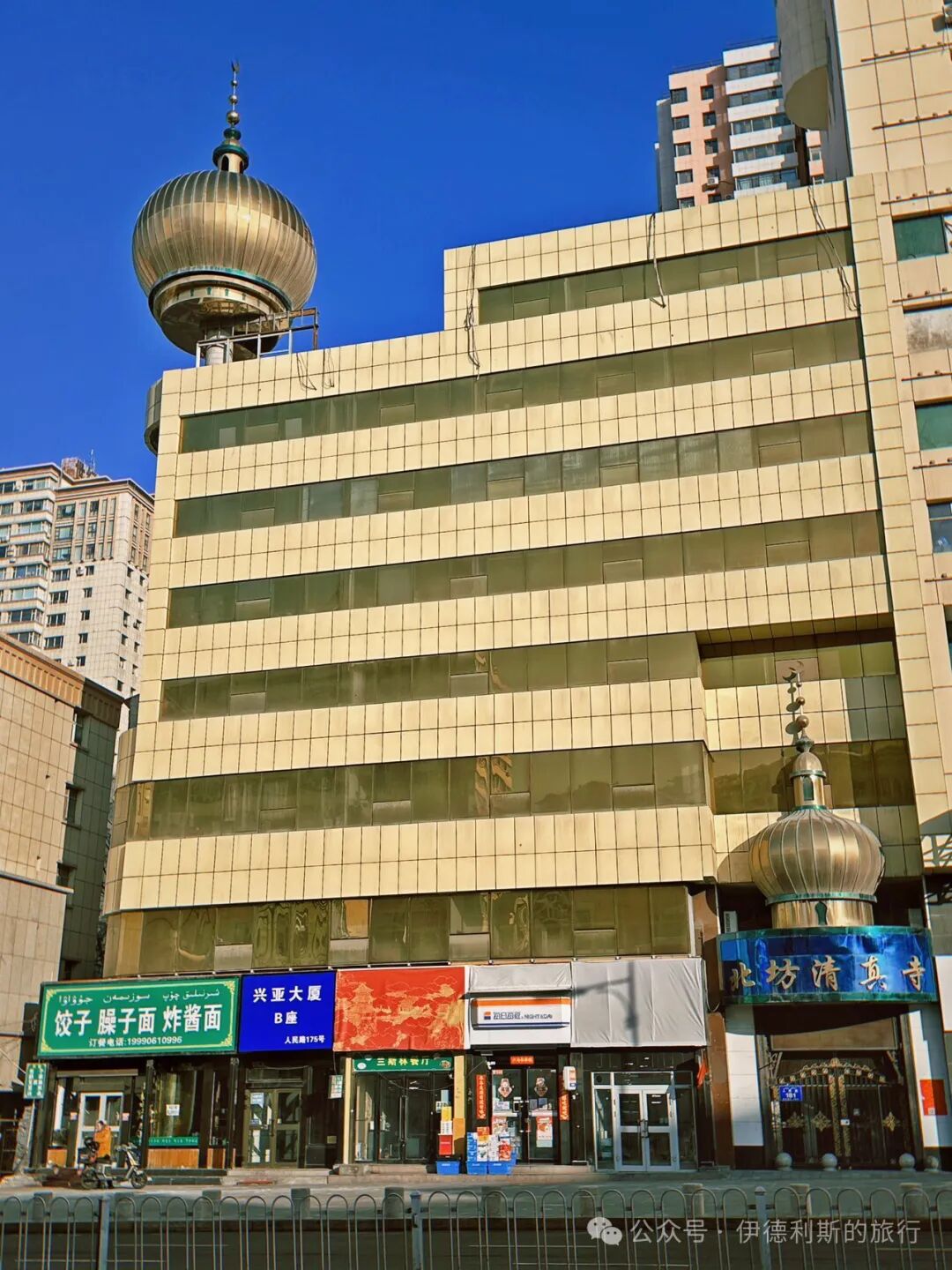
Beifang Mosque: First built in 1886 (the twelfth year of the Guangxu reign). It was once occupied by the Urumqi No. 2 Rubber Factory, but was later restored and rebuilt.
Dongfang Grand Mosque: First built in 1877 (the third year of the Guangxu reign).
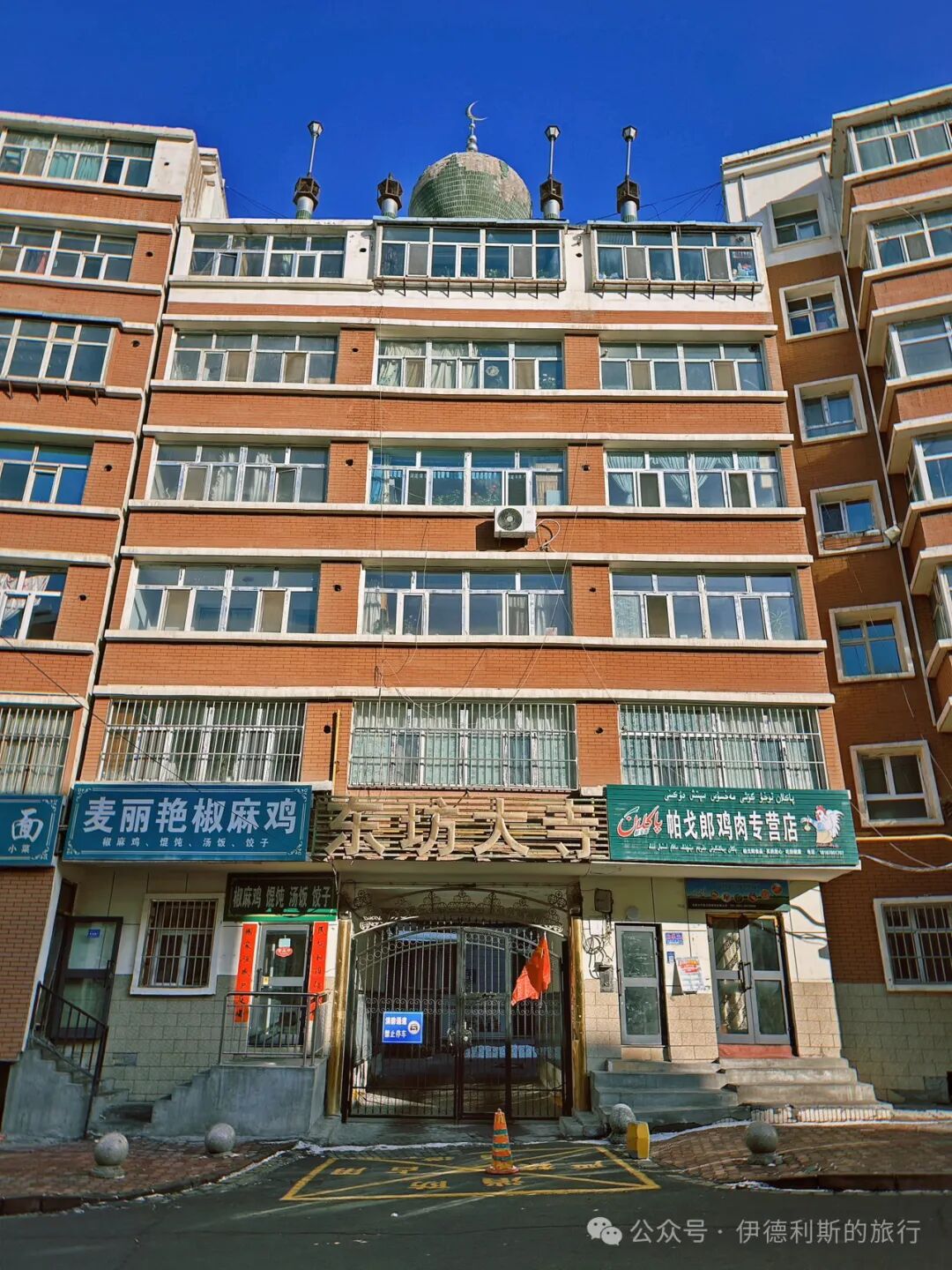
Xidasi Mosque: Built in 1890 (the sixteenth year of the Guangxu reign) by Hui Muslims from Shaanxi. Originally named Xifang Mosque, it started as a small prayer spot on the south side of Shanxi Alley before moving to its current location to be rebuilt.
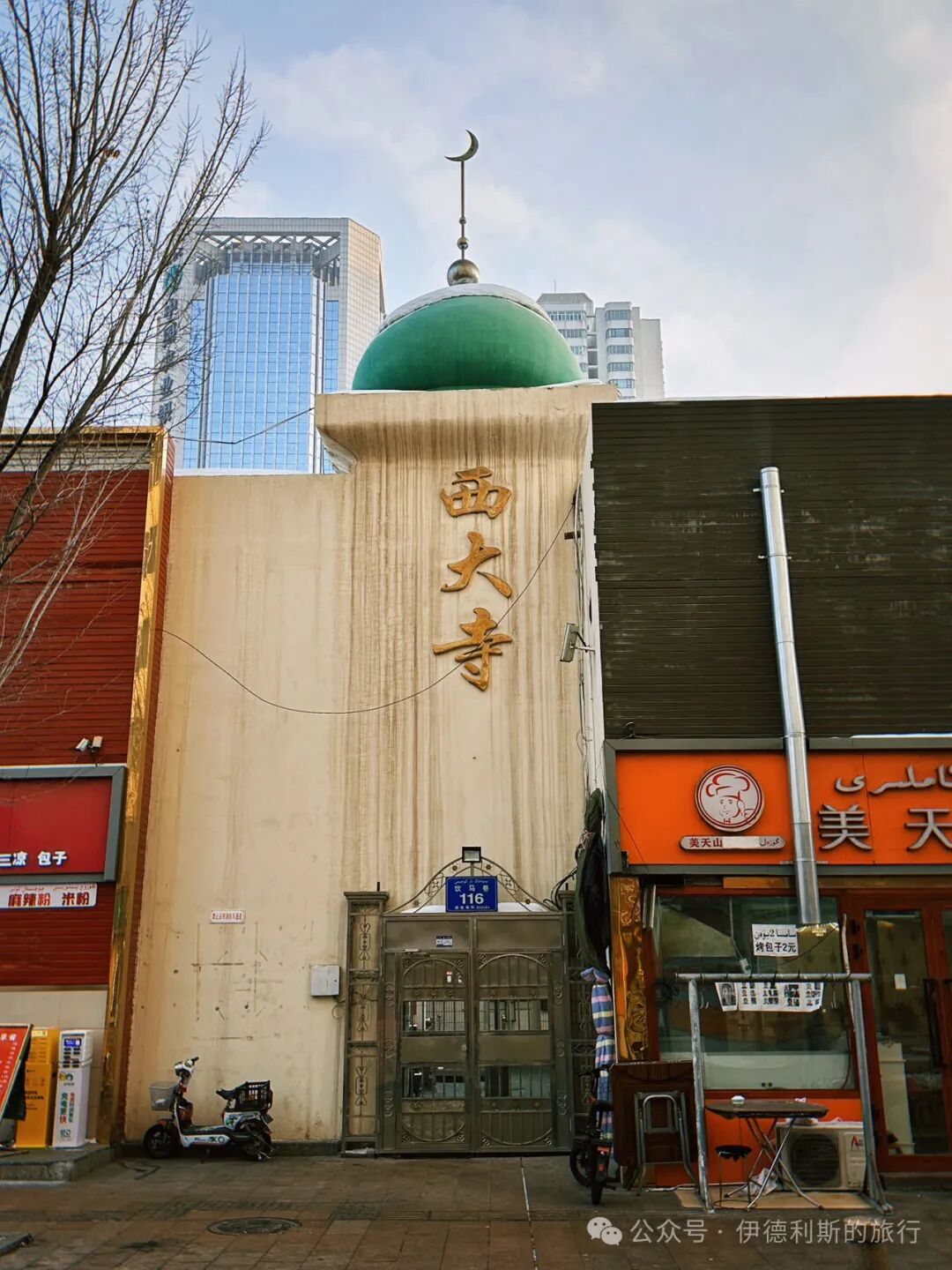
Balikun Mosque: Built in 1877 (the third year of the Guangxu reign) by Hui Muslims from Balikun.
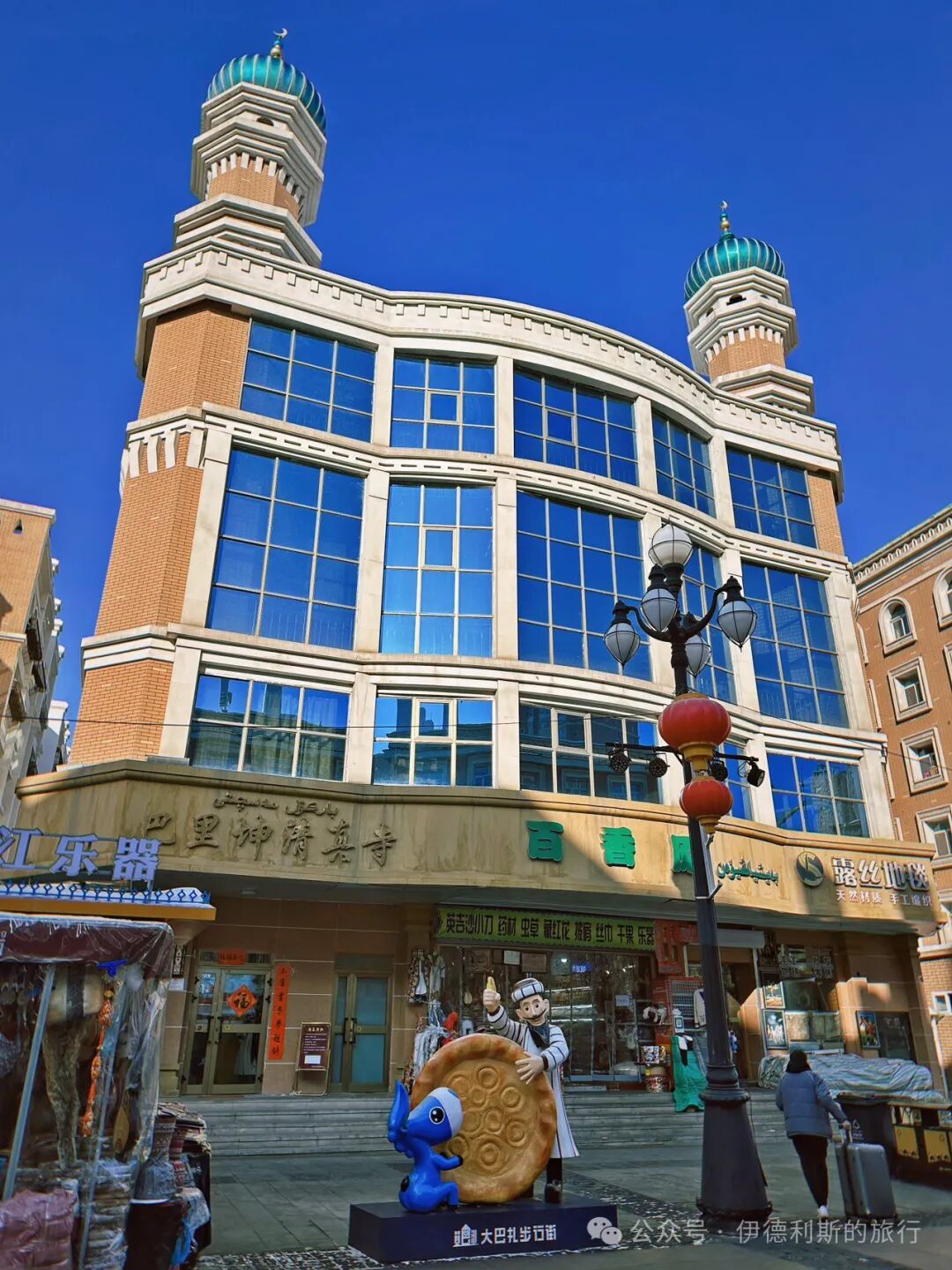
Fengxiang Mosque: Built in 1884 (the tenth year of the Guangxu reign) by Hui Muslims from Fengxiang, Shaanxi.
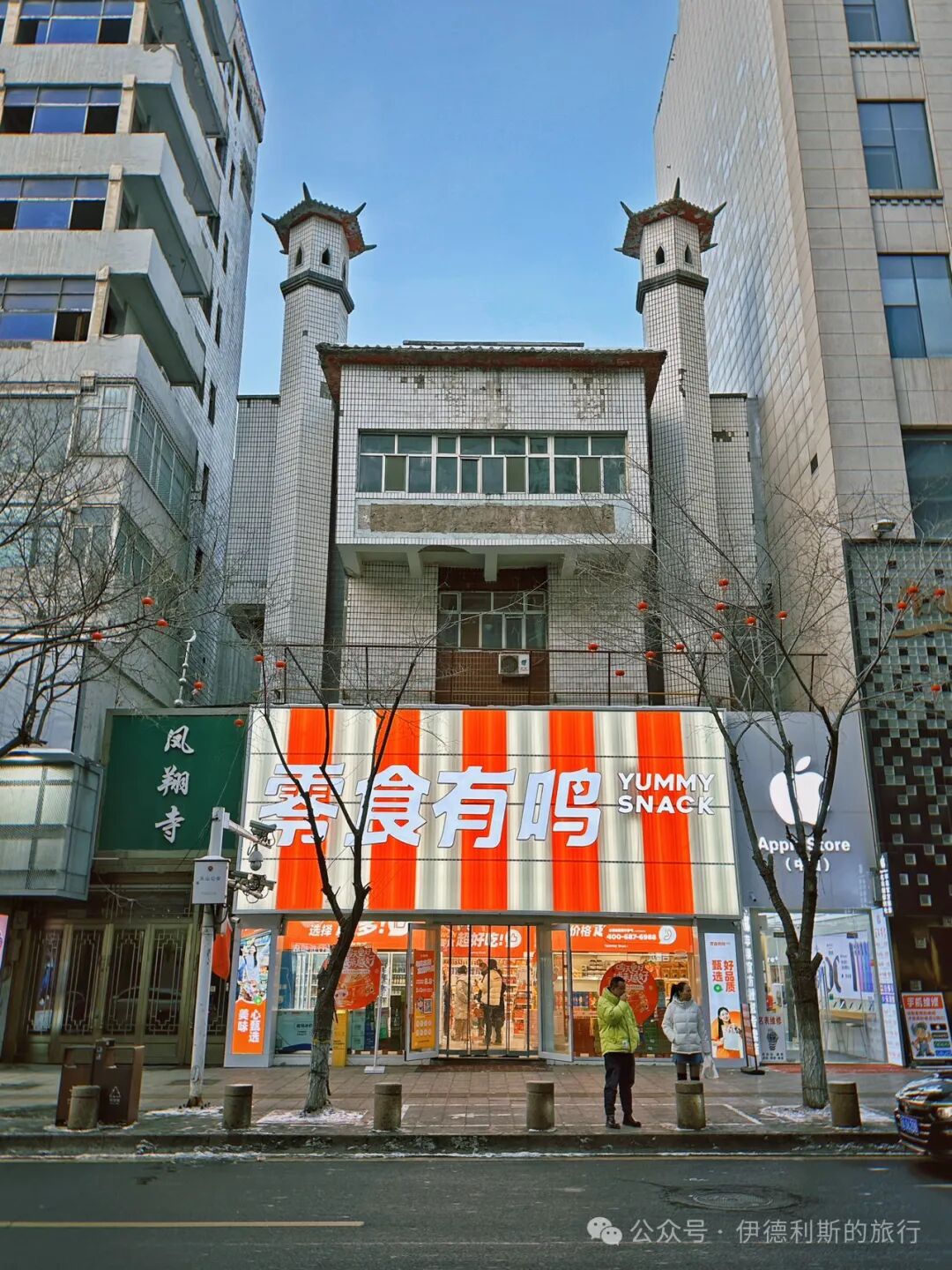
Binzhou Mosque (Baiji Mosque): During the Tongzhi reign, many Hui Muslims from Binzhou Prefecture (now Binzhou City) in Shaanxi fled to Urumqi's Xiguan area to settle down. During the Guangxu reign, Imam Ma Xuehai (known as Hongchengzi) led the community to build the first Binzhou Mosque at the entrance of Baojiaju Alley outside Urumqi's Great West Gate. It was moved to its current location on Mashi Alley (Yucai Alley) and rebuilt in 1909 (the first year of the Xuantong reign). Because most of the congregants came from Baiji Town in Binzhou Prefecture, it is also called Baiji Mosque. In 1990, due to the redevelopment of the Mashi residential area, Binzhou Mosque was moved more than 100 meters south and rebuilt.
Imam Ma Xuehai was an eighth-generation descendant of Hu Dengzhou, the founder of the scripture hall education system. During the Guangxu reign, he was known alongside Ma Liangjun and Zhou Erye (Zhou Zhendong) as one of the three great imams. He led Binzhou Mosque three times and passed away (returned to Allah) at the mosque in 1924. Among his students, the most prestigious was Imam Ma Zhaolin (known as Huazhezi). Imam Ma Zhaolin was also from Binzhou. He studied the scriptures under Imam Ma Xuehai from a young age and became his adopted son. Imam Ma Zhaolin led the Binzhou mosque four times. In 1943, he was delayed in Xi'an while on his way to Hajj and was hired to lead the Xiaopiyuan mosque. He passed away in 1955 while serving as the imam at the Shaanxi mosque in Changji.
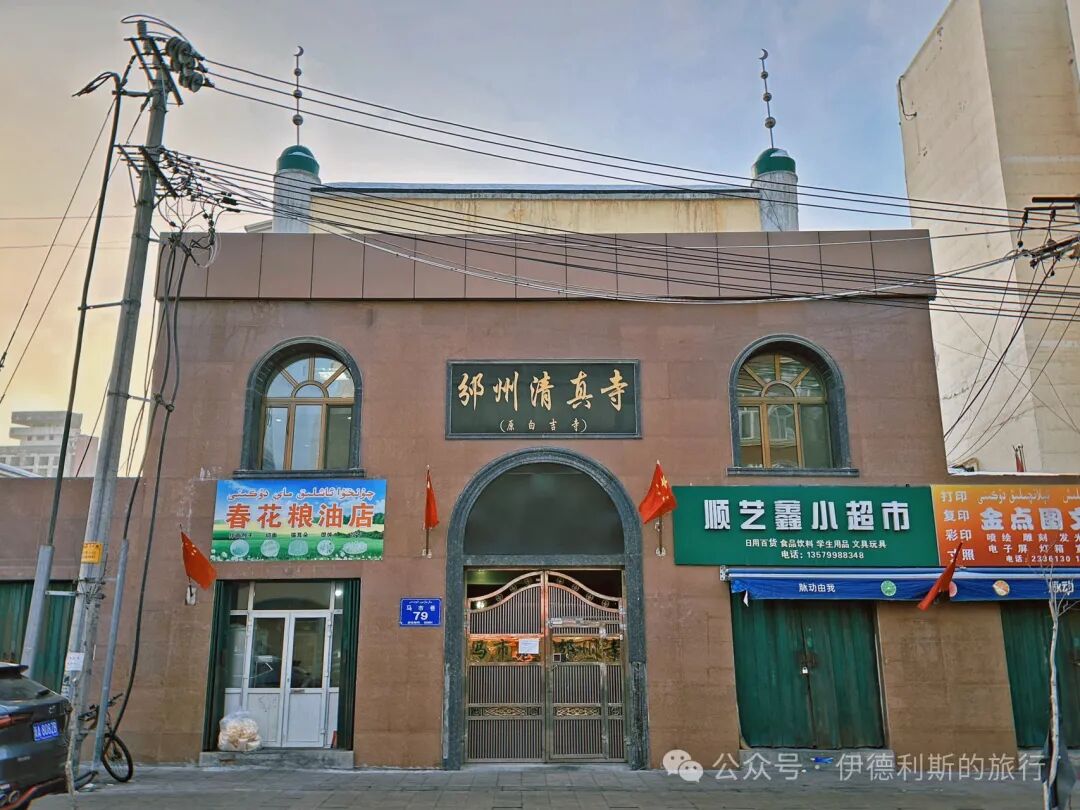
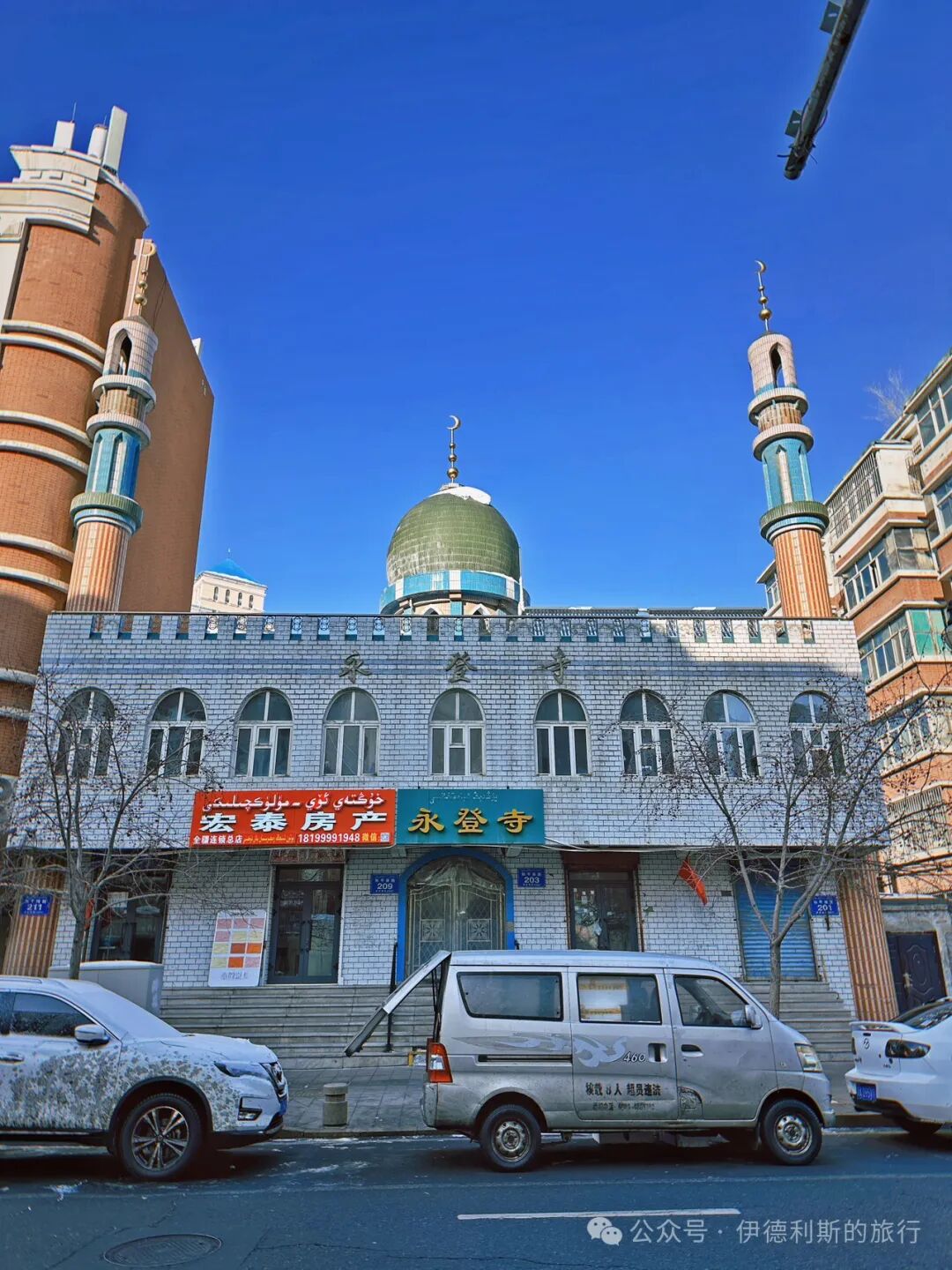
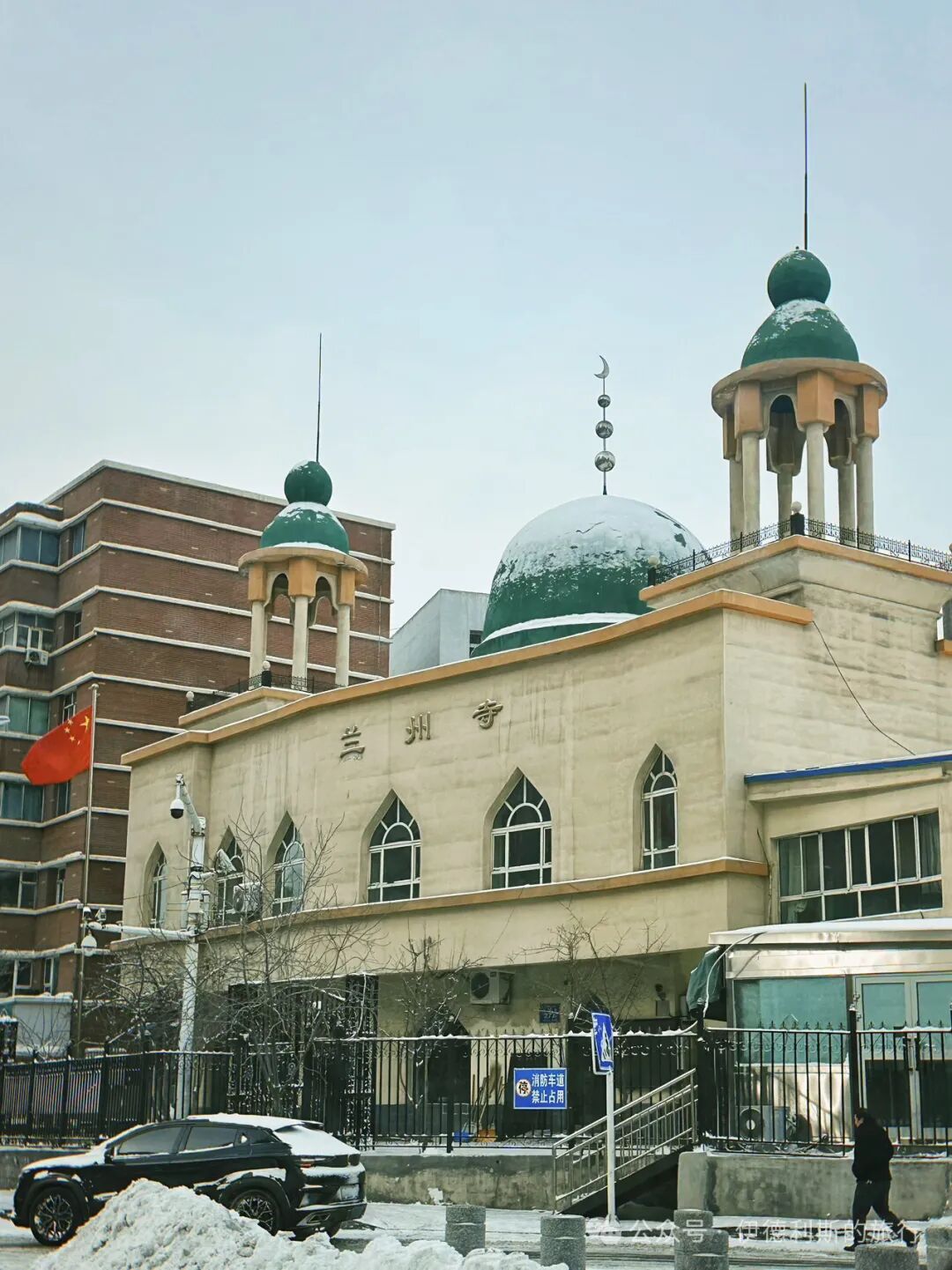
The original site of Lanpingfang was in Yonghe Zhengxiang. It was built together by Hui Muslims from Lanzhou and Pingfan (now Yongdeng County) in Gansu. In 1946, Yongdeng Hui Muslims built the separate Yongdeng mosque, and Lanpingfang was renamed the Lanzhou mosque. It moved to its current location on Yuejin Street in 1984. The community members of the Lanzhou mosque mainly belong to the Khufiyya (hufuye) menhuan.
Summary: The Twenty-Three Hui Muslim Neighborhoods in Urumqi are tied to local Muslim settlement, street life, and Xinjiang urban history. This travel account preserves the original neighborhood names, routes, photos, and historical details in a long English article.
During the Qing Dynasty and the Republic of China era, Urumqi had twenty-two Hui Muslim mosques and one Salar mosque, collectively known as the twenty-three mosques of Dihua. In 1945, the twenty-three mosques unanimously elected the Grand Imam Ma Liangjun as the chief leader. He taught at the Shaanxi Grand Mosque (Shaanxi Dasi), where the imams from all twenty-three mosques came to listen to his lectures every day. Today, the Shaanxi Grand Mosque, Old Quarter Mosque (Laofang Si), South Grand Mosque (Nanda Si), and Kuanxiang Mosque (Kuanxiang Si) remain as historical buildings. Others, like the Toudaoxiang Mosque and the Inner City Mosque, have been demolished, while most others have been rebuilt as modern structures. I visited several of these during my Spring Festival trip back to Urumqi.
Old Quarter Mosque (Laofang Si)
After the Qing Dynasty built Dihua City in 1758, they promoted policies to station troops and encourage migration for border defense. Since then, Hui Muslims from Shaanxi have continuously moved to Urumqi to settle. In 1808 (the 12th year of the Jiaqing reign), Shaanxi Hui Muslims built the Shaanxi Mosque in the southern pass of Dihua. This was the second Hui mosque in Urumqi, following the North Beam Mosque (Beiliang Si).
After the Qing Dynasty recovered Urumqi in 1876 (the 2nd year of the Guangxu reign), they moved all Hui Muslims outside the city walls. The population at the Shaanxi Mosque grew significantly, so they rebuilt the main hall in 1877 (the 3rd year of the Guangxu reign). Later, other mosques for the Shaanxi community were formed, including the Fengxiang Mosque, West Grand Mosque (Xida Si), Binzhou Mosque, and Zhongying Palace Mosque. After the Toudaoxiang Shaanxi Grand Mosque finished its reconstruction in 1906, the original Shaanxi Mosque was renamed the Shaanxi Old Quarter Mosque, or Laofang Si for short. In 2003, the main hall of Laofang Si was listed as a municipal-level cultural relic protection site in Urumqi.
The front hall of Laofang Si has a hip-and-gable roof with a rolled shed, while the rear hall has a hard-gable roof. It underwent a major structural overhaul in 2014.
The rear hall of Laofang Si contains very precious Persian praise verses to Allah, but they are now completely covered by landscape paintings.
Laofang Si is open to tourists from 11:00 to 13:30 and 15:00 to 17:00. You can enter the front hall, but the rear hall is only open to the congregation for the five daily namaz prayers. Imam Ma at the mosque was very welcoming and explained the history of Laofang Si to me.
Shaanxi Grand Mosque (Shaanxi Dasi)
Shaanxi Grand Mosque was first built in 1883 (the 9th year of the Guangxu reign) with funds from Hui Muslims who came from the Wei River valley in Shaanxi's Guanzhong region. It is located on a slope south of Toudaoxiang, outside the south gate of Urumqi. As the number of Shaanxi Hui Muslims moving to Urumqi increased, the Shaanxi Mosque was rebuilt in 1902 (the 28th year of the Guangxu reign). The project took five years and was completed in 1906 (the 32nd year of the Guangxu reign). It was officially named the Shaanxi Grand Mosque and became the largest Hui mosque in Urumqi. It was listed as a major historical and cultural site protected at the national level in 2013.
The Shaanxi Grand Mosque features traditional Guanzhong architectural style. The main hall has a single-eave hip-and-gable roof, and the rear kiln hall has a hip roof. The top features a very ornate moon-watching tower with an octagonal pointed roof. The main hall is surrounded by thirty-six pillars forming a corridor, with column bases carved with traditional patterns like the Eight Immortals. The walls, doors, windows, hanging pillars, and brackets feature exquisite brick and wood carvings, along with various flower and fruit patterns.
Under the eaves of the main hall, there is a decorative technique unique to Xinjiang called flower board stepping (huaban cai). This replaces traditional brackets with wooden boards carved with various patterns, such as dove heads, elephant heads, clouds, and peach designs, which are highly decorative.
The facade of the main hall features beautiful Shaanxi-style Arabic calligraphy in stone and wood carvings. The stone calligraphy carvings are located on the gates on both sides of the rear kiln hall. Because they were covered with thick carpets to block the wind during winter, it was difficult to photograph the full view.
The main hall uses a traditional beam-lifting wooden frame. Between the main hall and the prayer niche (yaodian) stands a wooden screen carved with intertwined grape vines. It features traditional Arabic calligraphy in the center, and the Shahada is cleverly written above it in the shape of tree roots.
An inscription on the main hall roof reads: Built by the collective efforts of officials, merchants, scholars, and commoners from all provinces in Guanzhong. Rebuilt under the supervision of Imam Ma Liangjun, the head of the mosque in Xianyang. Completed on an auspicious day in the middle of the seventh lunar month in the 32nd year of the Guangxu reign of the Qing Dynasty. Managed by community leaders Lan Jiling, Chen Yuanshan, Ma Zhihe, Guo Shijun, Mai Wannian, An Changzhong, Ma Yuefu, Ma Zhenhai, Zhou Yanxing, An Guixiang, and Ma Sheng, with carpenters Bai Xingfa and Xiao Yizhang.
The prayer niche ceiling features an exquisite caisson (zaojing) made of three layers of hanging lotus-style wooden components.
The prayer niche contains Arabic calligraphy, and both the mihrab and the two side doors feature traditional Shaanxi-style wood-carved calligraphy.
Shaanxi Grand Mosque is now open to visitors daily from 11:00-13:00 and 15:00-17:00. The main hall is unlocked, and there are two exhibition halls to explore.
The exhibition halls display architectural parts from the Shaanxi Grand Mosque, antique porcelain, and a century-old carpet decorated with various antique patterns and floral designs.
Exhibits include ox and sheep bone tablets used by students (mulla) for learning, works by the great Imam Ma Liangjun, and a 1950 notice appointing him as a member of the Northwest Military and Political Commission's Ethnic Affairs Committee.
Great Imam Ma Liangjun was born in Zhangjiachuan, Gansu. As a young man, he traveled to Yunnan and received authentic teachings from Imam Ma Renshan (Pu'er Ma). He later went to Pingliang, Gansu, to teach and became a famous scholar of the Shaanxi school of mosque education. In 1913, Great Imam Ma Liangjun was hired to lead the Shaanxi Grand Mosque. Later, he served at several mosques in Xinjiang and trained many students. As Xinjiang approached peaceful liberation in 1949, Great Imam Ma Liangjun traveled three times to persuade Ma Chengxiang, the commander of the 5th Cavalry Division who held military power, eventually convincing him to surrender his command and leave Xinjiang.
An old photo of the Shaanxi Grand Mosque before its 1984 renovation.
South Grand Mosque (Nan Dasi).
The South Grand Mosque is known as the 'First Mosque of the Jahriyya Order in Urumqi.' It was founded in 1874 (the 13th year of the Tongzhi reign) on Nansi Lane and was originally called Nantaizi Mosque. In 1917, Li Jiliang, the 'Rais' (leader) of the Jahriyya order in Xinjiang, selected the current site west of Erdaoqiao Road. Reconstruction was completed in 1919 with strong support from Ma Shaowu, the fifth-generation descendant of the Jahriyya founder, and Ma Guangtai, an agricultural official from Nanshan, who donated most of the timber for construction. In 2003, the main hall of the South Grand Mosque was listed as a cultural relic protection site in Urumqi.
In 1914, Yang Zengxin appointed Ma Shaowu as the garrison commander of Kuqa, giving him military authority. He served in the Xinjiang government for over 20 years and worked hard to maintain national unity and ethnic harmony. During this period, the Jahriyya order grew in Xinjiang, and the South Grand Mosque became the largest Jahriyya mosque in the region at that time.
The main hall of the South Grand Mosque has a gabled and hipped roof. Under the eaves, it uses a Xinjiang-style 'flower board' technique, replacing traditional brackets with wooden boards carved with various patterns.
Arabic and Chinese calligraphy on the facade of the South Grand Mosque's main hall.
The South Grand Mosque is open to visitors from 11:00-13:30 and 15:30-17:00. There is a machine at the entrance of the main hall that provides shoe covers for entering the front hall. The rear hall is open for namaz five times a day and is inaccessible at other times. However, the elders at the mosque are very welcoming. Because I arrived after hours, they specifically let me pray in the duty room. The Jahriyya order is known for its beautiful melodies during dhikr, and another major feature is wearing a six-sided cap.
Kuanxiang Mosque
Kuanxiang Mosque was first built during the Jiaqing reign of the Qing Dynasty. It was rebuilt in 1934 into the current two-story brick building, with offices on the first floor and the main prayer hall on the second. Under the eaves of the main hall, there are beautiful wood carvings featuring various flowers, birds, and animal patterns. Kuanxiang Mosque is currently under construction, and all other buildings outside the main hall have been demolished.
Other Mosques
Qinghai Grand Mosque: Built in 1868 (the seventh year of the Tongzhi reign) by Hui Muslims from Qinghai, it was originally named Xining Mosque. In 1945, after Ma Chengxiang of the Qinghai Ma Family Army marched into Xinjiang, it was renamed Qinghai Mosque. Qinghai Mosque has some congregants from the Ikhwan and Huasi menhuan sects, and it maintains the tradition of observing the memorial day for the Huasi master.
Sala Mosque: Built in 1865 (the fourth year of the Tongzhi reign) by the Salar people from Qinghai. In 1945, many Salar officers and soldiers served under Ma Chengxiang of the Qinghai Ma Family Army when they entered Xinjiang, so the mosque was renovated in 1948. In 2002, Sala Mosque was rebuilt into its current structure. Like Qinghai Mosque, Sala Mosque has some congregants from the Ikhwan and Huasi menhuan sects, and it maintains the tradition of observing the memorial day for the Huasi master.
Hezhou Grand Mosque: Built in 1915 by Hui Muslims from Linxia, Gansu. It was acquired and demolished by the Urumqi Waste Recycling Station in 1977, then rebuilt in 1988.
Beifang Mosque: First built in 1886 (the twelfth year of the Guangxu reign). It was once occupied by the Urumqi No. 2 Rubber Factory, but was later restored and rebuilt.
Dongfang Grand Mosque: First built in 1877 (the third year of the Guangxu reign).
Xidasi Mosque: Built in 1890 (the sixteenth year of the Guangxu reign) by Hui Muslims from Shaanxi. Originally named Xifang Mosque, it started as a small prayer spot on the south side of Shanxi Alley before moving to its current location to be rebuilt.
Balikun Mosque: Built in 1877 (the third year of the Guangxu reign) by Hui Muslims from Balikun.
Fengxiang Mosque: Built in 1884 (the tenth year of the Guangxu reign) by Hui Muslims from Fengxiang, Shaanxi.
Binzhou Mosque (Baiji Mosque): During the Tongzhi reign, many Hui Muslims from Binzhou Prefecture (now Binzhou City) in Shaanxi fled to Urumqi's Xiguan area to settle down. During the Guangxu reign, Imam Ma Xuehai (known as Hongchengzi) led the community to build the first Binzhou Mosque at the entrance of Baojiaju Alley outside Urumqi's Great West Gate. It was moved to its current location on Mashi Alley (Yucai Alley) and rebuilt in 1909 (the first year of the Xuantong reign). Because most of the congregants came from Baiji Town in Binzhou Prefecture, it is also called Baiji Mosque. In 1990, due to the redevelopment of the Mashi residential area, Binzhou Mosque was moved more than 100 meters south and rebuilt.
Imam Ma Xuehai was an eighth-generation descendant of Hu Dengzhou, the founder of the scripture hall education system. During the Guangxu reign, he was known alongside Ma Liangjun and Zhou Erye (Zhou Zhendong) as one of the three great imams. He led Binzhou Mosque three times and passed away (returned to Allah) at the mosque in 1924. Among his students, the most prestigious was Imam Ma Zhaolin (known as Huazhezi). Imam Ma Zhaolin was also from Binzhou. He studied the scriptures under Imam Ma Xuehai from a young age and became his adopted son. Imam Ma Zhaolin led the Binzhou mosque four times. In 1943, he was delayed in Xi'an while on his way to Hajj and was hired to lead the Xiaopiyuan mosque. He passed away in 1955 while serving as the imam at the Shaanxi mosque in Changji.
The original site of Lanpingfang was in Yonghe Zhengxiang. It was built together by Hui Muslims from Lanzhou and Pingfan (now Yongdeng County) in Gansu. In 1946, Yongdeng Hui Muslims built the separate Yongdeng mosque, and Lanpingfang was renamed the Lanzhou mosque. It moved to its current location on Yuejin Street in 1984. The community members of the Lanzhou mosque mainly belong to the Khufiyya (hufuye) menhuan.
