
Halal Travel Guide: Beijing Madian, Sudan Embassy & Tianjin Tianmu
Reposted from the web
Summary: This account covers the fourth weekend of Ramadan 2025, moving from Madian Mosque in Beijing to the Sudanese Embassy and Tianjin Tianmu. It preserves the original details on Jumuah prayer, iftar, local Hui Muslim history, mosque visits, and photographs.
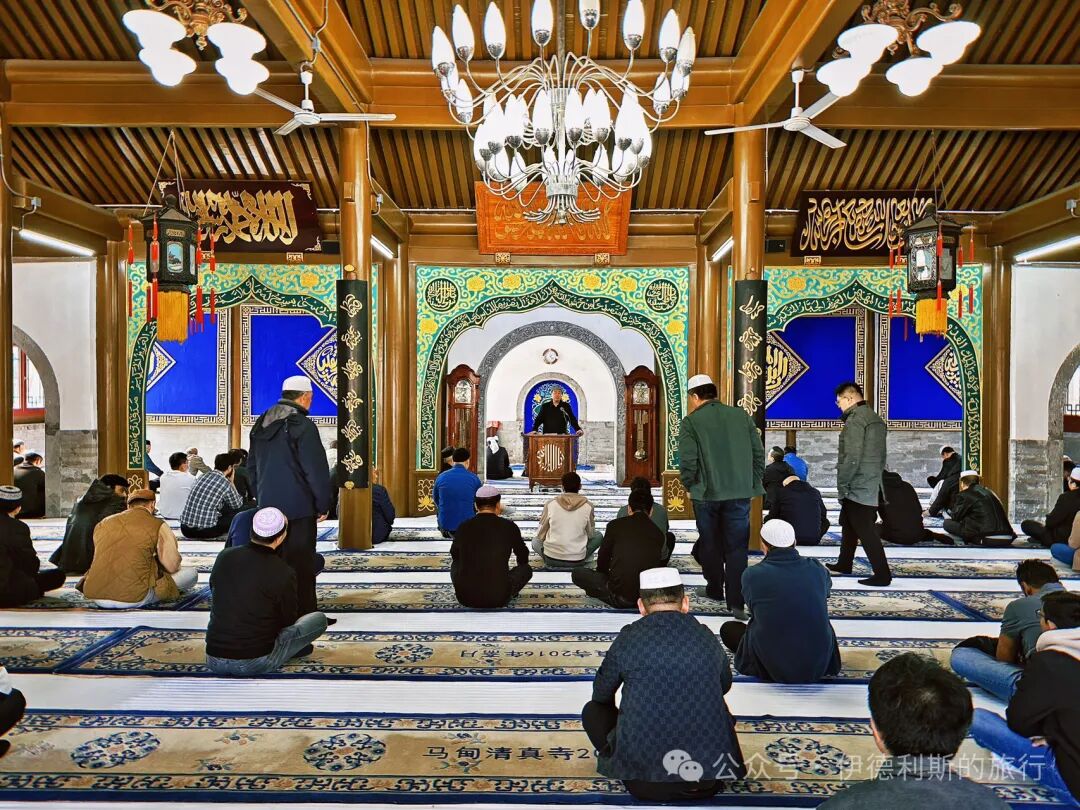
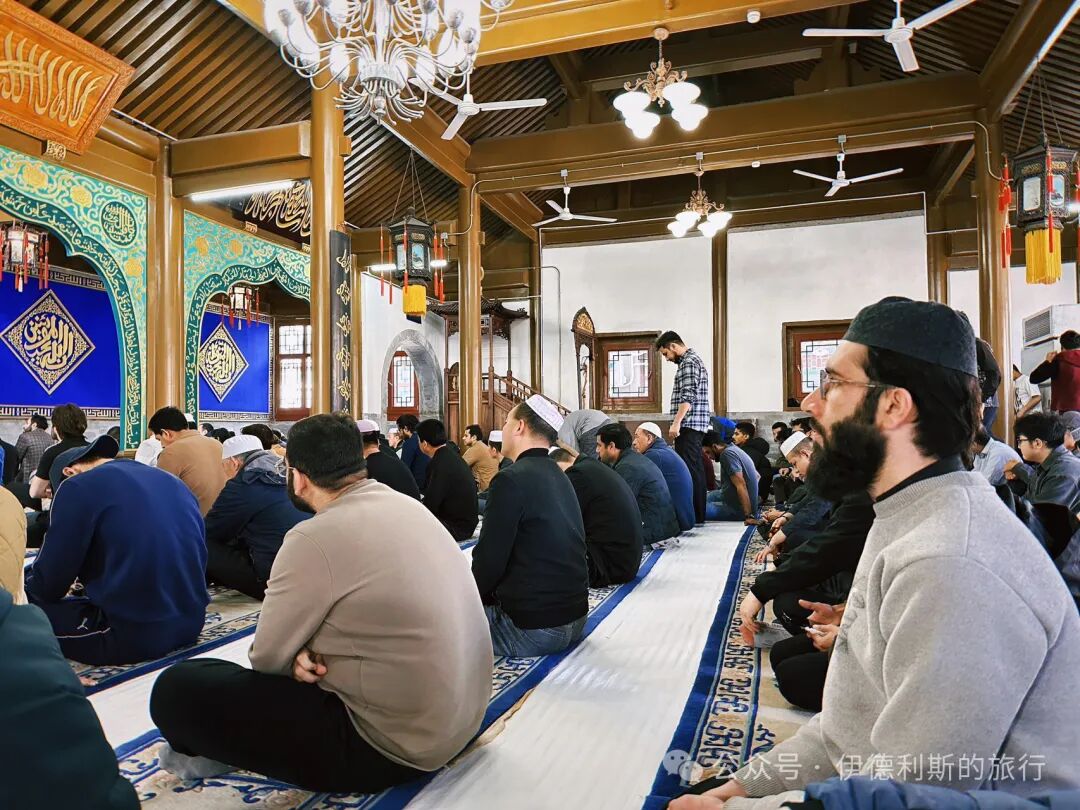
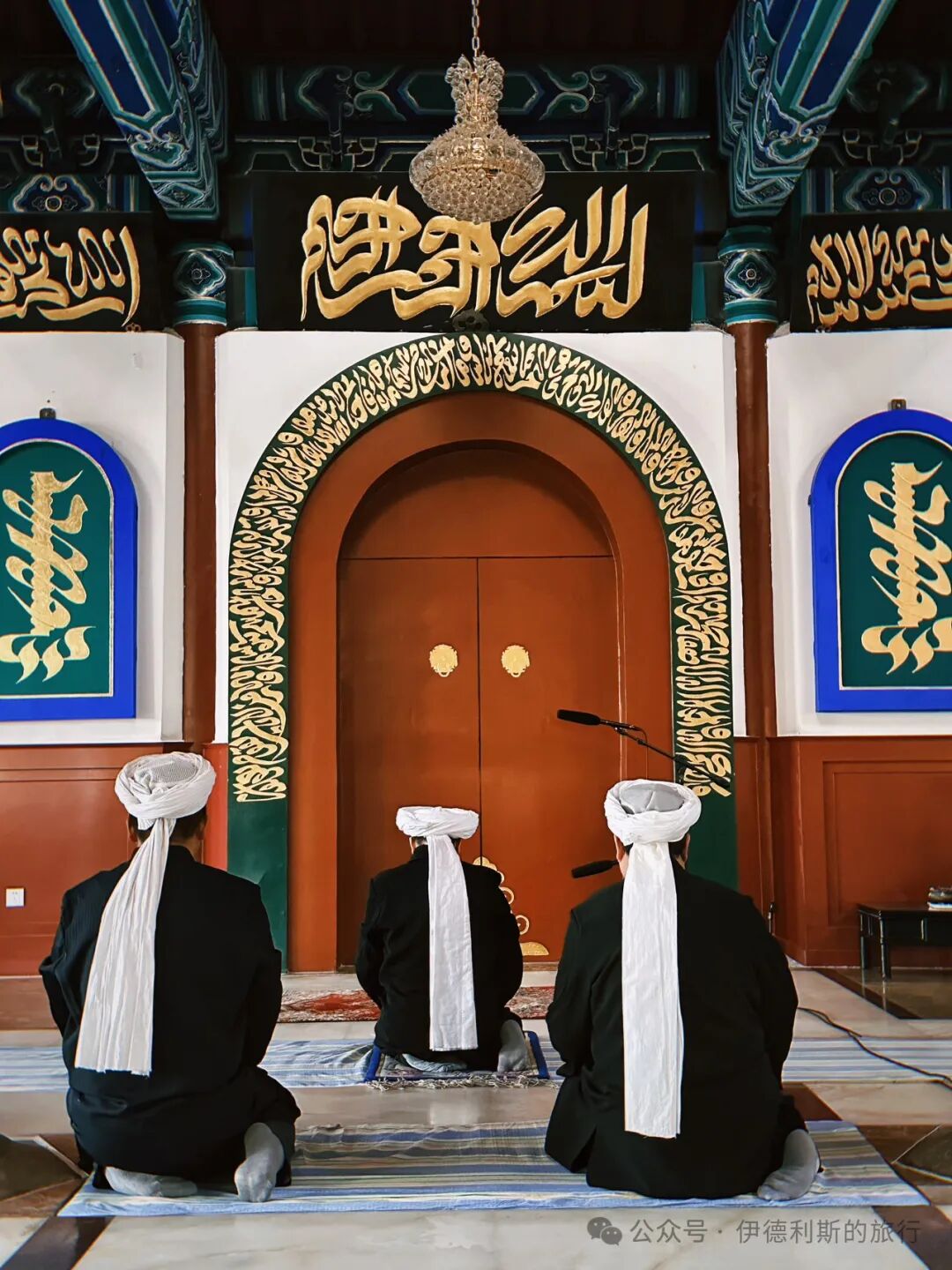
On Friday, I attended Jumu'ah prayers at Madian Mosque in Beijing under a clear blue sky. The mosque was packed with fellow Muslims (dost) from nearby universities like Beijing Normal University, Beihang University, and Beijing Jiaotong University.
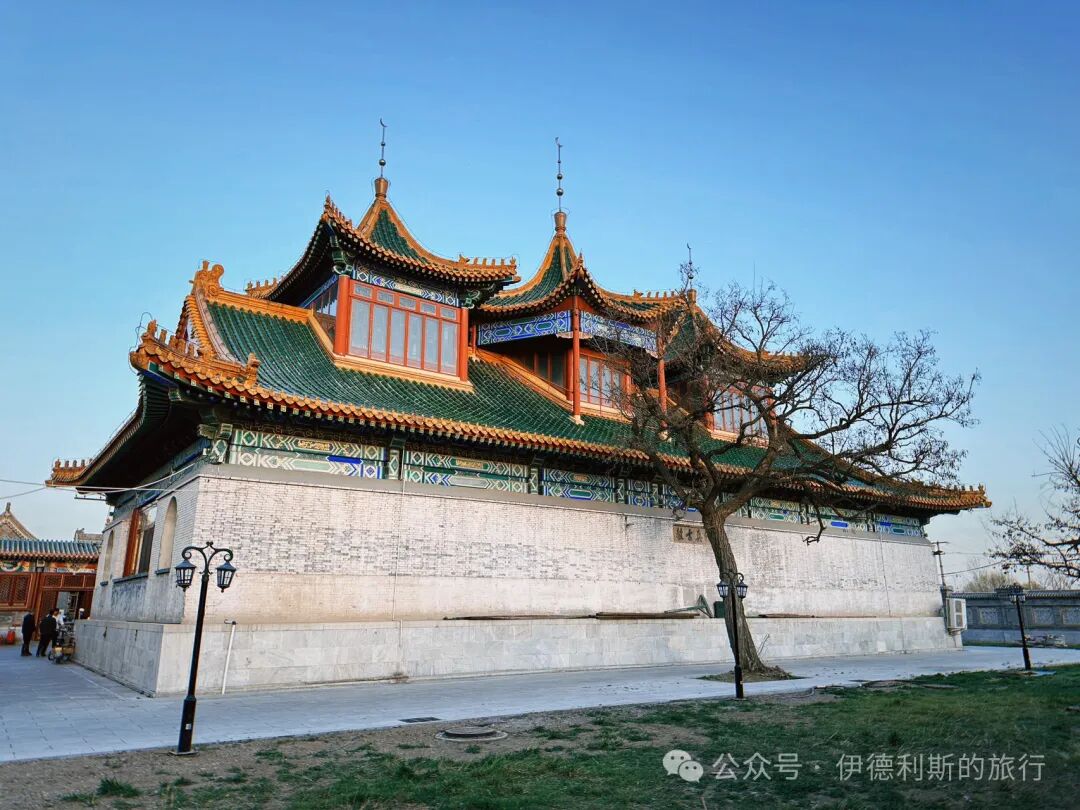
Madian sits on the North Beijing Avenue outside Deshengmen. Since the Ming and Qing dynasties, it has been a hub for cattle and sheep trading with a large Hui Muslim population. People say the number of Hui Muslims here is second only to Niujie. After the Qing dynasty, hundreds of thousands of cattle, sheep, and horses came from Mongolia through Zhangjiakou into Beijing. Hui Muslims opened many horse and sheep shops in Madian to feed and sell the livestock for a commission. Madian Mosque was first built during the Kangxi era. In 1850 (the 30th year of Daoguang), it was rebuilt with funds from over ten local sheep and horse shops. It was renovated again during the Republic of China era and is quite large.
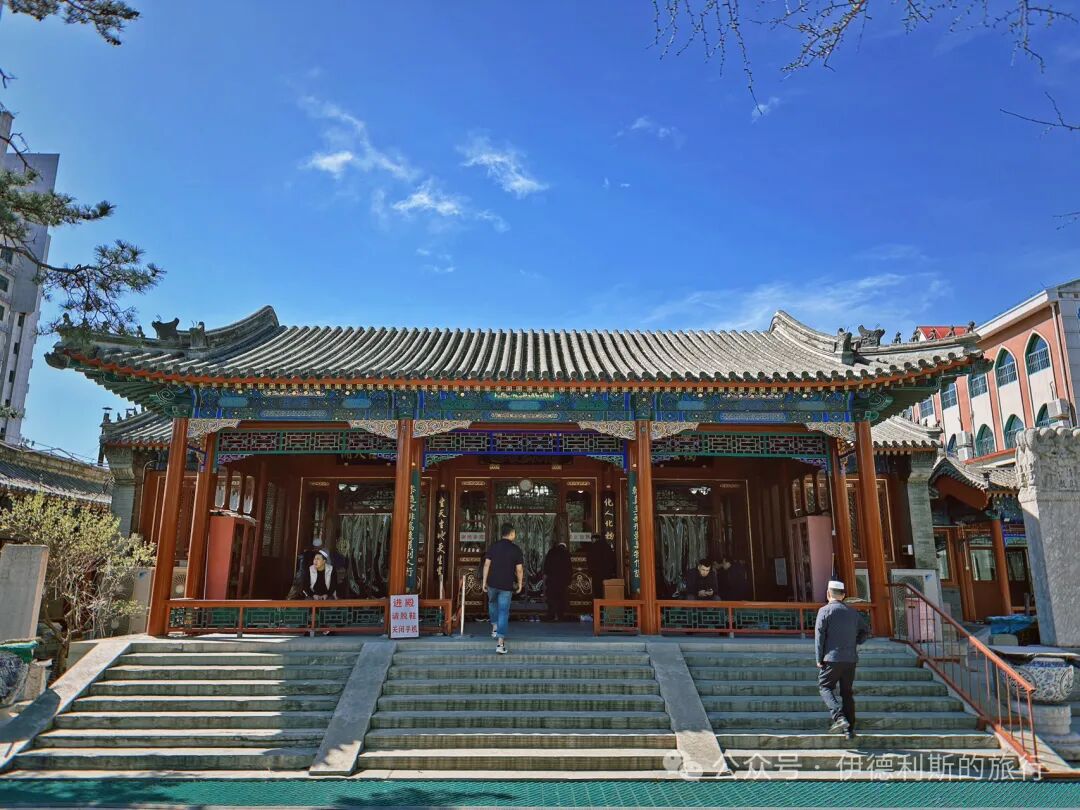
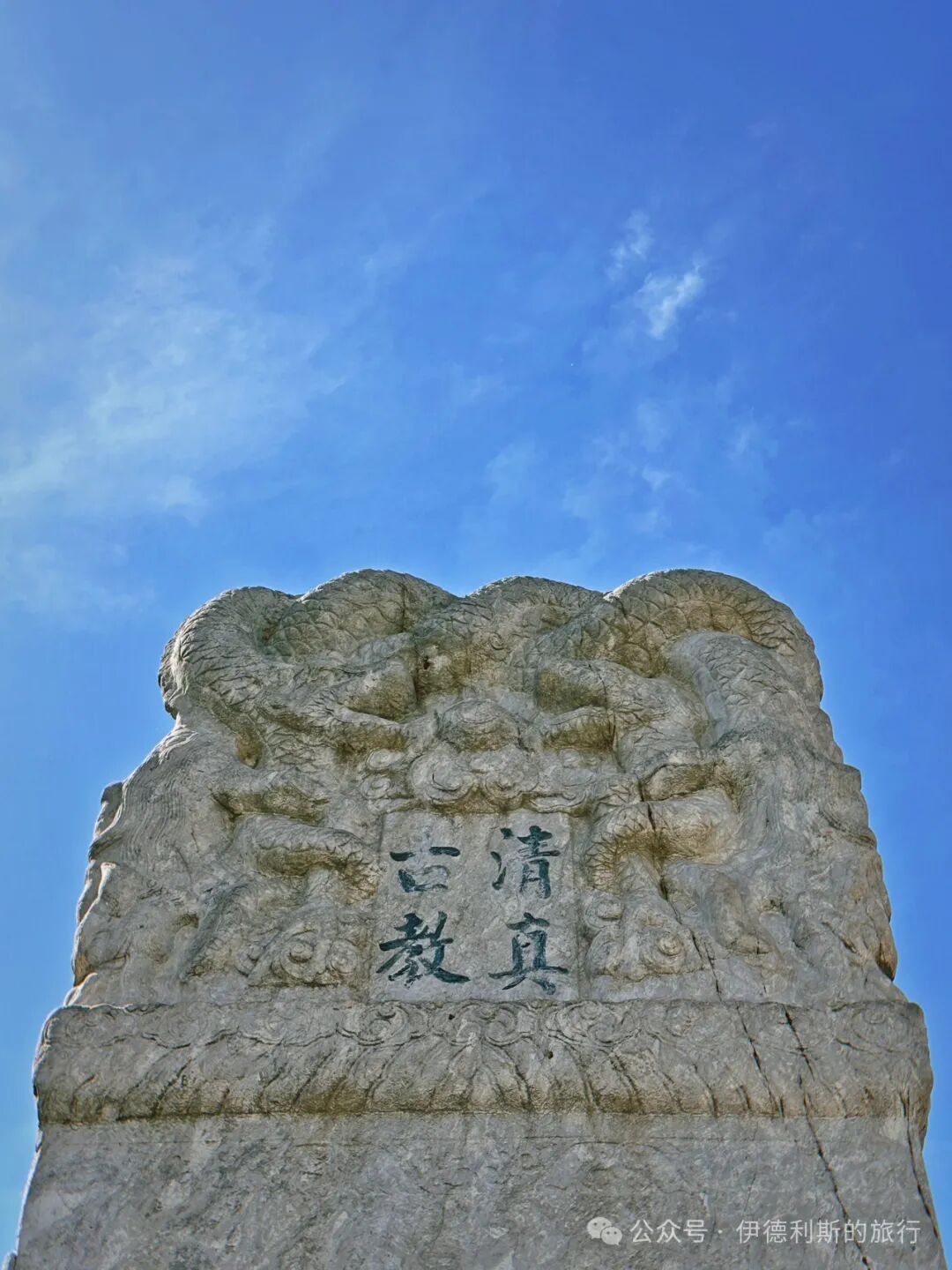
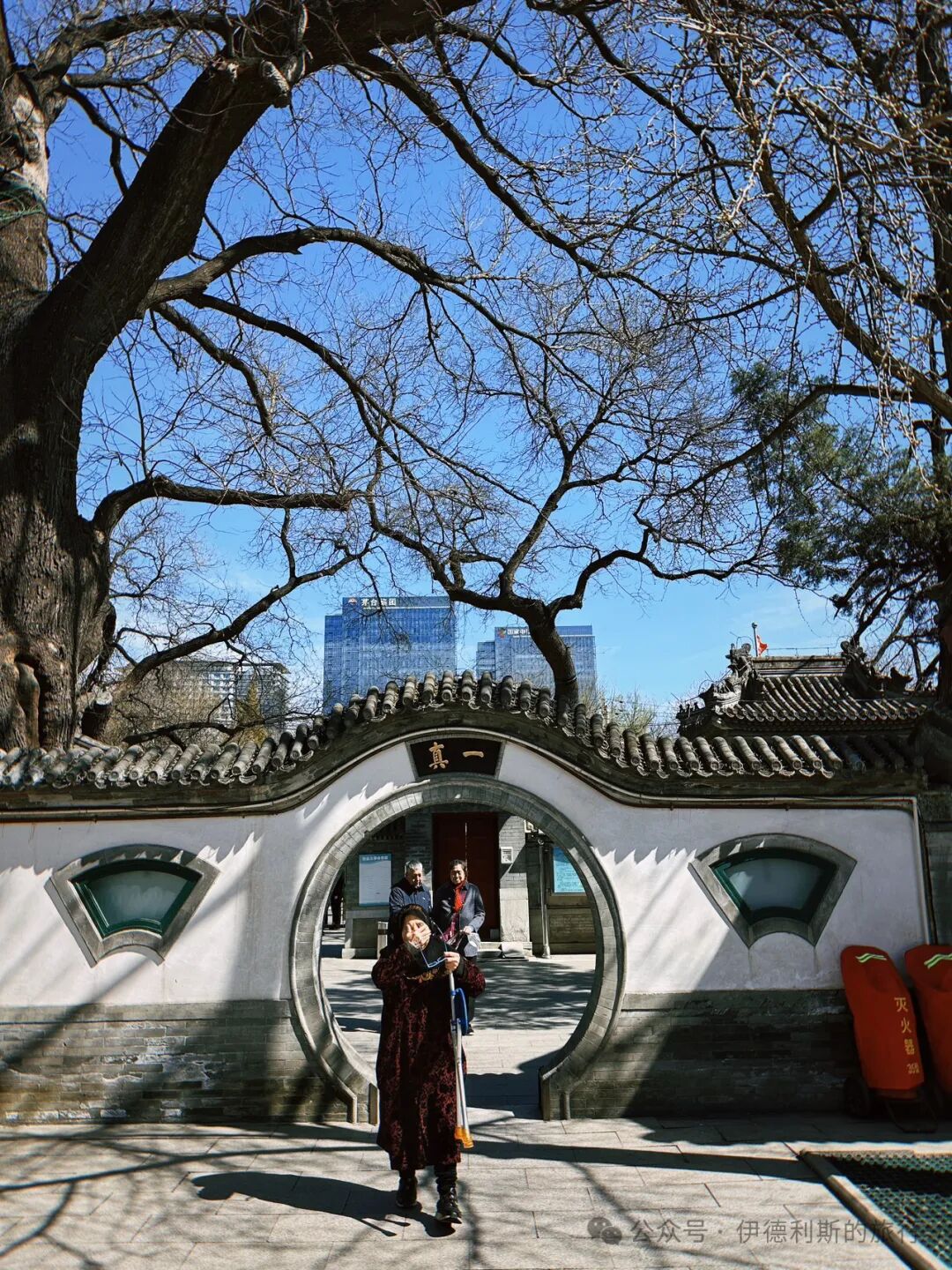
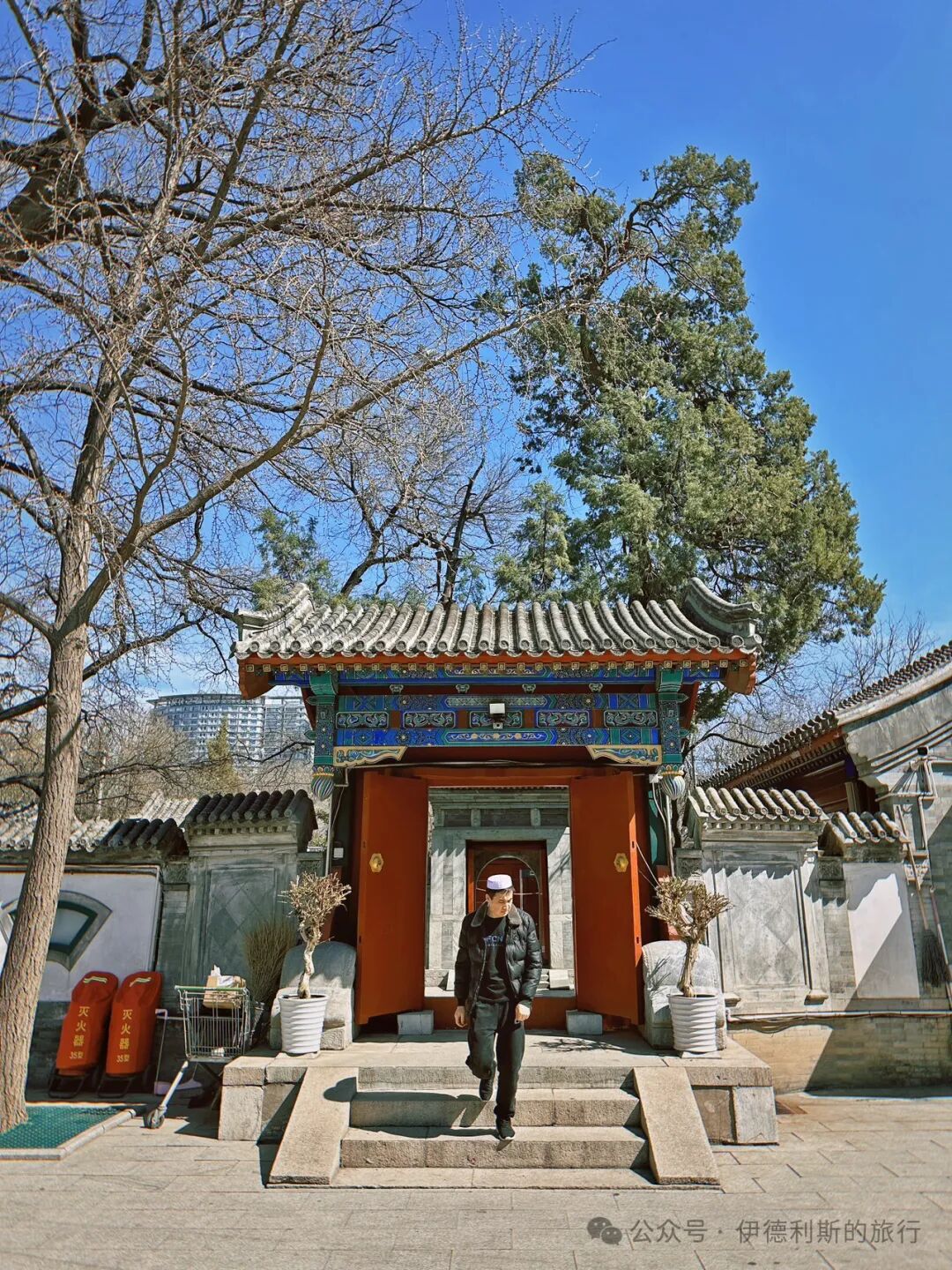
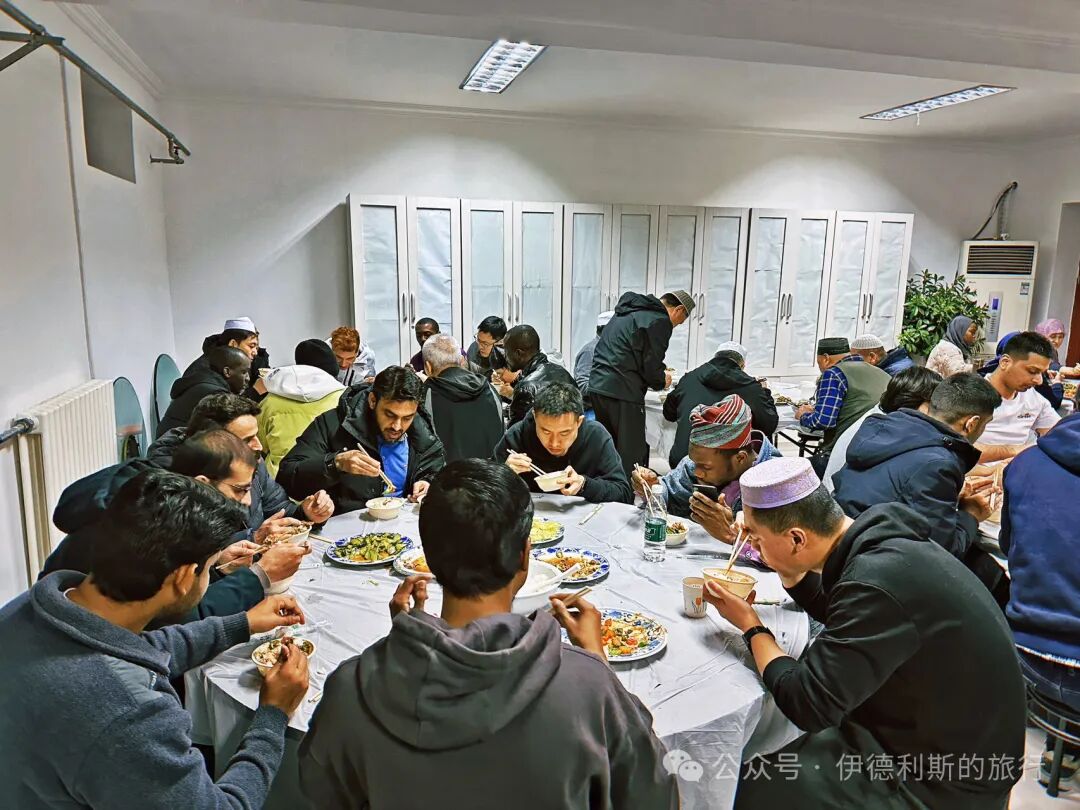
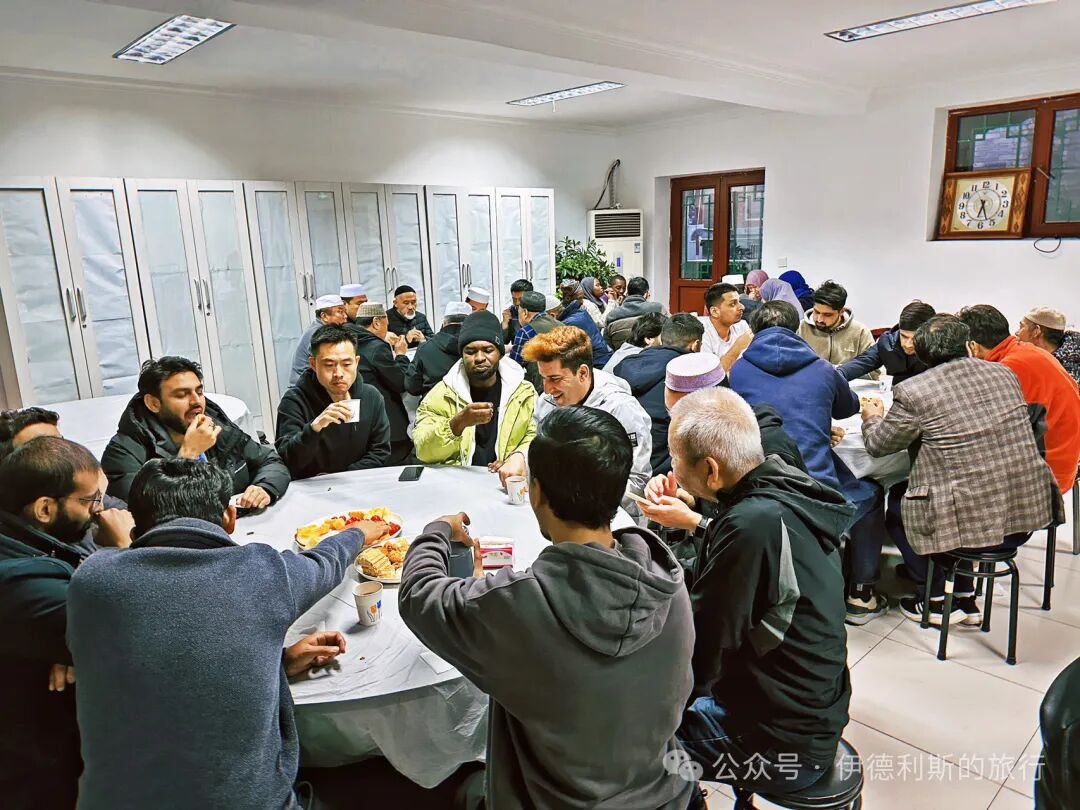
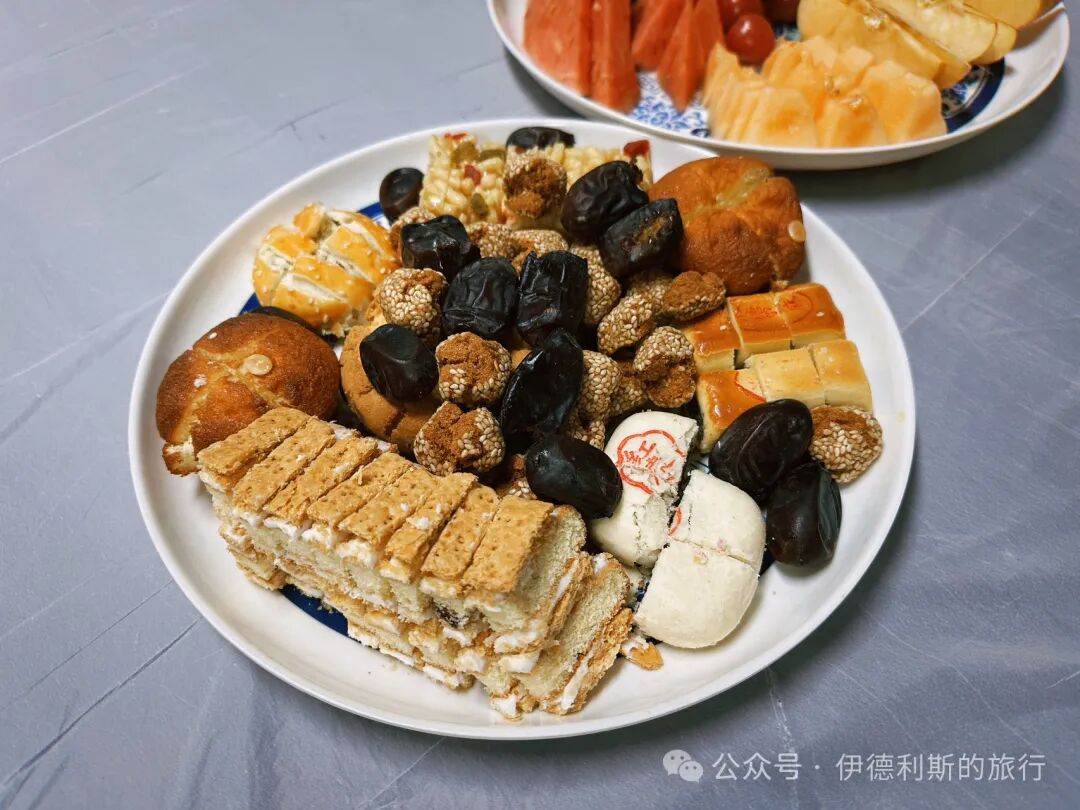
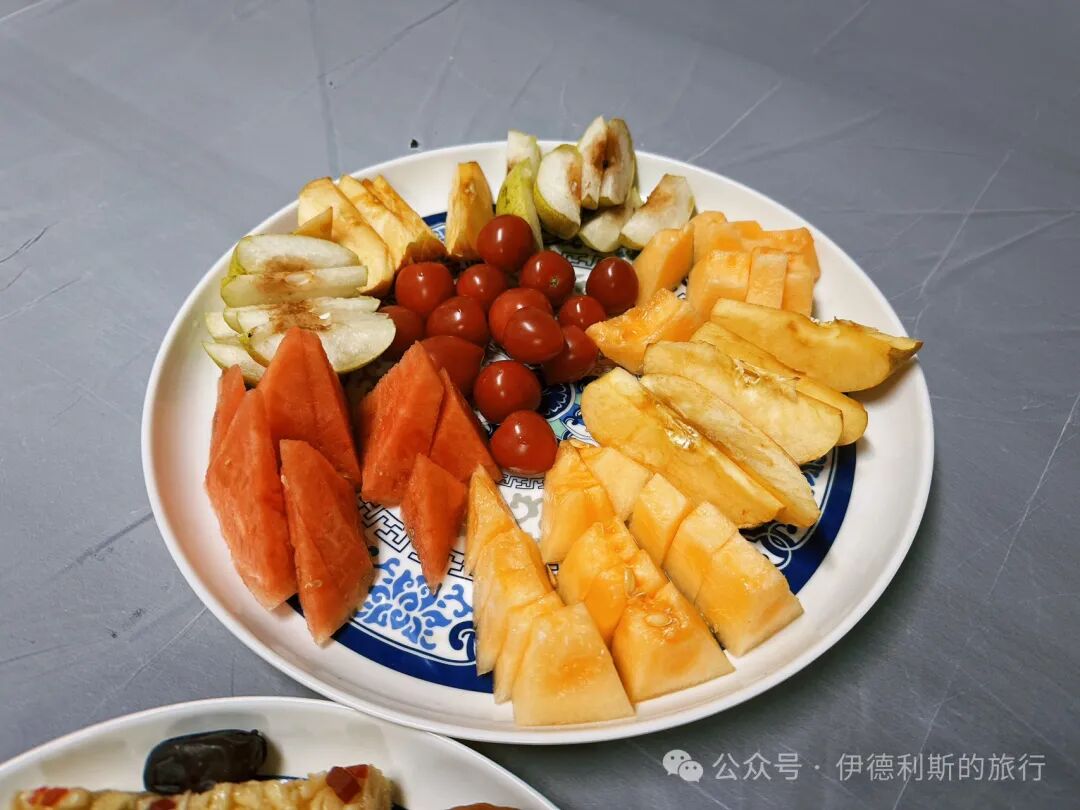
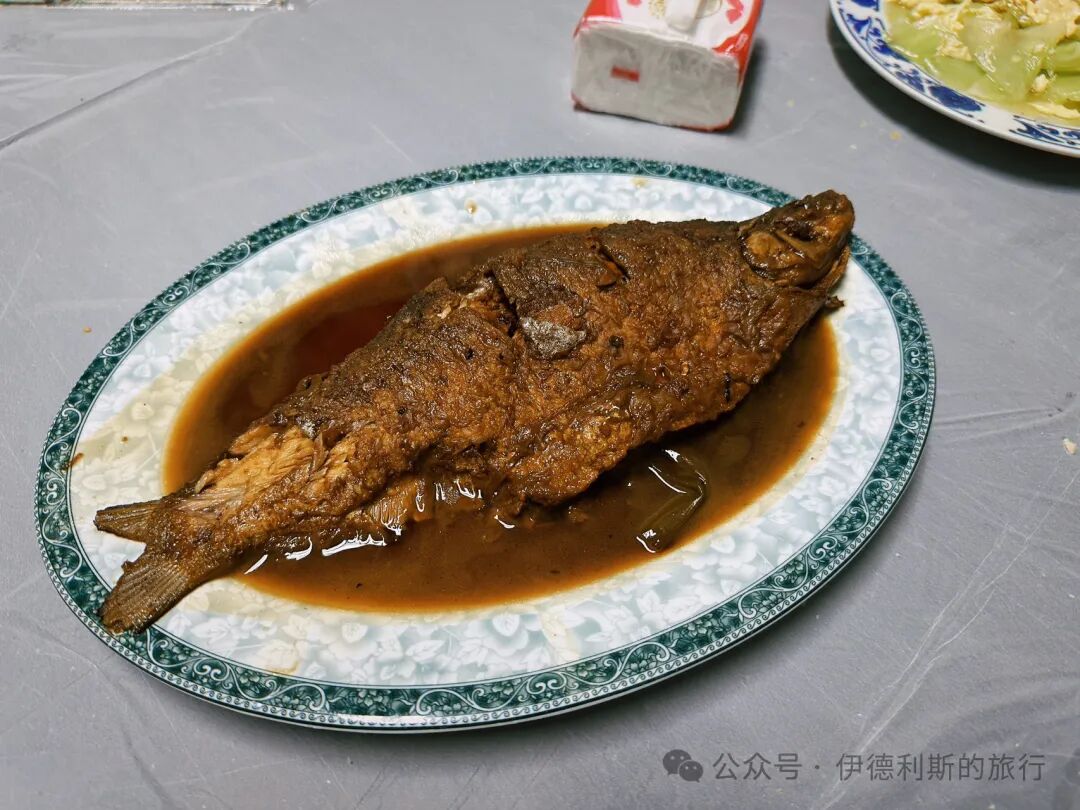
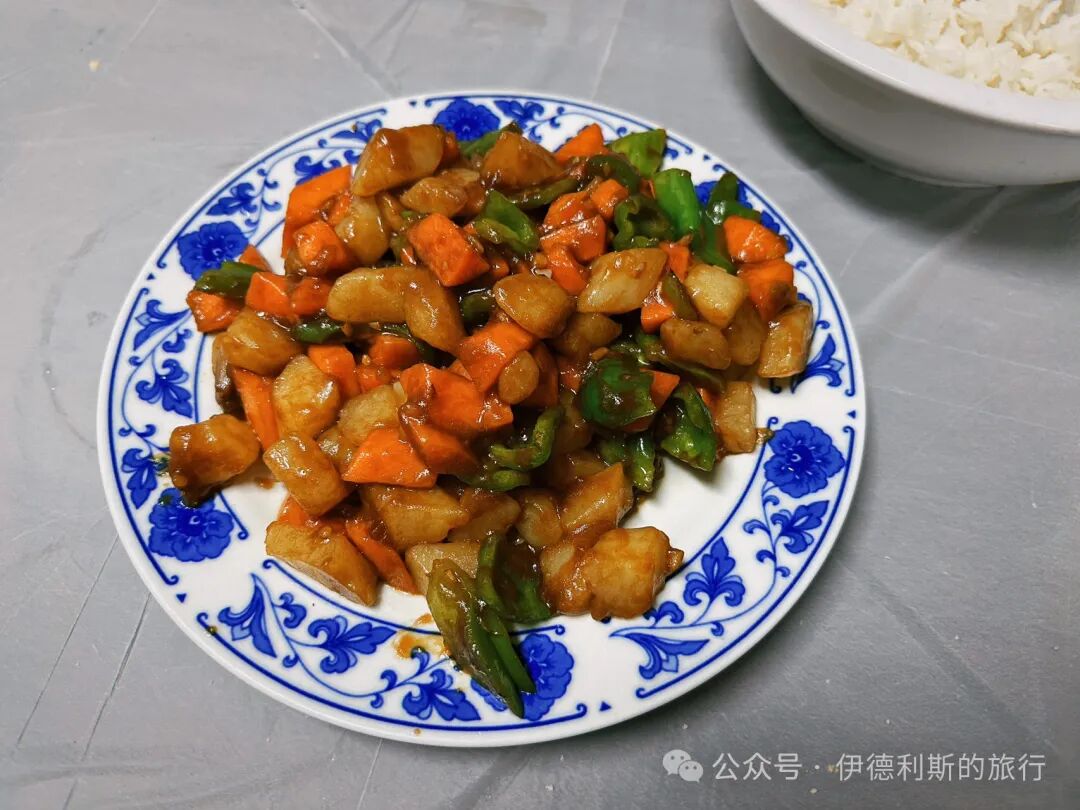
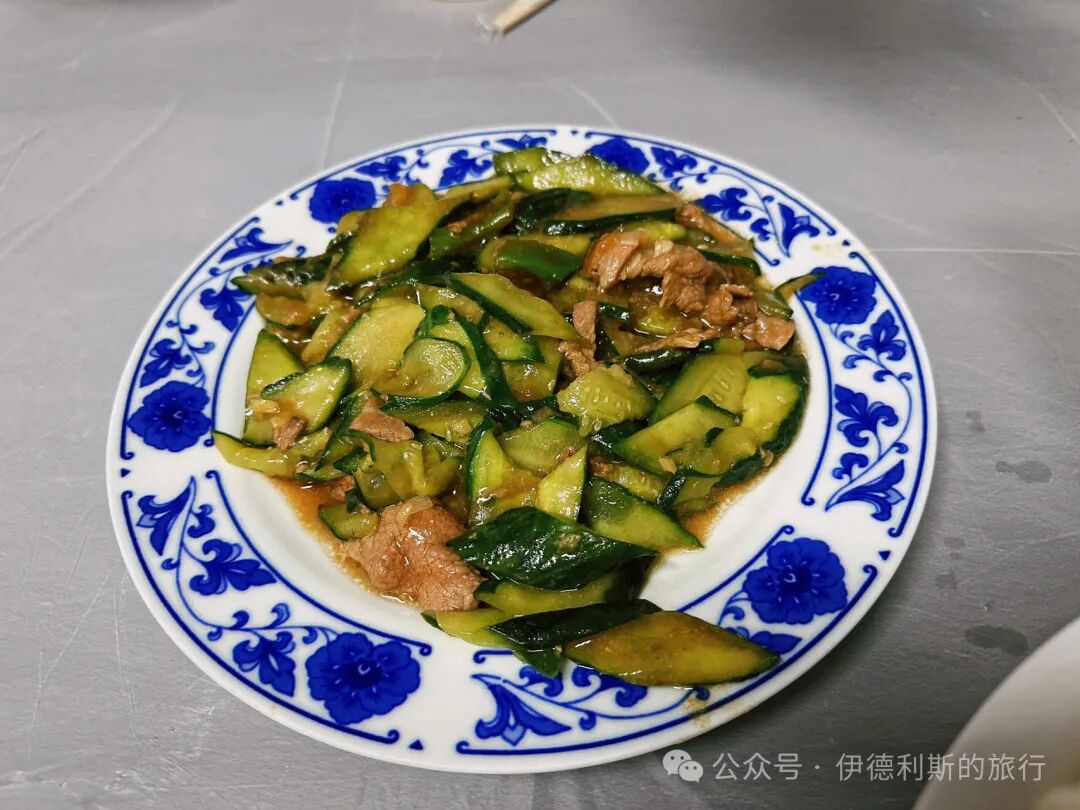
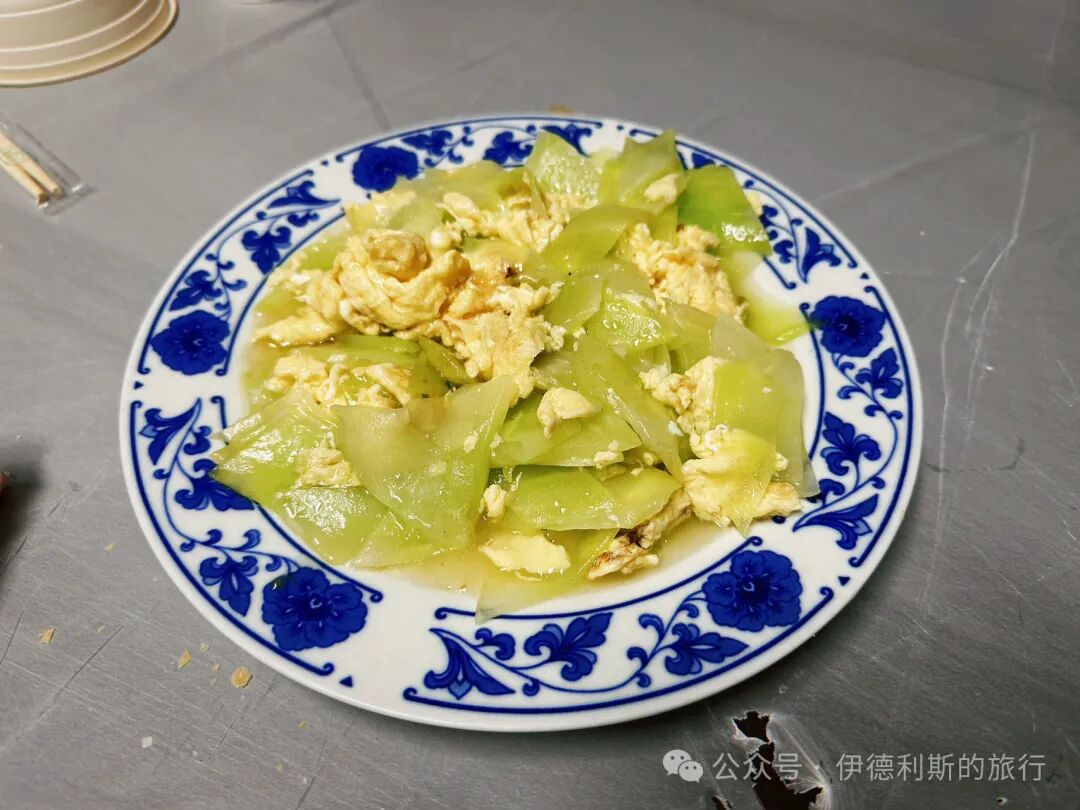
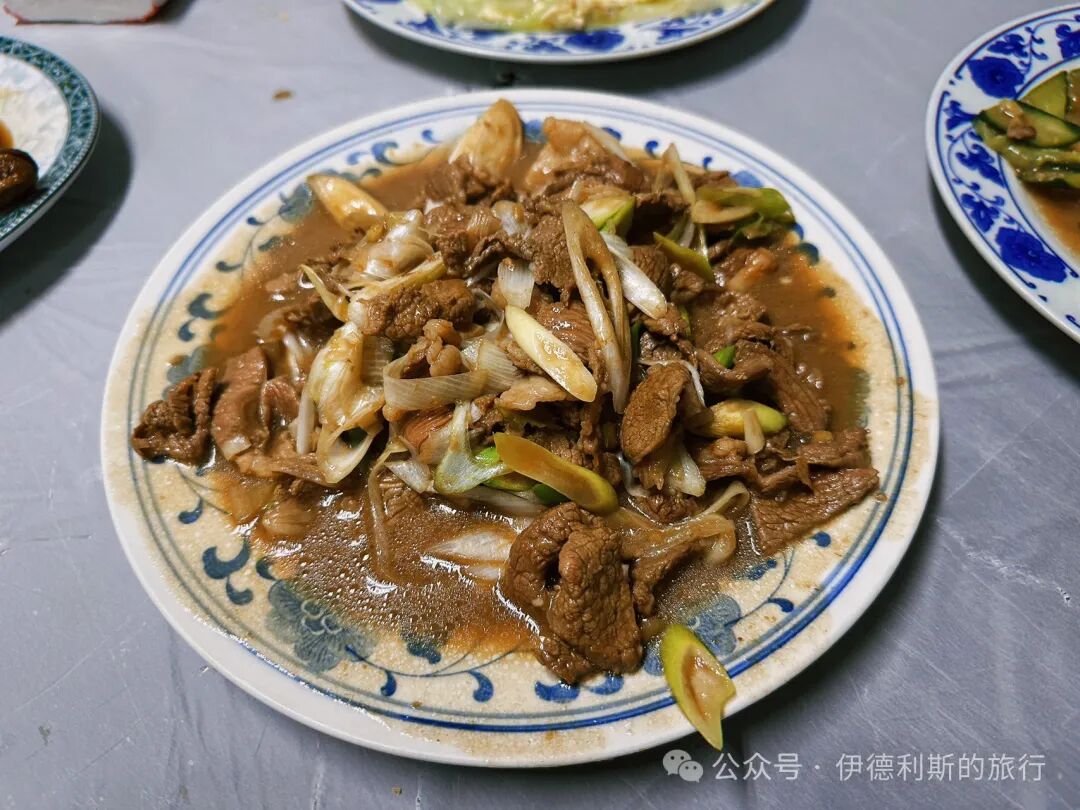
I stayed at Madian Mosque for iftar that evening, eating braised fish (hongshao yu), sliced pork with daylily (huanghua roupian), and stir-fried scallion lamb (congbao yangrou). Many foreign Muslims (dost) also came to break their fast at Madian Mosque. It is great for our brothers and sisters from around the world to taste Beijing's Ramadan meals.
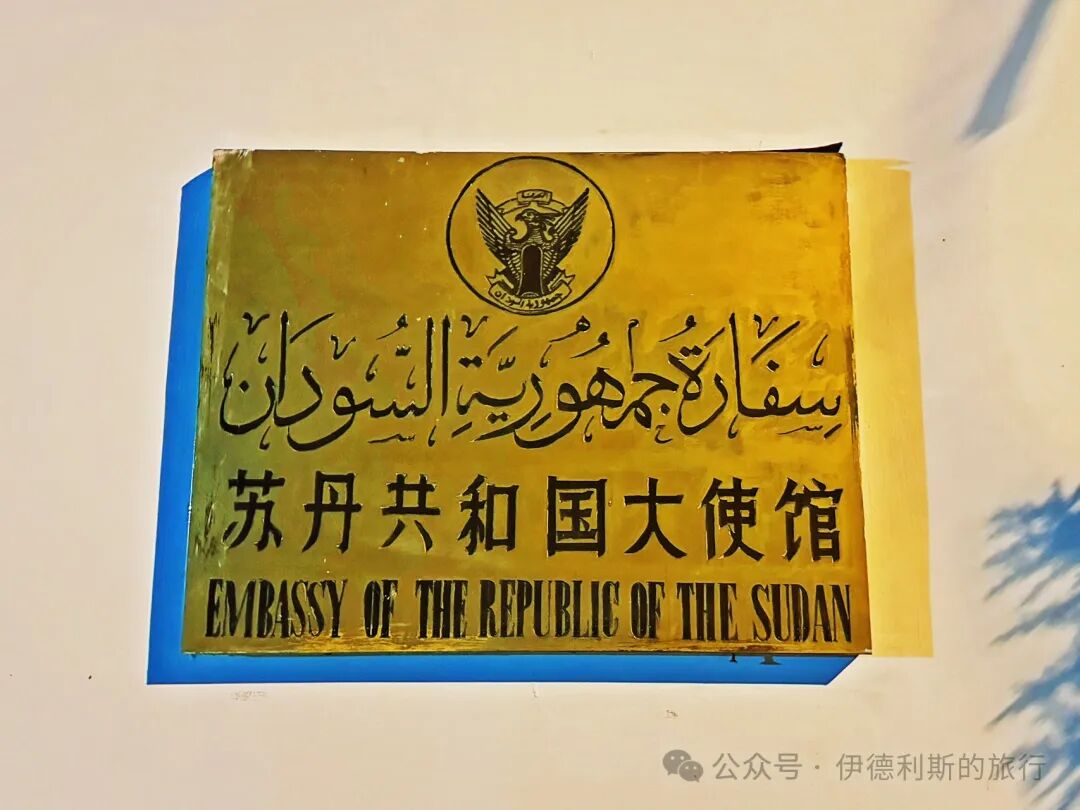
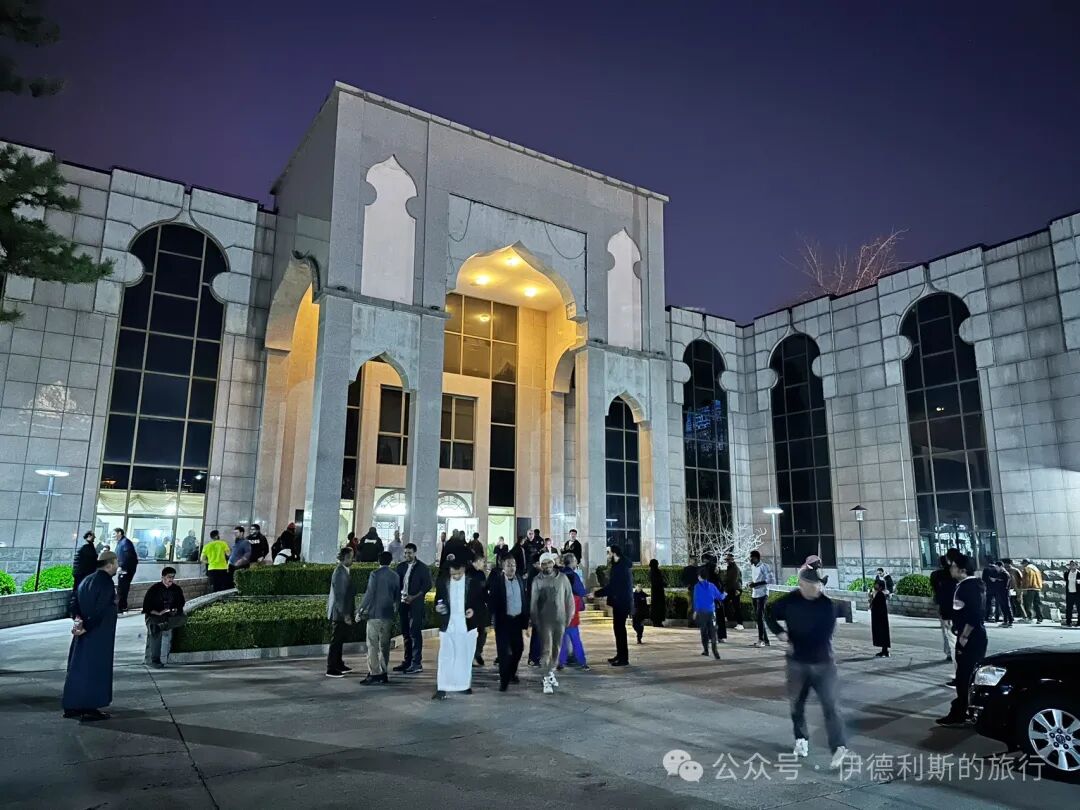
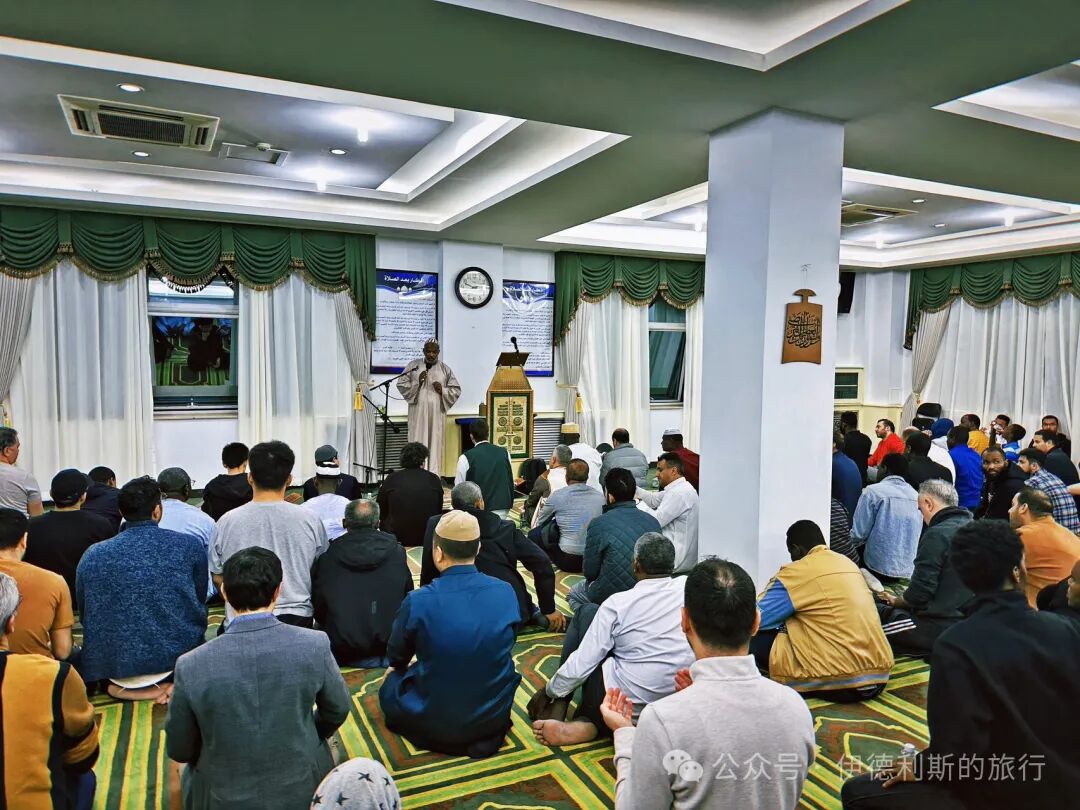
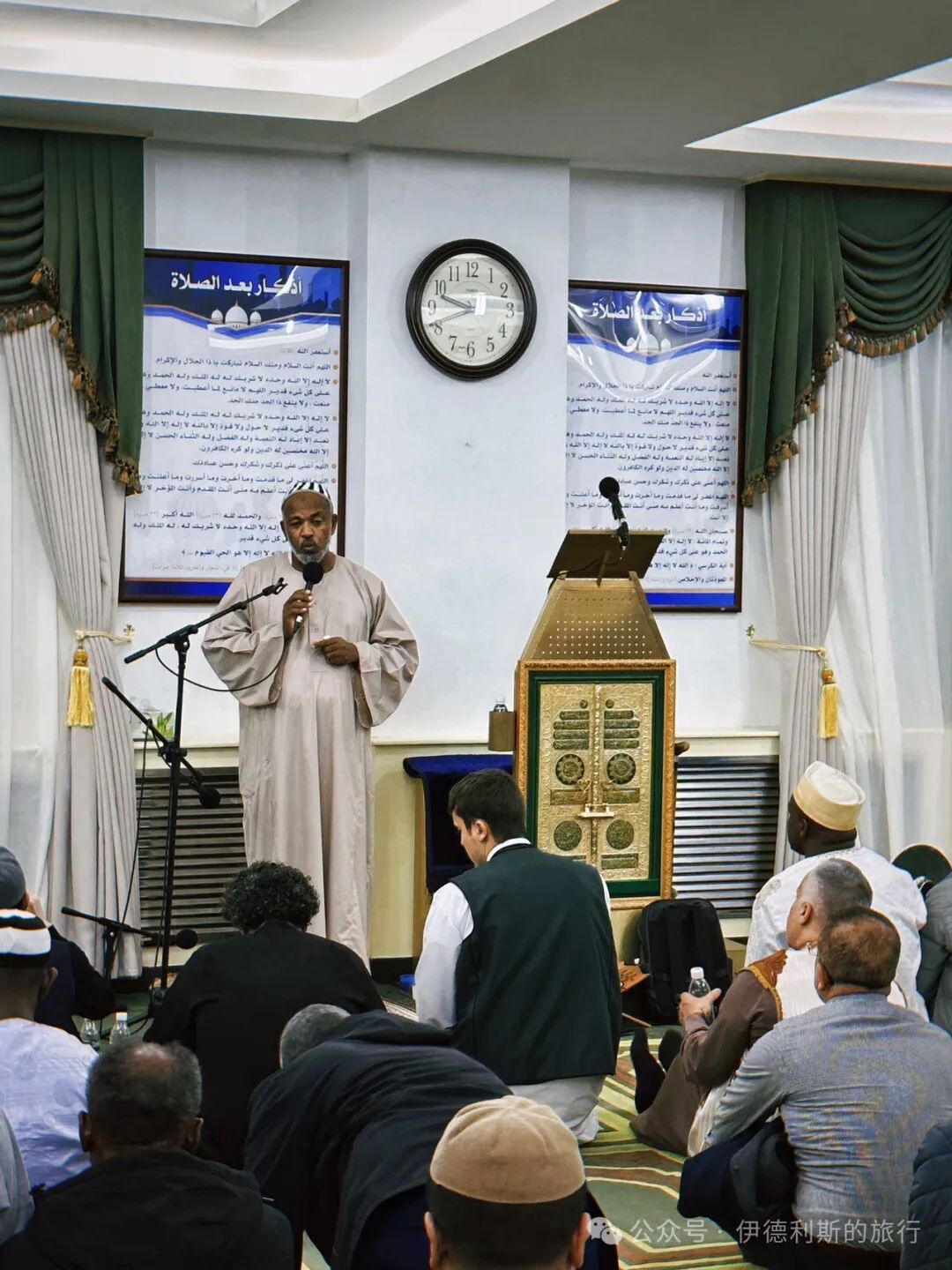
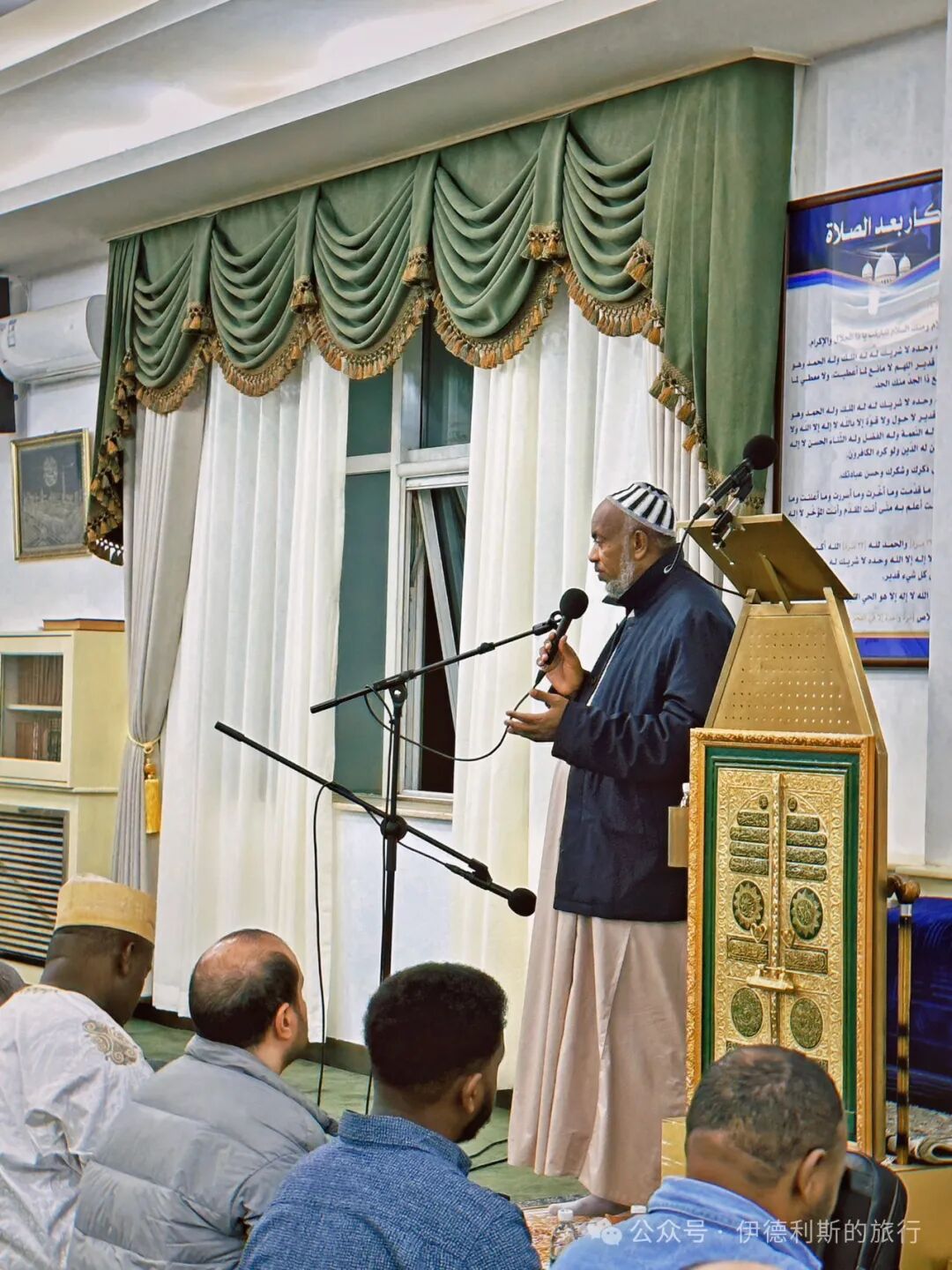
That night, I went to the Sudanese Embassy in Sanlitun for Taraweeh prayers. This year, you need to be accompanied by a foreigner to get in. The Taraweeh prayer consisted of eight rak'ahs. A young Libyan hafiz led the first four, followed by a sermon (wa'z) from the Sudanese imam, and then the Sudanese imam led the final four. During the third rak'ah of Witr, we raised our hands for a long dua. There was another sermon (wa'z) after the dua. I think it is a rare opportunity to come here every year and experience a different cultural atmosphere of our faith.
In the 15th and 16th centuries, Sufi scholars began spreading the faith along the upper Nile River toward the Sudan region. In the early 16th century, the Funj Sultanate ruling Sudan nominally converted to the faith but kept traditional witchcraft and sacrificial rituals. In 1718, the Funj Sultanate changed dynasties, began seeking a more orthodox faith, and started the process of Arabization. By the 19th century, Sudan had become a region that followed orthodox Sunni Islam and began using Arabic as its common language. Today, the vast majority of Sudanese are Sunni Muslims of the Maliki school and are deeply influenced by Sufism.
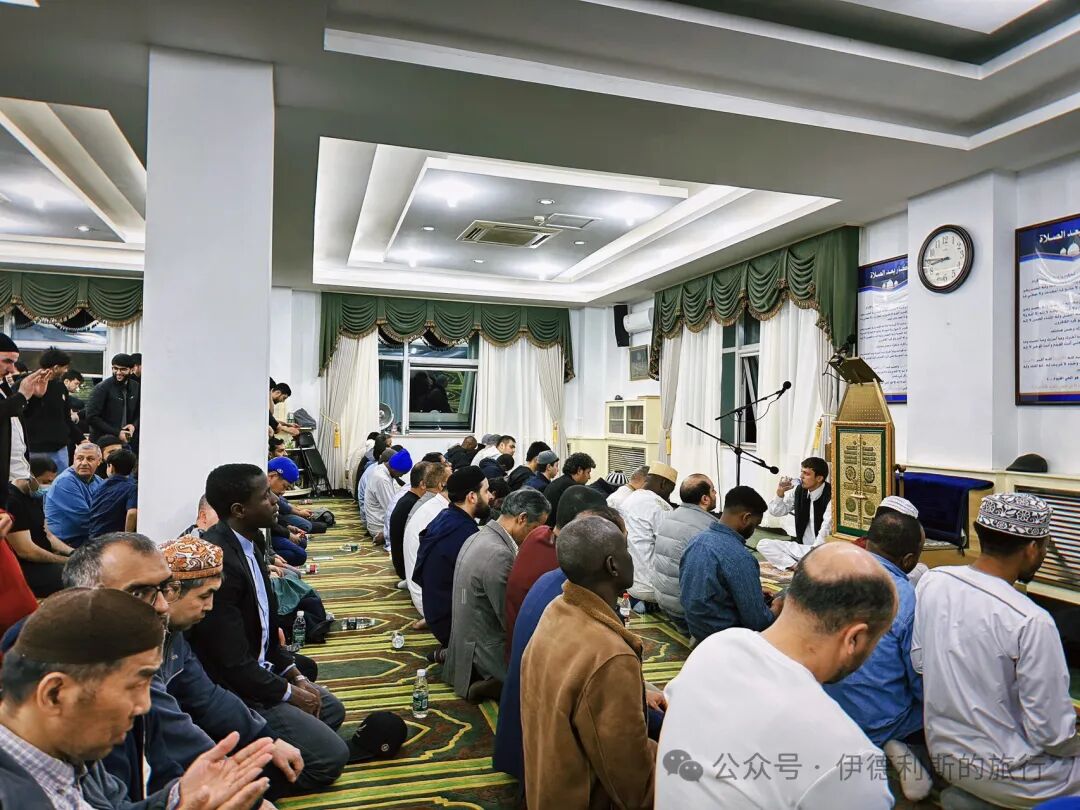
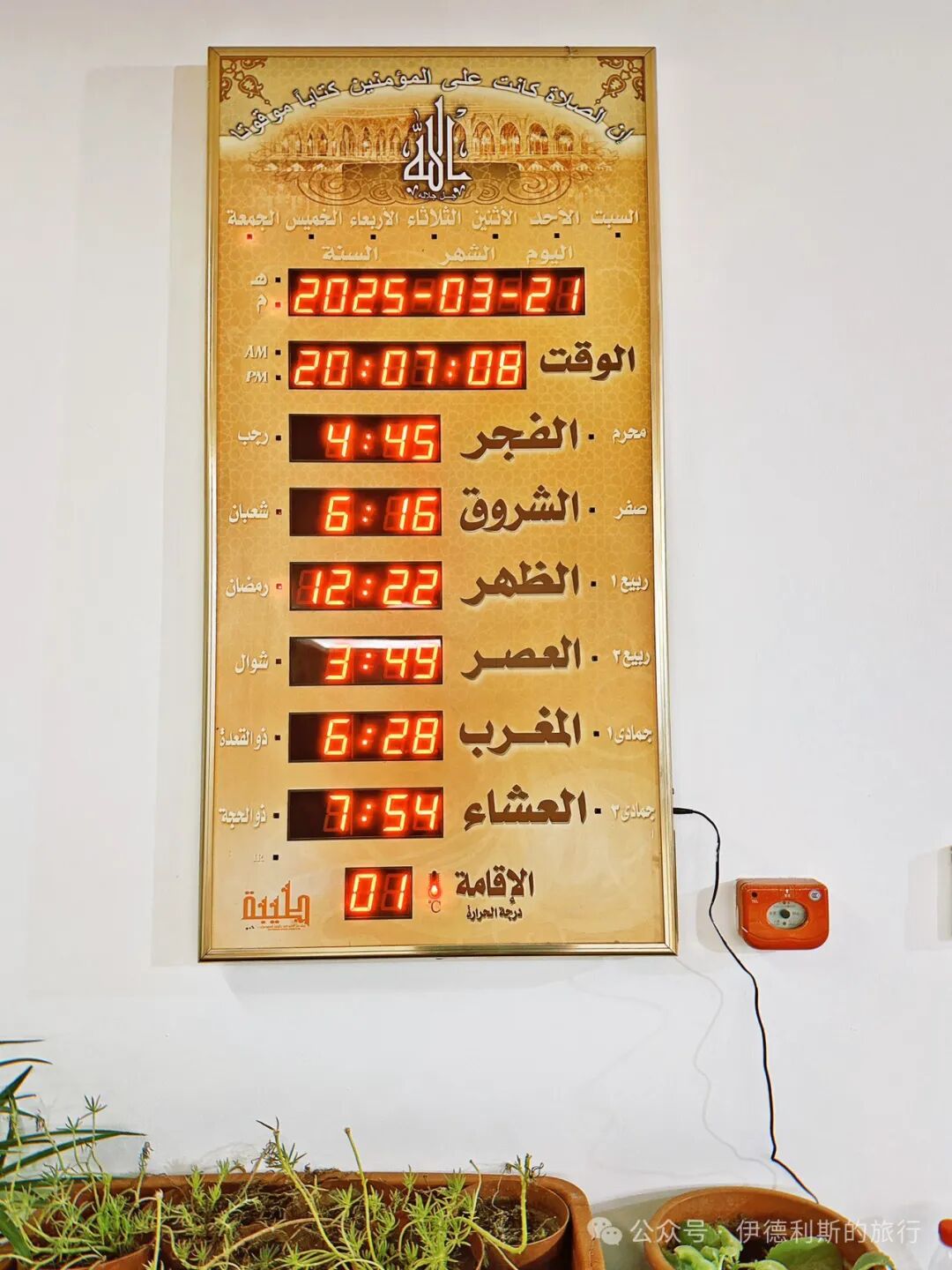
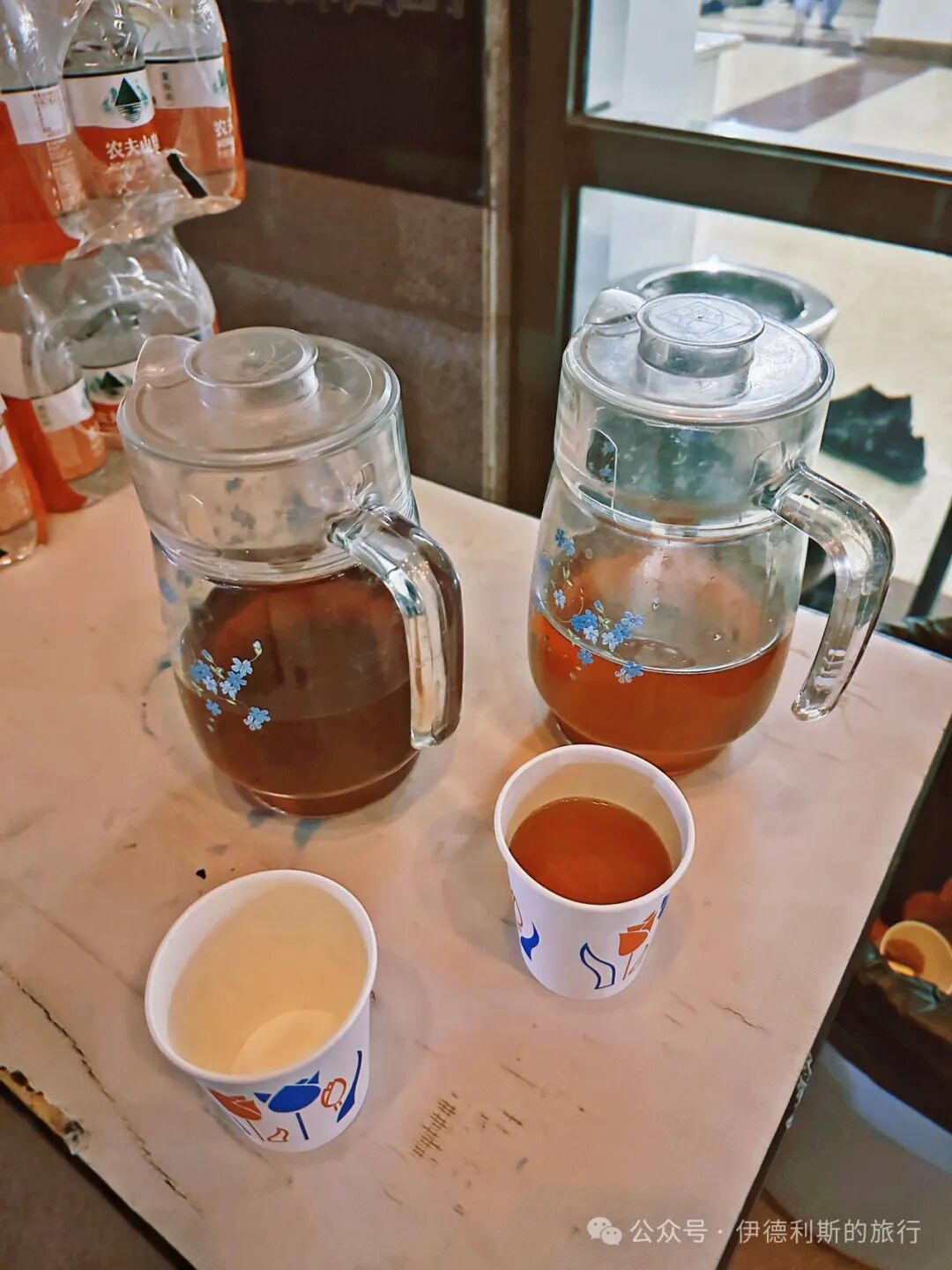
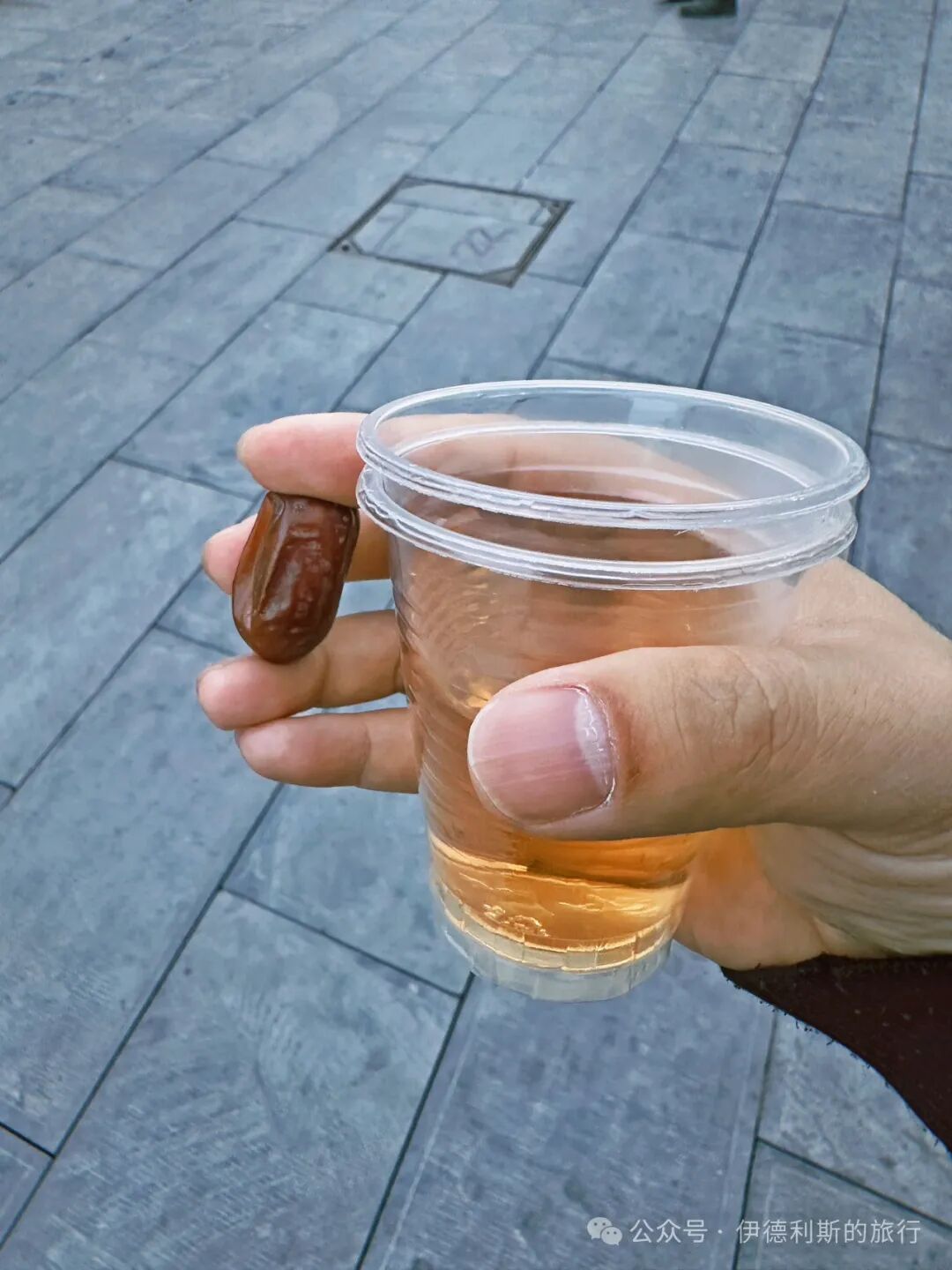
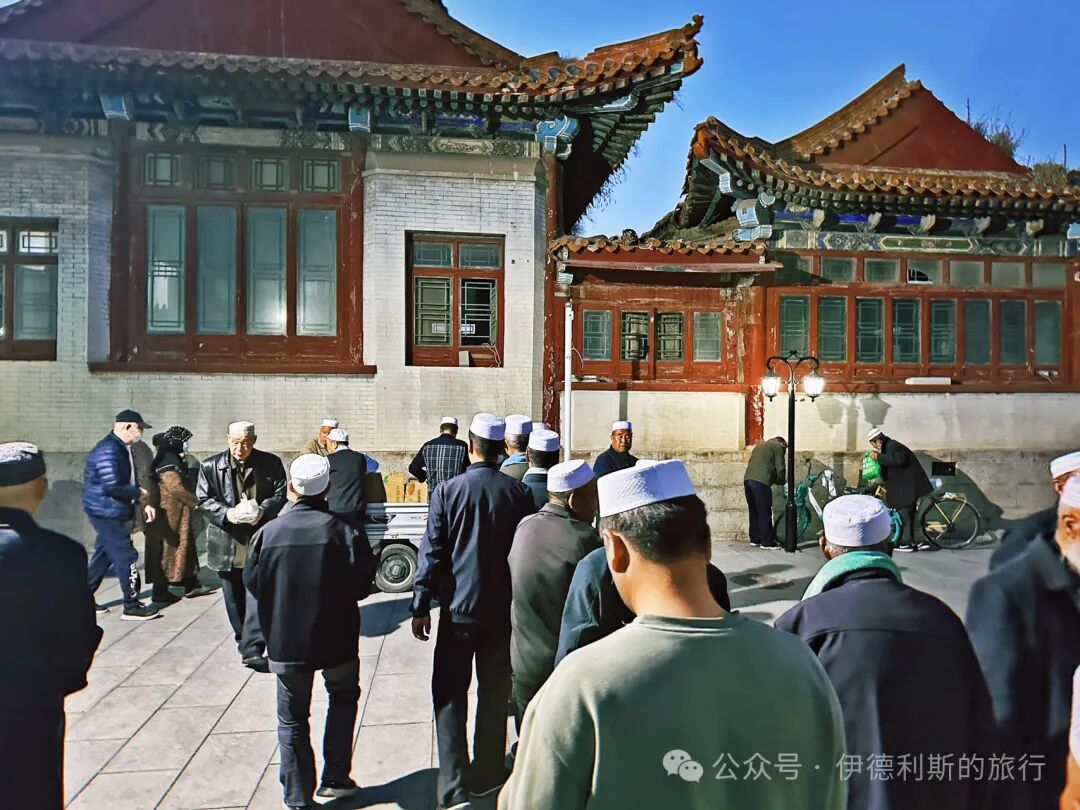
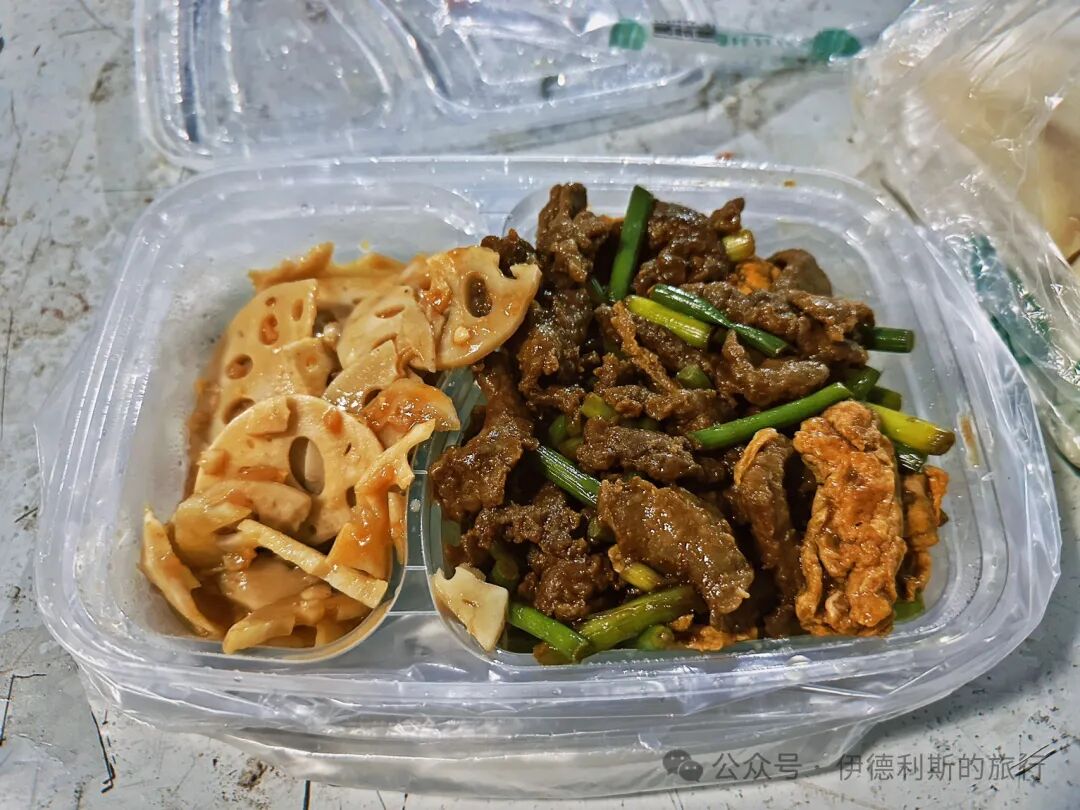
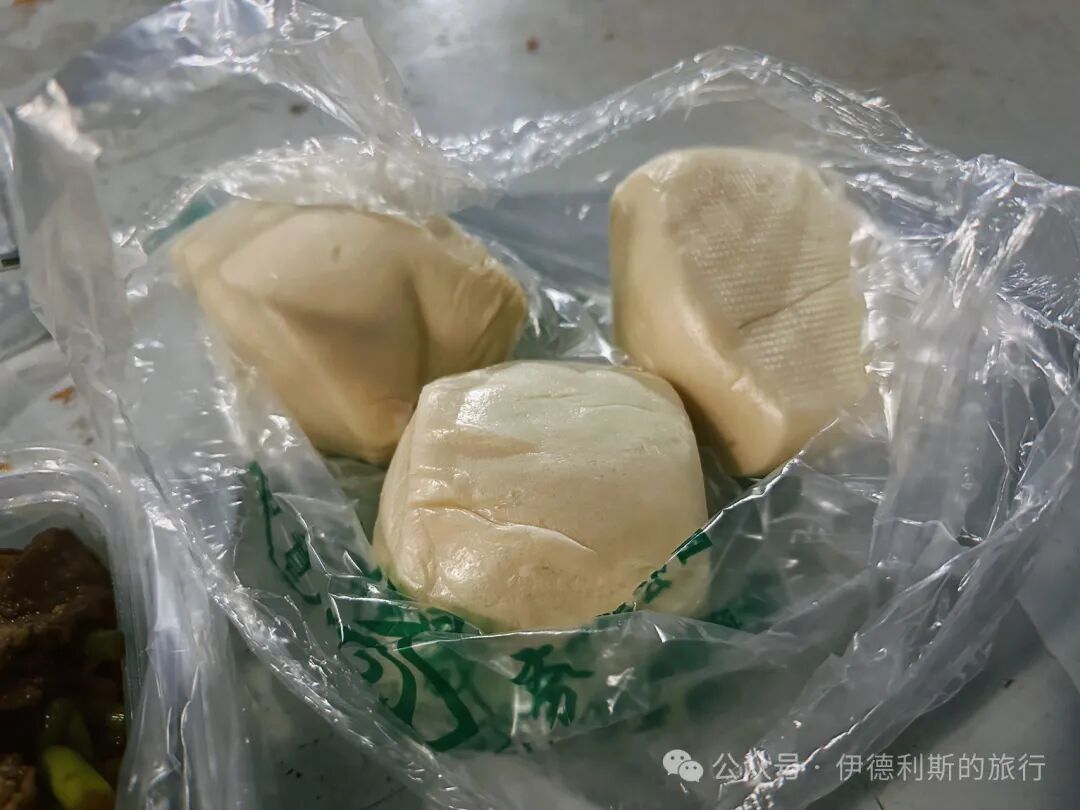
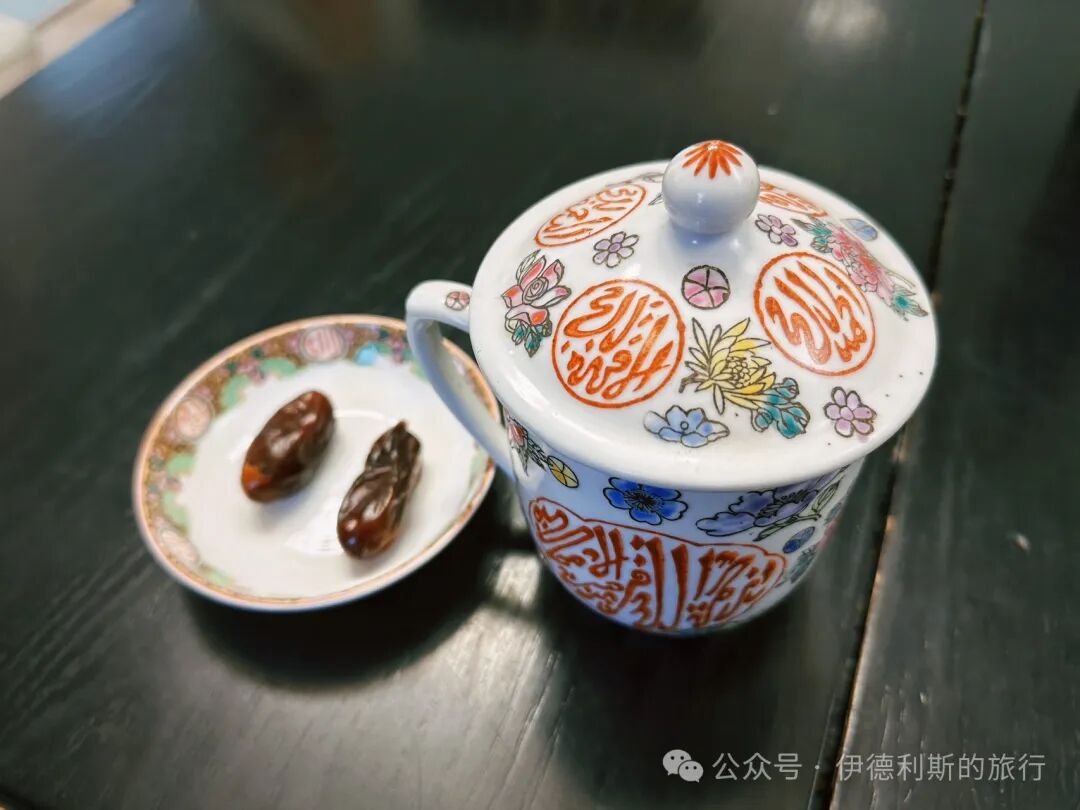
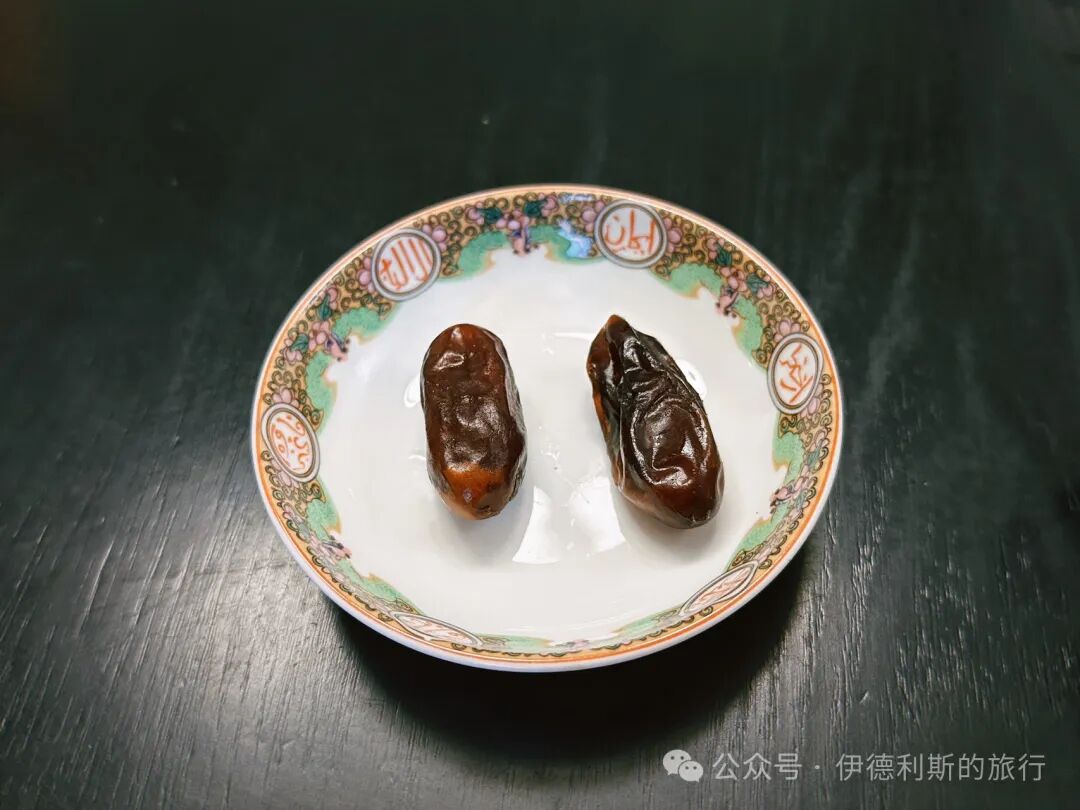
On Saturday night, I broke my fast at the North Mosque in Tianmu, Tianjin, where the elders served green tea and dates. After the Maghrib prayer, they handed out boxed meals of stir-fried lotus root slices and garlic sprouts with pork, served with steamed buns (mantou), which everyone took home to eat.
The Mu family originally lived in Muja Village, Qiantang County, Hangzhou Prefecture, Zhejiang. During the Jianwen era of the Ming dynasty, they were moved to Guyilang inside Shuiximen in Nanjing. In the early Yongle era, they followed the Prince of Yan to Nanpi County, Cangzhou, Hebei. In 1404 (the first year of Ming Yongle), the Mu brothers used canal boats to transport imperial grain to Tongzhou. After unloading, they received special favor and were gifted the boats. They traveled south along the Grand Canal to a place twenty miles north of Tianjin Wei, where they settled, established Muja Village, and built the Muja Village Mosque, which is now the Tianmu North Mosque.
The Tianmu North Mosque was repaired many times in history. It was burned down by Kuomintang troops in 1948, rebuilt after 1950, and renovated to its current size after 2007.
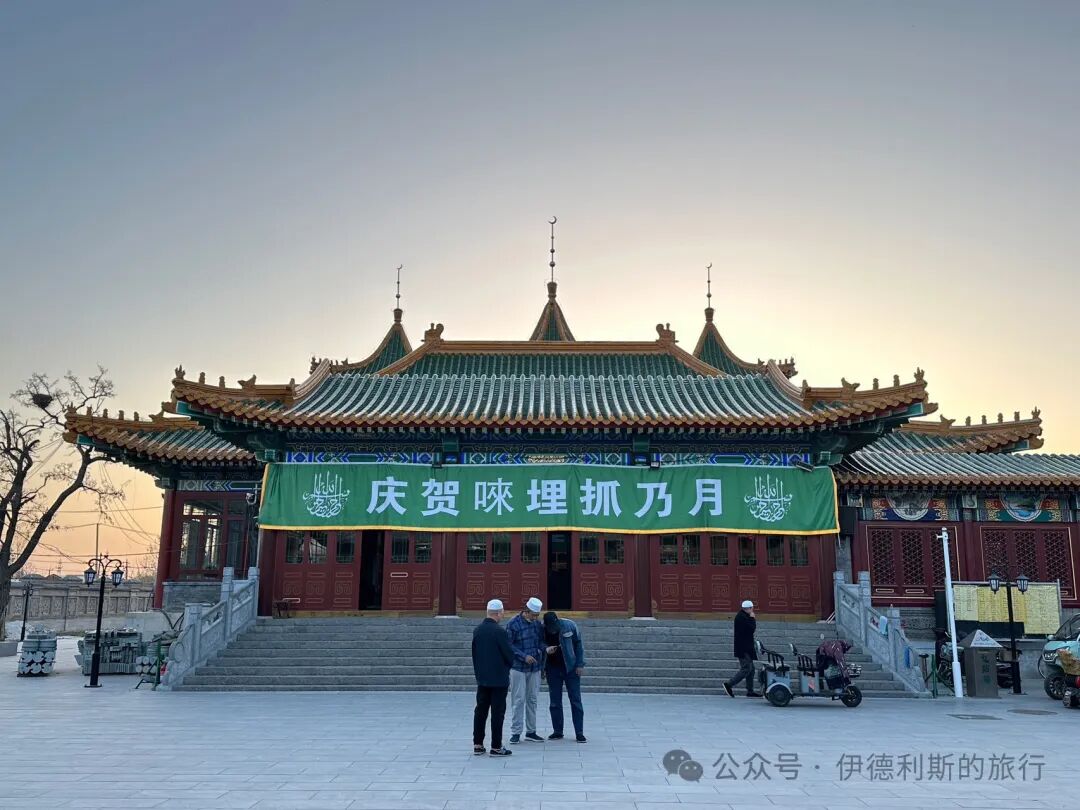
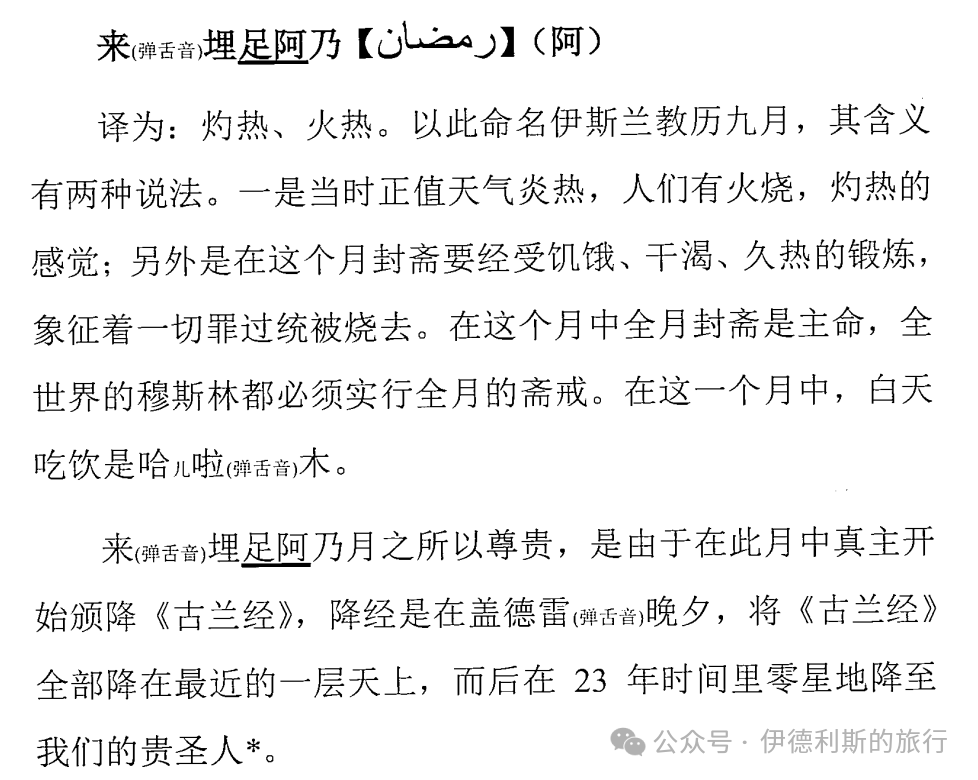
In a previous article, some readers asked about the translation "laimaizhuannai." This is actually a traditional term used in Tianjin and surrounding areas for hundreds of years. The pronunciation of "laimaizhuannai" is Ramzan. The way the letter "d" (ḍād) is pronounced as a "z" and the emphasis on the final syllable both come from Persian. In regions influenced by Persian culture, such as Iran, Afghanistan, Azerbaijan, India, Pakistan, and Turkey, the word for Ramadan is pronounced Ramazan.
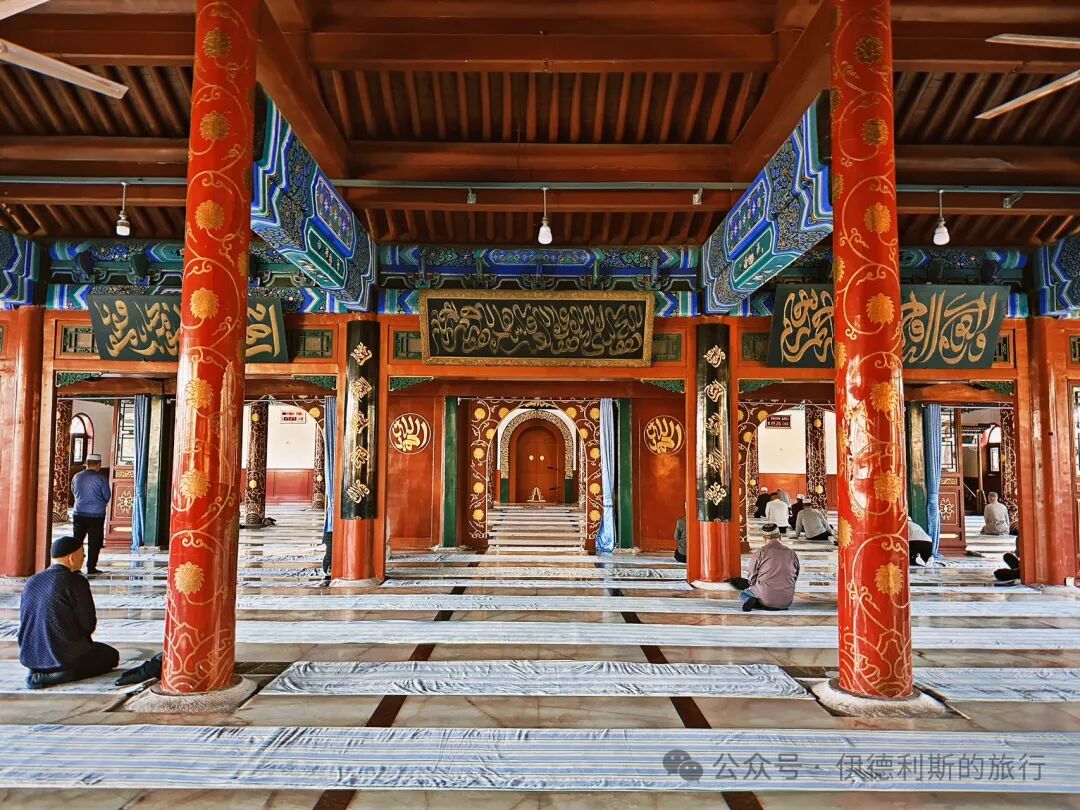
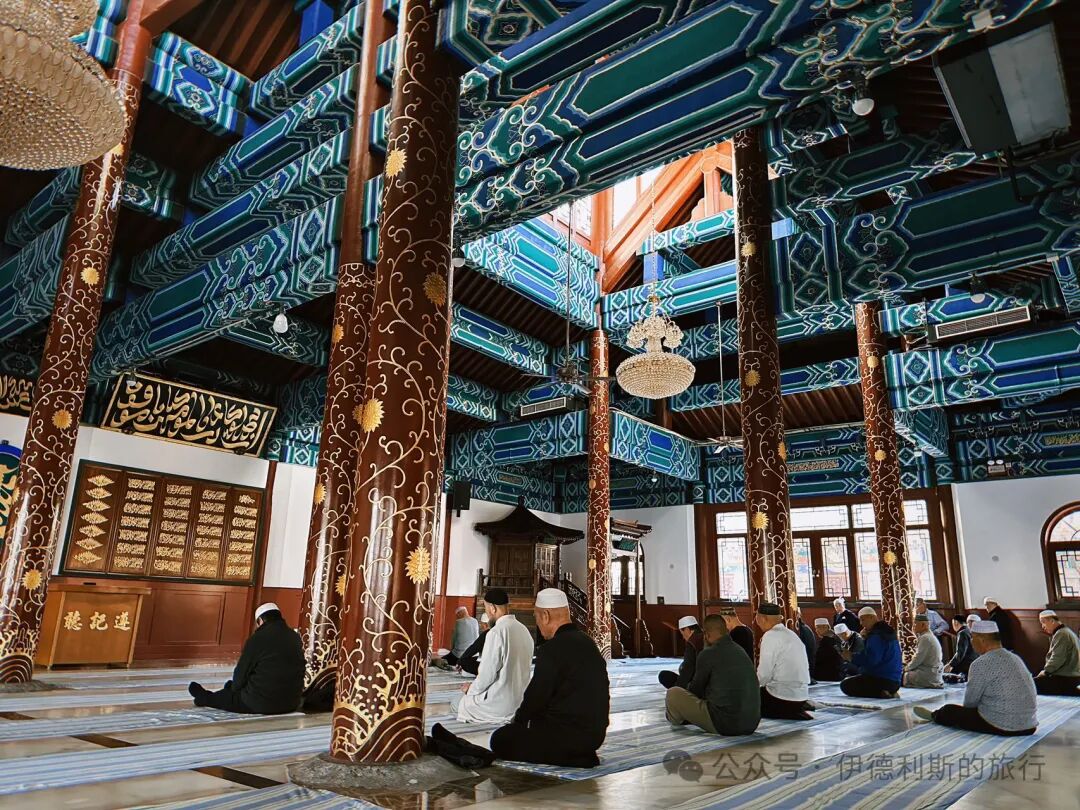
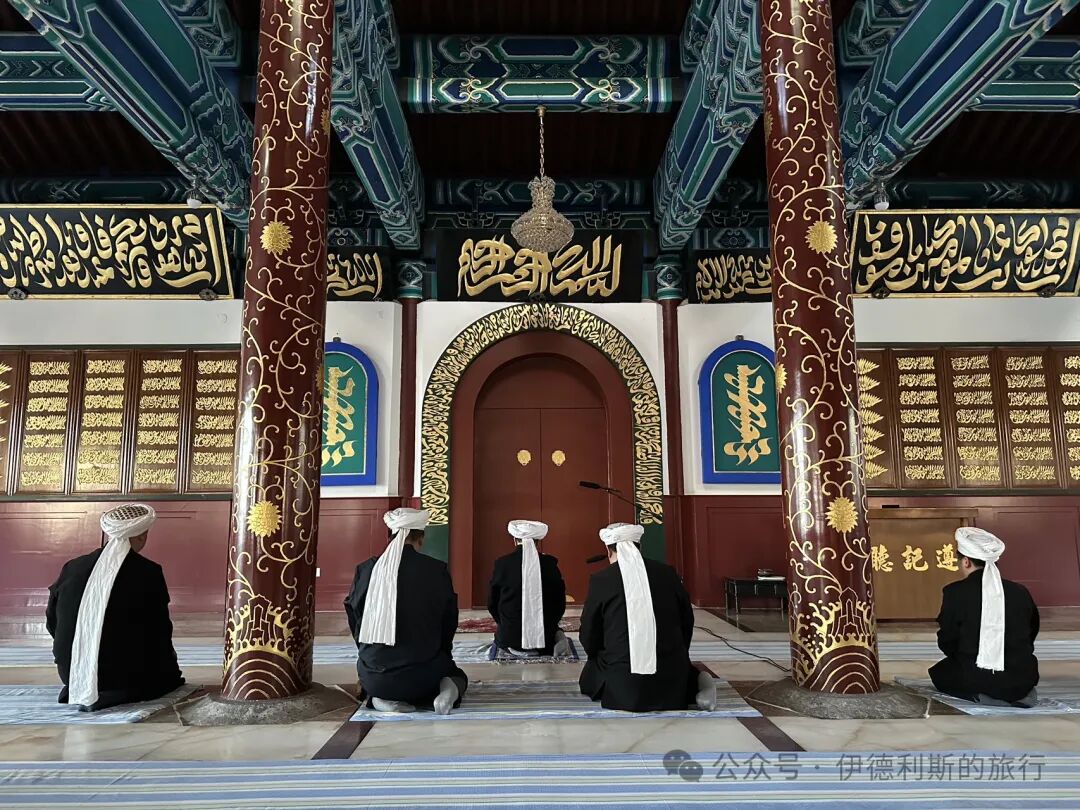
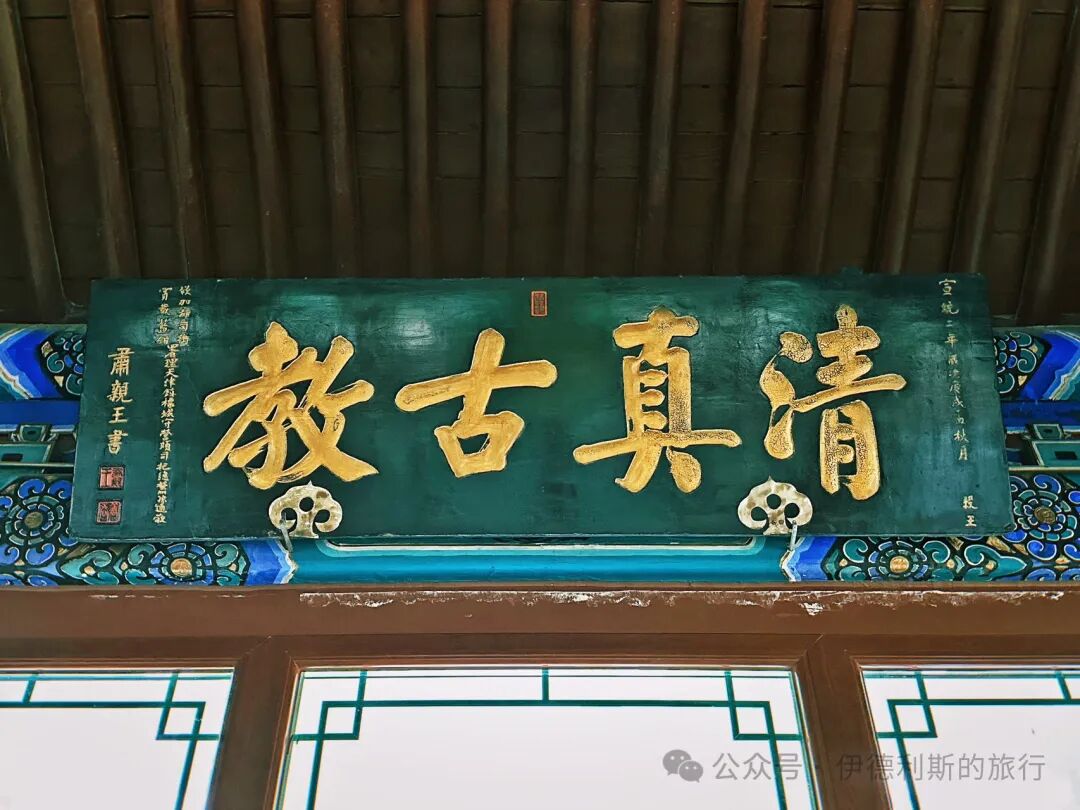
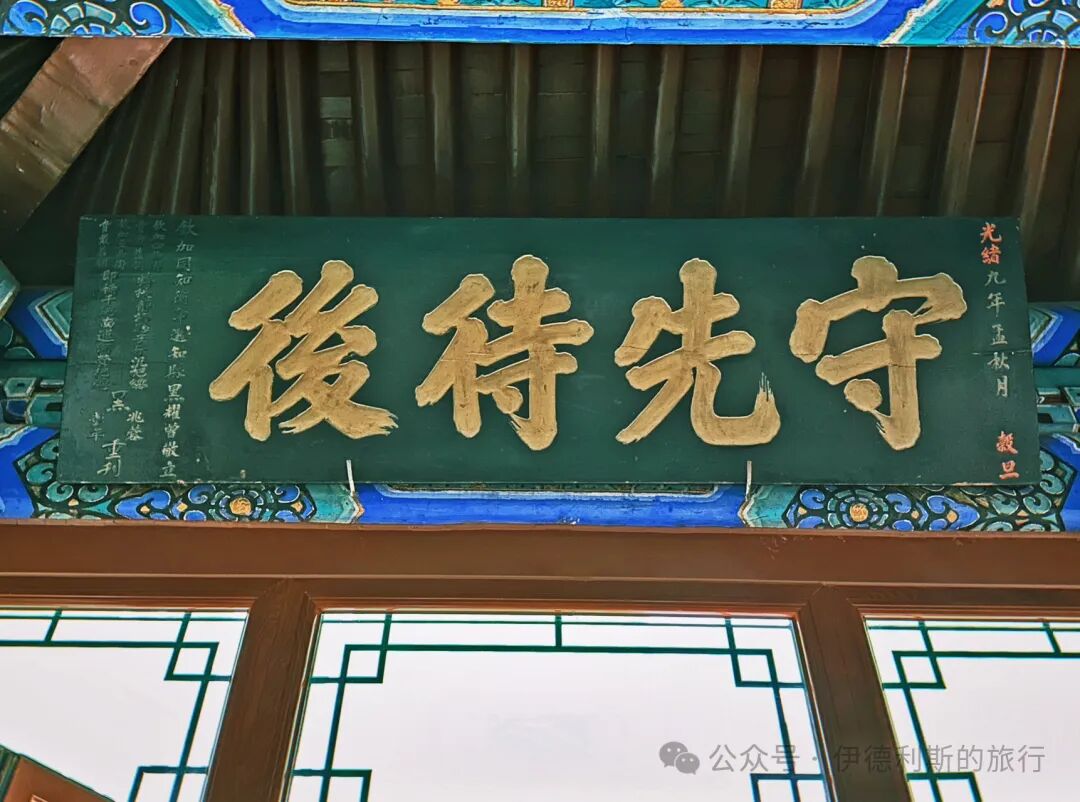
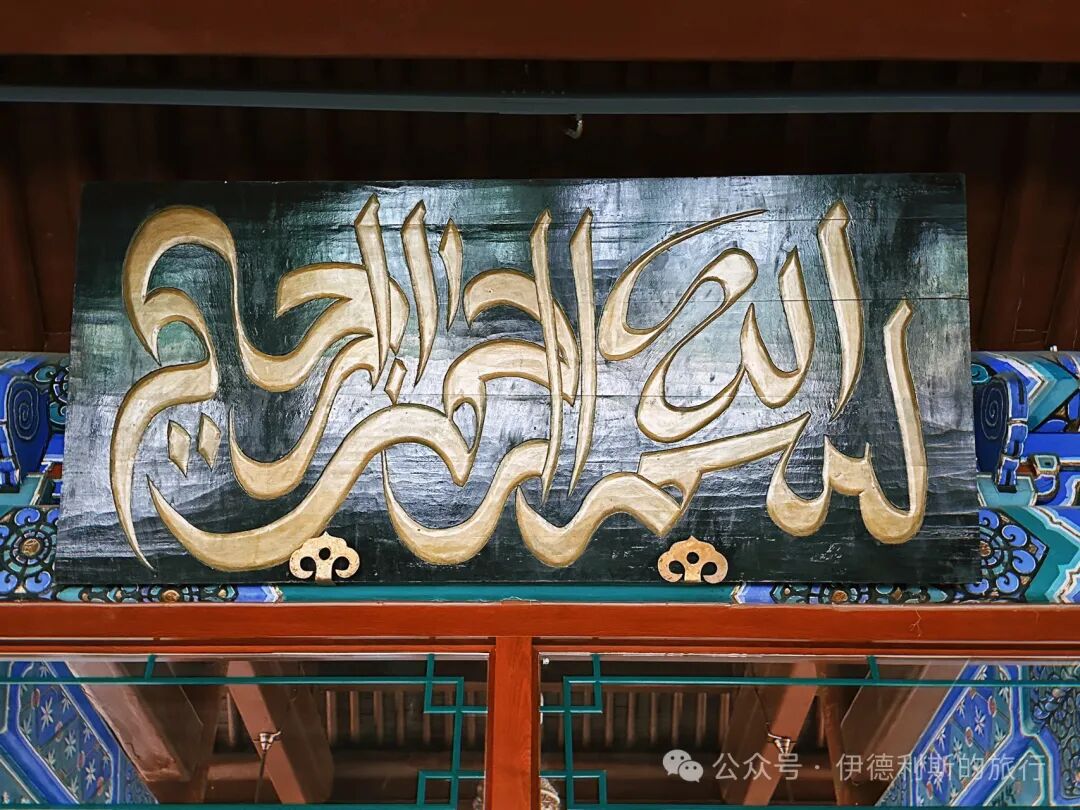
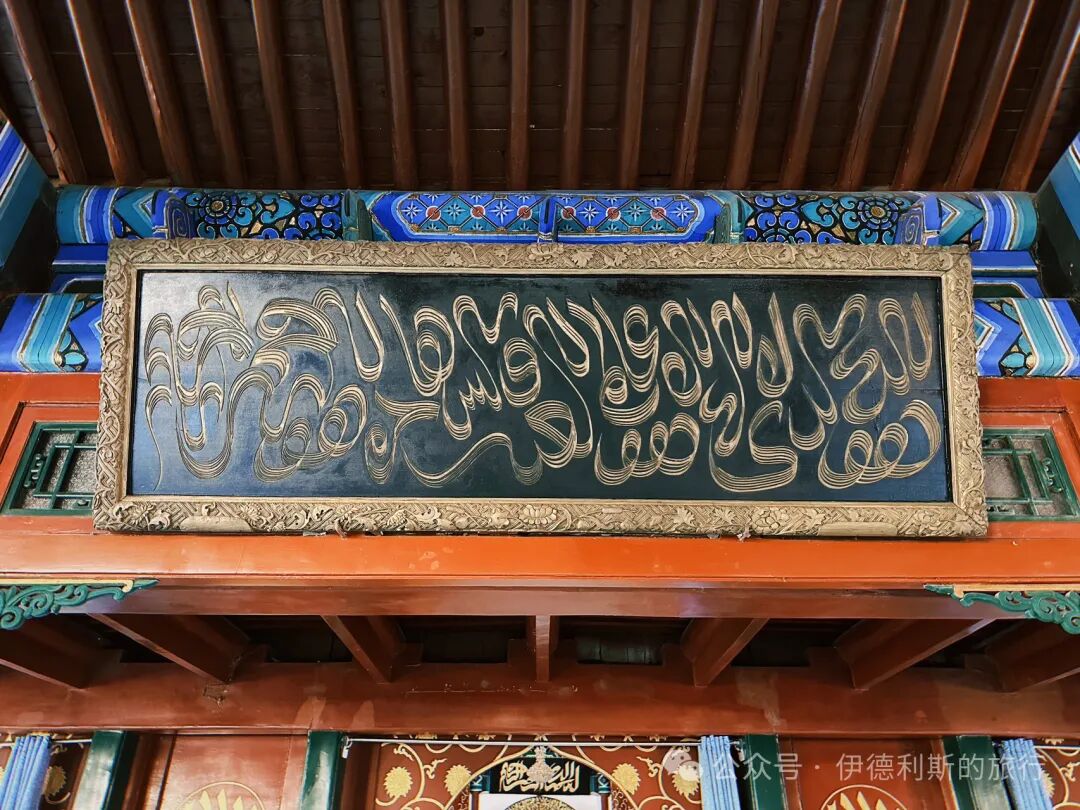
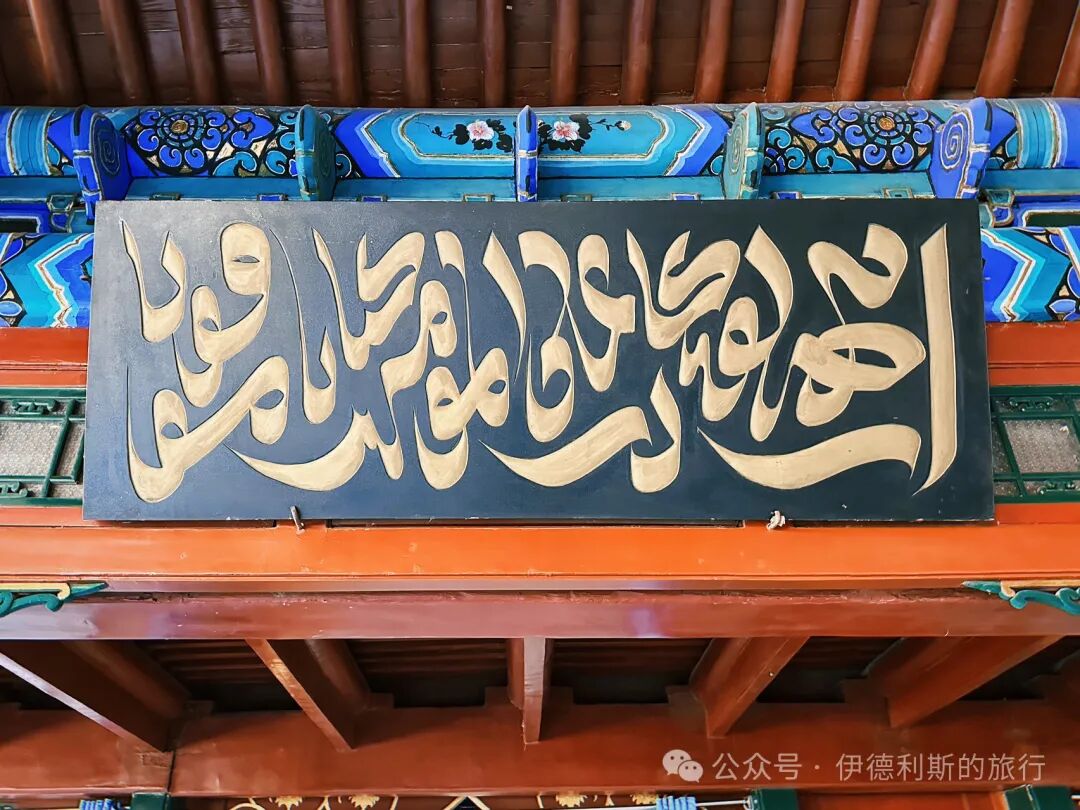
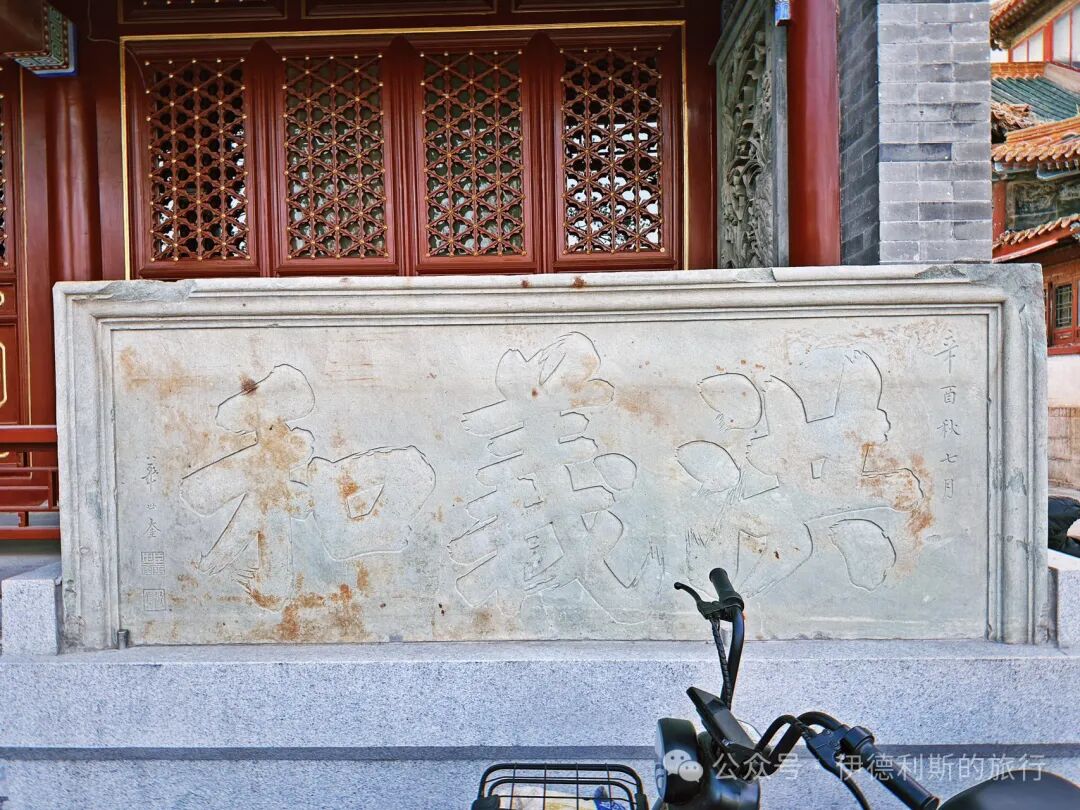
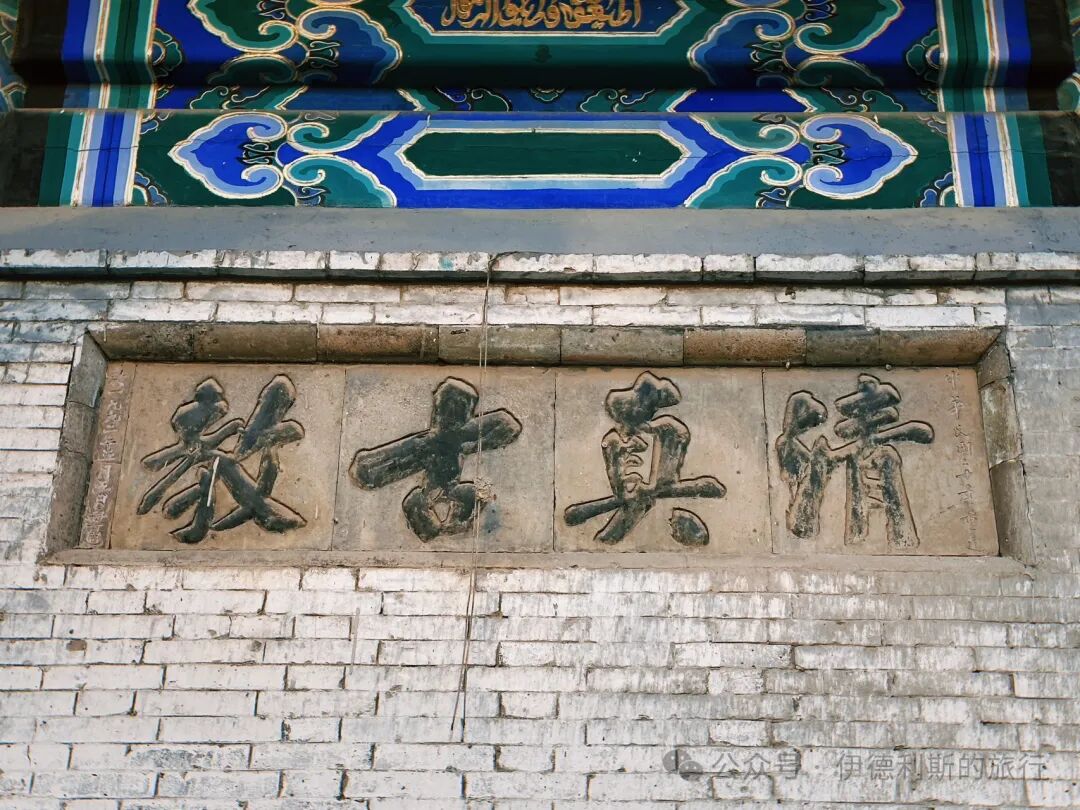
Plaque at the North Mosque (Beidasi) in Tianmu, Tianjin
Ancient Islamic Faith (Qingzhen Gujiao)
Auspicious day in the first month of autumn, in the Gengxu year of the Xuantong reign (1910)
Respectfully presented by Xiao Liangtong, acting head of the Tianjin Garrison, holding the rank of Du-si and wearing the blue feather.
Calligraphy by Prince Su
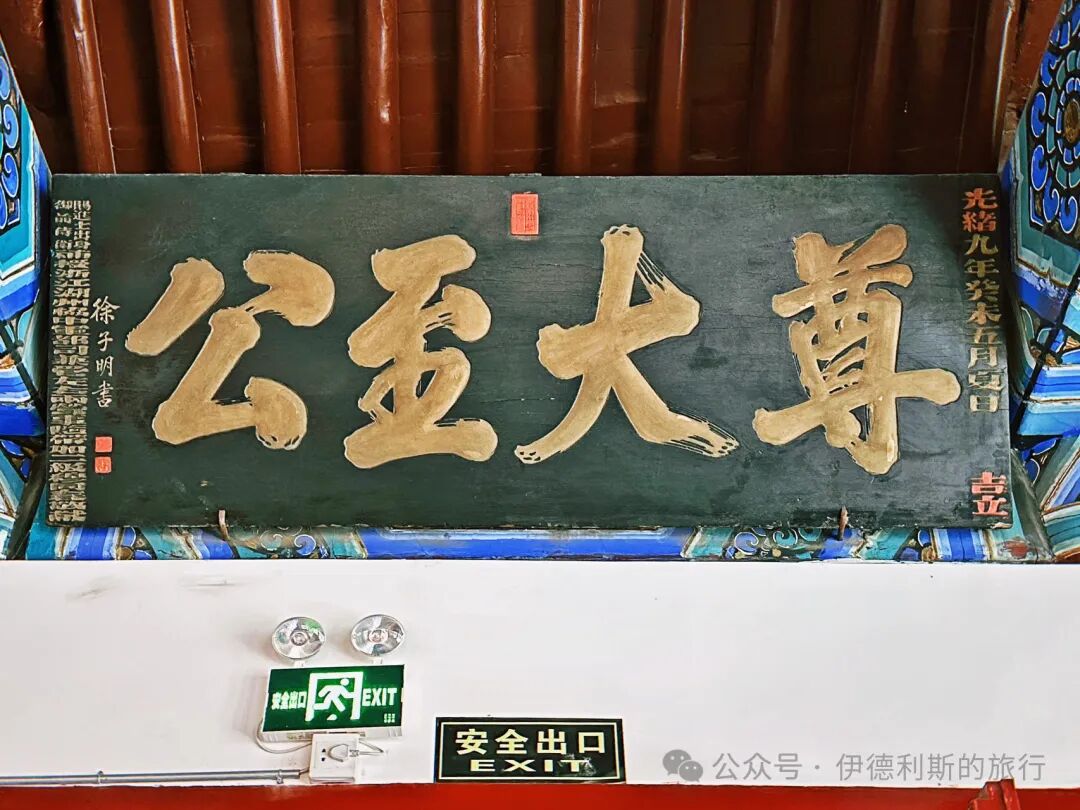
Greatest and Most Just
Erected on an auspicious day in the fifth month of summer, in the Guimo year of the Guangxu reign (1883)
Calligraphy by Xu Ziming
Respectfully presented by Mu Tongchun, a presented scholar (jinshi) and imperial guard, appointed as commander of the Huzhou Garrison in Zhejiang, with a two-grade promotion.
Upholding the ancestors and awaiting the future
Auspicious day in the first month of autumn, in the ninth year of the Guangxu reign (1883)
Respectfully erected by Hei Yaozeng, a magistrate-elect holding the rank of Du-si.
Hei Zhaorong, a commander of the Ziya station in Jinghai County, holding the fourth-rank title and wearing the blue feather.
Reprinted by Hei Pengnian, a commander of the South Grand Canal Garrison, holding the fifth-rank title and wearing the blue feather.
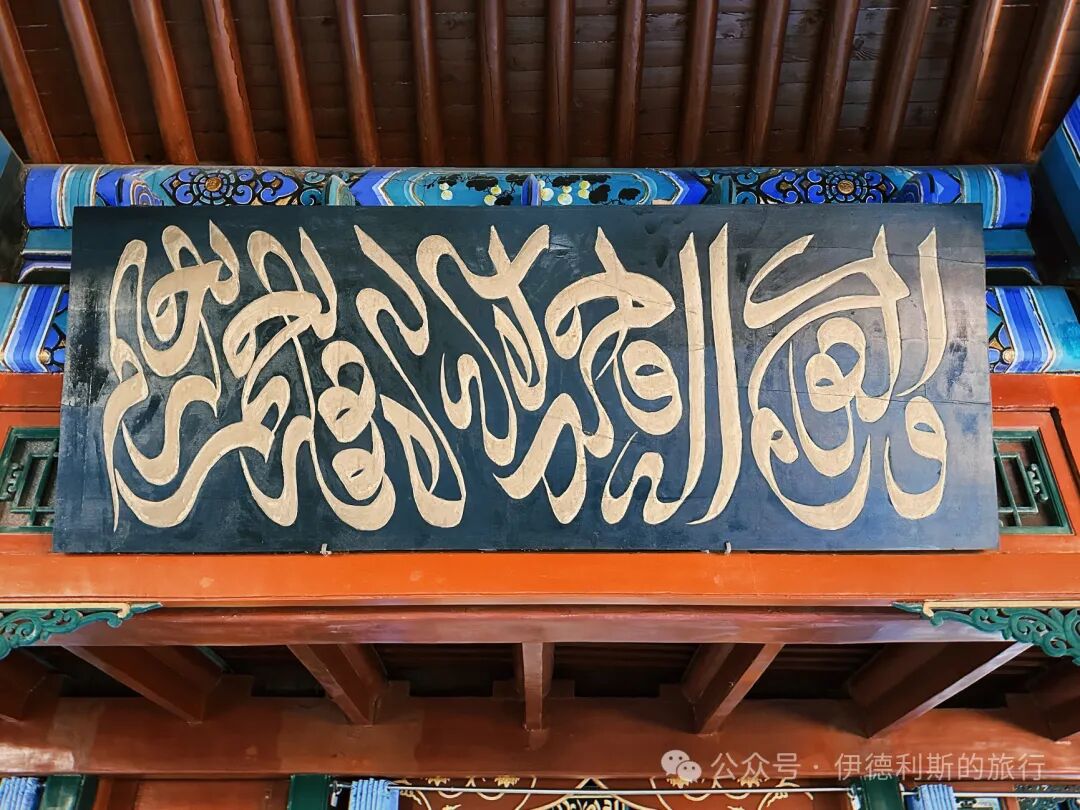
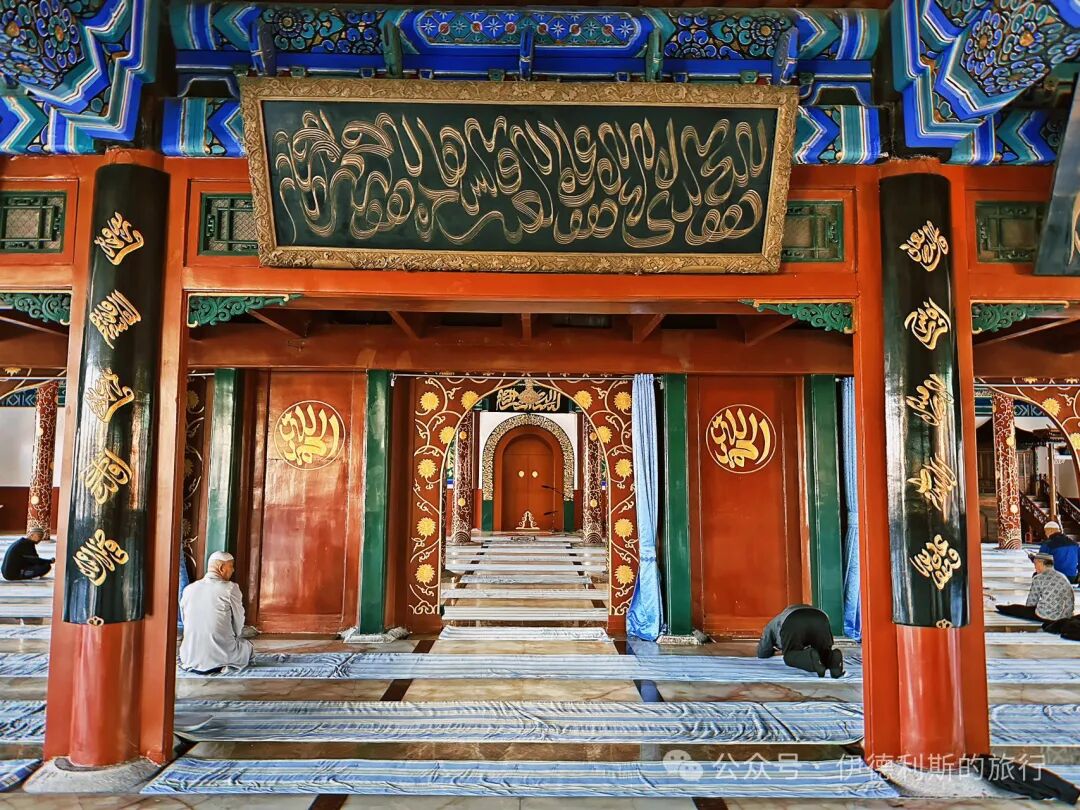
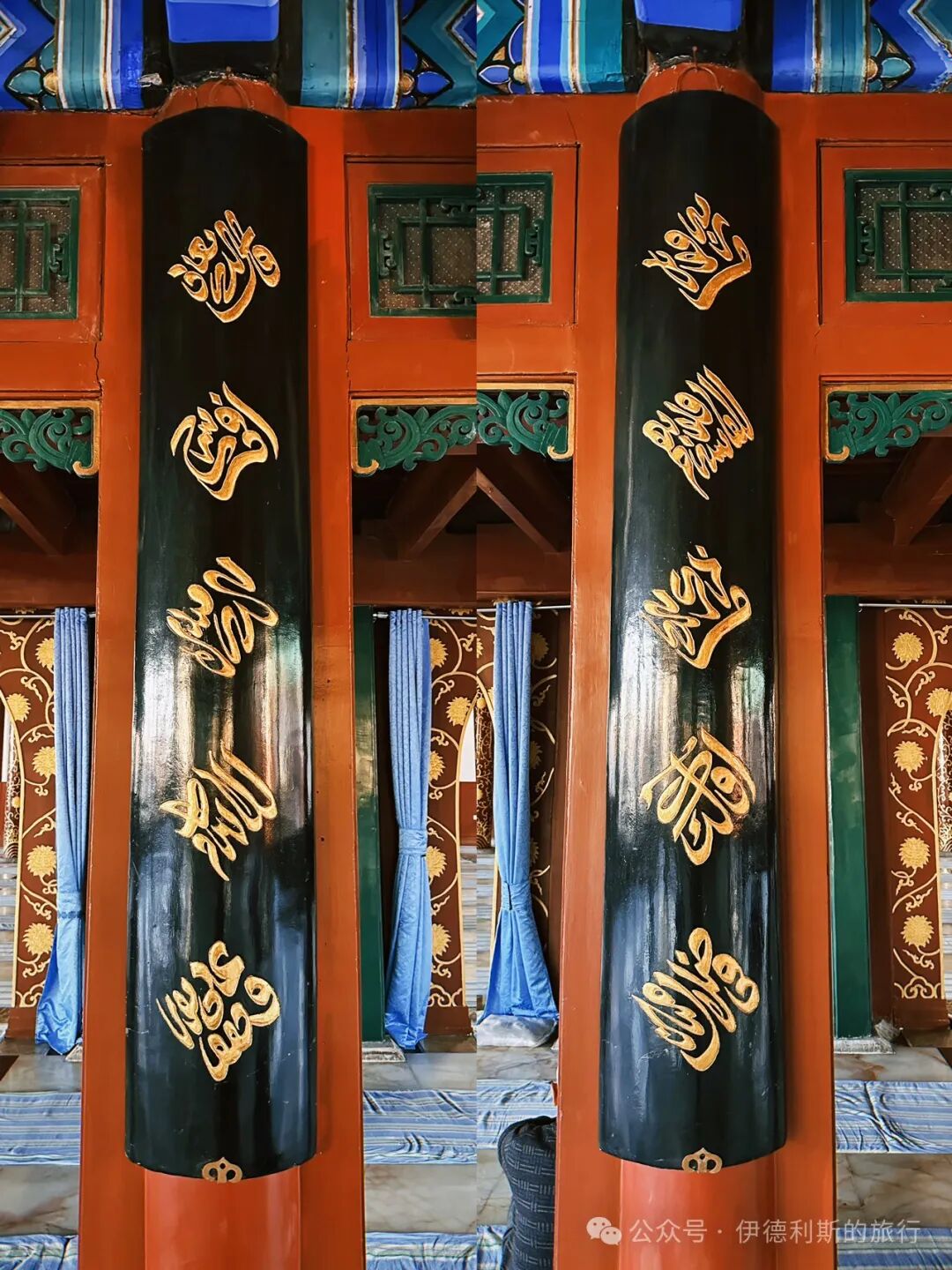
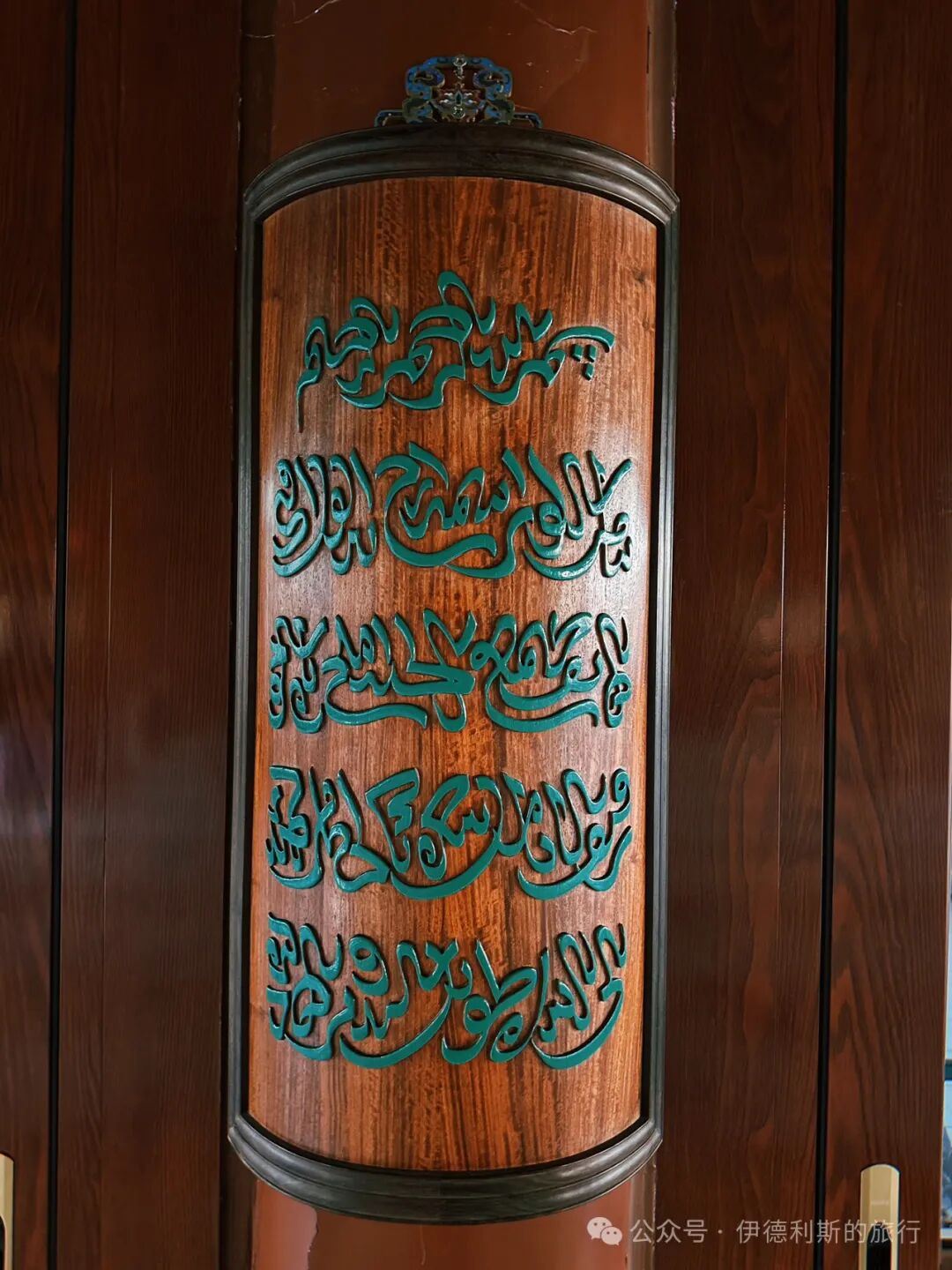
The brick carving of 'Ancient Islamic Faith' behind the kiln hall, with the inscription 'Rebuilt in the 20th year of the Republic of China'.
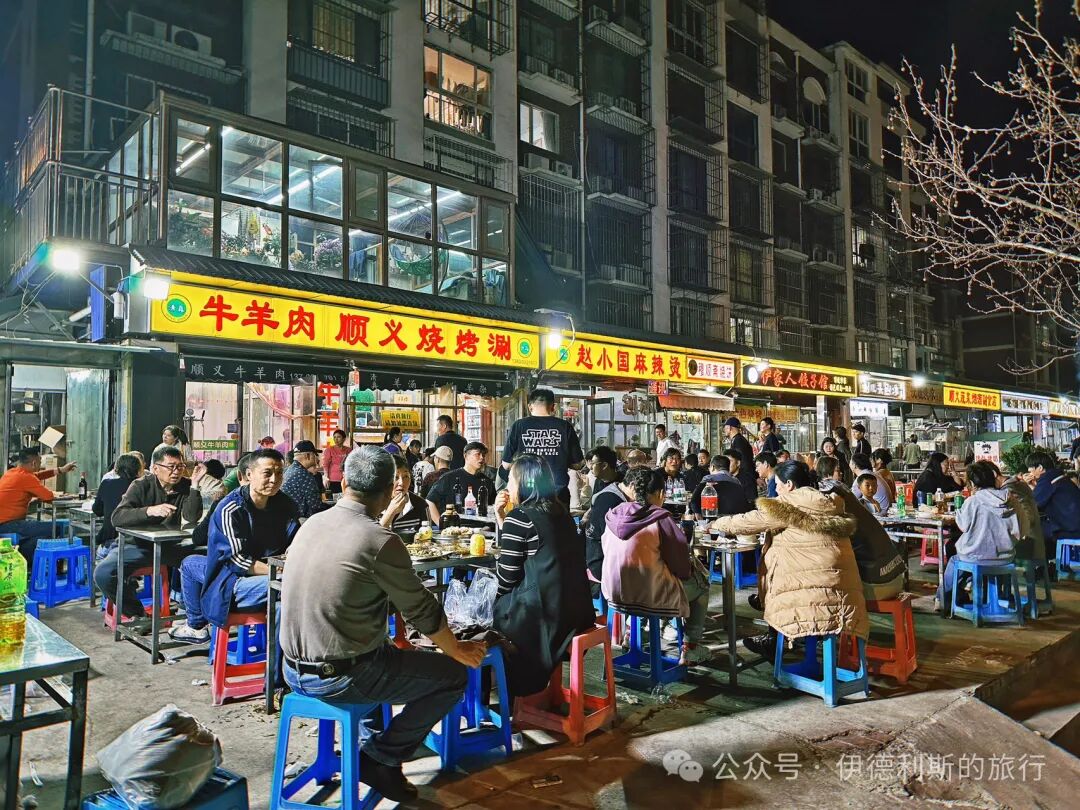
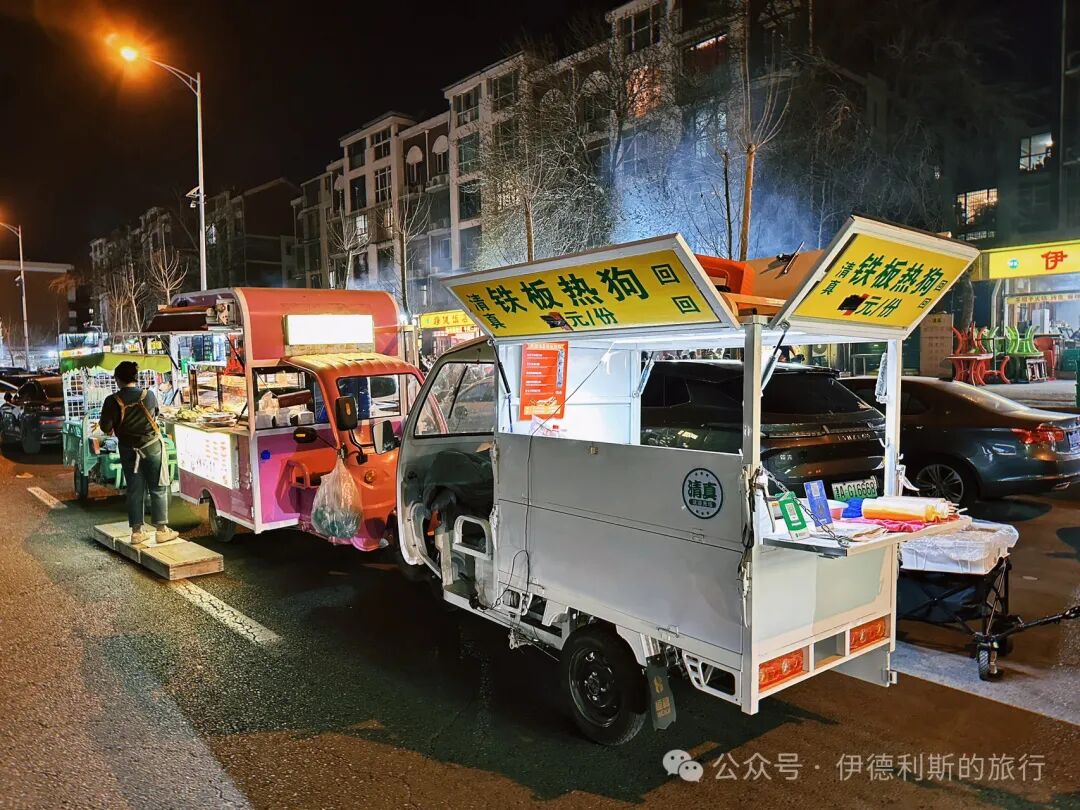
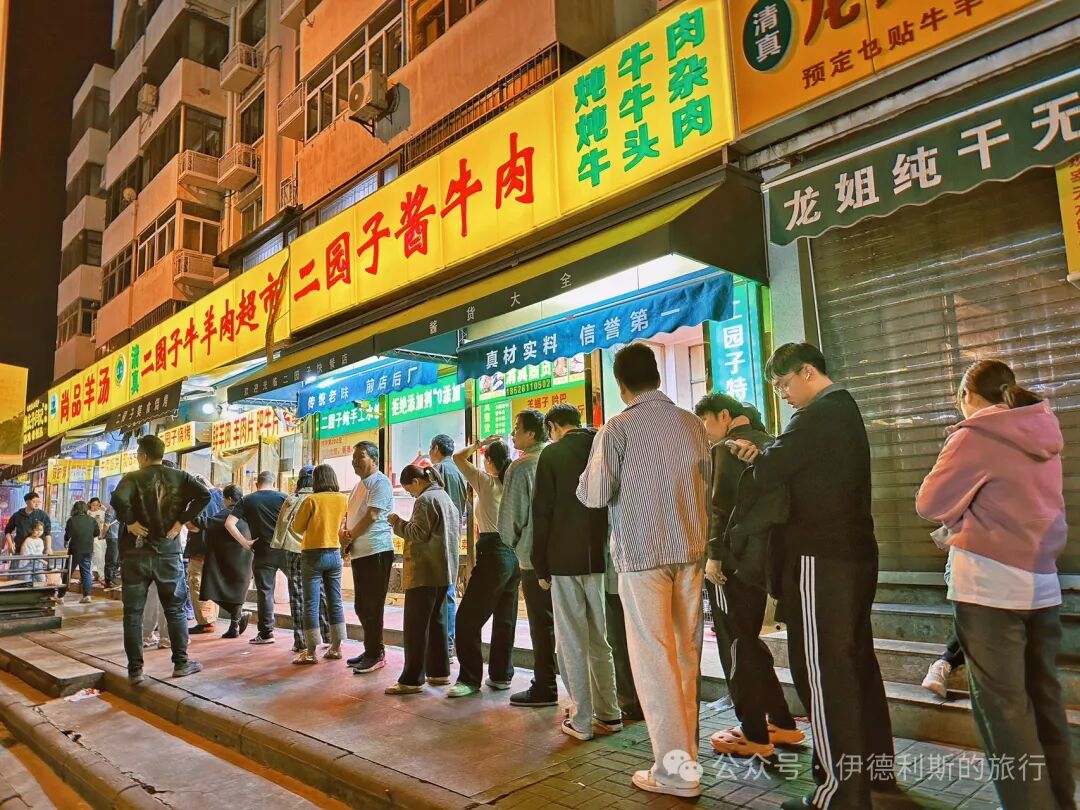
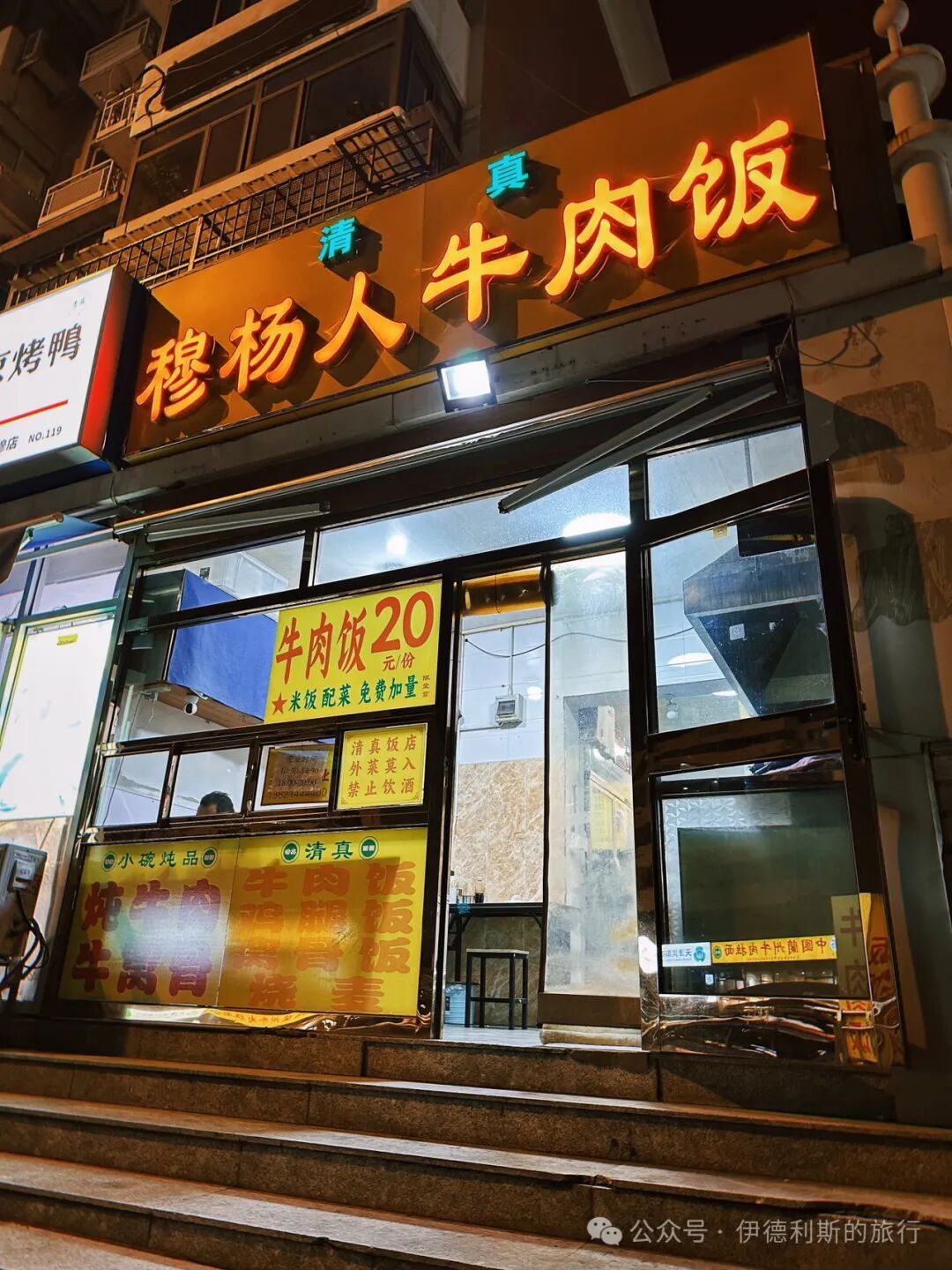
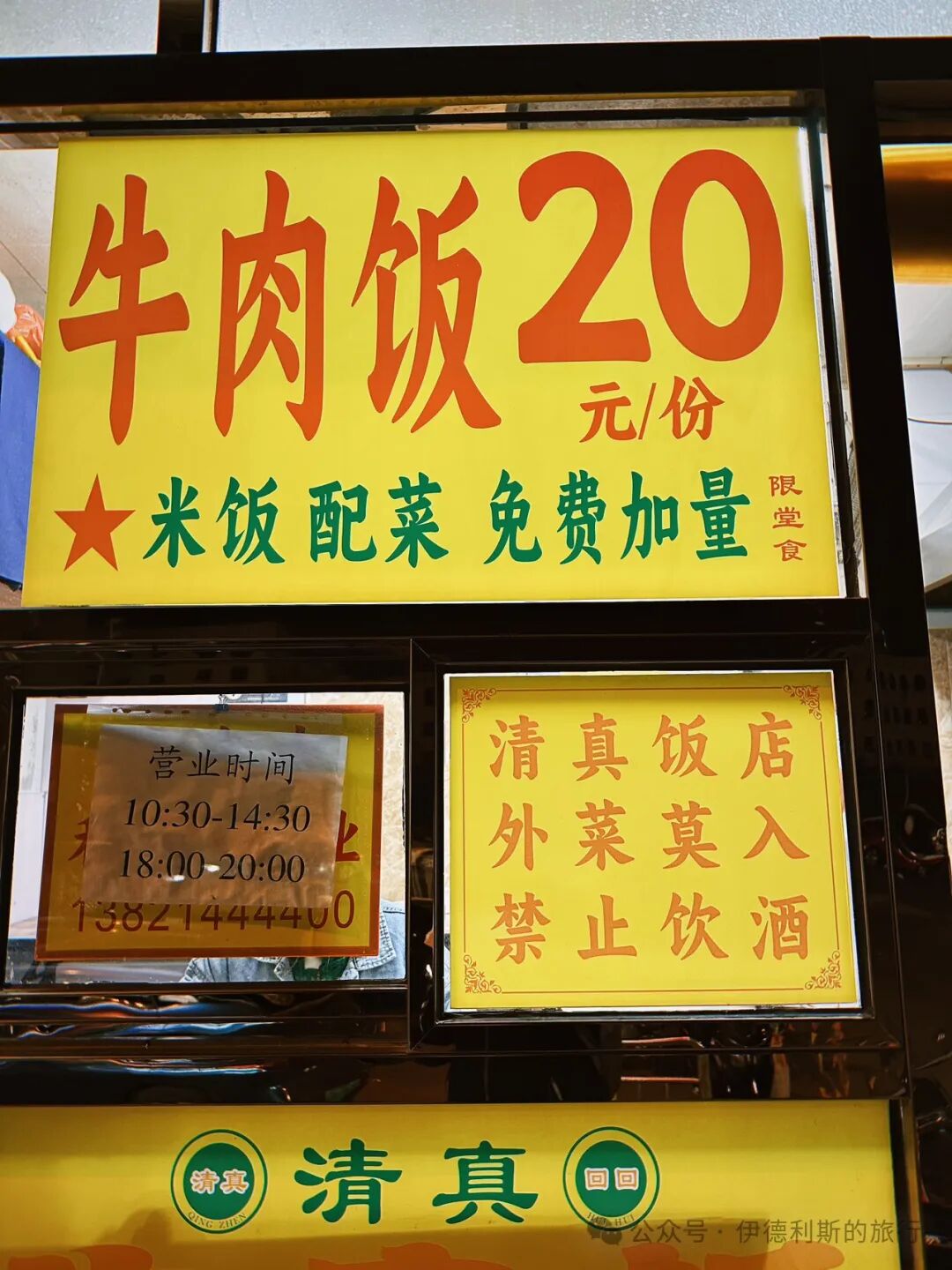
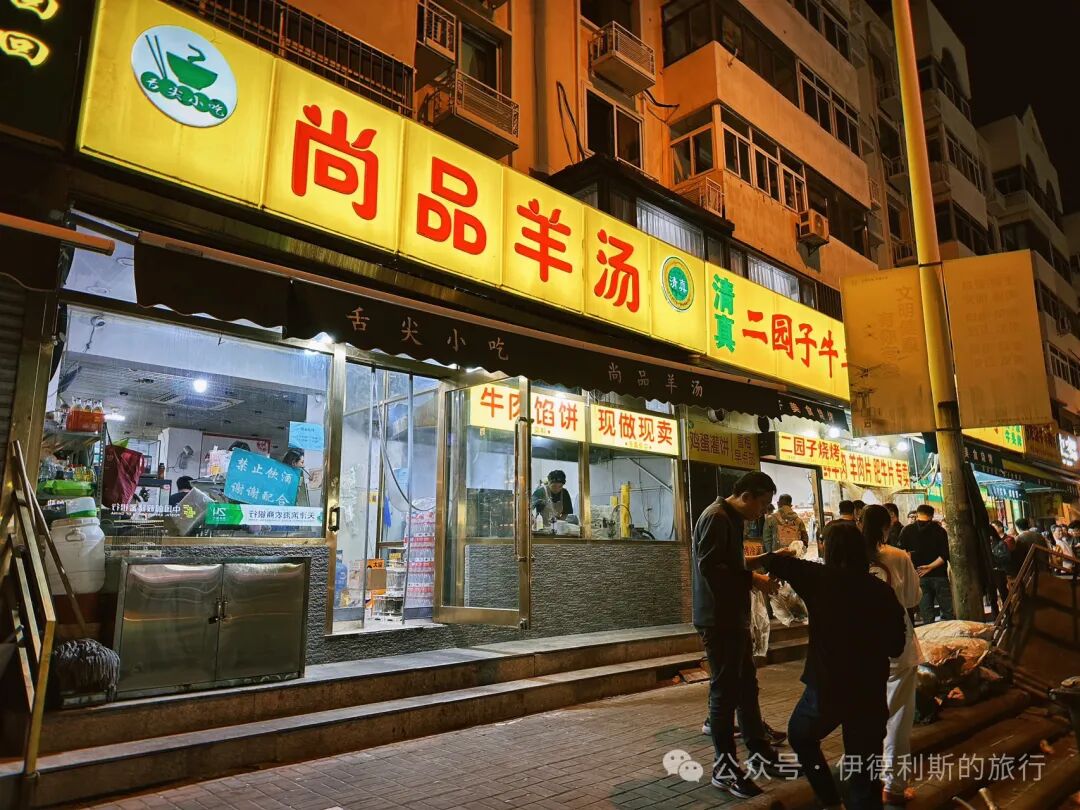
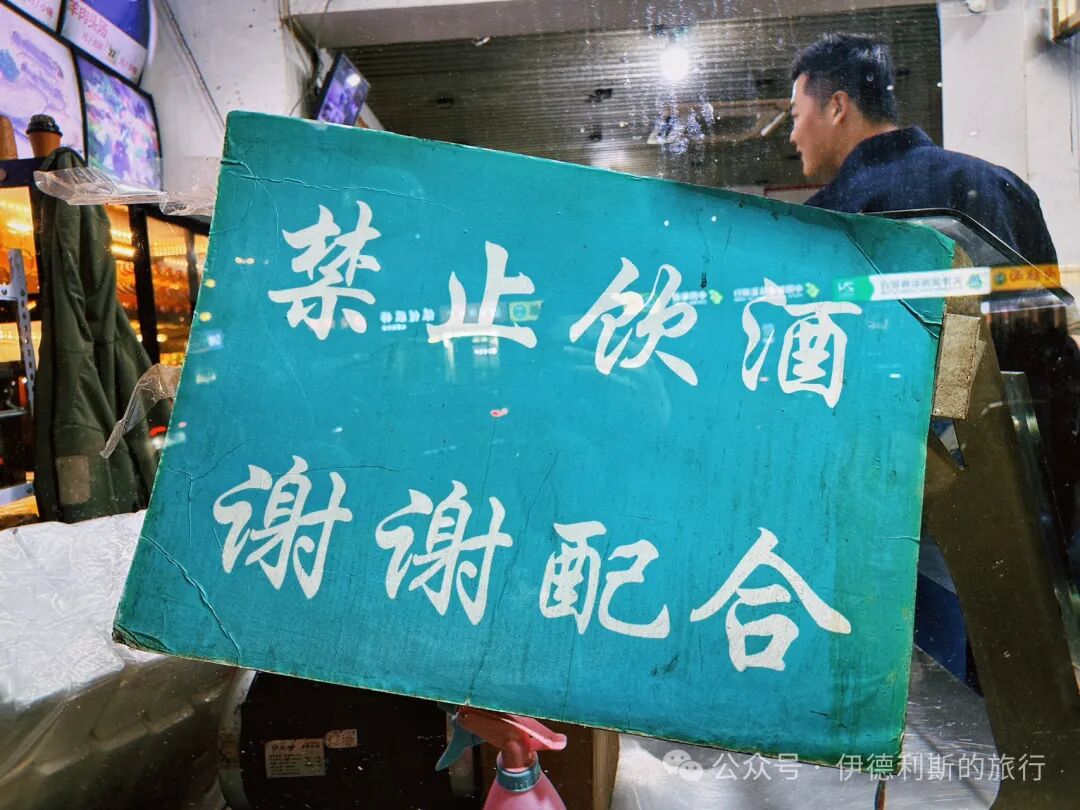
Shunyi Road in Tianmu is so lively at night, with long lines at many barbecue stalls. There are also alcohol-free restaurants like Muyangren Beef Rice and Shangpin Lamb Soup at the intersection, offering plenty of choices.
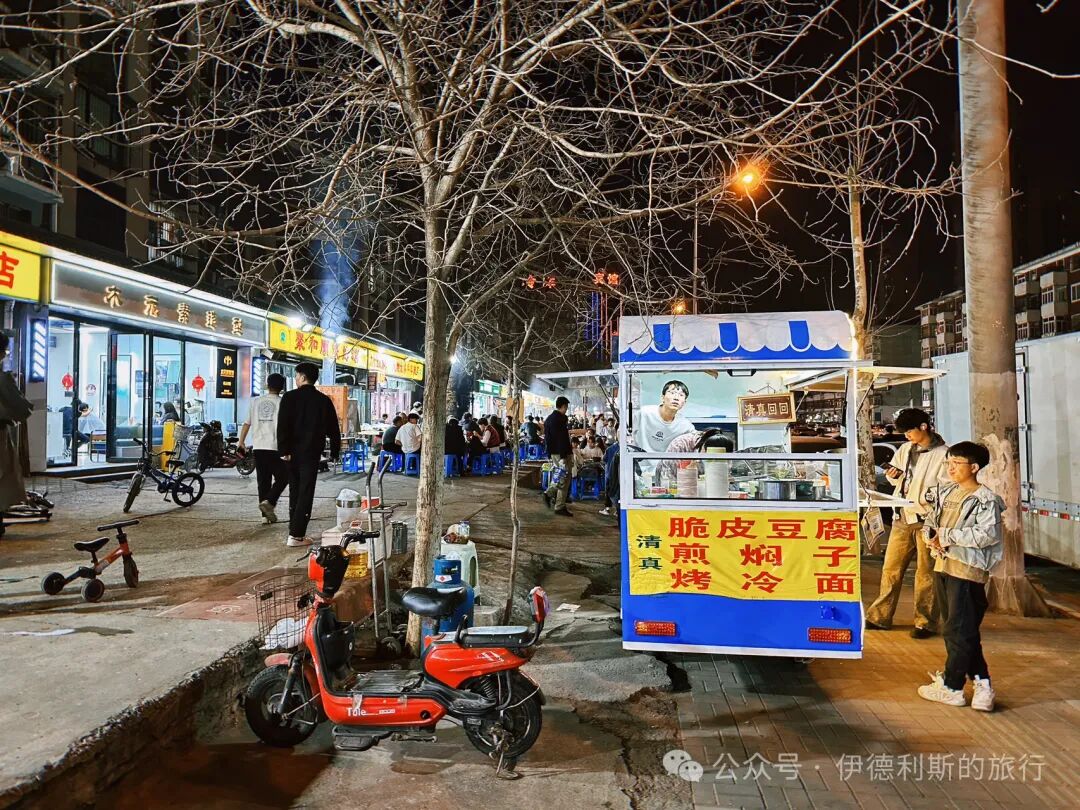
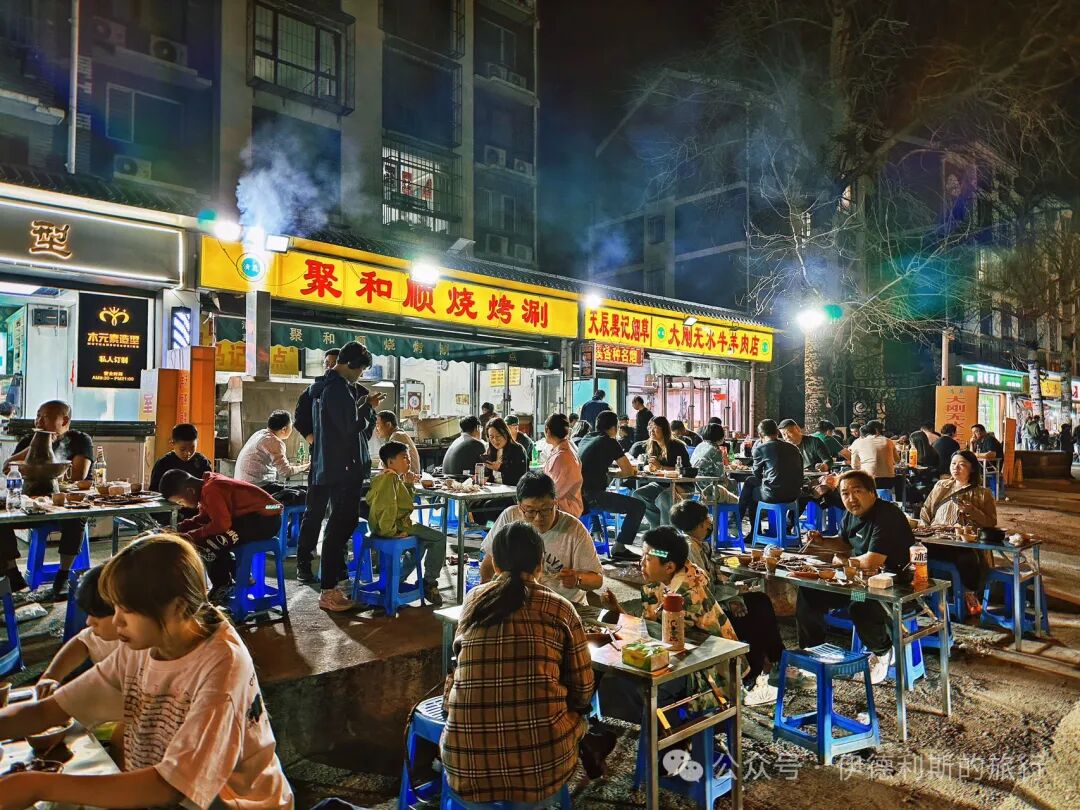
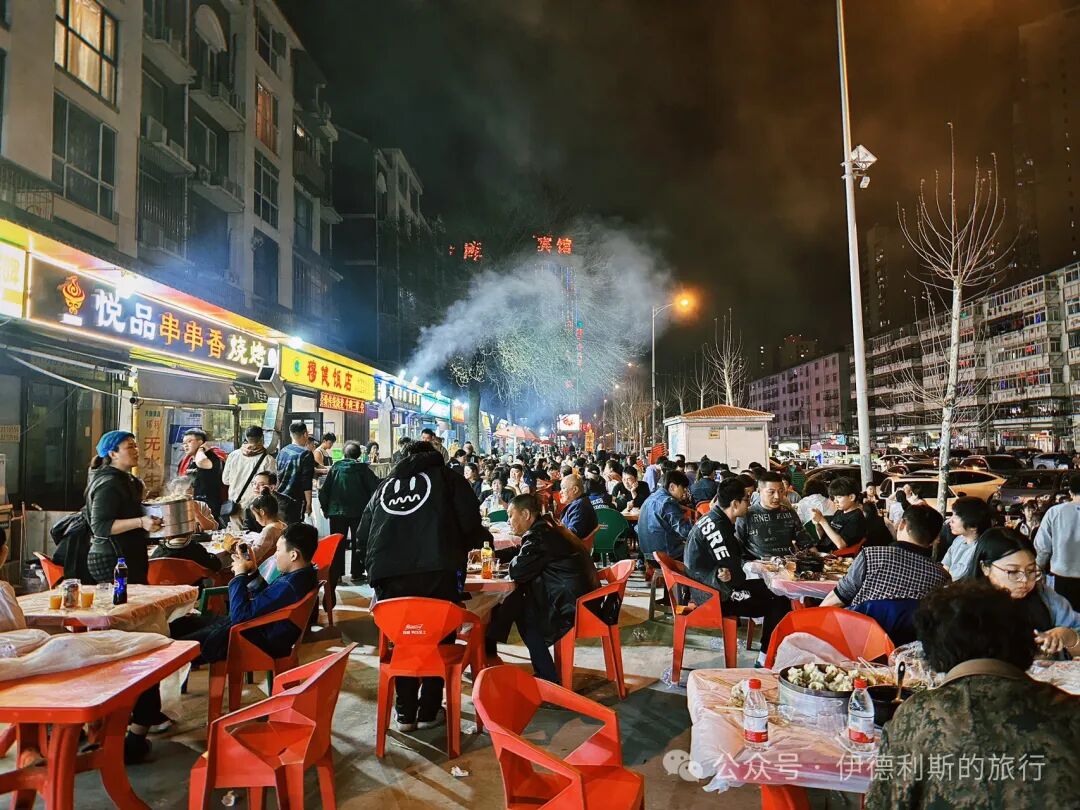
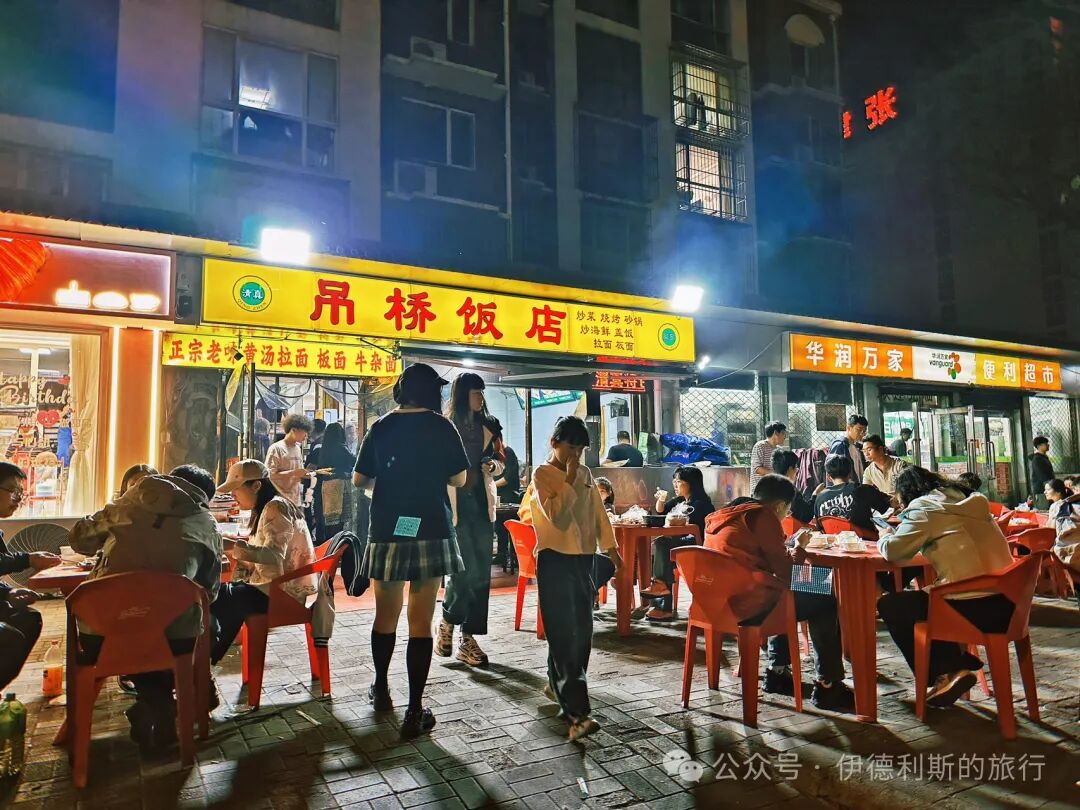
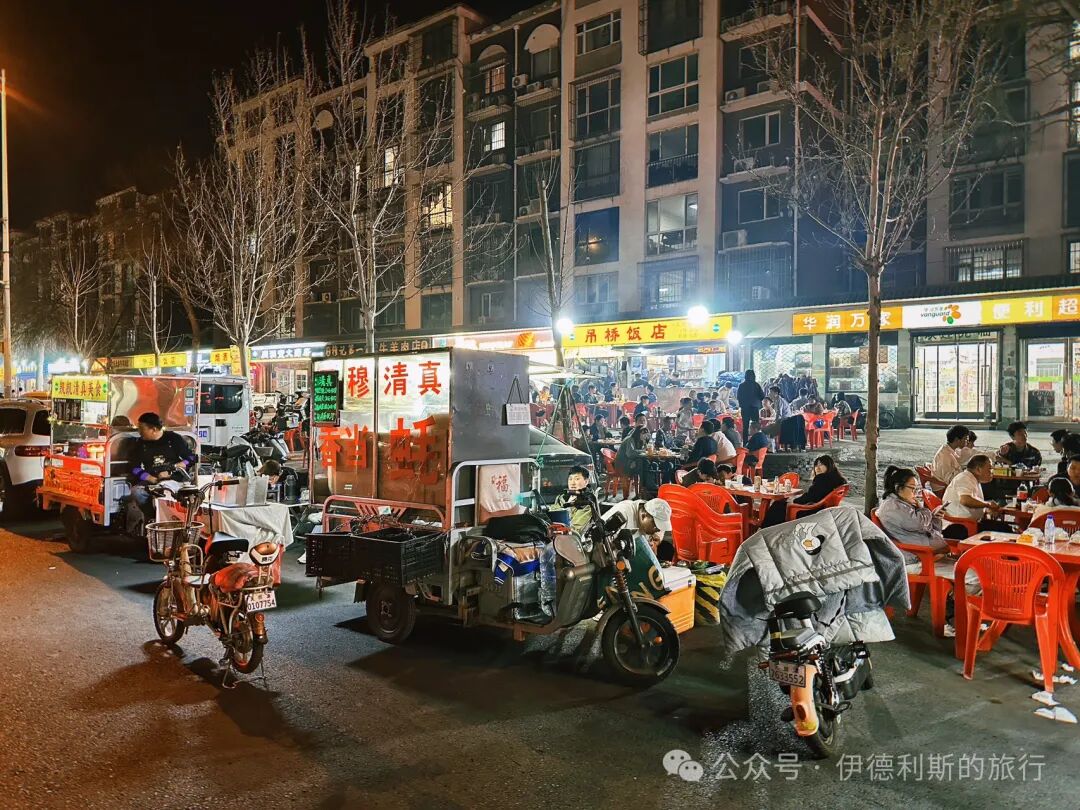
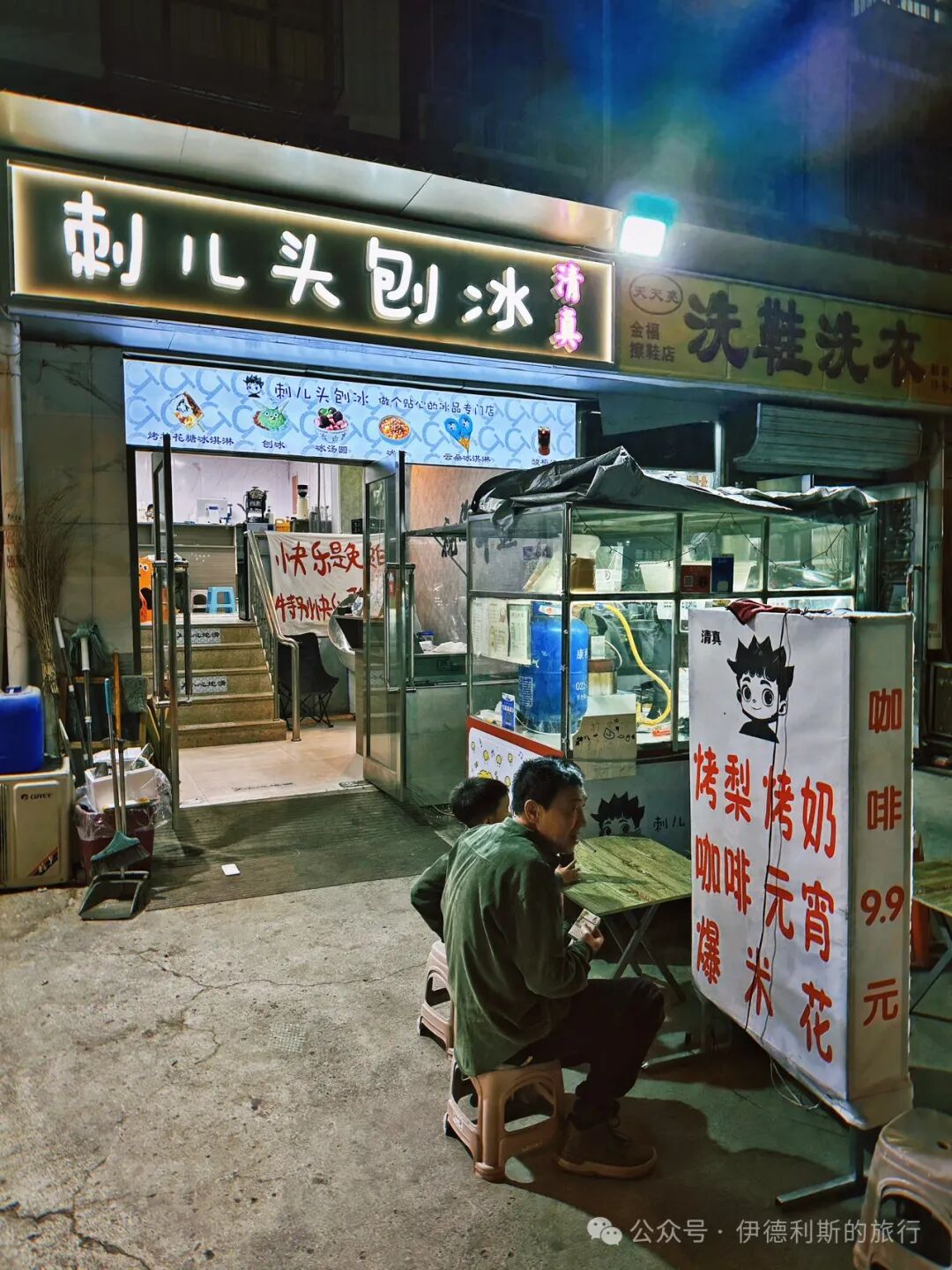
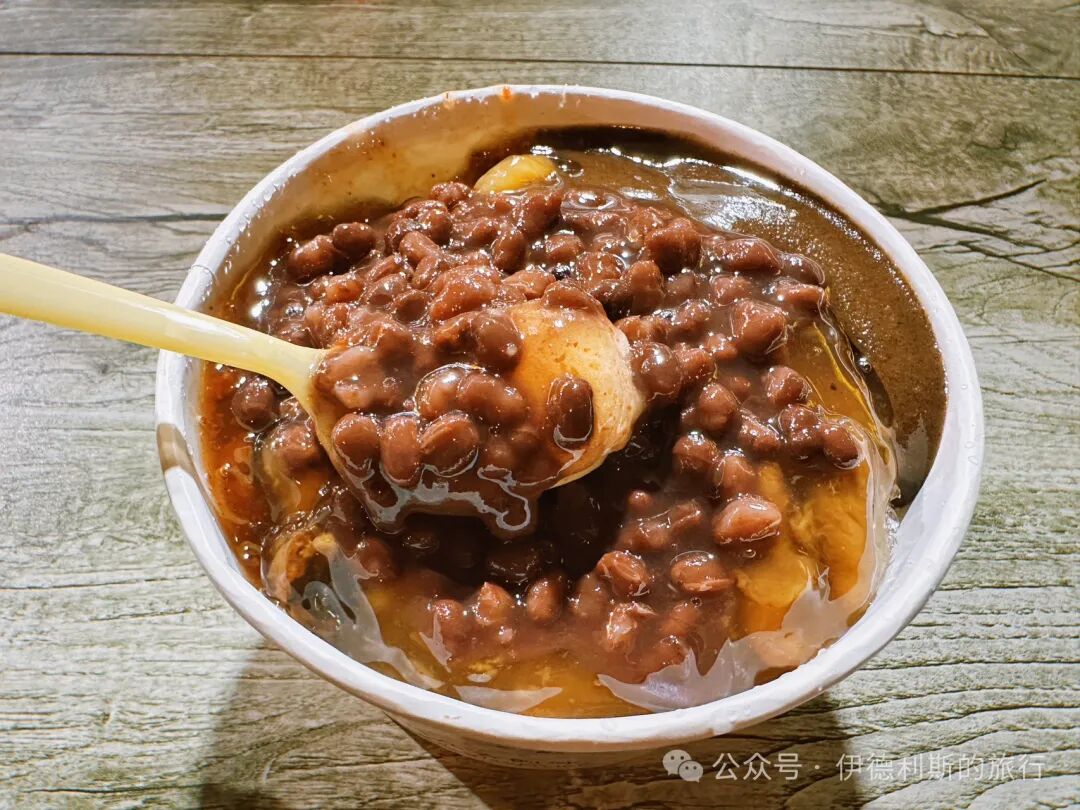
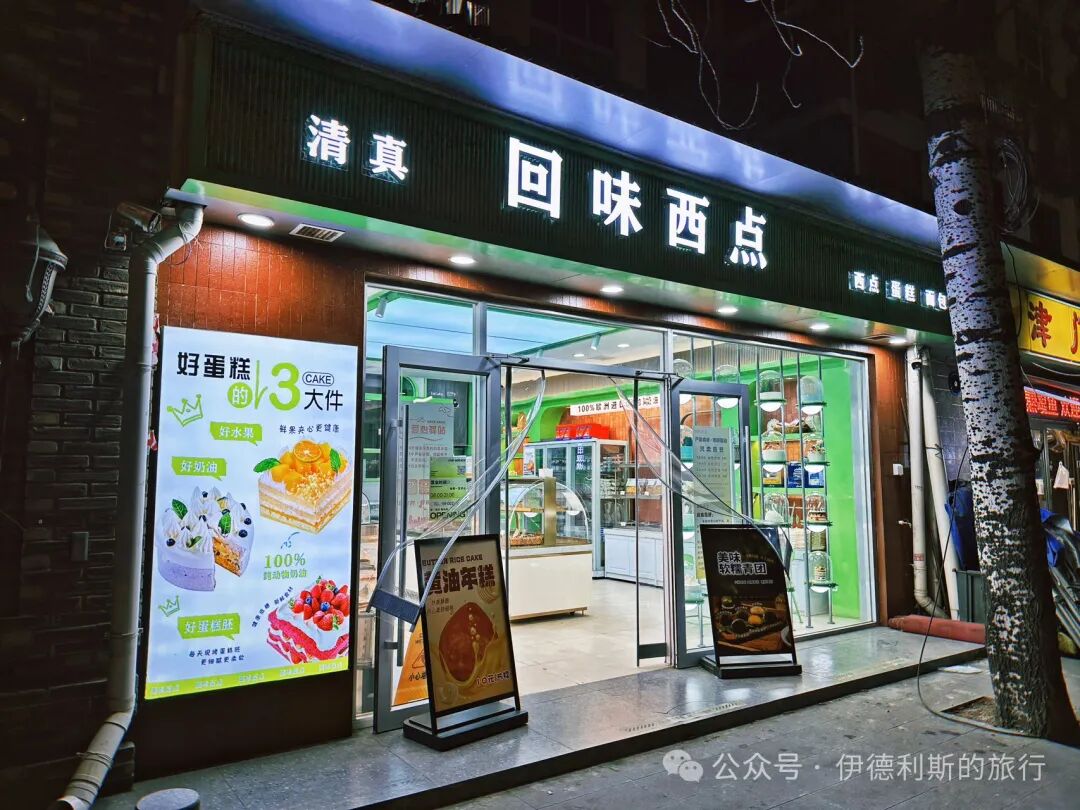
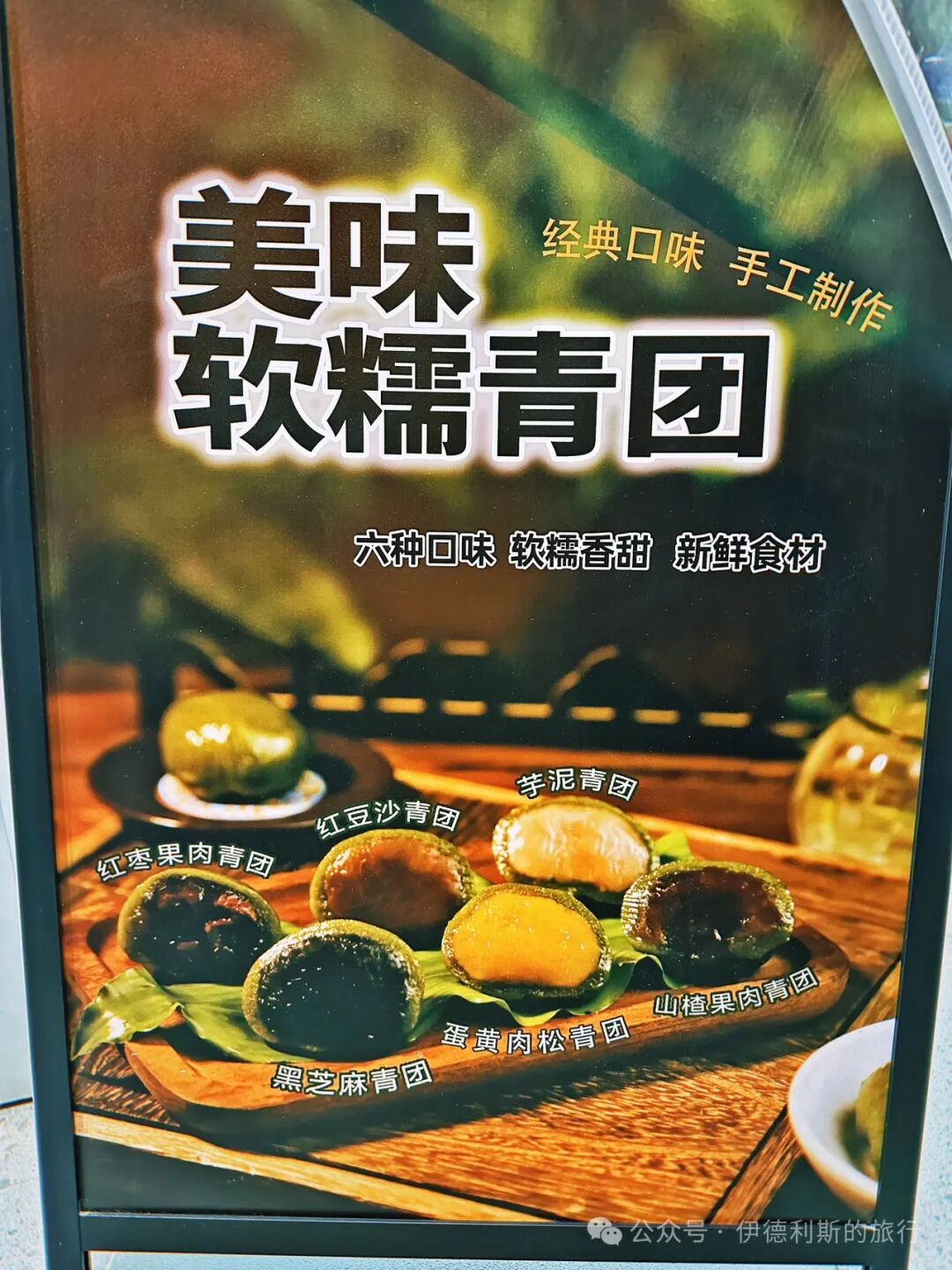
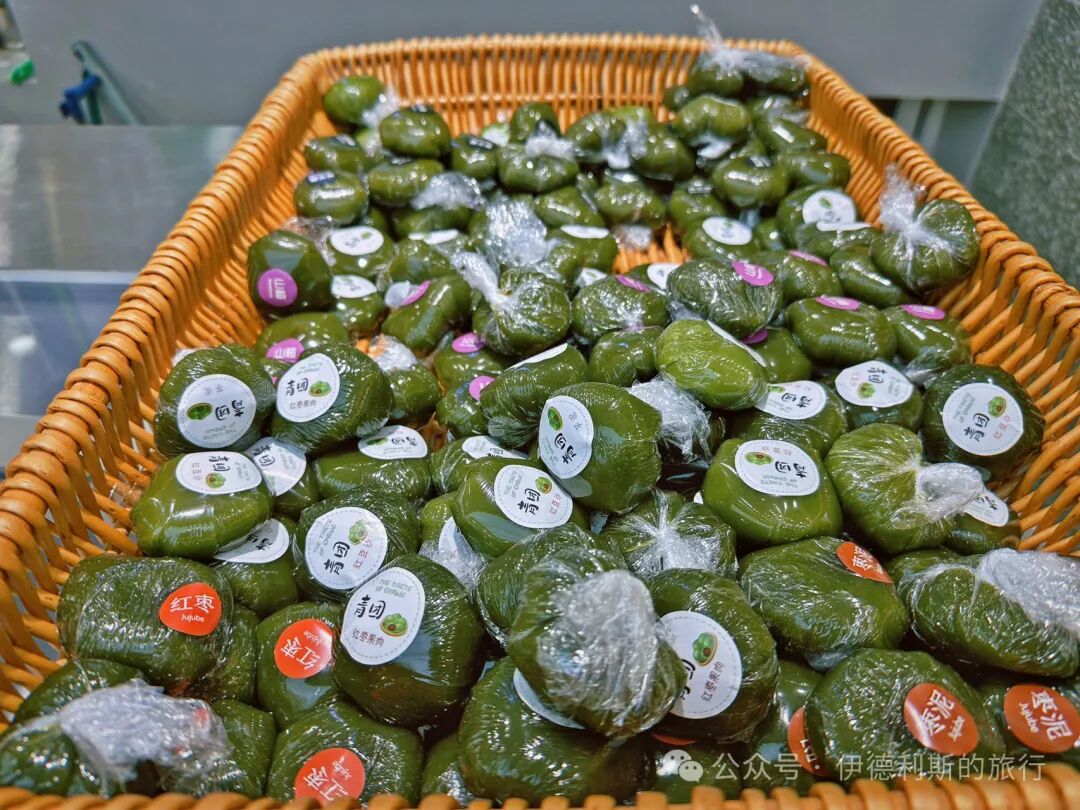
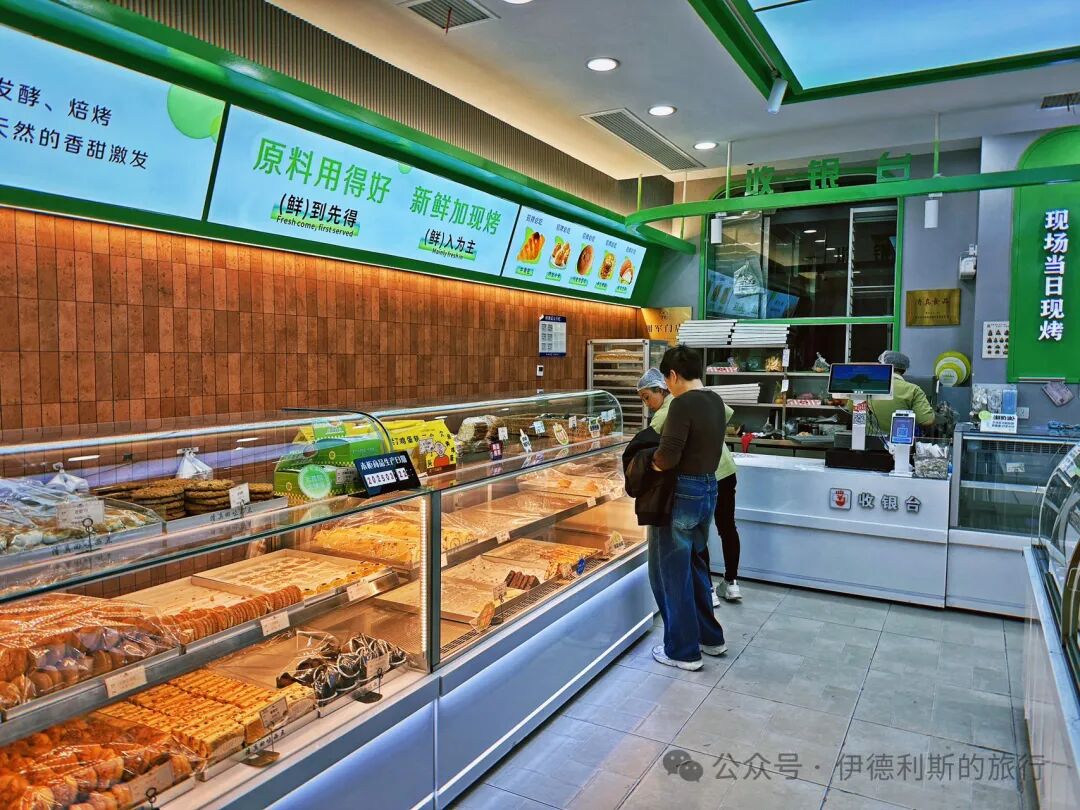
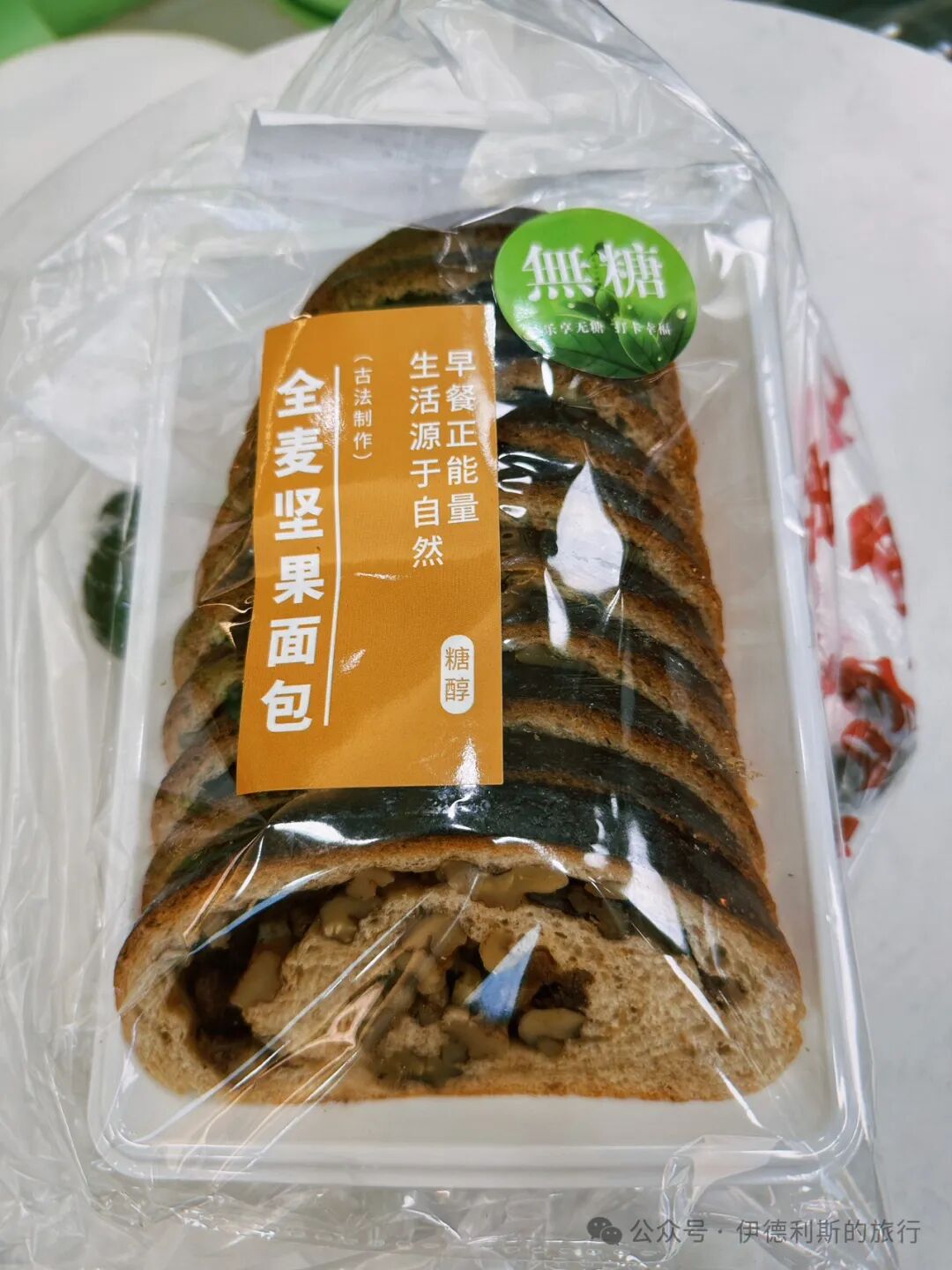
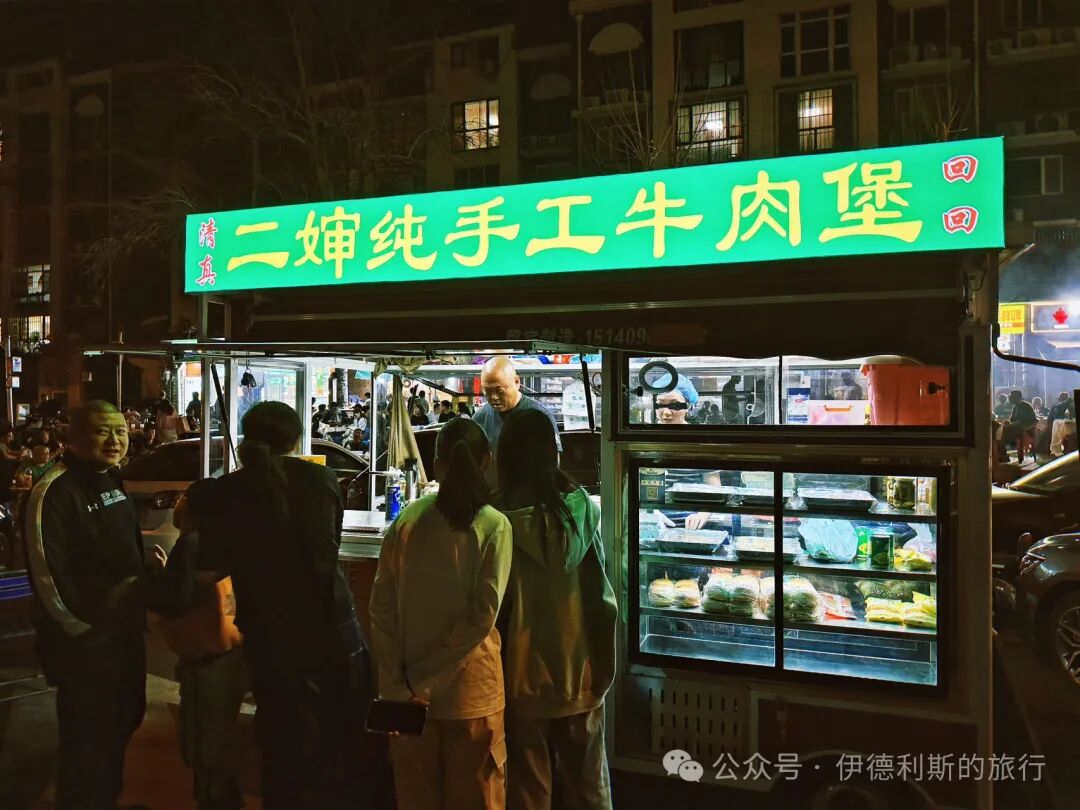
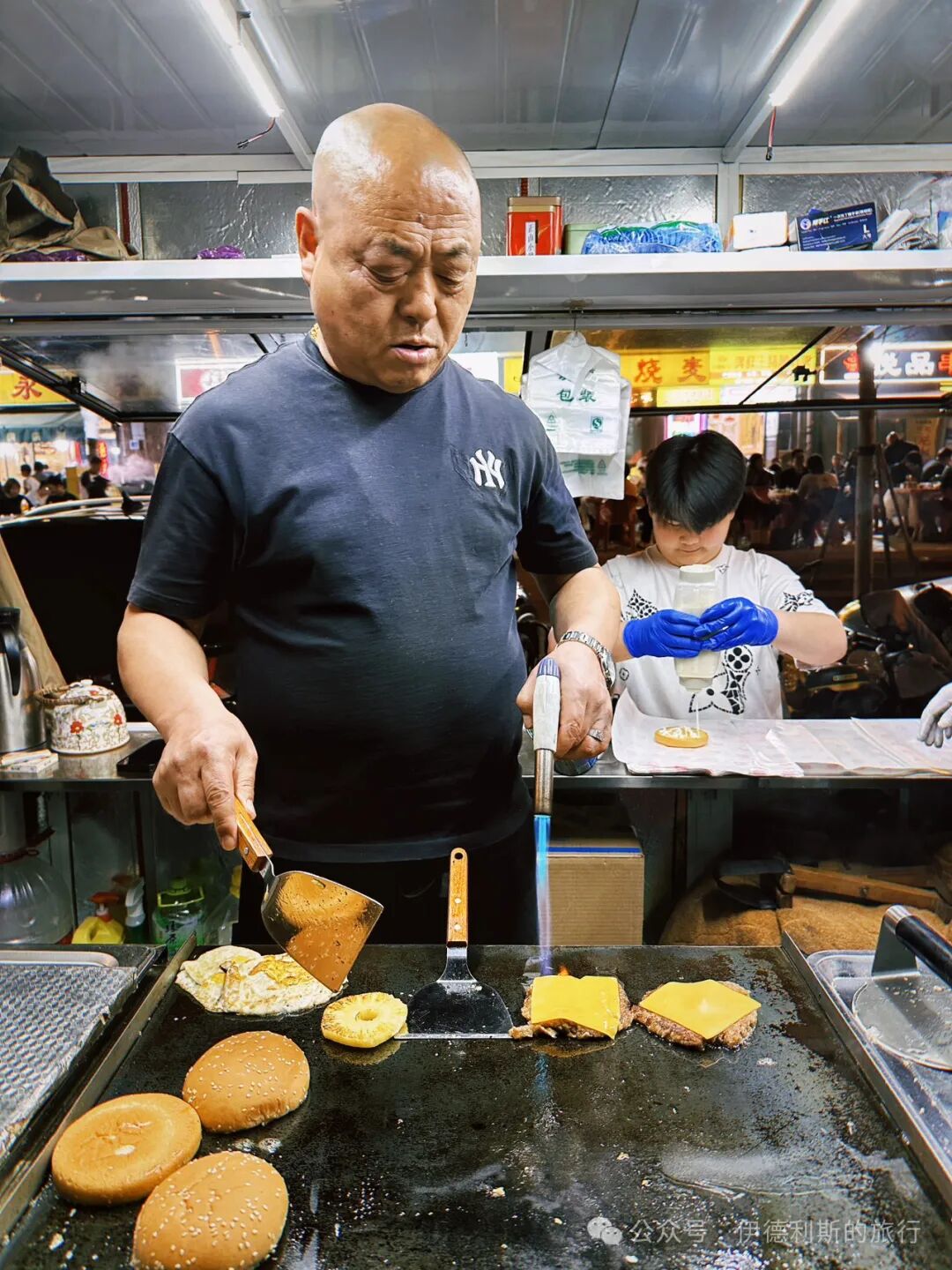
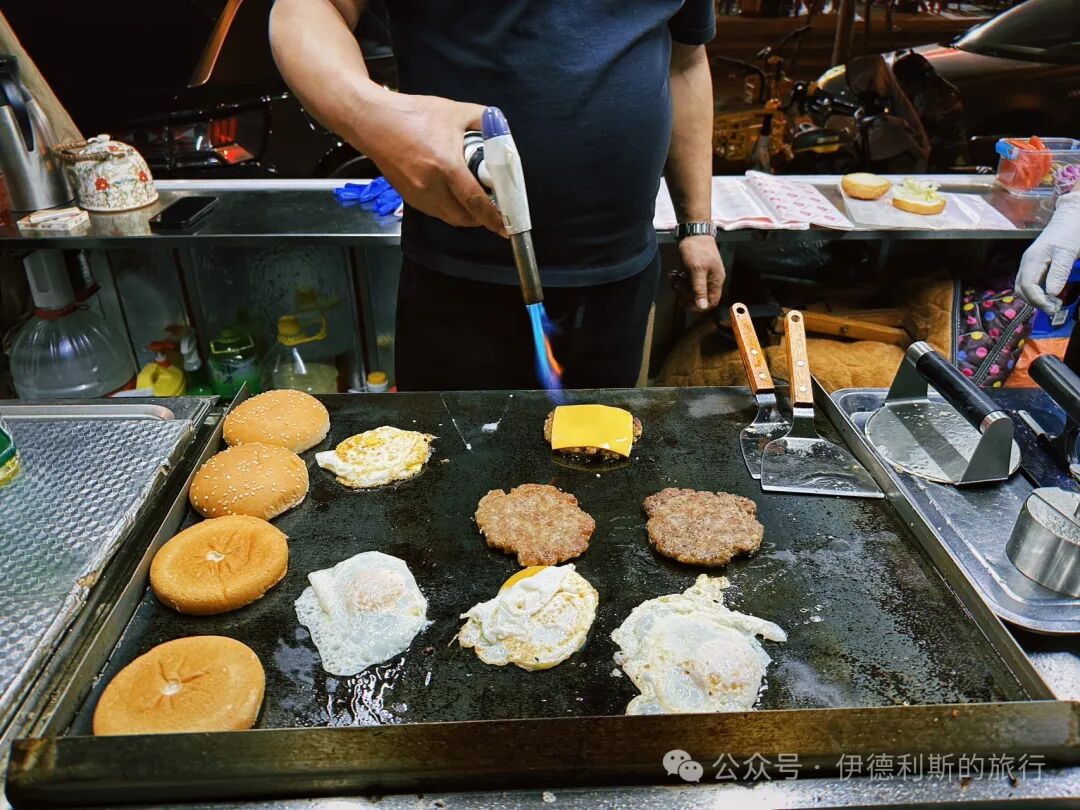
I had old-fashioned shaved ice (baobing) on Shunyi Road in Tianmu, topped with sour plum paste (suanmogao), sour apricots, hawthorn berries (hongguo), and red beans, then bought whole-wheat nut bread and egg yolk and pork floss green sticky rice balls (qingtuan) at Huiwei Pastry Shop. Then I had an original beef burger at Ershen Beef Burger. Tianmu has really returned to the lively state it was in before 2020!
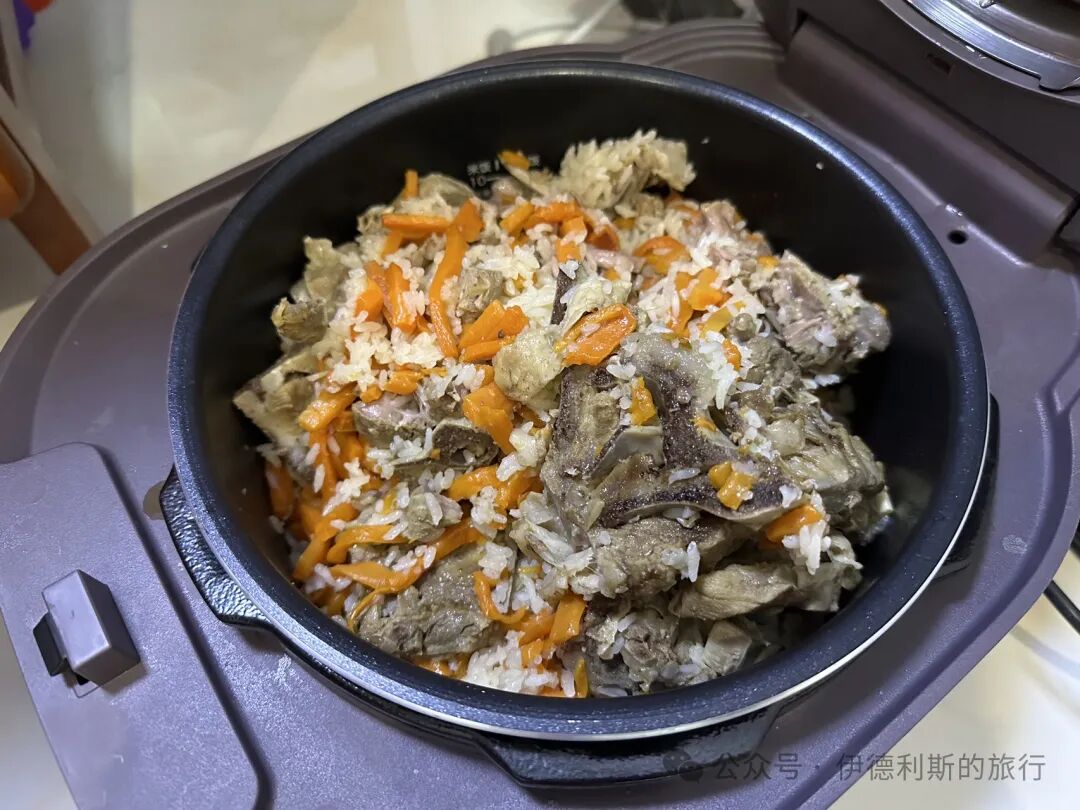
I started my fast at home on Sunday morning, eating lamb spine pilaf (yangxiezi zhuafan).
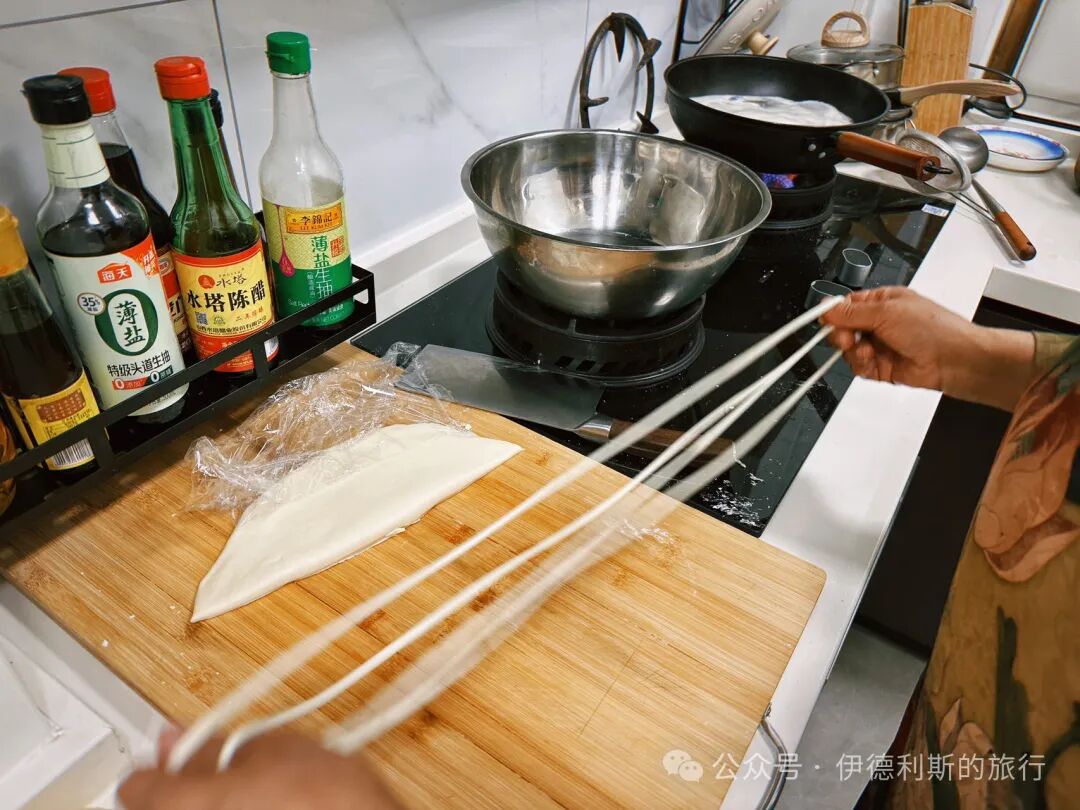
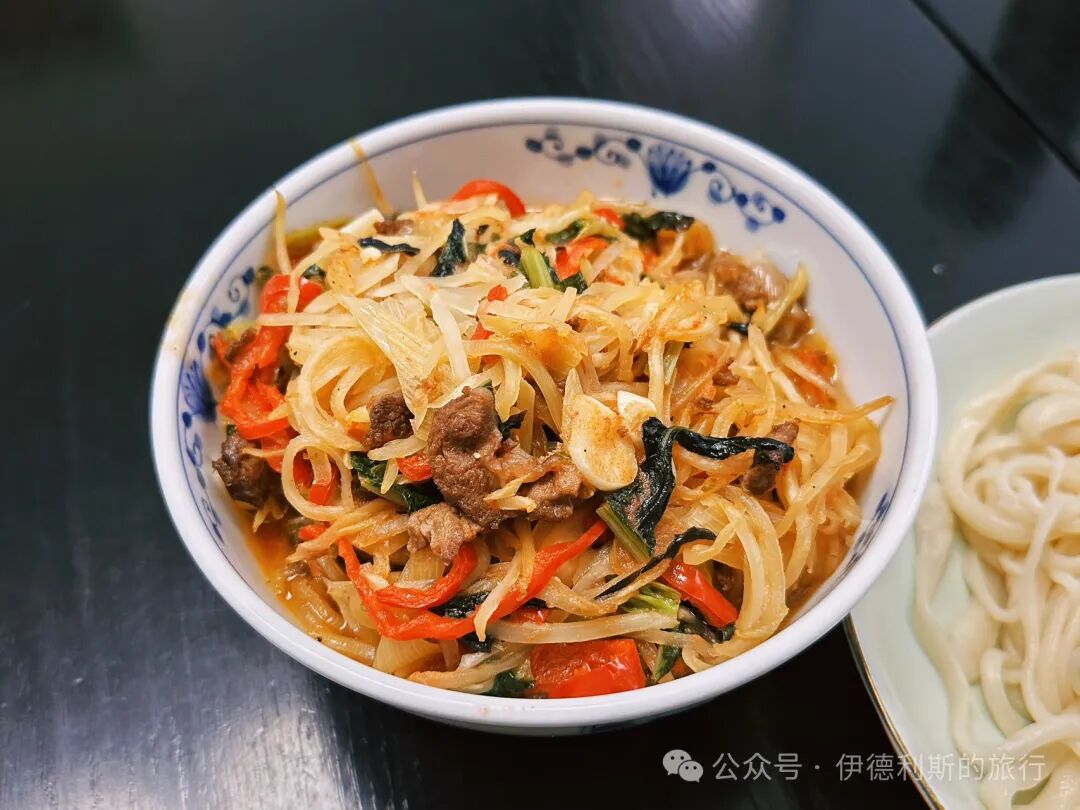
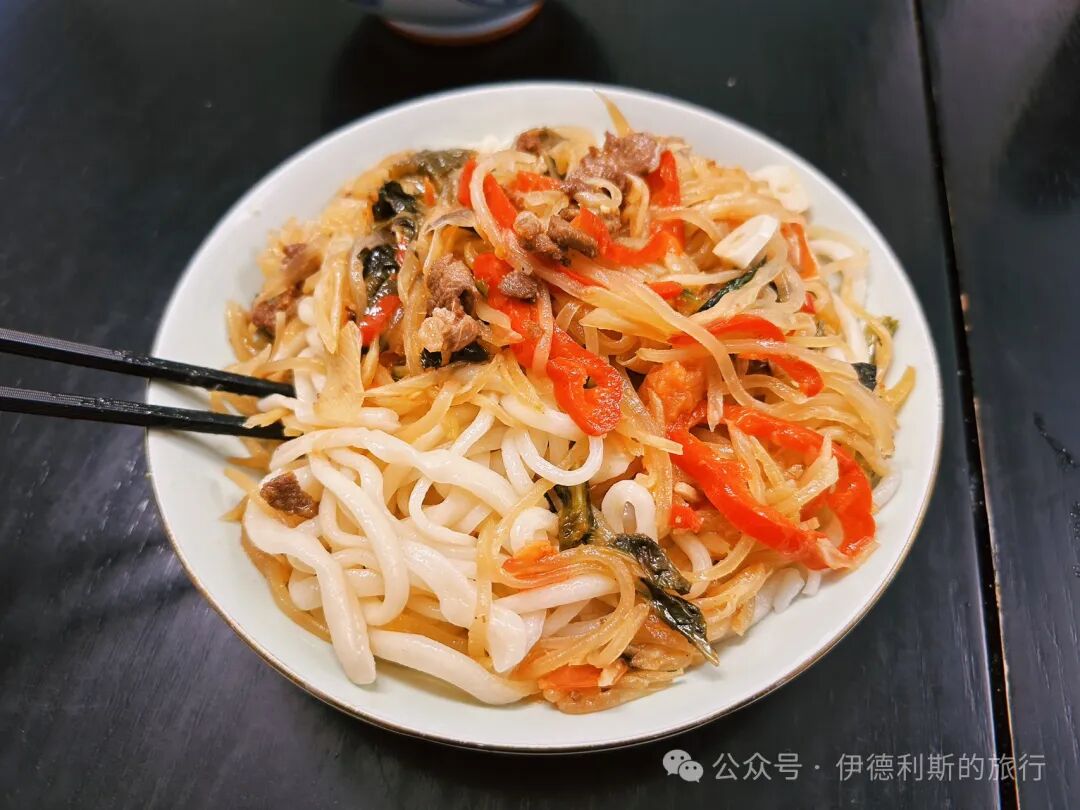
I also broke my fast at home on Sunday night, eating bamboo shoot and meat hand-pulled noodles (latiazi).
Summary: This account covers the fourth weekend of Ramadan 2025, moving from Madian Mosque in Beijing to the Sudanese Embassy and Tianjin Tianmu. It preserves the original details on Jumuah prayer, iftar, local Hui Muslim history, mosque visits, and photographs.
On Friday, I attended Jumu'ah prayers at Madian Mosque in Beijing under a clear blue sky. The mosque was packed with fellow Muslims (dost) from nearby universities like Beijing Normal University, Beihang University, and Beijing Jiaotong University.
Madian sits on the North Beijing Avenue outside Deshengmen. Since the Ming and Qing dynasties, it has been a hub for cattle and sheep trading with a large Hui Muslim population. People say the number of Hui Muslims here is second only to Niujie. After the Qing dynasty, hundreds of thousands of cattle, sheep, and horses came from Mongolia through Zhangjiakou into Beijing. Hui Muslims opened many horse and sheep shops in Madian to feed and sell the livestock for a commission. Madian Mosque was first built during the Kangxi era. In 1850 (the 30th year of Daoguang), it was rebuilt with funds from over ten local sheep and horse shops. It was renovated again during the Republic of China era and is quite large.
I stayed at Madian Mosque for iftar that evening, eating braised fish (hongshao yu), sliced pork with daylily (huanghua roupian), and stir-fried scallion lamb (congbao yangrou). Many foreign Muslims (dost) also came to break their fast at Madian Mosque. It is great for our brothers and sisters from around the world to taste Beijing's Ramadan meals.
That night, I went to the Sudanese Embassy in Sanlitun for Taraweeh prayers. This year, you need to be accompanied by a foreigner to get in. The Taraweeh prayer consisted of eight rak'ahs. A young Libyan hafiz led the first four, followed by a sermon (wa'z) from the Sudanese imam, and then the Sudanese imam led the final four. During the third rak'ah of Witr, we raised our hands for a long dua. There was another sermon (wa'z) after the dua. I think it is a rare opportunity to come here every year and experience a different cultural atmosphere of our faith.
In the 15th and 16th centuries, Sufi scholars began spreading the faith along the upper Nile River toward the Sudan region. In the early 16th century, the Funj Sultanate ruling Sudan nominally converted to the faith but kept traditional witchcraft and sacrificial rituals. In 1718, the Funj Sultanate changed dynasties, began seeking a more orthodox faith, and started the process of Arabization. By the 19th century, Sudan had become a region that followed orthodox Sunni Islam and began using Arabic as its common language. Today, the vast majority of Sudanese are Sunni Muslims of the Maliki school and are deeply influenced by Sufism.
On Saturday night, I broke my fast at the North Mosque in Tianmu, Tianjin, where the elders served green tea and dates. After the Maghrib prayer, they handed out boxed meals of stir-fried lotus root slices and garlic sprouts with pork, served with steamed buns (mantou), which everyone took home to eat.
The Mu family originally lived in Muja Village, Qiantang County, Hangzhou Prefecture, Zhejiang. During the Jianwen era of the Ming dynasty, they were moved to Guyilang inside Shuiximen in Nanjing. In the early Yongle era, they followed the Prince of Yan to Nanpi County, Cangzhou, Hebei. In 1404 (the first year of Ming Yongle), the Mu brothers used canal boats to transport imperial grain to Tongzhou. After unloading, they received special favor and were gifted the boats. They traveled south along the Grand Canal to a place twenty miles north of Tianjin Wei, where they settled, established Muja Village, and built the Muja Village Mosque, which is now the Tianmu North Mosque.
The Tianmu North Mosque was repaired many times in history. It was burned down by Kuomintang troops in 1948, rebuilt after 1950, and renovated to its current size after 2007.
In a previous article, some readers asked about the translation "laimaizhuannai." This is actually a traditional term used in Tianjin and surrounding areas for hundreds of years. The pronunciation of "laimaizhuannai" is Ramzan. The way the letter "d" (ḍād) is pronounced as a "z" and the emphasis on the final syllable both come from Persian. In regions influenced by Persian culture, such as Iran, Afghanistan, Azerbaijan, India, Pakistan, and Turkey, the word for Ramadan is pronounced Ramazan.
Plaque at the North Mosque (Beidasi) in Tianmu, Tianjin
Ancient Islamic Faith (Qingzhen Gujiao)
Auspicious day in the first month of autumn, in the Gengxu year of the Xuantong reign (1910)
Respectfully presented by Xiao Liangtong, acting head of the Tianjin Garrison, holding the rank of Du-si and wearing the blue feather.
Calligraphy by Prince Su
Greatest and Most Just
Erected on an auspicious day in the fifth month of summer, in the Guimo year of the Guangxu reign (1883)
Calligraphy by Xu Ziming
Respectfully presented by Mu Tongchun, a presented scholar (jinshi) and imperial guard, appointed as commander of the Huzhou Garrison in Zhejiang, with a two-grade promotion.
Upholding the ancestors and awaiting the future
Auspicious day in the first month of autumn, in the ninth year of the Guangxu reign (1883)
Respectfully erected by Hei Yaozeng, a magistrate-elect holding the rank of Du-si.
Hei Zhaorong, a commander of the Ziya station in Jinghai County, holding the fourth-rank title and wearing the blue feather.
Reprinted by Hei Pengnian, a commander of the South Grand Canal Garrison, holding the fifth-rank title and wearing the blue feather.
The brick carving of 'Ancient Islamic Faith' behind the kiln hall, with the inscription 'Rebuilt in the 20th year of the Republic of China'.
Shunyi Road in Tianmu is so lively at night, with long lines at many barbecue stalls. There are also alcohol-free restaurants like Muyangren Beef Rice and Shangpin Lamb Soup at the intersection, offering plenty of choices.
I had old-fashioned shaved ice (baobing) on Shunyi Road in Tianmu, topped with sour plum paste (suanmogao), sour apricots, hawthorn berries (hongguo), and red beans, then bought whole-wheat nut bread and egg yolk and pork floss green sticky rice balls (qingtuan) at Huiwei Pastry Shop. Then I had an original beef burger at Ershen Beef Burger. Tianmu has really returned to the lively state it was in before 2020!
I started my fast at home on Sunday morning, eating lamb spine pilaf (yangxiezi zhuafan).
I also broke my fast at home on Sunday night, eating bamboo shoot and meat hand-pulled noodles (latiazi).
