
Halal Travel Guide: Ramadan Weekend in Beijing Qianmen & Balizhuang
Reposted from the web
Summary: This travel account follows the fifth weekend of Ramadan 2025 in Beijing, with stops around Qianmen and Balizhuang. It keeps the original prayer, food, street, mosque, and community details while making the English easy to read.
First, I wish all my friends (dosti) a blessed Eid al-Fitr! I am starting by catching up on a record from the last weekend of Ramadan.
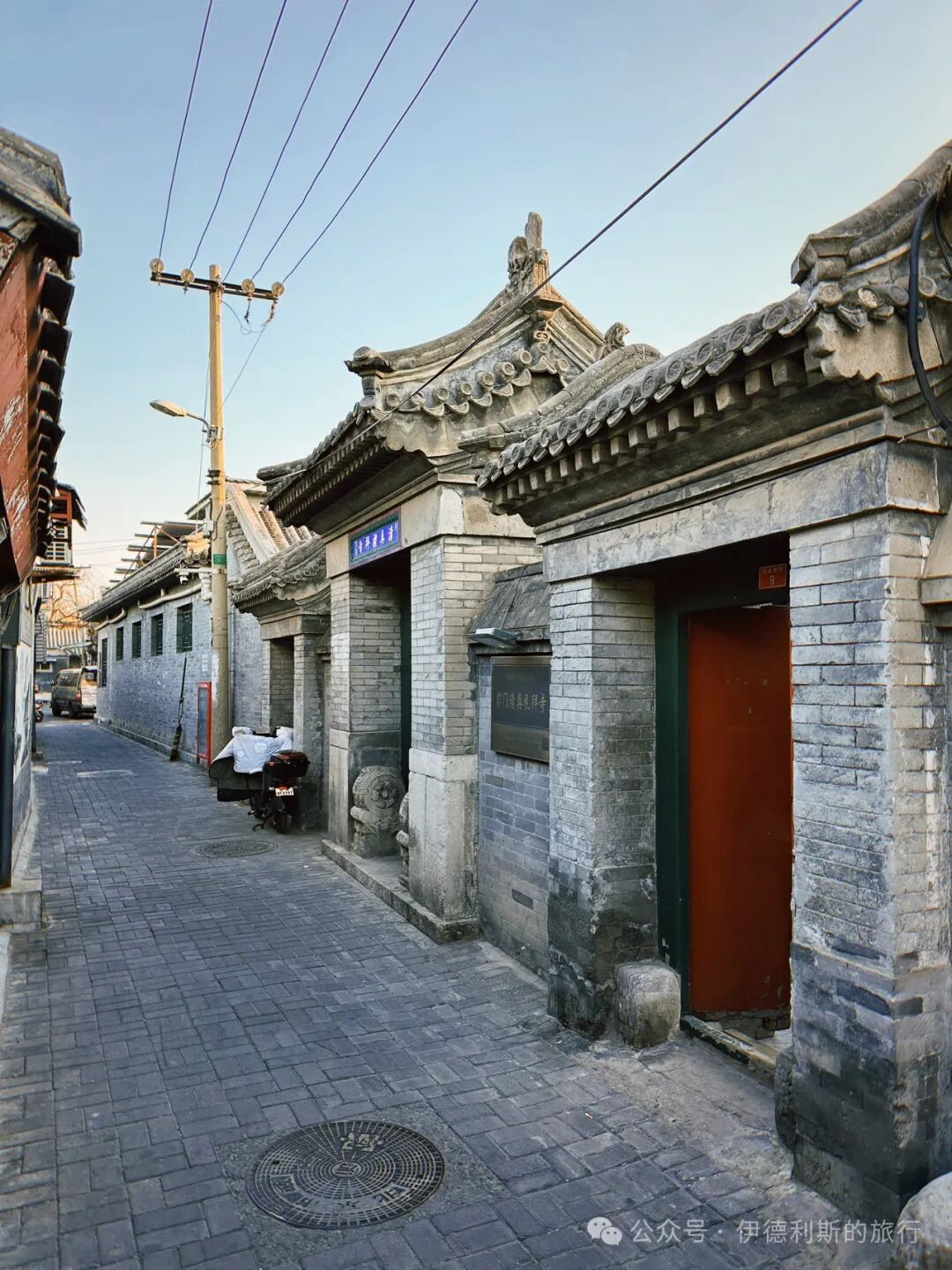
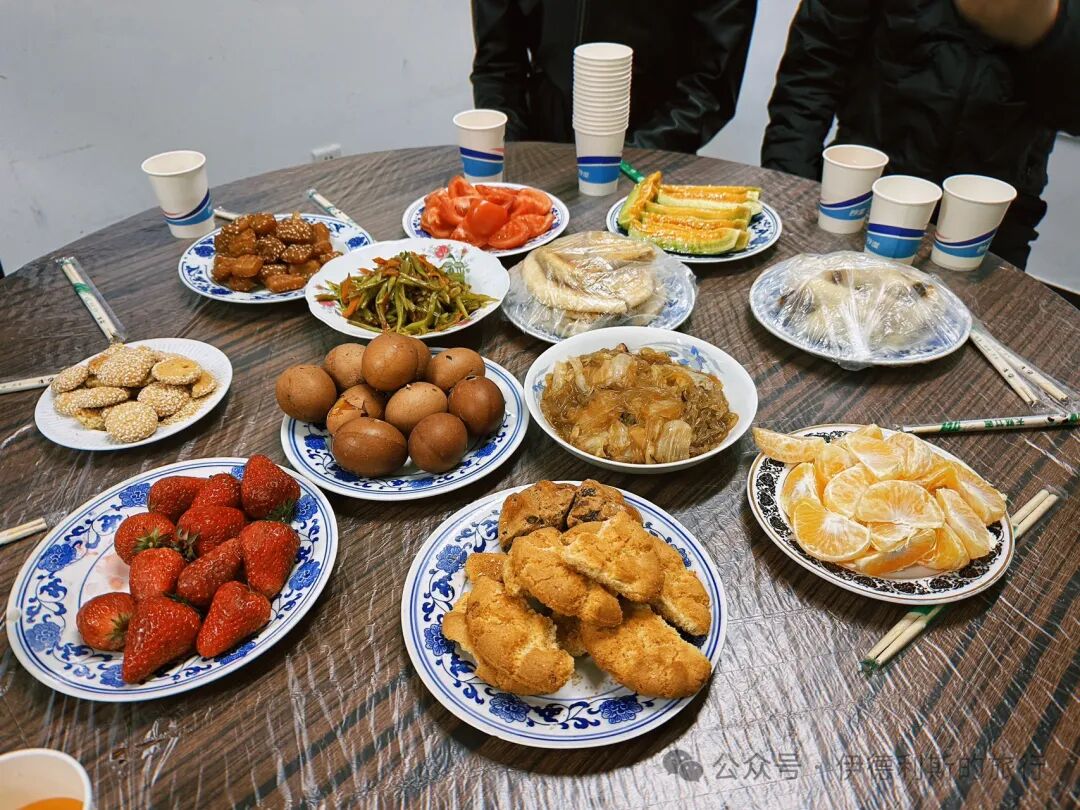
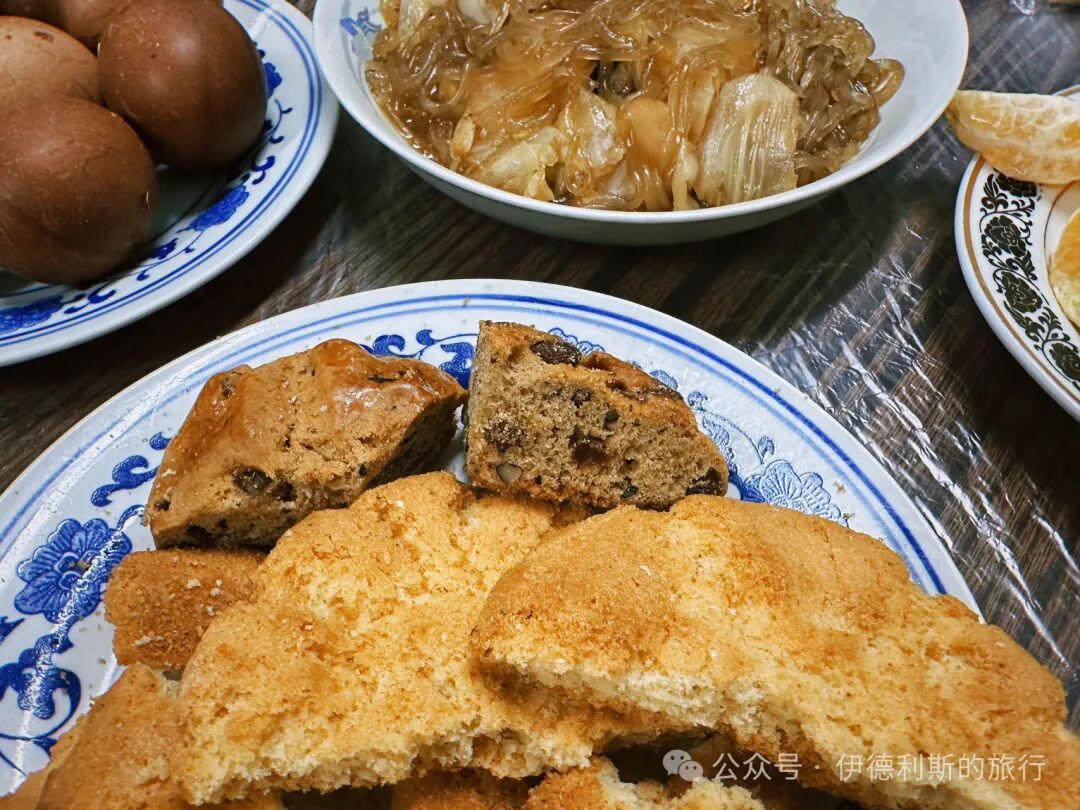
On Friday, I broke my fast at the mosque on Saozhou Hutong outside Qianmen in Beijing. I had various teas, snacks, and fruits, especially the traditional Beijing pastry known as ganglu.
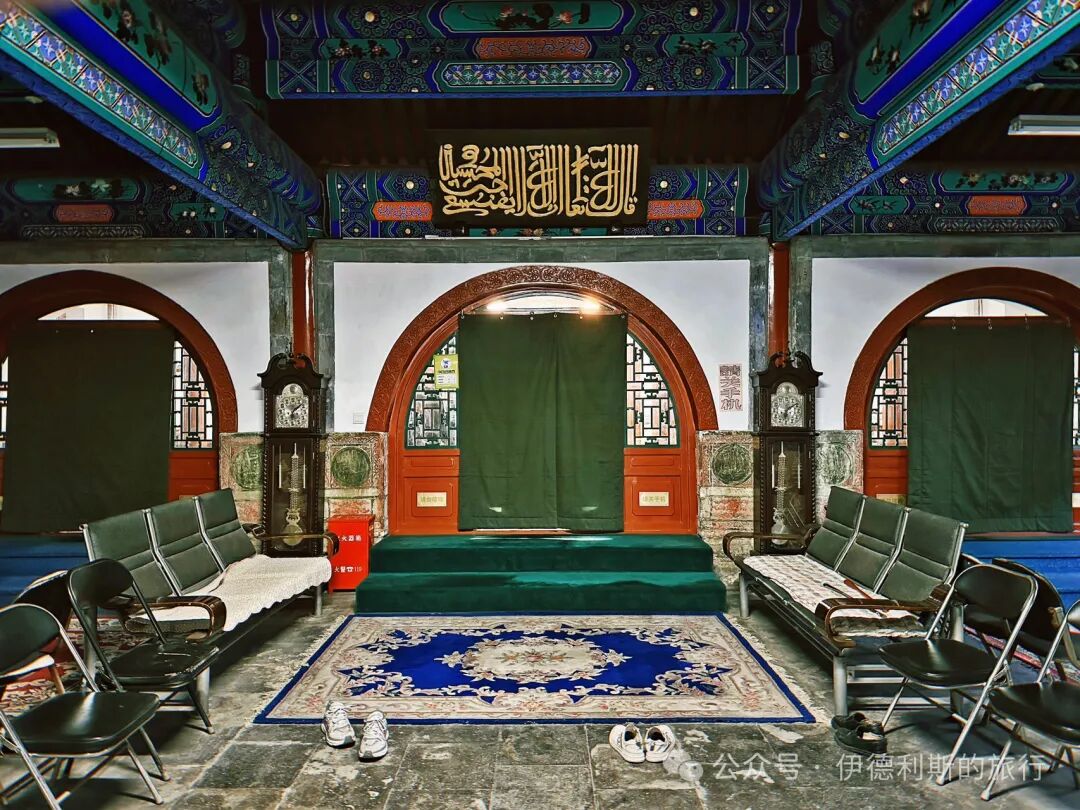
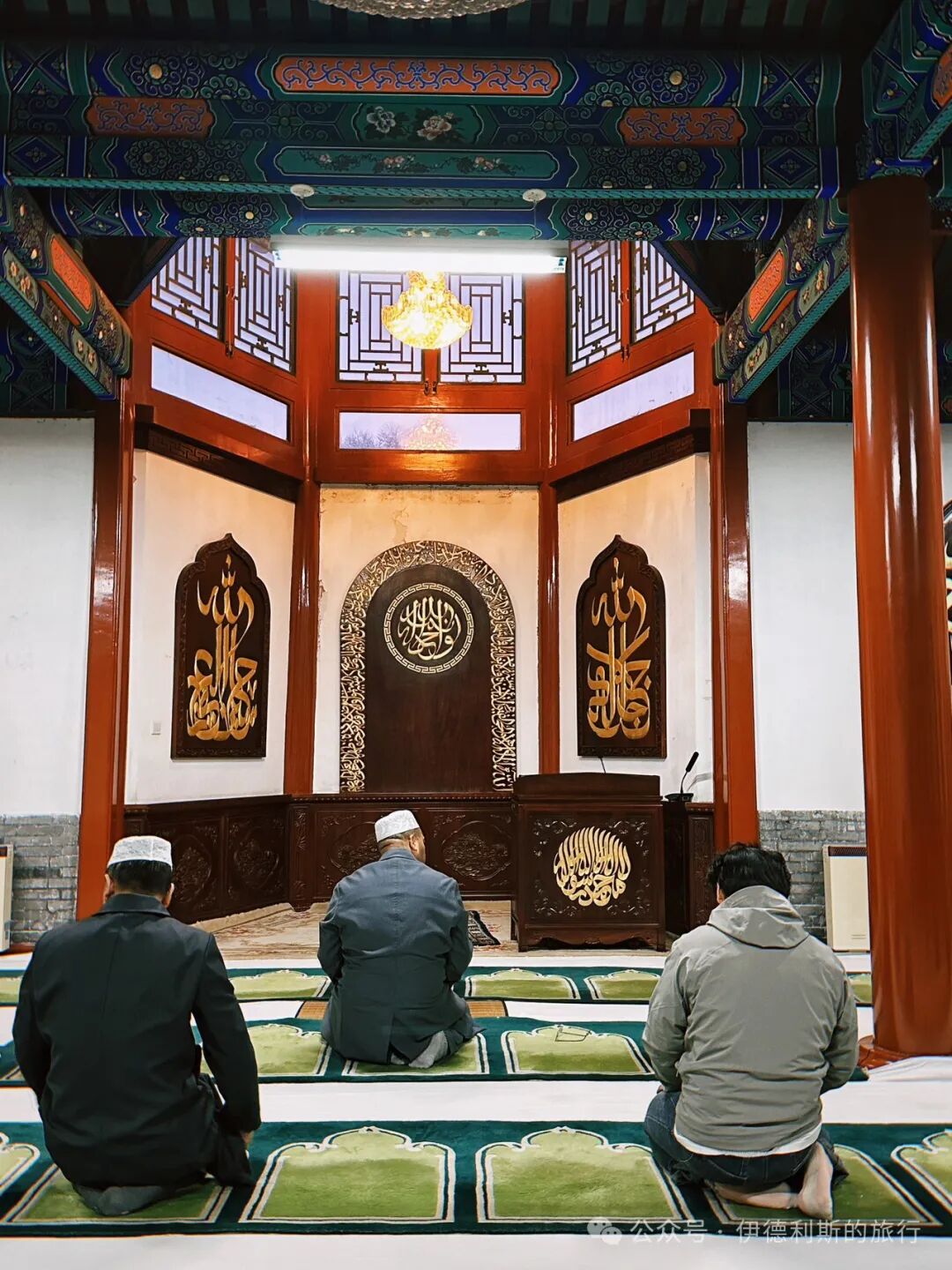
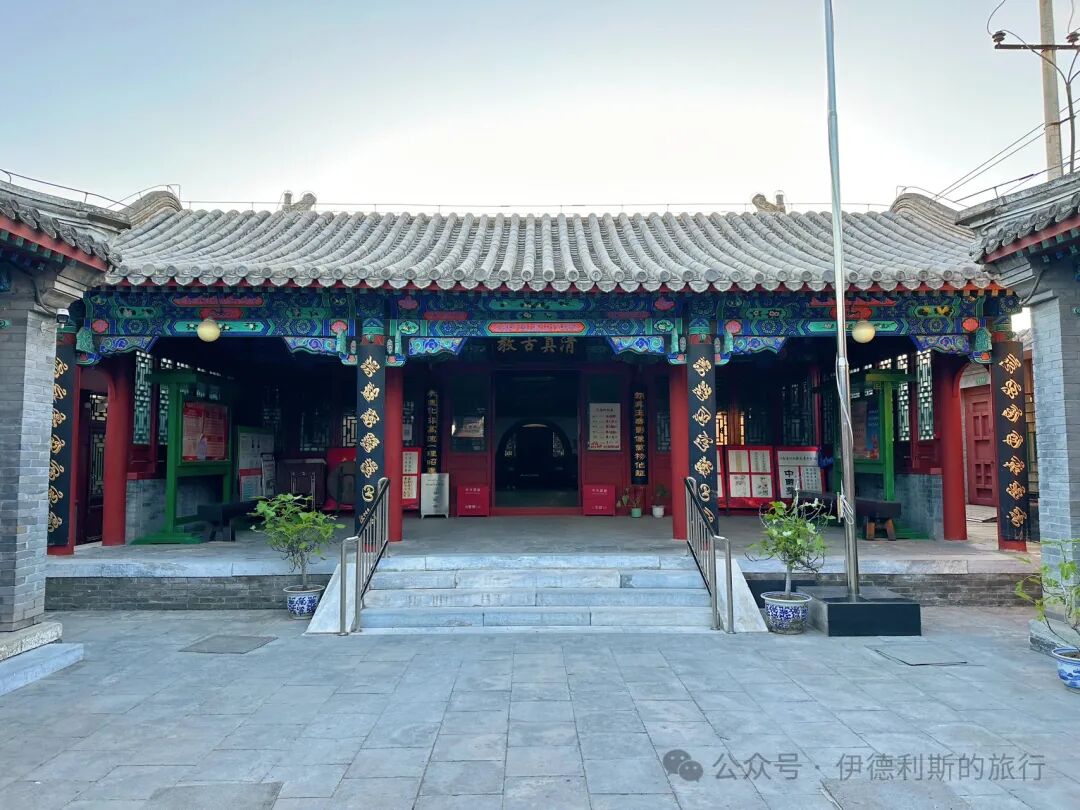
The Qianmen Mosque was first built in the late Ming Dynasty and renovated in 1680 (the 19th year of the Kangxi reign of the Qing Dynasty) and 1795 (the 60th year of the Qianlong reign). It features the classic North China mosque architectural style of the Qing Dynasty and is very well preserved. The famous modern Islamic educator Imam Wang Kuan served as the head imam at Qianmen Mosque in 1894 (the 20th year of the Guangxu reign). His student, the great Imam Da Pusheng, served as an imam at the mosque from 1909 to 1911. Another great imam, Wang Jingzhai, studied under the famous teacher Imam Yu Mianweng at the mosque when he was young.
From the Qing Dynasty to the Republican era, many Hui Muslims outside Qianmen worked in the jade, jewelry, and antique calligraphy and painting trades. The famous novel 'Jade King' (Muslim's Funeral) is based on the Hui Muslim jade trade in this area. The Qianmen Mosque was very busy back then, but as times have changed, the century-old mosque has returned to peace and quiet.
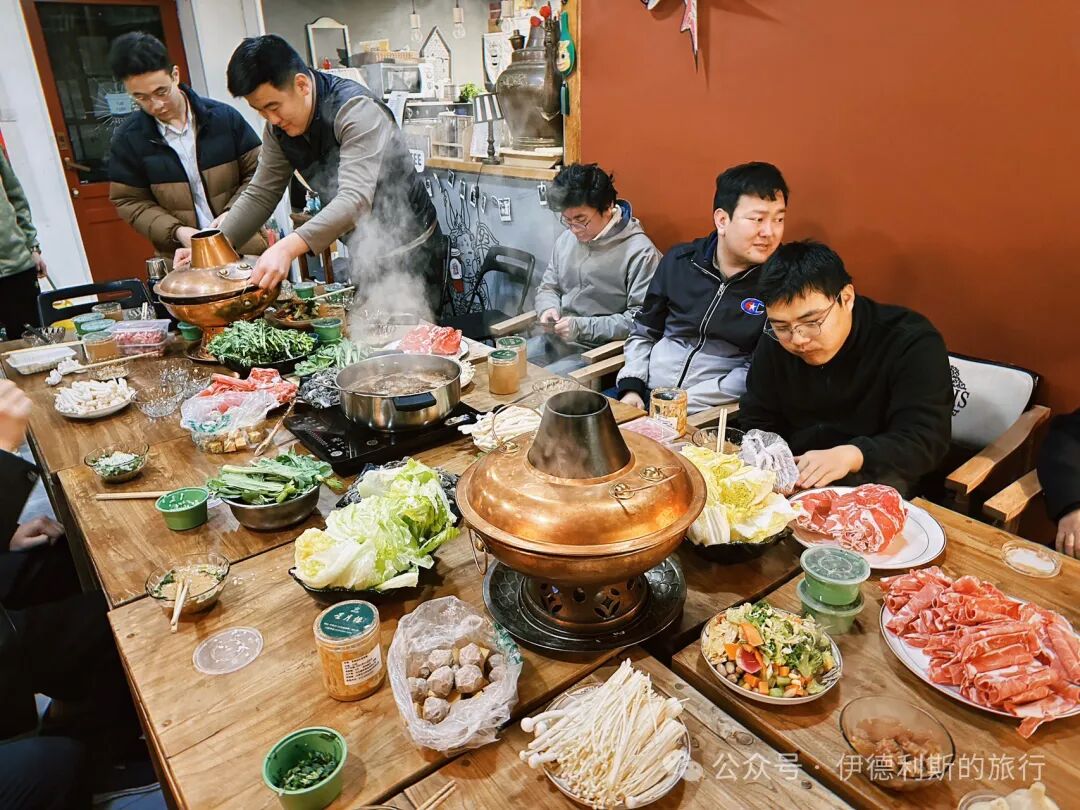
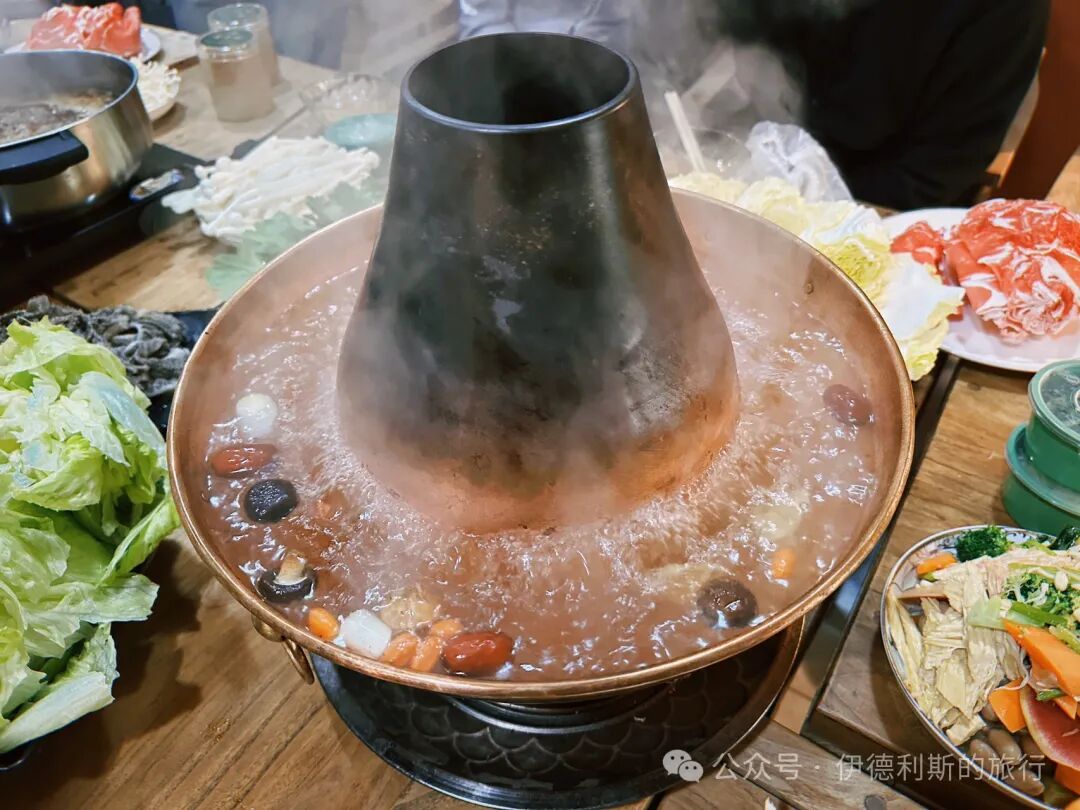
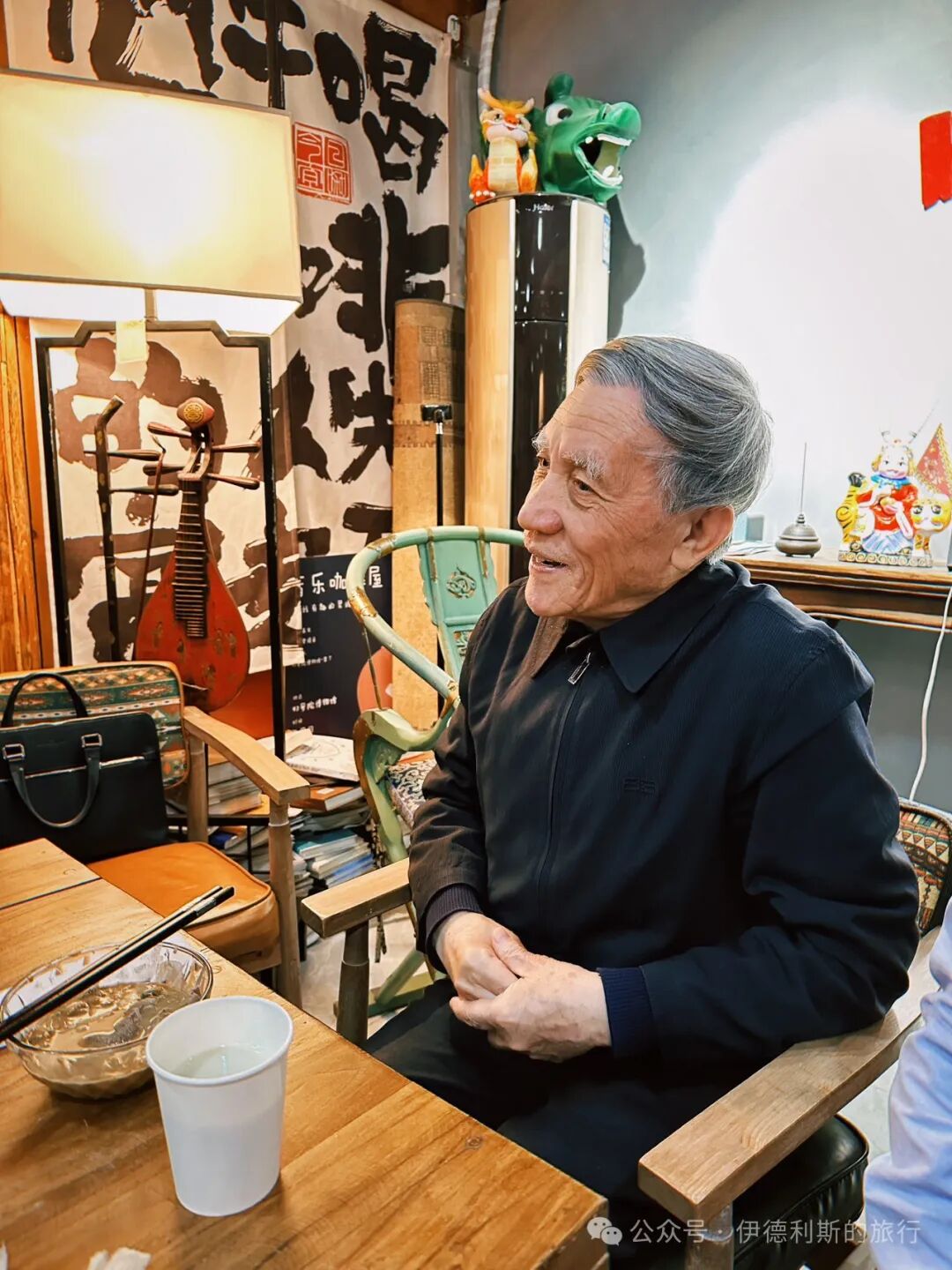
After the sunset prayer (maghrib), I was invited by my friend (dosti) Li Ding to have hot pot at 93 Tieshu Xiejie outside Qianmen. I met many new and old friends, and I was especially honored to meet the 81-year-old senior jade appraisal expert, Mr. Wang Ruimin.
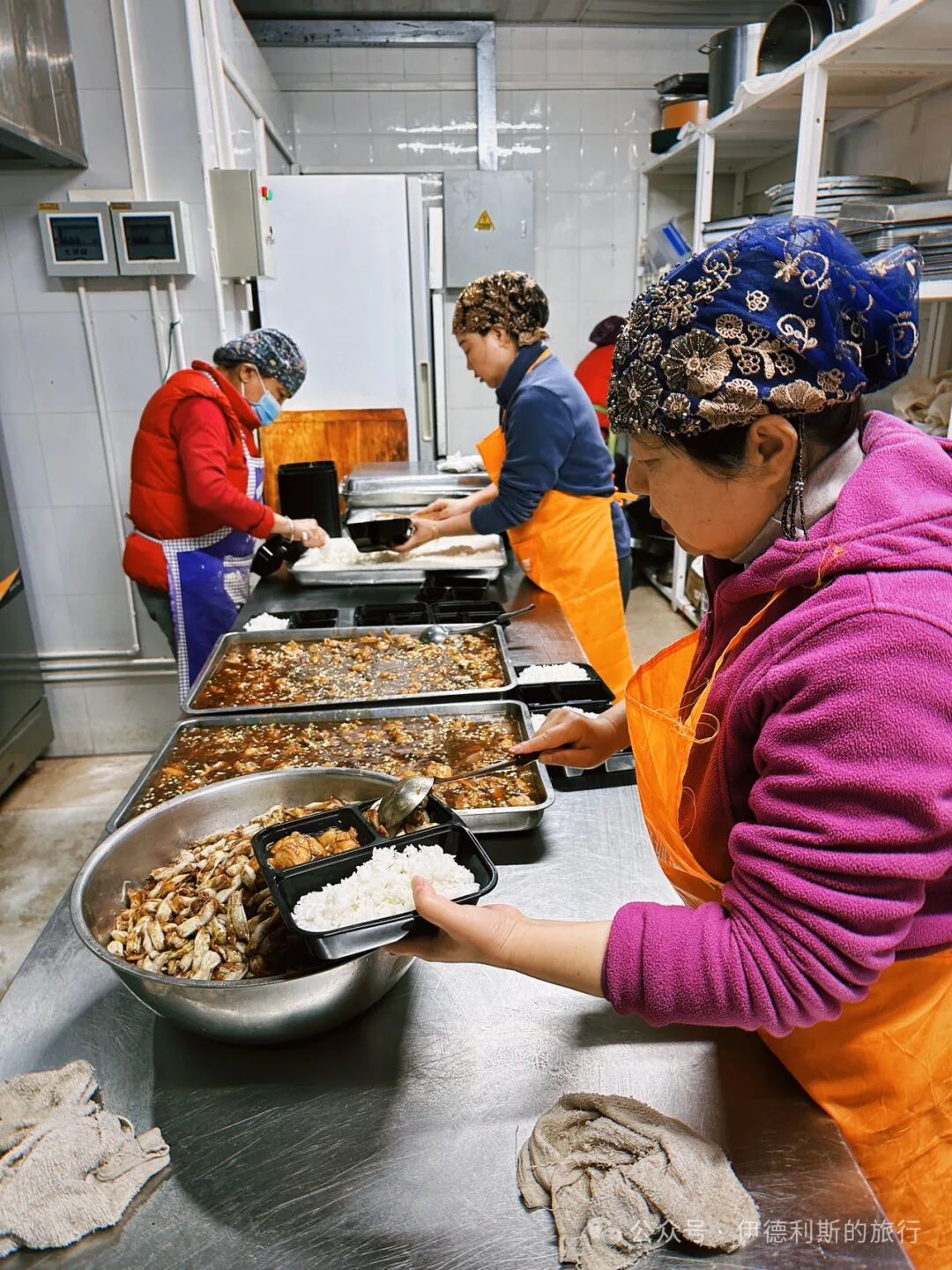
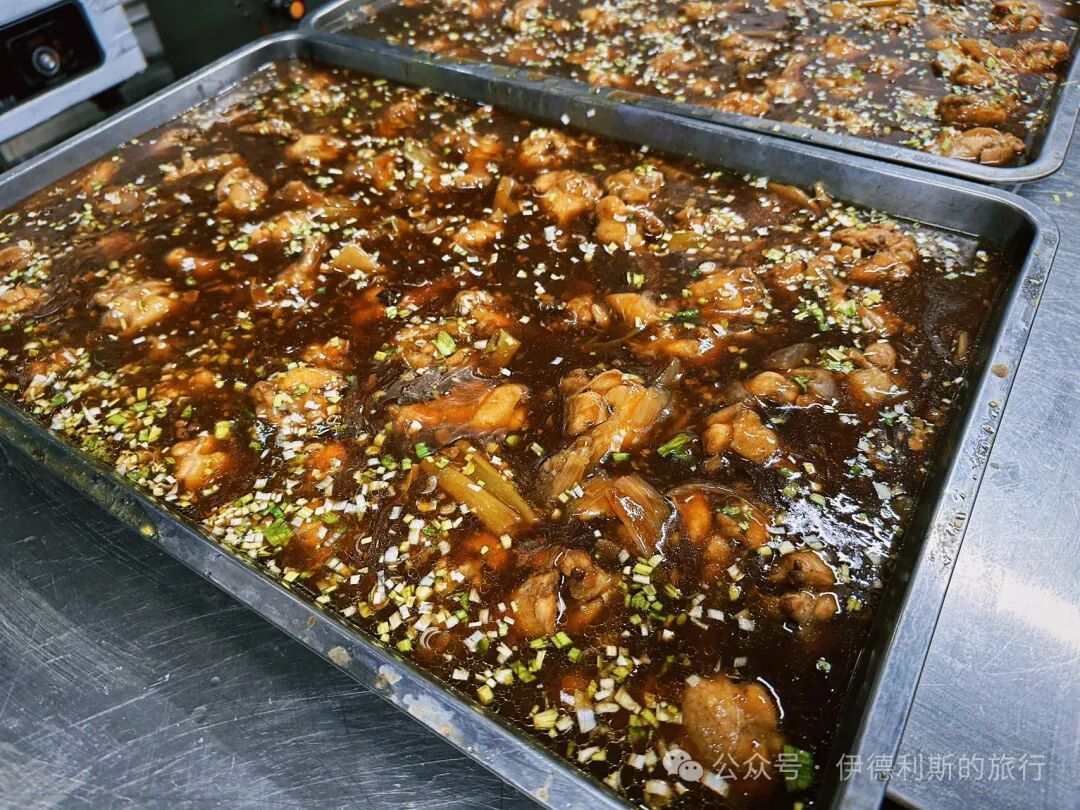
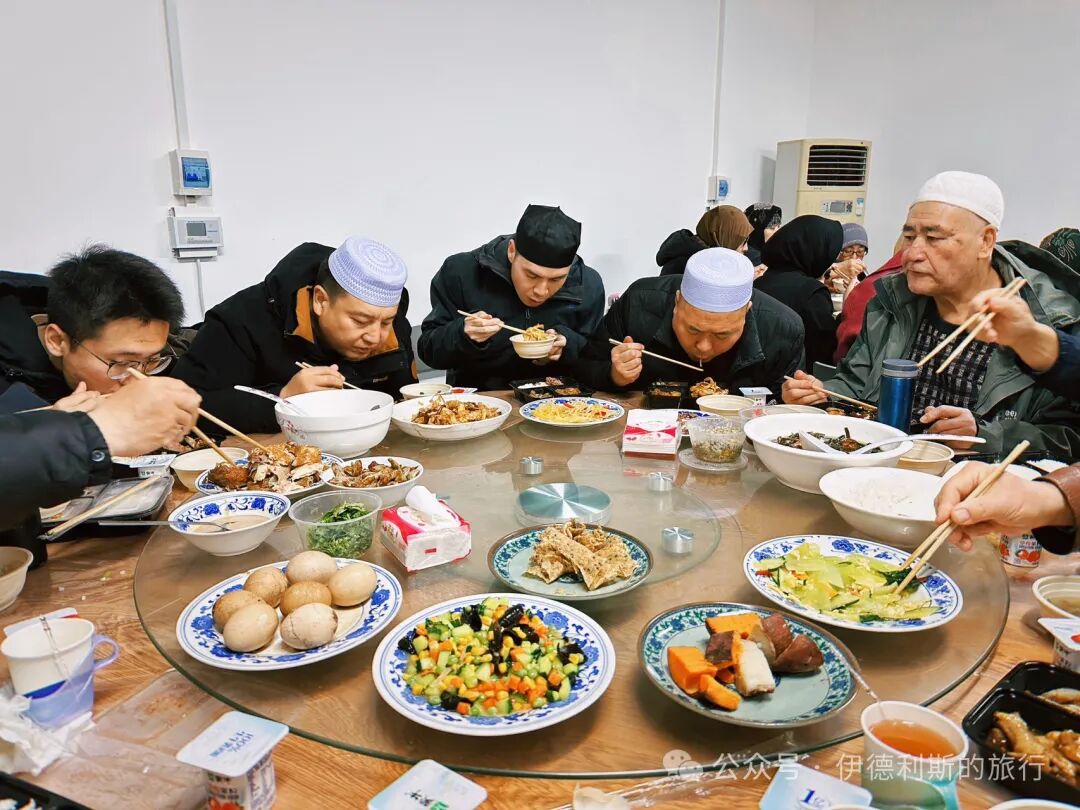
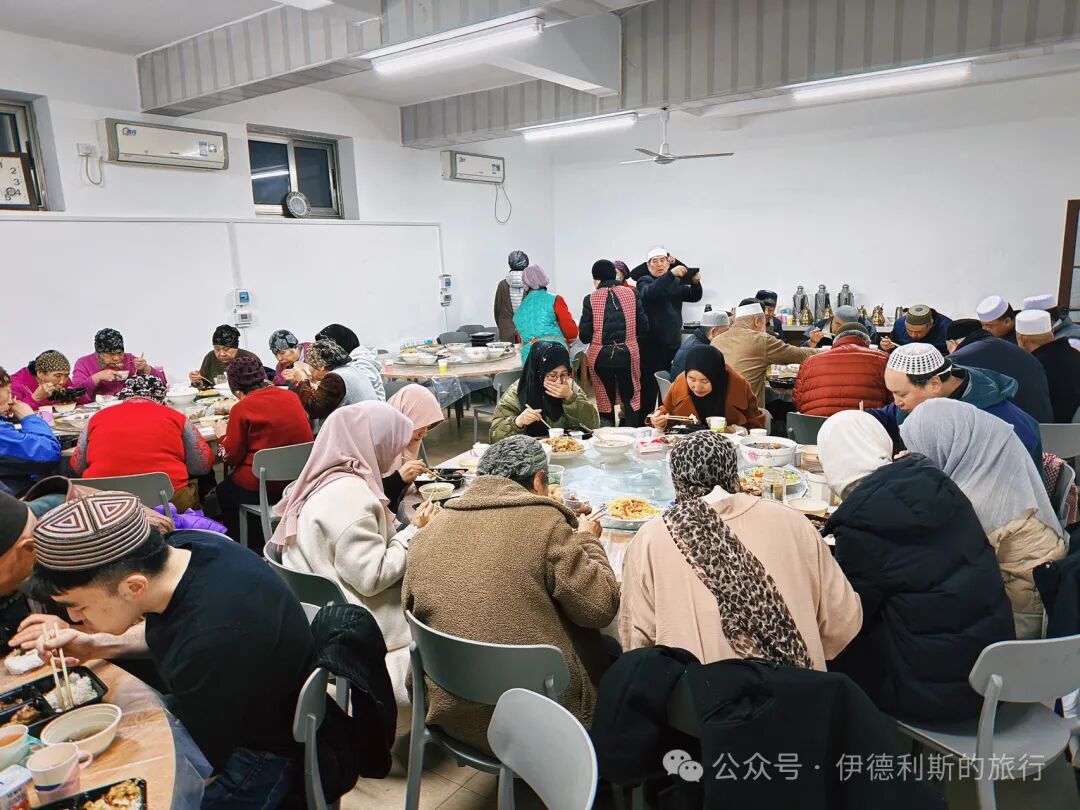
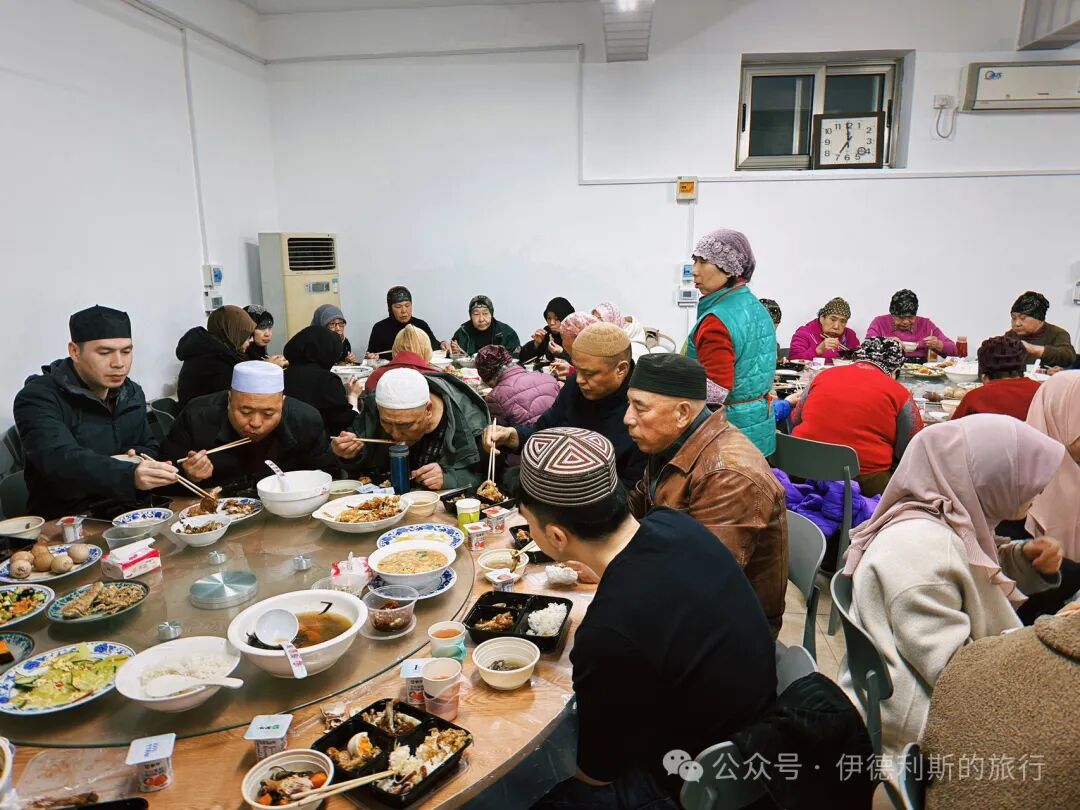
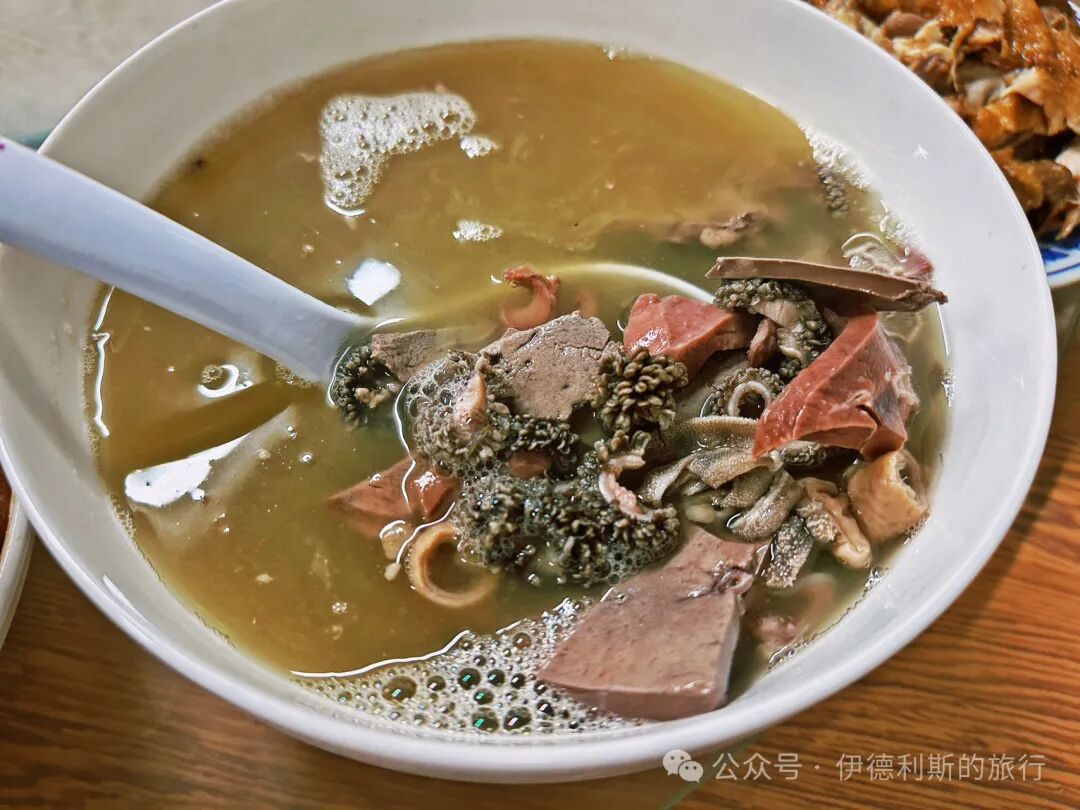
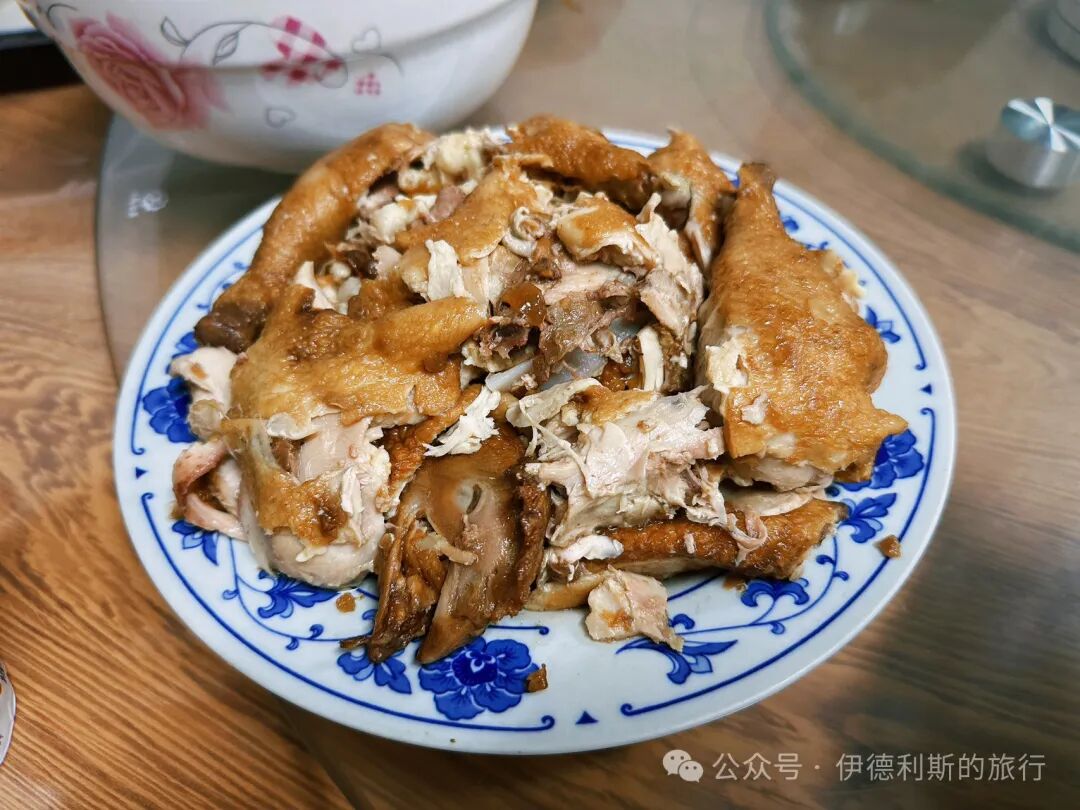
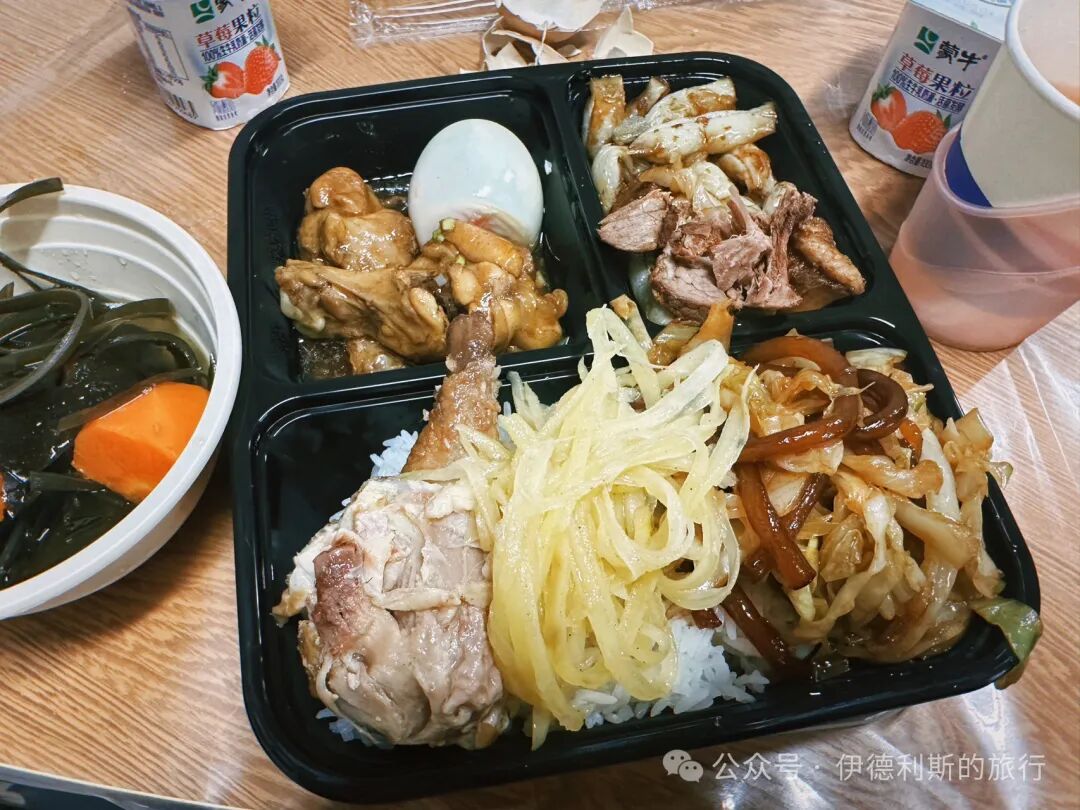
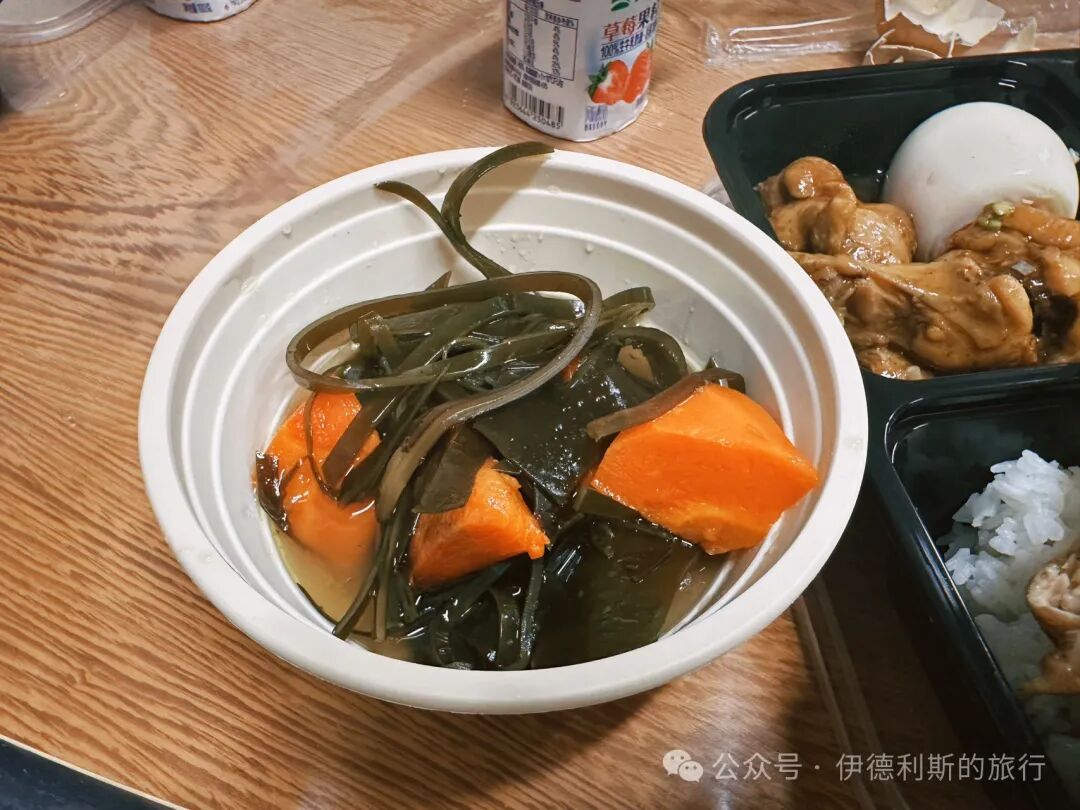
Saturday was the last Taraweeh prayer of Ramadan, and I felt very reluctant to see it end! Balizhuang was still very lively. I met many old friends again and made some new ones. There are more women than men among the local community members breaking their fast in Balizhuang, which is quite rare in Beijing. After the sunset prayer (maghrib), I had lamb offal soup (yangza tang), roasted chicken, stewed kelp with carrots, braised chicken legs, and minced meat with green beans. It was very heartwarming.
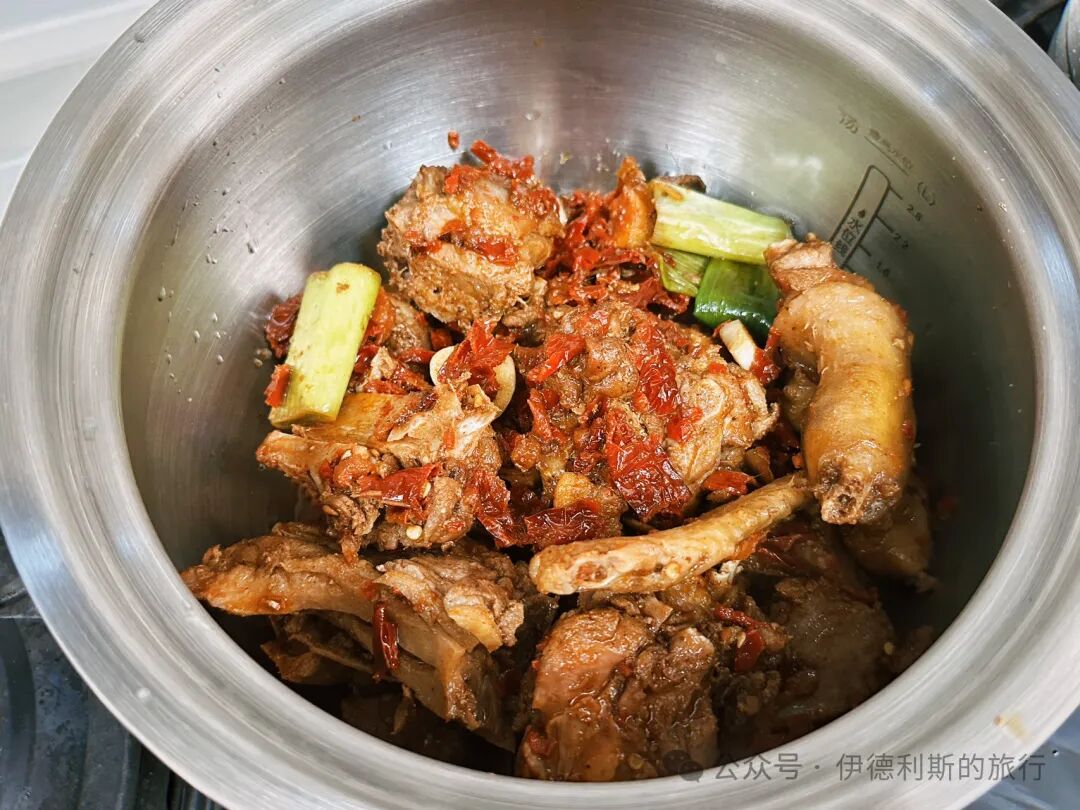
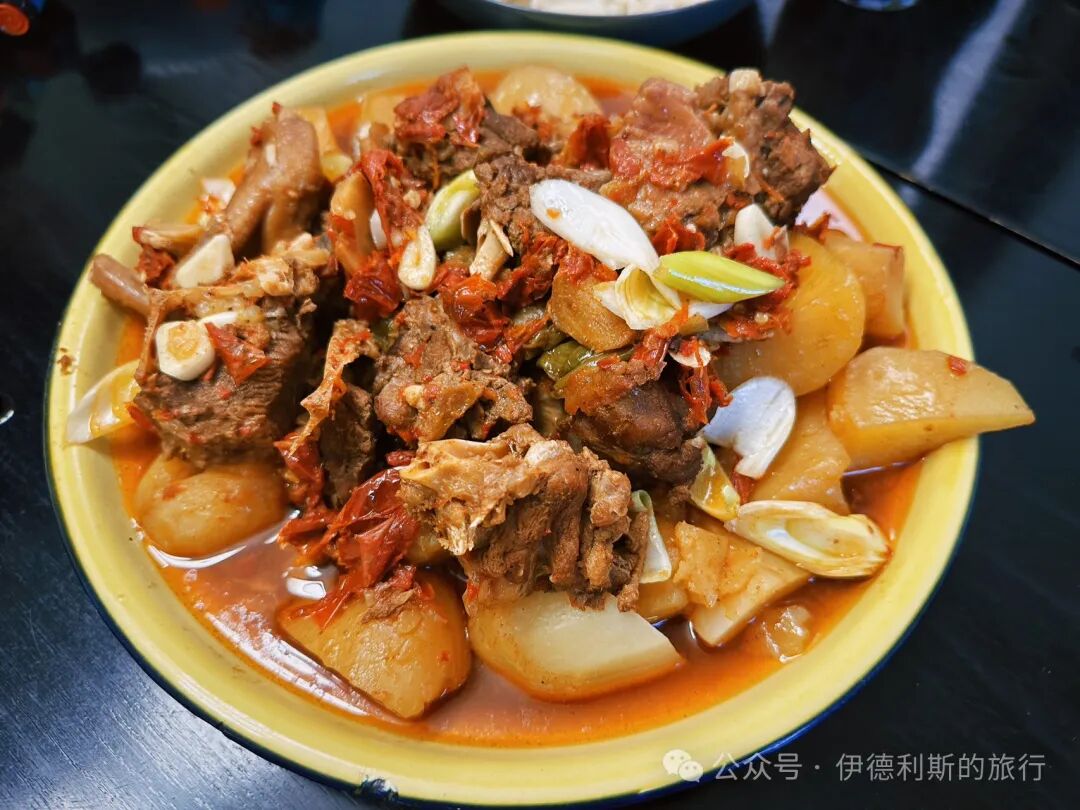
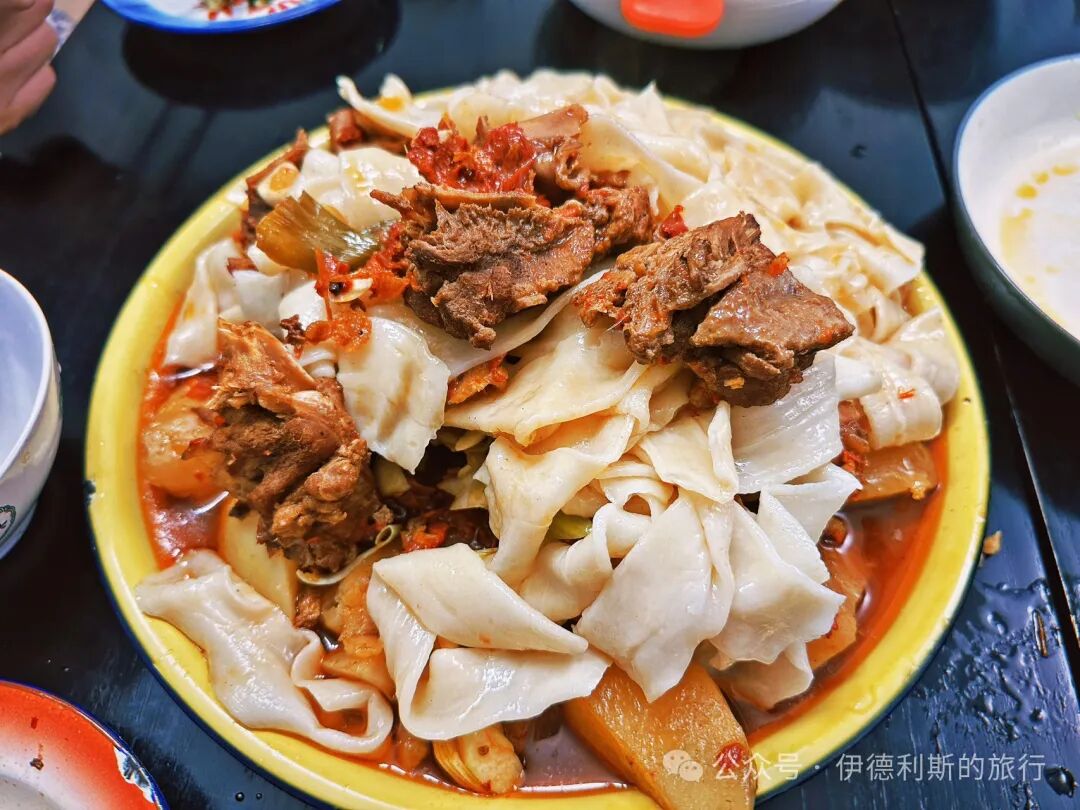
I broke my fast at home on Sunday and made a big plate of goose (dapan yan). The way to make big plate goose is the same as big plate chicken (dapan ji), but the texture of the goose is better than chicken, almost like steak. Hui Muslims in Xinjiang love to make big plate goose, but it seems rare in Xinjiang restaurants in Beijing. This might be because after stir-frying the goose, it must be pressure-cooked for 40 minutes, unlike the big plate chicken made with broiler chickens in some restaurants, which can be stir-fried directly. Also, when eating big plate goose, you must have it with Xinjiang chili peppers (xian lazi). It needs to be spicy enough to be delicious, and it is impossible to stop eating when paired with freshly made belt noodles (pidai mian).
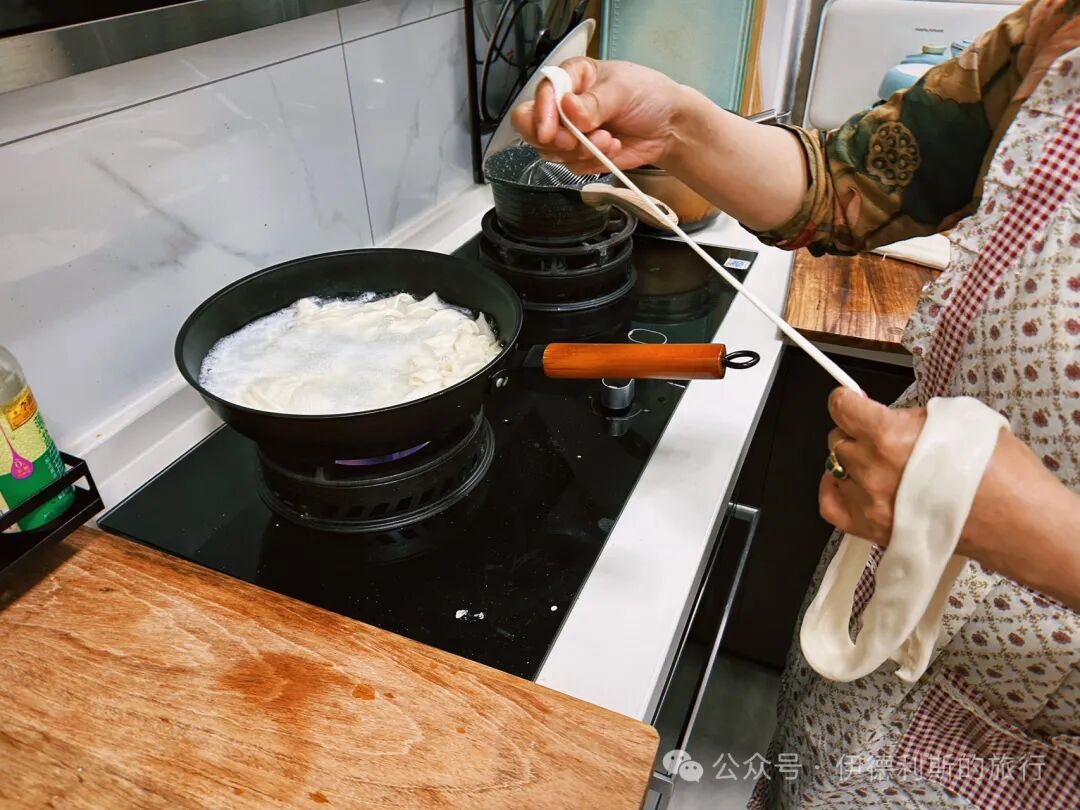
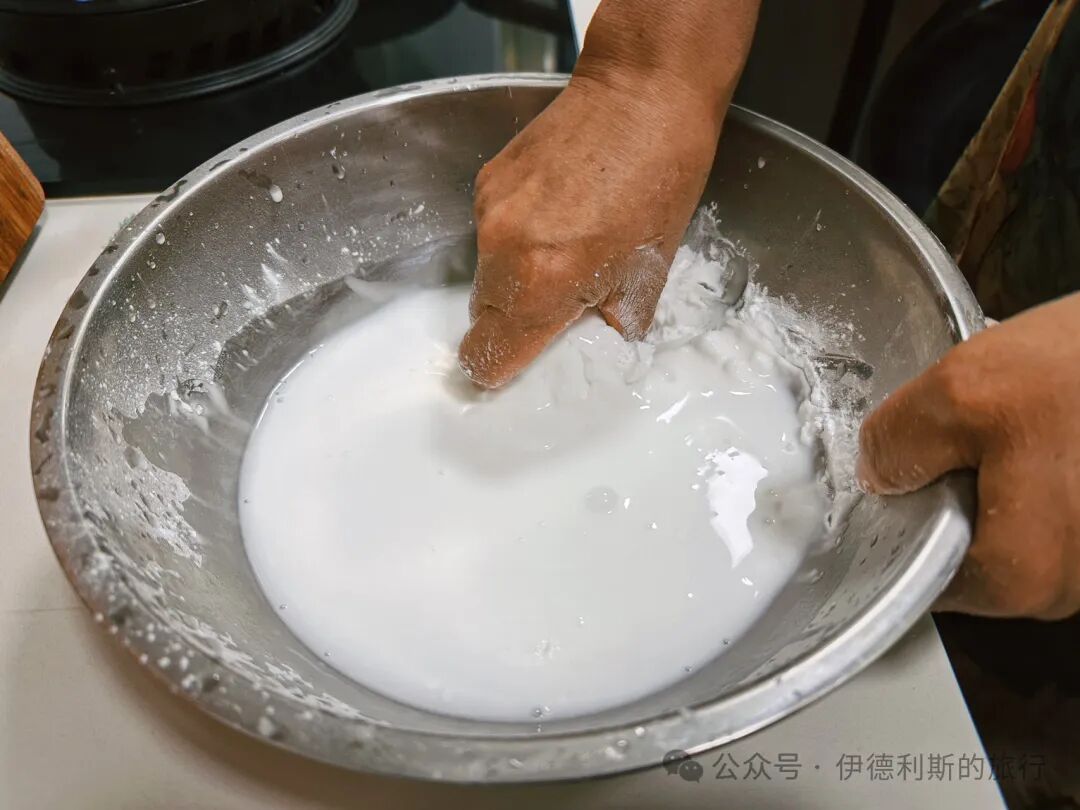
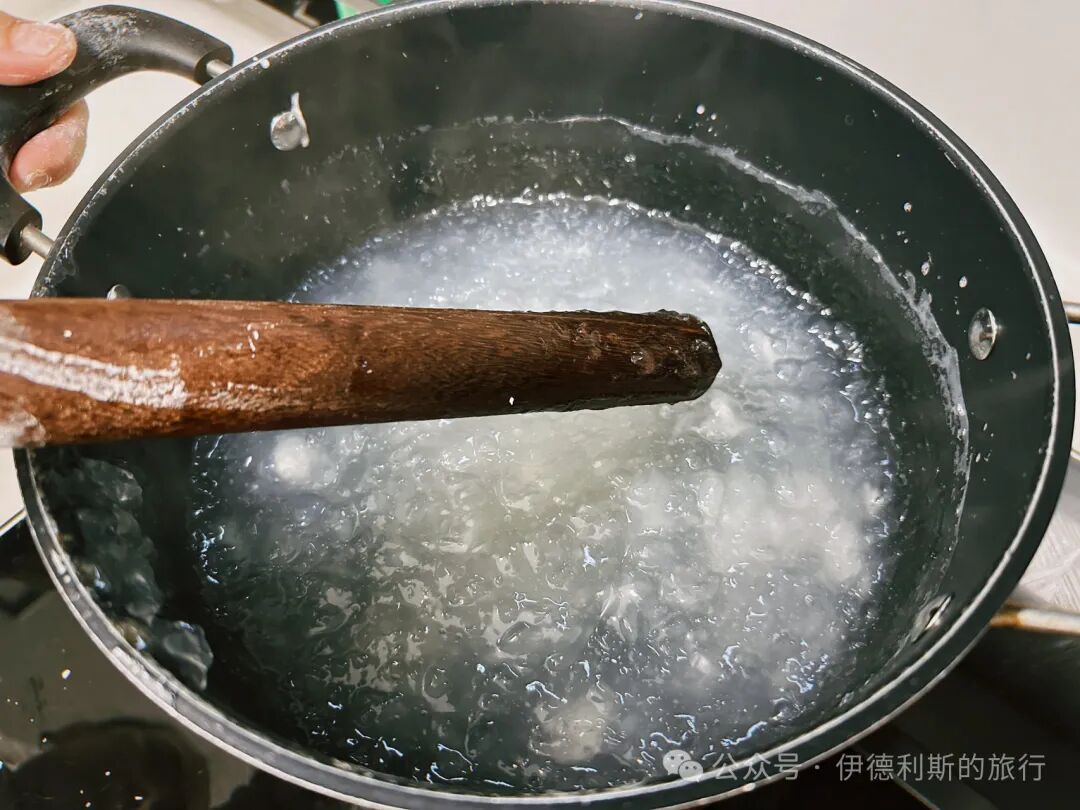
Before going to bed on Sunday, I mixed pea starch at home to prepare for the pea starch soup (hui fencai) for the Eid al-Fitr breakfast the next day. This is a must-have for every Hui Muslim family in Xinjiang before Eid (Eid al-Fitr).
Summary: This travel account follows the fifth weekend of Ramadan 2025 in Beijing, with stops around Qianmen and Balizhuang. It keeps the original prayer, food, street, mosque, and community details while making the English easy to read.
First, I wish all my friends (dosti) a blessed Eid al-Fitr! I am starting by catching up on a record from the last weekend of Ramadan.
On Friday, I broke my fast at the mosque on Saozhou Hutong outside Qianmen in Beijing. I had various teas, snacks, and fruits, especially the traditional Beijing pastry known as ganglu.
The Qianmen Mosque was first built in the late Ming Dynasty and renovated in 1680 (the 19th year of the Kangxi reign of the Qing Dynasty) and 1795 (the 60th year of the Qianlong reign). It features the classic North China mosque architectural style of the Qing Dynasty and is very well preserved. The famous modern Islamic educator Imam Wang Kuan served as the head imam at Qianmen Mosque in 1894 (the 20th year of the Guangxu reign). His student, the great Imam Da Pusheng, served as an imam at the mosque from 1909 to 1911. Another great imam, Wang Jingzhai, studied under the famous teacher Imam Yu Mianweng at the mosque when he was young.
From the Qing Dynasty to the Republican era, many Hui Muslims outside Qianmen worked in the jade, jewelry, and antique calligraphy and painting trades. The famous novel 'Jade King' (Muslim's Funeral) is based on the Hui Muslim jade trade in this area. The Qianmen Mosque was very busy back then, but as times have changed, the century-old mosque has returned to peace and quiet.
After the sunset prayer (maghrib), I was invited by my friend (dosti) Li Ding to have hot pot at 93 Tieshu Xiejie outside Qianmen. I met many new and old friends, and I was especially honored to meet the 81-year-old senior jade appraisal expert, Mr. Wang Ruimin.
Saturday was the last Taraweeh prayer of Ramadan, and I felt very reluctant to see it end! Balizhuang was still very lively. I met many old friends again and made some new ones. There are more women than men among the local community members breaking their fast in Balizhuang, which is quite rare in Beijing. After the sunset prayer (maghrib), I had lamb offal soup (yangza tang), roasted chicken, stewed kelp with carrots, braised chicken legs, and minced meat with green beans. It was very heartwarming.
I broke my fast at home on Sunday and made a big plate of goose (dapan yan). The way to make big plate goose is the same as big plate chicken (dapan ji), but the texture of the goose is better than chicken, almost like steak. Hui Muslims in Xinjiang love to make big plate goose, but it seems rare in Xinjiang restaurants in Beijing. This might be because after stir-frying the goose, it must be pressure-cooked for 40 minutes, unlike the big plate chicken made with broiler chickens in some restaurants, which can be stir-fried directly. Also, when eating big plate goose, you must have it with Xinjiang chili peppers (xian lazi). It needs to be spicy enough to be delicious, and it is impossible to stop eating when paired with freshly made belt noodles (pidai mian).
Before going to bed on Sunday, I mixed pea starch at home to prepare for the pea starch soup (hui fencai) for the Eid al-Fitr breakfast the next day. This is a must-have for every Hui Muslim family in Xinjiang before Eid (Eid al-Fitr).
