
Halal Travel Guide: Beirut, Lebanon - Mosques, Food and Old City
Reposted from the web
Summary: Beirut is covered through its long Mediterranean history, downtown streets, mosques, churches, markets, and food. This account keeps the original walking route, site names, historical details, and photographs from the visit.
Beirut became part of the Arab Caliphate in 635 and has been a trade hub in the Eastern Mediterranean ever since. During the Umayyad, Abbasid, and Fatimid dynasties, the Byzantine Empire tried to take back Beirut but failed every time. Beirut was part of the Kingdom of Jerusalem from 1110 to 1291, was taken back by the Mamluk Sultanate in 1291, and was conquered by the Ottoman Empire in the early 16th century. In the 16th and 17th centuries, the Ottoman Empire let local Druze emirs rule Beirut, but they took back control in 1763. With help from Damascus, Beirut broke the monopoly that the city of Acre had on Eastern Mediterranean trade and became a major trade center once again.
Mosque
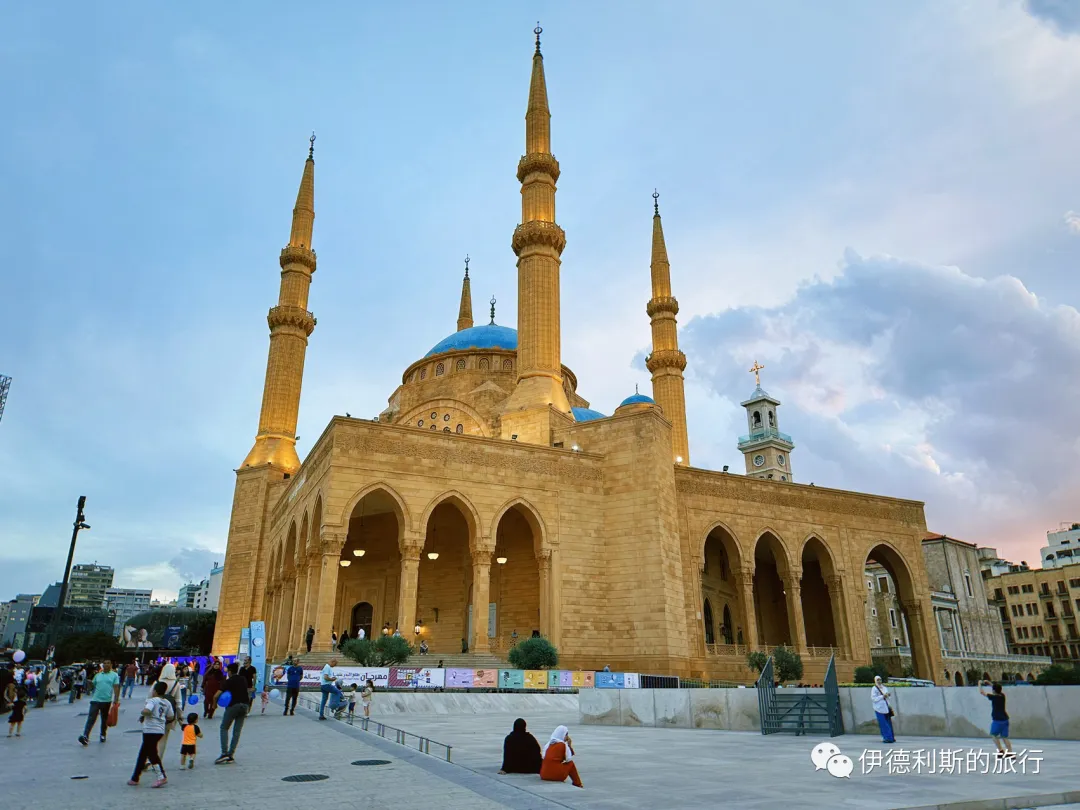
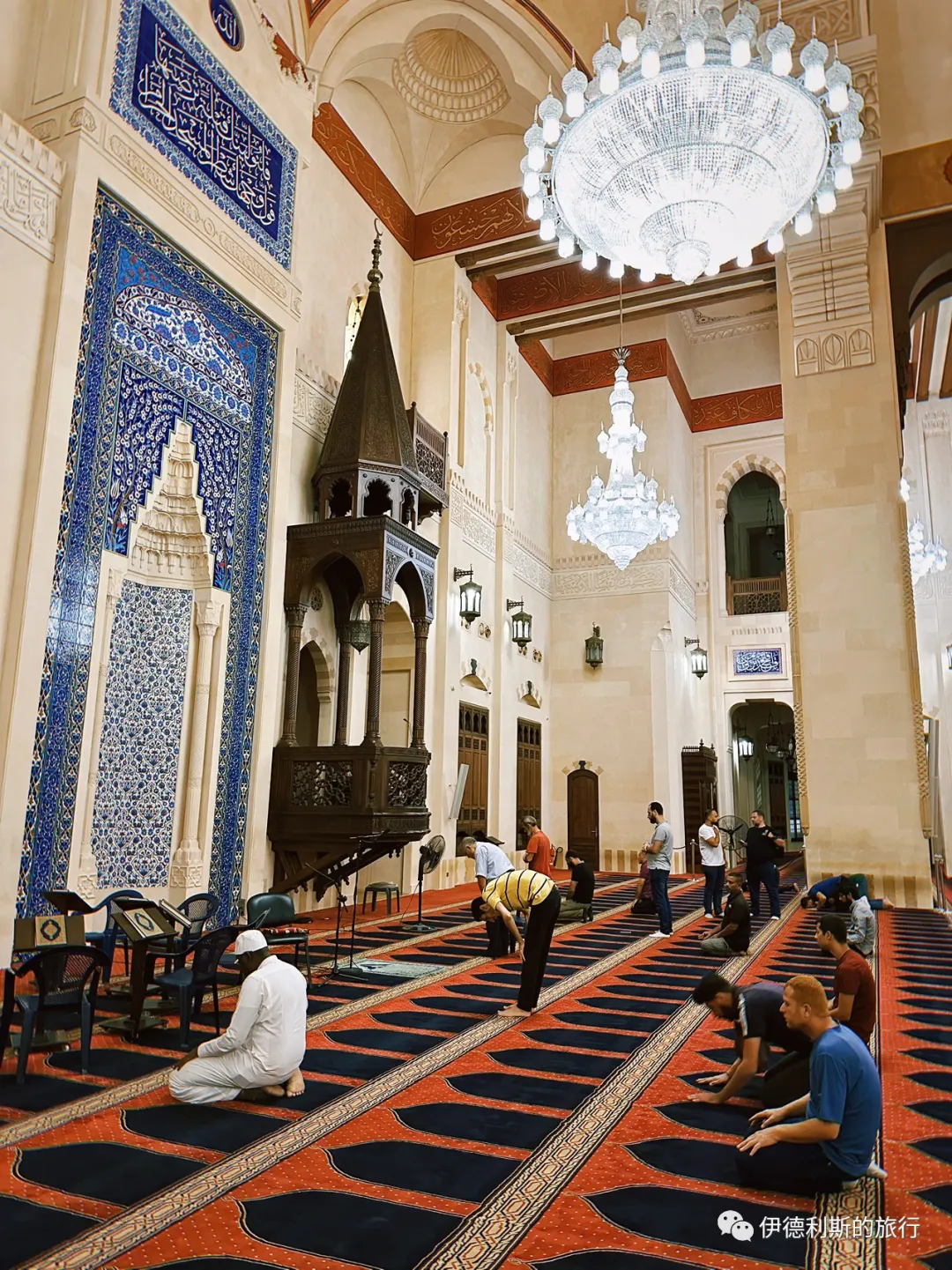
The Mohammad Al-Amin Mosque was built between 2002 and 2008 in an Ottoman style with funds donated by former Lebanese Prime Minister Rafic Hariri, and it is currently the largest mosque in Lebanon.
This is a Sunni mosque, and it does not have many people coming for namaz. I chatted with an old man for a while. He said the Sunni population in Beirut is not strong enough and suggested I visit Tripoli in the north, saying that is where the powerful Sunni city is. In fact, Lebanon's Sunni population is mainly spread across the north, led by Tripoli, and the Bekaa Valley in the east. In the capital city of Beirut, the northwest is mostly Sunni, the southwest is mostly Shia, and the east is mostly Christian. During the civil war, the Mohammad Al-Amin Mosque was near the dividing line between the Muslim and Christian districts. This dividing line was called the Green Line because it grew over with weeds and trees while no one lived there during the war. It used to be full of militia checkpoints and snipers, and many buildings were badly damaged.
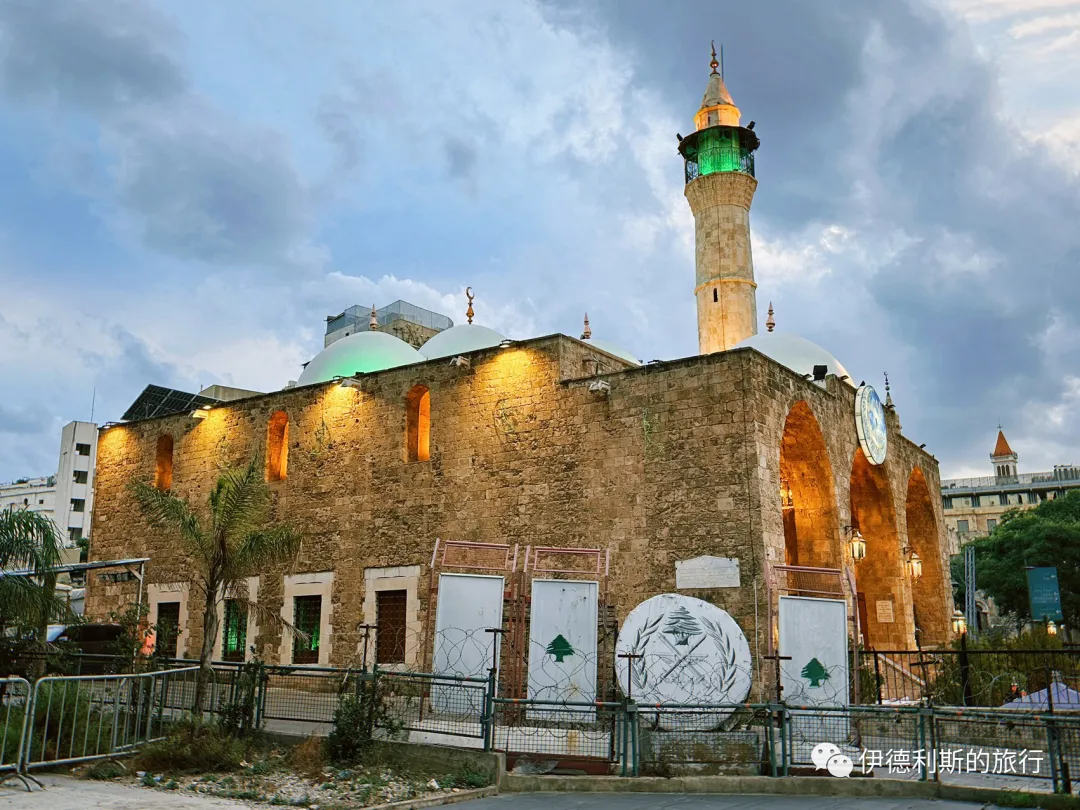
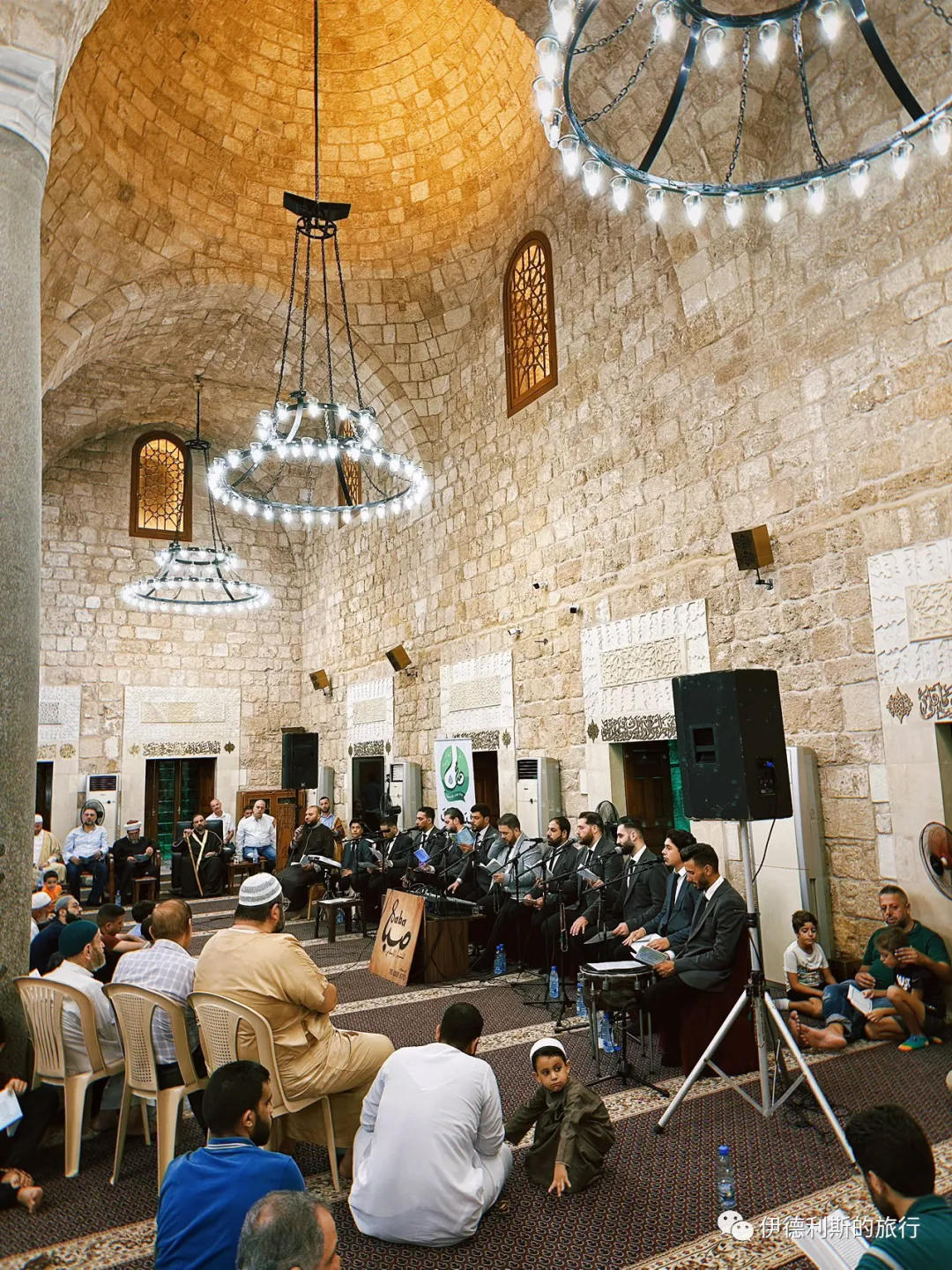
The Emir Assaf Mosque was built in the late 16th century by the emir rulers of the local Lebanese Assaf dynasty (1306-1591), and the emir's palace and gardens used to be next to the mosque.
The Assaf dynasty was a Sunni Turkmen dynasty. In 1306, the Mamluk governor of Damascus sent the Turkmen tribe led by the Assaf family to put down a rebellion north of Beirut. Later, the Mamluk Sultanate assigned them to guard the coastal area north of Beirut and manage the local Shia residents. After the Ottoman Empire took the Levant region from the Mamluk Sultanate in 1516, they appointed the Assaf family as the main agents for the Beirut and Tripoli regions. The Assaf dynasty attracted Maronite Christians to settle in northern Beirut by lowering taxes and housing prices to balance out the local Sunni and Shia Muslims. In 1579, the Ottoman Empire established the Tripoli Eyalet to keep the Assaf dynasty in check. In 1591, the Ottoman governor of Tripoli ordered the execution of the last Assaf emir by gunfire, ending the Assaf dynasty.
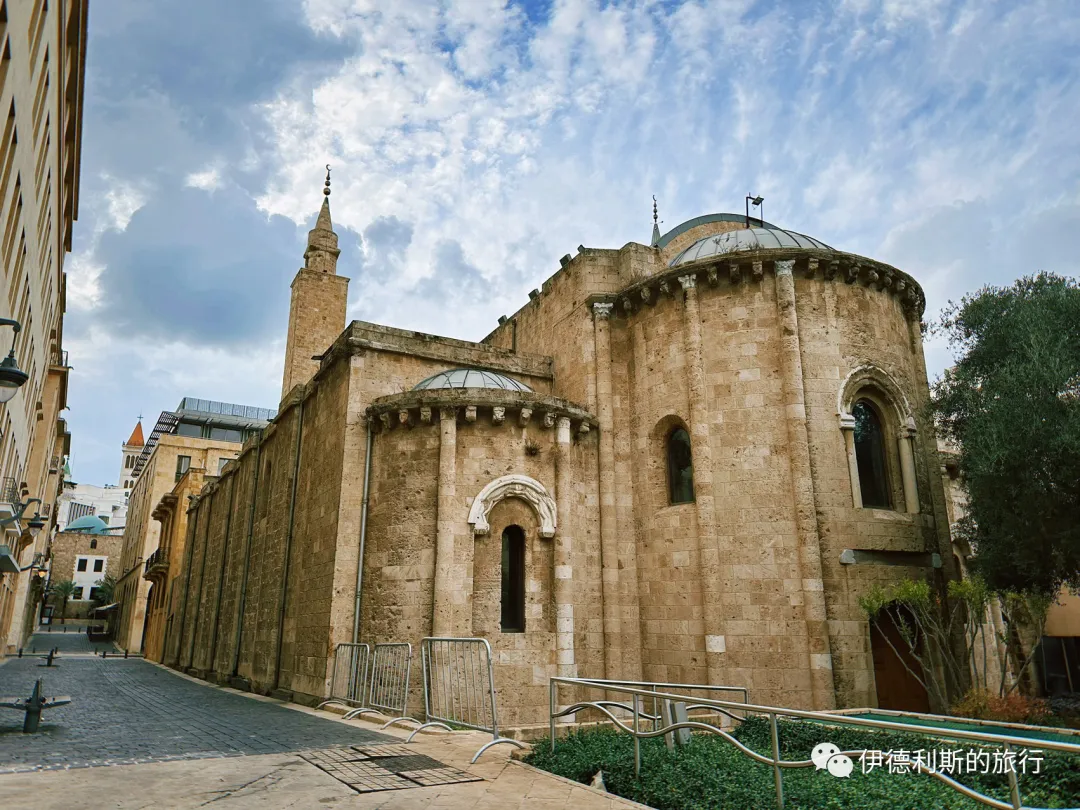
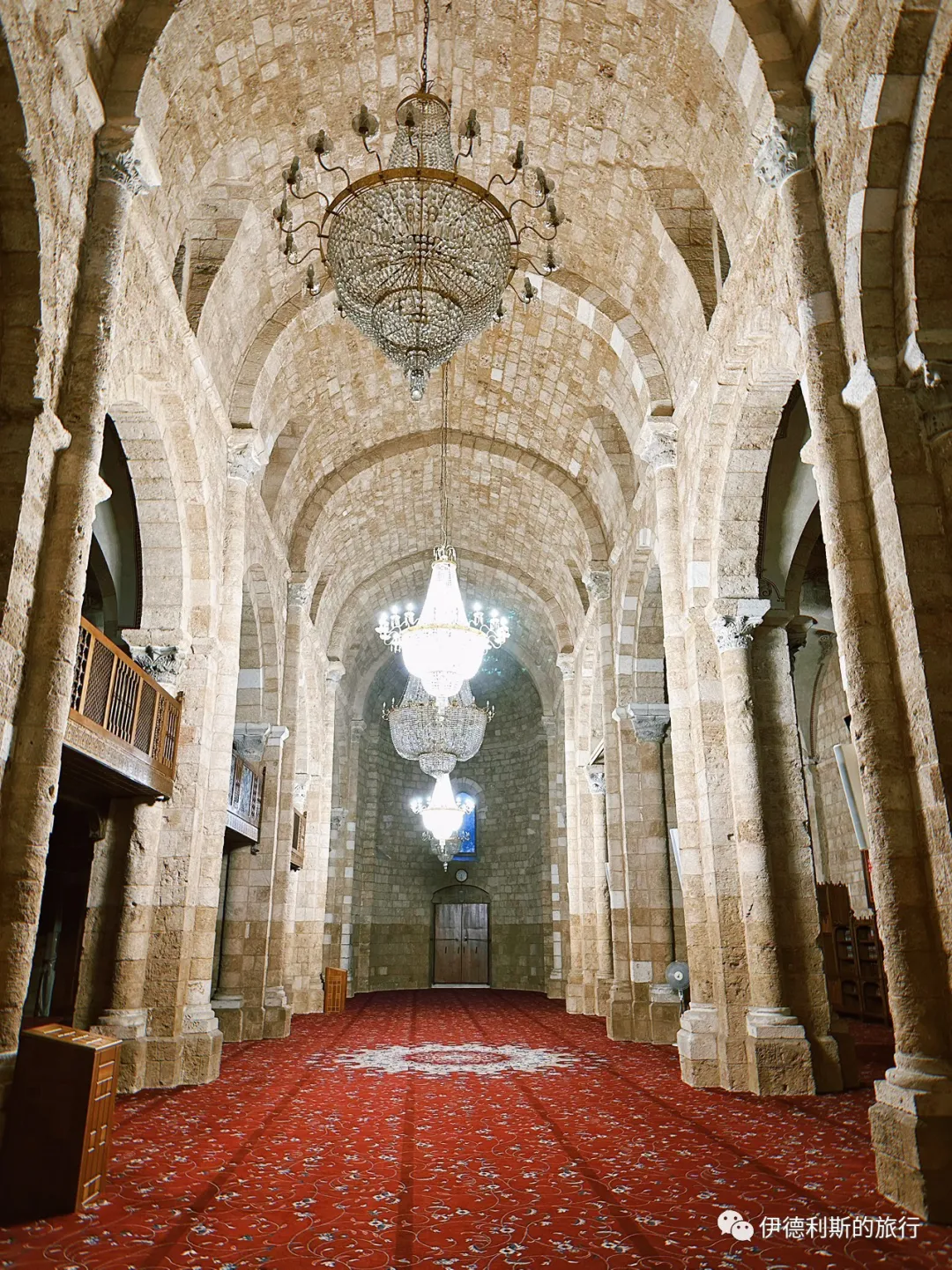
The Great Omari Mosque is said to have been founded in 635 during the reign of Caliph Umar, and in 1150, the Crusaders built a Romanesque Church of St. John here. After the Mamluk Sultanate captured Tripoli in 1291, they converted it into a grand mosque and added a Mamluk-style gate and minaret in 1350. During the French Mandate for Lebanon from 1923 to 1946, the street-facing facade of the Great Omari Mosque was redesigned with an added portico to unify the architectural style of downtown Beirut. The Great Omari Mosque suffered severe damage during the Lebanese Civil War, and renovations were completed in 2004.
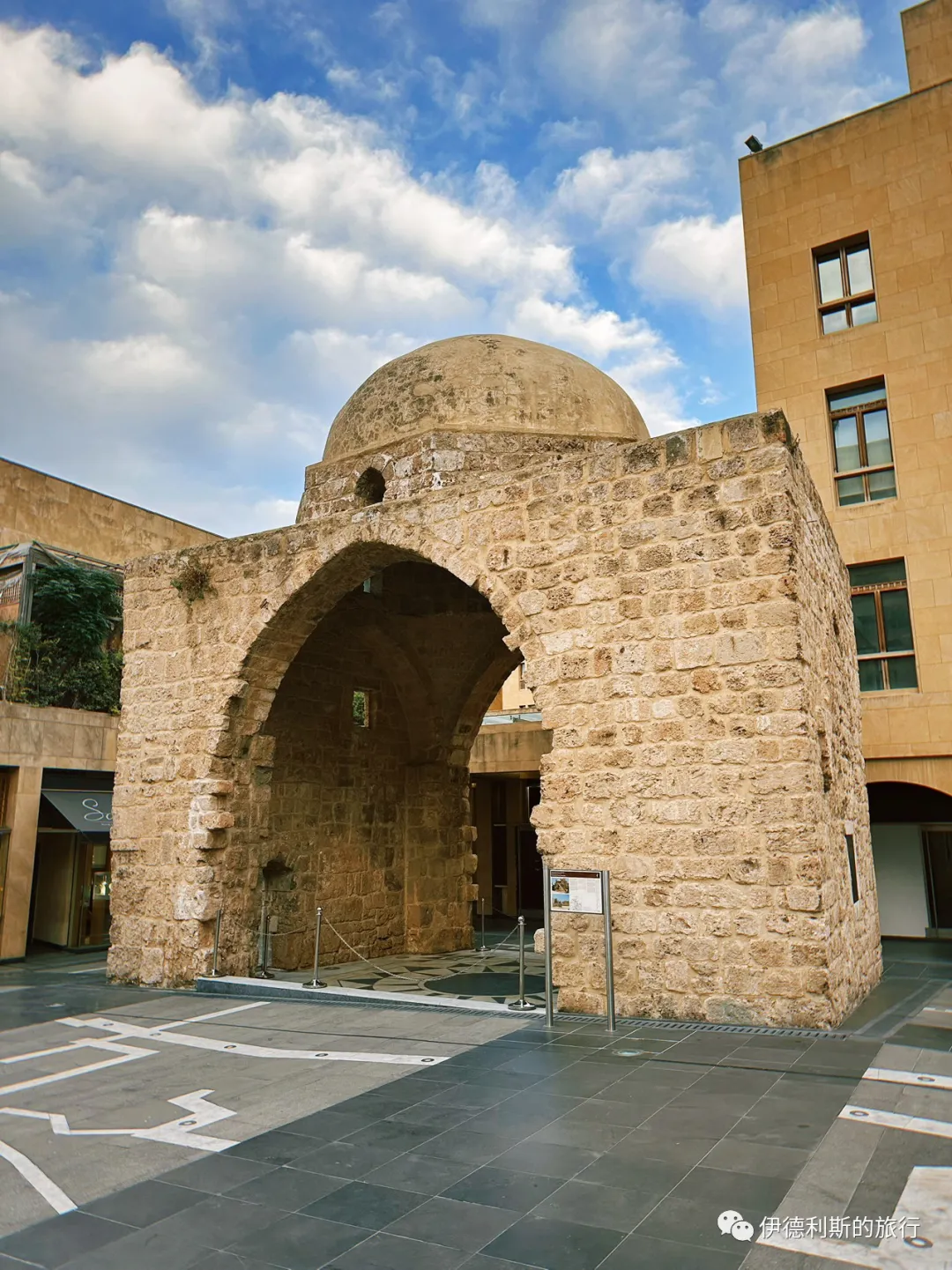
Small Sufi lodge (zawiya).
Zawiyat Ibn Arraq is located at the entrance of the Beirut Souks and is the only remaining Mamluk-era building in Beirut. This building was constructed in 1517 by the religious authority Ibn 'Arraq Al-Dimashqi from Damascus, and it was originally a hospice. After Ibn 'Arraq passed away in 1526, the site became a school of Islamic law and a zawiya (small Sufi lodge) for his followers. The currently remaining vaulted structure once connected to other courtyards and rooms.
Food
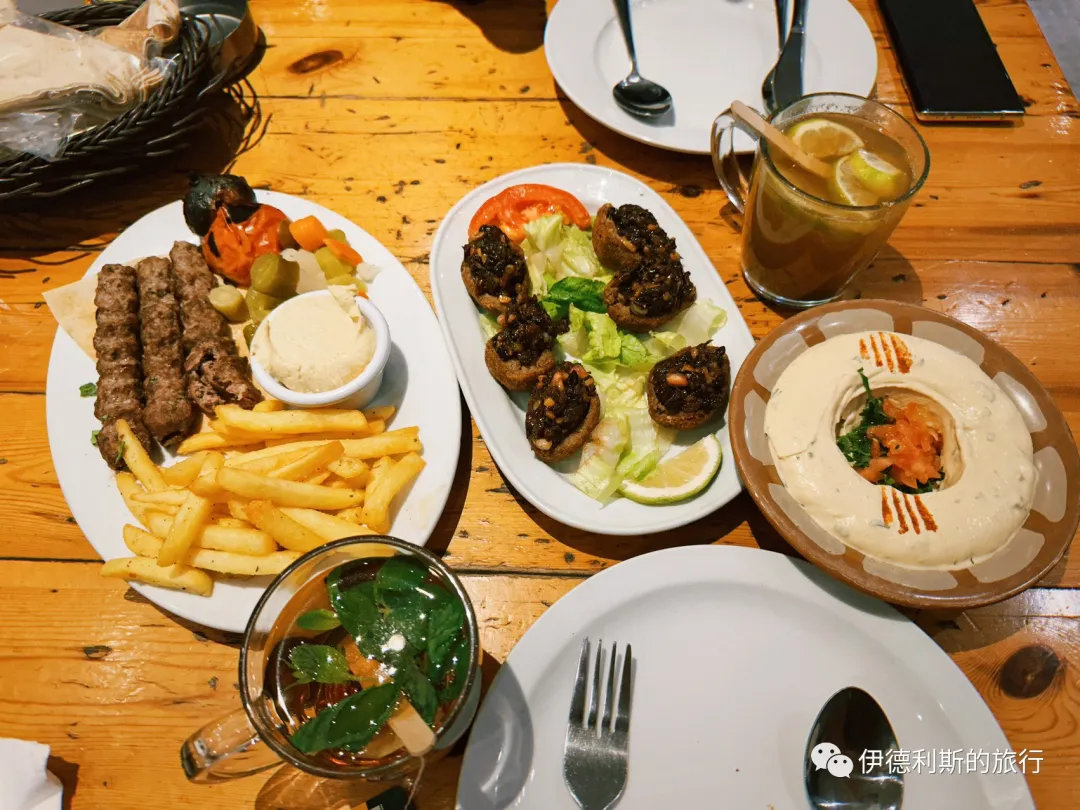
I had dinner at a famous local restaurant called T-Marbouta in the Hamra district of Beirut, where I ordered kibbeh mloukiyeh, hommos moutammam, and grilled meat, along with herbal tea and mint tea. Kibbeh is a fried ball made of cracked wheat and minced lamb, a classic appetizer in the Levant region; the one I ate was topped with mloukiyeh (jute leaves), eggplant, walnuts, and pomegranate. Hummus is another classic appetizer from the Levant region made of mashed chickpeas.
Hamra is a lively and trendy neighborhood in Beirut near the American University. It is full of young people and has long been a cultural hub of Beirut. The environment here is relatively nice, making it a good place for shopping in Beirut.
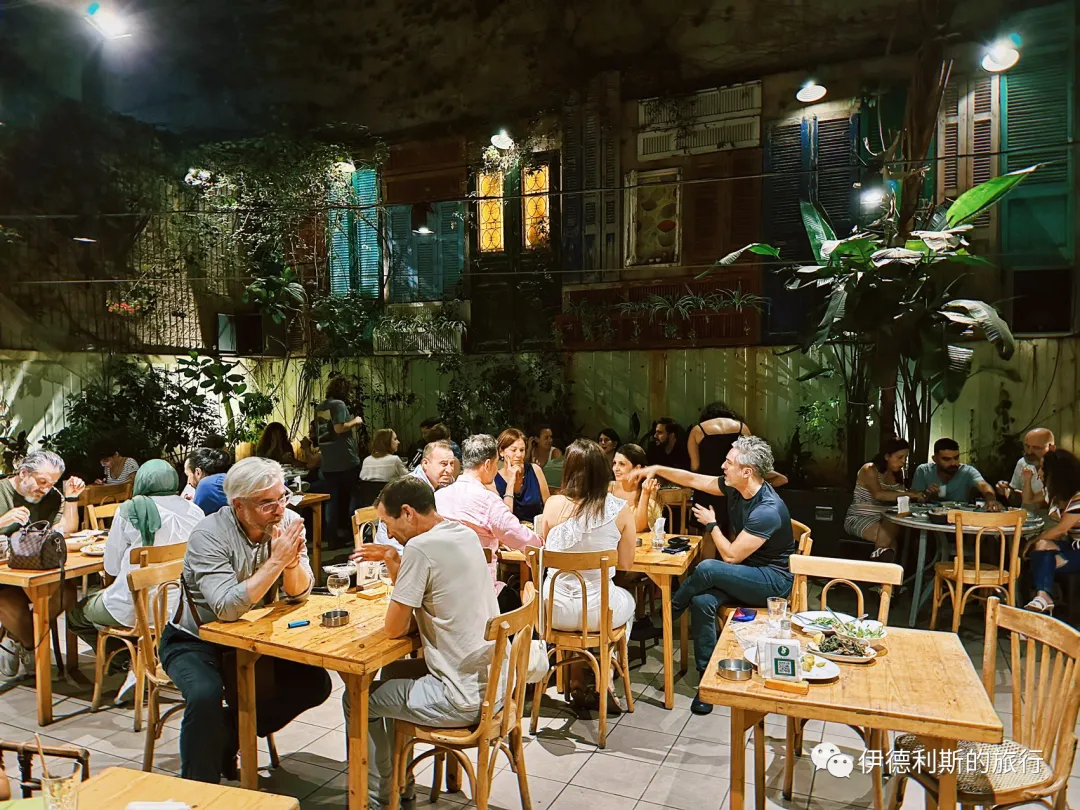
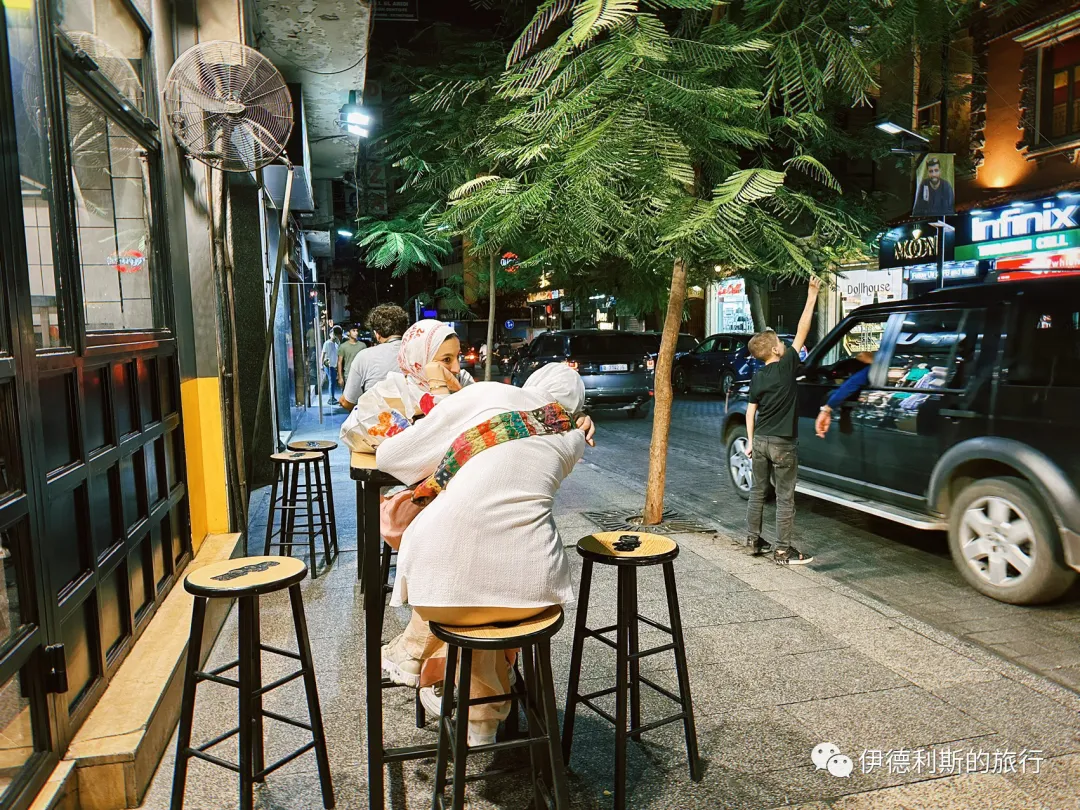
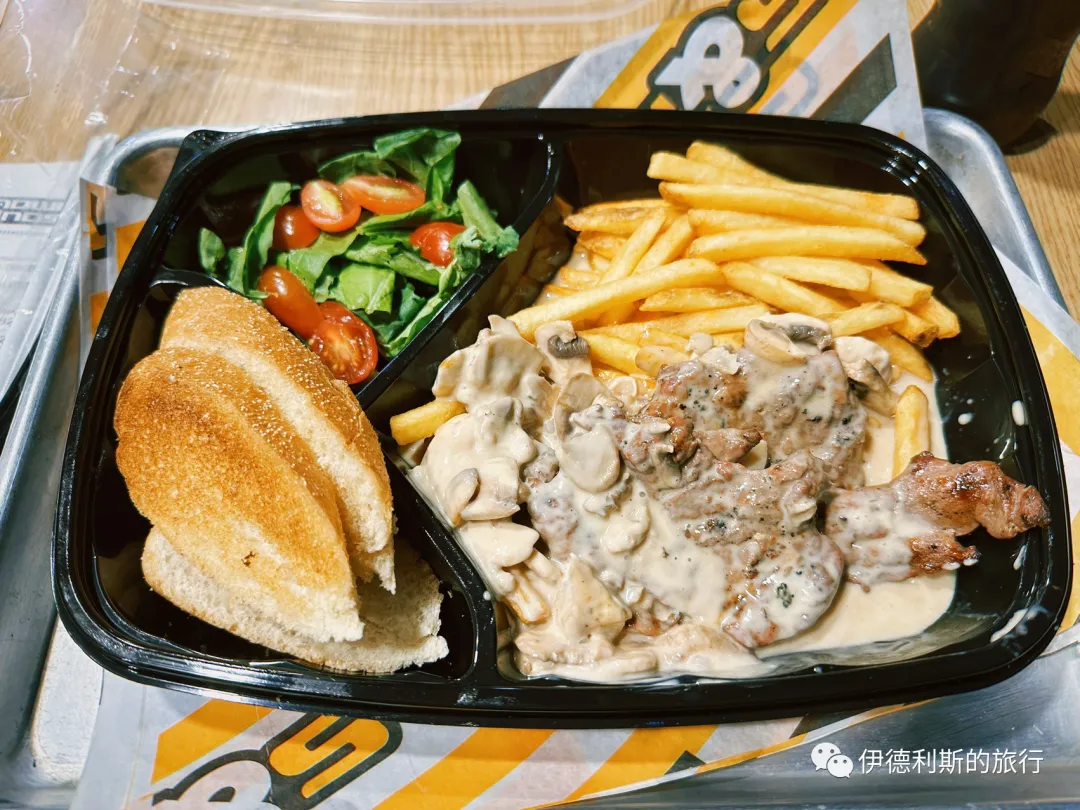
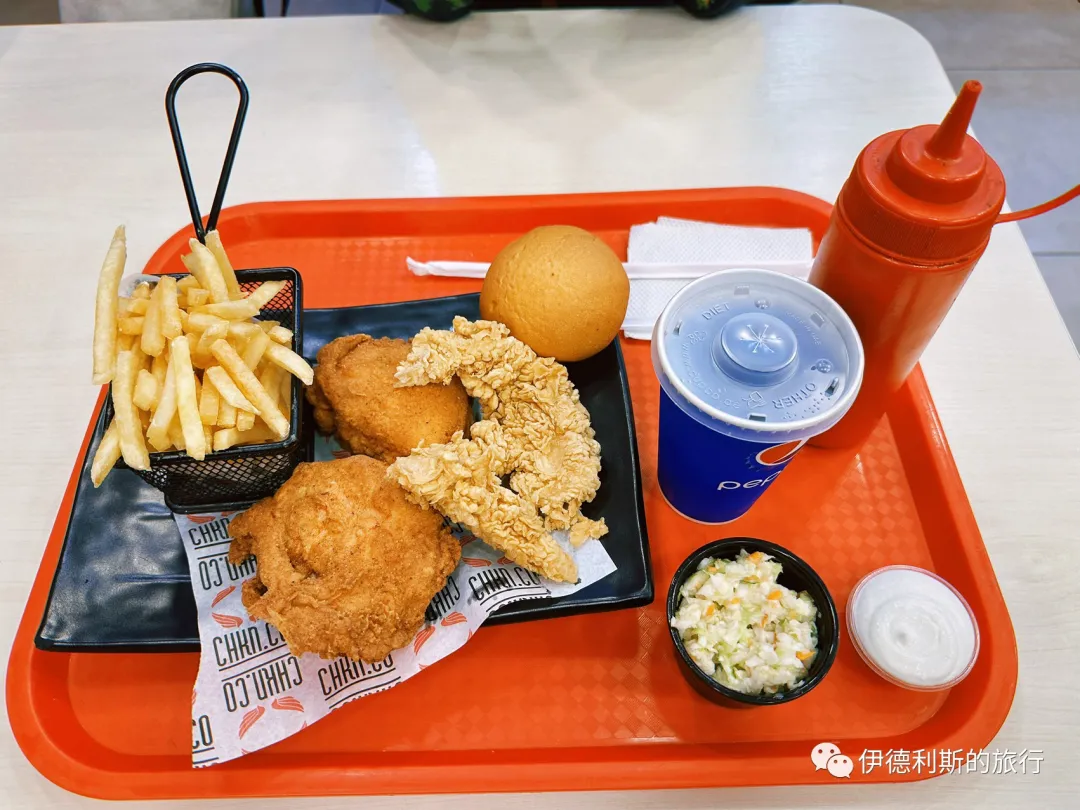
We had steak and fried chicken at a fast-food restaurant in the Hamra district of Lebanon. There are many young people here and a wide variety of restaurants, including Chinese and Japanese food. Because the power supply is unstable, shops here suddenly go dark from time to time. Everyone except us stayed very calm, waiting for the power to come back on by itself. I think it must be hard to use a desktop computer without a battery in Beirut, so everyone definitely chooses laptops first.
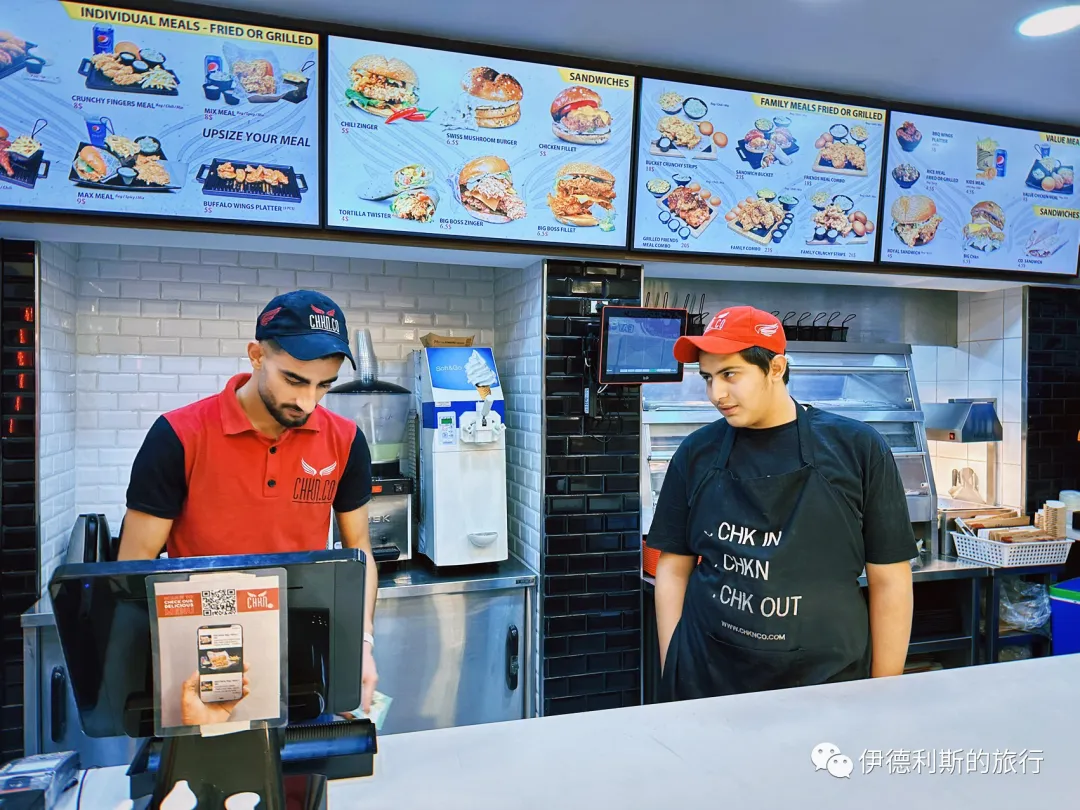
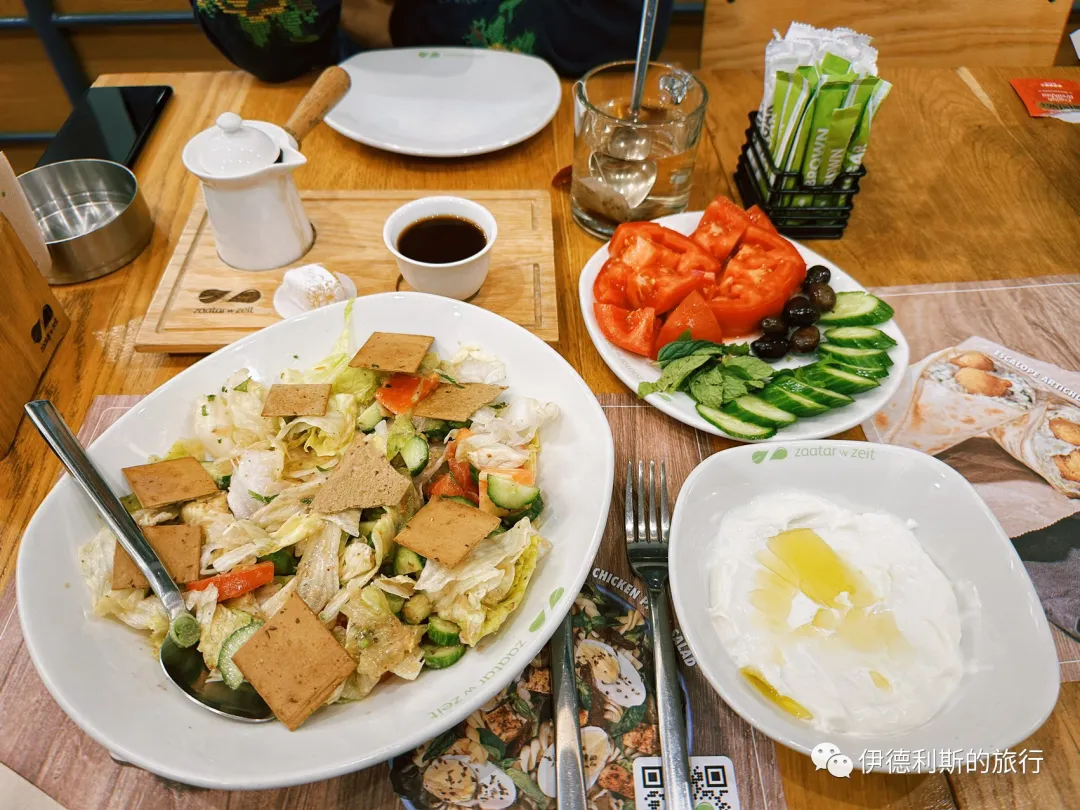
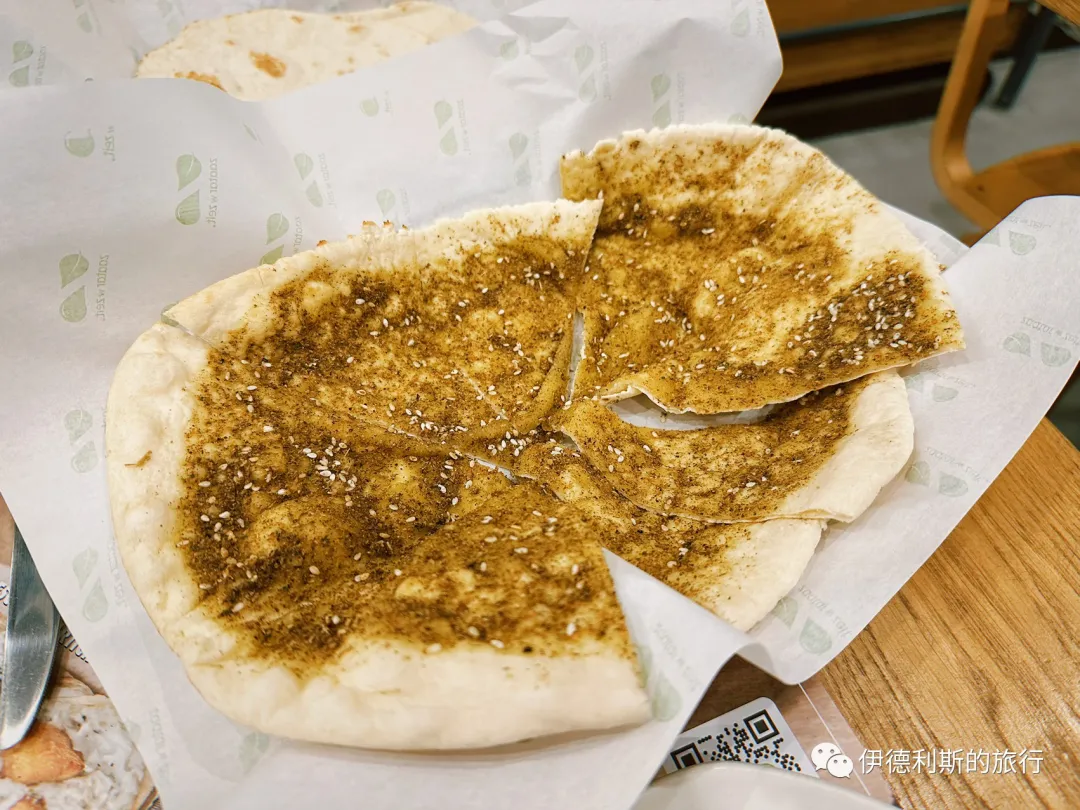
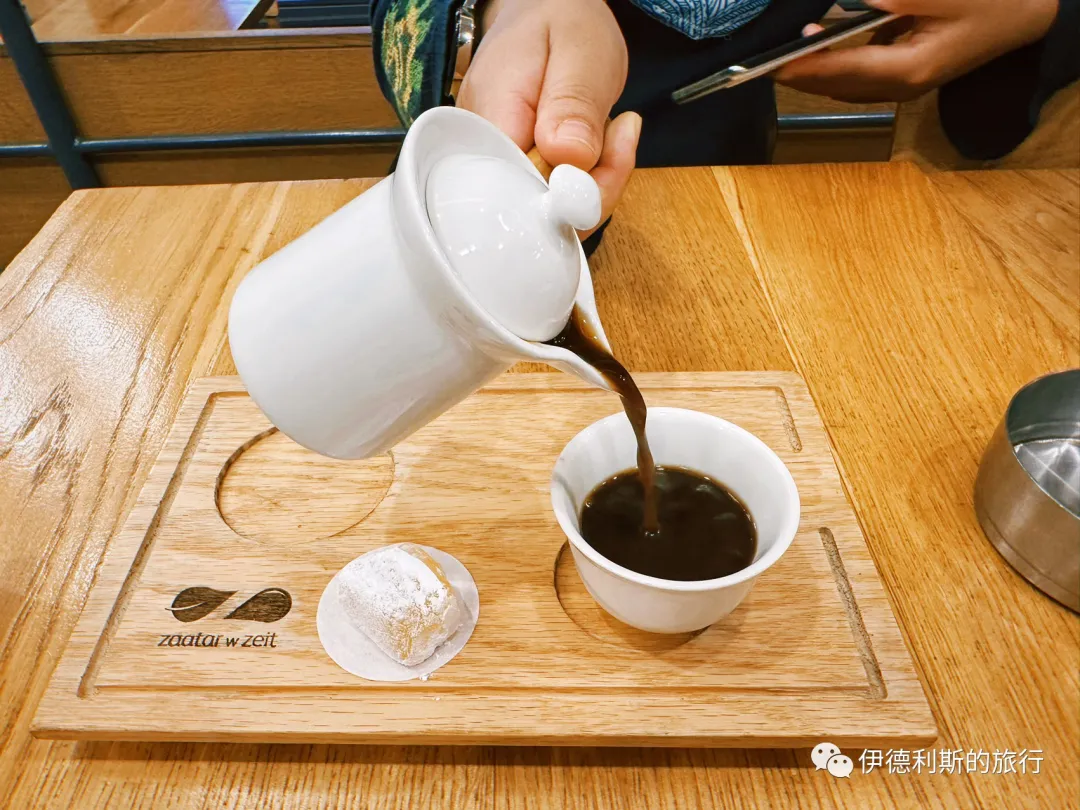
We ate at Zaatar w Zeit, a famous Lebanese fast-food chain in the Hamra district. They specialize in Levantine-style flatbread (manakish), and their food is very healthy.
Manakish is a traditional bread that originated with the ancient Phoenicians. You can top it with a spice blend (zaatar), cheese, or minced lamb. We had the one with zaatar, which is a unique mix of thyme, sumac, oregano, marjoram, and sesame seeds.
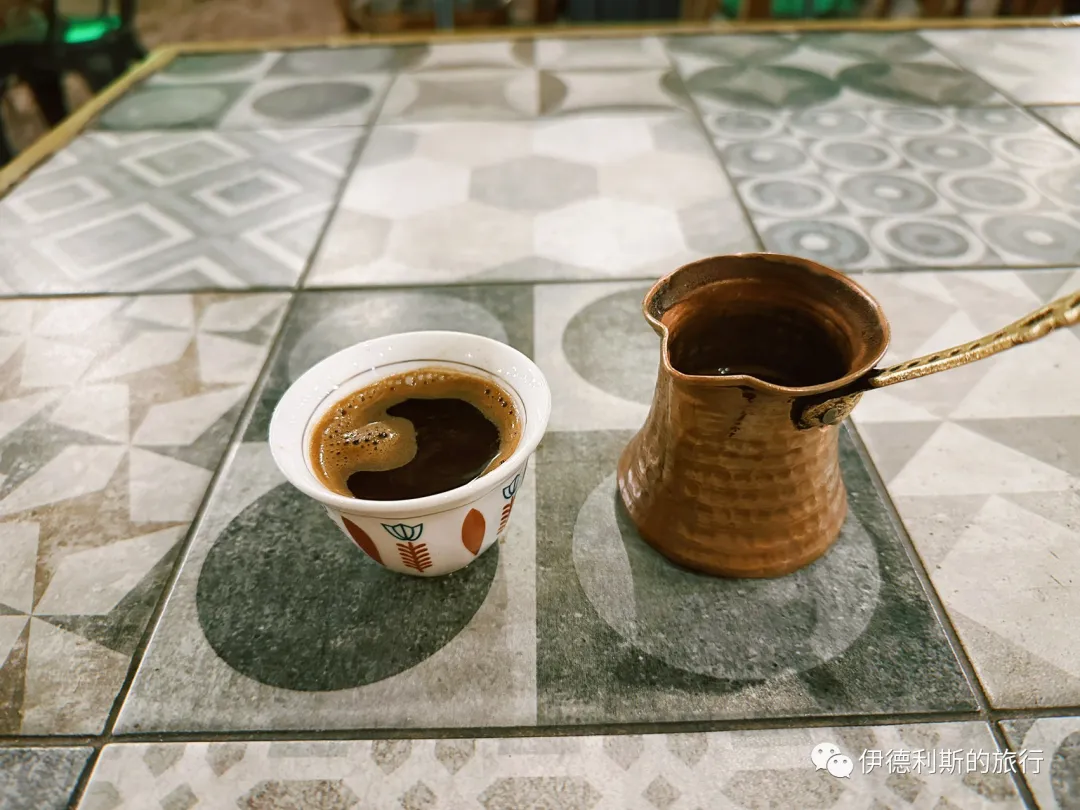
We also drank Lebanese coffee, which is made with Arabica coffee beans and flavored with cardamom.
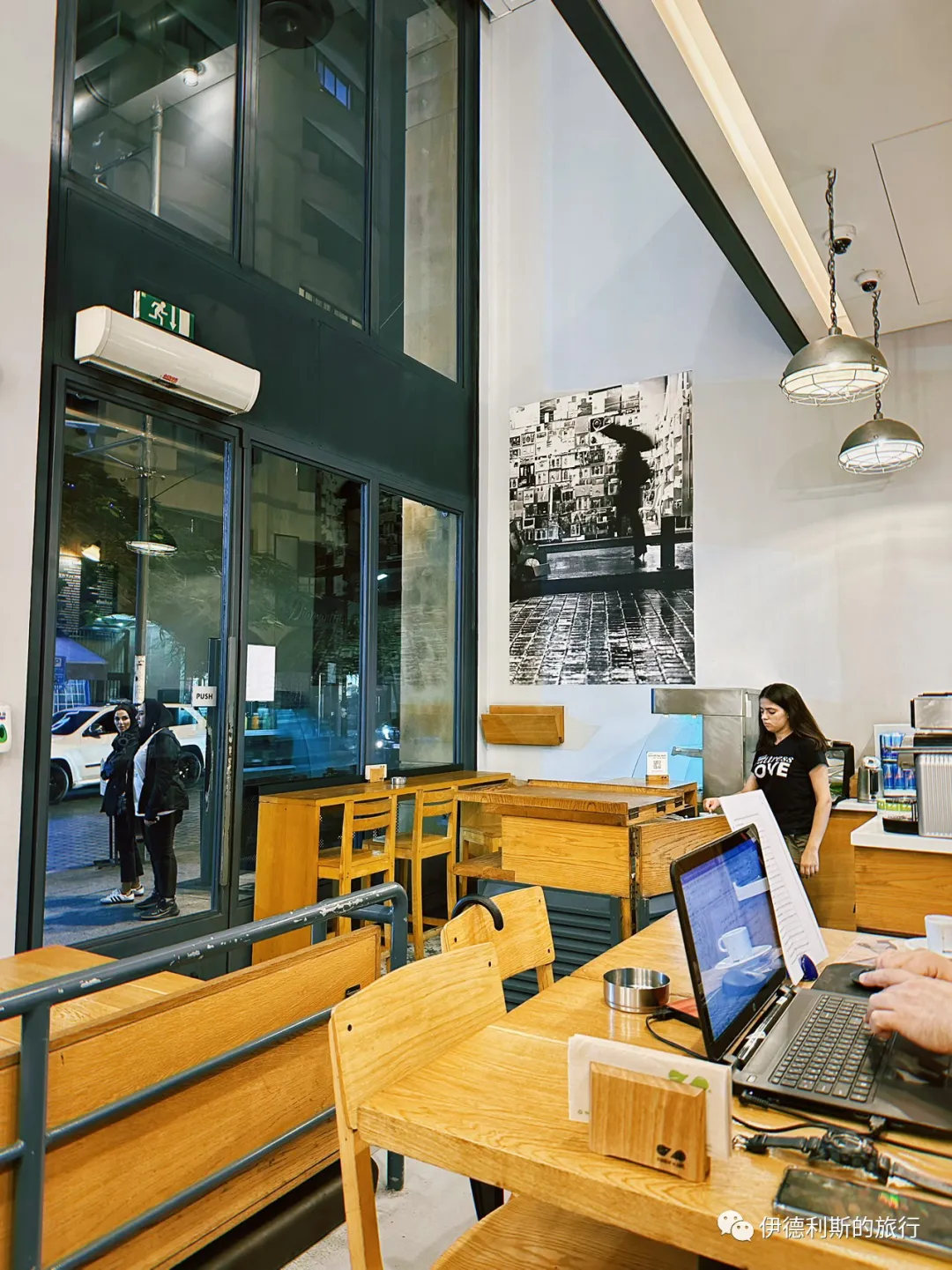
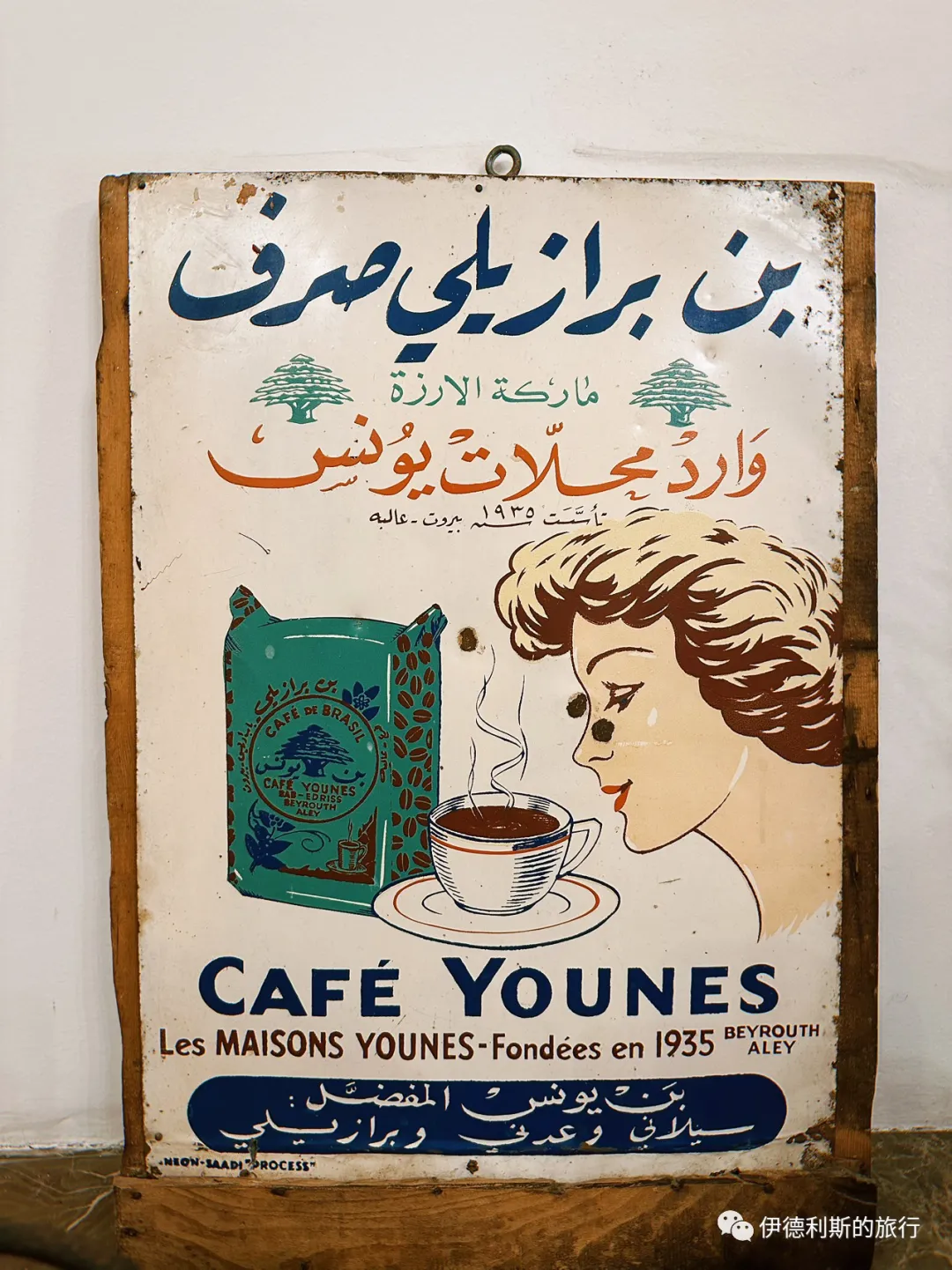
In the evening, we had coffee at the legendary Younes Coffee in the Hamra district of Beirut. The founder of Younes Coffee, Amin Younes Sr., immigrated to Brazil in 1894 and worked on a Brazilian coffee tycoon's plantation for 20 years. In 1935, Amin returned to Lebanon and opened Younes Coffee in downtown Beirut. During World War II, the collapse of the Lebanese currency wiped out most of Amin's savings, but he still managed to pull through. In 1960, Amin's son Souheil joined the family business and helped his father open the first branch of Younes Coffee in the Hamra district. It was one of the first coffee shops in Lebanon to buy an espresso machine. The Younes flagship store in downtown Beirut was destroyed during the Lebanese Civil War in 1975, and only the Hamra branch survived.
Abou Anwar worked at Younes Coffee for 60 years starting in 1954. As the cafe's most senior coffee roasting master, his expert skills attracted a large group of loyal customers. The coffee I ordered was named after him, the Abou Anwar Blend, which mixes his favorite fruits and spices.
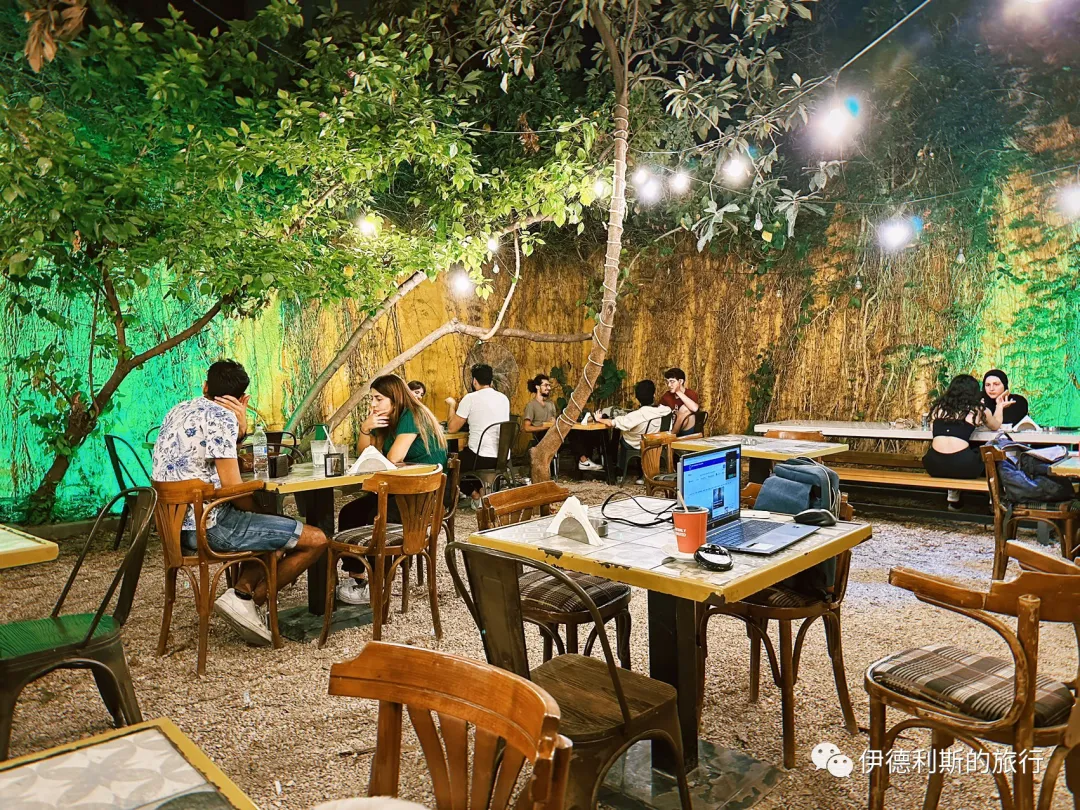
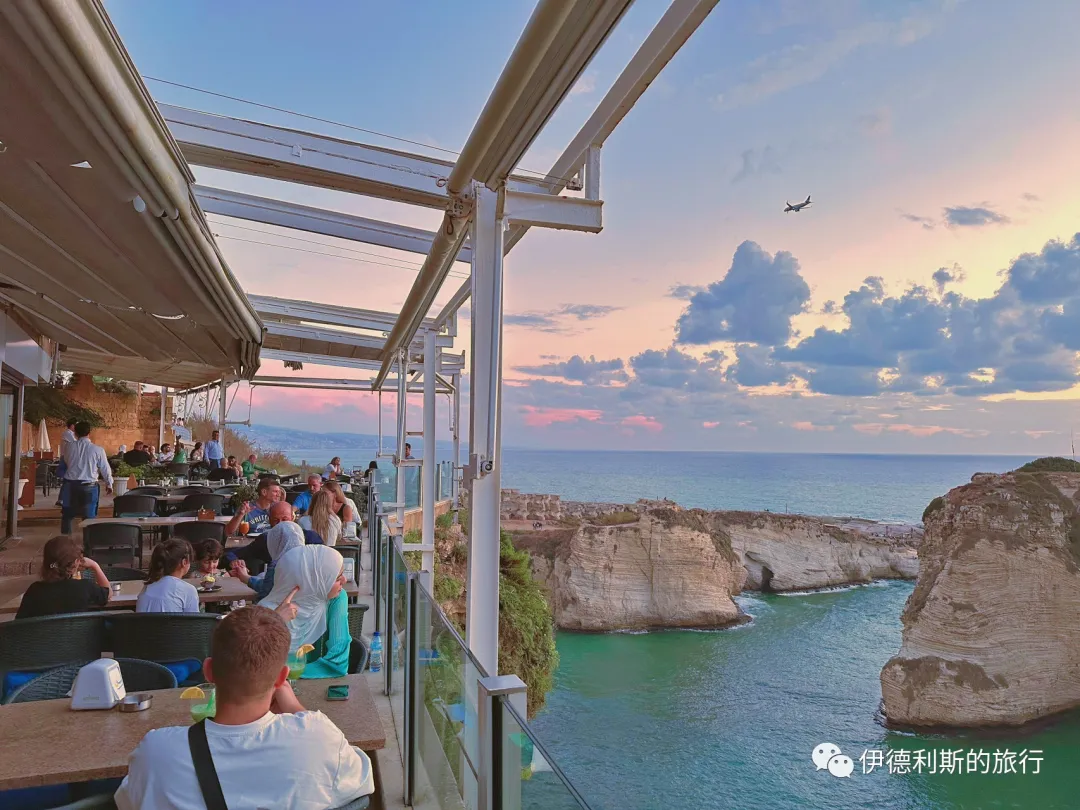
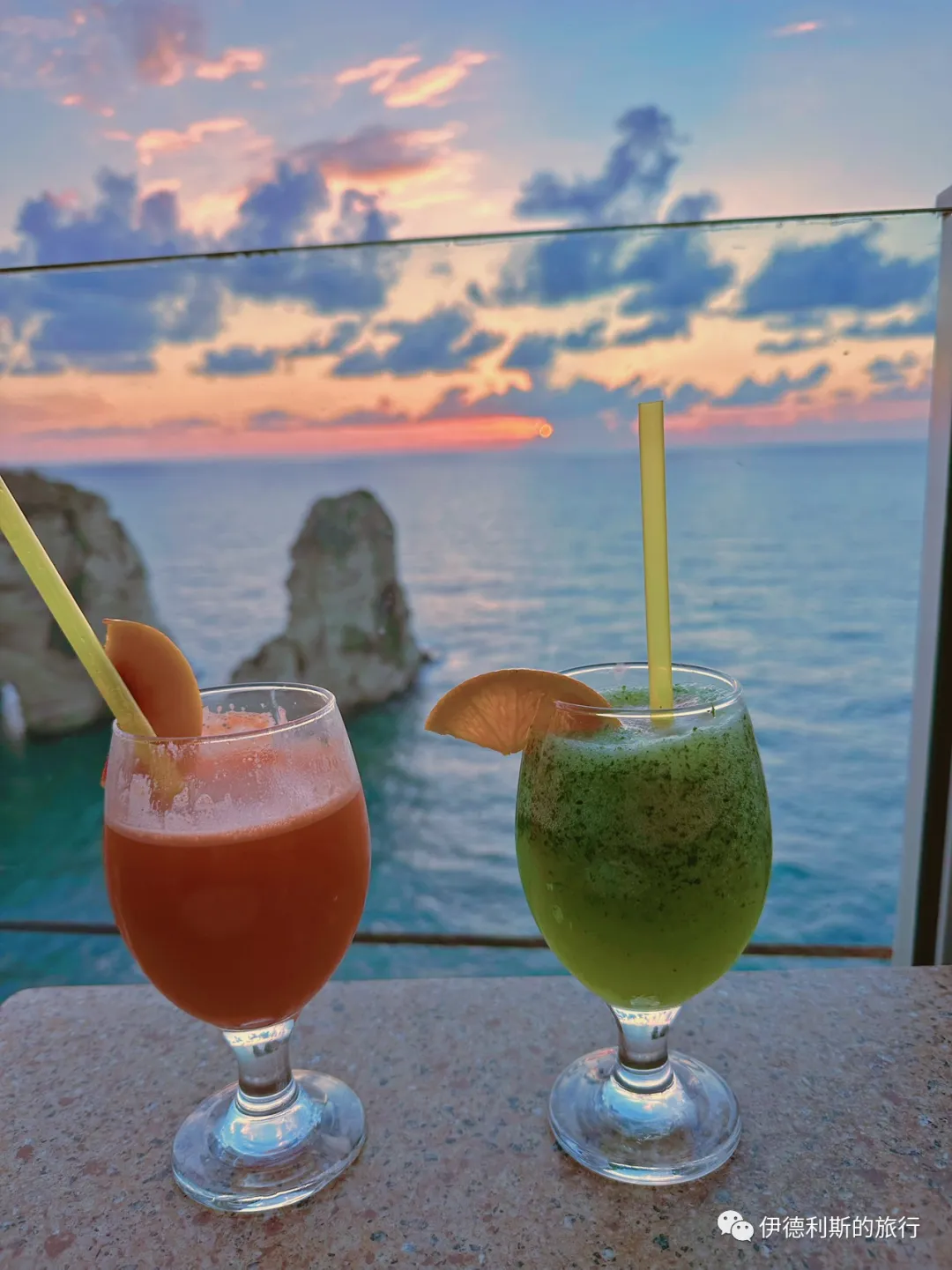
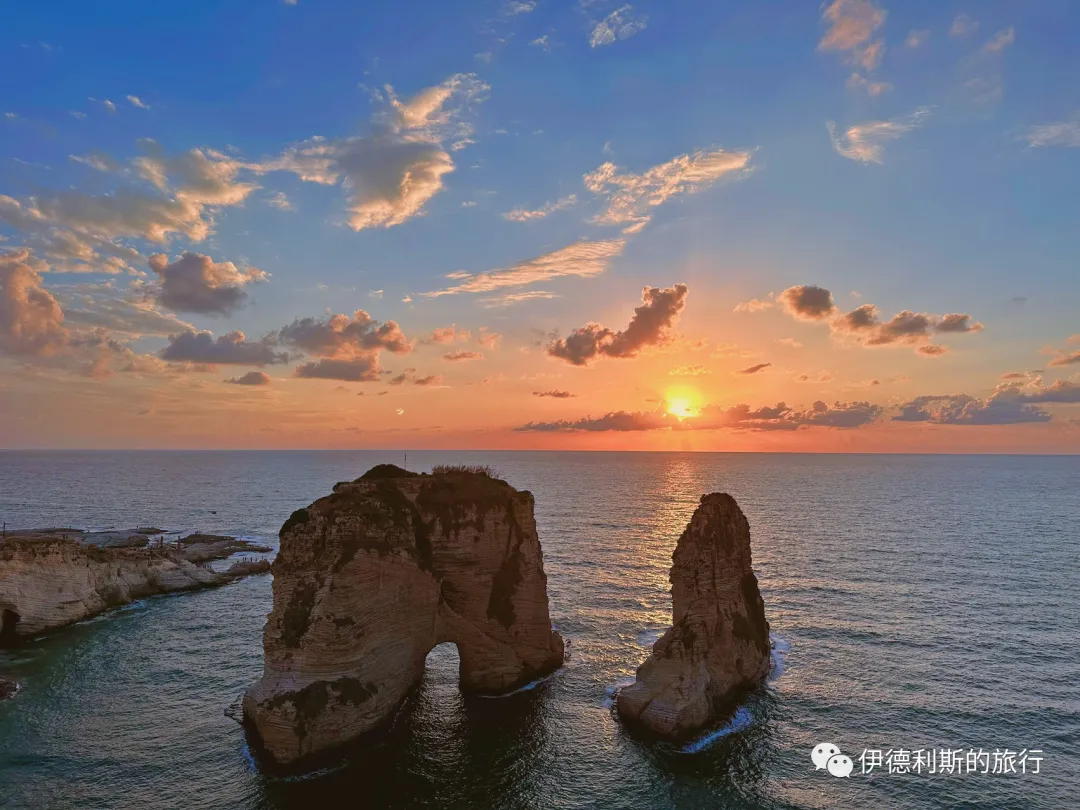
There is a string of cafes next to Pigeon Rocks, ranging from the Bay Rock Cafe in the south to the Starbucks in the north, all of which are classic spots to watch the sunset. Although many people post about this place online, the cafes are not actually very crowded, making them very relaxing. We ordered two juices and a plate of salad at the Bay Rock Cafe and spent a romantic and wonderful evening there.
Accommodation
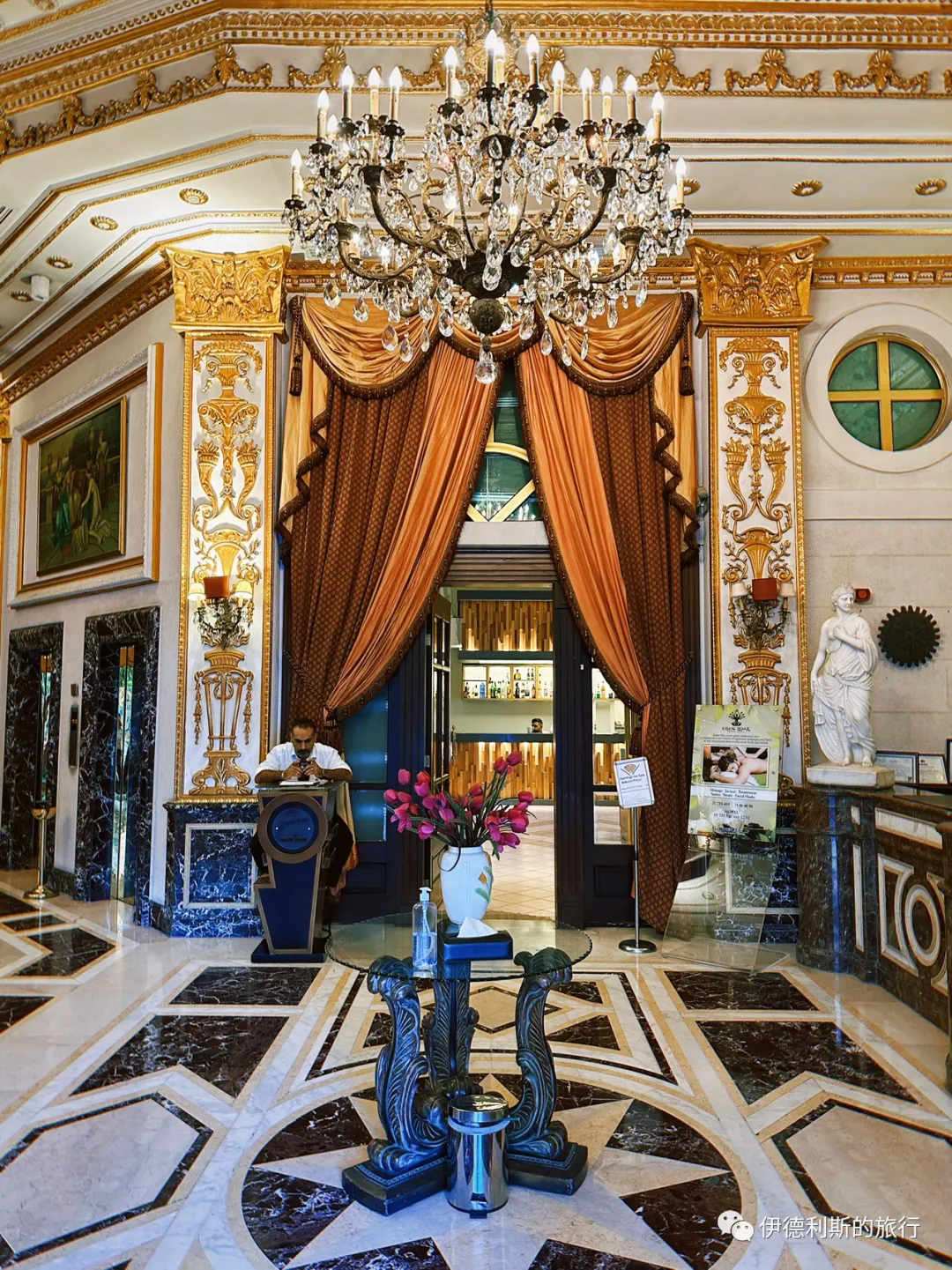
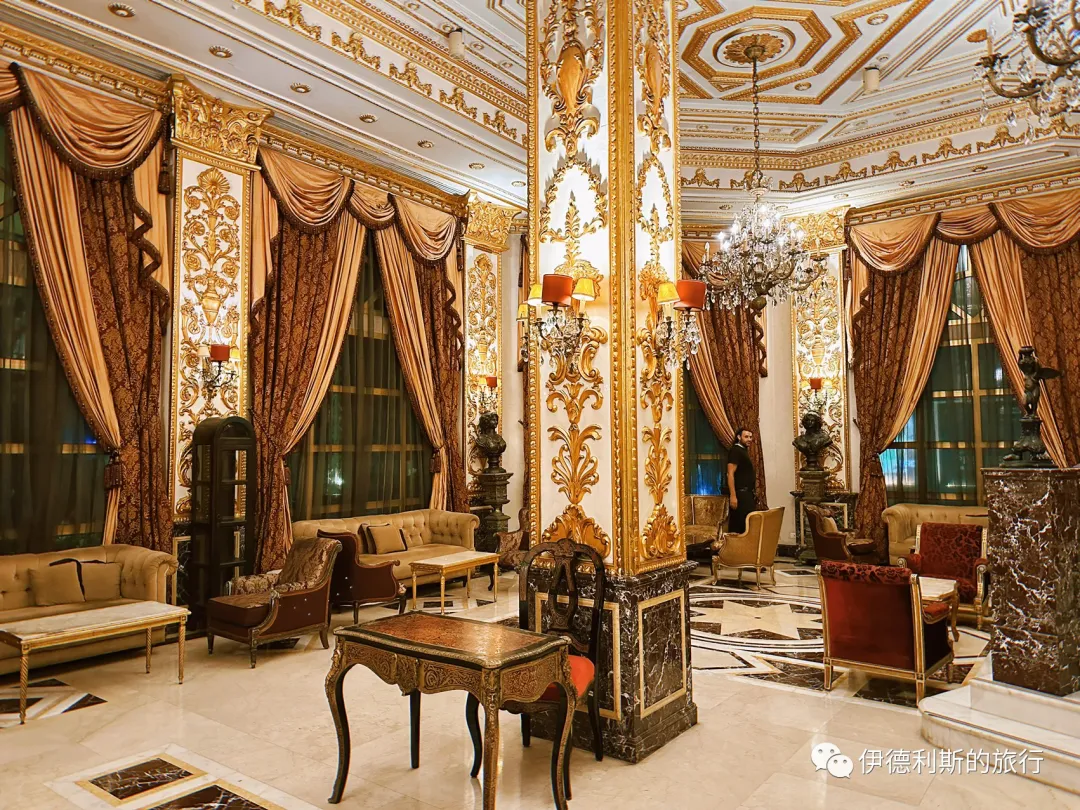
I stayed at the Serenada Golden Palace hotel in the heart of the Hamra district in Beirut. The hotel lobby is gorgeous and classic, reminding people of the prosperity and beauty of Beirut in the past. At the same time, opening the window in the room lets you see houses damaged by the war, which immediately pulls you back to reality.
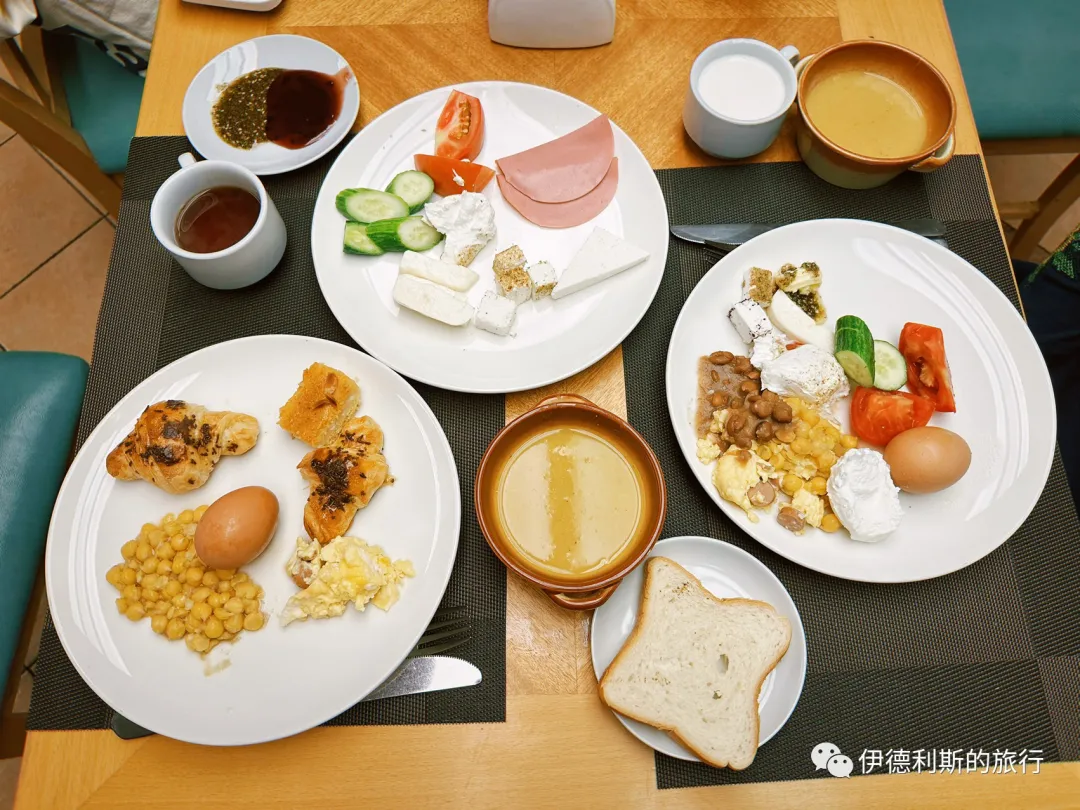
The hotel breakfast is quite rich, with all kinds of cheeses available, paired with various fruits and vegetables for a very healthy meal.
Summary: Beirut is covered through its long Mediterranean history, downtown streets, mosques, churches, markets, and food. This account keeps the original walking route, site names, historical details, and photographs from the visit.
Beirut became part of the Arab Caliphate in 635 and has been a trade hub in the Eastern Mediterranean ever since. During the Umayyad, Abbasid, and Fatimid dynasties, the Byzantine Empire tried to take back Beirut but failed every time. Beirut was part of the Kingdom of Jerusalem from 1110 to 1291, was taken back by the Mamluk Sultanate in 1291, and was conquered by the Ottoman Empire in the early 16th century. In the 16th and 17th centuries, the Ottoman Empire let local Druze emirs rule Beirut, but they took back control in 1763. With help from Damascus, Beirut broke the monopoly that the city of Acre had on Eastern Mediterranean trade and became a major trade center once again.
Mosque
The Mohammad Al-Amin Mosque was built between 2002 and 2008 in an Ottoman style with funds donated by former Lebanese Prime Minister Rafic Hariri, and it is currently the largest mosque in Lebanon.
This is a Sunni mosque, and it does not have many people coming for namaz. I chatted with an old man for a while. He said the Sunni population in Beirut is not strong enough and suggested I visit Tripoli in the north, saying that is where the powerful Sunni city is. In fact, Lebanon's Sunni population is mainly spread across the north, led by Tripoli, and the Bekaa Valley in the east. In the capital city of Beirut, the northwest is mostly Sunni, the southwest is mostly Shia, and the east is mostly Christian. During the civil war, the Mohammad Al-Amin Mosque was near the dividing line between the Muslim and Christian districts. This dividing line was called the Green Line because it grew over with weeds and trees while no one lived there during the war. It used to be full of militia checkpoints and snipers, and many buildings were badly damaged.
The Emir Assaf Mosque was built in the late 16th century by the emir rulers of the local Lebanese Assaf dynasty (1306-1591), and the emir's palace and gardens used to be next to the mosque.
The Assaf dynasty was a Sunni Turkmen dynasty. In 1306, the Mamluk governor of Damascus sent the Turkmen tribe led by the Assaf family to put down a rebellion north of Beirut. Later, the Mamluk Sultanate assigned them to guard the coastal area north of Beirut and manage the local Shia residents. After the Ottoman Empire took the Levant region from the Mamluk Sultanate in 1516, they appointed the Assaf family as the main agents for the Beirut and Tripoli regions. The Assaf dynasty attracted Maronite Christians to settle in northern Beirut by lowering taxes and housing prices to balance out the local Sunni and Shia Muslims. In 1579, the Ottoman Empire established the Tripoli Eyalet to keep the Assaf dynasty in check. In 1591, the Ottoman governor of Tripoli ordered the execution of the last Assaf emir by gunfire, ending the Assaf dynasty.
The Great Omari Mosque is said to have been founded in 635 during the reign of Caliph Umar, and in 1150, the Crusaders built a Romanesque Church of St. John here. After the Mamluk Sultanate captured Tripoli in 1291, they converted it into a grand mosque and added a Mamluk-style gate and minaret in 1350. During the French Mandate for Lebanon from 1923 to 1946, the street-facing facade of the Great Omari Mosque was redesigned with an added portico to unify the architectural style of downtown Beirut. The Great Omari Mosque suffered severe damage during the Lebanese Civil War, and renovations were completed in 2004.
Small Sufi lodge (zawiya).
Zawiyat Ibn Arraq is located at the entrance of the Beirut Souks and is the only remaining Mamluk-era building in Beirut. This building was constructed in 1517 by the religious authority Ibn 'Arraq Al-Dimashqi from Damascus, and it was originally a hospice. After Ibn 'Arraq passed away in 1526, the site became a school of Islamic law and a zawiya (small Sufi lodge) for his followers. The currently remaining vaulted structure once connected to other courtyards and rooms.
Food
I had dinner at a famous local restaurant called T-Marbouta in the Hamra district of Beirut, where I ordered kibbeh mloukiyeh, hommos moutammam, and grilled meat, along with herbal tea and mint tea. Kibbeh is a fried ball made of cracked wheat and minced lamb, a classic appetizer in the Levant region; the one I ate was topped with mloukiyeh (jute leaves), eggplant, walnuts, and pomegranate. Hummus is another classic appetizer from the Levant region made of mashed chickpeas.
Hamra is a lively and trendy neighborhood in Beirut near the American University. It is full of young people and has long been a cultural hub of Beirut. The environment here is relatively nice, making it a good place for shopping in Beirut.
We had steak and fried chicken at a fast-food restaurant in the Hamra district of Lebanon. There are many young people here and a wide variety of restaurants, including Chinese and Japanese food. Because the power supply is unstable, shops here suddenly go dark from time to time. Everyone except us stayed very calm, waiting for the power to come back on by itself. I think it must be hard to use a desktop computer without a battery in Beirut, so everyone definitely chooses laptops first.
We ate at Zaatar w Zeit, a famous Lebanese fast-food chain in the Hamra district. They specialize in Levantine-style flatbread (manakish), and their food is very healthy.
Manakish is a traditional bread that originated with the ancient Phoenicians. You can top it with a spice blend (zaatar), cheese, or minced lamb. We had the one with zaatar, which is a unique mix of thyme, sumac, oregano, marjoram, and sesame seeds.
We also drank Lebanese coffee, which is made with Arabica coffee beans and flavored with cardamom.
In the evening, we had coffee at the legendary Younes Coffee in the Hamra district of Beirut. The founder of Younes Coffee, Amin Younes Sr., immigrated to Brazil in 1894 and worked on a Brazilian coffee tycoon's plantation for 20 years. In 1935, Amin returned to Lebanon and opened Younes Coffee in downtown Beirut. During World War II, the collapse of the Lebanese currency wiped out most of Amin's savings, but he still managed to pull through. In 1960, Amin's son Souheil joined the family business and helped his father open the first branch of Younes Coffee in the Hamra district. It was one of the first coffee shops in Lebanon to buy an espresso machine. The Younes flagship store in downtown Beirut was destroyed during the Lebanese Civil War in 1975, and only the Hamra branch survived.
Abou Anwar worked at Younes Coffee for 60 years starting in 1954. As the cafe's most senior coffee roasting master, his expert skills attracted a large group of loyal customers. The coffee I ordered was named after him, the Abou Anwar Blend, which mixes his favorite fruits and spices.
There is a string of cafes next to Pigeon Rocks, ranging from the Bay Rock Cafe in the south to the Starbucks in the north, all of which are classic spots to watch the sunset. Although many people post about this place online, the cafes are not actually very crowded, making them very relaxing. We ordered two juices and a plate of salad at the Bay Rock Cafe and spent a romantic and wonderful evening there.
Accommodation
I stayed at the Serenada Golden Palace hotel in the heart of the Hamra district in Beirut. The hotel lobby is gorgeous and classic, reminding people of the prosperity and beauty of Beirut in the past. At the same time, opening the window in the room lets you see houses damaged by the war, which immediately pulls you back to reality.
The hotel breakfast is quite rich, with all kinds of cheeses available, paired with various fruits and vegetables for a very healthy meal.
