
Halal Travel Guide: Hui Muslims on the Ulan Butong Grassland
Reposted from the web
Summary: The Ulan Butong Grassland in Inner Mongolia is shown through its scenery, travel route, and Hui Muslim mosque communities around the area. This account keeps the place names, mosque notes, food details, and photographs from the original trip.
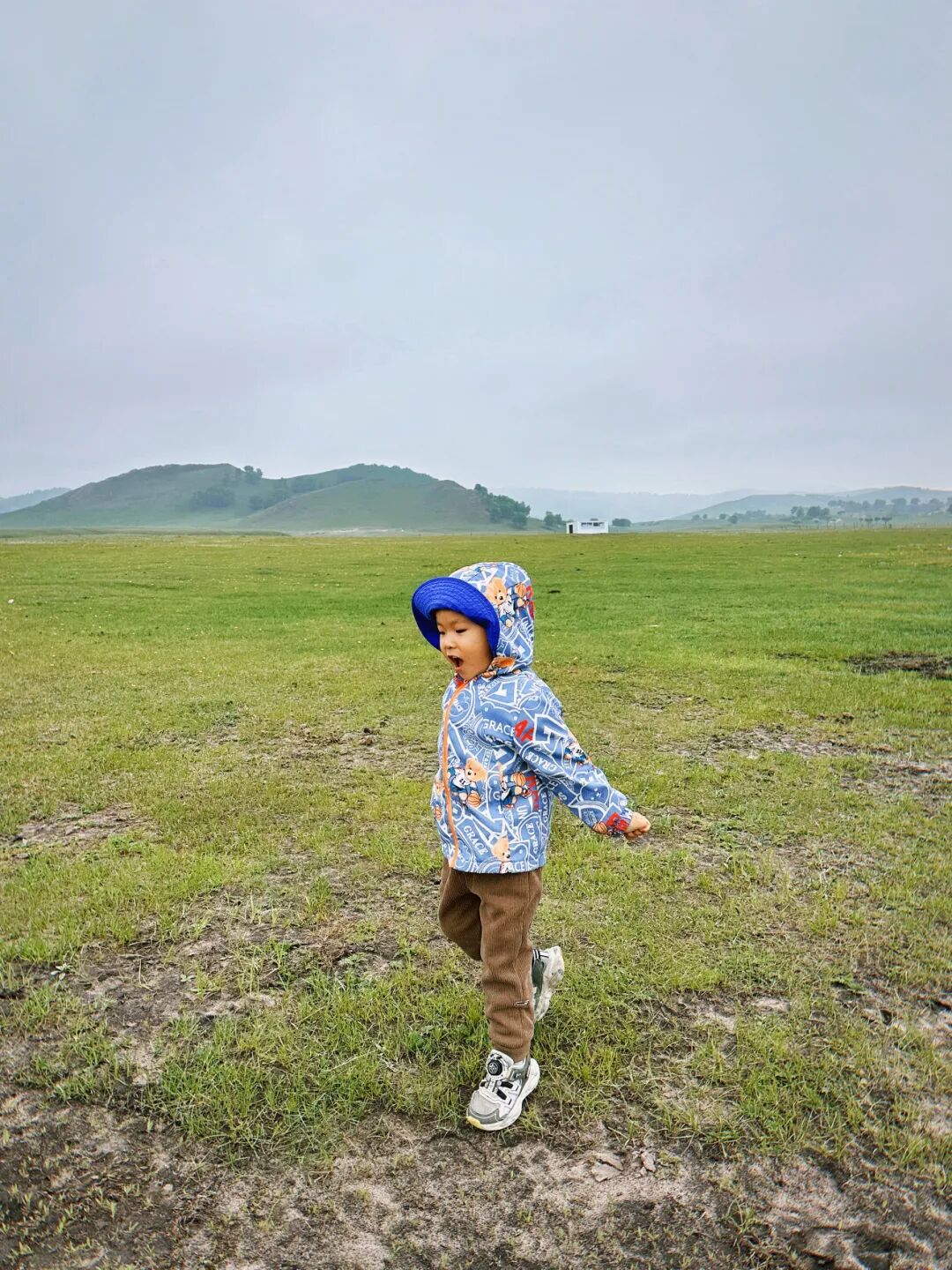
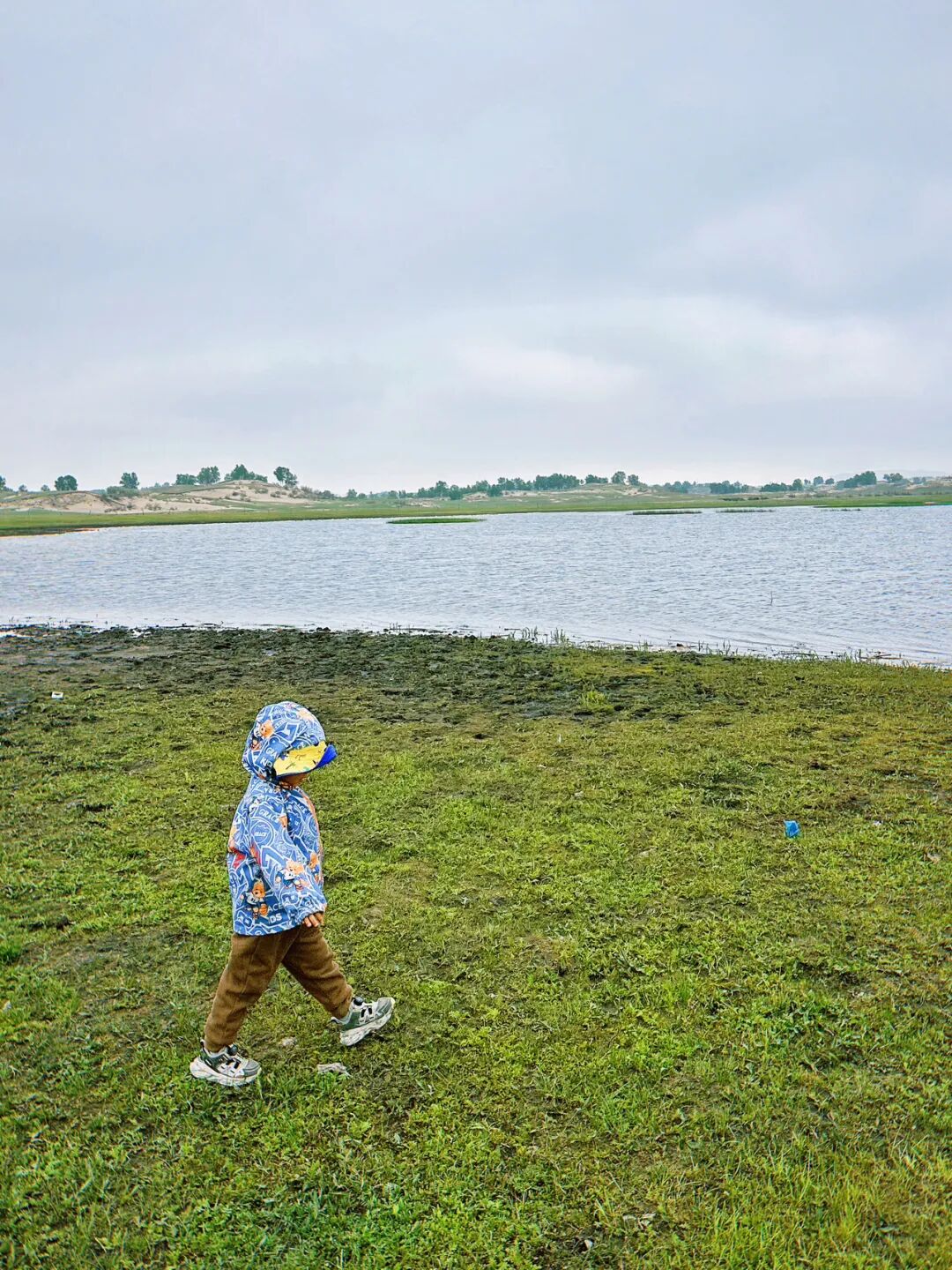
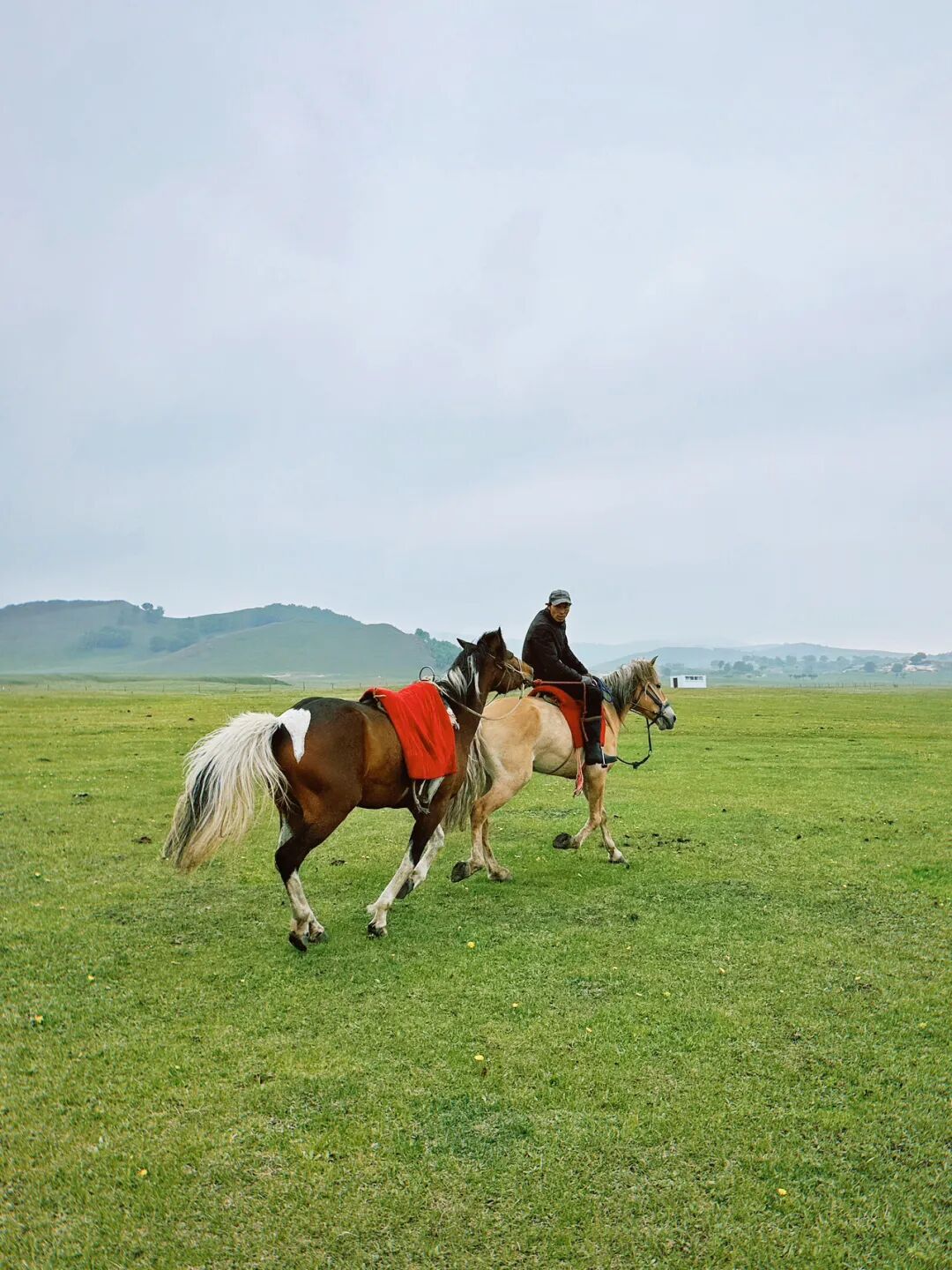
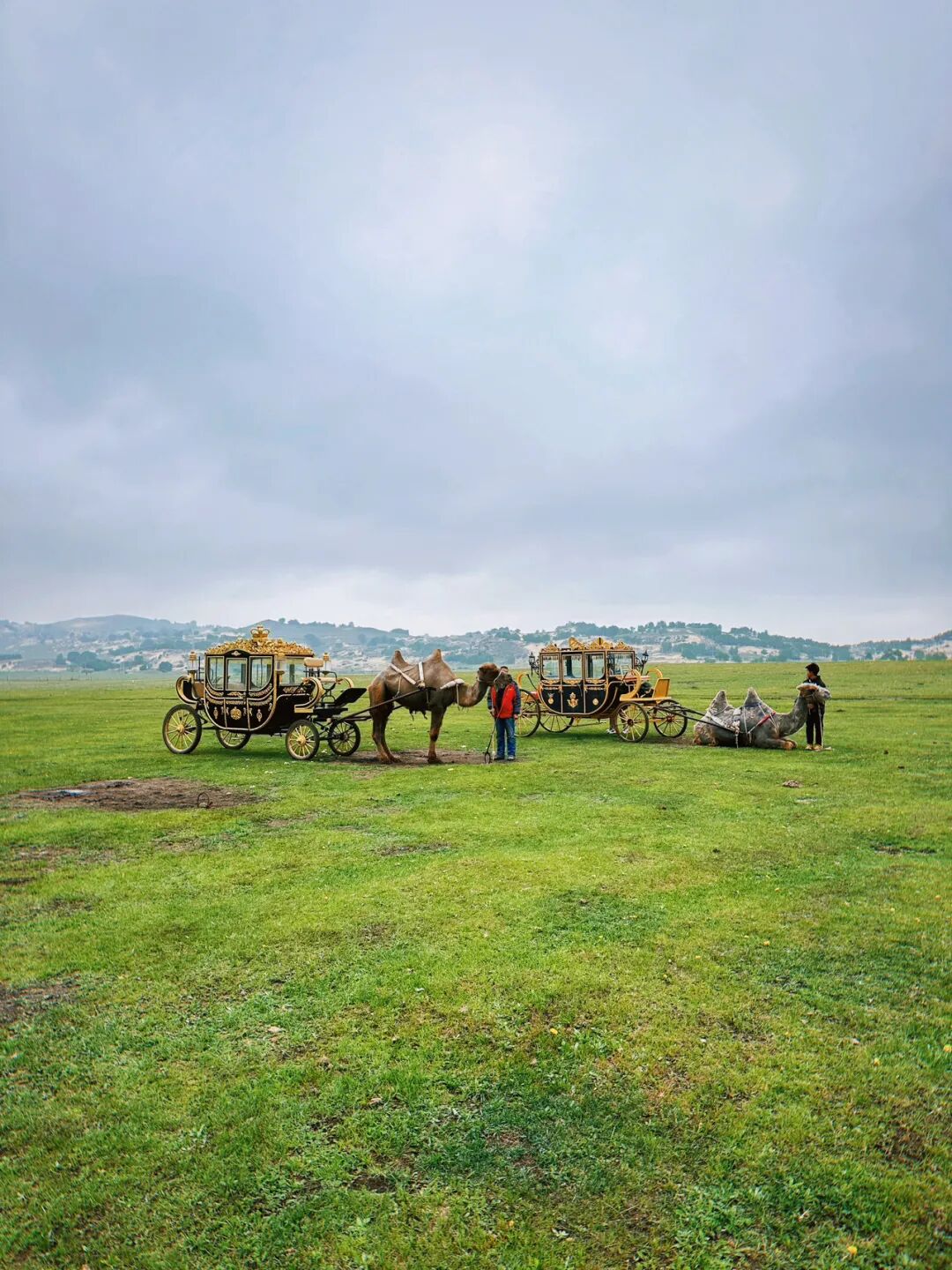
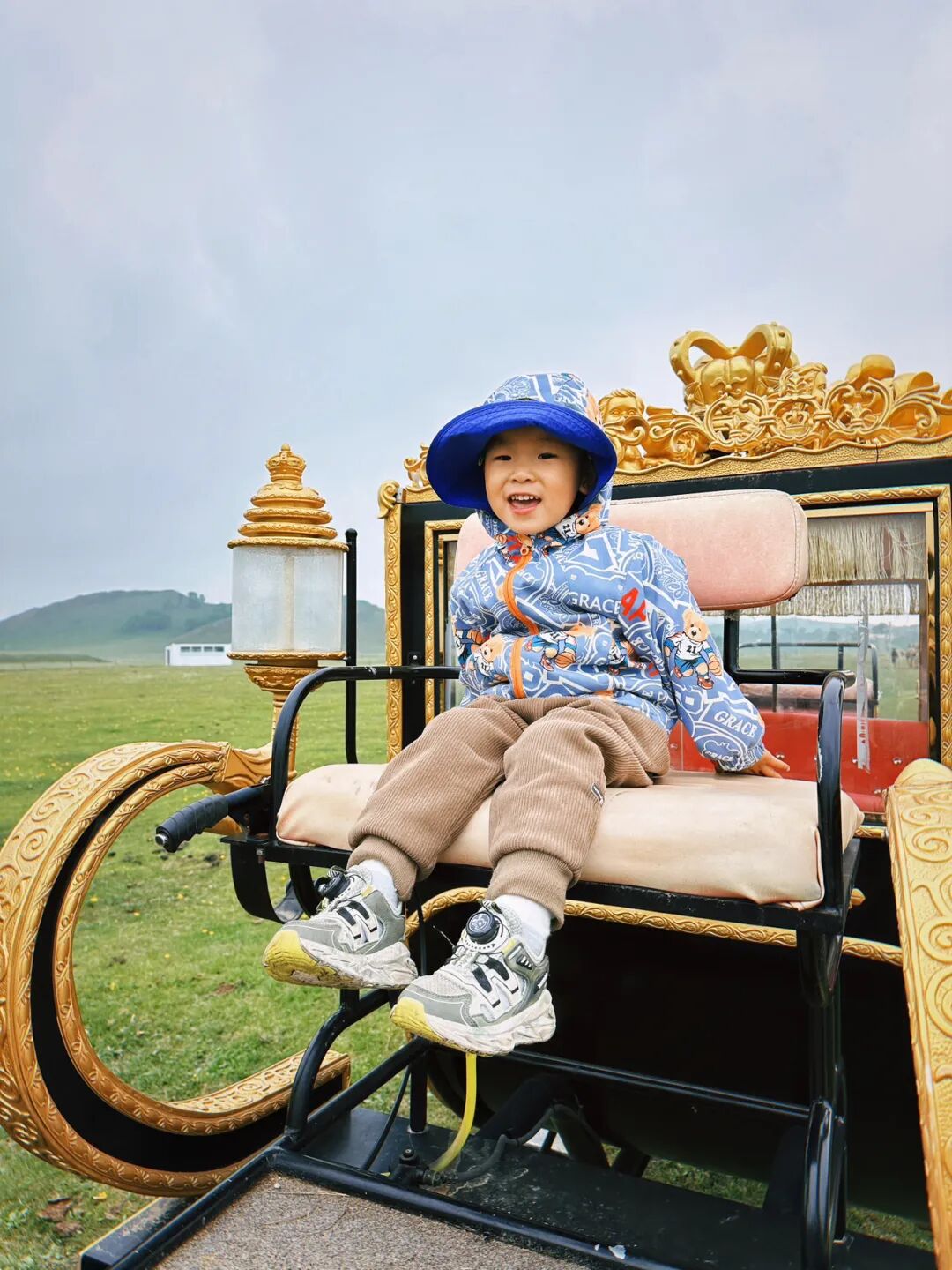
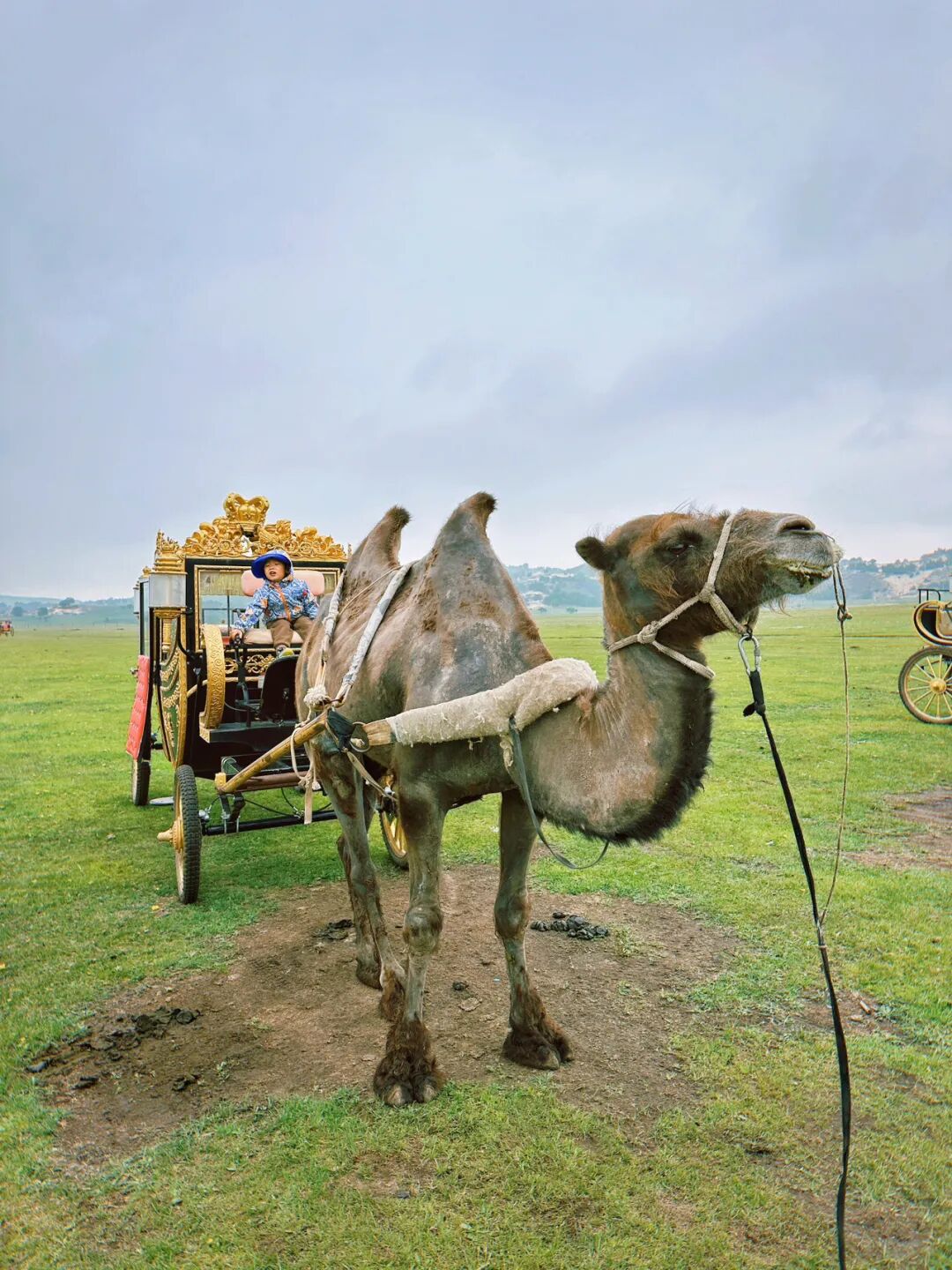
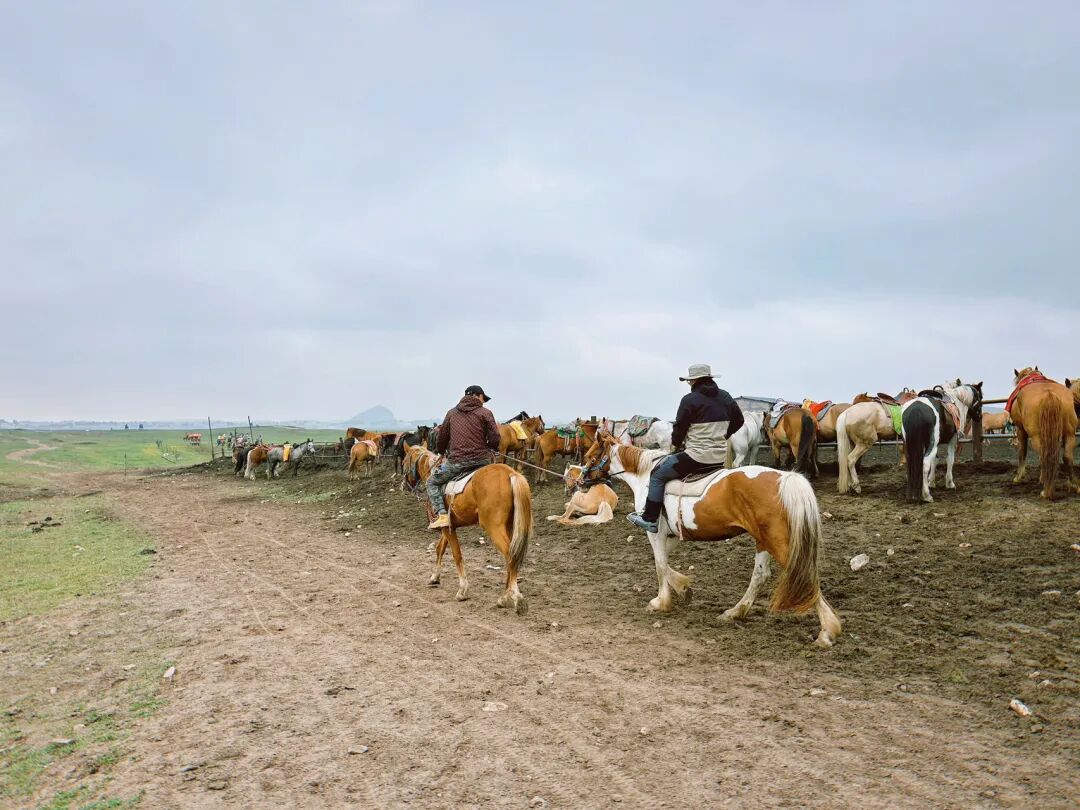
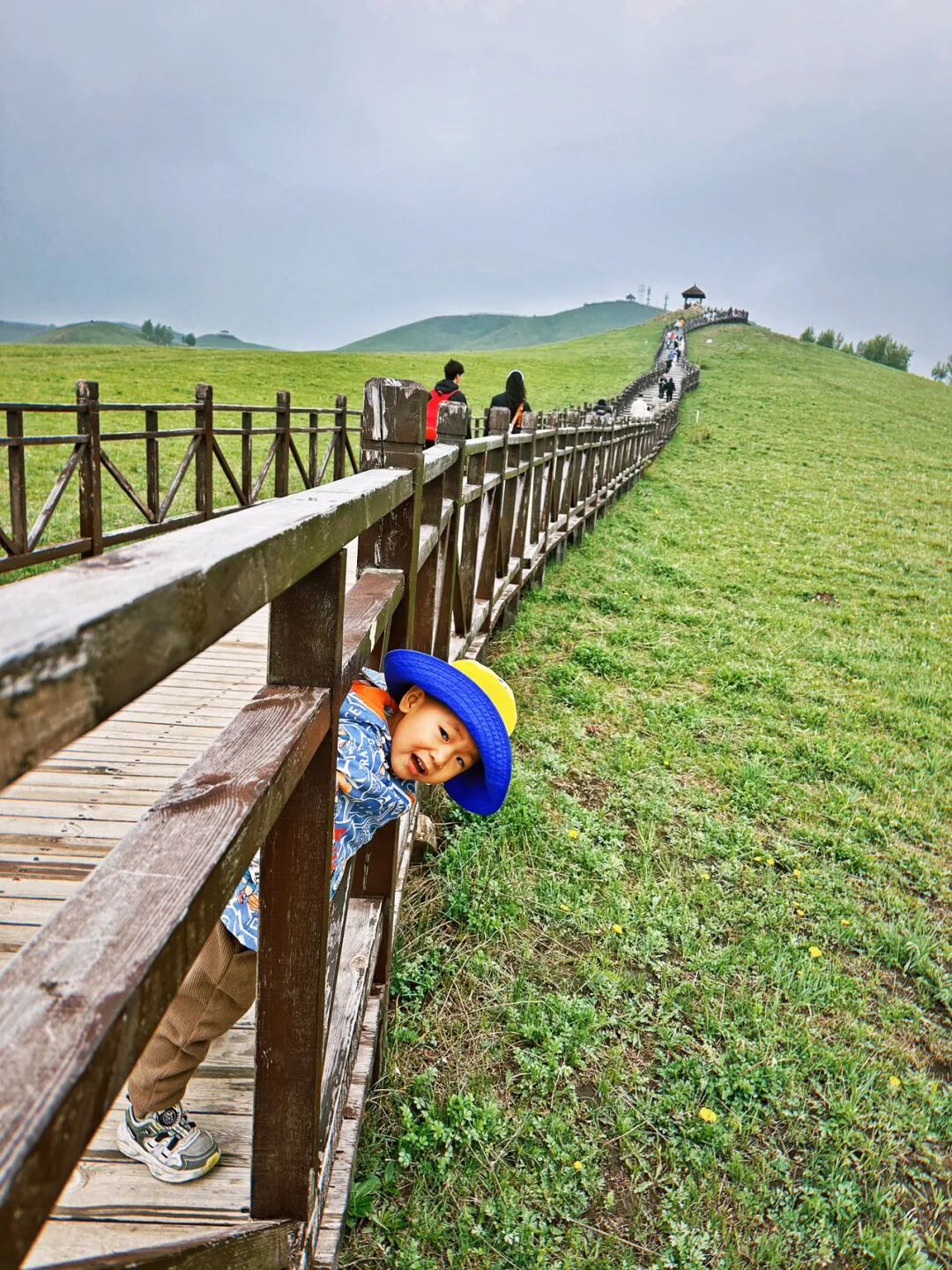
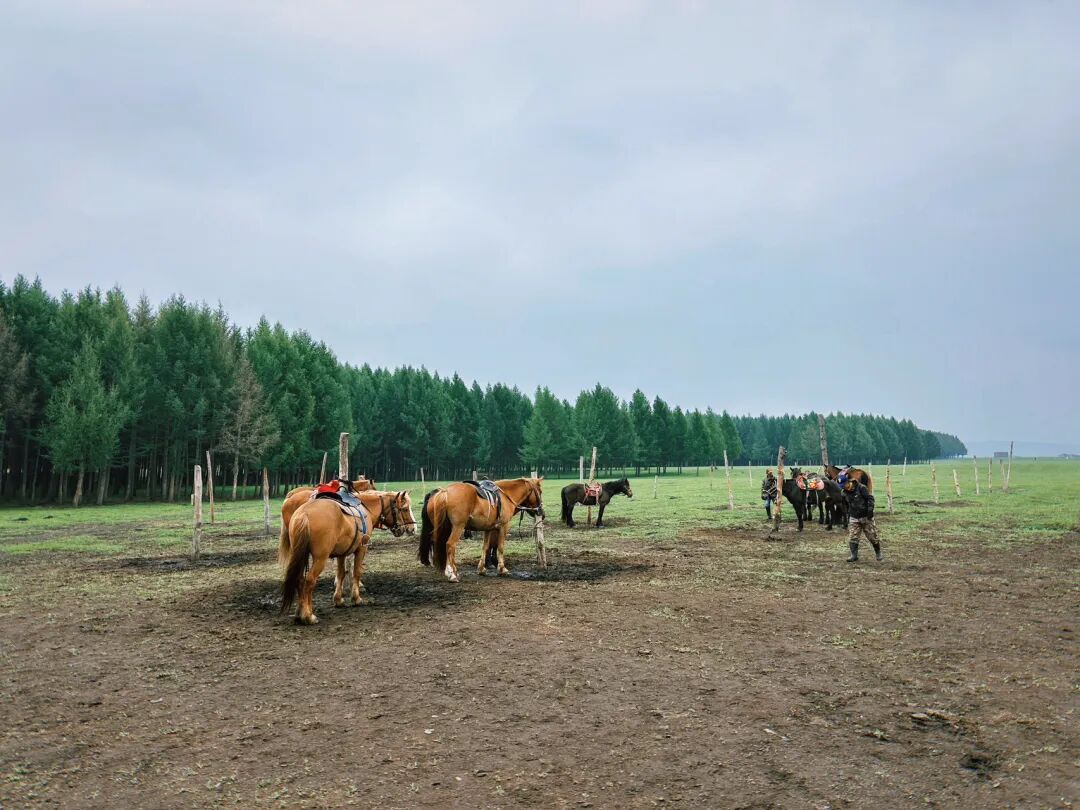
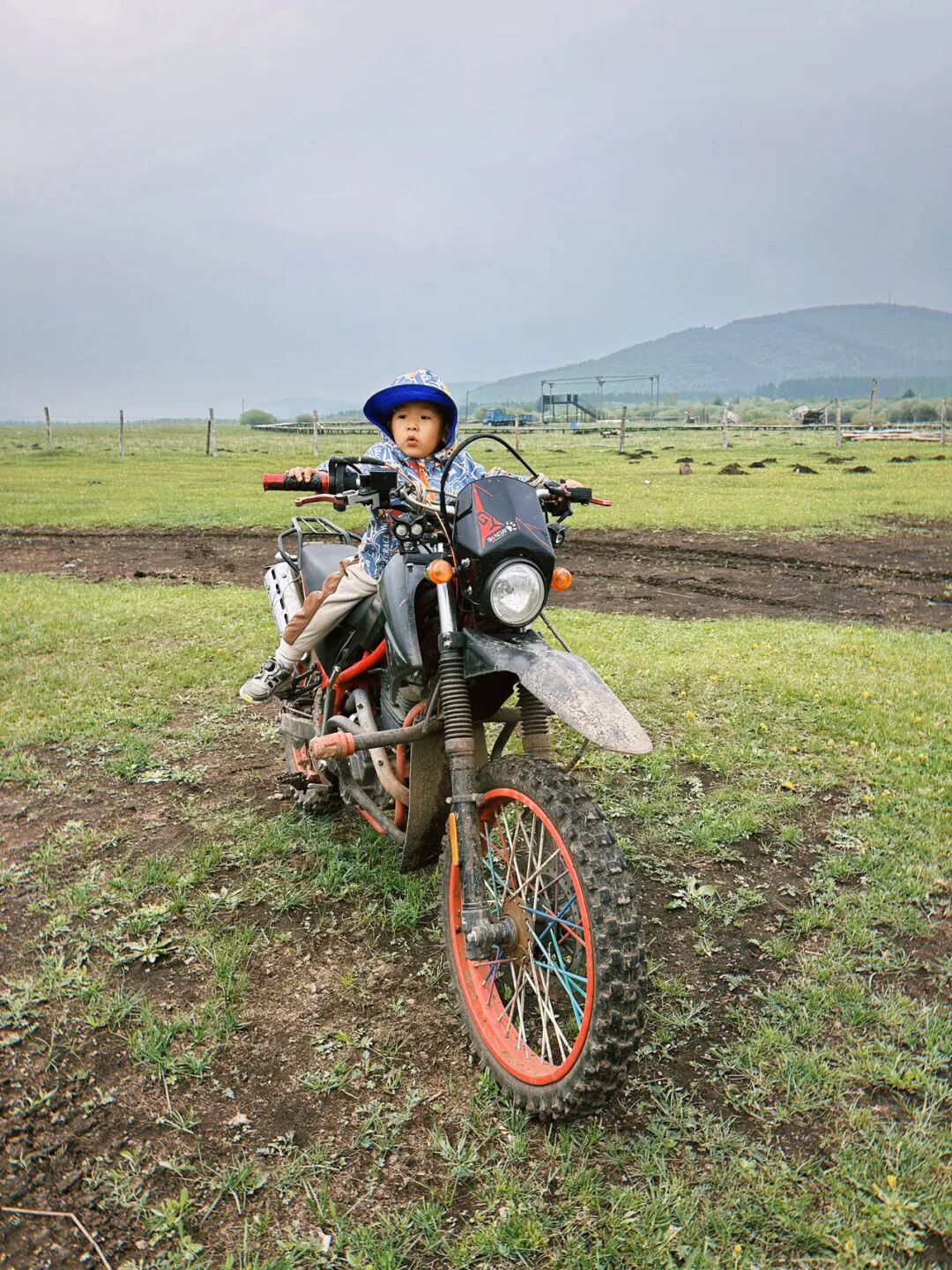
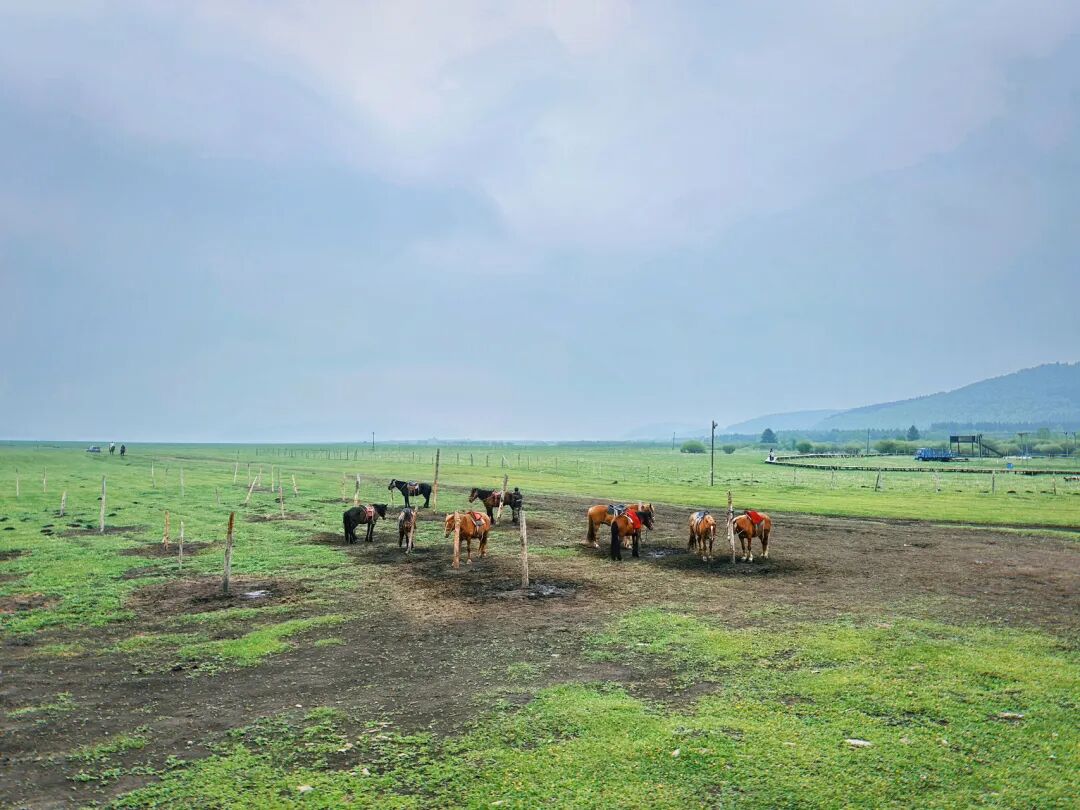
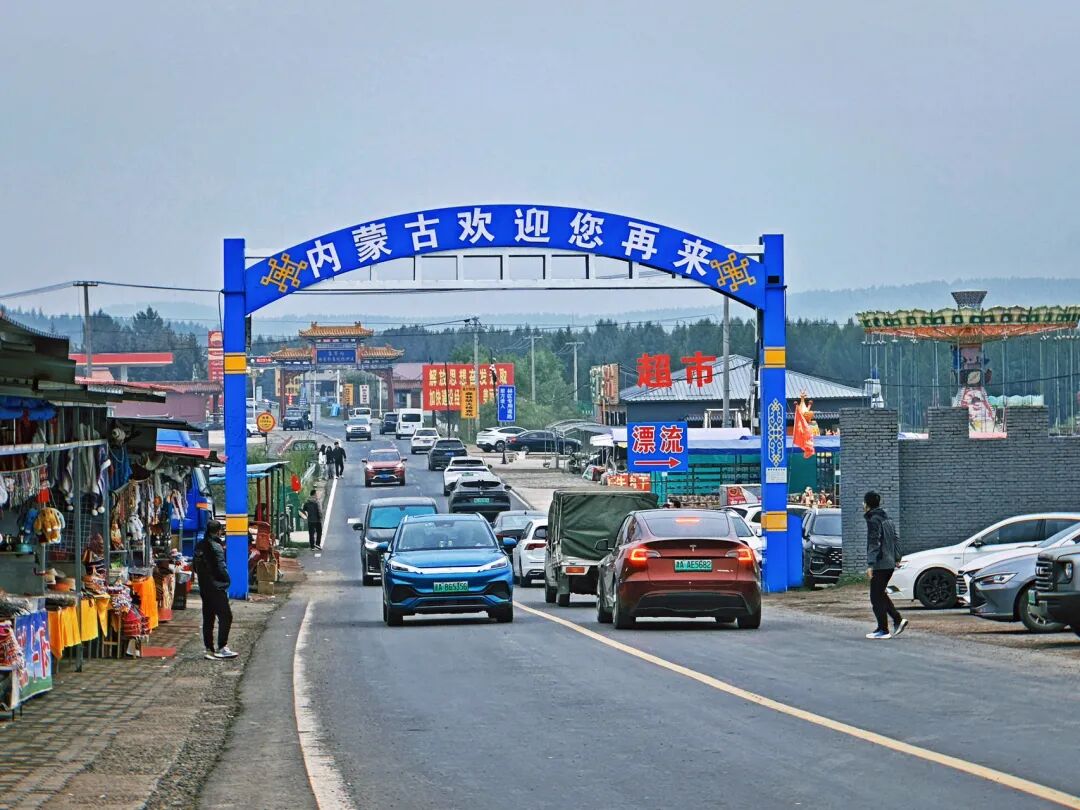
We started from Jingpeng Town in Hexigten Banner, Chifeng, and reached the Ulan Butong Grassland after a one-hour drive. We bought tickets to enter the grassland, rode a camel cart, walked along the wooden boardwalk, and went horseback riding. The cool weather and strong winds could not stop everyone's excitement for exploring the grassland. This was also Suleiman's first time seeing a grassland and riding a horse. He went from being afraid to even look at the horses to riding one on his own, showing how much braver the young man has become.
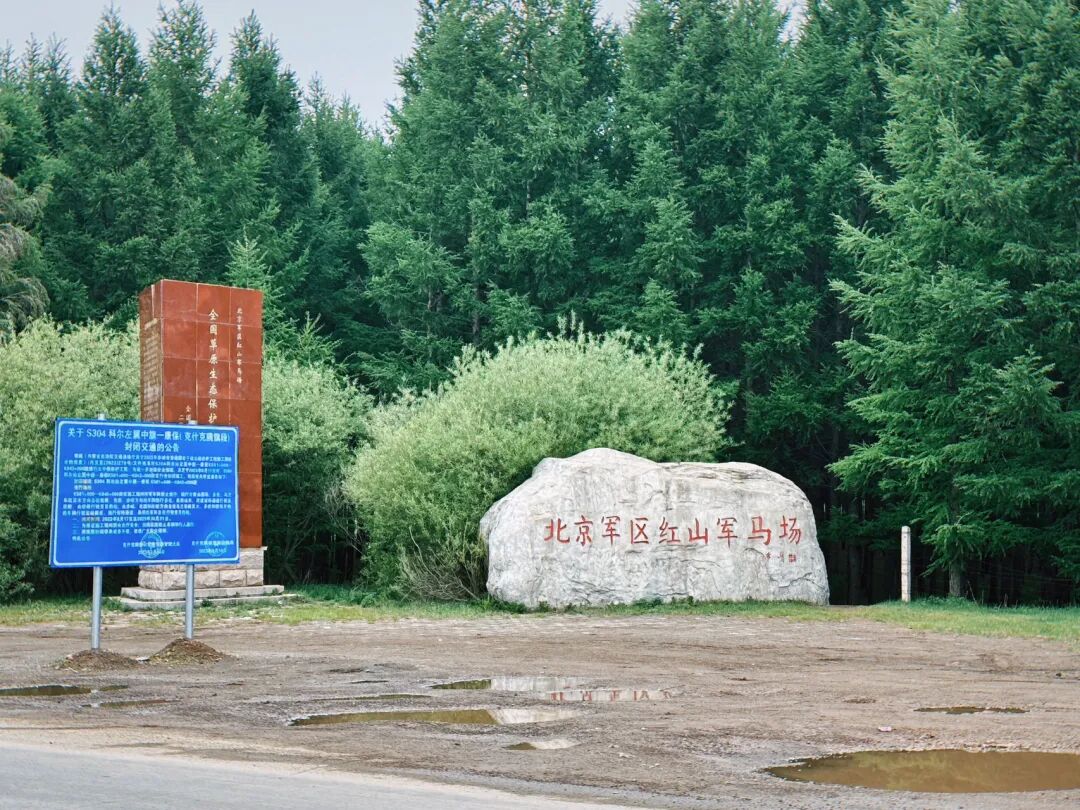
Inside the Ulan Butong scenic area is General's Pond (Jiangjun Paozi), an ancient battlefield where the Qing Dynasty fought the Dzungar Khanate in 1690. The Qing army, led by Prince Yu Fuquan, fought fiercely for several days here against the Oirat Mongol army led by Galdan, until Galdan ran out of ammunition and retreated. This is also a great place to reflect on history.
The biggest surprise of this trip to Ulan Butong was learning that more than 80 Hui Muslim households live inside the scenic area, and there is even a mosque (sifang).
After finishing our tour of the Ulan Butong scenic area, we exited through the east gate to have lunch. The map showed four hand-pulled noodle shops in Junmachang Village of Ulan Butong Sum, and the first one we saw by the road was one of them. We parked and went inside, but it was very crowded. A young couple was busy pulling noodles non-stop. We asked and found out there were ten orders ahead of us, so we left to try the next place. The navigation for the second shop was slightly off, and we missed the turn, so we went straight to the third and fourth shops. The third and fourth shops were right next to each other, and both served hand-pulled noodles. I was ready to park at the third one, but Zaynab had a sharp eye and noticed the fourth one also served home-style dishes, so we parked at the fourth one.
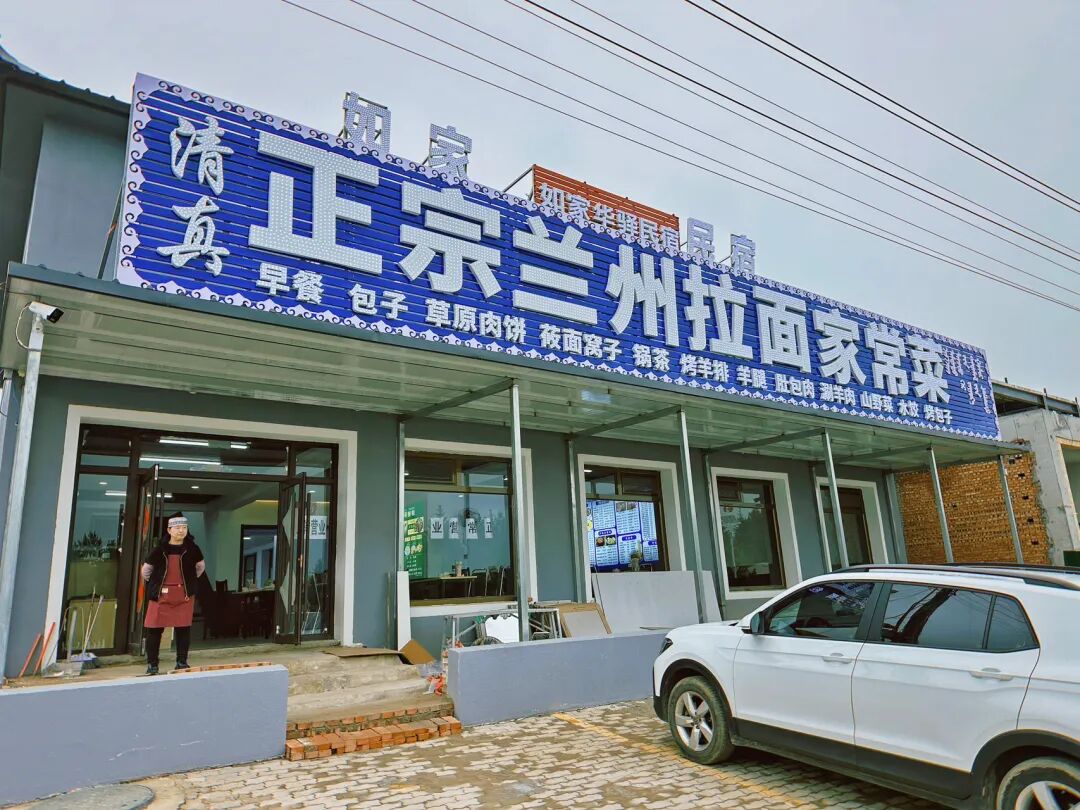
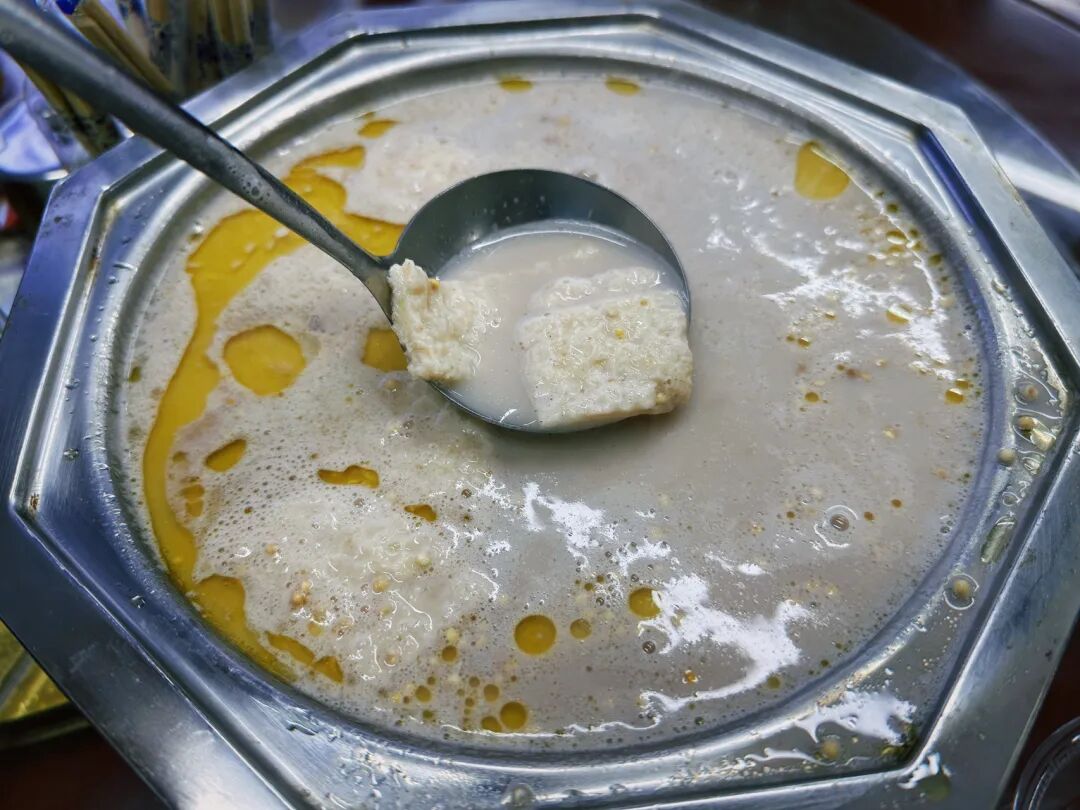
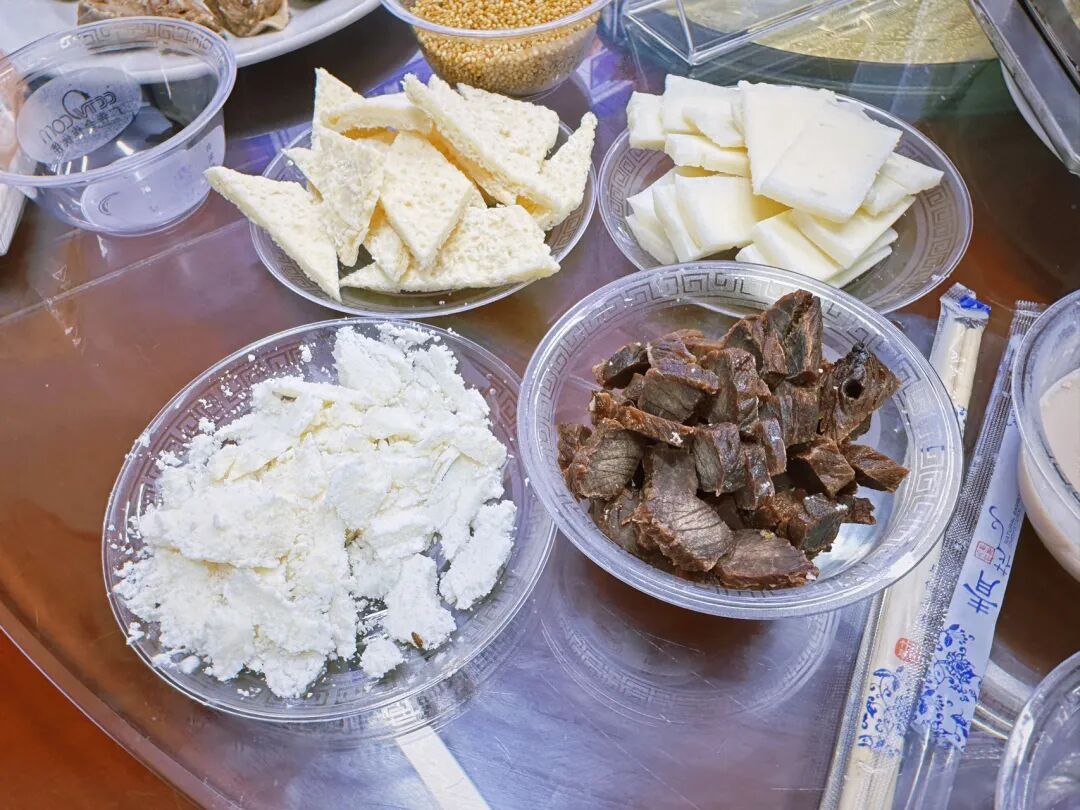
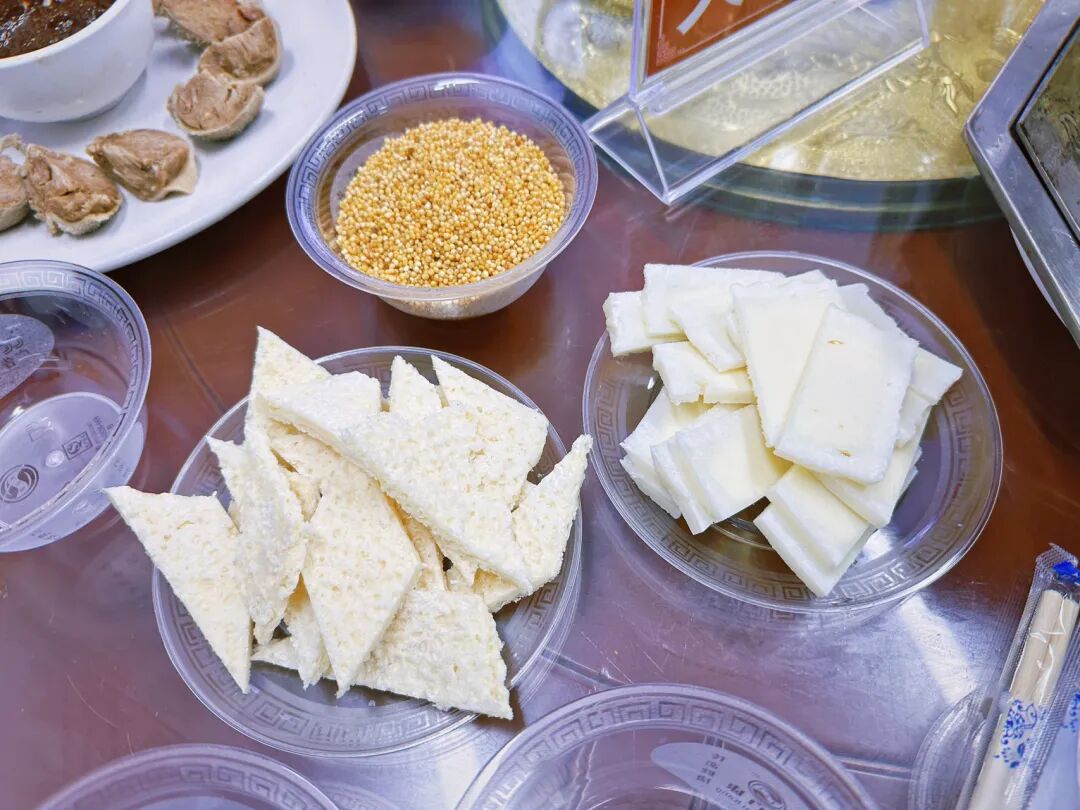
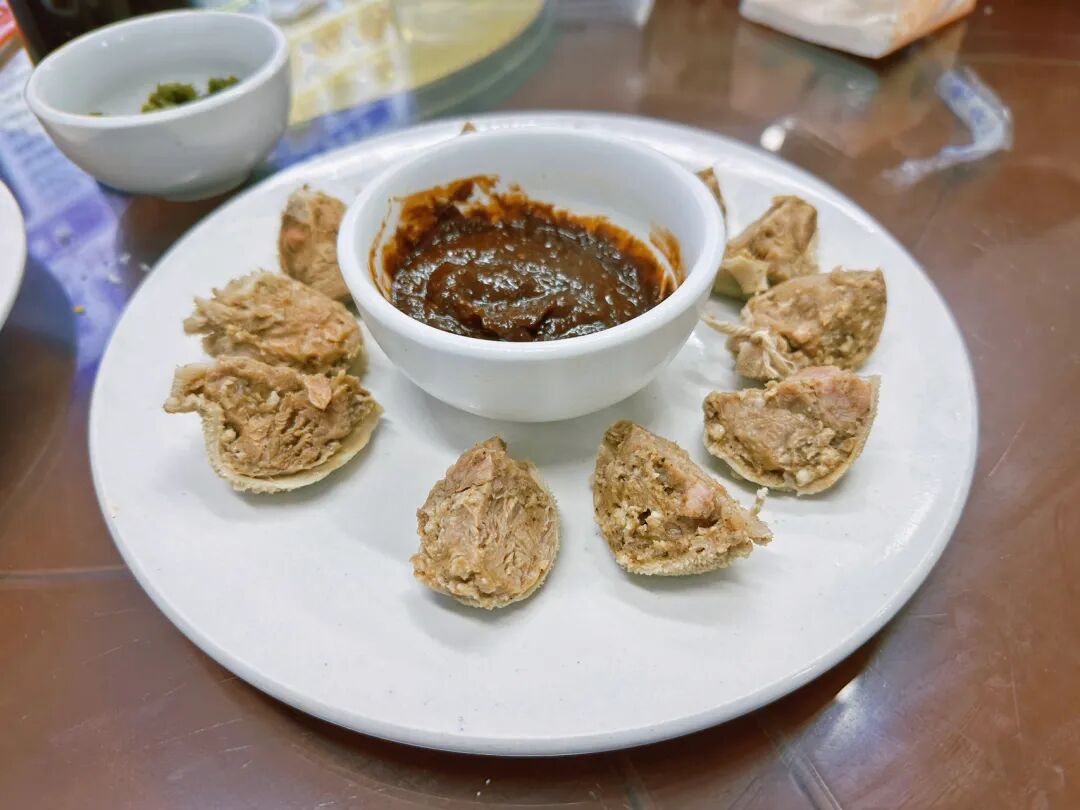
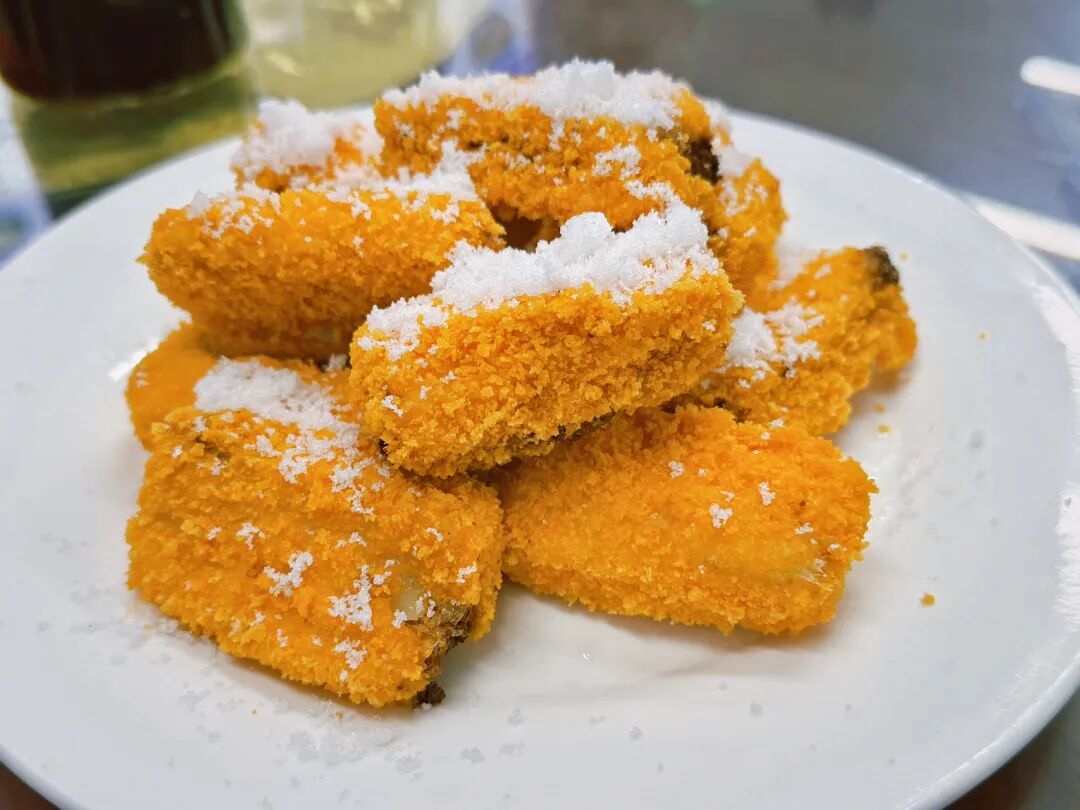
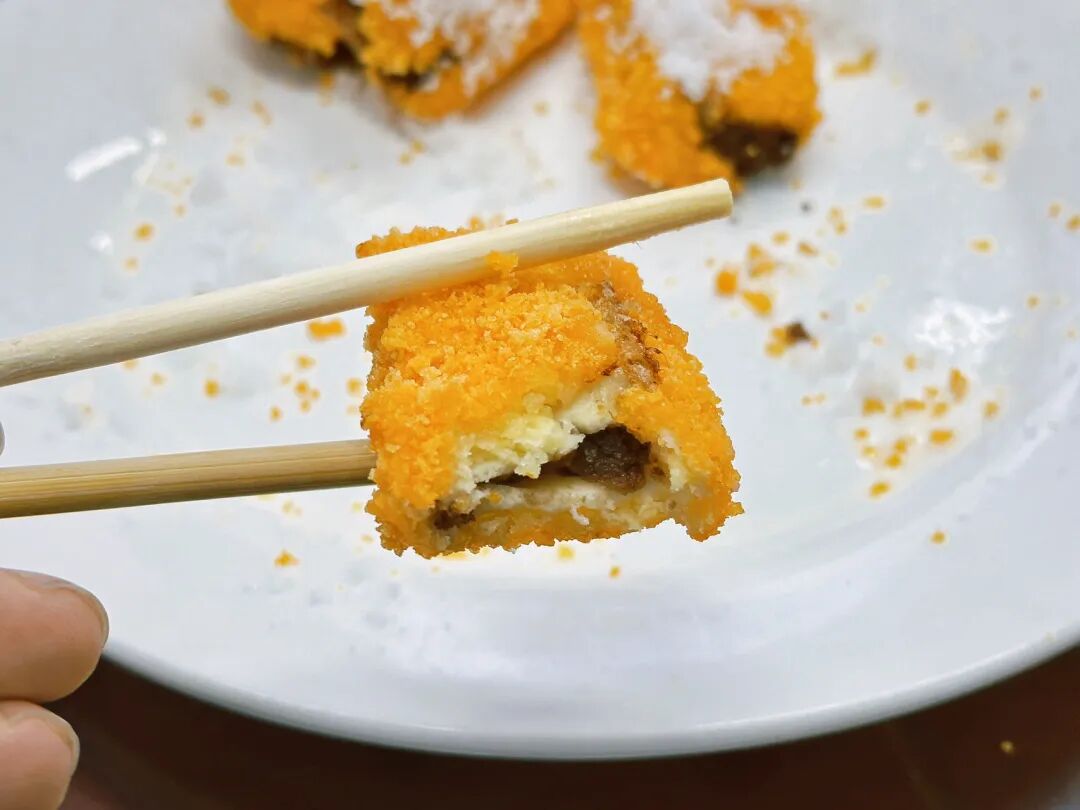
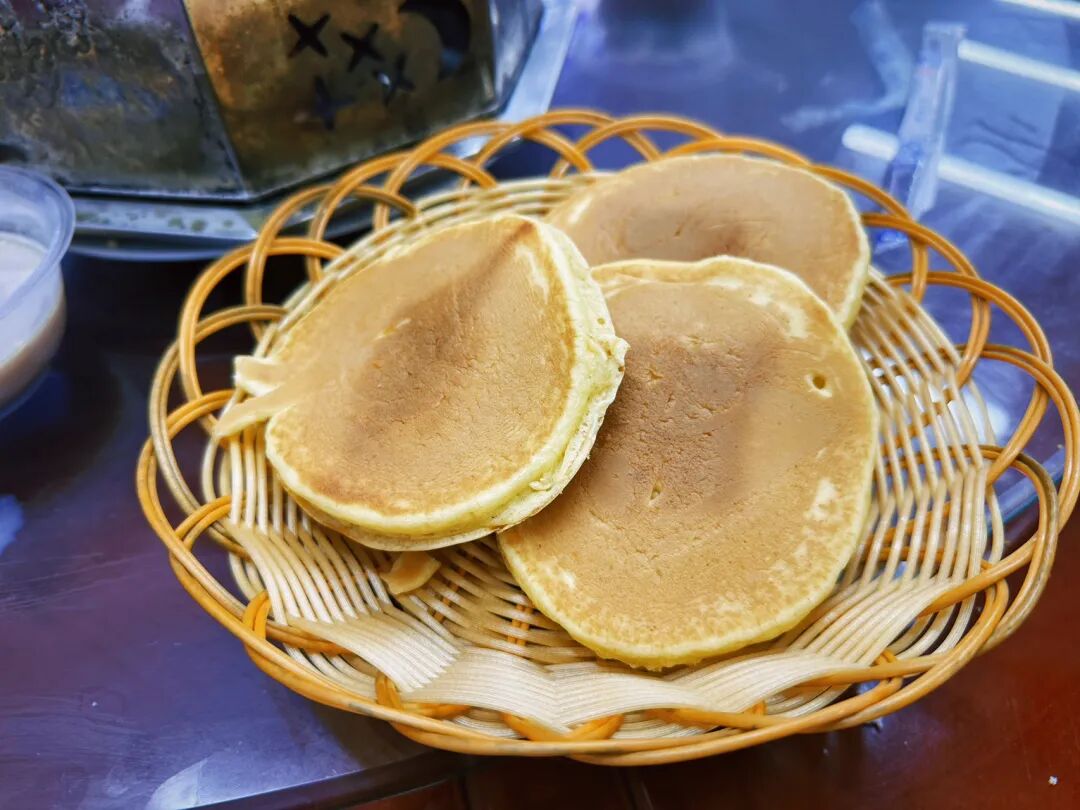
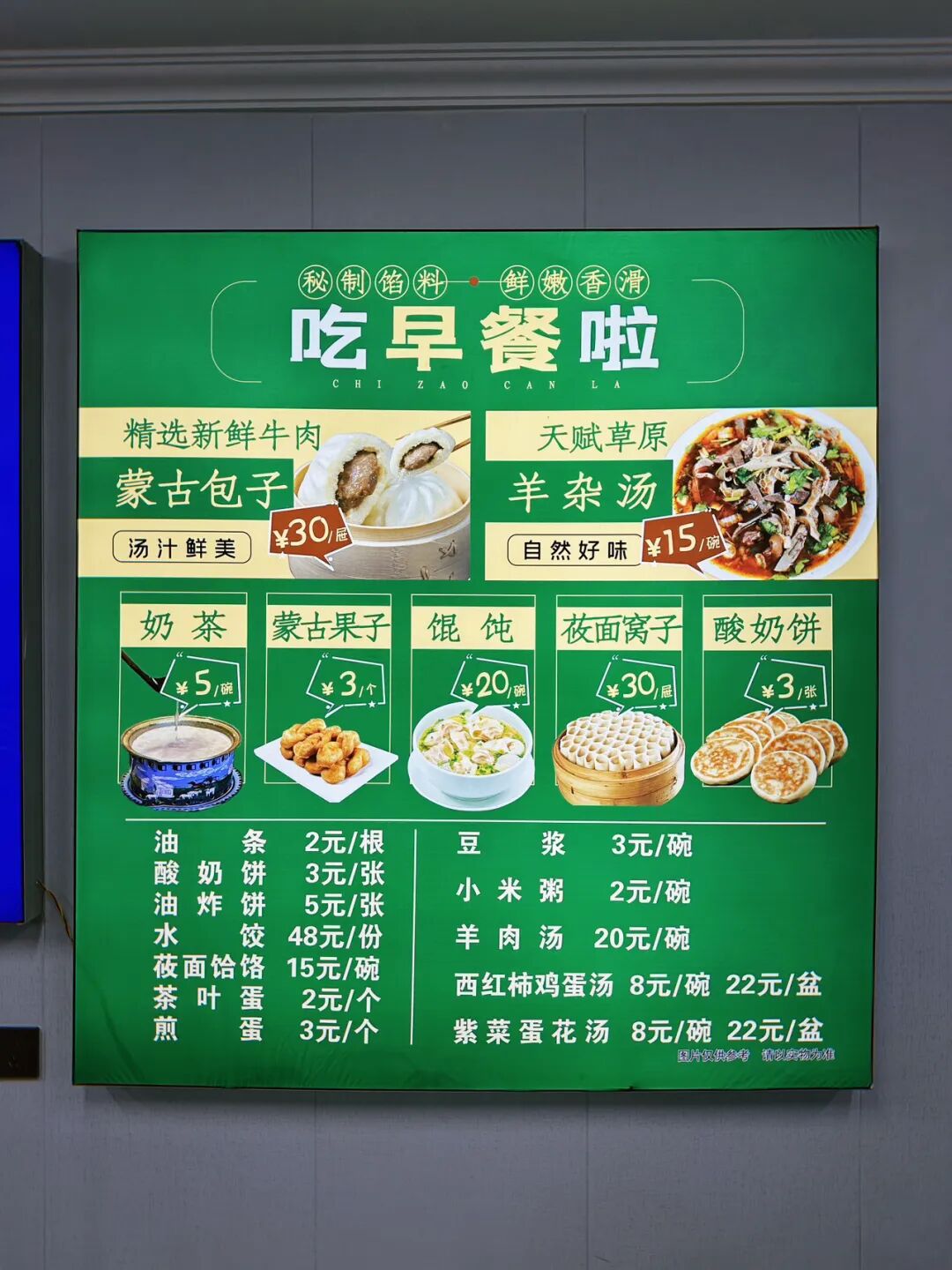
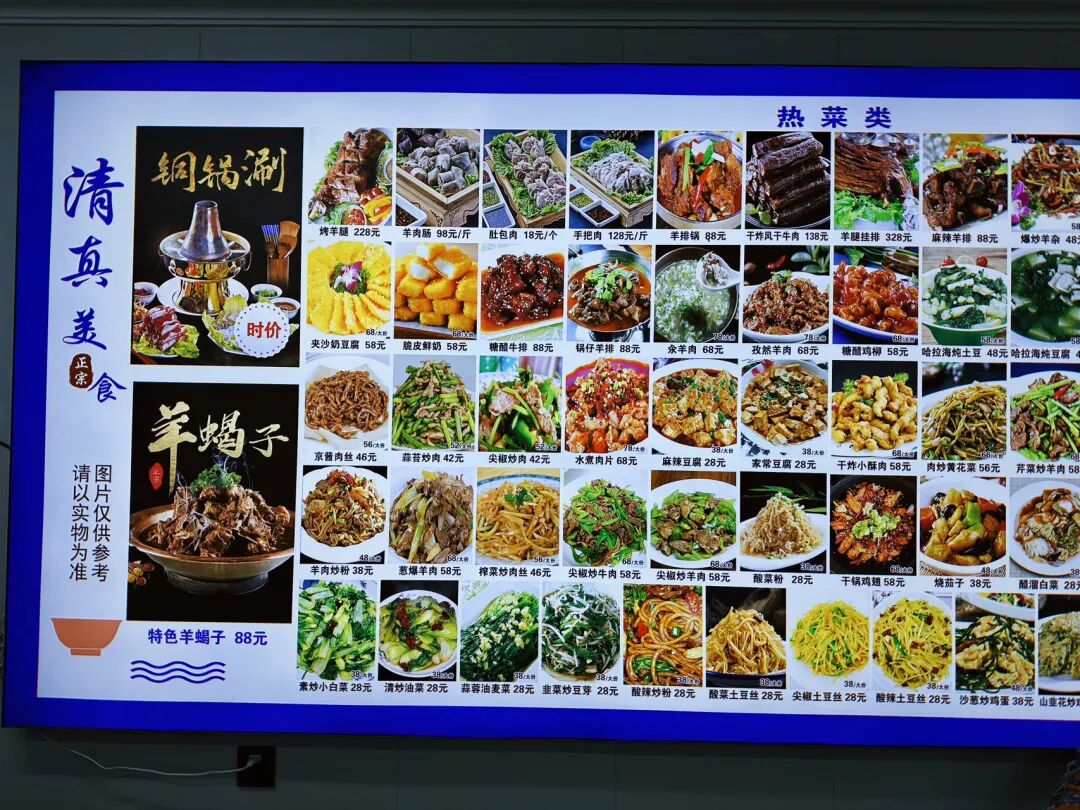
Once inside, we saw the menu on the wall featured Mongolian food and home-style dishes from local Hui Muslims. We asked and learned that the shop is run by local Hui Muslims. We ordered pot tea (guocha), yogurt pancakes (suannai bing), fried milk tofu (jiasha naidoufu), and stomach-wrapped meat (dubao rou). We really enjoyed this Mongolian meal! The pot tea came with milk skin (naipi), milk tofu (naidoufu), clotted cream (naijiaoke), fried millet (chaomi), and dried meat (fenggan rou). Our whole family loved it. They first stir-fried pure butter in the pot until fragrant, then poured in the milk tea. The milky flavor was incredibly rich, something you just cannot find in the city. Gasha milk tofu (gasha naidoufu) is a hit with kids and a specialty of the pastoral areas.
They renovated their guesthouse this year. In the morning, they serve Mongolian steamed buns (menggu baozi), Mongolian fried dough (menggu guozi), and lamb offal soup (yangza tang). If you are a fellow Muslim (dosti) looking for a place to stay in Ulan Butong, you can choose their place, called Rujia Huayi Guesthouse. Their restaurant is smoke-free and alcohol-free. The kitchen is very clean, and the staff are friendly. You can experience the local Hui Muslim culture of the grasslands here.
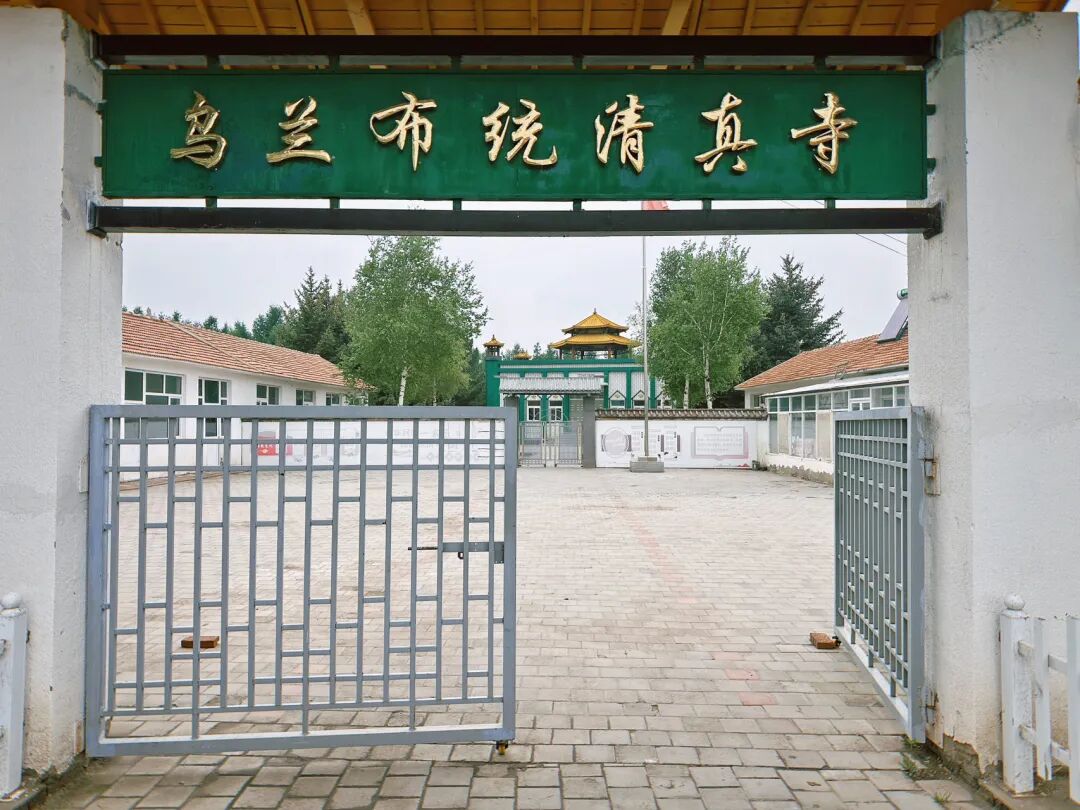
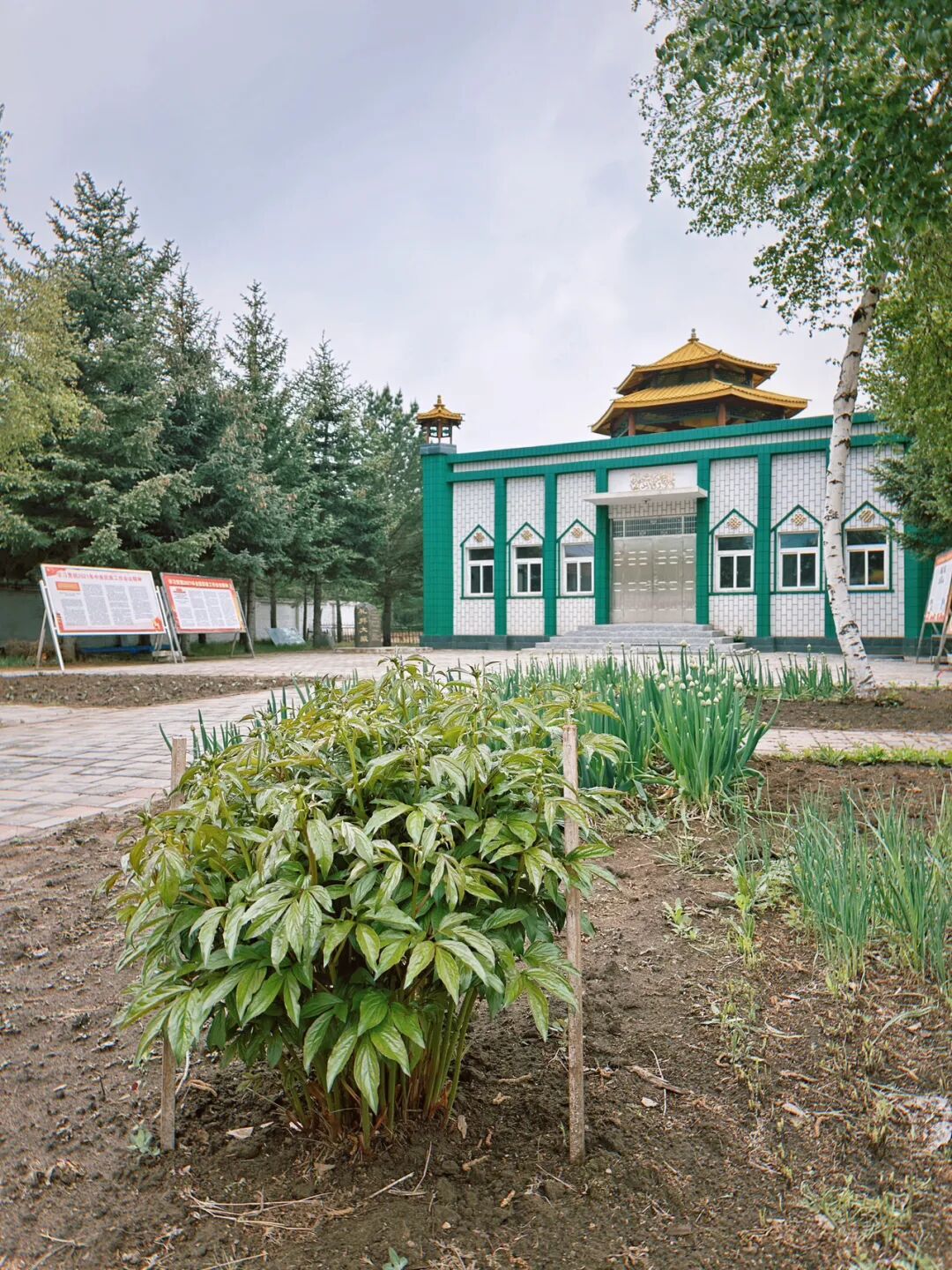
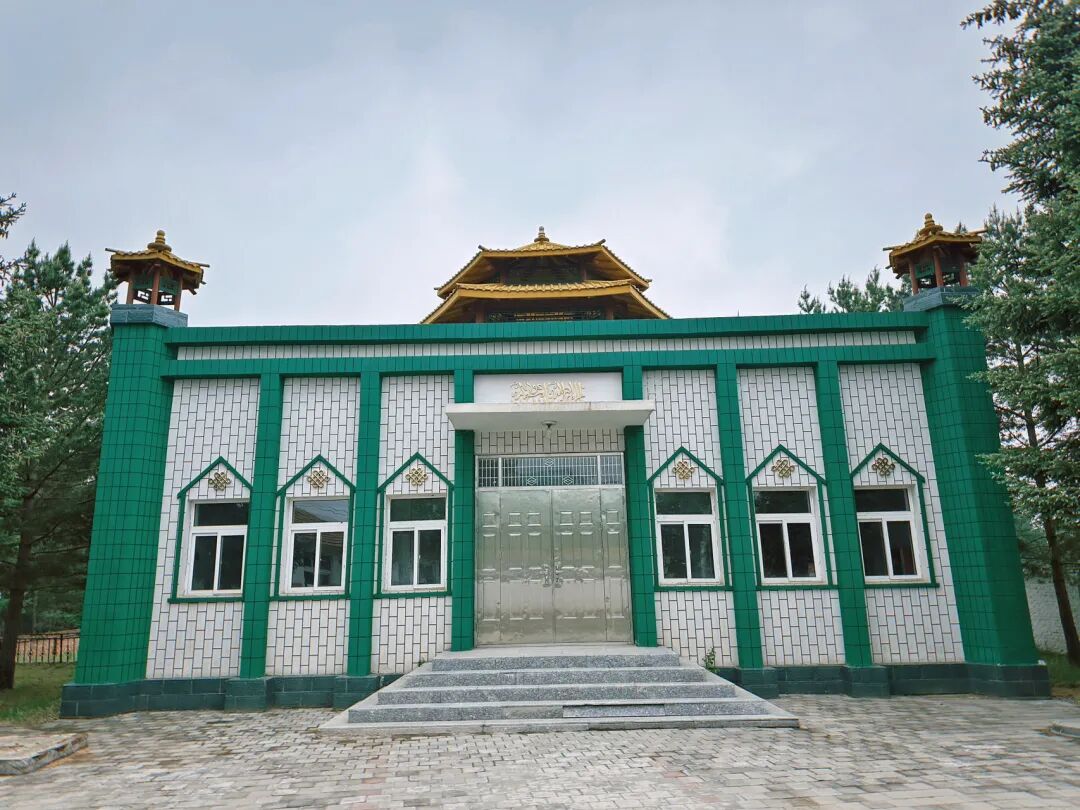
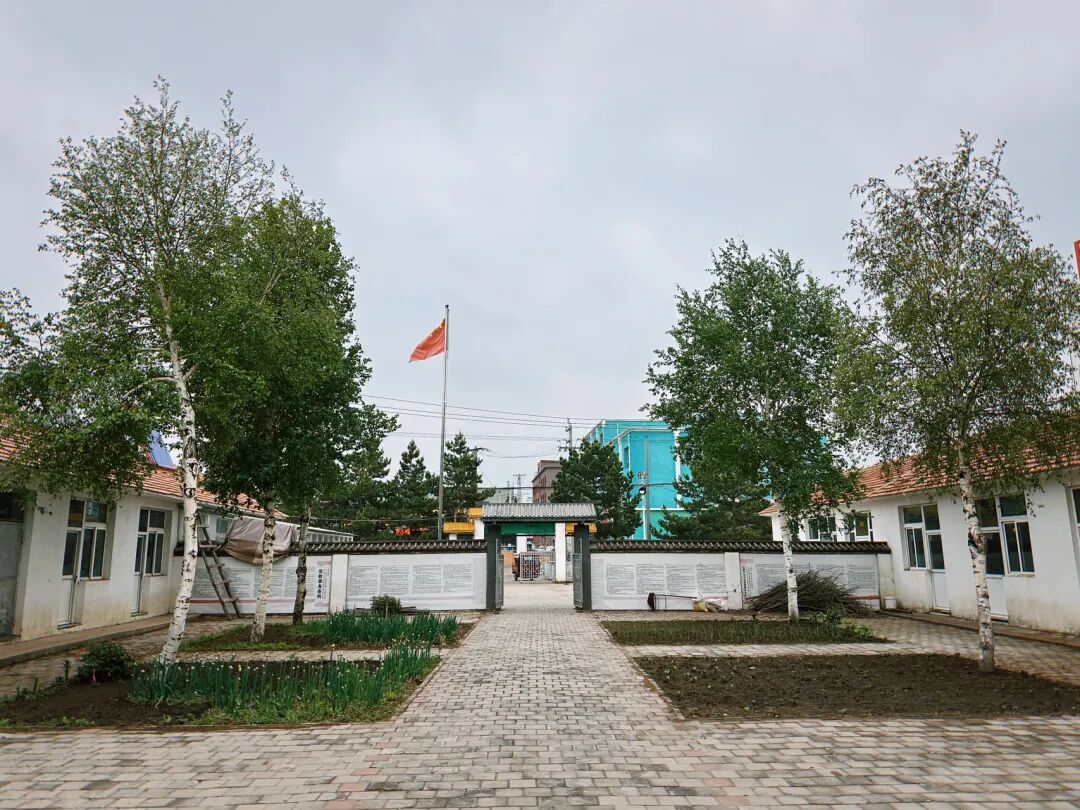
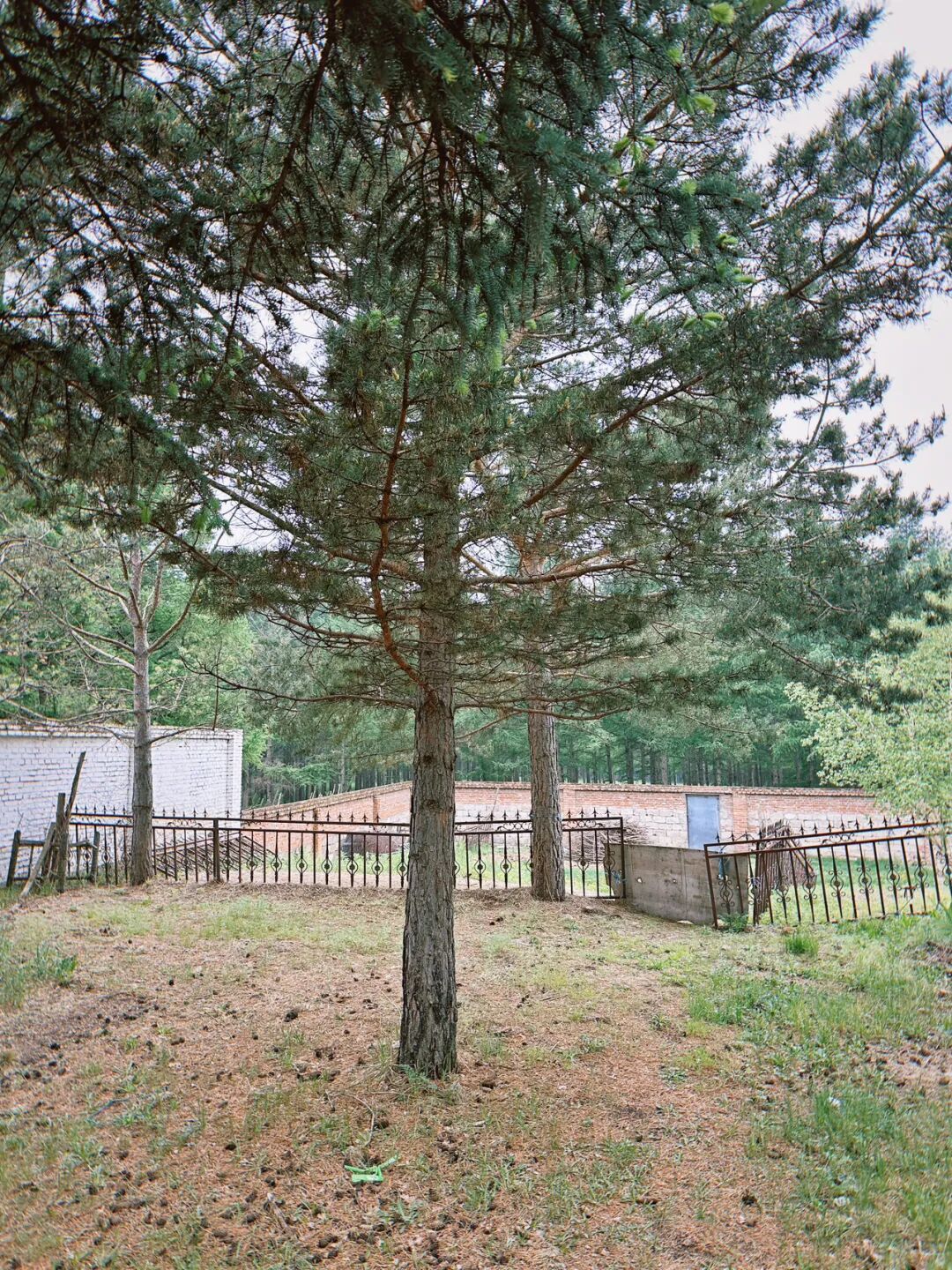
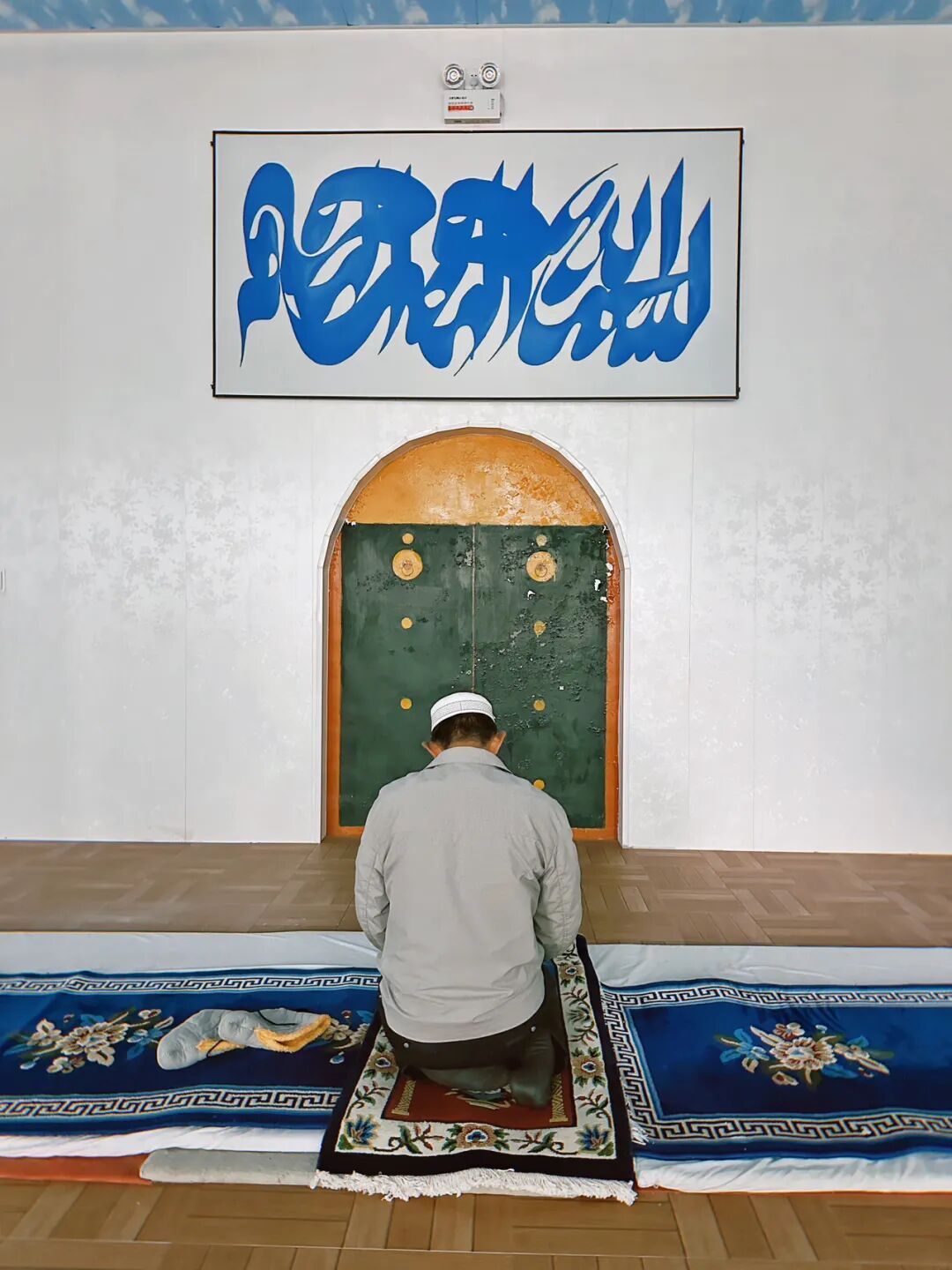
Following directions from the lady at the restaurant, we went to the Ulan Butong Mosque (Ulan Butong si). Behind the mosque is a large pine forest, and the environment is beautiful. The imam at the mosque is surnamed Wang and is from Cangzhou. He said that fellow Muslims (dosti) from Changying, Beijing, often visit the mosque.
In 1956, responding to a call, dozens of Hui Muslim families moved from Jingpeng Town in Chifeng to the vast grasslands of Hongshanzi to farm the land. They later formed a united ethnic cooperative, and today more than 80 Hui Muslim families still live here. After the Ulan Butong scenic area was established, more and more Hui Muslims came to visit, so the Ulan Butong Mosque was officially built in 2006.
Summary: The Ulan Butong Grassland in Inner Mongolia is shown through its scenery, travel route, and Hui Muslim mosque communities around the area. This account keeps the place names, mosque notes, food details, and photographs from the original trip.
We started from Jingpeng Town in Hexigten Banner, Chifeng, and reached the Ulan Butong Grassland after a one-hour drive. We bought tickets to enter the grassland, rode a camel cart, walked along the wooden boardwalk, and went horseback riding. The cool weather and strong winds could not stop everyone's excitement for exploring the grassland. This was also Suleiman's first time seeing a grassland and riding a horse. He went from being afraid to even look at the horses to riding one on his own, showing how much braver the young man has become.
Inside the Ulan Butong scenic area is General's Pond (Jiangjun Paozi), an ancient battlefield where the Qing Dynasty fought the Dzungar Khanate in 1690. The Qing army, led by Prince Yu Fuquan, fought fiercely for several days here against the Oirat Mongol army led by Galdan, until Galdan ran out of ammunition and retreated. This is also a great place to reflect on history.
The biggest surprise of this trip to Ulan Butong was learning that more than 80 Hui Muslim households live inside the scenic area, and there is even a mosque (sifang).
After finishing our tour of the Ulan Butong scenic area, we exited through the east gate to have lunch. The map showed four hand-pulled noodle shops in Junmachang Village of Ulan Butong Sum, and the first one we saw by the road was one of them. We parked and went inside, but it was very crowded. A young couple was busy pulling noodles non-stop. We asked and found out there were ten orders ahead of us, so we left to try the next place. The navigation for the second shop was slightly off, and we missed the turn, so we went straight to the third and fourth shops. The third and fourth shops were right next to each other, and both served hand-pulled noodles. I was ready to park at the third one, but Zaynab had a sharp eye and noticed the fourth one also served home-style dishes, so we parked at the fourth one.
Once inside, we saw the menu on the wall featured Mongolian food and home-style dishes from local Hui Muslims. We asked and learned that the shop is run by local Hui Muslims. We ordered pot tea (guocha), yogurt pancakes (suannai bing), fried milk tofu (jiasha naidoufu), and stomach-wrapped meat (dubao rou). We really enjoyed this Mongolian meal! The pot tea came with milk skin (naipi), milk tofu (naidoufu), clotted cream (naijiaoke), fried millet (chaomi), and dried meat (fenggan rou). Our whole family loved it. They first stir-fried pure butter in the pot until fragrant, then poured in the milk tea. The milky flavor was incredibly rich, something you just cannot find in the city. Gasha milk tofu (gasha naidoufu) is a hit with kids and a specialty of the pastoral areas.
They renovated their guesthouse this year. In the morning, they serve Mongolian steamed buns (menggu baozi), Mongolian fried dough (menggu guozi), and lamb offal soup (yangza tang). If you are a fellow Muslim (dosti) looking for a place to stay in Ulan Butong, you can choose their place, called Rujia Huayi Guesthouse. Their restaurant is smoke-free and alcohol-free. The kitchen is very clean, and the staff are friendly. You can experience the local Hui Muslim culture of the grasslands here.
Following directions from the lady at the restaurant, we went to the Ulan Butong Mosque (Ulan Butong si). Behind the mosque is a large pine forest, and the environment is beautiful. The imam at the mosque is surnamed Wang and is from Cangzhou. He said that fellow Muslims (dosti) from Changying, Beijing, often visit the mosque.
In 1956, responding to a call, dozens of Hui Muslim families moved from Jingpeng Town in Chifeng to the vast grasslands of Hongshanzi to farm the land. They later formed a united ethnic cooperative, and today more than 80 Hui Muslim families still live here. After the Ulan Butong scenic area was established, more and more Hui Muslims came to visit, so the Ulan Butong Mosque was officially built in 2006.
