
Halal Travel Guide: Bangkok - Cham Mosques, Canals and Muslim History
Reposted from the web
Summary: Bangkok has several historic Cham Muslim mosque neighborhoods tied to river trade, military service, canals, and royal boat history. This account covers Ton Son Mosque, Bang Luang Mosque, the Royal Barges Museum area, Jami-Ul-Khoy-Riyah Mosque, Zulugul Muttaqeen Mosque, Darul Falah Mosque, and the photographs in their original order.
I traveled to Bangkok, Thailand, in 2023 and 2025, visiting 25 mosques (masjid) in the city that represent six ethnic groups: Persian, Arab, Indian, Malay, Indonesian, and Champa. Although these friends (dosti) from different ethnic backgrounds have lived in Thailand for over a hundred years and speak Thai in their daily lives, they still keep their unique history, culture, and traditions. I will now share six articles introducing the 25 mosques of these six ethnic groups in Bangkok.
First, I will introduce the five Champa mosques in Bangkok.
Champa (Champa) was a country established by the Cham people (Chams) in southern Vietnam. After the 15th century, the Malacca Sultanate became a powerful state in Southeast Asia, and Champa maintained close ties with it. Malay friends (dosti) integrated with the Cham people through trade and marriage, leading many Cham people to embrace the faith.
After Vietnam broke free from Mongol control in the 14th century, it began moving south to invade Champa. In 1471, the Champa capital of Vijaya (Vijaya) fell, and many members of the Champa royal family and civilians fled to Cambodia for refuge. These Cham people in Cambodia united with the Malays who had settled there earlier, forming a military alliance in the 16th century.
Cham mercenary troops (krom asa Cham) began working for Siam in the early 17th century. Because of their excellent shipbuilding skills and naval combat strength, they were highly praised by the Siamese royal family. These Cham warriors were granted the honor of serving as rowers for the royal barges during Siamese royal processions.
The first mosque in Bangkok: Ton Son Mosque.
In the 17th century, the Thonburi area of Bangkok was a transit port on the Chao Phraya River leading to the Siamese capital of Ayutthaya. At that time, important trade warehouses and customs stations were set up at the mouth of the Yai (Yai) canal, and Cham troops were stationed nearby. In 1688, the royal eunuch (Chao Phraya Ratchawangsanseni) Mahmud built the first mosque in Bangkok here. Because it was located by the Yai canal, it was called Kudi Yai.
The original mosque was built entirely of teak wood, with an architectural style similar to the main halls of Buddhist temples. It was rebuilt as a brick structure in the early 19th century and rebuilt again in 1952 into the current reinforced concrete building. Because the Siamese royal family gifted tropical pine trees (ton son) to the mosque in the 19th century, the mosque was renamed Ton Son Mosque.
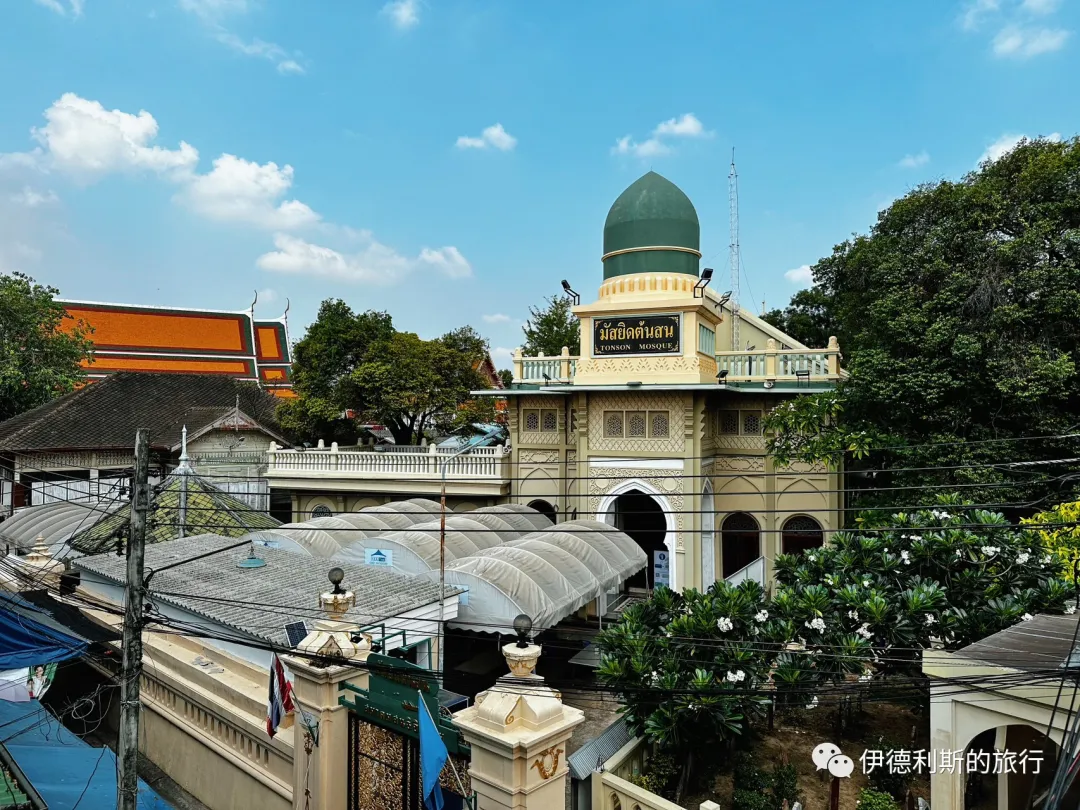
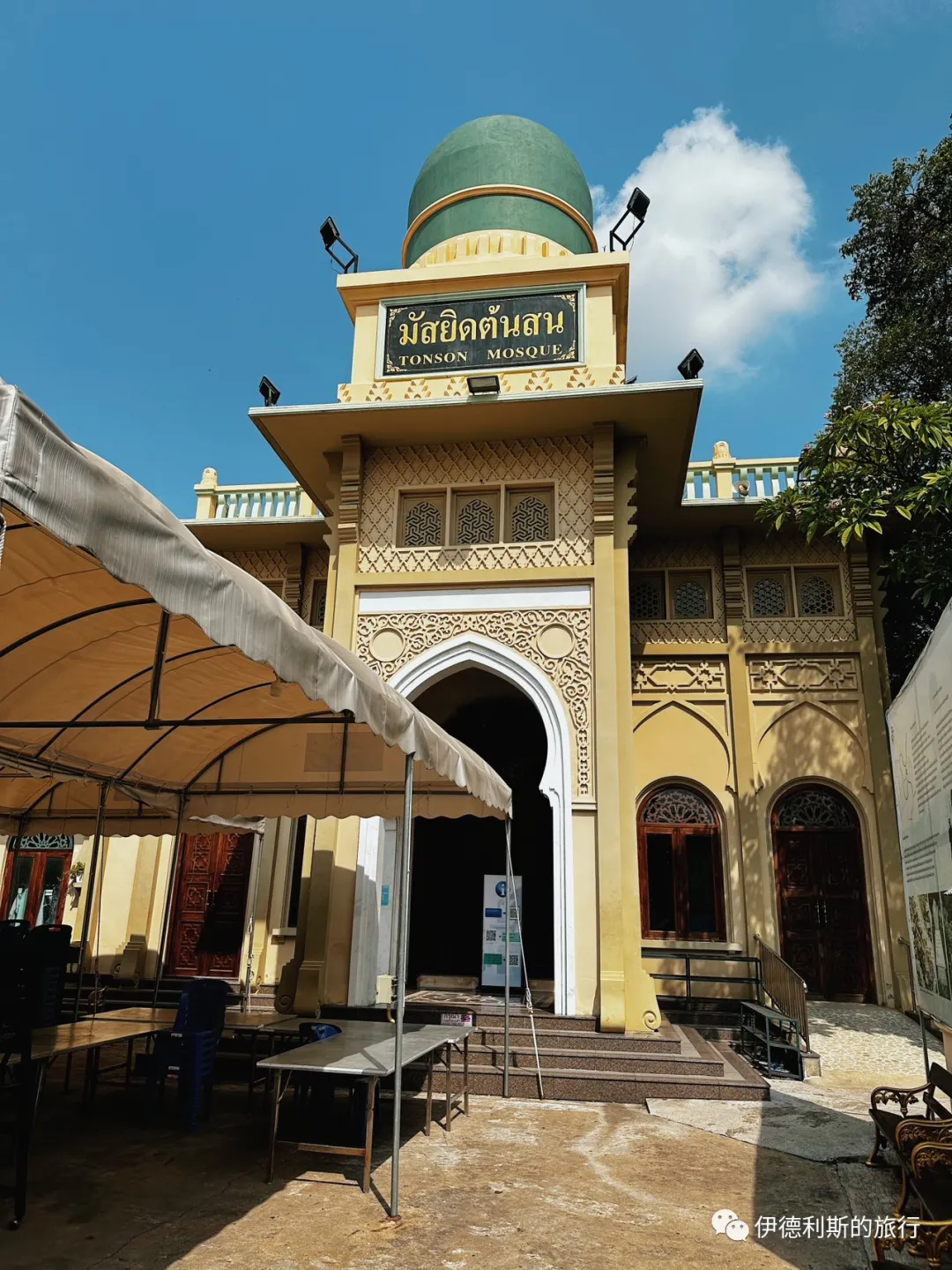
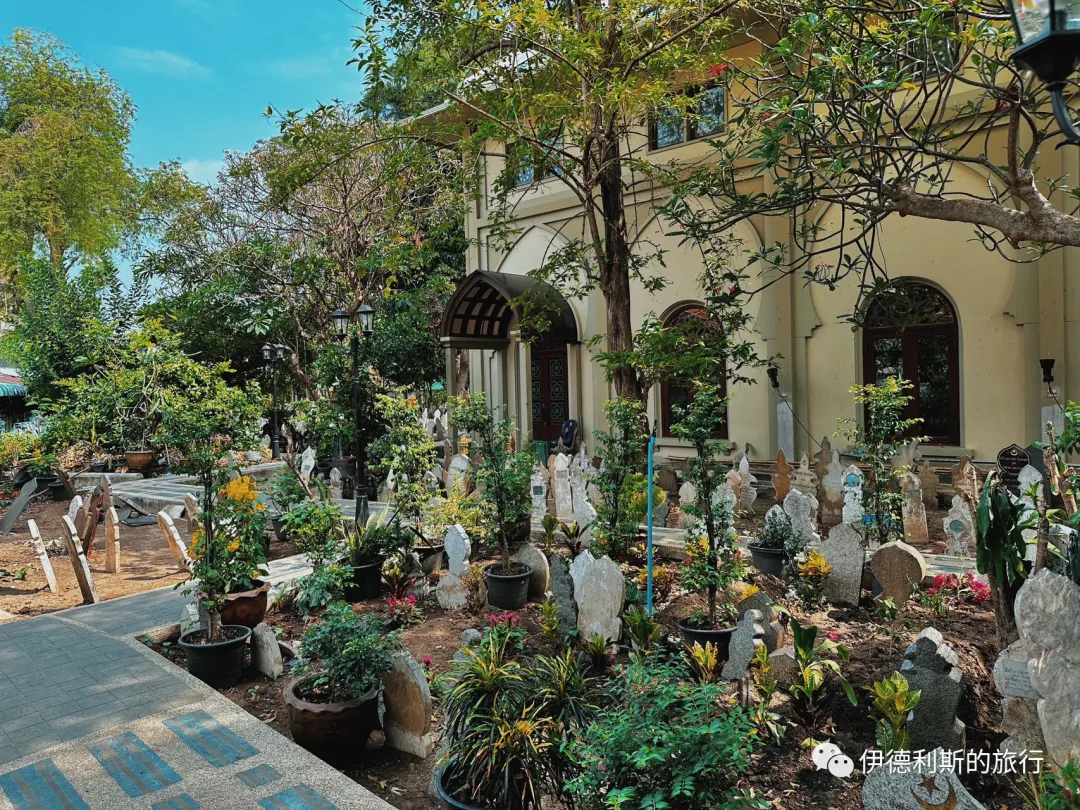
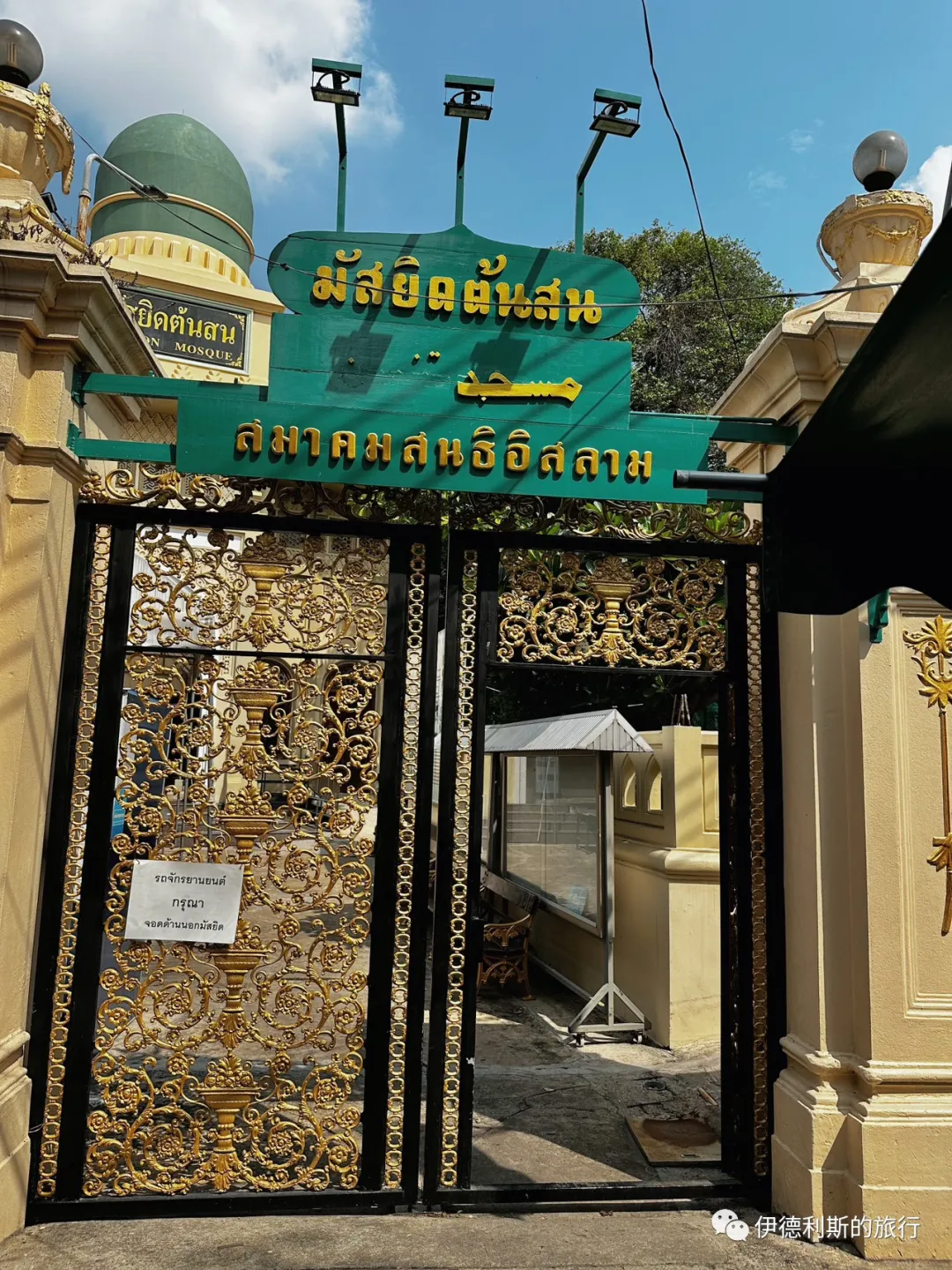
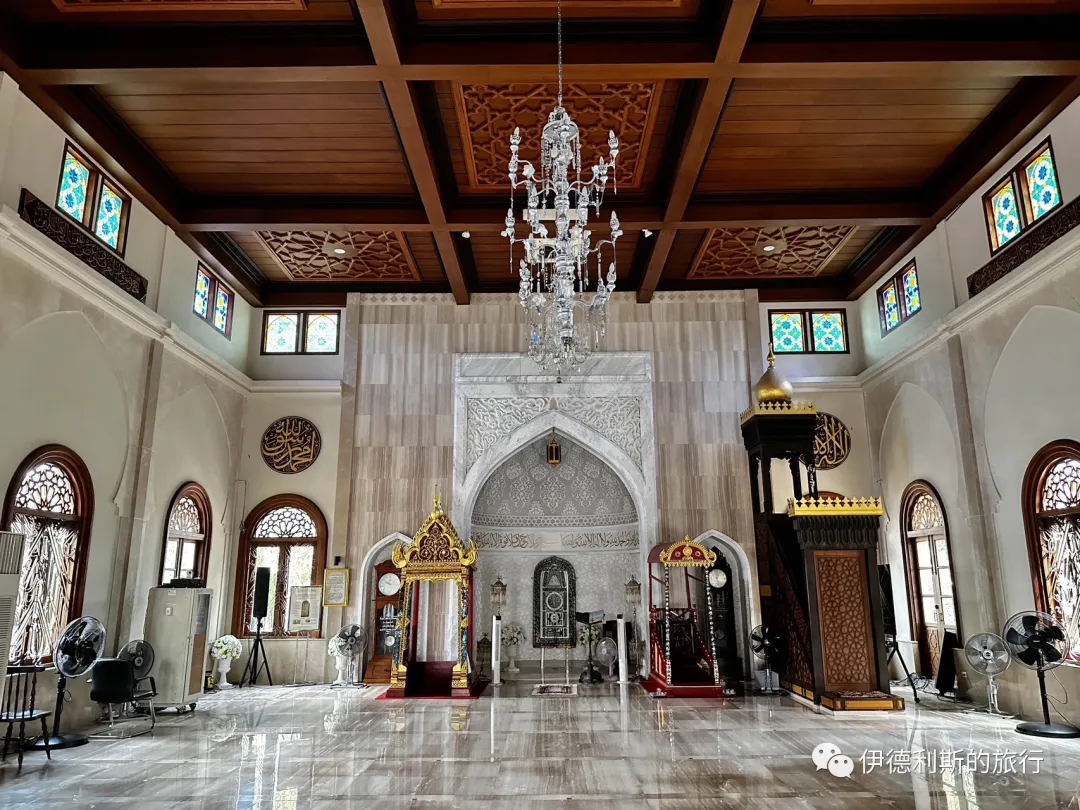
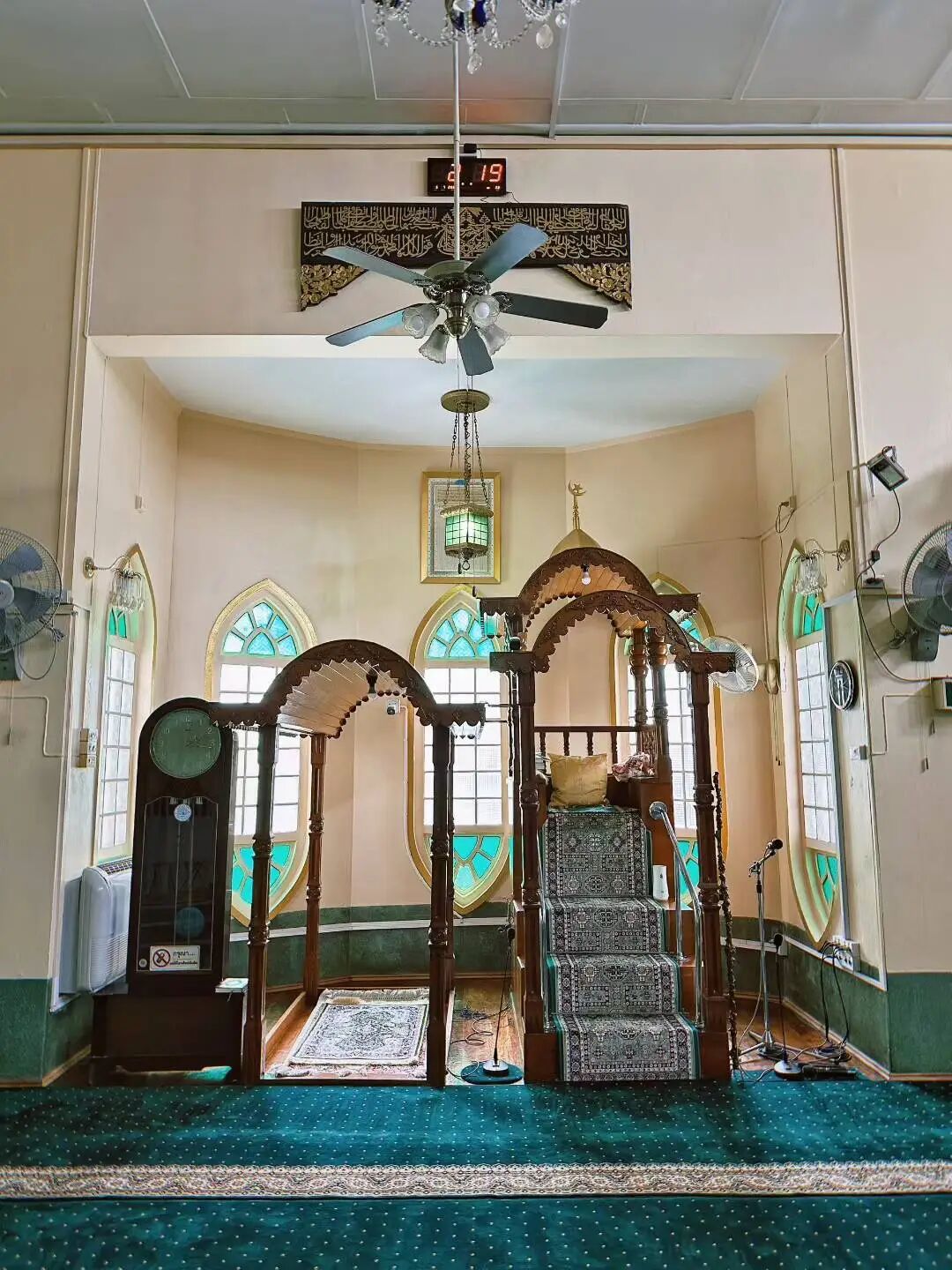
The pulpit (minbar) at Ton Son Mosque has a strong Siamese Ayutthaya style, and the prayer niche (mihrab) was preserved from the old building and is very beautifully crafted.
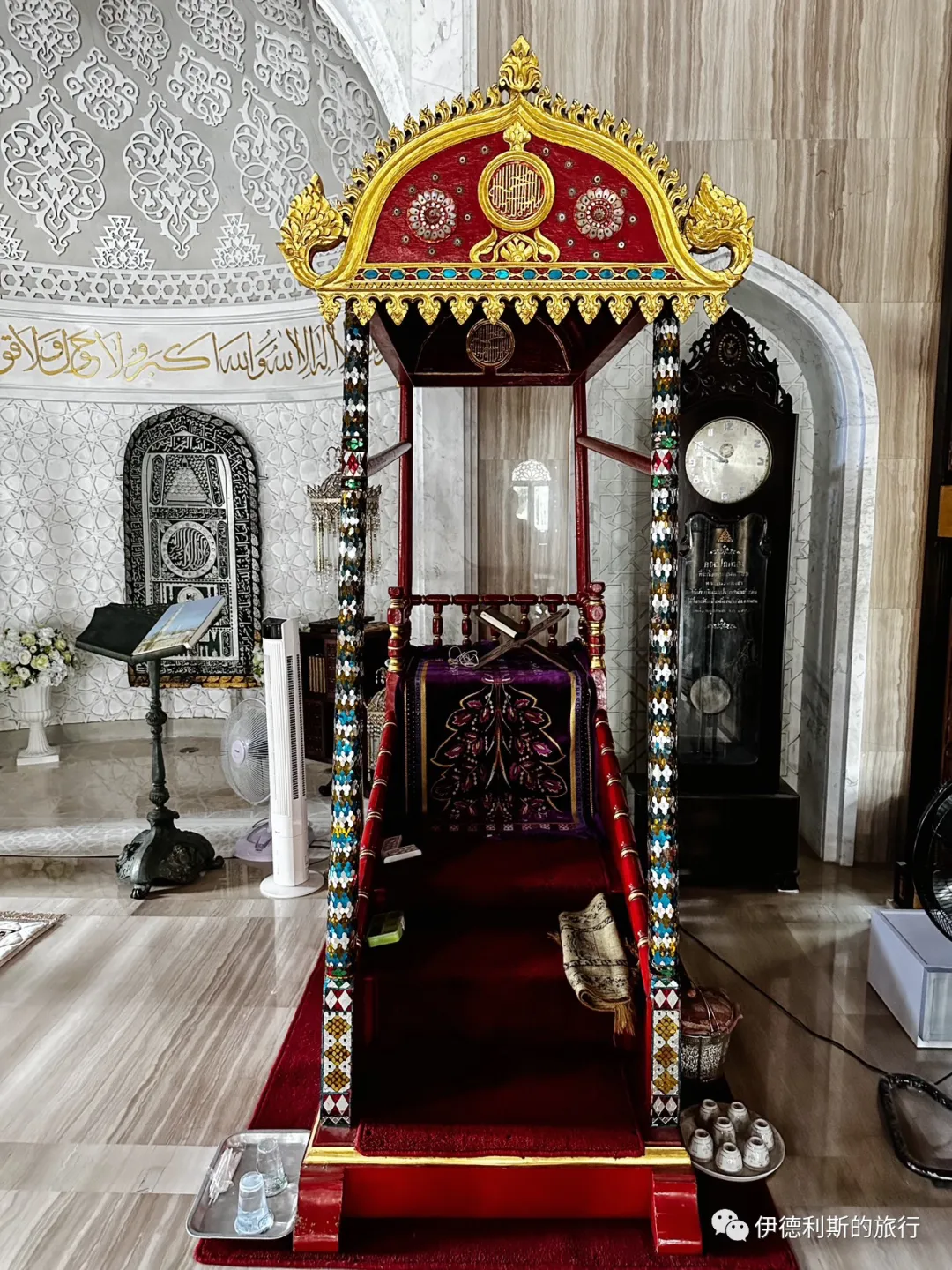
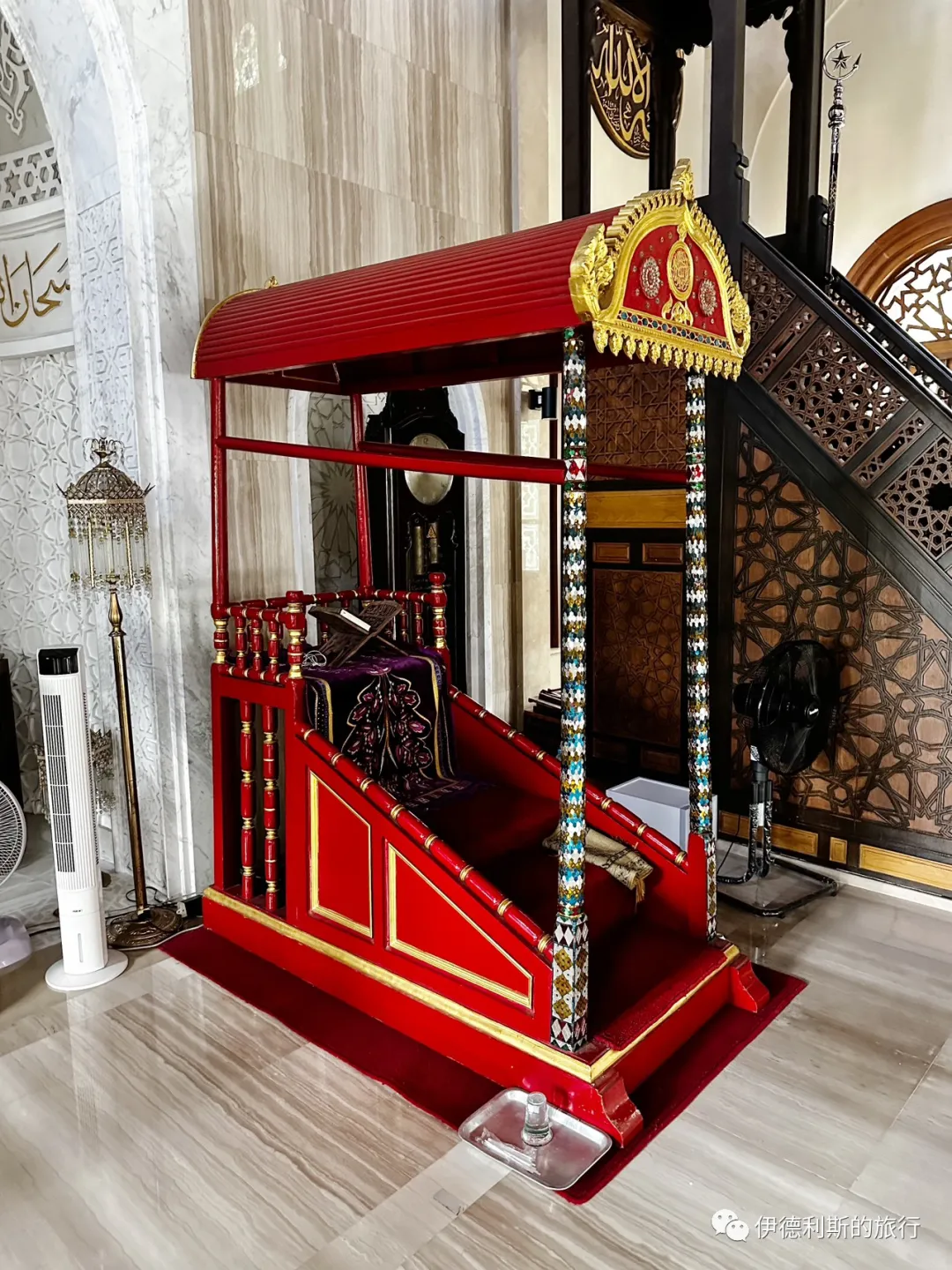
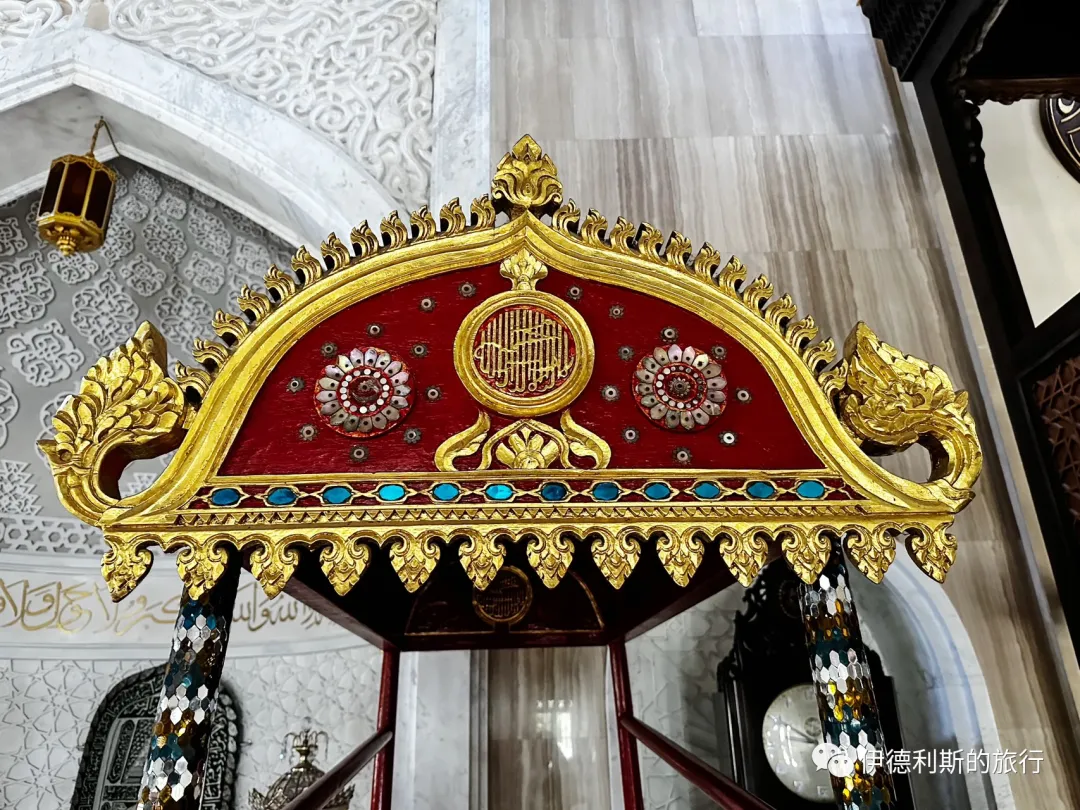
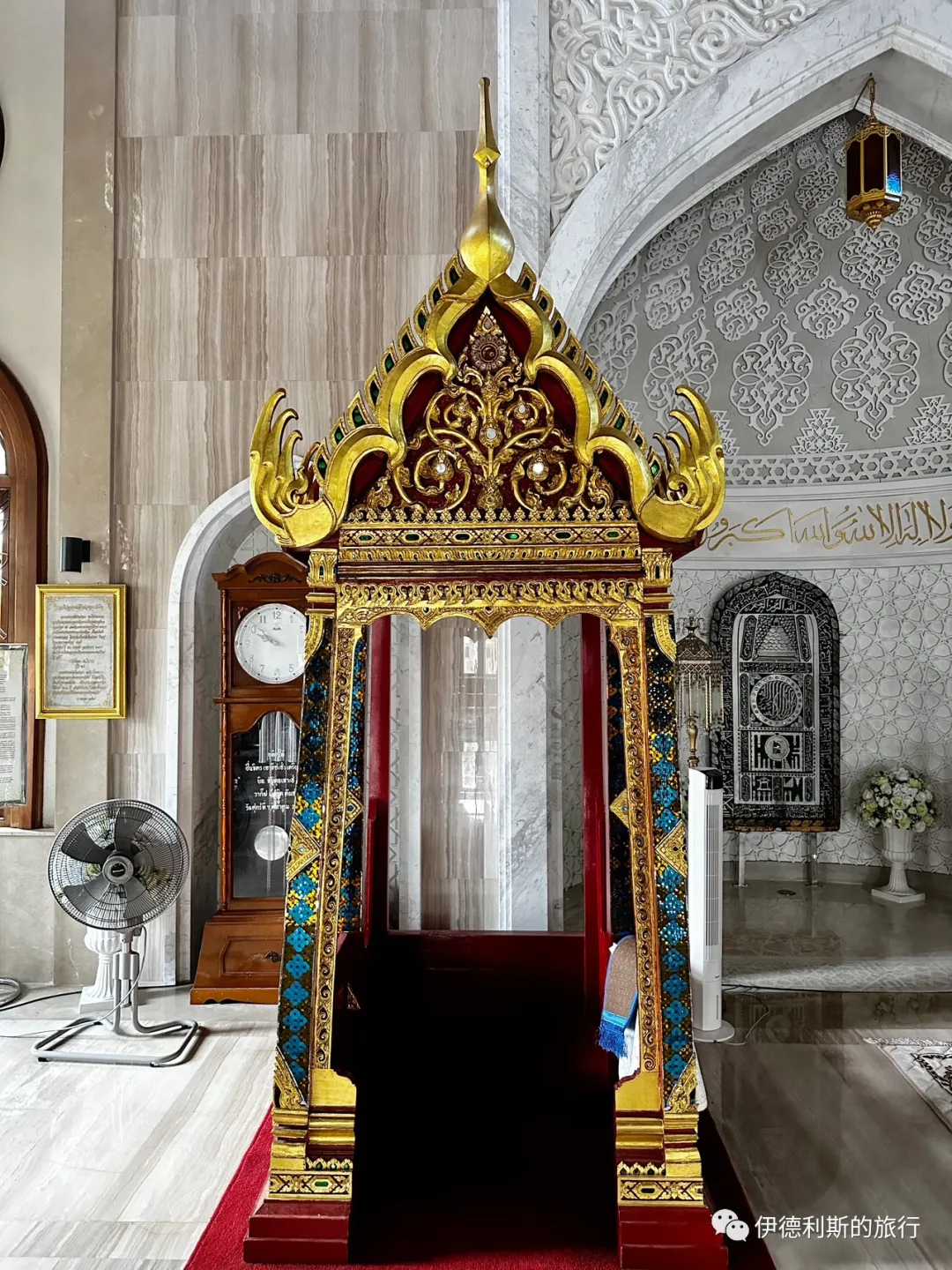
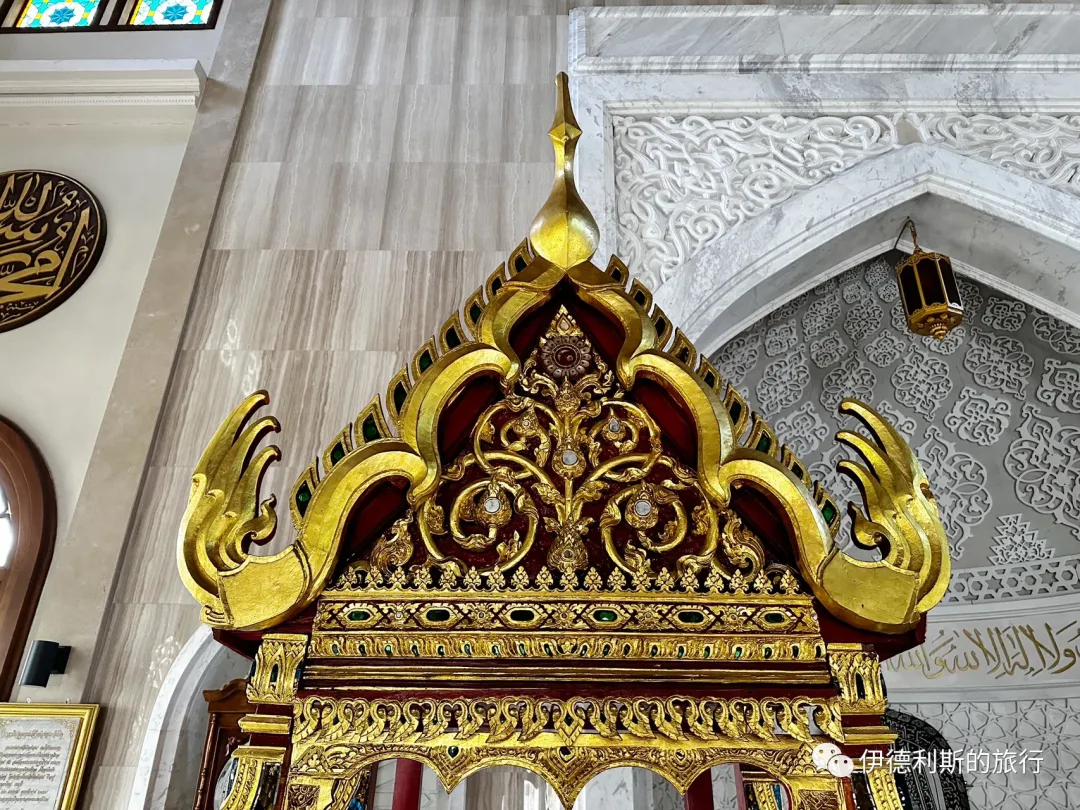
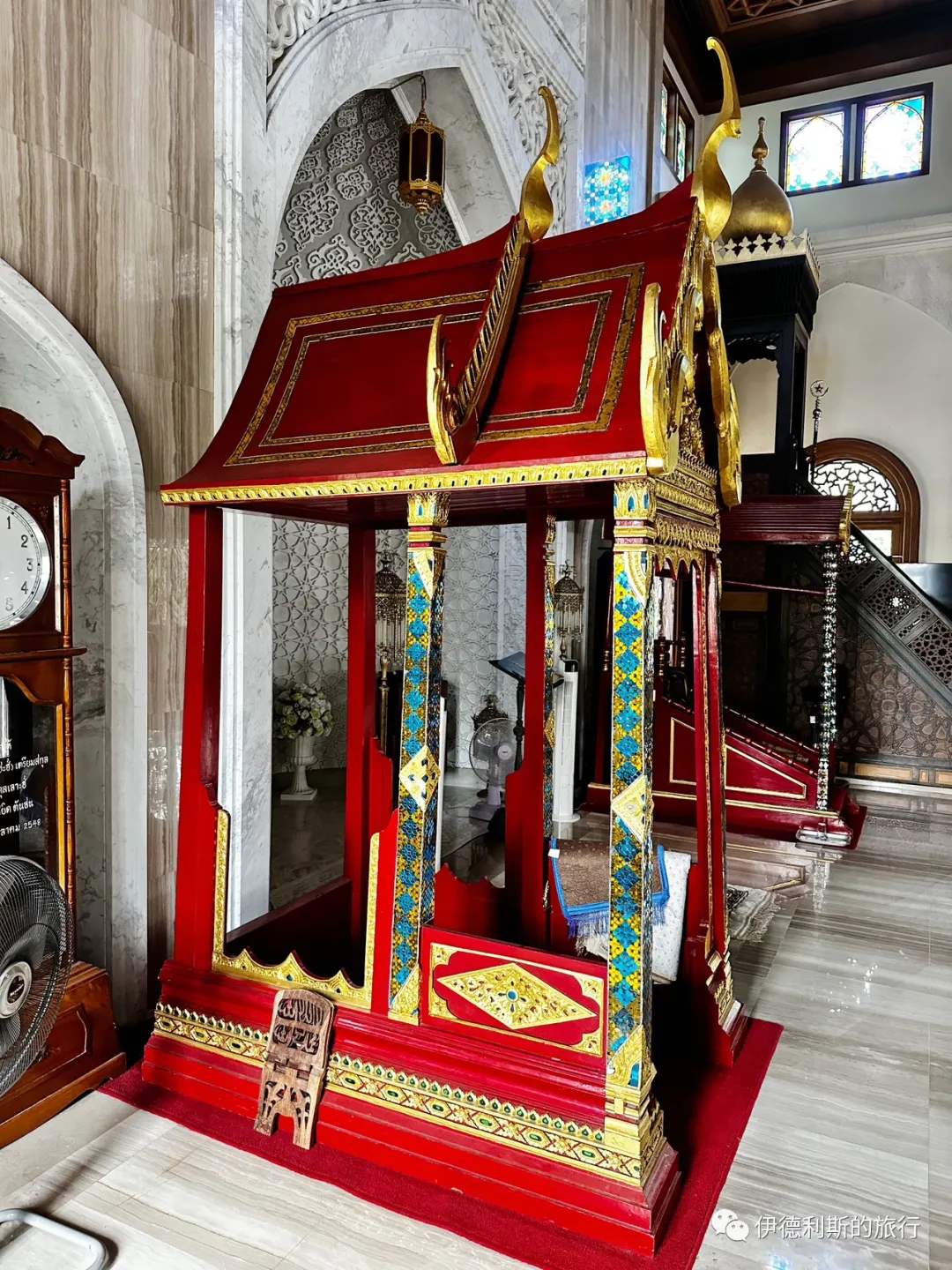
This is the area where the imam stands to lead the prayer (namaz), and it also has a very Thai style.
There is a depiction of Mecca (tianfang tu) in the center of the prayer niche (mihrab).
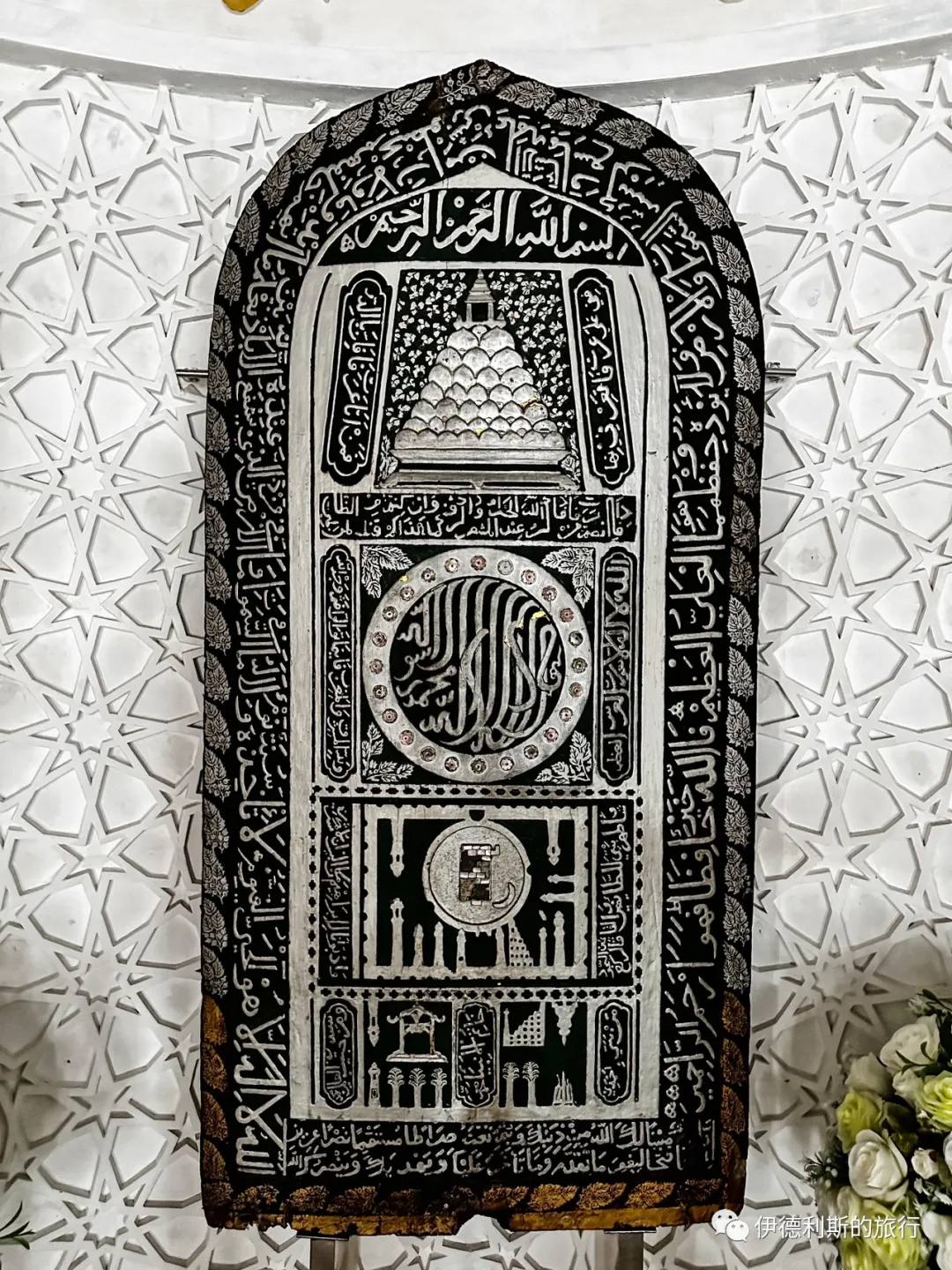
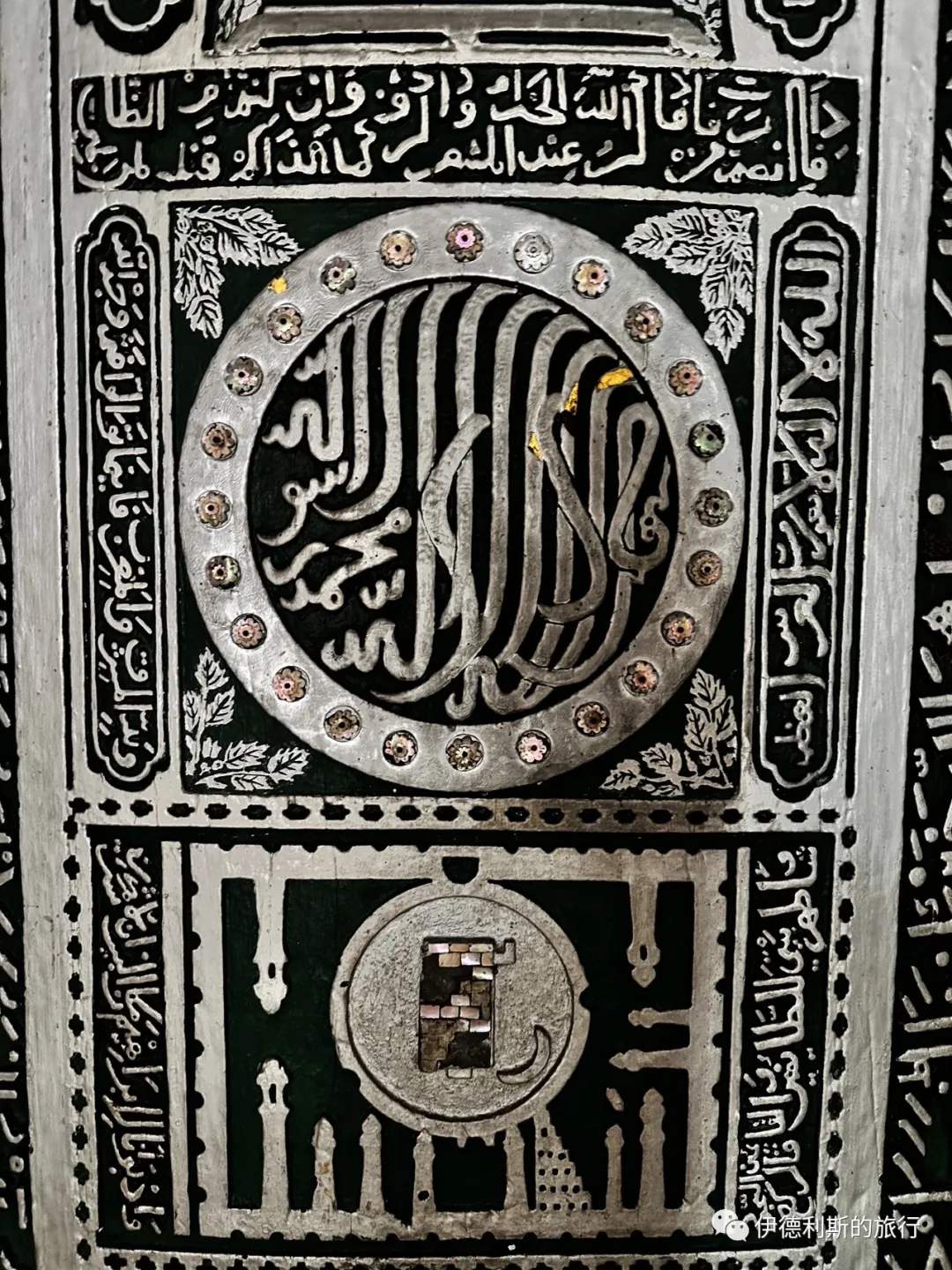
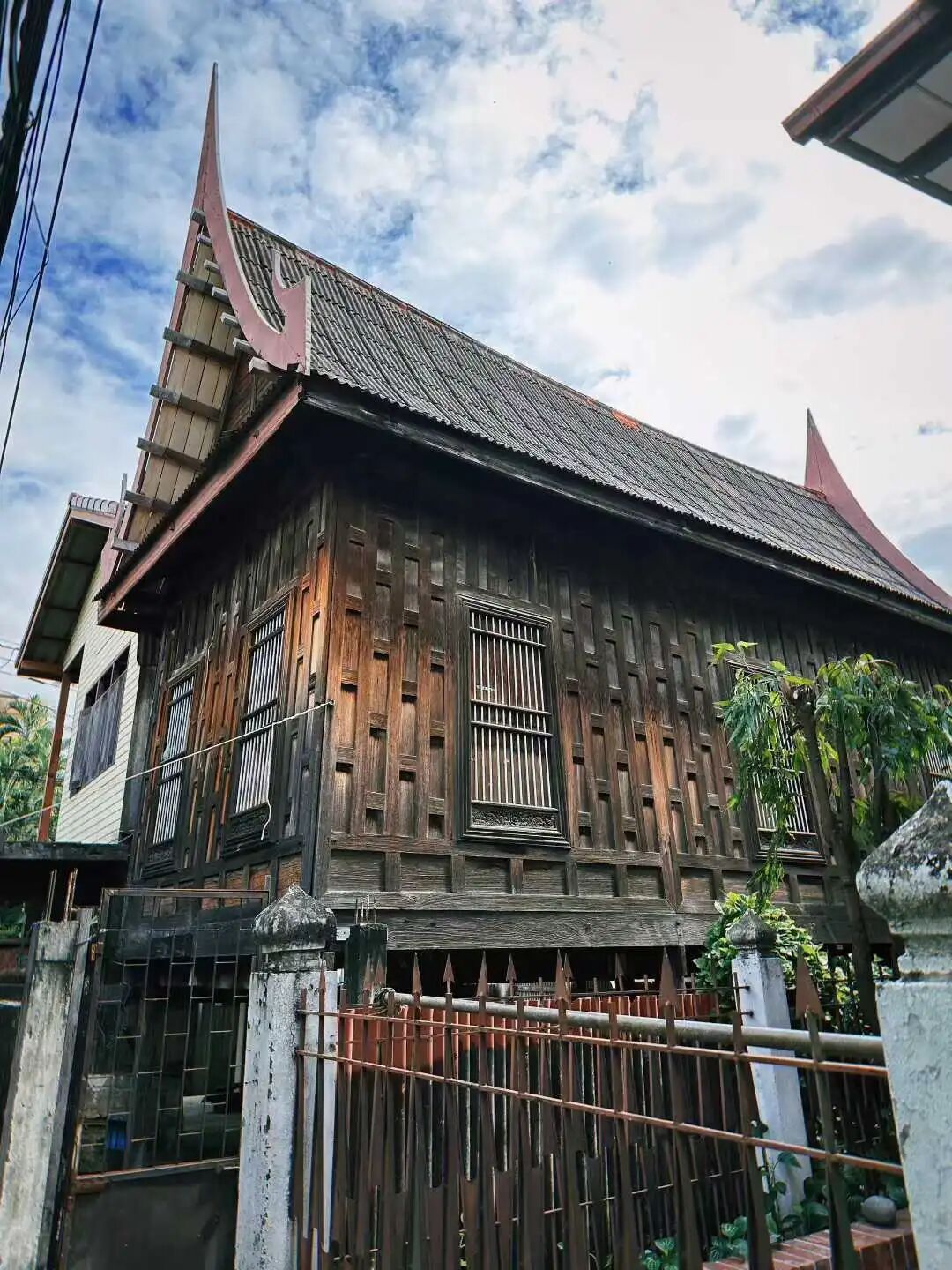
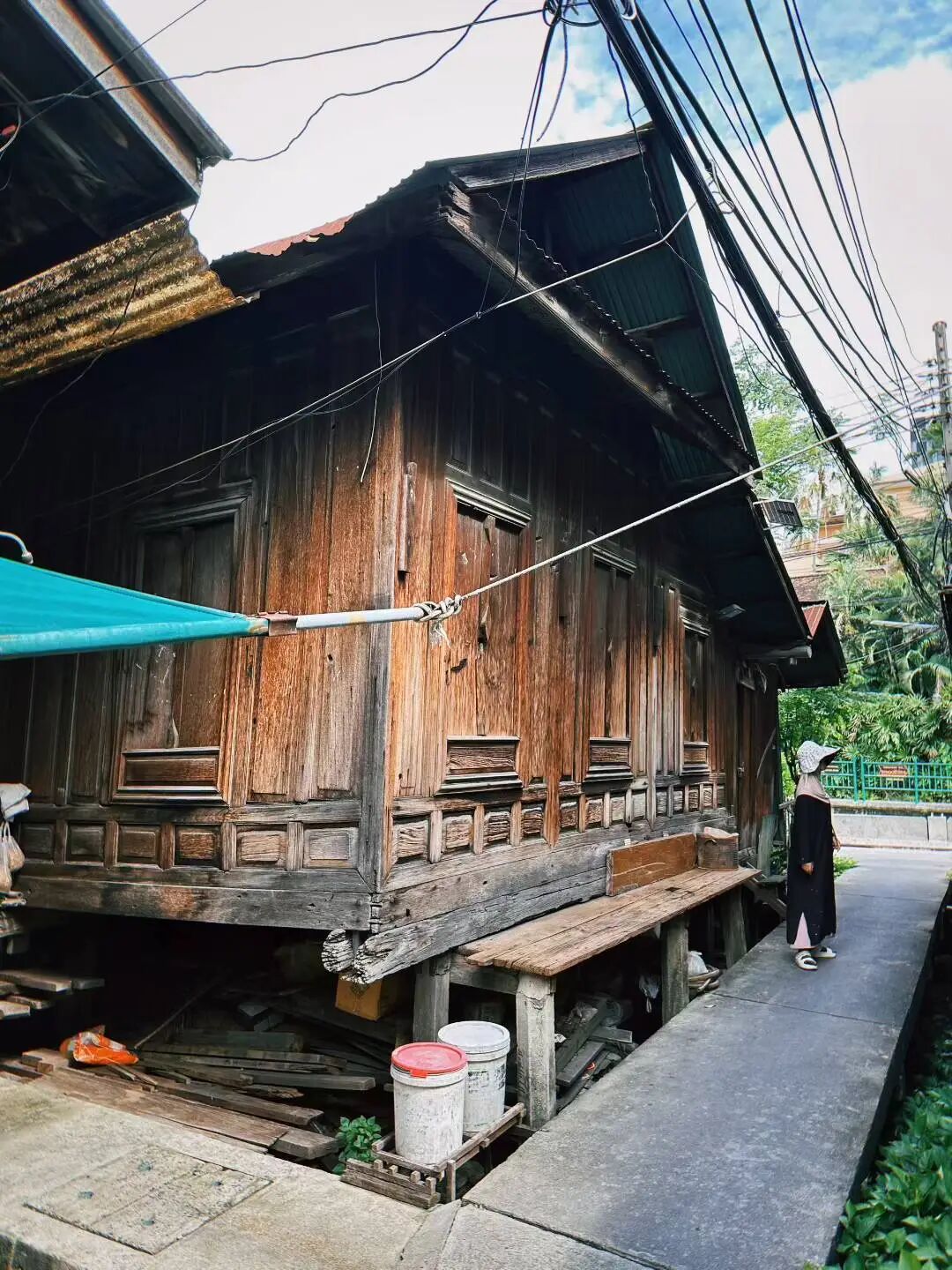
An old house in the mosque built in 1941.
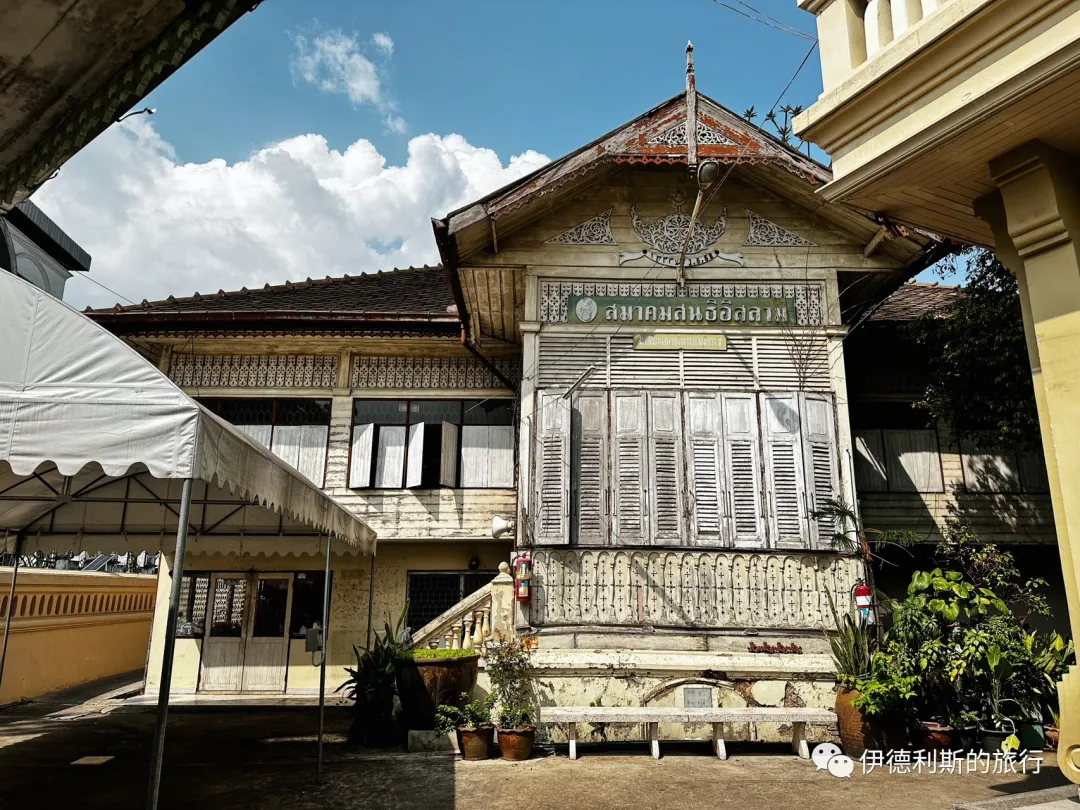
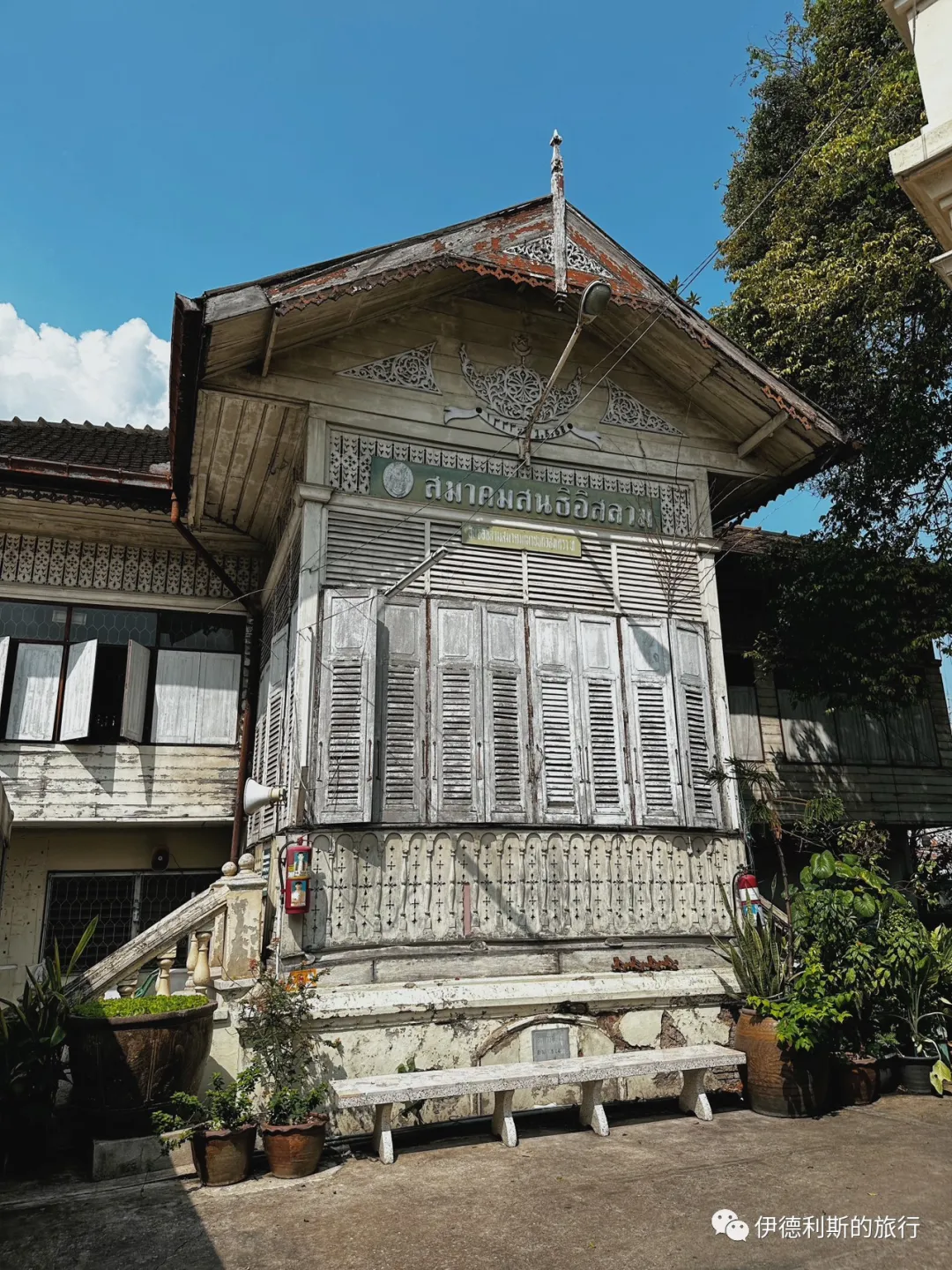
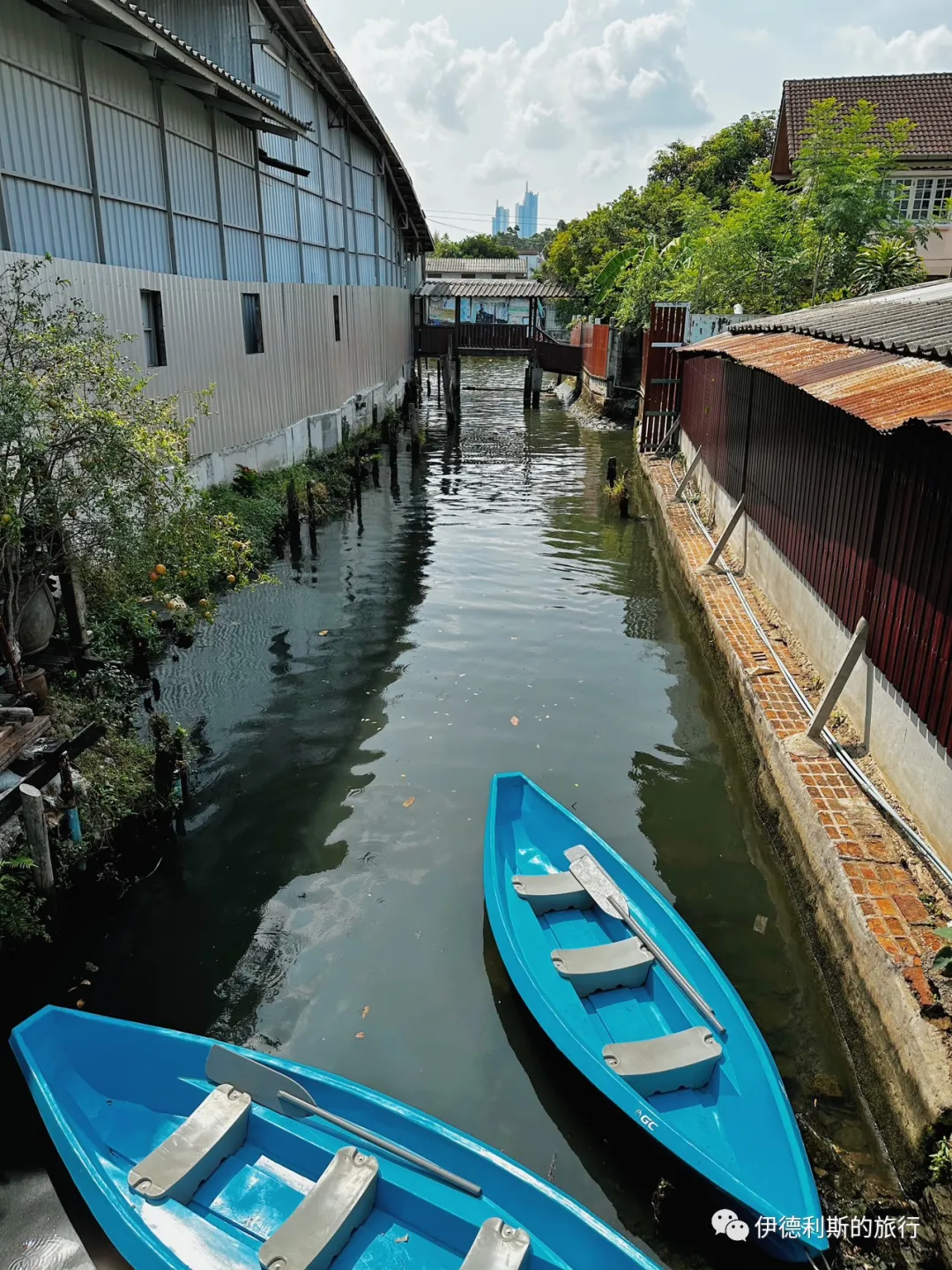
The Yai canal at the entrance of the mosque.
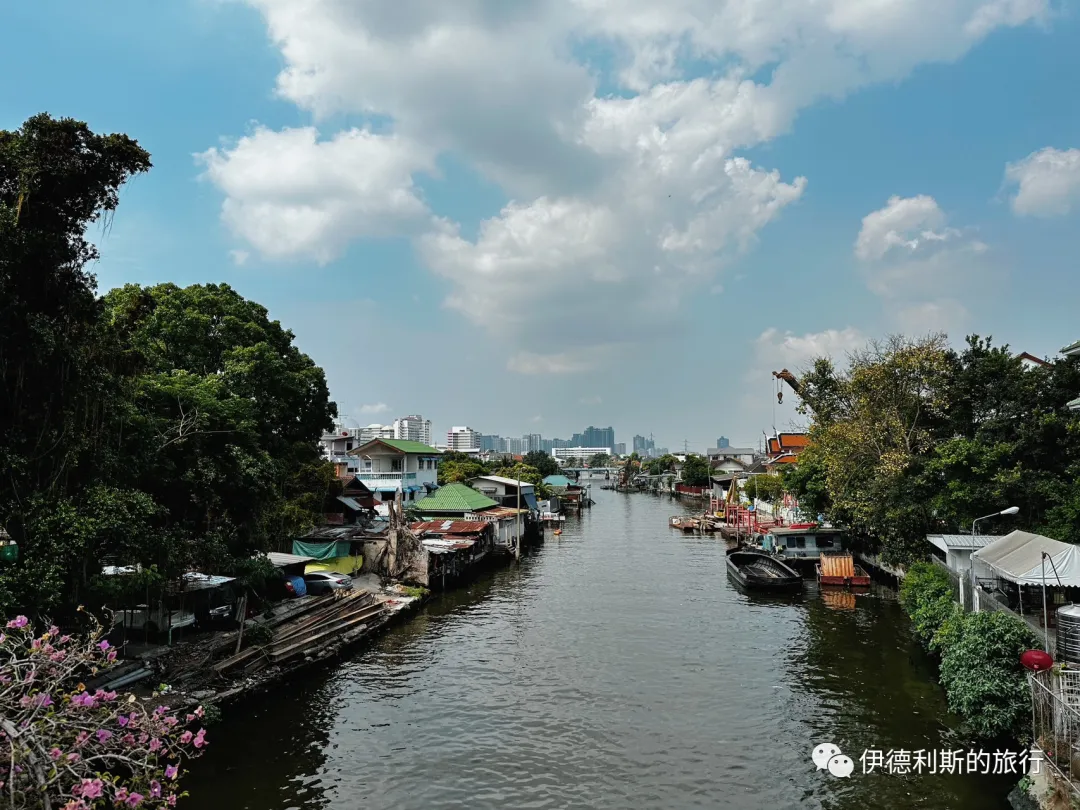
The mosque area is filled with rivers.
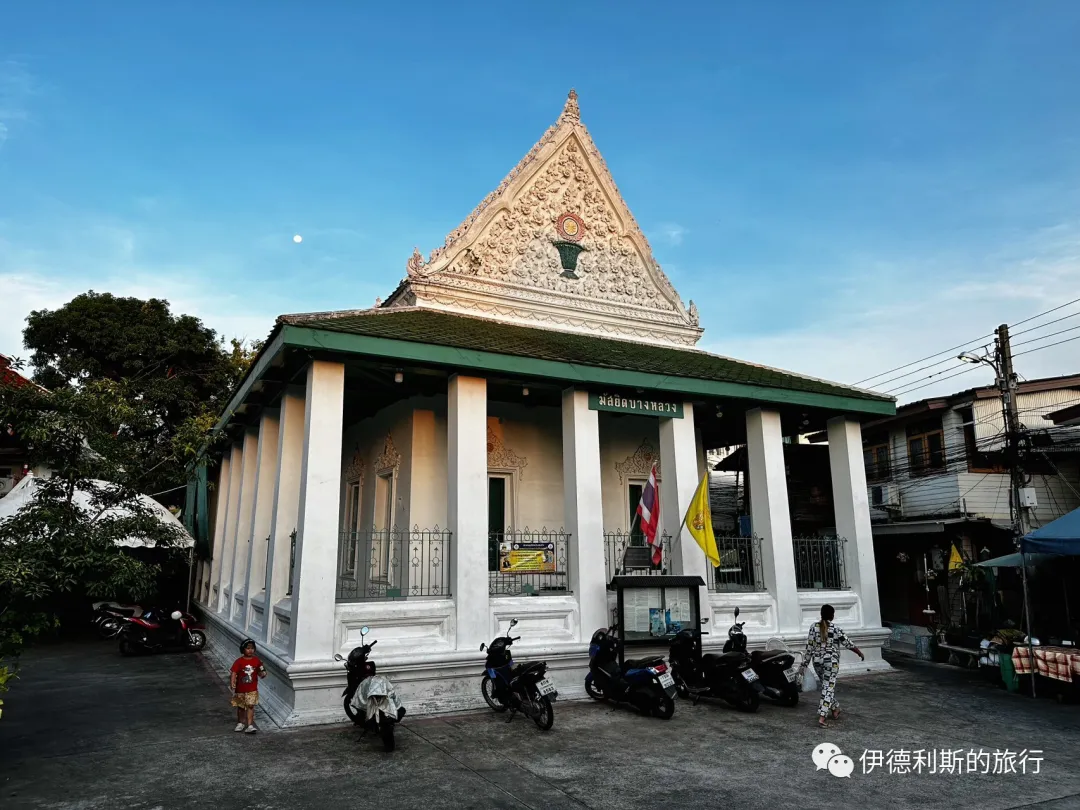
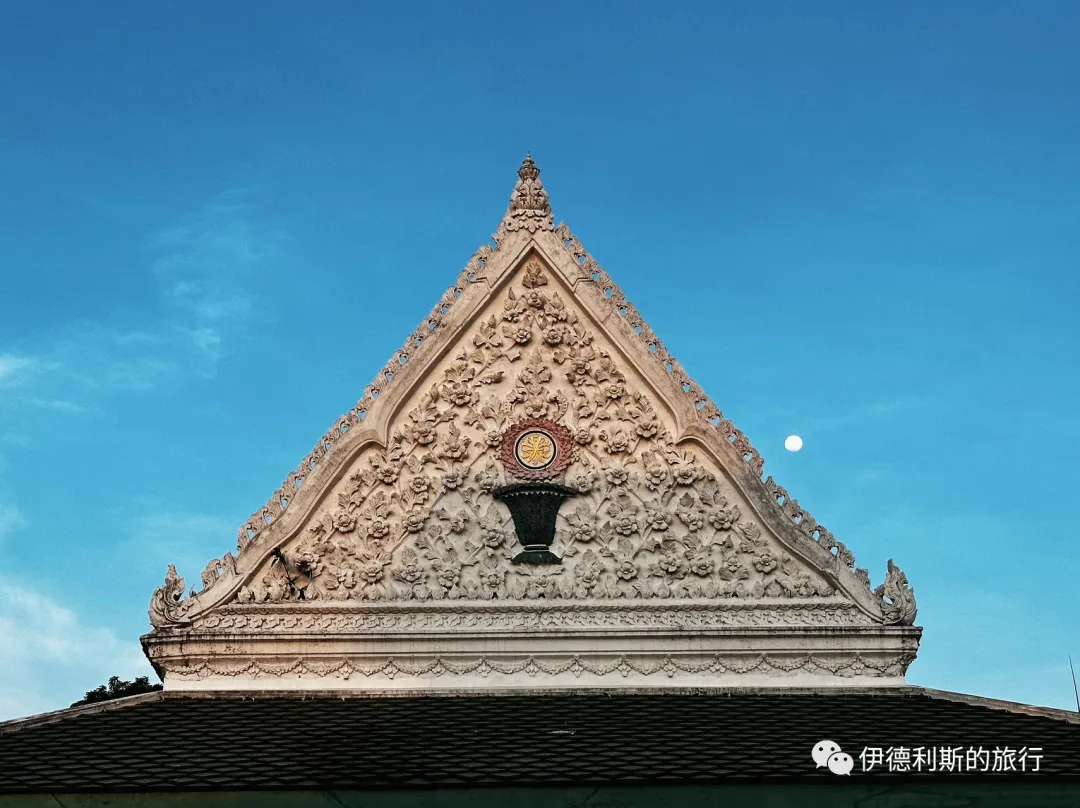
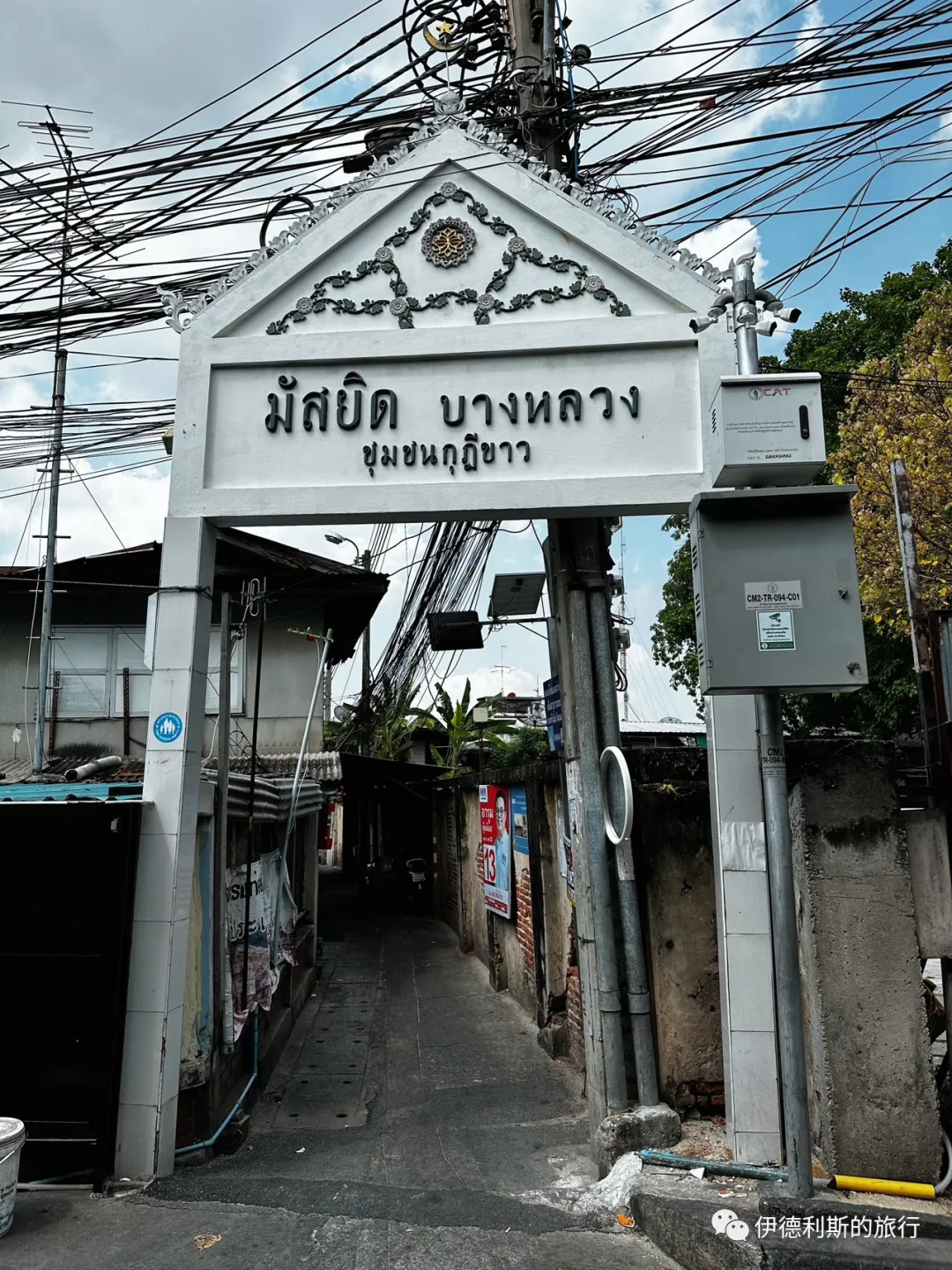
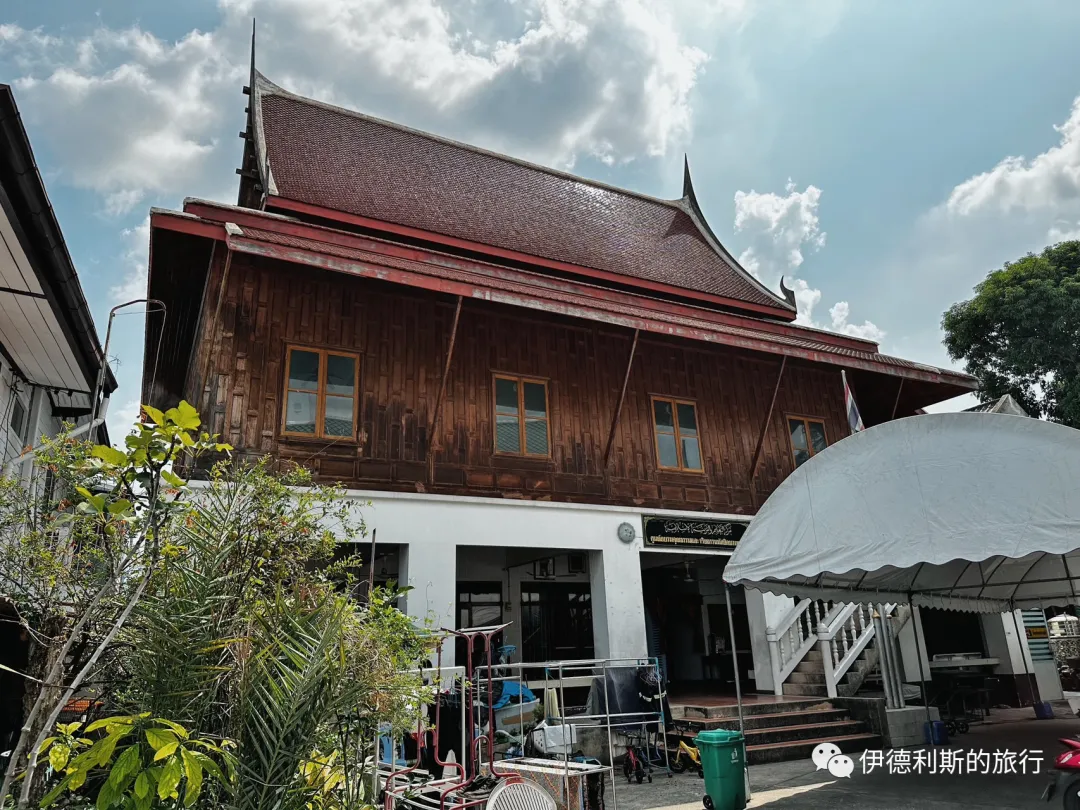
Bang Luang Mosque, the only Thai-style mosque in Bangkok.
In 1767, Burma invaded Siam, the capital Ayutthaya fell, and the Cham military camp at the mouth of the Yai River was destroyed. Soon after, Siam moved its capital to Thonburi. The Cham people who fled from Ayutthaya settled around Ton Son Mosque, formed a new Cham community, and continued to serve in the Siamese navy. In 1782, Siam officially moved its capital to Bangkok on the east bank of the Chao Phraya River. They built a royal shipyard and dock opposite the Cham community, and many Cham people became royal sailors and shipbuilders.
With the establishment of the royal shipyard and dock, some Cham people moved to live on the other side of the Yai Canal. People of Malay descent who moved from Ayutthaya and Trat Province in the southeast originally lived here, making a living by rowing boats on the canal to sell goods. Around 1785, a merchant named Toh Yi led the construction of a new mosque called Kudi Mai (New Mosque) or Bang Luang Mosque.
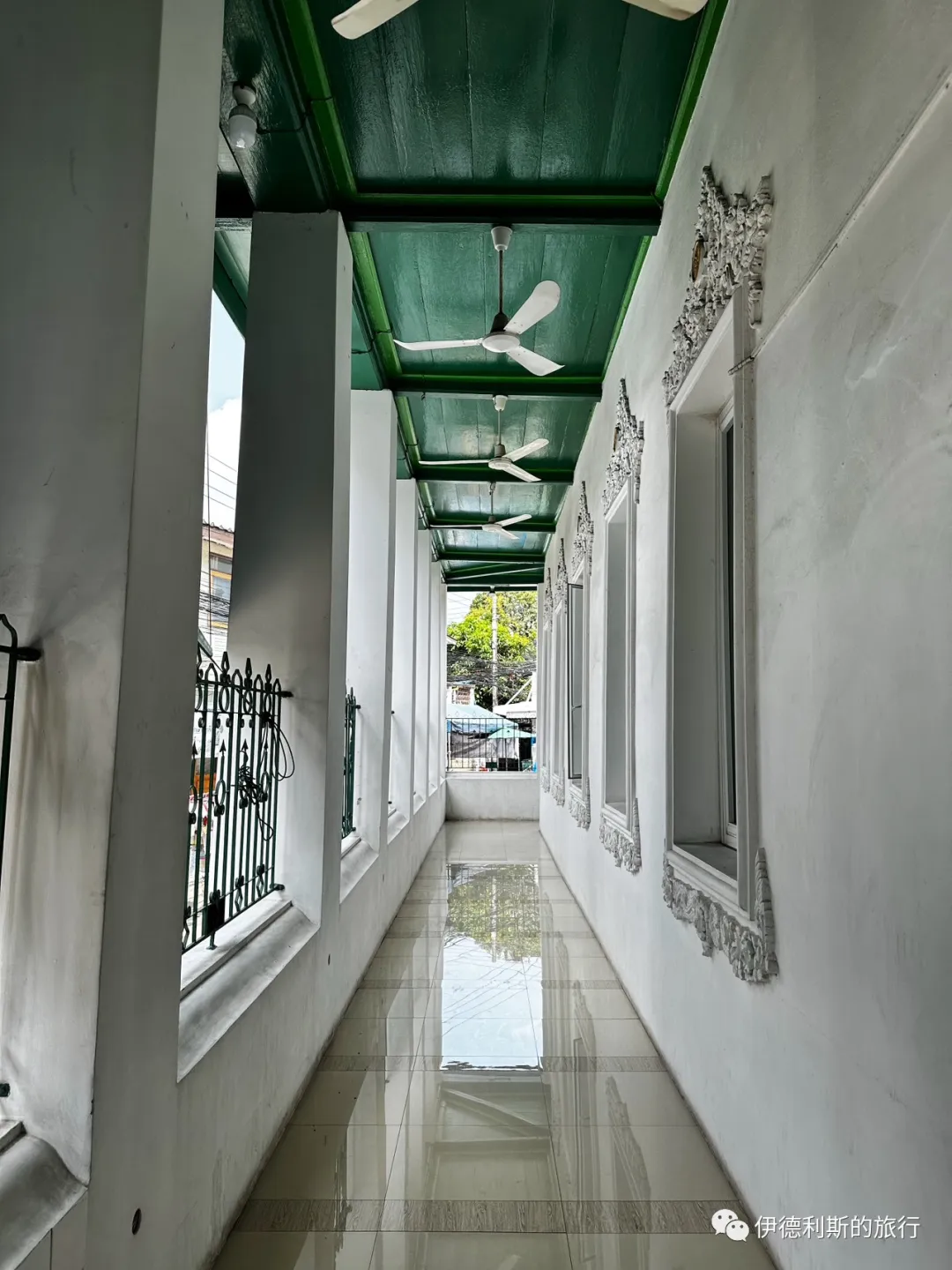
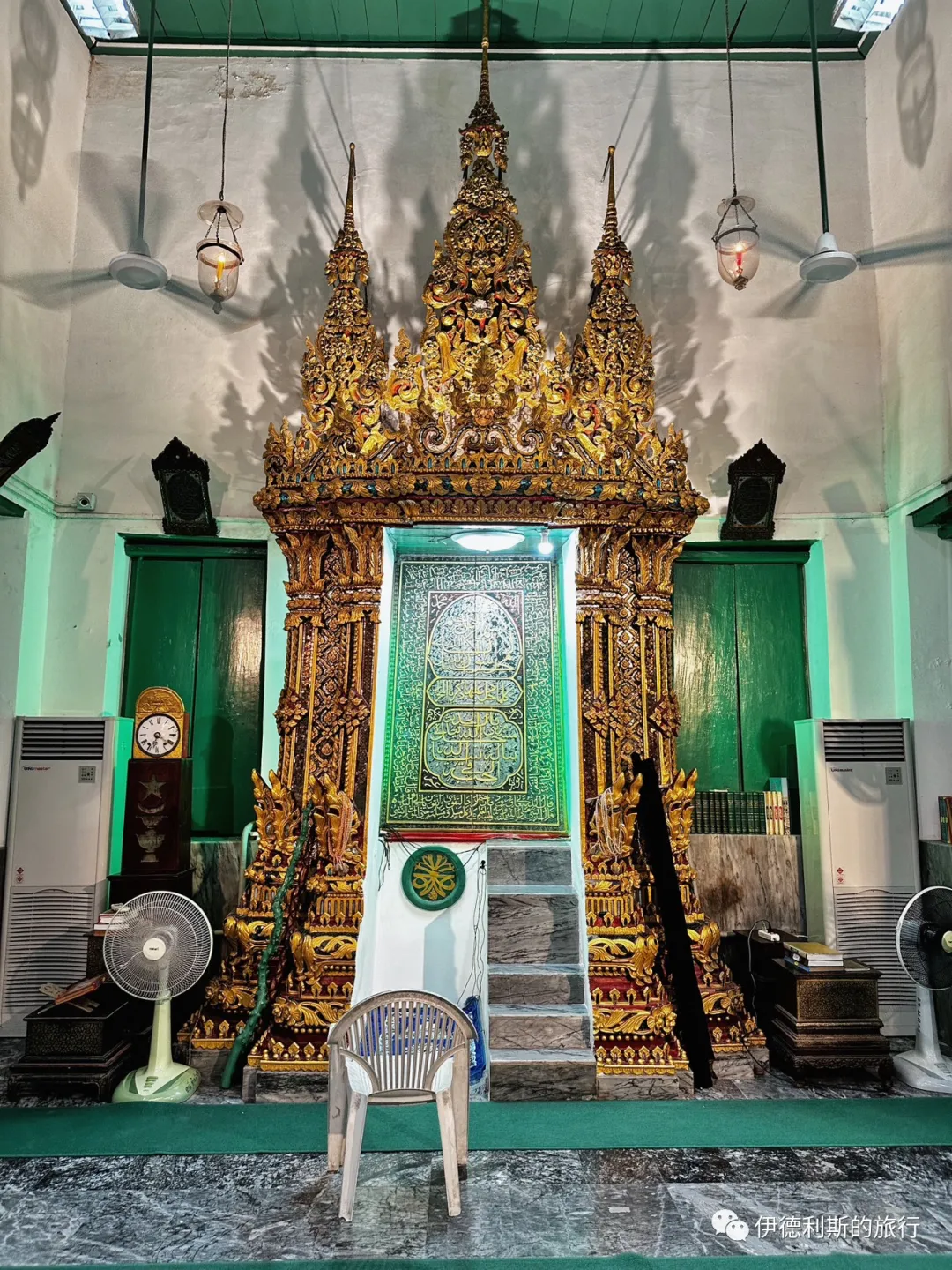
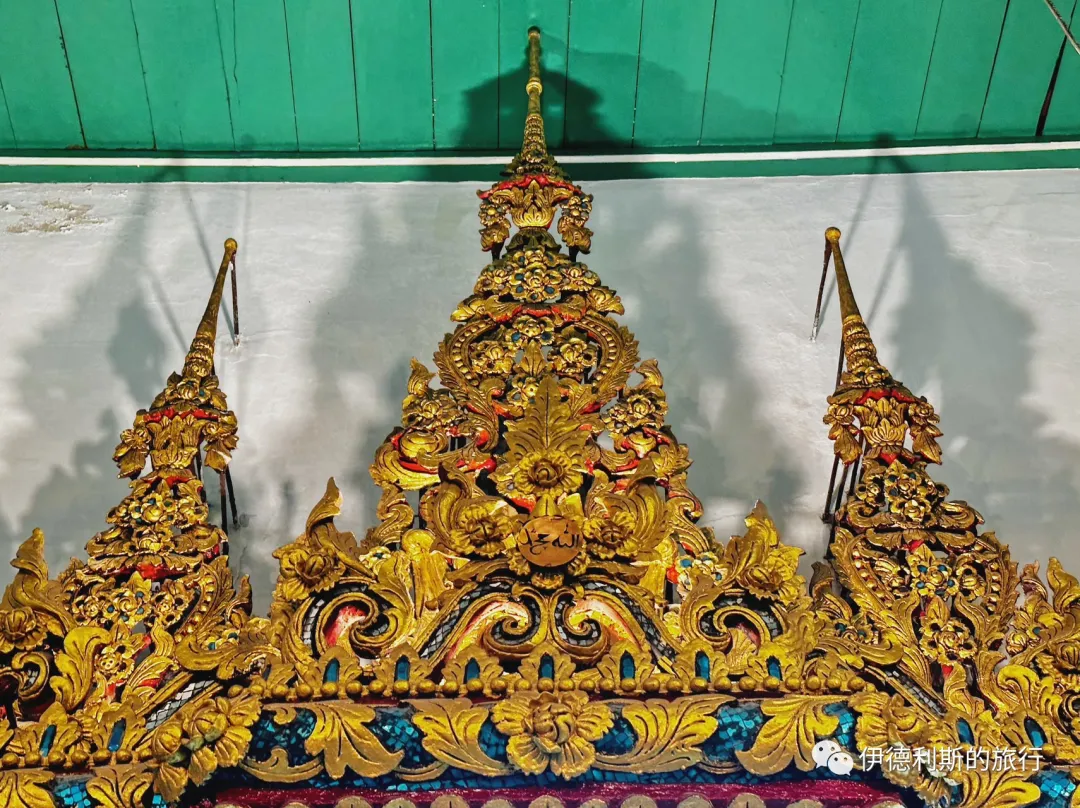
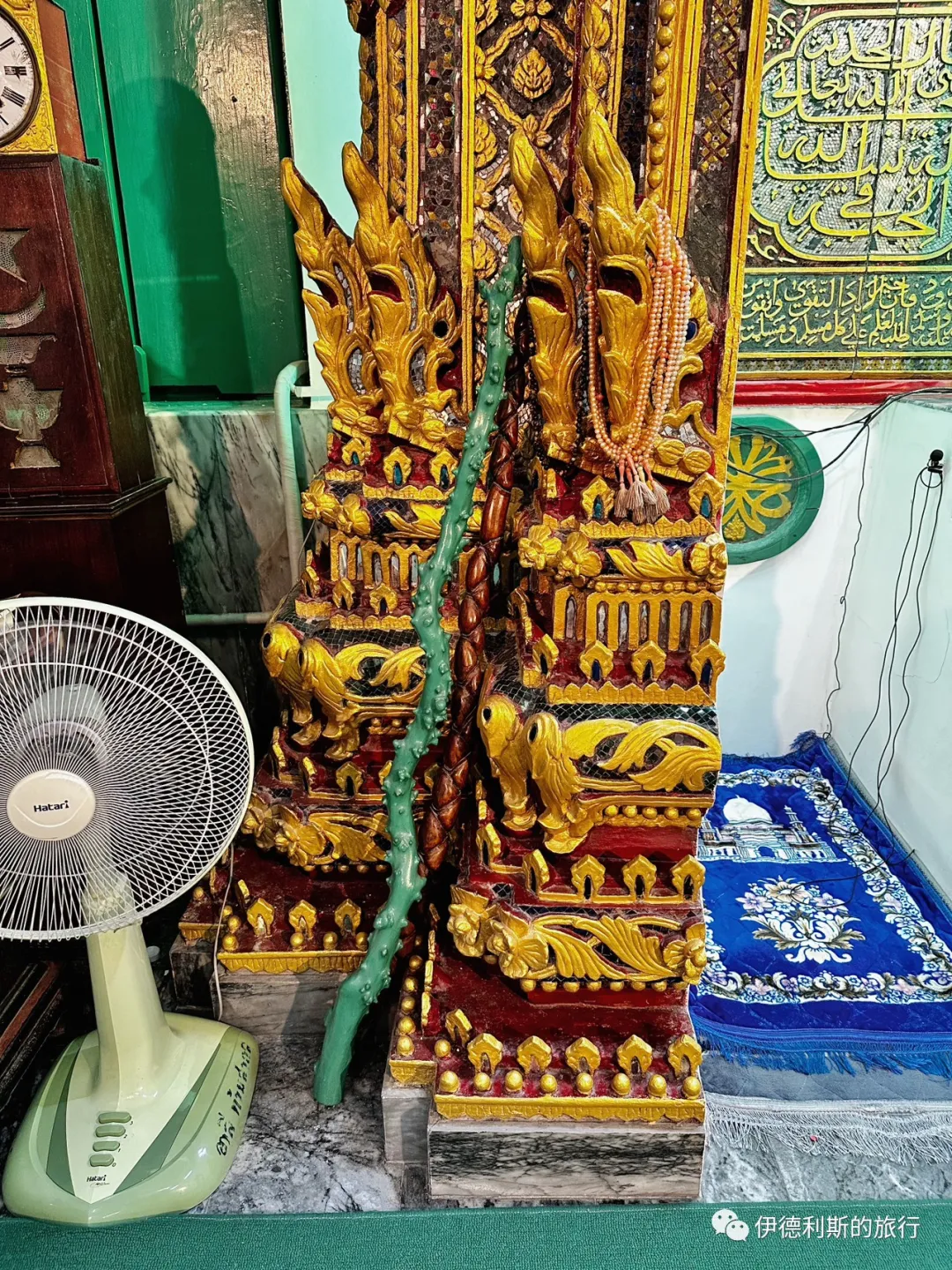
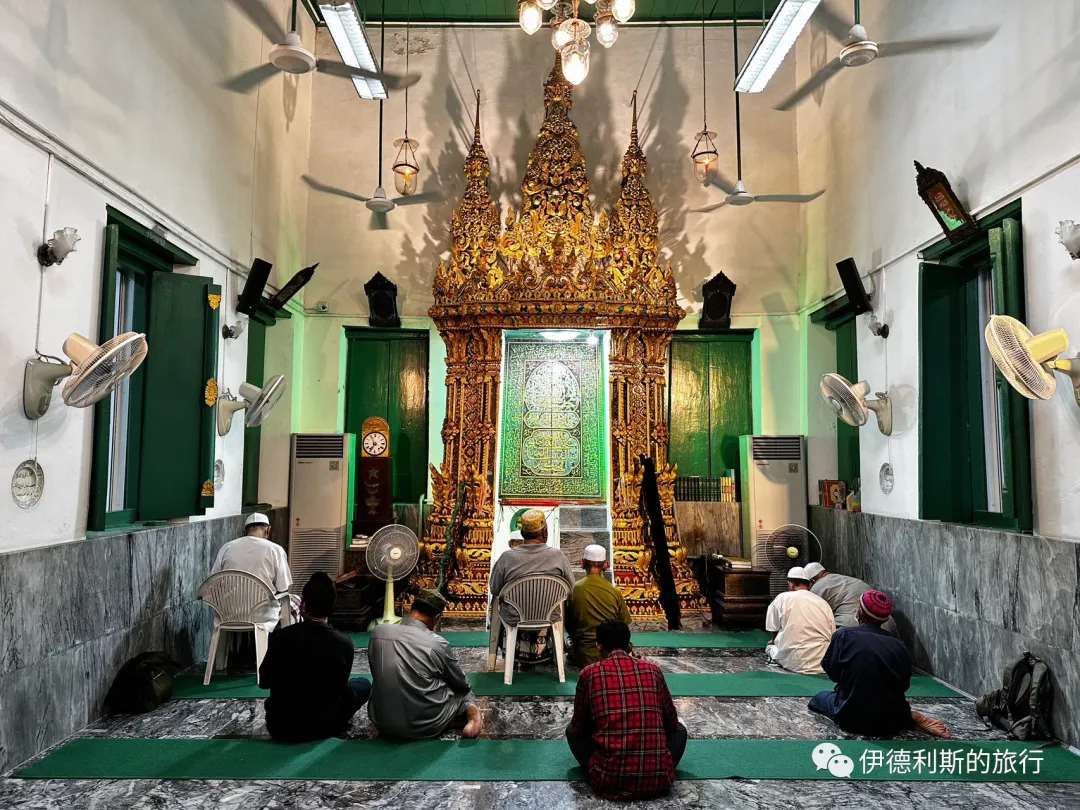
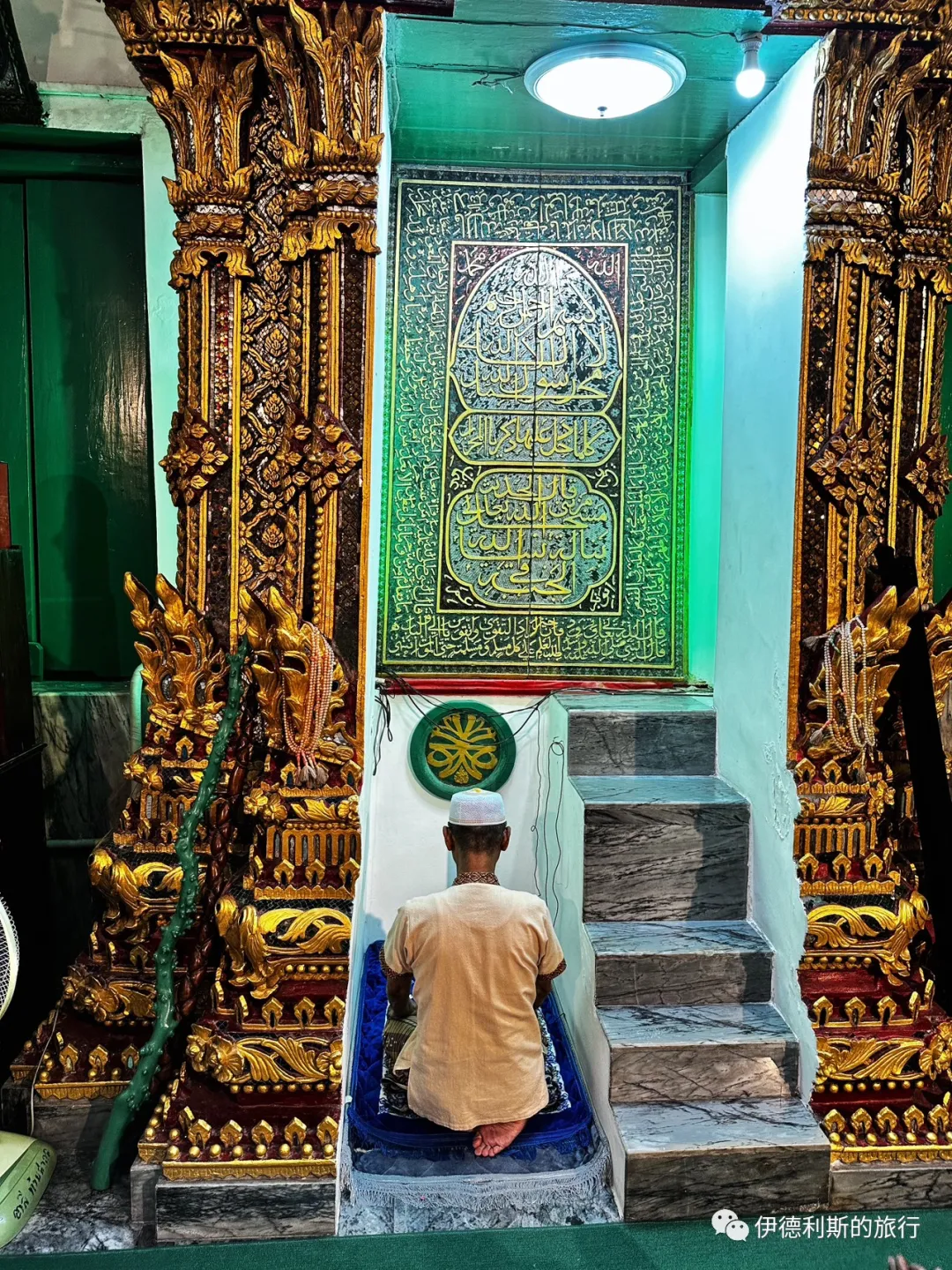
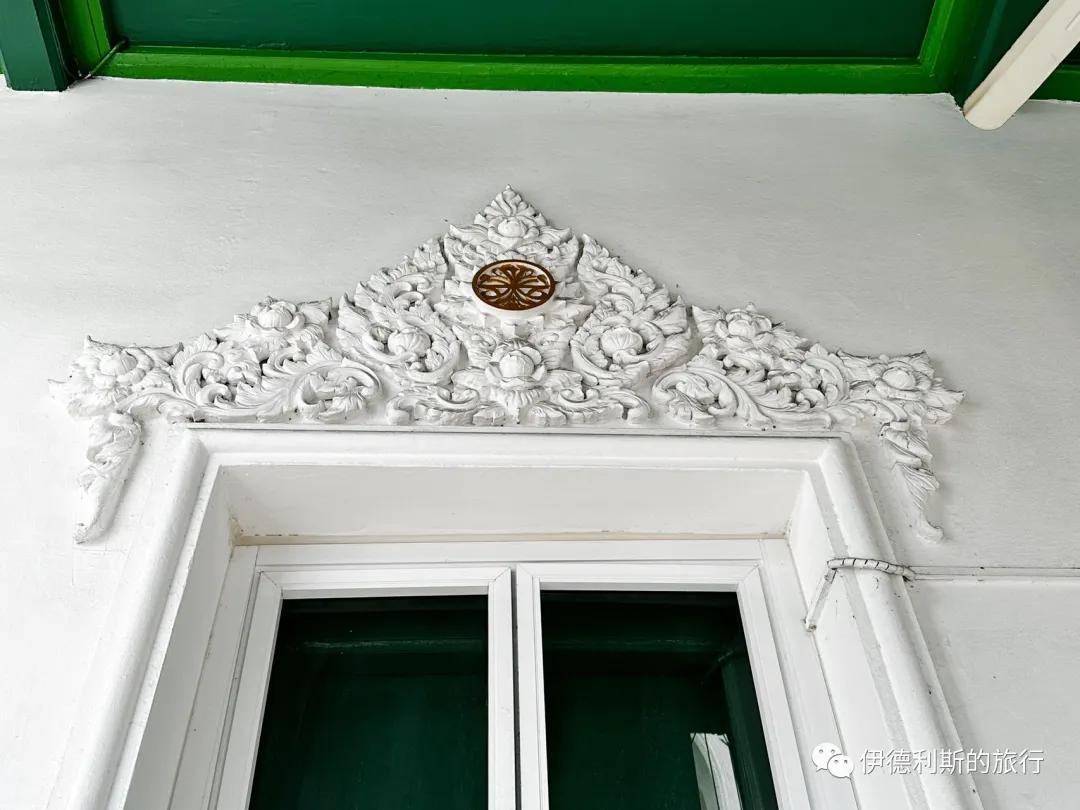
Bang Luang Mosque is the only surviving Thai-style mosque in Bangkok. It has Thai-style white stucco brick walls, and its decorative roof looks very similar to those on Thai temples. The main hall is surrounded by a corridor with 30 pillars, representing the 30 parts of the Quran. The mihrab inside the main hall is the most exquisite part, featuring a purely Thai decorative style, including the Chofa decorative element found on Thai palace architecture. This shape is adapted from the Garuda in Hinduism and Buddhism, but it was redesigned to fit Islamic traditions.
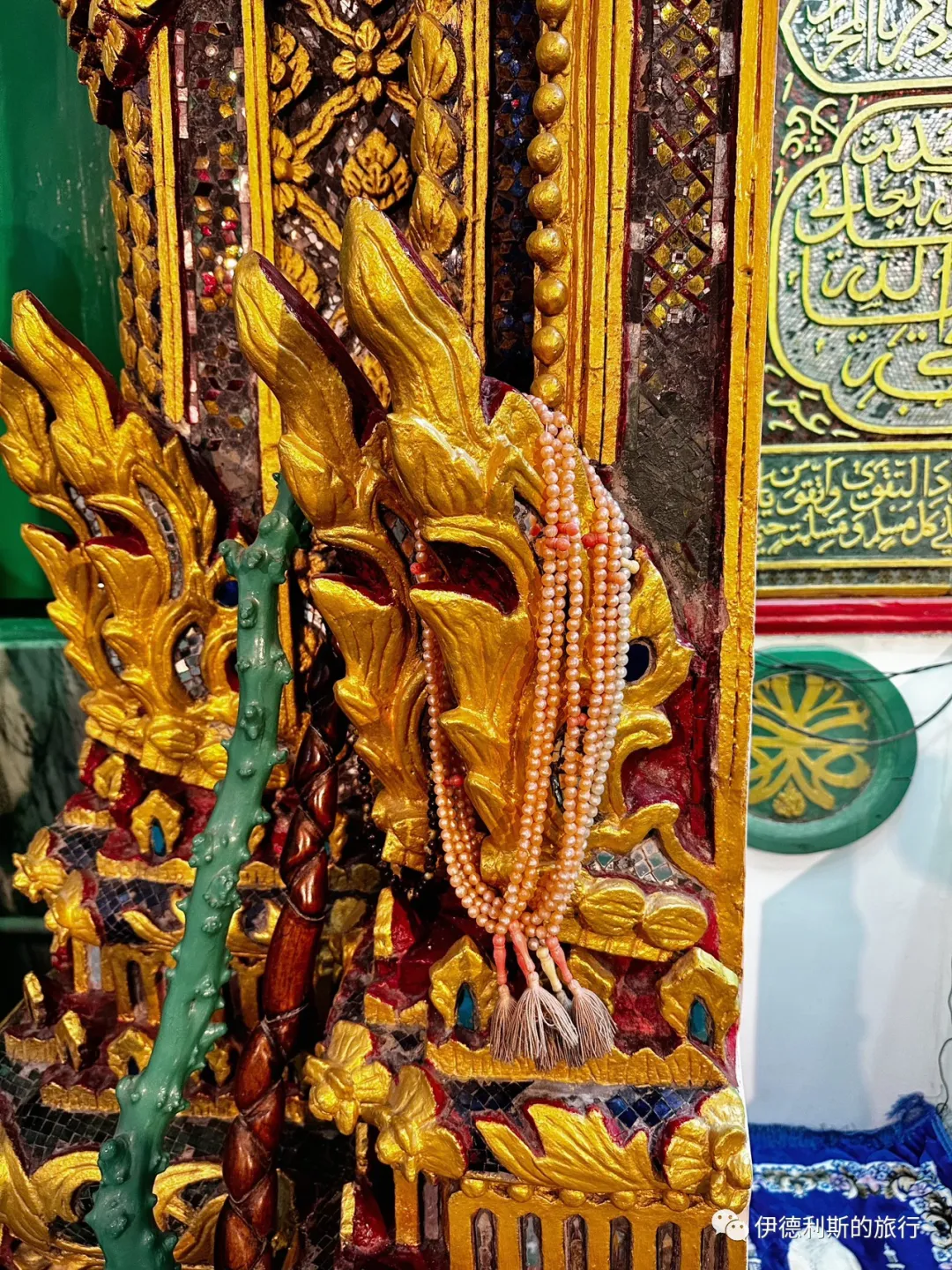
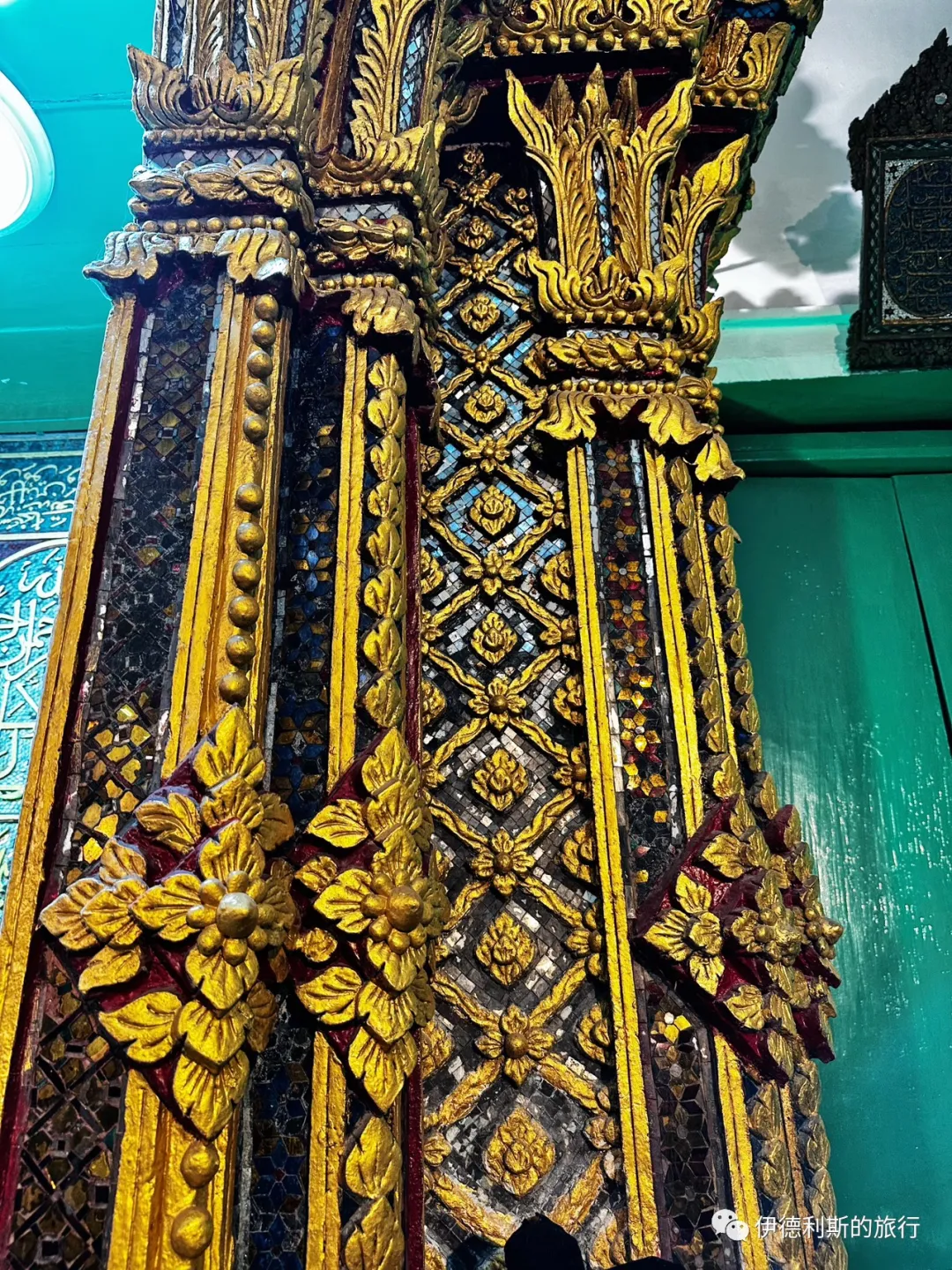
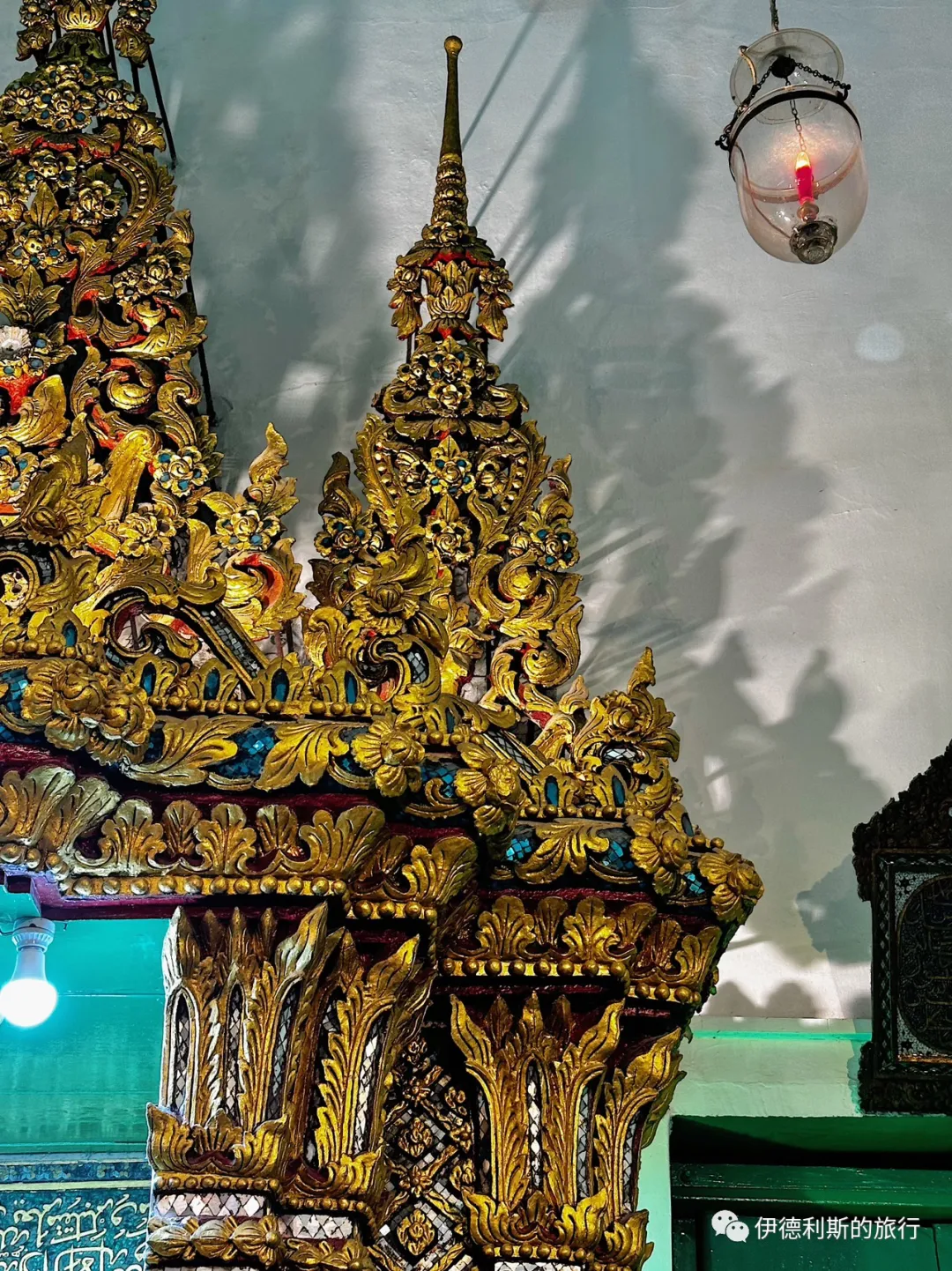
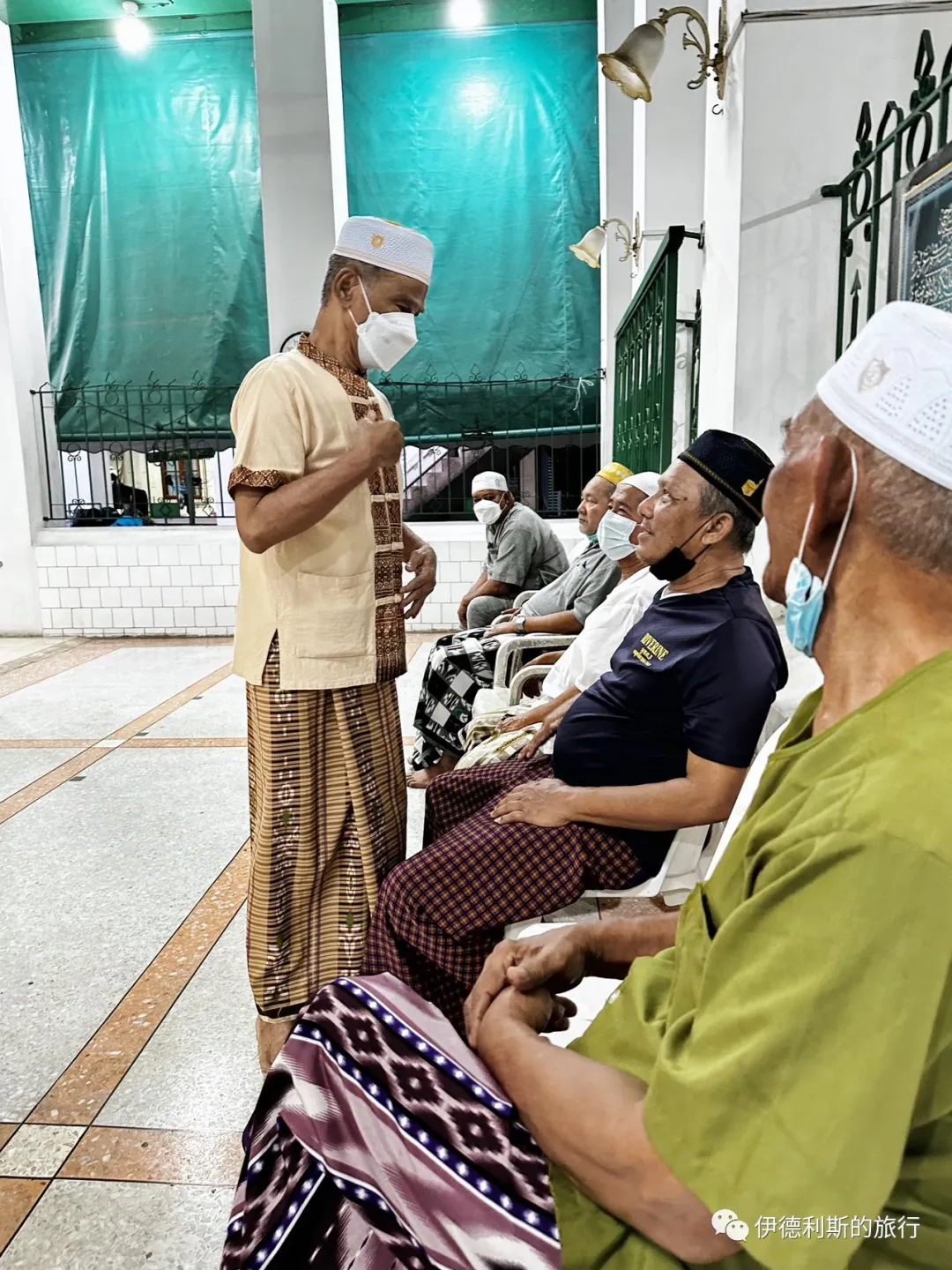
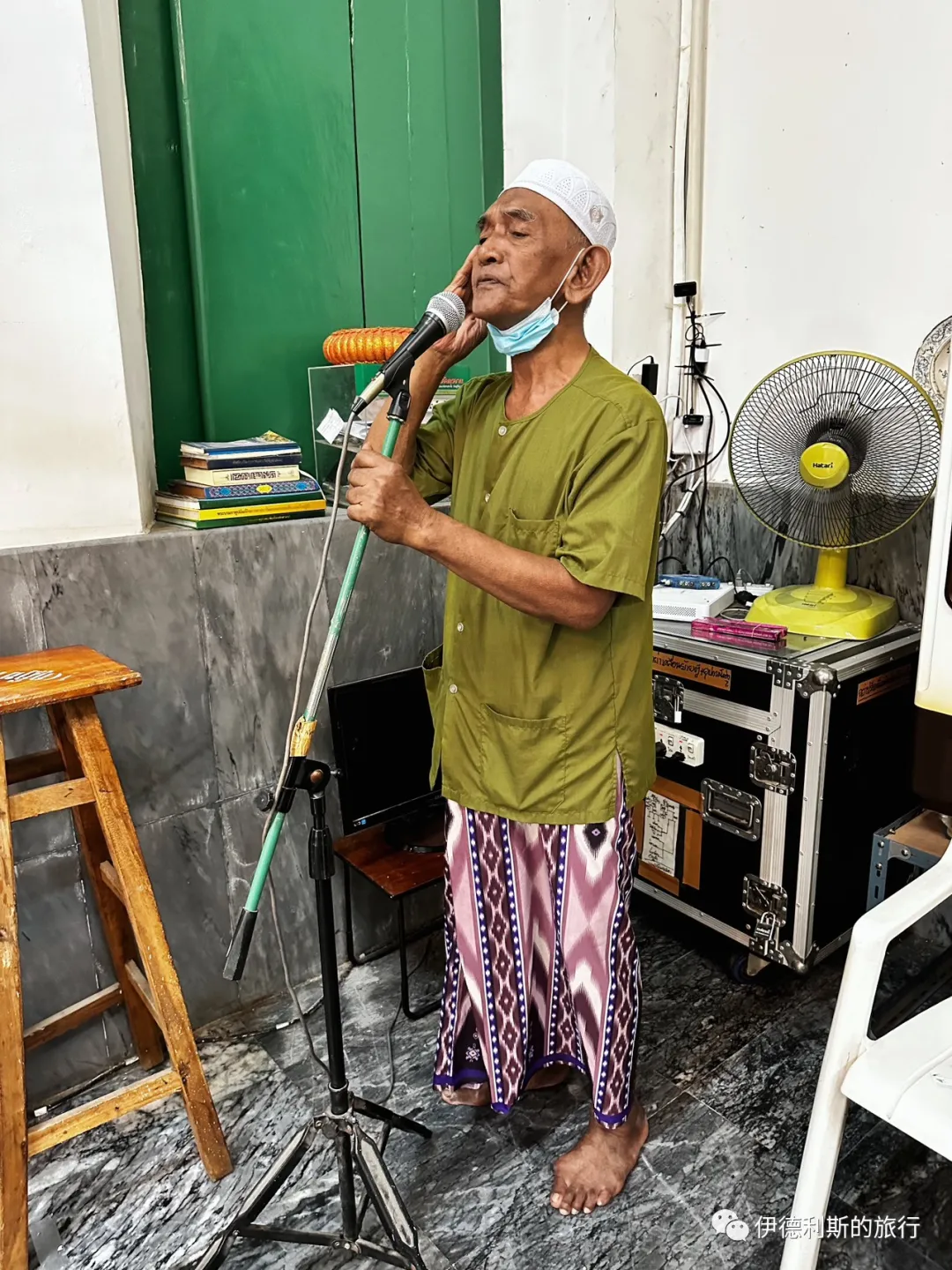
The atmosphere at Bang Luang Mosque during namaz is very special. Every elder who arrives shakes hands with everyone, and an elder even gave me a drink. You can see everyone wearing a sarong (sarong) tube skirt, which means 'to cover' in Malay. This outfit is perfect for the humid and hot climate of Southeast Asia.

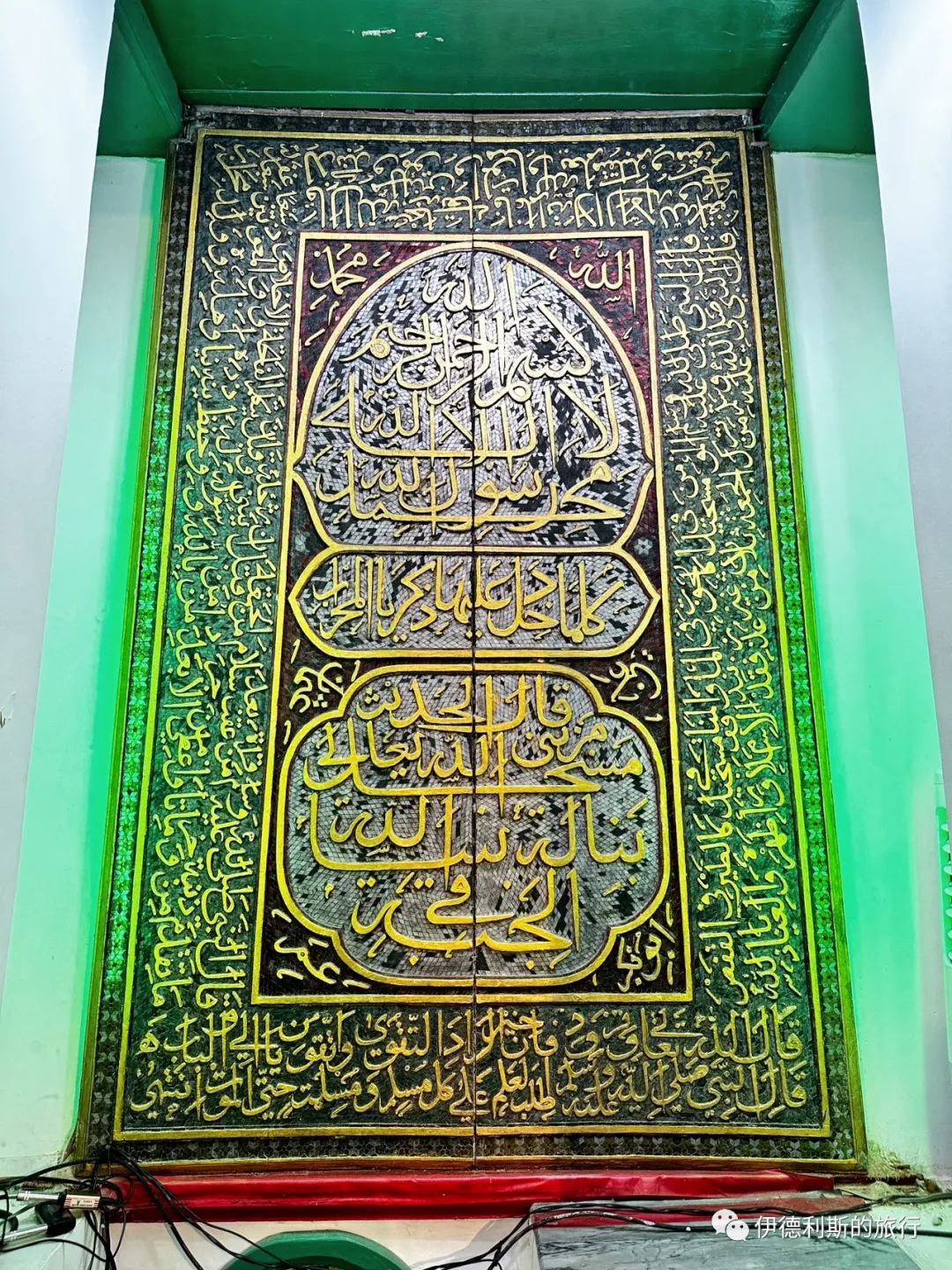
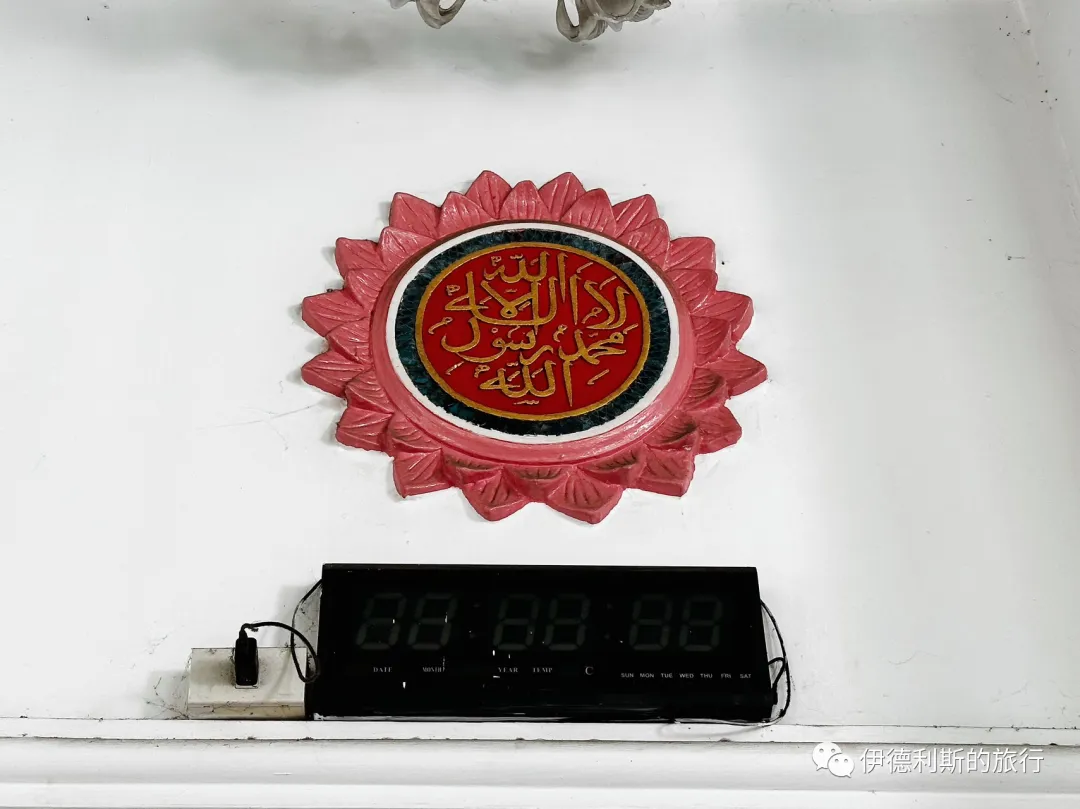
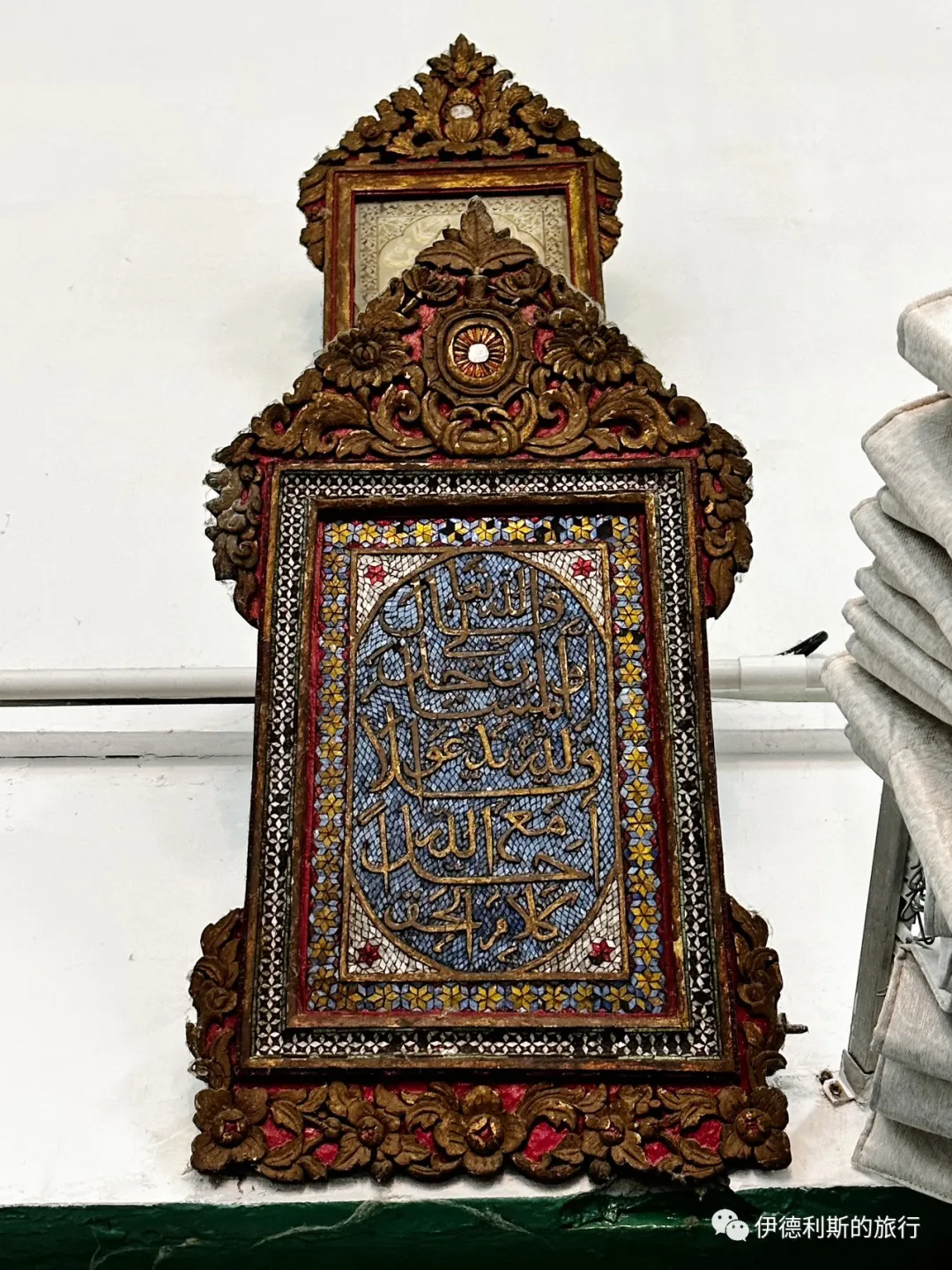
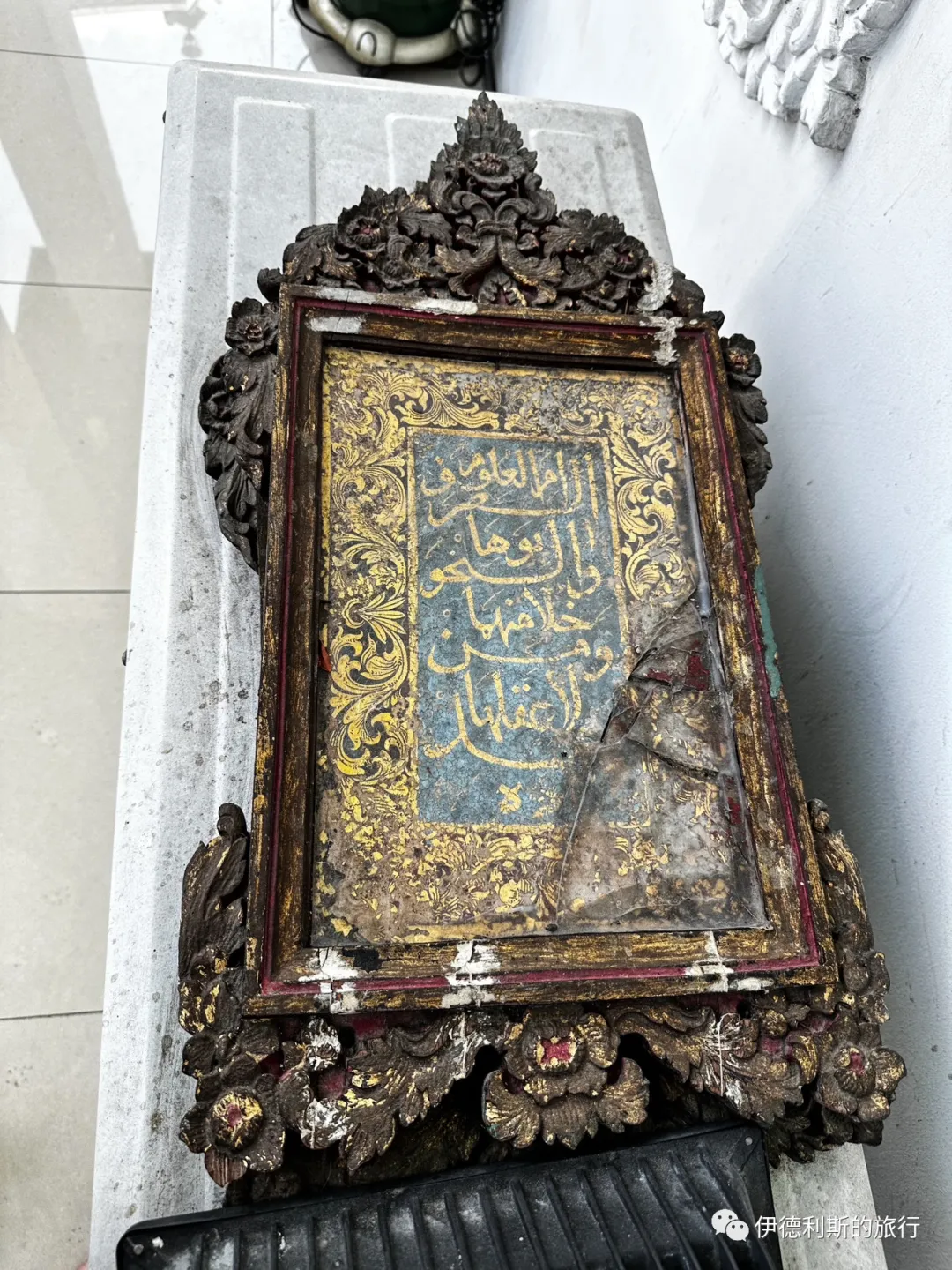
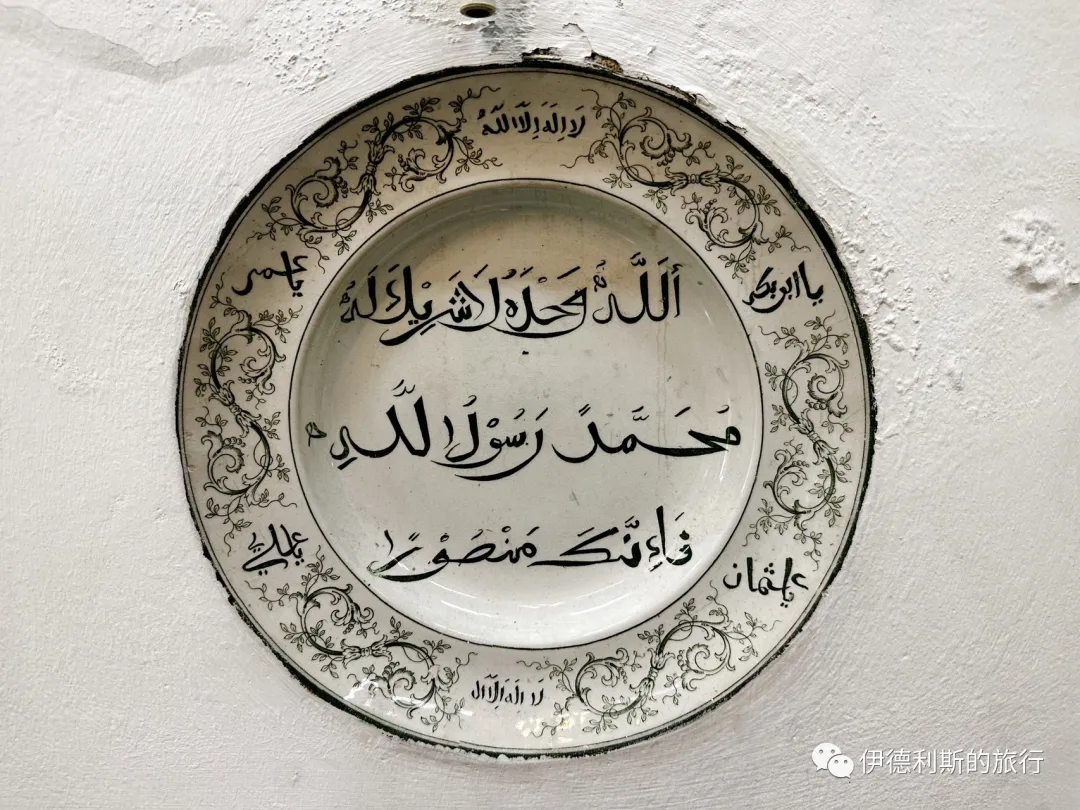
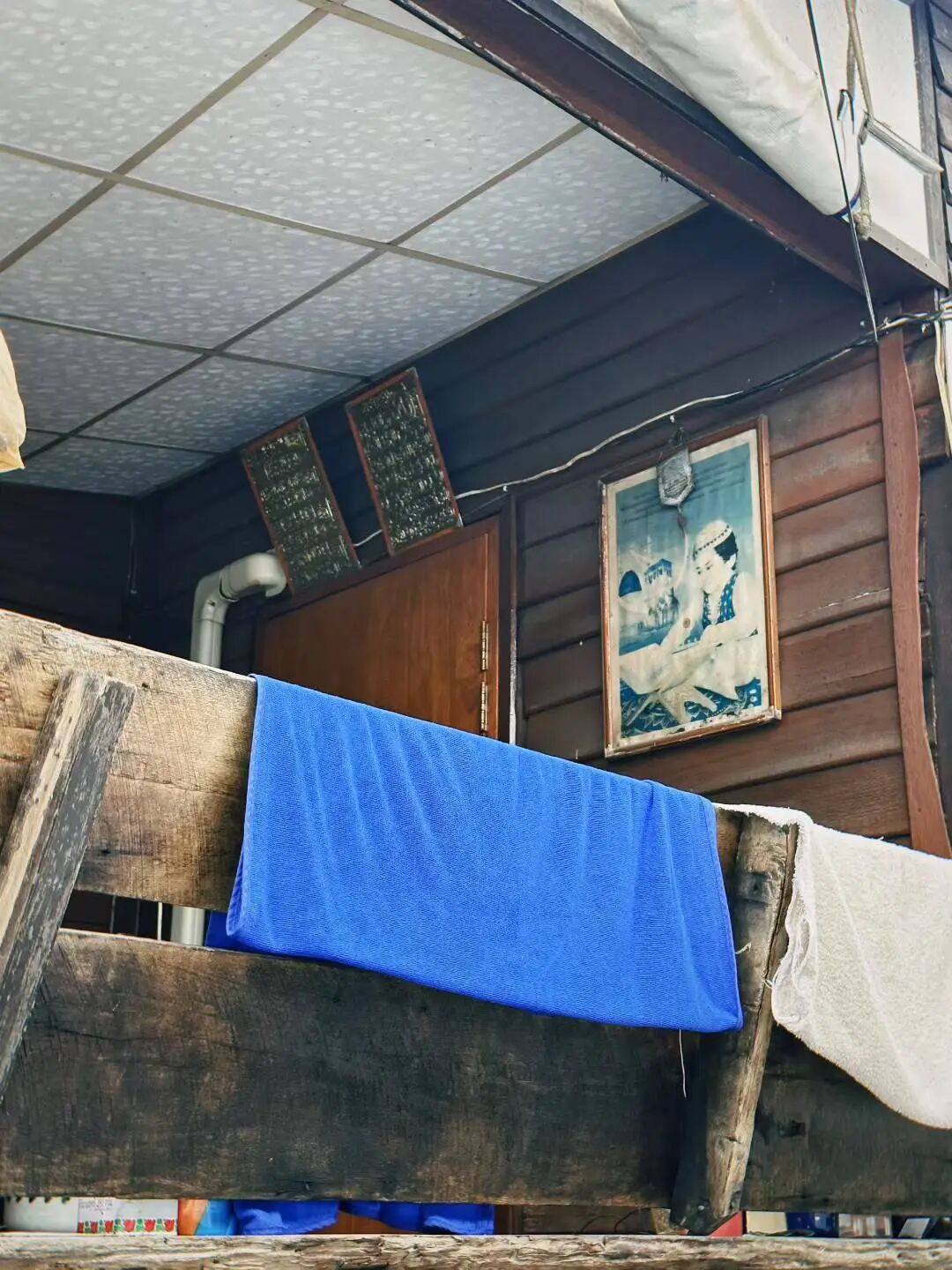
The wooden-framed scriptures hanging on the walls of Bang Luang Mosque and the porcelain plates embedded in the walls are both over a hundred years old.
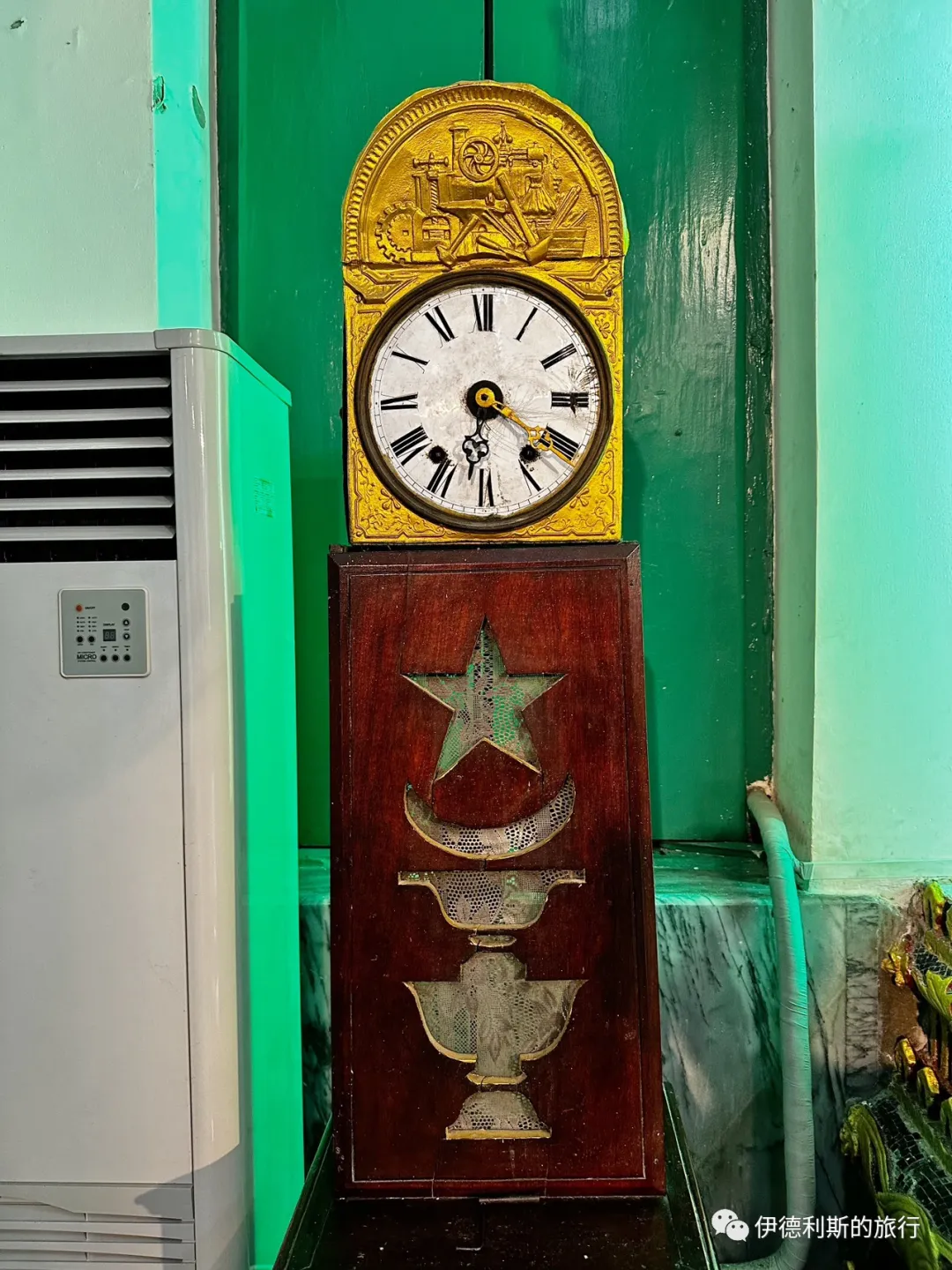
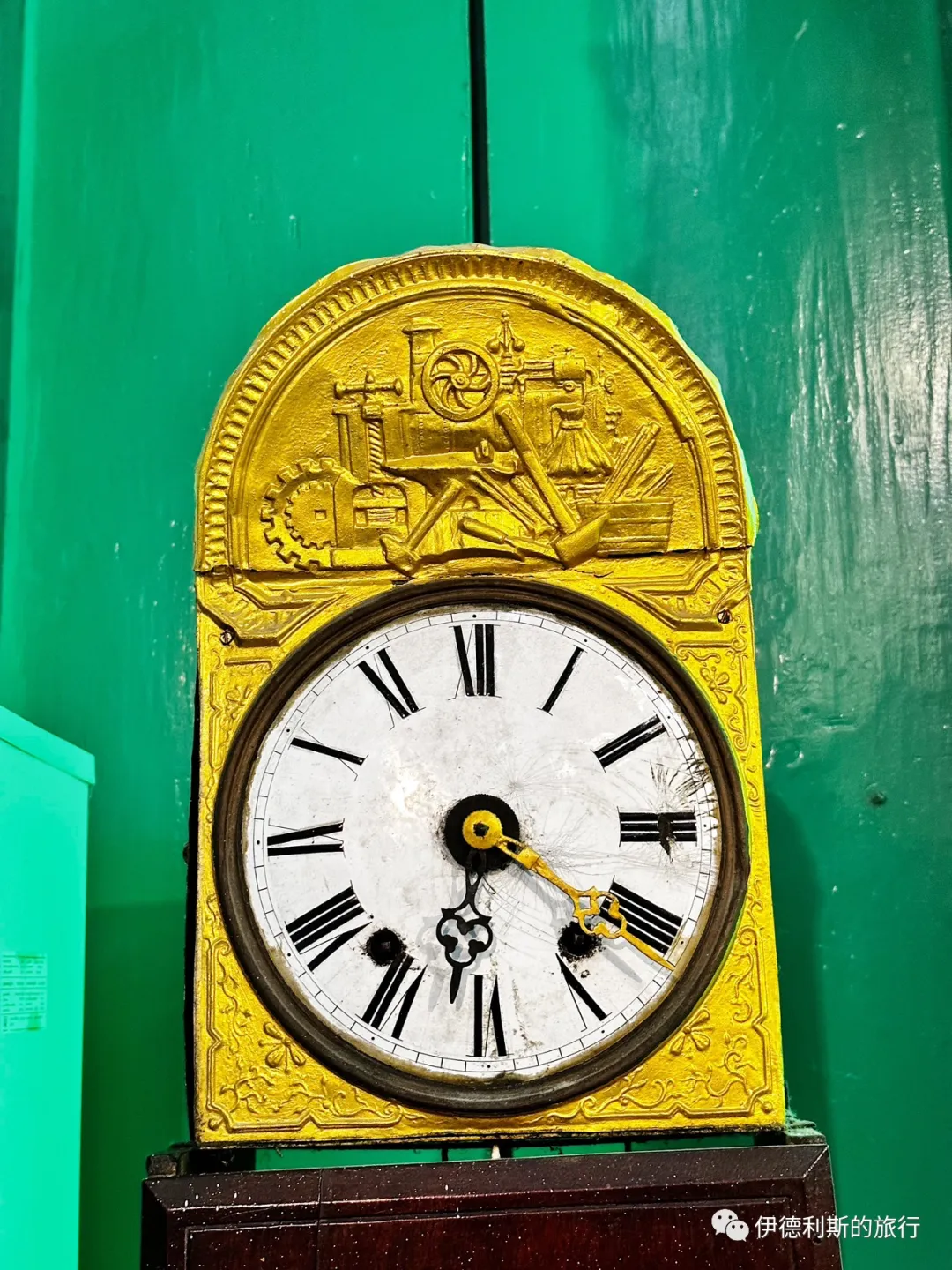
This old bell feels like it has a lot of history.
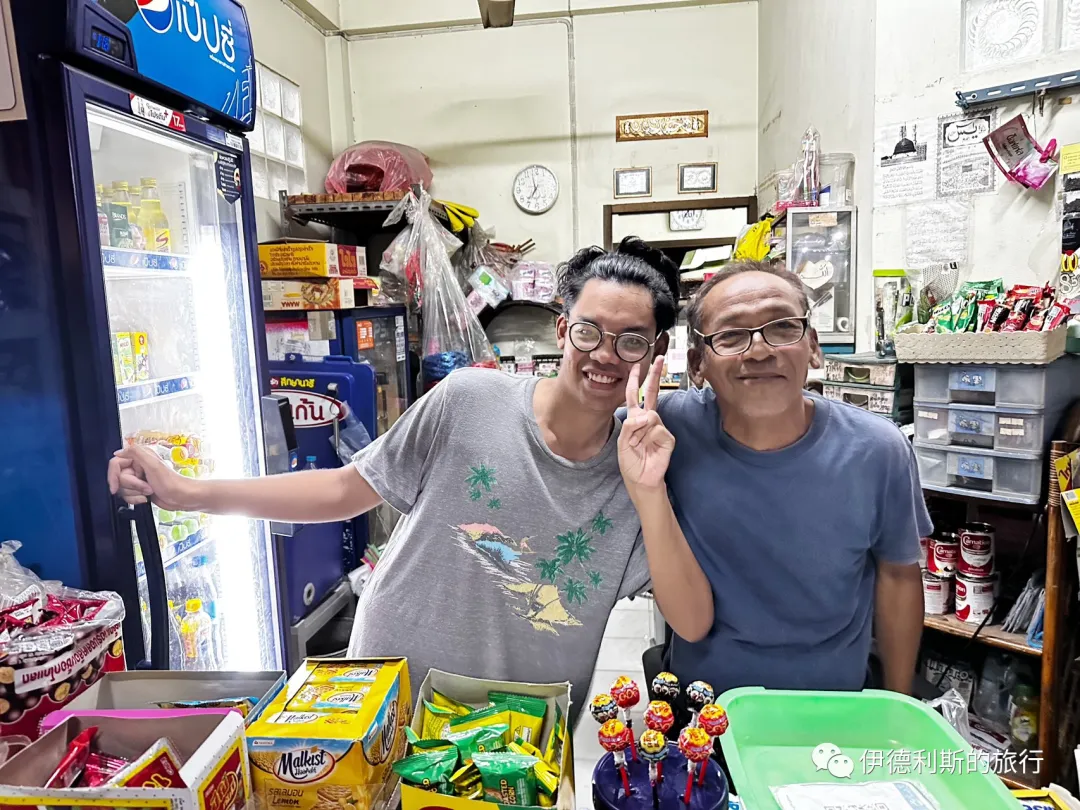
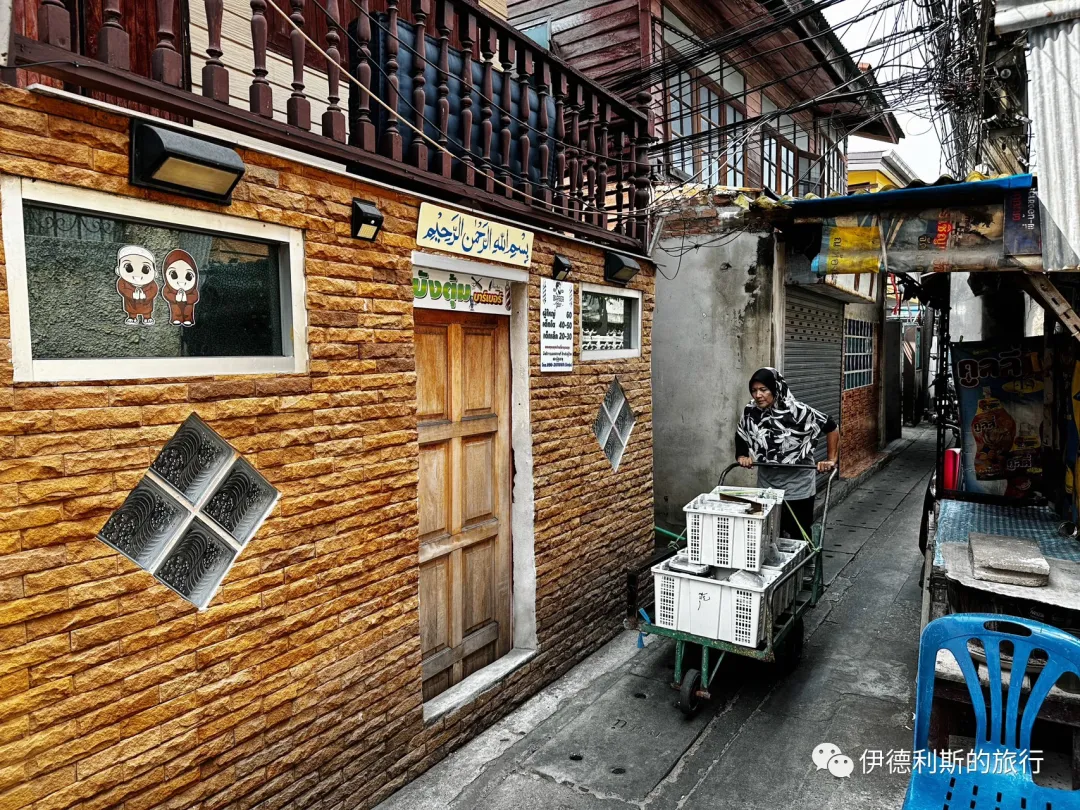
The area around Bang Luang Mosque is still mainly inhabited by Cham and Malay descendants. We chatted for a while with the owner of a small shop opposite the mosque. The owner's family is of Malay descent; the father speaks fluent Thai and Malay, and the son's English is also very good.
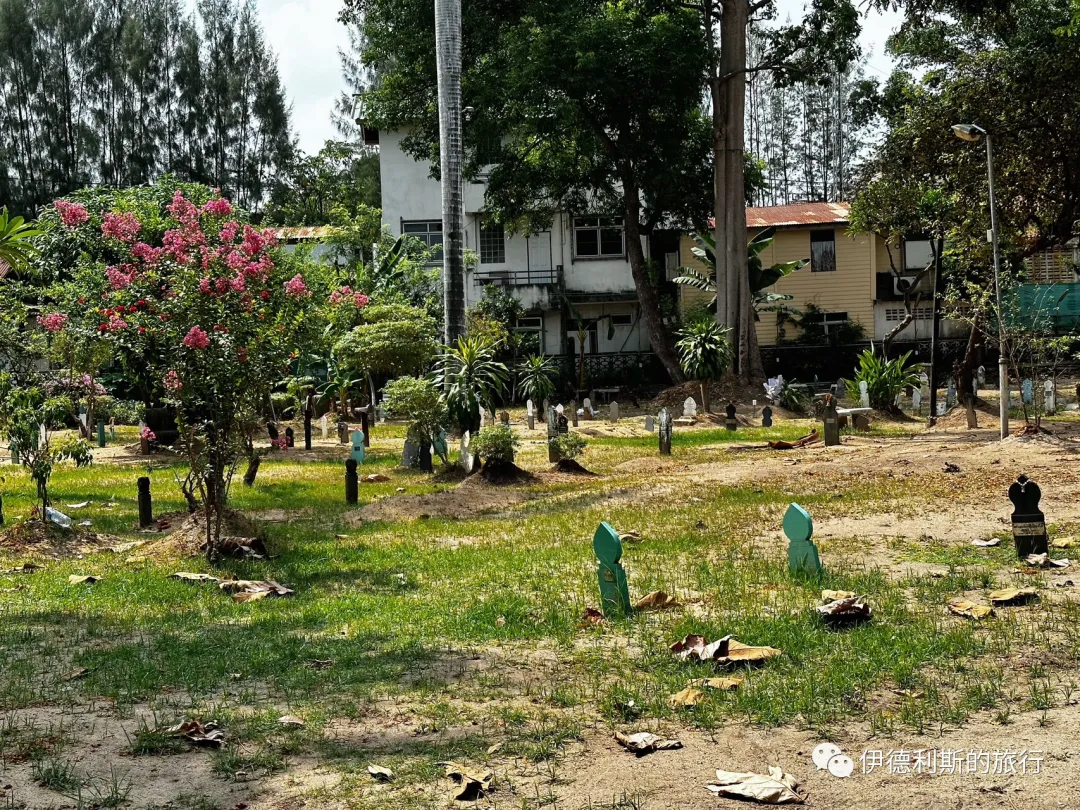
Cham Navy and the National Museum of Royal Barges.
In 1778, Thailand invaded Laos. To attack Laos from two sides, Thailand recruited an army of over 10,000 people from the pro-Thai Kingdom of Cambodia, which included several naval companies made up of Cham dosti (friends/comrades). After these Cham naval companies finished participating in the war against Laos, some of them returned with the Thai army to Thonburi, the capital of Thailand at the time. They were under the command of the Second King of Siam (Front Palace). After 1782, they were stationed along the Noi Canal and built the Second King's shipyard and dock next to their camp.
These Cham sailors served for a long time in gunboat patrols against pirates along the Thai coast. Until the Grand Palace and Front Palace navies merged into the Royal Thai Navy in 1880, these Cham sailors continued to serve in the Royal Navy, with some stationed at naval fortifications in Samut Prakan. After the 1910s, the former station of the Cham navy was gradually abandoned.
The National Museum of Royal Barges is currently built on the former site of the Cham navy station. Before the 20th century, the Cham navy served as rowers for the royal barge, a high honor granted to Cham sailors by the Thai royal family.
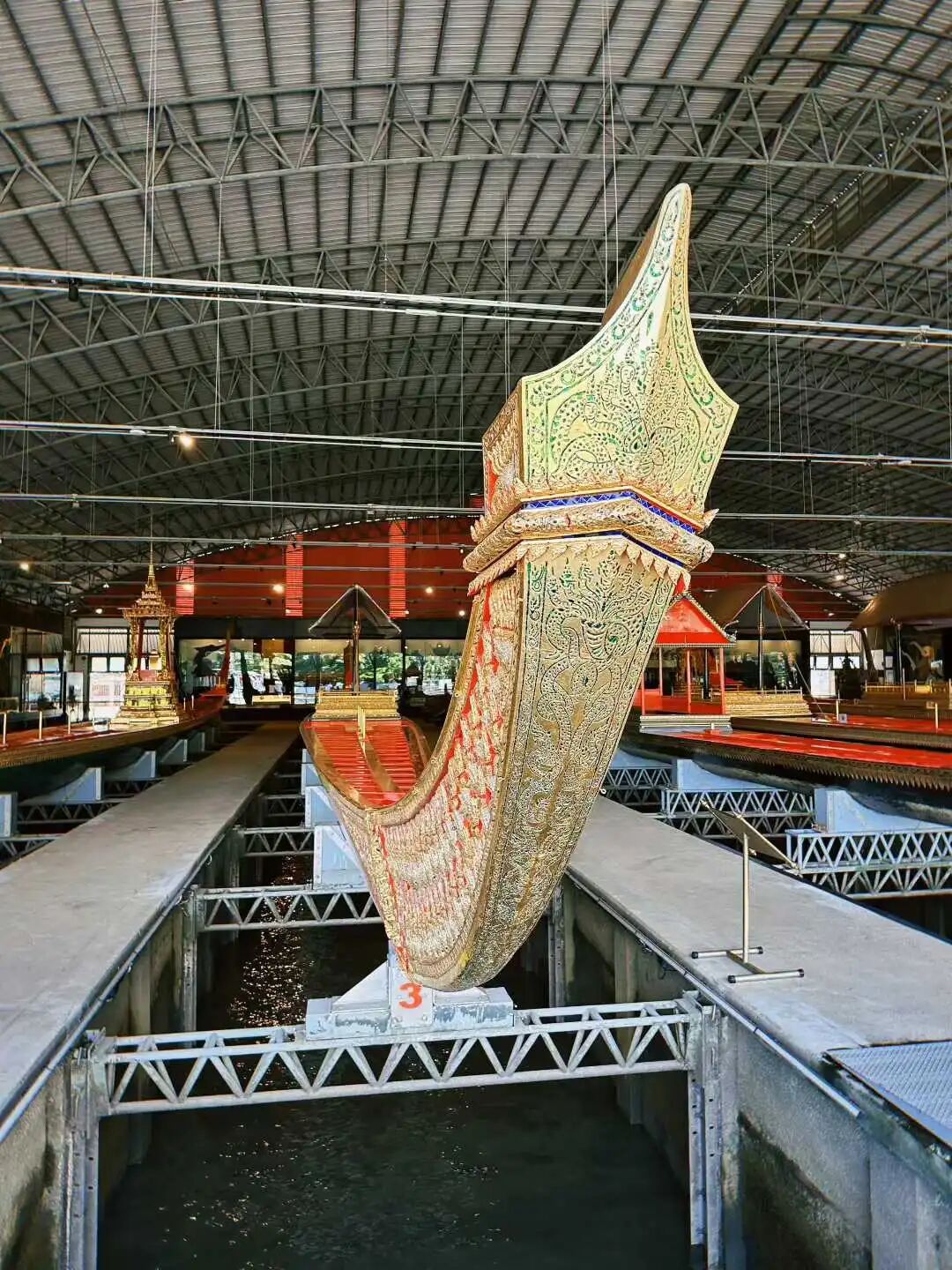
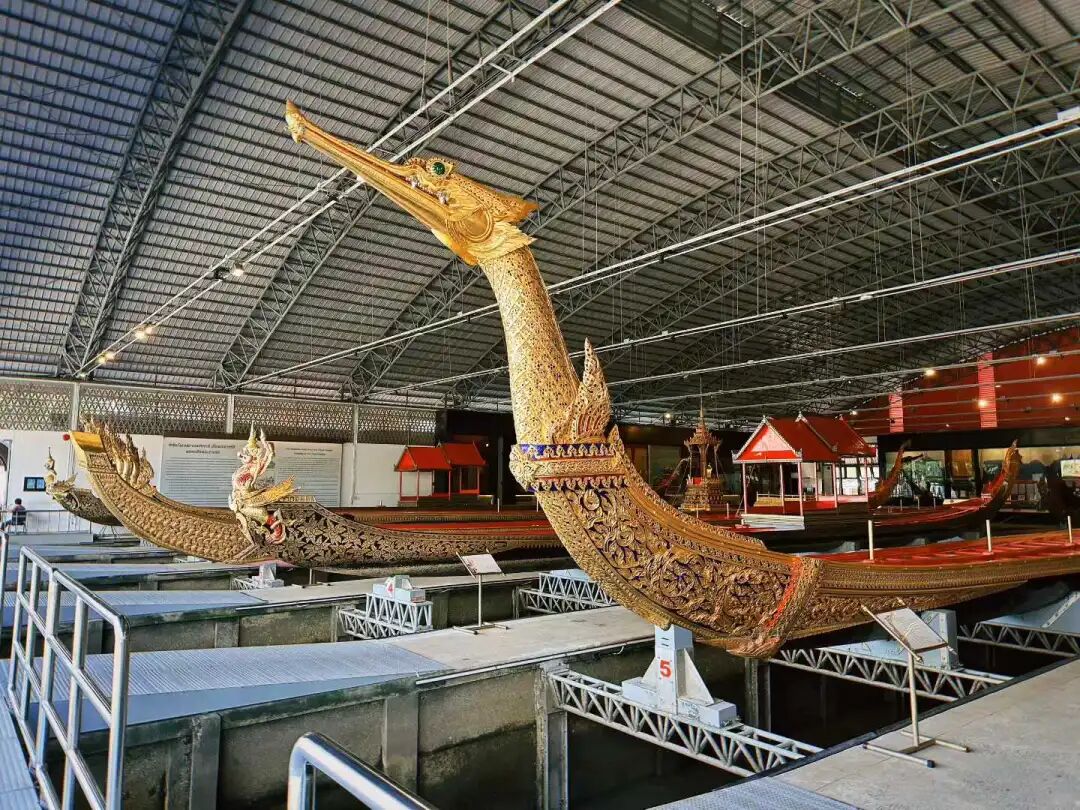
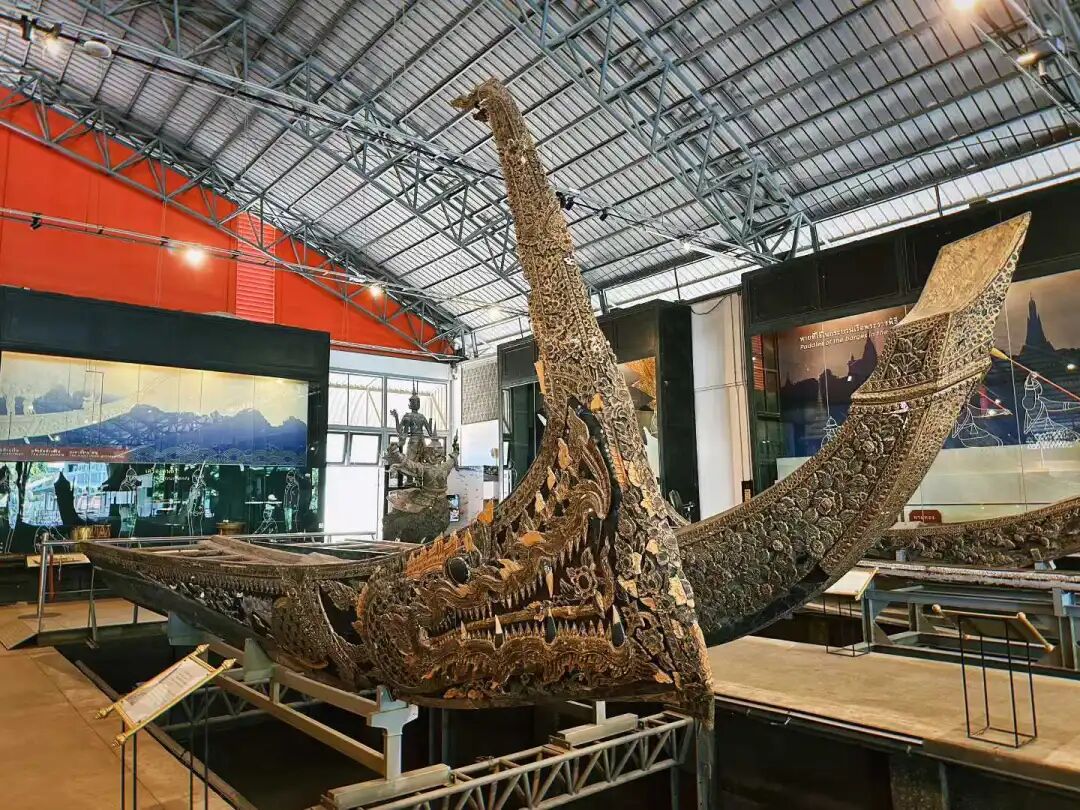
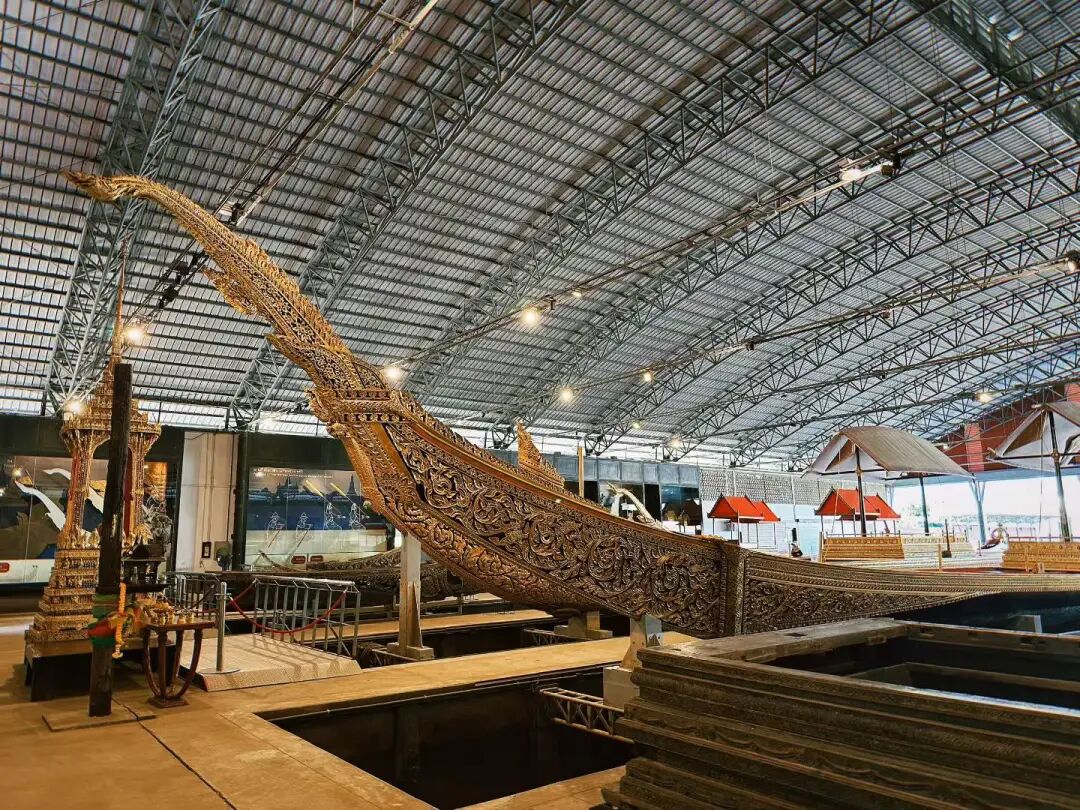
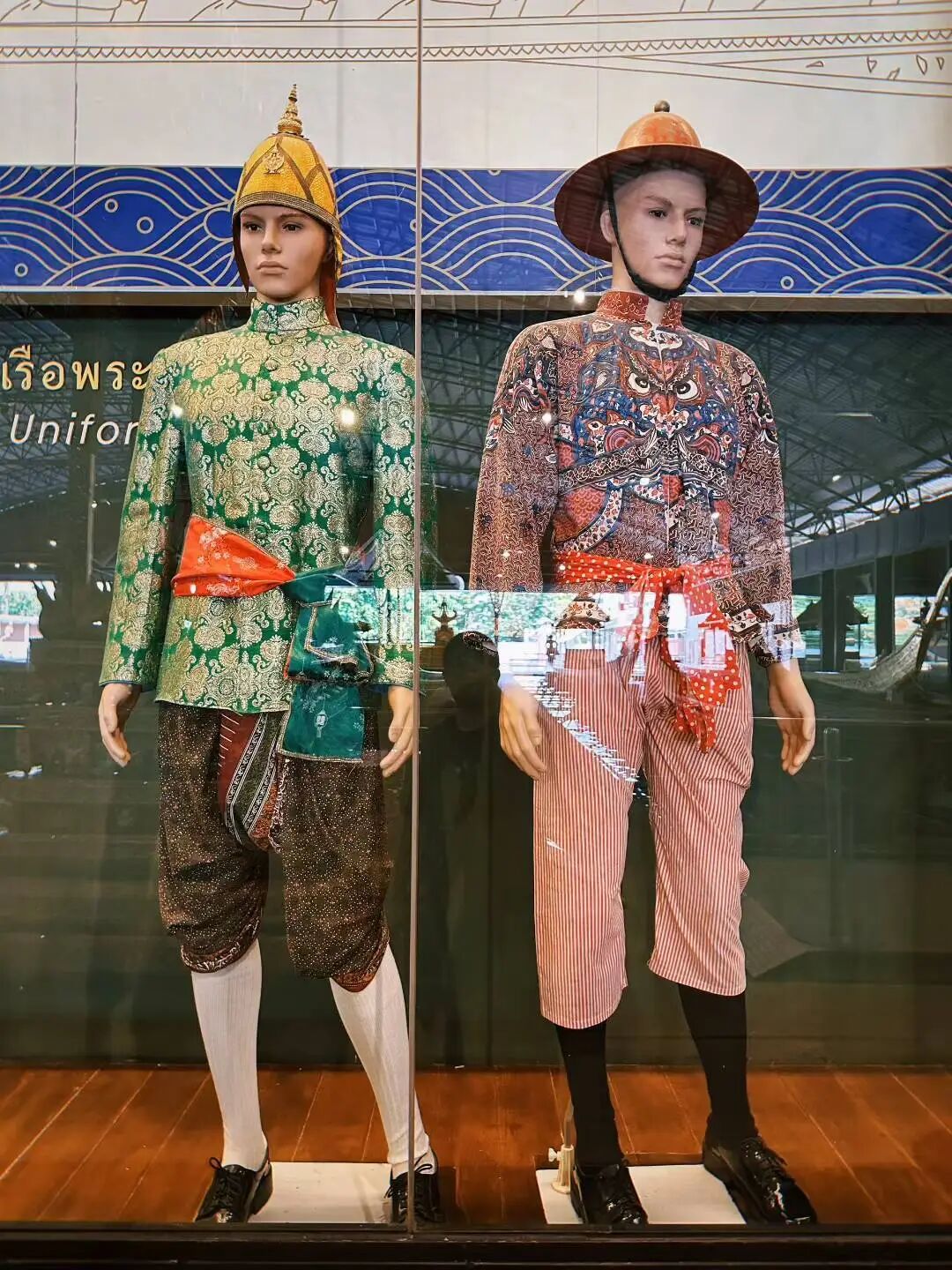
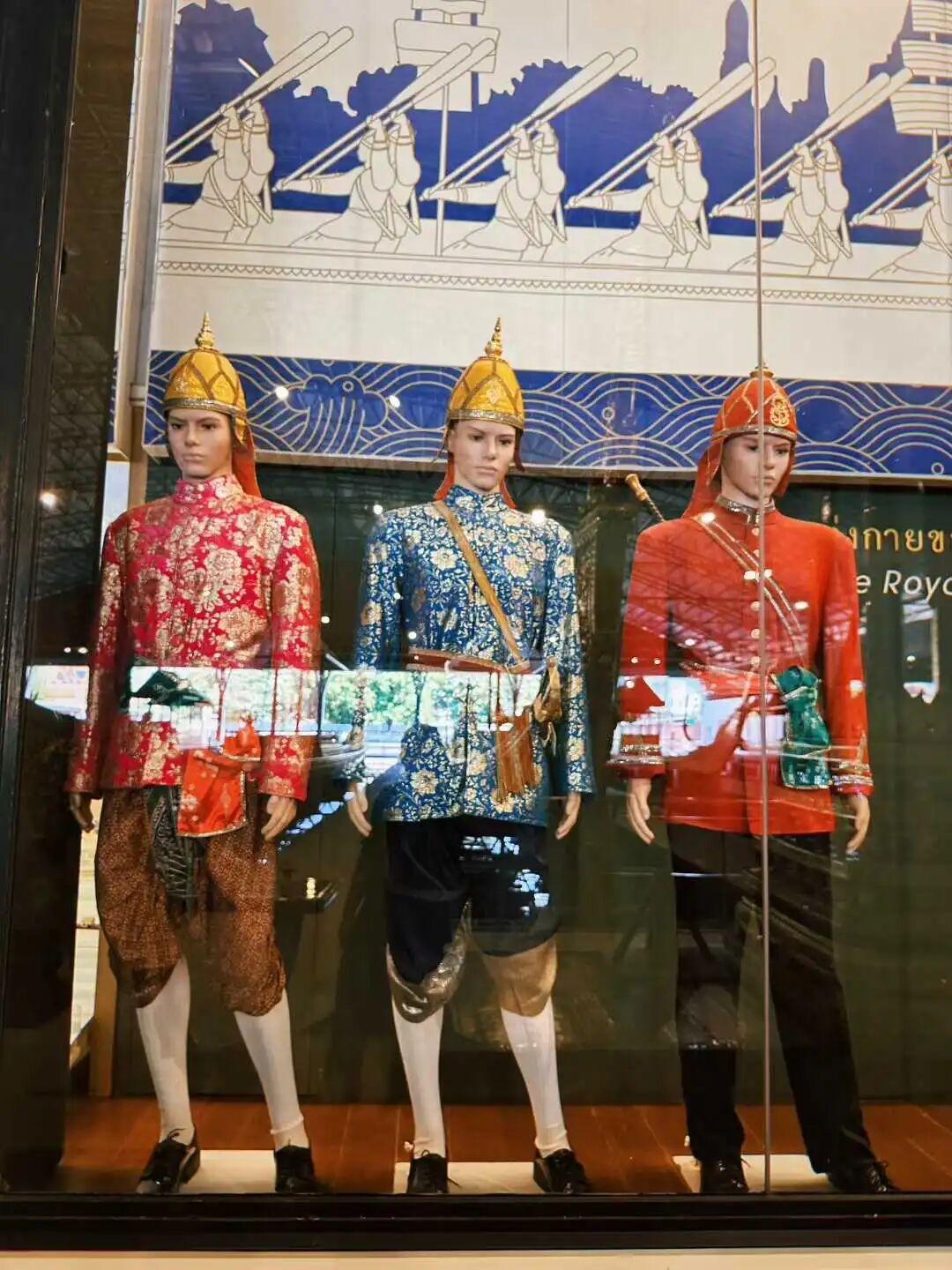
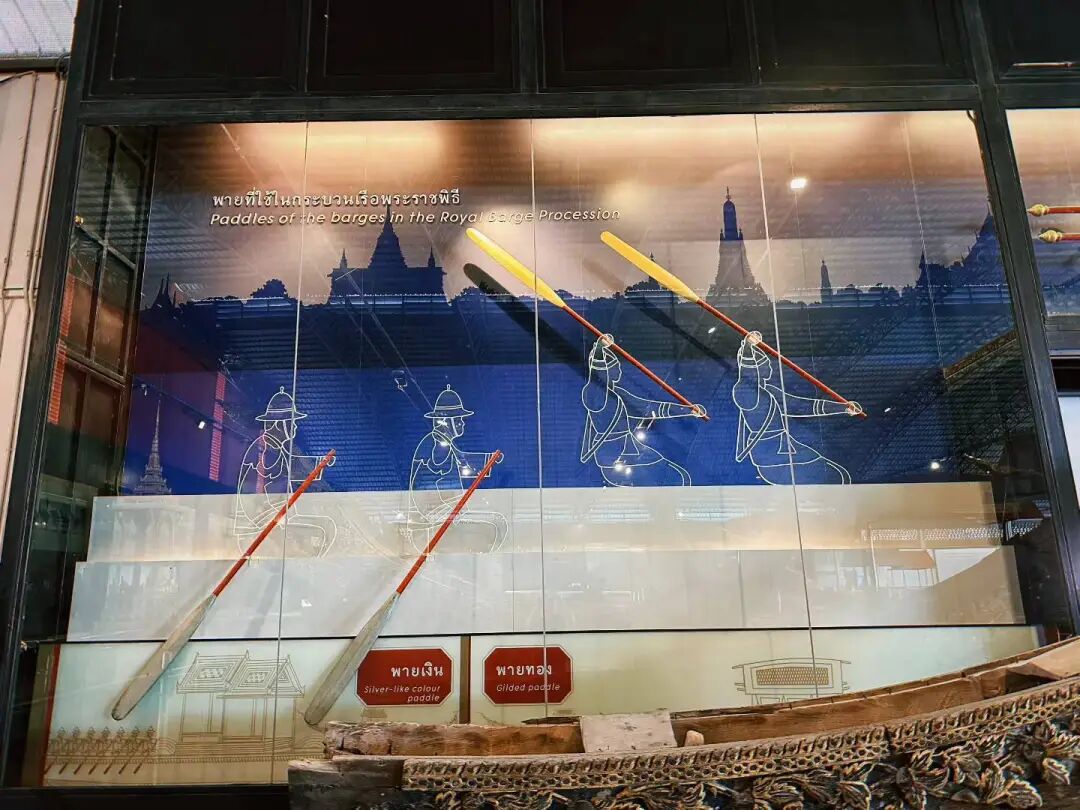
Noi Canal
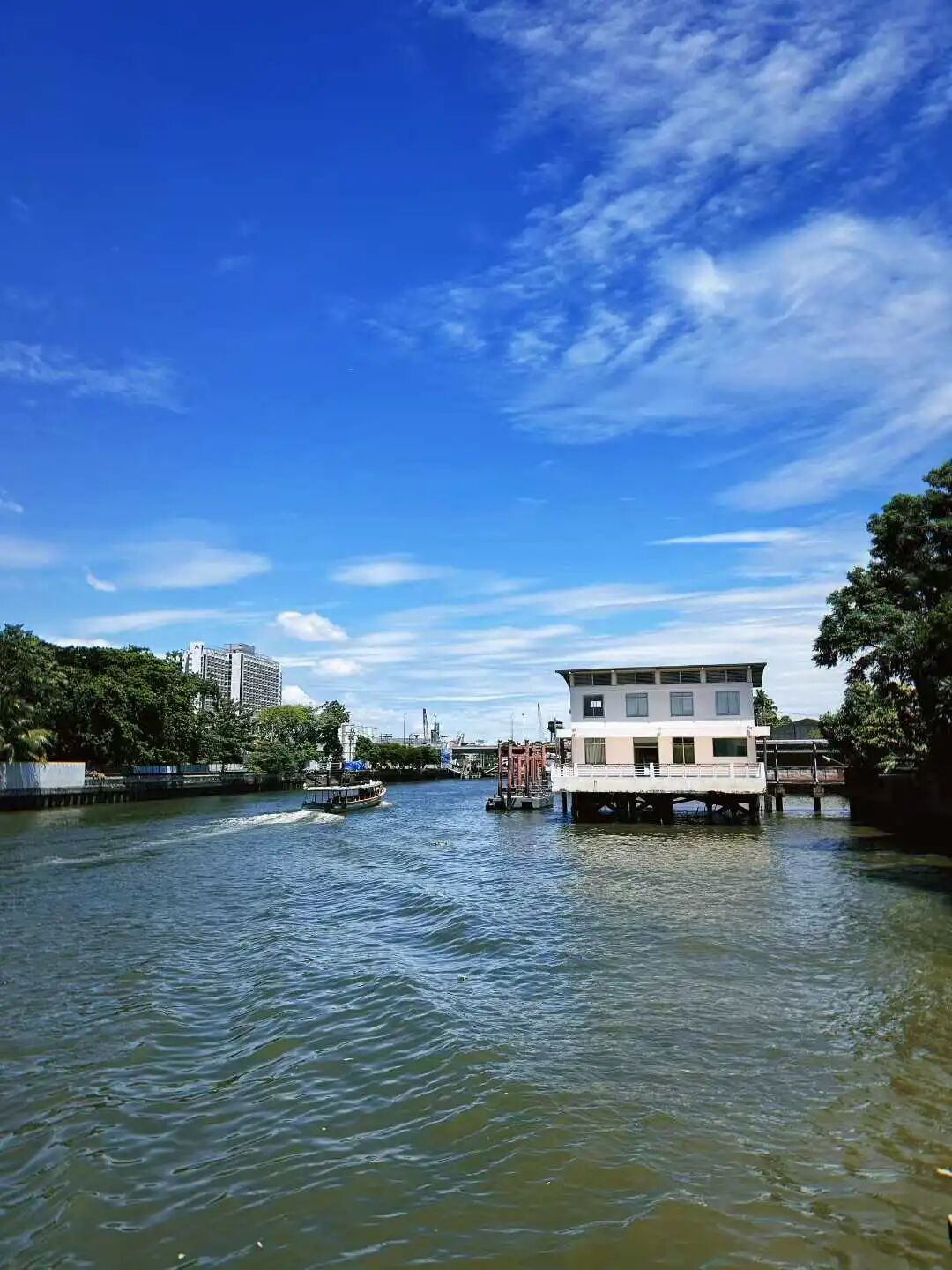
Cham community neighborhood—Jami-Ul-Khoy-Riyah Mosque
In 1781, Thailand attacked Cambodia and captured some Cham soldiers. These Cham soldiers were brought back to Bangkok in 1782. These Cham soldiers officially joined the Thai army in 1783 and helped dig the Maha Nak Canal. In the early 19th century, Thailand and Vietnam fought a long war over Cambodia. The canal east of Bangkok became a vital military transport route, moving supplies and soldiers to the Cambodian front, earning it the name Bangkok's Eastern Corridor. The Saen Saep Canal east of Bangkok was completed in 1840, and these Cham soldiers were responsible for guarding it.
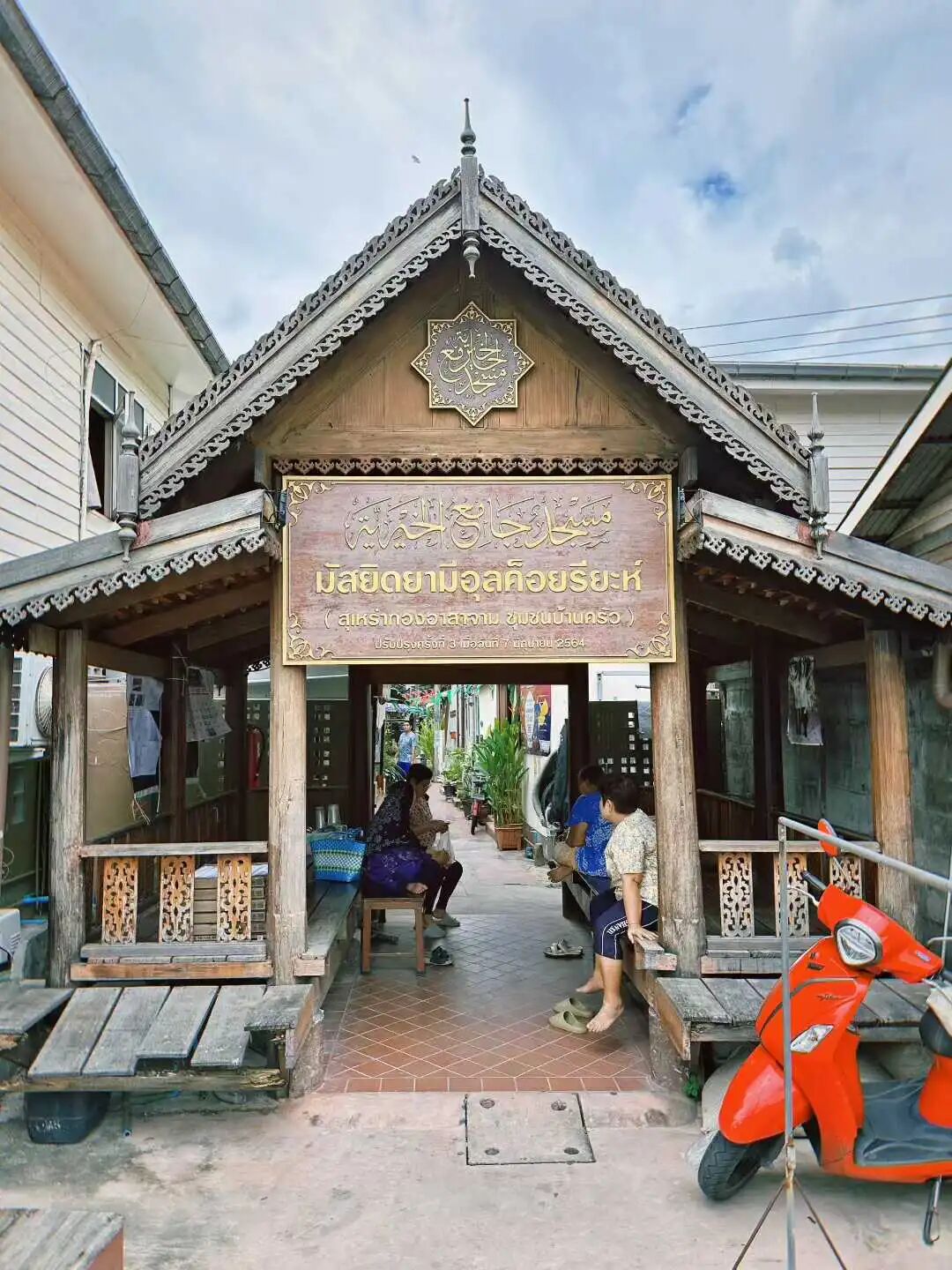
Today, you can take a canal boat on the Saen Saep Canal to Sapan Charoenpol station. After crossing the bridge, you will see the Jami-Ul-Khoy-Riyah Mosque built by the descendants of these Cham soldiers. In the late 19th century, as peace returned to eastern Thailand, the area became a silk market and later a tourist destination.
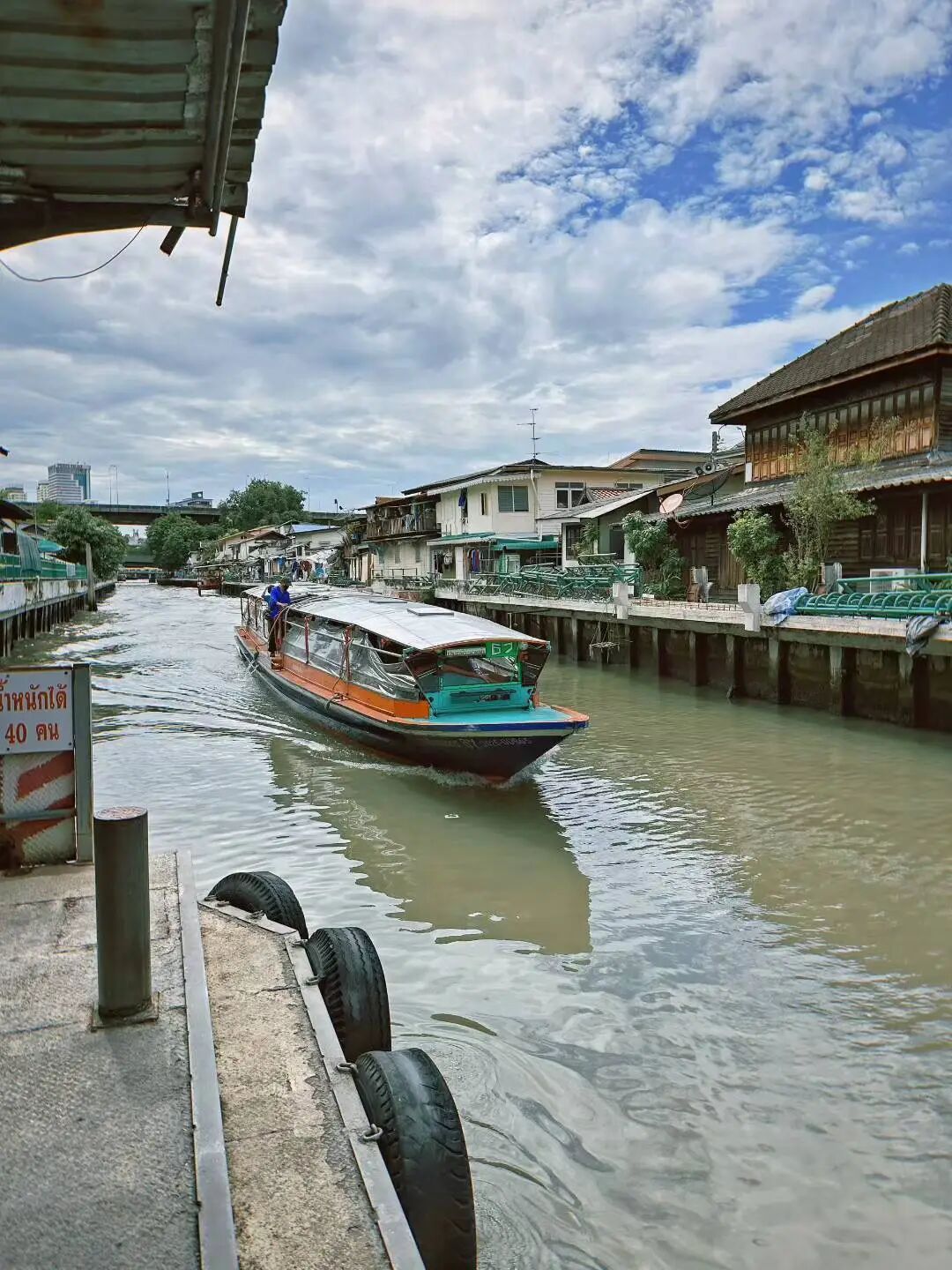
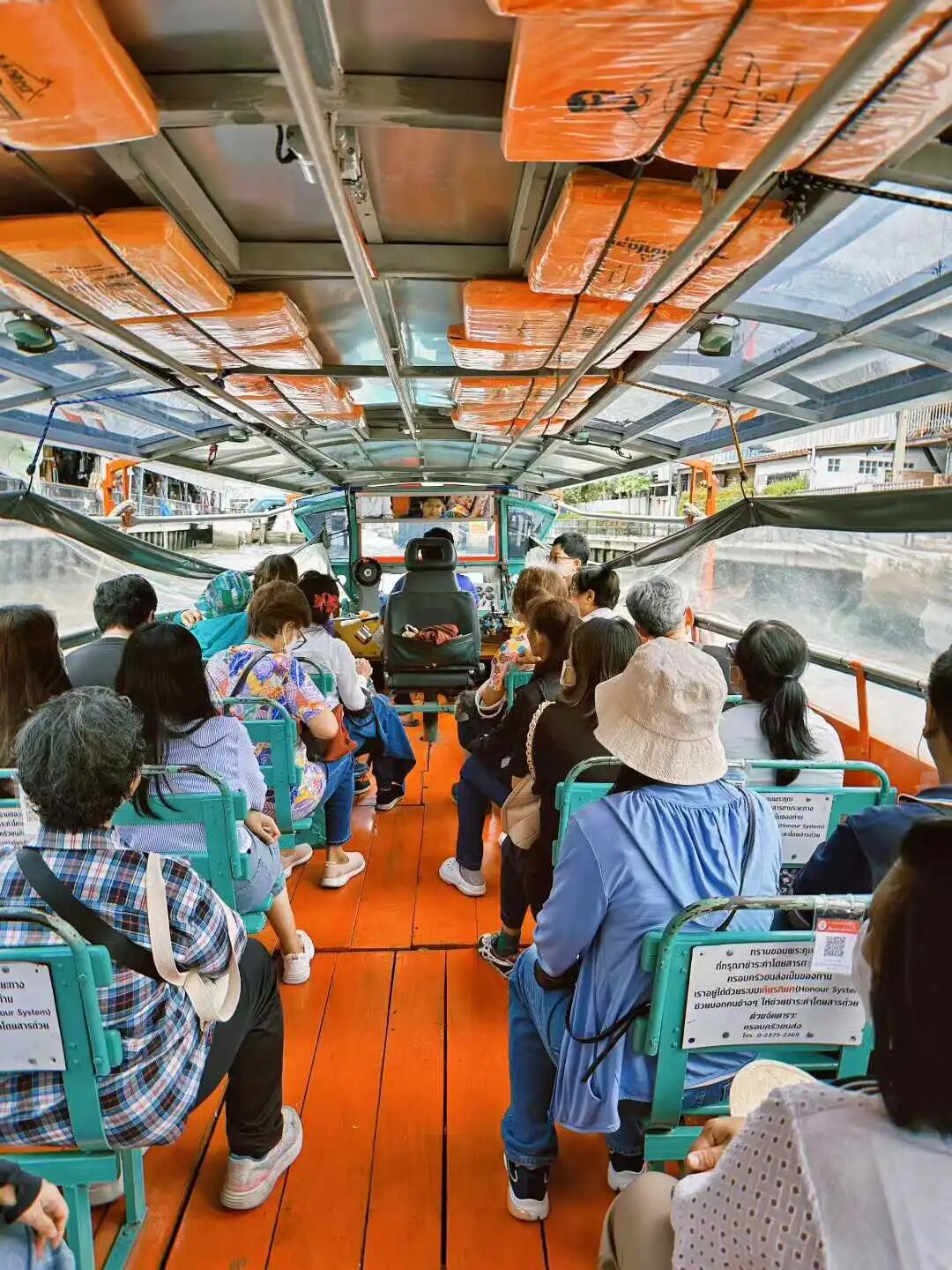
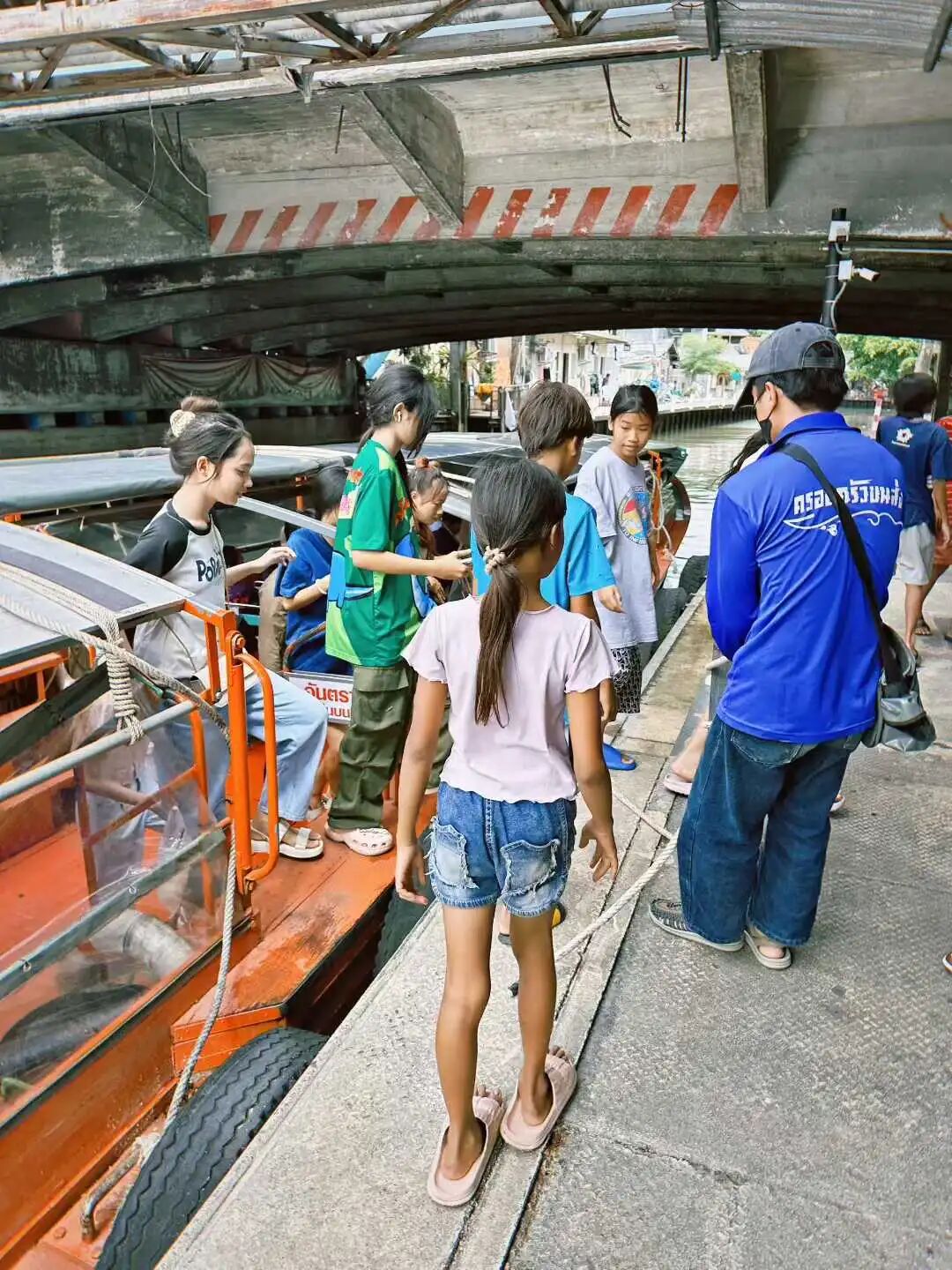
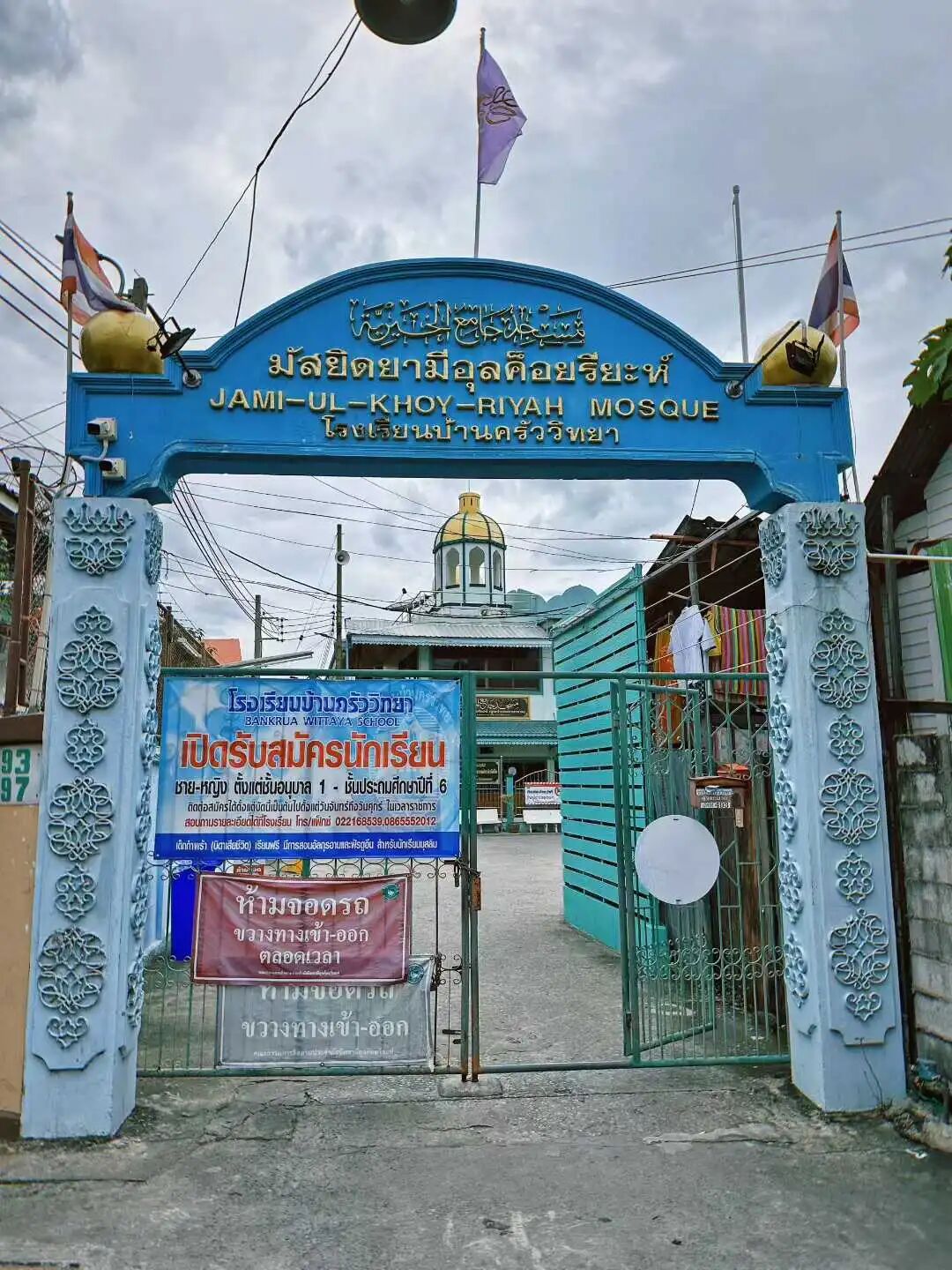
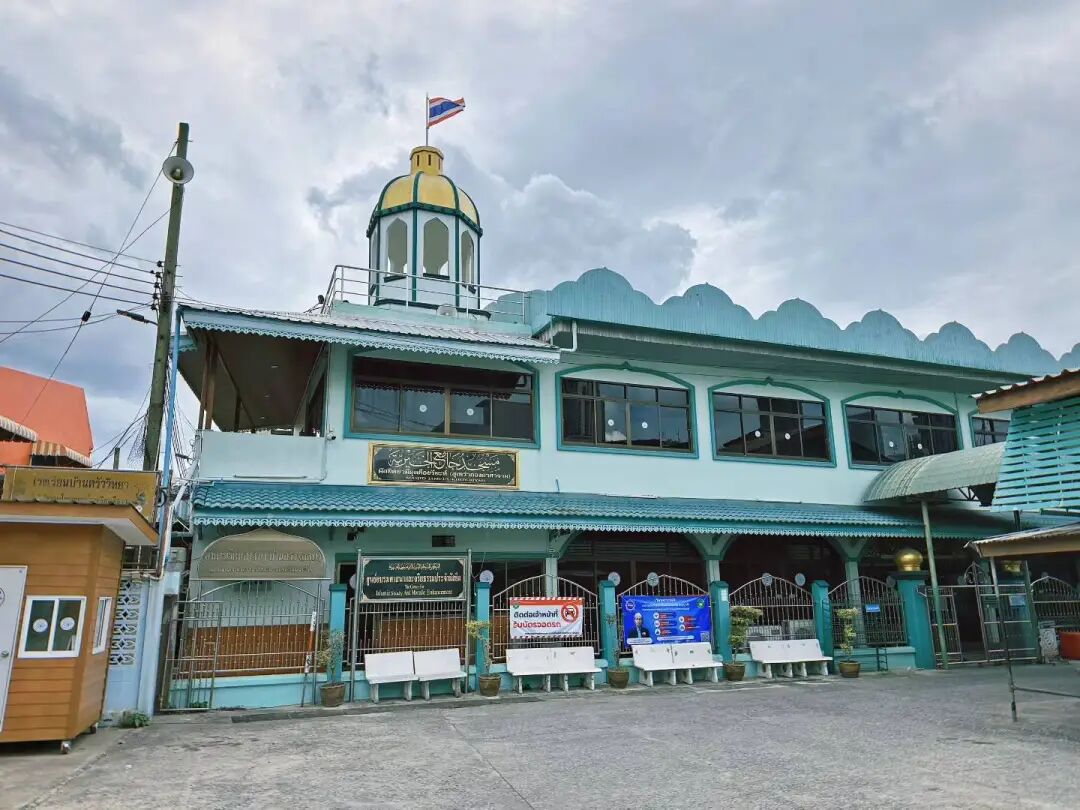
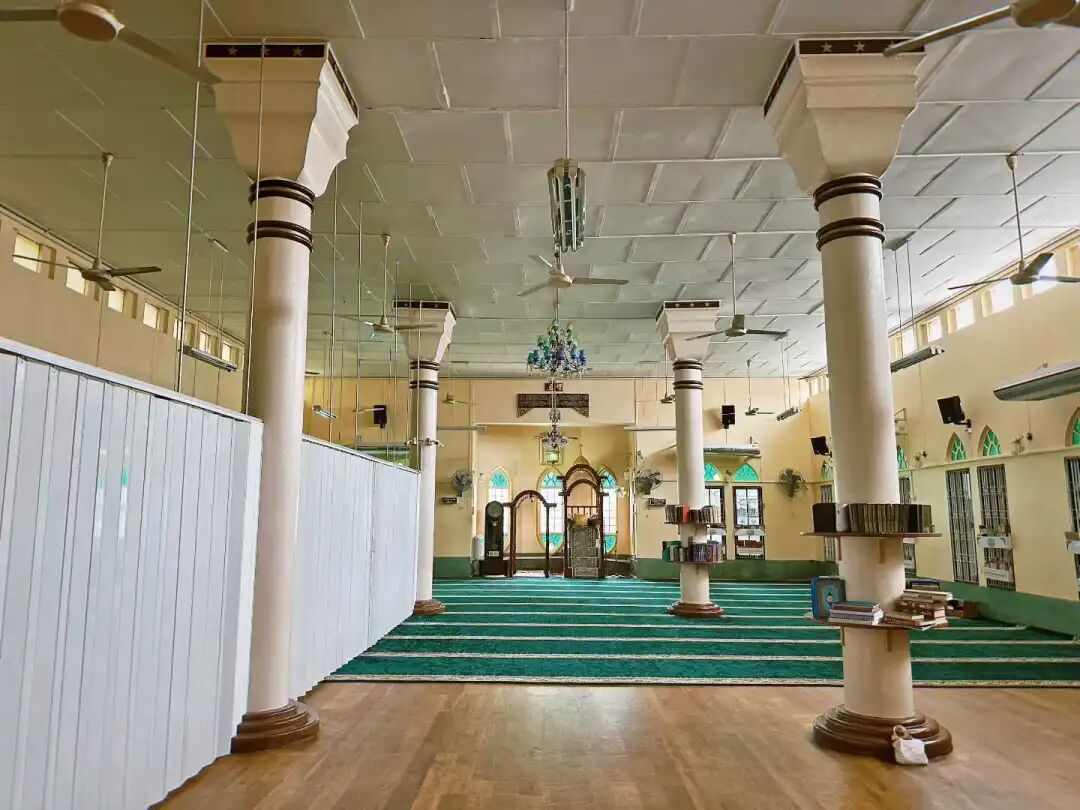
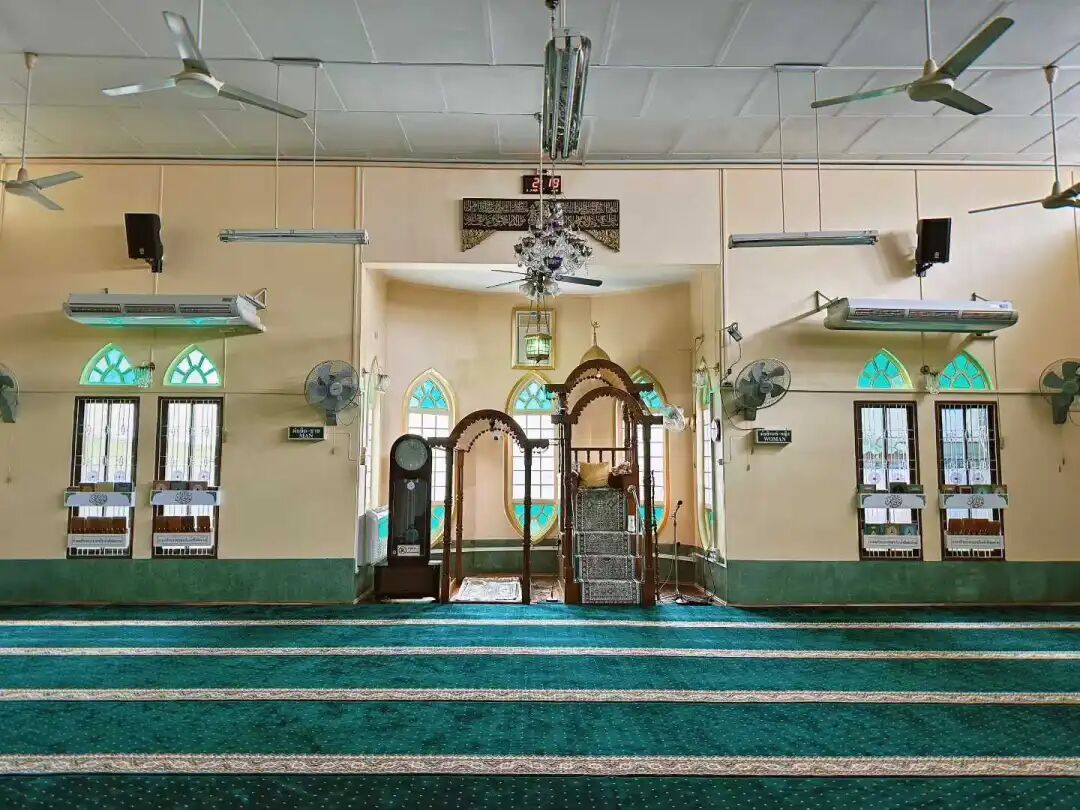
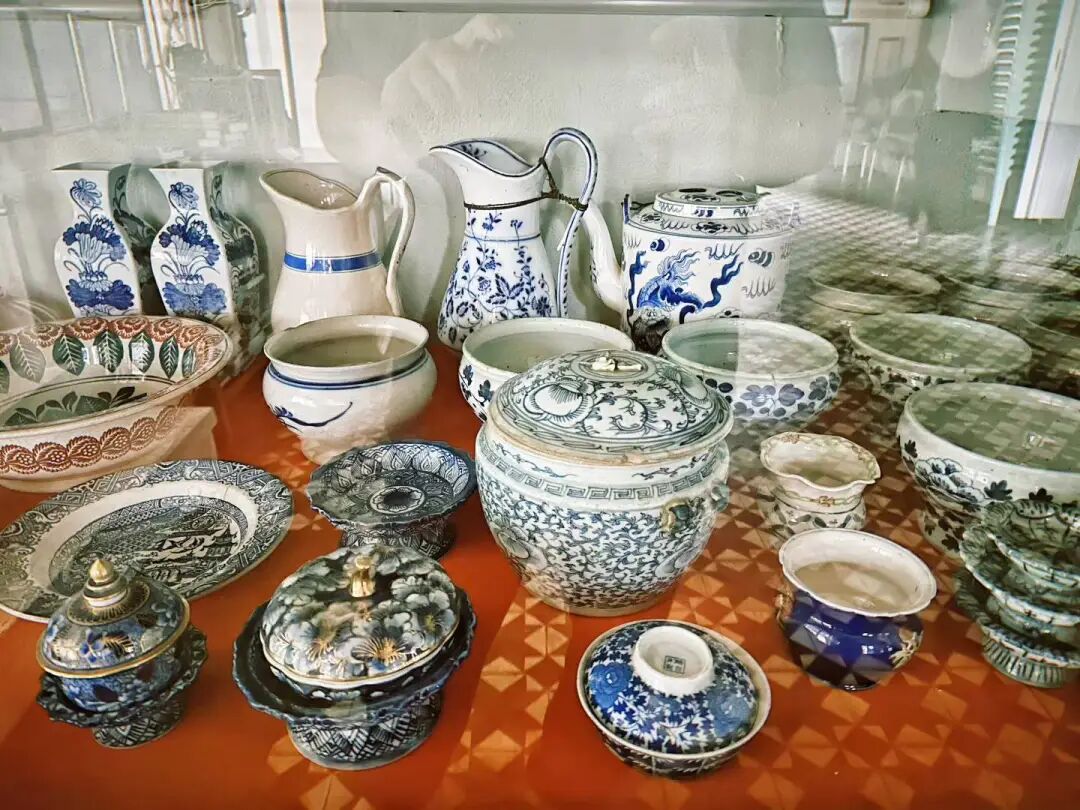
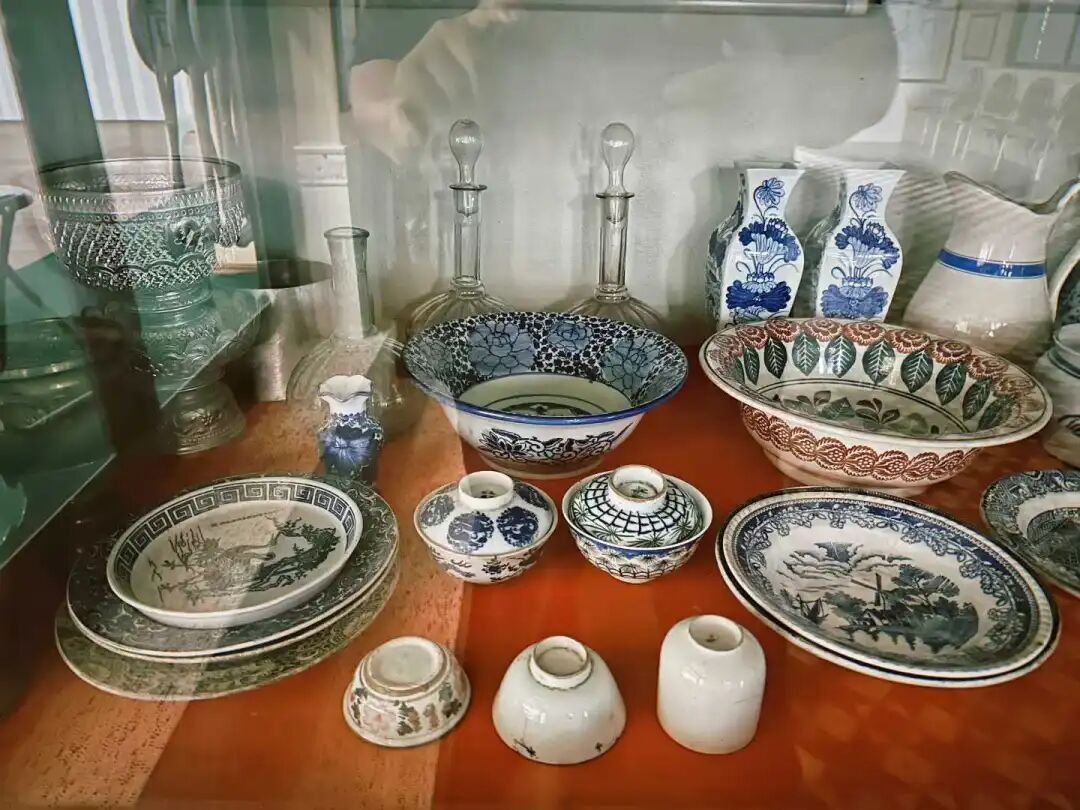
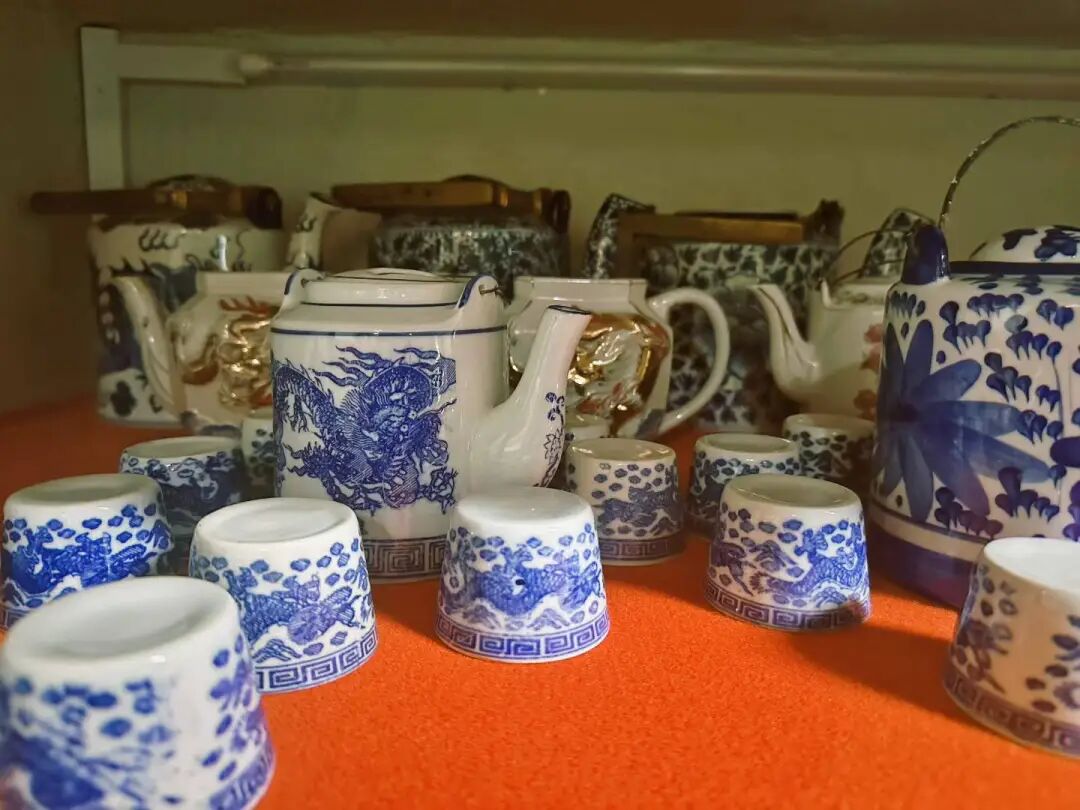
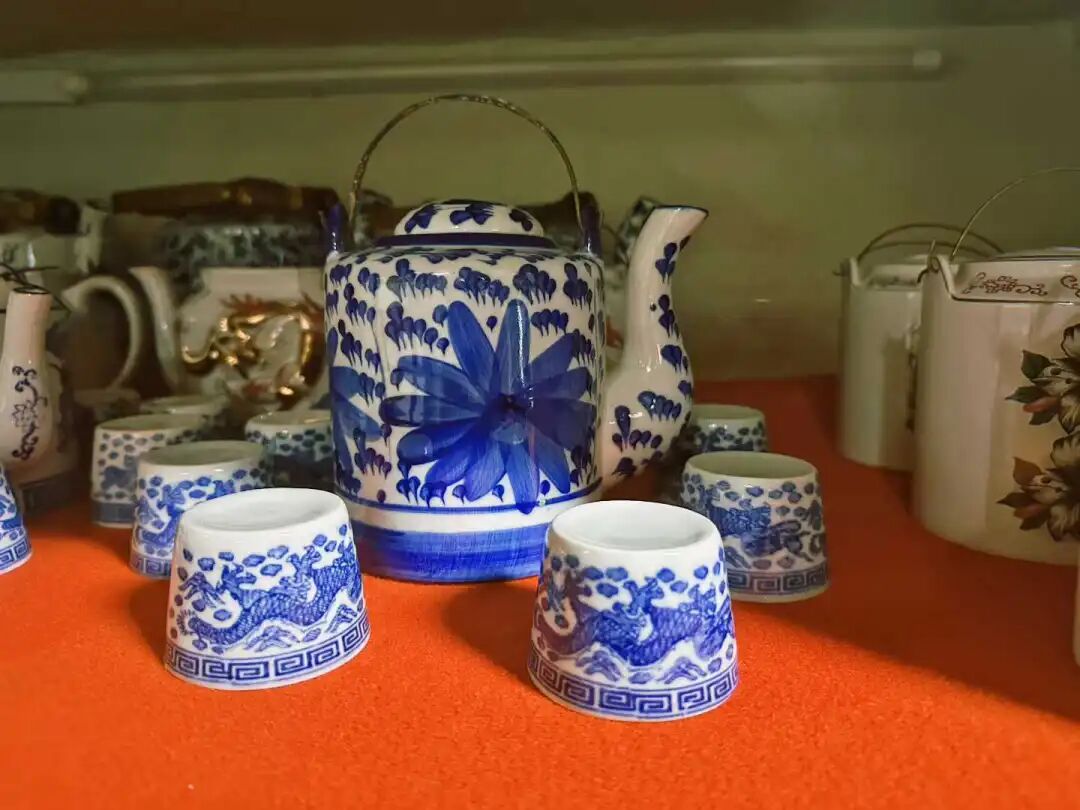
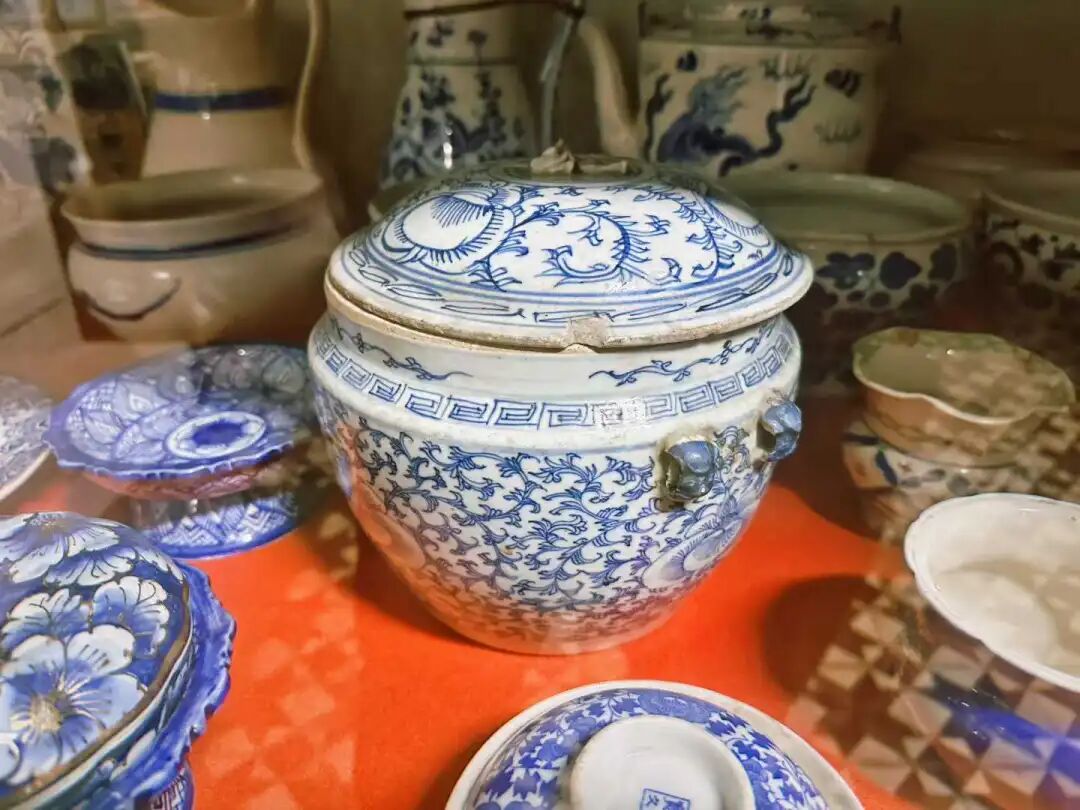
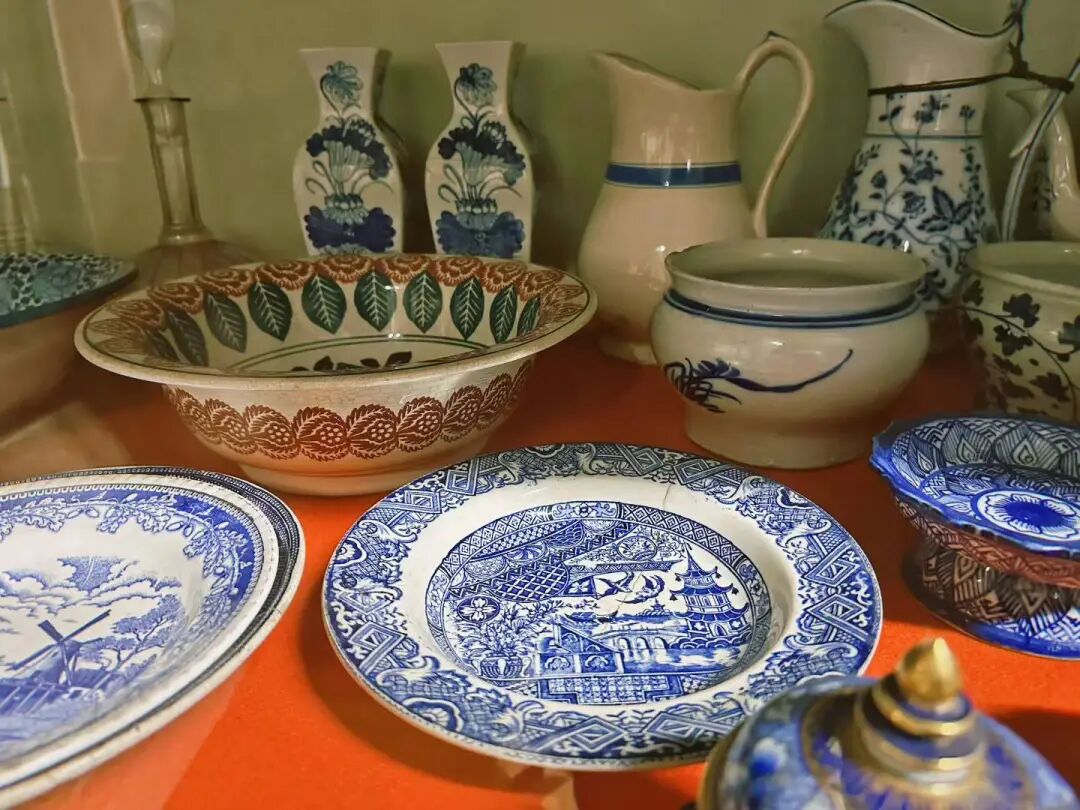
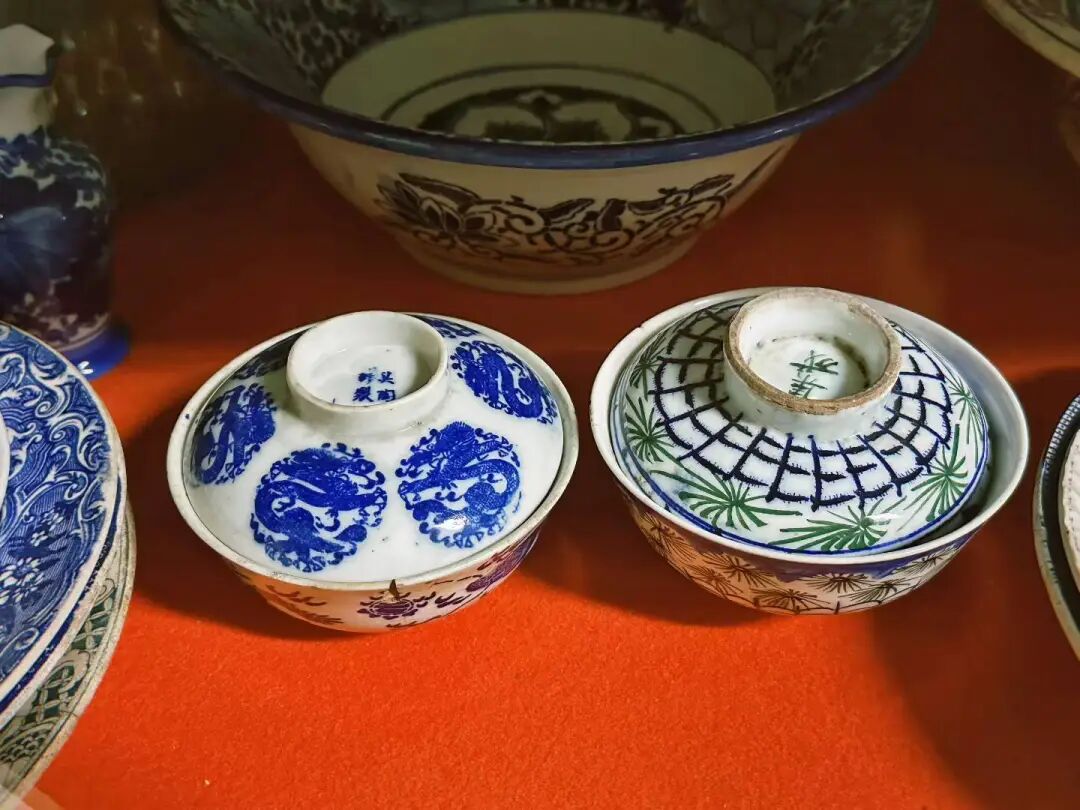
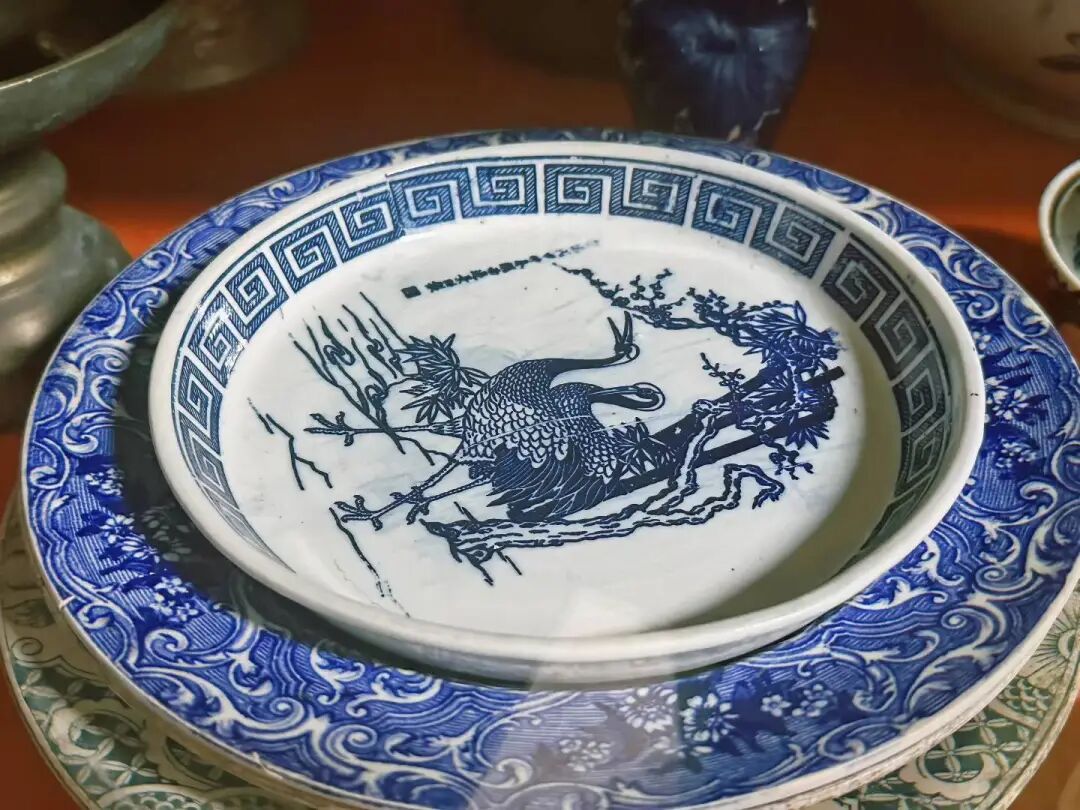
The Jami-Ul-Khoy-Riyah Mosque displays a collection of porcelain. Many mosques in Bangkok have porcelain display cabinets, which is an interesting tradition.
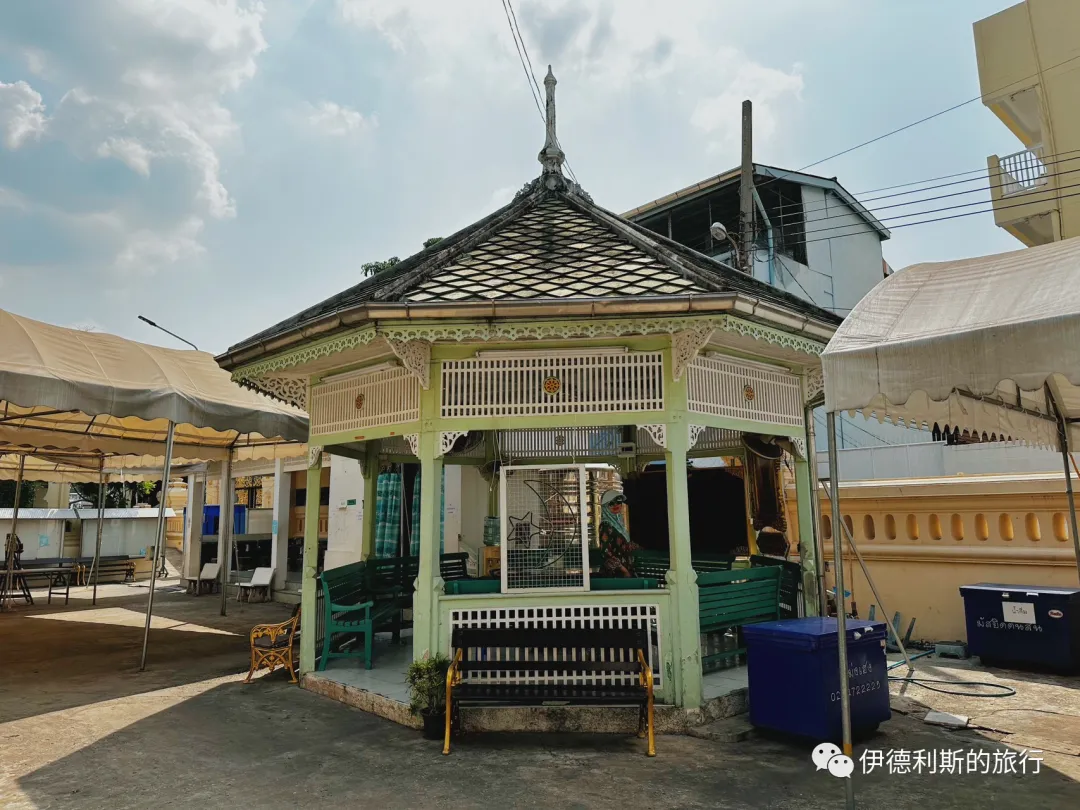
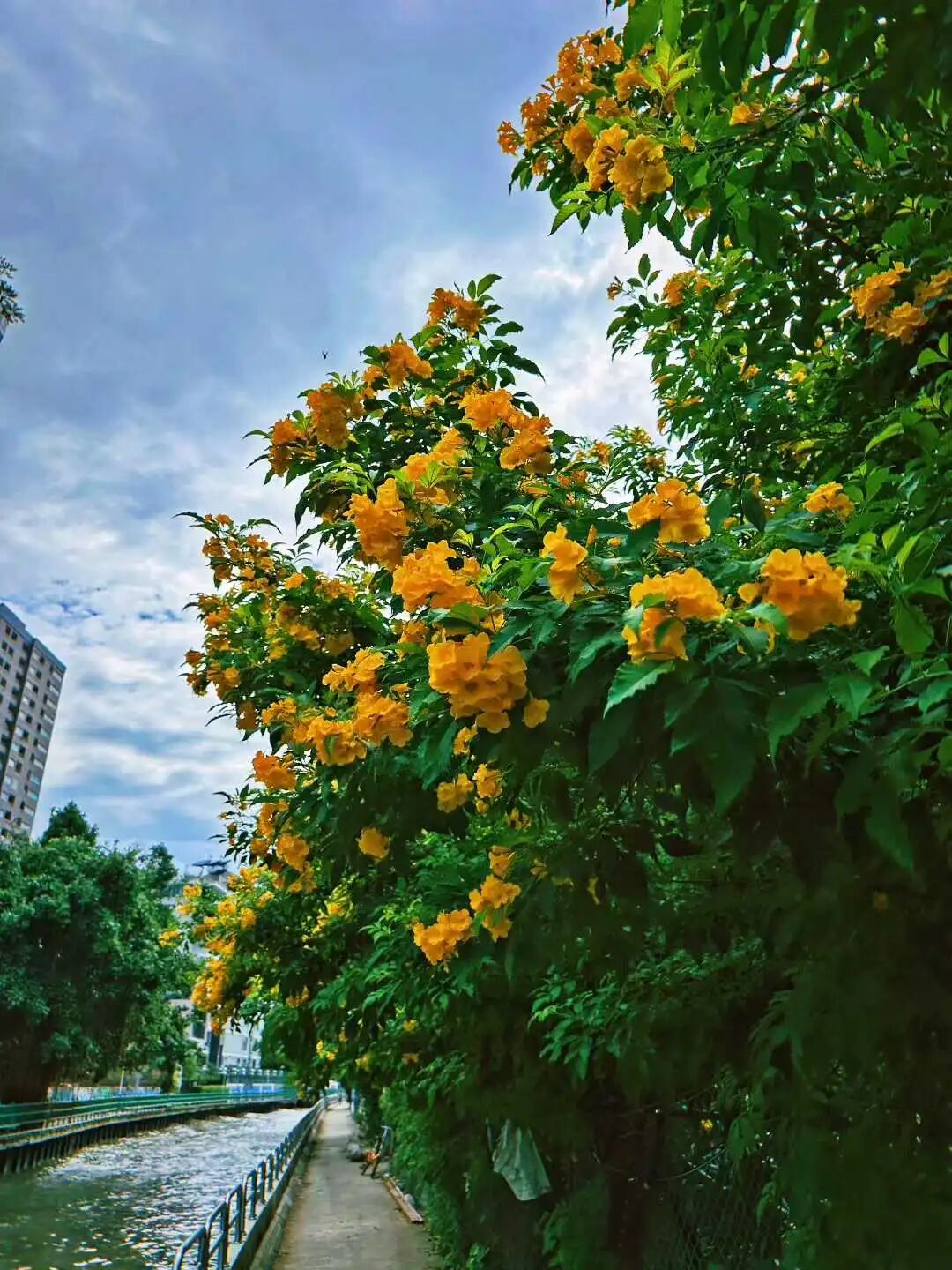
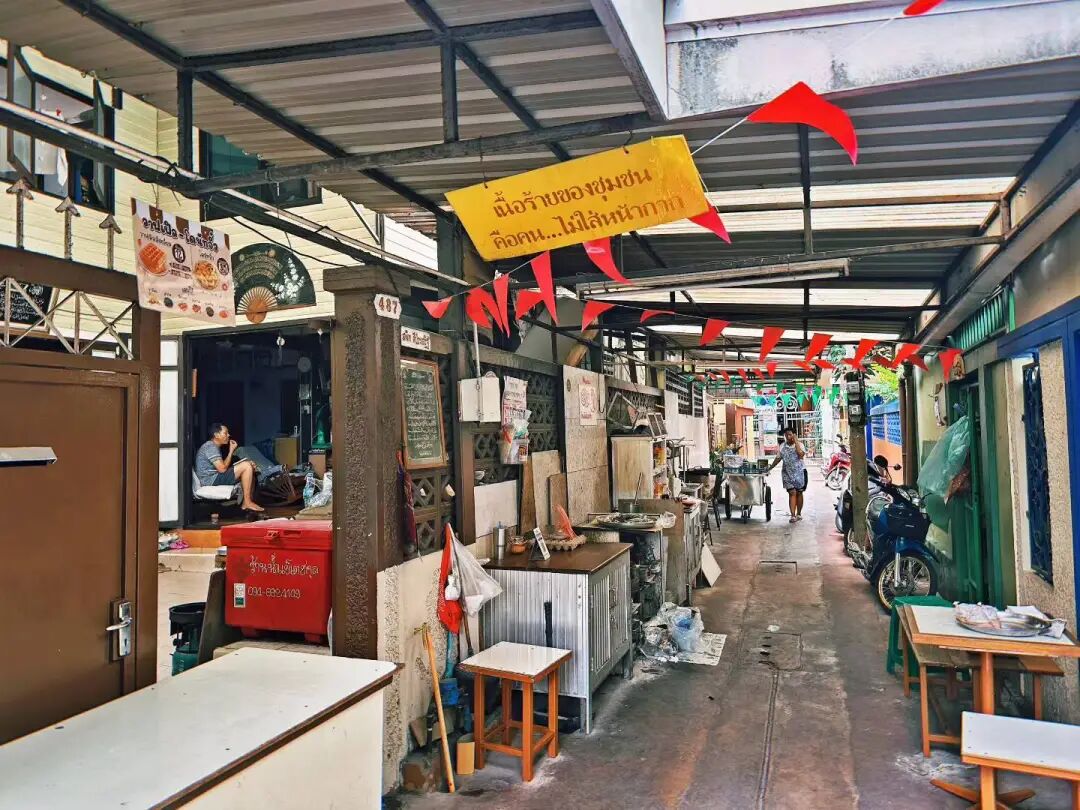
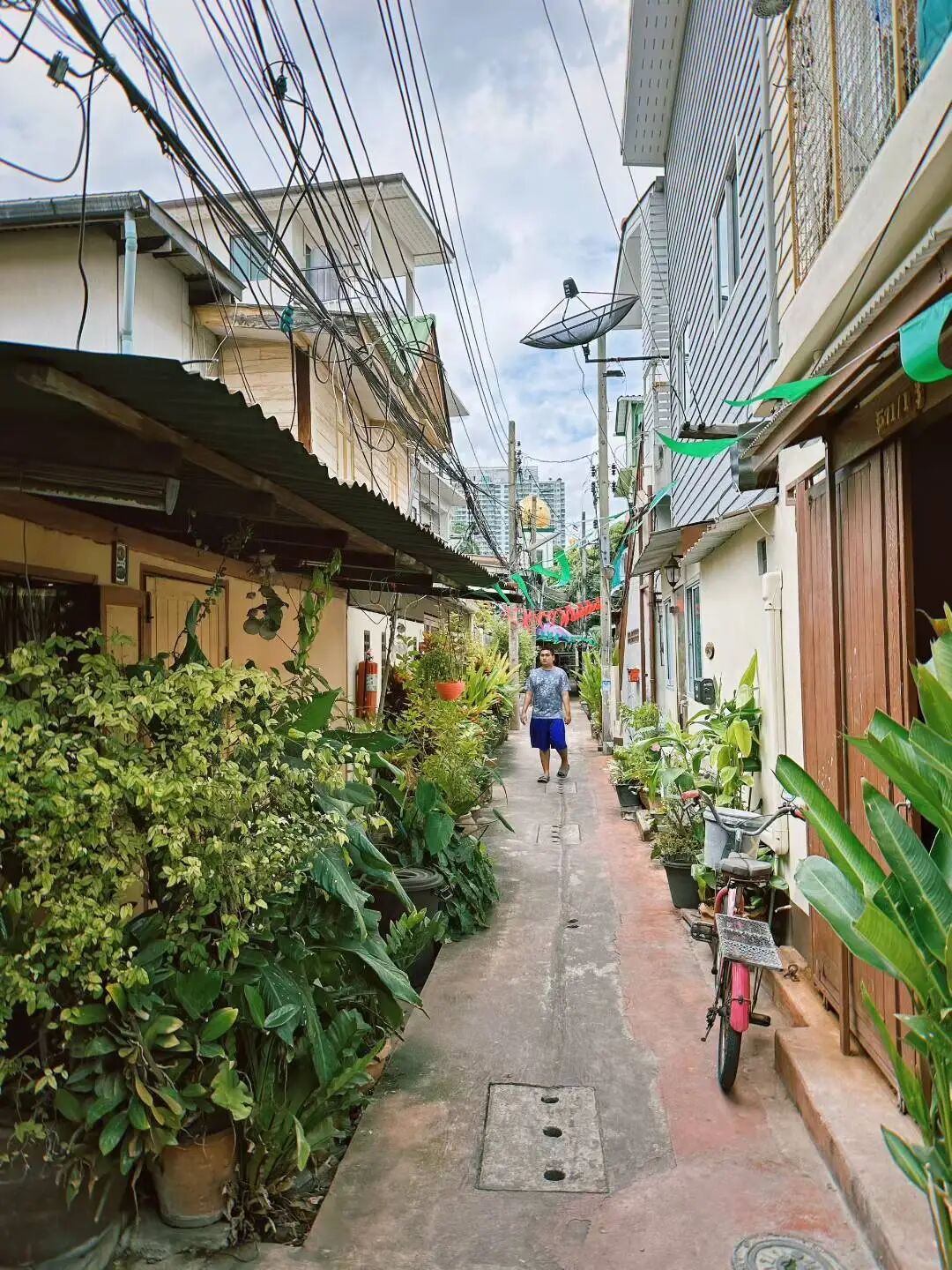
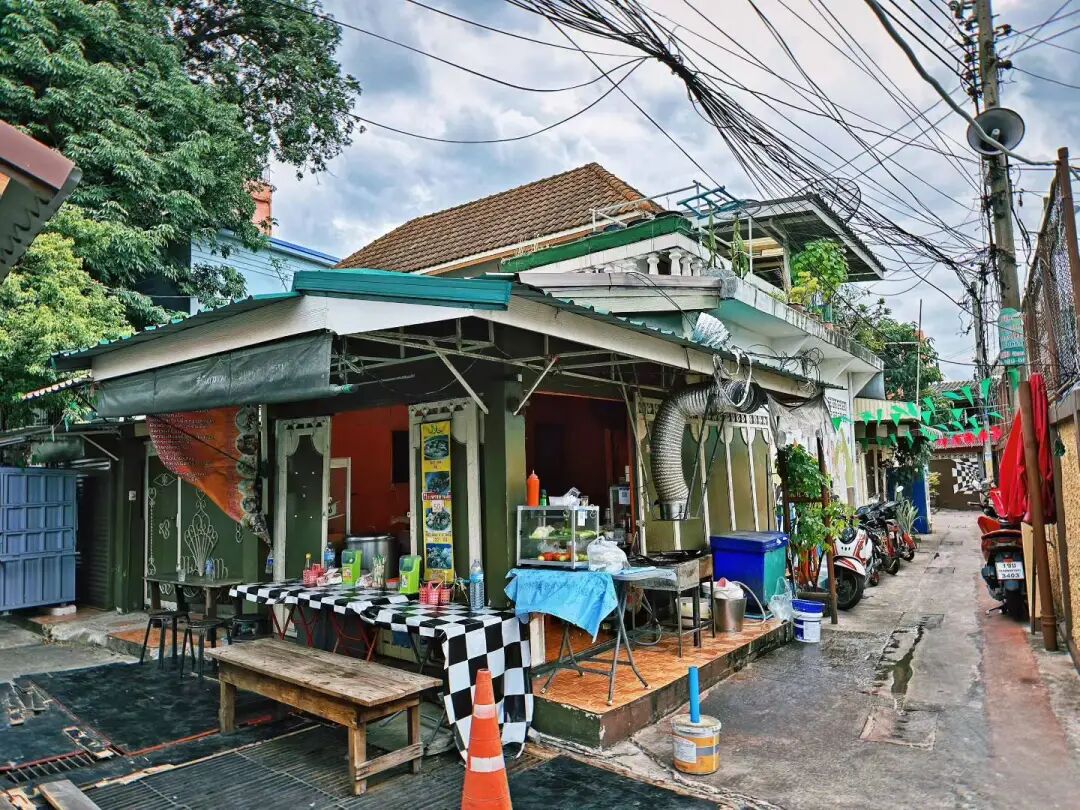
Street view of the Jami-Ul-Khoy-Riyah Mosque neighborhood. There are small family-run snack shops in the narrow alleys, though they are usually closed in the afternoon. There is a pavilion by the canal built during the reign of Rama III (1824-1851). During this period, Thailand was frequently at war with Laos, Cambodia, and Vietnam, and the Saen Saep Canal was the main artery for transporting supplies east from Bangkok. There used to be a pier in front of the pavilion where many supplies were loaded and unloaded. The wood used to build the Jami-Ul-Khoy-Riyah Mosque was also unloaded here.
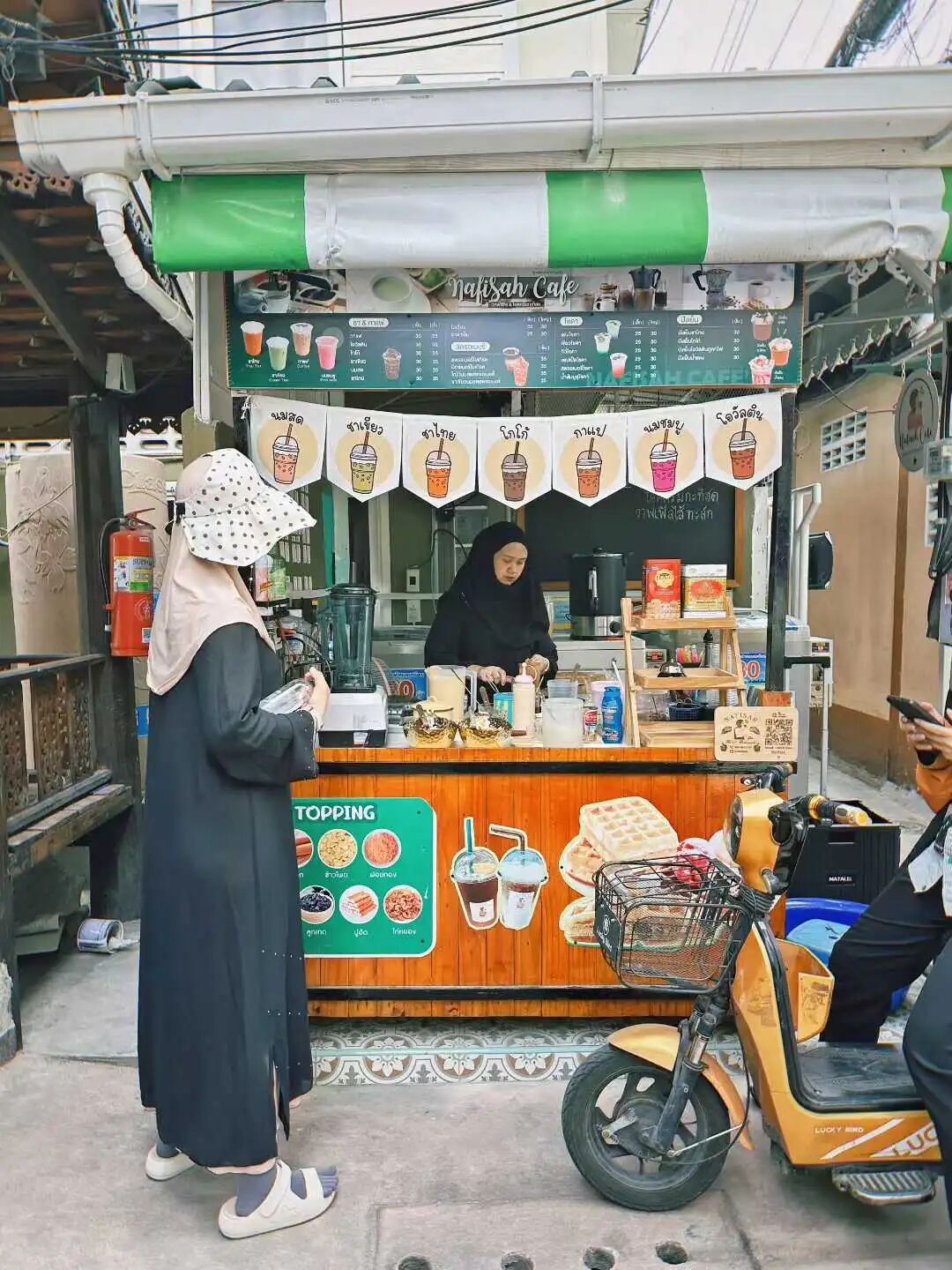
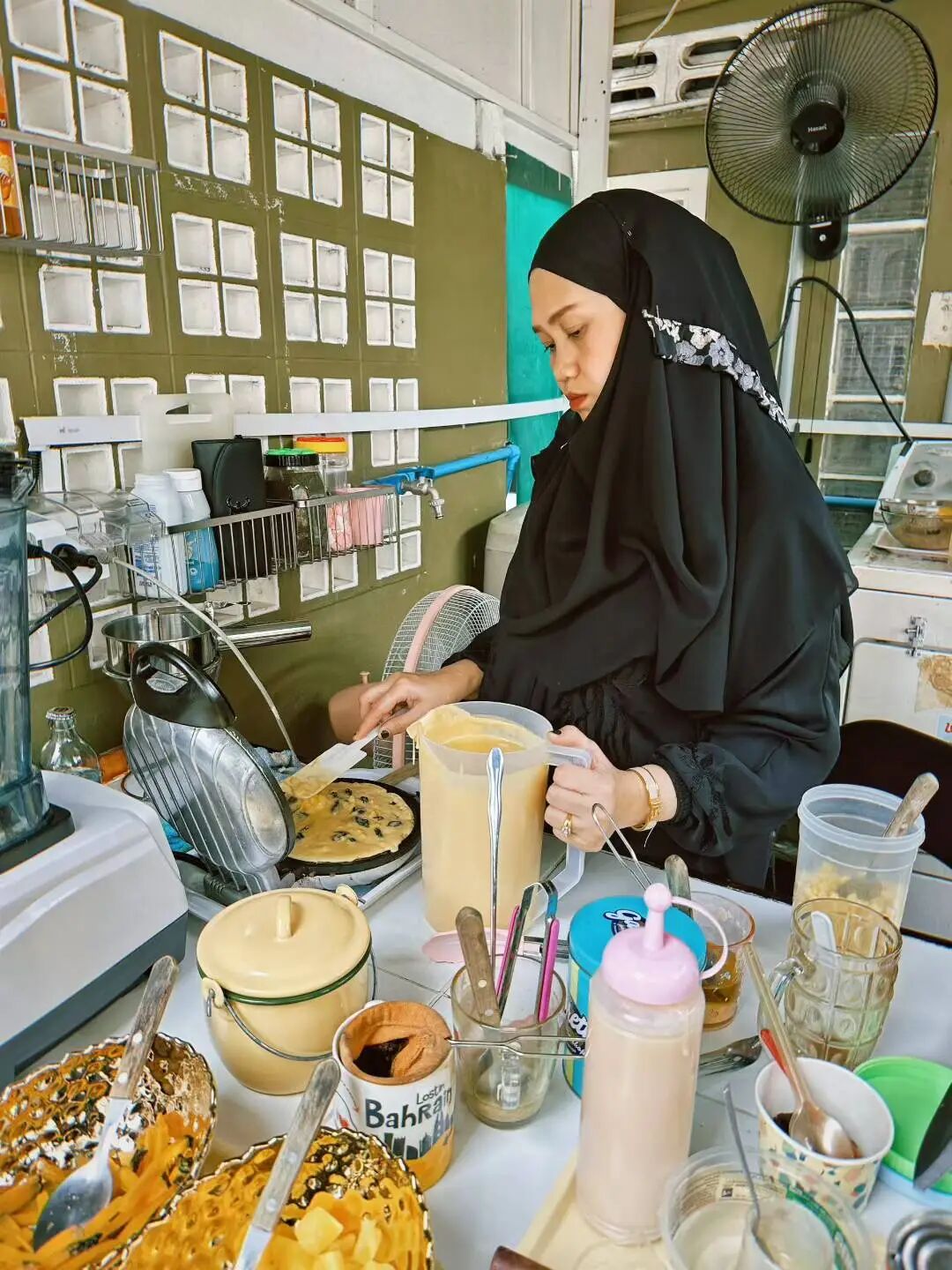
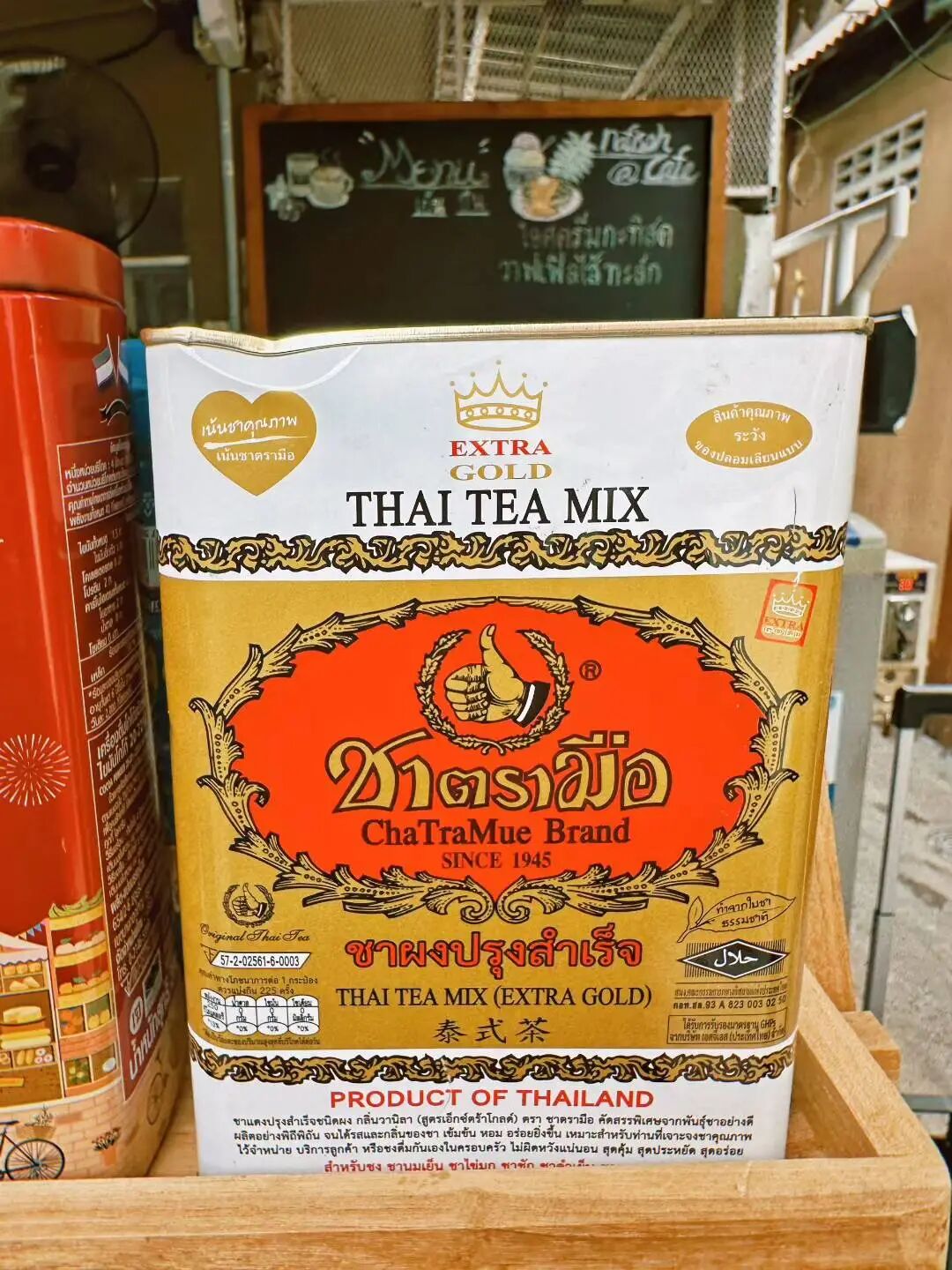
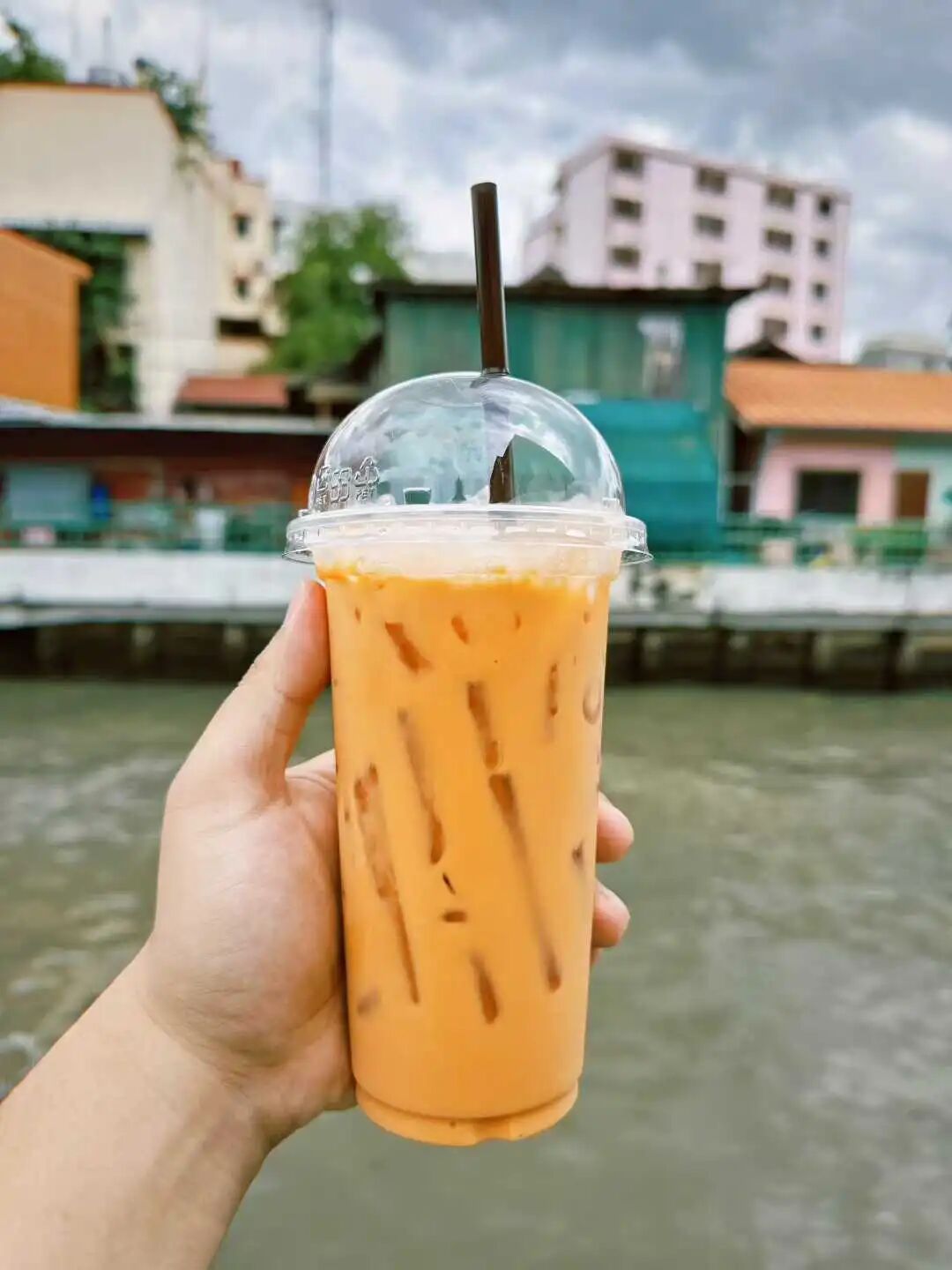
Today, it has become a place for people to cool off and chat. Next to the pavilion is a small shop selling cold drinks and waffles, where I bought a cup of authentic Thai red tea. Besides the Cham people, Malays from Pattani Province in southern Thailand also live in the Jami-Ul-Khoy-Riyah Mosque neighborhood. After 1786, Thailand invaded the southern Pattani Sultanate several times and captured a large number of Pattani Malays, some of whom were settled in the Jami-Ul-Khoy-Riyah Mosque neighborhood.
Cham community neighborhood—Zulugul Muttaqeen Mosque
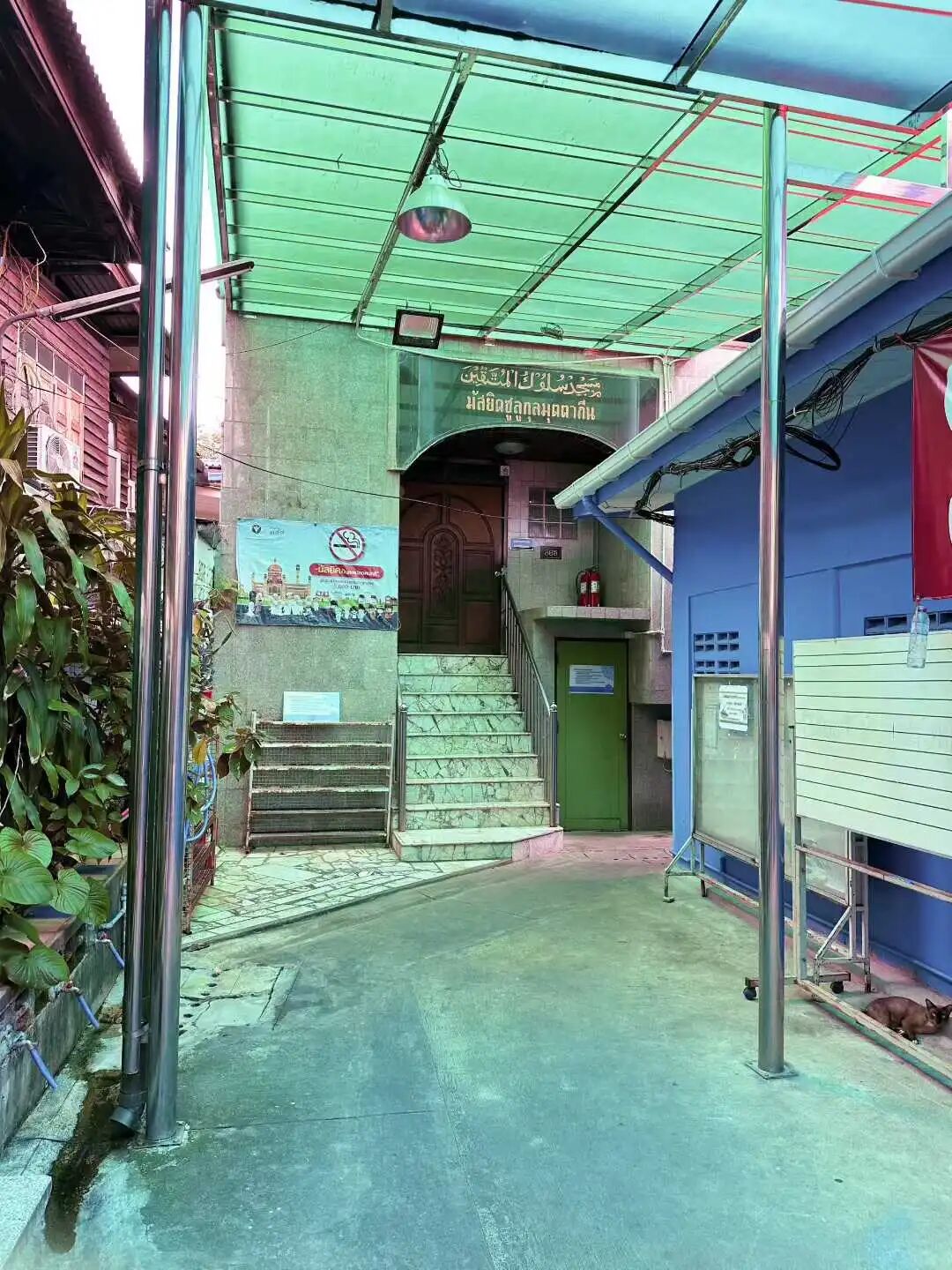
The Zulugul Muttaqeen Mosque is located just west of the Jami-Ul-Khoy-Riyah Mosque. It was built by Cham captives brought back from Cambodia by Thailand during the Siamese-Vietnamese War of 1841-1845.
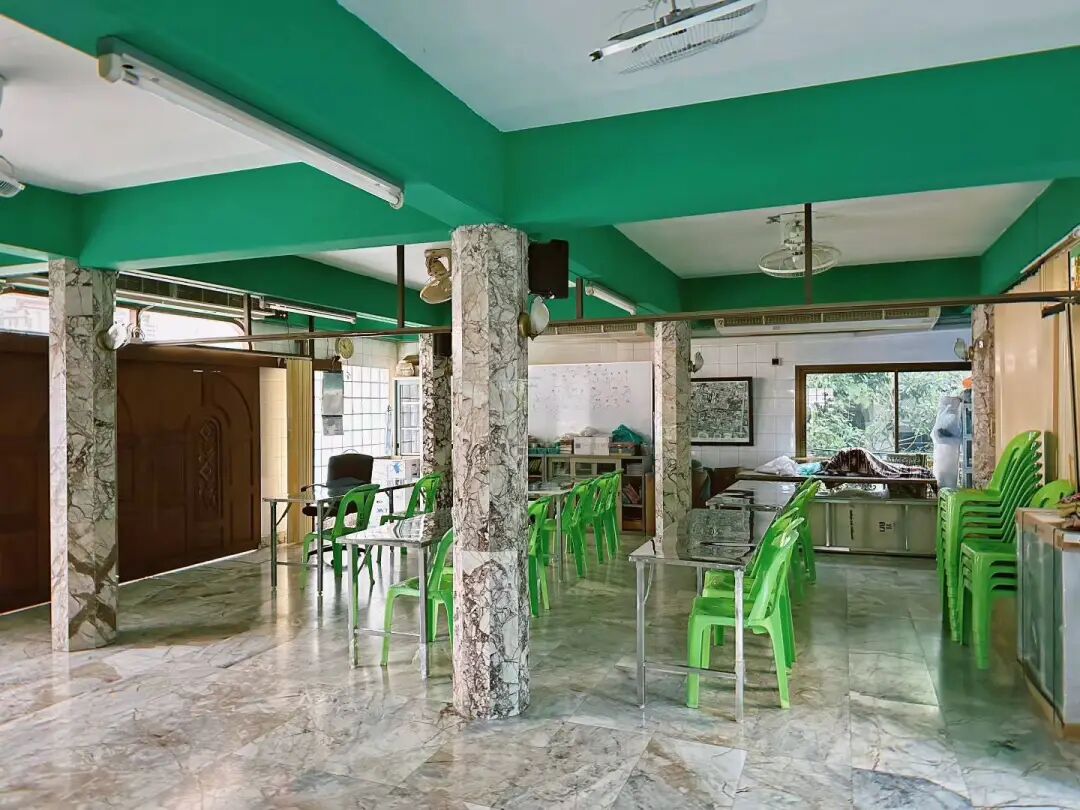
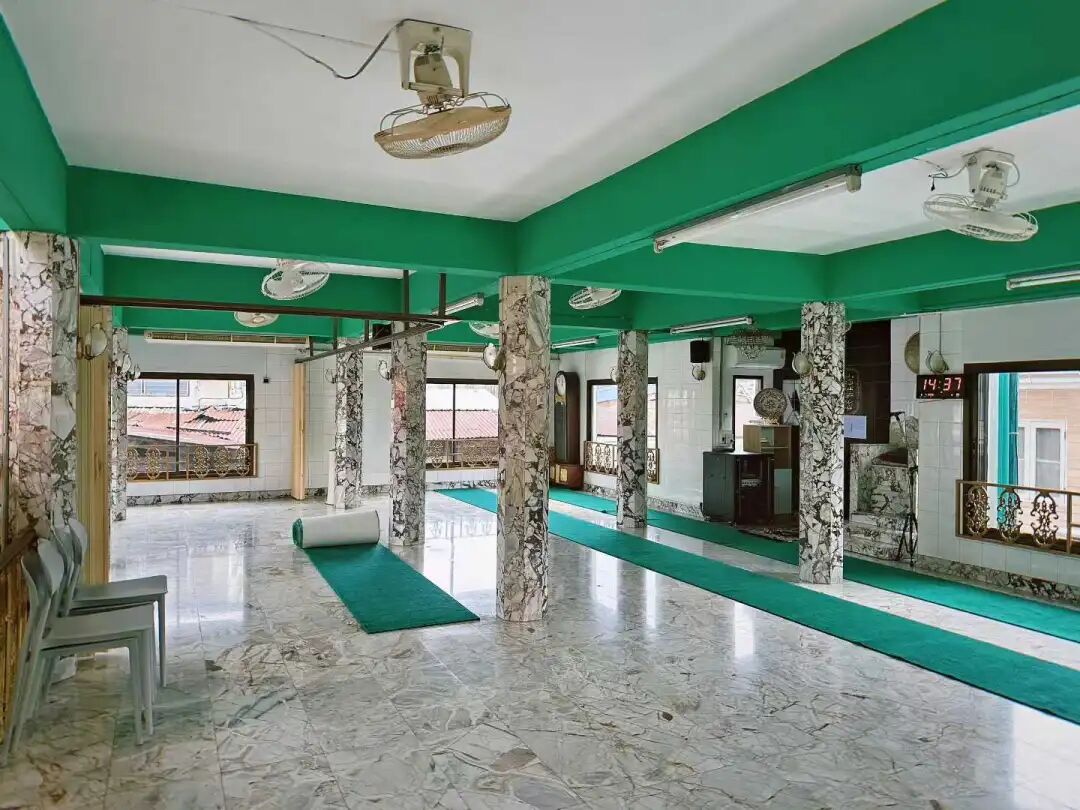
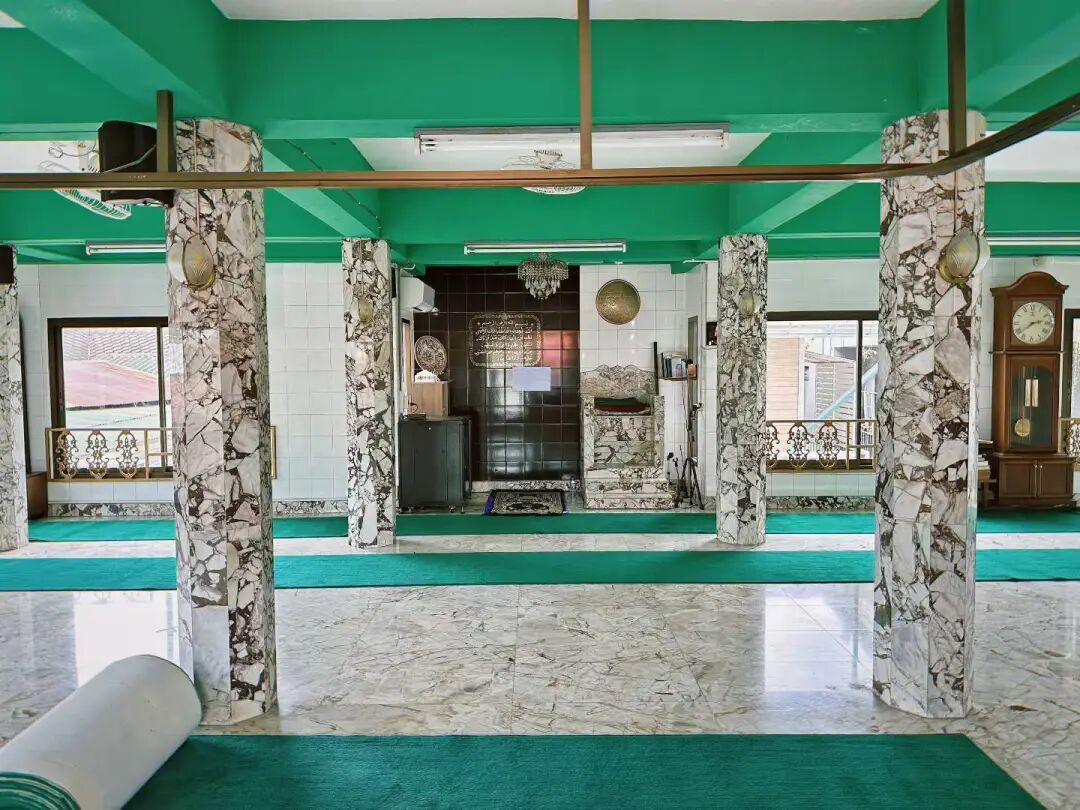
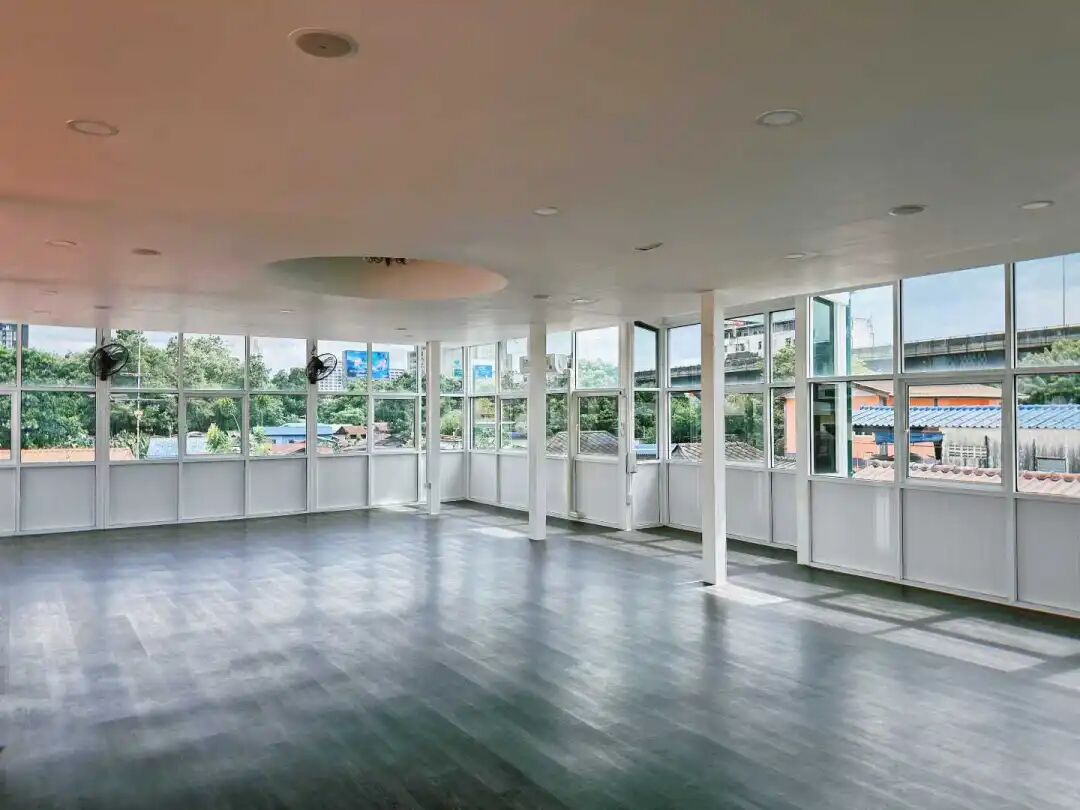
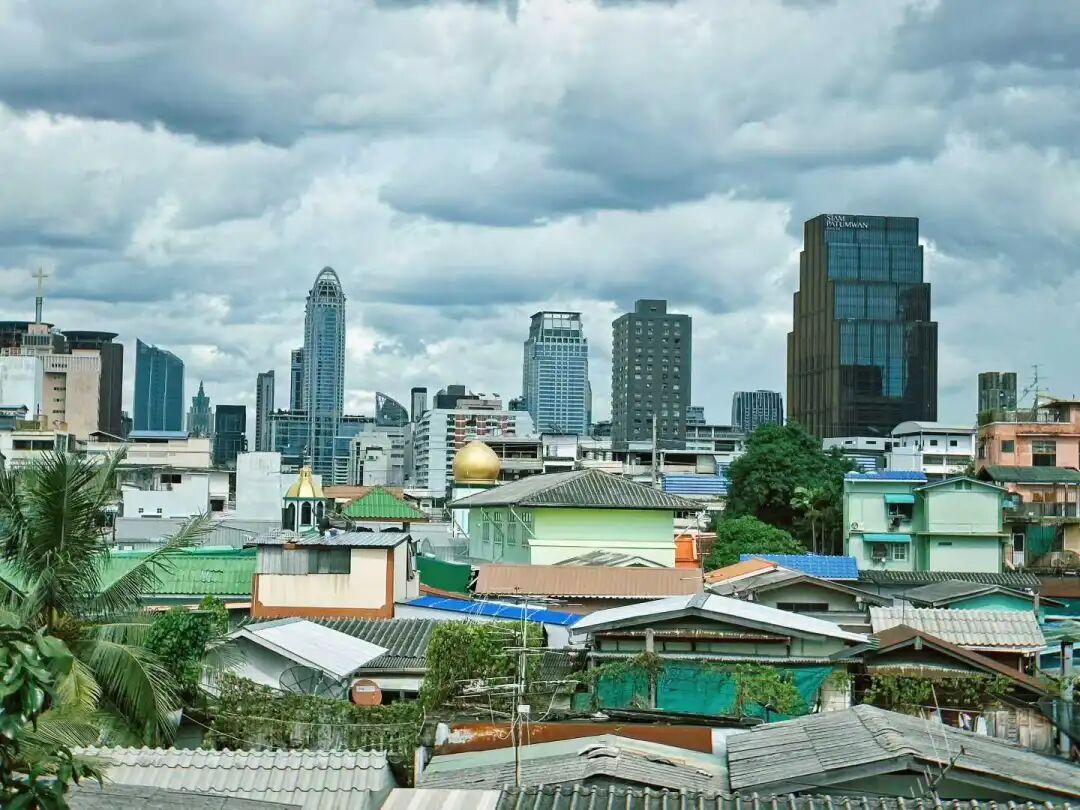
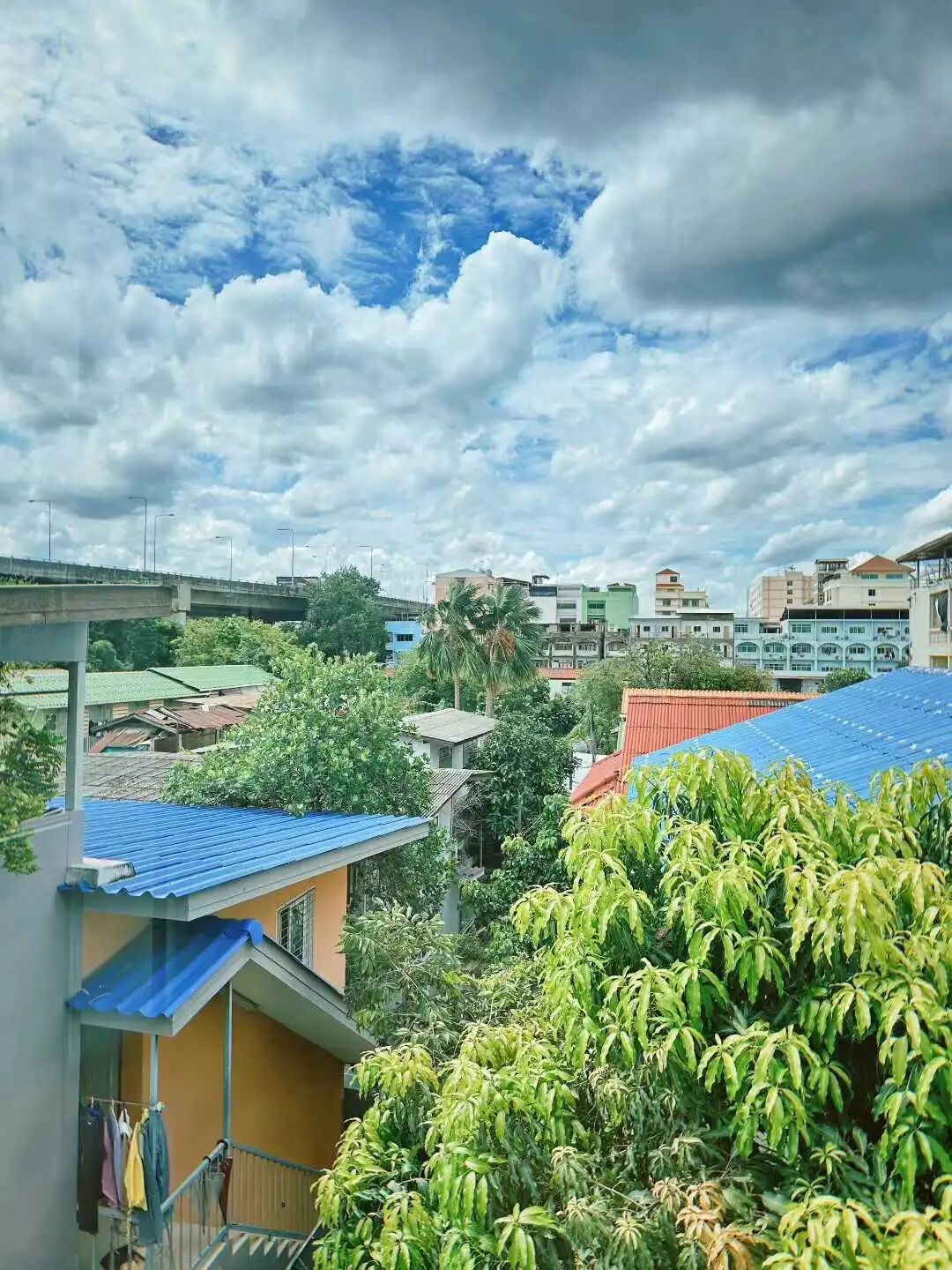
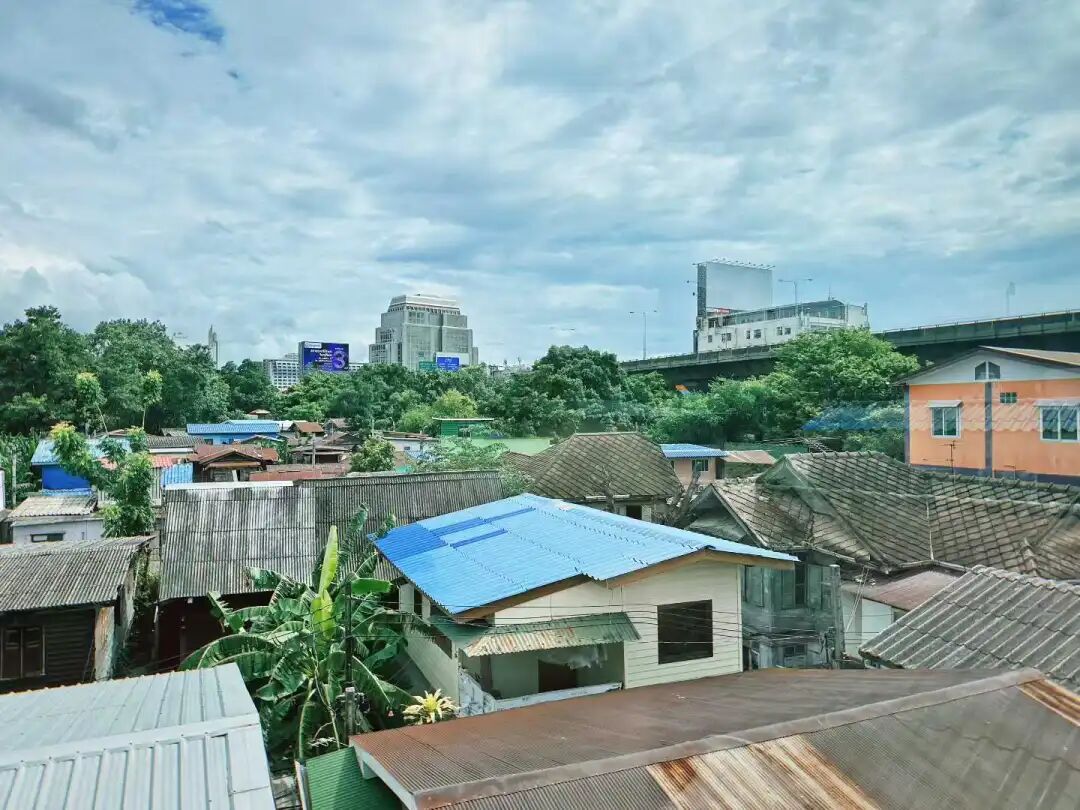
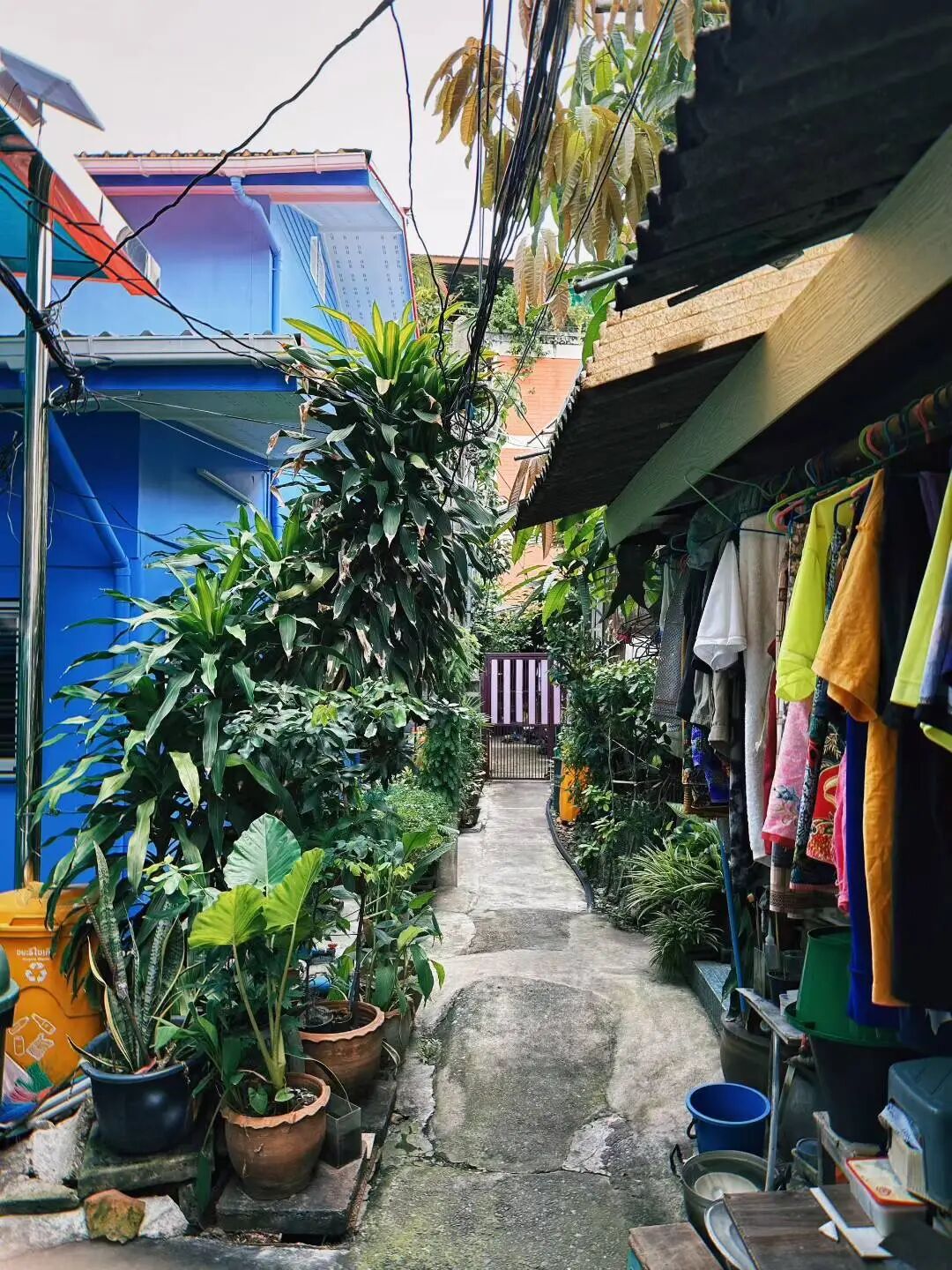
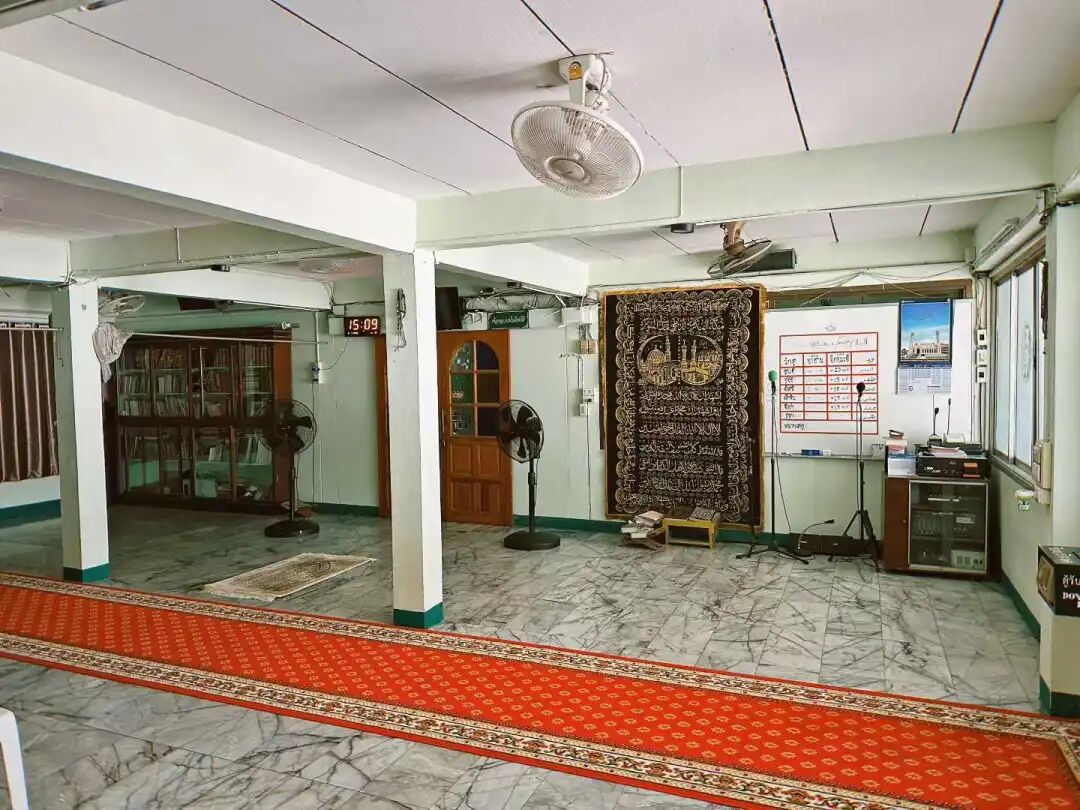
The mosque is clean and bright. The first floor is a classroom, the second floor is the main prayer hall, and the third-floor terrace offers a panoramic view of the neighborhood.
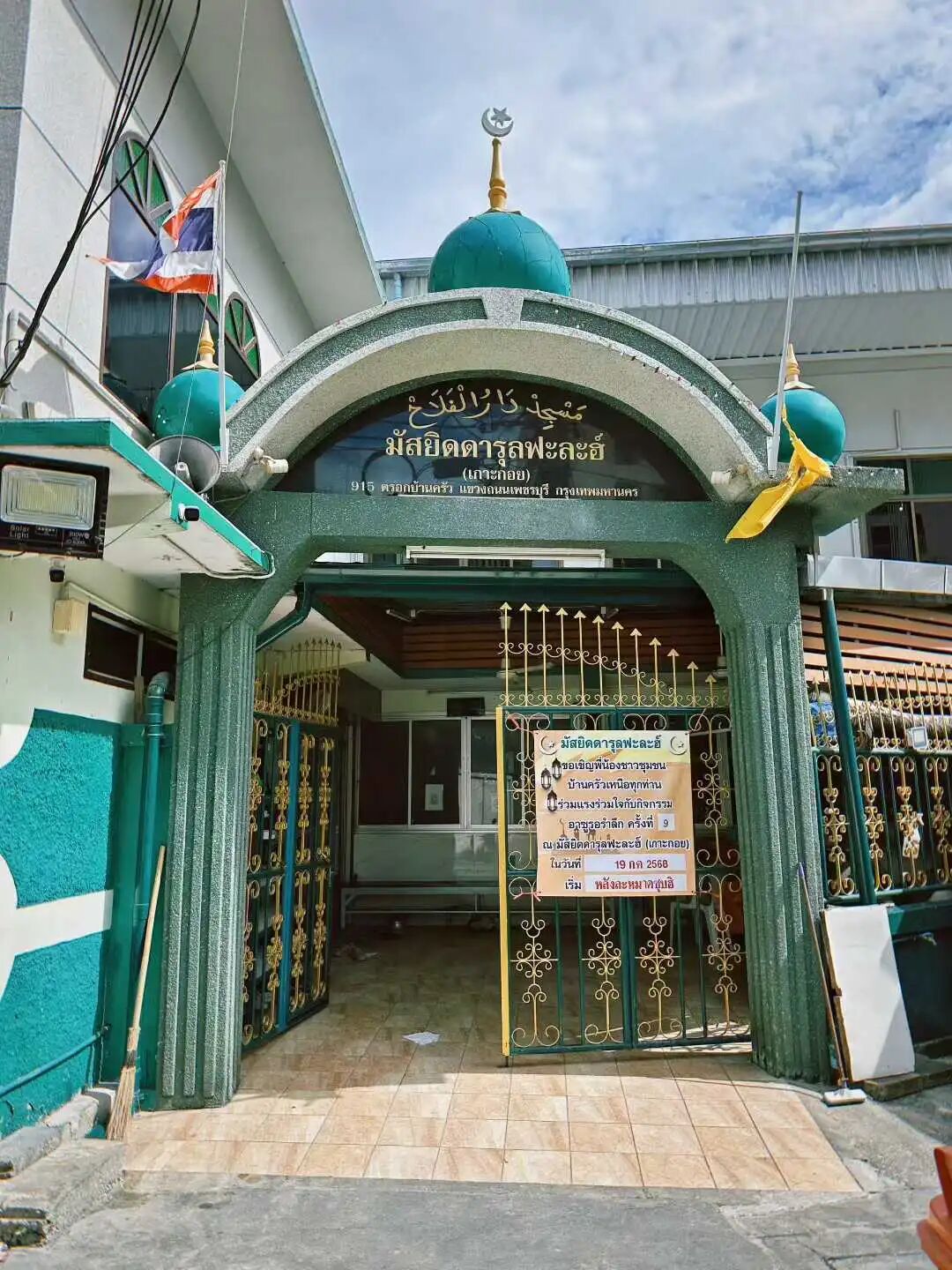
Cham community neighborhood—Darul Falah Mosque
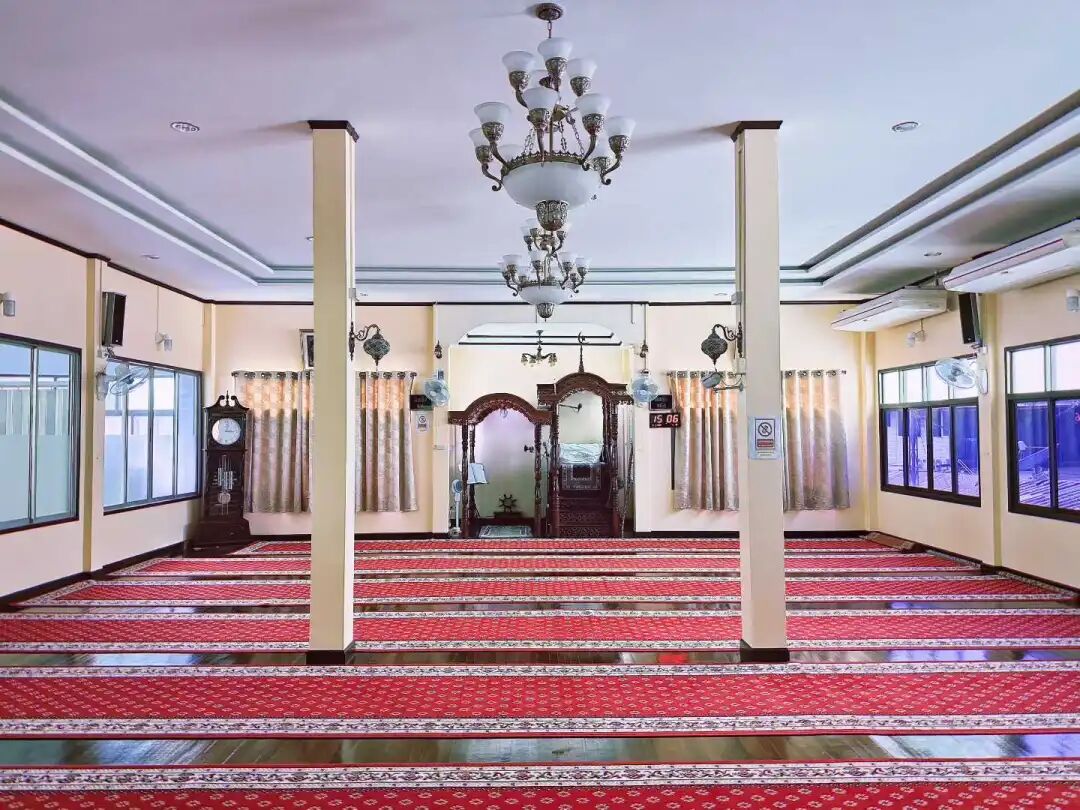
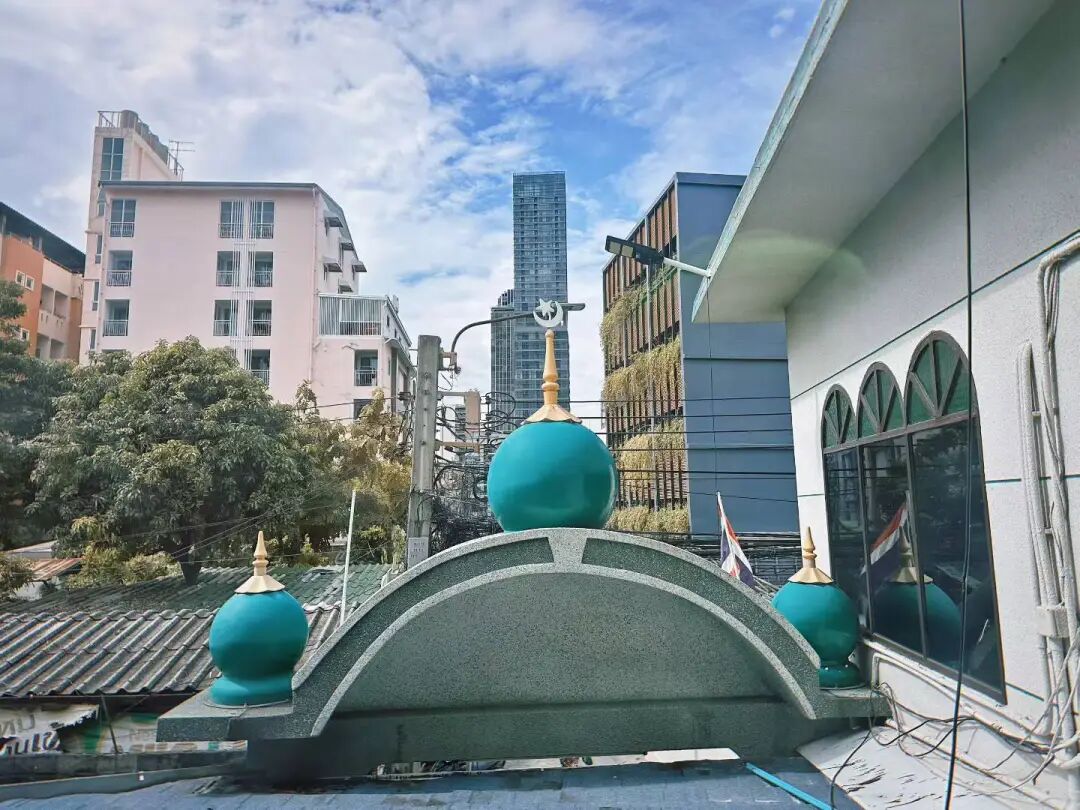
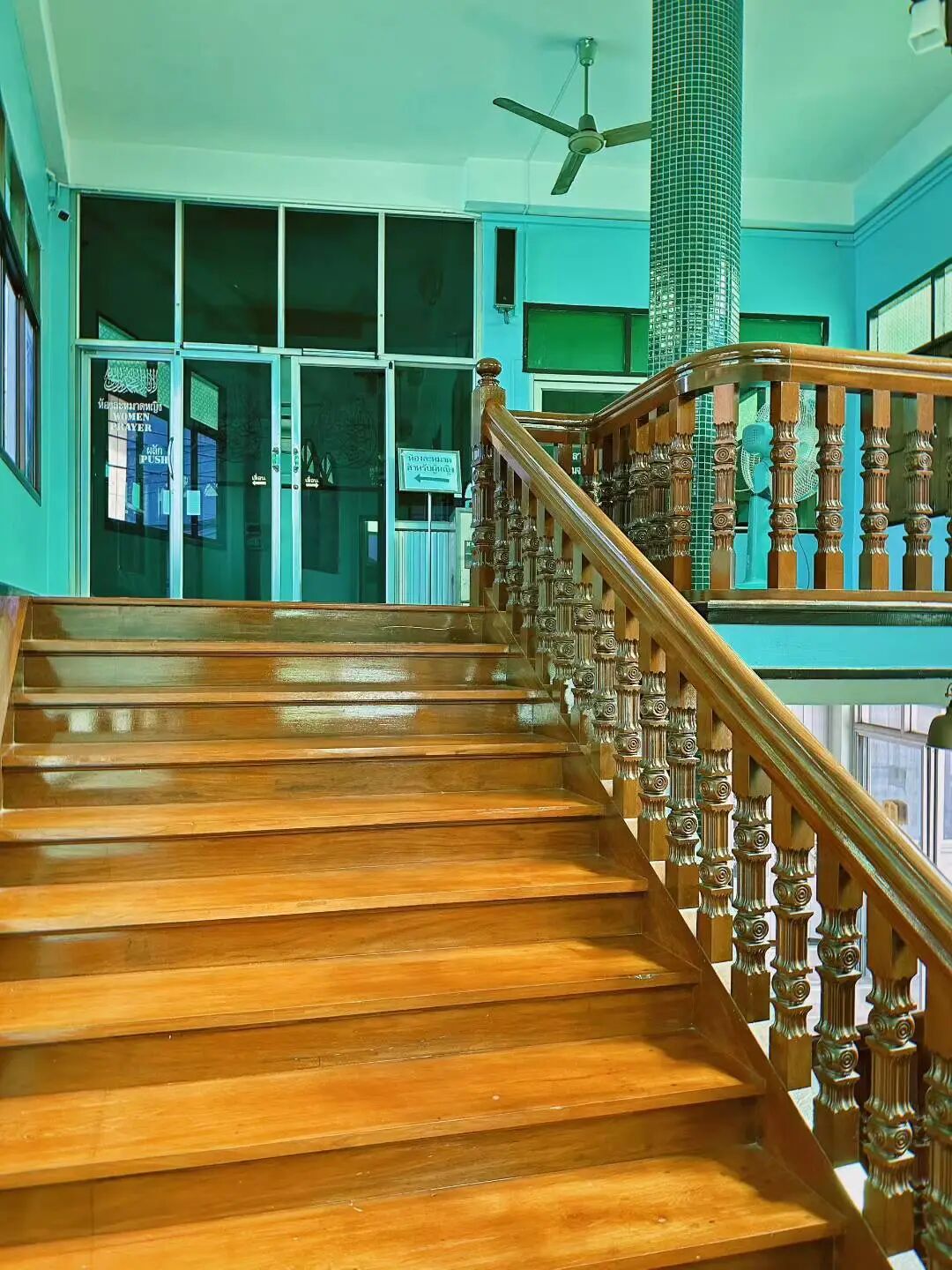
The Darul Falah Mosque was also built by Cham captives brought back from Cambodia by Thailand during the Siamese-Vietnamese War of 1841-1845. Bangkok once had its most important Sufi shrine (gongbei), but it is hard to find any trace of it today.
In the early 20th century, Sheikh Hussein Bakri, a Sufi from the Shadhili order in the Hejaz region, lived at the Darul Falah mosque (masjid) in Bangkok. He married a local woman and they had two sons. Before Sheikh Hussein returned to his home country, he predicted that his youngest son, Ahmed Bakri, would pass away, so he told his wife to bury a piece of green cloth with him. Sure enough, his son died just a few days after he left. His wife did not follow his instructions to include the green cloth, so she later urgently asked everyone to open the grave to put it in, but when they opened the grave, Ahmed's body was already gone. The story of the Arab man and the green cloth spread quickly.
After the Saudis conquered the Hejaz region in 1925, they promoted Wahhabism there, forcing many Sufis in the Hejaz to flee. In 1929, Sheikh Hussein Bakri's other son, Sheikh Khalid Bakri, who was also in the Shadhili order, traveled by boat from the Hejaz to the Darul Falah mosque in Bangkok and built the Ahmed shrine (gongbei) inside the mosque. During World War II, when the U. S. military bombed Bangkok, people from all different groups took shelter near the shrine, believing it would keep them safe. The shrine was not moved outside the mosque until the Darul Falah mosque was renovated in the 1950s.
Starting from the Darul Falah mosque, the Shadhili order gradually grew in the eastern suburbs of Bangkok and expanded into central and southern Thailand, becoming an important Sufi order in the country.
Summary: Bangkok has several historic Cham Muslim mosque neighborhoods tied to river trade, military service, canals, and royal boat history. This account covers Ton Son Mosque, Bang Luang Mosque, the Royal Barges Museum area, Jami-Ul-Khoy-Riyah Mosque, Zulugul Muttaqeen Mosque, Darul Falah Mosque, and the photographs in their original order.
I traveled to Bangkok, Thailand, in 2023 and 2025, visiting 25 mosques (masjid) in the city that represent six ethnic groups: Persian, Arab, Indian, Malay, Indonesian, and Champa. Although these friends (dosti) from different ethnic backgrounds have lived in Thailand for over a hundred years and speak Thai in their daily lives, they still keep their unique history, culture, and traditions. I will now share six articles introducing the 25 mosques of these six ethnic groups in Bangkok.
First, I will introduce the five Champa mosques in Bangkok.
Champa (Champa) was a country established by the Cham people (Chams) in southern Vietnam. After the 15th century, the Malacca Sultanate became a powerful state in Southeast Asia, and Champa maintained close ties with it. Malay friends (dosti) integrated with the Cham people through trade and marriage, leading many Cham people to embrace the faith.
After Vietnam broke free from Mongol control in the 14th century, it began moving south to invade Champa. In 1471, the Champa capital of Vijaya (Vijaya) fell, and many members of the Champa royal family and civilians fled to Cambodia for refuge. These Cham people in Cambodia united with the Malays who had settled there earlier, forming a military alliance in the 16th century.
Cham mercenary troops (krom asa Cham) began working for Siam in the early 17th century. Because of their excellent shipbuilding skills and naval combat strength, they were highly praised by the Siamese royal family. These Cham warriors were granted the honor of serving as rowers for the royal barges during Siamese royal processions.
The first mosque in Bangkok: Ton Son Mosque.
In the 17th century, the Thonburi area of Bangkok was a transit port on the Chao Phraya River leading to the Siamese capital of Ayutthaya. At that time, important trade warehouses and customs stations were set up at the mouth of the Yai (Yai) canal, and Cham troops were stationed nearby. In 1688, the royal eunuch (Chao Phraya Ratchawangsanseni) Mahmud built the first mosque in Bangkok here. Because it was located by the Yai canal, it was called Kudi Yai.
The original mosque was built entirely of teak wood, with an architectural style similar to the main halls of Buddhist temples. It was rebuilt as a brick structure in the early 19th century and rebuilt again in 1952 into the current reinforced concrete building. Because the Siamese royal family gifted tropical pine trees (ton son) to the mosque in the 19th century, the mosque was renamed Ton Son Mosque.
The pulpit (minbar) at Ton Son Mosque has a strong Siamese Ayutthaya style, and the prayer niche (mihrab) was preserved from the old building and is very beautifully crafted.
This is the area where the imam stands to lead the prayer (namaz), and it also has a very Thai style.
There is a depiction of Mecca (tianfang tu) in the center of the prayer niche (mihrab).
An old house in the mosque built in 1941.
The Yai canal at the entrance of the mosque.
The mosque area is filled with rivers.
Bang Luang Mosque, the only Thai-style mosque in Bangkok.
In 1767, Burma invaded Siam, the capital Ayutthaya fell, and the Cham military camp at the mouth of the Yai River was destroyed. Soon after, Siam moved its capital to Thonburi. The Cham people who fled from Ayutthaya settled around Ton Son Mosque, formed a new Cham community, and continued to serve in the Siamese navy. In 1782, Siam officially moved its capital to Bangkok on the east bank of the Chao Phraya River. They built a royal shipyard and dock opposite the Cham community, and many Cham people became royal sailors and shipbuilders.
With the establishment of the royal shipyard and dock, some Cham people moved to live on the other side of the Yai Canal. People of Malay descent who moved from Ayutthaya and Trat Province in the southeast originally lived here, making a living by rowing boats on the canal to sell goods. Around 1785, a merchant named Toh Yi led the construction of a new mosque called Kudi Mai (New Mosque) or Bang Luang Mosque.
Bang Luang Mosque is the only surviving Thai-style mosque in Bangkok. It has Thai-style white stucco brick walls, and its decorative roof looks very similar to those on Thai temples. The main hall is surrounded by a corridor with 30 pillars, representing the 30 parts of the Quran. The mihrab inside the main hall is the most exquisite part, featuring a purely Thai decorative style, including the Chofa decorative element found on Thai palace architecture. This shape is adapted from the Garuda in Hinduism and Buddhism, but it was redesigned to fit Islamic traditions.
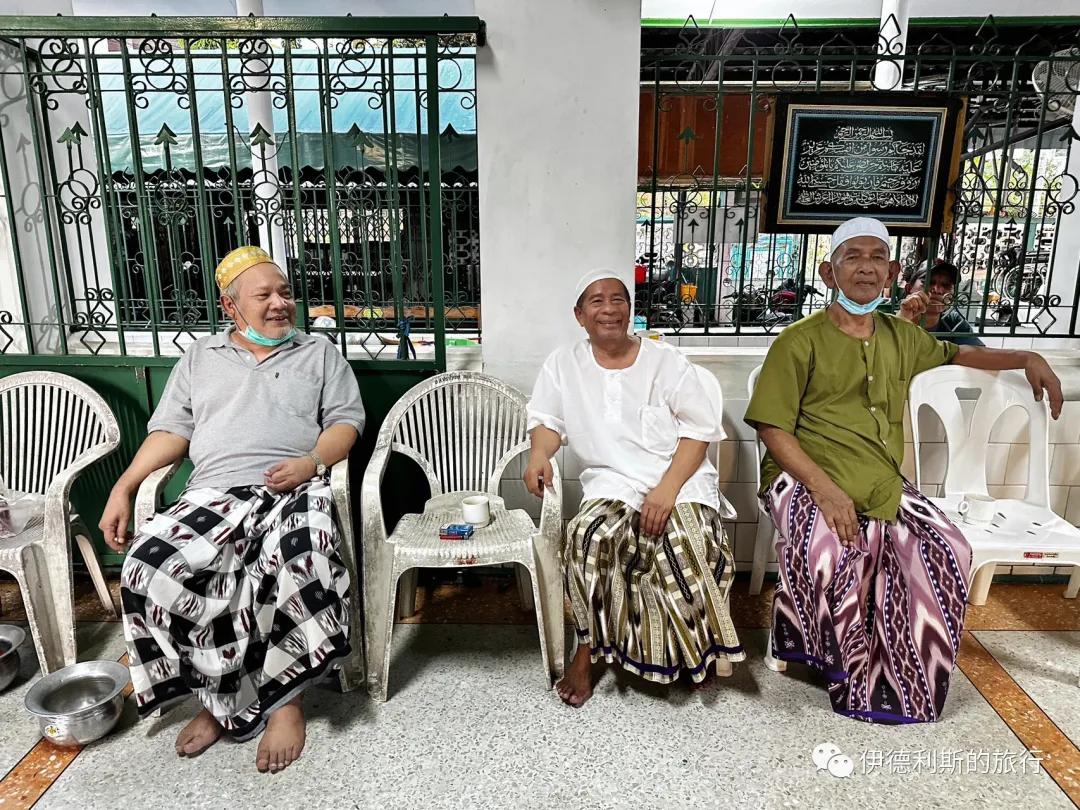
The atmosphere at Bang Luang Mosque during namaz is very special. Every elder who arrives shakes hands with everyone, and an elder even gave me a drink. You can see everyone wearing a sarong (sarong) tube skirt, which means 'to cover' in Malay. This outfit is perfect for the humid and hot climate of Southeast Asia.
The wooden-framed scriptures hanging on the walls of Bang Luang Mosque and the porcelain plates embedded in the walls are both over a hundred years old.
This old bell feels like it has a lot of history.
The area around Bang Luang Mosque is still mainly inhabited by Cham and Malay descendants. We chatted for a while with the owner of a small shop opposite the mosque. The owner's family is of Malay descent; the father speaks fluent Thai and Malay, and the son's English is also very good.
Cham Navy and the National Museum of Royal Barges.
In 1778, Thailand invaded Laos. To attack Laos from two sides, Thailand recruited an army of over 10,000 people from the pro-Thai Kingdom of Cambodia, which included several naval companies made up of Cham dosti (friends/comrades). After these Cham naval companies finished participating in the war against Laos, some of them returned with the Thai army to Thonburi, the capital of Thailand at the time. They were under the command of the Second King of Siam (Front Palace). After 1782, they were stationed along the Noi Canal and built the Second King's shipyard and dock next to their camp.
These Cham sailors served for a long time in gunboat patrols against pirates along the Thai coast. Until the Grand Palace and Front Palace navies merged into the Royal Thai Navy in 1880, these Cham sailors continued to serve in the Royal Navy, with some stationed at naval fortifications in Samut Prakan. After the 1910s, the former station of the Cham navy was gradually abandoned.
The National Museum of Royal Barges is currently built on the former site of the Cham navy station. Before the 20th century, the Cham navy served as rowers for the royal barge, a high honor granted to Cham sailors by the Thai royal family.
Noi Canal
Cham community neighborhood—Jami-Ul-Khoy-Riyah Mosque
In 1781, Thailand attacked Cambodia and captured some Cham soldiers. These Cham soldiers were brought back to Bangkok in 1782. These Cham soldiers officially joined the Thai army in 1783 and helped dig the Maha Nak Canal. In the early 19th century, Thailand and Vietnam fought a long war over Cambodia. The canal east of Bangkok became a vital military transport route, moving supplies and soldiers to the Cambodian front, earning it the name Bangkok's Eastern Corridor. The Saen Saep Canal east of Bangkok was completed in 1840, and these Cham soldiers were responsible for guarding it.
Today, you can take a canal boat on the Saen Saep Canal to Sapan Charoenpol station. After crossing the bridge, you will see the Jami-Ul-Khoy-Riyah Mosque built by the descendants of these Cham soldiers. In the late 19th century, as peace returned to eastern Thailand, the area became a silk market and later a tourist destination.
The Jami-Ul-Khoy-Riyah Mosque displays a collection of porcelain. Many mosques in Bangkok have porcelain display cabinets, which is an interesting tradition.
Street view of the Jami-Ul-Khoy-Riyah Mosque neighborhood. There are small family-run snack shops in the narrow alleys, though they are usually closed in the afternoon. There is a pavilion by the canal built during the reign of Rama III (1824-1851). During this period, Thailand was frequently at war with Laos, Cambodia, and Vietnam, and the Saen Saep Canal was the main artery for transporting supplies east from Bangkok. There used to be a pier in front of the pavilion where many supplies were loaded and unloaded. The wood used to build the Jami-Ul-Khoy-Riyah Mosque was also unloaded here.
Today, it has become a place for people to cool off and chat. Next to the pavilion is a small shop selling cold drinks and waffles, where I bought a cup of authentic Thai red tea. Besides the Cham people, Malays from Pattani Province in southern Thailand also live in the Jami-Ul-Khoy-Riyah Mosque neighborhood. After 1786, Thailand invaded the southern Pattani Sultanate several times and captured a large number of Pattani Malays, some of whom were settled in the Jami-Ul-Khoy-Riyah Mosque neighborhood.
Cham community neighborhood—Zulugul Muttaqeen Mosque
The Zulugul Muttaqeen Mosque is located just west of the Jami-Ul-Khoy-Riyah Mosque. It was built by Cham captives brought back from Cambodia by Thailand during the Siamese-Vietnamese War of 1841-1845.
The mosque is clean and bright. The first floor is a classroom, the second floor is the main prayer hall, and the third-floor terrace offers a panoramic view of the neighborhood.
Cham community neighborhood—Darul Falah Mosque
The Darul Falah Mosque was also built by Cham captives brought back from Cambodia by Thailand during the Siamese-Vietnamese War of 1841-1845. Bangkok once had its most important Sufi shrine (gongbei), but it is hard to find any trace of it today.
In the early 20th century, Sheikh Hussein Bakri, a Sufi from the Shadhili order in the Hejaz region, lived at the Darul Falah mosque (masjid) in Bangkok. He married a local woman and they had two sons. Before Sheikh Hussein returned to his home country, he predicted that his youngest son, Ahmed Bakri, would pass away, so he told his wife to bury a piece of green cloth with him. Sure enough, his son died just a few days after he left. His wife did not follow his instructions to include the green cloth, so she later urgently asked everyone to open the grave to put it in, but when they opened the grave, Ahmed's body was already gone. The story of the Arab man and the green cloth spread quickly.
After the Saudis conquered the Hejaz region in 1925, they promoted Wahhabism there, forcing many Sufis in the Hejaz to flee. In 1929, Sheikh Hussein Bakri's other son, Sheikh Khalid Bakri, who was also in the Shadhili order, traveled by boat from the Hejaz to the Darul Falah mosque in Bangkok and built the Ahmed shrine (gongbei) inside the mosque. During World War II, when the U. S. military bombed Bangkok, people from all different groups took shelter near the shrine, believing it would keep them safe. The shrine was not moved outside the mosque until the Darul Falah mosque was renovated in the 1950s.
Starting from the Darul Falah mosque, the Shadhili order gradually grew in the eastern suburbs of Bangkok and expanded into central and southern Thailand, becoming an important Sufi order in the country.
