
Halal Travel Guide: Chasuqi, Inner Mongolia - Great Mosque and Tumed Plain
Reposted from the web
Summary: Chasuqi Grand Mosque stands on the Tumed Plain of Inner Mongolia, where Hui Muslim families from Hebei and Beijing settled during the Qianlong period. The account records the mosque origin, Qing-era donations, later rebuilding, and its links to Chasuqi town history.
Tumd Left Banner in Inner Mongolia sits west of Hohhot. During the Ming and Qing dynasties, it was home to the Mongol Tumd tribe, known for its fertile land and lush pastures. In 1739, the fourth year of the Qianlong reign, the Qing dynasty established a sub-prefecture office in Shandai Town, Tumd Left Banner, making it an important commercial hub. Soon after, Hui Muslims from four families arrived in Shandai to make a living: the Bai family from Gaotou in Zhengding, Hebei (now Gaotou Hui Ethnic Township in Wuji County), the Ma family from Baoding, Hebei, the Xue family from Xueying in Beijing, and the Jin family from Niujie in Beijing.
In 1760, the 25th year of the Qianlong reign, the Shandai office was closed, and the banner's center shifted to Qasqi Town. The Bai, Ma, Xue, and Jin Hui Muslim families all moved to Qasqi Town during the late Qianlong period. At that time, the Qasqi Guandi Mosque was being moved to a new site, so the families bought the original land and built the first Qasqi Grand Mosque.
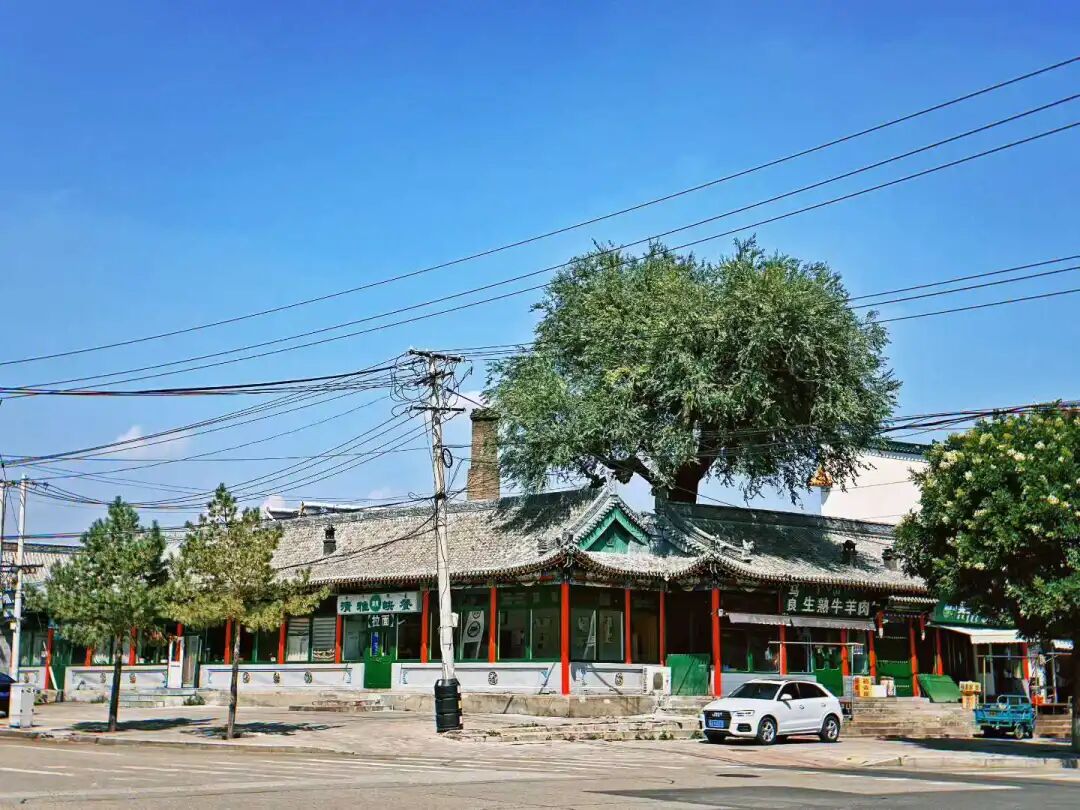
The Qasqi Grand Mosque started with just two mud-brick rooms facing the street. During the Daoguang reign, as more Hui Muslims moved to Qasqi, they added a main prayer hall made of earth and wood. In 1909, the first year of the Xuantong reign, Imam Wang Shi'en led the construction of the current brick-and-wood main hall. Bai Shengyu's widow, Mrs. Gan, donated bricks, tiles, wood, and the elm trees from the courtyard. Other funds came from the local community and from Hohhot, Baotou, Saratsi, Togtoh, and Longshengzhuang. The community elders in charge were Luo Cheng, Bai Youfu, Ma Youfu, and Wu Fengqi. Imam Wang Shi'en was originally from Wudu, Gansu. He was a scholar of Islamic texts and the most famous imam in the history of the Qasqi Grand Mosque.
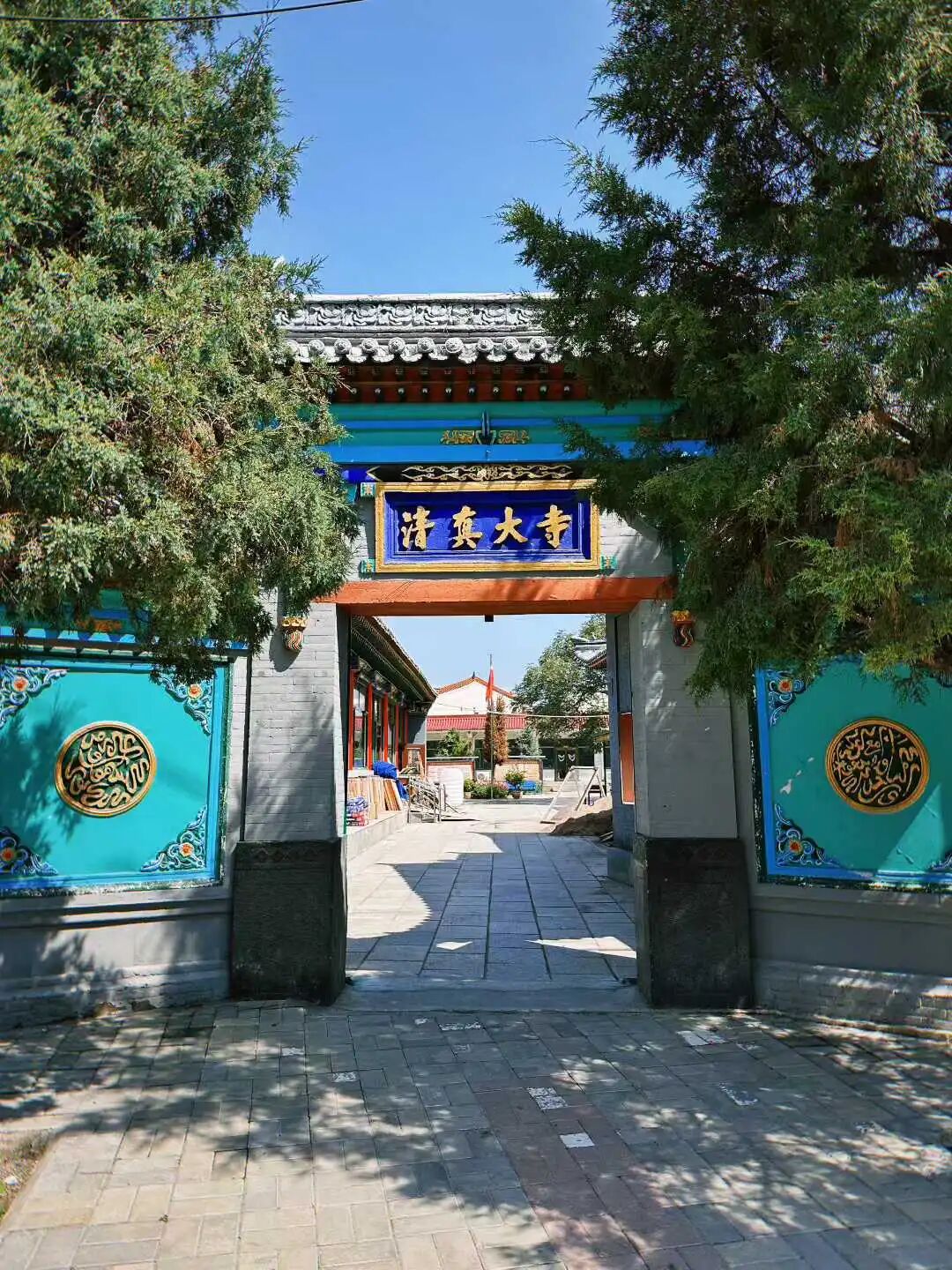
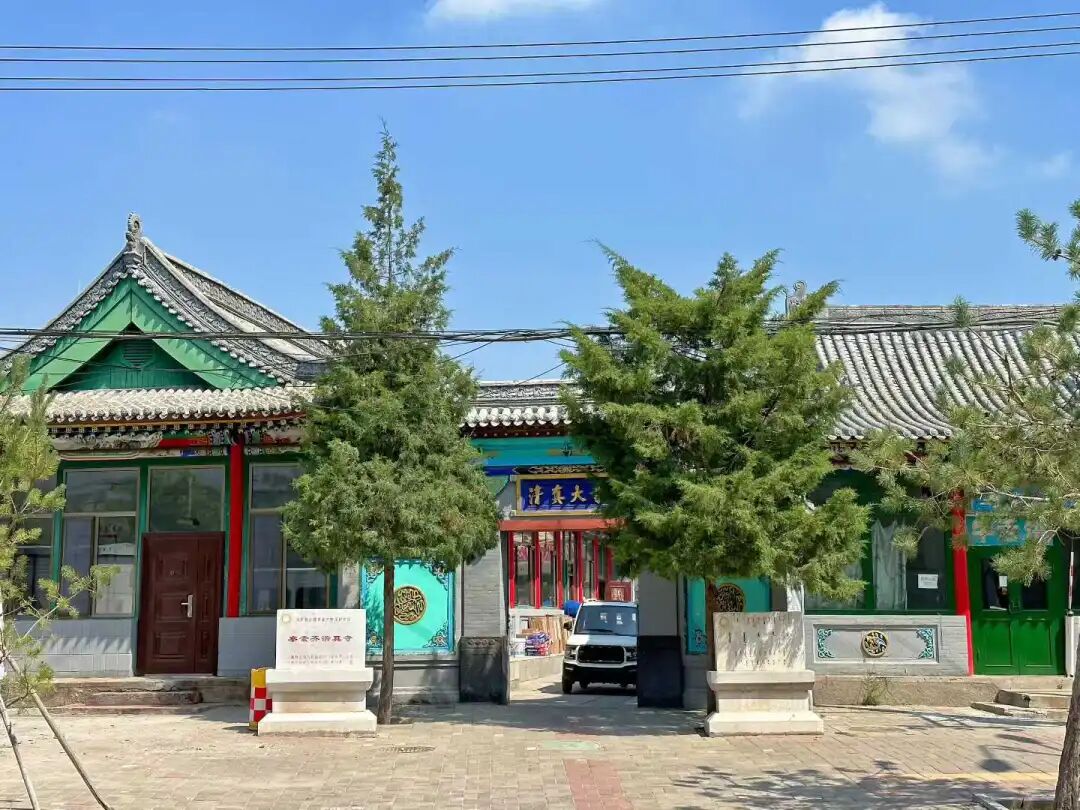
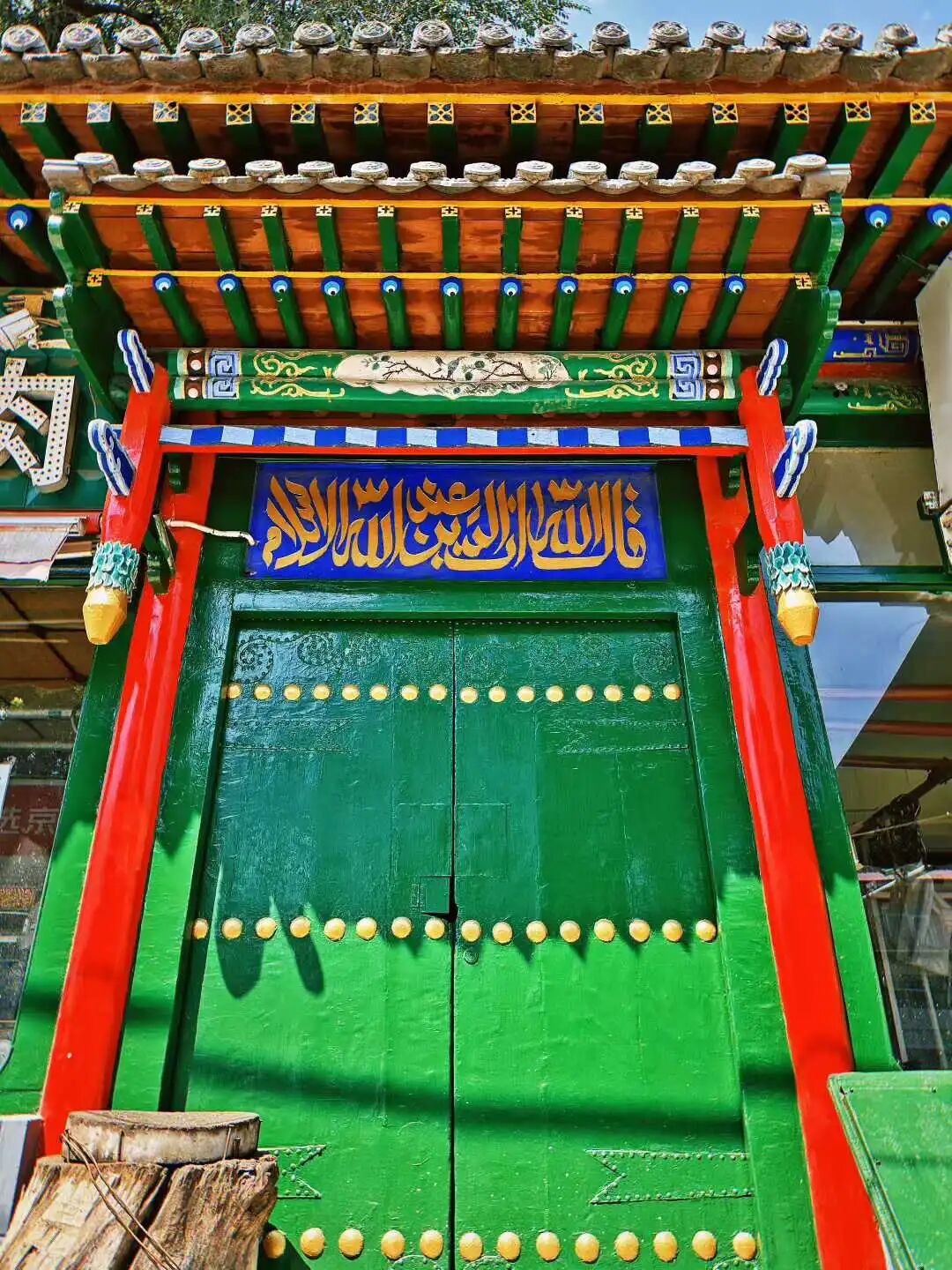
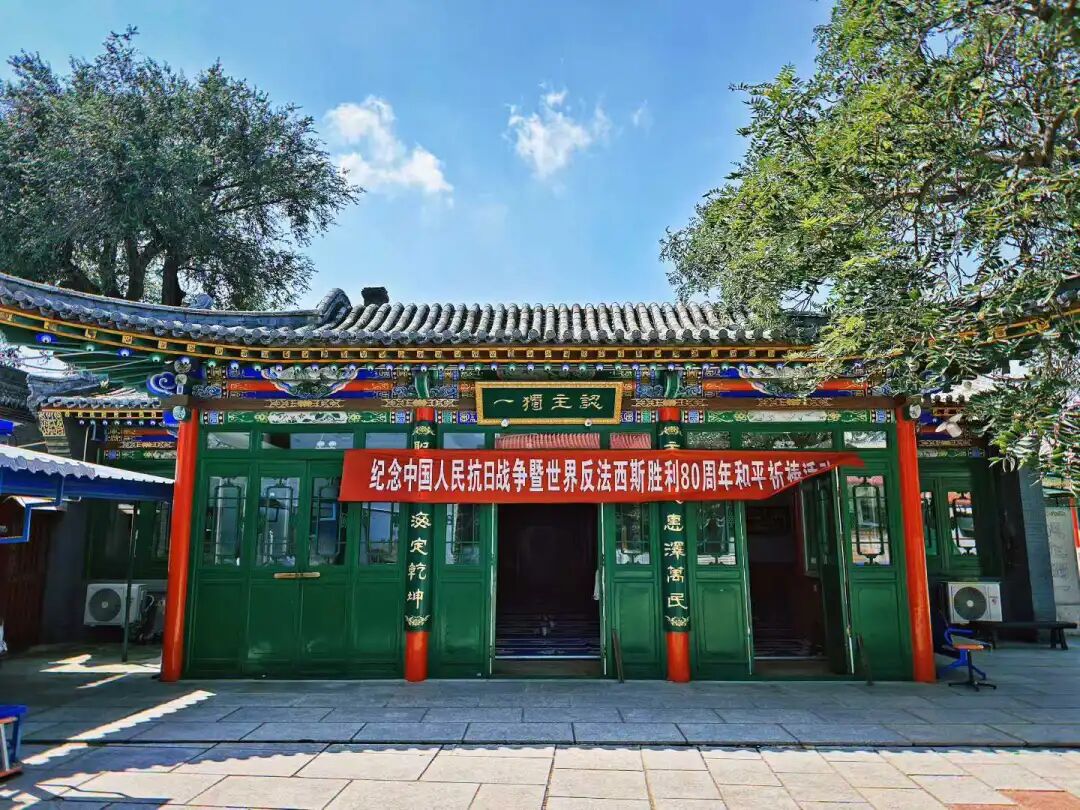
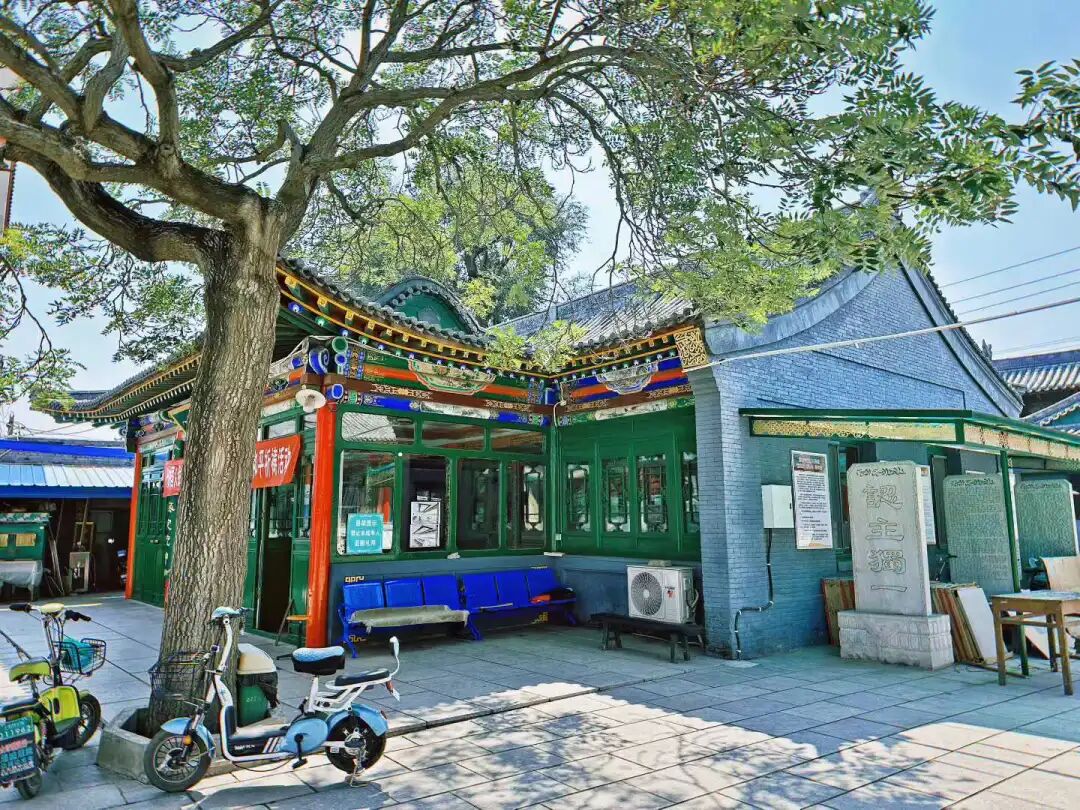
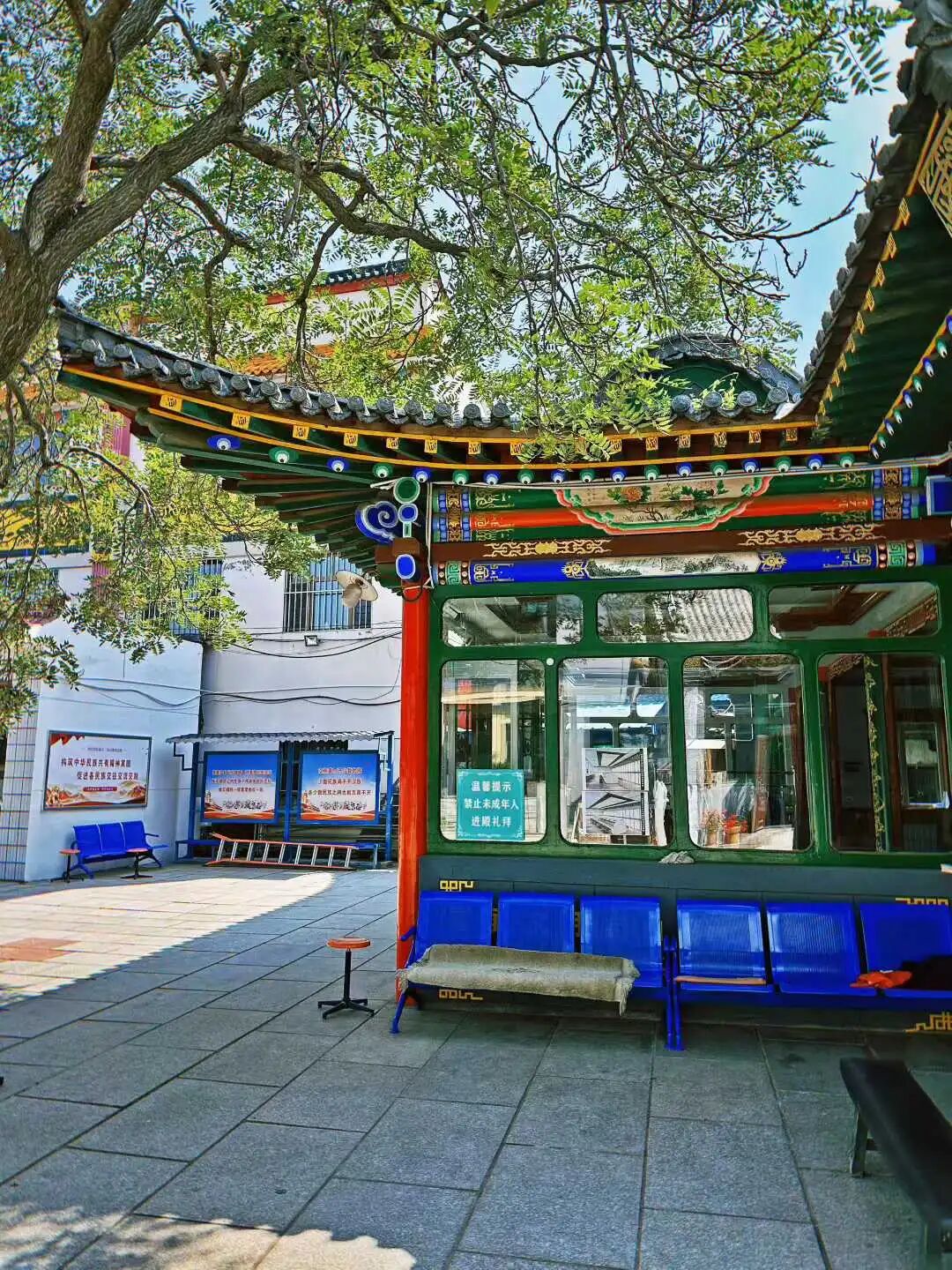
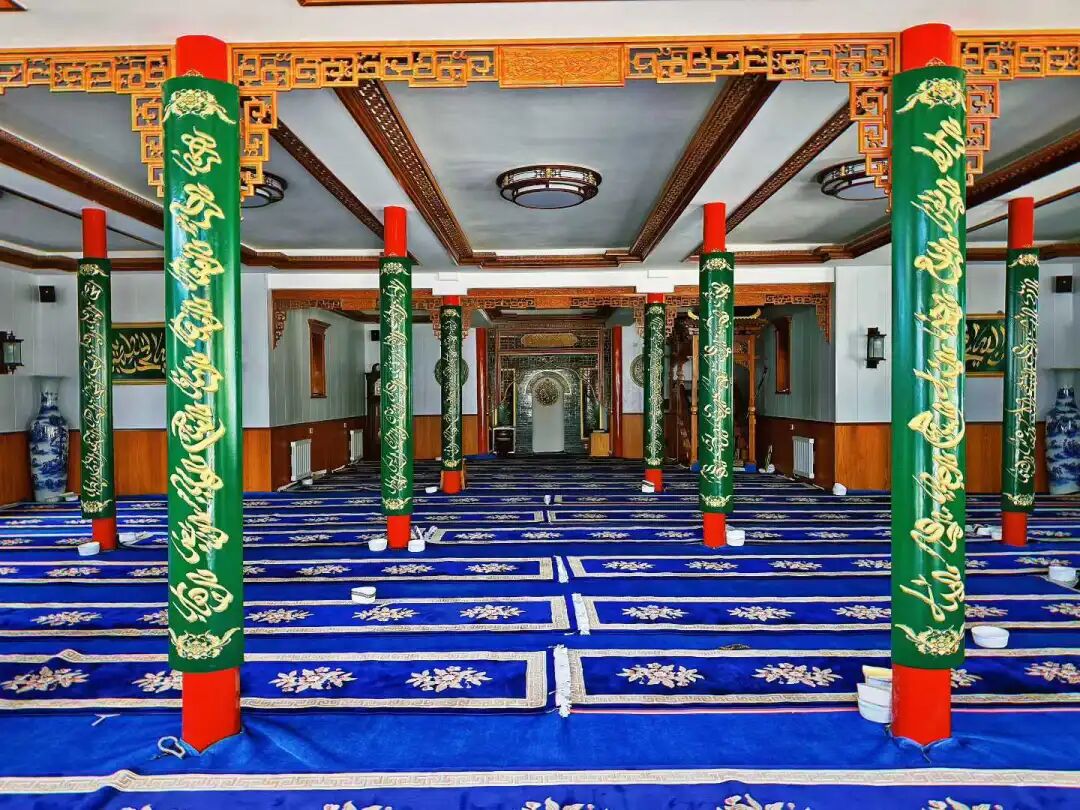
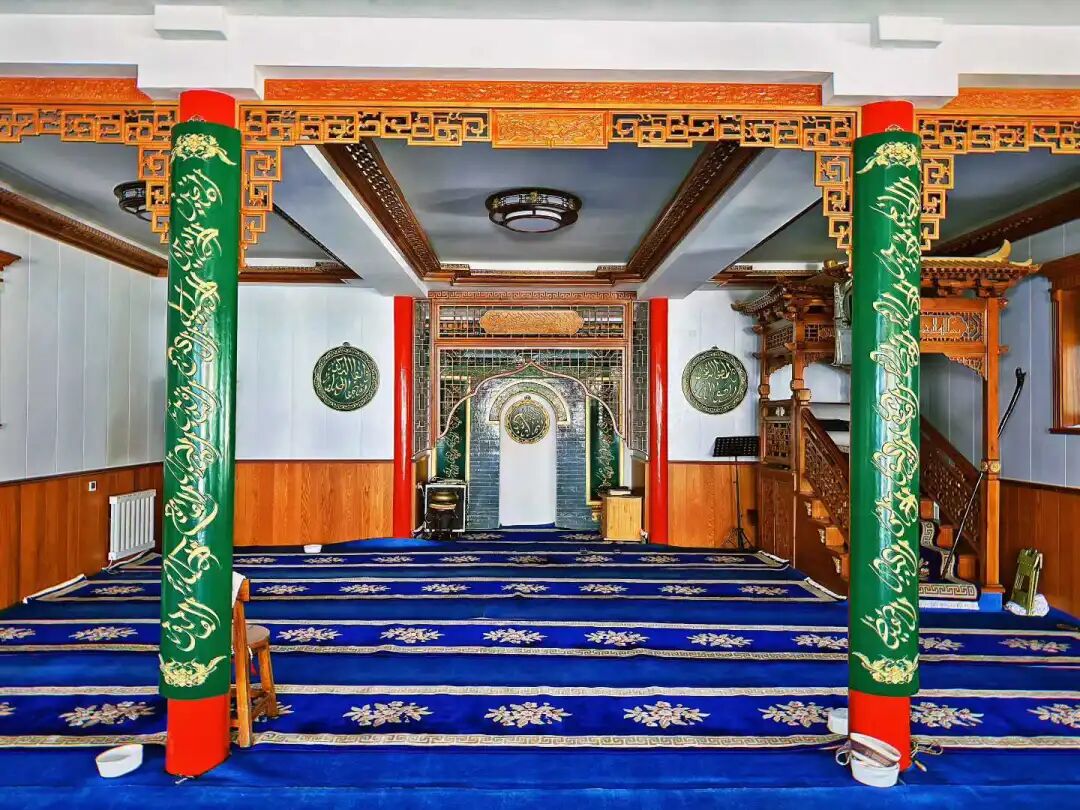
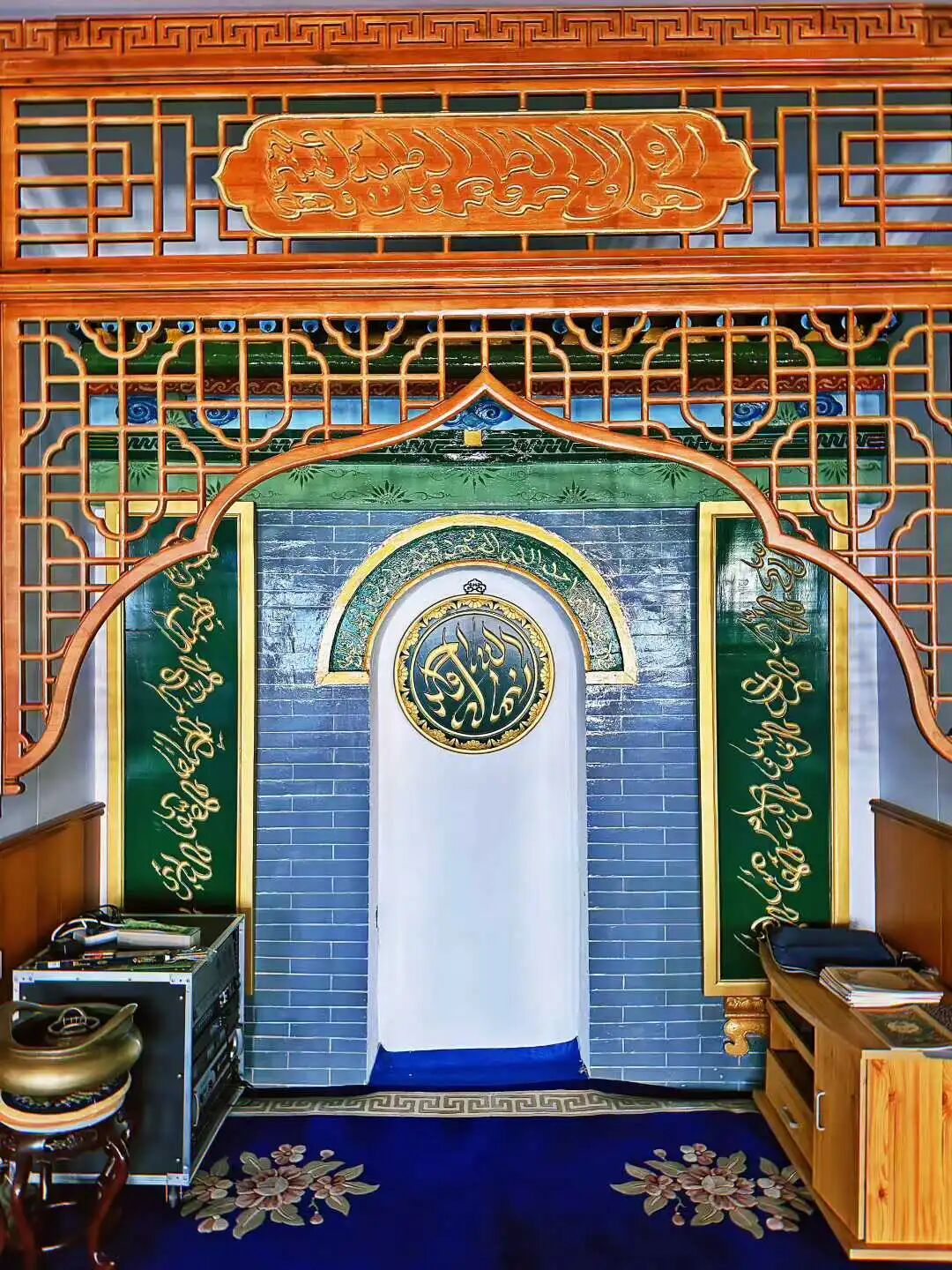
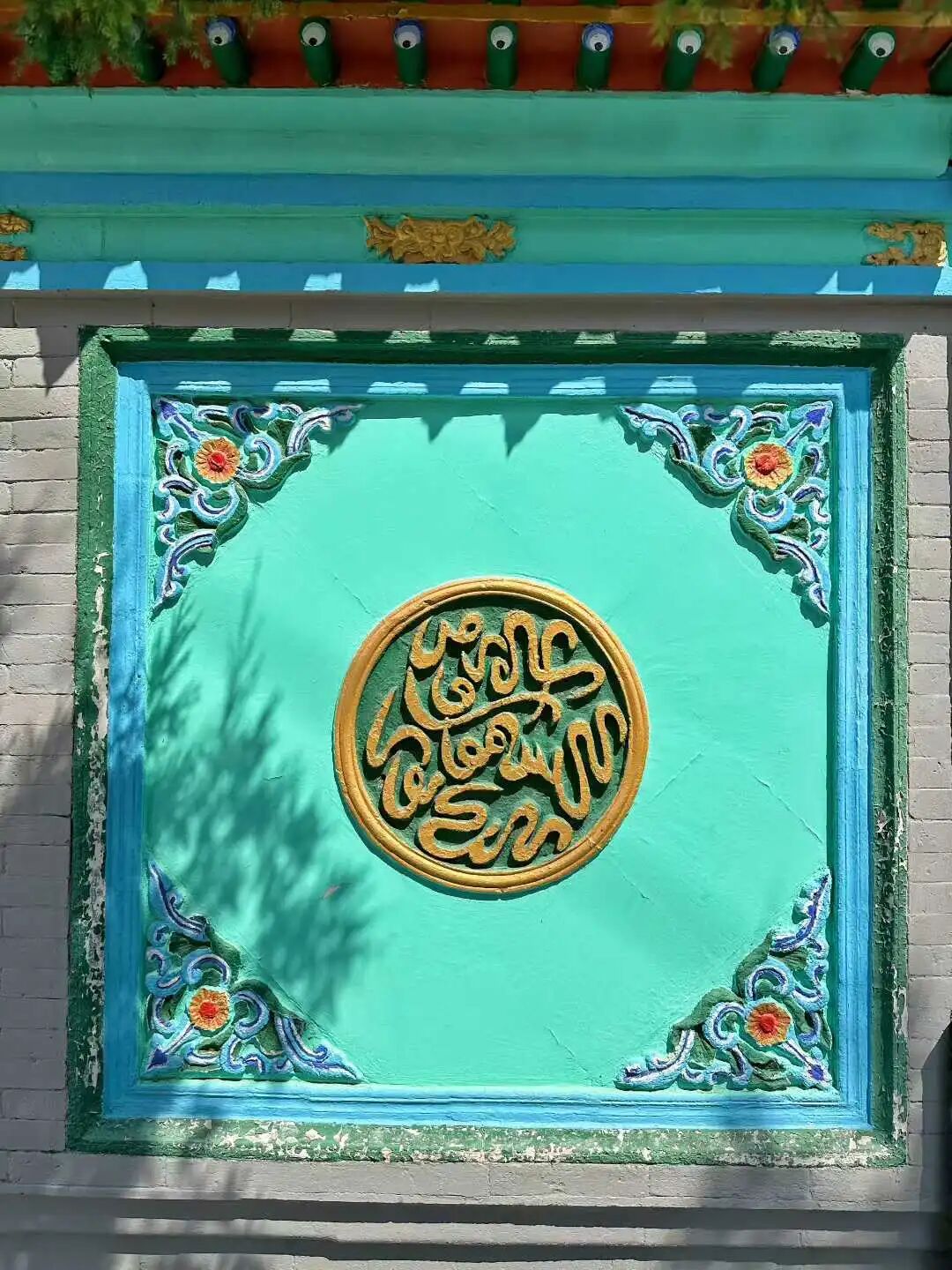
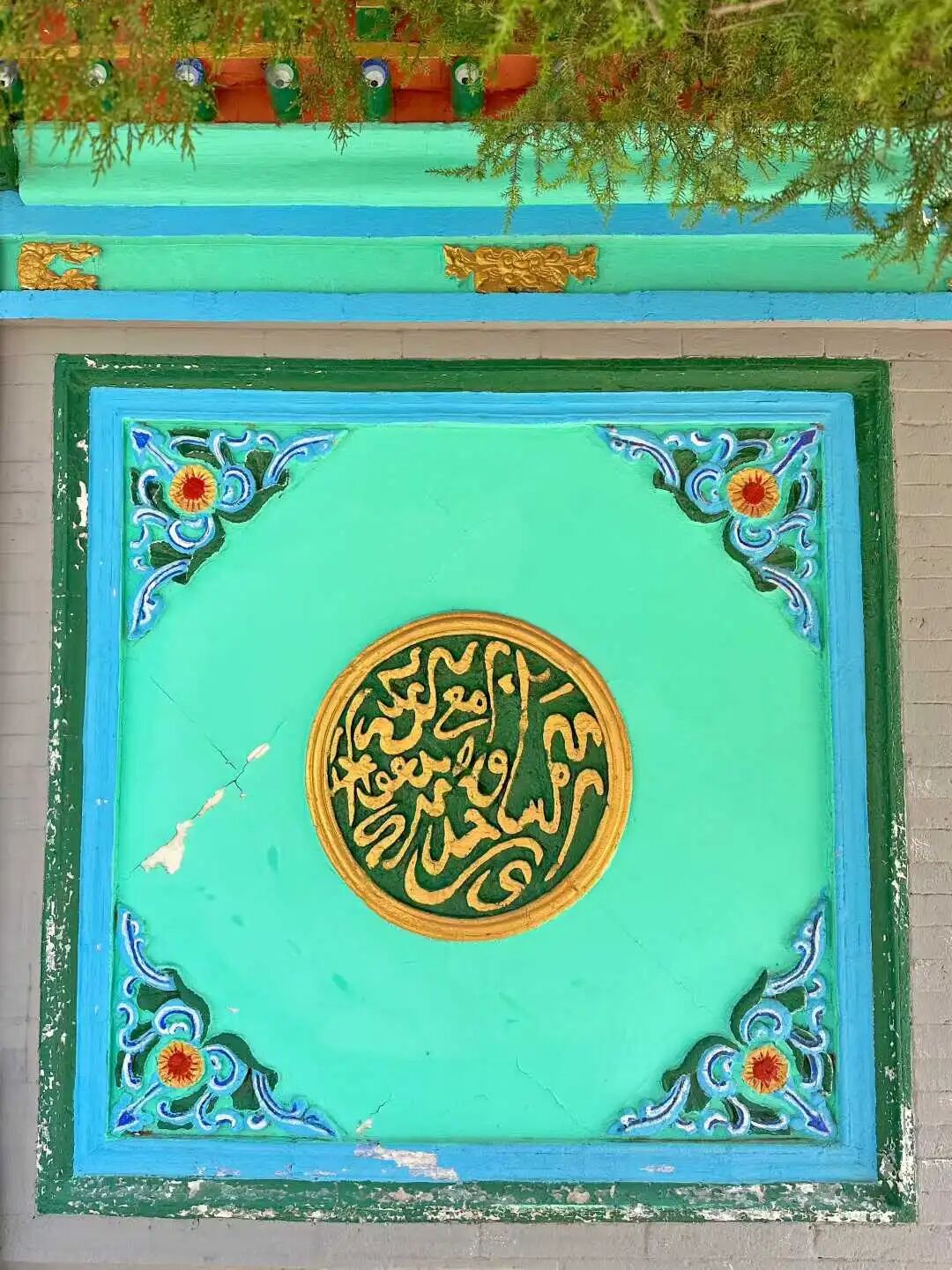
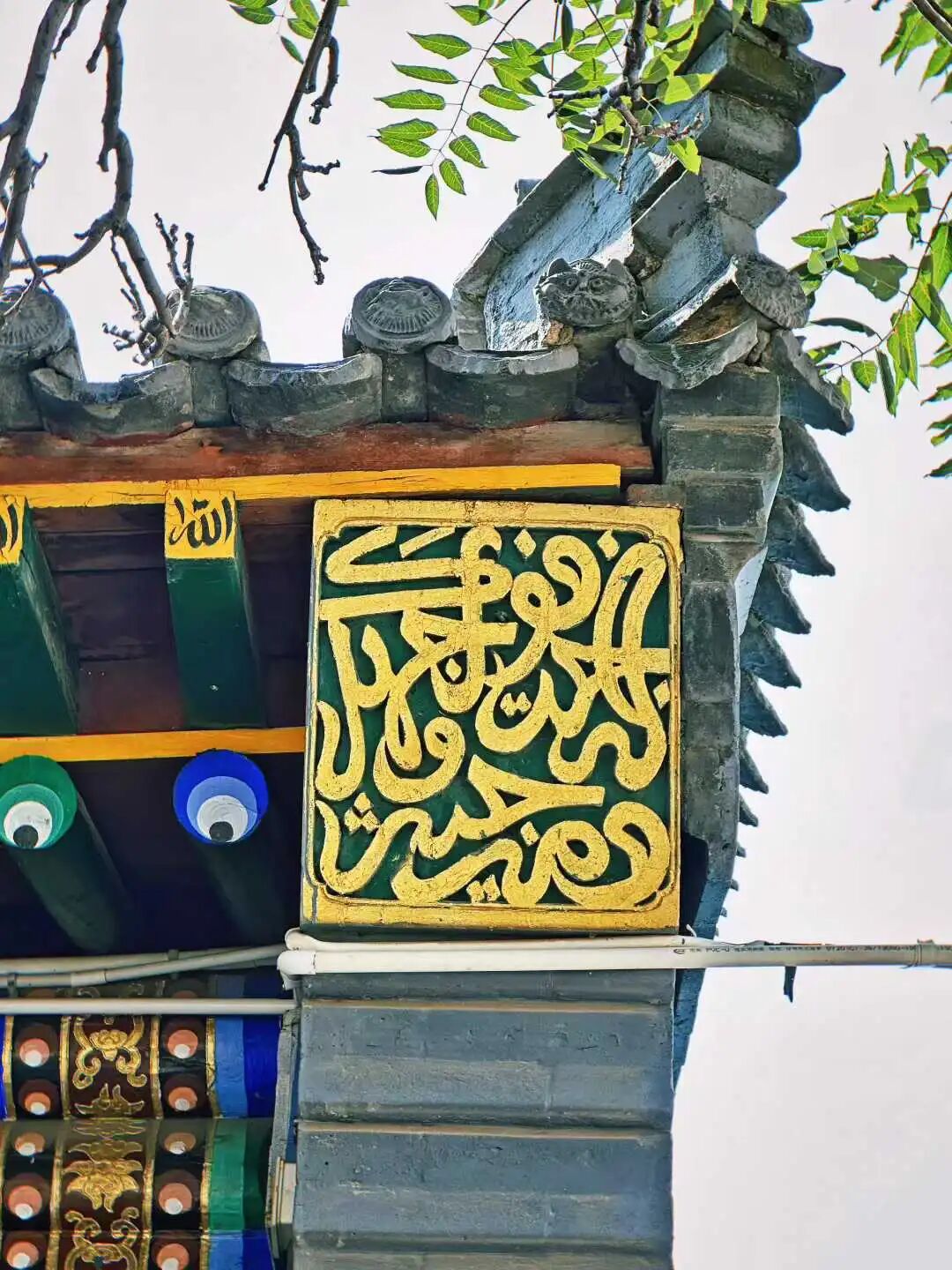
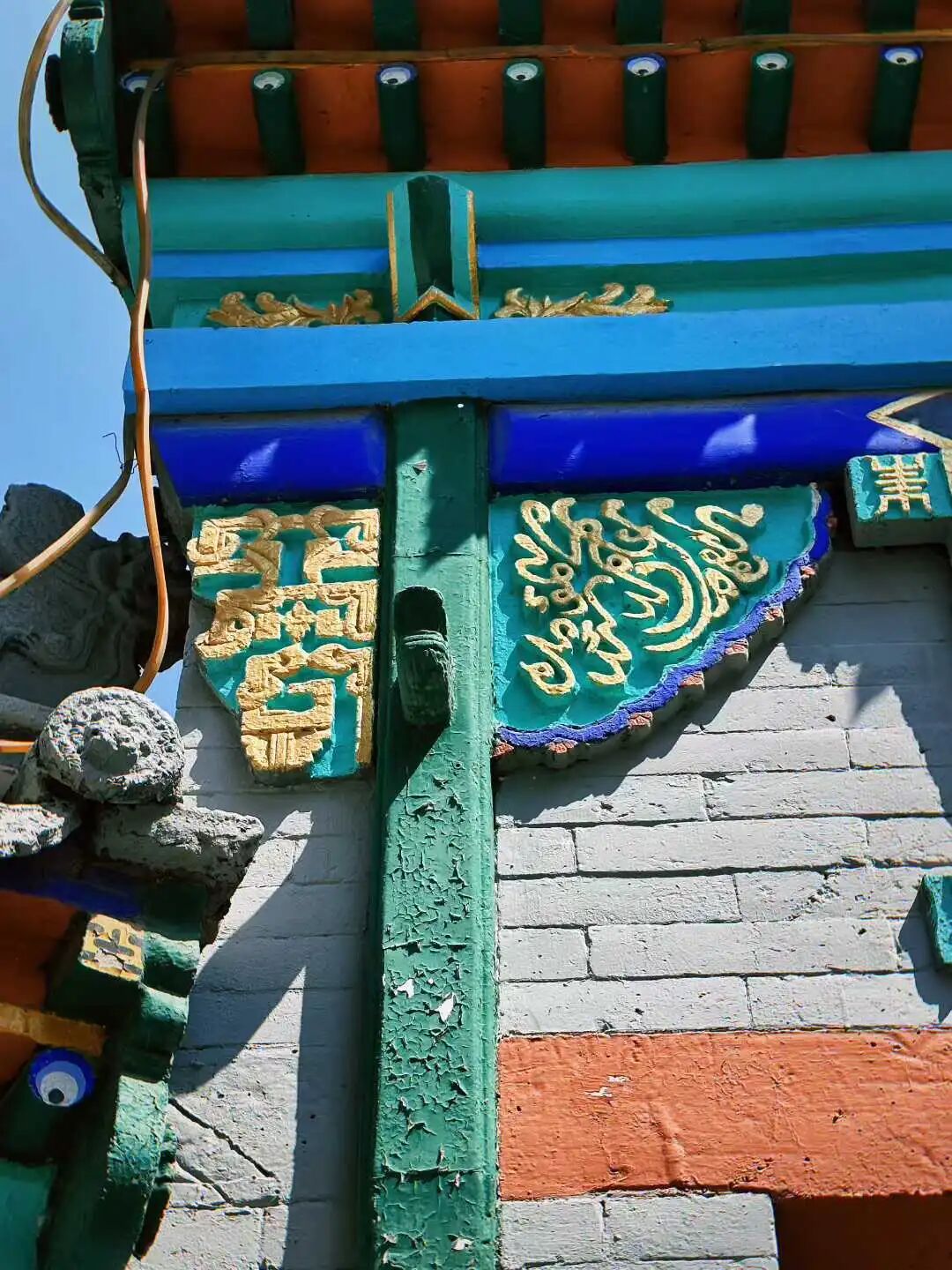
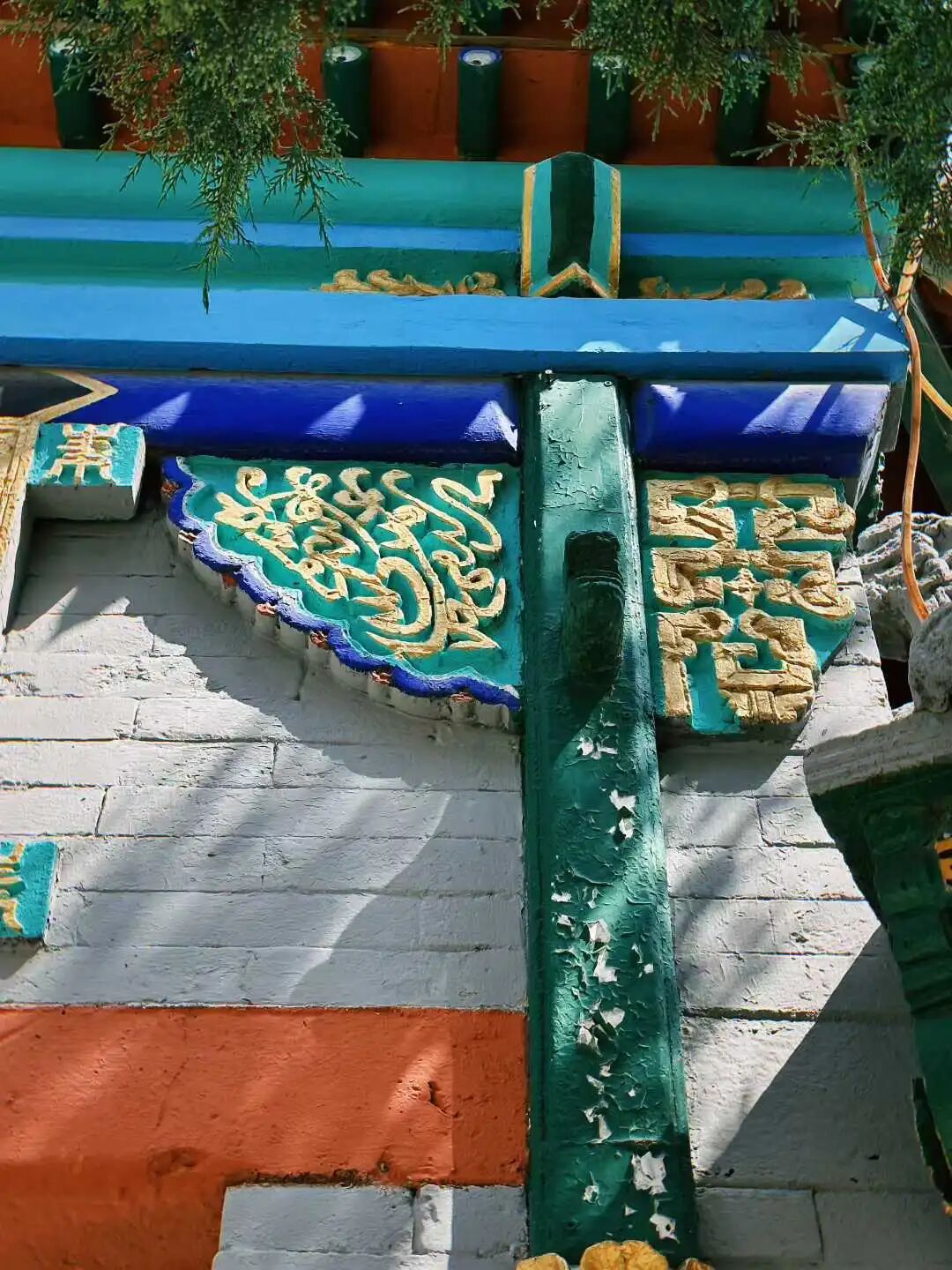
The exquisite brick carvings of the Qasqi Grand Mosque.
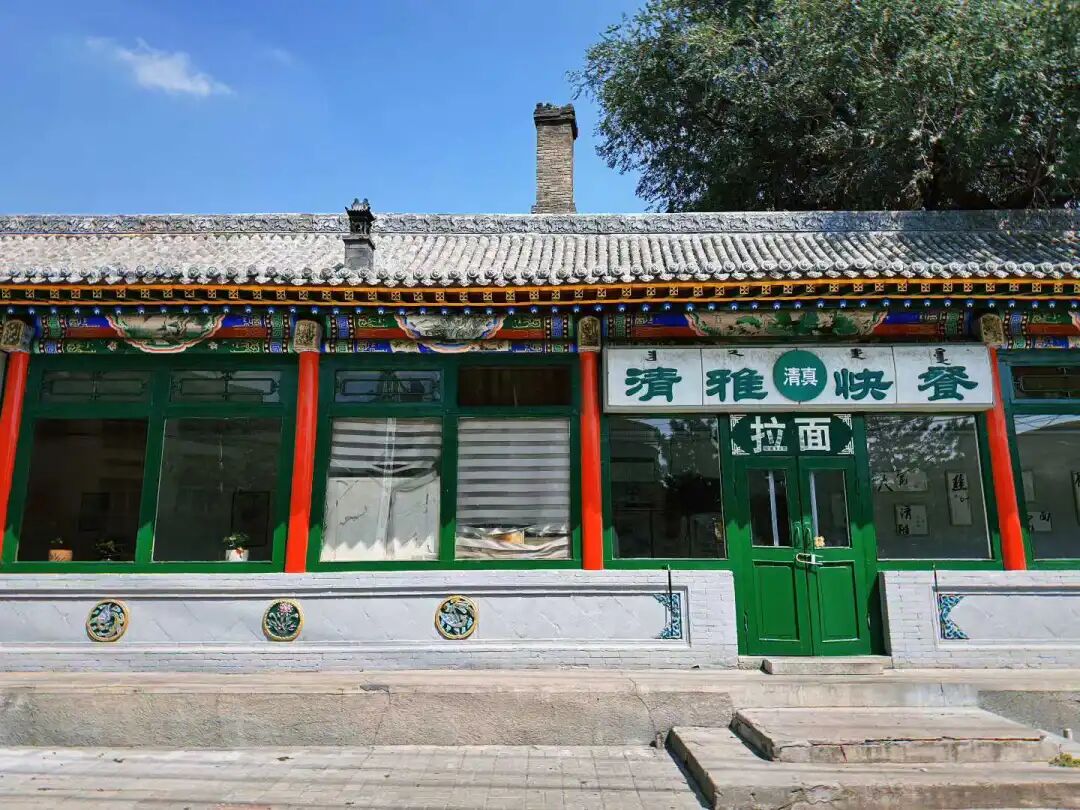
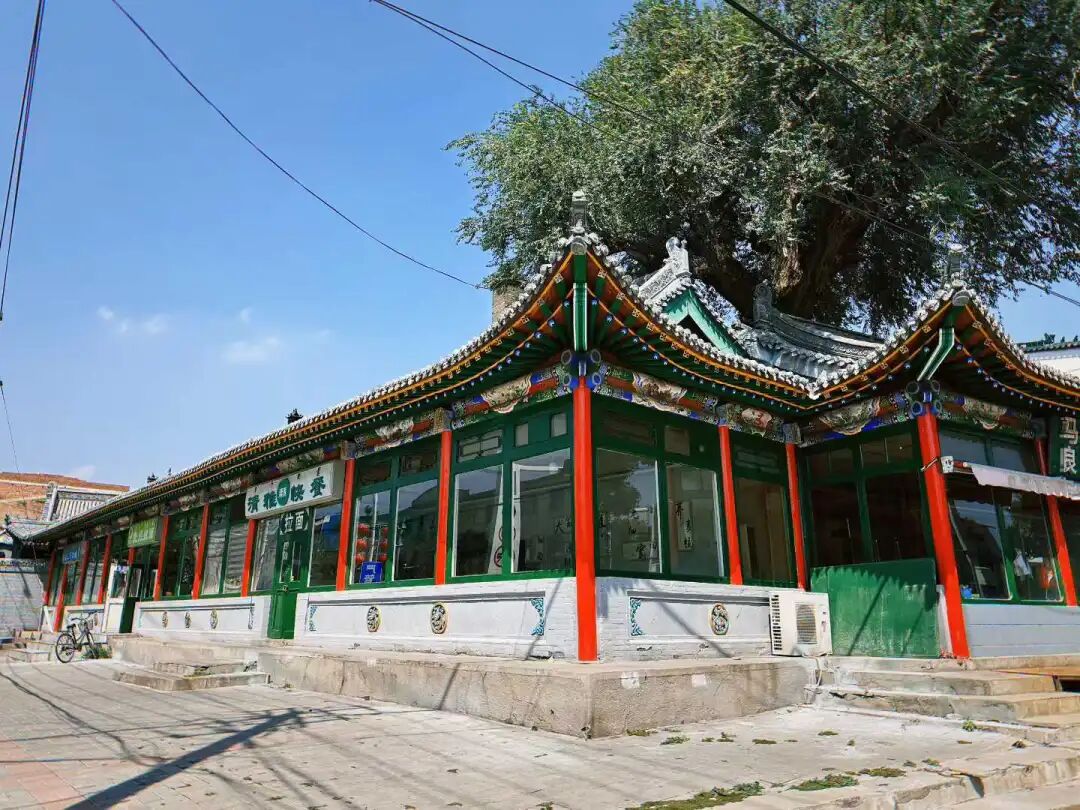
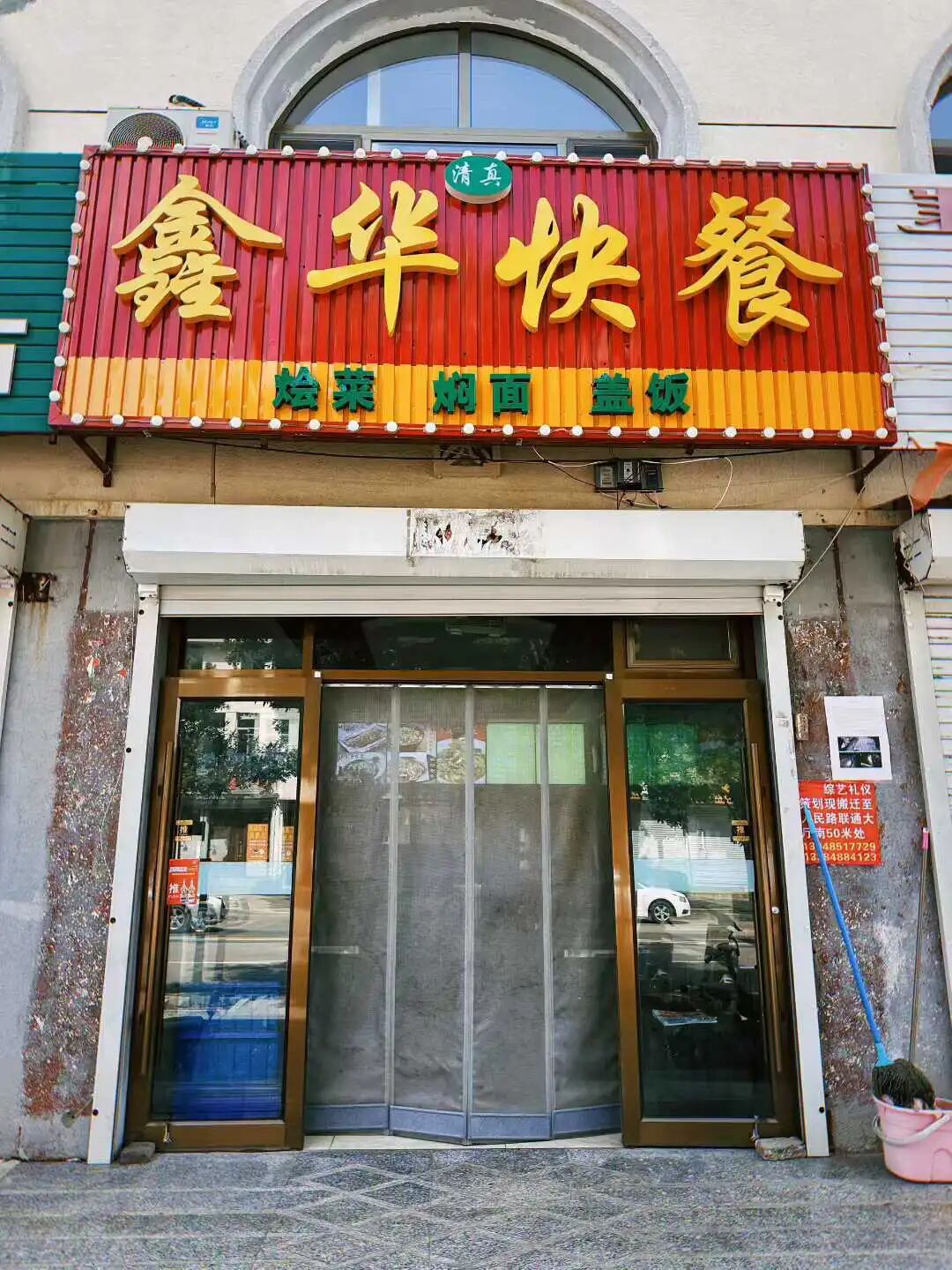
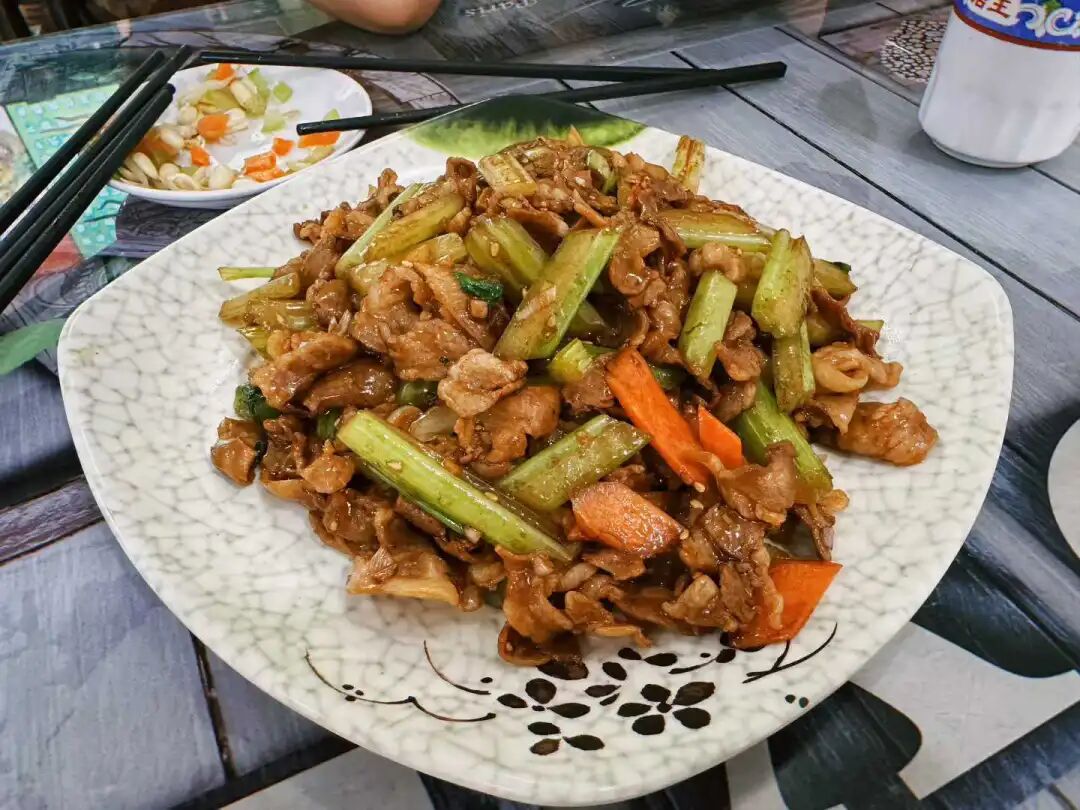
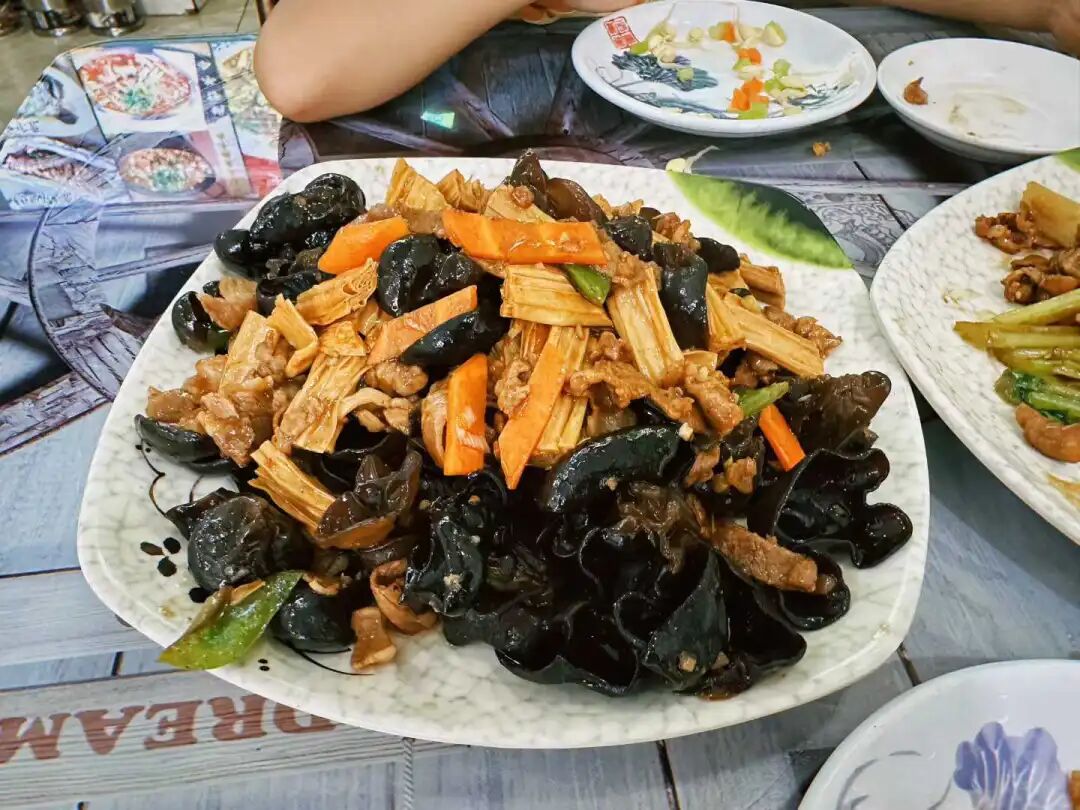
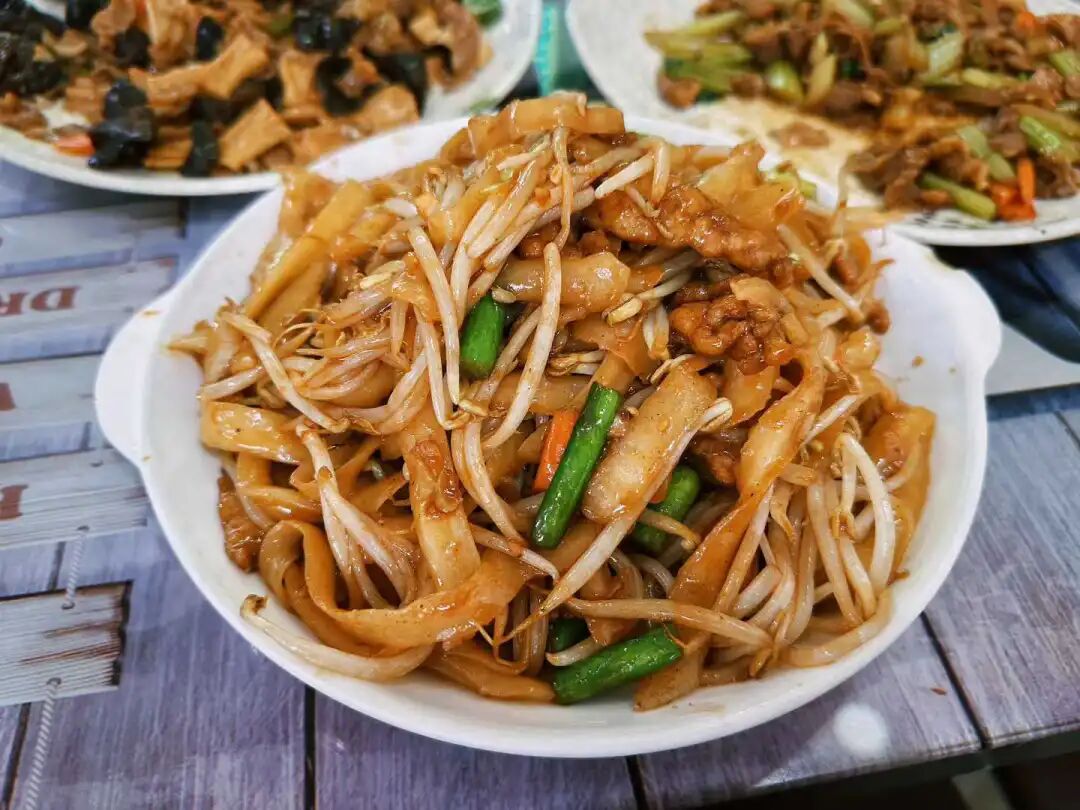
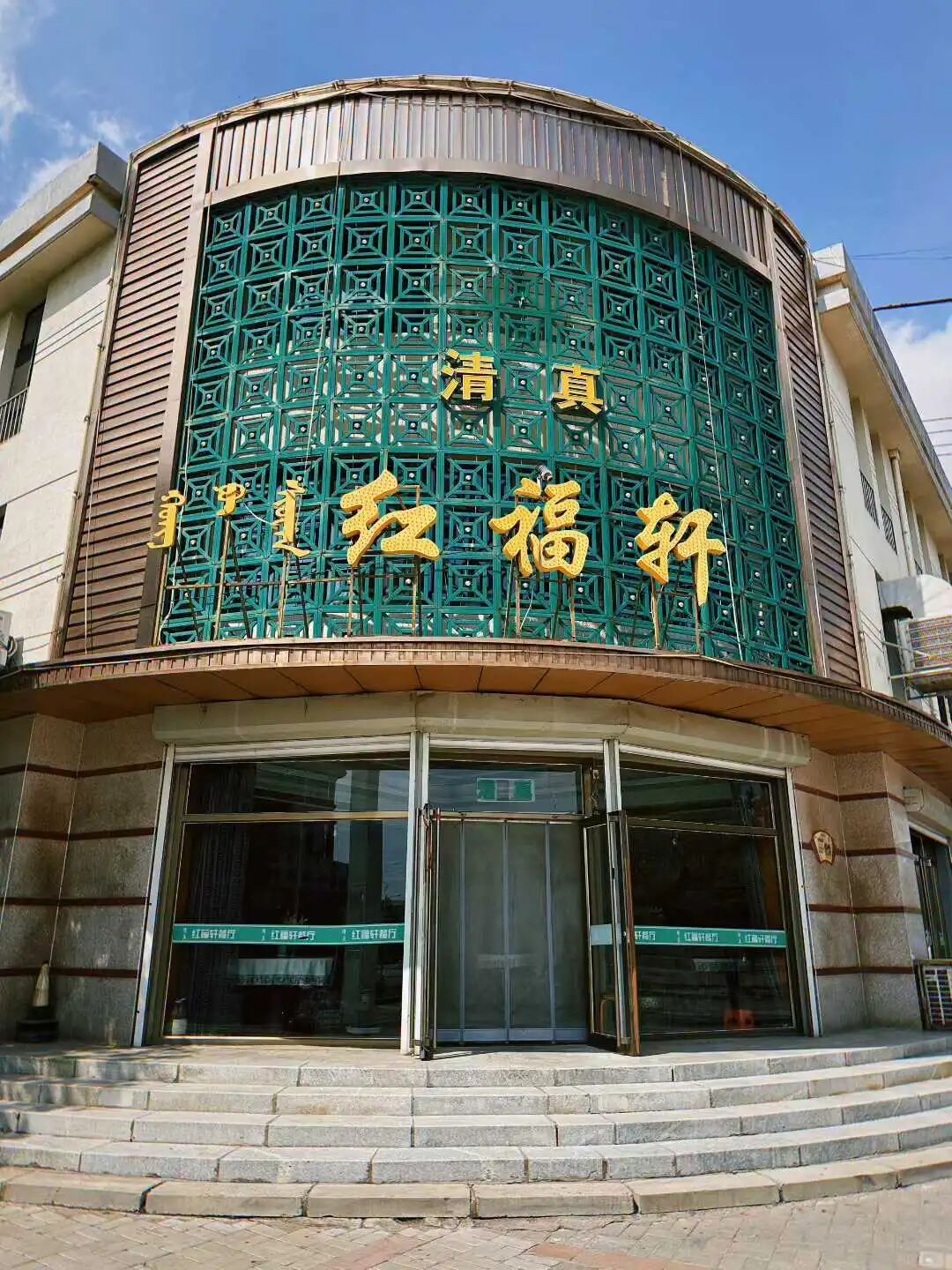
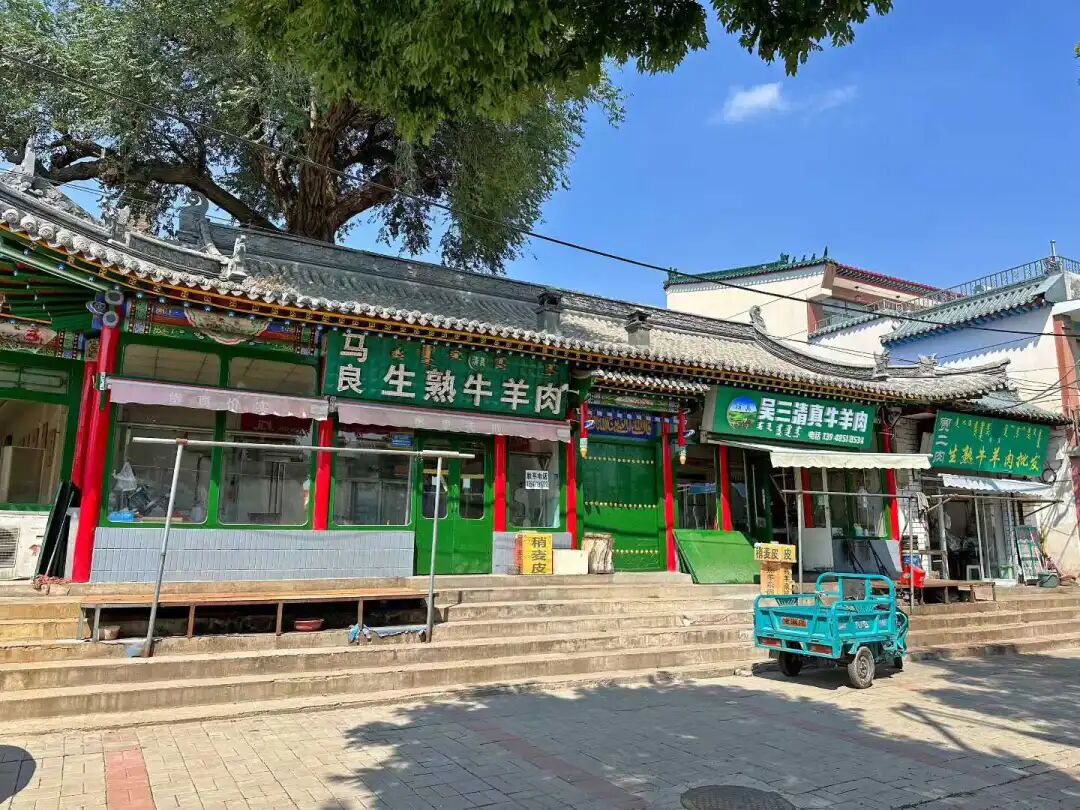
We ate at Xinhua Fast Food next to the mosque, ordering lamb with wood ear mushrooms and dried bean curd (fuzhu), stir-fried meat from Jiuyuan, and stir-fried sliced noodles (huishaomian). Even though it was a simple meal, the lamb was fresh and had no gamey smell, and the wood ear mushrooms were delicious. Stir-fried sliced noodles (huishaomian) originated from the oil-seared meat and knife-cut noodles of Shanxi. During the Daoguang reign of the Qing dynasty, migrants traveling west brought the dish to Inner Mongolia, where it became popular with manual laborers like porters and camel caravan drivers. The knife-cut noodles (daoxiaomian) in the dish are sliced and boiled to order, while the oil-seared meat is coated in batter and fried. It is served with garlic sprouts and bean sprouts for a balanced meal.
Hui Muslim families who moved to Qasqi in different periods:
The Bai, Xue, Jin, and Ma families during the Qianlong reign. The Bai family made their living trading horses. Every autumn, when the horses were strong and healthy, they transported them long distances to places like Hebei. Bai Shengyu was an expert horseman. It is said he could tie a copper coin to his long braid and ride at full gallop without the coin moving at all. The Xue family started out as middlemen and small traders, later buying land and becoming very wealthy in Qasqi. Xue Liang was eloquent and had many connections. He held high social status and reportedly handled seventeen murder cases.
The Wu, Luo, Yang, Qi, and Liang families during the Jiaqing period. The Wu family was originally from Mengcun, Cangzhou, Hebei. Their ancestor, Wu Juzhou, served as a military officer in the Qing army. In the early Jiaqing years, he fled with his family after killing an official in anger, moving to Togtoh County in Inner Mongolia. His second son, Wu Xiu, later moved to Qasqi. The Wu family was a martial arts family that produced many talented people. By the end of the Qing dynasty, they were involved in butchery and farming, ran an inn, and owned nearly 100 acres of paddy fields. The Luo family moved to Qasqi from the southern gate of Urumqi (Hongmiaozi), Xinjiang, where they had worked as camel drivers. During the Republic of China era, they opened the Fuchengkui fur shop, selling the furs they collected at the Sanyitang shop in the Hohhot Hui Muslim district. The Yang family came from Guyuan, Ningxia, and worked in camel transport. They moved to Chasugi in 1796, the first year of the Jiaqing reign.
During the Xianfeng and Tongzhi eras, the three main families were the Ma, Niu, and Bai families. Brothers Ma Dejun and Ma Defu moved their family here from Baoding, Hebei, to do business. The Niu family came from Wuzhong, Ningxia, and moved here during the Tongzhi era because of the Jinjipu Uprising. Bai Youfu’s family moved here from Tang County, Baoding, Hebei, during the Xianfeng and Tongzhi eras while fleeing famine with his mother. Through years of hard work and saving, they bought land and farmed. They borrowed grain and money from the Mongols and paid them back with land. By the 1930s, they owned over 10 qing of land and opened the Weilongquan and Fushunquan grain stores and grocery shops, becoming the wealthiest Hui Muslims in Chasugi.
During the Republic of China era, the five main families were the Jia, Wang, Ma, Fu, and Tao families. The Jia family arrived in Chasugi in 1914. They saved money by selling homespun cloth, bought over 30 mu of land in 1930, and continued to run small businesses.
Summary: Chasuqi Grand Mosque stands on the Tumed Plain of Inner Mongolia, where Hui Muslim families from Hebei and Beijing settled during the Qianlong period. The account records the mosque origin, Qing-era donations, later rebuilding, and its links to Chasuqi town history.
Tumd Left Banner in Inner Mongolia sits west of Hohhot. During the Ming and Qing dynasties, it was home to the Mongol Tumd tribe, known for its fertile land and lush pastures. In 1739, the fourth year of the Qianlong reign, the Qing dynasty established a sub-prefecture office in Shandai Town, Tumd Left Banner, making it an important commercial hub. Soon after, Hui Muslims from four families arrived in Shandai to make a living: the Bai family from Gaotou in Zhengding, Hebei (now Gaotou Hui Ethnic Township in Wuji County), the Ma family from Baoding, Hebei, the Xue family from Xueying in Beijing, and the Jin family from Niujie in Beijing.
In 1760, the 25th year of the Qianlong reign, the Shandai office was closed, and the banner's center shifted to Qasqi Town. The Bai, Ma, Xue, and Jin Hui Muslim families all moved to Qasqi Town during the late Qianlong period. At that time, the Qasqi Guandi Mosque was being moved to a new site, so the families bought the original land and built the first Qasqi Grand Mosque.
The Qasqi Grand Mosque started with just two mud-brick rooms facing the street. During the Daoguang reign, as more Hui Muslims moved to Qasqi, they added a main prayer hall made of earth and wood. In 1909, the first year of the Xuantong reign, Imam Wang Shi'en led the construction of the current brick-and-wood main hall. Bai Shengyu's widow, Mrs. Gan, donated bricks, tiles, wood, and the elm trees from the courtyard. Other funds came from the local community and from Hohhot, Baotou, Saratsi, Togtoh, and Longshengzhuang. The community elders in charge were Luo Cheng, Bai Youfu, Ma Youfu, and Wu Fengqi. Imam Wang Shi'en was originally from Wudu, Gansu. He was a scholar of Islamic texts and the most famous imam in the history of the Qasqi Grand Mosque.
The exquisite brick carvings of the Qasqi Grand Mosque.
We ate at Xinhua Fast Food next to the mosque, ordering lamb with wood ear mushrooms and dried bean curd (fuzhu), stir-fried meat from Jiuyuan, and stir-fried sliced noodles (huishaomian). Even though it was a simple meal, the lamb was fresh and had no gamey smell, and the wood ear mushrooms were delicious. Stir-fried sliced noodles (huishaomian) originated from the oil-seared meat and knife-cut noodles of Shanxi. During the Daoguang reign of the Qing dynasty, migrants traveling west brought the dish to Inner Mongolia, where it became popular with manual laborers like porters and camel caravan drivers. The knife-cut noodles (daoxiaomian) in the dish are sliced and boiled to order, while the oil-seared meat is coated in batter and fried. It is served with garlic sprouts and bean sprouts for a balanced meal.
Hui Muslim families who moved to Qasqi in different periods:
The Bai, Xue, Jin, and Ma families during the Qianlong reign. The Bai family made their living trading horses. Every autumn, when the horses were strong and healthy, they transported them long distances to places like Hebei. Bai Shengyu was an expert horseman. It is said he could tie a copper coin to his long braid and ride at full gallop without the coin moving at all. The Xue family started out as middlemen and small traders, later buying land and becoming very wealthy in Qasqi. Xue Liang was eloquent and had many connections. He held high social status and reportedly handled seventeen murder cases.
The Wu, Luo, Yang, Qi, and Liang families during the Jiaqing period. The Wu family was originally from Mengcun, Cangzhou, Hebei. Their ancestor, Wu Juzhou, served as a military officer in the Qing army. In the early Jiaqing years, he fled with his family after killing an official in anger, moving to Togtoh County in Inner Mongolia. His second son, Wu Xiu, later moved to Qasqi. The Wu family was a martial arts family that produced many talented people. By the end of the Qing dynasty, they were involved in butchery and farming, ran an inn, and owned nearly 100 acres of paddy fields. The Luo family moved to Qasqi from the southern gate of Urumqi (Hongmiaozi), Xinjiang, where they had worked as camel drivers. During the Republic of China era, they opened the Fuchengkui fur shop, selling the furs they collected at the Sanyitang shop in the Hohhot Hui Muslim district. The Yang family came from Guyuan, Ningxia, and worked in camel transport. They moved to Chasugi in 1796, the first year of the Jiaqing reign.
During the Xianfeng and Tongzhi eras, the three main families were the Ma, Niu, and Bai families. Brothers Ma Dejun and Ma Defu moved their family here from Baoding, Hebei, to do business. The Niu family came from Wuzhong, Ningxia, and moved here during the Tongzhi era because of the Jinjipu Uprising. Bai Youfu’s family moved here from Tang County, Baoding, Hebei, during the Xianfeng and Tongzhi eras while fleeing famine with his mother. Through years of hard work and saving, they bought land and farmed. They borrowed grain and money from the Mongols and paid them back with land. By the 1930s, they owned over 10 qing of land and opened the Weilongquan and Fushunquan grain stores and grocery shops, becoming the wealthiest Hui Muslims in Chasugi.
During the Republic of China era, the five main families were the Jia, Wang, Ma, Fu, and Tao families. The Jia family arrived in Chasugi in 1914. They saved money by selling homespun cloth, bought over 30 mu of land in 1930, and continued to run small businesses.
