
Halal Travel Guide: Baotou, Inner Mongolia - Five Historic Mosque Communities
Reposted from the web
Summary: Baotou in Inner Mongolia had five historic mosque communities from the Qing Dynasty and Republic of China era, tied to Hui Muslim trade, migration, and local settlement. This article records mosque origins, family histories, rebuilding dates, preserved tablets, and the religious geography of old Baotou.
Salachi Town in Tumed Right Banner, Inner Mongolia, sits between Hohhot and Baotou. It grew prosperous after the Salachi Assistant Magistrate's Office was set up in 1739 (the fourth year of the Qianlong reign), becoming a key trading hub on the merchant route to Mongolia. In the early Qianlong years, 23 families of Hui Muslims from Shandong and Hebei moved to Salachi from Shandai Town. These families, including the Ma, Bai, Yang, and Wei clans, mostly worked in the livestock trade. In 1747 (the twelfth year of the Qianlong reign), they pooled their money to build the Salachi Mosque (Salachi Si) in the Nanyingzi area of the town.
In 1760 (the twenty-fifth year of the Qianlong reign), Salachi was upgraded to an Assistant Magistrate's Office. It handled affairs between Mongol and Han people in the Urat Three Banners, the Ordos Left Wing Middle Banner (Junwang Banner), and the Ordos Left Wing Rear Banner (Dalad Banner). After this, the number of Hui Muslims moving to Salachi Town kept growing. By around the fortieth year of the Qianlong reign, the Hui Muslim population in Salachi had grown to over 100 families and more than 400 people. In 1782 (the forty-seventh year of the Qianlong reign), the local community expanded the main hall of the Salachi Mosque to 15 rooms. The door plaque inside the mosque still bears the date of the forty-seventh year of the Qianlong reign, serving as proof of the expansion.
In 1947, the south side room of the main hall suddenly collapsed. The community elders hired Wu Youlong, one of the only two college students among the Baotou Hui Muslims at the time, who had graduated from the Civil Engineering Department of Peiyang Institute of Technology, to rebuild the hall. When designing the hall, Wu Youlong boldly placed a millstone and a roller under each pillar. This design helped keep the pillars dry and improved the lighting inside. The rebuilt main hall took on its current form and is now a cultural heritage site protected by Baotou City.
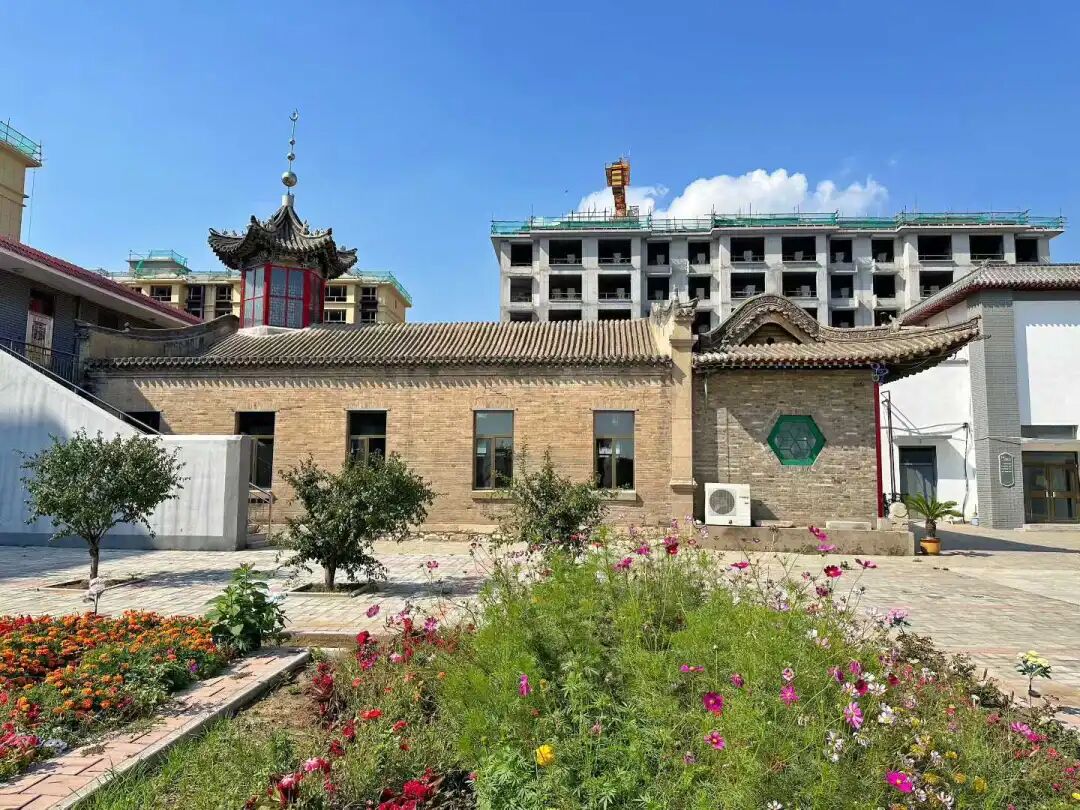
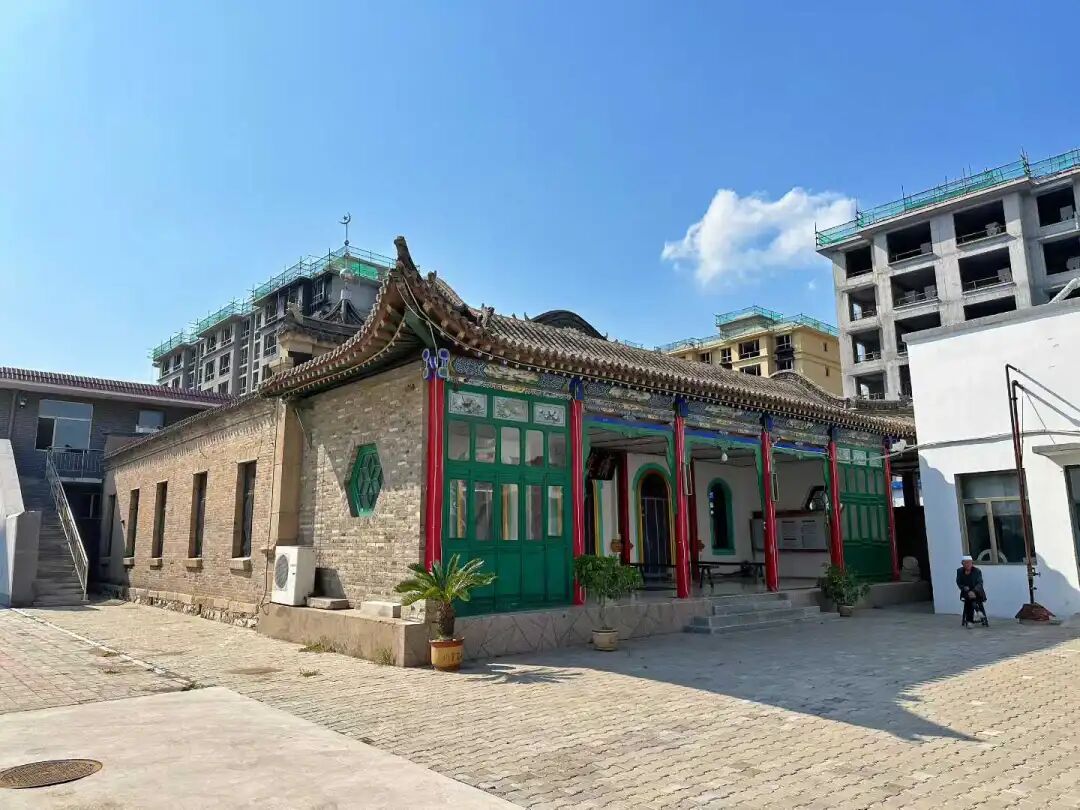
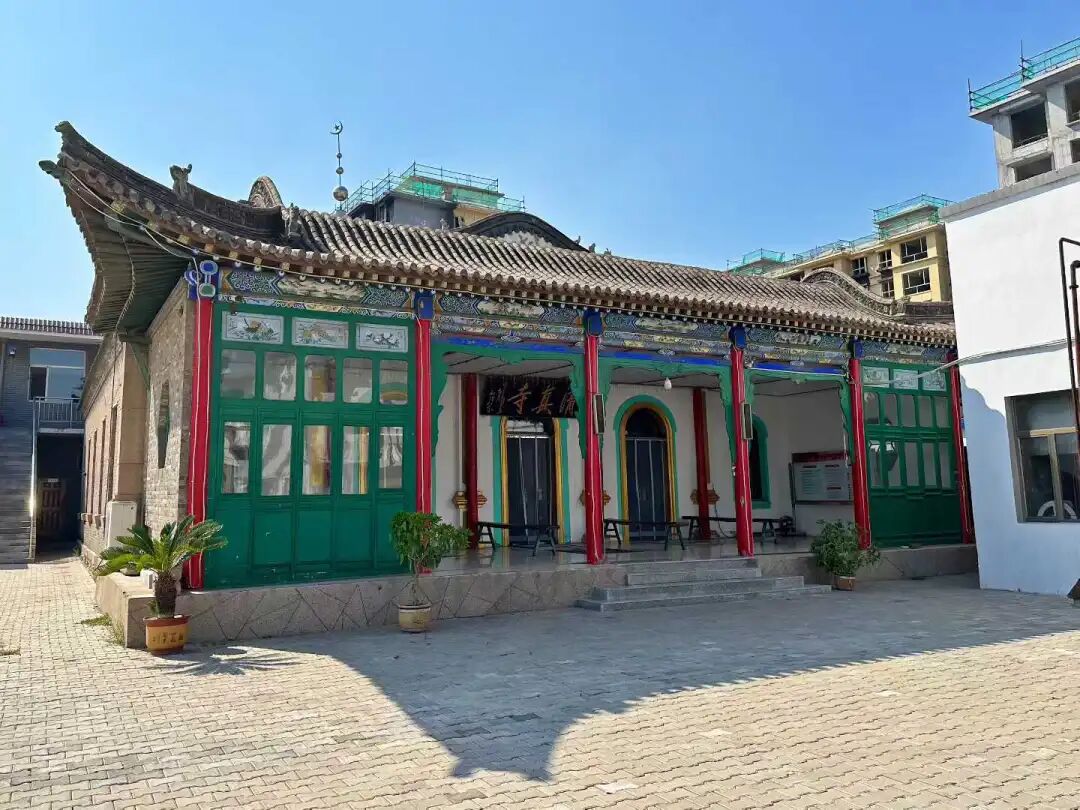
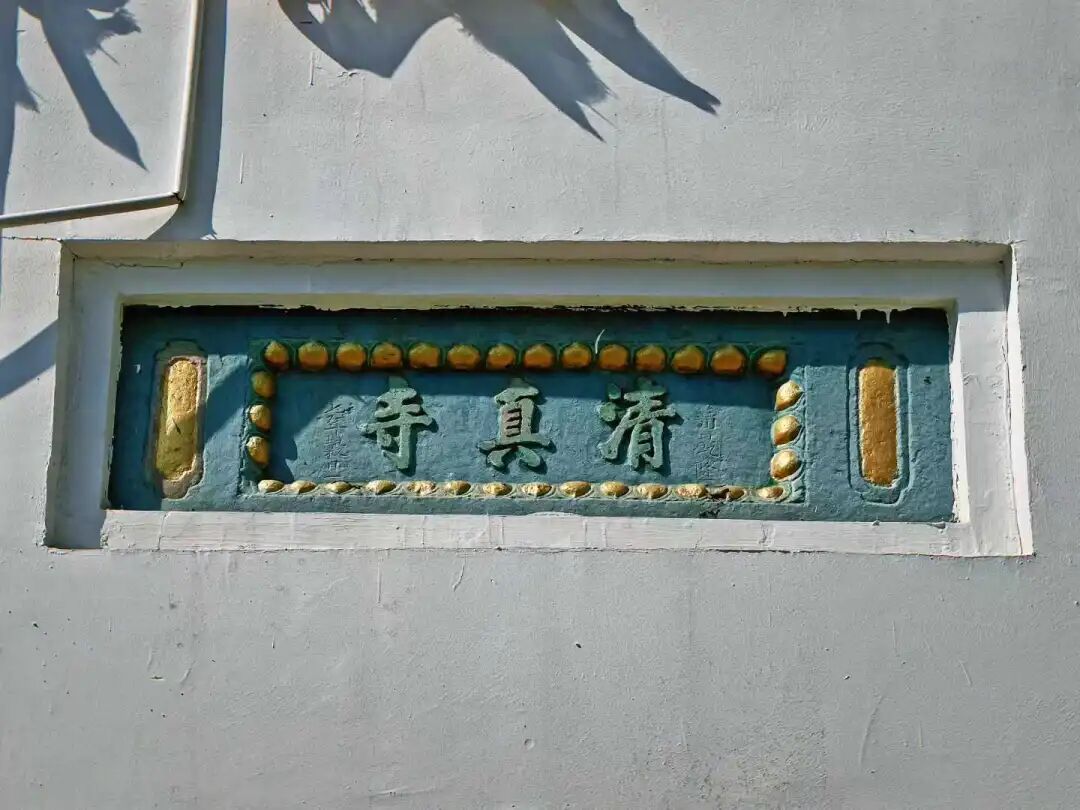
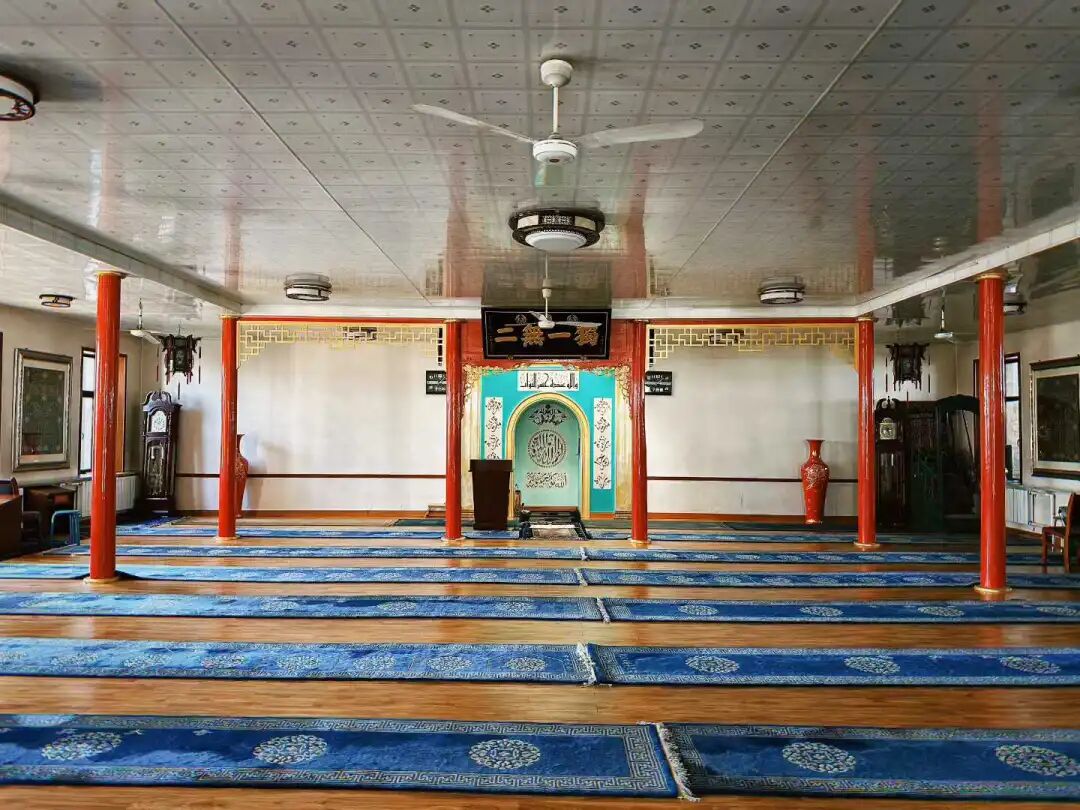
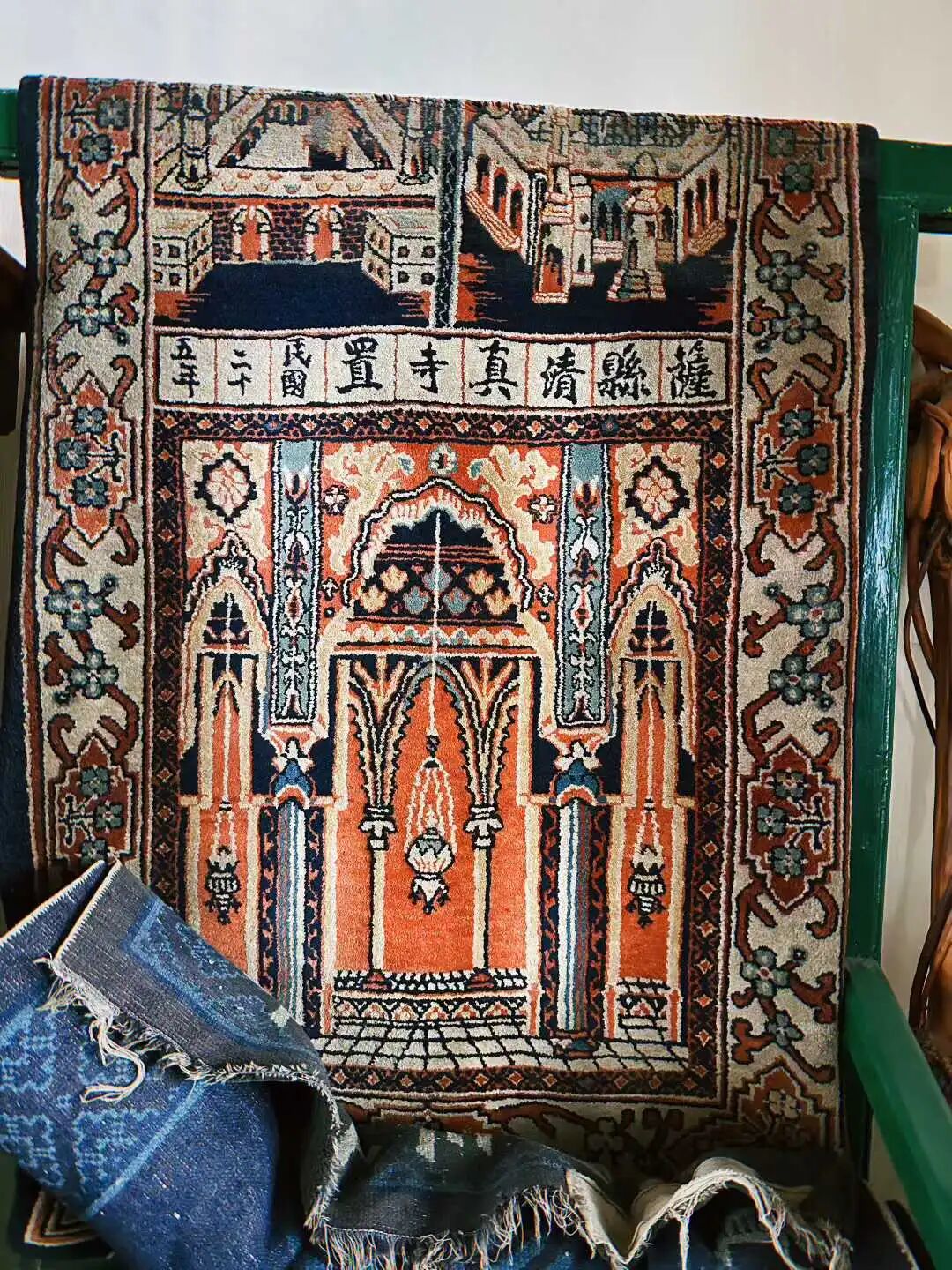
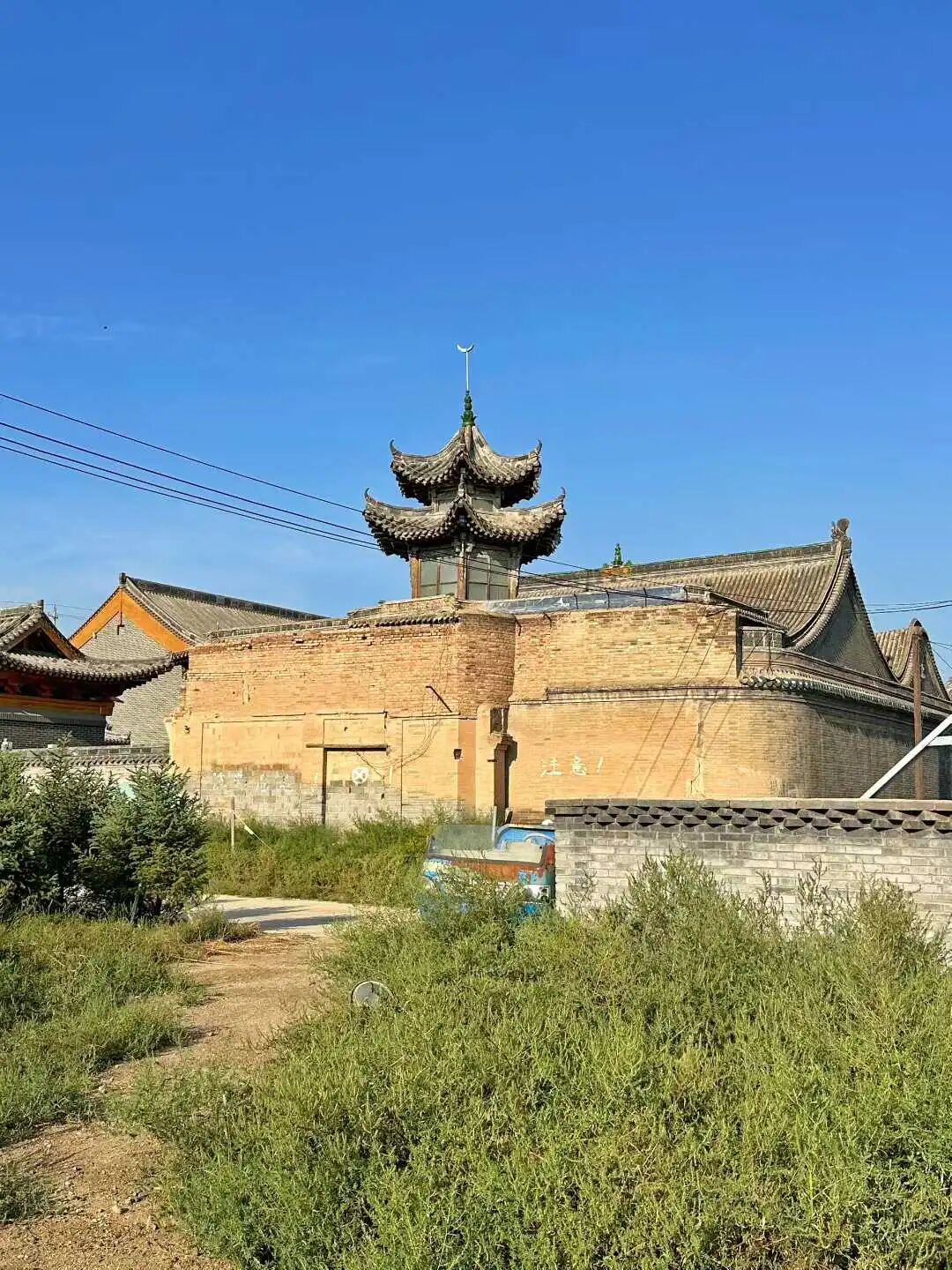
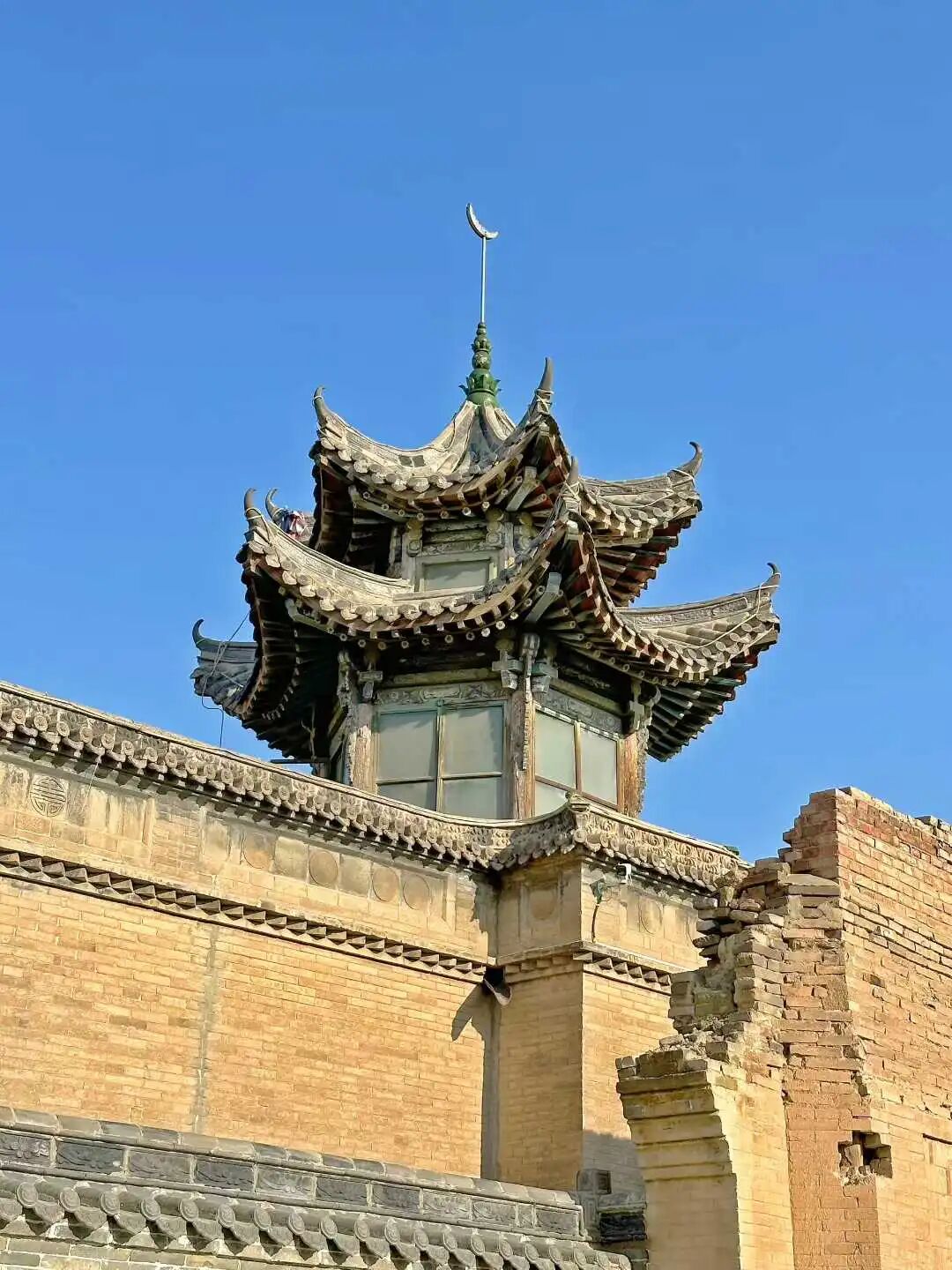
The Great Mosque of Baotou (Baotou Dasi) is located in the Donghe District of the old city of Baotou. First built in 1743 (the eighth year of the Qianlong reign), it is the most important religious building in the western Tumed Plain and is now a protected cultural heritage site of the Inner Mongolia Autonomous Region.
In 1697 (the thirty-sixth year of the Kangxi reign), after Emperor Kangxi defeated Galdan, migrants from inland China began pouring into the Tumed Plain of Inner Mongolia, moving westward along the route from Hohhot to Chasugi and then to Salachi. In the early Qianlong years, Wang Xiu, a Hui Muslim from Cangzhou, Hebei, and Bai Sanmu, a Hui Muslim from Wuding, Shandong (near present-day Binzhou and Dezhou), arrived at Baotou Village west of Salachi, becoming the first Hui Muslims in Baotou.
According to family records, the Wang family's ancestral home was Erdaogang Wailiushu Village in Nanjing. Their distant ancestor was a military student (wulinsheng) during the Ming Dynasty and later served as a military officer. In 1421 (the nineteenth year of the Yongle reign), the Ming Dynasty officially moved its capital to Beijing. The Wang family was ordered to escort the emperor north and was later granted land in Cangzhou. During the Ming Yongle period, the Wang family moved to their granted land at Wangjia Sheqiao and gave up their official posts to become farmers. In the early Qianlong years, the Wang family fell on hard times. After a drought in Cangzhou, Wang Xiu carried his goods on a shoulder pole and traveled a long distance with his wife and children to Zhaowan in Inner Mongolia. Wang Xiu first made a living selling mountain goods and sewing supplies door-to-door. Later, he received a piece of pasture land from a lama, bought livestock, and started working in animal husbandry. Wang Xiu gradually became well-off by trading livestock between Inner Mongolia, Shandong, and Hebei.
In the early Qianlong years, Baotou Village, west of Salachi, began to take shape, and shops and businesses opened one after another. Wang Xiu rented a hillside from a Mongol person north of Baotou Village to build a house, and people called him the Wang of the High Slope (Gaopo Wangjia). After that, more Hui Muslims with the surnames Bai, Ma, Yang, and Zhou moved into Baotou. In 1743 (the eighth year of the Qianlong reign), the Wang and Bai families organized other Hui Muslim families to build the first Great Mosque of Baotou.
The original Great Mosque of Baotou was a five-room earth-and-wood hall. It once had a plaque inscribed with the words "Pure and Clean" (Qingjing) dated to the eighth year of the Qianlong reign, but it was unfortunately lost later. The first imam (ahong) was surnamed Fu and was hired from Hebei.
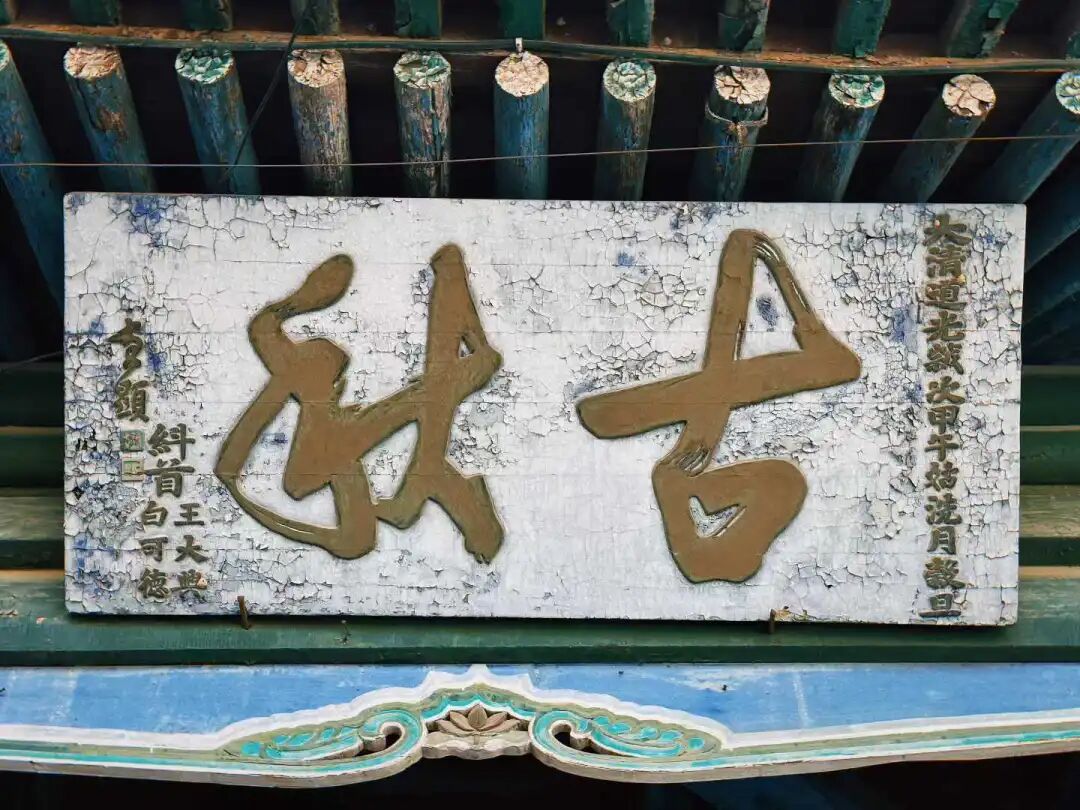
In 1809 (the fourteenth year of the Jiaqing reign), Baotou Village was renamed Baotou Town and gradually developed into a major commercial hub. Wang Daxing, the grandson of Wang Xiuzhi, opened the Sanhe Horse Inn (Sanhe Madian) in Baotou and ran a successful long-distance horse trading business. By 1833 (the 13th year of the Daoguang reign), the Hui Muslim population in Baotou had grown to over 100 households, totaling six or seven hundred people. Wang Daxing and Bai Kede, the grandson of Bai Sanmu, led the effort to rebuild the original earth-and-wood main hall into a brick-and-tile structure. They also inscribed plaques reading "Unique" (Duyi Wu'er), "Ancient Autumn" (Guqiu), and "Quiet One" (Jingyi). Only the "Ancient Autumn" (Guqiu) plaque remains today, signed by the community leaders (tou) Wang Daxing and Bai Kede.
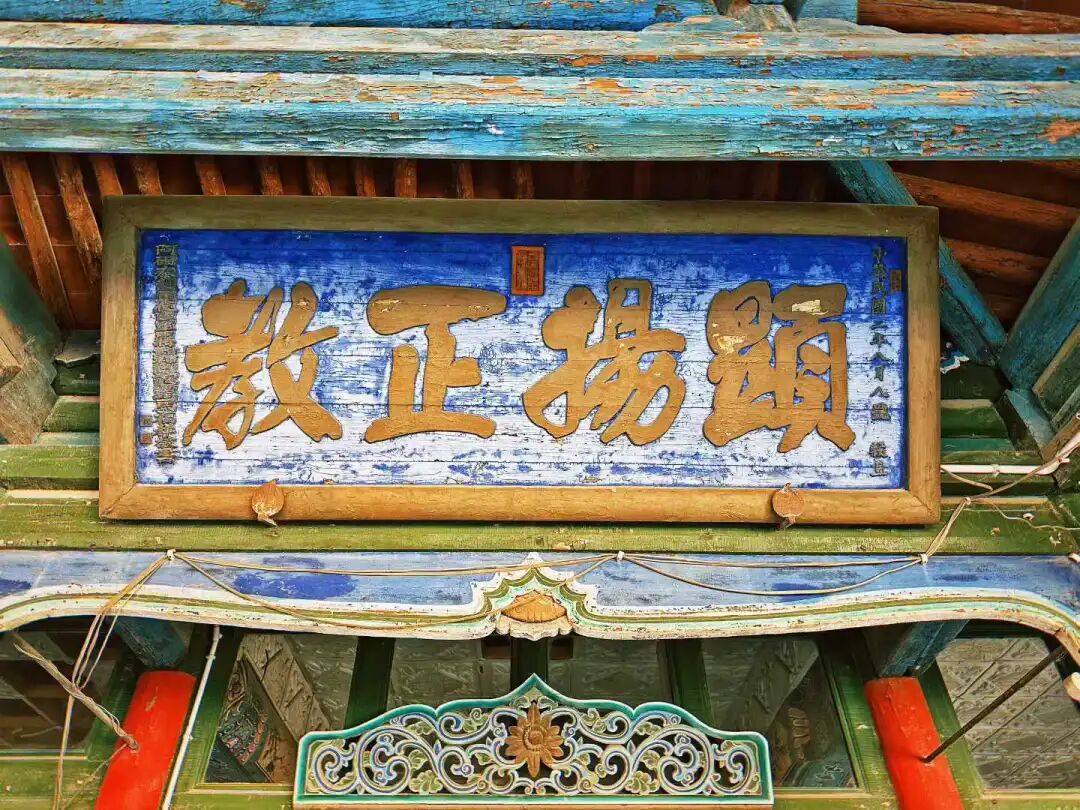
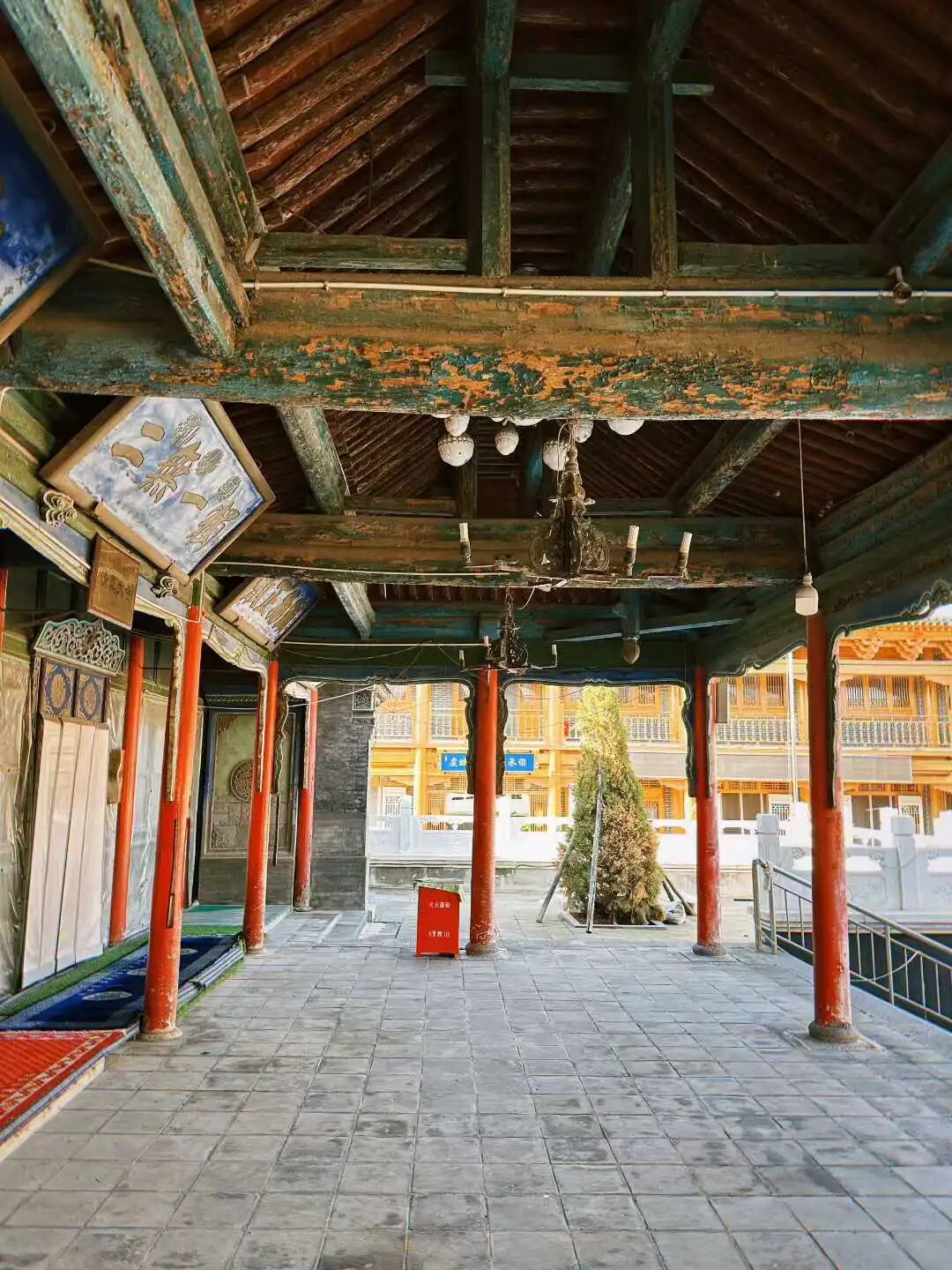
In 1913, community elders from the Ma, Wang, Chen, Ding, and Bai families hired a carpenter named Guo San suo, known as the "Living Lu Ban," to expand the main hall. He moved the porch (juanpeng) forward and added a section to the back, giving the Baotou Great Mosque its current layout. The mosque houses a plaque inscribed with "Promoting the True Religion" (Xianyang Zhengjiao), gifted by Lieutenant General Ma Fuxiang in the second year of the Republic of China.
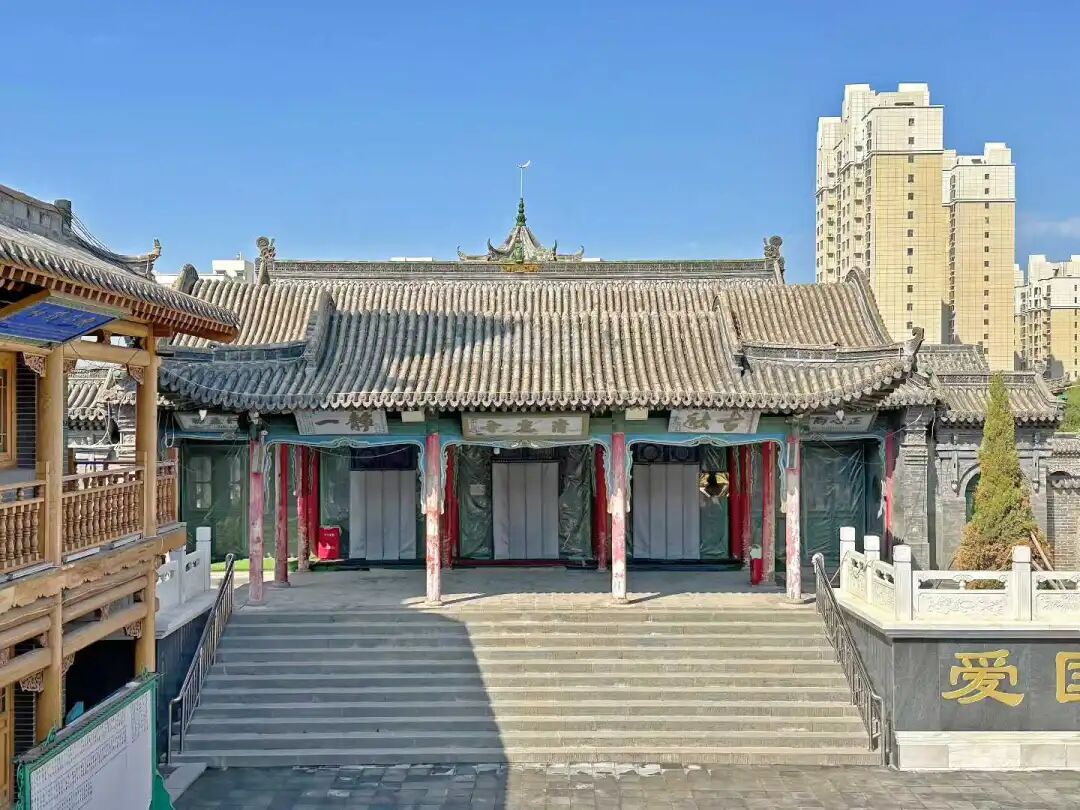
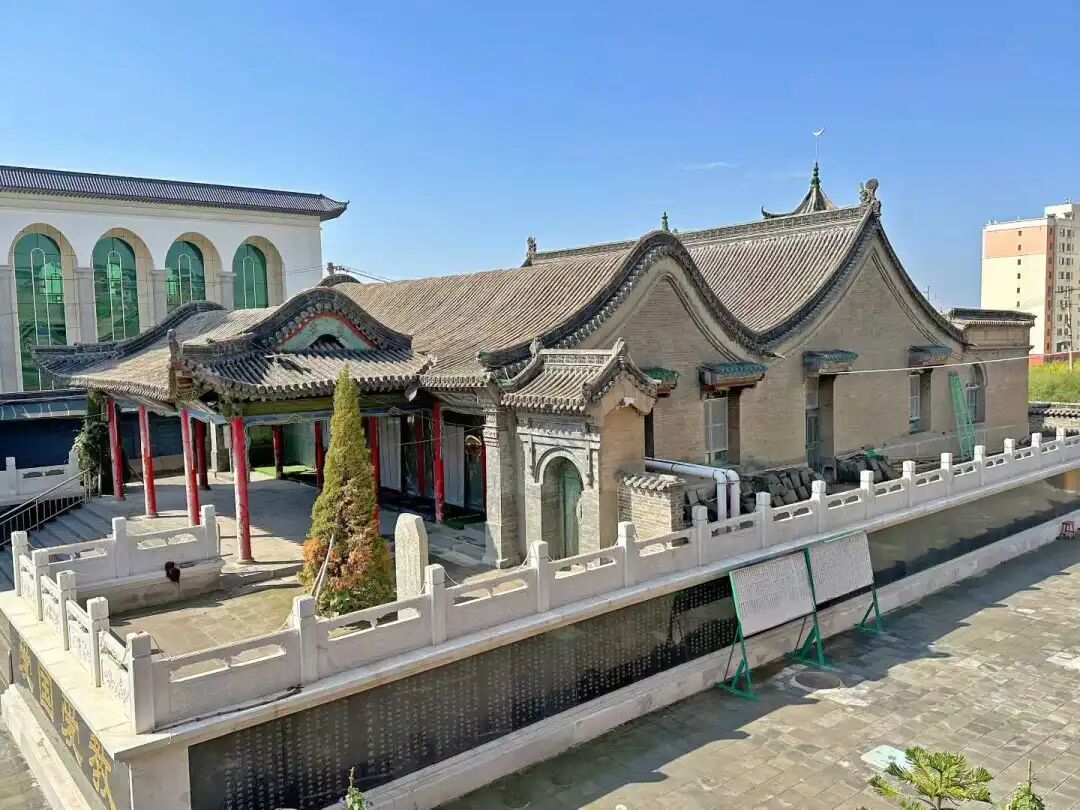
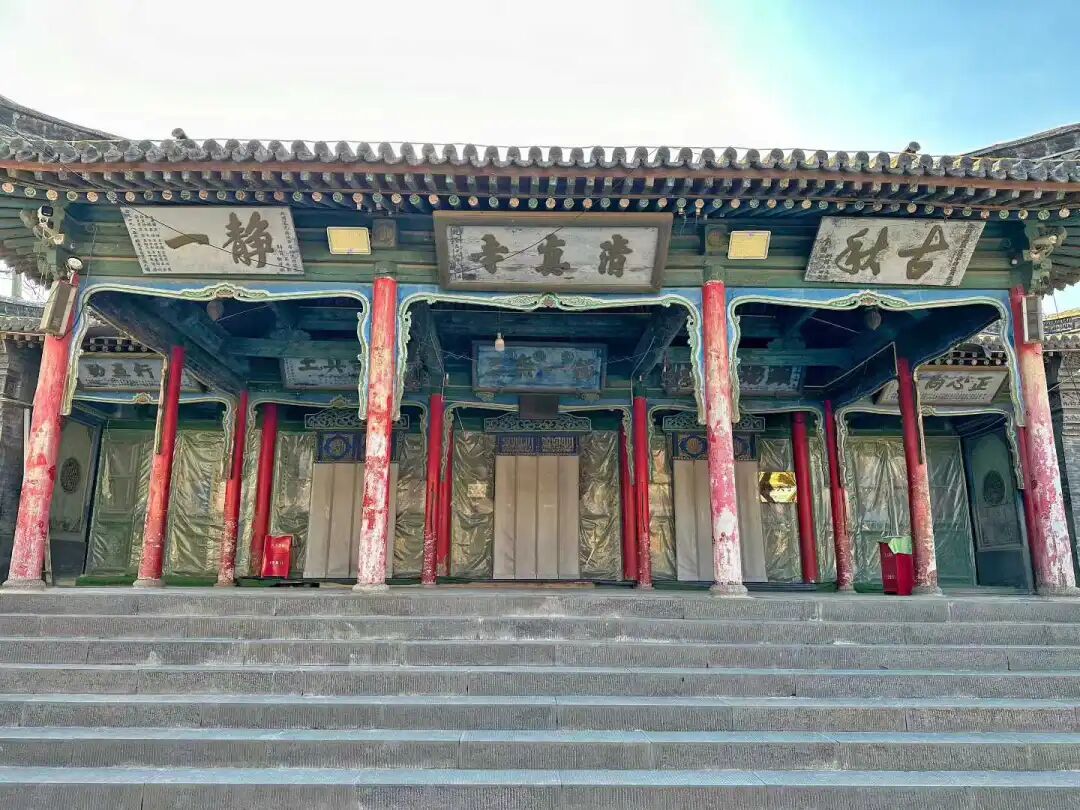
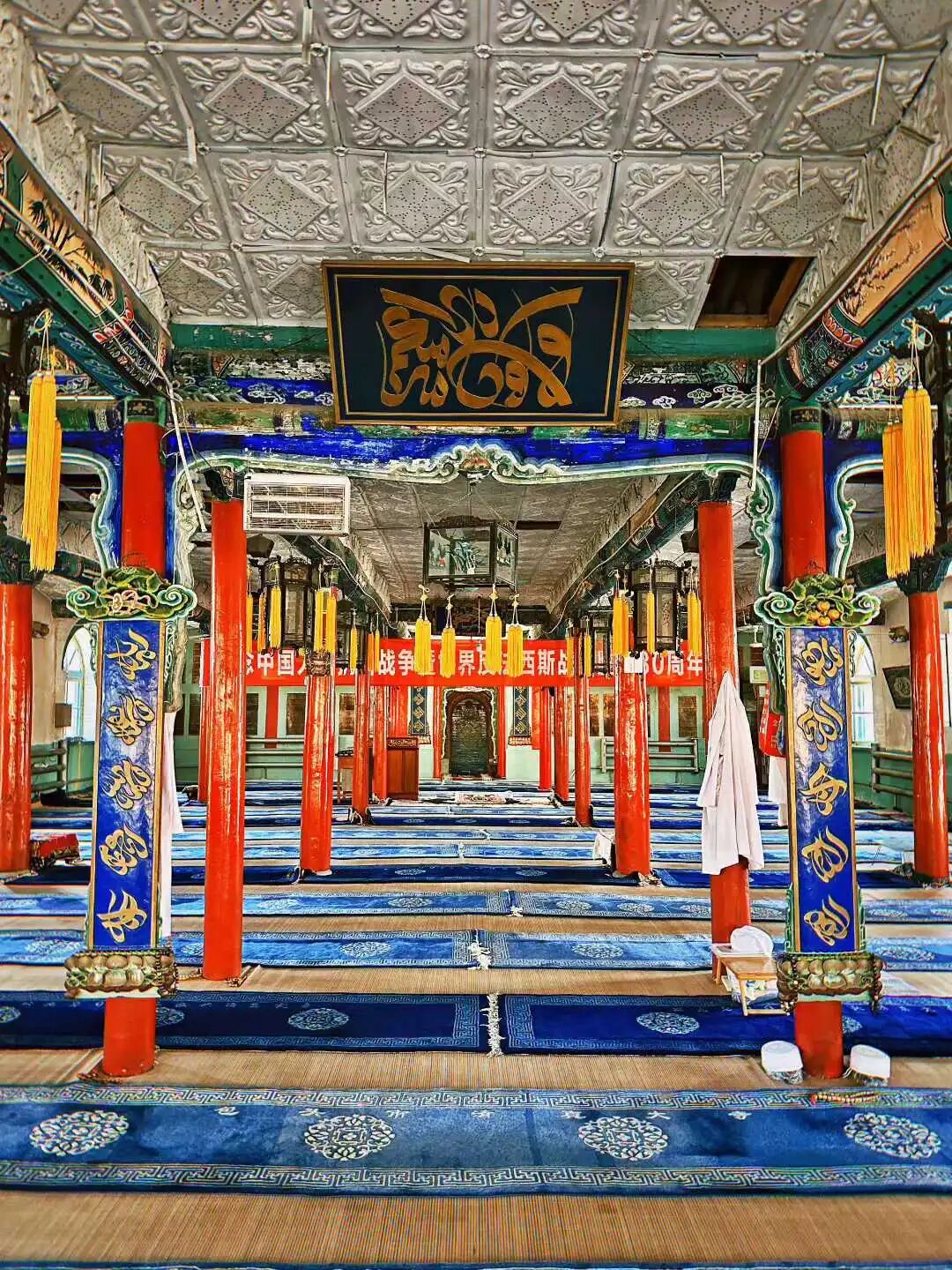
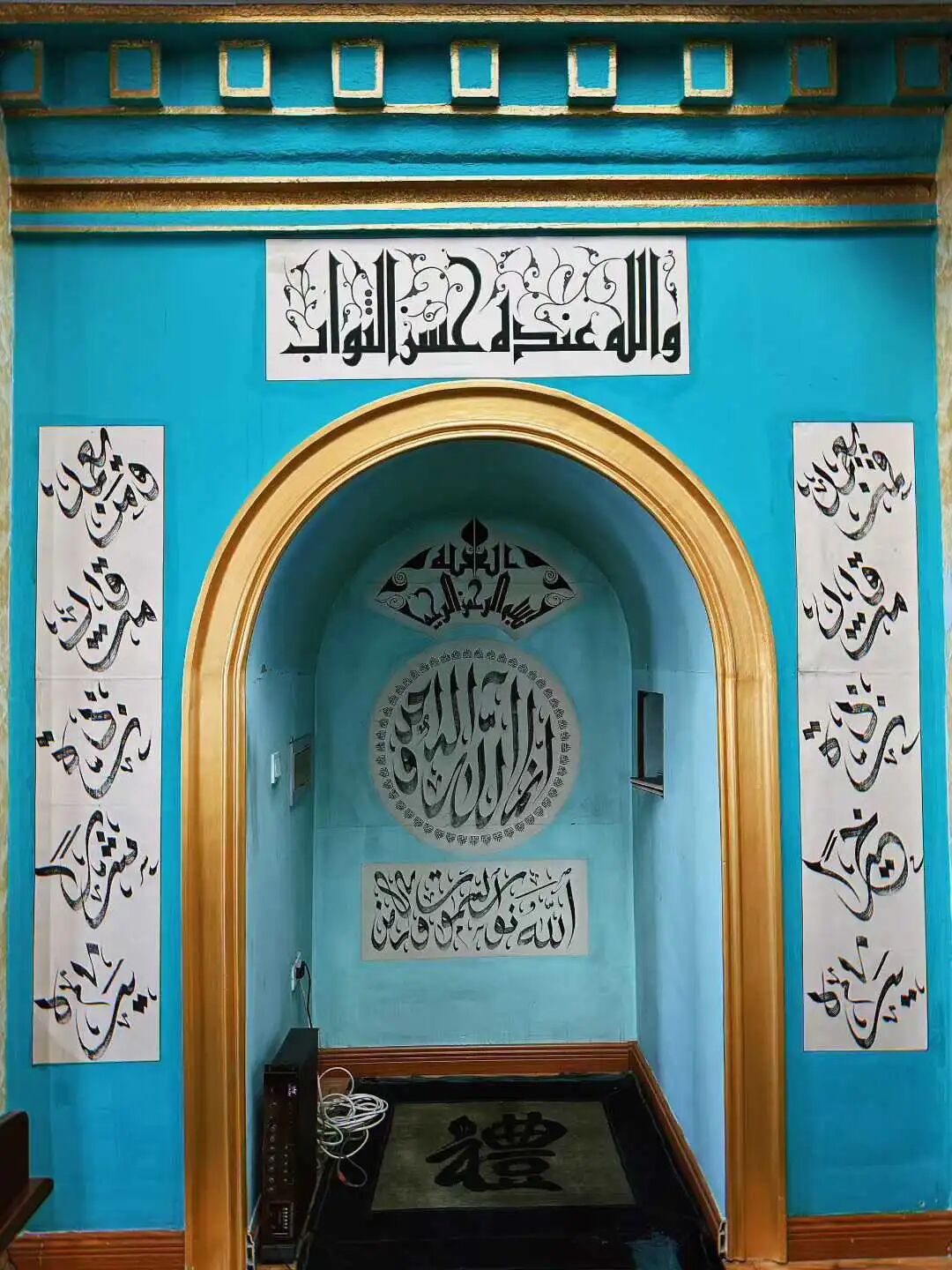
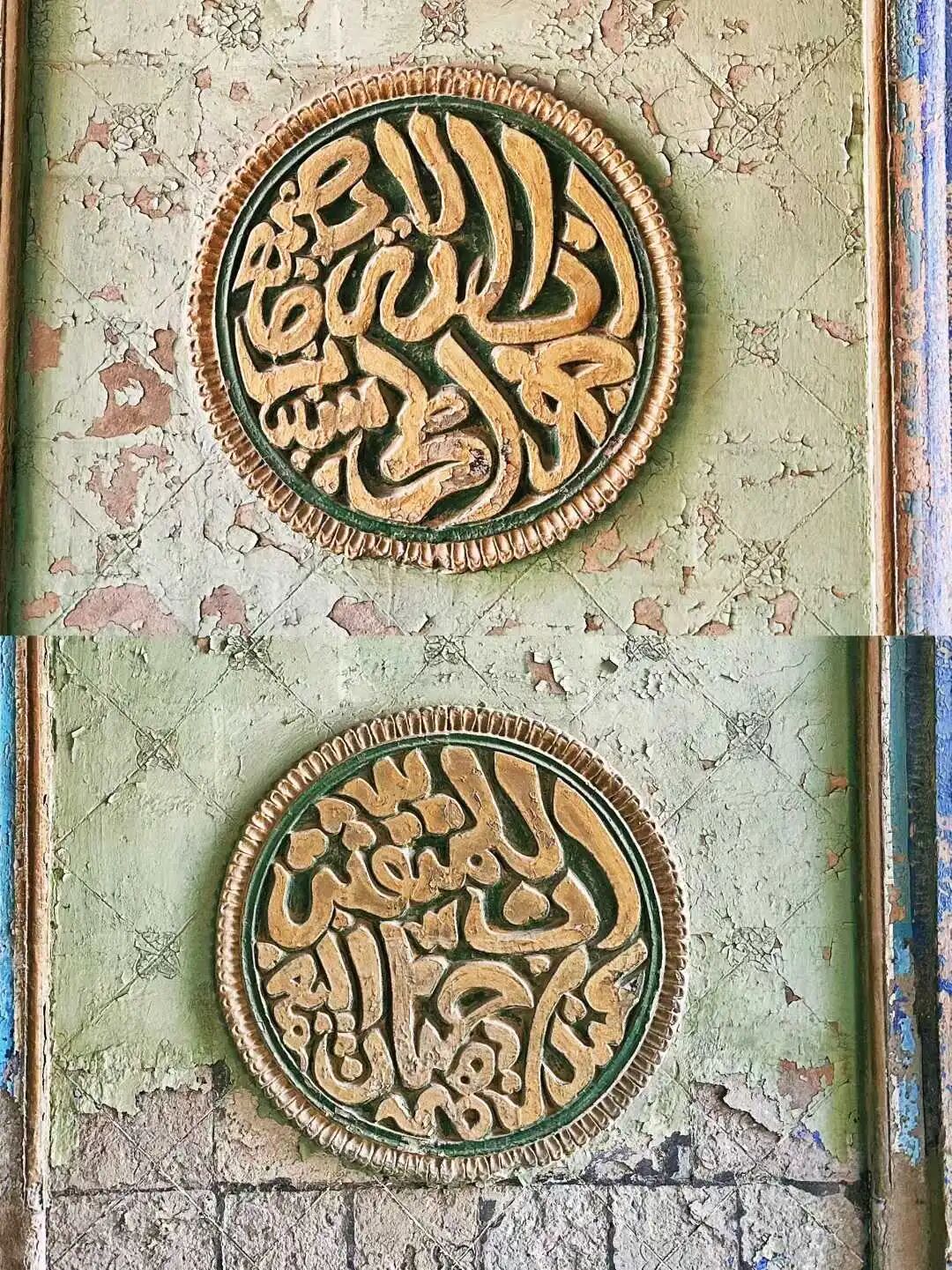
The main hall of the Baotou Great Mosque features a prayer niche (mihrab) and a pulpit (minbar) decorated with traditional Chinese-style Arabic calligraphy.
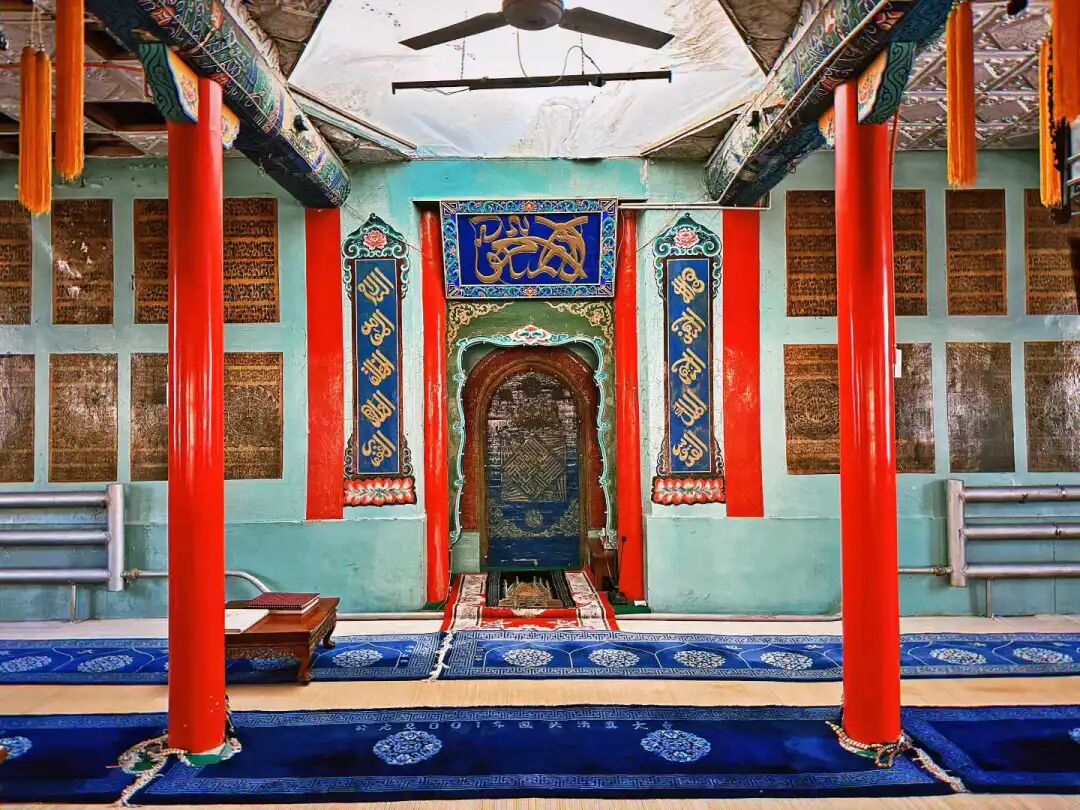
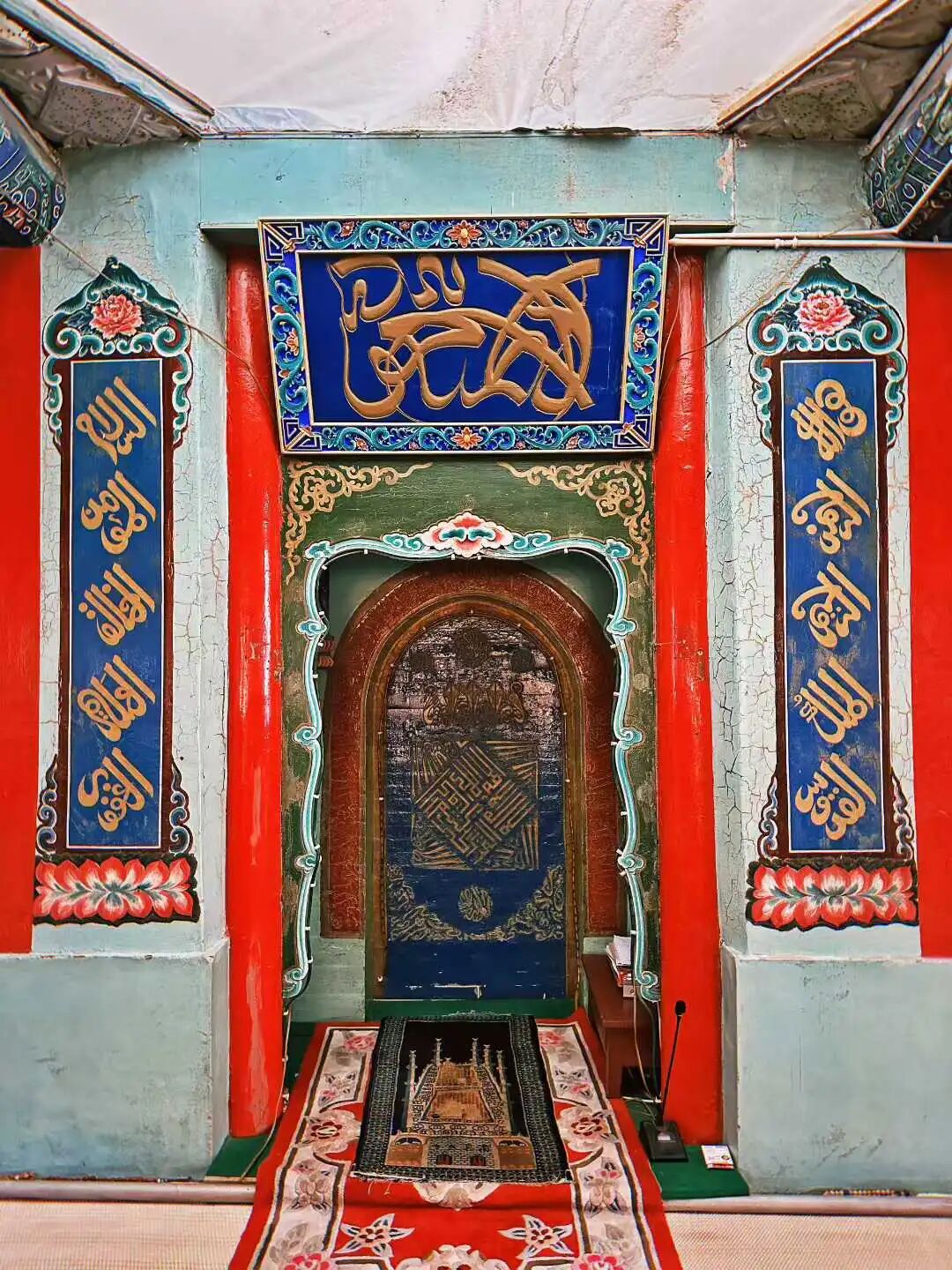
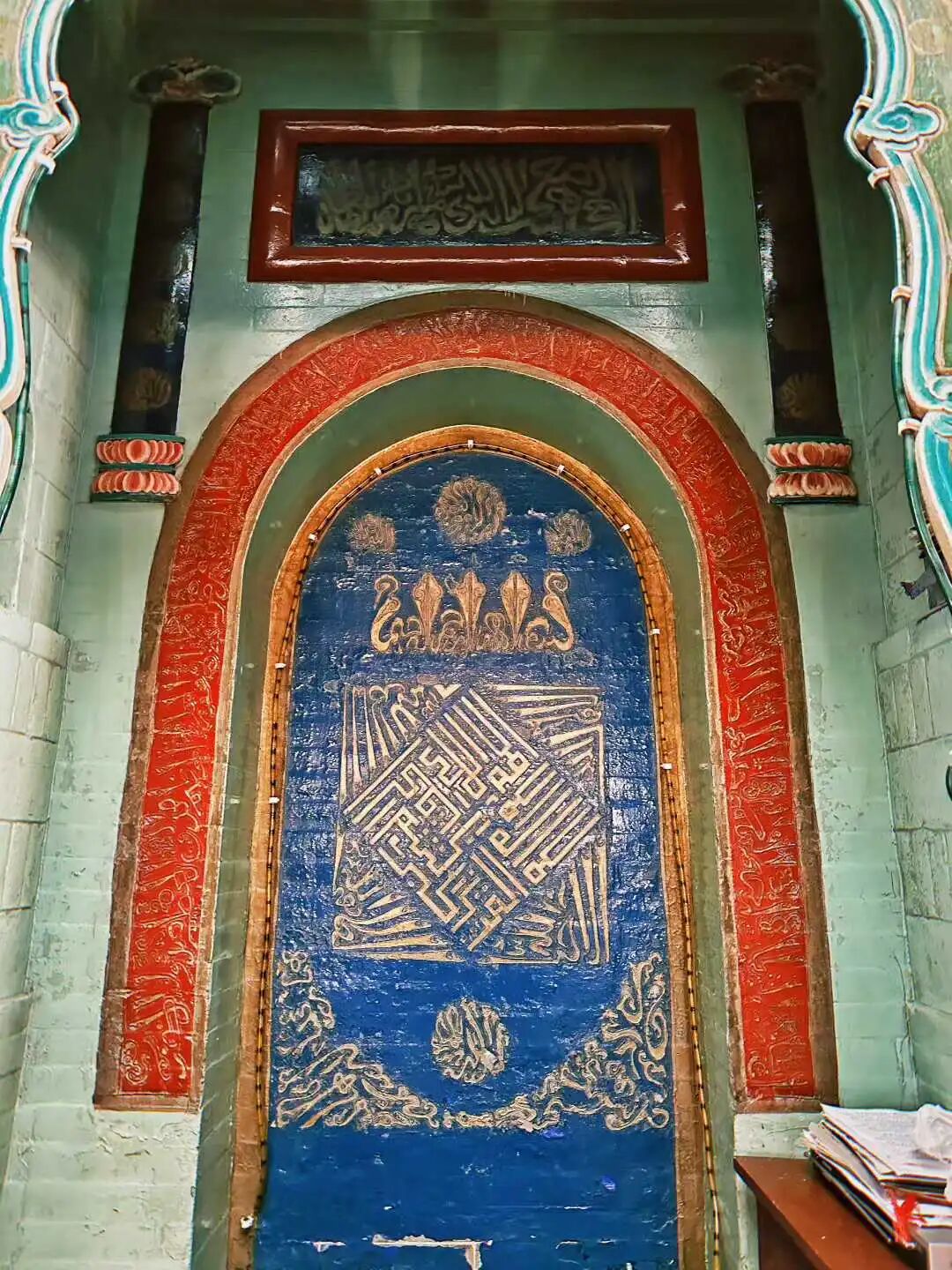
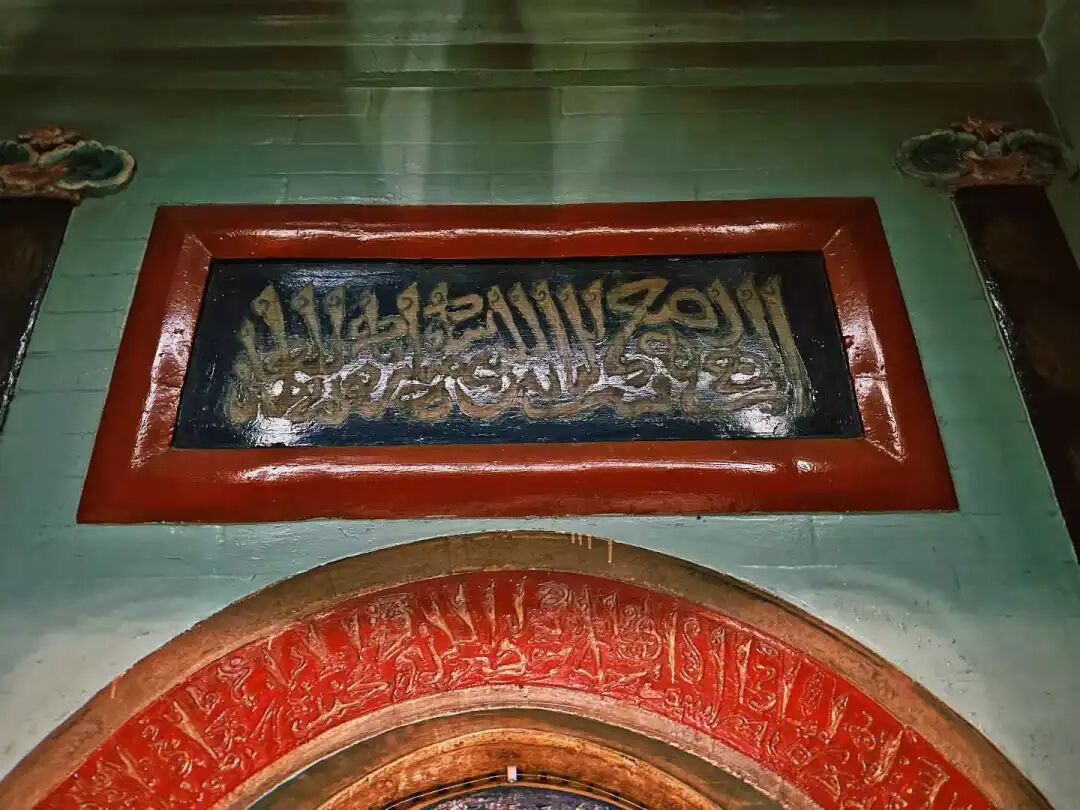
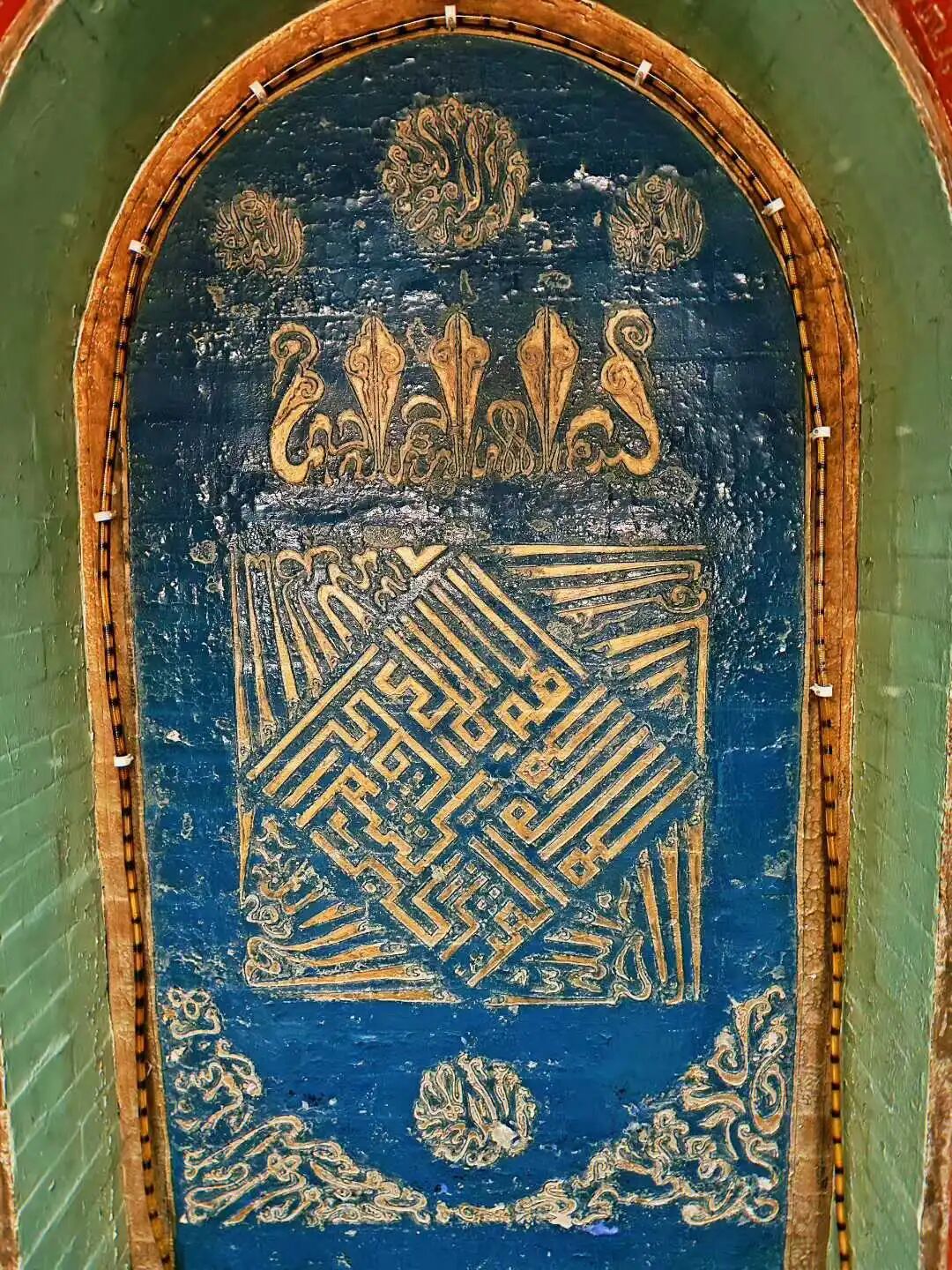
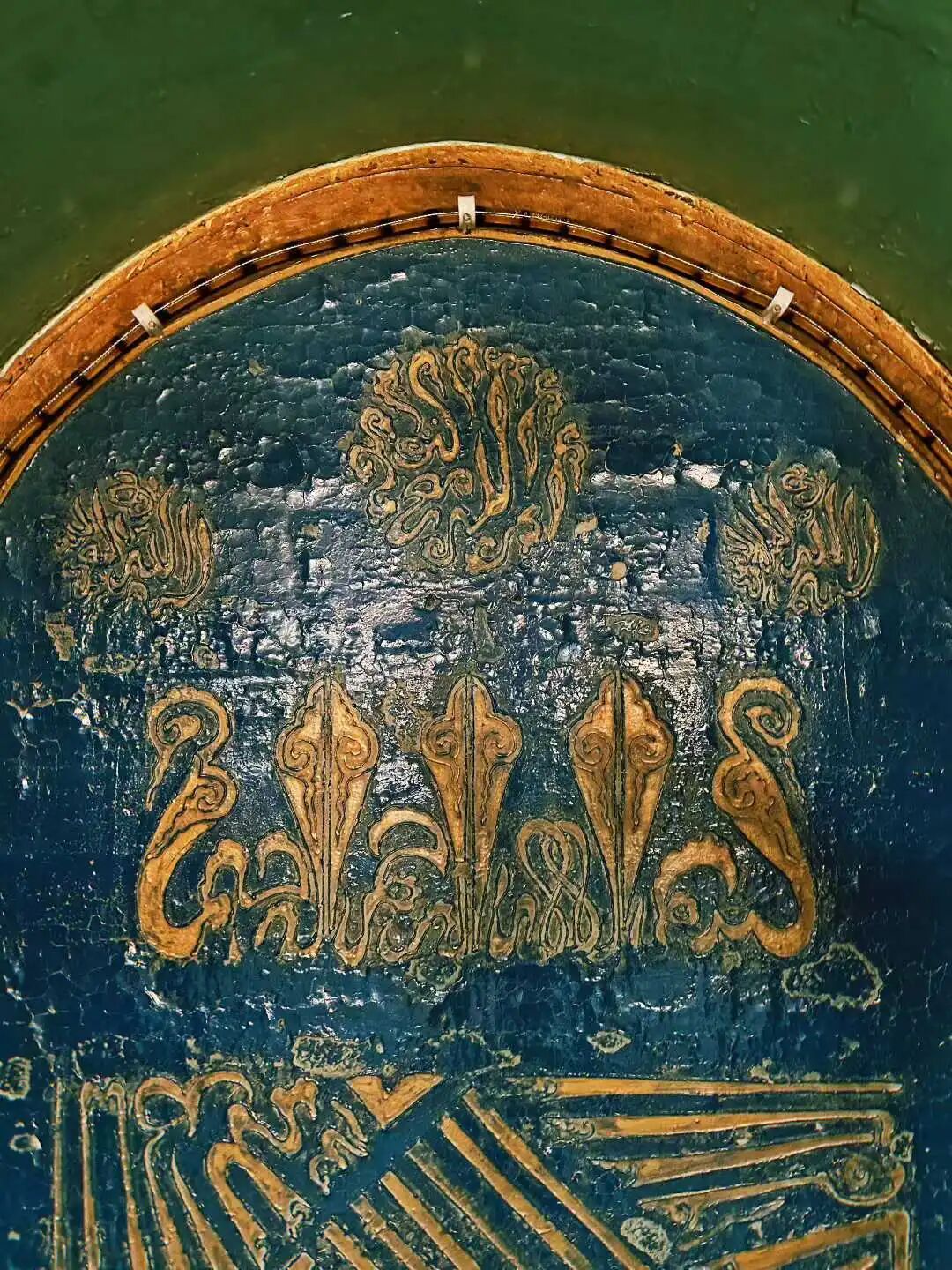
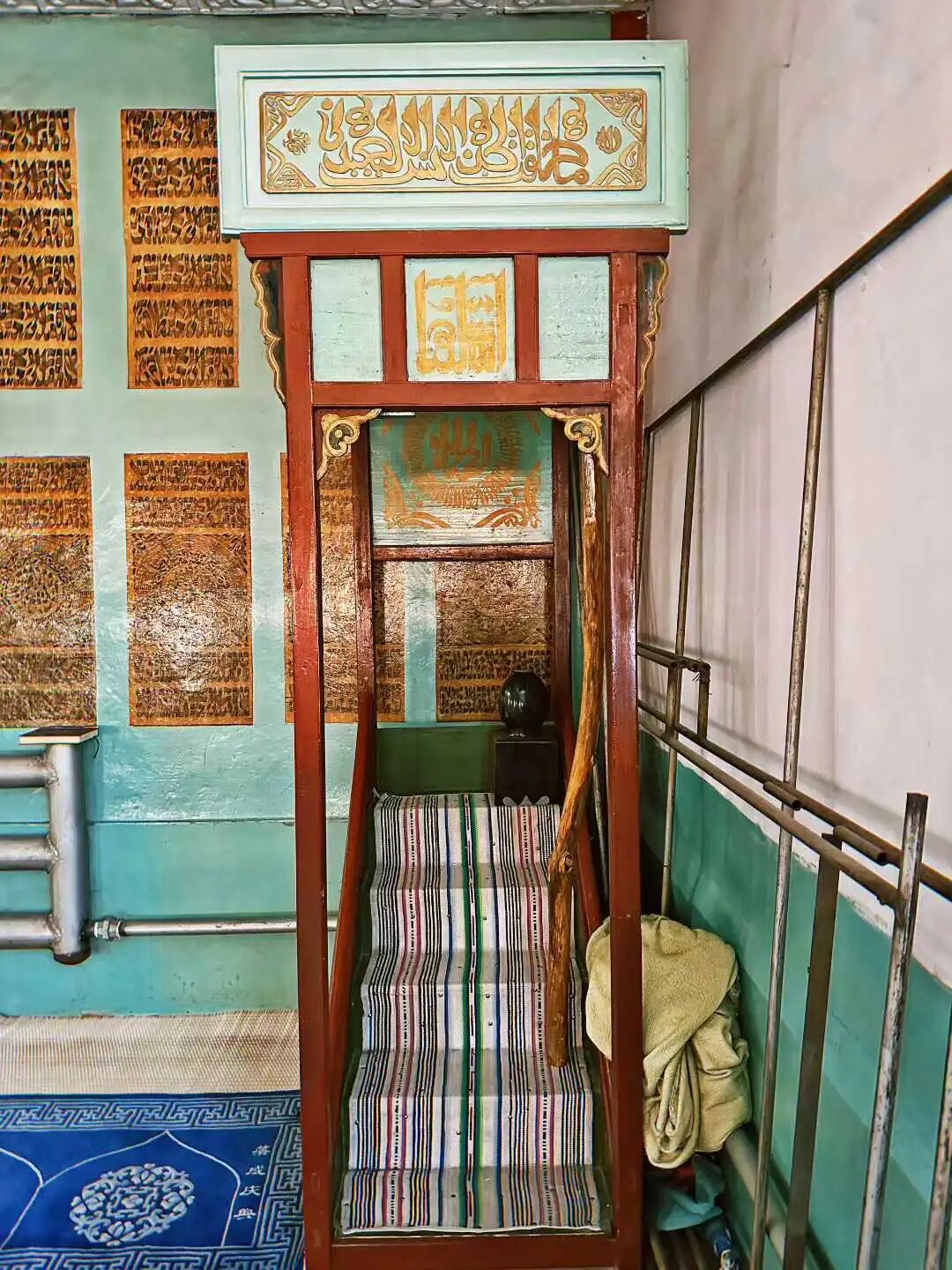
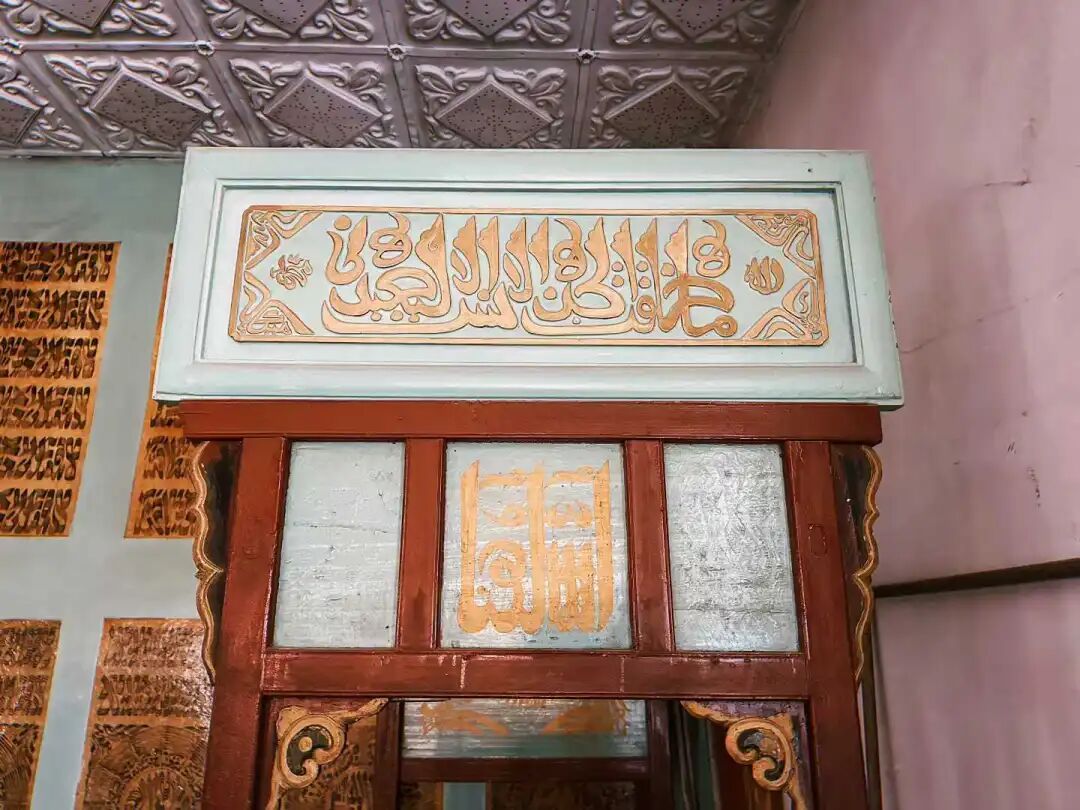
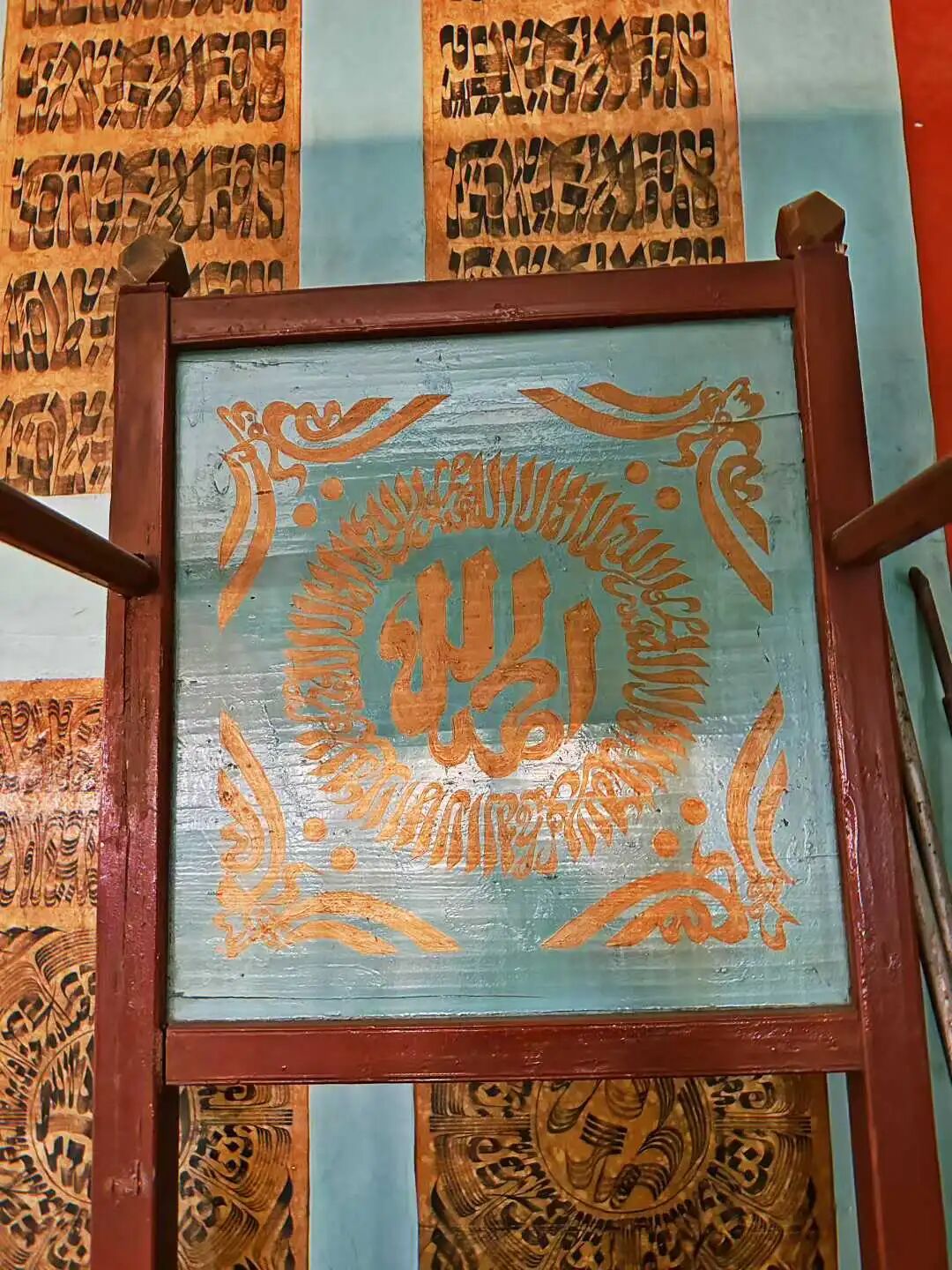
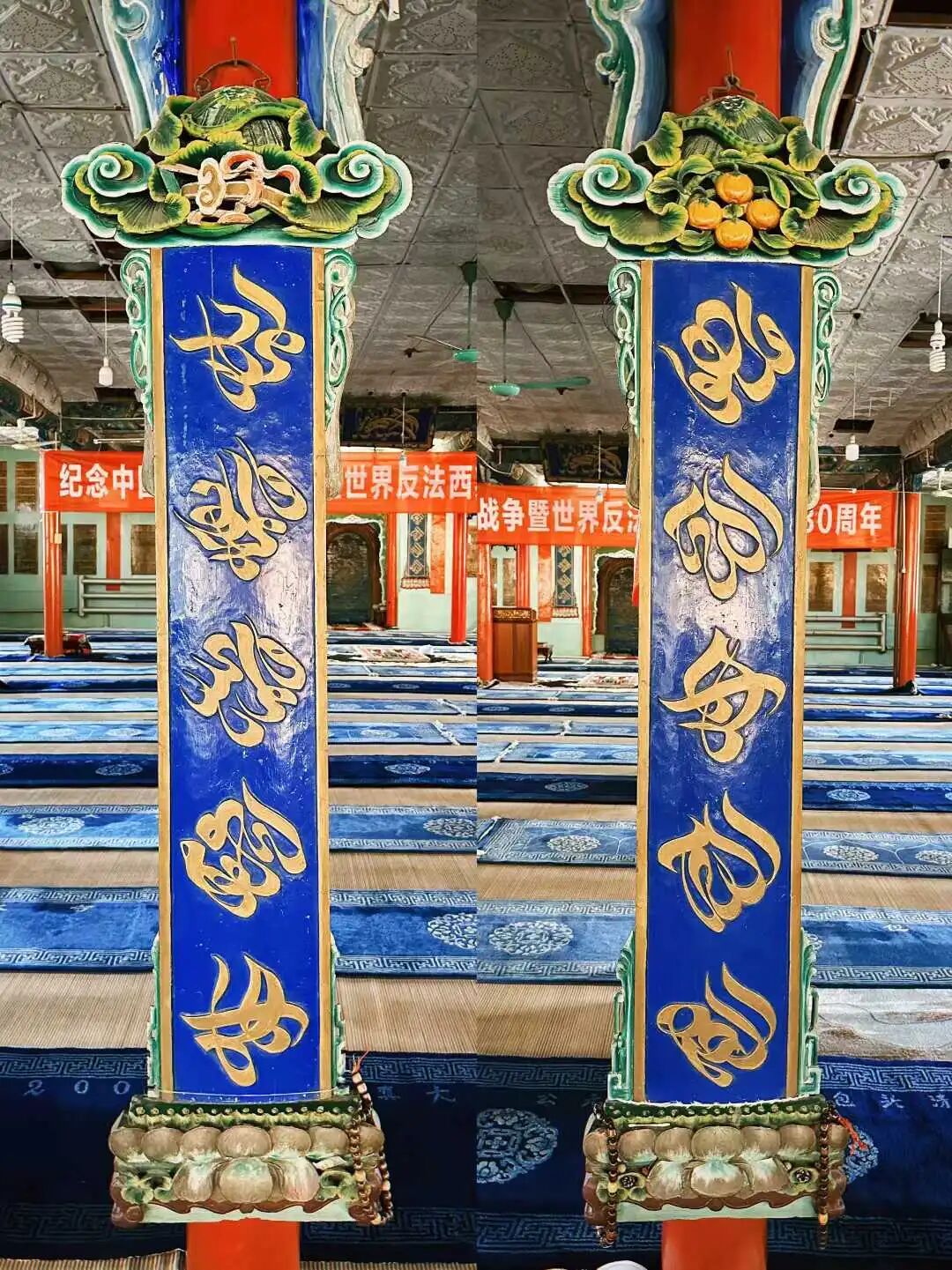
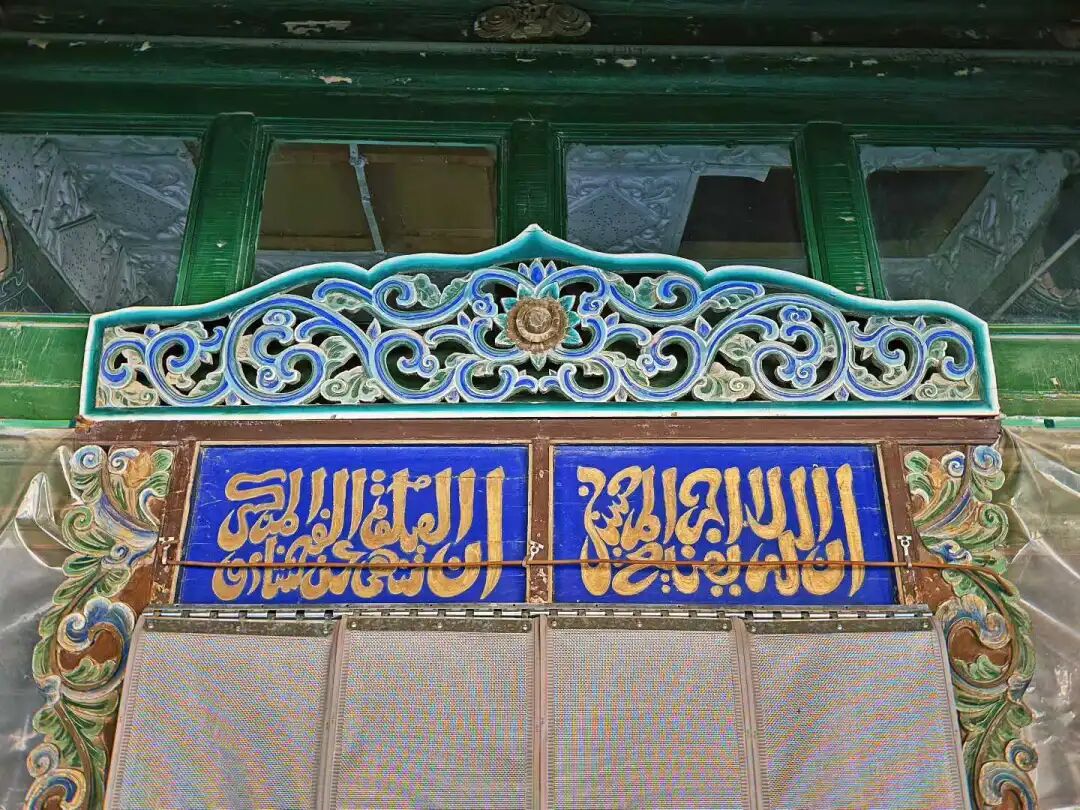
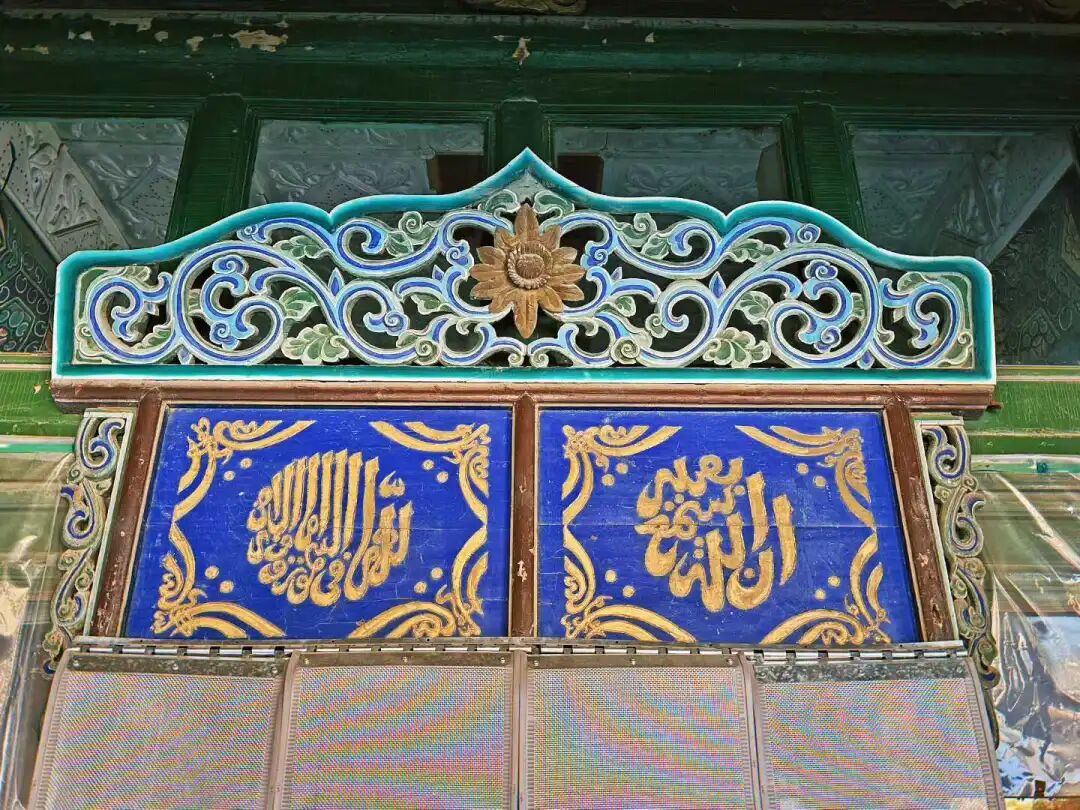
The qibla wall of the Baotou Great Mosque is decorated with 32 pieces of traditional Chinese-style large-character Arabic calligraphy, which is very impressive.
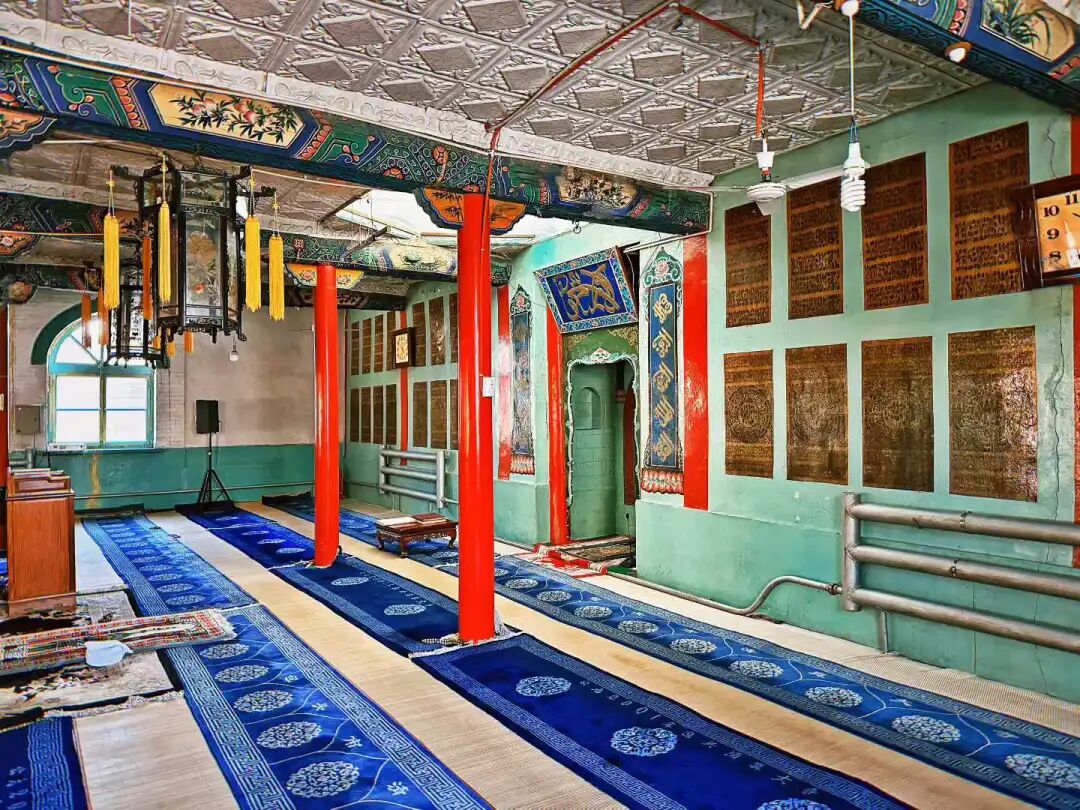
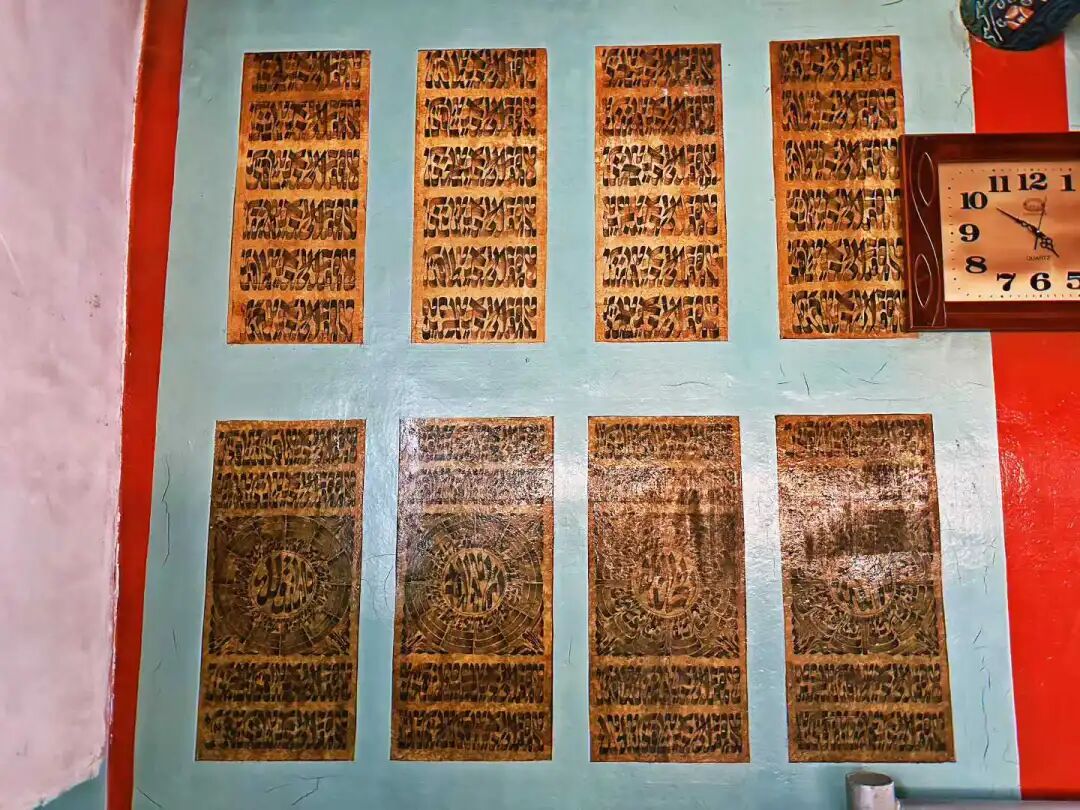
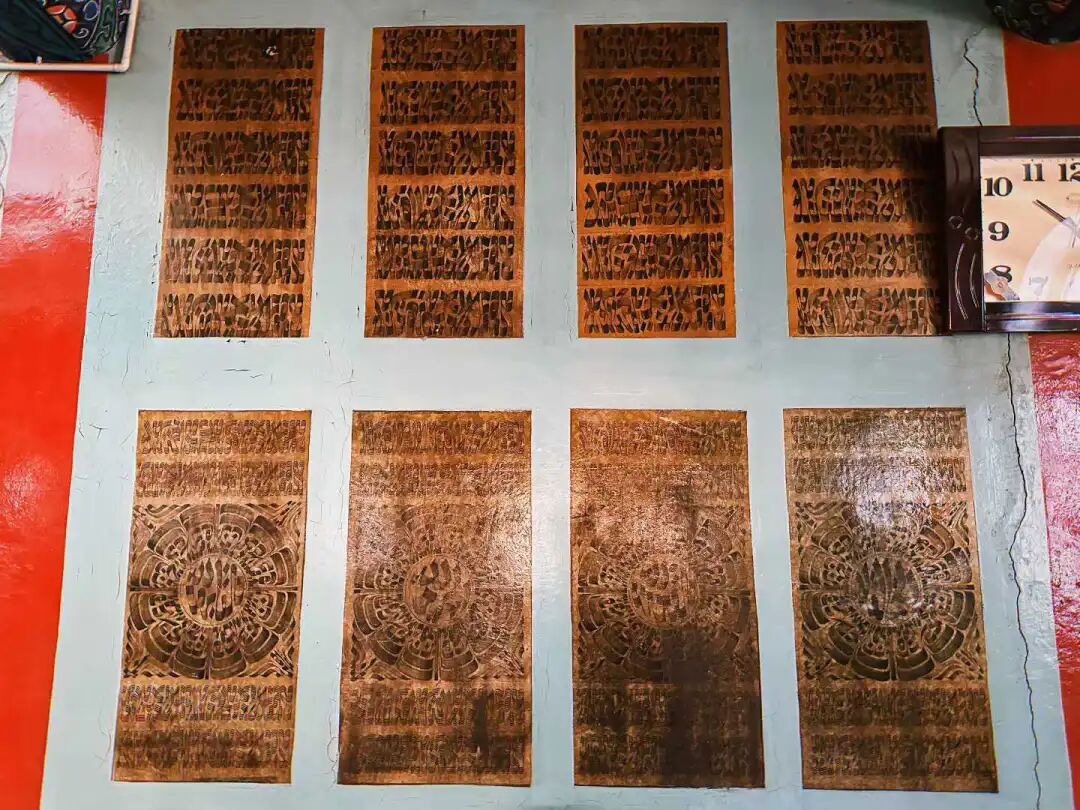
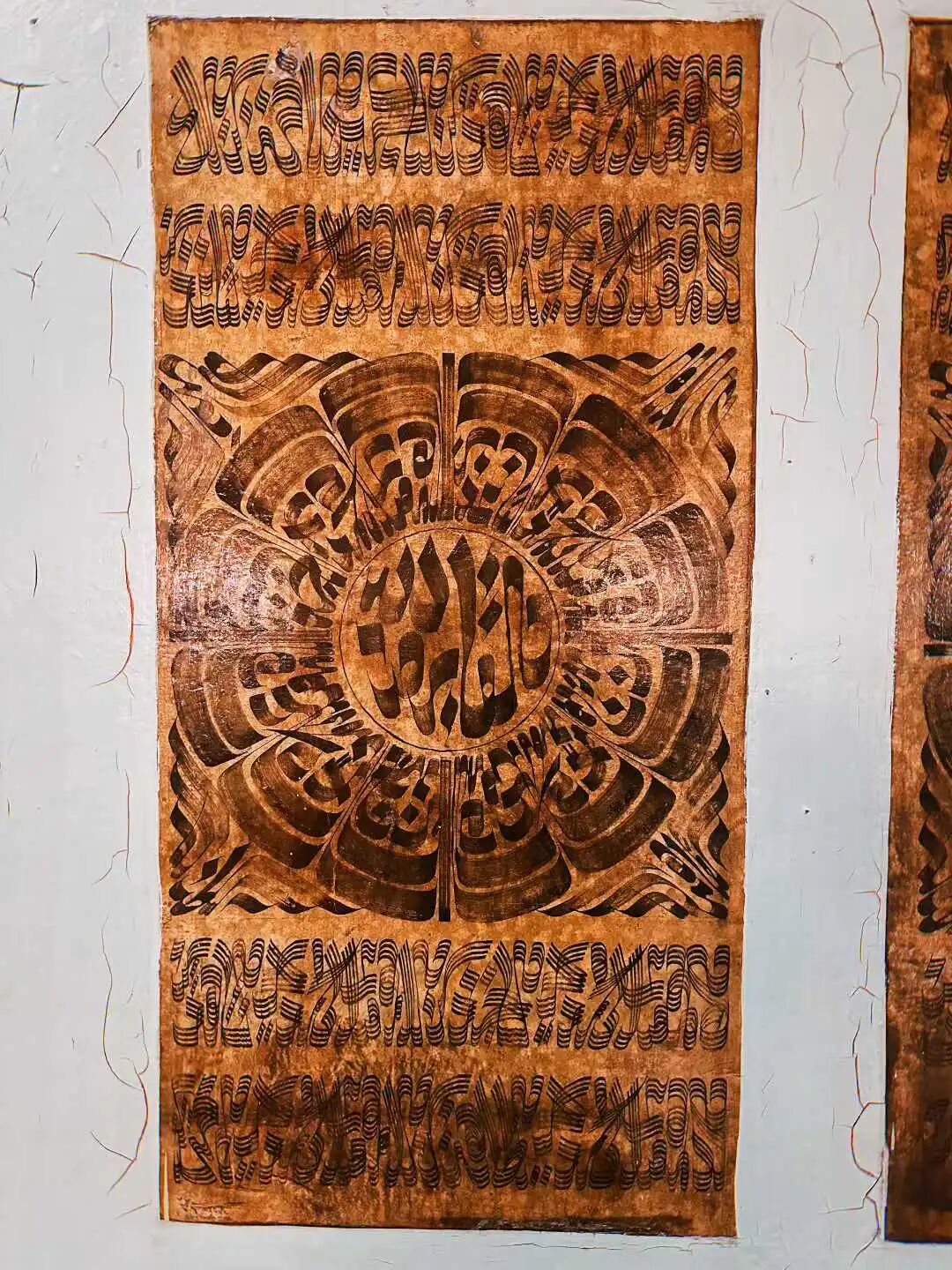
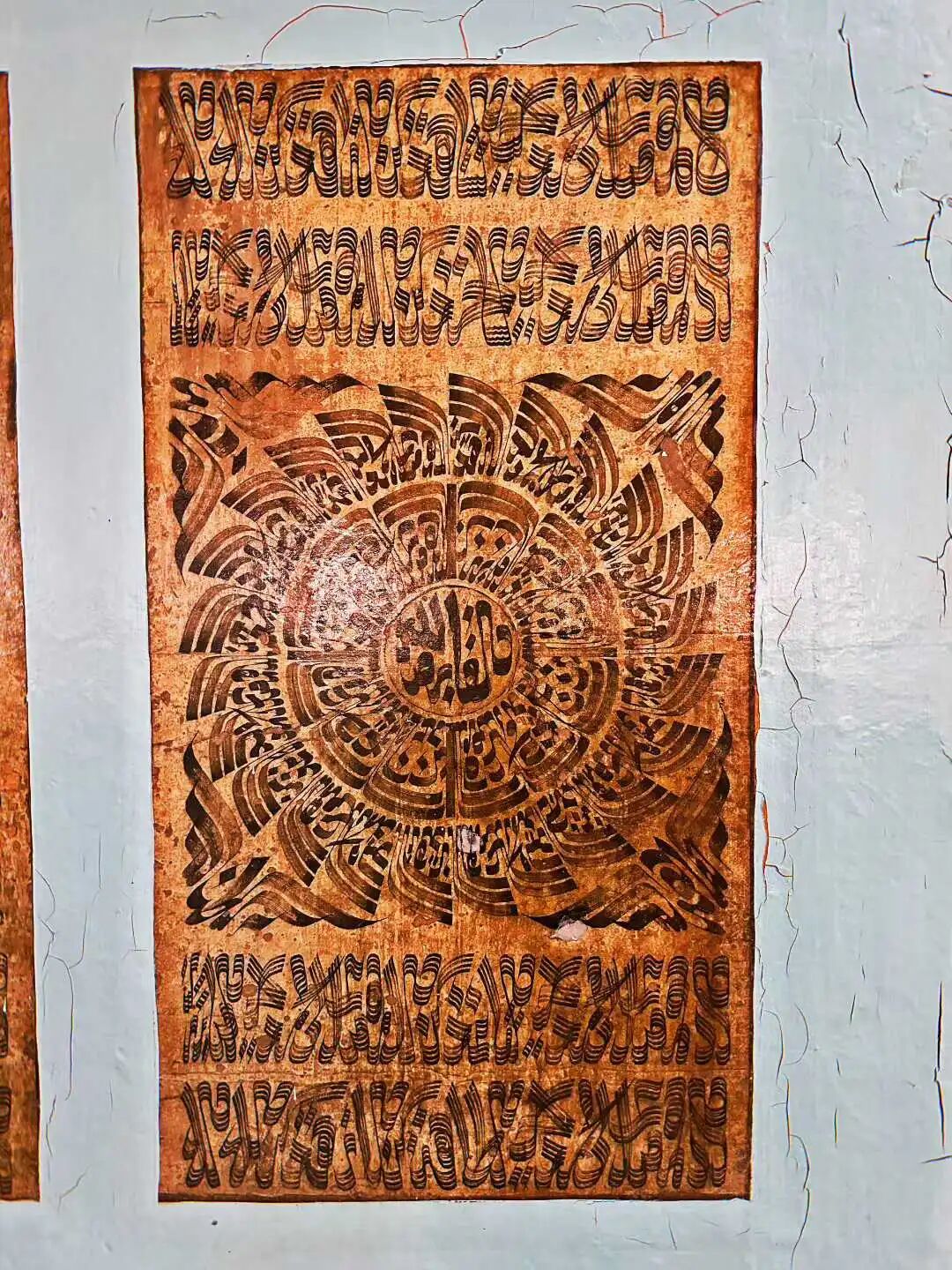
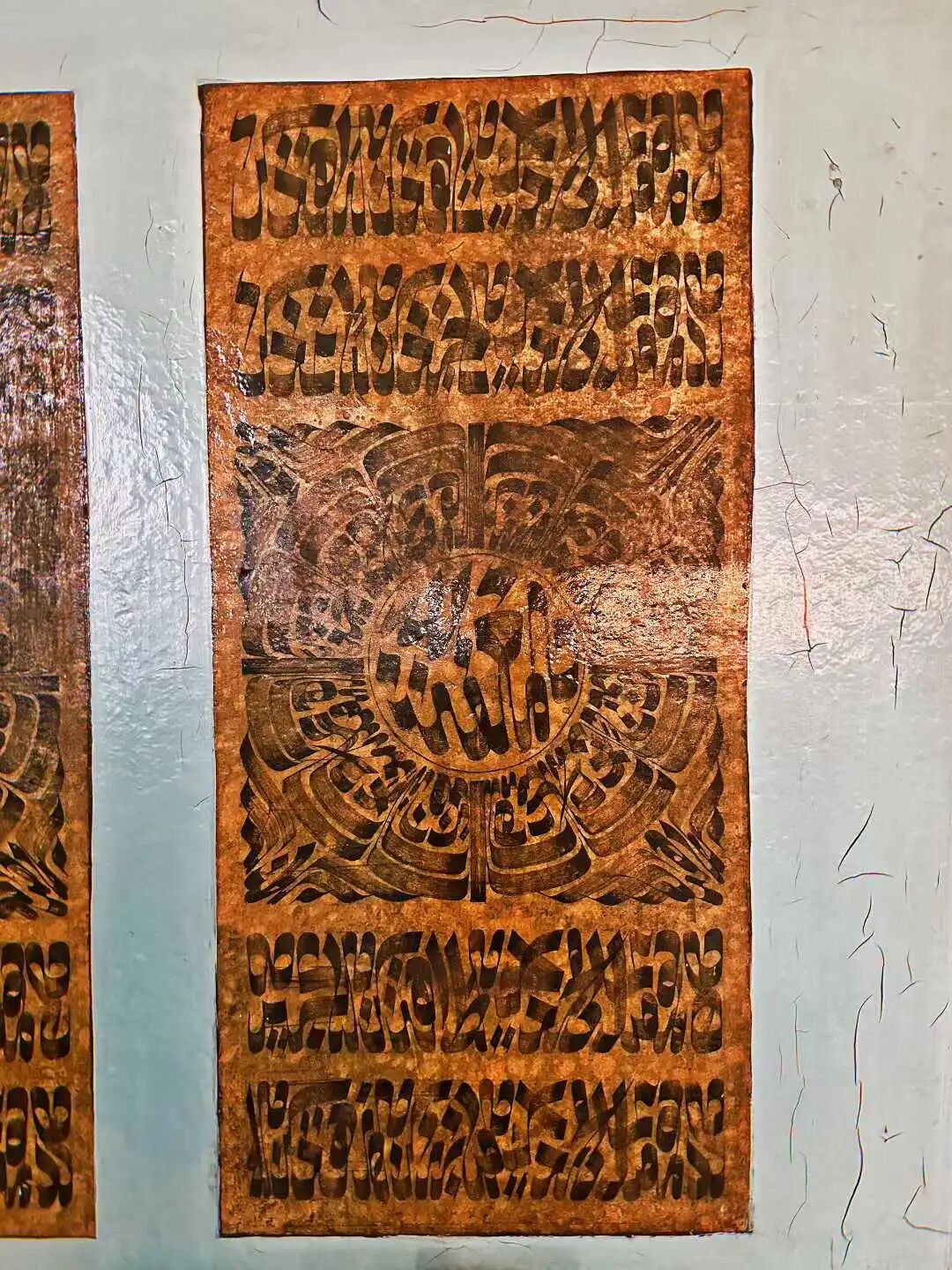
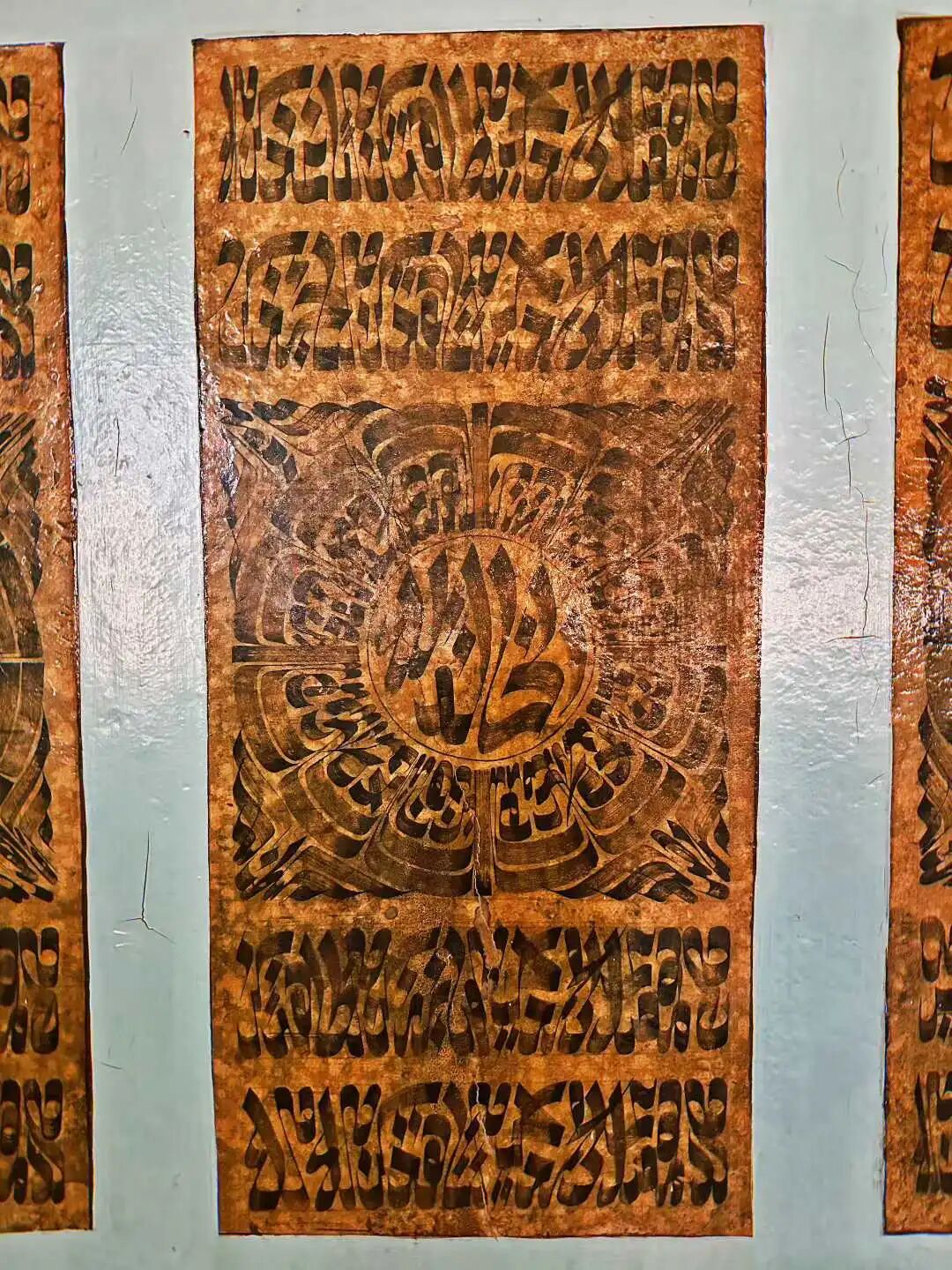
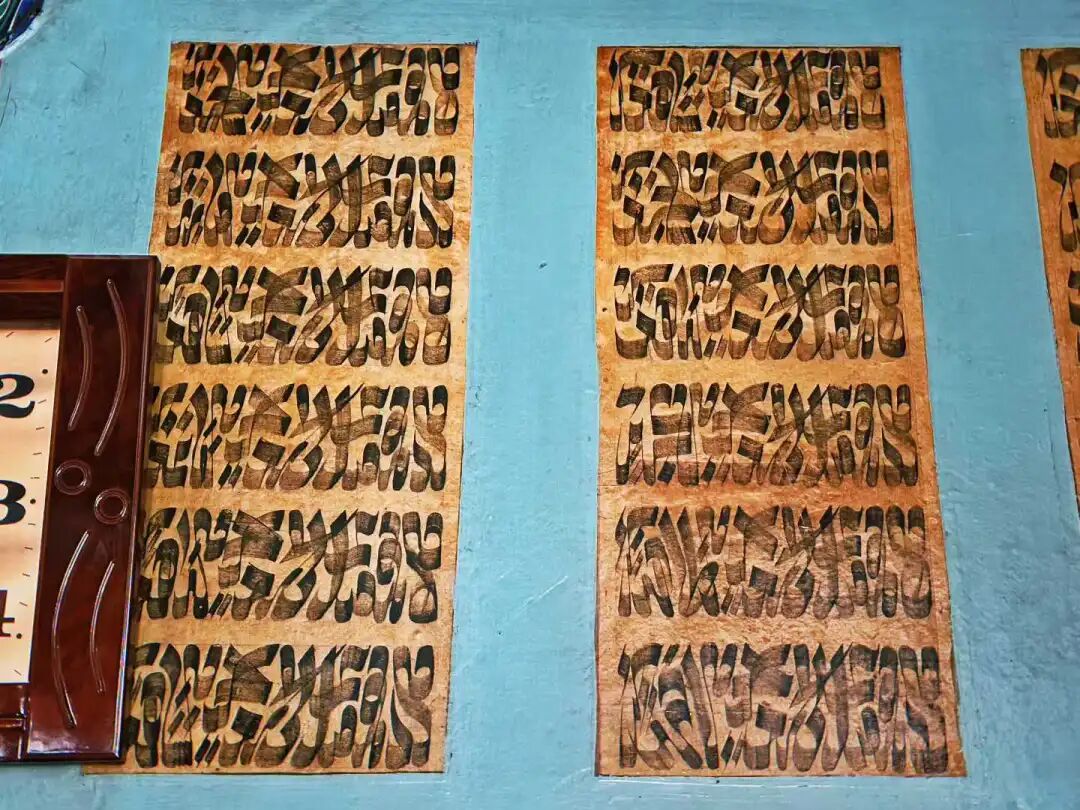
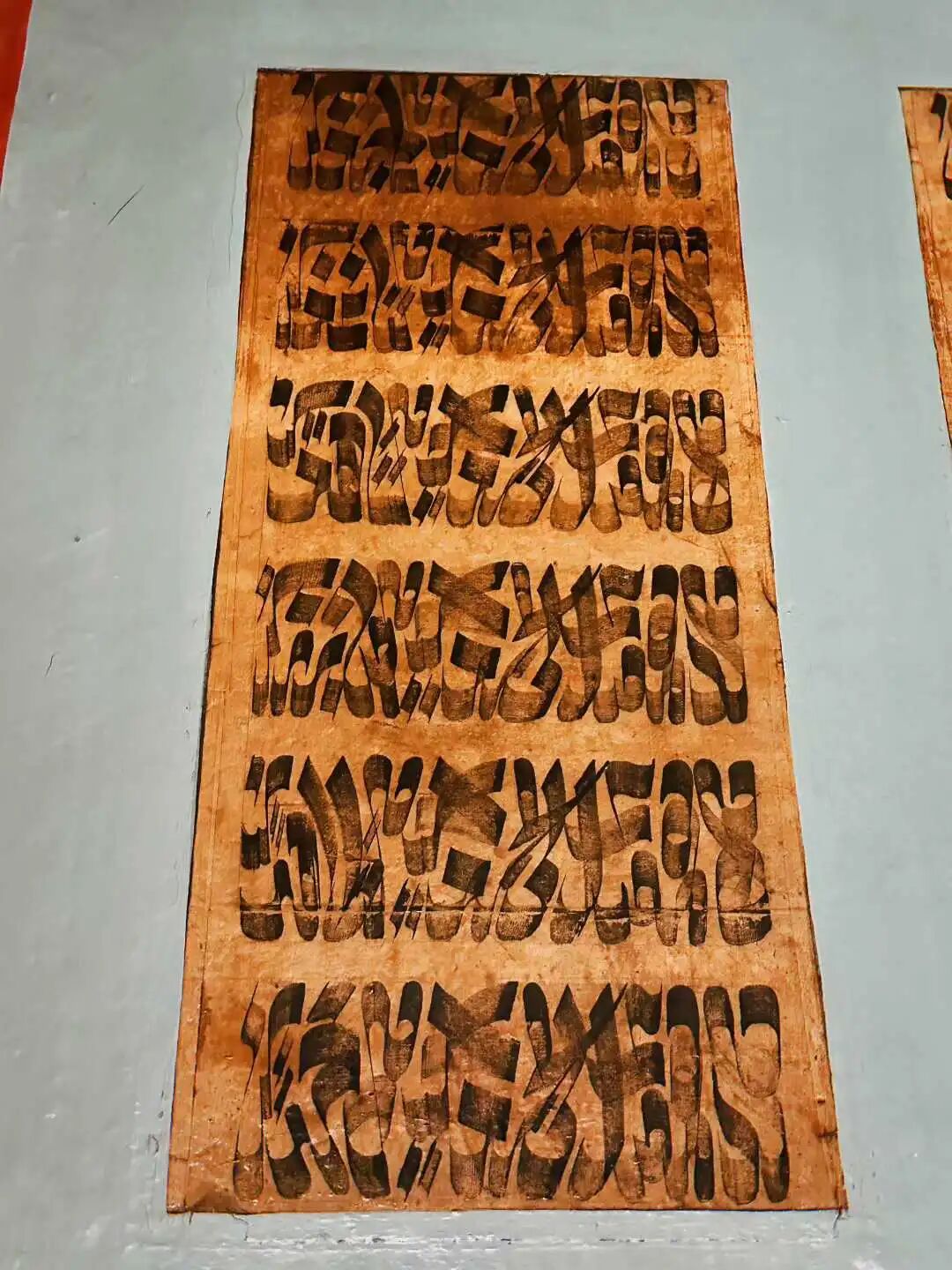
The architectural details of the Baotou Great Mosque, including the brick carvings and wood carvings, are all very exquisite.
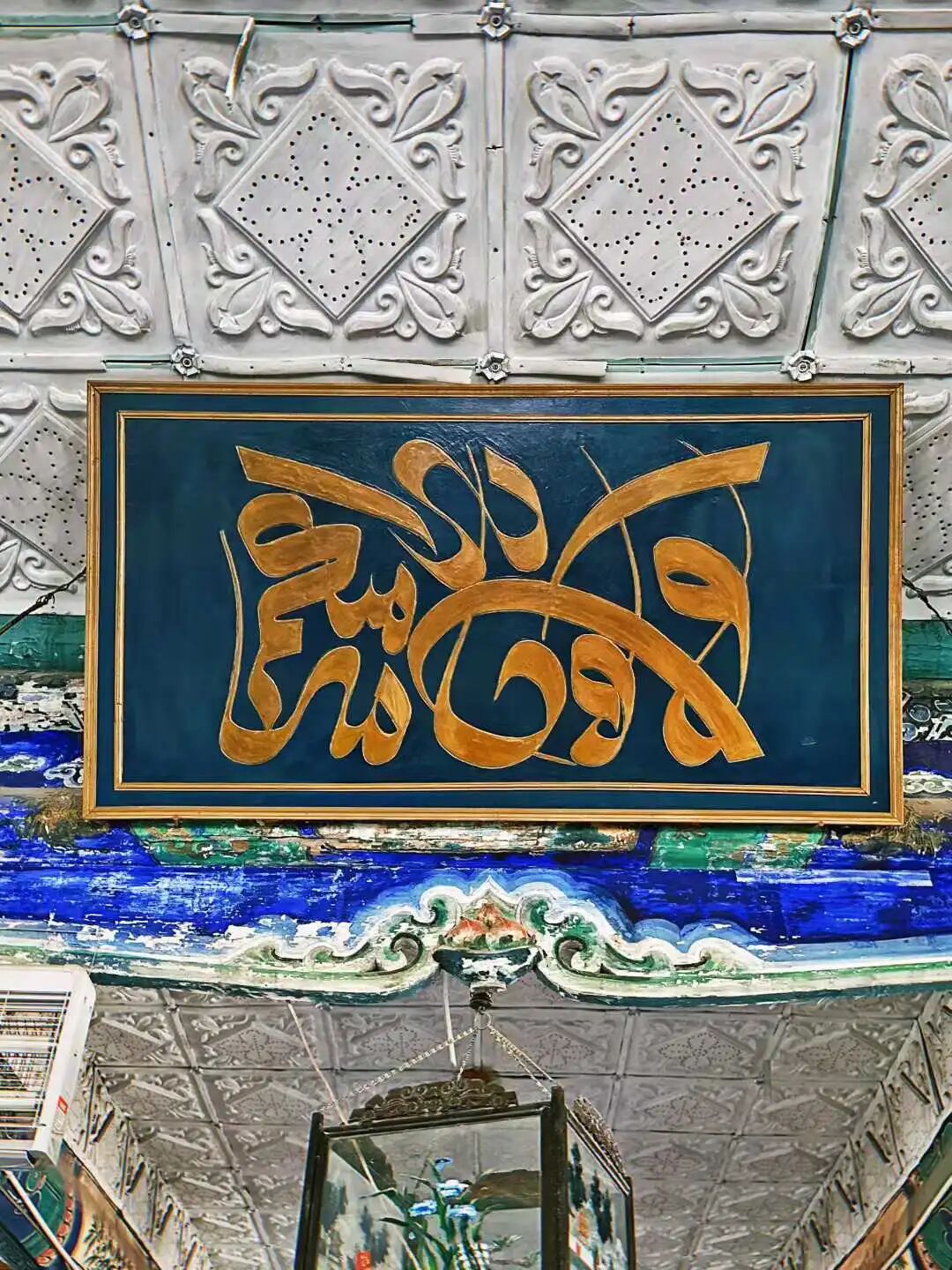
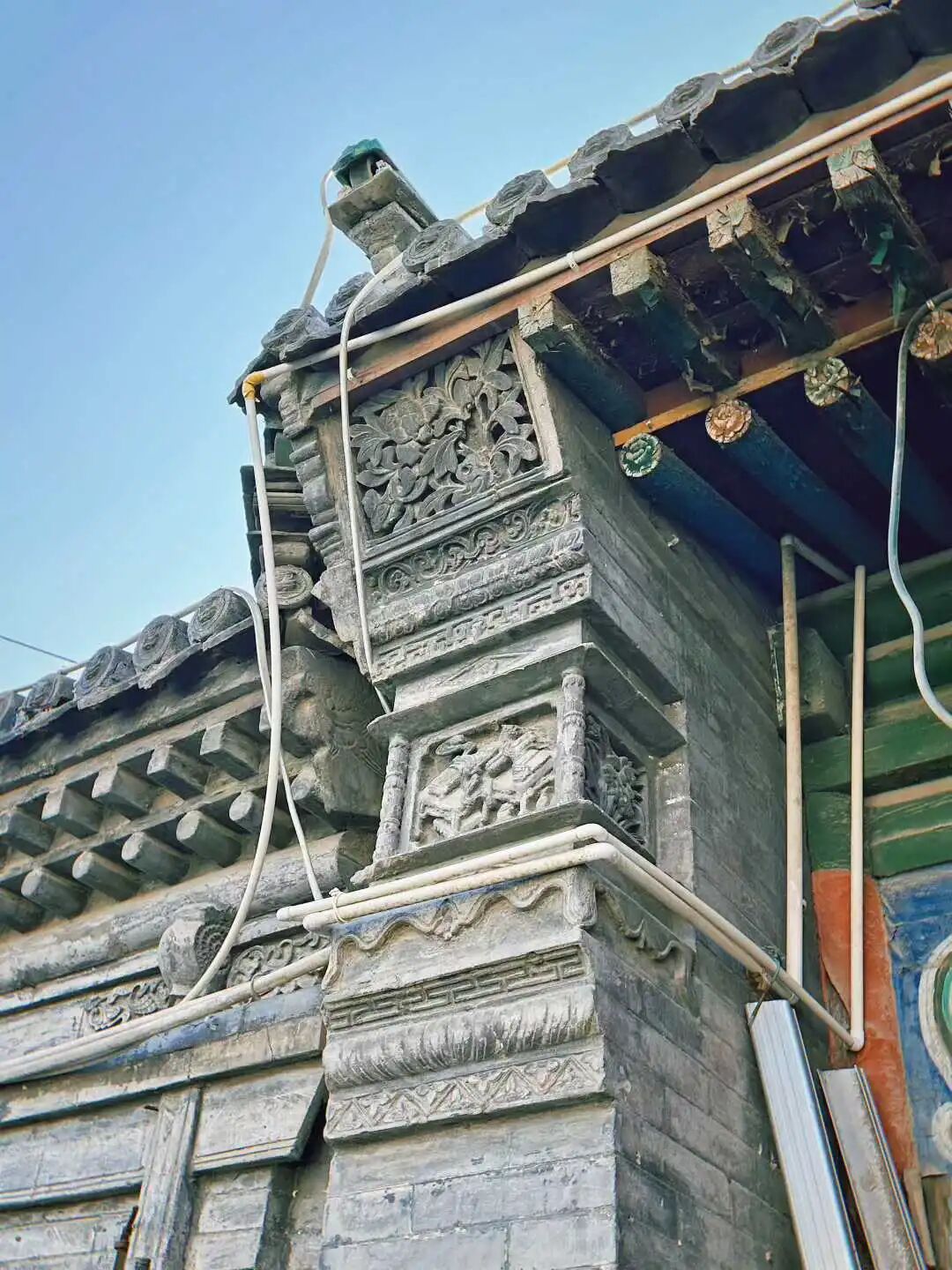
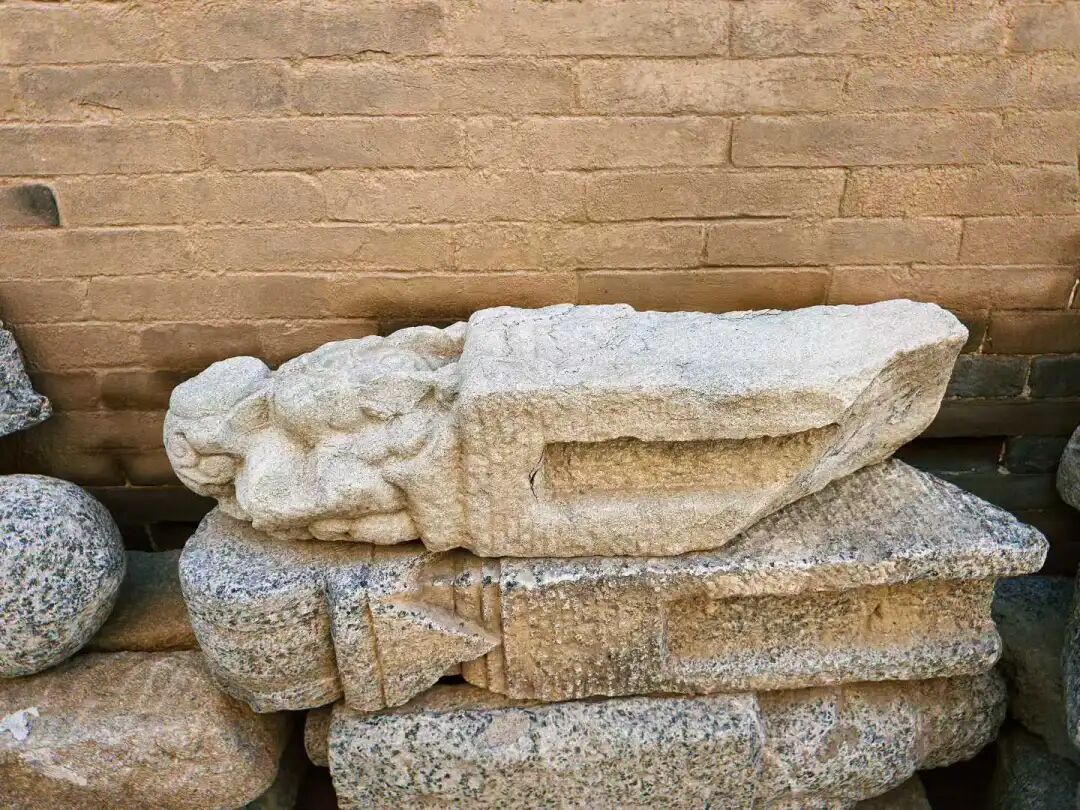
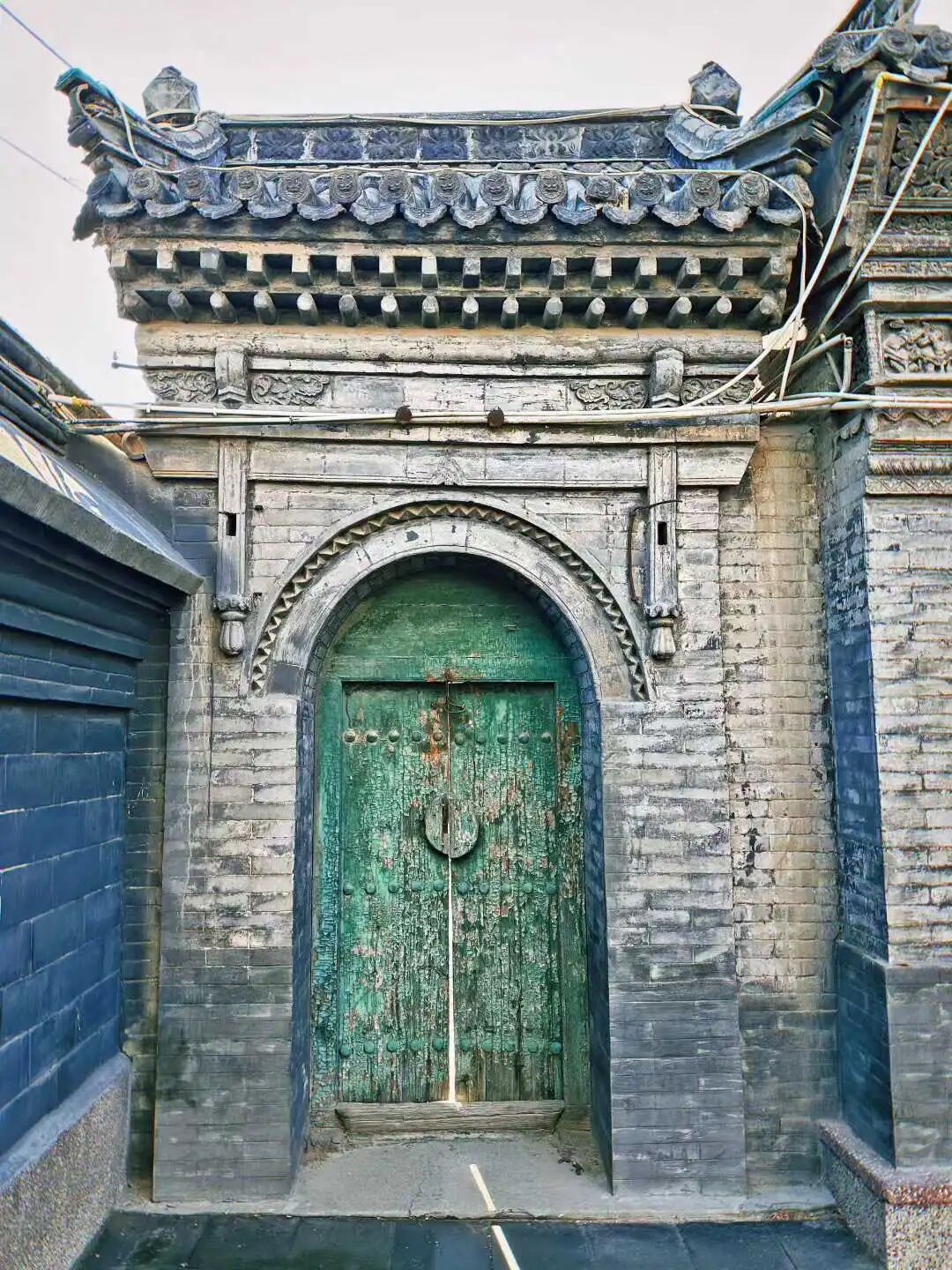
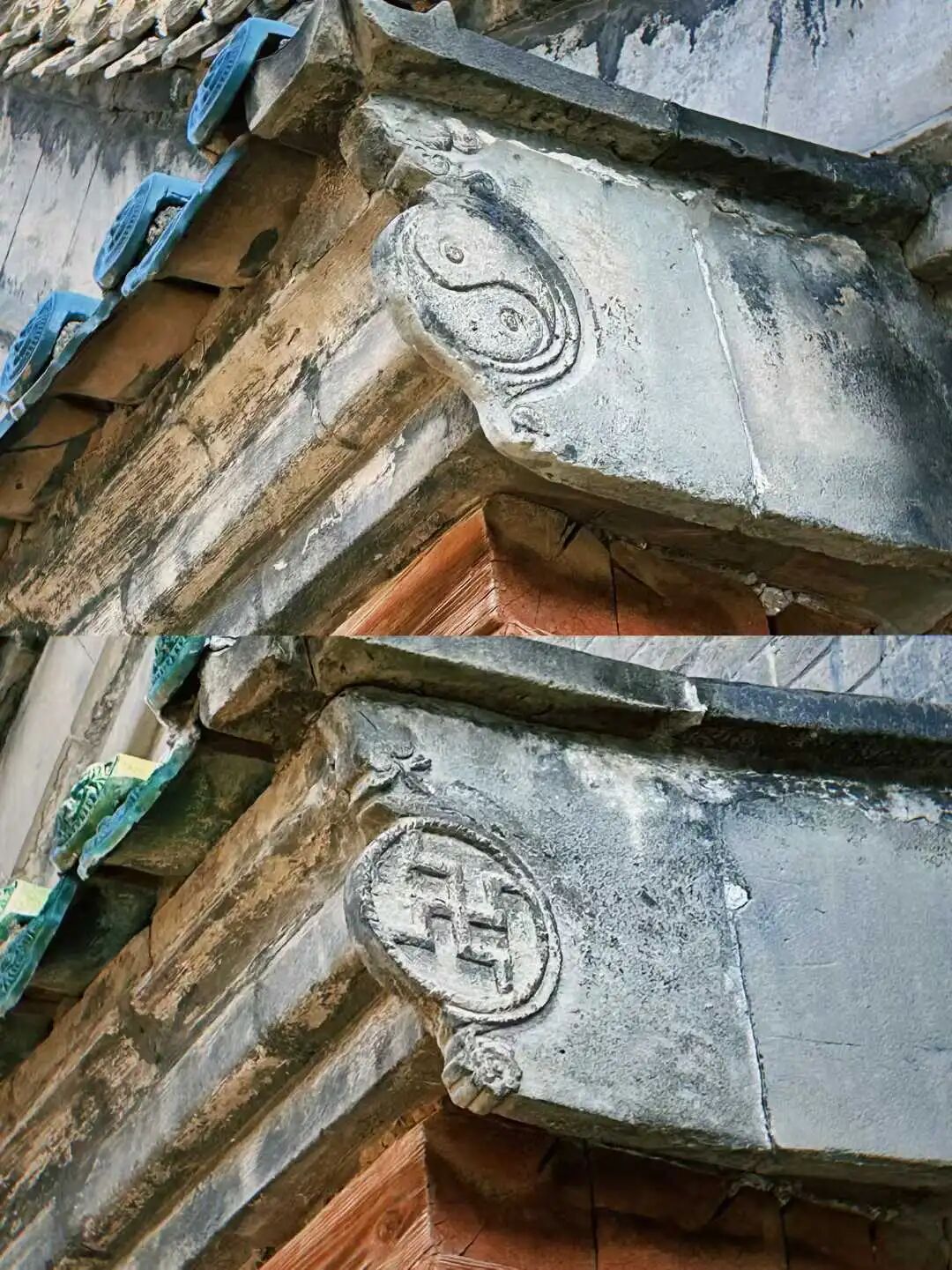
The swastika (wanzi) and taiji brick carvings in the main hall of the Baotou Great Mosque show the influence of different cultures.
During the late Qing Dynasty, under the intellectual trend of interpreting Islam through Confucianism, scholars like Liu Zhi introduced concepts like "taiji" and "yin-yang" into the faith. The book "The Nature and Principle of Islam" (Tianfang Xingli) contains the record: "Movement creates yang, stillness creates yin; this is the manifestation of taiji, which is the manifestation of the True One."
The swastika (wanzi) is a traditional Chinese auspicious pattern. The swastika represents good fortune, and the "never-ending" (budao tou) design represents continuity. It frequently appears in architectural brick, stone, and wood carvings.
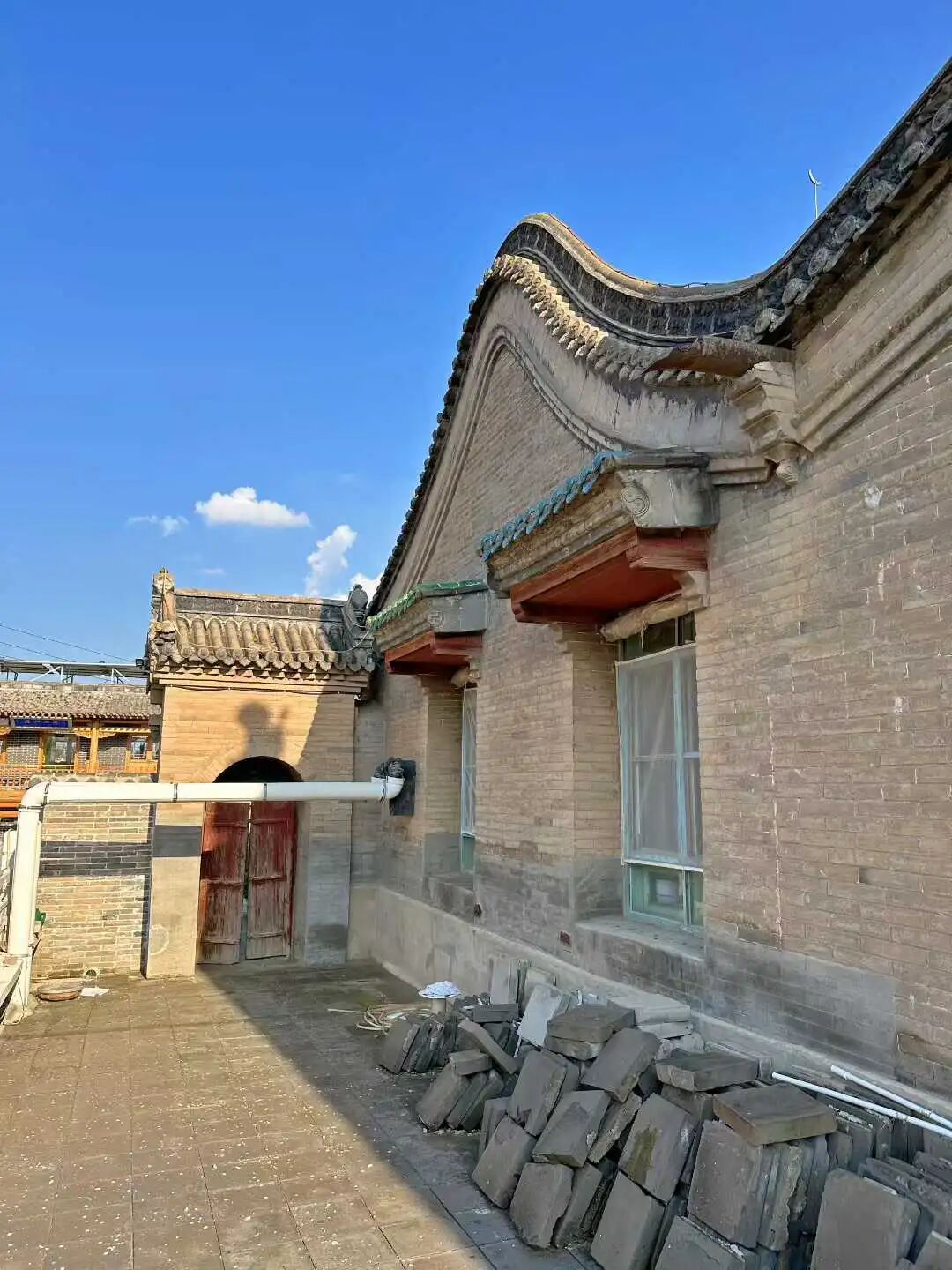
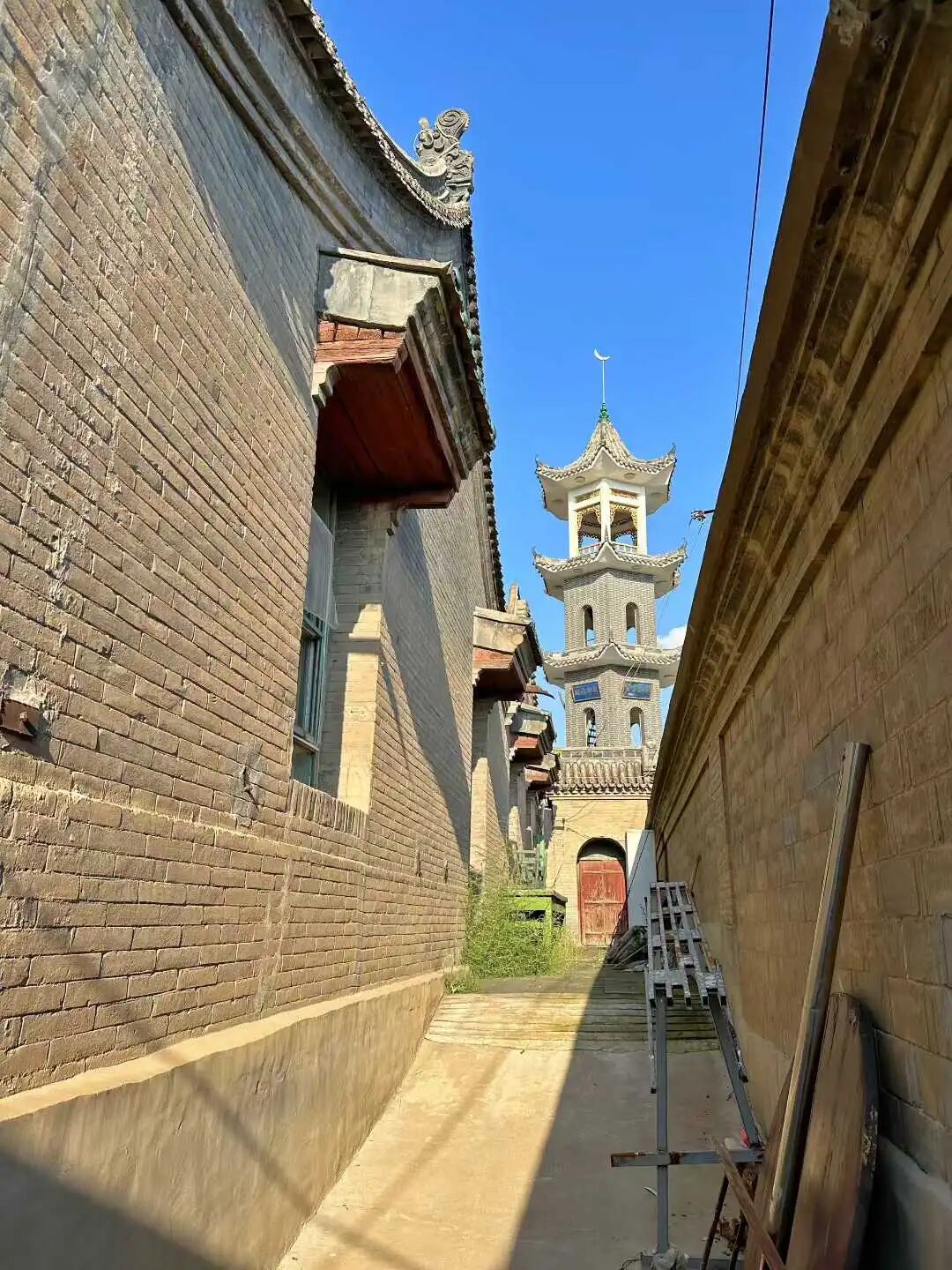
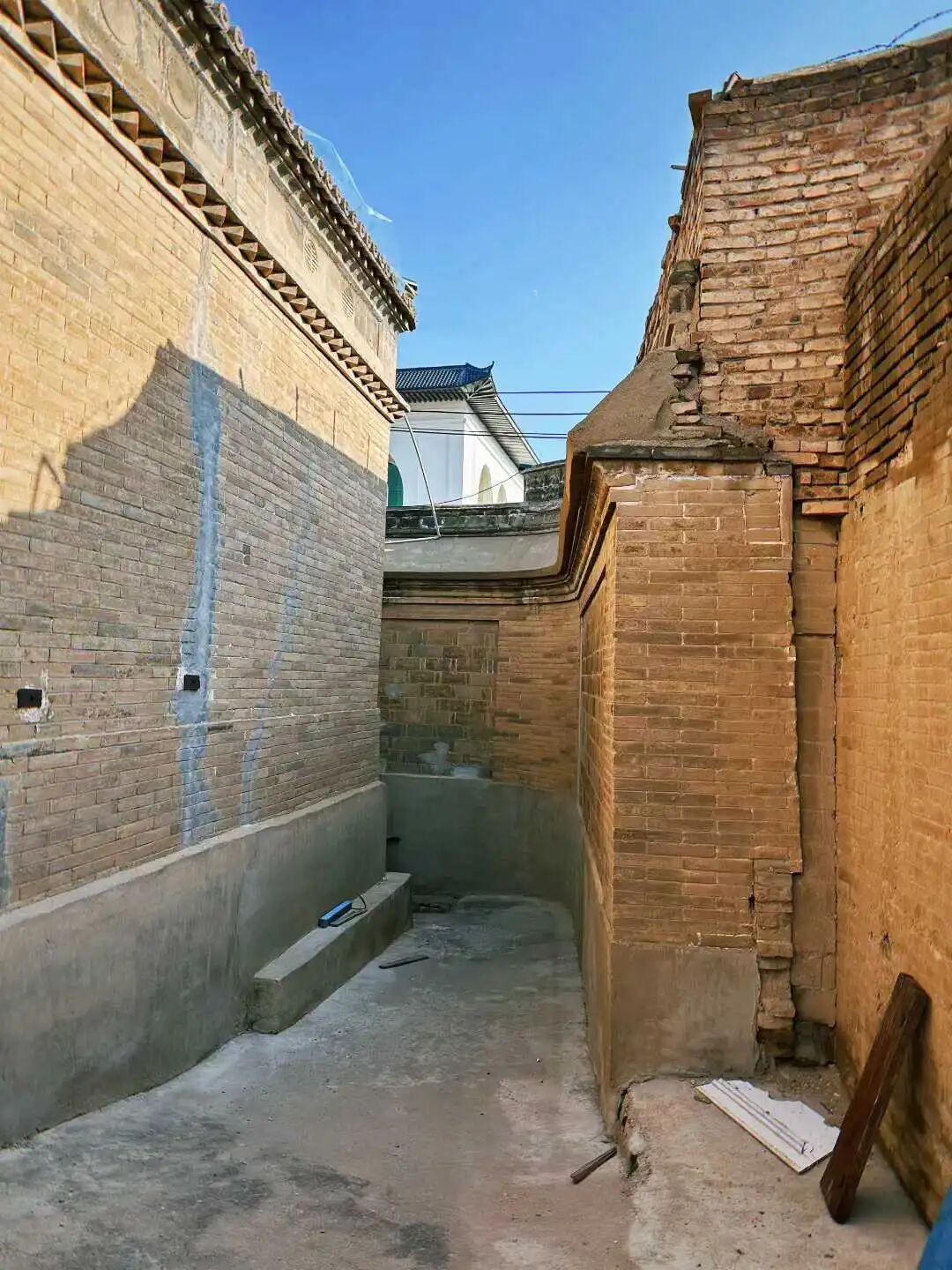
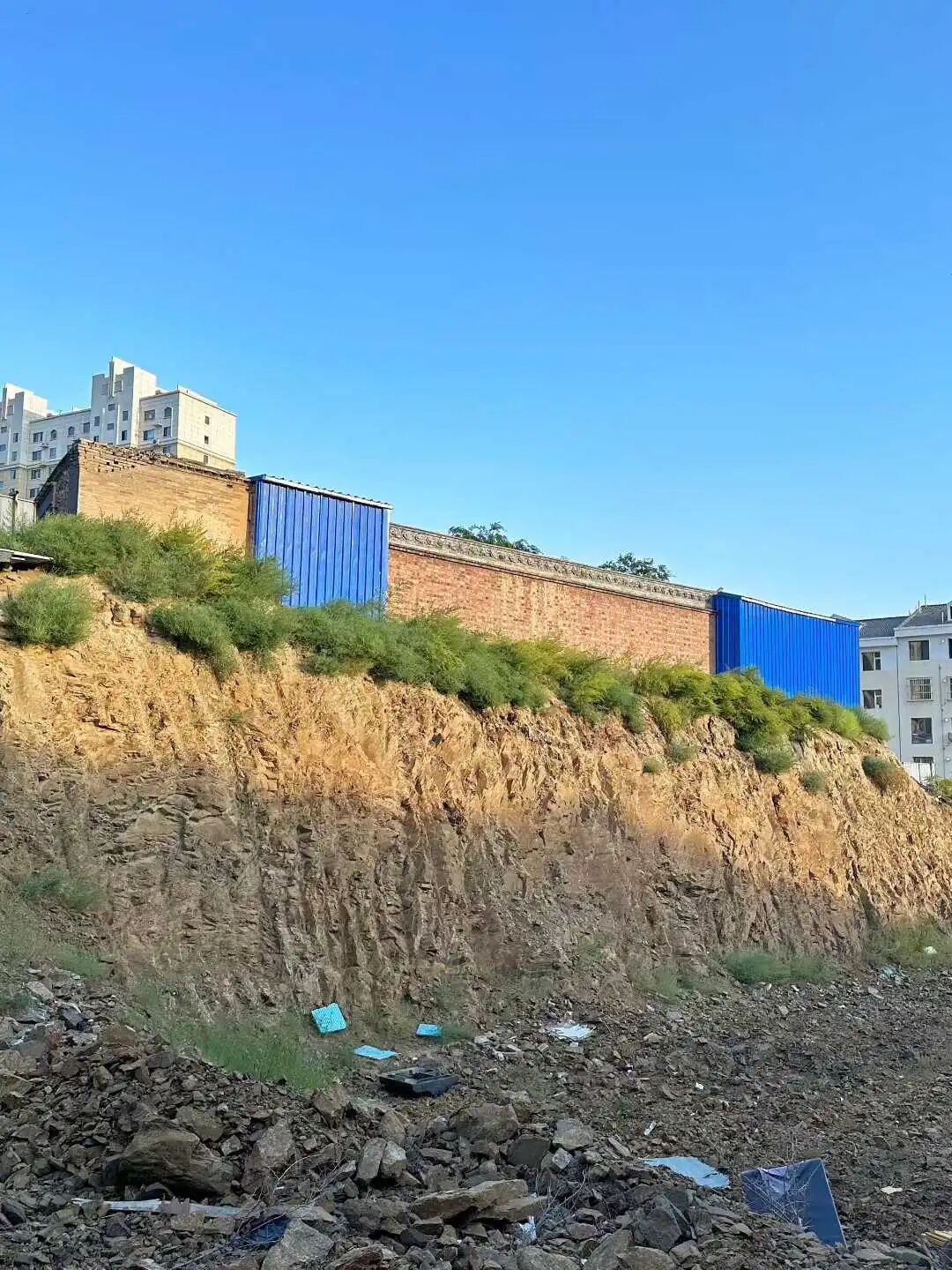
The Baotou Small Mosque, also known as the Baotou North Mosque or the Wayao Ditch Mosque (Wayao Gou Si), was first built in 1908 (the 34th year of the Guangxu reign). The main hall was rebuilt in 1918, and it is currently a Baotou municipal cultural heritage site. The Baotou Small Mosque is built on a very steep slope against a cliff. The main hall sits much higher than the ablution room (shuifang), which is a very unique feature.
In the late Qing Dynasty, the Hui Muslim population in Baotou grew steadily, expanding from the Beiliang area of the old city from east to west. By the end of the Qing Dynasty, the eight streets and alleys near Wayao Ditch had become a Hui Muslim residential area, home to horse inns, flour shops, oil mills, and dozens of cattle, sheep, and camel slaughterhouses. The slaughterhouses also operated as kitchens, meat shops, and livestock pens.
Because traveling between Wayao Ditch and the Baotou Great Mosque required crossing ditches and ridges, it was very inconvenient. In the final years of the Guangxu reign, Hui Muslim families including the Chens, Mas, Dings, Yangs, and Wangs proposed digging a well in Wayao Ditch and building a bathhouse called the "West Water Hall" (Xishui Tang). In 1908 (the 34th year of the Guangxu reign), they bought a flat piece of land on the hillside of the West Water Hall and built the first Baotou Small Mosque.
In 1918, the elders of the Small Mosque raised funds to build a five-room main hall with a porch (juanpeng) against the home of elder Xing Fa. In the 1920s, elder Xing Fa donated the empty land at the north end of the main hall to build north and south rooms and a north wing, making the Small Mosque a complete courtyard.
After it was built, the Baotou Small Mosque was long under the jurisdiction of the Great Mosque. The imam was selected monthly by the students (hailifan) of the Great Mosque, and the two Eid festivals (Duerde) and the Prophet's Birthday (Shengji) were all held at the Great Mosque. The Small Mosque was closed in 1958 due to the merger of mosques and reopened in 1990.
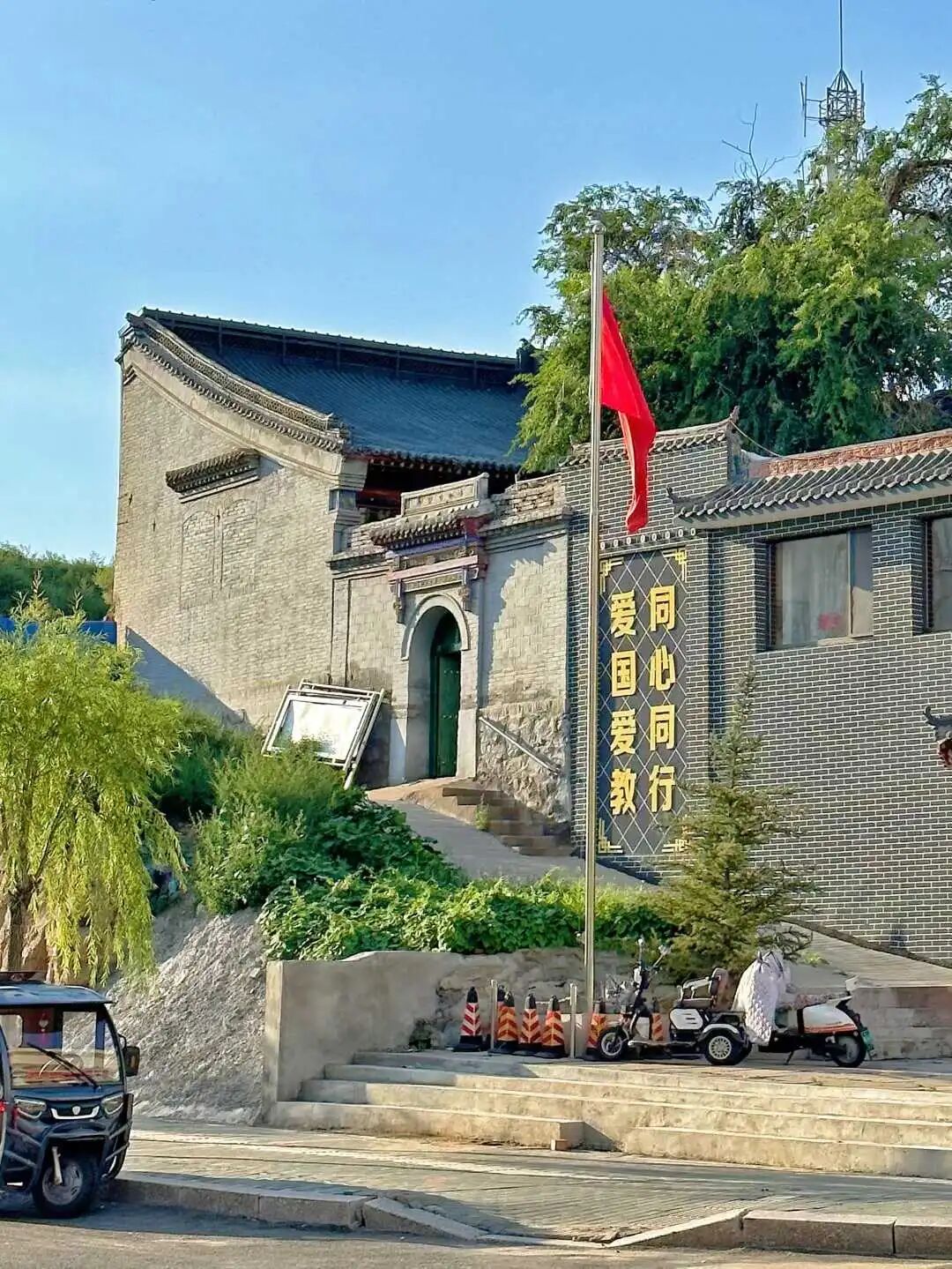
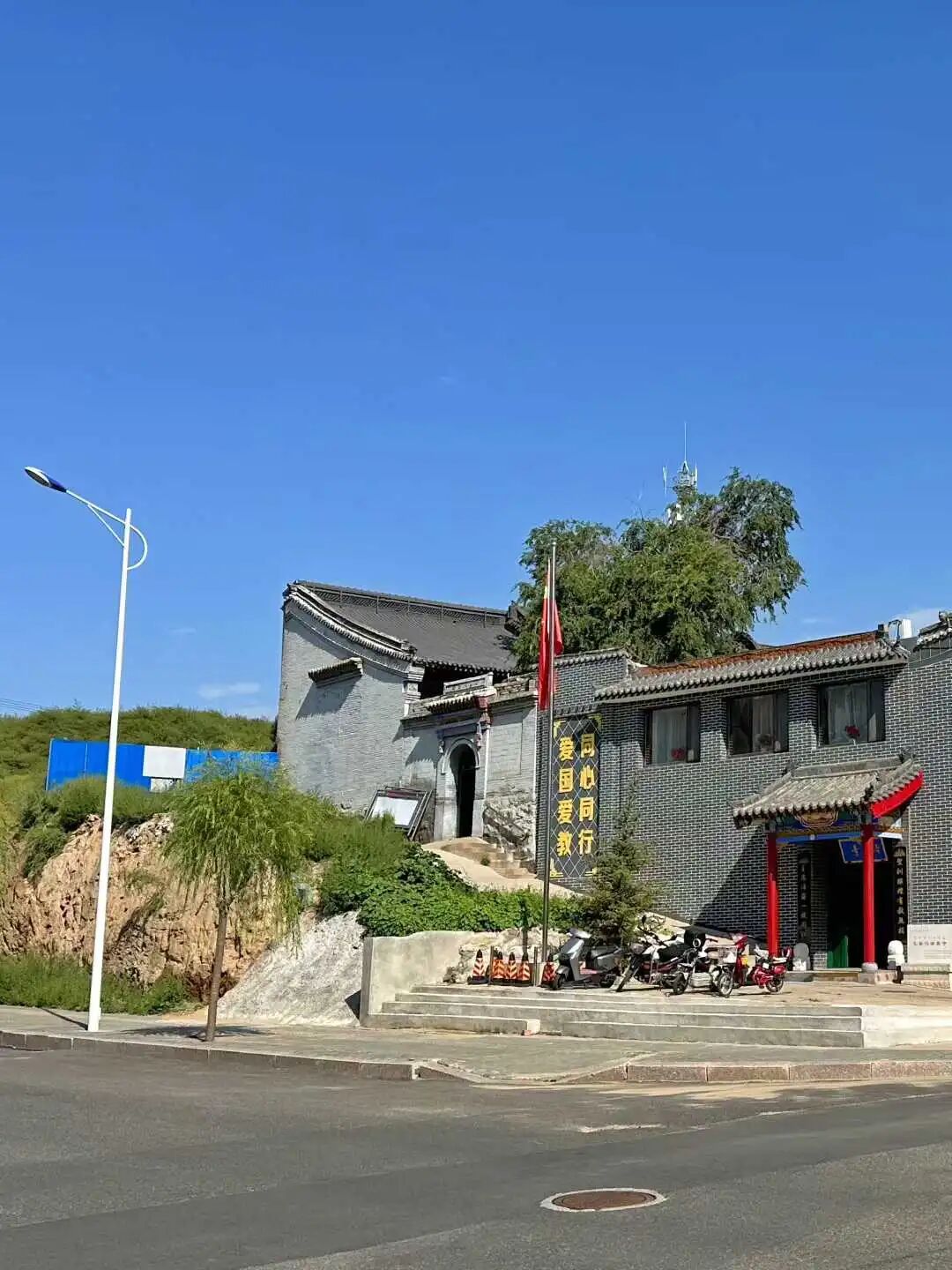
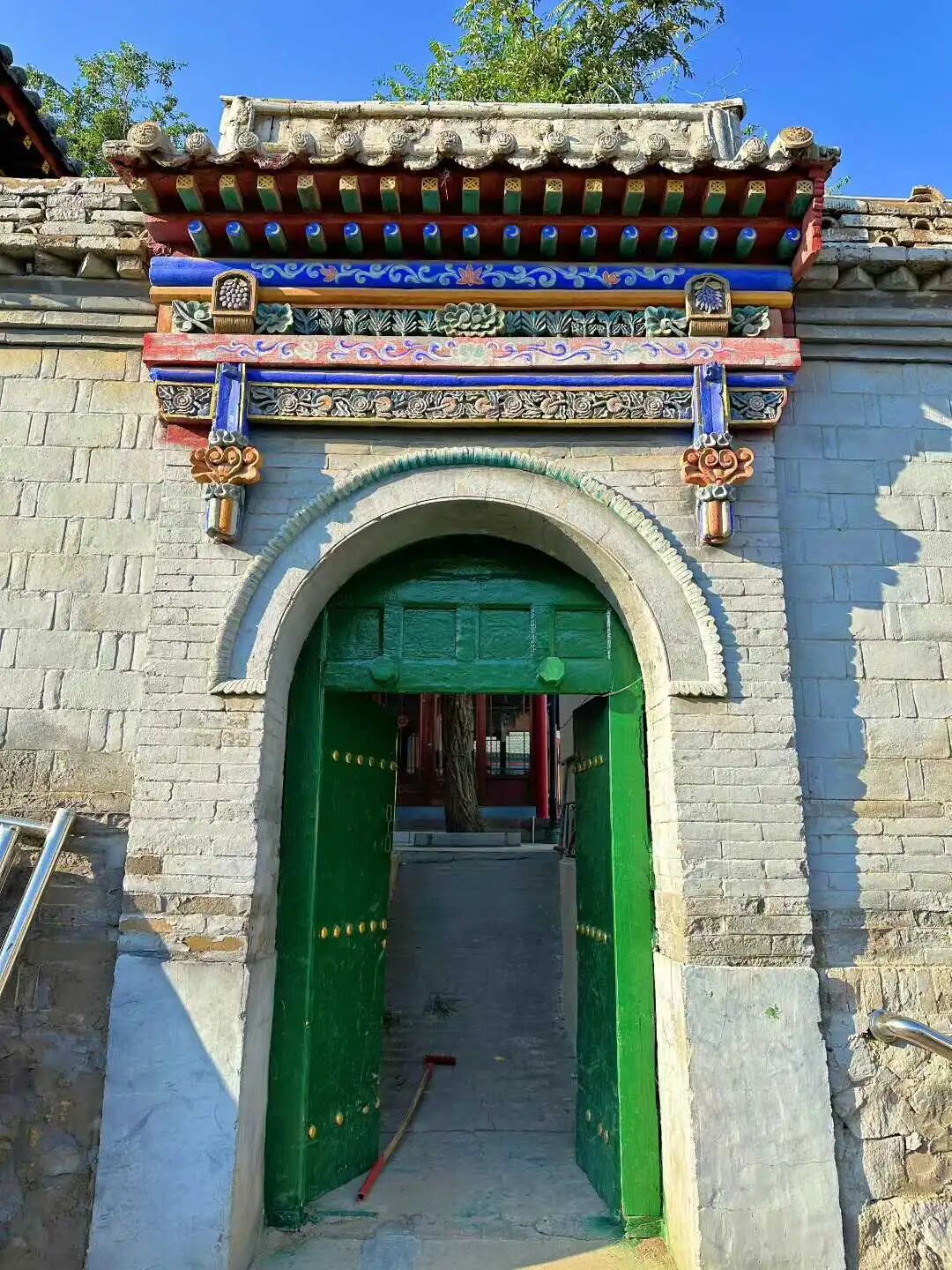
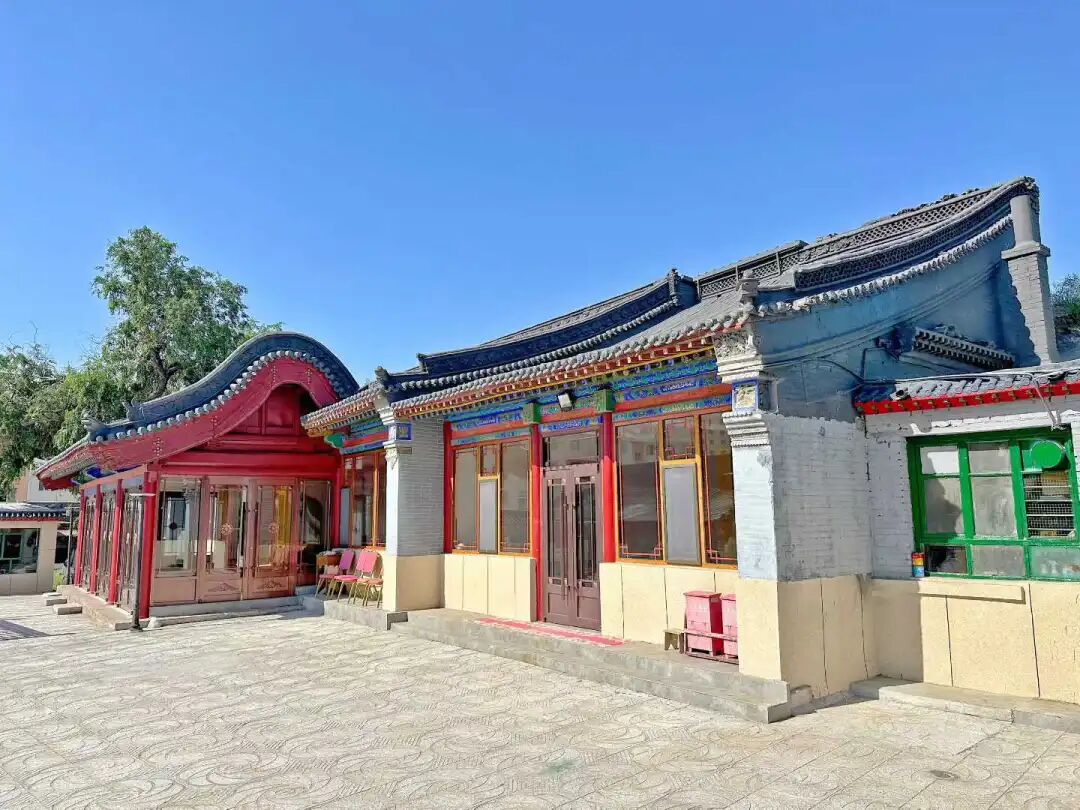
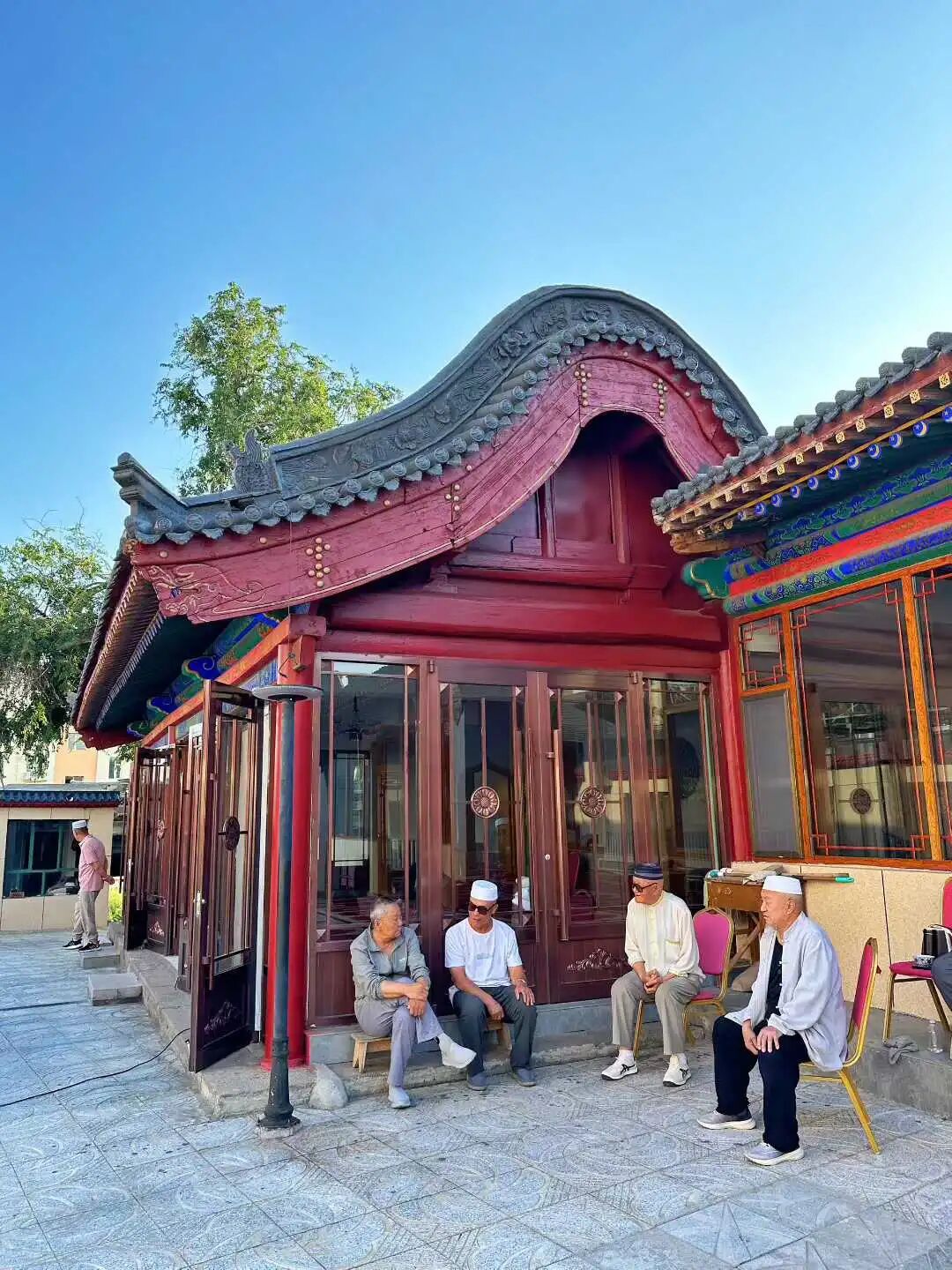
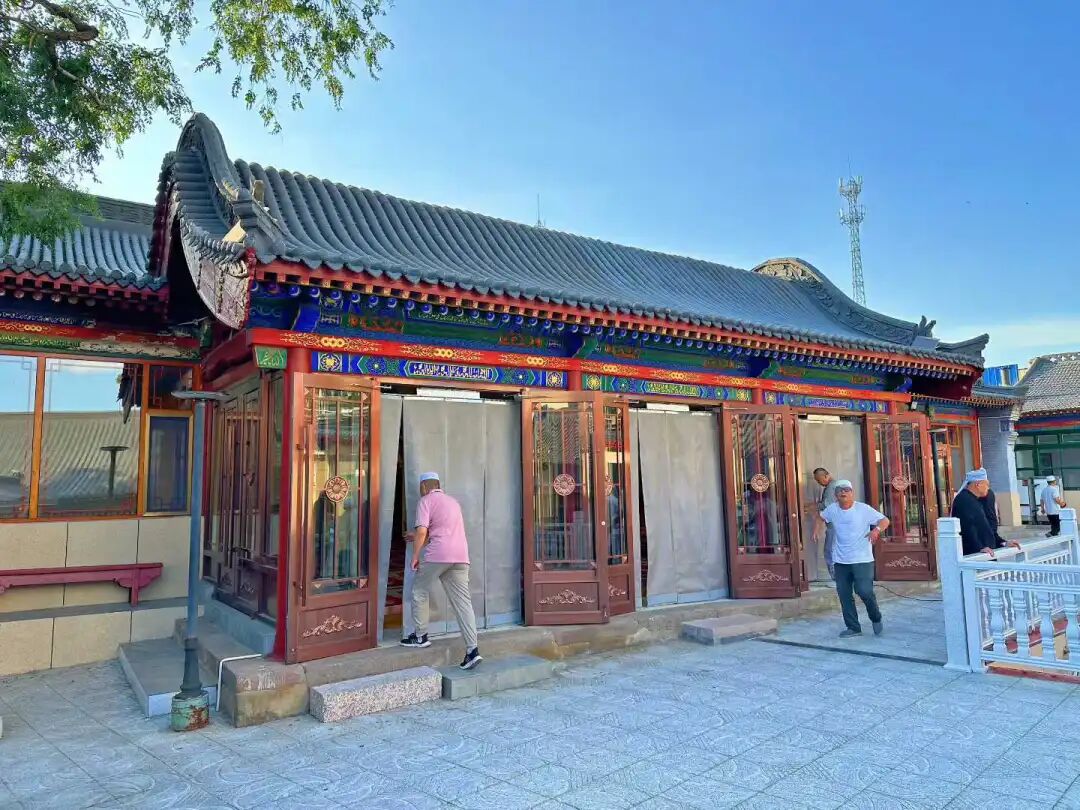
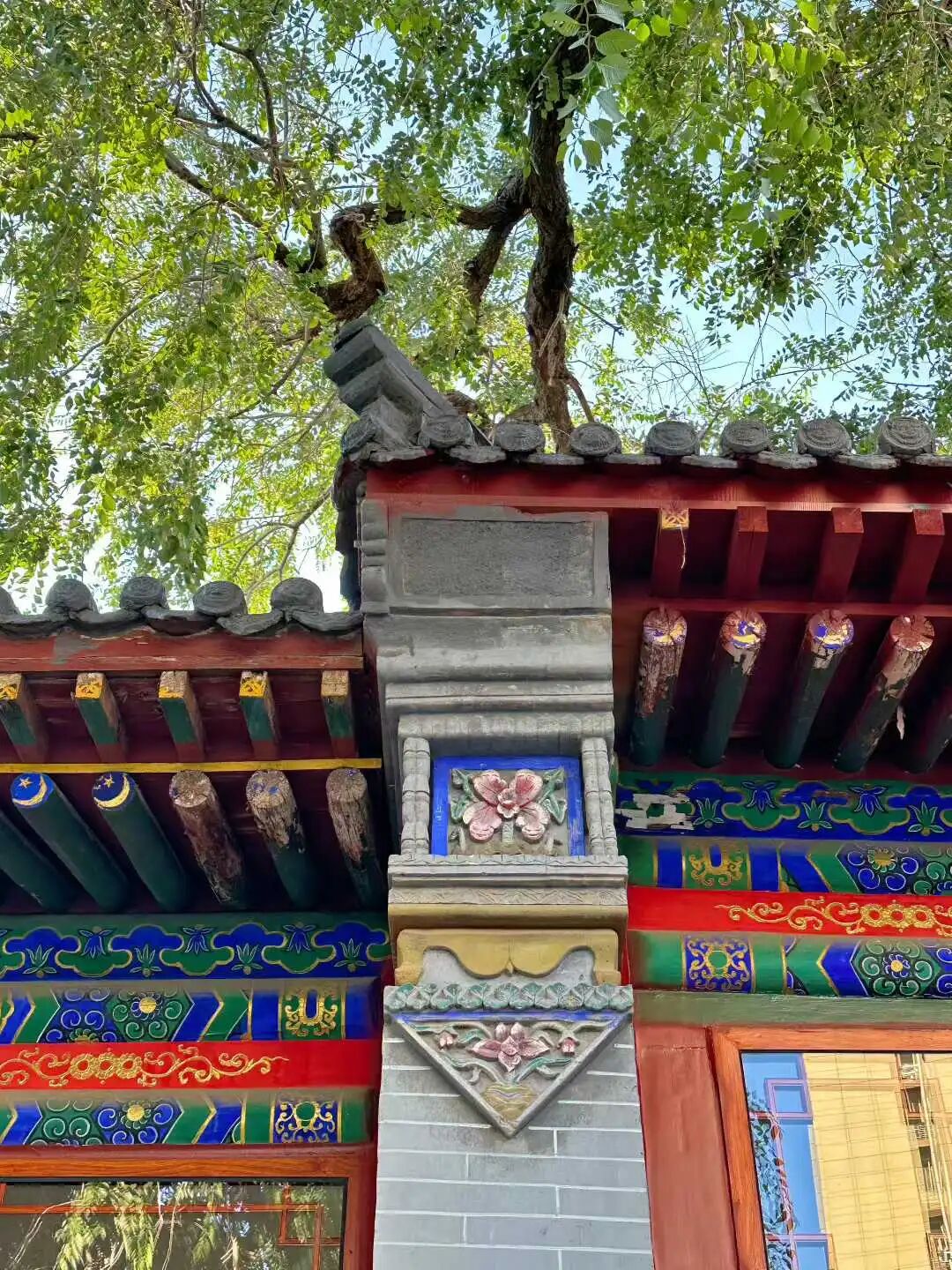
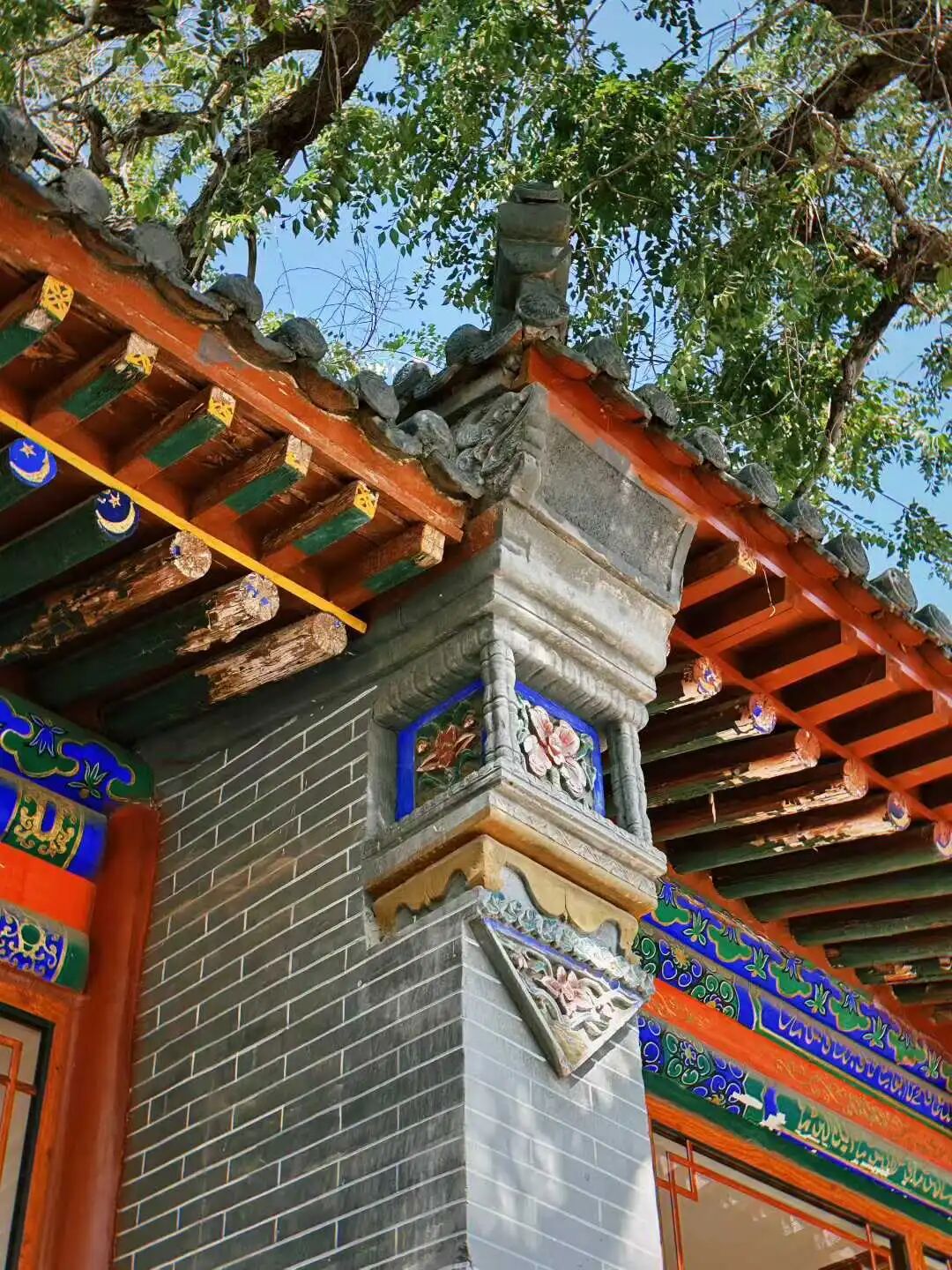
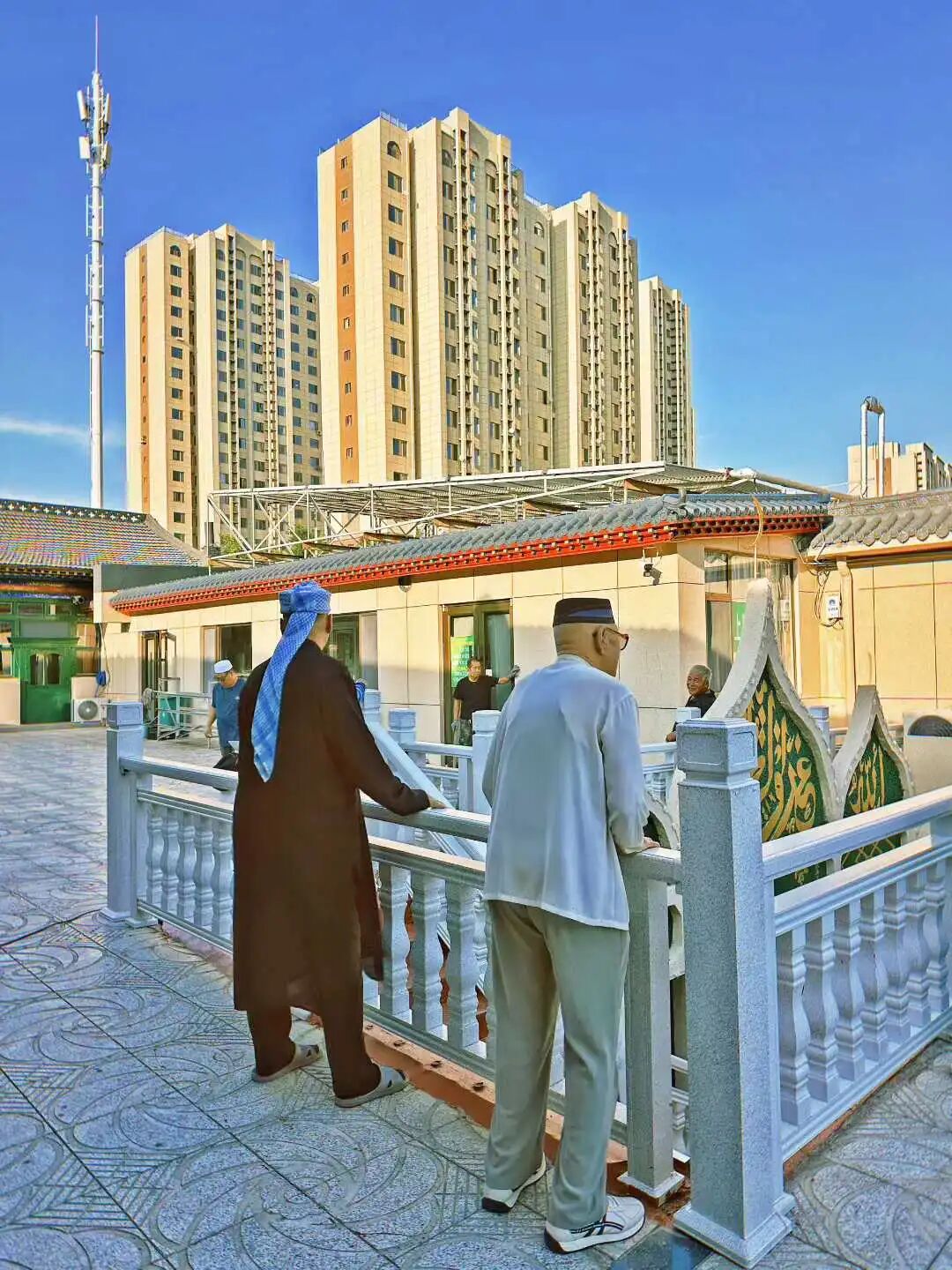
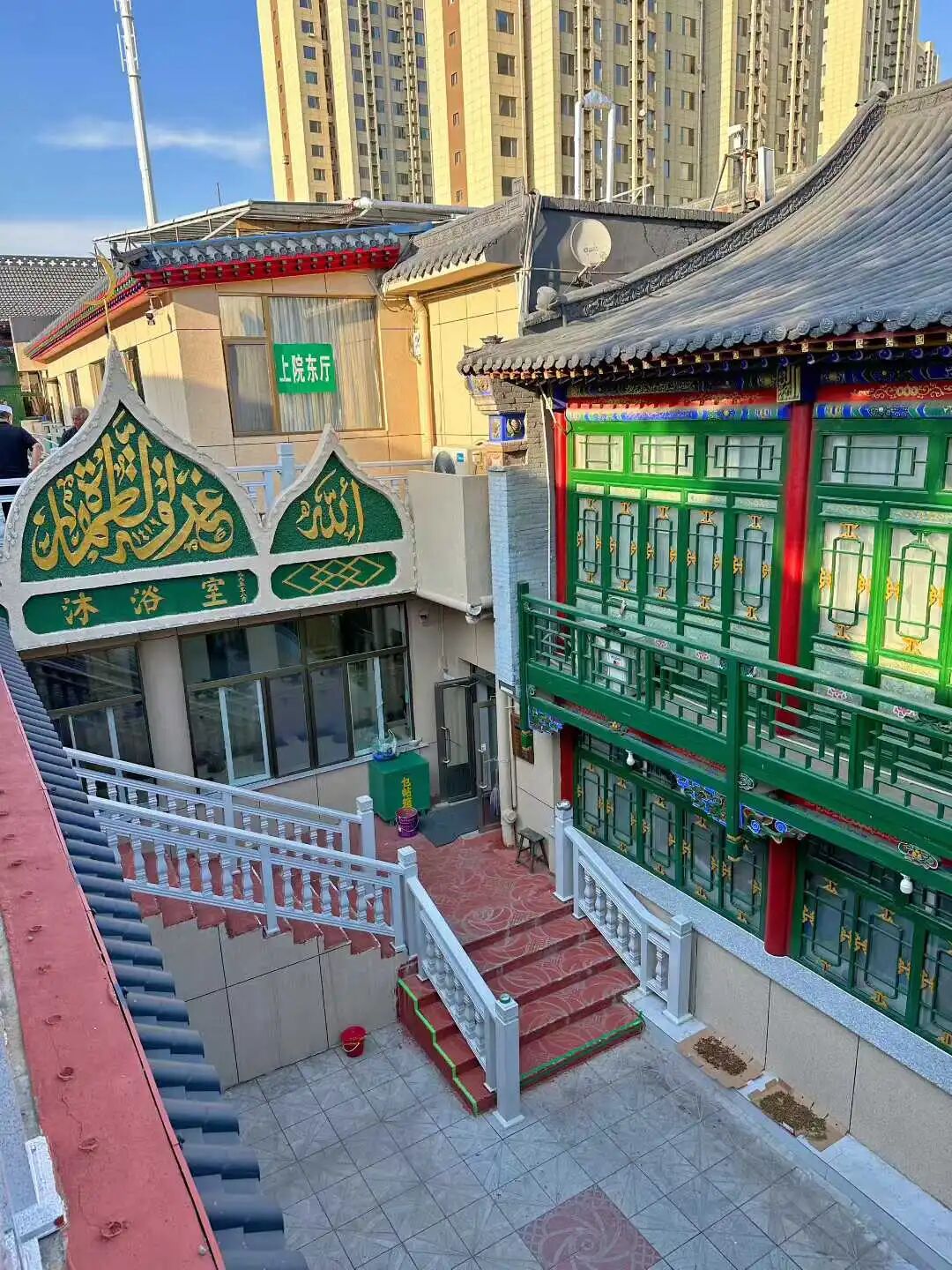
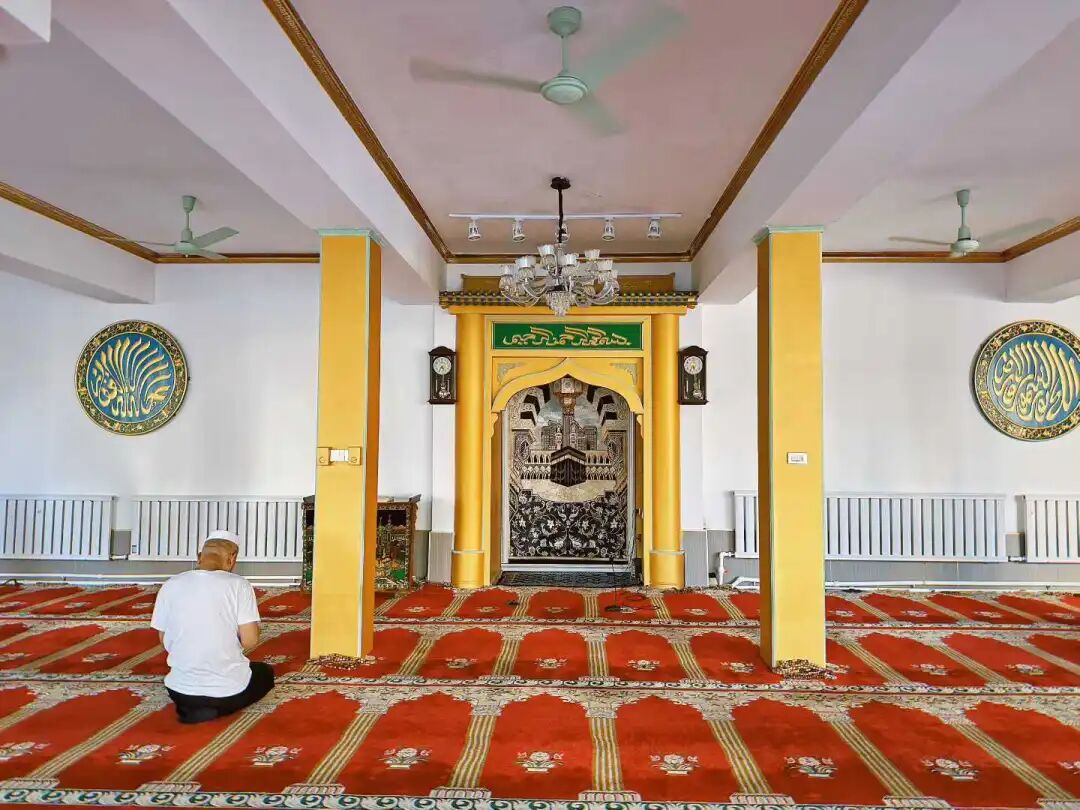
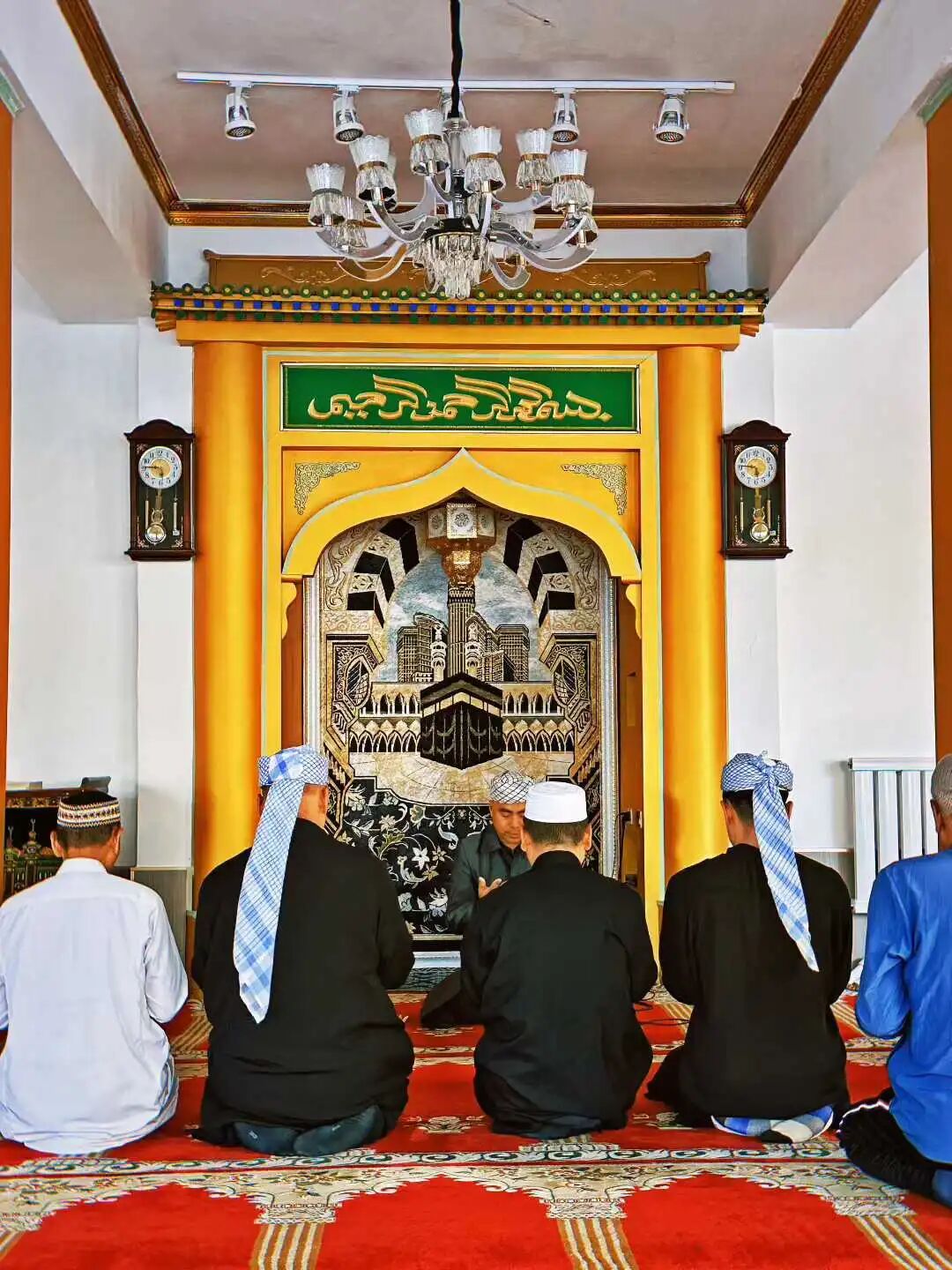
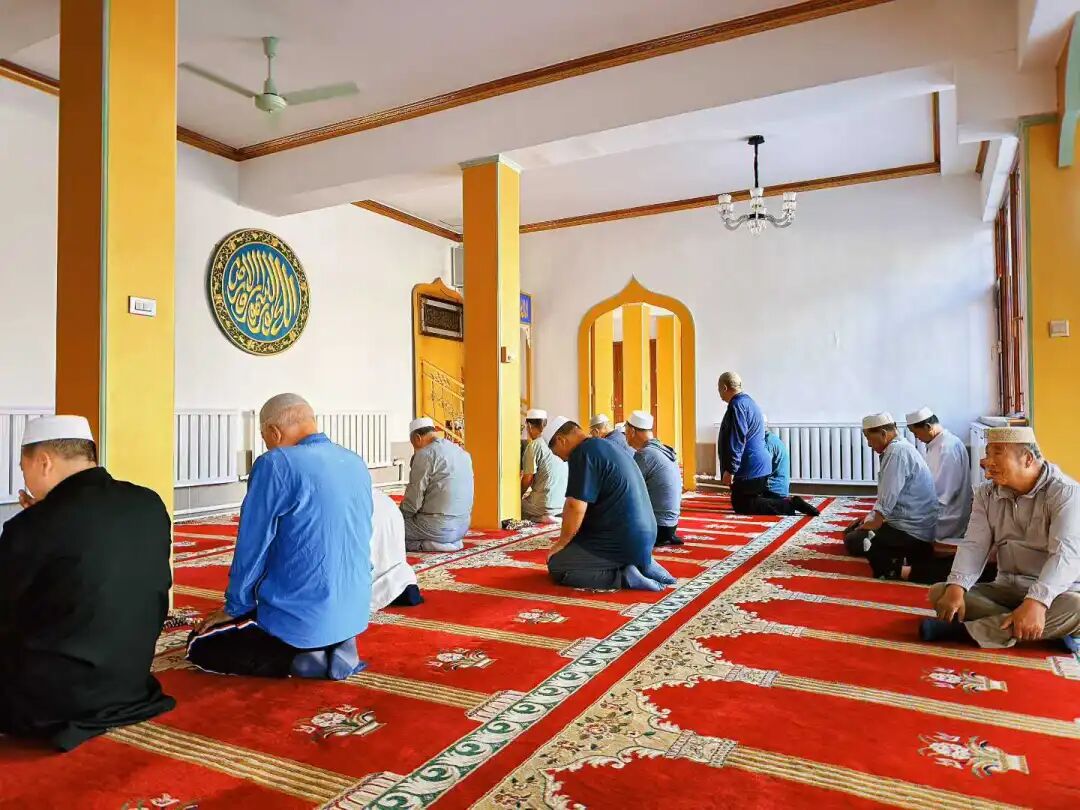
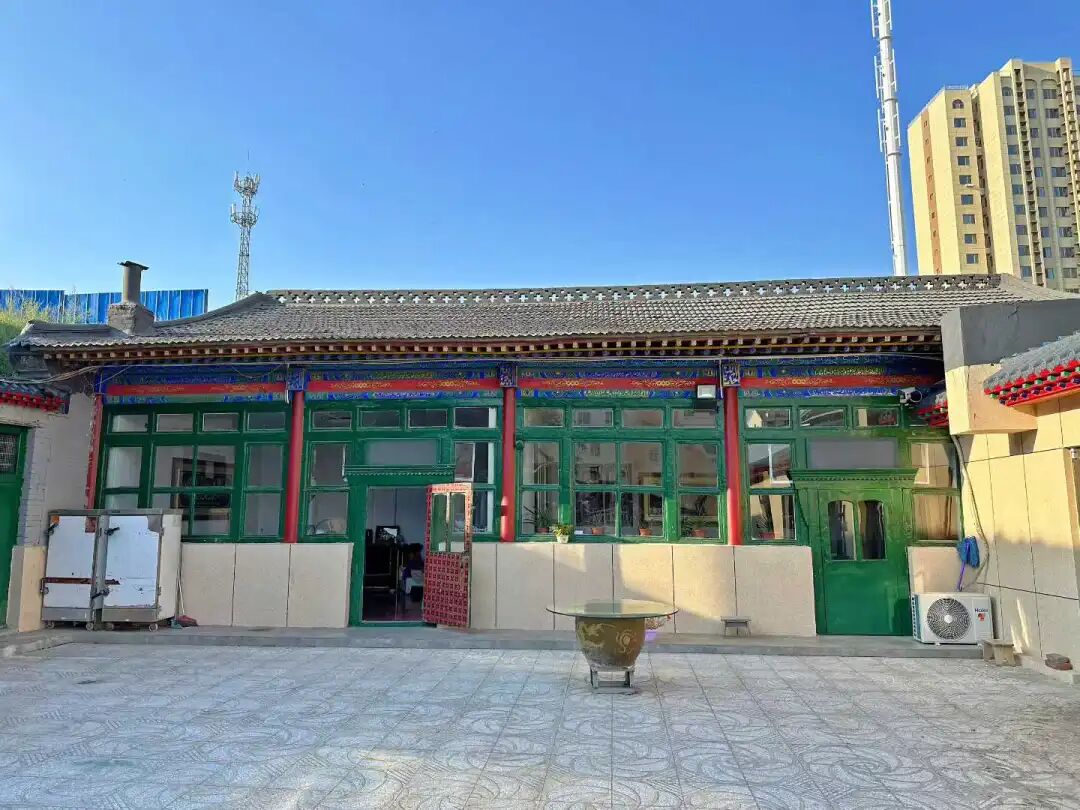
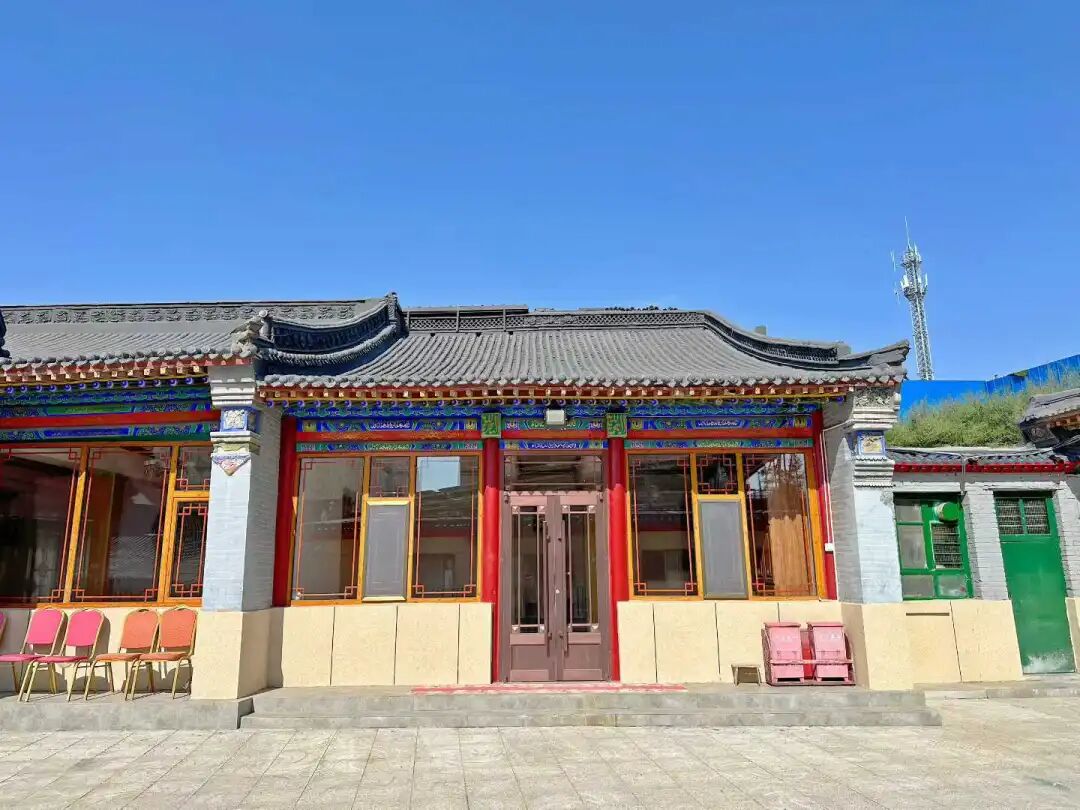
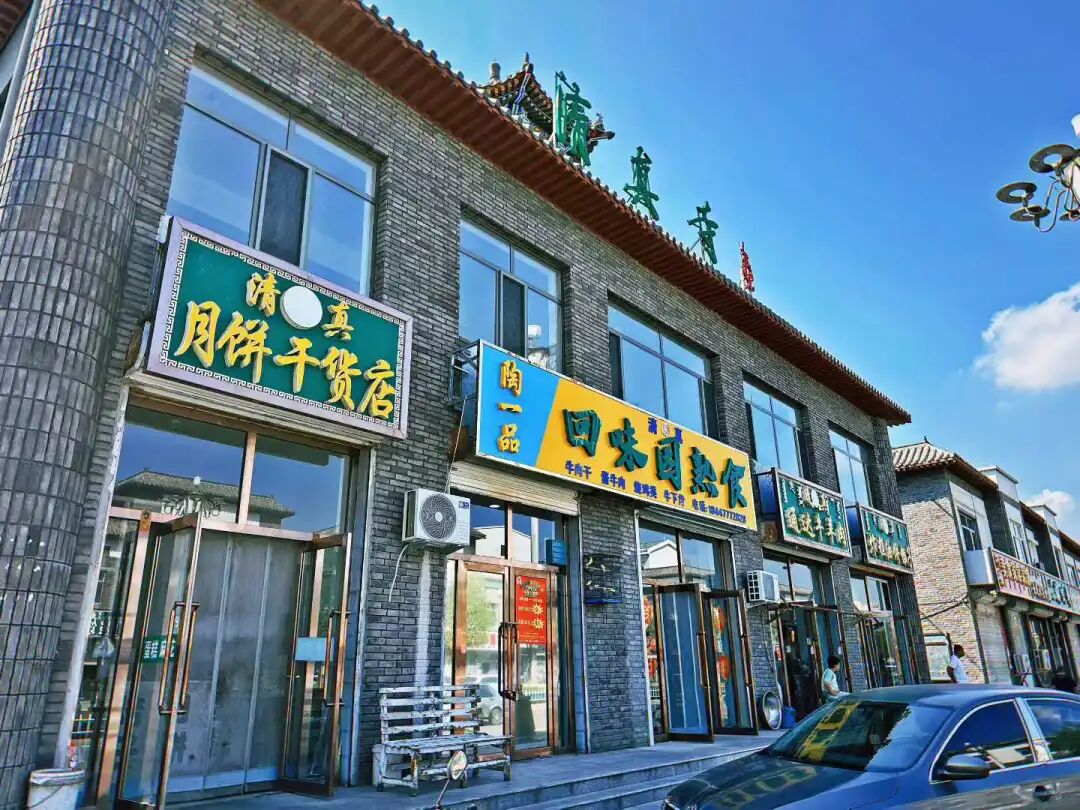
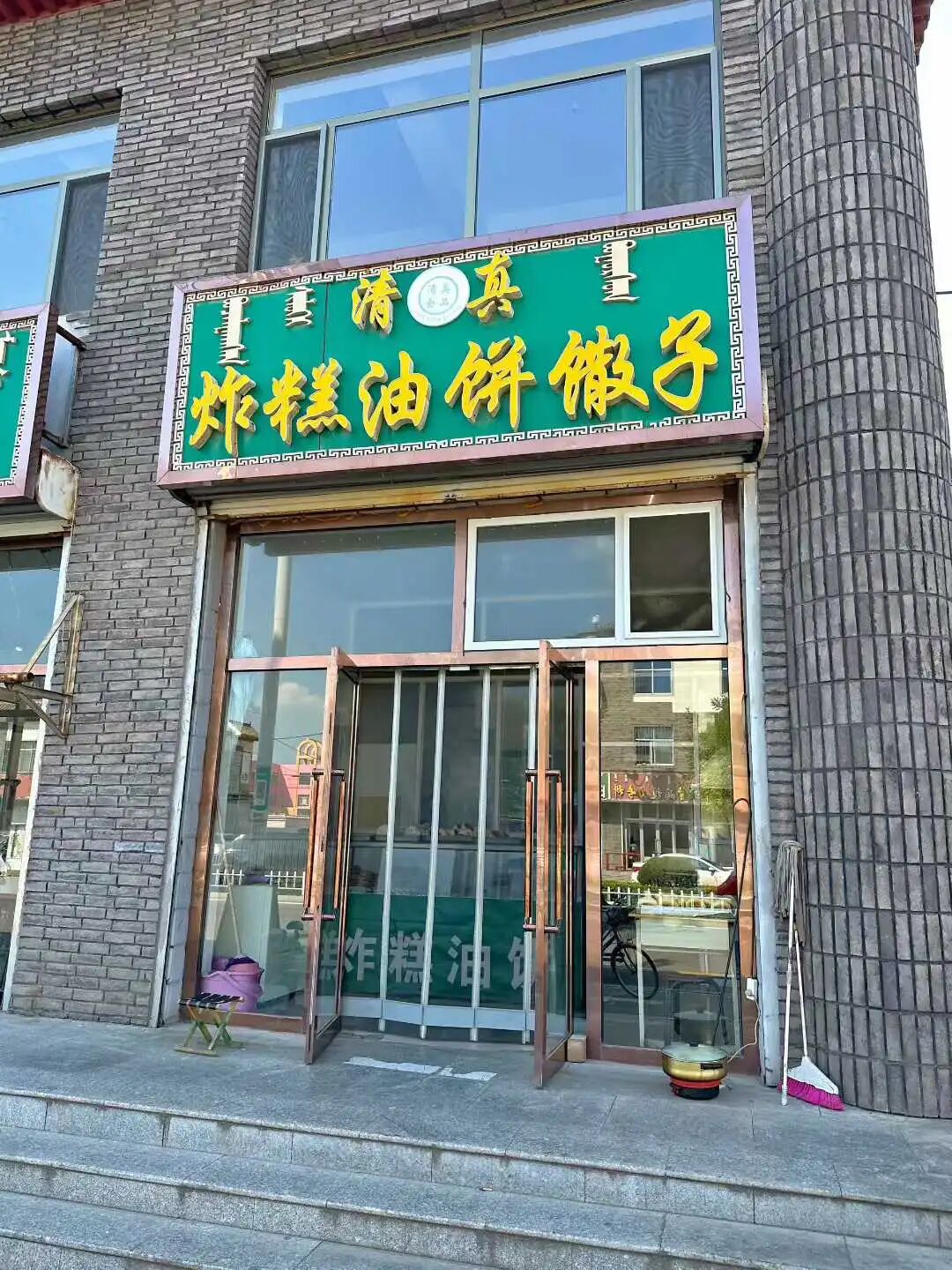
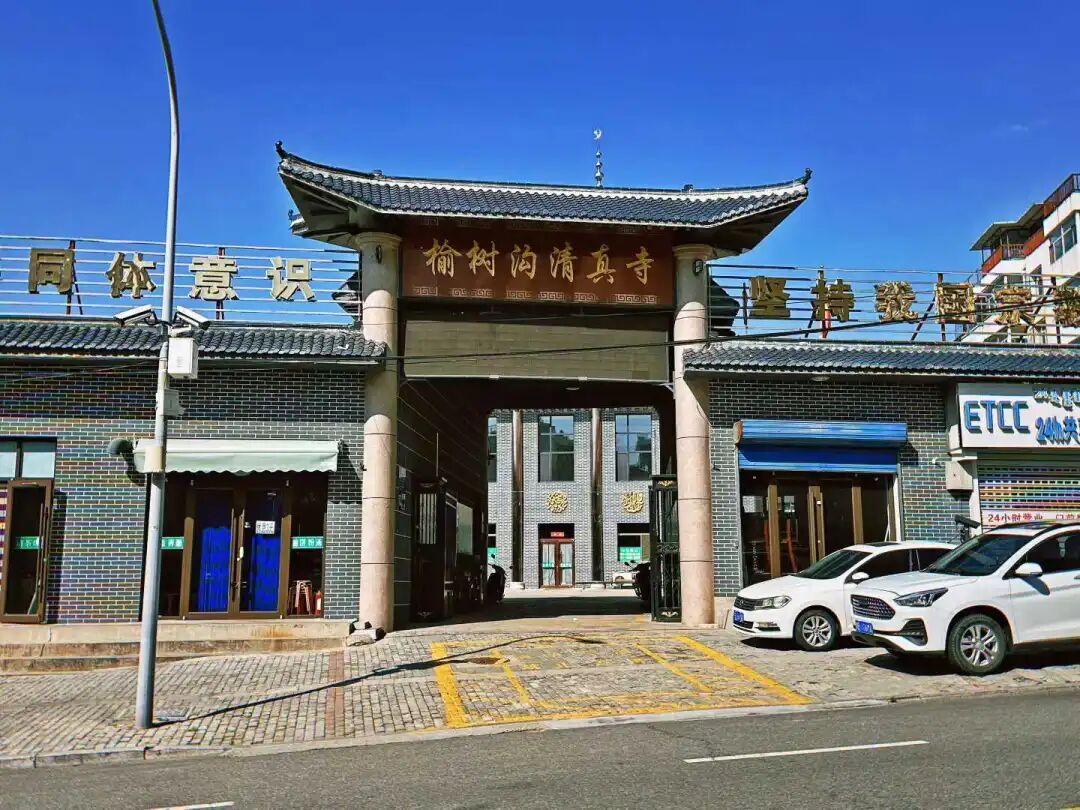
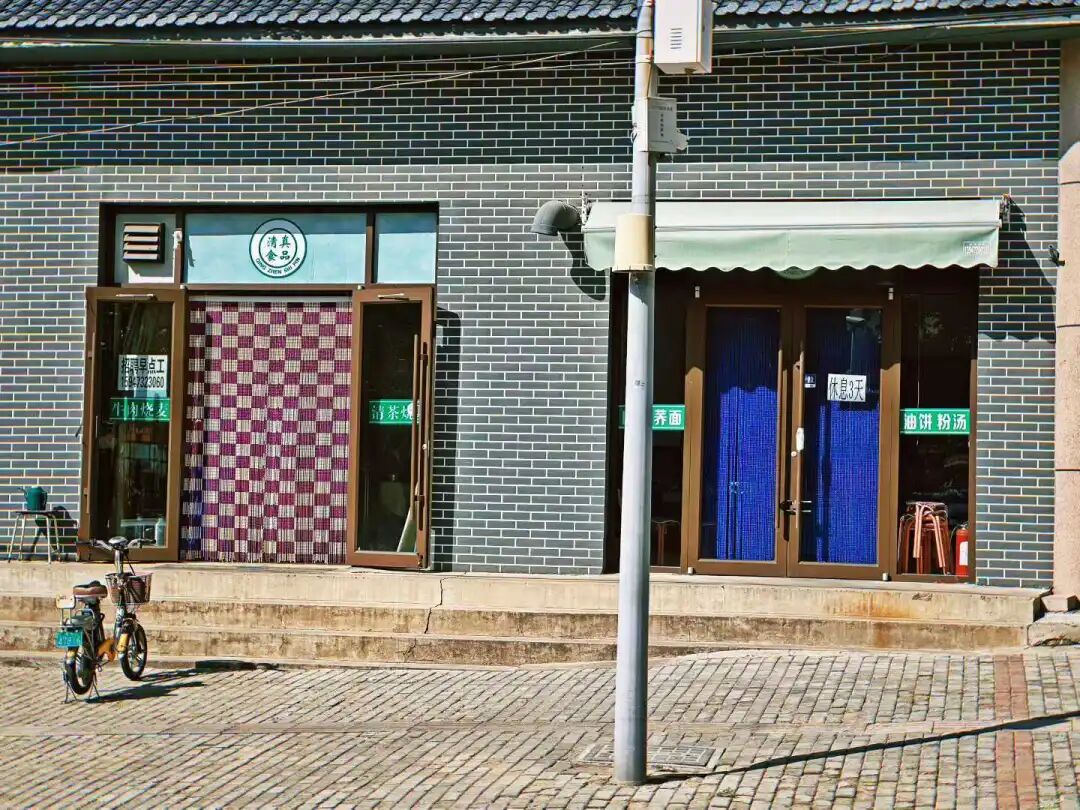
The Baotou Zhiluyu Mosque, also known as the Yushu Ditch Mosque (Yushu Gou Si) or the West Mosque, was first built with funds raised by "Eastern Route Hui Muslims" who came from Zhili (Hebei), Shandong, and Henan, hence its name. At the mosque entrance, there is a shop selling clear tea and beef steamed dumplings (shaomai), and another selling fried dough cakes (youbing) with vermicelli soup and buckwheat noodles. These are great for breakfast.
During the late Qing Dynasty and the Republic of China era, Baotou became a major hub for trading furs. Many Hui Muslims from Hebei came to Baotou to sell furs and livestock. Others came to work in leather tanning, soap making, or to run small stalls. By the early years of the Republic, there were over a hundred such households. In 1922, Hui Muslim families named Hai, Ma, Ge, Yang, and Wang from Hebei, Henan, and Shandong rented a house at the east end of Fuchengyuan Lane in Baotou and built the first Zhiluyu Mosque. In the autumn of 1923, Ma Jincai, Ge Taizhong, and Yang Minglu traveled to Gansu and Ningxia to collect donations (nietie). After returning, they bought a former ox-cart shop in Yushugou and officially established the Zhiluyu Mosque. In 1925, Jiang Tingshan from Linxia, Gansu, bought seventeen fur rafts at the Yellow River ferry in Baotou. He used the wood to rebuild the main hall of the Zhiluyu Mosque and renamed it the Shanganzhiluyu Mosque. The Shanganzhiluyu Mosque closed in 1966, reopened in 1982, and was renamed Yushugou Mosque. It was rebuilt into its current structure in 2008.
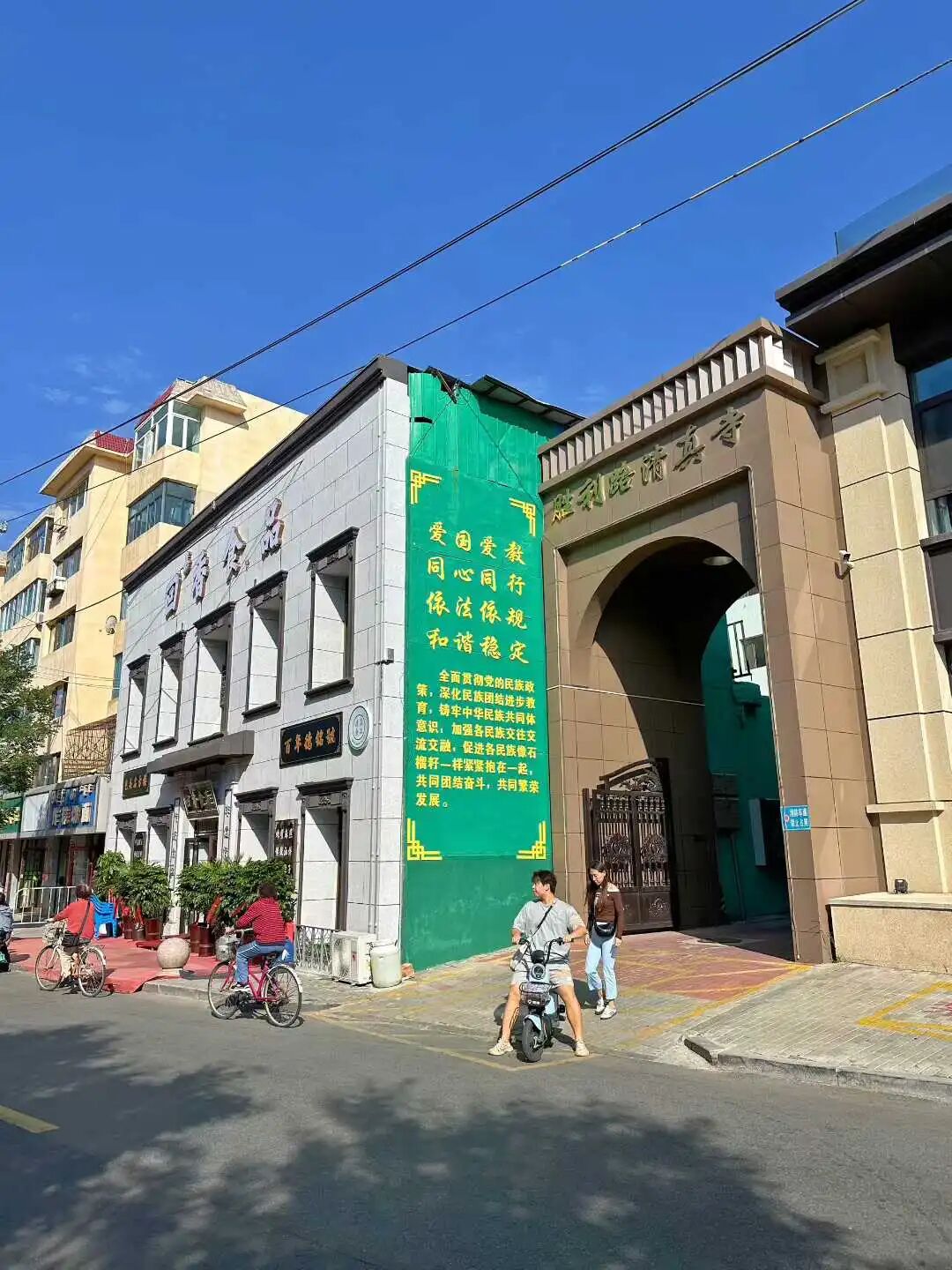
The Ganqingning Mosque in Baotou, also known as the Shengli Road Mosque or the Middle Mosque, was built in 1943 on Minsheng Street by He Huaizhong and He Huaicheng, Hui Muslims from Ningxia living in Baotou. In the summer of 1949, Li Fengzao, a Hui Muslim from Ningxia, donated a small building on Zhongshan Road. The upper floor served as the main hall, and they hired Imam Wang Zhen from the Longshengzhuang Mosque in Inner Mongolia as the first head of the mosque. In the winter of 1949, Li Fengzao donated a rented courtyard that had been the Yidecheng cold goods shop on Shengli Road. After clearing and renovating it, it was named the Ganqingning Mosque. The imams were mostly hired from Tongxin and Lingwu in Ningxia.
In 1958, the Ganqingning Mosque merged with the Baotou Small Mosque. The original site on Shengli Road was later occupied by a noodle workshop of a food factory and then a printing factory. It reopened in 1984, and the main hall was rebuilt in 1987.
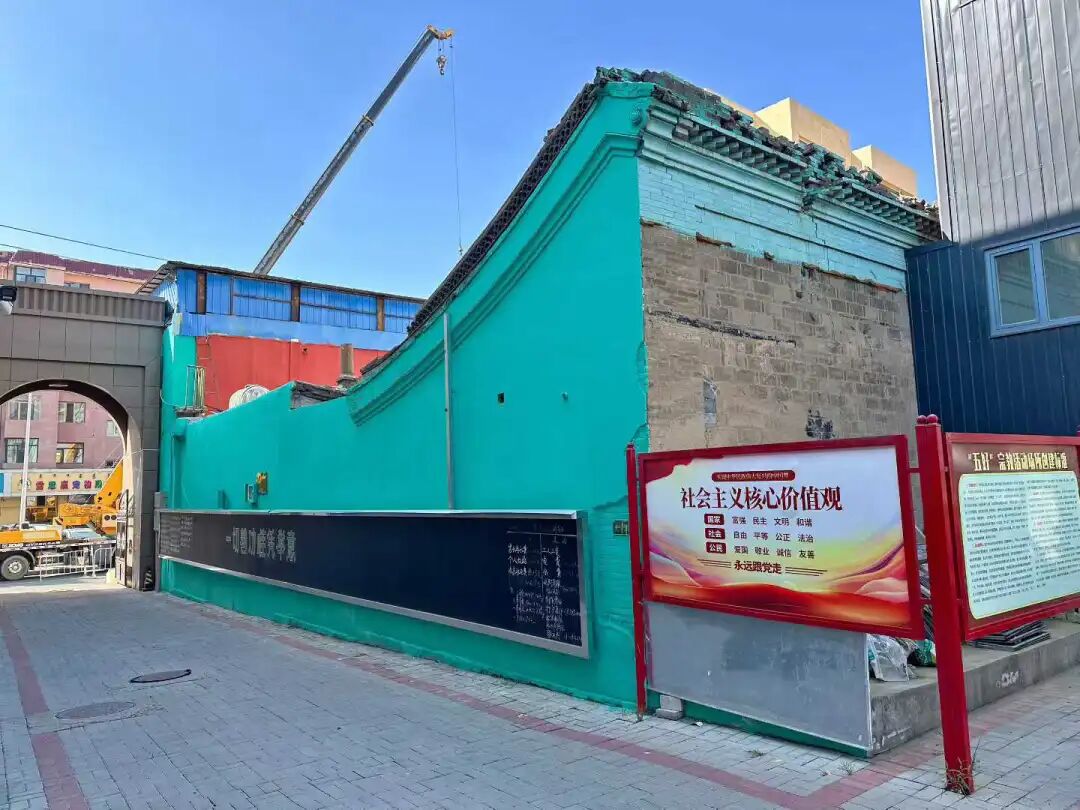
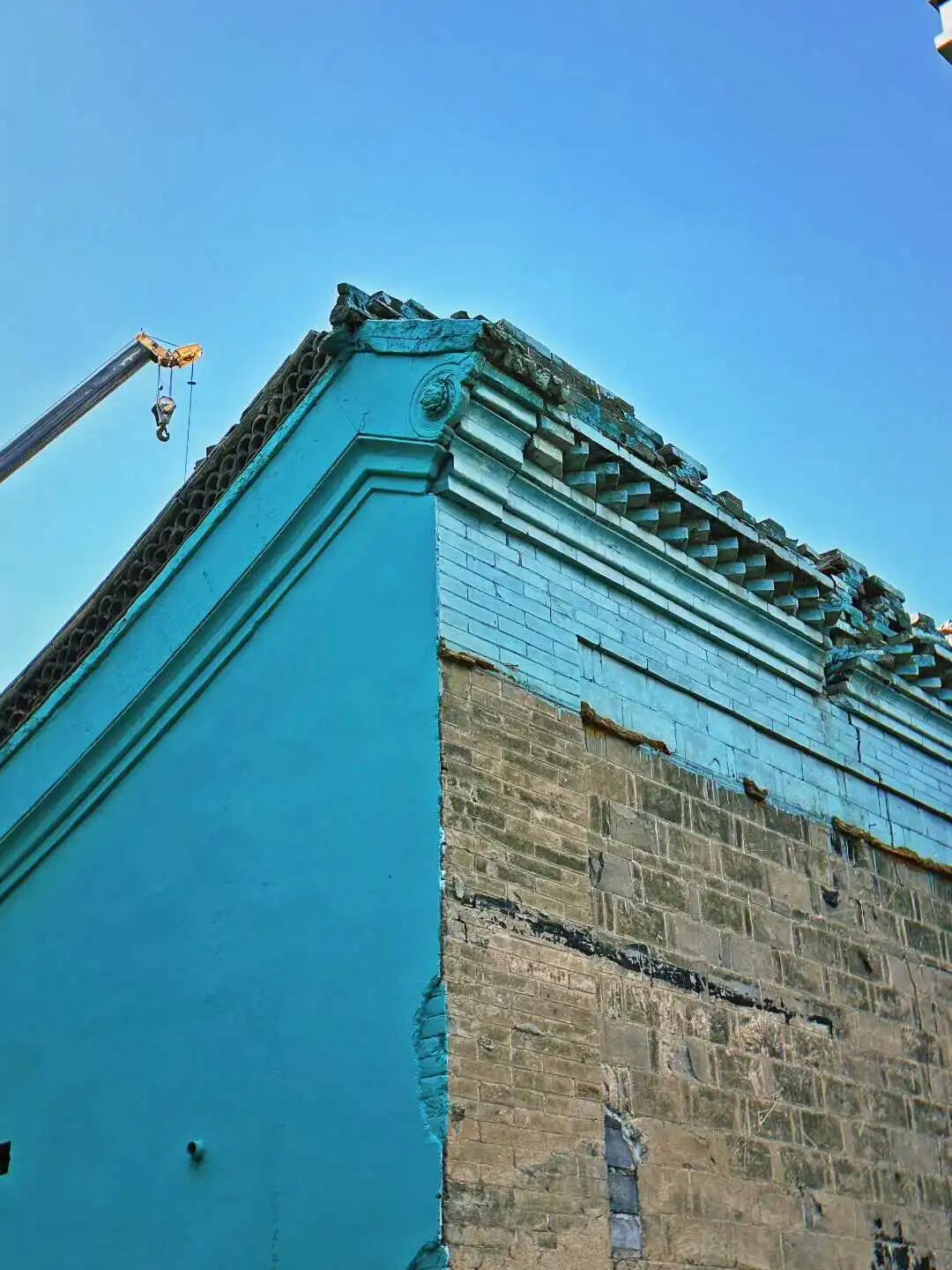
A traditional house with a pitched roof stands at the entrance of the Shengli Road Mosque. It is now a workshop for the Huixiang Food Shop, though its original purpose is unknown.
There is a lot of good food near the Shengli Road Mosque, which I will introduce specifically later.
Summary: Baotou in Inner Mongolia had five historic mosque communities from the Qing Dynasty and Republic of China era, tied to Hui Muslim trade, migration, and local settlement. This article records mosque origins, family histories, rebuilding dates, preserved tablets, and the religious geography of old Baotou.
Salachi Town in Tumed Right Banner, Inner Mongolia, sits between Hohhot and Baotou. It grew prosperous after the Salachi Assistant Magistrate's Office was set up in 1739 (the fourth year of the Qianlong reign), becoming a key trading hub on the merchant route to Mongolia. In the early Qianlong years, 23 families of Hui Muslims from Shandong and Hebei moved to Salachi from Shandai Town. These families, including the Ma, Bai, Yang, and Wei clans, mostly worked in the livestock trade. In 1747 (the twelfth year of the Qianlong reign), they pooled their money to build the Salachi Mosque (Salachi Si) in the Nanyingzi area of the town.
In 1760 (the twenty-fifth year of the Qianlong reign), Salachi was upgraded to an Assistant Magistrate's Office. It handled affairs between Mongol and Han people in the Urat Three Banners, the Ordos Left Wing Middle Banner (Junwang Banner), and the Ordos Left Wing Rear Banner (Dalad Banner). After this, the number of Hui Muslims moving to Salachi Town kept growing. By around the fortieth year of the Qianlong reign, the Hui Muslim population in Salachi had grown to over 100 families and more than 400 people. In 1782 (the forty-seventh year of the Qianlong reign), the local community expanded the main hall of the Salachi Mosque to 15 rooms. The door plaque inside the mosque still bears the date of the forty-seventh year of the Qianlong reign, serving as proof of the expansion.
In 1947, the south side room of the main hall suddenly collapsed. The community elders hired Wu Youlong, one of the only two college students among the Baotou Hui Muslims at the time, who had graduated from the Civil Engineering Department of Peiyang Institute of Technology, to rebuild the hall. When designing the hall, Wu Youlong boldly placed a millstone and a roller under each pillar. This design helped keep the pillars dry and improved the lighting inside. The rebuilt main hall took on its current form and is now a cultural heritage site protected by Baotou City.
The Great Mosque of Baotou (Baotou Dasi) is located in the Donghe District of the old city of Baotou. First built in 1743 (the eighth year of the Qianlong reign), it is the most important religious building in the western Tumed Plain and is now a protected cultural heritage site of the Inner Mongolia Autonomous Region.
In 1697 (the thirty-sixth year of the Kangxi reign), after Emperor Kangxi defeated Galdan, migrants from inland China began pouring into the Tumed Plain of Inner Mongolia, moving westward along the route from Hohhot to Chasugi and then to Salachi. In the early Qianlong years, Wang Xiu, a Hui Muslim from Cangzhou, Hebei, and Bai Sanmu, a Hui Muslim from Wuding, Shandong (near present-day Binzhou and Dezhou), arrived at Baotou Village west of Salachi, becoming the first Hui Muslims in Baotou.
According to family records, the Wang family's ancestral home was Erdaogang Wailiushu Village in Nanjing. Their distant ancestor was a military student (wulinsheng) during the Ming Dynasty and later served as a military officer. In 1421 (the nineteenth year of the Yongle reign), the Ming Dynasty officially moved its capital to Beijing. The Wang family was ordered to escort the emperor north and was later granted land in Cangzhou. During the Ming Yongle period, the Wang family moved to their granted land at Wangjia Sheqiao and gave up their official posts to become farmers. In the early Qianlong years, the Wang family fell on hard times. After a drought in Cangzhou, Wang Xiu carried his goods on a shoulder pole and traveled a long distance with his wife and children to Zhaowan in Inner Mongolia. Wang Xiu first made a living selling mountain goods and sewing supplies door-to-door. Later, he received a piece of pasture land from a lama, bought livestock, and started working in animal husbandry. Wang Xiu gradually became well-off by trading livestock between Inner Mongolia, Shandong, and Hebei.
In the early Qianlong years, Baotou Village, west of Salachi, began to take shape, and shops and businesses opened one after another. Wang Xiu rented a hillside from a Mongol person north of Baotou Village to build a house, and people called him the Wang of the High Slope (Gaopo Wangjia). After that, more Hui Muslims with the surnames Bai, Ma, Yang, and Zhou moved into Baotou. In 1743 (the eighth year of the Qianlong reign), the Wang and Bai families organized other Hui Muslim families to build the first Great Mosque of Baotou.
The original Great Mosque of Baotou was a five-room earth-and-wood hall. It once had a plaque inscribed with the words "Pure and Clean" (Qingjing) dated to the eighth year of the Qianlong reign, but it was unfortunately lost later. The first imam (ahong) was surnamed Fu and was hired from Hebei.
In 1809 (the fourteenth year of the Jiaqing reign), Baotou Village was renamed Baotou Town and gradually developed into a major commercial hub. Wang Daxing, the grandson of Wang Xiuzhi, opened the Sanhe Horse Inn (Sanhe Madian) in Baotou and ran a successful long-distance horse trading business. By 1833 (the 13th year of the Daoguang reign), the Hui Muslim population in Baotou had grown to over 100 households, totaling six or seven hundred people. Wang Daxing and Bai Kede, the grandson of Bai Sanmu, led the effort to rebuild the original earth-and-wood main hall into a brick-and-tile structure. They also inscribed plaques reading "Unique" (Duyi Wu'er), "Ancient Autumn" (Guqiu), and "Quiet One" (Jingyi). Only the "Ancient Autumn" (Guqiu) plaque remains today, signed by the community leaders (tou) Wang Daxing and Bai Kede.
In 1913, community elders from the Ma, Wang, Chen, Ding, and Bai families hired a carpenter named Guo San suo, known as the "Living Lu Ban," to expand the main hall. He moved the porch (juanpeng) forward and added a section to the back, giving the Baotou Great Mosque its current layout. The mosque houses a plaque inscribed with "Promoting the True Religion" (Xianyang Zhengjiao), gifted by Lieutenant General Ma Fuxiang in the second year of the Republic of China.
The main hall of the Baotou Great Mosque features a prayer niche (mihrab) and a pulpit (minbar) decorated with traditional Chinese-style Arabic calligraphy.
The qibla wall of the Baotou Great Mosque is decorated with 32 pieces of traditional Chinese-style large-character Arabic calligraphy, which is very impressive.
The architectural details of the Baotou Great Mosque, including the brick carvings and wood carvings, are all very exquisite.
The swastika (wanzi) and taiji brick carvings in the main hall of the Baotou Great Mosque show the influence of different cultures.
During the late Qing Dynasty, under the intellectual trend of interpreting Islam through Confucianism, scholars like Liu Zhi introduced concepts like "taiji" and "yin-yang" into the faith. The book "The Nature and Principle of Islam" (Tianfang Xingli) contains the record: "Movement creates yang, stillness creates yin; this is the manifestation of taiji, which is the manifestation of the True One."
The swastika (wanzi) is a traditional Chinese auspicious pattern. The swastika represents good fortune, and the "never-ending" (budao tou) design represents continuity. It frequently appears in architectural brick, stone, and wood carvings.
The Baotou Small Mosque, also known as the Baotou North Mosque or the Wayao Ditch Mosque (Wayao Gou Si), was first built in 1908 (the 34th year of the Guangxu reign). The main hall was rebuilt in 1918, and it is currently a Baotou municipal cultural heritage site. The Baotou Small Mosque is built on a very steep slope against a cliff. The main hall sits much higher than the ablution room (shuifang), which is a very unique feature.
In the late Qing Dynasty, the Hui Muslim population in Baotou grew steadily, expanding from the Beiliang area of the old city from east to west. By the end of the Qing Dynasty, the eight streets and alleys near Wayao Ditch had become a Hui Muslim residential area, home to horse inns, flour shops, oil mills, and dozens of cattle, sheep, and camel slaughterhouses. The slaughterhouses also operated as kitchens, meat shops, and livestock pens.
Because traveling between Wayao Ditch and the Baotou Great Mosque required crossing ditches and ridges, it was very inconvenient. In the final years of the Guangxu reign, Hui Muslim families including the Chens, Mas, Dings, Yangs, and Wangs proposed digging a well in Wayao Ditch and building a bathhouse called the "West Water Hall" (Xishui Tang). In 1908 (the 34th year of the Guangxu reign), they bought a flat piece of land on the hillside of the West Water Hall and built the first Baotou Small Mosque.
In 1918, the elders of the Small Mosque raised funds to build a five-room main hall with a porch (juanpeng) against the home of elder Xing Fa. In the 1920s, elder Xing Fa donated the empty land at the north end of the main hall to build north and south rooms and a north wing, making the Small Mosque a complete courtyard.
After it was built, the Baotou Small Mosque was long under the jurisdiction of the Great Mosque. The imam was selected monthly by the students (hailifan) of the Great Mosque, and the two Eid festivals (Duerde) and the Prophet's Birthday (Shengji) were all held at the Great Mosque. The Small Mosque was closed in 1958 due to the merger of mosques and reopened in 1990.
The Baotou Zhiluyu Mosque, also known as the Yushu Ditch Mosque (Yushu Gou Si) or the West Mosque, was first built with funds raised by "Eastern Route Hui Muslims" who came from Zhili (Hebei), Shandong, and Henan, hence its name. At the mosque entrance, there is a shop selling clear tea and beef steamed dumplings (shaomai), and another selling fried dough cakes (youbing) with vermicelli soup and buckwheat noodles. These are great for breakfast.
During the late Qing Dynasty and the Republic of China era, Baotou became a major hub for trading furs. Many Hui Muslims from Hebei came to Baotou to sell furs and livestock. Others came to work in leather tanning, soap making, or to run small stalls. By the early years of the Republic, there were over a hundred such households. In 1922, Hui Muslim families named Hai, Ma, Ge, Yang, and Wang from Hebei, Henan, and Shandong rented a house at the east end of Fuchengyuan Lane in Baotou and built the first Zhiluyu Mosque. In the autumn of 1923, Ma Jincai, Ge Taizhong, and Yang Minglu traveled to Gansu and Ningxia to collect donations (nietie). After returning, they bought a former ox-cart shop in Yushugou and officially established the Zhiluyu Mosque. In 1925, Jiang Tingshan from Linxia, Gansu, bought seventeen fur rafts at the Yellow River ferry in Baotou. He used the wood to rebuild the main hall of the Zhiluyu Mosque and renamed it the Shanganzhiluyu Mosque. The Shanganzhiluyu Mosque closed in 1966, reopened in 1982, and was renamed Yushugou Mosque. It was rebuilt into its current structure in 2008.
The Ganqingning Mosque in Baotou, also known as the Shengli Road Mosque or the Middle Mosque, was built in 1943 on Minsheng Street by He Huaizhong and He Huaicheng, Hui Muslims from Ningxia living in Baotou. In the summer of 1949, Li Fengzao, a Hui Muslim from Ningxia, donated a small building on Zhongshan Road. The upper floor served as the main hall, and they hired Imam Wang Zhen from the Longshengzhuang Mosque in Inner Mongolia as the first head of the mosque. In the winter of 1949, Li Fengzao donated a rented courtyard that had been the Yidecheng cold goods shop on Shengli Road. After clearing and renovating it, it was named the Ganqingning Mosque. The imams were mostly hired from Tongxin and Lingwu in Ningxia.
In 1958, the Ganqingning Mosque merged with the Baotou Small Mosque. The original site on Shengli Road was later occupied by a noodle workshop of a food factory and then a printing factory. It reopened in 1984, and the main hall was rebuilt in 1987.
A traditional house with a pitched roof stands at the entrance of the Shengli Road Mosque. It is now a workshop for the Huixiang Food Shop, though its original purpose is unknown.
There is a lot of good food near the Shengli Road Mosque, which I will introduce specifically later.
