
Halal Travel Guide: Inner Mongolia - 12 Historic Mosques, Part 2
Reposted from the web
Summary: This second part of the Inner Mongolia mosque series follows historic mosque communities across Chifeng, Jingpeng, Duolun, and Longshengzhuang. The article records Qing-era trade routes, Hui Muslim settlement, mosque founding dates, timber structures, plaques, stone carvings, and preserved prayer halls.
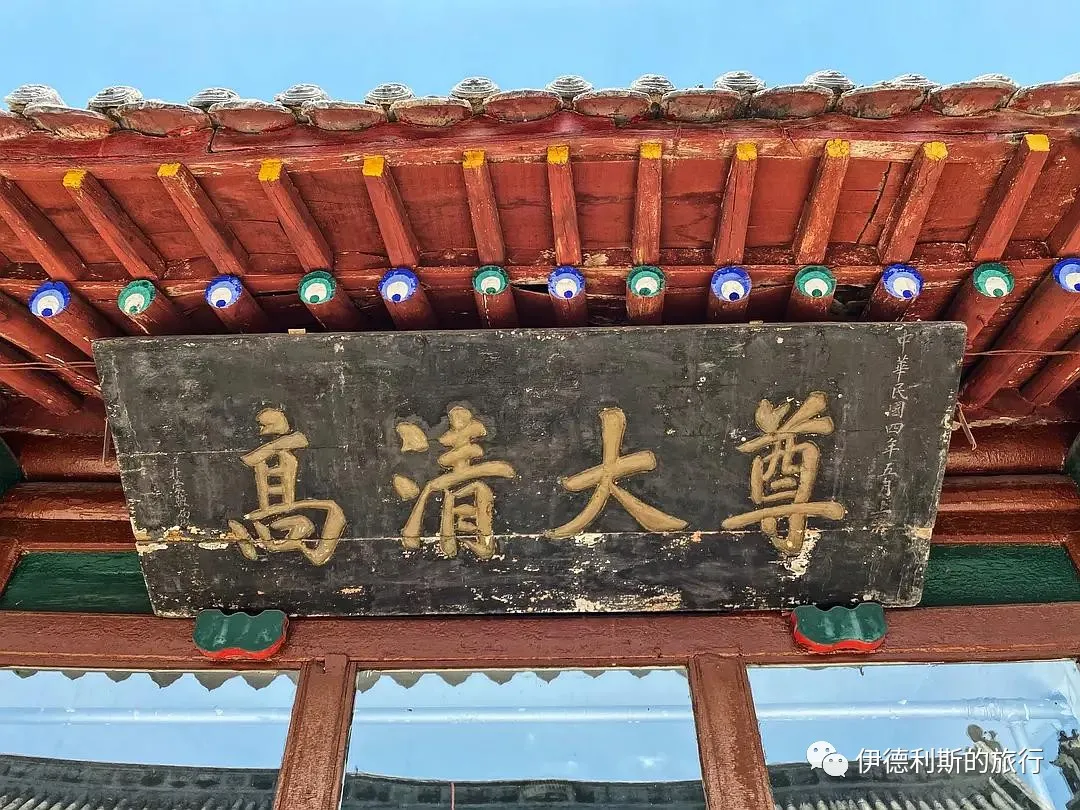
The 'Zun Da Qing Gao' plaque from 1915 (the fourth year of the Republic of China) bears the signature of the Koubei Mongolian Salt Bureau (Koubei Mengyanju). From the Qing Dynasty to the Republic of China, all salt produced in the salt lakes of the Inner Mongolian Plateau was collectively called Mongolian salt (Mengyan). In 1913, the Beiyang government used salt taxes as collateral to sign a 25 million pound sterling reorganization loan with a banking consortium from Britain, France, Germany, Russia, and Japan, which required China to hire foreigners to help reorganize salt taxes. China began salt administration reforms and established the Koubei Mongolian Salt Bureau, with its main office in Duolunuo'er and branch offices in Longshengzhuang, Fengzhen.
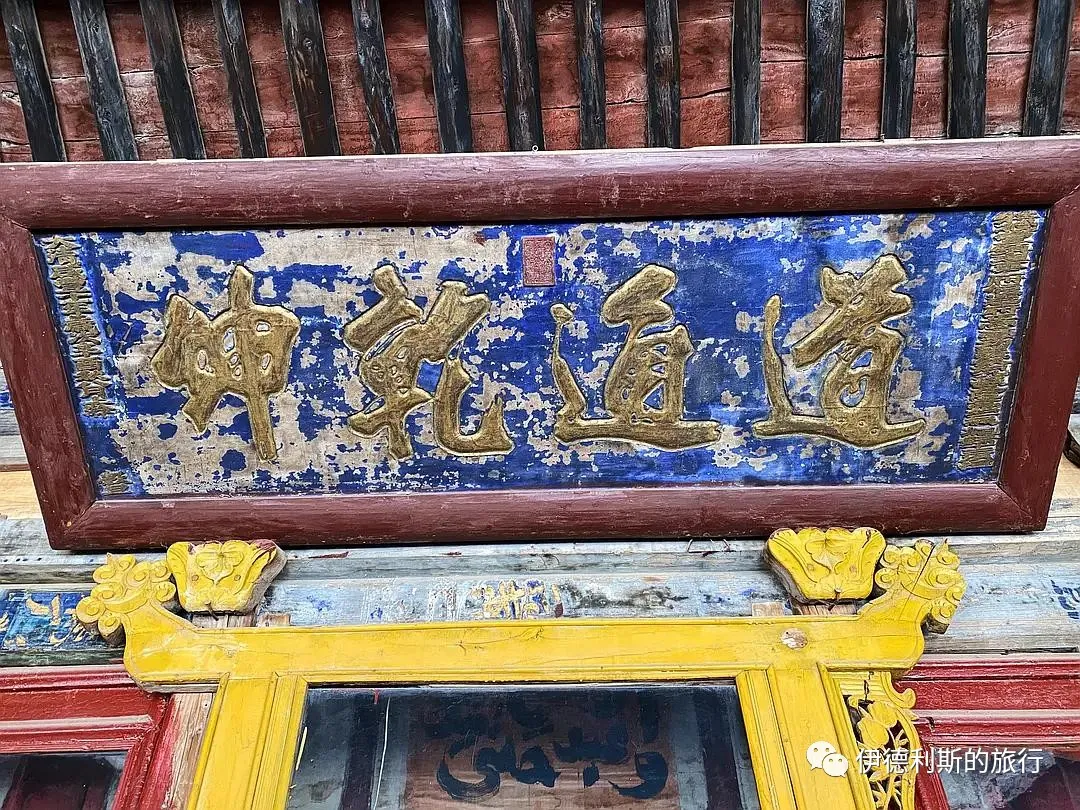
In 1861 (the eleventh year of the Xianfeng reign), the Fengzhen prefectural government presented the 'Dao Tong Qian Kun' plaque.
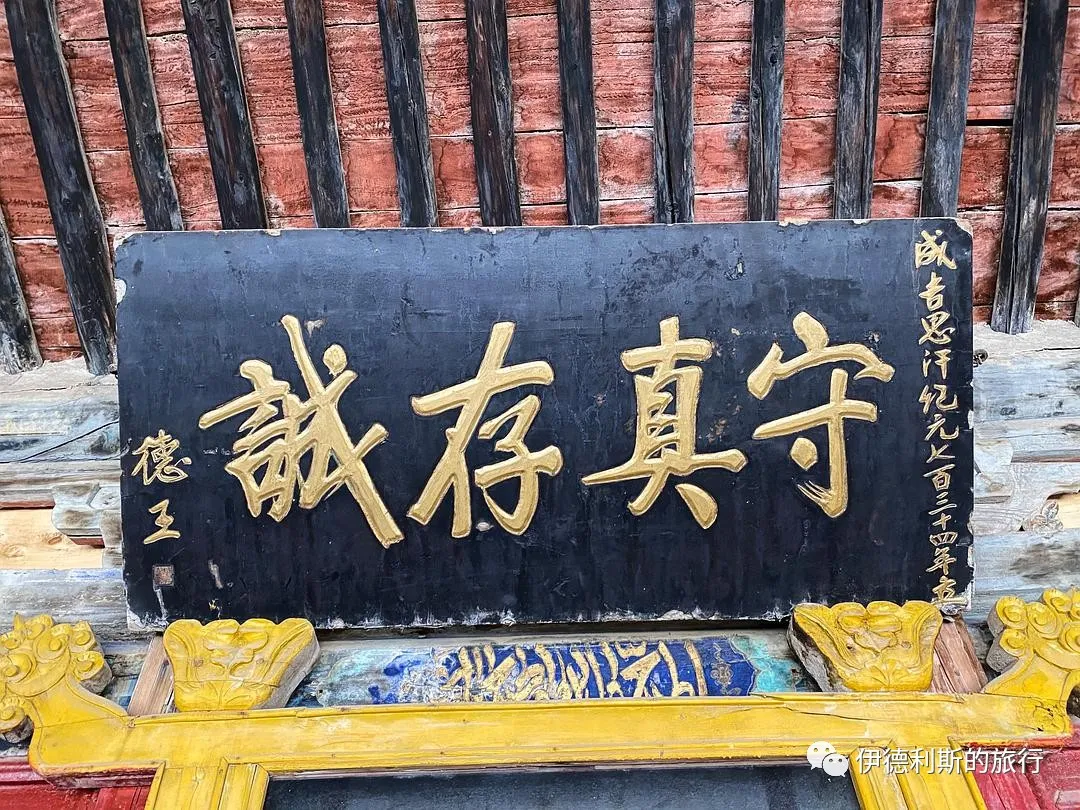
Prince De inscribed 'Shou Zhen Cun Cheng' in 1940, dating it to the '734th year of the Genghis Khan era,' which is 1940, as Prince De was a descendant of Genghis Khan. Prince Demchugdongrub was a Mongolian noble and Prince of the Sunid Right Banner who launched the 'Inner Mongolia High Autonomy Movement' in Bailingmiao in 1933 and became chairman of the puppet 'Mongolian United Autonomous Government' in 1939, which is when he inscribed this plaque.
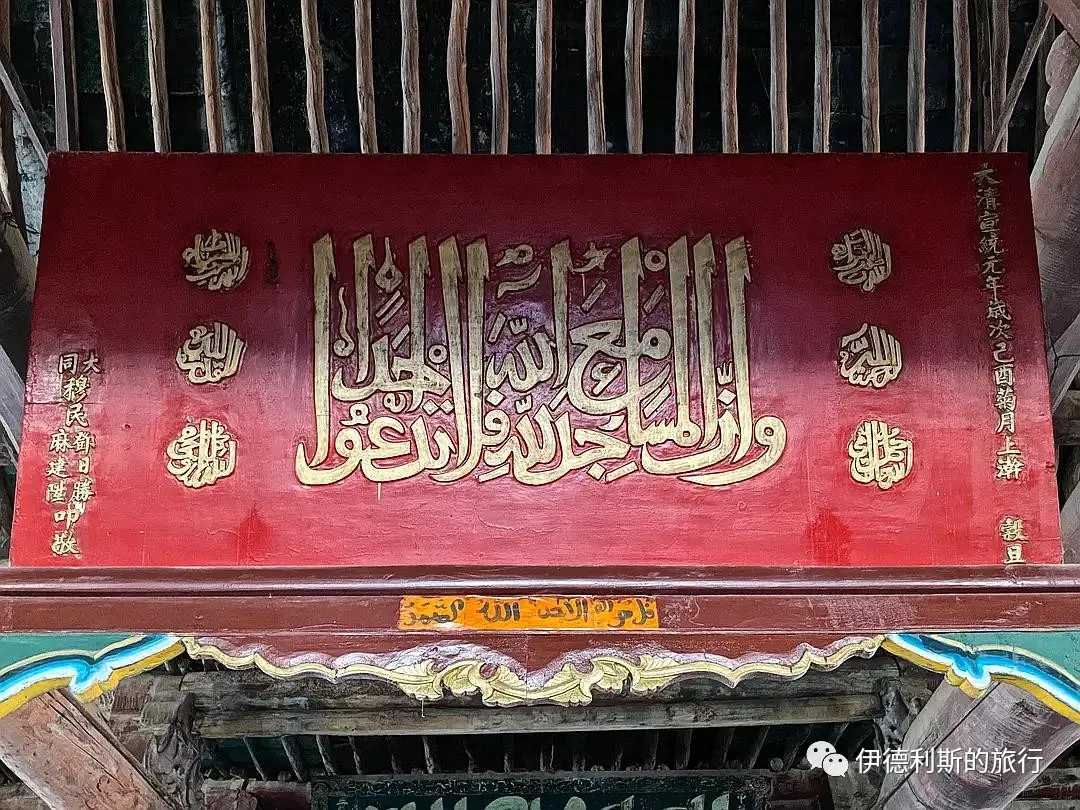
This was inscribed in 1909 (the first year of the Xuantong reign) by Hui Muslims Deng Risheng and Ma Jiansheng from Datong. The Ma family of Hui Muslims originated from Youwei, Shanxi, and were a prominent military family during the Ming Dynasty; the 'Ma Family Army' formed by Ma Gui and his brothers and nephews in the mid-Wanli period was famous for its combat skills and earned great merit by defending Youwei against Altan Khan for six months. The Ma family has been a major Hui Muslim clan in Datong since the Ming Dynasty, and they frequently helped rebuild the Datong mosque and served as imams during the Ming and Qing dynasties. After the Qing Dynasty turned military garrisons into counties, the Ma family of Hui Muslims in Datong left the military for civilian life, achieved success in business and government, and for a time became the actual managers of the Datong mosque.
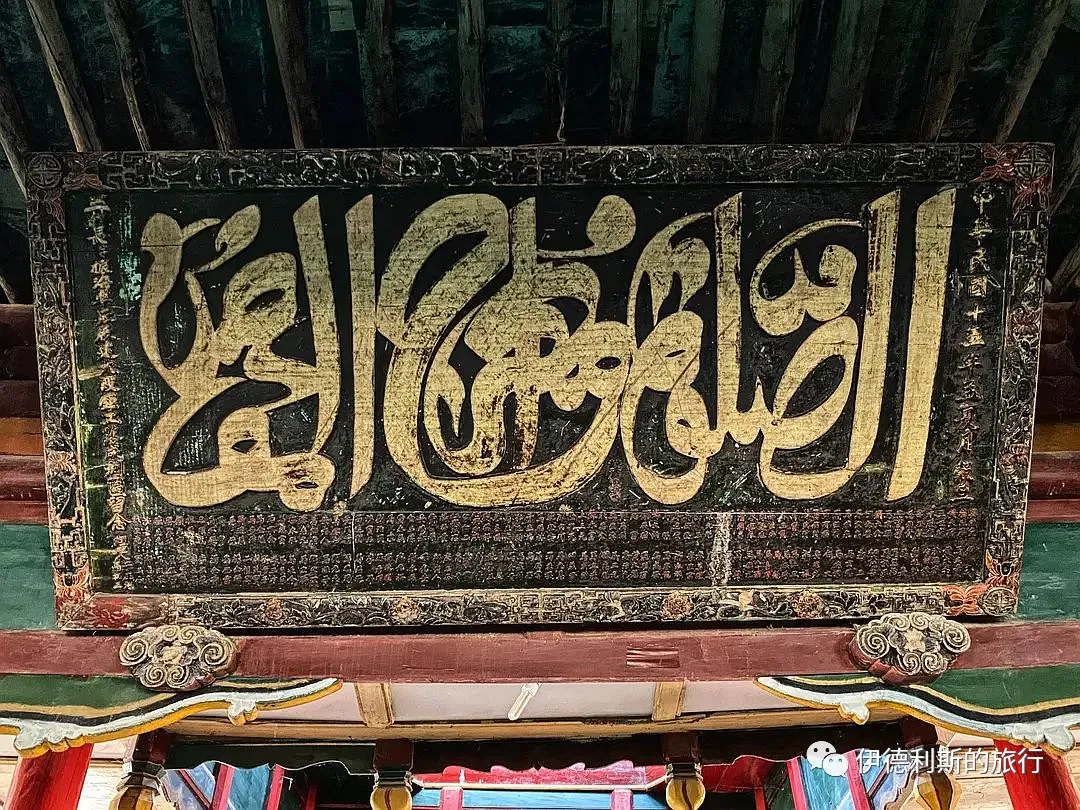
This is a commemorative plaque left by local Hui Muslims during the expansion of the prayer hall in 1926.
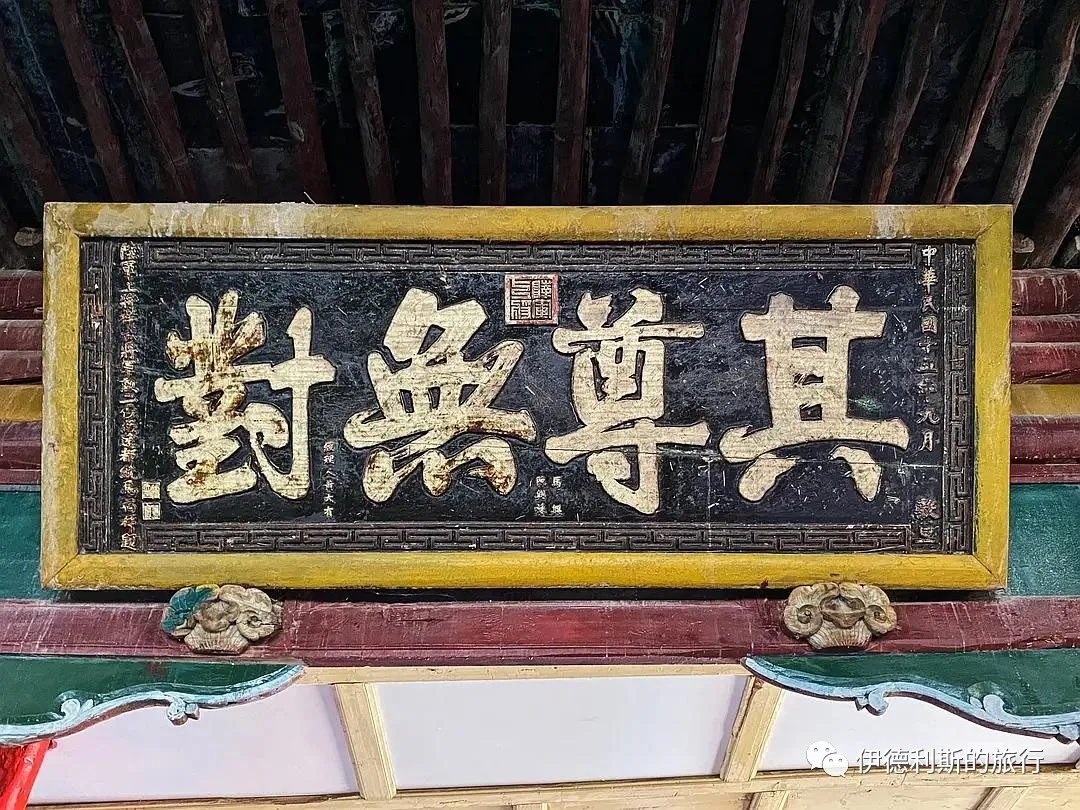
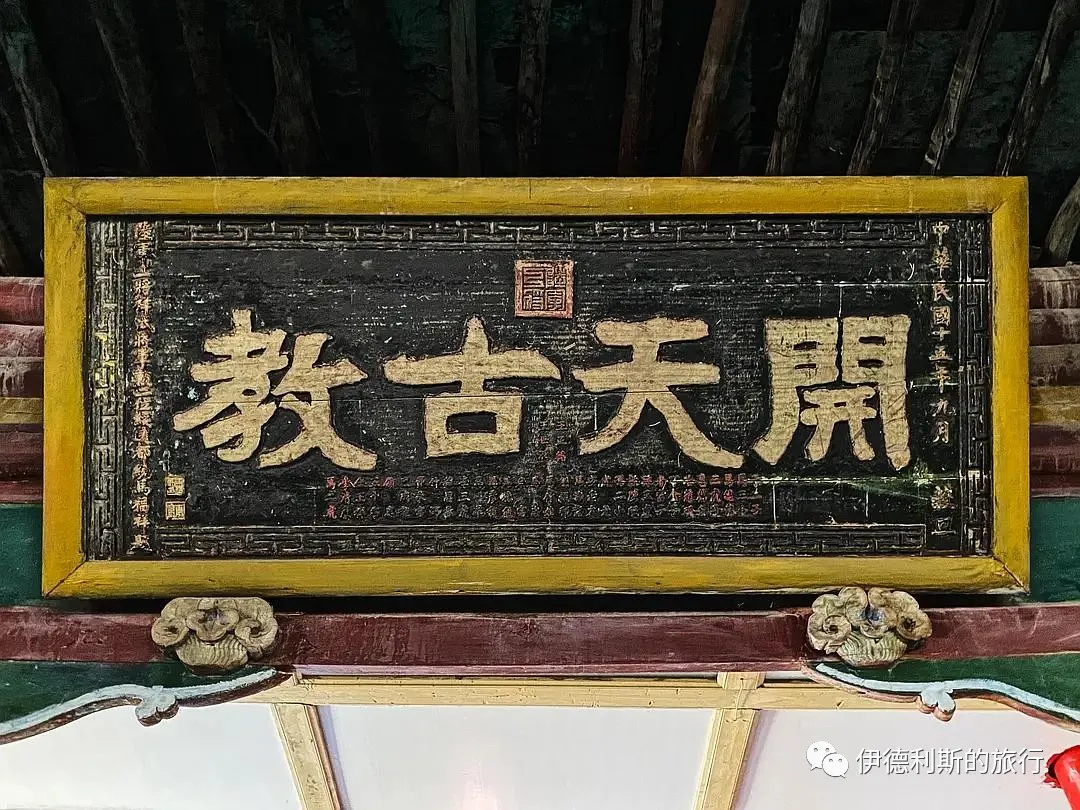
In 1926, the Hui Muslim general Ma Fuxiang, who was then a general and the Suiyuan military governor, inscribed the 'Qi Zun Wu Dui' and 'Kai Tian Gu Jiao' plaques to celebrate the mosque's expansion. The Great Mosque of Hohhot and the Great Mosque of Baotou also have inscriptions by Ma Fuxiang.
The Great Mosque of Hohhot.
The establishment of the community around the Great Mosque of Hohhot originated with Hui Muslim officers and soldiers in the Qing Dynasty's Green Standard Army. After the fall of the Ming Dynasty, most of the officers and soldiers guarding the Nine Frontiers joined the Qing Dynasty and were organized into the 'Green Standard Army,' which included many Hui Muslim soldiers from the three towns of Xuanhua, Datong, and Taiyuan. In 1693 (the thirty-second year of the Kangxi reign), the Qing government increased its troops in Hohhot to fight the Dzungar Khanate, which included many Hui Muslim soldiers from the Green Standard Army. At that time, the Green Standard Army's Hui Muslim soldiers and Hui Muslim merchants built the mosque community together at the north gate of the old city, which was the predecessor to the Great Mosque of Hohhot.
After the mid-Kangxi period, as there were no more wars on the borders, most of the Hui Muslim soldiers from Datong and the two garrisons of Zuoyun and Youyu became small merchants and artisans, and many Hui Muslims moved to settle near the Great Mosque of Hohhot; to this day, the dialect of Hohhot's Hui Muslims is still deeply influenced by the Datong dialect. By the late Kangxi period, two large livestock trading markets, 'Niuqiao' (Ox Bridge) and 'Yanggangzi' (Sheep Mound), had formed near the Great Mosque of Hohhot, and the cattle and sheep slaughtering industry was controlled by Hui Muslims.
The early Great Mosque of Hohhot only had a few earthen rooms, and it only reached its current size after being rebuilt in 1723 (the first year of the Yongzheng reign) and undergoing a large-scale expansion in 1789 (the fifty-fourth year of the Qianlong reign). The funds for the Qianlong-era expansion were mainly donated by three wealthy Hui Muslim merchant families: the Kang, Ma, and Chen families. To commemorate the contributions of these three families, the mosque decided to recite three extra volumes of scripture every year during the opening of the scriptures in Ramadan. Between 1923 and 1925, the Great Mosque expanded its main hall and the north and south lecture halls, creating the unique Republic-era architectural style seen today. At that time, Widow Yang from Tongdao South Street donated her own property behind the mosque, so the mosque committee decided to recite an extra box of scriptures every year during Ramadan.
The most famous imam of the Hohhot Great Mosque during the Republic of China era was Imam Wang Kuan from Niujie, Beijing. Imam Wang was a famous educator who founded the Chinese Muslim Progressive Association. In 1915, he established the first primary school for Hui Muslims in Hohhot, the Gui-Sui Hui School.
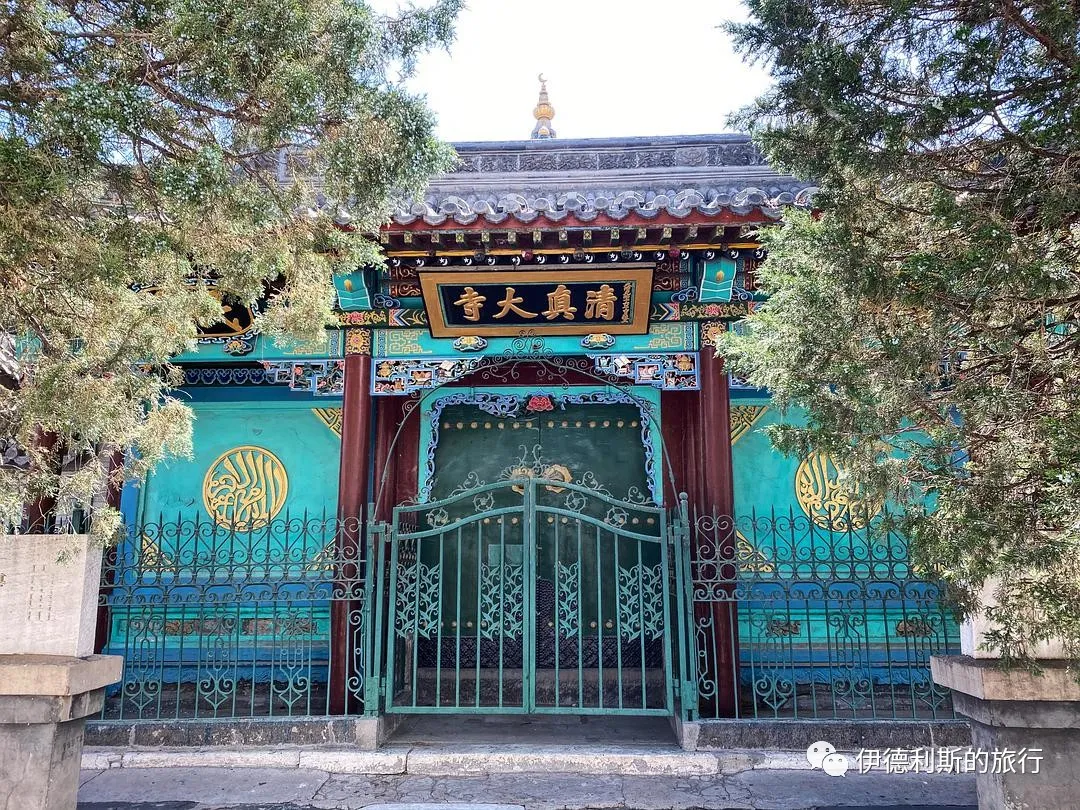
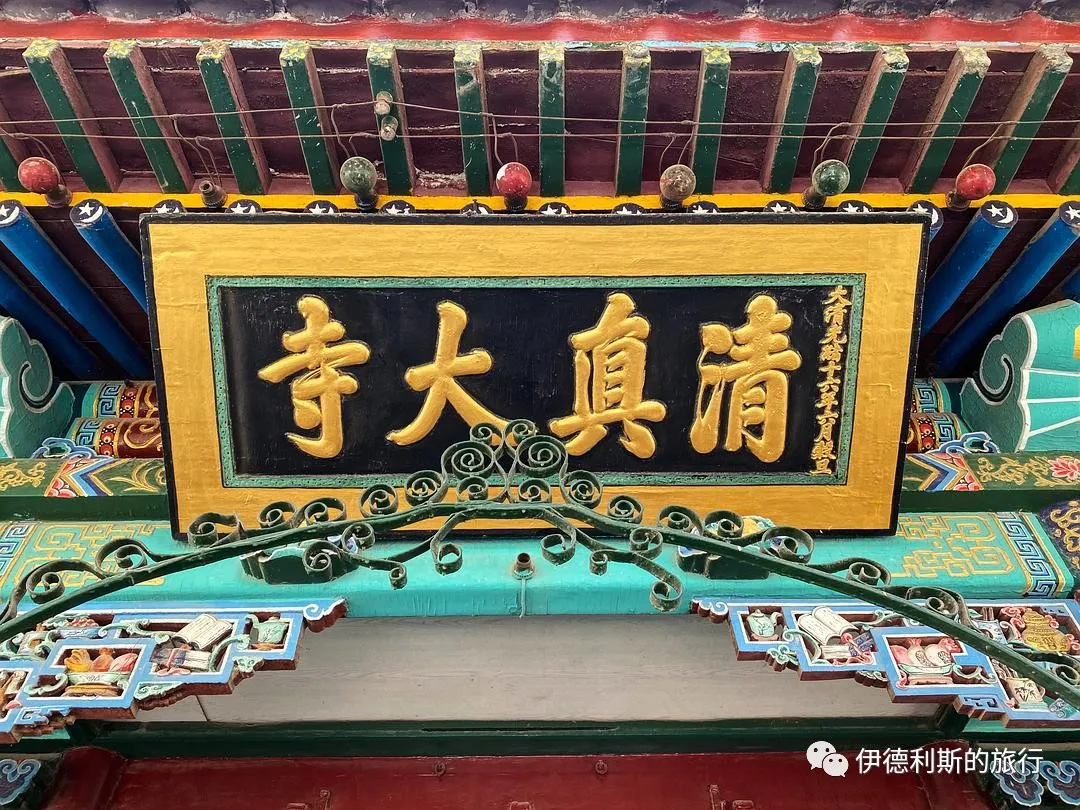
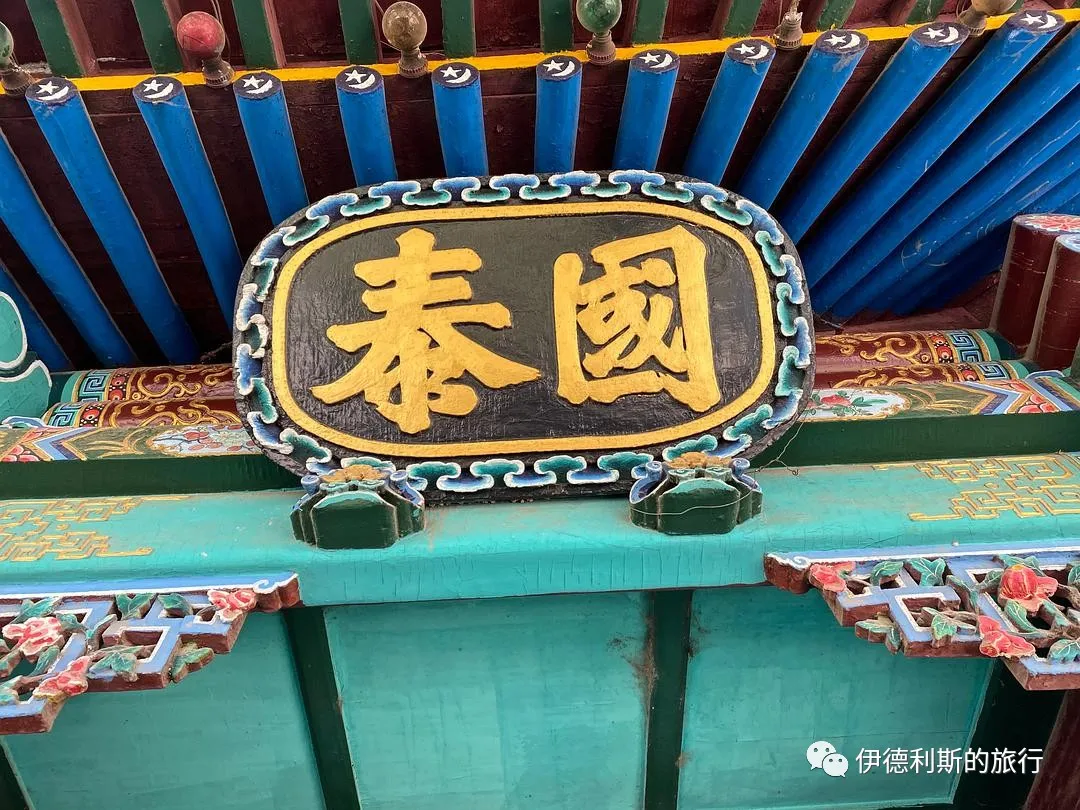
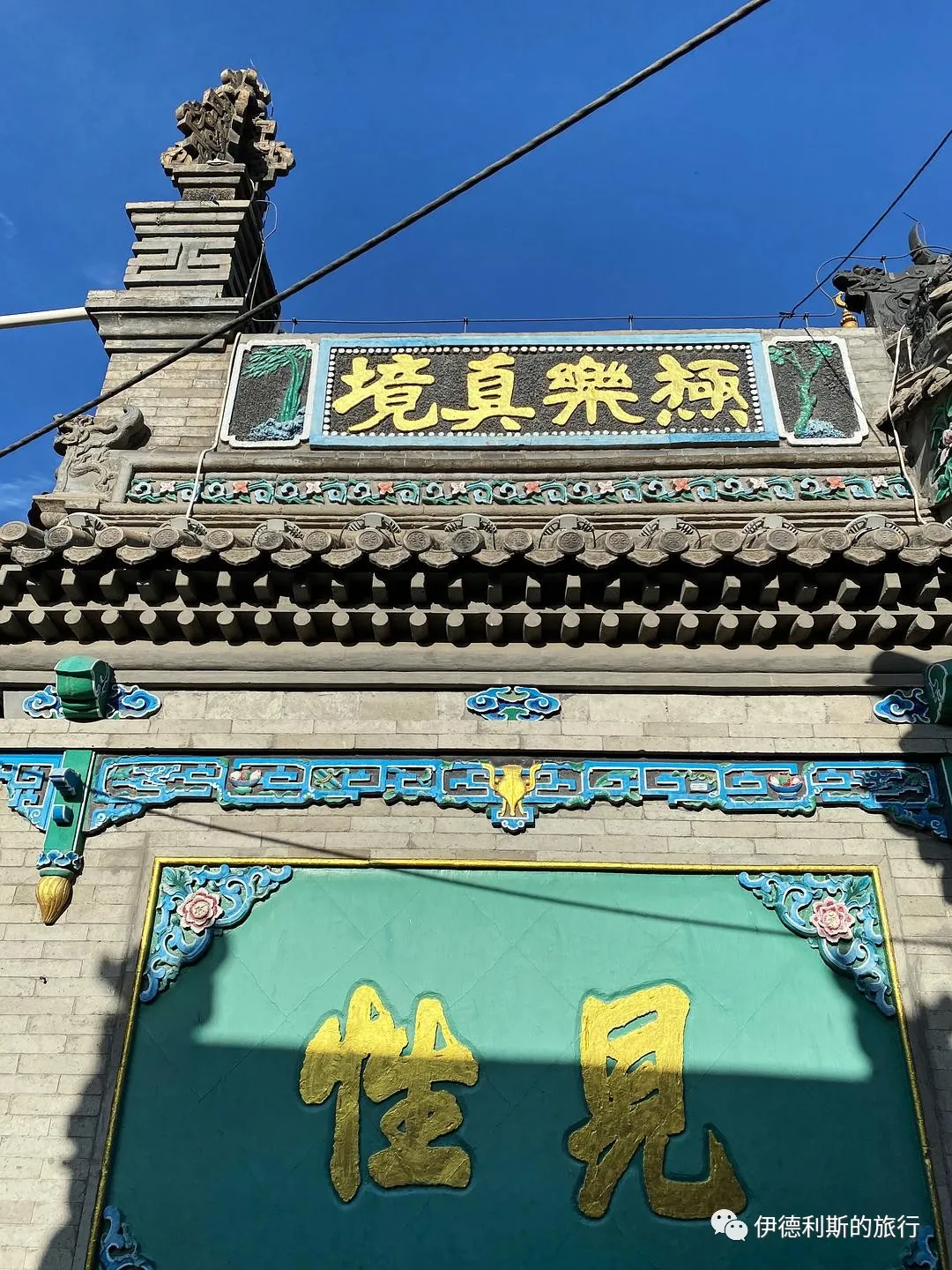
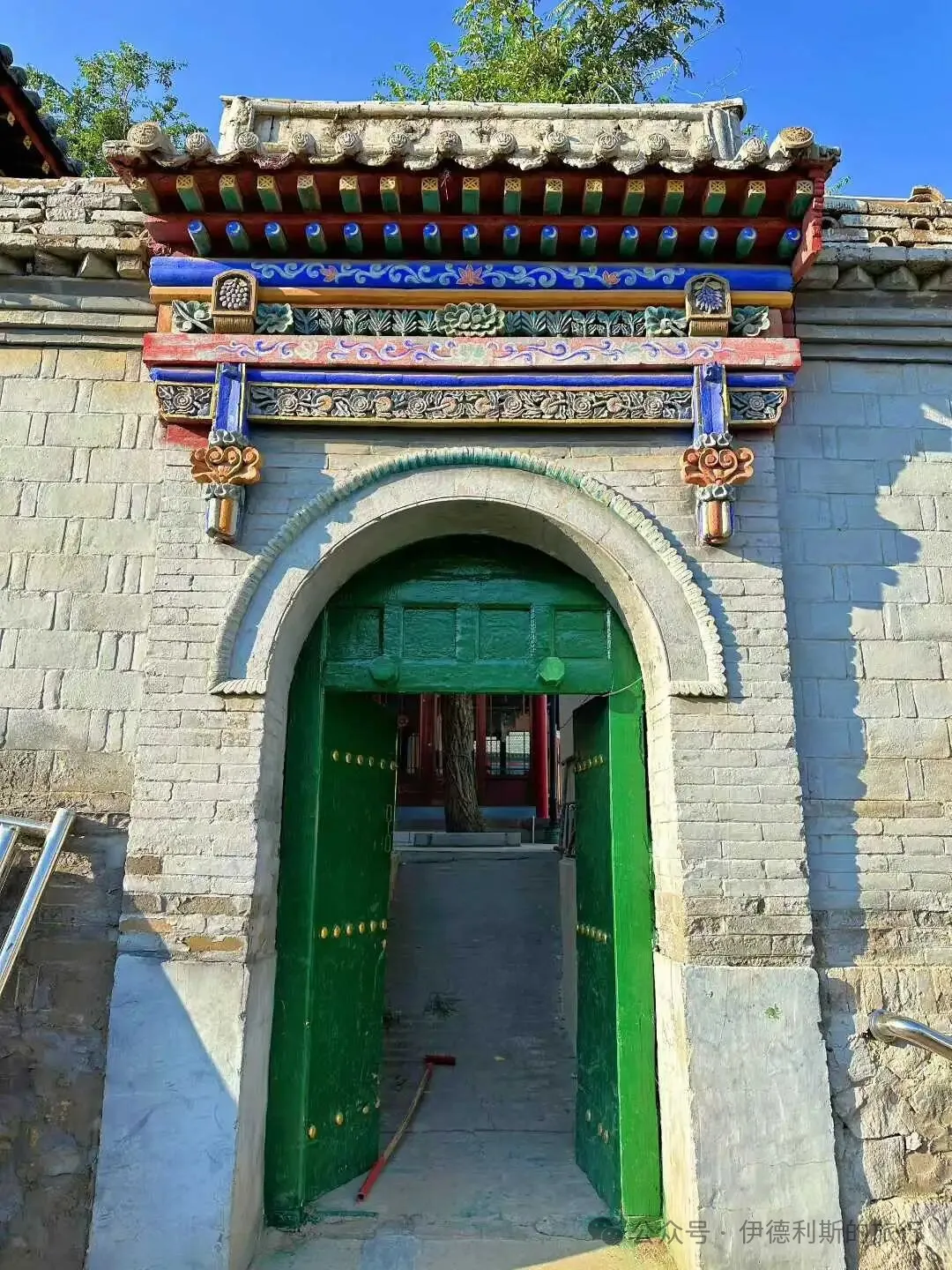
The mosque gate was built in 1892 (the 18th year of the Guangxu reign). Above it hangs a plaque inscribed with 'Great Mosque' from 1890 (the 16th year of the Guangxu reign), with plaques reading 'National Prosperity' and 'People's Peace' on either side.
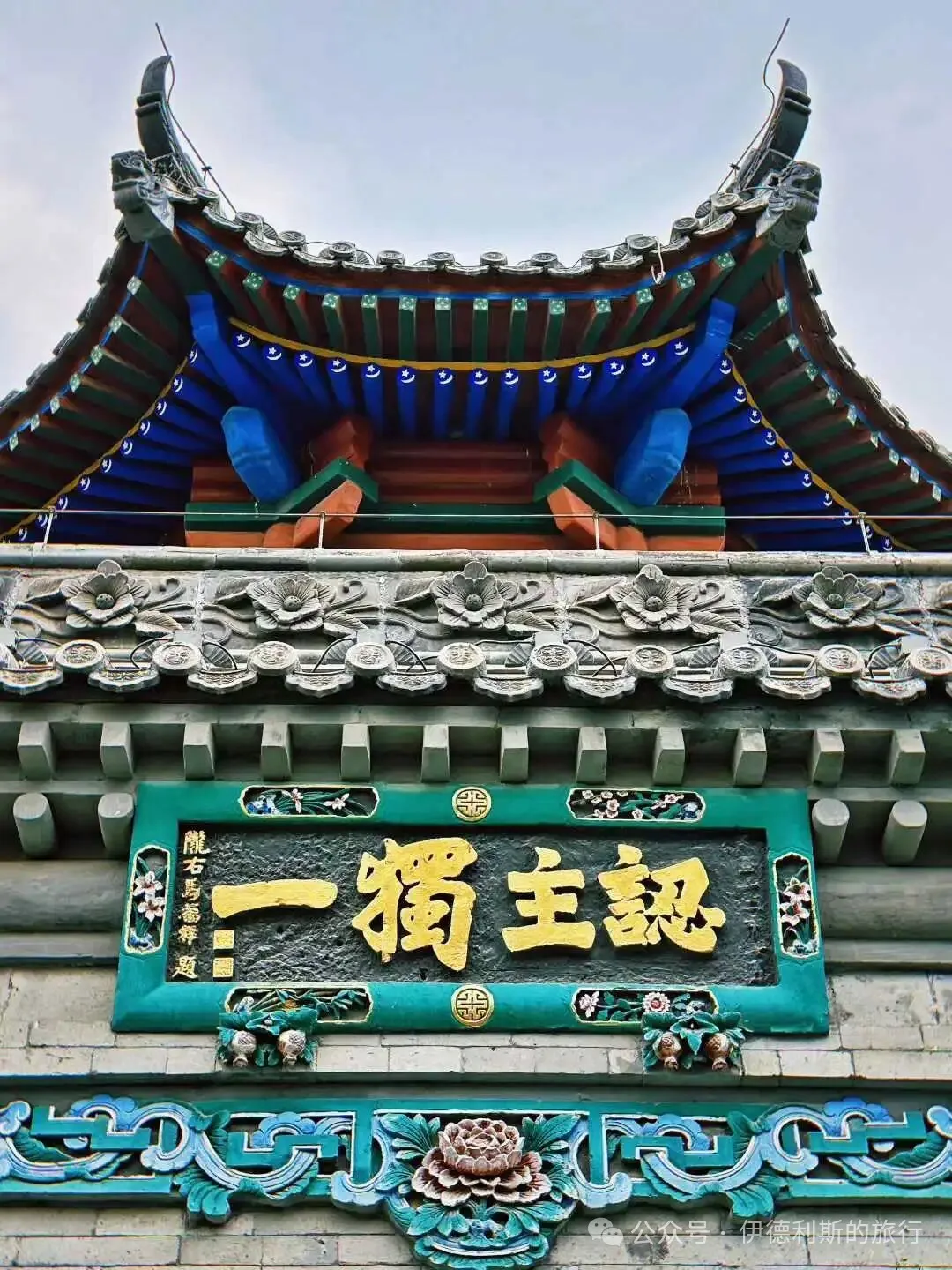
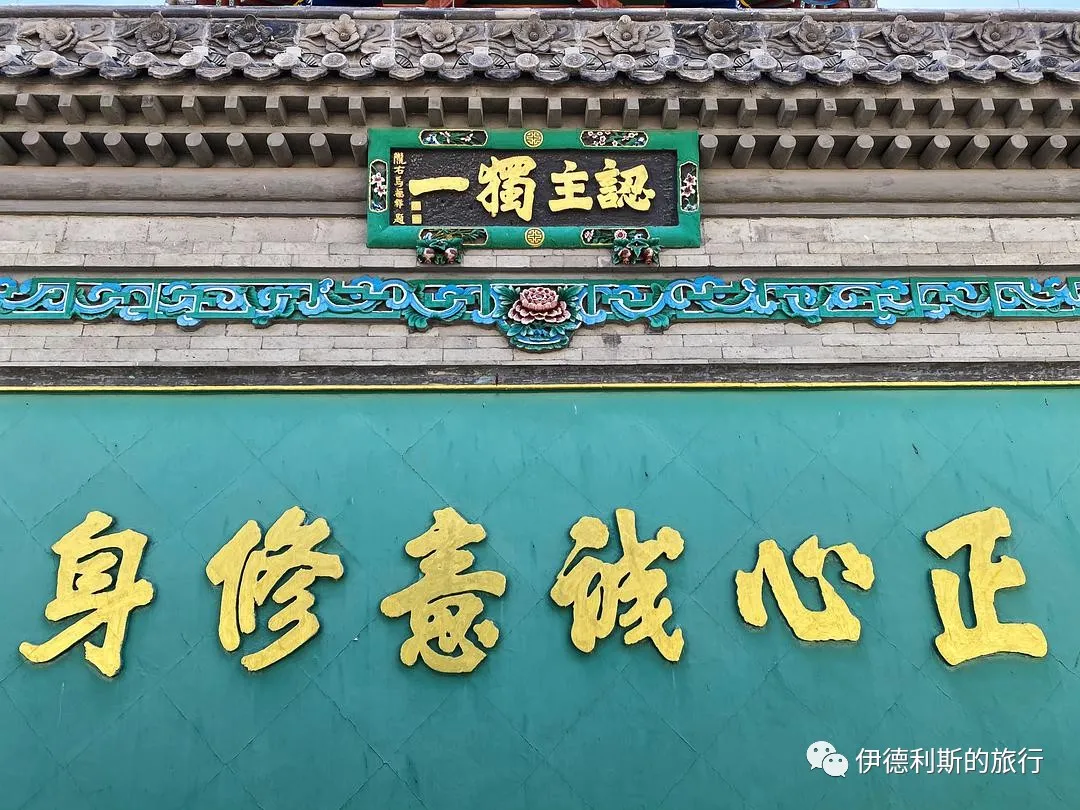
After entering, you can see the brick-carved screen wall behind the main hall, built in 1896 (the 22nd year of the Guangxu reign). It is inscribed with 'Rectify the heart and be sincere in self-cultivation,' 'Recognize the Oneness of Allah,' 'Clear the heart,' and 'See one's true nature,' all written in 1924 by Ma Fuxiang, who was the Suiyuan Military Governor at the time.
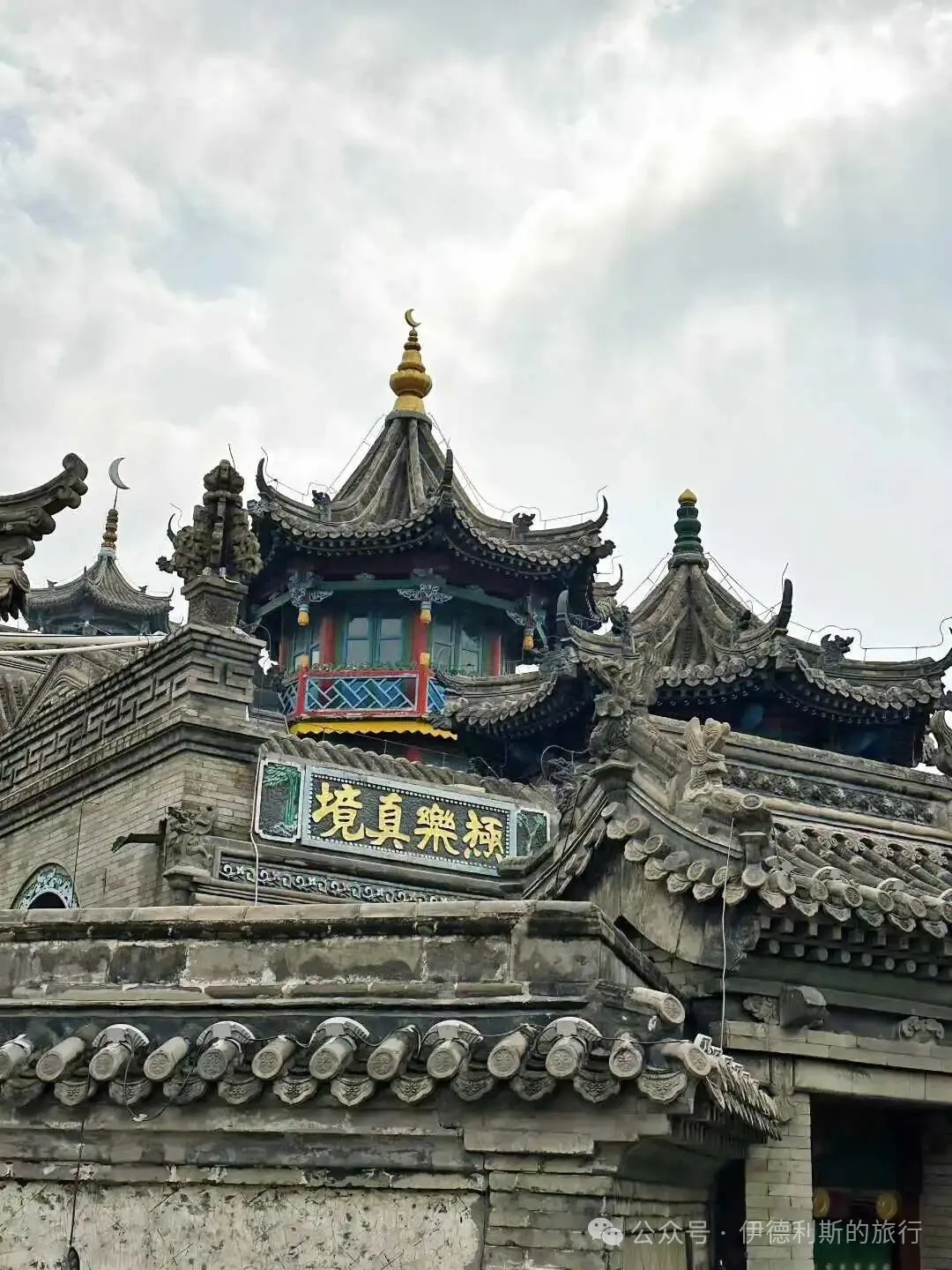
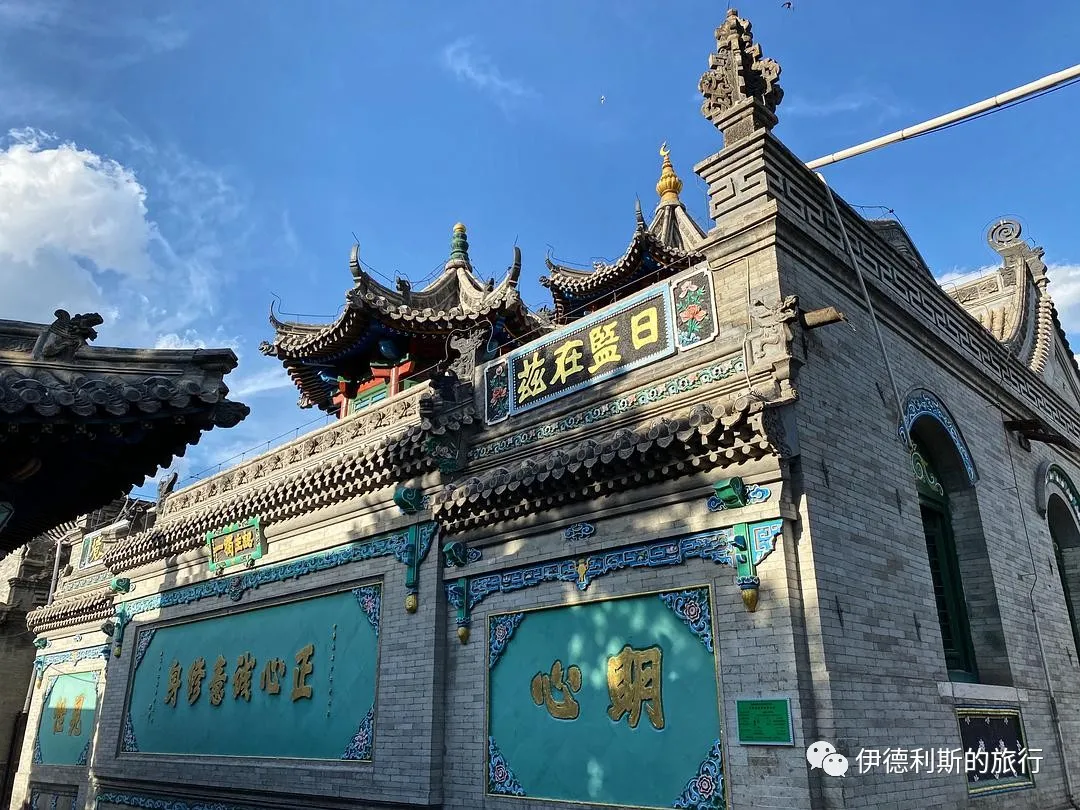
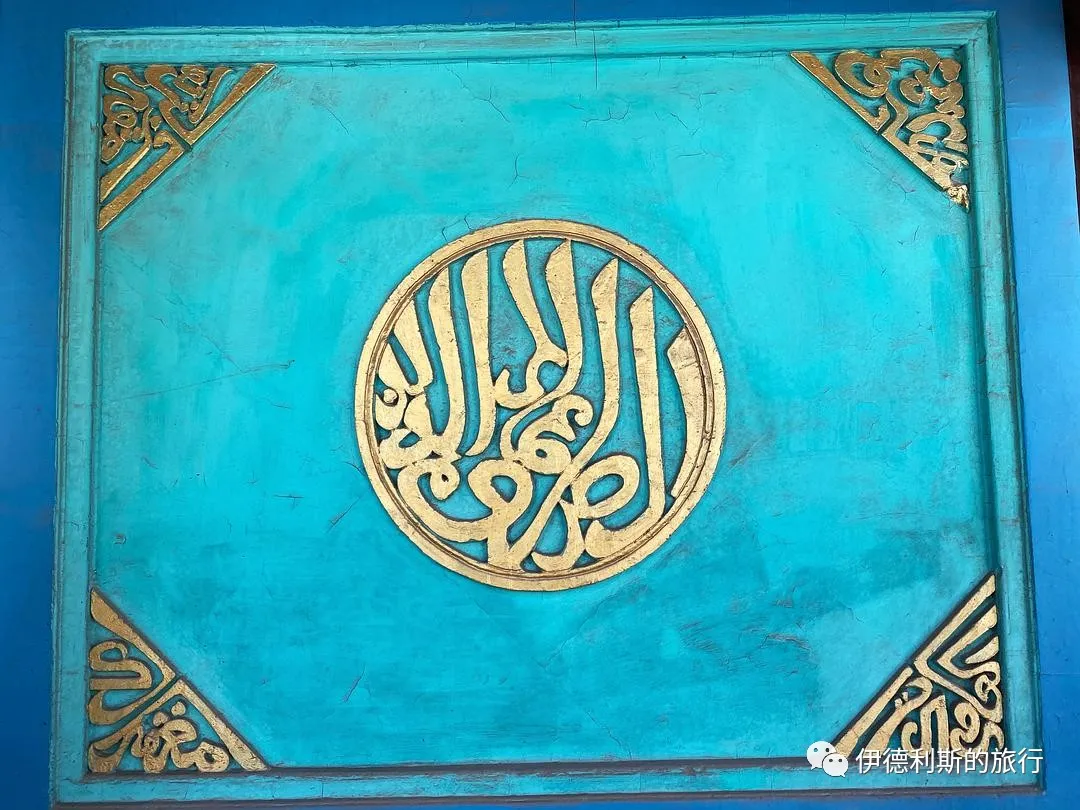
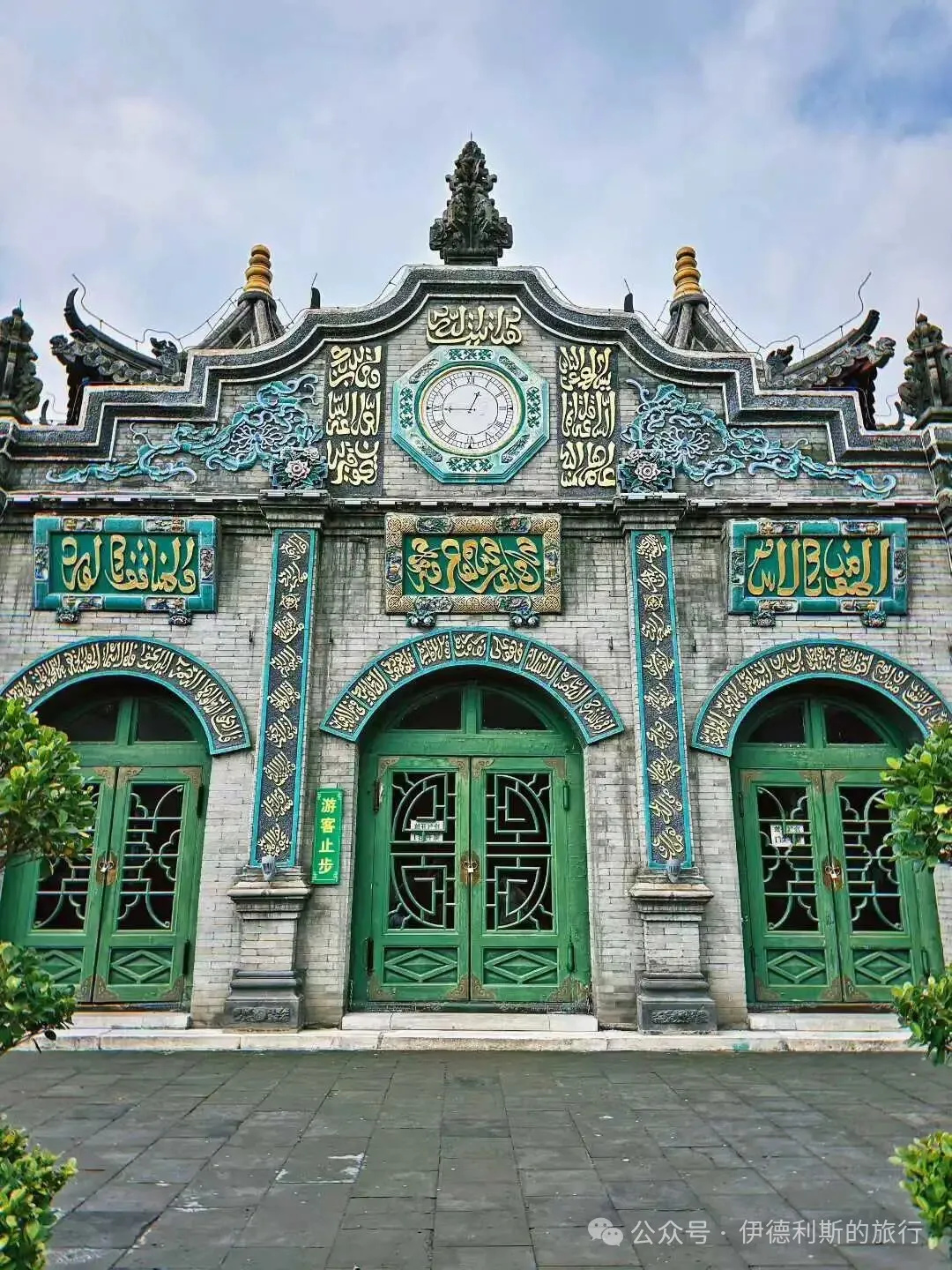
The prayer hall was expanded in 1923 and consists of a porch, a front hall, a middle hall, and a kiln hall. It features a connected roof structure with five pointed pavilions on top, symbolizing the Five Pillars of Islam: faith, prayer, fasting, charity, and pilgrimage. The porch is a blend of Chinese and Western styles, featuring arched doors, Arabic plaques, couplets, and floral patterns on the walls.
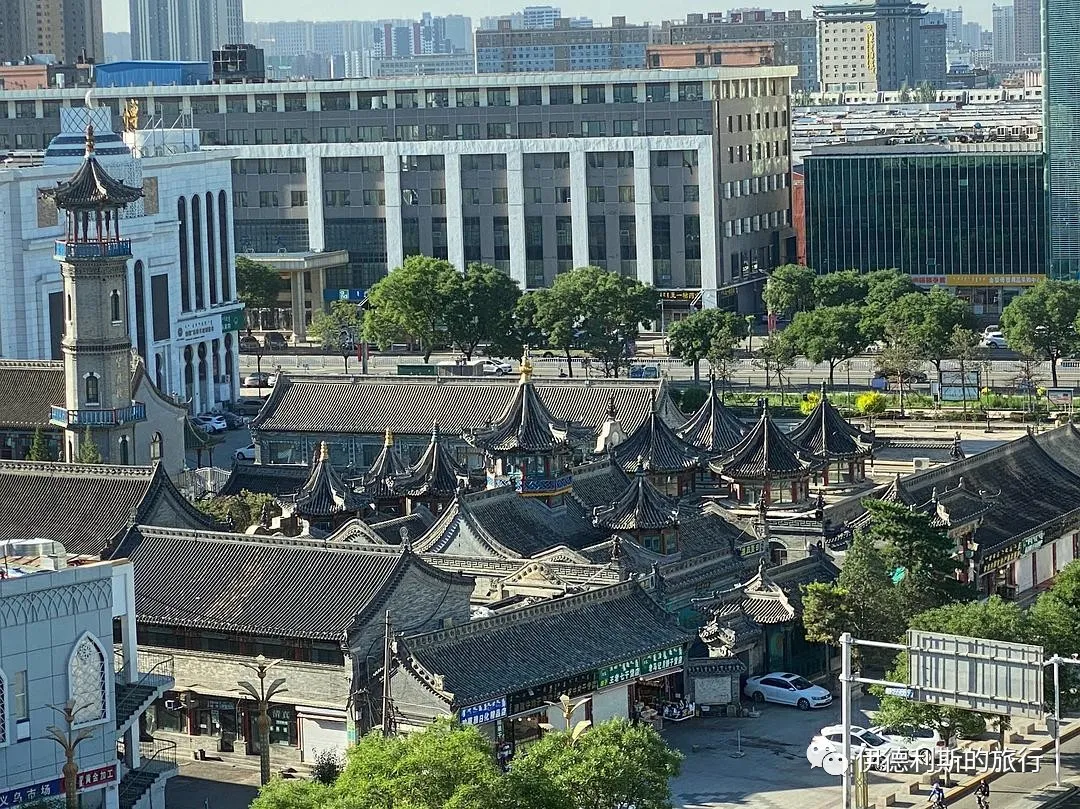
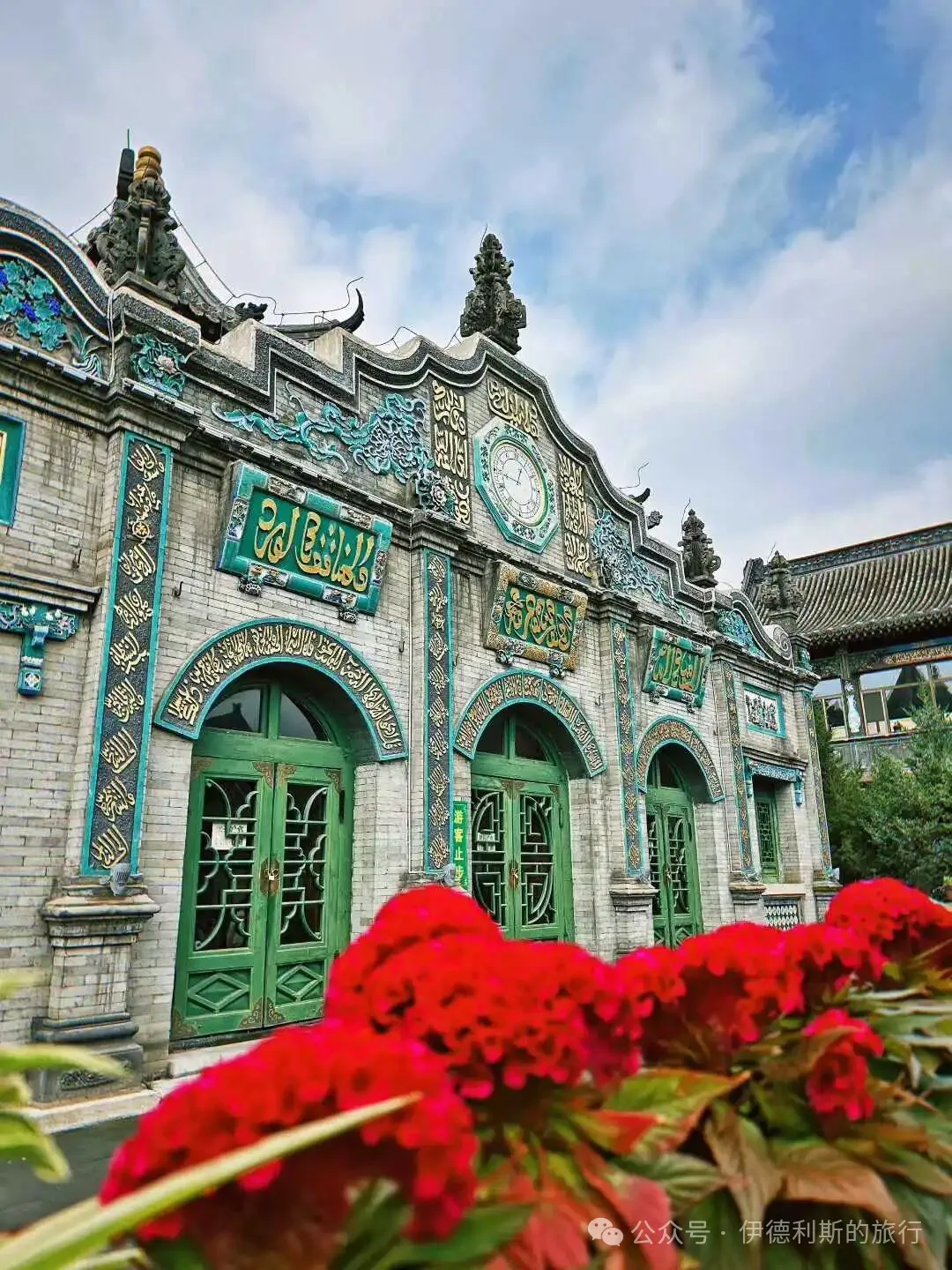
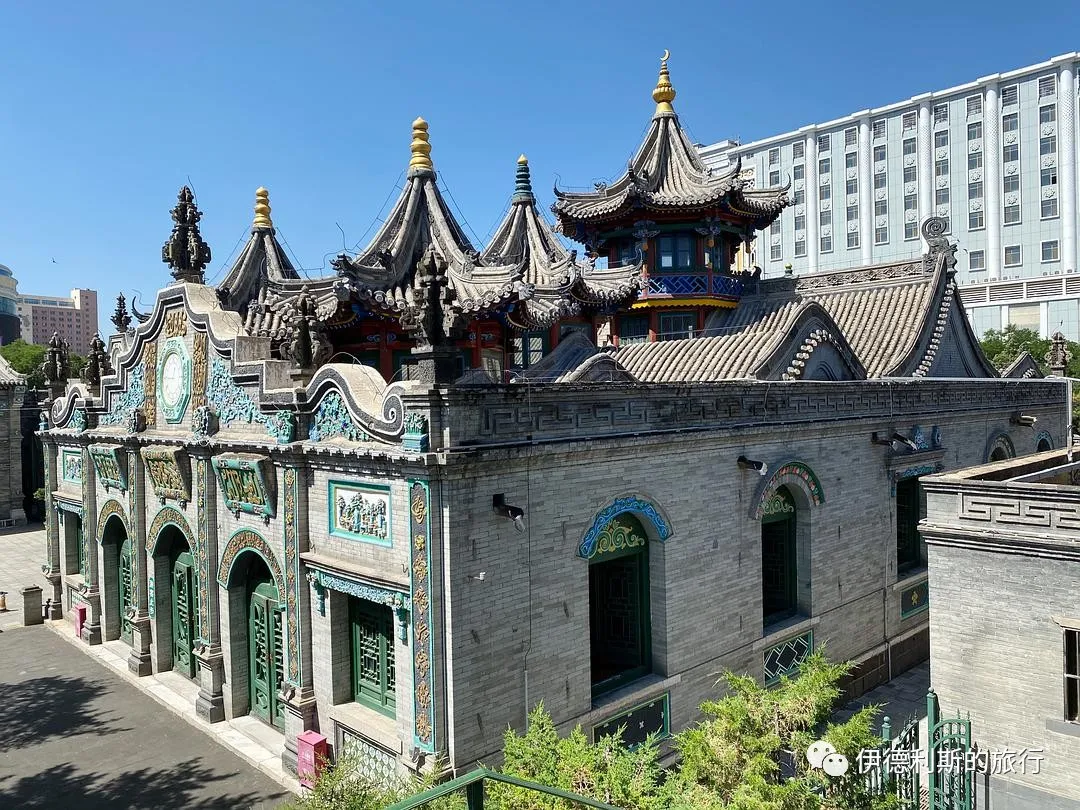
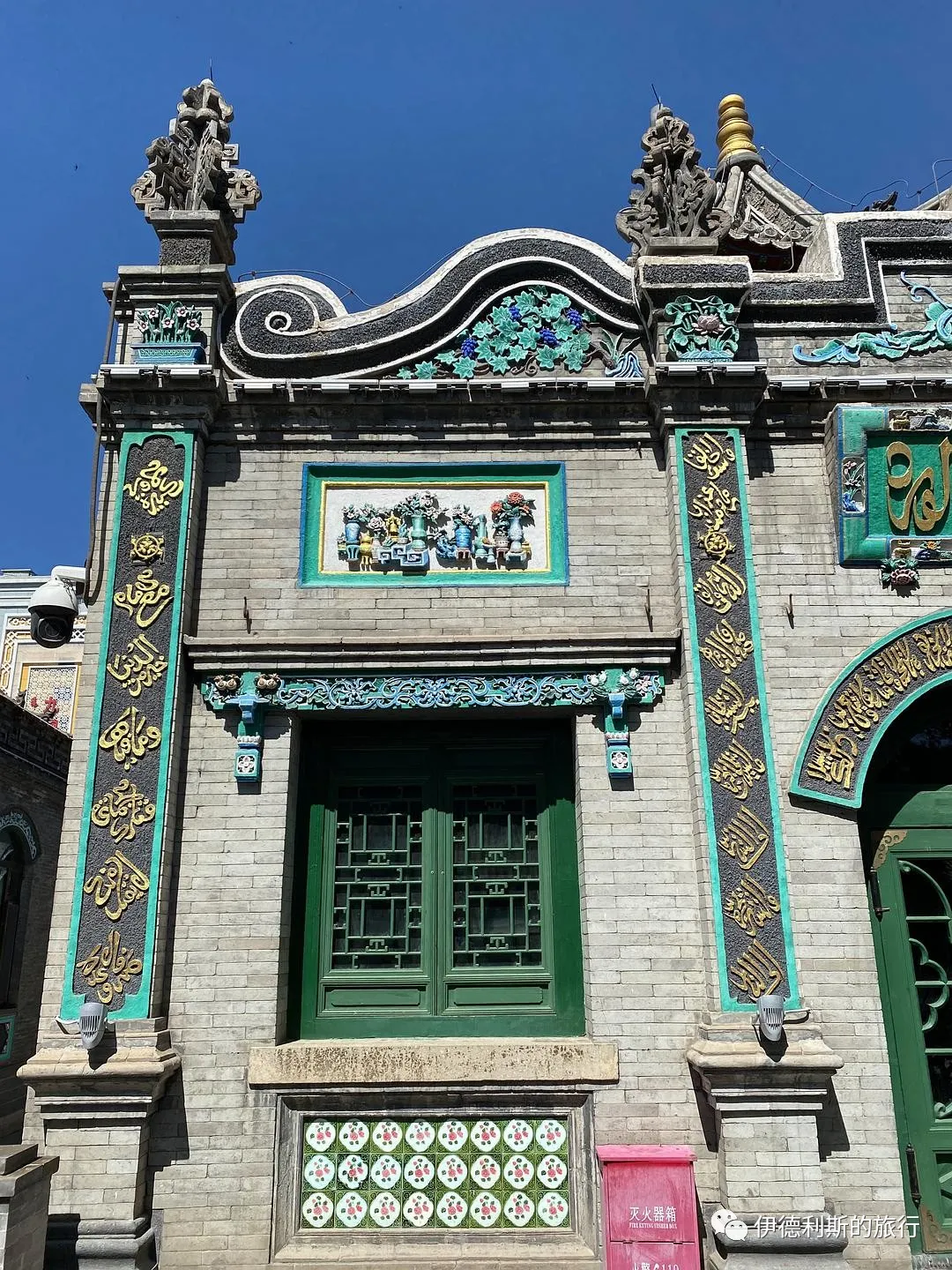
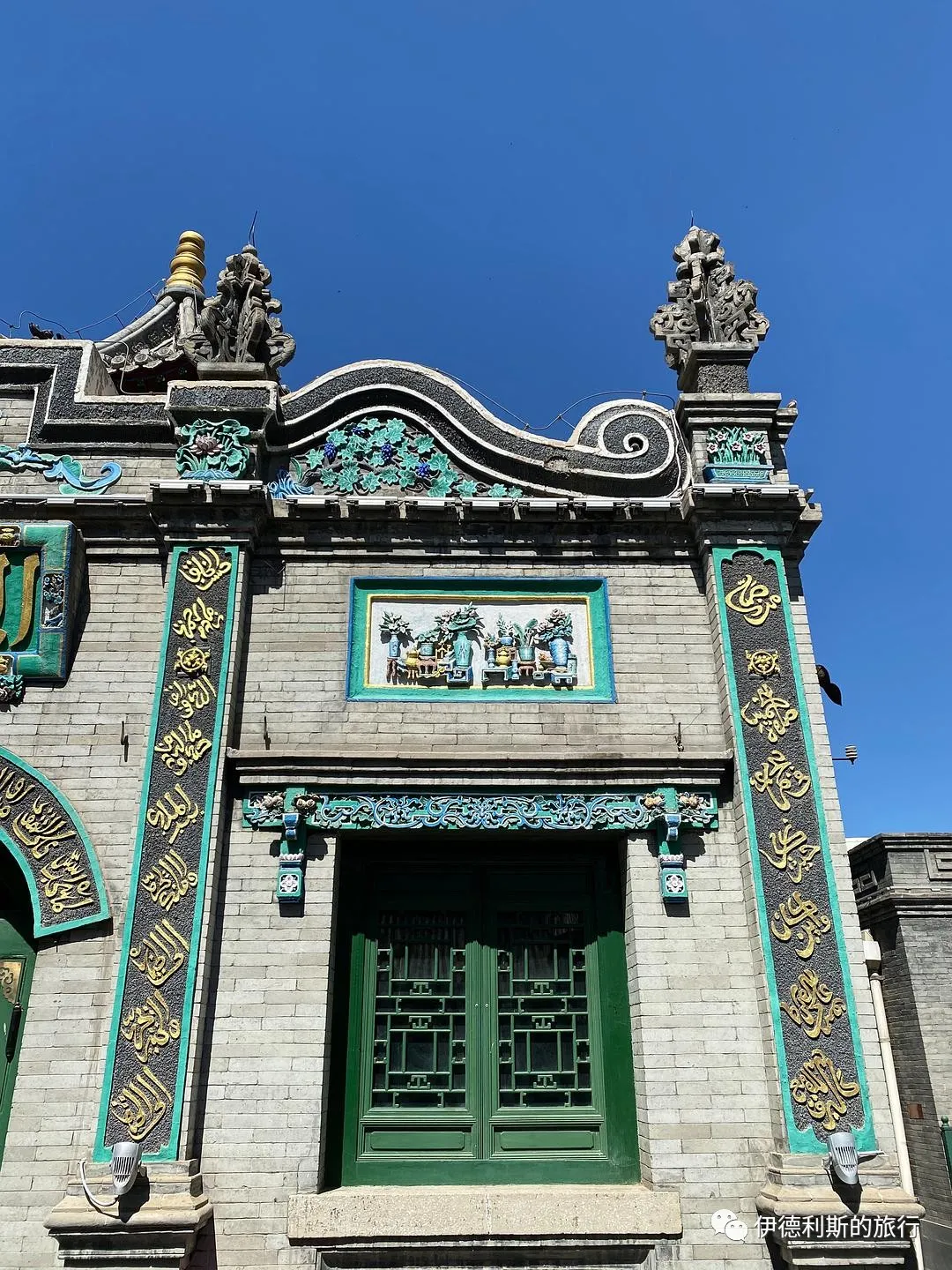
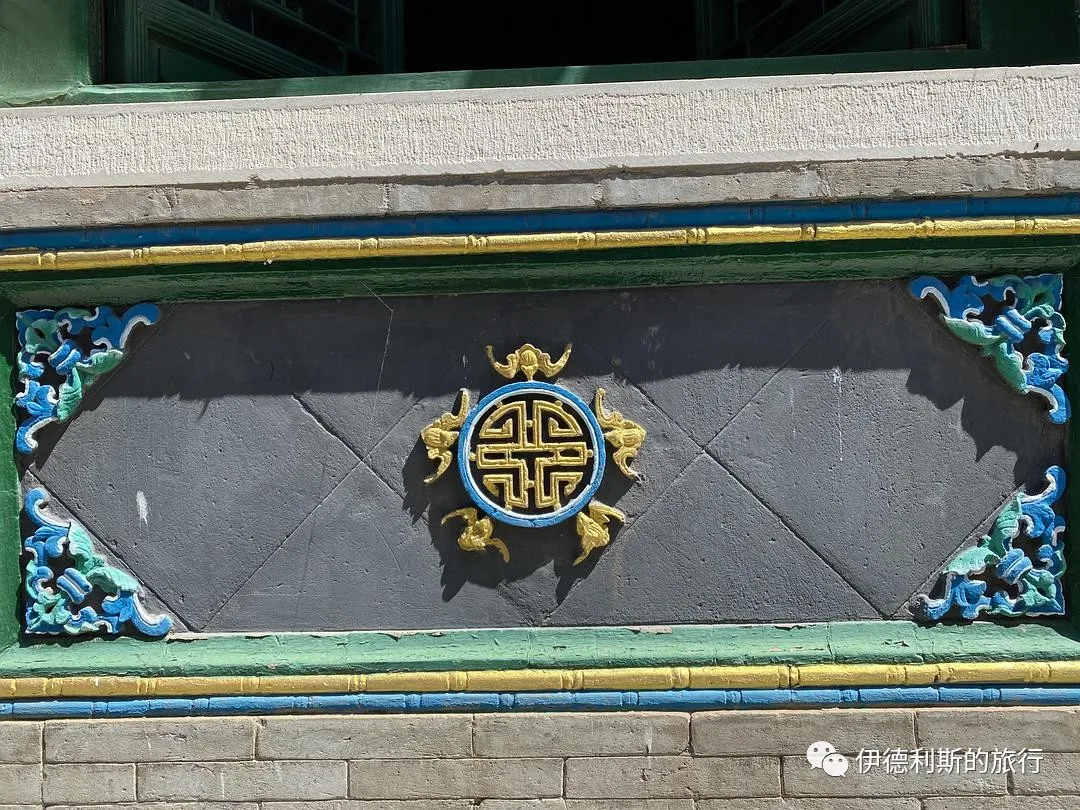
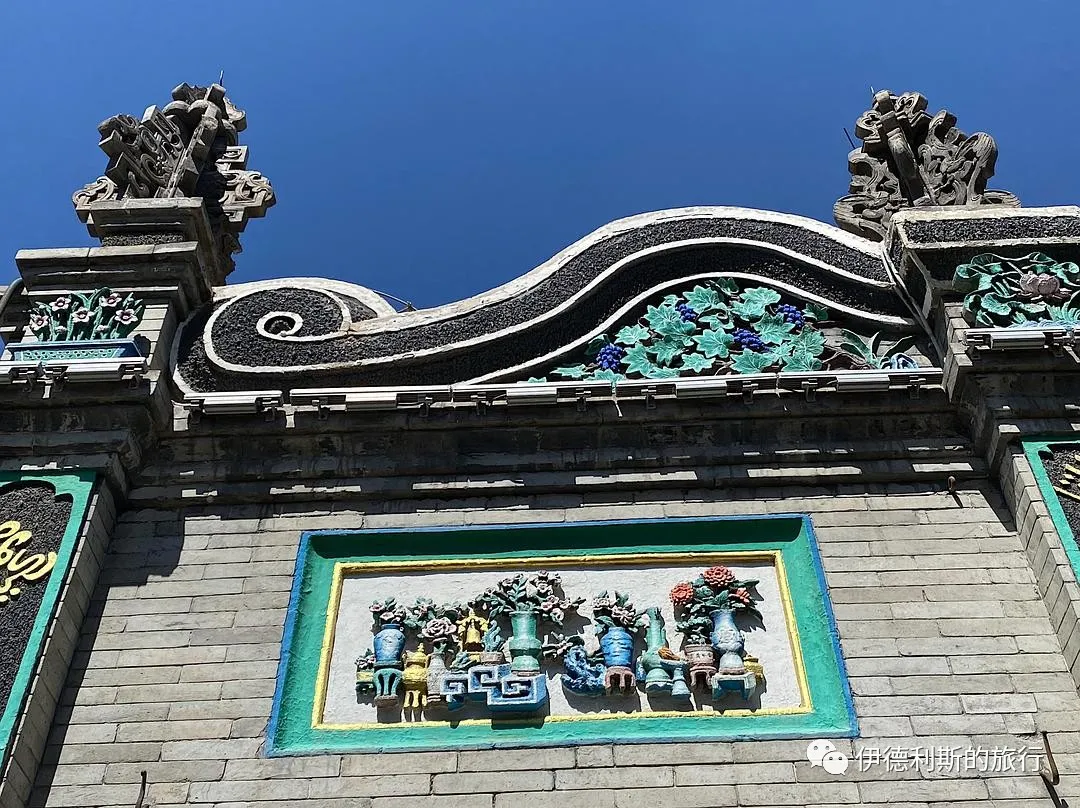
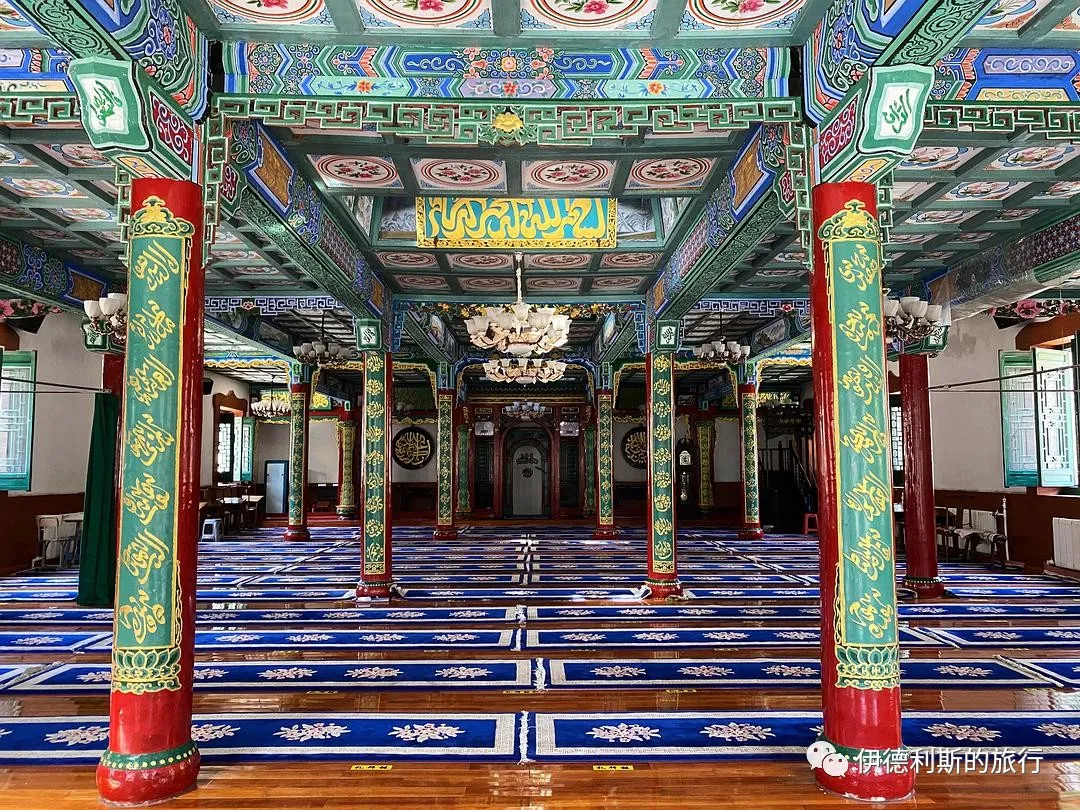
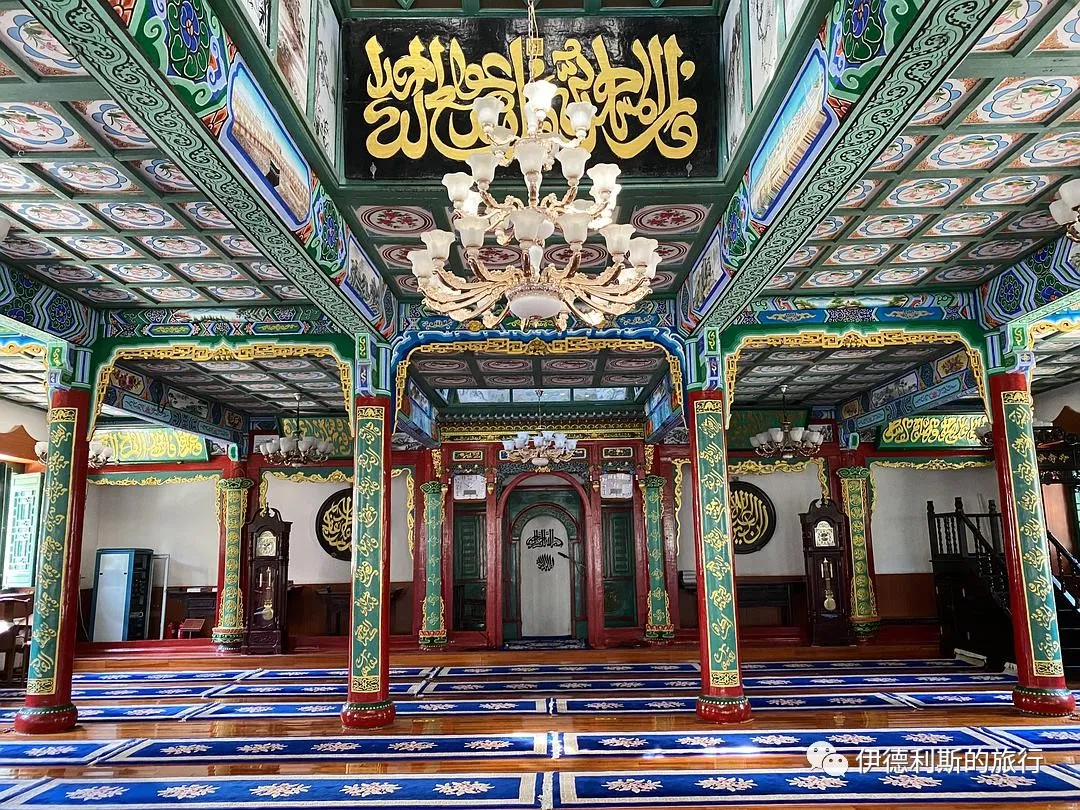
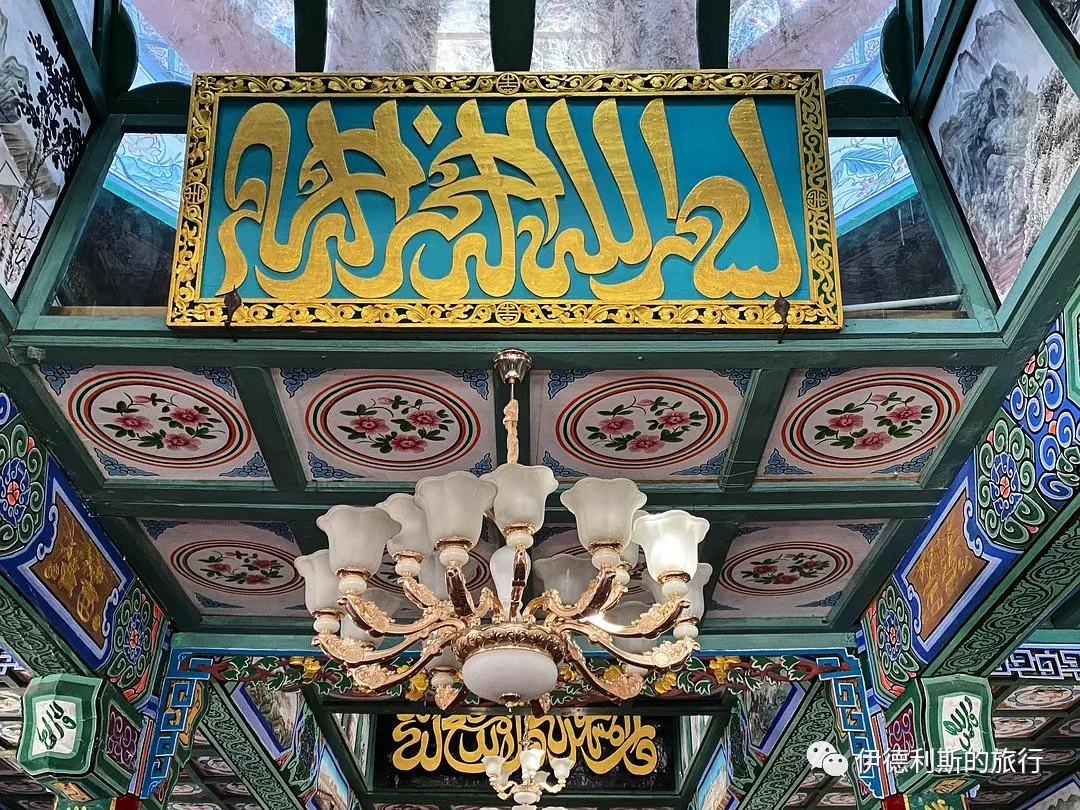
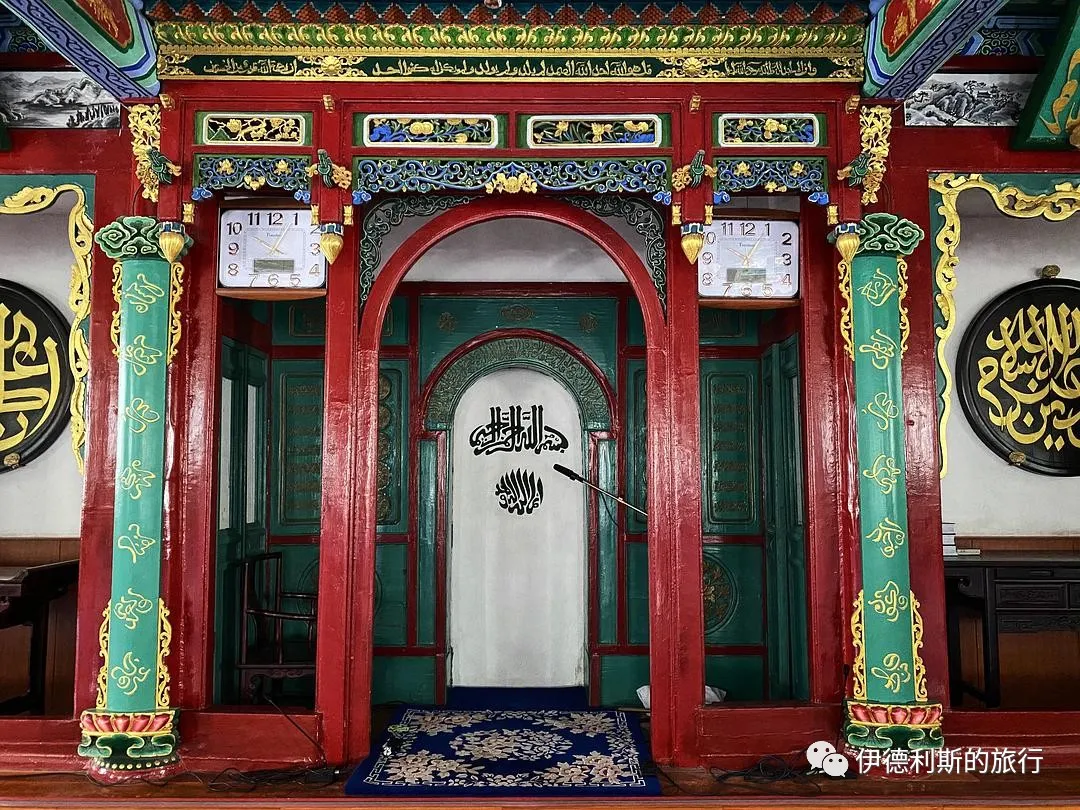
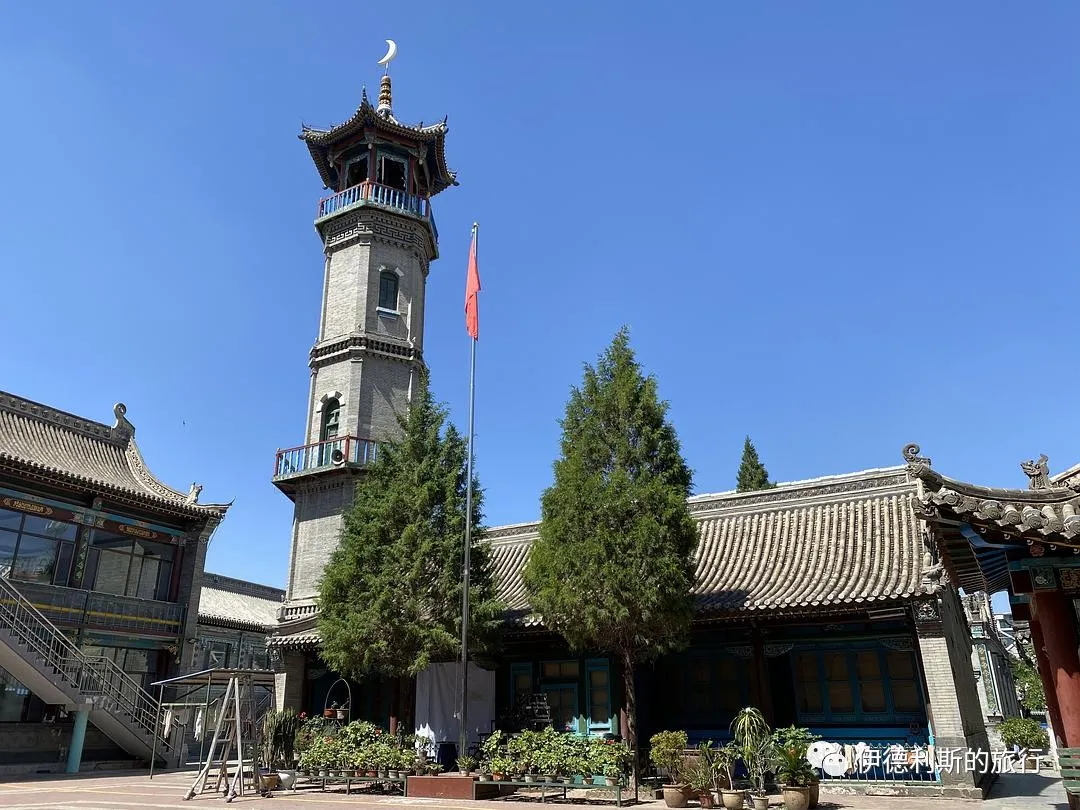
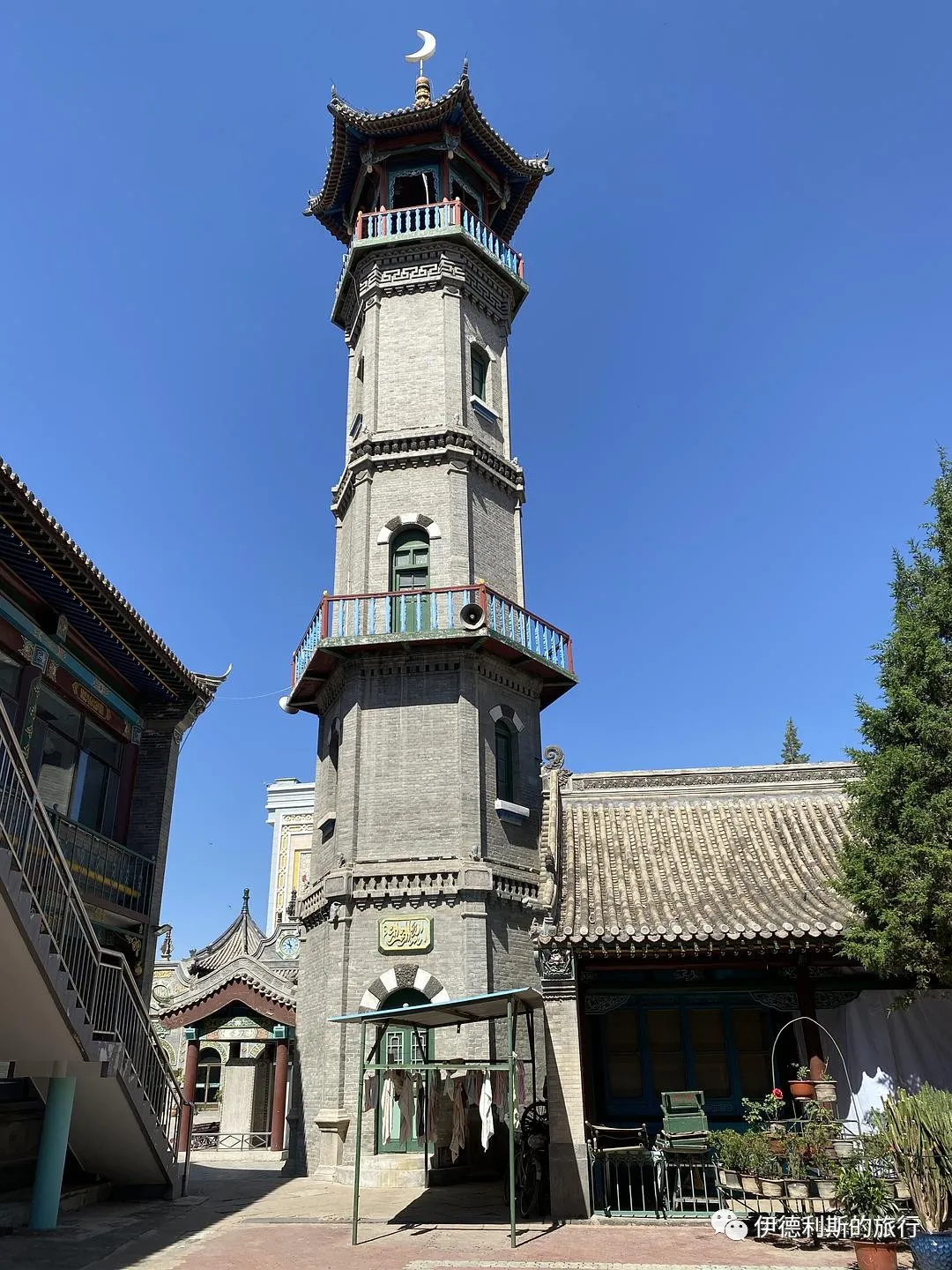
The Moon-Watching Tower was built in 1939. It is 36 meters high, with a hexagonal brick base and a single-eave hexagonal pointed roof at the top.
Chasuoqi Great Mosque
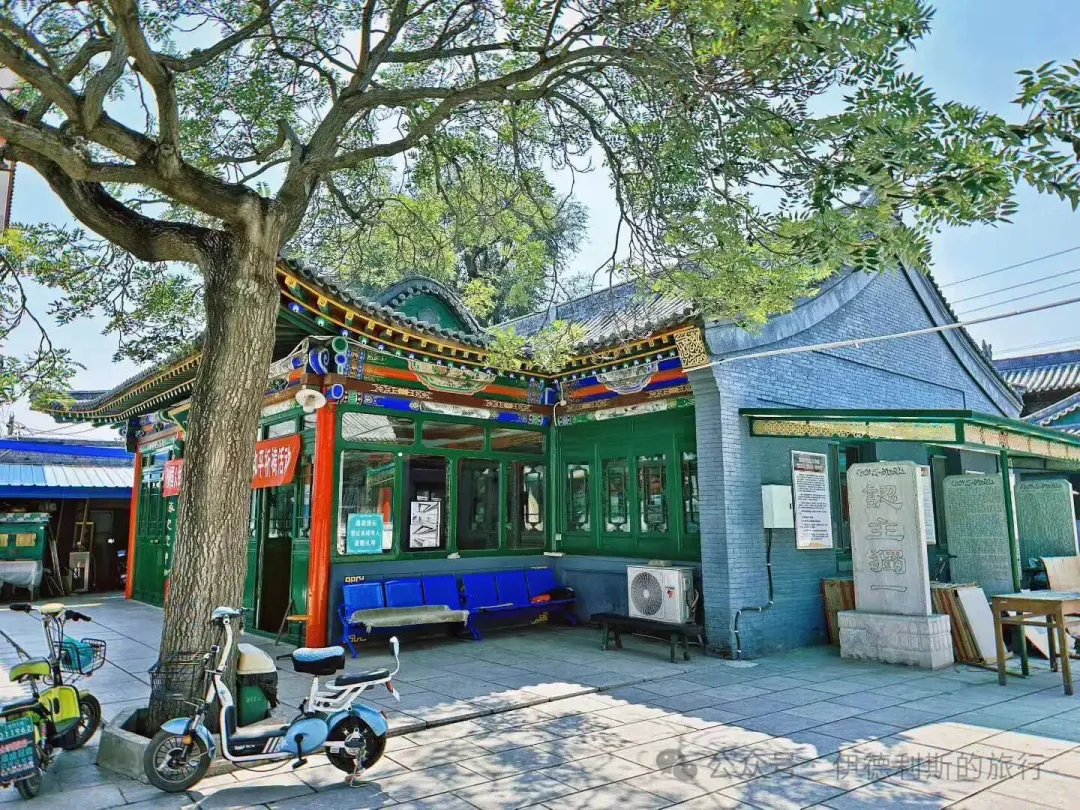
Tumd Left Banner in Inner Mongolia is located west of Hohhot. During the Ming and Qing dynasties, it was the base of the Mongol Tumd tribe, known for its fertile land and abundant water and grass. In 1739 (the 4th year of the Qianlong reign), the Qing government established a sub-prefecture office in Shandai Town, Tumd Left Banner, making it an important commercial hub. Shortly after, Hui Muslims from four families arrived in Shandai to make a living: the Bai family from Gaotou in Zhengding, Hebei (now Gaotou Hui Ethnic Township in Wuji County), the Ma family from Baoding, Hebei, the Xue family from Xueying, Beijing, and the Jin family from Niujie, Beijing.
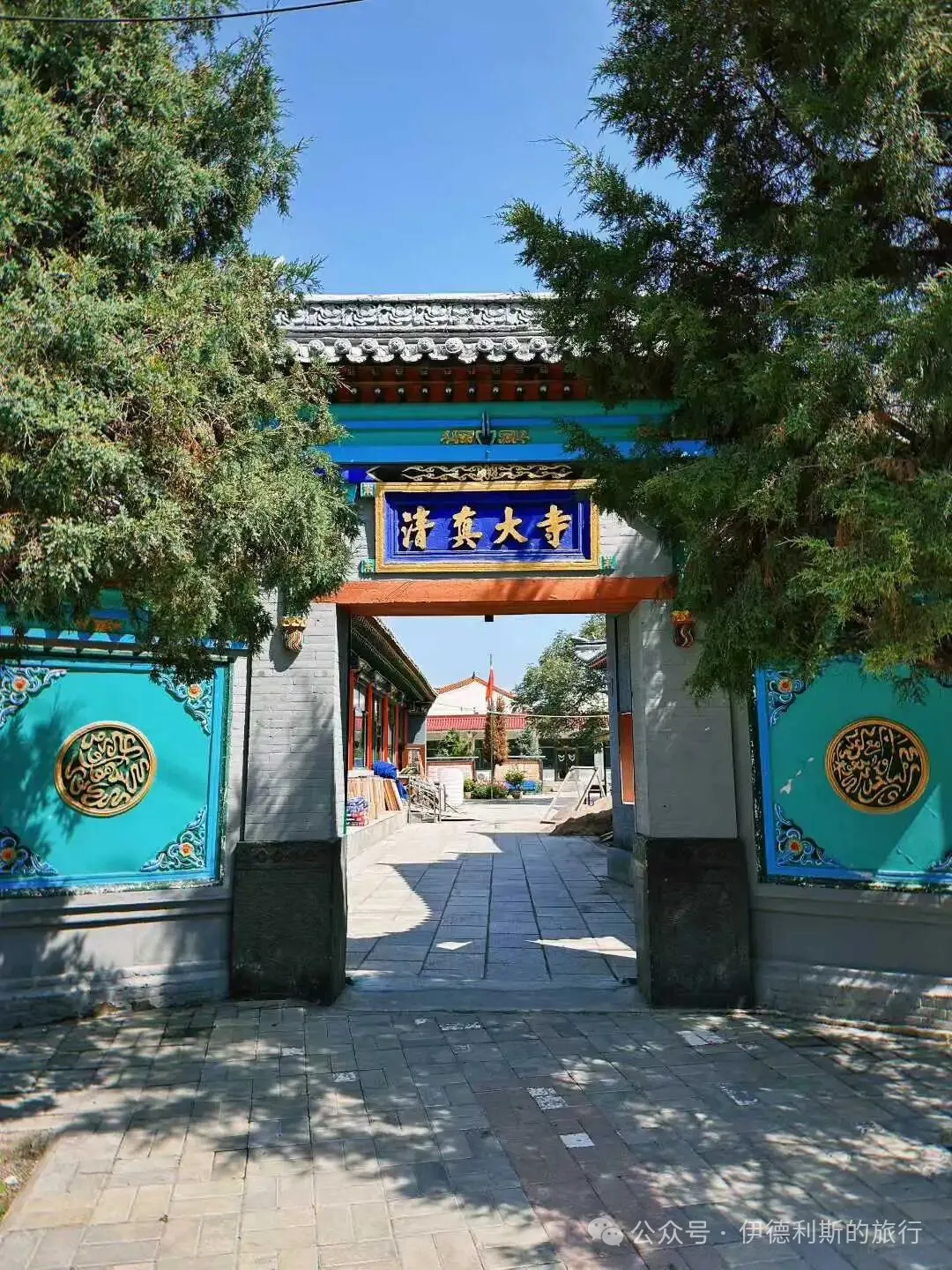
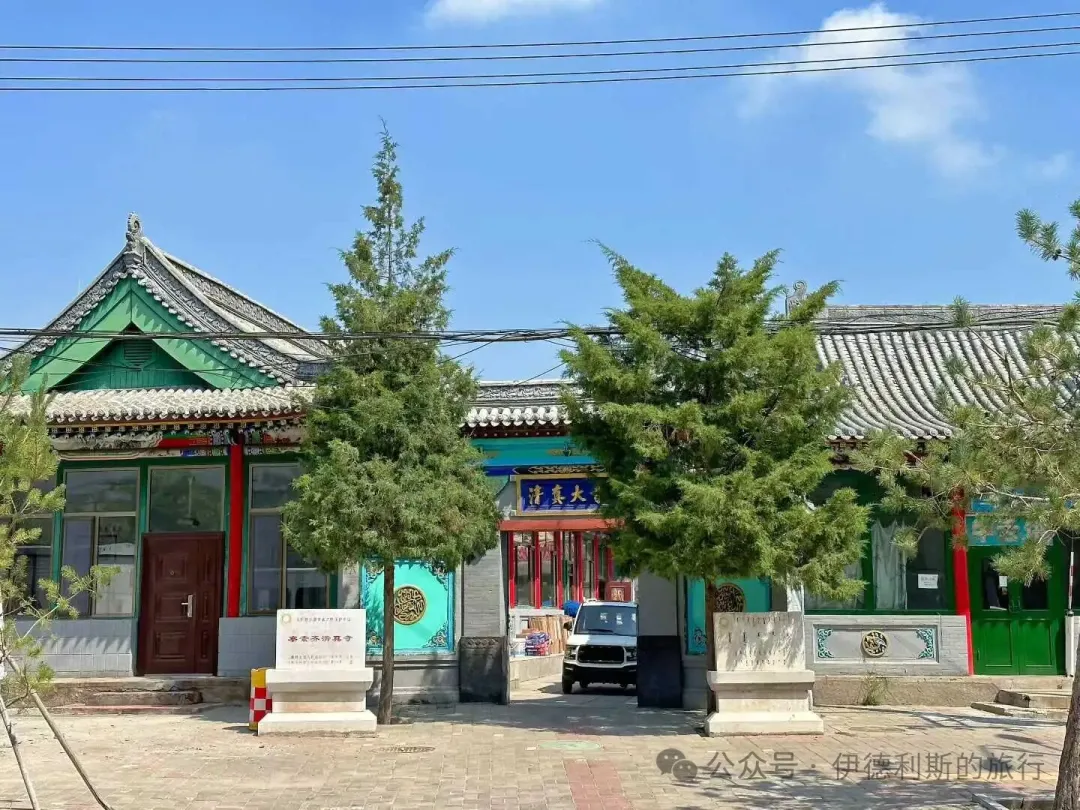
In 1760 (the 25th year of the Qianlong reign), the Shandai sub-prefecture office was abolished, and the center of the banner shifted to Chasuoqi Town. The Bai, Ma, Xue, and Jin Hui Muslim families all moved to Chasuoqi Town in the late Qianlong period. At that time, the Chasuoqi Guandi Mosque was being dismantled and moved to a new site, so the families bought the original land and built the first Chasuoqi Great Mosque.
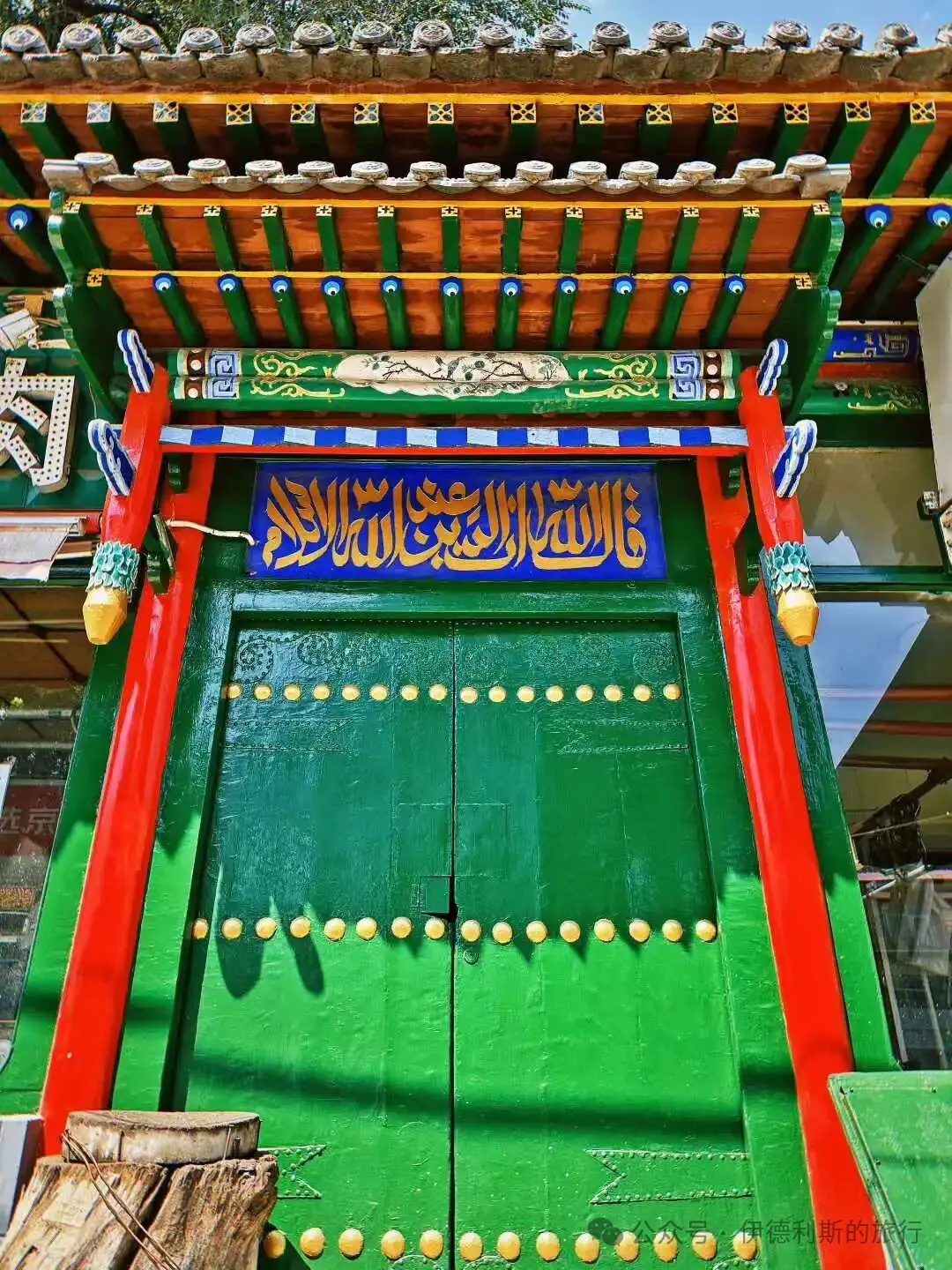
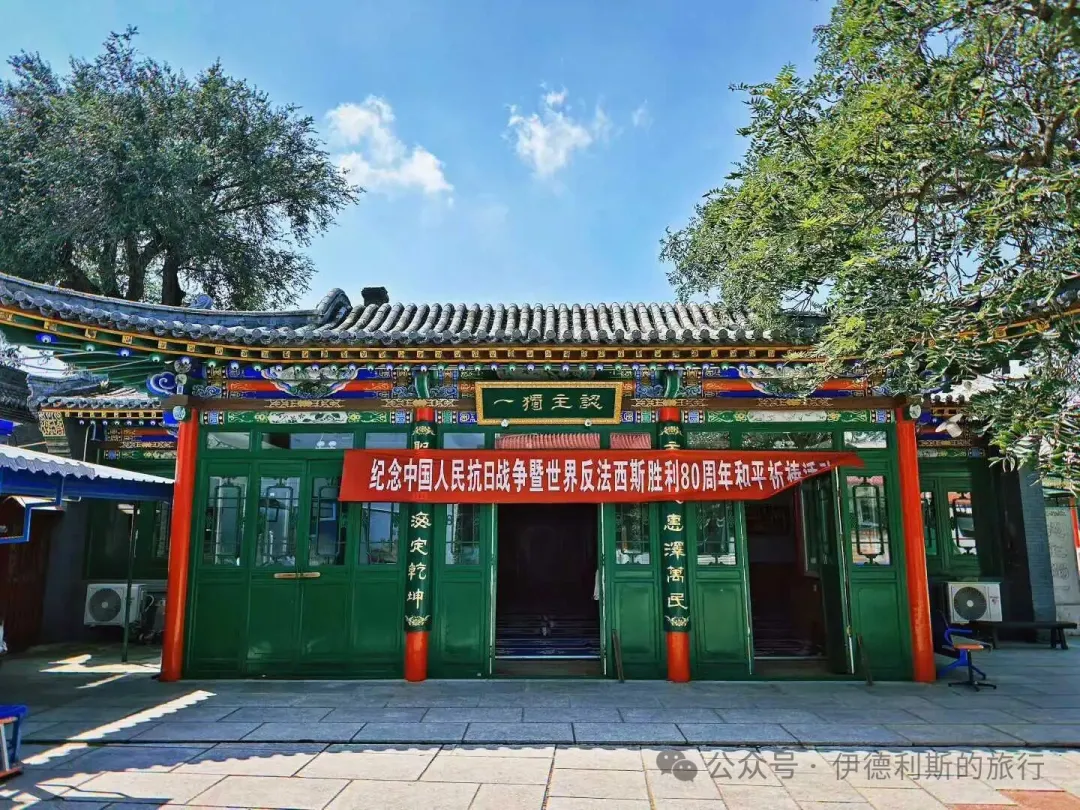
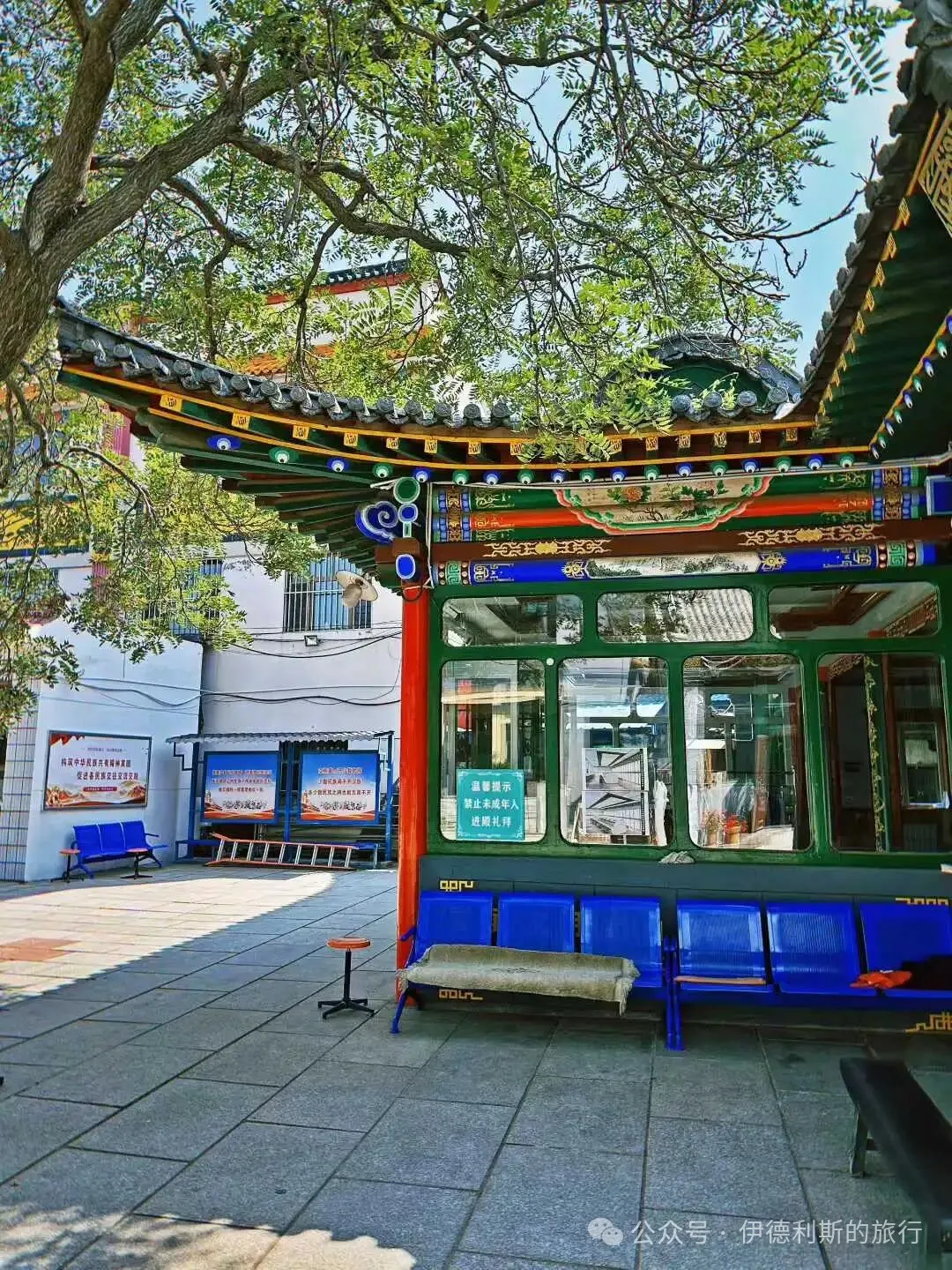
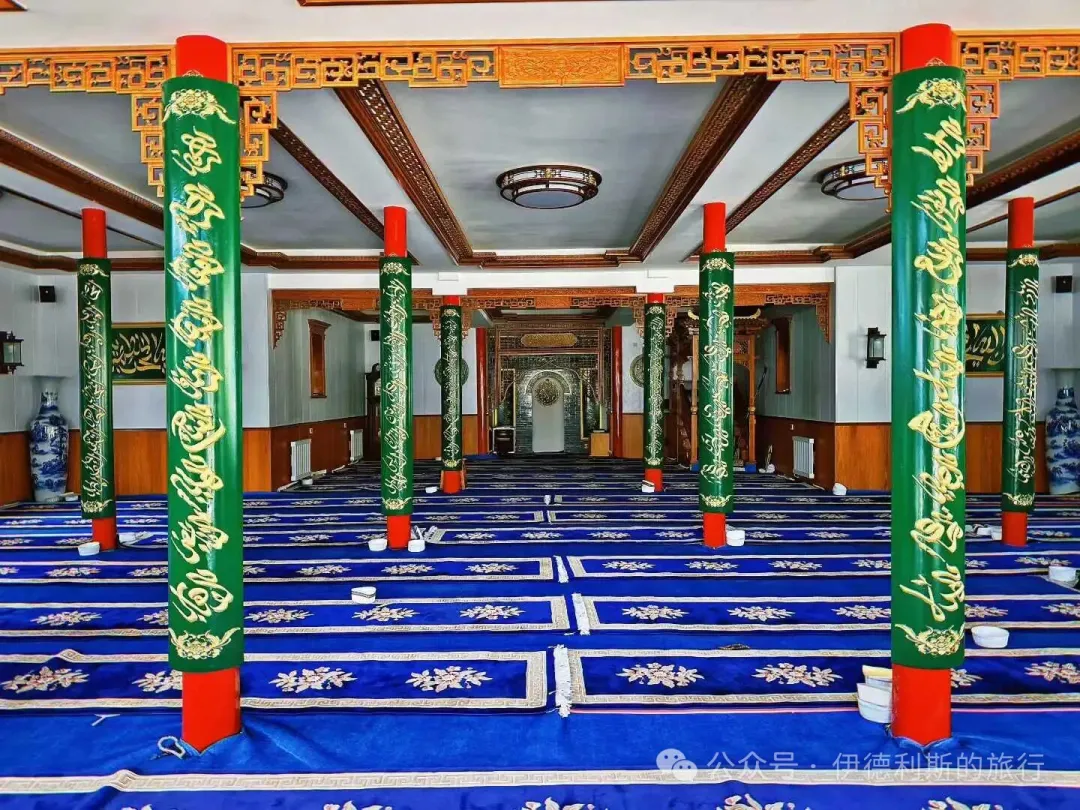
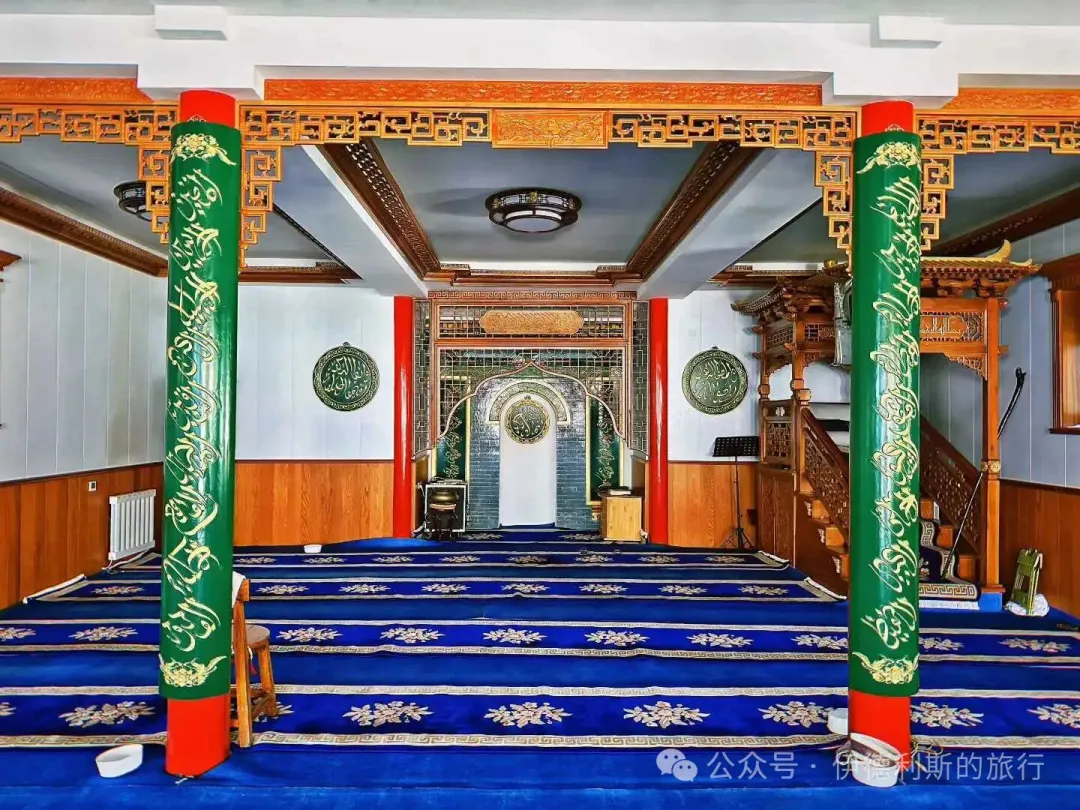
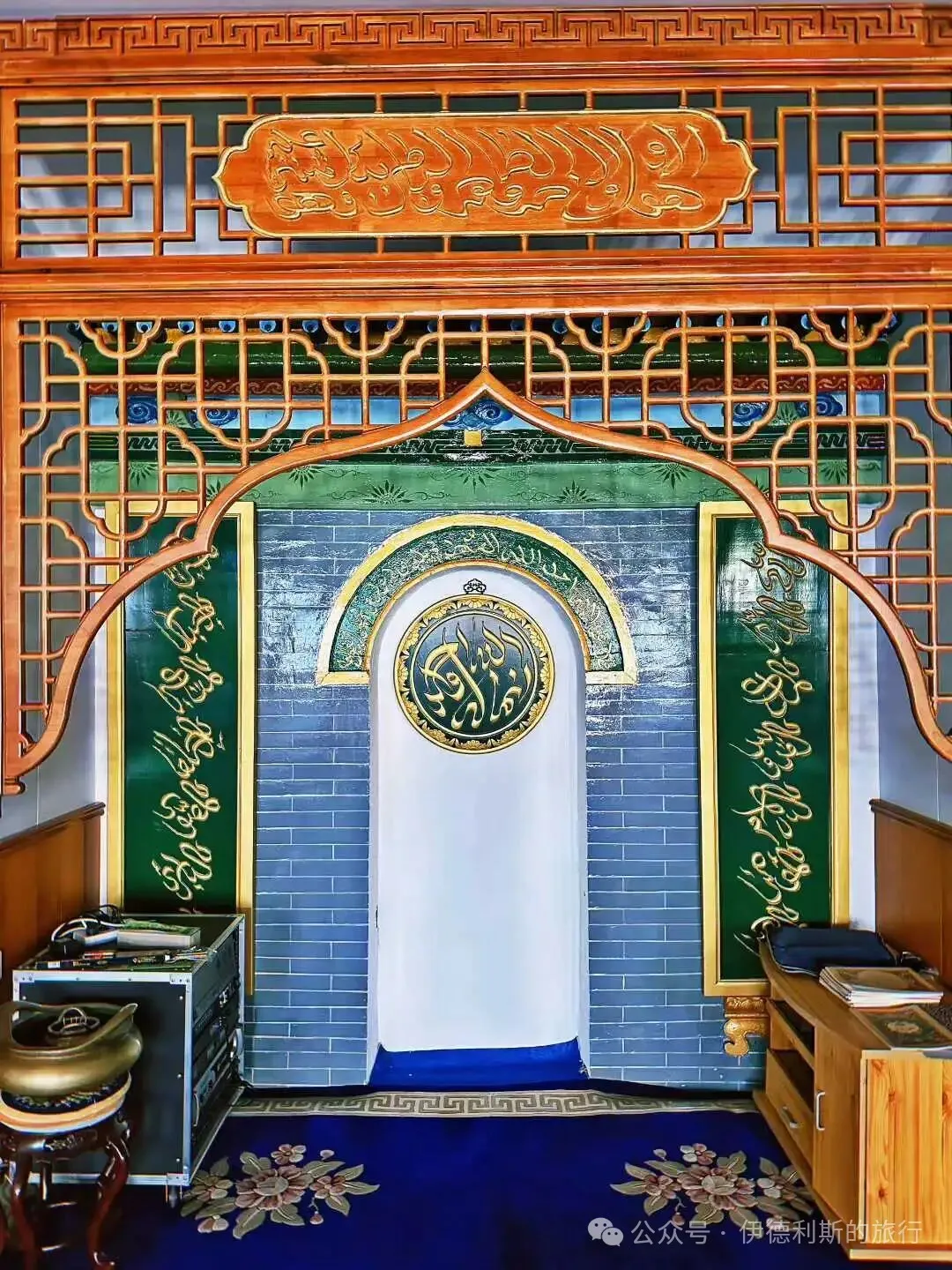
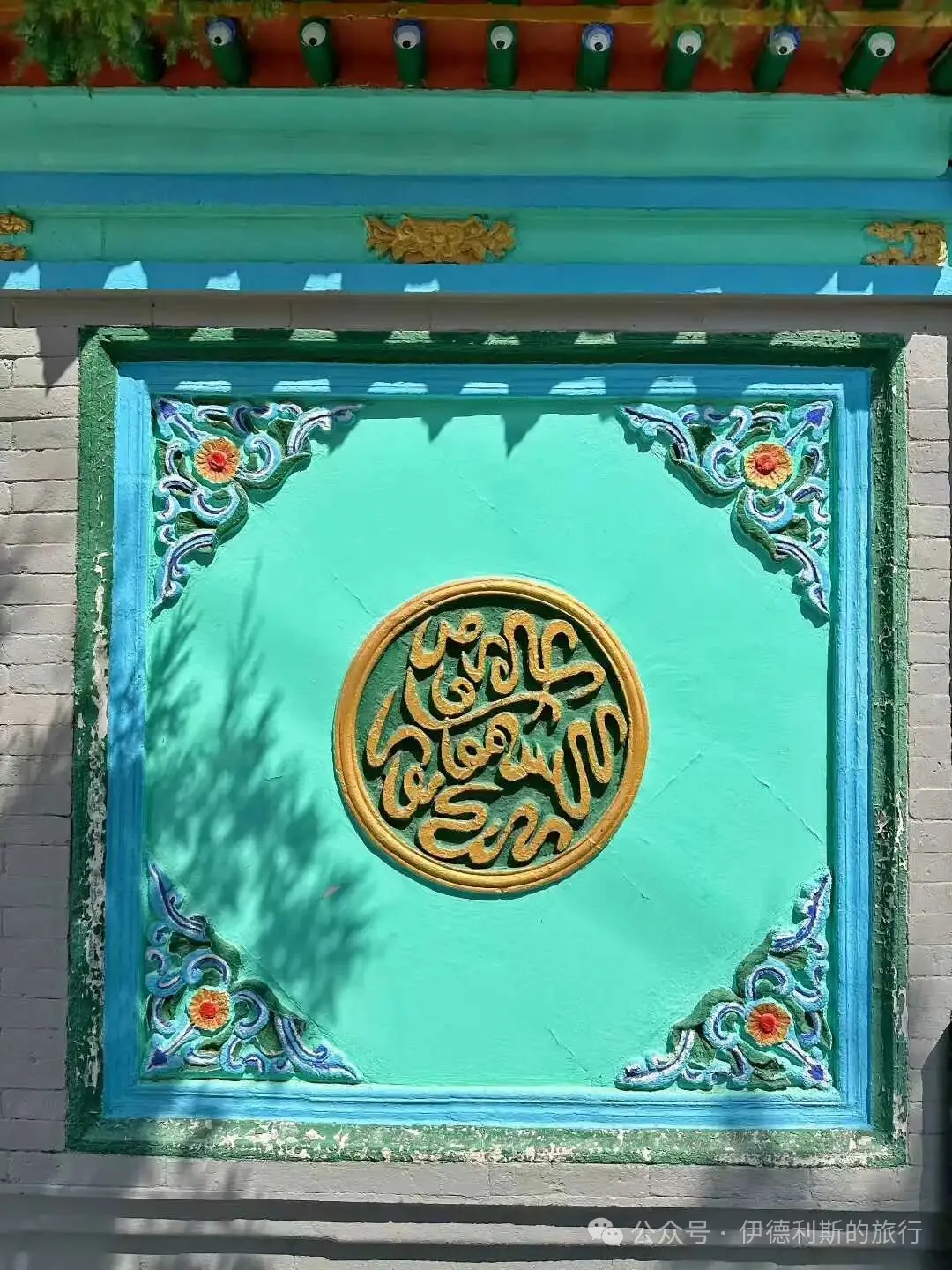
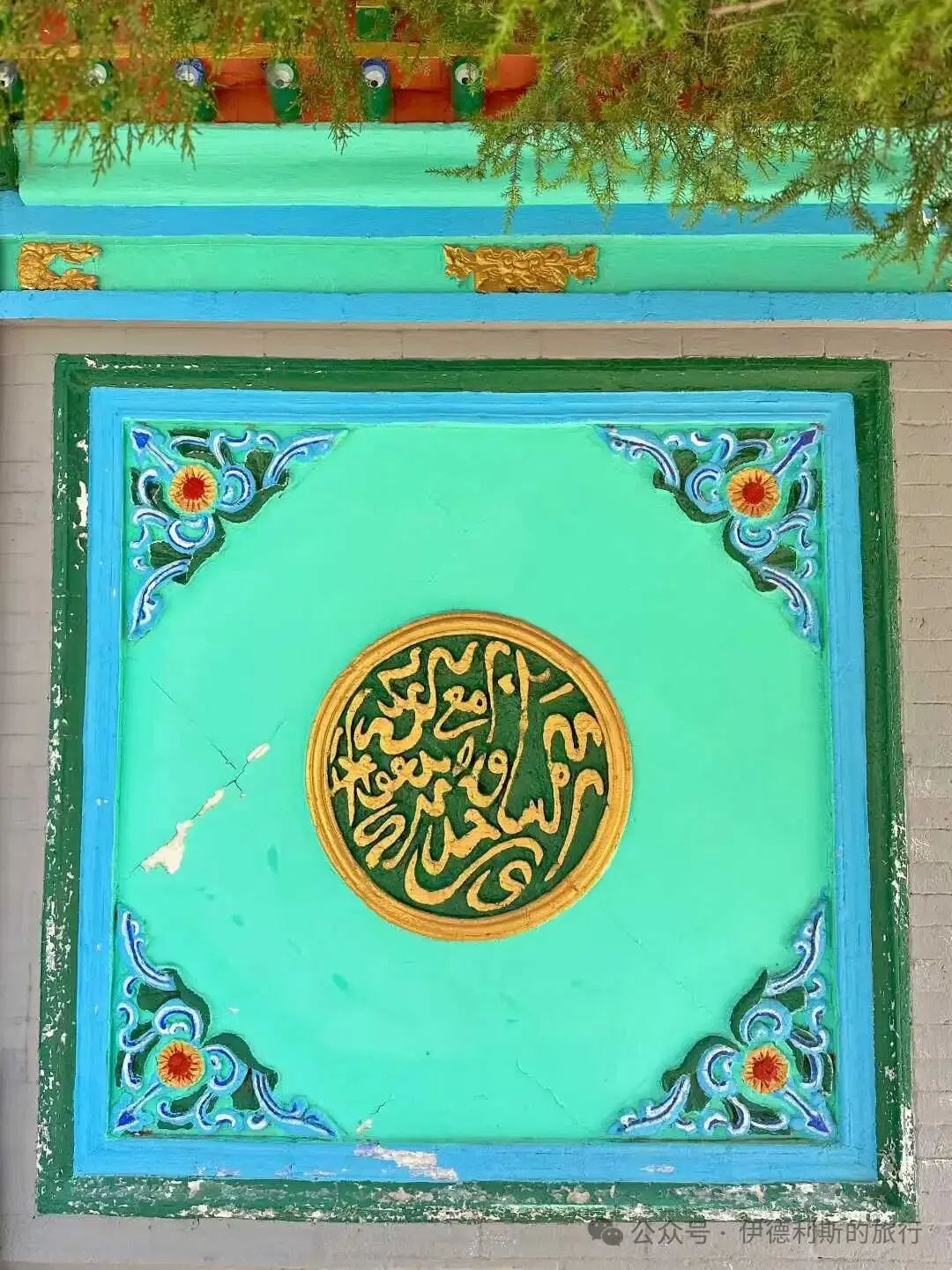
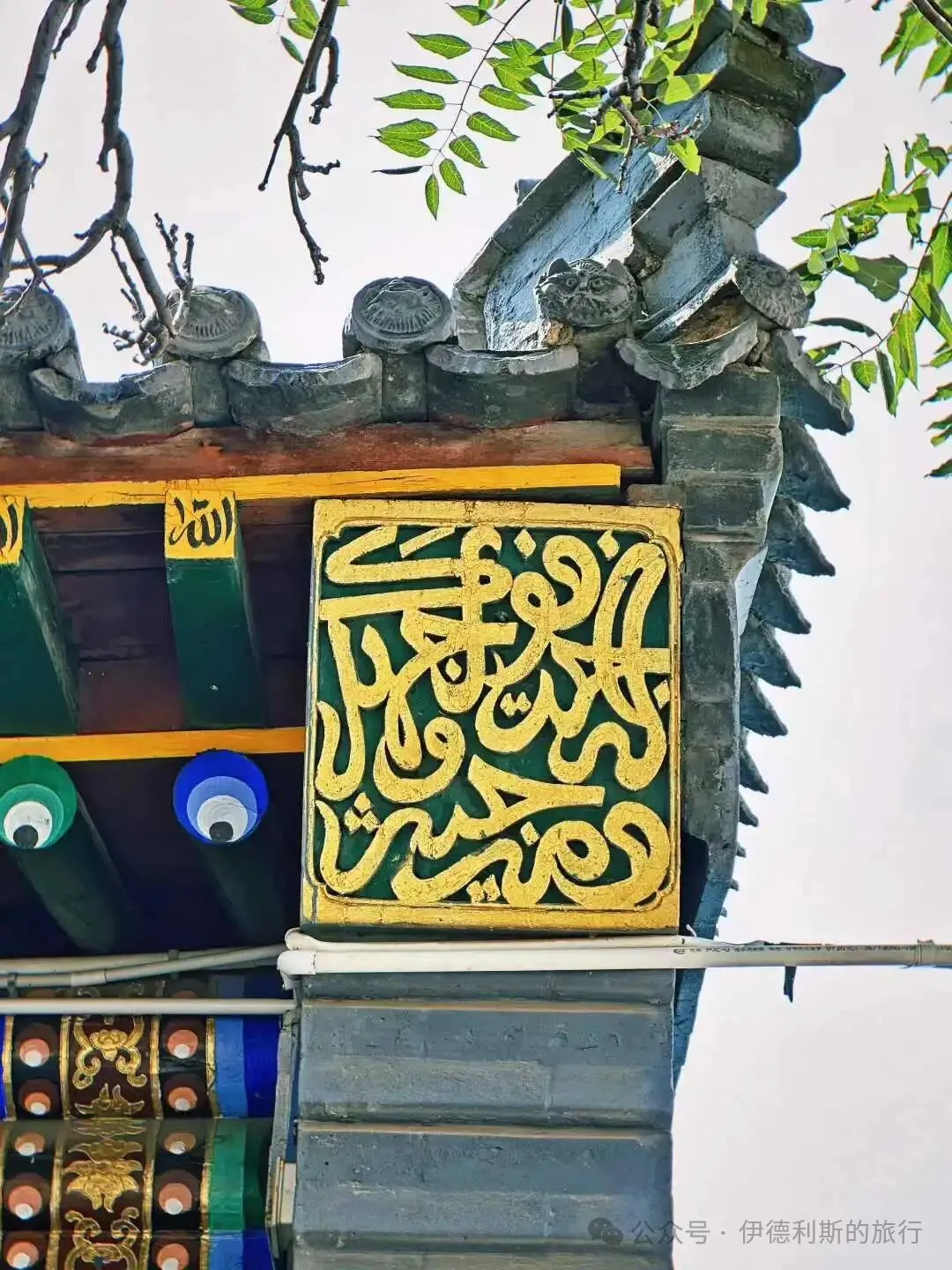
The Chasuoqi Great Mosque originally consisted of only two mud houses facing the street. During the Daoguang reign, as the number of Hui Muslims moving to Chasuoqi increased, a mud-and-wood main hall was added. In 1909 (the first year of the Xuantong reign), Imam Wang Shi'en led the construction of the current brick-and-wood main hall. The widow of Bai Shengyu, surnamed Gan, donated bricks, tiles, wood, and the elm trees in the courtyard. Other funds came from the local community and from Hohhot, Baotou, Saratsi, Togtoh, and Longshengzhuang. The elders in charge were Luo Cheng, Bai Youfu, Ma Youfu, and Wu Fengqi. Imam Wang Shi'en was originally from Wudu, Gansu. He was deeply knowledgeable in Islamic studies and is the most famous imam in the history of the Chasuoqi Great Mosque.
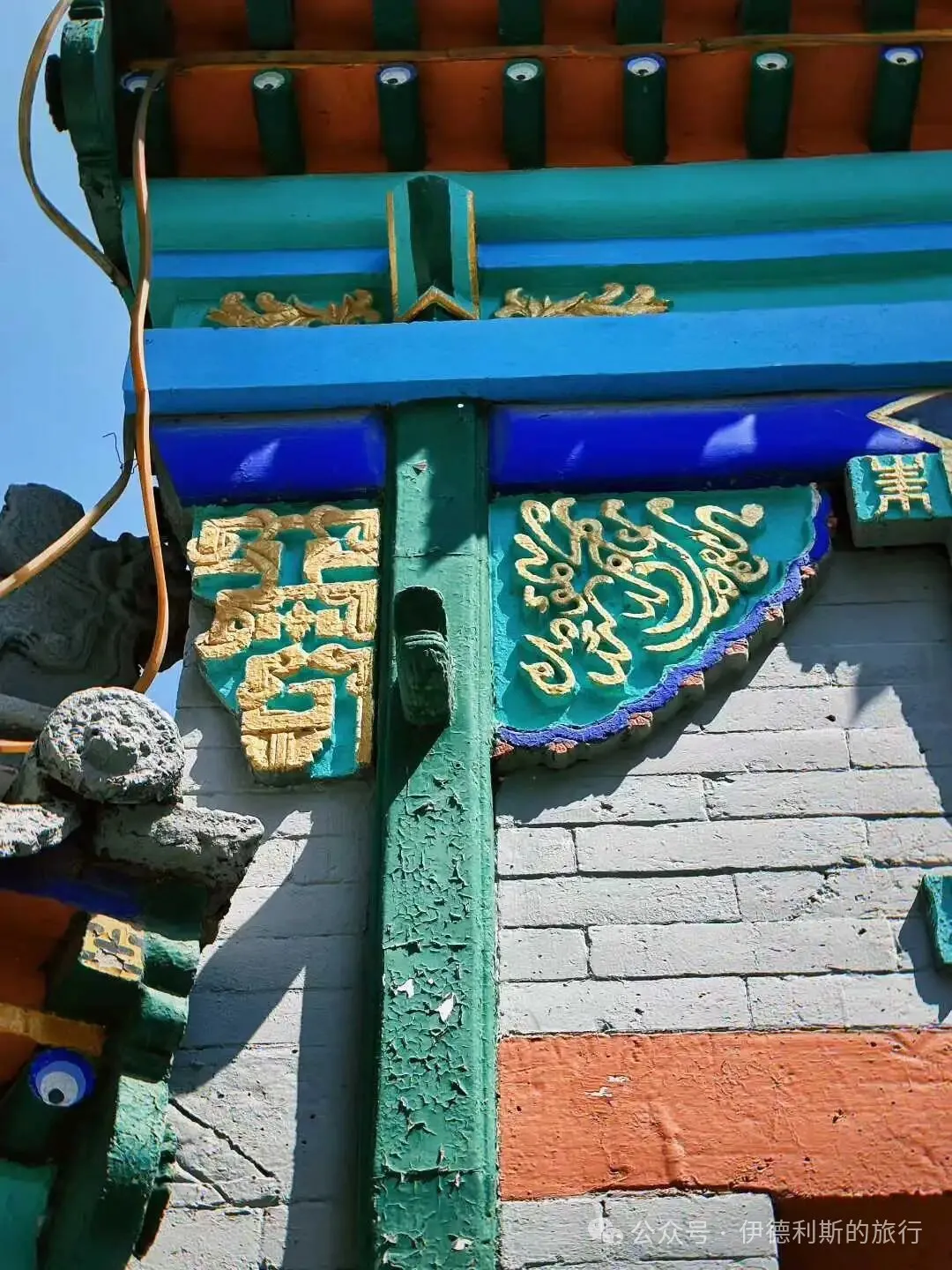
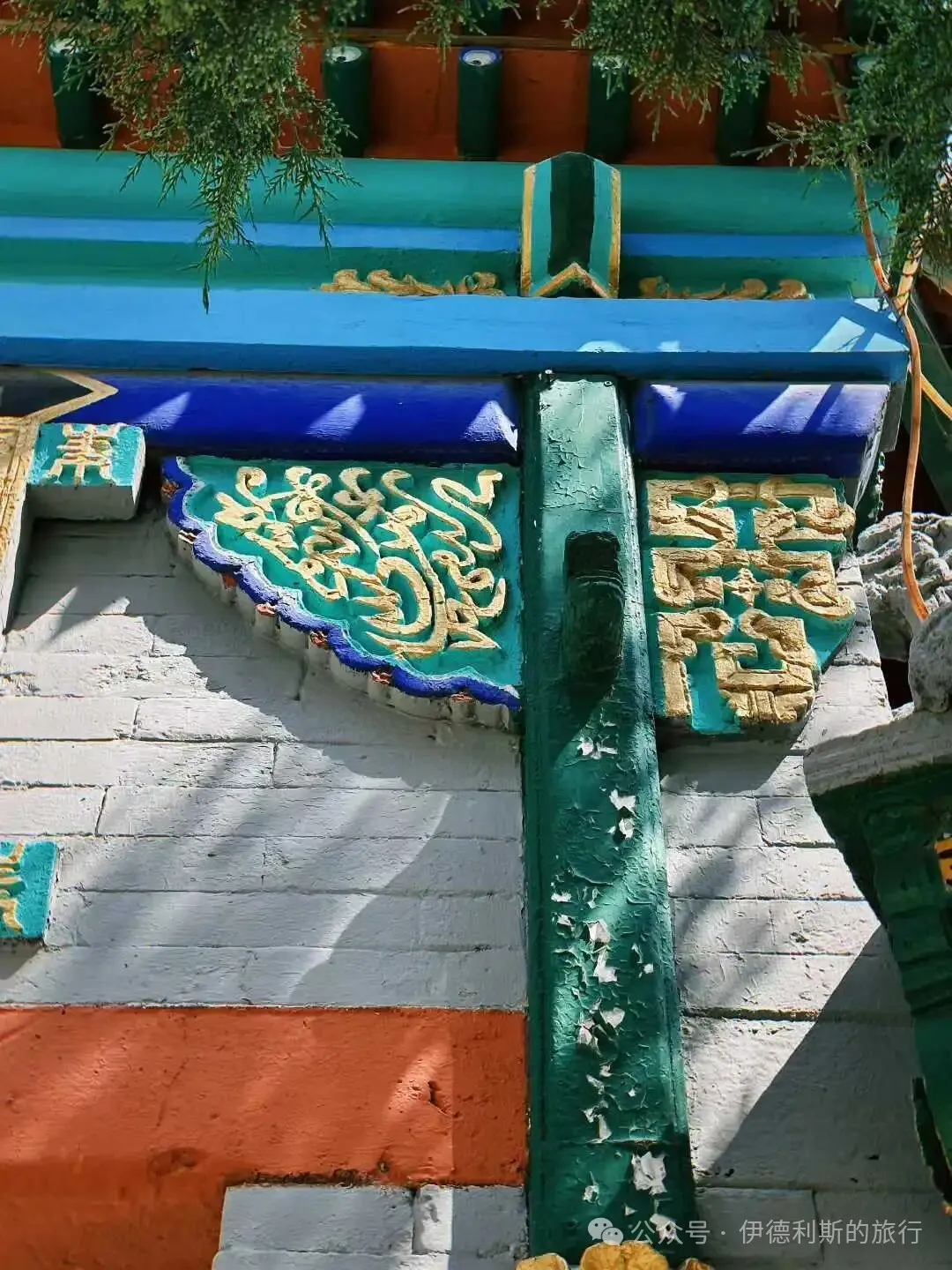
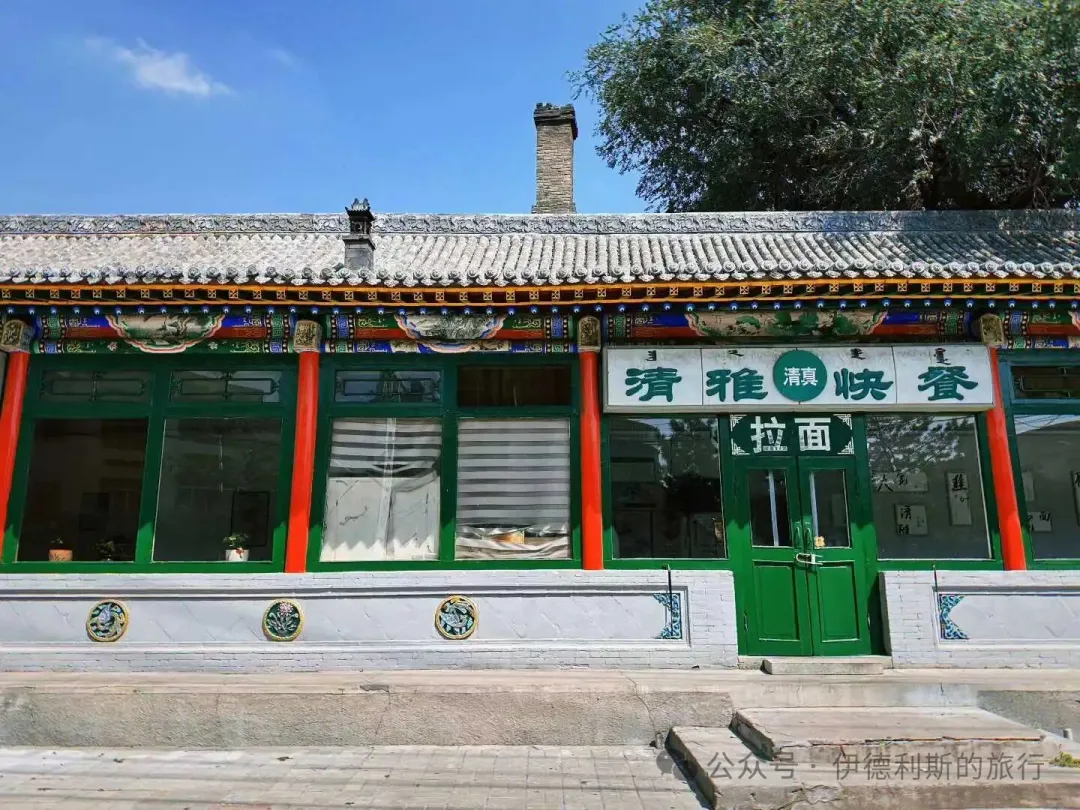
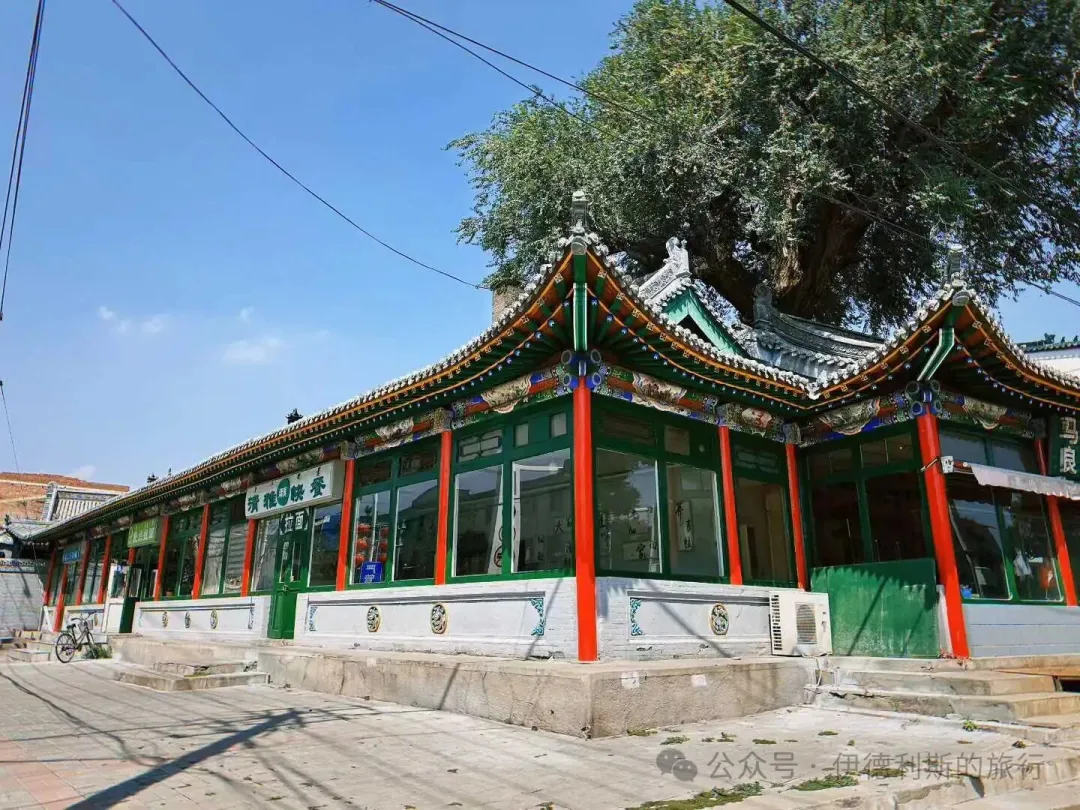
Saratsi Mosque
Saratsi Town in Tumd Right Banner, Inner Mongolia, is located between Hohhot and Baotou. After the Saratsi sub-prefecture office was established in 1739 (the 4th year of the Qianlong reign), it gradually prospered and became a major trade hub on the merchant route to Mongolia. In the early Qianlong years, 23 Hui Muslim households from Shandong and Hebei moved to Saratsi via Shandai. They included families with the surnames Ma, Bai, Yang, and Wei, and most worked as livestock traders. In 1747 (the 12th year of the Qianlong reign), they raised funds to build the Saratsi Mosque in Nanyingzi.
In 1760 (the 25th year of the Qianlong reign), Saratsi was upgraded to a sub-prefecture office, also handling Mongolian-Han affairs for the Urat Three Banners, the Ordos Left Wing Middle Banner (Junwang Banner), and the Ordos Left Wing Rear Banner (Dalad Banner). After this, the number of Hui Muslims moving to Saratsi continued to grow. Around the 40th year of the Qianlong reign, the Hui Muslim population in Saratsi had grown to over 100 households and more than 400 people. In 1782 (the 47th year of the Qianlong reign), local residents expanded the main hall of the Salaqi Mosque to fifteen rooms. The mosque still has a door lintel inscribed with the date 1782, which serves as proof of this expansion.
In 1947, the south side room of the main hall suddenly collapsed. The village elders hired Wu Youlong, one of the only two college students among the Hui Muslims in Baotou at the time, who had graduated from the Civil Engineering Department of Beiyang Institute of Technology, to rebuild the hall. When designing the hall, Wu Youlong boldly placed a millstone and a roller under each pillar. This design prevented moisture from rising and also improved the lighting inside. After the renovation, the main hall took on its current form.
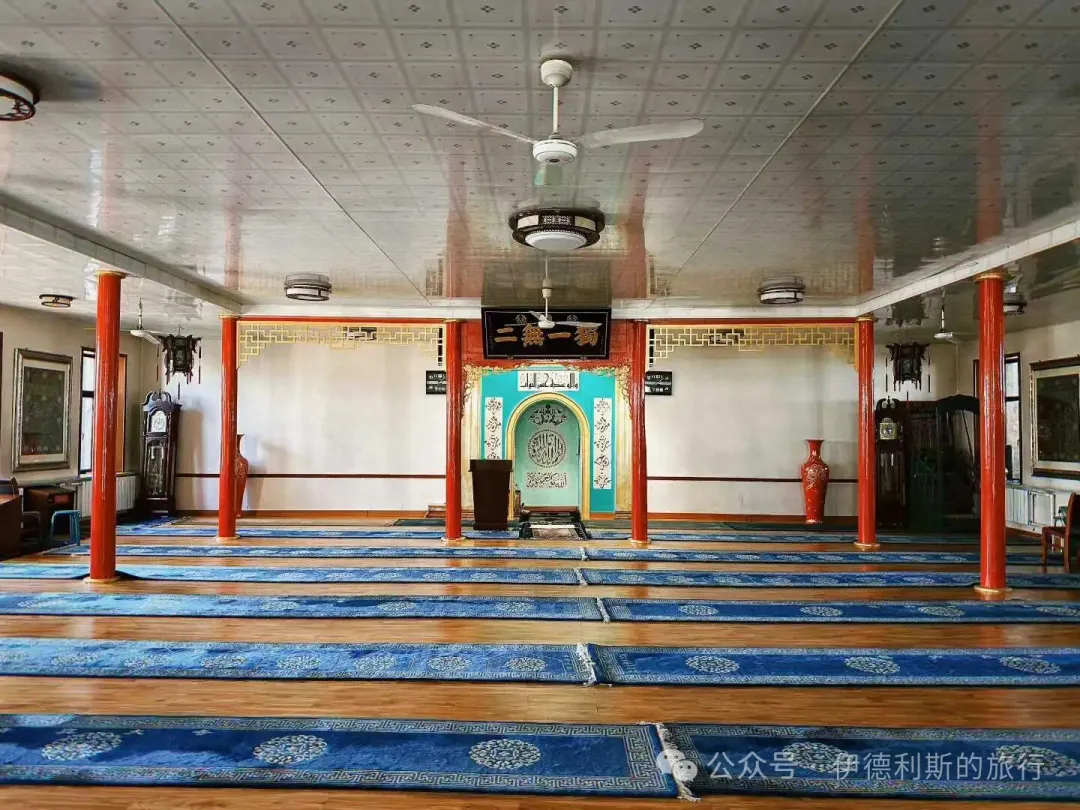
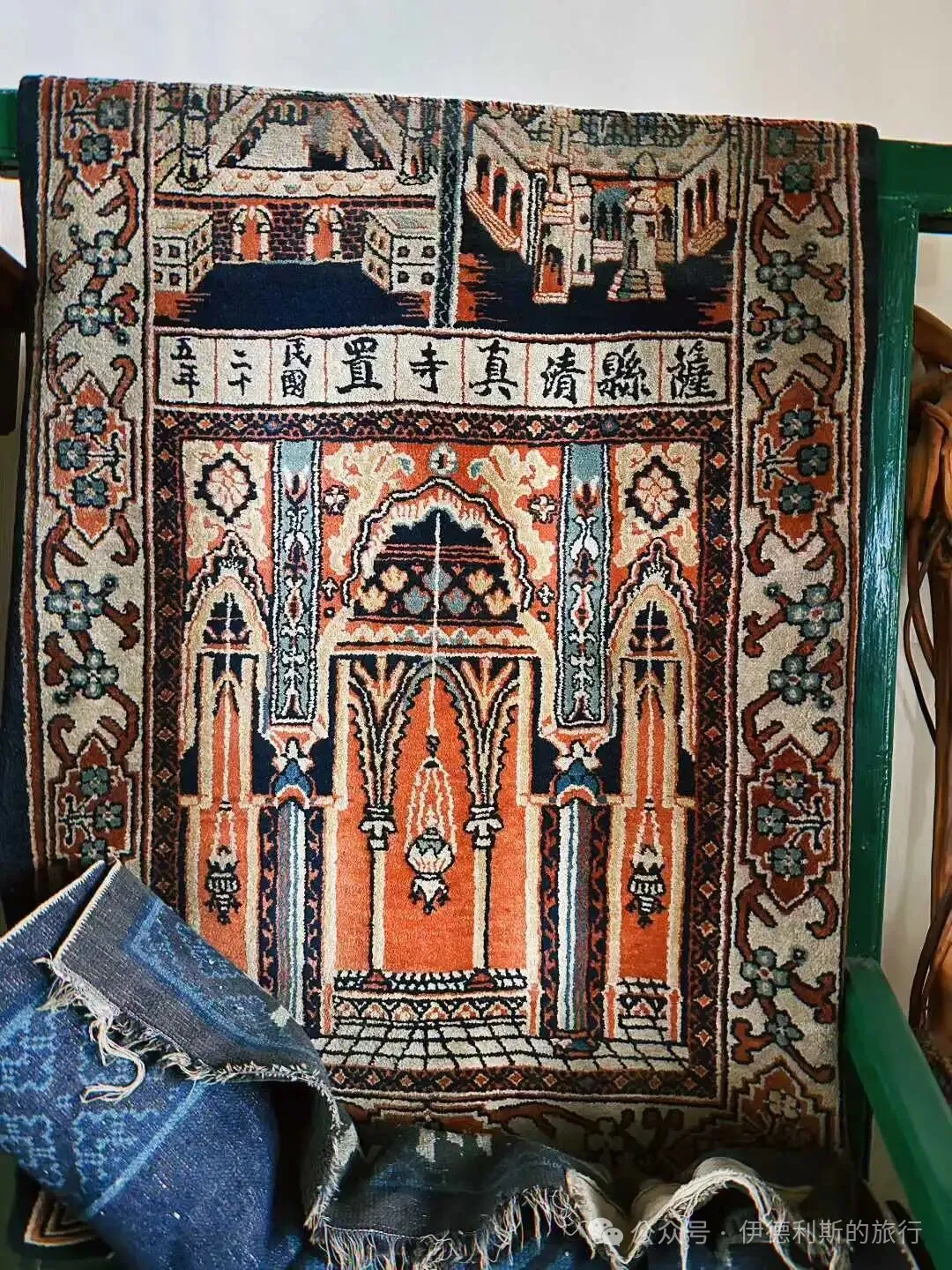
Baotou Great Mosque
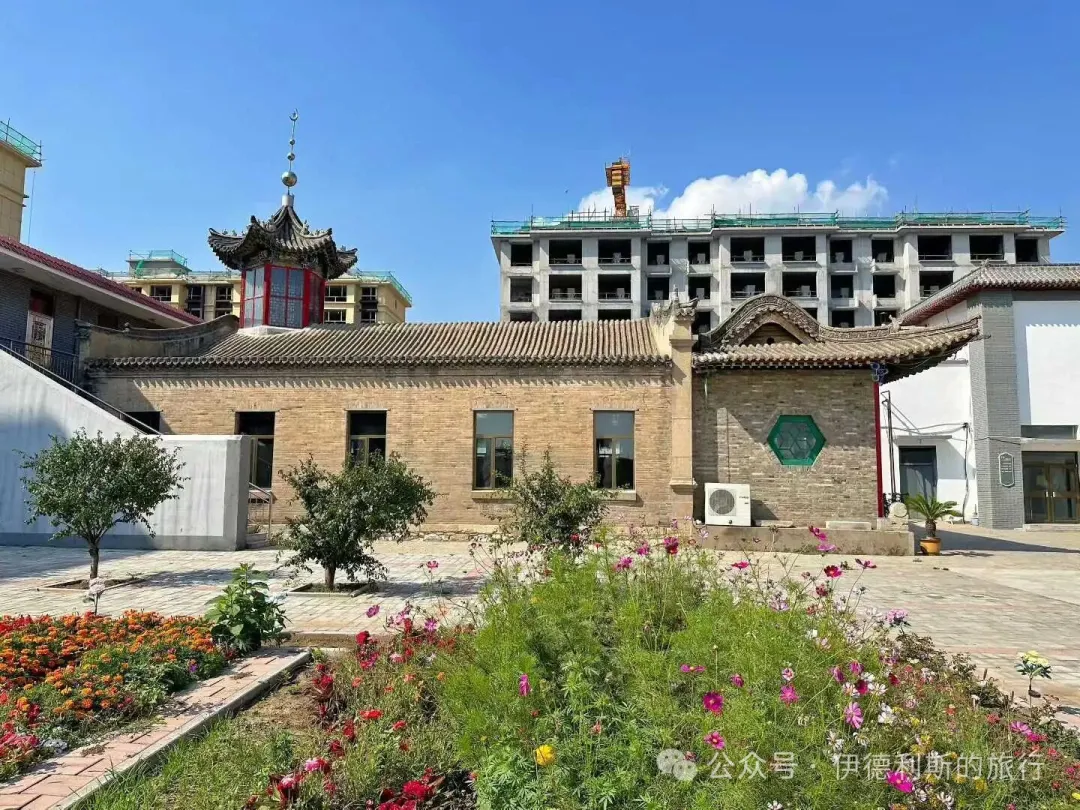
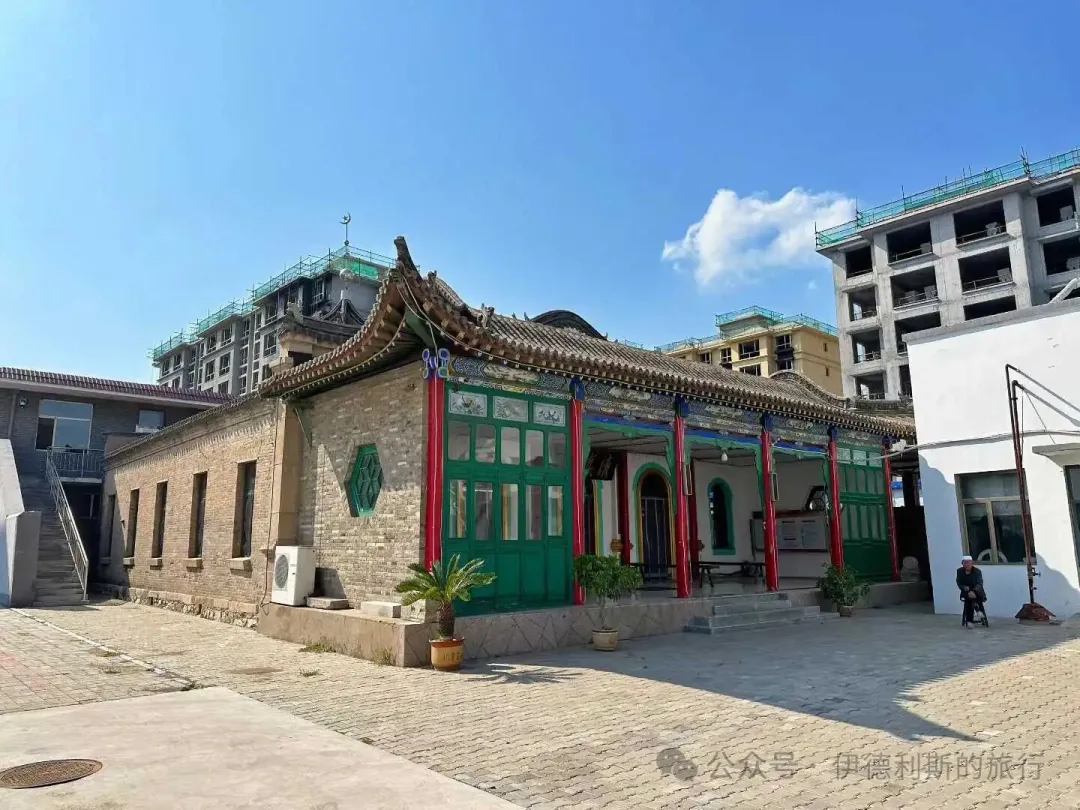
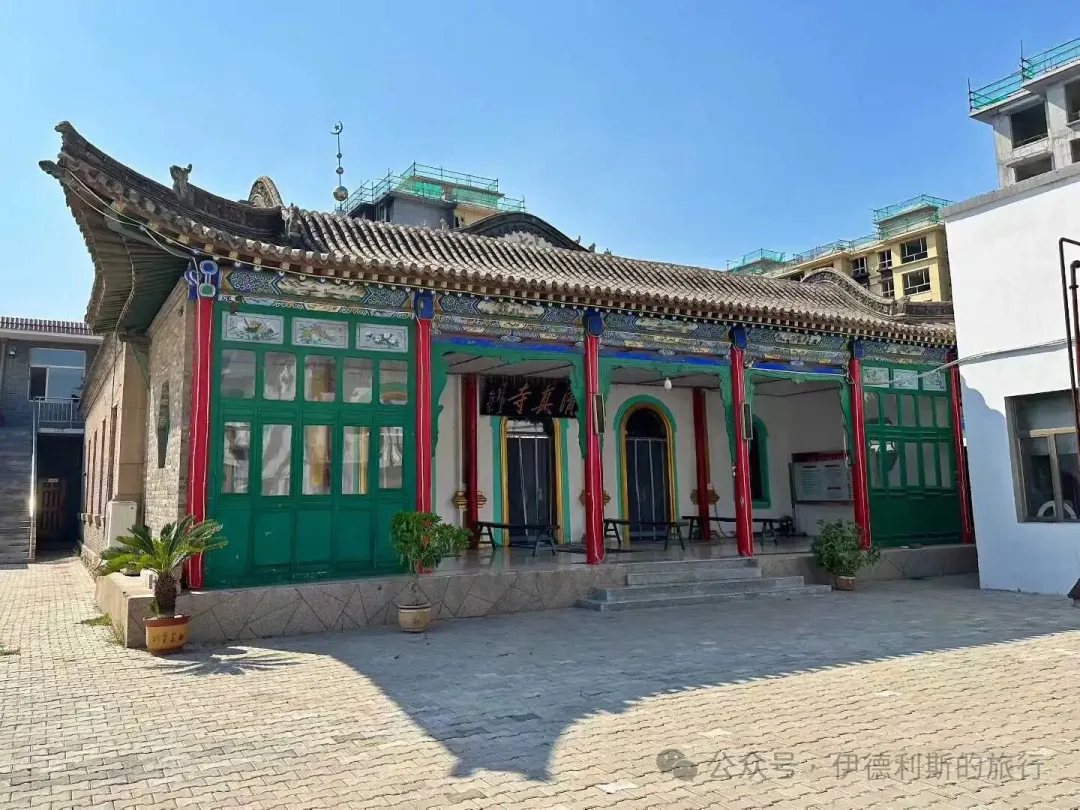
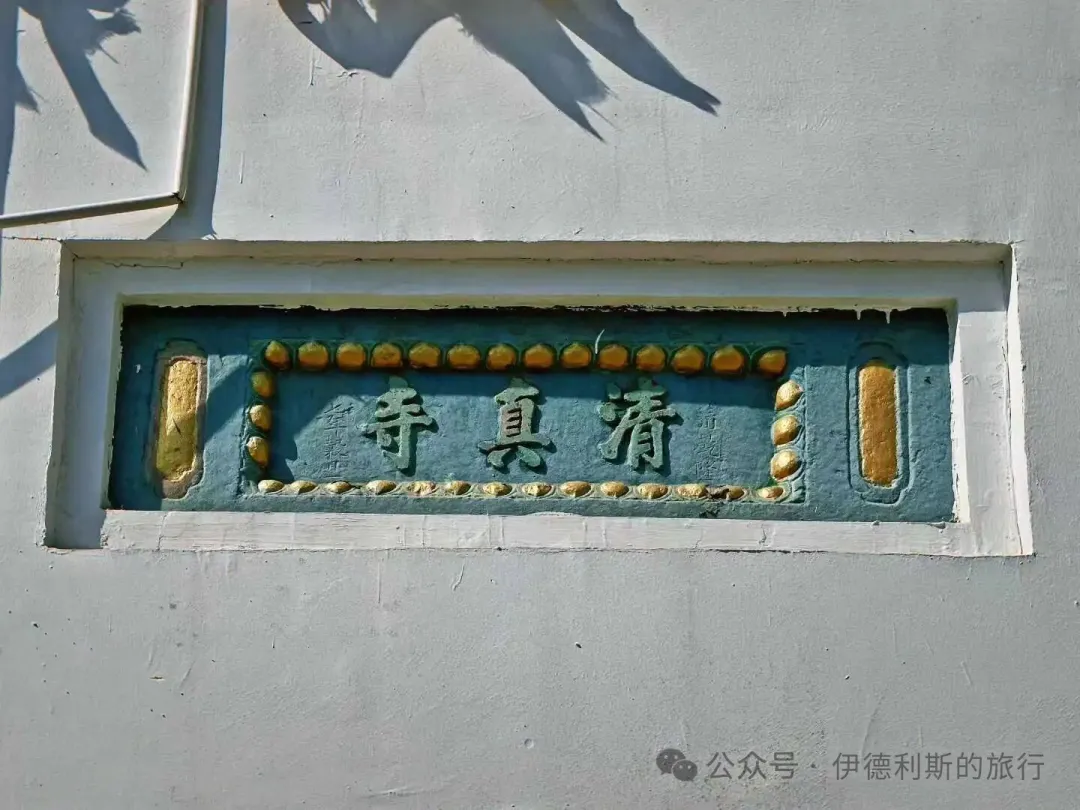
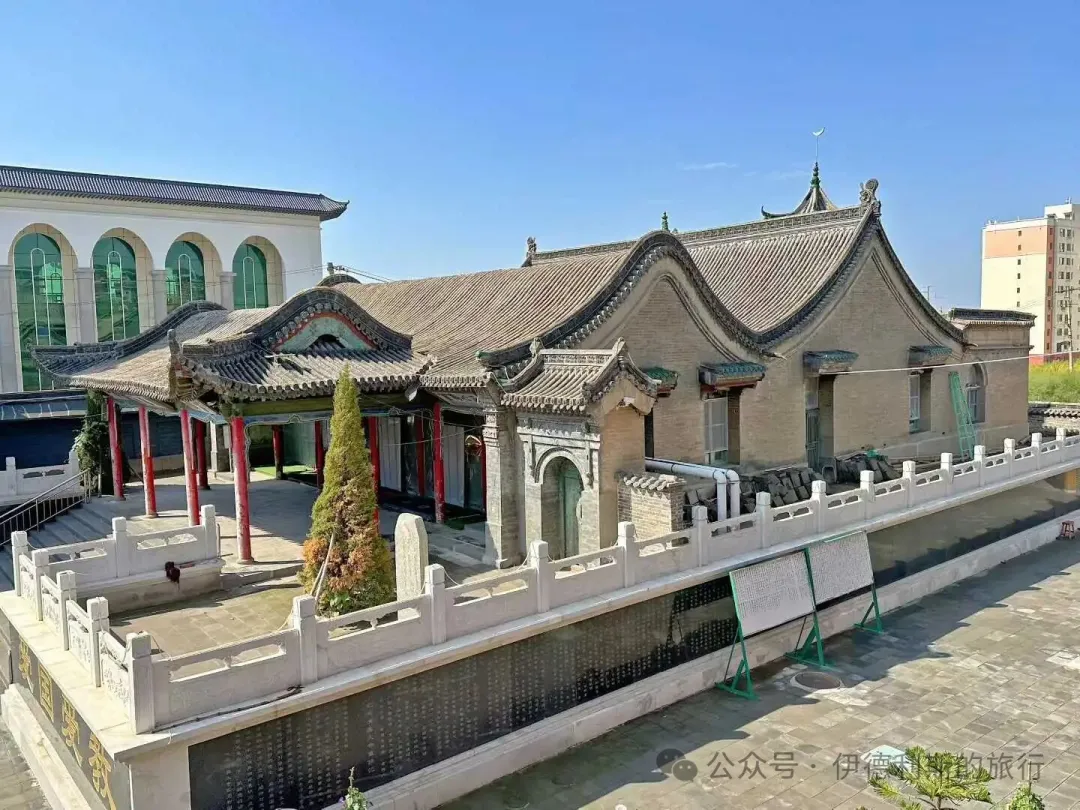
The Baotou Great Mosque is located in the Donghe District of the old town of Baotou. It was first built in 1743 (the 8th year of the Qianlong reign) and is the most important religious building in the western Tumochuan area. Today, it is a protected cultural site of the Inner Mongolia Autonomous Region.
In 1697 (the 36th year of the Kangxi reign), after Emperor Kangxi defeated Galdan, immigrants from inland China began to flood into the Tumochuan Plain in Inner Mongolia, moving westward along the route from Hohhot to Chasugi and then to Salaqi. In the early years of the Qianlong reign, Wang Xiu, a Hui Muslim from Cangzhou, Hebei, and Bai Sanmu, a Hui Muslim from Wuding, Shandong (near present-day Binzhou and Dezhou), arrived at Baotou Village, west of Salaqi, becoming the first Hui Muslims in Baotou.
According to family records, the Wang family's ancestral home was Erdaogang Wailiushu Village in Nanjing. Their distant ancestor was a military scholar (wulinsheng) during the Ming Dynasty and later served as a military officer. In 1421 (the 19th year of the Yongle reign), the Ming Dynasty officially moved its capital to Beijing. The Wang family was ordered to escort the emperor north and was later granted land in Cangzhou. During the Yongle reign of the Ming Dynasty, the Wang family moved to their granted land at Wangjia Sheqiao and gave up their official posts to become farmers. In the early years of the Qianlong reign, the Wang family fell on hard times. Faced with a drought in Cangzhou, Wang Xiu carried his wife and children, along with a shoulder pole carrying goods, and traveled a long distance to Zhaowan in Inner Mongolia. Wang Xiu first made a living by selling mountain goods and sewing supplies door-to-door. Later, he received a piece of pasture land from a lama, bought livestock, and started a career in animal husbandry. Wang Xiu traded livestock between Inner Mongolia, Shandong, and Hebei, and his family's financial situation gradually improved.
In the early years of the Qianlong reign, Baotou Village, west of Salaqi, began to take shape, and shops and businesses opened one after another. Wang Xiu rented a slope from a Mongol person north of Baotou Village to build a house, and people called it the "Wang Family on the High Slope." After that, other Hui Muslim families, including the Bai, Ma, Yang, and Zhou families, moved into Baotou. In 1743 (the 8th year of the Qianlong reign), the Wang and Bai families mobilized other Hui Muslim families to build the first Baotou Great Mosque.
The original Baotou Great Mosque was a five-room earth-and-wood hall. It once had a plaque inscribed with "Pure and Clean" (Qingjing) dated to the 8th year of the Qianlong reign, but it was unfortunately lost later. The first imam was surnamed Fu and was hired from Hebei.
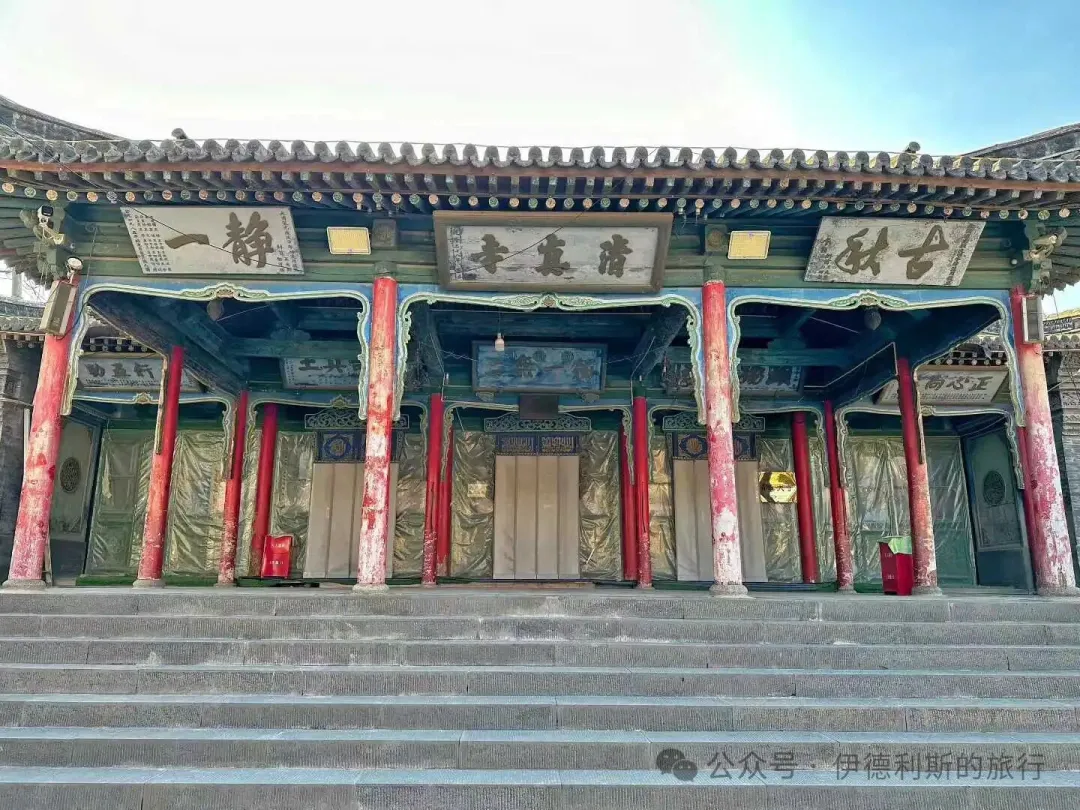
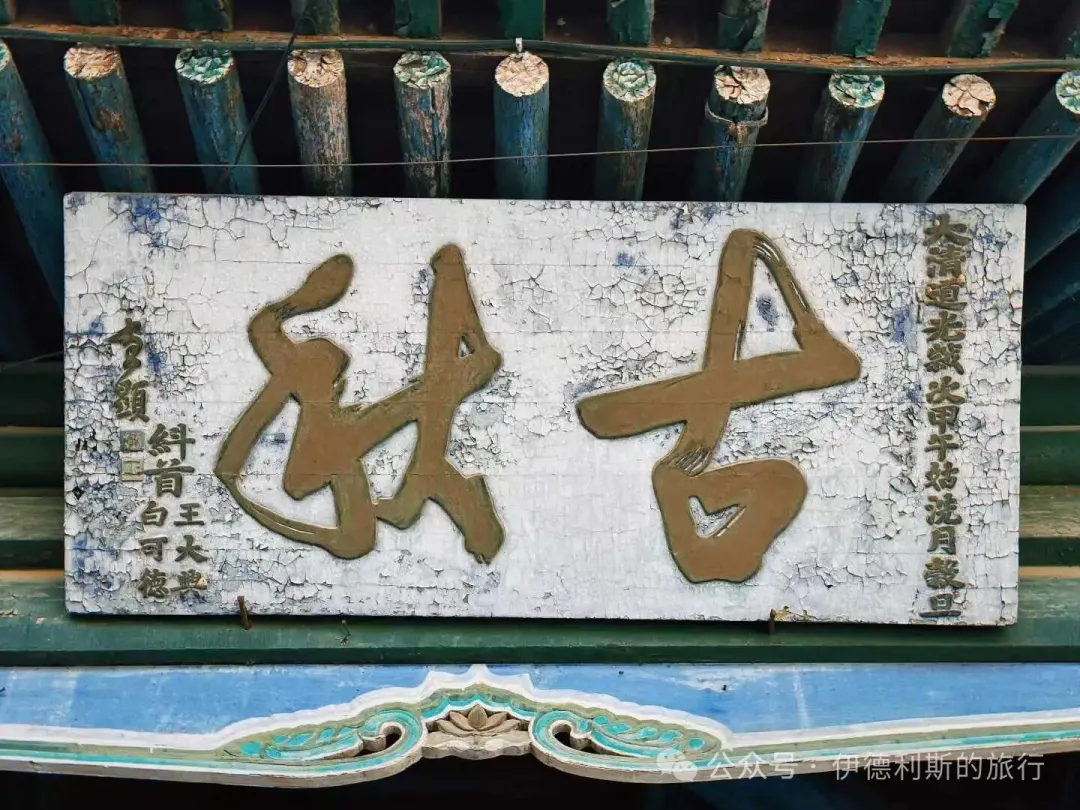
In 1809 (the 14th year of the Jiaqing reign), Baotou Village was renamed Baotou Town and gradually developed into an important commercial hub. Wang Xiu's grandson, Wang Daxing, opened the "Sanhe Horse Inn" in Baotou, and his long-distance horse trading business flourished. By 1833 (the 13th year of the Daoguang reign), there were already over 100 Hui Muslim households in Baotou, totaling six or seven hundred people. Because of this, Wang Daxing and Bai Sanmu's grandson, Bai Kede, led the effort to rebuild the earth-and-wood hall into a brick-and-tile structure and inscribed the plaques "Unique" (Duyi Wu'er), "Ancient Autumn" (Guqiu), and "Quiet One" (Jingyi). Only the plaque reading "Ancient Autumn" (Guqiu) remains, signed by community leaders (toushou) Wang Daxing and Bai Kede.
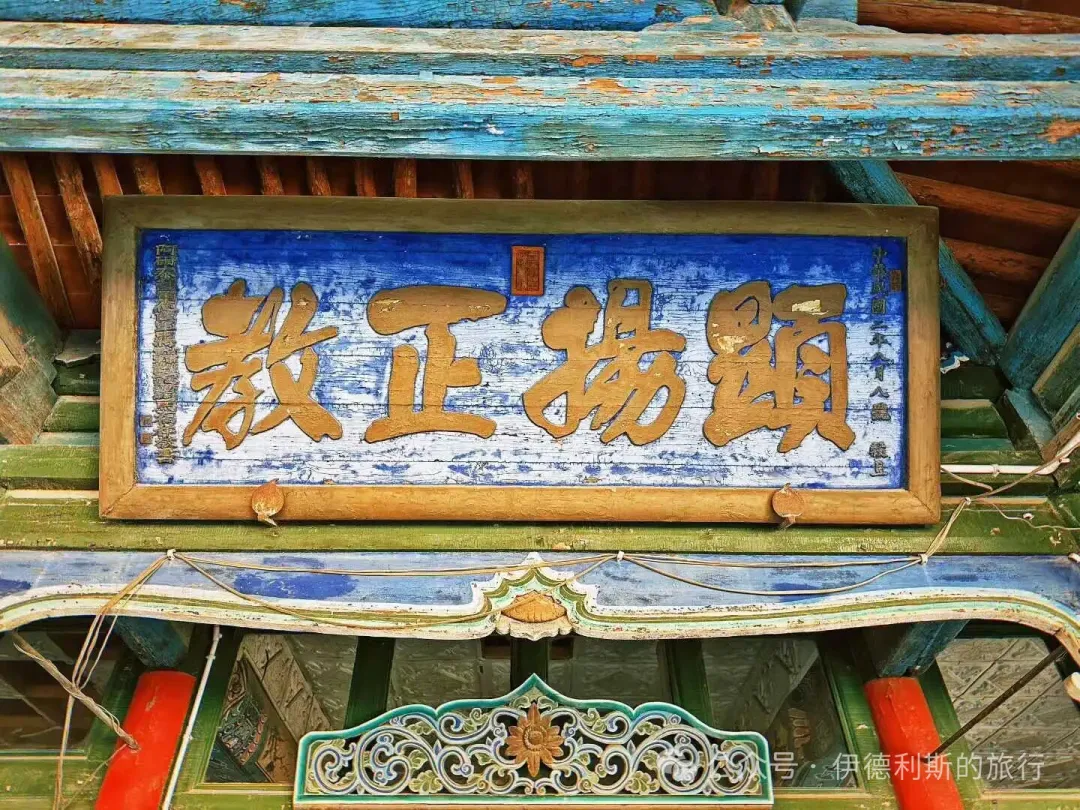
In 1913, community elders from the Ma, Wang, Chen, Ding, and Bai families hired a carpenter known as "Living Lu Ban" named Guo Sansuo to expand the main hall. He moved the porch (juanpeng) forward and added a section to the back, giving the Baotou Great Mosque its current layout. The mosque houses a plaque inscribed with "Promoting the True Faith" (Xianyang Zhengjiao) by Lieutenant General Ma Fuxiang, dating back to the second year of the Republic of China.
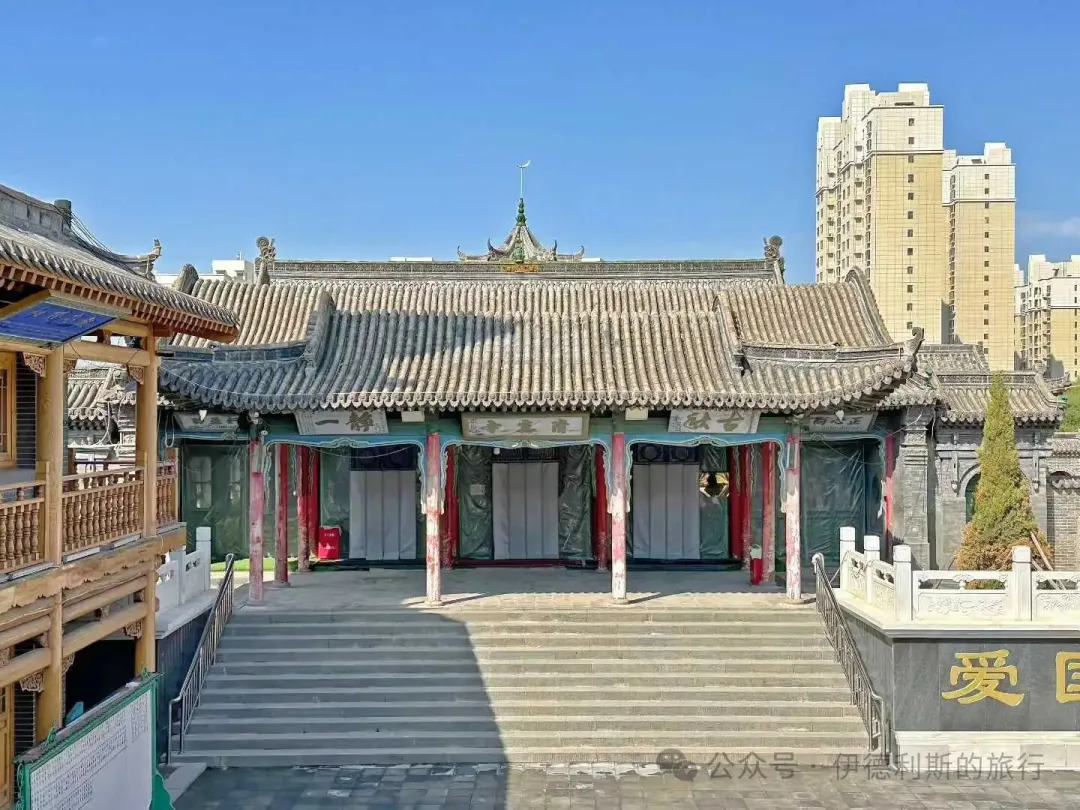
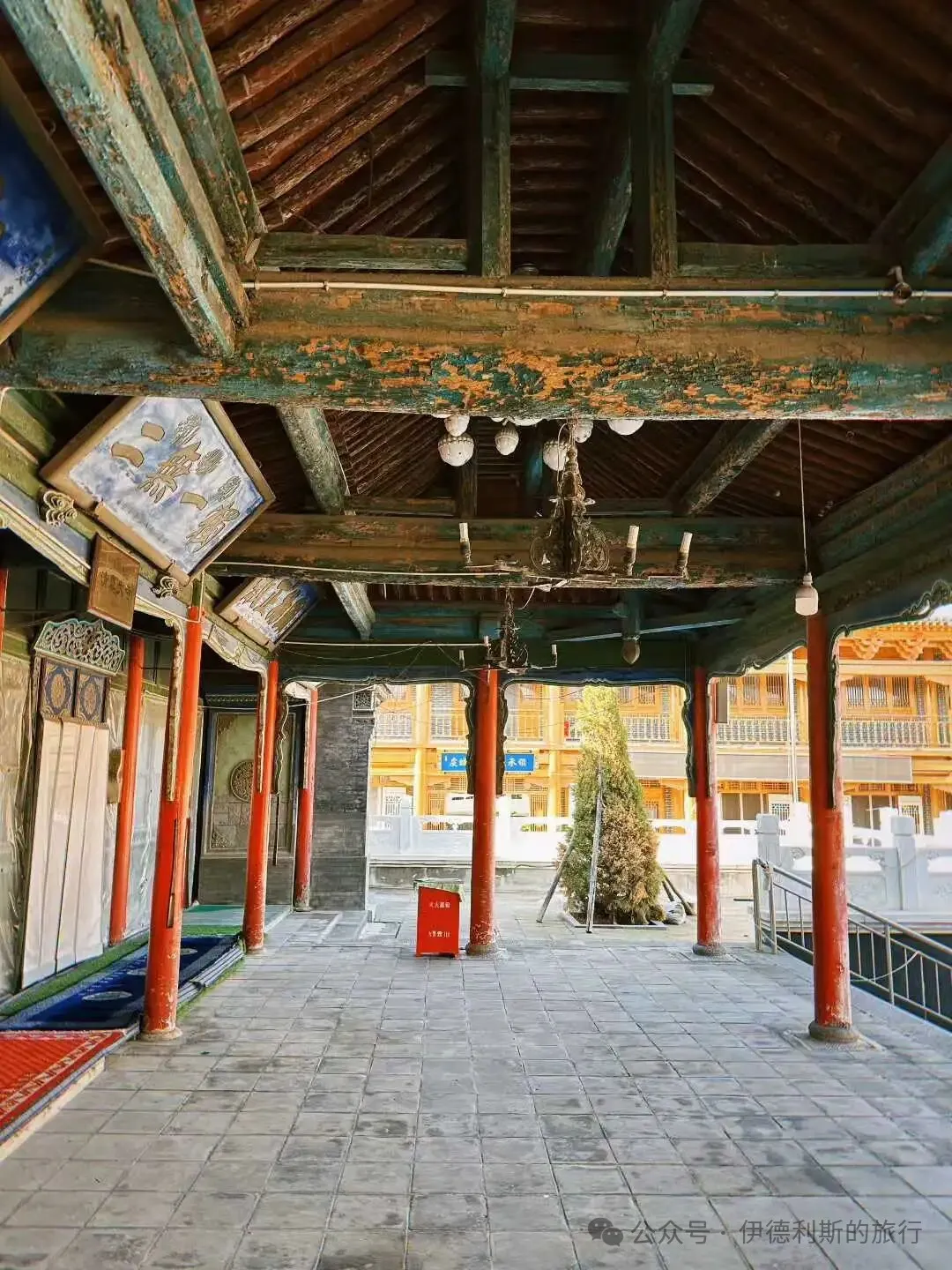
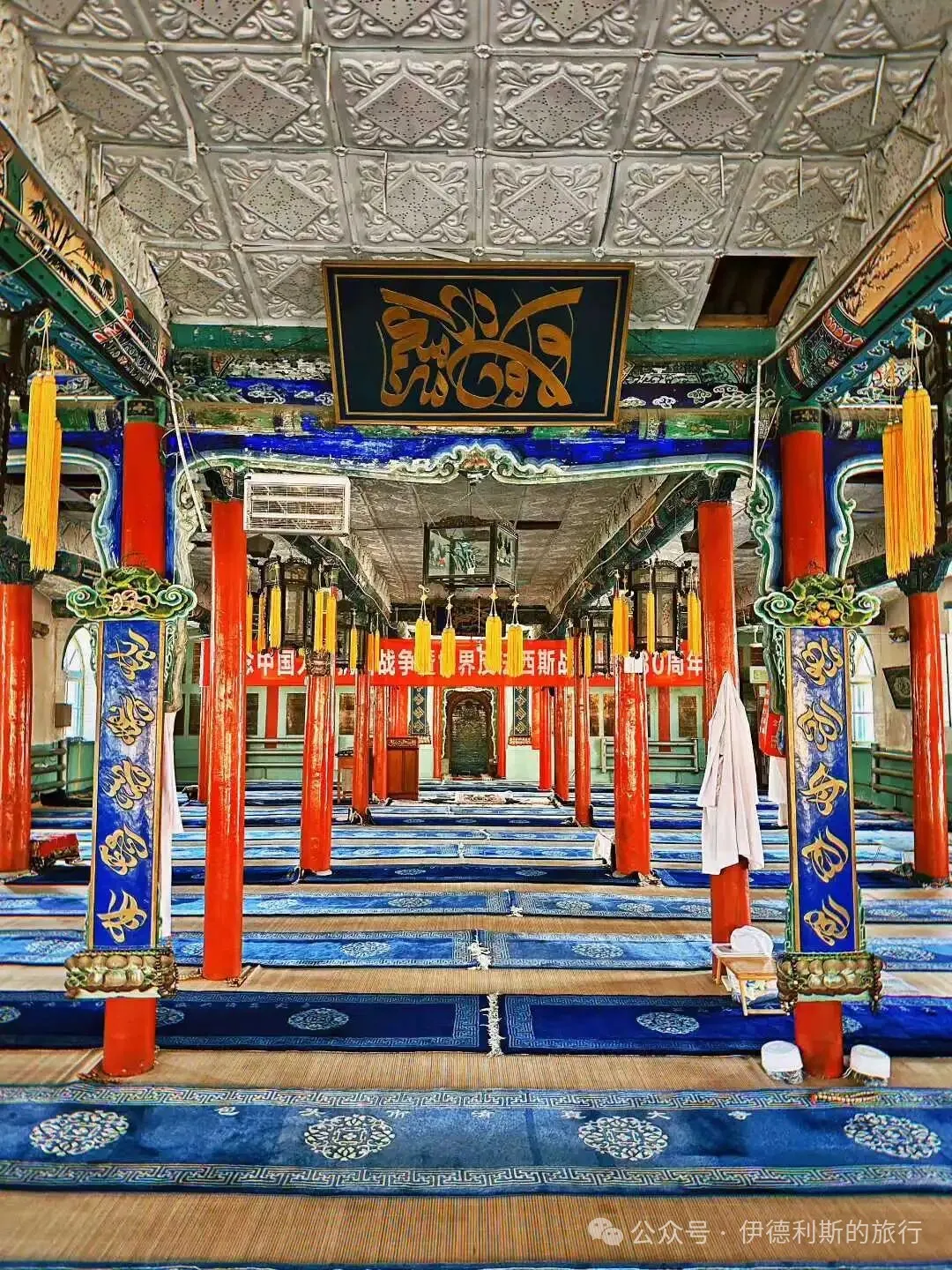
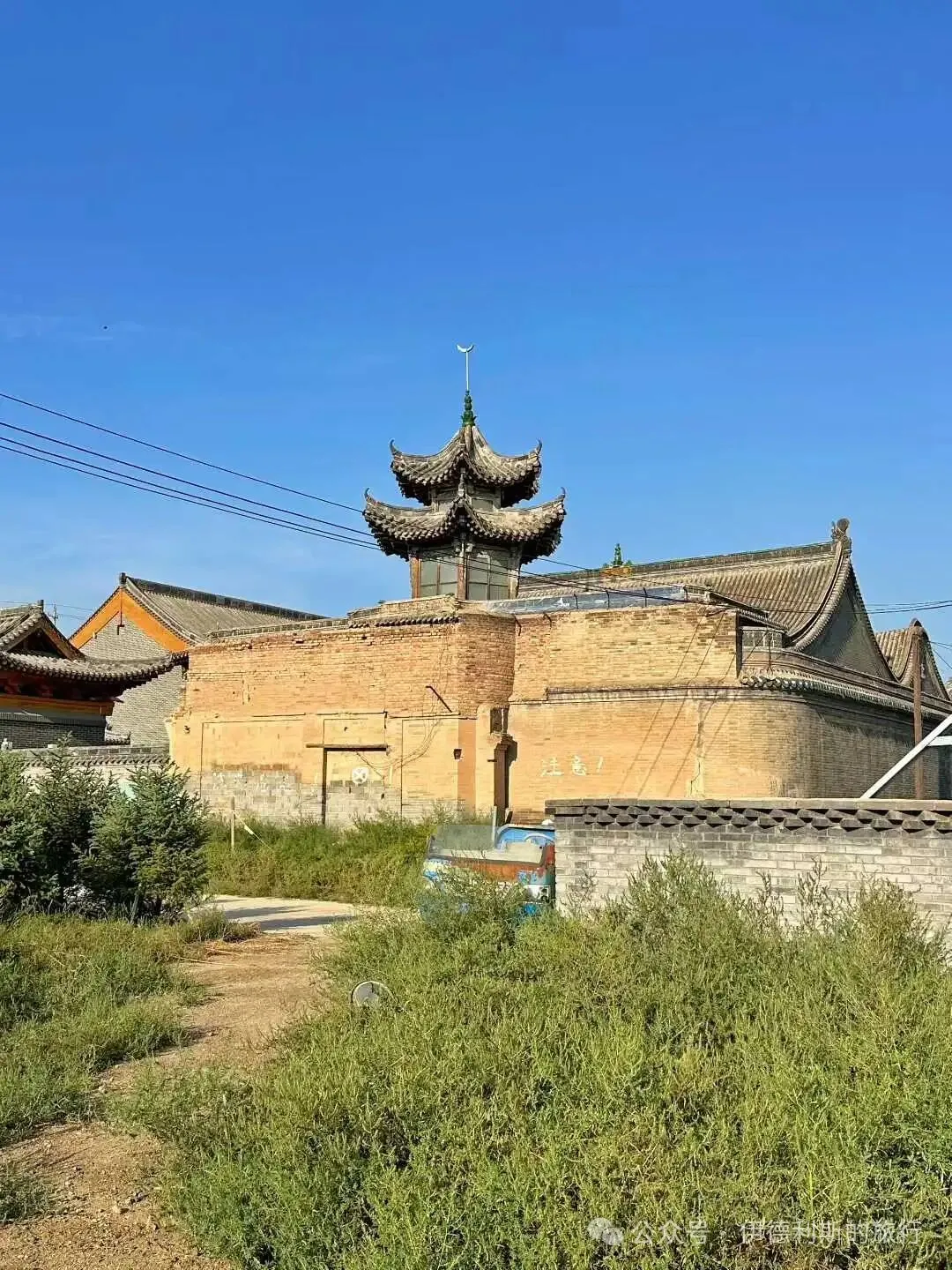
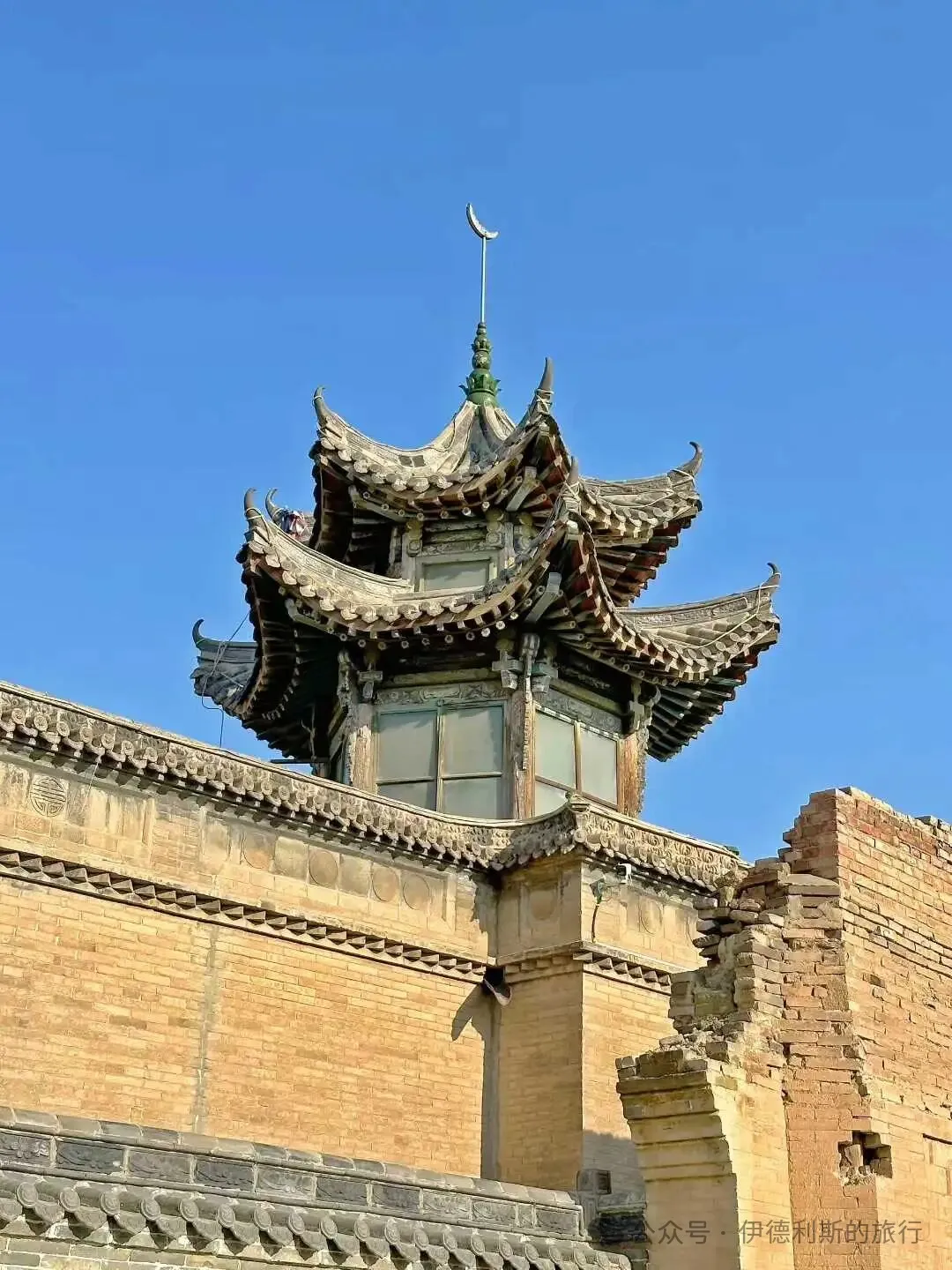
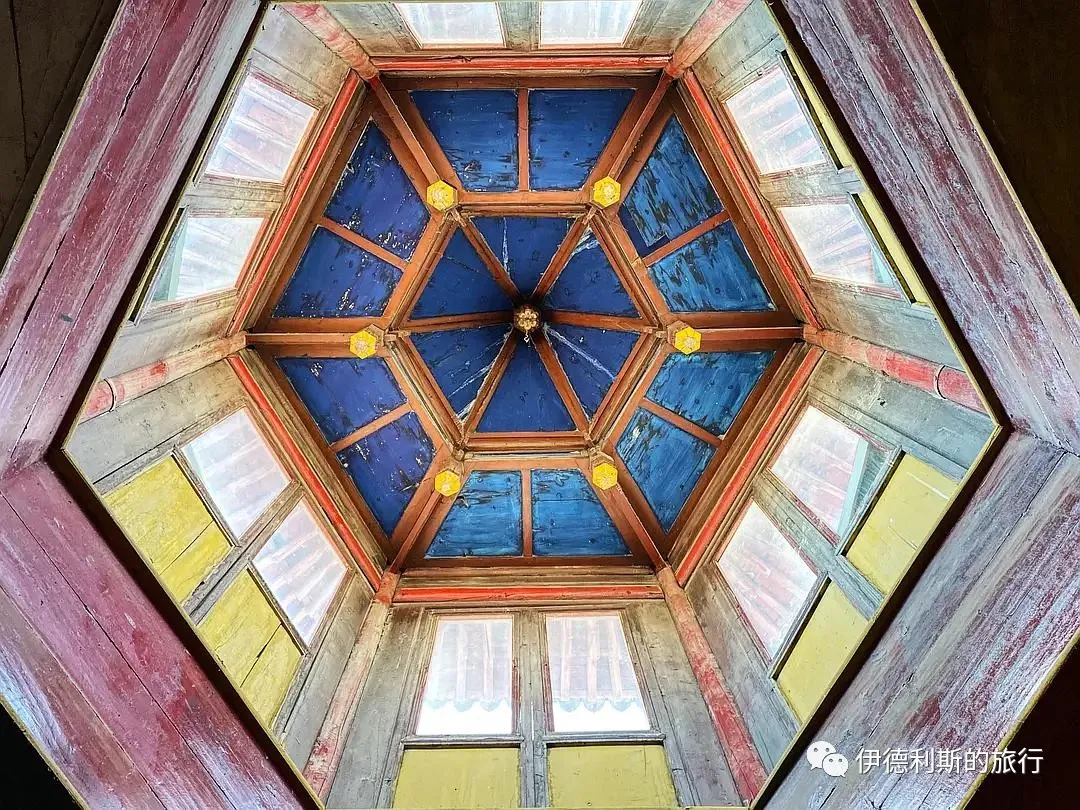
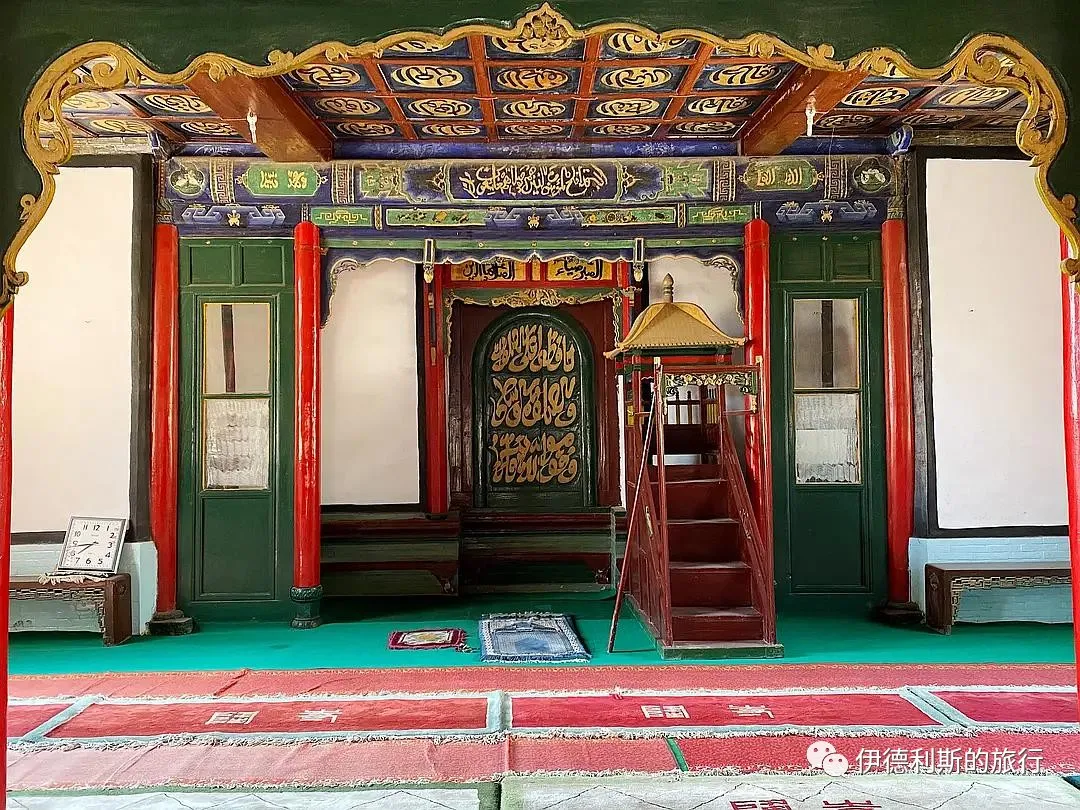
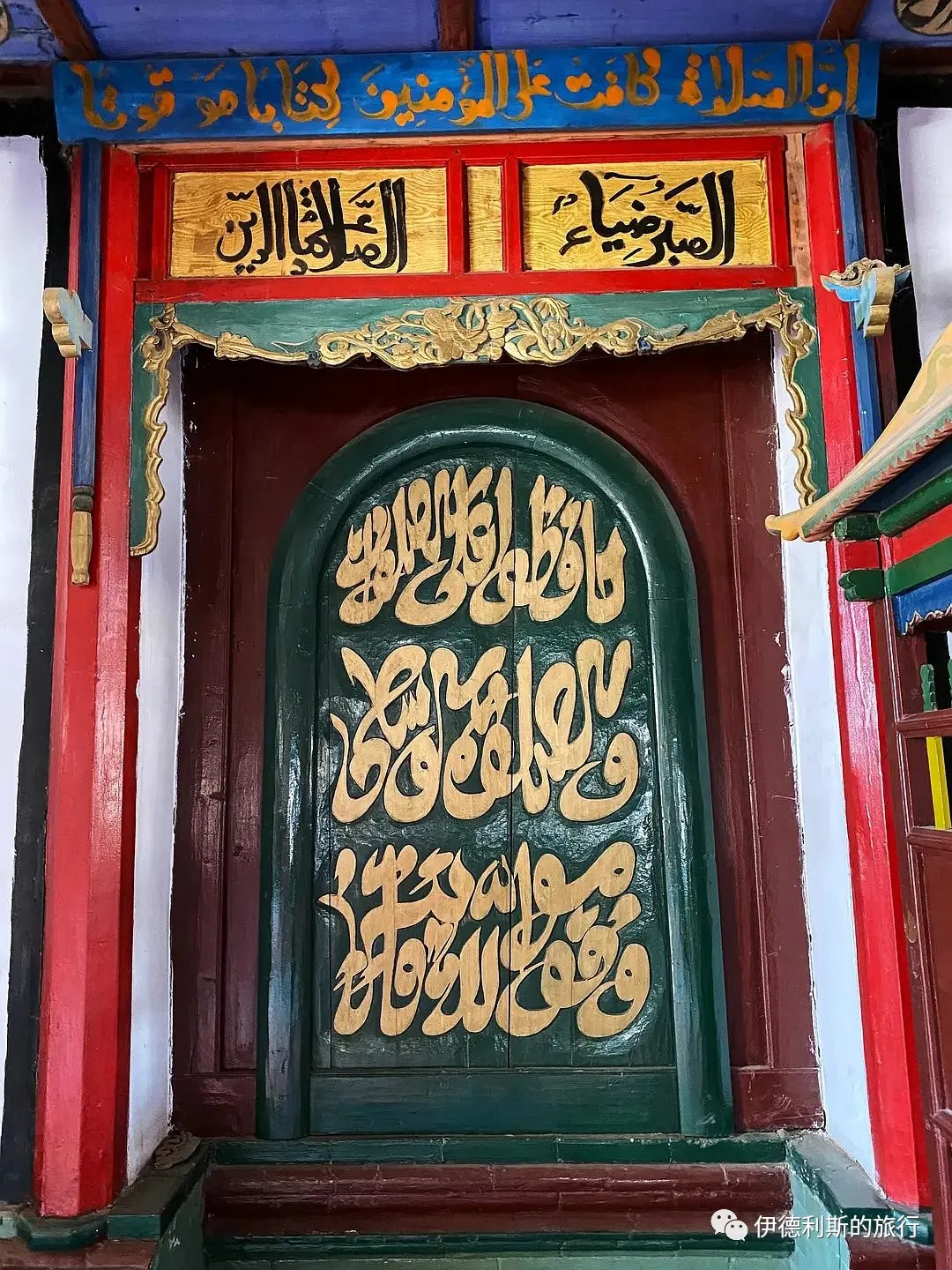
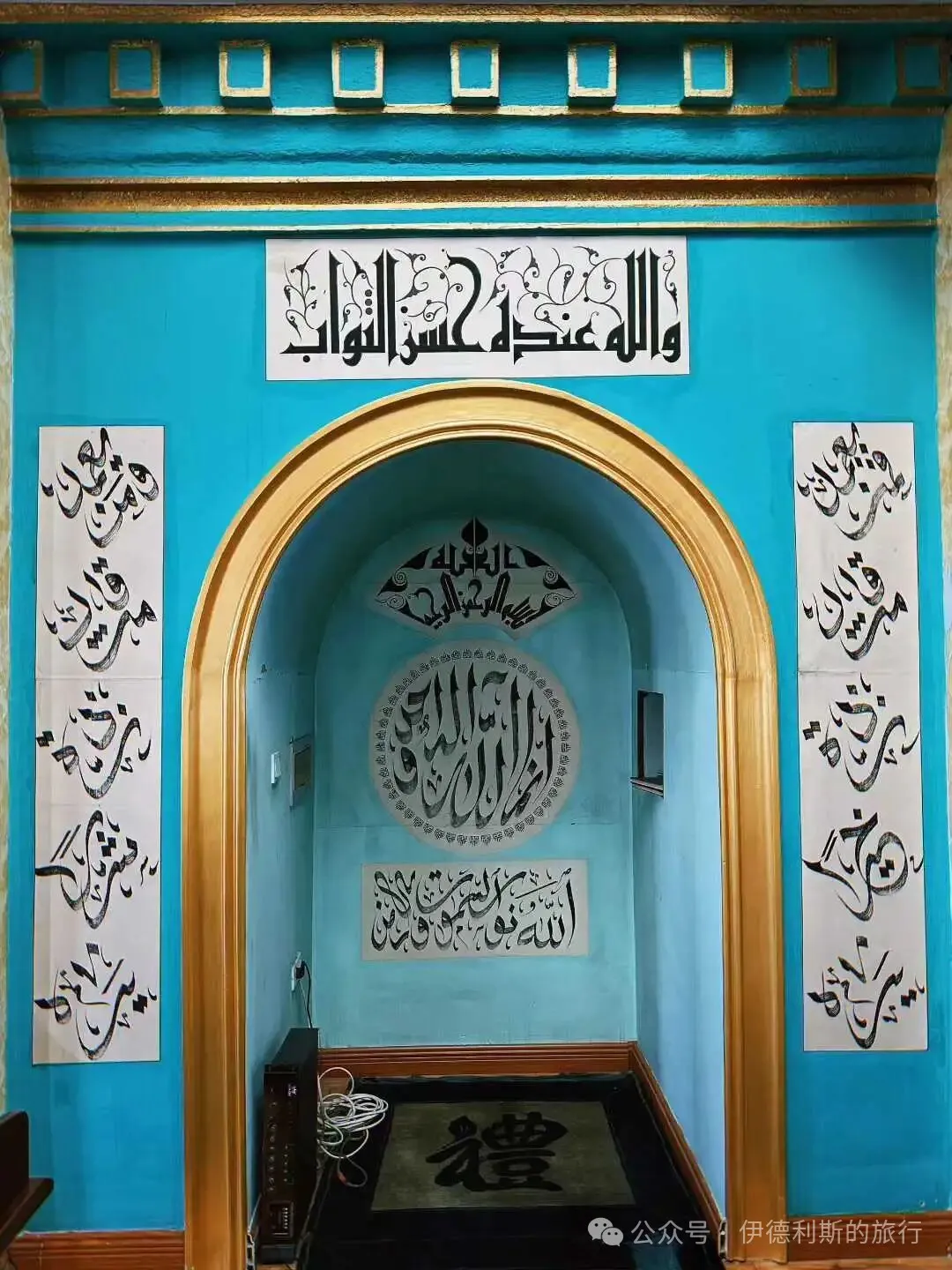
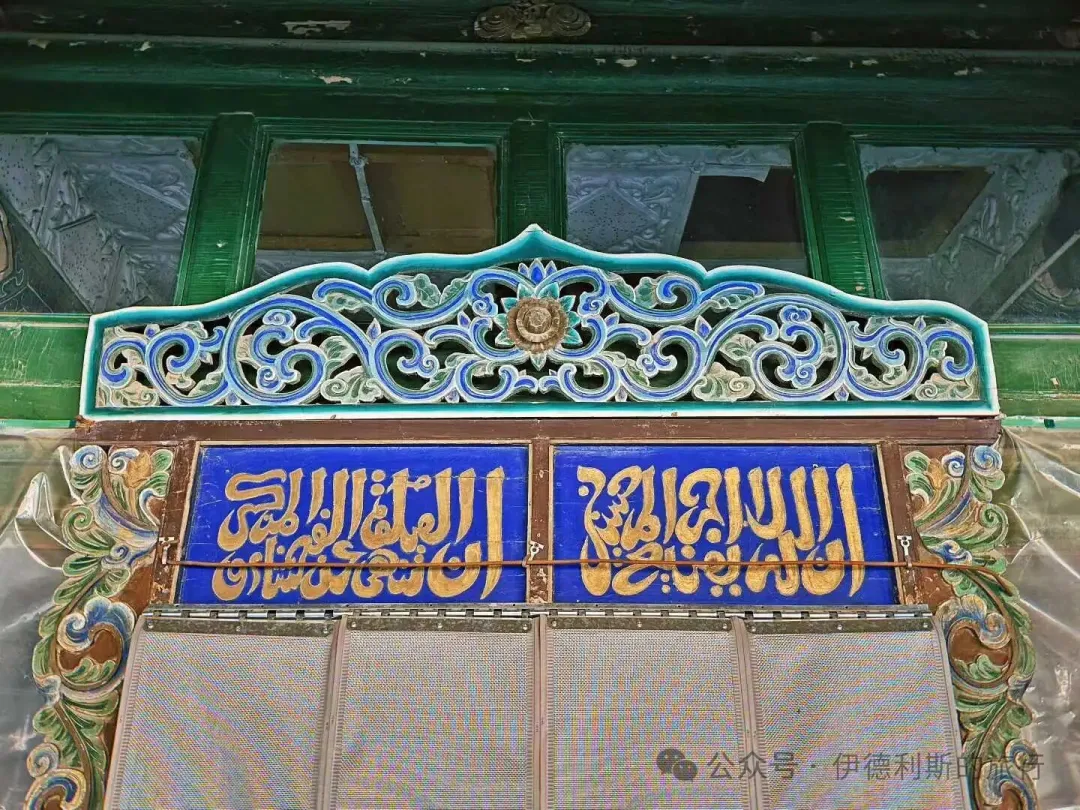
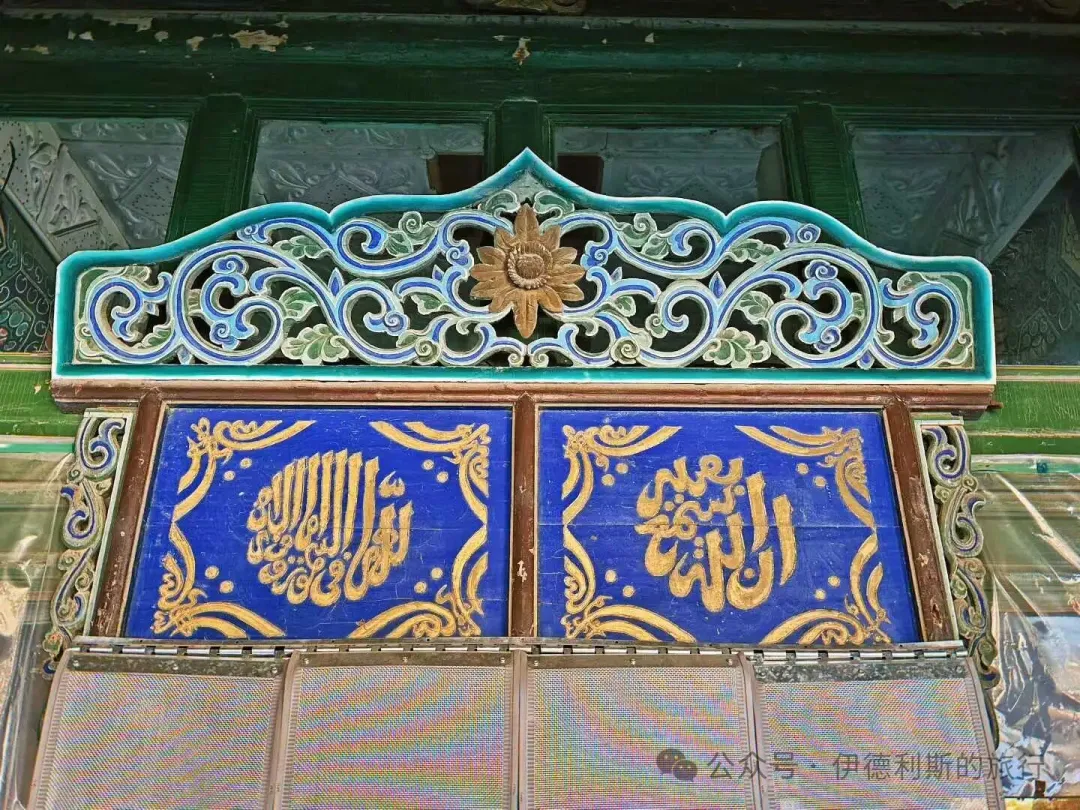
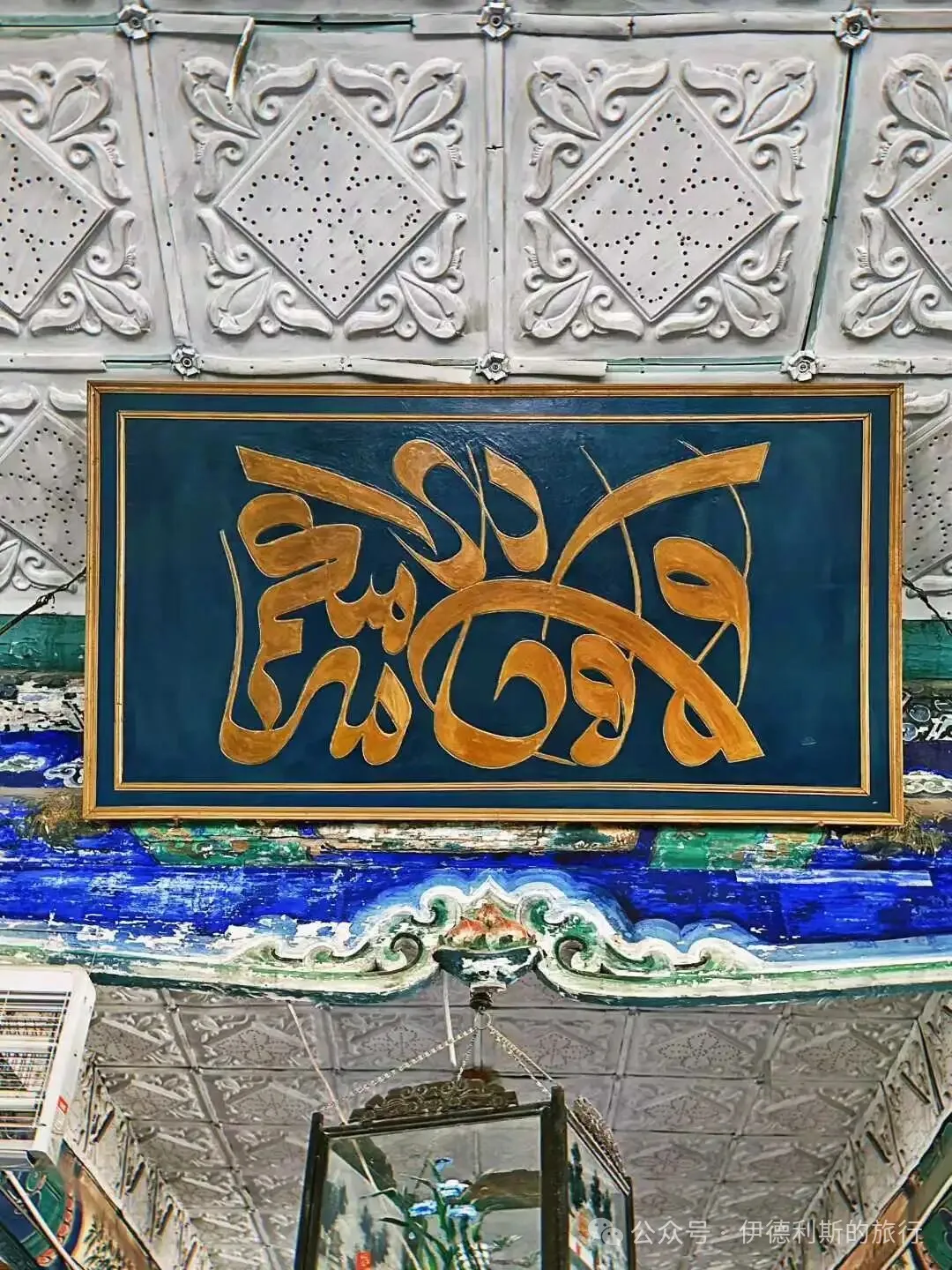
An appreciation of the traditional Chinese-style Arabic calligraphy found on the mihrab (mihalabu) niche and the minbar (minbaier) pulpit inside the main hall of the Baotou Great Mosque.
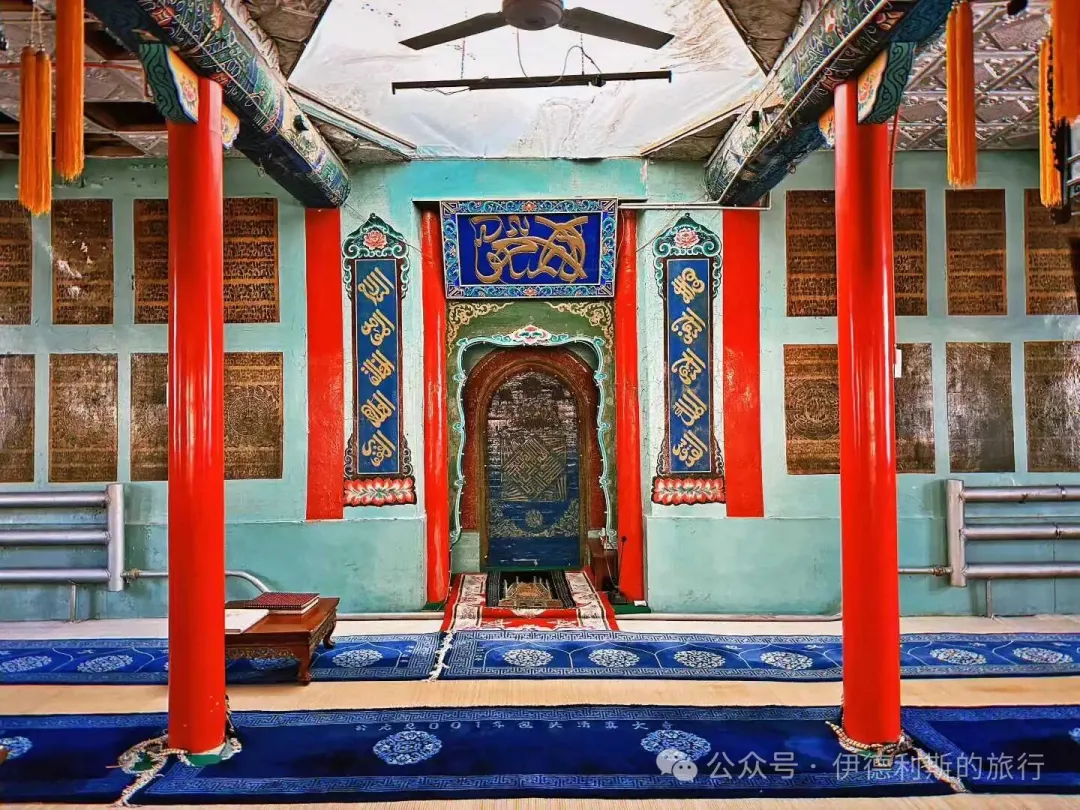
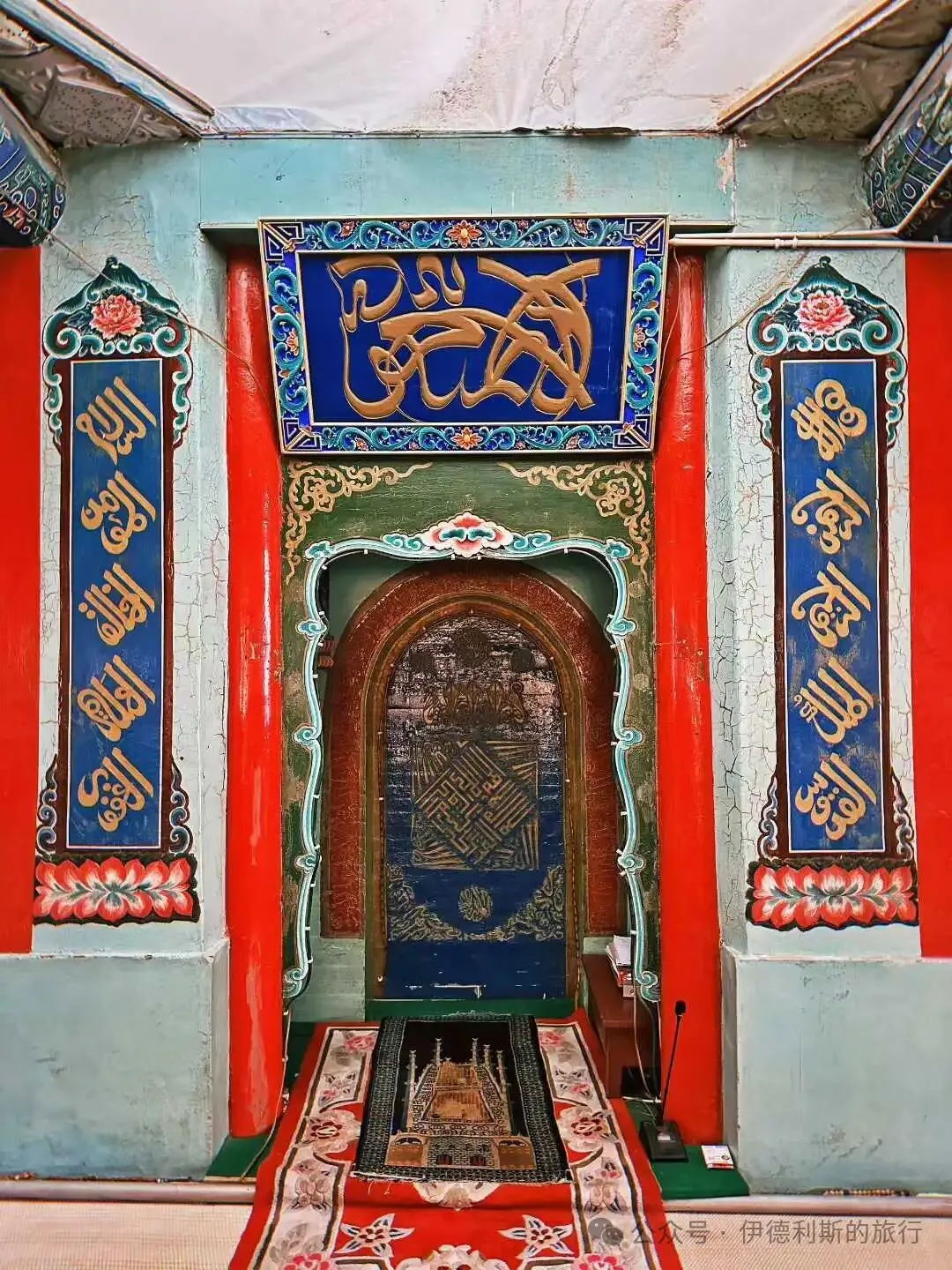
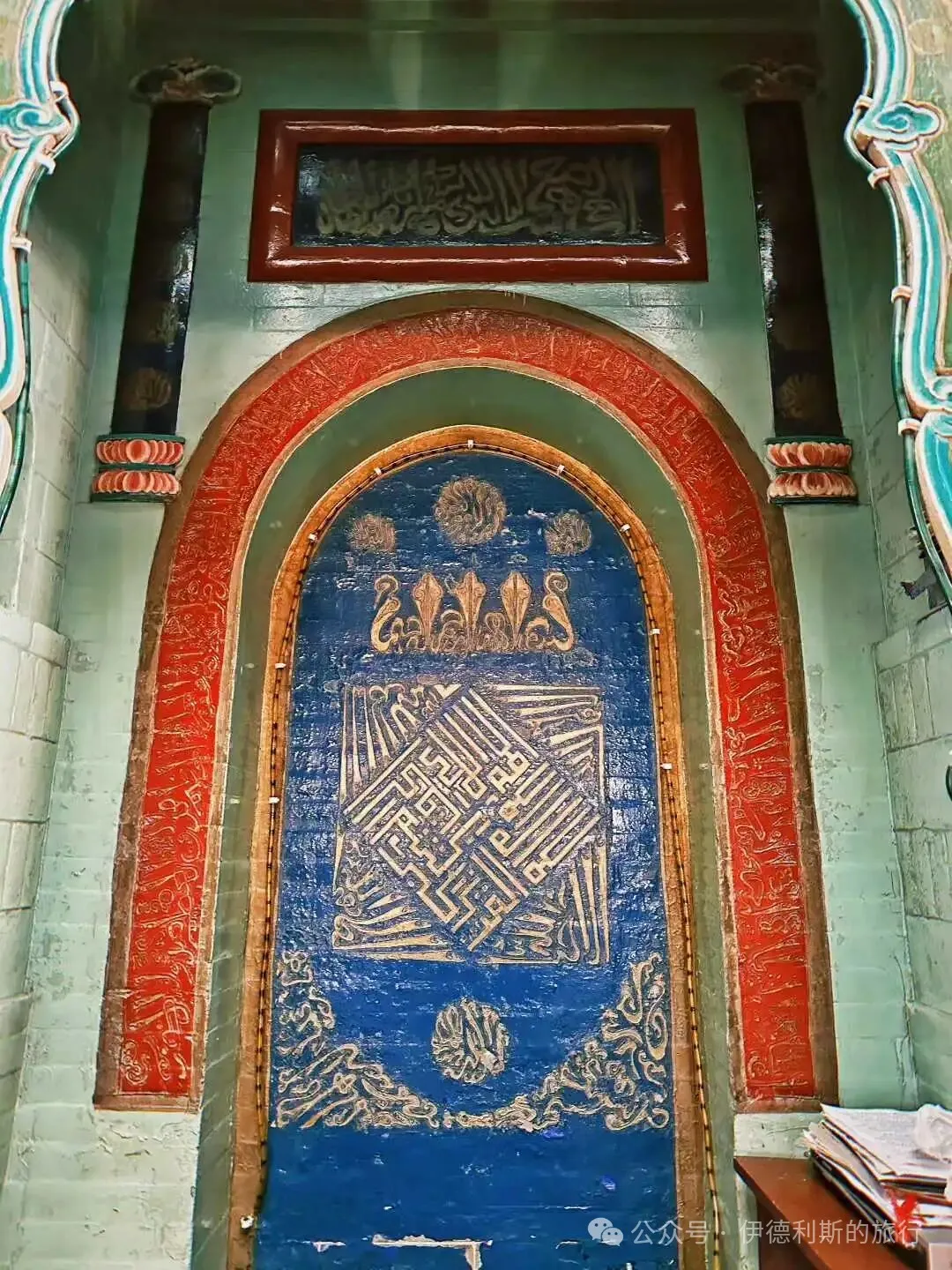
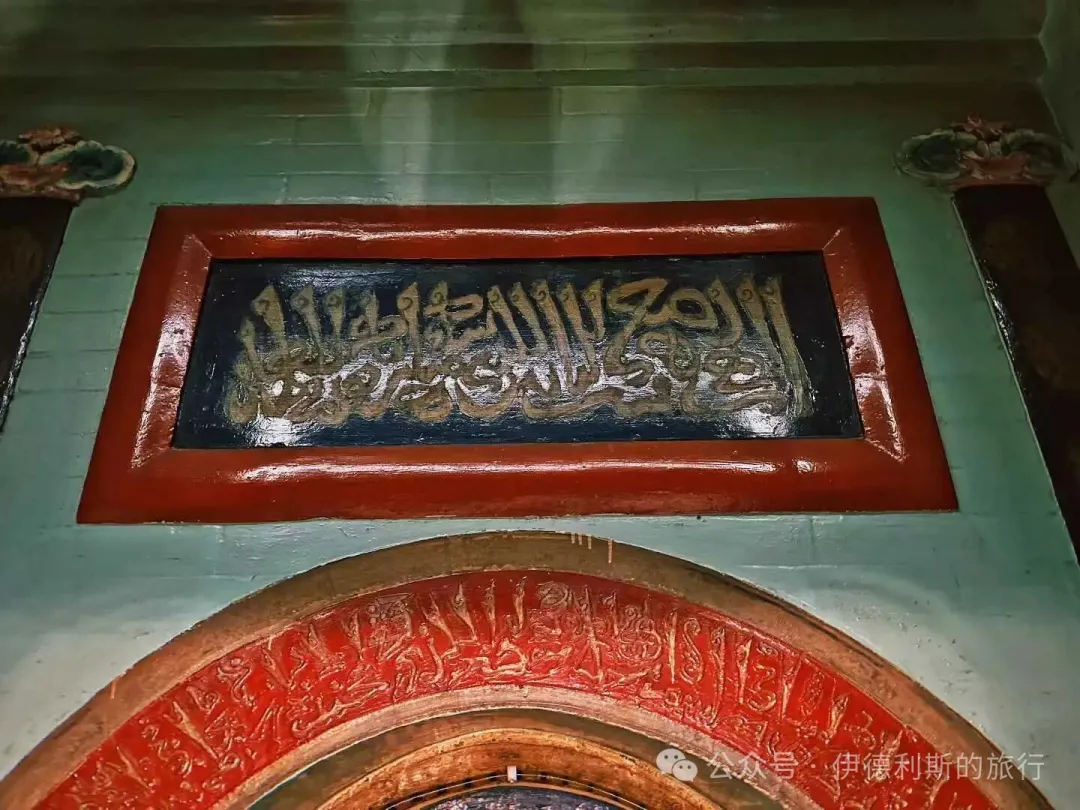
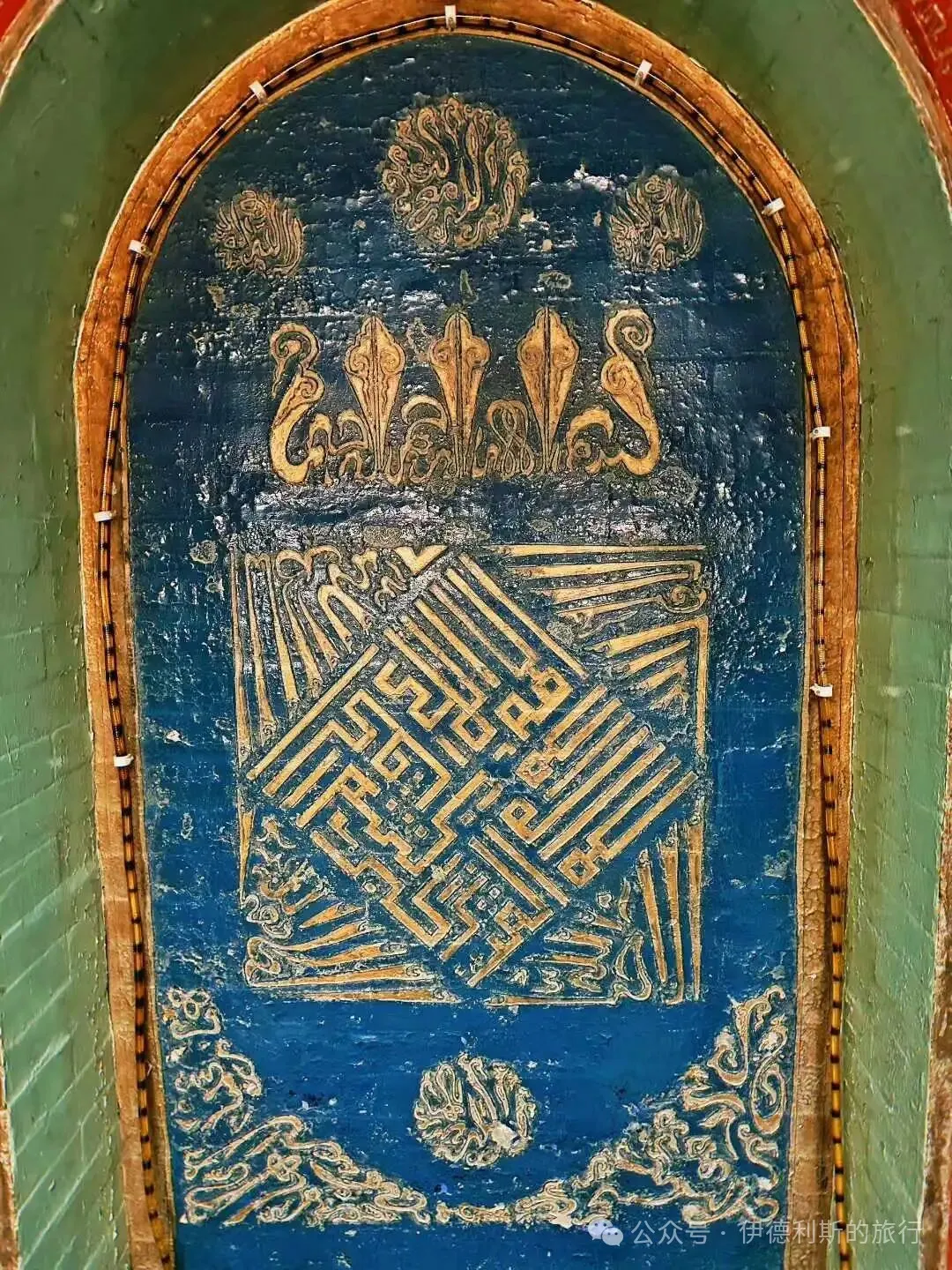
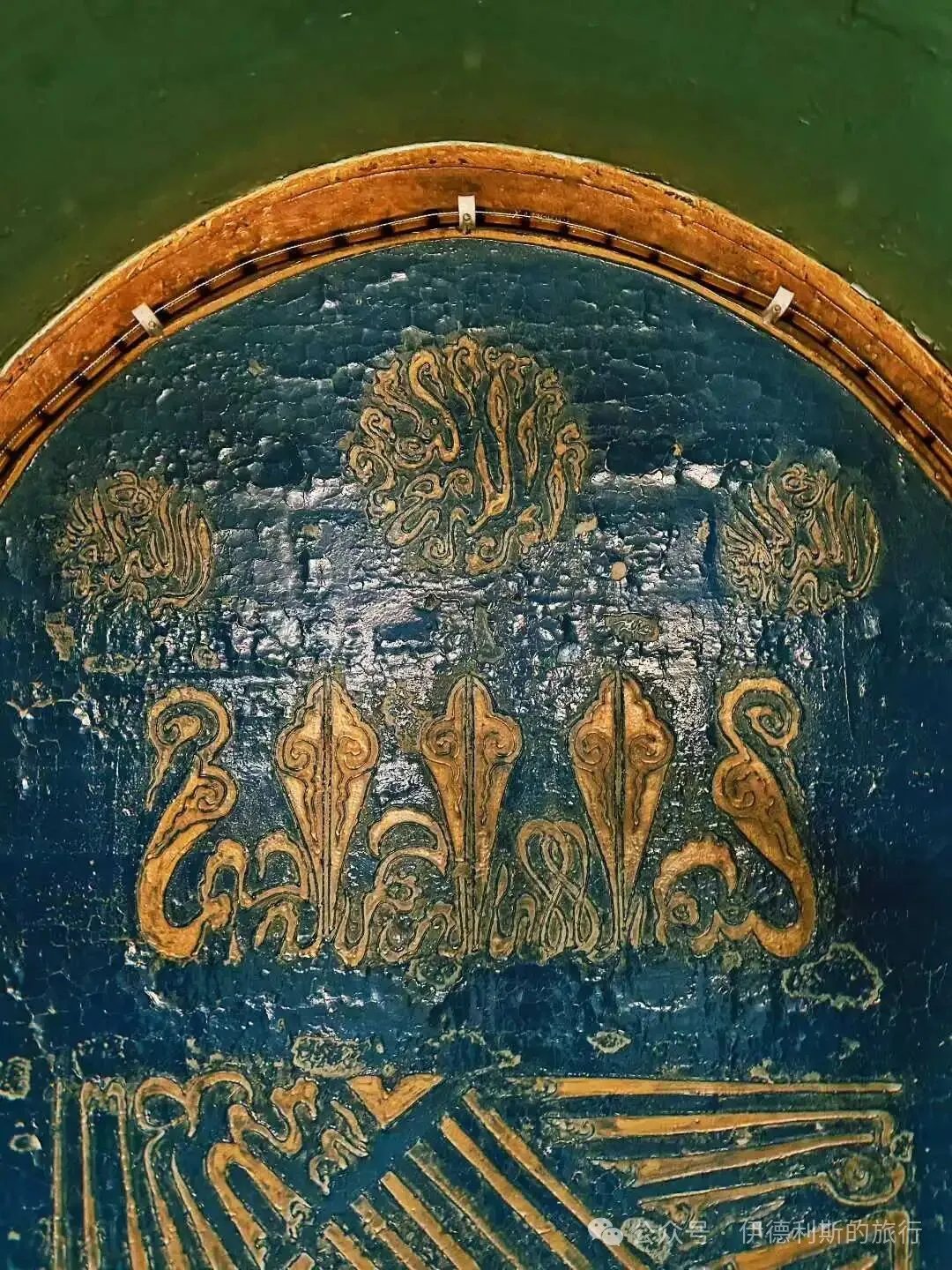
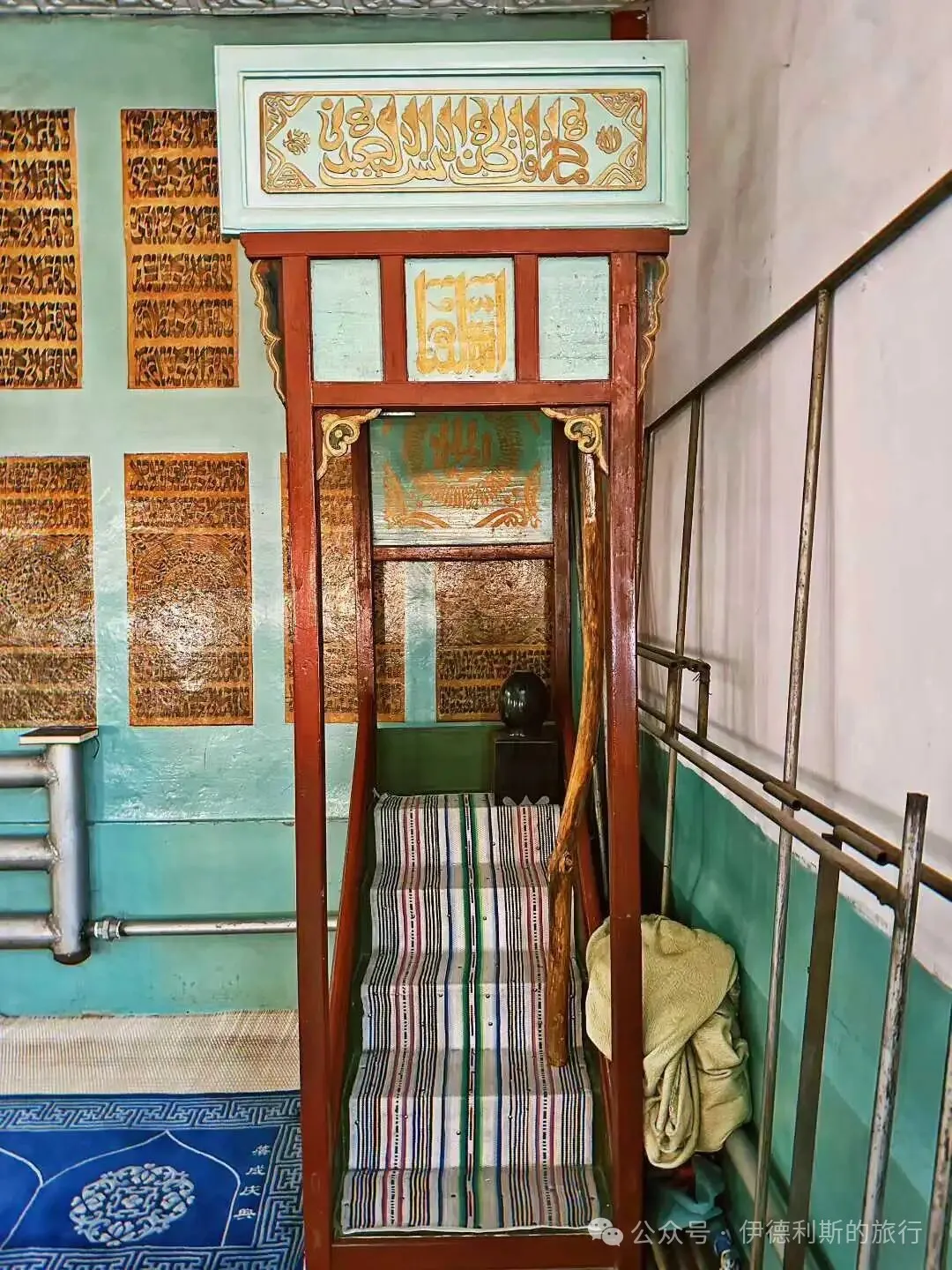
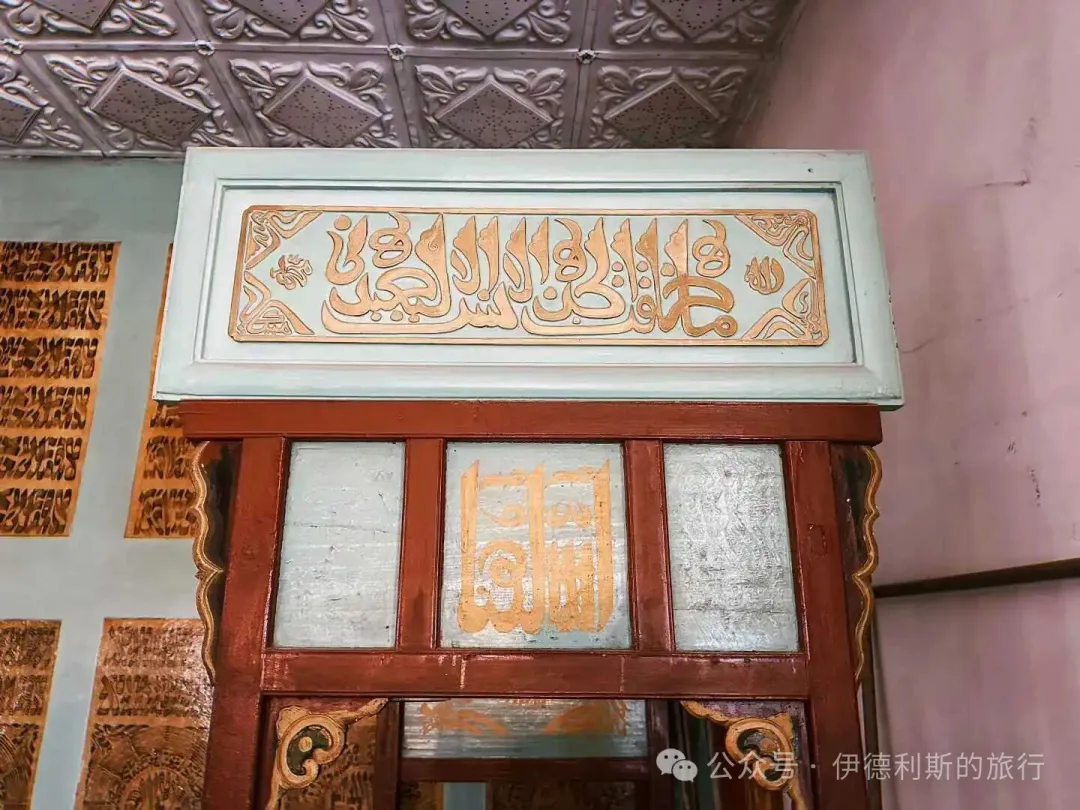
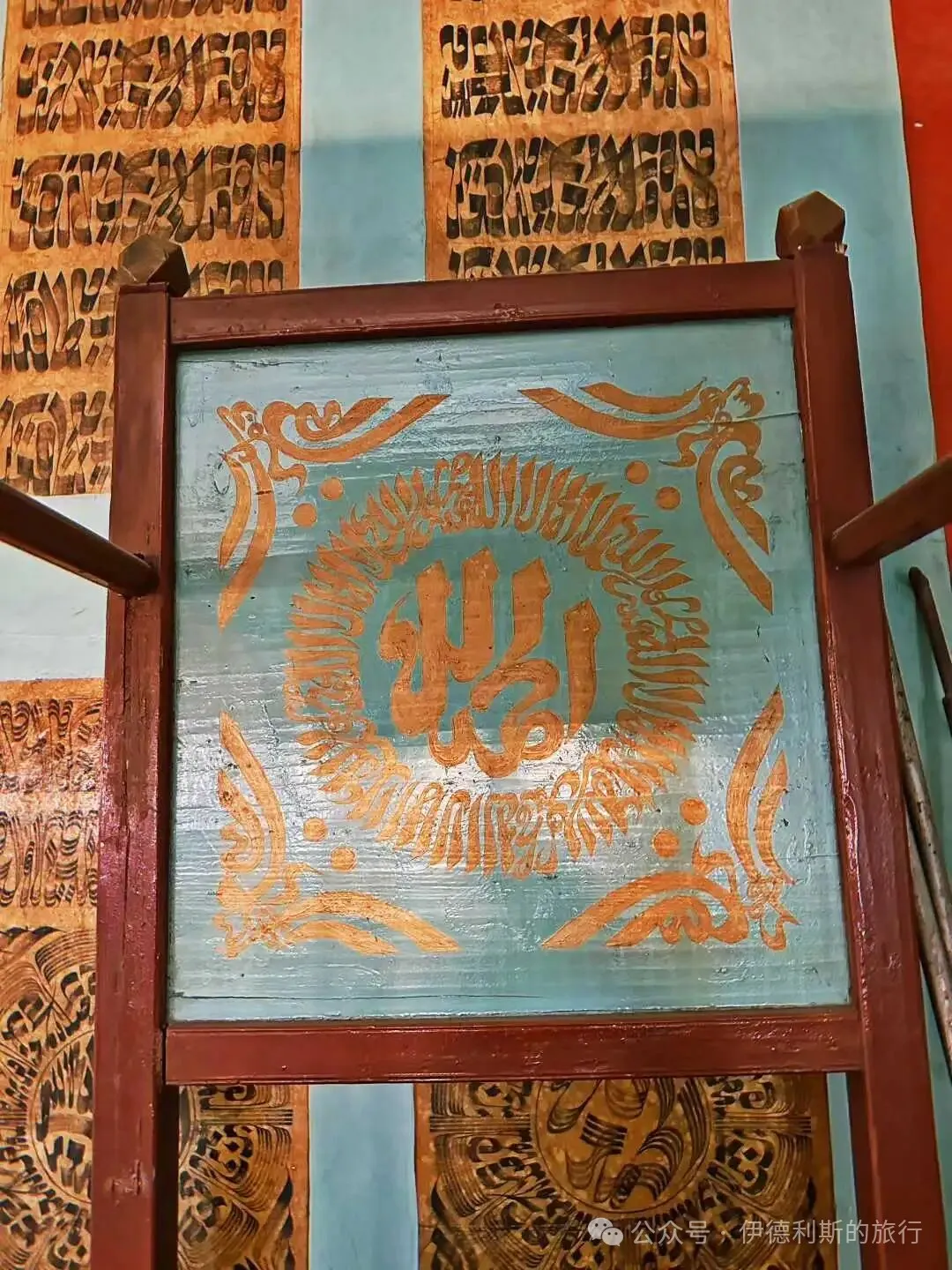
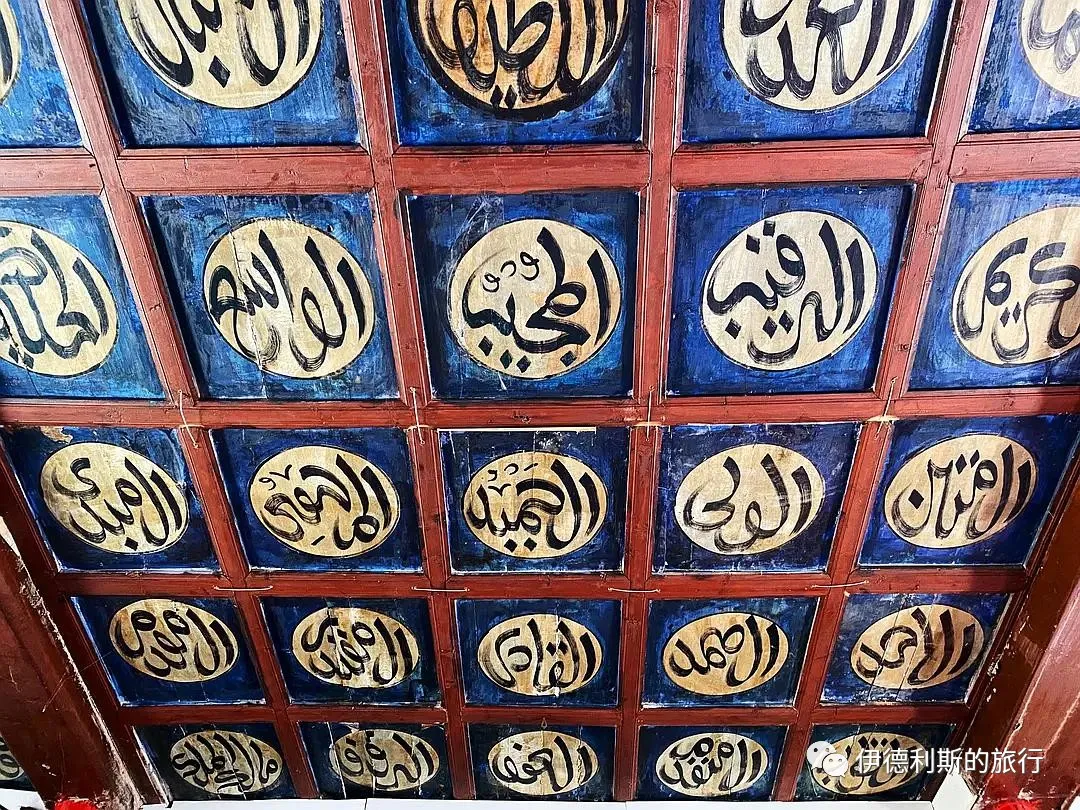
The qibla wall of the Baotou Great Mosque features 32 stunning pieces of traditional Chinese-style Arabic calligraphy in large-character (bangshu) script.
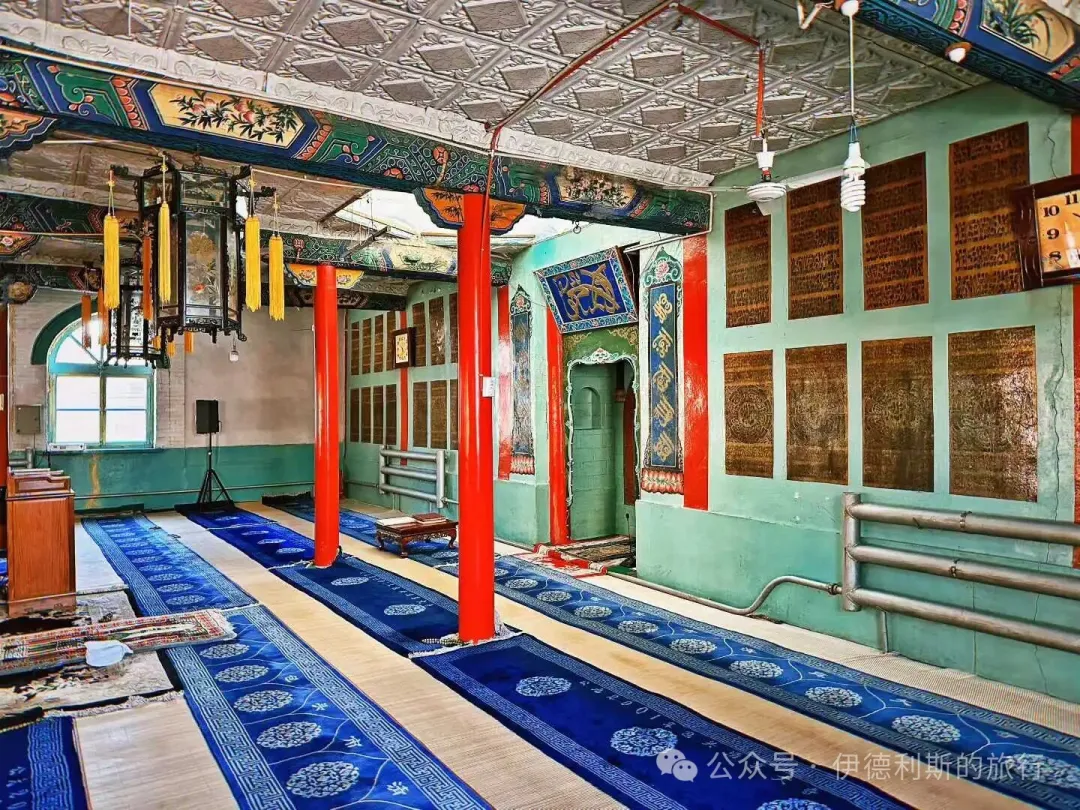
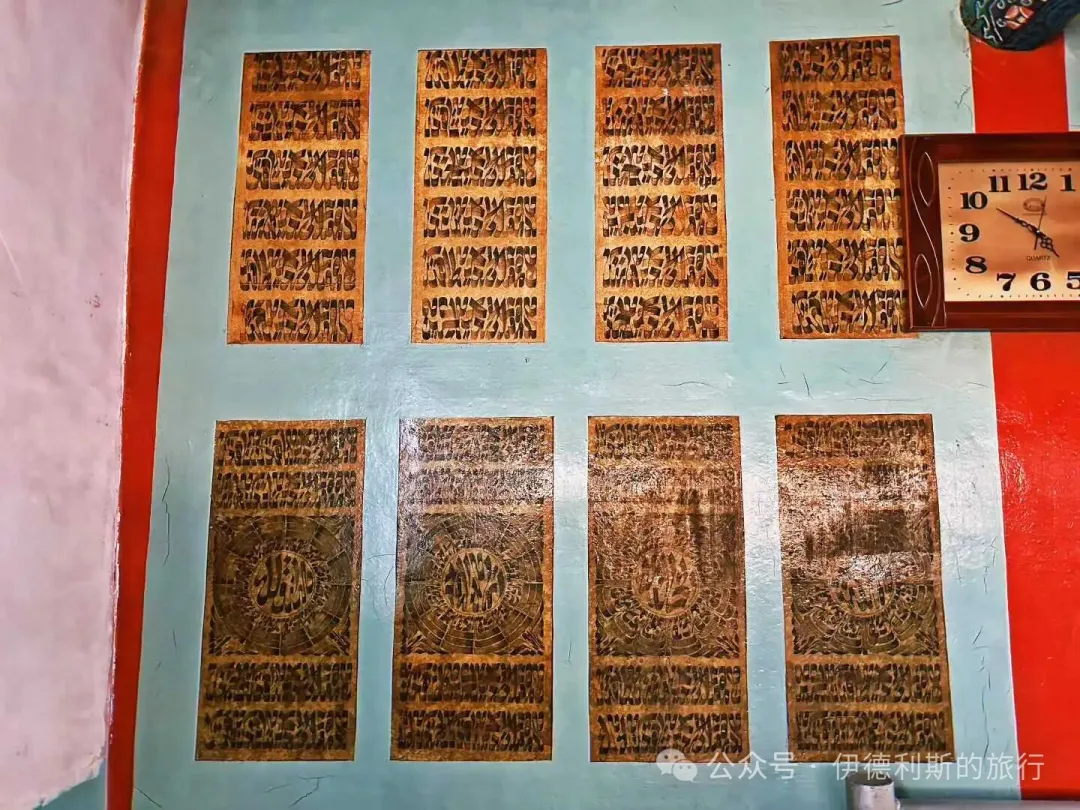
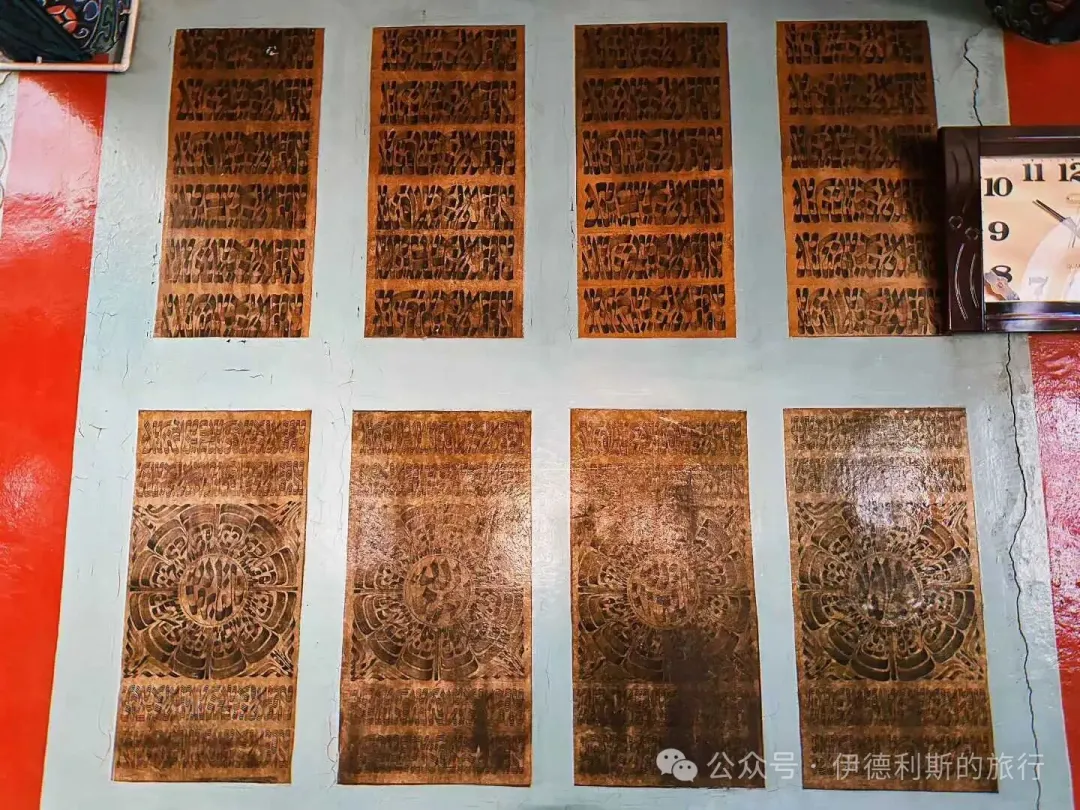
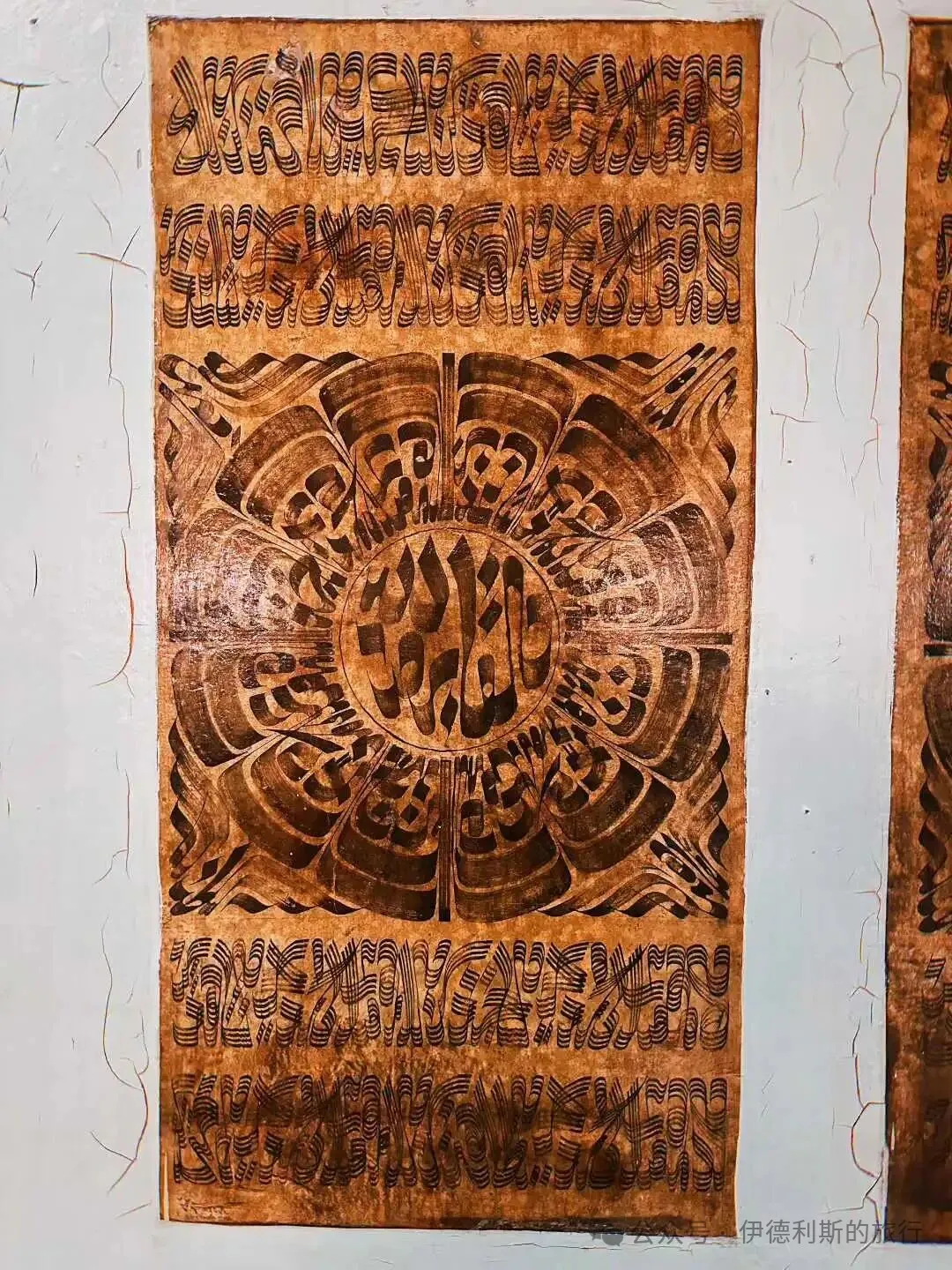
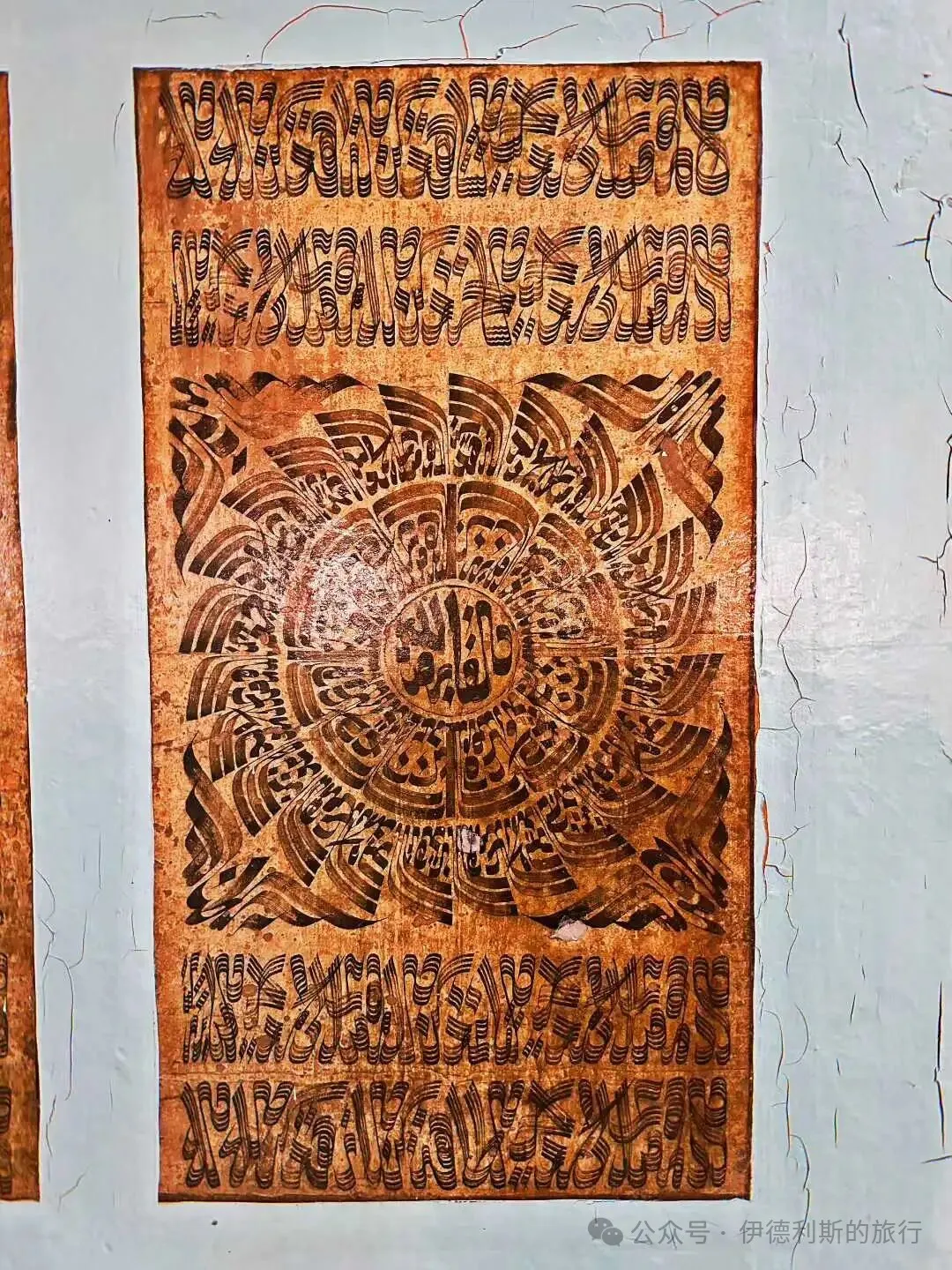
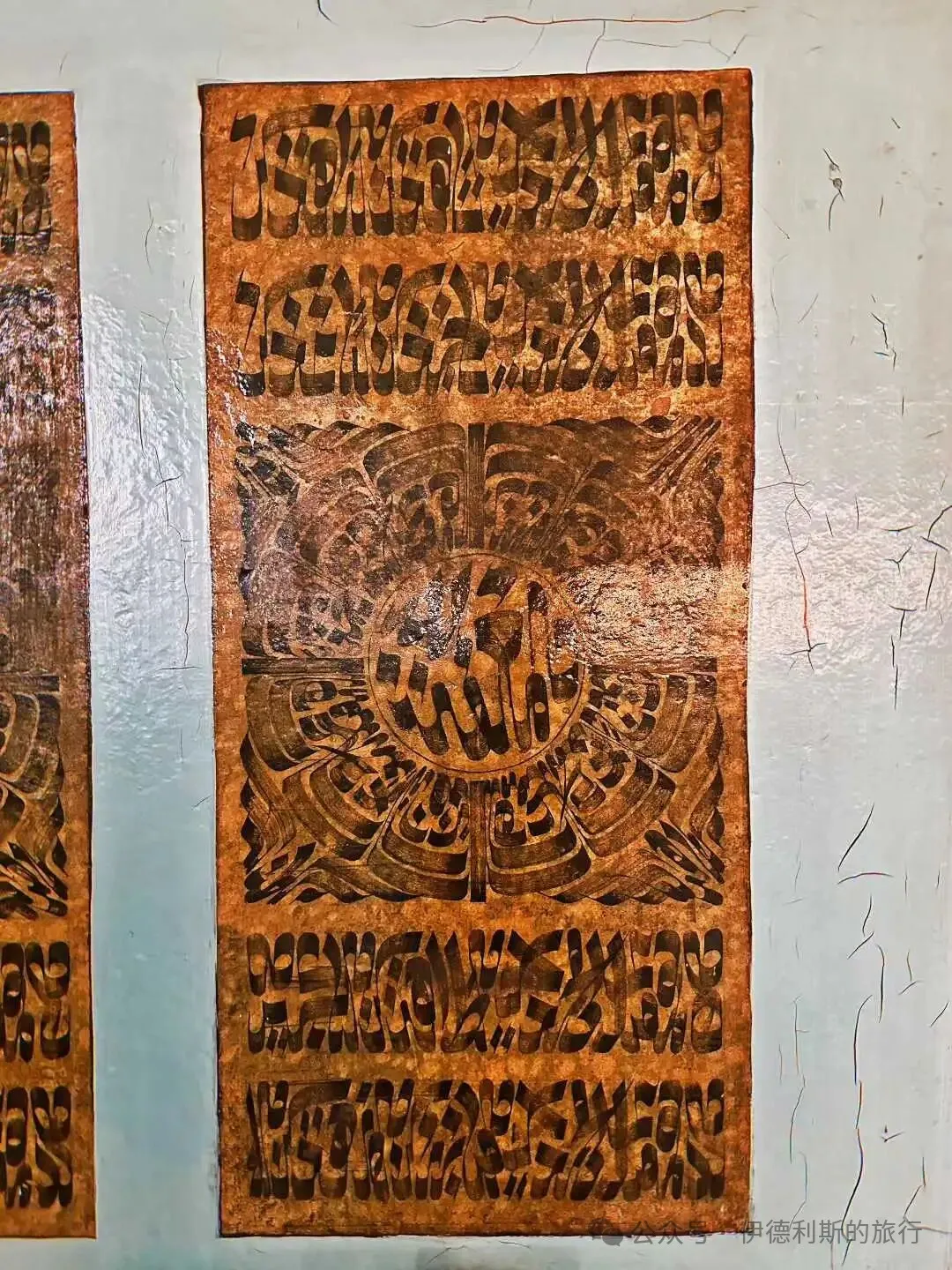
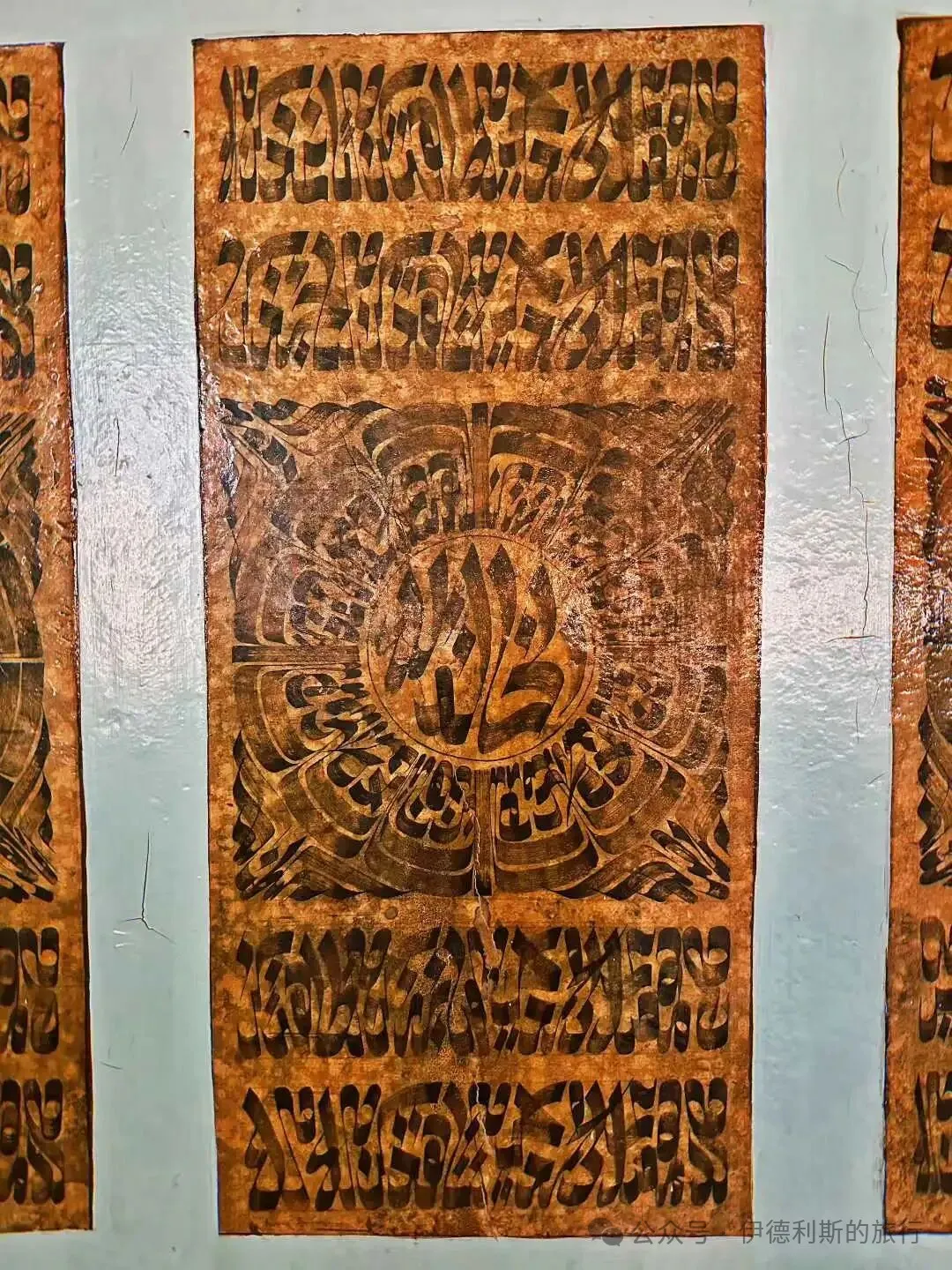
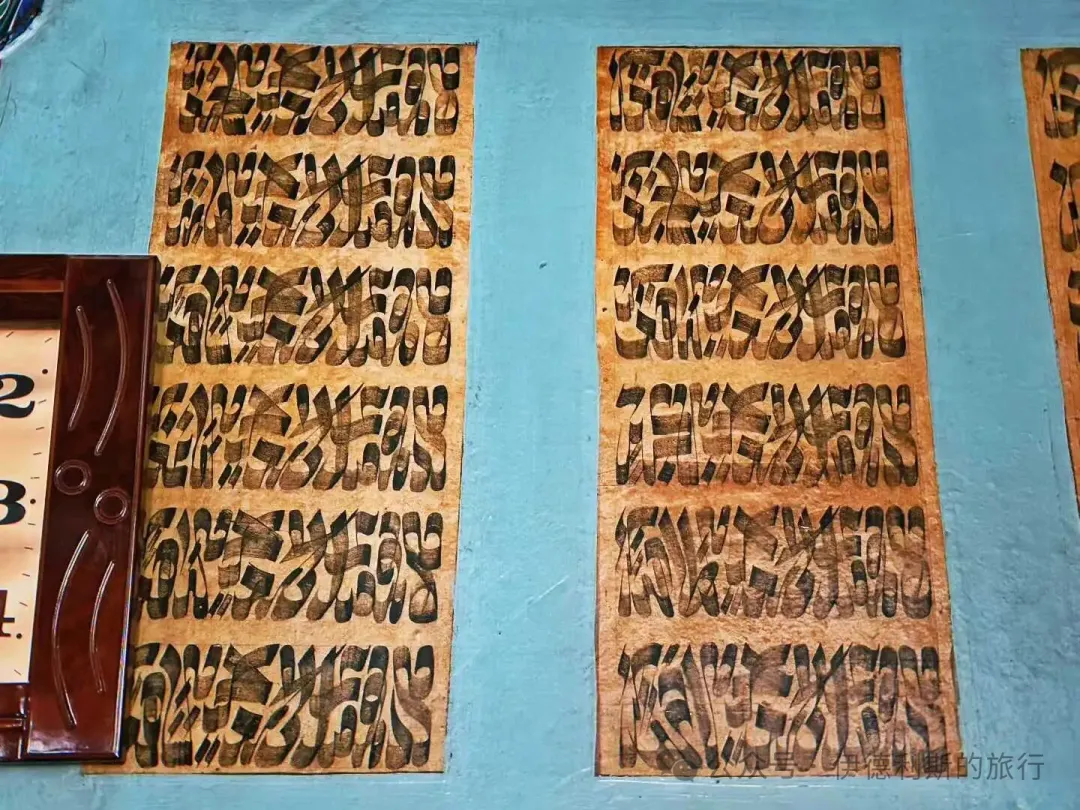
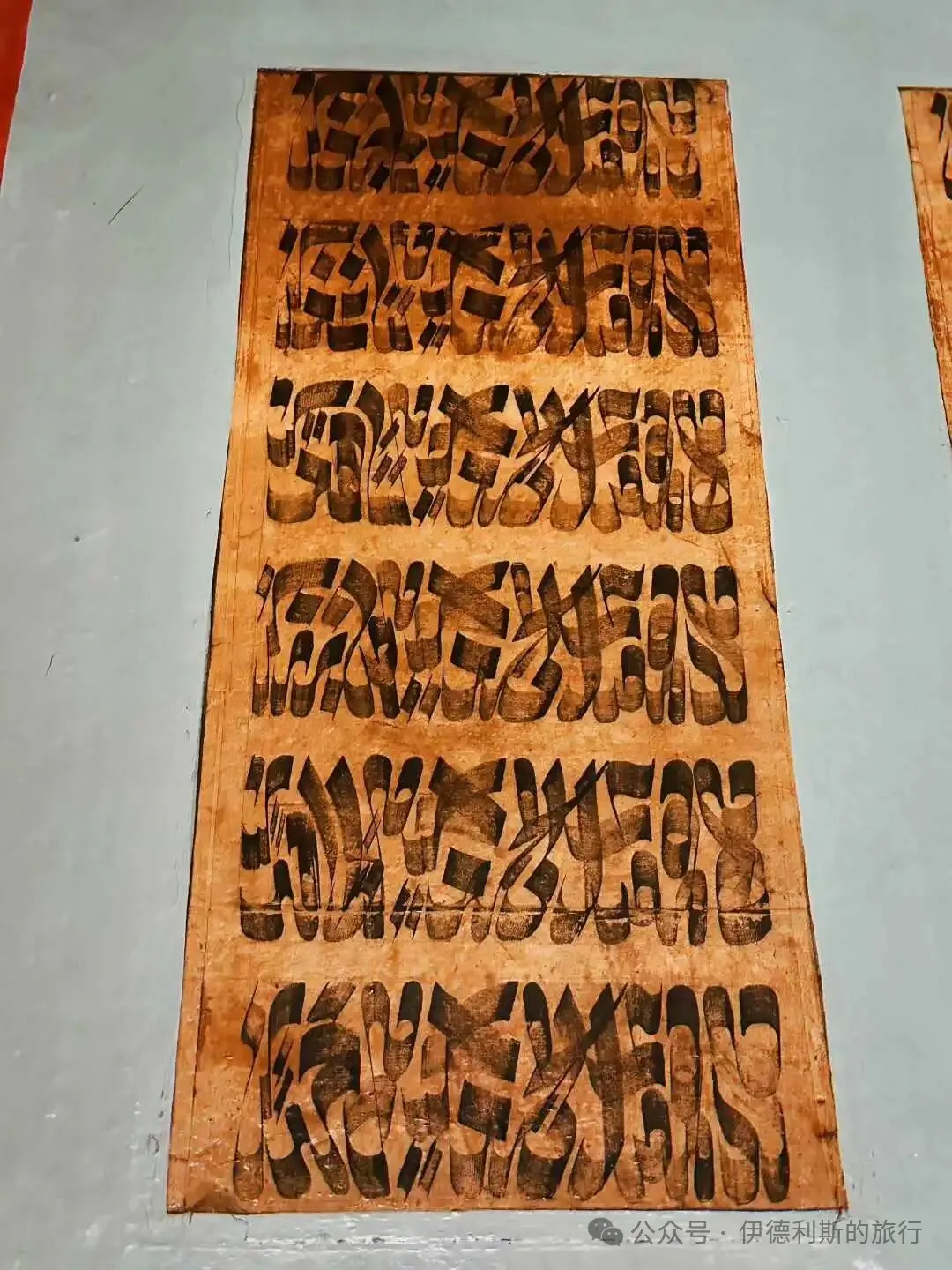
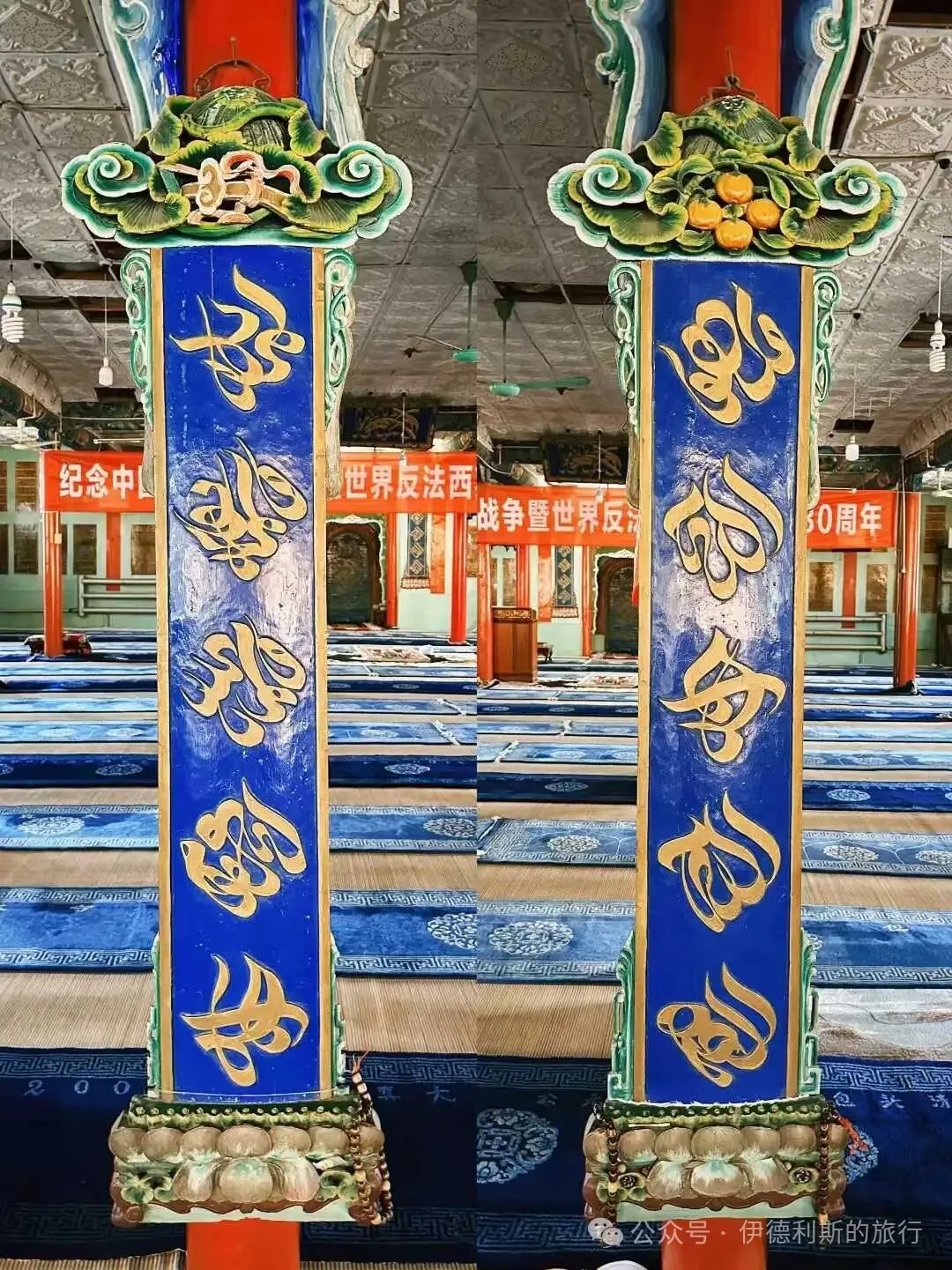
The architectural details of the Baotou Great Mosque, including the brick and wood carvings, are incredibly exquisite.
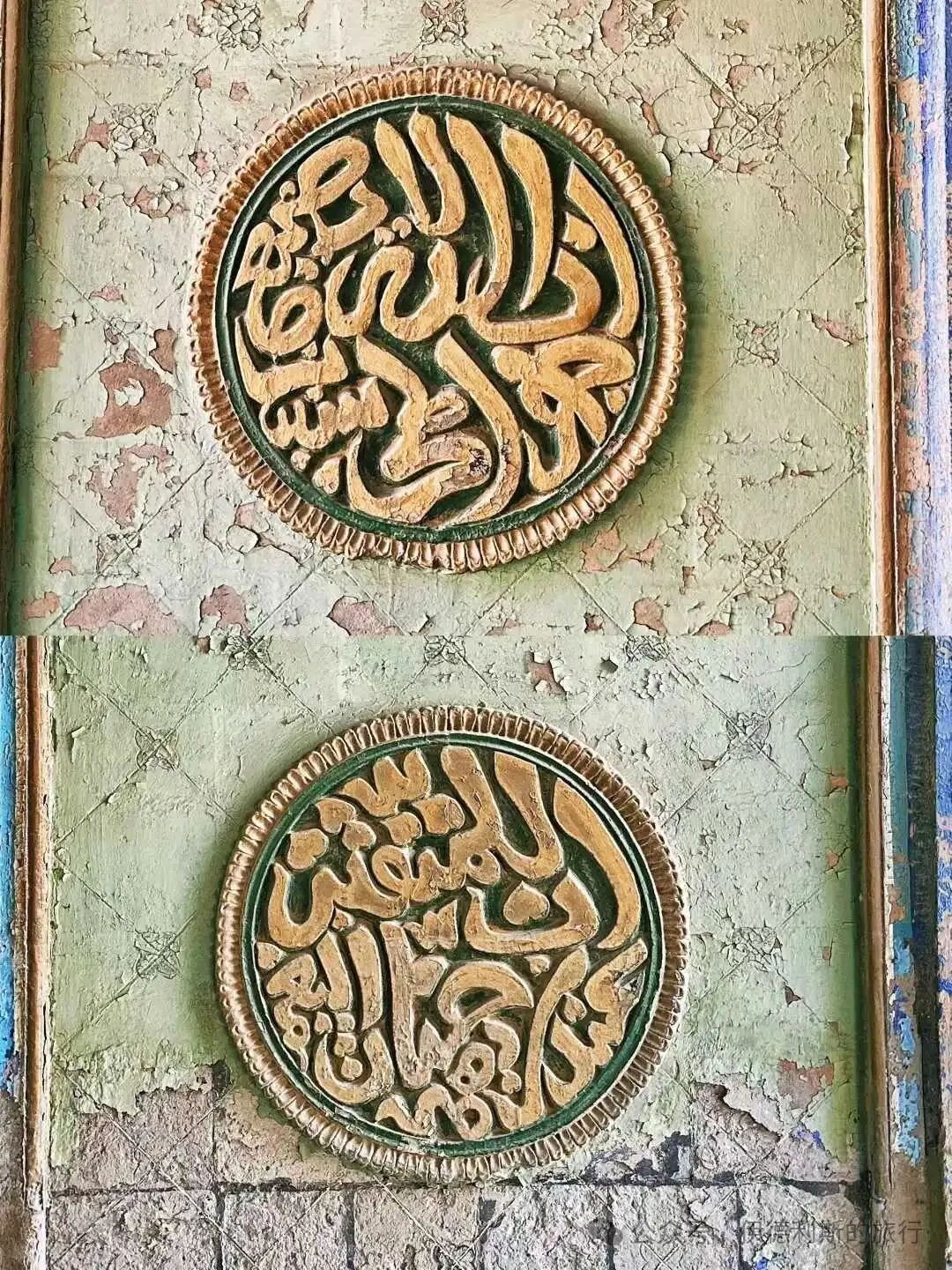
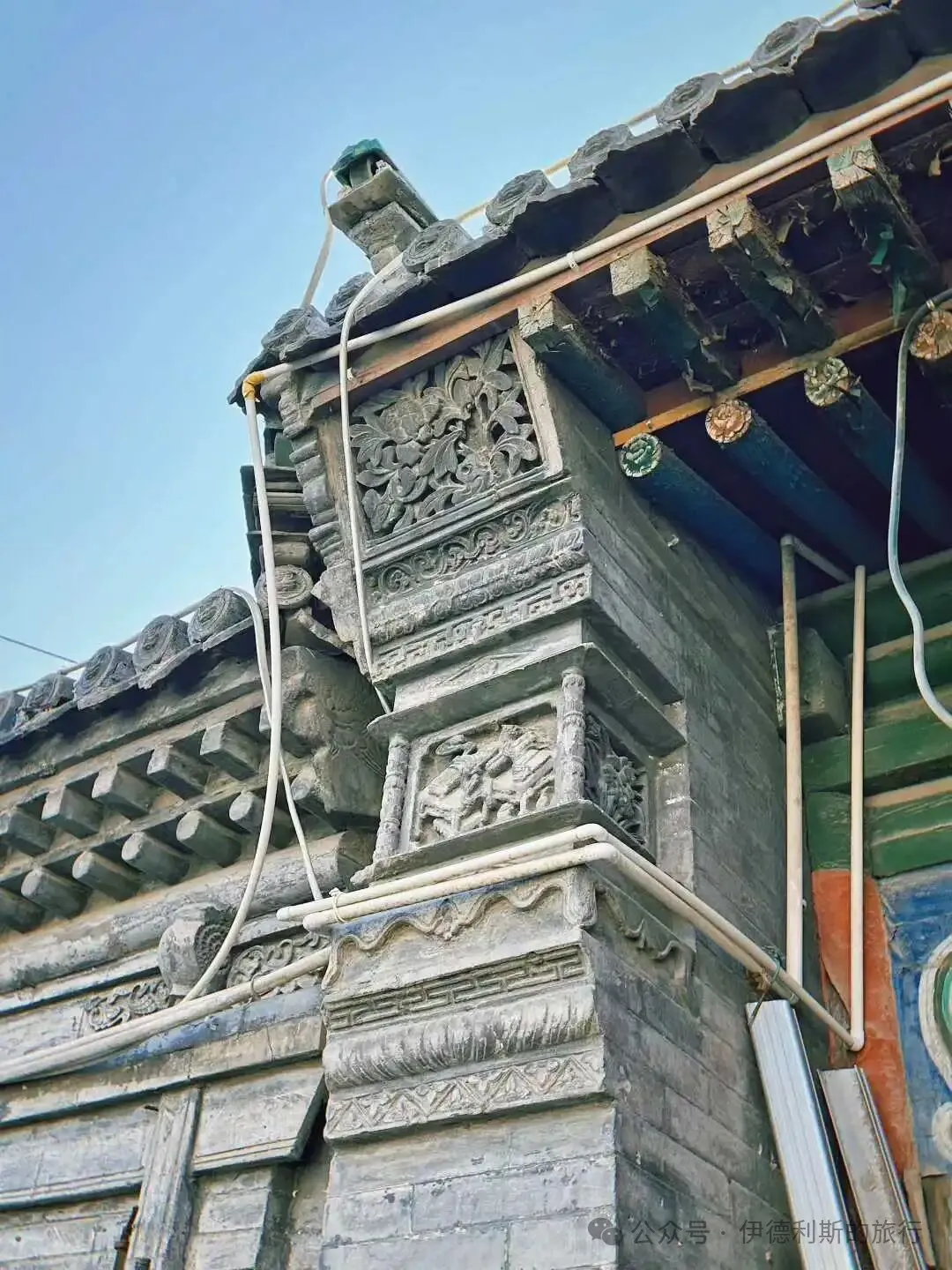
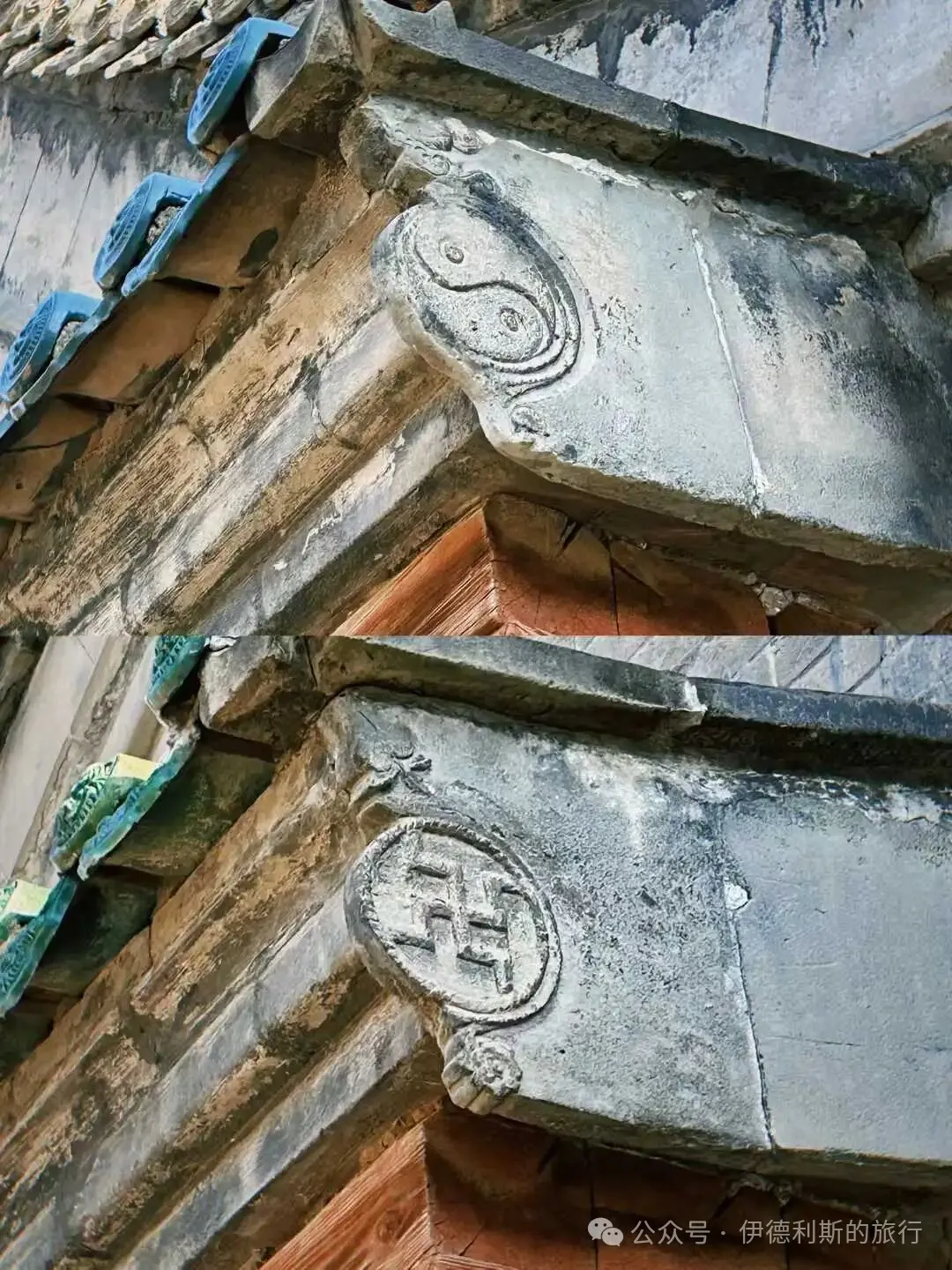
The swastika (wanzi) and taiji brick carvings in the main hall of the Baotou Great Mosque show the influence of different cultures.
During the late Qing Dynasty, under the trend of interpreting Islam through Confucianism, scholars like Liu Zhi introduced concepts like "taiji" and "yin-yang" into the faith. The book "Nature and Principle of Islam" (Tianfang Xingli) contains the record: "Movement creates yang, stillness creates yin; this is the manifestation of taiji, which is the manifestation of the True One." This is the end of the record.
The "endless swastika" (wanzi budao tou) is a traditional Chinese auspicious pattern. The swastika represents good fortune, and "endless" means it continues forever; it frequently appears in brick, stone, and wood carvings.
Baotou Small Mosque.
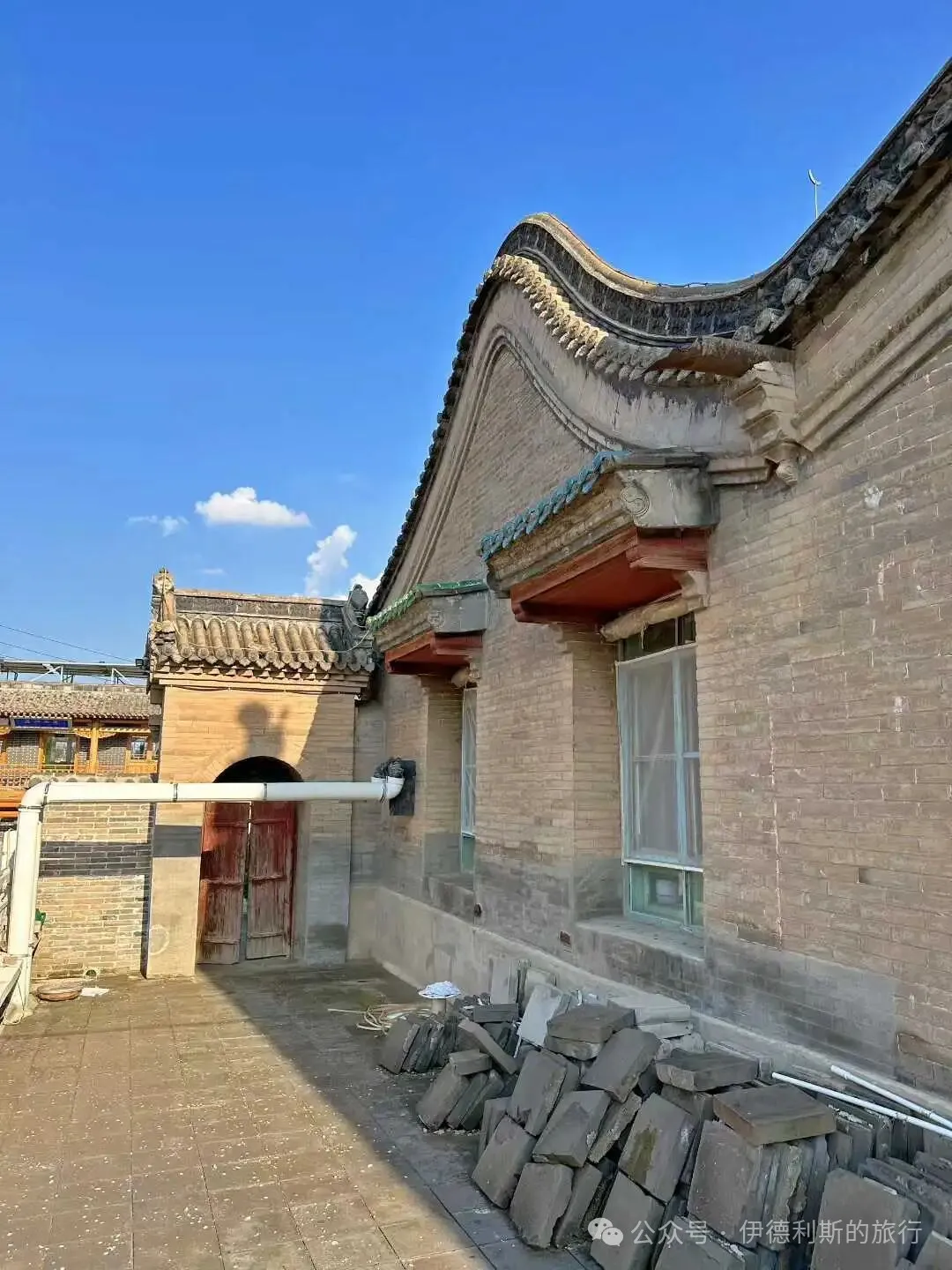
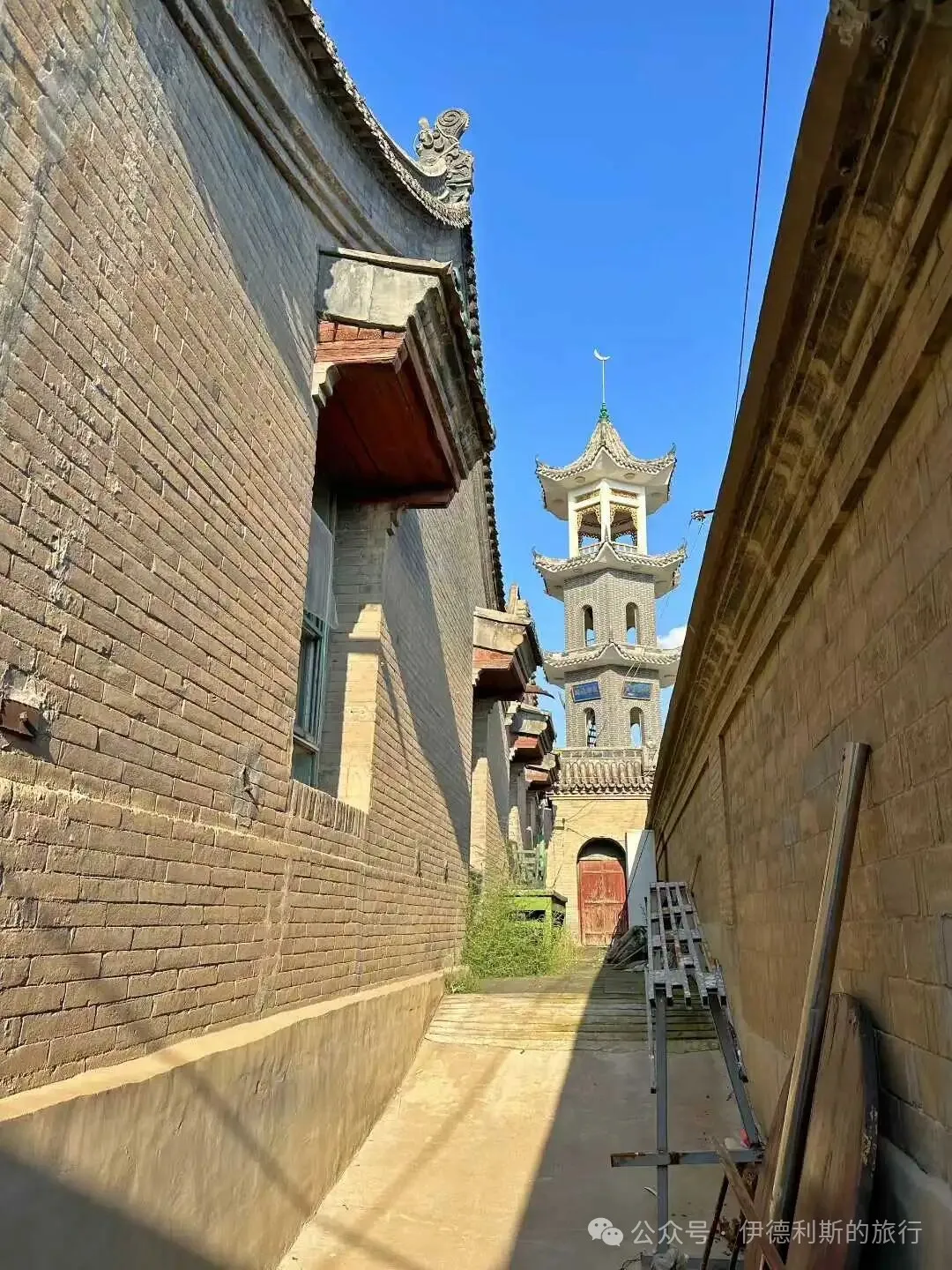
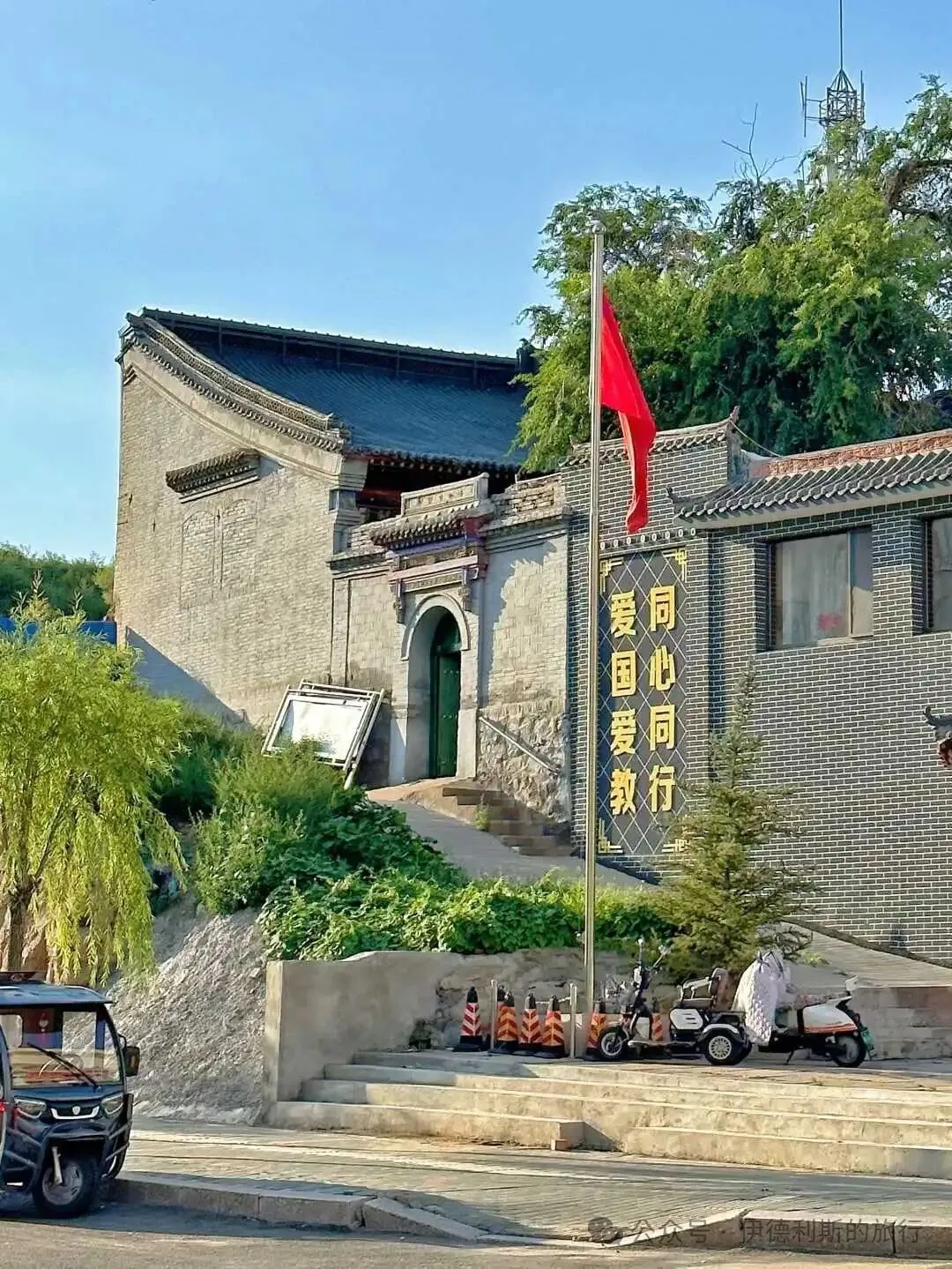
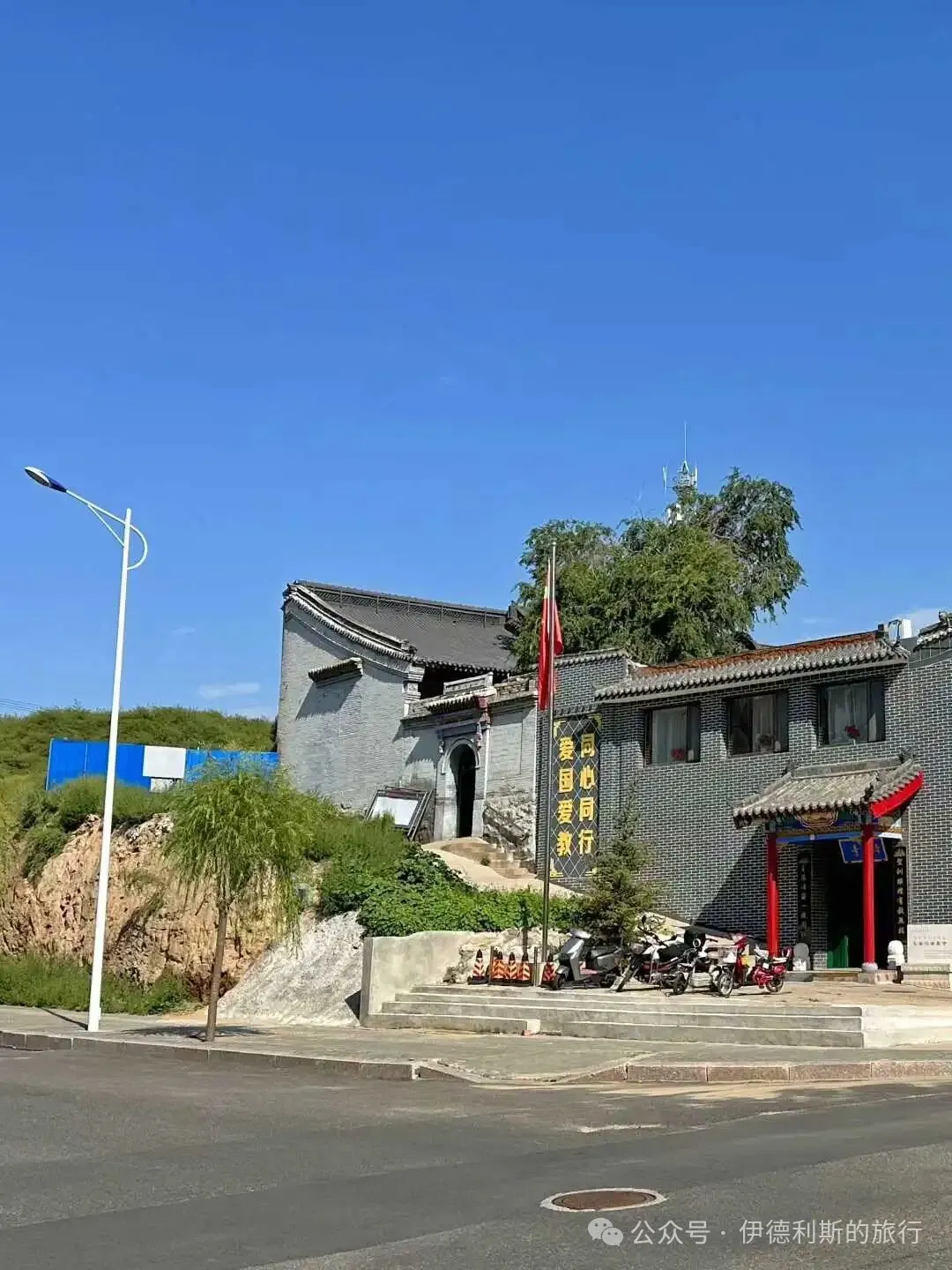
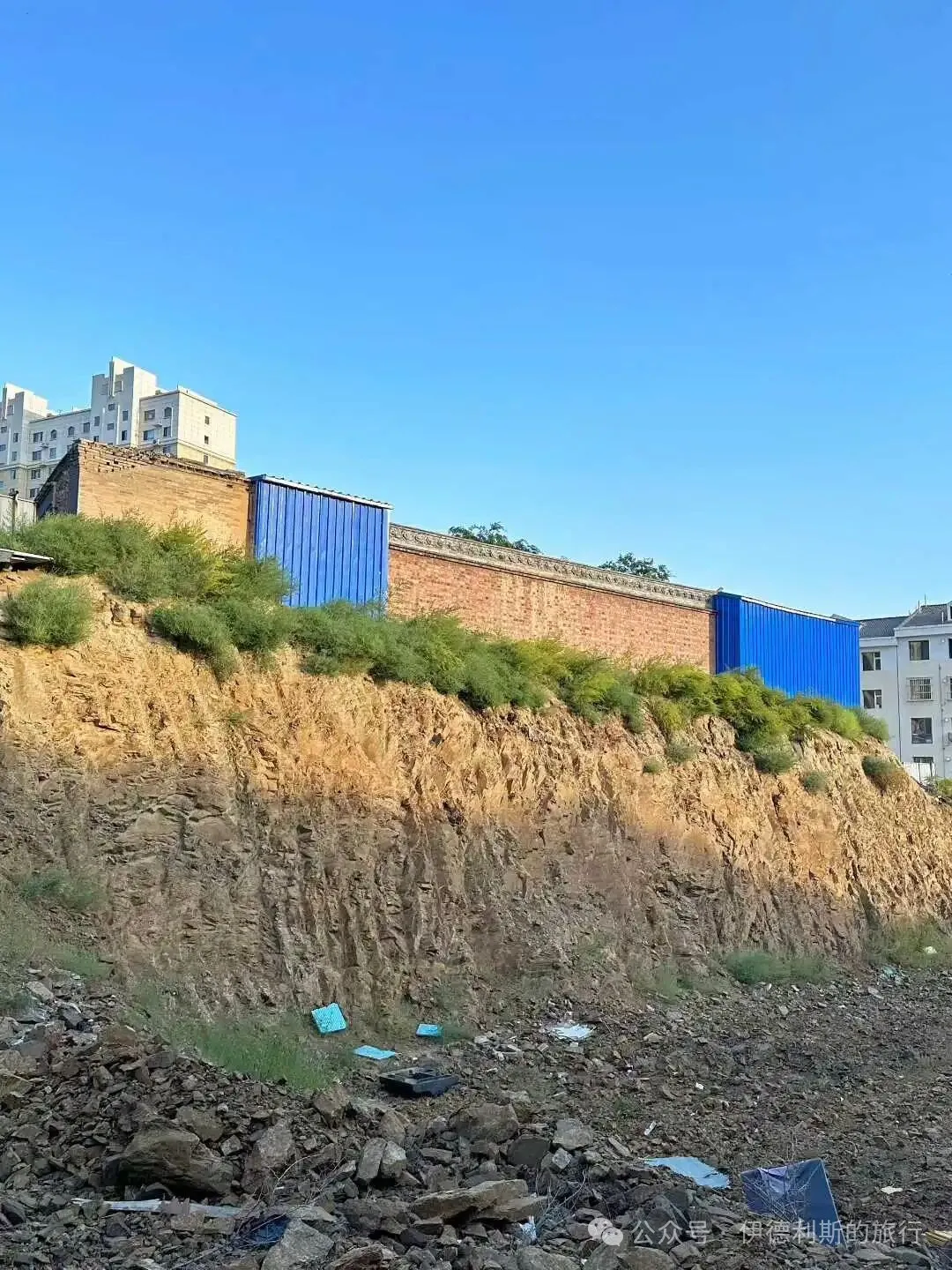
Also known as the Baotou North Mosque or Wayougou Mosque, the Baotou Small Mosque was first built in 1908 (the 34th year of the Guangxu reign). The main hall was rebuilt in 1918, and it is currently a cultural heritage site protected by Baotou City. The Baotou Small Mosque is built on a very steep slope against a cliff, making the main hall much higher than the ablution room (shuifang), which is a unique feature.
In the late Qing Dynasty, the population of Hui Muslims settling in Baotou grew steadily, expanding from the old town's Beiliang area from east to west. By the end of the Qing Dynasty, the eight streets and alleys near Wayougou had become a Hui Muslim residential area, home to inns, flour shops, oil mills, and dozens of cattle, sheep, and camel slaughterhouses. The slaughterhouses also operated as kitchens, meat shops, and livestock pens.
Because traveling between Wayougou and the Baotou Great Mosque required crossing gullies and ridges, it was very inconvenient. In the late Guangxu years, Hui Muslim families including the Chens, Mas, Dings, Yangs, and Wangs proposed digging a well in Wayougou and building an ablution room called "West Water Hall" (Xishuitang). In 1908 (the 34th year of the Guangxu reign), they bought a flat piece of land on the hillside of the West Water Hall and built the first Baotou Small Mosque.
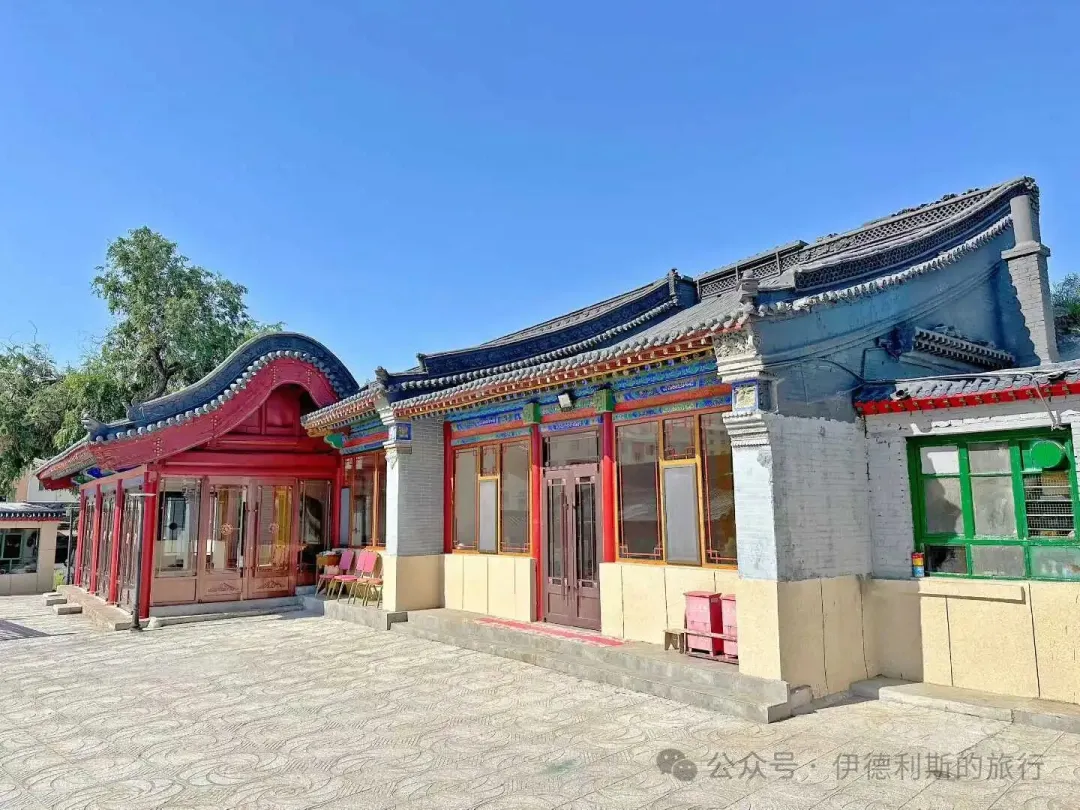
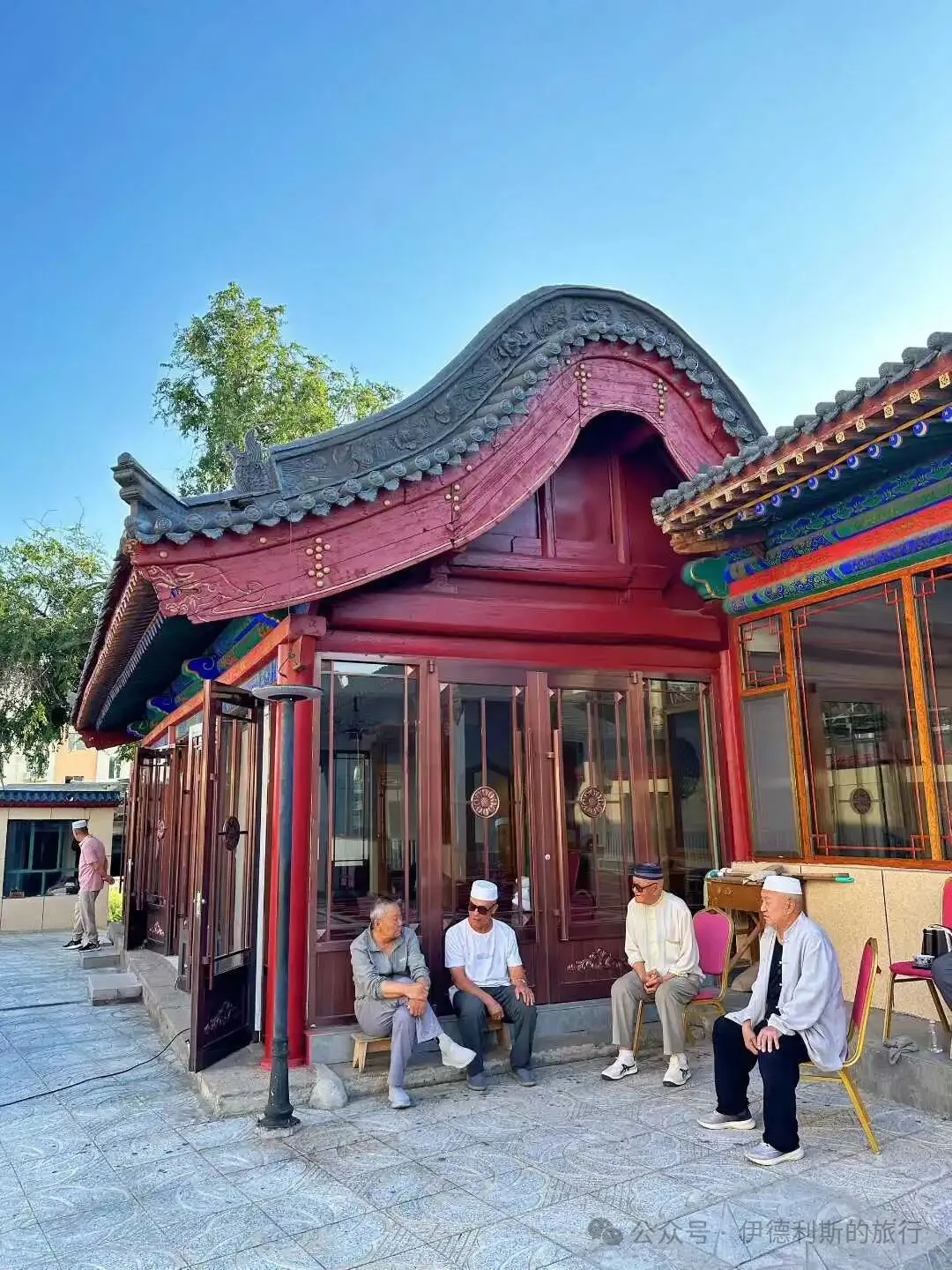
In 1918, the elders of the small mosque raised funds to build a five-room main hall with a porch (juanpeng) against the home of elder Xing Fa. In the 1920s, Xing Fa donated the empty land at the north end of the main hall to build north and south rooms and a north wing, turning the small mosque into a complete courtyard.
After it was built, the Baotou Small Mosque was long under the jurisdiction of the Great Mosque. The imam was selected and sent monthly by the students (hailifan) of the Great Mosque, and both Eid festivals (Da'erde) and the Prophet's Birthday (Shengji) were held at the Great Mosque. After 1958, the small mosque was closed due to a merger of mosques, but it reopened in 1990.
Summary: This second part of the Inner Mongolia mosque series follows historic mosque communities across Chifeng, Jingpeng, Duolun, and Longshengzhuang. The article records Qing-era trade routes, Hui Muslim settlement, mosque founding dates, timber structures, plaques, stone carvings, and preserved prayer halls.
The 'Zun Da Qing Gao' plaque from 1915 (the fourth year of the Republic of China) bears the signature of the Koubei Mongolian Salt Bureau (Koubei Mengyanju). From the Qing Dynasty to the Republic of China, all salt produced in the salt lakes of the Inner Mongolian Plateau was collectively called Mongolian salt (Mengyan). In 1913, the Beiyang government used salt taxes as collateral to sign a 25 million pound sterling reorganization loan with a banking consortium from Britain, France, Germany, Russia, and Japan, which required China to hire foreigners to help reorganize salt taxes. China began salt administration reforms and established the Koubei Mongolian Salt Bureau, with its main office in Duolunuo'er and branch offices in Longshengzhuang, Fengzhen.
In 1861 (the eleventh year of the Xianfeng reign), the Fengzhen prefectural government presented the 'Dao Tong Qian Kun' plaque.
Prince De inscribed 'Shou Zhen Cun Cheng' in 1940, dating it to the '734th year of the Genghis Khan era,' which is 1940, as Prince De was a descendant of Genghis Khan. Prince Demchugdongrub was a Mongolian noble and Prince of the Sunid Right Banner who launched the 'Inner Mongolia High Autonomy Movement' in Bailingmiao in 1933 and became chairman of the puppet 'Mongolian United Autonomous Government' in 1939, which is when he inscribed this plaque.
This was inscribed in 1909 (the first year of the Xuantong reign) by Hui Muslims Deng Risheng and Ma Jiansheng from Datong. The Ma family of Hui Muslims originated from Youwei, Shanxi, and were a prominent military family during the Ming Dynasty; the 'Ma Family Army' formed by Ma Gui and his brothers and nephews in the mid-Wanli period was famous for its combat skills and earned great merit by defending Youwei against Altan Khan for six months. The Ma family has been a major Hui Muslim clan in Datong since the Ming Dynasty, and they frequently helped rebuild the Datong mosque and served as imams during the Ming and Qing dynasties. After the Qing Dynasty turned military garrisons into counties, the Ma family of Hui Muslims in Datong left the military for civilian life, achieved success in business and government, and for a time became the actual managers of the Datong mosque.
This is a commemorative plaque left by local Hui Muslims during the expansion of the prayer hall in 1926.
In 1926, the Hui Muslim general Ma Fuxiang, who was then a general and the Suiyuan military governor, inscribed the 'Qi Zun Wu Dui' and 'Kai Tian Gu Jiao' plaques to celebrate the mosque's expansion. The Great Mosque of Hohhot and the Great Mosque of Baotou also have inscriptions by Ma Fuxiang.
The Great Mosque of Hohhot.
The establishment of the community around the Great Mosque of Hohhot originated with Hui Muslim officers and soldiers in the Qing Dynasty's Green Standard Army. After the fall of the Ming Dynasty, most of the officers and soldiers guarding the Nine Frontiers joined the Qing Dynasty and were organized into the 'Green Standard Army,' which included many Hui Muslim soldiers from the three towns of Xuanhua, Datong, and Taiyuan. In 1693 (the thirty-second year of the Kangxi reign), the Qing government increased its troops in Hohhot to fight the Dzungar Khanate, which included many Hui Muslim soldiers from the Green Standard Army. At that time, the Green Standard Army's Hui Muslim soldiers and Hui Muslim merchants built the mosque community together at the north gate of the old city, which was the predecessor to the Great Mosque of Hohhot.
After the mid-Kangxi period, as there were no more wars on the borders, most of the Hui Muslim soldiers from Datong and the two garrisons of Zuoyun and Youyu became small merchants and artisans, and many Hui Muslims moved to settle near the Great Mosque of Hohhot; to this day, the dialect of Hohhot's Hui Muslims is still deeply influenced by the Datong dialect. By the late Kangxi period, two large livestock trading markets, 'Niuqiao' (Ox Bridge) and 'Yanggangzi' (Sheep Mound), had formed near the Great Mosque of Hohhot, and the cattle and sheep slaughtering industry was controlled by Hui Muslims.
The early Great Mosque of Hohhot only had a few earthen rooms, and it only reached its current size after being rebuilt in 1723 (the first year of the Yongzheng reign) and undergoing a large-scale expansion in 1789 (the fifty-fourth year of the Qianlong reign). The funds for the Qianlong-era expansion were mainly donated by three wealthy Hui Muslim merchant families: the Kang, Ma, and Chen families. To commemorate the contributions of these three families, the mosque decided to recite three extra volumes of scripture every year during the opening of the scriptures in Ramadan. Between 1923 and 1925, the Great Mosque expanded its main hall and the north and south lecture halls, creating the unique Republic-era architectural style seen today. At that time, Widow Yang from Tongdao South Street donated her own property behind the mosque, so the mosque committee decided to recite an extra box of scriptures every year during Ramadan.
The most famous imam of the Hohhot Great Mosque during the Republic of China era was Imam Wang Kuan from Niujie, Beijing. Imam Wang was a famous educator who founded the Chinese Muslim Progressive Association. In 1915, he established the first primary school for Hui Muslims in Hohhot, the Gui-Sui Hui School.
The mosque gate was built in 1892 (the 18th year of the Guangxu reign). Above it hangs a plaque inscribed with 'Great Mosque' from 1890 (the 16th year of the Guangxu reign), with plaques reading 'National Prosperity' and 'People's Peace' on either side.
After entering, you can see the brick-carved screen wall behind the main hall, built in 1896 (the 22nd year of the Guangxu reign). It is inscribed with 'Rectify the heart and be sincere in self-cultivation,' 'Recognize the Oneness of Allah,' 'Clear the heart,' and 'See one's true nature,' all written in 1924 by Ma Fuxiang, who was the Suiyuan Military Governor at the time.
The prayer hall was expanded in 1923 and consists of a porch, a front hall, a middle hall, and a kiln hall. It features a connected roof structure with five pointed pavilions on top, symbolizing the Five Pillars of Islam: faith, prayer, fasting, charity, and pilgrimage. The porch is a blend of Chinese and Western styles, featuring arched doors, Arabic plaques, couplets, and floral patterns on the walls.
The Moon-Watching Tower was built in 1939. It is 36 meters high, with a hexagonal brick base and a single-eave hexagonal pointed roof at the top.
Chasuoqi Great Mosque
Tumd Left Banner in Inner Mongolia is located west of Hohhot. During the Ming and Qing dynasties, it was the base of the Mongol Tumd tribe, known for its fertile land and abundant water and grass. In 1739 (the 4th year of the Qianlong reign), the Qing government established a sub-prefecture office in Shandai Town, Tumd Left Banner, making it an important commercial hub. Shortly after, Hui Muslims from four families arrived in Shandai to make a living: the Bai family from Gaotou in Zhengding, Hebei (now Gaotou Hui Ethnic Township in Wuji County), the Ma family from Baoding, Hebei, the Xue family from Xueying, Beijing, and the Jin family from Niujie, Beijing.
In 1760 (the 25th year of the Qianlong reign), the Shandai sub-prefecture office was abolished, and the center of the banner shifted to Chasuoqi Town. The Bai, Ma, Xue, and Jin Hui Muslim families all moved to Chasuoqi Town in the late Qianlong period. At that time, the Chasuoqi Guandi Mosque was being dismantled and moved to a new site, so the families bought the original land and built the first Chasuoqi Great Mosque.
The Chasuoqi Great Mosque originally consisted of only two mud houses facing the street. During the Daoguang reign, as the number of Hui Muslims moving to Chasuoqi increased, a mud-and-wood main hall was added. In 1909 (the first year of the Xuantong reign), Imam Wang Shi'en led the construction of the current brick-and-wood main hall. The widow of Bai Shengyu, surnamed Gan, donated bricks, tiles, wood, and the elm trees in the courtyard. Other funds came from the local community and from Hohhot, Baotou, Saratsi, Togtoh, and Longshengzhuang. The elders in charge were Luo Cheng, Bai Youfu, Ma Youfu, and Wu Fengqi. Imam Wang Shi'en was originally from Wudu, Gansu. He was deeply knowledgeable in Islamic studies and is the most famous imam in the history of the Chasuoqi Great Mosque.
Saratsi Mosque
Saratsi Town in Tumd Right Banner, Inner Mongolia, is located between Hohhot and Baotou. After the Saratsi sub-prefecture office was established in 1739 (the 4th year of the Qianlong reign), it gradually prospered and became a major trade hub on the merchant route to Mongolia. In the early Qianlong years, 23 Hui Muslim households from Shandong and Hebei moved to Saratsi via Shandai. They included families with the surnames Ma, Bai, Yang, and Wei, and most worked as livestock traders. In 1747 (the 12th year of the Qianlong reign), they raised funds to build the Saratsi Mosque in Nanyingzi.
In 1760 (the 25th year of the Qianlong reign), Saratsi was upgraded to a sub-prefecture office, also handling Mongolian-Han affairs for the Urat Three Banners, the Ordos Left Wing Middle Banner (Junwang Banner), and the Ordos Left Wing Rear Banner (Dalad Banner). After this, the number of Hui Muslims moving to Saratsi continued to grow. Around the 40th year of the Qianlong reign, the Hui Muslim population in Saratsi had grown to over 100 households and more than 400 people. In 1782 (the 47th year of the Qianlong reign), local residents expanded the main hall of the Salaqi Mosque to fifteen rooms. The mosque still has a door lintel inscribed with the date 1782, which serves as proof of this expansion.
In 1947, the south side room of the main hall suddenly collapsed. The village elders hired Wu Youlong, one of the only two college students among the Hui Muslims in Baotou at the time, who had graduated from the Civil Engineering Department of Beiyang Institute of Technology, to rebuild the hall. When designing the hall, Wu Youlong boldly placed a millstone and a roller under each pillar. This design prevented moisture from rising and also improved the lighting inside. After the renovation, the main hall took on its current form.
Baotou Great Mosque
The Baotou Great Mosque is located in the Donghe District of the old town of Baotou. It was first built in 1743 (the 8th year of the Qianlong reign) and is the most important religious building in the western Tumochuan area. Today, it is a protected cultural site of the Inner Mongolia Autonomous Region.
In 1697 (the 36th year of the Kangxi reign), after Emperor Kangxi defeated Galdan, immigrants from inland China began to flood into the Tumochuan Plain in Inner Mongolia, moving westward along the route from Hohhot to Chasugi and then to Salaqi. In the early years of the Qianlong reign, Wang Xiu, a Hui Muslim from Cangzhou, Hebei, and Bai Sanmu, a Hui Muslim from Wuding, Shandong (near present-day Binzhou and Dezhou), arrived at Baotou Village, west of Salaqi, becoming the first Hui Muslims in Baotou.
According to family records, the Wang family's ancestral home was Erdaogang Wailiushu Village in Nanjing. Their distant ancestor was a military scholar (wulinsheng) during the Ming Dynasty and later served as a military officer. In 1421 (the 19th year of the Yongle reign), the Ming Dynasty officially moved its capital to Beijing. The Wang family was ordered to escort the emperor north and was later granted land in Cangzhou. During the Yongle reign of the Ming Dynasty, the Wang family moved to their granted land at Wangjia Sheqiao and gave up their official posts to become farmers. In the early years of the Qianlong reign, the Wang family fell on hard times. Faced with a drought in Cangzhou, Wang Xiu carried his wife and children, along with a shoulder pole carrying goods, and traveled a long distance to Zhaowan in Inner Mongolia. Wang Xiu first made a living by selling mountain goods and sewing supplies door-to-door. Later, he received a piece of pasture land from a lama, bought livestock, and started a career in animal husbandry. Wang Xiu traded livestock between Inner Mongolia, Shandong, and Hebei, and his family's financial situation gradually improved.
In the early years of the Qianlong reign, Baotou Village, west of Salaqi, began to take shape, and shops and businesses opened one after another. Wang Xiu rented a slope from a Mongol person north of Baotou Village to build a house, and people called it the "Wang Family on the High Slope." After that, other Hui Muslim families, including the Bai, Ma, Yang, and Zhou families, moved into Baotou. In 1743 (the 8th year of the Qianlong reign), the Wang and Bai families mobilized other Hui Muslim families to build the first Baotou Great Mosque.
The original Baotou Great Mosque was a five-room earth-and-wood hall. It once had a plaque inscribed with "Pure and Clean" (Qingjing) dated to the 8th year of the Qianlong reign, but it was unfortunately lost later. The first imam was surnamed Fu and was hired from Hebei.
In 1809 (the 14th year of the Jiaqing reign), Baotou Village was renamed Baotou Town and gradually developed into an important commercial hub. Wang Xiu's grandson, Wang Daxing, opened the "Sanhe Horse Inn" in Baotou, and his long-distance horse trading business flourished. By 1833 (the 13th year of the Daoguang reign), there were already over 100 Hui Muslim households in Baotou, totaling six or seven hundred people. Because of this, Wang Daxing and Bai Sanmu's grandson, Bai Kede, led the effort to rebuild the earth-and-wood hall into a brick-and-tile structure and inscribed the plaques "Unique" (Duyi Wu'er), "Ancient Autumn" (Guqiu), and "Quiet One" (Jingyi). Only the plaque reading "Ancient Autumn" (Guqiu) remains, signed by community leaders (toushou) Wang Daxing and Bai Kede.
In 1913, community elders from the Ma, Wang, Chen, Ding, and Bai families hired a carpenter known as "Living Lu Ban" named Guo Sansuo to expand the main hall. He moved the porch (juanpeng) forward and added a section to the back, giving the Baotou Great Mosque its current layout. The mosque houses a plaque inscribed with "Promoting the True Faith" (Xianyang Zhengjiao) by Lieutenant General Ma Fuxiang, dating back to the second year of the Republic of China.
An appreciation of the traditional Chinese-style Arabic calligraphy found on the mihrab (mihalabu) niche and the minbar (minbaier) pulpit inside the main hall of the Baotou Great Mosque.
The qibla wall of the Baotou Great Mosque features 32 stunning pieces of traditional Chinese-style Arabic calligraphy in large-character (bangshu) script.
The architectural details of the Baotou Great Mosque, including the brick and wood carvings, are incredibly exquisite.
The swastika (wanzi) and taiji brick carvings in the main hall of the Baotou Great Mosque show the influence of different cultures.
During the late Qing Dynasty, under the trend of interpreting Islam through Confucianism, scholars like Liu Zhi introduced concepts like "taiji" and "yin-yang" into the faith. The book "Nature and Principle of Islam" (Tianfang Xingli) contains the record: "Movement creates yang, stillness creates yin; this is the manifestation of taiji, which is the manifestation of the True One." This is the end of the record.
The "endless swastika" (wanzi budao tou) is a traditional Chinese auspicious pattern. The swastika represents good fortune, and "endless" means it continues forever; it frequently appears in brick, stone, and wood carvings.
Baotou Small Mosque.
Also known as the Baotou North Mosque or Wayougou Mosque, the Baotou Small Mosque was first built in 1908 (the 34th year of the Guangxu reign). The main hall was rebuilt in 1918, and it is currently a cultural heritage site protected by Baotou City. The Baotou Small Mosque is built on a very steep slope against a cliff, making the main hall much higher than the ablution room (shuifang), which is a unique feature.
In the late Qing Dynasty, the population of Hui Muslims settling in Baotou grew steadily, expanding from the old town's Beiliang area from east to west. By the end of the Qing Dynasty, the eight streets and alleys near Wayougou had become a Hui Muslim residential area, home to inns, flour shops, oil mills, and dozens of cattle, sheep, and camel slaughterhouses. The slaughterhouses also operated as kitchens, meat shops, and livestock pens.
Because traveling between Wayougou and the Baotou Great Mosque required crossing gullies and ridges, it was very inconvenient. In the late Guangxu years, Hui Muslim families including the Chens, Mas, Dings, Yangs, and Wangs proposed digging a well in Wayougou and building an ablution room called "West Water Hall" (Xishuitang). In 1908 (the 34th year of the Guangxu reign), they bought a flat piece of land on the hillside of the West Water Hall and built the first Baotou Small Mosque.
In 1918, the elders of the small mosque raised funds to build a five-room main hall with a porch (juanpeng) against the home of elder Xing Fa. In the 1920s, Xing Fa donated the empty land at the north end of the main hall to build north and south rooms and a north wing, turning the small mosque into a complete courtyard.
After it was built, the Baotou Small Mosque was long under the jurisdiction of the Great Mosque. The imam was selected and sent monthly by the students (hailifan) of the Great Mosque, and both Eid festivals (Da'erde) and the Prophet's Birthday (Shengji) were held at the Great Mosque. After 1958, the small mosque was closed due to a merger of mosques, but it reopened in 1990.
