
Halal Travel Guide: Inner Mongolia - 12 Historic Mosques, Part 1
Reposted from the web
Summary: This first part of the Inner Mongolia mosque series introduces historic Hui Muslim mosques shaped by Qing-era migration, frontier trade, and settlement on the grasslands. The article covers founding dates, mosque layouts, carved woodwork, inscriptions, and the communities that built and maintained these sites.
I am sharing 12 historic mosque buildings I visited in Inner Mongolia, moving from east to west.
Chifeng North Mosque: First built in 1739 and rebuilt in 1747.
Jingpeng Mosque: First built in 1852 and rebuilt in 1908.
Duolun South Mosque: First built during the Yongzheng reign and expanded in 1761.
Duolun North Mosque: Built in 1798.
Duolun West Mosque: Built in 1880.
Duolun Central Mosque: First built in 1908 and rebuilt in 1935.
Longshengzhuang Mosque: First built in 1751 and expanded in 1831 and 1926.
Hohhot Great Mosque: First built in 1693 and expanded in 1798 and 1925.
Chasuqi Great Mosque: First built in 1760 and rebuilt in 1909.
Salaqi Mosque: First built in 1747 and renovated in 1947.
Baotou Great Mosque: First built in 1743, renovated in 1833, and expanded in 1913.
Baotou Small Mosque: First built in 1908 and rebuilt in 1918.
Chifeng North Mosque
During the early Qing Dynasty, Hui Muslims from Shandong and Hebei provinces kept traveling through Gubeikou and Chengde to find work in eastern Inner Mongolia. In the 1730s, ten Hui Muslim families with surnames like Zhang, Ma, and Bai moved from Shandong and Hebei to settle in Chifeng. They were known as the ten great Hui Muslim families or the original settlers (zhanshanhu).
In 1739 (the fourth year of the Qianlong reign), a community elder named Zhang Yueming led the effort to lease seven point six mu of land from a Mongol prince. They built five mud rooms and a three-room main prayer hall, which became the first Chifeng mosque.
In 1742 (the seventh year of the Qianlong reign), elder Ma Fen, who once ran the Desheng Security Bureau in Shenyang, started a project to rebuild the mosque. He bought a plot of land, and the imam and several elders traveled to different places to collect donations through fundraising letters (nietie). Afterward, elder Ma Fen went to Shenyang to hire craftsmen. Construction took four years and finished in 1747 (the twelfth year of the Qianlong reign). All the wood used came from red pine trees in the mountains south of Chifeng. From then on, the imam of the North Mosque was always a scripture reader from the Ma family line.
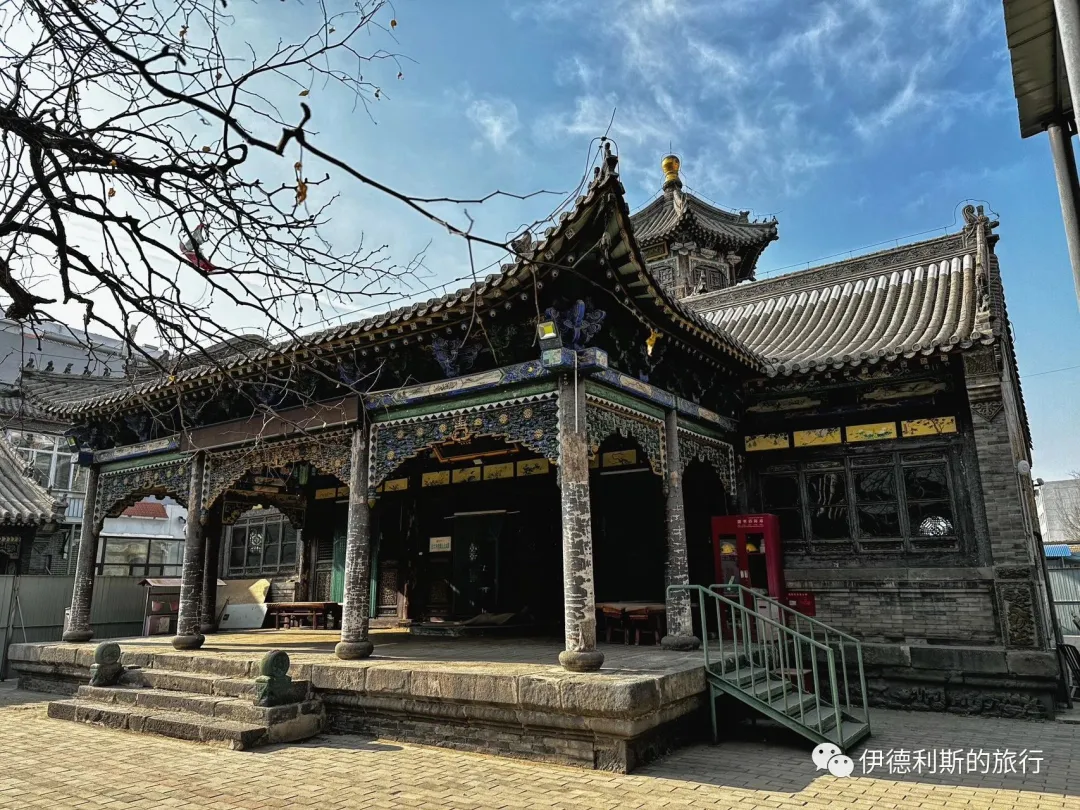
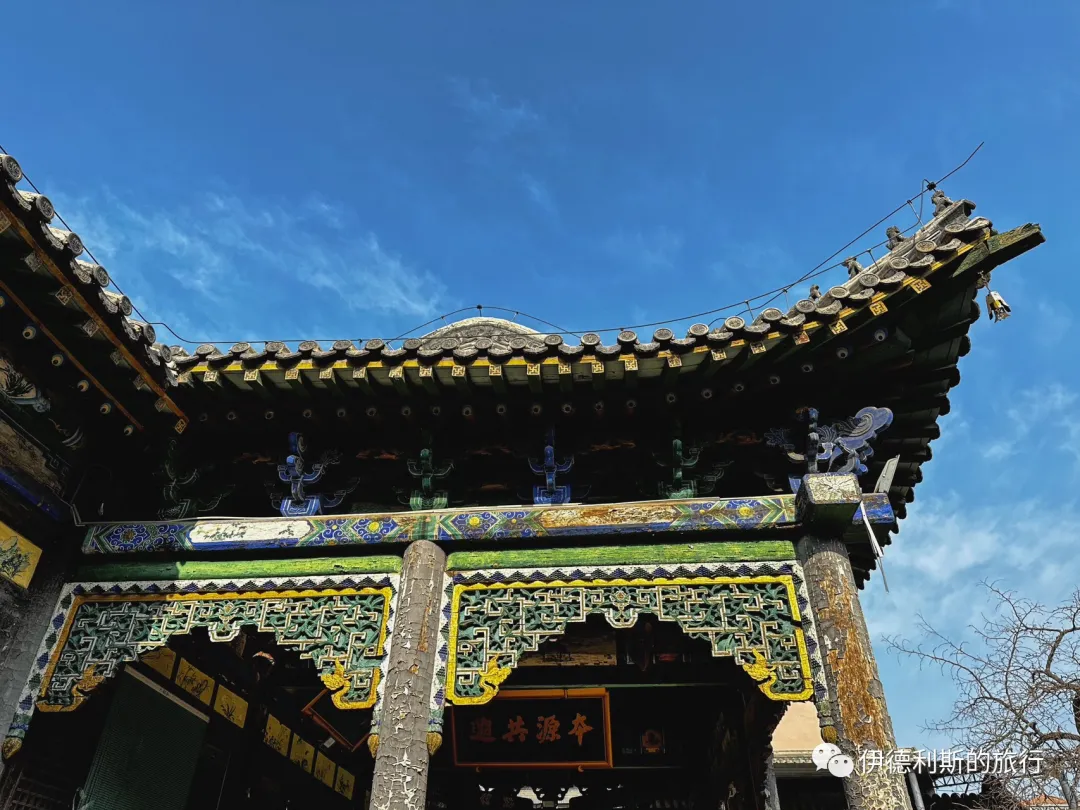
The main prayer hall of the North Mosque consists of a front porch (juanpeng), the main hall, the rear niche (yaodian), and a moon-sighting tower (wangyuelou) on top of the niche. The moon-sighting tower has a double-eaved hexagonal roof with a gilded bronze vase on top and intricate carvings of two dragons playing with a pearl. The front porch sits on a pedestal base (xumizuo). Between the eaves pillars, there are openwork carvings of clouds and flowers, which is a very distinct style from Northeast China.
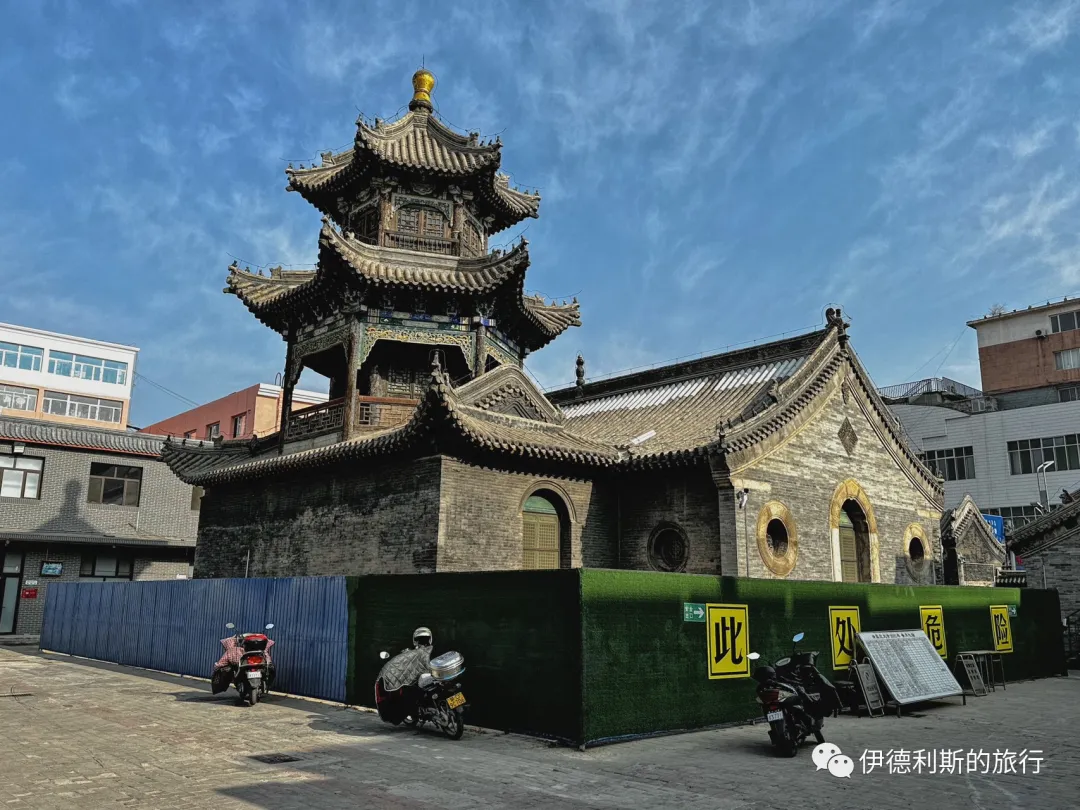
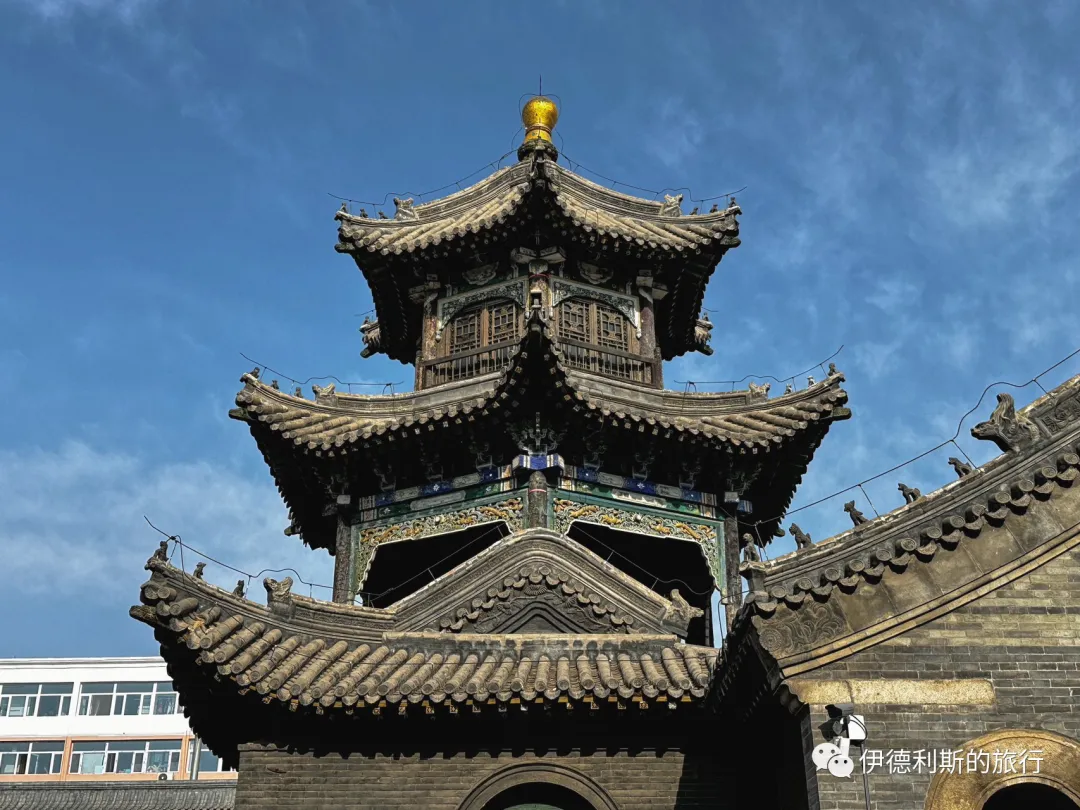
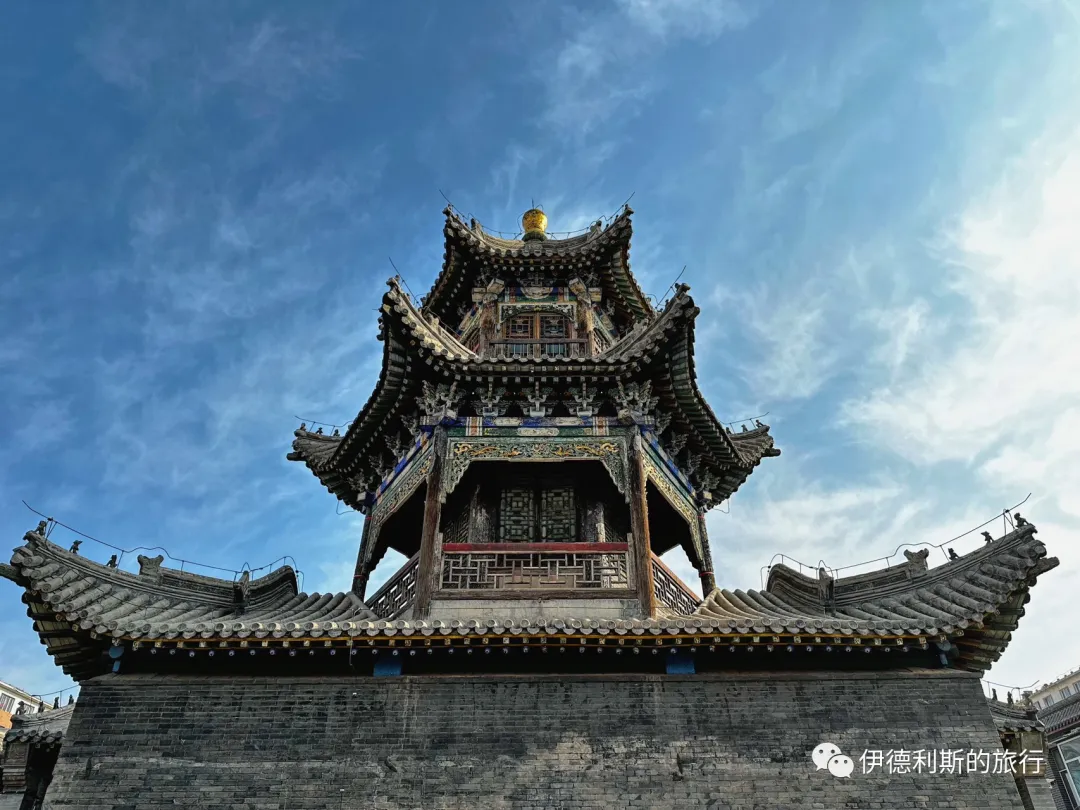
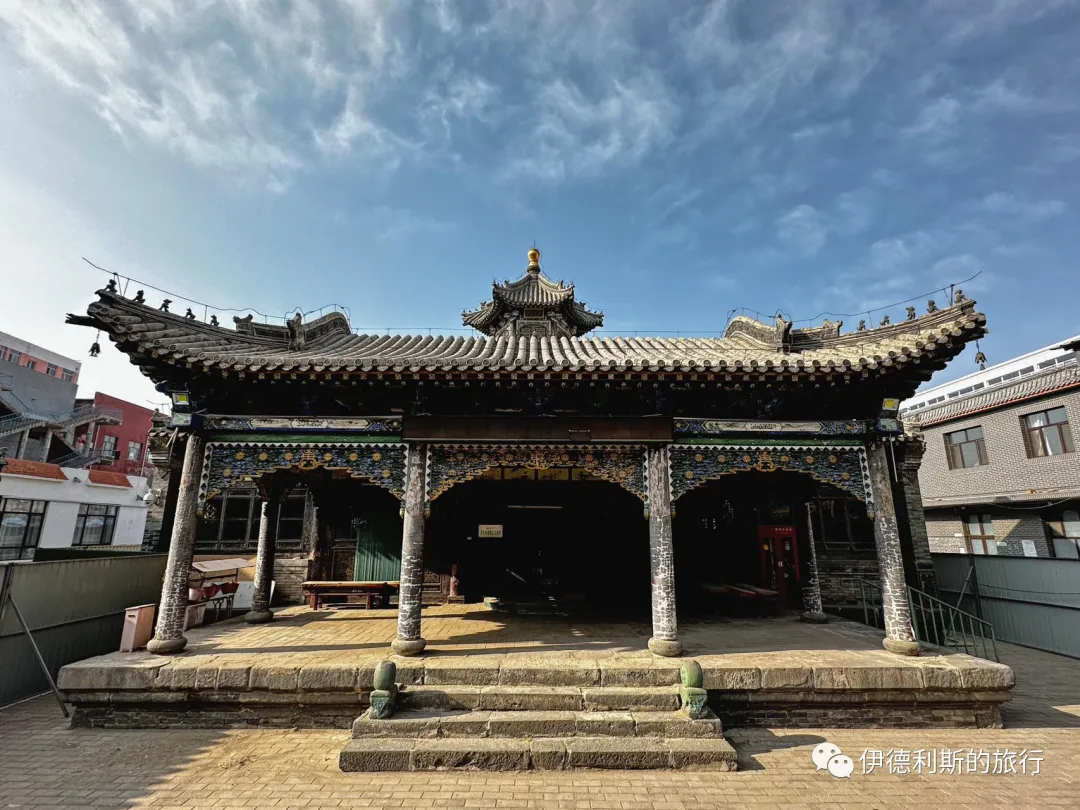
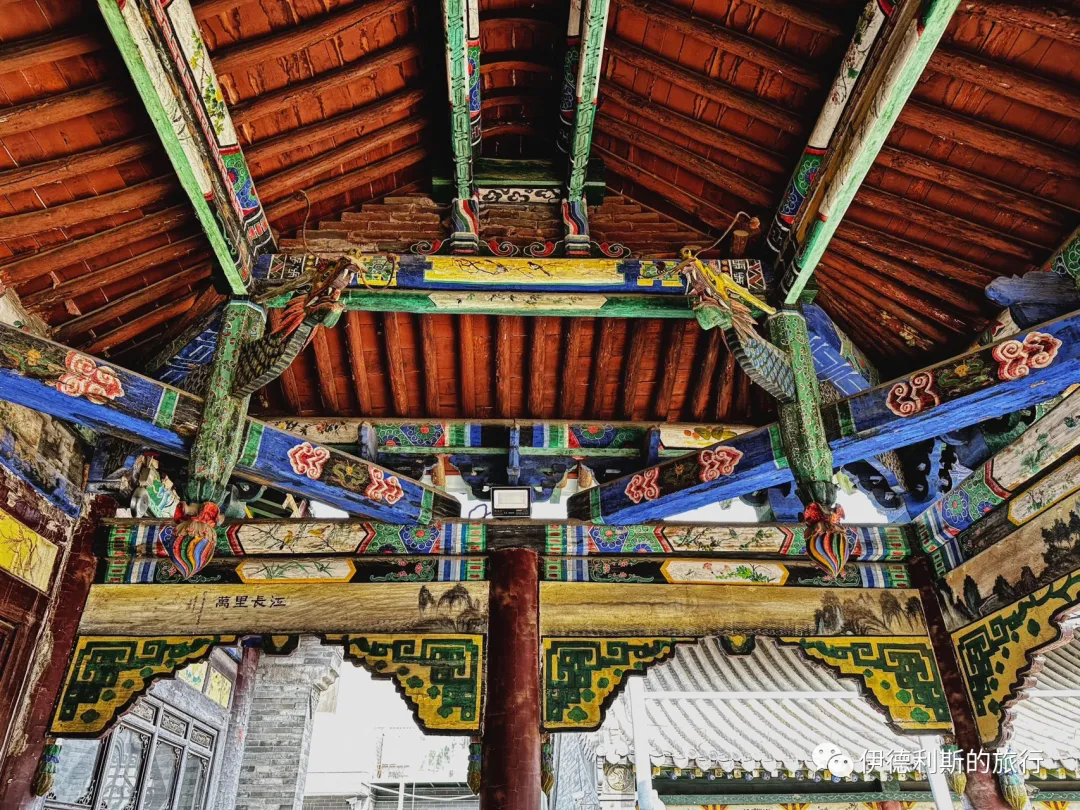
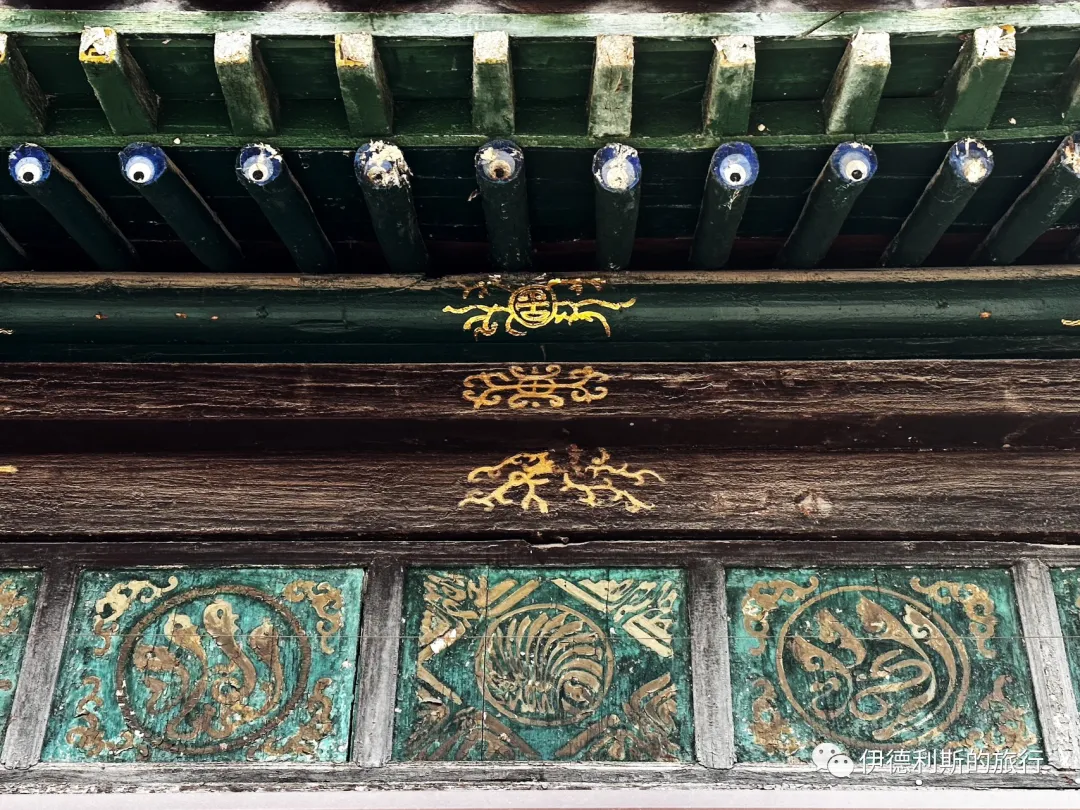
The beams of the front porch are painted with Suzhou-style patterns and feature wooden dragon head carvings, which are very rare in the country.
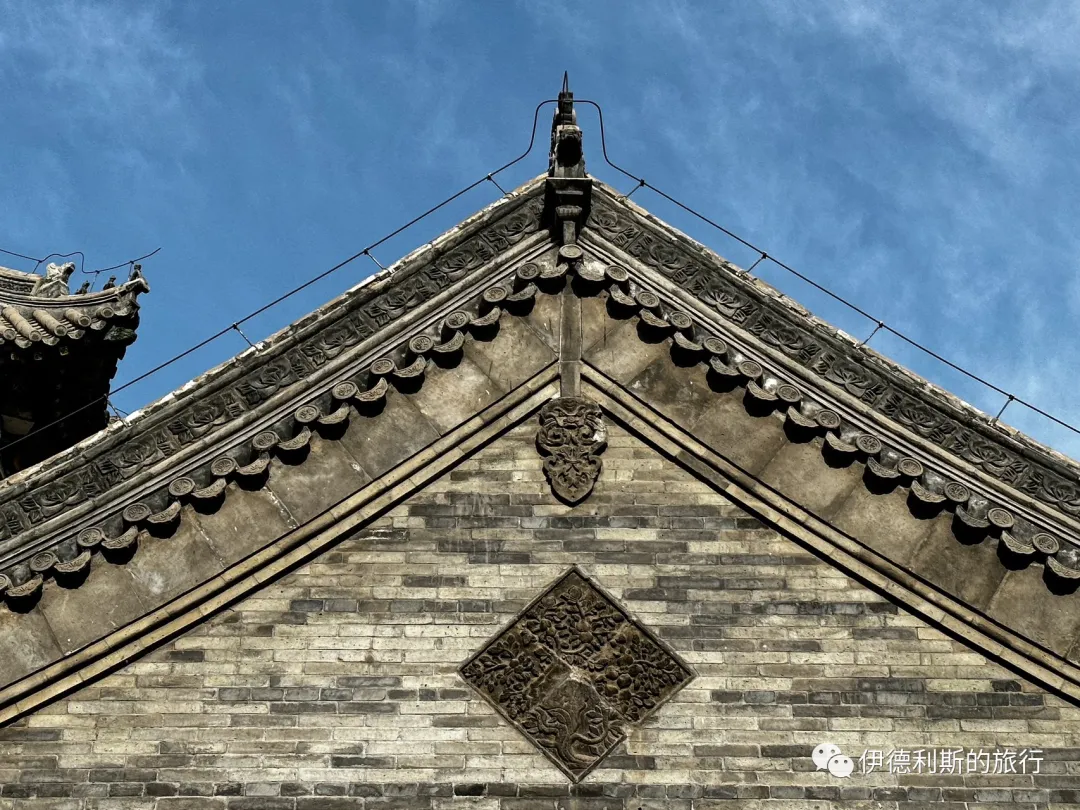
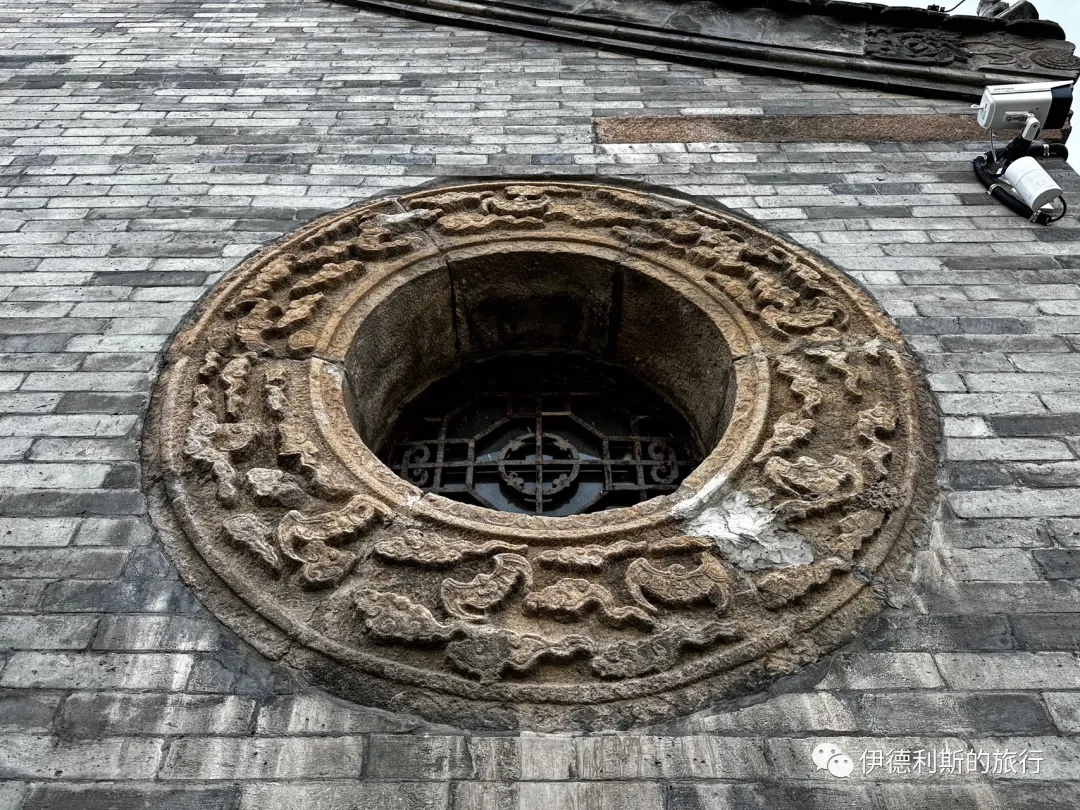
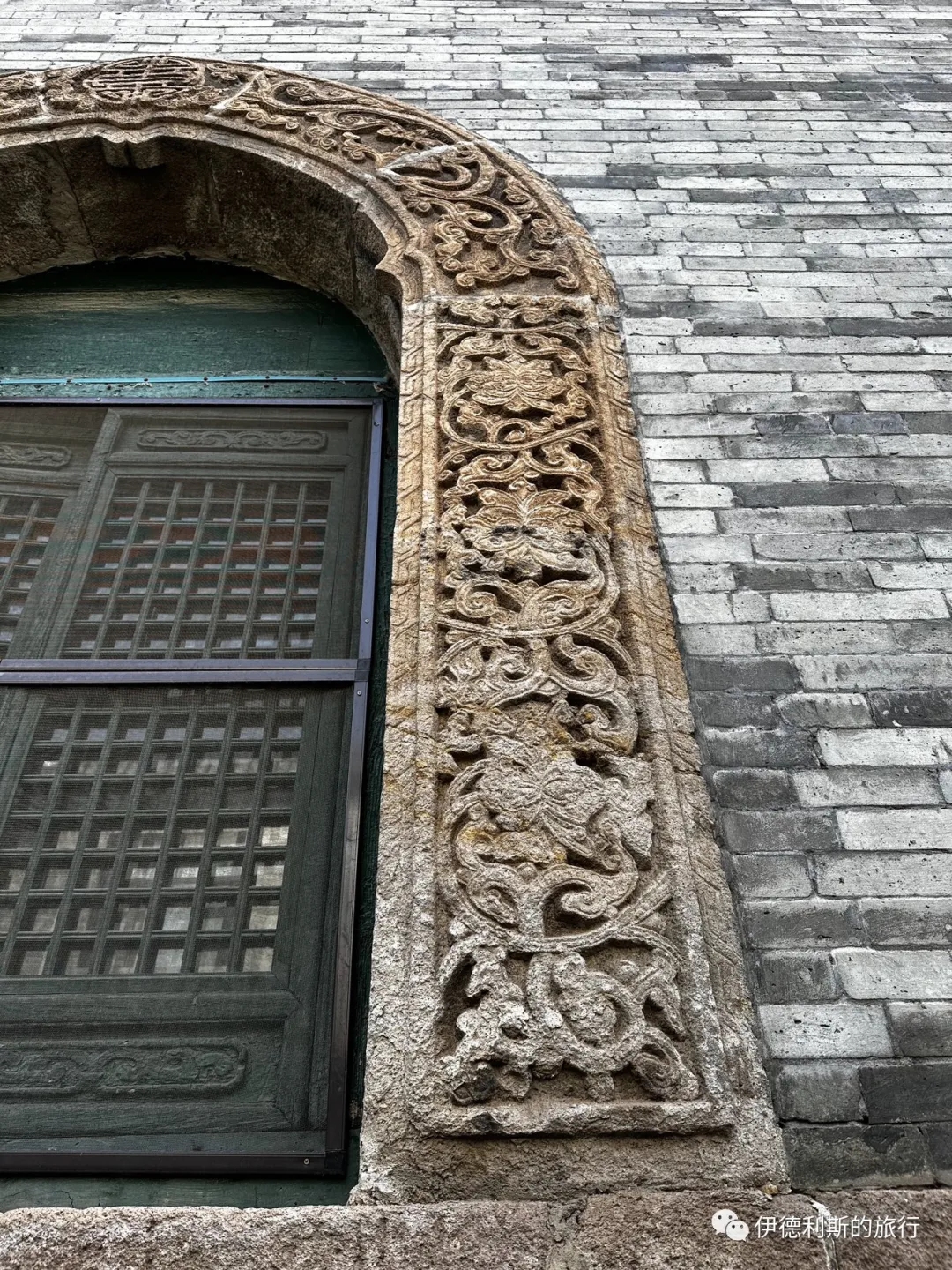
The beautiful stone carvings on the gable walls of the main hall feature bats representing good fortune and intertwined lotus patterns.
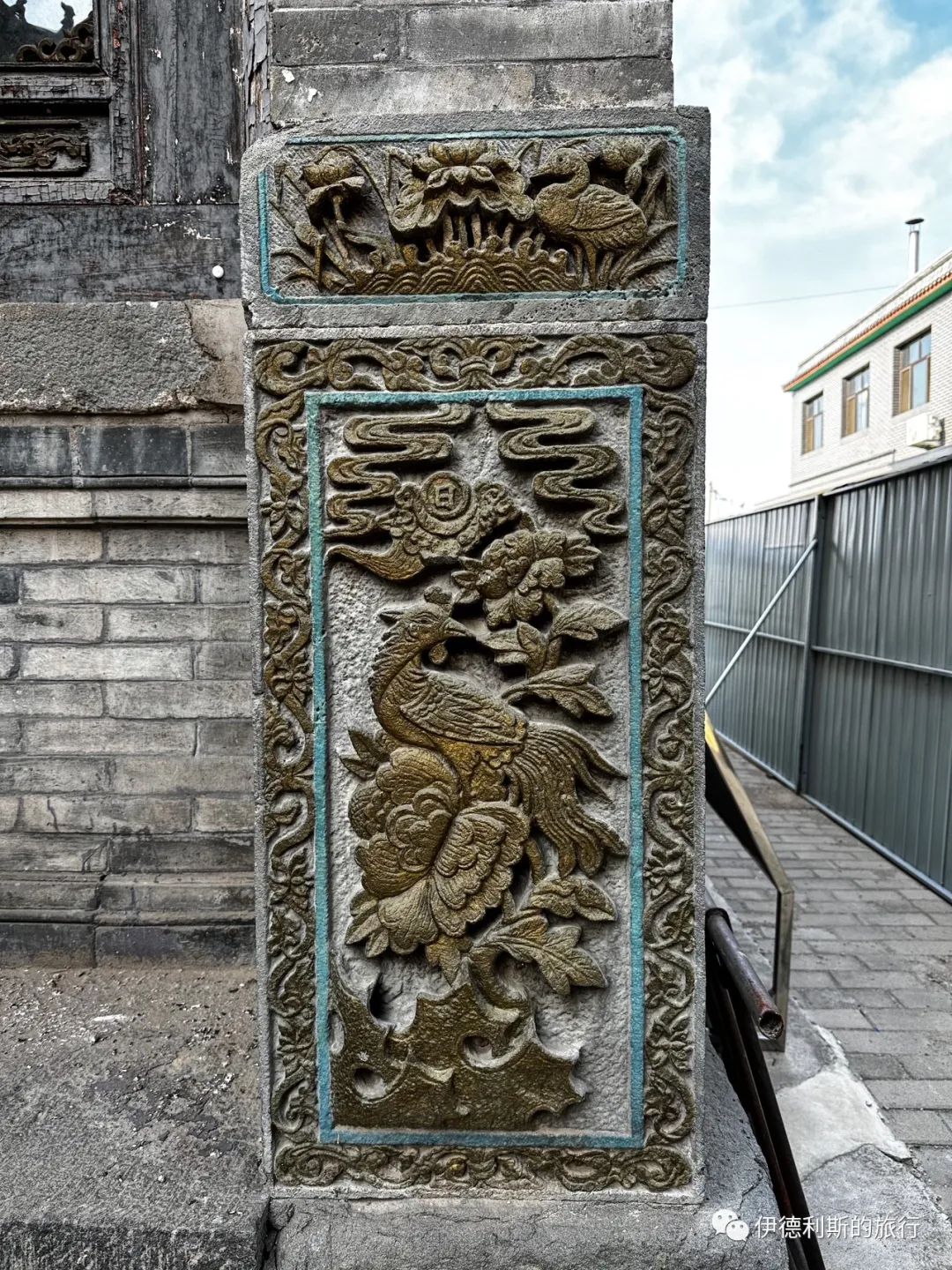
The phoenix, peony, sun, and moon carvings on the corner stone pillars of the main hall.
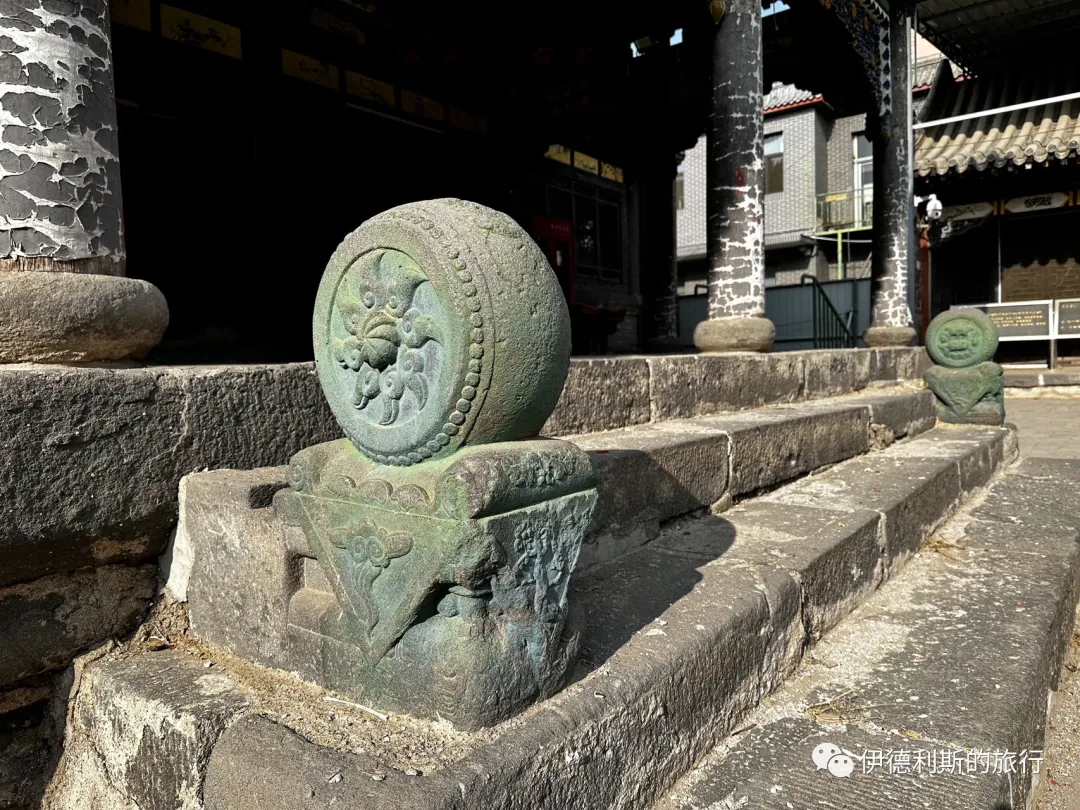
The drum-shaped stone bases (baogushi) in front of the porch.
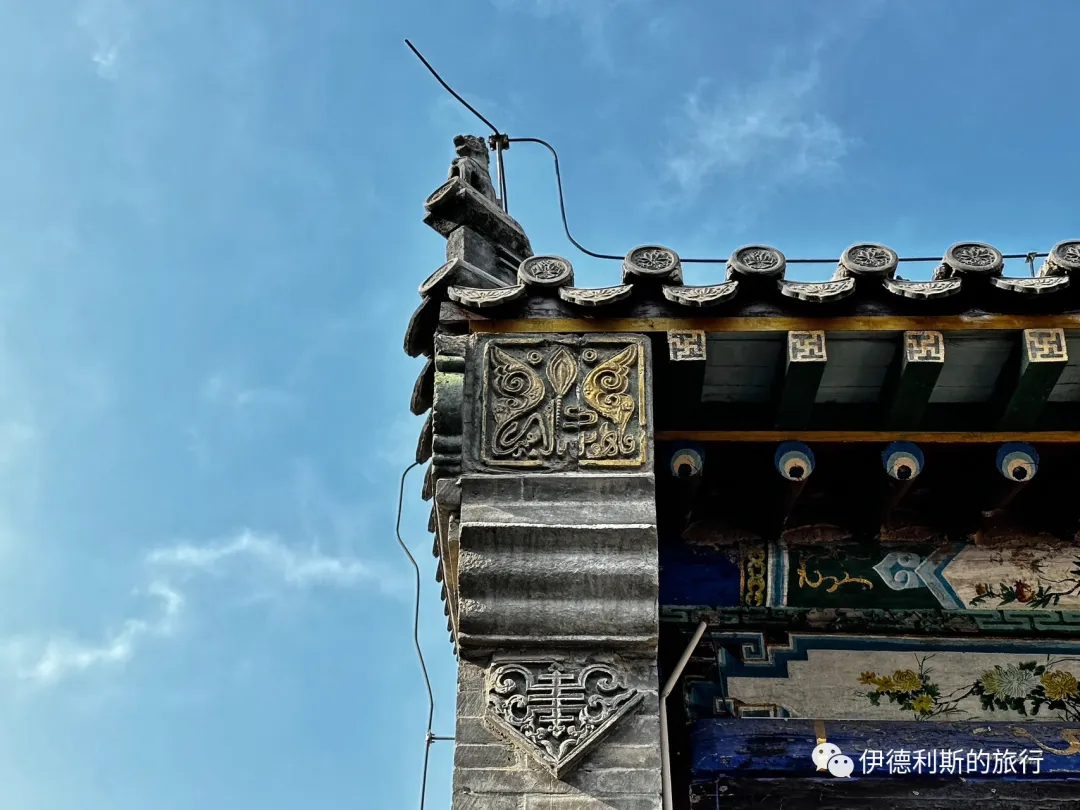
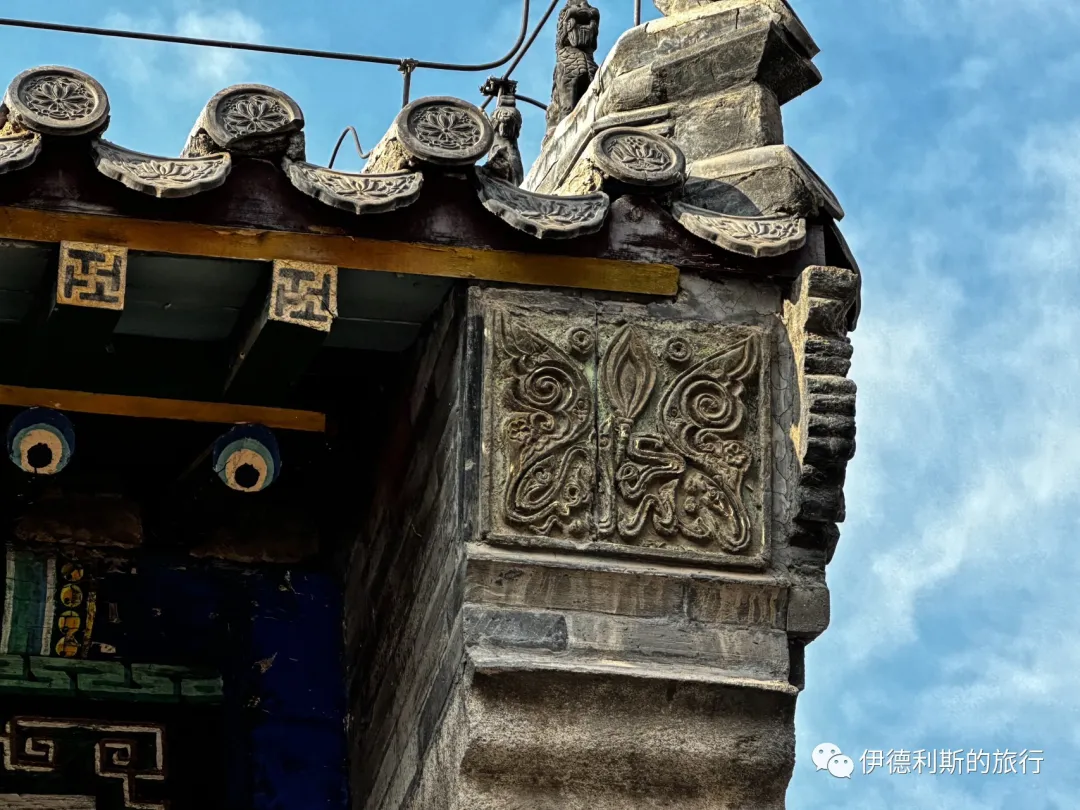
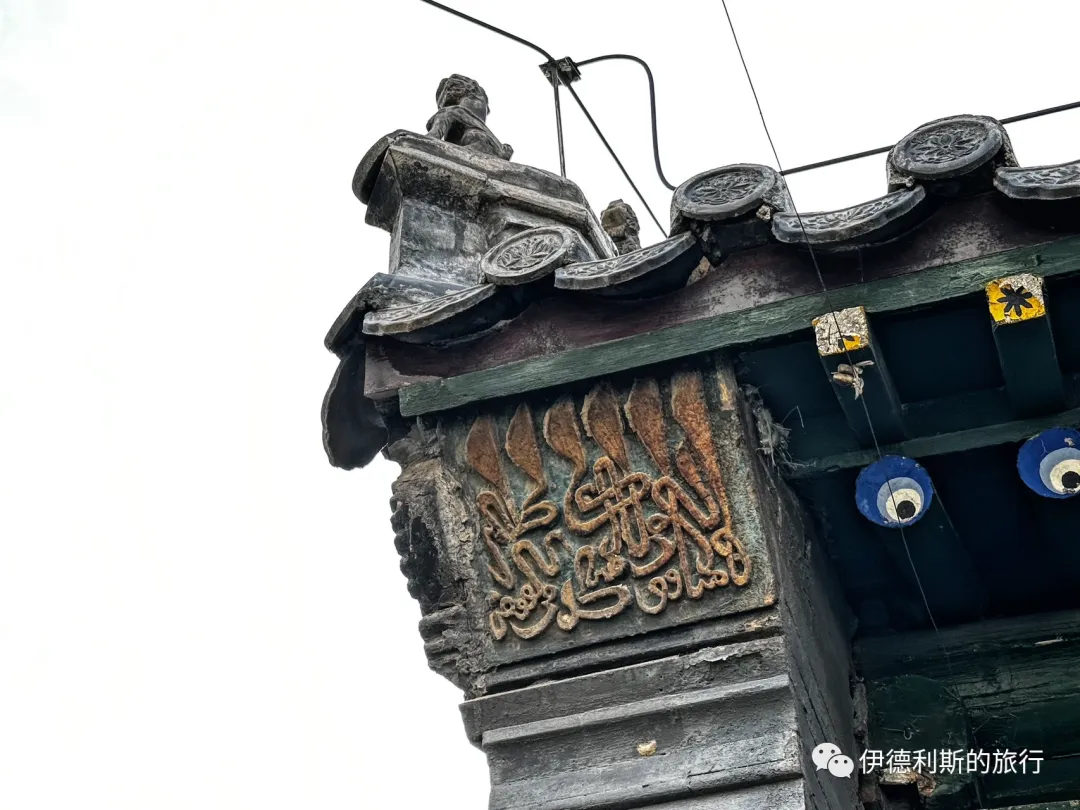
The calligraphic brick carvings on the gable ends (xitou). This style of calligraphy relates to the Shandong school of scripture hall education that spread through the Northeast region.
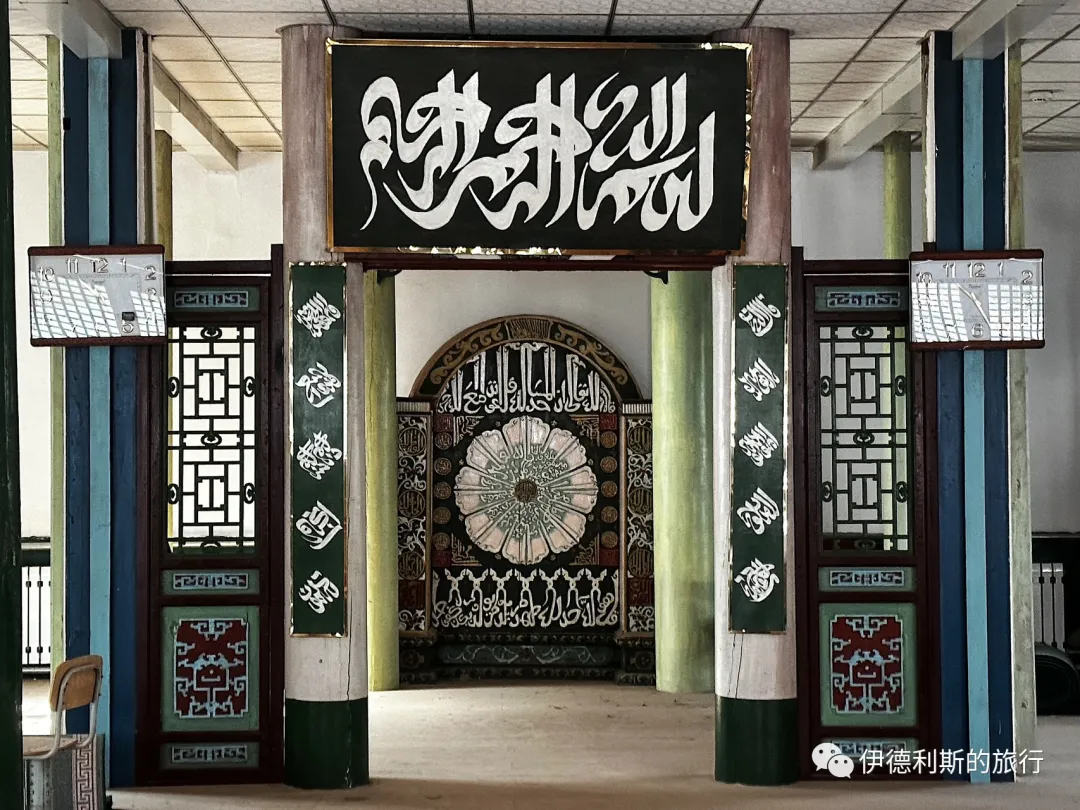
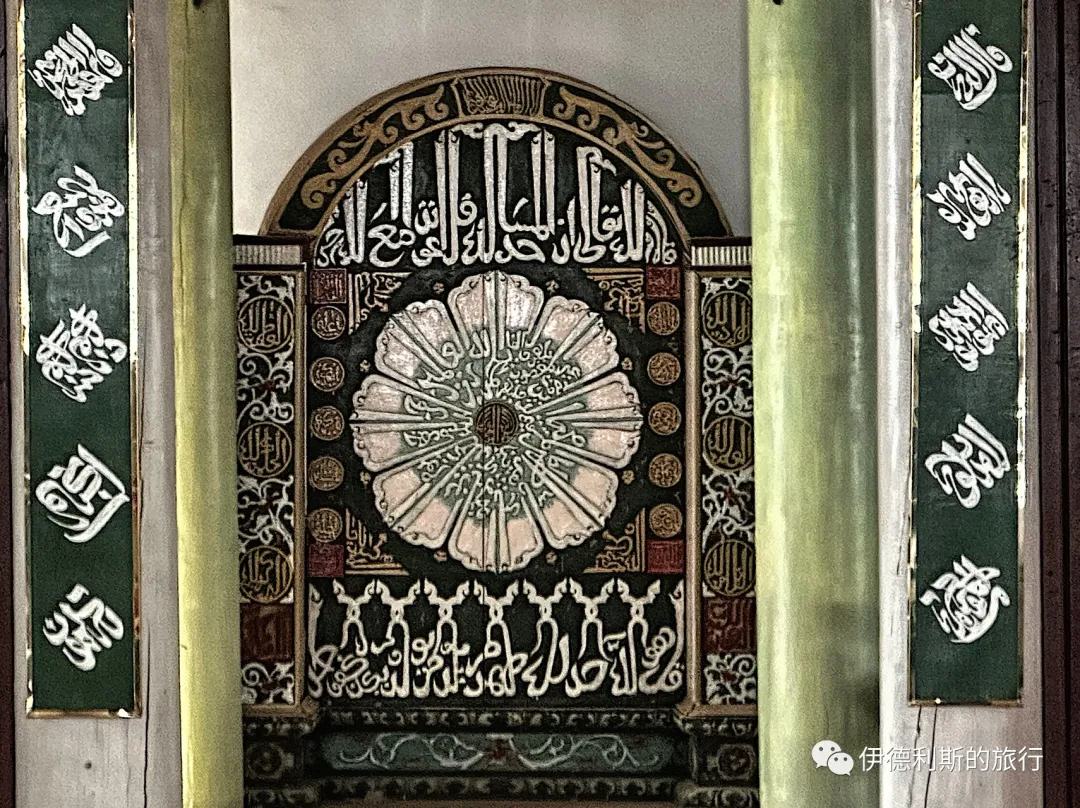
Jingpeng Mosque (Jingpeng Si).
During the Kangxi reign of the Qing Dynasty, Jingpeng Town became a major trading hub on the grasslands, located on the main route between Mongolia and the Northeast. During the lama temple fairs, merchants from inland China brought cotton cloth, sugar, and tea to trade with the Mongols for furs, livestock, and local products. In 1723 (the second year of the Yongzheng reign), severe droughts in Shandong and Hebei forced disaster victims to head north to find work. To solve the problem of displaced people, the Qing government implemented a policy of borrowing land to support the people in the southeastern Mongolian grasslands, including Hexigten Banner. During the Qianlong reign, Hui Muslims from Yangxin and Guan counties in Shandong, and Cangzhou and Hejian in Hebei, traveled through Chifeng and Duolun to reach Jingpeng Town to trade on the grasslands, eventually settling there.
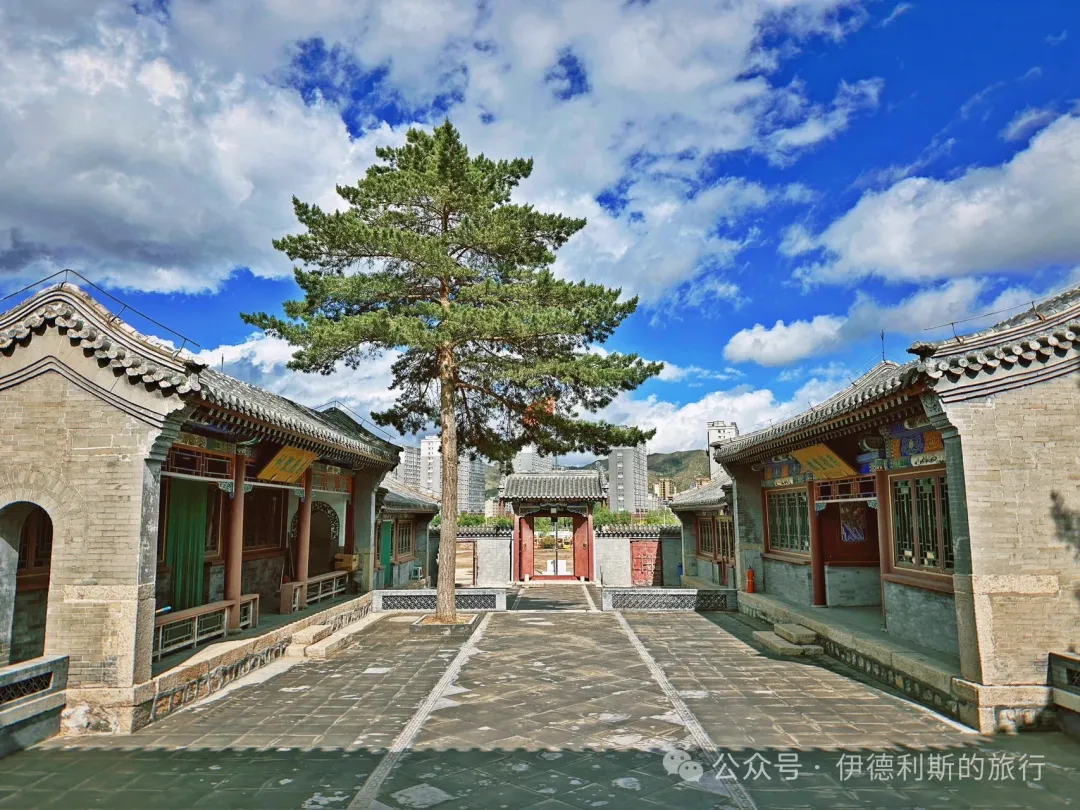
After the 19th century, the Hui Muslim population in Jingpeng reached nearly 1,000, with family names including Feng, Cong, Ma, Bai, Li, Jin, and Ha. In 1852 (the second year of the Xianfeng reign), they officially built a mosque (masjid), which started as five mud-brick rooms. In 1902 (the 28th year of the Guangxu reign), community elders including Liu Qi, imam Ha Zhaobin, Li Wenrong, Cong Laofeng, Ma Changtai, and Jin Fengming led a fundraising effort to rebuild the Jingpeng Mosque. Liu Qi and Ha Zhaobin traveled inside the Great Wall three times to collect funds. After four years, the current building was completed in 1908 (the 34th year of the Guangxu reign). It was named a key cultural relic protection site of Hexigten Banner in 1992.
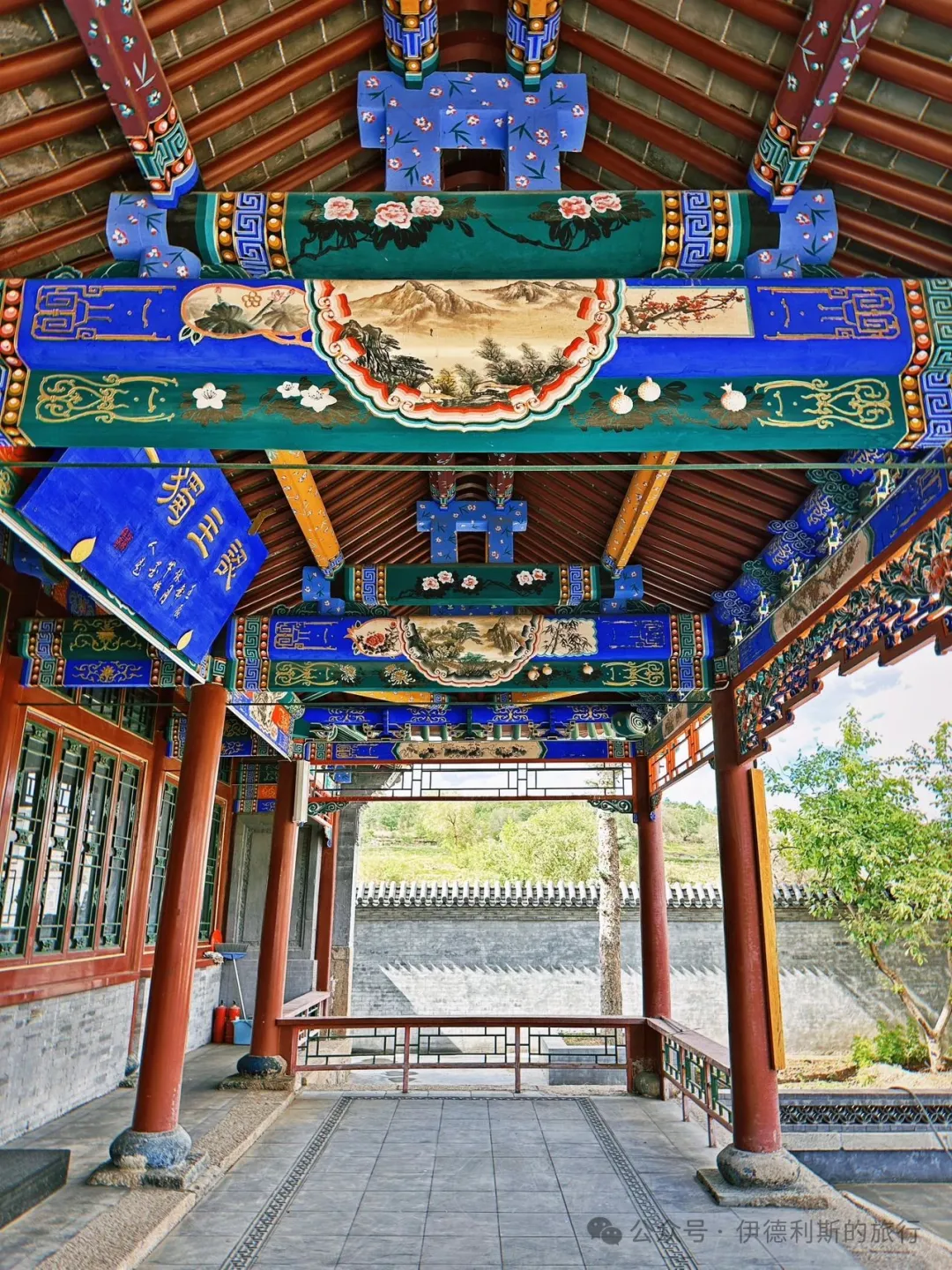
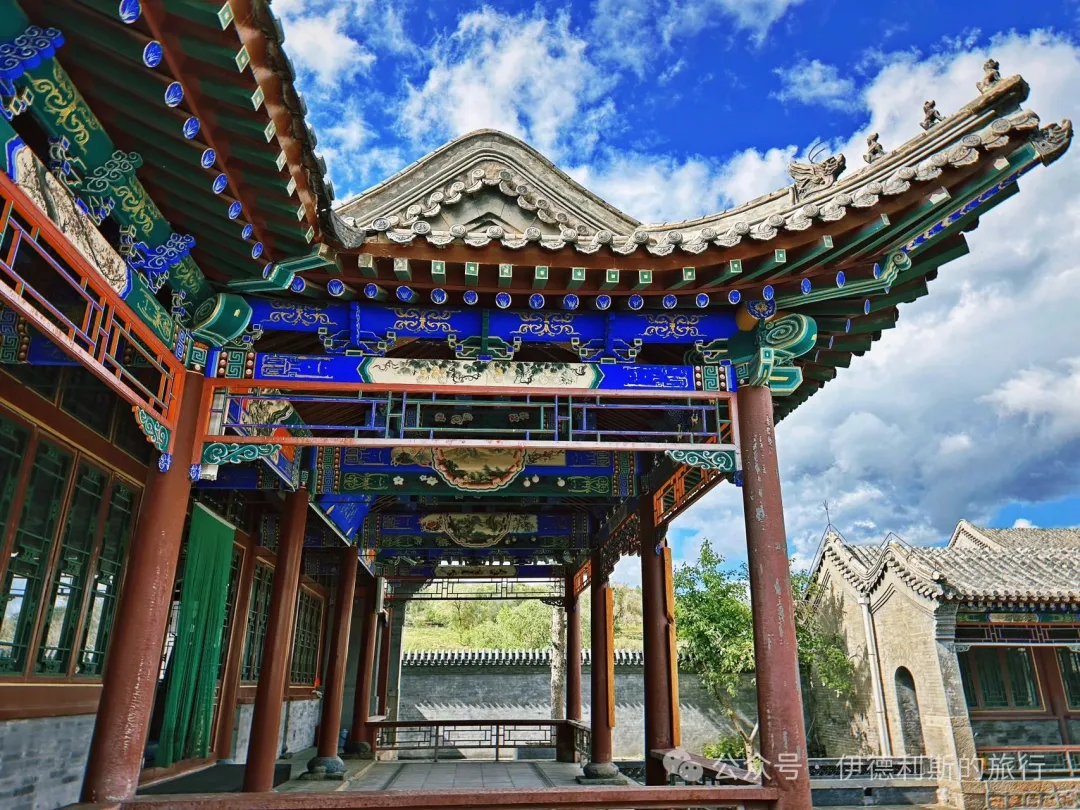
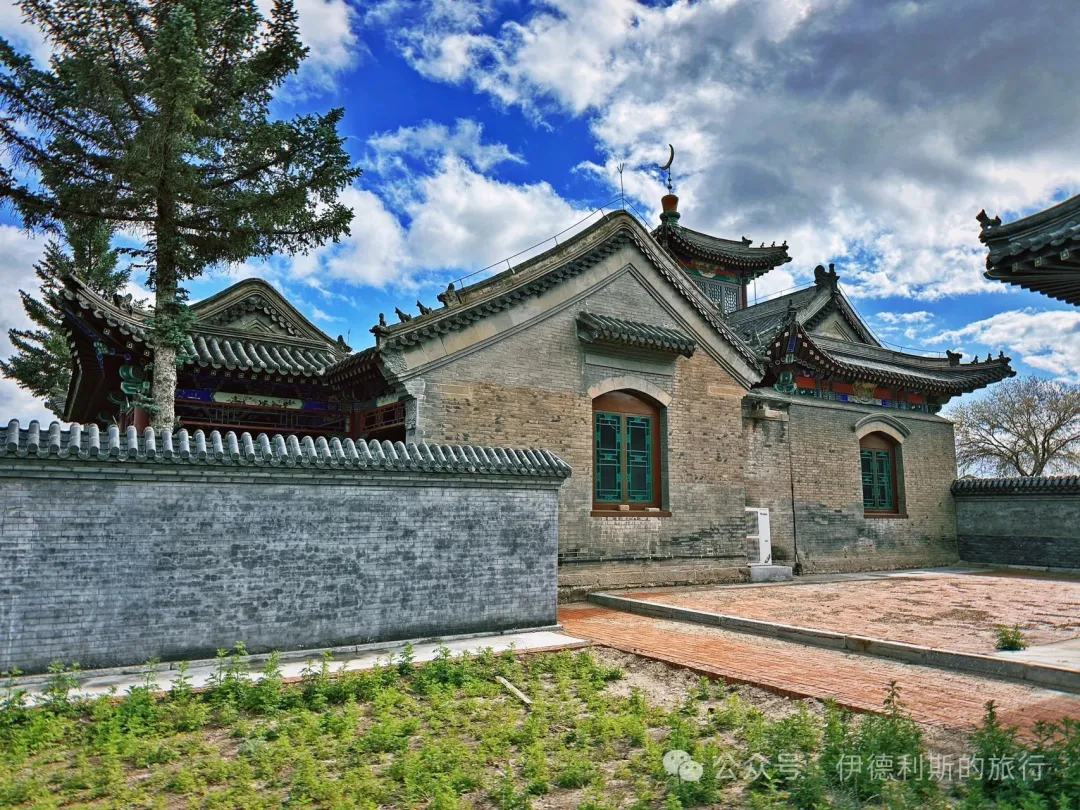
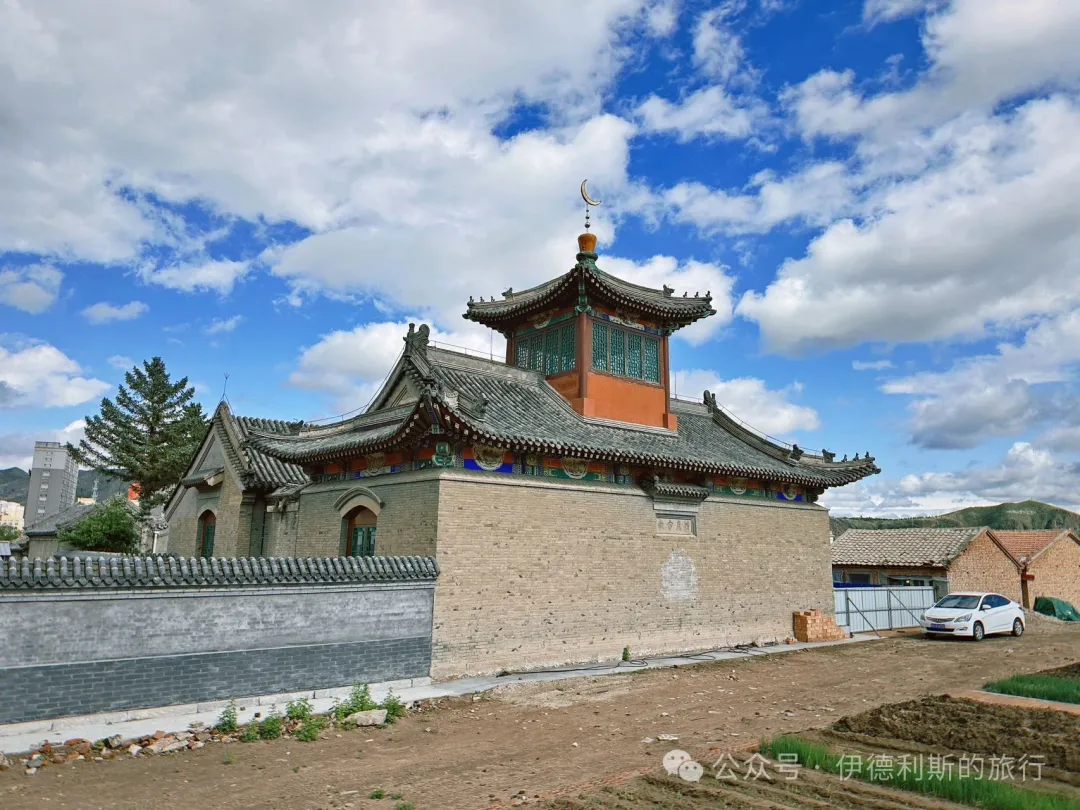
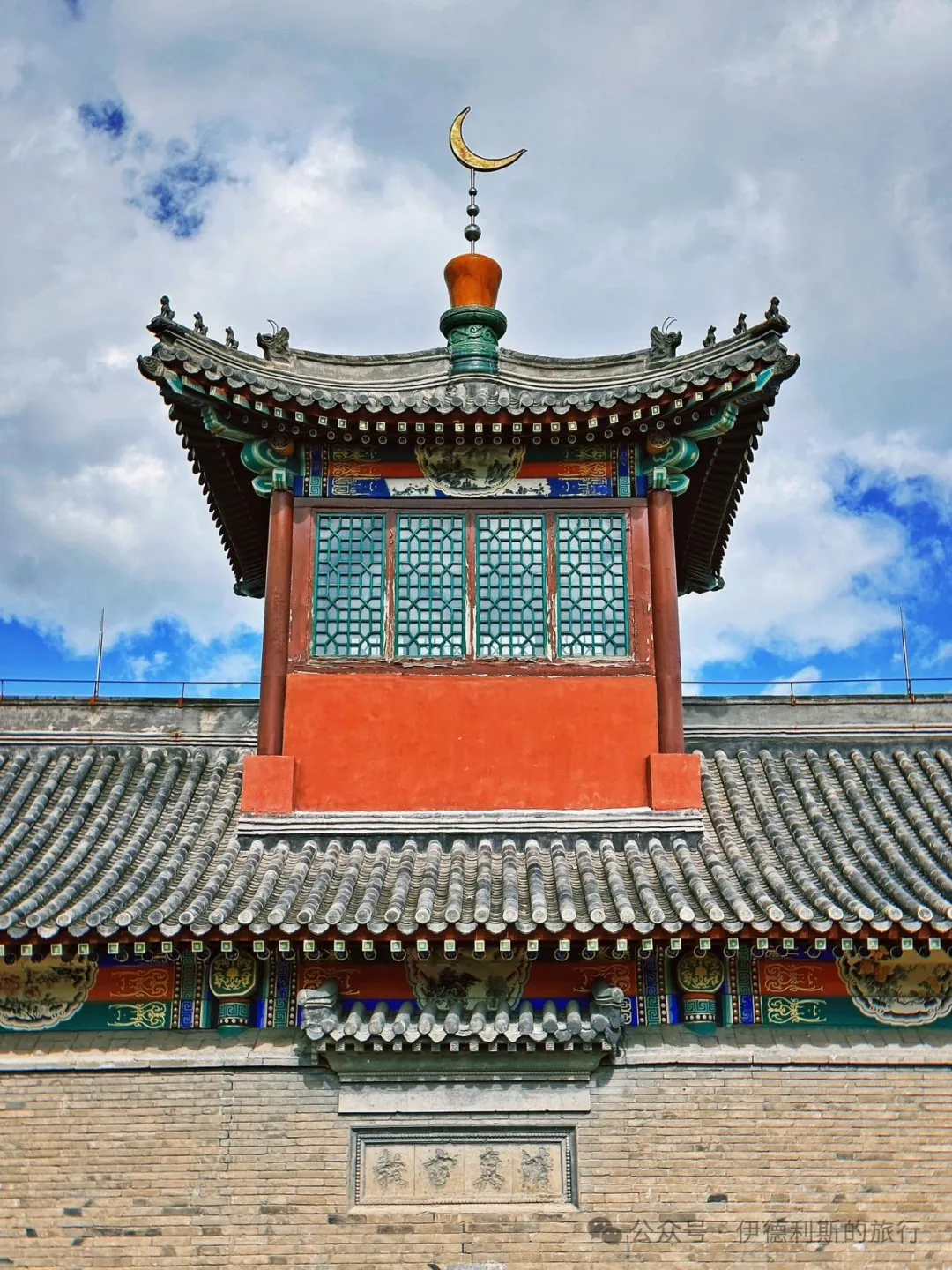
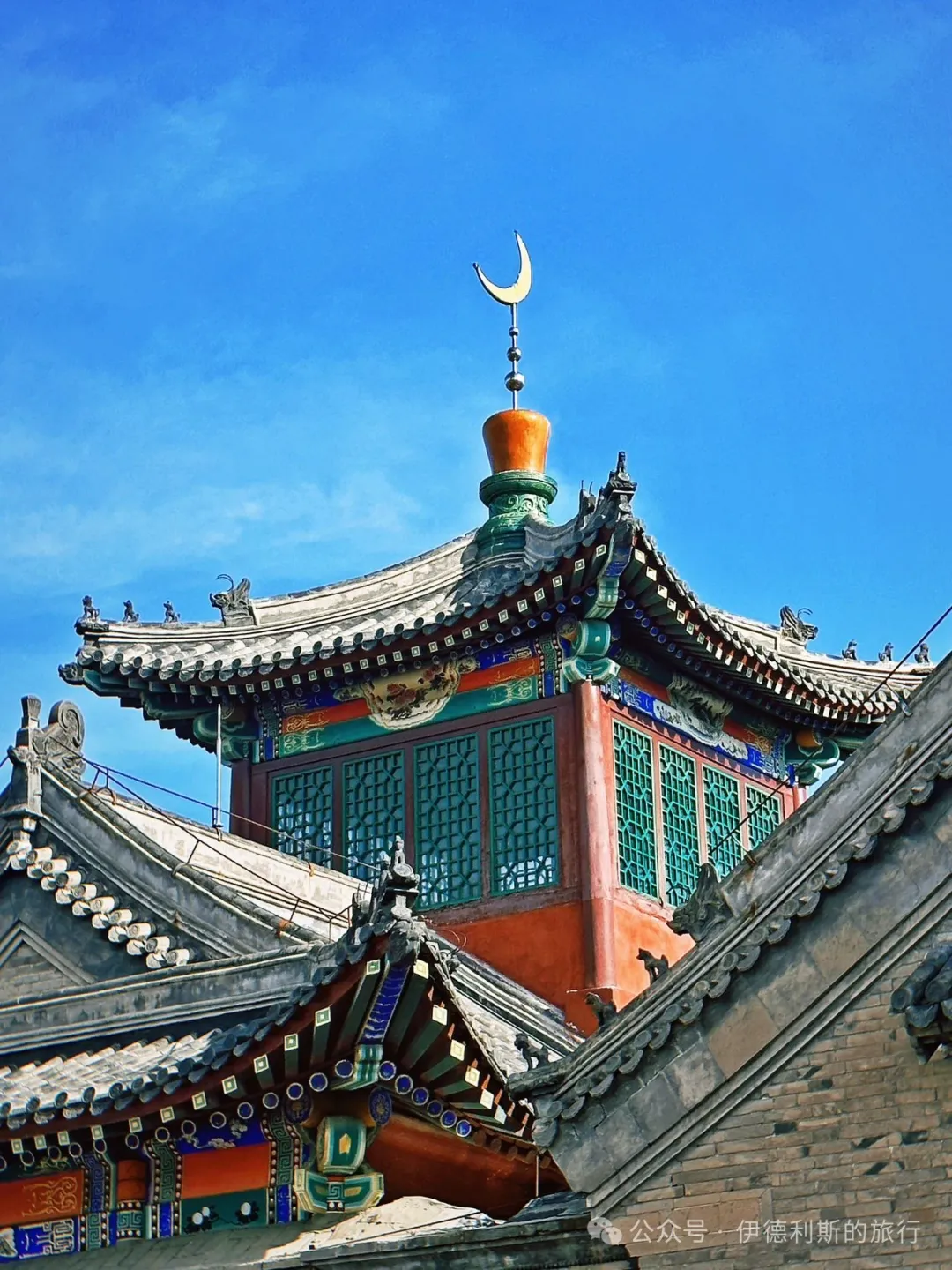
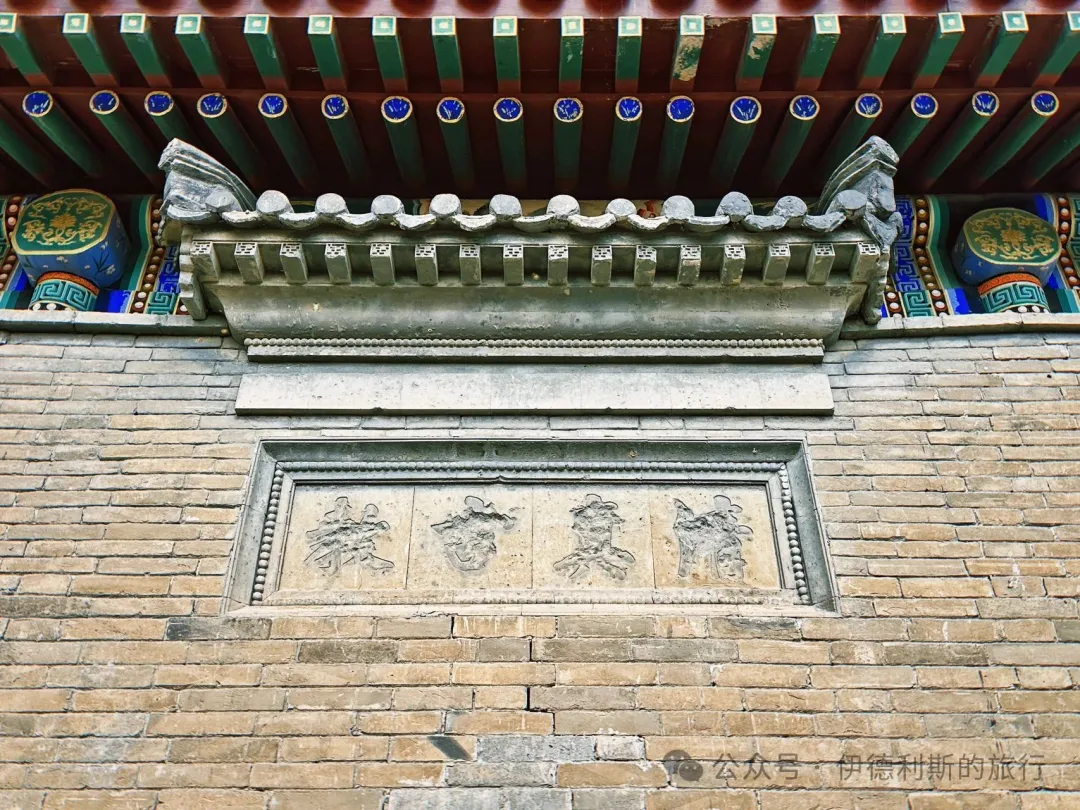
The north and south lecture halls and the main hall of the Jingpeng Mosque are all Qing Dynasty structures. The main hall consists of a porch, the main hall itself, and a rear kiln-style hall (yaodian) topped with a moon-watching tower (wangyuelou). The moon-watching tower was torn down in 1967 and rebuilt after 1981.
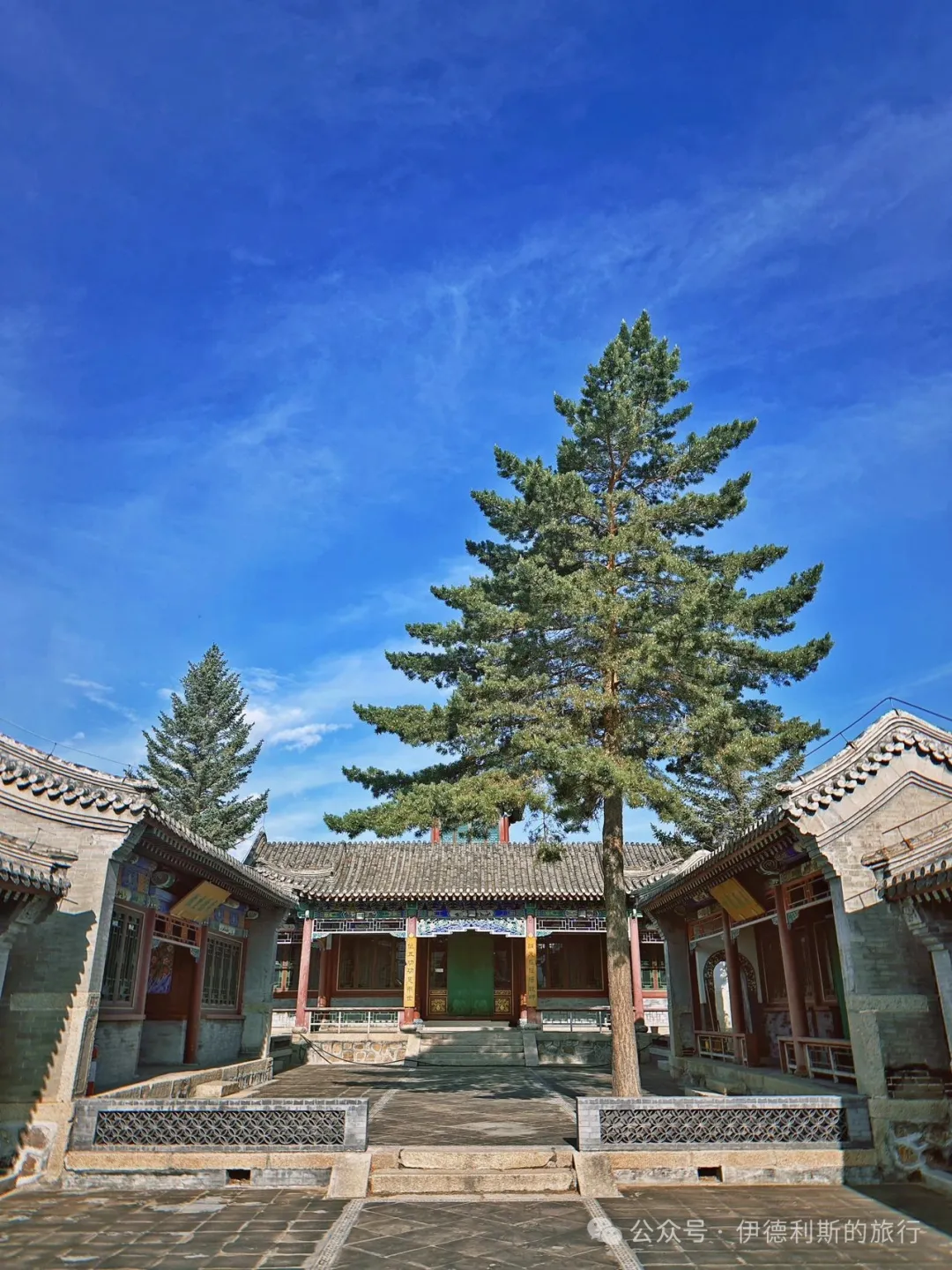
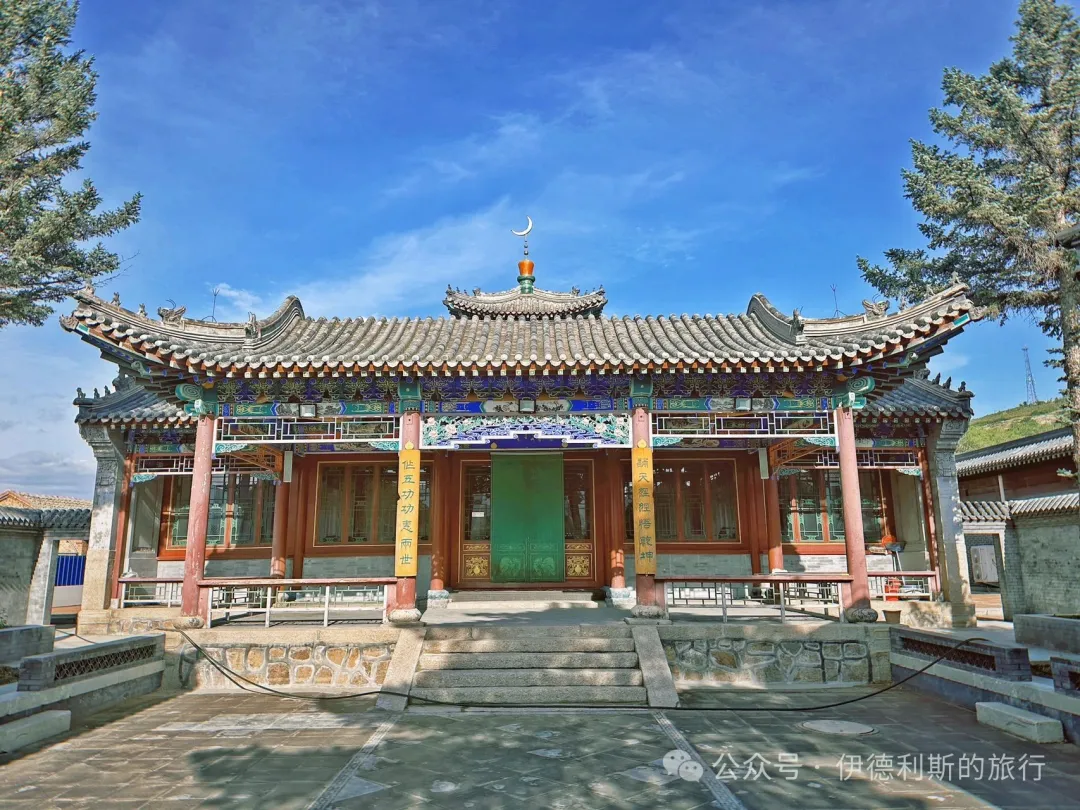
Duolun South Mosque (Duolun Nansi).
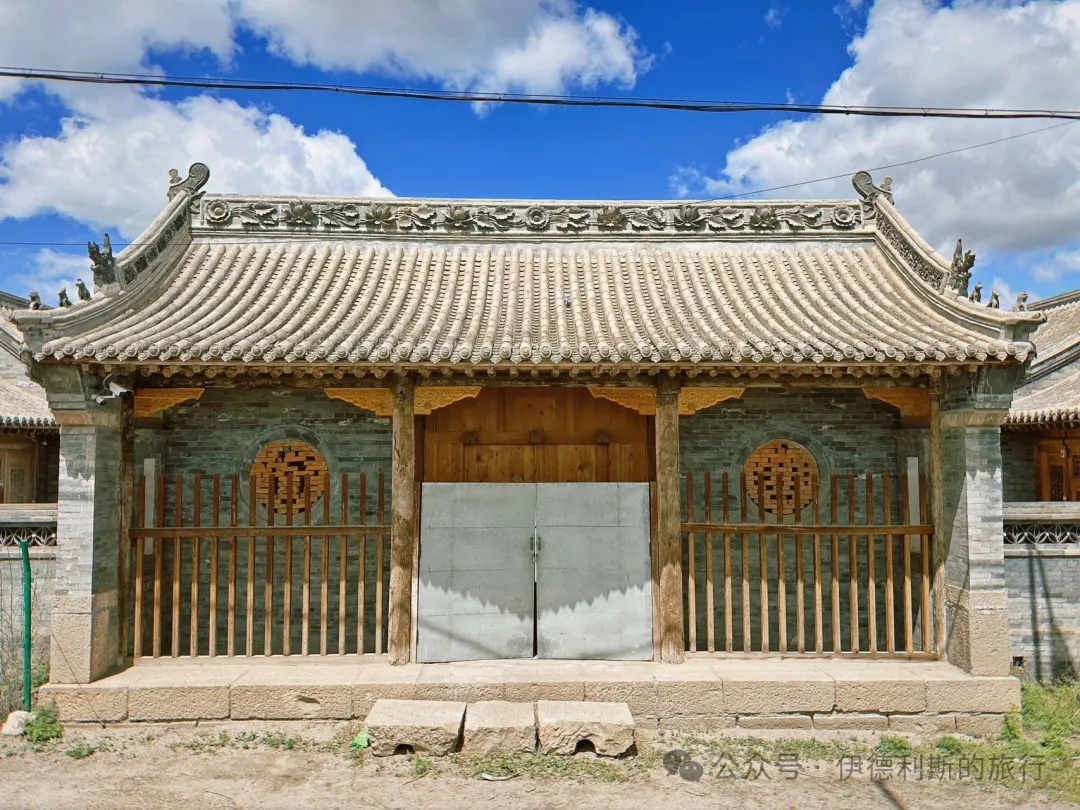
Duolun County is located at the southeastern end of Xilin Gol League and was once a political and economic center on the Mongolian grasslands during the Qing Dynasty. In 1691 (the 30th year of the Kangxi reign), Emperor Kangxi held the Duolun Alliance with the nobles of the three Outer Mongolian tribes and the forty-eight banners of Inner Mongolia, officially bringing Outer Mongolia into the Qing territory. Later, at the request of Mongolian nobles, Kangxi allowed inland merchants to open trade routes between China and the Mongolian grasslands, granting them official titles and favorable treatment. This caused merchants from Beijing, Tianjin, Hebei, Shanxi, Shandong, and Shaanxi to flock there, quickly turning Duolun into a commercial hub for Mongolian trade. In 1710 (the 49th year of the Kangxi reign), Xinghua Town was officially established in Duolun. In 1741 (the sixth year of the Qianlong reign), Xinshengying was built north of Xinghua Town, forming the layout of the old city of Duolun.
After the city of Duolun was established, Hui Muslims from Hebei, Shandong, Shanxi, and Henan traveled through Zhangjiakou to trade on the grasslands, moving back and forth between the Mongolian plains and inland China. In his book 'Records of Dolon Nor' published in 1908, the late Qing Japanese scholar Jian Hongsheng recorded that the Hui Muslim population in Duolun had already reached 3,000.
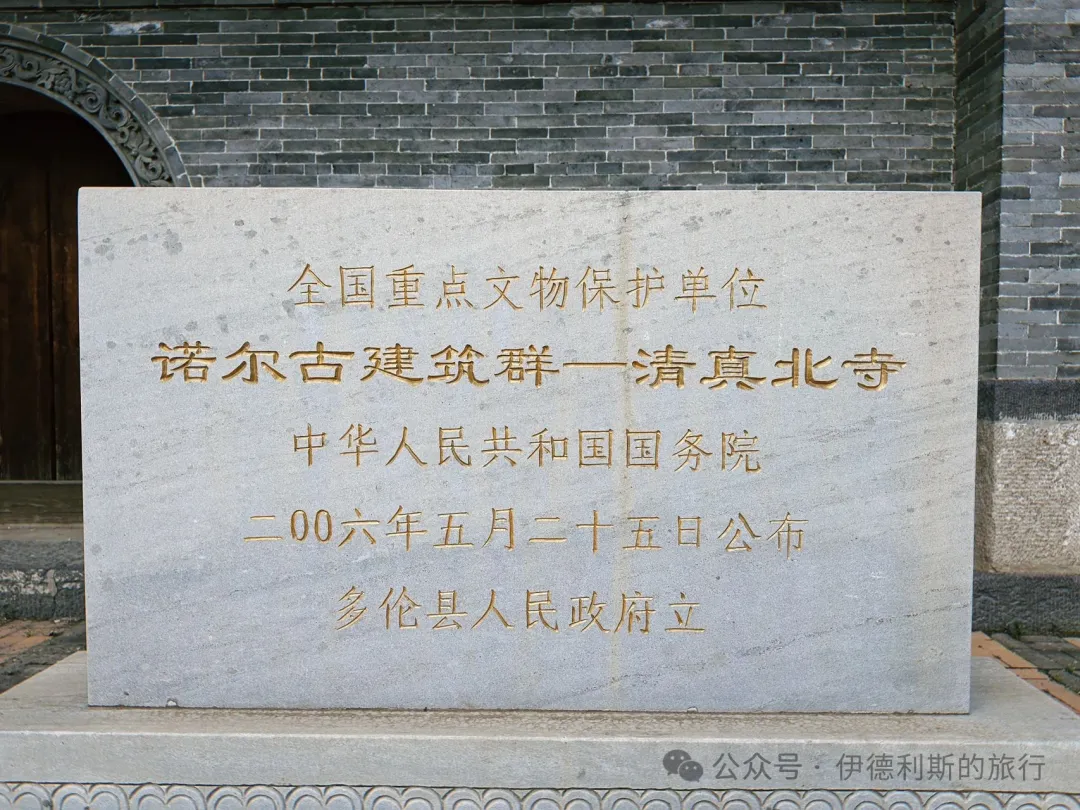
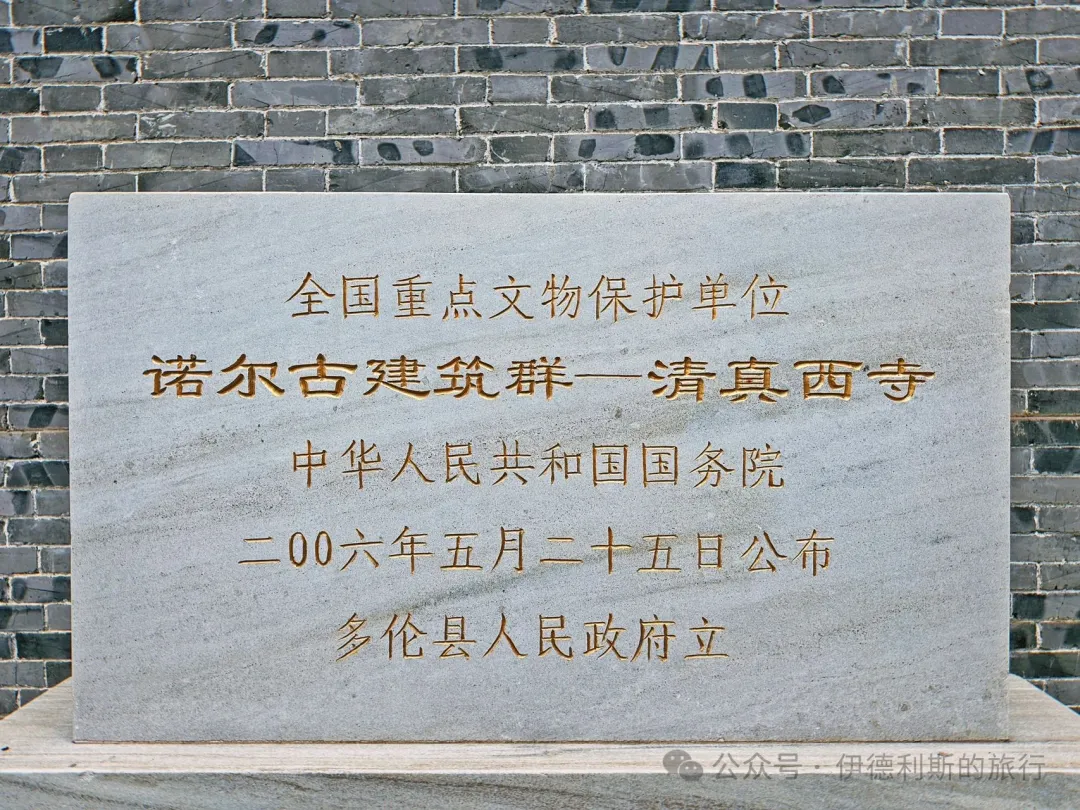
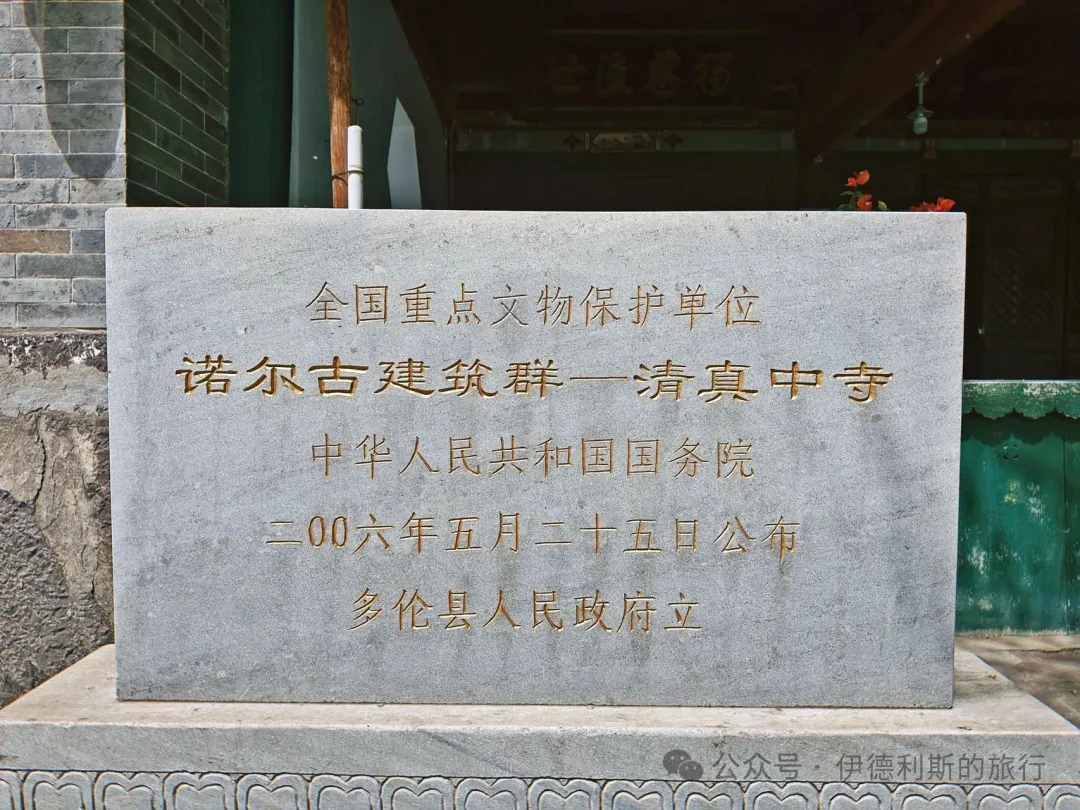
The Hui Muslims of Duolun built six mosques: the South Mosque, North Mosque, East Mosque, West Mosque, Central Mosque, and Da'erhao Mosque. The Da'erhao Mosque was transferred to Guyuan County in 1950, and the East Mosque was demolished in the 1960s. Today, the old city still preserves the South, North, East, and West mosques. In 2006, they were collectively listed as a national-level cultural relic protection site under the name 'Duolun Ancient Architectural Complex'.
The South Mosque is the first mosque in Duolun, located on Taiping Street in the old city. It was first built during the Yongzheng reign, and in 1761 (the 26th year of the Qianlong reign), Hui Muslim merchants Mo Tianming and Ma Guifang initiated an expansion to create the current structure. In July 1933, after the anti-Japanese hero General Ji Hongchang recaptured Duolun, the Hui Muslims of Duolun hosted a banquet for him at the South Mosque. The South Mosque is currently closed and not open for visitors.
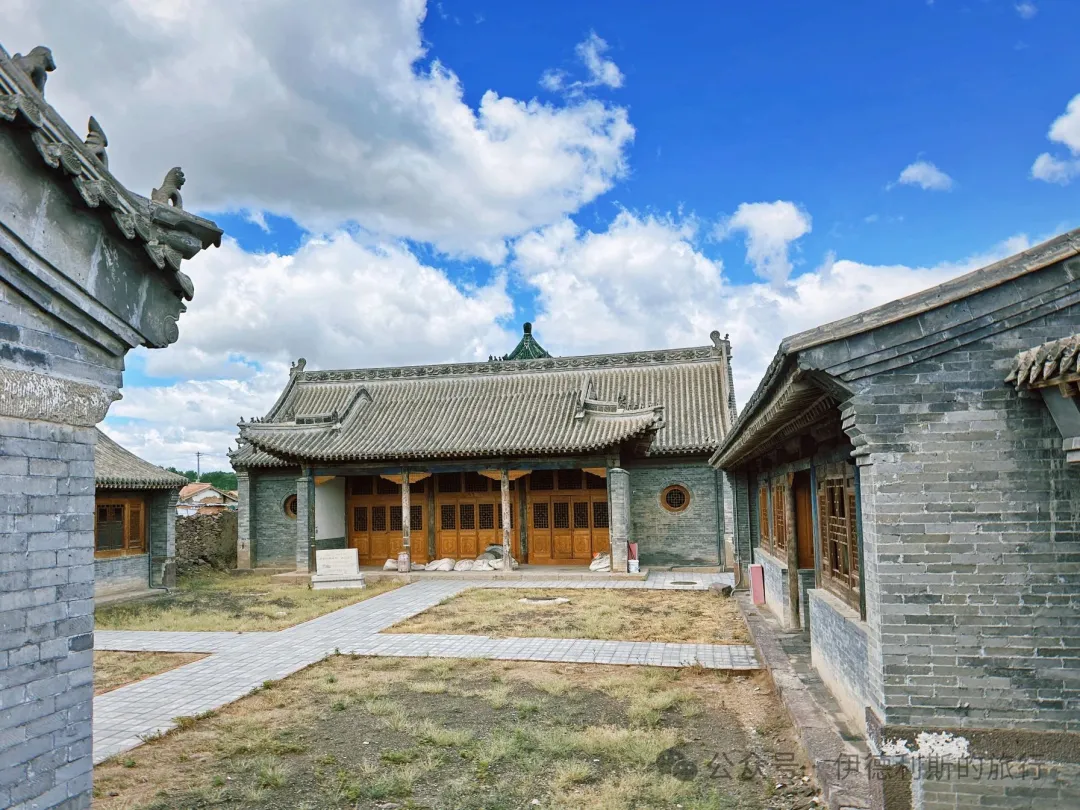
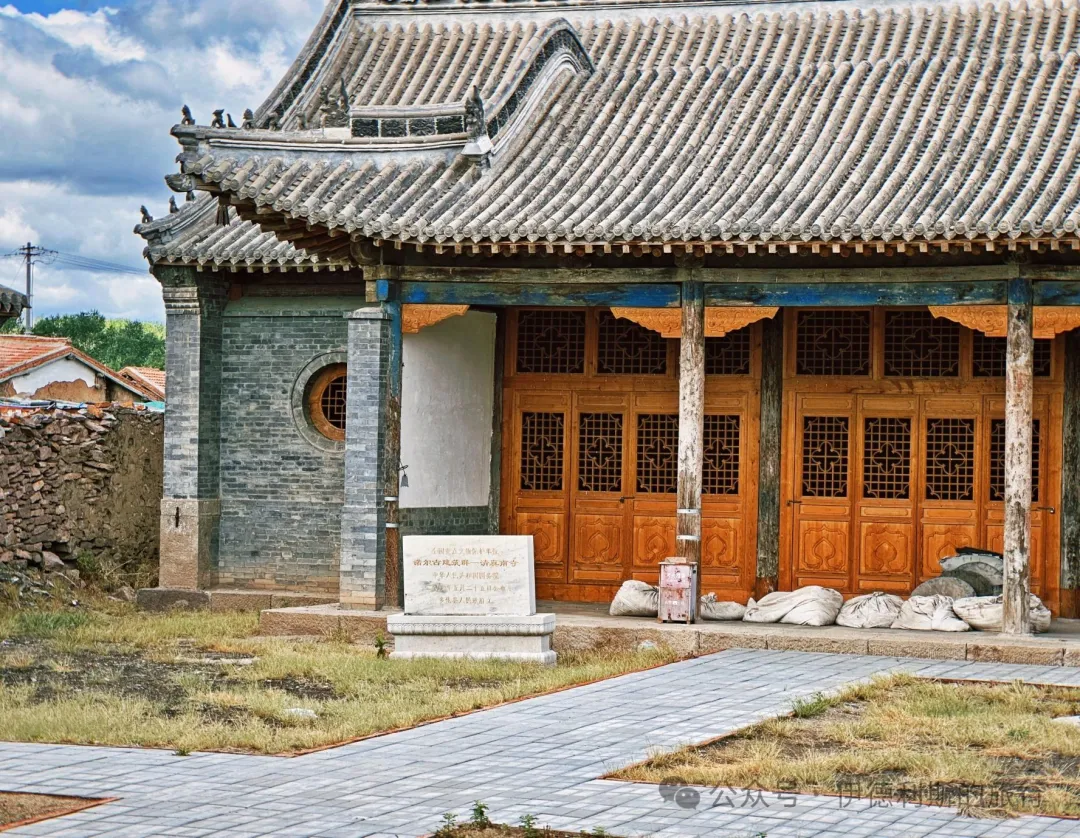
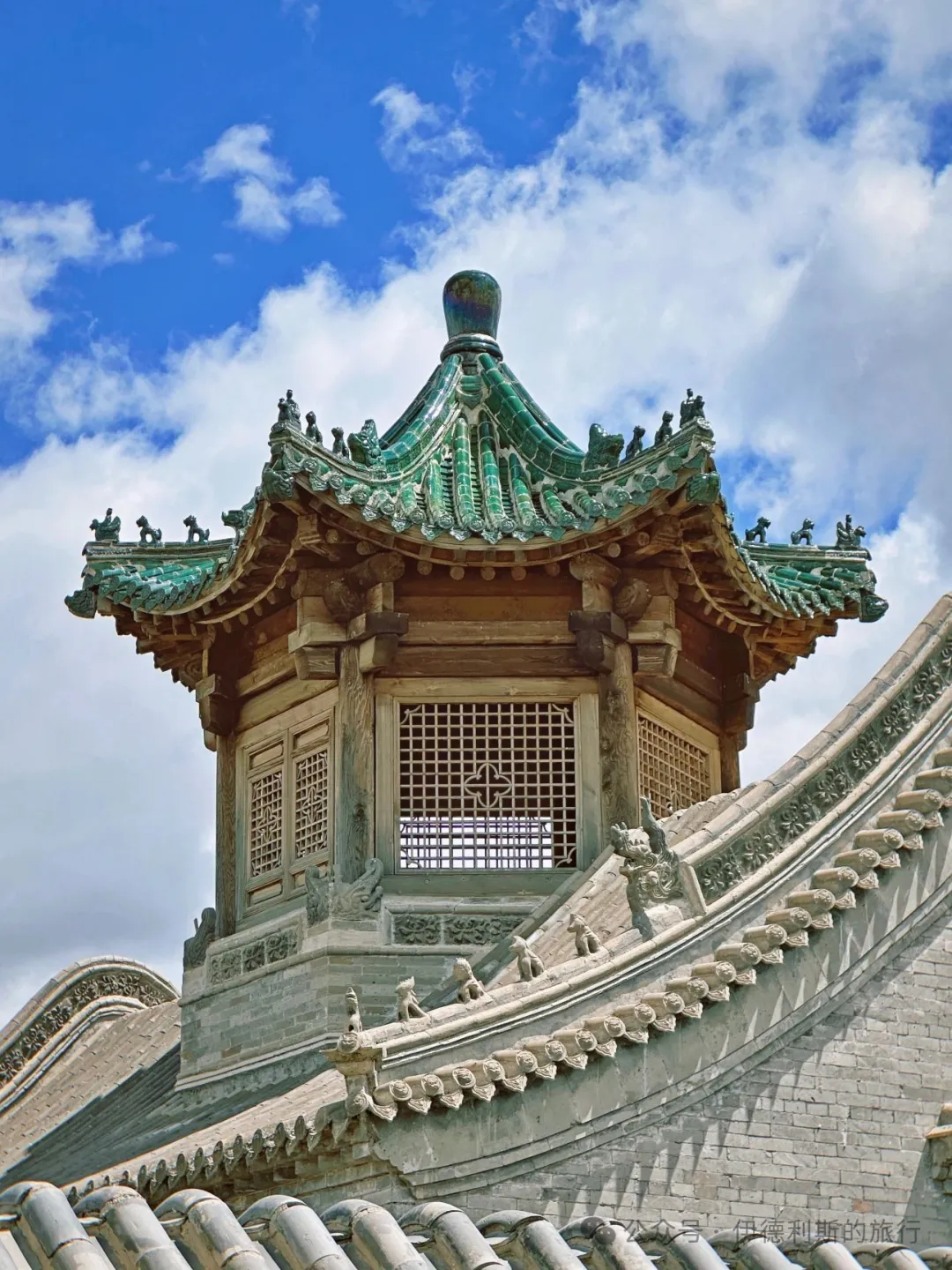
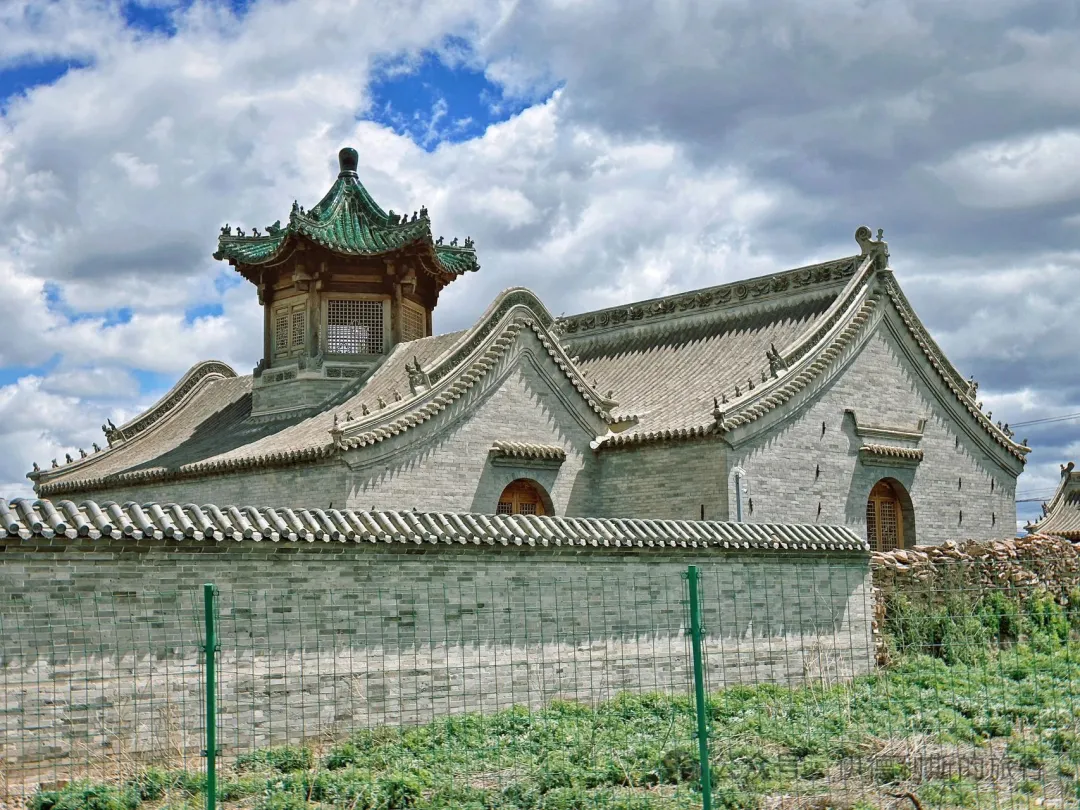
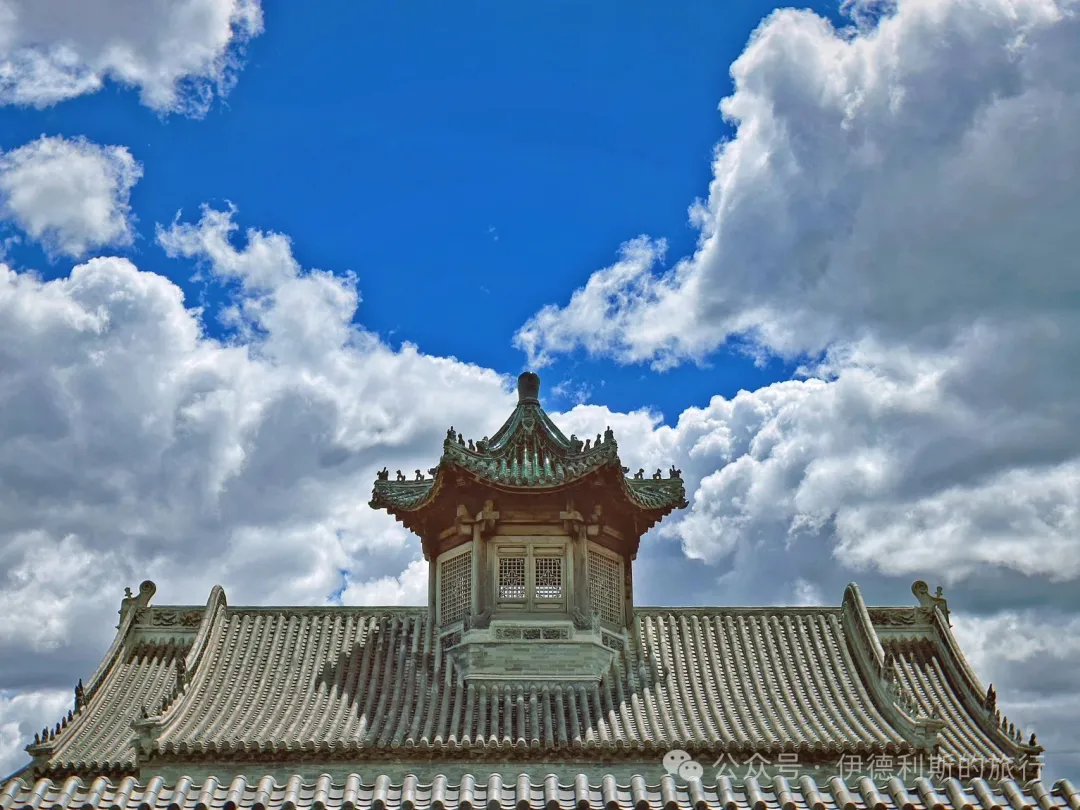
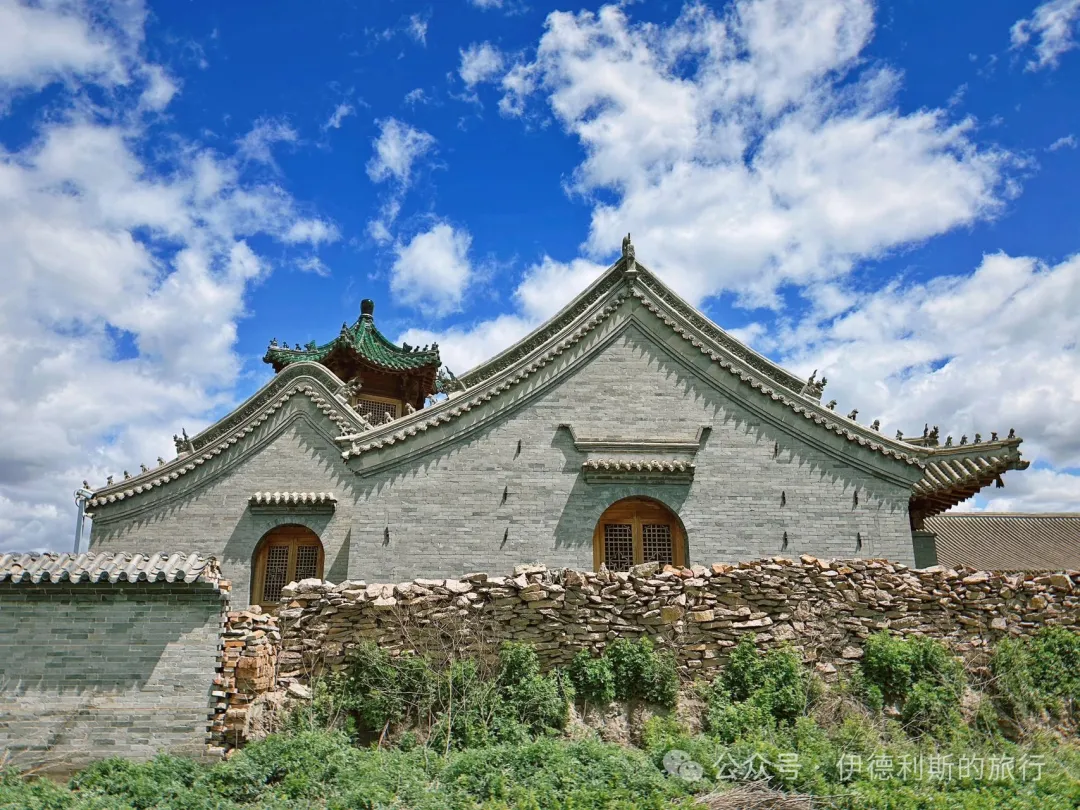
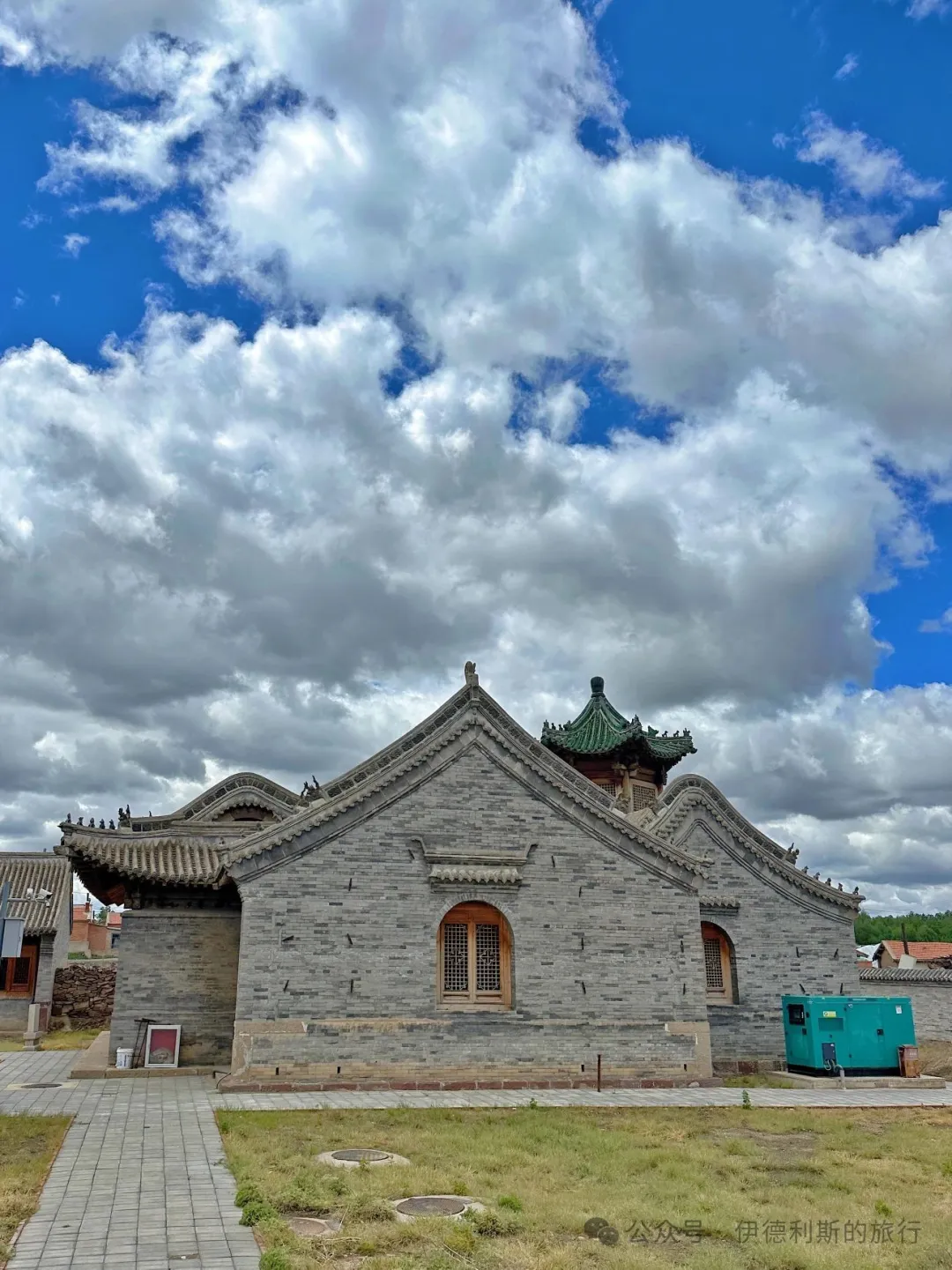
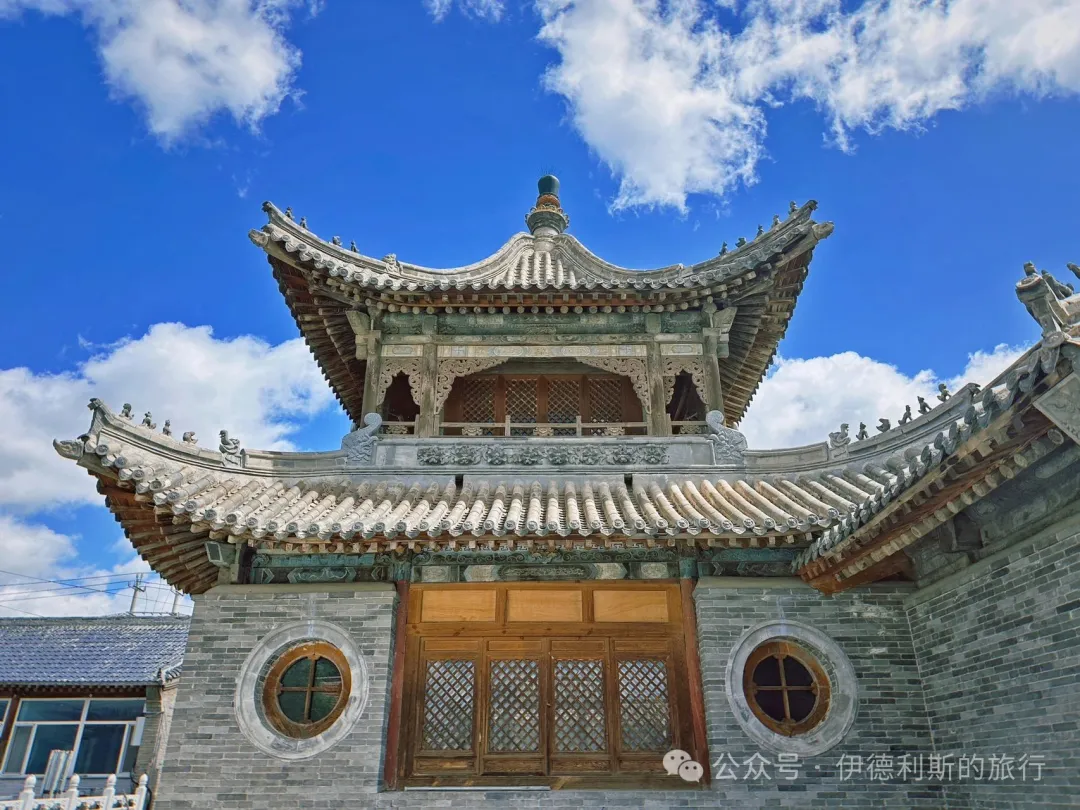
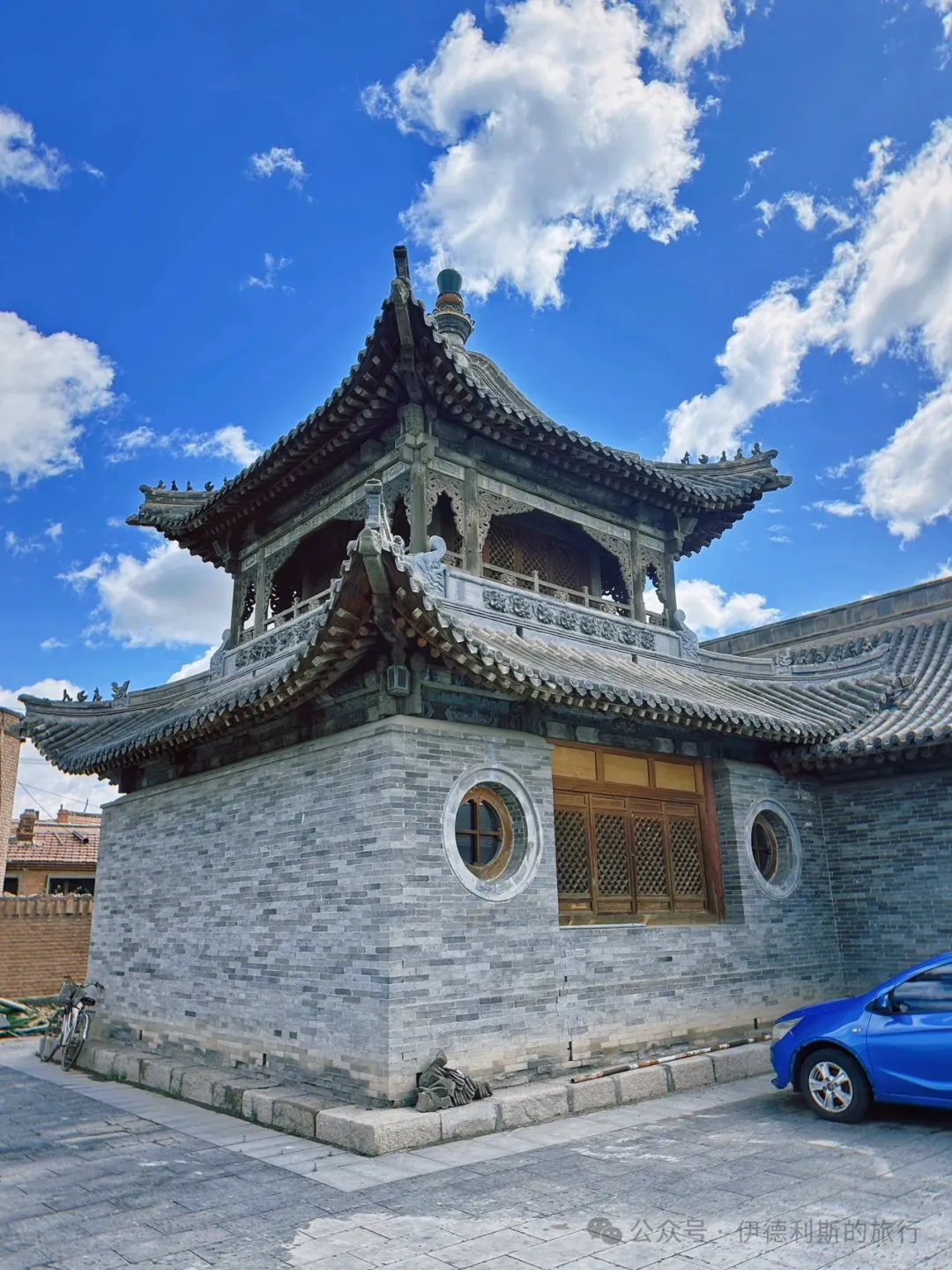
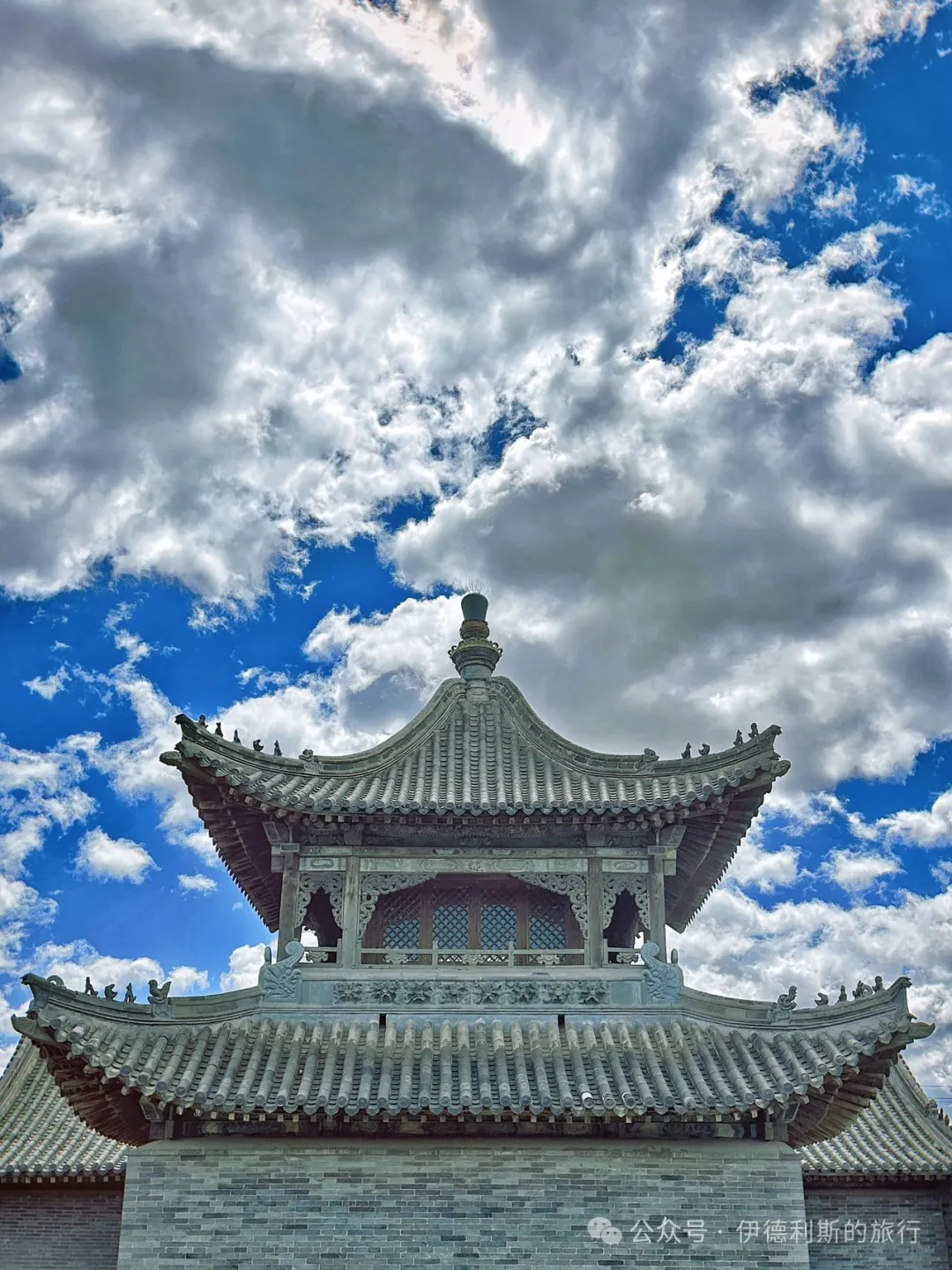
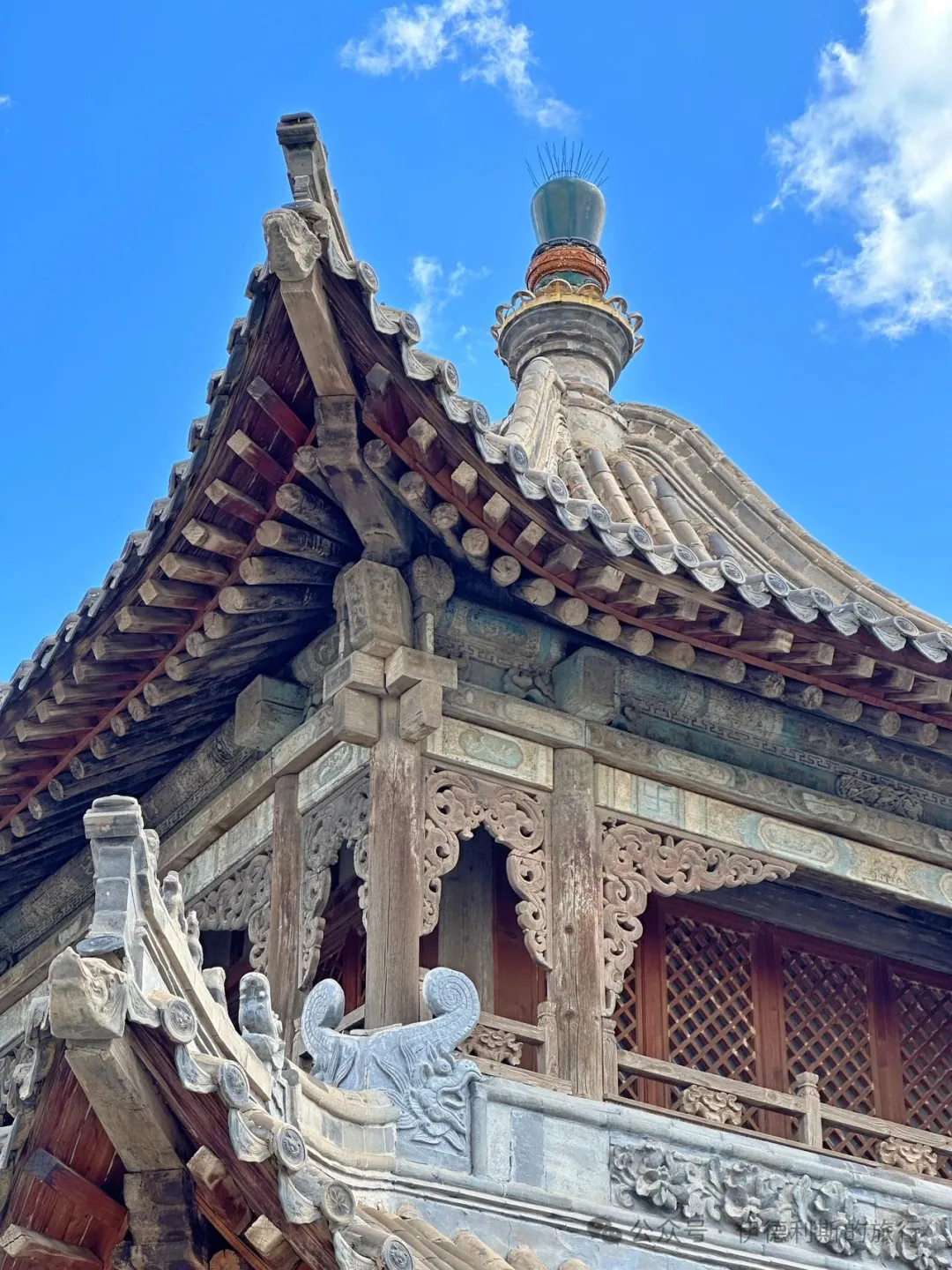
Duolun North Mosque
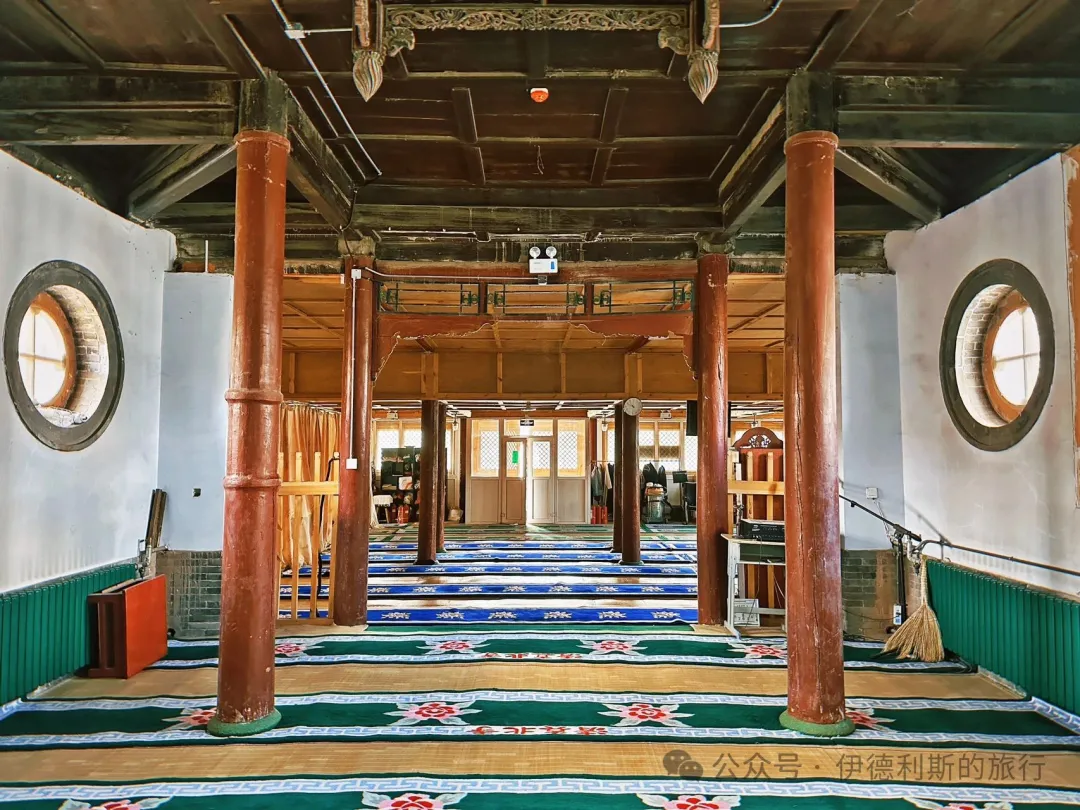
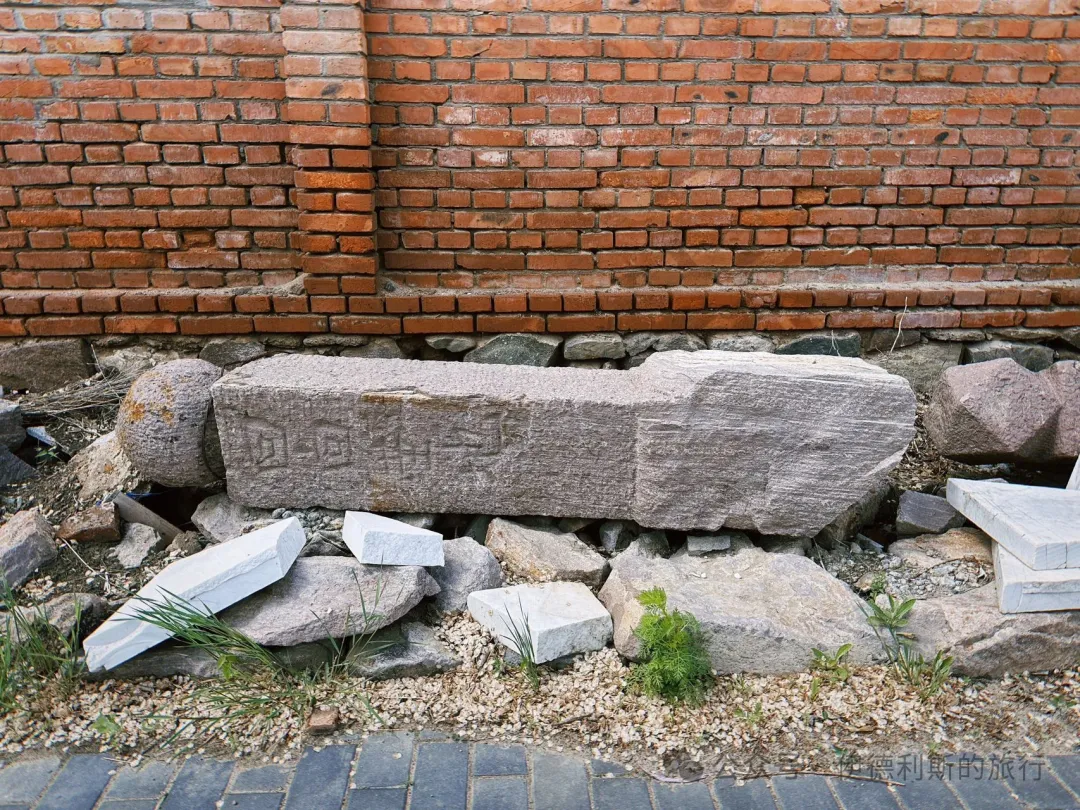
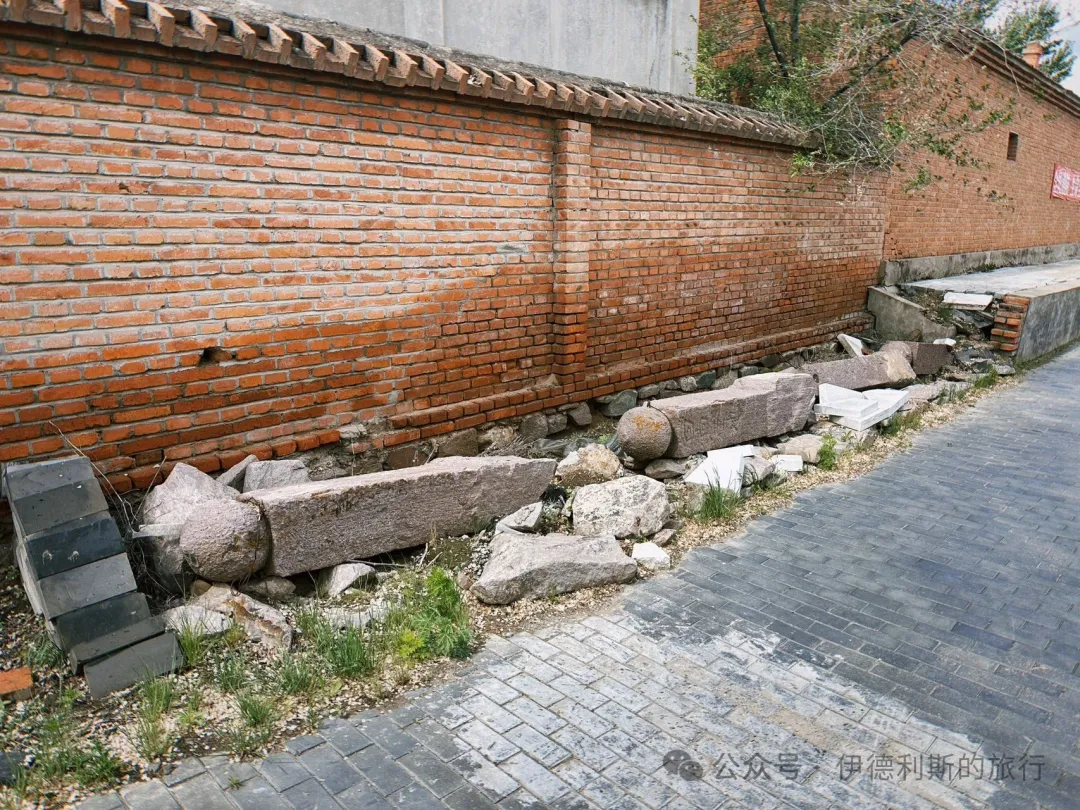
The North Mosque is located on Erdao Street in the old city. It was built in 1798 (the third year of the Jiaqing reign) with funds donated by Hui Muslim merchants from the cattle, horse, and camel trade. It later became the largest mosque (masjid) in the city. In July 1933, after the anti-Japanese hero General Ji Hongchang recaptured Duolun, he stayed at the North Mosque for a short time. Today, the North Mosque is active and holds regular services.
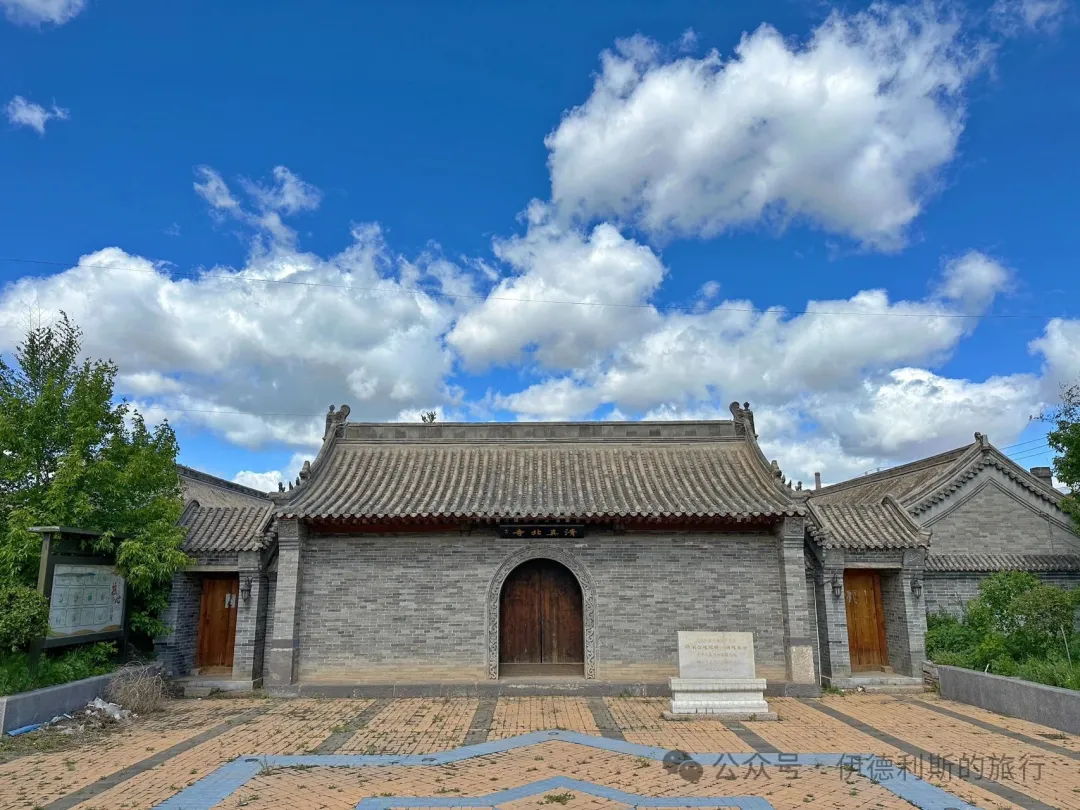
Duolun West Mosque
During the Tongzhi reign, some Hui Muslims from Shaanxi, Ningxia, and Gansu moved to Duolun to settle down. Since then, Hui Muslims from North China have been called "Kouli people," while those from the Northwest have been called "Westerners."
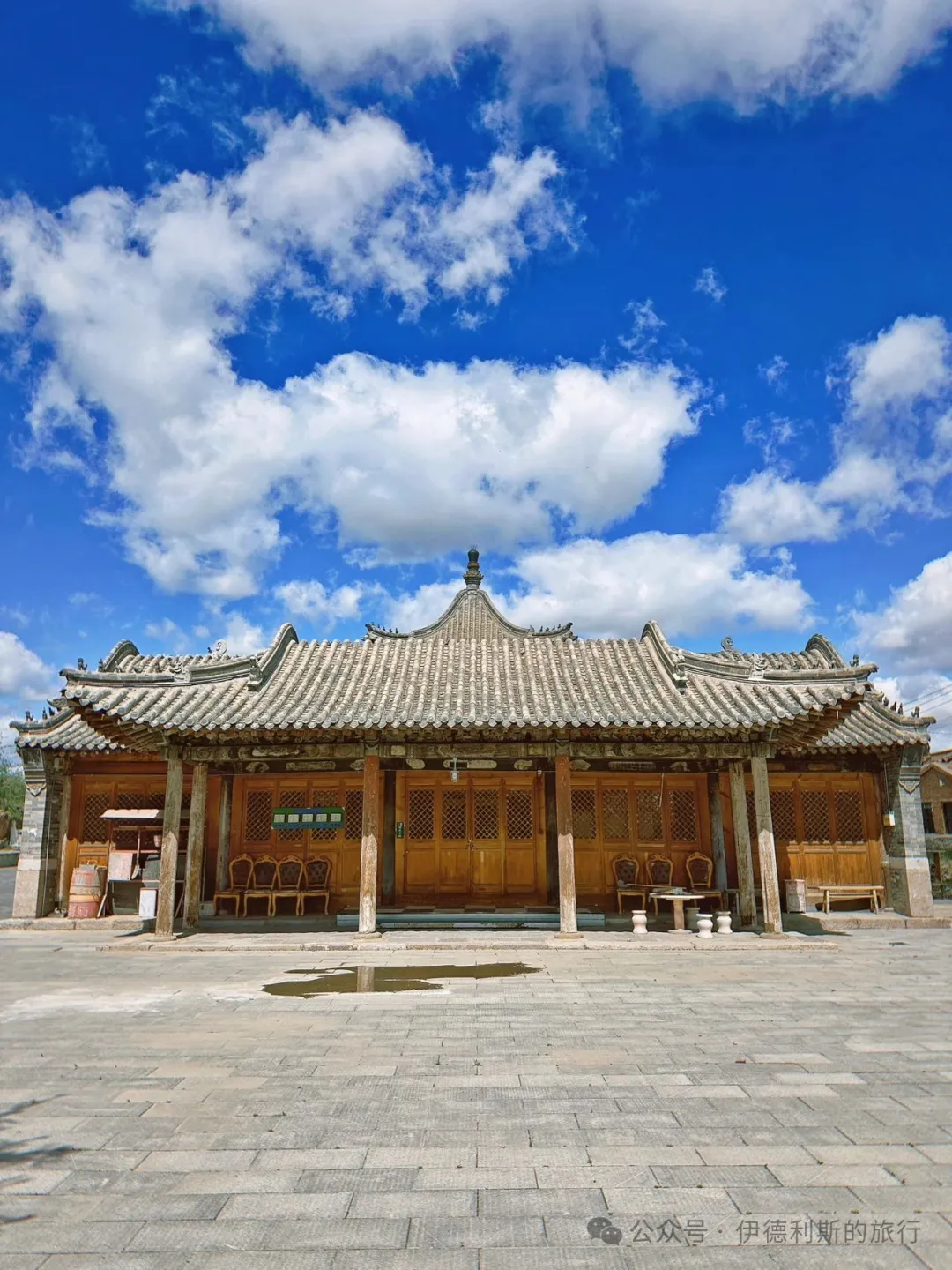
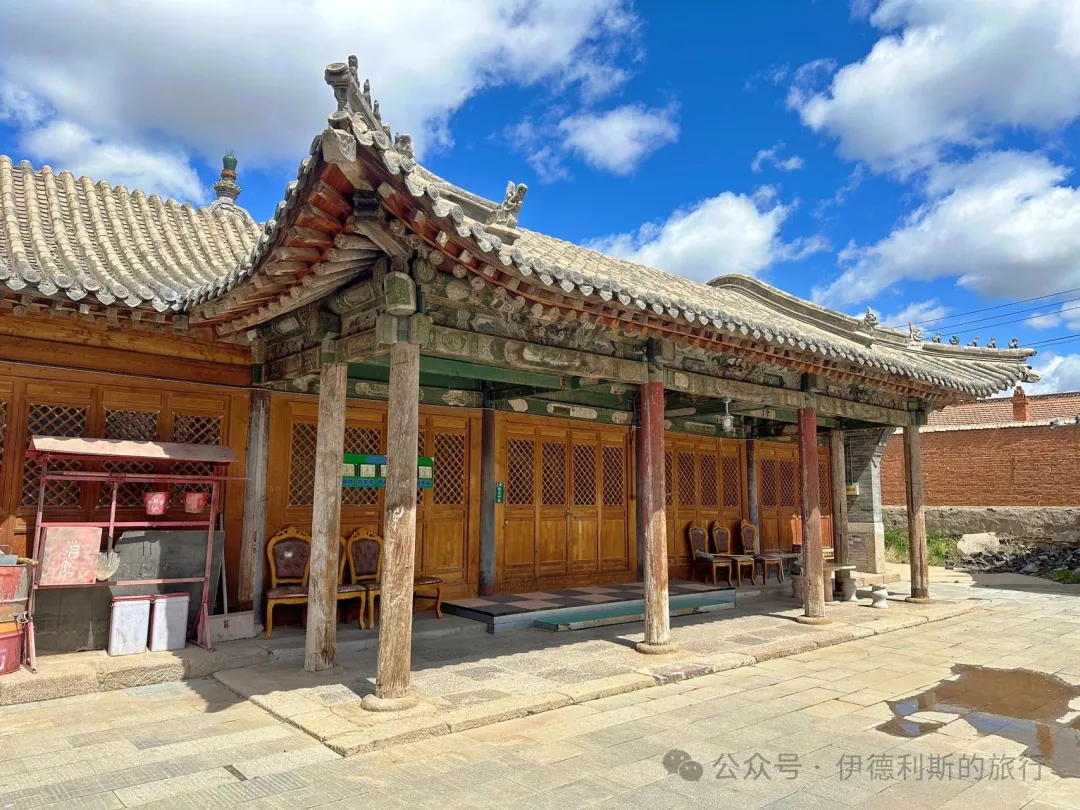
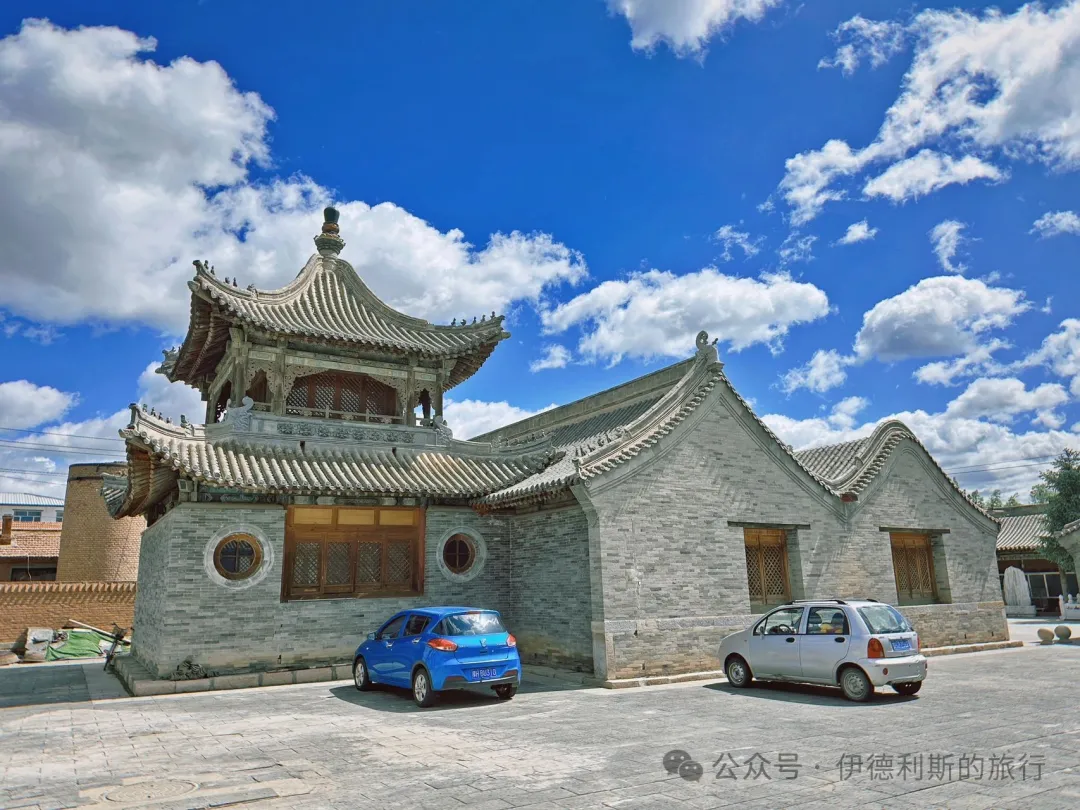
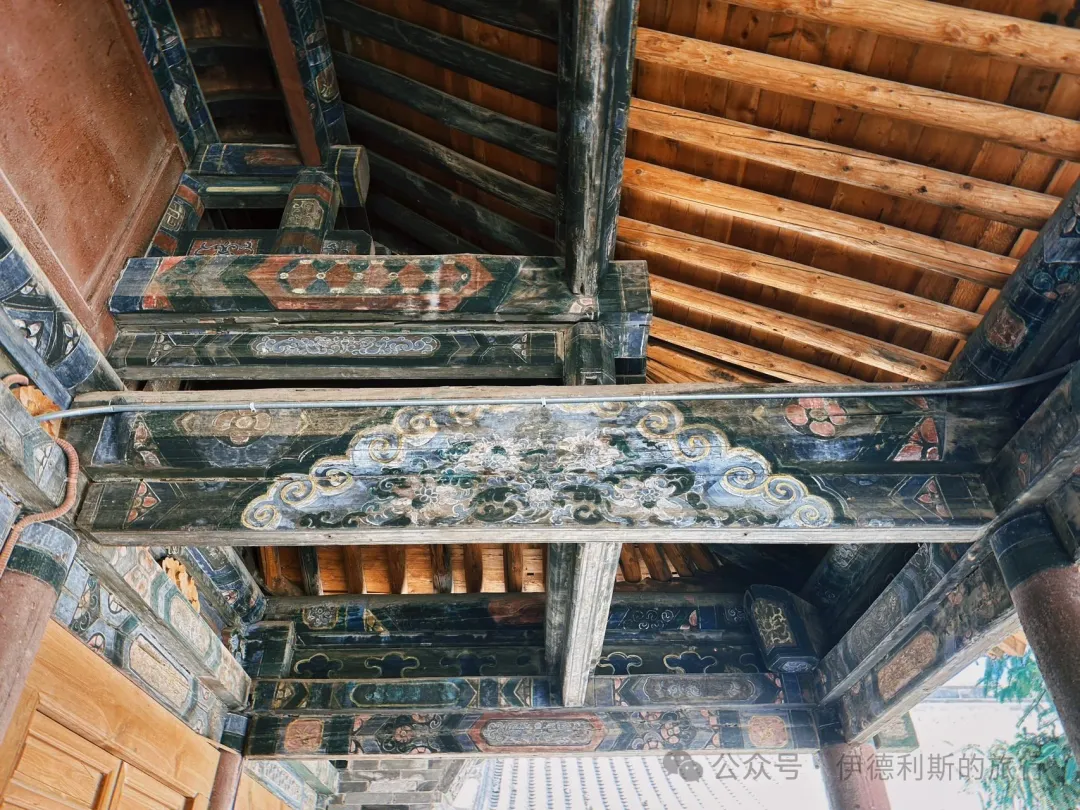
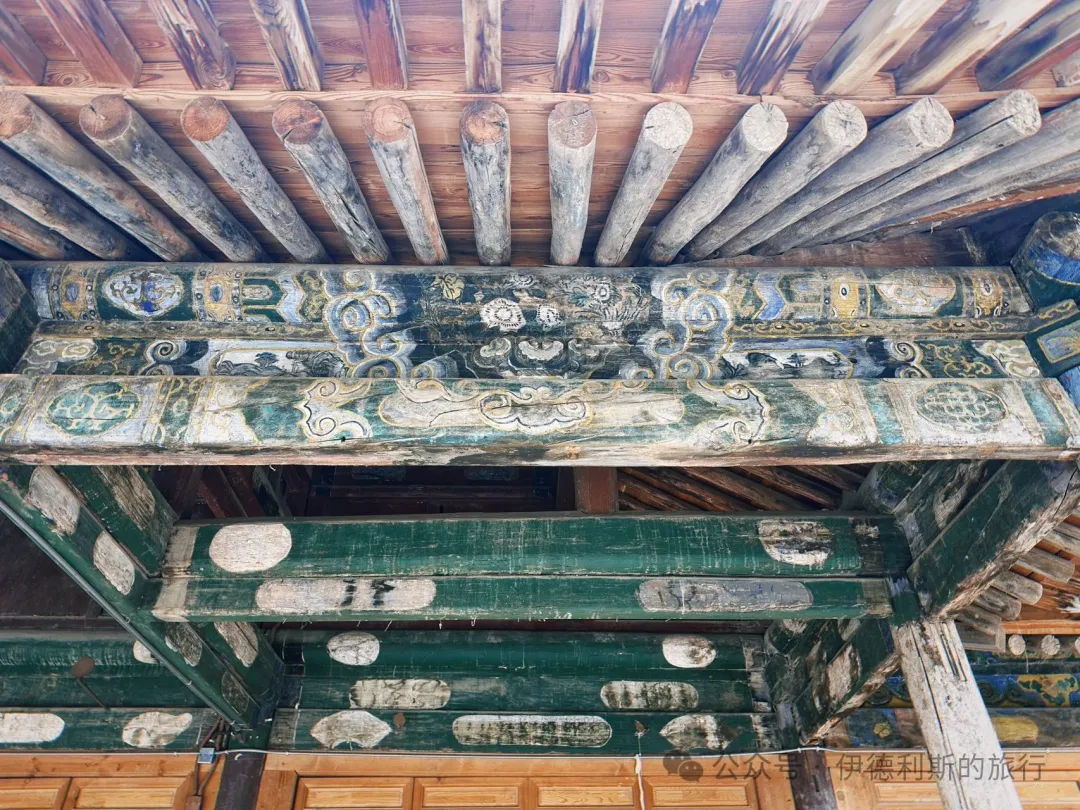
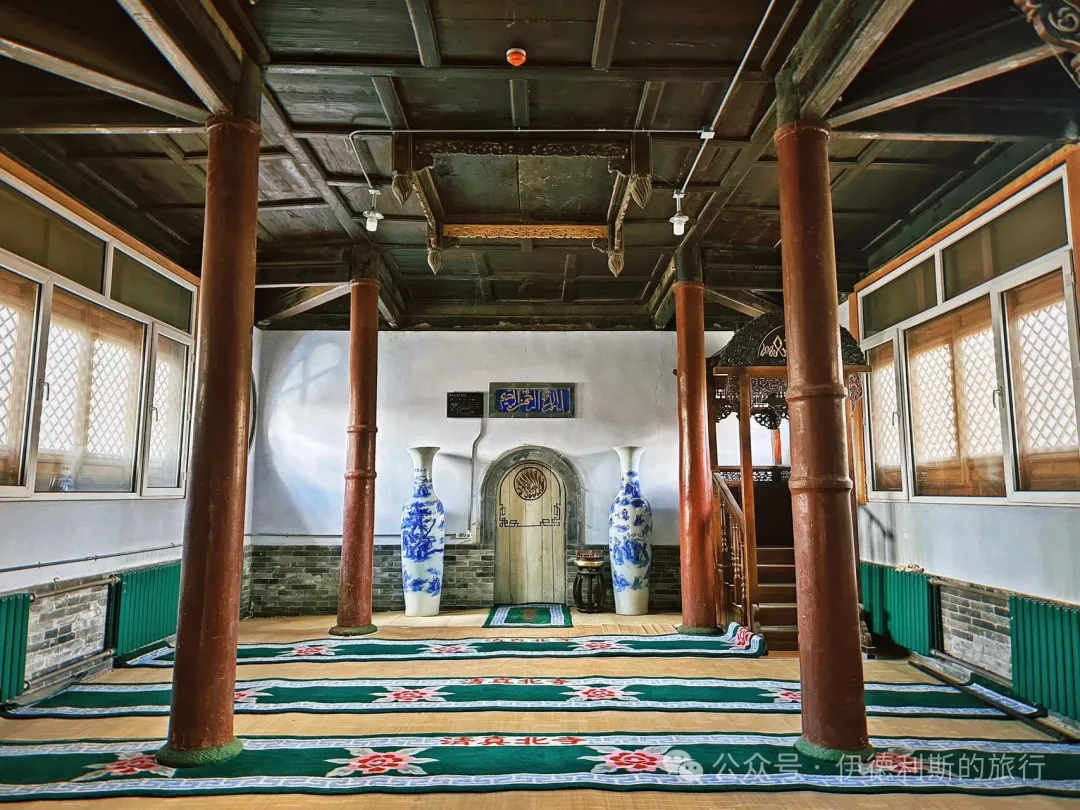
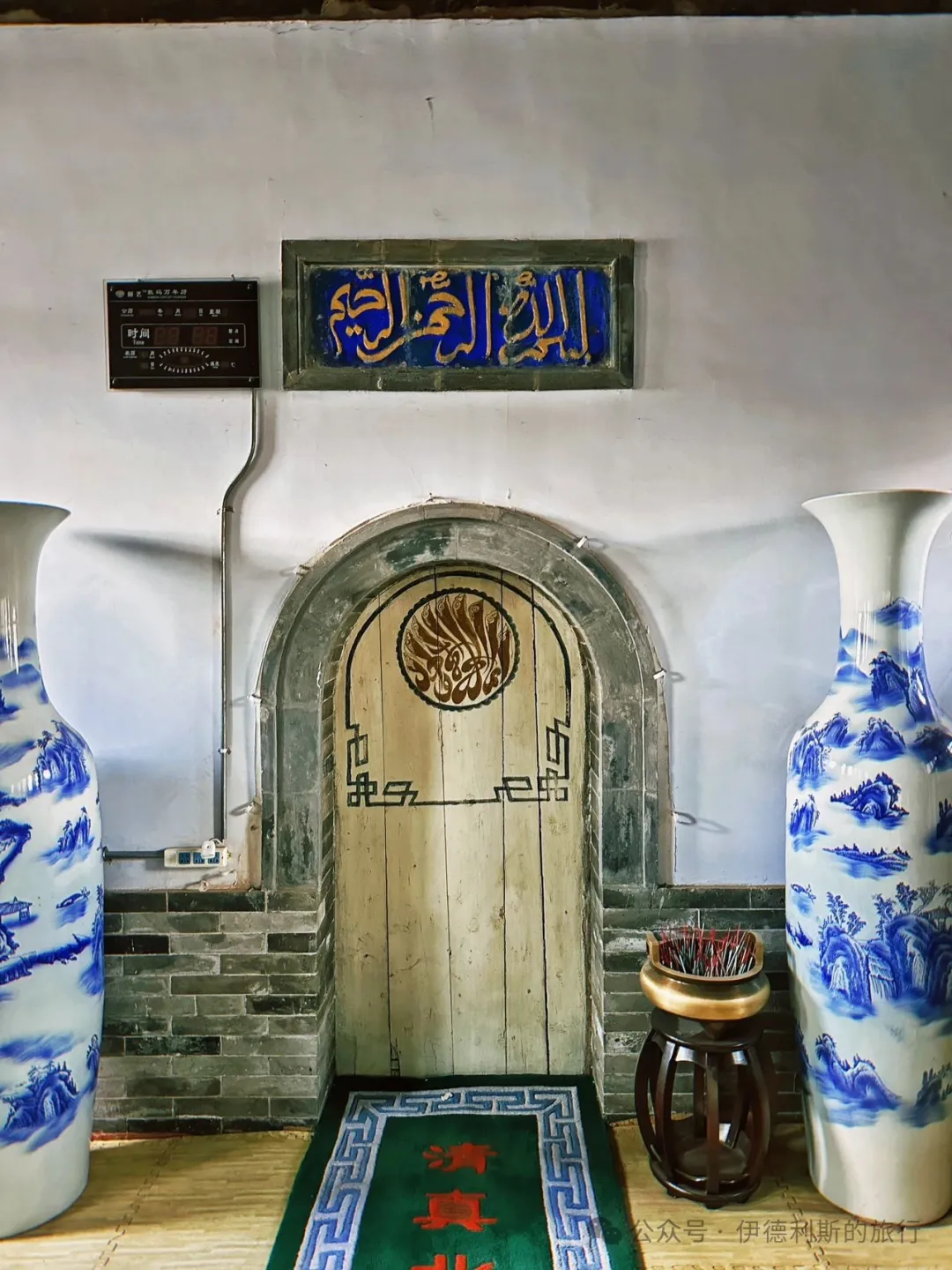
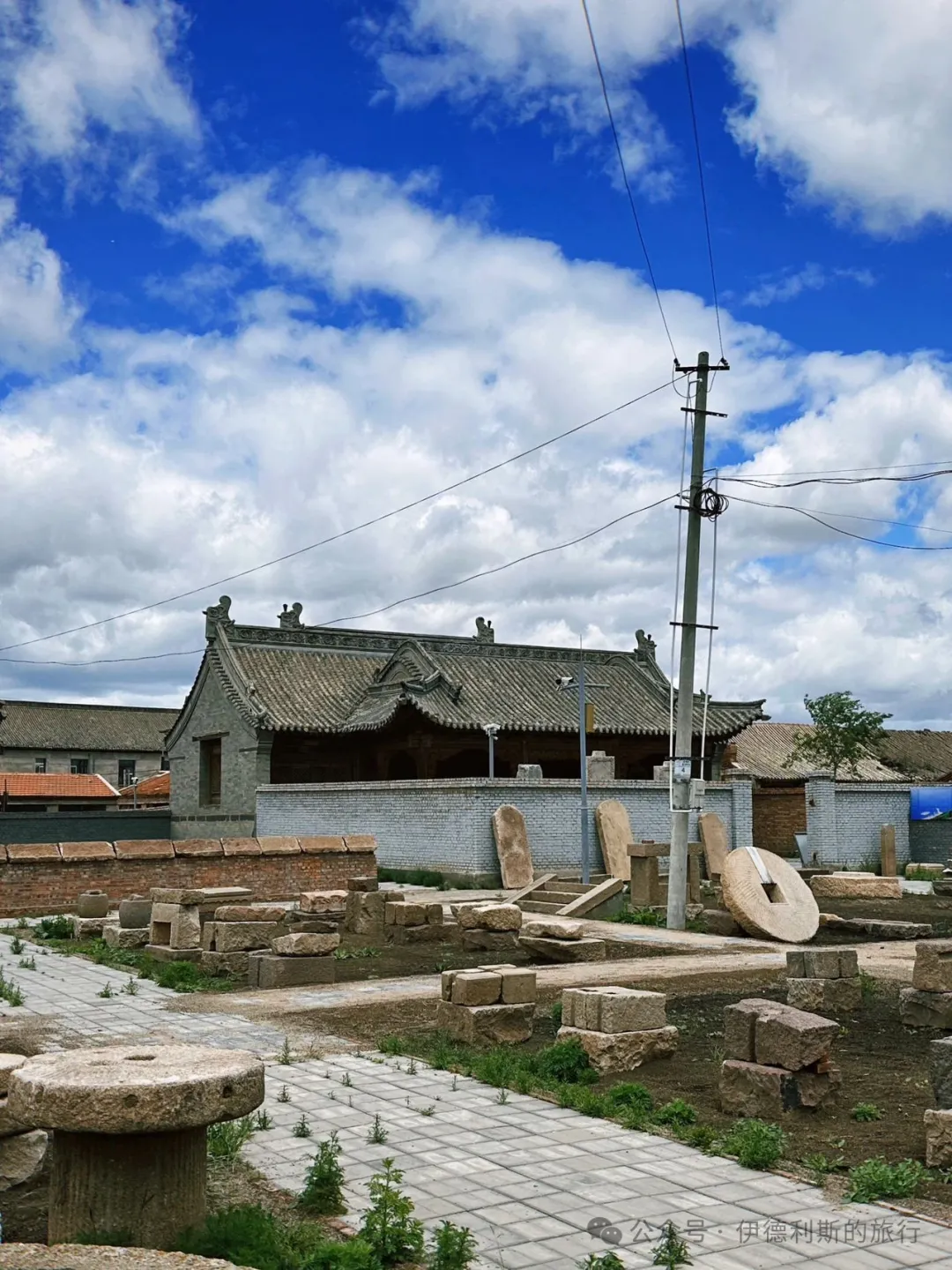
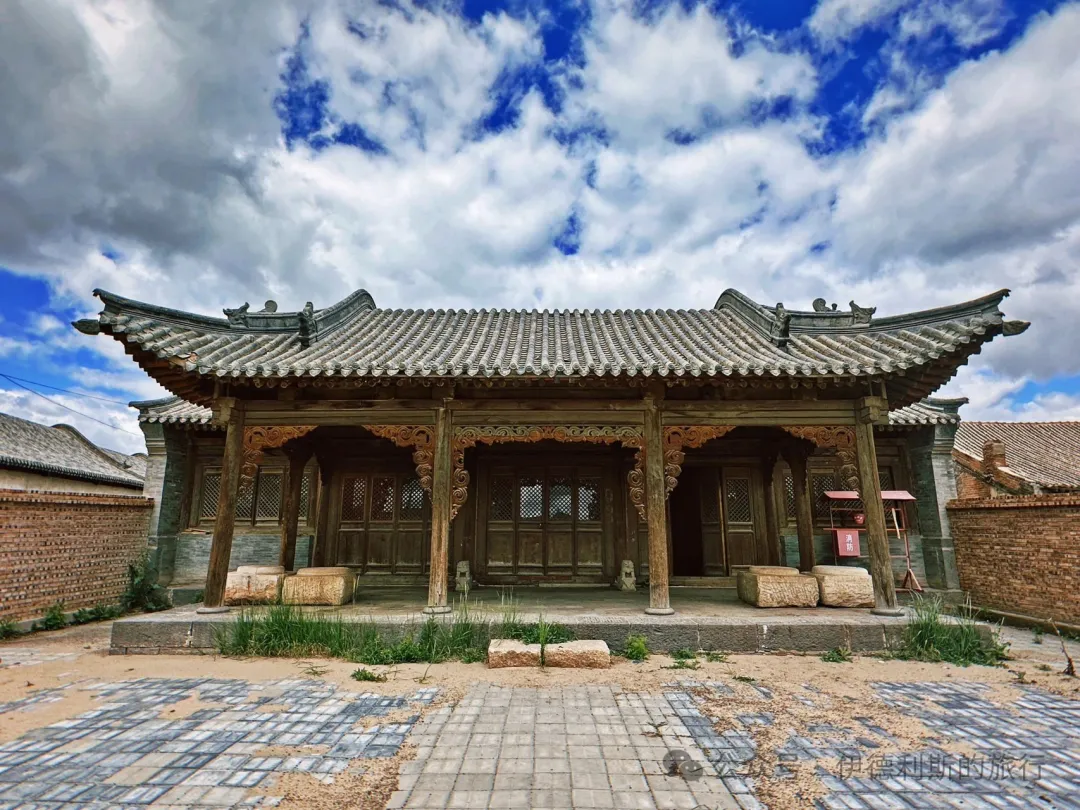
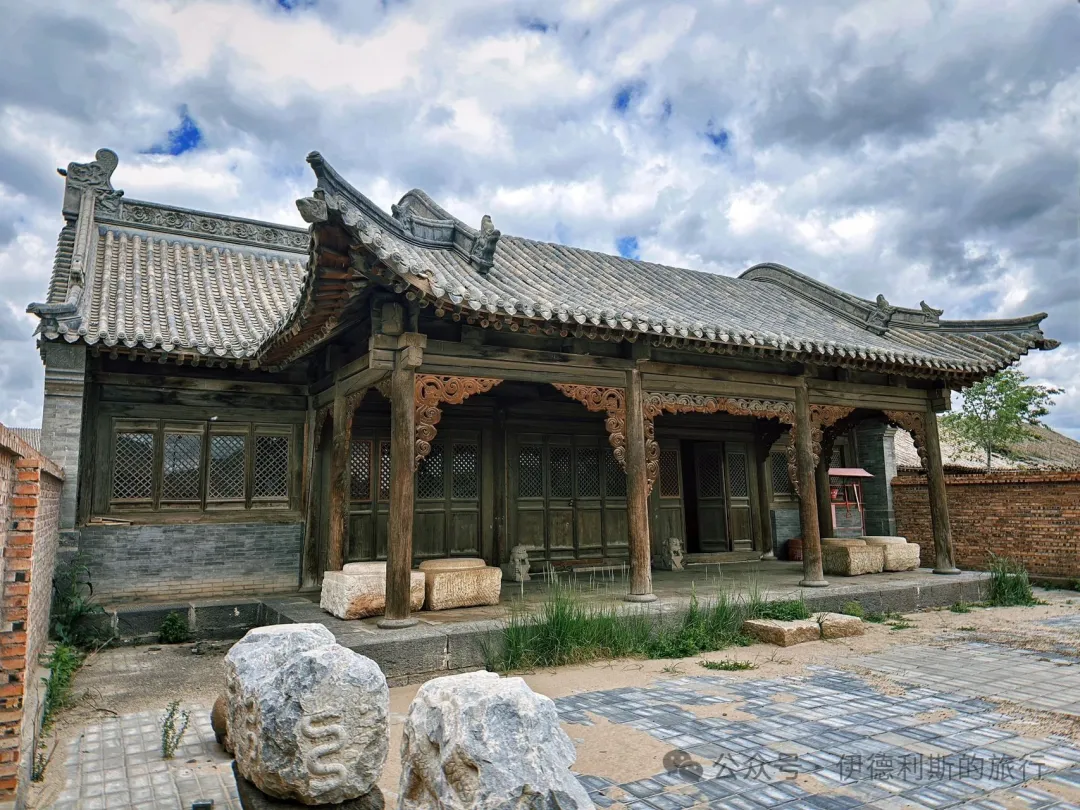
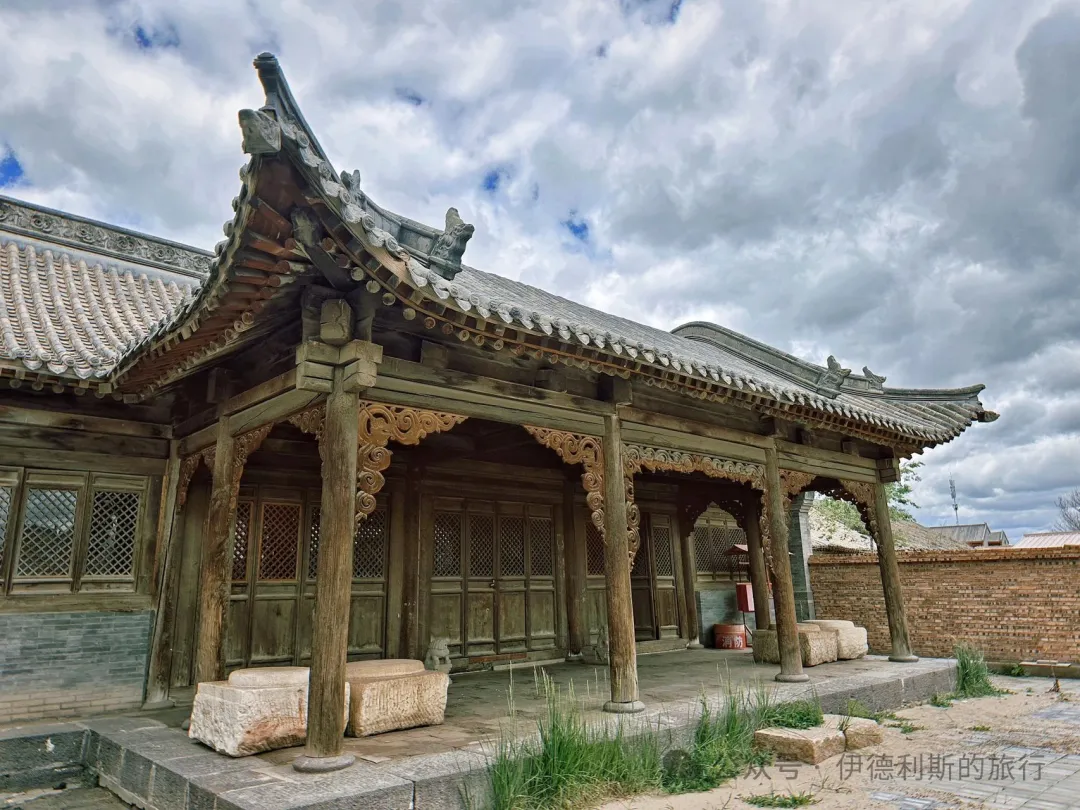
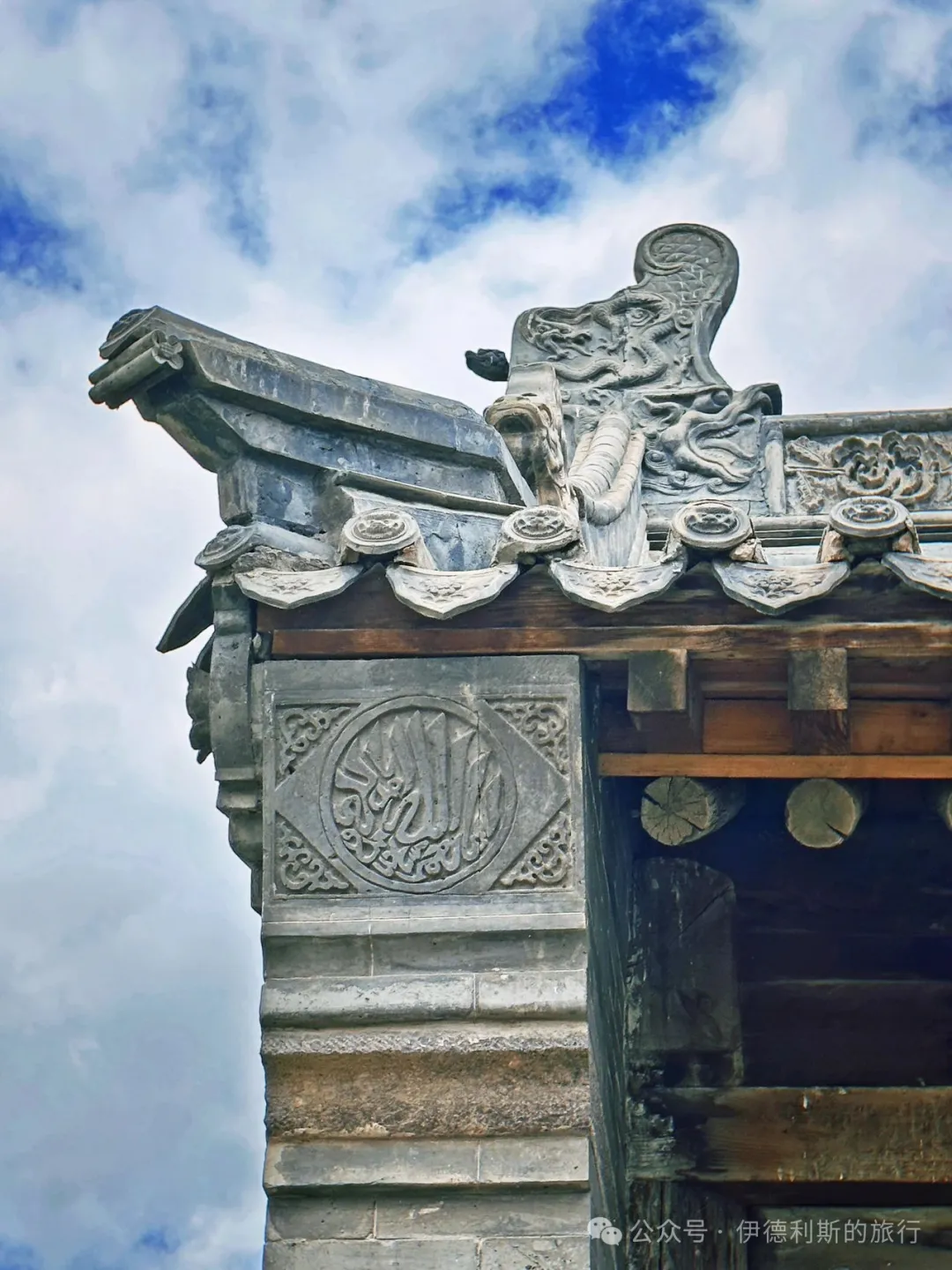
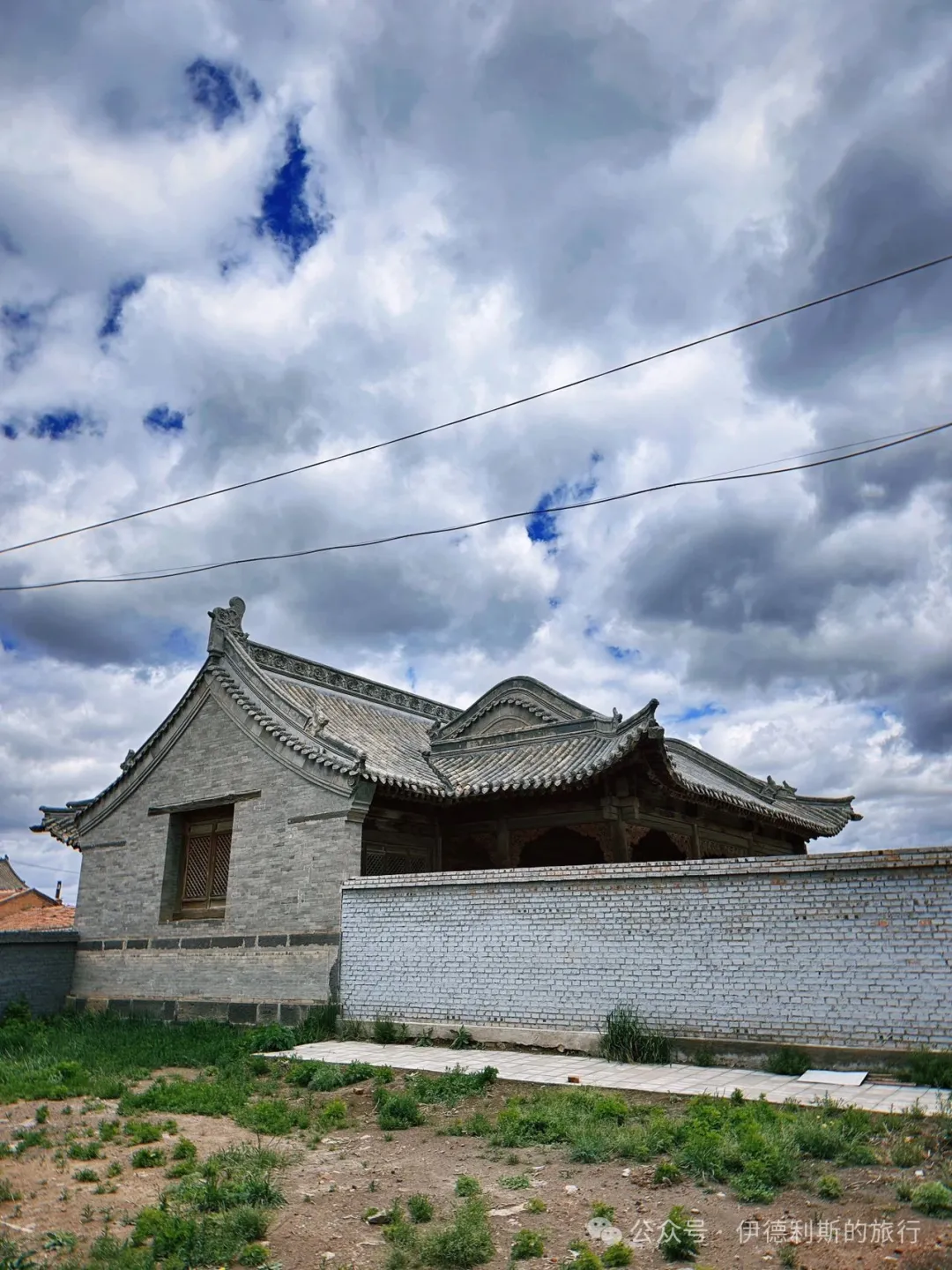
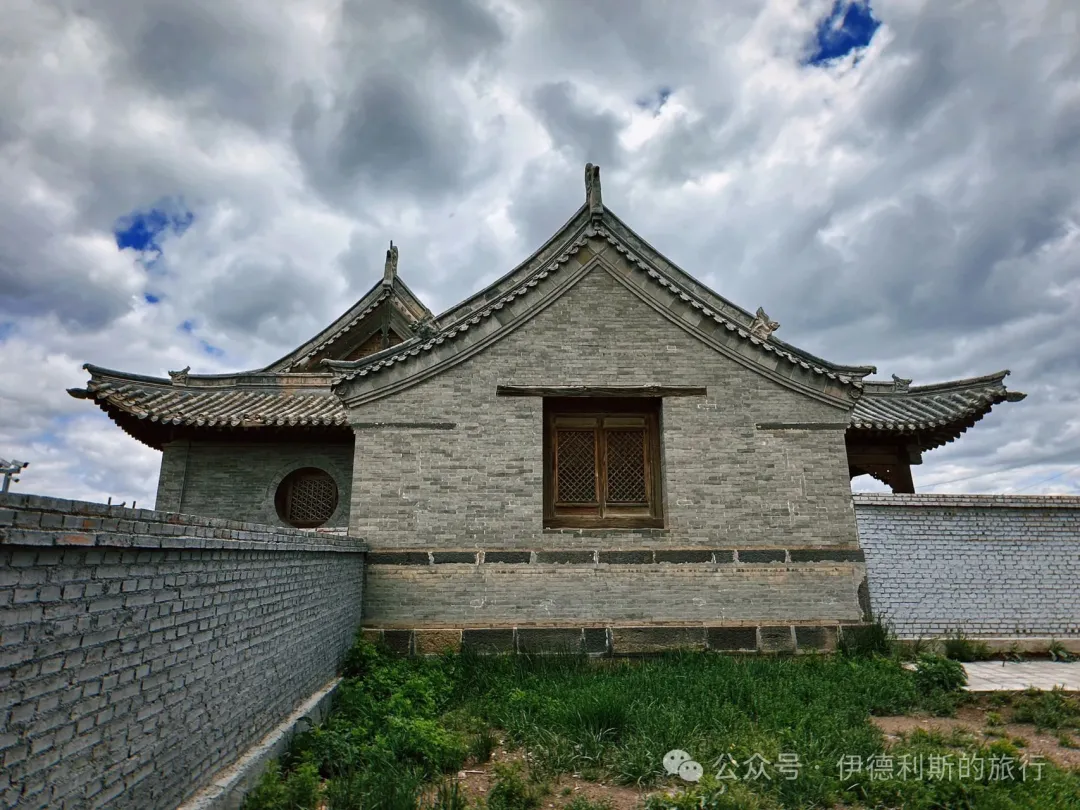
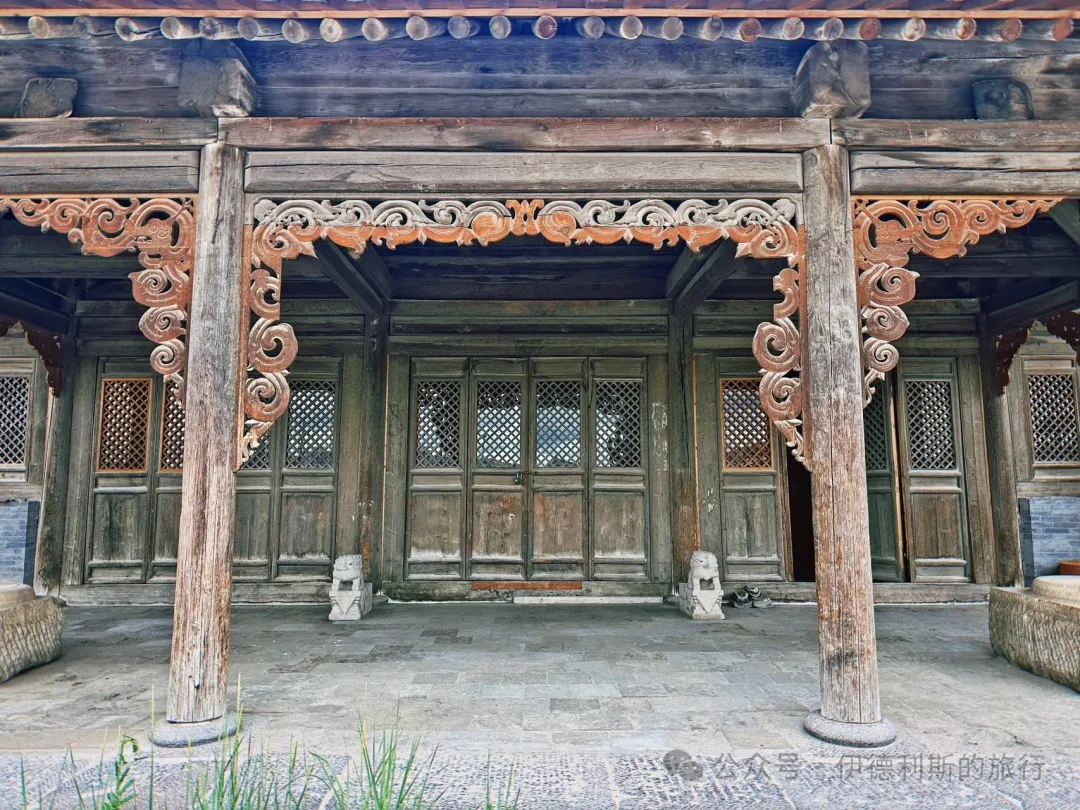
The East Mosque was located outside Nanjin Fort in the old city. It was started in 1869 (the eighth year of the Tongzhi reign) by Hui Muslims Xiu Mingliang and Liu Changfu from Shaanxi, and was completed in 1878 (the first year of the Guangxu reign). The West Mosque is located on Daxijie Street in the old city. It was built in 1880 (the fifth year of the Guangxu reign) by camel merchants Li Xianyu and Wang Jichen, who were from Ningxia and Gansu. After the 1960s, the East Mosque was completely demolished, and the gate and the north and south lecture halls of the West Mosque were also torn down. Today, only the main prayer hall of the West Mosque remains, and it is open to the public as a historical site.
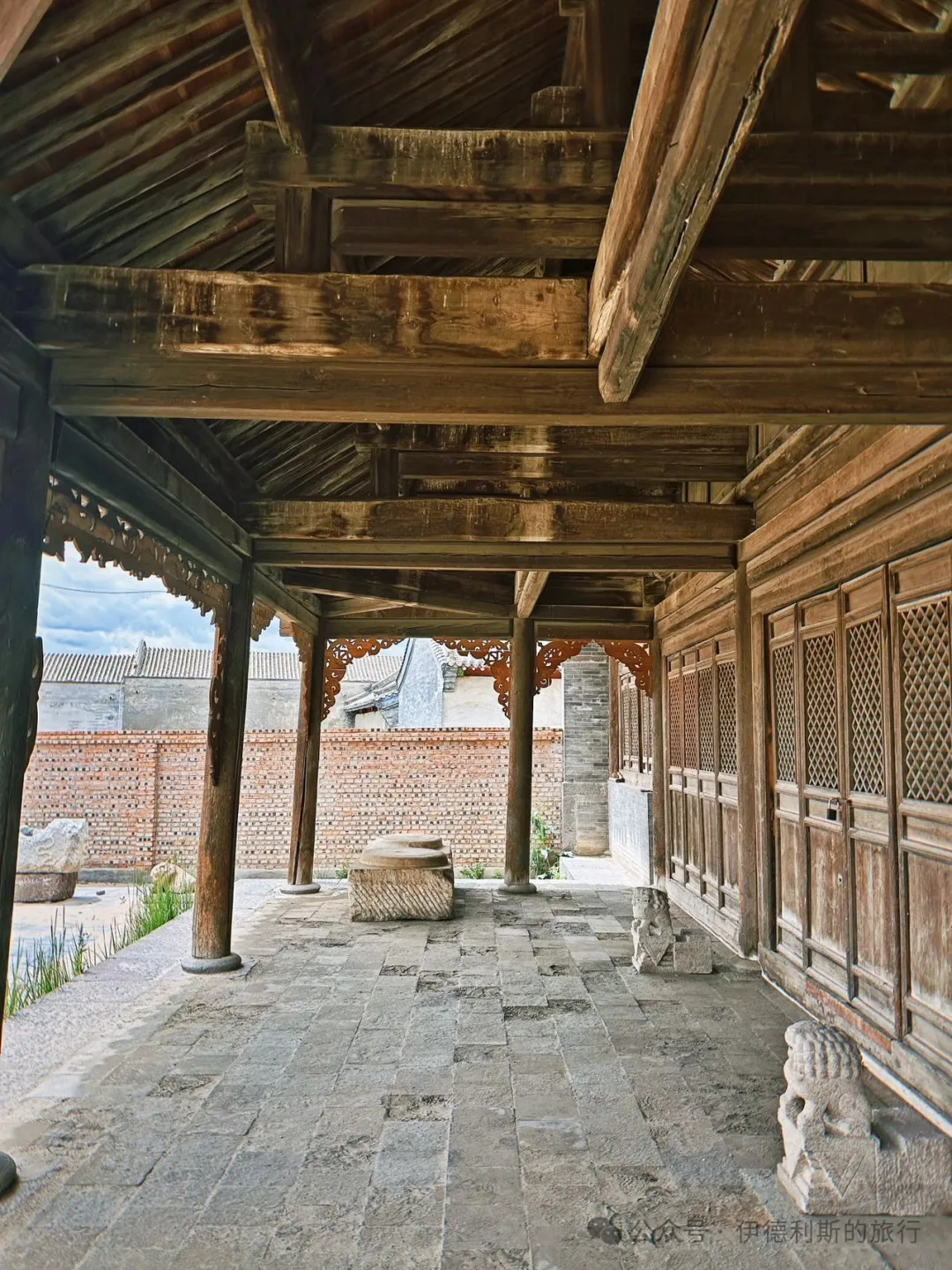
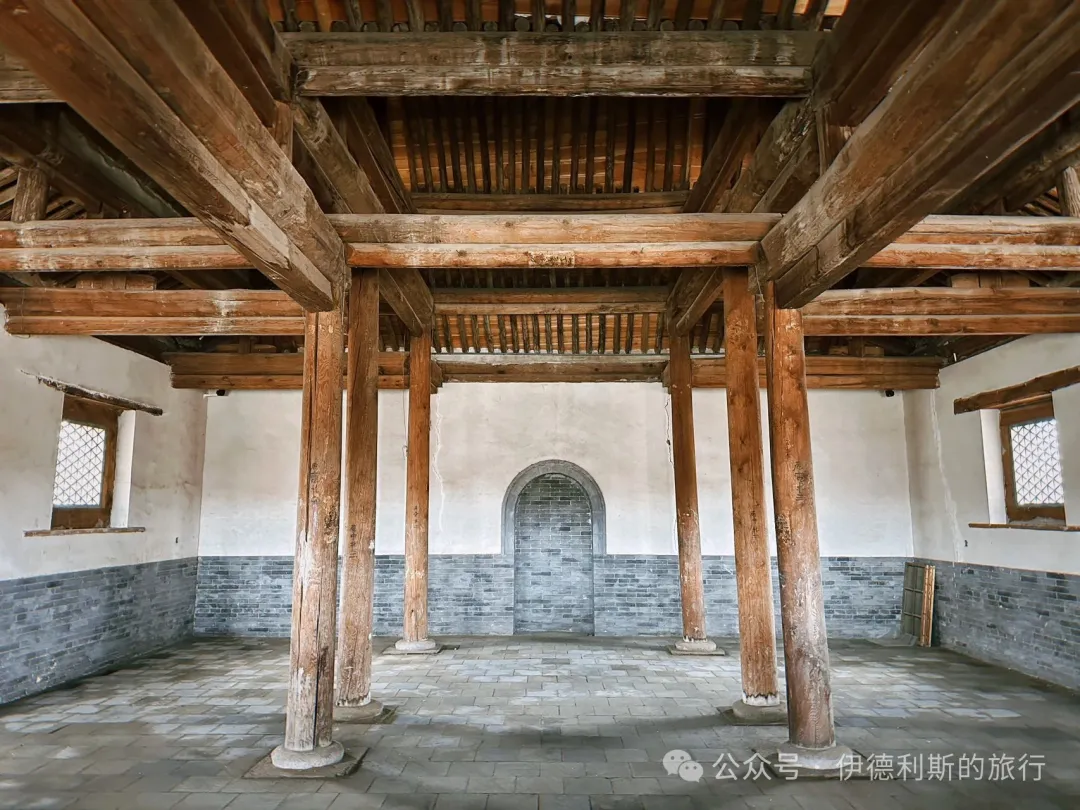
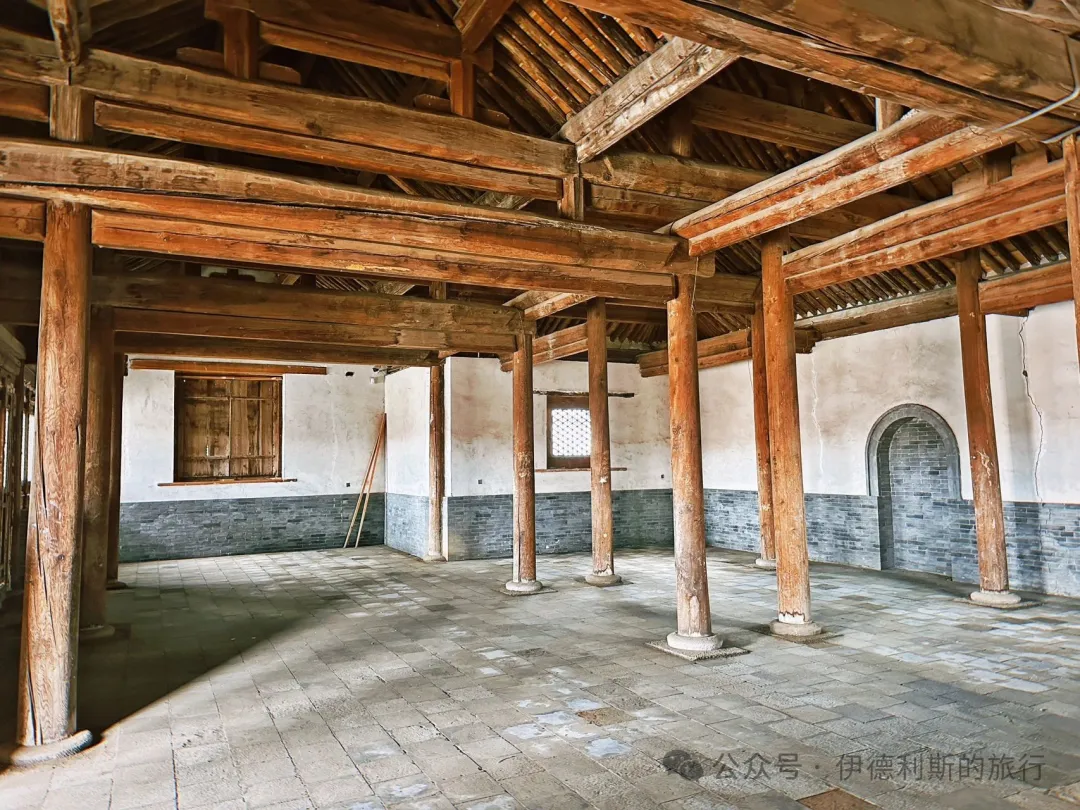
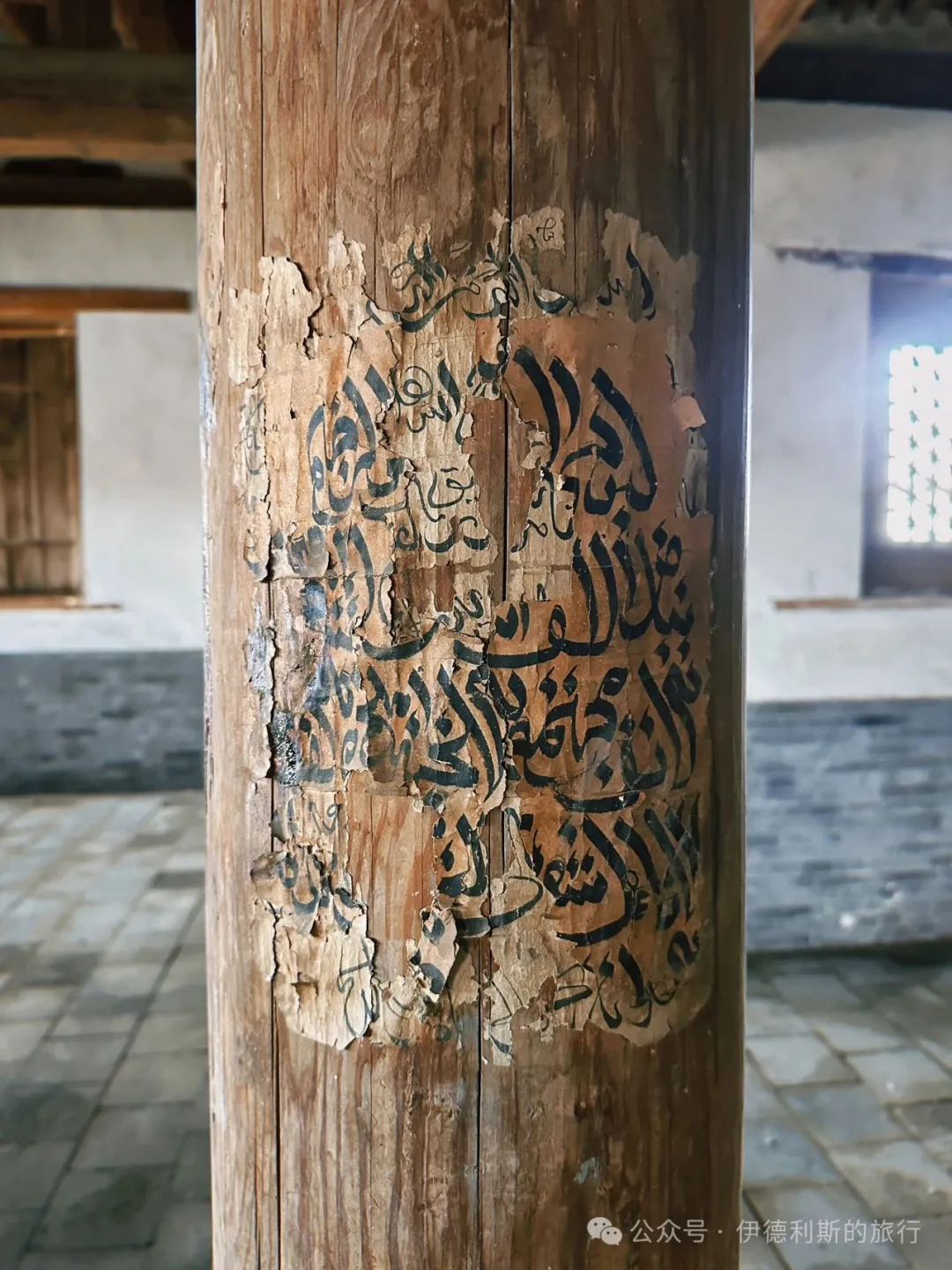
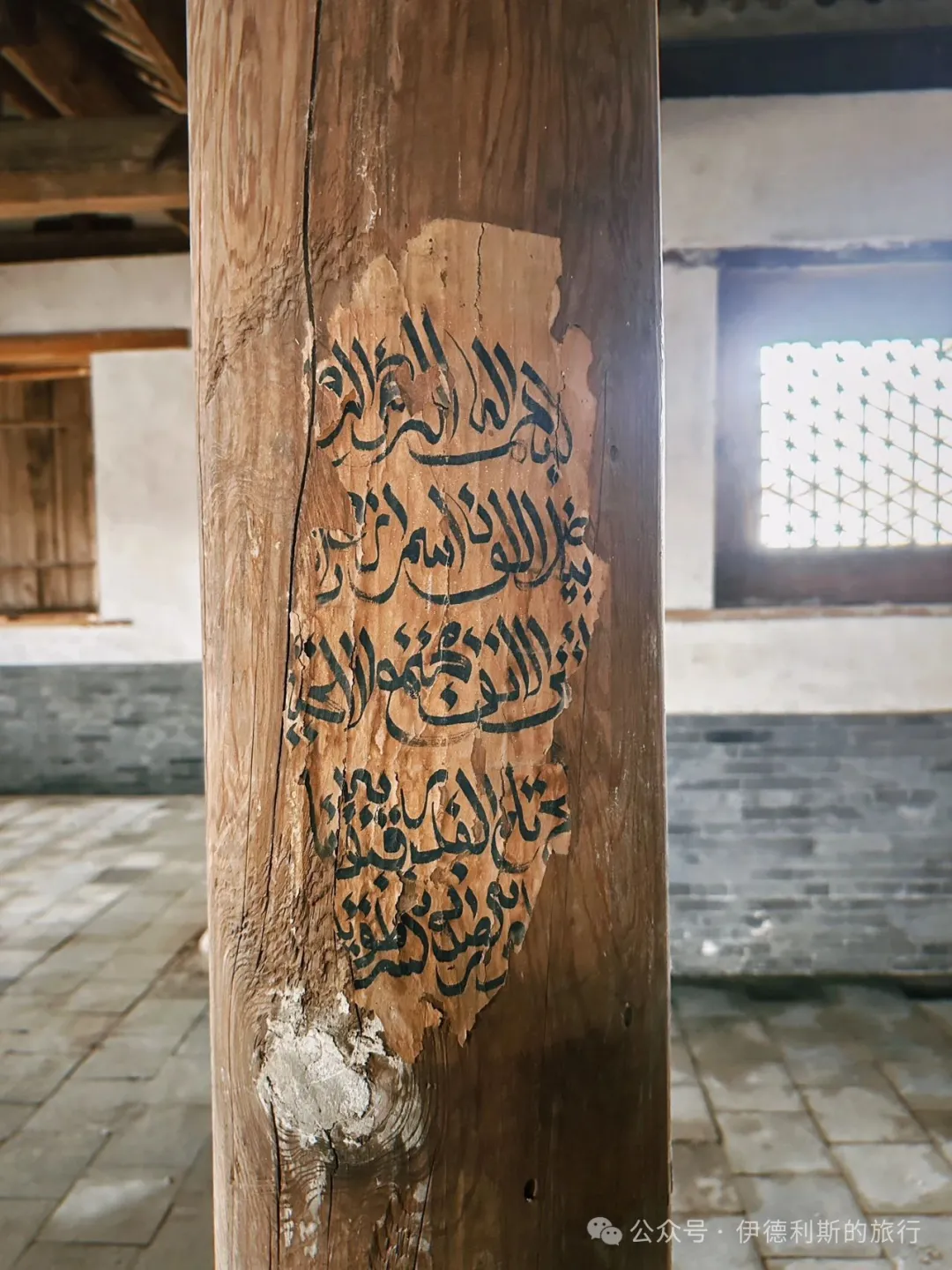
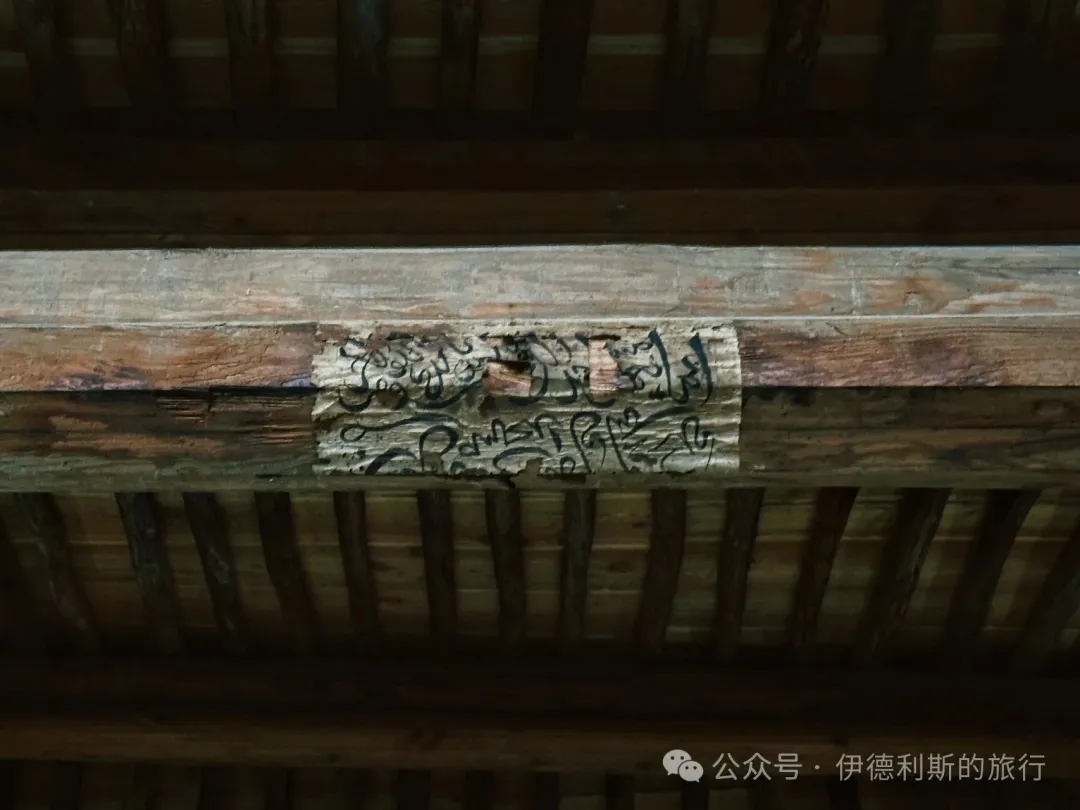
Duolun Central Mosque
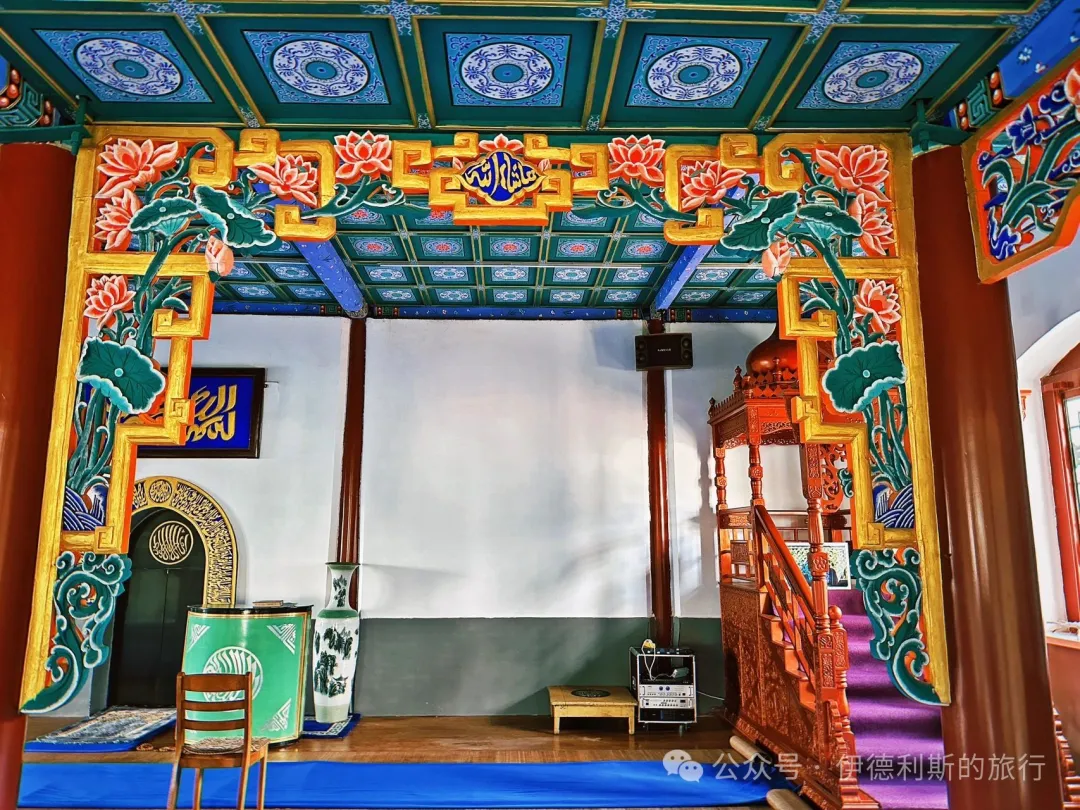
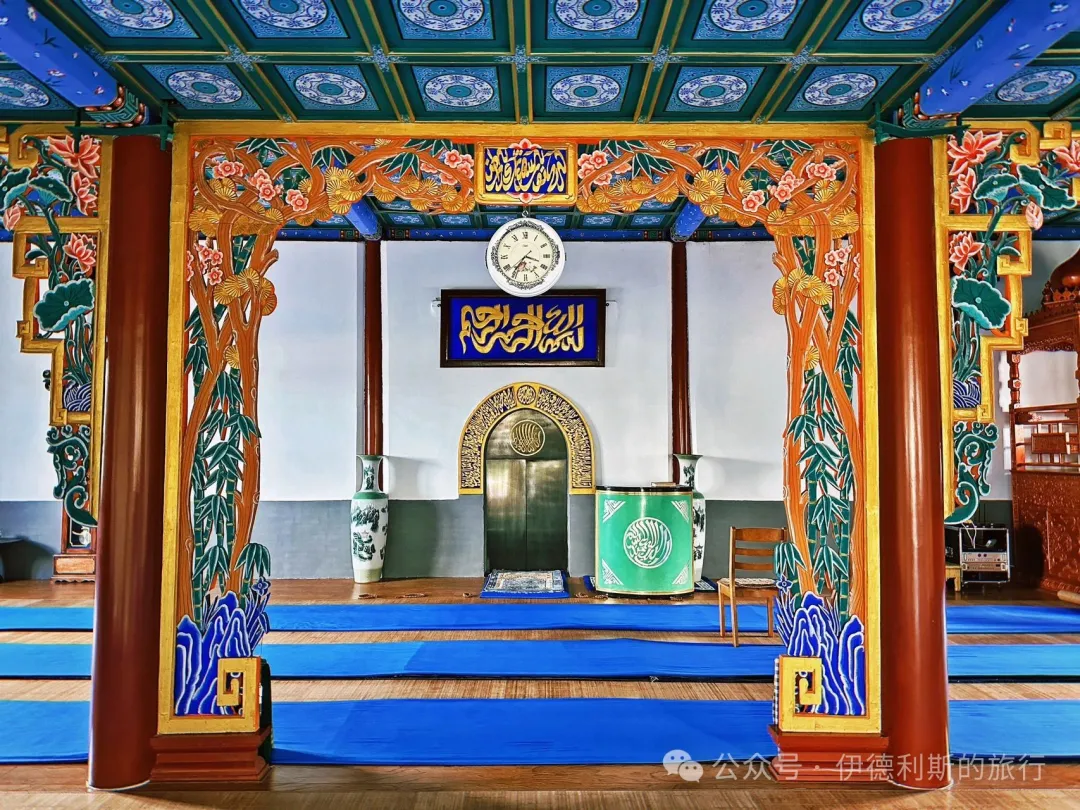
The Central Mosque is located on Nanquangfeng Street in the old city. It was built in 1908 (the 34th year of the Guangxu reign) by Wang Guofu and Shan Yunxing. In 1930, He Xingzhou, Cong Dianqing, and others initiated the reconstruction of the main hall, which was completed in 1935. The Central Mosque is currently open for regular activities.
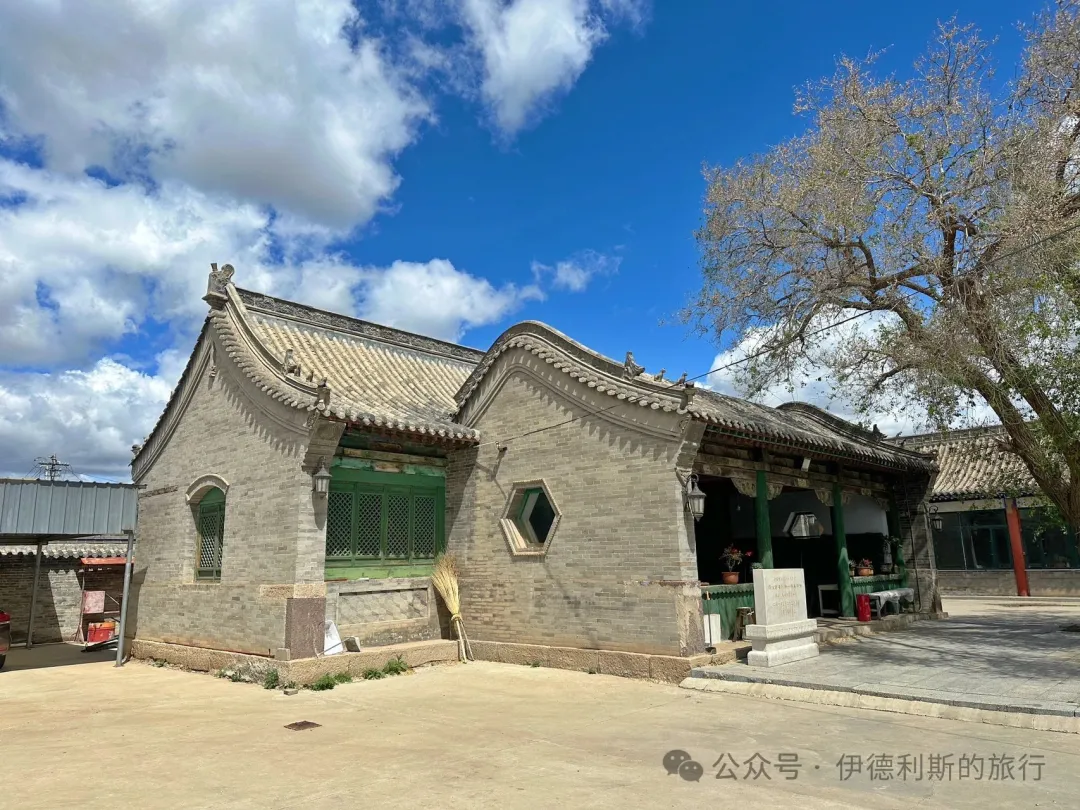
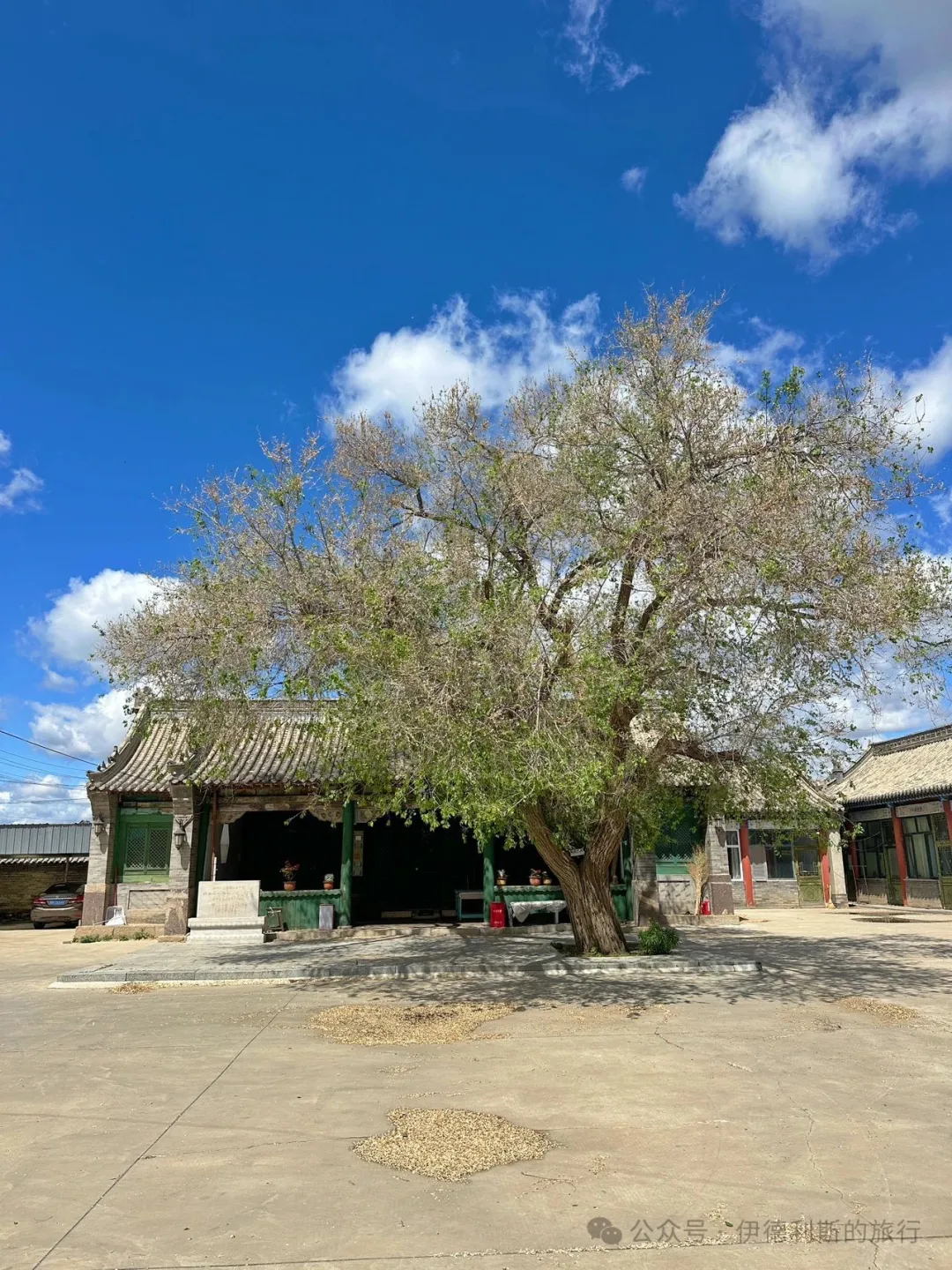
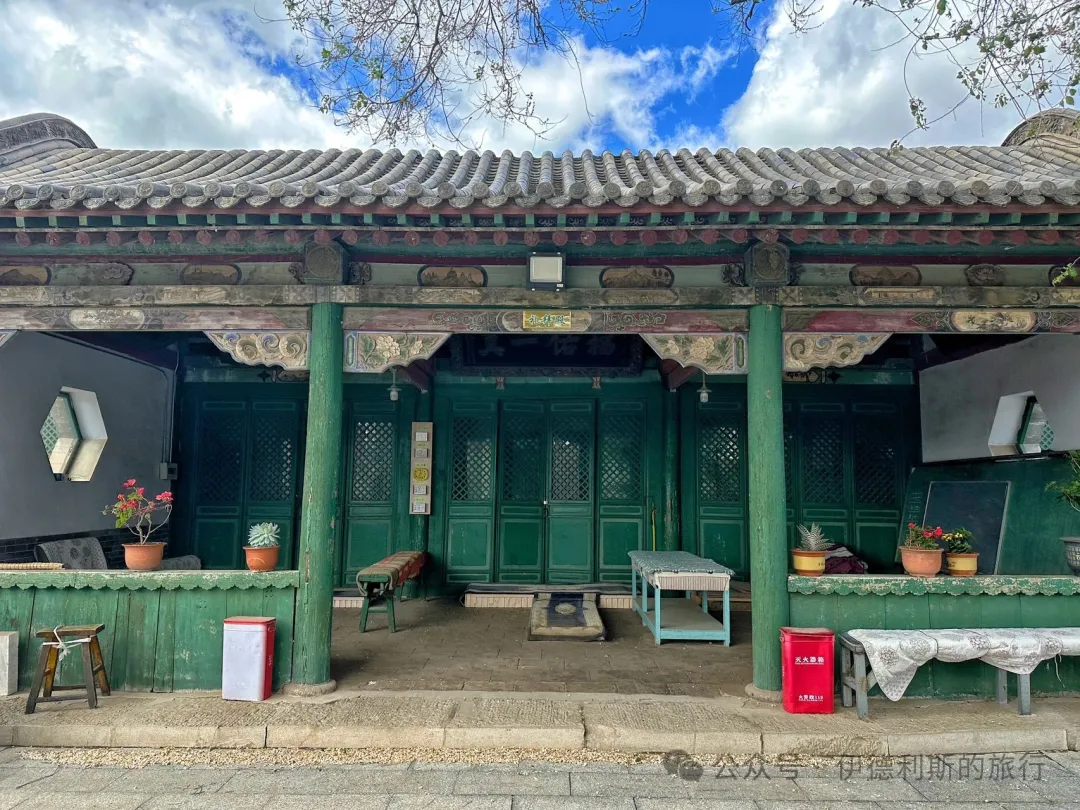
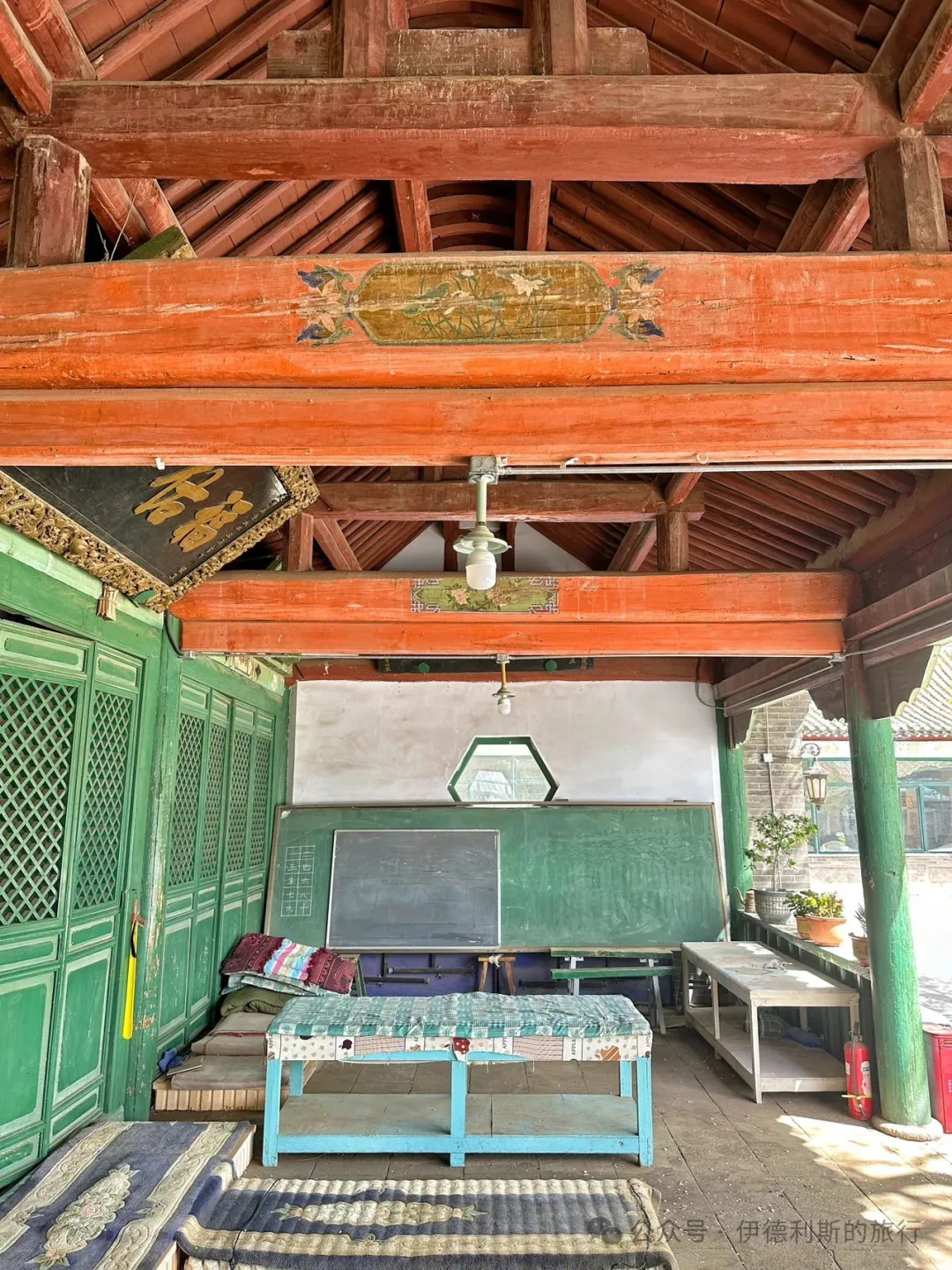
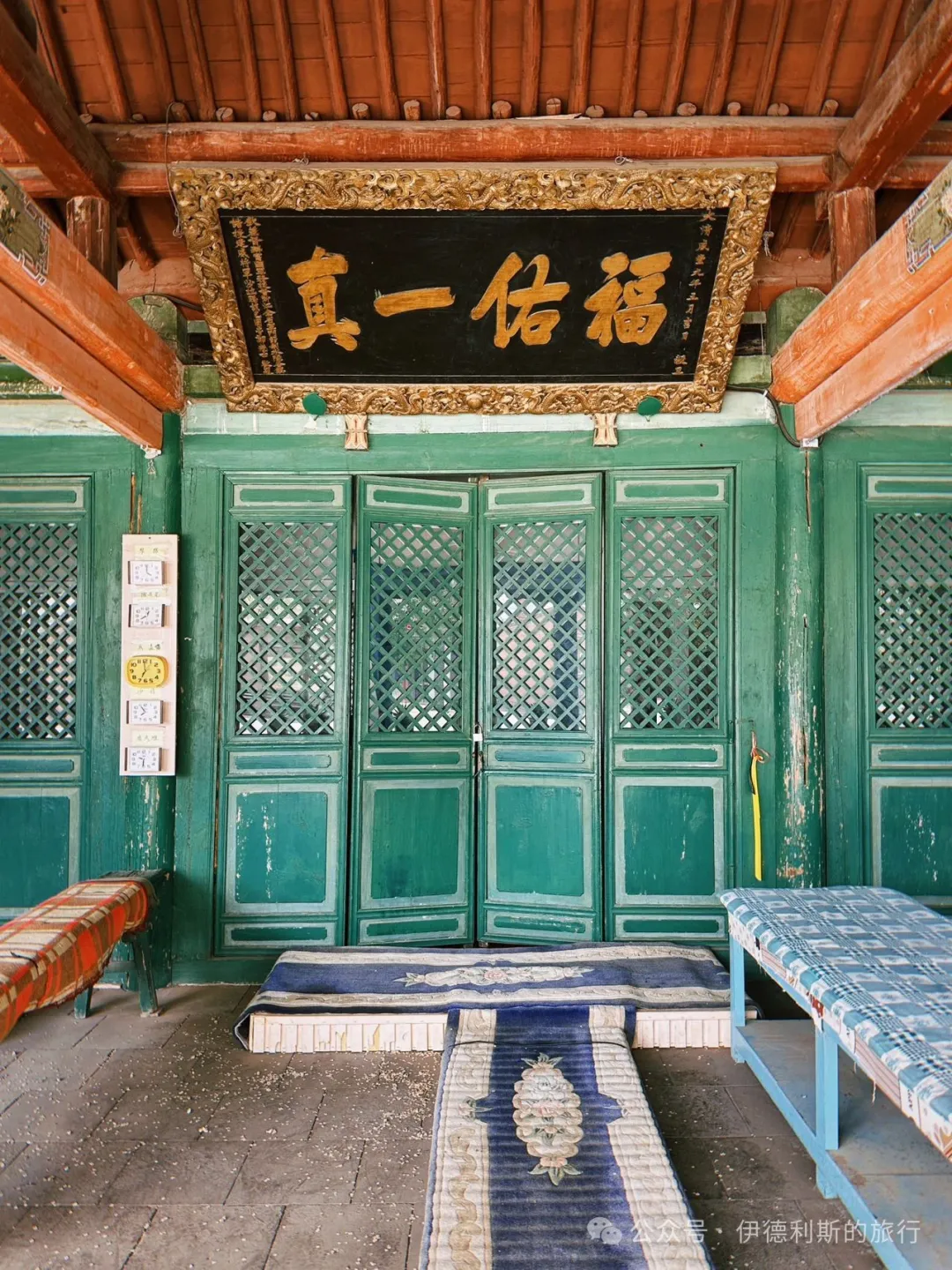
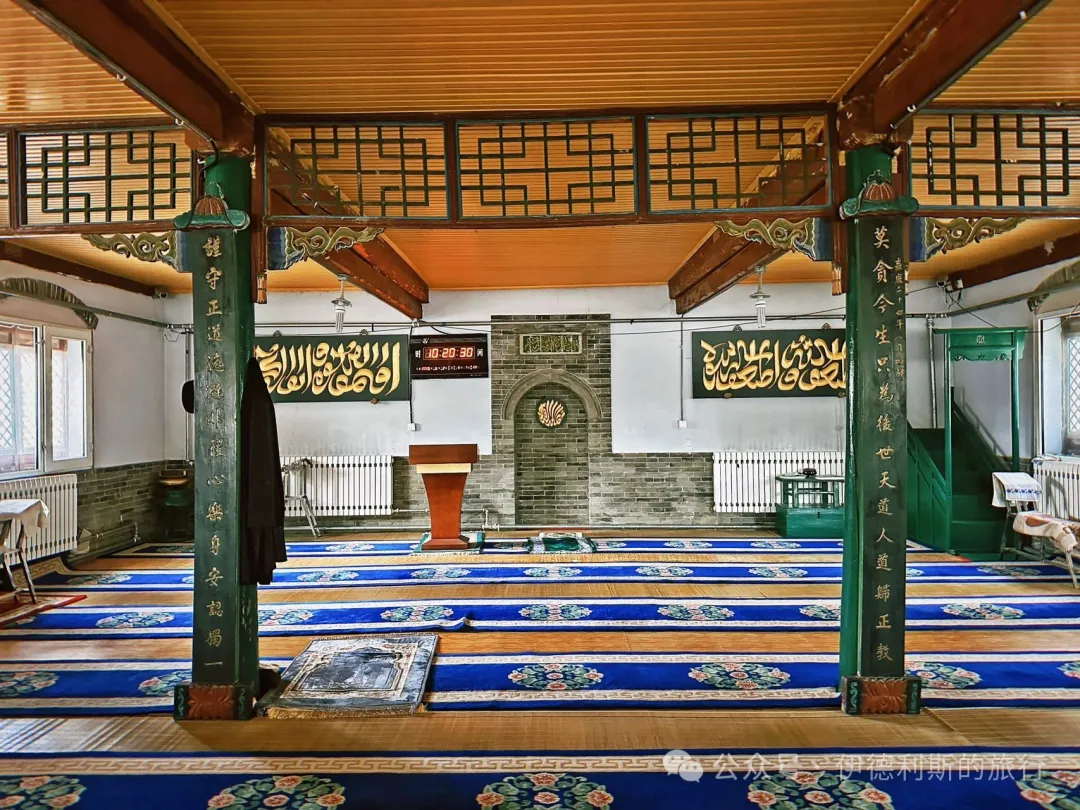
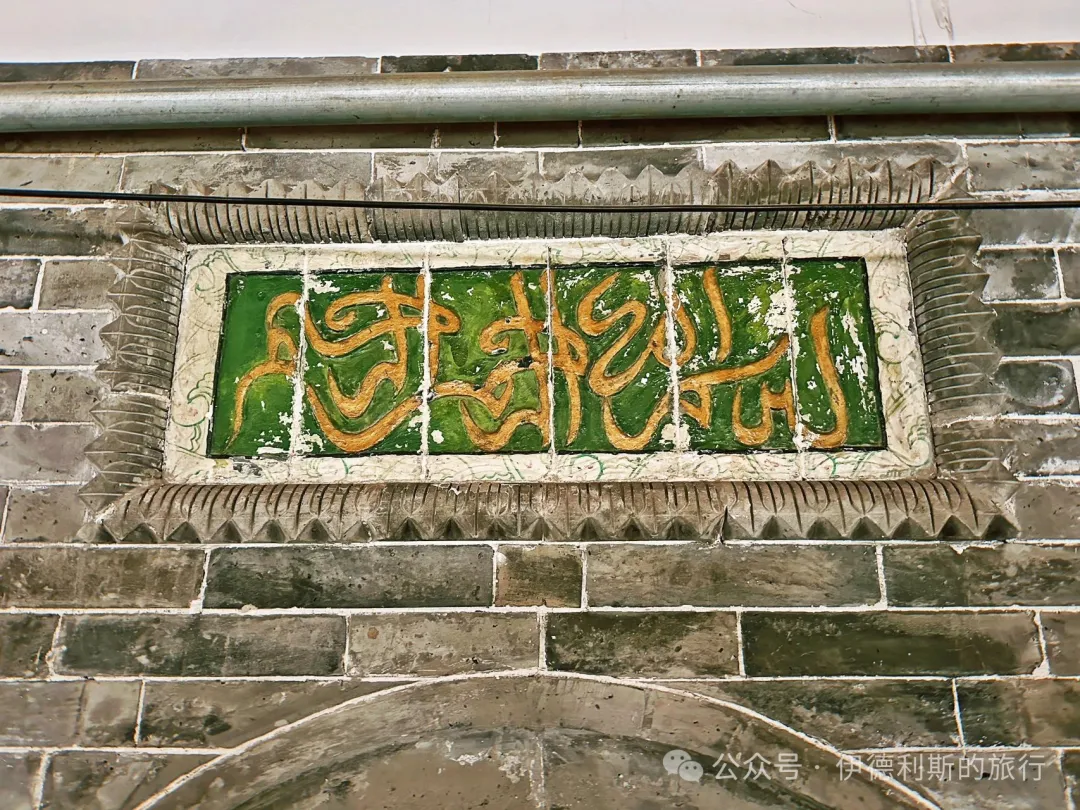
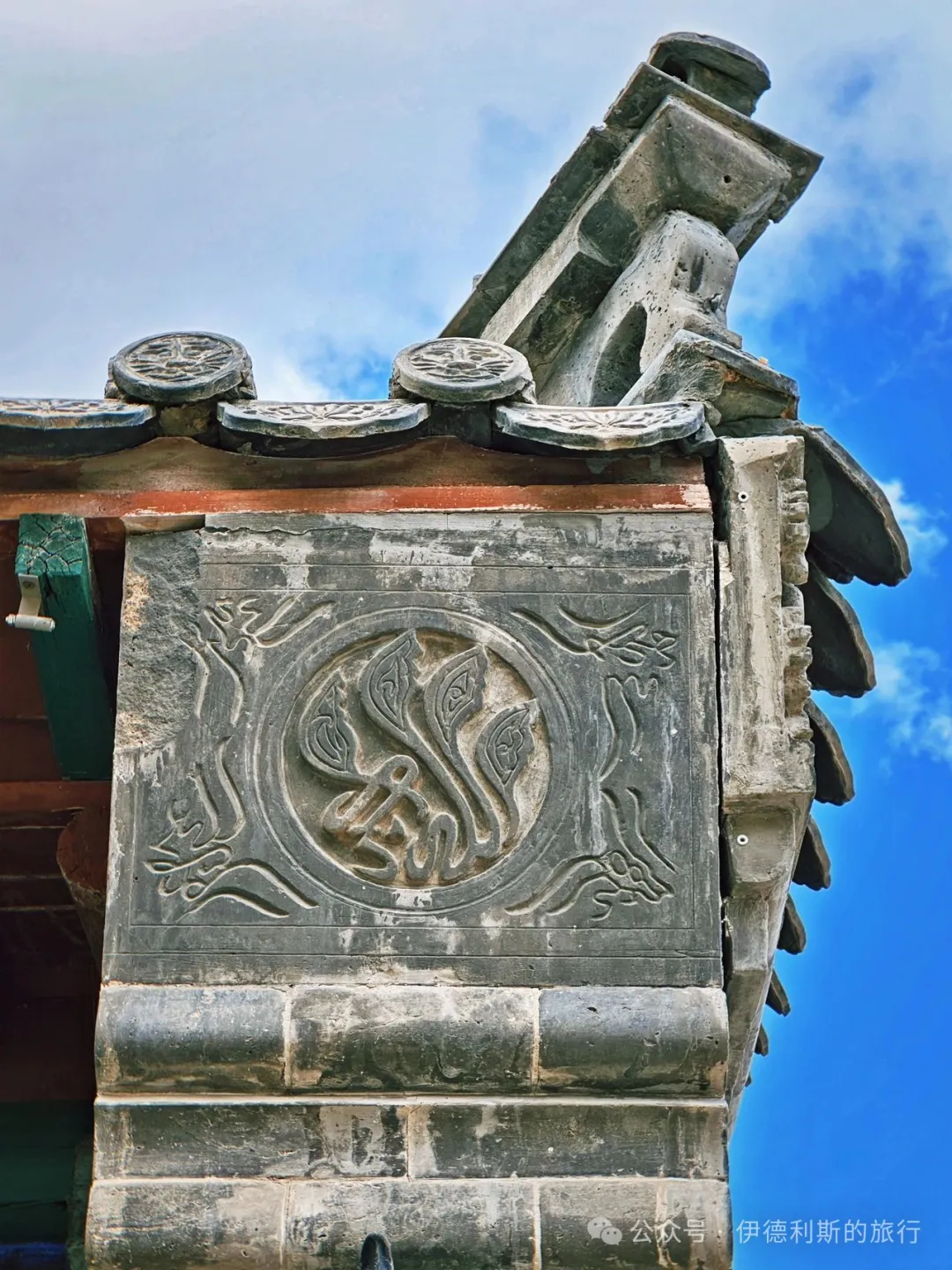
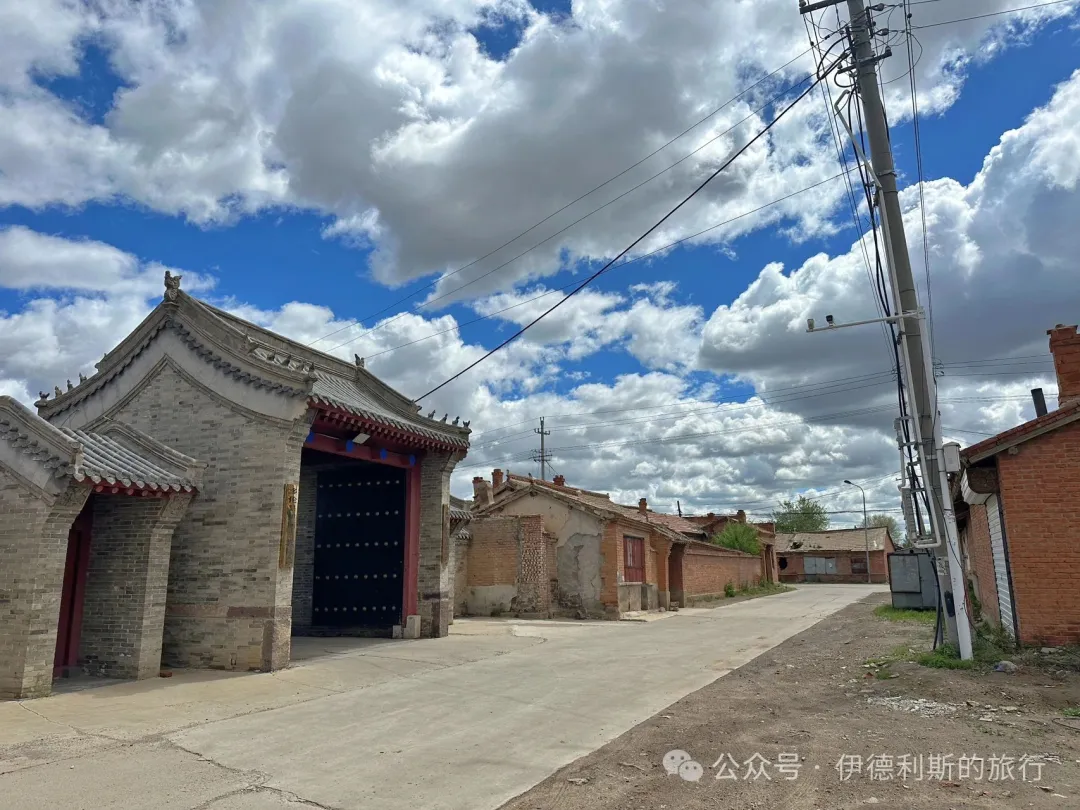
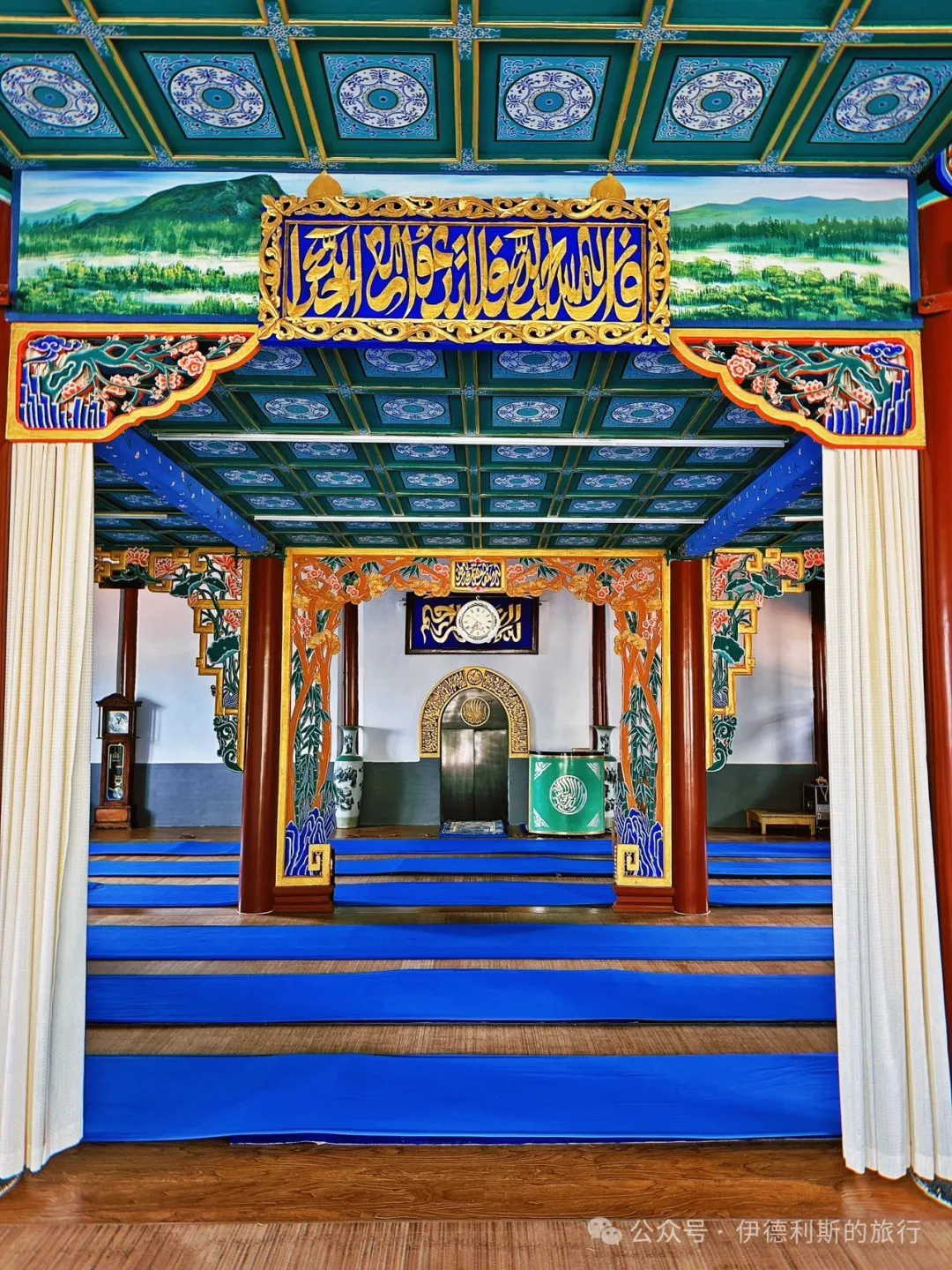
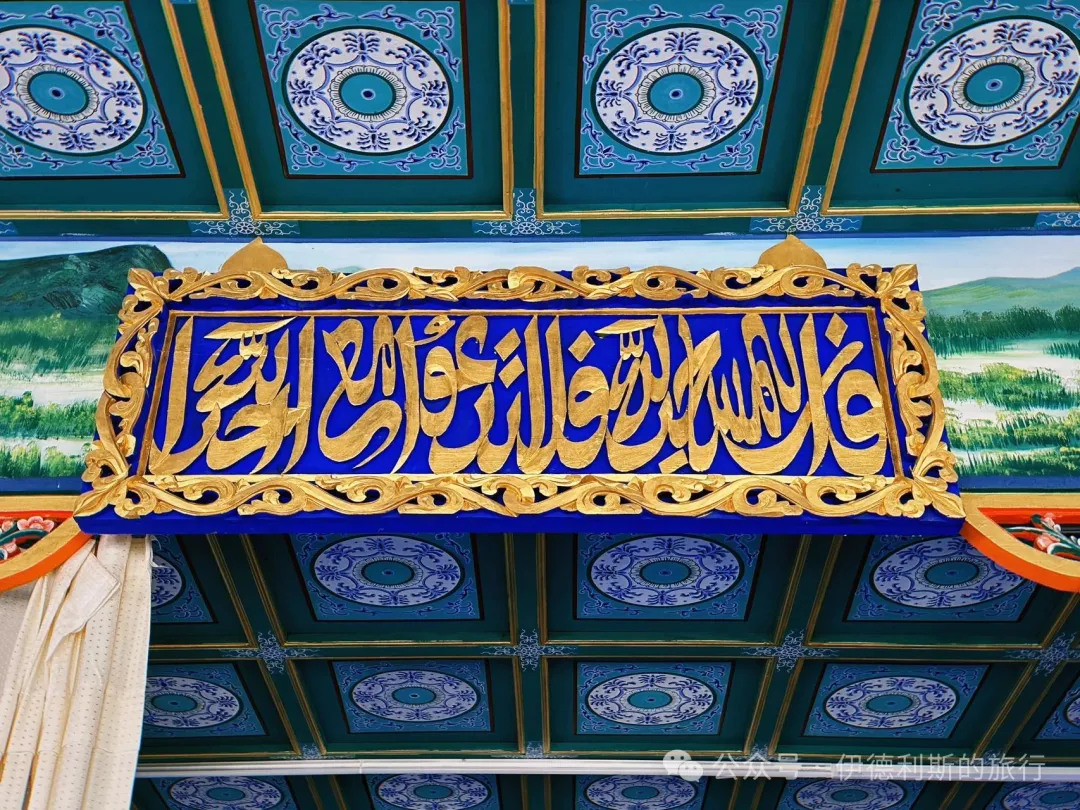
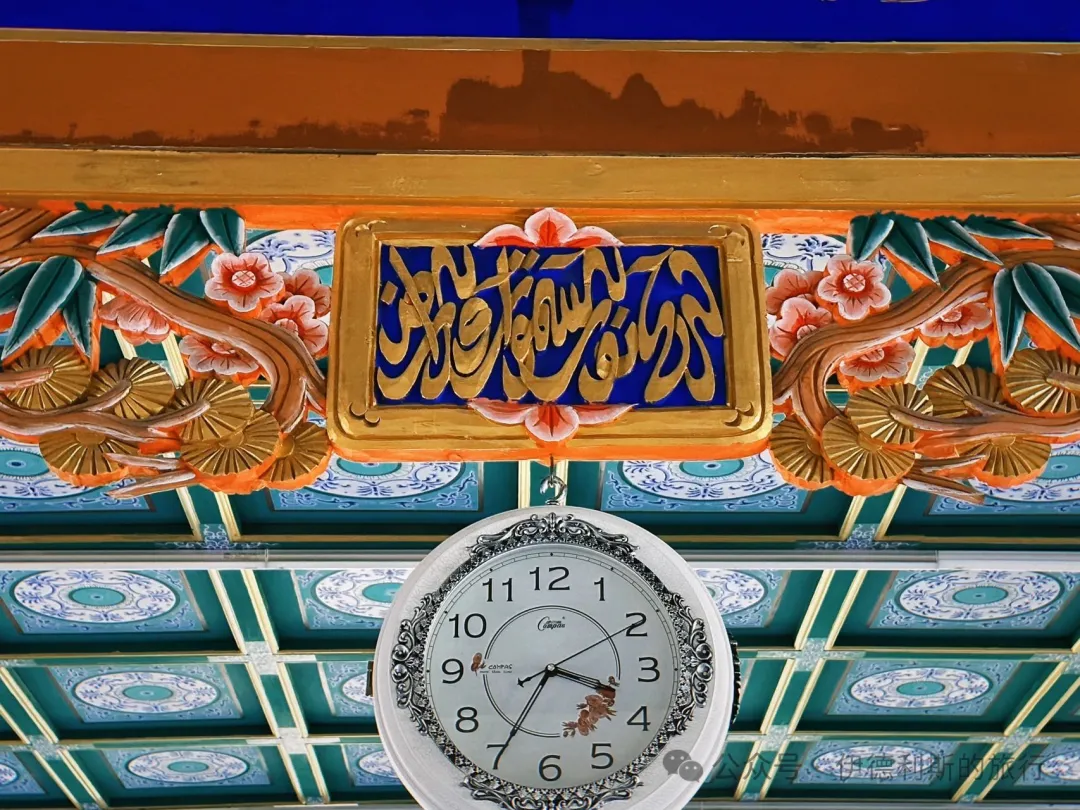
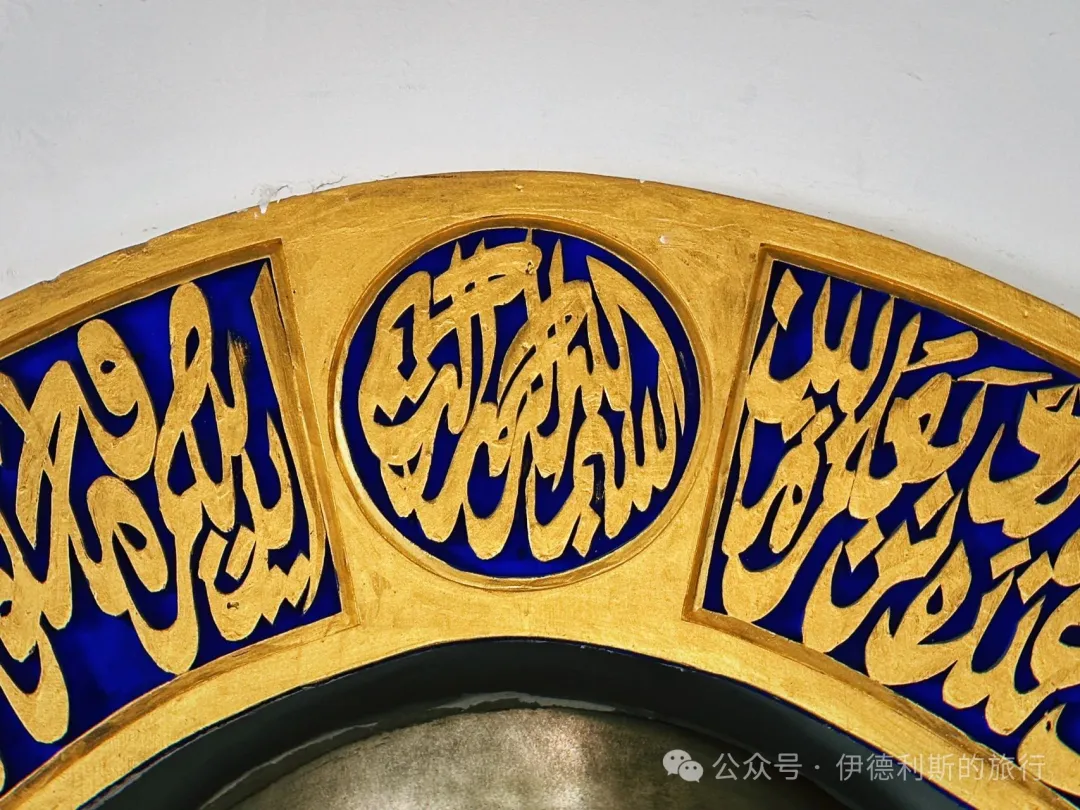
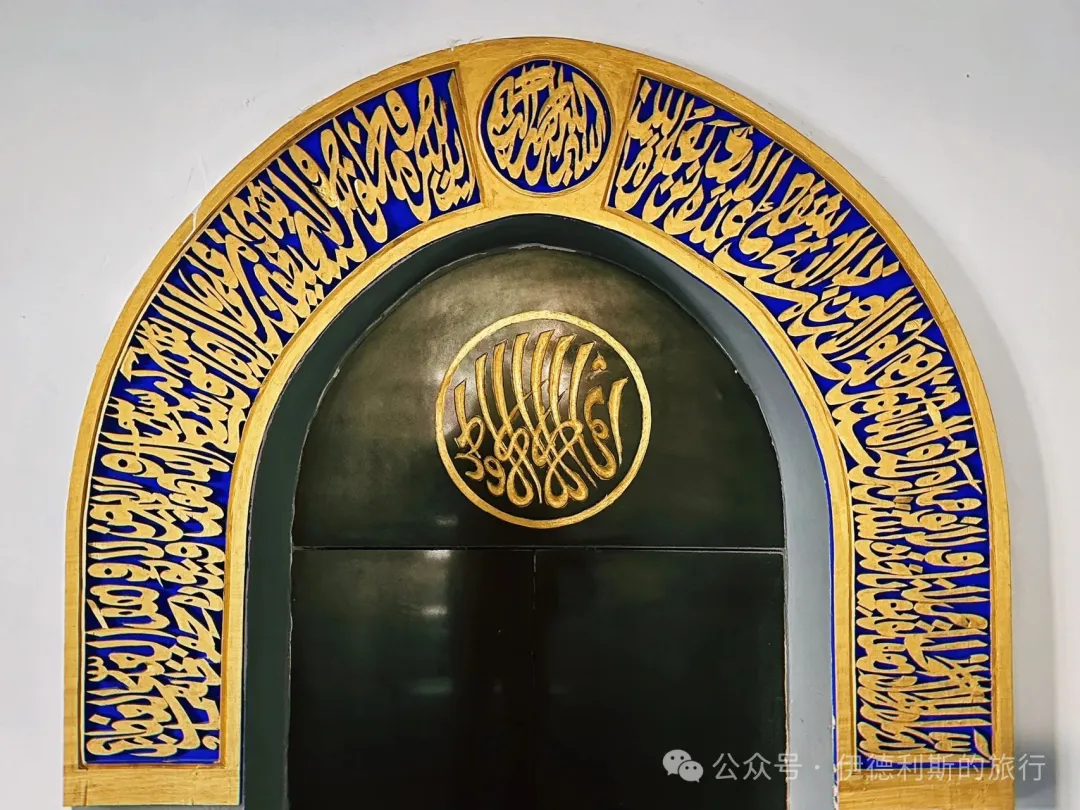
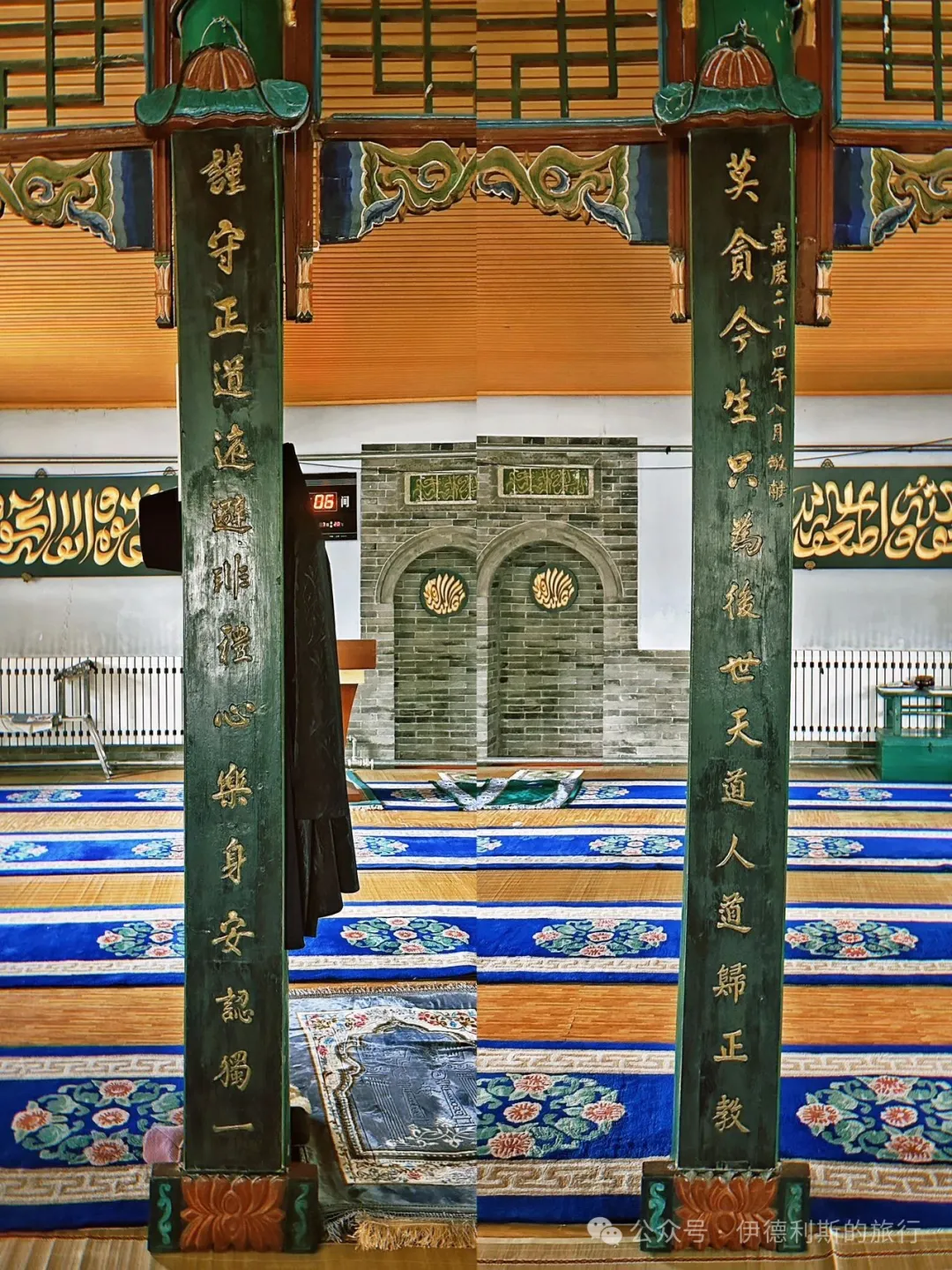
The Duolun Central Mosque houses plaques and couplets from various mosques in Duolun: Do not be greedy for this life, only for the afterlife; the heavenly way and human way return to the true faith. Carefully guard the righteous path, avoid what is improper, keep your heart happy and your body at peace, and recognize the One. Dedicated in the eighth month of the 24th year of the Jiaqing reign.
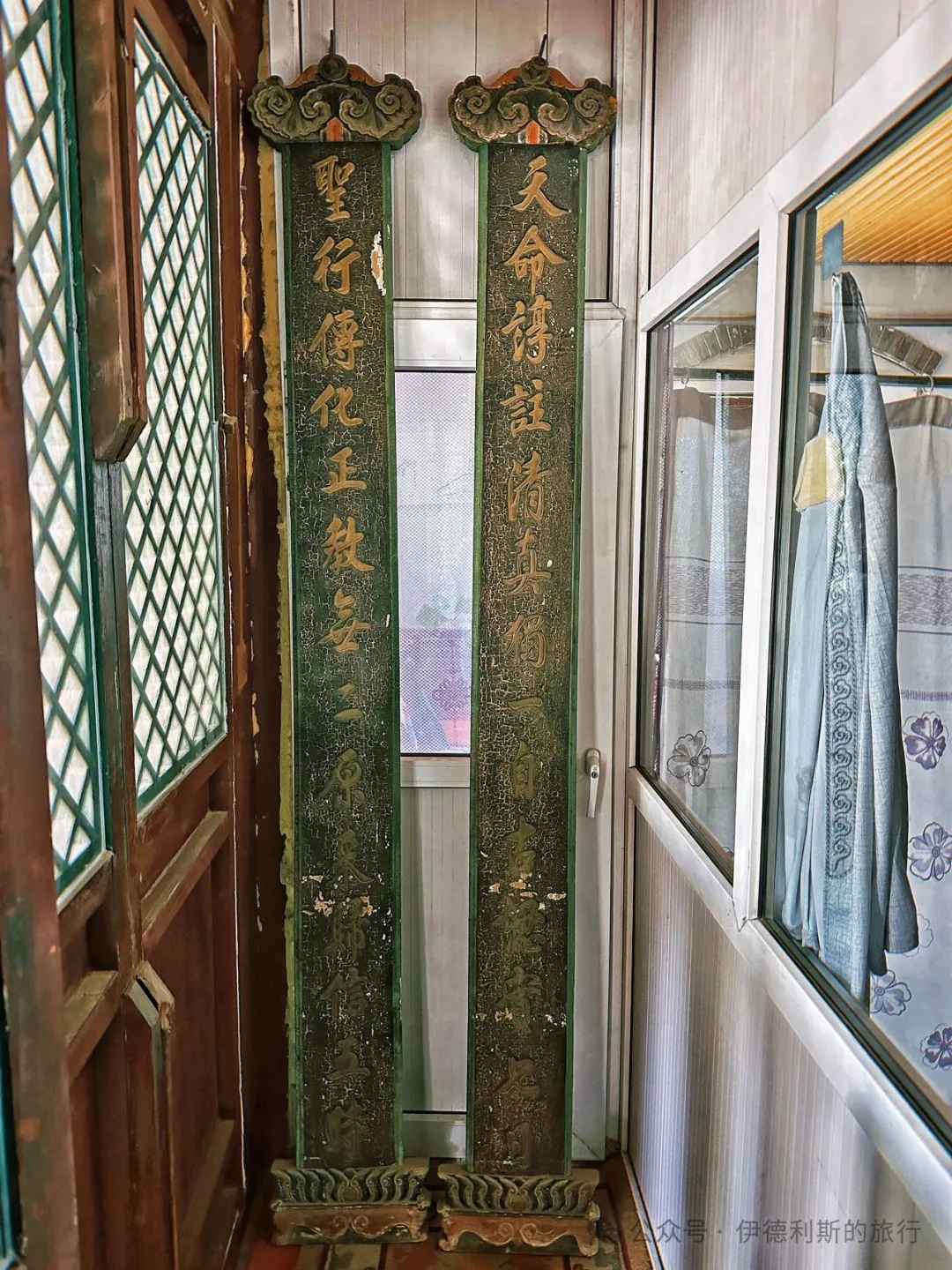
Heavenly decree teaches the pure and unique faith, recognizing the truth since ancient times through the seven days; the Prophet's practice spreads the righteous faith, which is one and returns to the belief in the five daily prayers.
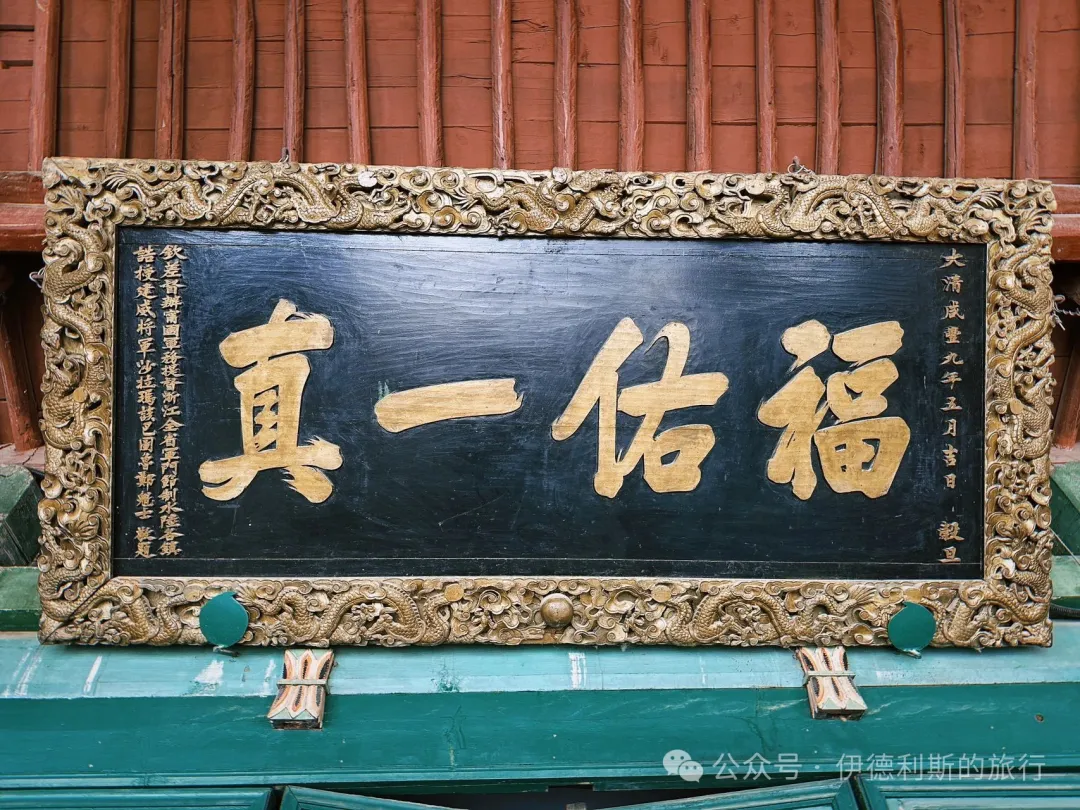
Blessings of the One True God: Dedicated on a lucky day in the fifth month of the ninth year of the Xianfeng reign of the Great Qing Dynasty by Zheng Kuishi, Imperial Commissioner overseeing military affairs in Ningguo, Commander-in-Chief of the Zhejiang provincial military, controller of all land and water garrisons, and specially granted the title of Jianwei General and Shalama Gai Batulu.
Zheng Kuishi was a famous general in the late Qing Dynasty and a Hui Muslim from Wanquan, Zhangjiakou, Hebei. He fought against the Taiping Rebellion and the Nian Army for many years. He was the first to break through Luzhou and suffered over twenty wounds in Huaiyuan, nearly losing his life, which earned him great praise from the imperial court. When Zheng Kuishi inscribed the plaque for Duolun in the ninth year of the Xianfeng reign, he was serving as the Commander-in-Chief of Zhejiang and overseeing military affairs in Ningguo, which was the highest rank he reached in his life. In a memorial to the throne, Li Hongzhang highly praised Zheng Kuishi, saying he was "hardworking, resolute, and brave beyond compare... he was the first to face the enemy's sharp edge, braving death, and suffered severe wounds eight or nine times. His body was covered in scars, and among all the famous generals north and south of the Yangtze River, everyone considered Kuishi the best."
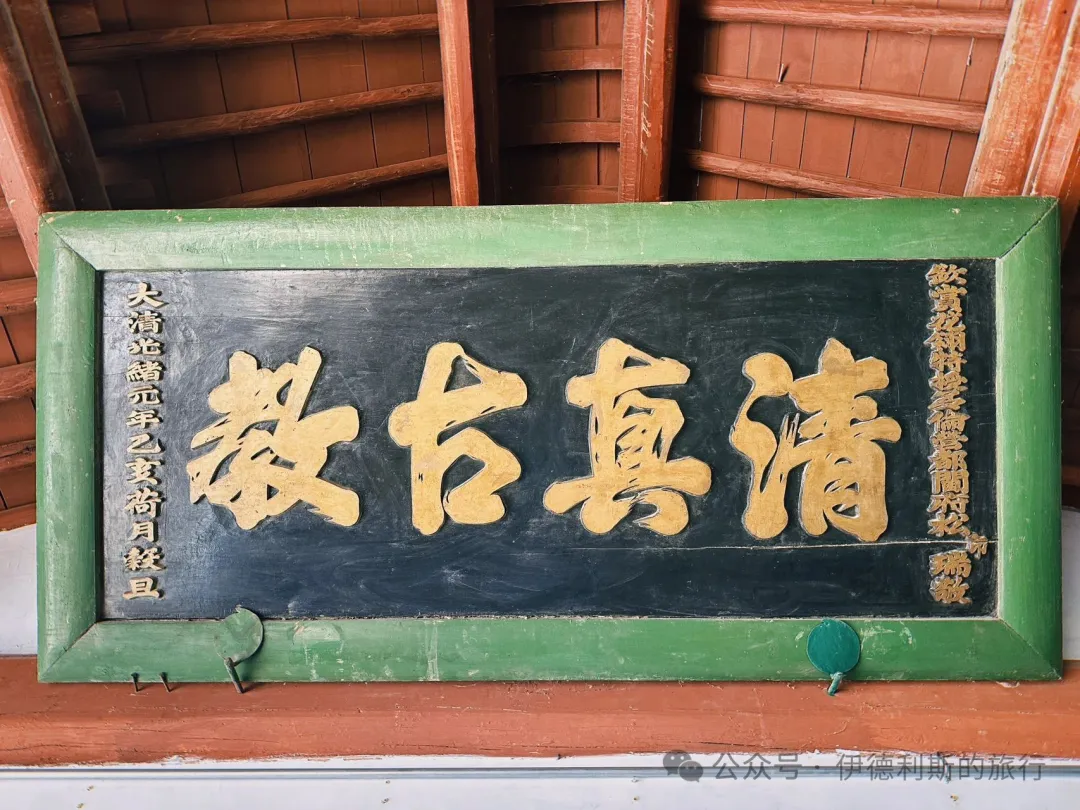
The Ancient Pure Faith: Respectfully presented by Song Rui, who was specially granted a peacock feather and served as the Duolun Camp Commander. A lucky day in the sixth month of the first year of the Guangxu reign of the Great Qing Dynasty.
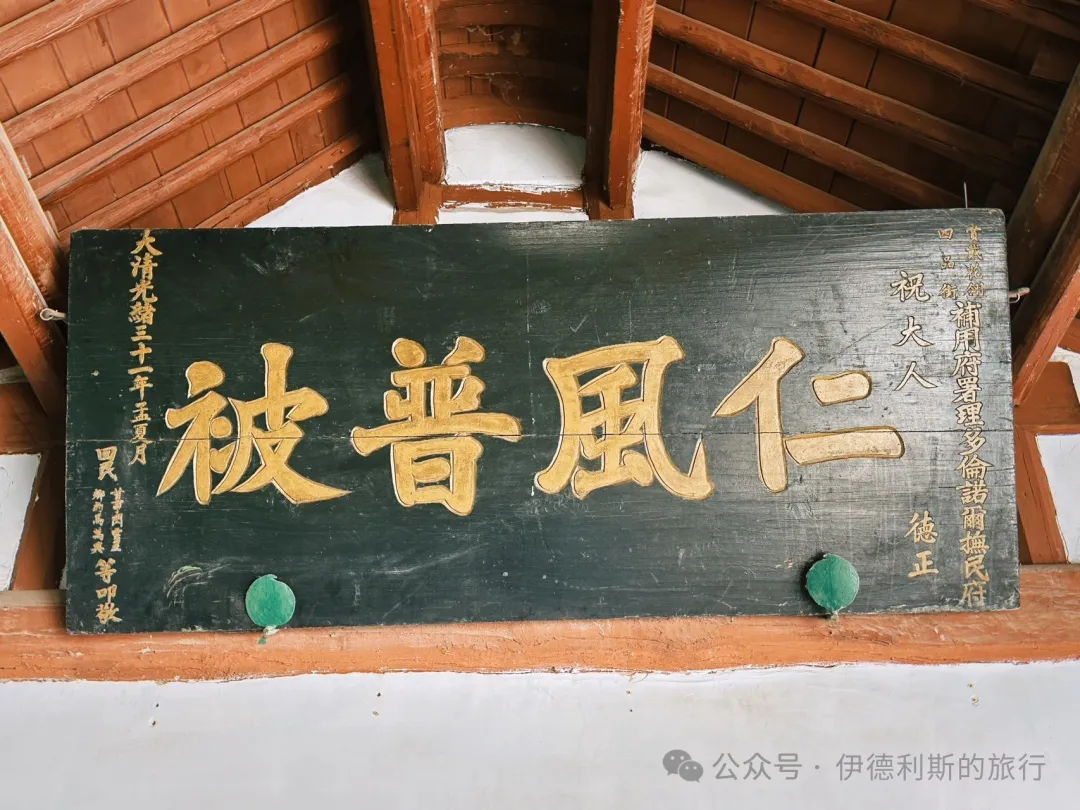
Benevolence spreads everywhere: To the honorable official Zhu, who wears a peacock feather (hualing) and holds a fourth-rank title while serving as the acting prefect of Duolunnuo'er. Respectfully presented in the first month of summer in the 31st year of the Guangxu reign of the Qing Dynasty by Hui Muslim community leaders Shan Yunxing, village head Ma Wanxing, and others.
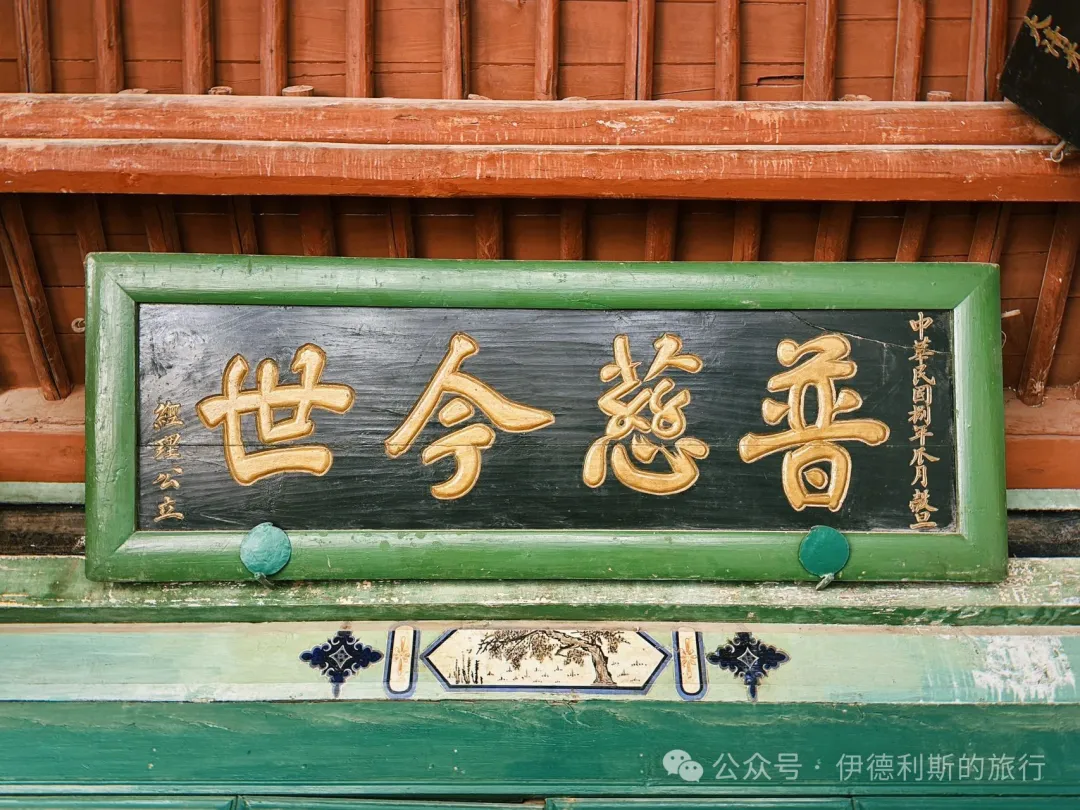
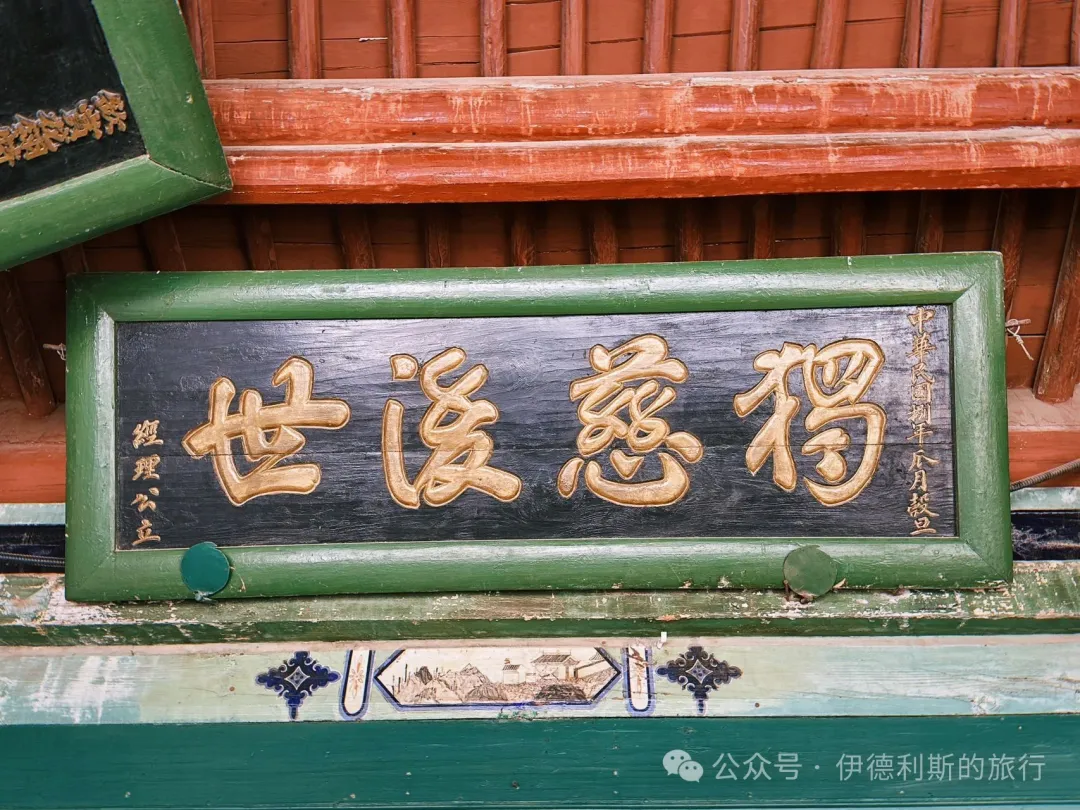
Merciful in this life, uniquely merciful in the hereafter: Dedicated in the seventh lunar month of the eighth year of the Republic of China, managed by the public.
Longshengzhuang Mosque.
Longshengzhuang sits on the border of Shanxi and Inner Mongolia. From the Qing Dynasty to the early Republic of China, it was a crossroads for trade routes between Hohhot, Datong, and Zhangjiakou. It was a key town for Shanxi merchants trading in Mongolia and was officially named Longshengzhuang in 1765 (the 30th year of the Qianlong reign). Shanxi merchants traveling to Mongolia brought rice, flour, tea, oil, wine, and daily goods from Longshengzhuang to Mongolia. They returned with furs, livestock, and leather, bringing great wealth to the town.
The economy of Longshengzhuang peaked during the Xianfeng reign, with 500,000 sheep sold and transported through the town each year. Longshengzhuang reached its height in the early Republic of China. The town had over 300 shops and more than a dozen stables (madian) used for trading and transporting cattle, horses, and sheep. At that time, the street from the south to the north of Longshengzhuang stretched nearly 2 kilometers, lined with rows of shops.
Starting in the early Qing Dynasty, Hui Muslims from Hebei and Shandong moved to Longshengzhuang in Inner Mongolia to do business. In the late Qing Dynasty, many Hui Muslims from Shaanxi also migrated there. During the Guangxu reign of the Qing Dynasty, the Hui Muslim population in Longshengzhuang grew to two or three thousand. In the early Republic of China, it reached a peak of over five thousand people. At that time, Longshengzhuang had a large halal restaurant and nearly twenty businesses including livestock traders, brokers, and stables. After the Ping-Sui Railway opened in 1921, Longshengzhuang declined rapidly. After the 1930s, many people moved away. Today, only about 30 Hui Muslims remain, mostly elderly, and there are no longer any halal restaurants.
Longshengzhuang Mosque was first built in 1751 (the 16th year of the Qianlong reign of the Qing Dynasty). It originally had only three main halls. As more Hui Muslims came to do business, they added 13 main halls, a front gate, a second gate, side rooms, and a screen wall in 1831 (the 11th year of the Daoguang reign), creating a three-courtyard layout.
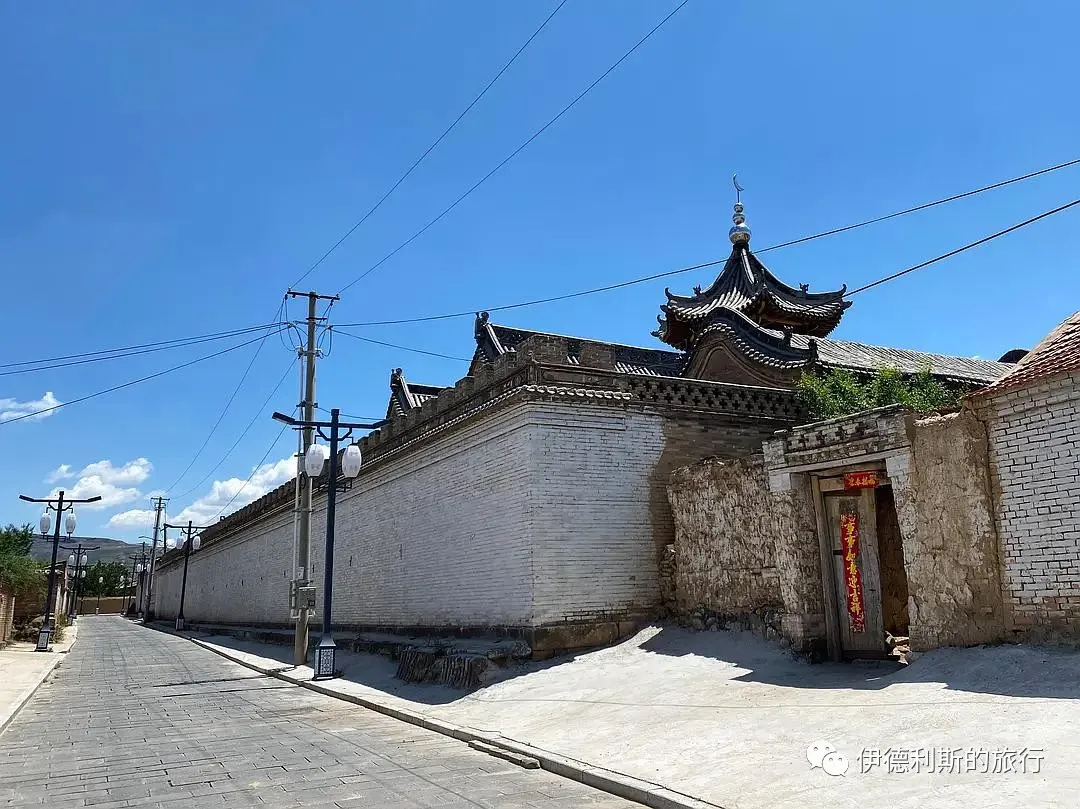
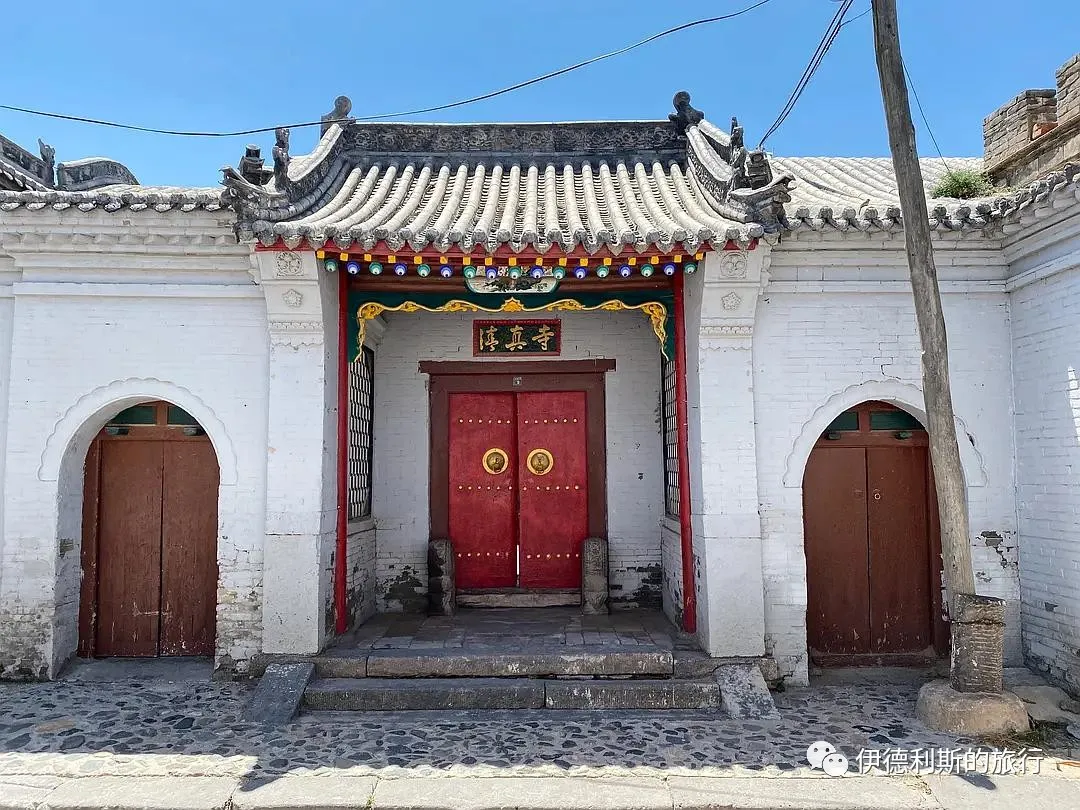
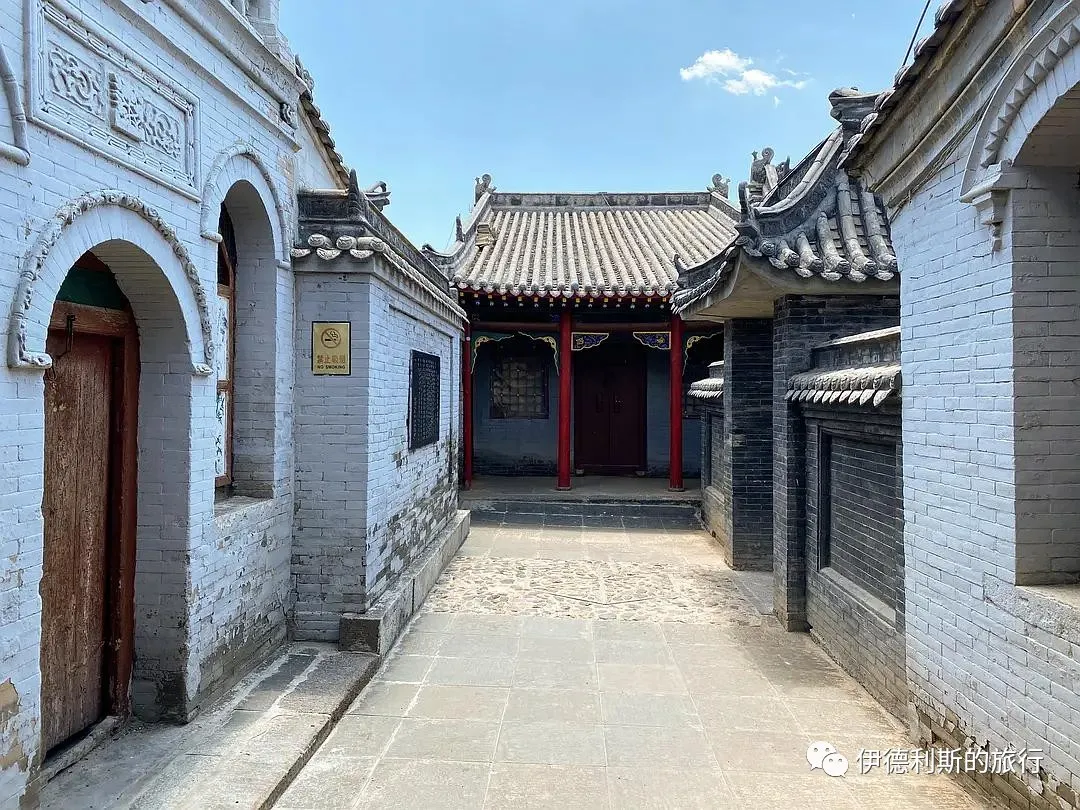
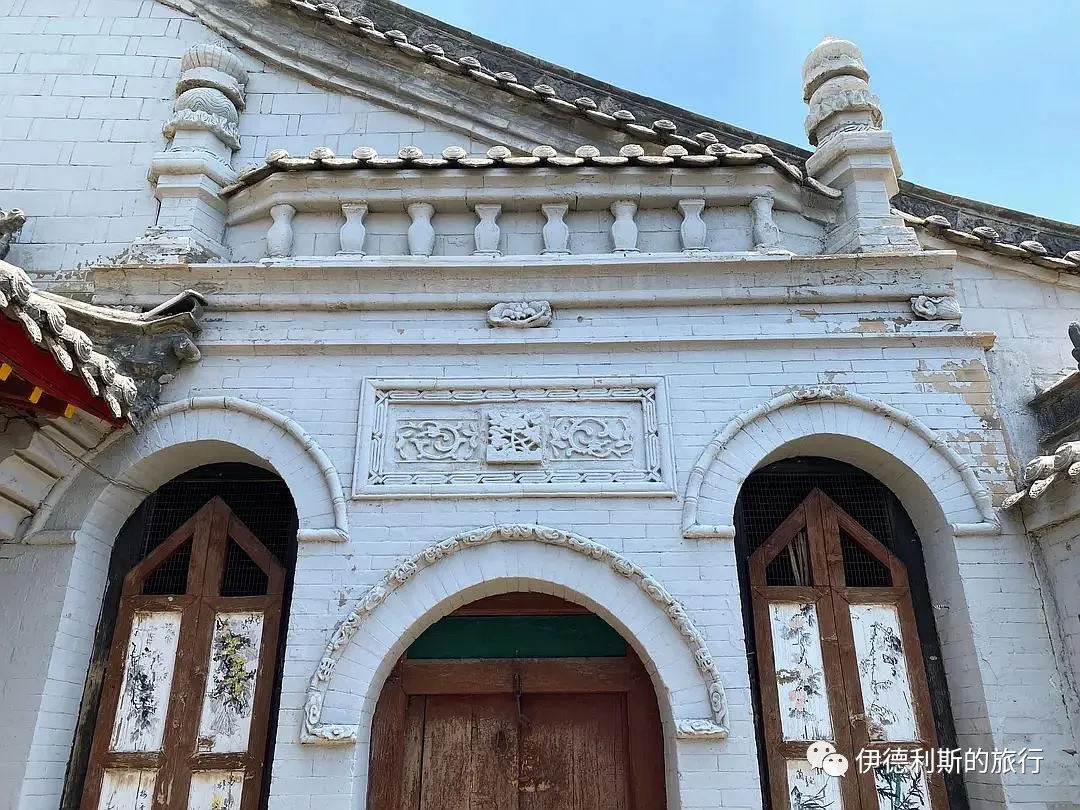
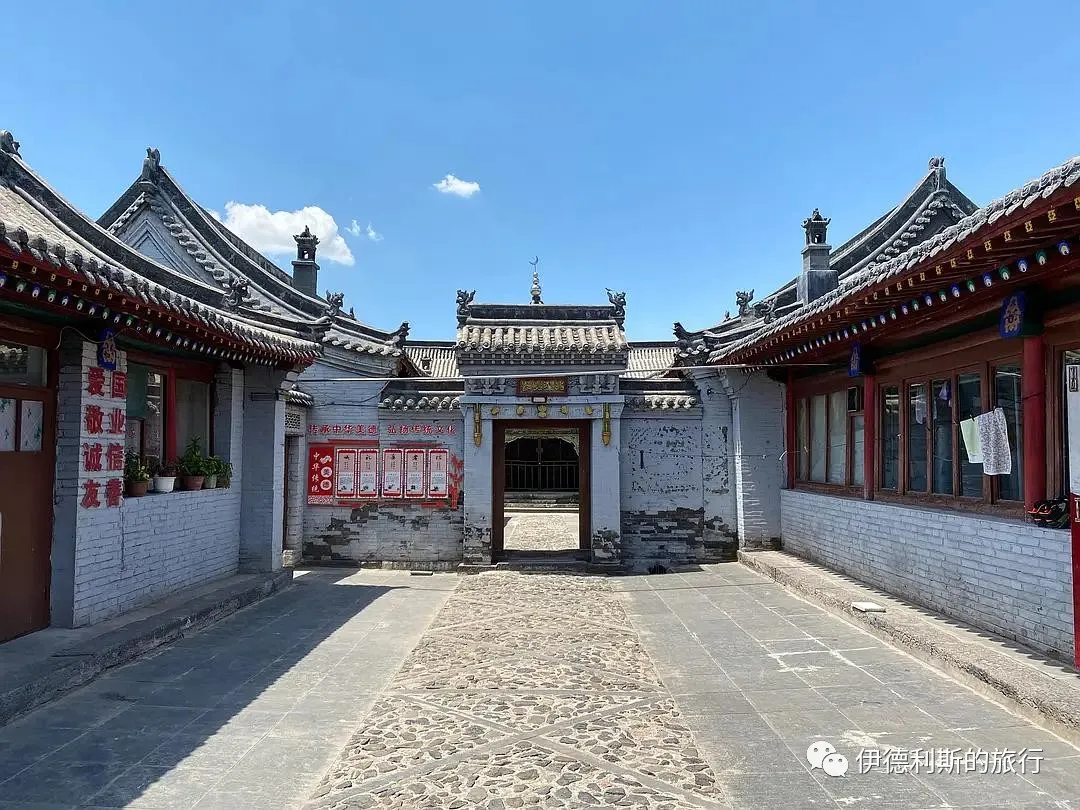
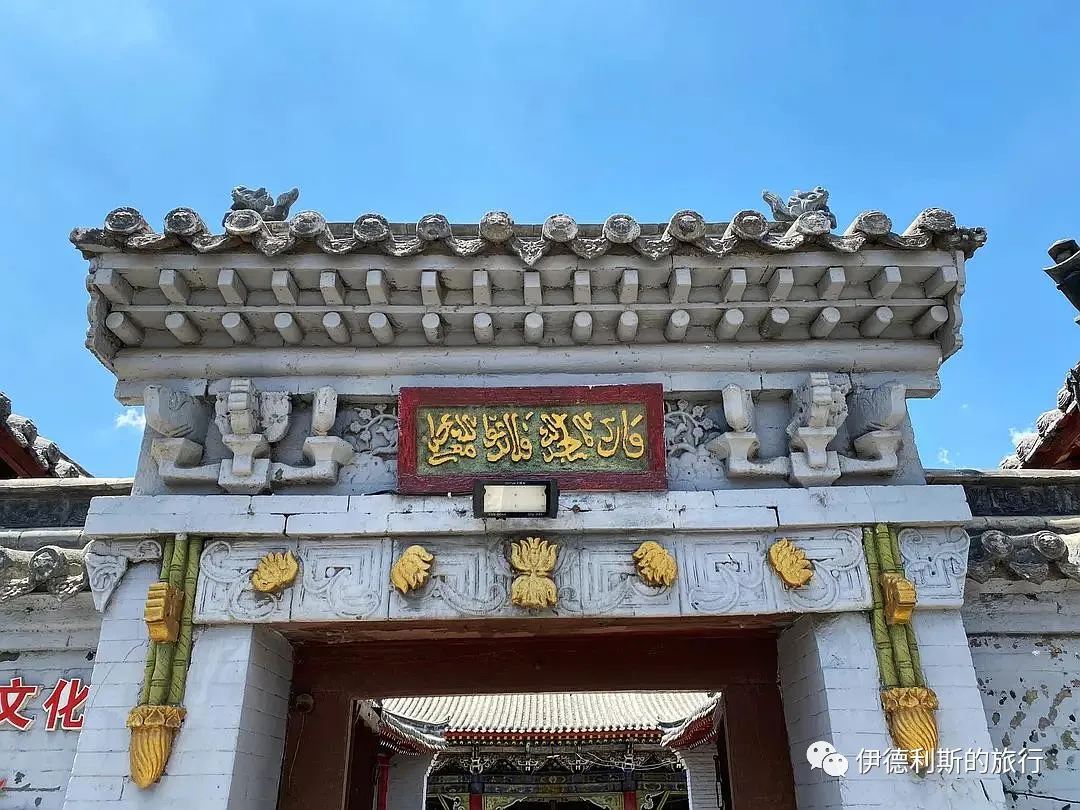
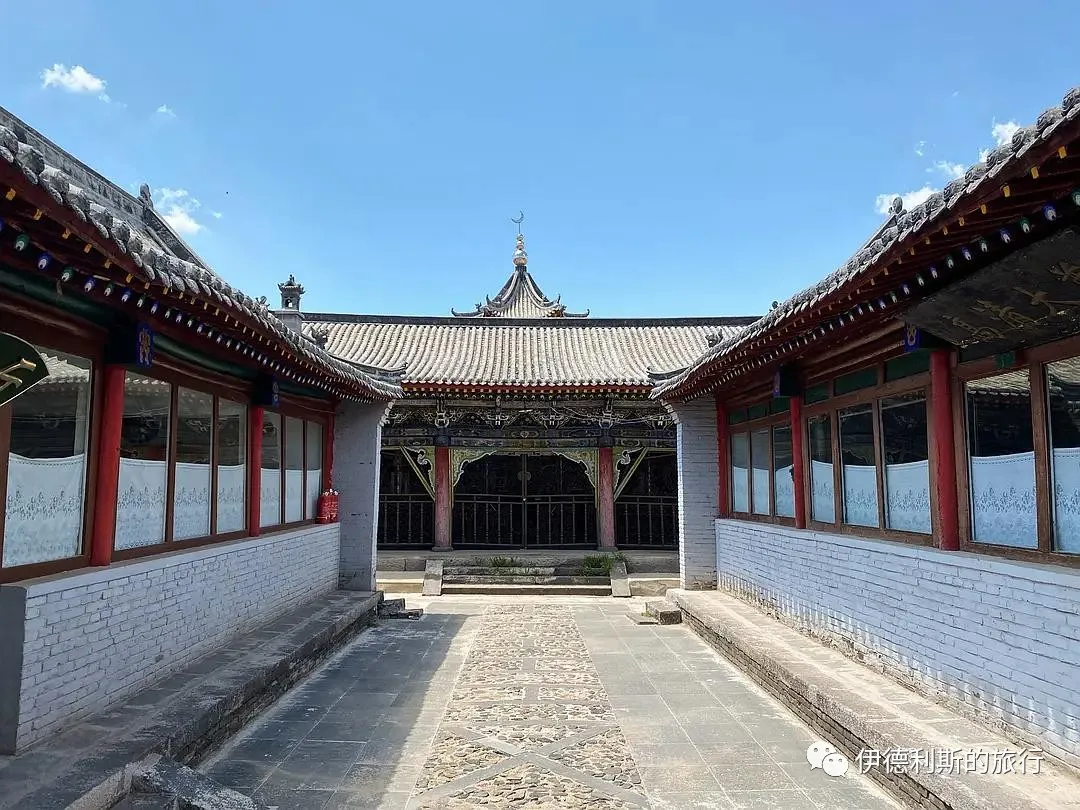
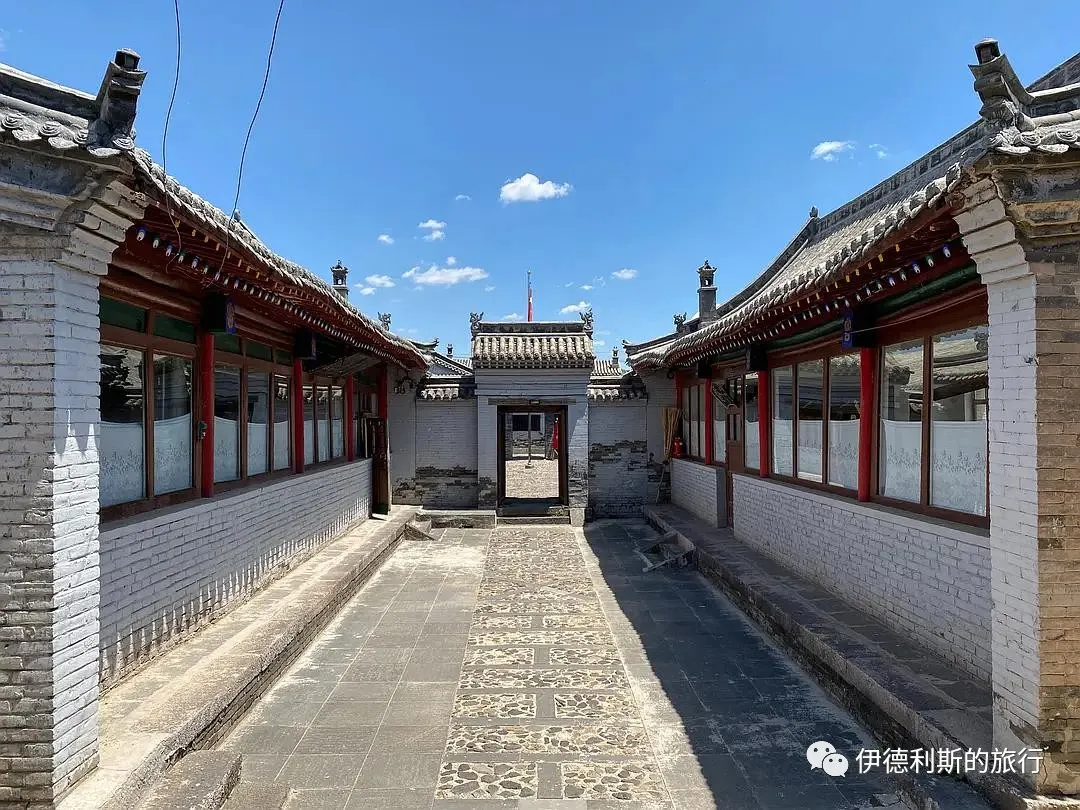
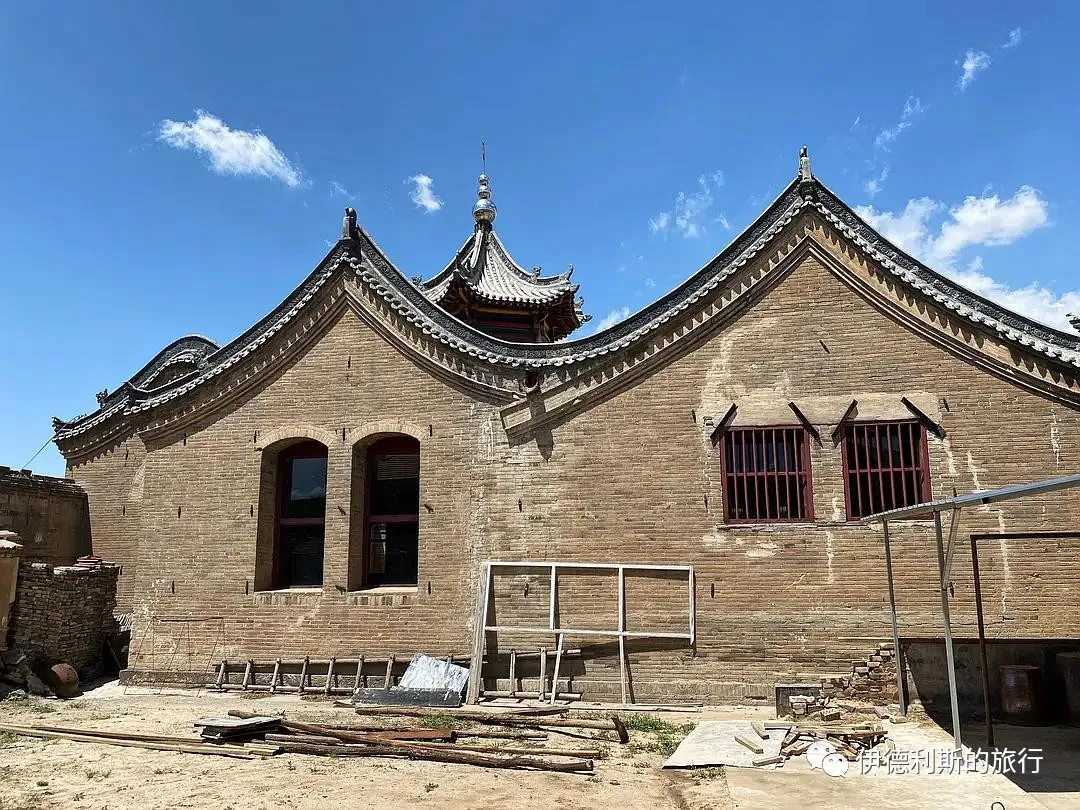
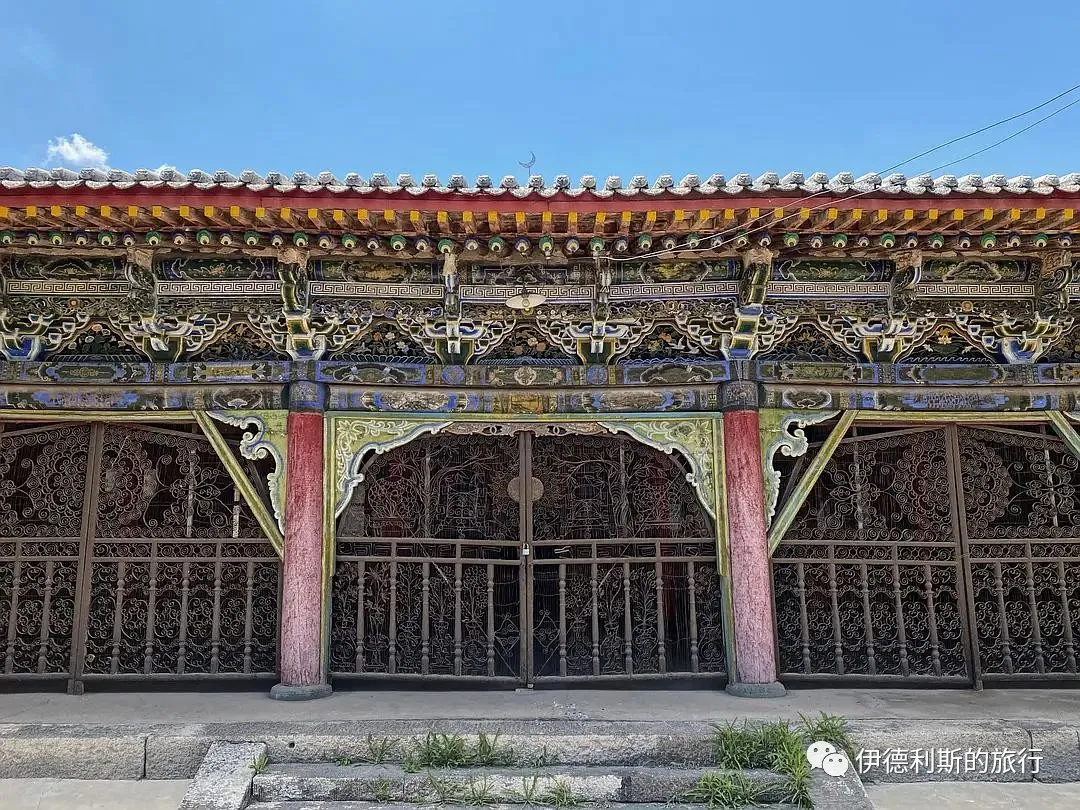
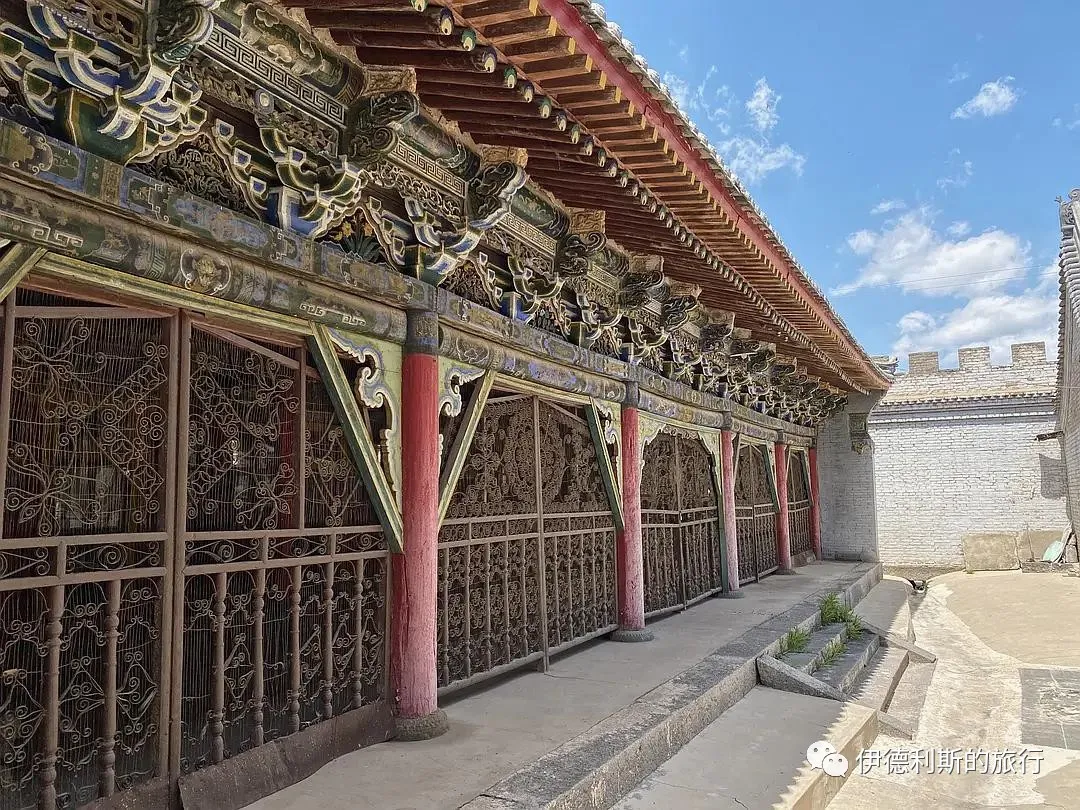
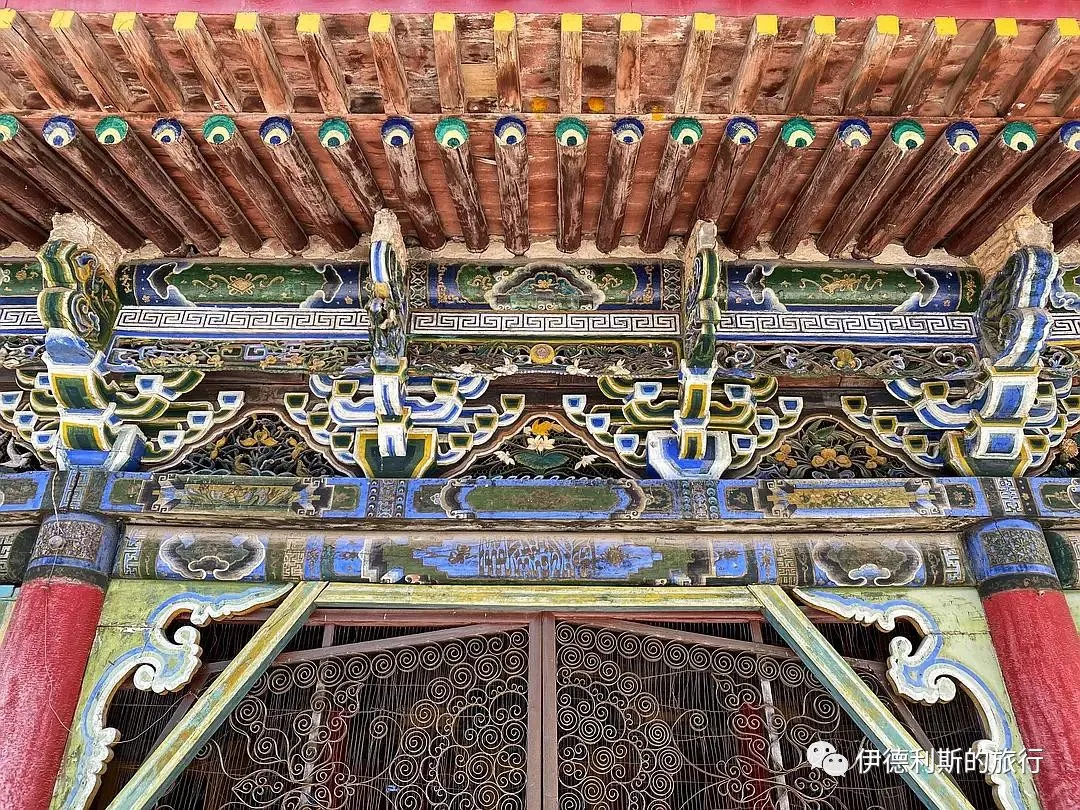
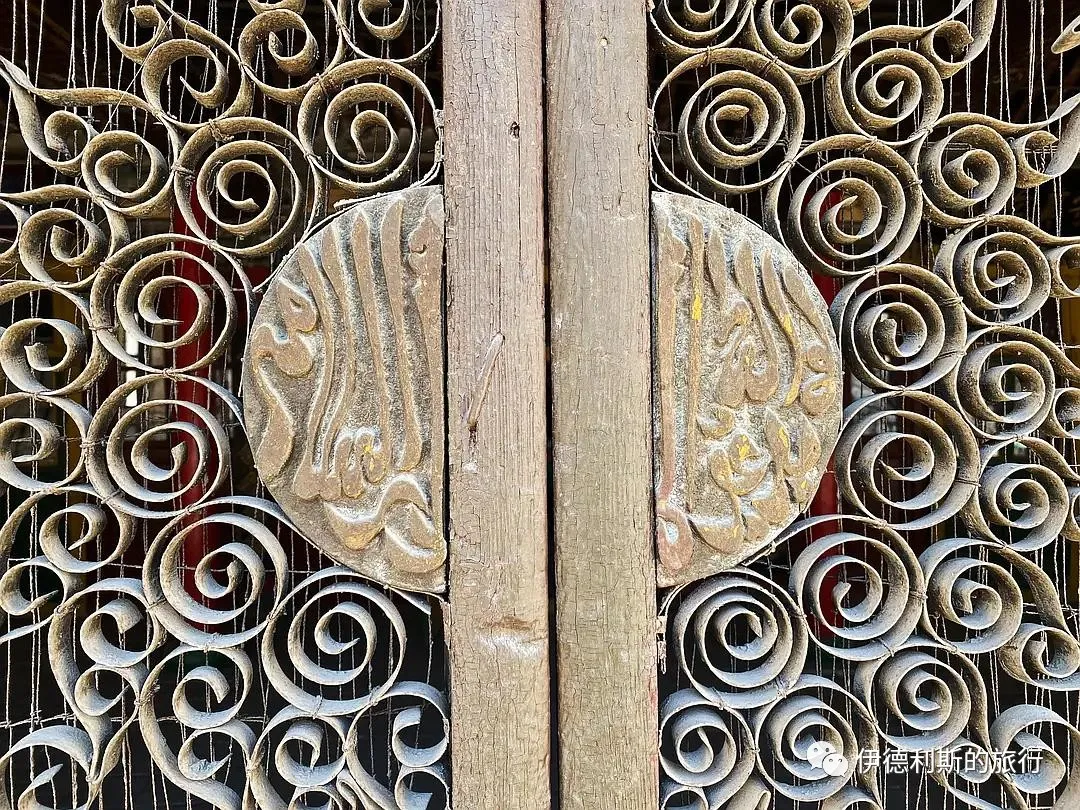
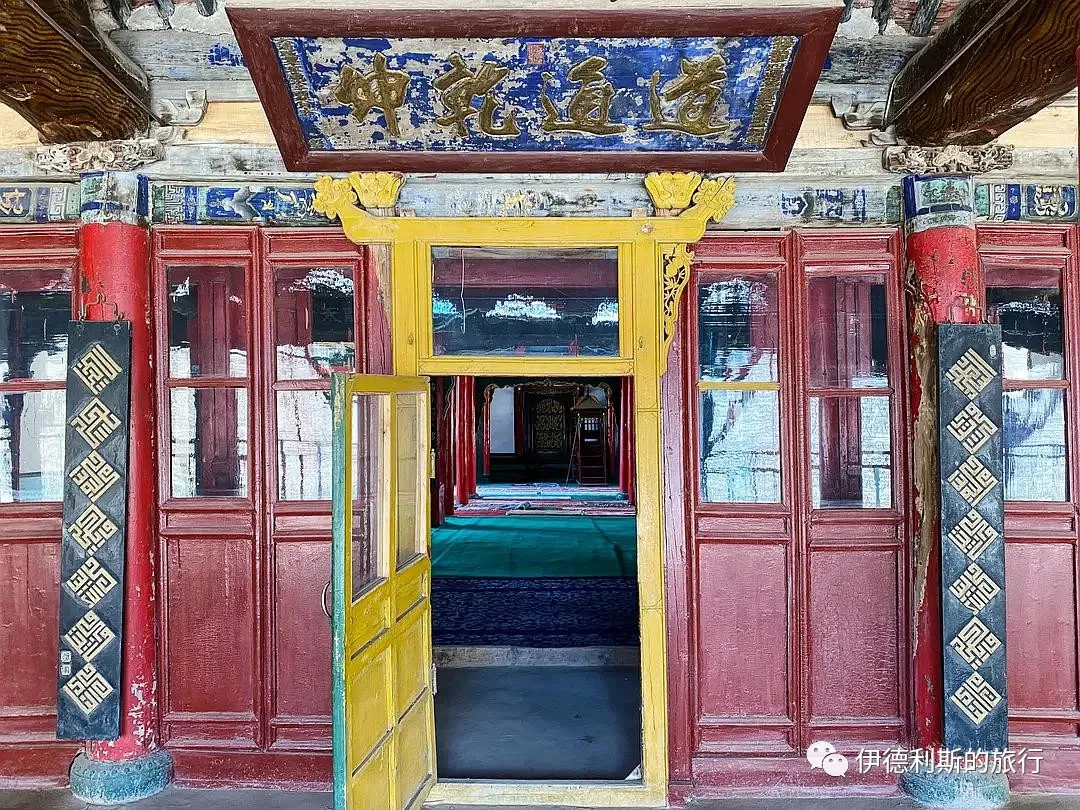
The mosque's porch (juanpeng) was expanded in 1926 and features beautiful ironwork decorations from the Republic of China era.
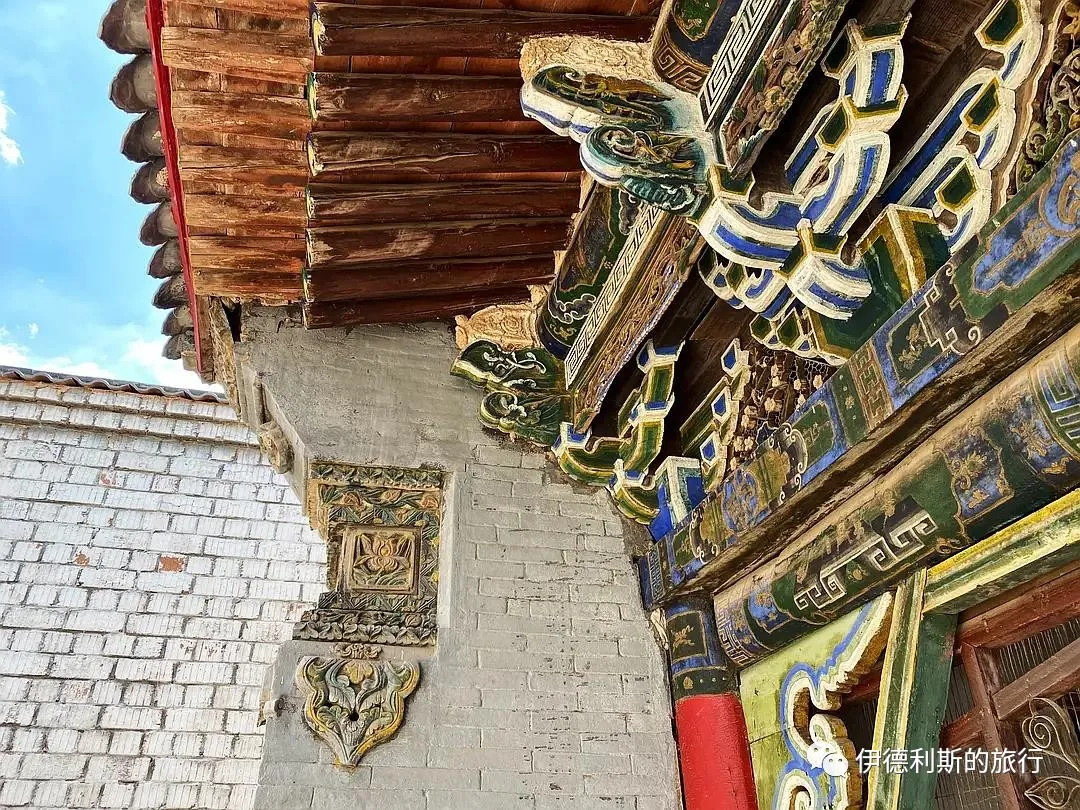
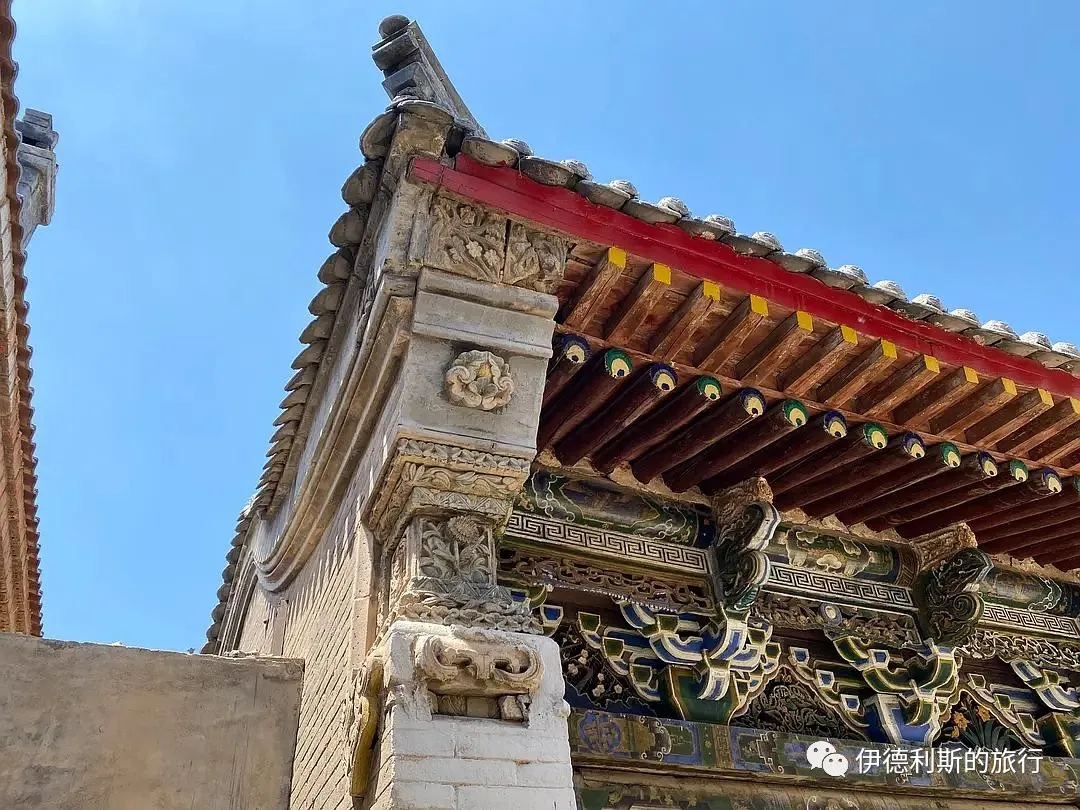
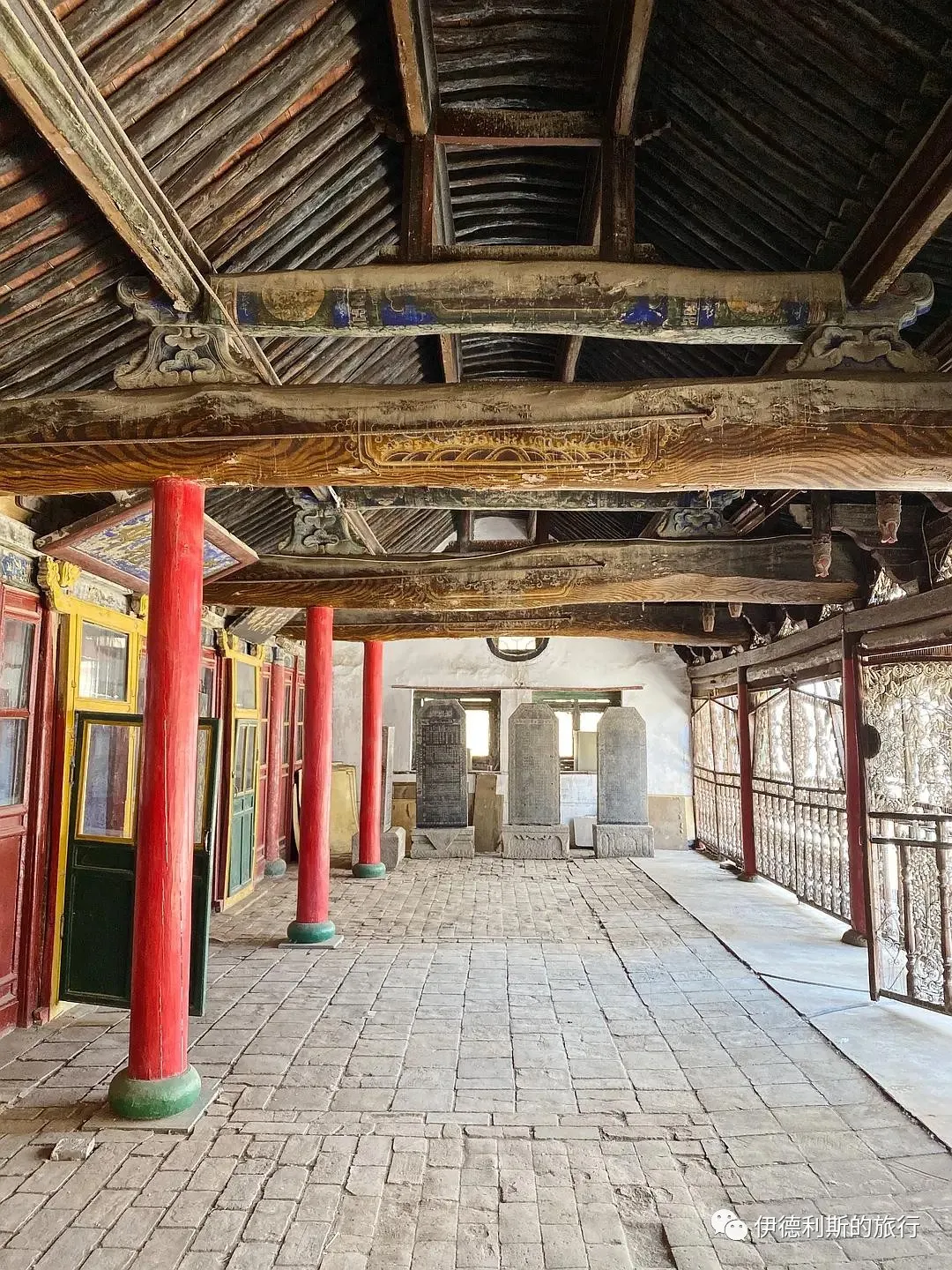
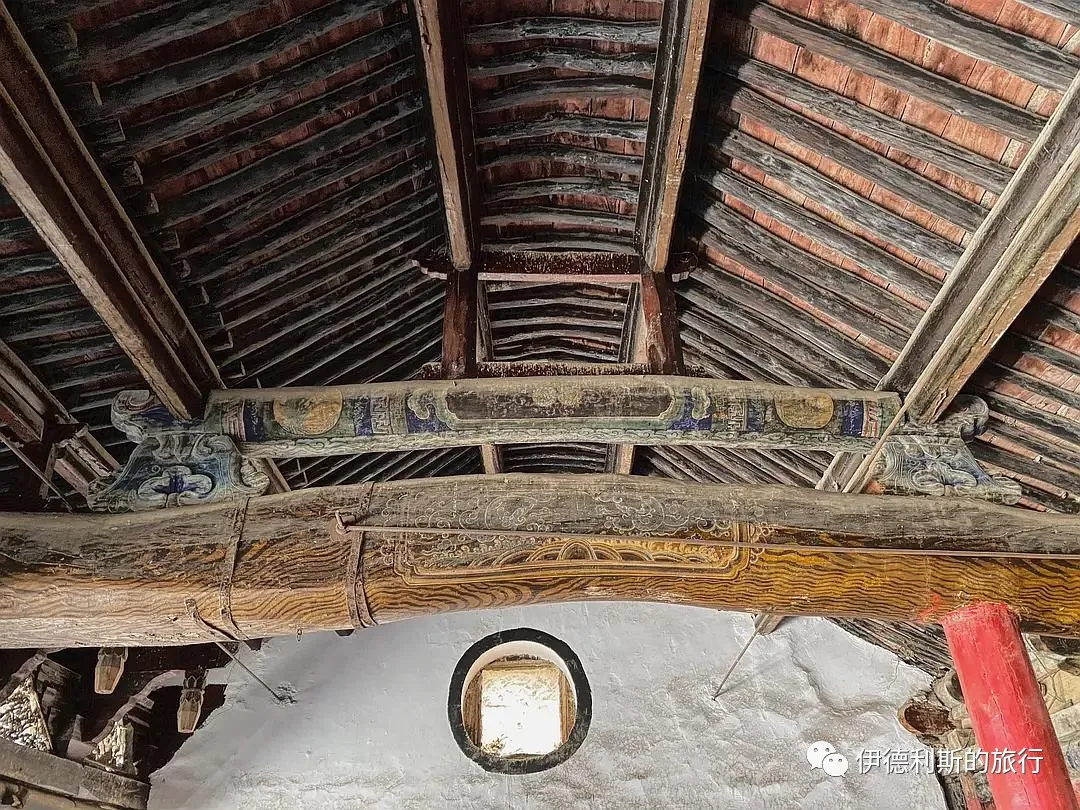
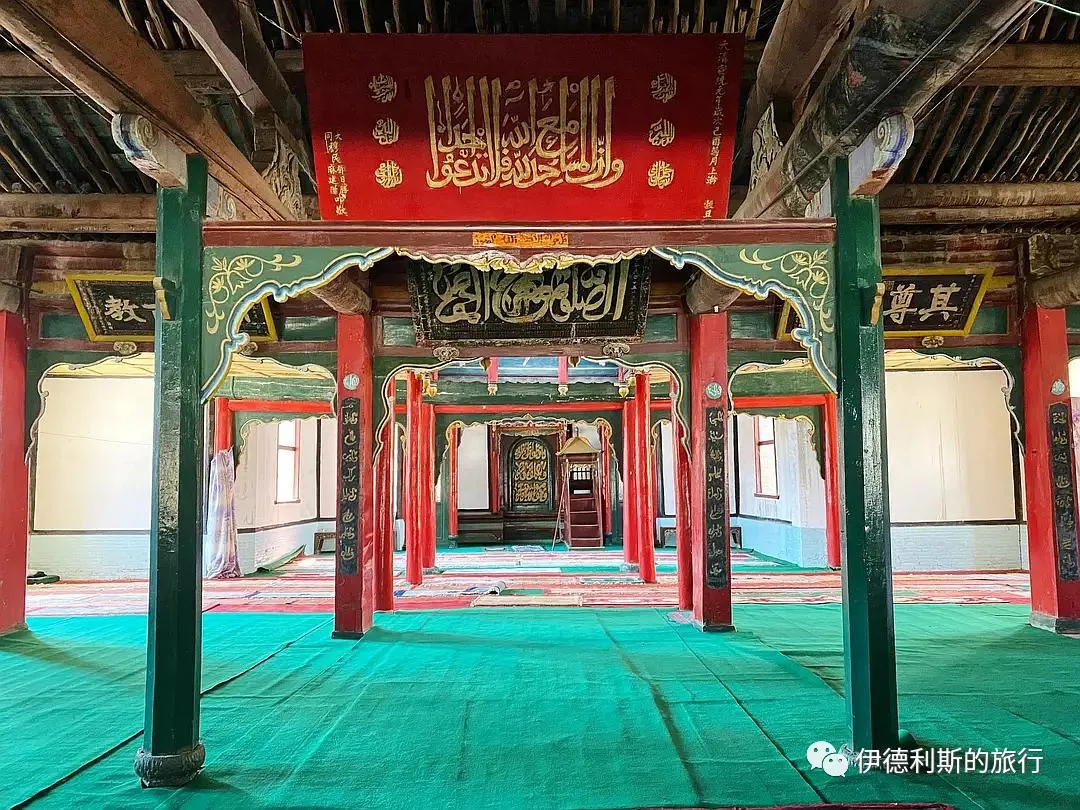
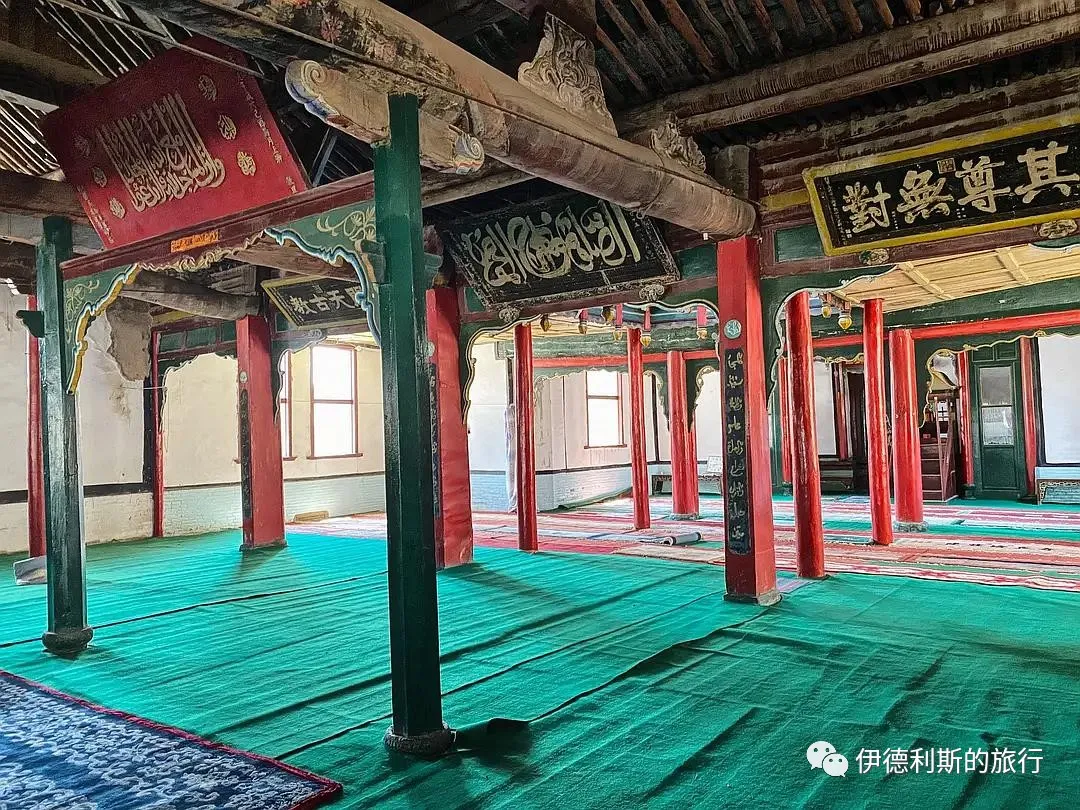
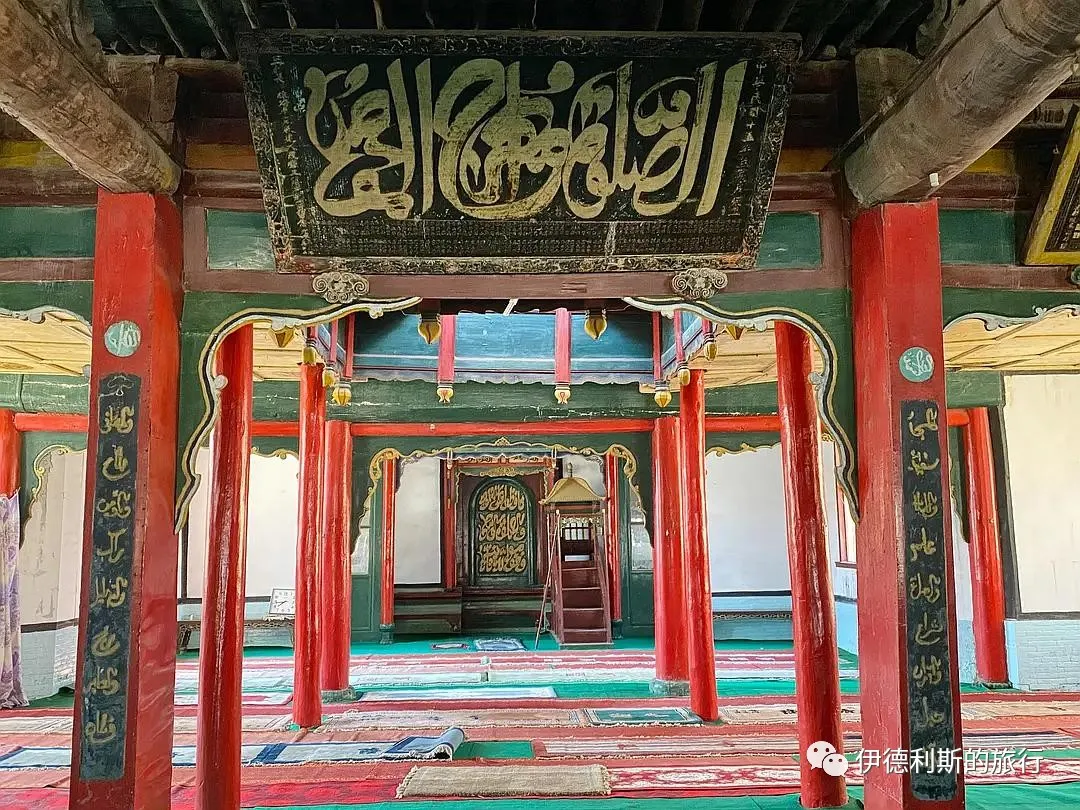
The main hall was also expanded in 1926.
Summary: This first part of the Inner Mongolia mosque series introduces historic Hui Muslim mosques shaped by Qing-era migration, frontier trade, and settlement on the grasslands. The article covers founding dates, mosque layouts, carved woodwork, inscriptions, and the communities that built and maintained these sites.
I am sharing 12 historic mosque buildings I visited in Inner Mongolia, moving from east to west.
Chifeng North Mosque: First built in 1739 and rebuilt in 1747.
Jingpeng Mosque: First built in 1852 and rebuilt in 1908.
Duolun South Mosque: First built during the Yongzheng reign and expanded in 1761.
Duolun North Mosque: Built in 1798.
Duolun West Mosque: Built in 1880.
Duolun Central Mosque: First built in 1908 and rebuilt in 1935.
Longshengzhuang Mosque: First built in 1751 and expanded in 1831 and 1926.
Hohhot Great Mosque: First built in 1693 and expanded in 1798 and 1925.
Chasuqi Great Mosque: First built in 1760 and rebuilt in 1909.
Salaqi Mosque: First built in 1747 and renovated in 1947.
Baotou Great Mosque: First built in 1743, renovated in 1833, and expanded in 1913.
Baotou Small Mosque: First built in 1908 and rebuilt in 1918.
Chifeng North Mosque
During the early Qing Dynasty, Hui Muslims from Shandong and Hebei provinces kept traveling through Gubeikou and Chengde to find work in eastern Inner Mongolia. In the 1730s, ten Hui Muslim families with surnames like Zhang, Ma, and Bai moved from Shandong and Hebei to settle in Chifeng. They were known as the ten great Hui Muslim families or the original settlers (zhanshanhu).
In 1739 (the fourth year of the Qianlong reign), a community elder named Zhang Yueming led the effort to lease seven point six mu of land from a Mongol prince. They built five mud rooms and a three-room main prayer hall, which became the first Chifeng mosque.
In 1742 (the seventh year of the Qianlong reign), elder Ma Fen, who once ran the Desheng Security Bureau in Shenyang, started a project to rebuild the mosque. He bought a plot of land, and the imam and several elders traveled to different places to collect donations through fundraising letters (nietie). Afterward, elder Ma Fen went to Shenyang to hire craftsmen. Construction took four years and finished in 1747 (the twelfth year of the Qianlong reign). All the wood used came from red pine trees in the mountains south of Chifeng. From then on, the imam of the North Mosque was always a scripture reader from the Ma family line.
The main prayer hall of the North Mosque consists of a front porch (juanpeng), the main hall, the rear niche (yaodian), and a moon-sighting tower (wangyuelou) on top of the niche. The moon-sighting tower has a double-eaved hexagonal roof with a gilded bronze vase on top and intricate carvings of two dragons playing with a pearl. The front porch sits on a pedestal base (xumizuo). Between the eaves pillars, there are openwork carvings of clouds and flowers, which is a very distinct style from Northeast China.
The beams of the front porch are painted with Suzhou-style patterns and feature wooden dragon head carvings, which are very rare in the country.
The beautiful stone carvings on the gable walls of the main hall feature bats representing good fortune and intertwined lotus patterns.
The phoenix, peony, sun, and moon carvings on the corner stone pillars of the main hall.
The drum-shaped stone bases (baogushi) in front of the porch.
The calligraphic brick carvings on the gable ends (xitou). This style of calligraphy relates to the Shandong school of scripture hall education that spread through the Northeast region.
Jingpeng Mosque (Jingpeng Si).
During the Kangxi reign of the Qing Dynasty, Jingpeng Town became a major trading hub on the grasslands, located on the main route between Mongolia and the Northeast. During the lama temple fairs, merchants from inland China brought cotton cloth, sugar, and tea to trade with the Mongols for furs, livestock, and local products. In 1723 (the second year of the Yongzheng reign), severe droughts in Shandong and Hebei forced disaster victims to head north to find work. To solve the problem of displaced people, the Qing government implemented a policy of borrowing land to support the people in the southeastern Mongolian grasslands, including Hexigten Banner. During the Qianlong reign, Hui Muslims from Yangxin and Guan counties in Shandong, and Cangzhou and Hejian in Hebei, traveled through Chifeng and Duolun to reach Jingpeng Town to trade on the grasslands, eventually settling there.
After the 19th century, the Hui Muslim population in Jingpeng reached nearly 1,000, with family names including Feng, Cong, Ma, Bai, Li, Jin, and Ha. In 1852 (the second year of the Xianfeng reign), they officially built a mosque (masjid), which started as five mud-brick rooms. In 1902 (the 28th year of the Guangxu reign), community elders including Liu Qi, imam Ha Zhaobin, Li Wenrong, Cong Laofeng, Ma Changtai, and Jin Fengming led a fundraising effort to rebuild the Jingpeng Mosque. Liu Qi and Ha Zhaobin traveled inside the Great Wall three times to collect funds. After four years, the current building was completed in 1908 (the 34th year of the Guangxu reign). It was named a key cultural relic protection site of Hexigten Banner in 1992.
The north and south lecture halls and the main hall of the Jingpeng Mosque are all Qing Dynasty structures. The main hall consists of a porch, the main hall itself, and a rear kiln-style hall (yaodian) topped with a moon-watching tower (wangyuelou). The moon-watching tower was torn down in 1967 and rebuilt after 1981.
Duolun South Mosque (Duolun Nansi).
Duolun County is located at the southeastern end of Xilin Gol League and was once a political and economic center on the Mongolian grasslands during the Qing Dynasty. In 1691 (the 30th year of the Kangxi reign), Emperor Kangxi held the Duolun Alliance with the nobles of the three Outer Mongolian tribes and the forty-eight banners of Inner Mongolia, officially bringing Outer Mongolia into the Qing territory. Later, at the request of Mongolian nobles, Kangxi allowed inland merchants to open trade routes between China and the Mongolian grasslands, granting them official titles and favorable treatment. This caused merchants from Beijing, Tianjin, Hebei, Shanxi, Shandong, and Shaanxi to flock there, quickly turning Duolun into a commercial hub for Mongolian trade. In 1710 (the 49th year of the Kangxi reign), Xinghua Town was officially established in Duolun. In 1741 (the sixth year of the Qianlong reign), Xinshengying was built north of Xinghua Town, forming the layout of the old city of Duolun.
After the city of Duolun was established, Hui Muslims from Hebei, Shandong, Shanxi, and Henan traveled through Zhangjiakou to trade on the grasslands, moving back and forth between the Mongolian plains and inland China. In his book 'Records of Dolon Nor' published in 1908, the late Qing Japanese scholar Jian Hongsheng recorded that the Hui Muslim population in Duolun had already reached 3,000.
The Hui Muslims of Duolun built six mosques: the South Mosque, North Mosque, East Mosque, West Mosque, Central Mosque, and Da'erhao Mosque. The Da'erhao Mosque was transferred to Guyuan County in 1950, and the East Mosque was demolished in the 1960s. Today, the old city still preserves the South, North, East, and West mosques. In 2006, they were collectively listed as a national-level cultural relic protection site under the name 'Duolun Ancient Architectural Complex'.
The South Mosque is the first mosque in Duolun, located on Taiping Street in the old city. It was first built during the Yongzheng reign, and in 1761 (the 26th year of the Qianlong reign), Hui Muslim merchants Mo Tianming and Ma Guifang initiated an expansion to create the current structure. In July 1933, after the anti-Japanese hero General Ji Hongchang recaptured Duolun, the Hui Muslims of Duolun hosted a banquet for him at the South Mosque. The South Mosque is currently closed and not open for visitors.
Duolun North Mosque
The North Mosque is located on Erdao Street in the old city. It was built in 1798 (the third year of the Jiaqing reign) with funds donated by Hui Muslim merchants from the cattle, horse, and camel trade. It later became the largest mosque (masjid) in the city. In July 1933, after the anti-Japanese hero General Ji Hongchang recaptured Duolun, he stayed at the North Mosque for a short time. Today, the North Mosque is active and holds regular services.
Duolun West Mosque
During the Tongzhi reign, some Hui Muslims from Shaanxi, Ningxia, and Gansu moved to Duolun to settle down. Since then, Hui Muslims from North China have been called "Kouli people," while those from the Northwest have been called "Westerners."
The East Mosque was located outside Nanjin Fort in the old city. It was started in 1869 (the eighth year of the Tongzhi reign) by Hui Muslims Xiu Mingliang and Liu Changfu from Shaanxi, and was completed in 1878 (the first year of the Guangxu reign). The West Mosque is located on Daxijie Street in the old city. It was built in 1880 (the fifth year of the Guangxu reign) by camel merchants Li Xianyu and Wang Jichen, who were from Ningxia and Gansu. After the 1960s, the East Mosque was completely demolished, and the gate and the north and south lecture halls of the West Mosque were also torn down. Today, only the main prayer hall of the West Mosque remains, and it is open to the public as a historical site.
Duolun Central Mosque
The Central Mosque is located on Nanquangfeng Street in the old city. It was built in 1908 (the 34th year of the Guangxu reign) by Wang Guofu and Shan Yunxing. In 1930, He Xingzhou, Cong Dianqing, and others initiated the reconstruction of the main hall, which was completed in 1935. The Central Mosque is currently open for regular activities.
The Duolun Central Mosque houses plaques and couplets from various mosques in Duolun: Do not be greedy for this life, only for the afterlife; the heavenly way and human way return to the true faith. Carefully guard the righteous path, avoid what is improper, keep your heart happy and your body at peace, and recognize the One. Dedicated in the eighth month of the 24th year of the Jiaqing reign.
Heavenly decree teaches the pure and unique faith, recognizing the truth since ancient times through the seven days; the Prophet's practice spreads the righteous faith, which is one and returns to the belief in the five daily prayers.
Blessings of the One True God: Dedicated on a lucky day in the fifth month of the ninth year of the Xianfeng reign of the Great Qing Dynasty by Zheng Kuishi, Imperial Commissioner overseeing military affairs in Ningguo, Commander-in-Chief of the Zhejiang provincial military, controller of all land and water garrisons, and specially granted the title of Jianwei General and Shalama Gai Batulu.
Zheng Kuishi was a famous general in the late Qing Dynasty and a Hui Muslim from Wanquan, Zhangjiakou, Hebei. He fought against the Taiping Rebellion and the Nian Army for many years. He was the first to break through Luzhou and suffered over twenty wounds in Huaiyuan, nearly losing his life, which earned him great praise from the imperial court. When Zheng Kuishi inscribed the plaque for Duolun in the ninth year of the Xianfeng reign, he was serving as the Commander-in-Chief of Zhejiang and overseeing military affairs in Ningguo, which was the highest rank he reached in his life. In a memorial to the throne, Li Hongzhang highly praised Zheng Kuishi, saying he was "hardworking, resolute, and brave beyond compare... he was the first to face the enemy's sharp edge, braving death, and suffered severe wounds eight or nine times. His body was covered in scars, and among all the famous generals north and south of the Yangtze River, everyone considered Kuishi the best."
The Ancient Pure Faith: Respectfully presented by Song Rui, who was specially granted a peacock feather and served as the Duolun Camp Commander. A lucky day in the sixth month of the first year of the Guangxu reign of the Great Qing Dynasty.
Benevolence spreads everywhere: To the honorable official Zhu, who wears a peacock feather (hualing) and holds a fourth-rank title while serving as the acting prefect of Duolunnuo'er. Respectfully presented in the first month of summer in the 31st year of the Guangxu reign of the Qing Dynasty by Hui Muslim community leaders Shan Yunxing, village head Ma Wanxing, and others.
Merciful in this life, uniquely merciful in the hereafter: Dedicated in the seventh lunar month of the eighth year of the Republic of China, managed by the public.
Longshengzhuang Mosque.
Longshengzhuang sits on the border of Shanxi and Inner Mongolia. From the Qing Dynasty to the early Republic of China, it was a crossroads for trade routes between Hohhot, Datong, and Zhangjiakou. It was a key town for Shanxi merchants trading in Mongolia and was officially named Longshengzhuang in 1765 (the 30th year of the Qianlong reign). Shanxi merchants traveling to Mongolia brought rice, flour, tea, oil, wine, and daily goods from Longshengzhuang to Mongolia. They returned with furs, livestock, and leather, bringing great wealth to the town.
The economy of Longshengzhuang peaked during the Xianfeng reign, with 500,000 sheep sold and transported through the town each year. Longshengzhuang reached its height in the early Republic of China. The town had over 300 shops and more than a dozen stables (madian) used for trading and transporting cattle, horses, and sheep. At that time, the street from the south to the north of Longshengzhuang stretched nearly 2 kilometers, lined with rows of shops.
Starting in the early Qing Dynasty, Hui Muslims from Hebei and Shandong moved to Longshengzhuang in Inner Mongolia to do business. In the late Qing Dynasty, many Hui Muslims from Shaanxi also migrated there. During the Guangxu reign of the Qing Dynasty, the Hui Muslim population in Longshengzhuang grew to two or three thousand. In the early Republic of China, it reached a peak of over five thousand people. At that time, Longshengzhuang had a large halal restaurant and nearly twenty businesses including livestock traders, brokers, and stables. After the Ping-Sui Railway opened in 1921, Longshengzhuang declined rapidly. After the 1930s, many people moved away. Today, only about 30 Hui Muslims remain, mostly elderly, and there are no longer any halal restaurants.
Longshengzhuang Mosque was first built in 1751 (the 16th year of the Qianlong reign of the Qing Dynasty). It originally had only three main halls. As more Hui Muslims came to do business, they added 13 main halls, a front gate, a second gate, side rooms, and a screen wall in 1831 (the 11th year of the Daoguang reign), creating a three-courtyard layout.
The mosque's porch (juanpeng) was expanded in 1926 and features beautiful ironwork decorations from the Republic of China era.
The main hall was also expanded in 1926.
