
Halal Travel Guide: Damascus Old City - Food, Streets and Umayyad Mosque
Reposted from the web
Summary: Damascus Old City offers snacks, old markets, restaurants, and street life around Al-Qaymariyya Street and the Umayyad Mosque. This account keeps the source's food names, shop details, routes, historic neighborhood observations, and photographs.
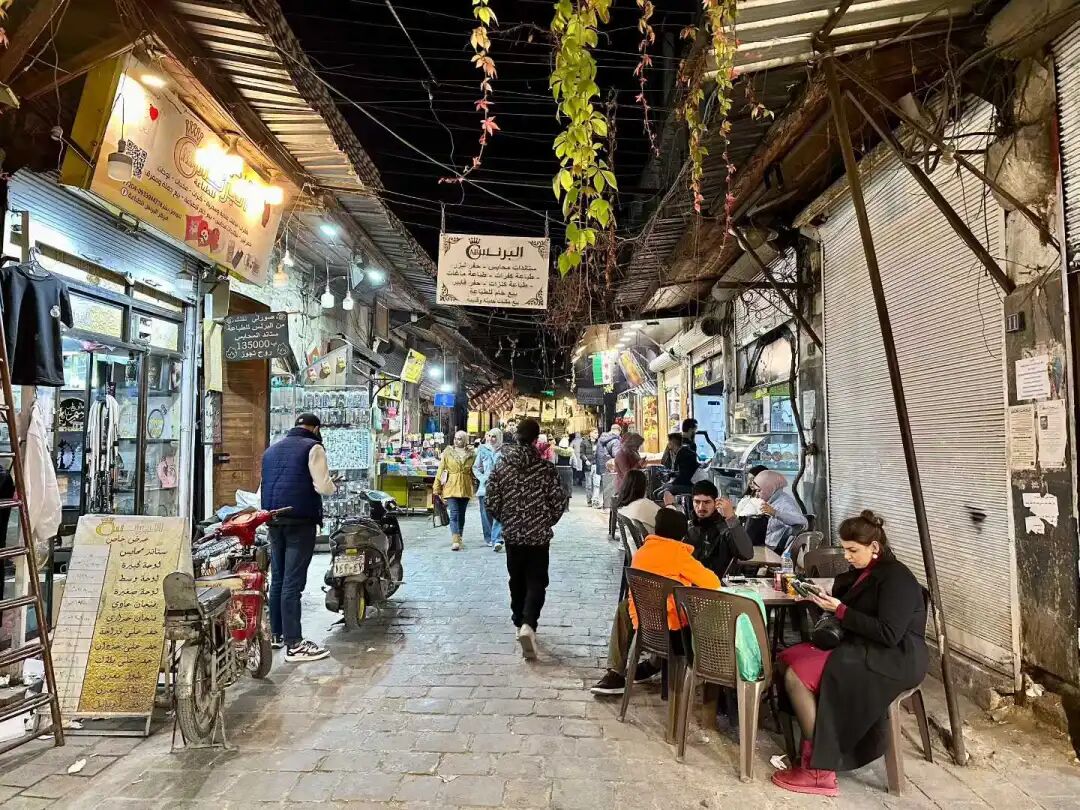
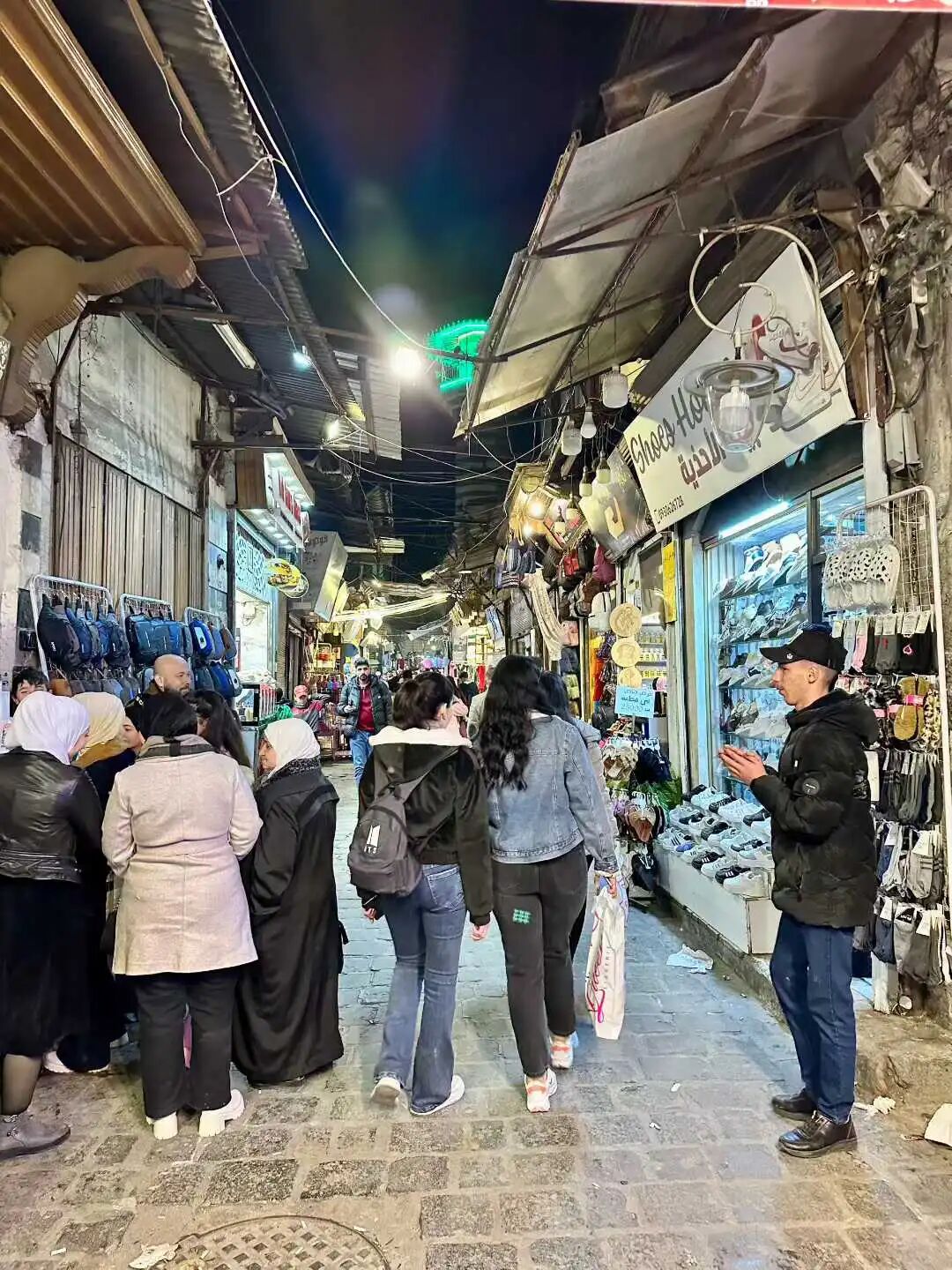
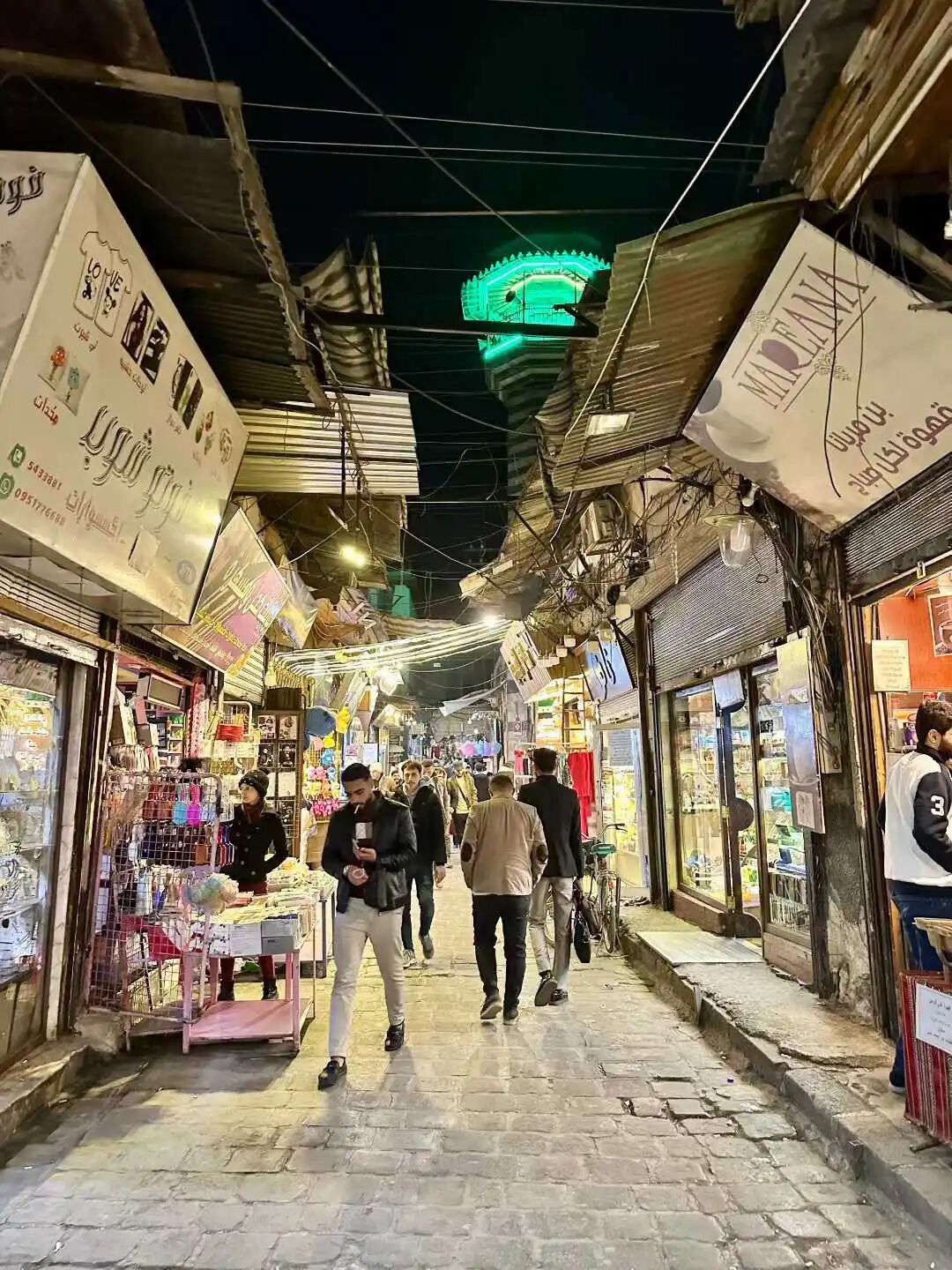
The best place for snacks in the Old City of Damascus is Al-Qaymariyya Street, right outside the east gate of the Umayyad Mosque. It gets very busy here every afternoon, and crowds stay until midnight. It feels a lot like the Nanluoguxiang of Damascus.
Because it connects the heritage hotels in the Christian Quarter with the historic buildings around the Umayyad Mosque, I walked through Al-Qaymariyya Street many times a day during my stay in Damascus and ate plenty of street food there.
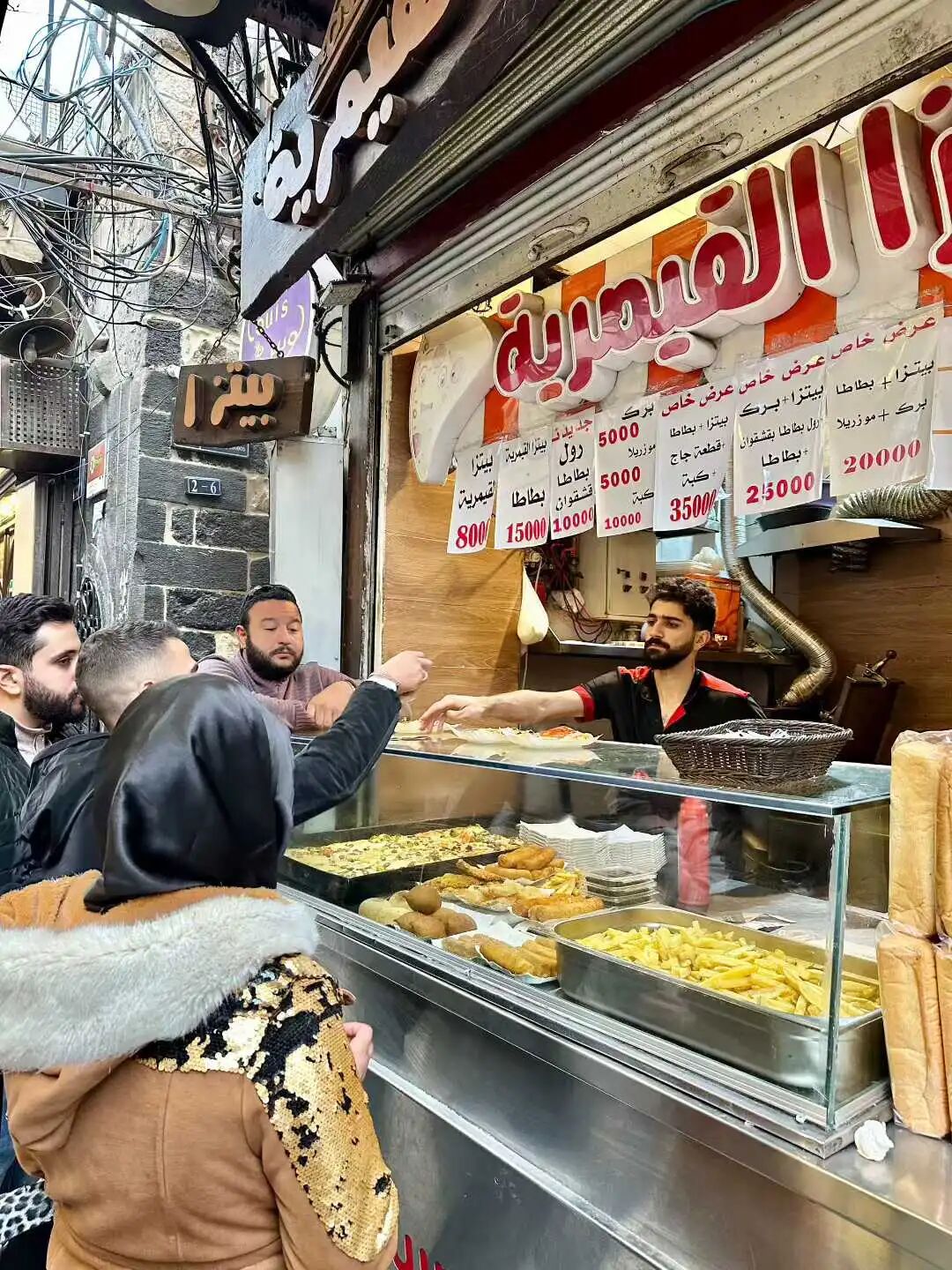
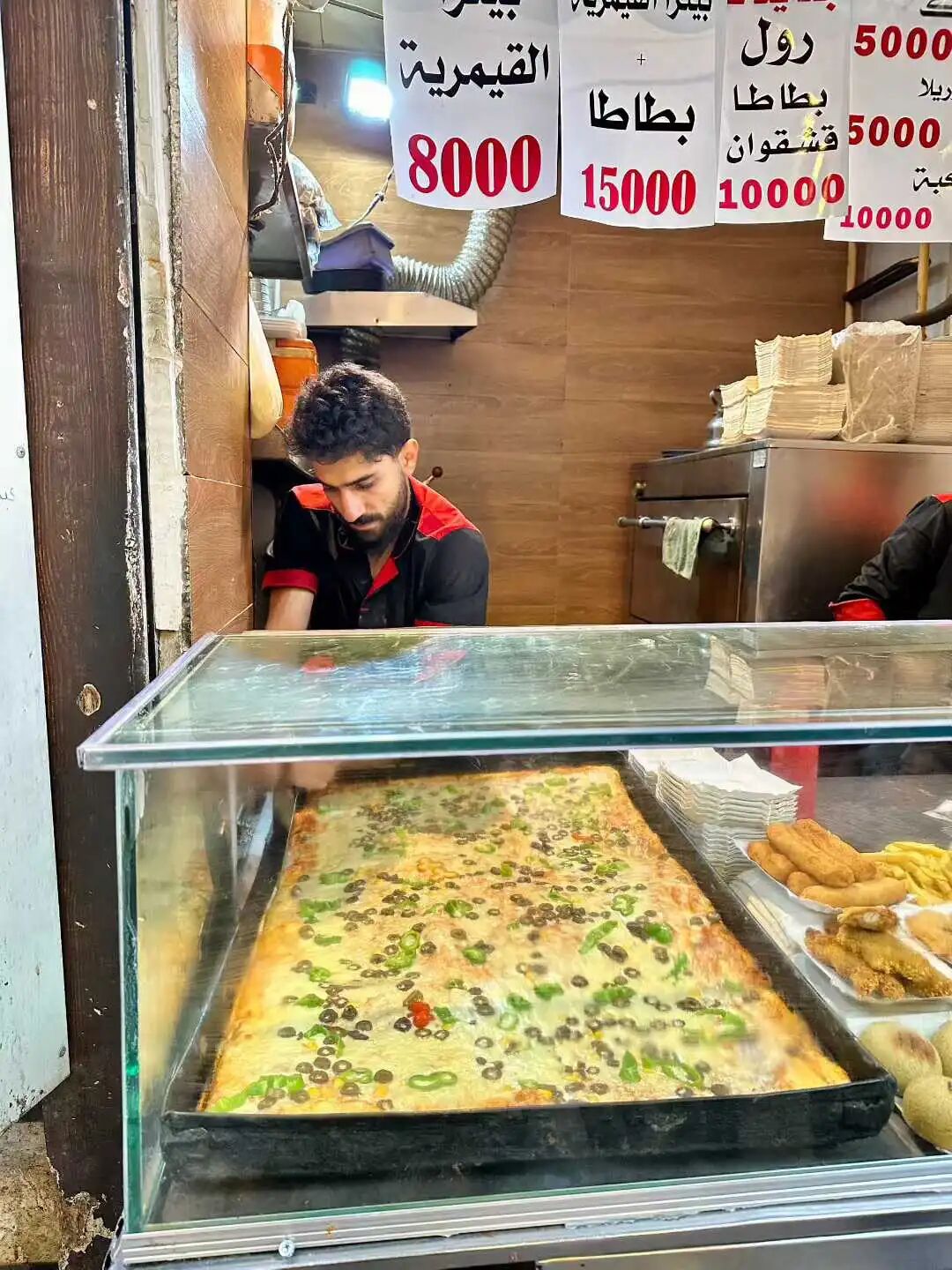
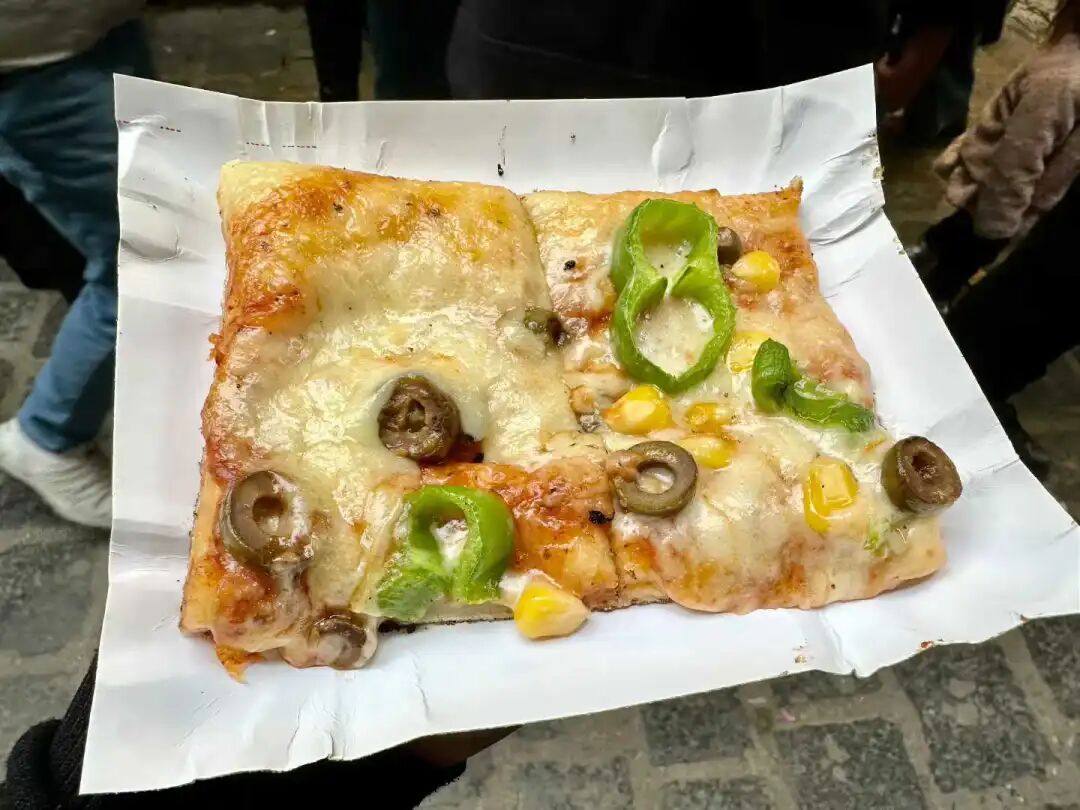
A popular item on the street is the giant square pizza. It is made like a regular pizza with cheese, green peppers, olives, and corn, but it is baked in a large square tray and cut into small squares to sell by the piece. Each piece is very cheap.
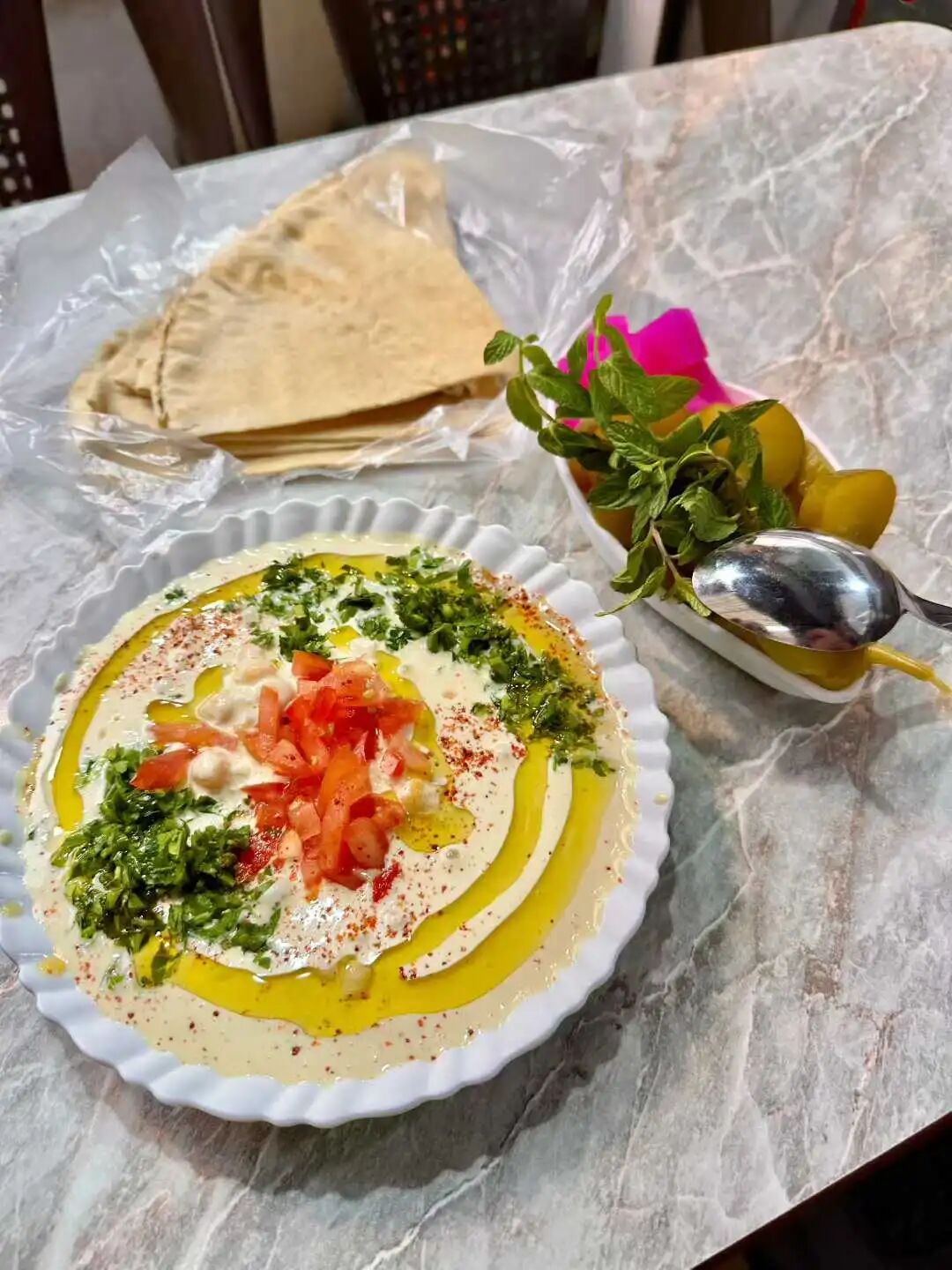
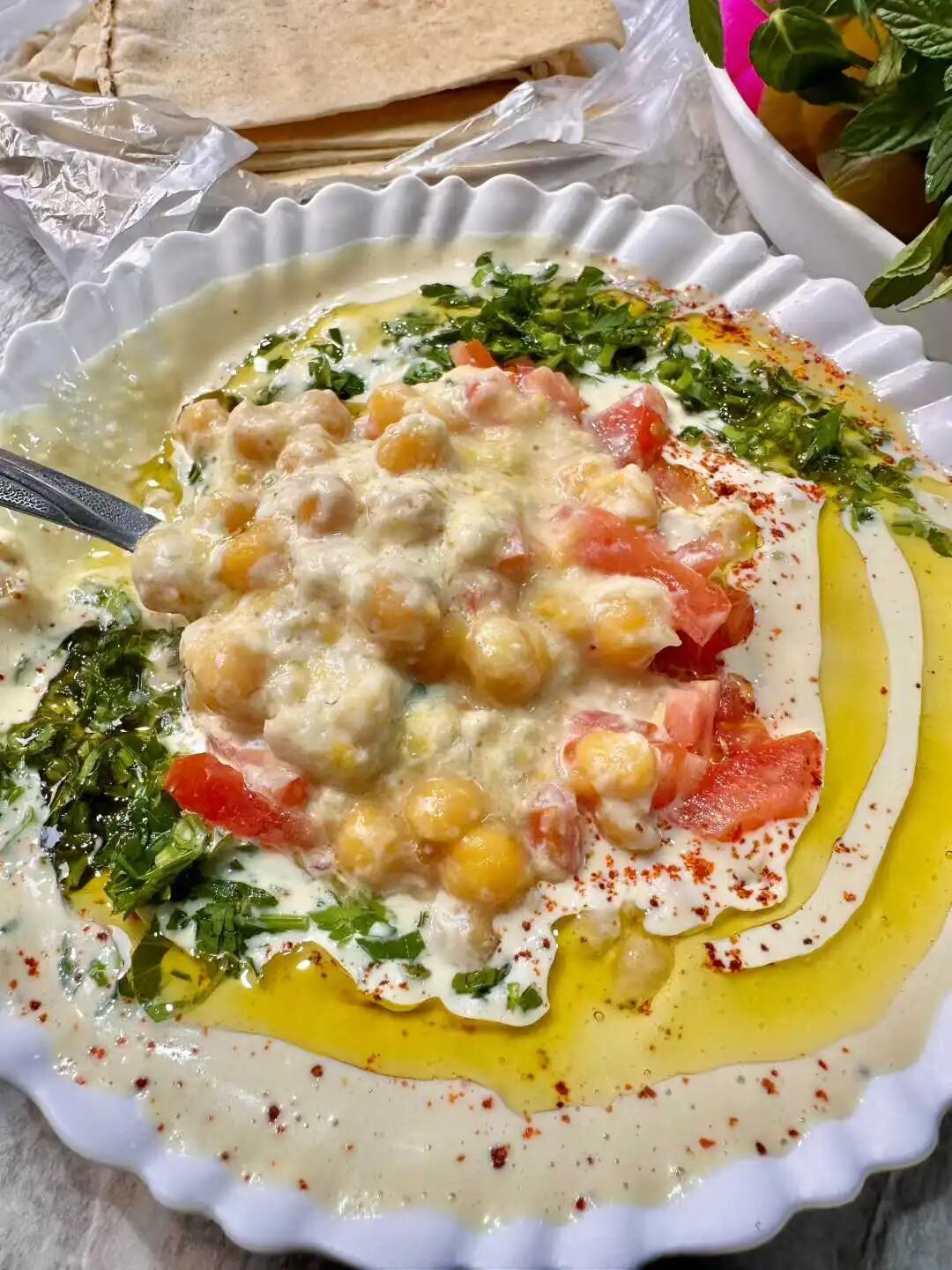
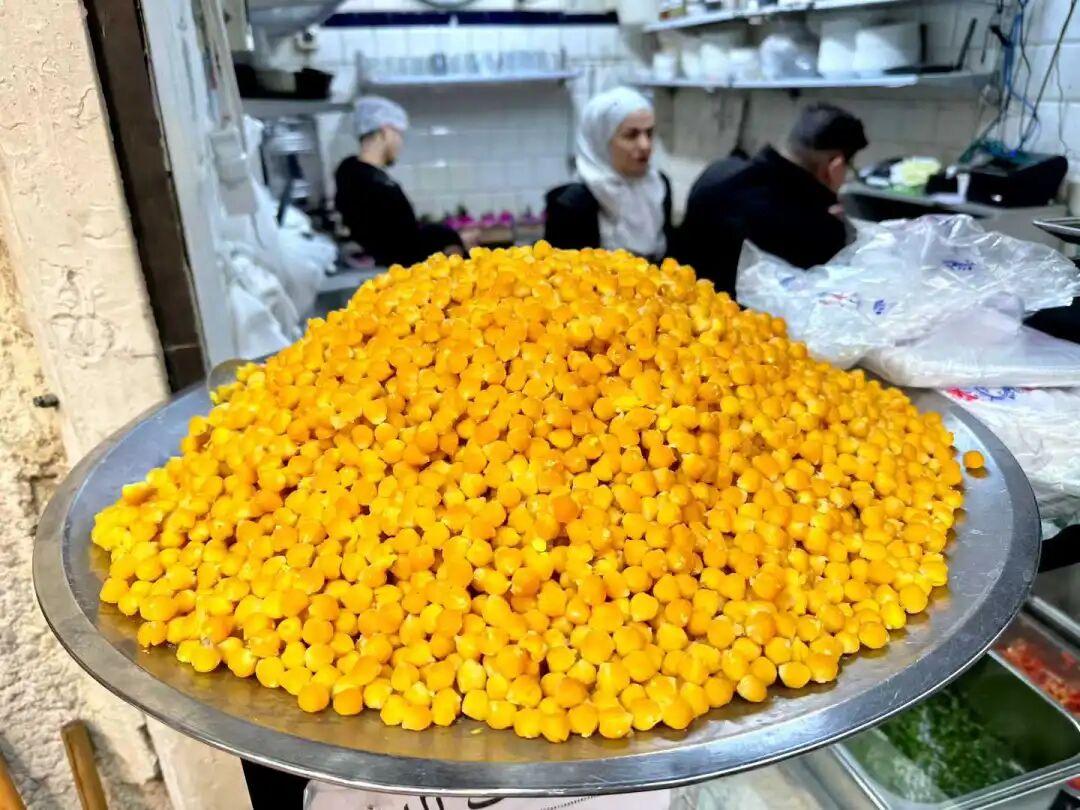
At shops specializing in appetizers (meze), the most popular dish is a mix of chickpeas and sesame paste called Hummus Musabaha, or just Musabaha. Musabaha means swimming here, as if the chickpeas are swimming in the sesame paste. When you order meze here, it always comes with pita bread, pickled cucumbers, and pickled radishes.
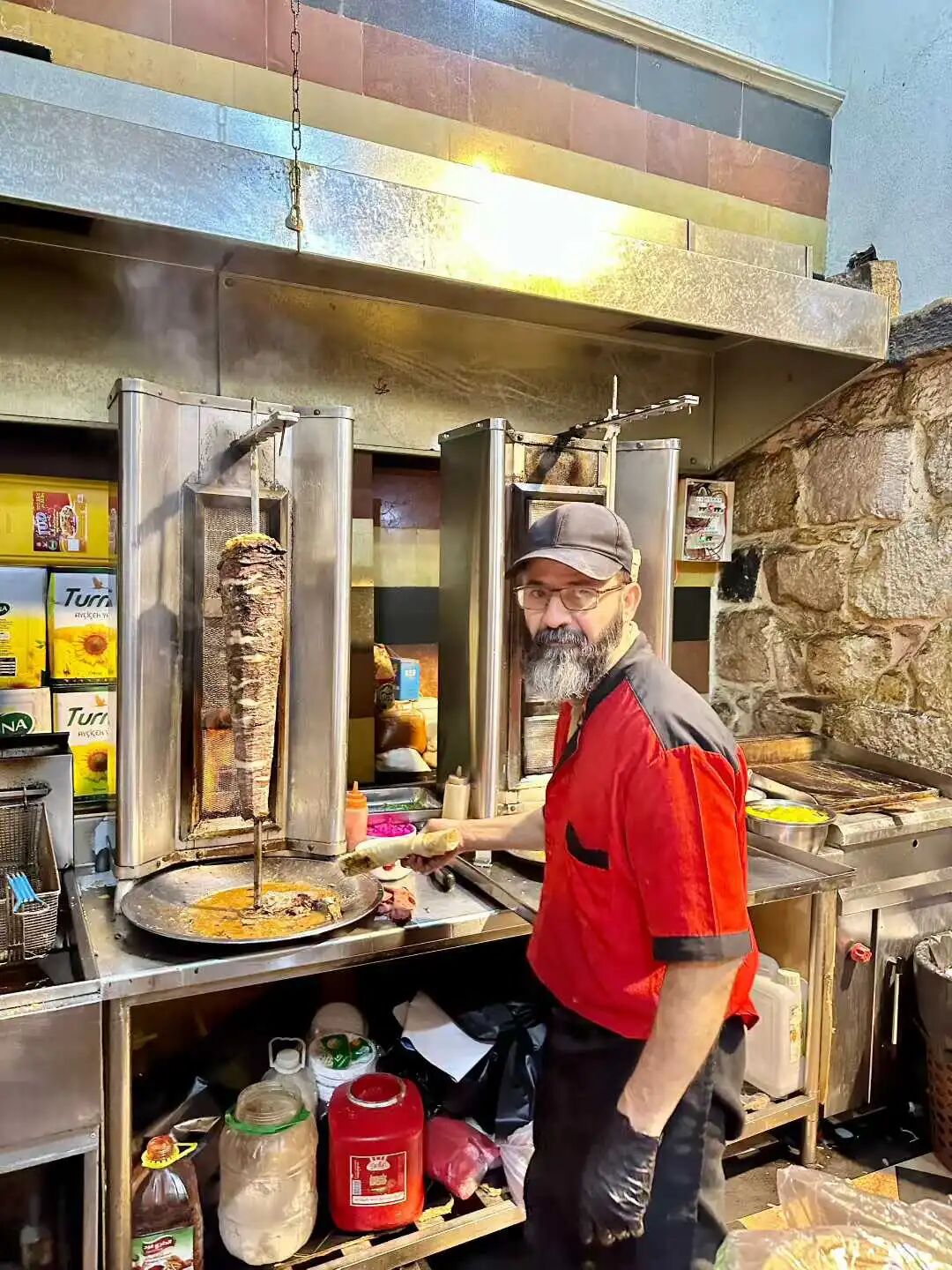
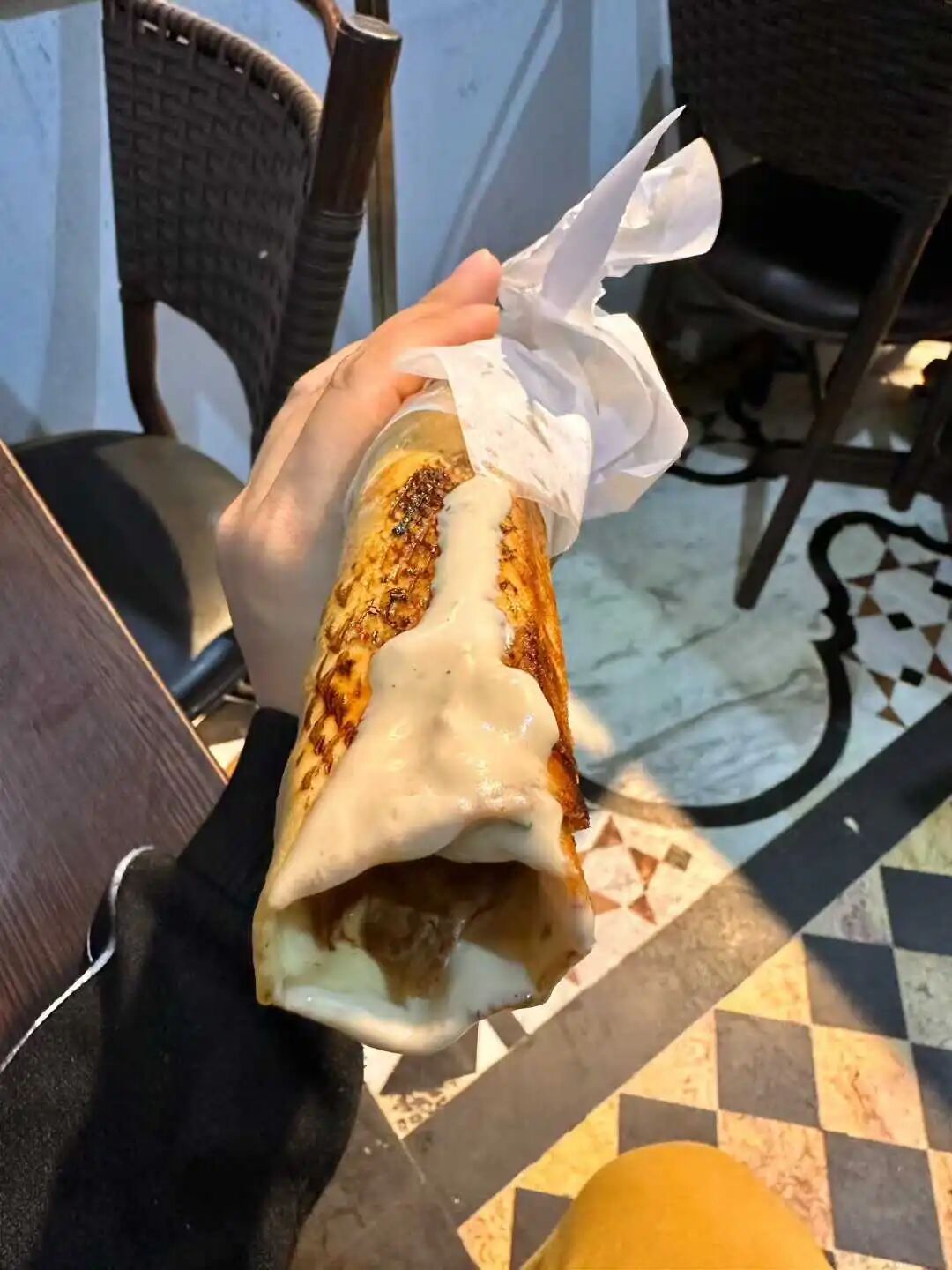
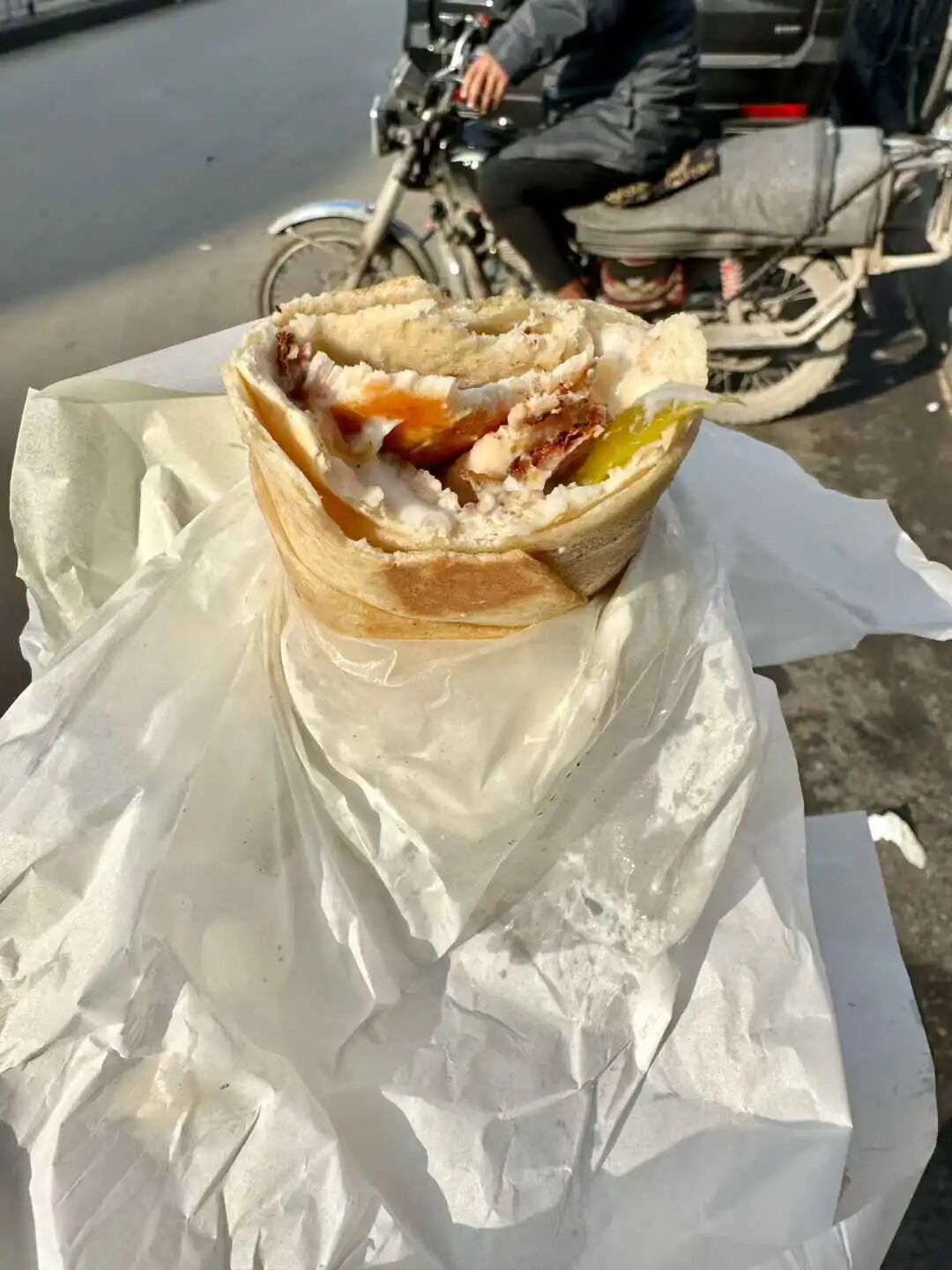
At the rotisserie meat shops (shawarma), you can choose chicken or beef. You can have it in a pita wrap or a sandwich. The pita can be heated on the rotisserie grill, and after it is wrapped, they drizzle it with garlic sauce. It is very filling.
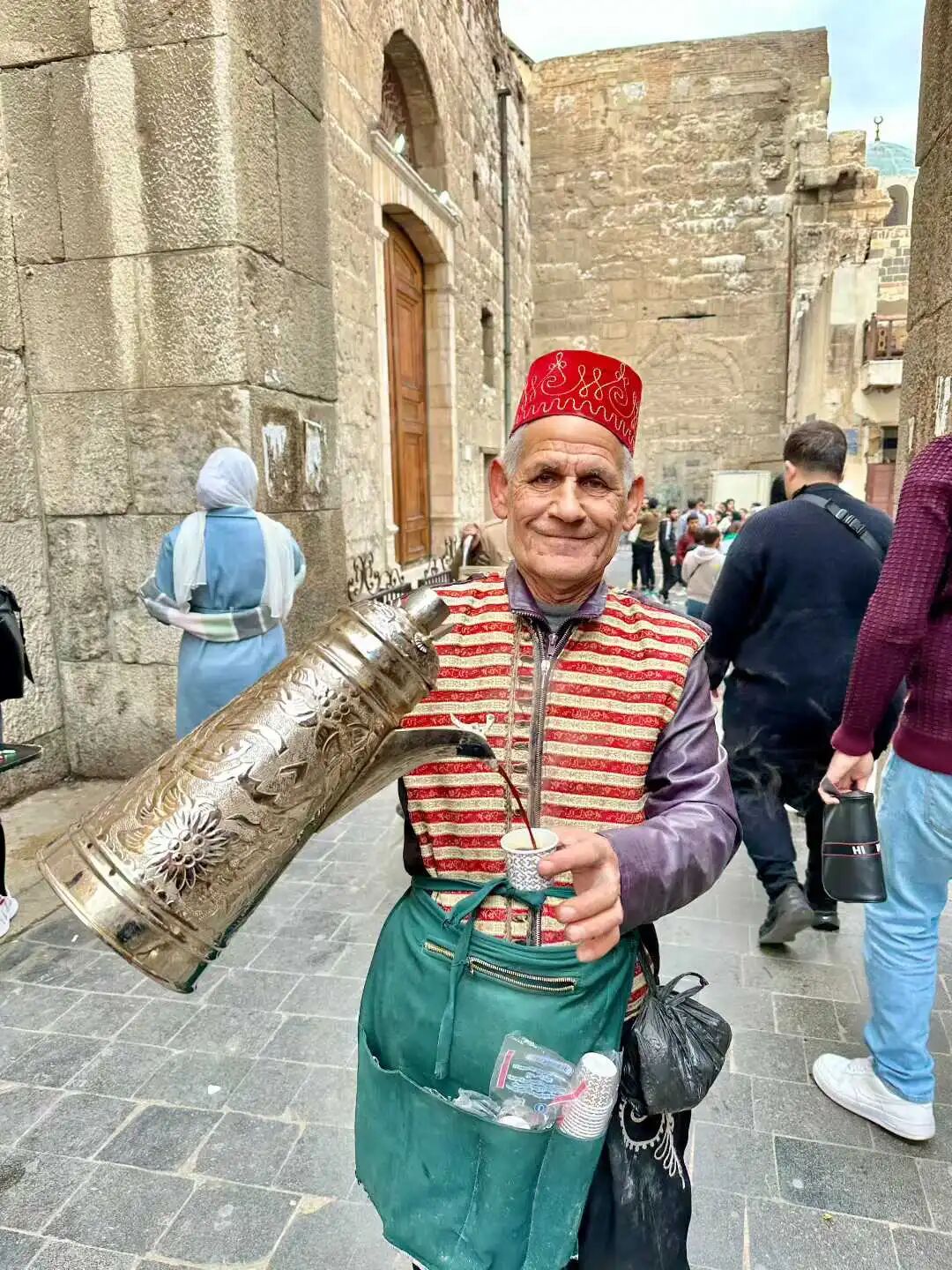
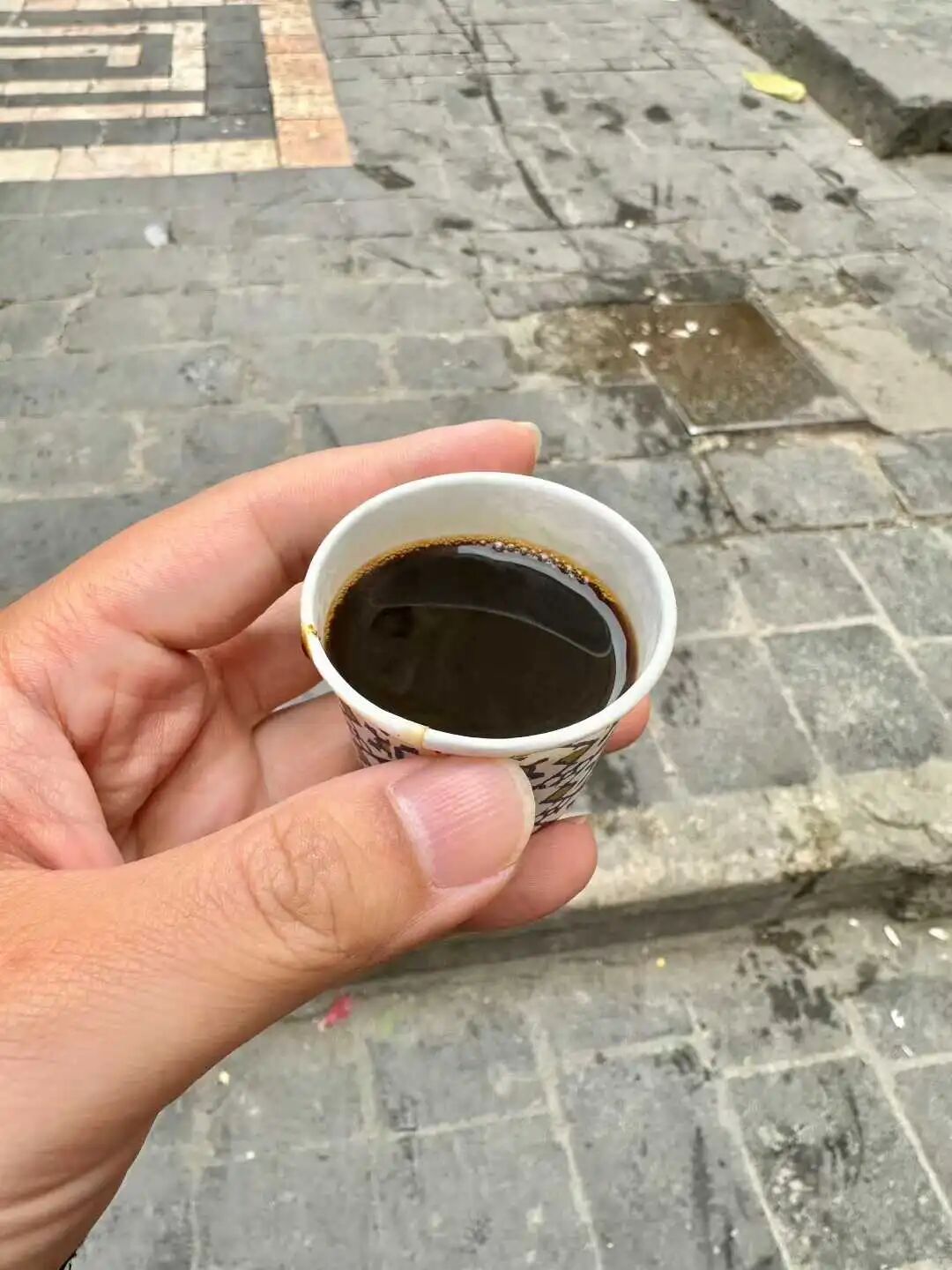
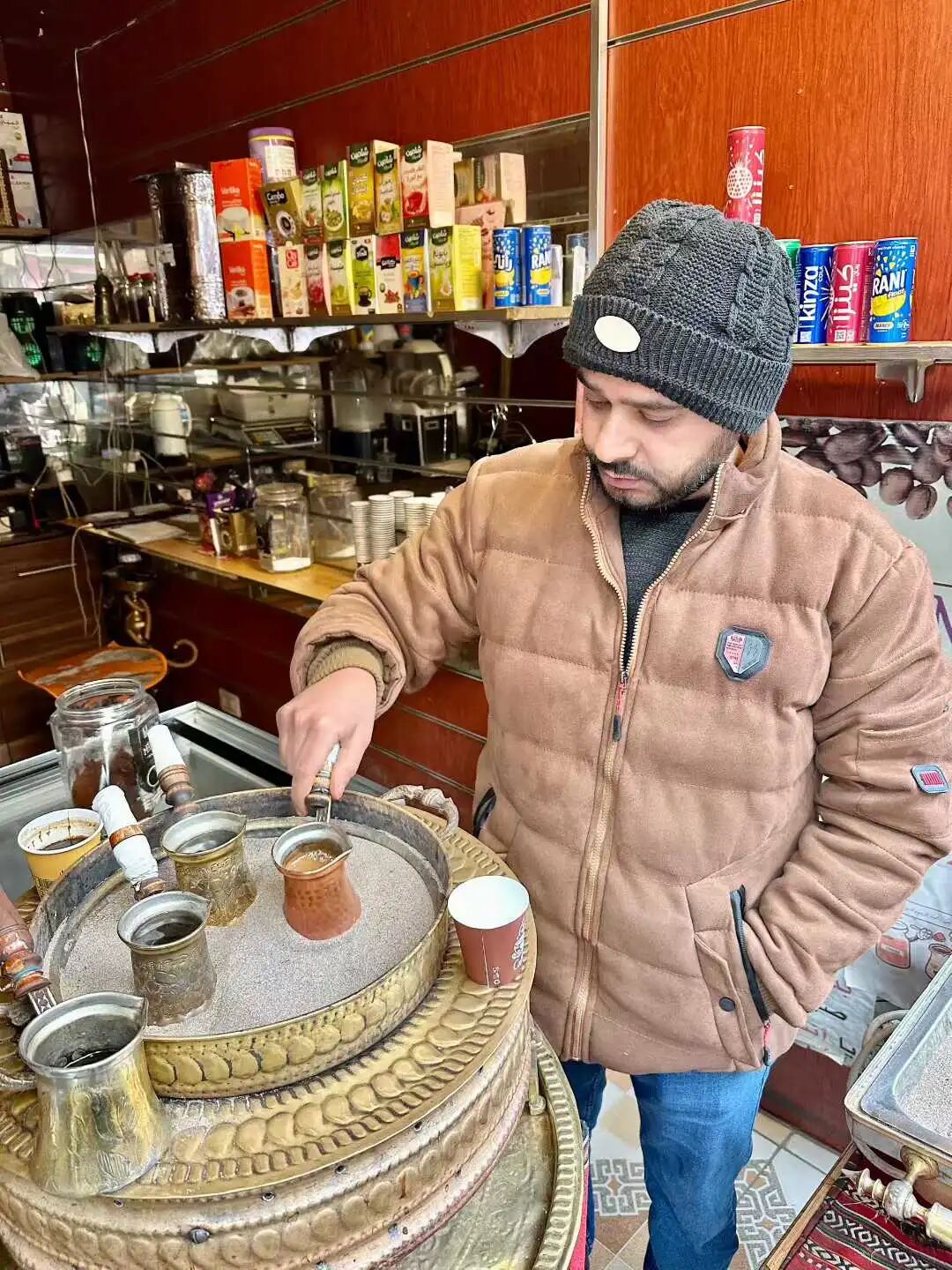
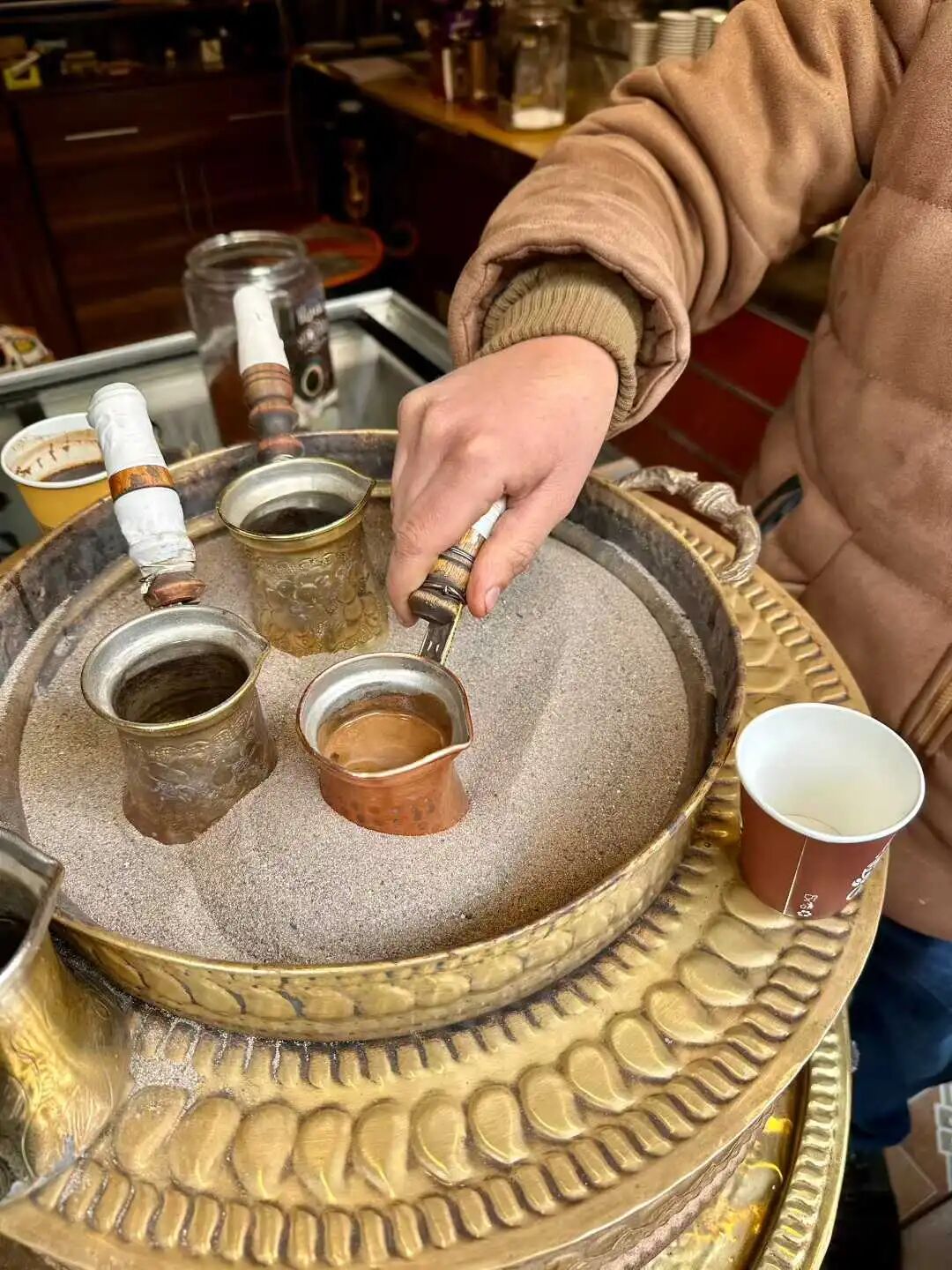
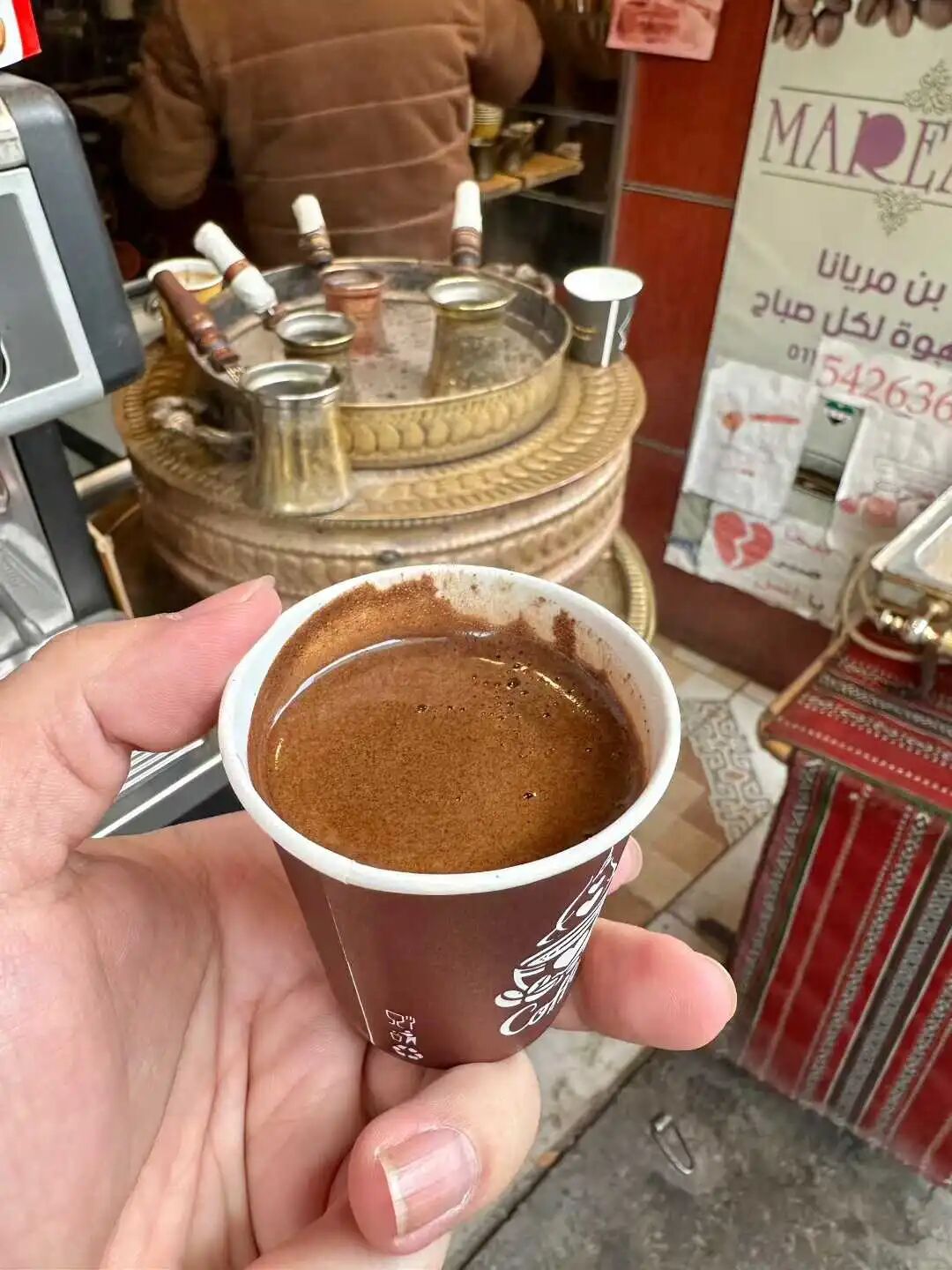
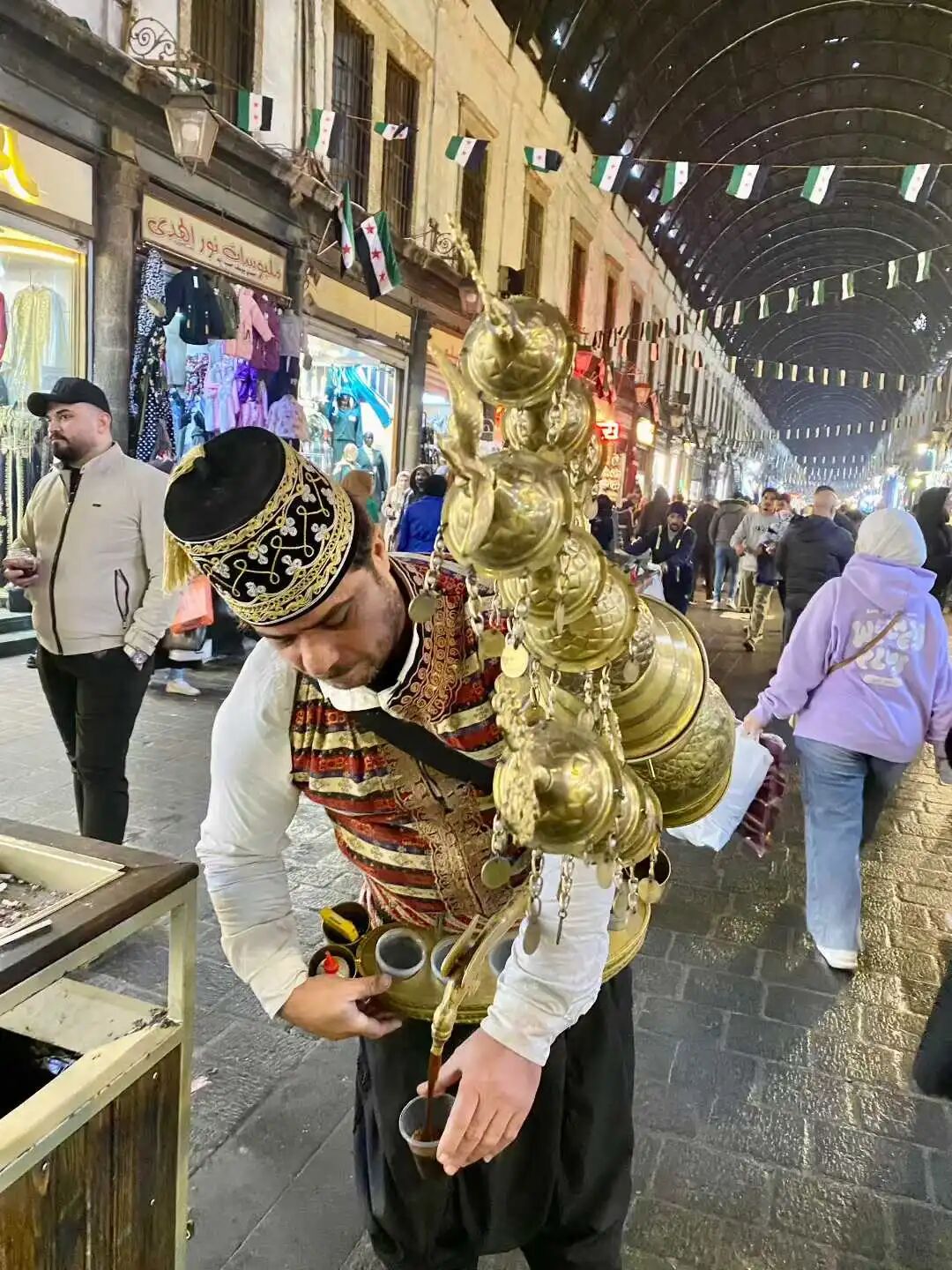
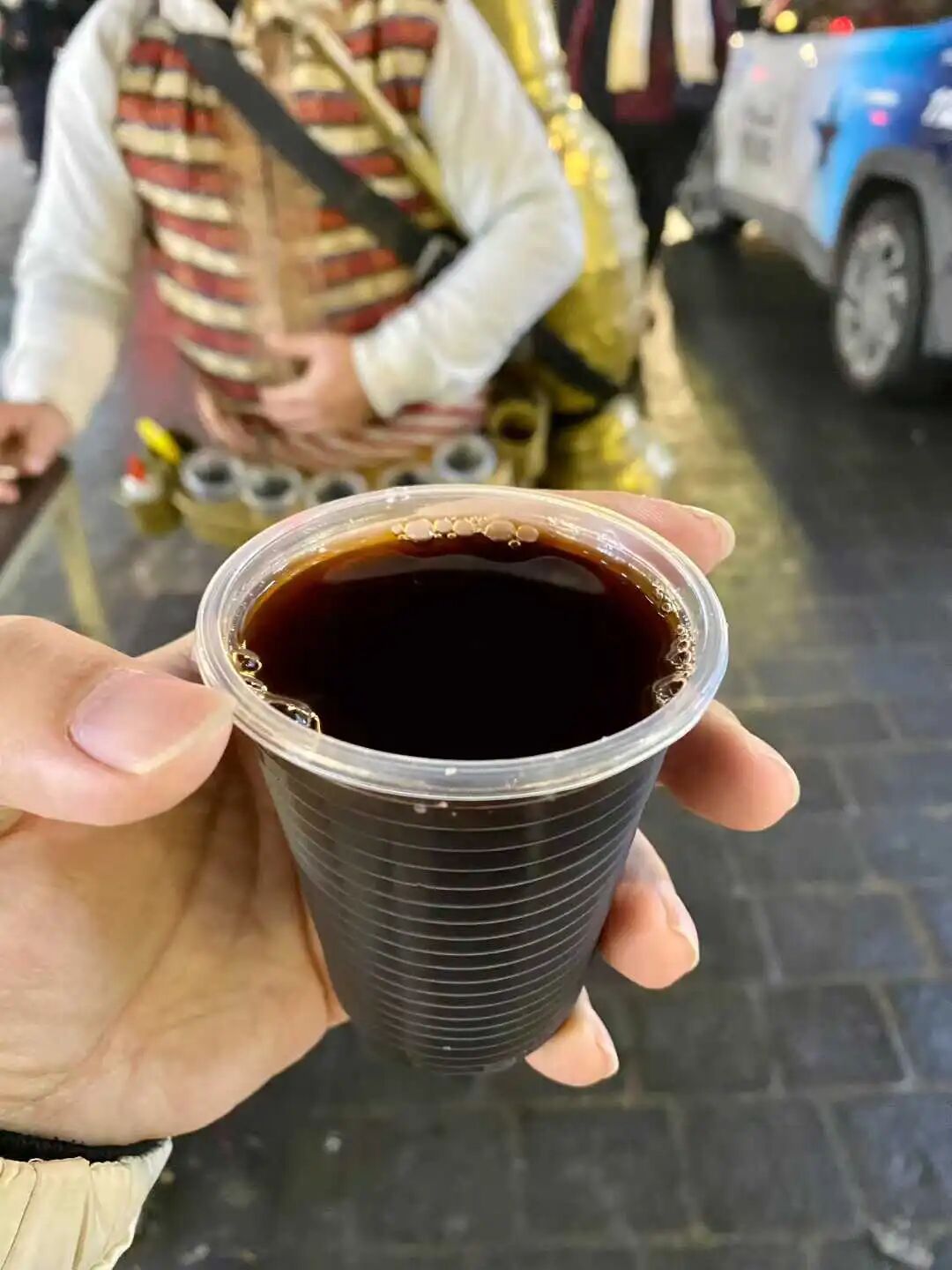
Street coffee on Al-Qaymariyya Street in the Old City of Damascus. The rich black coffee with coffee grounds is very refreshing. You can find men in traditional Ottoman clothing or sand-boiled coffee at street stalls, all for just a few yuan a cup. Coffee arrived in Damascus from Yemen in the early 16th century. The world's first coffee house was opened by a Damascus merchant. Syrians love coffee and drink it from morning until night.
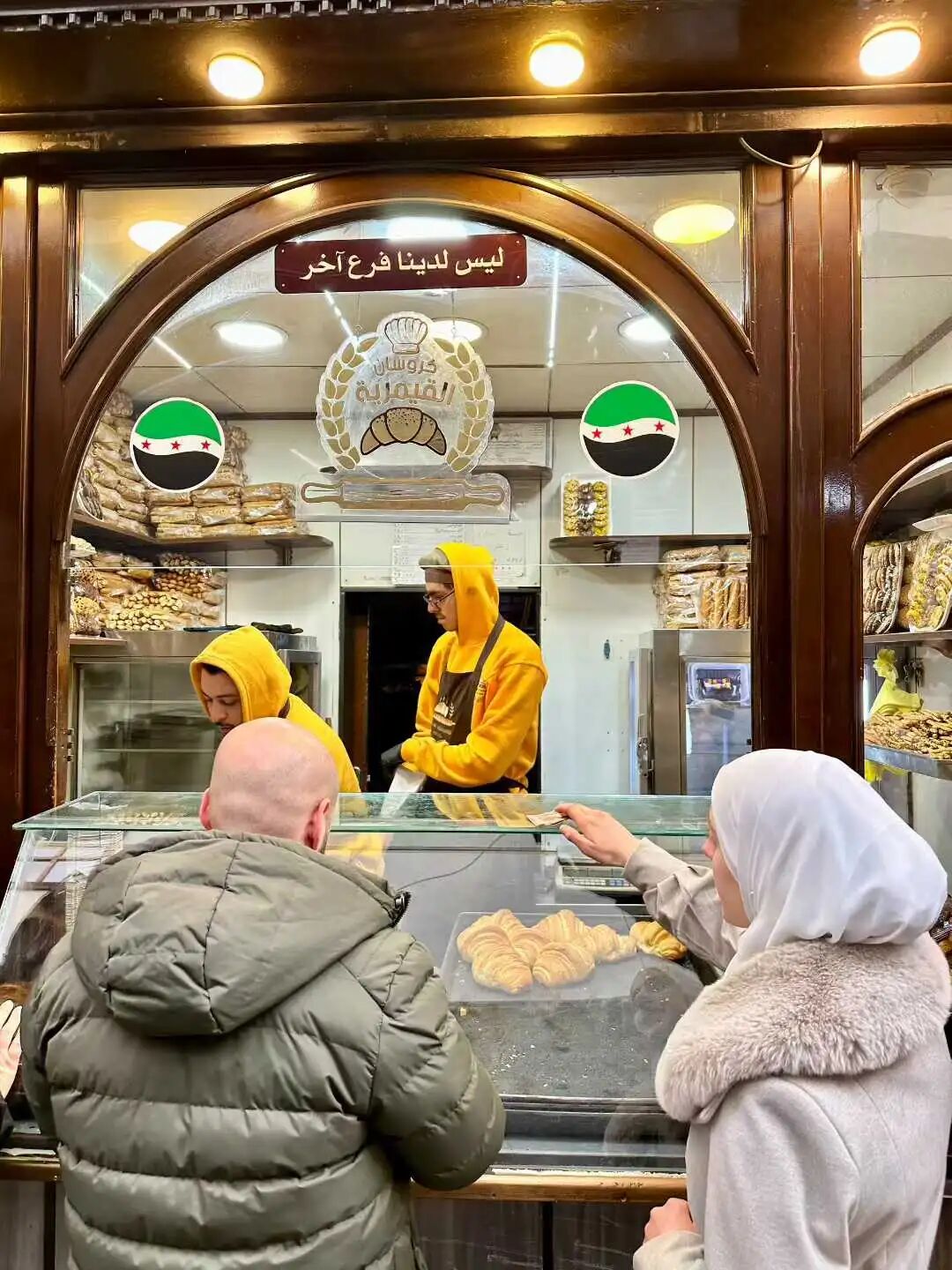
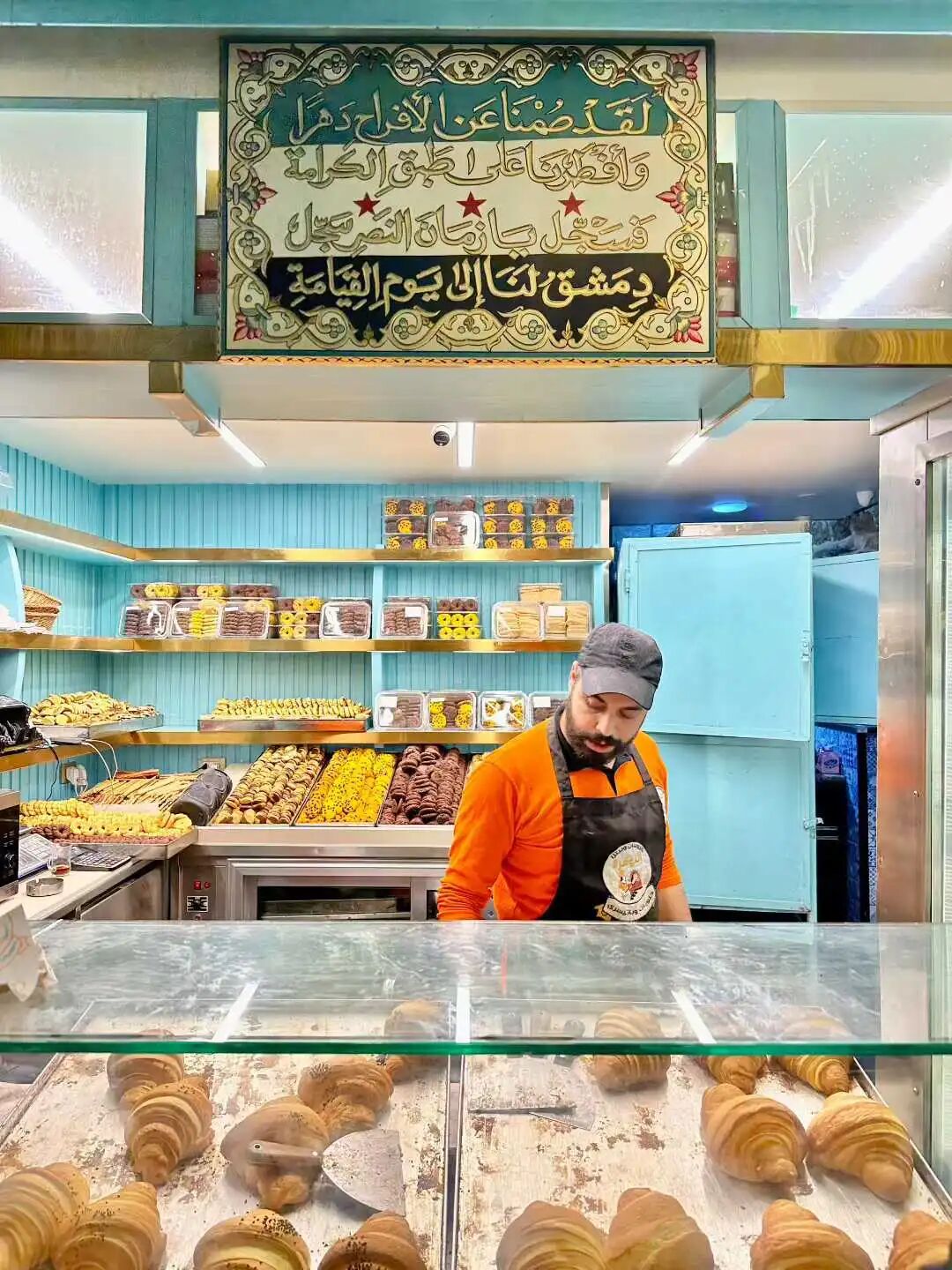
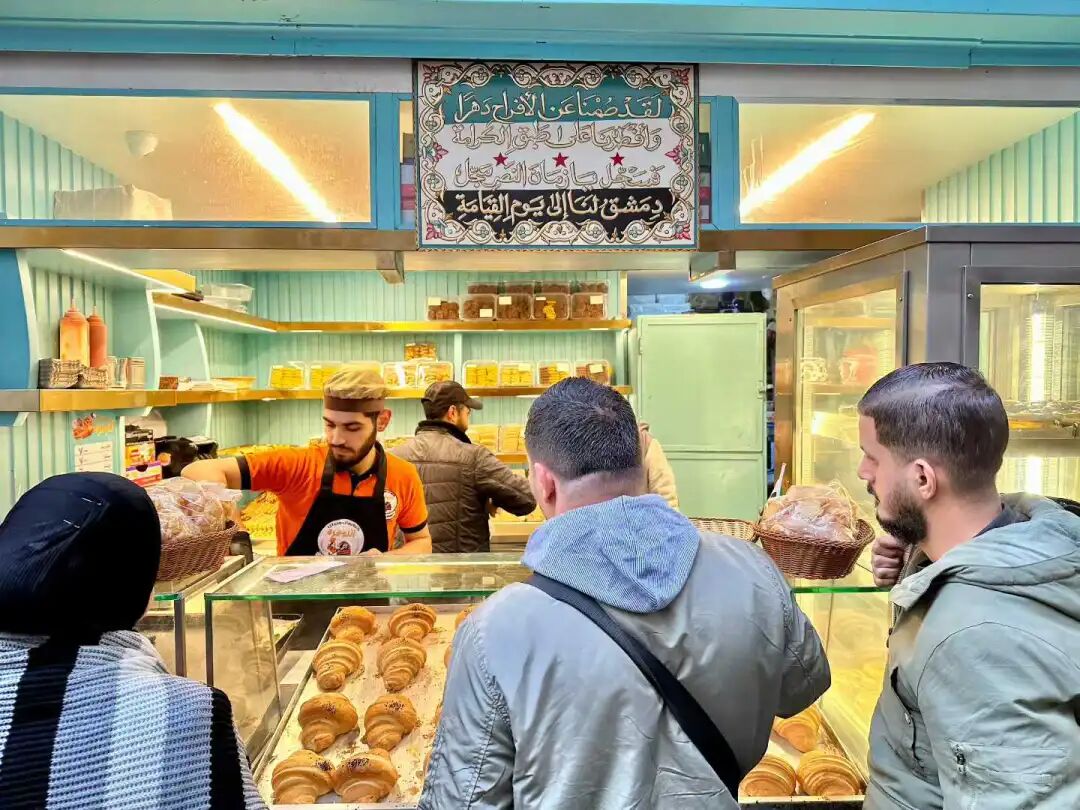
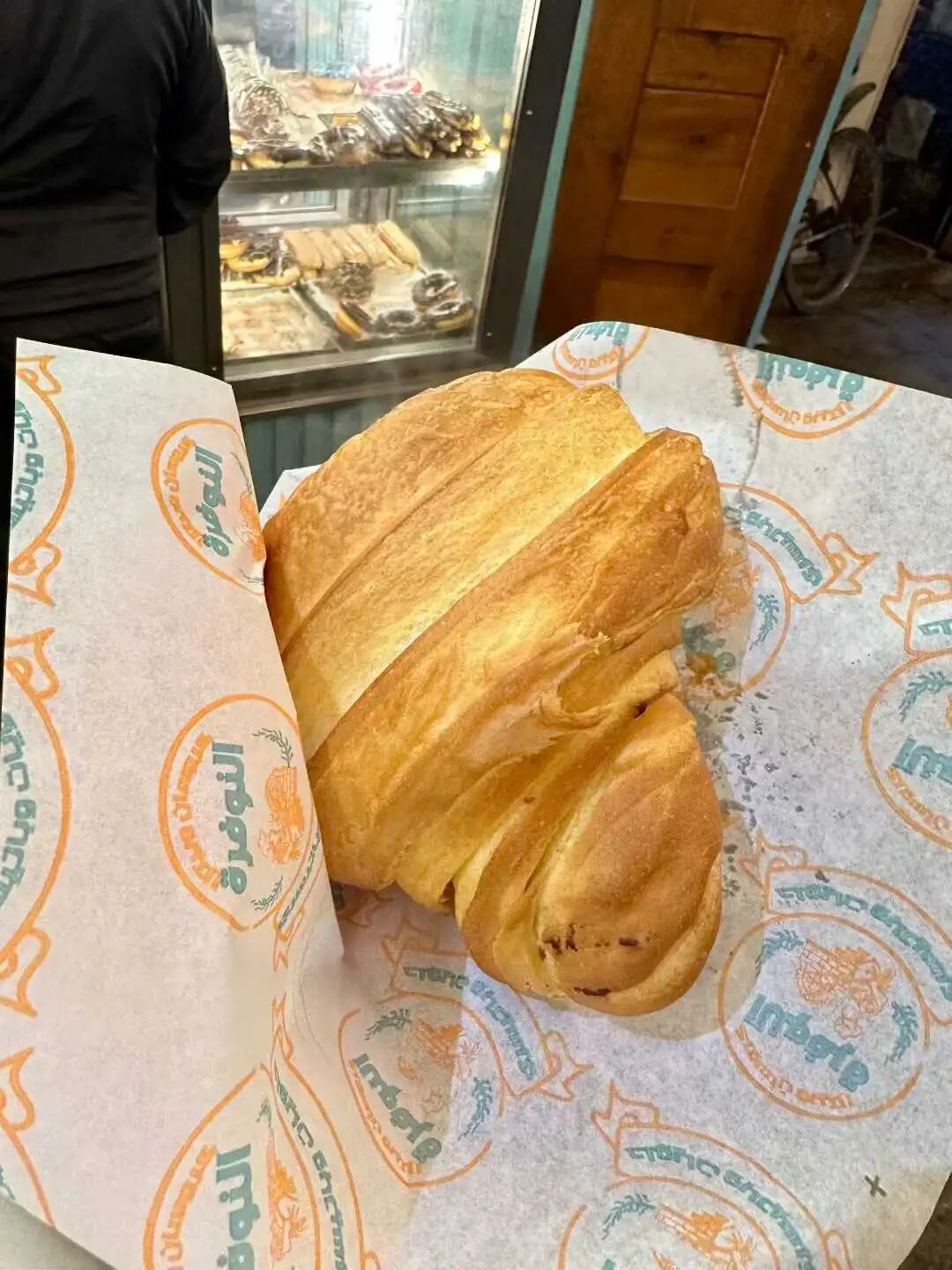
Surprisingly, the best thing to pair with coffee on the streets of the Old City of Damascus is a croissant. There are a few shops on Al-Qaymariyya Street that always have lines. Syrian croissants come in cheese or chocolate. The cheese ones are salty, and the chocolate ones are sweet. You see people eating them everywhere in the Old City.
After the Ottoman Empire was defeated in 1918, France took control of the Syrian region, and the croissant became a symbol of French cultural influence in Syria. Legend says the croissant was invented in Austria to celebrate the victory over the Ottoman Empire at the 1683 Siege of Vienna, using the crescent shape from the Ottoman flag. Because of this, ISIS once tried to ban croissants in Syria. But in the peaceful city of Damascus, crispy croissants are still loved by adults and children alike.
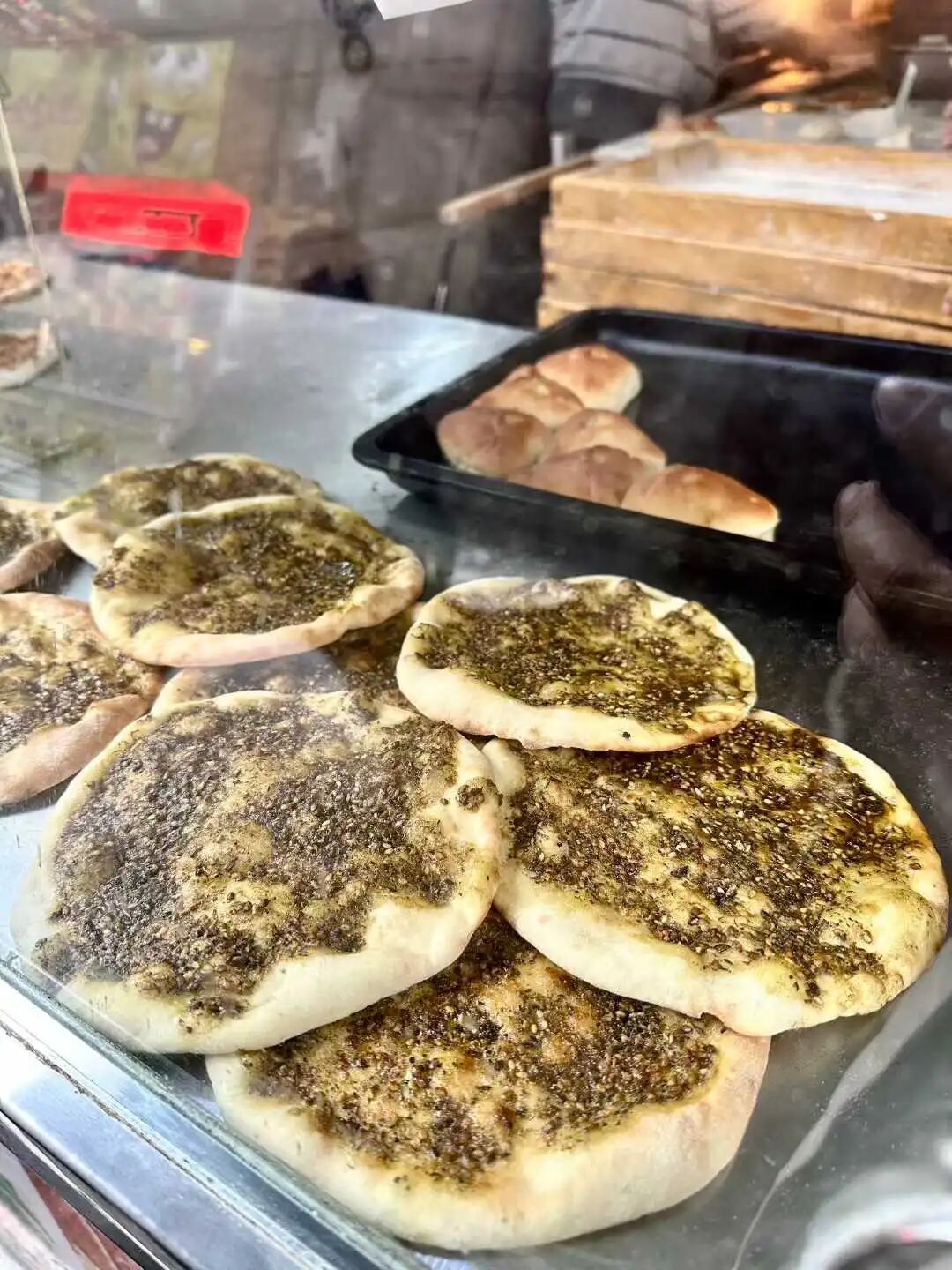
The most common flatbread on the streets of the Old City of Damascus is Manakish. It comes in three flavors: zaatar spice, tomato, and cheese. A freshly baked one costs only 1.5 yuan. Manakish originated from the traditional bread of the ancient Phoenicians and was added to the UNESCO Intangible Cultural Heritage list in 2023. Zaatar is a unique blend of thyme, sumac, oregano, marjoram, and sesame seeds. Zaatar dates back to ancient Egypt. It has been used for thousands of years as a seasoning and a health remedy. Medieval Arabic texts mention its benefits for digestion.
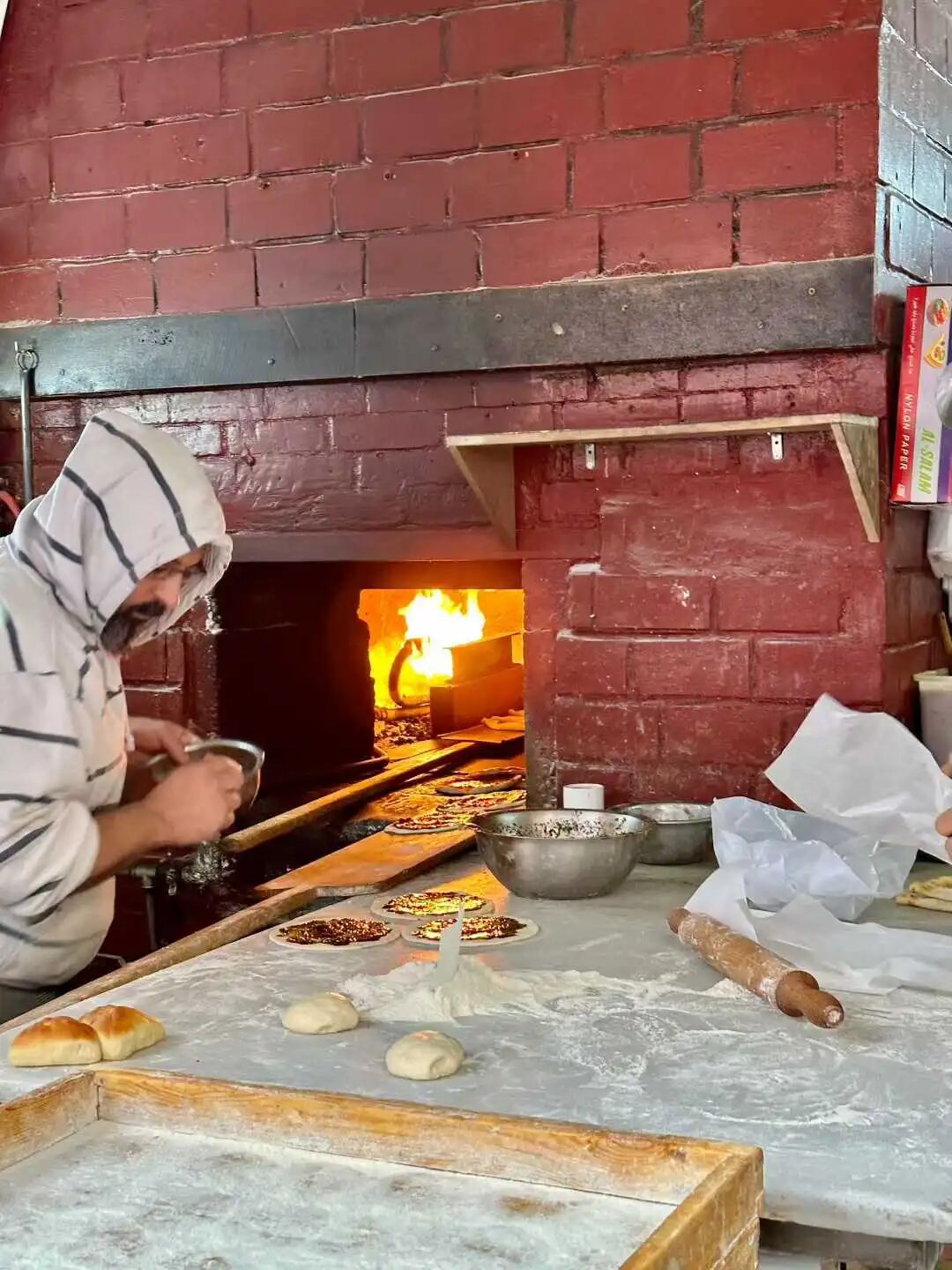
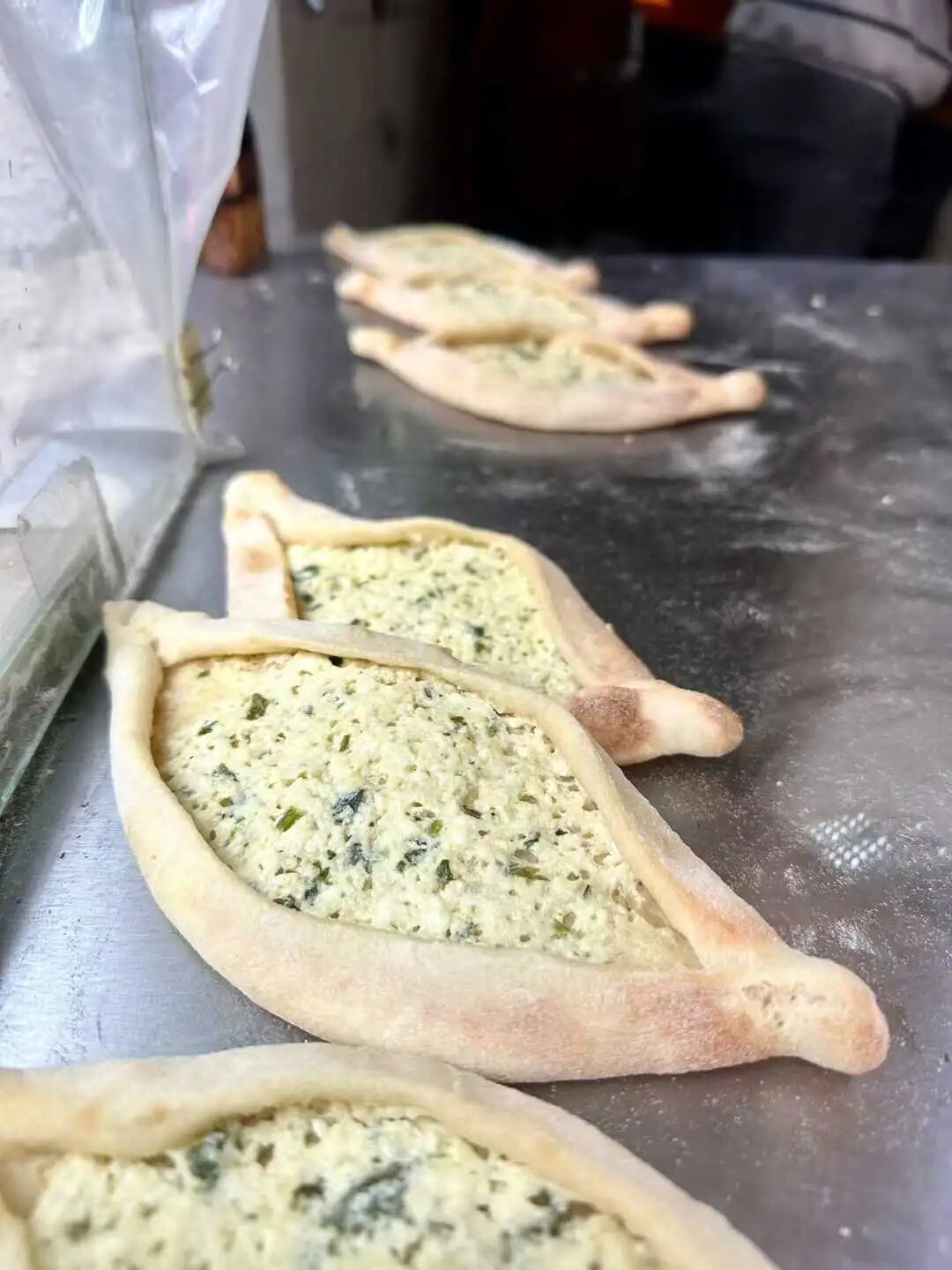
There is also unleavened flatbread (saj), which also comes in zaatar or cheese flavors, and you can add spicy sauce. Saj refers to the large metal griddle used to bake the bread. It is thinner and larger than pita bread.
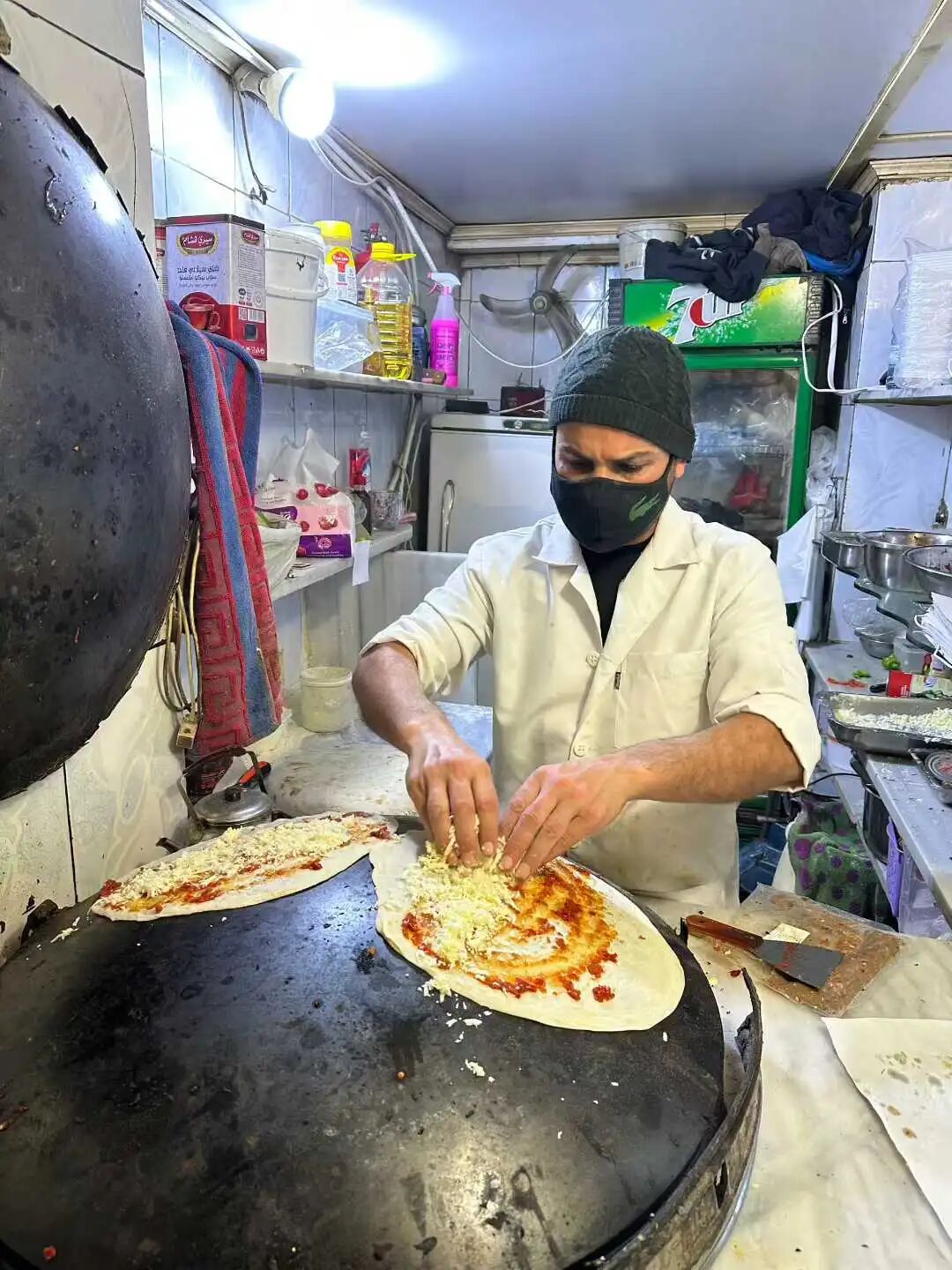
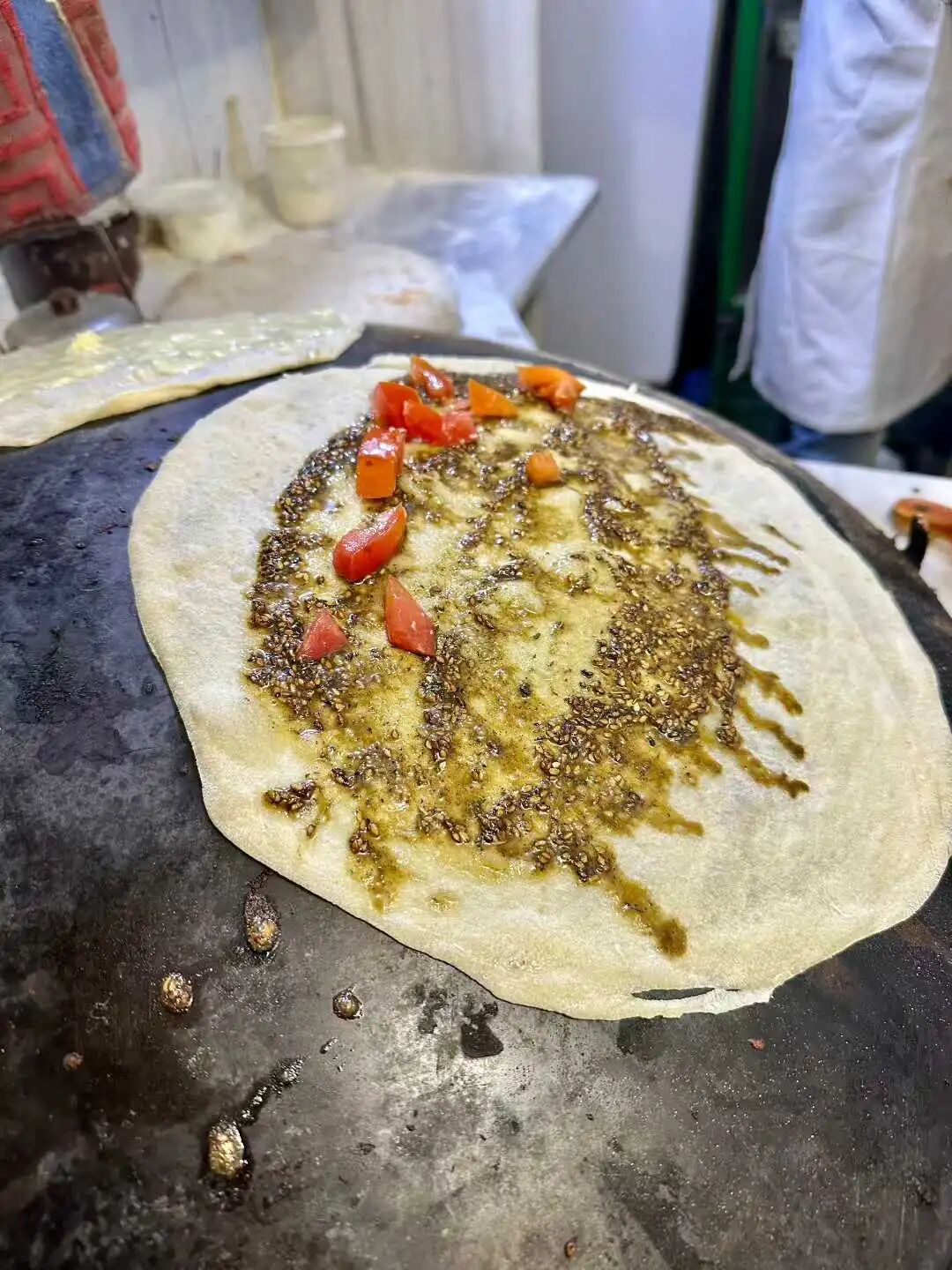
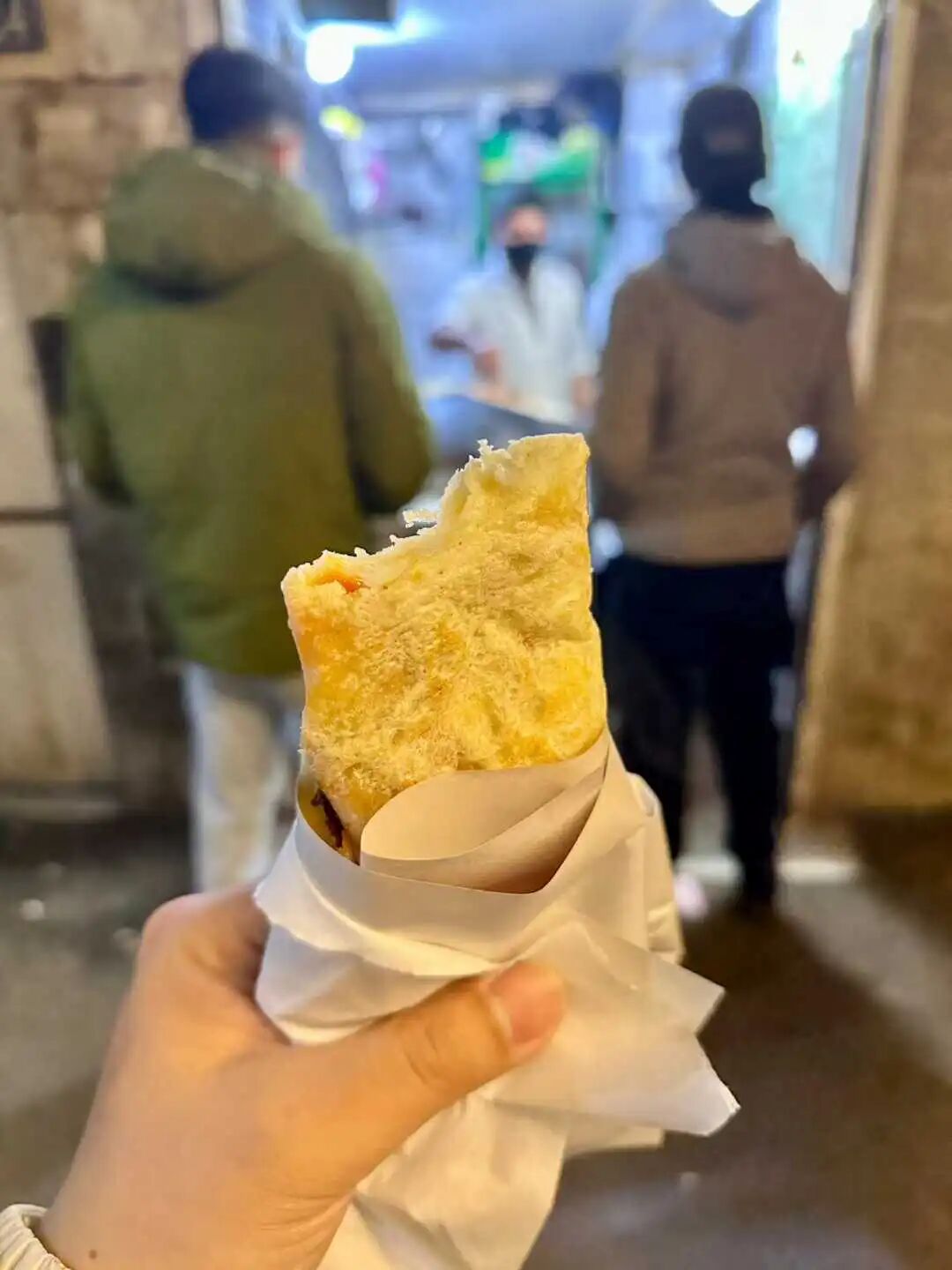
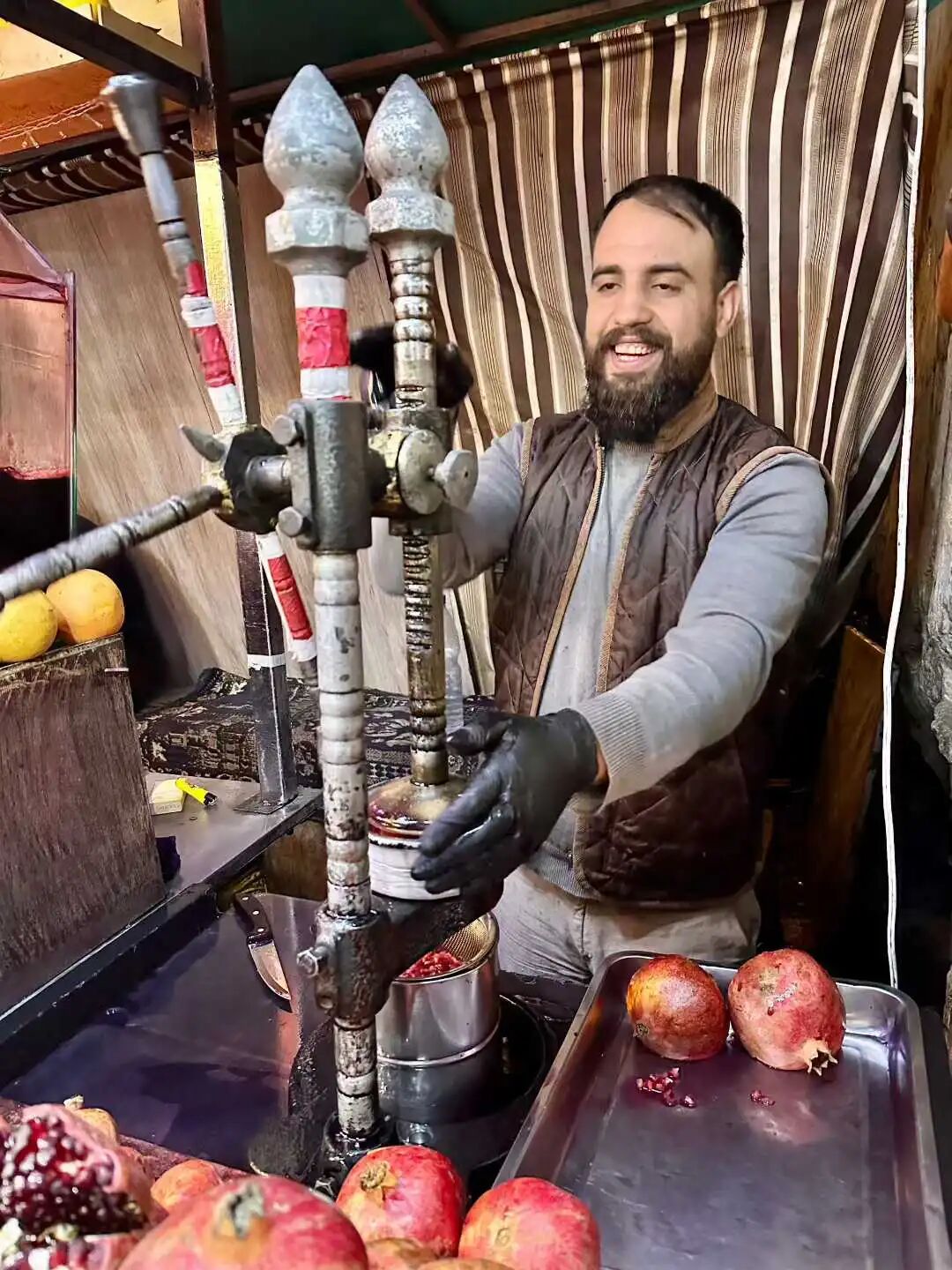
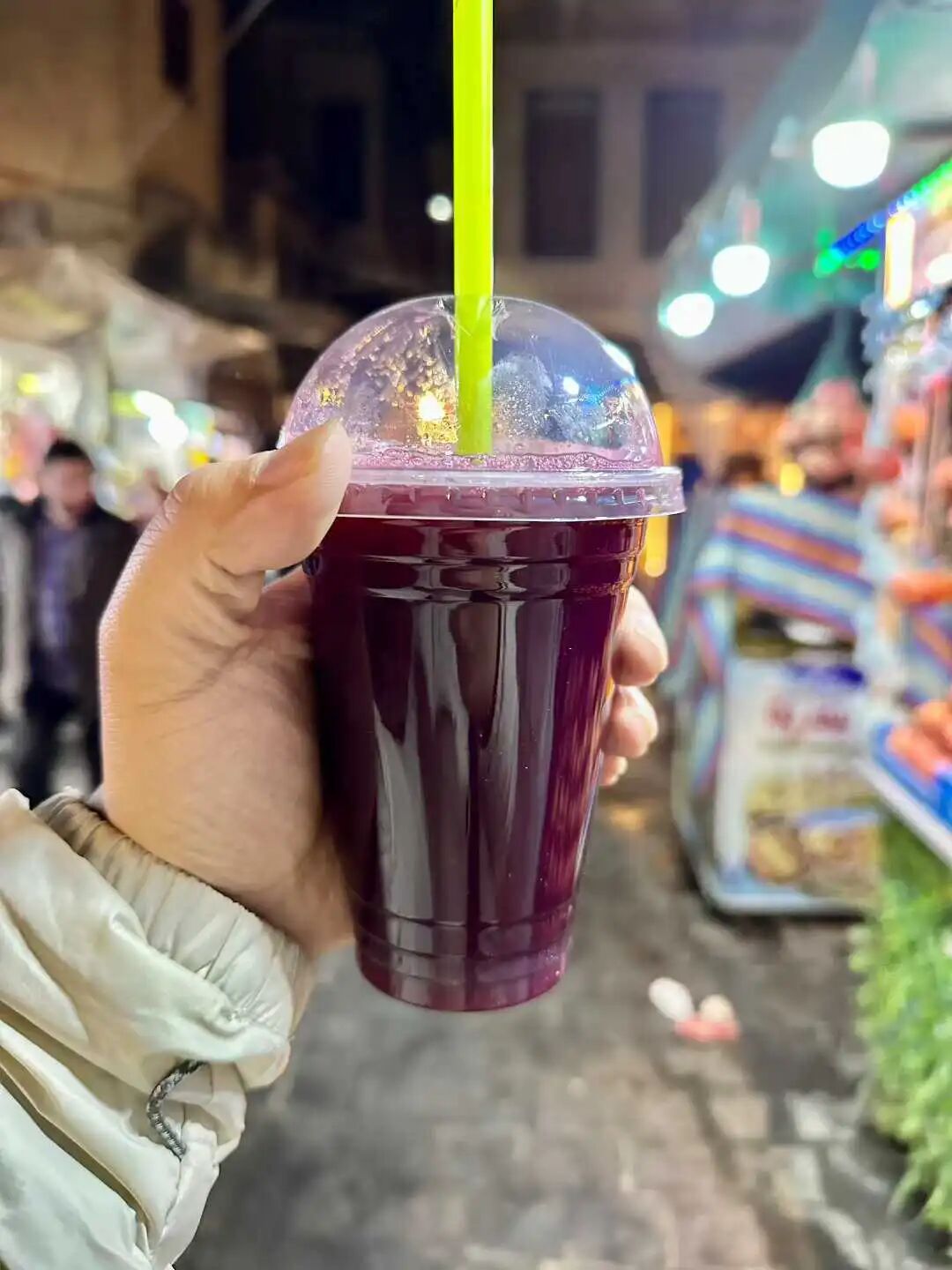
I think street-side pomegranate juice is the perfect match for these flatbreads. The pomegranate juice in Damascus has just the right balance of sweet and sour. In the scriptures, the pomegranate is also a fruit found in Paradise.
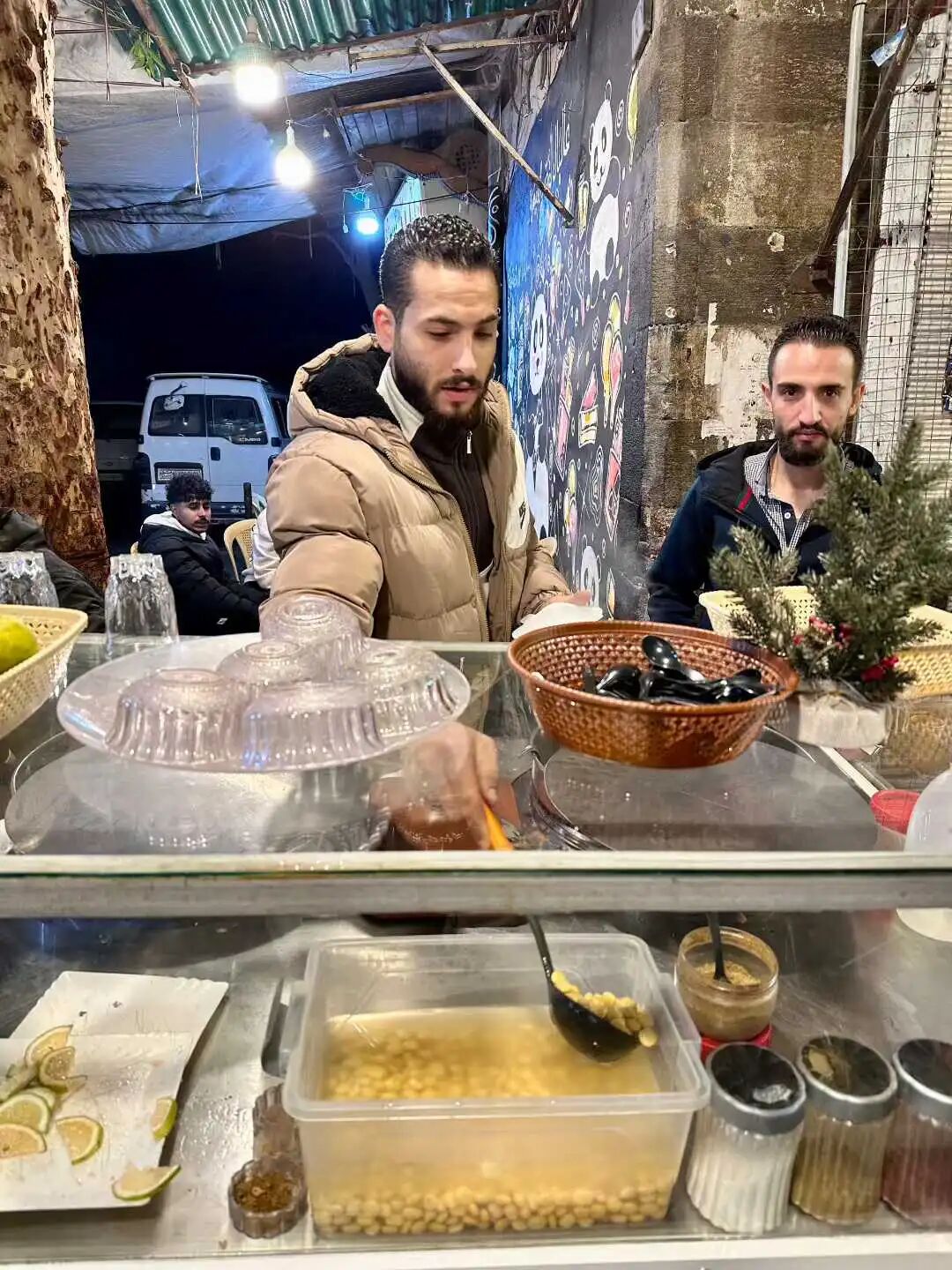
At the bean shop on Qaimariya Street, they have fava beans, soybeans, and chickpeas, all served with plenty of lime juice—it is very sour. There is also boiled corn that you peel and eat with various seasonings.
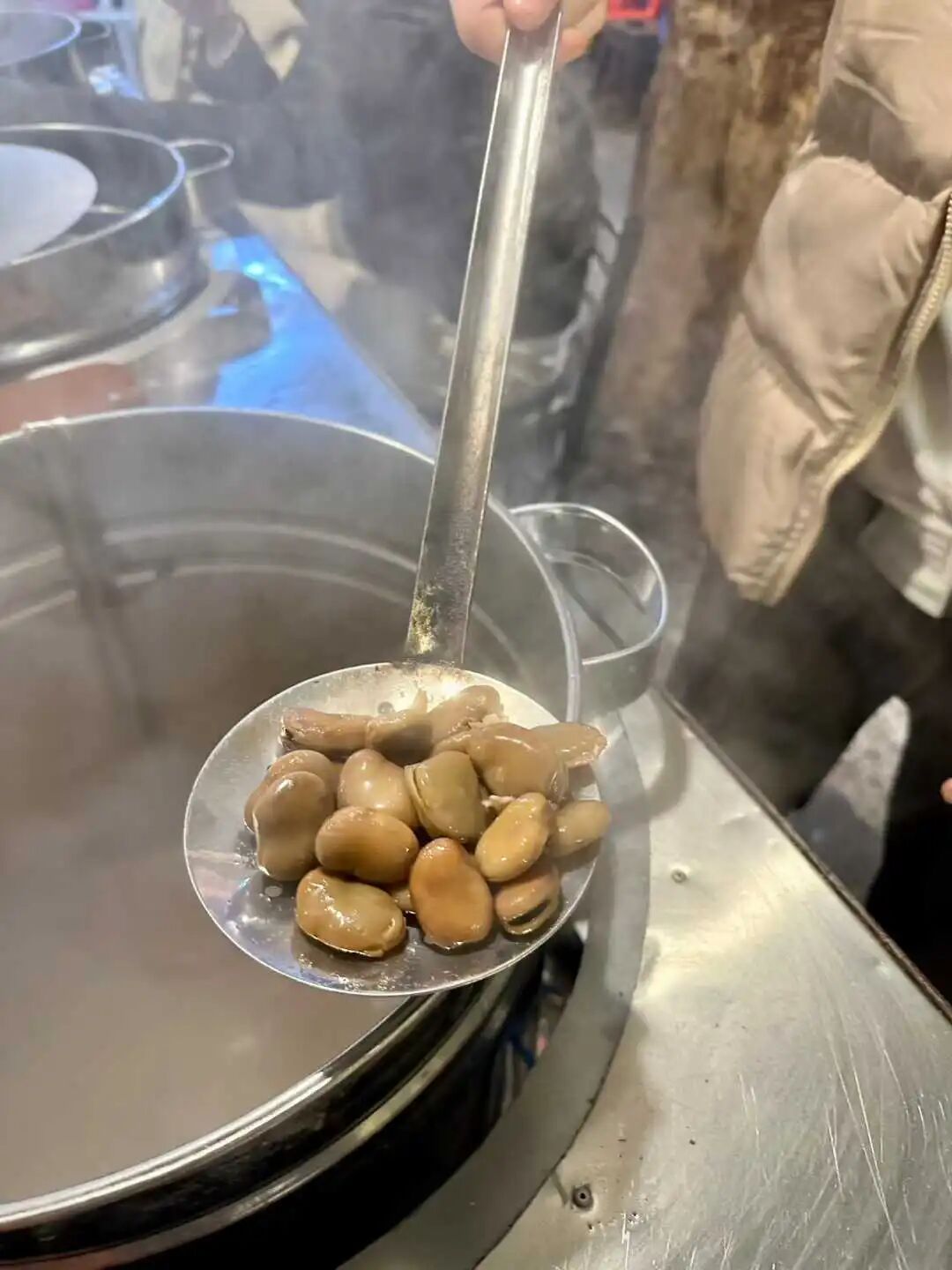
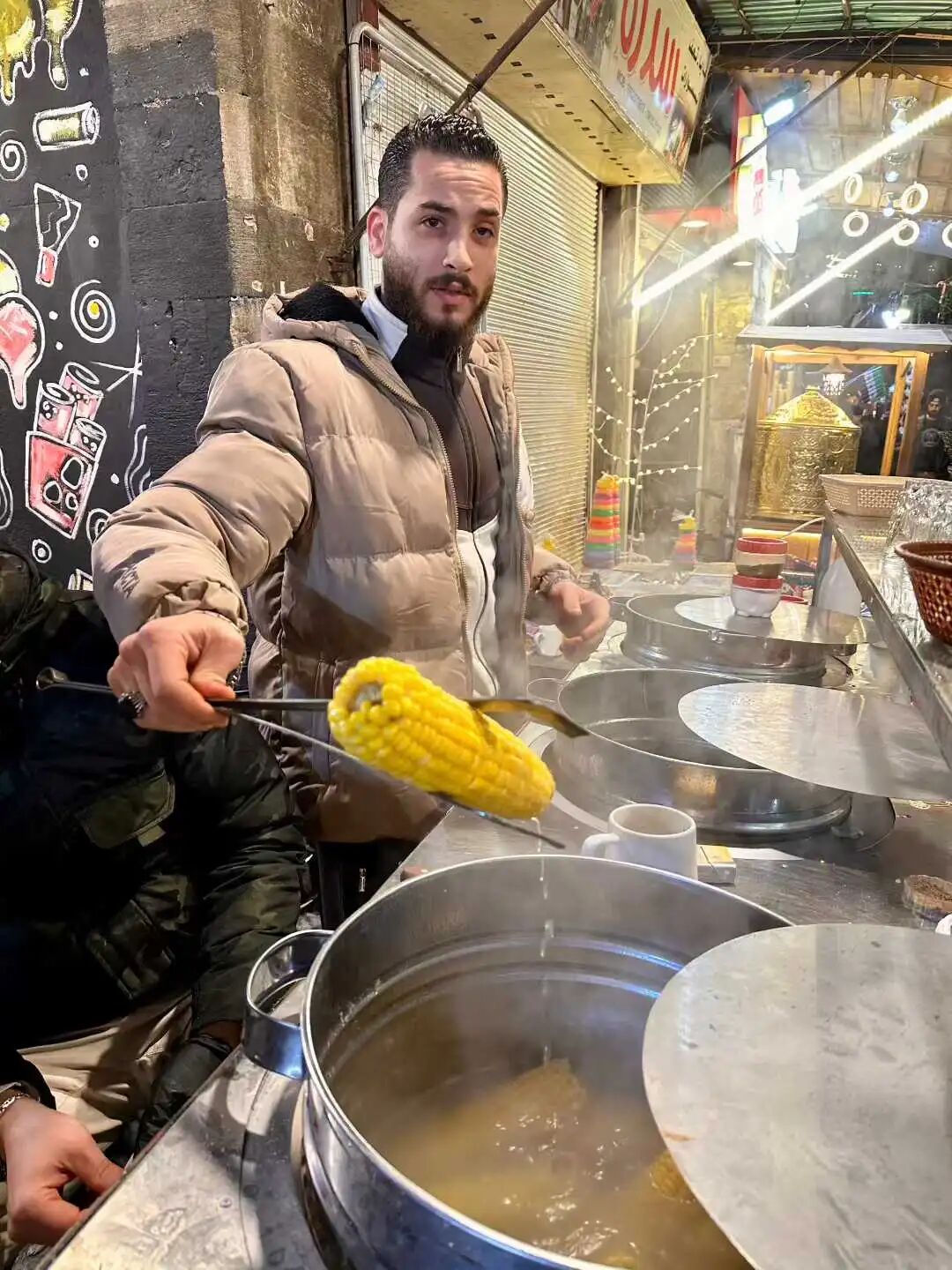
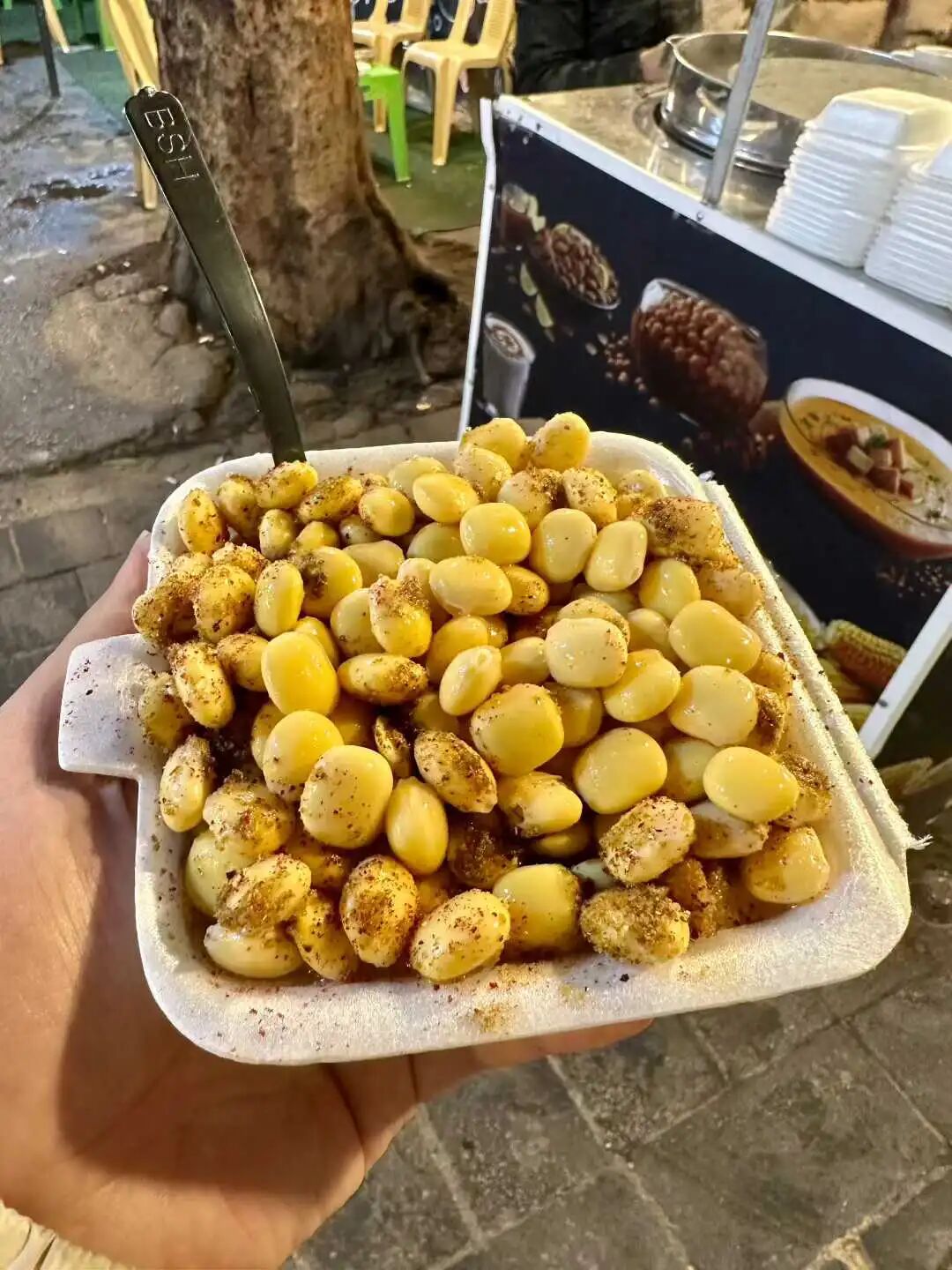
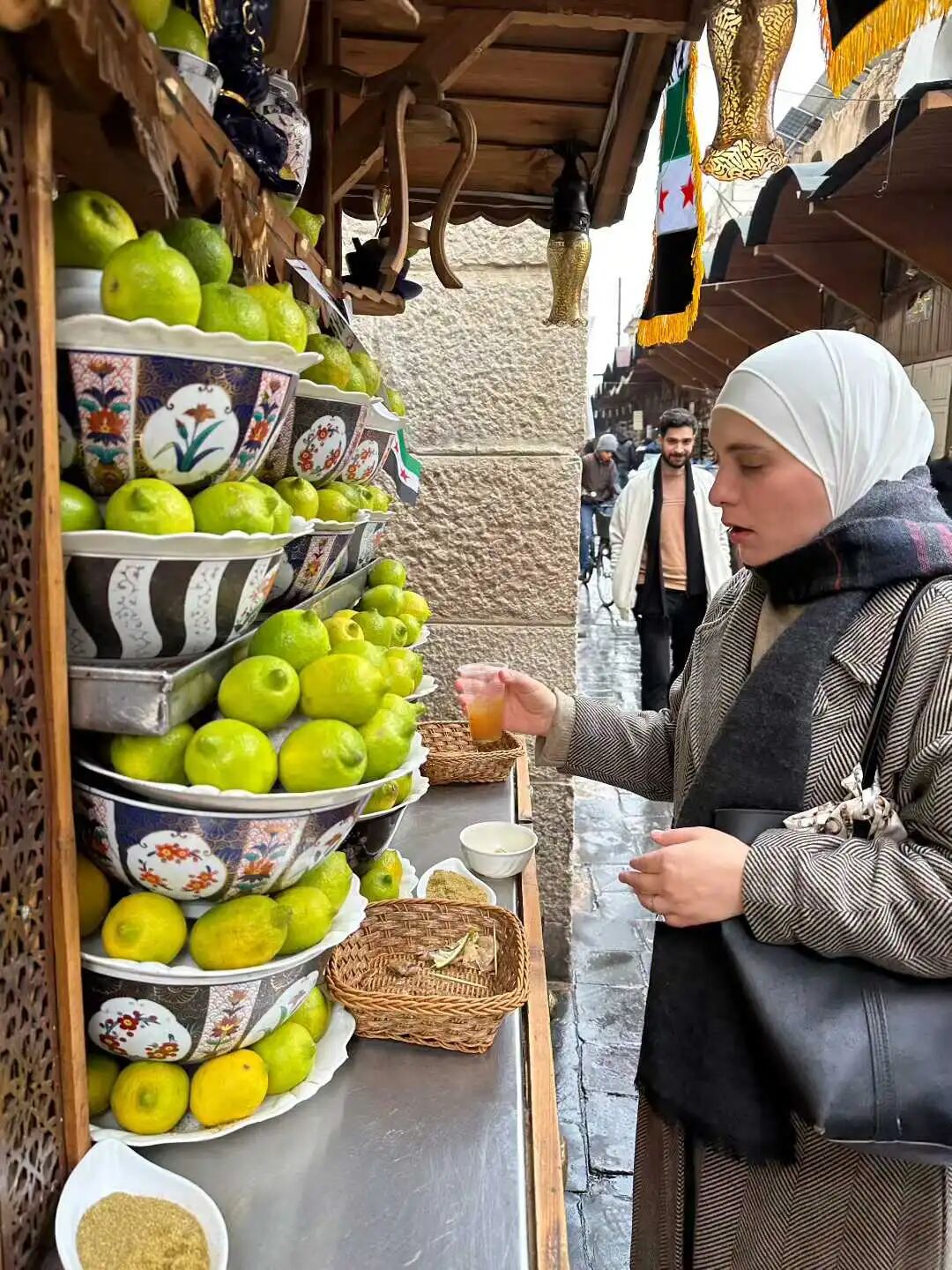
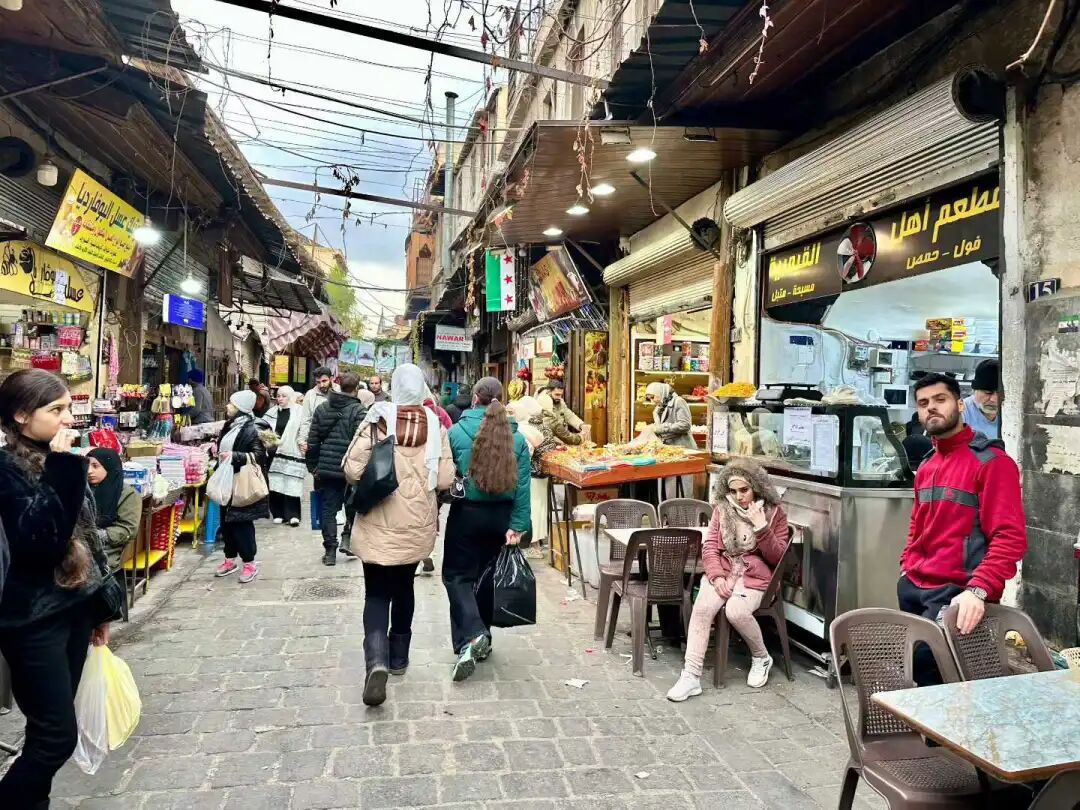
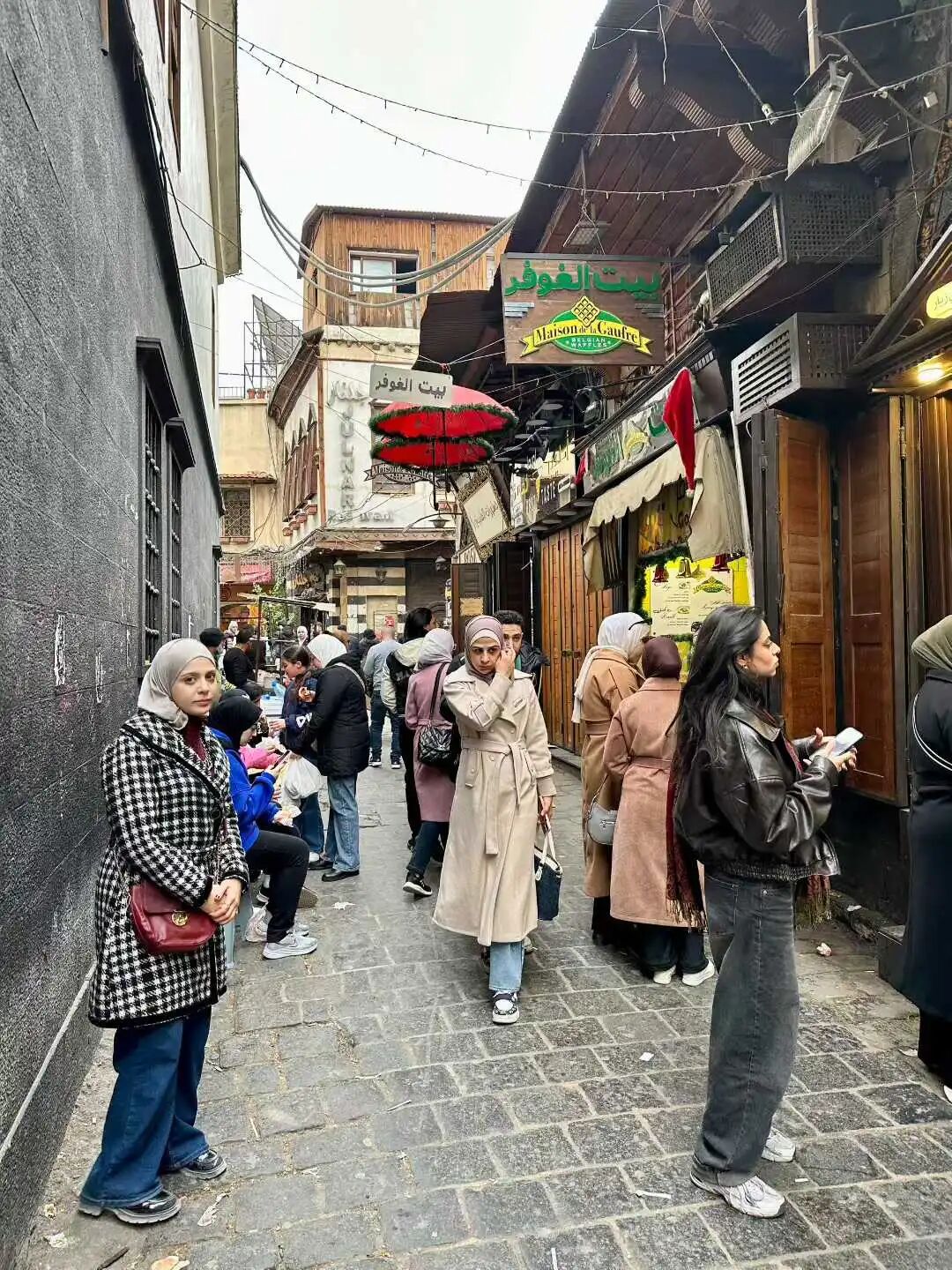
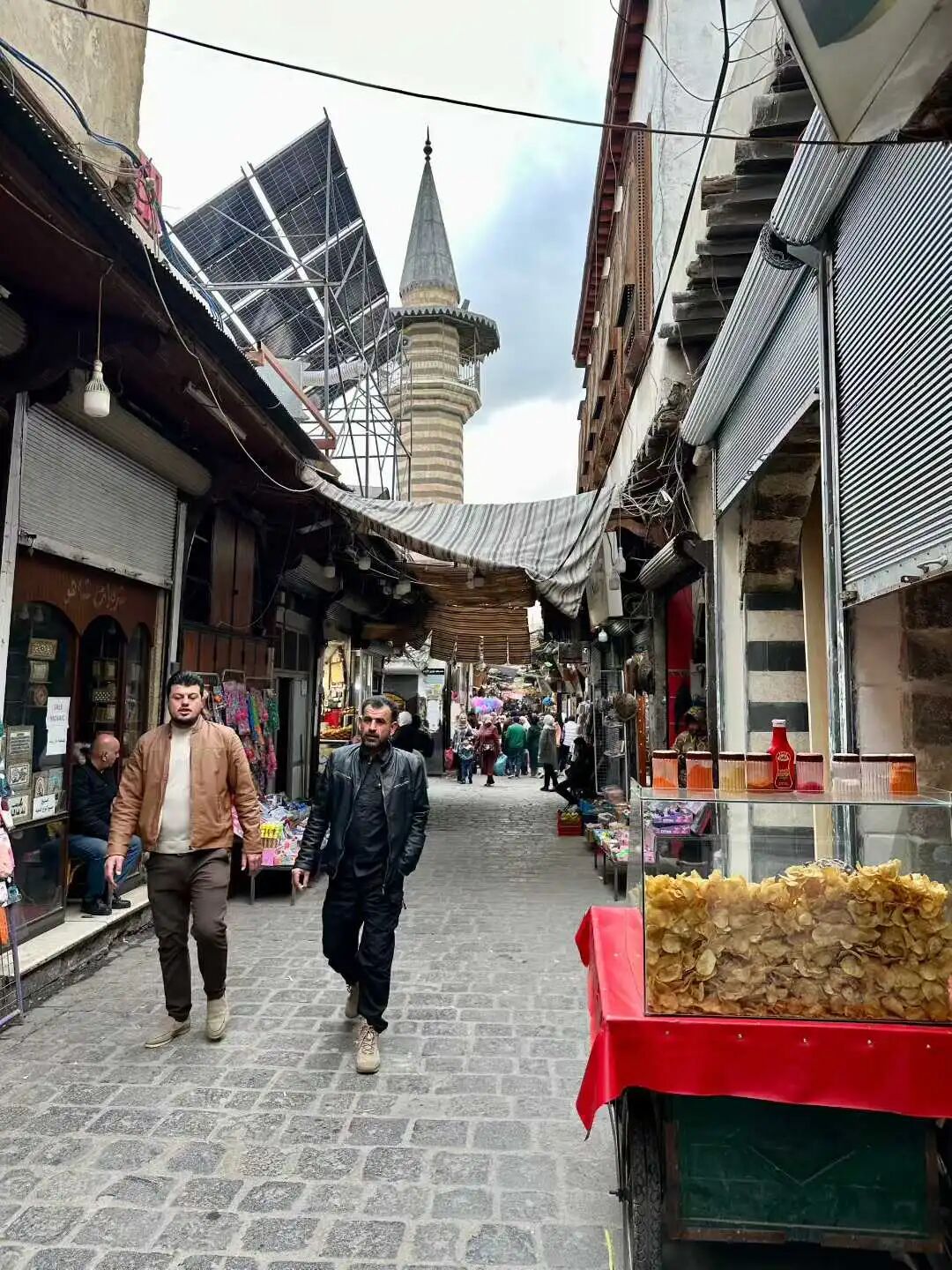
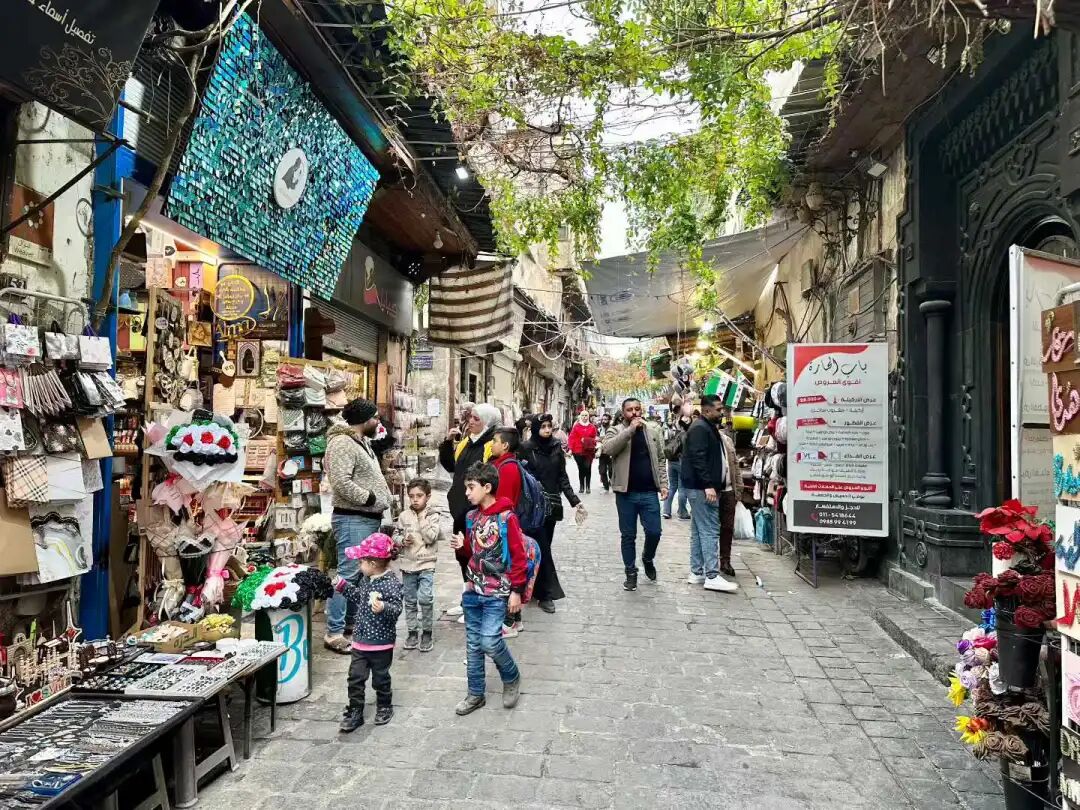
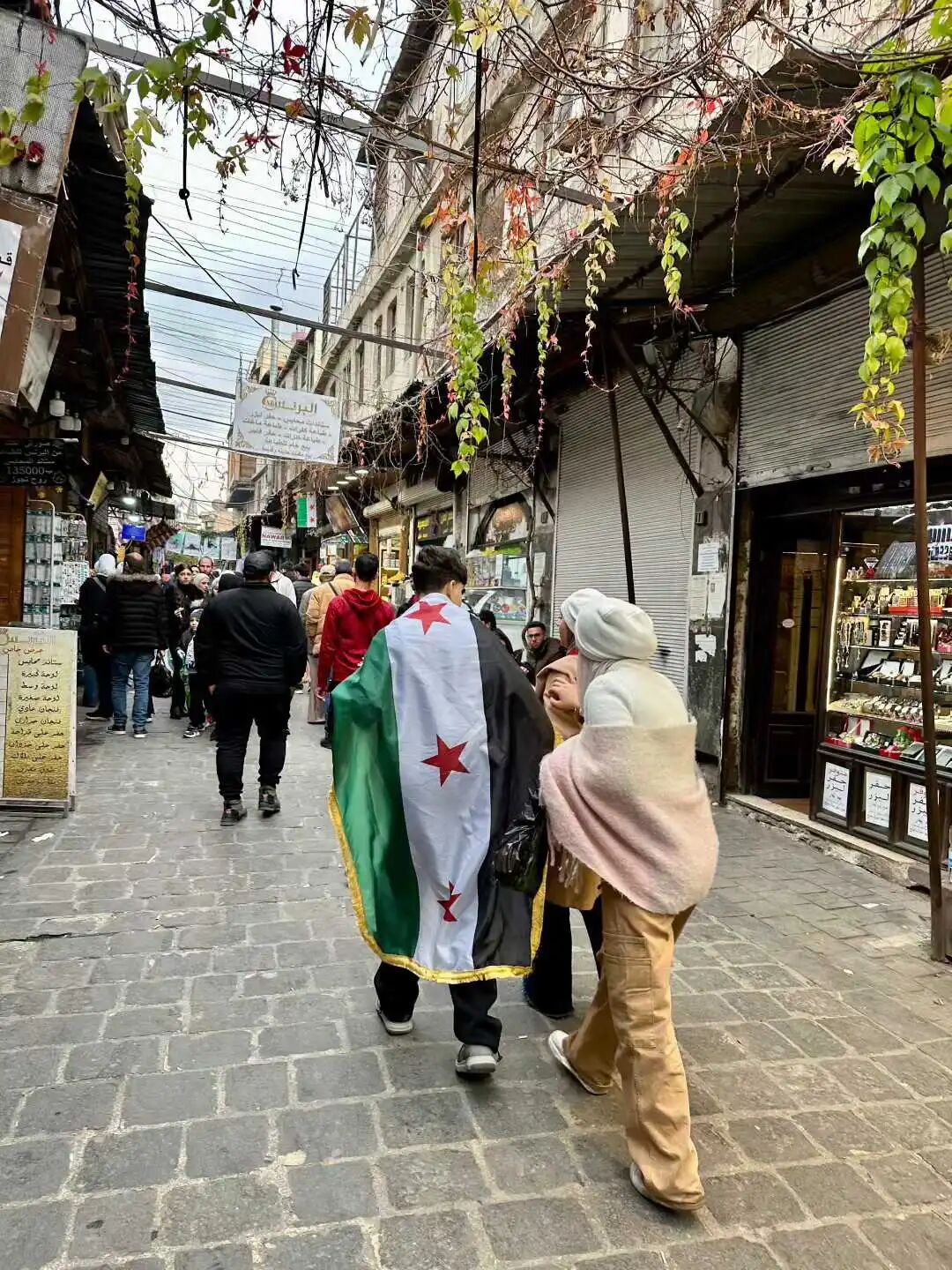
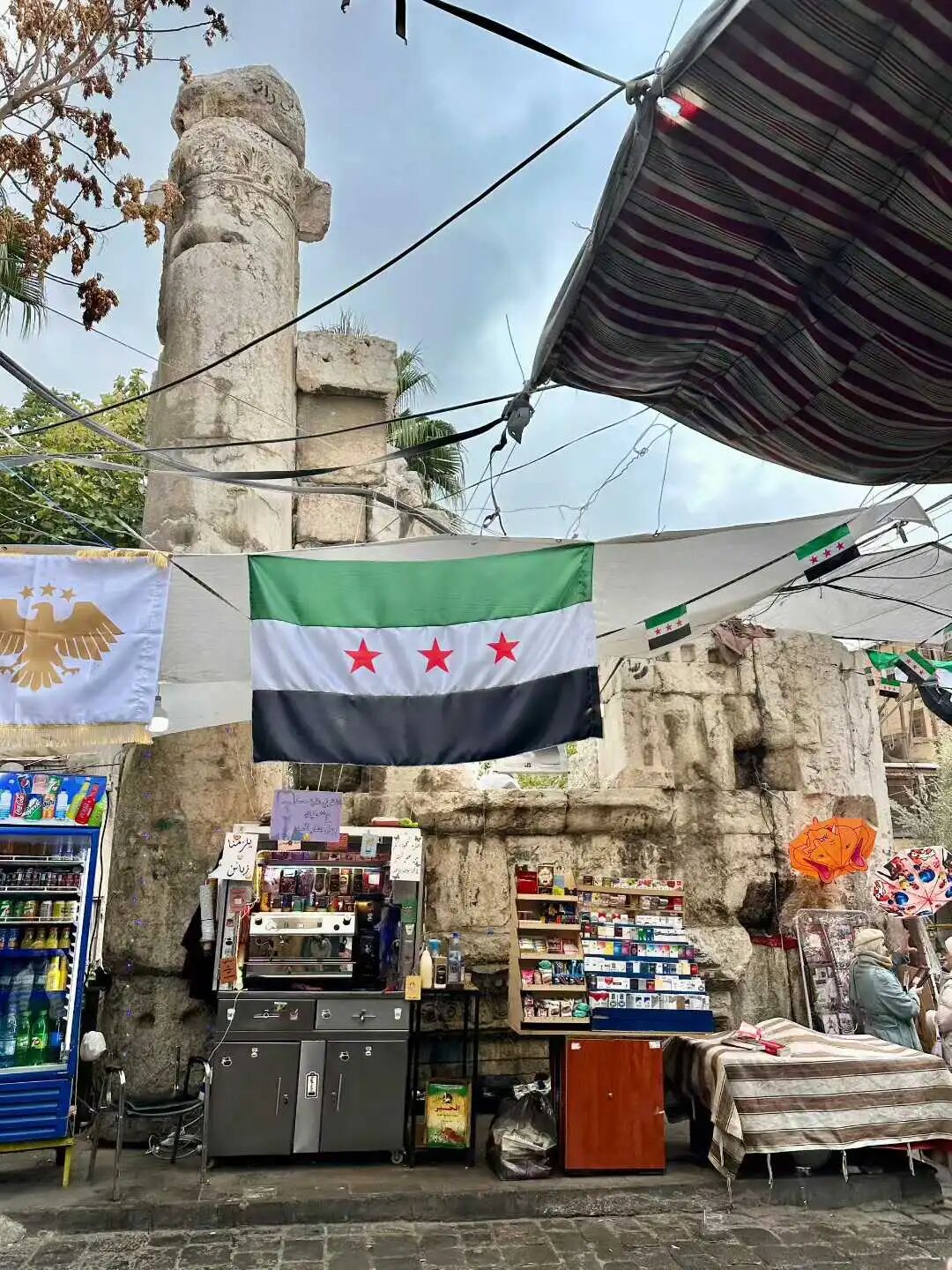
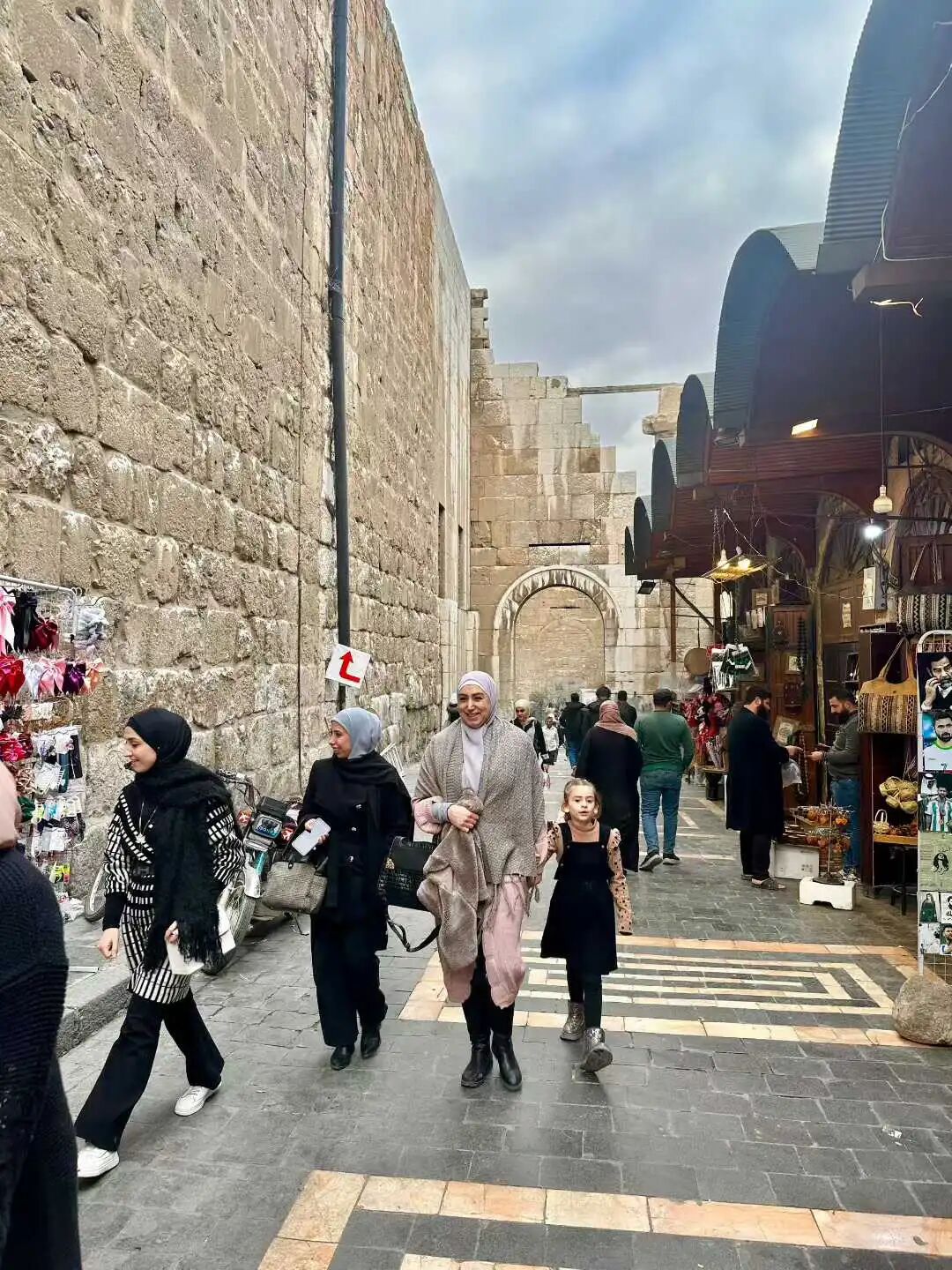
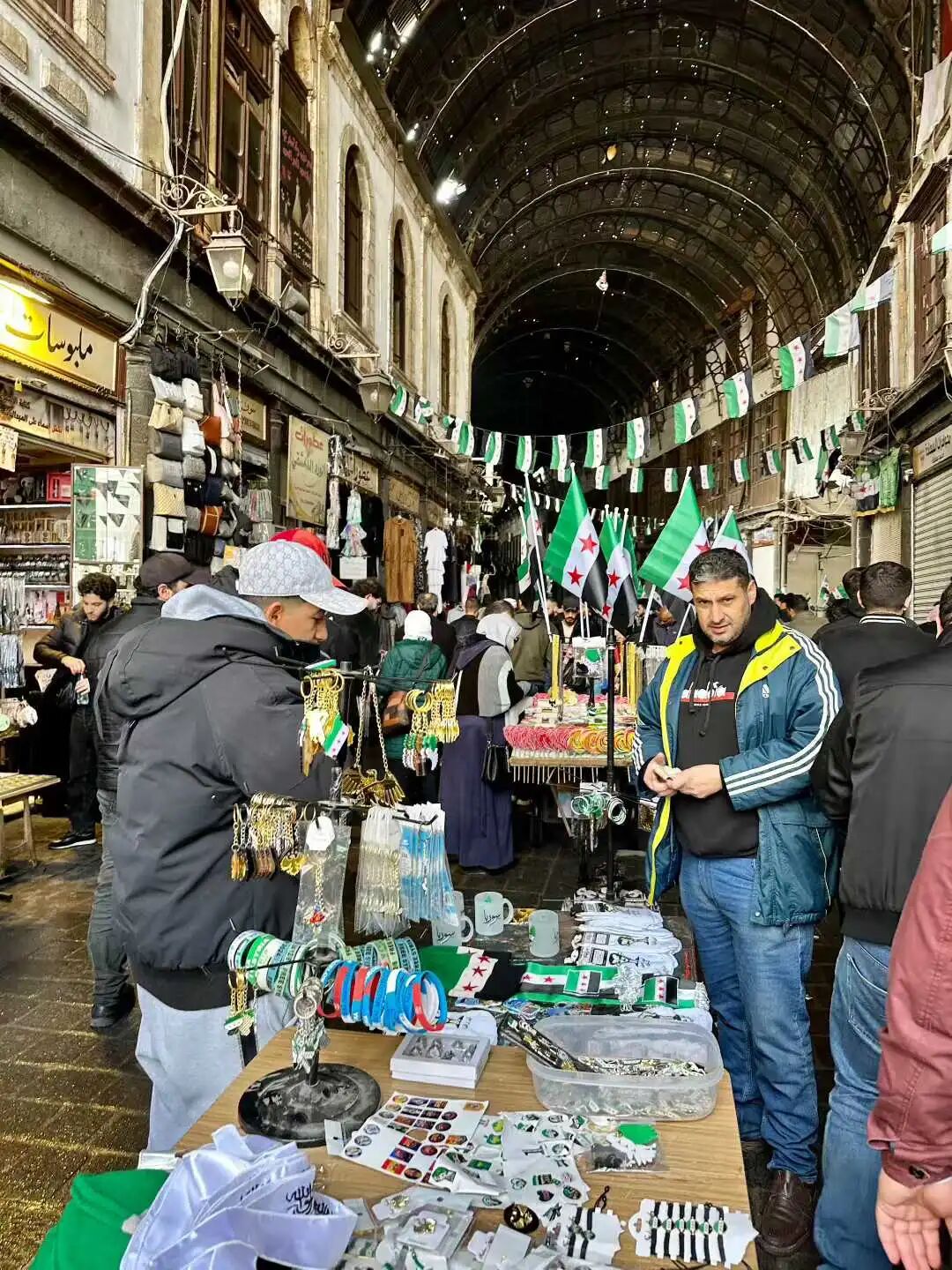
This is the street view of Qaimariya, which is very lively from the afternoon until the evening.
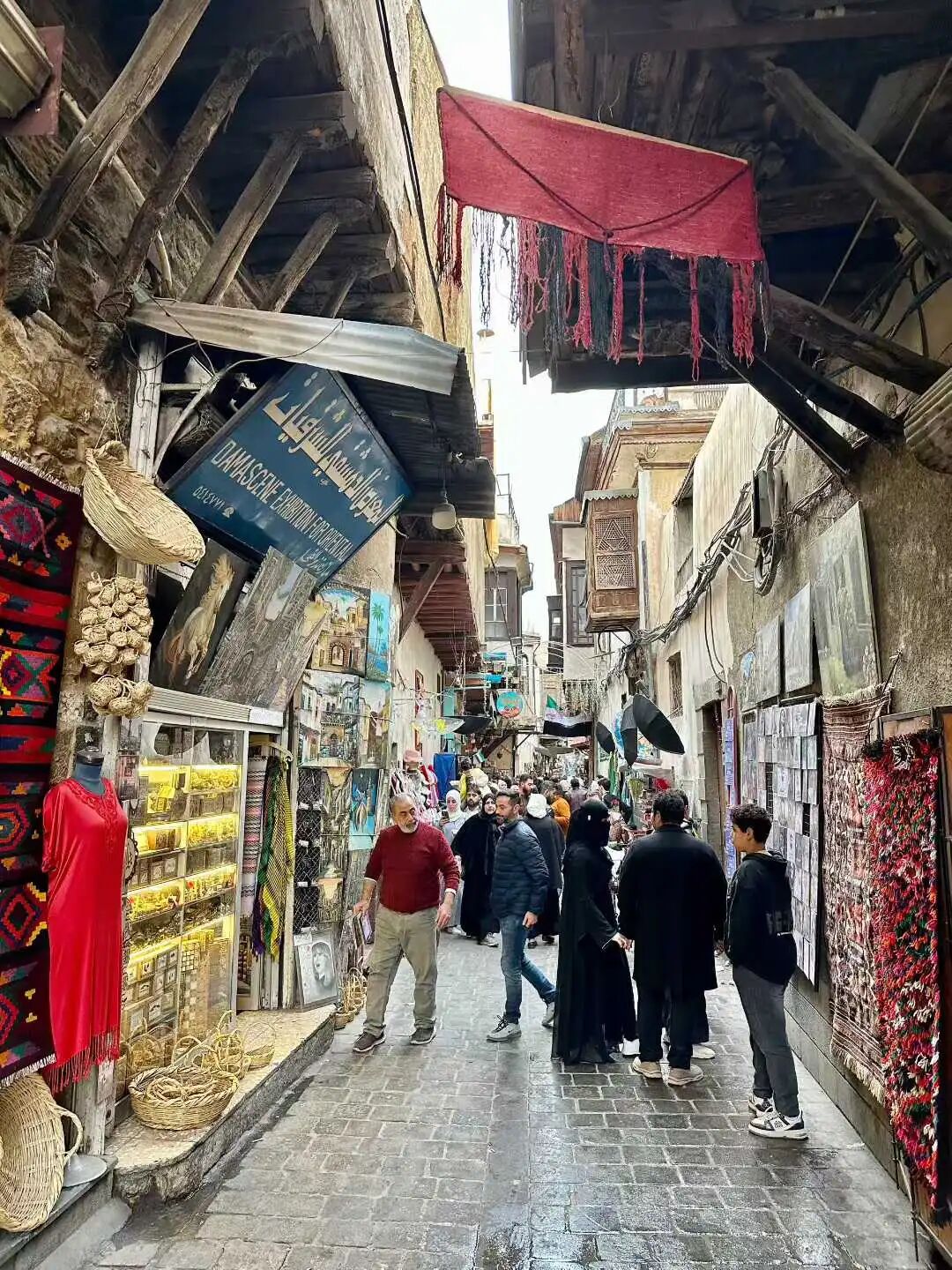
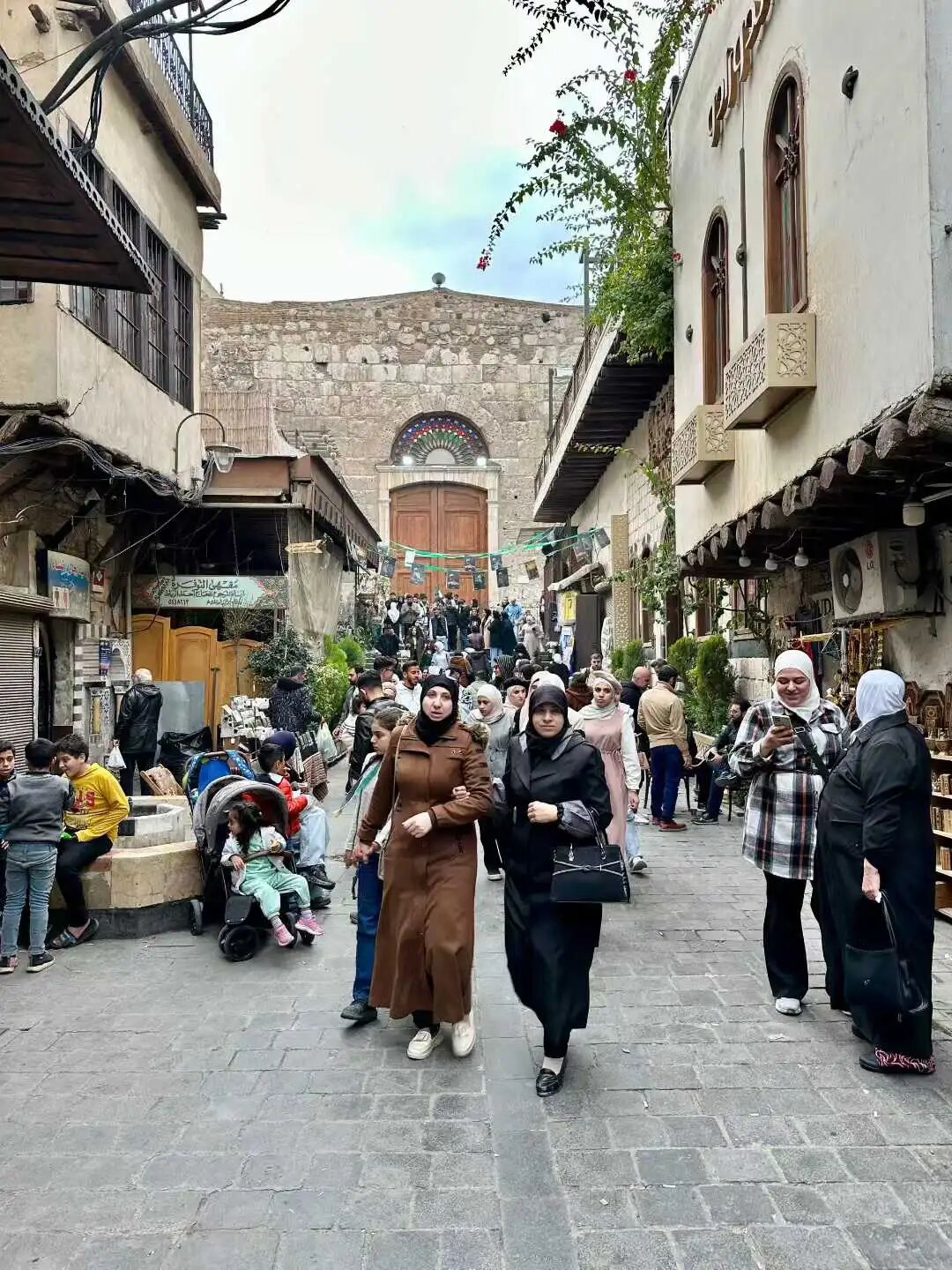
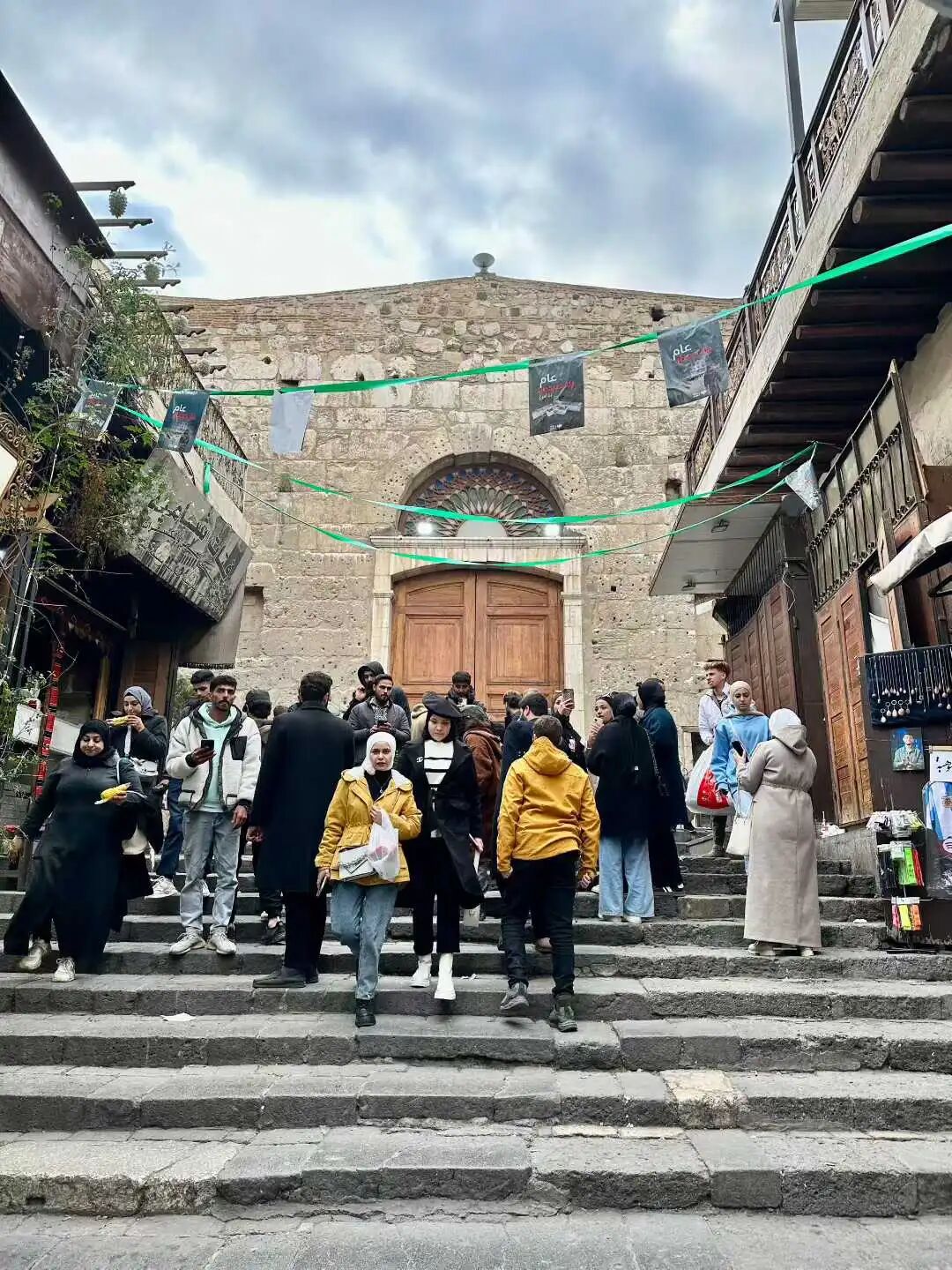
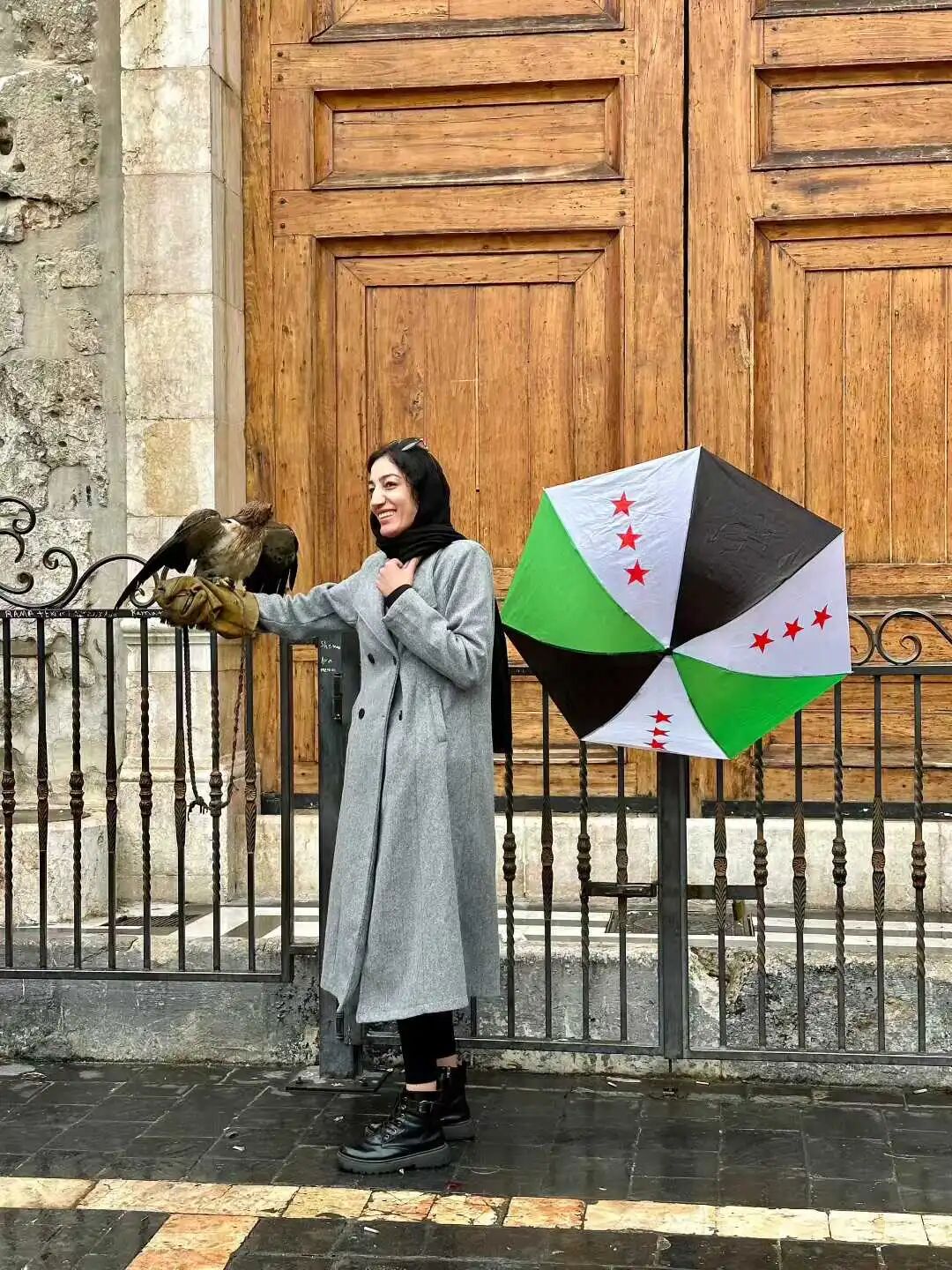
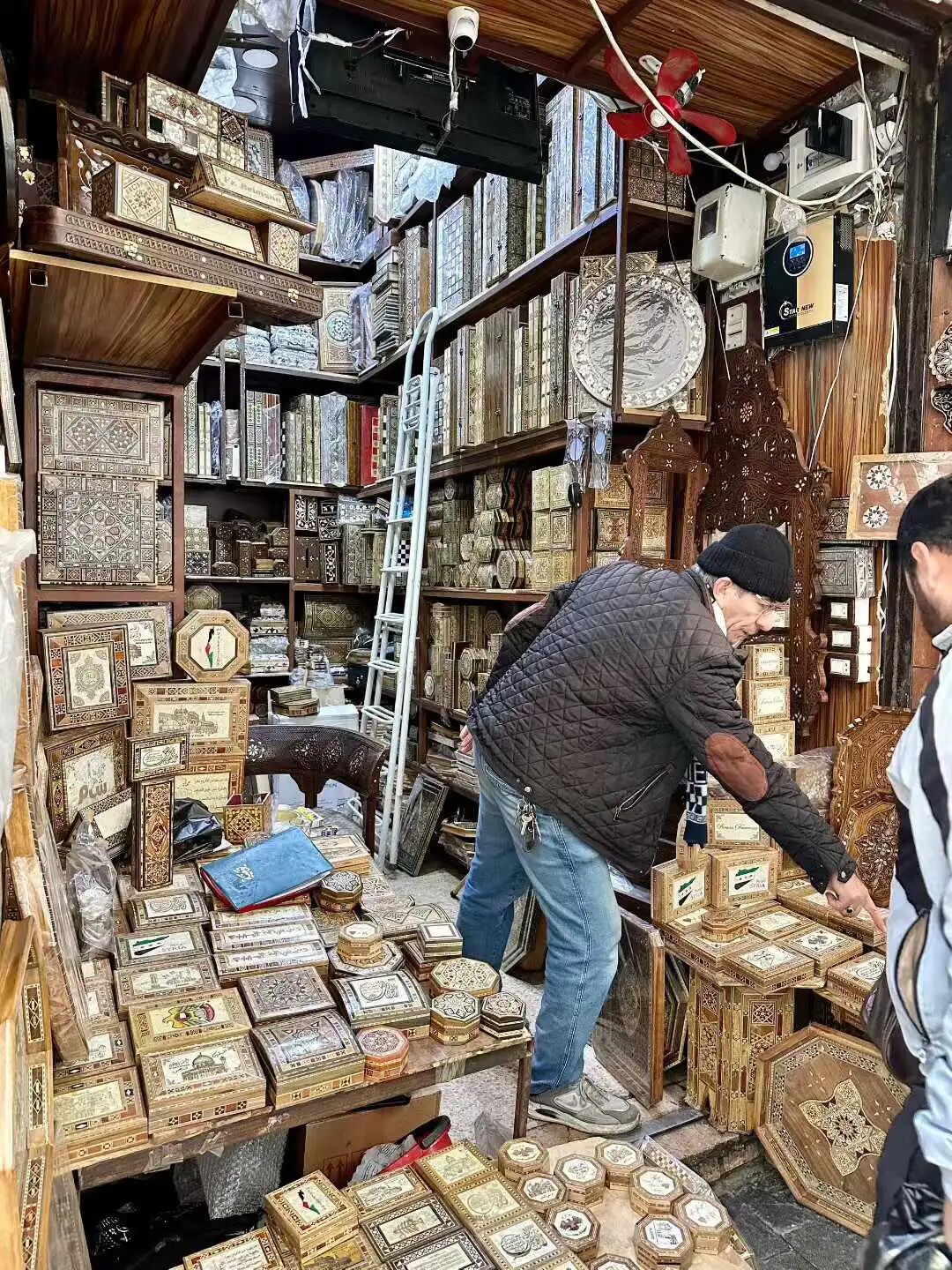
Outside the south wall of the Umayyad Mosque in Damascus is a street of craft shops where you can buy traditional Ottoman tiles and mosaic-inlaid jewelry boxes.
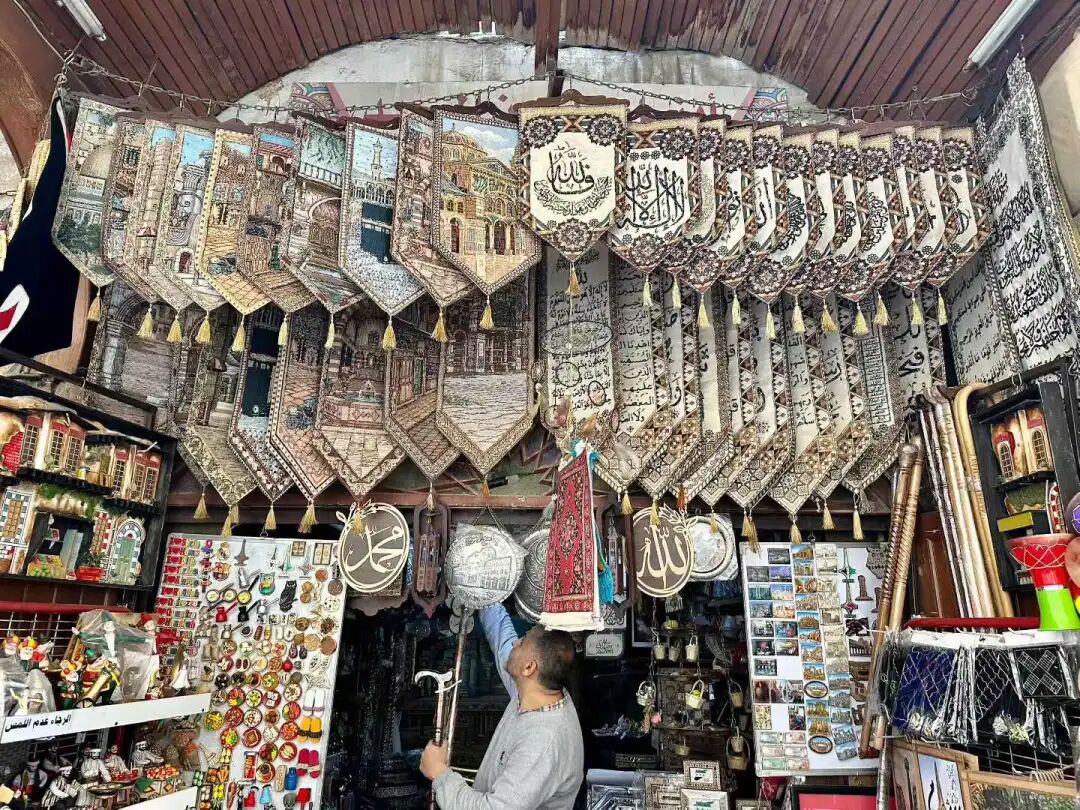
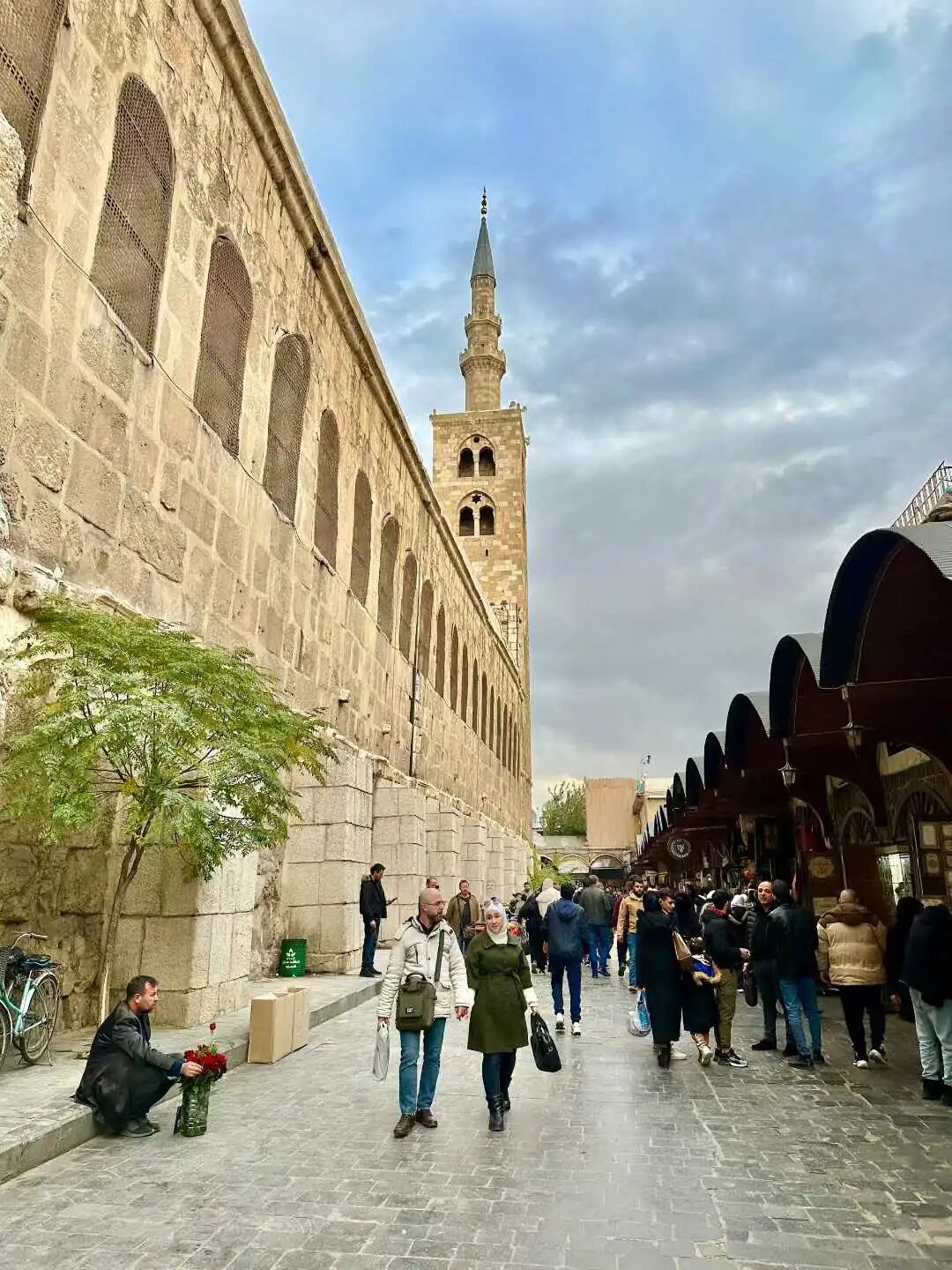
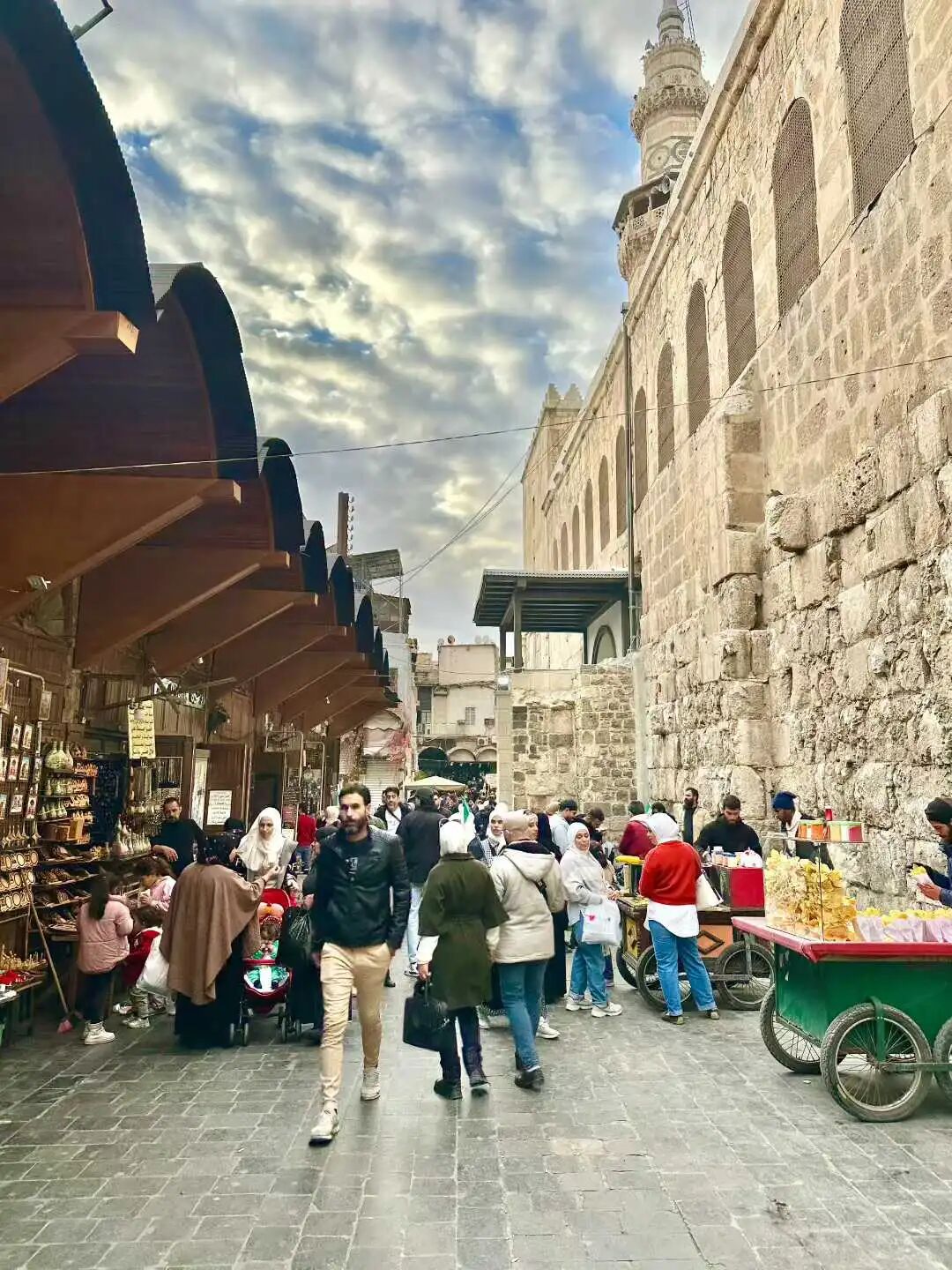
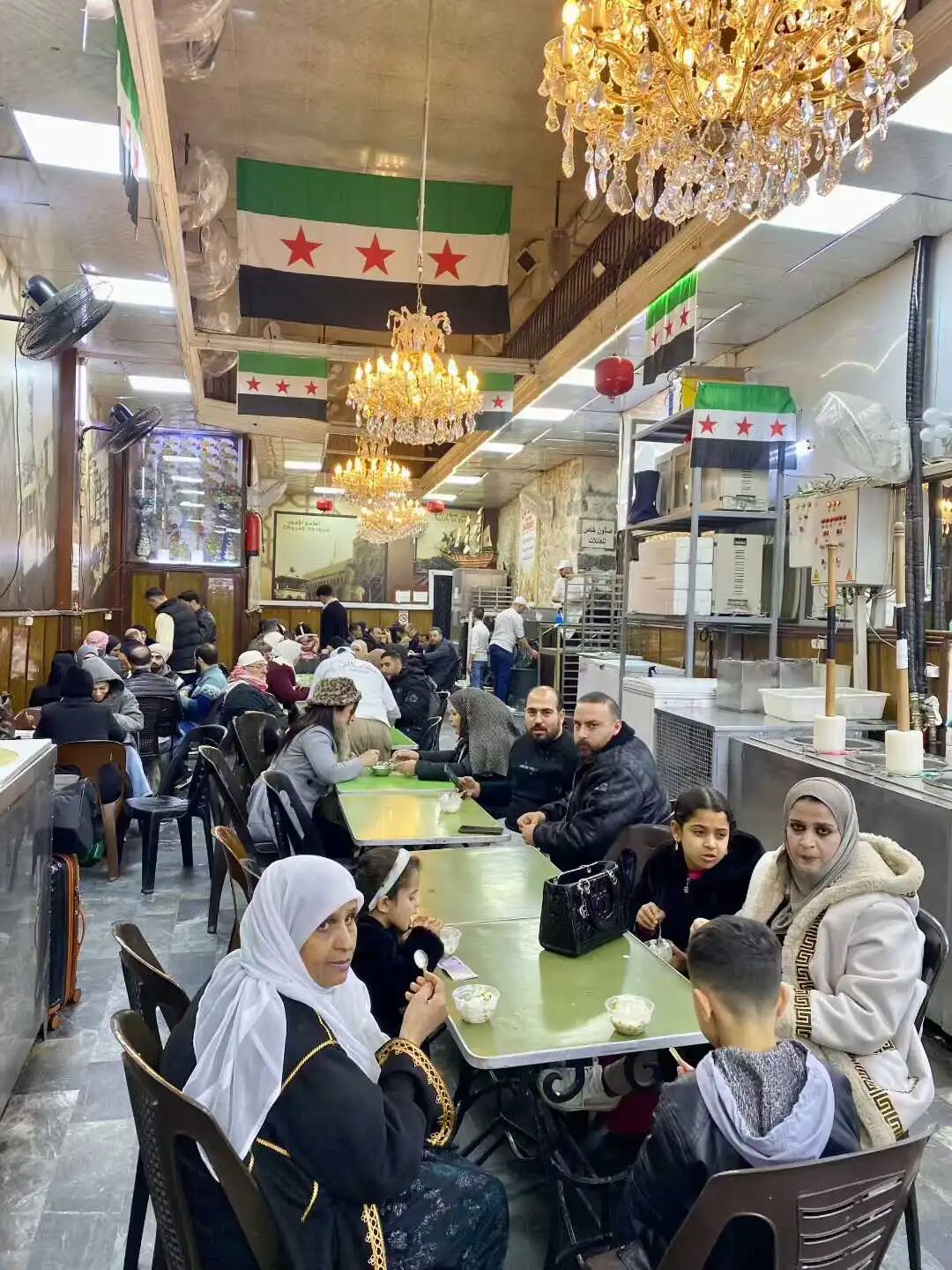
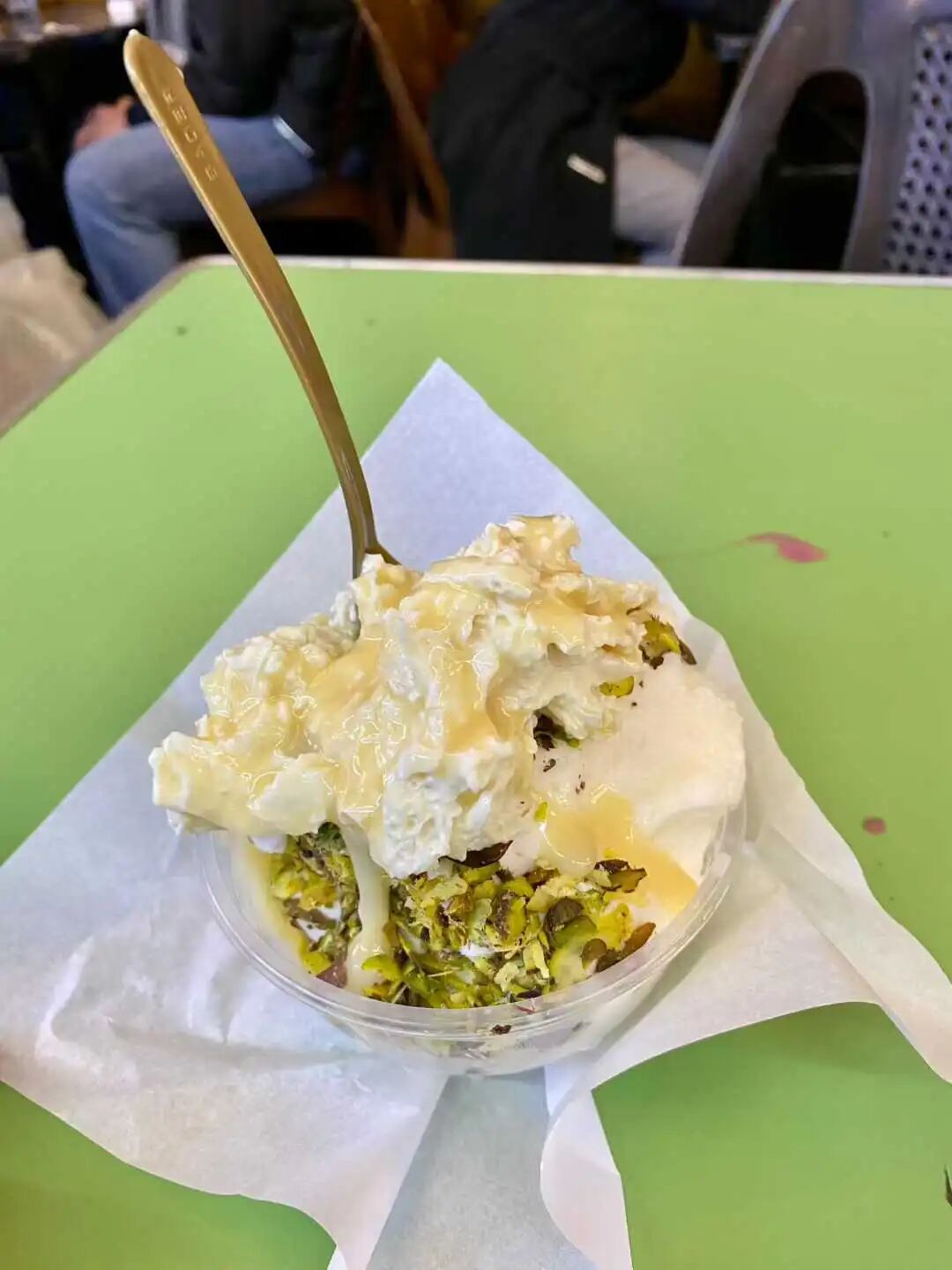
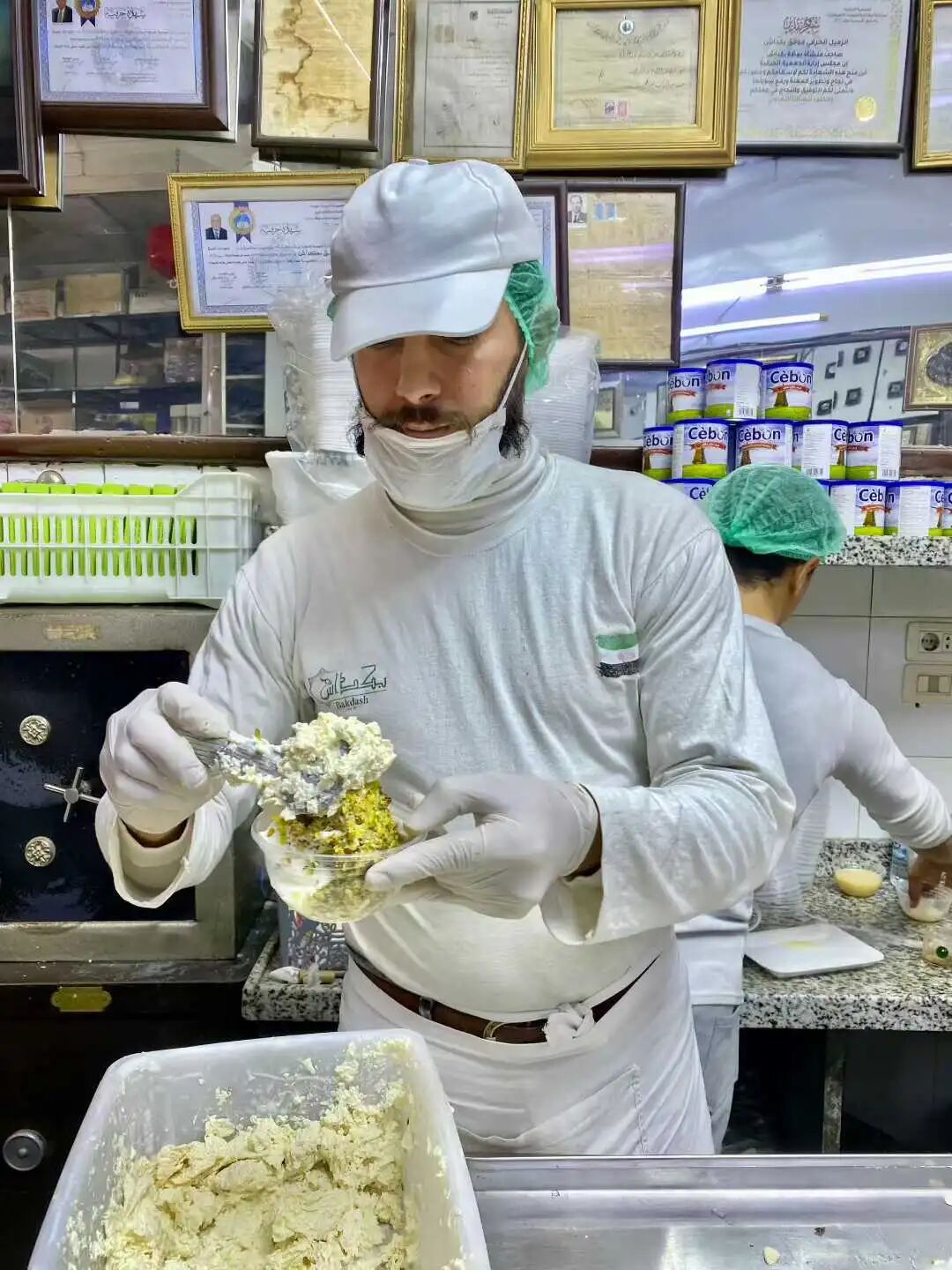
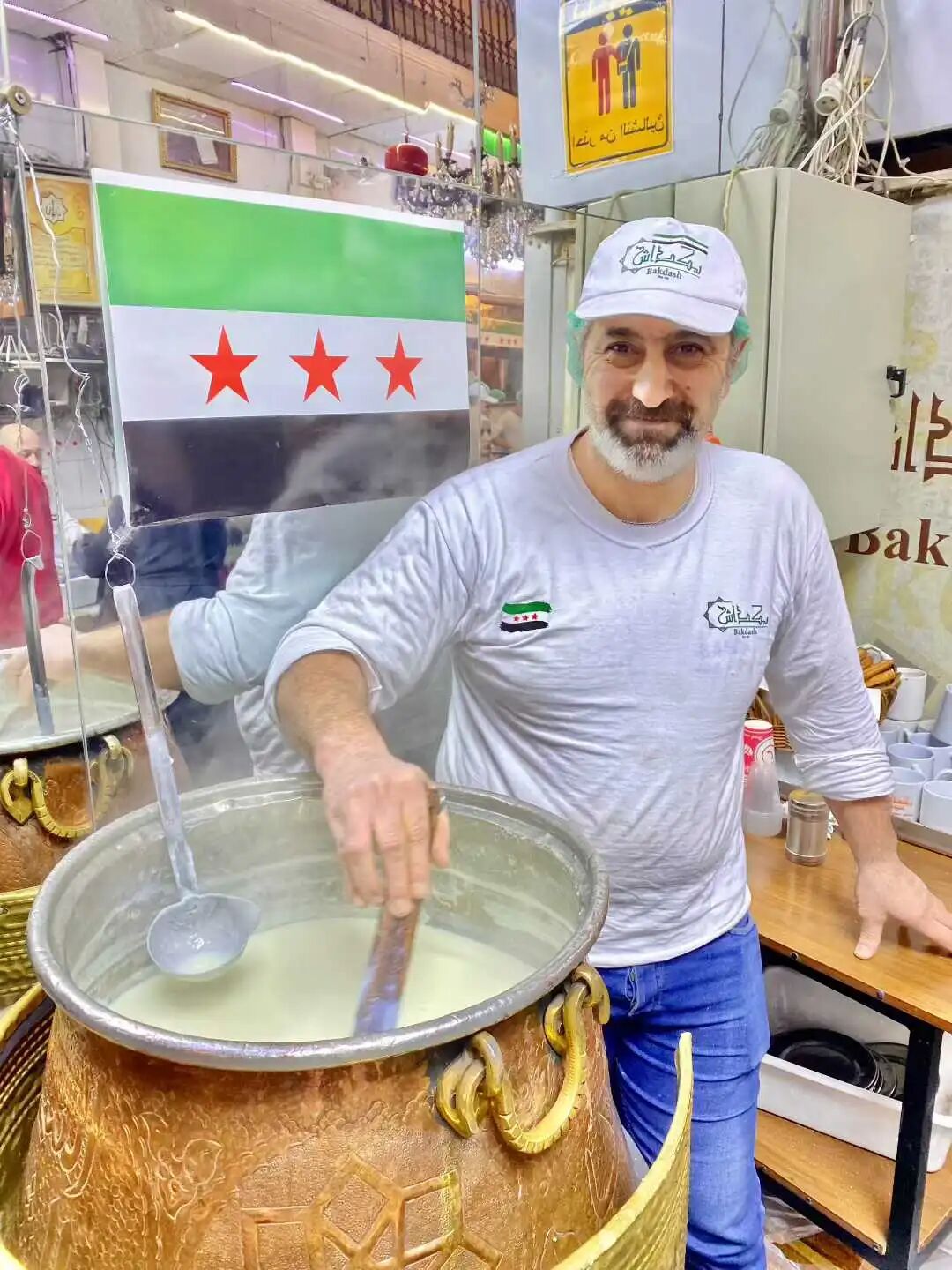
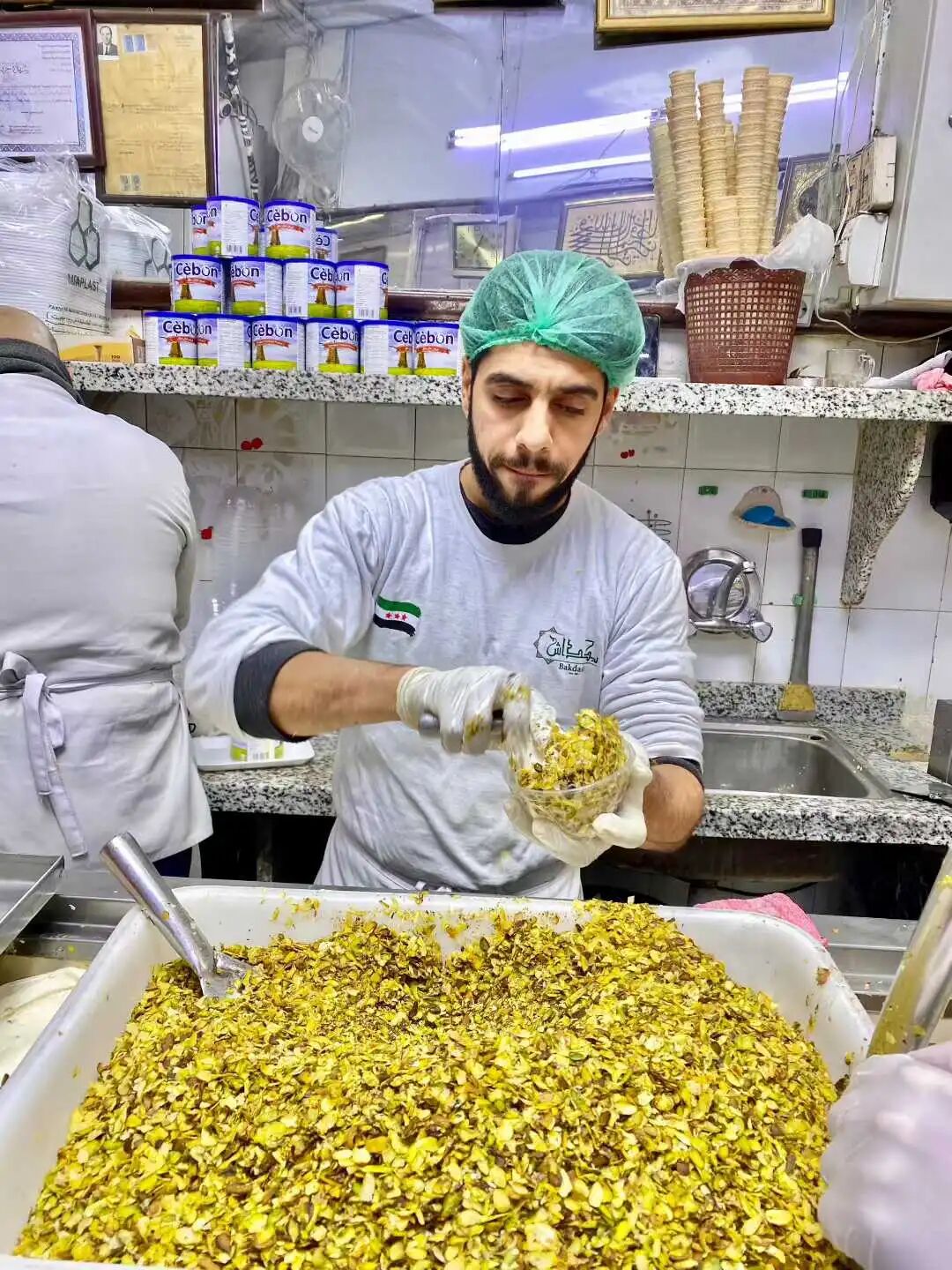
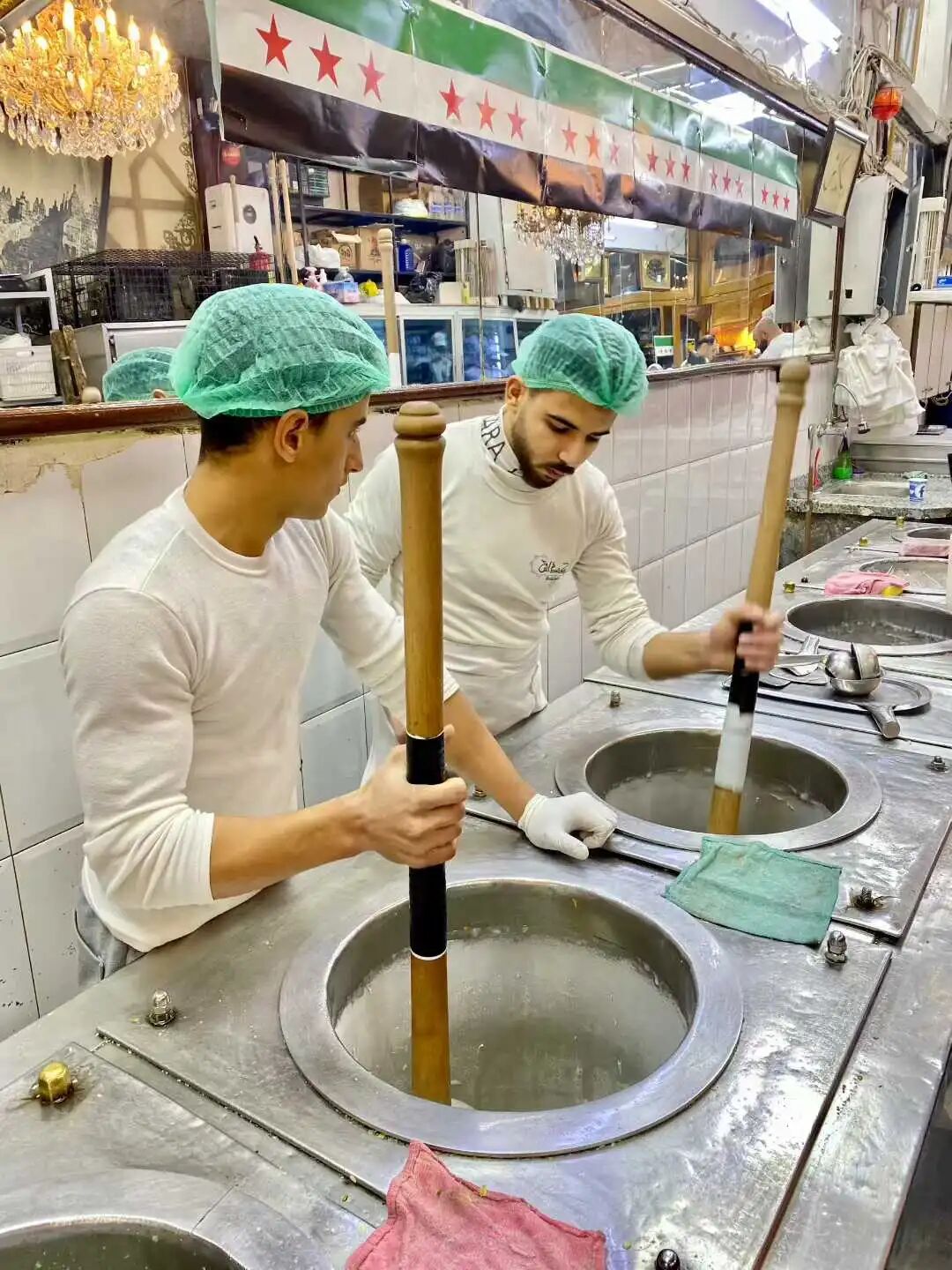
West of the Umayyad Mosque in Damascus lies the Al-Hamidiyah Souq. The market was first built during the Ottoman period in 1780 and was expanded to its current form between the late 19th and early 20th centuries. The most famous spot in the market is the Bakdash ice cream shop, which opened in 1895. The shop's signature item is Damascus Booza ice cream. When making Booza, classic Ottoman spices like mastic, salep, and plenty of nuts are added to the milk. Mastic is the resin of the mastic tree, recorded as "masitachi" in the Hui Muslim medical text Huihui Yaofang. Salep is a powder made from orchid tubers and was an important spice during the Ottoman Empire. Unlike regular ice cream, Booza is not made by churning, but by pounding and constantly stretching it in an ice bucket.
Booza ice cream is topped with crushed pistachios and a Middle Eastern version of milk skin called Qishta. Qishta is a natural milk skin made by boiling milk at 60 degrees without fermentation or coagulants. It only lasts a few days even when refrigerated. It is a classic ingredient for various puddings and desserts, or it can be eaten directly with crushed pistachios.
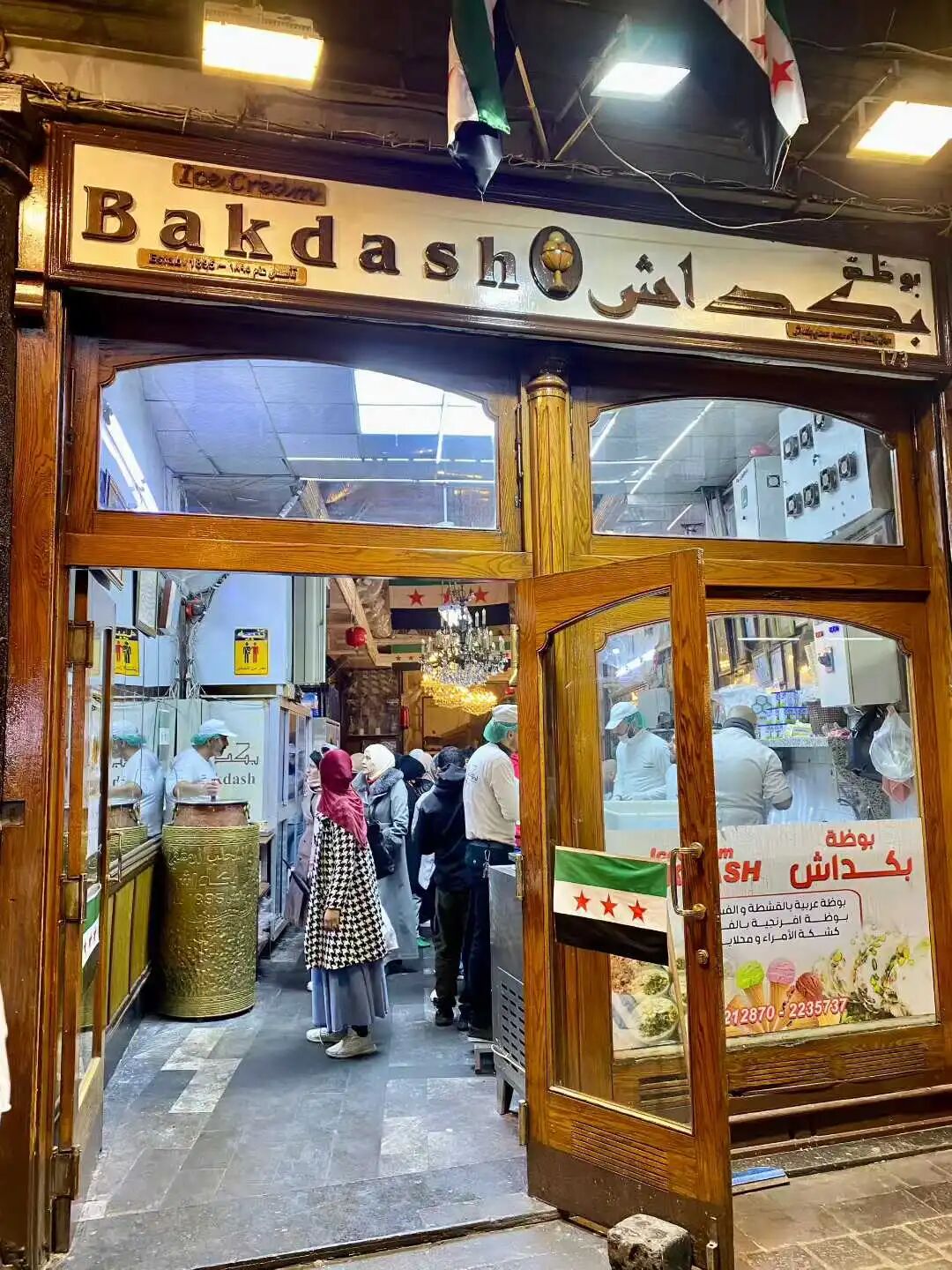
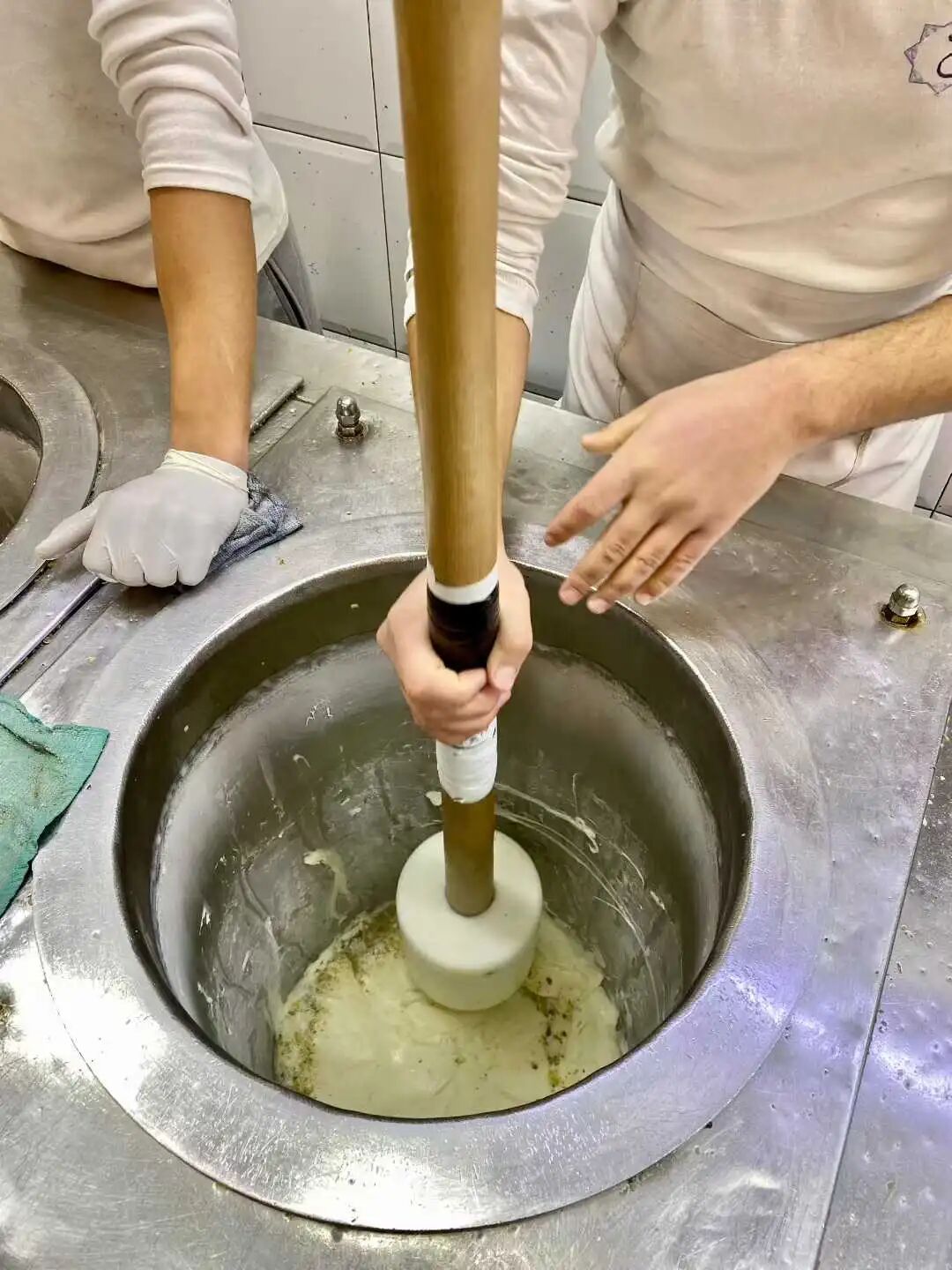
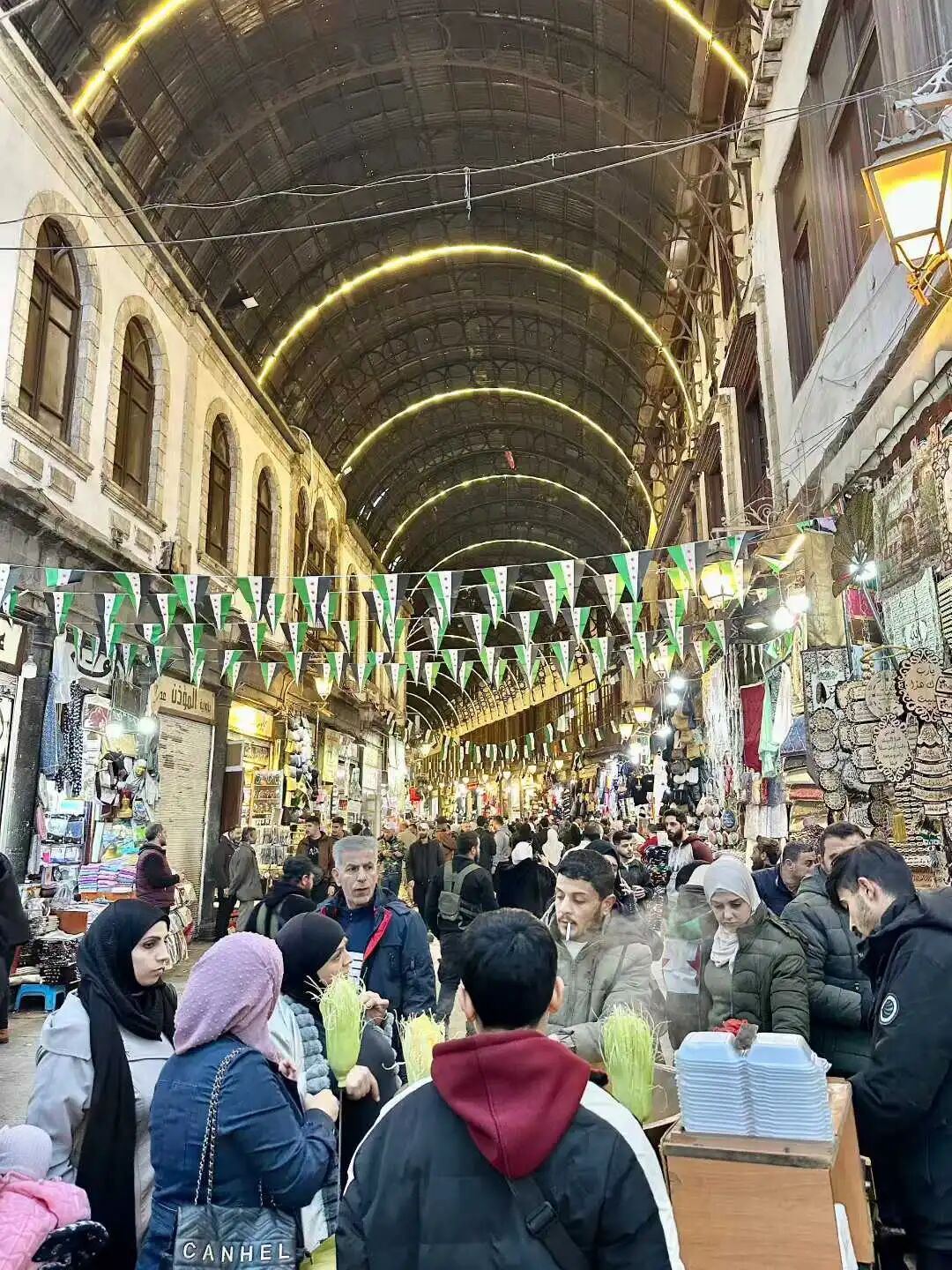
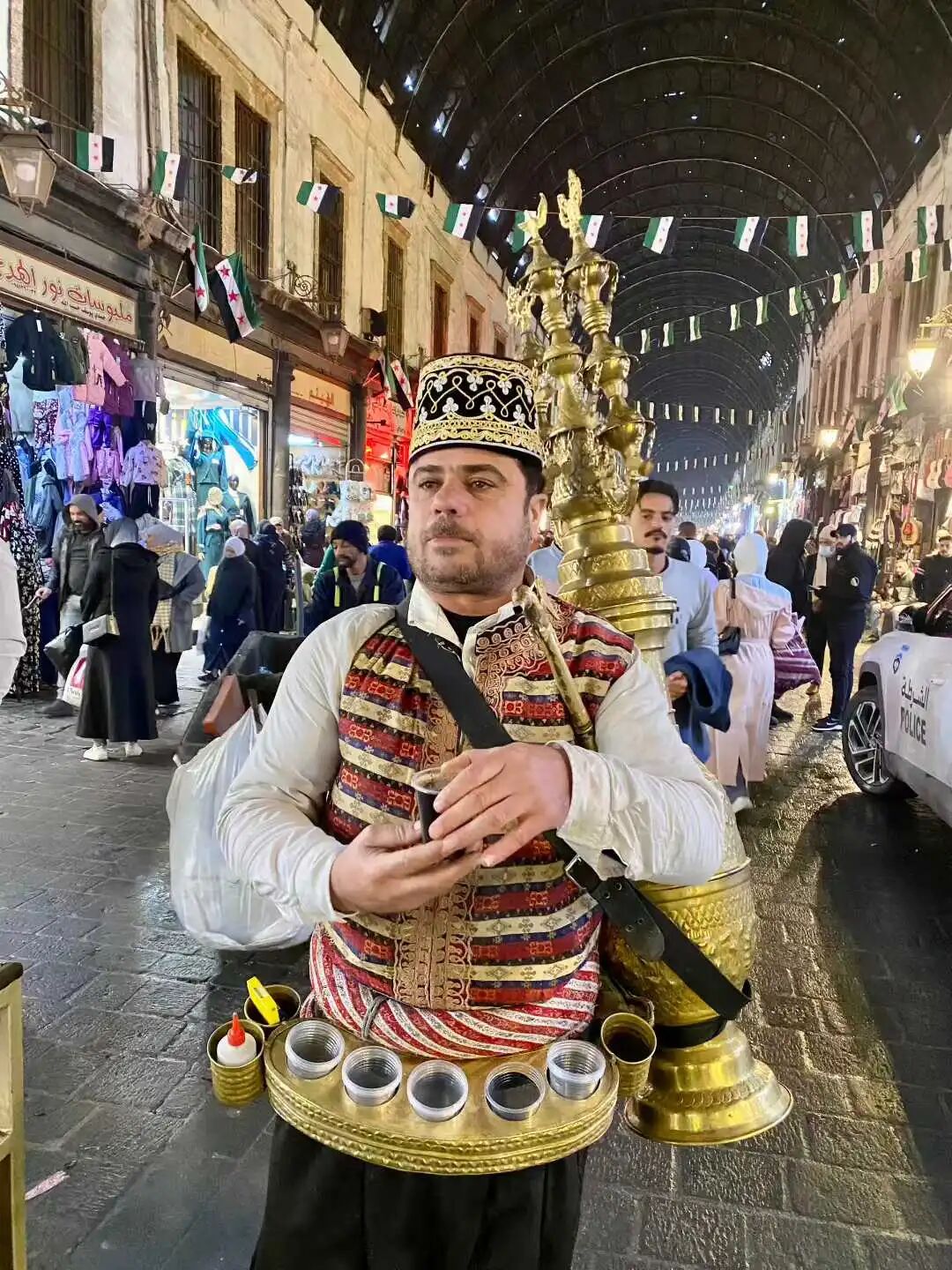
At the Al-Hamidiyah Souq, you can drink the classic Syrian Jallab water. This is a drink made from a mixture of carob, dates, grape molasses, and rose water, sometimes smoked with Arabic incense. Syrians often drink Jallab water during Ramadan.
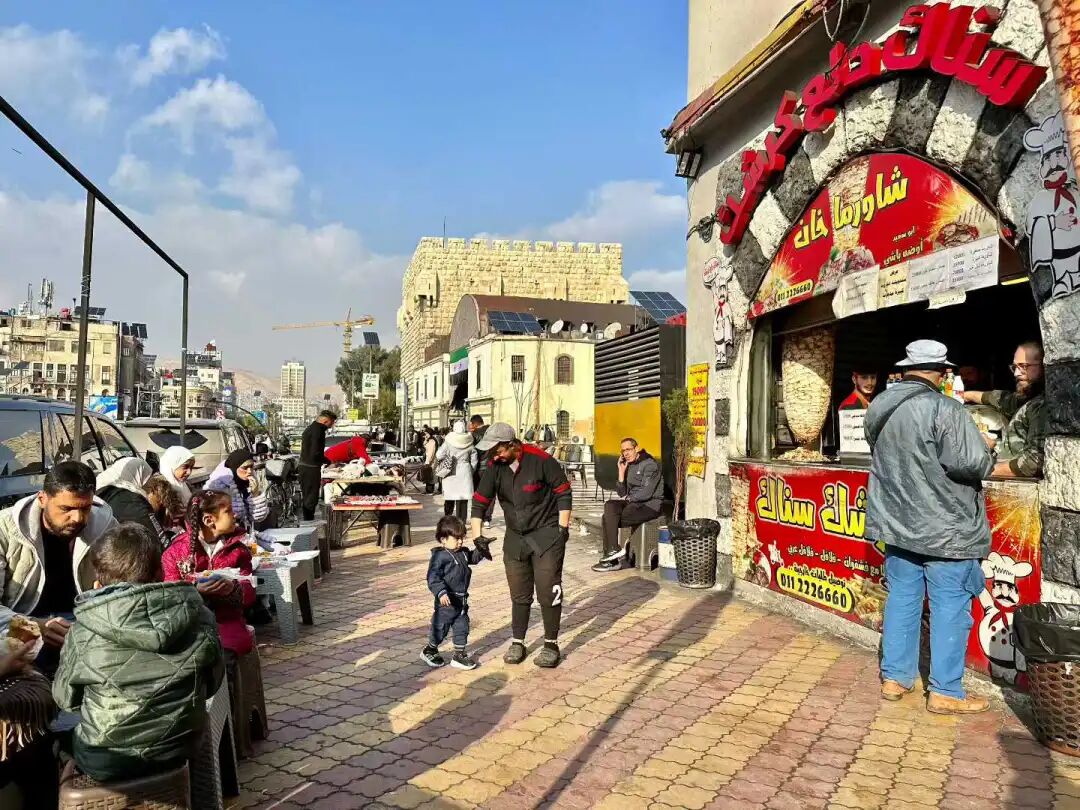
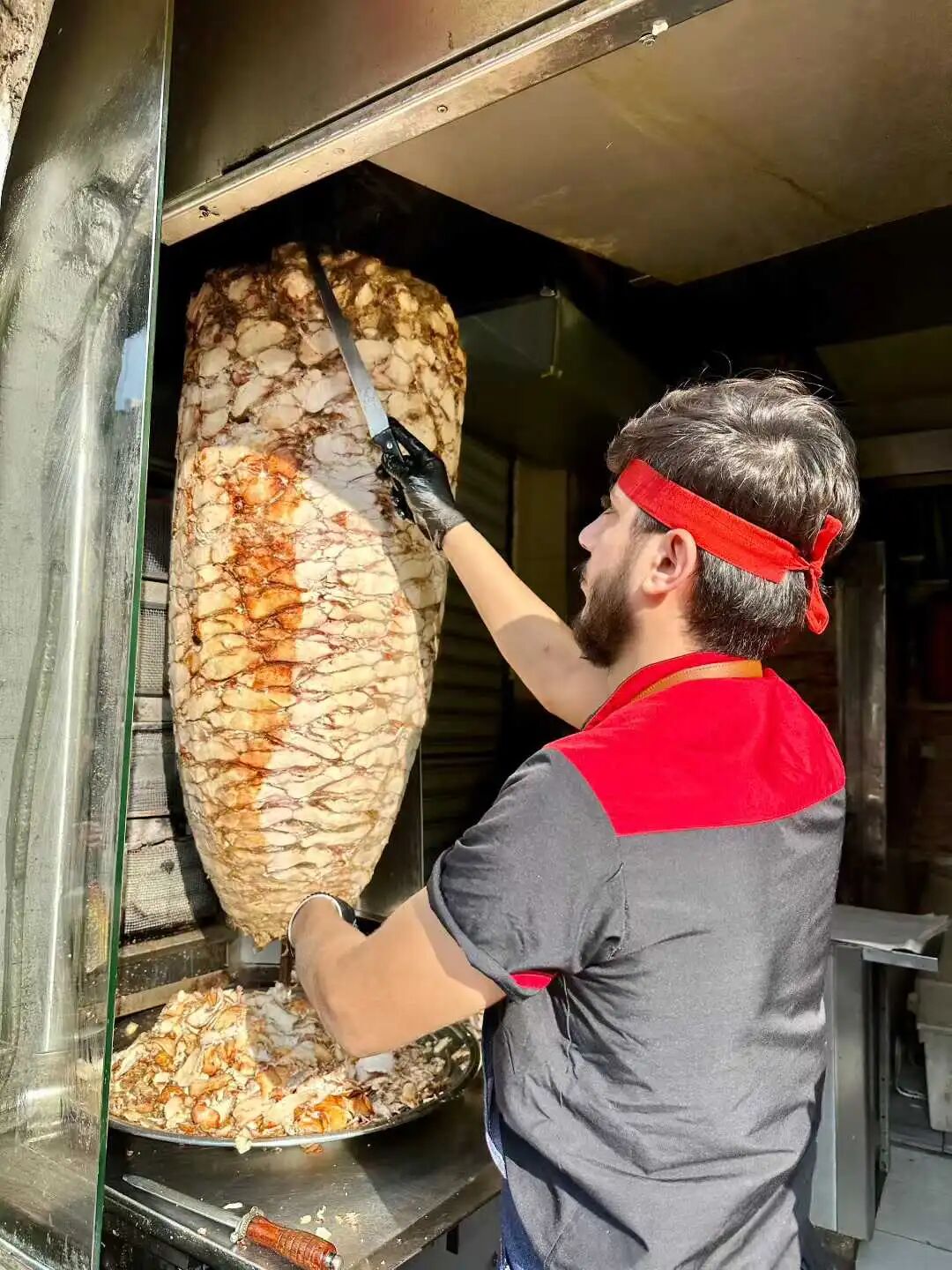
This is the shawarma rotisserie at the west entrance of the Al-Hamidiyah Souq. When you are busy visiting historical sites in Damascus during the day and do not have time for a full meal, shawarma is a great fast food. Chicken usually costs about a dozen yuan, and beef costs about twenty yuan.
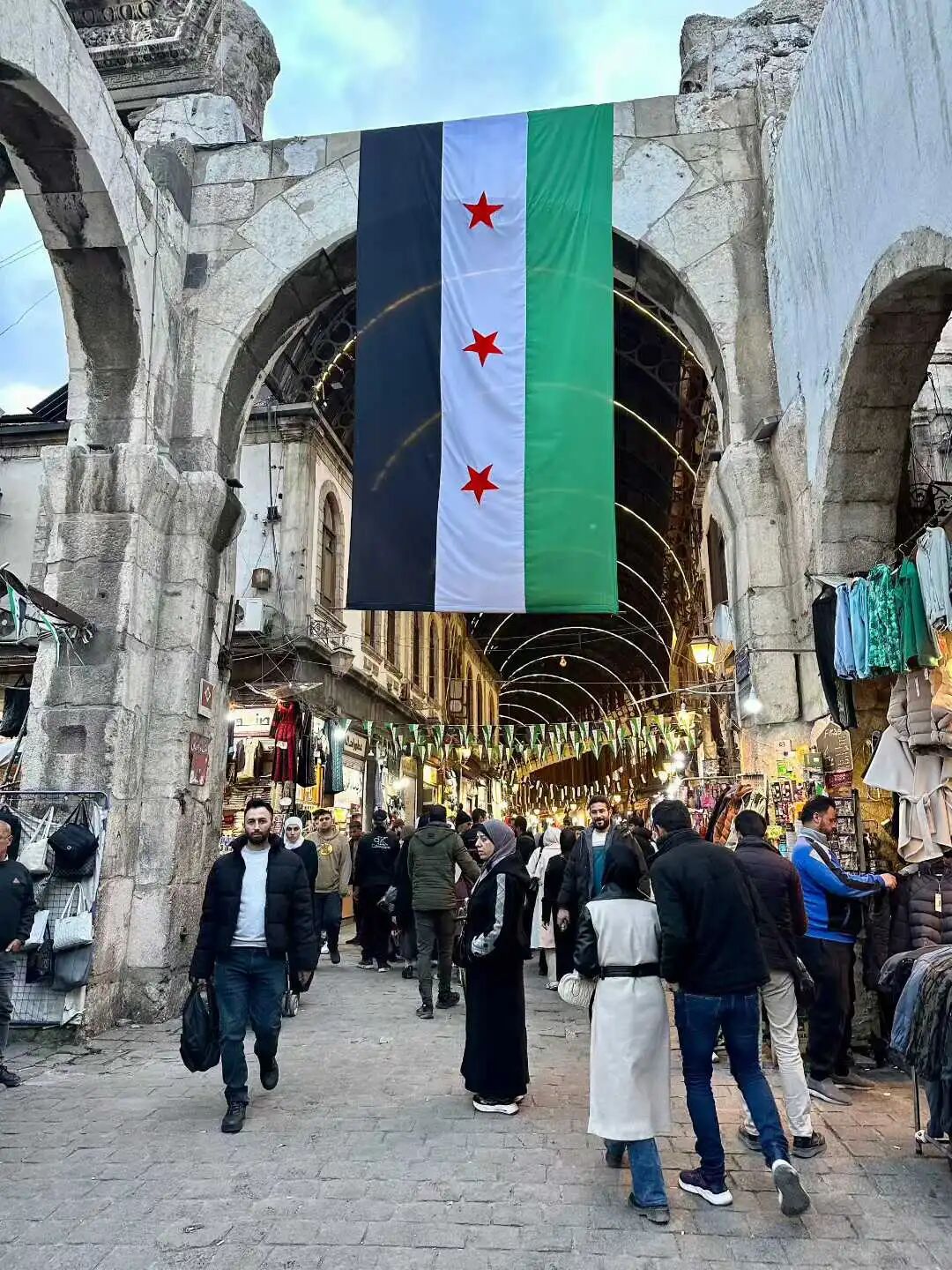
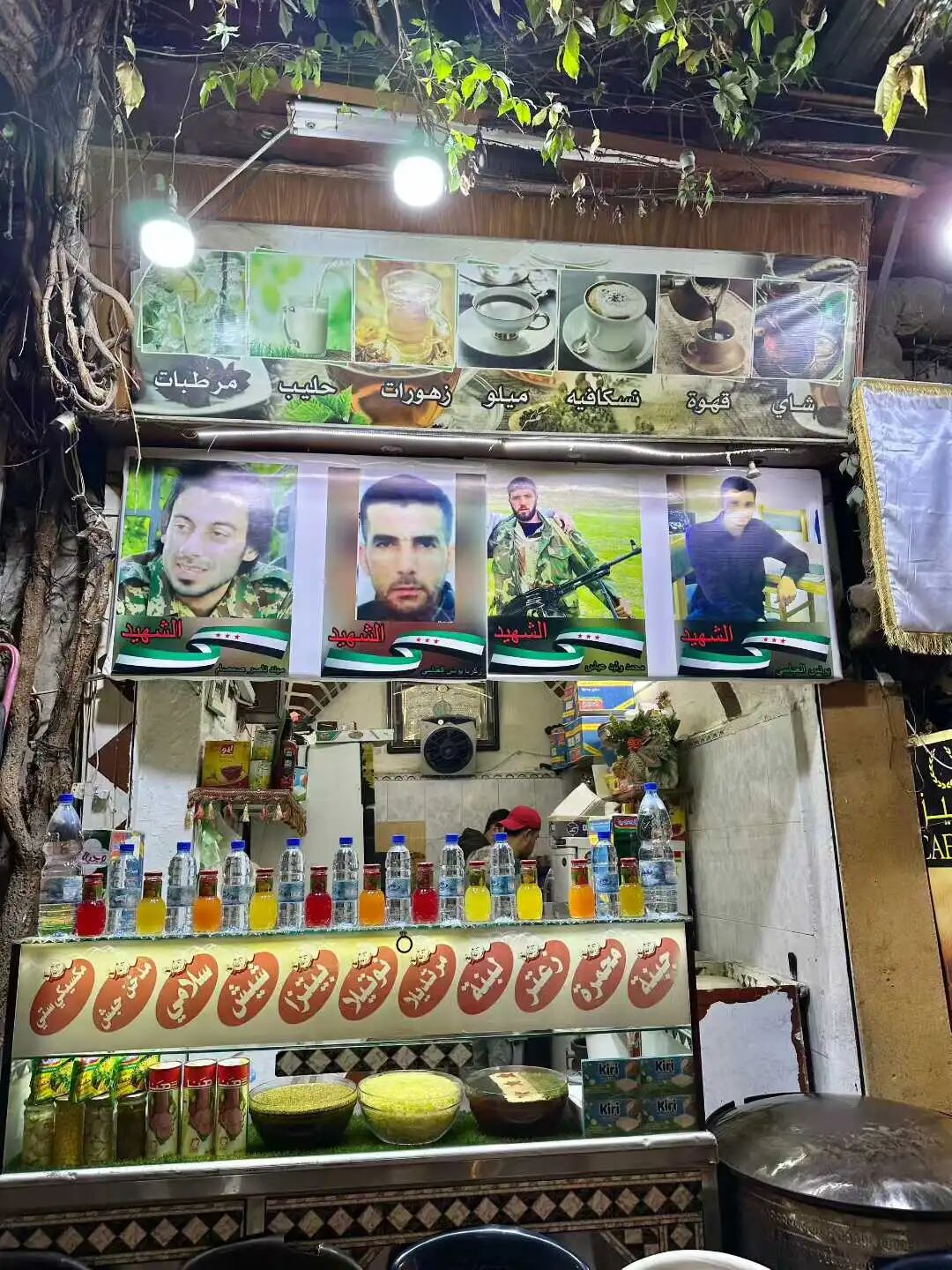
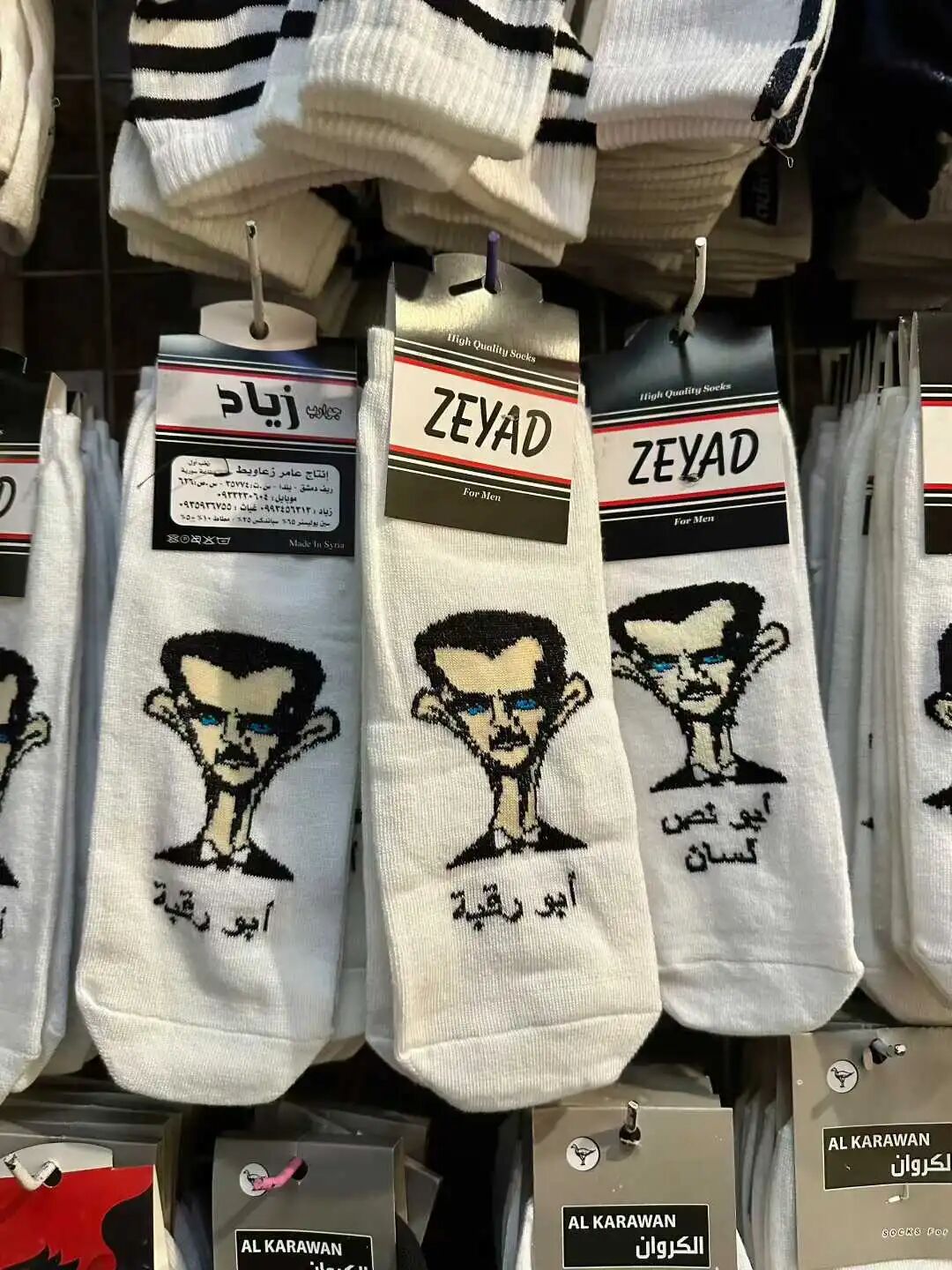
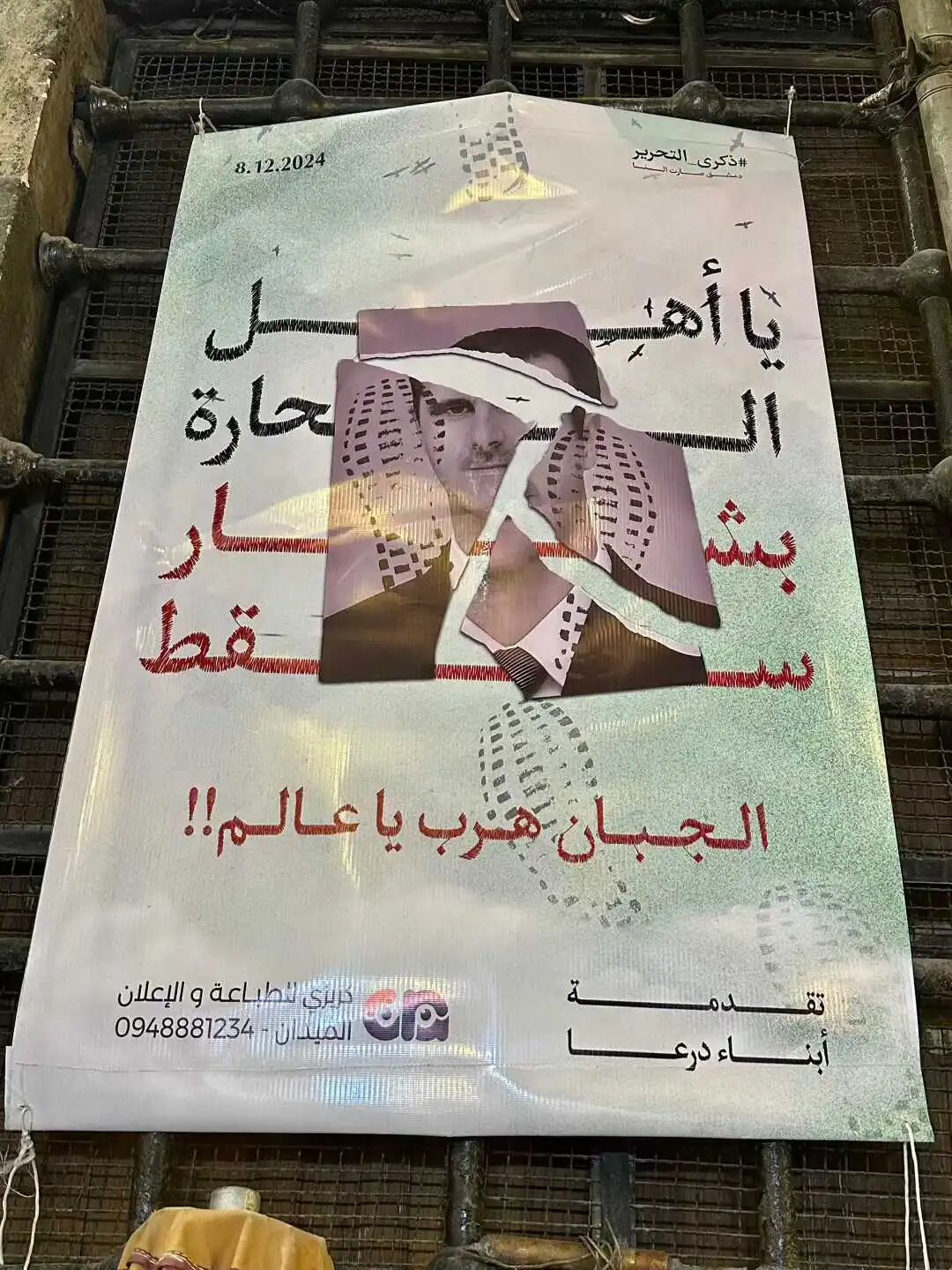
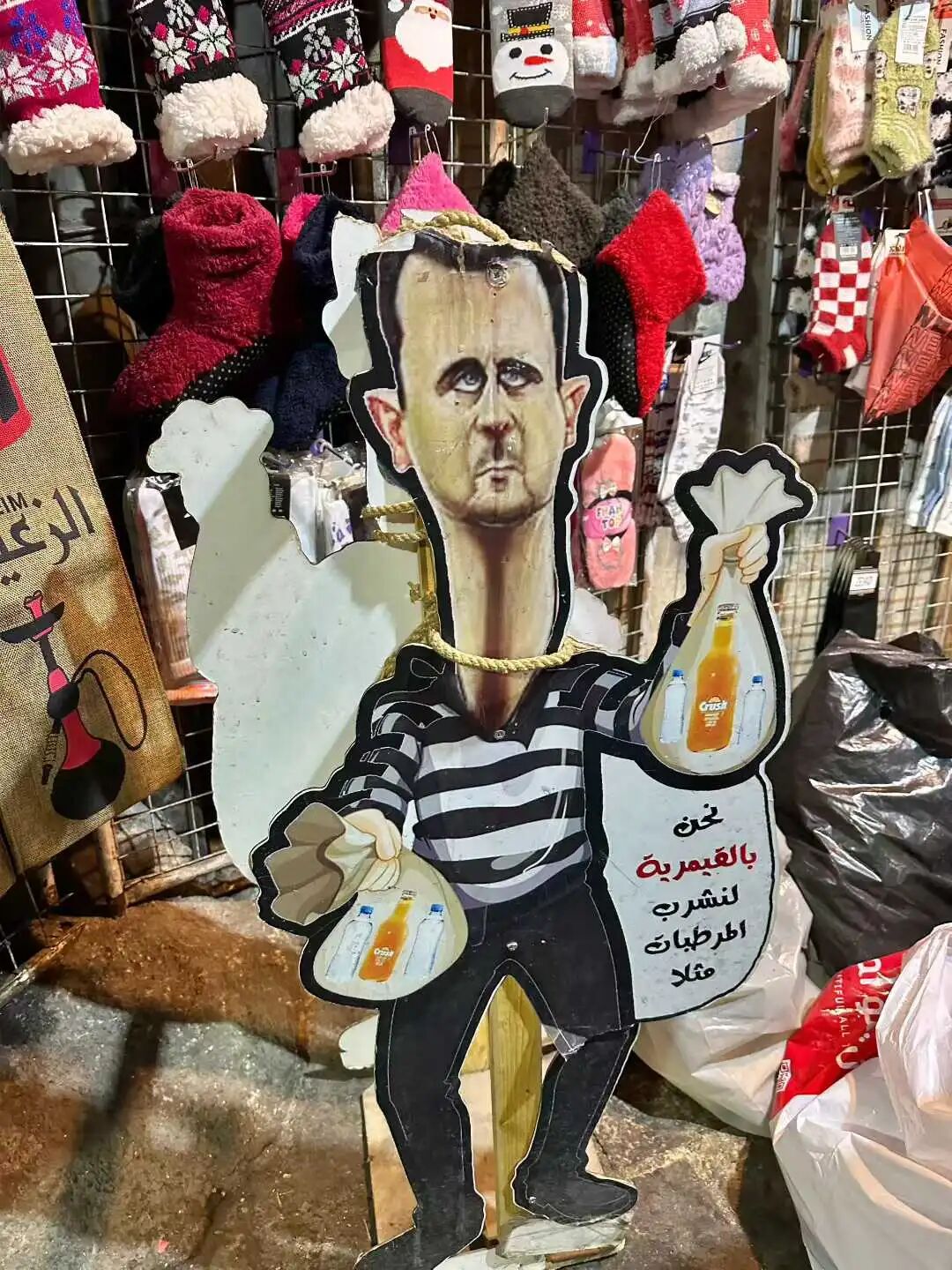
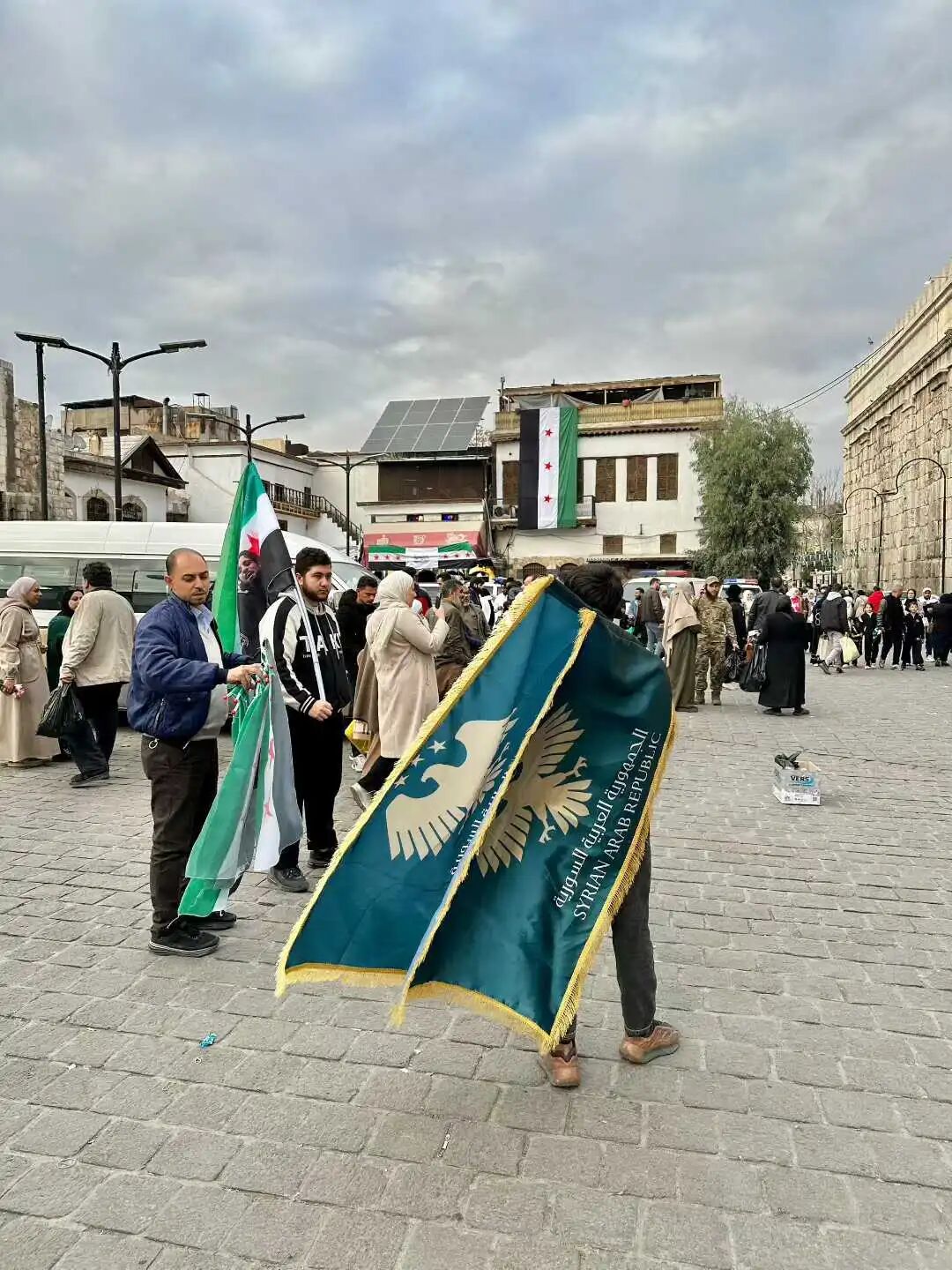
In the old city of Damascus on the first anniversary of the Syrian uprising, you can see excited young people everywhere, as well as caricatures of Assad. These "stepping on the villain" socks are quite interesting. A shop has photos of young people who died as martyrs (shahid) hanging up, and you can feel that the war is not far from us.
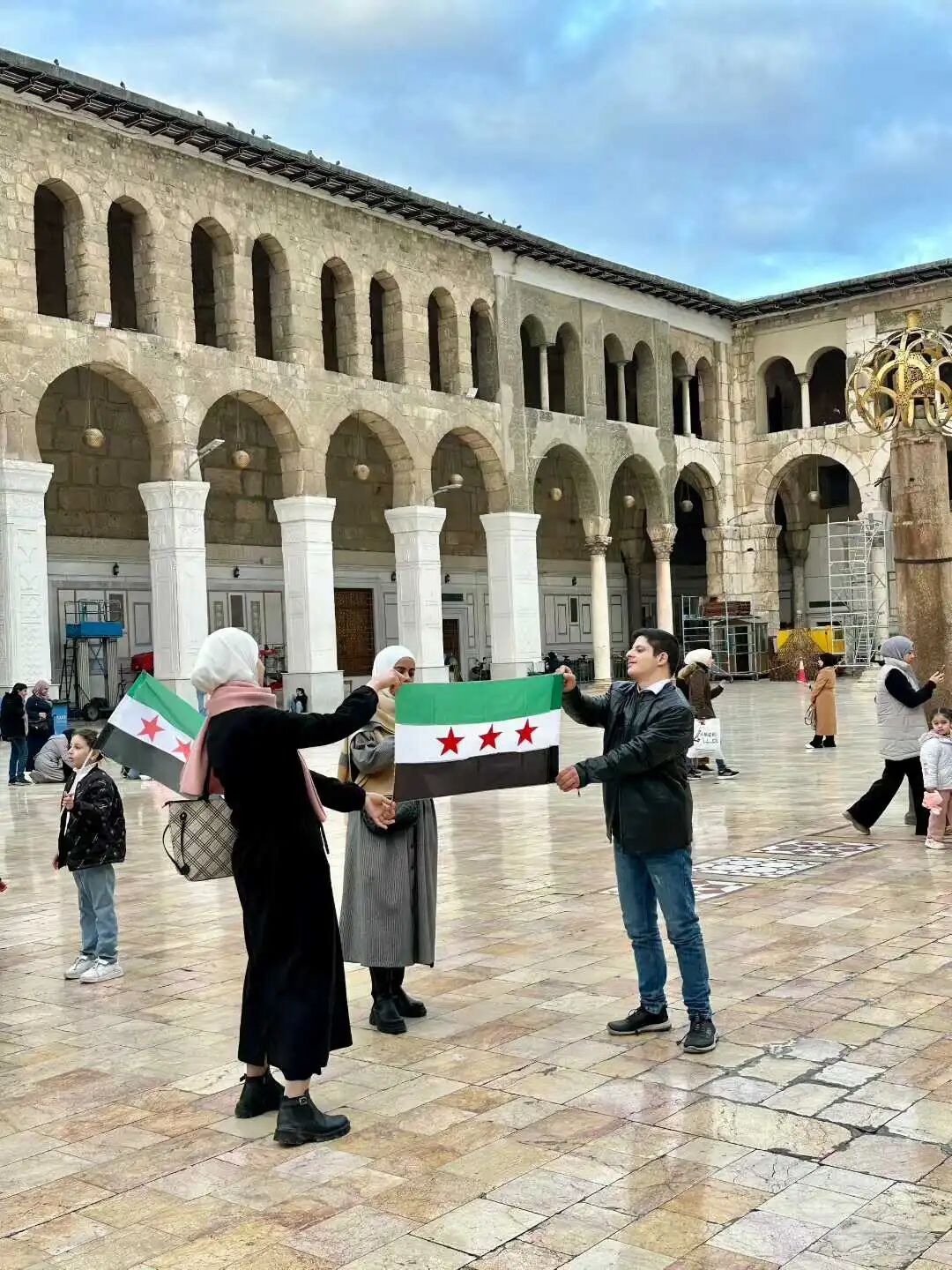
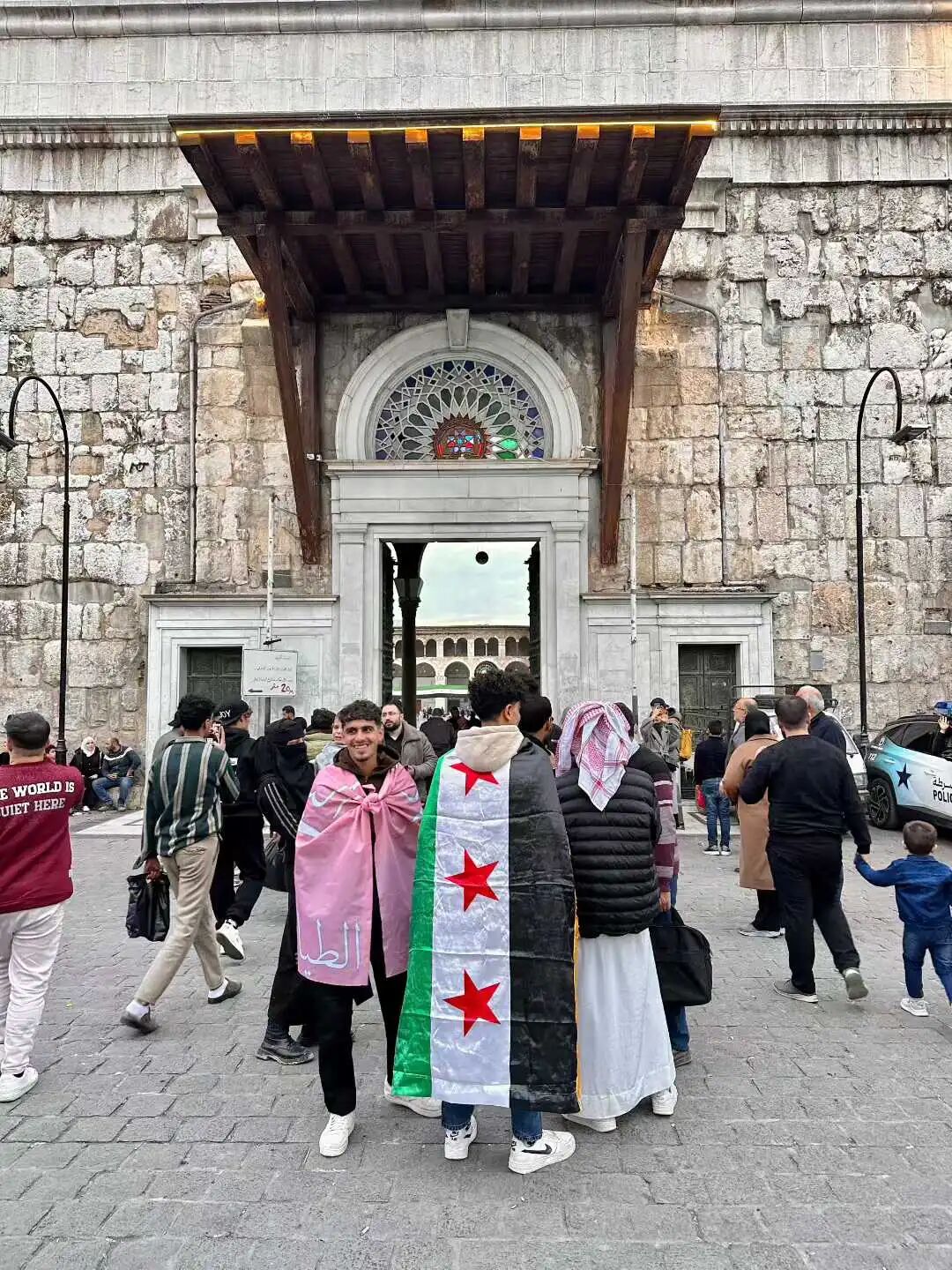
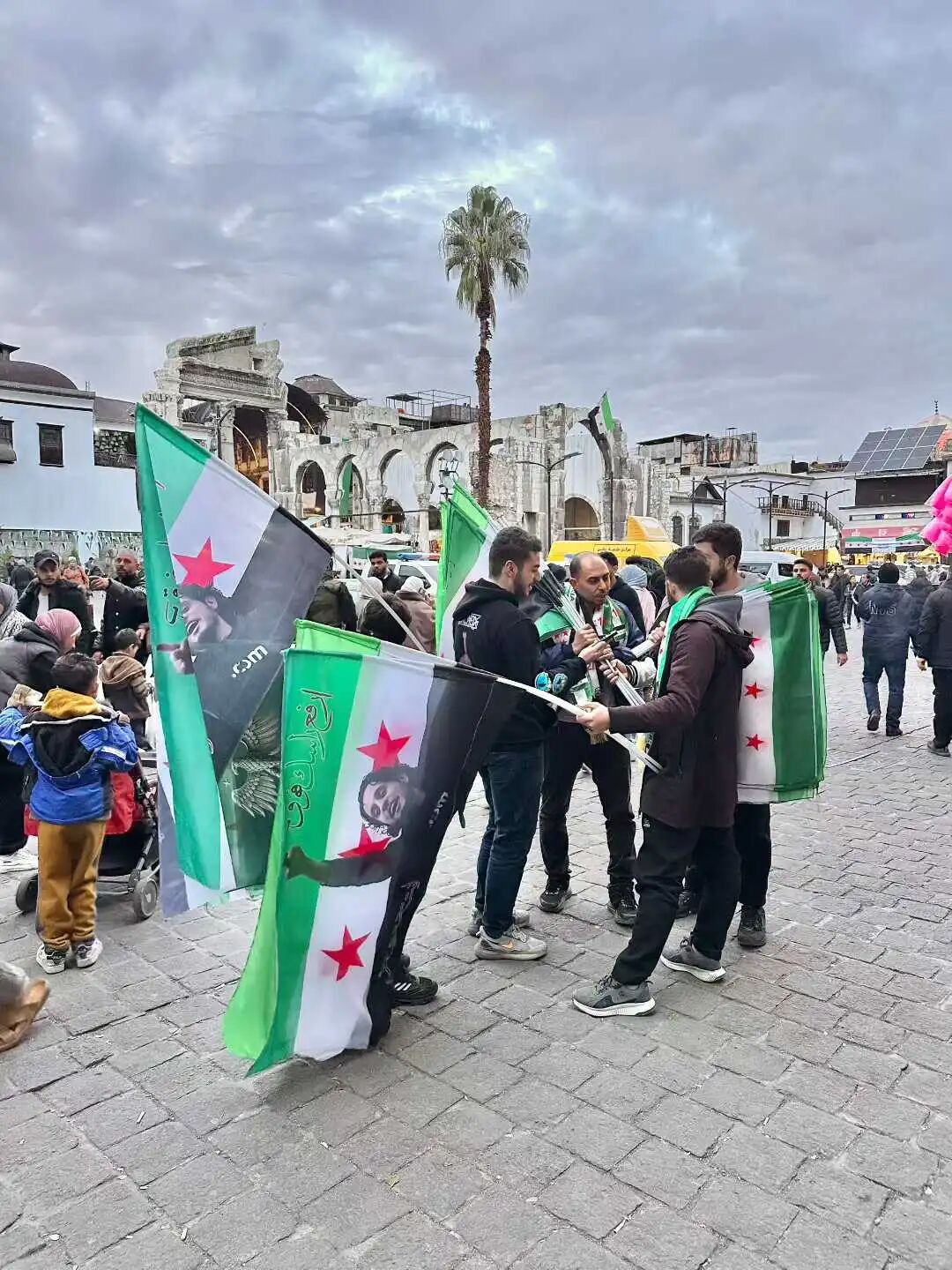
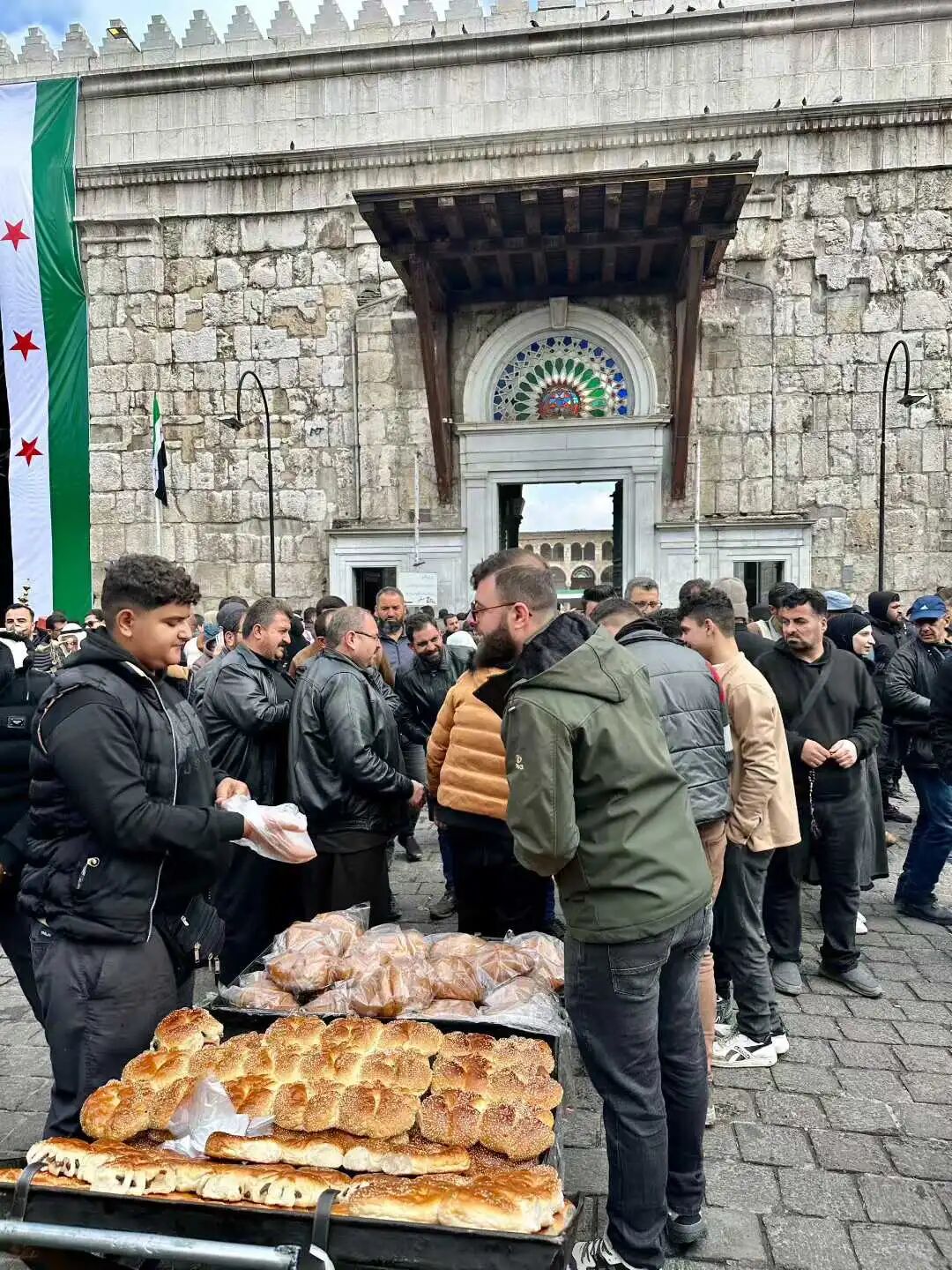
Under the walls of the Umayyad Mosque in the old city of Damascus, Syrian youths are singing and dancing so happily.
Straight Street is an ancient Roman road that runs through the old city of Damascus. It is mentioned in the New Testament, and the famous Apostle Paul once lived on this street. In 2007, Damascus restored the eastern section of Straight Street. They laid down sidewalks and basalt paving, decorated the sides of the road with Corinthian column ruins, and added greenery and lighting. This made Straight Street a favorite place for young people in Damascus to hang out.
I was walking on Straight Street at night and ran into young Syrians singing on the street. They used traditional Arabic Ney flutes and Goblet drums for accompaniment. These two instruments appeared thousands of years ago in ancient Egyptian civilization and are the oldest Arabic instruments.
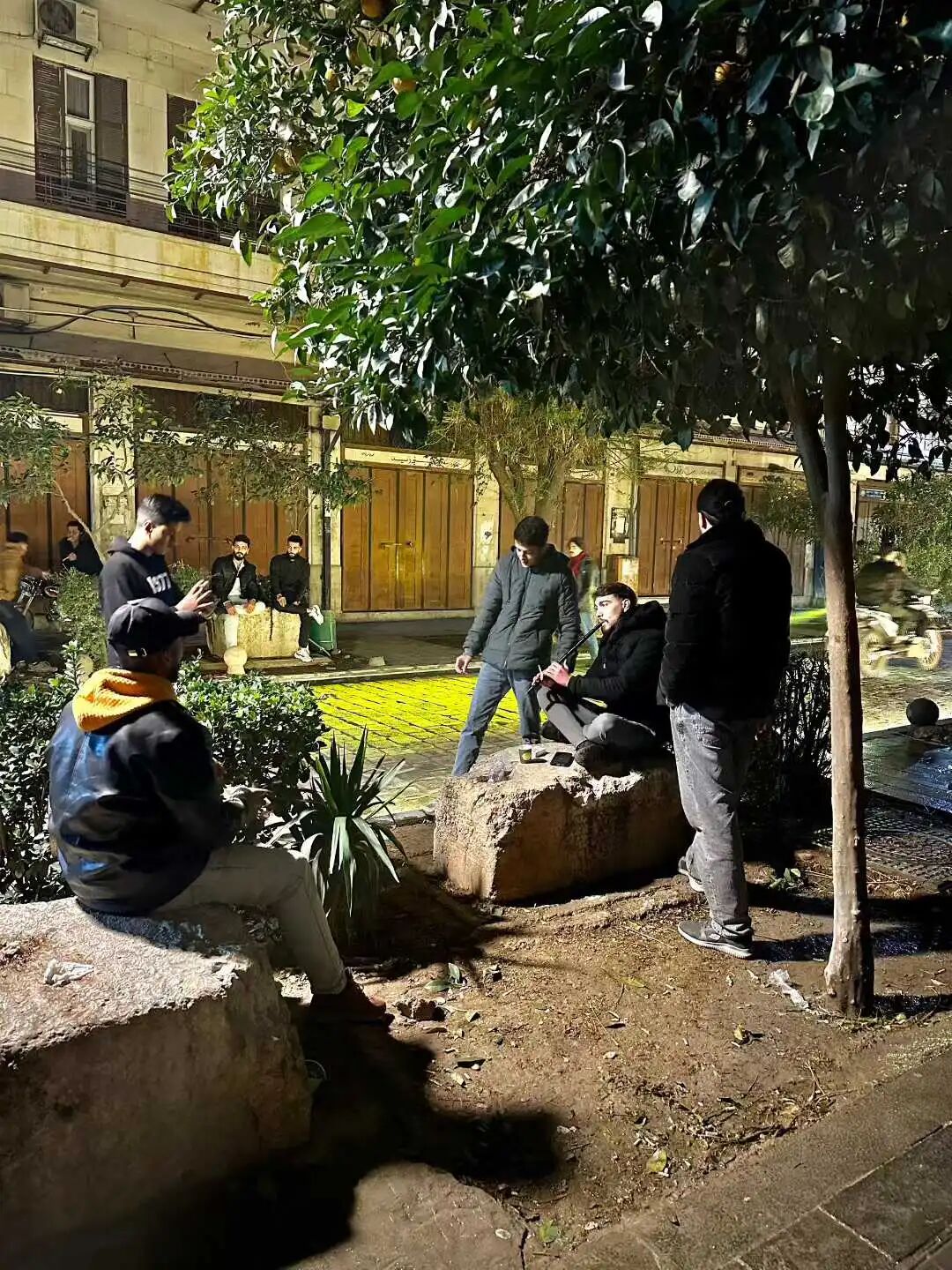
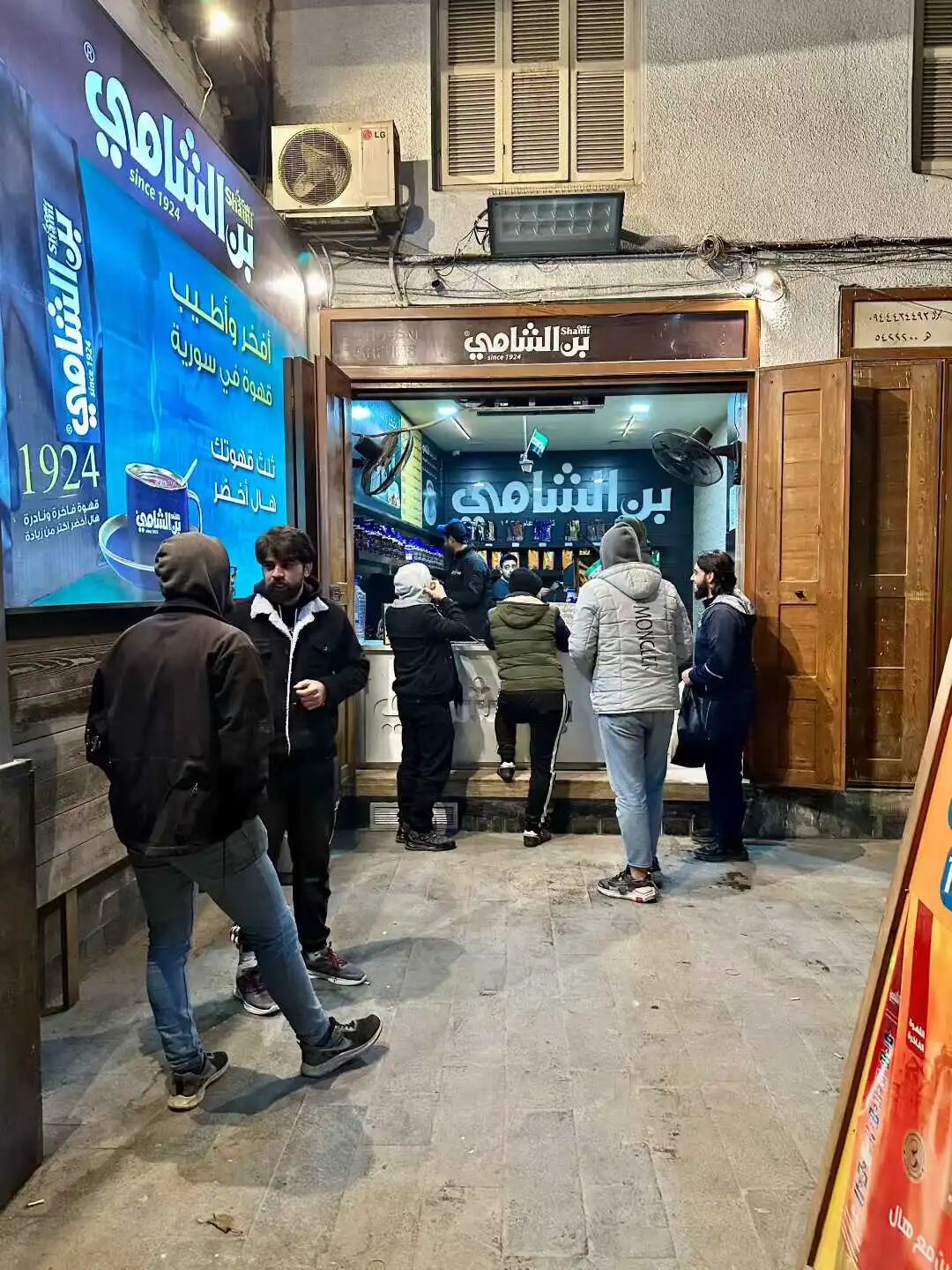
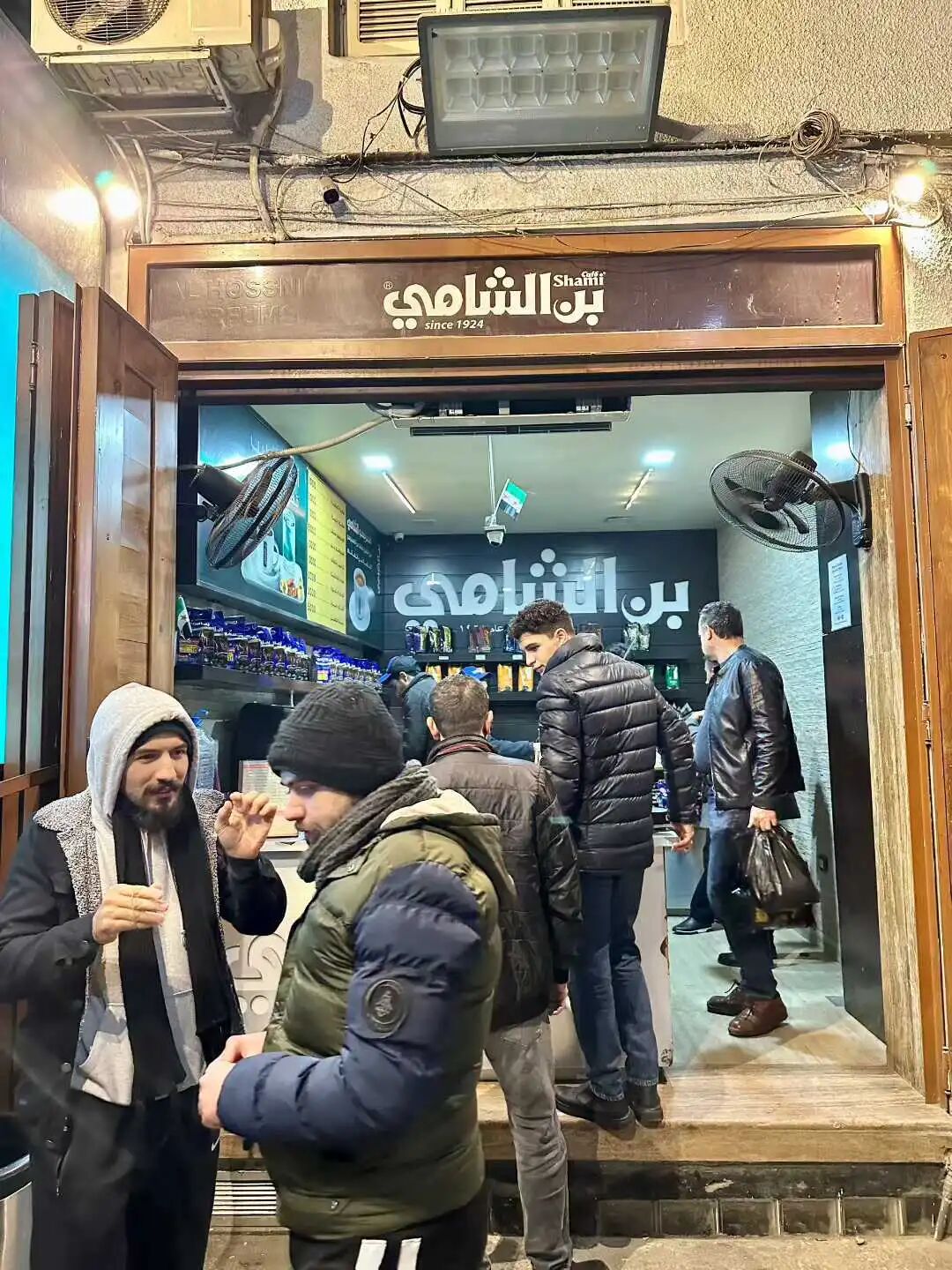
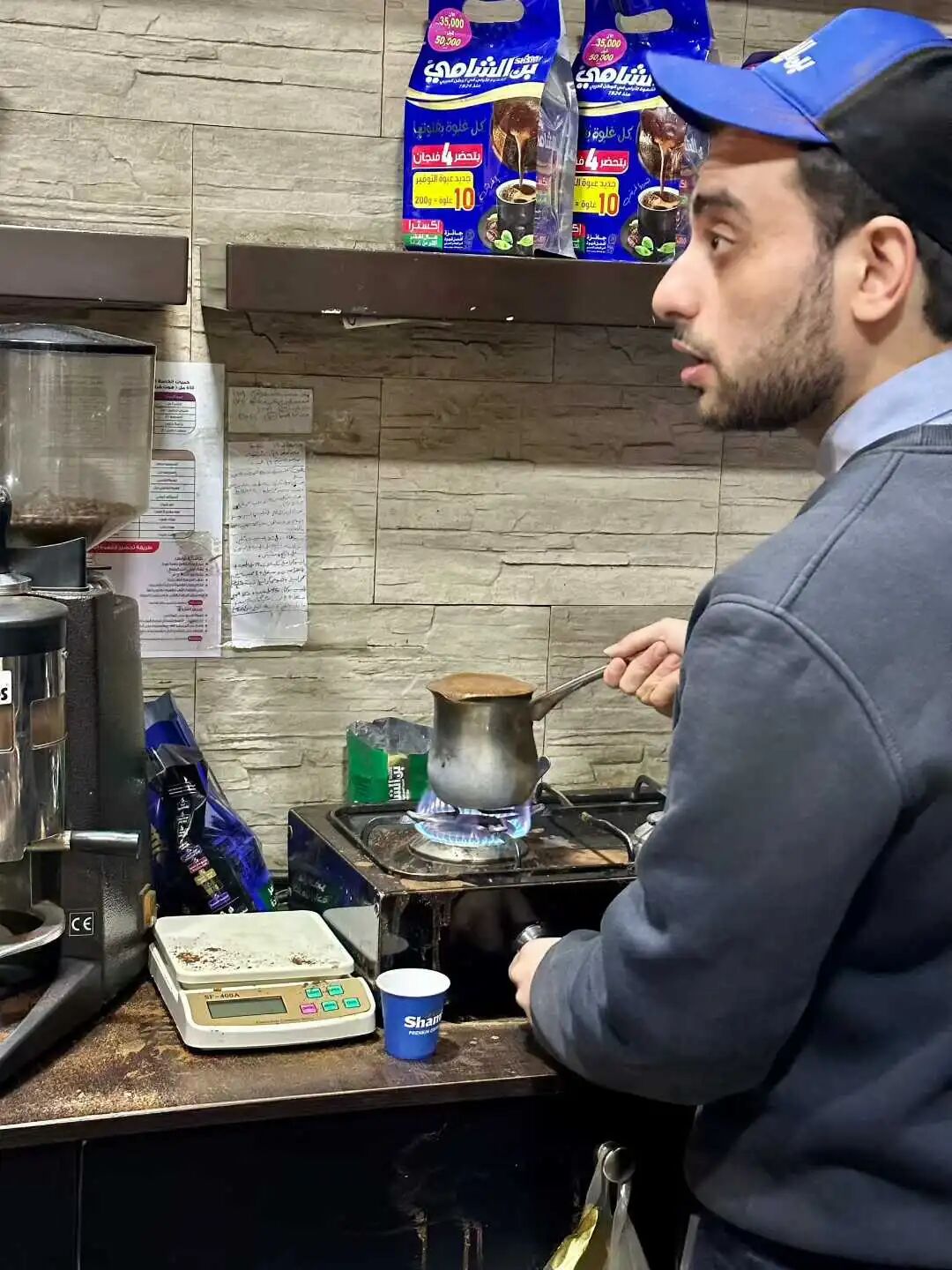
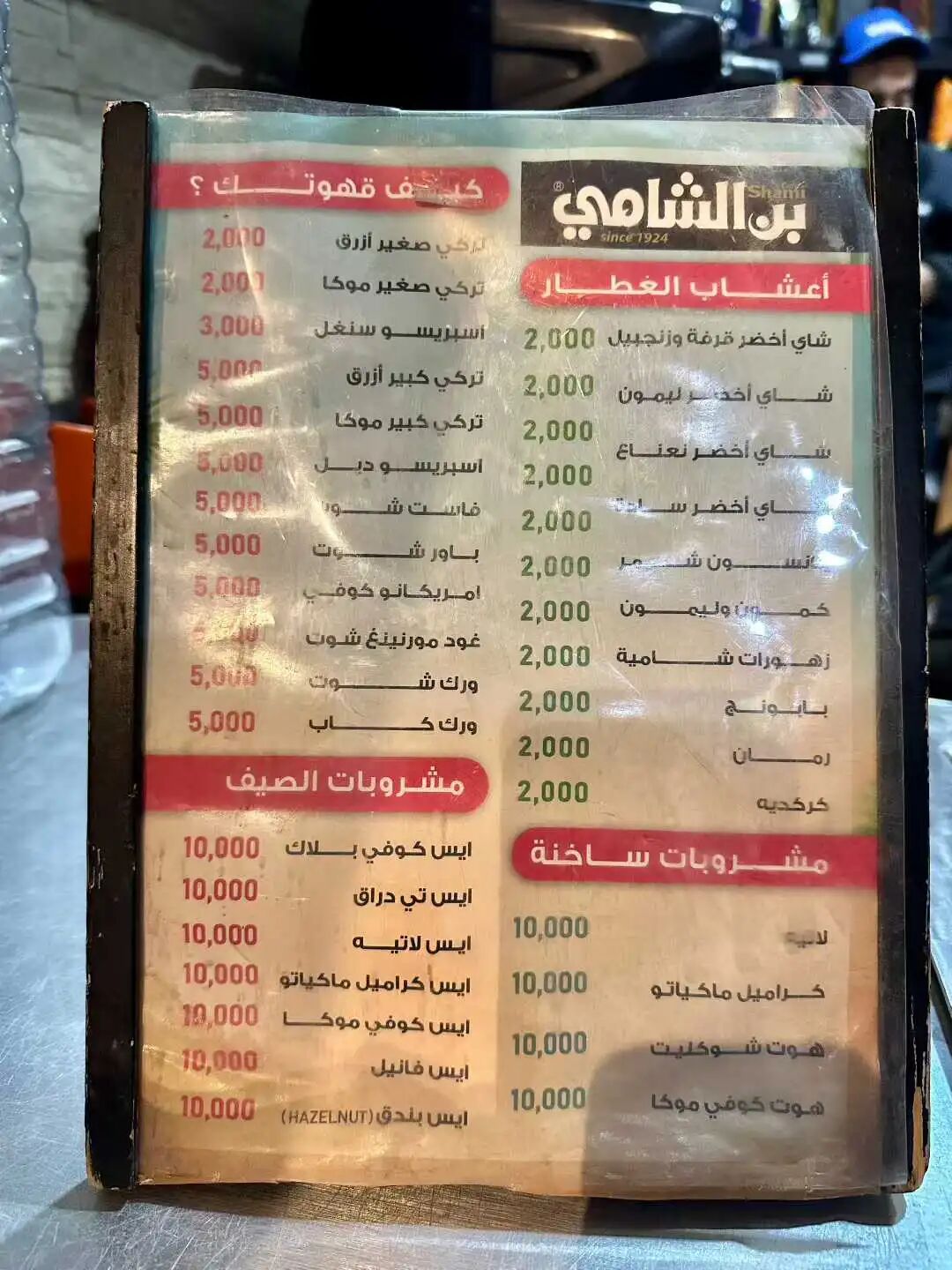
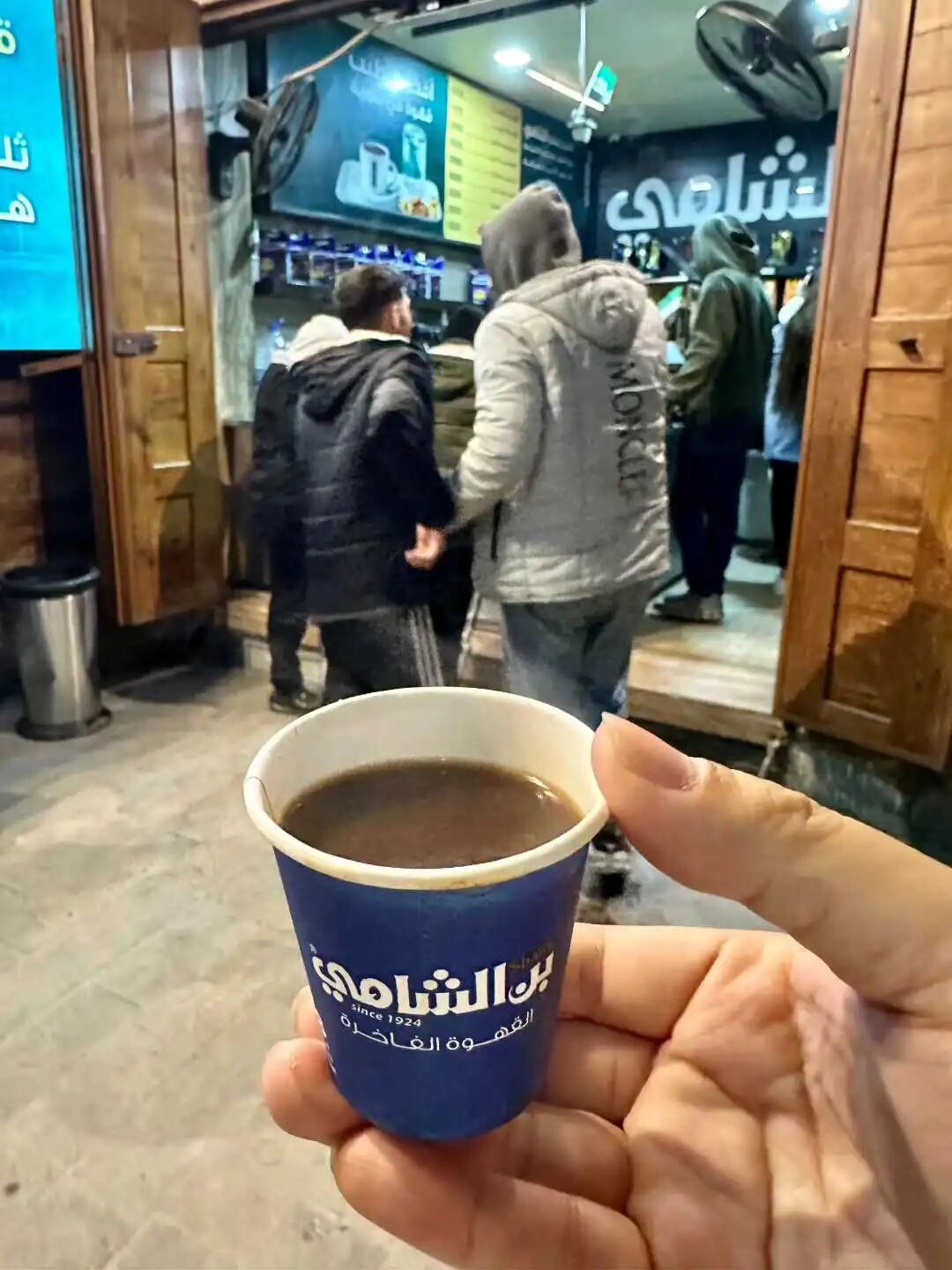
Young people in Damascus like to walk and chat on Straight Street in the old city at night. The Al-Shami coffee shop on the street stays open until midnight and has become a gathering place for them. A cup of their traditional coffee costs only 1.5 yuan, which is very cheap.
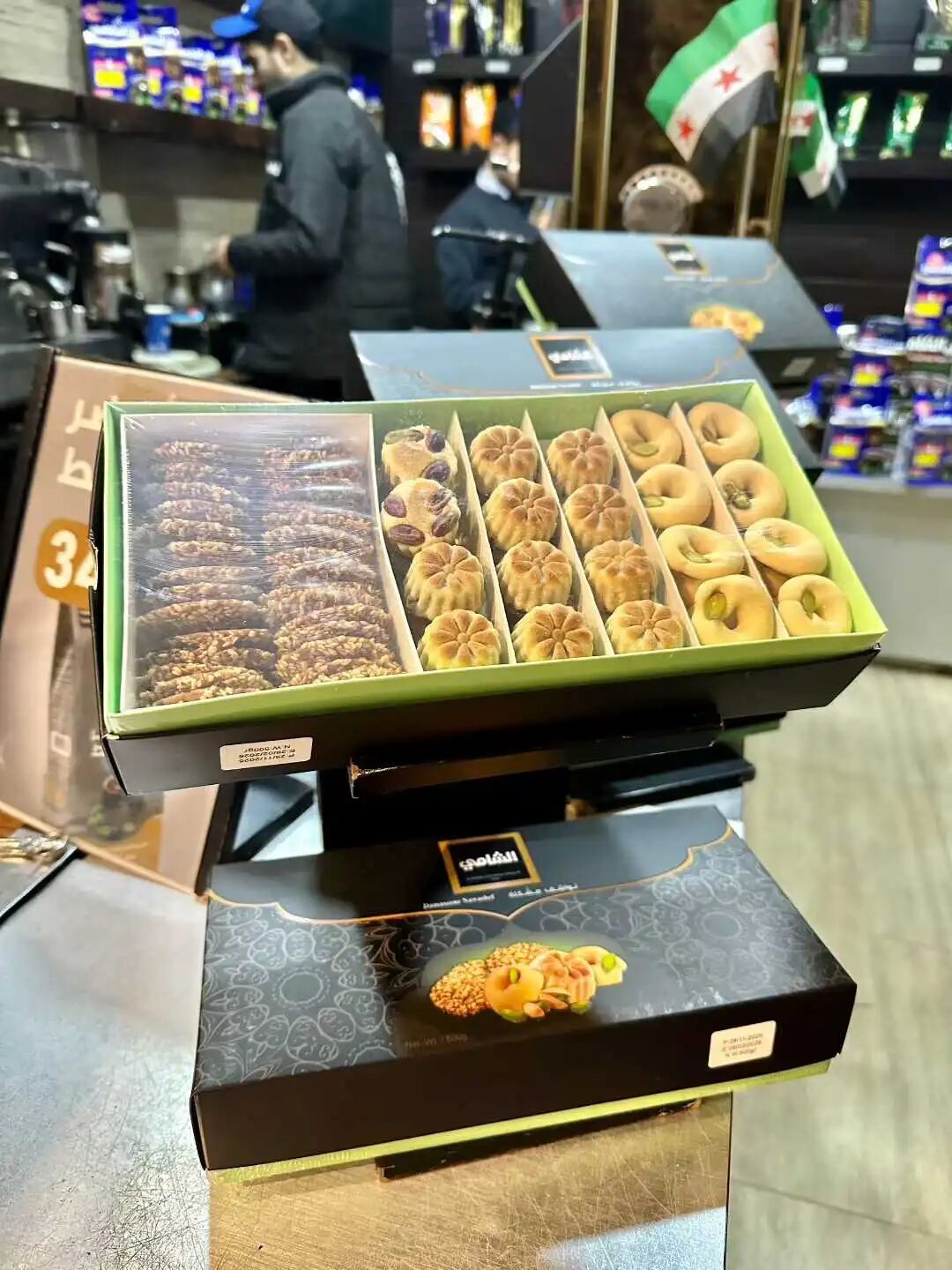
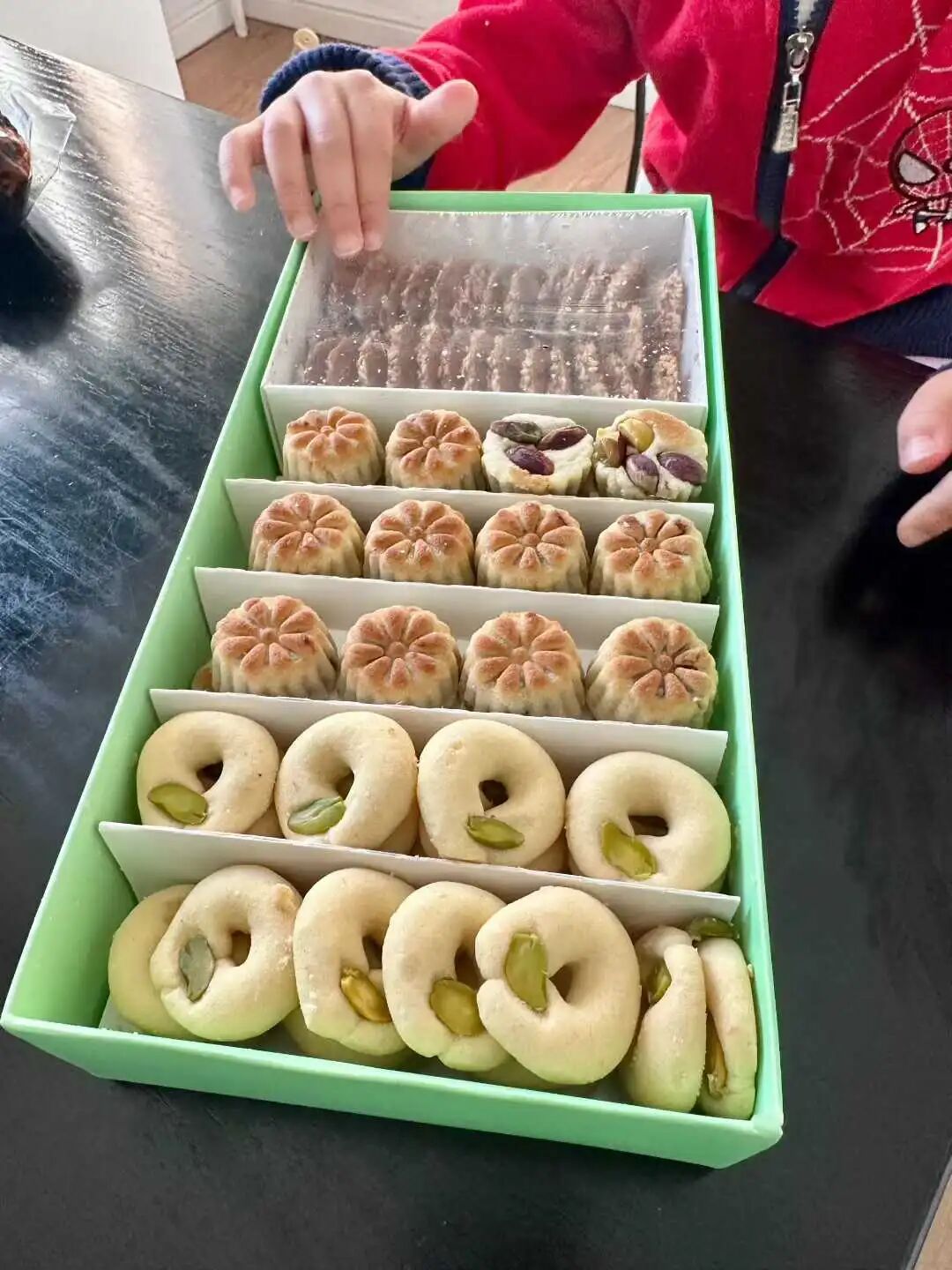
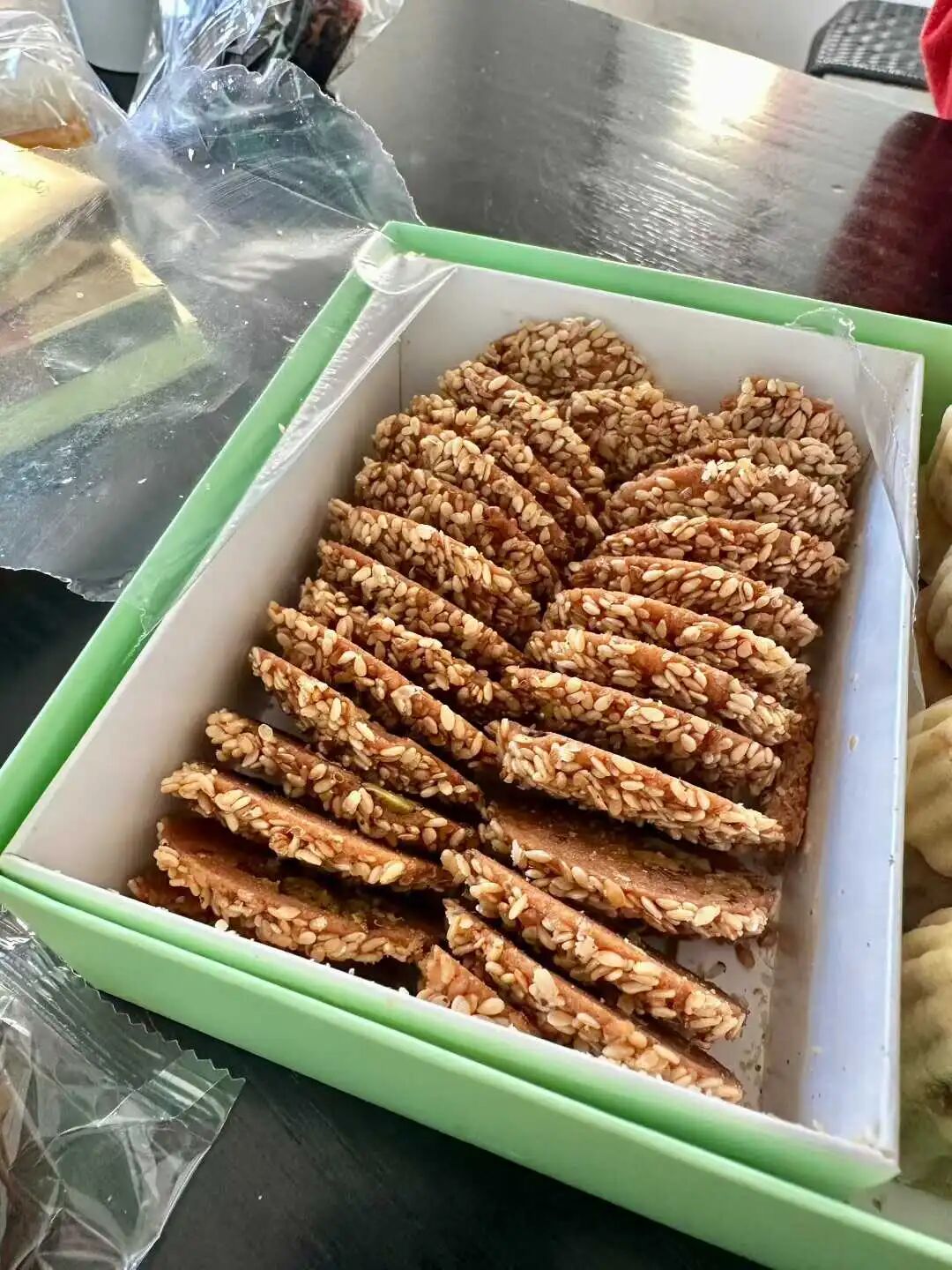
I bought bags of coffee and a box of traditional snacks there. This box cost 40 yuan and is perfect to take home for my family. The box contains three types of traditional Syrian pastries, all of which date back to the Ottoman period. The first is Barazek cookies, made with flour, butter, powdered sugar, and egg yolks. The front is covered in sesame seeds, and the back is embedded with pistachios. The second is date-filled Ma'amoul, a classic snack for Arabs during the breaking of the fast. The third is Qurabiya shortbread, which is widely found in Arab and former Ottoman regions. Each area has its own version, and the Syrian version is special because it includes pistachios.
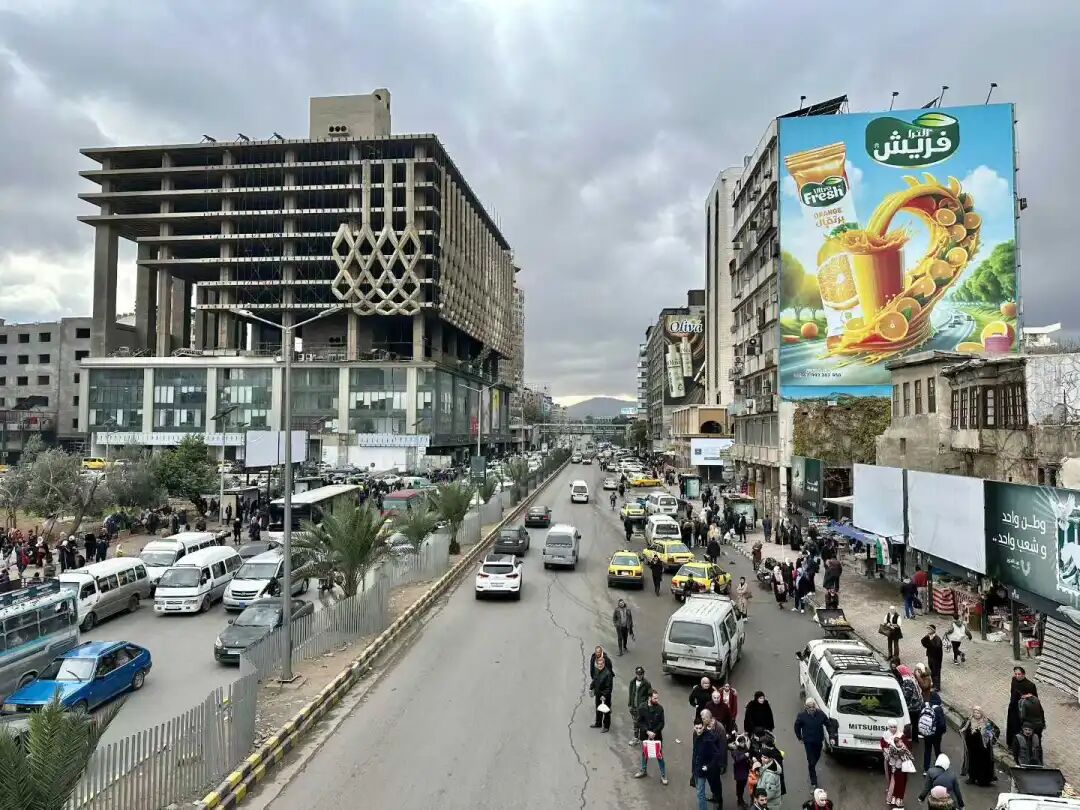
In the late 19th century, with the arrival of steel and cement, the Ottoman Empire began building modern neighborhoods in the western part of the old city of Damascus, modeled after Europe. A courthouse, post office, city hall, and train station were built one after another, with Marjeh Square at the center.
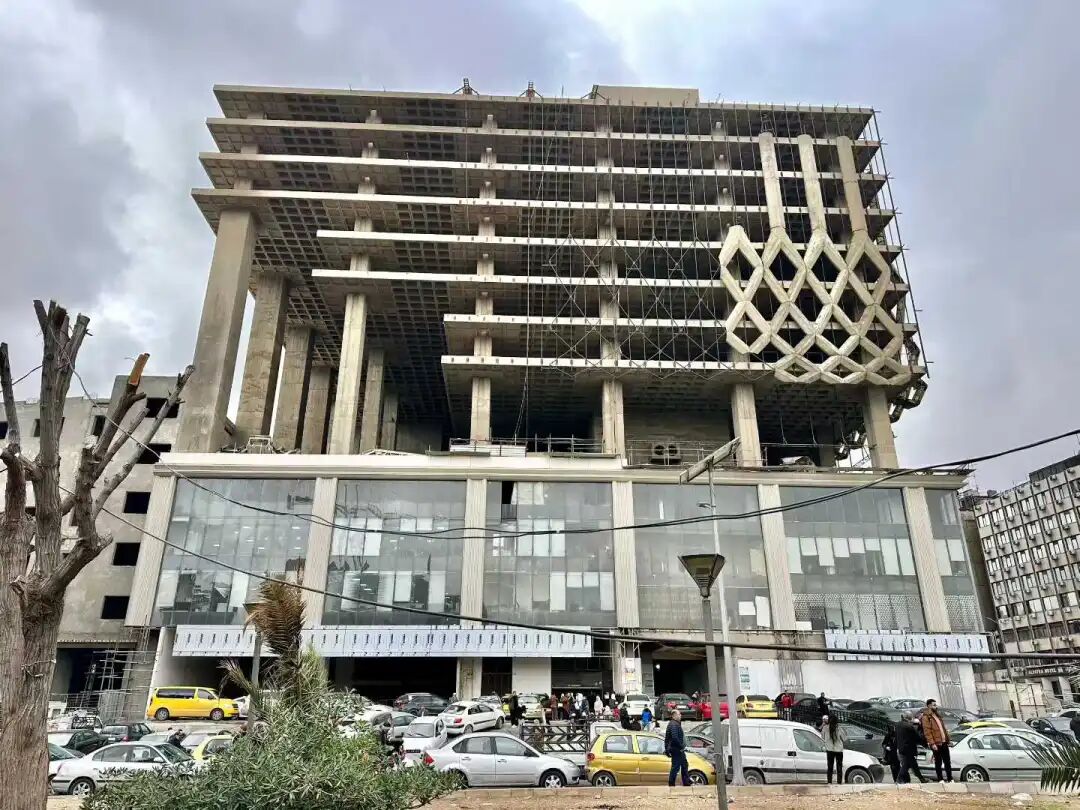
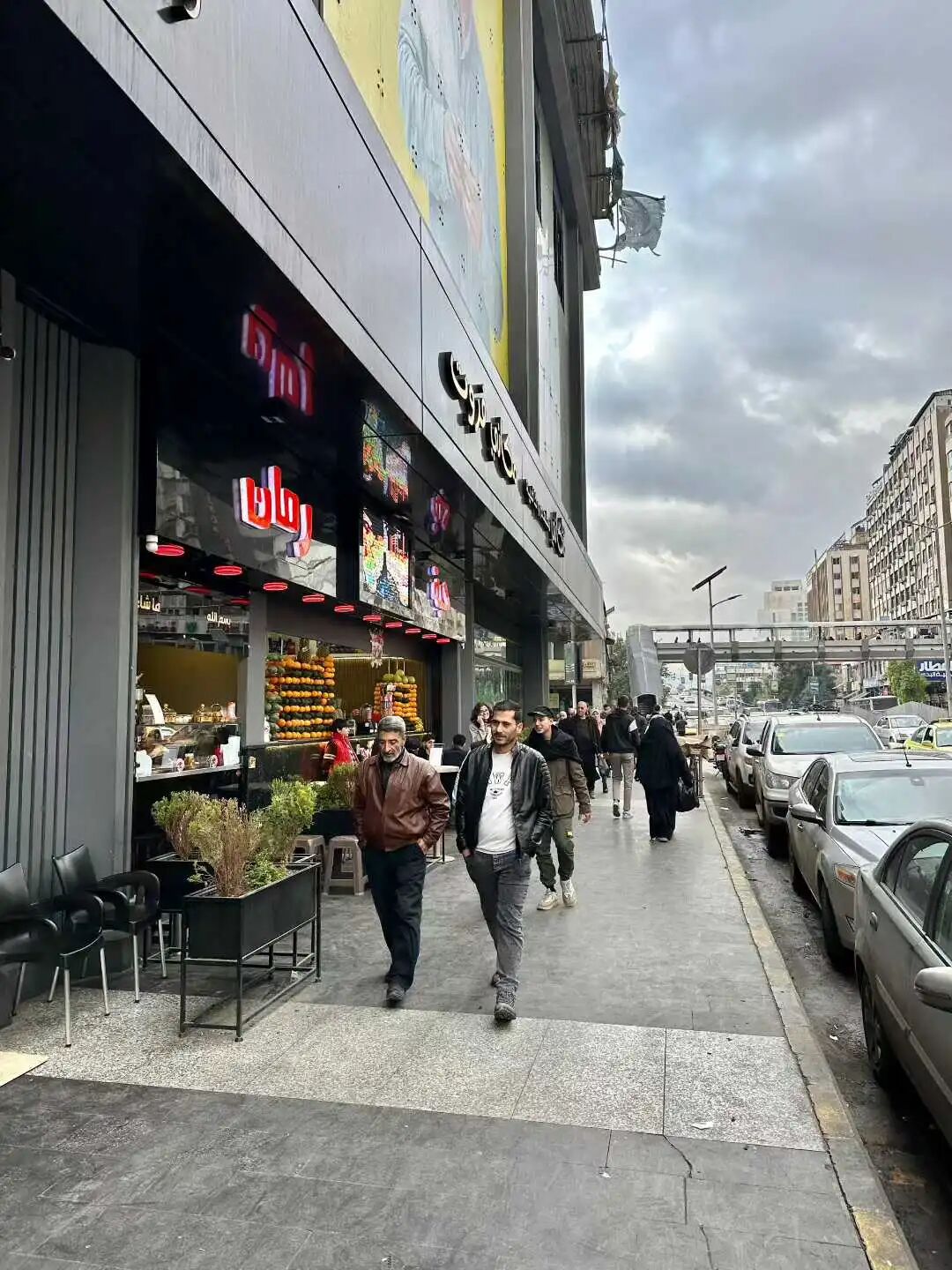
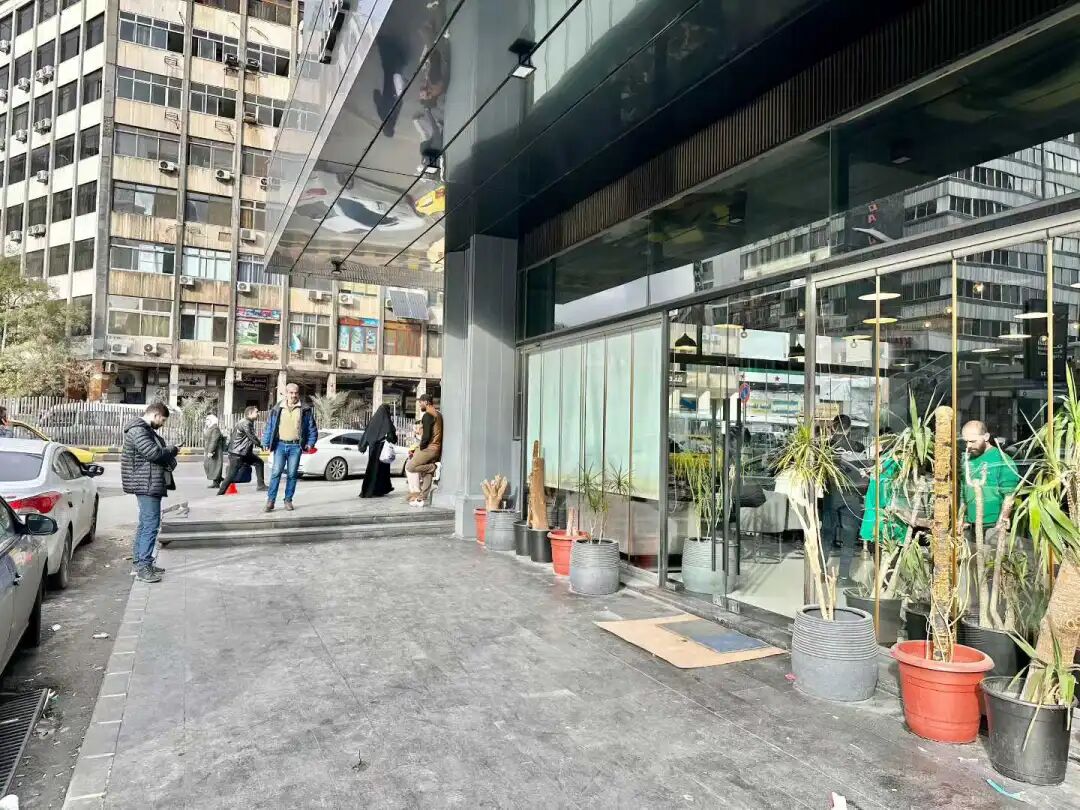
The largest building in the Marjeh area is the Yalbugha complex, which has been an unfinished project for 20 years and is still not fully open. It has become a symbol of Assad's economic downturn and corruption. Preparations for this complex began in 1973. The initial drainage work caused by groundwater leakage took 10 years. Structural construction of the 11-story building did not start until 1990. After the main structure was completed in 2004, it was abandoned for 20 years and has remained unfinished.
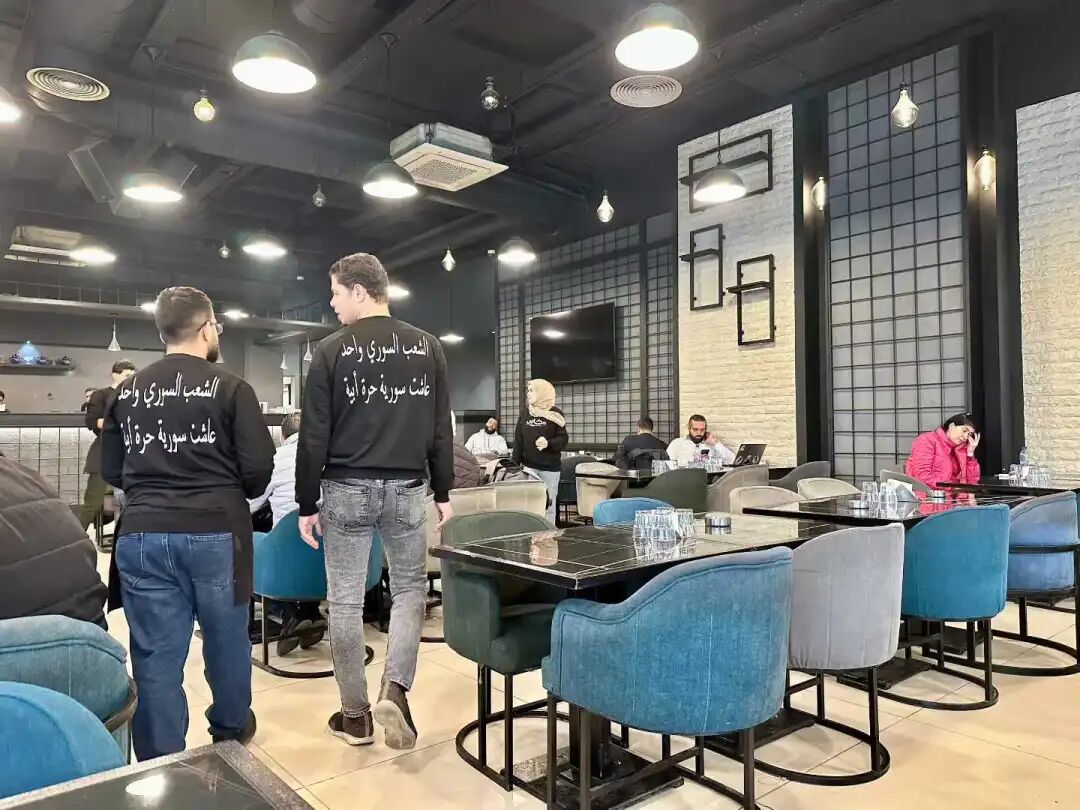
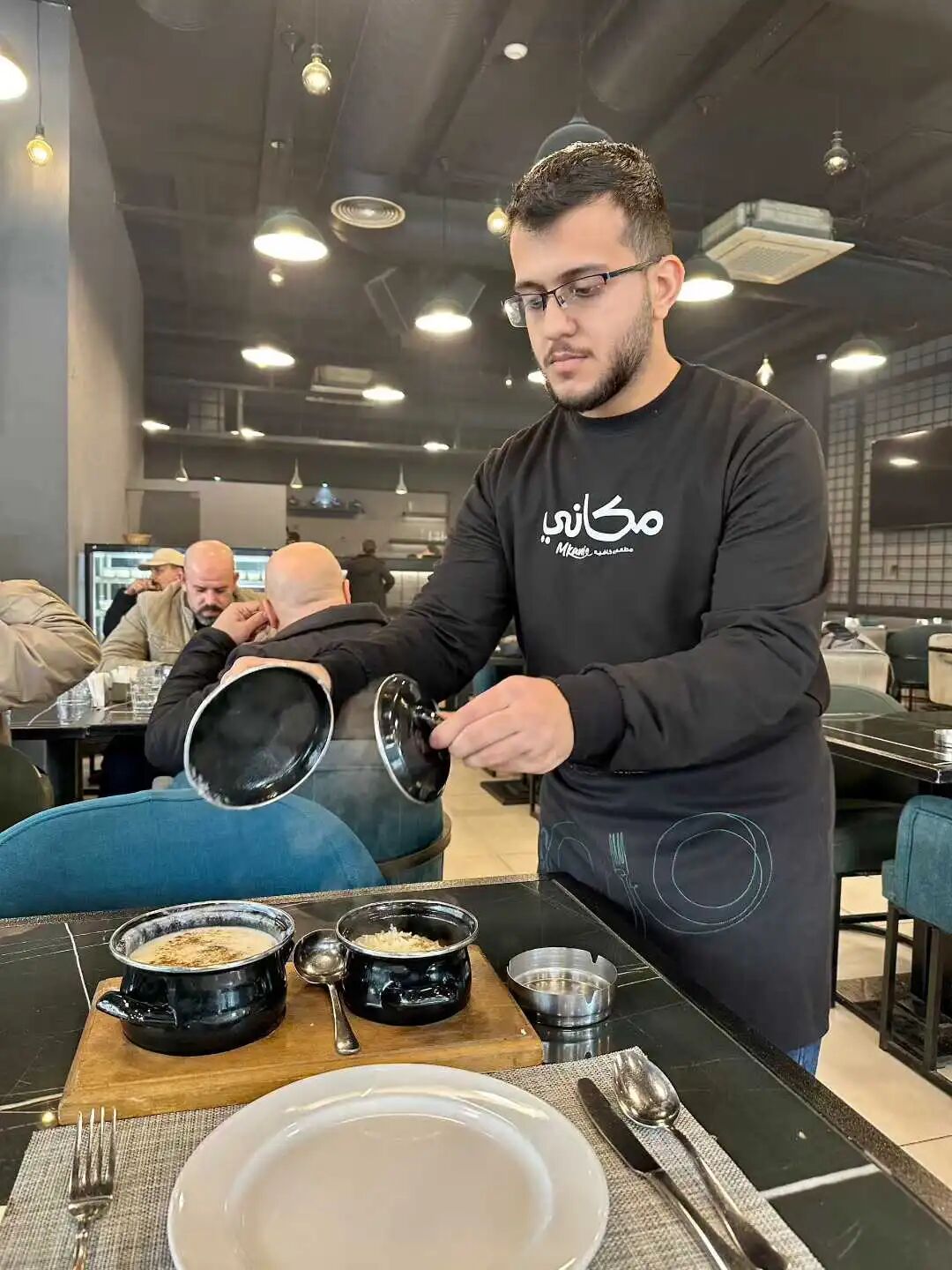
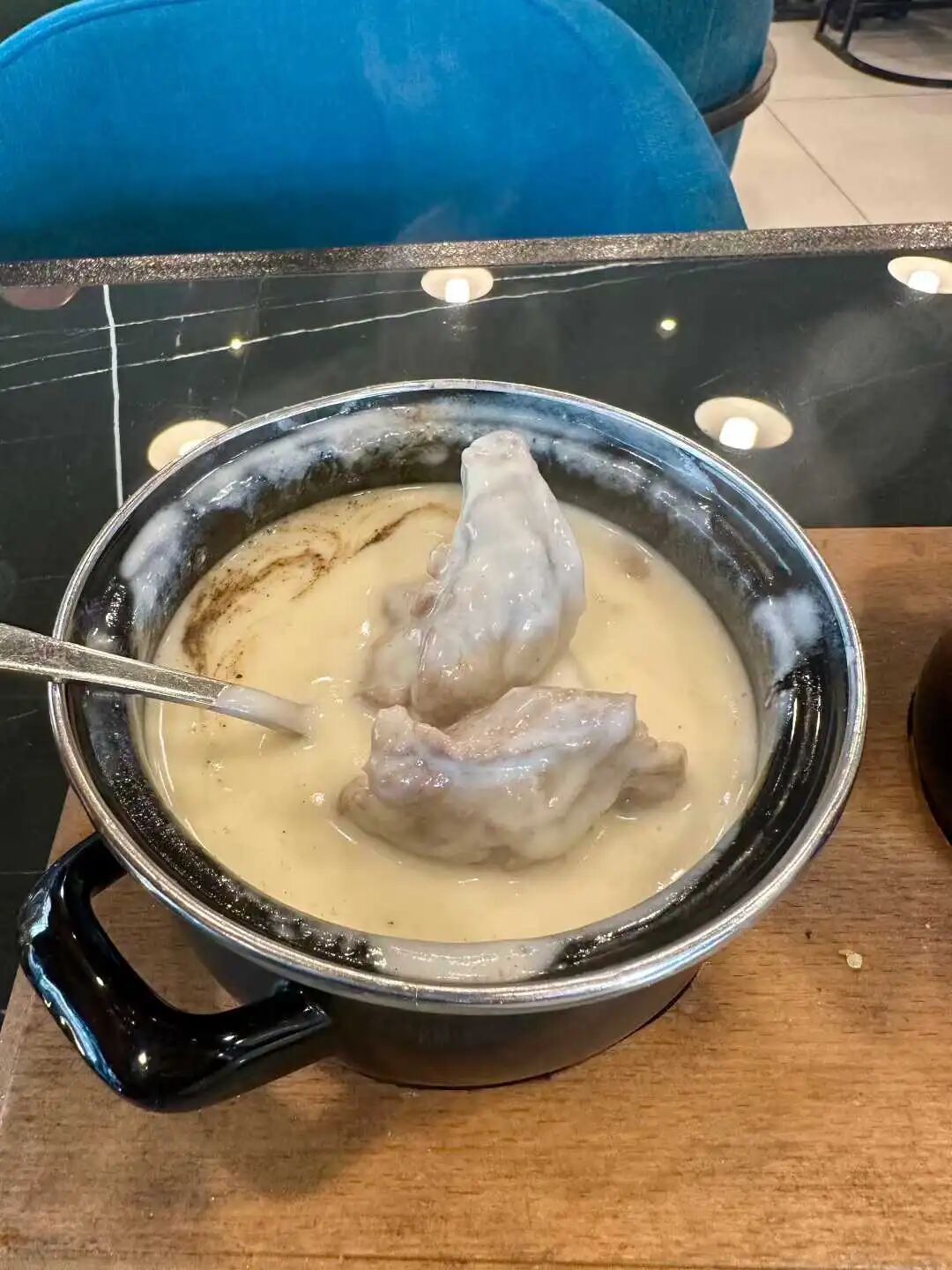
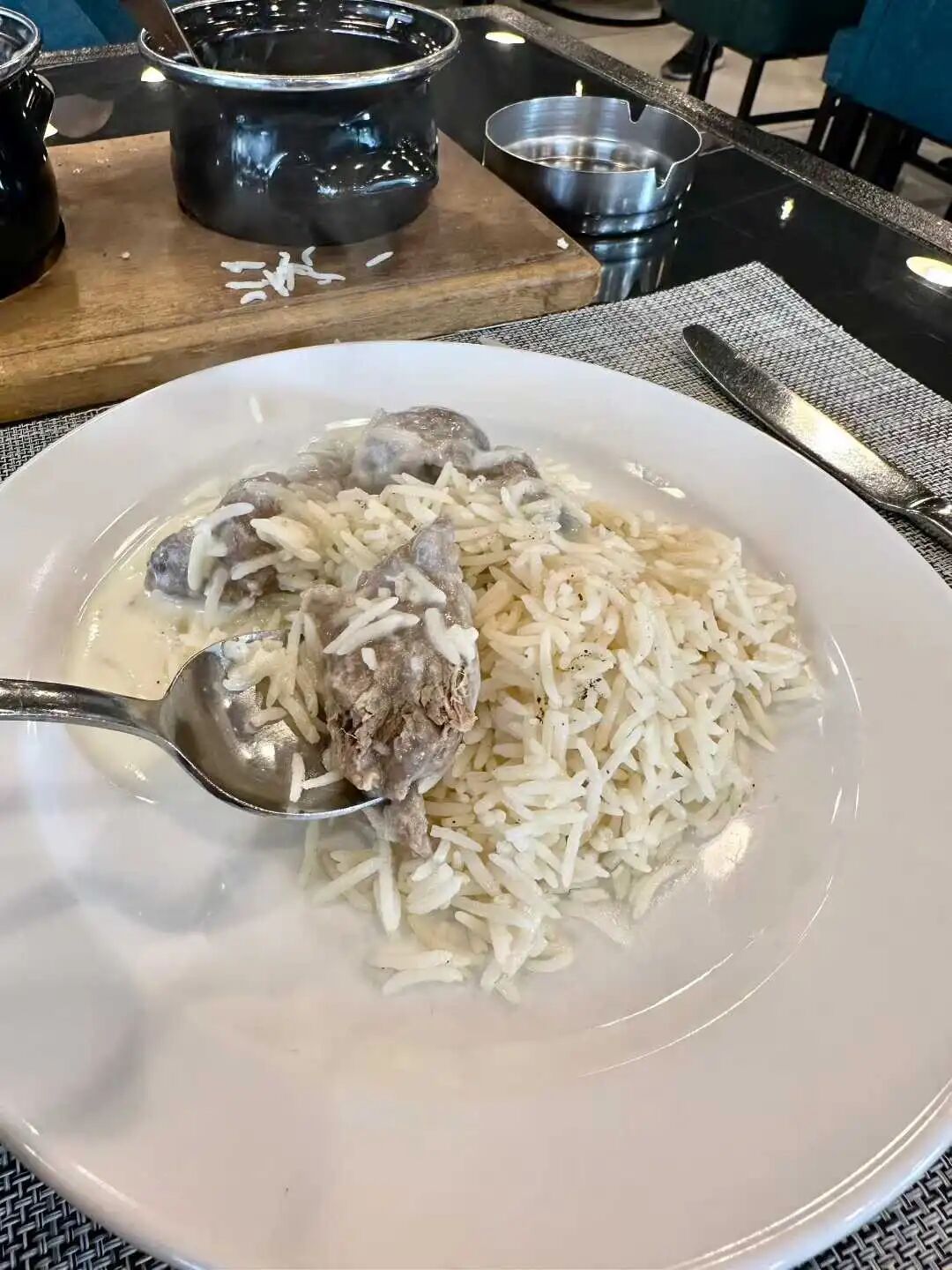
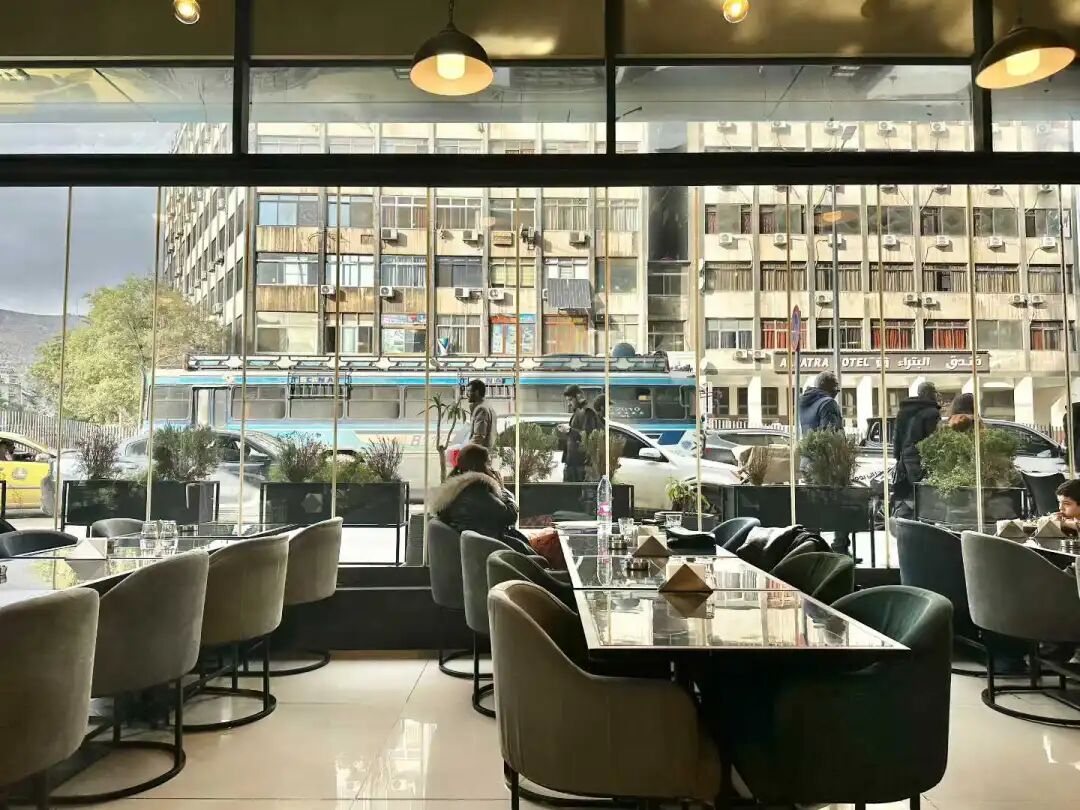
In 2025, the bottom of the complex finally opened for use with a row of restaurants. I ate the classic Syrian yogurt-stewed lamb, Shakriyeh, at one of them. To make it, tender lamb shanks are soaked in cardamom and cinnamon spices, then slow-cooked in yogurt. It is served with Arabic rice and is very delicious.
Summary: Damascus Old City offers snacks, old markets, restaurants, and street life around Al-Qaymariyya Street and the Umayyad Mosque. This account keeps the source's food names, shop details, routes, historic neighborhood observations, and photographs.
The best place for snacks in the Old City of Damascus is Al-Qaymariyya Street, right outside the east gate of the Umayyad Mosque. It gets very busy here every afternoon, and crowds stay until midnight. It feels a lot like the Nanluoguxiang of Damascus.
Because it connects the heritage hotels in the Christian Quarter with the historic buildings around the Umayyad Mosque, I walked through Al-Qaymariyya Street many times a day during my stay in Damascus and ate plenty of street food there.
A popular item on the street is the giant square pizza. It is made like a regular pizza with cheese, green peppers, olives, and corn, but it is baked in a large square tray and cut into small squares to sell by the piece. Each piece is very cheap.
At shops specializing in appetizers (meze), the most popular dish is a mix of chickpeas and sesame paste called Hummus Musabaha, or just Musabaha. Musabaha means swimming here, as if the chickpeas are swimming in the sesame paste. When you order meze here, it always comes with pita bread, pickled cucumbers, and pickled radishes.
At the rotisserie meat shops (shawarma), you can choose chicken or beef. You can have it in a pita wrap or a sandwich. The pita can be heated on the rotisserie grill, and after it is wrapped, they drizzle it with garlic sauce. It is very filling.
Street coffee on Al-Qaymariyya Street in the Old City of Damascus. The rich black coffee with coffee grounds is very refreshing. You can find men in traditional Ottoman clothing or sand-boiled coffee at street stalls, all for just a few yuan a cup. Coffee arrived in Damascus from Yemen in the early 16th century. The world's first coffee house was opened by a Damascus merchant. Syrians love coffee and drink it from morning until night.
Surprisingly, the best thing to pair with coffee on the streets of the Old City of Damascus is a croissant. There are a few shops on Al-Qaymariyya Street that always have lines. Syrian croissants come in cheese or chocolate. The cheese ones are salty, and the chocolate ones are sweet. You see people eating them everywhere in the Old City.
After the Ottoman Empire was defeated in 1918, France took control of the Syrian region, and the croissant became a symbol of French cultural influence in Syria. Legend says the croissant was invented in Austria to celebrate the victory over the Ottoman Empire at the 1683 Siege of Vienna, using the crescent shape from the Ottoman flag. Because of this, ISIS once tried to ban croissants in Syria. But in the peaceful city of Damascus, crispy croissants are still loved by adults and children alike.
The most common flatbread on the streets of the Old City of Damascus is Manakish. It comes in three flavors: zaatar spice, tomato, and cheese. A freshly baked one costs only 1.5 yuan. Manakish originated from the traditional bread of the ancient Phoenicians and was added to the UNESCO Intangible Cultural Heritage list in 2023. Zaatar is a unique blend of thyme, sumac, oregano, marjoram, and sesame seeds. Zaatar dates back to ancient Egypt. It has been used for thousands of years as a seasoning and a health remedy. Medieval Arabic texts mention its benefits for digestion.
There is also unleavened flatbread (saj), which also comes in zaatar or cheese flavors, and you can add spicy sauce. Saj refers to the large metal griddle used to bake the bread. It is thinner and larger than pita bread.
I think street-side pomegranate juice is the perfect match for these flatbreads. The pomegranate juice in Damascus has just the right balance of sweet and sour. In the scriptures, the pomegranate is also a fruit found in Paradise.
At the bean shop on Qaimariya Street, they have fava beans, soybeans, and chickpeas, all served with plenty of lime juice—it is very sour. There is also boiled corn that you peel and eat with various seasonings.
This is the street view of Qaimariya, which is very lively from the afternoon until the evening.
Outside the south wall of the Umayyad Mosque in Damascus is a street of craft shops where you can buy traditional Ottoman tiles and mosaic-inlaid jewelry boxes.
West of the Umayyad Mosque in Damascus lies the Al-Hamidiyah Souq. The market was first built during the Ottoman period in 1780 and was expanded to its current form between the late 19th and early 20th centuries. The most famous spot in the market is the Bakdash ice cream shop, which opened in 1895. The shop's signature item is Damascus Booza ice cream. When making Booza, classic Ottoman spices like mastic, salep, and plenty of nuts are added to the milk. Mastic is the resin of the mastic tree, recorded as "masitachi" in the Hui Muslim medical text Huihui Yaofang. Salep is a powder made from orchid tubers and was an important spice during the Ottoman Empire. Unlike regular ice cream, Booza is not made by churning, but by pounding and constantly stretching it in an ice bucket.
Booza ice cream is topped with crushed pistachios and a Middle Eastern version of milk skin called Qishta. Qishta is a natural milk skin made by boiling milk at 60 degrees without fermentation or coagulants. It only lasts a few days even when refrigerated. It is a classic ingredient for various puddings and desserts, or it can be eaten directly with crushed pistachios.
At the Al-Hamidiyah Souq, you can drink the classic Syrian Jallab water. This is a drink made from a mixture of carob, dates, grape molasses, and rose water, sometimes smoked with Arabic incense. Syrians often drink Jallab water during Ramadan.
This is the shawarma rotisserie at the west entrance of the Al-Hamidiyah Souq. When you are busy visiting historical sites in Damascus during the day and do not have time for a full meal, shawarma is a great fast food. Chicken usually costs about a dozen yuan, and beef costs about twenty yuan.
In the old city of Damascus on the first anniversary of the Syrian uprising, you can see excited young people everywhere, as well as caricatures of Assad. These "stepping on the villain" socks are quite interesting. A shop has photos of young people who died as martyrs (shahid) hanging up, and you can feel that the war is not far from us.
Under the walls of the Umayyad Mosque in the old city of Damascus, Syrian youths are singing and dancing so happily.
Straight Street is an ancient Roman road that runs through the old city of Damascus. It is mentioned in the New Testament, and the famous Apostle Paul once lived on this street. In 2007, Damascus restored the eastern section of Straight Street. They laid down sidewalks and basalt paving, decorated the sides of the road with Corinthian column ruins, and added greenery and lighting. This made Straight Street a favorite place for young people in Damascus to hang out.
I was walking on Straight Street at night and ran into young Syrians singing on the street. They used traditional Arabic Ney flutes and Goblet drums for accompaniment. These two instruments appeared thousands of years ago in ancient Egyptian civilization and are the oldest Arabic instruments.
Young people in Damascus like to walk and chat on Straight Street in the old city at night. The Al-Shami coffee shop on the street stays open until midnight and has become a gathering place for them. A cup of their traditional coffee costs only 1.5 yuan, which is very cheap.
I bought bags of coffee and a box of traditional snacks there. This box cost 40 yuan and is perfect to take home for my family. The box contains three types of traditional Syrian pastries, all of which date back to the Ottoman period. The first is Barazek cookies, made with flour, butter, powdered sugar, and egg yolks. The front is covered in sesame seeds, and the back is embedded with pistachios. The second is date-filled Ma'amoul, a classic snack for Arabs during the breaking of the fast. The third is Qurabiya shortbread, which is widely found in Arab and former Ottoman regions. Each area has its own version, and the Syrian version is special because it includes pistachios.
In the late 19th century, with the arrival of steel and cement, the Ottoman Empire began building modern neighborhoods in the western part of the old city of Damascus, modeled after Europe. A courthouse, post office, city hall, and train station were built one after another, with Marjeh Square at the center.
The largest building in the Marjeh area is the Yalbugha complex, which has been an unfinished project for 20 years and is still not fully open. It has become a symbol of Assad's economic downturn and corruption. Preparations for this complex began in 1973. The initial drainage work caused by groundwater leakage took 10 years. Structural construction of the 11-story building did not start until 1990. After the main structure was completed in 2004, it was abandoned for 20 years and has remained unfinished.
In 2025, the bottom of the complex finally opened for use with a row of restaurants. I ate the classic Syrian yogurt-stewed lamb, Shakriyeh, at one of them. To make it, tender lamb shanks are soaked in cardamom and cinnamon spices, then slow-cooked in yogurt. It is served with Arabic rice and is very delicious.
