
Hidden Gongbei in Guangyuan: Nanshan Sufi Shrine and Sichuan Hui Muslim Village
Reposted from the web
Summary: This Guangyuan road trip visits Nanshan gongbei (Sufi shrine), a Hui Muslim village, local religious history, and the mountain routes that shaped this stop in northern Sichuan.
On February 21, I headed north from Yanting, passed through Langzhong, and arrived at Nanshan in Guangyuan to visit the Langzhaoting gongbei and the Nanshan Hui Muslim village.
The Langzhaoting gongbei in Nanshan, Guangyuan, was originally called Yulongshan gongbei. It is a shrine built to honor the third-generation master, Master Ma, of the Qadiriyya Sufi order's Great Gongbei menhuan. Master Ma (1693-1778) was from Dongxiang, Linxia, Gansu. He studied religious texts from a young age and later, by chance, became a student of Master Ma Tengyi at the Taizi gongbei. Master Ma Tengyi explained the secrets of the religious, mystical, and ultimate truths to him, and Master Ma achieved a deep, sudden enlightenment. At age 24, Master Ma followed Master Ma Tengyi's instructions to go to Nanshan in Guangyuan for quiet, secluded practice. He built a thatched hut and spent over 60 years in deep meditation. Outside of his spiritual practice, he guided the local people, and many stories of his miracles have been passed down to this day. Because of his great virtue and the miracles he performed, many local people converted to the faith. After Master Ma passed away, the Guangyuan magistrate Ma Jialiang initiated the construction of the Langzhaoting gongbei. Later, generations of military and government officials in Guangyuan helped maintain it, leaving behind many stone inscriptions and plaques.
After 1996, the Taizi gongbei in Linxia gradually expanded the Langzhaoting site. In 2010, they rebuilt the main hall and side rooms, giving it the layout it has today. Behind the gongbei is a bamboo forest, and in front are terraced fields, making the scenery very beautiful.
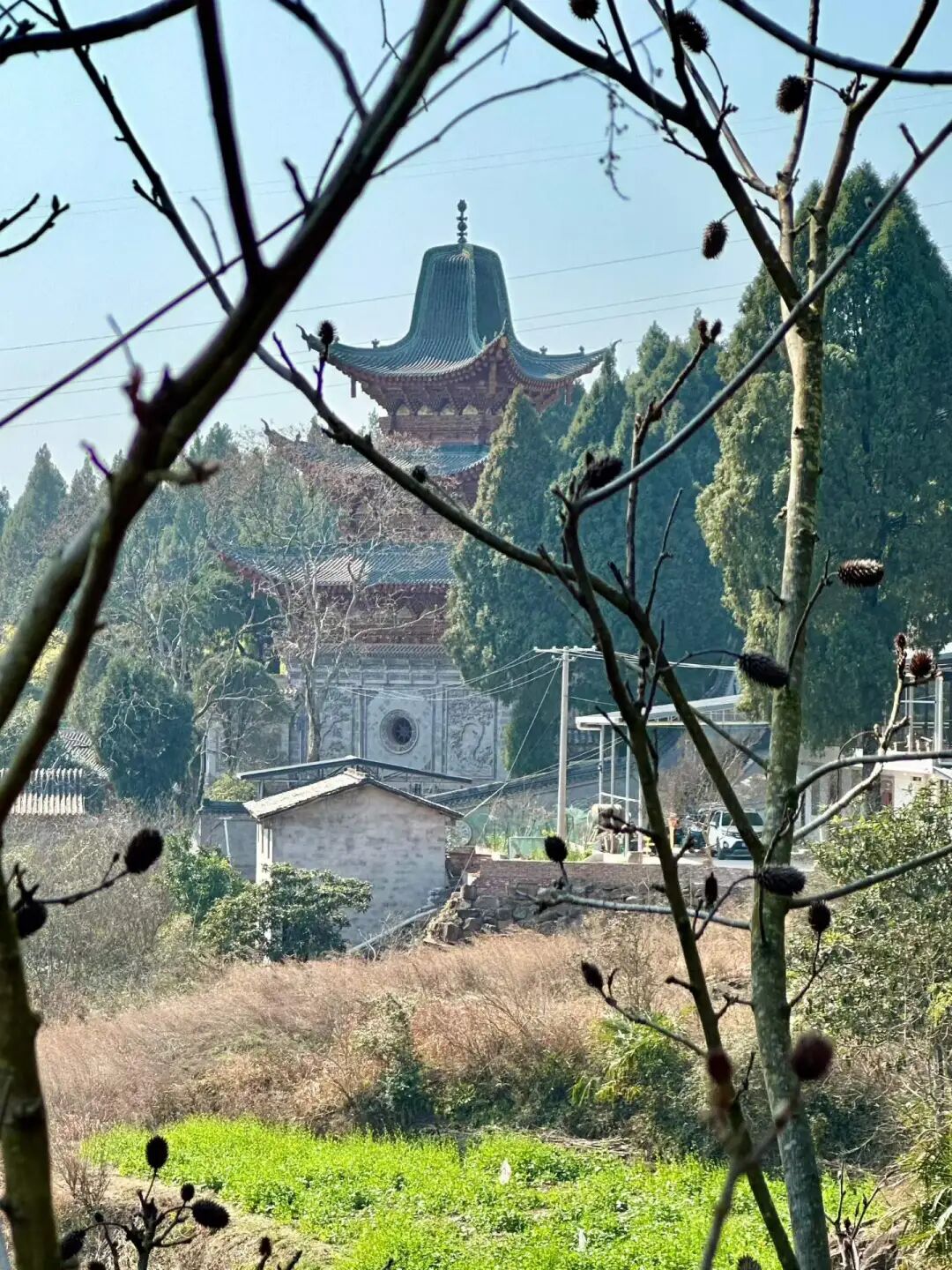
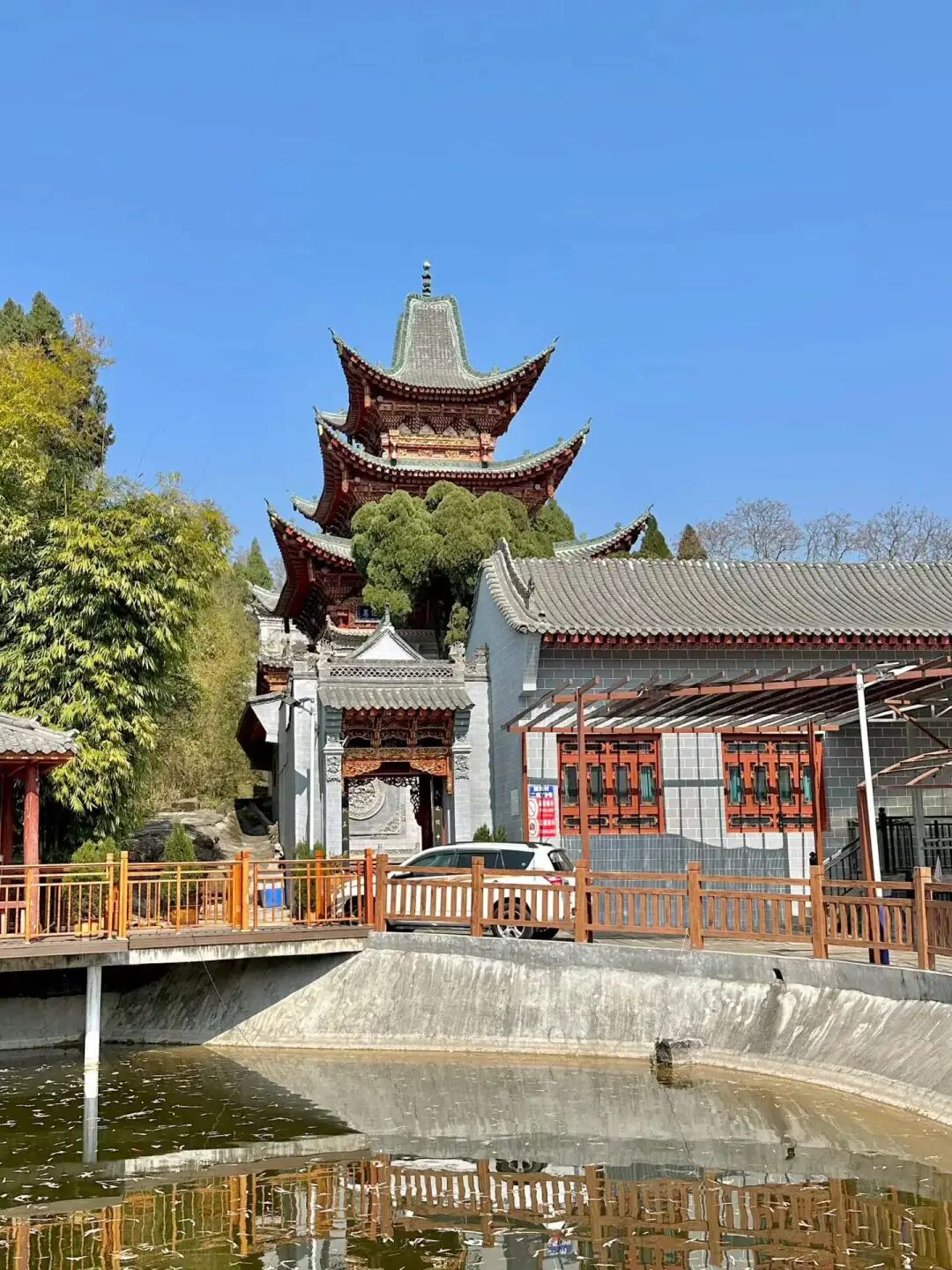
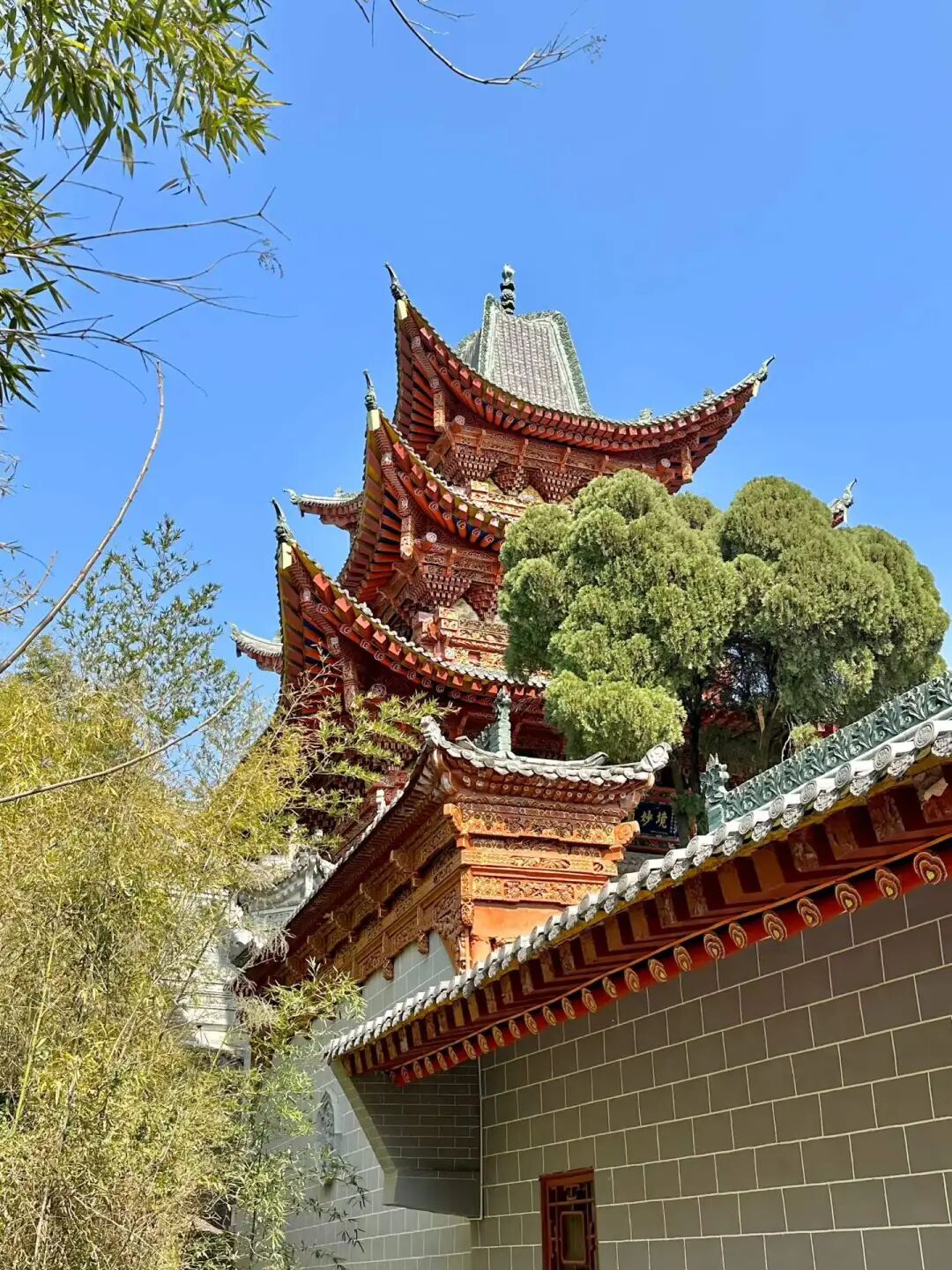
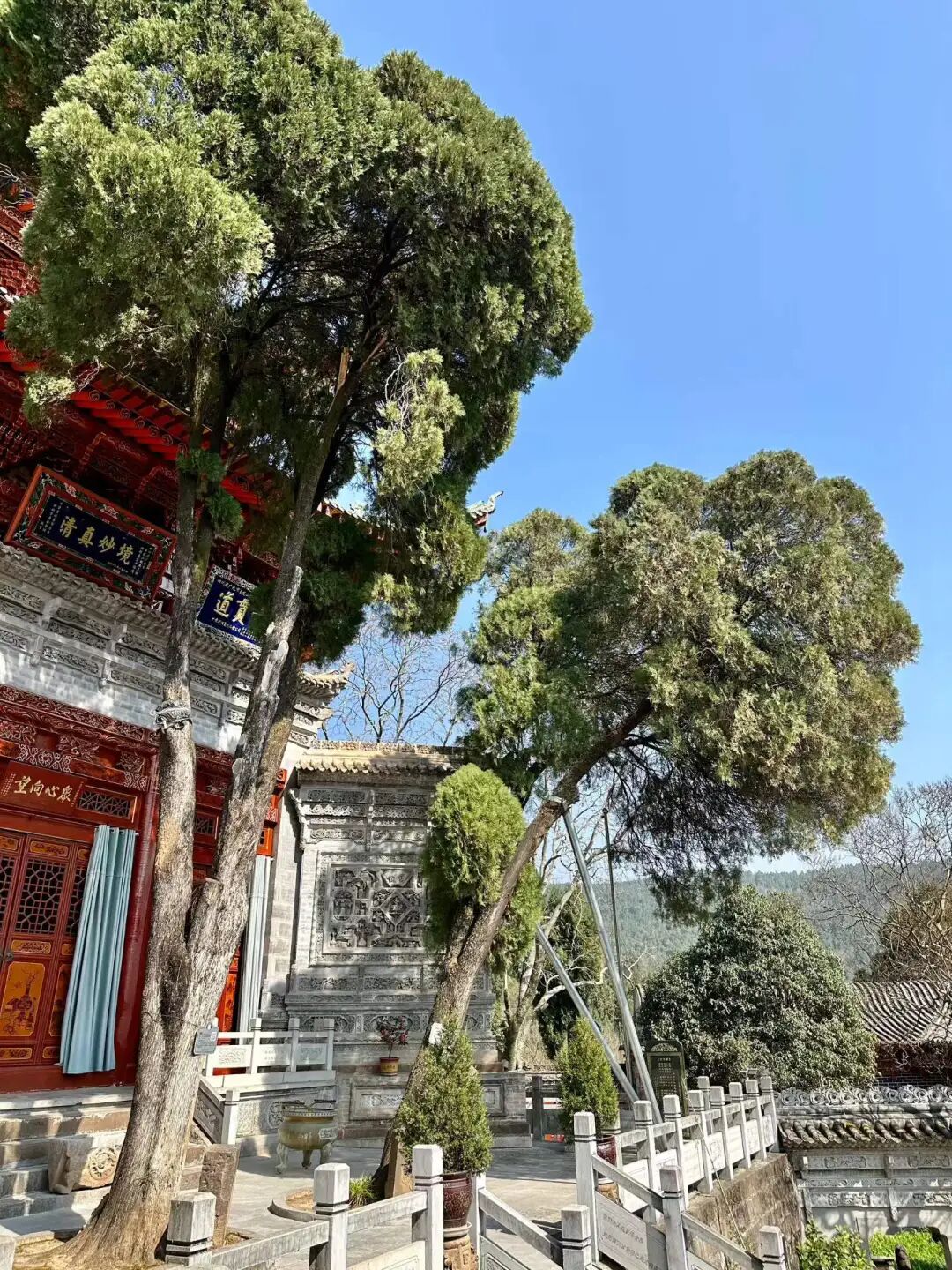
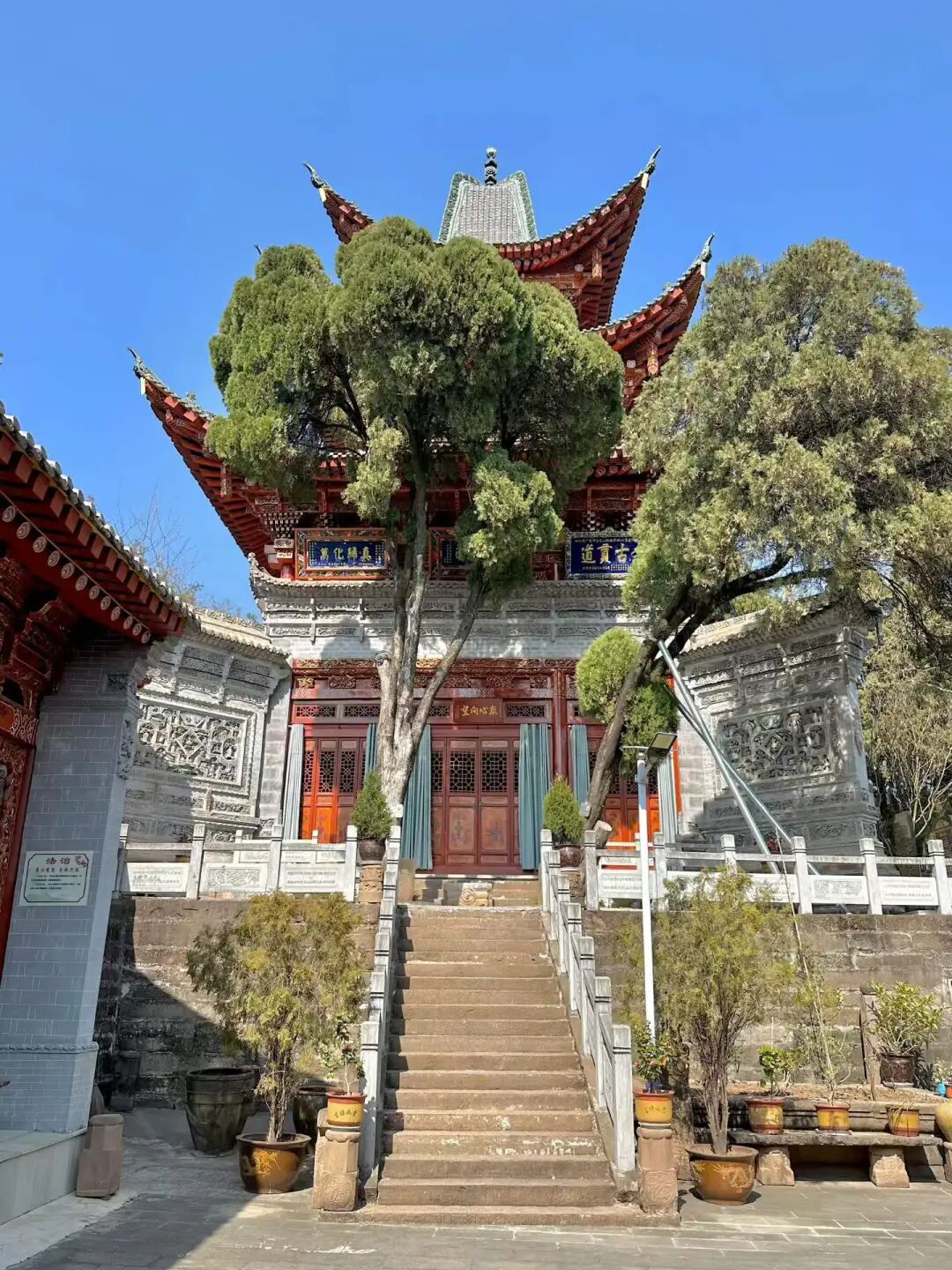
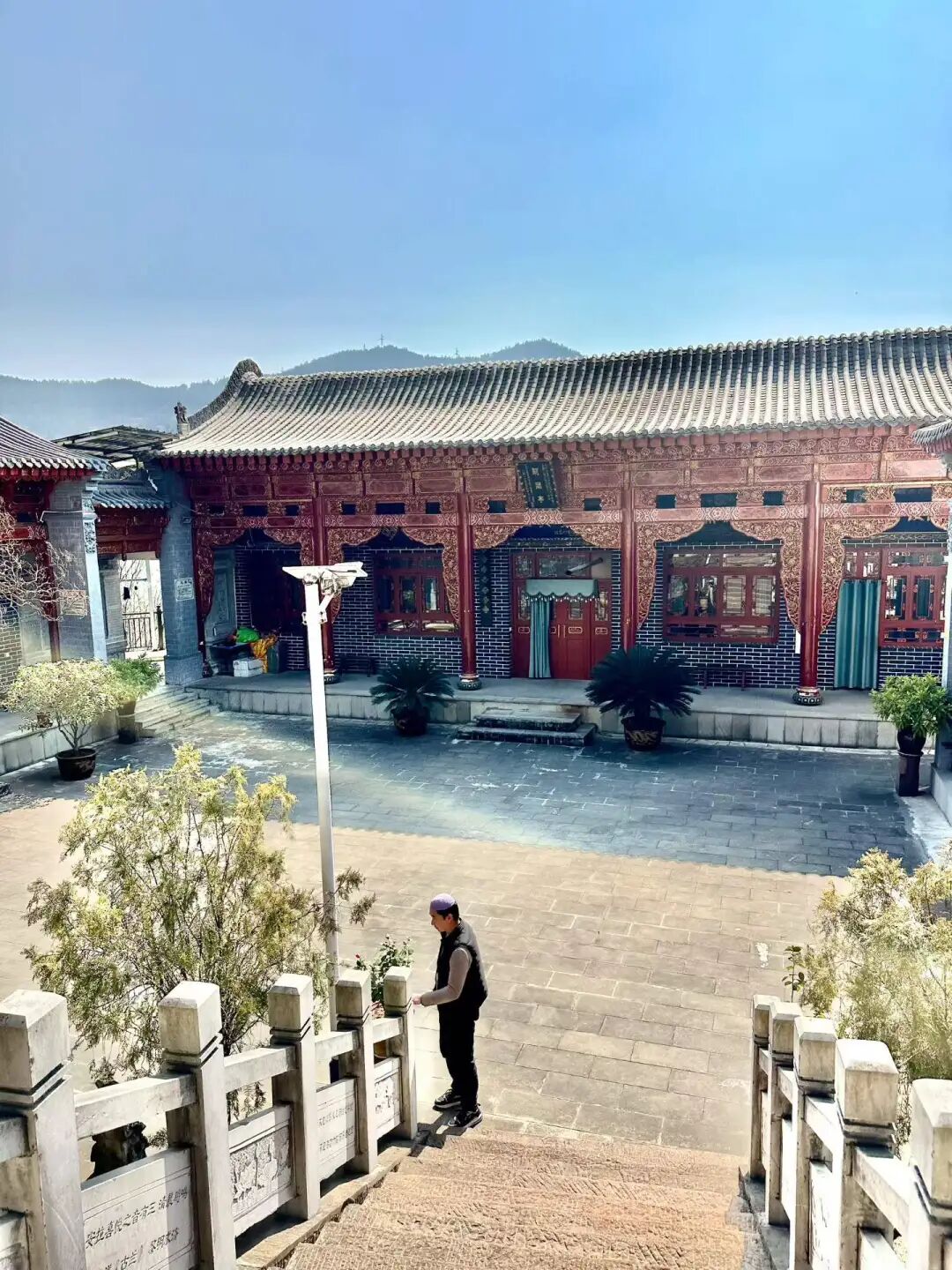
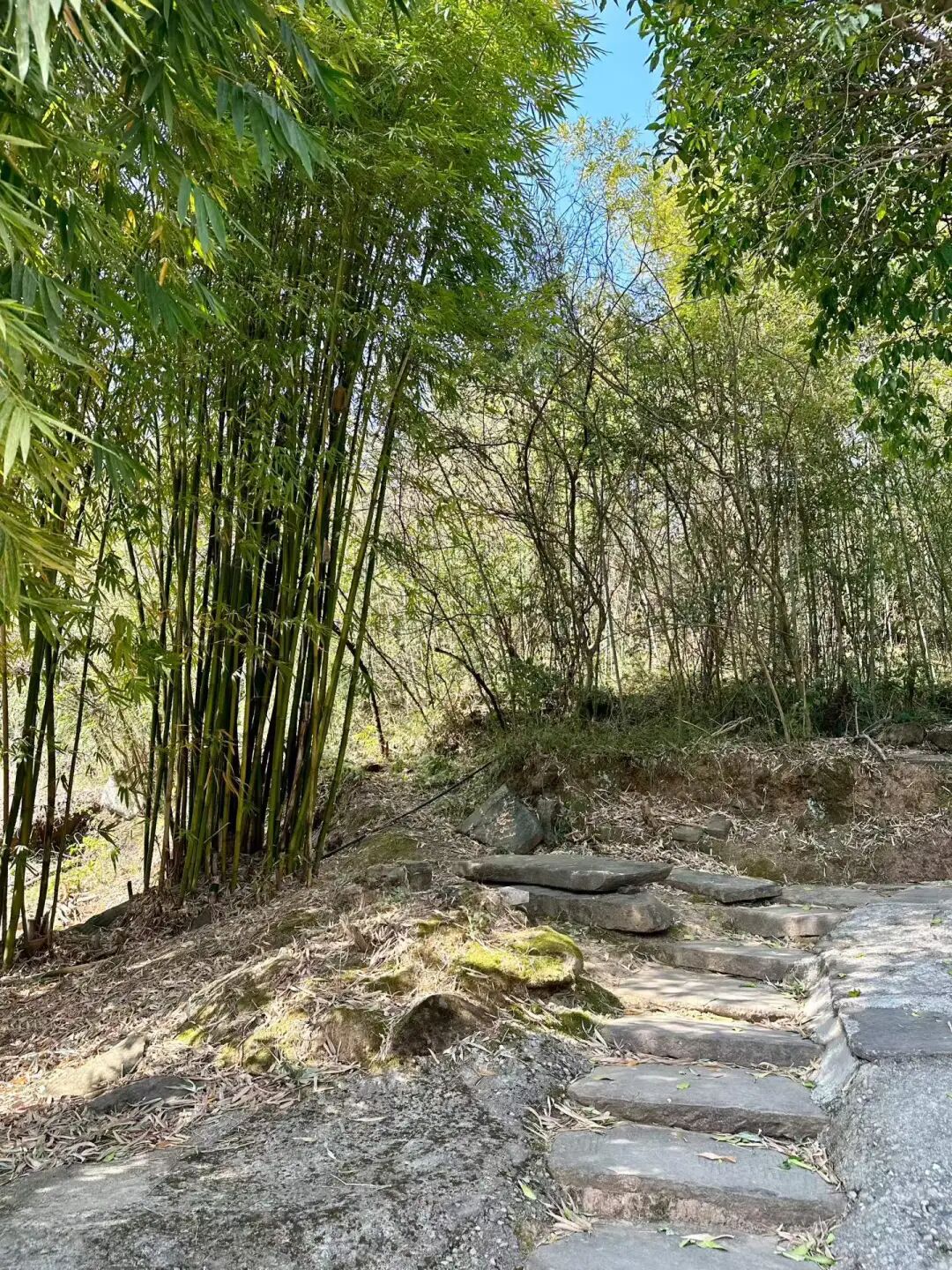
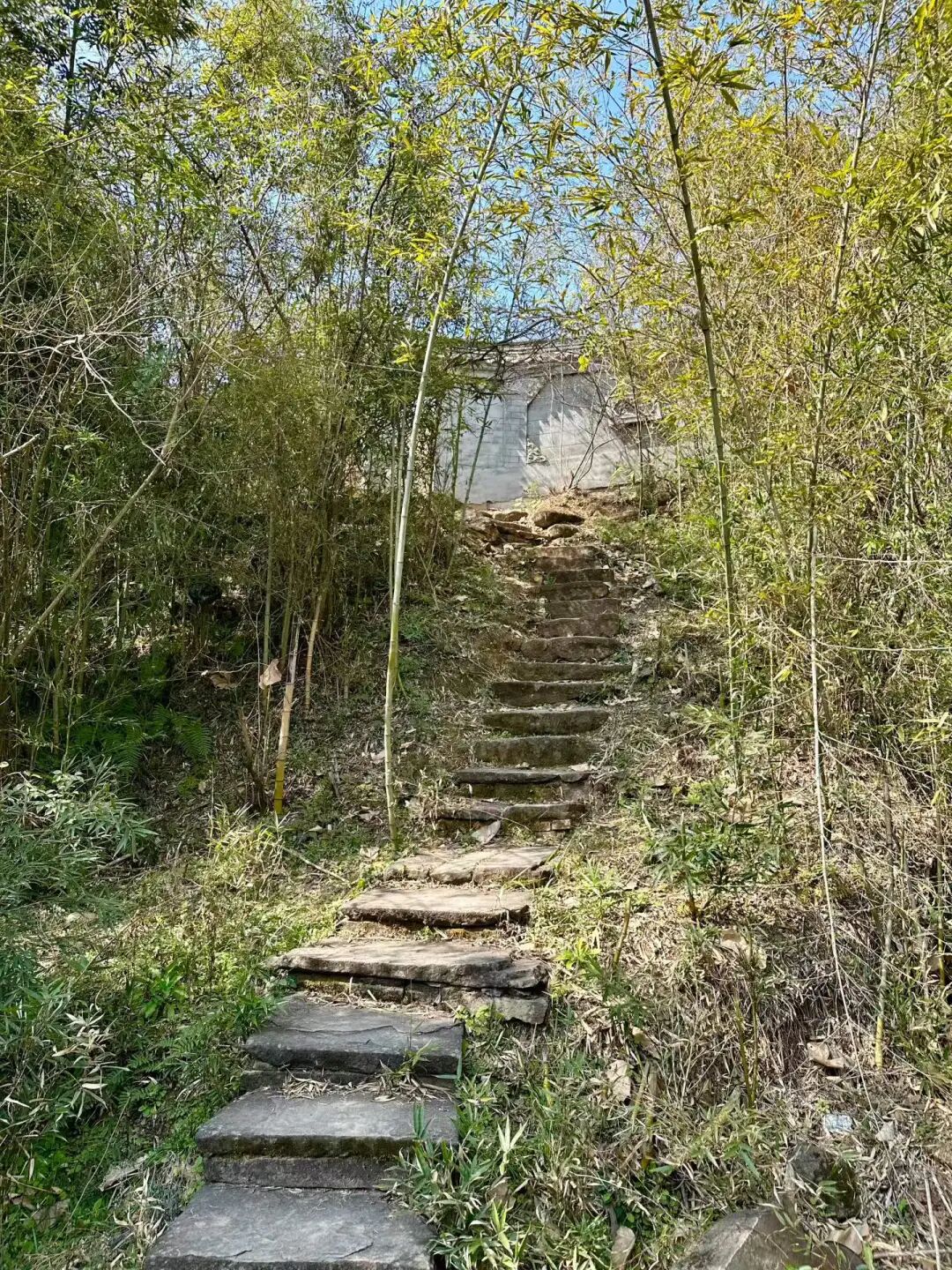
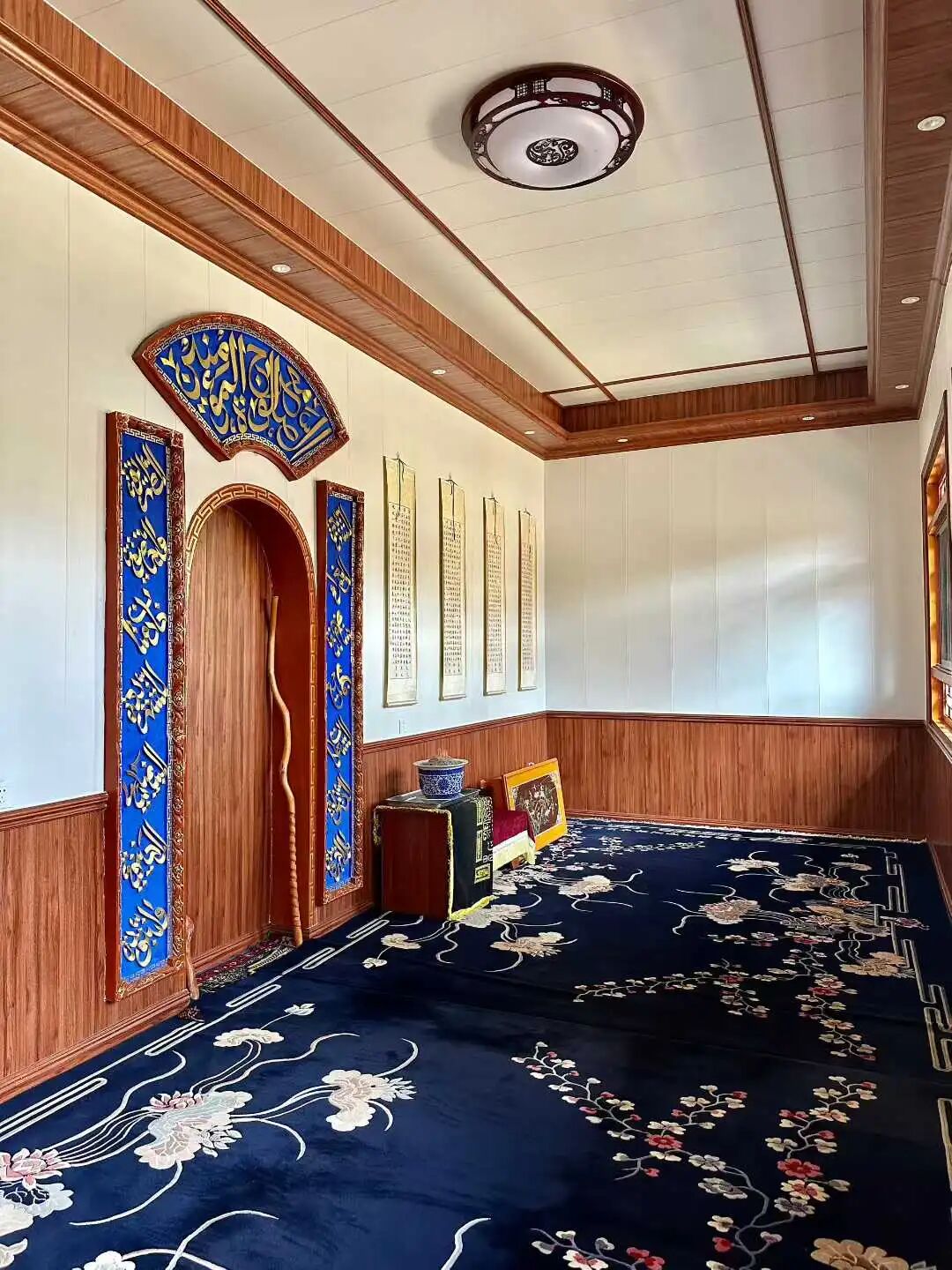
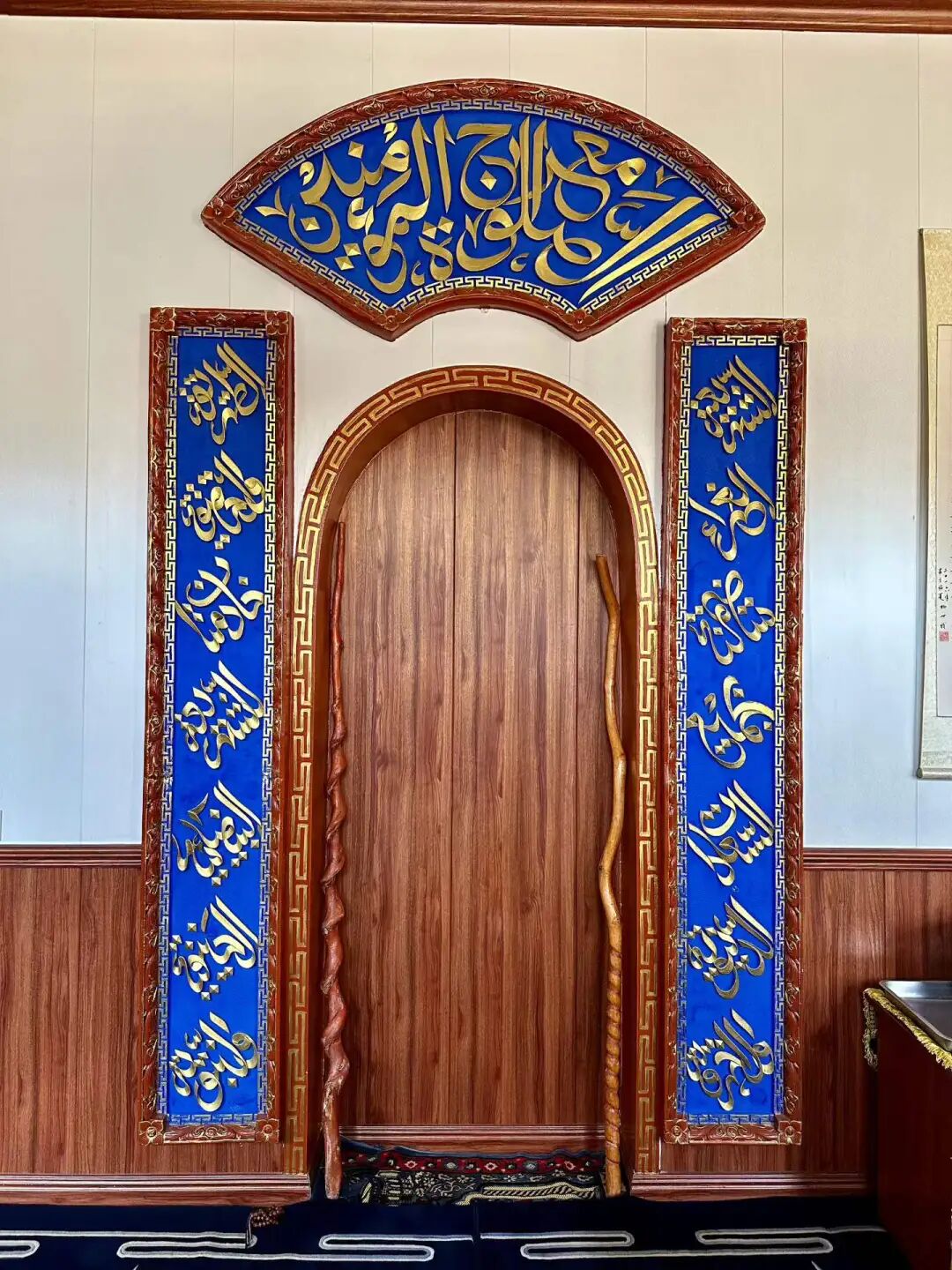
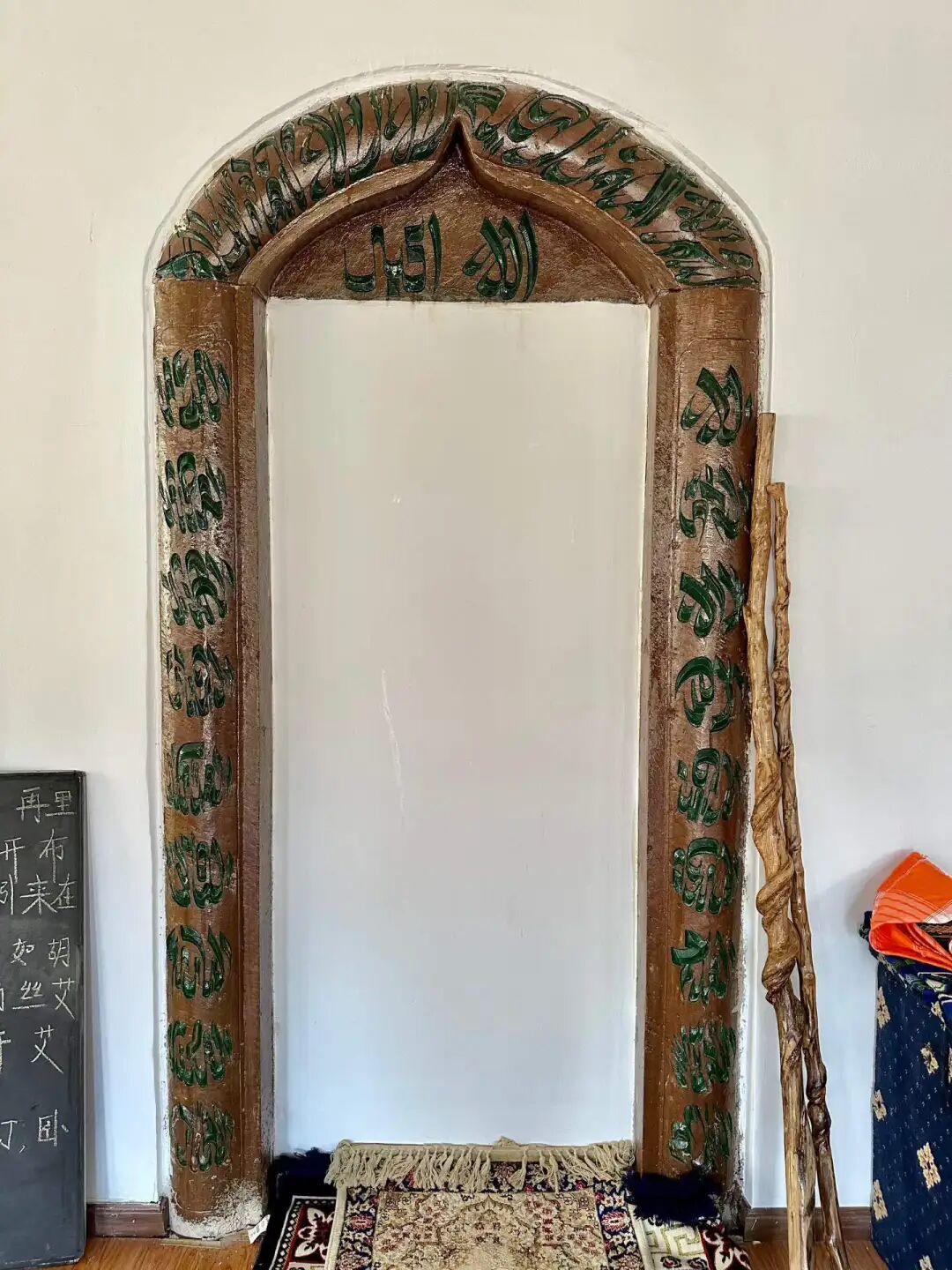
The main hall of Langzhaoting features a mihrab in the style of Hezhou.
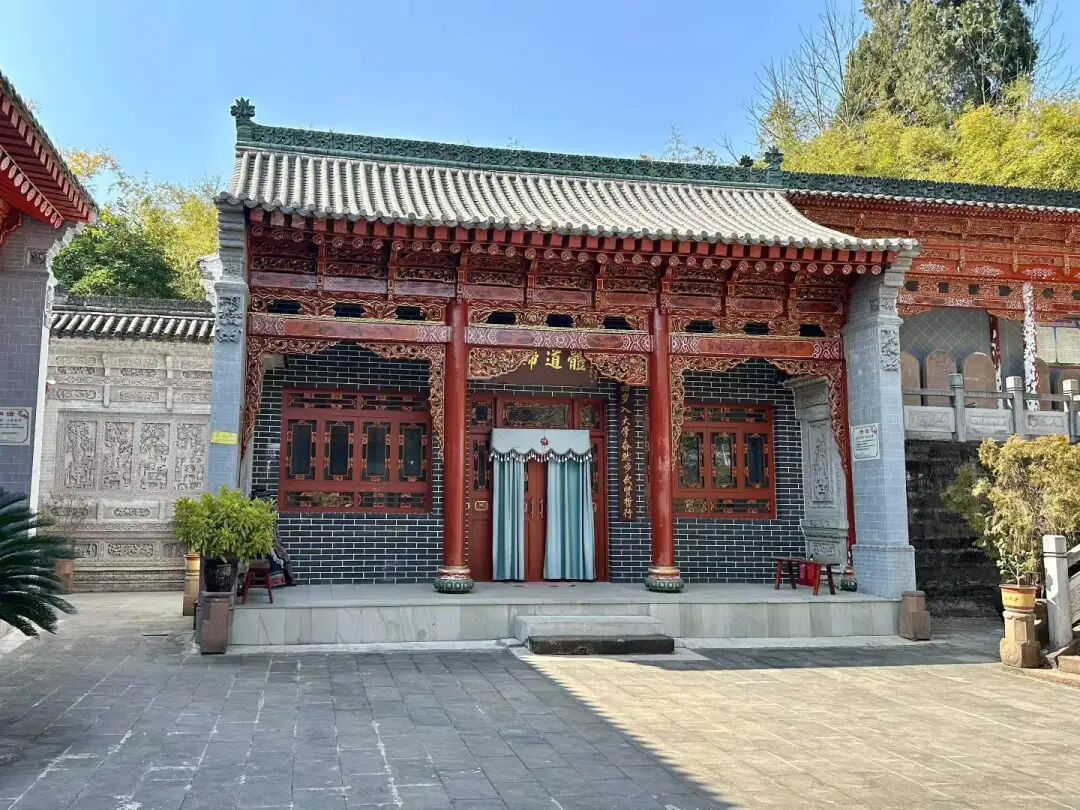
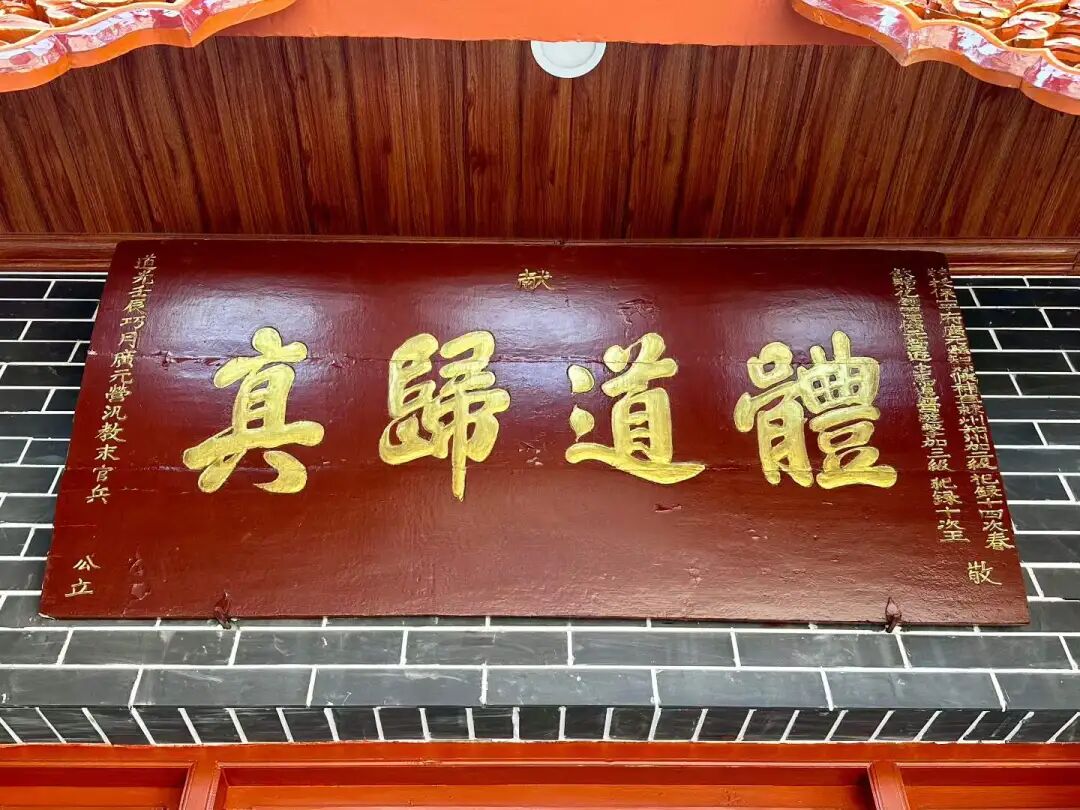
Inside the courtyard hangs a plaque titled "Embodying the Truth" (Ti Dao Gui Zhen), which was donated by military officers and soldiers of the Guangyuan garrison in the 12th year of the Daoguang reign.
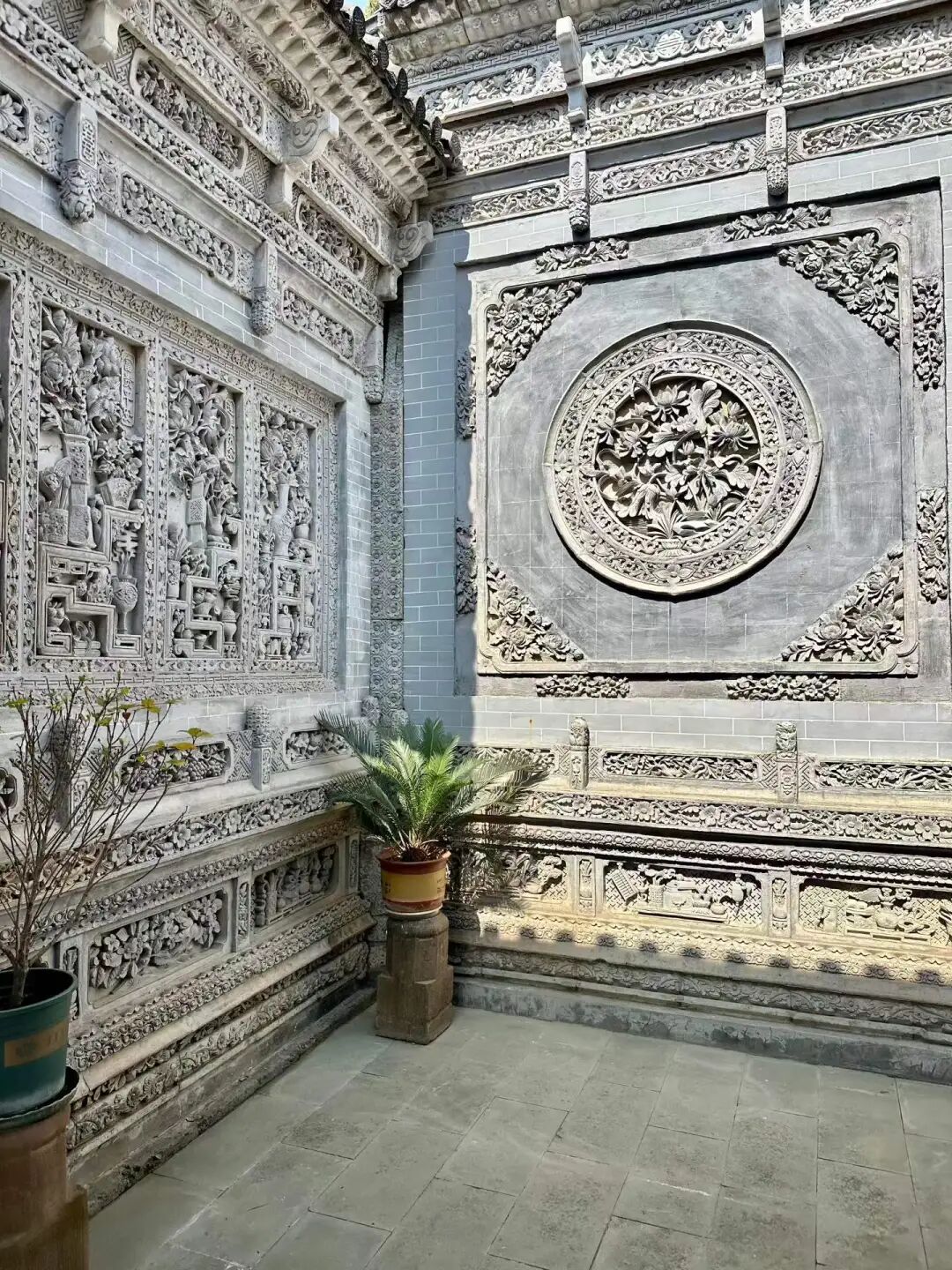
The courtyard also preserves many stone carvings from the Qing Dynasty. The carvings feature traditional auspicious themes like "Peace and Prosperity," "Cranes and Pines for Longevity," and "Mastery of Both Literature and Martial Arts."
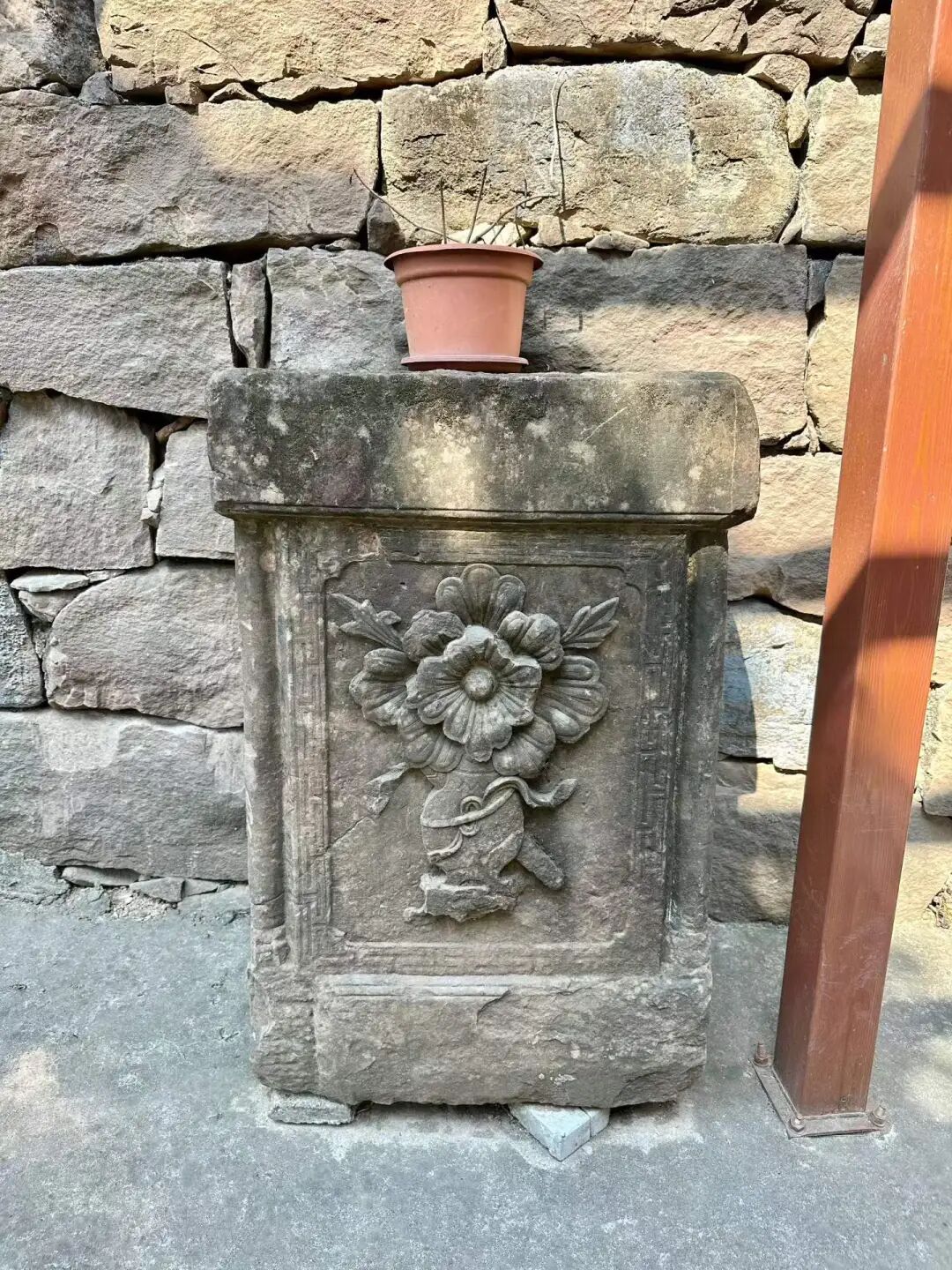
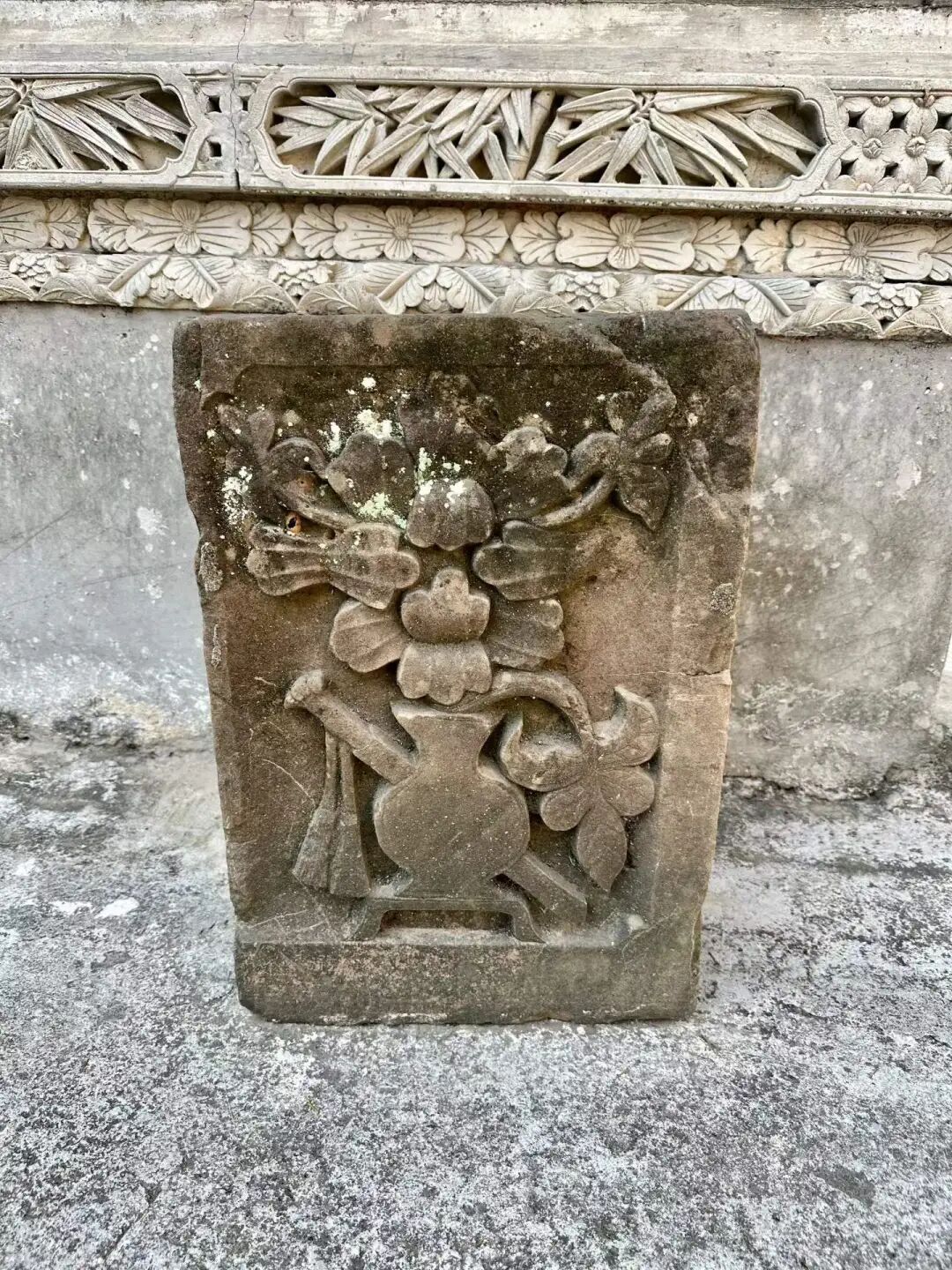
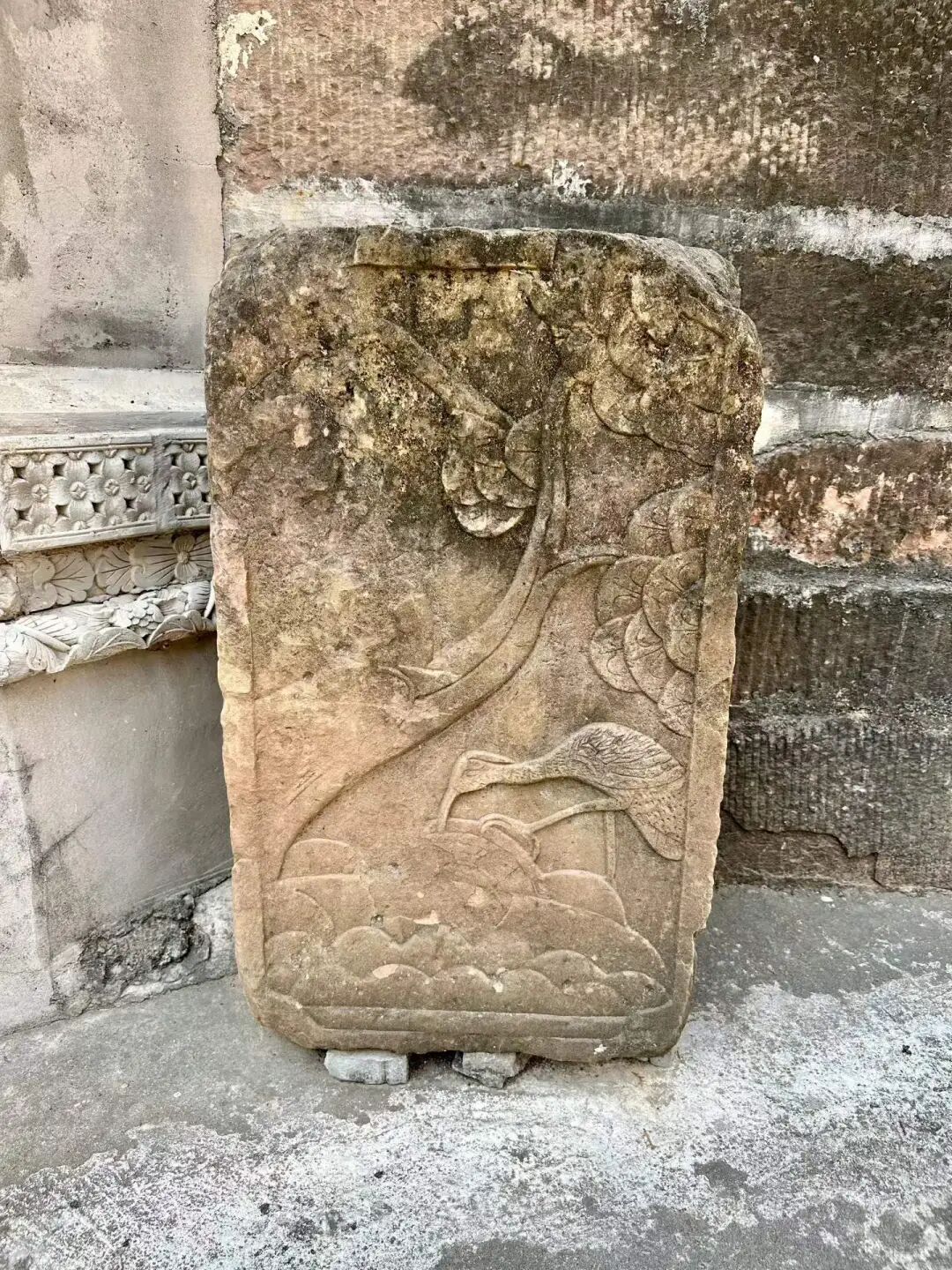
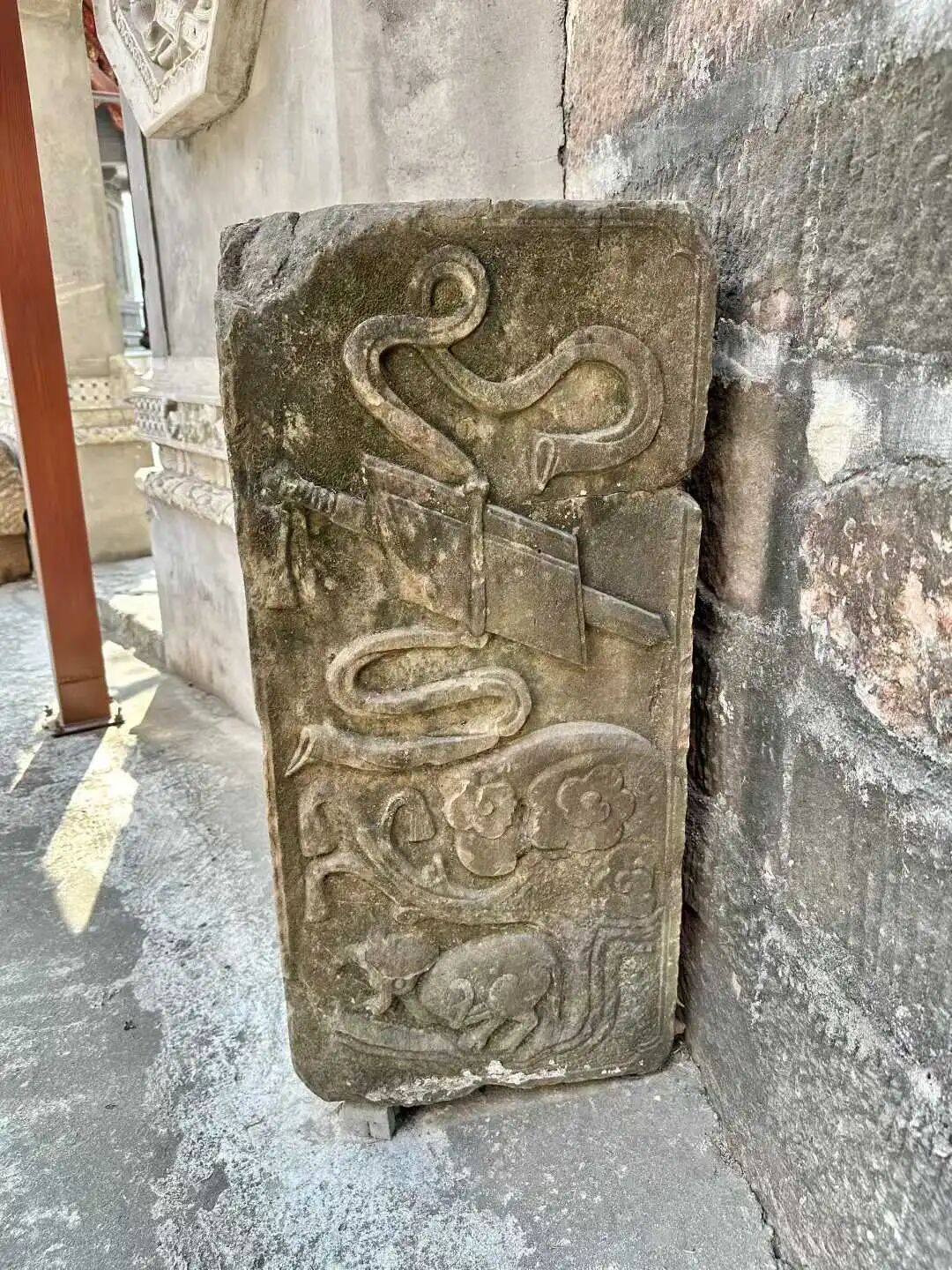
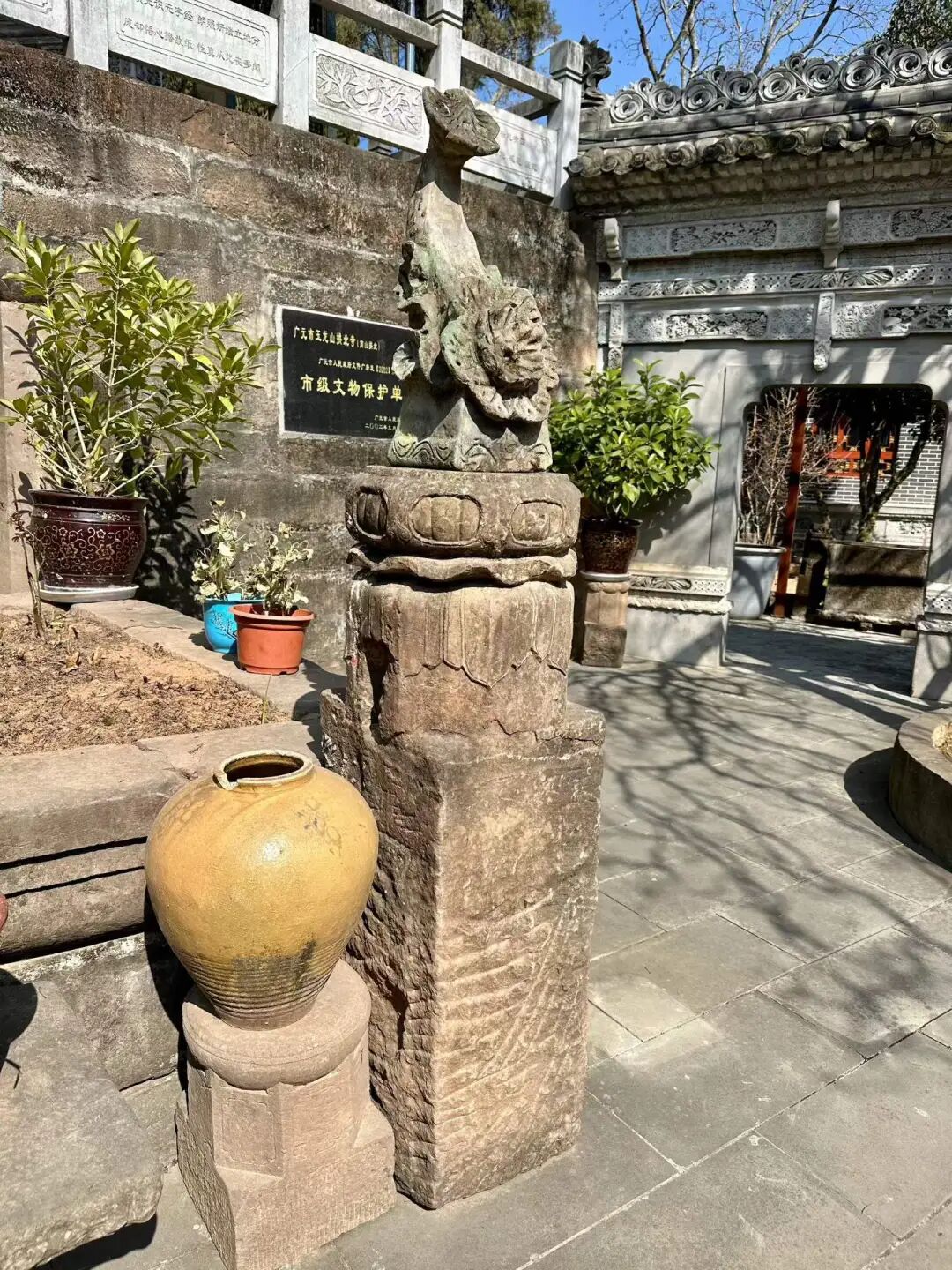
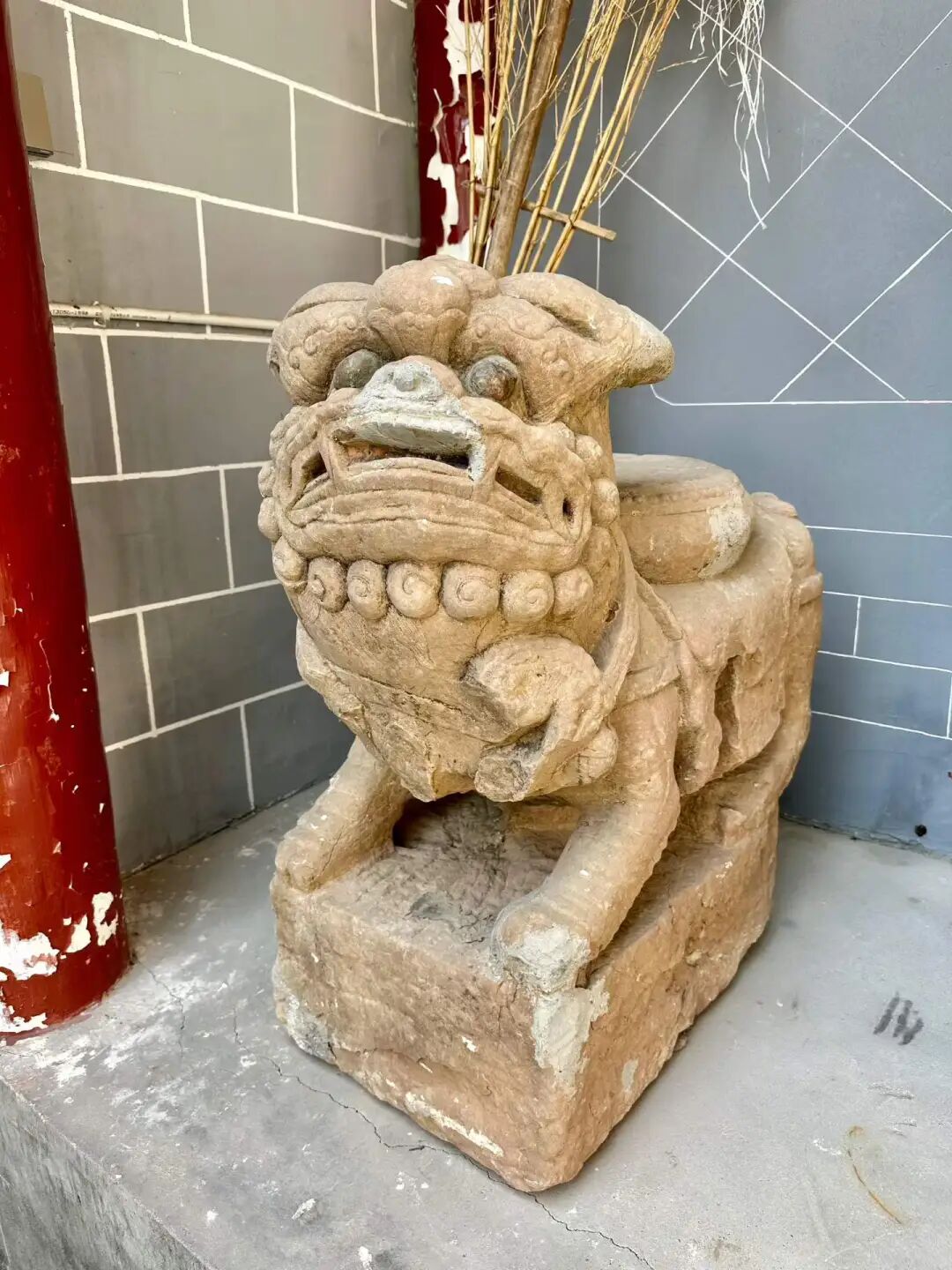
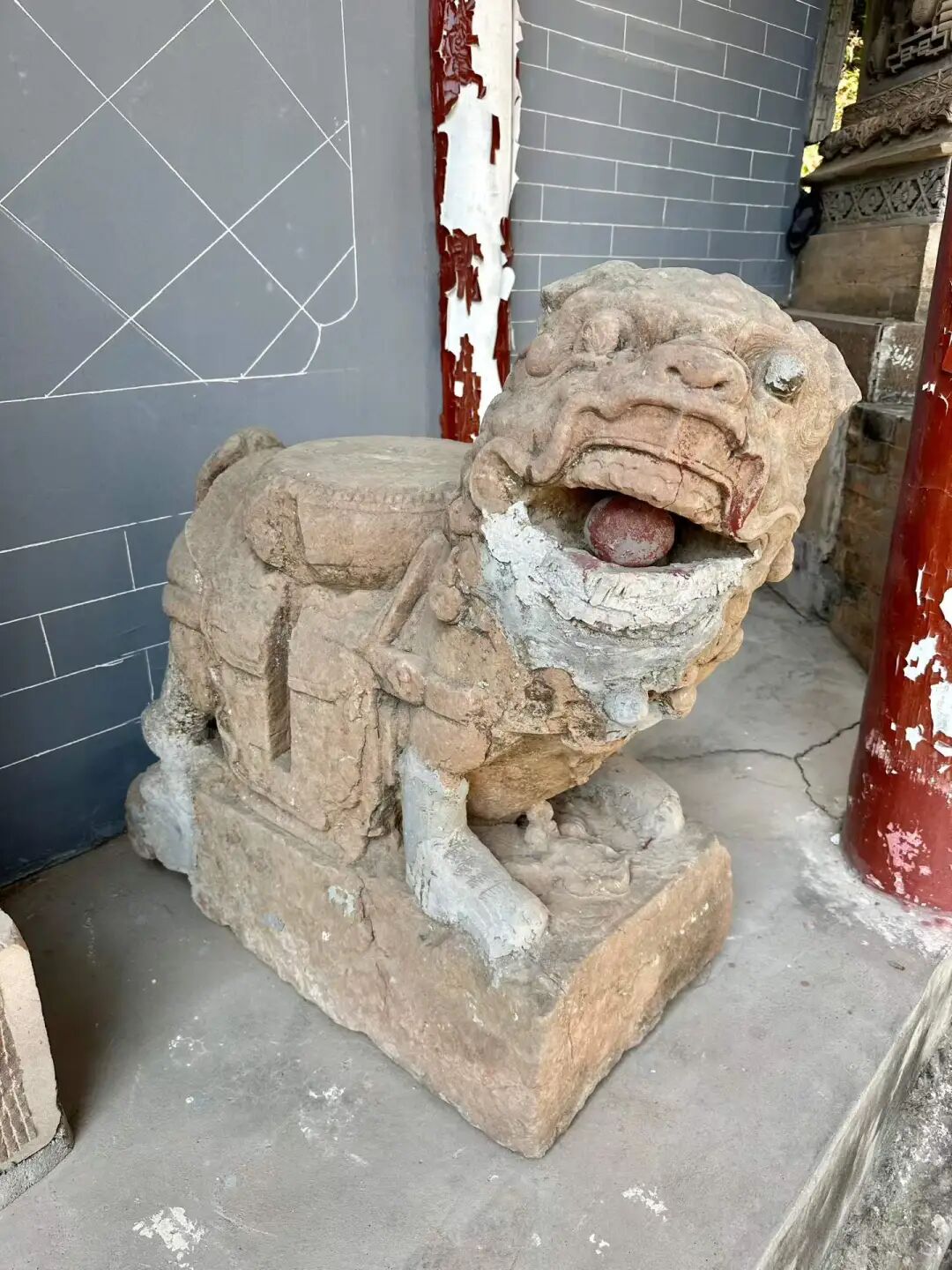
Many of the Qing Dynasty stone column bases were destroyed after 1958. This pair of stone lions still has column bases on them, which may have originally served as the base for a memorial archway.
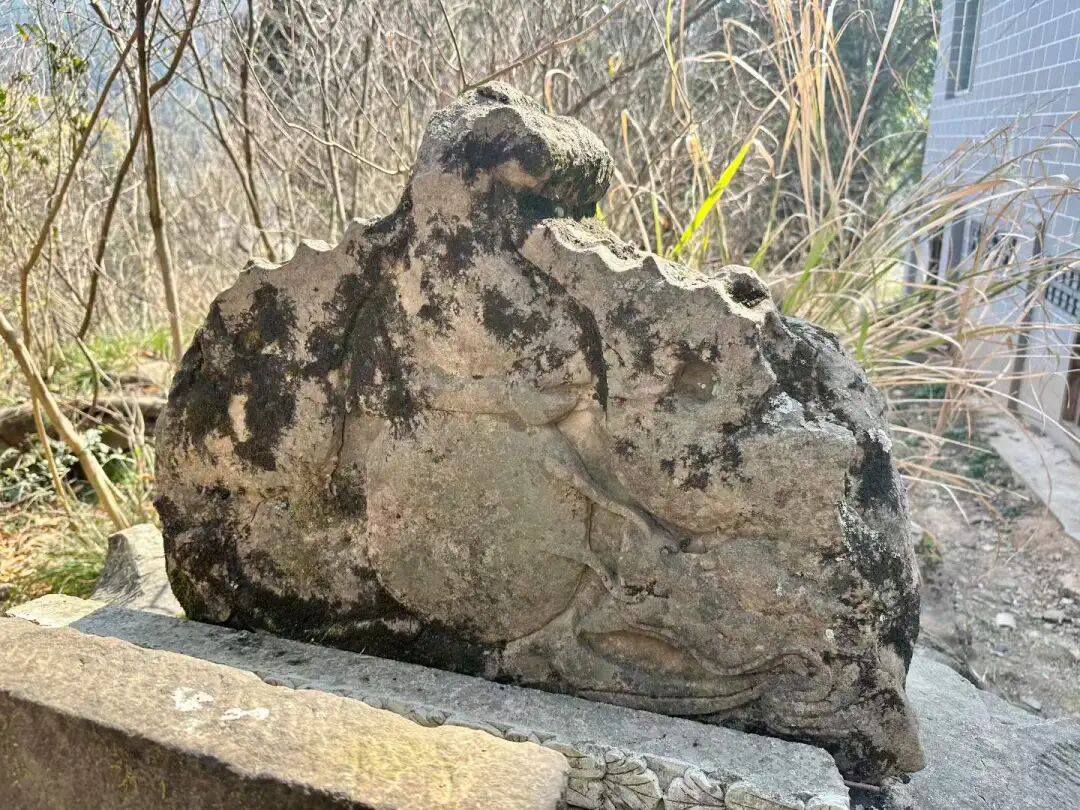
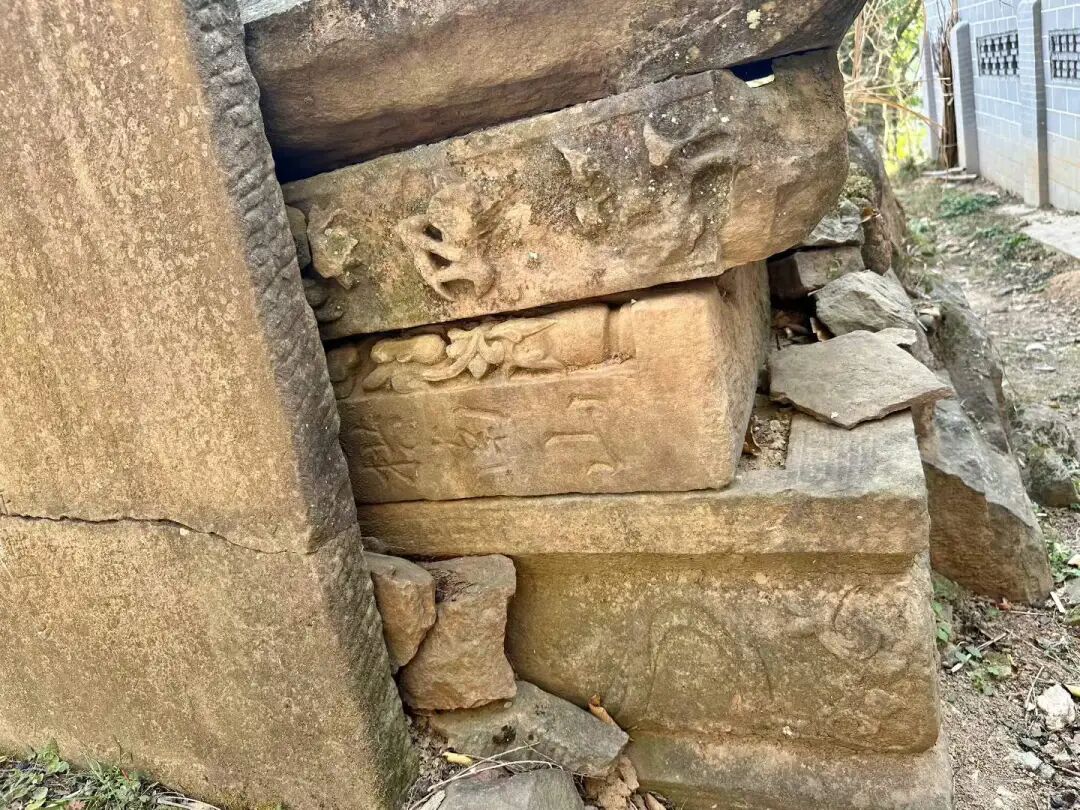
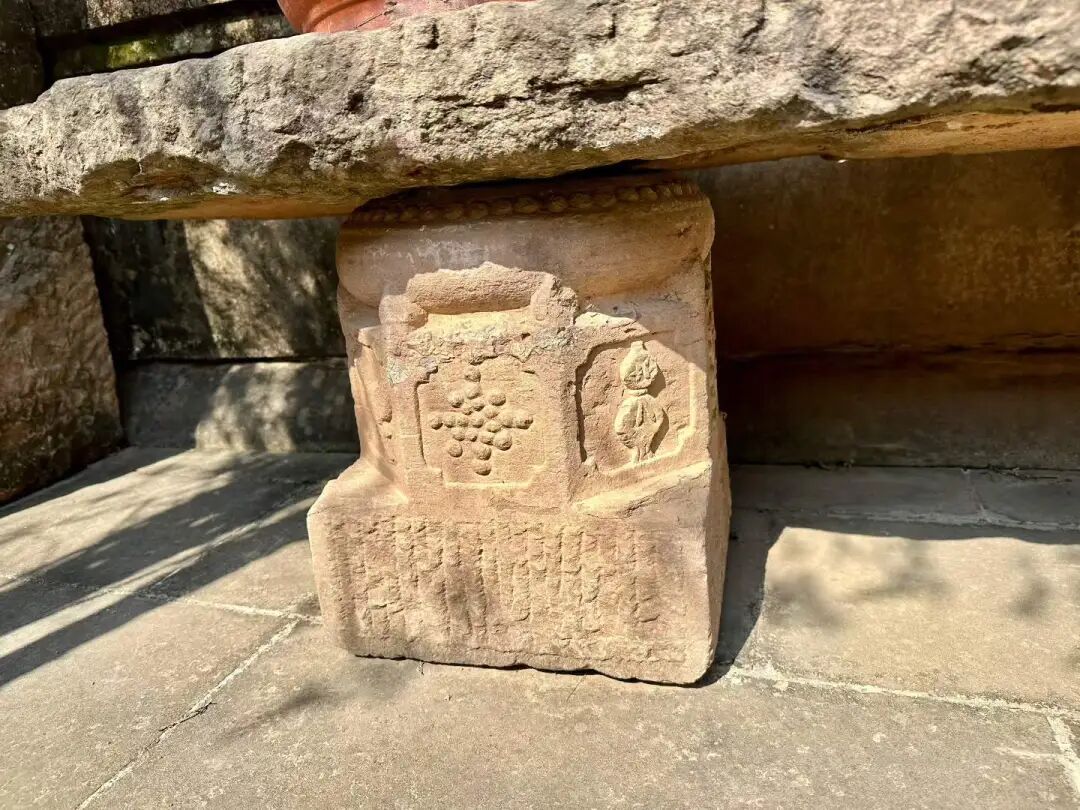
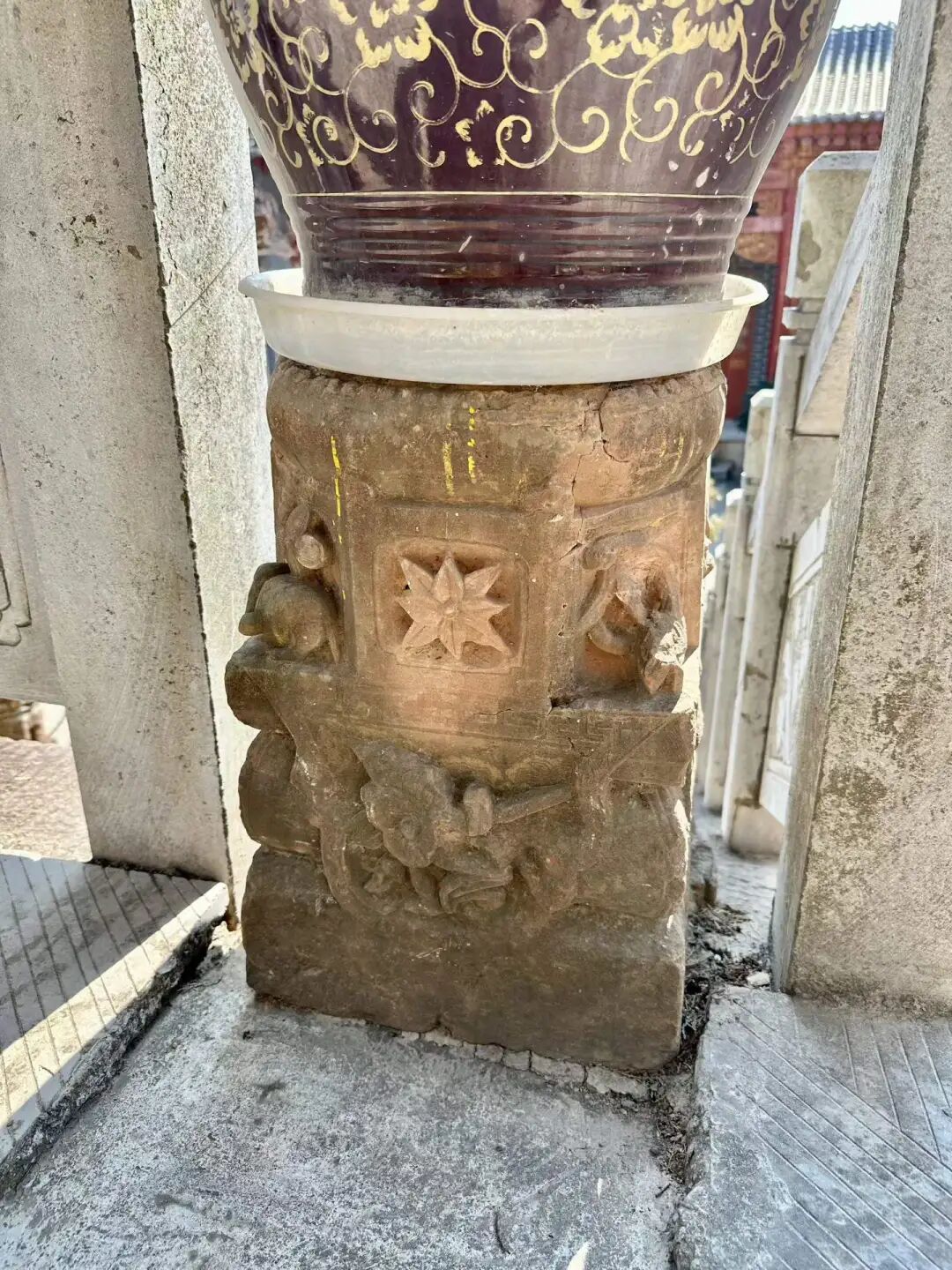
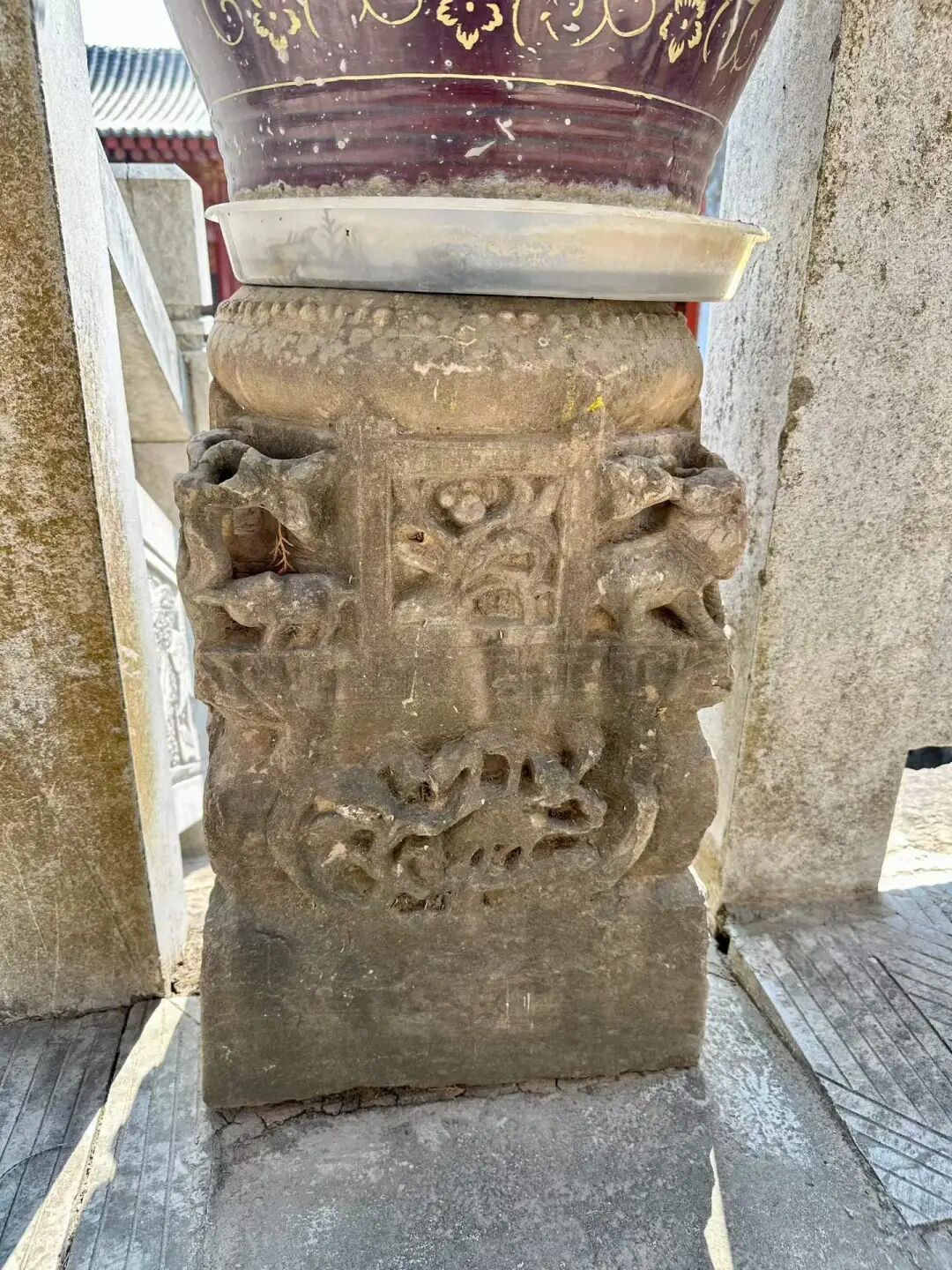
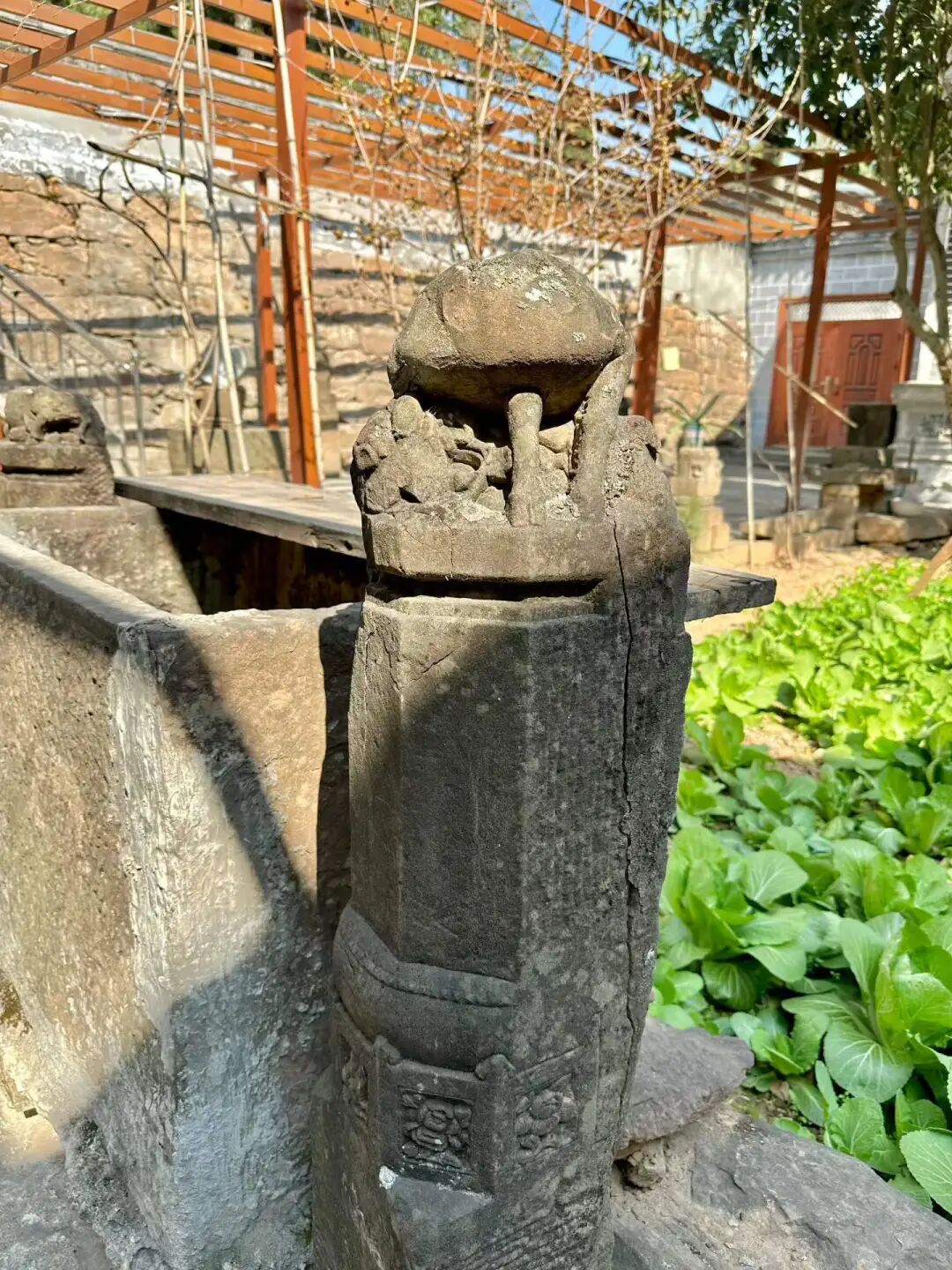
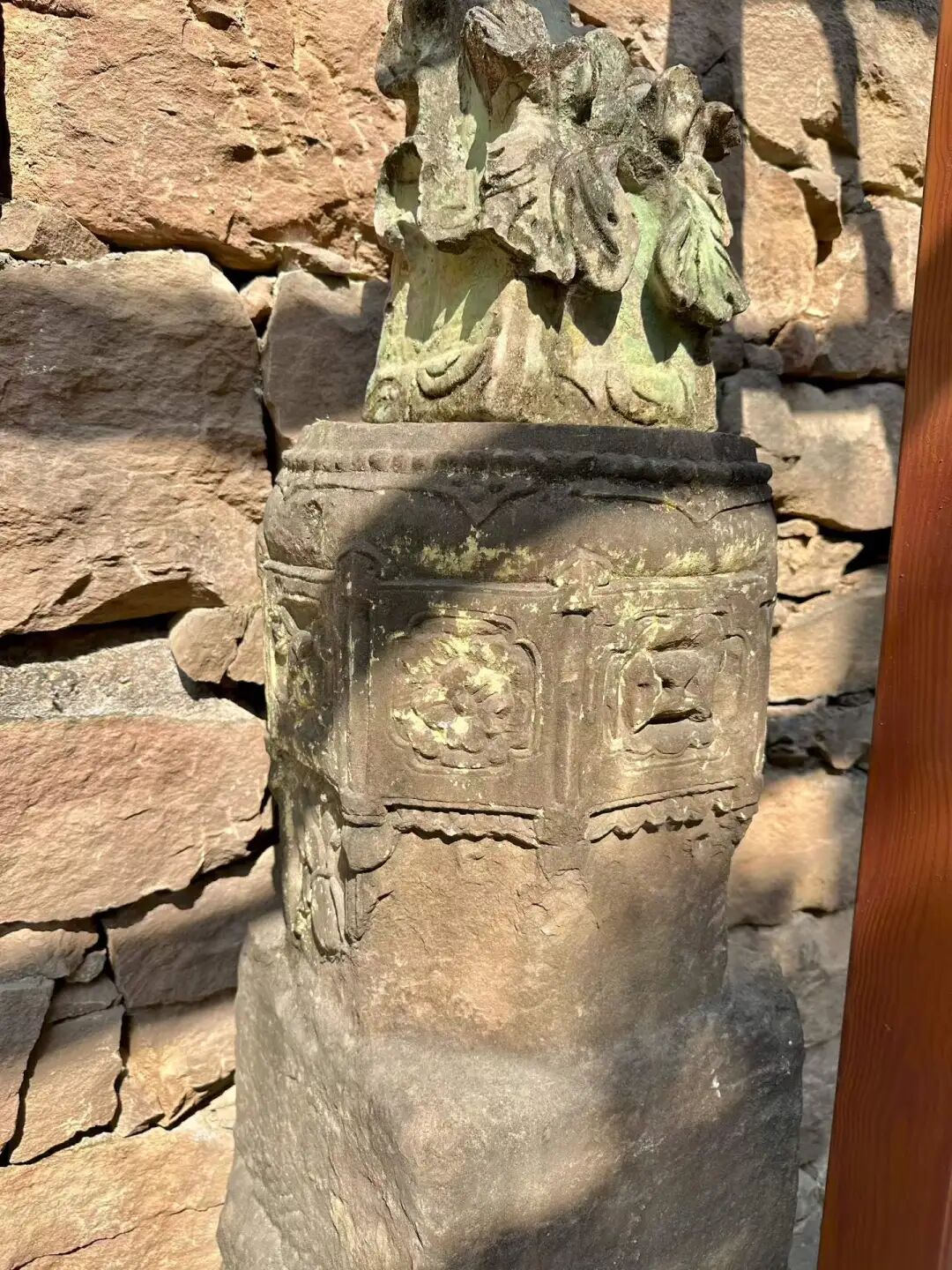
The various stone inscriptions at Langzhaoting.
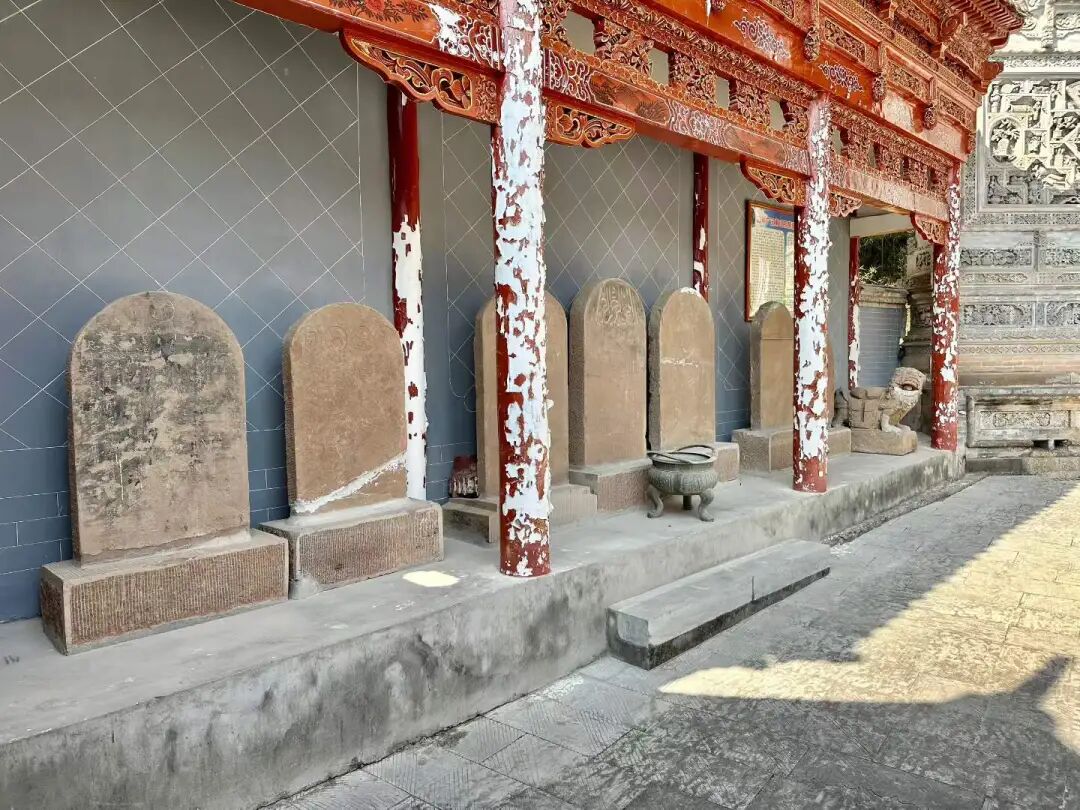
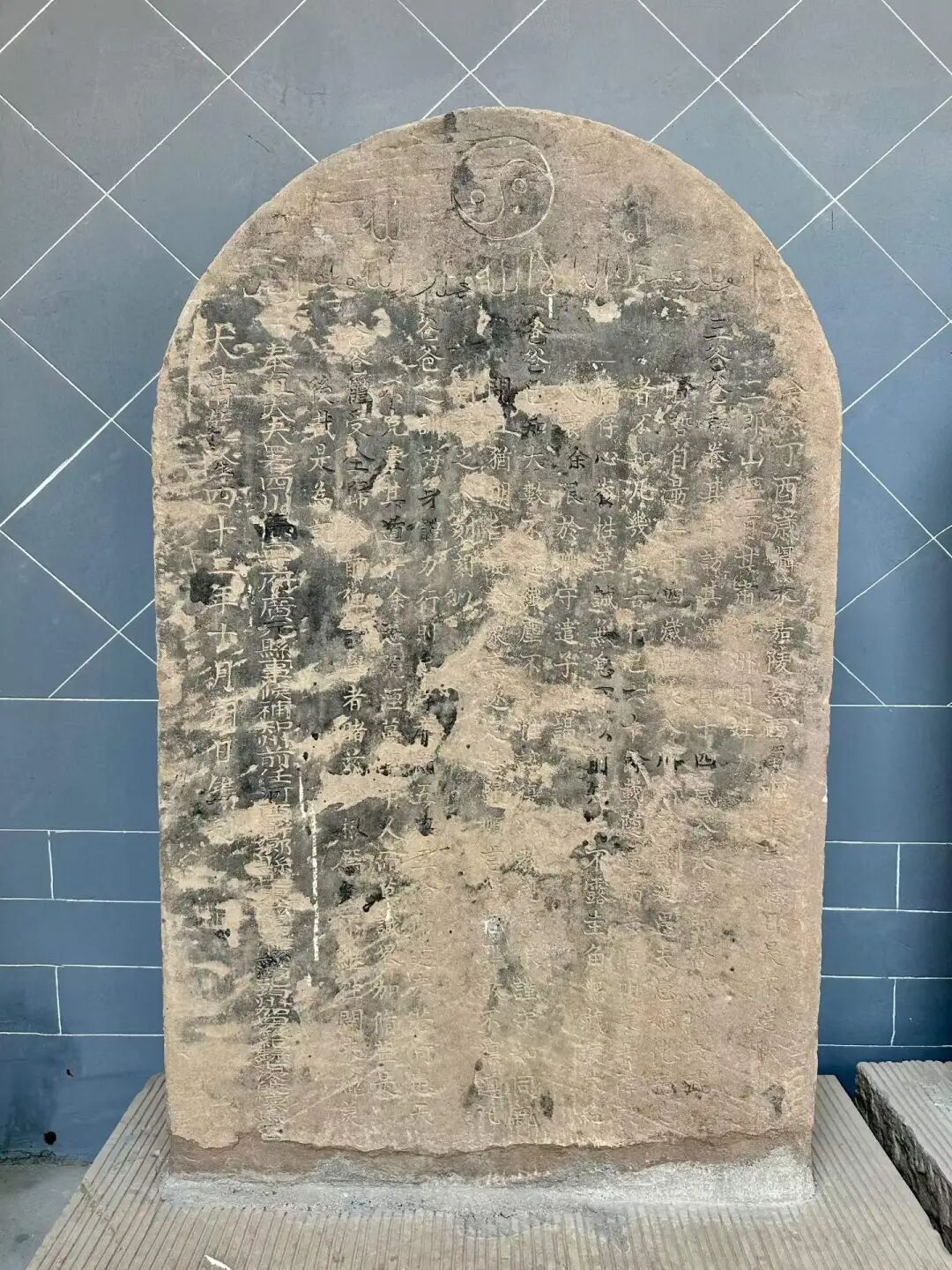
The oldest inscription dates back to the 42nd year of the Qianlong reign, which is the year Master Ma passed away and the gongbei was built. The top of the tablet is carved with a taiji symbol, which is very unique.
The inscription records that "Master Ma" began his studies at 14, traveled from Shaanxi to Sichuan at 24, and practiced in seclusion for over 60 years. It expresses deep respect for him. The signature belongs to a high-ranking official named Ma X from Anhui, who held titles including Fengzhi Dafu and acting magistrate of Guangyuan County.
Research shows the person who set up the tablet was Ma Jialiang, a Hui Muslim from Anqing, Anhui, and the builder of Langzhaoting. Ma Jialiang, whose courtesy name was Zhongheng, was the son of the famous Qing Dynasty Hui Muslim general and martial arts scholar Ma Dayong. He passed the imperial examinations in the 12th year of the Qianlong reign and served as a high official in several provinces. He rose from county magistrate to prefect, working in Henan, Shandong, Hubei, and Sichuan. He was once dismissed in Shandong for failing to notice the White Lotus Sect, but was later reappointed as the prefect of Huili, Sichuan, eventually ending his career as an acting magistrate in Guangyuan.
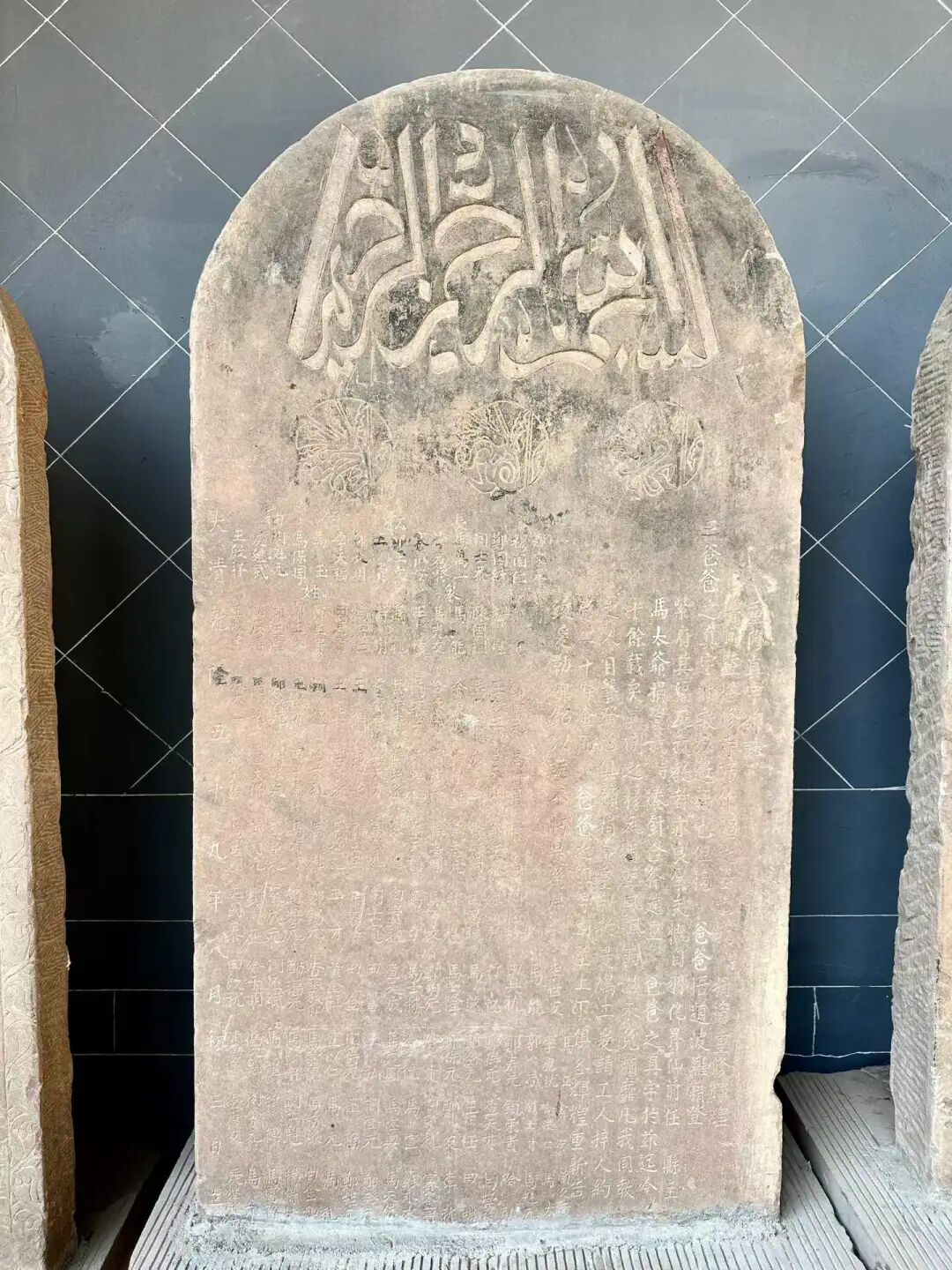
The second tablet is the "Record of Rebuilding the True Shrine" from the 59th year of the Qianlong reign. It mentions that in the 42nd year of Qianlong, the former magistrate Master Ma donated funds to build the shrine for the Master, and it was renovated again in the 59th year. The back of the tablet lists 16 religious leaders with the surnames Guo, Mu, Zheng, Min, Ma, Li, Sai, and Wang, along with 135 followers who donated funds.
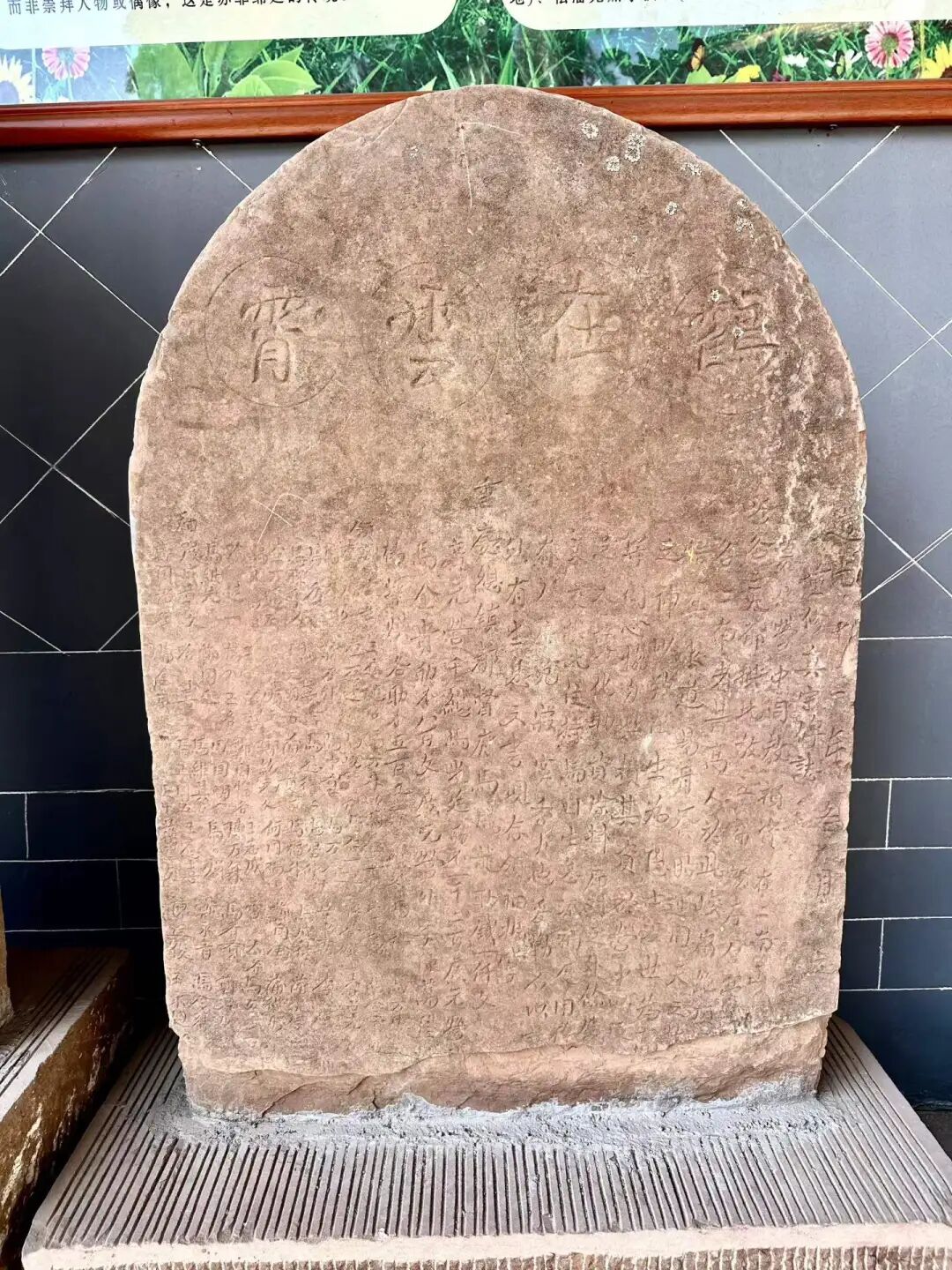
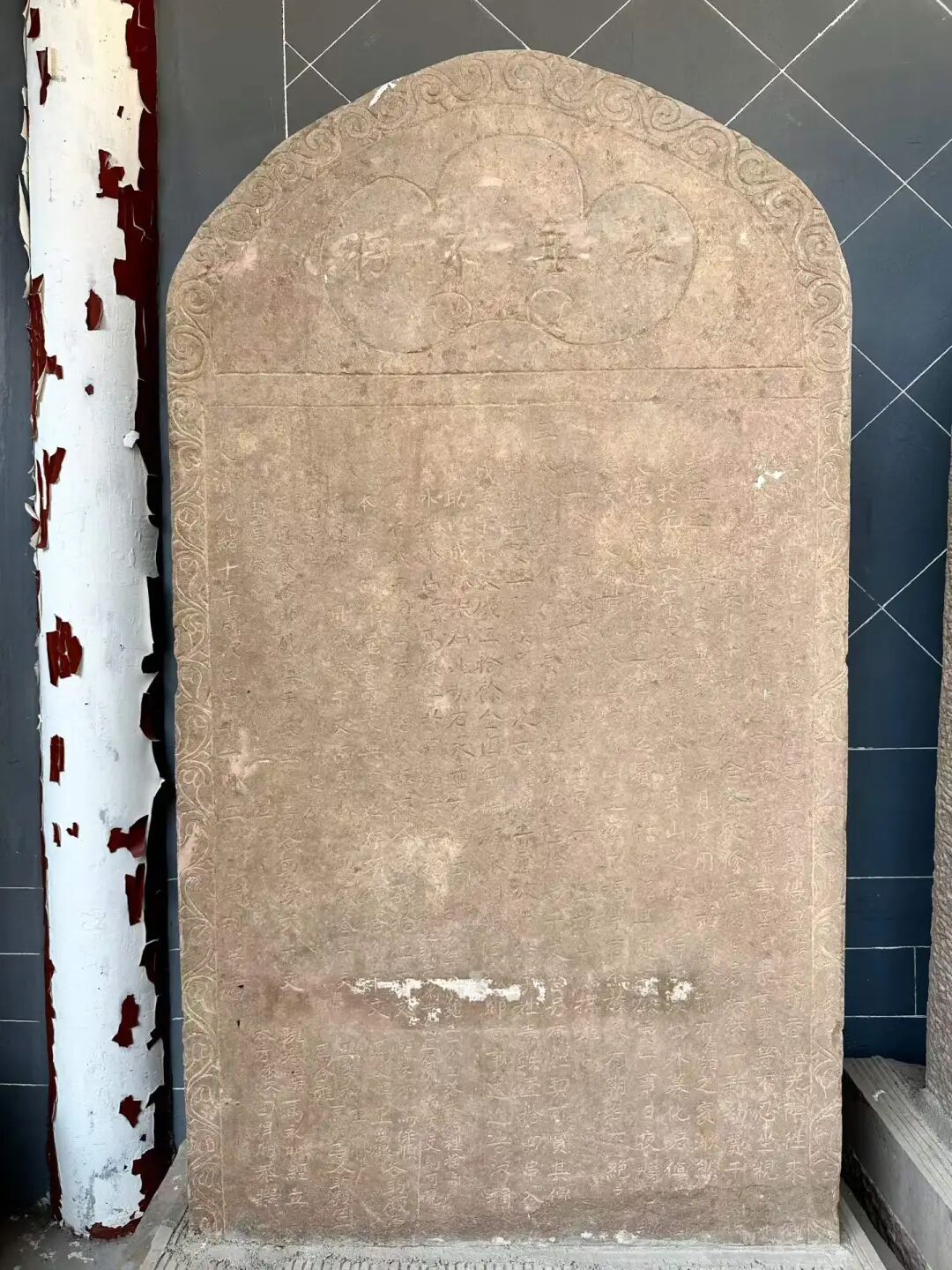
The "Record of Rebuilding the True Shrine" from the 11th year of the Daoguang reign has the title "Crane in the Clouds" at the top. It refers to the gongbei as the "Nanshan Master Ma Gongbei." The first donor listed is Ma Tenglong, a commander from Chongqing, followed by Guangyuan garrison officer Ma Guangting and others. Ma Tenglong was a military general with many achievements during the middle and late Qing Dynasty. According to the Records of Chongqing Prefecture in the Daoguang Era, Ma Tenglong was from Chengdu, Sichuan, and joined the army in the 58th year of the Qianlong reign. In the 60th year of the Qianlong reign, he was ordered to lead troops to Guizhou and Hunan to help suppress the Miao uprising. In the 2nd year of the Jiaqing reign, he was transferred to the Hubei and Sichuan-Shaanxi regions to suppress the White Lotus Rebellion. In the 1st year of the Daoguang reign, he was promoted to commander-in-chief of the Gansu garrison. In the 3rd year of the Daoguang reign, he was transferred to be the commander-in-chief of the Shaanxi-Gansu garrison. In the 8th year of the Daoguang reign, he was appointed commander-in-chief of the Chongqing garrison to guard Chongqing.
The "Merits Last Forever" (Gongde Yongchui) stele from the 20th year of the Daoguang reign.
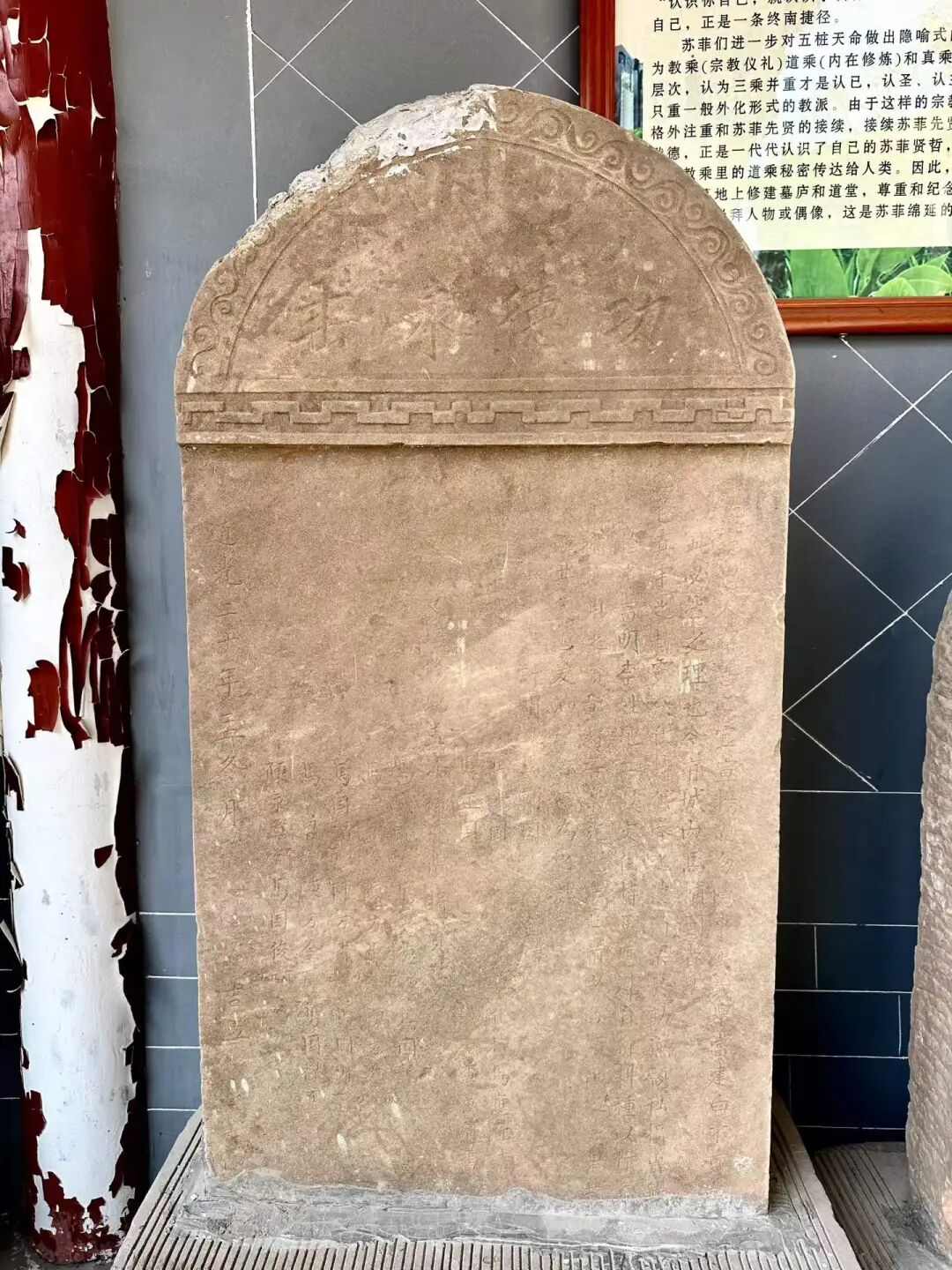
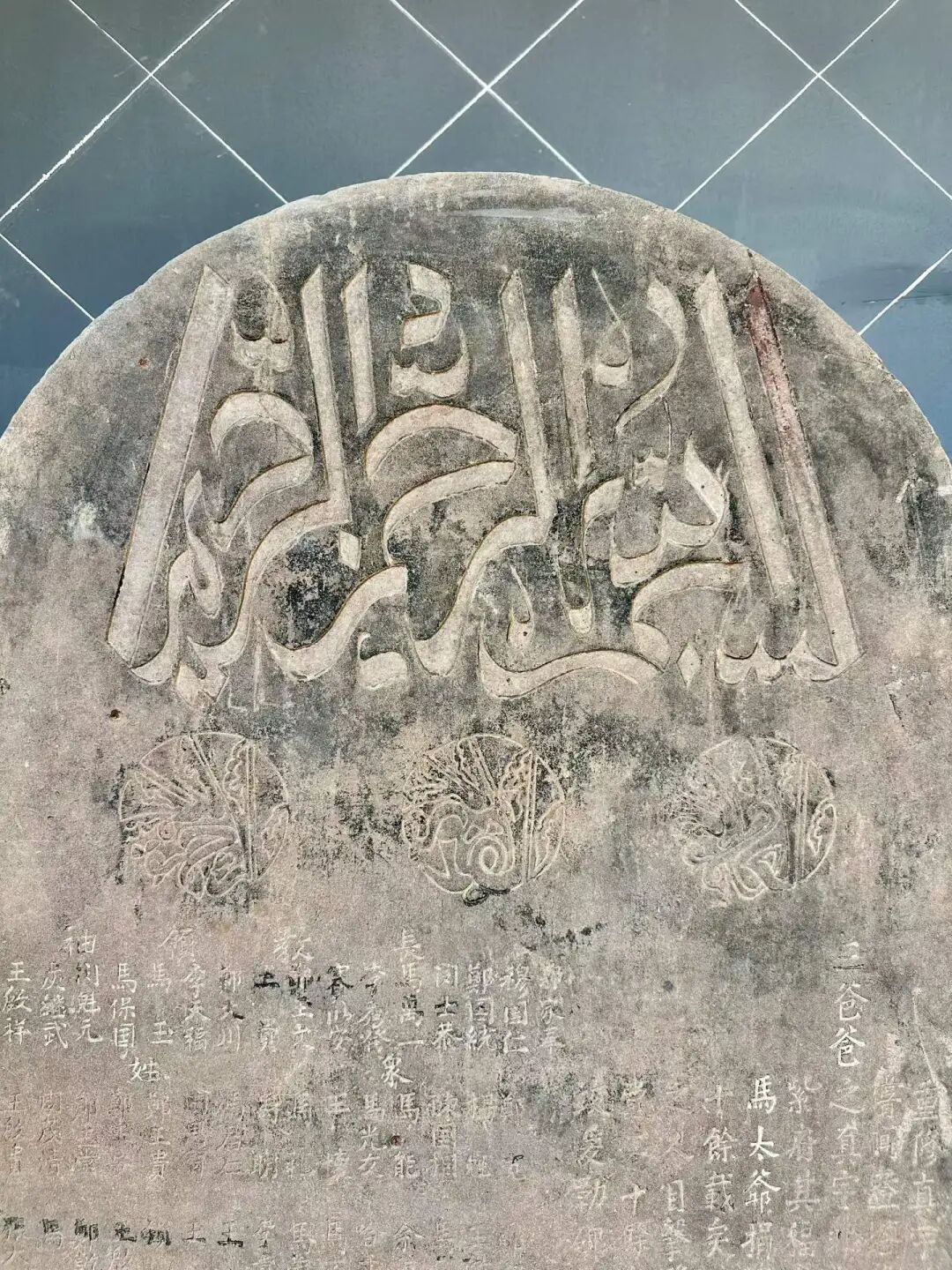
The Basmala (Tasimi) stele from the 11th year of the Daoguang reign also features the name of Ma Guangting, a captain (qianzong) of the Guangyuan Battalion.
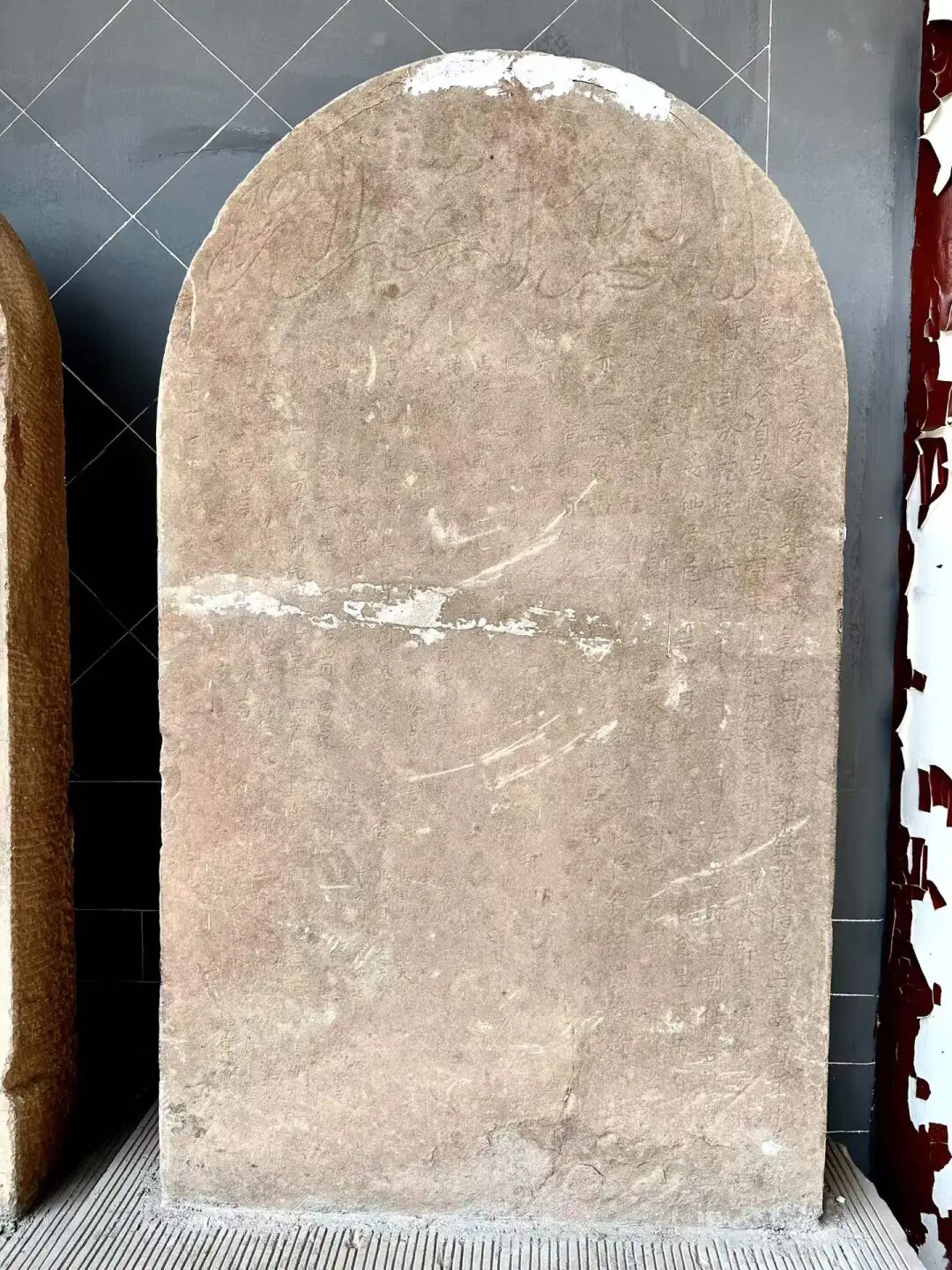
The "Immortal Forever" (Yongchui Buxiu) stele from the 10th year of the Guangxu reign.
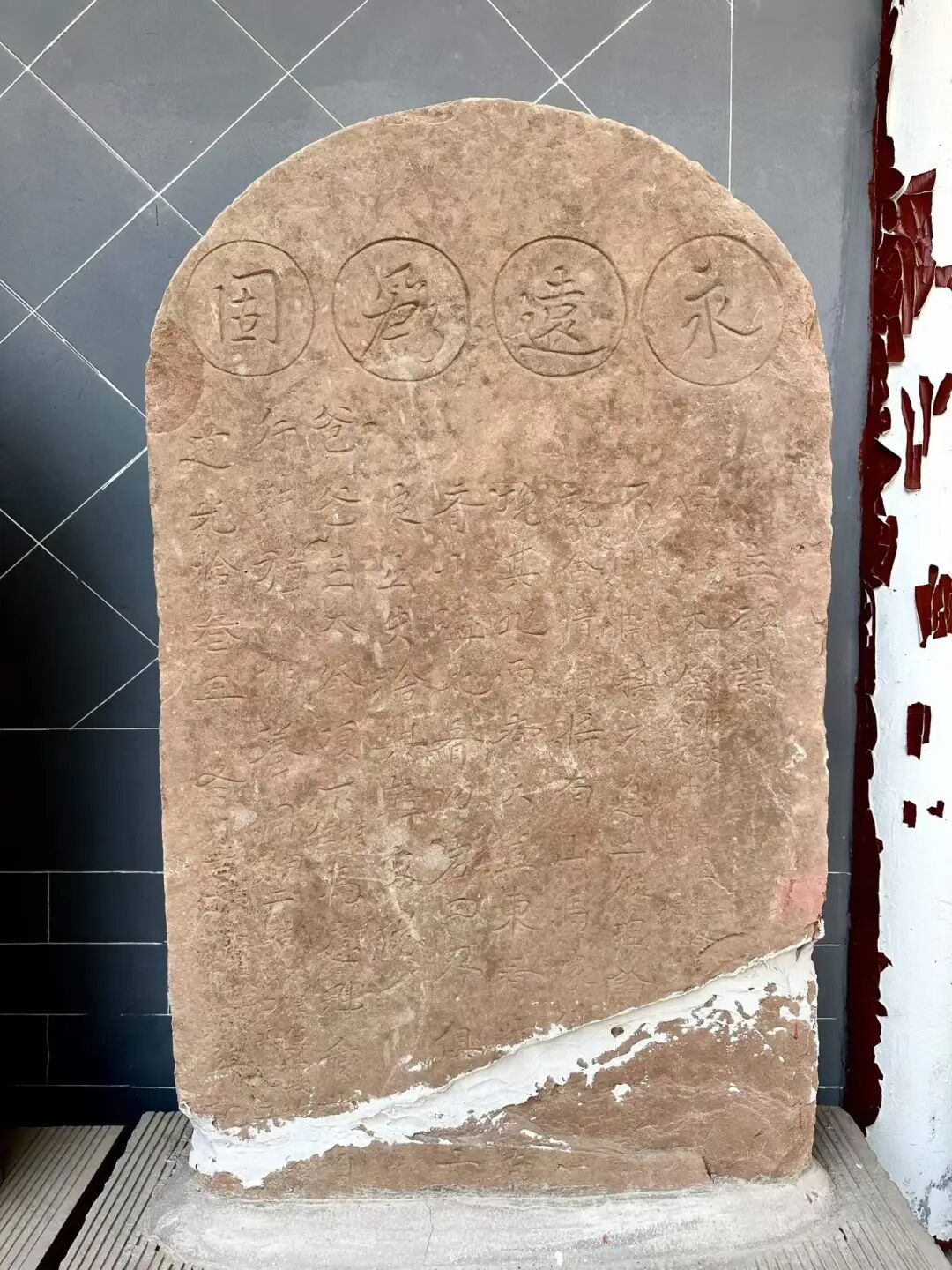
The "Forever Solid" (Yongyuan Weigu) stele from the 13th year of the Daoguang reign shows that the person in charge of the gongbei at that time was named Ma Yingkui.
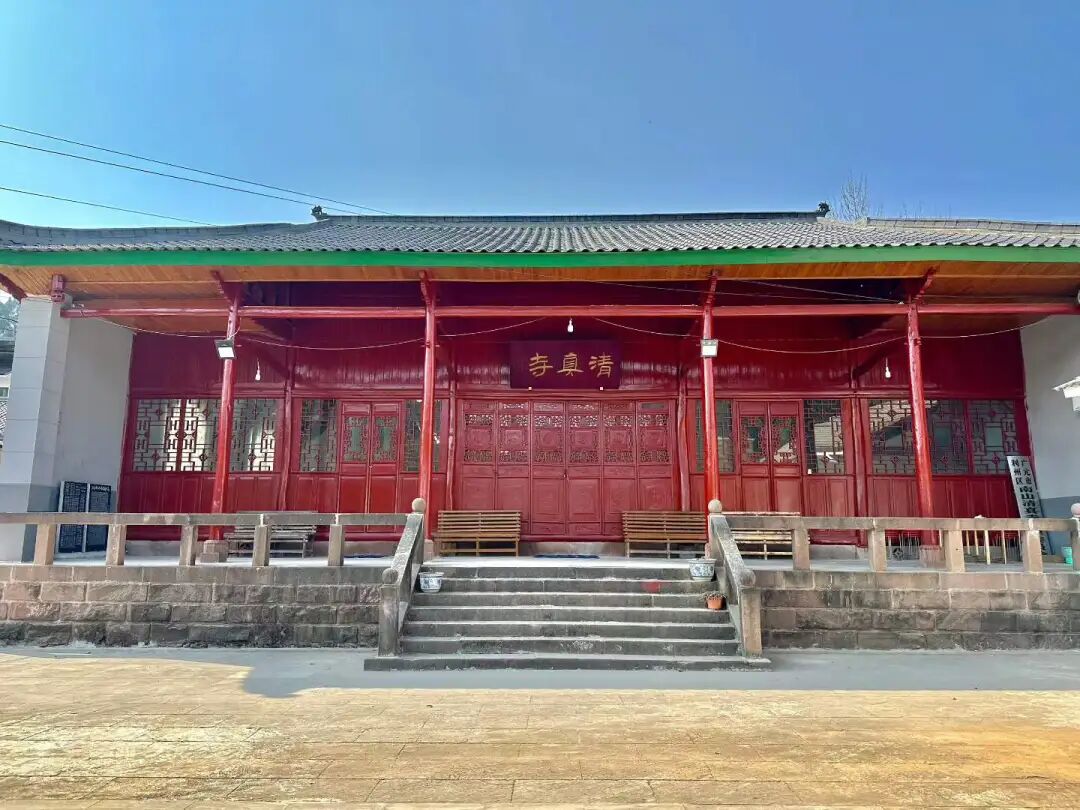
After leaving the Nanshan gongbei, I went to the nearby Nanshan Mosque. This is a village of Hui Muslims deep in the Nanshan mountains of Guangyuan, and there has likely been very little written about it before.
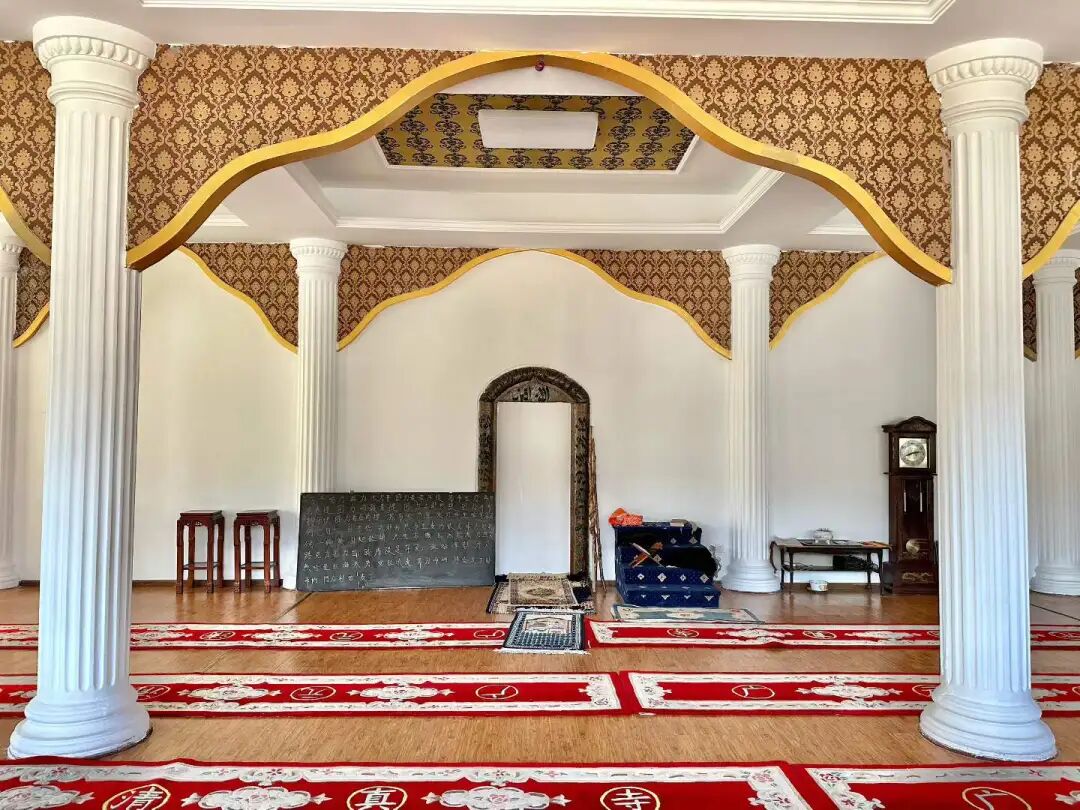
Centered around the Hui Muslim village, Nanshan in Guangyuan is home to over 120 Hui Muslim households with the surnames Wang, Ma, Li, Tian, Zhou, Cha, and Zhao, with the Wang surname being the most common. Most of the Hui Muslims in Nanshan moved here from Xiaogan in Hubei and areas in Shaanxi and Gansu during the "Huguang Fills Sichuan" migration period of the Qing Dynasty, and they have been farming in the Nanshan mountains ever since. Due to wars, disasters, and economic reasons, the Nanshan Hui Muslims did not build a mosque for a long time. They had to hire an imam to conduct religious services in private homes, and at one point, they even had to travel to the Hejie Mosque in downtown Guangyuan, which was very inconvenient. In 2002, led by Wang Zhanrong, with the support of Imam Ma Wanquan from the Hejie Mosque in Guangyuan and the advocacy of Haji Ma Jianzhong, they raised funds and finally built the Nanshan Mosque in 2003.
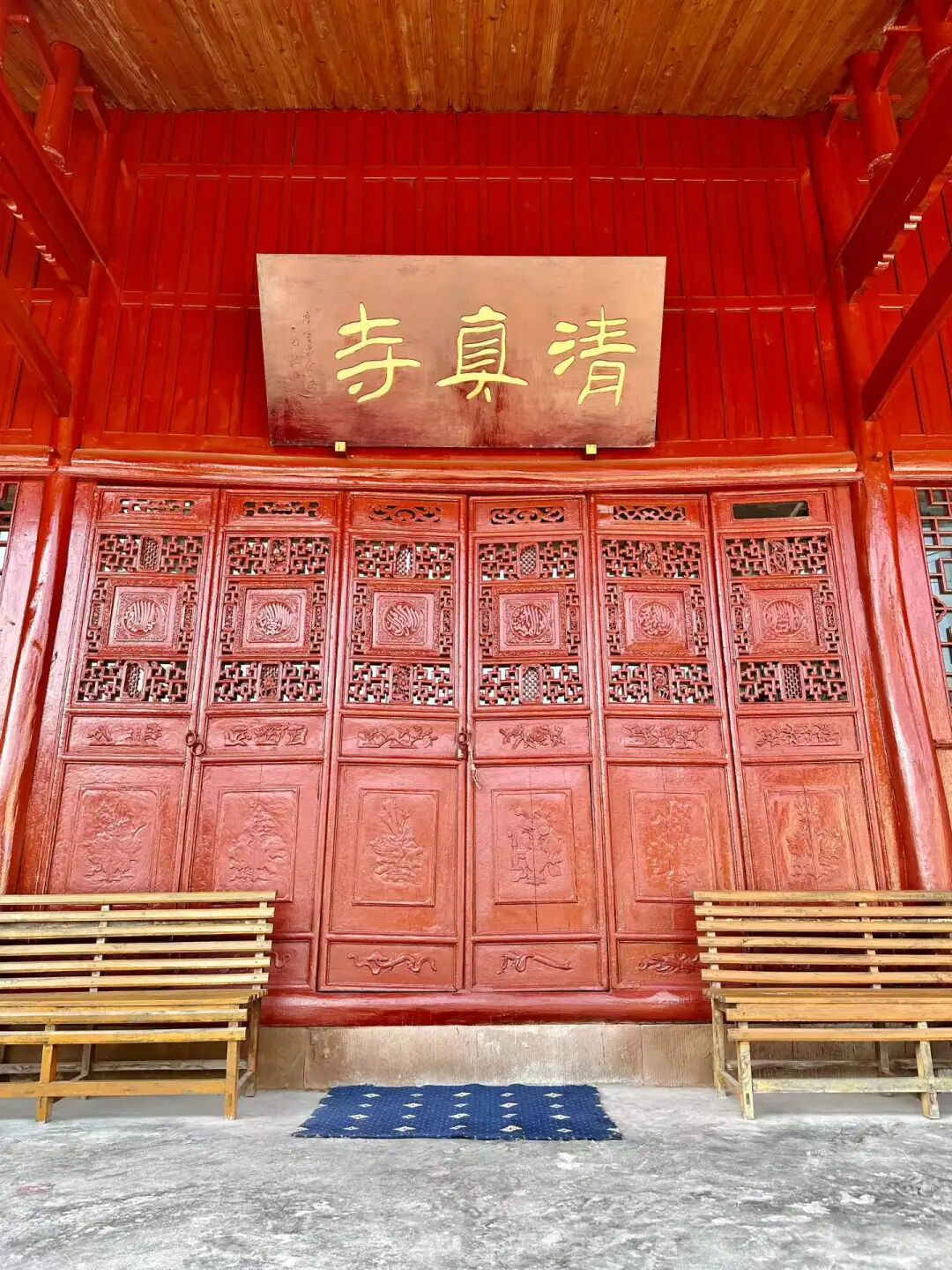
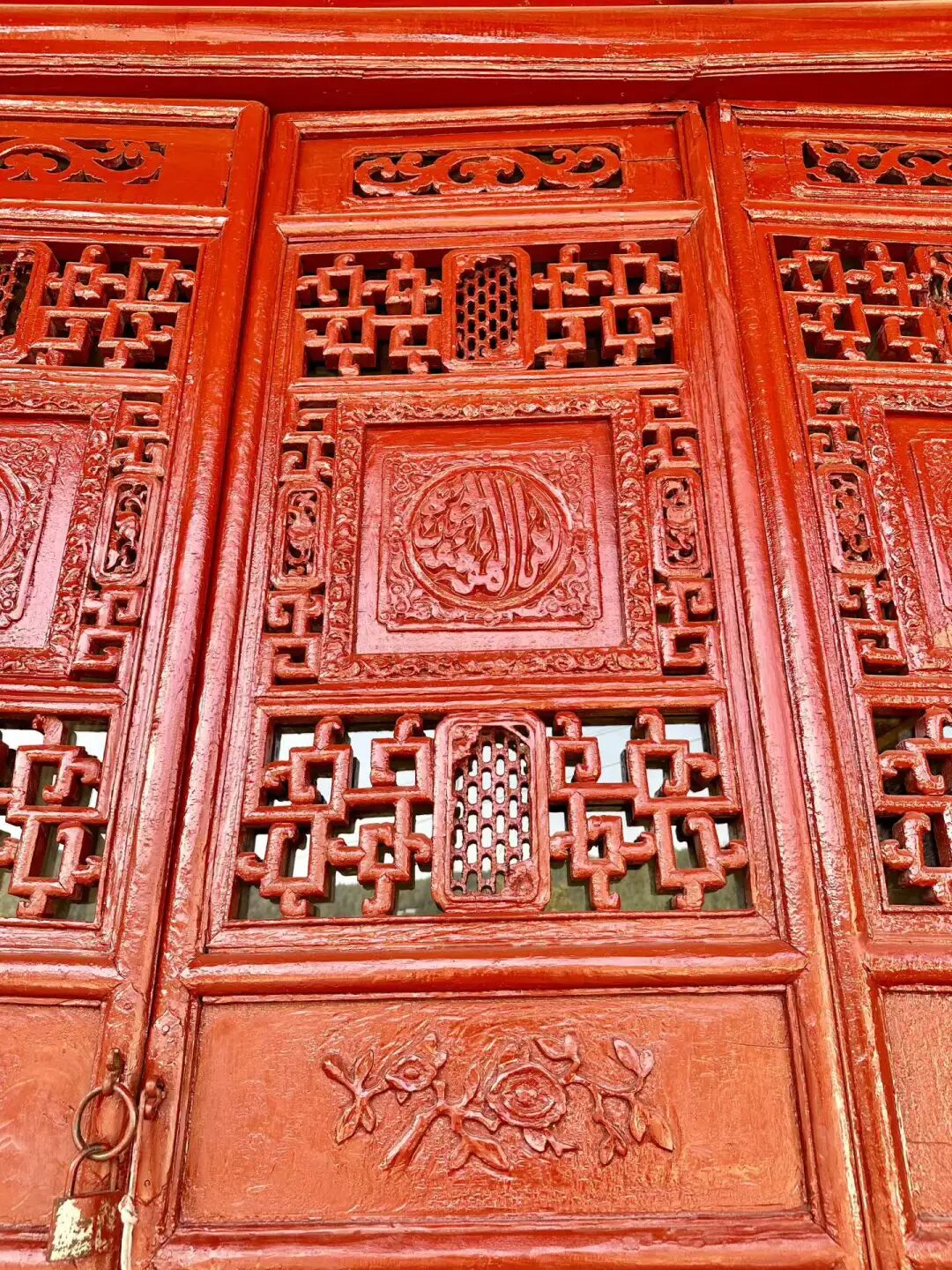
The six main doors of the Nanshan Mosque are the original doors from the Qianlong era of the Hejie Mosque in Guangyuan, which are very precious. They feature very exquisite wood carvings.
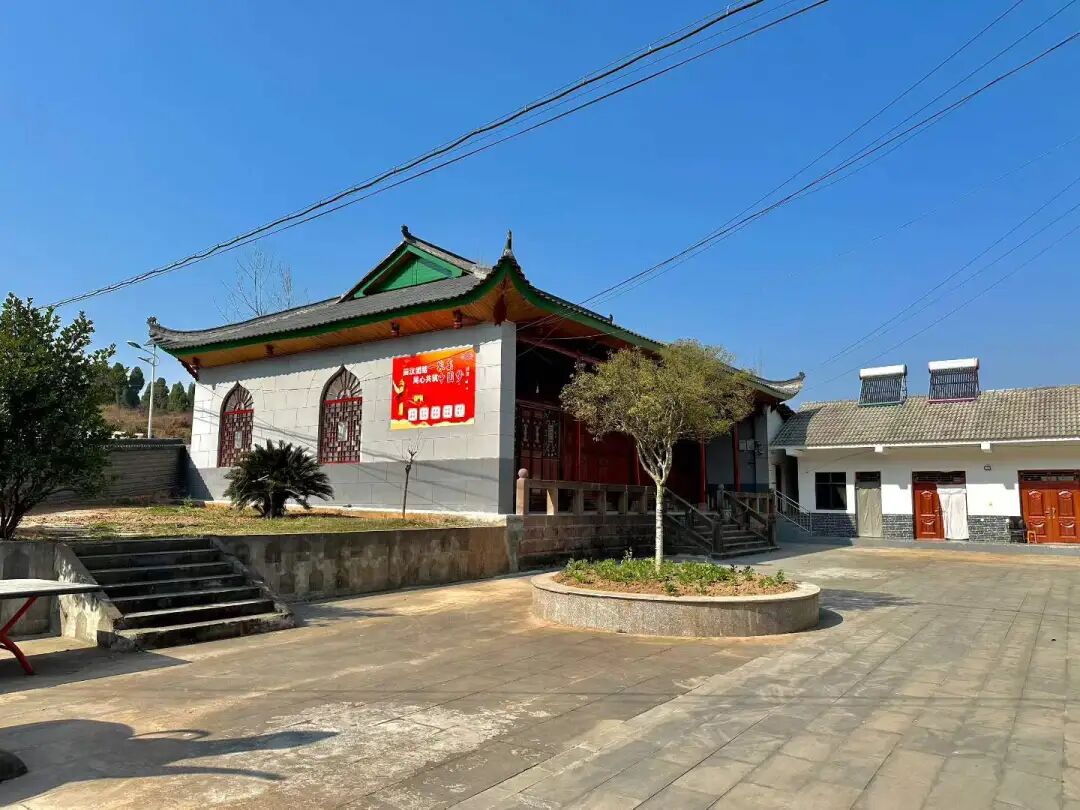
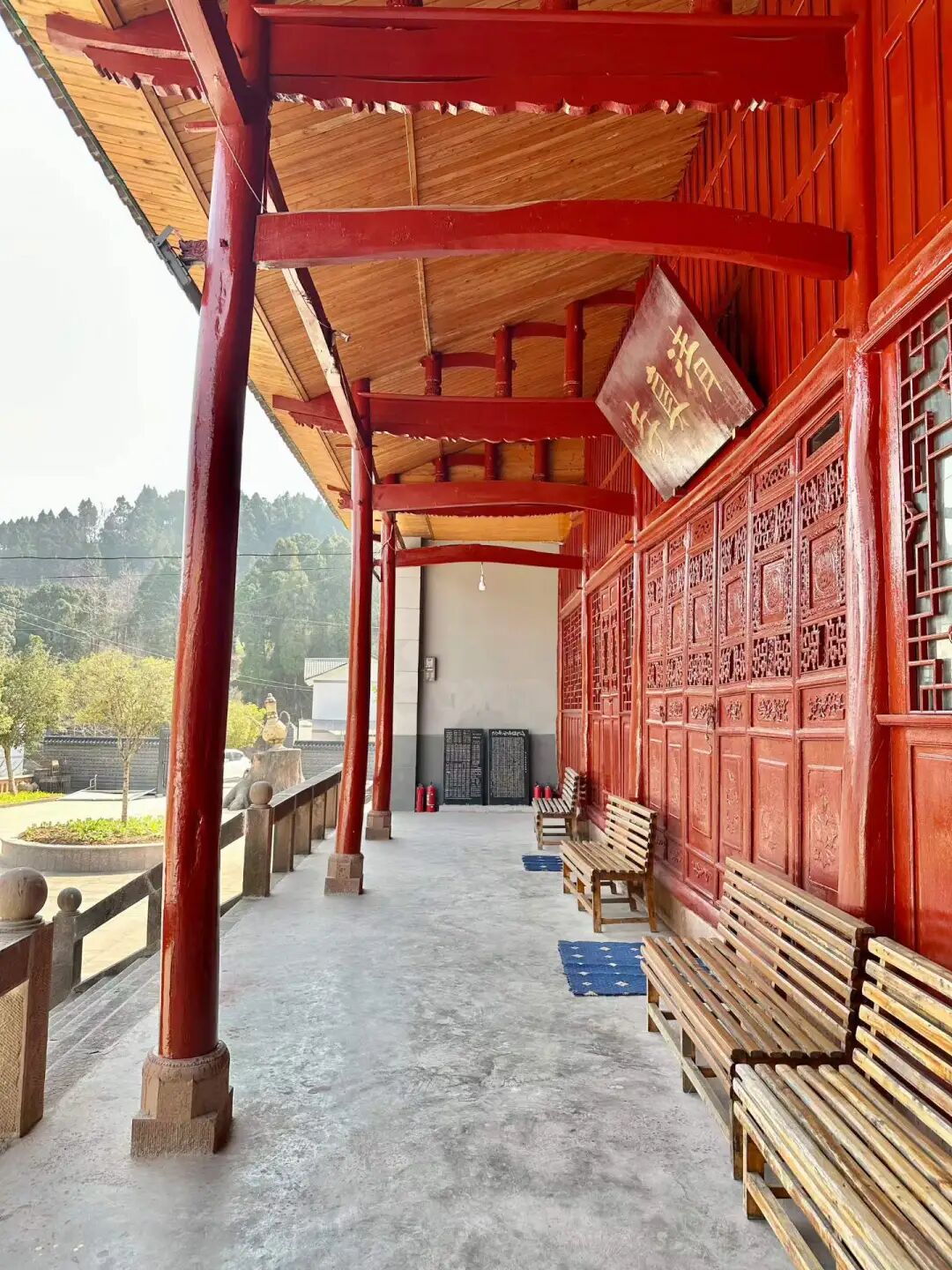
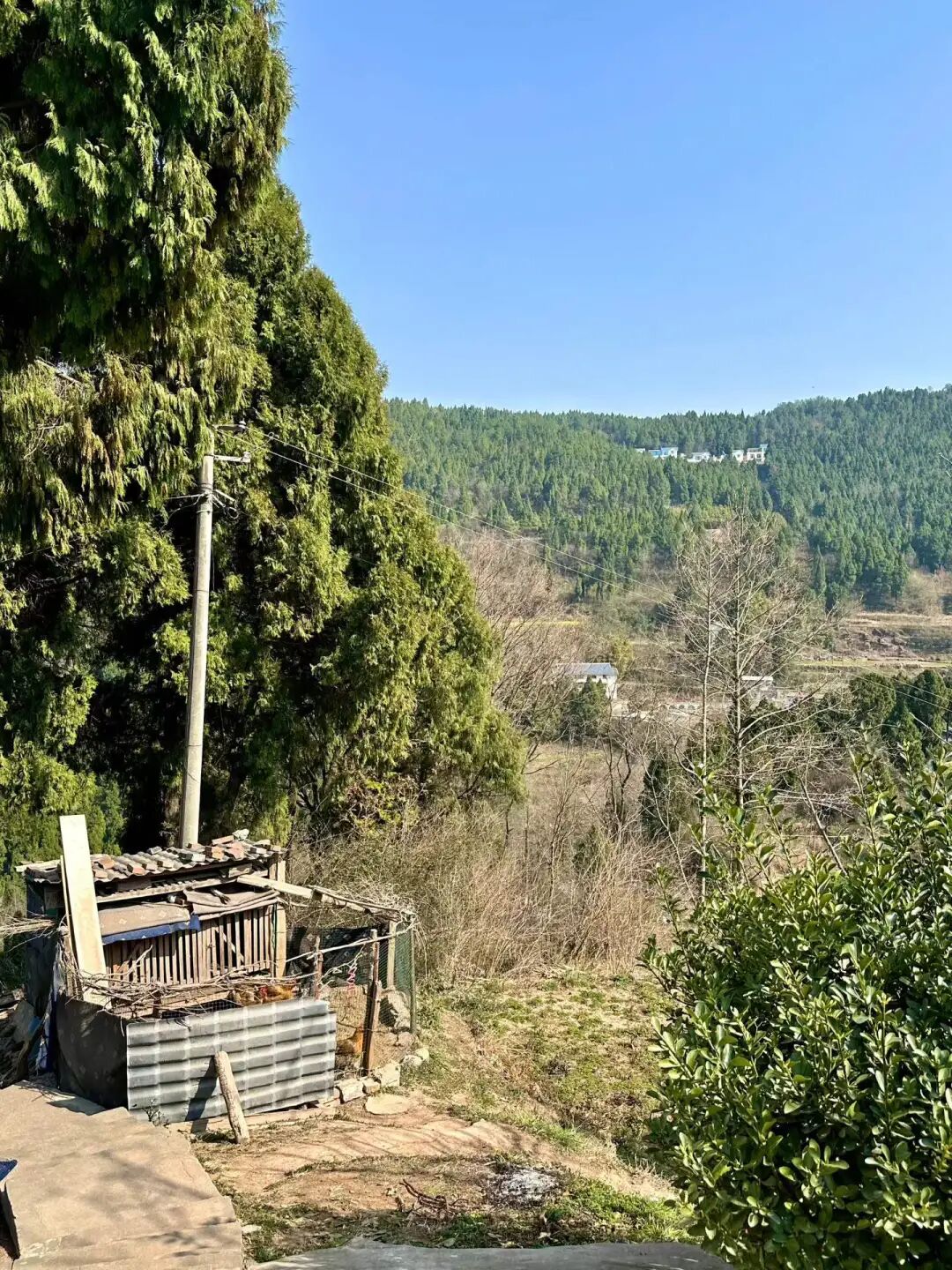
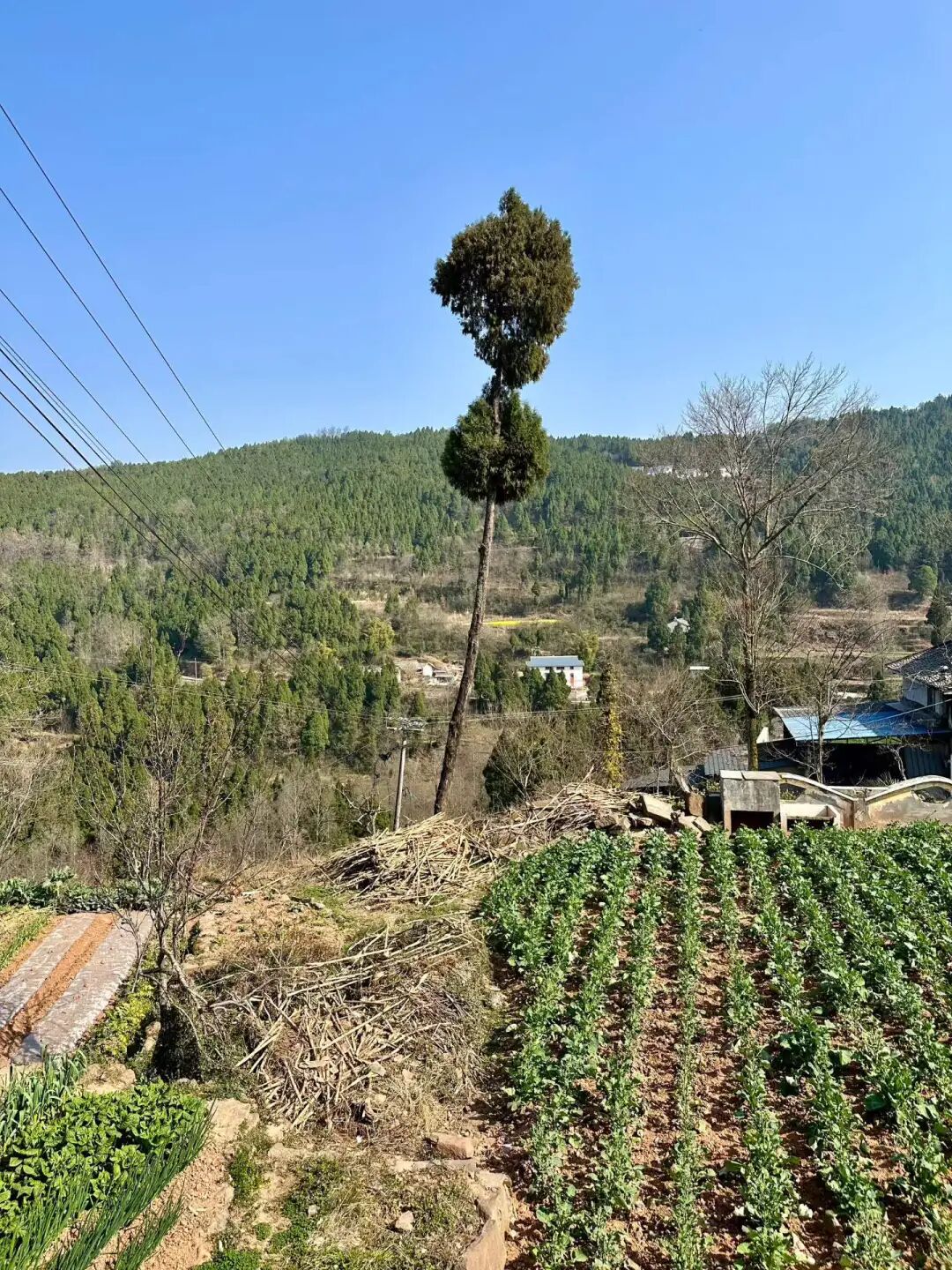
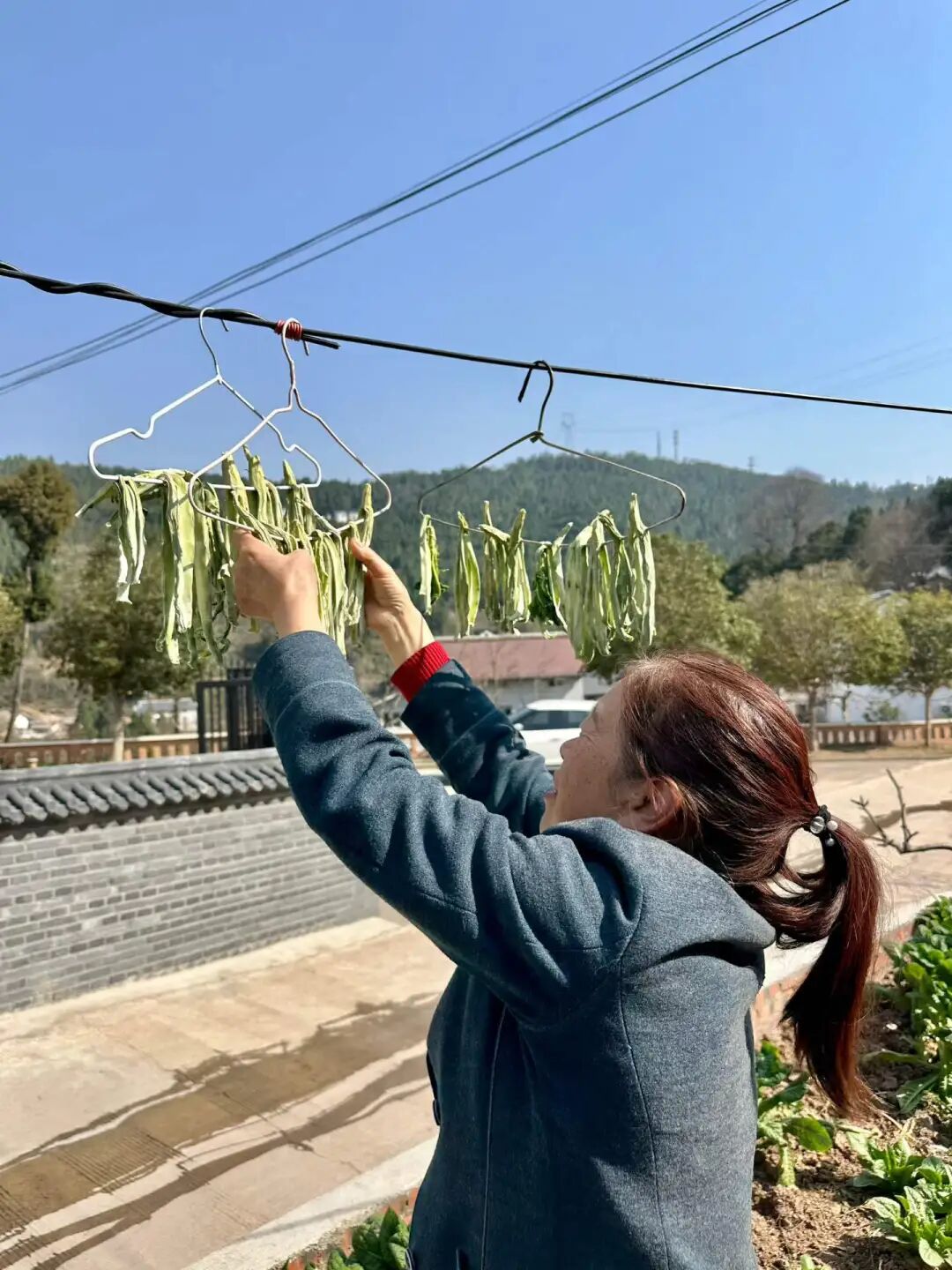
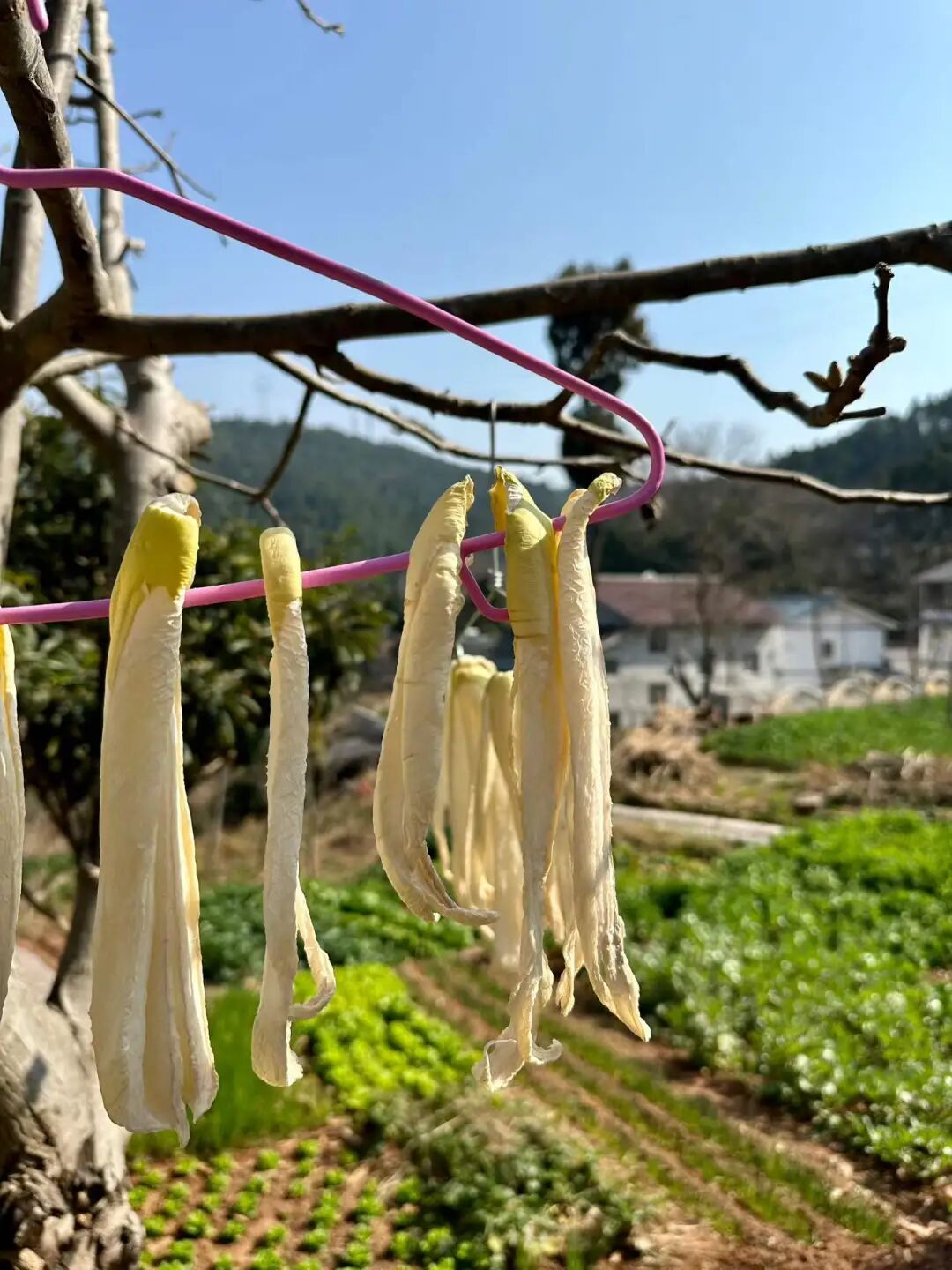
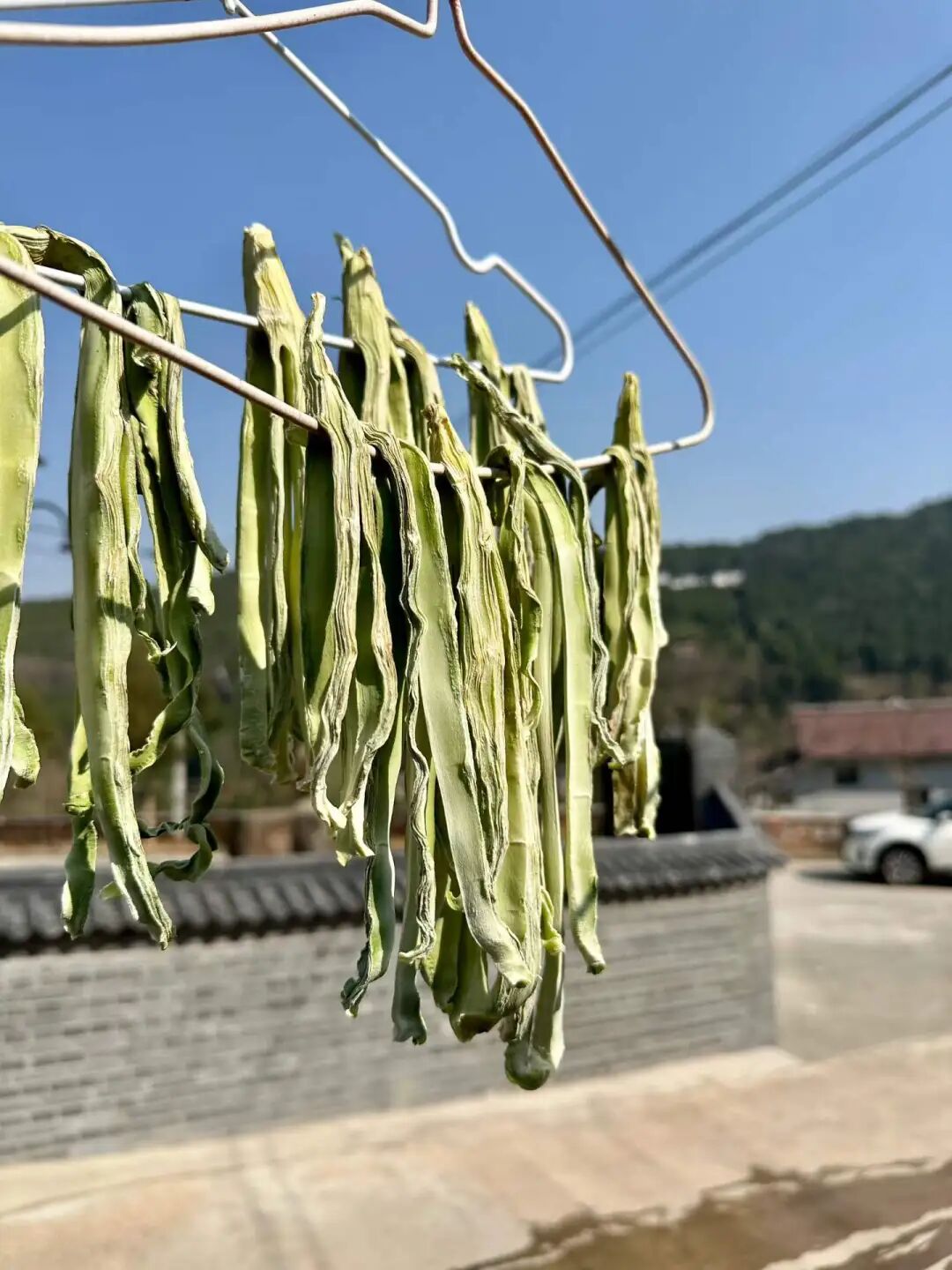
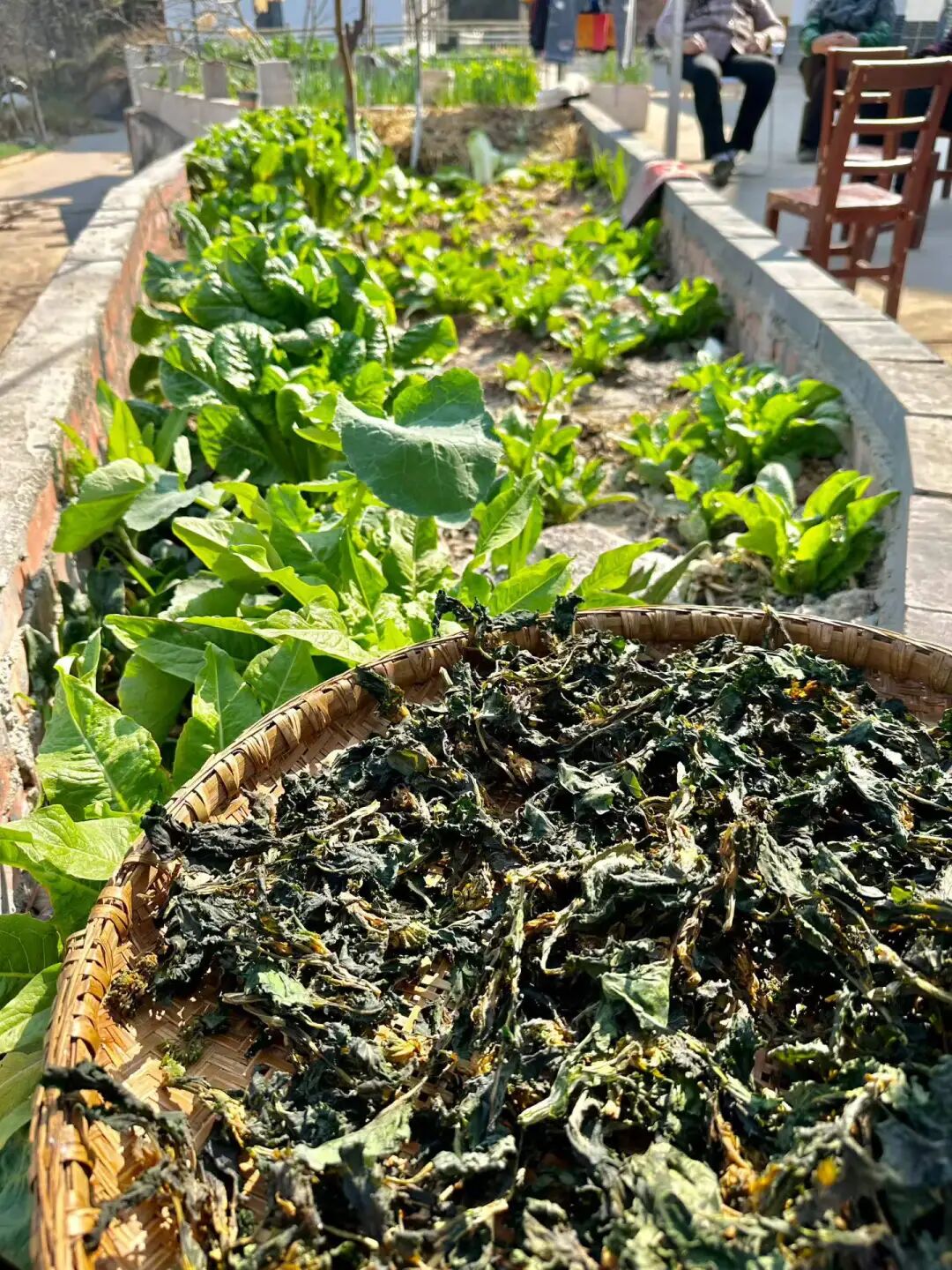
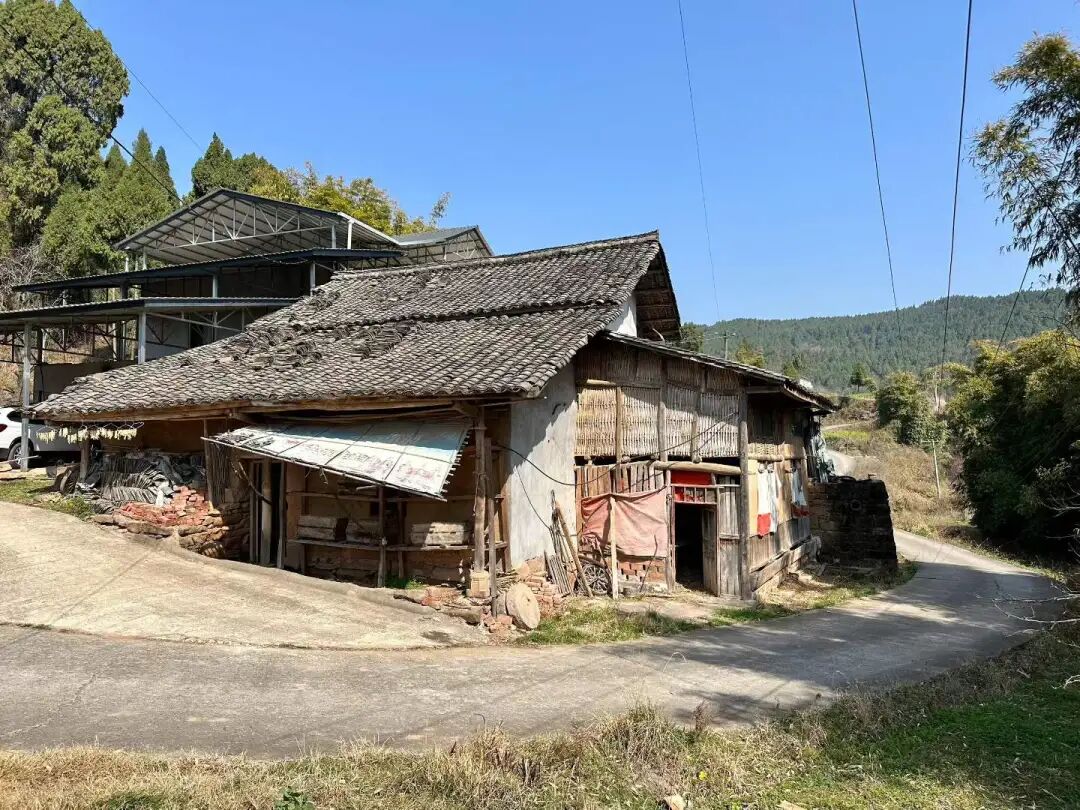
There is a relaxed, slow life in the Nanshan Hui Muslim village. Next to the mosque are clean and tidy houses. The aunties sit around chatting and drying radishes, lettuce, and rapeseed that they couldn't finish eating. One auntie said that dried rapeseed is especially delicious when stir-fried with beef. Sitting here away from the hustle and bustle, it feels like time has slowed down.
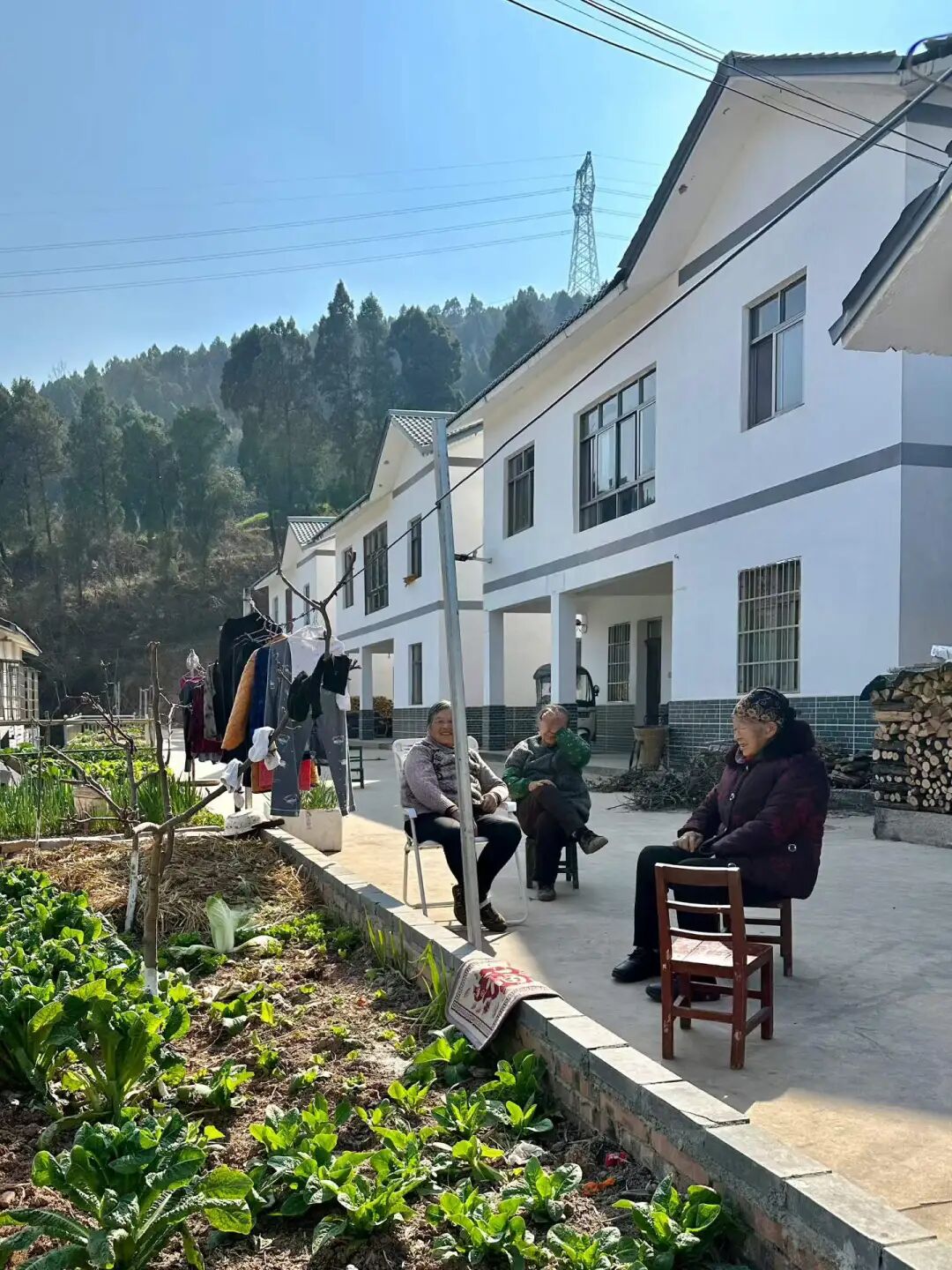
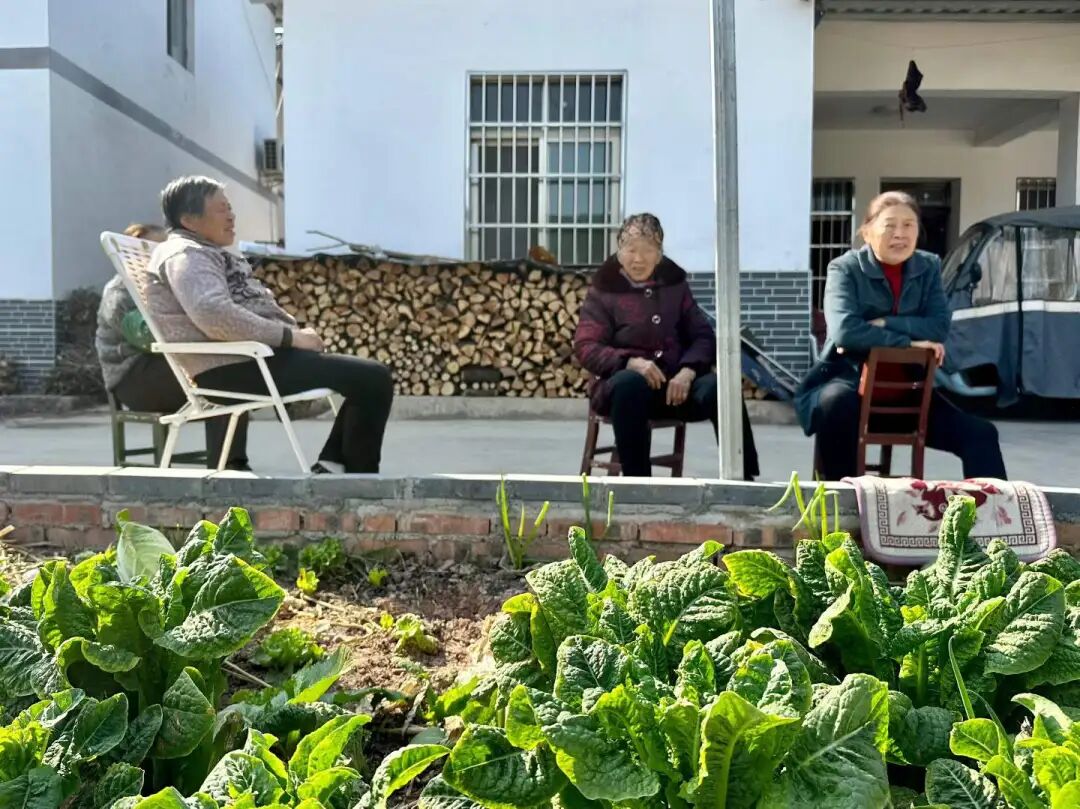
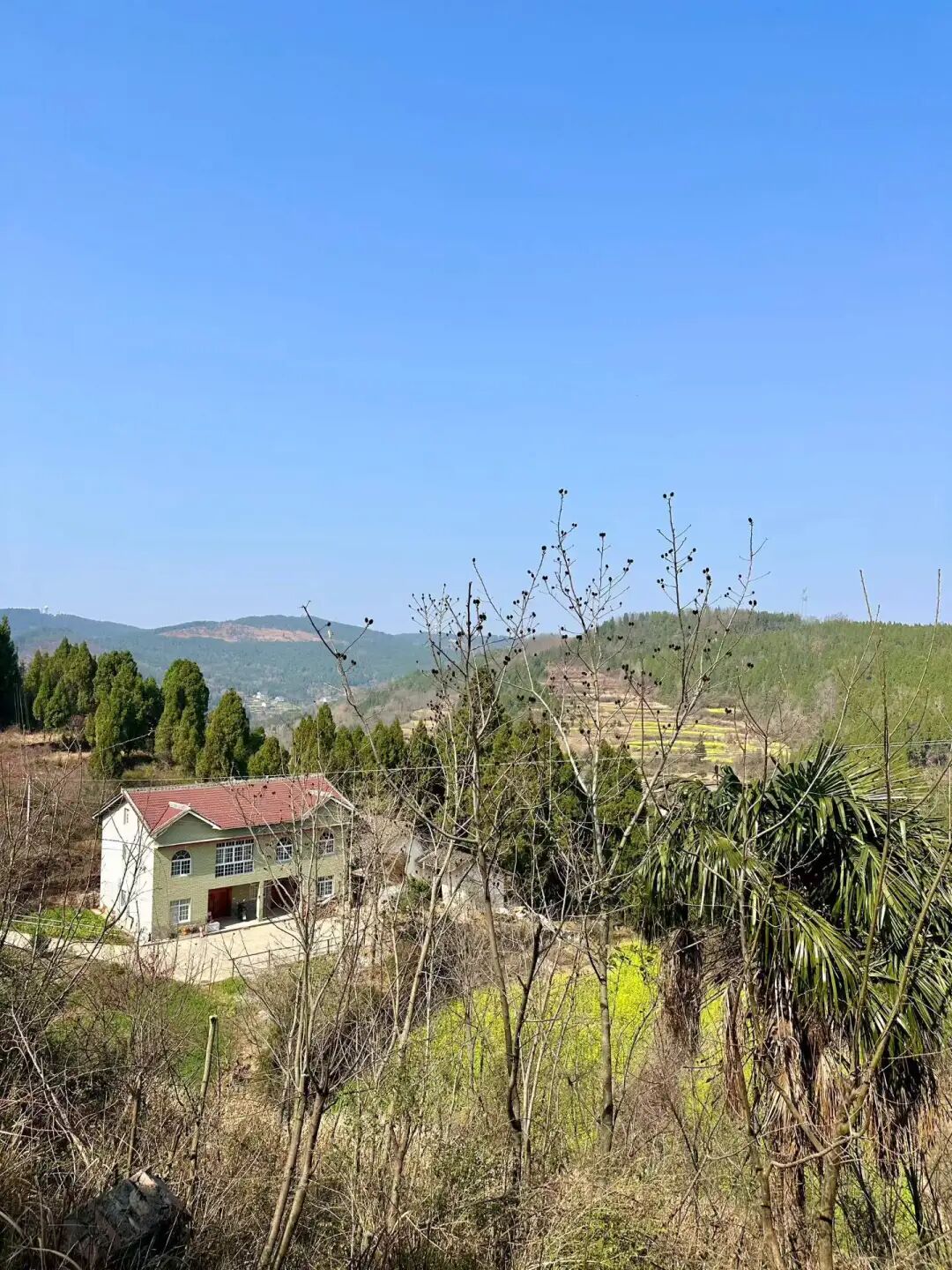
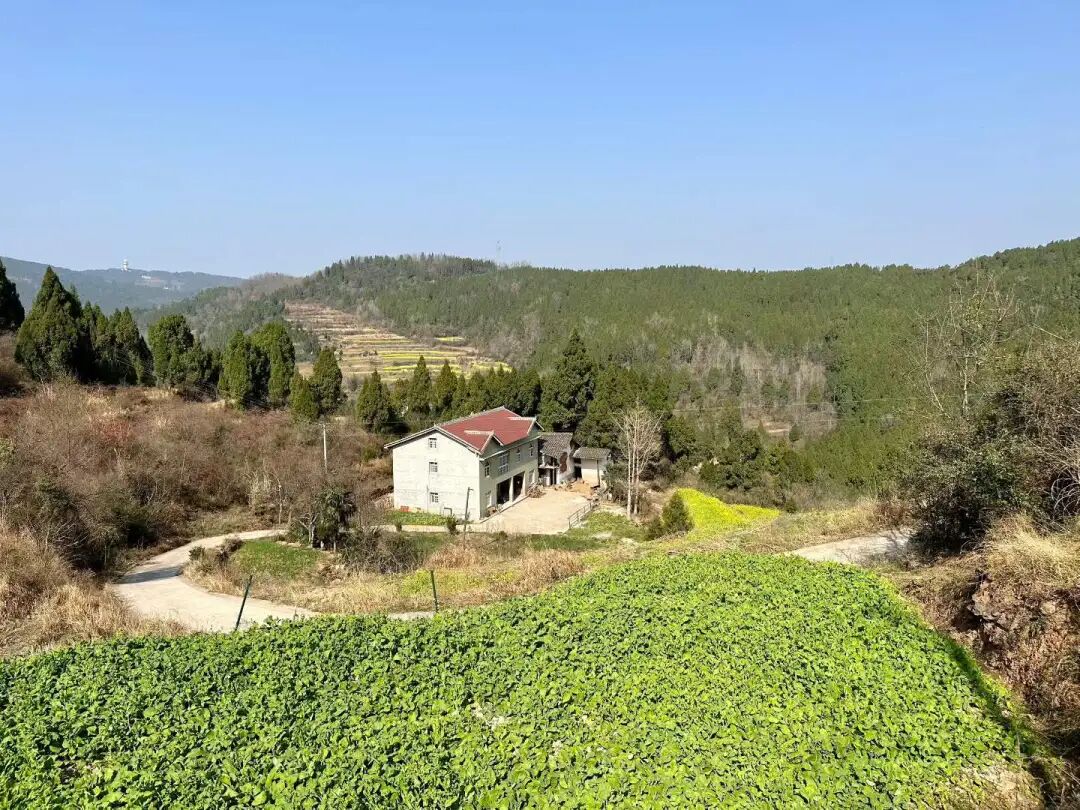
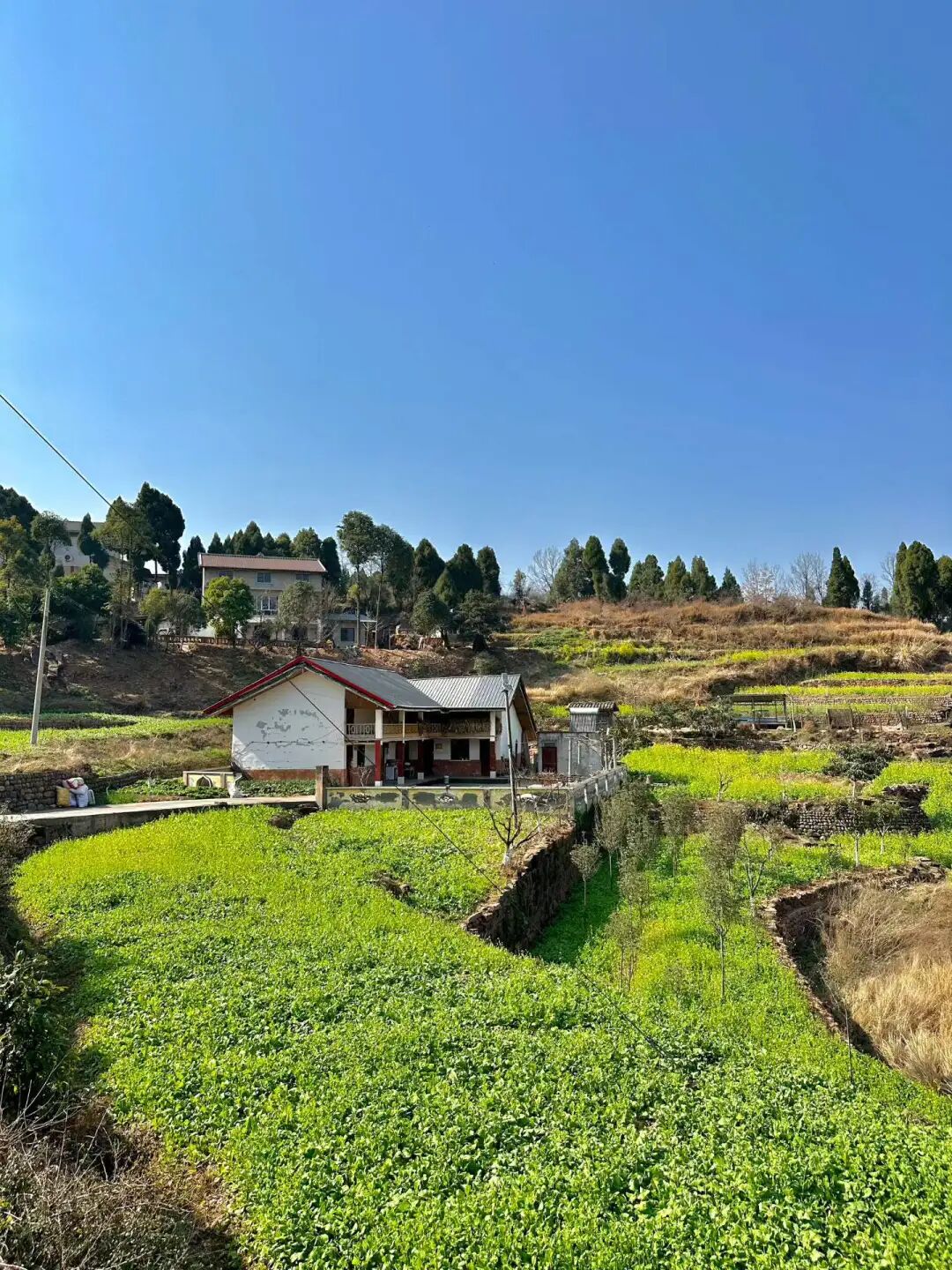
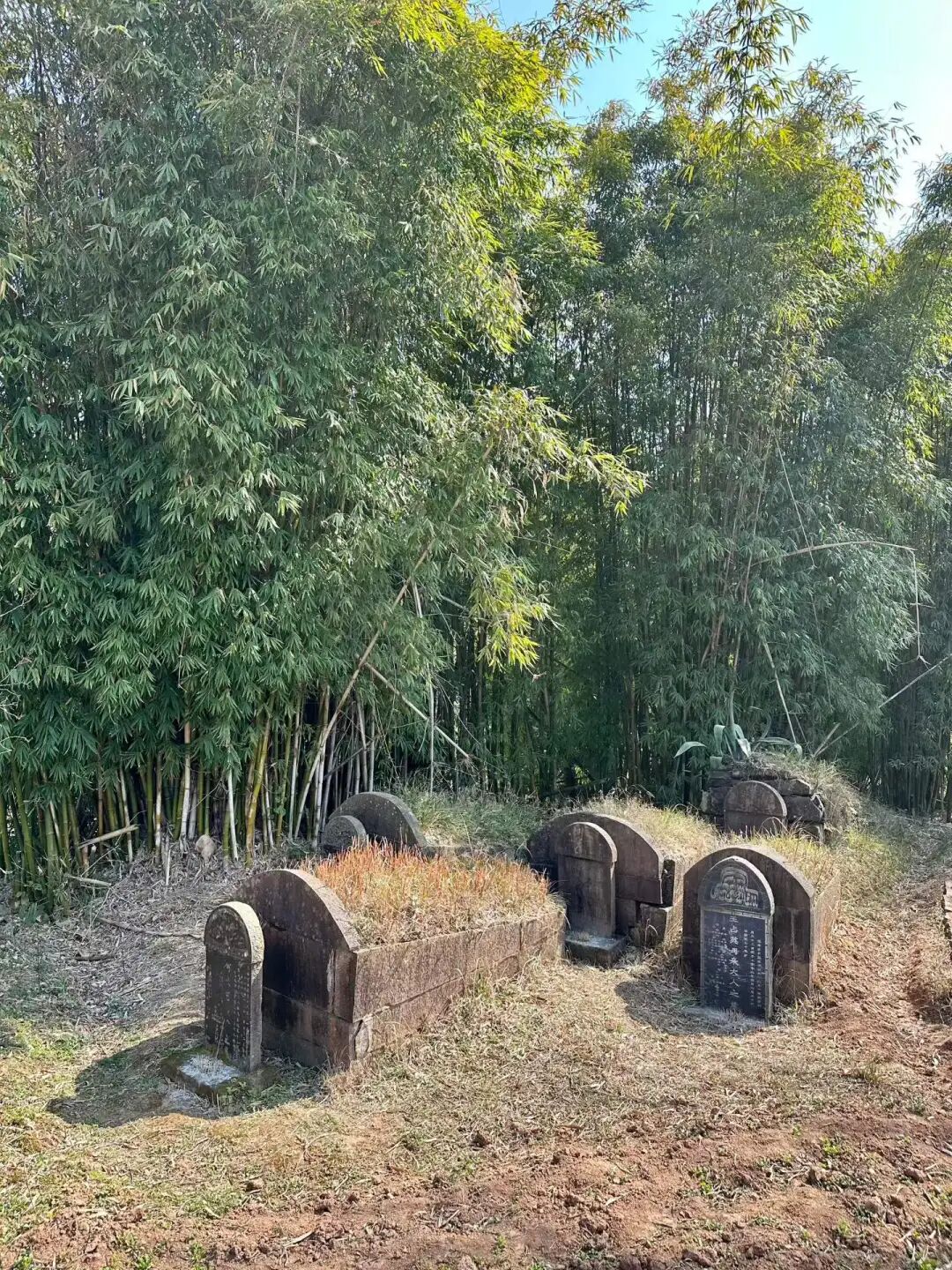
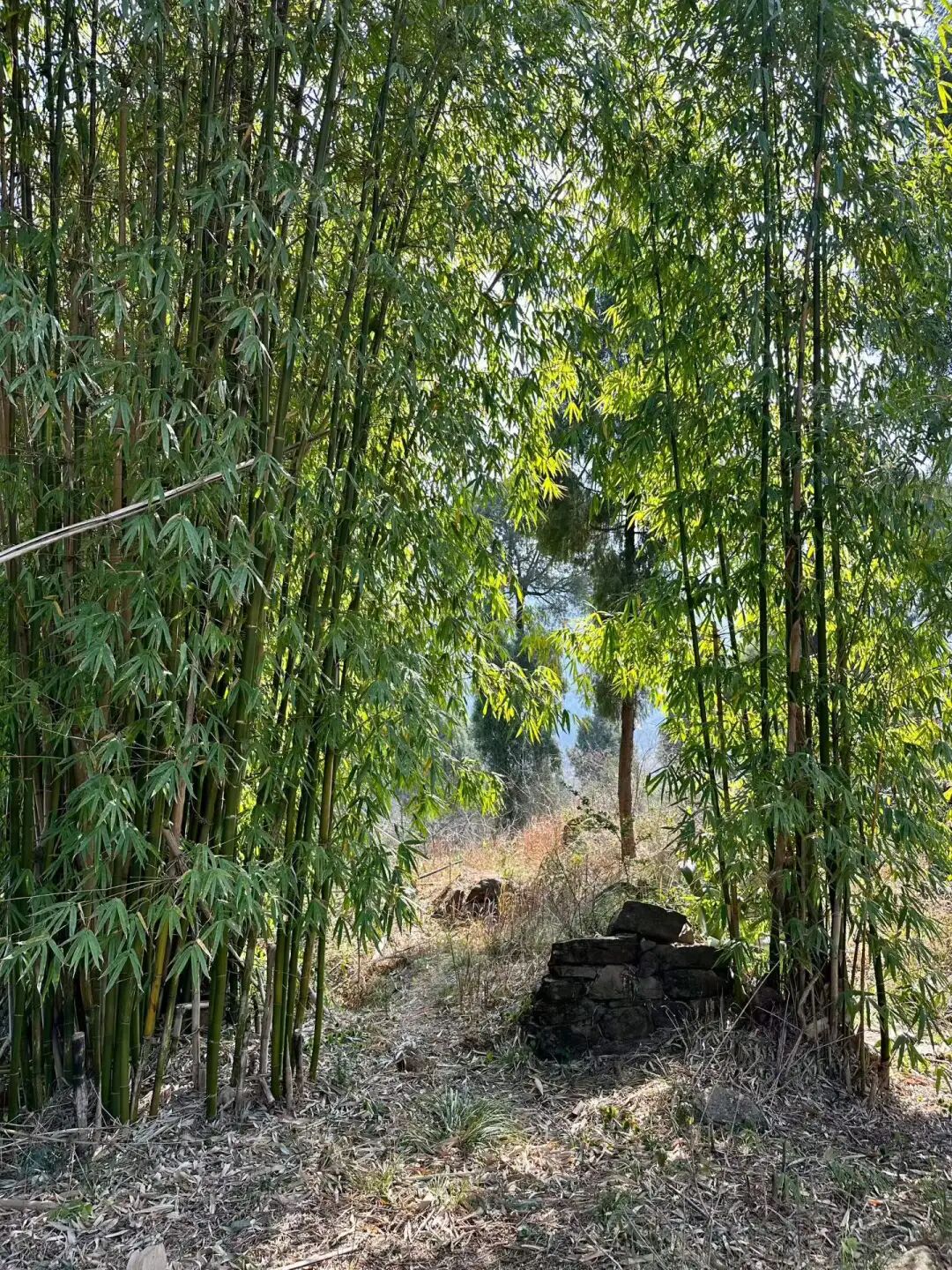
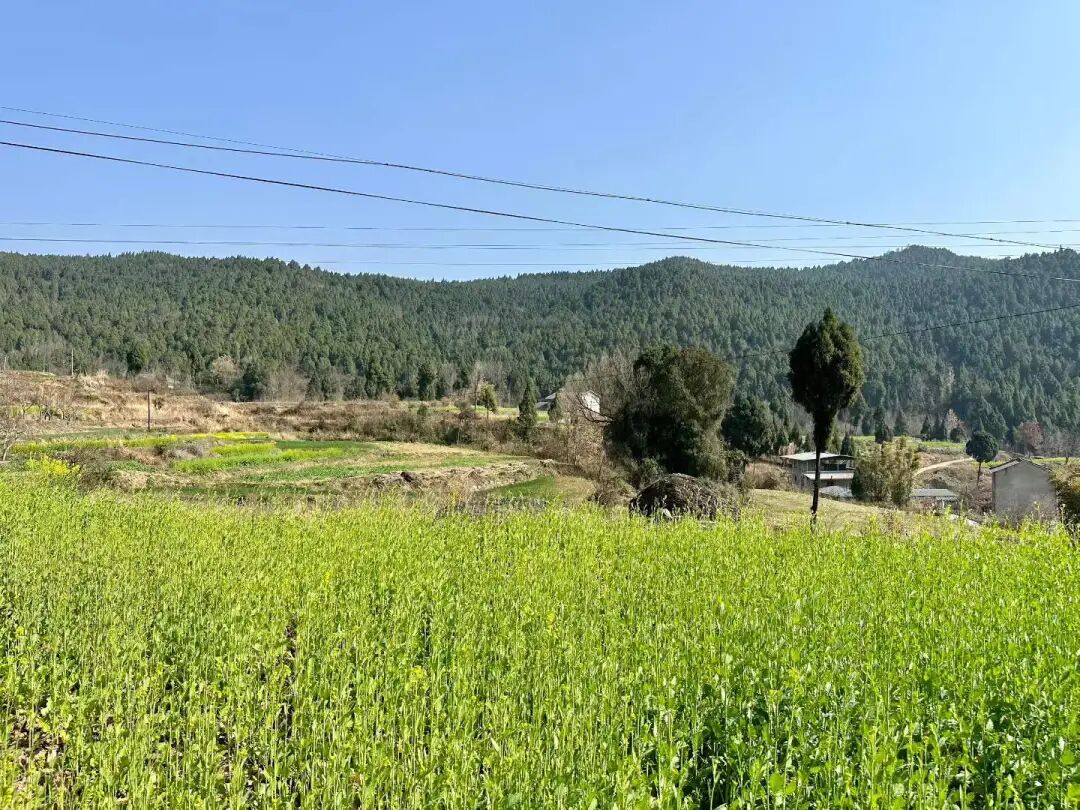
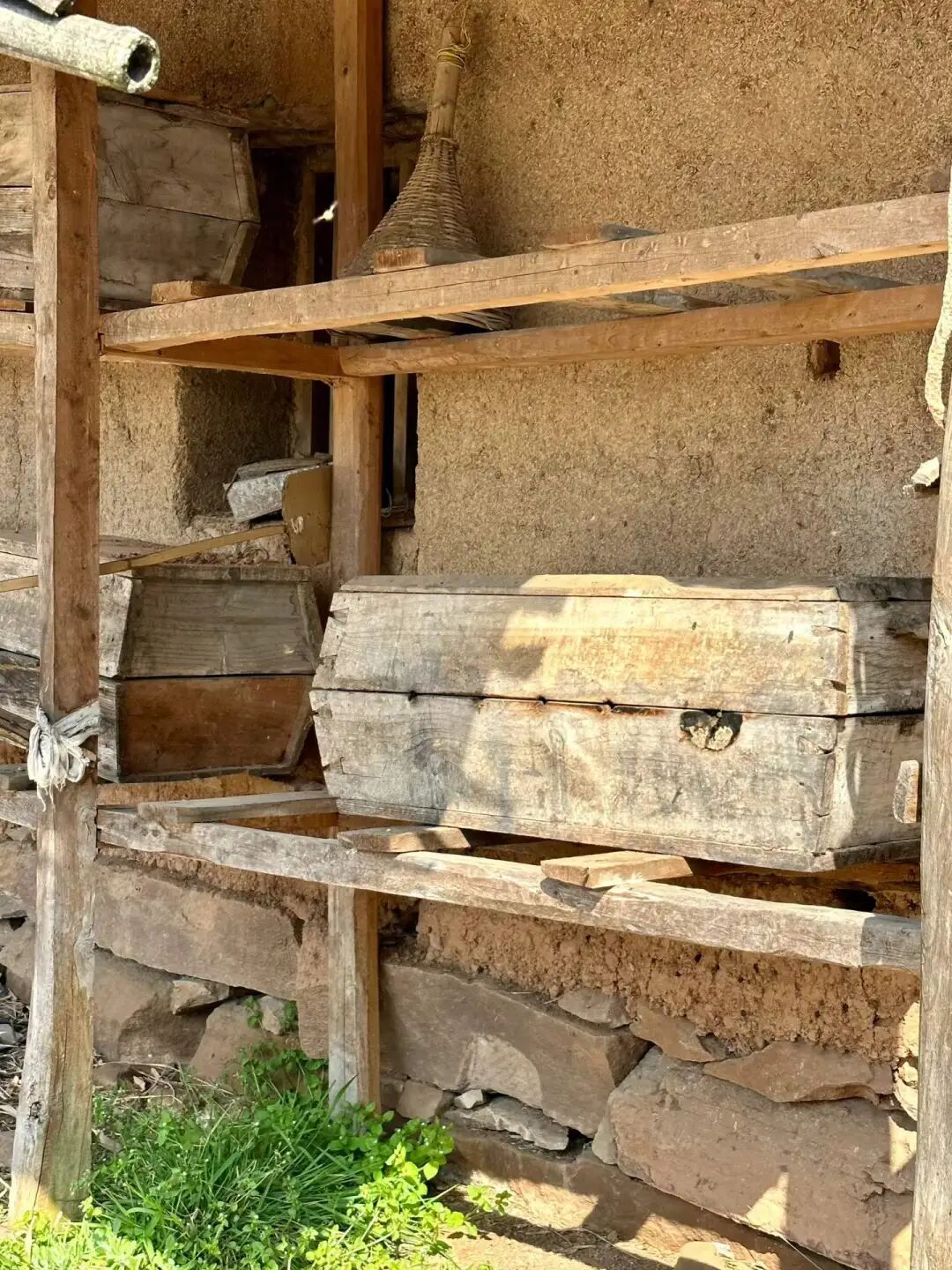
The Hui Muslim cemetery in Nanshan has excellent scenery nearby and is very refreshing. There are bees kept near the houses, and the beehives are right by the road. I didn't feel scared even when standing close, and the honey from here must taste very good.
Summary: This Guangyuan road trip visits Nanshan gongbei (Sufi shrine), a Hui Muslim village, local religious history, and the mountain routes that shaped this stop in northern Sichuan.
On February 21, I headed north from Yanting, passed through Langzhong, and arrived at Nanshan in Guangyuan to visit the Langzhaoting gongbei and the Nanshan Hui Muslim village.
The Langzhaoting gongbei in Nanshan, Guangyuan, was originally called Yulongshan gongbei. It is a shrine built to honor the third-generation master, Master Ma, of the Qadiriyya Sufi order's Great Gongbei menhuan. Master Ma (1693-1778) was from Dongxiang, Linxia, Gansu. He studied religious texts from a young age and later, by chance, became a student of Master Ma Tengyi at the Taizi gongbei. Master Ma Tengyi explained the secrets of the religious, mystical, and ultimate truths to him, and Master Ma achieved a deep, sudden enlightenment. At age 24, Master Ma followed Master Ma Tengyi's instructions to go to Nanshan in Guangyuan for quiet, secluded practice. He built a thatched hut and spent over 60 years in deep meditation. Outside of his spiritual practice, he guided the local people, and many stories of his miracles have been passed down to this day. Because of his great virtue and the miracles he performed, many local people converted to the faith. After Master Ma passed away, the Guangyuan magistrate Ma Jialiang initiated the construction of the Langzhaoting gongbei. Later, generations of military and government officials in Guangyuan helped maintain it, leaving behind many stone inscriptions and plaques.
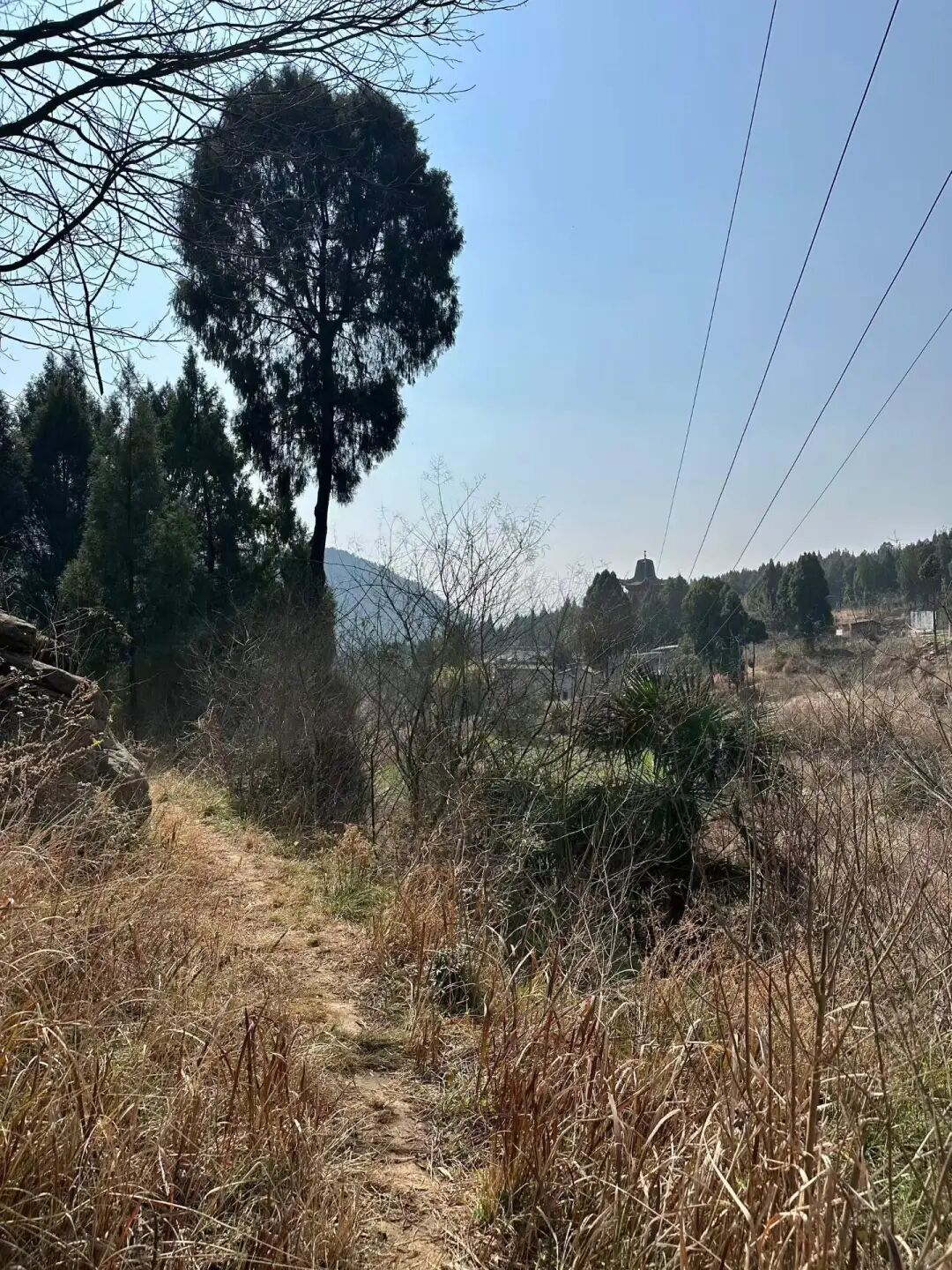
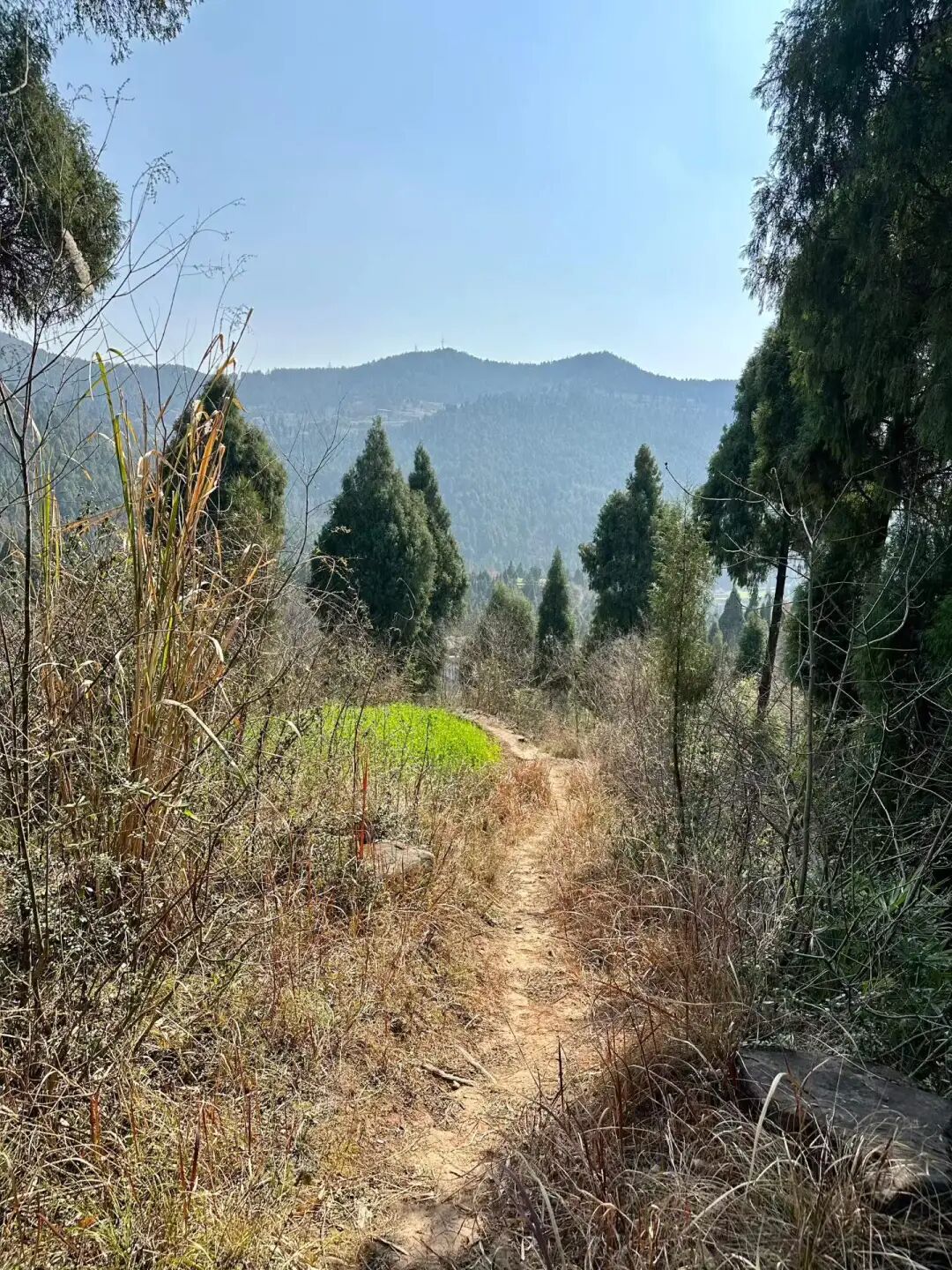
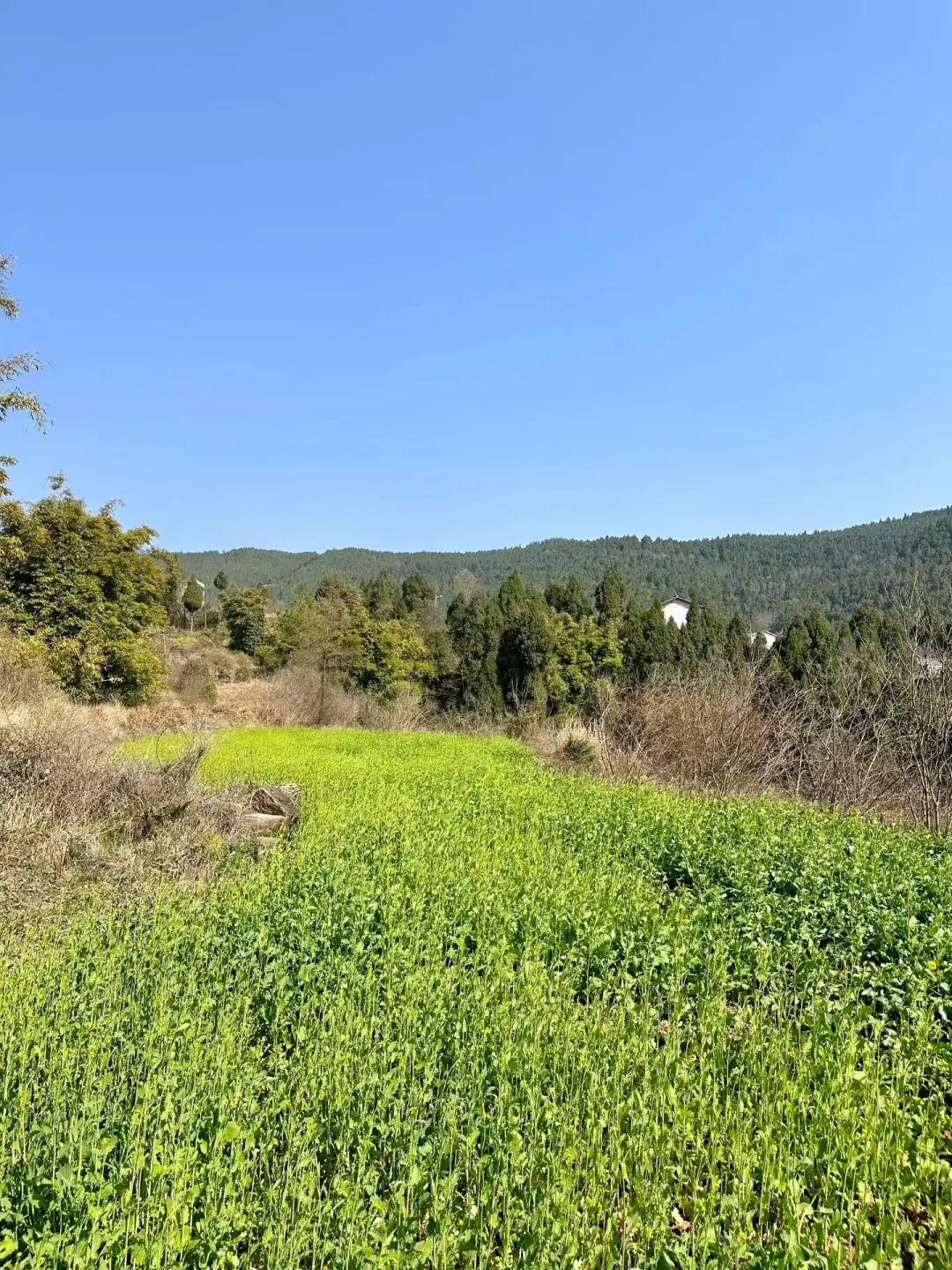
After 1996, the Taizi gongbei in Linxia gradually expanded the Langzhaoting site. In 2010, they rebuilt the main hall and side rooms, giving it the layout it has today. Behind the gongbei is a bamboo forest, and in front are terraced fields, making the scenery very beautiful.
The main hall of Langzhaoting features a mihrab in the style of Hezhou.
Inside the courtyard hangs a plaque titled "Embodying the Truth" (Ti Dao Gui Zhen), which was donated by military officers and soldiers of the Guangyuan garrison in the 12th year of the Daoguang reign.
The courtyard also preserves many stone carvings from the Qing Dynasty. The carvings feature traditional auspicious themes like "Peace and Prosperity," "Cranes and Pines for Longevity," and "Mastery of Both Literature and Martial Arts."
Many of the Qing Dynasty stone column bases were destroyed after 1958. This pair of stone lions still has column bases on them, which may have originally served as the base for a memorial archway.
The various stone inscriptions at Langzhaoting.
The oldest inscription dates back to the 42nd year of the Qianlong reign, which is the year Master Ma passed away and the gongbei was built. The top of the tablet is carved with a taiji symbol, which is very unique.
The inscription records that "Master Ma" began his studies at 14, traveled from Shaanxi to Sichuan at 24, and practiced in seclusion for over 60 years. It expresses deep respect for him. The signature belongs to a high-ranking official named Ma X from Anhui, who held titles including Fengzhi Dafu and acting magistrate of Guangyuan County.
Research shows the person who set up the tablet was Ma Jialiang, a Hui Muslim from Anqing, Anhui, and the builder of Langzhaoting. Ma Jialiang, whose courtesy name was Zhongheng, was the son of the famous Qing Dynasty Hui Muslim general and martial arts scholar Ma Dayong. He passed the imperial examinations in the 12th year of the Qianlong reign and served as a high official in several provinces. He rose from county magistrate to prefect, working in Henan, Shandong, Hubei, and Sichuan. He was once dismissed in Shandong for failing to notice the White Lotus Sect, but was later reappointed as the prefect of Huili, Sichuan, eventually ending his career as an acting magistrate in Guangyuan.
The second tablet is the "Record of Rebuilding the True Shrine" from the 59th year of the Qianlong reign. It mentions that in the 42nd year of Qianlong, the former magistrate Master Ma donated funds to build the shrine for the Master, and it was renovated again in the 59th year. The back of the tablet lists 16 religious leaders with the surnames Guo, Mu, Zheng, Min, Ma, Li, Sai, and Wang, along with 135 followers who donated funds.
The "Record of Rebuilding the True Shrine" from the 11th year of the Daoguang reign has the title "Crane in the Clouds" at the top. It refers to the gongbei as the "Nanshan Master Ma Gongbei." The first donor listed is Ma Tenglong, a commander from Chongqing, followed by Guangyuan garrison officer Ma Guangting and others. Ma Tenglong was a military general with many achievements during the middle and late Qing Dynasty. According to the Records of Chongqing Prefecture in the Daoguang Era, Ma Tenglong was from Chengdu, Sichuan, and joined the army in the 58th year of the Qianlong reign. In the 60th year of the Qianlong reign, he was ordered to lead troops to Guizhou and Hunan to help suppress the Miao uprising. In the 2nd year of the Jiaqing reign, he was transferred to the Hubei and Sichuan-Shaanxi regions to suppress the White Lotus Rebellion. In the 1st year of the Daoguang reign, he was promoted to commander-in-chief of the Gansu garrison. In the 3rd year of the Daoguang reign, he was transferred to be the commander-in-chief of the Shaanxi-Gansu garrison. In the 8th year of the Daoguang reign, he was appointed commander-in-chief of the Chongqing garrison to guard Chongqing.
The "Merits Last Forever" (Gongde Yongchui) stele from the 20th year of the Daoguang reign.
The Basmala (Tasimi) stele from the 11th year of the Daoguang reign also features the name of Ma Guangting, a captain (qianzong) of the Guangyuan Battalion.
The "Immortal Forever" (Yongchui Buxiu) stele from the 10th year of the Guangxu reign.
The "Forever Solid" (Yongyuan Weigu) stele from the 13th year of the Daoguang reign shows that the person in charge of the gongbei at that time was named Ma Yingkui.
After leaving the Nanshan gongbei, I went to the nearby Nanshan Mosque. This is a village of Hui Muslims deep in the Nanshan mountains of Guangyuan, and there has likely been very little written about it before.
Centered around the Hui Muslim village, Nanshan in Guangyuan is home to over 120 Hui Muslim households with the surnames Wang, Ma, Li, Tian, Zhou, Cha, and Zhao, with the Wang surname being the most common. Most of the Hui Muslims in Nanshan moved here from Xiaogan in Hubei and areas in Shaanxi and Gansu during the "Huguang Fills Sichuan" migration period of the Qing Dynasty, and they have been farming in the Nanshan mountains ever since. Due to wars, disasters, and economic reasons, the Nanshan Hui Muslims did not build a mosque for a long time. They had to hire an imam to conduct religious services in private homes, and at one point, they even had to travel to the Hejie Mosque in downtown Guangyuan, which was very inconvenient. In 2002, led by Wang Zhanrong, with the support of Imam Ma Wanquan from the Hejie Mosque in Guangyuan and the advocacy of Haji Ma Jianzhong, they raised funds and finally built the Nanshan Mosque in 2003.
The six main doors of the Nanshan Mosque are the original doors from the Qianlong era of the Hejie Mosque in Guangyuan, which are very precious. They feature very exquisite wood carvings.
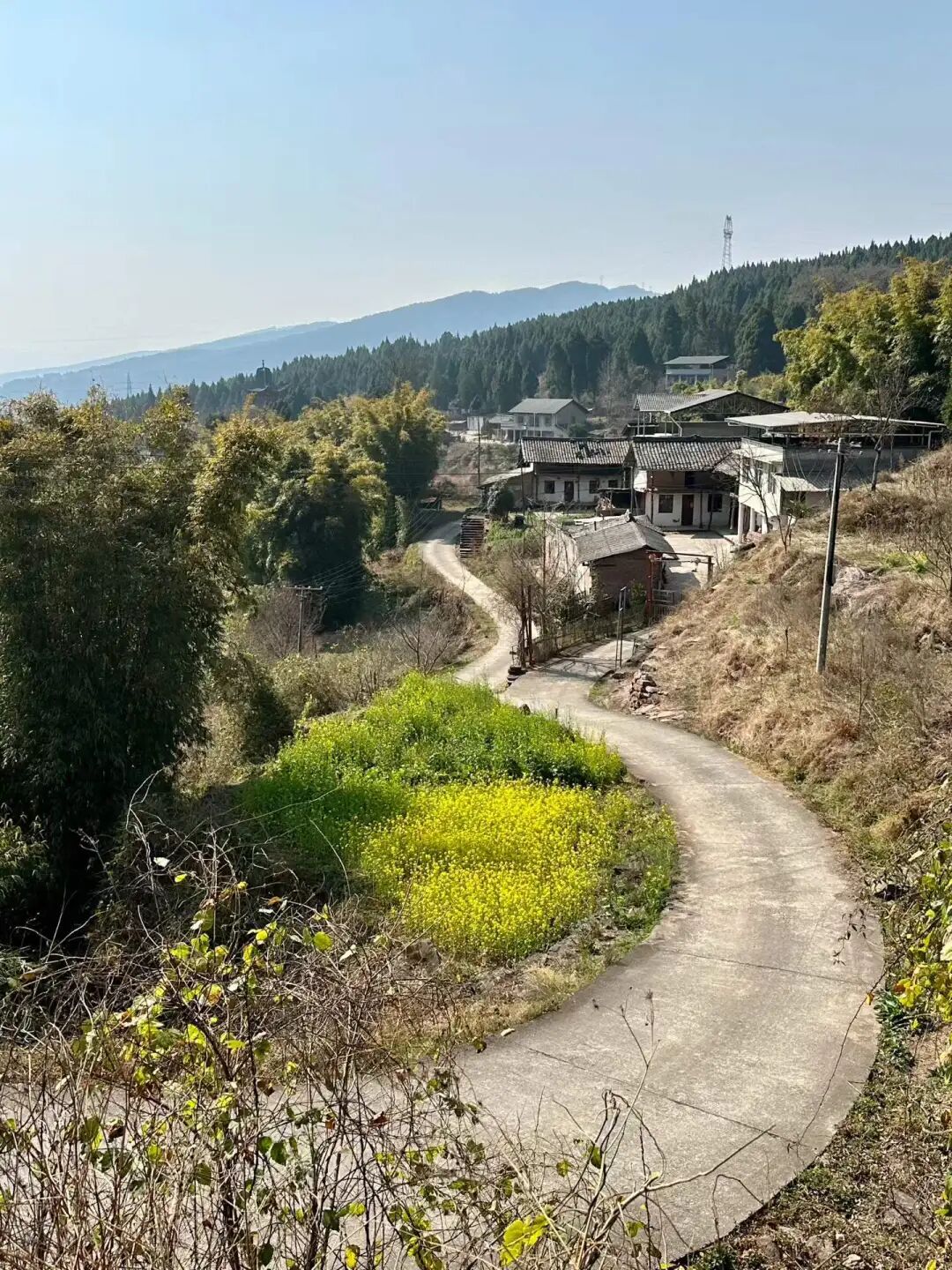
There is a relaxed, slow life in the Nanshan Hui Muslim village. Next to the mosque are clean and tidy houses. The aunties sit around chatting and drying radishes, lettuce, and rapeseed that they couldn't finish eating. One auntie said that dried rapeseed is especially delicious when stir-fried with beef. Sitting here away from the hustle and bustle, it feels like time has slowed down.
The Hui Muslim cemetery in Nanshan has excellent scenery nearby and is very refreshing. There are bees kept near the houses, and the beehives are right by the road. I didn't feel scared even when standing close, and the honey from here must taste very good.
