

Guangyuan Gongbei
Hidden Gongbei in Qingchuan: Dayuan Hui Township and Wulongshan Sufi Shrine in Guangyuan
Articles • ali2007fr posted the article • 0 comments • 162 views • 2026-05-21 07:08
Reposted from the web
Summary: This northern Sichuan travelogue visits Dayuan Hui Muslim Township in Qingchuan County and Wulongshan gongbei (Sufi shrine), preserving the route, people, and local Muslim heritage.
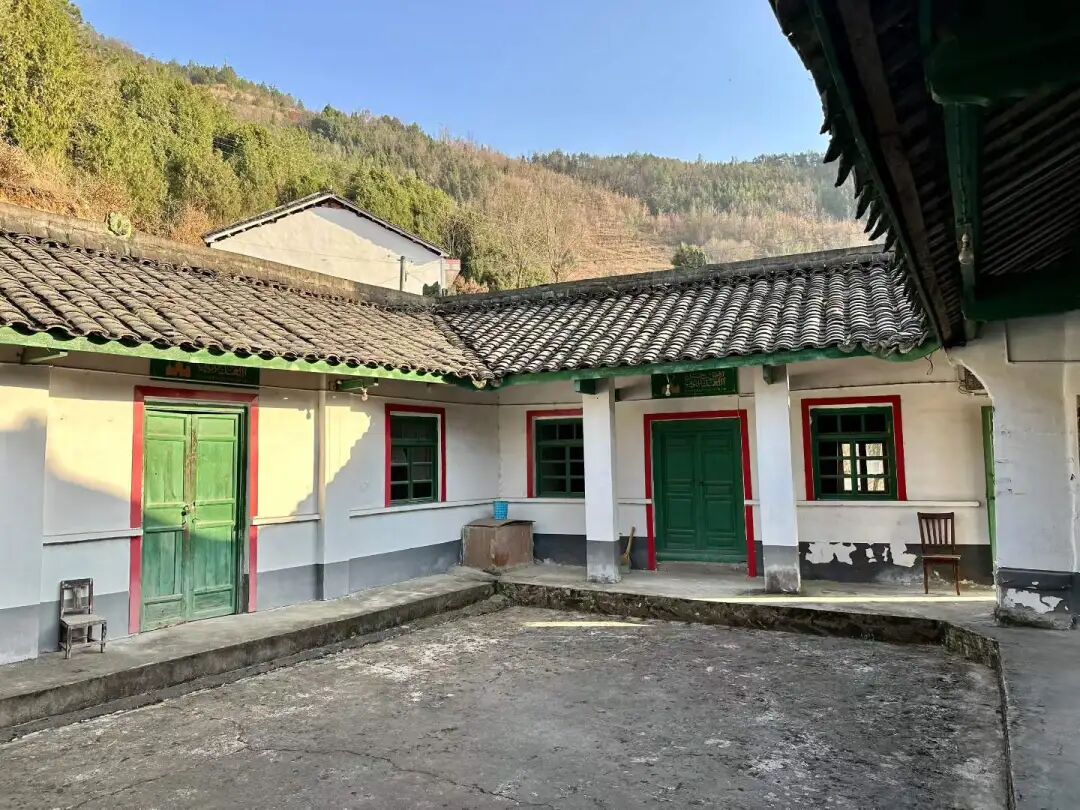
I left downtown Guangyuan in the morning and reached Dayuan Hui Ethnic Township, deep in the Qinba Mountains, after a trip of nearly two hours. I followed the Huaguo River up the valley and first arrived at Huaguo Village to visit the Huaguo Mosque (Huaguo Si). The mosque was closed, so I could only look around the courtyard.
Huaguo Mosque is a century-old site. It was built in 1925 at Majiakou in Huaguo Village, moved to its current location in Chenjiayuan in 1940, and rebuilt after the 2008 earthquake. You can still see the old stone column bases in the courtyard today.
Continuing up the Huaguo River, I reached Suojia Village, another Hui Muslim village. It is the oldest Hui village in all of Qingchuan, with a history of over 400 years. According to a tombstone in the village, Ma Jiyuan invited the Suo and Zhao families to move from Jingyang County, Shanxi, to settle by the Huagai River in 1580 (the eighth year of the Wanli reign of the Ming Dynasty). The Qingchuan County Annals record that in 1586 (the fourteenth year of the Wanli reign of the Ming Dynasty), three Hui Muslim families named Ma, Suo, and Hei from Ta'er Mosque in Jingyang County, Shanxi, moved to settle by the Huagai River in Dayuan Township, marking the arrival of Hui Muslims in the county.
At Suojia Mosque, the imam and village elders welcomed me warmly. I offered a donation (nietie), but they returned it to me, saying it was for travelers, and gave me oranges and apples instead. Suojia Mosque was built in the late Ming Dynasty, occupied in 1952, and torn down in 1967. Led by fellow Muslims Suo Fushou and Ma Minghuai, and through the efforts of Suo Jinming, Suo Wenjin, Ma Qinggao, Suo Jinzhu, Suo Fuguo, and Ma Wancai, the current Suojia Mosque was finally completed after four years of work from 2007 to 2011.
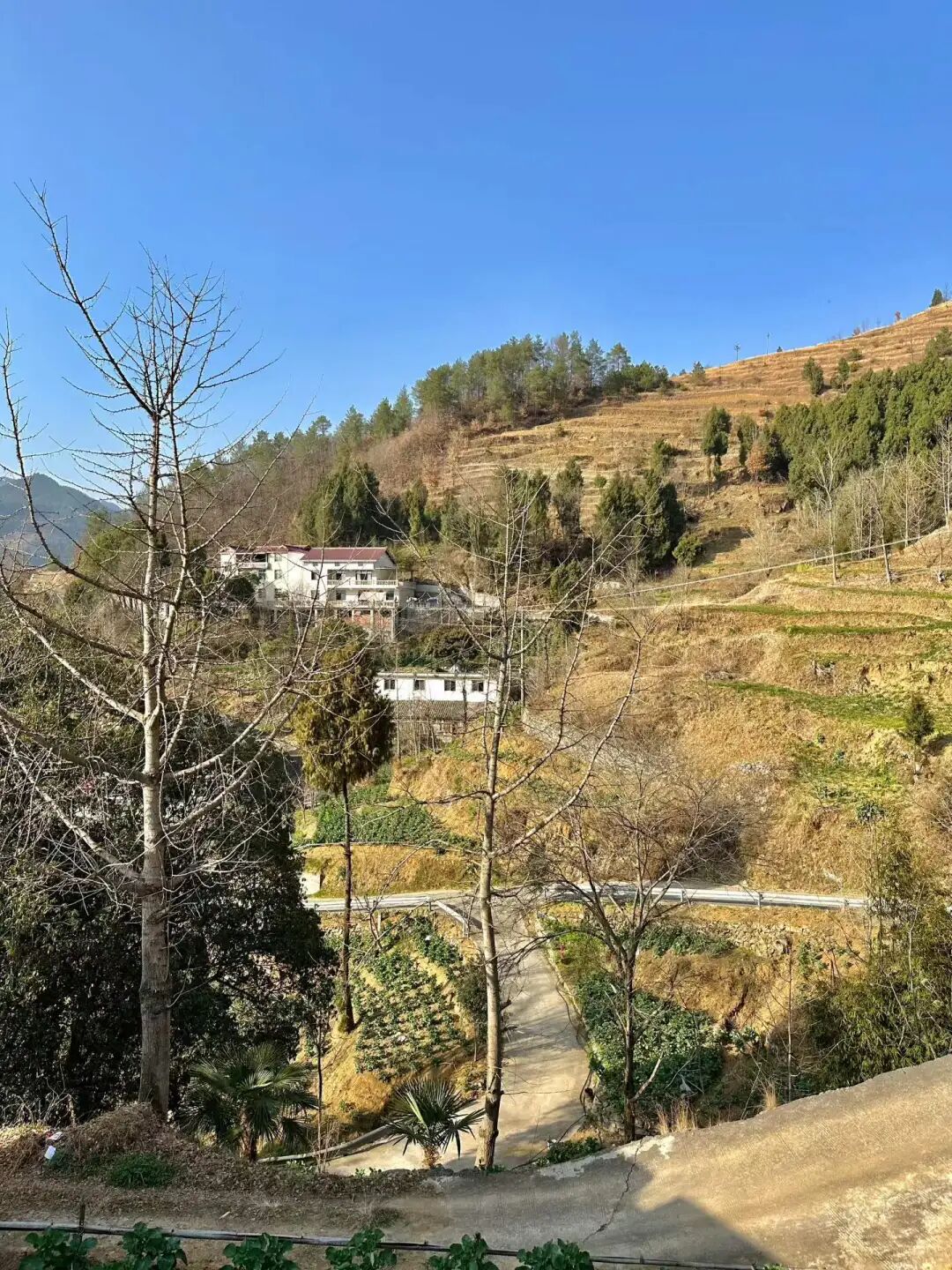
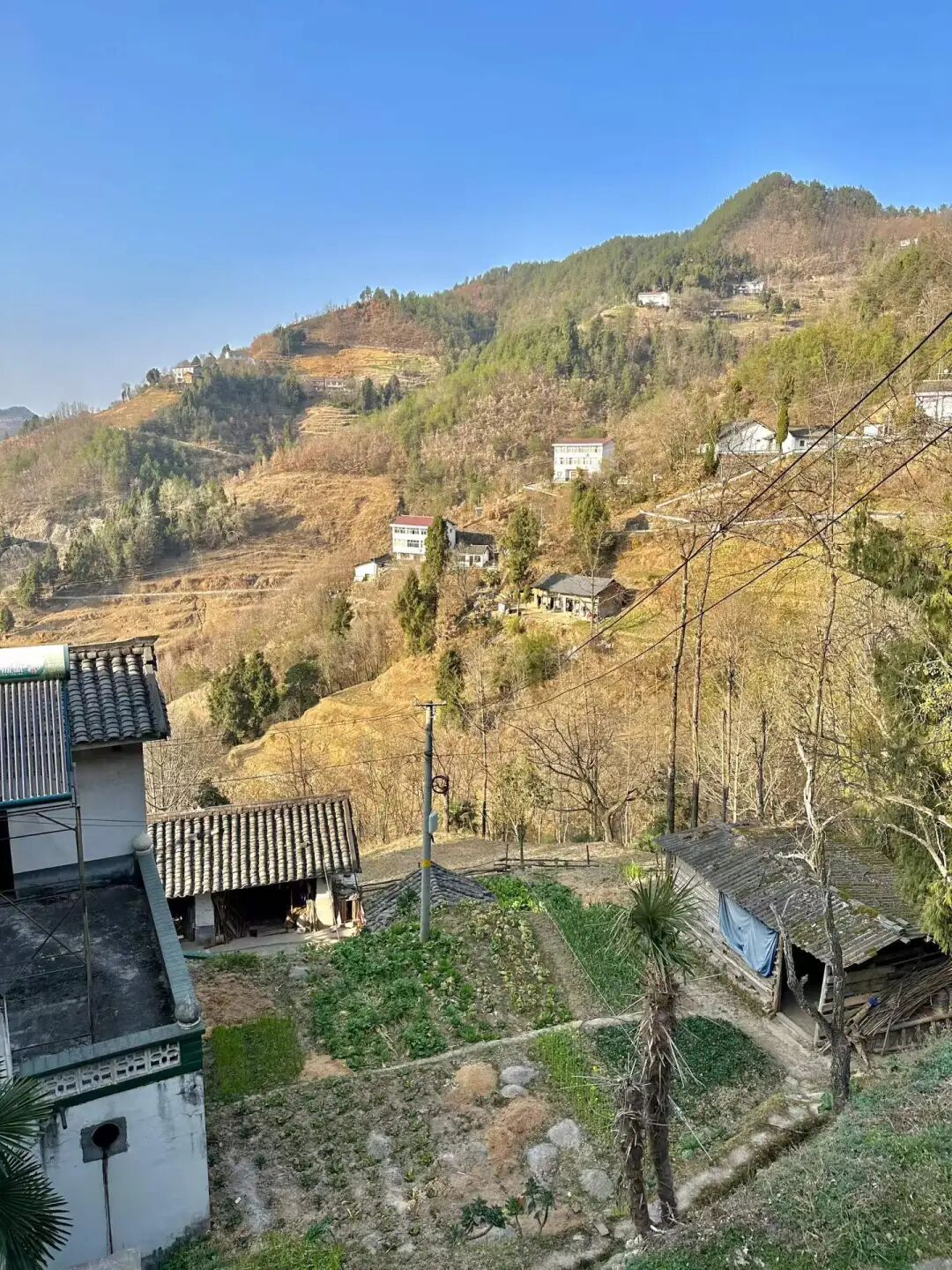
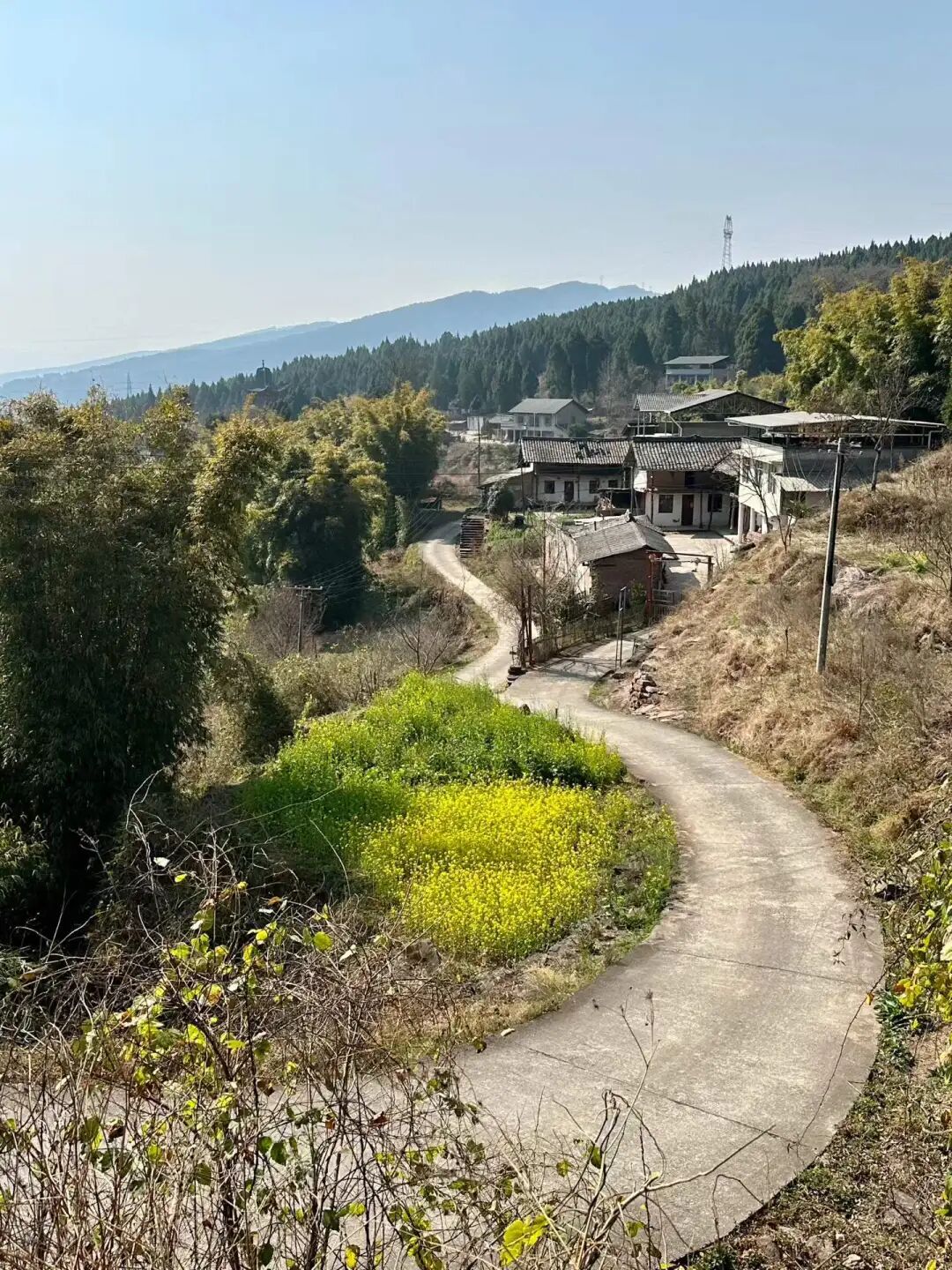
In Suojia Village, I clearly saw many people wearing white caps. Everyone was very friendly and smiled at me. Suojia Village sits deep in Wulong Mountain. With ducks and geese in the stream and fellow Muslims plowing the terraced fields with oxen, it is a peaceful scene, like a hidden paradise.
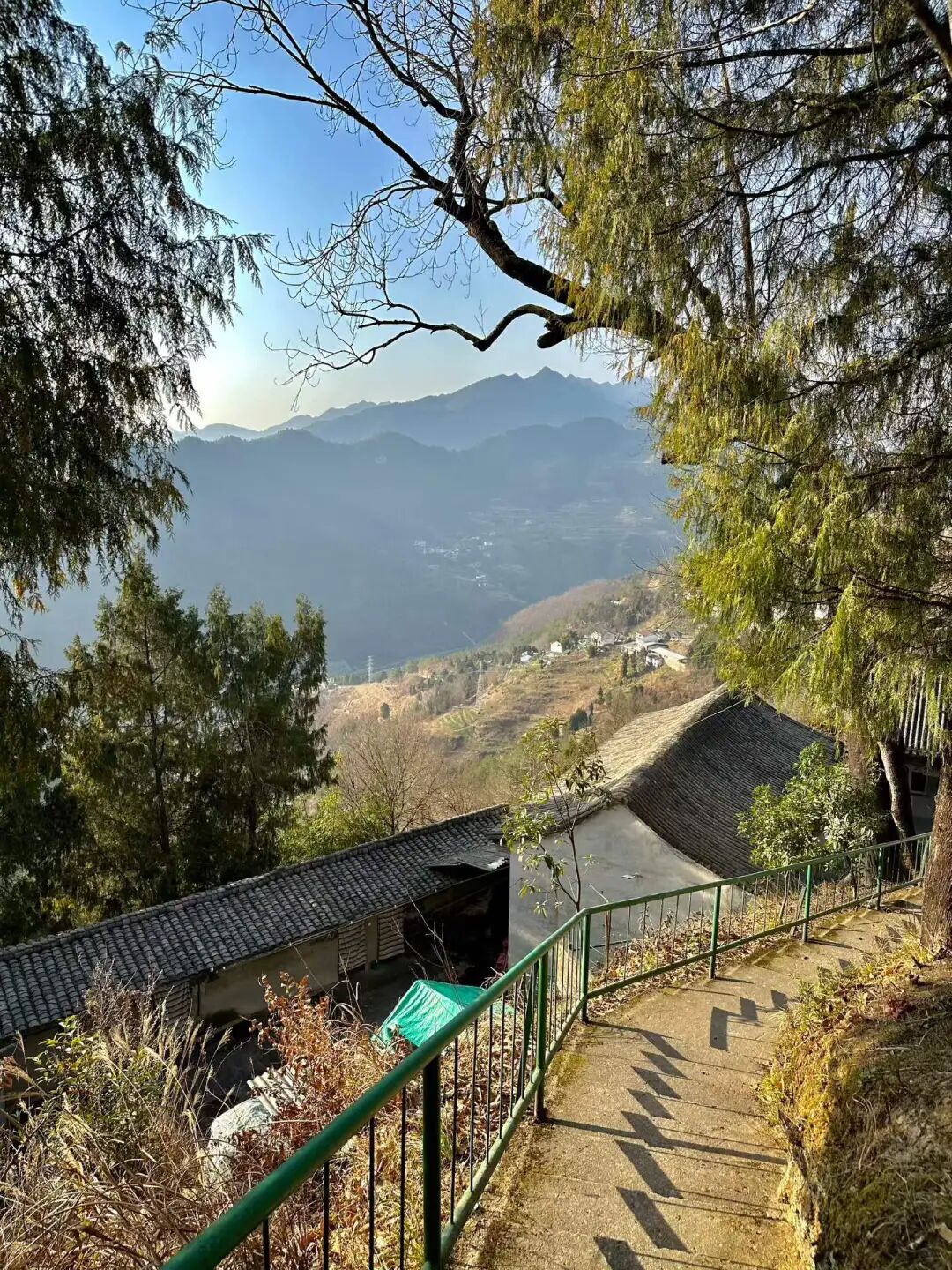
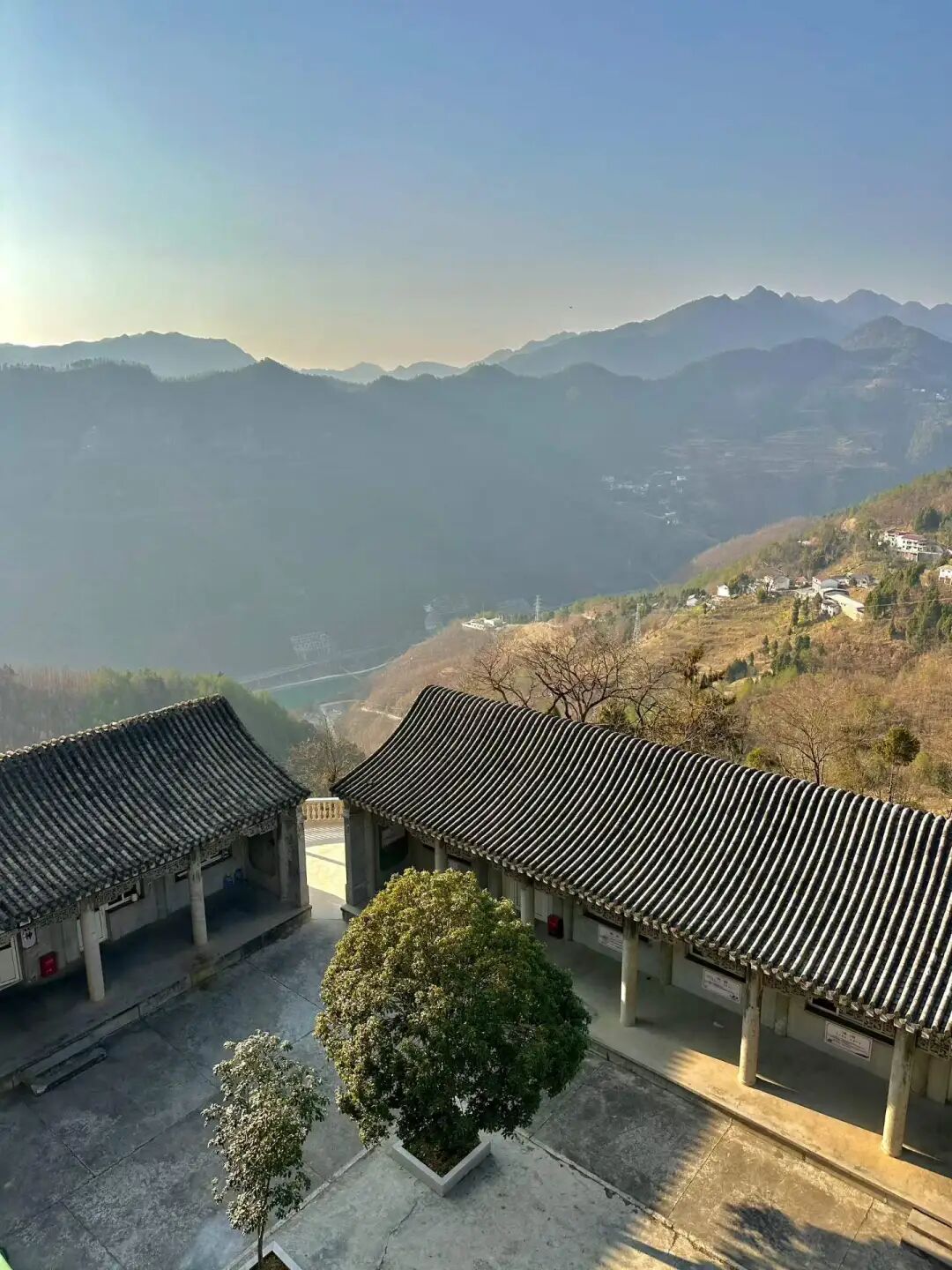
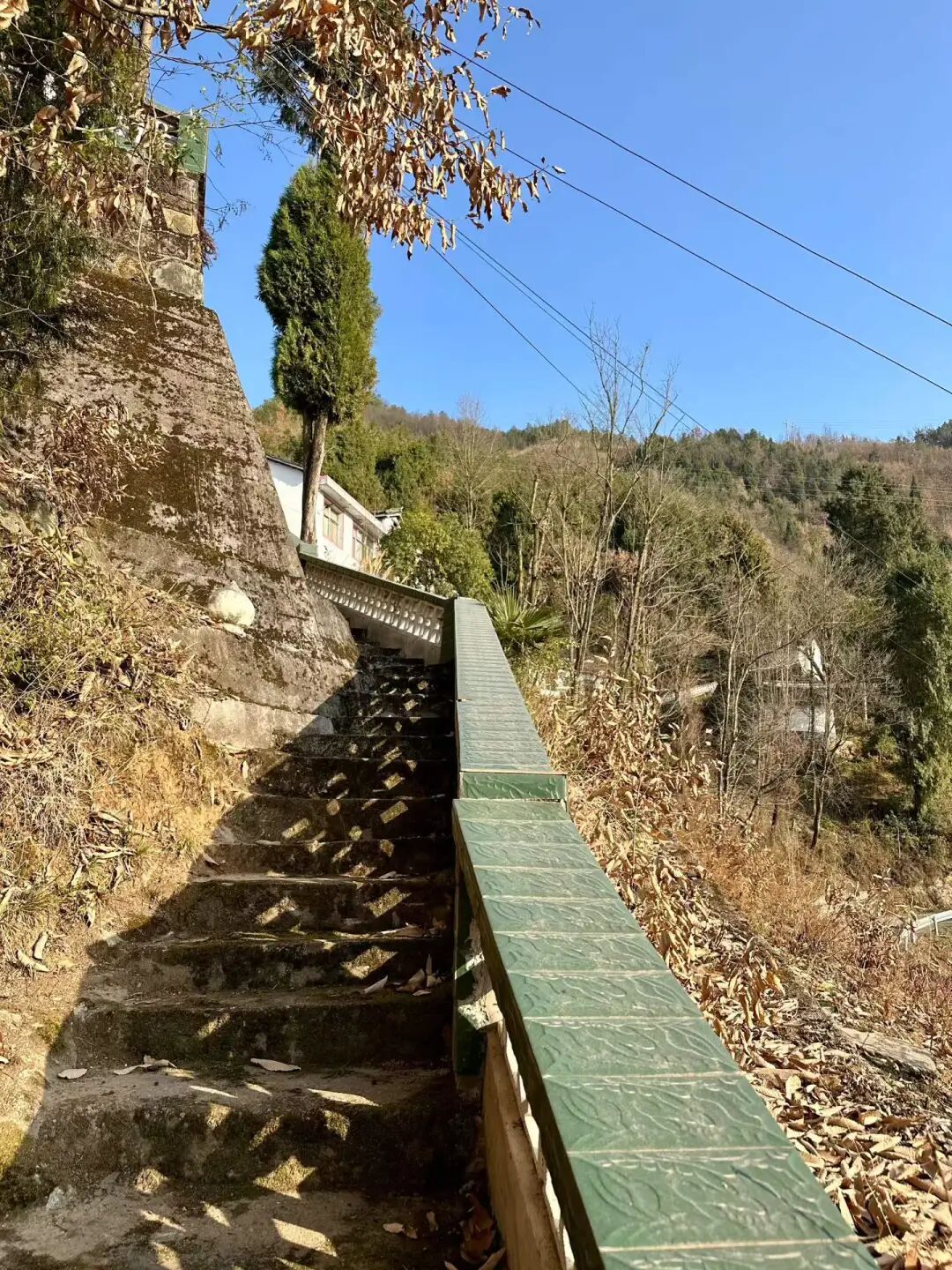
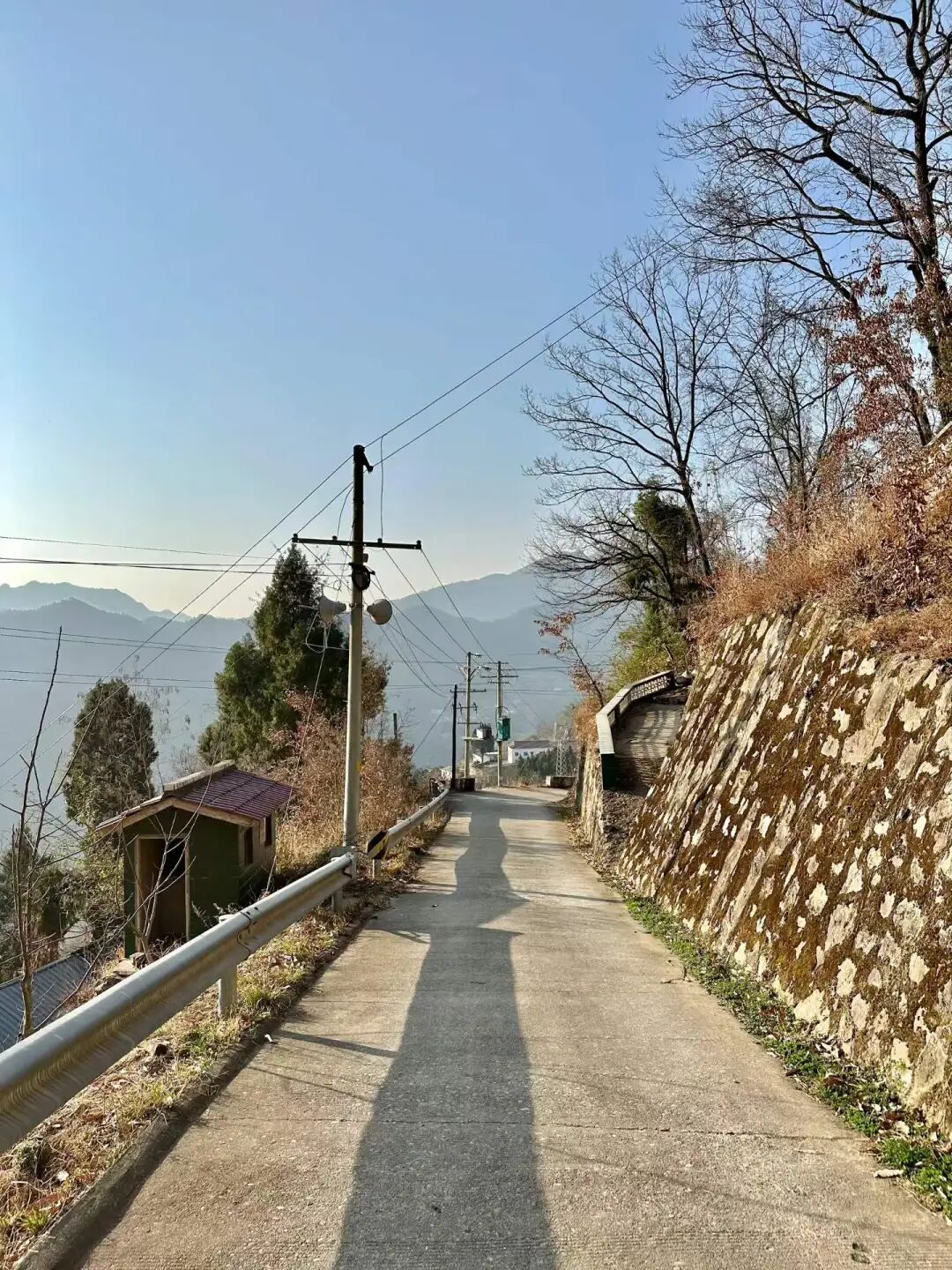
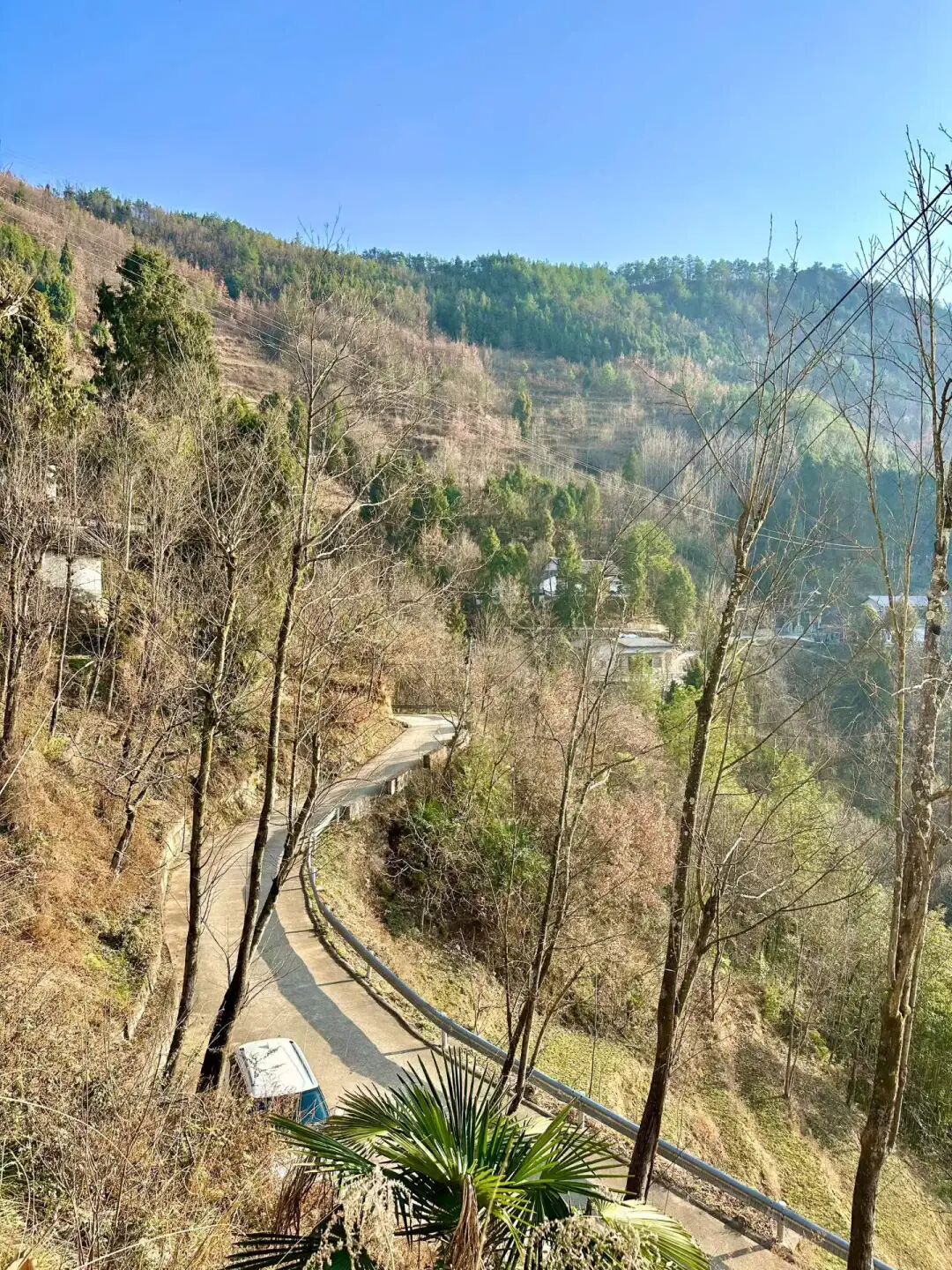
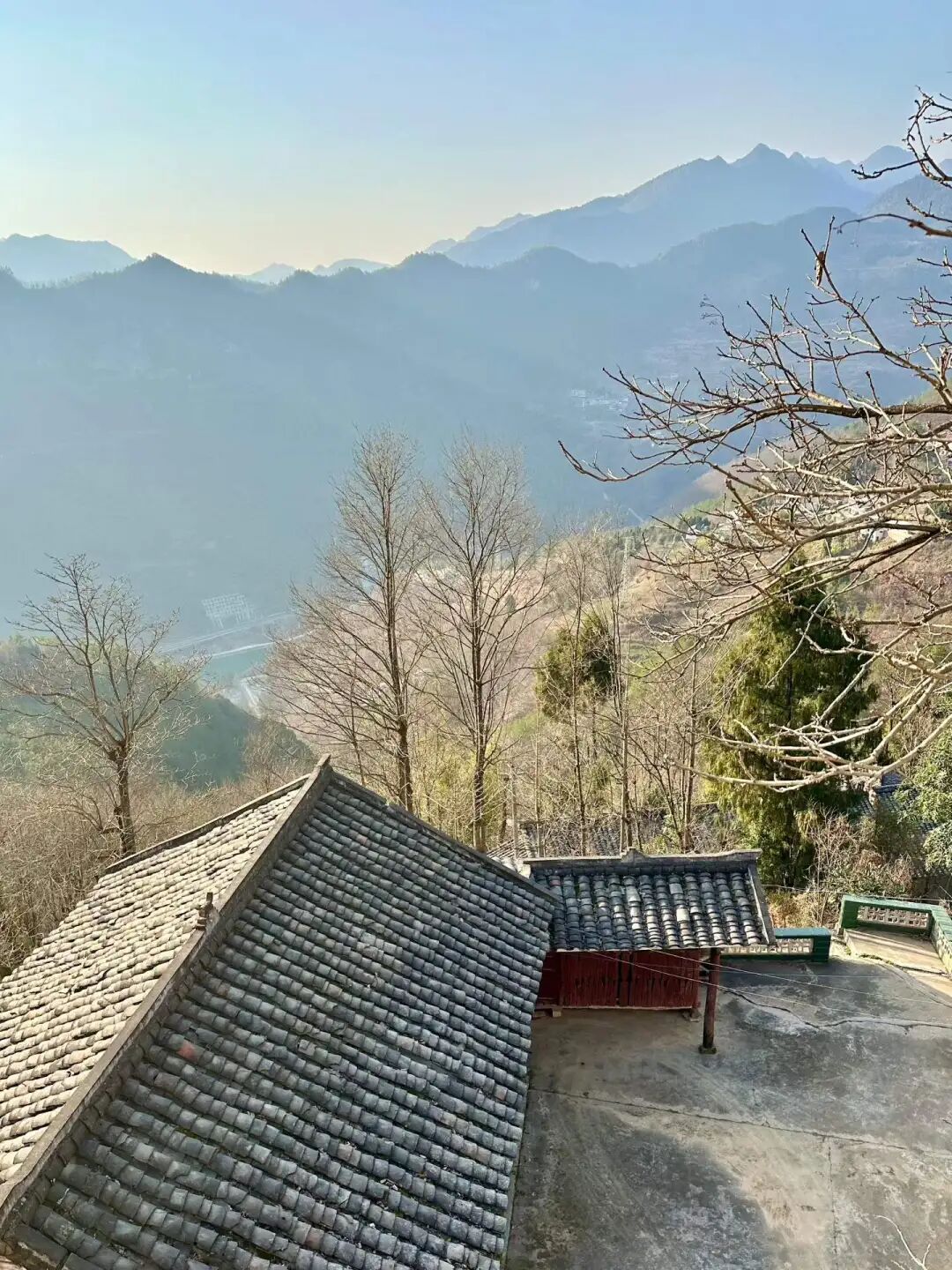
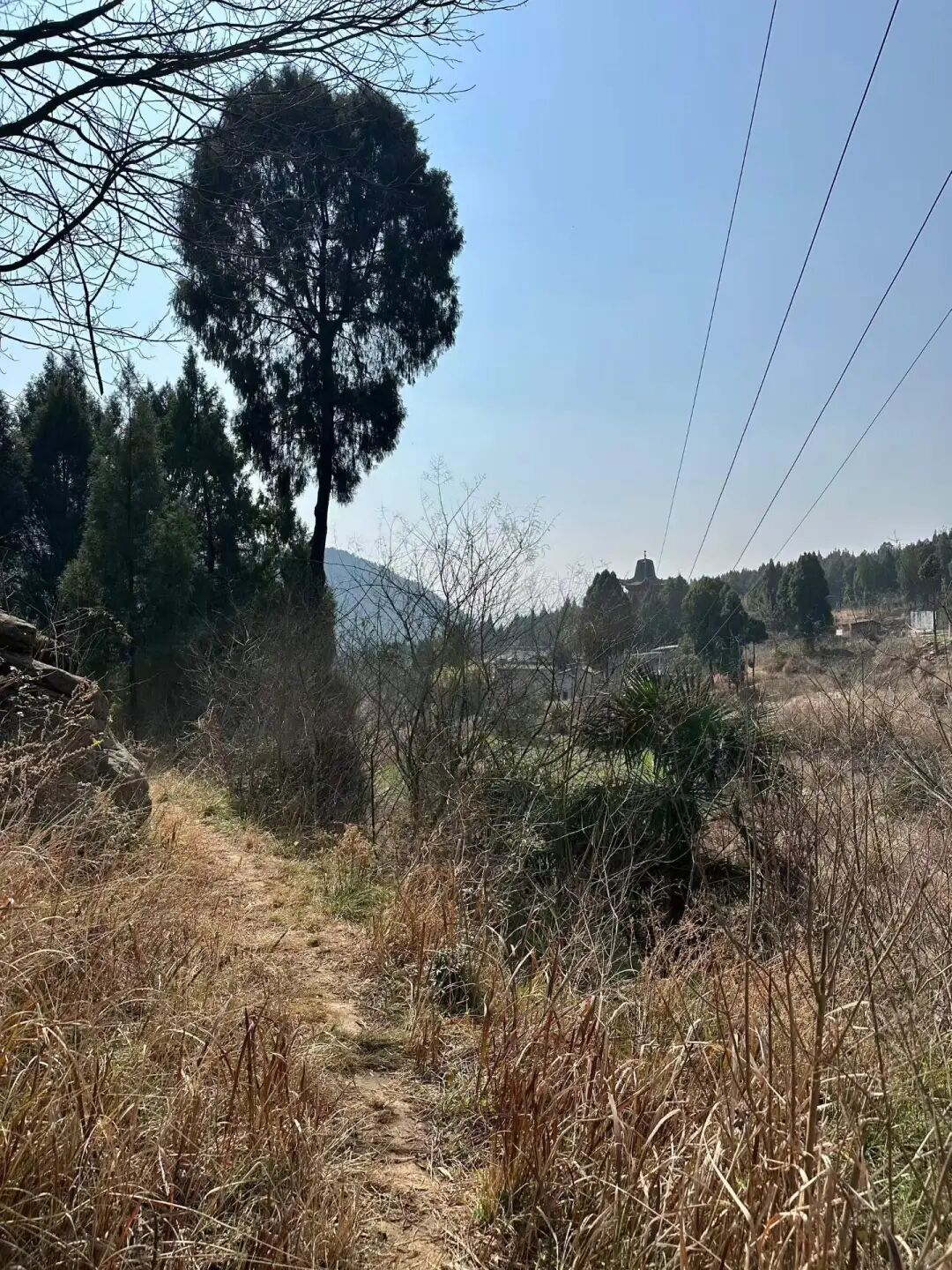
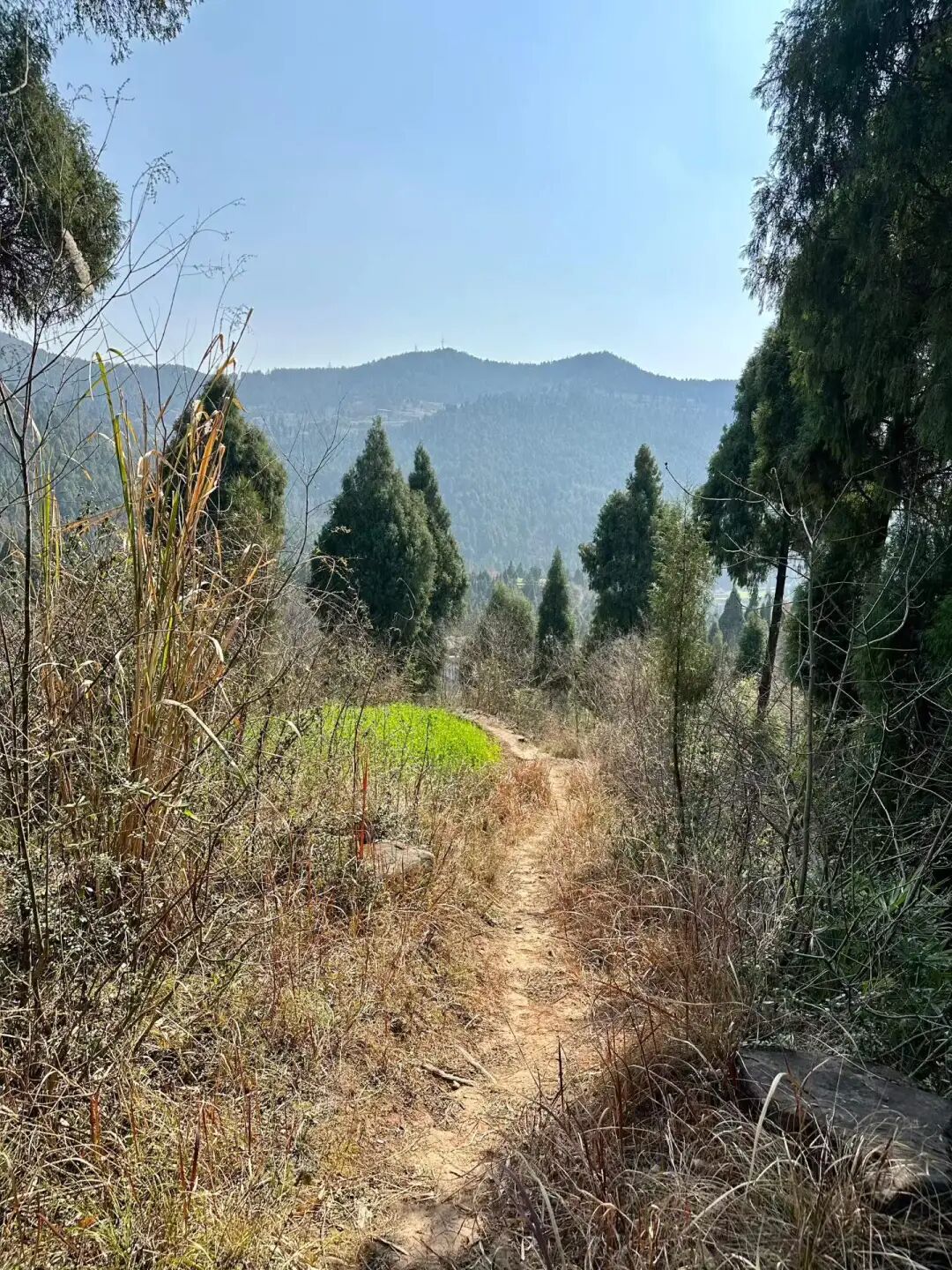
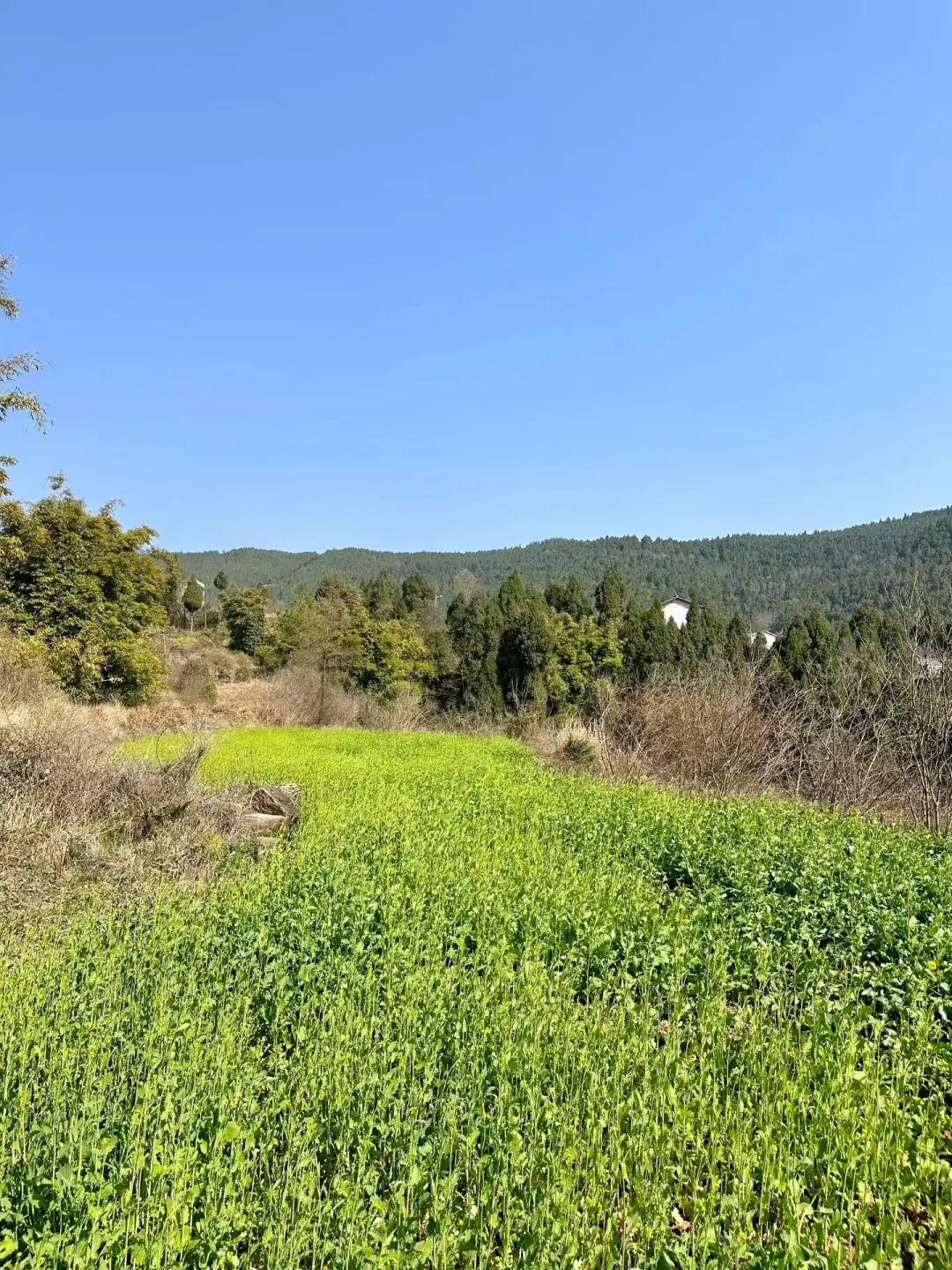
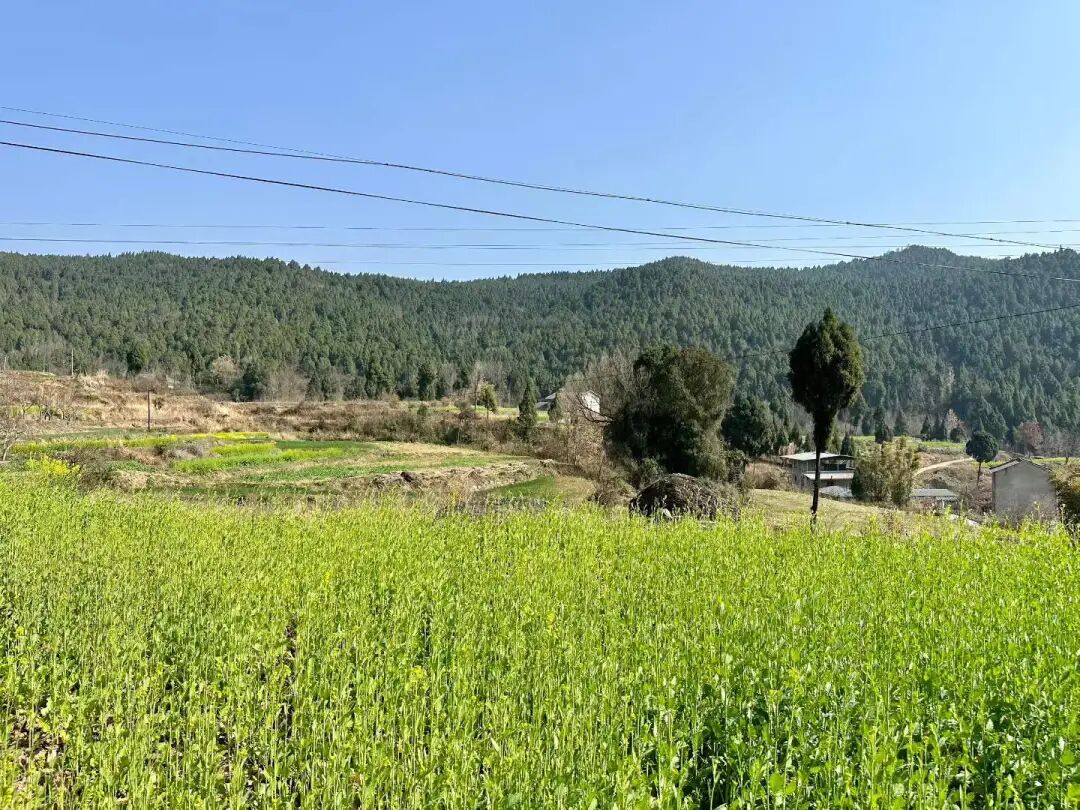
Suojia Village is definitely the most beautiful Hui Muslim village I have visited in Sichuan. I slowly climbed Wulong Mountain and looked out from the railing. Rolling green mountains stretched out, the quiet Huaguo River valley lay between them, and houses were scattered along the slopes. White walls and dark tiles dotted the landscape, while terraced fields formed a lush green pattern. The fresh mountain air hit my face, and everything I saw felt like a healing pastoral poem.
The village specializes in organic green tea, mountain delicacies, eco-friendly beef and lamb, and medicinal herbs grown in the forest. While walking through the village, I happened to meet a simple Hui Muslim grandmother driving her cattle and sheep into the deep mountains to graze, looking very relaxed. When she is not grazing them, she feeds the cattle and sheep pure corn cobs. Cattle and sheep raised on mountain spring water, wild mushrooms, and corn must taste great. I want to try some next time I have the chance.
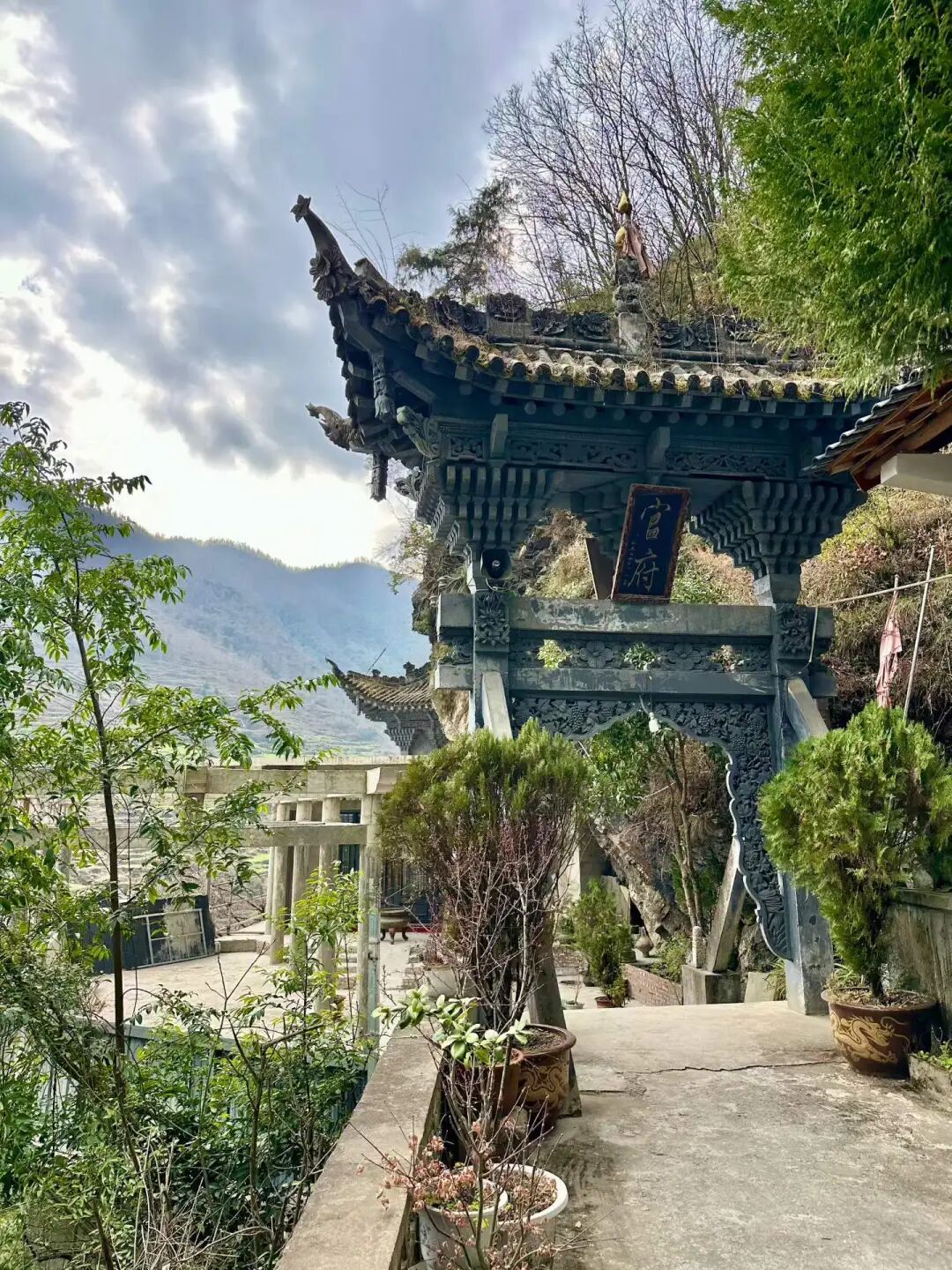
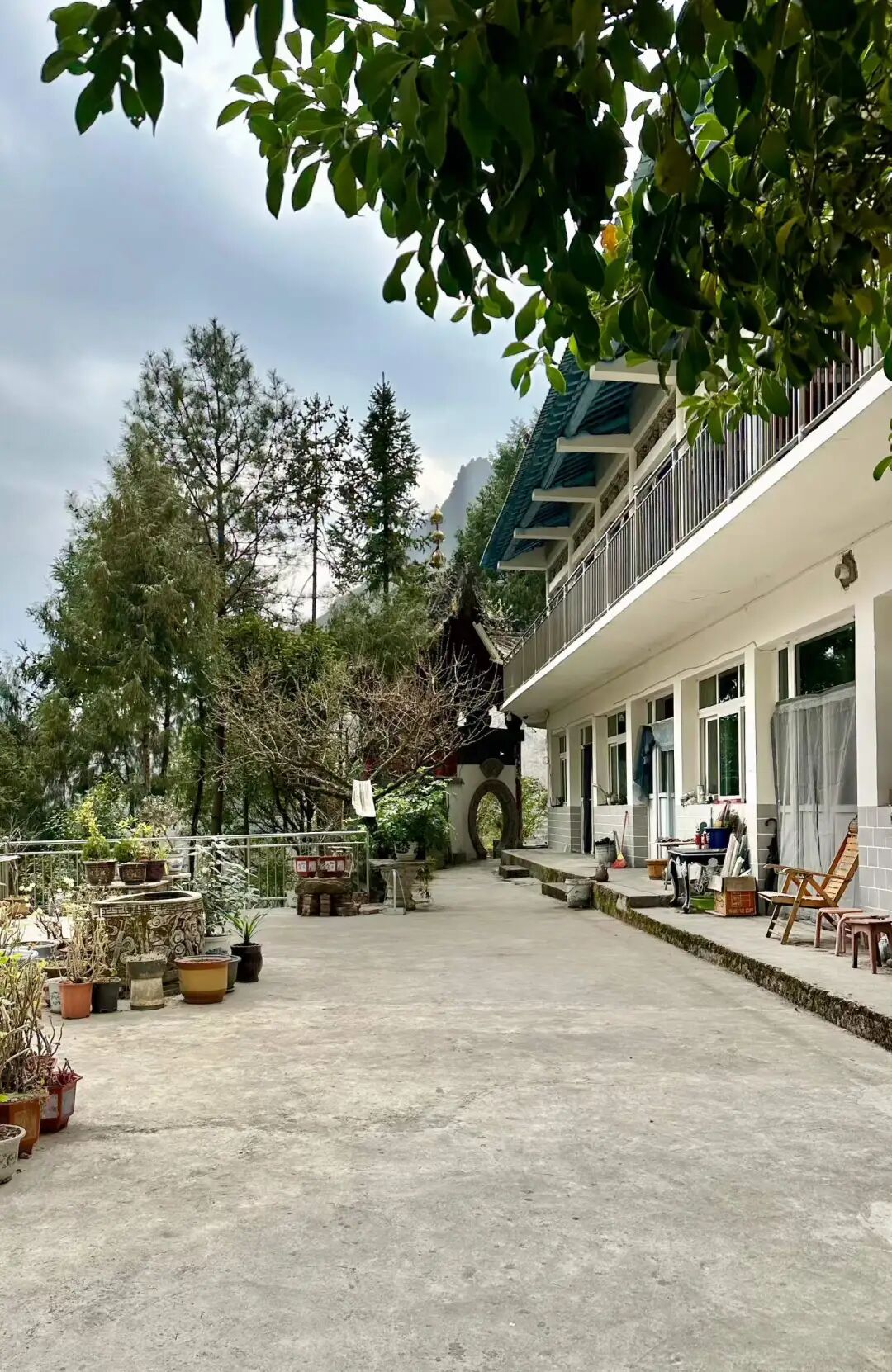
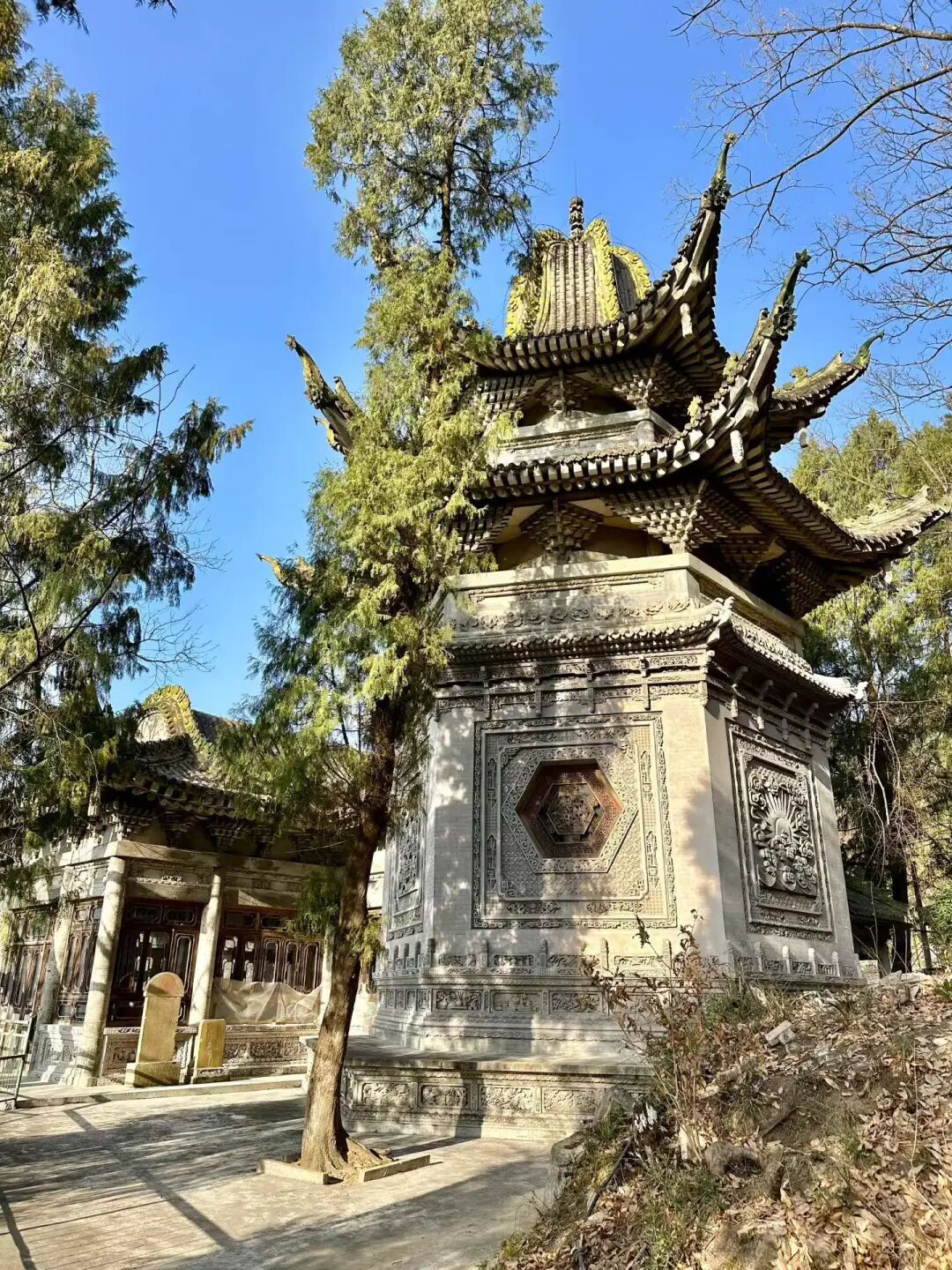
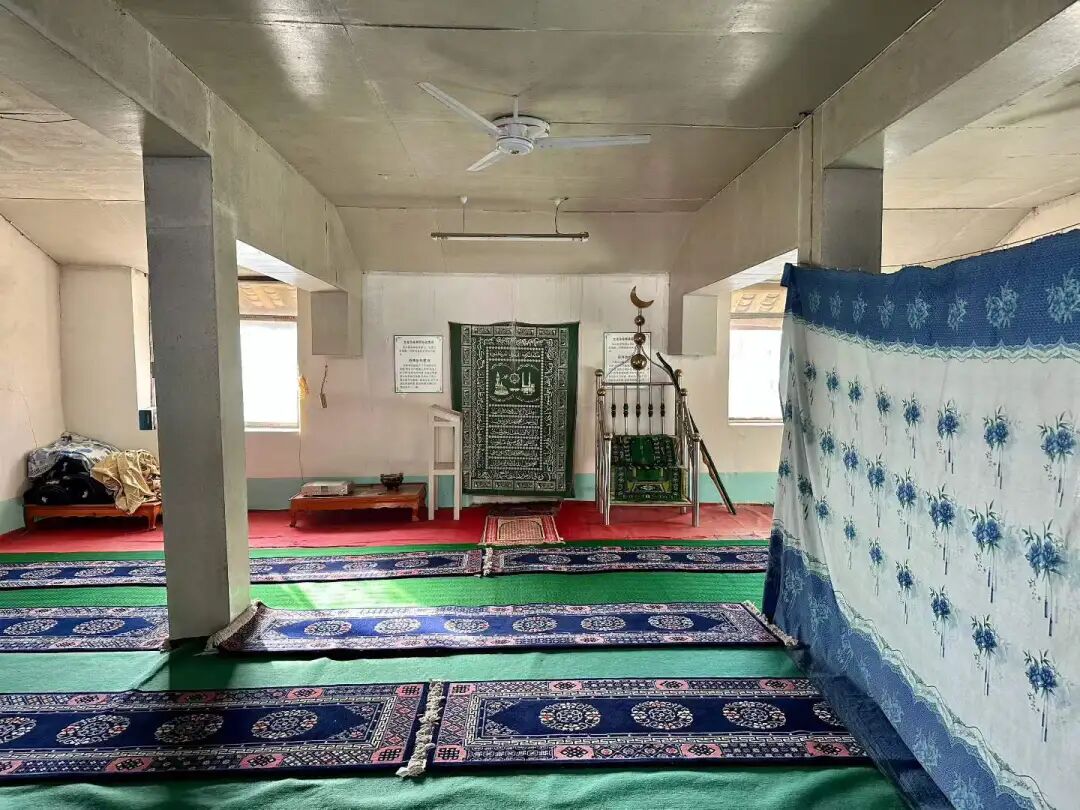
On a cliff at the end of the Huaguo River valley sits the Wulong Mountain Gongbei, also called the Wulong Mountain Mosque (Qingzhen Ting), which belongs to the Jahriyya Sufi order (Gaderenye Menhuan). This cliffside shrine is comparable in scale to the Jiujing Gongbei.
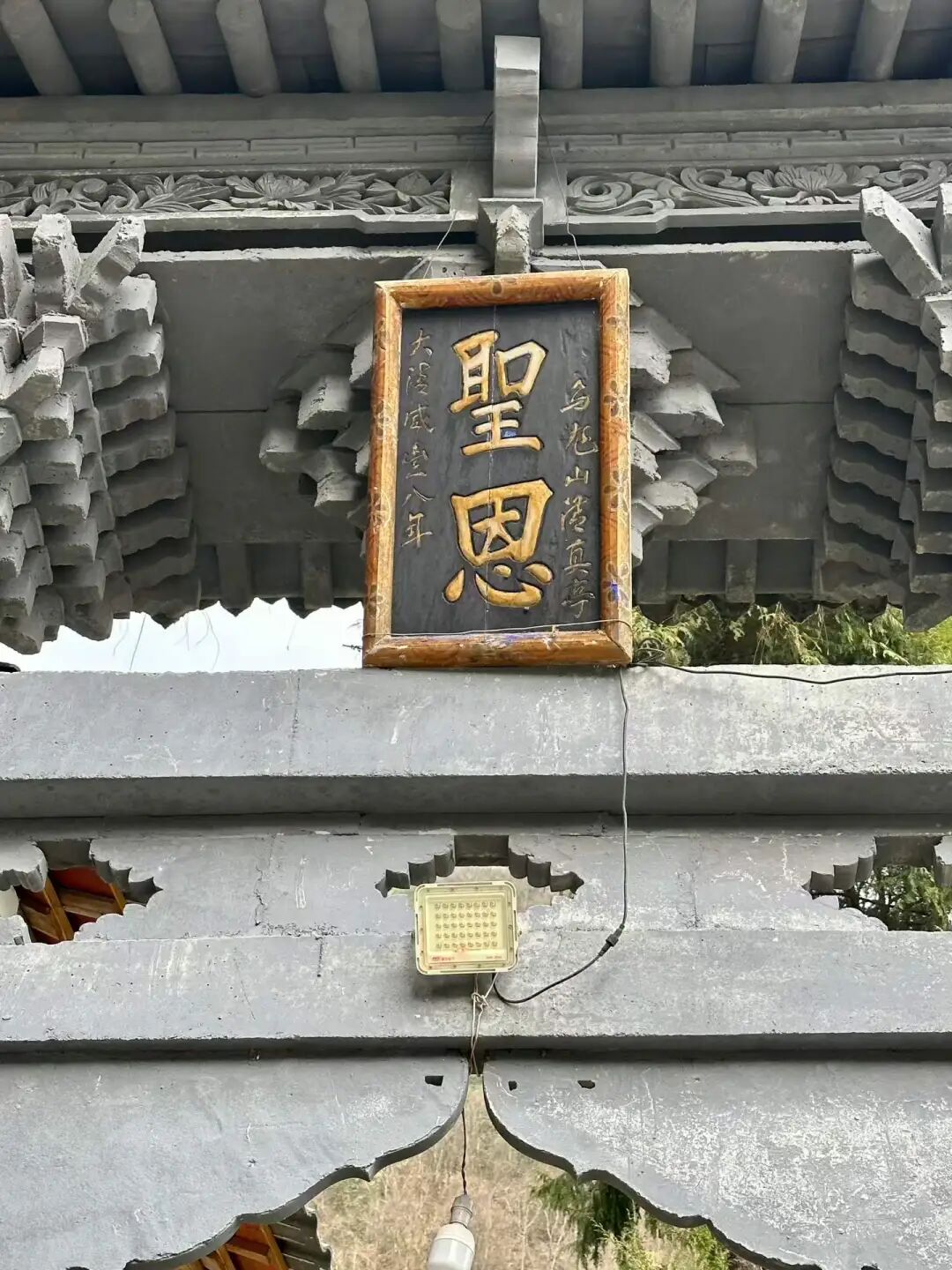
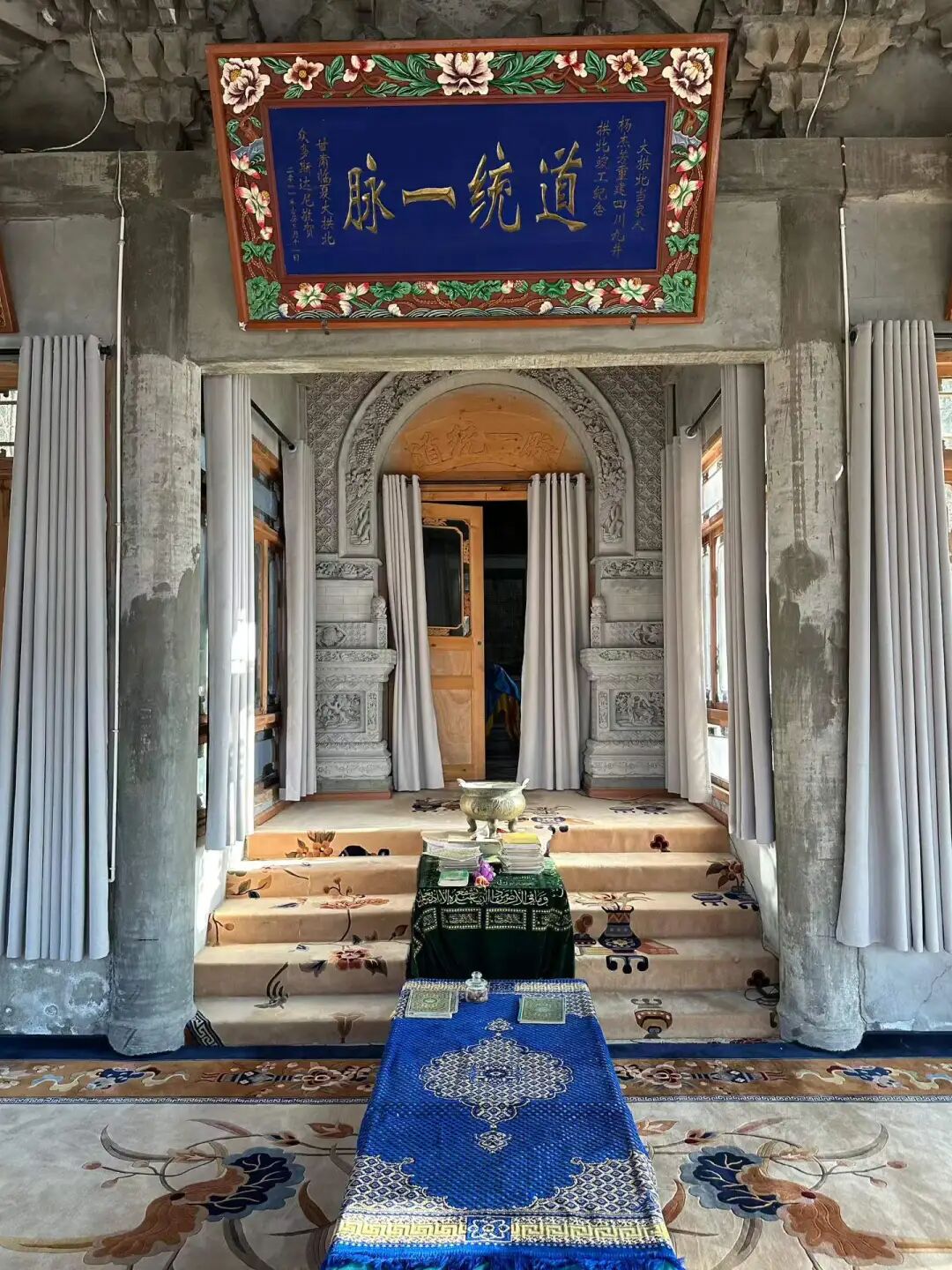
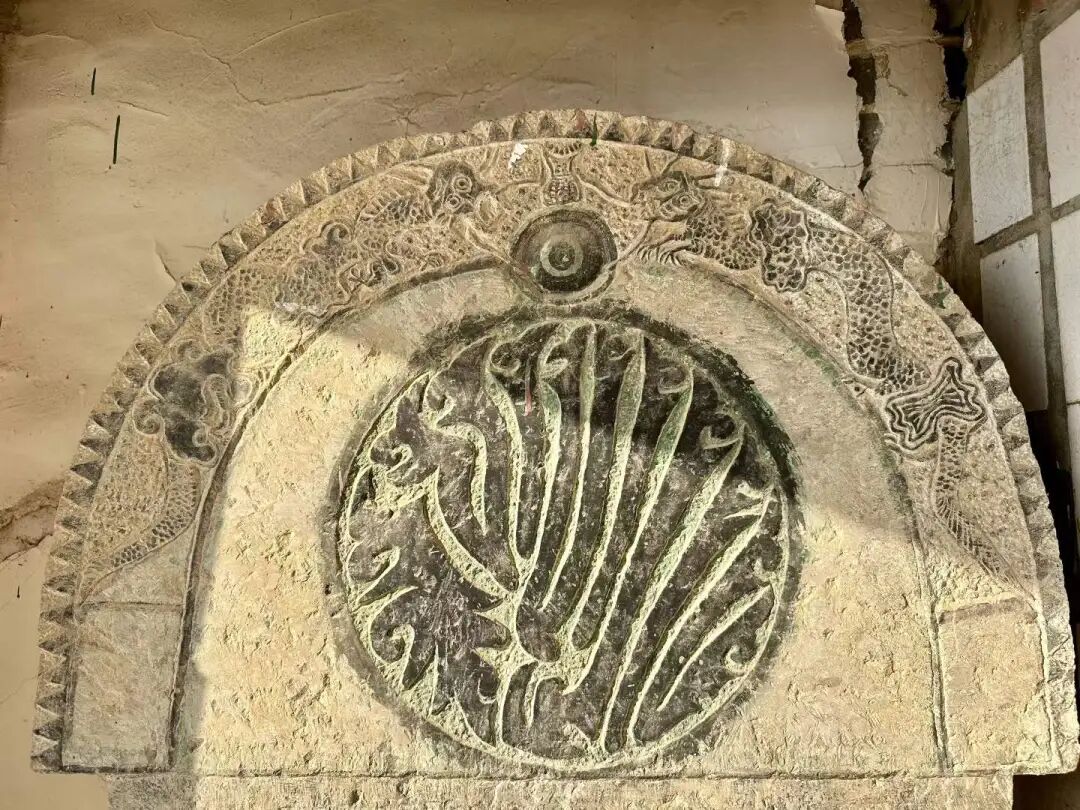
Wulong Mountain Gongbei is where 'Grandpa An' (An Taiye) from Ding'an River practiced during his lifetime. Grandpa An was originally a Han Chinese from Anhui. During the Kangxi reign, he served as a magistrate in Langzhong County. Inspired by Qi Jingyi, the founder of the Jahriyya order, he resigned from his post to join the faith. Later, he went to Wulong Mountain to practice in a cave. After he passed away (gui zhen) in 1708 (the forty-seventh year of the Kangxi reign), the Wulong Mountain Gongbei was built. Inside the Gongbei, there is a plaque from the eighth year of the Xianfeng reign that reads 'Imperial Grace' (Sheng En). view all
Summary: This northern Sichuan travelogue visits Dayuan Hui Muslim Township in Qingchuan County and Wulongshan gongbei (Sufi shrine), preserving the route, people, and local Muslim heritage.
I left downtown Guangyuan in the morning and reached Dayuan Hui Ethnic Township, deep in the Qinba Mountains, after a trip of nearly two hours. I followed the Huaguo River up the valley and first arrived at Huaguo Village to visit the Huaguo Mosque (Huaguo Si). The mosque was closed, so I could only look around the courtyard.
Huaguo Mosque is a century-old site. It was built in 1925 at Majiakou in Huaguo Village, moved to its current location in Chenjiayuan in 1940, and rebuilt after the 2008 earthquake. You can still see the old stone column bases in the courtyard today.
Continuing up the Huaguo River, I reached Suojia Village, another Hui Muslim village. It is the oldest Hui village in all of Qingchuan, with a history of over 400 years. According to a tombstone in the village, Ma Jiyuan invited the Suo and Zhao families to move from Jingyang County, Shanxi, to settle by the Huagai River in 1580 (the eighth year of the Wanli reign of the Ming Dynasty). The Qingchuan County Annals record that in 1586 (the fourteenth year of the Wanli reign of the Ming Dynasty), three Hui Muslim families named Ma, Suo, and Hei from Ta'er Mosque in Jingyang County, Shanxi, moved to settle by the Huagai River in Dayuan Township, marking the arrival of Hui Muslims in the county.
At Suojia Mosque, the imam and village elders welcomed me warmly. I offered a donation (nietie), but they returned it to me, saying it was for travelers, and gave me oranges and apples instead. Suojia Mosque was built in the late Ming Dynasty, occupied in 1952, and torn down in 1967. Led by fellow Muslims Suo Fushou and Ma Minghuai, and through the efforts of Suo Jinming, Suo Wenjin, Ma Qinggao, Suo Jinzhu, Suo Fuguo, and Ma Wancai, the current Suojia Mosque was finally completed after four years of work from 2007 to 2011.
In Suojia Village, I clearly saw many people wearing white caps. Everyone was very friendly and smiled at me. Suojia Village sits deep in Wulong Mountain. With ducks and geese in the stream and fellow Muslims plowing the terraced fields with oxen, it is a peaceful scene, like a hidden paradise.
Suojia Village is definitely the most beautiful Hui Muslim village I have visited in Sichuan. I slowly climbed Wulong Mountain and looked out from the railing. Rolling green mountains stretched out, the quiet Huaguo River valley lay between them, and houses were scattered along the slopes. White walls and dark tiles dotted the landscape, while terraced fields formed a lush green pattern. The fresh mountain air hit my face, and everything I saw felt like a healing pastoral poem.
The village specializes in organic green tea, mountain delicacies, eco-friendly beef and lamb, and medicinal herbs grown in the forest. While walking through the village, I happened to meet a simple Hui Muslim grandmother driving her cattle and sheep into the deep mountains to graze, looking very relaxed. When she is not grazing them, she feeds the cattle and sheep pure corn cobs. Cattle and sheep raised on mountain spring water, wild mushrooms, and corn must taste great. I want to try some next time I have the chance.
On a cliff at the end of the Huaguo River valley sits the Wulong Mountain Gongbei, also called the Wulong Mountain Mosque (Qingzhen Ting), which belongs to the Jahriyya Sufi order (Gaderenye Menhuan). This cliffside shrine is comparable in scale to the Jiujing Gongbei.
Wulong Mountain Gongbei is where 'Grandpa An' (An Taiye) from Ding'an River practiced during his lifetime. Grandpa An was originally a Han Chinese from Anhui. During the Kangxi reign, he served as a magistrate in Langzhong County. Inspired by Qi Jingyi, the founder of the Jahriyya order, he resigned from his post to join the faith. Later, he went to Wulong Mountain to practice in a cave. After he passed away (gui zhen) in 1708 (the forty-seventh year of the Kangxi reign), the Wulong Mountain Gongbei was built. Inside the Gongbei, there is a plaque from the eighth year of the Xianfeng reign that reads 'Imperial Grace' (Sheng En). view all
Reposted from the web
Summary: This northern Sichuan travelogue visits Dayuan Hui Muslim Township in Qingchuan County and Wulongshan gongbei (Sufi shrine), preserving the route, people, and local Muslim heritage.
I left downtown Guangyuan in the morning and reached Dayuan Hui Ethnic Township, deep in the Qinba Mountains, after a trip of nearly two hours. I followed the Huaguo River up the valley and first arrived at Huaguo Village to visit the Huaguo Mosque (Huaguo Si). The mosque was closed, so I could only look around the courtyard.
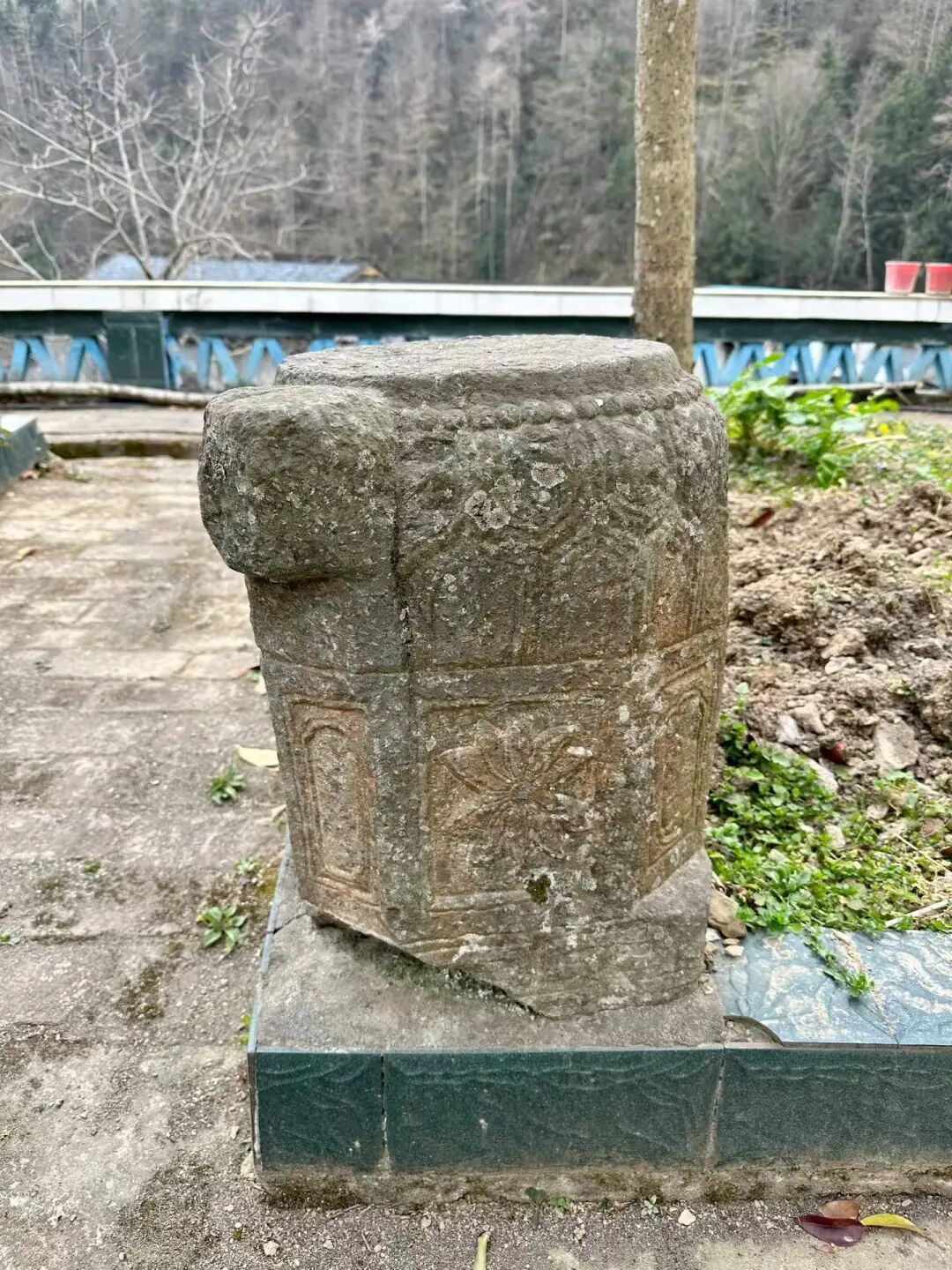
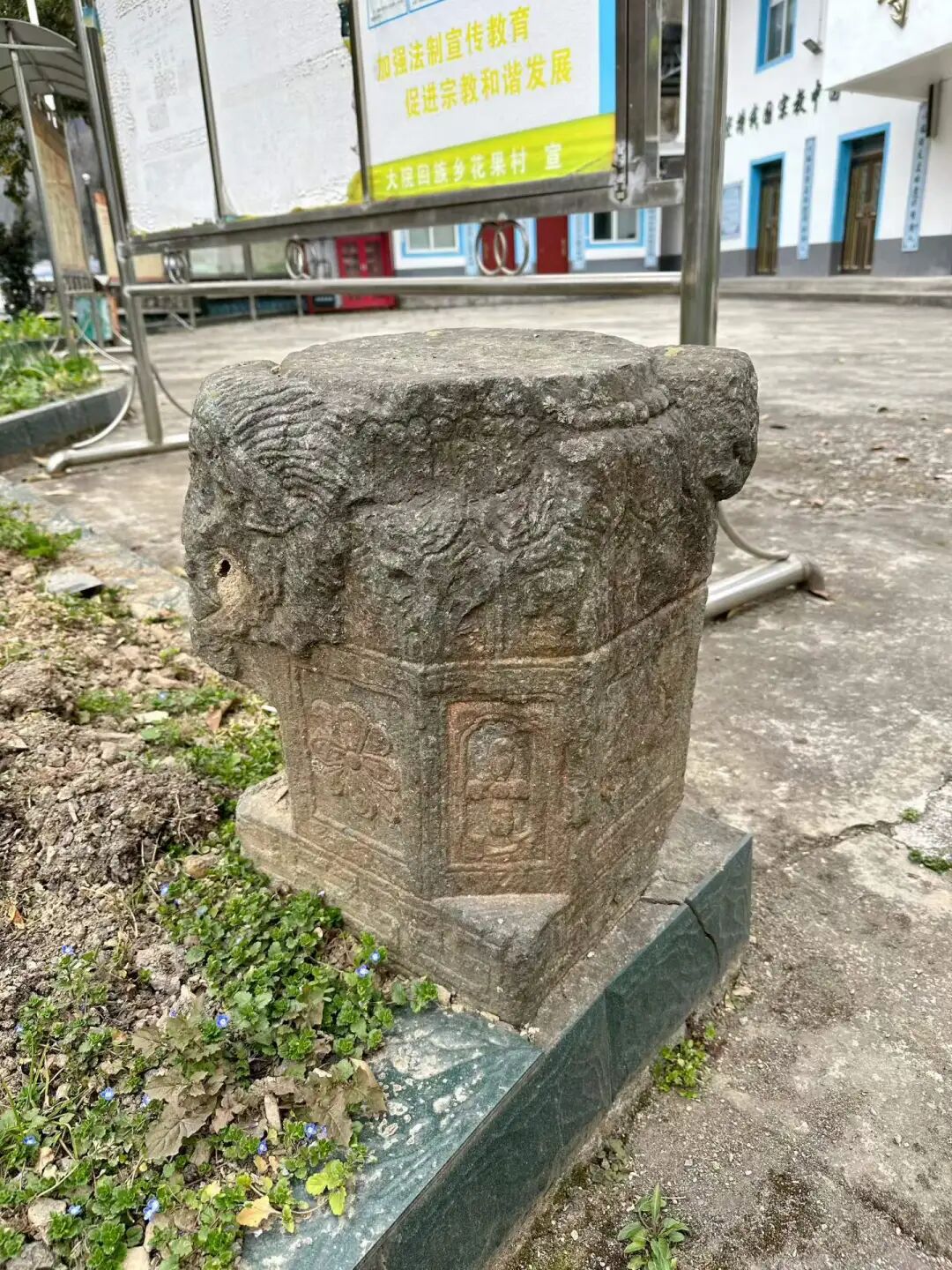
Huaguo Mosque is a century-old site. It was built in 1925 at Majiakou in Huaguo Village, moved to its current location in Chenjiayuan in 1940, and rebuilt after the 2008 earthquake. You can still see the old stone column bases in the courtyard today.
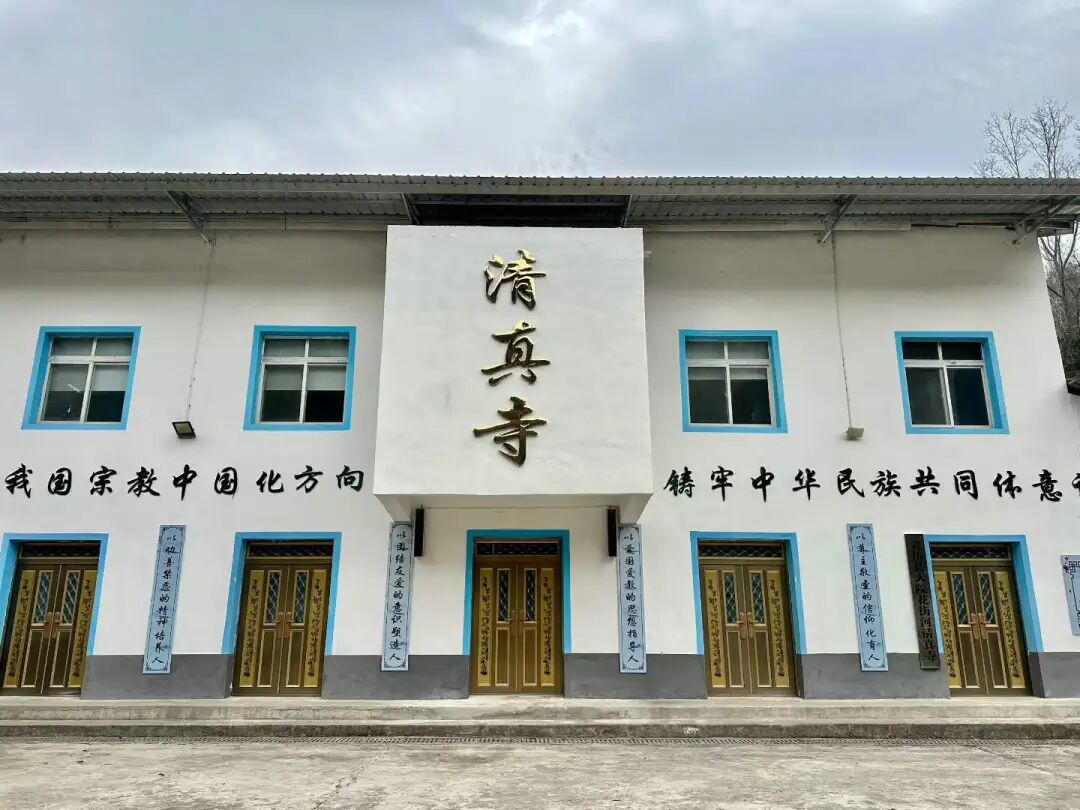
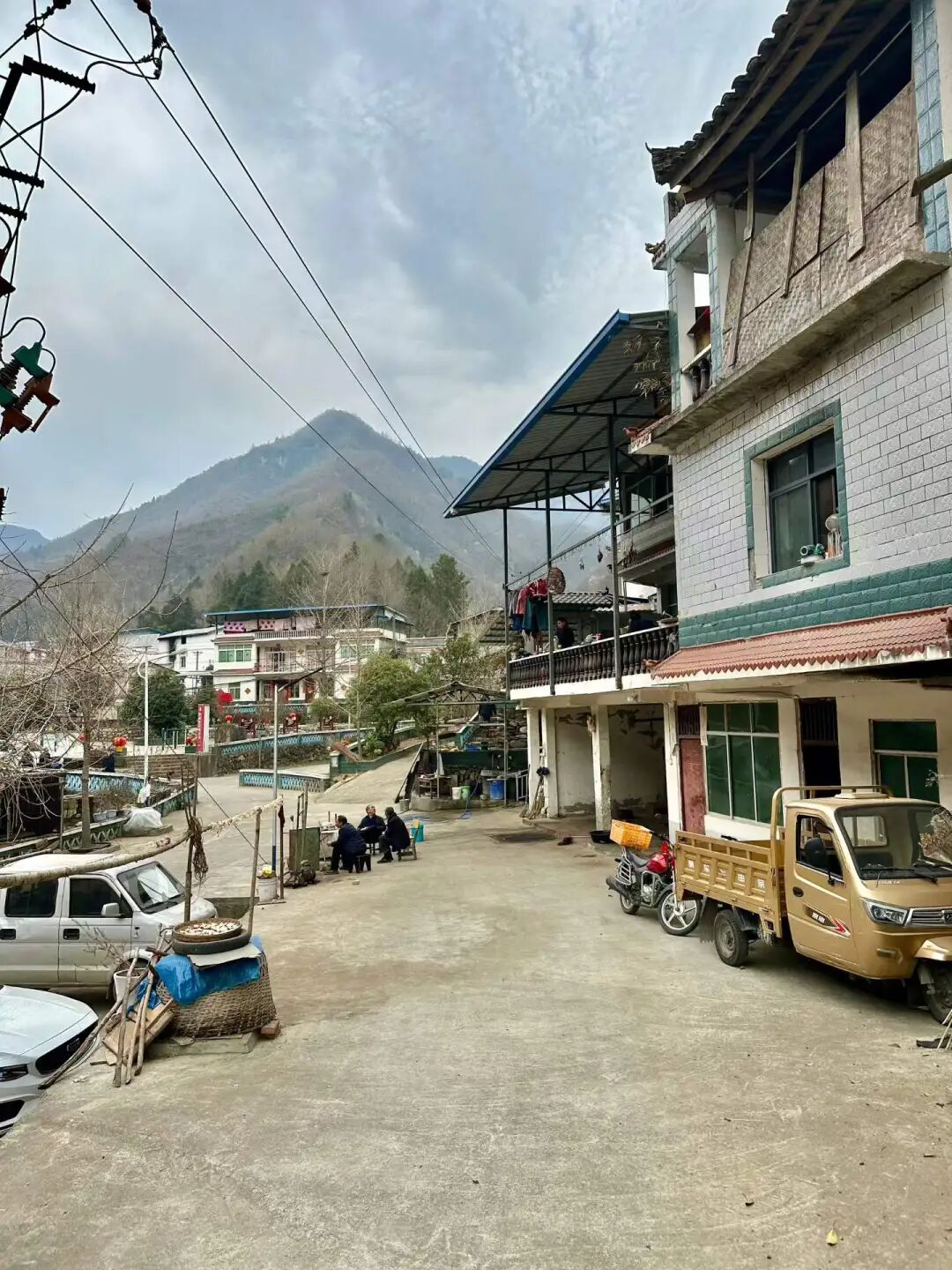
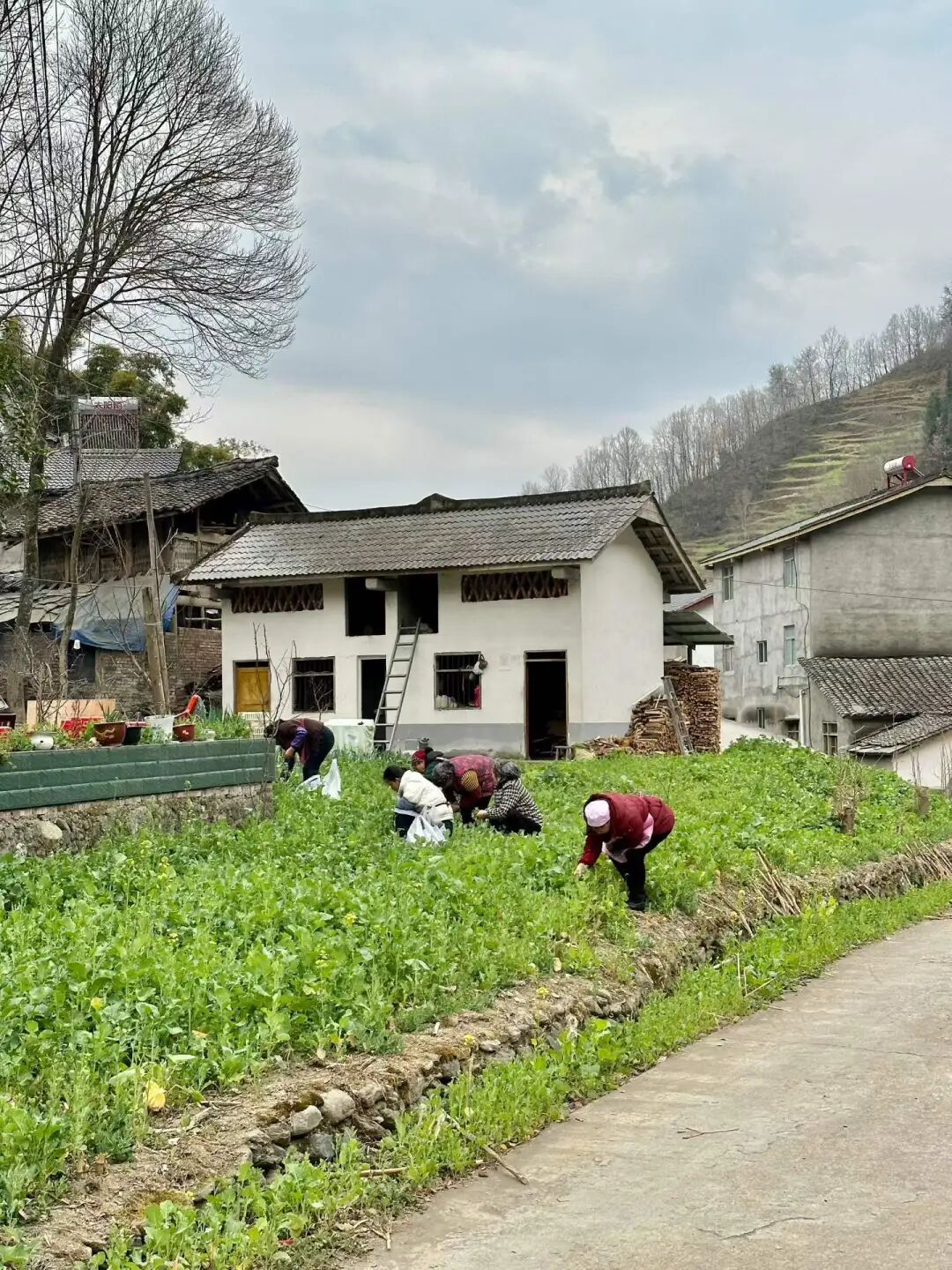
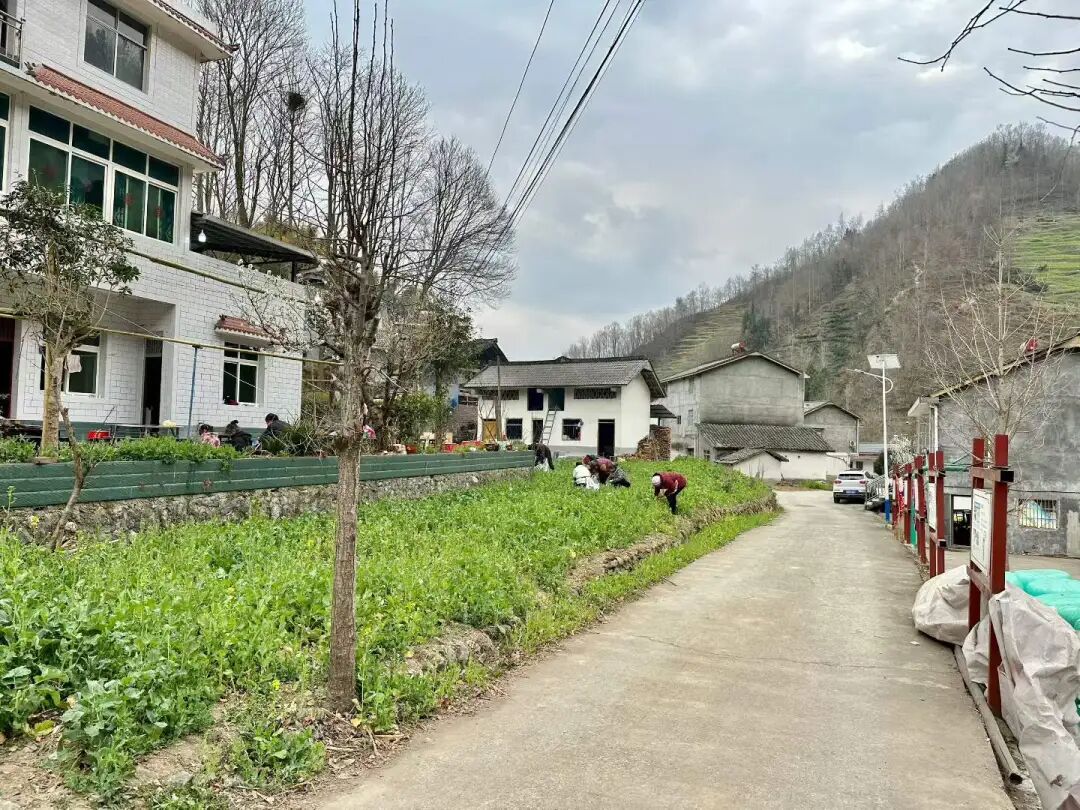
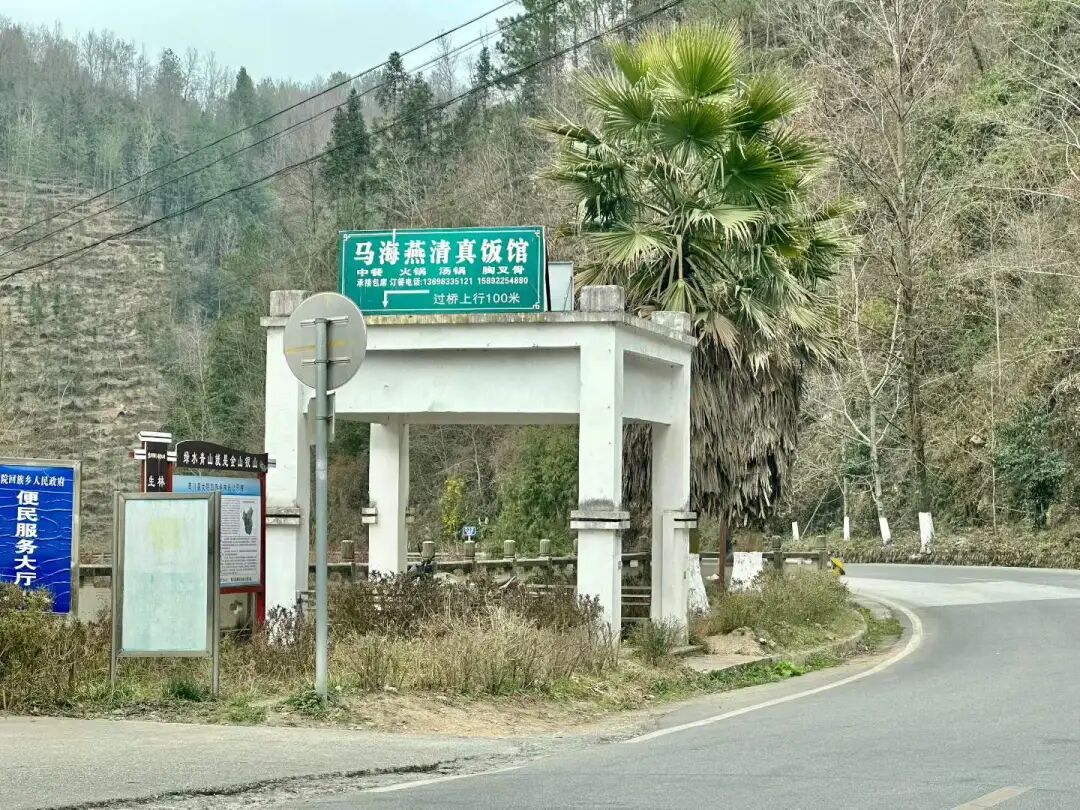
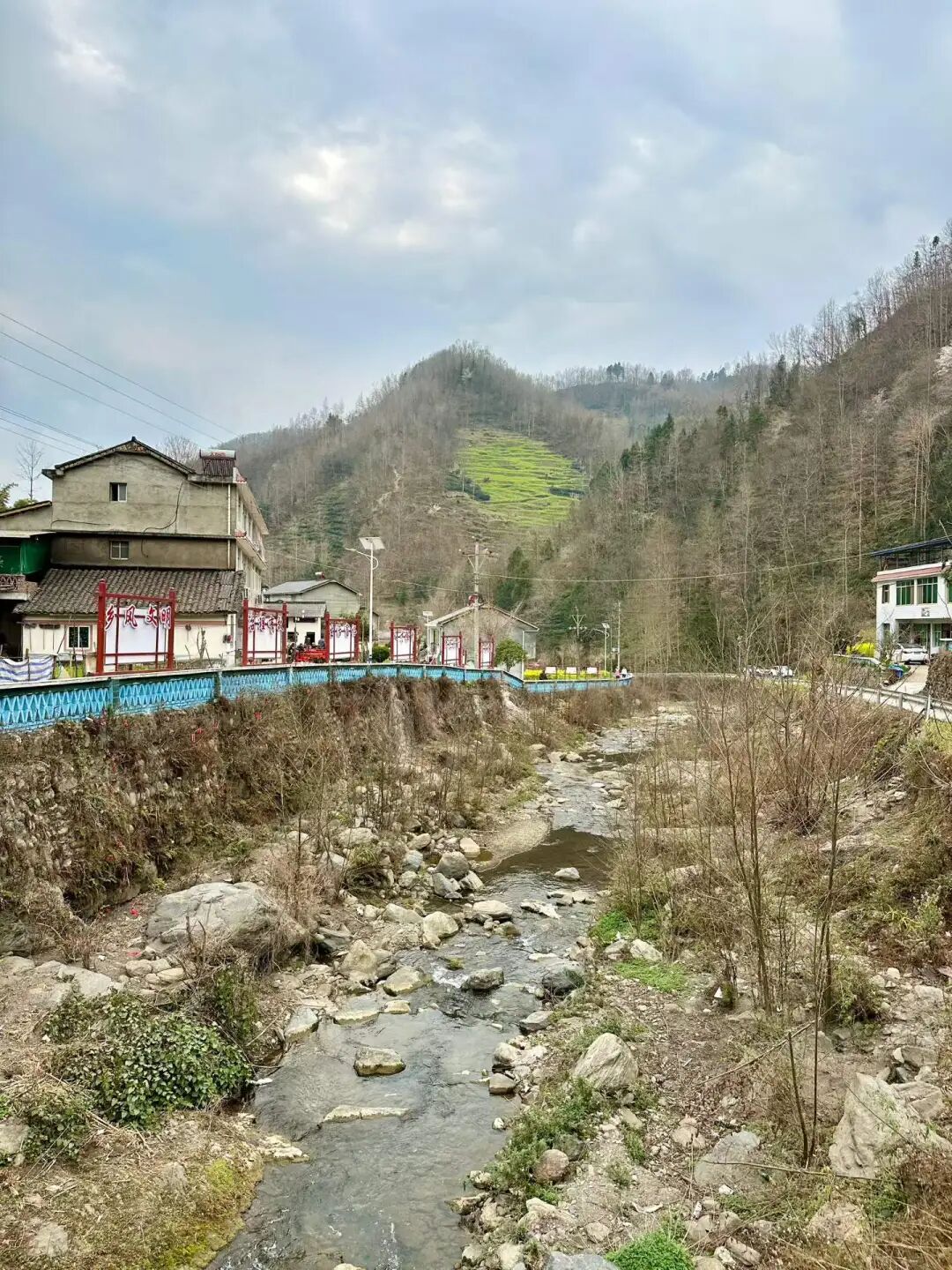
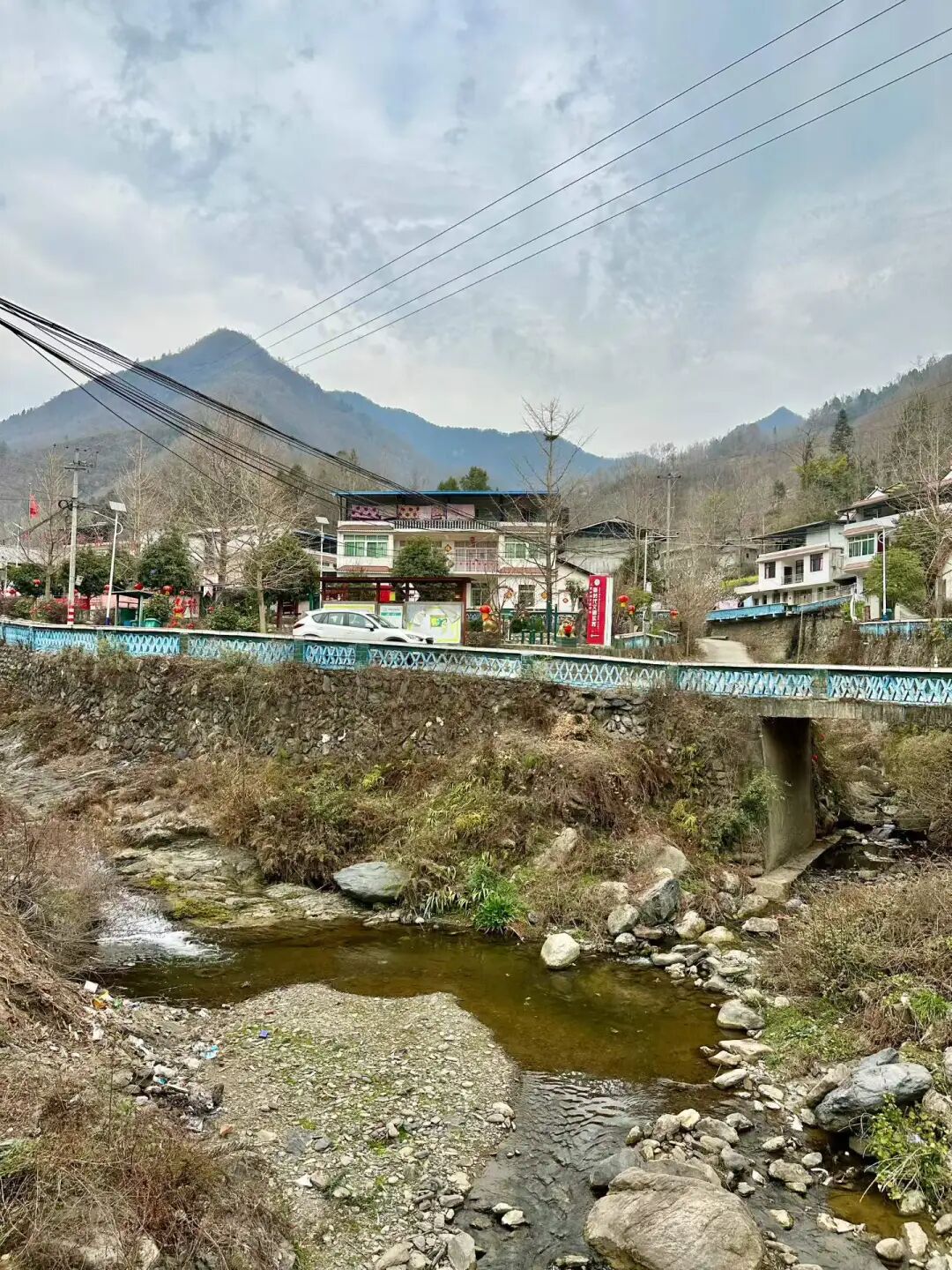
Continuing up the Huaguo River, I reached Suojia Village, another Hui Muslim village. It is the oldest Hui village in all of Qingchuan, with a history of over 400 years. According to a tombstone in the village, Ma Jiyuan invited the Suo and Zhao families to move from Jingyang County, Shanxi, to settle by the Huagai River in 1580 (the eighth year of the Wanli reign of the Ming Dynasty). The Qingchuan County Annals record that in 1586 (the fourteenth year of the Wanli reign of the Ming Dynasty), three Hui Muslim families named Ma, Suo, and Hei from Ta'er Mosque in Jingyang County, Shanxi, moved to settle by the Huagai River in Dayuan Township, marking the arrival of Hui Muslims in the county.
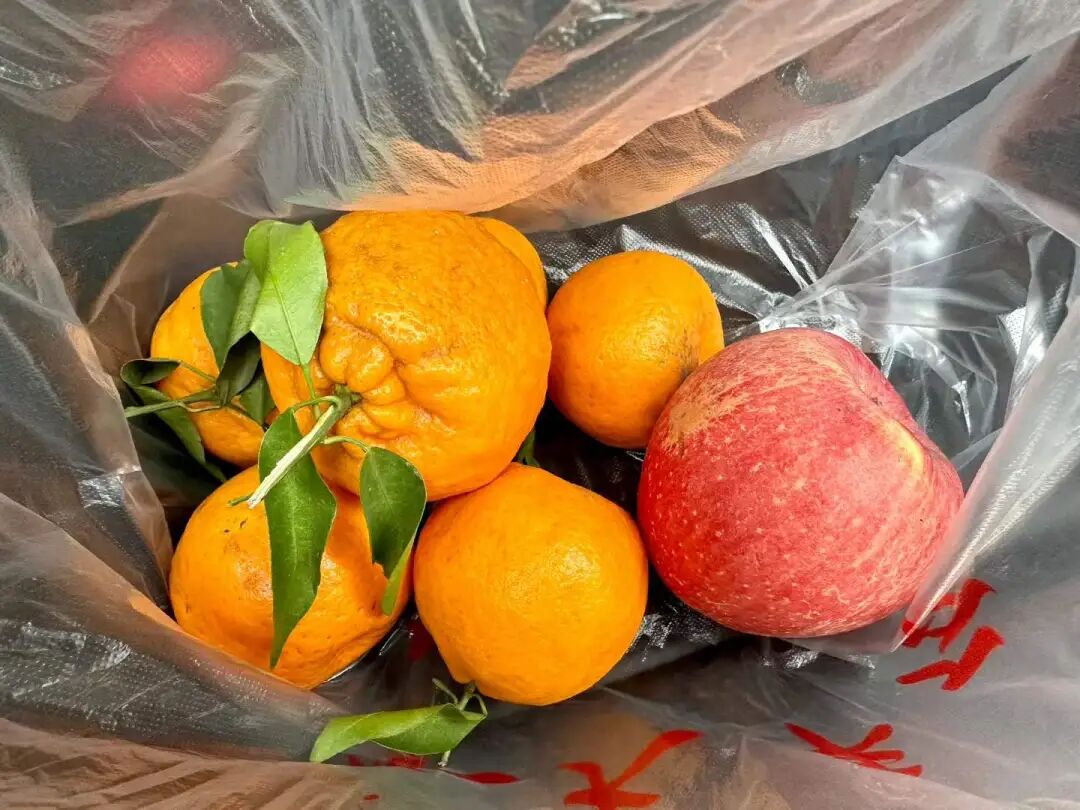
At Suojia Mosque, the imam and village elders welcomed me warmly. I offered a donation (nietie), but they returned it to me, saying it was for travelers, and gave me oranges and apples instead. Suojia Mosque was built in the late Ming Dynasty, occupied in 1952, and torn down in 1967. Led by fellow Muslims Suo Fushou and Ma Minghuai, and through the efforts of Suo Jinming, Suo Wenjin, Ma Qinggao, Suo Jinzhu, Suo Fuguo, and Ma Wancai, the current Suojia Mosque was finally completed after four years of work from 2007 to 2011.
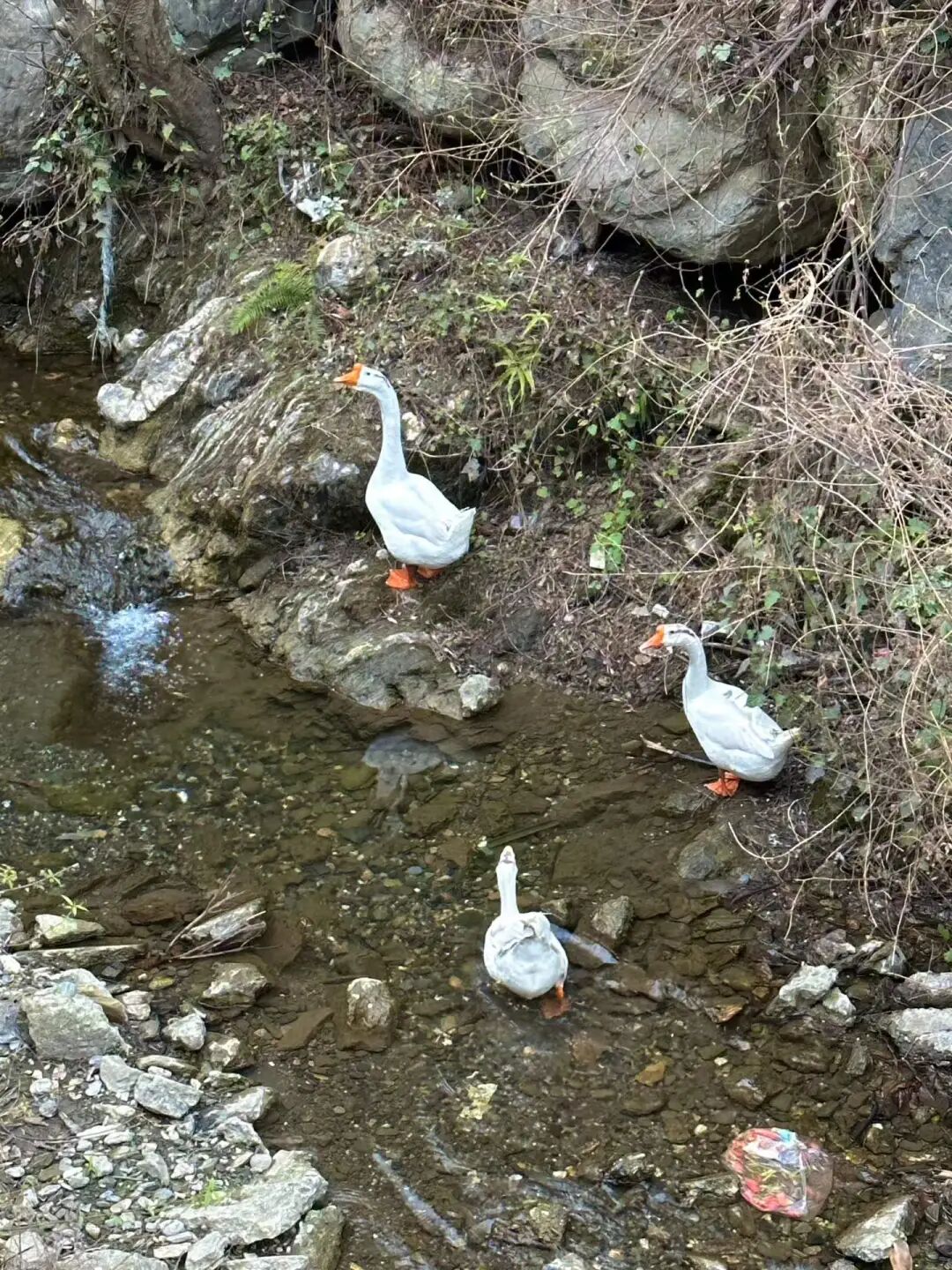
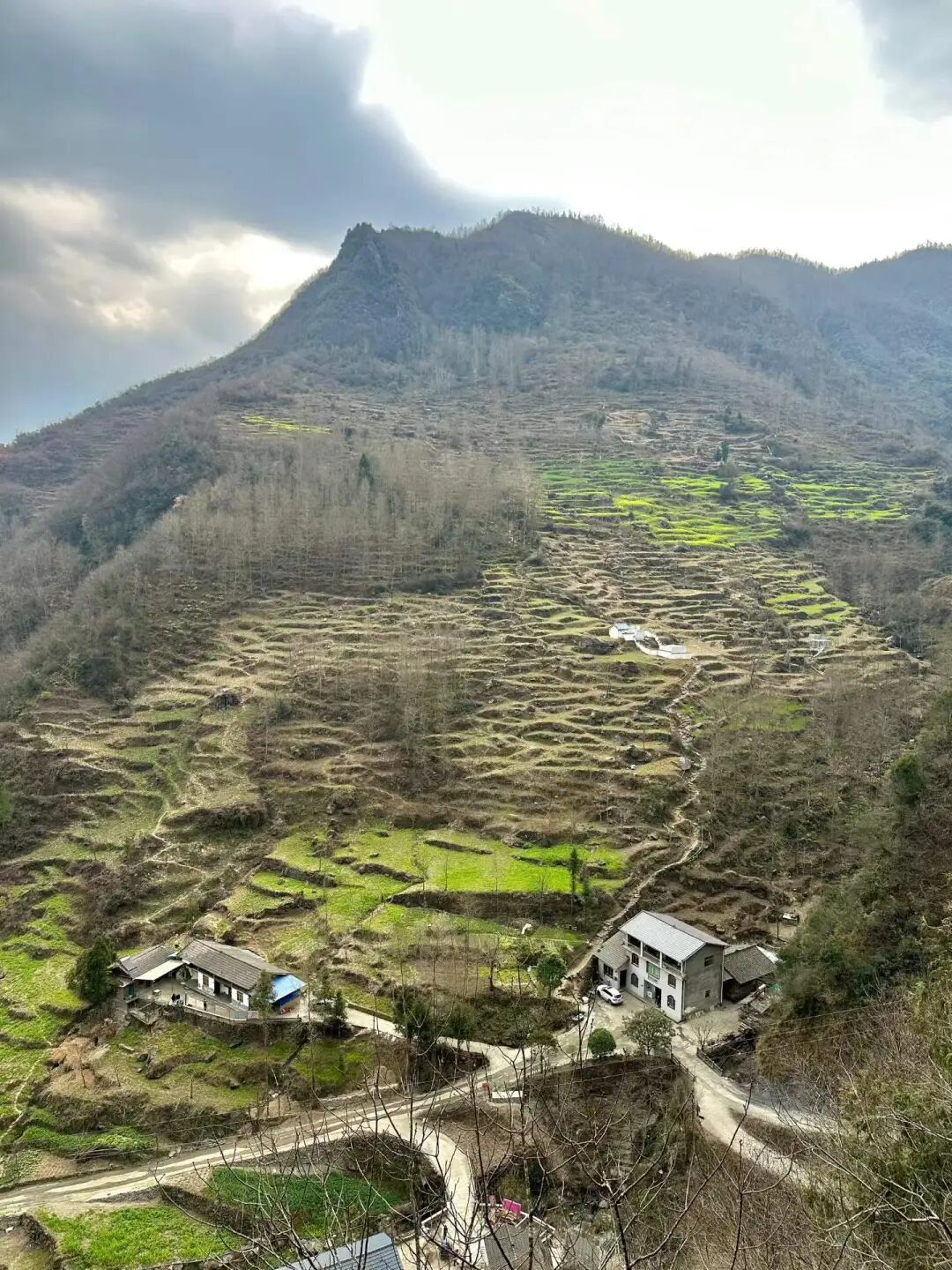
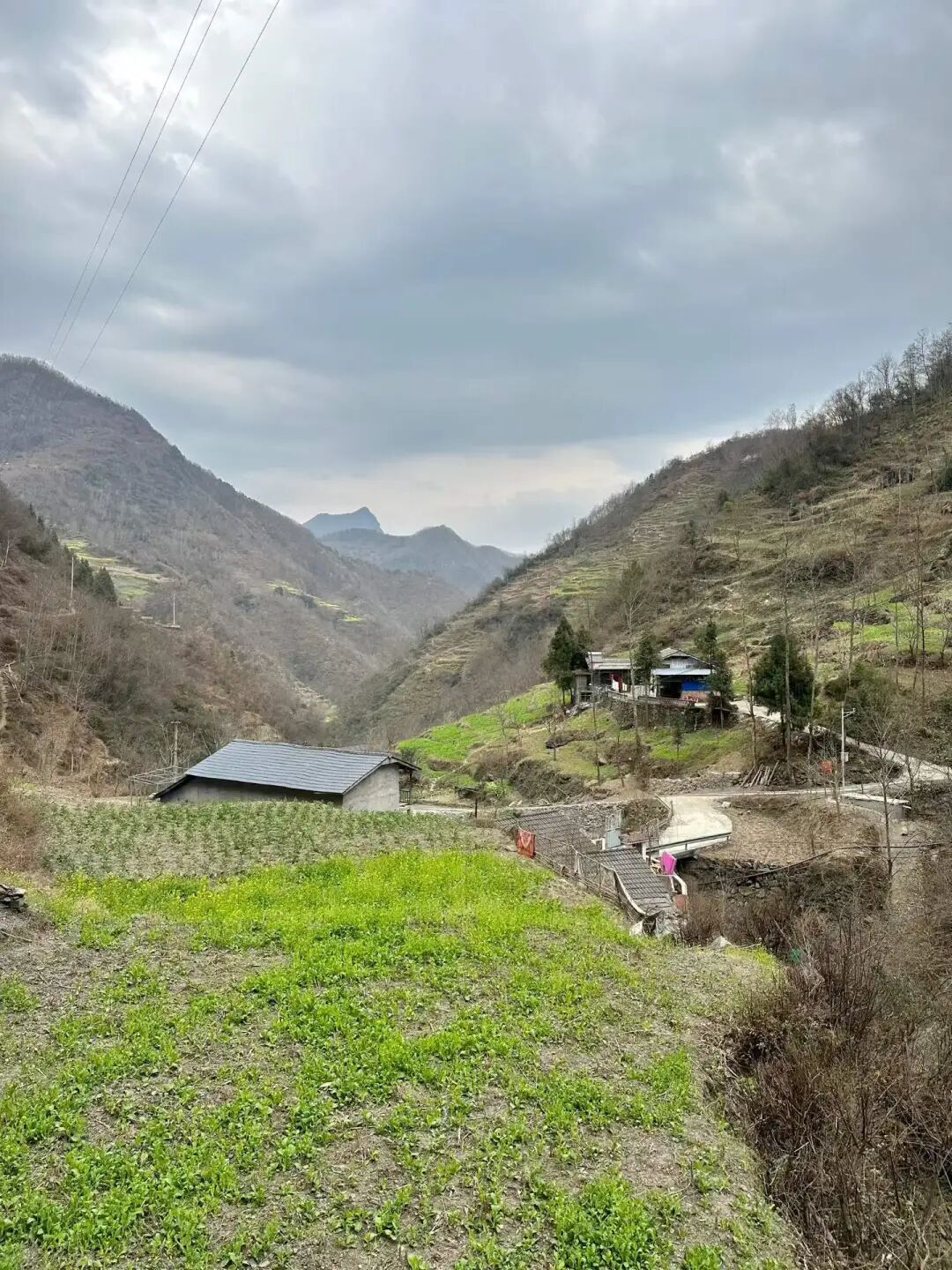
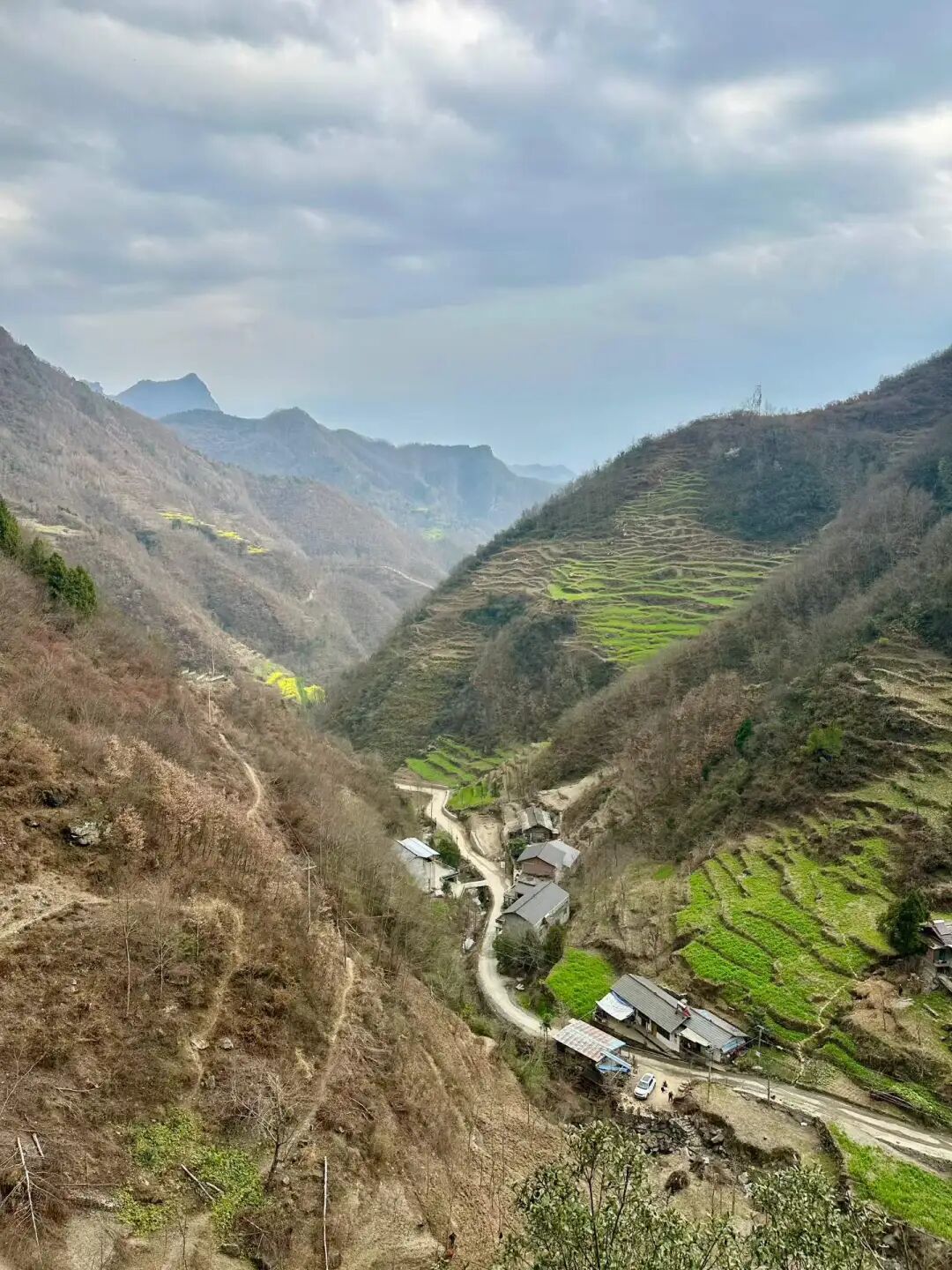
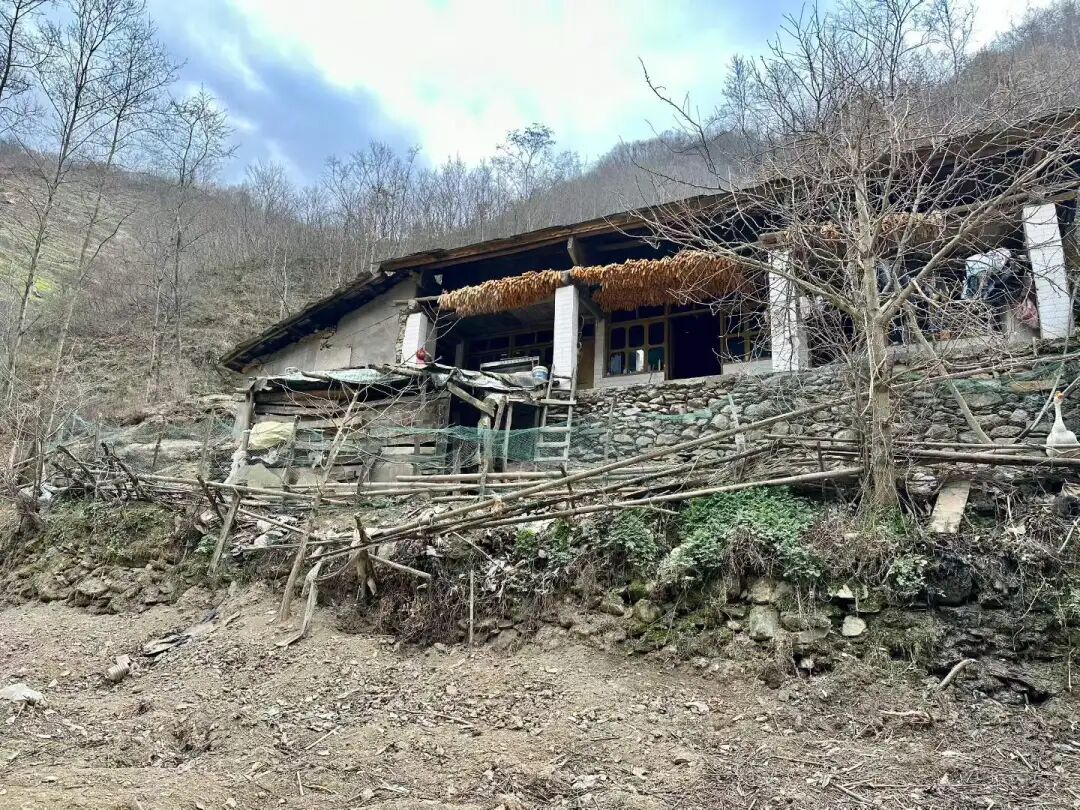
In Suojia Village, I clearly saw many people wearing white caps. Everyone was very friendly and smiled at me. Suojia Village sits deep in Wulong Mountain. With ducks and geese in the stream and fellow Muslims plowing the terraced fields with oxen, it is a peaceful scene, like a hidden paradise.
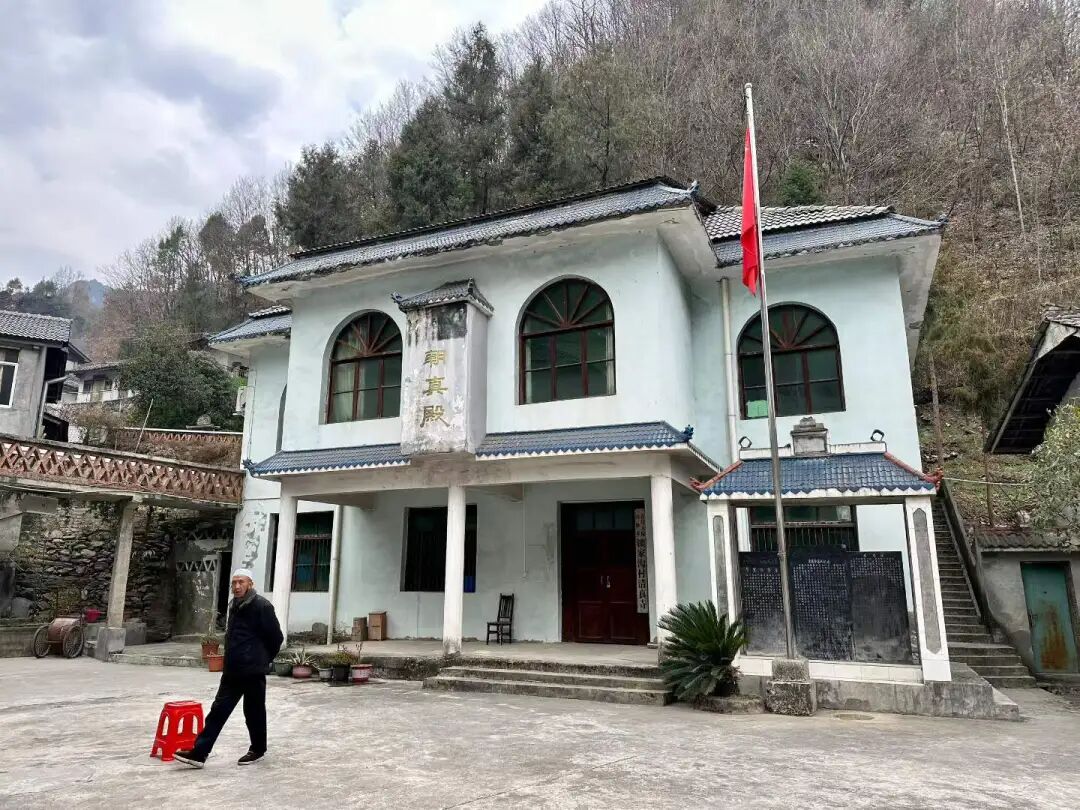
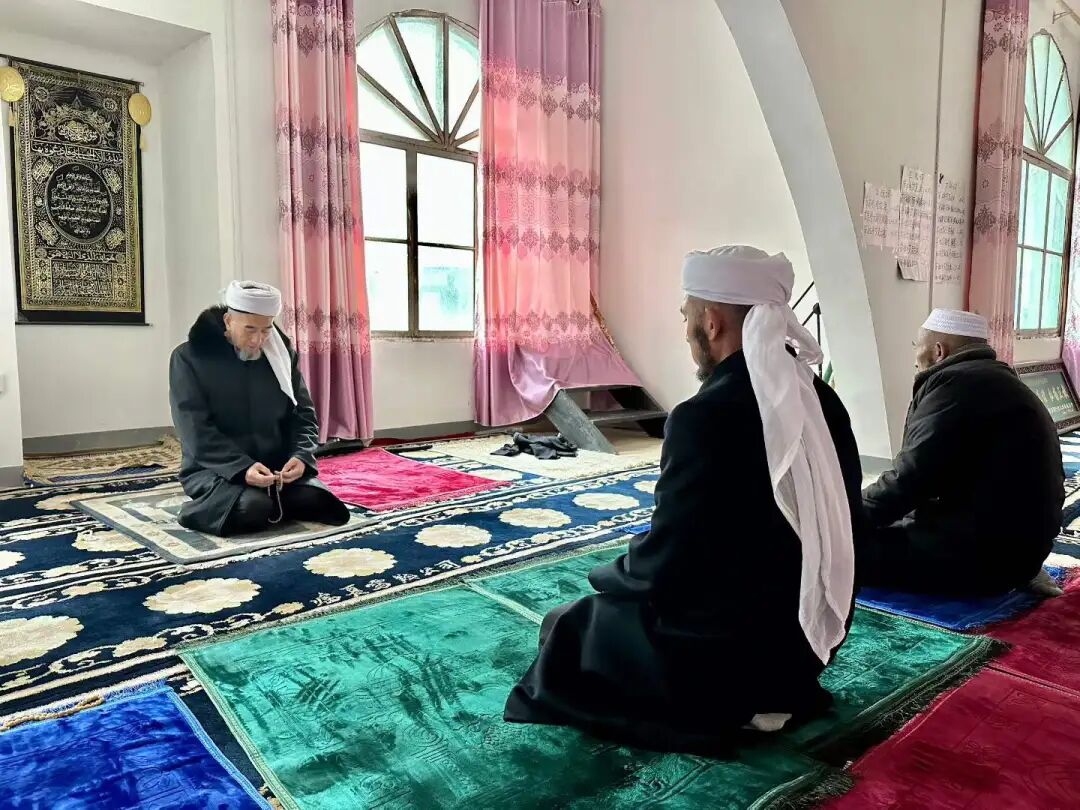
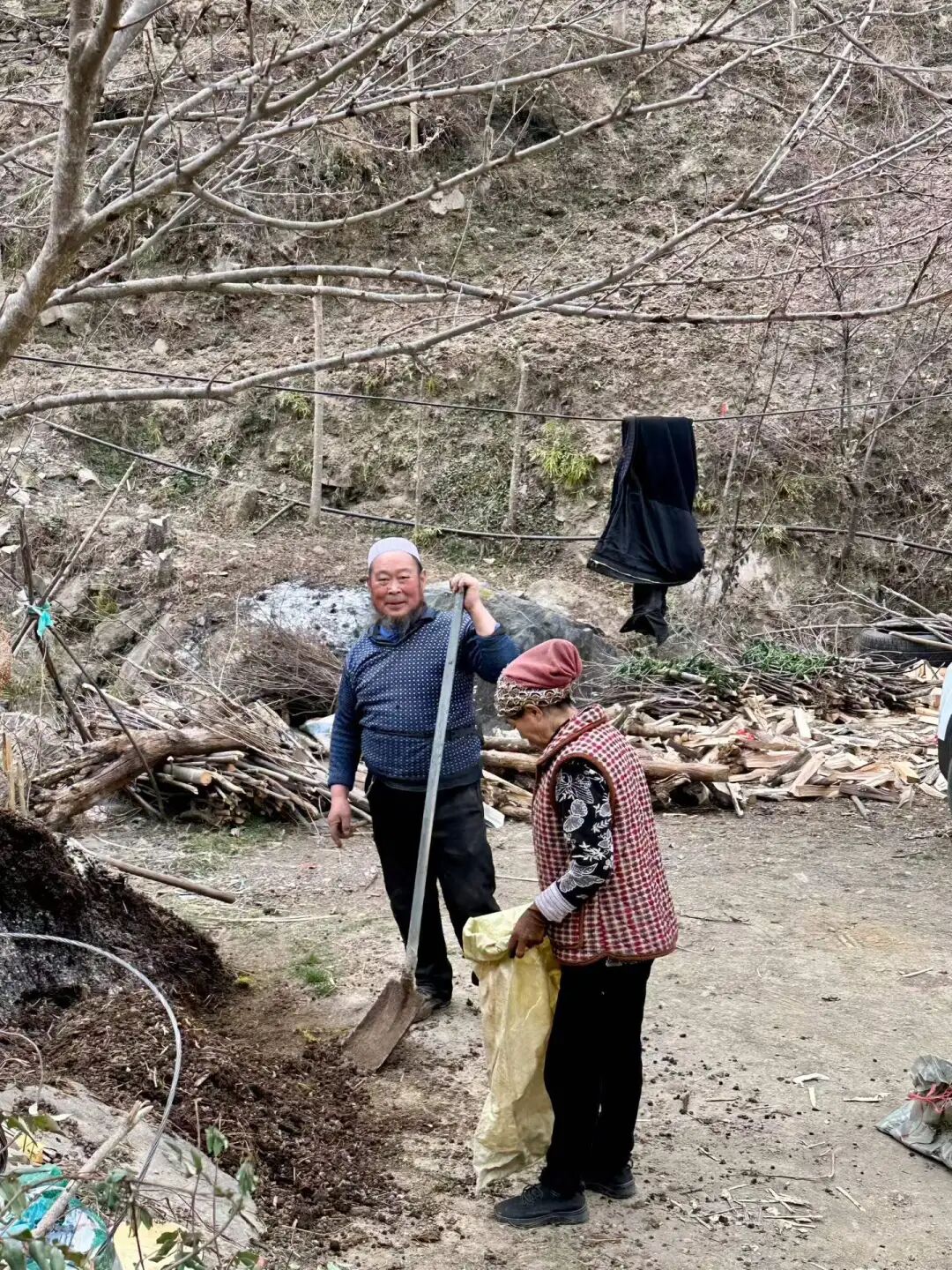
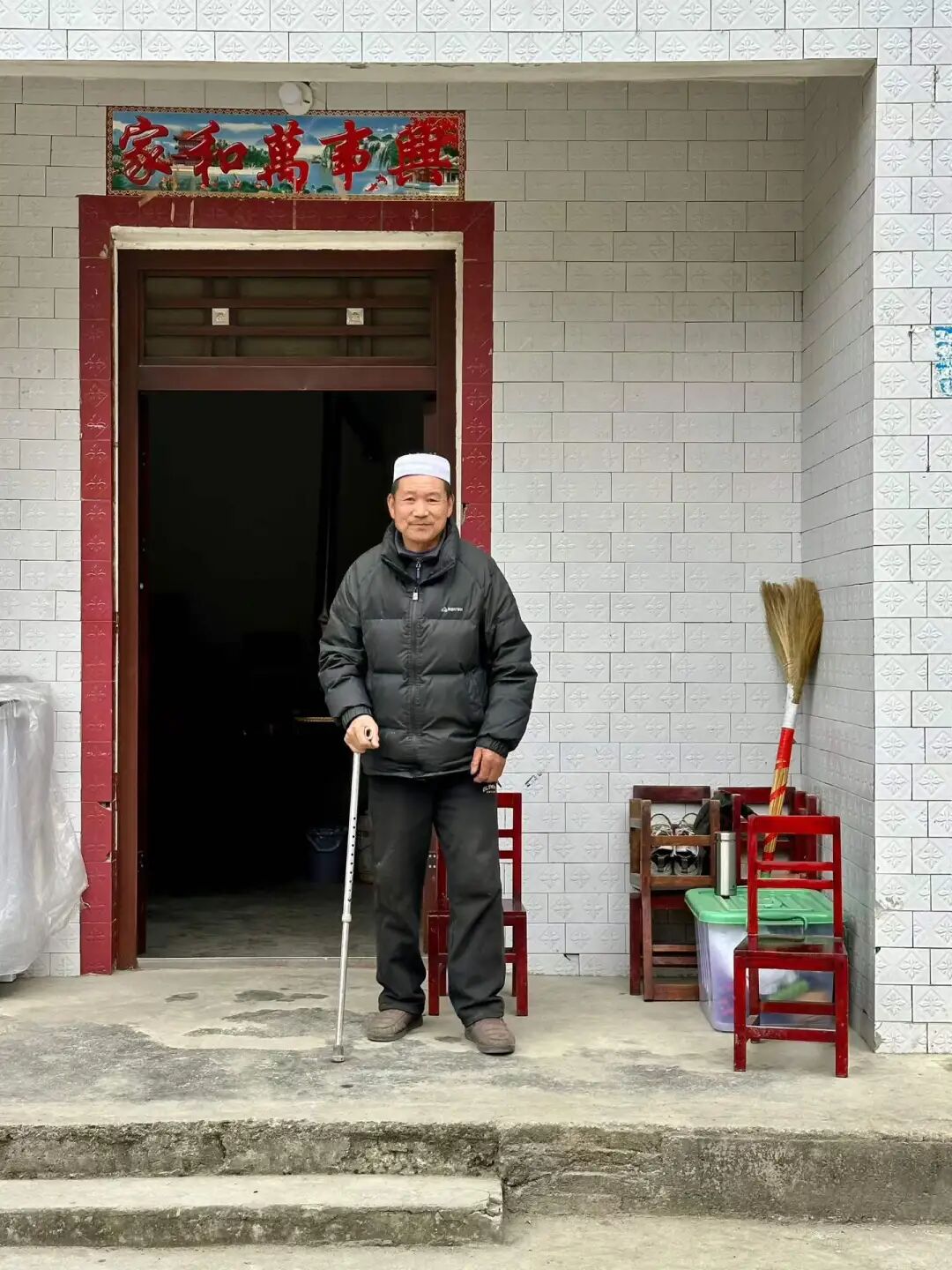
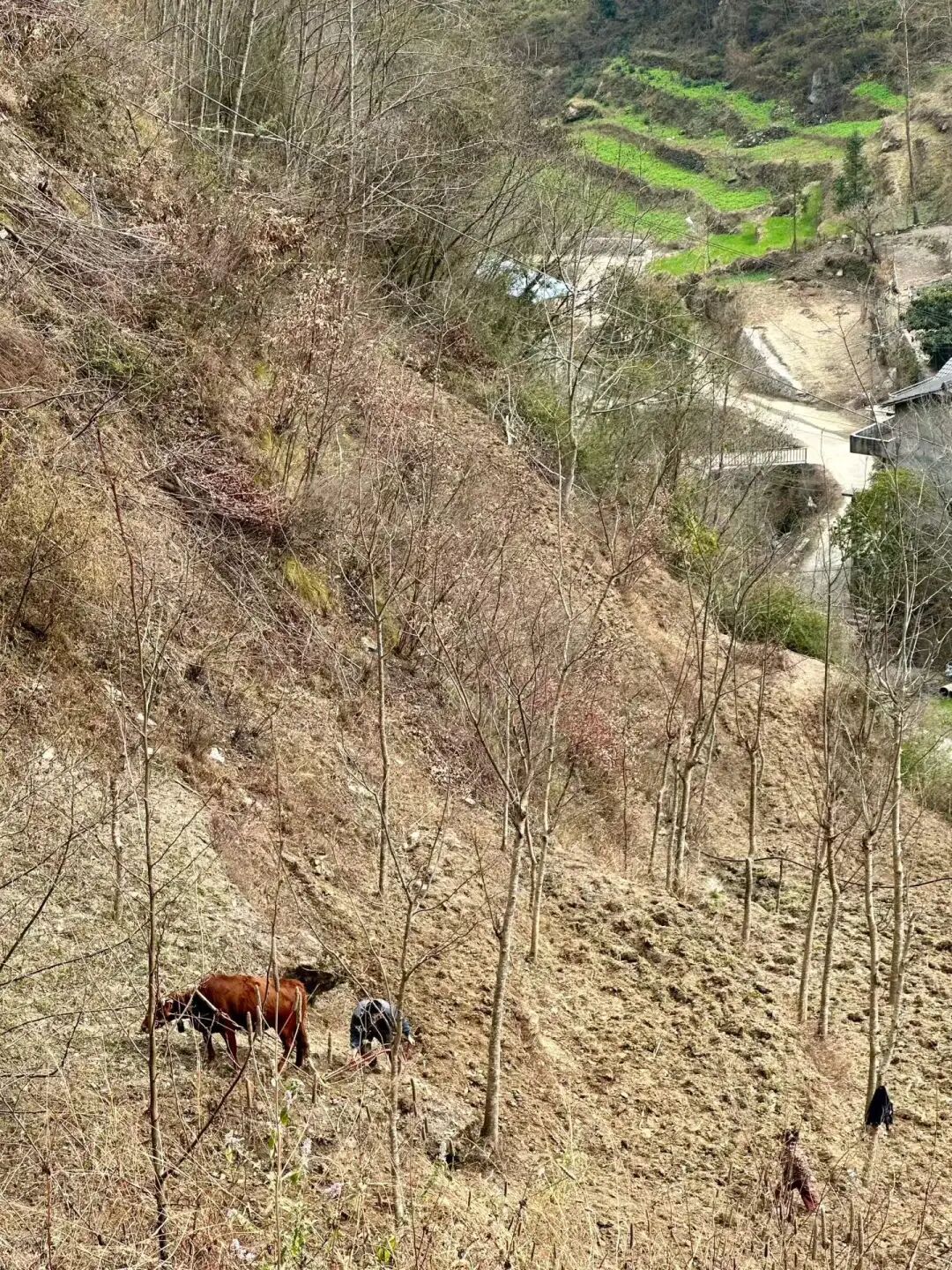
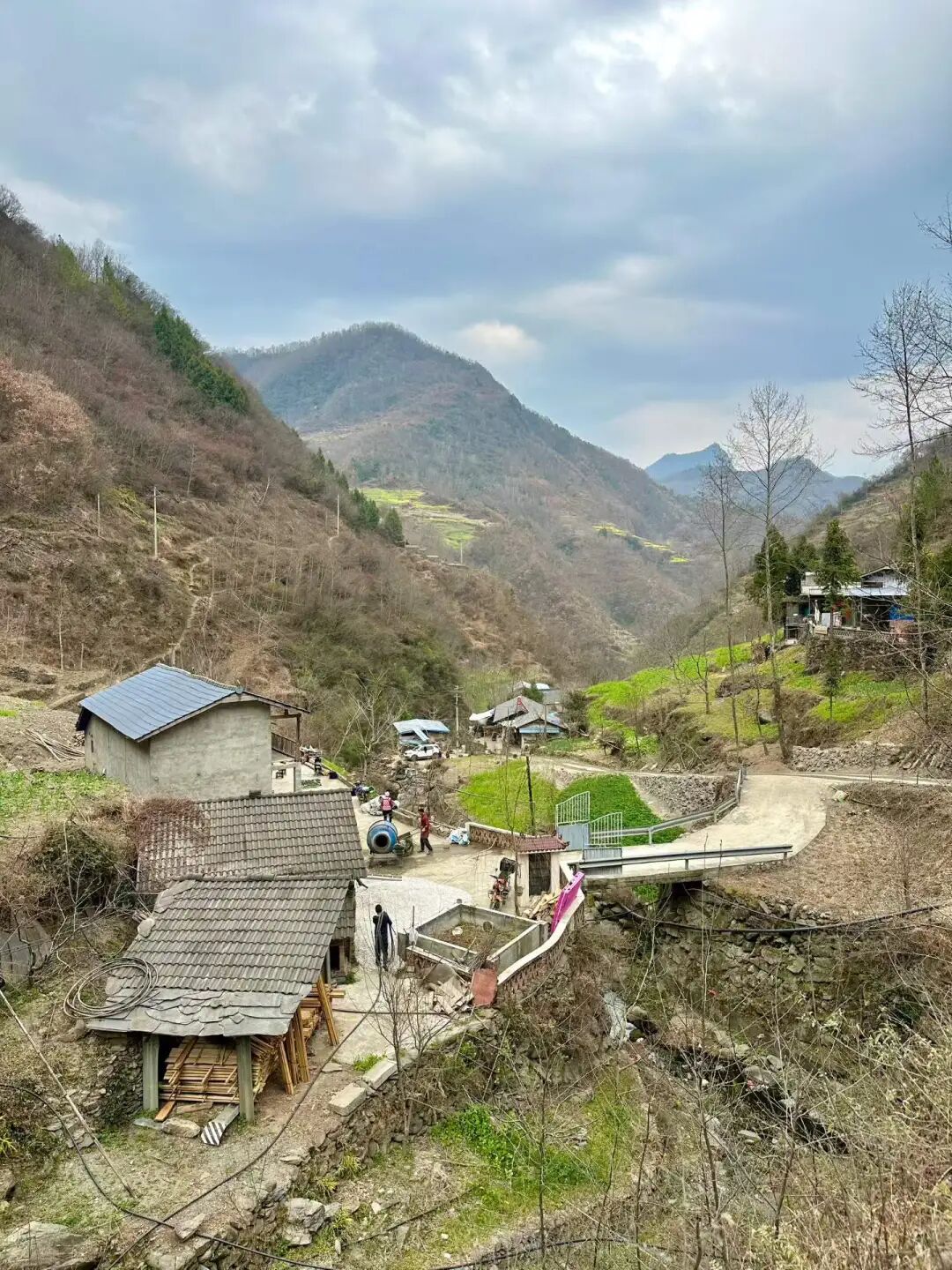
Suojia Village is definitely the most beautiful Hui Muslim village I have visited in Sichuan. I slowly climbed Wulong Mountain and looked out from the railing. Rolling green mountains stretched out, the quiet Huaguo River valley lay between them, and houses were scattered along the slopes. White walls and dark tiles dotted the landscape, while terraced fields formed a lush green pattern. The fresh mountain air hit my face, and everything I saw felt like a healing pastoral poem.
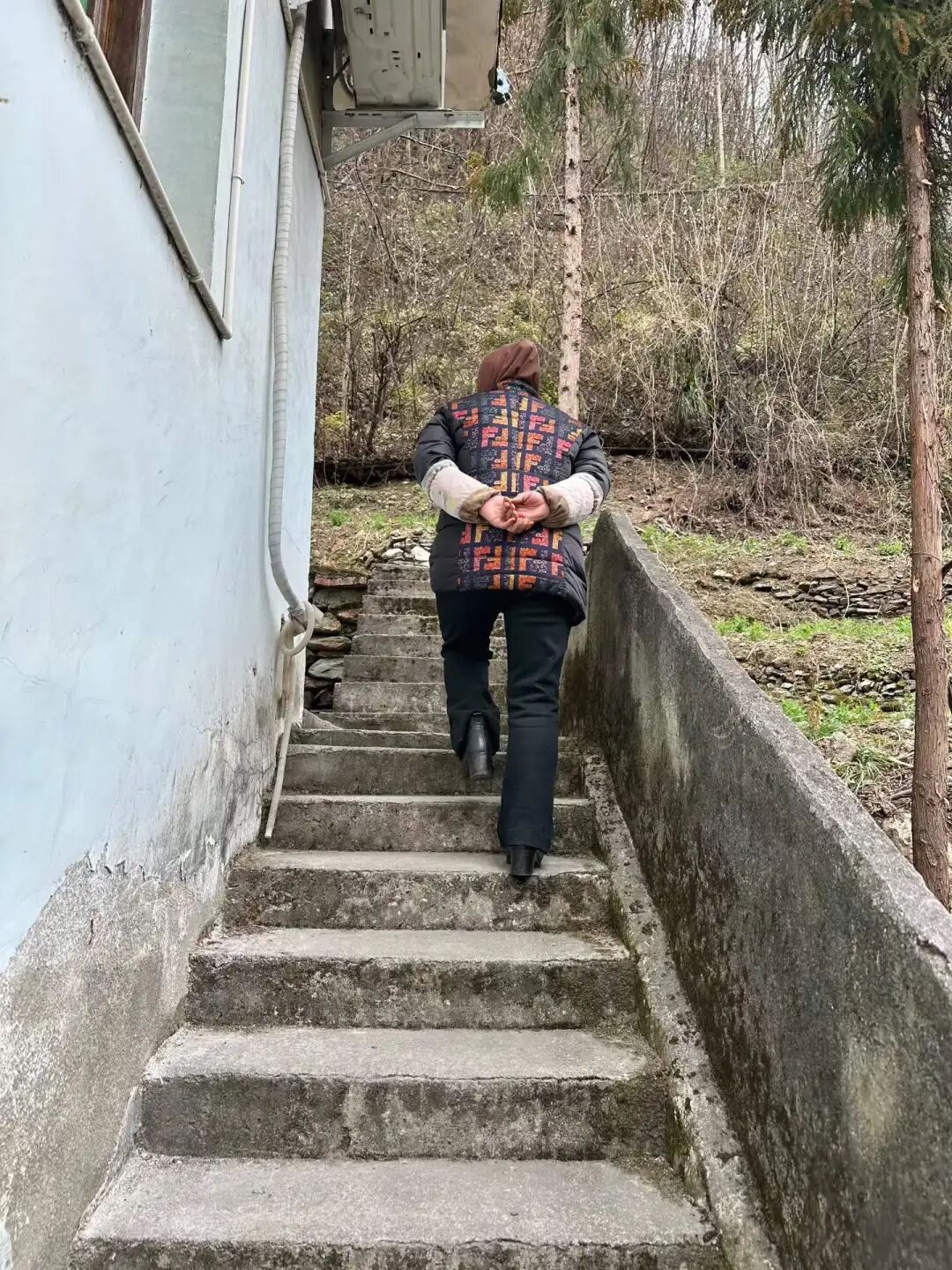
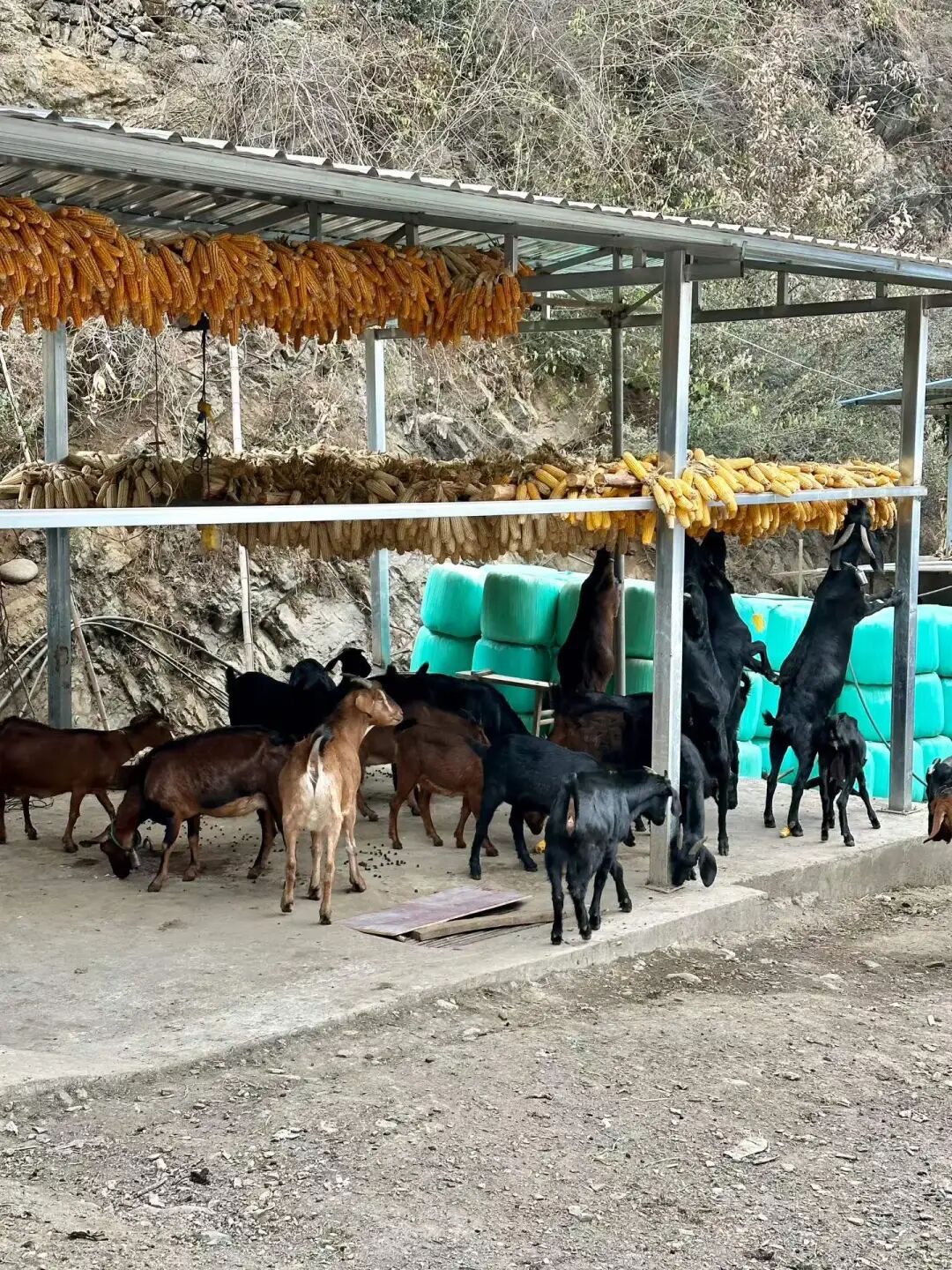
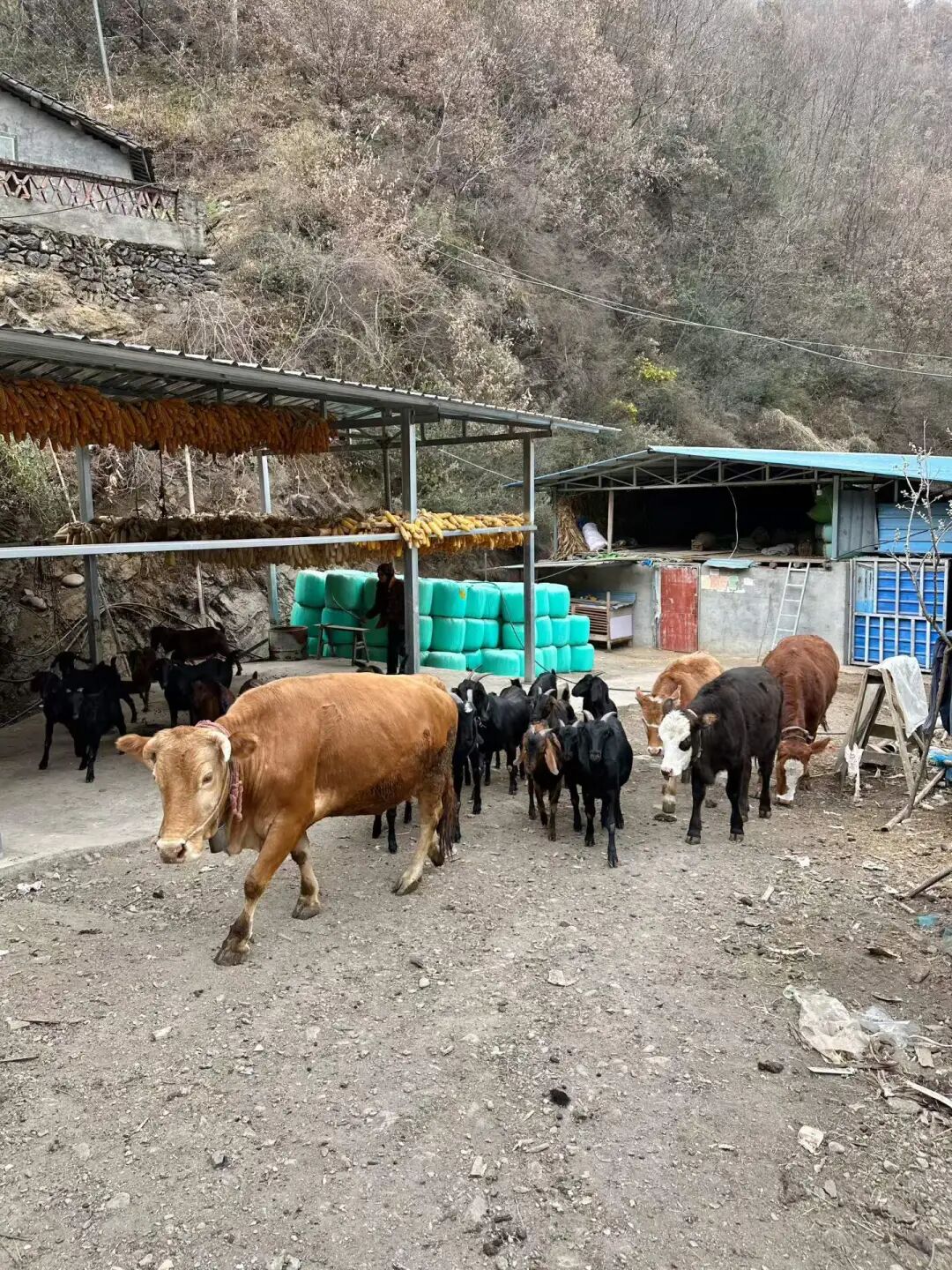
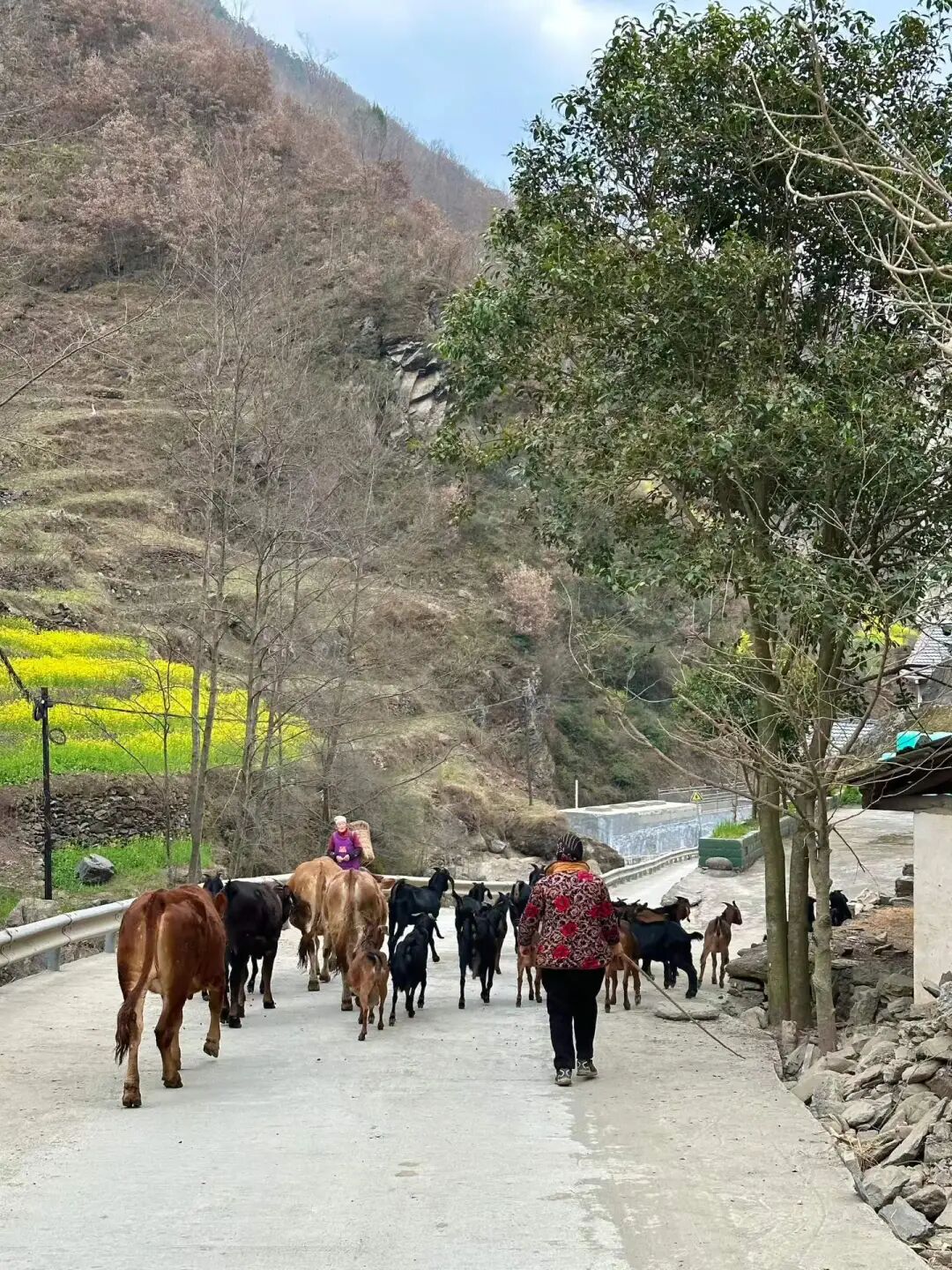
The village specializes in organic green tea, mountain delicacies, eco-friendly beef and lamb, and medicinal herbs grown in the forest. While walking through the village, I happened to meet a simple Hui Muslim grandmother driving her cattle and sheep into the deep mountains to graze, looking very relaxed. When she is not grazing them, she feeds the cattle and sheep pure corn cobs. Cattle and sheep raised on mountain spring water, wild mushrooms, and corn must taste great. I want to try some next time I have the chance.
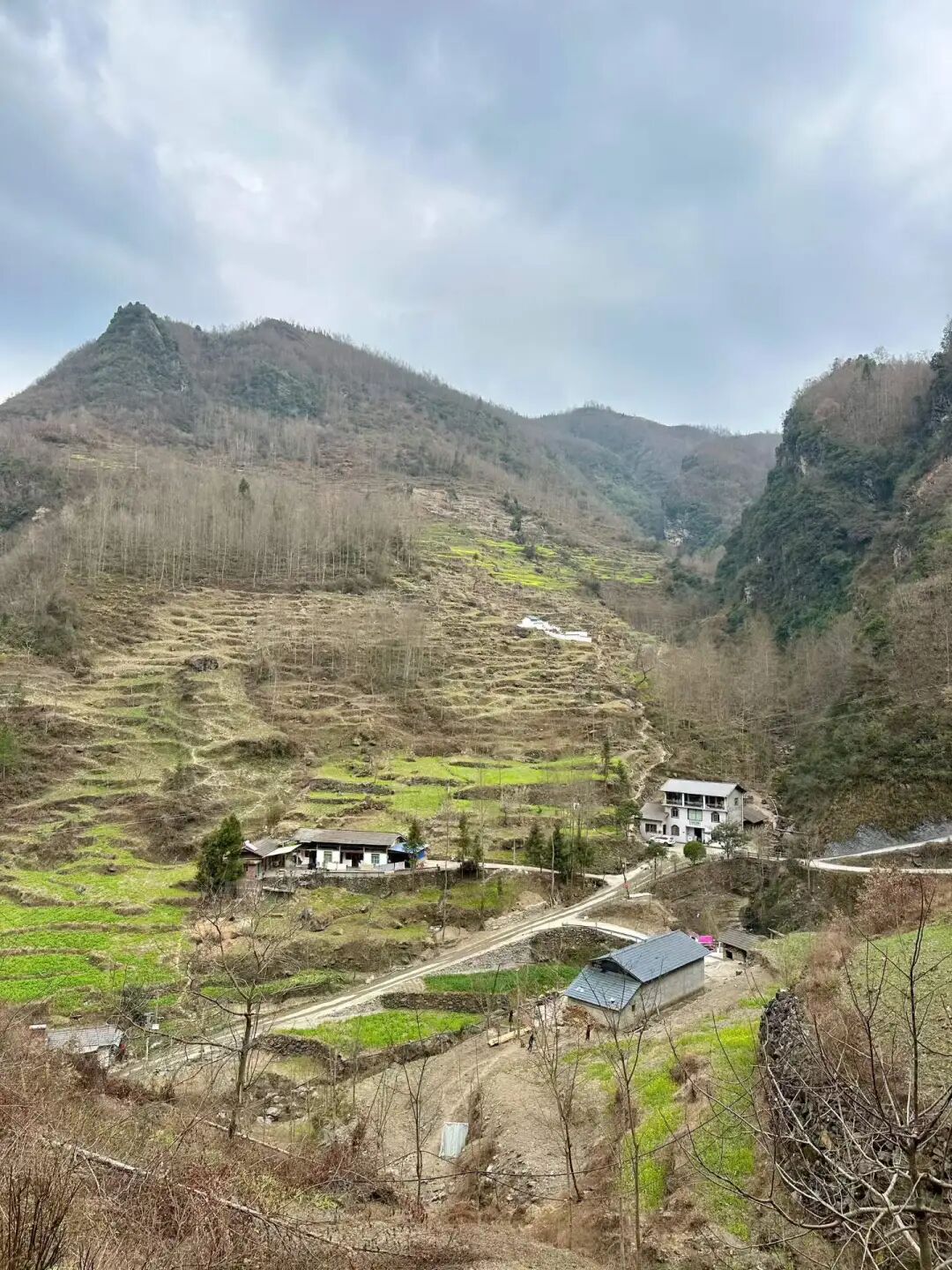
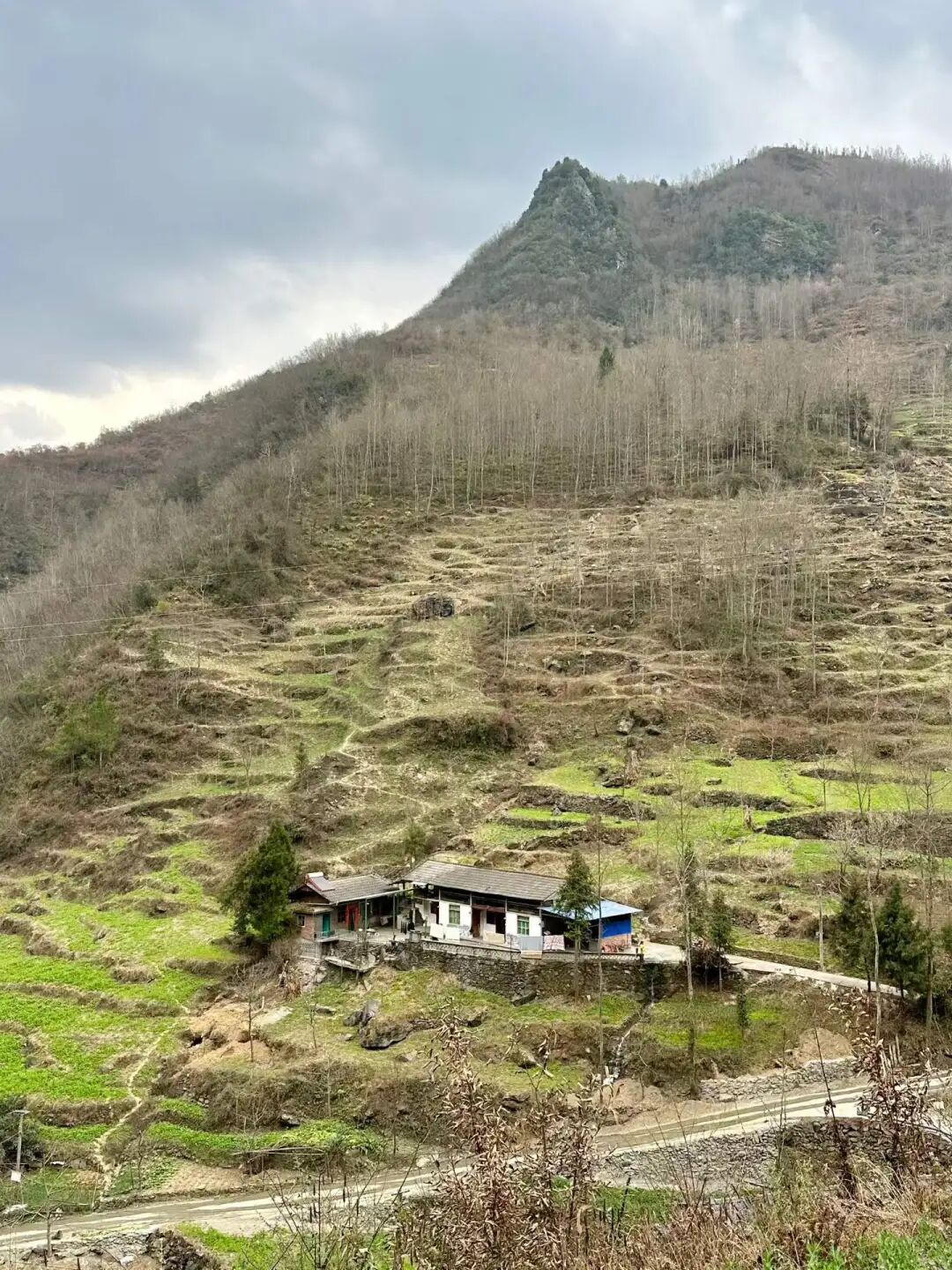
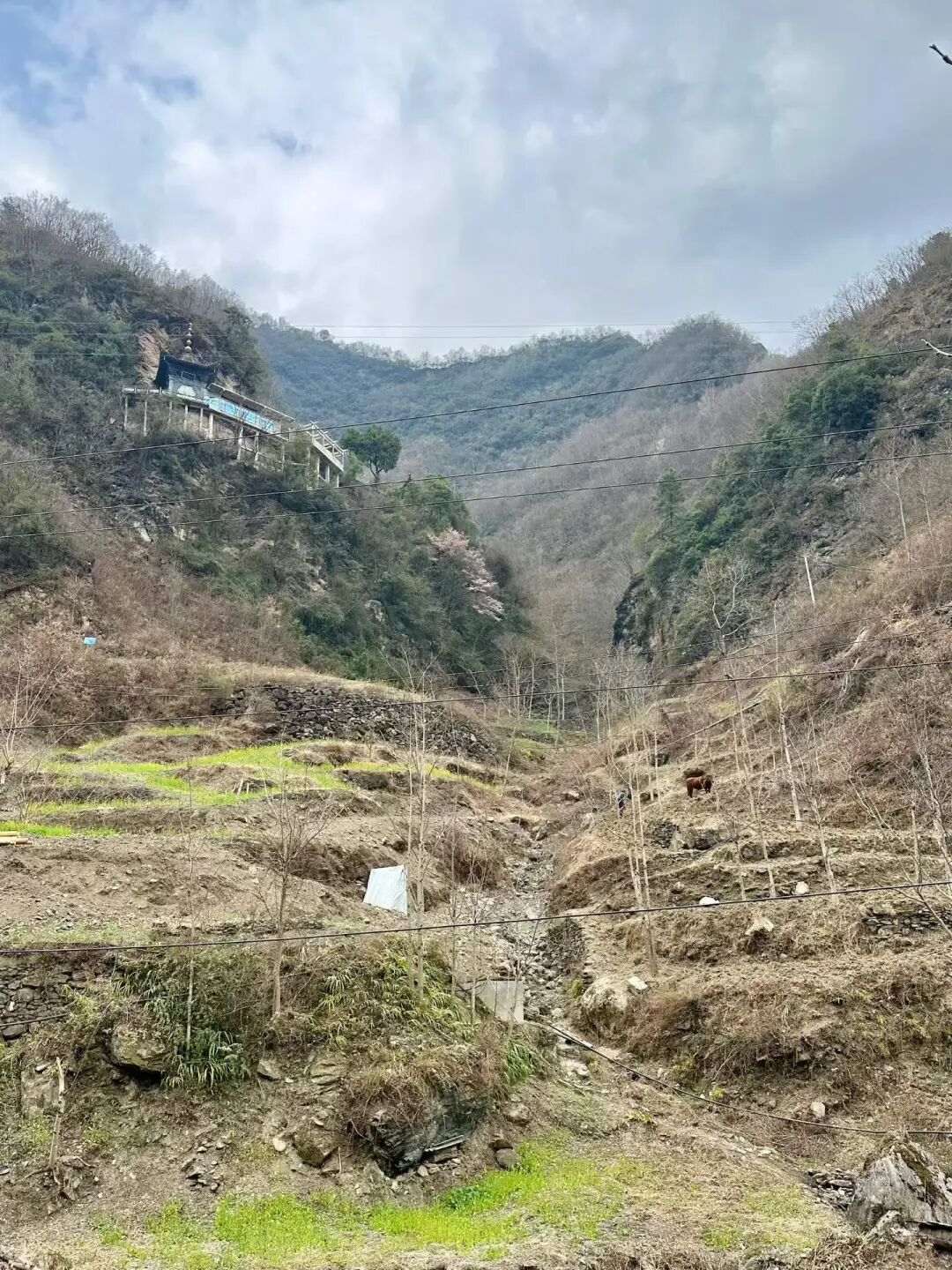
On a cliff at the end of the Huaguo River valley sits the Wulong Mountain Gongbei, also called the Wulong Mountain Mosque (Qingzhen Ting), which belongs to the Jahriyya Sufi order (Gaderenye Menhuan). This cliffside shrine is comparable in scale to the Jiujing Gongbei.
Wulong Mountain Gongbei is where 'Grandpa An' (An Taiye) from Ding'an River practiced during his lifetime. Grandpa An was originally a Han Chinese from Anhui. During the Kangxi reign, he served as a magistrate in Langzhong County. Inspired by Qi Jingyi, the founder of the Jahriyya order, he resigned from his post to join the faith. Later, he went to Wulong Mountain to practice in a cave. After he passed away (gui zhen) in 1708 (the forty-seventh year of the Kangxi reign), the Wulong Mountain Gongbei was built. Inside the Gongbei, there is a plaque from the eighth year of the Xianfeng reign that reads 'Imperial Grace' (Sheng En).
Summary: This northern Sichuan travelogue visits Dayuan Hui Muslim Township in Qingchuan County and Wulongshan gongbei (Sufi shrine), preserving the route, people, and local Muslim heritage.
I left downtown Guangyuan in the morning and reached Dayuan Hui Ethnic Township, deep in the Qinba Mountains, after a trip of nearly two hours. I followed the Huaguo River up the valley and first arrived at Huaguo Village to visit the Huaguo Mosque (Huaguo Si). The mosque was closed, so I could only look around the courtyard.
Huaguo Mosque is a century-old site. It was built in 1925 at Majiakou in Huaguo Village, moved to its current location in Chenjiayuan in 1940, and rebuilt after the 2008 earthquake. You can still see the old stone column bases in the courtyard today.
Continuing up the Huaguo River, I reached Suojia Village, another Hui Muslim village. It is the oldest Hui village in all of Qingchuan, with a history of over 400 years. According to a tombstone in the village, Ma Jiyuan invited the Suo and Zhao families to move from Jingyang County, Shanxi, to settle by the Huagai River in 1580 (the eighth year of the Wanli reign of the Ming Dynasty). The Qingchuan County Annals record that in 1586 (the fourteenth year of the Wanli reign of the Ming Dynasty), three Hui Muslim families named Ma, Suo, and Hei from Ta'er Mosque in Jingyang County, Shanxi, moved to settle by the Huagai River in Dayuan Township, marking the arrival of Hui Muslims in the county.
At Suojia Mosque, the imam and village elders welcomed me warmly. I offered a donation (nietie), but they returned it to me, saying it was for travelers, and gave me oranges and apples instead. Suojia Mosque was built in the late Ming Dynasty, occupied in 1952, and torn down in 1967. Led by fellow Muslims Suo Fushou and Ma Minghuai, and through the efforts of Suo Jinming, Suo Wenjin, Ma Qinggao, Suo Jinzhu, Suo Fuguo, and Ma Wancai, the current Suojia Mosque was finally completed after four years of work from 2007 to 2011.
In Suojia Village, I clearly saw many people wearing white caps. Everyone was very friendly and smiled at me. Suojia Village sits deep in Wulong Mountain. With ducks and geese in the stream and fellow Muslims plowing the terraced fields with oxen, it is a peaceful scene, like a hidden paradise.
Suojia Village is definitely the most beautiful Hui Muslim village I have visited in Sichuan. I slowly climbed Wulong Mountain and looked out from the railing. Rolling green mountains stretched out, the quiet Huaguo River valley lay between them, and houses were scattered along the slopes. White walls and dark tiles dotted the landscape, while terraced fields formed a lush green pattern. The fresh mountain air hit my face, and everything I saw felt like a healing pastoral poem.
The village specializes in organic green tea, mountain delicacies, eco-friendly beef and lamb, and medicinal herbs grown in the forest. While walking through the village, I happened to meet a simple Hui Muslim grandmother driving her cattle and sheep into the deep mountains to graze, looking very relaxed. When she is not grazing them, she feeds the cattle and sheep pure corn cobs. Cattle and sheep raised on mountain spring water, wild mushrooms, and corn must taste great. I want to try some next time I have the chance.
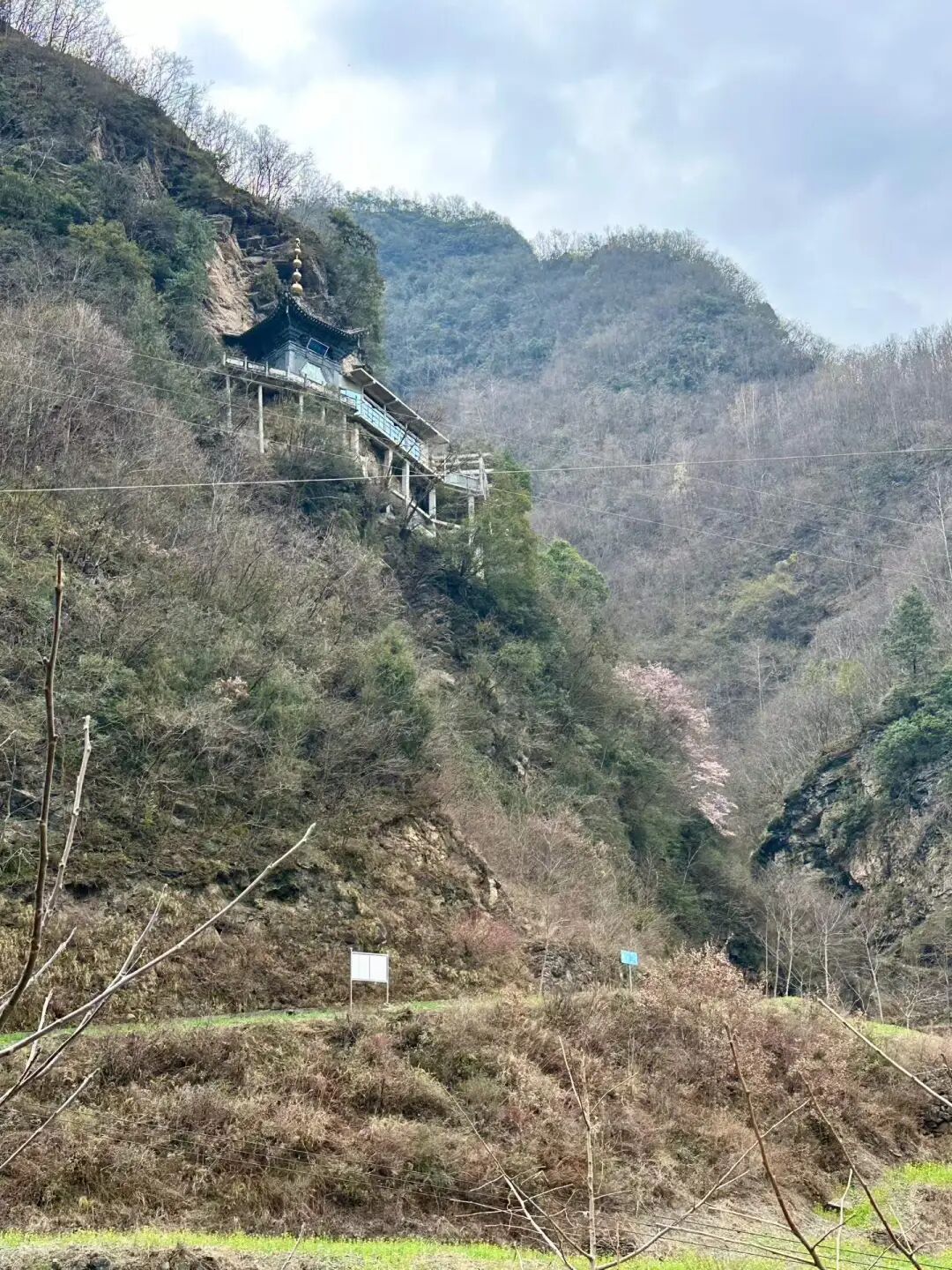
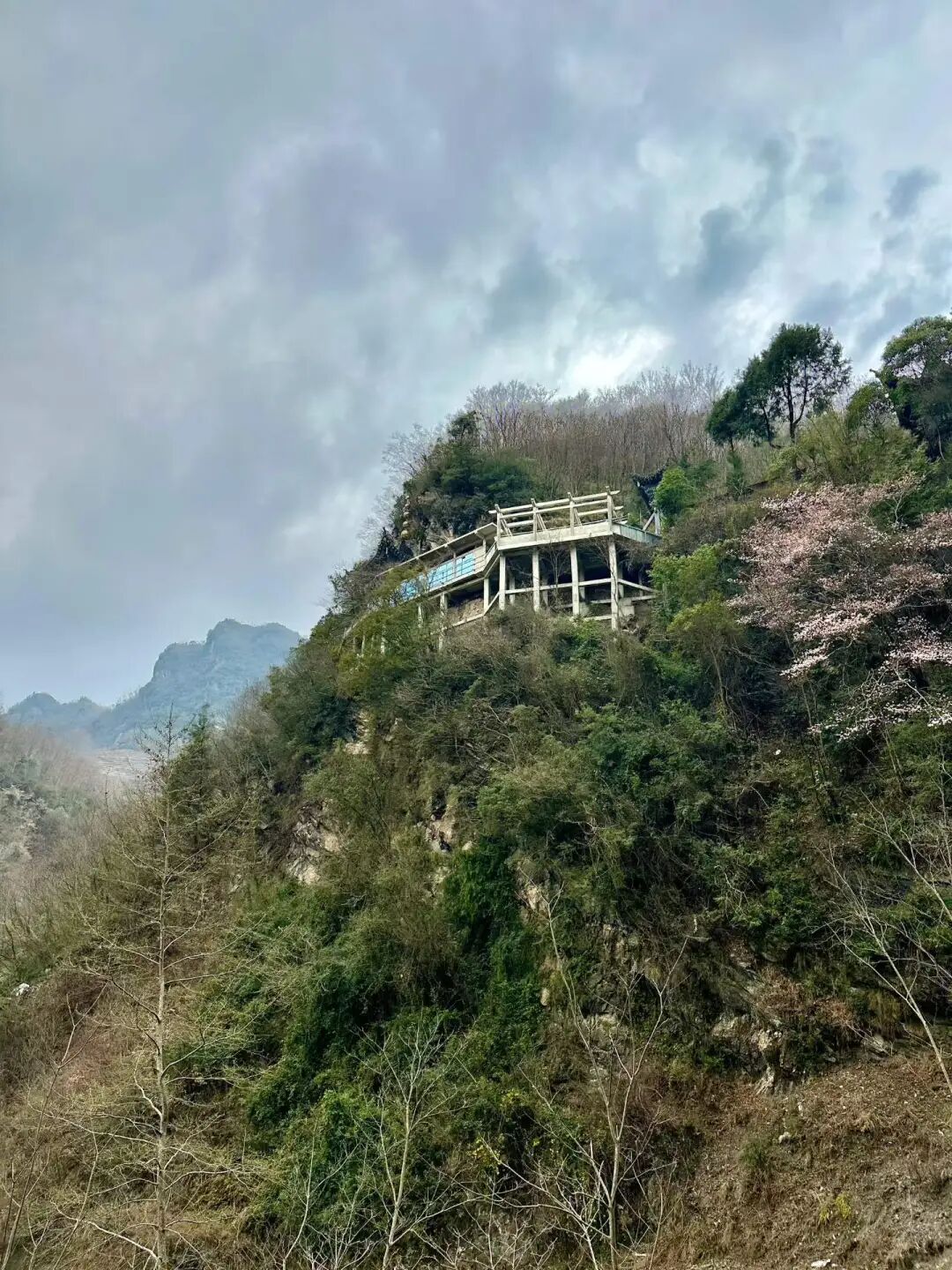
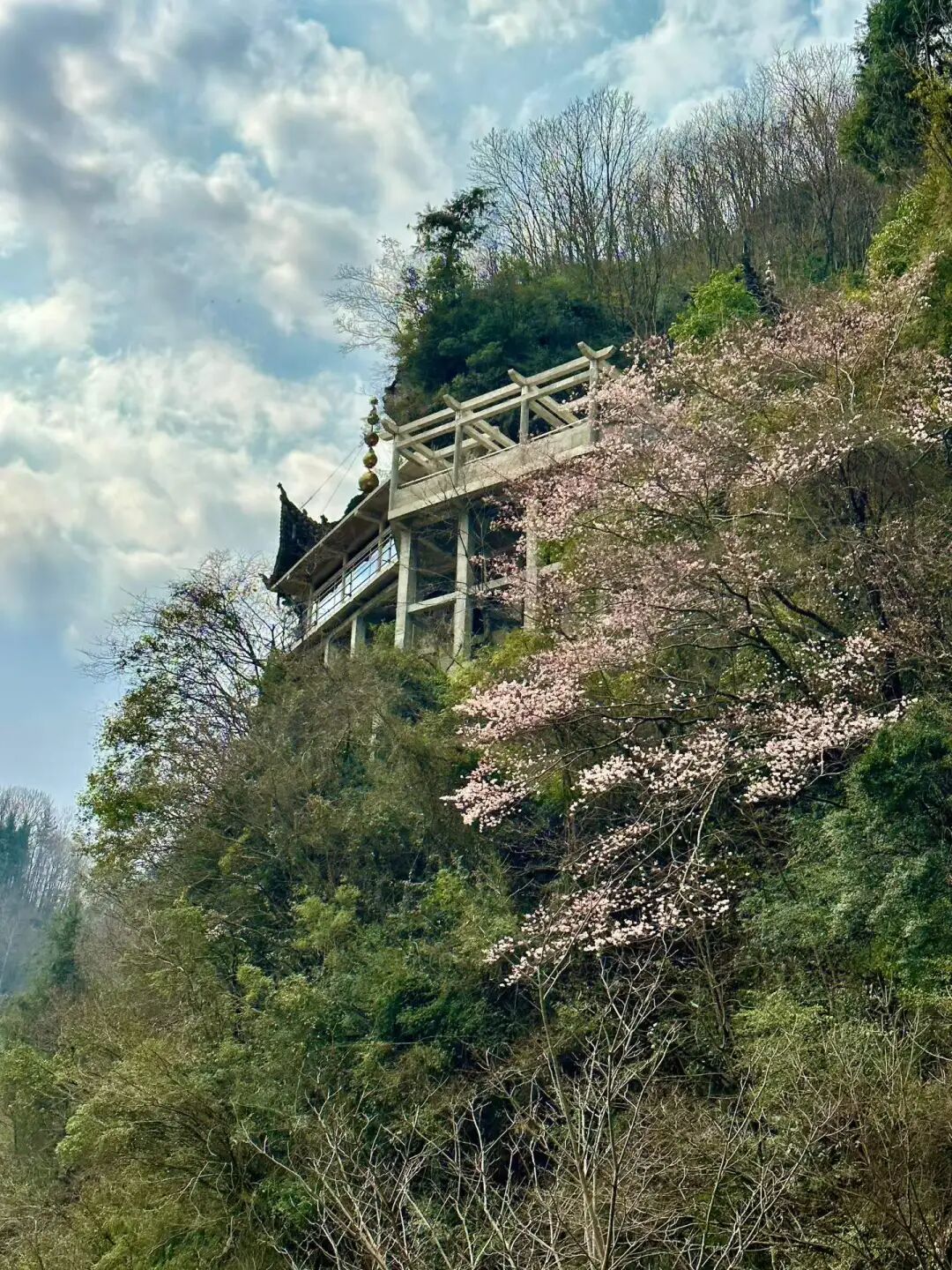
On a cliff at the end of the Huaguo River valley sits the Wulong Mountain Gongbei, also called the Wulong Mountain Mosque (Qingzhen Ting), which belongs to the Jahriyya Sufi order (Gaderenye Menhuan). This cliffside shrine is comparable in scale to the Jiujing Gongbei.
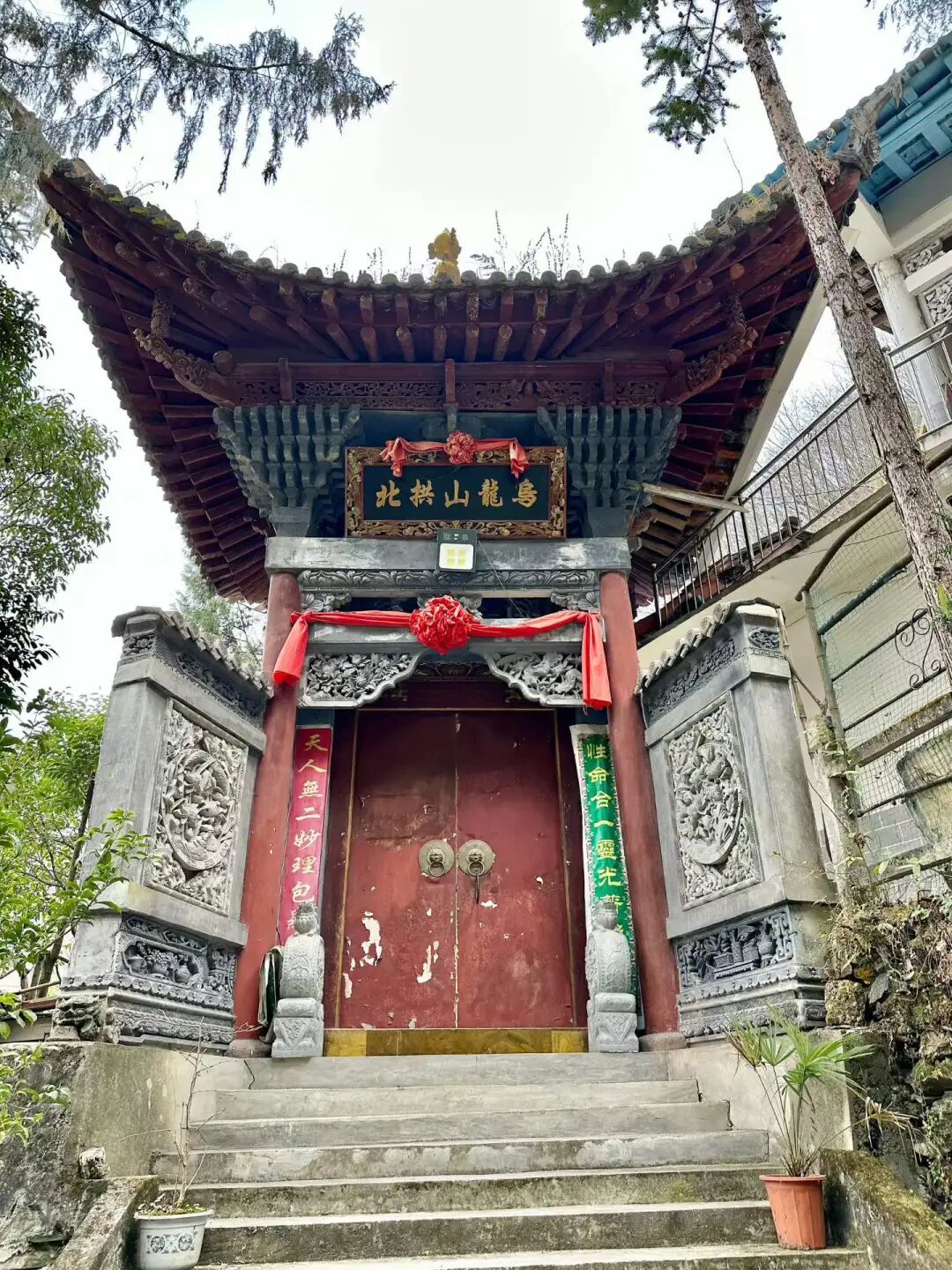
Wulong Mountain Gongbei is where 'Grandpa An' (An Taiye) from Ding'an River practiced during his lifetime. Grandpa An was originally a Han Chinese from Anhui. During the Kangxi reign, he served as a magistrate in Langzhong County. Inspired by Qi Jingyi, the founder of the Jahriyya order, he resigned from his post to join the faith. Later, he went to Wulong Mountain to practice in a cave. After he passed away (gui zhen) in 1708 (the forty-seventh year of the Kangxi reign), the Wulong Mountain Gongbei was built. Inside the Gongbei, there is a plaque from the eighth year of the Xianfeng reign that reads 'Imperial Grace' (Sheng En).
Hidden Gongbei in Guangyuan: Jiujing Sufi Shrine, Mujiapo Hui Village and Sichuan Mosque Road Trip
Articles • ali2007fr posted the article • 0 comments • 200 views • 2026-05-21 06:45
Reposted from the web
Summary: This Guangyuan finale follows Jiujing gongbei (Sufi shrine), Mujiapo Hui Muslim village, rural mosque history, and the last stretch of the Sichuan Spring Festival road trip.
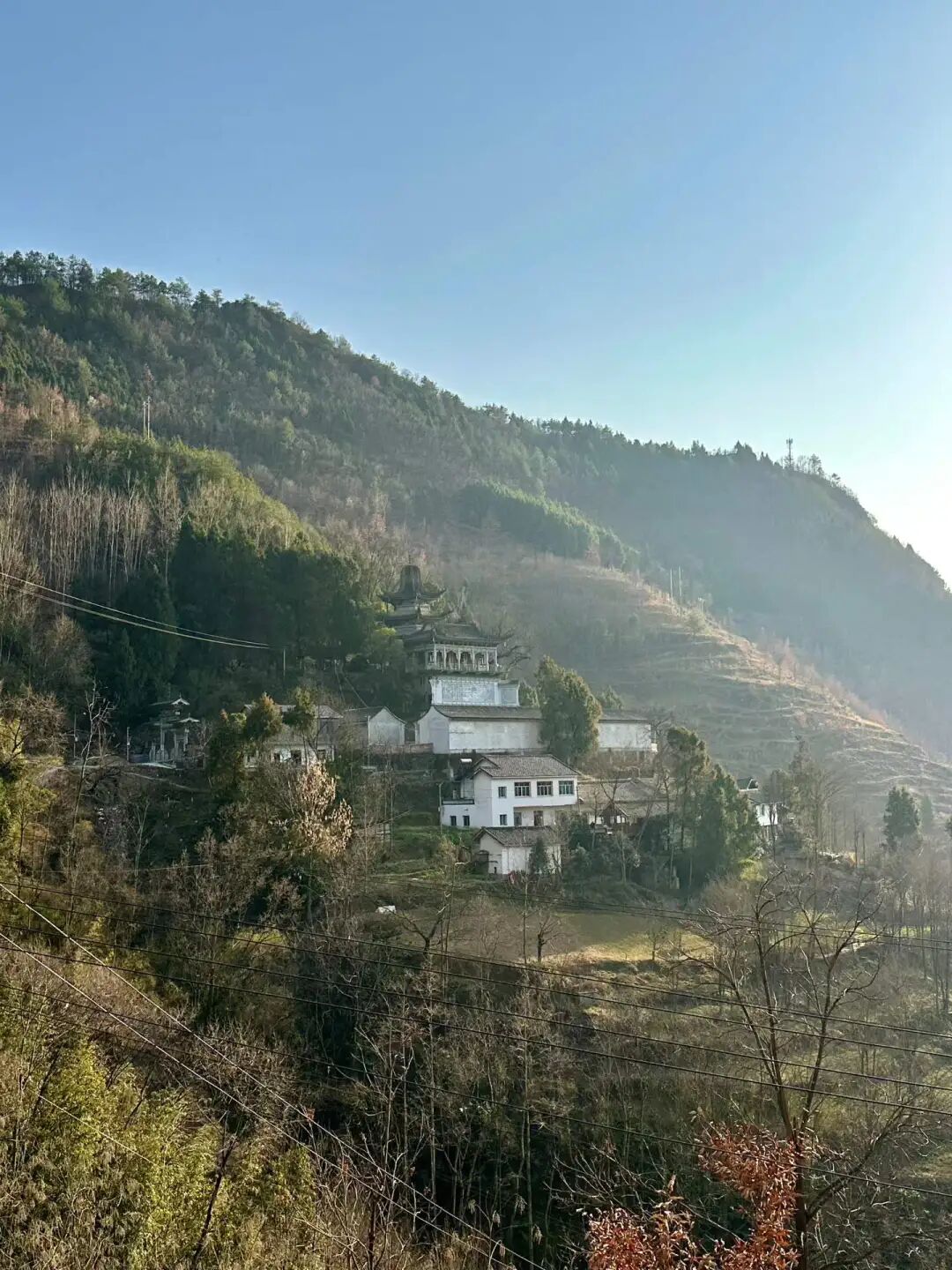
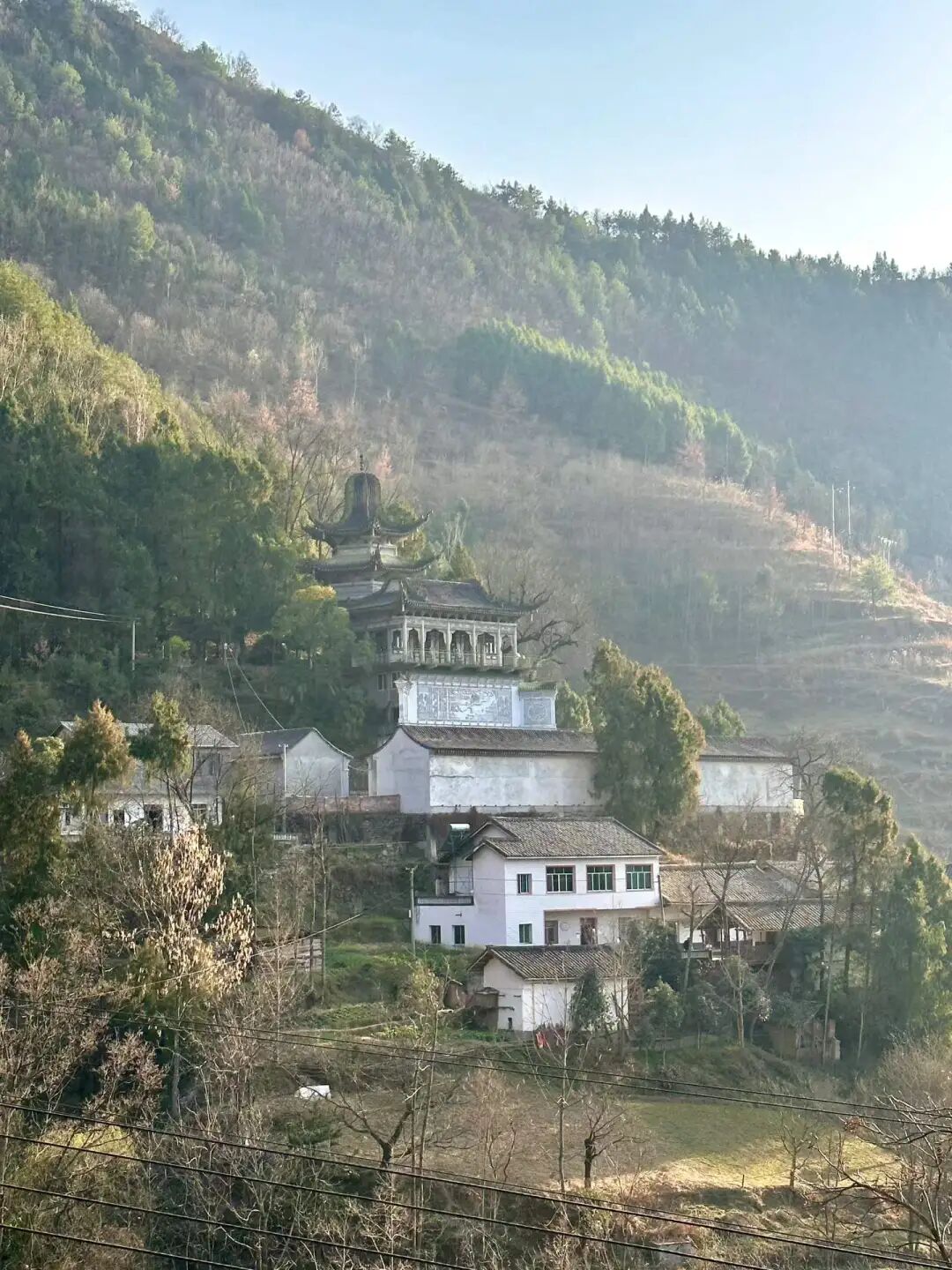
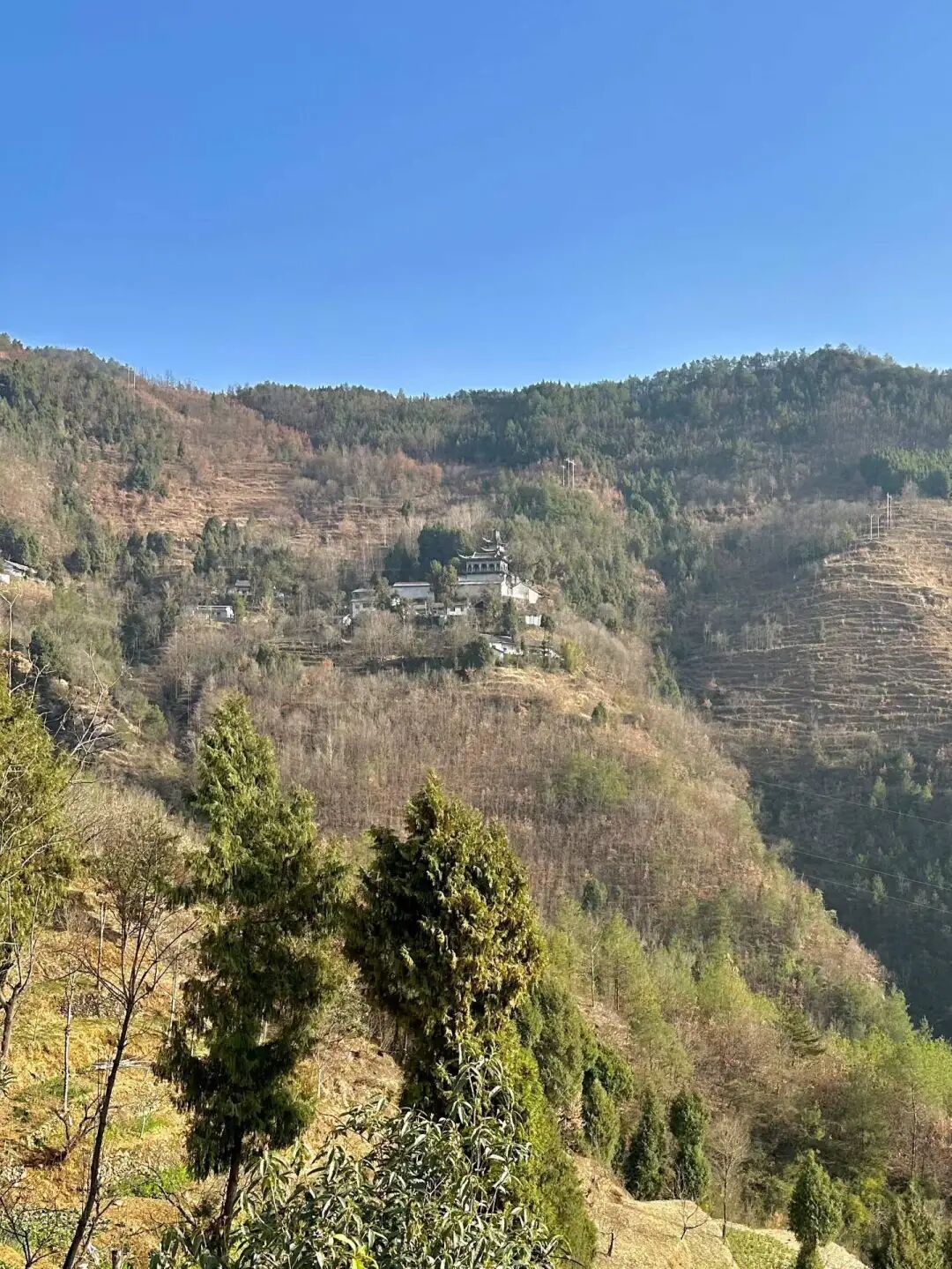
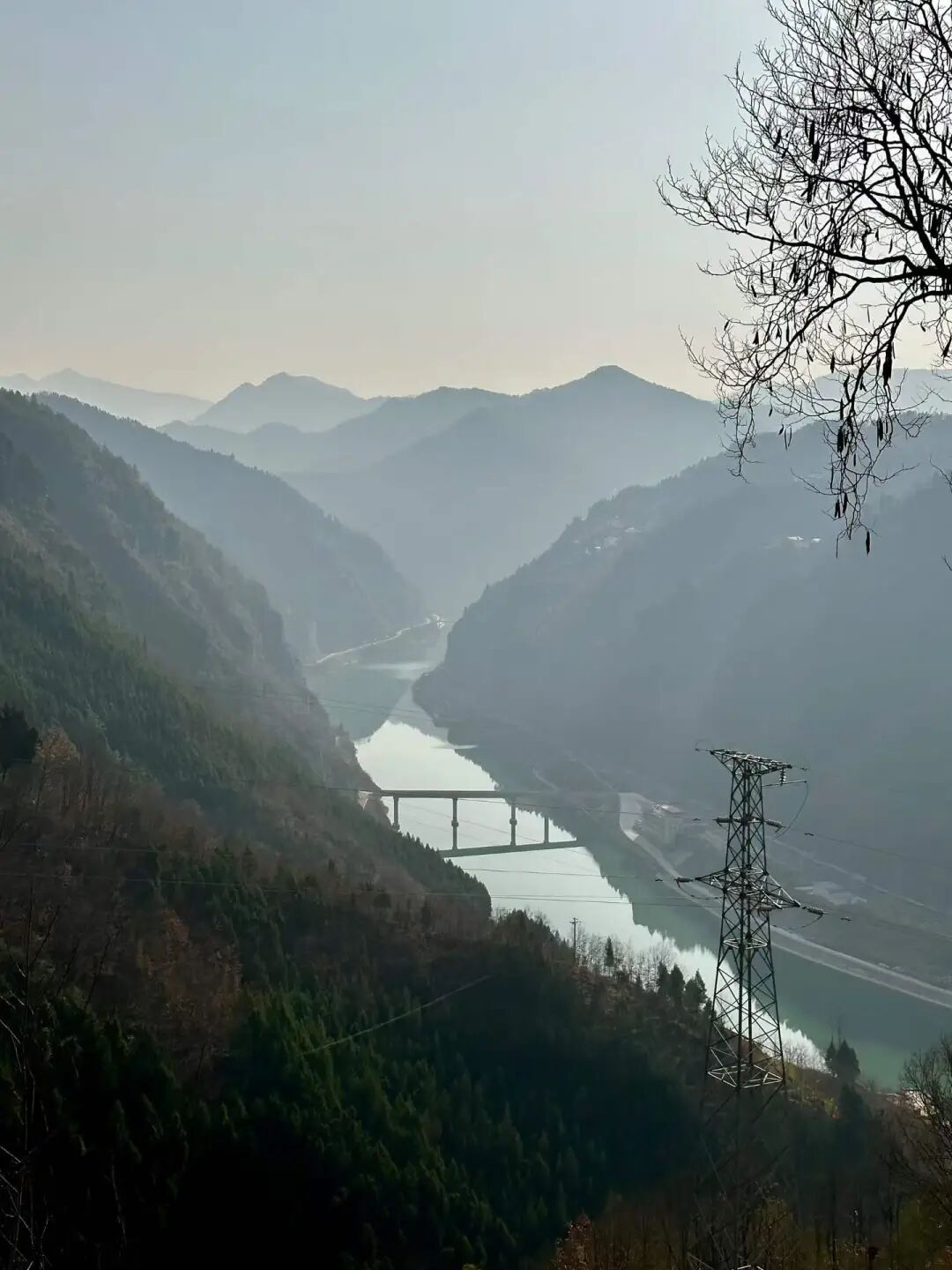
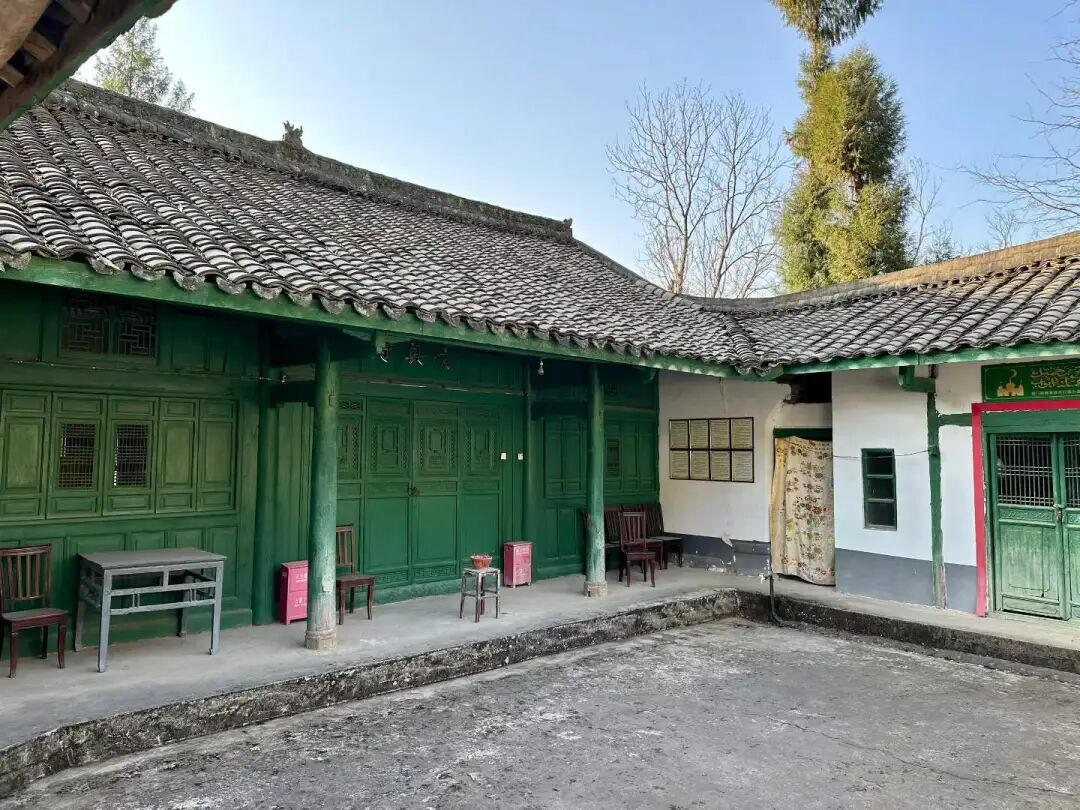
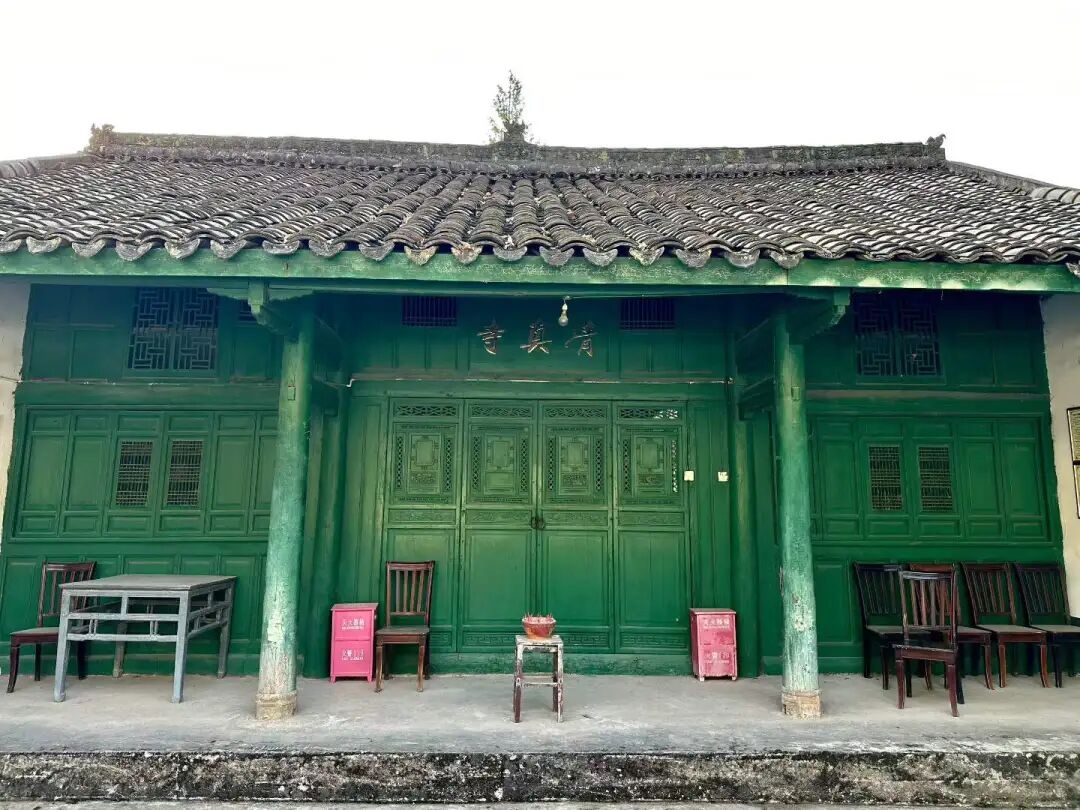
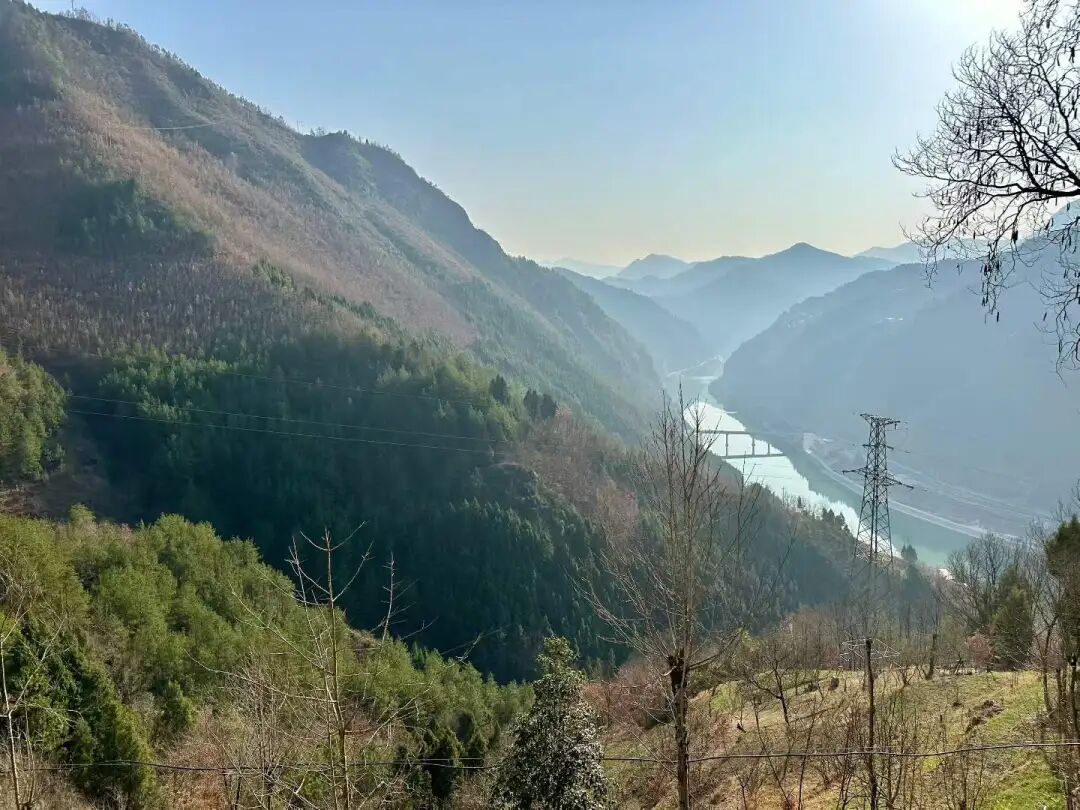
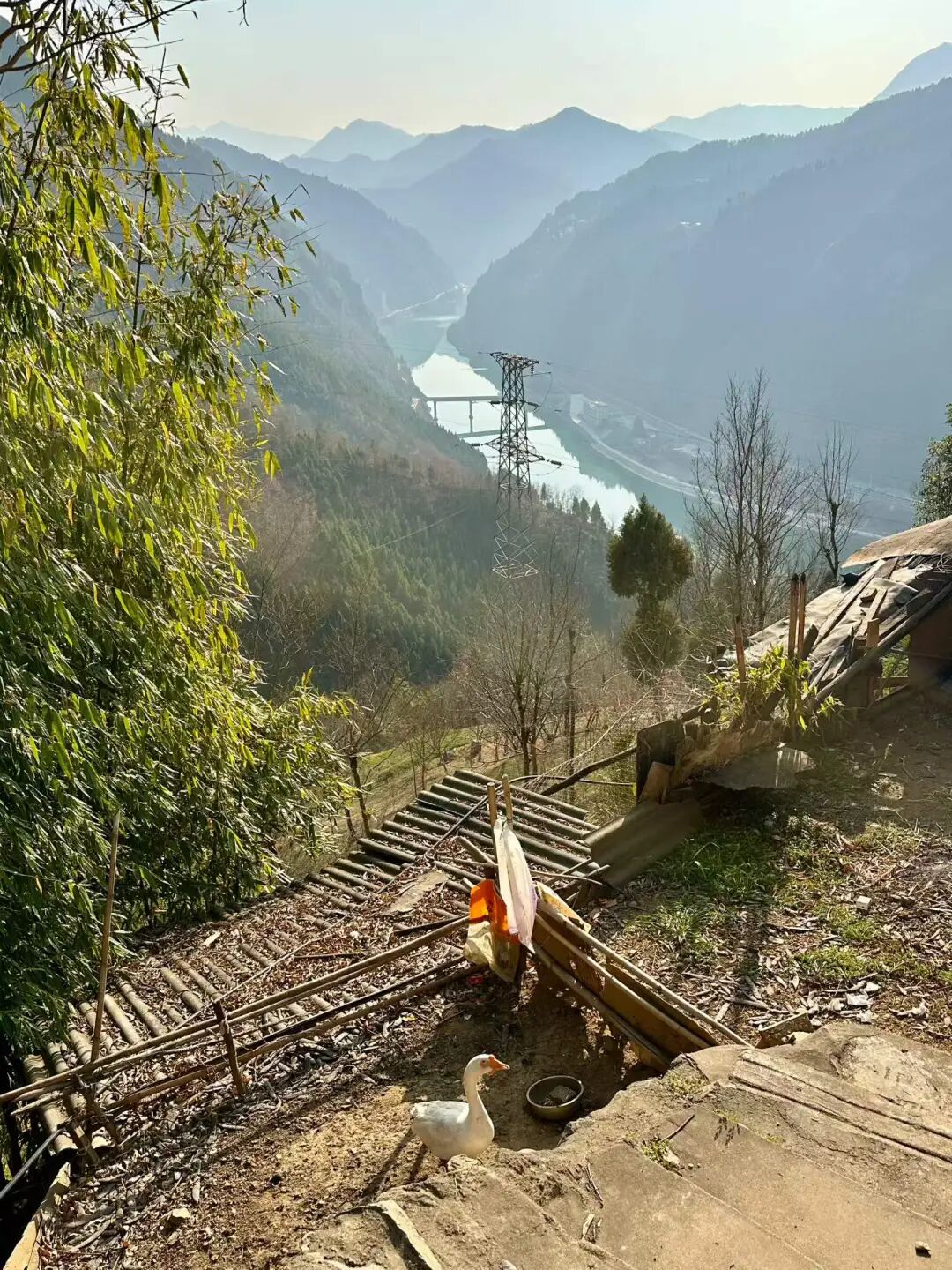
I traveled north from Nanshan in Guangyuan, crossed the city center, and followed the Jialing River Grand Canyon deep into the mountains until I reached the border of Sichuan and Shaanxi, where the Jiujing Gongbei sits on a hillside next to the canyon. I personally consider this the most remarkable Gongbei in all of Sichuan.
Jiujing Gongbei, also known as Jingjue Pavilion (Jingjue Ting), was first built in 1702 (the 41st year of the Kangxi reign). It holds the tomb of Ma Xunyi, a disciple of Huazhe Abudonglaxi, who was a leader of the Qadiriyya Sufi order (menhuan). In 1721 (the 60th year of the Kangxi reign), the tomb also became the final resting place for Ma Yongqing and Mu Zaiqing, who were disciples of Ma Xunyi's fellow student, Qi Jingyi.
The 1702 tombstone for Ma Xunyi reads: 'Regarding the Ma family of the pure faith from Lintao, Hezhou, who traveled to teach in Jiujing, Guangyuan, and passed away here, this monument is erected.' The tomb of the late, respected Master Ma of the Qing dynasty. The landowners were Mu Zhixian and Mu Zhilin. Erected on an auspicious day, the 15th day of the ninth lunar month in the 41st year of the Kangxi reign, by his student Ha Chengyu.
The 'Stele Record for the Reconstruction of Jingjue Pavilion' dates to the 55th year of the Qianlong reign. The inscription mentions that Ma Xunyi began studying under Huazhe Abudonglaxi in the 25th year of the Kangxi reign. The text was written by Ma Gui, the great-grandson of Ma Xunyi and the caretaker of Jiujing Gongbei.
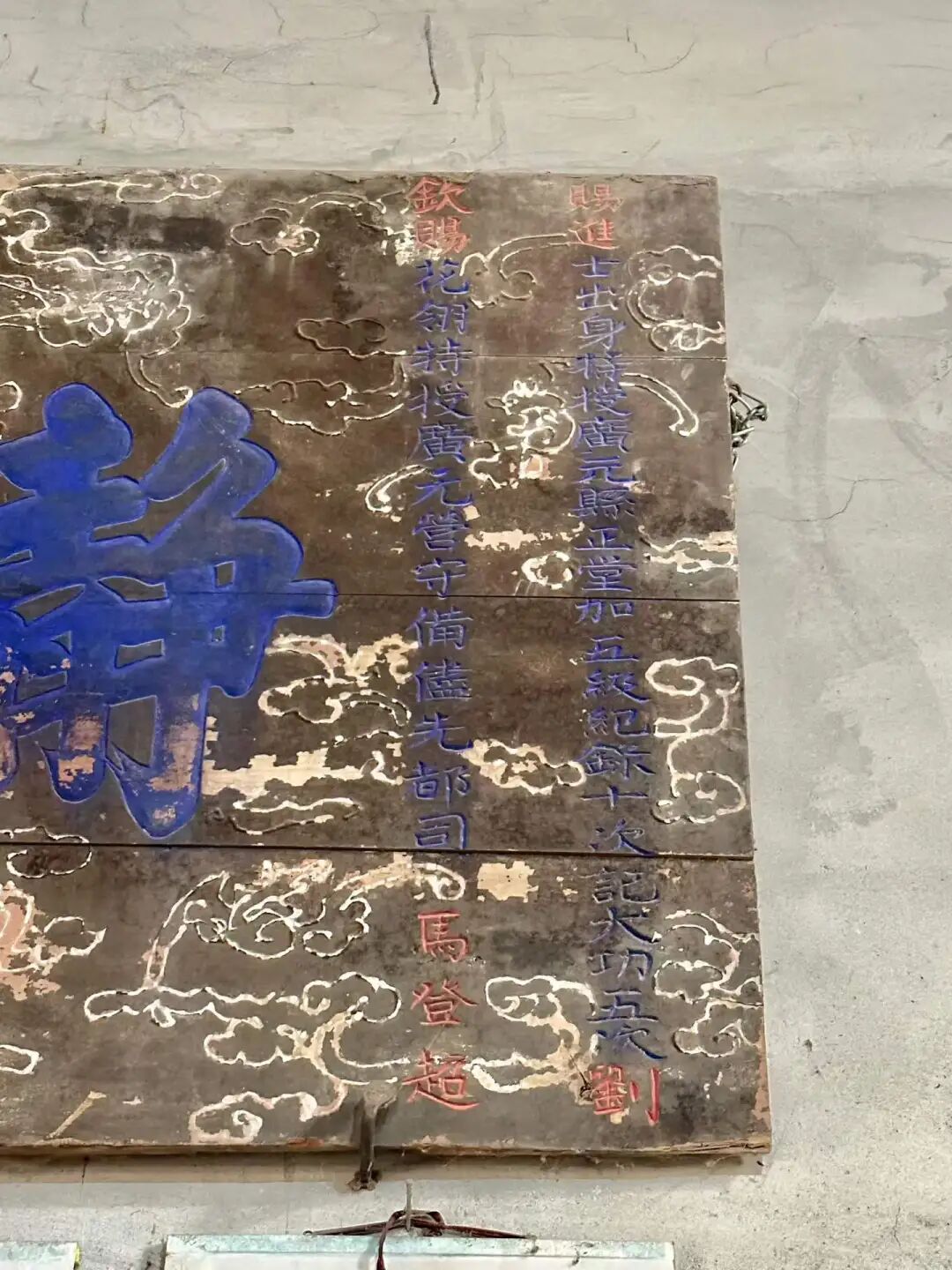
The 'Jingjue Pavilion' plaque from the 7th year of the Guangxu reign was gifted by Liu, a Jinshi degree holder specially appointed as the Magistrate of Guangyuan County, who received five promotions and ten commendations for his service. It was also erected by Ma Dengchao, who was specially appointed as the Garrison Commander of Guangyuan and granted the imperial peacock feather. These were Magistrate Liu of Guangyuan County and Garrison Commander Ma Dengchao.
Historical records confirm that the Guangyuan Magistrate in the 7th year of the Guangxu reign was Liu Xian. Liu Xian was from Qian County, Shaanxi. He was a diligent student from a young age. During his time as Magistrate of Guangyuan, he provided disaster relief, built bridges and roads, and improved irrigation, helping the people live comfortably. He was honest and upright, and people called him 'Blue Sky Liu' (Liu Qingtian).
Ma Dengchao was a local from Sichuan. During the Tongzhi and Guangxu reigns, he served as a fifth-rank military officer in the Green Standard Army, overseeing city defense, military affairs, and provisions in Guangyuan County. In the 12th year of the Tongzhi reign, he inscribed the words 'Only Pure, Only One' (Wei Jing Wei Yi) for the Shanghe Street Mosque in Guangyuan, which is still kept inside the mosque today.
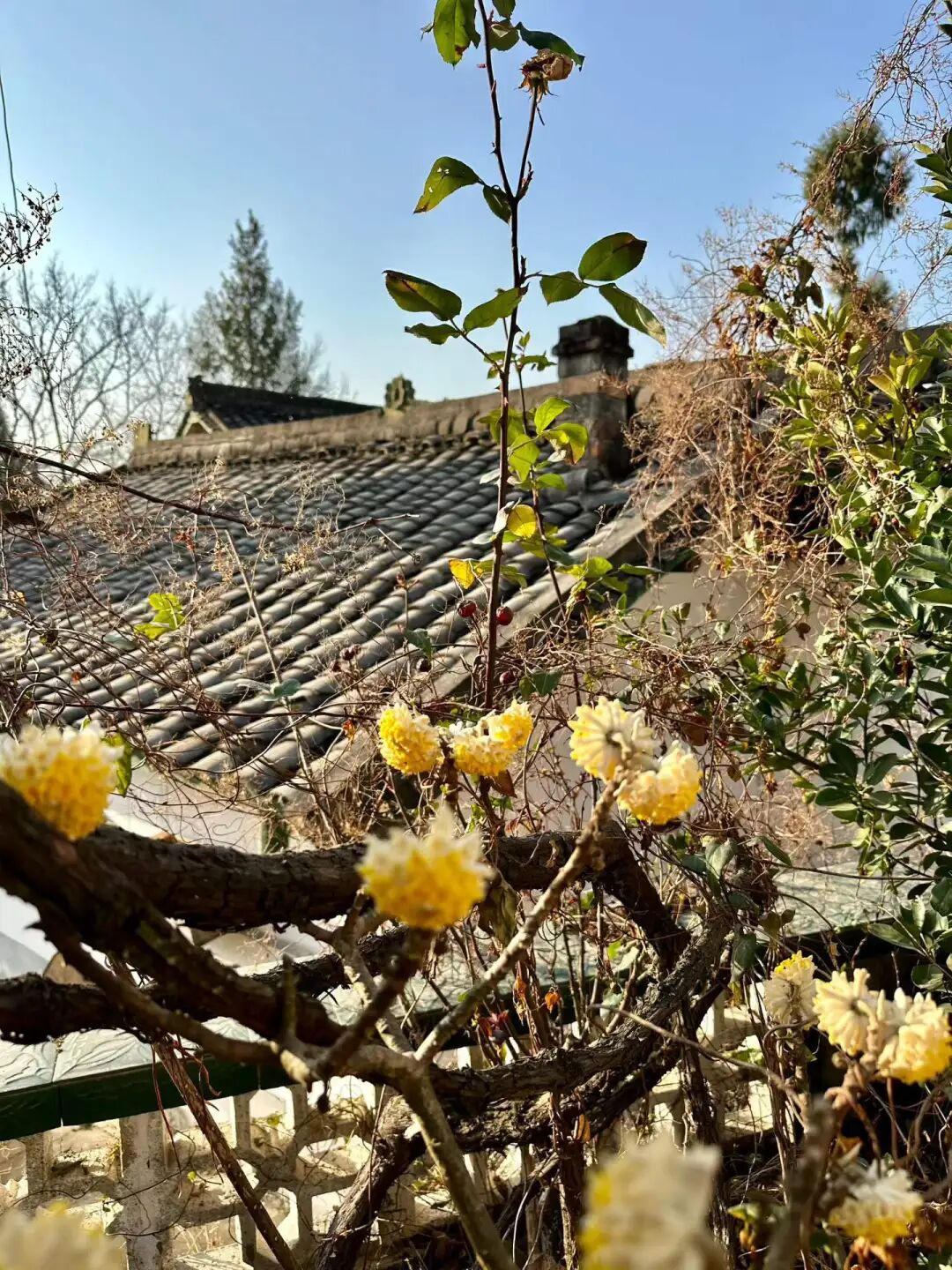
Inside the Gongbei, there are several Chinese pistache trees (huanglianmu) over 300 years old, planted when the site was first built.
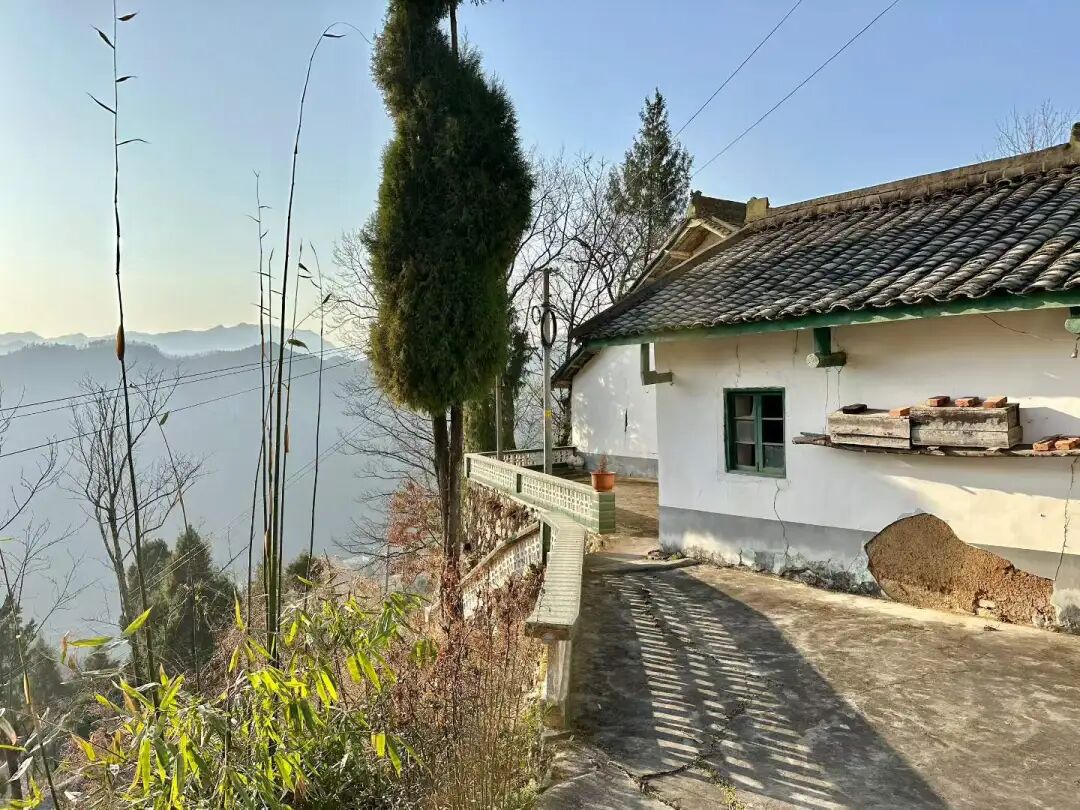
On the hillside near the Jiujing Gongbei is a Hui Muslim village called Mujiapo in Jiujingwan, and halfway up the mountain sits the Jiujing Mosque, which was first built during the Kangxi reign. The various Gongbei in Guangyuan are all built near Hui Muslim villages, where the Qadiriyya Sufi order and the Gedimu villagers live together in harmony.
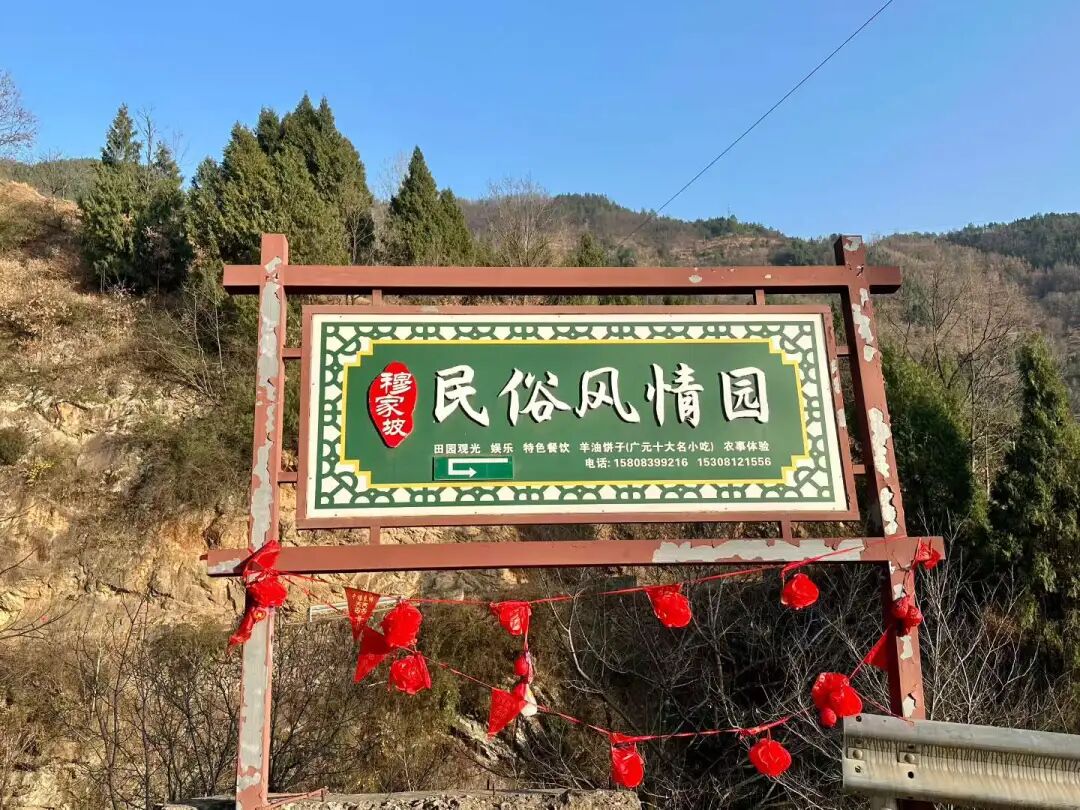
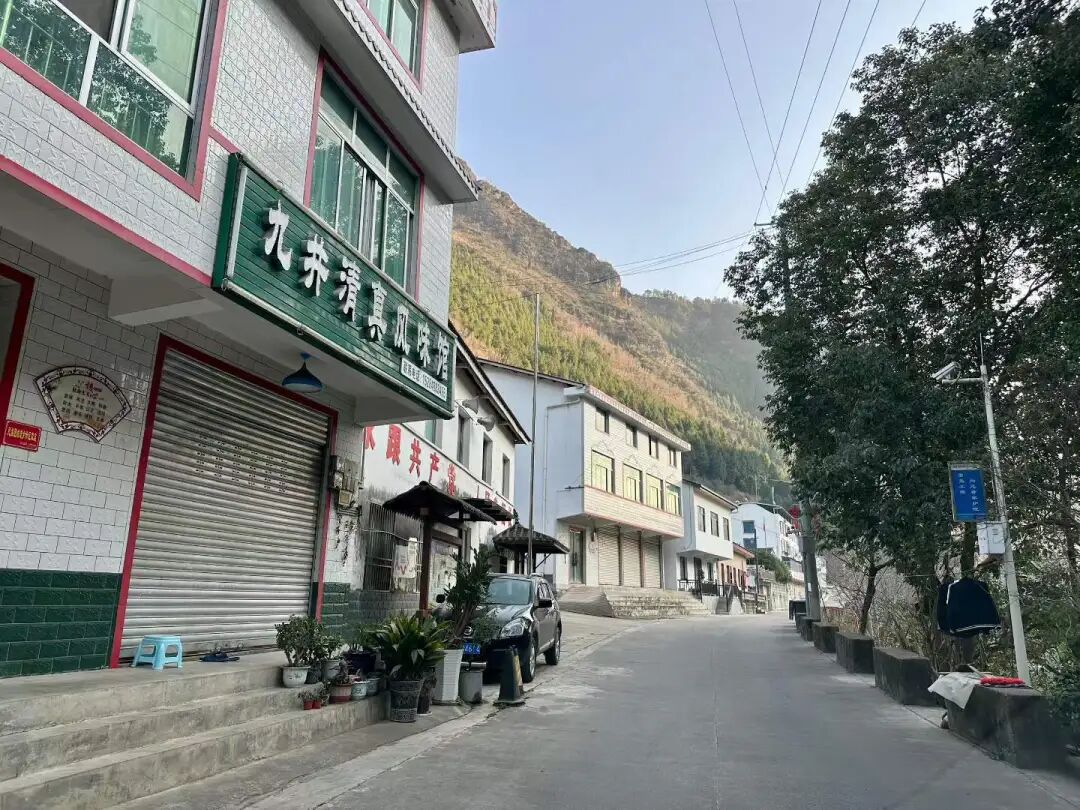
Since the Ming dynasty, Jiujingwan has been an important land and water station for travelers moving from Hanzhong, Shaanxi, along the Jialing River to Chongqing. In the early Qing dynasty, Hui Muslim families named Mu, Ha, Ma, and Li moved here from Gansu and Shaanxi. It was named Mujiapo because the Mu family was the largest group, and today there are over 400 Hui Muslims living there. Because Mujiapo is located entirely on the slopes of the Jialing River canyon, the Hui Muslims mainly raise cattle and sheep, grow forage grass, and farm walnuts. 'Mujiapo' beef and mutton have become a famous brand in the northern Sichuan meat market.
There is a folk culture park on the mountain at Jiujing Mujiapo, and a restaurant serving Hui Muslim food by the Jialing River at the foot of the mountain. I could not try the food because it was Ramadan, so I will have to wait for another chance. view all
Summary: This Guangyuan finale follows Jiujing gongbei (Sufi shrine), Mujiapo Hui Muslim village, rural mosque history, and the last stretch of the Sichuan Spring Festival road trip.
I traveled north from Nanshan in Guangyuan, crossed the city center, and followed the Jialing River Grand Canyon deep into the mountains until I reached the border of Sichuan and Shaanxi, where the Jiujing Gongbei sits on a hillside next to the canyon. I personally consider this the most remarkable Gongbei in all of Sichuan.
Jiujing Gongbei, also known as Jingjue Pavilion (Jingjue Ting), was first built in 1702 (the 41st year of the Kangxi reign). It holds the tomb of Ma Xunyi, a disciple of Huazhe Abudonglaxi, who was a leader of the Qadiriyya Sufi order (menhuan). In 1721 (the 60th year of the Kangxi reign), the tomb also became the final resting place for Ma Yongqing and Mu Zaiqing, who were disciples of Ma Xunyi's fellow student, Qi Jingyi.
The 1702 tombstone for Ma Xunyi reads: 'Regarding the Ma family of the pure faith from Lintao, Hezhou, who traveled to teach in Jiujing, Guangyuan, and passed away here, this monument is erected.' The tomb of the late, respected Master Ma of the Qing dynasty. The landowners were Mu Zhixian and Mu Zhilin. Erected on an auspicious day, the 15th day of the ninth lunar month in the 41st year of the Kangxi reign, by his student Ha Chengyu.
The 'Stele Record for the Reconstruction of Jingjue Pavilion' dates to the 55th year of the Qianlong reign. The inscription mentions that Ma Xunyi began studying under Huazhe Abudonglaxi in the 25th year of the Kangxi reign. The text was written by Ma Gui, the great-grandson of Ma Xunyi and the caretaker of Jiujing Gongbei.
The 'Jingjue Pavilion' plaque from the 7th year of the Guangxu reign was gifted by Liu, a Jinshi degree holder specially appointed as the Magistrate of Guangyuan County, who received five promotions and ten commendations for his service. It was also erected by Ma Dengchao, who was specially appointed as the Garrison Commander of Guangyuan and granted the imperial peacock feather. These were Magistrate Liu of Guangyuan County and Garrison Commander Ma Dengchao.
Historical records confirm that the Guangyuan Magistrate in the 7th year of the Guangxu reign was Liu Xian. Liu Xian was from Qian County, Shaanxi. He was a diligent student from a young age. During his time as Magistrate of Guangyuan, he provided disaster relief, built bridges and roads, and improved irrigation, helping the people live comfortably. He was honest and upright, and people called him 'Blue Sky Liu' (Liu Qingtian).
Ma Dengchao was a local from Sichuan. During the Tongzhi and Guangxu reigns, he served as a fifth-rank military officer in the Green Standard Army, overseeing city defense, military affairs, and provisions in Guangyuan County. In the 12th year of the Tongzhi reign, he inscribed the words 'Only Pure, Only One' (Wei Jing Wei Yi) for the Shanghe Street Mosque in Guangyuan, which is still kept inside the mosque today.
Inside the Gongbei, there are several Chinese pistache trees (huanglianmu) over 300 years old, planted when the site was first built.
On the hillside near the Jiujing Gongbei is a Hui Muslim village called Mujiapo in Jiujingwan, and halfway up the mountain sits the Jiujing Mosque, which was first built during the Kangxi reign. The various Gongbei in Guangyuan are all built near Hui Muslim villages, where the Qadiriyya Sufi order and the Gedimu villagers live together in harmony.
Since the Ming dynasty, Jiujingwan has been an important land and water station for travelers moving from Hanzhong, Shaanxi, along the Jialing River to Chongqing. In the early Qing dynasty, Hui Muslim families named Mu, Ha, Ma, and Li moved here from Gansu and Shaanxi. It was named Mujiapo because the Mu family was the largest group, and today there are over 400 Hui Muslims living there. Because Mujiapo is located entirely on the slopes of the Jialing River canyon, the Hui Muslims mainly raise cattle and sheep, grow forage grass, and farm walnuts. 'Mujiapo' beef and mutton have become a famous brand in the northern Sichuan meat market.
There is a folk culture park on the mountain at Jiujing Mujiapo, and a restaurant serving Hui Muslim food by the Jialing River at the foot of the mountain. I could not try the food because it was Ramadan, so I will have to wait for another chance. view all
Reposted from the web
Summary: This Guangyuan finale follows Jiujing gongbei (Sufi shrine), Mujiapo Hui Muslim village, rural mosque history, and the last stretch of the Sichuan Spring Festival road trip.
I traveled north from Nanshan in Guangyuan, crossed the city center, and followed the Jialing River Grand Canyon deep into the mountains until I reached the border of Sichuan and Shaanxi, where the Jiujing Gongbei sits on a hillside next to the canyon. I personally consider this the most remarkable Gongbei in all of Sichuan.
Jiujing Gongbei, also known as Jingjue Pavilion (Jingjue Ting), was first built in 1702 (the 41st year of the Kangxi reign). It holds the tomb of Ma Xunyi, a disciple of Huazhe Abudonglaxi, who was a leader of the Qadiriyya Sufi order (menhuan). In 1721 (the 60th year of the Kangxi reign), the tomb also became the final resting place for Ma Yongqing and Mu Zaiqing, who were disciples of Ma Xunyi's fellow student, Qi Jingyi.
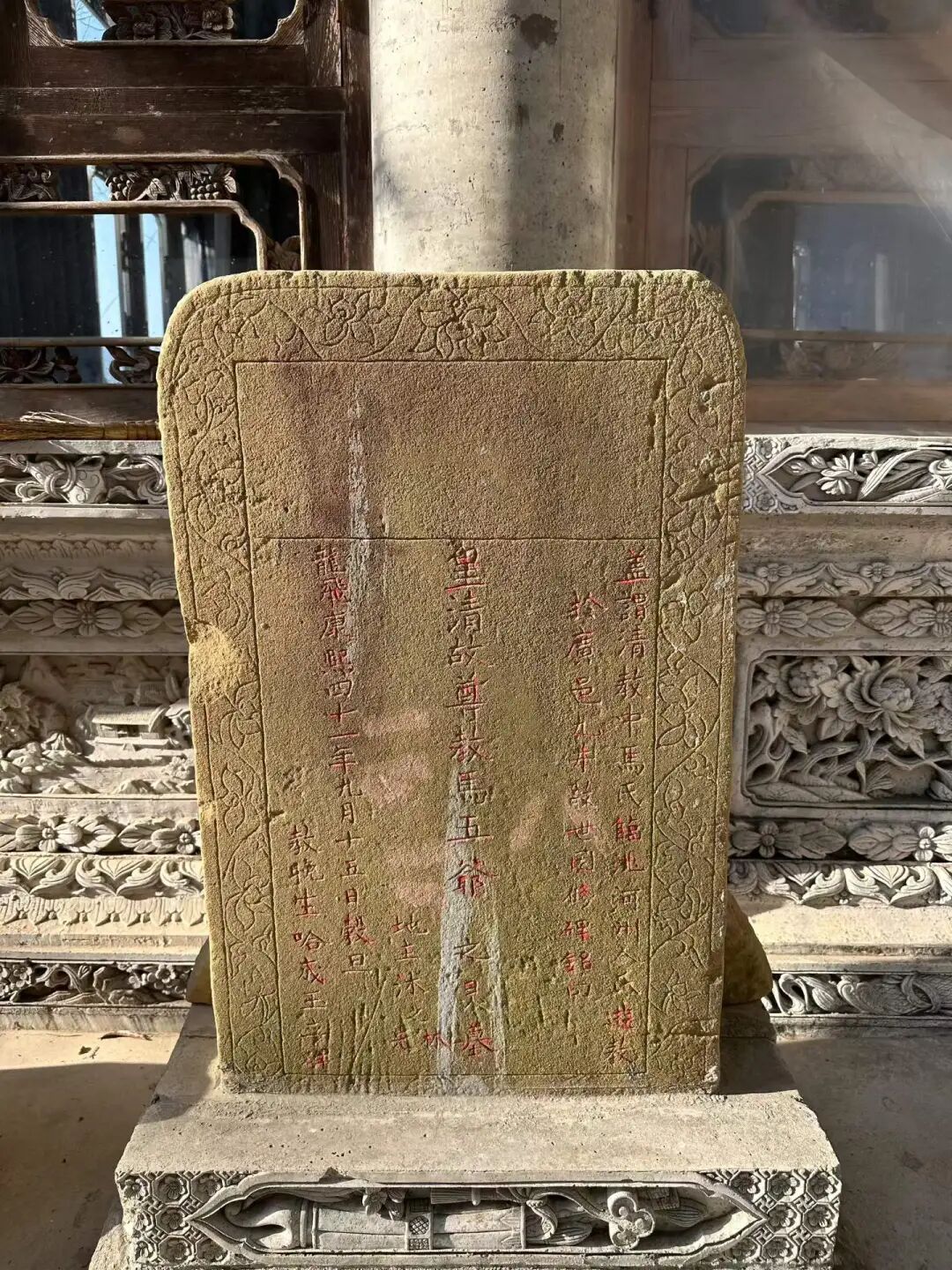
The 1702 tombstone for Ma Xunyi reads: 'Regarding the Ma family of the pure faith from Lintao, Hezhou, who traveled to teach in Jiujing, Guangyuan, and passed away here, this monument is erected.' The tomb of the late, respected Master Ma of the Qing dynasty. The landowners were Mu Zhixian and Mu Zhilin. Erected on an auspicious day, the 15th day of the ninth lunar month in the 41st year of the Kangxi reign, by his student Ha Chengyu.
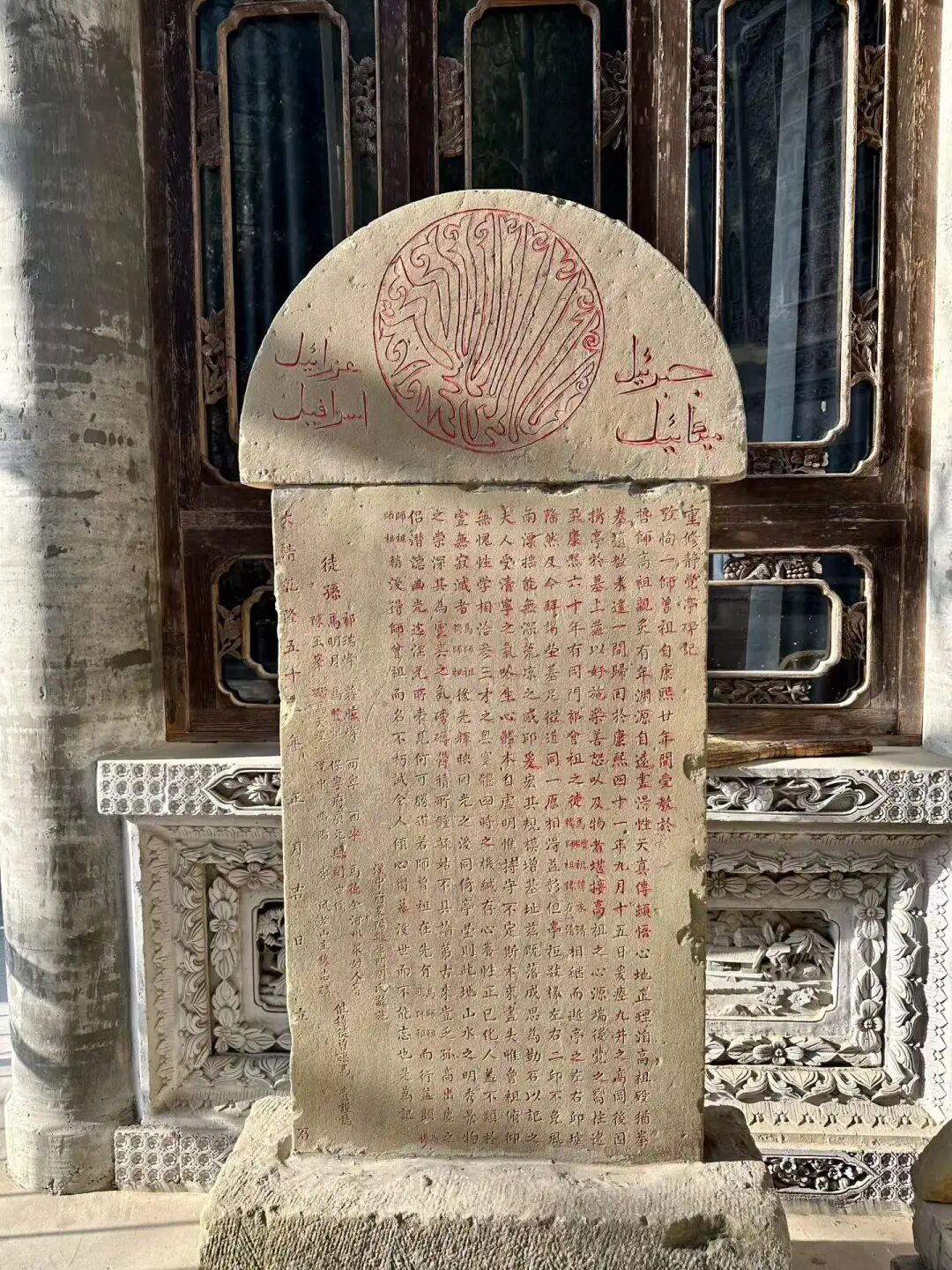
The 'Stele Record for the Reconstruction of Jingjue Pavilion' dates to the 55th year of the Qianlong reign. The inscription mentions that Ma Xunyi began studying under Huazhe Abudonglaxi in the 25th year of the Kangxi reign. The text was written by Ma Gui, the great-grandson of Ma Xunyi and the caretaker of Jiujing Gongbei.
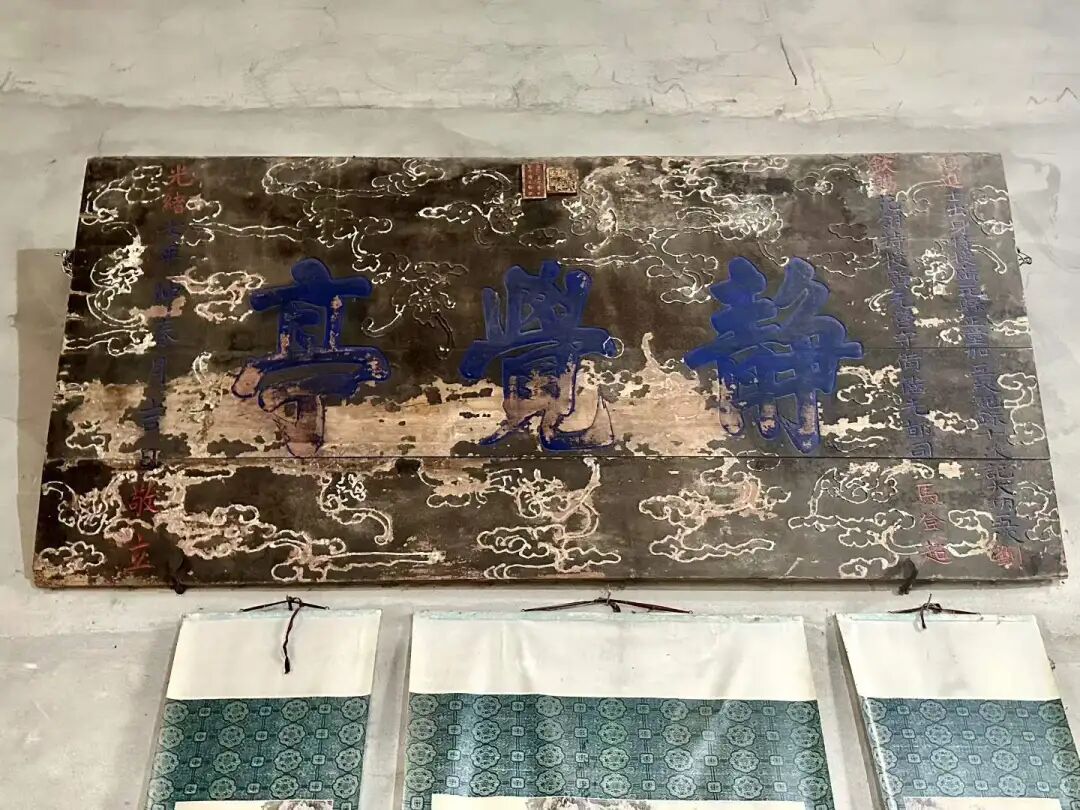
The 'Jingjue Pavilion' plaque from the 7th year of the Guangxu reign was gifted by Liu, a Jinshi degree holder specially appointed as the Magistrate of Guangyuan County, who received five promotions and ten commendations for his service. It was also erected by Ma Dengchao, who was specially appointed as the Garrison Commander of Guangyuan and granted the imperial peacock feather. These were Magistrate Liu of Guangyuan County and Garrison Commander Ma Dengchao.
Historical records confirm that the Guangyuan Magistrate in the 7th year of the Guangxu reign was Liu Xian. Liu Xian was from Qian County, Shaanxi. He was a diligent student from a young age. During his time as Magistrate of Guangyuan, he provided disaster relief, built bridges and roads, and improved irrigation, helping the people live comfortably. He was honest and upright, and people called him 'Blue Sky Liu' (Liu Qingtian).
Ma Dengchao was a local from Sichuan. During the Tongzhi and Guangxu reigns, he served as a fifth-rank military officer in the Green Standard Army, overseeing city defense, military affairs, and provisions in Guangyuan County. In the 12th year of the Tongzhi reign, he inscribed the words 'Only Pure, Only One' (Wei Jing Wei Yi) for the Shanghe Street Mosque in Guangyuan, which is still kept inside the mosque today.
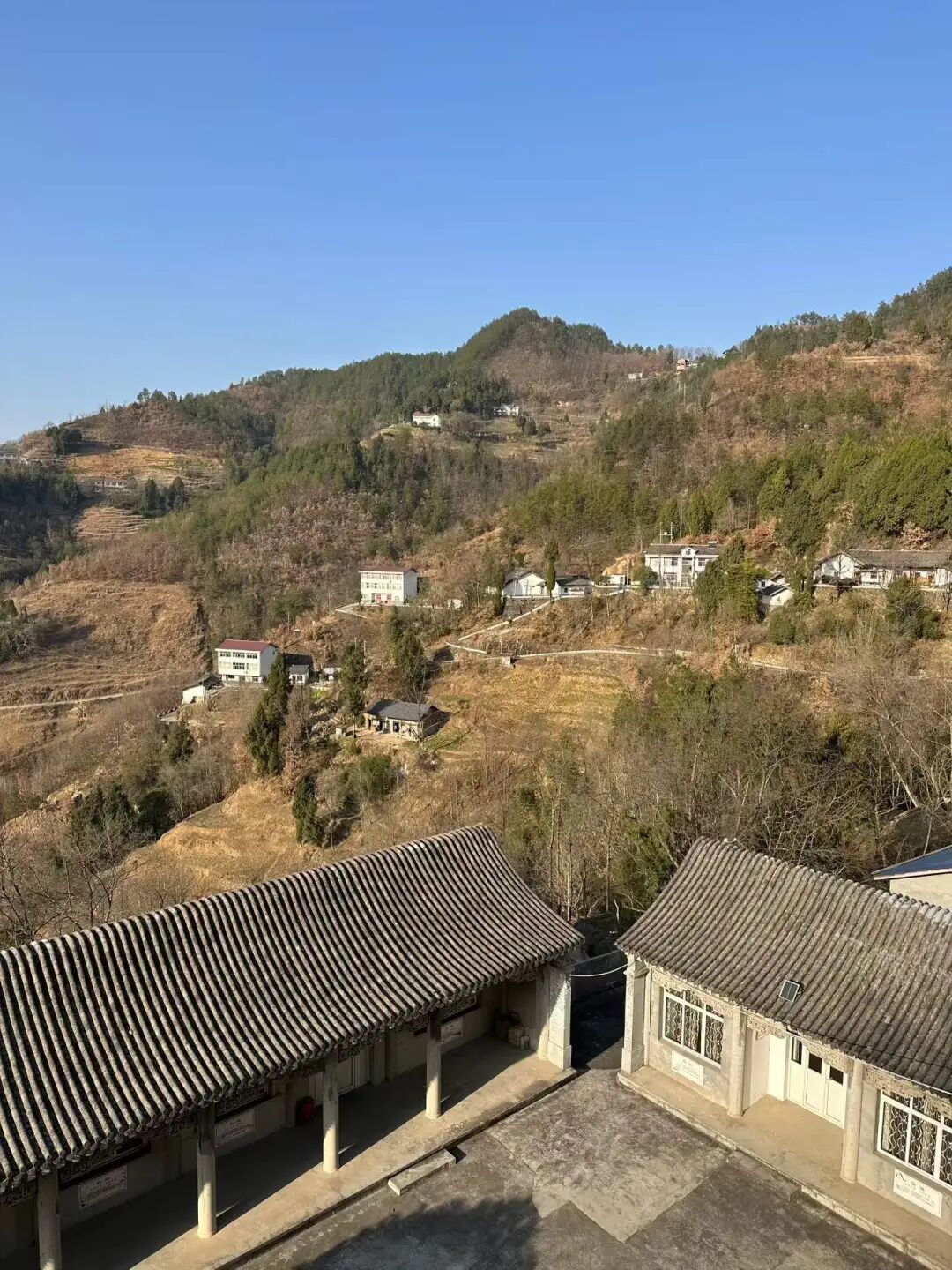
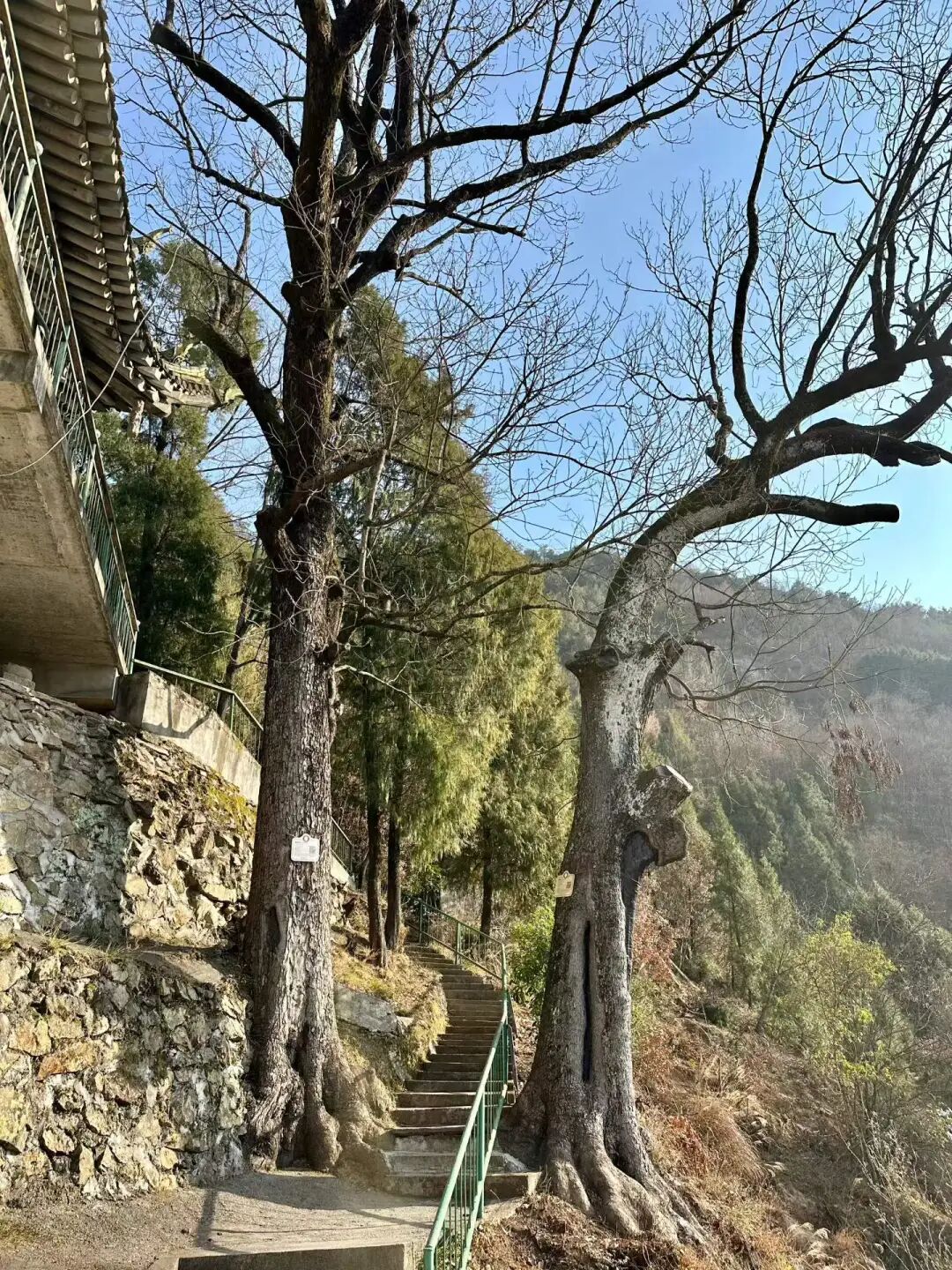
Inside the Gongbei, there are several Chinese pistache trees (huanglianmu) over 300 years old, planted when the site was first built.
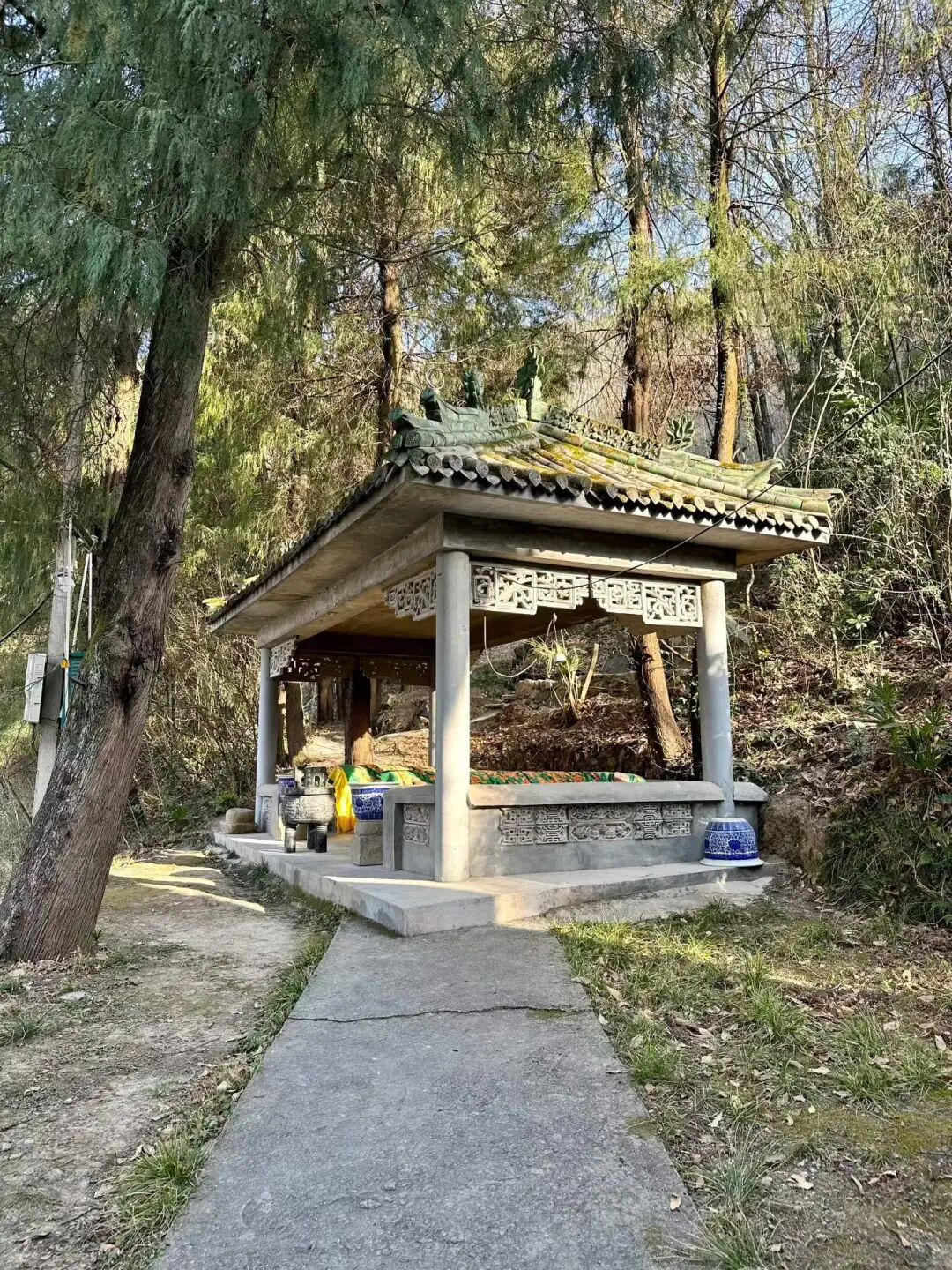
On the hillside near the Jiujing Gongbei is a Hui Muslim village called Mujiapo in Jiujingwan, and halfway up the mountain sits the Jiujing Mosque, which was first built during the Kangxi reign. The various Gongbei in Guangyuan are all built near Hui Muslim villages, where the Qadiriyya Sufi order and the Gedimu villagers live together in harmony.
Since the Ming dynasty, Jiujingwan has been an important land and water station for travelers moving from Hanzhong, Shaanxi, along the Jialing River to Chongqing. In the early Qing dynasty, Hui Muslim families named Mu, Ha, Ma, and Li moved here from Gansu and Shaanxi. It was named Mujiapo because the Mu family was the largest group, and today there are over 400 Hui Muslims living there. Because Mujiapo is located entirely on the slopes of the Jialing River canyon, the Hui Muslims mainly raise cattle and sheep, grow forage grass, and farm walnuts. 'Mujiapo' beef and mutton have become a famous brand in the northern Sichuan meat market.
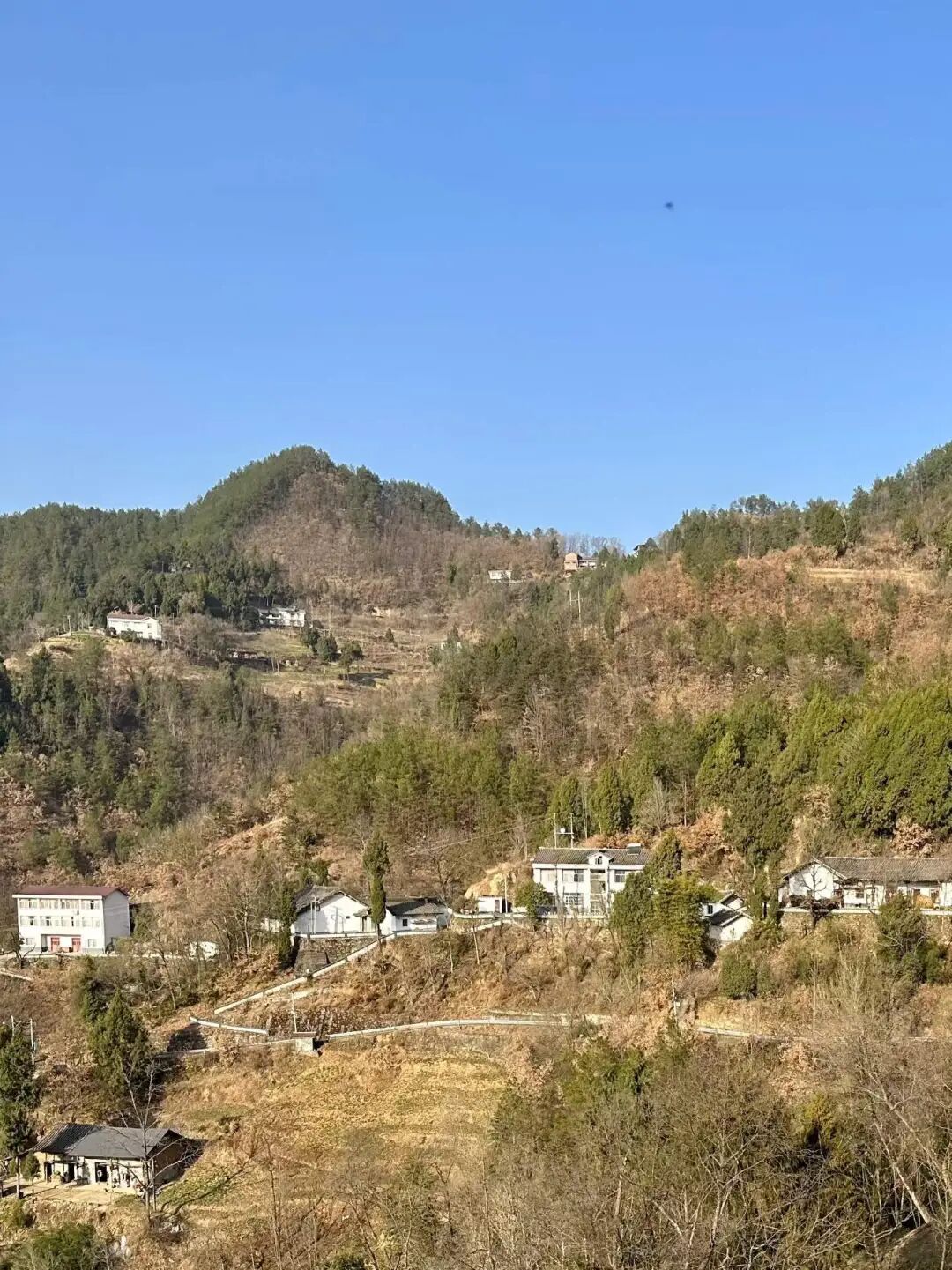
There is a folk culture park on the mountain at Jiujing Mujiapo, and a restaurant serving Hui Muslim food by the Jialing River at the foot of the mountain. I could not try the food because it was Ramadan, so I will have to wait for another chance.
Summary: This Guangyuan finale follows Jiujing gongbei (Sufi shrine), Mujiapo Hui Muslim village, rural mosque history, and the last stretch of the Sichuan Spring Festival road trip.
I traveled north from Nanshan in Guangyuan, crossed the city center, and followed the Jialing River Grand Canyon deep into the mountains until I reached the border of Sichuan and Shaanxi, where the Jiujing Gongbei sits on a hillside next to the canyon. I personally consider this the most remarkable Gongbei in all of Sichuan.
Jiujing Gongbei, also known as Jingjue Pavilion (Jingjue Ting), was first built in 1702 (the 41st year of the Kangxi reign). It holds the tomb of Ma Xunyi, a disciple of Huazhe Abudonglaxi, who was a leader of the Qadiriyya Sufi order (menhuan). In 1721 (the 60th year of the Kangxi reign), the tomb also became the final resting place for Ma Yongqing and Mu Zaiqing, who were disciples of Ma Xunyi's fellow student, Qi Jingyi.
The 1702 tombstone for Ma Xunyi reads: 'Regarding the Ma family of the pure faith from Lintao, Hezhou, who traveled to teach in Jiujing, Guangyuan, and passed away here, this monument is erected.' The tomb of the late, respected Master Ma of the Qing dynasty. The landowners were Mu Zhixian and Mu Zhilin. Erected on an auspicious day, the 15th day of the ninth lunar month in the 41st year of the Kangxi reign, by his student Ha Chengyu.
The 'Stele Record for the Reconstruction of Jingjue Pavilion' dates to the 55th year of the Qianlong reign. The inscription mentions that Ma Xunyi began studying under Huazhe Abudonglaxi in the 25th year of the Kangxi reign. The text was written by Ma Gui, the great-grandson of Ma Xunyi and the caretaker of Jiujing Gongbei.
The 'Jingjue Pavilion' plaque from the 7th year of the Guangxu reign was gifted by Liu, a Jinshi degree holder specially appointed as the Magistrate of Guangyuan County, who received five promotions and ten commendations for his service. It was also erected by Ma Dengchao, who was specially appointed as the Garrison Commander of Guangyuan and granted the imperial peacock feather. These were Magistrate Liu of Guangyuan County and Garrison Commander Ma Dengchao.
Historical records confirm that the Guangyuan Magistrate in the 7th year of the Guangxu reign was Liu Xian. Liu Xian was from Qian County, Shaanxi. He was a diligent student from a young age. During his time as Magistrate of Guangyuan, he provided disaster relief, built bridges and roads, and improved irrigation, helping the people live comfortably. He was honest and upright, and people called him 'Blue Sky Liu' (Liu Qingtian).
Ma Dengchao was a local from Sichuan. During the Tongzhi and Guangxu reigns, he served as a fifth-rank military officer in the Green Standard Army, overseeing city defense, military affairs, and provisions in Guangyuan County. In the 12th year of the Tongzhi reign, he inscribed the words 'Only Pure, Only One' (Wei Jing Wei Yi) for the Shanghe Street Mosque in Guangyuan, which is still kept inside the mosque today.
Inside the Gongbei, there are several Chinese pistache trees (huanglianmu) over 300 years old, planted when the site was first built.
On the hillside near the Jiujing Gongbei is a Hui Muslim village called Mujiapo in Jiujingwan, and halfway up the mountain sits the Jiujing Mosque, which was first built during the Kangxi reign. The various Gongbei in Guangyuan are all built near Hui Muslim villages, where the Qadiriyya Sufi order and the Gedimu villagers live together in harmony.
Since the Ming dynasty, Jiujingwan has been an important land and water station for travelers moving from Hanzhong, Shaanxi, along the Jialing River to Chongqing. In the early Qing dynasty, Hui Muslim families named Mu, Ha, Ma, and Li moved here from Gansu and Shaanxi. It was named Mujiapo because the Mu family was the largest group, and today there are over 400 Hui Muslims living there. Because Mujiapo is located entirely on the slopes of the Jialing River canyon, the Hui Muslims mainly raise cattle and sheep, grow forage grass, and farm walnuts. 'Mujiapo' beef and mutton have become a famous brand in the northern Sichuan meat market.
There is a folk culture park on the mountain at Jiujing Mujiapo, and a restaurant serving Hui Muslim food by the Jialing River at the foot of the mountain. I could not try the food because it was Ramadan, so I will have to wait for another chance.
Hidden Gongbei in Guangyuan: Nanshan Sufi Shrine and Sichuan Hui Muslim Village
Articles • ali2007fr posted the article • 0 comments • 163 views • 2026-05-21 06:45
Reposted from the web
Summary: This Guangyuan road trip visits Nanshan gongbei (Sufi shrine), a Hui Muslim village, local religious history, and the mountain routes that shaped this stop in northern Sichuan.
On February 21, I headed north from Yanting, passed through Langzhong, and arrived at Nanshan in Guangyuan to visit the Langzhaoting gongbei and the Nanshan Hui Muslim village.
The Langzhaoting gongbei in Nanshan, Guangyuan, was originally called Yulongshan gongbei. It is a shrine built to honor the third-generation master, Master Ma, of the Qadiriyya Sufi order's Great Gongbei menhuan. Master Ma (1693-1778) was from Dongxiang, Linxia, Gansu. He studied religious texts from a young age and later, by chance, became a student of Master Ma Tengyi at the Taizi gongbei. Master Ma Tengyi explained the secrets of the religious, mystical, and ultimate truths to him, and Master Ma achieved a deep, sudden enlightenment. At age 24, Master Ma followed Master Ma Tengyi's instructions to go to Nanshan in Guangyuan for quiet, secluded practice. He built a thatched hut and spent over 60 years in deep meditation. Outside of his spiritual practice, he guided the local people, and many stories of his miracles have been passed down to this day. Because of his great virtue and the miracles he performed, many local people converted to the faith. After Master Ma passed away, the Guangyuan magistrate Ma Jialiang initiated the construction of the Langzhaoting gongbei. Later, generations of military and government officials in Guangyuan helped maintain it, leaving behind many stone inscriptions and plaques.
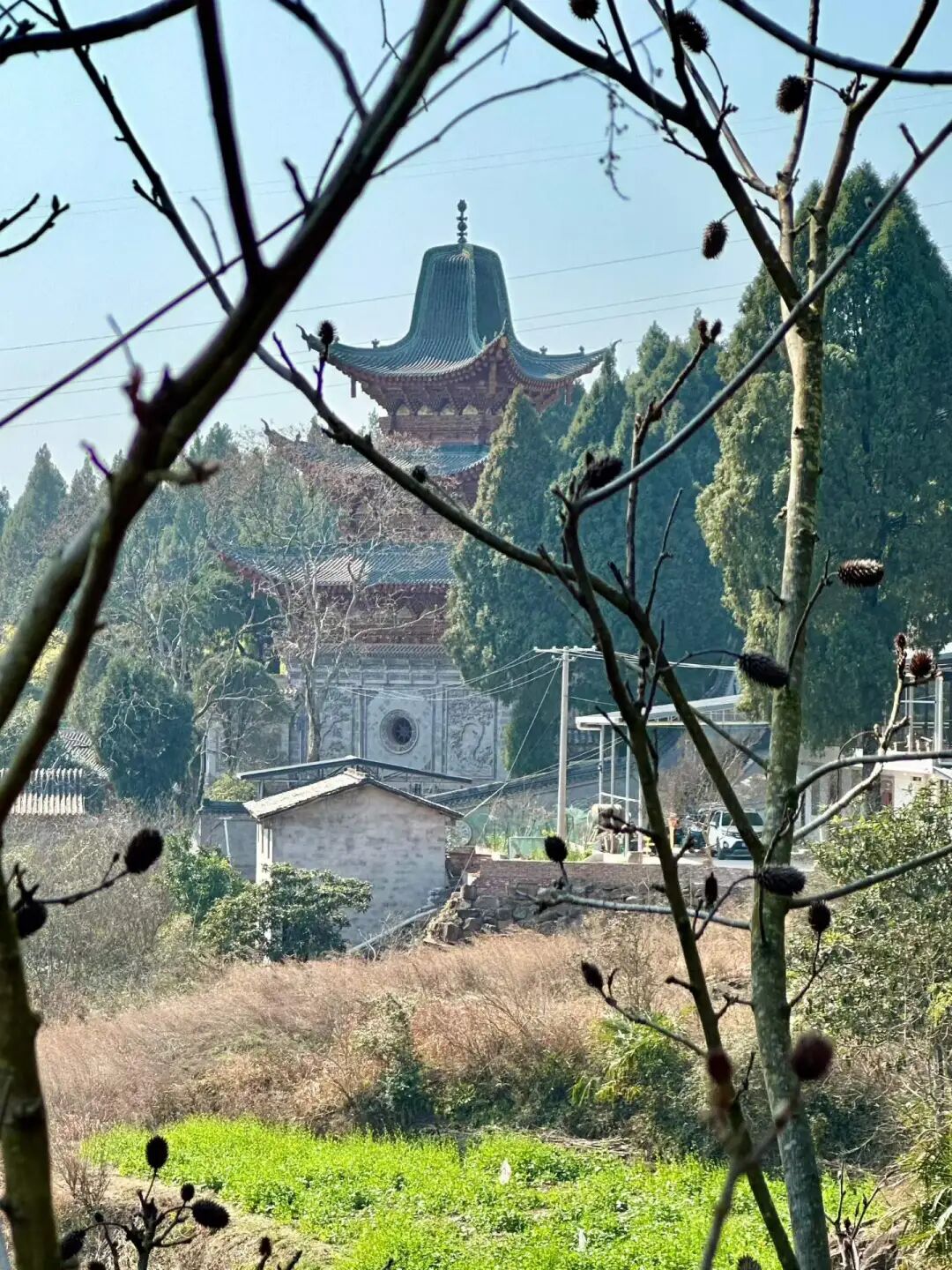
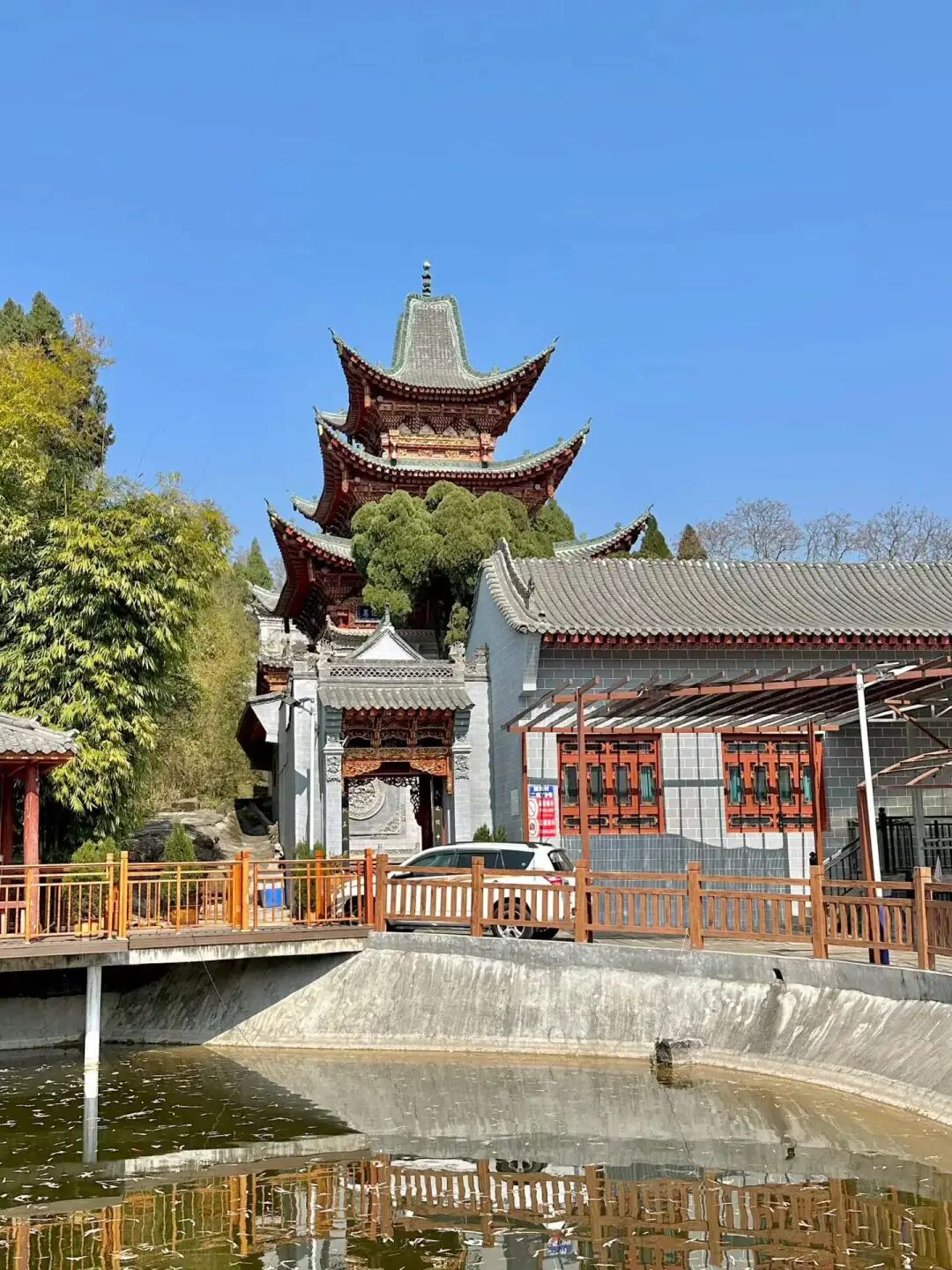
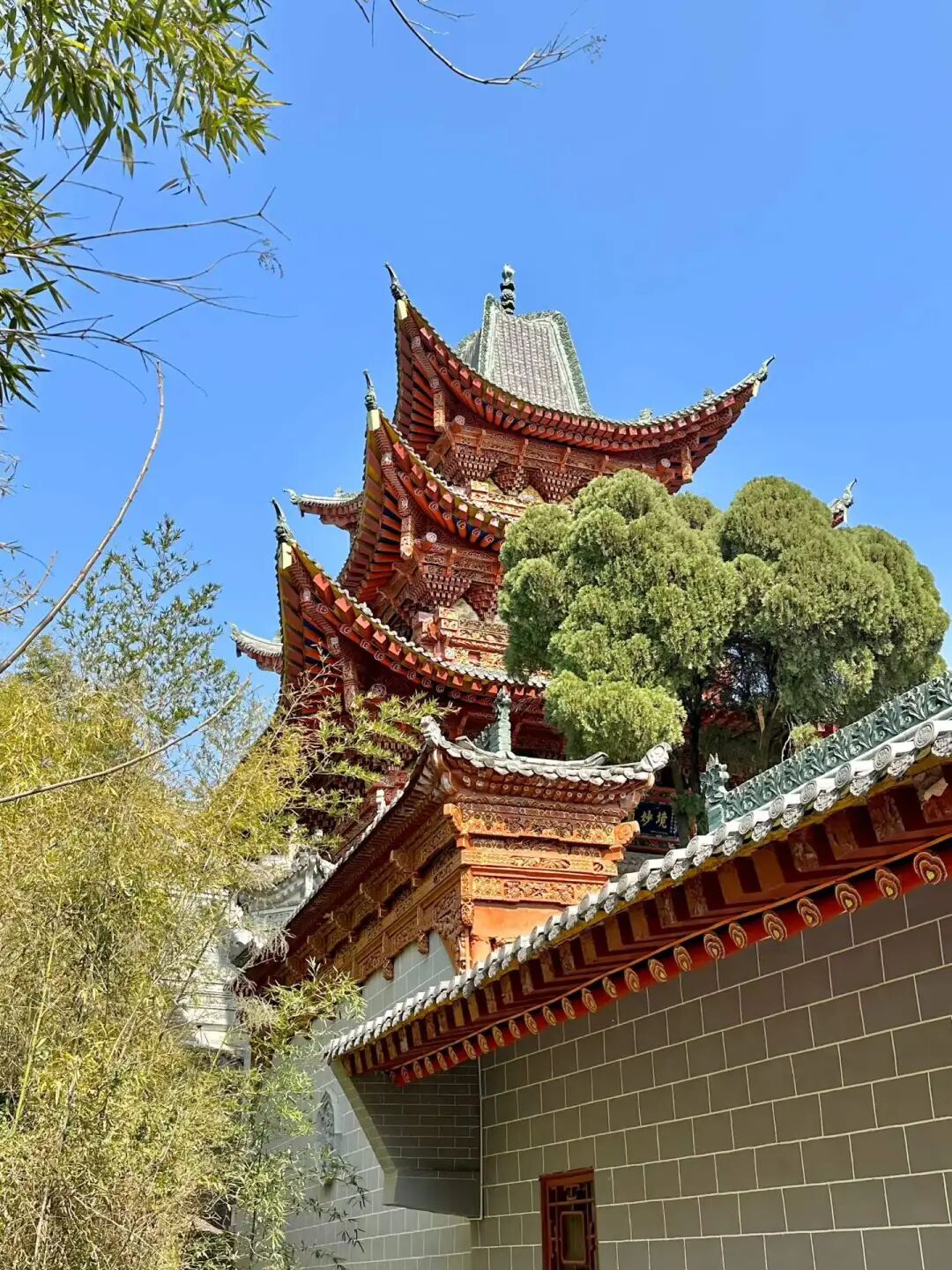
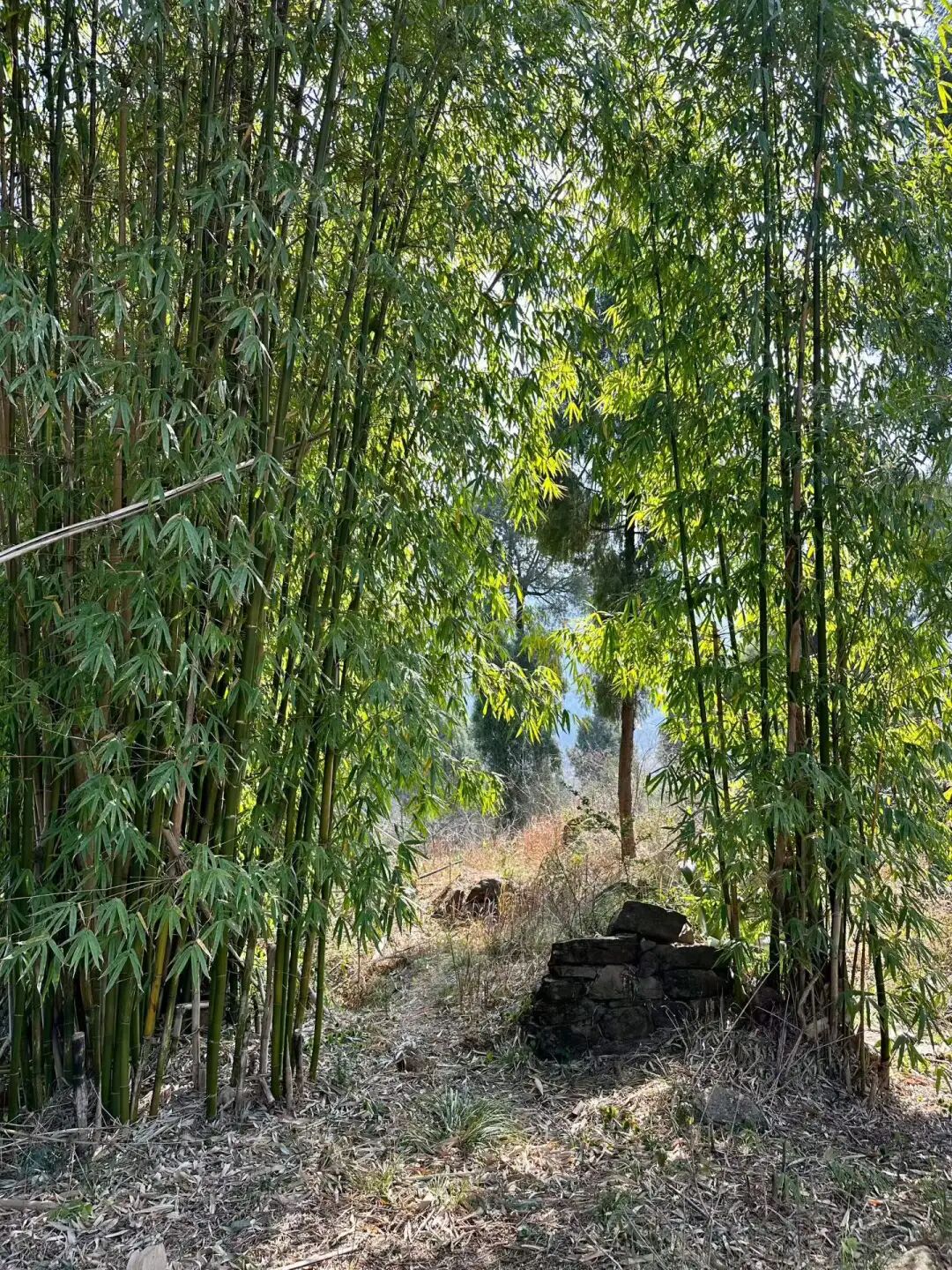
After 1996, the Taizi gongbei in Linxia gradually expanded the Langzhaoting site. In 2010, they rebuilt the main hall and side rooms, giving it the layout it has today. Behind the gongbei is a bamboo forest, and in front are terraced fields, making the scenery very beautiful.
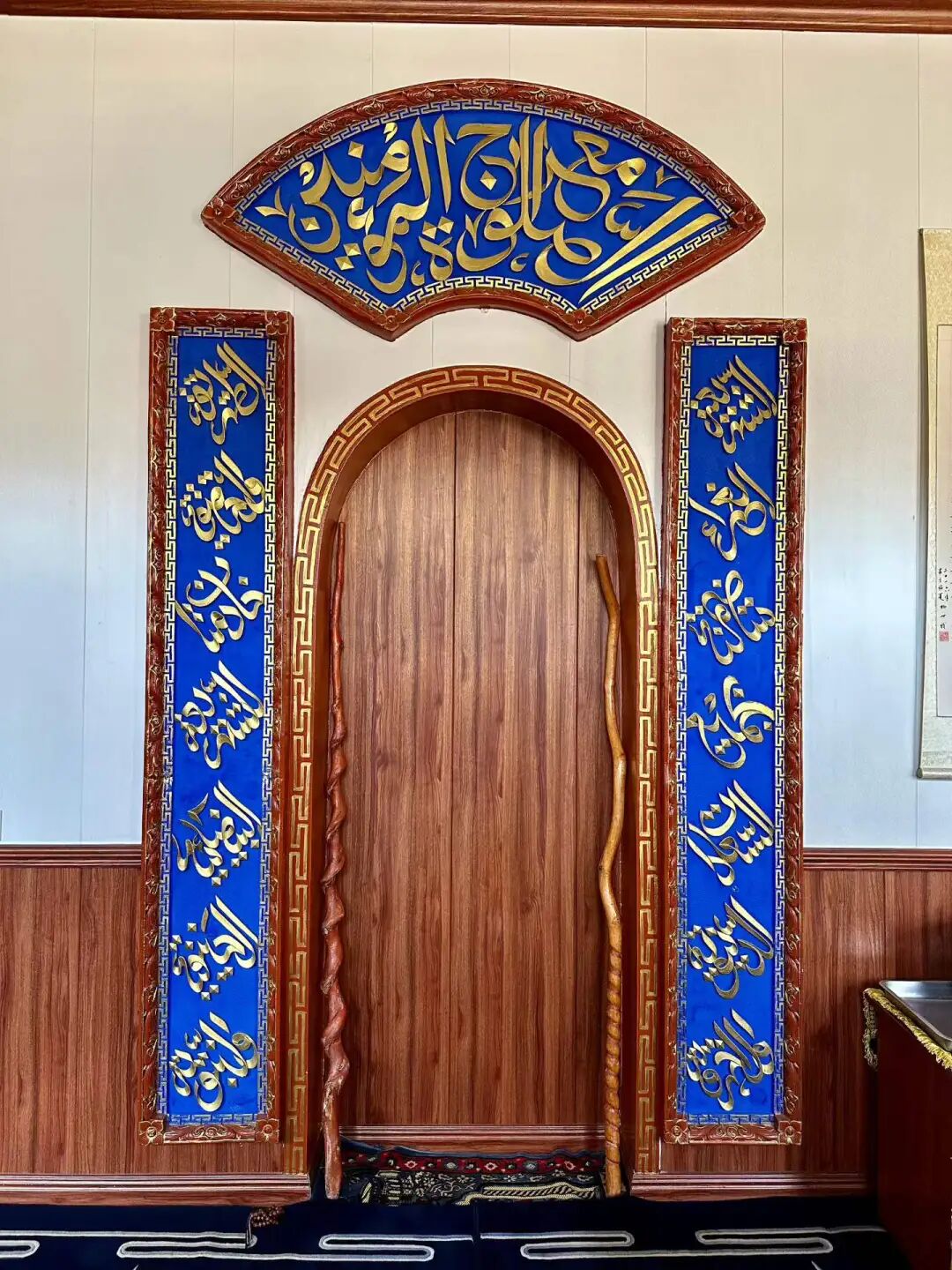
The main hall of Langzhaoting features a mihrab in the style of Hezhou.
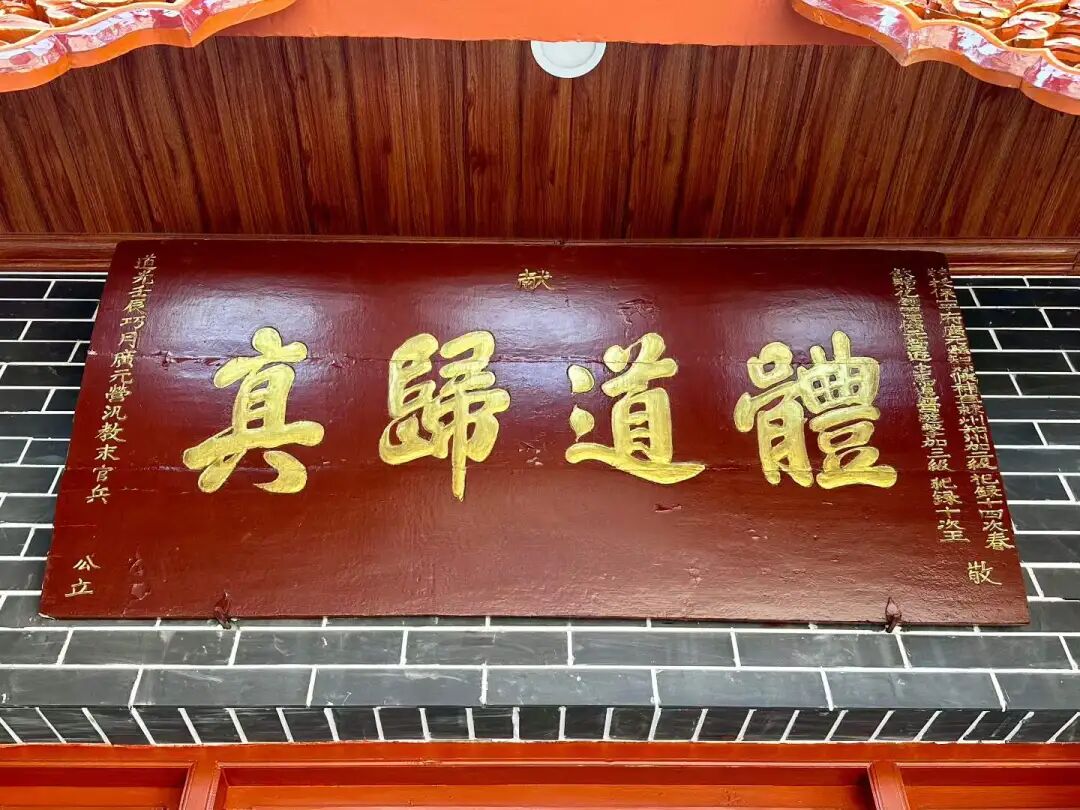
Inside the courtyard hangs a plaque titled "Embodying the Truth" (Ti Dao Gui Zhen), which was donated by military officers and soldiers of the Guangyuan garrison in the 12th year of the Daoguang reign.
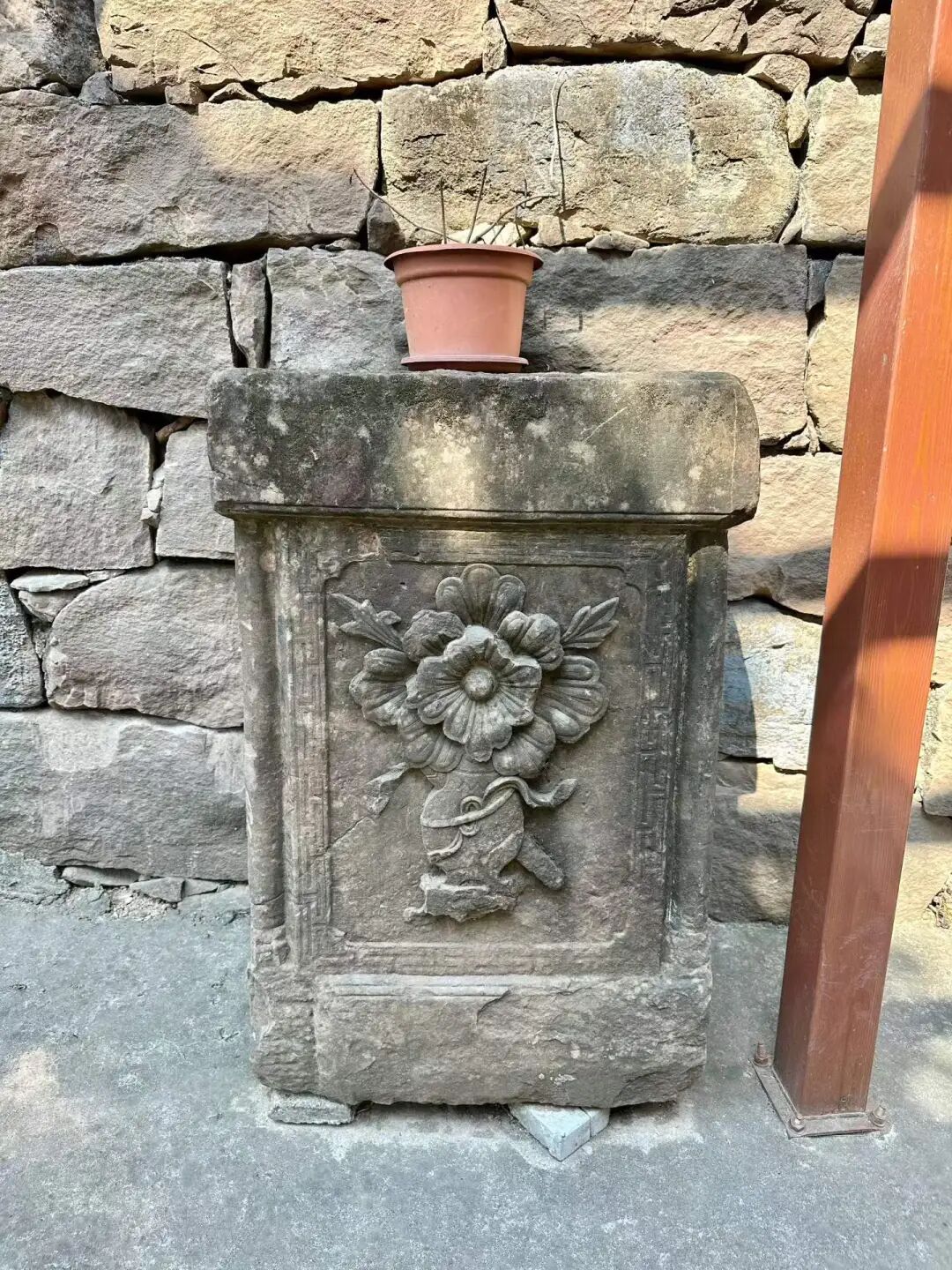
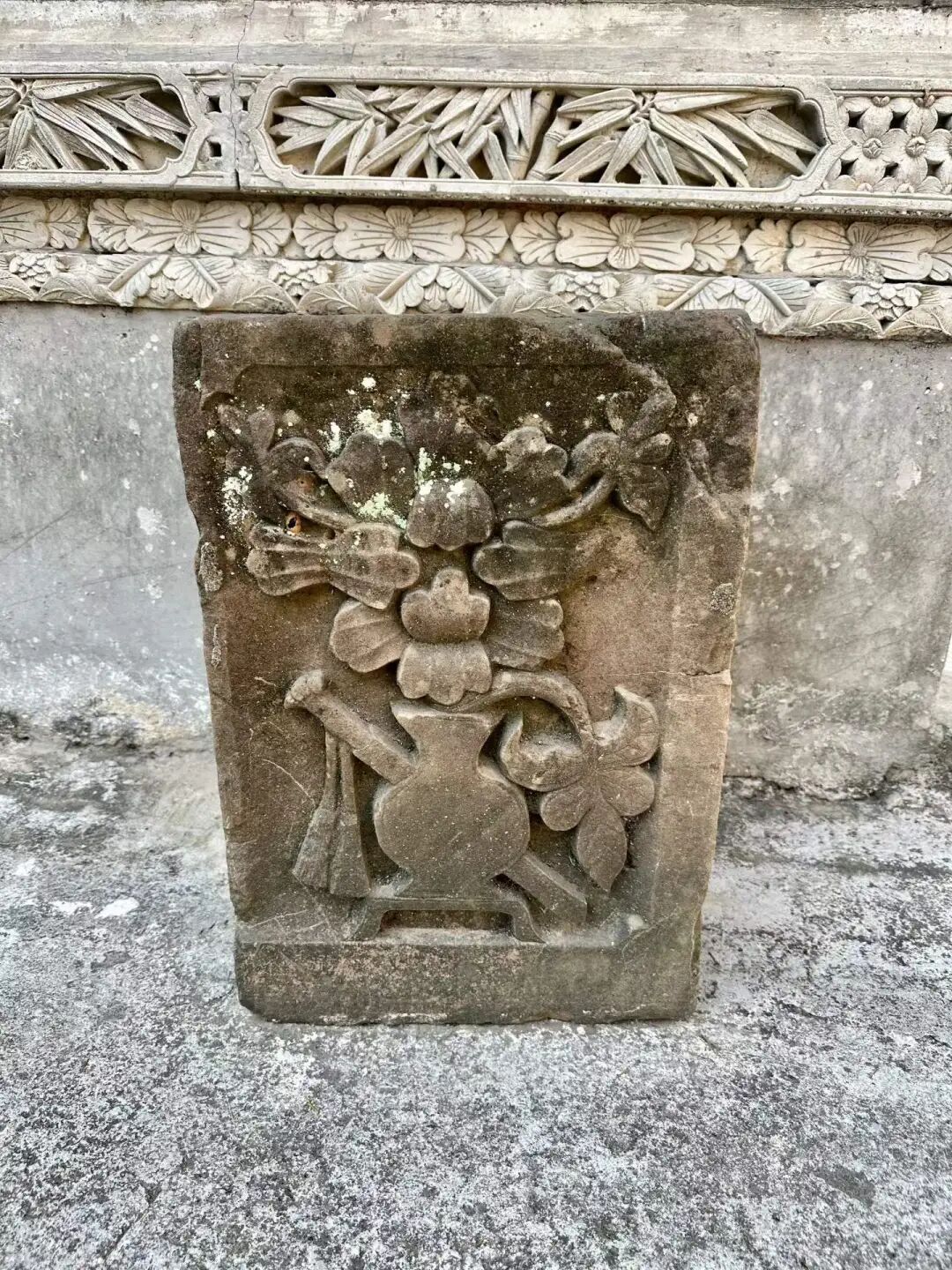
The courtyard also preserves many stone carvings from the Qing Dynasty. The carvings feature traditional auspicious themes like "Peace and Prosperity," "Cranes and Pines for Longevity," and "Mastery of Both Literature and Martial Arts."
Many of the Qing Dynasty stone column bases were destroyed after 1958. This pair of stone lions still has column bases on them, which may have originally served as the base for a memorial archway.
The various stone inscriptions at Langzhaoting.
The oldest inscription dates back to the 42nd year of the Qianlong reign, which is the year Master Ma passed away and the gongbei was built. The top of the tablet is carved with a taiji symbol, which is very unique.
The inscription records that "Master Ma" began his studies at 14, traveled from Shaanxi to Sichuan at 24, and practiced in seclusion for over 60 years. It expresses deep respect for him. The signature belongs to a high-ranking official named Ma X from Anhui, who held titles including Fengzhi Dafu and acting magistrate of Guangyuan County.
Research shows the person who set up the tablet was Ma Jialiang, a Hui Muslim from Anqing, Anhui, and the builder of Langzhaoting. Ma Jialiang, whose courtesy name was Zhongheng, was the son of the famous Qing Dynasty Hui Muslim general and martial arts scholar Ma Dayong. He passed the imperial examinations in the 12th year of the Qianlong reign and served as a high official in several provinces. He rose from county magistrate to prefect, working in Henan, Shandong, Hubei, and Sichuan. He was once dismissed in Shandong for failing to notice the White Lotus Sect, but was later reappointed as the prefect of Huili, Sichuan, eventually ending his career as an acting magistrate in Guangyuan.
The second tablet is the "Record of Rebuilding the True Shrine" from the 59th year of the Qianlong reign. It mentions that in the 42nd year of Qianlong, the former magistrate Master Ma donated funds to build the shrine for the Master, and it was renovated again in the 59th year. The back of the tablet lists 16 religious leaders with the surnames Guo, Mu, Zheng, Min, Ma, Li, Sai, and Wang, along with 135 followers who donated funds.
The "Record of Rebuilding the True Shrine" from the 11th year of the Daoguang reign has the title "Crane in the Clouds" at the top. It refers to the gongbei as the "Nanshan Master Ma Gongbei." The first donor listed is Ma Tenglong, a commander from Chongqing, followed by Guangyuan garrison officer Ma Guangting and others. Ma Tenglong was a military general with many achievements during the middle and late Qing Dynasty. According to the Records of Chongqing Prefecture in the Daoguang Era, Ma Tenglong was from Chengdu, Sichuan, and joined the army in the 58th year of the Qianlong reign. In the 60th year of the Qianlong reign, he was ordered to lead troops to Guizhou and Hunan to help suppress the Miao uprising. In the 2nd year of the Jiaqing reign, he was transferred to the Hubei and Sichuan-Shaanxi regions to suppress the White Lotus Rebellion. In the 1st year of the Daoguang reign, he was promoted to commander-in-chief of the Gansu garrison. In the 3rd year of the Daoguang reign, he was transferred to be the commander-in-chief of the Shaanxi-Gansu garrison. In the 8th year of the Daoguang reign, he was appointed commander-in-chief of the Chongqing garrison to guard Chongqing.
The "Merits Last Forever" (Gongde Yongchui) stele from the 20th year of the Daoguang reign.
The Basmala (Tasimi) stele from the 11th year of the Daoguang reign also features the name of Ma Guangting, a captain (qianzong) of the Guangyuan Battalion.
The "Immortal Forever" (Yongchui Buxiu) stele from the 10th year of the Guangxu reign.
The "Forever Solid" (Yongyuan Weigu) stele from the 13th year of the Daoguang reign shows that the person in charge of the gongbei at that time was named Ma Yingkui.
After leaving the Nanshan gongbei, I went to the nearby Nanshan Mosque. This is a village of Hui Muslims deep in the Nanshan mountains of Guangyuan, and there has likely been very little written about it before.
Centered around the Hui Muslim village, Nanshan in Guangyuan is home to over 120 Hui Muslim households with the surnames Wang, Ma, Li, Tian, Zhou, Cha, and Zhao, with the Wang surname being the most common. Most of the Hui Muslims in Nanshan moved here from Xiaogan in Hubei and areas in Shaanxi and Gansu during the "Huguang Fills Sichuan" migration period of the Qing Dynasty, and they have been farming in the Nanshan mountains ever since. Due to wars, disasters, and economic reasons, the Nanshan Hui Muslims did not build a mosque for a long time. They had to hire an imam to conduct religious services in private homes, and at one point, they even had to travel to the Hejie Mosque in downtown Guangyuan, which was very inconvenient. In 2002, led by Wang Zhanrong, with the support of Imam Ma Wanquan from the Hejie Mosque in Guangyuan and the advocacy of Haji Ma Jianzhong, they raised funds and finally built the Nanshan Mosque in 2003.
The six main doors of the Nanshan Mosque are the original doors from the Qianlong era of the Hejie Mosque in Guangyuan, which are very precious. They feature very exquisite wood carvings.
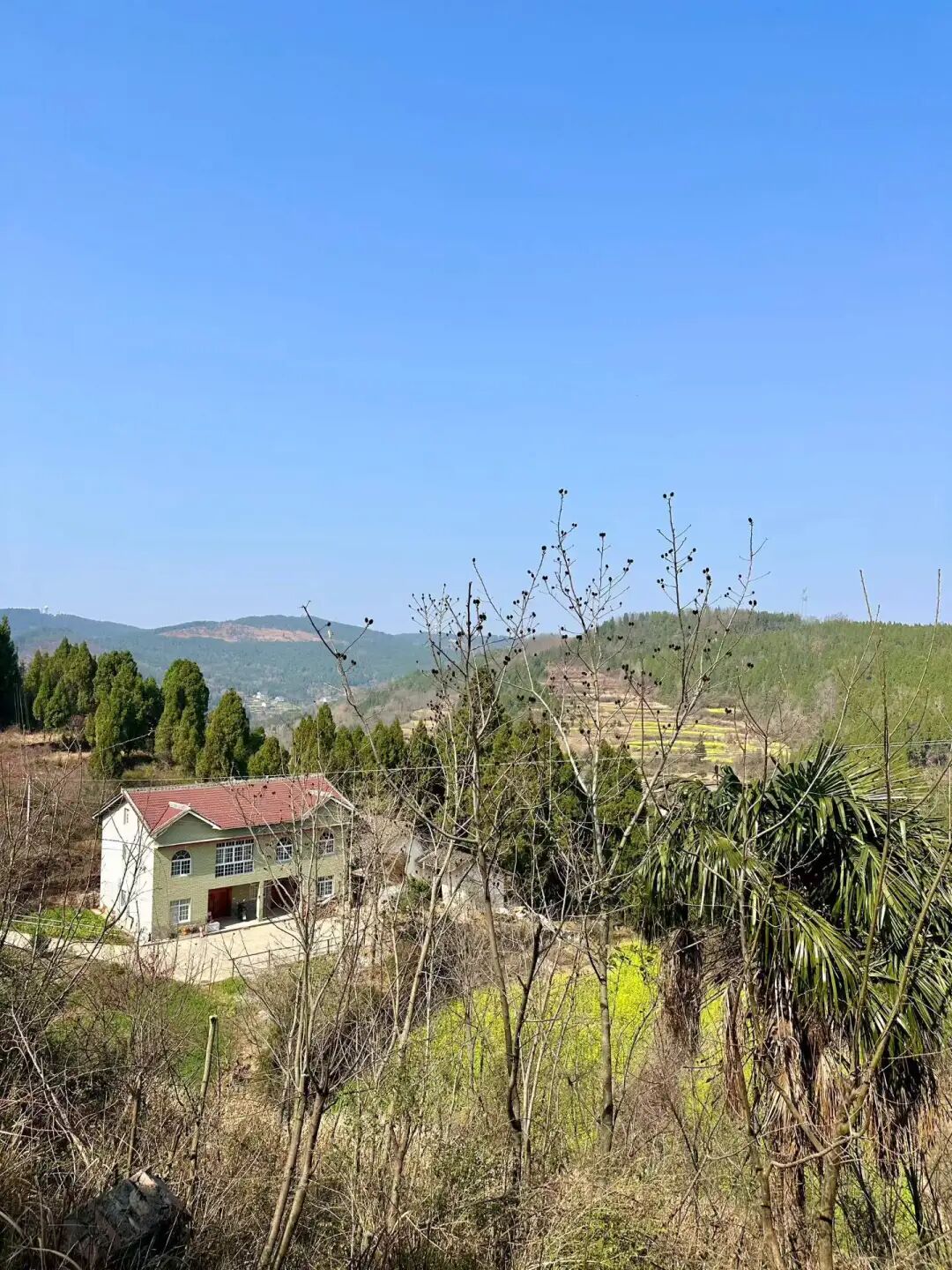
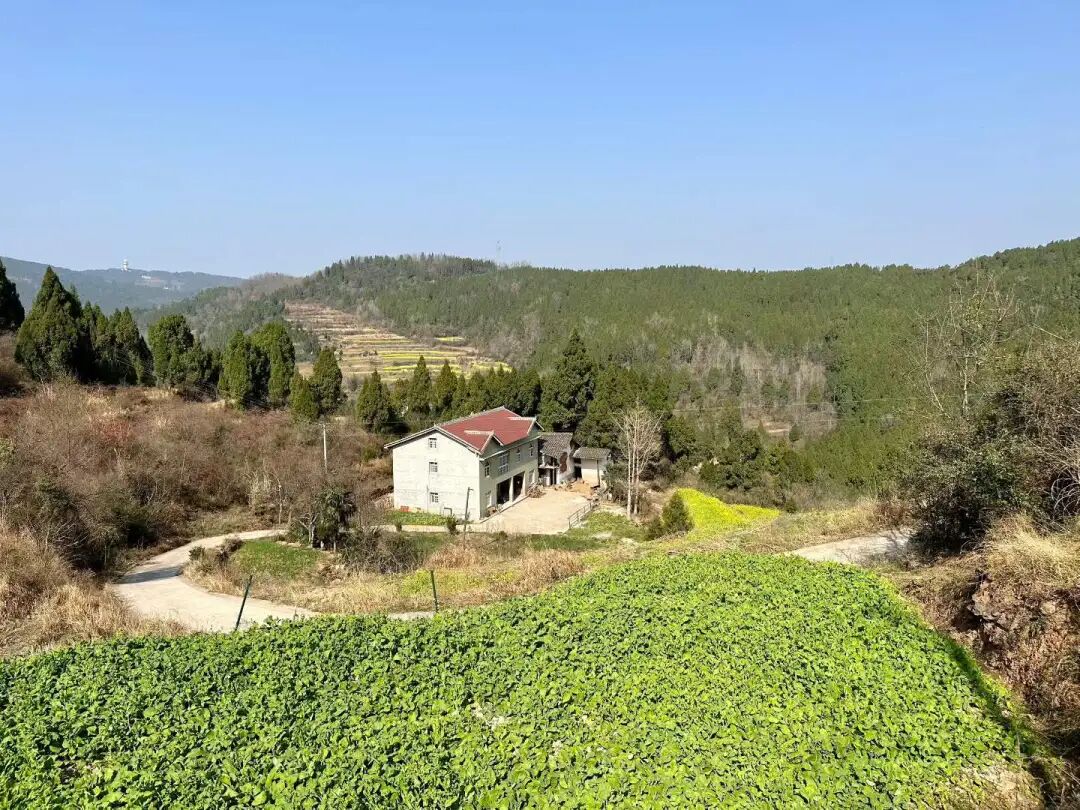
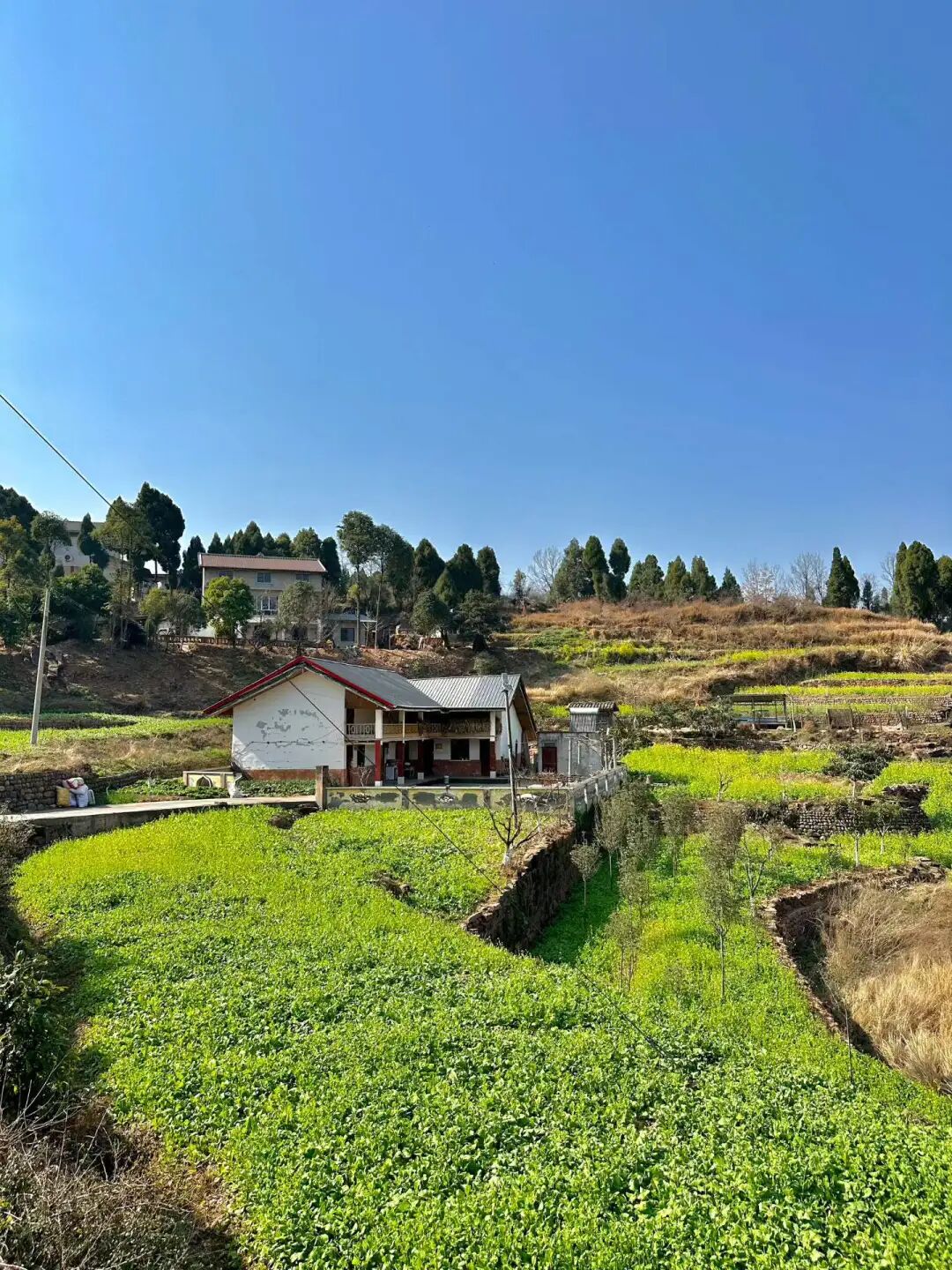
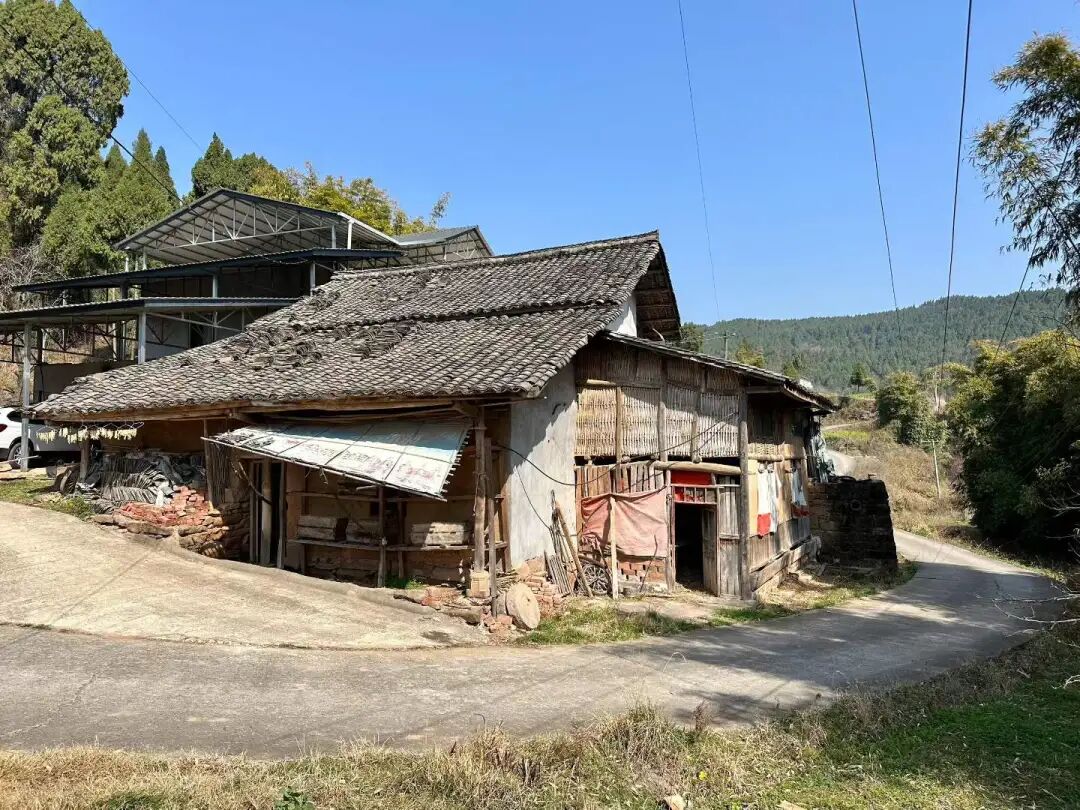
There is a relaxed, slow life in the Nanshan Hui Muslim village. Next to the mosque are clean and tidy houses. The aunties sit around chatting and drying radishes, lettuce, and rapeseed that they couldn't finish eating. One auntie said that dried rapeseed is especially delicious when stir-fried with beef. Sitting here away from the hustle and bustle, it feels like time has slowed down.
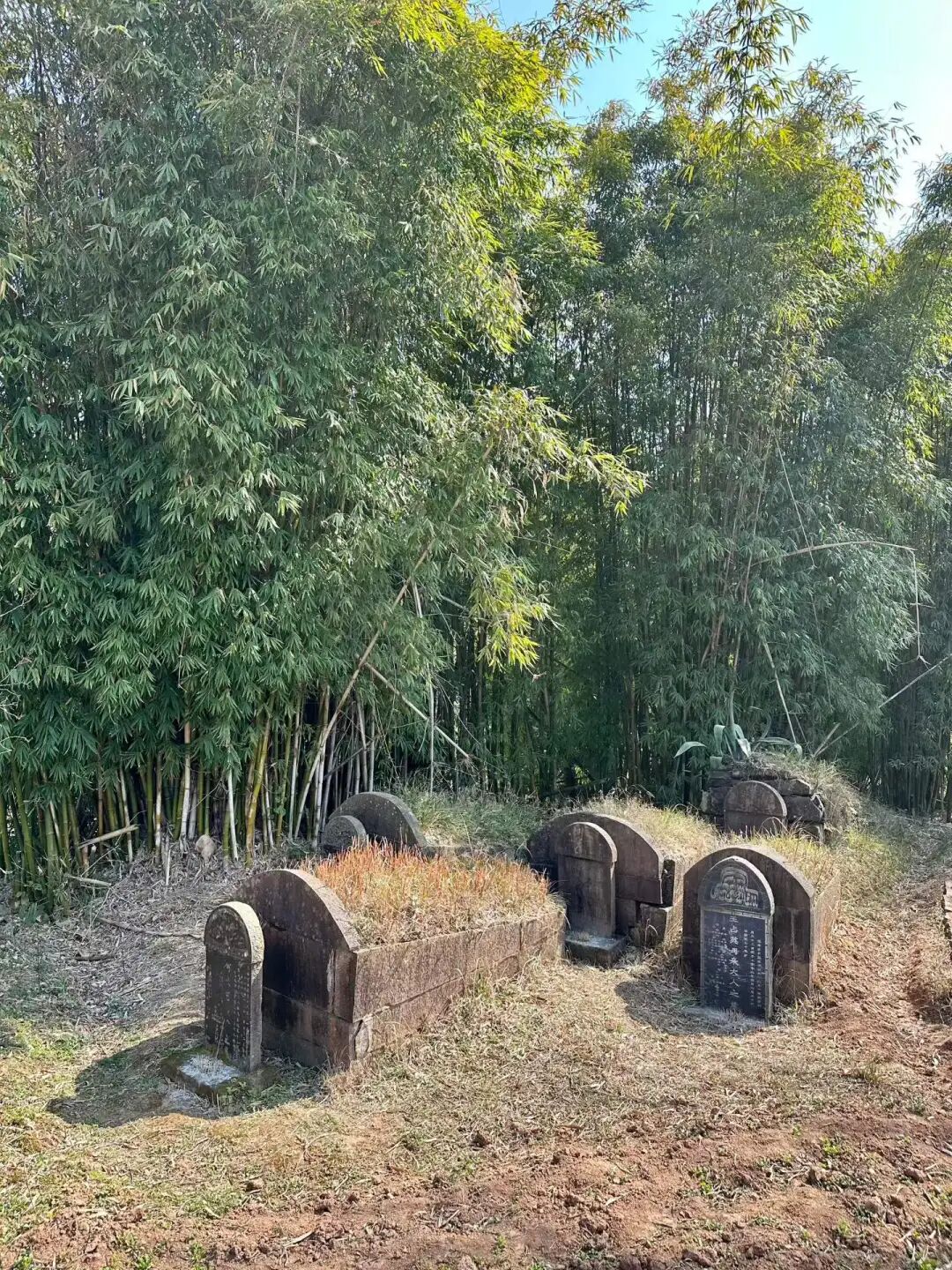
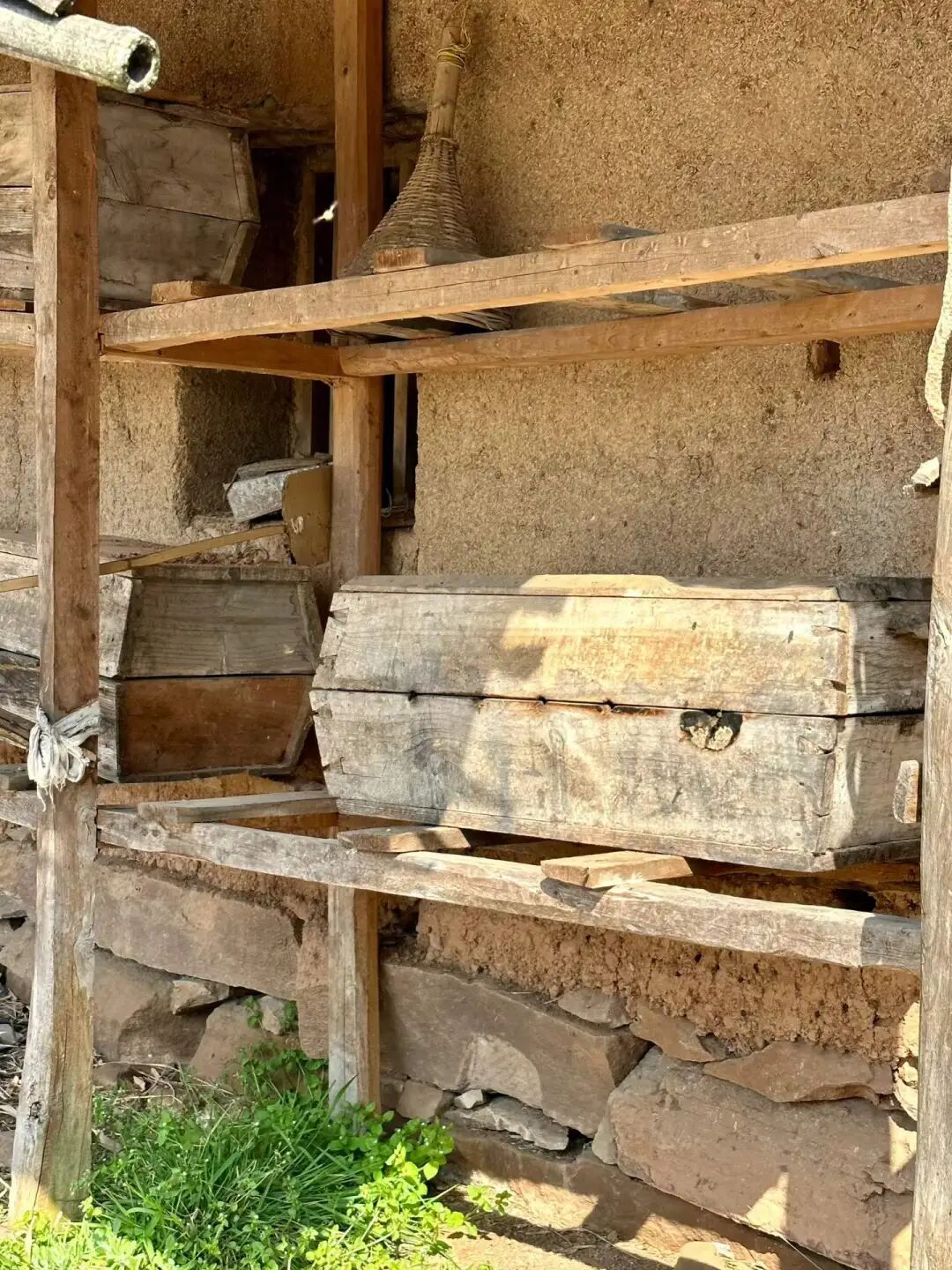
The Hui Muslim cemetery in Nanshan has excellent scenery nearby and is very refreshing. There are bees kept near the houses, and the beehives are right by the road. I didn't feel scared even when standing close, and the honey from here must taste very good. view all
Summary: This Guangyuan road trip visits Nanshan gongbei (Sufi shrine), a Hui Muslim village, local religious history, and the mountain routes that shaped this stop in northern Sichuan.
On February 21, I headed north from Yanting, passed through Langzhong, and arrived at Nanshan in Guangyuan to visit the Langzhaoting gongbei and the Nanshan Hui Muslim village.
The Langzhaoting gongbei in Nanshan, Guangyuan, was originally called Yulongshan gongbei. It is a shrine built to honor the third-generation master, Master Ma, of the Qadiriyya Sufi order's Great Gongbei menhuan. Master Ma (1693-1778) was from Dongxiang, Linxia, Gansu. He studied religious texts from a young age and later, by chance, became a student of Master Ma Tengyi at the Taizi gongbei. Master Ma Tengyi explained the secrets of the religious, mystical, and ultimate truths to him, and Master Ma achieved a deep, sudden enlightenment. At age 24, Master Ma followed Master Ma Tengyi's instructions to go to Nanshan in Guangyuan for quiet, secluded practice. He built a thatched hut and spent over 60 years in deep meditation. Outside of his spiritual practice, he guided the local people, and many stories of his miracles have been passed down to this day. Because of his great virtue and the miracles he performed, many local people converted to the faith. After Master Ma passed away, the Guangyuan magistrate Ma Jialiang initiated the construction of the Langzhaoting gongbei. Later, generations of military and government officials in Guangyuan helped maintain it, leaving behind many stone inscriptions and plaques.
After 1996, the Taizi gongbei in Linxia gradually expanded the Langzhaoting site. In 2010, they rebuilt the main hall and side rooms, giving it the layout it has today. Behind the gongbei is a bamboo forest, and in front are terraced fields, making the scenery very beautiful.
The main hall of Langzhaoting features a mihrab in the style of Hezhou.
Inside the courtyard hangs a plaque titled "Embodying the Truth" (Ti Dao Gui Zhen), which was donated by military officers and soldiers of the Guangyuan garrison in the 12th year of the Daoguang reign.
The courtyard also preserves many stone carvings from the Qing Dynasty. The carvings feature traditional auspicious themes like "Peace and Prosperity," "Cranes and Pines for Longevity," and "Mastery of Both Literature and Martial Arts."
Many of the Qing Dynasty stone column bases were destroyed after 1958. This pair of stone lions still has column bases on them, which may have originally served as the base for a memorial archway.
The various stone inscriptions at Langzhaoting.
The oldest inscription dates back to the 42nd year of the Qianlong reign, which is the year Master Ma passed away and the gongbei was built. The top of the tablet is carved with a taiji symbol, which is very unique.
The inscription records that "Master Ma" began his studies at 14, traveled from Shaanxi to Sichuan at 24, and practiced in seclusion for over 60 years. It expresses deep respect for him. The signature belongs to a high-ranking official named Ma X from Anhui, who held titles including Fengzhi Dafu and acting magistrate of Guangyuan County.
Research shows the person who set up the tablet was Ma Jialiang, a Hui Muslim from Anqing, Anhui, and the builder of Langzhaoting. Ma Jialiang, whose courtesy name was Zhongheng, was the son of the famous Qing Dynasty Hui Muslim general and martial arts scholar Ma Dayong. He passed the imperial examinations in the 12th year of the Qianlong reign and served as a high official in several provinces. He rose from county magistrate to prefect, working in Henan, Shandong, Hubei, and Sichuan. He was once dismissed in Shandong for failing to notice the White Lotus Sect, but was later reappointed as the prefect of Huili, Sichuan, eventually ending his career as an acting magistrate in Guangyuan.
The second tablet is the "Record of Rebuilding the True Shrine" from the 59th year of the Qianlong reign. It mentions that in the 42nd year of Qianlong, the former magistrate Master Ma donated funds to build the shrine for the Master, and it was renovated again in the 59th year. The back of the tablet lists 16 religious leaders with the surnames Guo, Mu, Zheng, Min, Ma, Li, Sai, and Wang, along with 135 followers who donated funds.
The "Record of Rebuilding the True Shrine" from the 11th year of the Daoguang reign has the title "Crane in the Clouds" at the top. It refers to the gongbei as the "Nanshan Master Ma Gongbei." The first donor listed is Ma Tenglong, a commander from Chongqing, followed by Guangyuan garrison officer Ma Guangting and others. Ma Tenglong was a military general with many achievements during the middle and late Qing Dynasty. According to the Records of Chongqing Prefecture in the Daoguang Era, Ma Tenglong was from Chengdu, Sichuan, and joined the army in the 58th year of the Qianlong reign. In the 60th year of the Qianlong reign, he was ordered to lead troops to Guizhou and Hunan to help suppress the Miao uprising. In the 2nd year of the Jiaqing reign, he was transferred to the Hubei and Sichuan-Shaanxi regions to suppress the White Lotus Rebellion. In the 1st year of the Daoguang reign, he was promoted to commander-in-chief of the Gansu garrison. In the 3rd year of the Daoguang reign, he was transferred to be the commander-in-chief of the Shaanxi-Gansu garrison. In the 8th year of the Daoguang reign, he was appointed commander-in-chief of the Chongqing garrison to guard Chongqing.
The "Merits Last Forever" (Gongde Yongchui) stele from the 20th year of the Daoguang reign.
The Basmala (Tasimi) stele from the 11th year of the Daoguang reign also features the name of Ma Guangting, a captain (qianzong) of the Guangyuan Battalion.
The "Immortal Forever" (Yongchui Buxiu) stele from the 10th year of the Guangxu reign.
The "Forever Solid" (Yongyuan Weigu) stele from the 13th year of the Daoguang reign shows that the person in charge of the gongbei at that time was named Ma Yingkui.
After leaving the Nanshan gongbei, I went to the nearby Nanshan Mosque. This is a village of Hui Muslims deep in the Nanshan mountains of Guangyuan, and there has likely been very little written about it before.
Centered around the Hui Muslim village, Nanshan in Guangyuan is home to over 120 Hui Muslim households with the surnames Wang, Ma, Li, Tian, Zhou, Cha, and Zhao, with the Wang surname being the most common. Most of the Hui Muslims in Nanshan moved here from Xiaogan in Hubei and areas in Shaanxi and Gansu during the "Huguang Fills Sichuan" migration period of the Qing Dynasty, and they have been farming in the Nanshan mountains ever since. Due to wars, disasters, and economic reasons, the Nanshan Hui Muslims did not build a mosque for a long time. They had to hire an imam to conduct religious services in private homes, and at one point, they even had to travel to the Hejie Mosque in downtown Guangyuan, which was very inconvenient. In 2002, led by Wang Zhanrong, with the support of Imam Ma Wanquan from the Hejie Mosque in Guangyuan and the advocacy of Haji Ma Jianzhong, they raised funds and finally built the Nanshan Mosque in 2003.
The six main doors of the Nanshan Mosque are the original doors from the Qianlong era of the Hejie Mosque in Guangyuan, which are very precious. They feature very exquisite wood carvings.
There is a relaxed, slow life in the Nanshan Hui Muslim village. Next to the mosque are clean and tidy houses. The aunties sit around chatting and drying radishes, lettuce, and rapeseed that they couldn't finish eating. One auntie said that dried rapeseed is especially delicious when stir-fried with beef. Sitting here away from the hustle and bustle, it feels like time has slowed down.
The Hui Muslim cemetery in Nanshan has excellent scenery nearby and is very refreshing. There are bees kept near the houses, and the beehives are right by the road. I didn't feel scared even when standing close, and the honey from here must taste very good. view all
Reposted from the web
Summary: This Guangyuan road trip visits Nanshan gongbei (Sufi shrine), a Hui Muslim village, local religious history, and the mountain routes that shaped this stop in northern Sichuan.
On February 21, I headed north from Yanting, passed through Langzhong, and arrived at Nanshan in Guangyuan to visit the Langzhaoting gongbei and the Nanshan Hui Muslim village.
The Langzhaoting gongbei in Nanshan, Guangyuan, was originally called Yulongshan gongbei. It is a shrine built to honor the third-generation master, Master Ma, of the Qadiriyya Sufi order's Great Gongbei menhuan. Master Ma (1693-1778) was from Dongxiang, Linxia, Gansu. He studied religious texts from a young age and later, by chance, became a student of Master Ma Tengyi at the Taizi gongbei. Master Ma Tengyi explained the secrets of the religious, mystical, and ultimate truths to him, and Master Ma achieved a deep, sudden enlightenment. At age 24, Master Ma followed Master Ma Tengyi's instructions to go to Nanshan in Guangyuan for quiet, secluded practice. He built a thatched hut and spent over 60 years in deep meditation. Outside of his spiritual practice, he guided the local people, and many stories of his miracles have been passed down to this day. Because of his great virtue and the miracles he performed, many local people converted to the faith. After Master Ma passed away, the Guangyuan magistrate Ma Jialiang initiated the construction of the Langzhaoting gongbei. Later, generations of military and government officials in Guangyuan helped maintain it, leaving behind many stone inscriptions and plaques.
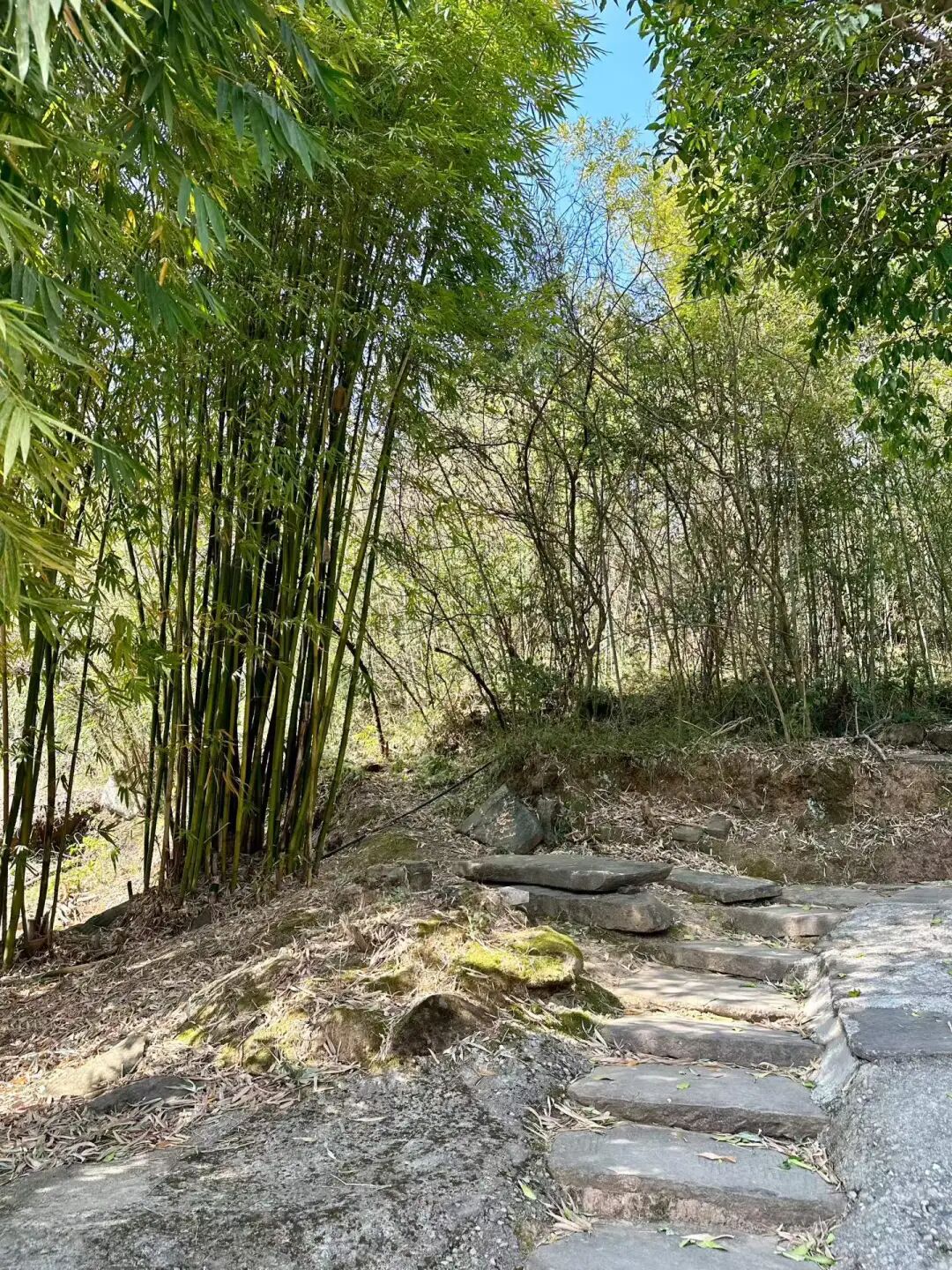
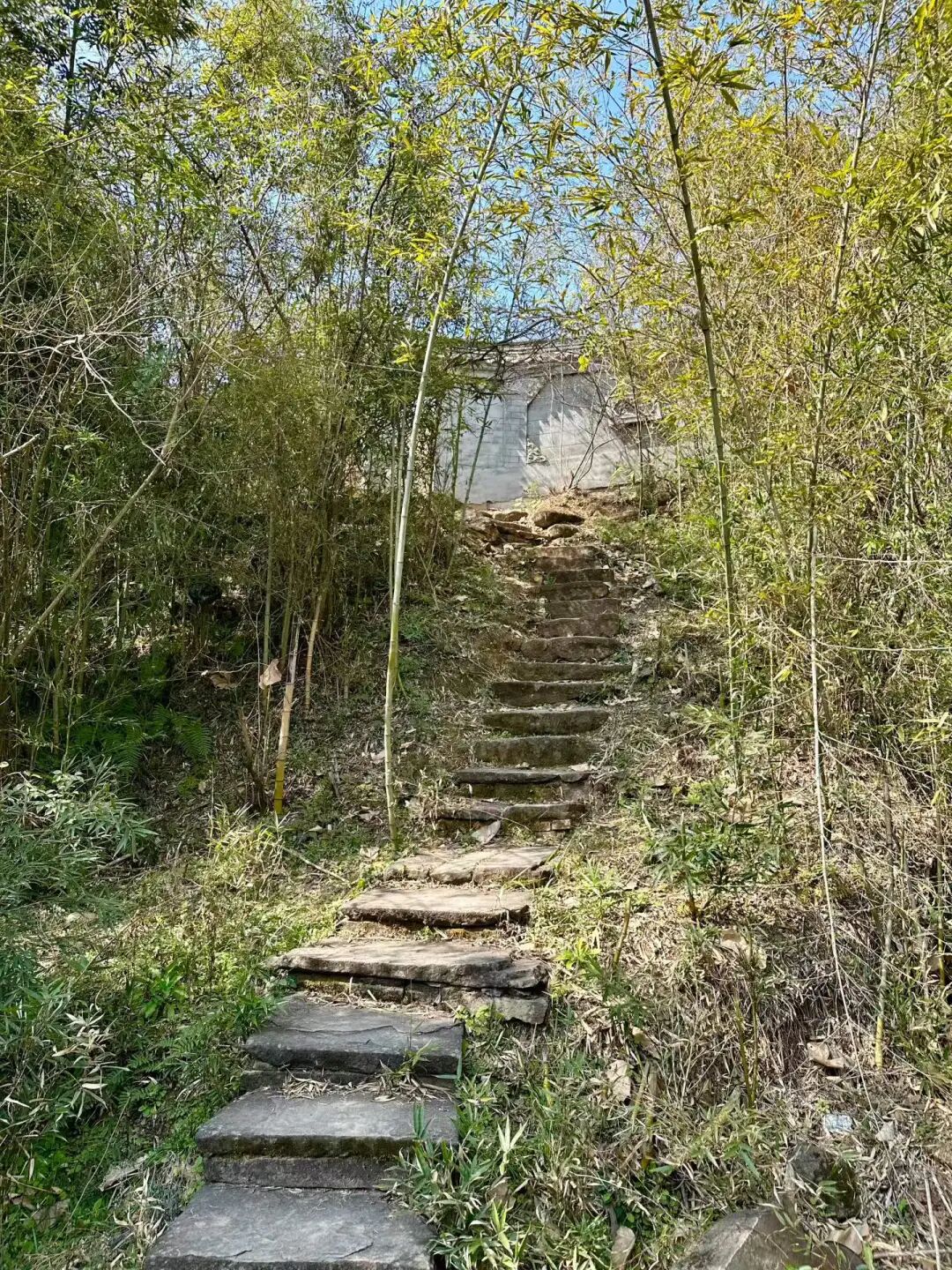
After 1996, the Taizi gongbei in Linxia gradually expanded the Langzhaoting site. In 2010, they rebuilt the main hall and side rooms, giving it the layout it has today. Behind the gongbei is a bamboo forest, and in front are terraced fields, making the scenery very beautiful.
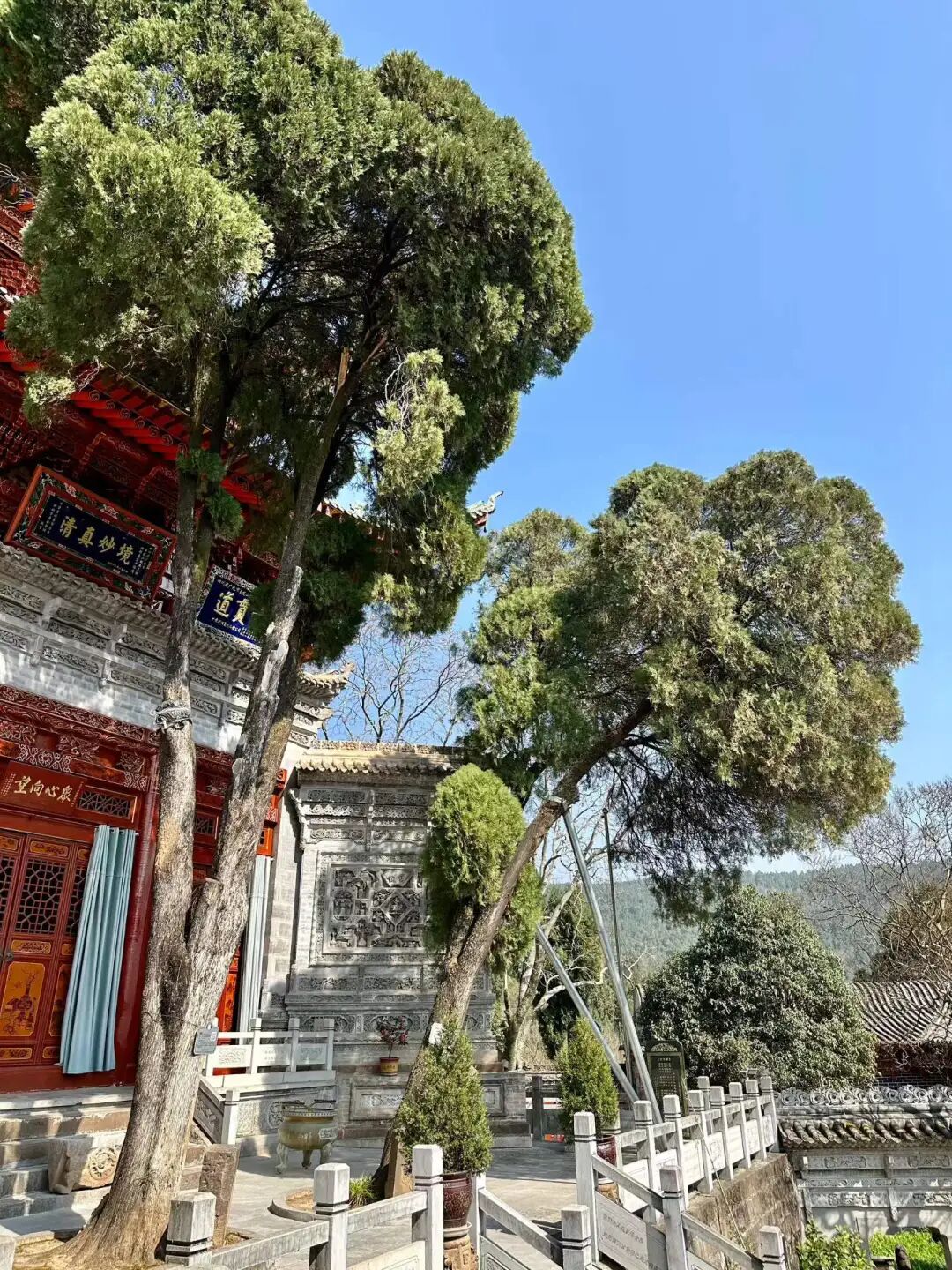
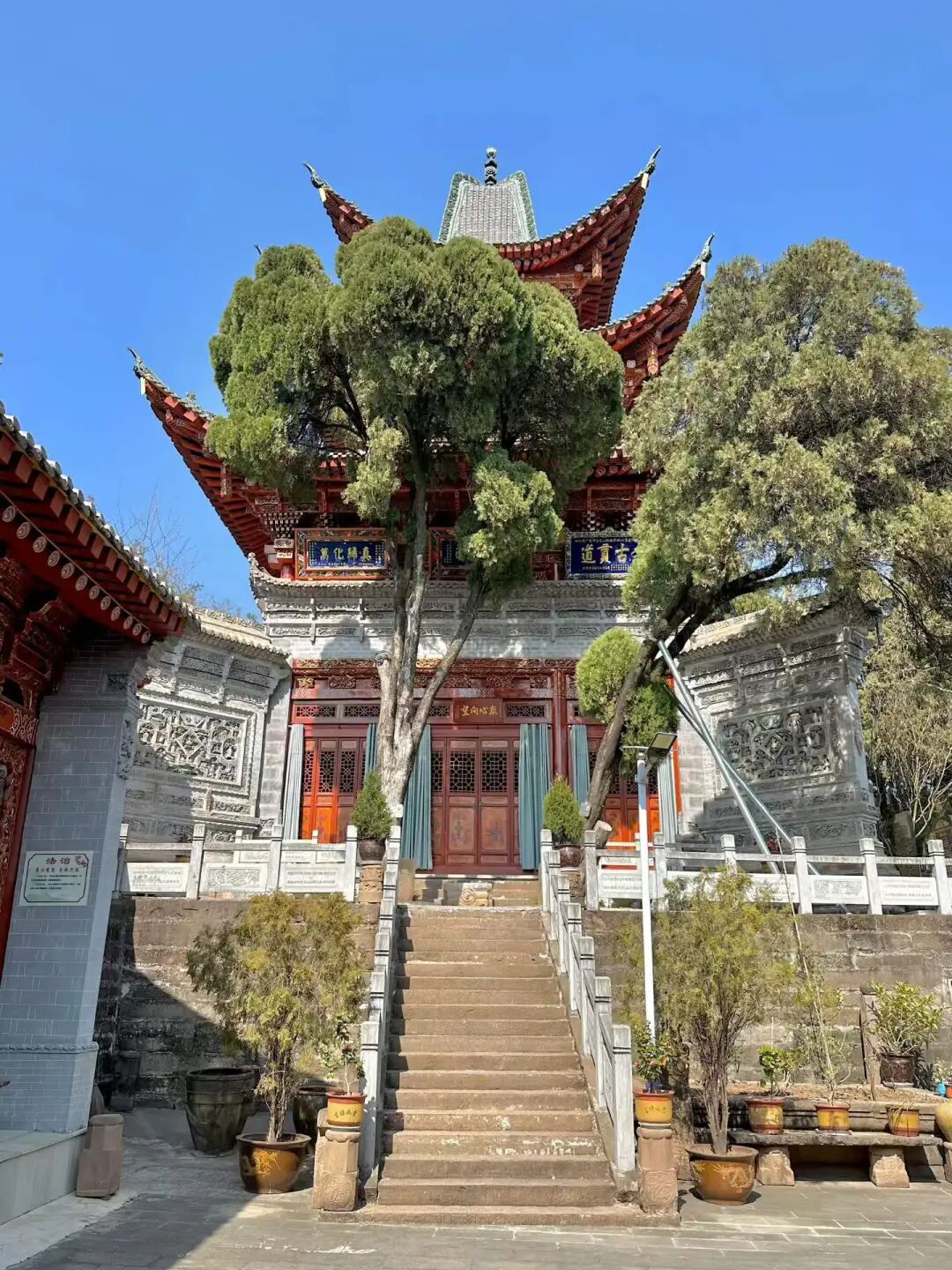
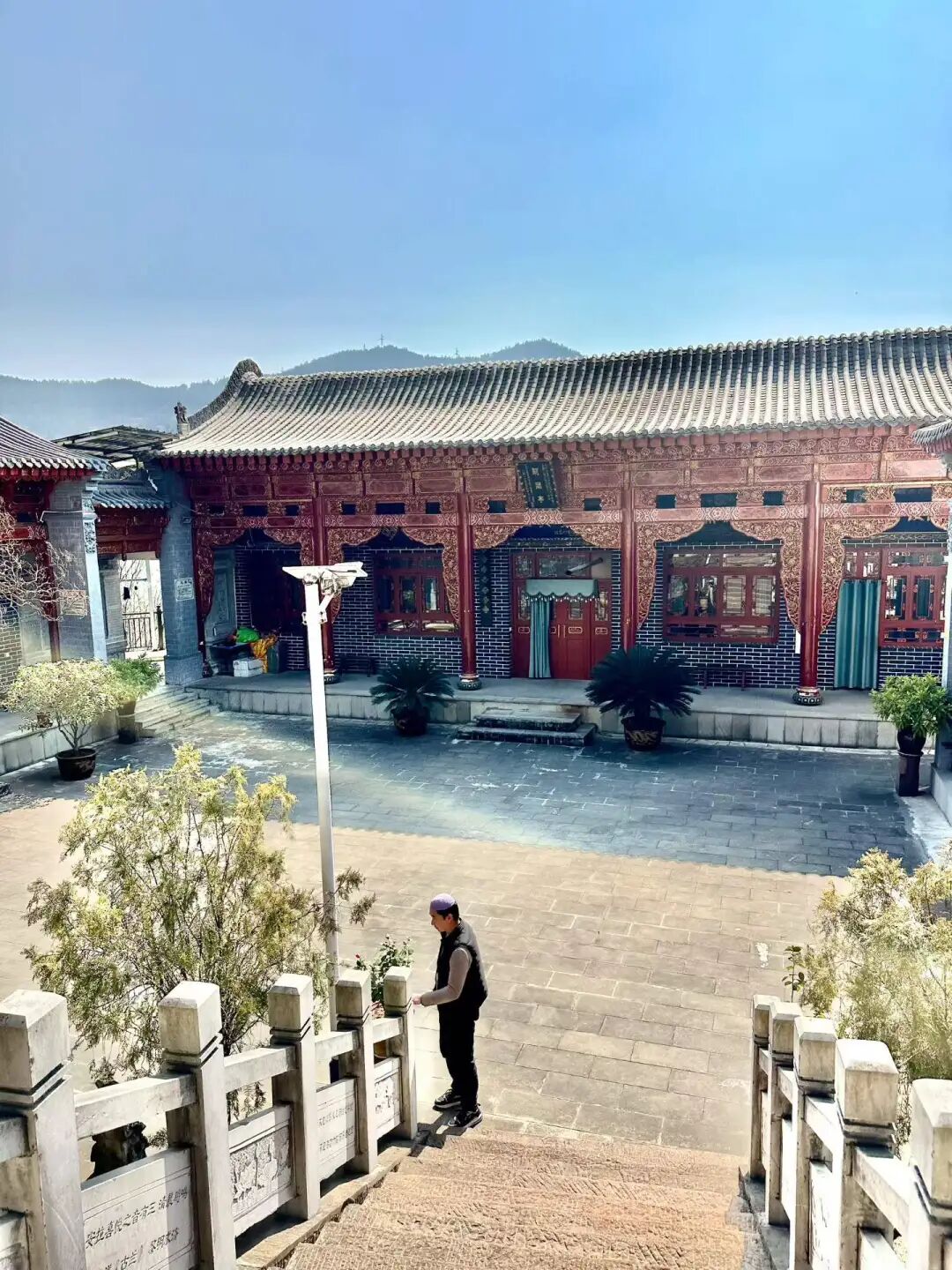
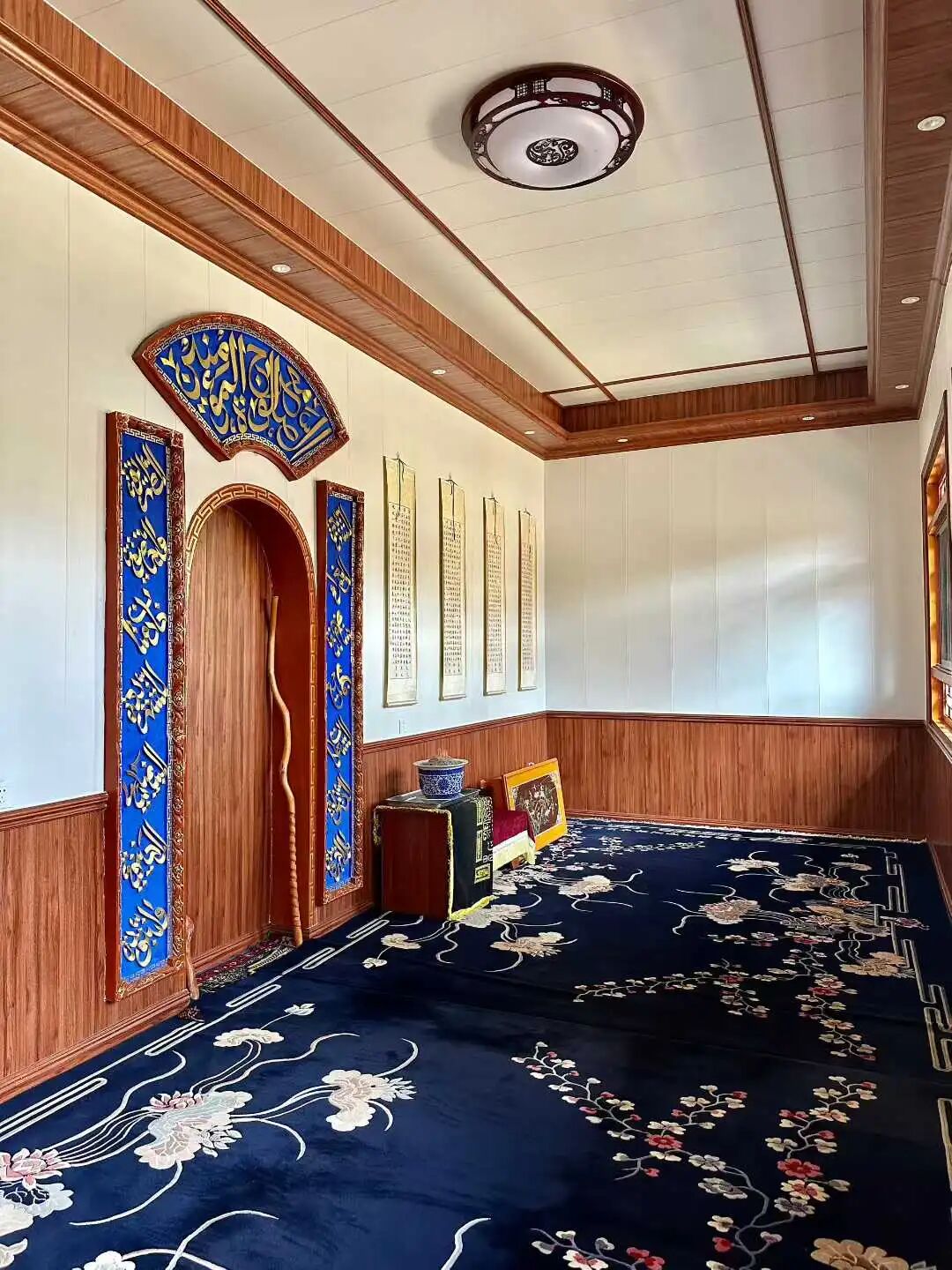
The main hall of Langzhaoting features a mihrab in the style of Hezhou.
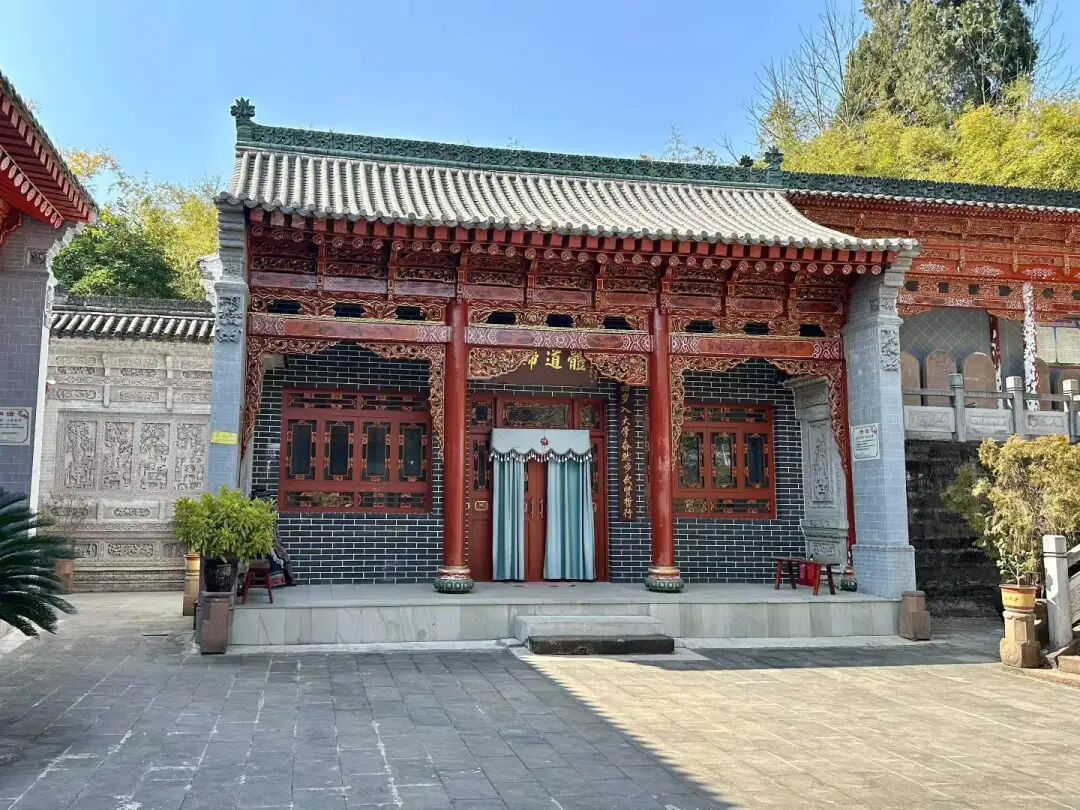
Inside the courtyard hangs a plaque titled "Embodying the Truth" (Ti Dao Gui Zhen), which was donated by military officers and soldiers of the Guangyuan garrison in the 12th year of the Daoguang reign.
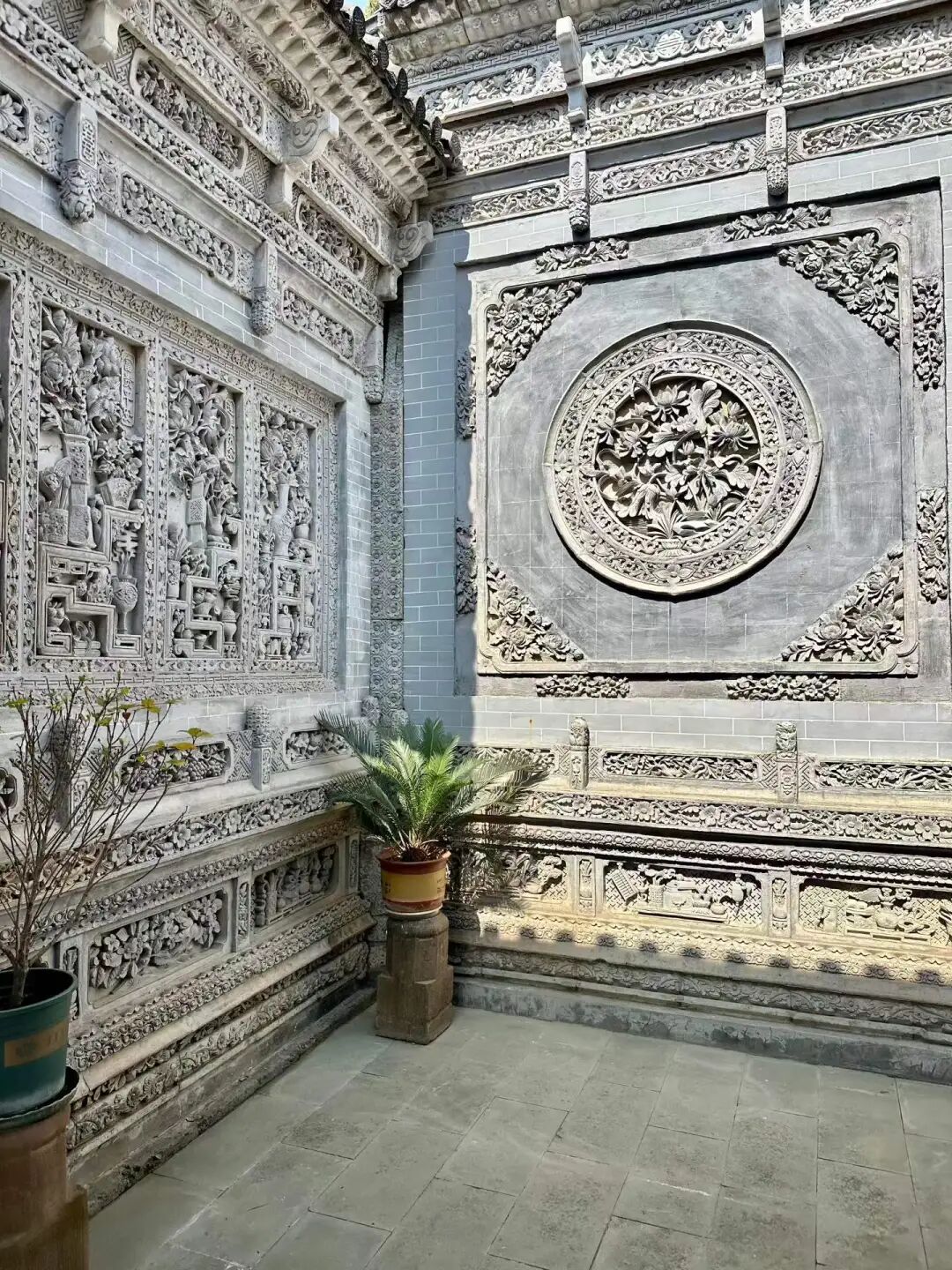
The courtyard also preserves many stone carvings from the Qing Dynasty. The carvings feature traditional auspicious themes like "Peace and Prosperity," "Cranes and Pines for Longevity," and "Mastery of Both Literature and Martial Arts."
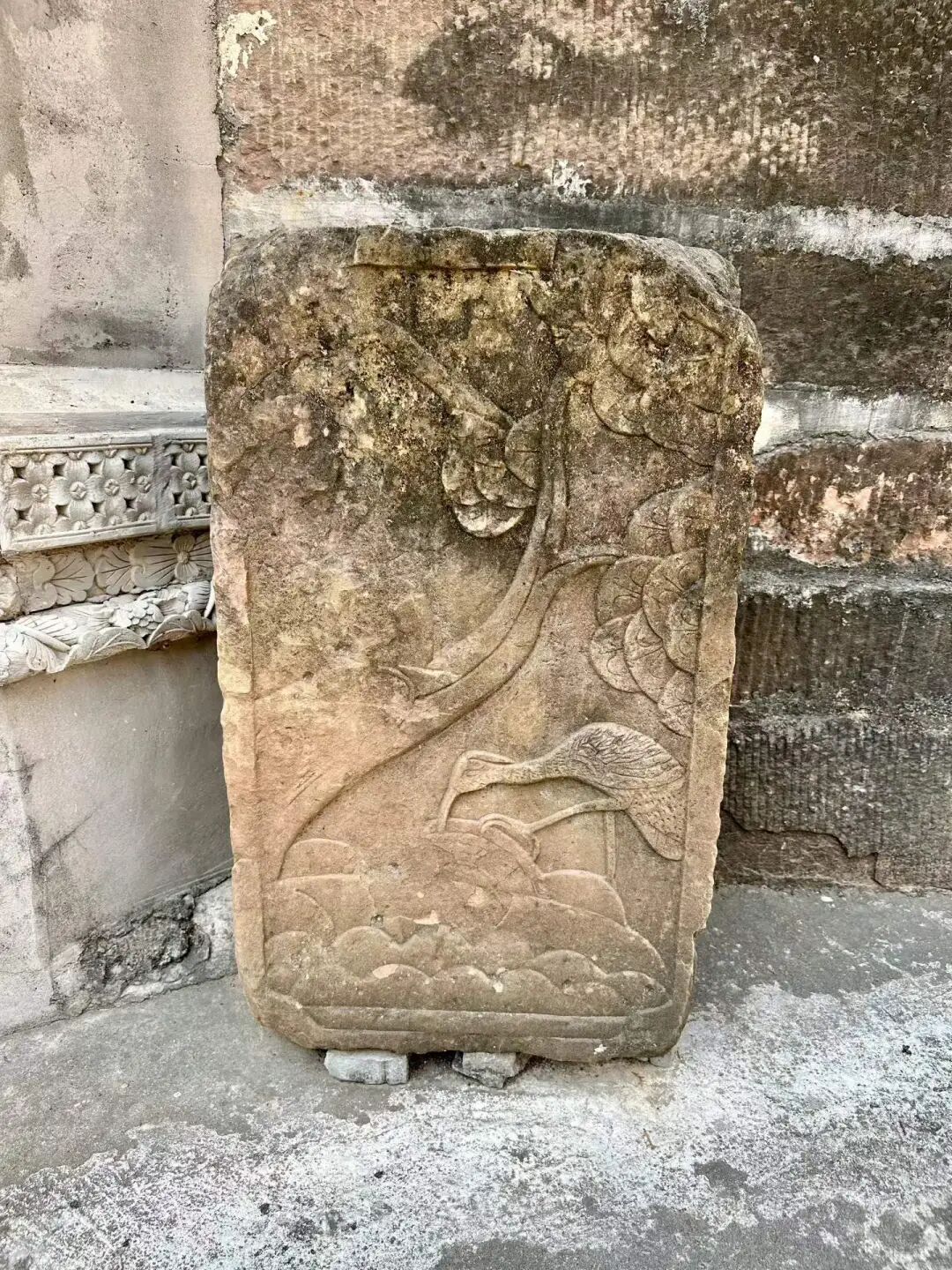
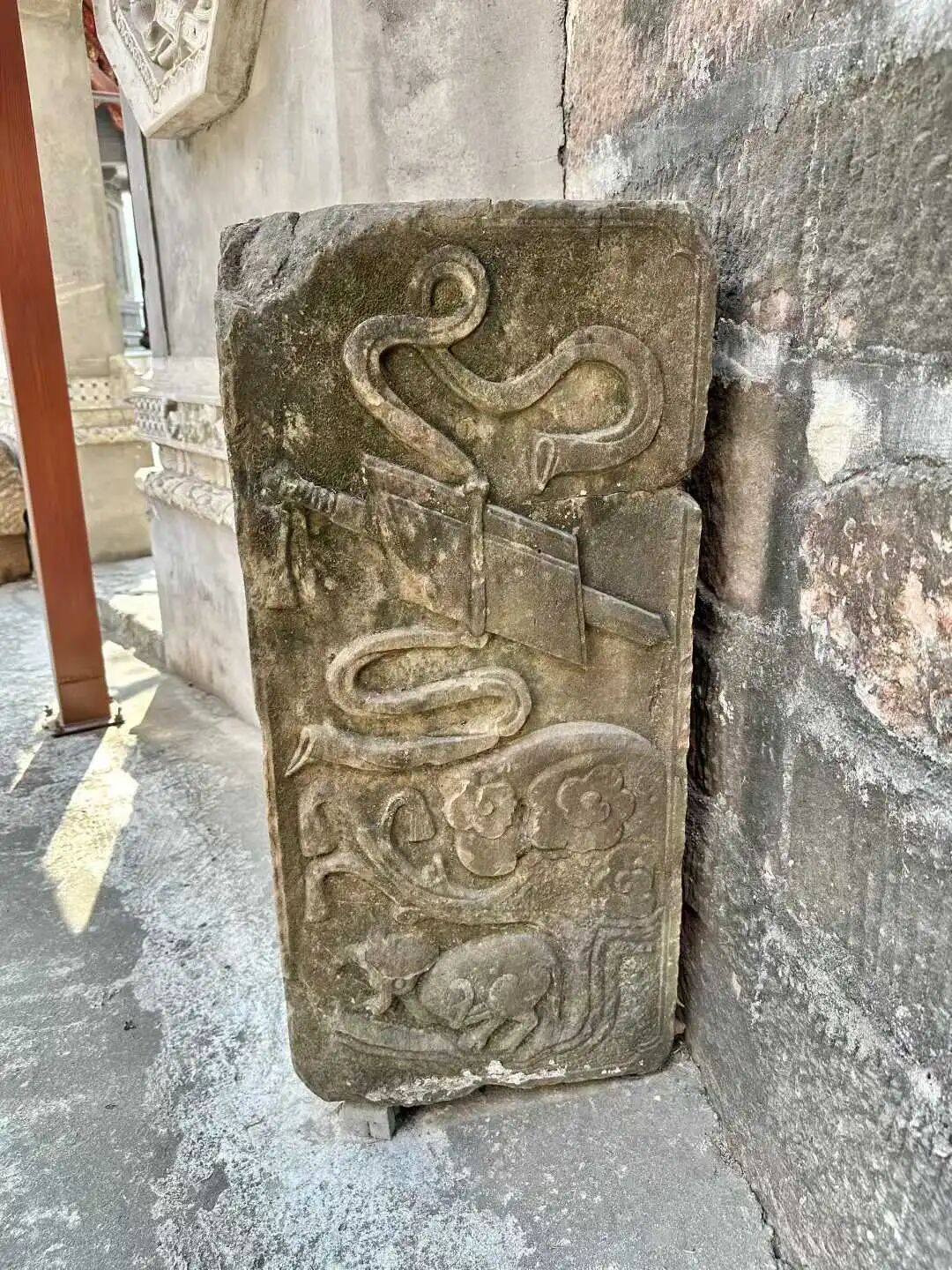
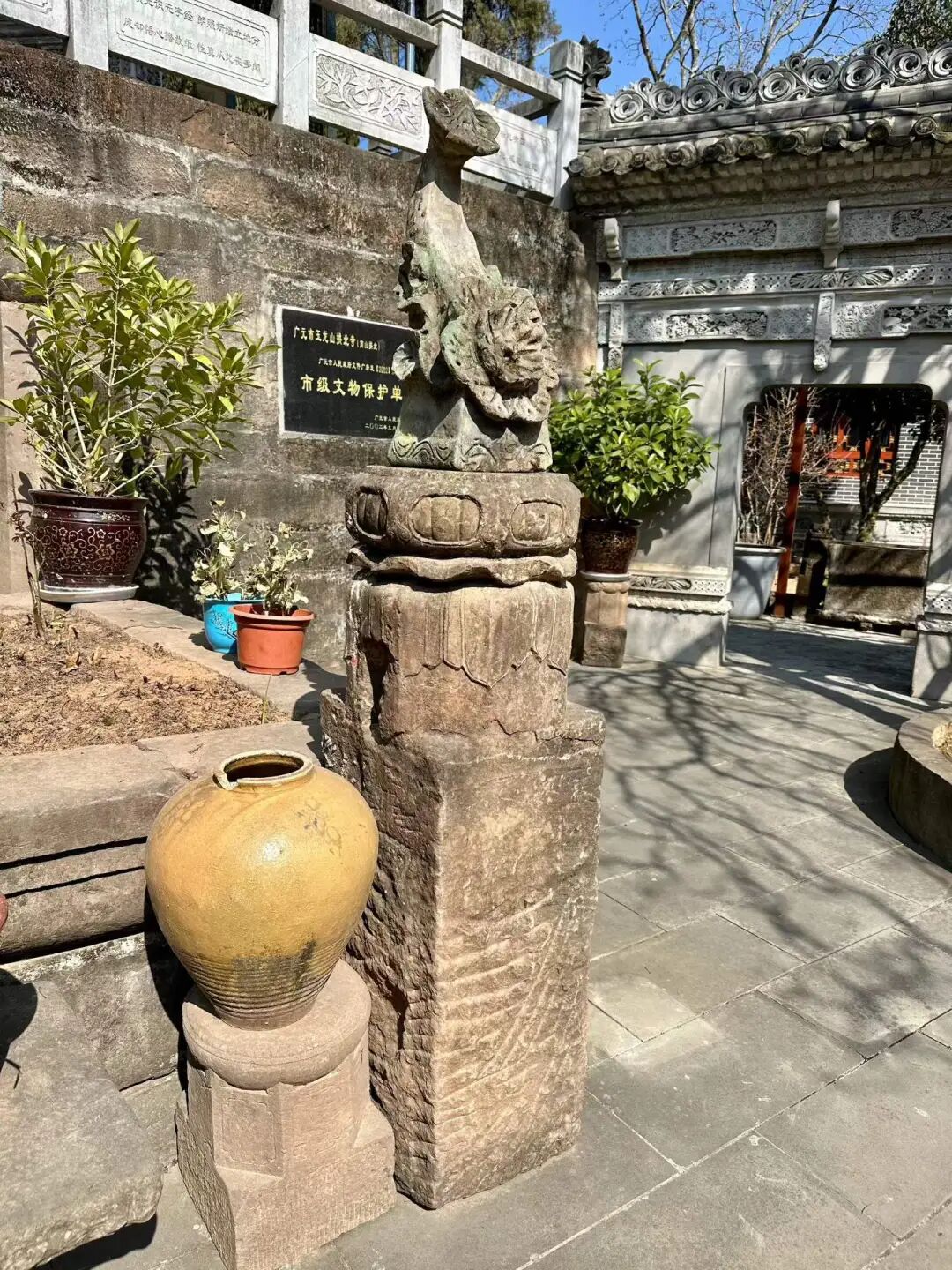
Many of the Qing Dynasty stone column bases were destroyed after 1958. This pair of stone lions still has column bases on them, which may have originally served as the base for a memorial archway.
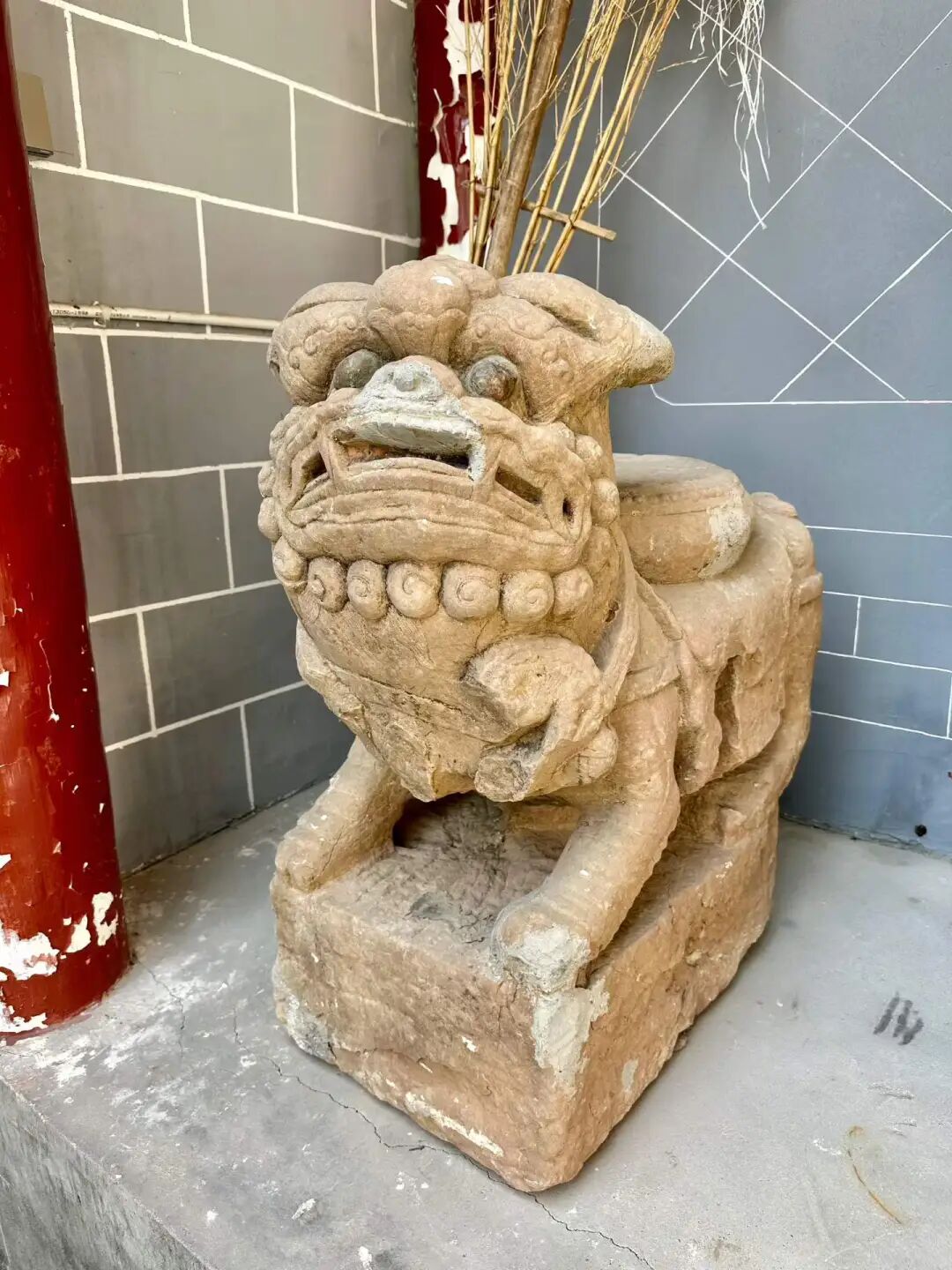
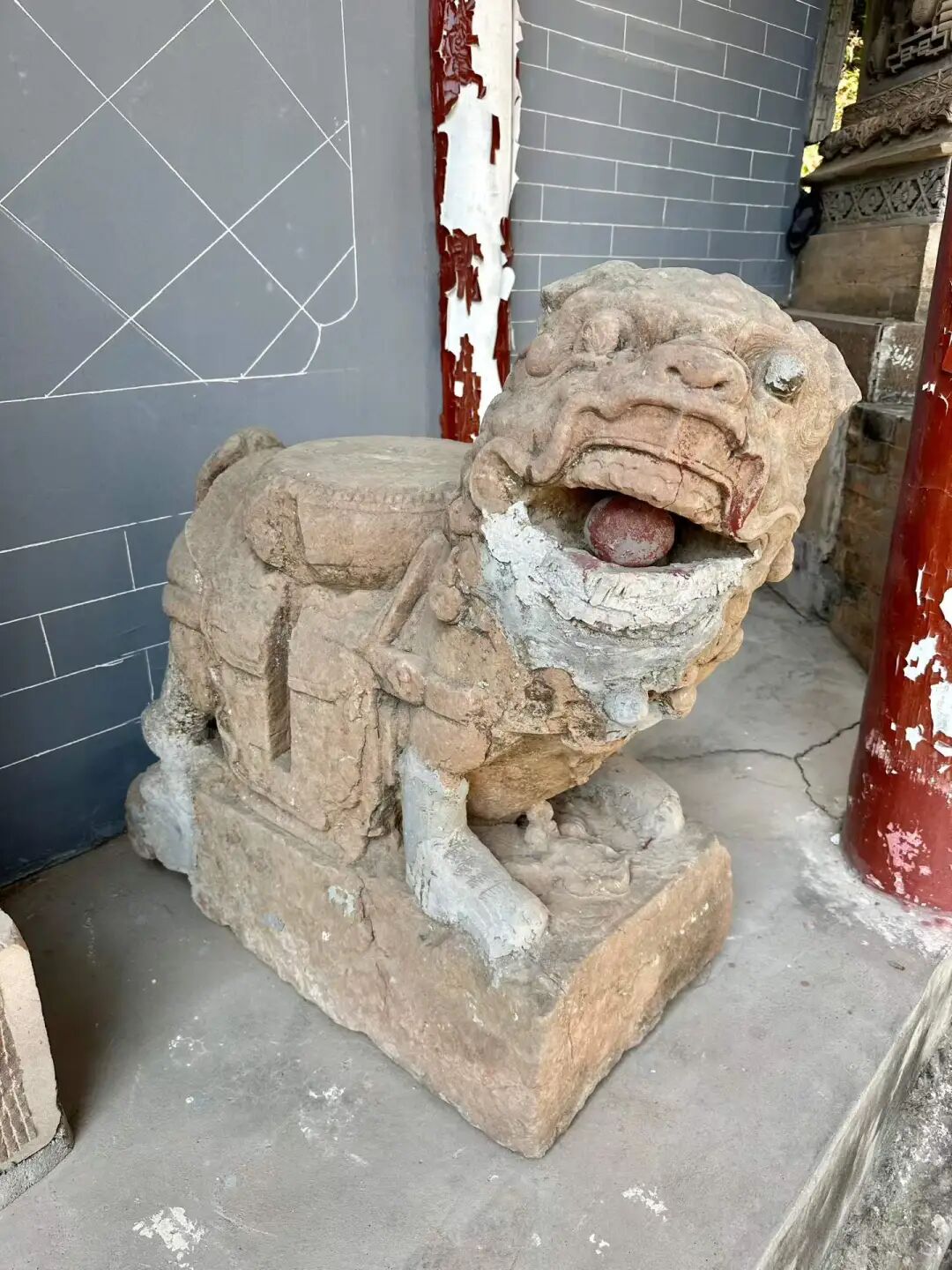
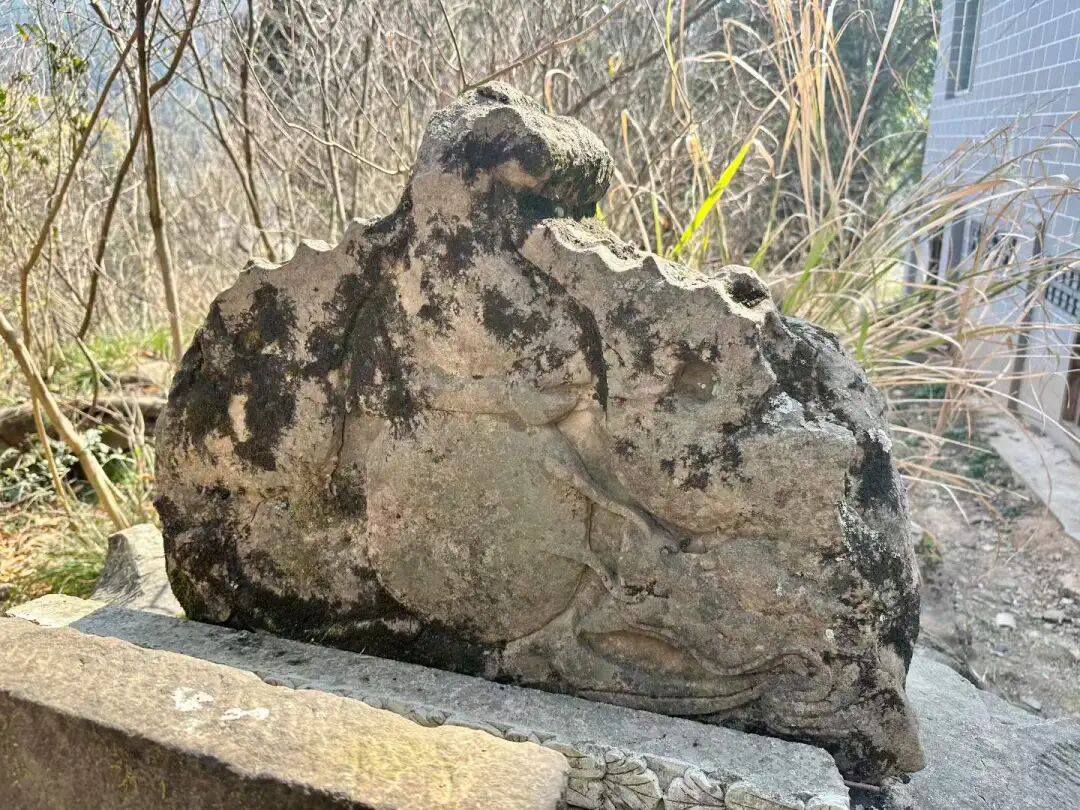
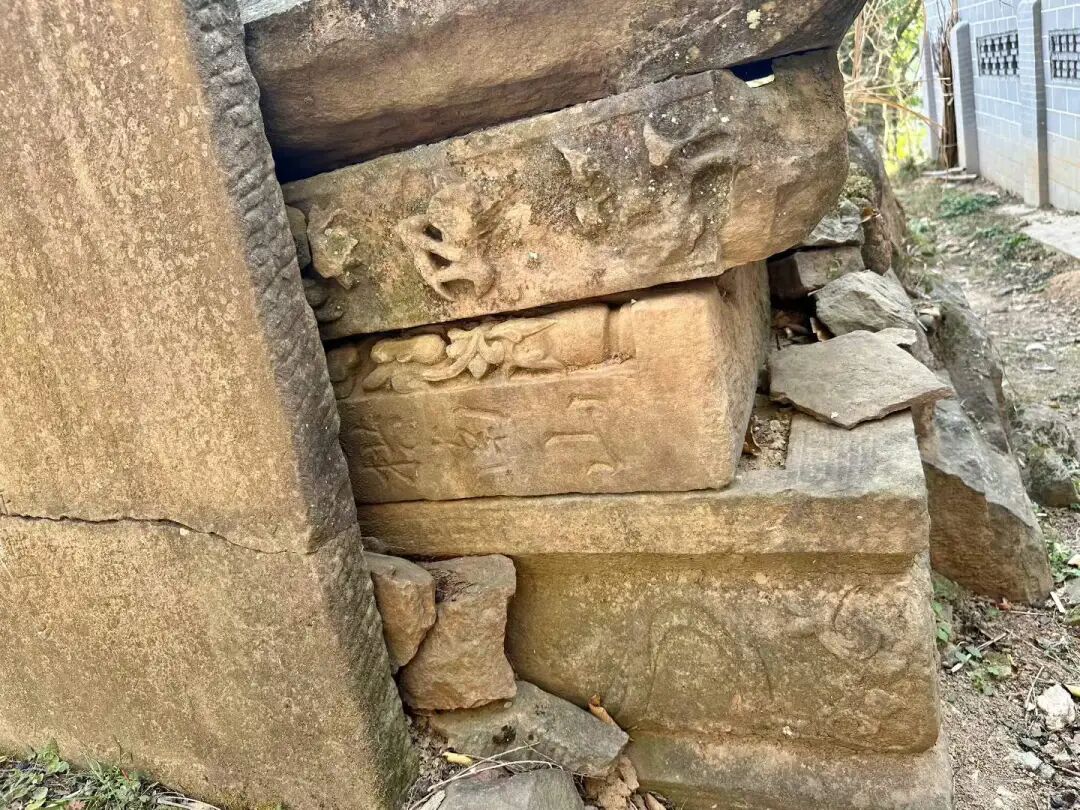
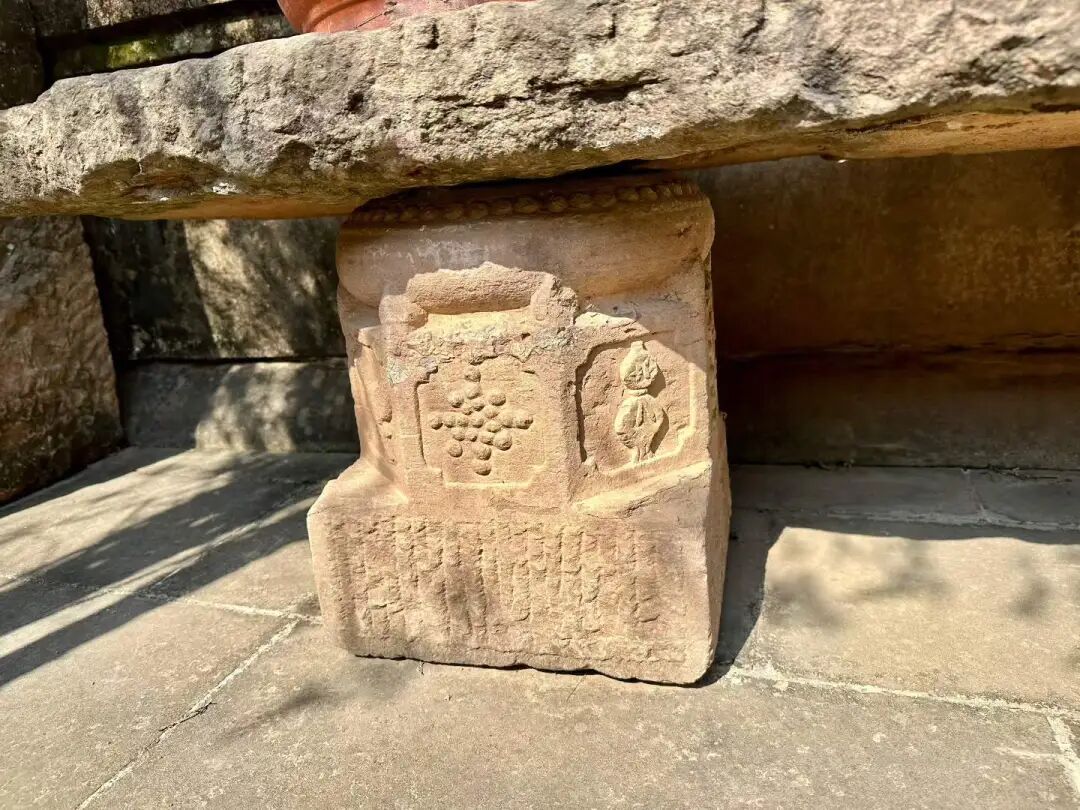
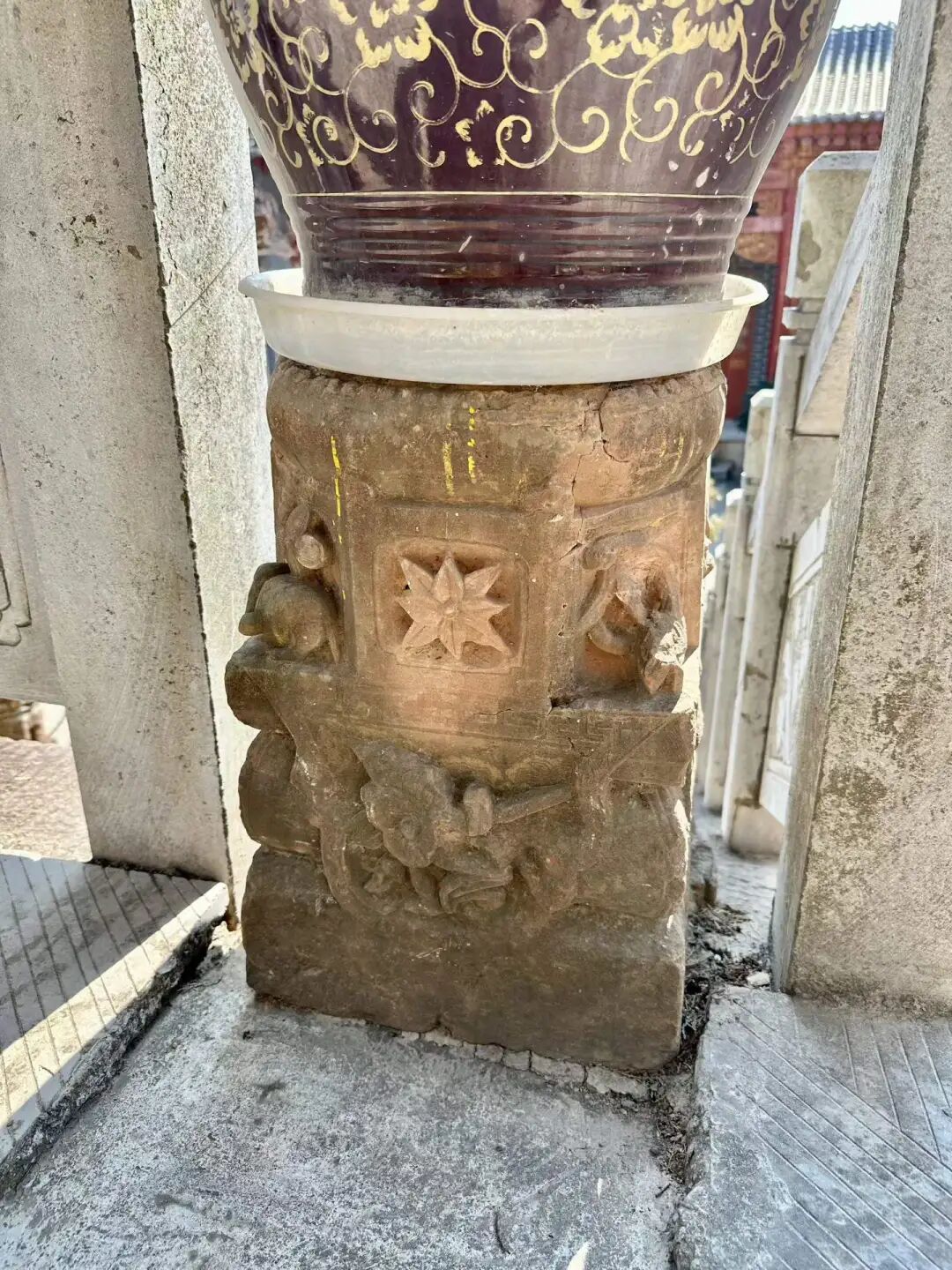
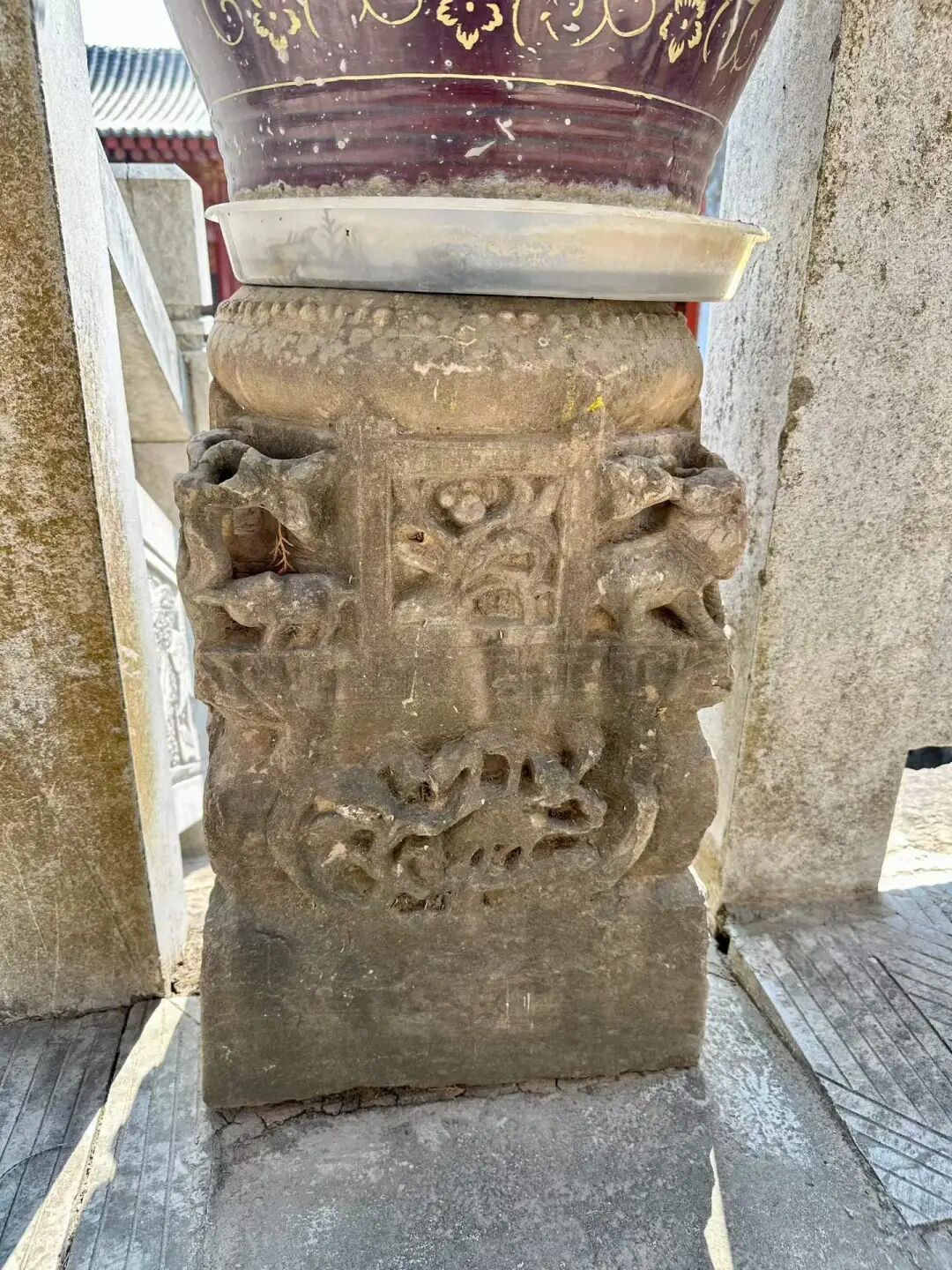
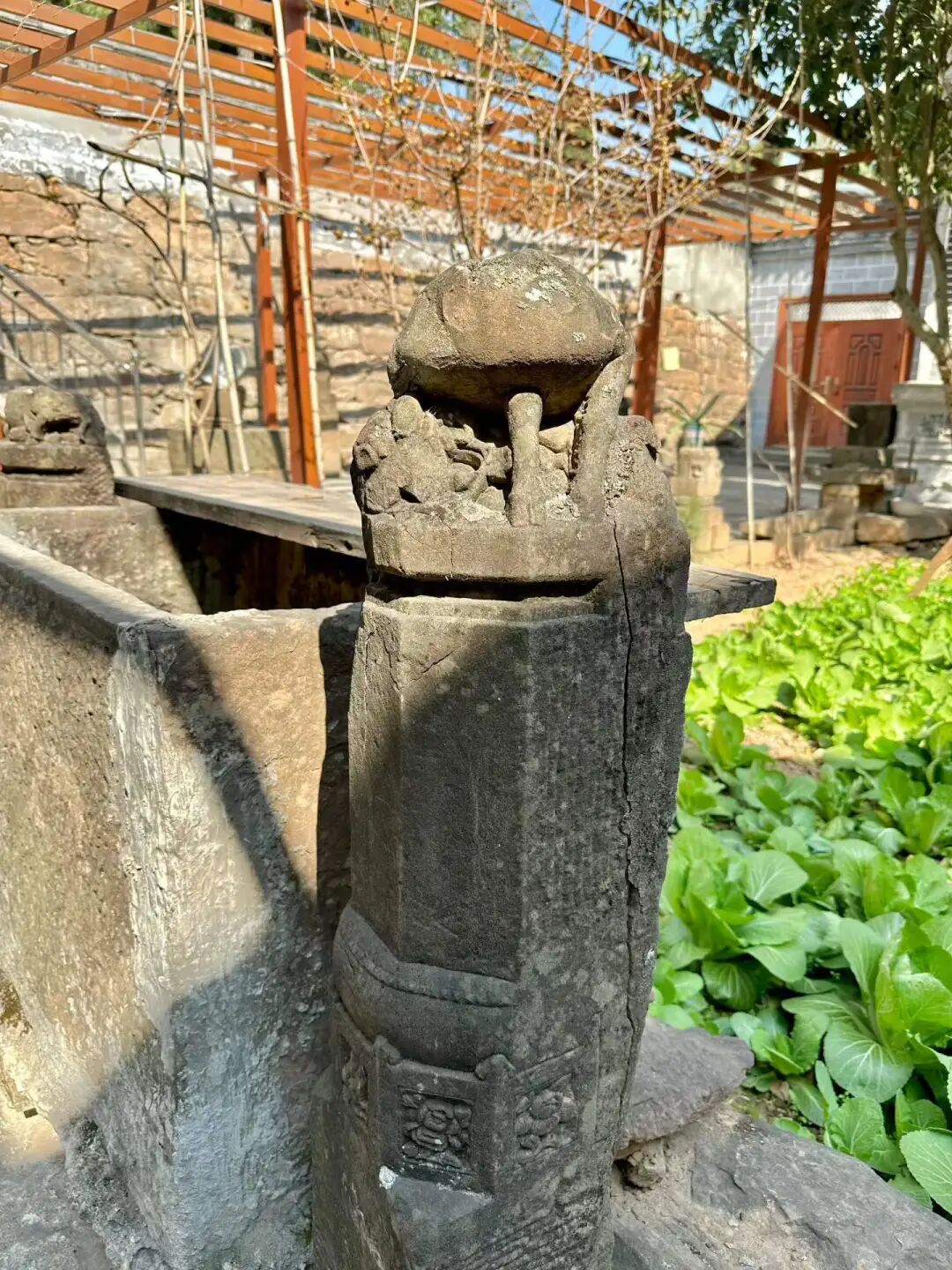
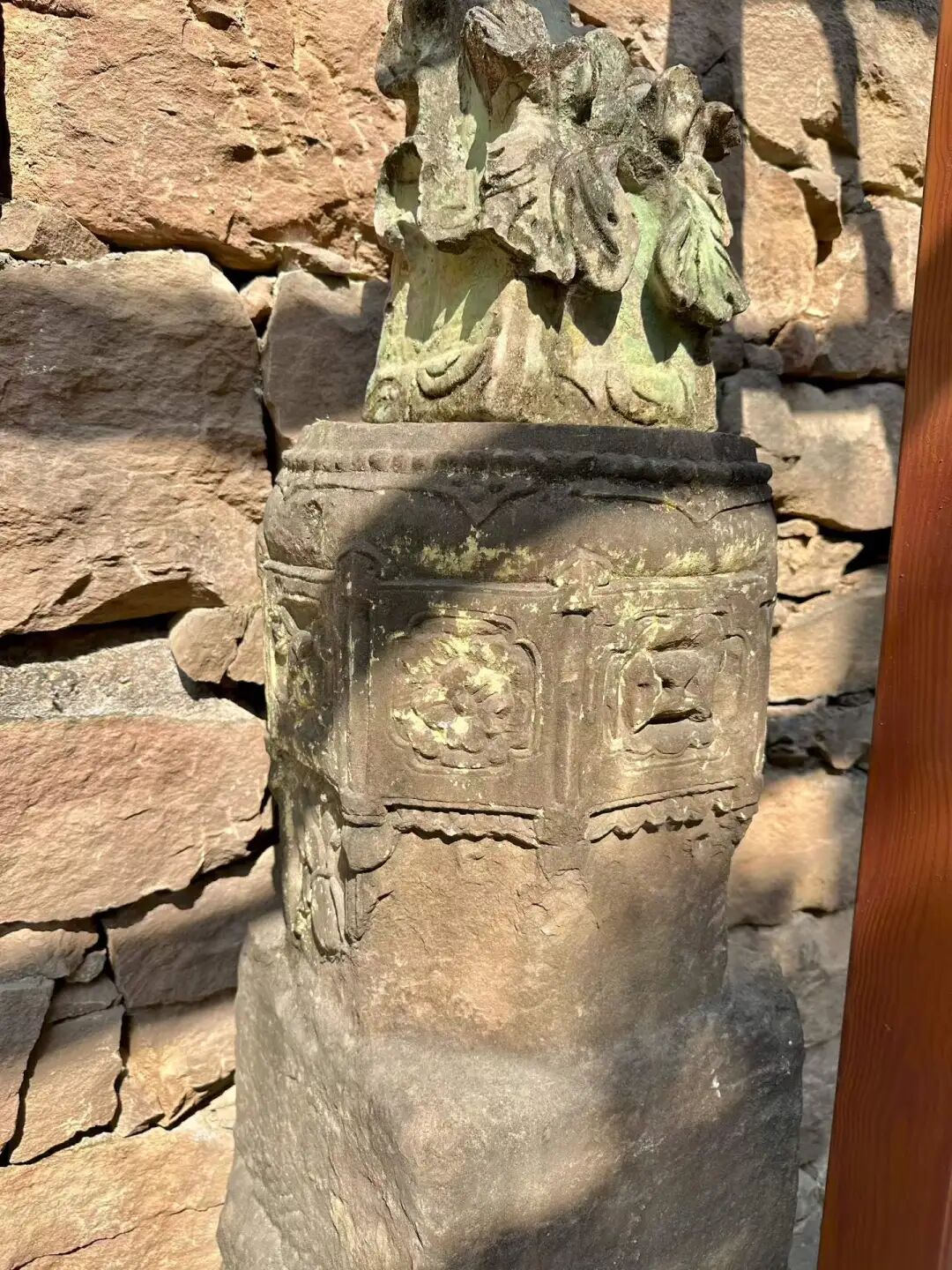
The various stone inscriptions at Langzhaoting.
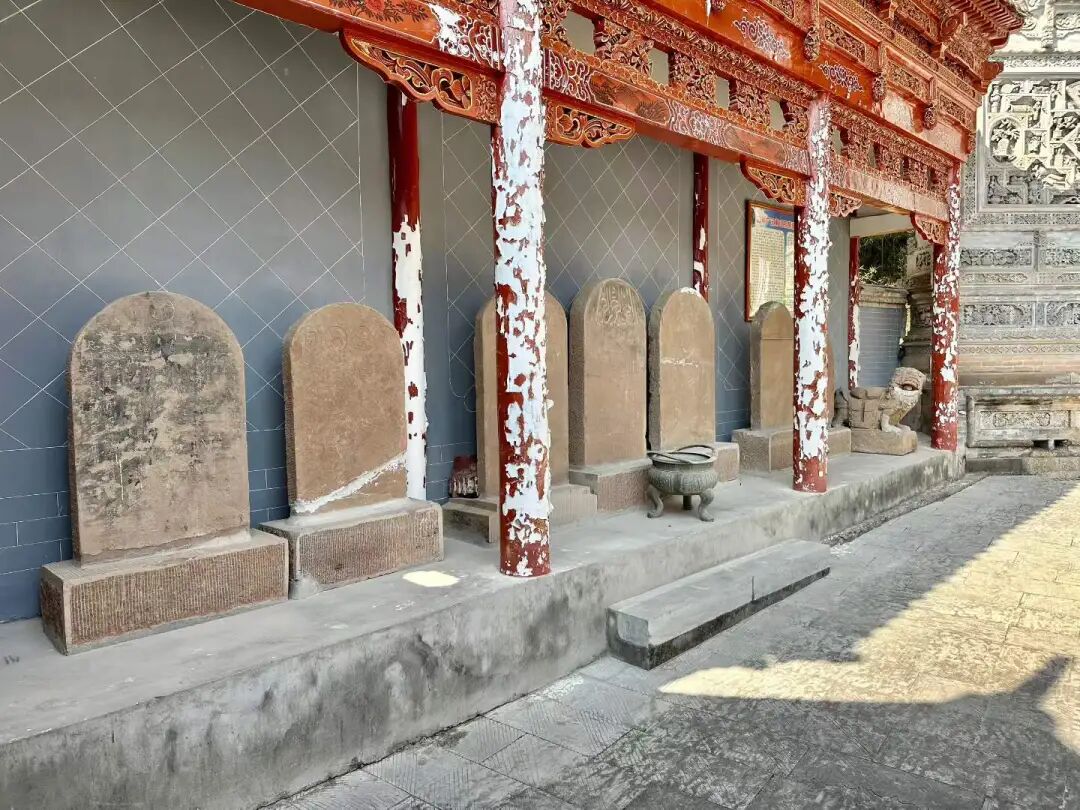
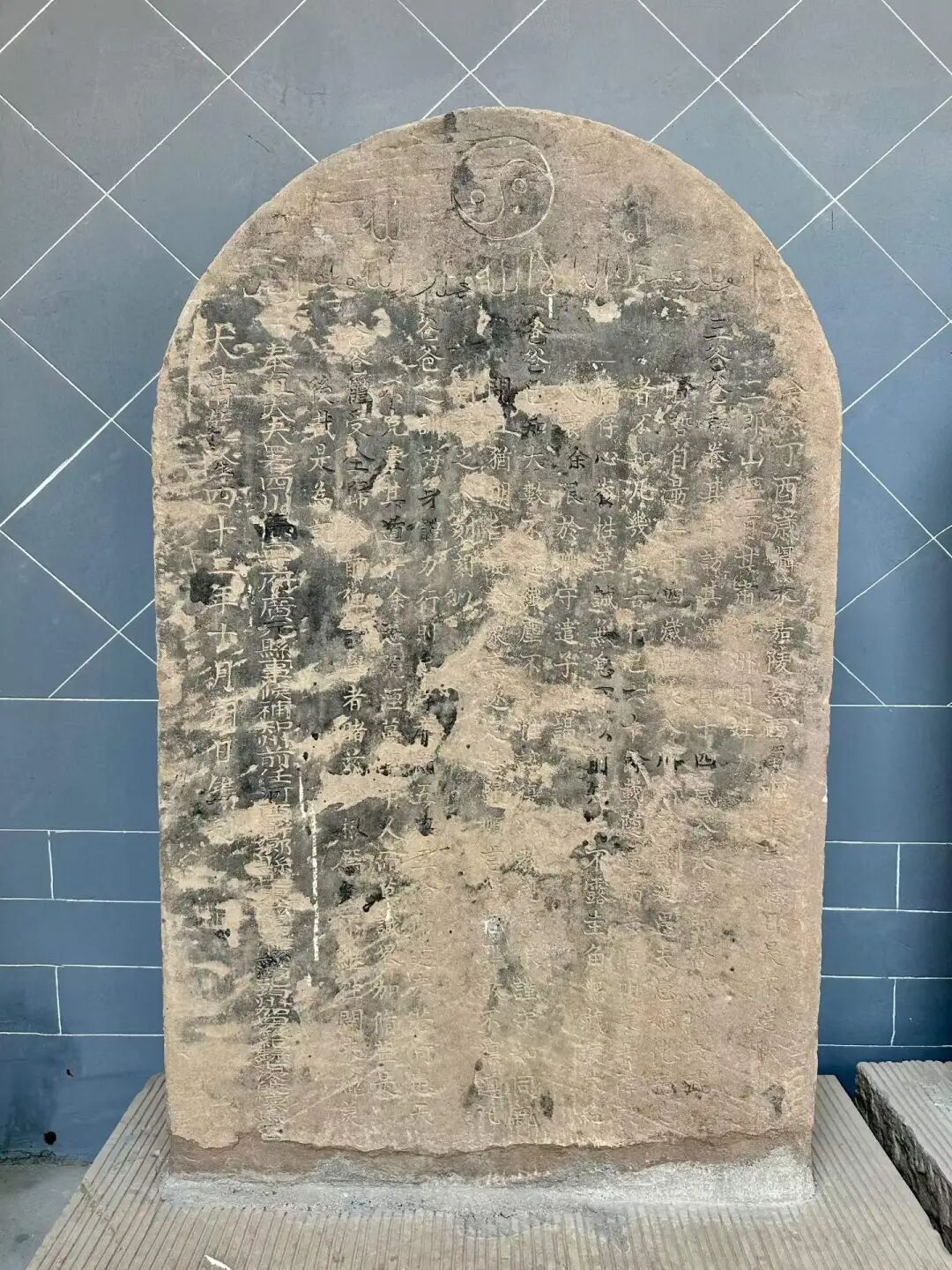
The oldest inscription dates back to the 42nd year of the Qianlong reign, which is the year Master Ma passed away and the gongbei was built. The top of the tablet is carved with a taiji symbol, which is very unique.
The inscription records that "Master Ma" began his studies at 14, traveled from Shaanxi to Sichuan at 24, and practiced in seclusion for over 60 years. It expresses deep respect for him. The signature belongs to a high-ranking official named Ma X from Anhui, who held titles including Fengzhi Dafu and acting magistrate of Guangyuan County.
Research shows the person who set up the tablet was Ma Jialiang, a Hui Muslim from Anqing, Anhui, and the builder of Langzhaoting. Ma Jialiang, whose courtesy name was Zhongheng, was the son of the famous Qing Dynasty Hui Muslim general and martial arts scholar Ma Dayong. He passed the imperial examinations in the 12th year of the Qianlong reign and served as a high official in several provinces. He rose from county magistrate to prefect, working in Henan, Shandong, Hubei, and Sichuan. He was once dismissed in Shandong for failing to notice the White Lotus Sect, but was later reappointed as the prefect of Huili, Sichuan, eventually ending his career as an acting magistrate in Guangyuan.
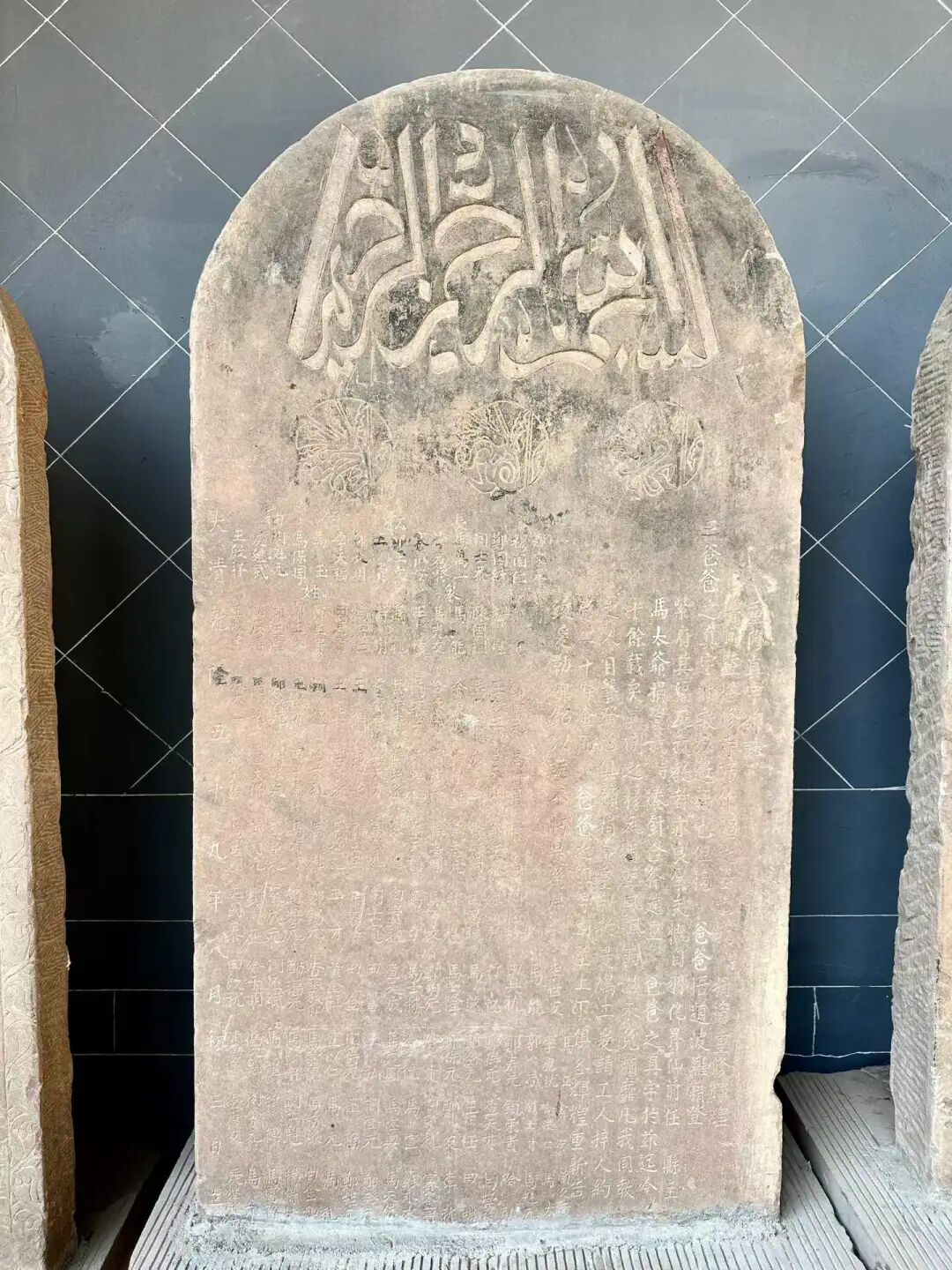
The second tablet is the "Record of Rebuilding the True Shrine" from the 59th year of the Qianlong reign. It mentions that in the 42nd year of Qianlong, the former magistrate Master Ma donated funds to build the shrine for the Master, and it was renovated again in the 59th year. The back of the tablet lists 16 religious leaders with the surnames Guo, Mu, Zheng, Min, Ma, Li, Sai, and Wang, along with 135 followers who donated funds.
The "Record of Rebuilding the True Shrine" from the 11th year of the Daoguang reign has the title "Crane in the Clouds" at the top. It refers to the gongbei as the "Nanshan Master Ma Gongbei." The first donor listed is Ma Tenglong, a commander from Chongqing, followed by Guangyuan garrison officer Ma Guangting and others. Ma Tenglong was a military general with many achievements during the middle and late Qing Dynasty. According to the Records of Chongqing Prefecture in the Daoguang Era, Ma Tenglong was from Chengdu, Sichuan, and joined the army in the 58th year of the Qianlong reign. In the 60th year of the Qianlong reign, he was ordered to lead troops to Guizhou and Hunan to help suppress the Miao uprising. In the 2nd year of the Jiaqing reign, he was transferred to the Hubei and Sichuan-Shaanxi regions to suppress the White Lotus Rebellion. In the 1st year of the Daoguang reign, he was promoted to commander-in-chief of the Gansu garrison. In the 3rd year of the Daoguang reign, he was transferred to be the commander-in-chief of the Shaanxi-Gansu garrison. In the 8th year of the Daoguang reign, he was appointed commander-in-chief of the Chongqing garrison to guard Chongqing.
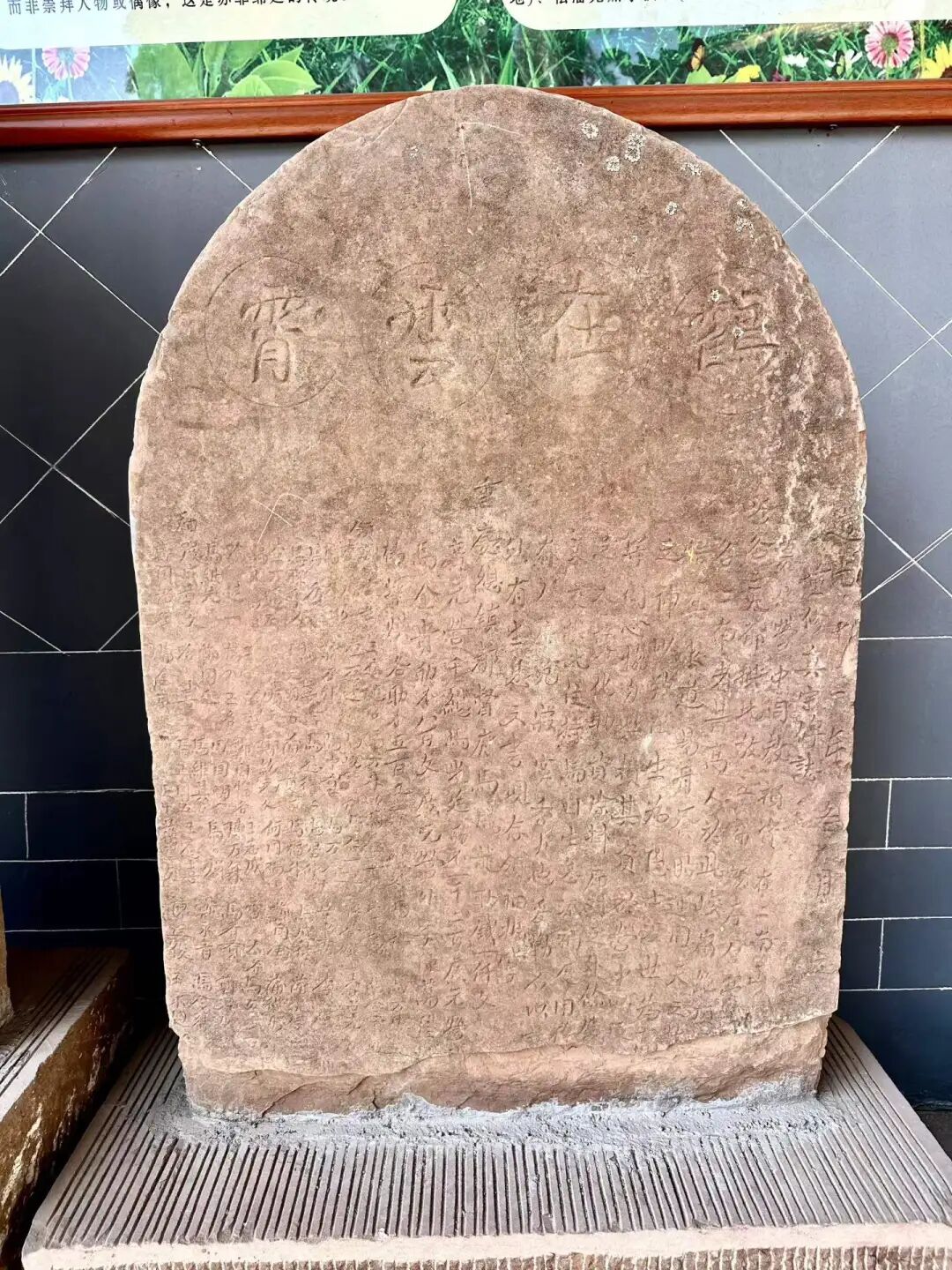
The "Merits Last Forever" (Gongde Yongchui) stele from the 20th year of the Daoguang reign.
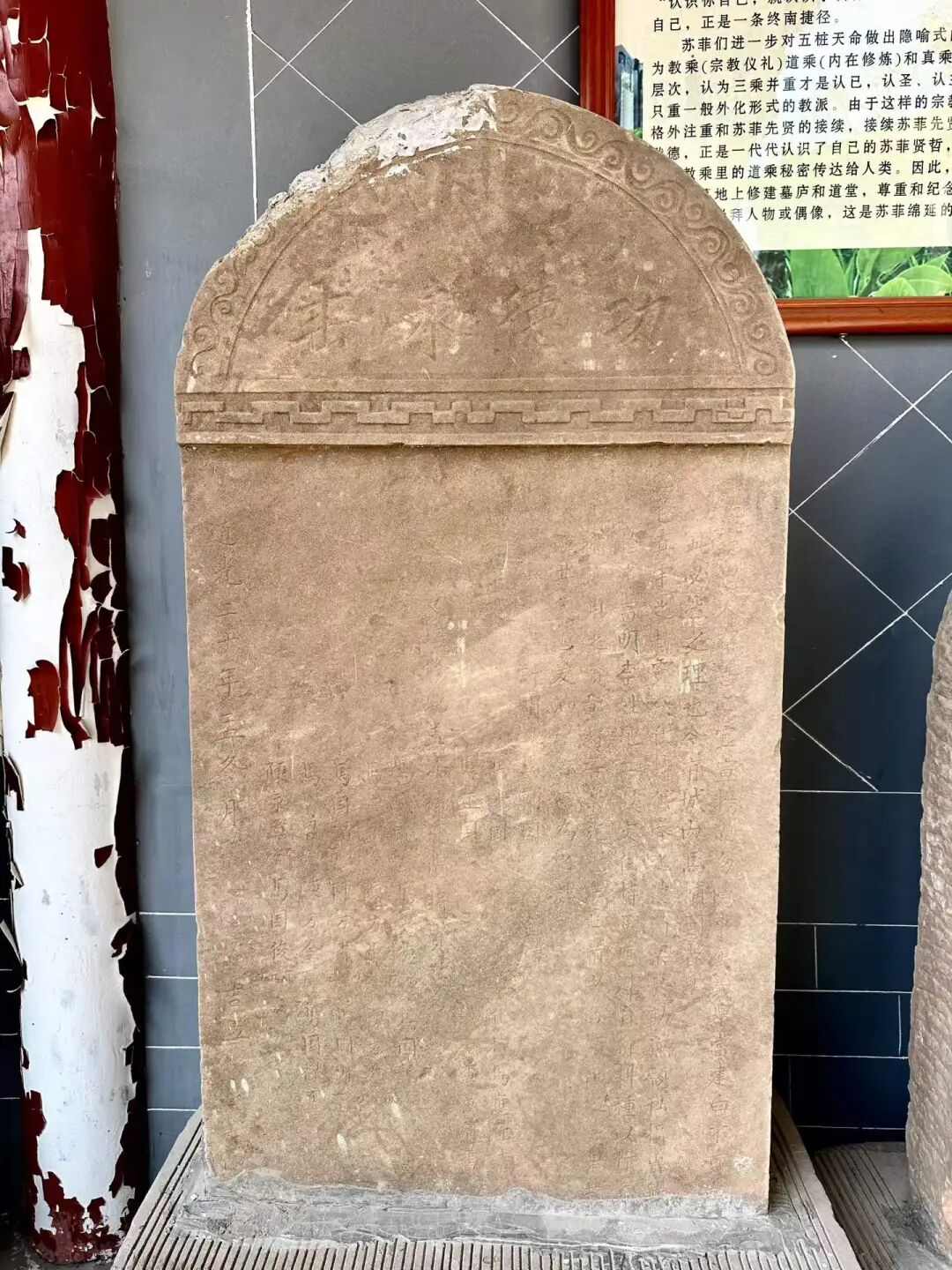
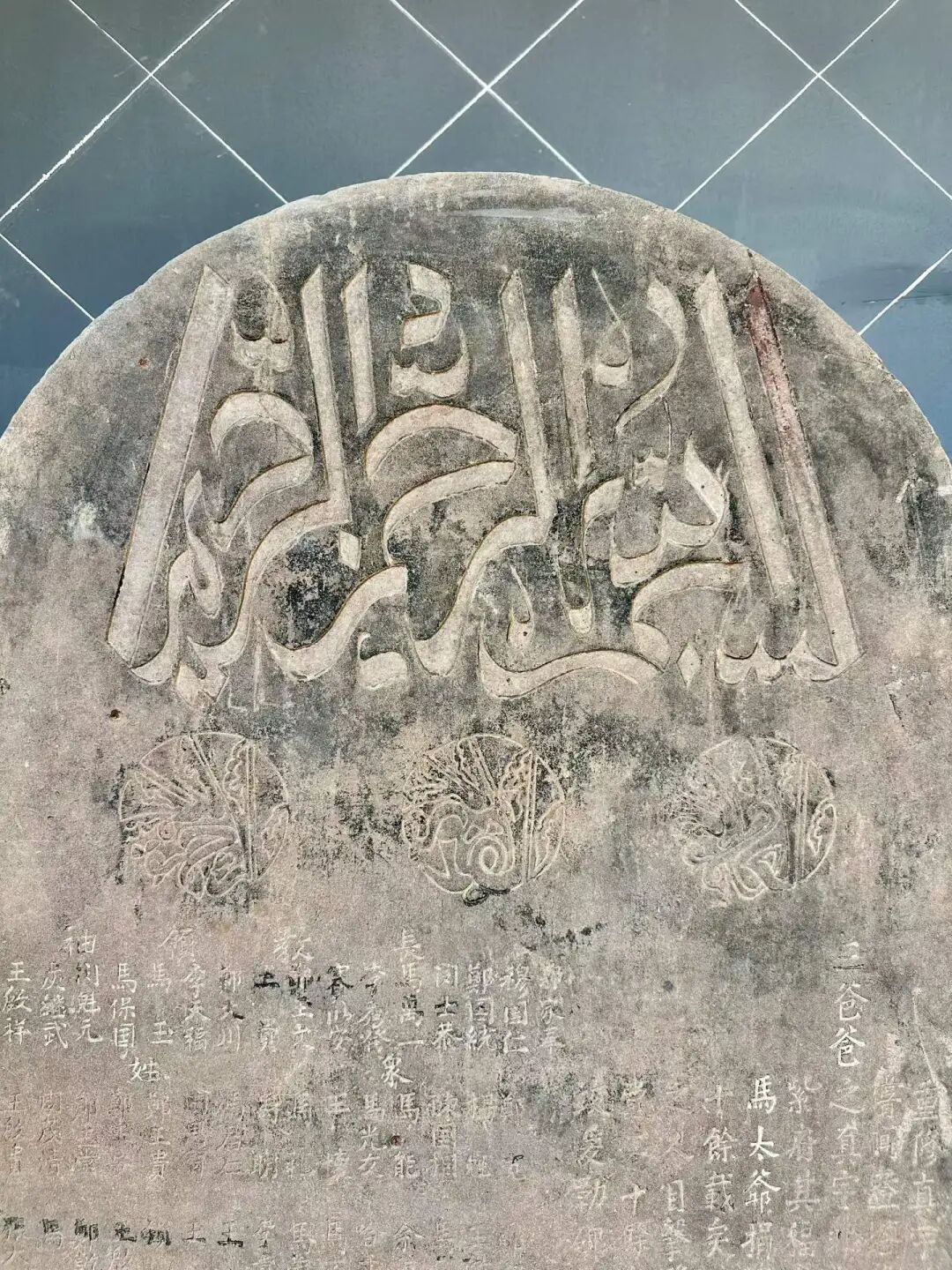
The Basmala (Tasimi) stele from the 11th year of the Daoguang reign also features the name of Ma Guangting, a captain (qianzong) of the Guangyuan Battalion.
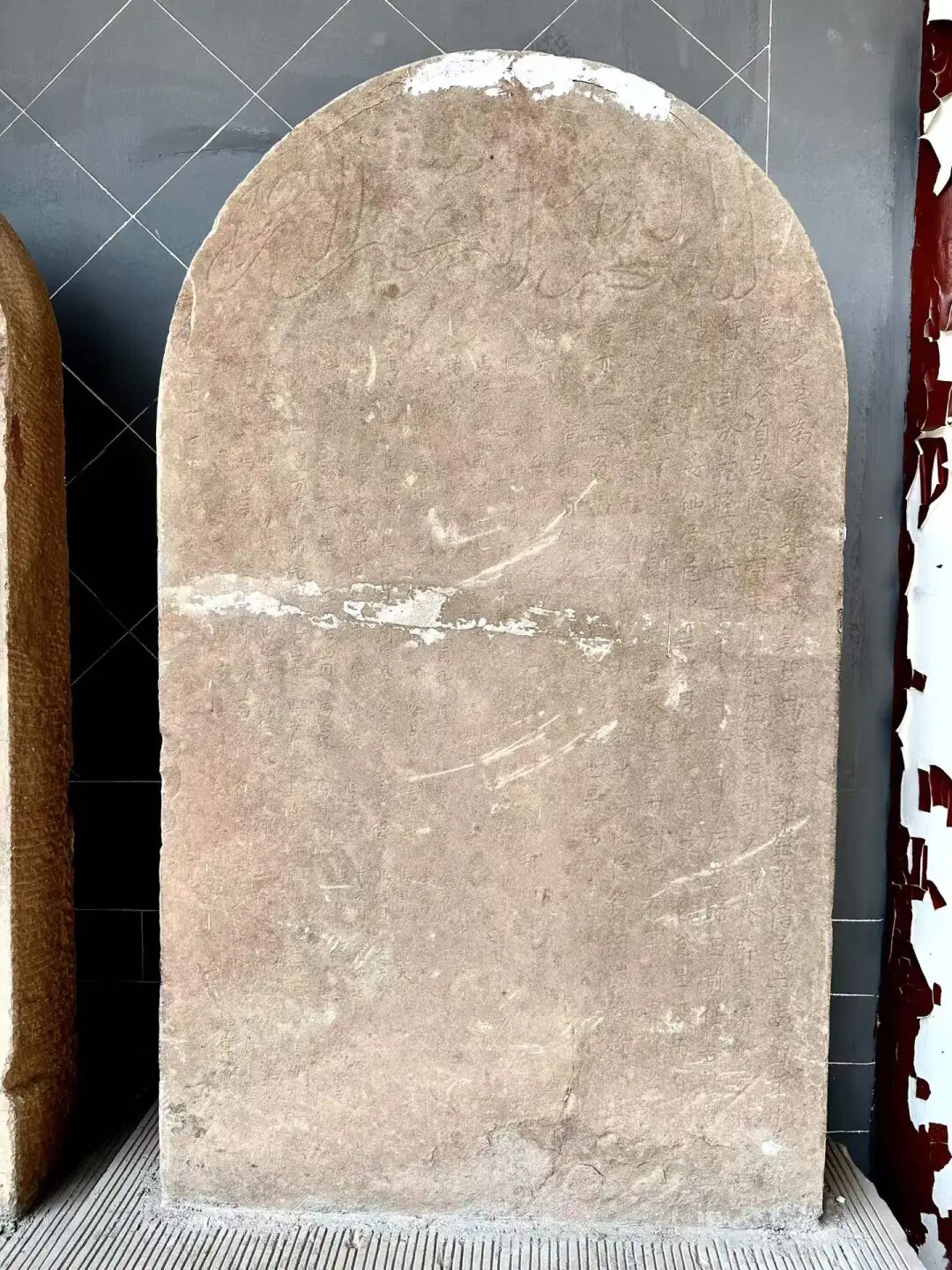
The "Immortal Forever" (Yongchui Buxiu) stele from the 10th year of the Guangxu reign.
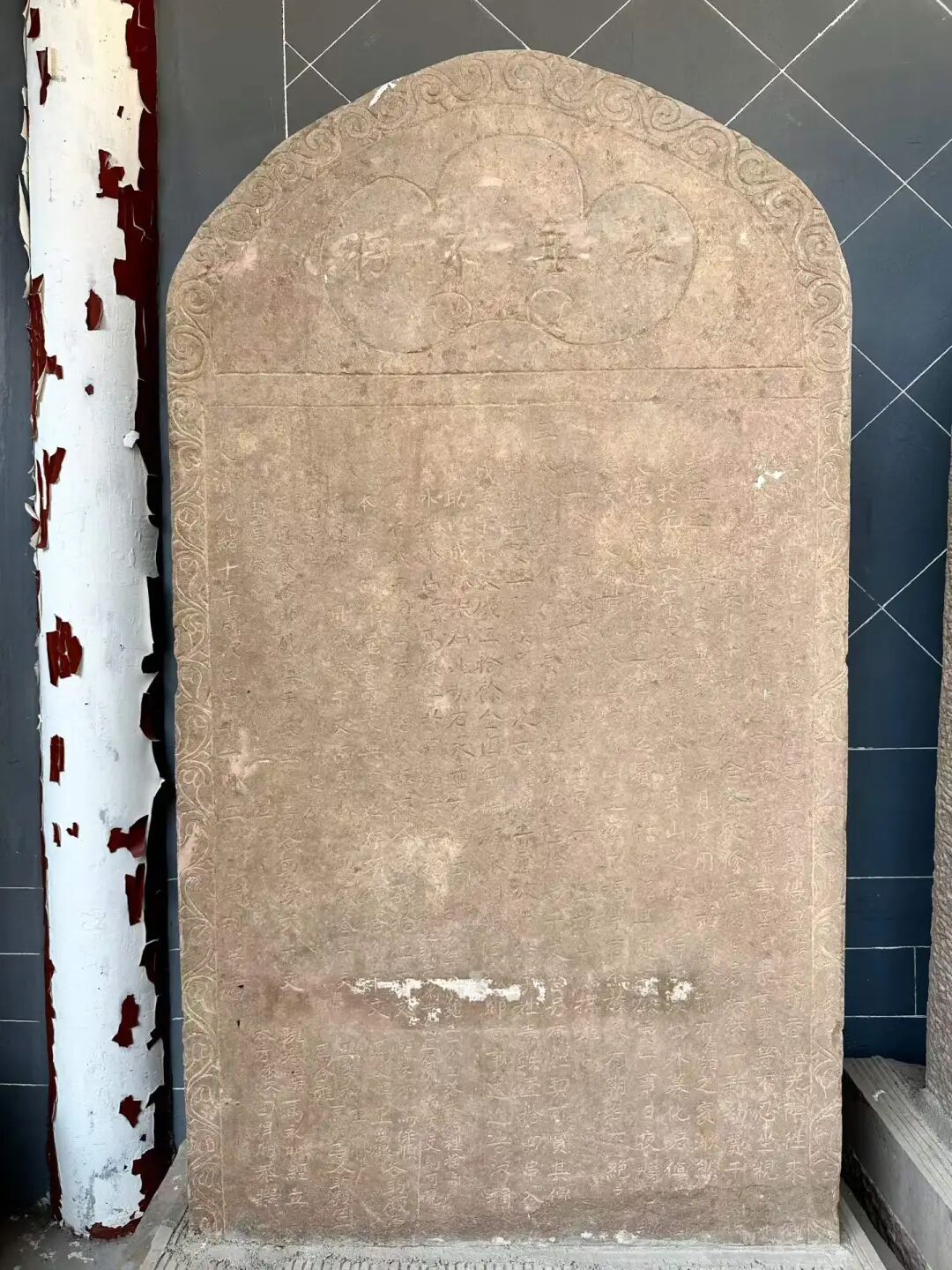
The "Forever Solid" (Yongyuan Weigu) stele from the 13th year of the Daoguang reign shows that the person in charge of the gongbei at that time was named Ma Yingkui.
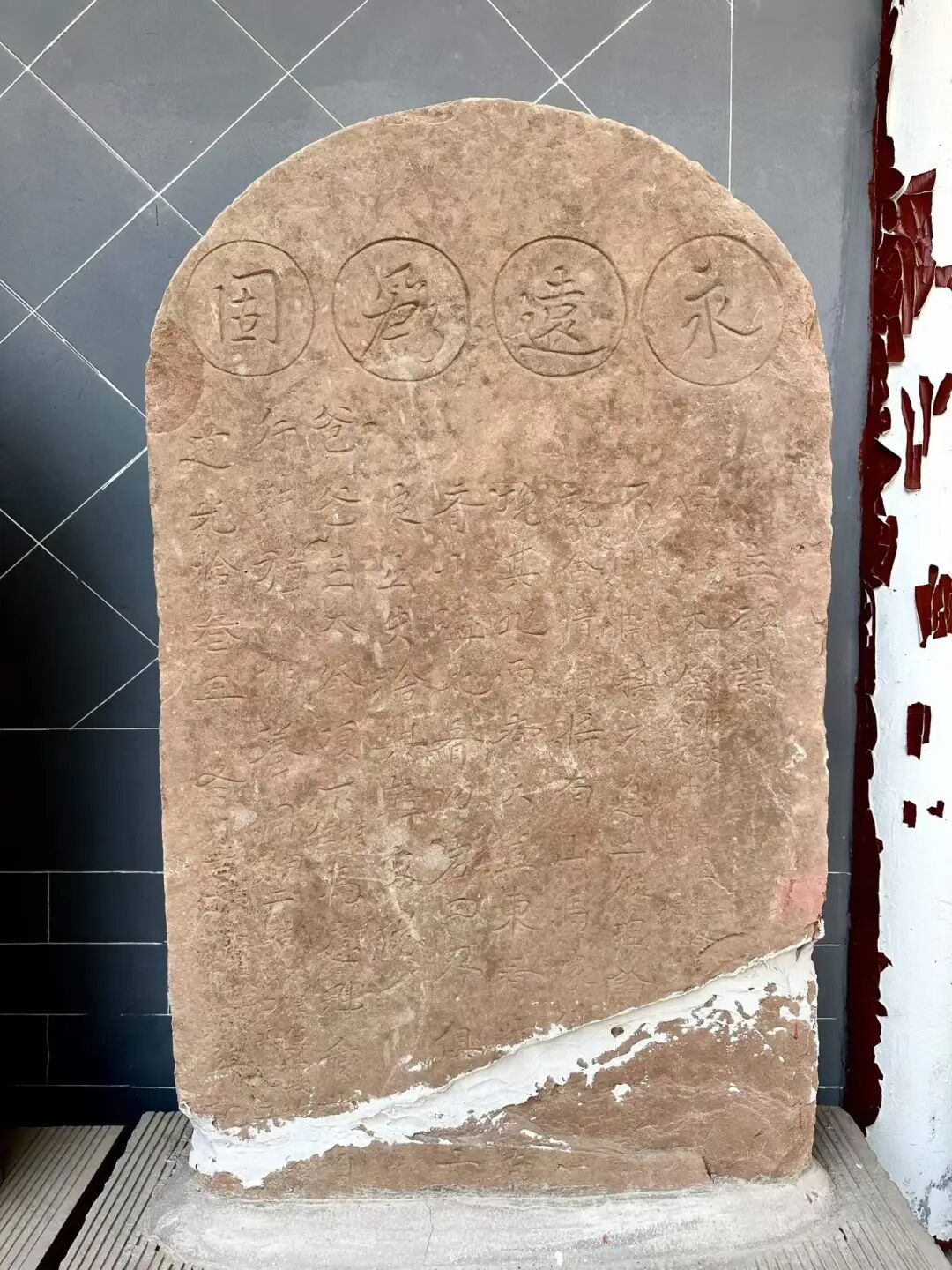
After leaving the Nanshan gongbei, I went to the nearby Nanshan Mosque. This is a village of Hui Muslims deep in the Nanshan mountains of Guangyuan, and there has likely been very little written about it before.
Centered around the Hui Muslim village, Nanshan in Guangyuan is home to over 120 Hui Muslim households with the surnames Wang, Ma, Li, Tian, Zhou, Cha, and Zhao, with the Wang surname being the most common. Most of the Hui Muslims in Nanshan moved here from Xiaogan in Hubei and areas in Shaanxi and Gansu during the "Huguang Fills Sichuan" migration period of the Qing Dynasty, and they have been farming in the Nanshan mountains ever since. Due to wars, disasters, and economic reasons, the Nanshan Hui Muslims did not build a mosque for a long time. They had to hire an imam to conduct religious services in private homes, and at one point, they even had to travel to the Hejie Mosque in downtown Guangyuan, which was very inconvenient. In 2002, led by Wang Zhanrong, with the support of Imam Ma Wanquan from the Hejie Mosque in Guangyuan and the advocacy of Haji Ma Jianzhong, they raised funds and finally built the Nanshan Mosque in 2003.
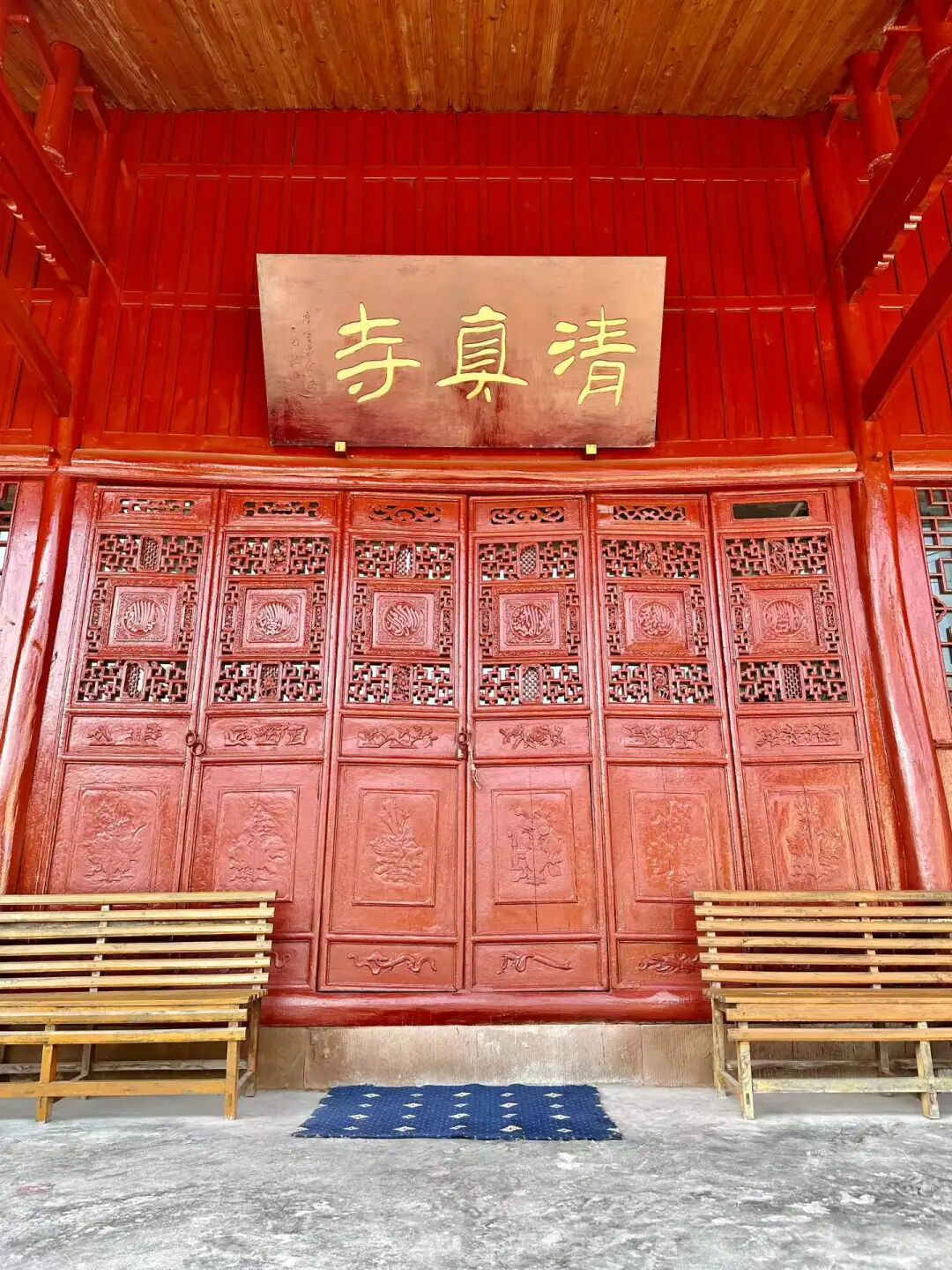
The six main doors of the Nanshan Mosque are the original doors from the Qianlong era of the Hejie Mosque in Guangyuan, which are very precious. They feature very exquisite wood carvings.
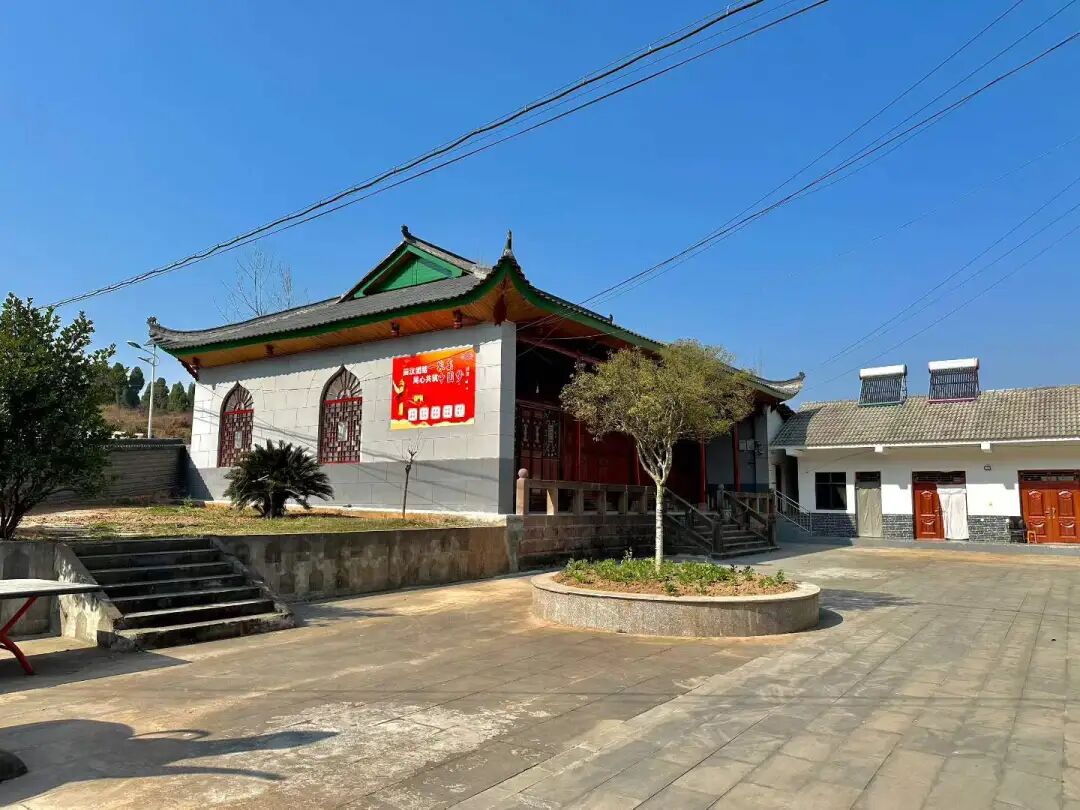
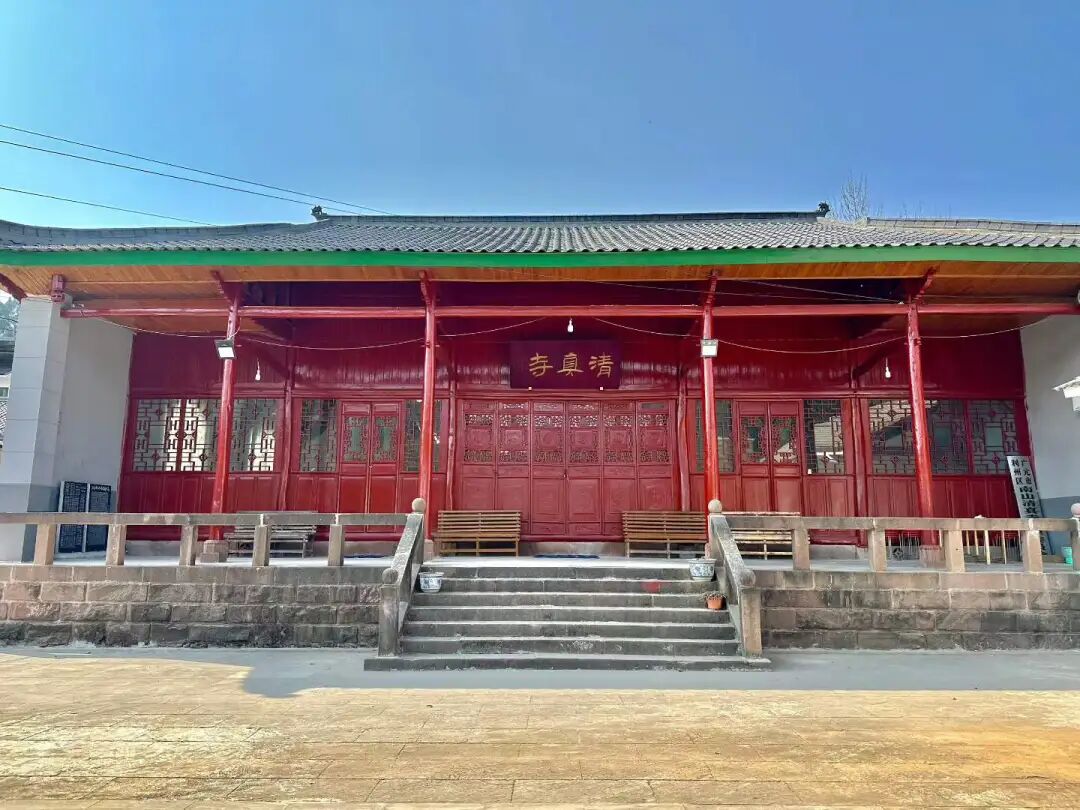
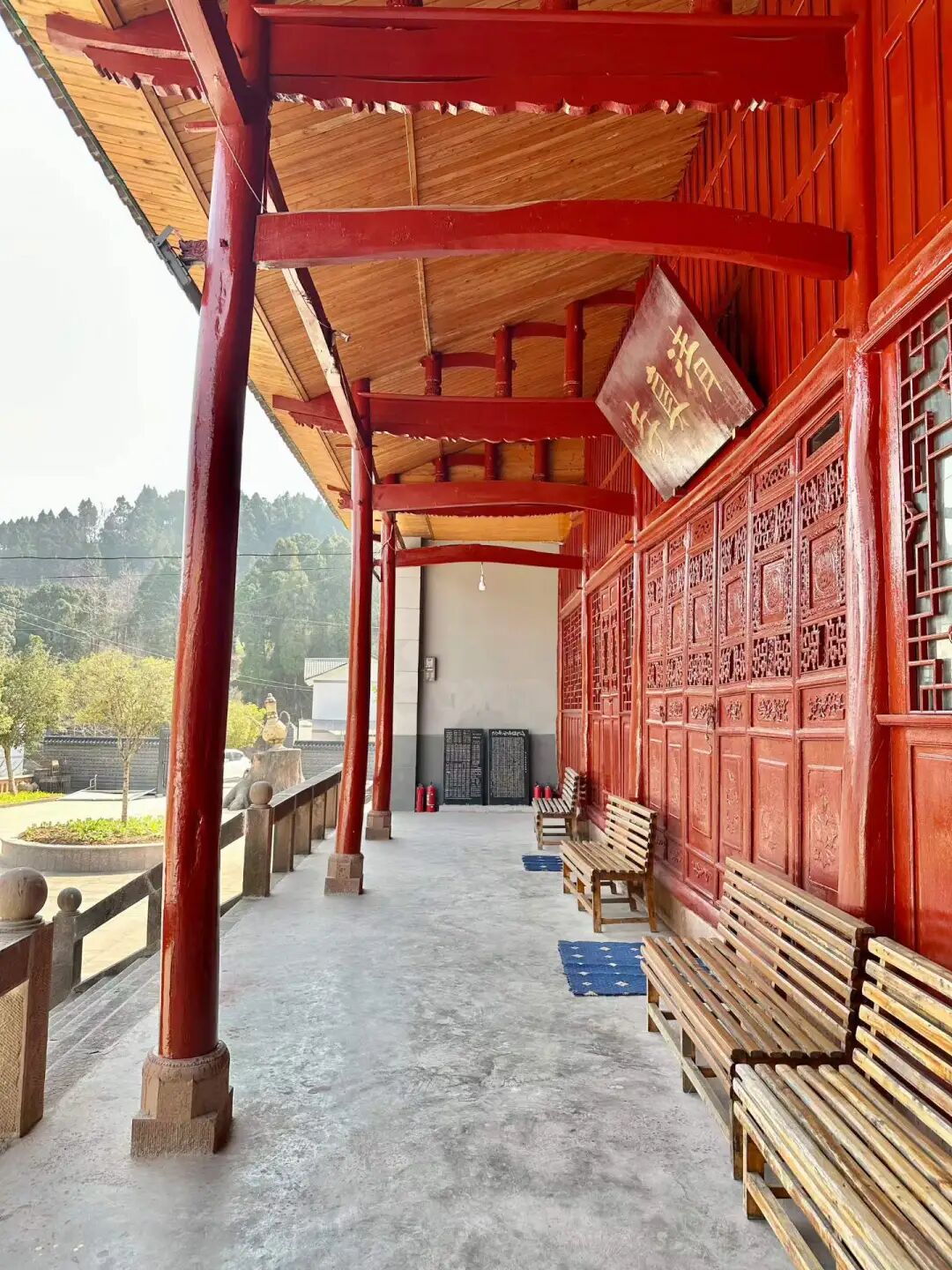
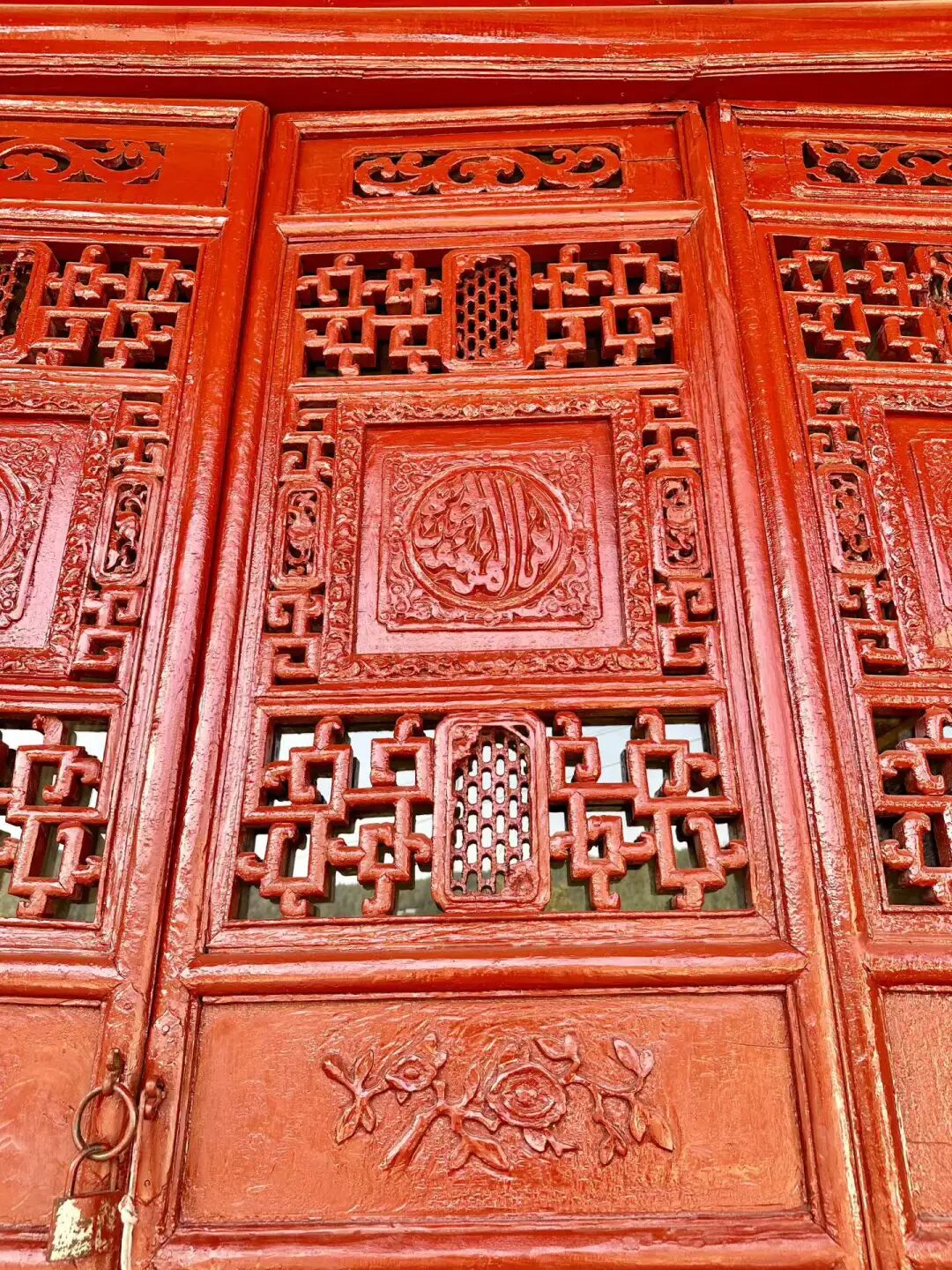
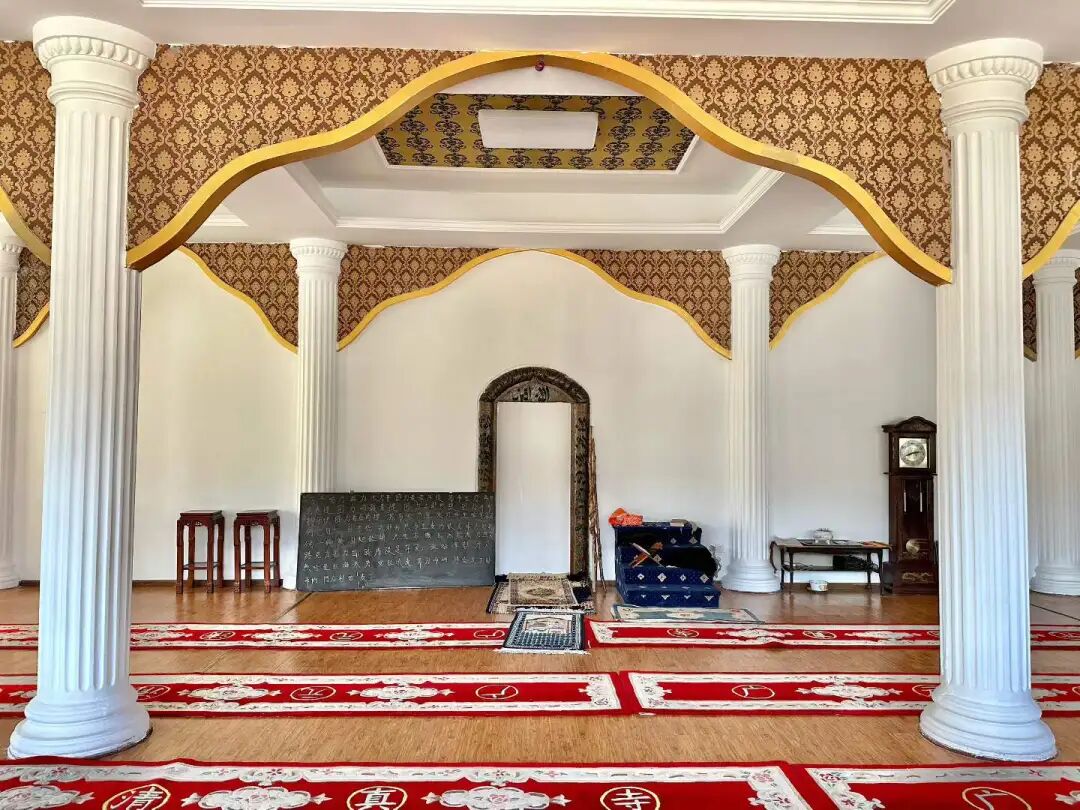
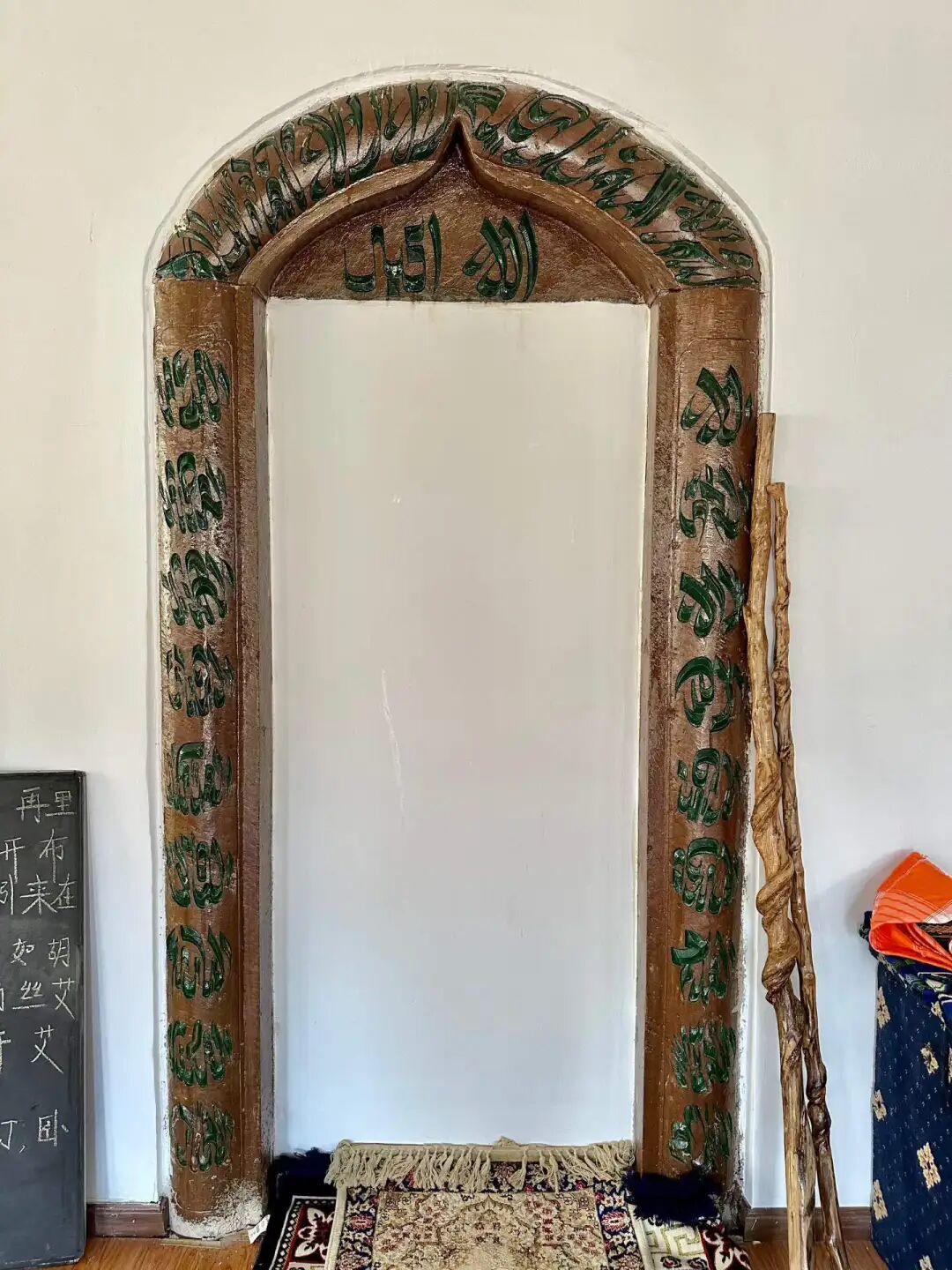
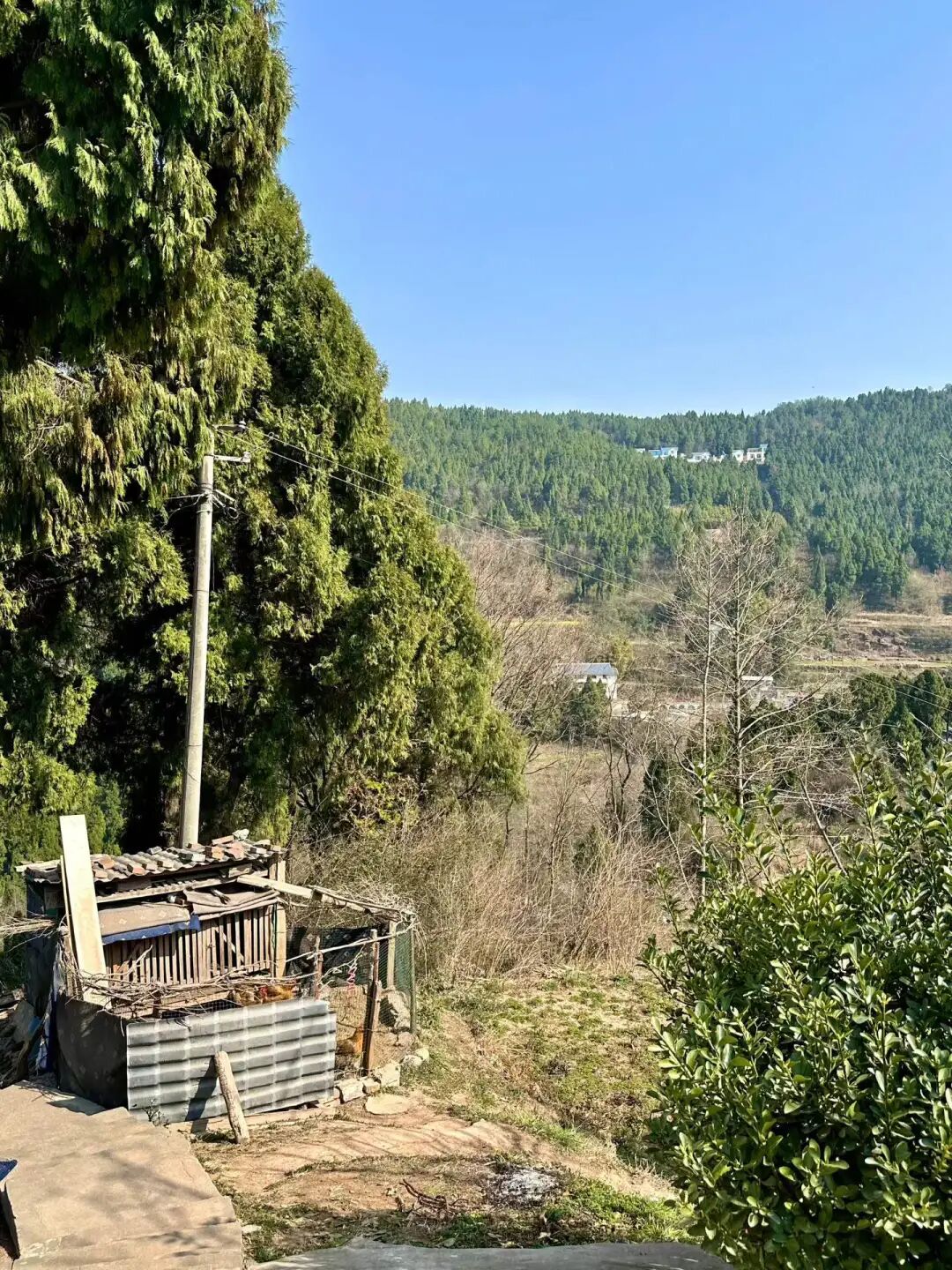
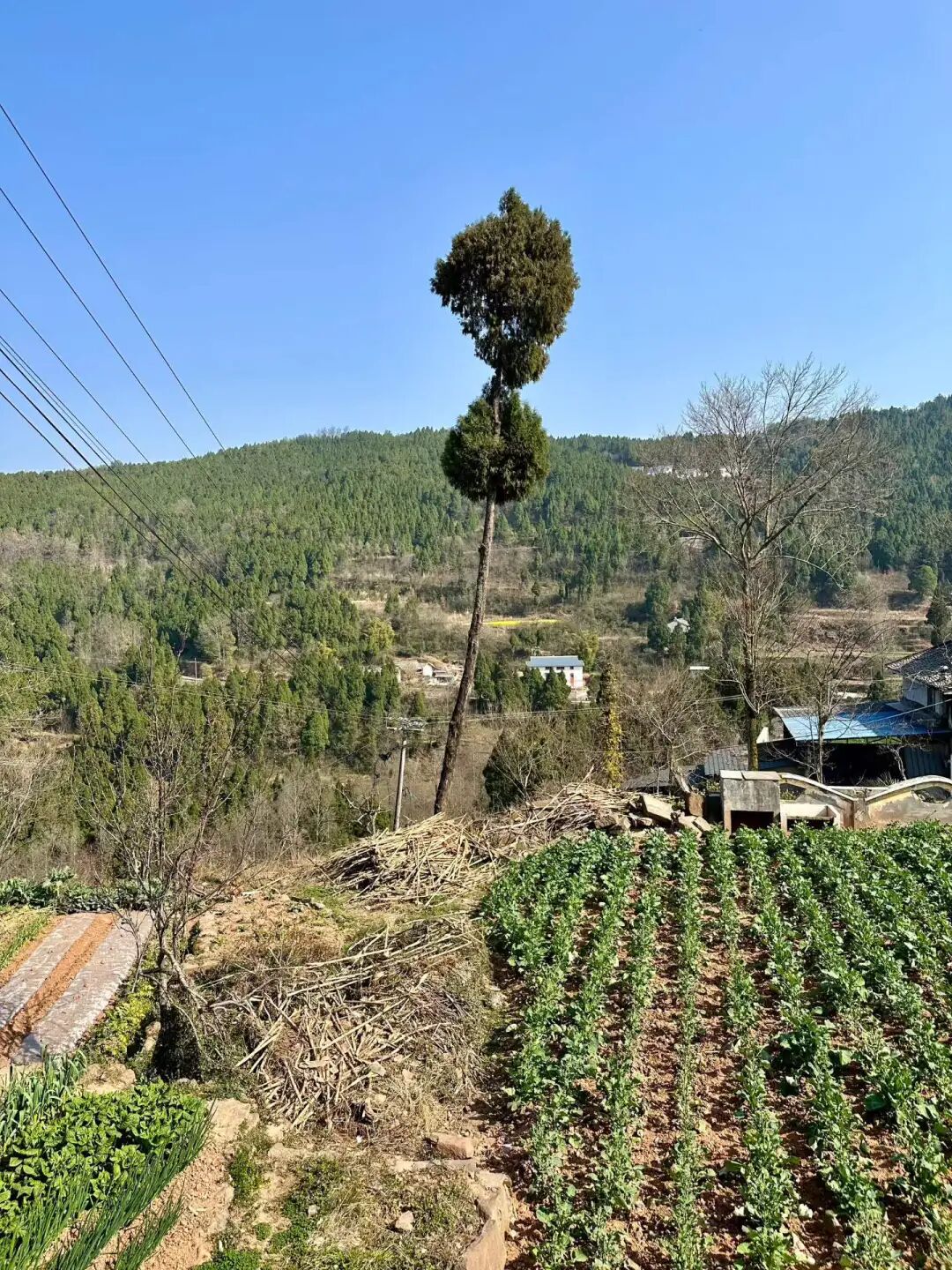
There is a relaxed, slow life in the Nanshan Hui Muslim village. Next to the mosque are clean and tidy houses. The aunties sit around chatting and drying radishes, lettuce, and rapeseed that they couldn't finish eating. One auntie said that dried rapeseed is especially delicious when stir-fried with beef. Sitting here away from the hustle and bustle, it feels like time has slowed down.
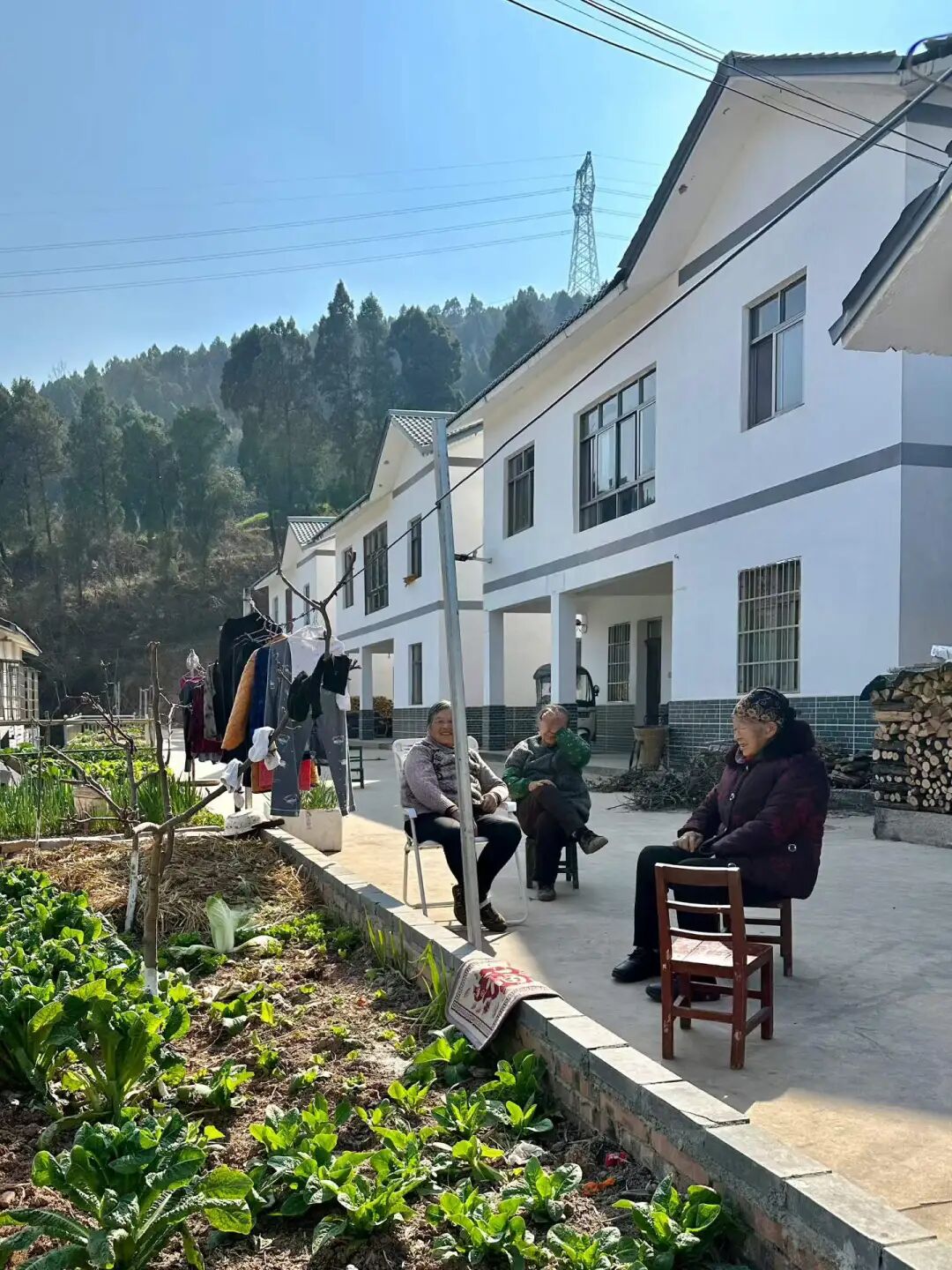
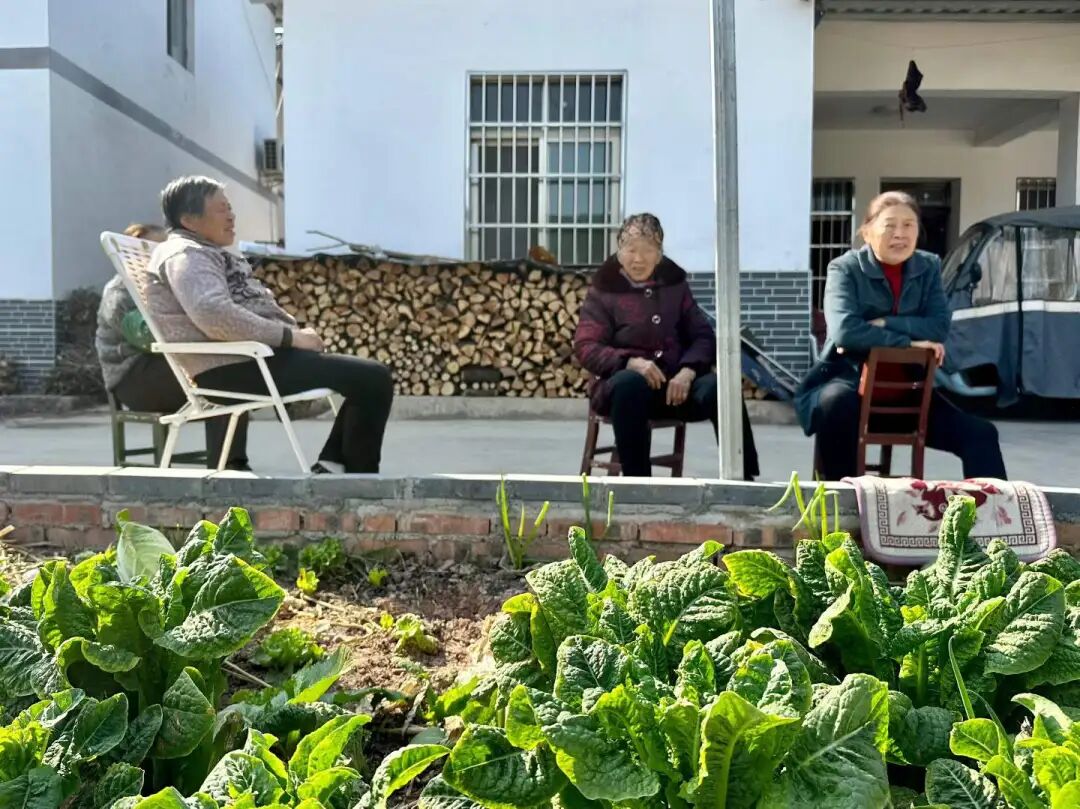
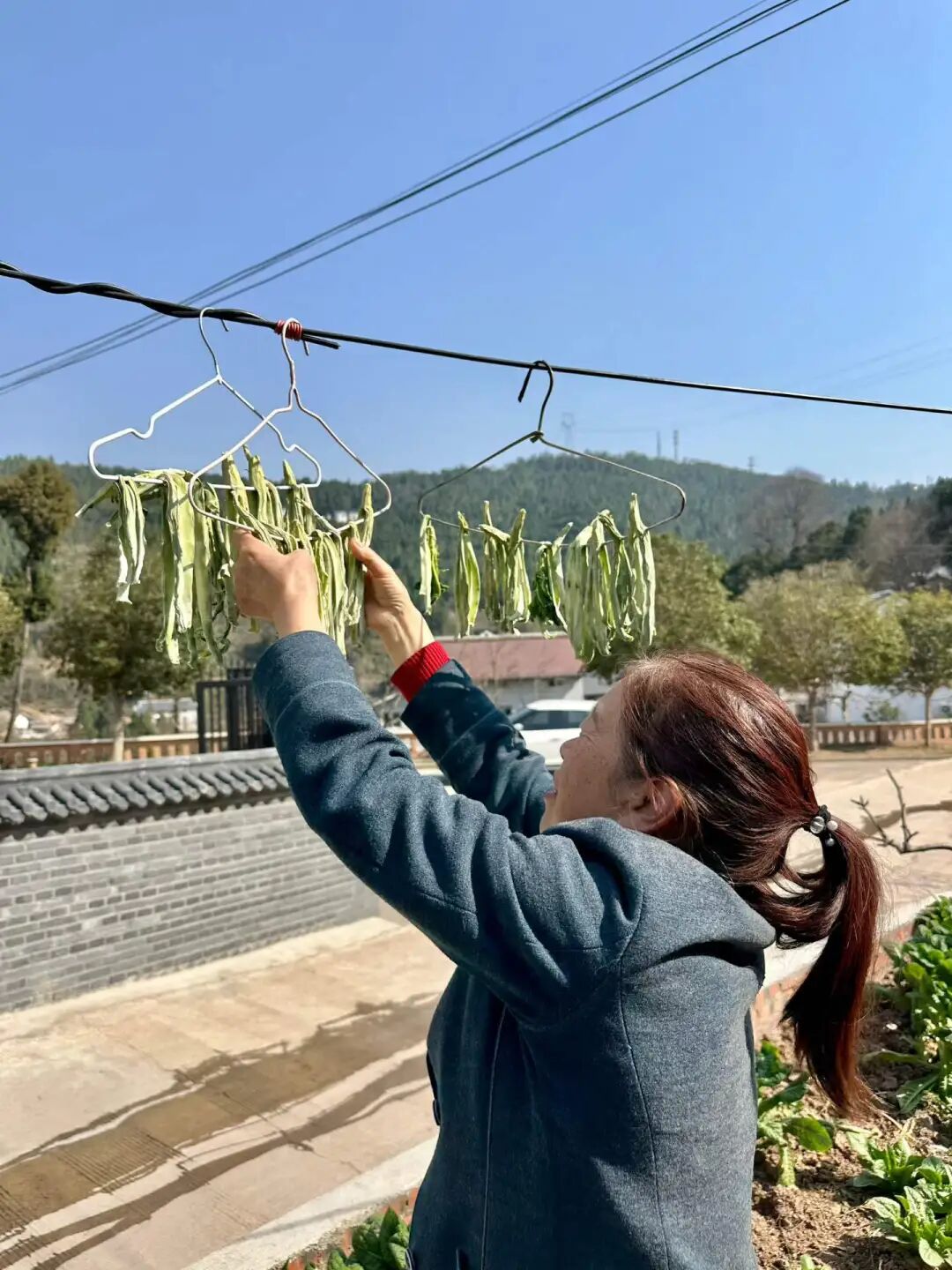
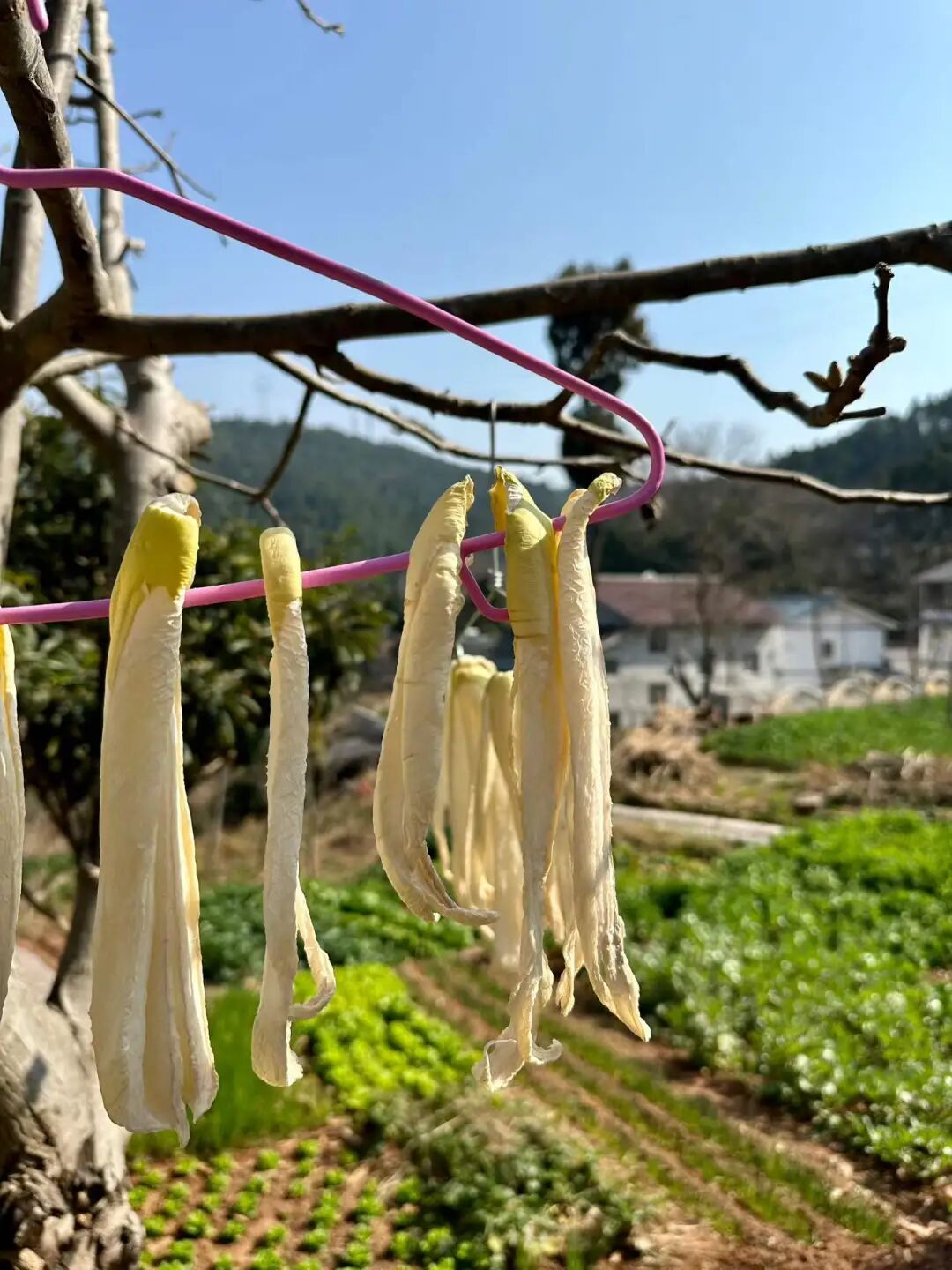
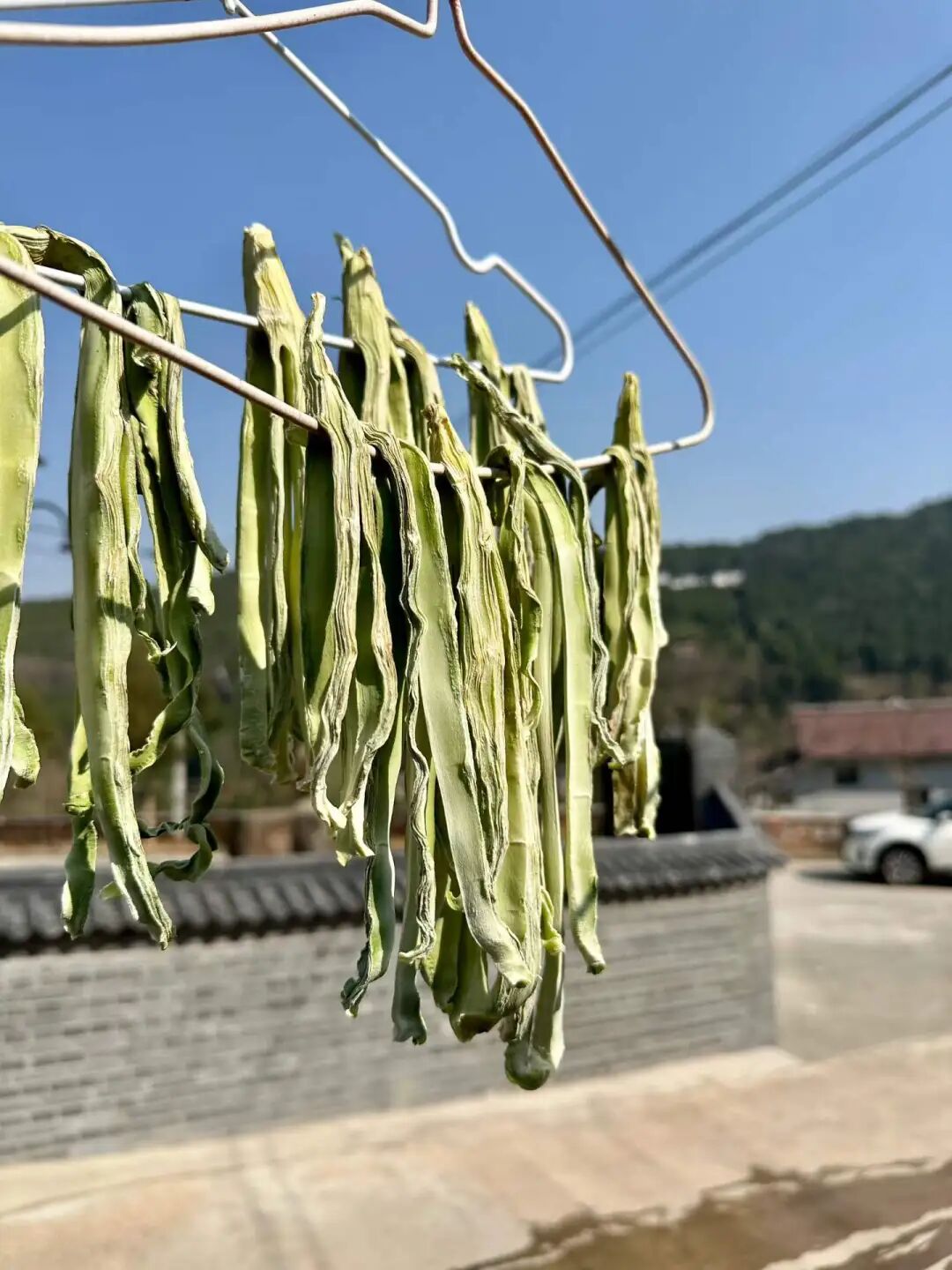
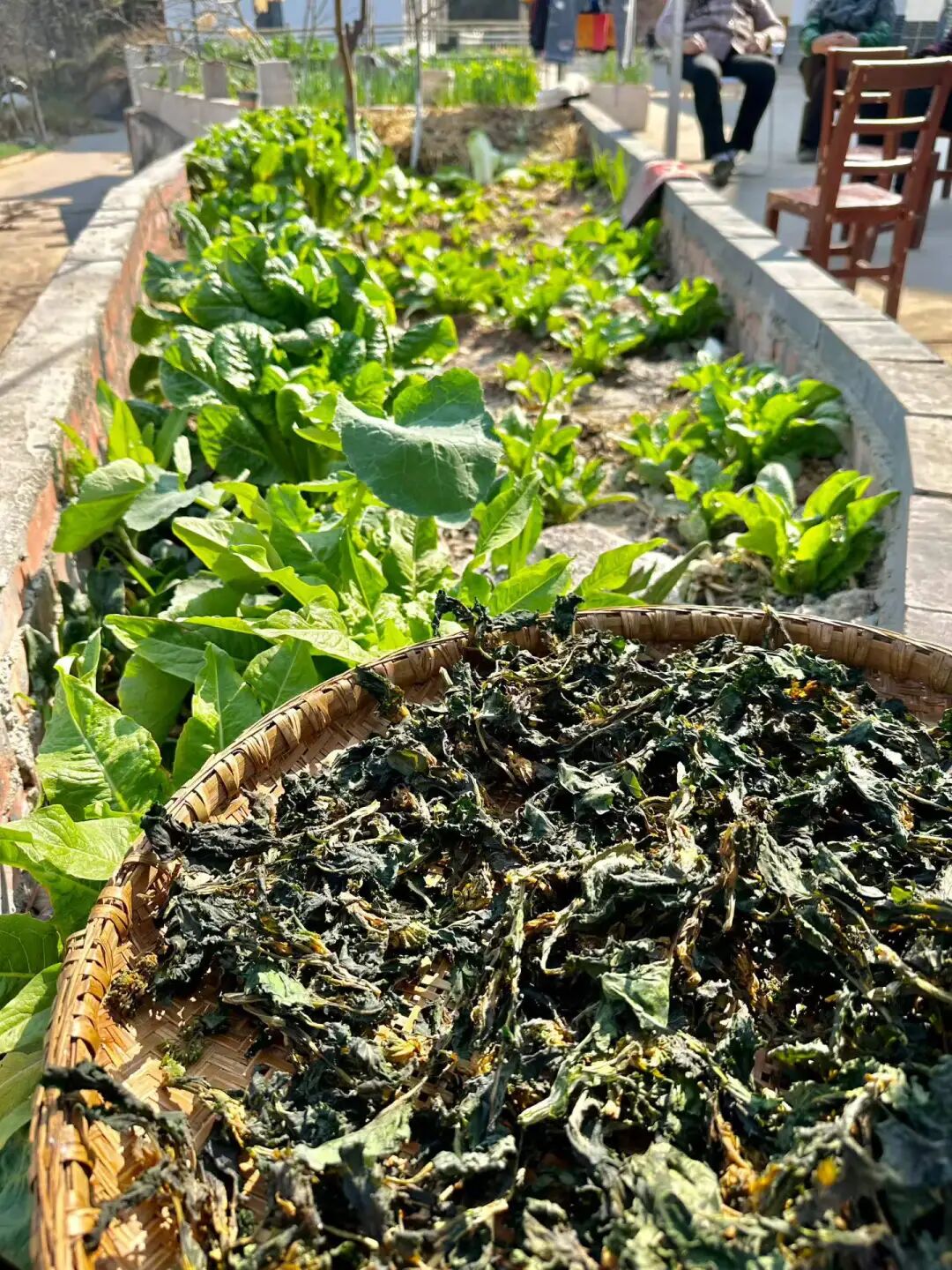
The Hui Muslim cemetery in Nanshan has excellent scenery nearby and is very refreshing. There are bees kept near the houses, and the beehives are right by the road. I didn't feel scared even when standing close, and the honey from here must taste very good.
Summary: This Guangyuan road trip visits Nanshan gongbei (Sufi shrine), a Hui Muslim village, local religious history, and the mountain routes that shaped this stop in northern Sichuan.
On February 21, I headed north from Yanting, passed through Langzhong, and arrived at Nanshan in Guangyuan to visit the Langzhaoting gongbei and the Nanshan Hui Muslim village.
The Langzhaoting gongbei in Nanshan, Guangyuan, was originally called Yulongshan gongbei. It is a shrine built to honor the third-generation master, Master Ma, of the Qadiriyya Sufi order's Great Gongbei menhuan. Master Ma (1693-1778) was from Dongxiang, Linxia, Gansu. He studied religious texts from a young age and later, by chance, became a student of Master Ma Tengyi at the Taizi gongbei. Master Ma Tengyi explained the secrets of the religious, mystical, and ultimate truths to him, and Master Ma achieved a deep, sudden enlightenment. At age 24, Master Ma followed Master Ma Tengyi's instructions to go to Nanshan in Guangyuan for quiet, secluded practice. He built a thatched hut and spent over 60 years in deep meditation. Outside of his spiritual practice, he guided the local people, and many stories of his miracles have been passed down to this day. Because of his great virtue and the miracles he performed, many local people converted to the faith. After Master Ma passed away, the Guangyuan magistrate Ma Jialiang initiated the construction of the Langzhaoting gongbei. Later, generations of military and government officials in Guangyuan helped maintain it, leaving behind many stone inscriptions and plaques.
After 1996, the Taizi gongbei in Linxia gradually expanded the Langzhaoting site. In 2010, they rebuilt the main hall and side rooms, giving it the layout it has today. Behind the gongbei is a bamboo forest, and in front are terraced fields, making the scenery very beautiful.
The main hall of Langzhaoting features a mihrab in the style of Hezhou.
Inside the courtyard hangs a plaque titled "Embodying the Truth" (Ti Dao Gui Zhen), which was donated by military officers and soldiers of the Guangyuan garrison in the 12th year of the Daoguang reign.
The courtyard also preserves many stone carvings from the Qing Dynasty. The carvings feature traditional auspicious themes like "Peace and Prosperity," "Cranes and Pines for Longevity," and "Mastery of Both Literature and Martial Arts."
Many of the Qing Dynasty stone column bases were destroyed after 1958. This pair of stone lions still has column bases on them, which may have originally served as the base for a memorial archway.
The various stone inscriptions at Langzhaoting.
The oldest inscription dates back to the 42nd year of the Qianlong reign, which is the year Master Ma passed away and the gongbei was built. The top of the tablet is carved with a taiji symbol, which is very unique.
The inscription records that "Master Ma" began his studies at 14, traveled from Shaanxi to Sichuan at 24, and practiced in seclusion for over 60 years. It expresses deep respect for him. The signature belongs to a high-ranking official named Ma X from Anhui, who held titles including Fengzhi Dafu and acting magistrate of Guangyuan County.
Research shows the person who set up the tablet was Ma Jialiang, a Hui Muslim from Anqing, Anhui, and the builder of Langzhaoting. Ma Jialiang, whose courtesy name was Zhongheng, was the son of the famous Qing Dynasty Hui Muslim general and martial arts scholar Ma Dayong. He passed the imperial examinations in the 12th year of the Qianlong reign and served as a high official in several provinces. He rose from county magistrate to prefect, working in Henan, Shandong, Hubei, and Sichuan. He was once dismissed in Shandong for failing to notice the White Lotus Sect, but was later reappointed as the prefect of Huili, Sichuan, eventually ending his career as an acting magistrate in Guangyuan.
The second tablet is the "Record of Rebuilding the True Shrine" from the 59th year of the Qianlong reign. It mentions that in the 42nd year of Qianlong, the former magistrate Master Ma donated funds to build the shrine for the Master, and it was renovated again in the 59th year. The back of the tablet lists 16 religious leaders with the surnames Guo, Mu, Zheng, Min, Ma, Li, Sai, and Wang, along with 135 followers who donated funds.
The "Record of Rebuilding the True Shrine" from the 11th year of the Daoguang reign has the title "Crane in the Clouds" at the top. It refers to the gongbei as the "Nanshan Master Ma Gongbei." The first donor listed is Ma Tenglong, a commander from Chongqing, followed by Guangyuan garrison officer Ma Guangting and others. Ma Tenglong was a military general with many achievements during the middle and late Qing Dynasty. According to the Records of Chongqing Prefecture in the Daoguang Era, Ma Tenglong was from Chengdu, Sichuan, and joined the army in the 58th year of the Qianlong reign. In the 60th year of the Qianlong reign, he was ordered to lead troops to Guizhou and Hunan to help suppress the Miao uprising. In the 2nd year of the Jiaqing reign, he was transferred to the Hubei and Sichuan-Shaanxi regions to suppress the White Lotus Rebellion. In the 1st year of the Daoguang reign, he was promoted to commander-in-chief of the Gansu garrison. In the 3rd year of the Daoguang reign, he was transferred to be the commander-in-chief of the Shaanxi-Gansu garrison. In the 8th year of the Daoguang reign, he was appointed commander-in-chief of the Chongqing garrison to guard Chongqing.
The "Merits Last Forever" (Gongde Yongchui) stele from the 20th year of the Daoguang reign.
The Basmala (Tasimi) stele from the 11th year of the Daoguang reign also features the name of Ma Guangting, a captain (qianzong) of the Guangyuan Battalion.
The "Immortal Forever" (Yongchui Buxiu) stele from the 10th year of the Guangxu reign.
The "Forever Solid" (Yongyuan Weigu) stele from the 13th year of the Daoguang reign shows that the person in charge of the gongbei at that time was named Ma Yingkui.
After leaving the Nanshan gongbei, I went to the nearby Nanshan Mosque. This is a village of Hui Muslims deep in the Nanshan mountains of Guangyuan, and there has likely been very little written about it before.
Centered around the Hui Muslim village, Nanshan in Guangyuan is home to over 120 Hui Muslim households with the surnames Wang, Ma, Li, Tian, Zhou, Cha, and Zhao, with the Wang surname being the most common. Most of the Hui Muslims in Nanshan moved here from Xiaogan in Hubei and areas in Shaanxi and Gansu during the "Huguang Fills Sichuan" migration period of the Qing Dynasty, and they have been farming in the Nanshan mountains ever since. Due to wars, disasters, and economic reasons, the Nanshan Hui Muslims did not build a mosque for a long time. They had to hire an imam to conduct religious services in private homes, and at one point, they even had to travel to the Hejie Mosque in downtown Guangyuan, which was very inconvenient. In 2002, led by Wang Zhanrong, with the support of Imam Ma Wanquan from the Hejie Mosque in Guangyuan and the advocacy of Haji Ma Jianzhong, they raised funds and finally built the Nanshan Mosque in 2003.
The six main doors of the Nanshan Mosque are the original doors from the Qianlong era of the Hejie Mosque in Guangyuan, which are very precious. They feature very exquisite wood carvings.
There is a relaxed, slow life in the Nanshan Hui Muslim village. Next to the mosque are clean and tidy houses. The aunties sit around chatting and drying radishes, lettuce, and rapeseed that they couldn't finish eating. One auntie said that dried rapeseed is especially delicious when stir-fried with beef. Sitting here away from the hustle and bustle, it feels like time has slowed down.
The Hui Muslim cemetery in Nanshan has excellent scenery nearby and is very refreshing. There are bees kept near the houses, and the beehives are right by the road. I didn't feel scared even when standing close, and the honey from here must taste very good.
Hidden Gongbei in Qingchuan: Dayuan Hui Township and Wulongshan Sufi Shrine in Guangyuan
Articles • ali2007fr posted the article • 0 comments • 162 views • 2026-05-21 07:08
Reposted from the web
Summary: This northern Sichuan travelogue visits Dayuan Hui Muslim Township in Qingchuan County and Wulongshan gongbei (Sufi shrine), preserving the route, people, and local Muslim heritage.
I left downtown Guangyuan in the morning and reached Dayuan Hui Ethnic Township, deep in the Qinba Mountains, after a trip of nearly two hours. I followed the Huaguo River up the valley and first arrived at Huaguo Village to visit the Huaguo Mosque (Huaguo Si). The mosque was closed, so I could only look around the courtyard.
Huaguo Mosque is a century-old site. It was built in 1925 at Majiakou in Huaguo Village, moved to its current location in Chenjiayuan in 1940, and rebuilt after the 2008 earthquake. You can still see the old stone column bases in the courtyard today.
Continuing up the Huaguo River, I reached Suojia Village, another Hui Muslim village. It is the oldest Hui village in all of Qingchuan, with a history of over 400 years. According to a tombstone in the village, Ma Jiyuan invited the Suo and Zhao families to move from Jingyang County, Shanxi, to settle by the Huagai River in 1580 (the eighth year of the Wanli reign of the Ming Dynasty). The Qingchuan County Annals record that in 1586 (the fourteenth year of the Wanli reign of the Ming Dynasty), three Hui Muslim families named Ma, Suo, and Hei from Ta'er Mosque in Jingyang County, Shanxi, moved to settle by the Huagai River in Dayuan Township, marking the arrival of Hui Muslims in the county.
At Suojia Mosque, the imam and village elders welcomed me warmly. I offered a donation (nietie), but they returned it to me, saying it was for travelers, and gave me oranges and apples instead. Suojia Mosque was built in the late Ming Dynasty, occupied in 1952, and torn down in 1967. Led by fellow Muslims Suo Fushou and Ma Minghuai, and through the efforts of Suo Jinming, Suo Wenjin, Ma Qinggao, Suo Jinzhu, Suo Fuguo, and Ma Wancai, the current Suojia Mosque was finally completed after four years of work from 2007 to 2011.
In Suojia Village, I clearly saw many people wearing white caps. Everyone was very friendly and smiled at me. Suojia Village sits deep in Wulong Mountain. With ducks and geese in the stream and fellow Muslims plowing the terraced fields with oxen, it is a peaceful scene, like a hidden paradise.
Suojia Village is definitely the most beautiful Hui Muslim village I have visited in Sichuan. I slowly climbed Wulong Mountain and looked out from the railing. Rolling green mountains stretched out, the quiet Huaguo River valley lay between them, and houses were scattered along the slopes. White walls and dark tiles dotted the landscape, while terraced fields formed a lush green pattern. The fresh mountain air hit my face, and everything I saw felt like a healing pastoral poem.
The village specializes in organic green tea, mountain delicacies, eco-friendly beef and lamb, and medicinal herbs grown in the forest. While walking through the village, I happened to meet a simple Hui Muslim grandmother driving her cattle and sheep into the deep mountains to graze, looking very relaxed. When she is not grazing them, she feeds the cattle and sheep pure corn cobs. Cattle and sheep raised on mountain spring water, wild mushrooms, and corn must taste great. I want to try some next time I have the chance.
On a cliff at the end of the Huaguo River valley sits the Wulong Mountain Gongbei, also called the Wulong Mountain Mosque (Qingzhen Ting), which belongs to the Jahriyya Sufi order (Gaderenye Menhuan). This cliffside shrine is comparable in scale to the Jiujing Gongbei.
Wulong Mountain Gongbei is where 'Grandpa An' (An Taiye) from Ding'an River practiced during his lifetime. Grandpa An was originally a Han Chinese from Anhui. During the Kangxi reign, he served as a magistrate in Langzhong County. Inspired by Qi Jingyi, the founder of the Jahriyya order, he resigned from his post to join the faith. Later, he went to Wulong Mountain to practice in a cave. After he passed away (gui zhen) in 1708 (the forty-seventh year of the Kangxi reign), the Wulong Mountain Gongbei was built. Inside the Gongbei, there is a plaque from the eighth year of the Xianfeng reign that reads 'Imperial Grace' (Sheng En). view all
Summary: This northern Sichuan travelogue visits Dayuan Hui Muslim Township in Qingchuan County and Wulongshan gongbei (Sufi shrine), preserving the route, people, and local Muslim heritage.
I left downtown Guangyuan in the morning and reached Dayuan Hui Ethnic Township, deep in the Qinba Mountains, after a trip of nearly two hours. I followed the Huaguo River up the valley and first arrived at Huaguo Village to visit the Huaguo Mosque (Huaguo Si). The mosque was closed, so I could only look around the courtyard.
Huaguo Mosque is a century-old site. It was built in 1925 at Majiakou in Huaguo Village, moved to its current location in Chenjiayuan in 1940, and rebuilt after the 2008 earthquake. You can still see the old stone column bases in the courtyard today.
Continuing up the Huaguo River, I reached Suojia Village, another Hui Muslim village. It is the oldest Hui village in all of Qingchuan, with a history of over 400 years. According to a tombstone in the village, Ma Jiyuan invited the Suo and Zhao families to move from Jingyang County, Shanxi, to settle by the Huagai River in 1580 (the eighth year of the Wanli reign of the Ming Dynasty). The Qingchuan County Annals record that in 1586 (the fourteenth year of the Wanli reign of the Ming Dynasty), three Hui Muslim families named Ma, Suo, and Hei from Ta'er Mosque in Jingyang County, Shanxi, moved to settle by the Huagai River in Dayuan Township, marking the arrival of Hui Muslims in the county.
At Suojia Mosque, the imam and village elders welcomed me warmly. I offered a donation (nietie), but they returned it to me, saying it was for travelers, and gave me oranges and apples instead. Suojia Mosque was built in the late Ming Dynasty, occupied in 1952, and torn down in 1967. Led by fellow Muslims Suo Fushou and Ma Minghuai, and through the efforts of Suo Jinming, Suo Wenjin, Ma Qinggao, Suo Jinzhu, Suo Fuguo, and Ma Wancai, the current Suojia Mosque was finally completed after four years of work from 2007 to 2011.
In Suojia Village, I clearly saw many people wearing white caps. Everyone was very friendly and smiled at me. Suojia Village sits deep in Wulong Mountain. With ducks and geese in the stream and fellow Muslims plowing the terraced fields with oxen, it is a peaceful scene, like a hidden paradise.
Suojia Village is definitely the most beautiful Hui Muslim village I have visited in Sichuan. I slowly climbed Wulong Mountain and looked out from the railing. Rolling green mountains stretched out, the quiet Huaguo River valley lay between them, and houses were scattered along the slopes. White walls and dark tiles dotted the landscape, while terraced fields formed a lush green pattern. The fresh mountain air hit my face, and everything I saw felt like a healing pastoral poem.
The village specializes in organic green tea, mountain delicacies, eco-friendly beef and lamb, and medicinal herbs grown in the forest. While walking through the village, I happened to meet a simple Hui Muslim grandmother driving her cattle and sheep into the deep mountains to graze, looking very relaxed. When she is not grazing them, she feeds the cattle and sheep pure corn cobs. Cattle and sheep raised on mountain spring water, wild mushrooms, and corn must taste great. I want to try some next time I have the chance.
On a cliff at the end of the Huaguo River valley sits the Wulong Mountain Gongbei, also called the Wulong Mountain Mosque (Qingzhen Ting), which belongs to the Jahriyya Sufi order (Gaderenye Menhuan). This cliffside shrine is comparable in scale to the Jiujing Gongbei.
Wulong Mountain Gongbei is where 'Grandpa An' (An Taiye) from Ding'an River practiced during his lifetime. Grandpa An was originally a Han Chinese from Anhui. During the Kangxi reign, he served as a magistrate in Langzhong County. Inspired by Qi Jingyi, the founder of the Jahriyya order, he resigned from his post to join the faith. Later, he went to Wulong Mountain to practice in a cave. After he passed away (gui zhen) in 1708 (the forty-seventh year of the Kangxi reign), the Wulong Mountain Gongbei was built. Inside the Gongbei, there is a plaque from the eighth year of the Xianfeng reign that reads 'Imperial Grace' (Sheng En). view all
Reposted from the web
Summary: This northern Sichuan travelogue visits Dayuan Hui Muslim Township in Qingchuan County and Wulongshan gongbei (Sufi shrine), preserving the route, people, and local Muslim heritage.
I left downtown Guangyuan in the morning and reached Dayuan Hui Ethnic Township, deep in the Qinba Mountains, after a trip of nearly two hours. I followed the Huaguo River up the valley and first arrived at Huaguo Village to visit the Huaguo Mosque (Huaguo Si). The mosque was closed, so I could only look around the courtyard.
Huaguo Mosque is a century-old site. It was built in 1925 at Majiakou in Huaguo Village, moved to its current location in Chenjiayuan in 1940, and rebuilt after the 2008 earthquake. You can still see the old stone column bases in the courtyard today.
Continuing up the Huaguo River, I reached Suojia Village, another Hui Muslim village. It is the oldest Hui village in all of Qingchuan, with a history of over 400 years. According to a tombstone in the village, Ma Jiyuan invited the Suo and Zhao families to move from Jingyang County, Shanxi, to settle by the Huagai River in 1580 (the eighth year of the Wanli reign of the Ming Dynasty). The Qingchuan County Annals record that in 1586 (the fourteenth year of the Wanli reign of the Ming Dynasty), three Hui Muslim families named Ma, Suo, and Hei from Ta'er Mosque in Jingyang County, Shanxi, moved to settle by the Huagai River in Dayuan Township, marking the arrival of Hui Muslims in the county.
At Suojia Mosque, the imam and village elders welcomed me warmly. I offered a donation (nietie), but they returned it to me, saying it was for travelers, and gave me oranges and apples instead. Suojia Mosque was built in the late Ming Dynasty, occupied in 1952, and torn down in 1967. Led by fellow Muslims Suo Fushou and Ma Minghuai, and through the efforts of Suo Jinming, Suo Wenjin, Ma Qinggao, Suo Jinzhu, Suo Fuguo, and Ma Wancai, the current Suojia Mosque was finally completed after four years of work from 2007 to 2011.
In Suojia Village, I clearly saw many people wearing white caps. Everyone was very friendly and smiled at me. Suojia Village sits deep in Wulong Mountain. With ducks and geese in the stream and fellow Muslims plowing the terraced fields with oxen, it is a peaceful scene, like a hidden paradise.
Suojia Village is definitely the most beautiful Hui Muslim village I have visited in Sichuan. I slowly climbed Wulong Mountain and looked out from the railing. Rolling green mountains stretched out, the quiet Huaguo River valley lay between them, and houses were scattered along the slopes. White walls and dark tiles dotted the landscape, while terraced fields formed a lush green pattern. The fresh mountain air hit my face, and everything I saw felt like a healing pastoral poem.
The village specializes in organic green tea, mountain delicacies, eco-friendly beef and lamb, and medicinal herbs grown in the forest. While walking through the village, I happened to meet a simple Hui Muslim grandmother driving her cattle and sheep into the deep mountains to graze, looking very relaxed. When she is not grazing them, she feeds the cattle and sheep pure corn cobs. Cattle and sheep raised on mountain spring water, wild mushrooms, and corn must taste great. I want to try some next time I have the chance.
On a cliff at the end of the Huaguo River valley sits the Wulong Mountain Gongbei, also called the Wulong Mountain Mosque (Qingzhen Ting), which belongs to the Jahriyya Sufi order (Gaderenye Menhuan). This cliffside shrine is comparable in scale to the Jiujing Gongbei.
Wulong Mountain Gongbei is where 'Grandpa An' (An Taiye) from Ding'an River practiced during his lifetime. Grandpa An was originally a Han Chinese from Anhui. During the Kangxi reign, he served as a magistrate in Langzhong County. Inspired by Qi Jingyi, the founder of the Jahriyya order, he resigned from his post to join the faith. Later, he went to Wulong Mountain to practice in a cave. After he passed away (gui zhen) in 1708 (the forty-seventh year of the Kangxi reign), the Wulong Mountain Gongbei was built. Inside the Gongbei, there is a plaque from the eighth year of the Xianfeng reign that reads 'Imperial Grace' (Sheng En).
Summary: This northern Sichuan travelogue visits Dayuan Hui Muslim Township in Qingchuan County and Wulongshan gongbei (Sufi shrine), preserving the route, people, and local Muslim heritage.
I left downtown Guangyuan in the morning and reached Dayuan Hui Ethnic Township, deep in the Qinba Mountains, after a trip of nearly two hours. I followed the Huaguo River up the valley and first arrived at Huaguo Village to visit the Huaguo Mosque (Huaguo Si). The mosque was closed, so I could only look around the courtyard.
Huaguo Mosque is a century-old site. It was built in 1925 at Majiakou in Huaguo Village, moved to its current location in Chenjiayuan in 1940, and rebuilt after the 2008 earthquake. You can still see the old stone column bases in the courtyard today.
Continuing up the Huaguo River, I reached Suojia Village, another Hui Muslim village. It is the oldest Hui village in all of Qingchuan, with a history of over 400 years. According to a tombstone in the village, Ma Jiyuan invited the Suo and Zhao families to move from Jingyang County, Shanxi, to settle by the Huagai River in 1580 (the eighth year of the Wanli reign of the Ming Dynasty). The Qingchuan County Annals record that in 1586 (the fourteenth year of the Wanli reign of the Ming Dynasty), three Hui Muslim families named Ma, Suo, and Hei from Ta'er Mosque in Jingyang County, Shanxi, moved to settle by the Huagai River in Dayuan Township, marking the arrival of Hui Muslims in the county.
At Suojia Mosque, the imam and village elders welcomed me warmly. I offered a donation (nietie), but they returned it to me, saying it was for travelers, and gave me oranges and apples instead. Suojia Mosque was built in the late Ming Dynasty, occupied in 1952, and torn down in 1967. Led by fellow Muslims Suo Fushou and Ma Minghuai, and through the efforts of Suo Jinming, Suo Wenjin, Ma Qinggao, Suo Jinzhu, Suo Fuguo, and Ma Wancai, the current Suojia Mosque was finally completed after four years of work from 2007 to 2011.
In Suojia Village, I clearly saw many people wearing white caps. Everyone was very friendly and smiled at me. Suojia Village sits deep in Wulong Mountain. With ducks and geese in the stream and fellow Muslims plowing the terraced fields with oxen, it is a peaceful scene, like a hidden paradise.
Suojia Village is definitely the most beautiful Hui Muslim village I have visited in Sichuan. I slowly climbed Wulong Mountain and looked out from the railing. Rolling green mountains stretched out, the quiet Huaguo River valley lay between them, and houses were scattered along the slopes. White walls and dark tiles dotted the landscape, while terraced fields formed a lush green pattern. The fresh mountain air hit my face, and everything I saw felt like a healing pastoral poem.
The village specializes in organic green tea, mountain delicacies, eco-friendly beef and lamb, and medicinal herbs grown in the forest. While walking through the village, I happened to meet a simple Hui Muslim grandmother driving her cattle and sheep into the deep mountains to graze, looking very relaxed. When she is not grazing them, she feeds the cattle and sheep pure corn cobs. Cattle and sheep raised on mountain spring water, wild mushrooms, and corn must taste great. I want to try some next time I have the chance.
On a cliff at the end of the Huaguo River valley sits the Wulong Mountain Gongbei, also called the Wulong Mountain Mosque (Qingzhen Ting), which belongs to the Jahriyya Sufi order (Gaderenye Menhuan). This cliffside shrine is comparable in scale to the Jiujing Gongbei.
Wulong Mountain Gongbei is where 'Grandpa An' (An Taiye) from Ding'an River practiced during his lifetime. Grandpa An was originally a Han Chinese from Anhui. During the Kangxi reign, he served as a magistrate in Langzhong County. Inspired by Qi Jingyi, the founder of the Jahriyya order, he resigned from his post to join the faith. Later, he went to Wulong Mountain to practice in a cave. After he passed away (gui zhen) in 1708 (the forty-seventh year of the Kangxi reign), the Wulong Mountain Gongbei was built. Inside the Gongbei, there is a plaque from the eighth year of the Xianfeng reign that reads 'Imperial Grace' (Sheng En).
Hidden Gongbei in Guangyuan: Jiujing Sufi Shrine, Mujiapo Hui Village and Sichuan Mosque Road Trip
Articles • ali2007fr posted the article • 0 comments • 200 views • 2026-05-21 06:45
Reposted from the web
Summary: This Guangyuan finale follows Jiujing gongbei (Sufi shrine), Mujiapo Hui Muslim village, rural mosque history, and the last stretch of the Sichuan Spring Festival road trip.
I traveled north from Nanshan in Guangyuan, crossed the city center, and followed the Jialing River Grand Canyon deep into the mountains until I reached the border of Sichuan and Shaanxi, where the Jiujing Gongbei sits on a hillside next to the canyon. I personally consider this the most remarkable Gongbei in all of Sichuan.
Jiujing Gongbei, also known as Jingjue Pavilion (Jingjue Ting), was first built in 1702 (the 41st year of the Kangxi reign). It holds the tomb of Ma Xunyi, a disciple of Huazhe Abudonglaxi, who was a leader of the Qadiriyya Sufi order (menhuan). In 1721 (the 60th year of the Kangxi reign), the tomb also became the final resting place for Ma Yongqing and Mu Zaiqing, who were disciples of Ma Xunyi's fellow student, Qi Jingyi.
The 1702 tombstone for Ma Xunyi reads: 'Regarding the Ma family of the pure faith from Lintao, Hezhou, who traveled to teach in Jiujing, Guangyuan, and passed away here, this monument is erected.' The tomb of the late, respected Master Ma of the Qing dynasty. The landowners were Mu Zhixian and Mu Zhilin. Erected on an auspicious day, the 15th day of the ninth lunar month in the 41st year of the Kangxi reign, by his student Ha Chengyu.
The 'Stele Record for the Reconstruction of Jingjue Pavilion' dates to the 55th year of the Qianlong reign. The inscription mentions that Ma Xunyi began studying under Huazhe Abudonglaxi in the 25th year of the Kangxi reign. The text was written by Ma Gui, the great-grandson of Ma Xunyi and the caretaker of Jiujing Gongbei.
The 'Jingjue Pavilion' plaque from the 7th year of the Guangxu reign was gifted by Liu, a Jinshi degree holder specially appointed as the Magistrate of Guangyuan County, who received five promotions and ten commendations for his service. It was also erected by Ma Dengchao, who was specially appointed as the Garrison Commander of Guangyuan and granted the imperial peacock feather. These were Magistrate Liu of Guangyuan County and Garrison Commander Ma Dengchao.
Historical records confirm that the Guangyuan Magistrate in the 7th year of the Guangxu reign was Liu Xian. Liu Xian was from Qian County, Shaanxi. He was a diligent student from a young age. During his time as Magistrate of Guangyuan, he provided disaster relief, built bridges and roads, and improved irrigation, helping the people live comfortably. He was honest and upright, and people called him 'Blue Sky Liu' (Liu Qingtian).
Ma Dengchao was a local from Sichuan. During the Tongzhi and Guangxu reigns, he served as a fifth-rank military officer in the Green Standard Army, overseeing city defense, military affairs, and provisions in Guangyuan County. In the 12th year of the Tongzhi reign, he inscribed the words 'Only Pure, Only One' (Wei Jing Wei Yi) for the Shanghe Street Mosque in Guangyuan, which is still kept inside the mosque today.
Inside the Gongbei, there are several Chinese pistache trees (huanglianmu) over 300 years old, planted when the site was first built.
On the hillside near the Jiujing Gongbei is a Hui Muslim village called Mujiapo in Jiujingwan, and halfway up the mountain sits the Jiujing Mosque, which was first built during the Kangxi reign. The various Gongbei in Guangyuan are all built near Hui Muslim villages, where the Qadiriyya Sufi order and the Gedimu villagers live together in harmony.
Since the Ming dynasty, Jiujingwan has been an important land and water station for travelers moving from Hanzhong, Shaanxi, along the Jialing River to Chongqing. In the early Qing dynasty, Hui Muslim families named Mu, Ha, Ma, and Li moved here from Gansu and Shaanxi. It was named Mujiapo because the Mu family was the largest group, and today there are over 400 Hui Muslims living there. Because Mujiapo is located entirely on the slopes of the Jialing River canyon, the Hui Muslims mainly raise cattle and sheep, grow forage grass, and farm walnuts. 'Mujiapo' beef and mutton have become a famous brand in the northern Sichuan meat market.
There is a folk culture park on the mountain at Jiujing Mujiapo, and a restaurant serving Hui Muslim food by the Jialing River at the foot of the mountain. I could not try the food because it was Ramadan, so I will have to wait for another chance. view all
Summary: This Guangyuan finale follows Jiujing gongbei (Sufi shrine), Mujiapo Hui Muslim village, rural mosque history, and the last stretch of the Sichuan Spring Festival road trip.
I traveled north from Nanshan in Guangyuan, crossed the city center, and followed the Jialing River Grand Canyon deep into the mountains until I reached the border of Sichuan and Shaanxi, where the Jiujing Gongbei sits on a hillside next to the canyon. I personally consider this the most remarkable Gongbei in all of Sichuan.
Jiujing Gongbei, also known as Jingjue Pavilion (Jingjue Ting), was first built in 1702 (the 41st year of the Kangxi reign). It holds the tomb of Ma Xunyi, a disciple of Huazhe Abudonglaxi, who was a leader of the Qadiriyya Sufi order (menhuan). In 1721 (the 60th year of the Kangxi reign), the tomb also became the final resting place for Ma Yongqing and Mu Zaiqing, who were disciples of Ma Xunyi's fellow student, Qi Jingyi.
The 1702 tombstone for Ma Xunyi reads: 'Regarding the Ma family of the pure faith from Lintao, Hezhou, who traveled to teach in Jiujing, Guangyuan, and passed away here, this monument is erected.' The tomb of the late, respected Master Ma of the Qing dynasty. The landowners were Mu Zhixian and Mu Zhilin. Erected on an auspicious day, the 15th day of the ninth lunar month in the 41st year of the Kangxi reign, by his student Ha Chengyu.
The 'Stele Record for the Reconstruction of Jingjue Pavilion' dates to the 55th year of the Qianlong reign. The inscription mentions that Ma Xunyi began studying under Huazhe Abudonglaxi in the 25th year of the Kangxi reign. The text was written by Ma Gui, the great-grandson of Ma Xunyi and the caretaker of Jiujing Gongbei.
The 'Jingjue Pavilion' plaque from the 7th year of the Guangxu reign was gifted by Liu, a Jinshi degree holder specially appointed as the Magistrate of Guangyuan County, who received five promotions and ten commendations for his service. It was also erected by Ma Dengchao, who was specially appointed as the Garrison Commander of Guangyuan and granted the imperial peacock feather. These were Magistrate Liu of Guangyuan County and Garrison Commander Ma Dengchao.
Historical records confirm that the Guangyuan Magistrate in the 7th year of the Guangxu reign was Liu Xian. Liu Xian was from Qian County, Shaanxi. He was a diligent student from a young age. During his time as Magistrate of Guangyuan, he provided disaster relief, built bridges and roads, and improved irrigation, helping the people live comfortably. He was honest and upright, and people called him 'Blue Sky Liu' (Liu Qingtian).
Ma Dengchao was a local from Sichuan. During the Tongzhi and Guangxu reigns, he served as a fifth-rank military officer in the Green Standard Army, overseeing city defense, military affairs, and provisions in Guangyuan County. In the 12th year of the Tongzhi reign, he inscribed the words 'Only Pure, Only One' (Wei Jing Wei Yi) for the Shanghe Street Mosque in Guangyuan, which is still kept inside the mosque today.
Inside the Gongbei, there are several Chinese pistache trees (huanglianmu) over 300 years old, planted when the site was first built.
On the hillside near the Jiujing Gongbei is a Hui Muslim village called Mujiapo in Jiujingwan, and halfway up the mountain sits the Jiujing Mosque, which was first built during the Kangxi reign. The various Gongbei in Guangyuan are all built near Hui Muslim villages, where the Qadiriyya Sufi order and the Gedimu villagers live together in harmony.
Since the Ming dynasty, Jiujingwan has been an important land and water station for travelers moving from Hanzhong, Shaanxi, along the Jialing River to Chongqing. In the early Qing dynasty, Hui Muslim families named Mu, Ha, Ma, and Li moved here from Gansu and Shaanxi. It was named Mujiapo because the Mu family was the largest group, and today there are over 400 Hui Muslims living there. Because Mujiapo is located entirely on the slopes of the Jialing River canyon, the Hui Muslims mainly raise cattle and sheep, grow forage grass, and farm walnuts. 'Mujiapo' beef and mutton have become a famous brand in the northern Sichuan meat market.
There is a folk culture park on the mountain at Jiujing Mujiapo, and a restaurant serving Hui Muslim food by the Jialing River at the foot of the mountain. I could not try the food because it was Ramadan, so I will have to wait for another chance. view all
Reposted from the web
Summary: This Guangyuan finale follows Jiujing gongbei (Sufi shrine), Mujiapo Hui Muslim village, rural mosque history, and the last stretch of the Sichuan Spring Festival road trip.
I traveled north from Nanshan in Guangyuan, crossed the city center, and followed the Jialing River Grand Canyon deep into the mountains until I reached the border of Sichuan and Shaanxi, where the Jiujing Gongbei sits on a hillside next to the canyon. I personally consider this the most remarkable Gongbei in all of Sichuan.
Jiujing Gongbei, also known as Jingjue Pavilion (Jingjue Ting), was first built in 1702 (the 41st year of the Kangxi reign). It holds the tomb of Ma Xunyi, a disciple of Huazhe Abudonglaxi, who was a leader of the Qadiriyya Sufi order (menhuan). In 1721 (the 60th year of the Kangxi reign), the tomb also became the final resting place for Ma Yongqing and Mu Zaiqing, who were disciples of Ma Xunyi's fellow student, Qi Jingyi.
The 1702 tombstone for Ma Xunyi reads: 'Regarding the Ma family of the pure faith from Lintao, Hezhou, who traveled to teach in Jiujing, Guangyuan, and passed away here, this monument is erected.' The tomb of the late, respected Master Ma of the Qing dynasty. The landowners were Mu Zhixian and Mu Zhilin. Erected on an auspicious day, the 15th day of the ninth lunar month in the 41st year of the Kangxi reign, by his student Ha Chengyu.
The 'Stele Record for the Reconstruction of Jingjue Pavilion' dates to the 55th year of the Qianlong reign. The inscription mentions that Ma Xunyi began studying under Huazhe Abudonglaxi in the 25th year of the Kangxi reign. The text was written by Ma Gui, the great-grandson of Ma Xunyi and the caretaker of Jiujing Gongbei.
The 'Jingjue Pavilion' plaque from the 7th year of the Guangxu reign was gifted by Liu, a Jinshi degree holder specially appointed as the Magistrate of Guangyuan County, who received five promotions and ten commendations for his service. It was also erected by Ma Dengchao, who was specially appointed as the Garrison Commander of Guangyuan and granted the imperial peacock feather. These were Magistrate Liu of Guangyuan County and Garrison Commander Ma Dengchao.
Historical records confirm that the Guangyuan Magistrate in the 7th year of the Guangxu reign was Liu Xian. Liu Xian was from Qian County, Shaanxi. He was a diligent student from a young age. During his time as Magistrate of Guangyuan, he provided disaster relief, built bridges and roads, and improved irrigation, helping the people live comfortably. He was honest and upright, and people called him 'Blue Sky Liu' (Liu Qingtian).
Ma Dengchao was a local from Sichuan. During the Tongzhi and Guangxu reigns, he served as a fifth-rank military officer in the Green Standard Army, overseeing city defense, military affairs, and provisions in Guangyuan County. In the 12th year of the Tongzhi reign, he inscribed the words 'Only Pure, Only One' (Wei Jing Wei Yi) for the Shanghe Street Mosque in Guangyuan, which is still kept inside the mosque today.
Inside the Gongbei, there are several Chinese pistache trees (huanglianmu) over 300 years old, planted when the site was first built.
On the hillside near the Jiujing Gongbei is a Hui Muslim village called Mujiapo in Jiujingwan, and halfway up the mountain sits the Jiujing Mosque, which was first built during the Kangxi reign. The various Gongbei in Guangyuan are all built near Hui Muslim villages, where the Qadiriyya Sufi order and the Gedimu villagers live together in harmony.
Since the Ming dynasty, Jiujingwan has been an important land and water station for travelers moving from Hanzhong, Shaanxi, along the Jialing River to Chongqing. In the early Qing dynasty, Hui Muslim families named Mu, Ha, Ma, and Li moved here from Gansu and Shaanxi. It was named Mujiapo because the Mu family was the largest group, and today there are over 400 Hui Muslims living there. Because Mujiapo is located entirely on the slopes of the Jialing River canyon, the Hui Muslims mainly raise cattle and sheep, grow forage grass, and farm walnuts. 'Mujiapo' beef and mutton have become a famous brand in the northern Sichuan meat market.
There is a folk culture park on the mountain at Jiujing Mujiapo, and a restaurant serving Hui Muslim food by the Jialing River at the foot of the mountain. I could not try the food because it was Ramadan, so I will have to wait for another chance.
Summary: This Guangyuan finale follows Jiujing gongbei (Sufi shrine), Mujiapo Hui Muslim village, rural mosque history, and the last stretch of the Sichuan Spring Festival road trip.
I traveled north from Nanshan in Guangyuan, crossed the city center, and followed the Jialing River Grand Canyon deep into the mountains until I reached the border of Sichuan and Shaanxi, where the Jiujing Gongbei sits on a hillside next to the canyon. I personally consider this the most remarkable Gongbei in all of Sichuan.
Jiujing Gongbei, also known as Jingjue Pavilion (Jingjue Ting), was first built in 1702 (the 41st year of the Kangxi reign). It holds the tomb of Ma Xunyi, a disciple of Huazhe Abudonglaxi, who was a leader of the Qadiriyya Sufi order (menhuan). In 1721 (the 60th year of the Kangxi reign), the tomb also became the final resting place for Ma Yongqing and Mu Zaiqing, who were disciples of Ma Xunyi's fellow student, Qi Jingyi.
The 1702 tombstone for Ma Xunyi reads: 'Regarding the Ma family of the pure faith from Lintao, Hezhou, who traveled to teach in Jiujing, Guangyuan, and passed away here, this monument is erected.' The tomb of the late, respected Master Ma of the Qing dynasty. The landowners were Mu Zhixian and Mu Zhilin. Erected on an auspicious day, the 15th day of the ninth lunar month in the 41st year of the Kangxi reign, by his student Ha Chengyu.
The 'Stele Record for the Reconstruction of Jingjue Pavilion' dates to the 55th year of the Qianlong reign. The inscription mentions that Ma Xunyi began studying under Huazhe Abudonglaxi in the 25th year of the Kangxi reign. The text was written by Ma Gui, the great-grandson of Ma Xunyi and the caretaker of Jiujing Gongbei.
The 'Jingjue Pavilion' plaque from the 7th year of the Guangxu reign was gifted by Liu, a Jinshi degree holder specially appointed as the Magistrate of Guangyuan County, who received five promotions and ten commendations for his service. It was also erected by Ma Dengchao, who was specially appointed as the Garrison Commander of Guangyuan and granted the imperial peacock feather. These were Magistrate Liu of Guangyuan County and Garrison Commander Ma Dengchao.
Historical records confirm that the Guangyuan Magistrate in the 7th year of the Guangxu reign was Liu Xian. Liu Xian was from Qian County, Shaanxi. He was a diligent student from a young age. During his time as Magistrate of Guangyuan, he provided disaster relief, built bridges and roads, and improved irrigation, helping the people live comfortably. He was honest and upright, and people called him 'Blue Sky Liu' (Liu Qingtian).
Ma Dengchao was a local from Sichuan. During the Tongzhi and Guangxu reigns, he served as a fifth-rank military officer in the Green Standard Army, overseeing city defense, military affairs, and provisions in Guangyuan County. In the 12th year of the Tongzhi reign, he inscribed the words 'Only Pure, Only One' (Wei Jing Wei Yi) for the Shanghe Street Mosque in Guangyuan, which is still kept inside the mosque today.
Inside the Gongbei, there are several Chinese pistache trees (huanglianmu) over 300 years old, planted when the site was first built.
On the hillside near the Jiujing Gongbei is a Hui Muslim village called Mujiapo in Jiujingwan, and halfway up the mountain sits the Jiujing Mosque, which was first built during the Kangxi reign. The various Gongbei in Guangyuan are all built near Hui Muslim villages, where the Qadiriyya Sufi order and the Gedimu villagers live together in harmony.
Since the Ming dynasty, Jiujingwan has been an important land and water station for travelers moving from Hanzhong, Shaanxi, along the Jialing River to Chongqing. In the early Qing dynasty, Hui Muslim families named Mu, Ha, Ma, and Li moved here from Gansu and Shaanxi. It was named Mujiapo because the Mu family was the largest group, and today there are over 400 Hui Muslims living there. Because Mujiapo is located entirely on the slopes of the Jialing River canyon, the Hui Muslims mainly raise cattle and sheep, grow forage grass, and farm walnuts. 'Mujiapo' beef and mutton have become a famous brand in the northern Sichuan meat market.
There is a folk culture park on the mountain at Jiujing Mujiapo, and a restaurant serving Hui Muslim food by the Jialing River at the foot of the mountain. I could not try the food because it was Ramadan, so I will have to wait for another chance.
Hidden Gongbei in Guangyuan: Nanshan Sufi Shrine and Sichuan Hui Muslim Village
Articles • ali2007fr posted the article • 0 comments • 163 views • 2026-05-21 06:45
Reposted from the web
Summary: This Guangyuan road trip visits Nanshan gongbei (Sufi shrine), a Hui Muslim village, local religious history, and the mountain routes that shaped this stop in northern Sichuan.
On February 21, I headed north from Yanting, passed through Langzhong, and arrived at Nanshan in Guangyuan to visit the Langzhaoting gongbei and the Nanshan Hui Muslim village.
The Langzhaoting gongbei in Nanshan, Guangyuan, was originally called Yulongshan gongbei. It is a shrine built to honor the third-generation master, Master Ma, of the Qadiriyya Sufi order's Great Gongbei menhuan. Master Ma (1693-1778) was from Dongxiang, Linxia, Gansu. He studied religious texts from a young age and later, by chance, became a student of Master Ma Tengyi at the Taizi gongbei. Master Ma Tengyi explained the secrets of the religious, mystical, and ultimate truths to him, and Master Ma achieved a deep, sudden enlightenment. At age 24, Master Ma followed Master Ma Tengyi's instructions to go to Nanshan in Guangyuan for quiet, secluded practice. He built a thatched hut and spent over 60 years in deep meditation. Outside of his spiritual practice, he guided the local people, and many stories of his miracles have been passed down to this day. Because of his great virtue and the miracles he performed, many local people converted to the faith. After Master Ma passed away, the Guangyuan magistrate Ma Jialiang initiated the construction of the Langzhaoting gongbei. Later, generations of military and government officials in Guangyuan helped maintain it, leaving behind many stone inscriptions and plaques.
After 1996, the Taizi gongbei in Linxia gradually expanded the Langzhaoting site. In 2010, they rebuilt the main hall and side rooms, giving it the layout it has today. Behind the gongbei is a bamboo forest, and in front are terraced fields, making the scenery very beautiful.
The main hall of Langzhaoting features a mihrab in the style of Hezhou.
Inside the courtyard hangs a plaque titled "Embodying the Truth" (Ti Dao Gui Zhen), which was donated by military officers and soldiers of the Guangyuan garrison in the 12th year of the Daoguang reign.
The courtyard also preserves many stone carvings from the Qing Dynasty. The carvings feature traditional auspicious themes like "Peace and Prosperity," "Cranes and Pines for Longevity," and "Mastery of Both Literature and Martial Arts."
Many of the Qing Dynasty stone column bases were destroyed after 1958. This pair of stone lions still has column bases on them, which may have originally served as the base for a memorial archway.
The various stone inscriptions at Langzhaoting.
The oldest inscription dates back to the 42nd year of the Qianlong reign, which is the year Master Ma passed away and the gongbei was built. The top of the tablet is carved with a taiji symbol, which is very unique.
The inscription records that "Master Ma" began his studies at 14, traveled from Shaanxi to Sichuan at 24, and practiced in seclusion for over 60 years. It expresses deep respect for him. The signature belongs to a high-ranking official named Ma X from Anhui, who held titles including Fengzhi Dafu and acting magistrate of Guangyuan County.
Research shows the person who set up the tablet was Ma Jialiang, a Hui Muslim from Anqing, Anhui, and the builder of Langzhaoting. Ma Jialiang, whose courtesy name was Zhongheng, was the son of the famous Qing Dynasty Hui Muslim general and martial arts scholar Ma Dayong. He passed the imperial examinations in the 12th year of the Qianlong reign and served as a high official in several provinces. He rose from county magistrate to prefect, working in Henan, Shandong, Hubei, and Sichuan. He was once dismissed in Shandong for failing to notice the White Lotus Sect, but was later reappointed as the prefect of Huili, Sichuan, eventually ending his career as an acting magistrate in Guangyuan.
The second tablet is the "Record of Rebuilding the True Shrine" from the 59th year of the Qianlong reign. It mentions that in the 42nd year of Qianlong, the former magistrate Master Ma donated funds to build the shrine for the Master, and it was renovated again in the 59th year. The back of the tablet lists 16 religious leaders with the surnames Guo, Mu, Zheng, Min, Ma, Li, Sai, and Wang, along with 135 followers who donated funds.
The "Record of Rebuilding the True Shrine" from the 11th year of the Daoguang reign has the title "Crane in the Clouds" at the top. It refers to the gongbei as the "Nanshan Master Ma Gongbei." The first donor listed is Ma Tenglong, a commander from Chongqing, followed by Guangyuan garrison officer Ma Guangting and others. Ma Tenglong was a military general with many achievements during the middle and late Qing Dynasty. According to the Records of Chongqing Prefecture in the Daoguang Era, Ma Tenglong was from Chengdu, Sichuan, and joined the army in the 58th year of the Qianlong reign. In the 60th year of the Qianlong reign, he was ordered to lead troops to Guizhou and Hunan to help suppress the Miao uprising. In the 2nd year of the Jiaqing reign, he was transferred to the Hubei and Sichuan-Shaanxi regions to suppress the White Lotus Rebellion. In the 1st year of the Daoguang reign, he was promoted to commander-in-chief of the Gansu garrison. In the 3rd year of the Daoguang reign, he was transferred to be the commander-in-chief of the Shaanxi-Gansu garrison. In the 8th year of the Daoguang reign, he was appointed commander-in-chief of the Chongqing garrison to guard Chongqing.
The "Merits Last Forever" (Gongde Yongchui) stele from the 20th year of the Daoguang reign.
The Basmala (Tasimi) stele from the 11th year of the Daoguang reign also features the name of Ma Guangting, a captain (qianzong) of the Guangyuan Battalion.
The "Immortal Forever" (Yongchui Buxiu) stele from the 10th year of the Guangxu reign.
The "Forever Solid" (Yongyuan Weigu) stele from the 13th year of the Daoguang reign shows that the person in charge of the gongbei at that time was named Ma Yingkui.
After leaving the Nanshan gongbei, I went to the nearby Nanshan Mosque. This is a village of Hui Muslims deep in the Nanshan mountains of Guangyuan, and there has likely been very little written about it before.
Centered around the Hui Muslim village, Nanshan in Guangyuan is home to over 120 Hui Muslim households with the surnames Wang, Ma, Li, Tian, Zhou, Cha, and Zhao, with the Wang surname being the most common. Most of the Hui Muslims in Nanshan moved here from Xiaogan in Hubei and areas in Shaanxi and Gansu during the "Huguang Fills Sichuan" migration period of the Qing Dynasty, and they have been farming in the Nanshan mountains ever since. Due to wars, disasters, and economic reasons, the Nanshan Hui Muslims did not build a mosque for a long time. They had to hire an imam to conduct religious services in private homes, and at one point, they even had to travel to the Hejie Mosque in downtown Guangyuan, which was very inconvenient. In 2002, led by Wang Zhanrong, with the support of Imam Ma Wanquan from the Hejie Mosque in Guangyuan and the advocacy of Haji Ma Jianzhong, they raised funds and finally built the Nanshan Mosque in 2003.
The six main doors of the Nanshan Mosque are the original doors from the Qianlong era of the Hejie Mosque in Guangyuan, which are very precious. They feature very exquisite wood carvings.
There is a relaxed, slow life in the Nanshan Hui Muslim village. Next to the mosque are clean and tidy houses. The aunties sit around chatting and drying radishes, lettuce, and rapeseed that they couldn't finish eating. One auntie said that dried rapeseed is especially delicious when stir-fried with beef. Sitting here away from the hustle and bustle, it feels like time has slowed down.
The Hui Muslim cemetery in Nanshan has excellent scenery nearby and is very refreshing. There are bees kept near the houses, and the beehives are right by the road. I didn't feel scared even when standing close, and the honey from here must taste very good. view all
Summary: This Guangyuan road trip visits Nanshan gongbei (Sufi shrine), a Hui Muslim village, local religious history, and the mountain routes that shaped this stop in northern Sichuan.
On February 21, I headed north from Yanting, passed through Langzhong, and arrived at Nanshan in Guangyuan to visit the Langzhaoting gongbei and the Nanshan Hui Muslim village.
The Langzhaoting gongbei in Nanshan, Guangyuan, was originally called Yulongshan gongbei. It is a shrine built to honor the third-generation master, Master Ma, of the Qadiriyya Sufi order's Great Gongbei menhuan. Master Ma (1693-1778) was from Dongxiang, Linxia, Gansu. He studied religious texts from a young age and later, by chance, became a student of Master Ma Tengyi at the Taizi gongbei. Master Ma Tengyi explained the secrets of the religious, mystical, and ultimate truths to him, and Master Ma achieved a deep, sudden enlightenment. At age 24, Master Ma followed Master Ma Tengyi's instructions to go to Nanshan in Guangyuan for quiet, secluded practice. He built a thatched hut and spent over 60 years in deep meditation. Outside of his spiritual practice, he guided the local people, and many stories of his miracles have been passed down to this day. Because of his great virtue and the miracles he performed, many local people converted to the faith. After Master Ma passed away, the Guangyuan magistrate Ma Jialiang initiated the construction of the Langzhaoting gongbei. Later, generations of military and government officials in Guangyuan helped maintain it, leaving behind many stone inscriptions and plaques.
After 1996, the Taizi gongbei in Linxia gradually expanded the Langzhaoting site. In 2010, they rebuilt the main hall and side rooms, giving it the layout it has today. Behind the gongbei is a bamboo forest, and in front are terraced fields, making the scenery very beautiful.
The main hall of Langzhaoting features a mihrab in the style of Hezhou.
Inside the courtyard hangs a plaque titled "Embodying the Truth" (Ti Dao Gui Zhen), which was donated by military officers and soldiers of the Guangyuan garrison in the 12th year of the Daoguang reign.
The courtyard also preserves many stone carvings from the Qing Dynasty. The carvings feature traditional auspicious themes like "Peace and Prosperity," "Cranes and Pines for Longevity," and "Mastery of Both Literature and Martial Arts."
Many of the Qing Dynasty stone column bases were destroyed after 1958. This pair of stone lions still has column bases on them, which may have originally served as the base for a memorial archway.
The various stone inscriptions at Langzhaoting.
The oldest inscription dates back to the 42nd year of the Qianlong reign, which is the year Master Ma passed away and the gongbei was built. The top of the tablet is carved with a taiji symbol, which is very unique.
The inscription records that "Master Ma" began his studies at 14, traveled from Shaanxi to Sichuan at 24, and practiced in seclusion for over 60 years. It expresses deep respect for him. The signature belongs to a high-ranking official named Ma X from Anhui, who held titles including Fengzhi Dafu and acting magistrate of Guangyuan County.
Research shows the person who set up the tablet was Ma Jialiang, a Hui Muslim from Anqing, Anhui, and the builder of Langzhaoting. Ma Jialiang, whose courtesy name was Zhongheng, was the son of the famous Qing Dynasty Hui Muslim general and martial arts scholar Ma Dayong. He passed the imperial examinations in the 12th year of the Qianlong reign and served as a high official in several provinces. He rose from county magistrate to prefect, working in Henan, Shandong, Hubei, and Sichuan. He was once dismissed in Shandong for failing to notice the White Lotus Sect, but was later reappointed as the prefect of Huili, Sichuan, eventually ending his career as an acting magistrate in Guangyuan.
The second tablet is the "Record of Rebuilding the True Shrine" from the 59th year of the Qianlong reign. It mentions that in the 42nd year of Qianlong, the former magistrate Master Ma donated funds to build the shrine for the Master, and it was renovated again in the 59th year. The back of the tablet lists 16 religious leaders with the surnames Guo, Mu, Zheng, Min, Ma, Li, Sai, and Wang, along with 135 followers who donated funds.
The "Record of Rebuilding the True Shrine" from the 11th year of the Daoguang reign has the title "Crane in the Clouds" at the top. It refers to the gongbei as the "Nanshan Master Ma Gongbei." The first donor listed is Ma Tenglong, a commander from Chongqing, followed by Guangyuan garrison officer Ma Guangting and others. Ma Tenglong was a military general with many achievements during the middle and late Qing Dynasty. According to the Records of Chongqing Prefecture in the Daoguang Era, Ma Tenglong was from Chengdu, Sichuan, and joined the army in the 58th year of the Qianlong reign. In the 60th year of the Qianlong reign, he was ordered to lead troops to Guizhou and Hunan to help suppress the Miao uprising. In the 2nd year of the Jiaqing reign, he was transferred to the Hubei and Sichuan-Shaanxi regions to suppress the White Lotus Rebellion. In the 1st year of the Daoguang reign, he was promoted to commander-in-chief of the Gansu garrison. In the 3rd year of the Daoguang reign, he was transferred to be the commander-in-chief of the Shaanxi-Gansu garrison. In the 8th year of the Daoguang reign, he was appointed commander-in-chief of the Chongqing garrison to guard Chongqing.
The "Merits Last Forever" (Gongde Yongchui) stele from the 20th year of the Daoguang reign.
The Basmala (Tasimi) stele from the 11th year of the Daoguang reign also features the name of Ma Guangting, a captain (qianzong) of the Guangyuan Battalion.
The "Immortal Forever" (Yongchui Buxiu) stele from the 10th year of the Guangxu reign.
The "Forever Solid" (Yongyuan Weigu) stele from the 13th year of the Daoguang reign shows that the person in charge of the gongbei at that time was named Ma Yingkui.
After leaving the Nanshan gongbei, I went to the nearby Nanshan Mosque. This is a village of Hui Muslims deep in the Nanshan mountains of Guangyuan, and there has likely been very little written about it before.
Centered around the Hui Muslim village, Nanshan in Guangyuan is home to over 120 Hui Muslim households with the surnames Wang, Ma, Li, Tian, Zhou, Cha, and Zhao, with the Wang surname being the most common. Most of the Hui Muslims in Nanshan moved here from Xiaogan in Hubei and areas in Shaanxi and Gansu during the "Huguang Fills Sichuan" migration period of the Qing Dynasty, and they have been farming in the Nanshan mountains ever since. Due to wars, disasters, and economic reasons, the Nanshan Hui Muslims did not build a mosque for a long time. They had to hire an imam to conduct religious services in private homes, and at one point, they even had to travel to the Hejie Mosque in downtown Guangyuan, which was very inconvenient. In 2002, led by Wang Zhanrong, with the support of Imam Ma Wanquan from the Hejie Mosque in Guangyuan and the advocacy of Haji Ma Jianzhong, they raised funds and finally built the Nanshan Mosque in 2003.
The six main doors of the Nanshan Mosque are the original doors from the Qianlong era of the Hejie Mosque in Guangyuan, which are very precious. They feature very exquisite wood carvings.
There is a relaxed, slow life in the Nanshan Hui Muslim village. Next to the mosque are clean and tidy houses. The aunties sit around chatting and drying radishes, lettuce, and rapeseed that they couldn't finish eating. One auntie said that dried rapeseed is especially delicious when stir-fried with beef. Sitting here away from the hustle and bustle, it feels like time has slowed down.
The Hui Muslim cemetery in Nanshan has excellent scenery nearby and is very refreshing. There are bees kept near the houses, and the beehives are right by the road. I didn't feel scared even when standing close, and the honey from here must taste very good. view all
Reposted from the web
Summary: This Guangyuan road trip visits Nanshan gongbei (Sufi shrine), a Hui Muslim village, local religious history, and the mountain routes that shaped this stop in northern Sichuan.
On February 21, I headed north from Yanting, passed through Langzhong, and arrived at Nanshan in Guangyuan to visit the Langzhaoting gongbei and the Nanshan Hui Muslim village.
The Langzhaoting gongbei in Nanshan, Guangyuan, was originally called Yulongshan gongbei. It is a shrine built to honor the third-generation master, Master Ma, of the Qadiriyya Sufi order's Great Gongbei menhuan. Master Ma (1693-1778) was from Dongxiang, Linxia, Gansu. He studied religious texts from a young age and later, by chance, became a student of Master Ma Tengyi at the Taizi gongbei. Master Ma Tengyi explained the secrets of the religious, mystical, and ultimate truths to him, and Master Ma achieved a deep, sudden enlightenment. At age 24, Master Ma followed Master Ma Tengyi's instructions to go to Nanshan in Guangyuan for quiet, secluded practice. He built a thatched hut and spent over 60 years in deep meditation. Outside of his spiritual practice, he guided the local people, and many stories of his miracles have been passed down to this day. Because of his great virtue and the miracles he performed, many local people converted to the faith. After Master Ma passed away, the Guangyuan magistrate Ma Jialiang initiated the construction of the Langzhaoting gongbei. Later, generations of military and government officials in Guangyuan helped maintain it, leaving behind many stone inscriptions and plaques.
After 1996, the Taizi gongbei in Linxia gradually expanded the Langzhaoting site. In 2010, they rebuilt the main hall and side rooms, giving it the layout it has today. Behind the gongbei is a bamboo forest, and in front are terraced fields, making the scenery very beautiful.
The main hall of Langzhaoting features a mihrab in the style of Hezhou.
Inside the courtyard hangs a plaque titled "Embodying the Truth" (Ti Dao Gui Zhen), which was donated by military officers and soldiers of the Guangyuan garrison in the 12th year of the Daoguang reign.
The courtyard also preserves many stone carvings from the Qing Dynasty. The carvings feature traditional auspicious themes like "Peace and Prosperity," "Cranes and Pines for Longevity," and "Mastery of Both Literature and Martial Arts."
Many of the Qing Dynasty stone column bases were destroyed after 1958. This pair of stone lions still has column bases on them, which may have originally served as the base for a memorial archway.
The various stone inscriptions at Langzhaoting.
The oldest inscription dates back to the 42nd year of the Qianlong reign, which is the year Master Ma passed away and the gongbei was built. The top of the tablet is carved with a taiji symbol, which is very unique.
The inscription records that "Master Ma" began his studies at 14, traveled from Shaanxi to Sichuan at 24, and practiced in seclusion for over 60 years. It expresses deep respect for him. The signature belongs to a high-ranking official named Ma X from Anhui, who held titles including Fengzhi Dafu and acting magistrate of Guangyuan County.
Research shows the person who set up the tablet was Ma Jialiang, a Hui Muslim from Anqing, Anhui, and the builder of Langzhaoting. Ma Jialiang, whose courtesy name was Zhongheng, was the son of the famous Qing Dynasty Hui Muslim general and martial arts scholar Ma Dayong. He passed the imperial examinations in the 12th year of the Qianlong reign and served as a high official in several provinces. He rose from county magistrate to prefect, working in Henan, Shandong, Hubei, and Sichuan. He was once dismissed in Shandong for failing to notice the White Lotus Sect, but was later reappointed as the prefect of Huili, Sichuan, eventually ending his career as an acting magistrate in Guangyuan.
The second tablet is the "Record of Rebuilding the True Shrine" from the 59th year of the Qianlong reign. It mentions that in the 42nd year of Qianlong, the former magistrate Master Ma donated funds to build the shrine for the Master, and it was renovated again in the 59th year. The back of the tablet lists 16 religious leaders with the surnames Guo, Mu, Zheng, Min, Ma, Li, Sai, and Wang, along with 135 followers who donated funds.
The "Record of Rebuilding the True Shrine" from the 11th year of the Daoguang reign has the title "Crane in the Clouds" at the top. It refers to the gongbei as the "Nanshan Master Ma Gongbei." The first donor listed is Ma Tenglong, a commander from Chongqing, followed by Guangyuan garrison officer Ma Guangting and others. Ma Tenglong was a military general with many achievements during the middle and late Qing Dynasty. According to the Records of Chongqing Prefecture in the Daoguang Era, Ma Tenglong was from Chengdu, Sichuan, and joined the army in the 58th year of the Qianlong reign. In the 60th year of the Qianlong reign, he was ordered to lead troops to Guizhou and Hunan to help suppress the Miao uprising. In the 2nd year of the Jiaqing reign, he was transferred to the Hubei and Sichuan-Shaanxi regions to suppress the White Lotus Rebellion. In the 1st year of the Daoguang reign, he was promoted to commander-in-chief of the Gansu garrison. In the 3rd year of the Daoguang reign, he was transferred to be the commander-in-chief of the Shaanxi-Gansu garrison. In the 8th year of the Daoguang reign, he was appointed commander-in-chief of the Chongqing garrison to guard Chongqing.
The "Merits Last Forever" (Gongde Yongchui) stele from the 20th year of the Daoguang reign.
The Basmala (Tasimi) stele from the 11th year of the Daoguang reign also features the name of Ma Guangting, a captain (qianzong) of the Guangyuan Battalion.
The "Immortal Forever" (Yongchui Buxiu) stele from the 10th year of the Guangxu reign.
The "Forever Solid" (Yongyuan Weigu) stele from the 13th year of the Daoguang reign shows that the person in charge of the gongbei at that time was named Ma Yingkui.
After leaving the Nanshan gongbei, I went to the nearby Nanshan Mosque. This is a village of Hui Muslims deep in the Nanshan mountains of Guangyuan, and there has likely been very little written about it before.
Centered around the Hui Muslim village, Nanshan in Guangyuan is home to over 120 Hui Muslim households with the surnames Wang, Ma, Li, Tian, Zhou, Cha, and Zhao, with the Wang surname being the most common. Most of the Hui Muslims in Nanshan moved here from Xiaogan in Hubei and areas in Shaanxi and Gansu during the "Huguang Fills Sichuan" migration period of the Qing Dynasty, and they have been farming in the Nanshan mountains ever since. Due to wars, disasters, and economic reasons, the Nanshan Hui Muslims did not build a mosque for a long time. They had to hire an imam to conduct religious services in private homes, and at one point, they even had to travel to the Hejie Mosque in downtown Guangyuan, which was very inconvenient. In 2002, led by Wang Zhanrong, with the support of Imam Ma Wanquan from the Hejie Mosque in Guangyuan and the advocacy of Haji Ma Jianzhong, they raised funds and finally built the Nanshan Mosque in 2003.
The six main doors of the Nanshan Mosque are the original doors from the Qianlong era of the Hejie Mosque in Guangyuan, which are very precious. They feature very exquisite wood carvings.
There is a relaxed, slow life in the Nanshan Hui Muslim village. Next to the mosque are clean and tidy houses. The aunties sit around chatting and drying radishes, lettuce, and rapeseed that they couldn't finish eating. One auntie said that dried rapeseed is especially delicious when stir-fried with beef. Sitting here away from the hustle and bustle, it feels like time has slowed down.
The Hui Muslim cemetery in Nanshan has excellent scenery nearby and is very refreshing. There are bees kept near the houses, and the beehives are right by the road. I didn't feel scared even when standing close, and the honey from here must taste very good.
Summary: This Guangyuan road trip visits Nanshan gongbei (Sufi shrine), a Hui Muslim village, local religious history, and the mountain routes that shaped this stop in northern Sichuan.
On February 21, I headed north from Yanting, passed through Langzhong, and arrived at Nanshan in Guangyuan to visit the Langzhaoting gongbei and the Nanshan Hui Muslim village.
The Langzhaoting gongbei in Nanshan, Guangyuan, was originally called Yulongshan gongbei. It is a shrine built to honor the third-generation master, Master Ma, of the Qadiriyya Sufi order's Great Gongbei menhuan. Master Ma (1693-1778) was from Dongxiang, Linxia, Gansu. He studied religious texts from a young age and later, by chance, became a student of Master Ma Tengyi at the Taizi gongbei. Master Ma Tengyi explained the secrets of the religious, mystical, and ultimate truths to him, and Master Ma achieved a deep, sudden enlightenment. At age 24, Master Ma followed Master Ma Tengyi's instructions to go to Nanshan in Guangyuan for quiet, secluded practice. He built a thatched hut and spent over 60 years in deep meditation. Outside of his spiritual practice, he guided the local people, and many stories of his miracles have been passed down to this day. Because of his great virtue and the miracles he performed, many local people converted to the faith. After Master Ma passed away, the Guangyuan magistrate Ma Jialiang initiated the construction of the Langzhaoting gongbei. Later, generations of military and government officials in Guangyuan helped maintain it, leaving behind many stone inscriptions and plaques.
After 1996, the Taizi gongbei in Linxia gradually expanded the Langzhaoting site. In 2010, they rebuilt the main hall and side rooms, giving it the layout it has today. Behind the gongbei is a bamboo forest, and in front are terraced fields, making the scenery very beautiful.
The main hall of Langzhaoting features a mihrab in the style of Hezhou.
Inside the courtyard hangs a plaque titled "Embodying the Truth" (Ti Dao Gui Zhen), which was donated by military officers and soldiers of the Guangyuan garrison in the 12th year of the Daoguang reign.
The courtyard also preserves many stone carvings from the Qing Dynasty. The carvings feature traditional auspicious themes like "Peace and Prosperity," "Cranes and Pines for Longevity," and "Mastery of Both Literature and Martial Arts."
Many of the Qing Dynasty stone column bases were destroyed after 1958. This pair of stone lions still has column bases on them, which may have originally served as the base for a memorial archway.
The various stone inscriptions at Langzhaoting.
The oldest inscription dates back to the 42nd year of the Qianlong reign, which is the year Master Ma passed away and the gongbei was built. The top of the tablet is carved with a taiji symbol, which is very unique.
The inscription records that "Master Ma" began his studies at 14, traveled from Shaanxi to Sichuan at 24, and practiced in seclusion for over 60 years. It expresses deep respect for him. The signature belongs to a high-ranking official named Ma X from Anhui, who held titles including Fengzhi Dafu and acting magistrate of Guangyuan County.
Research shows the person who set up the tablet was Ma Jialiang, a Hui Muslim from Anqing, Anhui, and the builder of Langzhaoting. Ma Jialiang, whose courtesy name was Zhongheng, was the son of the famous Qing Dynasty Hui Muslim general and martial arts scholar Ma Dayong. He passed the imperial examinations in the 12th year of the Qianlong reign and served as a high official in several provinces. He rose from county magistrate to prefect, working in Henan, Shandong, Hubei, and Sichuan. He was once dismissed in Shandong for failing to notice the White Lotus Sect, but was later reappointed as the prefect of Huili, Sichuan, eventually ending his career as an acting magistrate in Guangyuan.
The second tablet is the "Record of Rebuilding the True Shrine" from the 59th year of the Qianlong reign. It mentions that in the 42nd year of Qianlong, the former magistrate Master Ma donated funds to build the shrine for the Master, and it was renovated again in the 59th year. The back of the tablet lists 16 religious leaders with the surnames Guo, Mu, Zheng, Min, Ma, Li, Sai, and Wang, along with 135 followers who donated funds.
The "Record of Rebuilding the True Shrine" from the 11th year of the Daoguang reign has the title "Crane in the Clouds" at the top. It refers to the gongbei as the "Nanshan Master Ma Gongbei." The first donor listed is Ma Tenglong, a commander from Chongqing, followed by Guangyuan garrison officer Ma Guangting and others. Ma Tenglong was a military general with many achievements during the middle and late Qing Dynasty. According to the Records of Chongqing Prefecture in the Daoguang Era, Ma Tenglong was from Chengdu, Sichuan, and joined the army in the 58th year of the Qianlong reign. In the 60th year of the Qianlong reign, he was ordered to lead troops to Guizhou and Hunan to help suppress the Miao uprising. In the 2nd year of the Jiaqing reign, he was transferred to the Hubei and Sichuan-Shaanxi regions to suppress the White Lotus Rebellion. In the 1st year of the Daoguang reign, he was promoted to commander-in-chief of the Gansu garrison. In the 3rd year of the Daoguang reign, he was transferred to be the commander-in-chief of the Shaanxi-Gansu garrison. In the 8th year of the Daoguang reign, he was appointed commander-in-chief of the Chongqing garrison to guard Chongqing.
The "Merits Last Forever" (Gongde Yongchui) stele from the 20th year of the Daoguang reign.
The Basmala (Tasimi) stele from the 11th year of the Daoguang reign also features the name of Ma Guangting, a captain (qianzong) of the Guangyuan Battalion.
The "Immortal Forever" (Yongchui Buxiu) stele from the 10th year of the Guangxu reign.
The "Forever Solid" (Yongyuan Weigu) stele from the 13th year of the Daoguang reign shows that the person in charge of the gongbei at that time was named Ma Yingkui.
After leaving the Nanshan gongbei, I went to the nearby Nanshan Mosque. This is a village of Hui Muslims deep in the Nanshan mountains of Guangyuan, and there has likely been very little written about it before.
Centered around the Hui Muslim village, Nanshan in Guangyuan is home to over 120 Hui Muslim households with the surnames Wang, Ma, Li, Tian, Zhou, Cha, and Zhao, with the Wang surname being the most common. Most of the Hui Muslims in Nanshan moved here from Xiaogan in Hubei and areas in Shaanxi and Gansu during the "Huguang Fills Sichuan" migration period of the Qing Dynasty, and they have been farming in the Nanshan mountains ever since. Due to wars, disasters, and economic reasons, the Nanshan Hui Muslims did not build a mosque for a long time. They had to hire an imam to conduct religious services in private homes, and at one point, they even had to travel to the Hejie Mosque in downtown Guangyuan, which was very inconvenient. In 2002, led by Wang Zhanrong, with the support of Imam Ma Wanquan from the Hejie Mosque in Guangyuan and the advocacy of Haji Ma Jianzhong, they raised funds and finally built the Nanshan Mosque in 2003.
The six main doors of the Nanshan Mosque are the original doors from the Qianlong era of the Hejie Mosque in Guangyuan, which are very precious. They feature very exquisite wood carvings.
There is a relaxed, slow life in the Nanshan Hui Muslim village. Next to the mosque are clean and tidy houses. The aunties sit around chatting and drying radishes, lettuce, and rapeseed that they couldn't finish eating. One auntie said that dried rapeseed is especially delicious when stir-fried with beef. Sitting here away from the hustle and bustle, it feels like time has slowed down.
The Hui Muslim cemetery in Nanshan has excellent scenery nearby and is very refreshing. There are bees kept near the houses, and the beehives are right by the road. I didn't feel scared even when standing close, and the honey from here must taste very good.